Builds word mastery through parts of speech, Greek and Latin roots, and morphological analysis of prefixes and suffixes. Develops nuanced comprehension using context clues, shades of meaning, and idiomatic expressions.
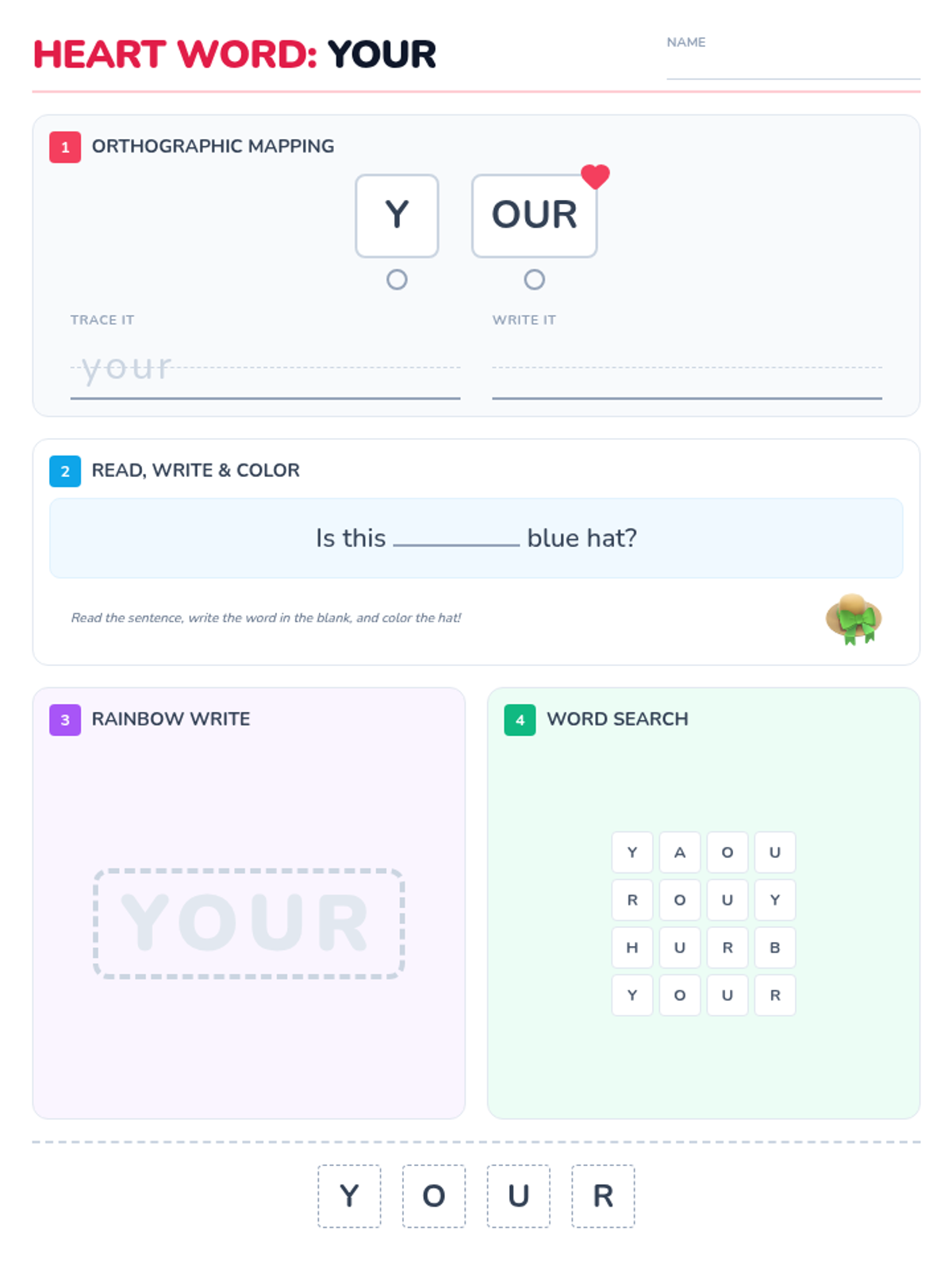
A comprehensive series of heart word practice pages aligned with UFLI Foundations. Each lesson provides targeted practice for orthographic mapping, reading, writing, and word building for specific irregular high-frequency words.
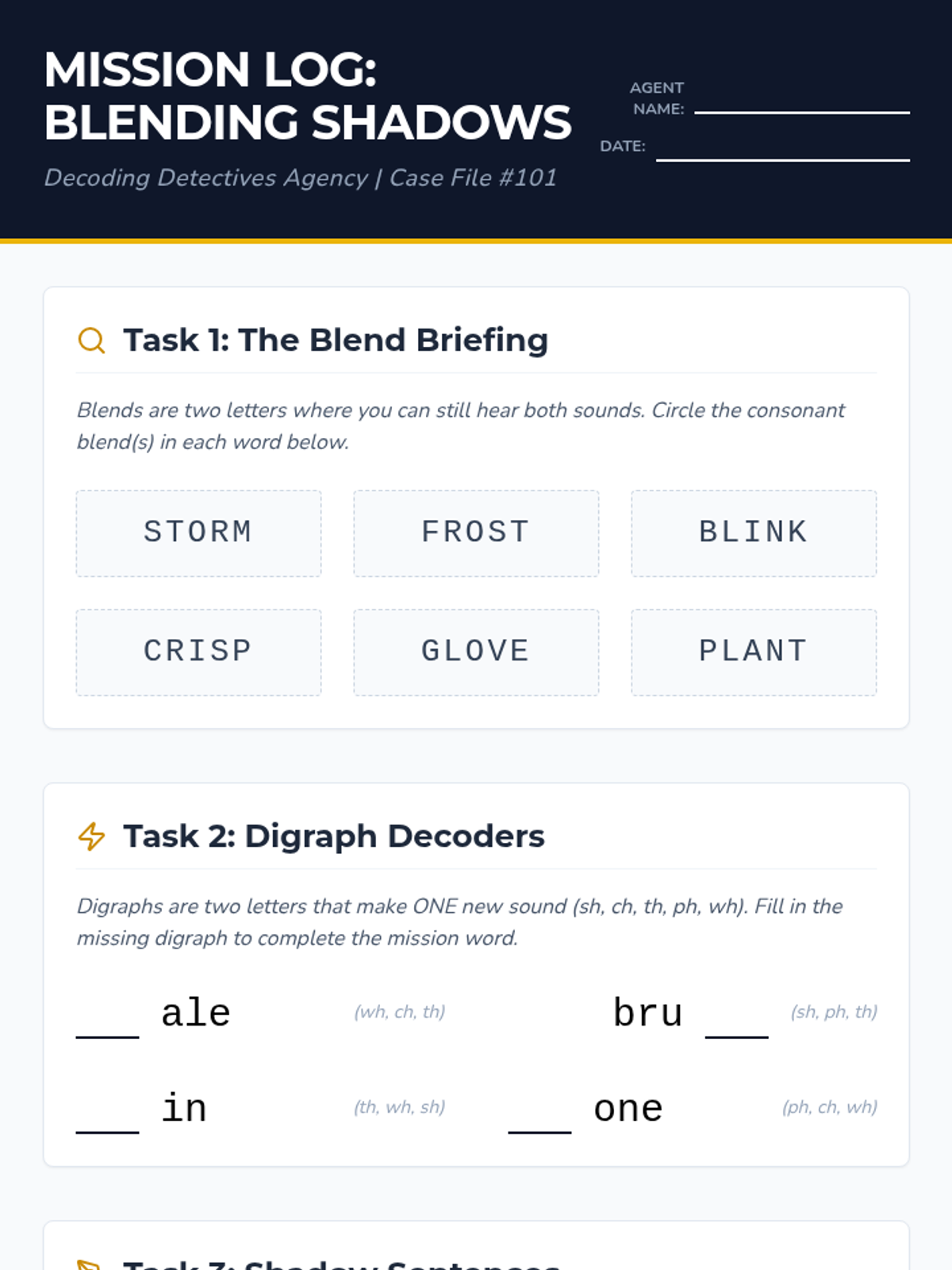
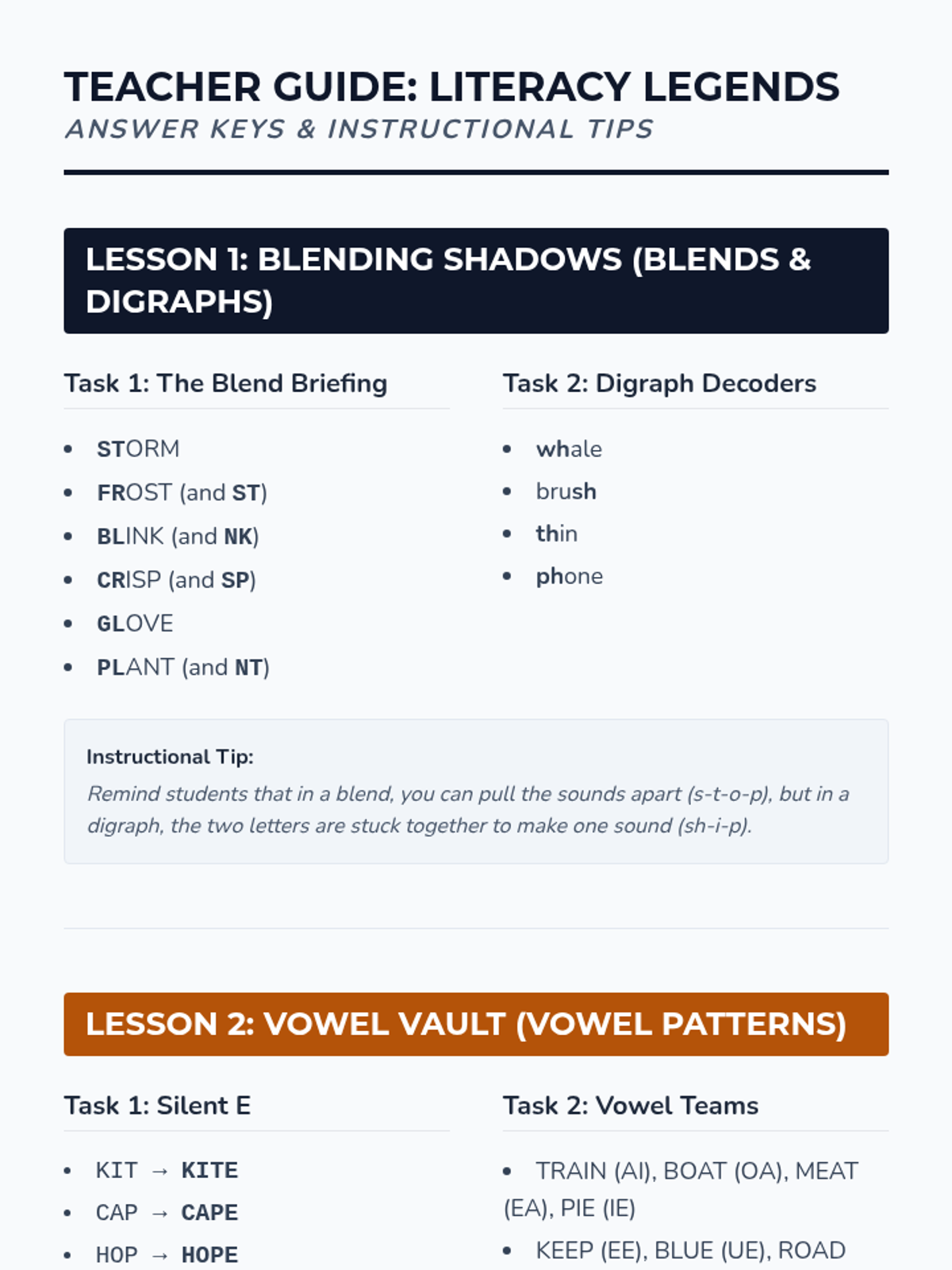
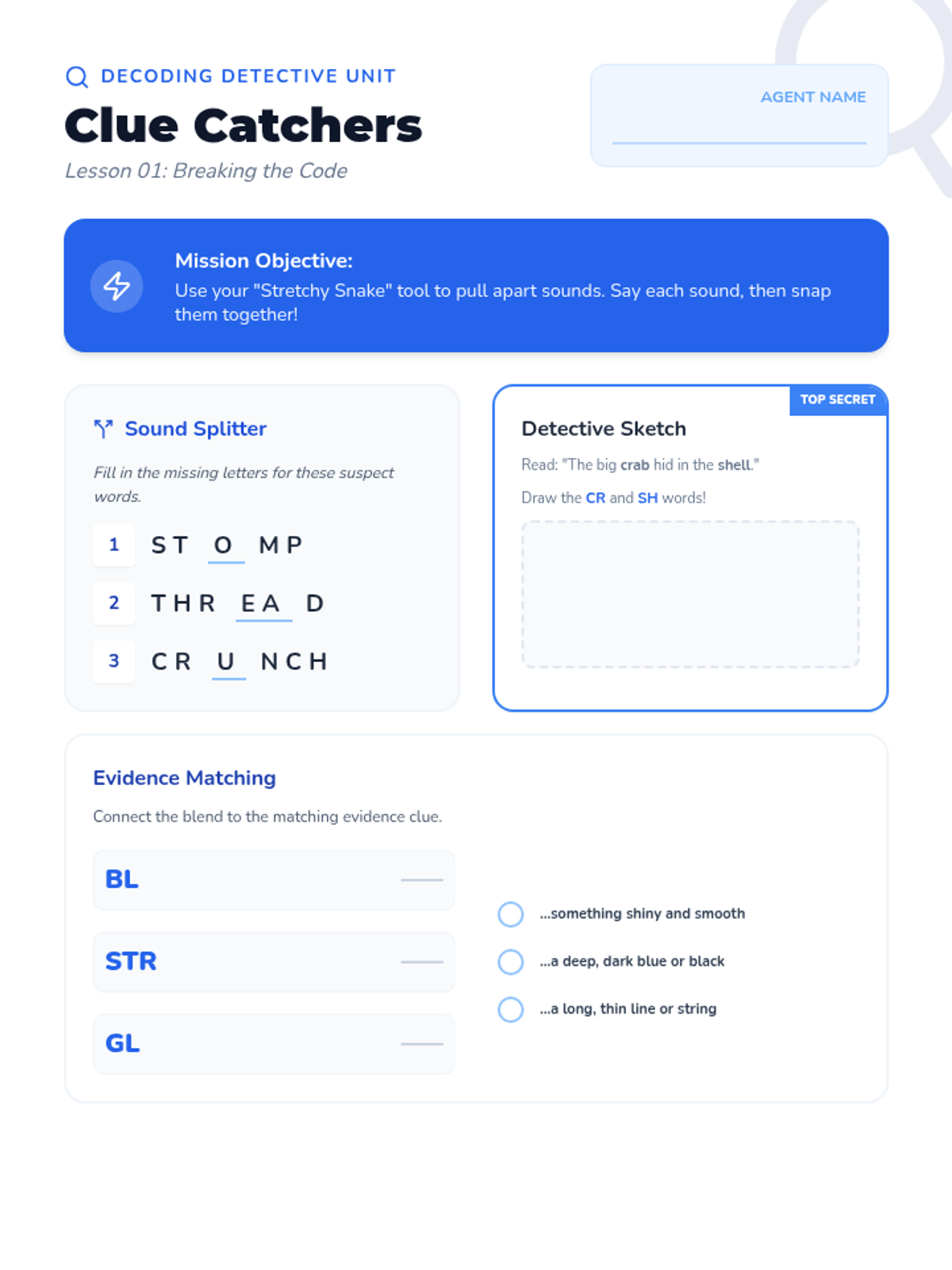
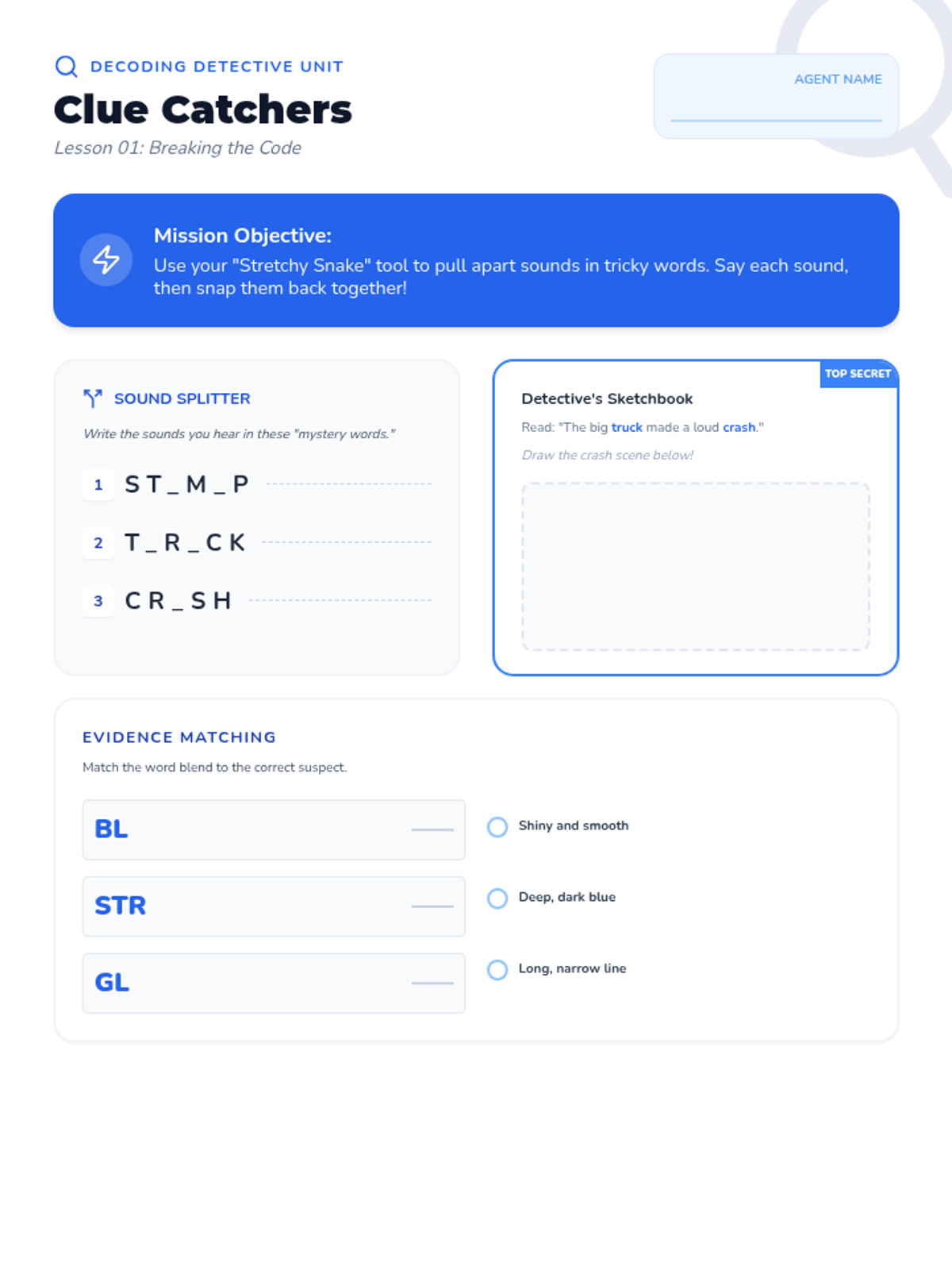
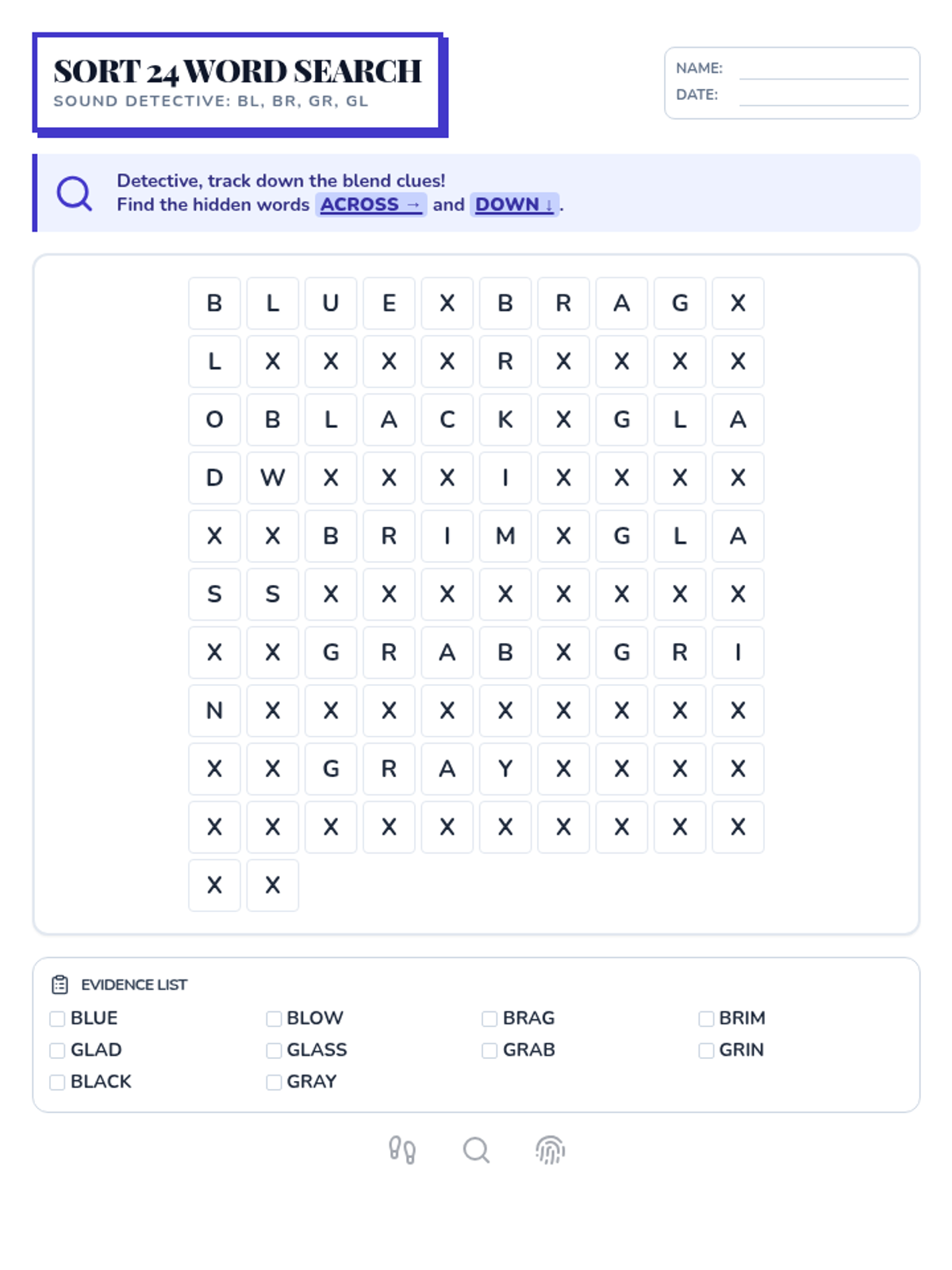
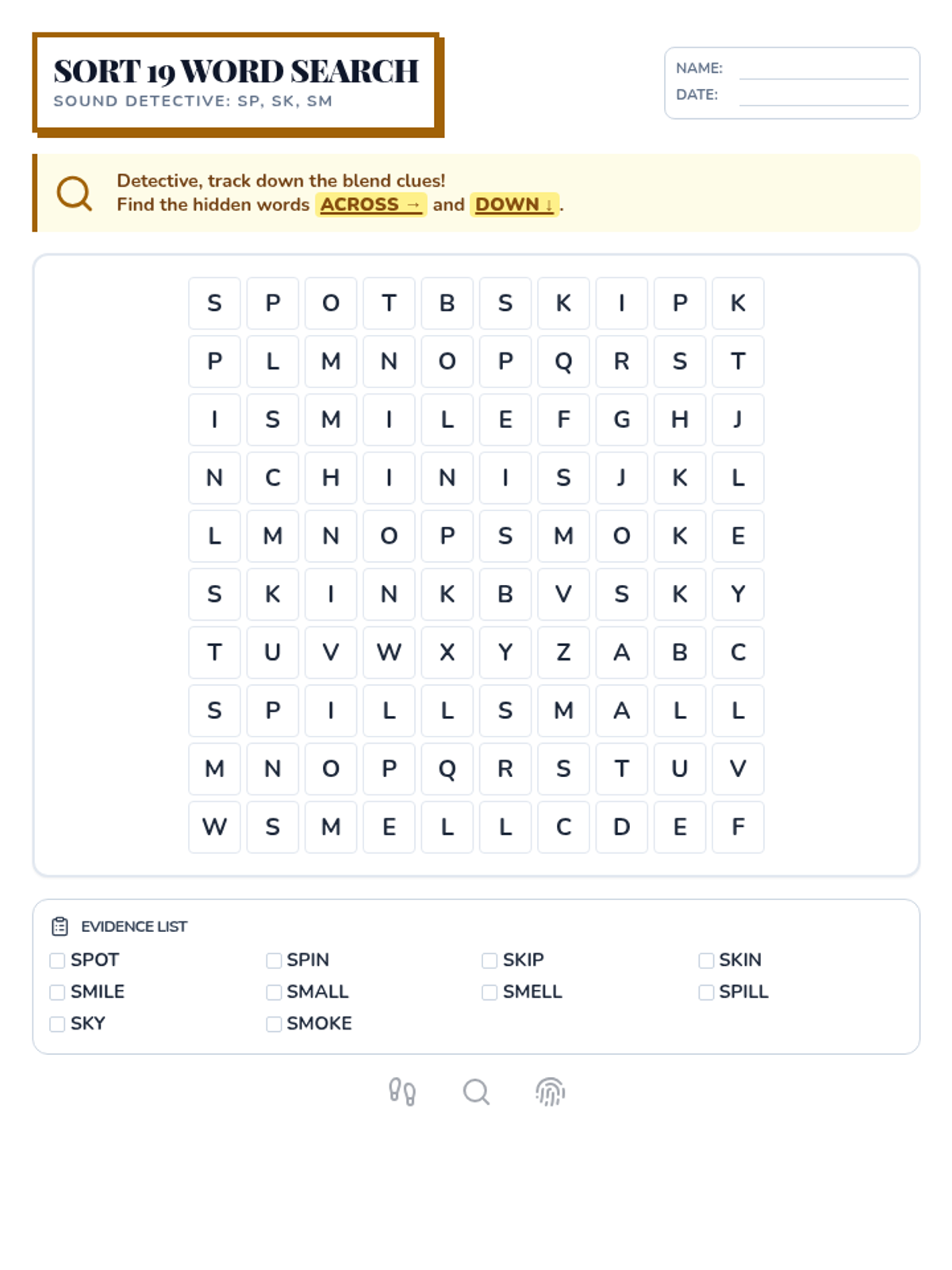
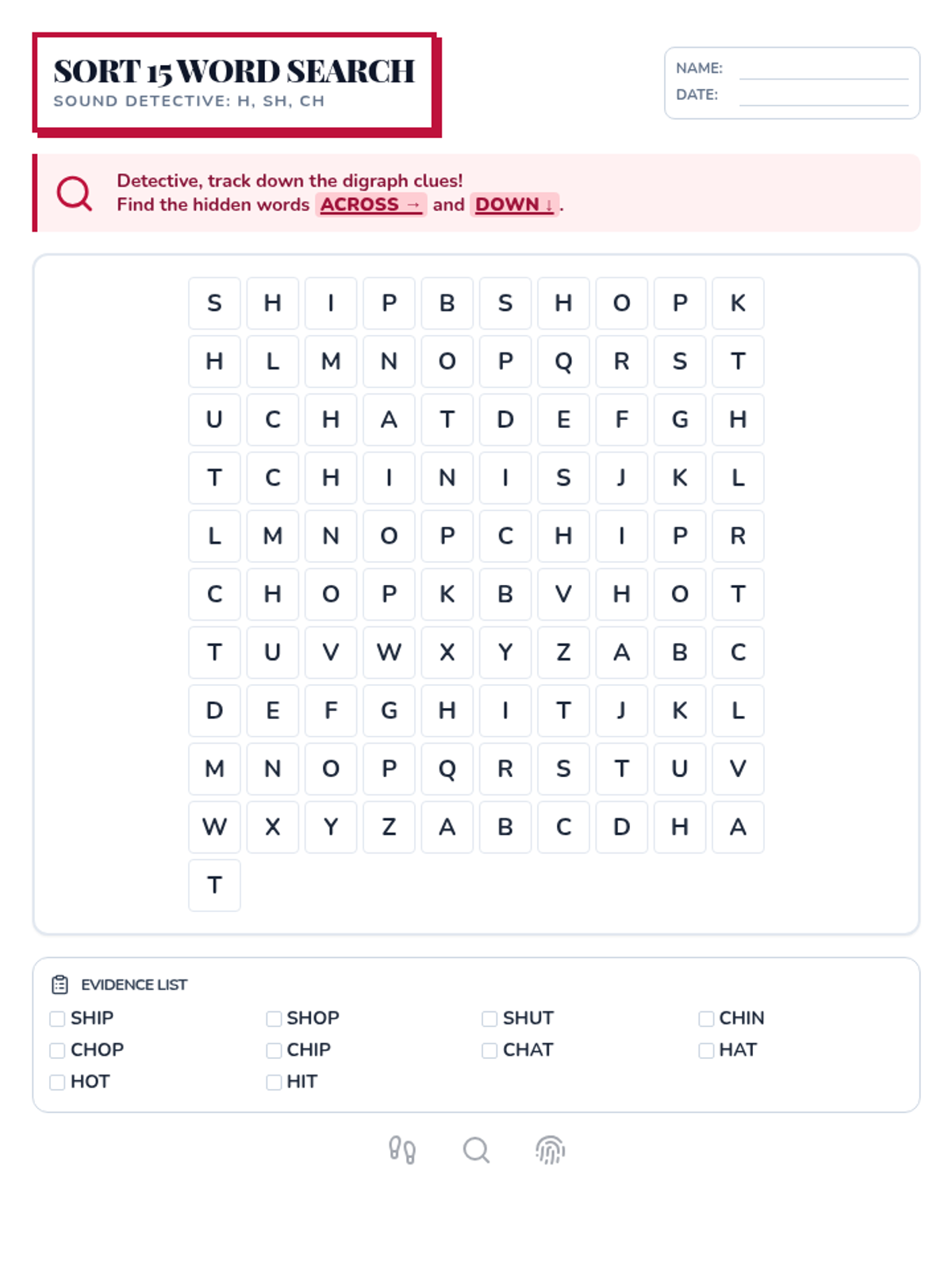
A comprehensive foundational literacy sequence focusing on phonics and vocabulary skills, designed for IREAD preparation. Students act as 'Decoding Detectives' to solve linguistic mysteries involving blends, digraphs, vowel patterns, and tricky word meanings.
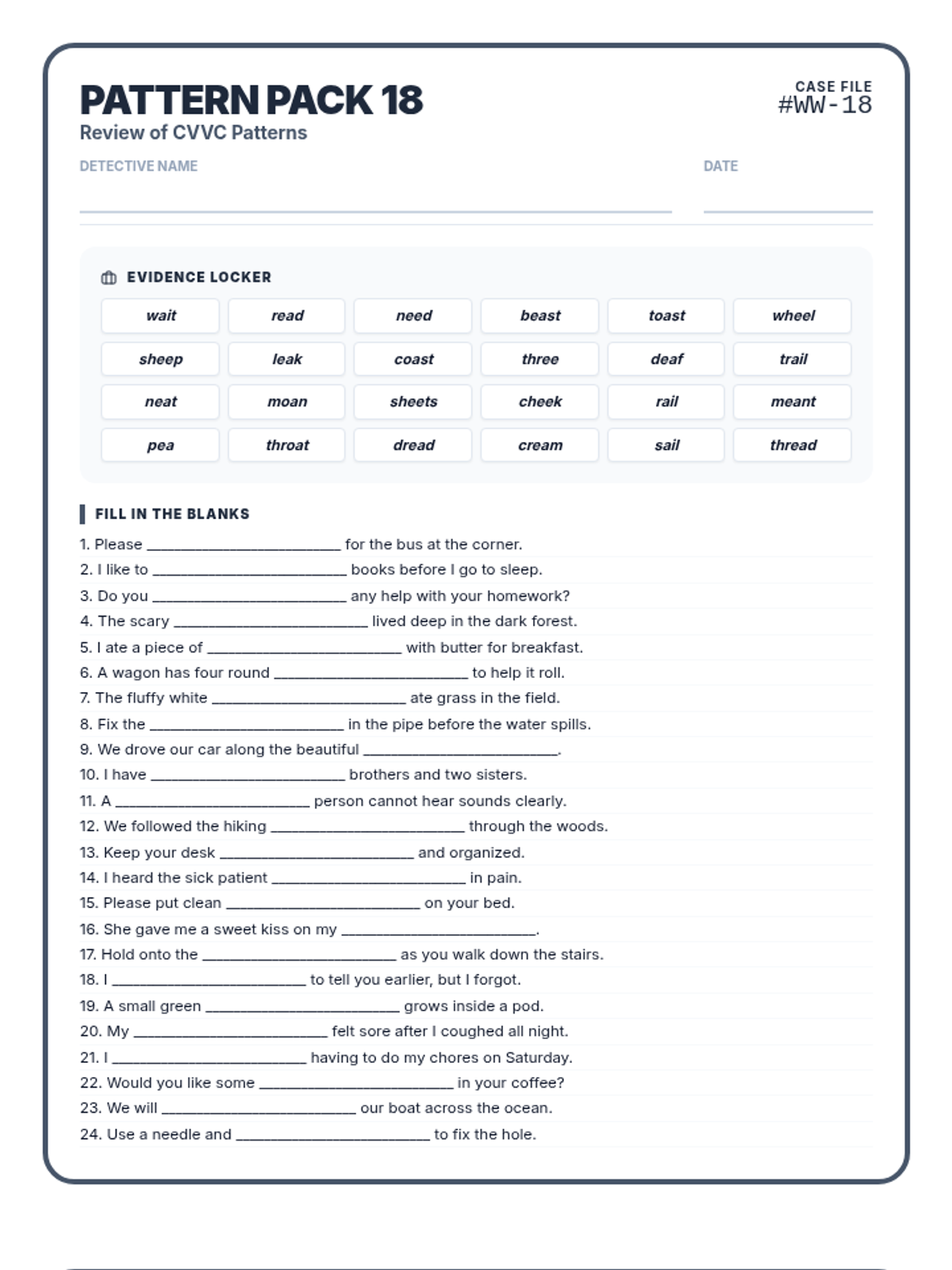
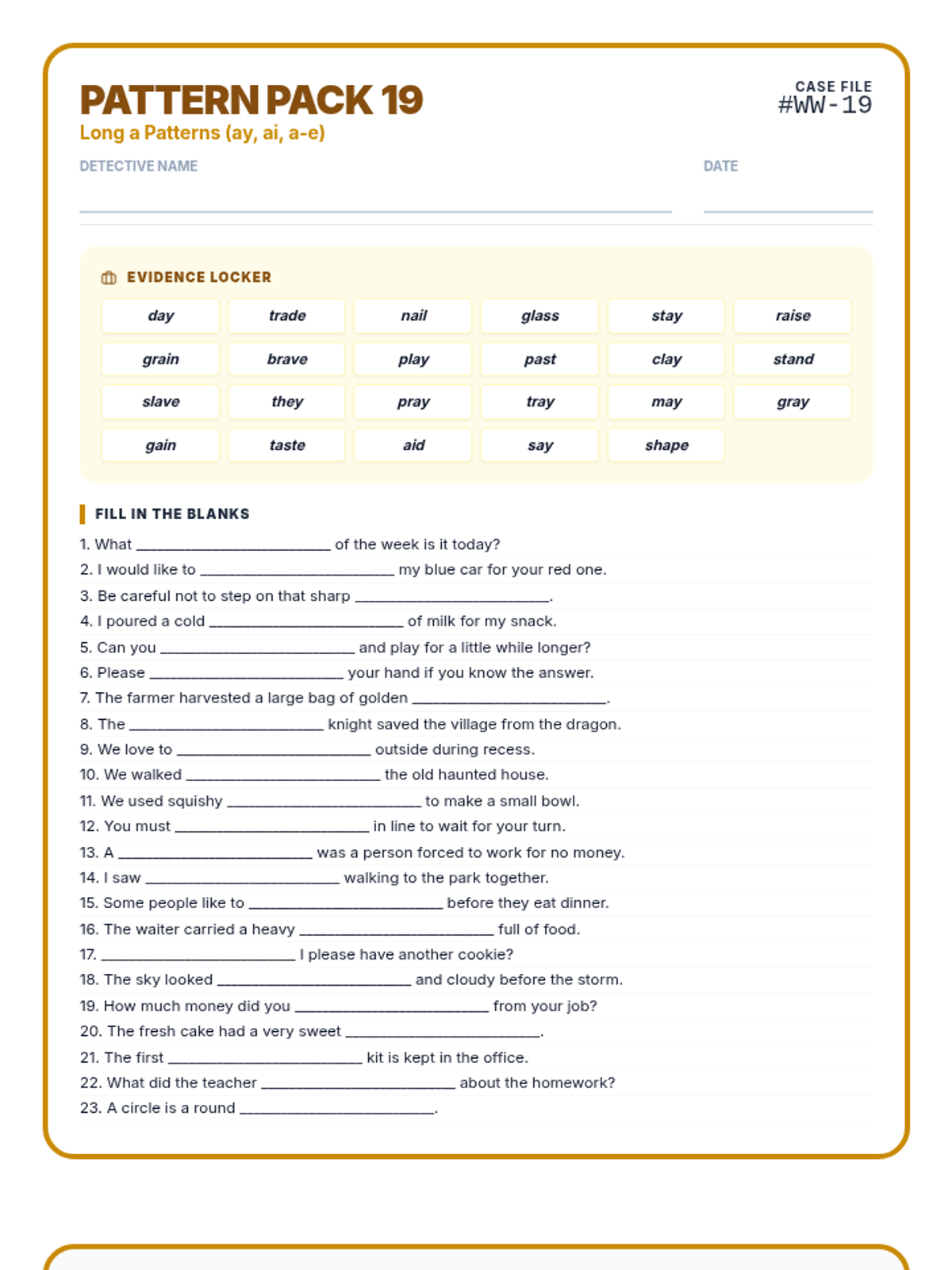
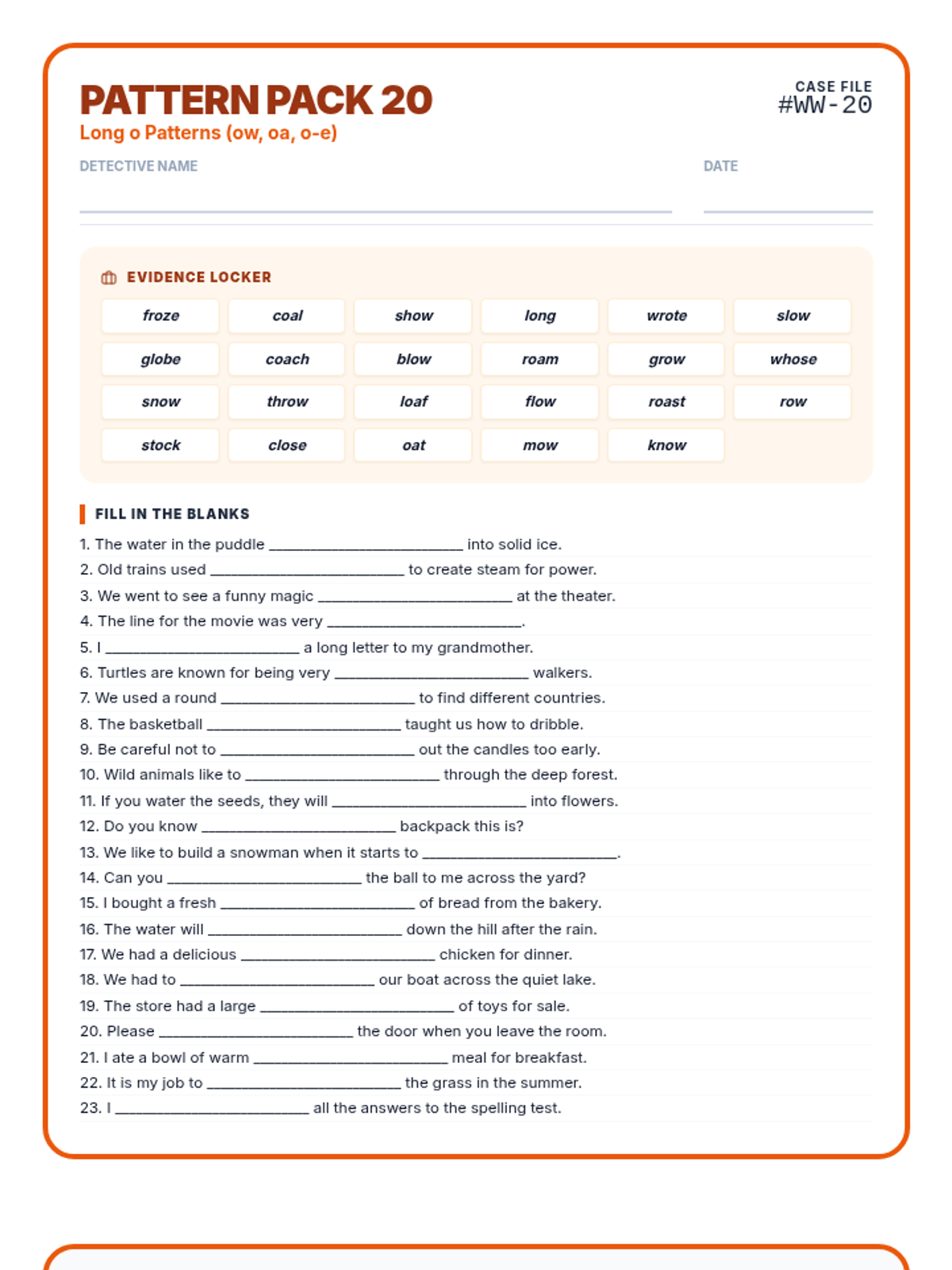
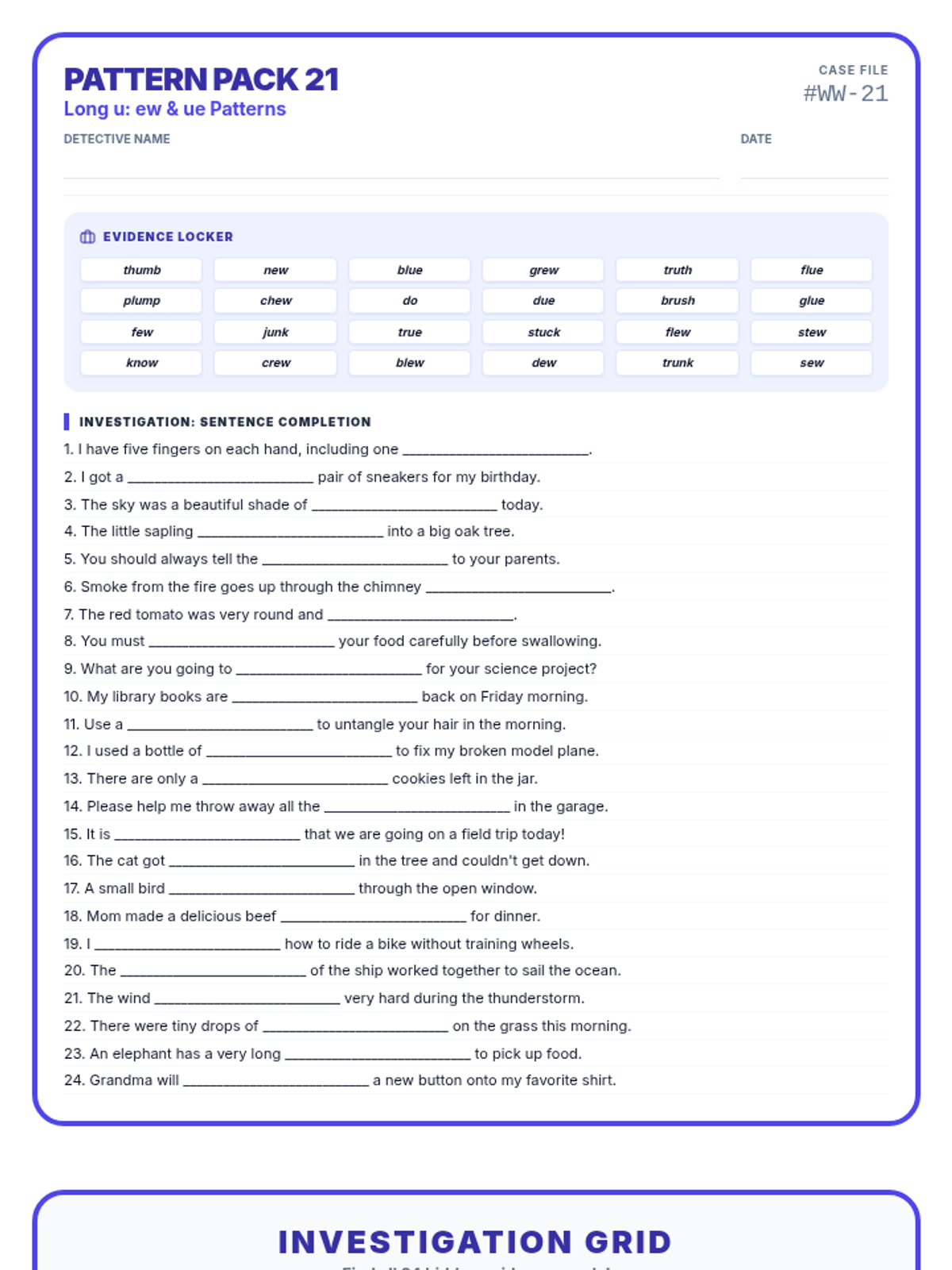
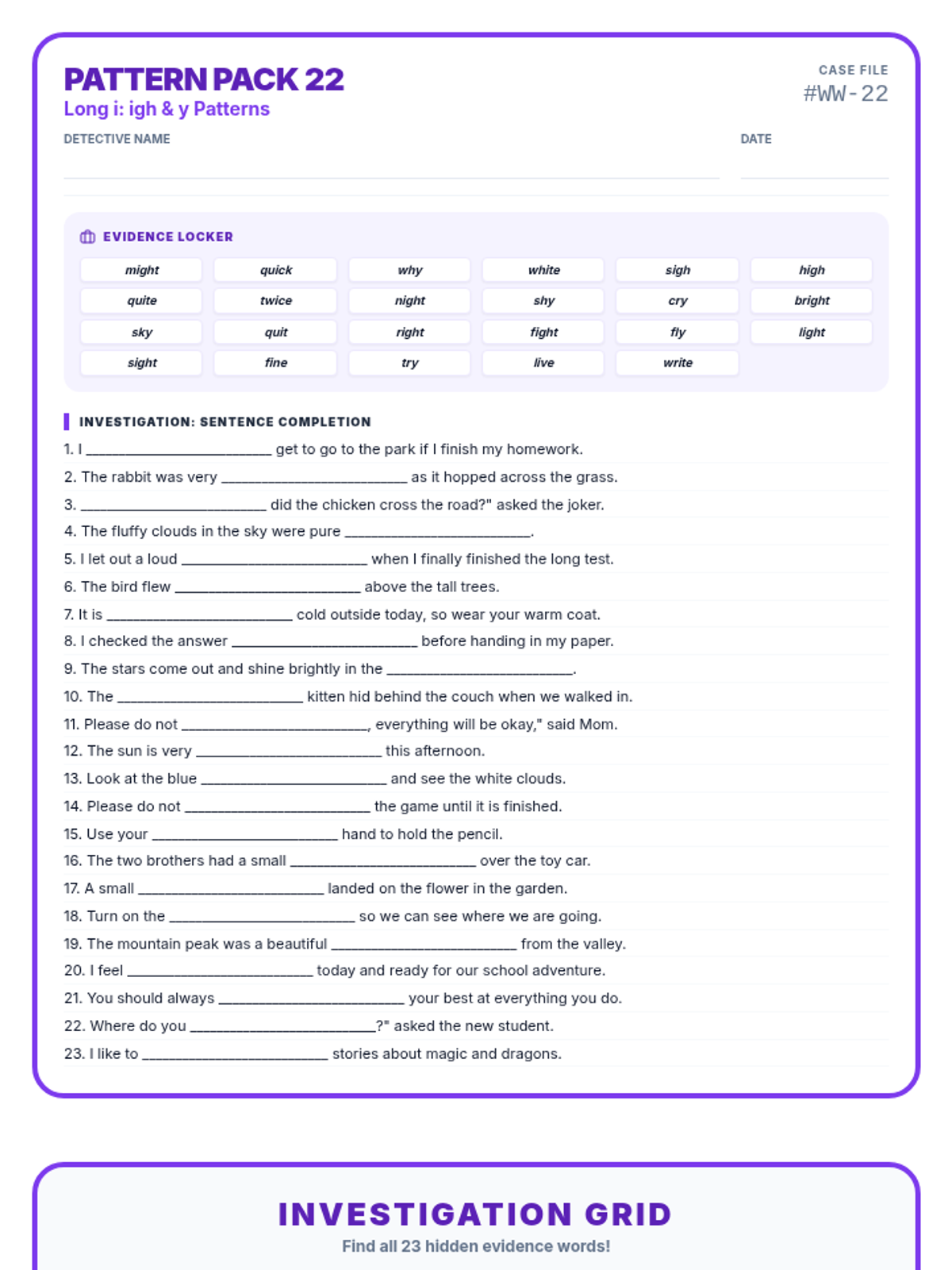
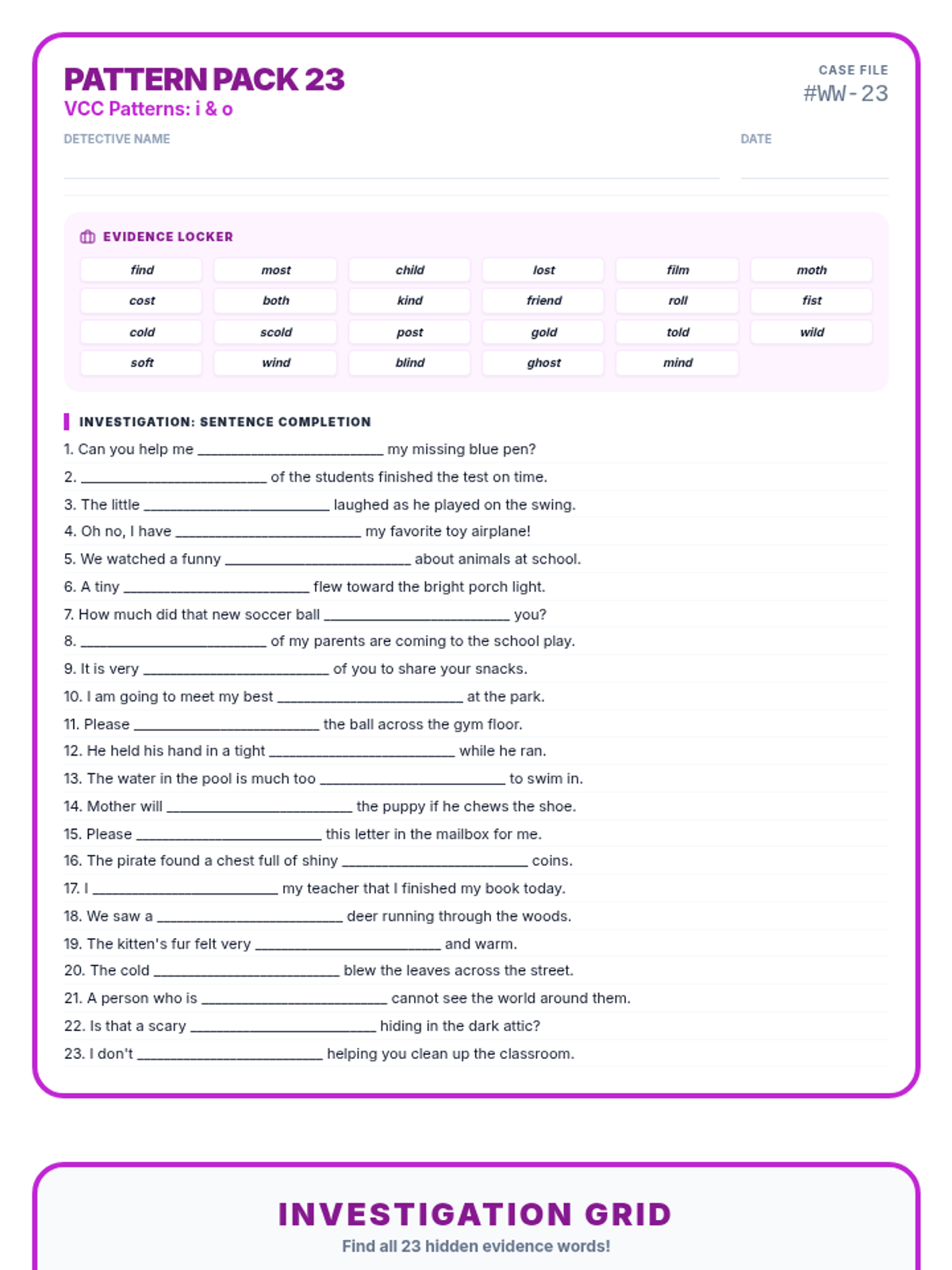
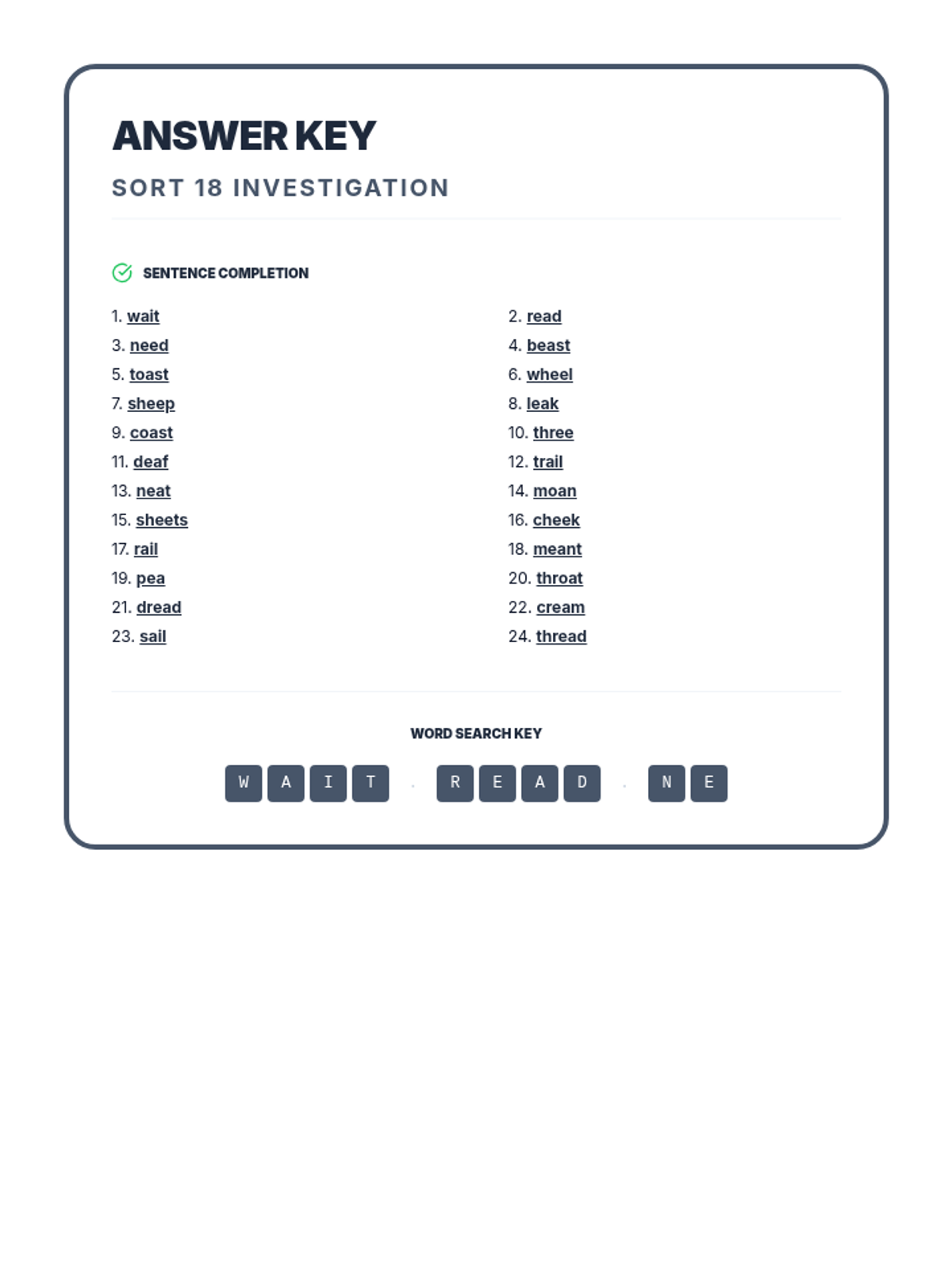
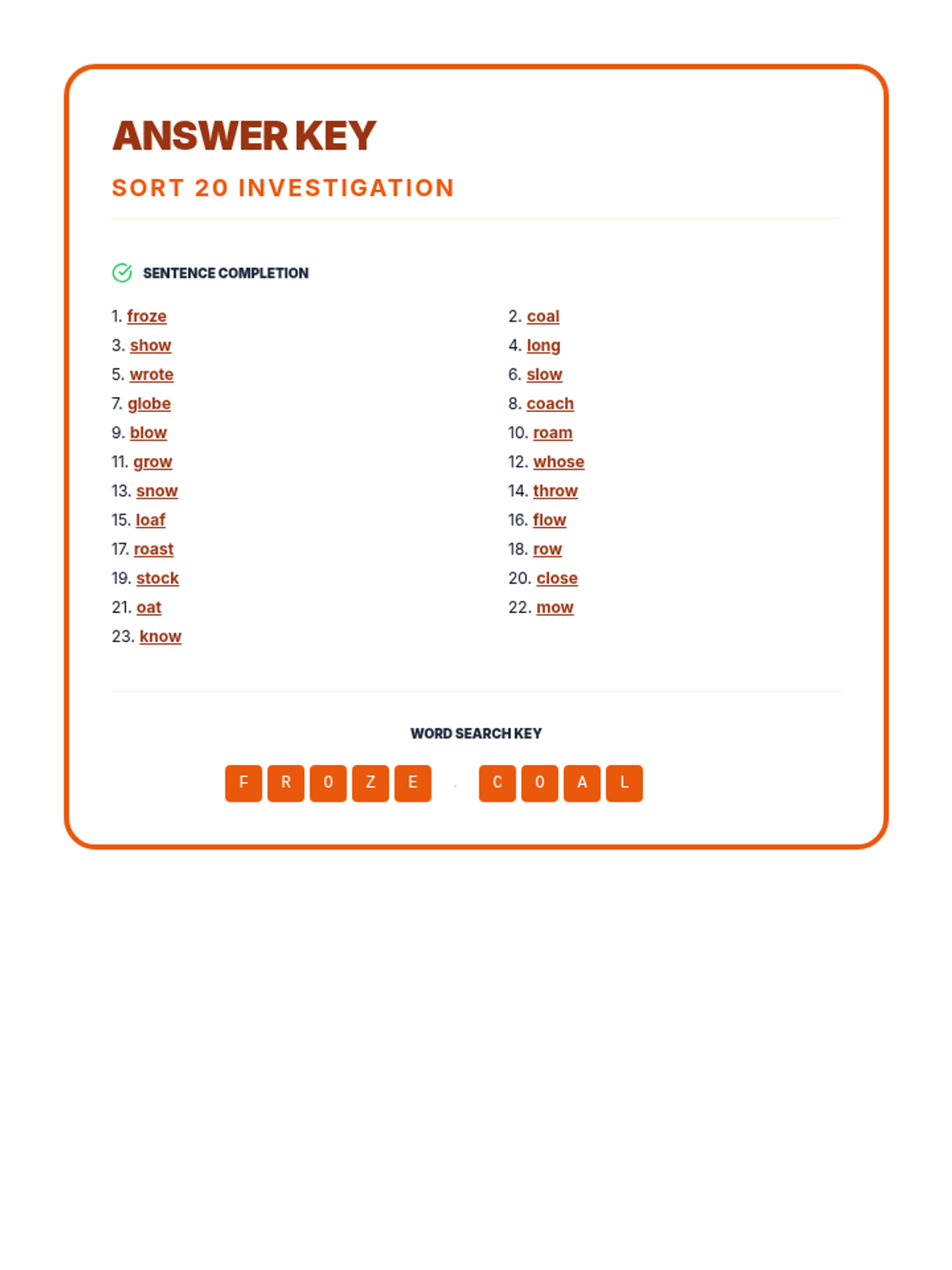
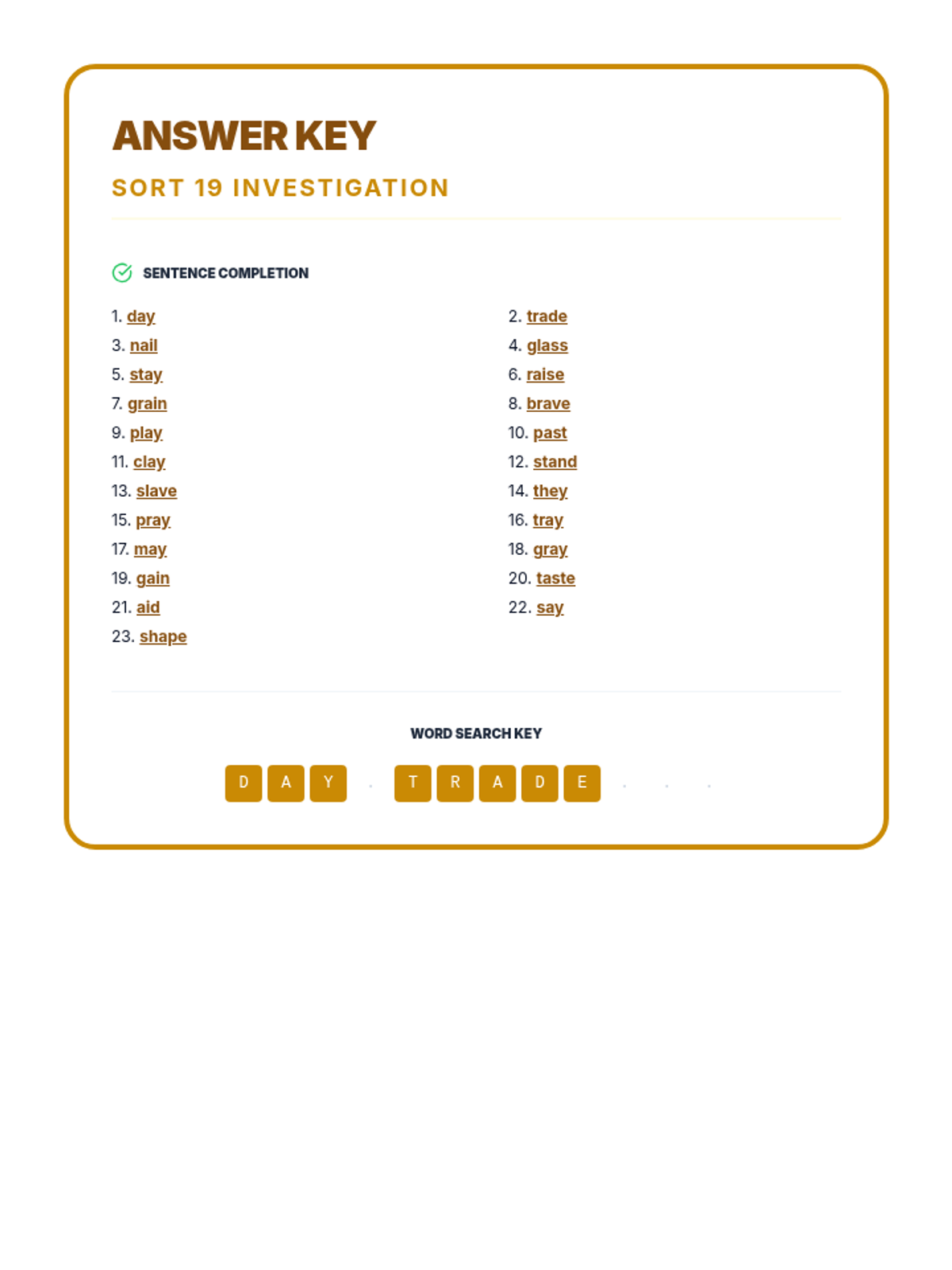
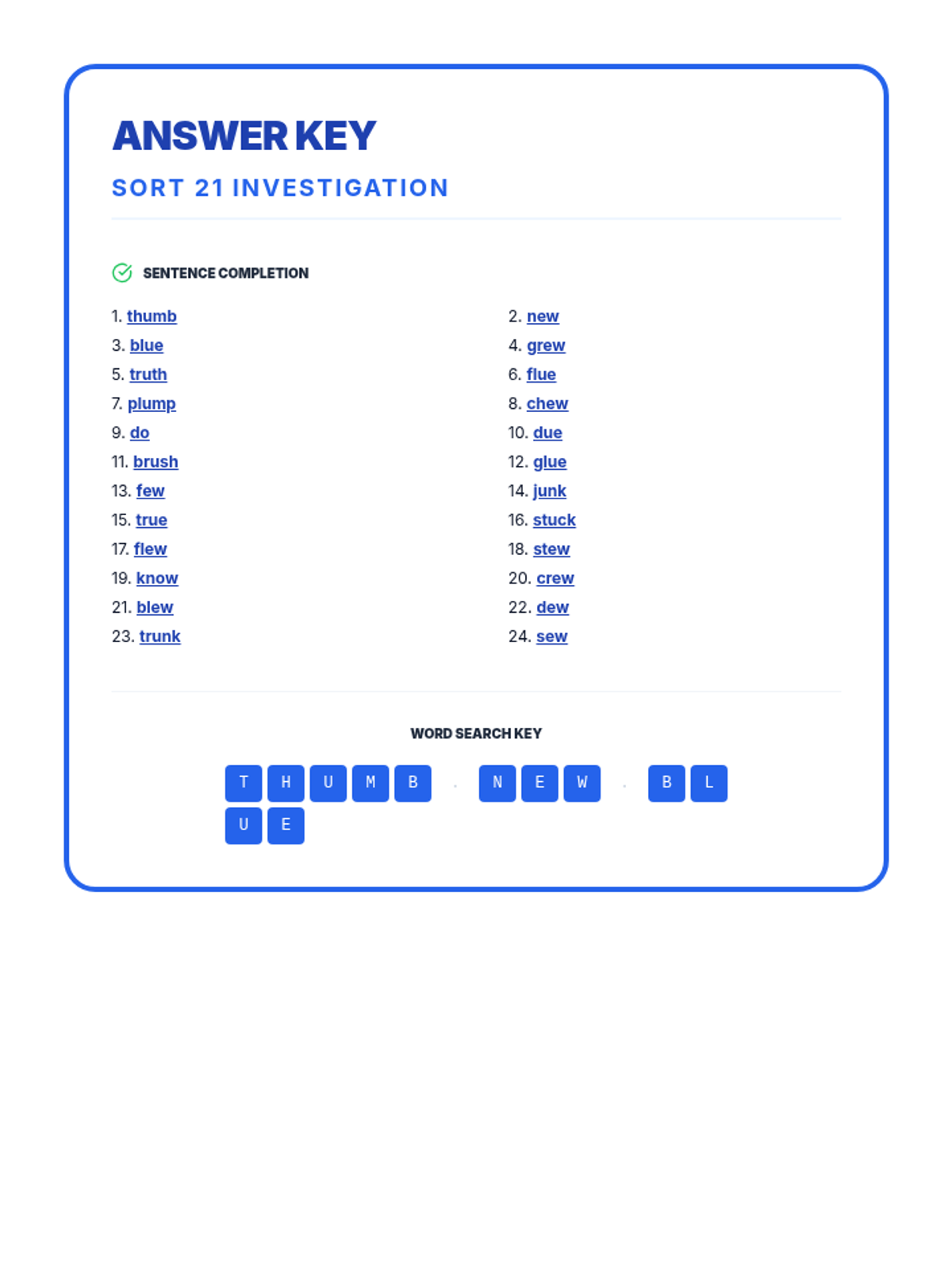
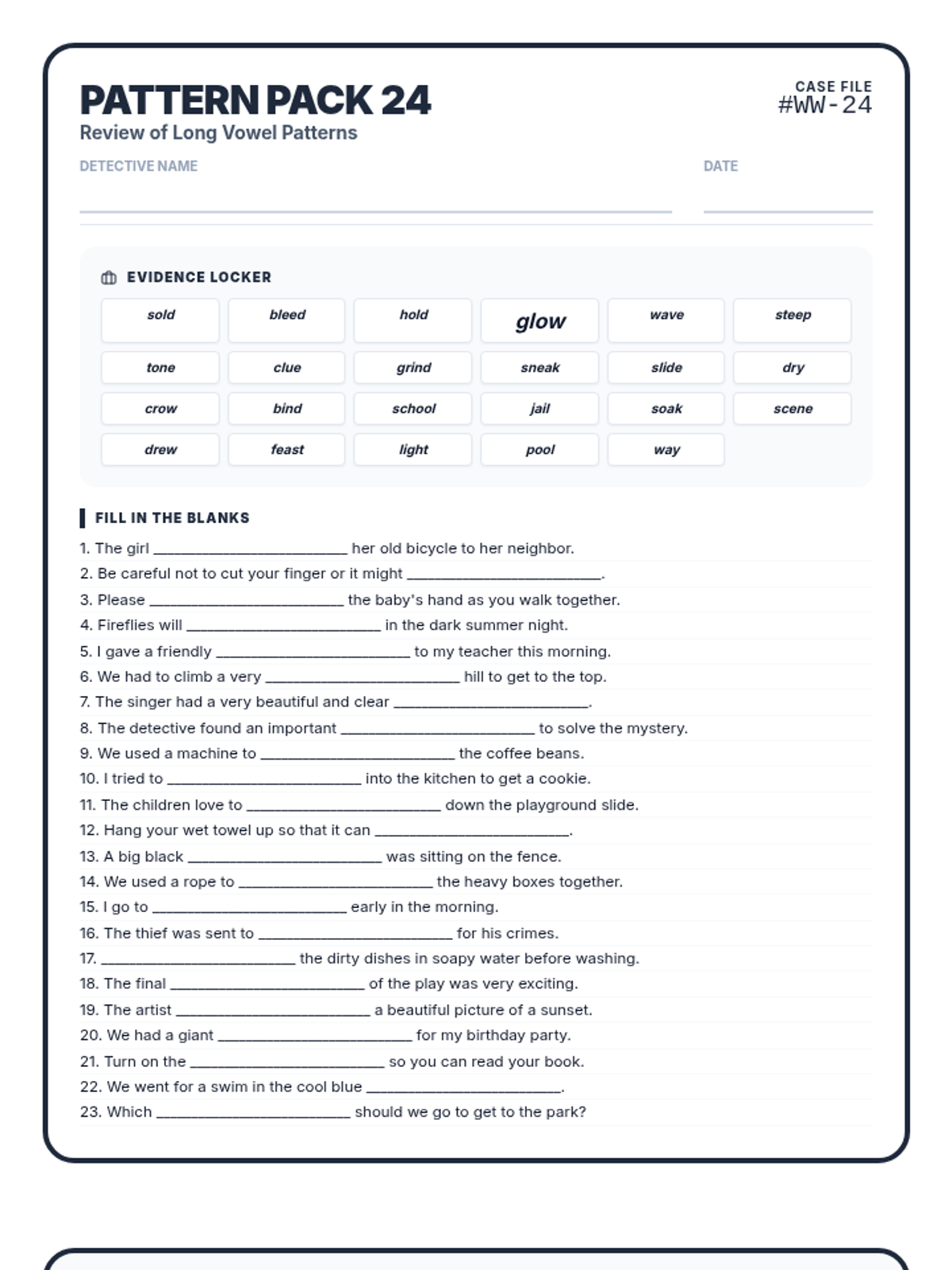
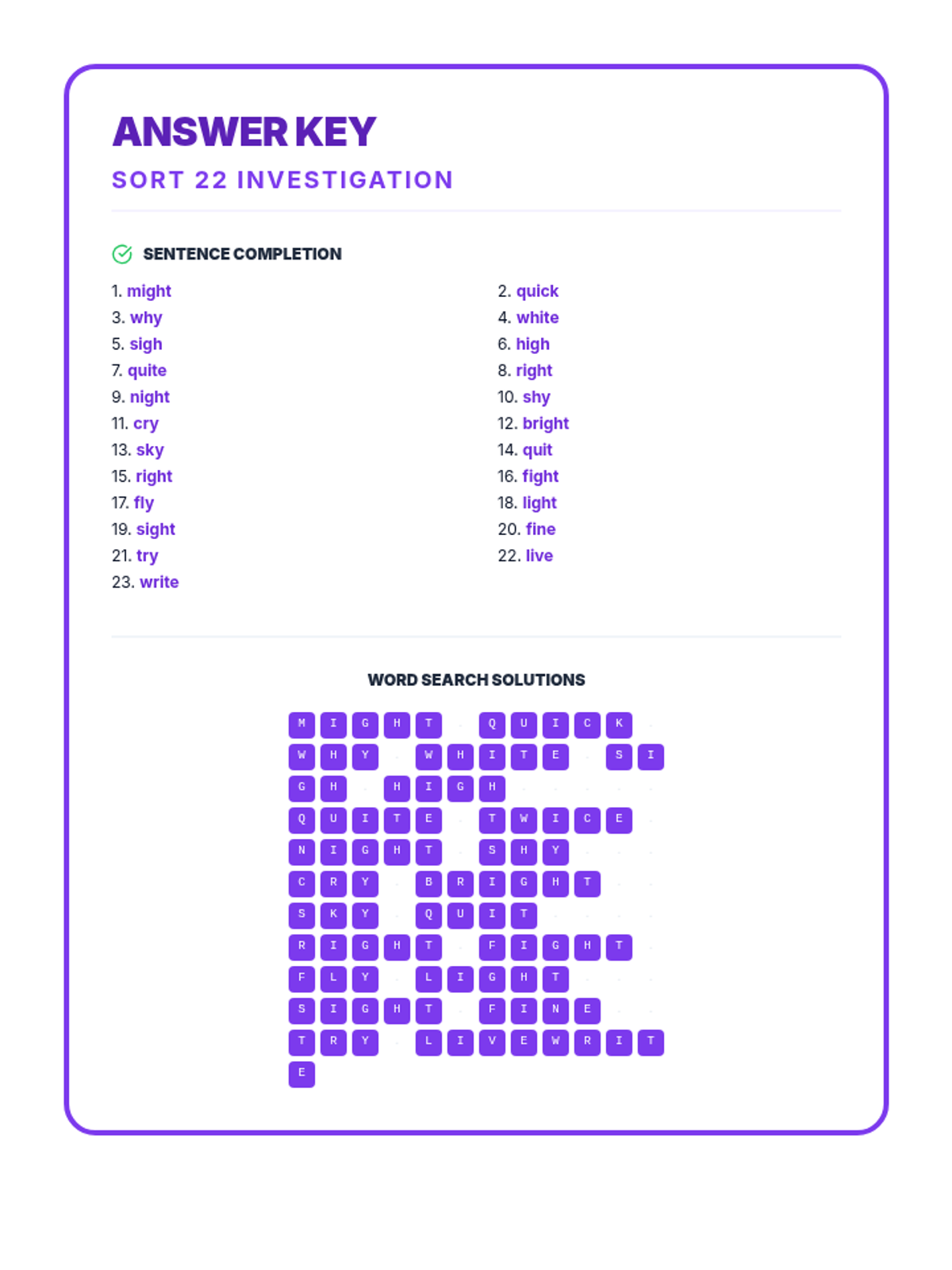
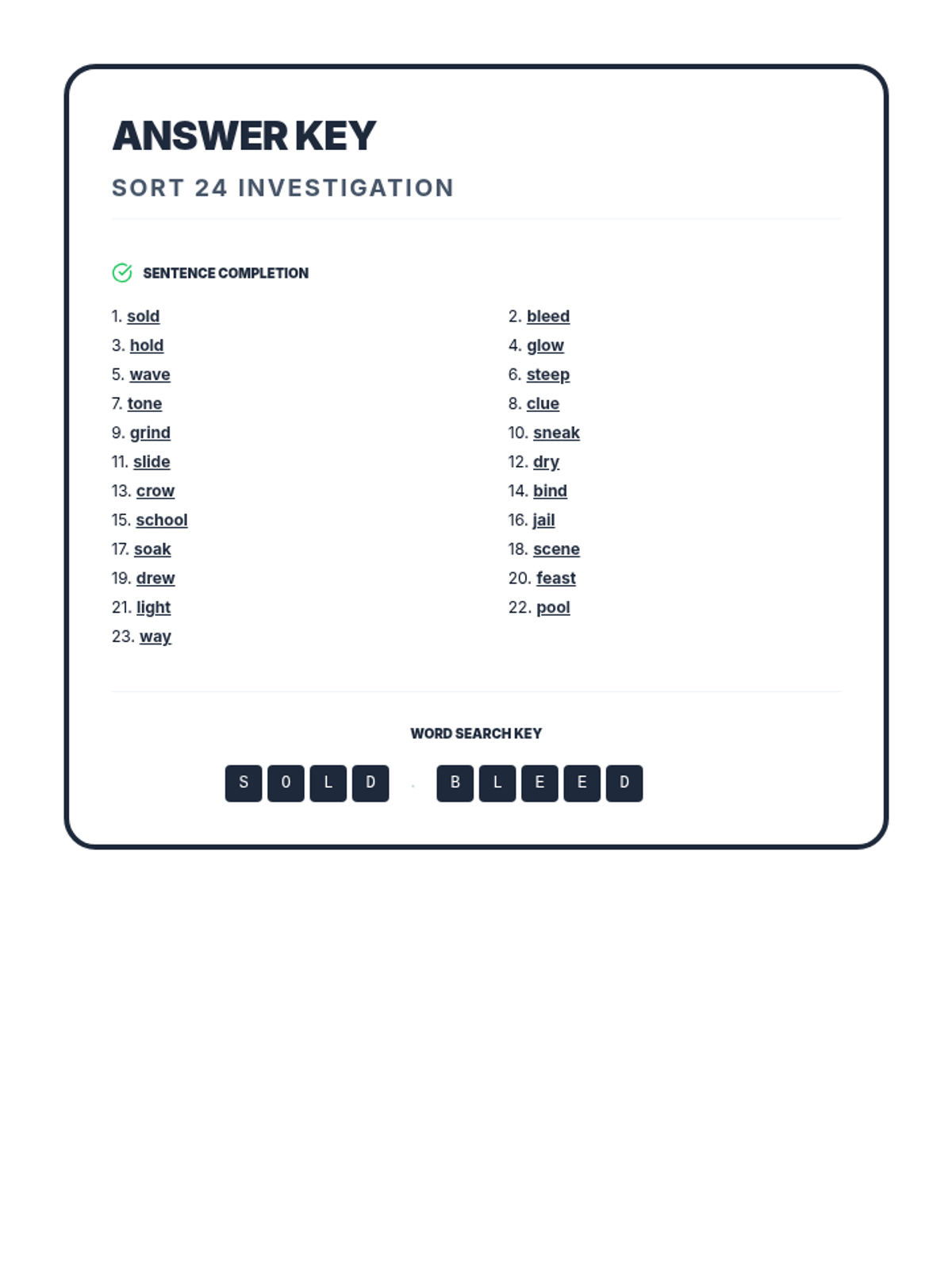
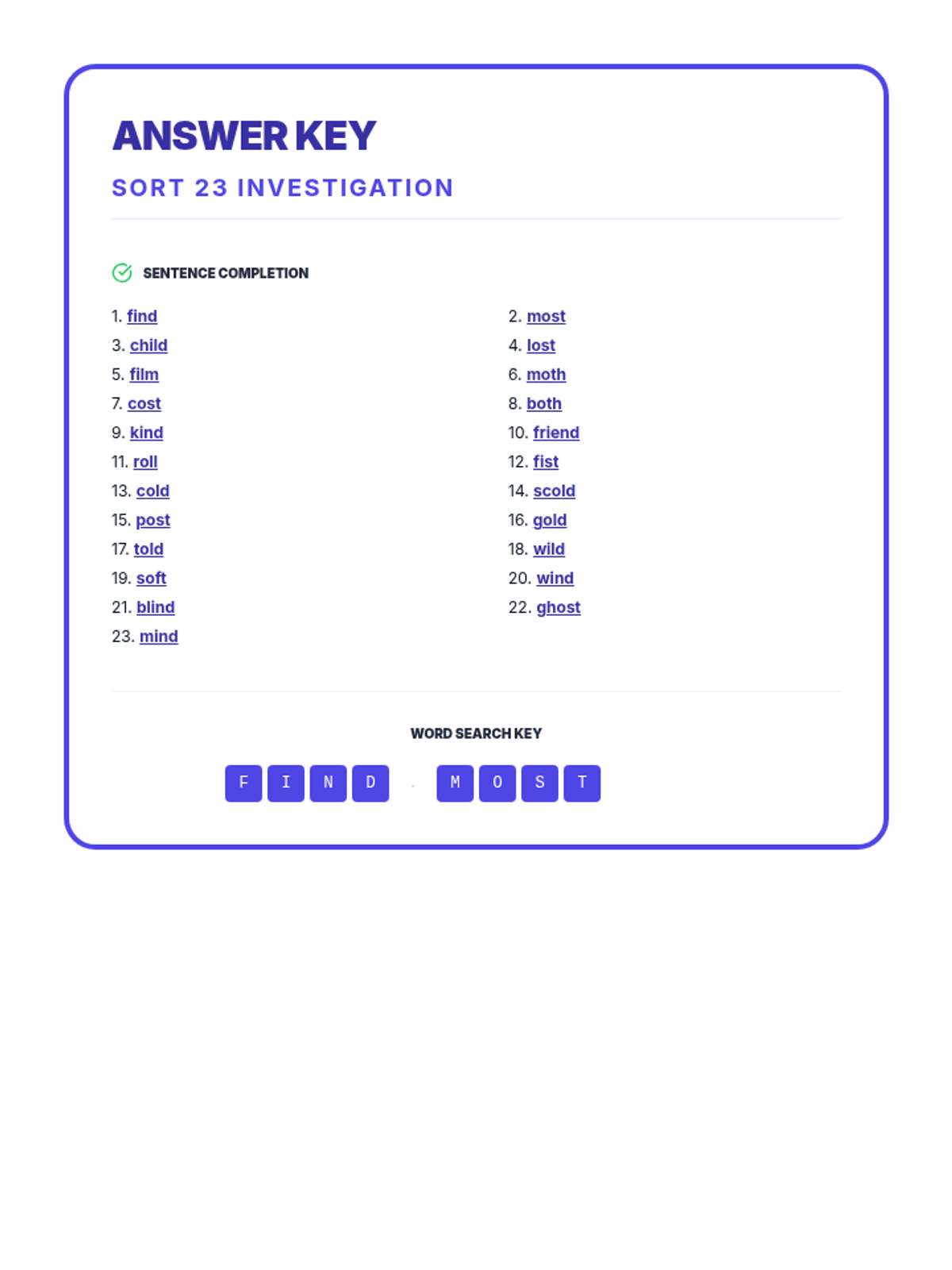
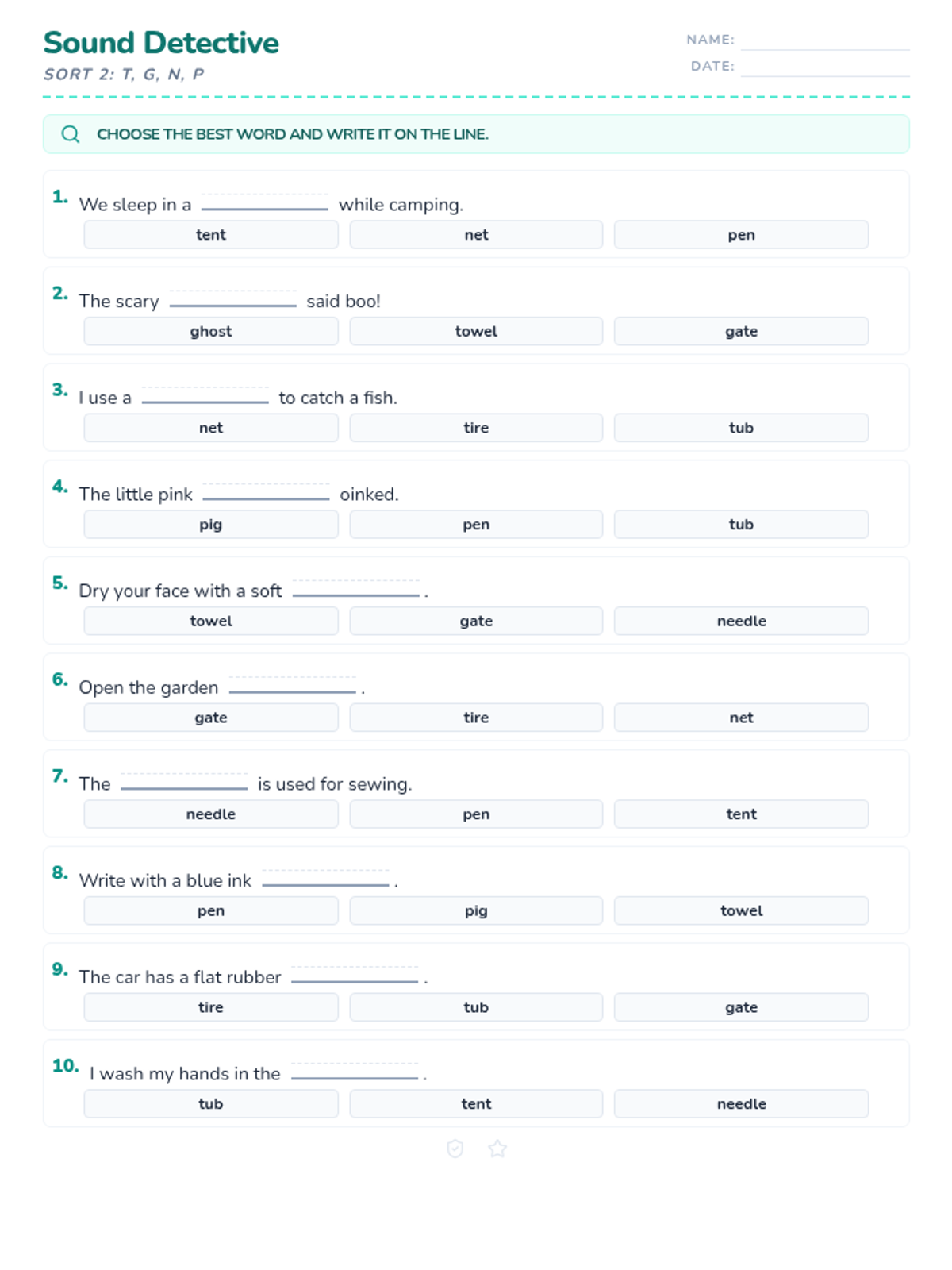
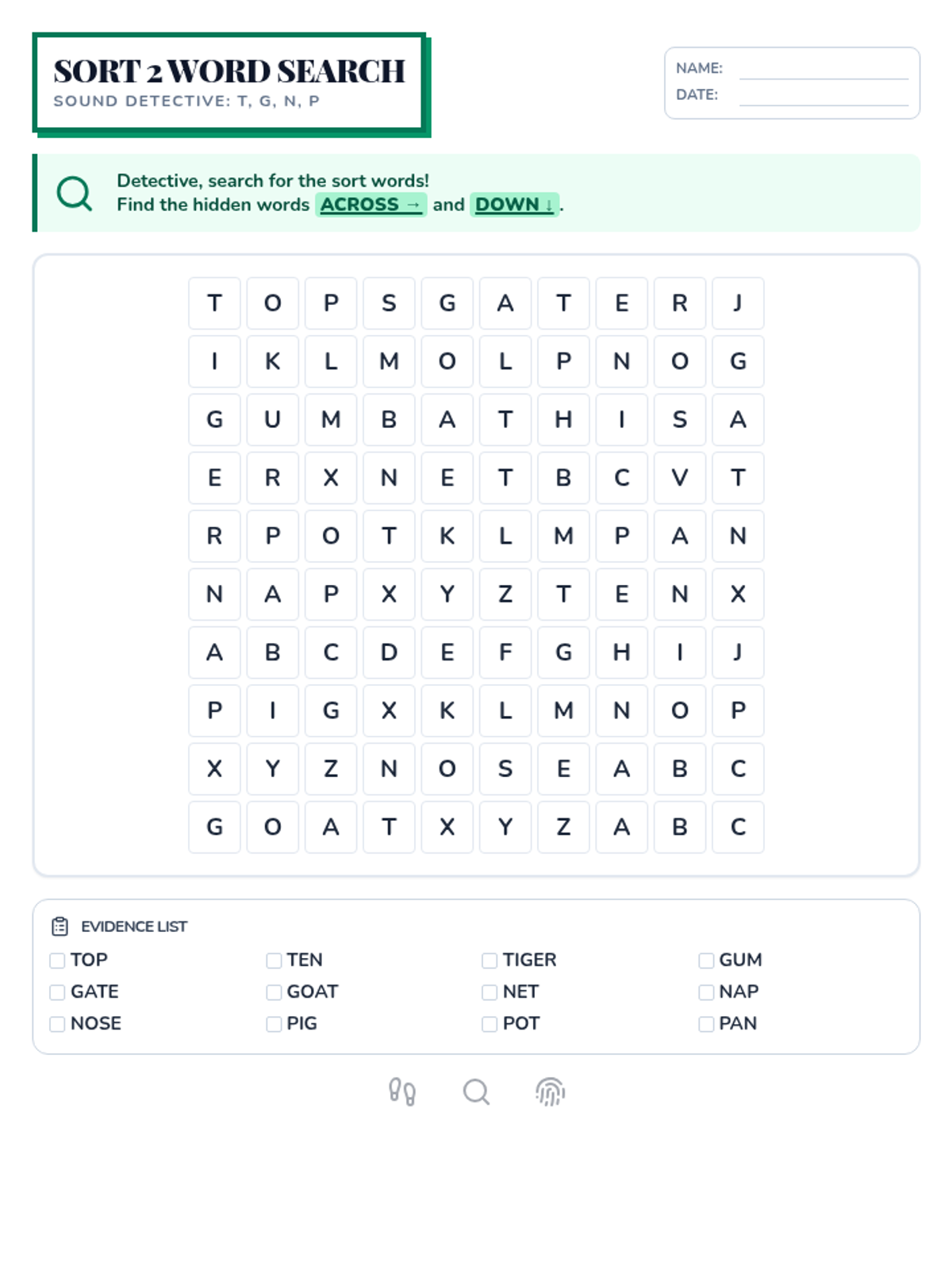
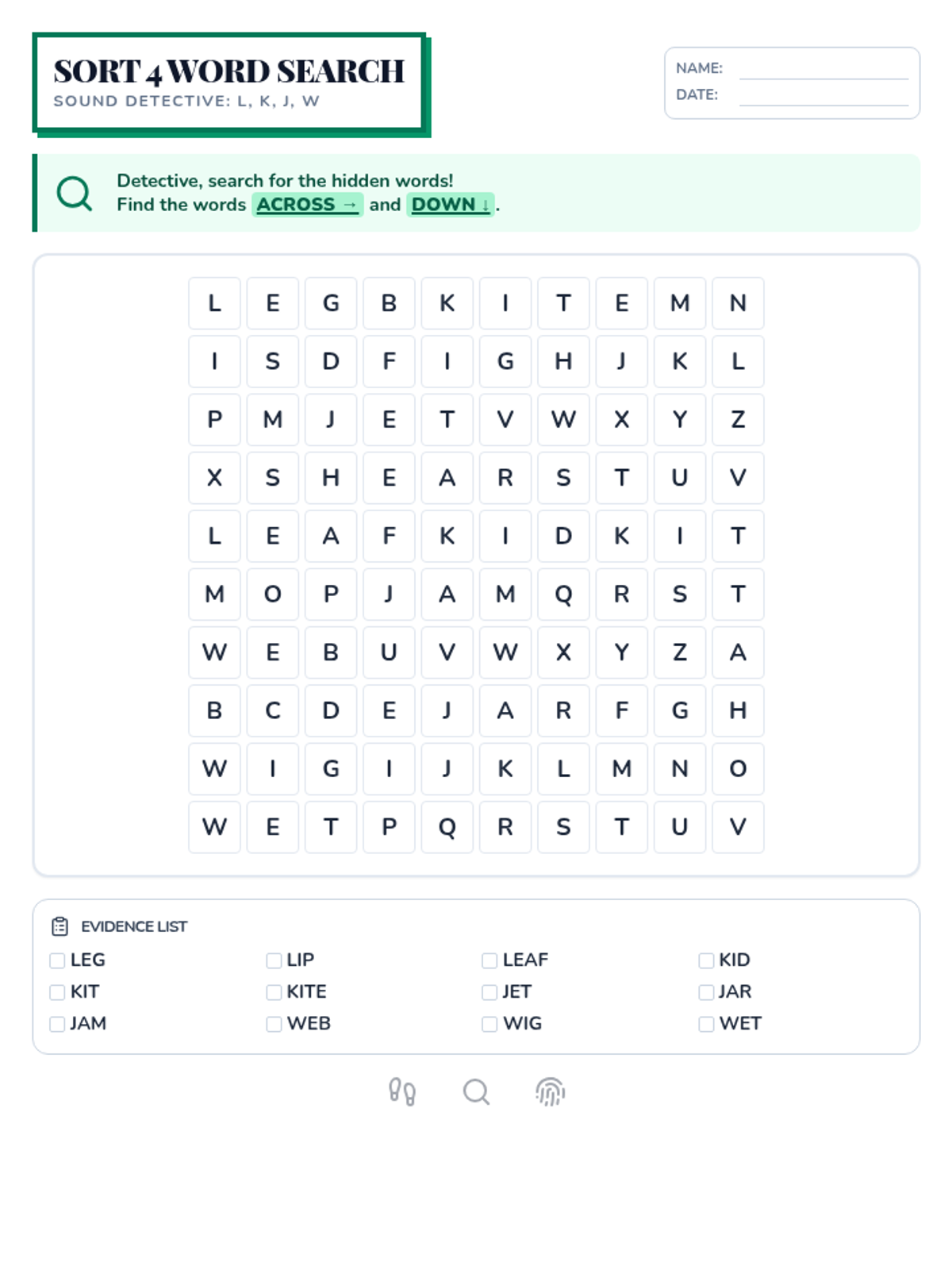
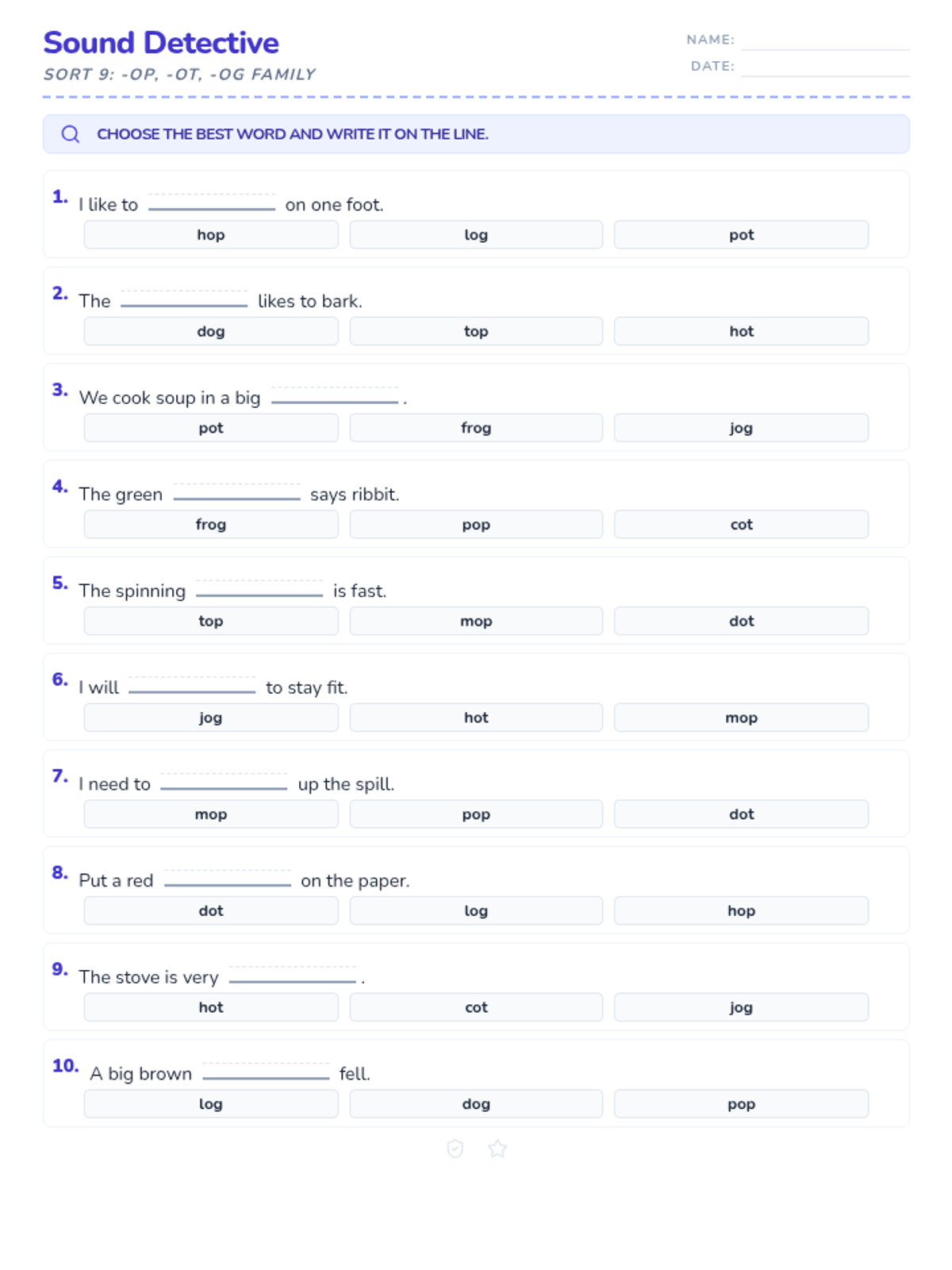
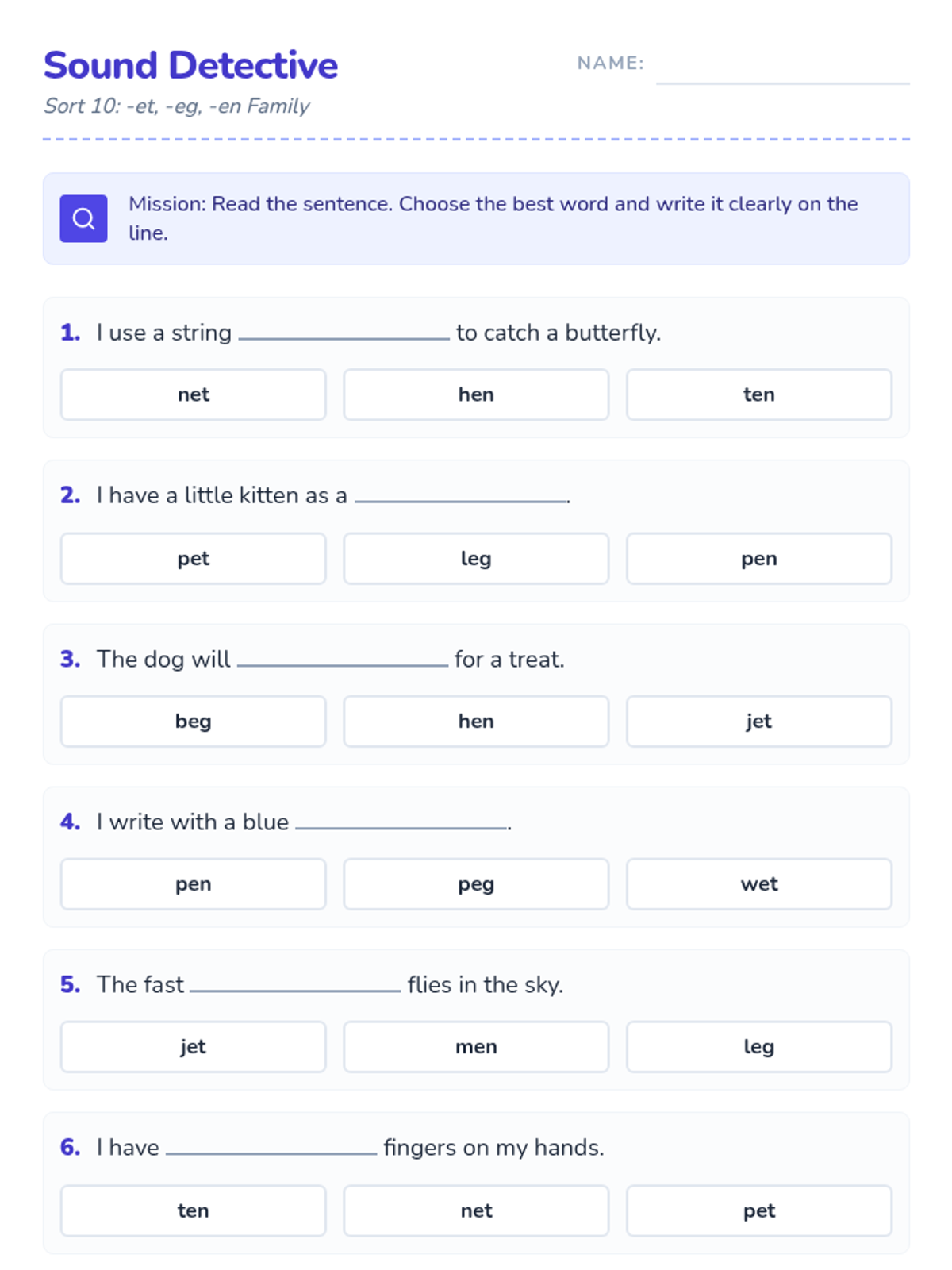
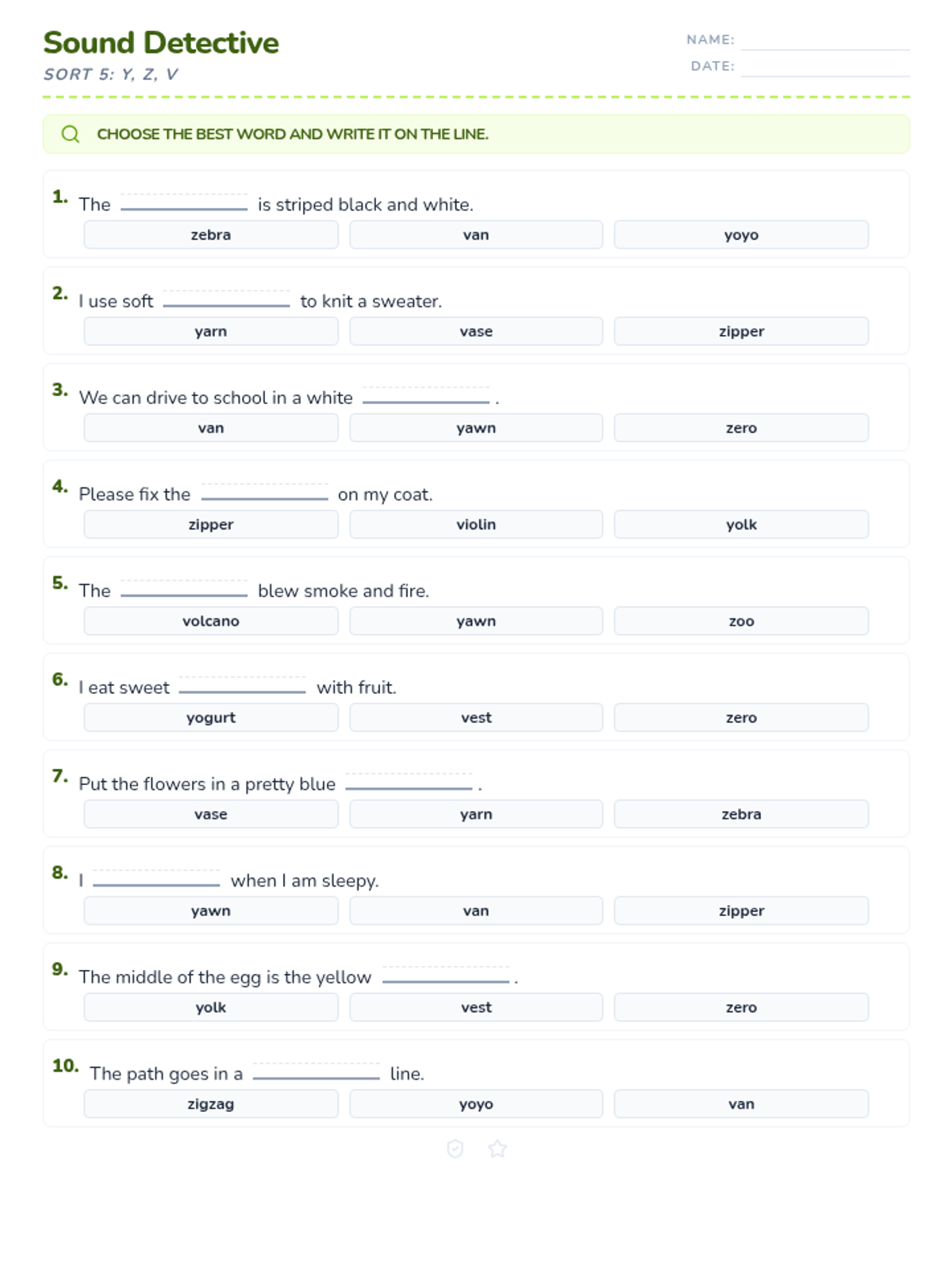
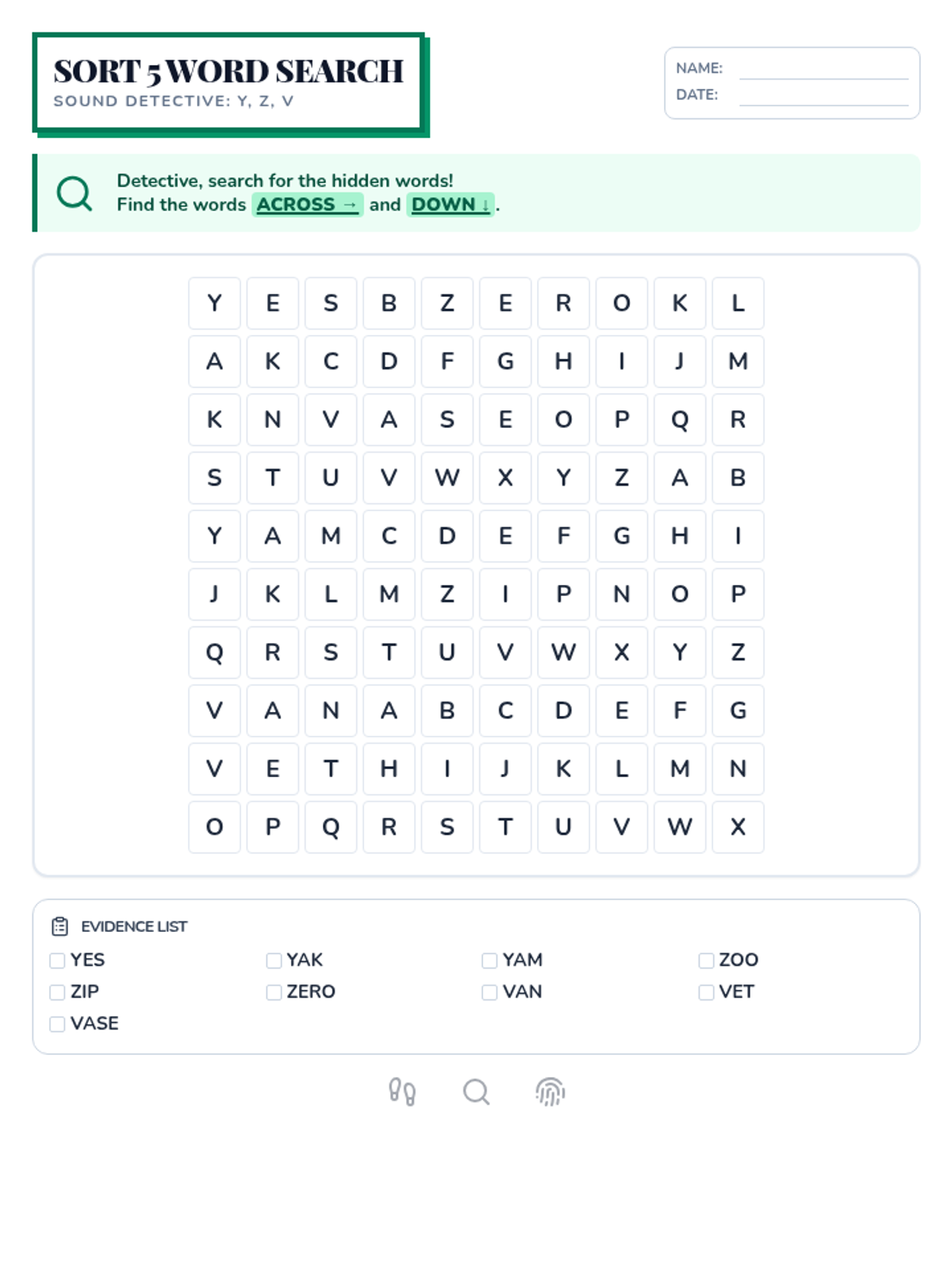
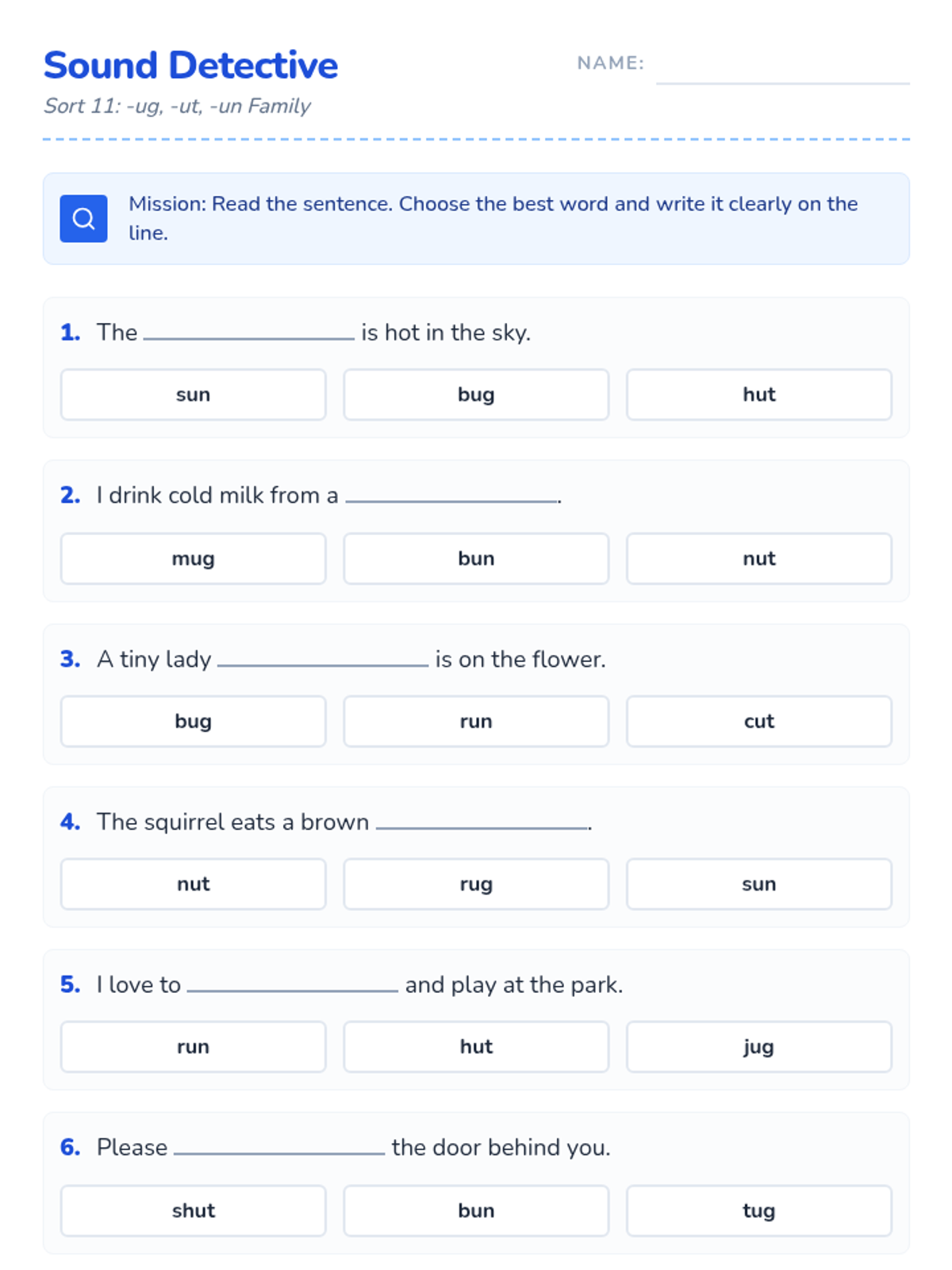
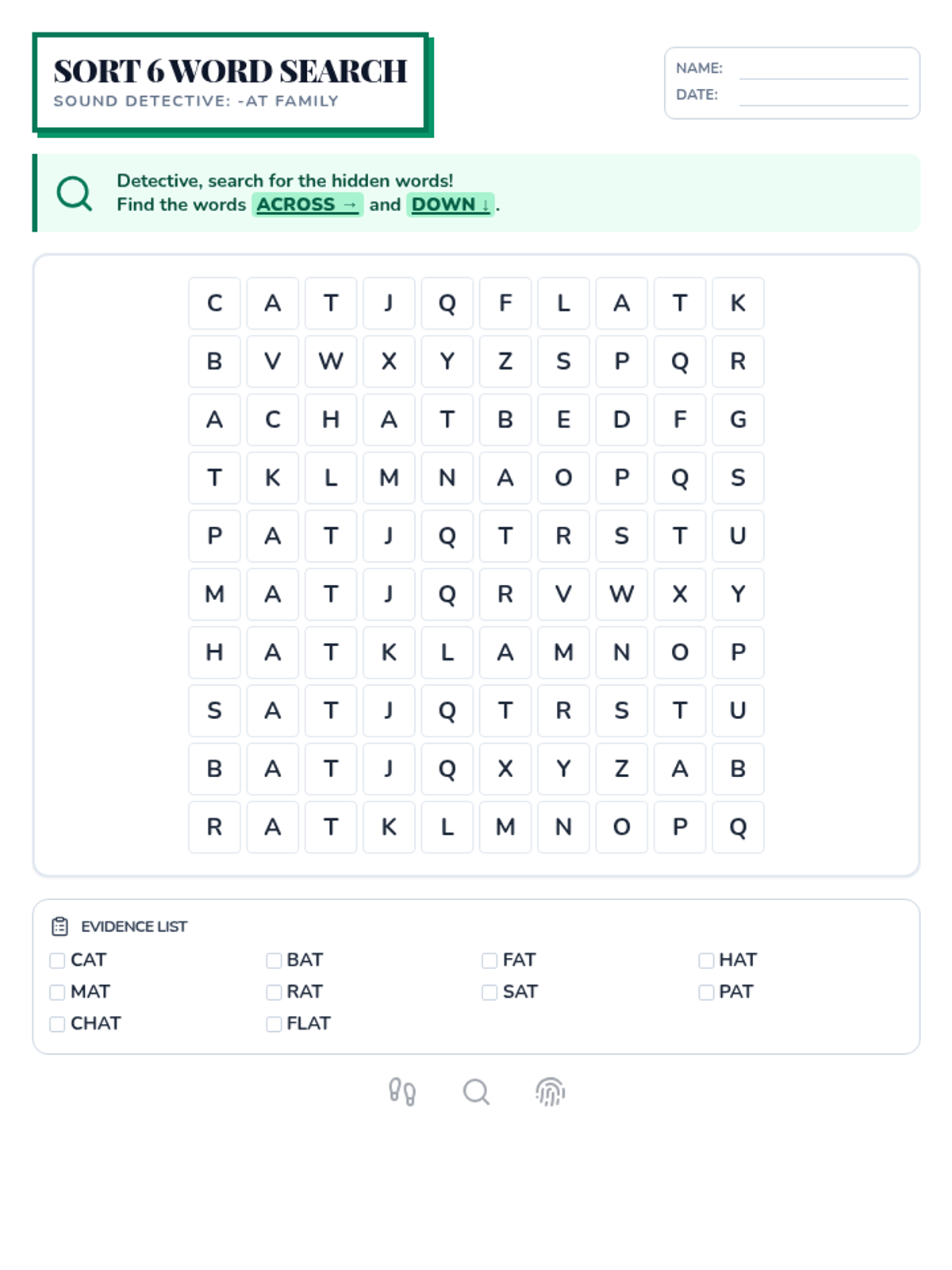
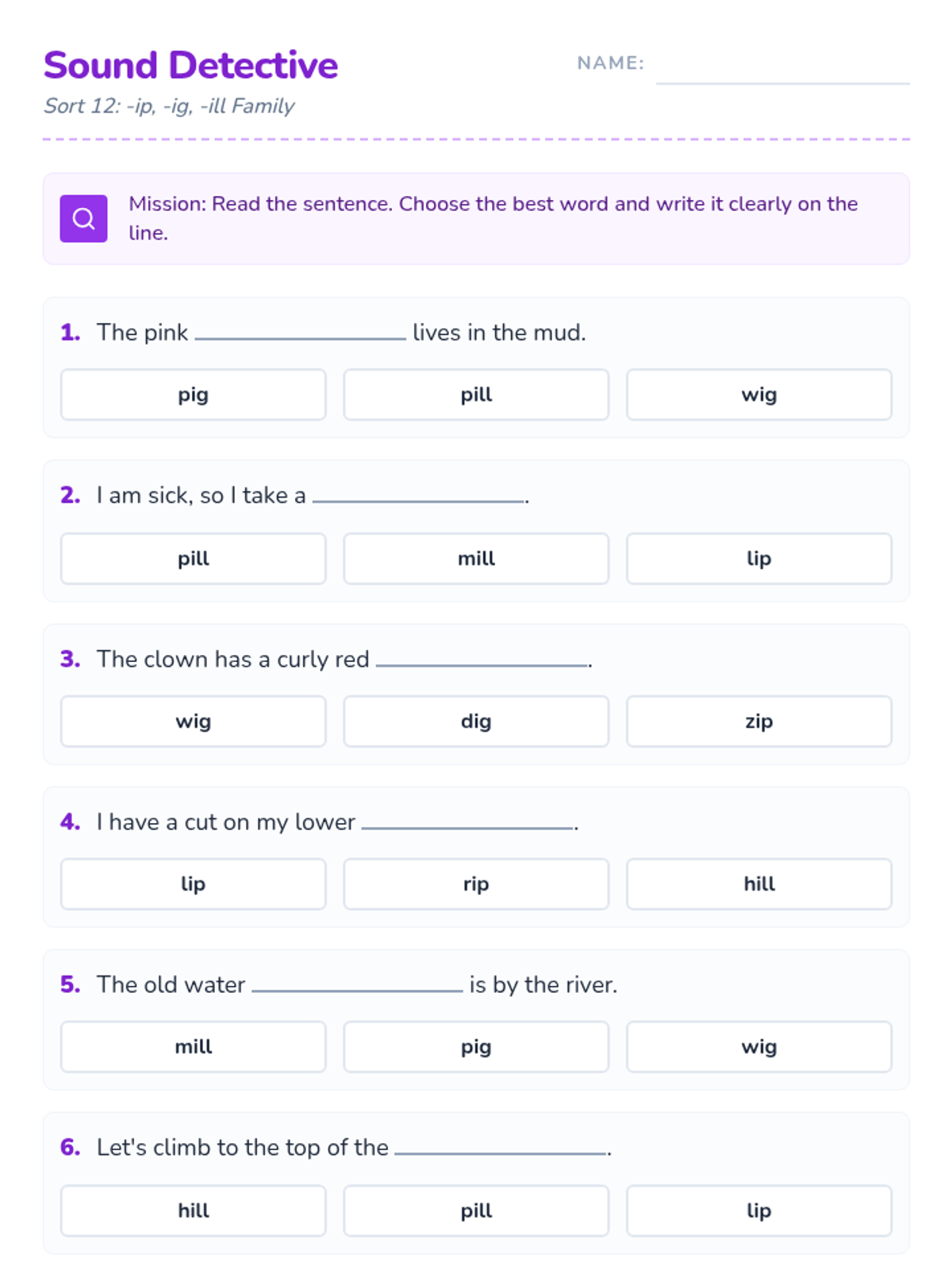
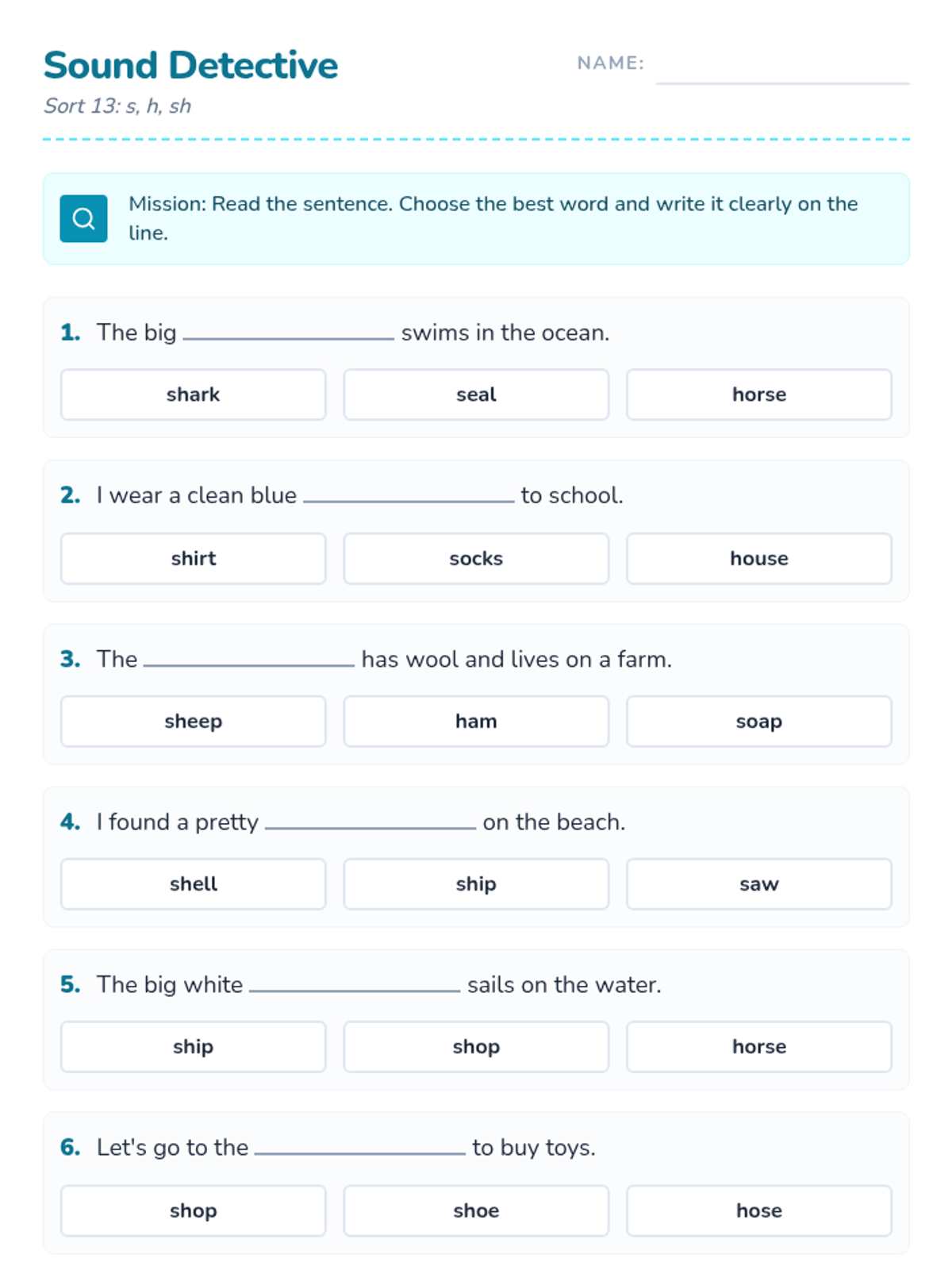
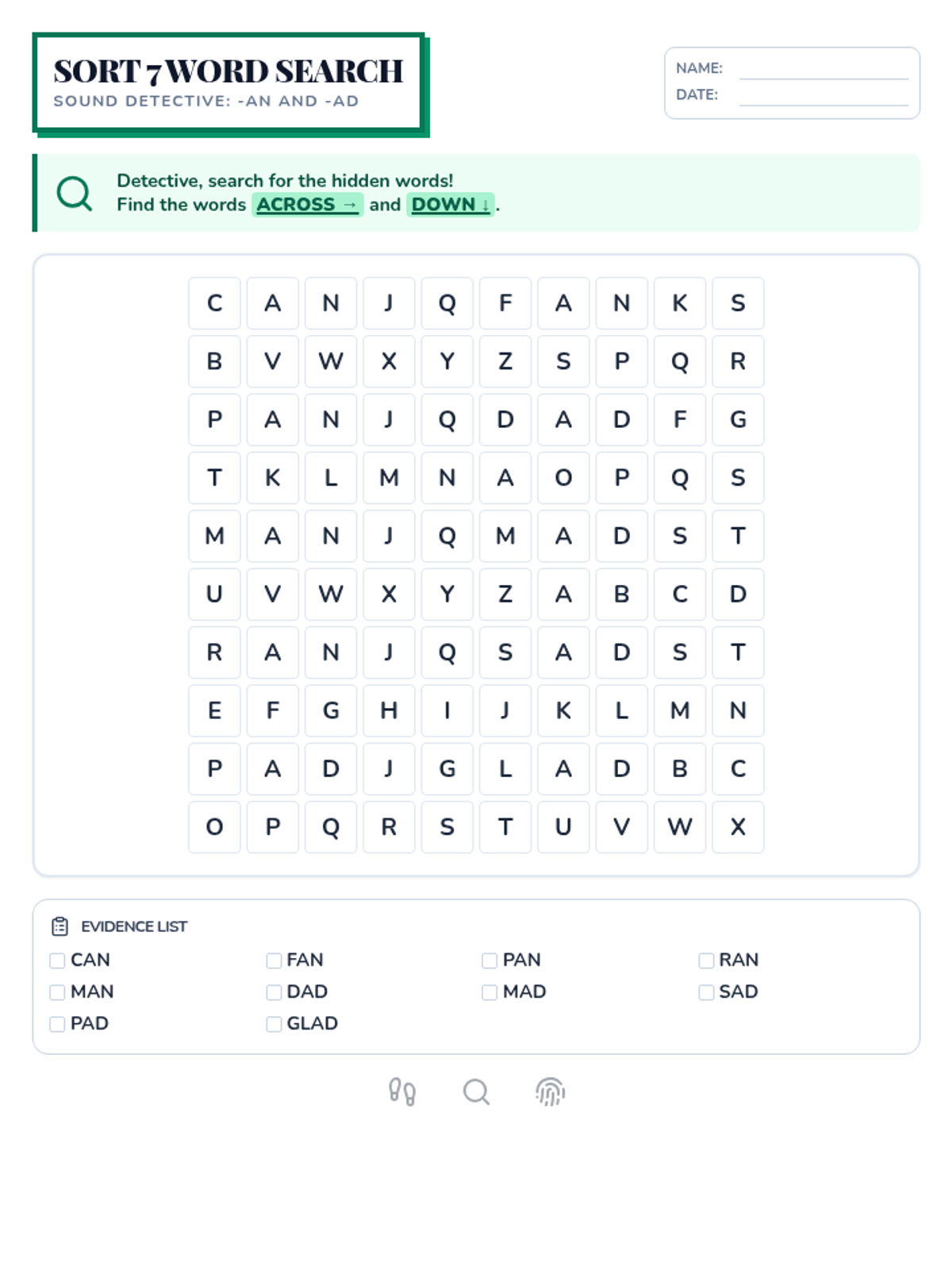
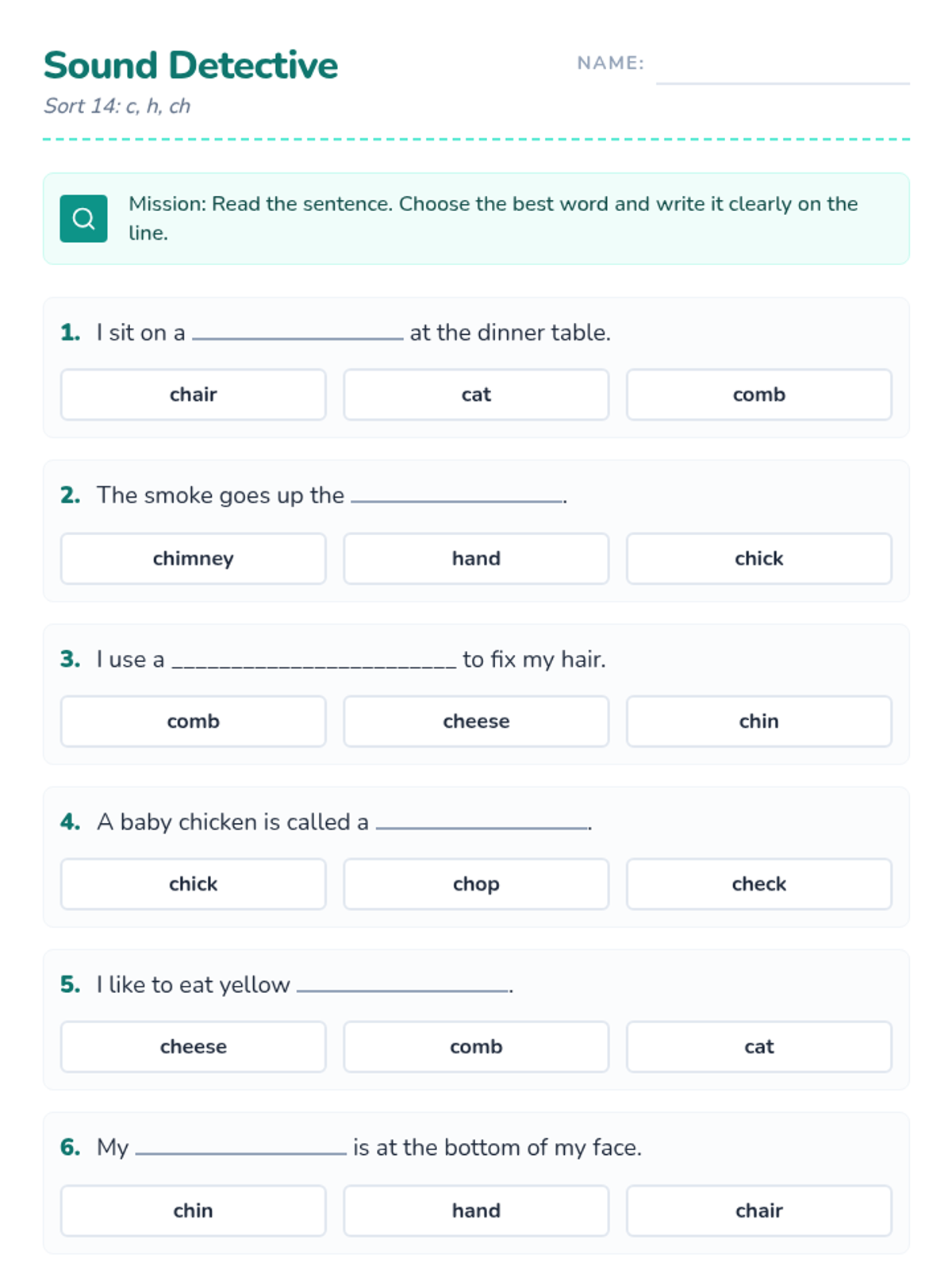
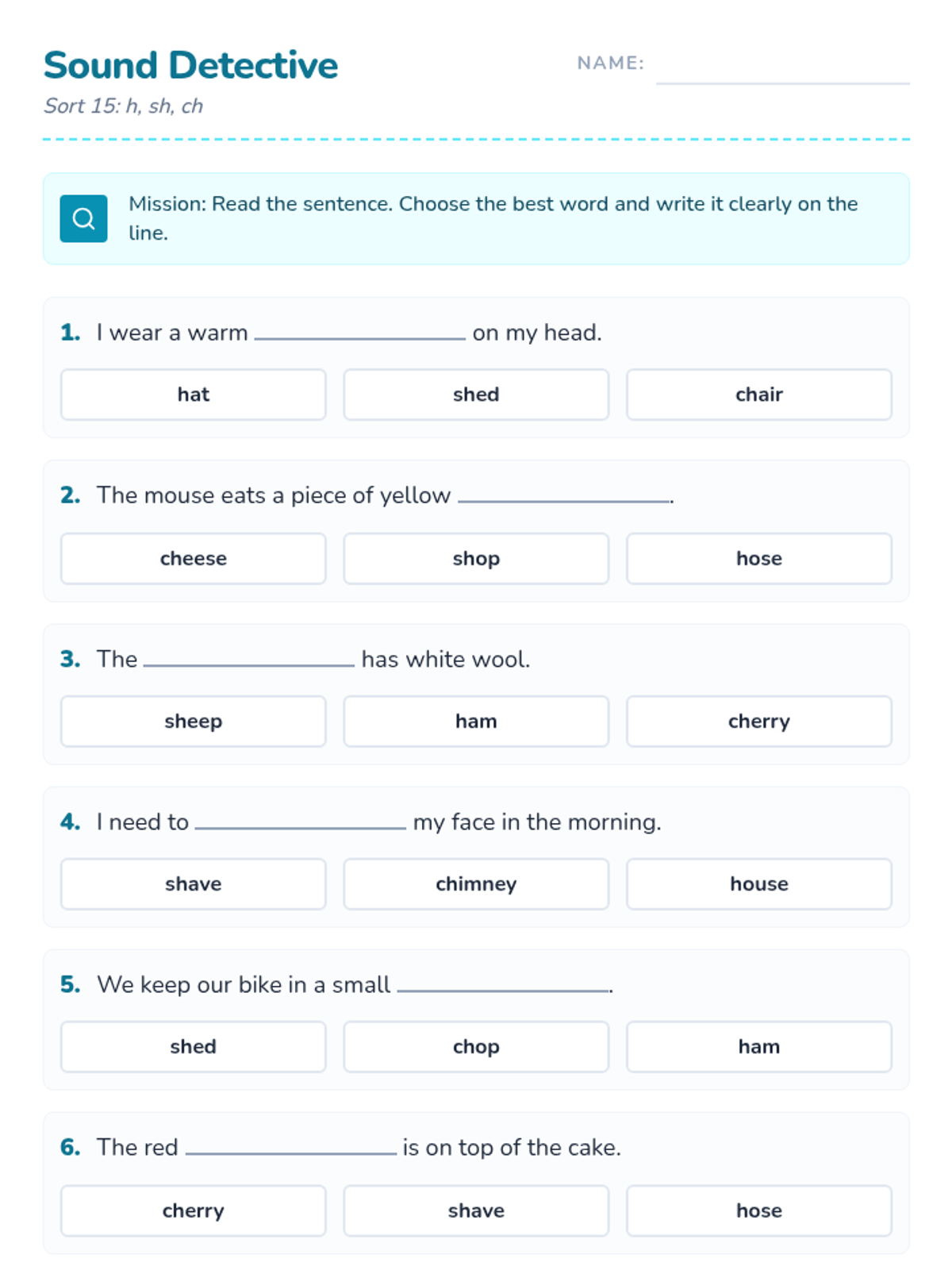
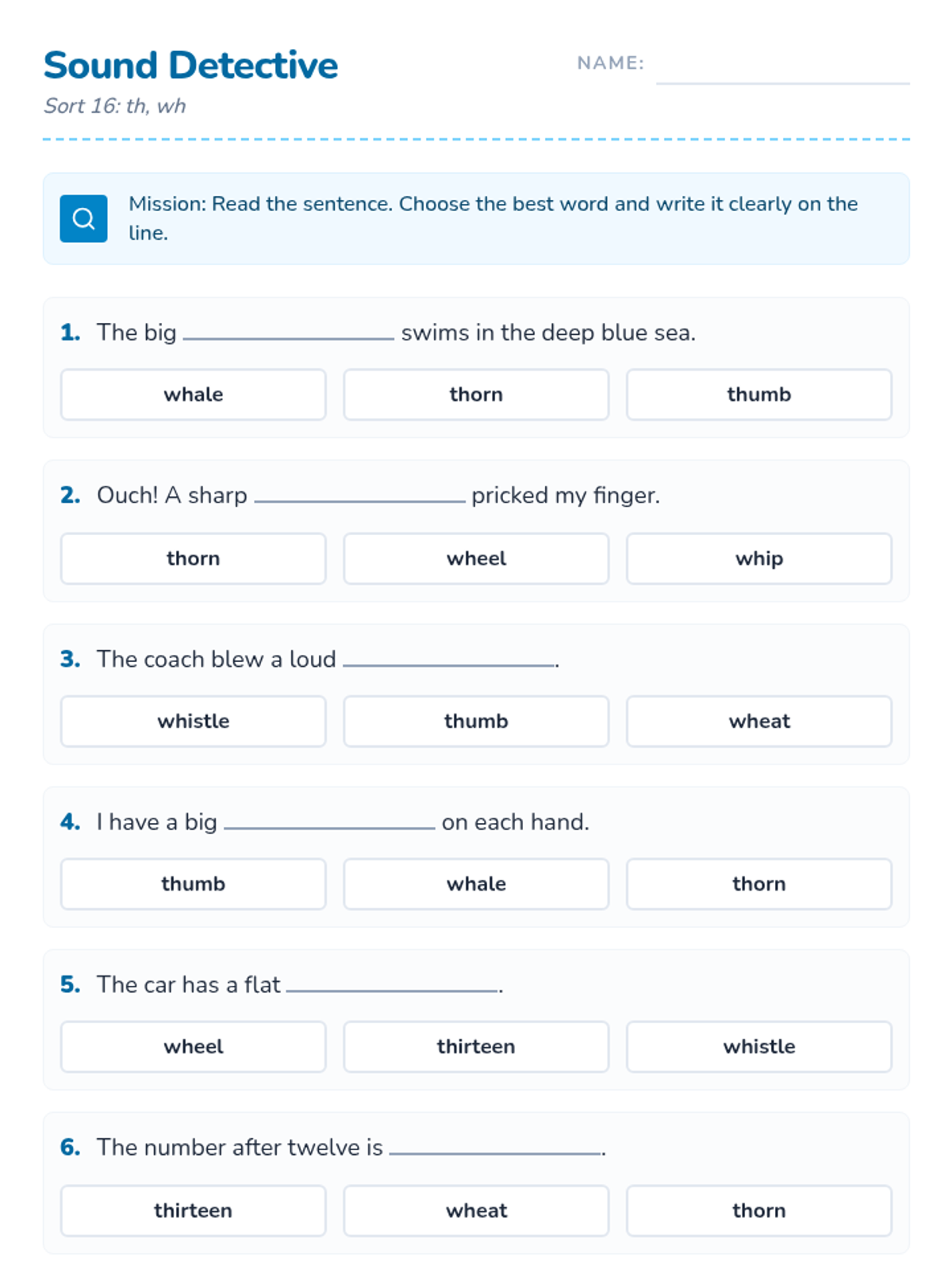
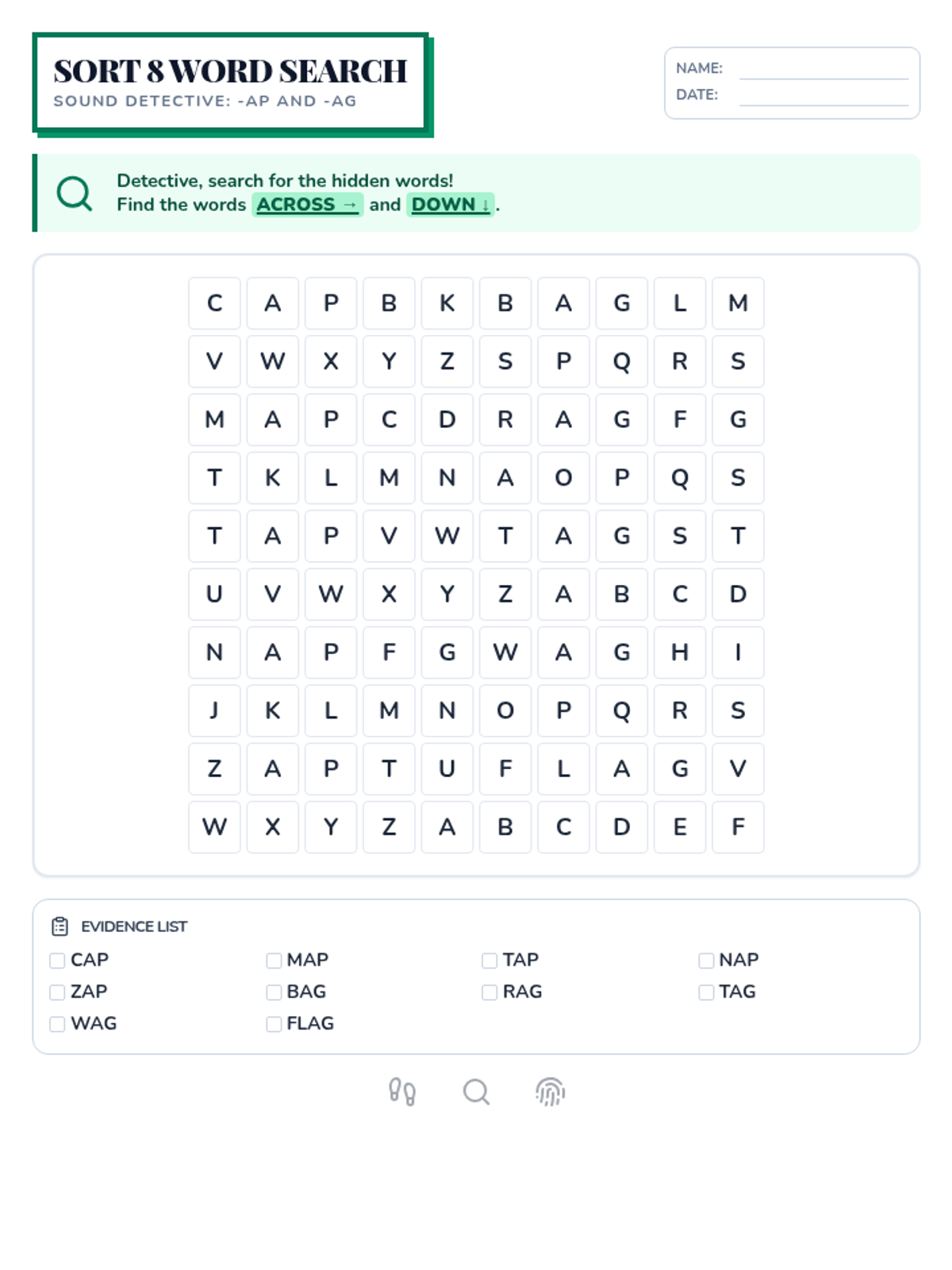
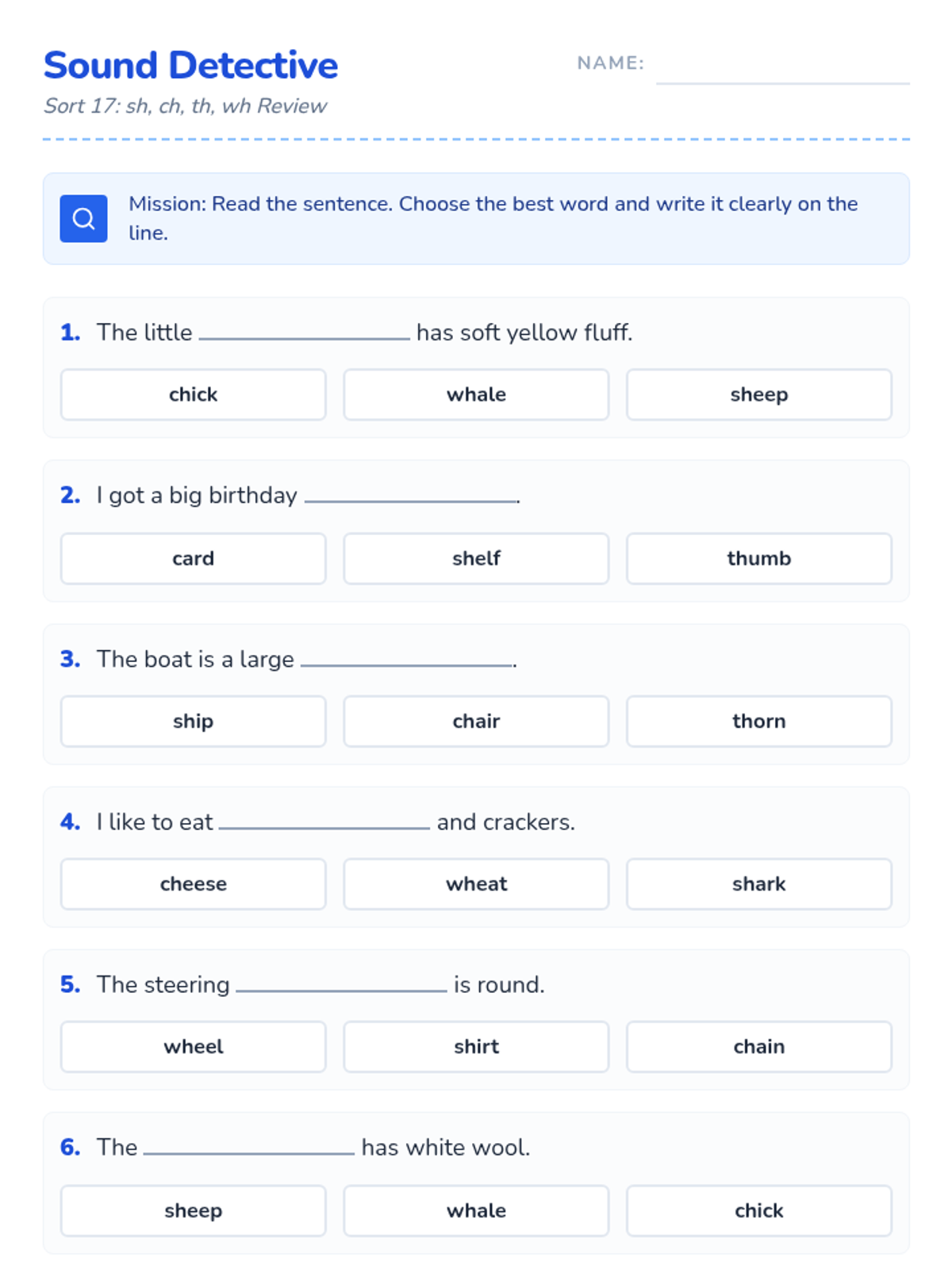
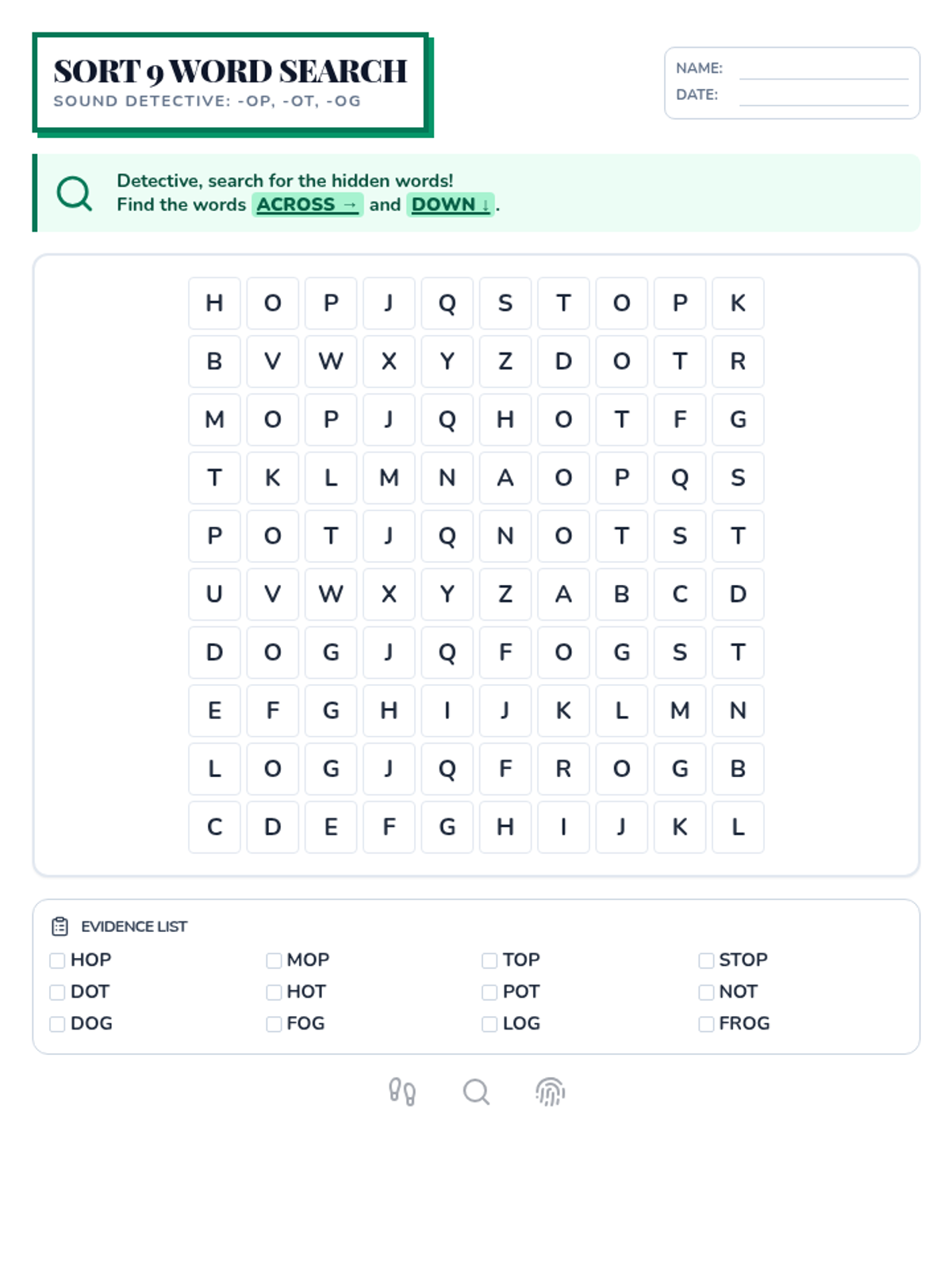
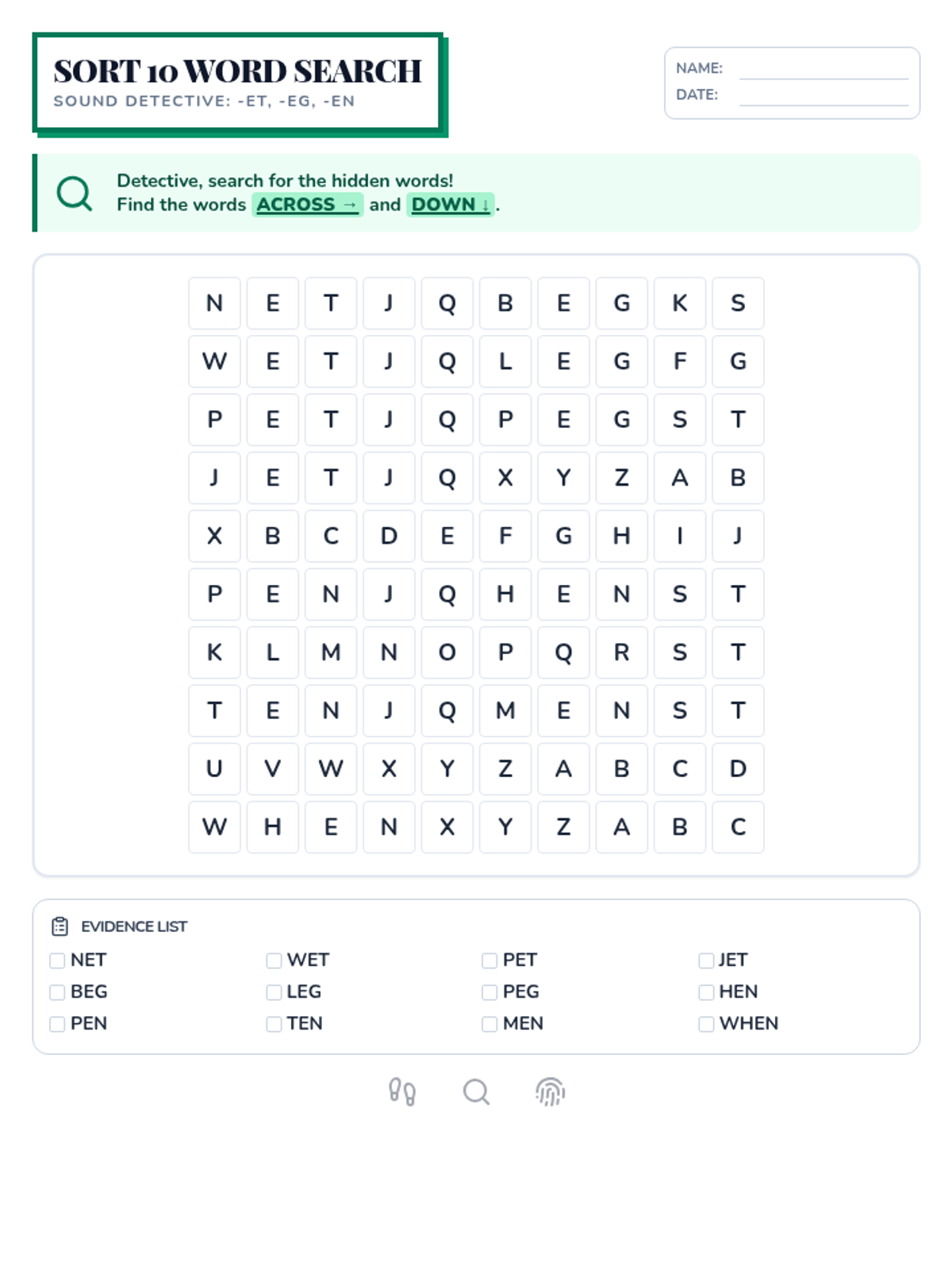
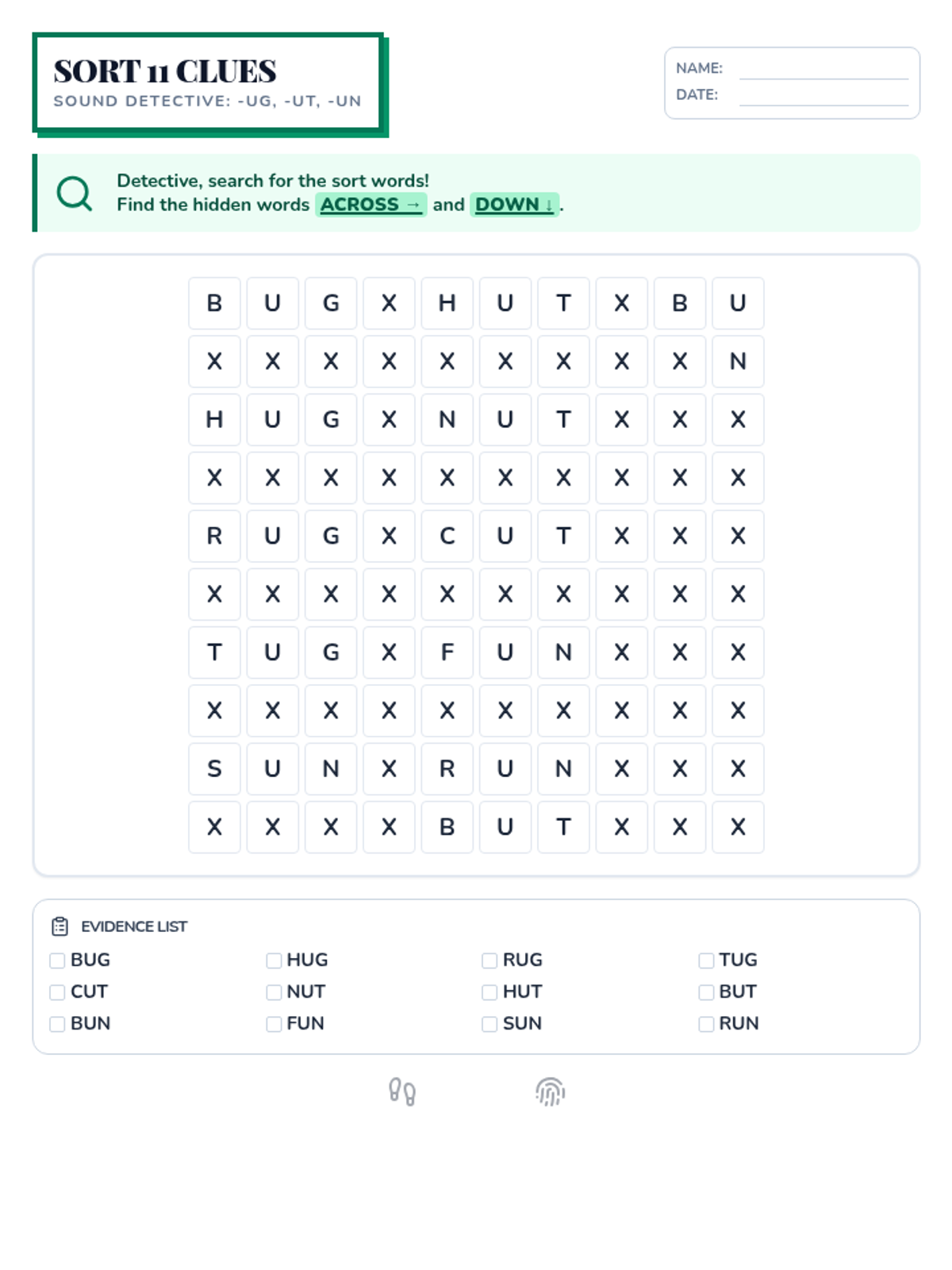
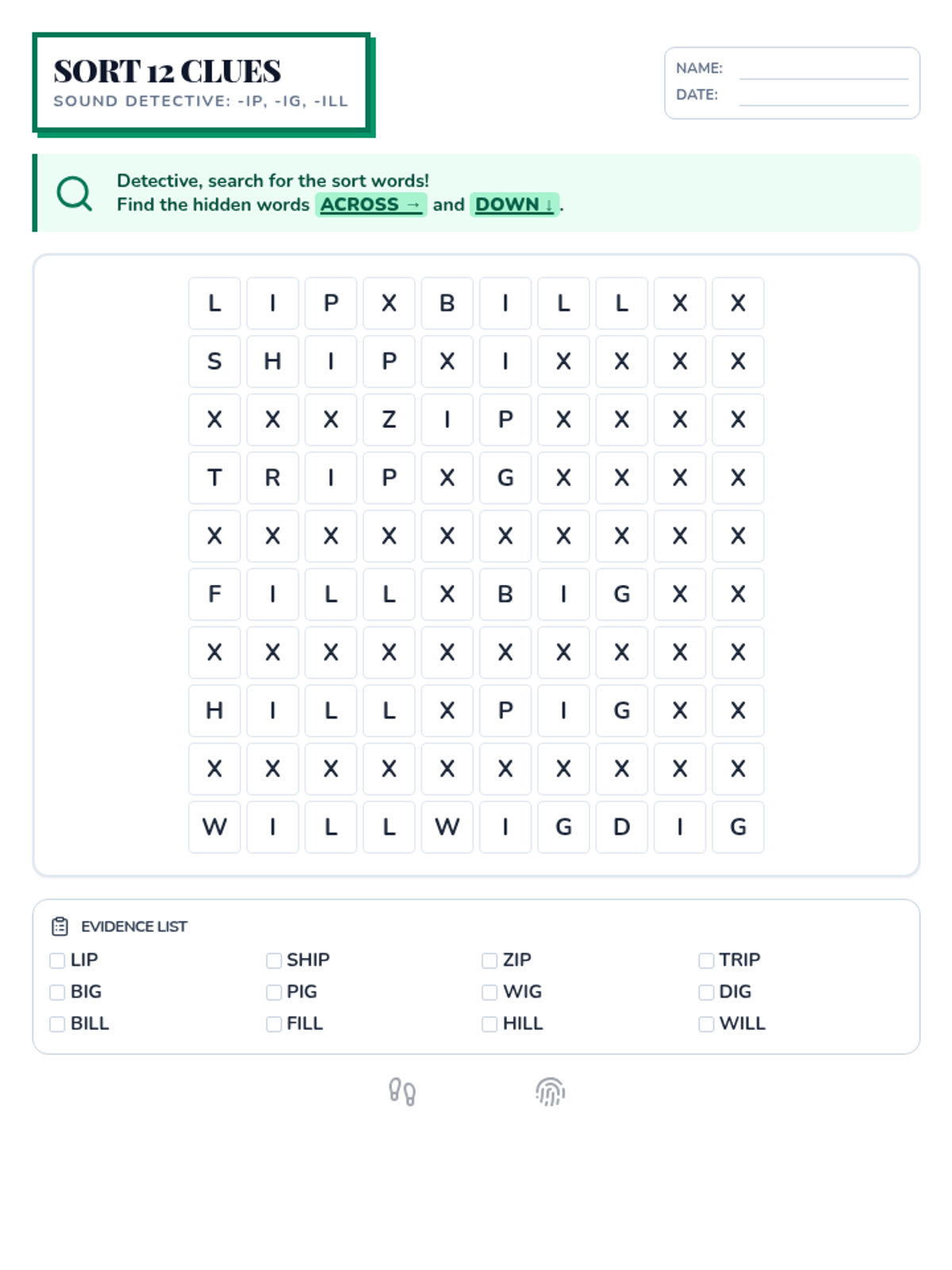
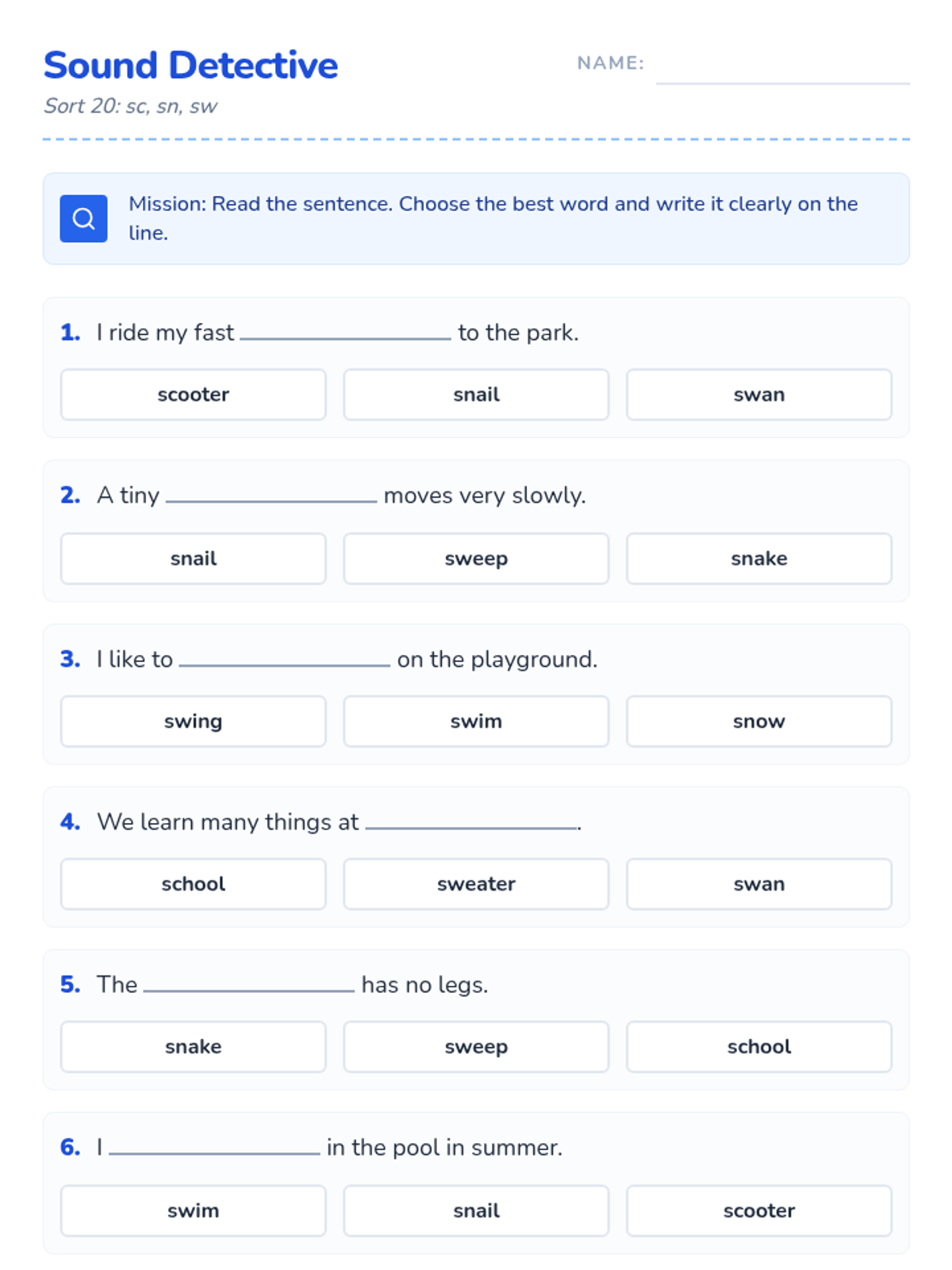
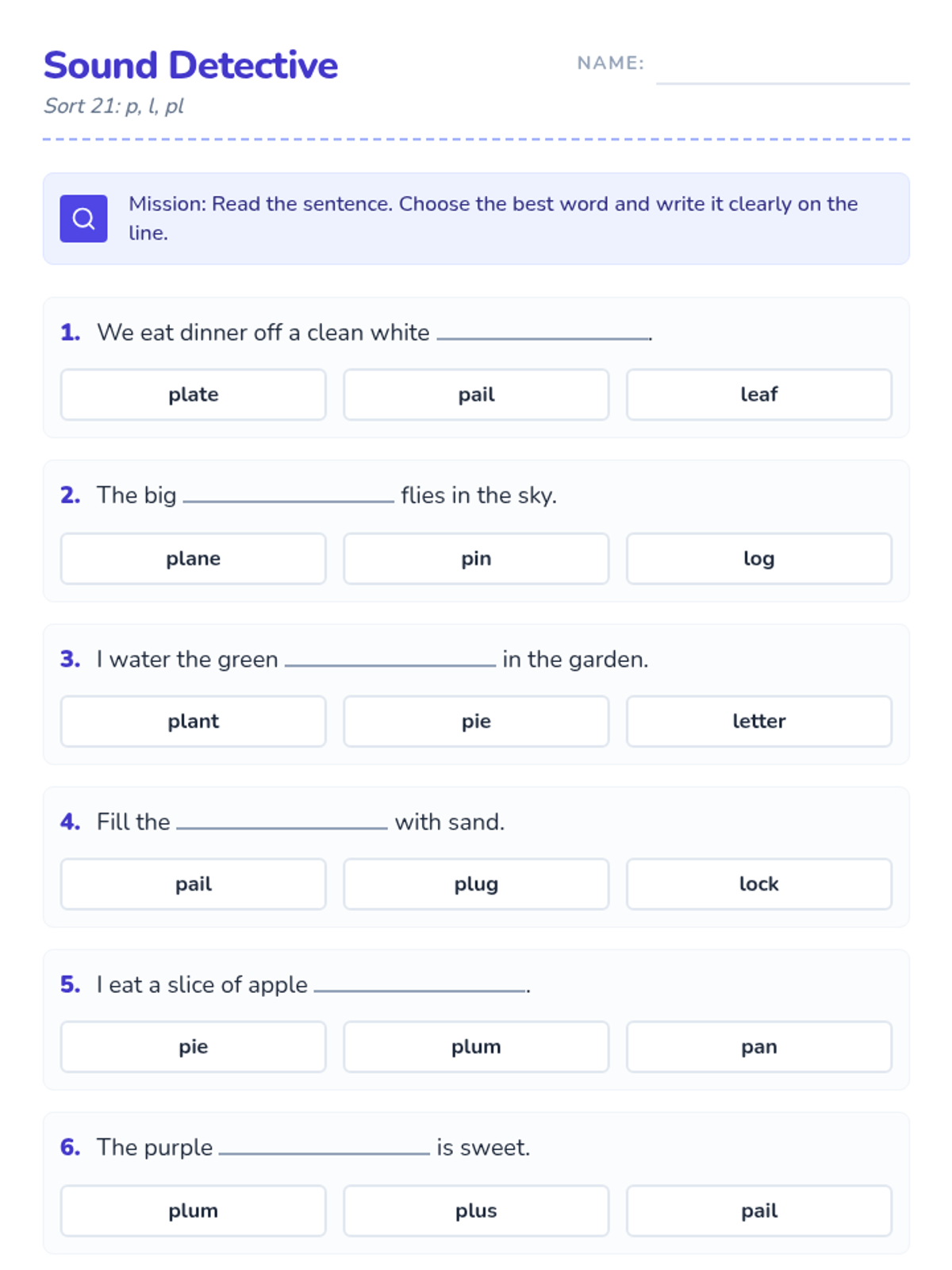
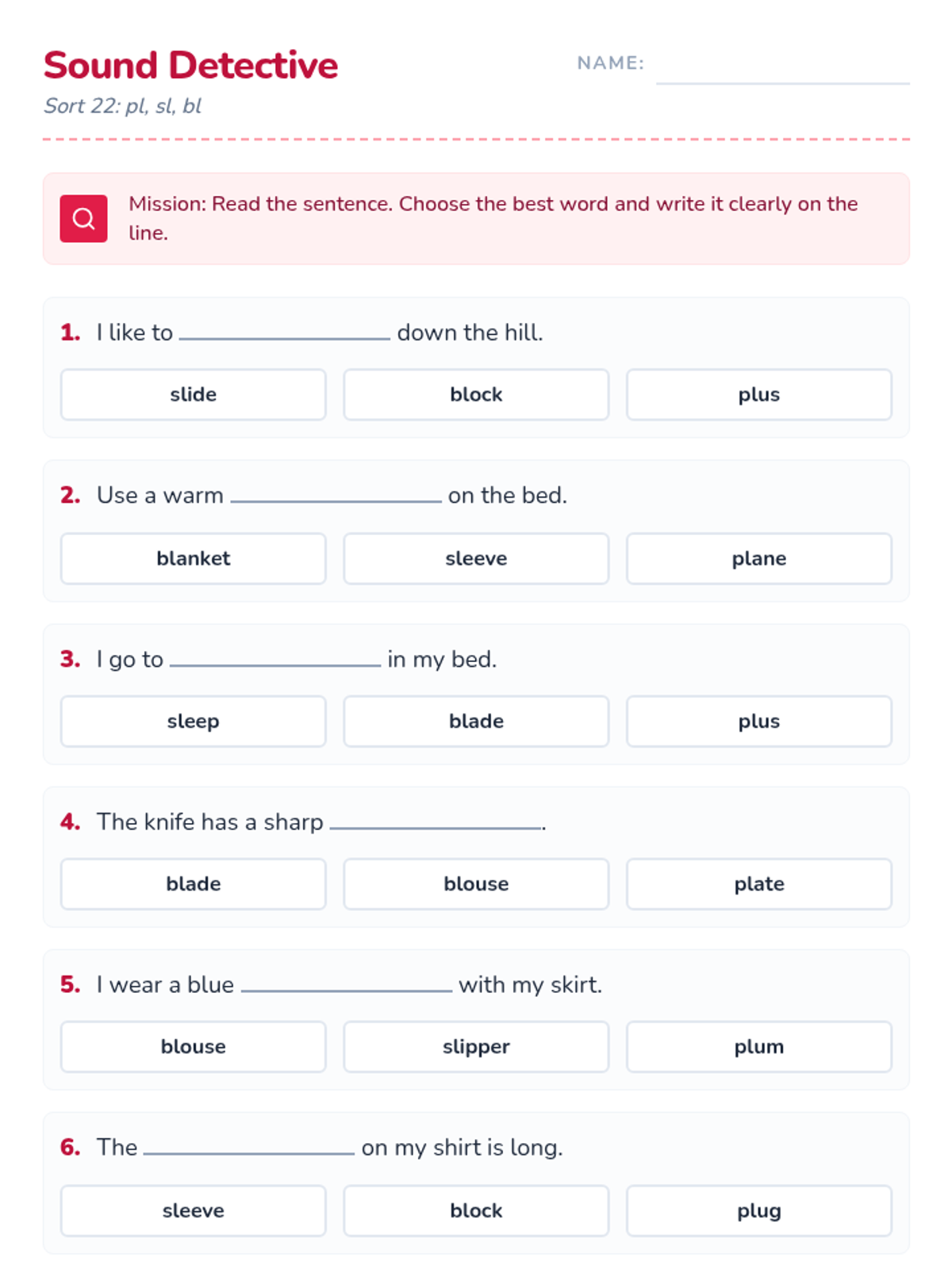
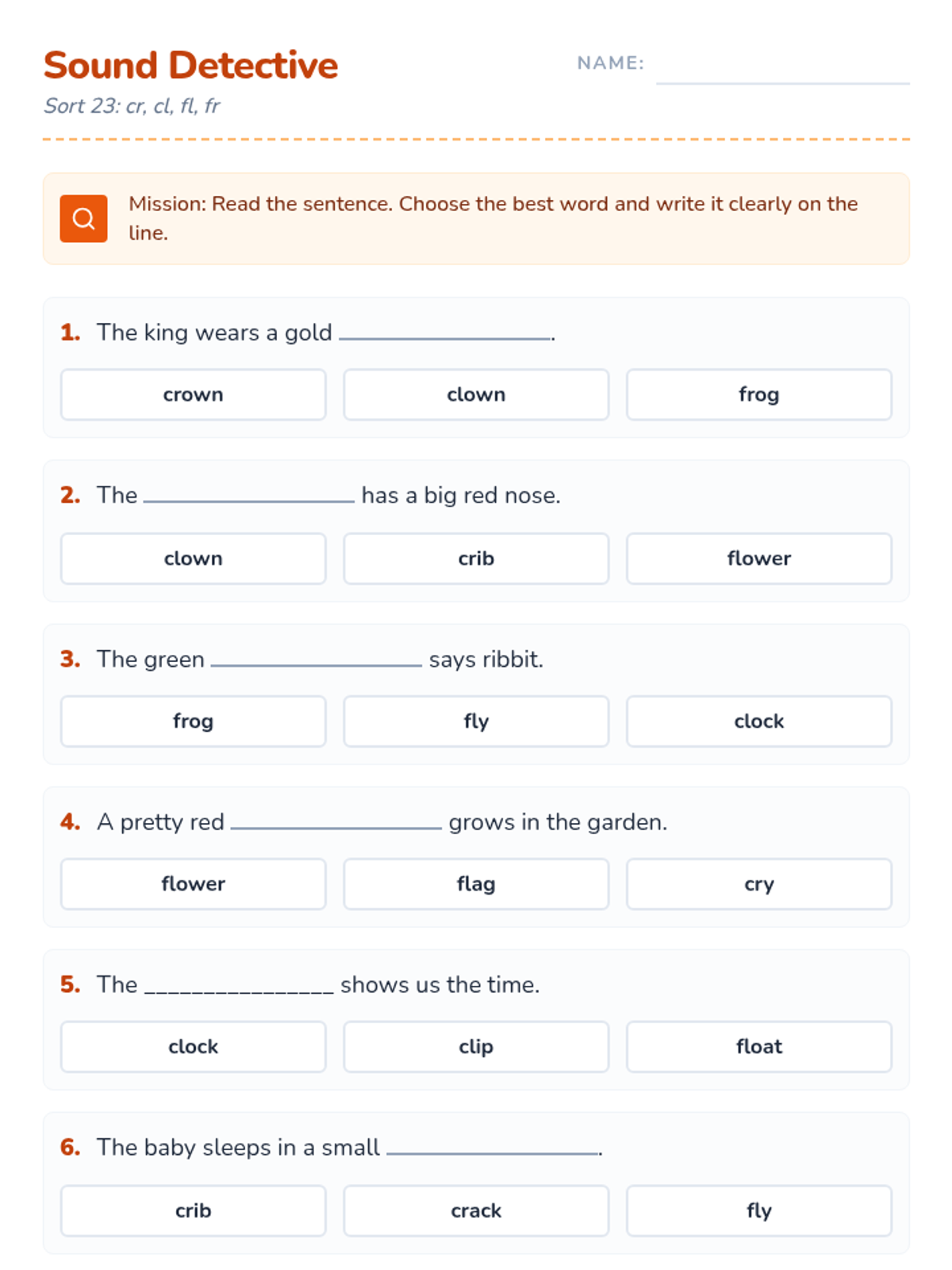
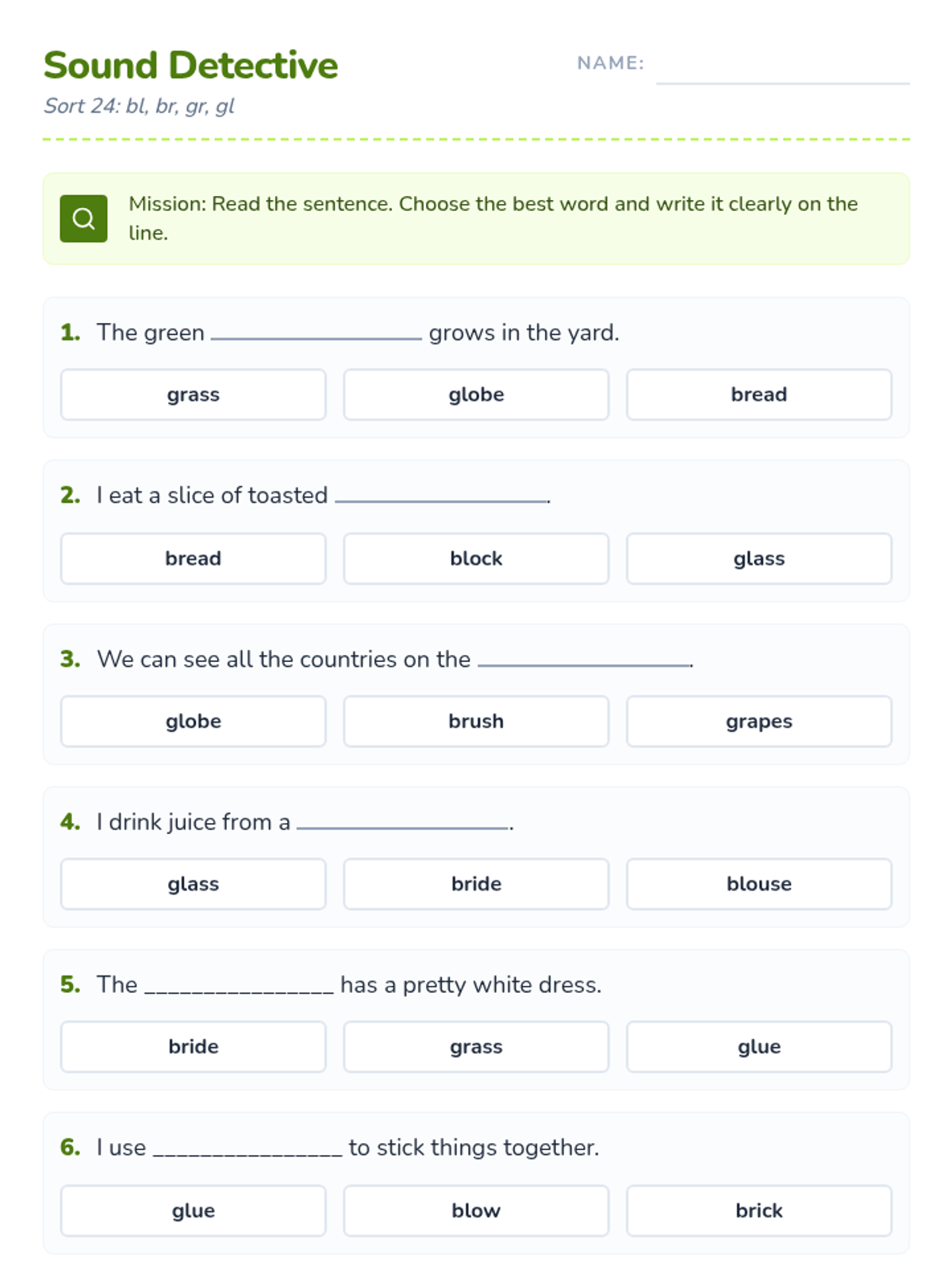
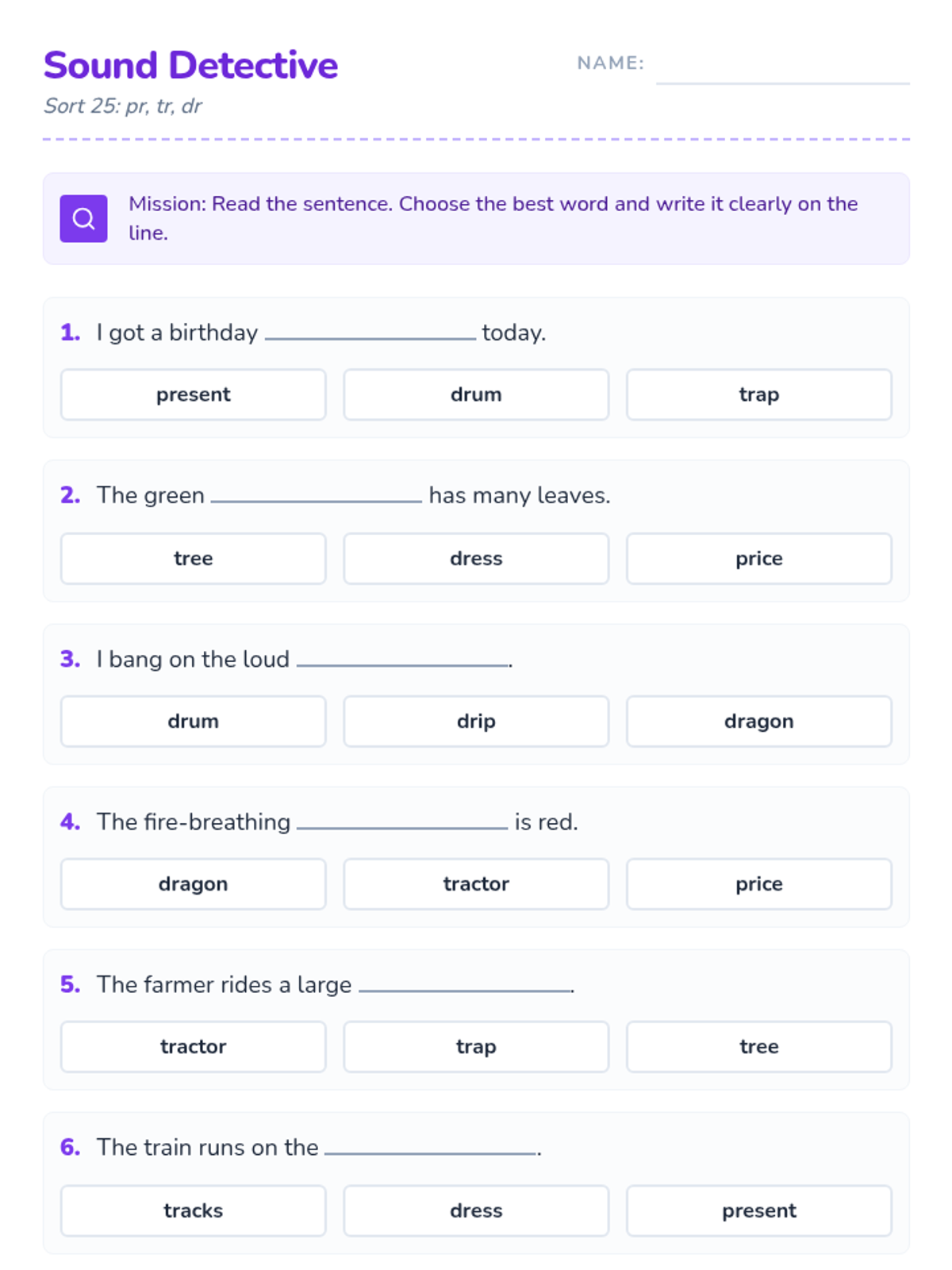
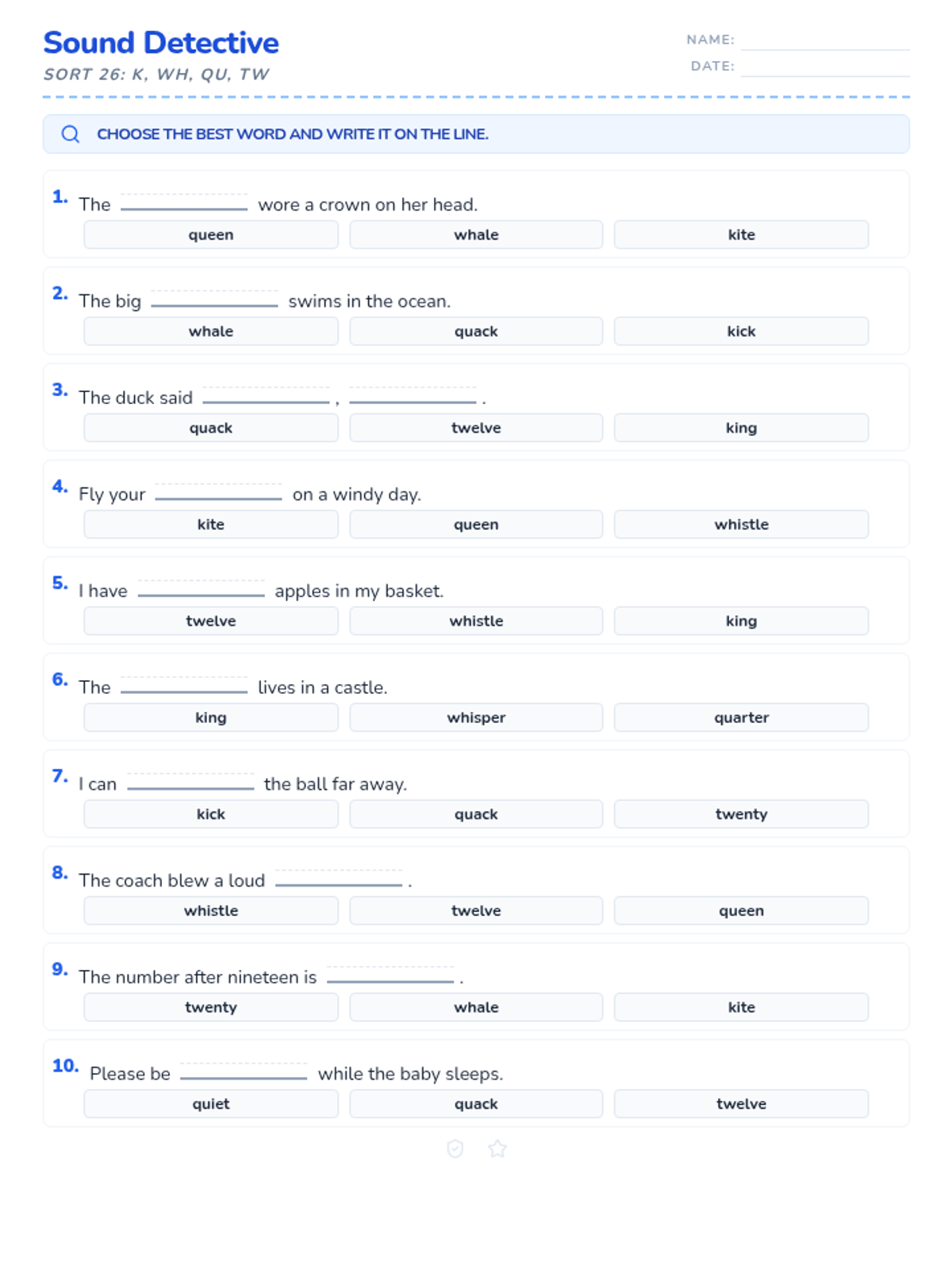
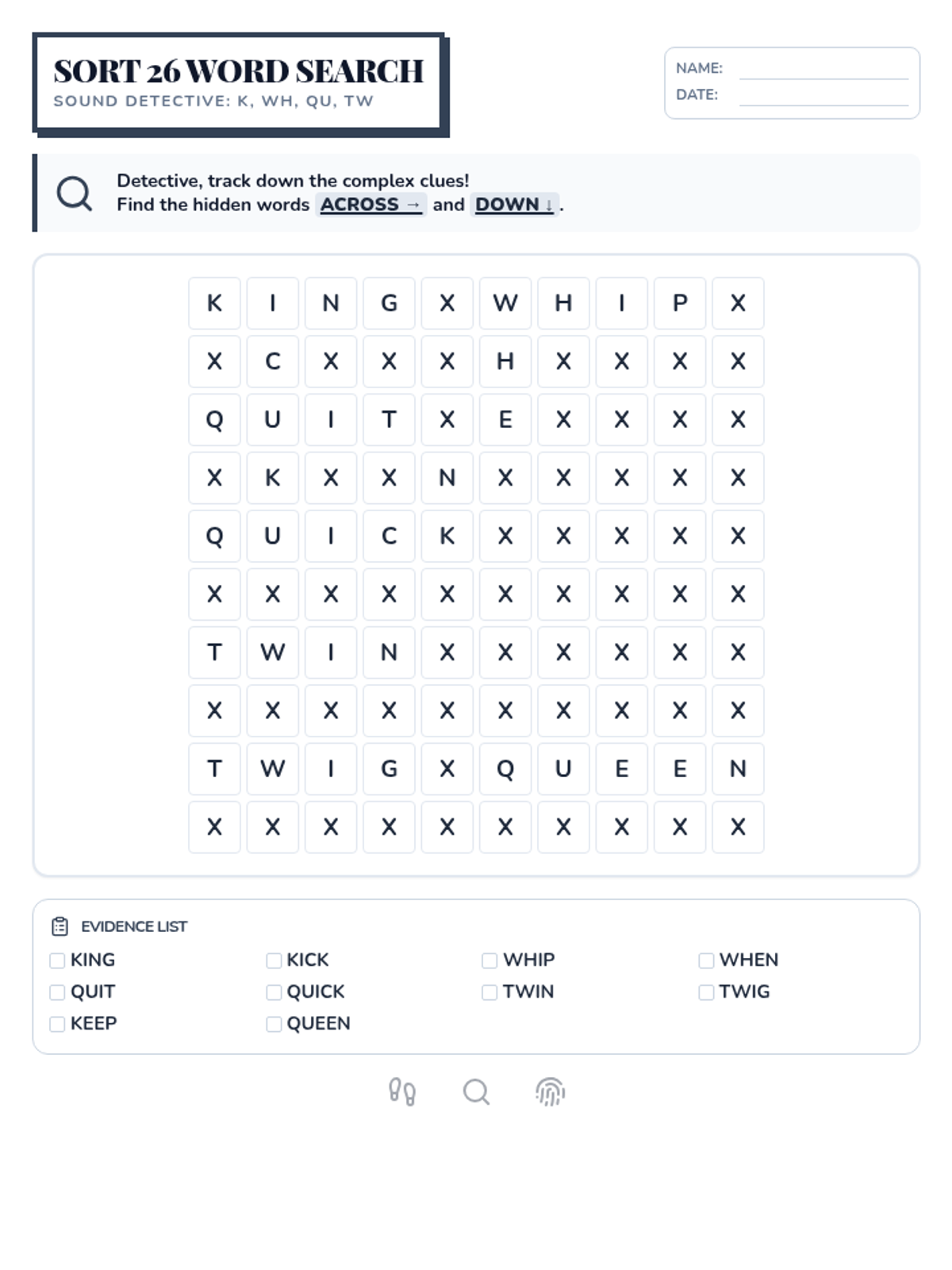
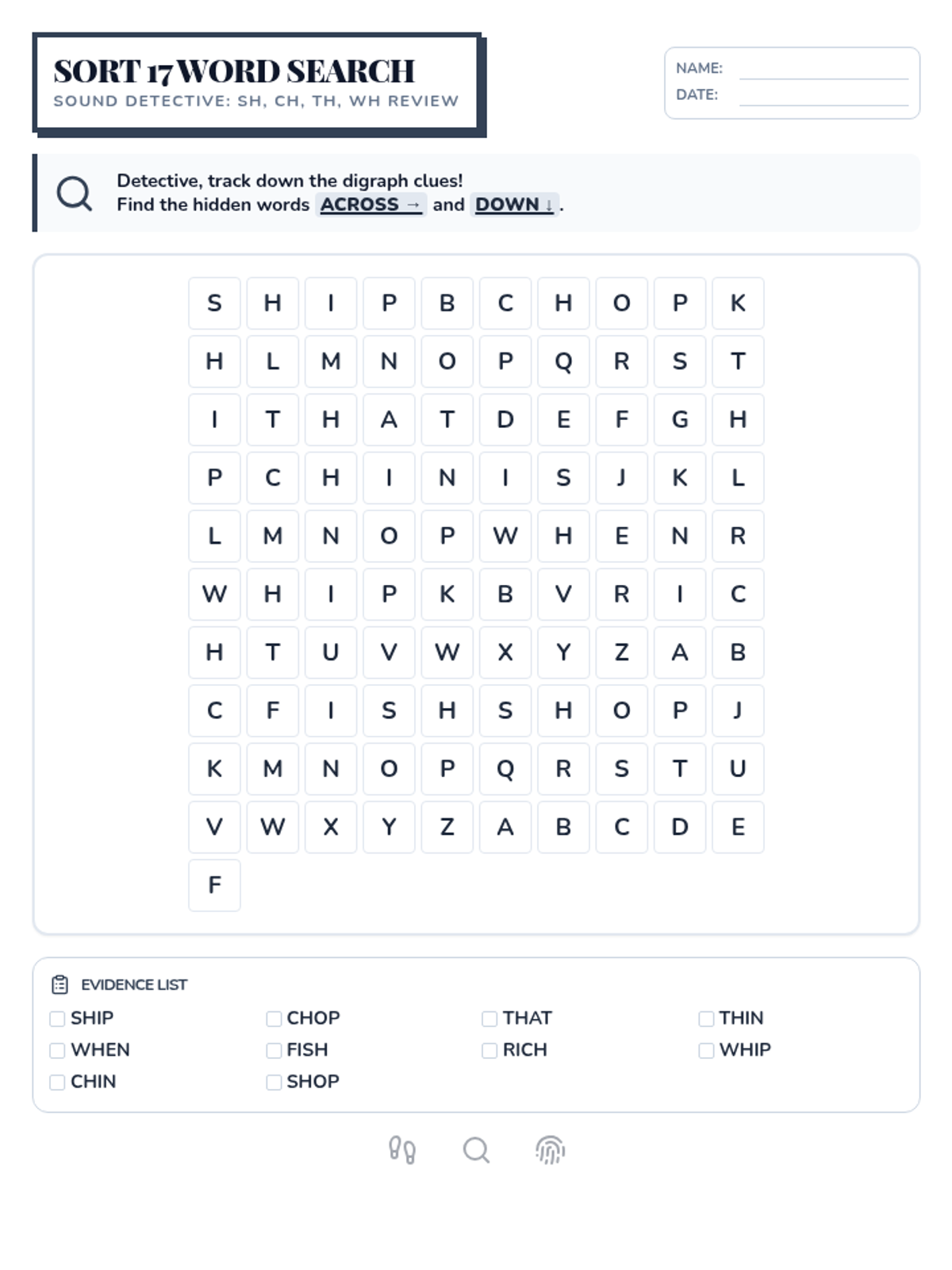
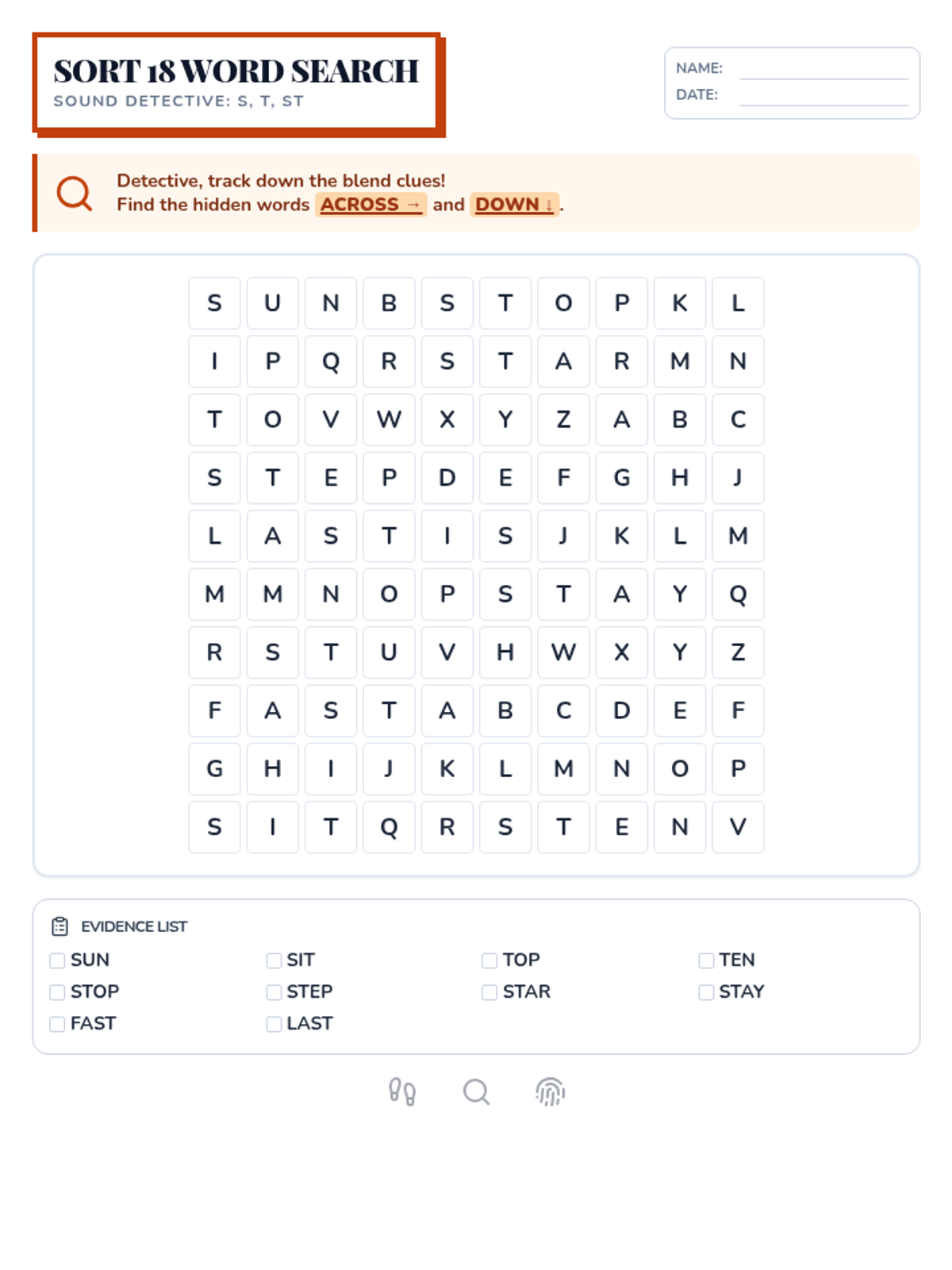
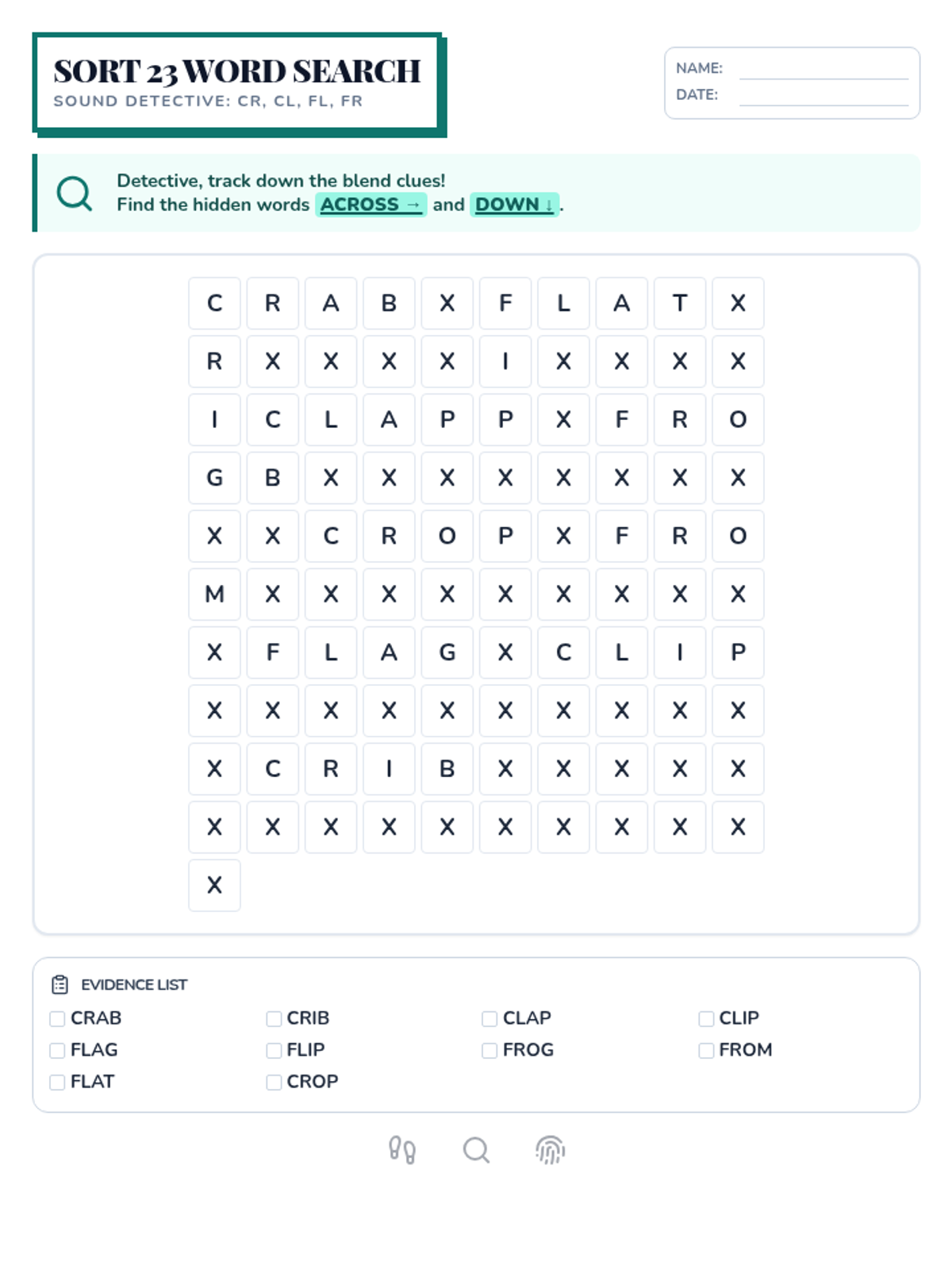
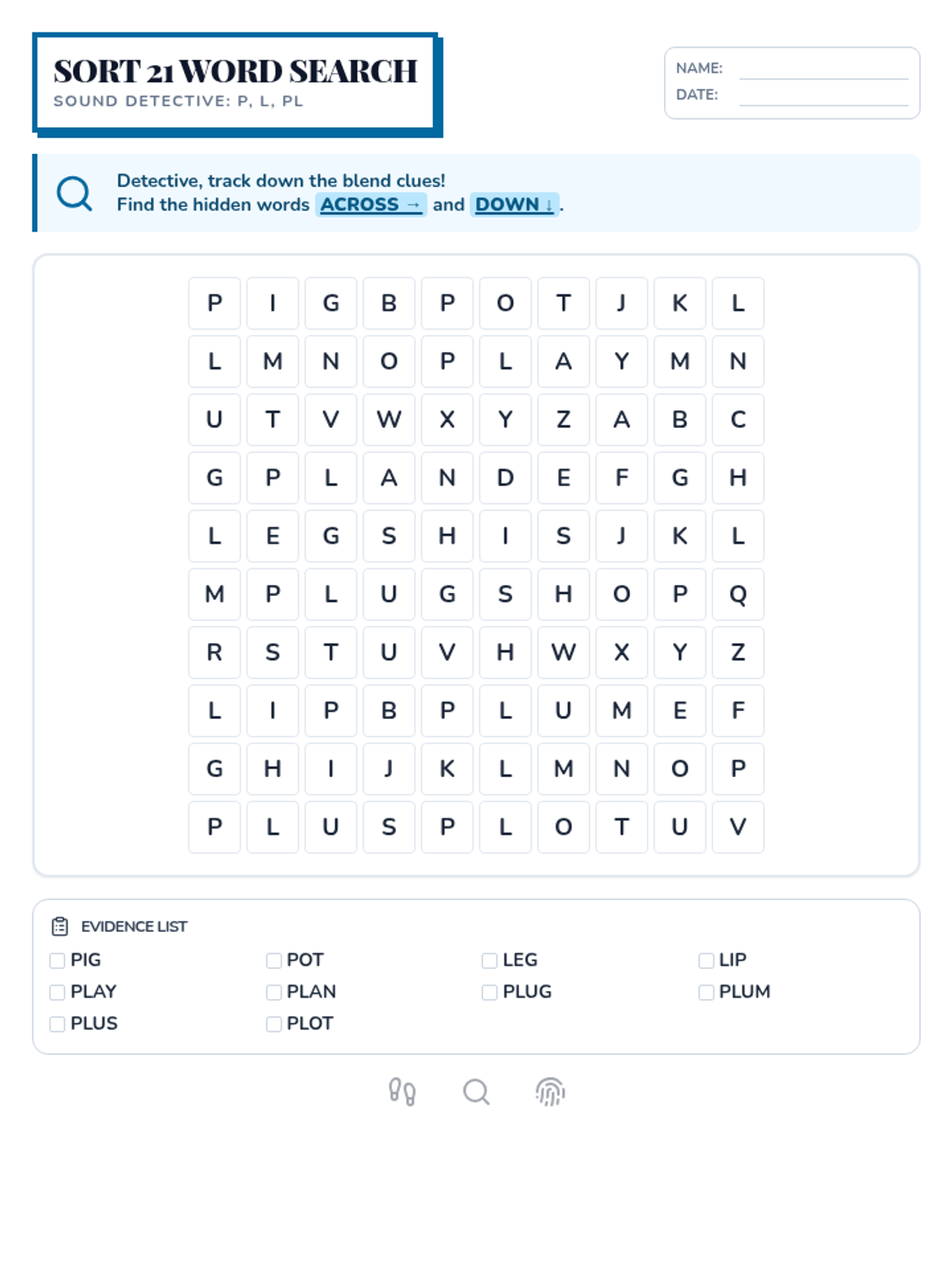
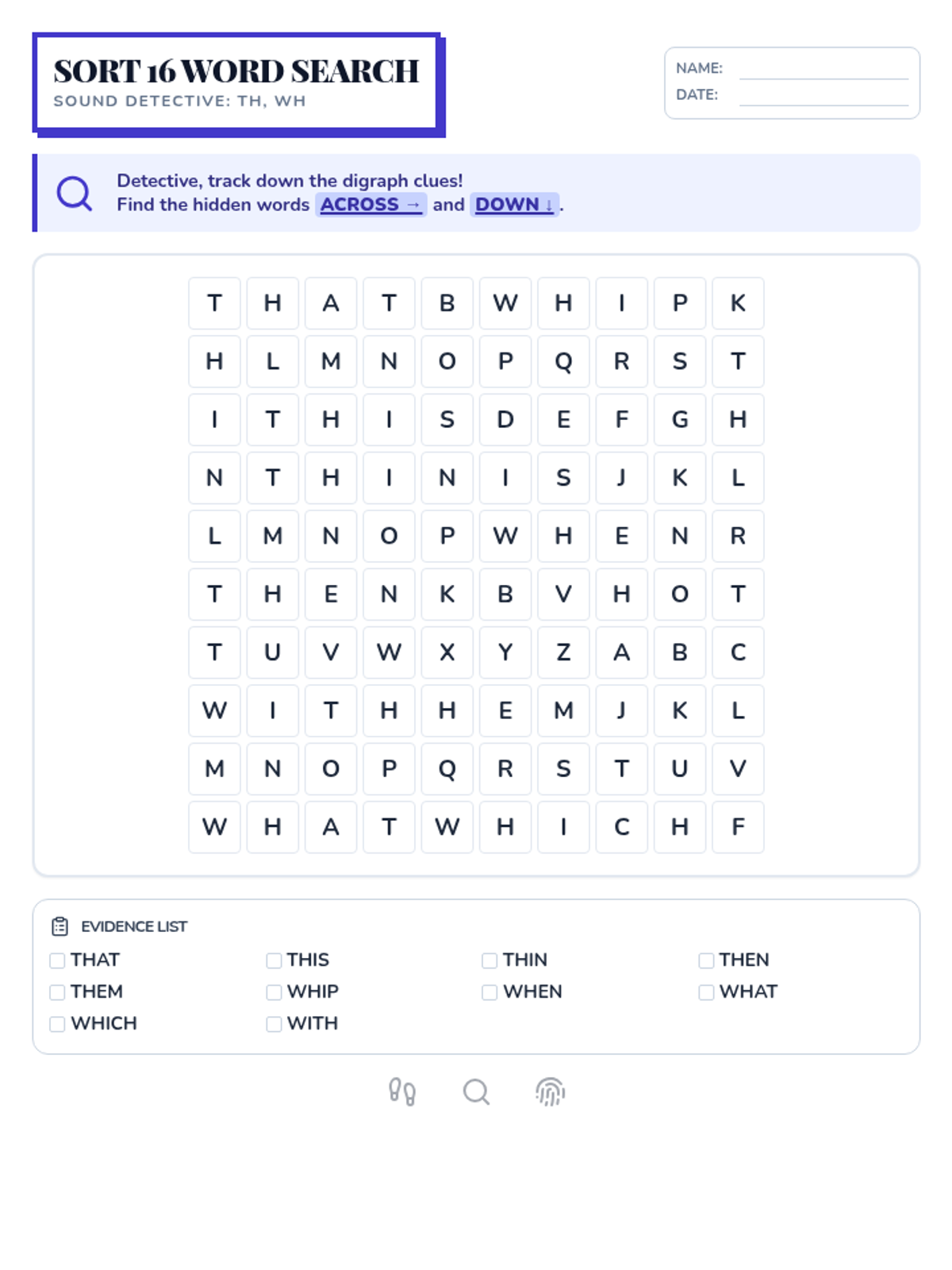
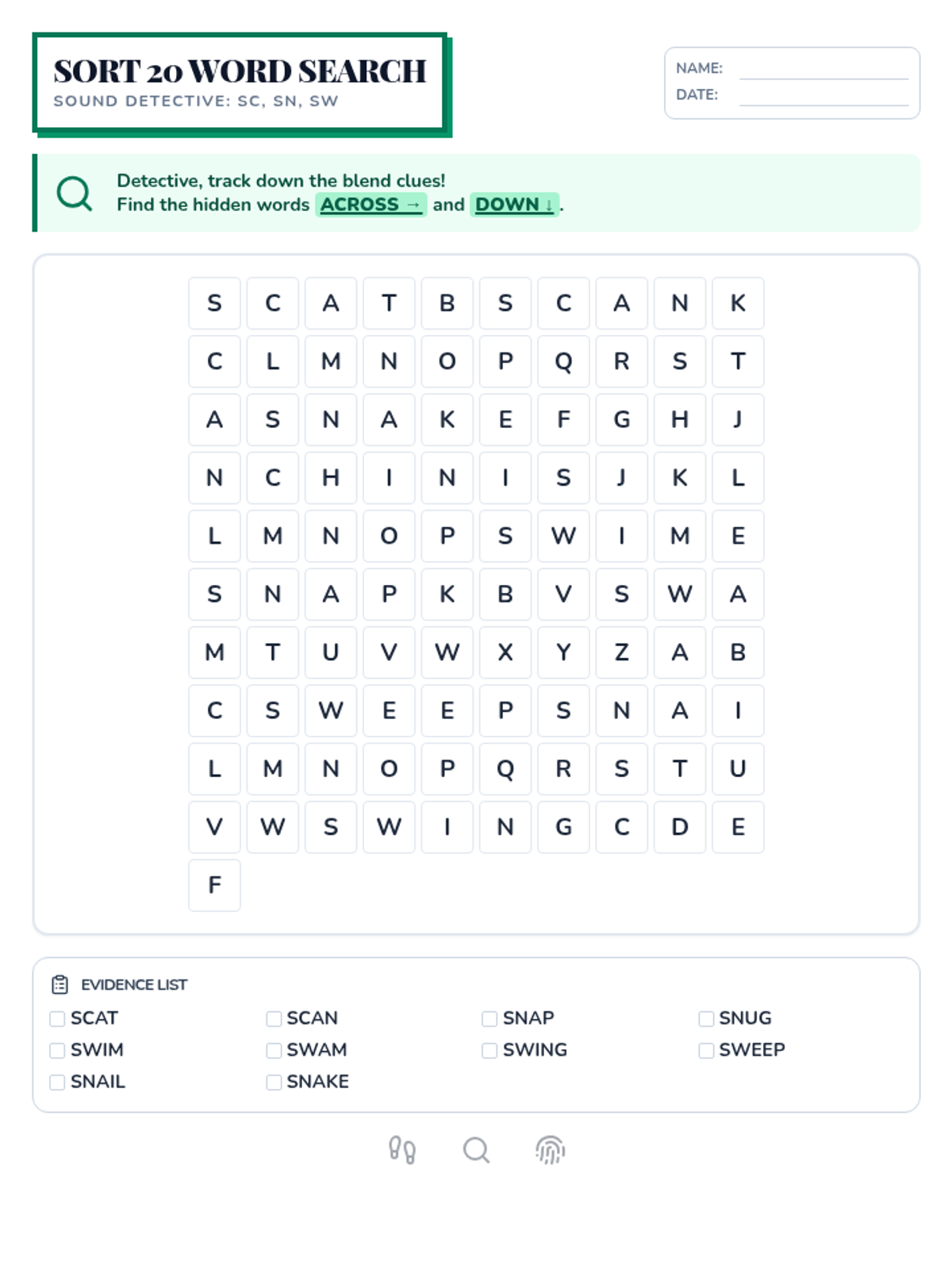
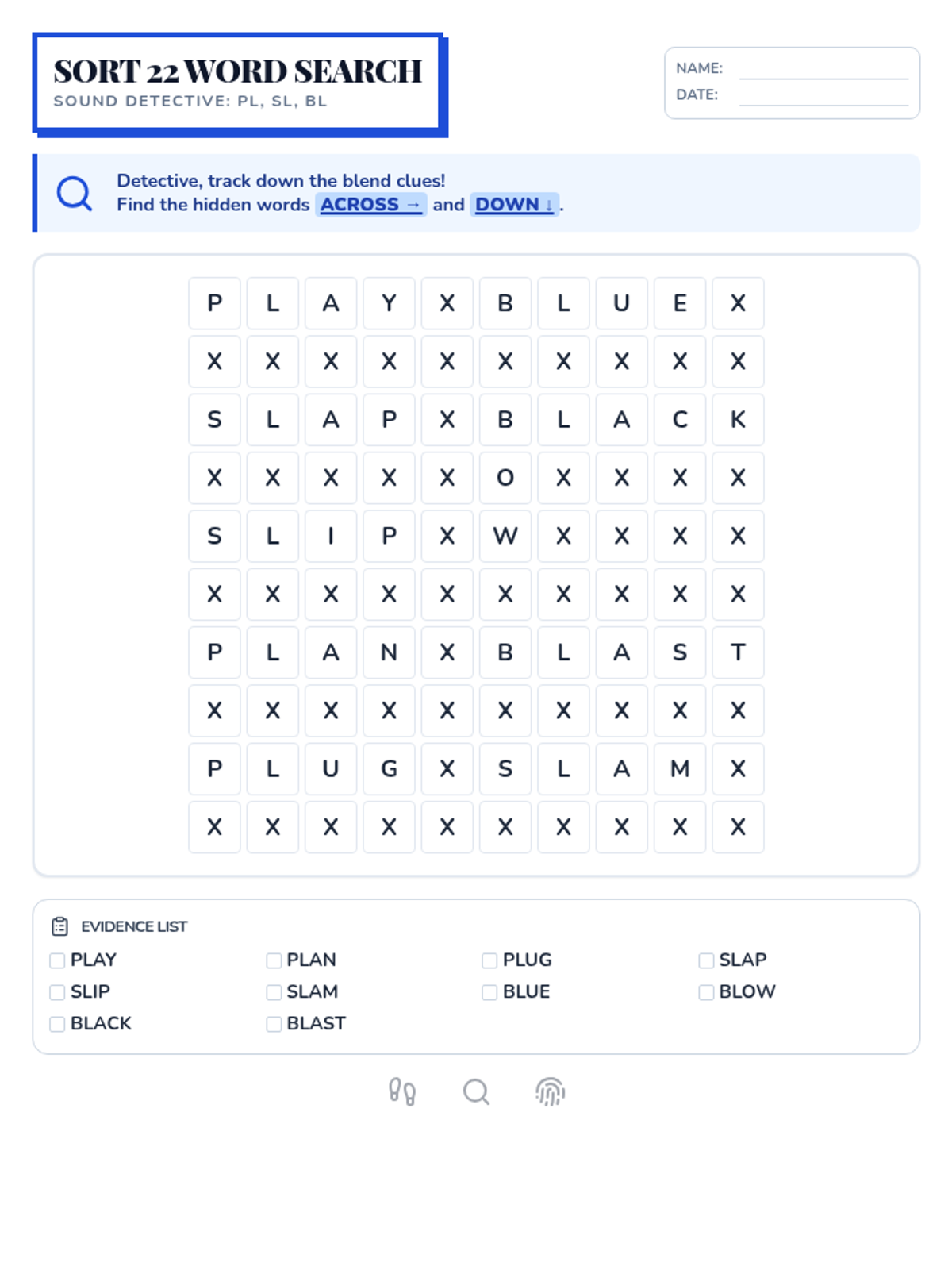
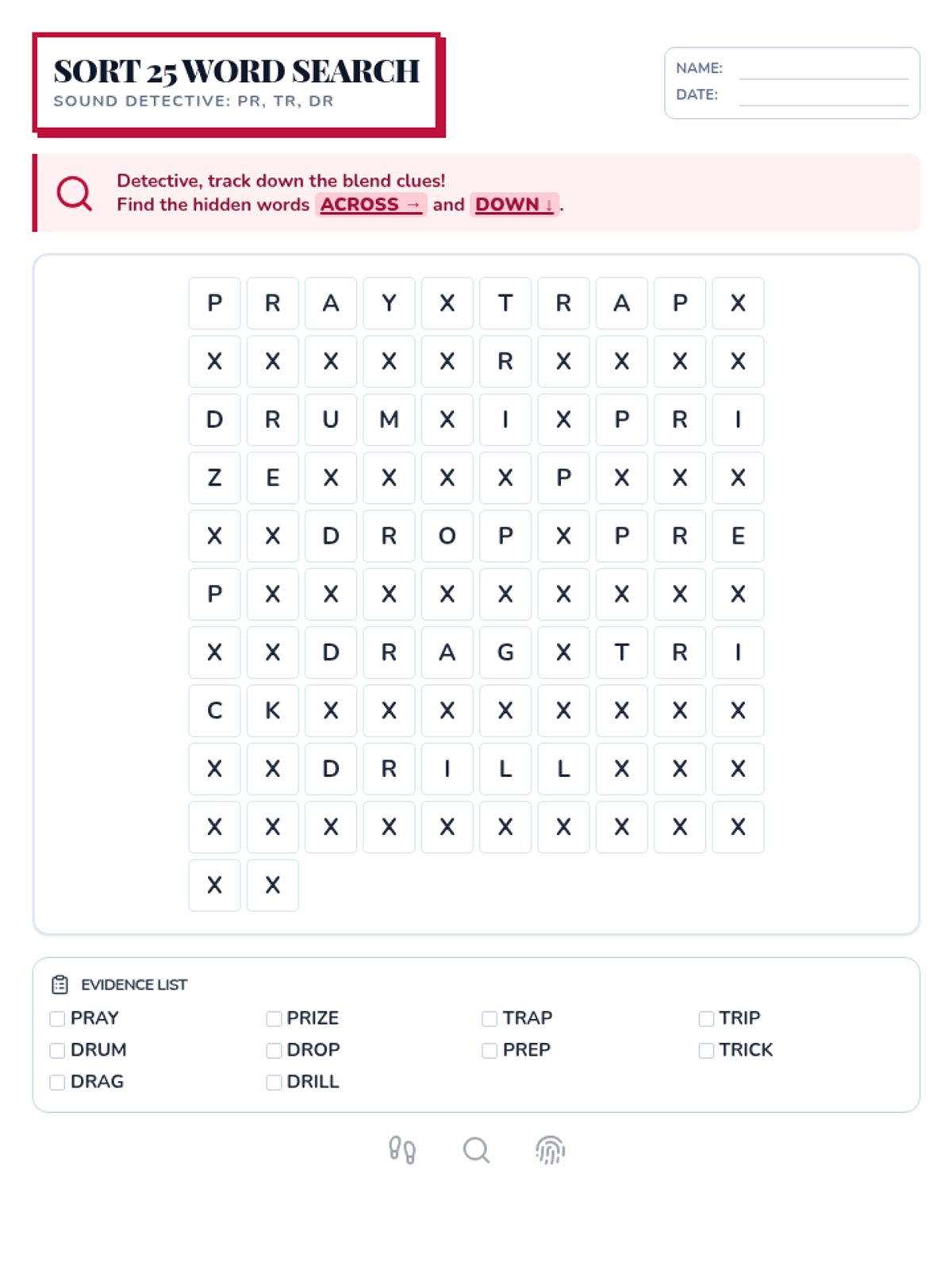
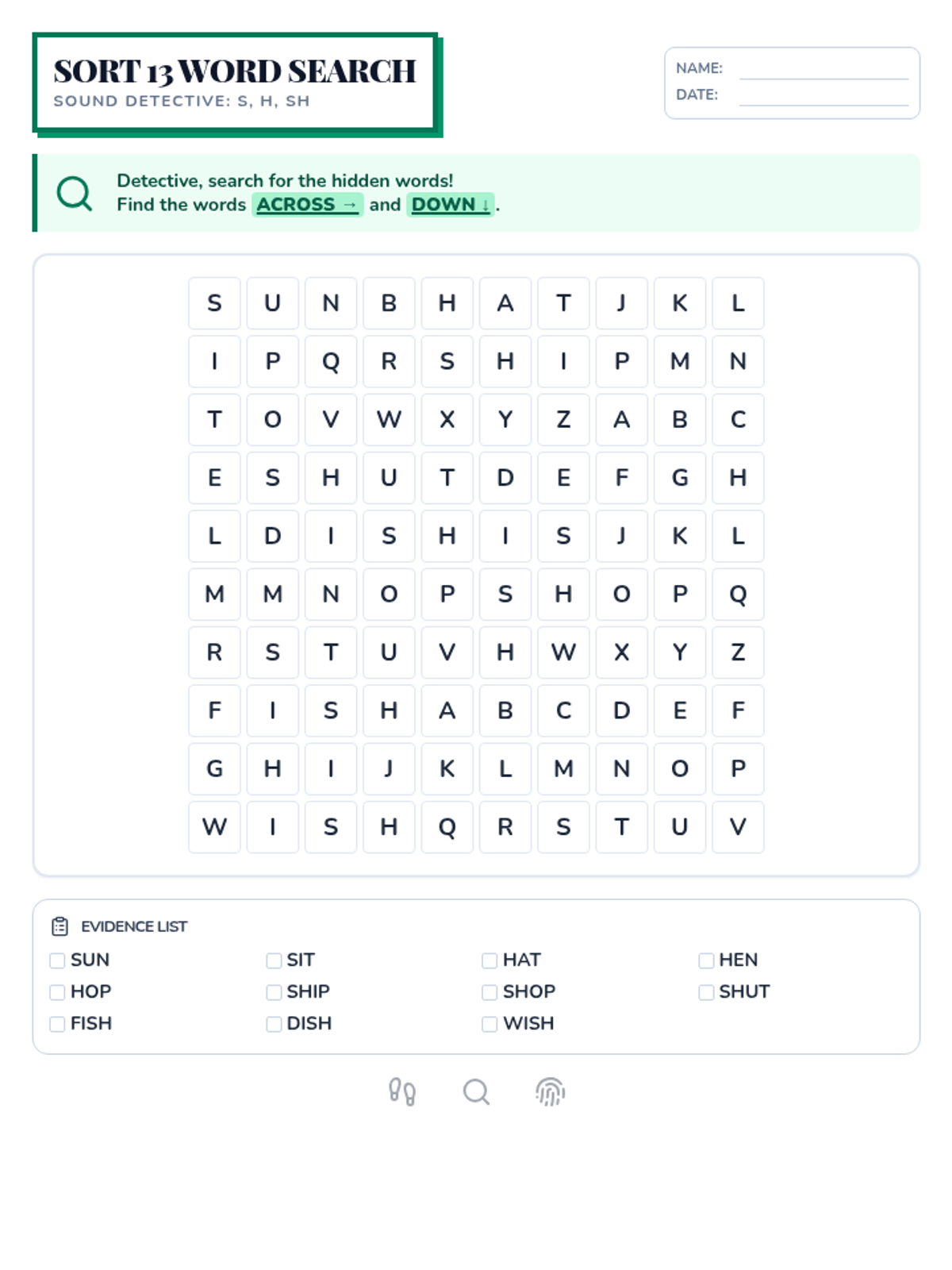
A comprehensive collection of practice materials for the 'Within Word Pattern' stage of word study, featuring sentence completion and word search activities for sorts 13 through 50.
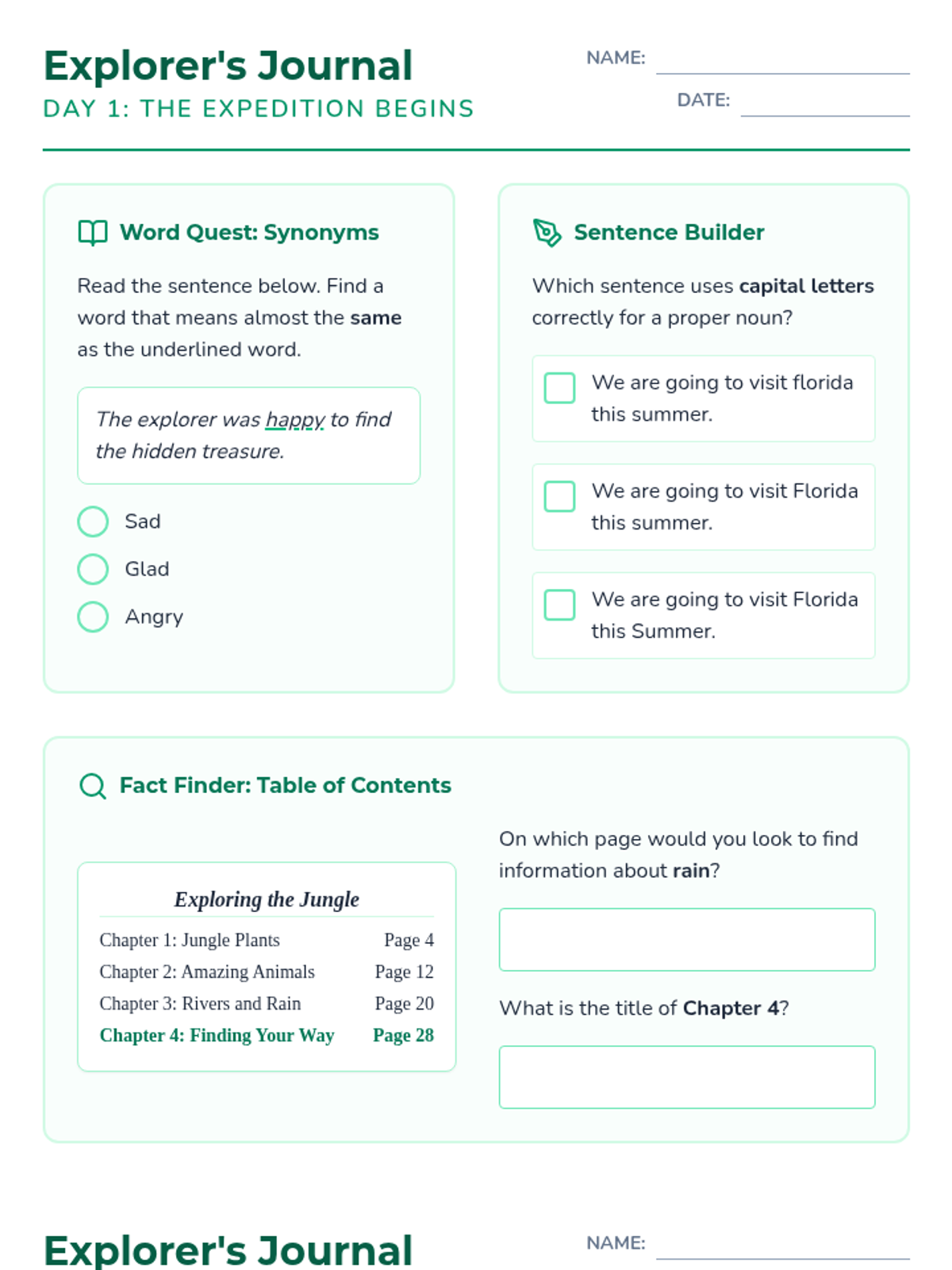
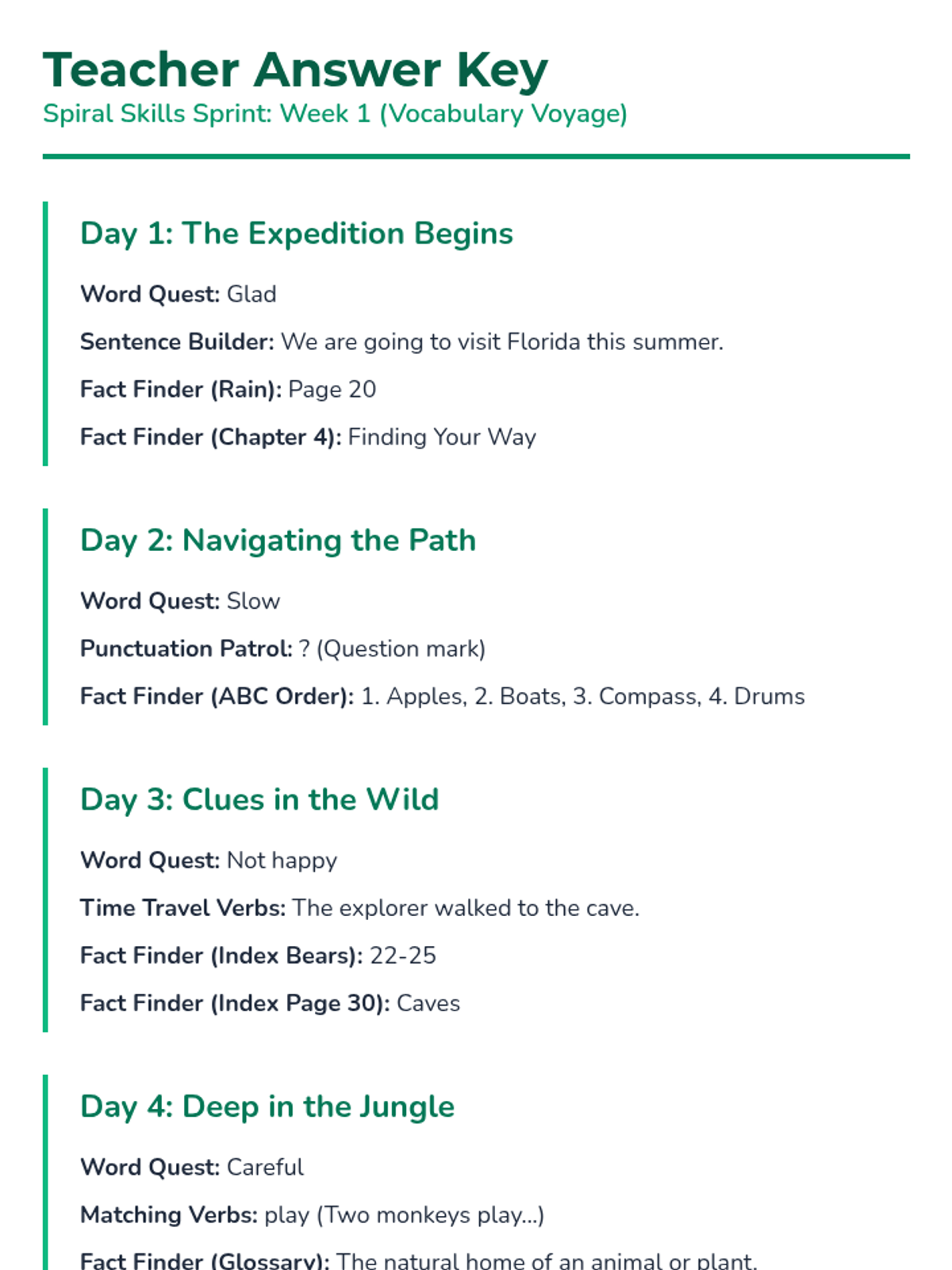
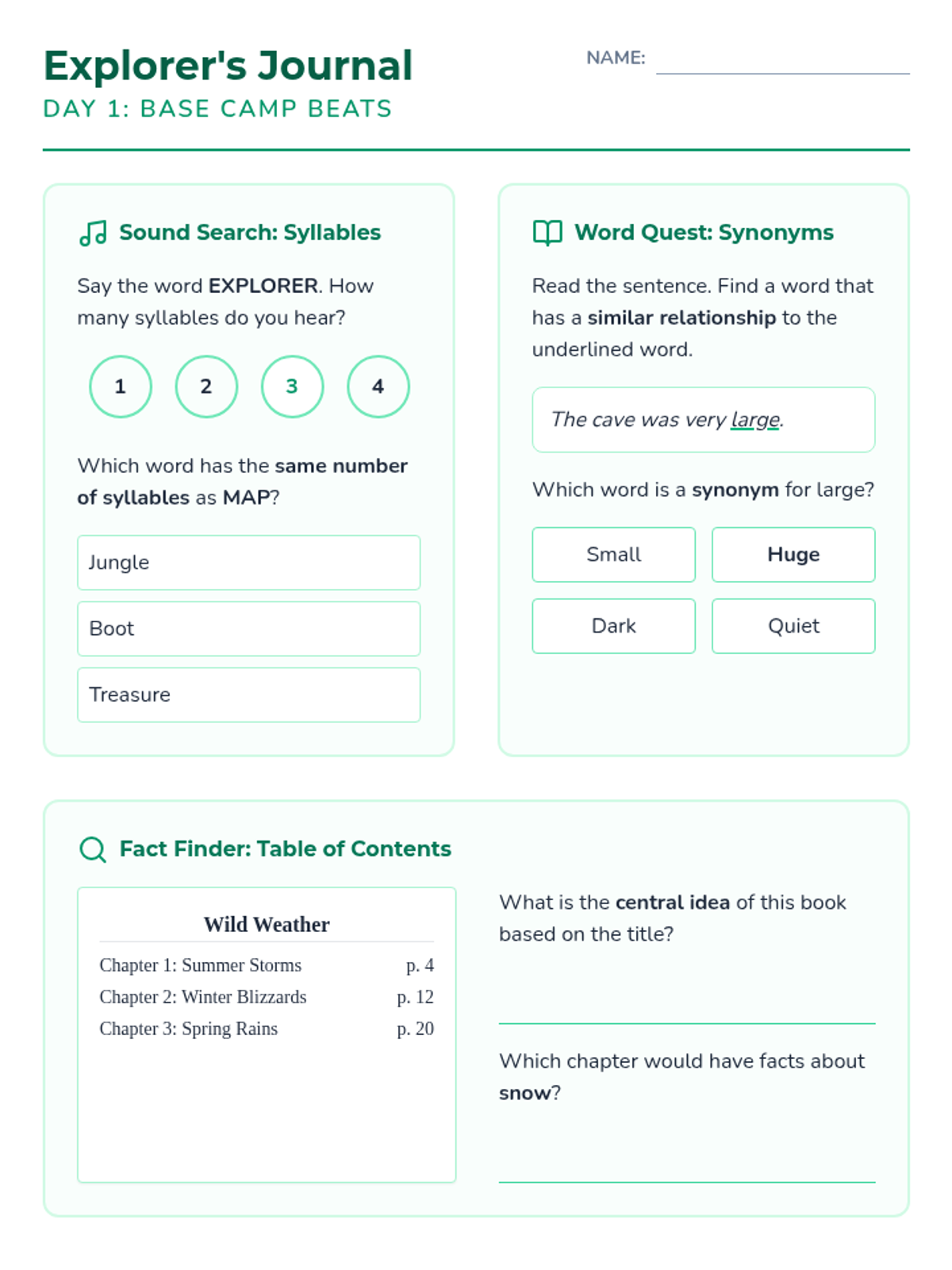
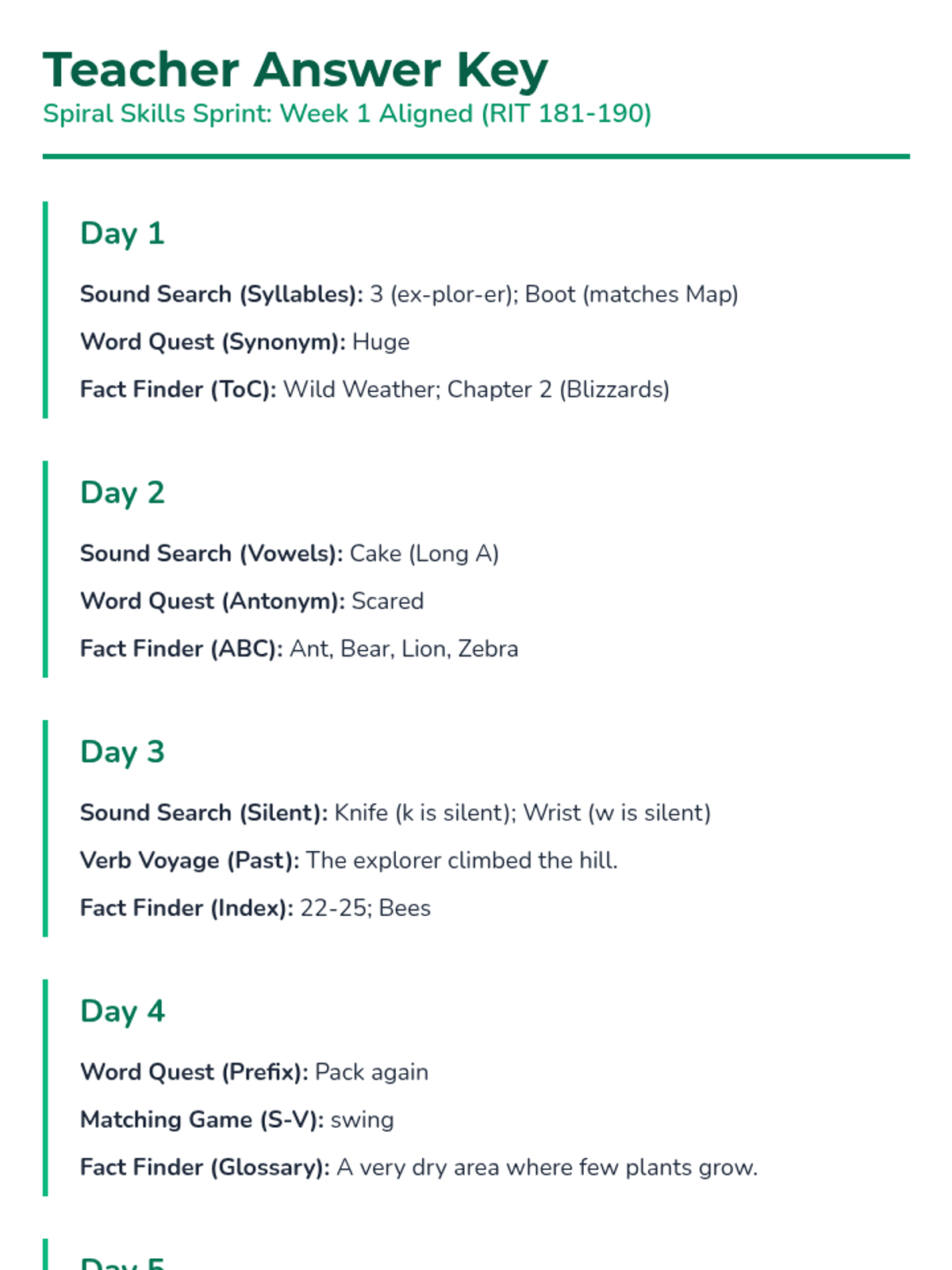
A 25-day spiral review program designed to prepare 2nd grade students for NWEA MAP Growth assessments, focusing on vocabulary, composition, and research skills. Each week provides a thematic challenge in an "Explorer's Journal" format to keep students engaged.
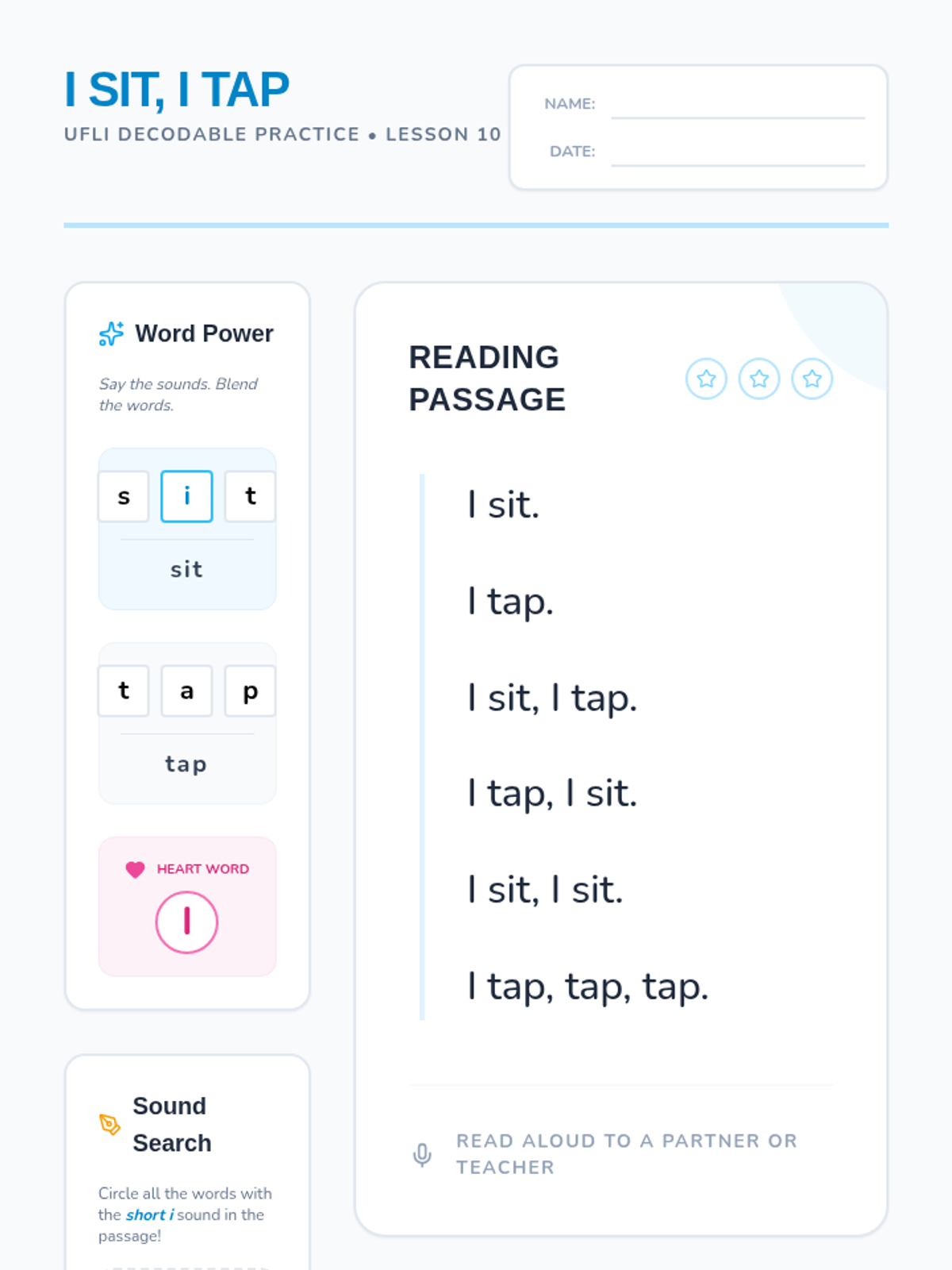
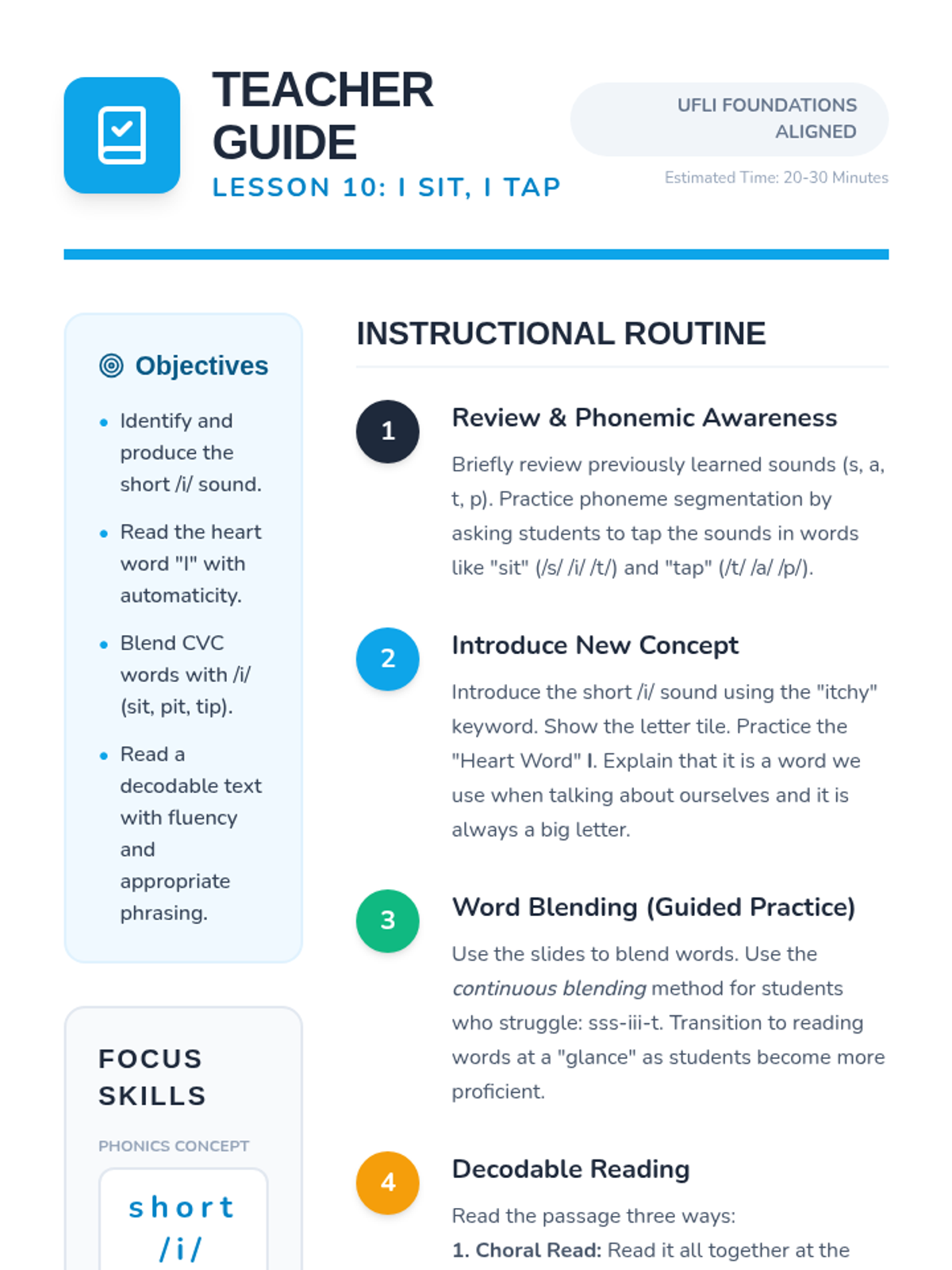
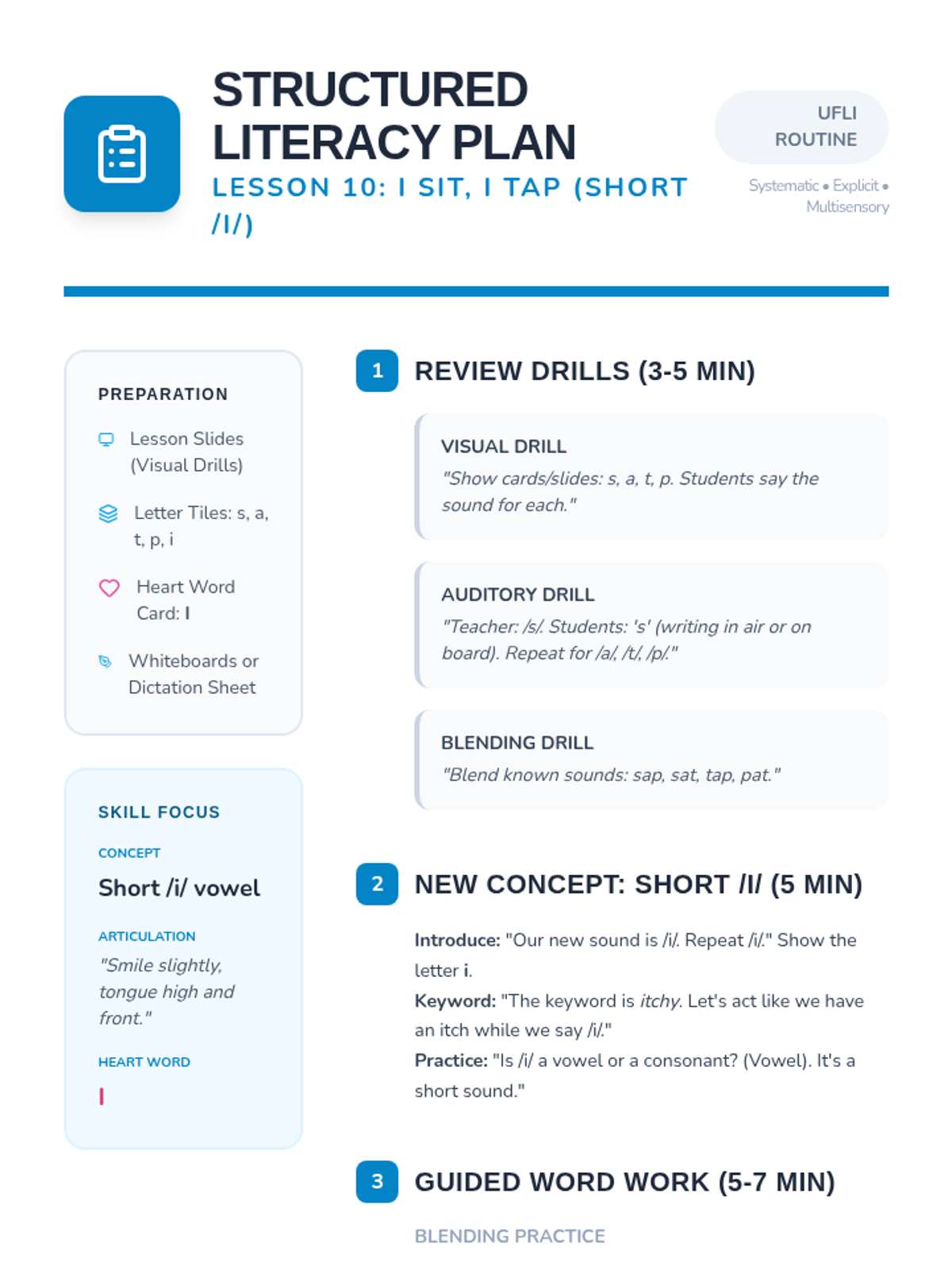
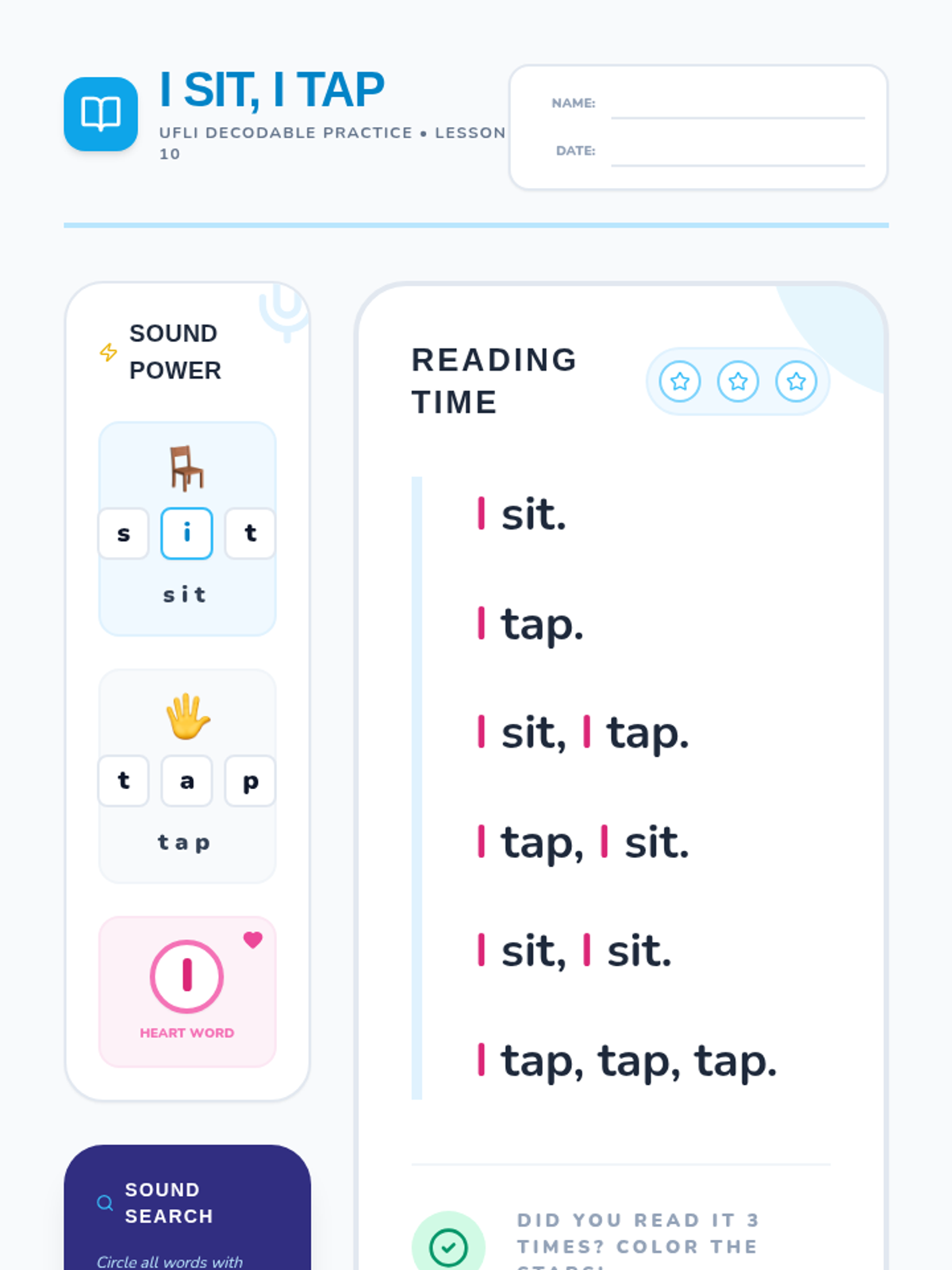
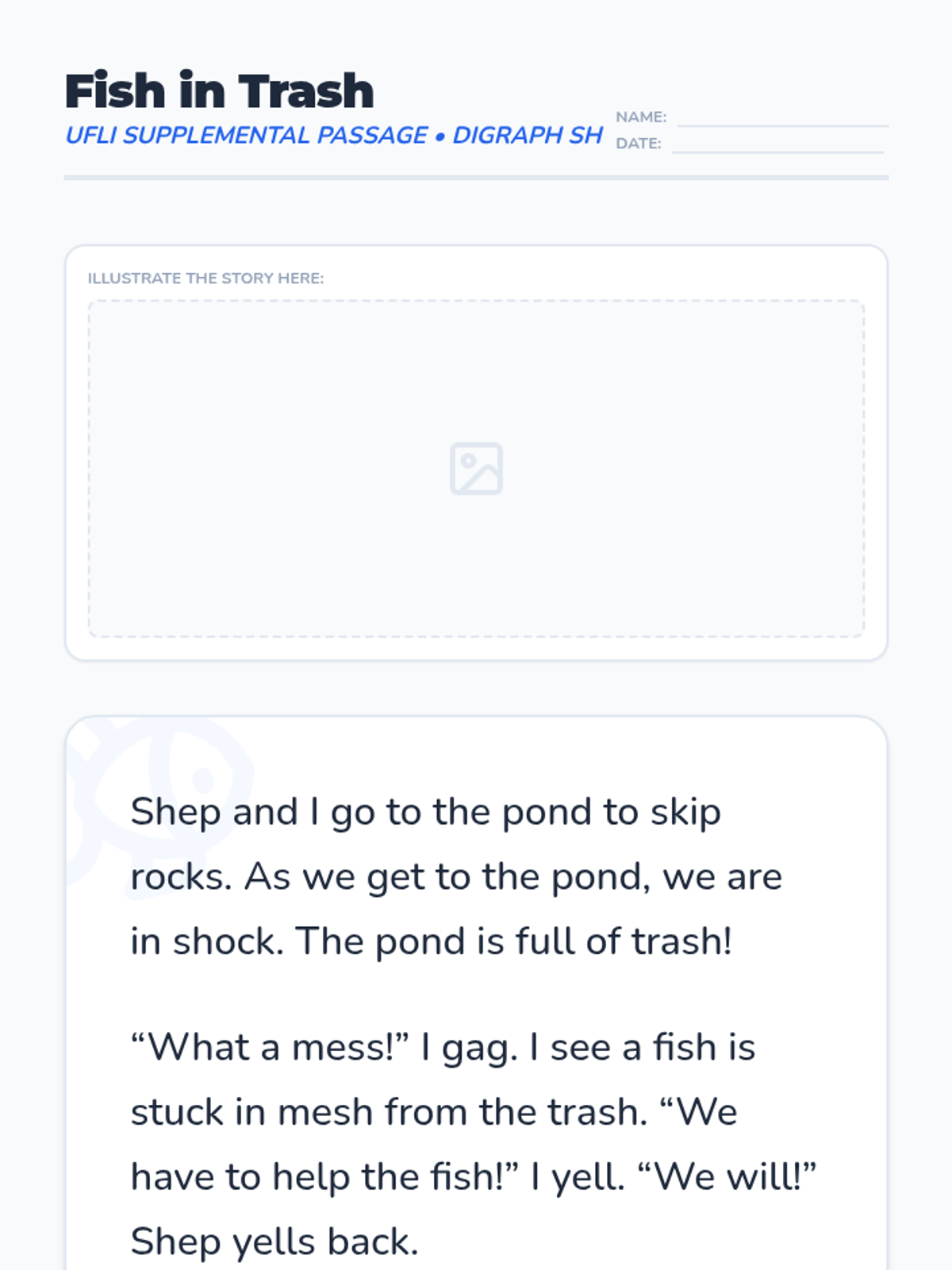
A collection of decodable passages and activities aligned with UFLI Foundations, focusing on systematic phonics and heart word acquisition. Each lesson centers on a specific phonics skill and accompanying "heart words" to build reading fluency.
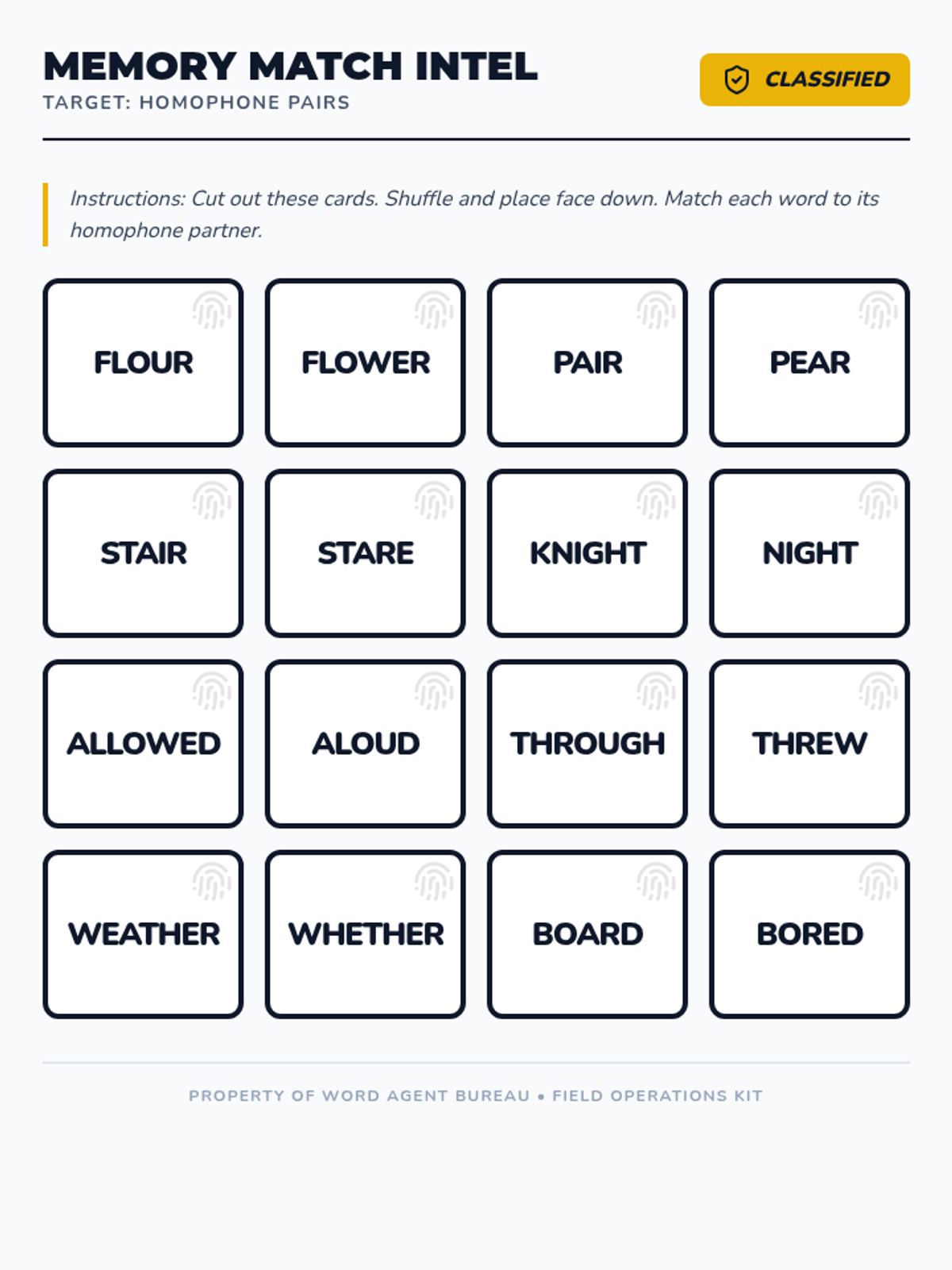
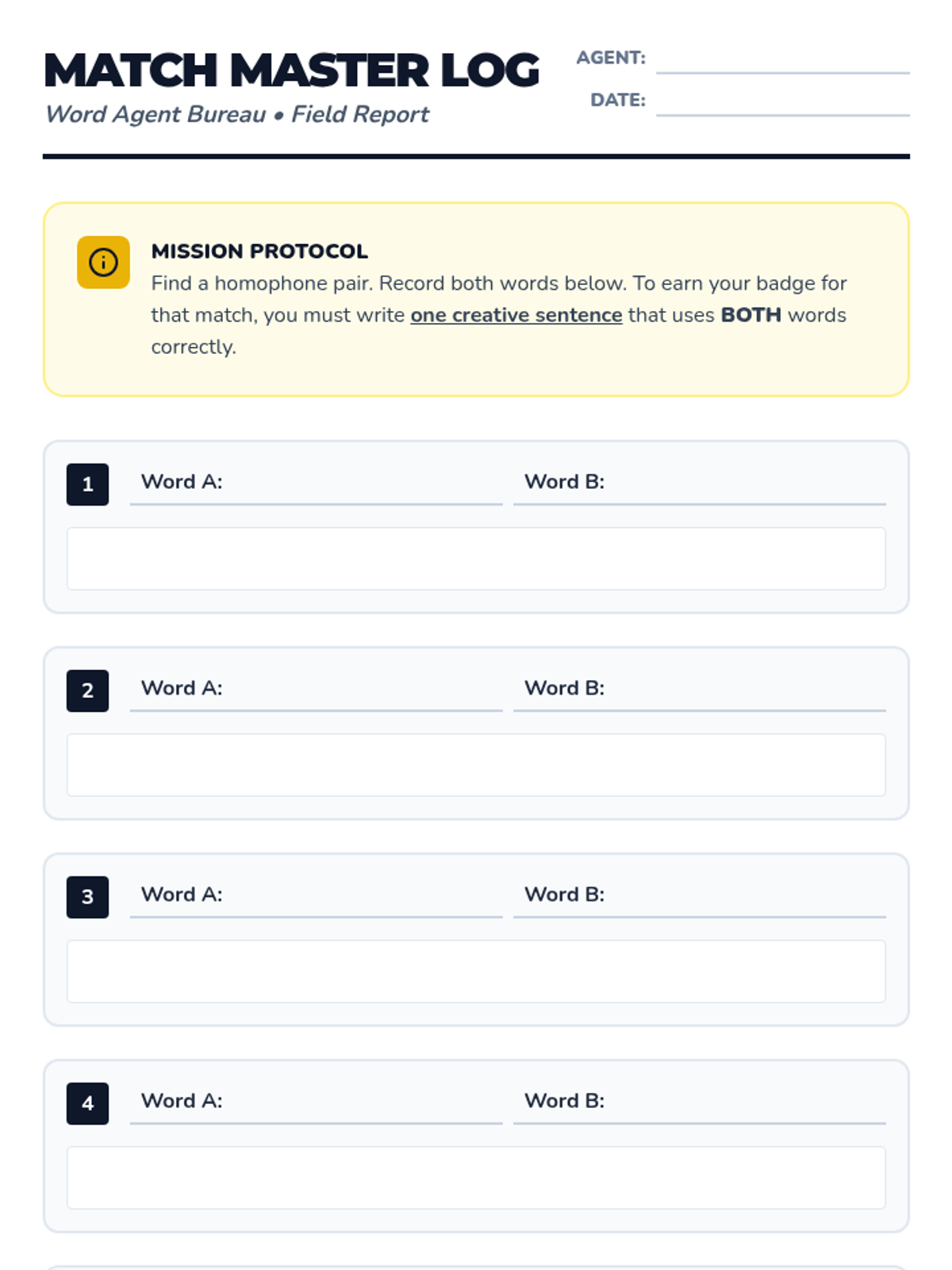
A game-based sequence focused on the rapid identification and correct usage of homophones through competitive and collaborative activities. Students act as 'Word Agents' to solve mysteries, play games, and compete in a final tournament to master spelling and context clues.
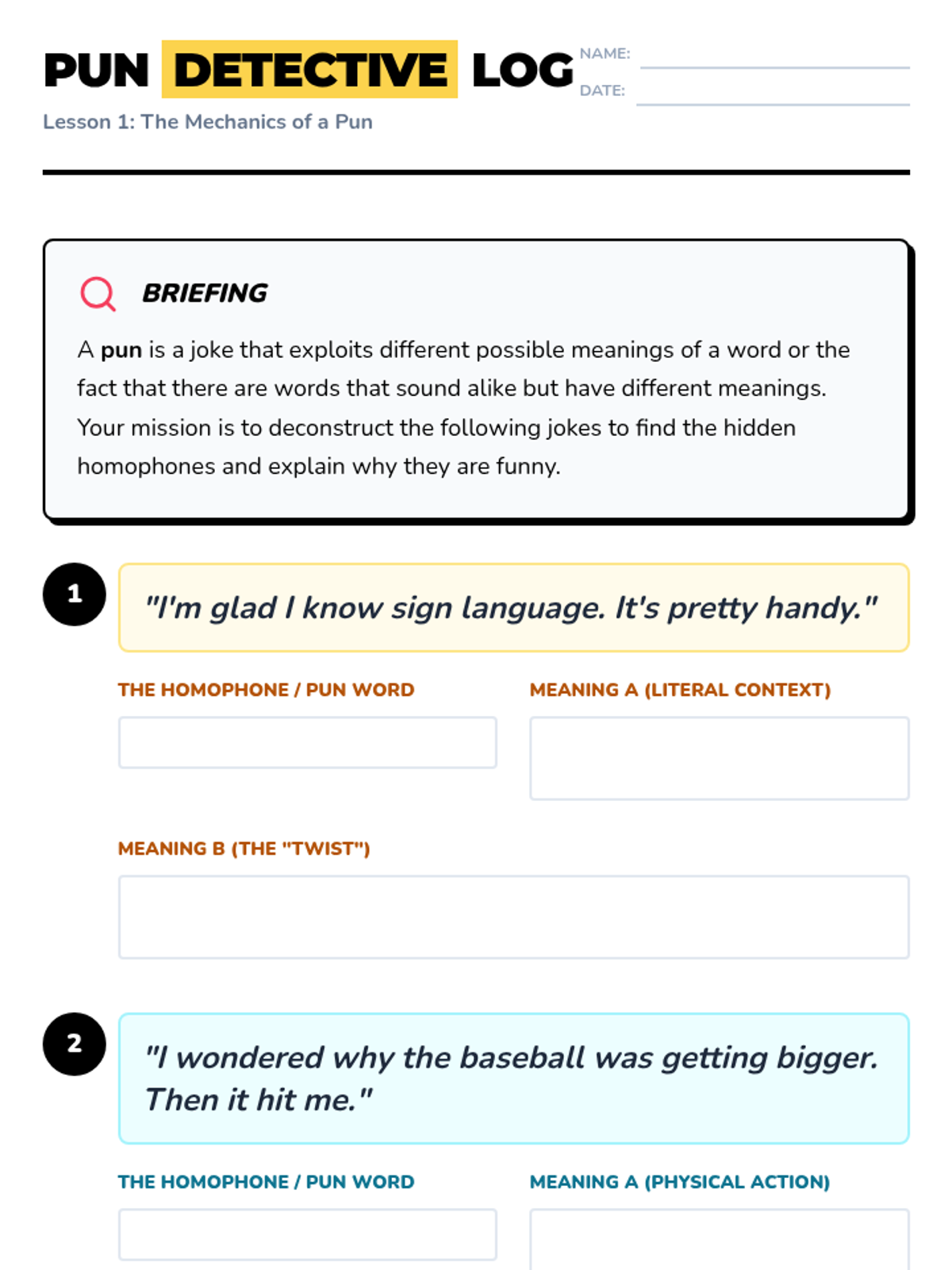
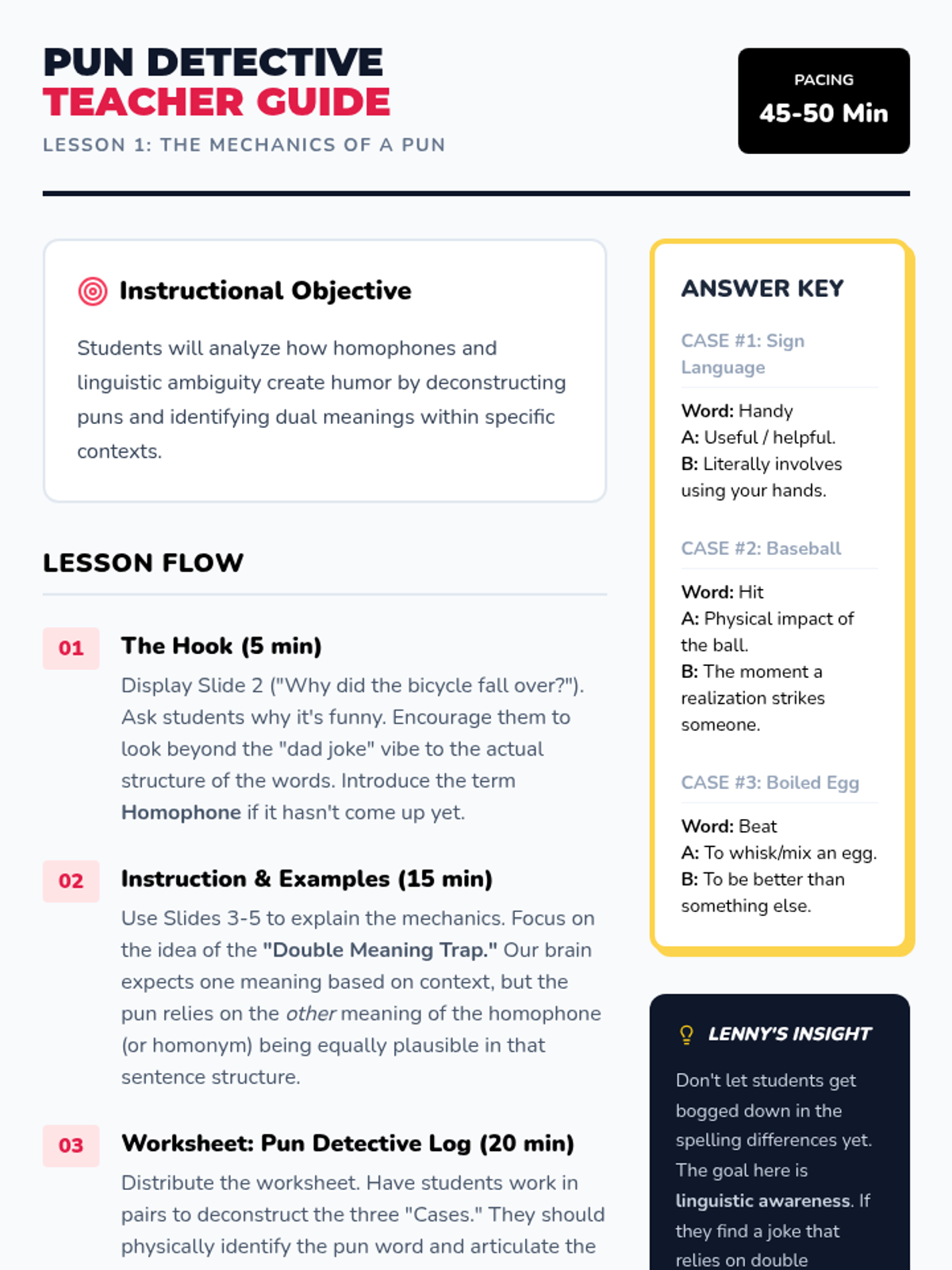
This sequence explores the creative and humorous side of homophones, focusing on how writers use wordplay, puns, and ambiguity for effect. Students move from deconstructing jokes to creating their own homophone-based scripts and comics.
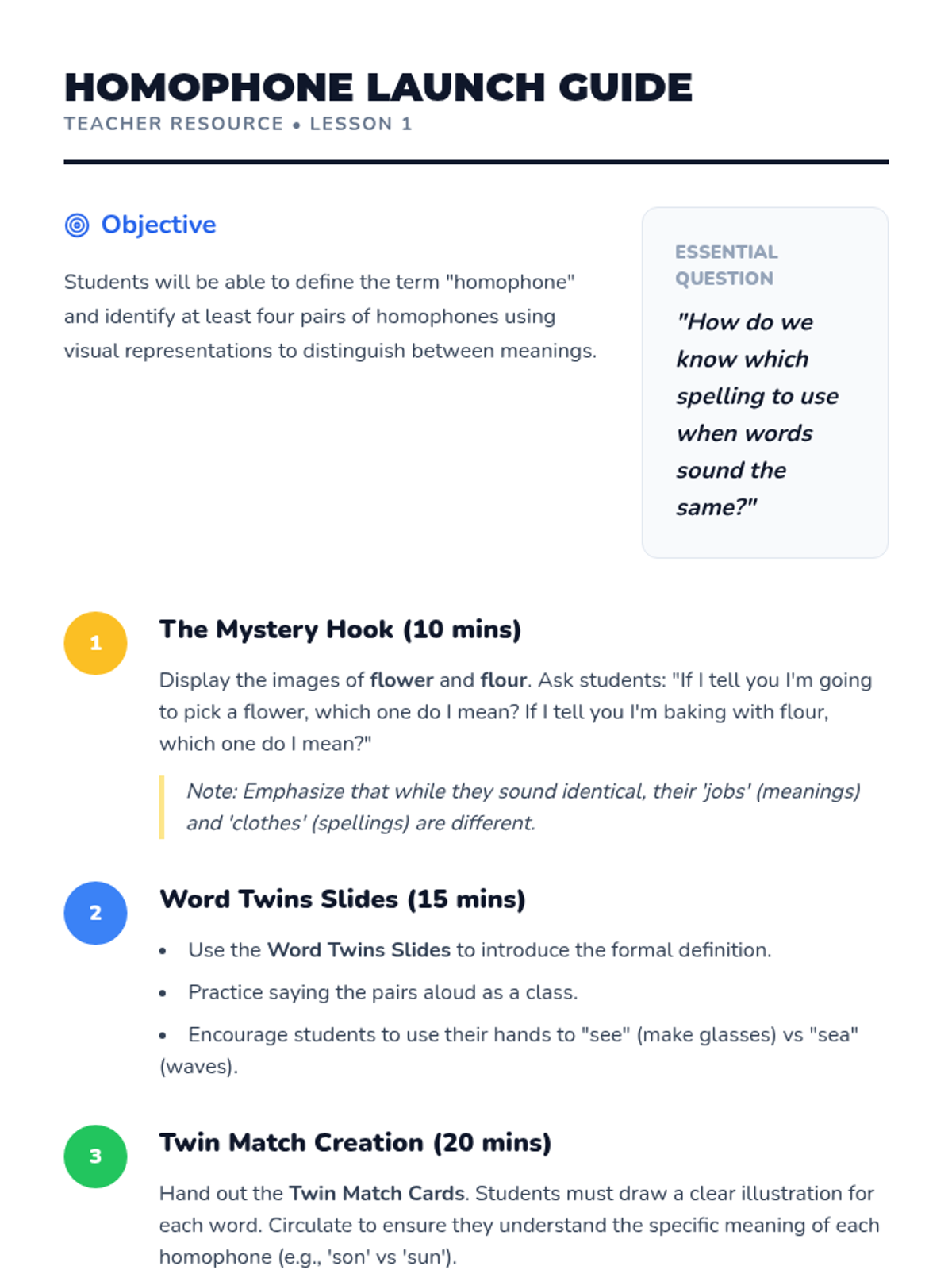
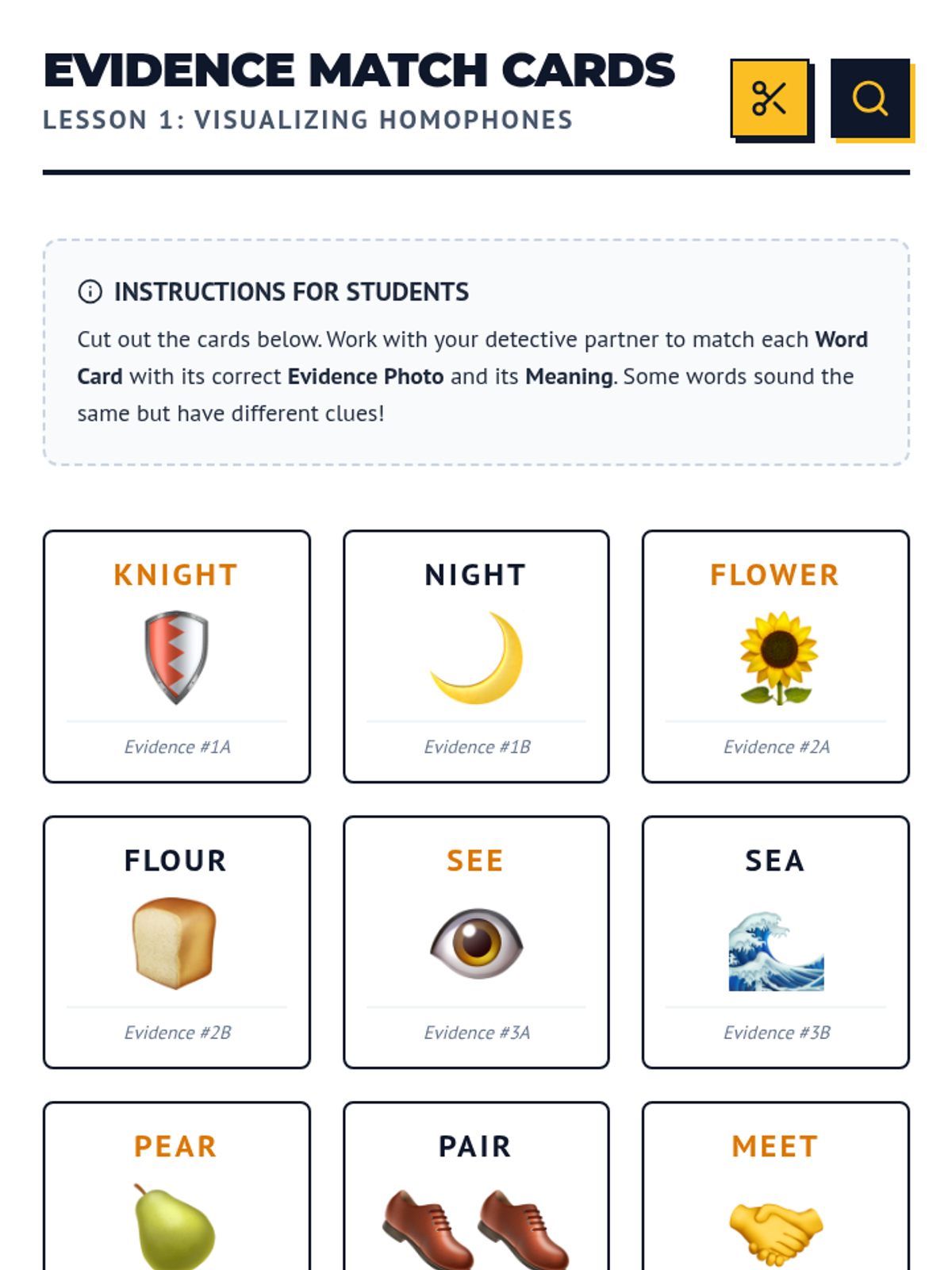
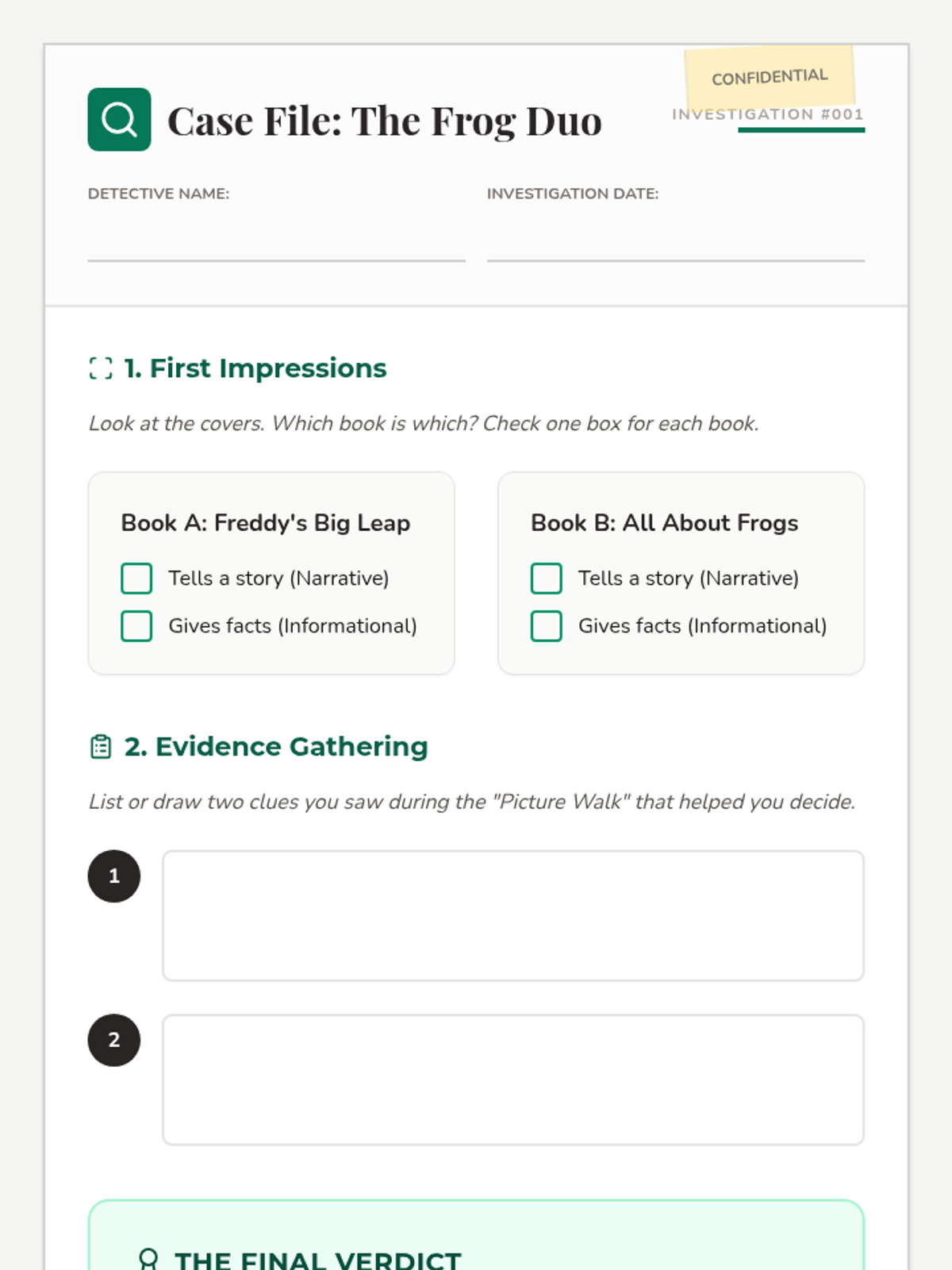
A comprehensive sequence for 2nd-grade students to master homophones through a detective-themed investigation. Students move from identifying simple pairs to using context clues and mastering high-frequency homophones like to, two, and too.
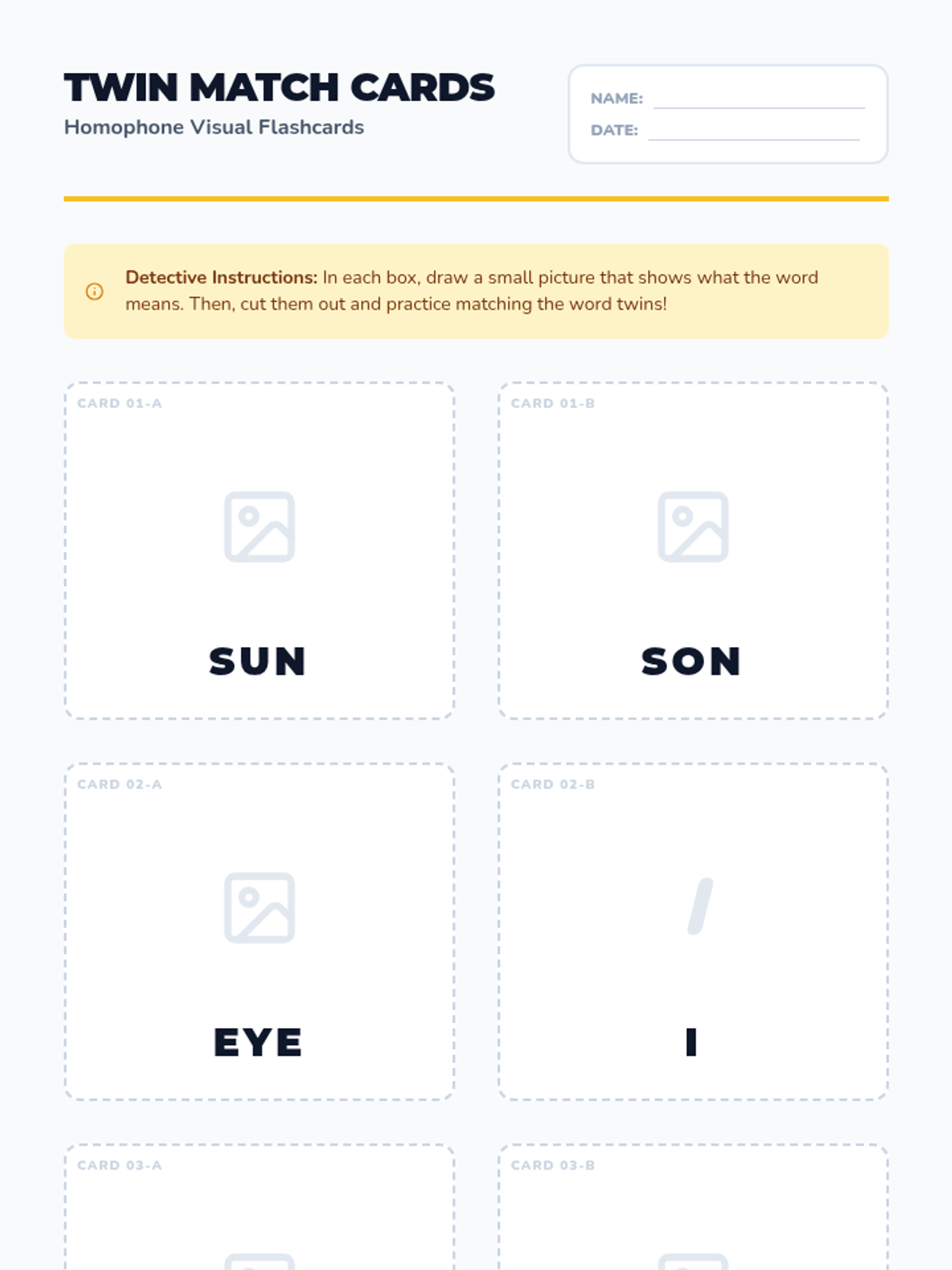
A comprehensive sequence for 2nd graders focusing on common homophones. Students move from basic identification using visual cues to mastering tricky triplets like 'to/two/too' and 'there/their/they're', culminating in a creative editing challenge and a performance-based assessment.
A comprehensive 12-lesson literacy program for primary students (Grades 1-2) using a theme of Detectives, Hunters, and Architects. Features a bright color palette of light blue, pink, light green, and orange.
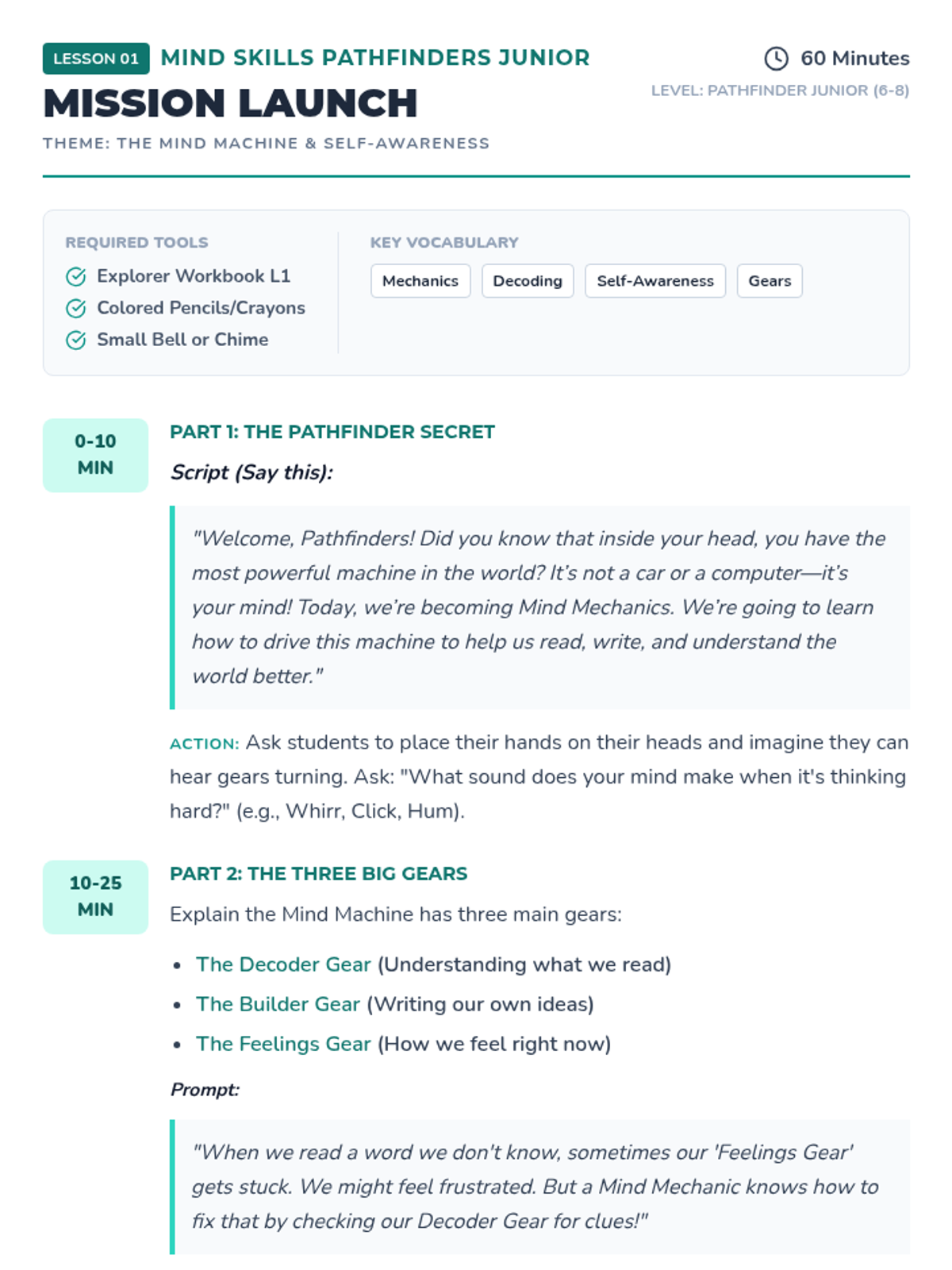
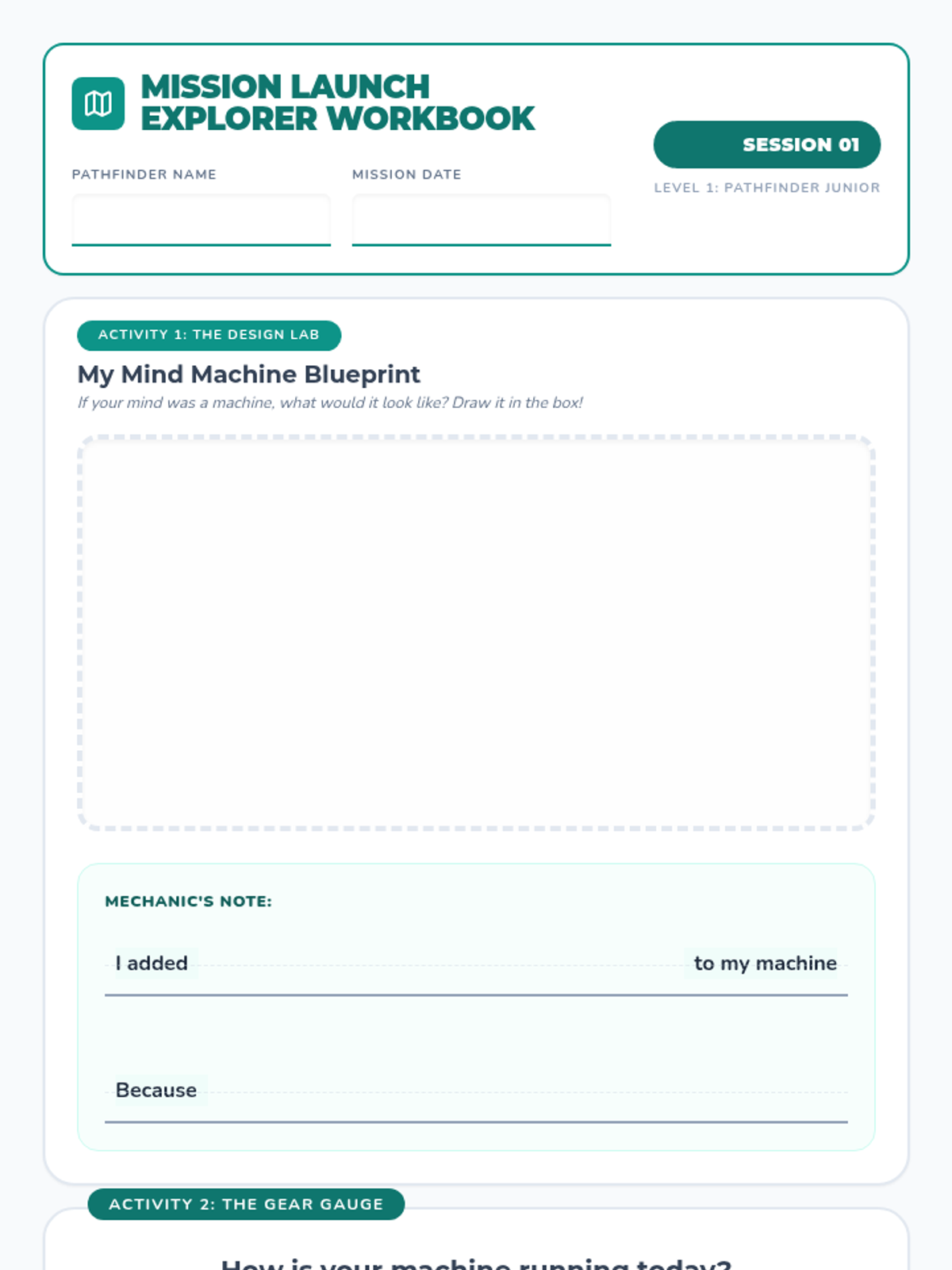
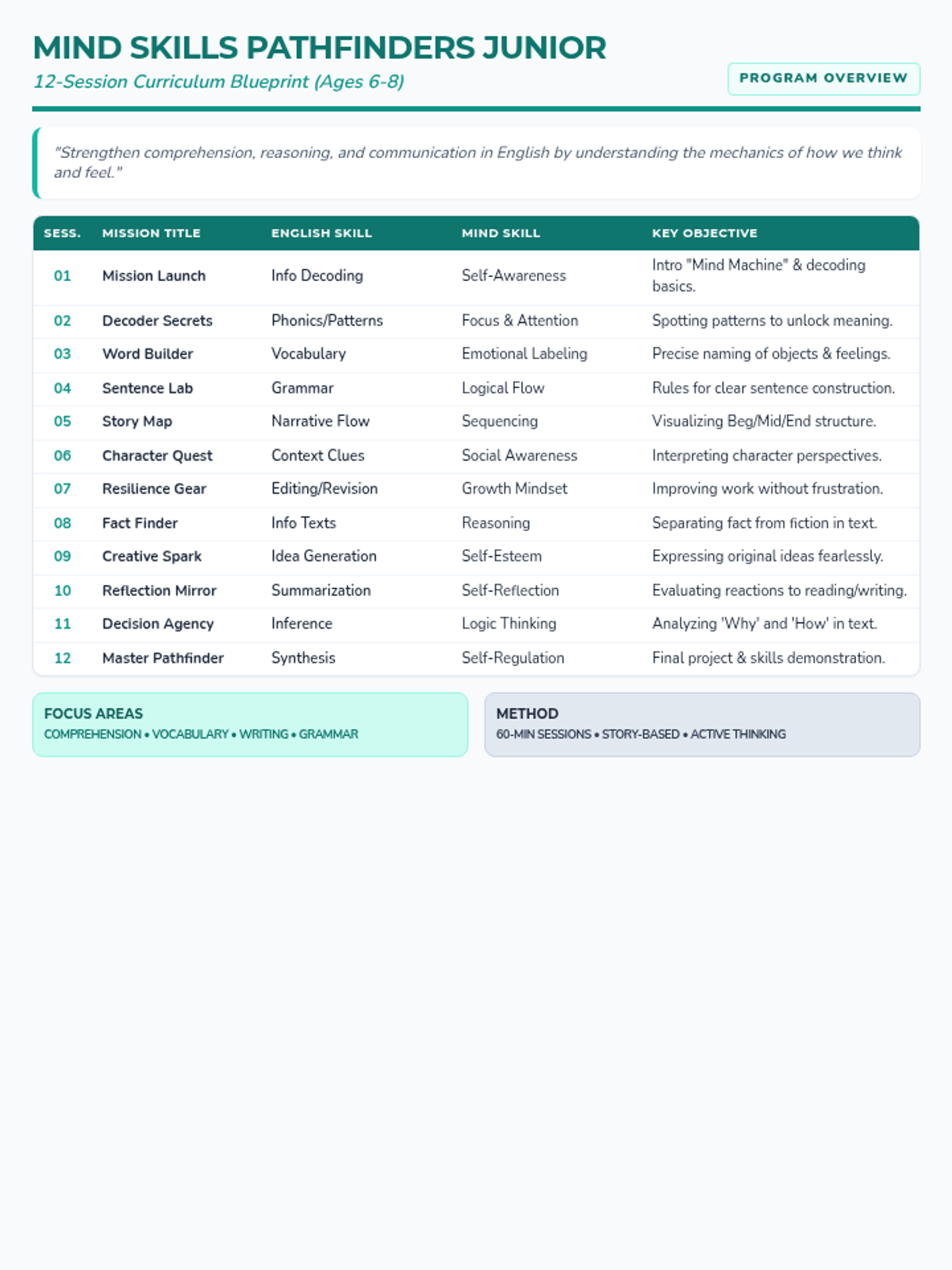
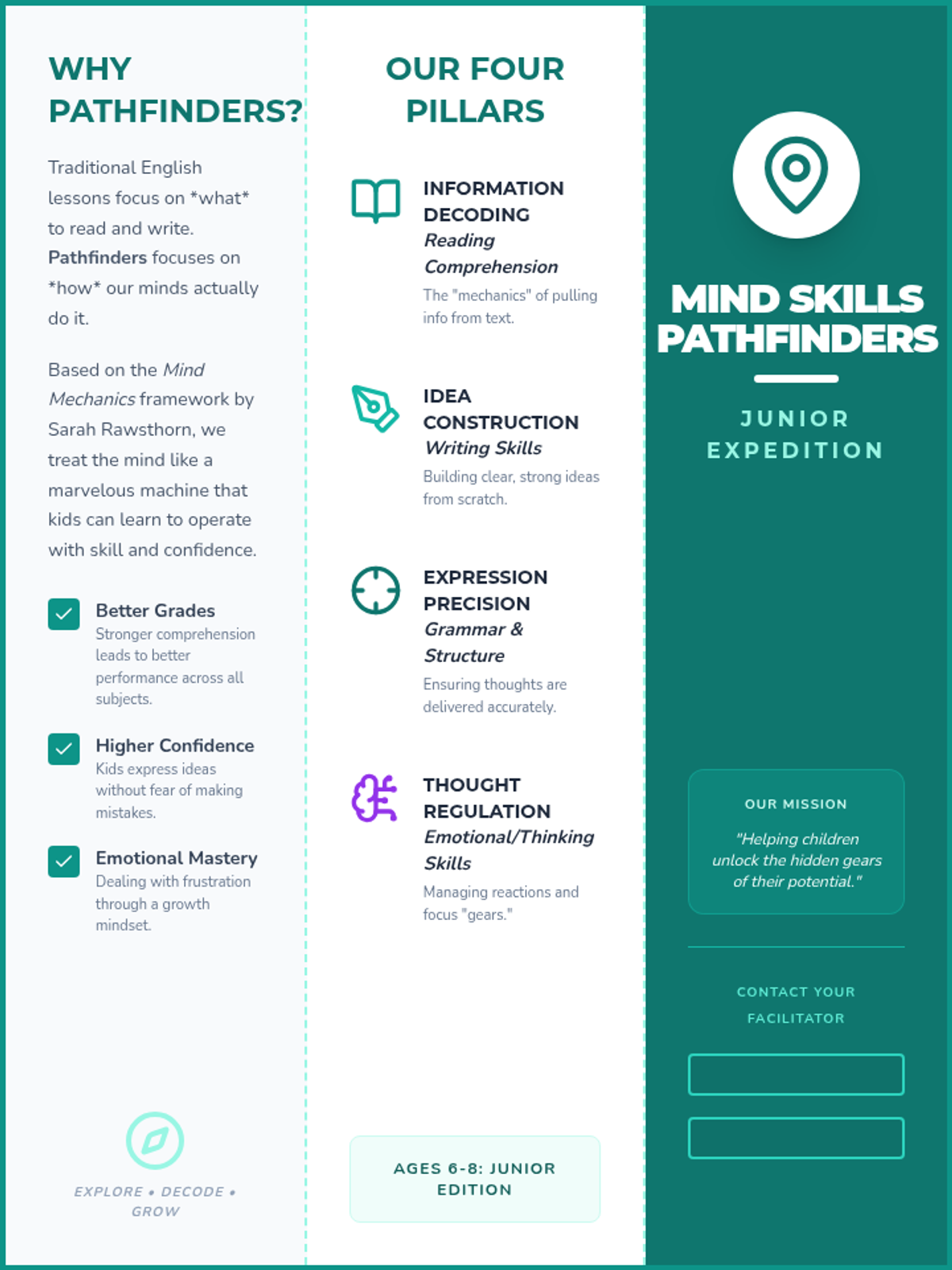
A 12-session journey for children aged 6-8 that integrates English literacy skills (comprehension, writing, grammar) with essential emotional and thinking skills using the 'Mind Mechanics' framework. Students learn to decode information, construct ideas precisely, and regulate their thoughts and responses for better school performance and well-being.
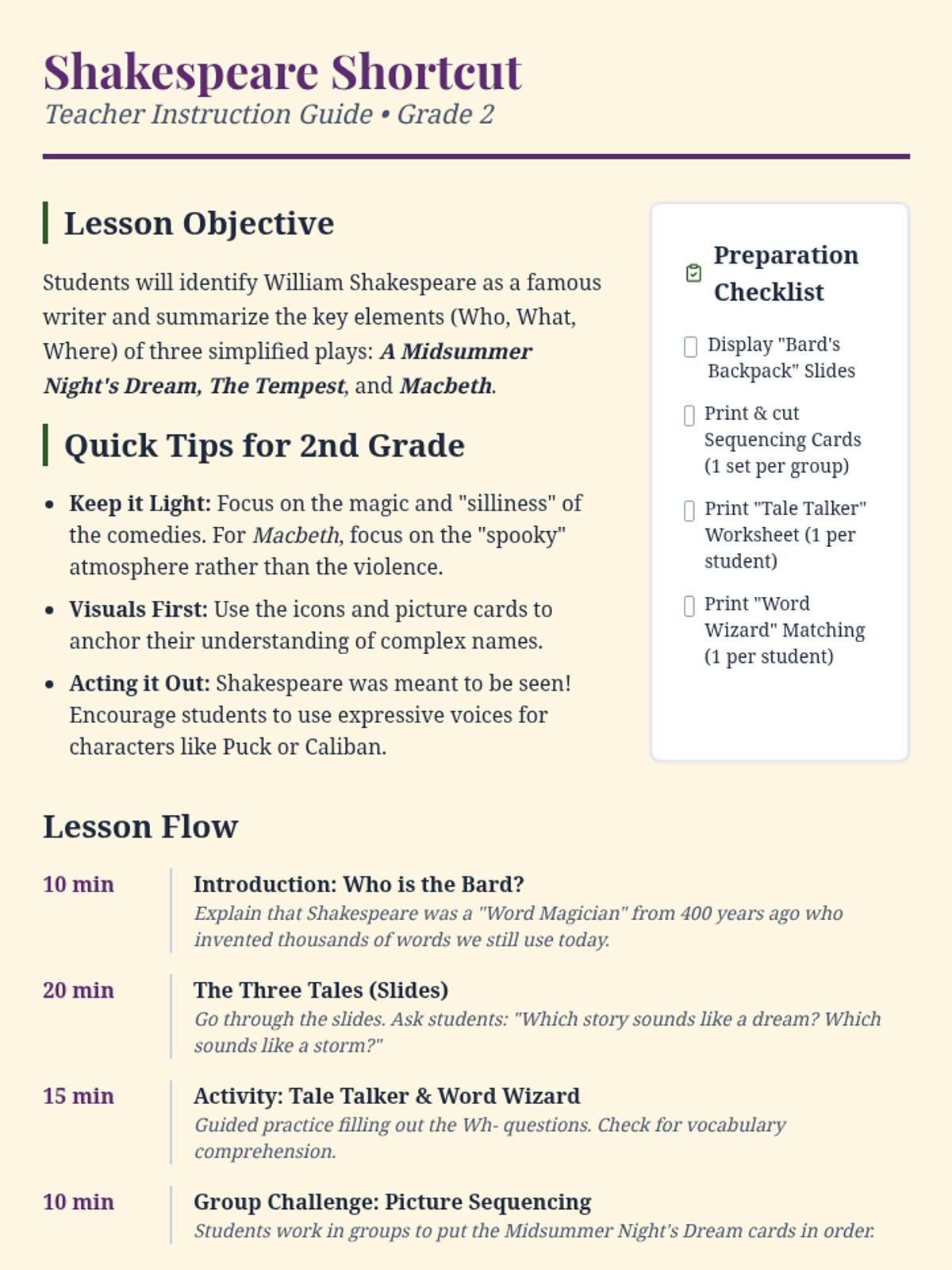
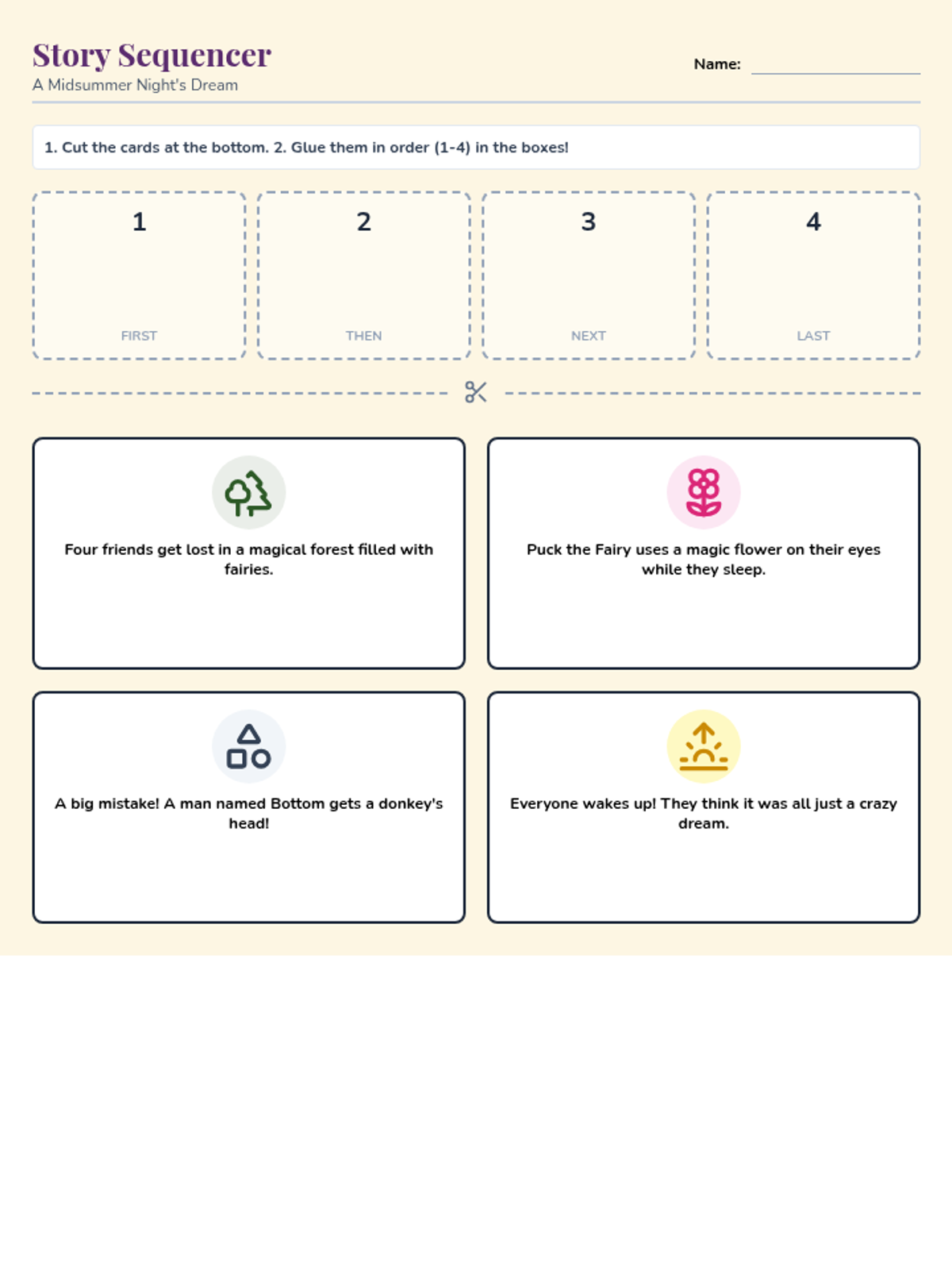
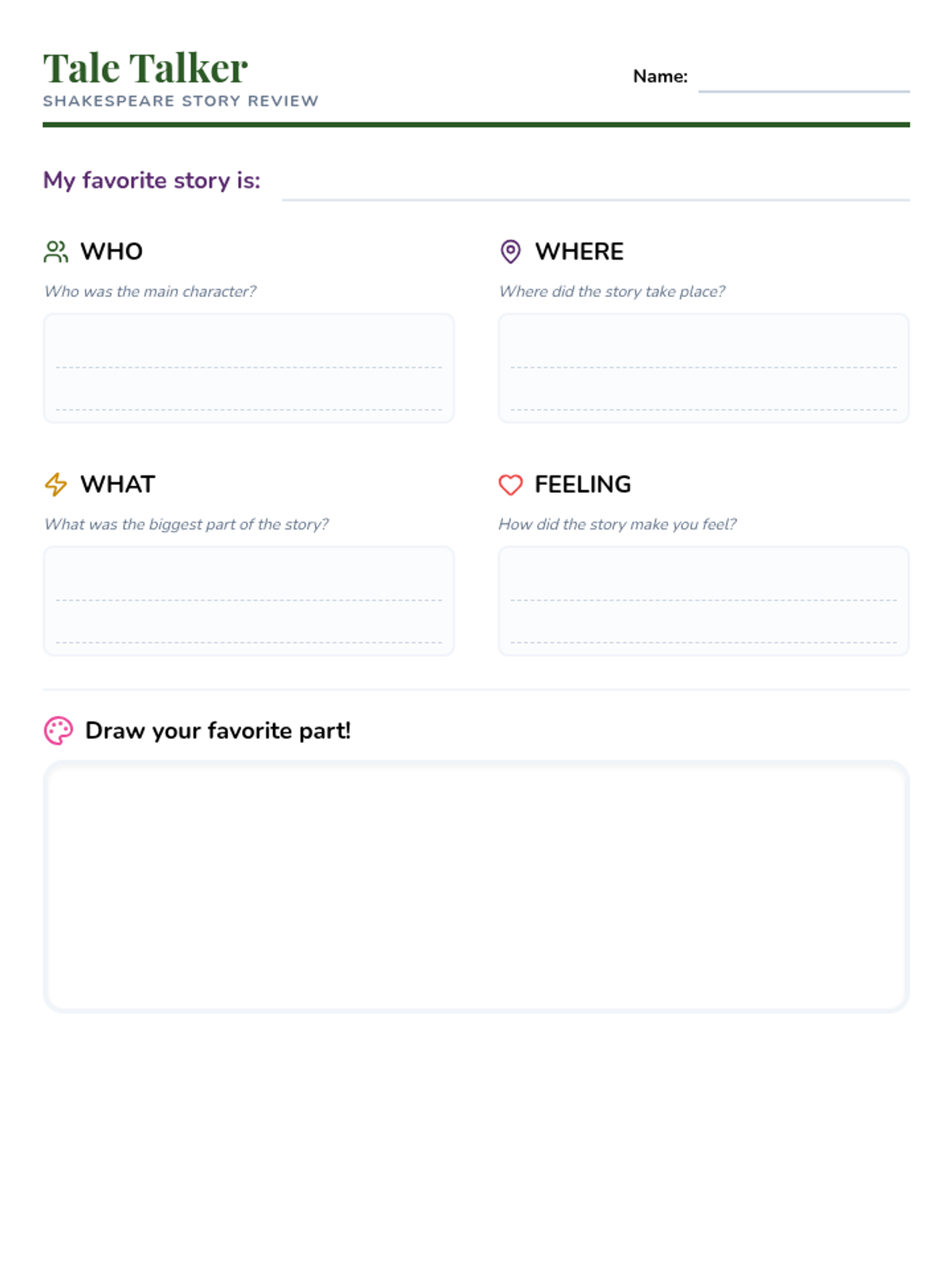
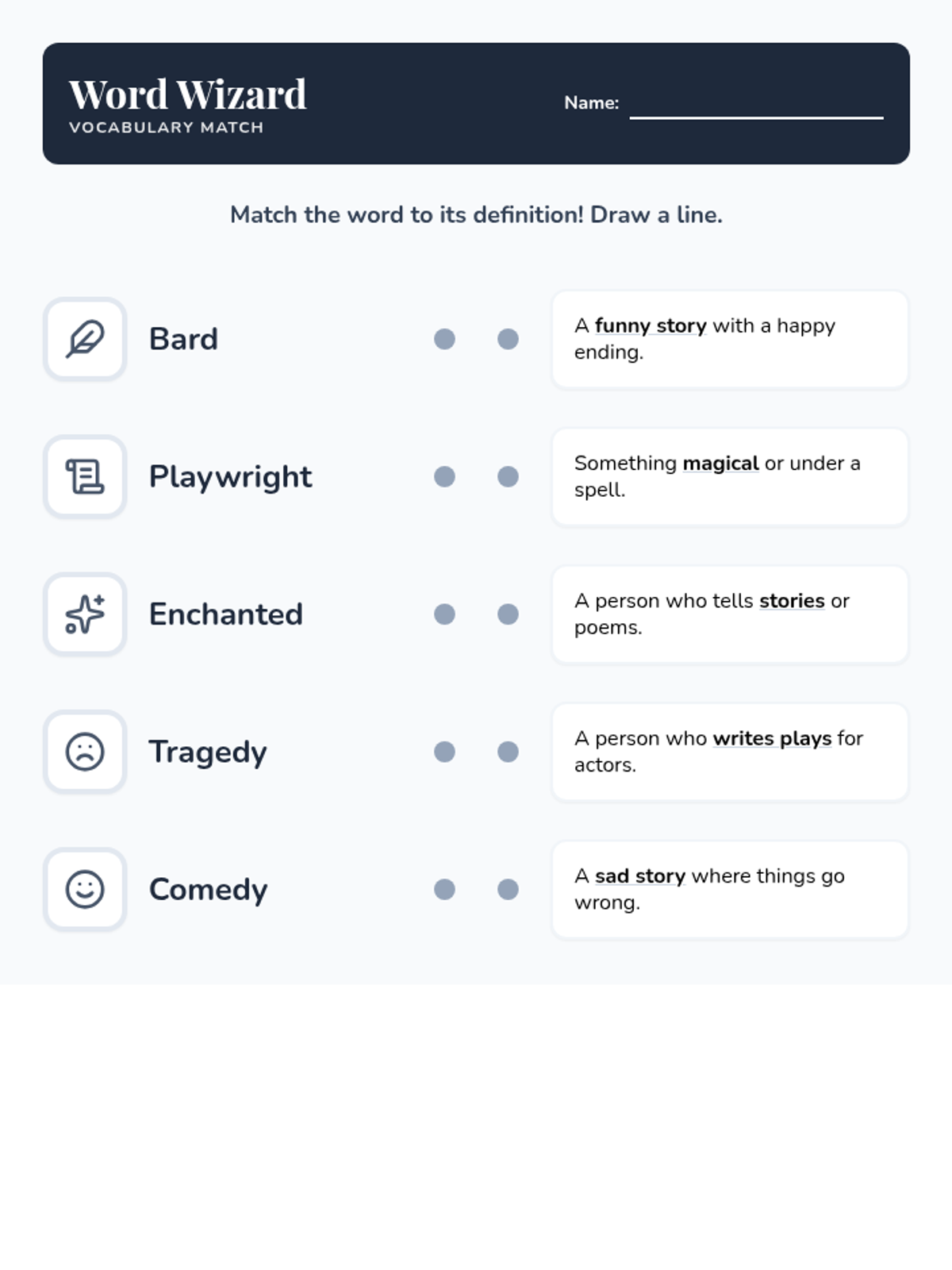
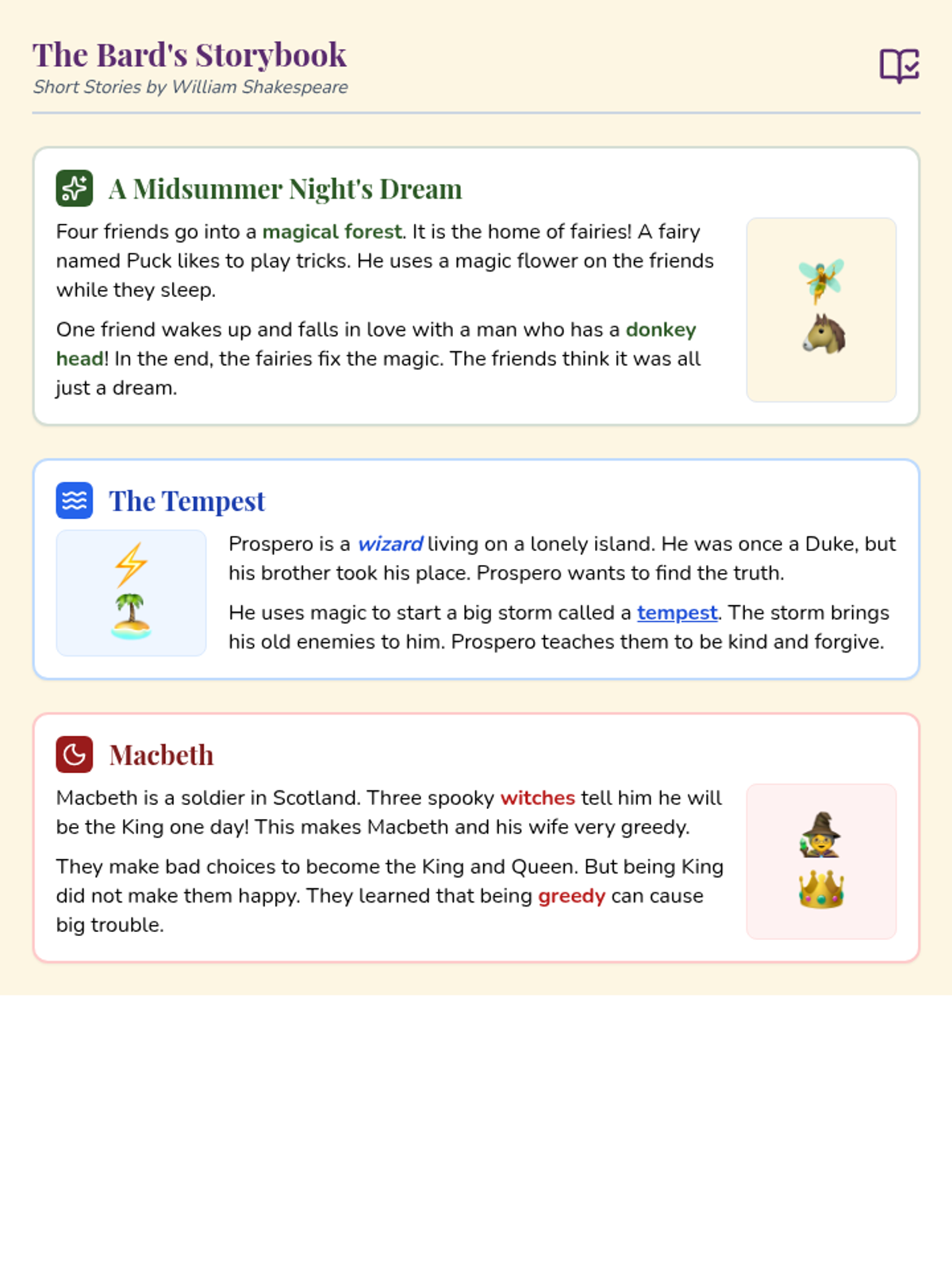
An introductory unit on William Shakespeare designed for 2nd grade students, focusing on character, setting, and plot in simplified versions of his famous plays.
سلسلة قصصية خيالية تهدف إلى تعليم الأطفال مهارات القراءة والاستيعاب من خلال مغامرة في غابة سحرية مليئة بالمخلوقات المتكلمة والحوارات الممتعة.
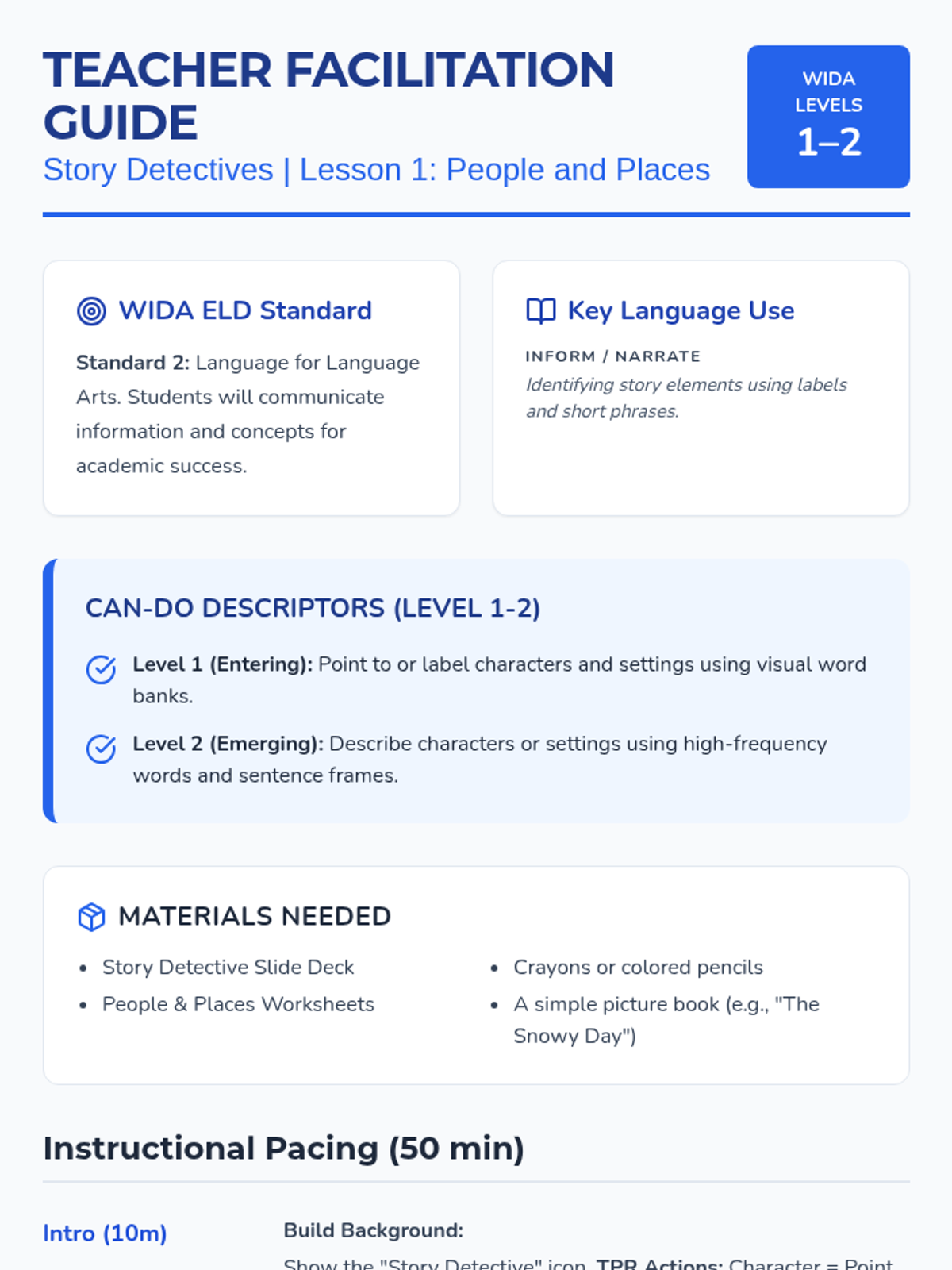
A sequence designed for WIDA Levels 1-2 (Entering/Emerging) focused on the Language of Language Arts. Students learn to identify and describe characters, settings, and story sequences using high-visual support and scaffolded sentence frames.
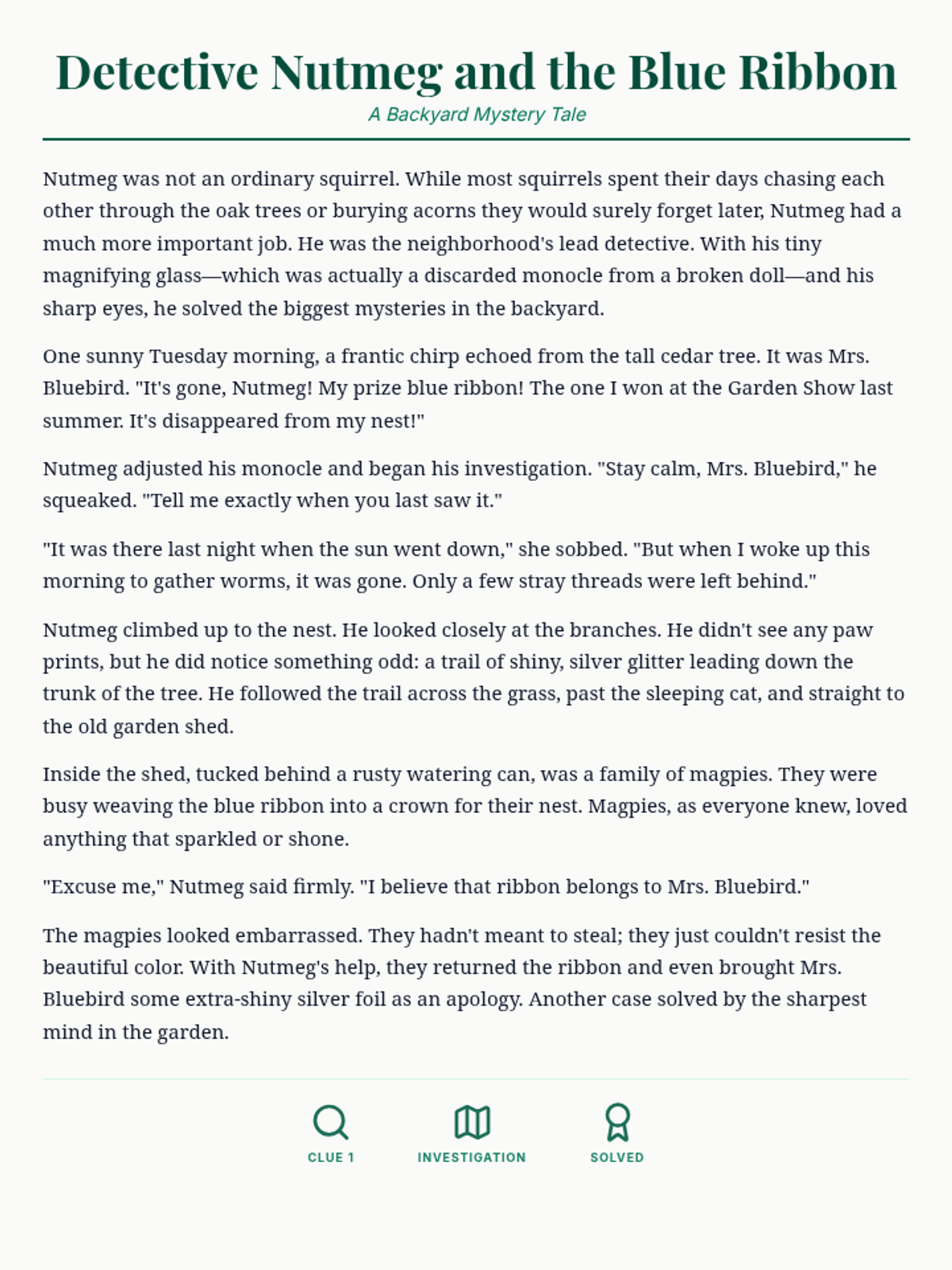
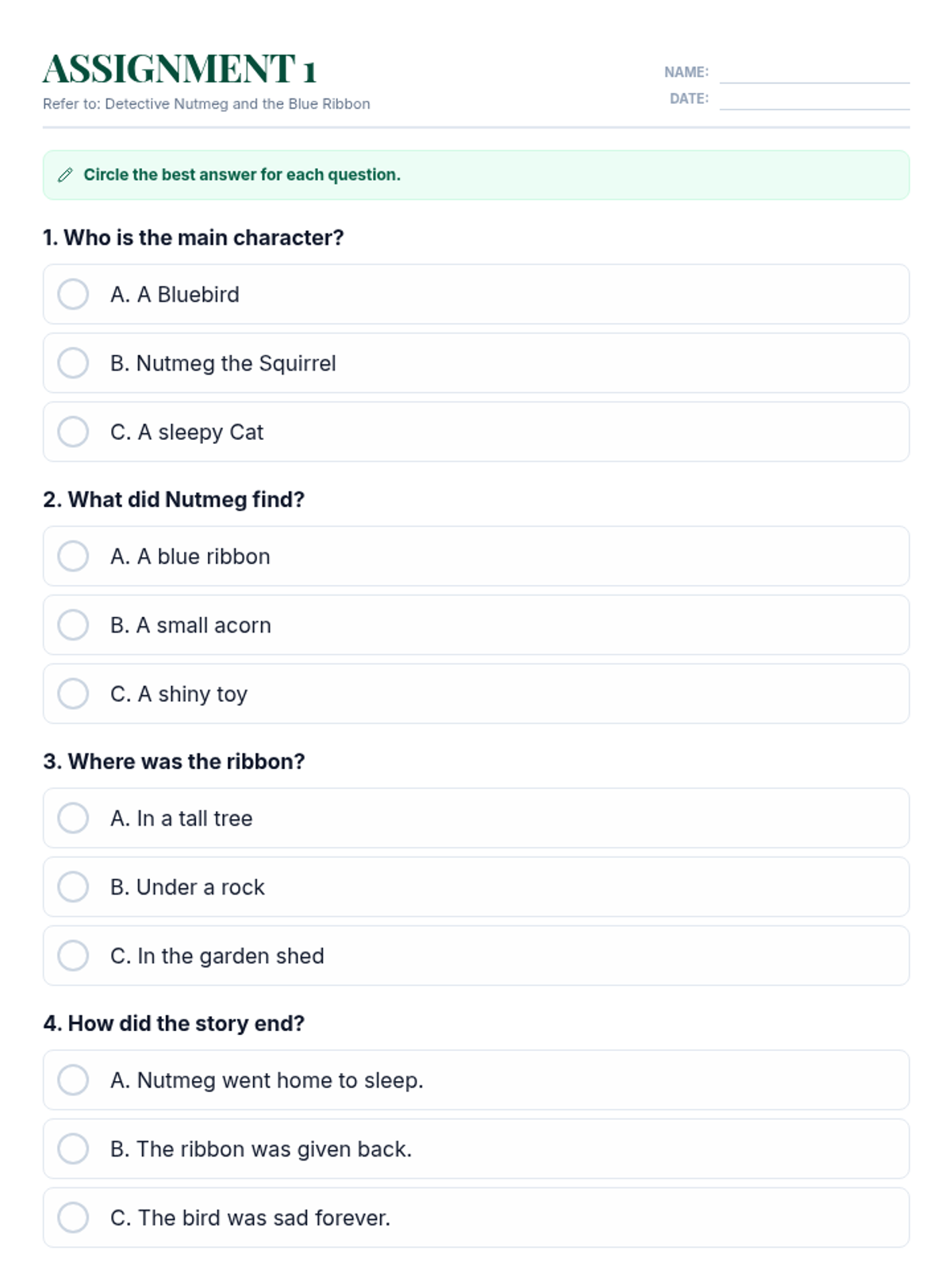
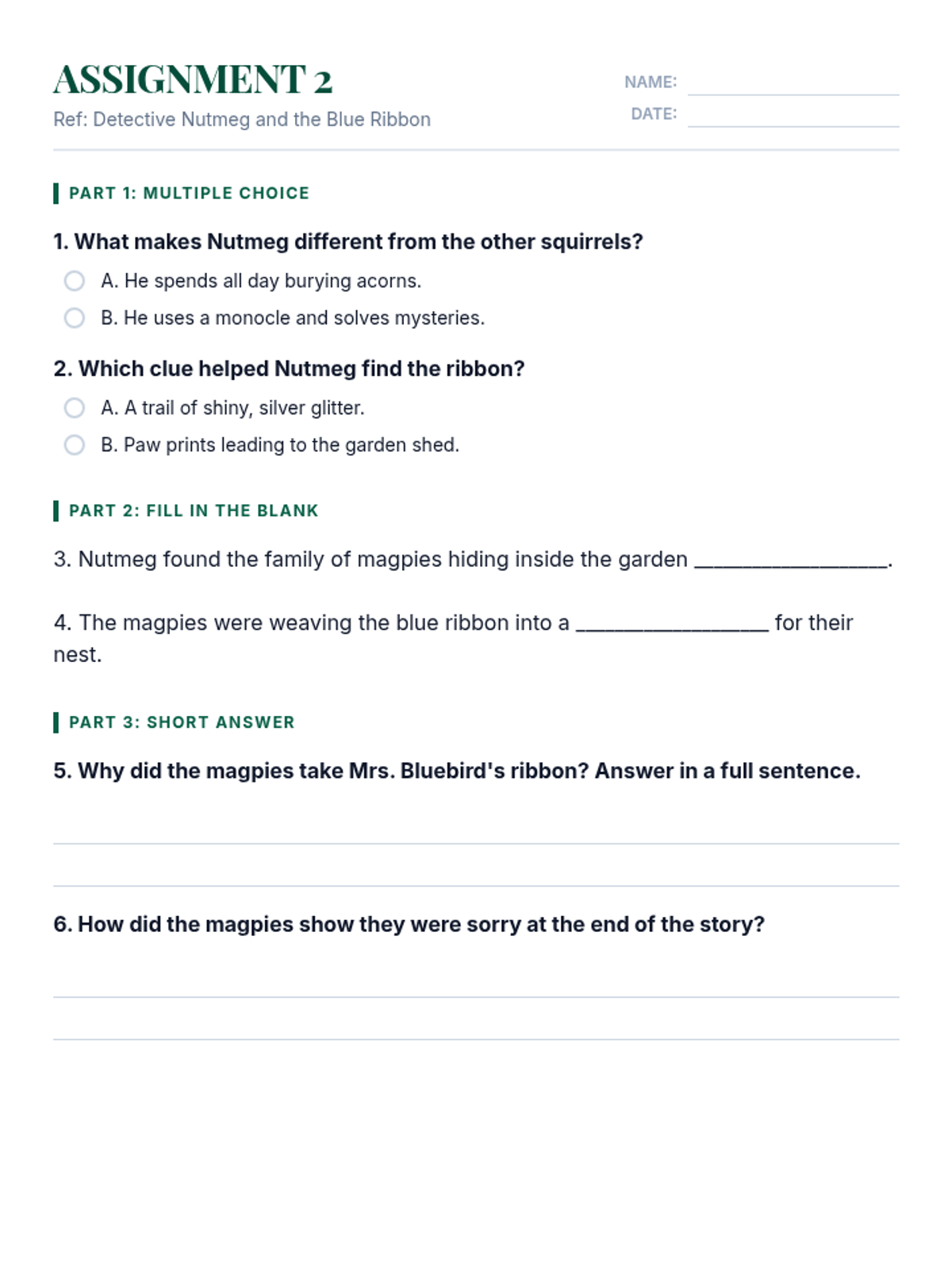
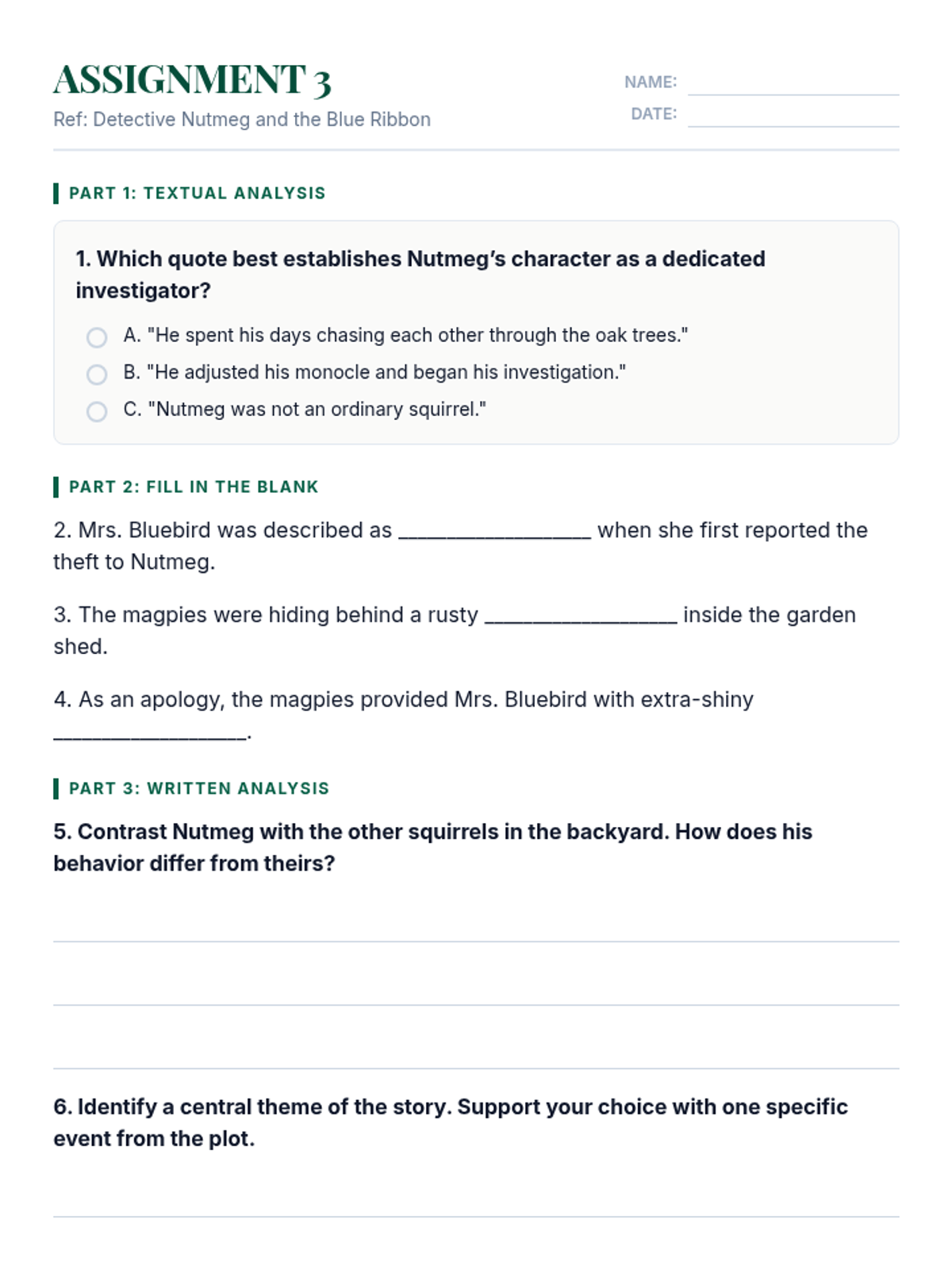
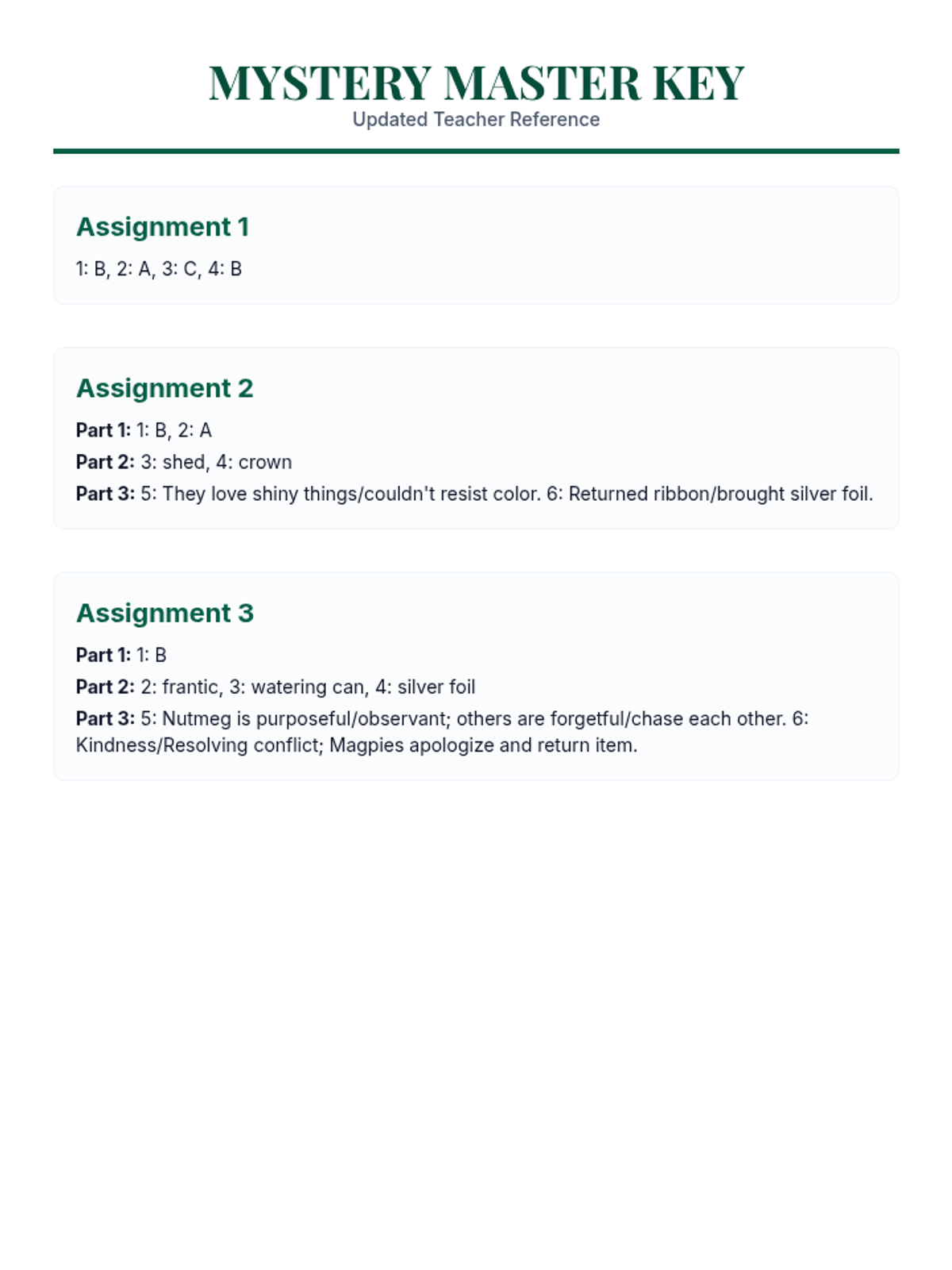
A series of lessons focused on developing reading comprehension through mystery stories, with tiered assignments for different grade levels.
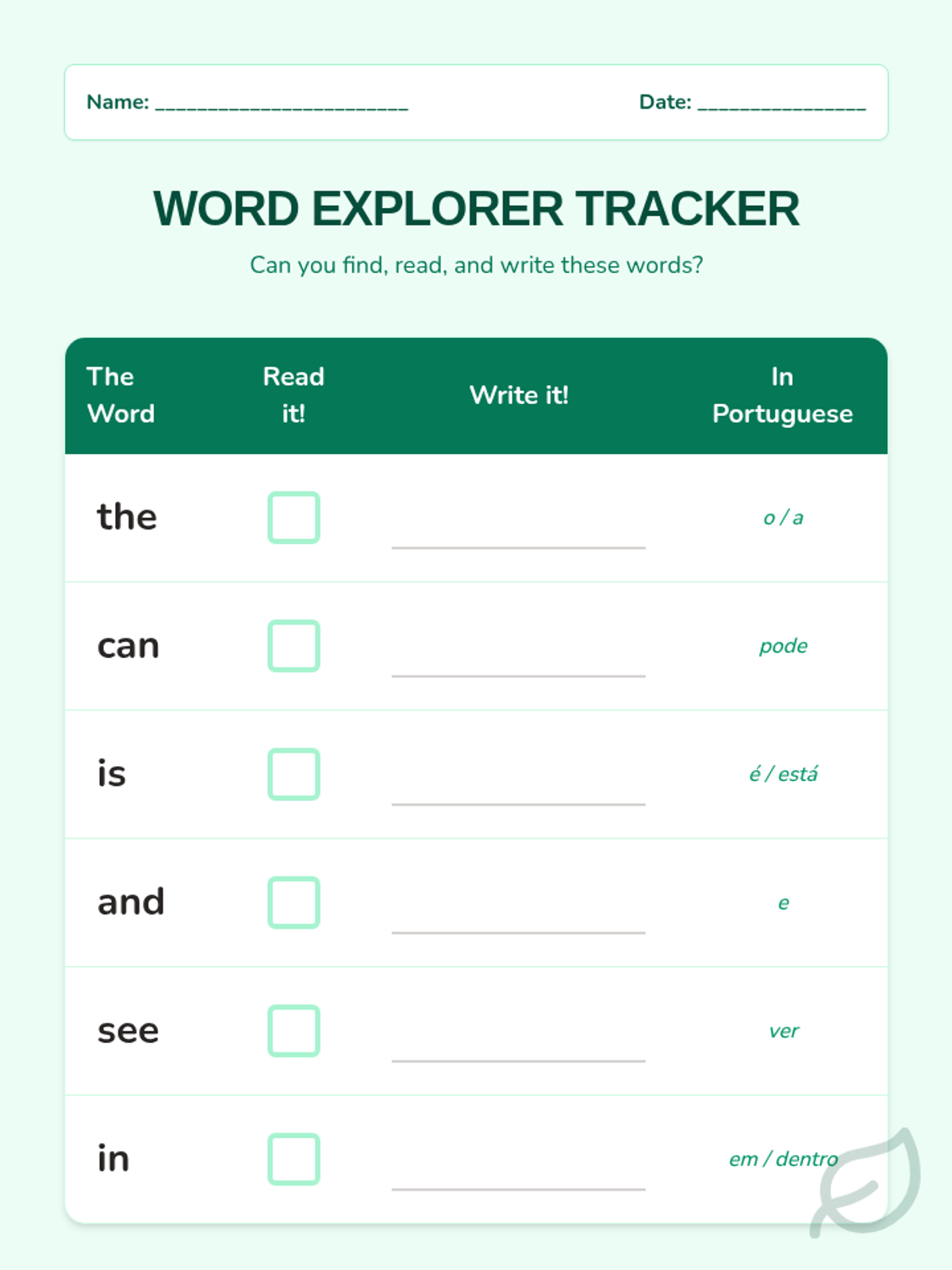
An inquiry-based science and literacy curriculum for grades 1-3 that combines foundational scientific concepts with high-frequency sight word mastery and precision handwriting practice.
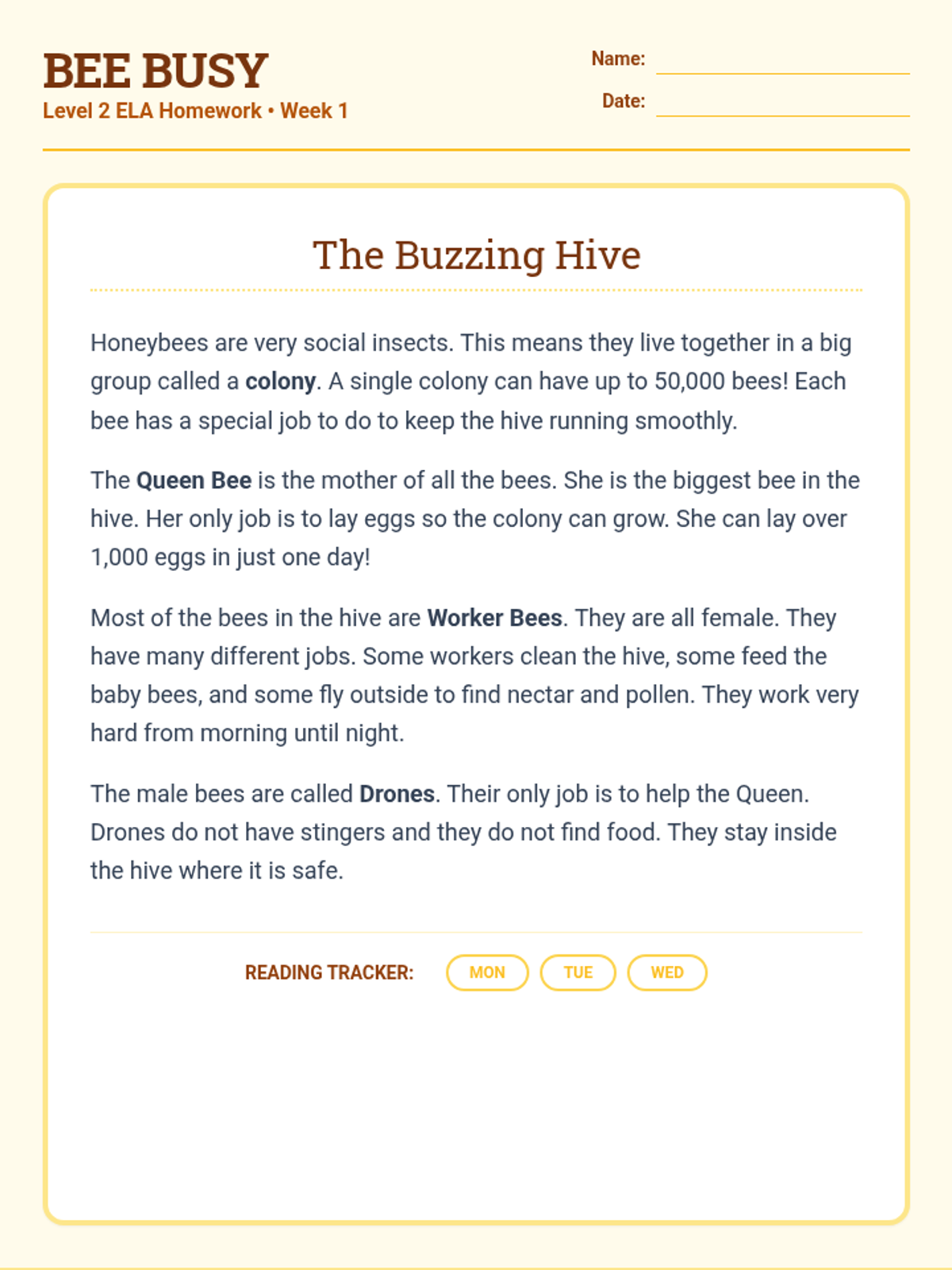
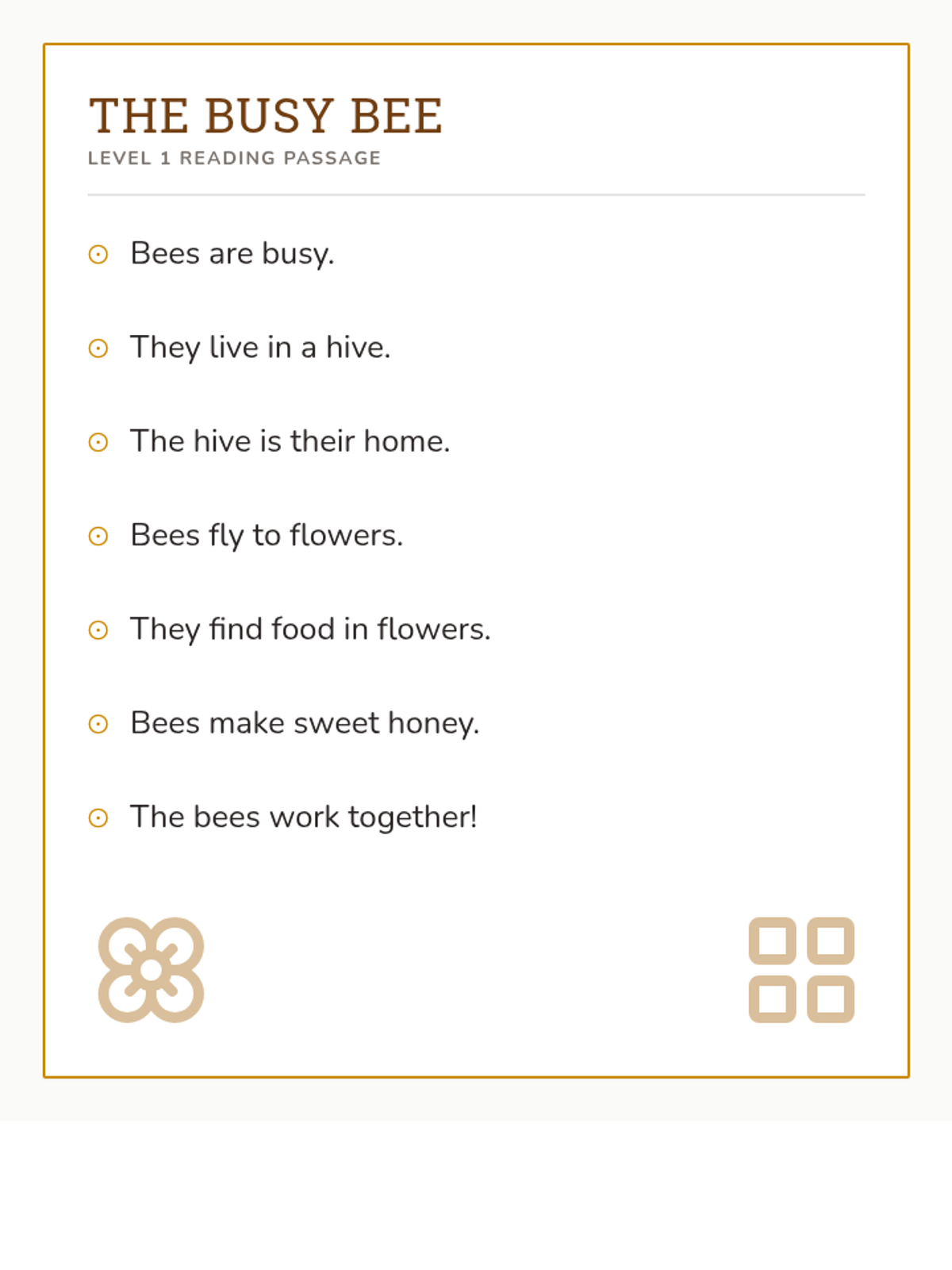
Differentiated ELA homework packets centered on the lives and importance of honeybees, organized by complexity levels.
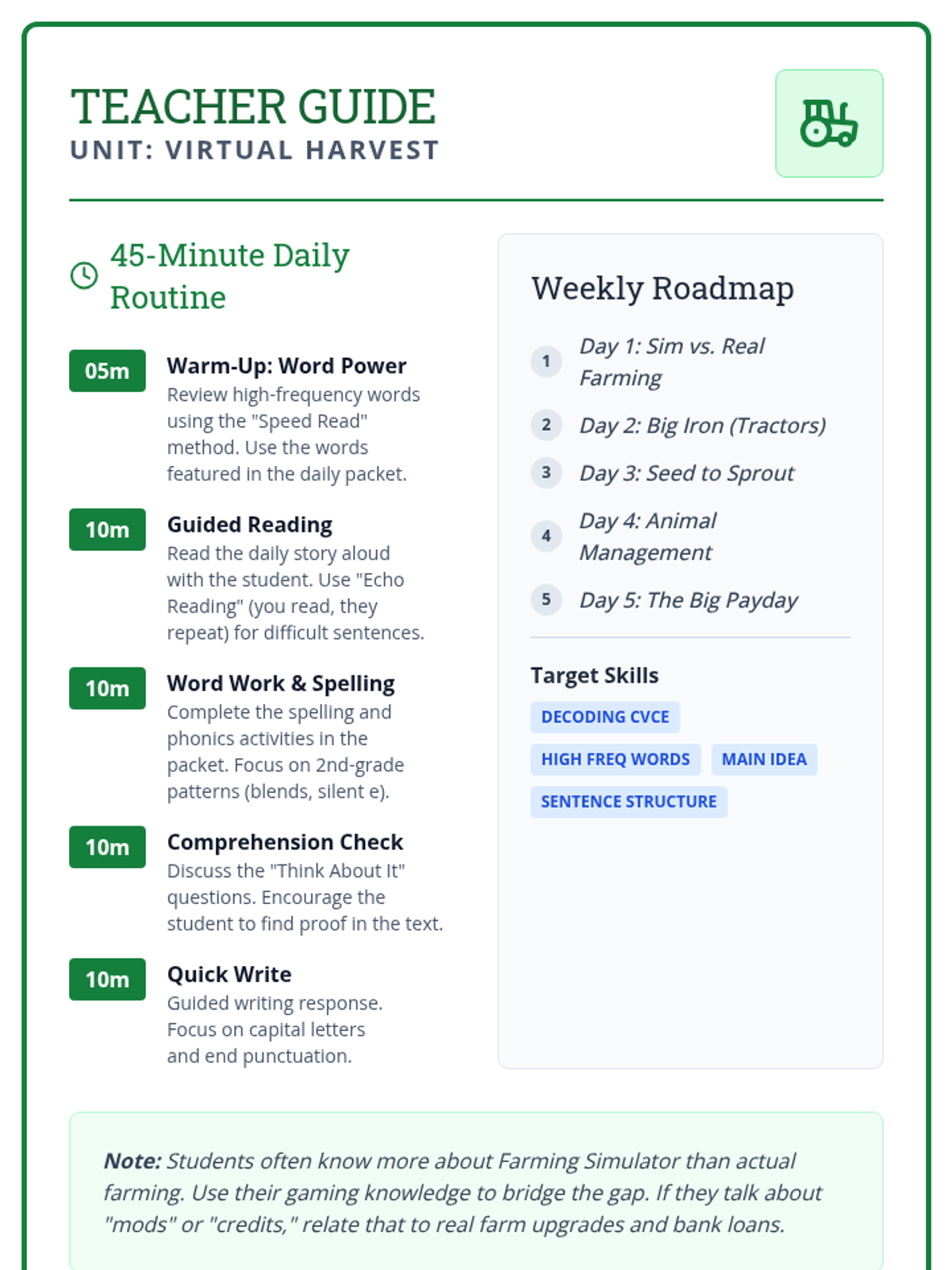
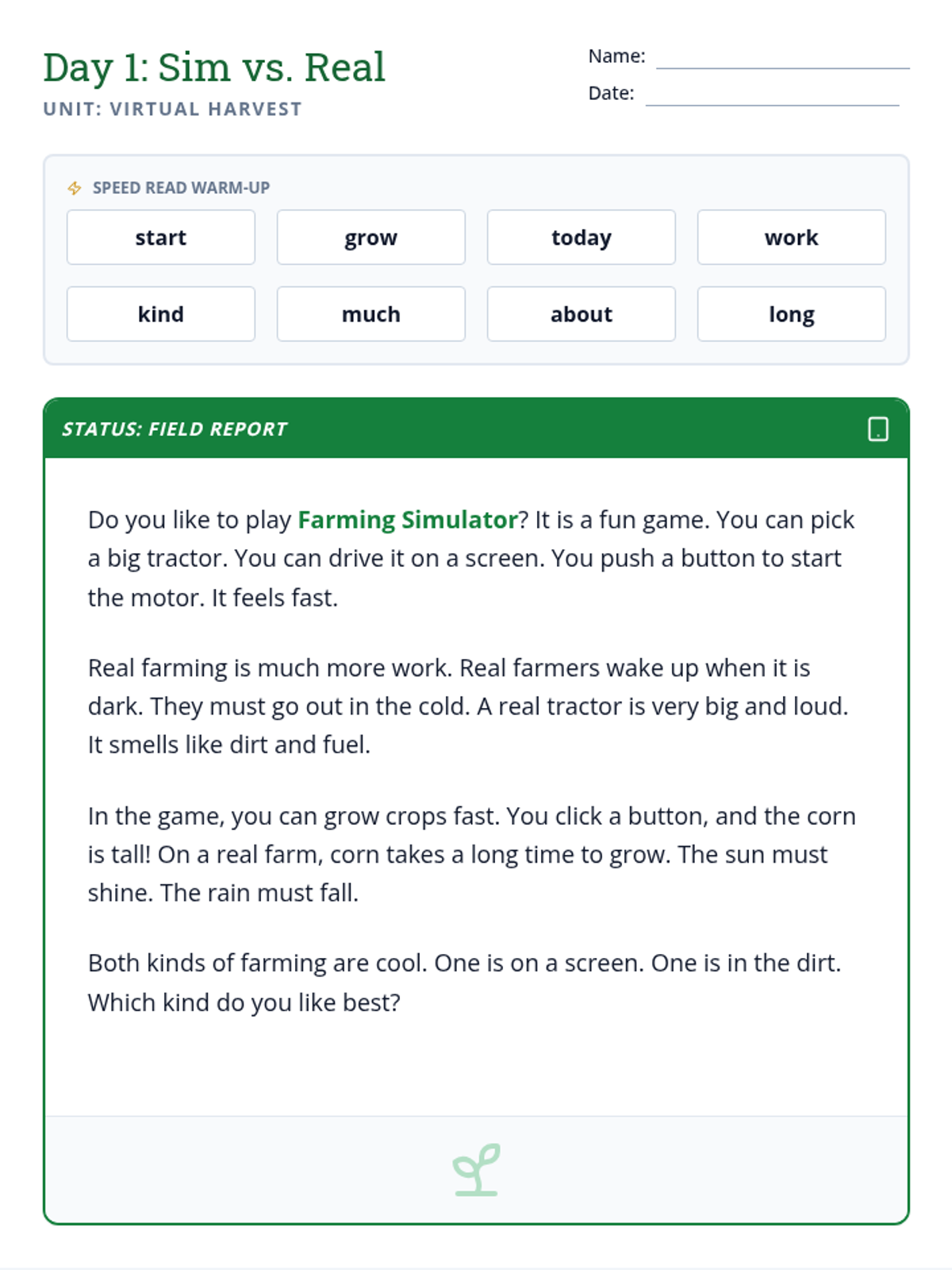
A 5-day reading comprehension and writing unit for struggling readers, blending the world of Farming Simulator with real-world agriculture. Focuses on 2nd-grade level literacy skills within a high-interest 5th-grade context.
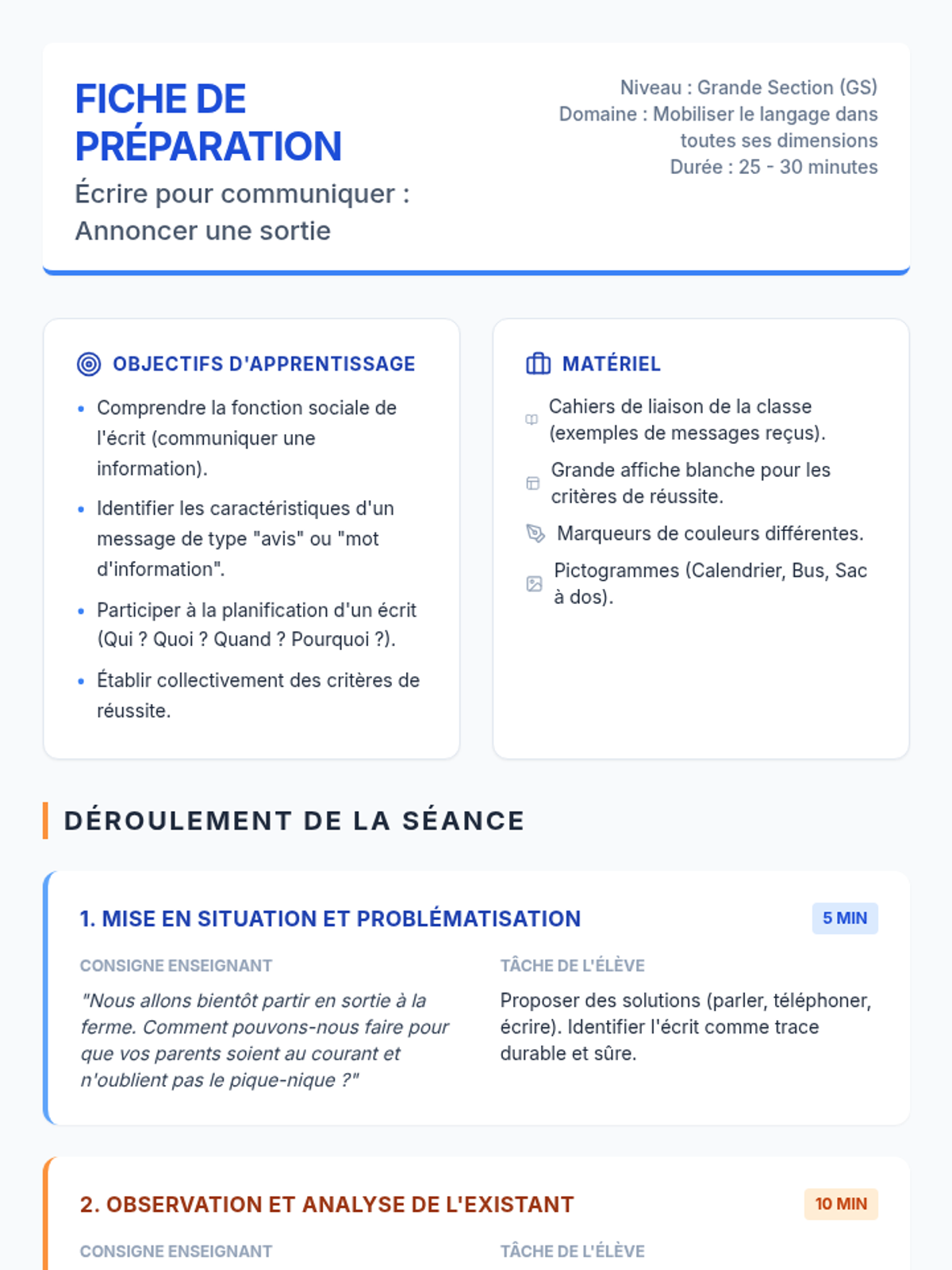
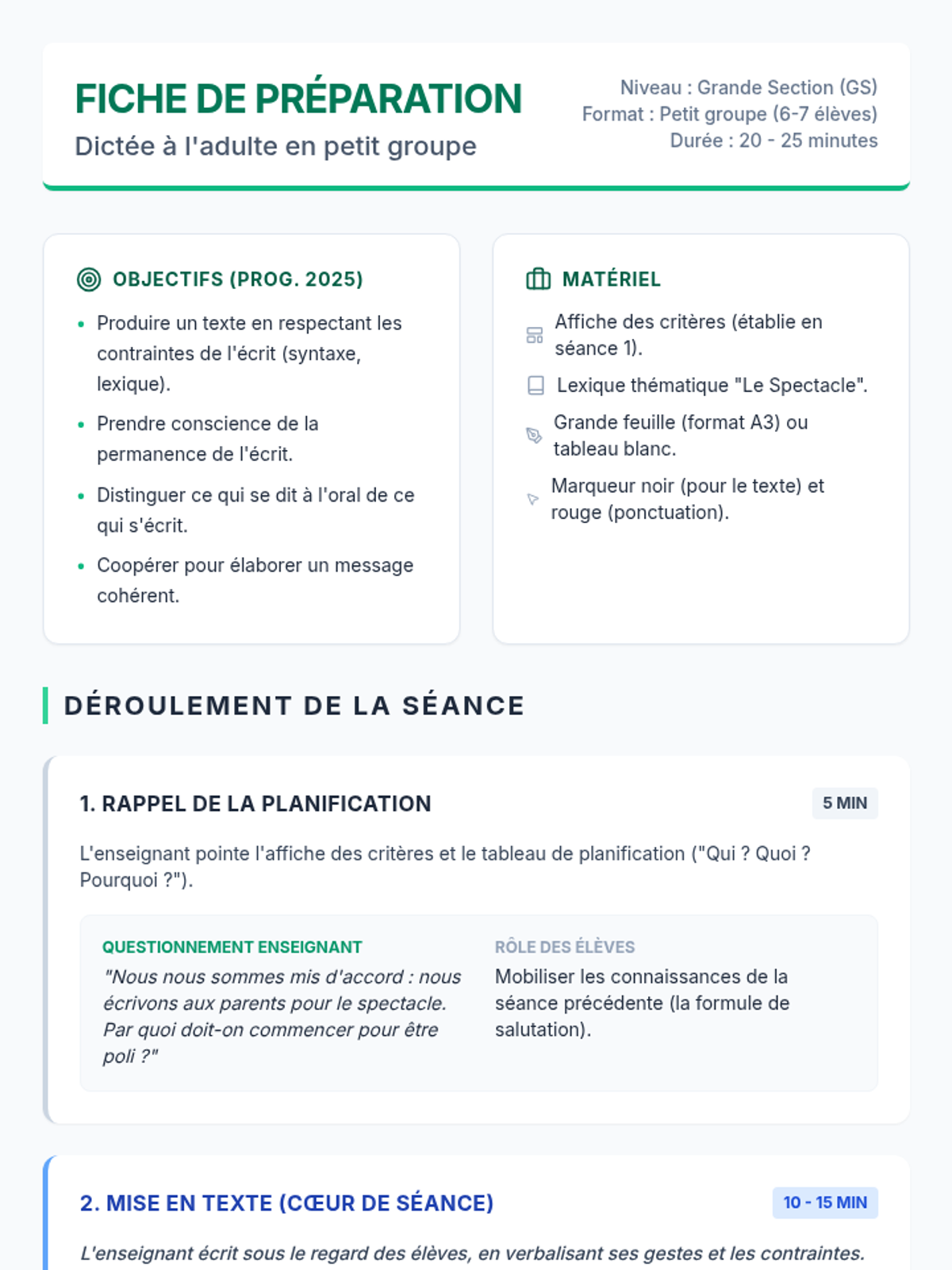
Une série de modules de formation destinés aux conseillers pédagogiques pour renforcer leur expertise en ingénierie de formation continue, spécifiquement appliquée à l'enseignement du français à l'école primaire.
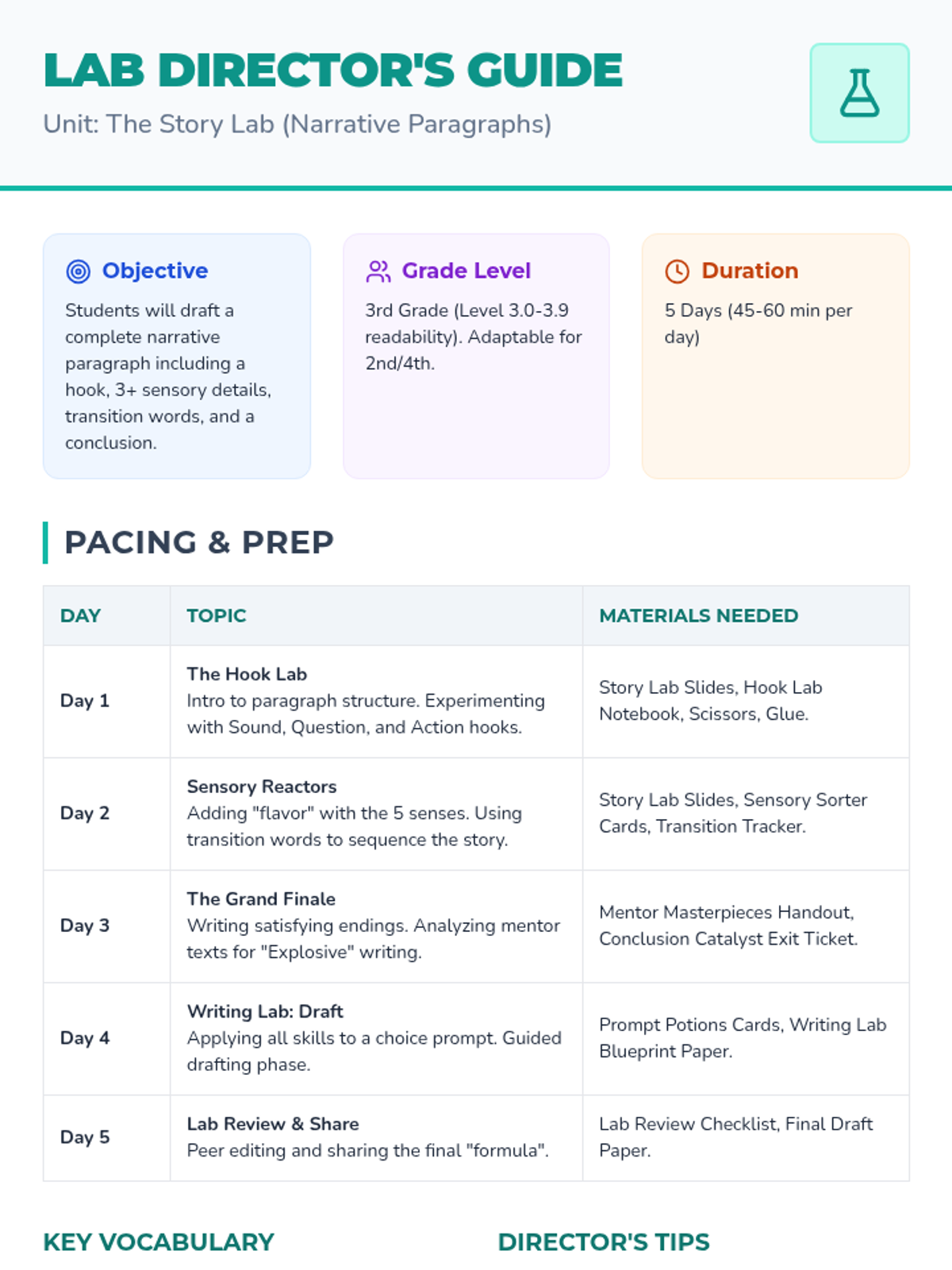
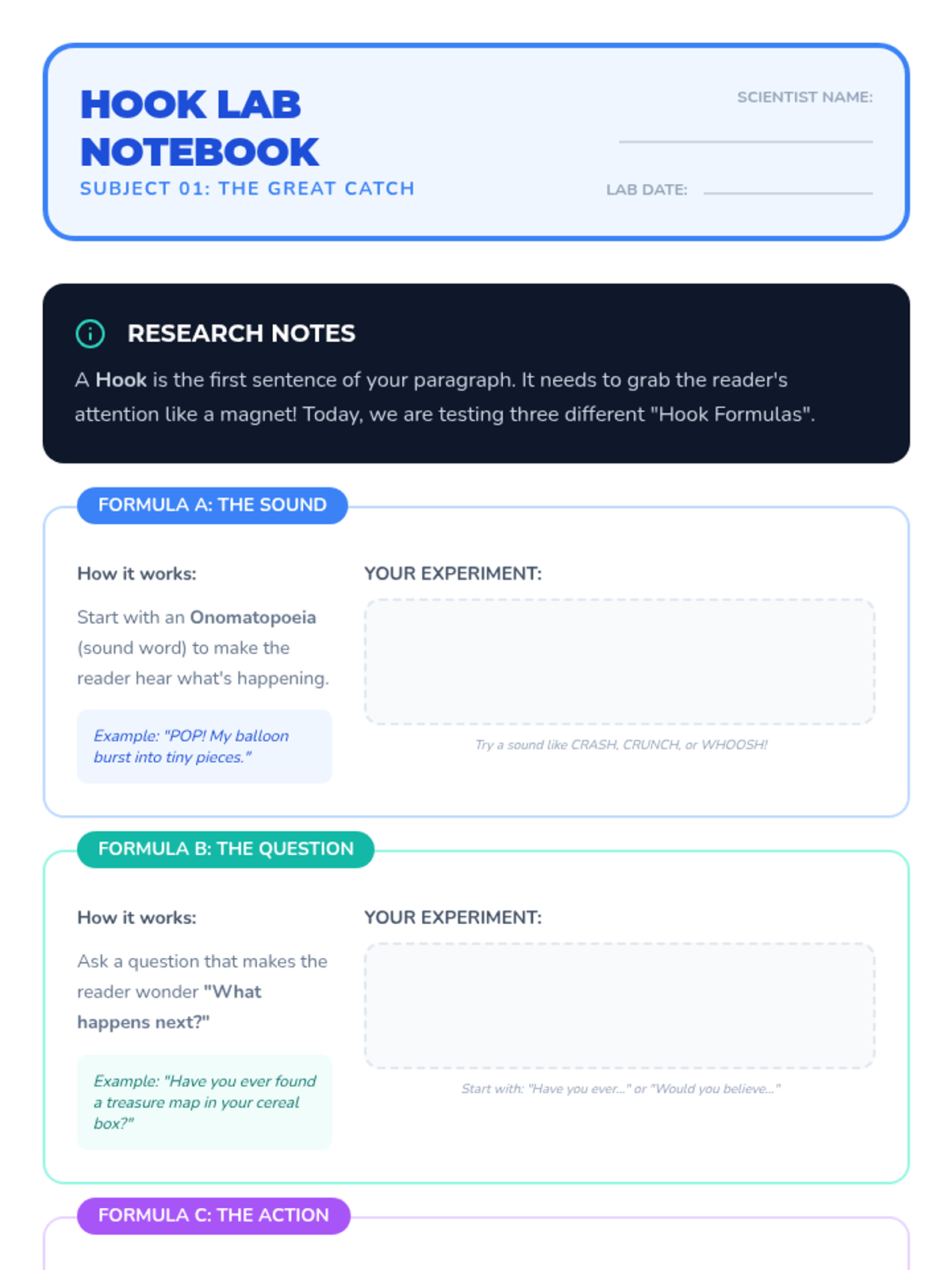
A 5-day narrative writing unit for 3rd graders focused on paragraph structure. Students act as 'Story Scientists' in a lab to engineer hooks, sensory details, and satisfying conclusions.
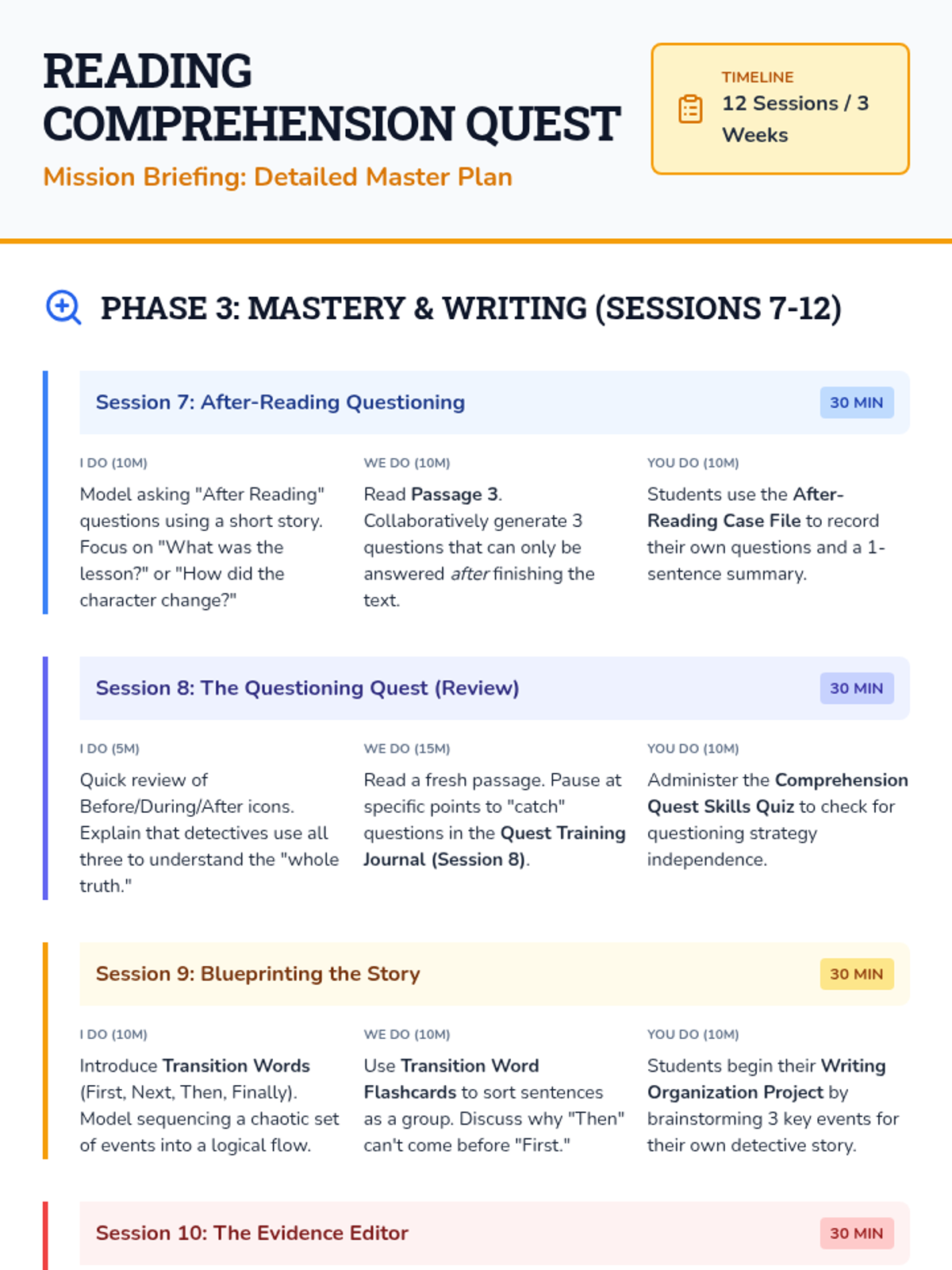
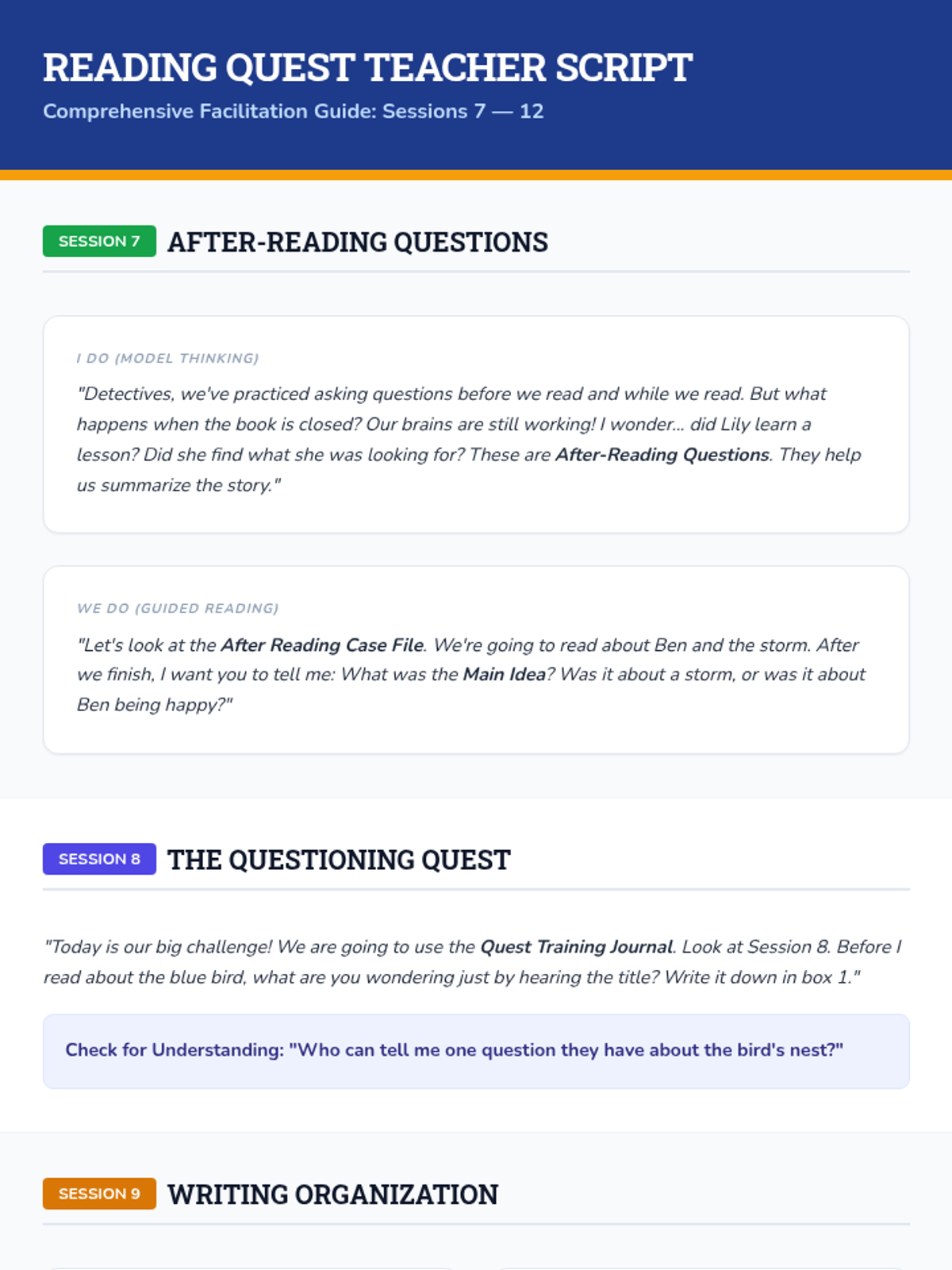
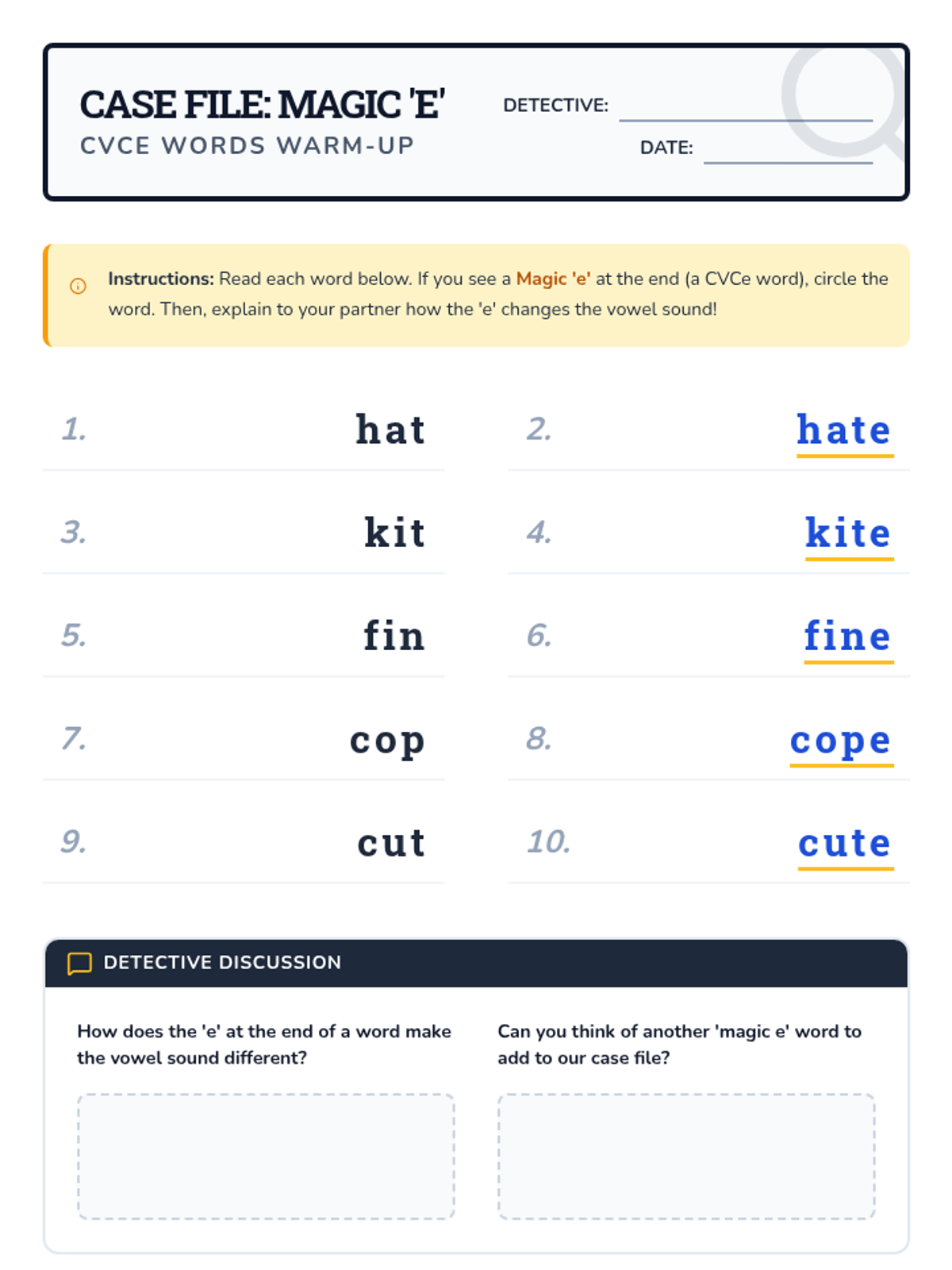
A 3-week, 12-session reading and writing curriculum designed for Tier 2 small groups, focusing on CVCe words, sequencing, questioning, and writing organization with a detective-themed 'Quest' aesthetic.
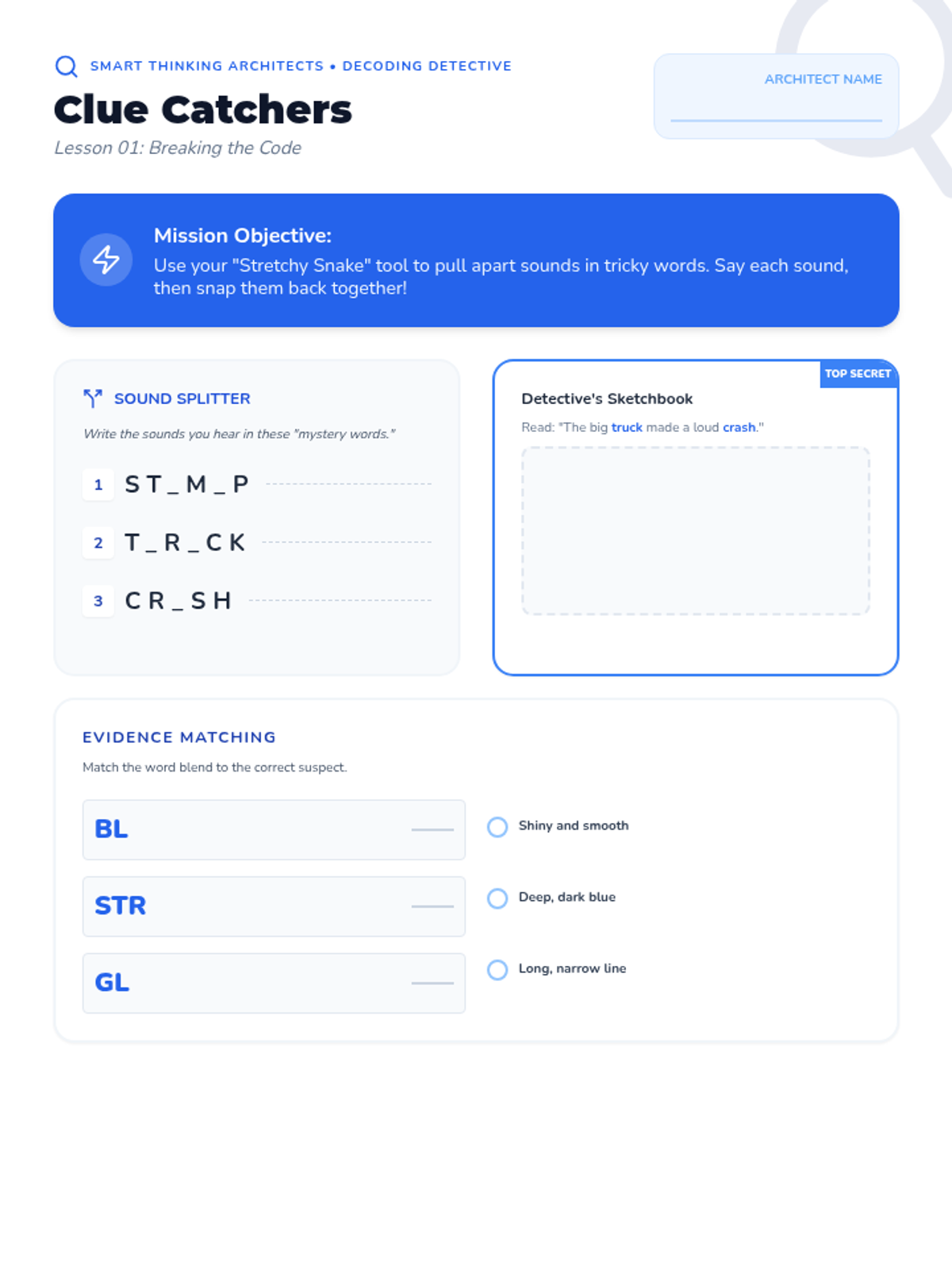
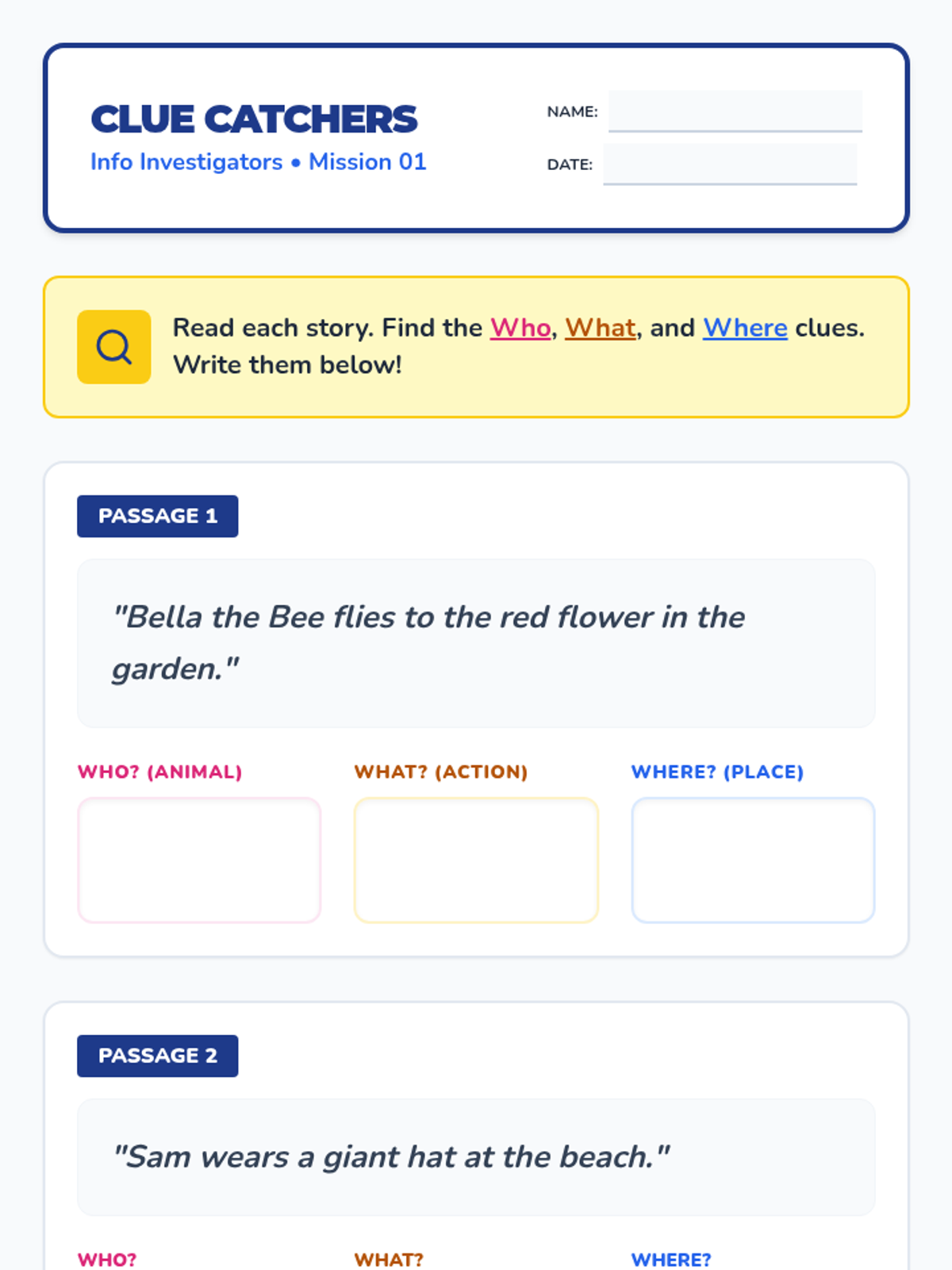
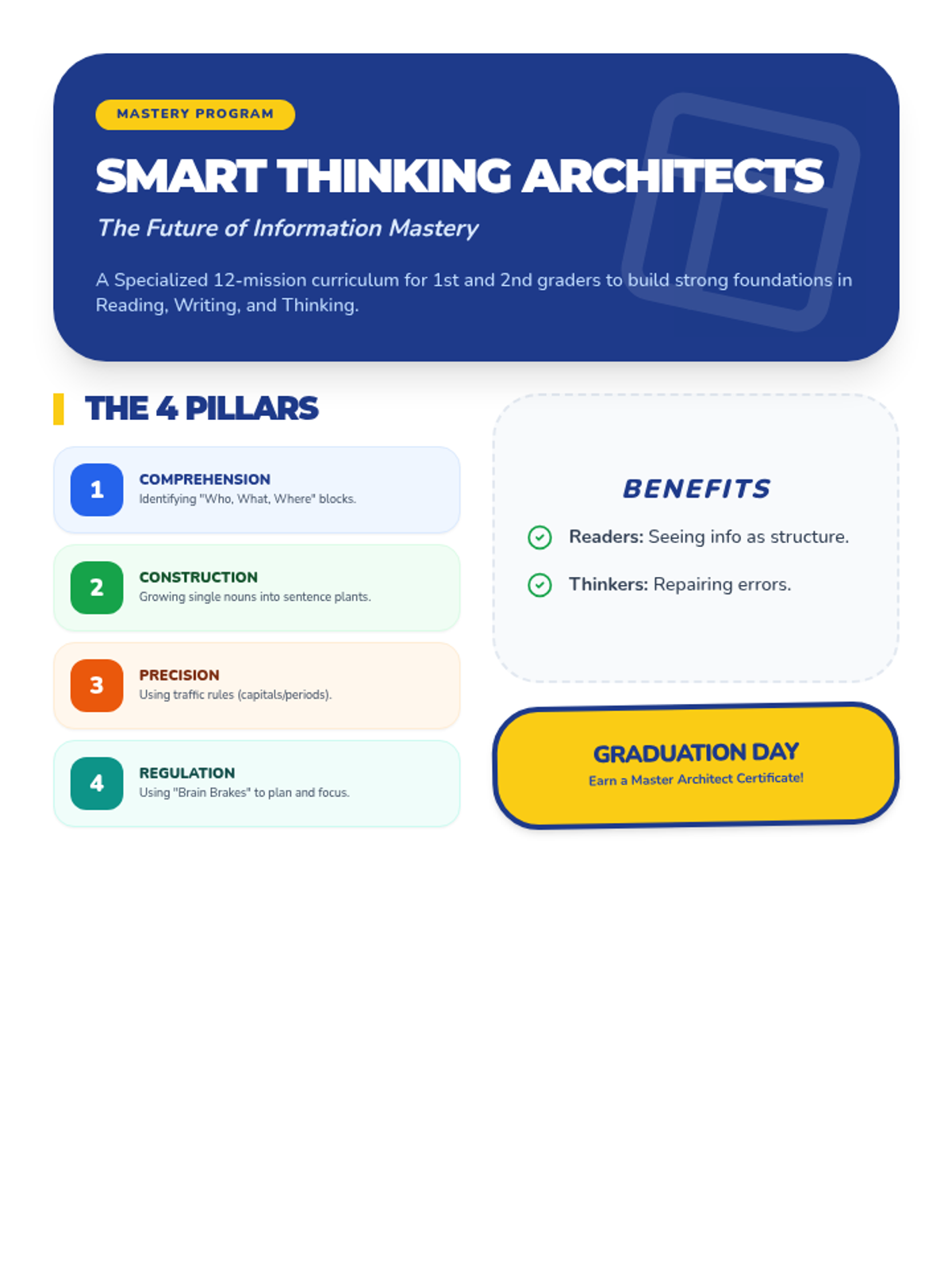
A comprehensive 12-lesson curriculum for 1st and 2nd graders focused on the 'Information' framework: Reading Comprehension, Idea Construction, Expression Precision, and Thought Regulation. Students become 'Smart Thinking Architects' to master building, delivering, and managing information.
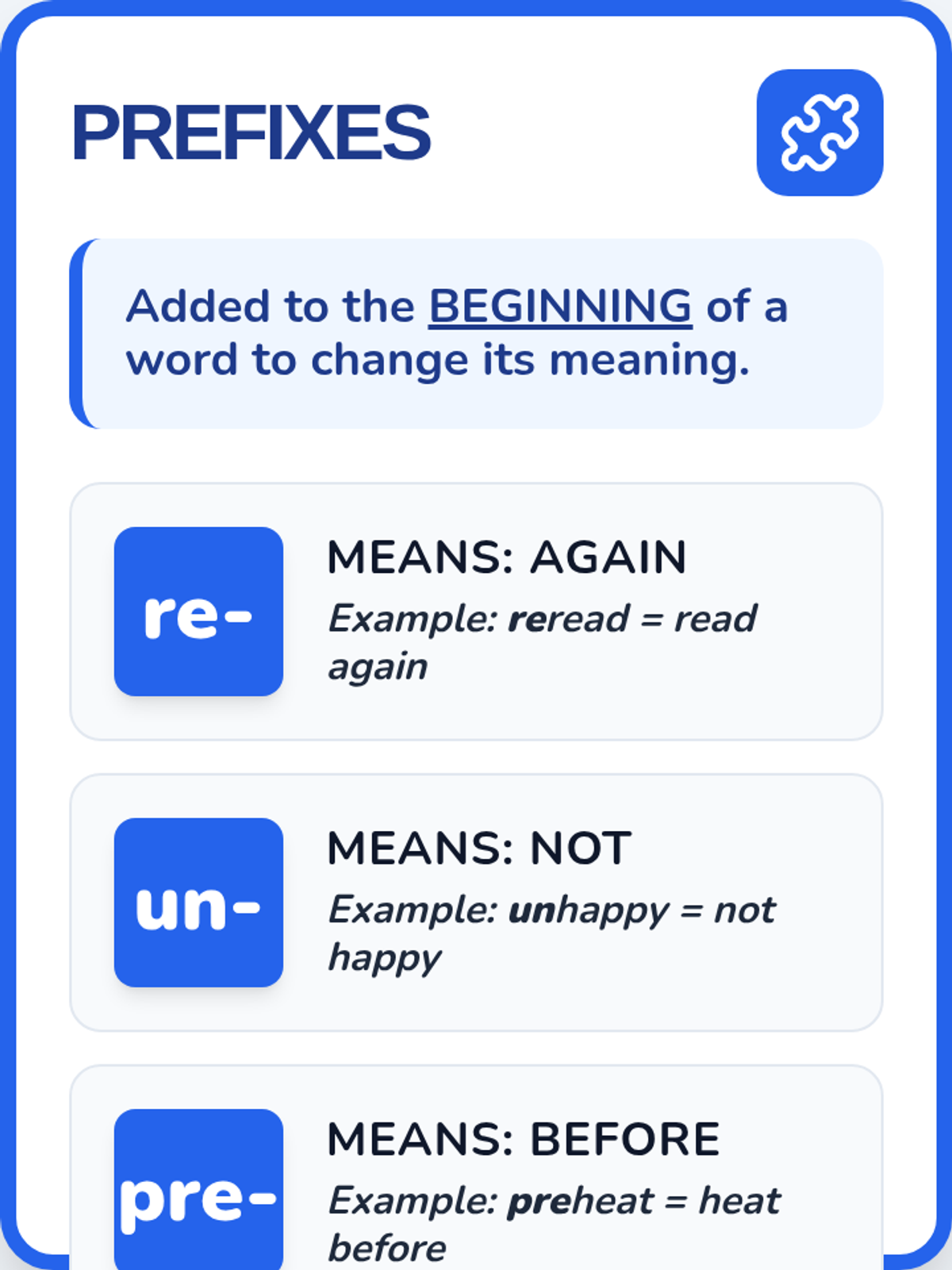
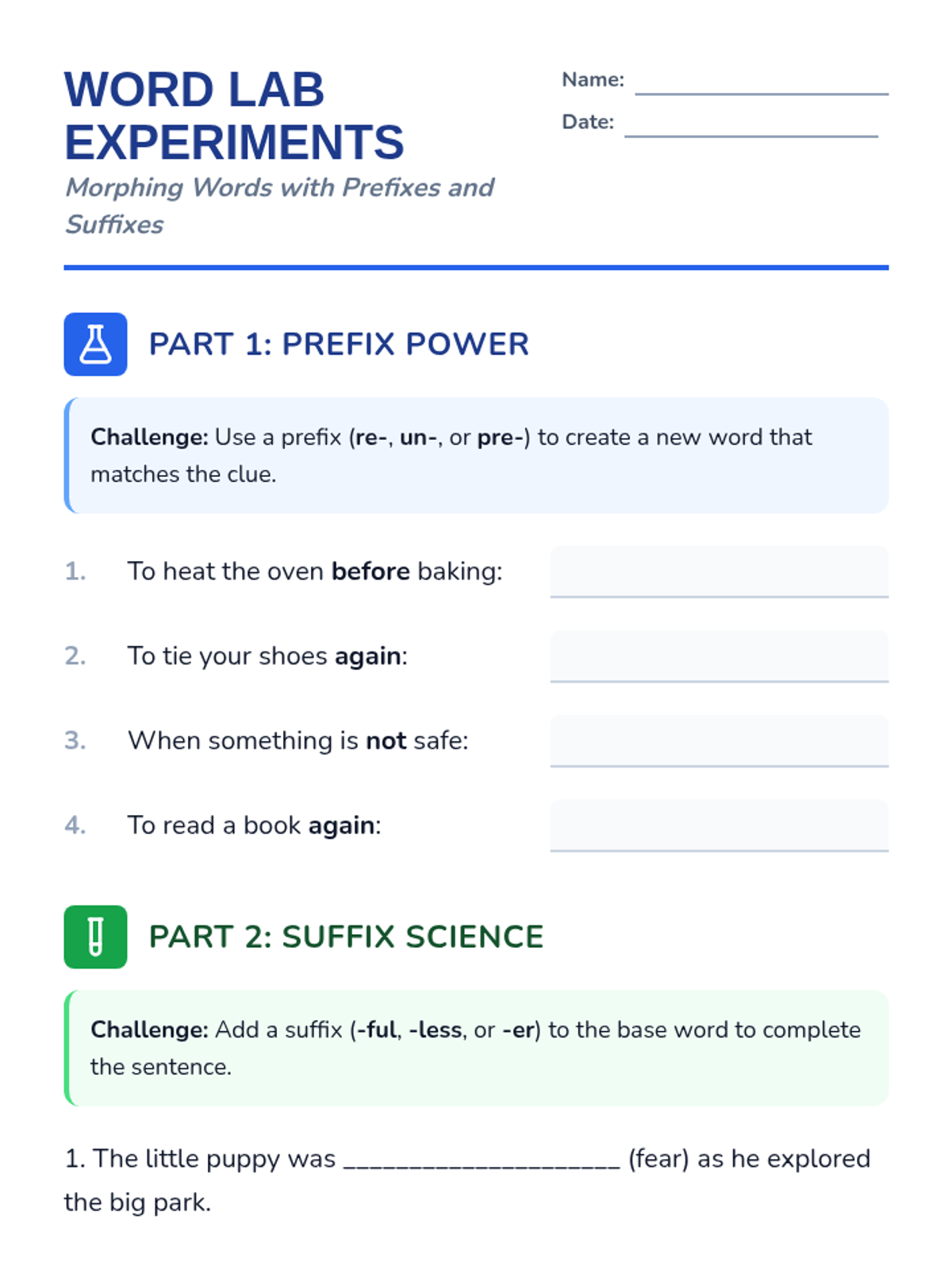
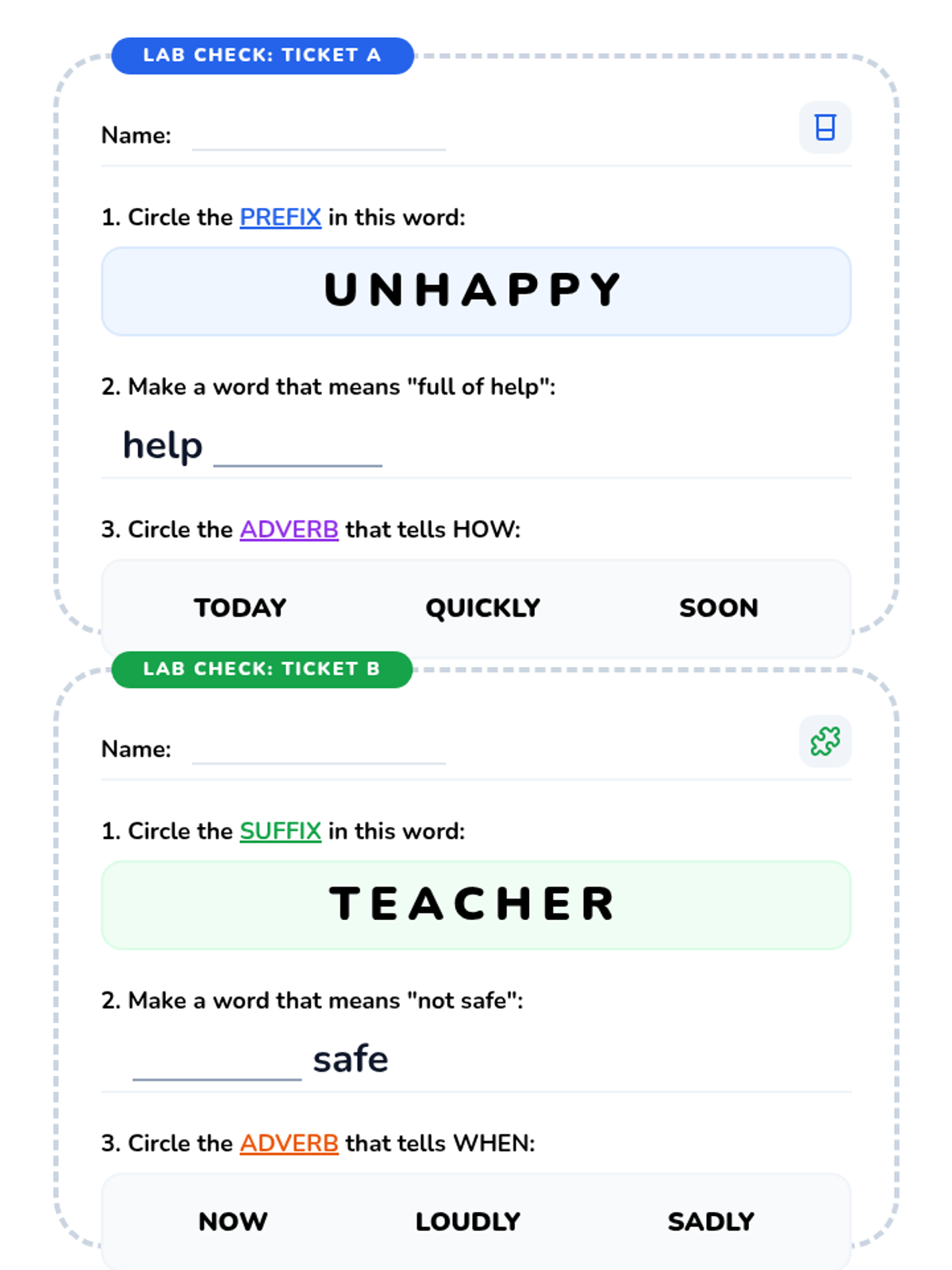
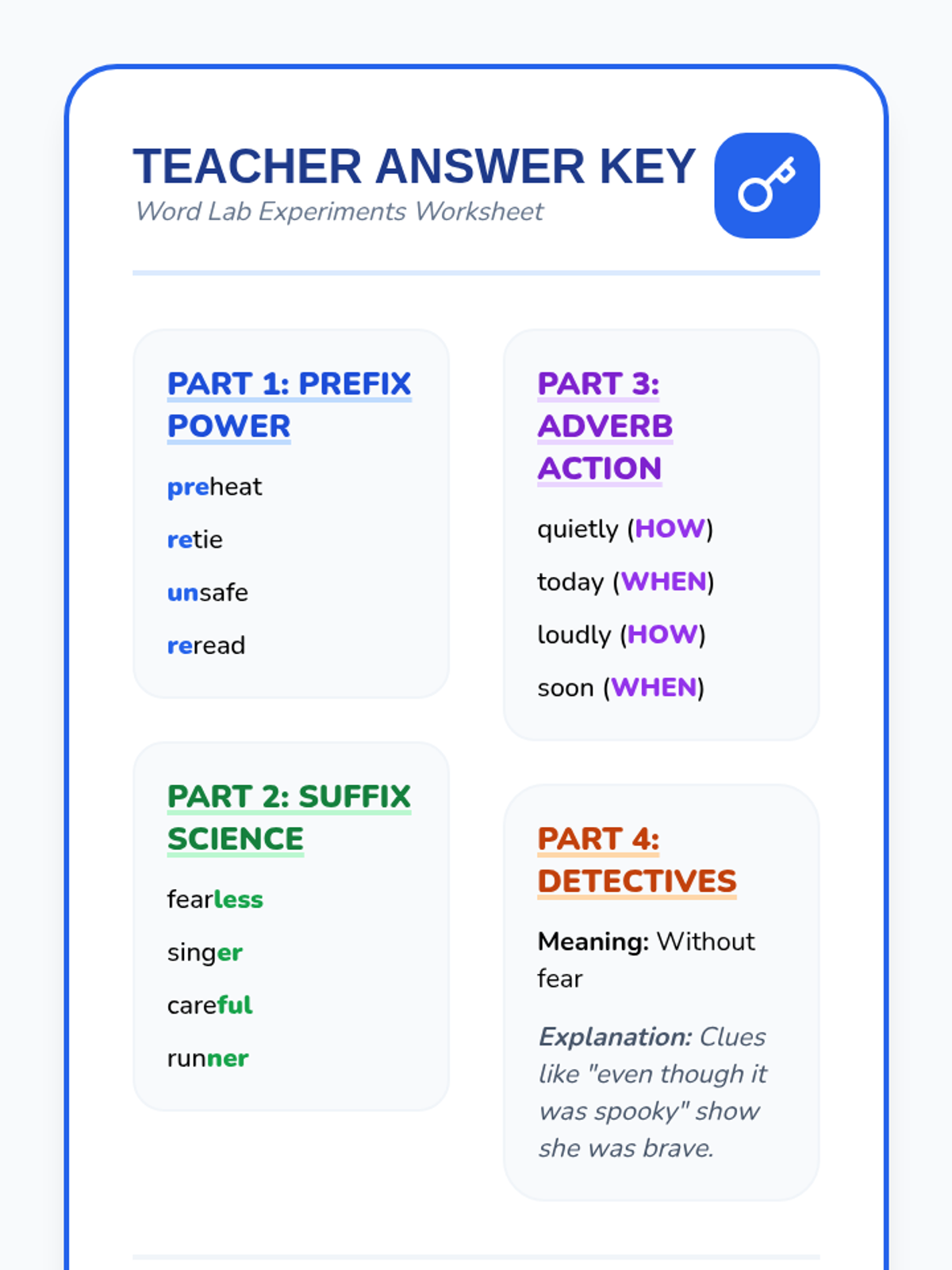
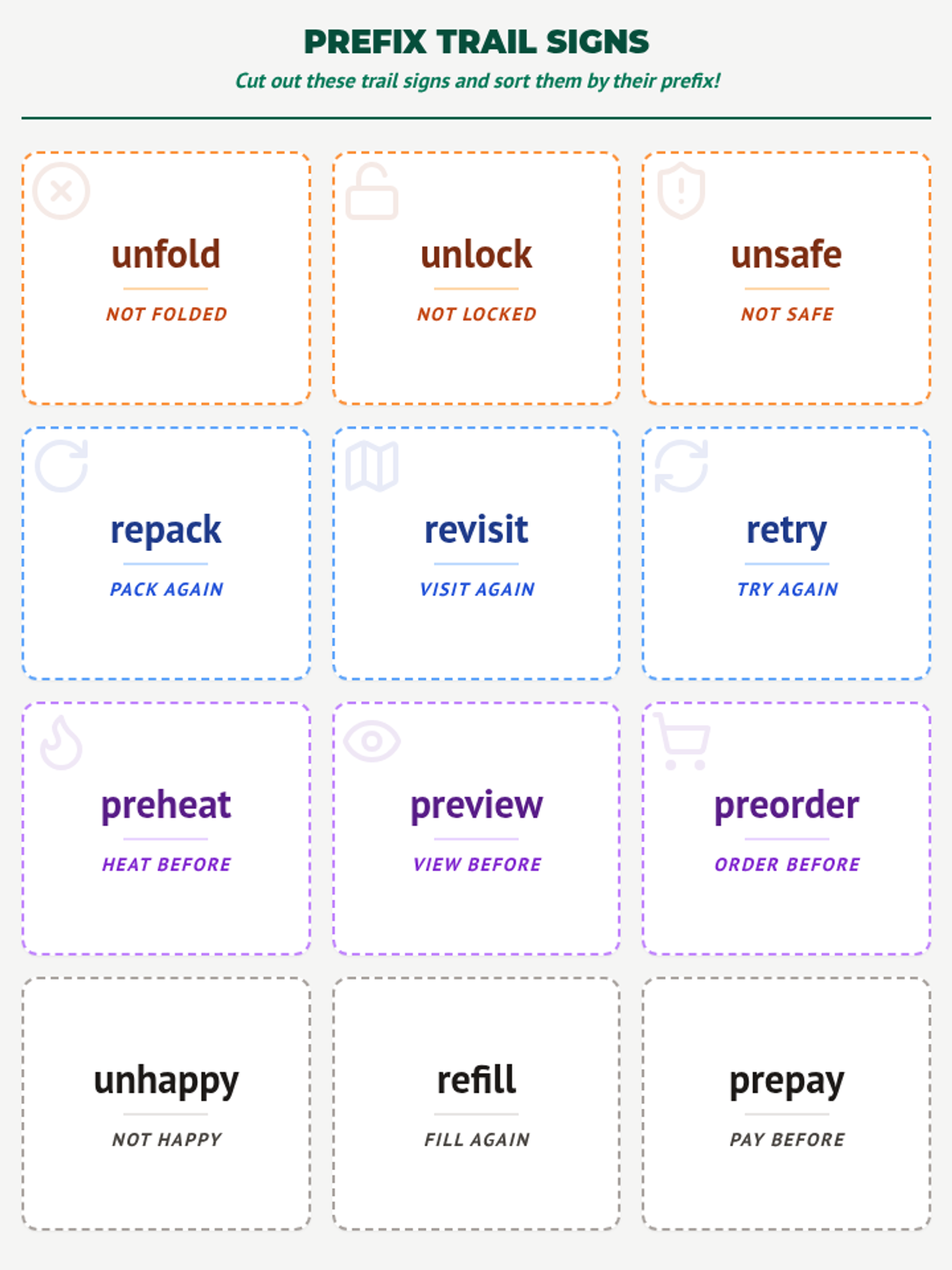
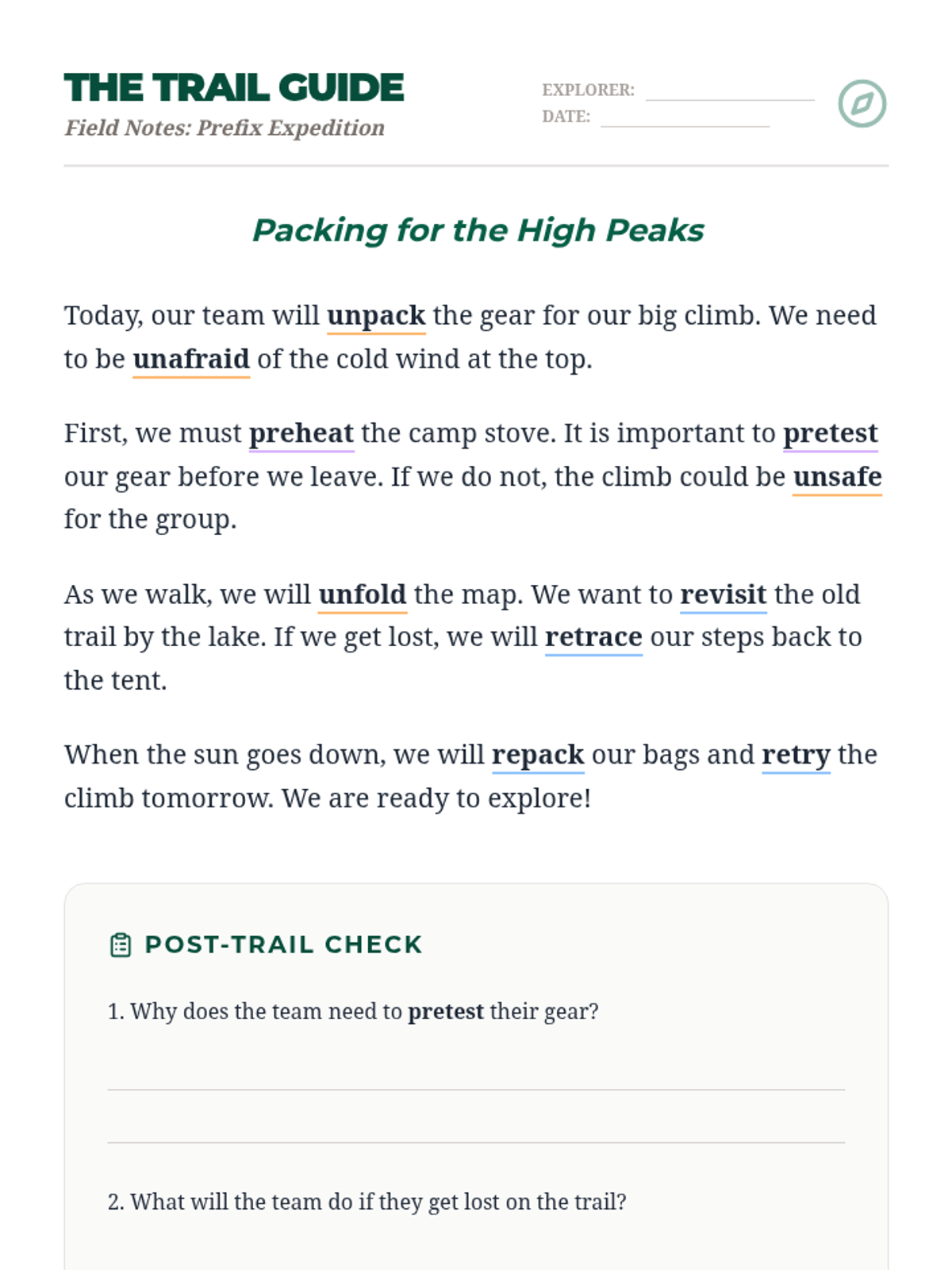
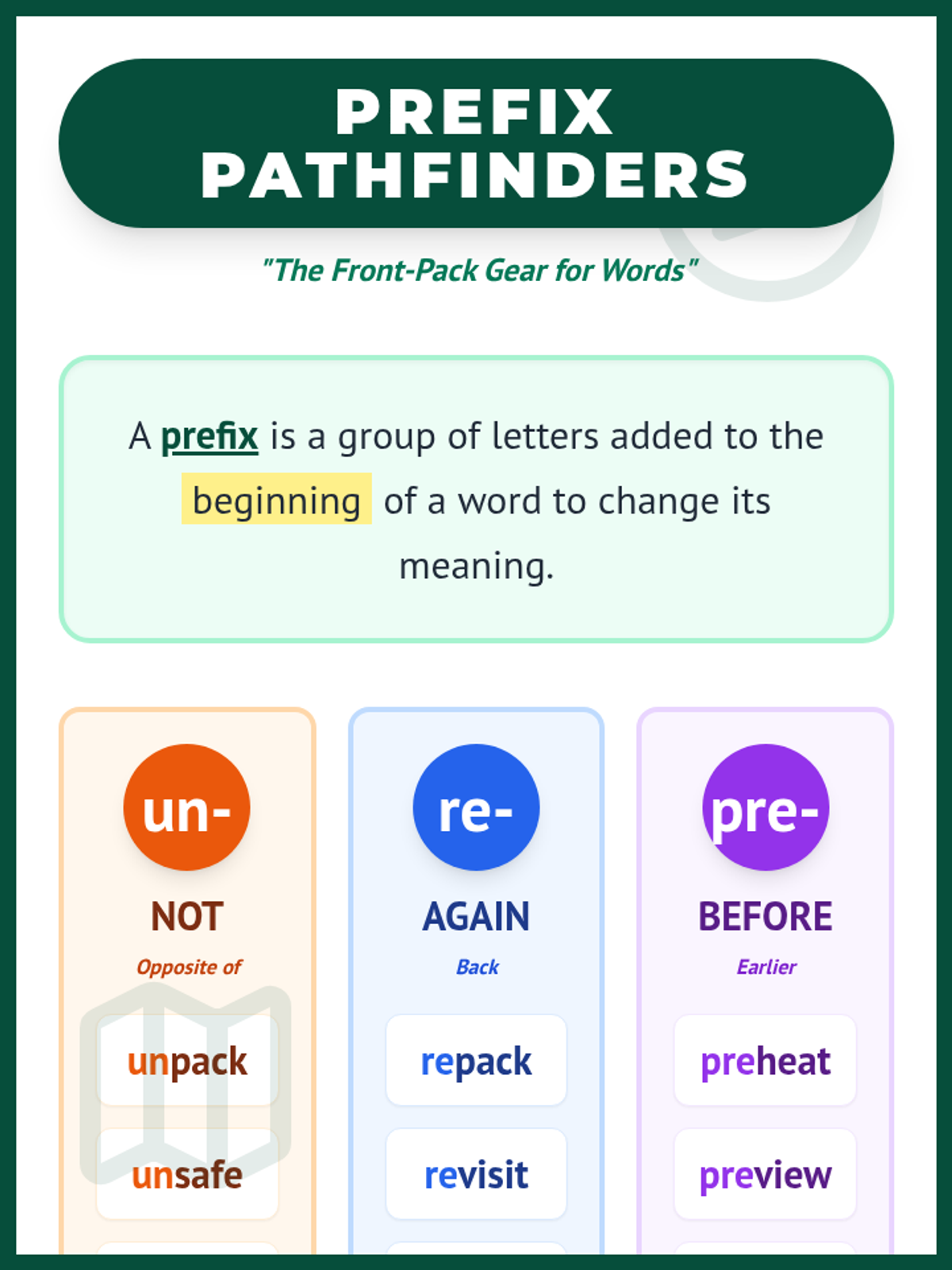
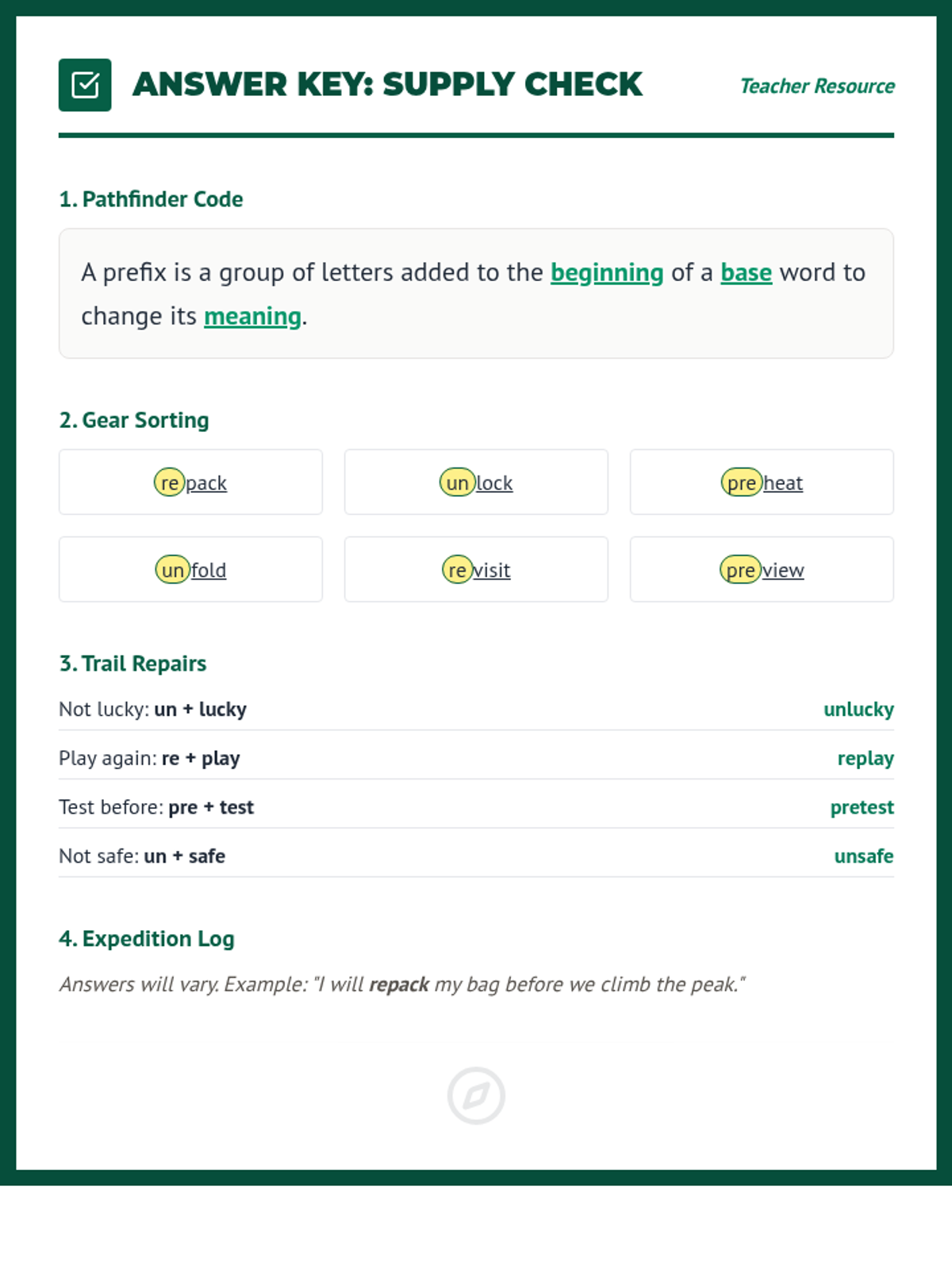
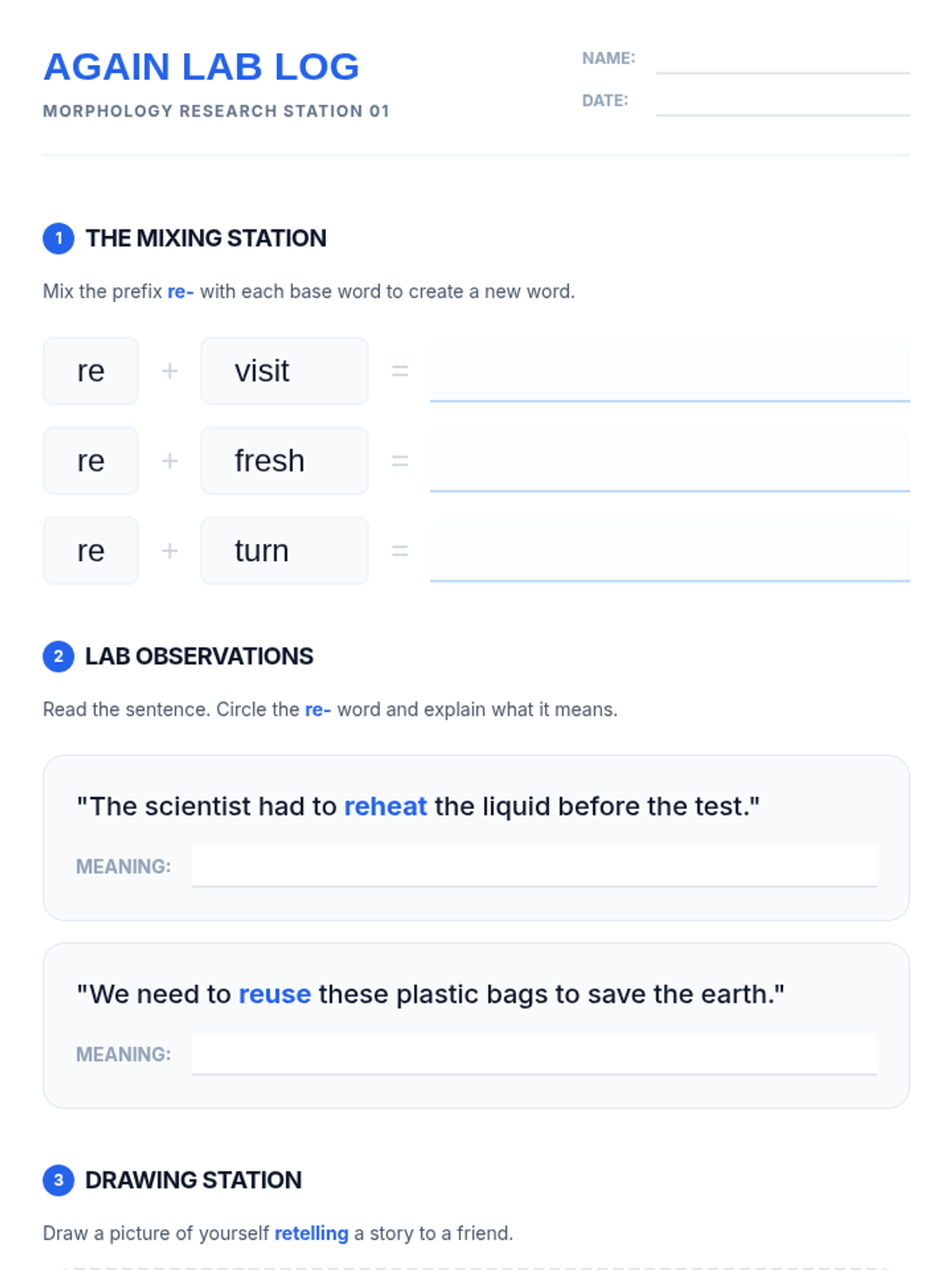
A foundational language arts sequence for 2nd graders focusing on word morphology (prefixes and suffixes) and parts of speech (adverbs), using a laboratory-themed investigative approach to help students decode meaning.
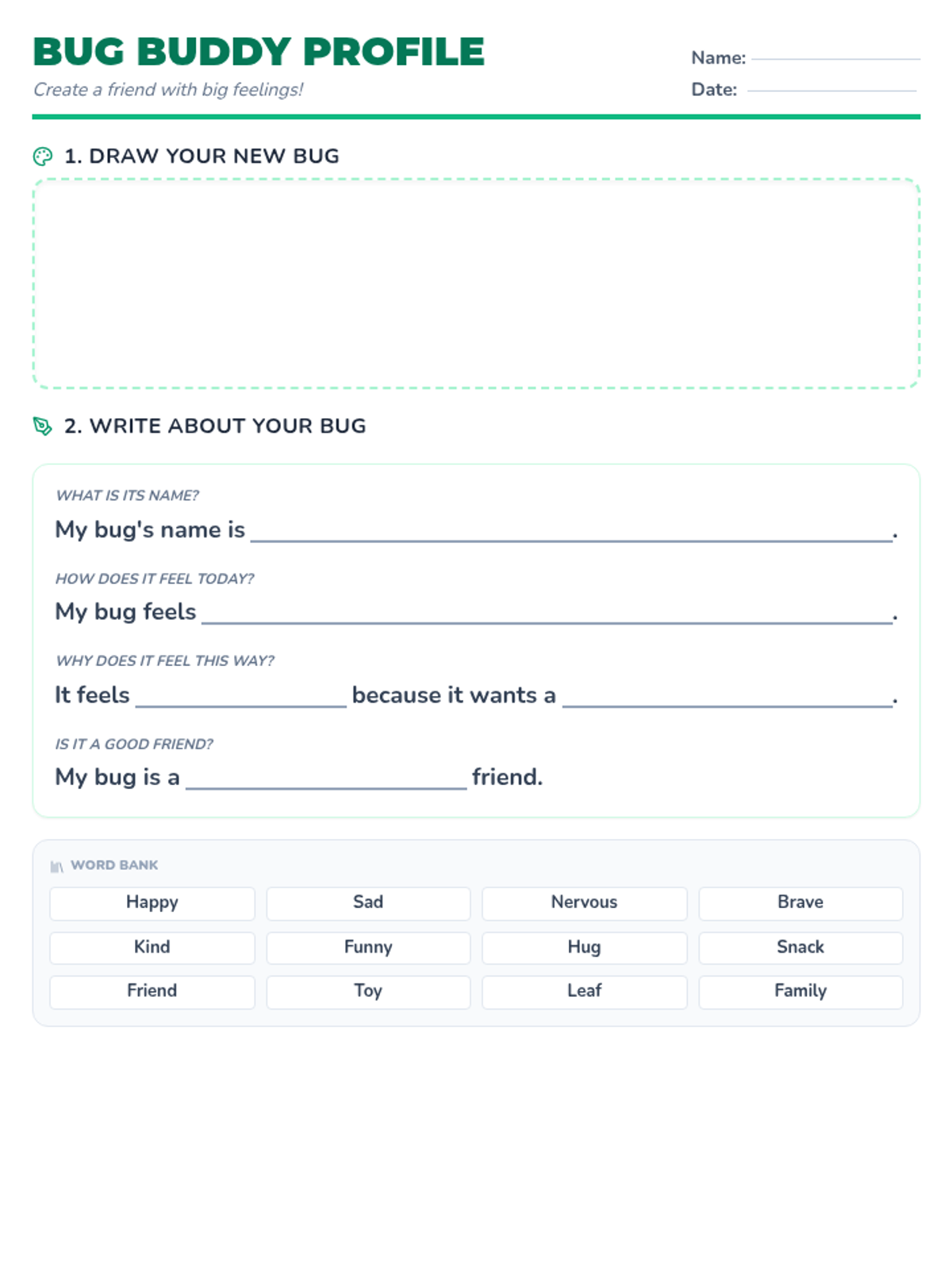
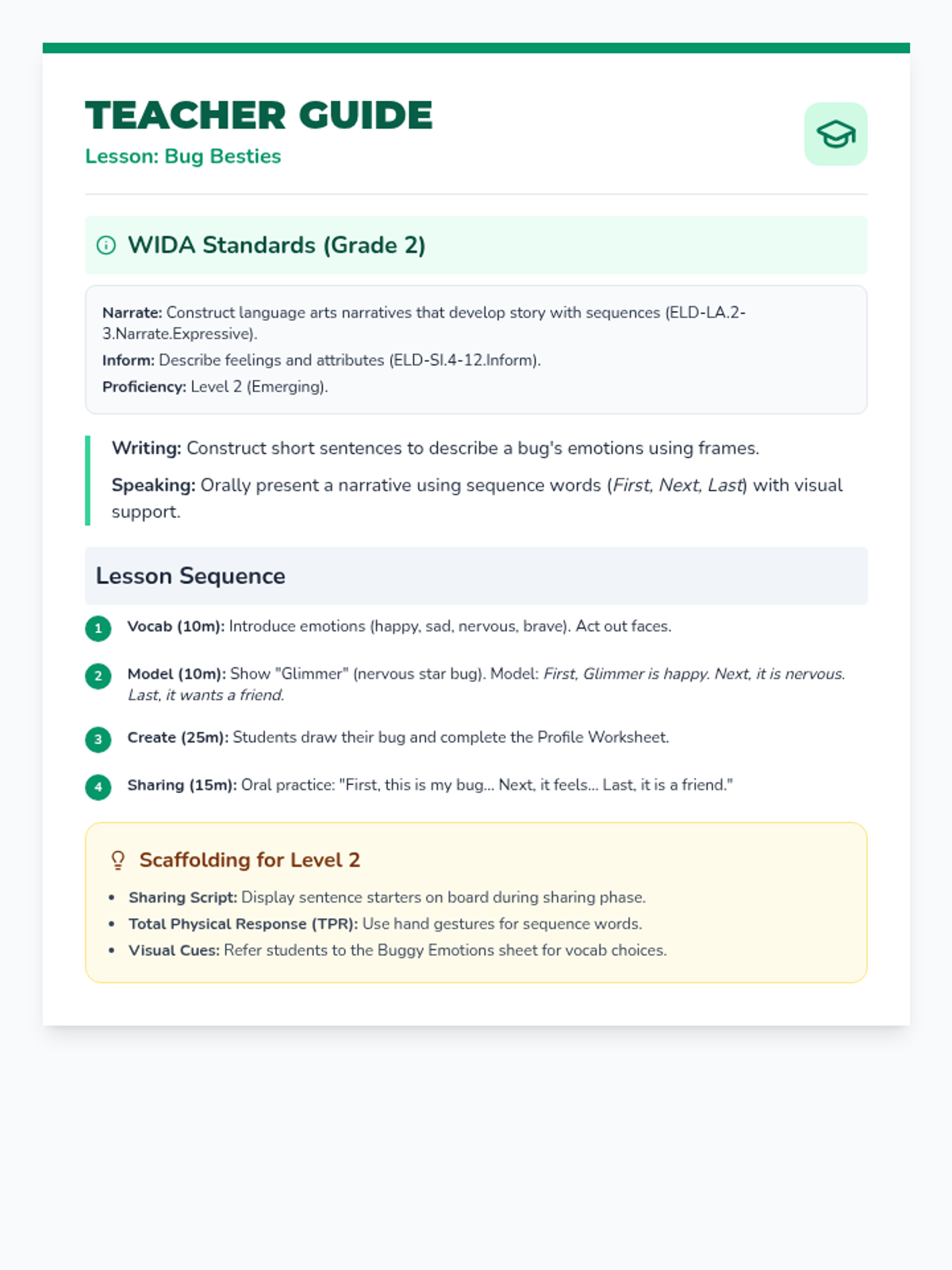
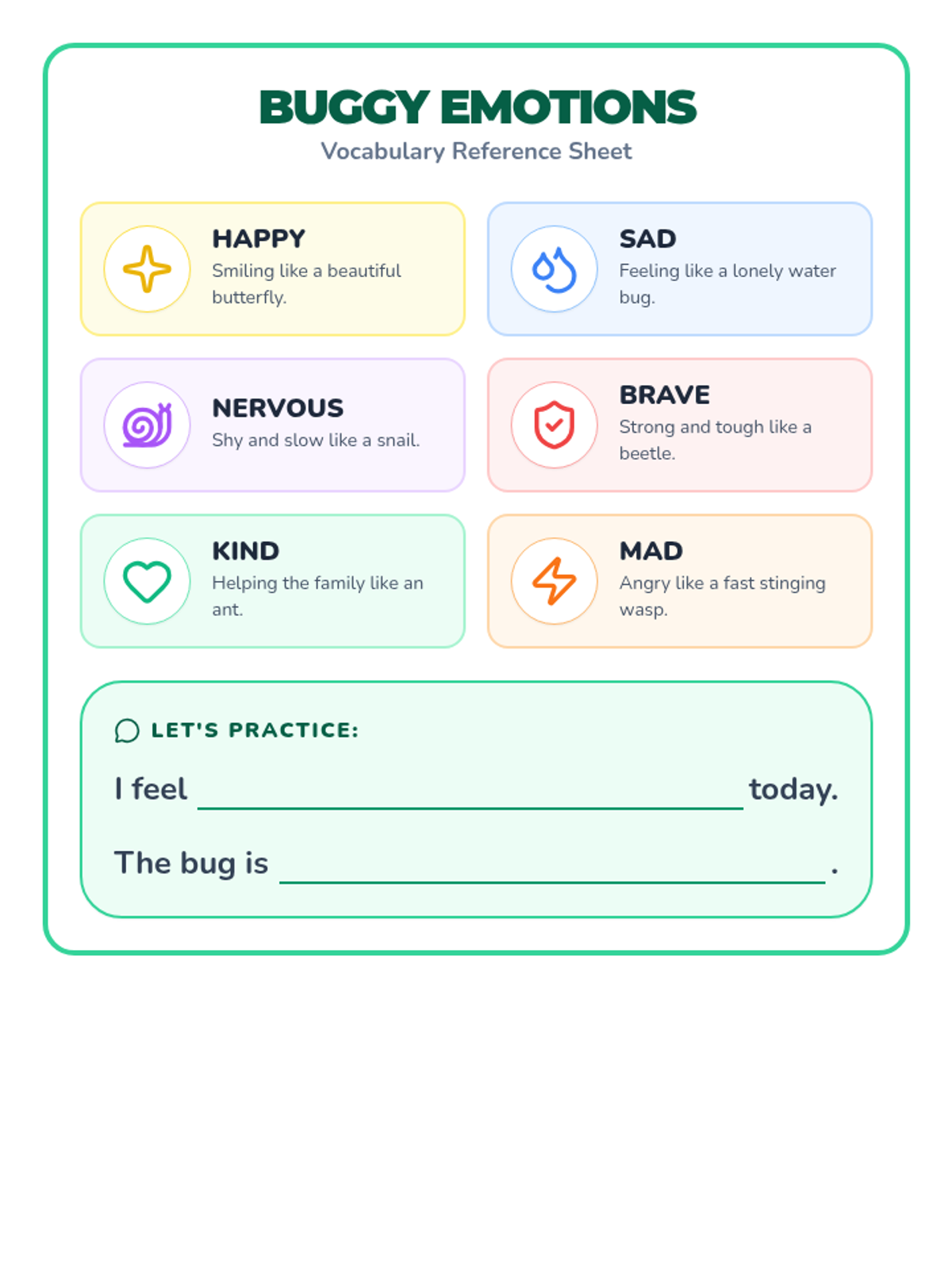
A unit exploring insects through creative writing, social-emotional learning, and narrative storytelling, aligned with WIDA Grade 2 standards for ELs.
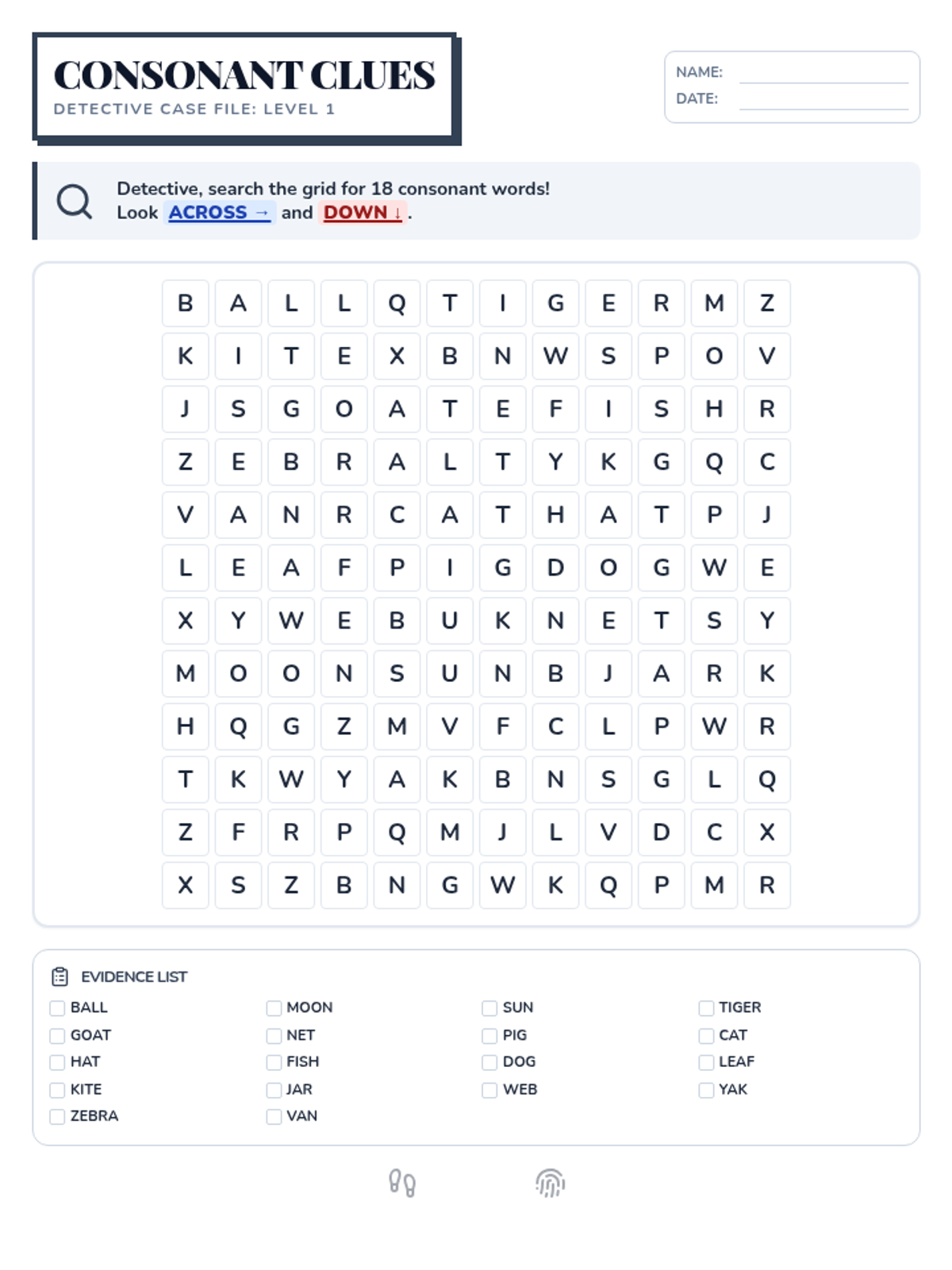
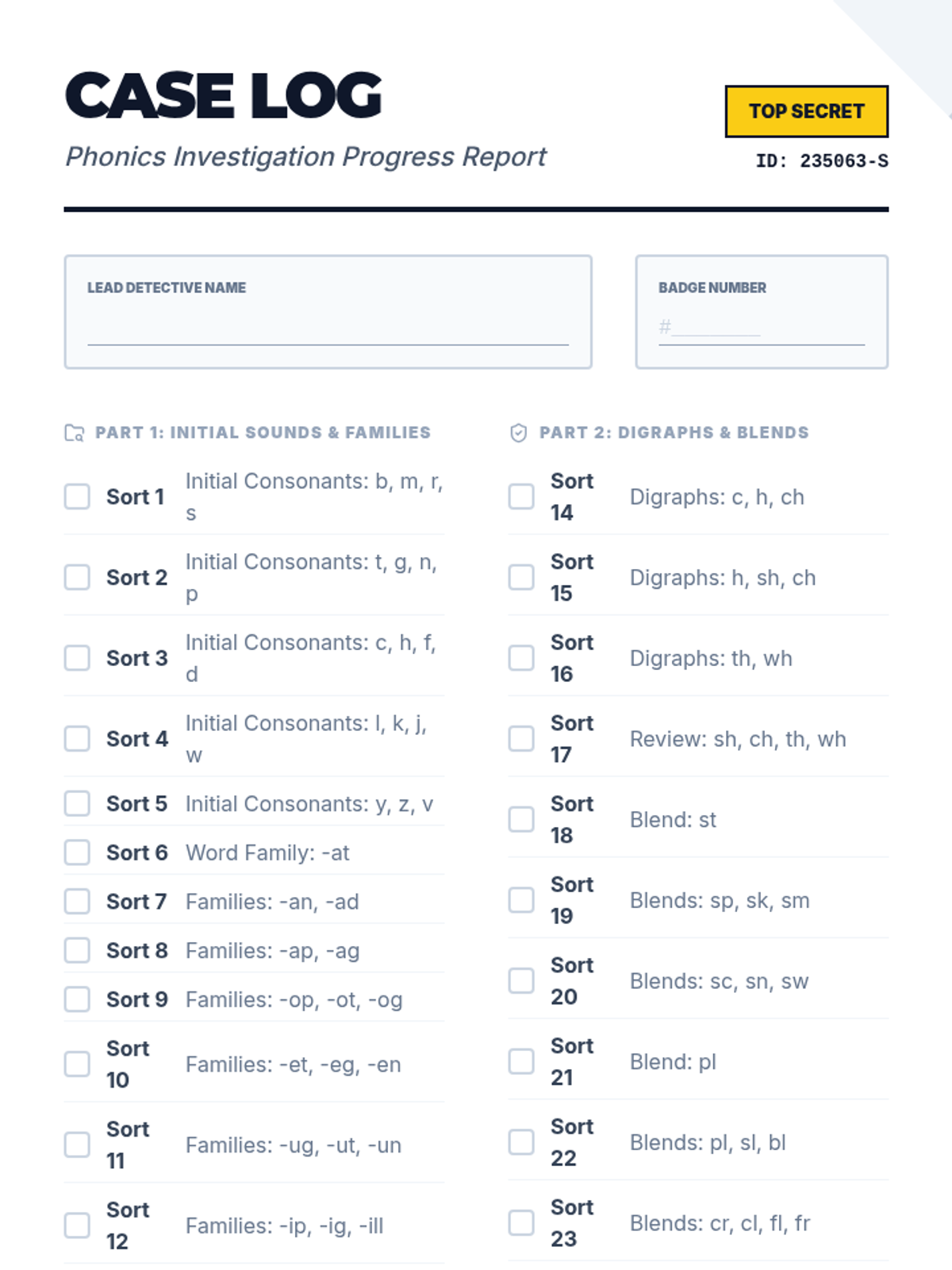
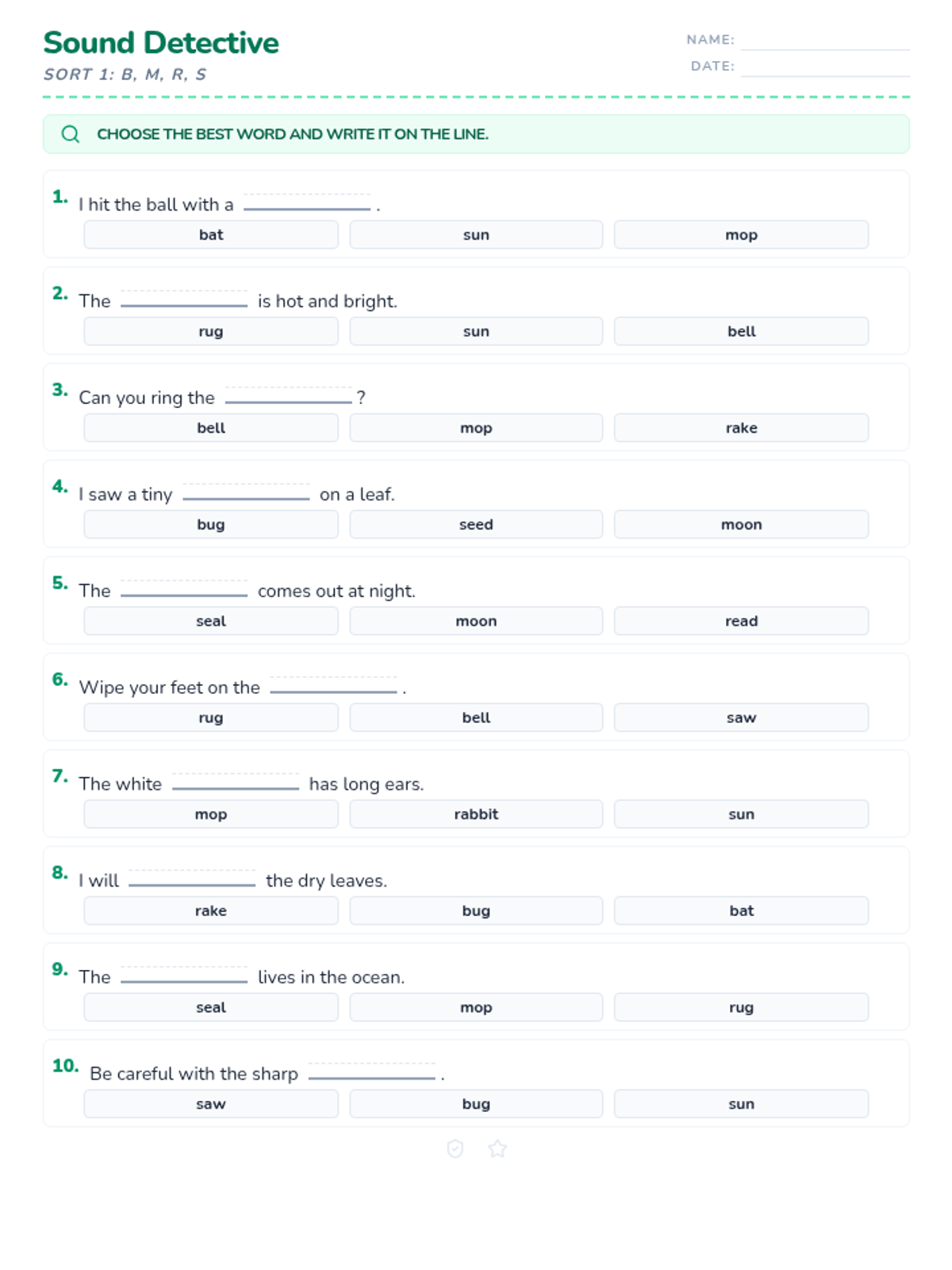
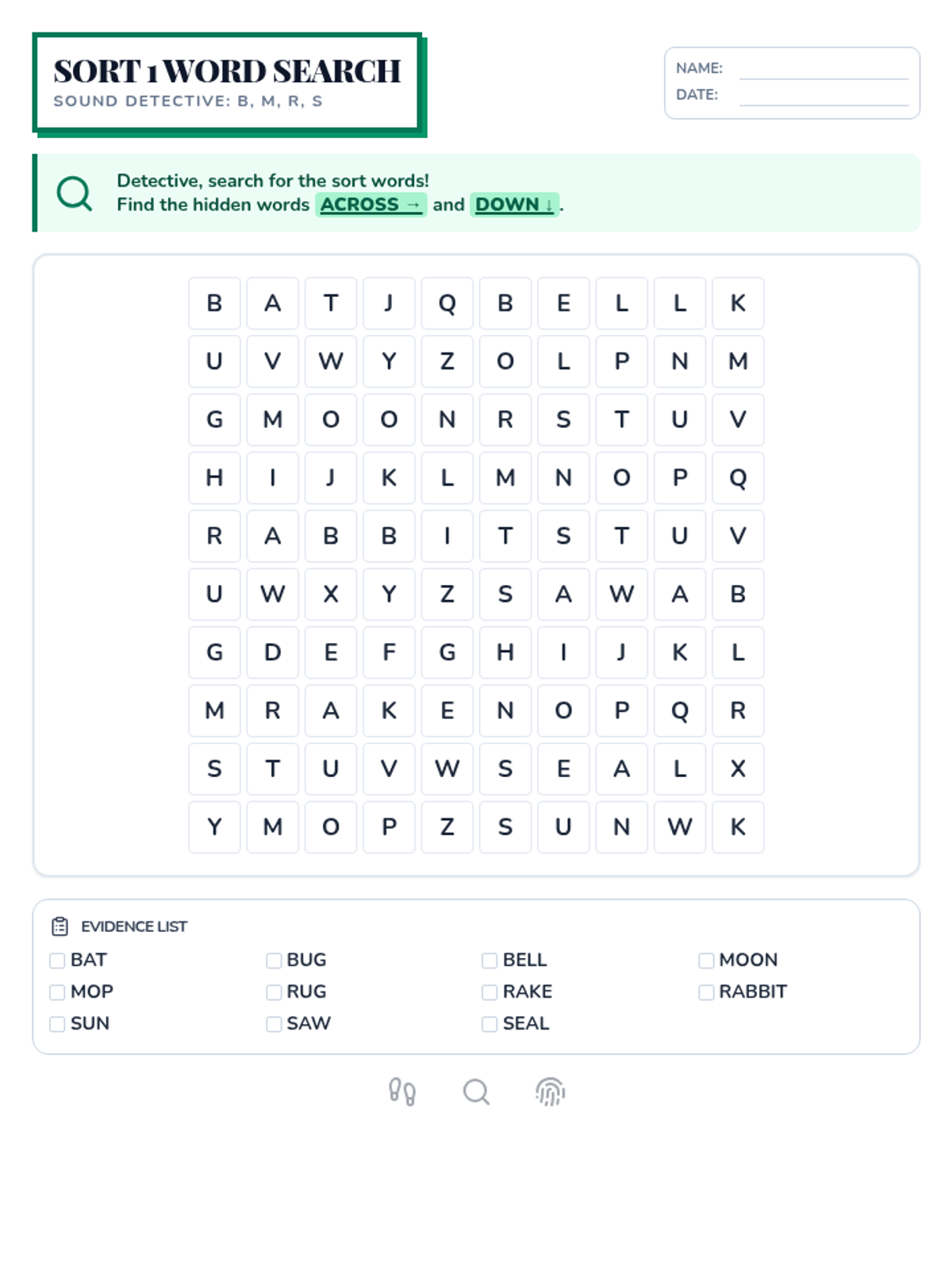
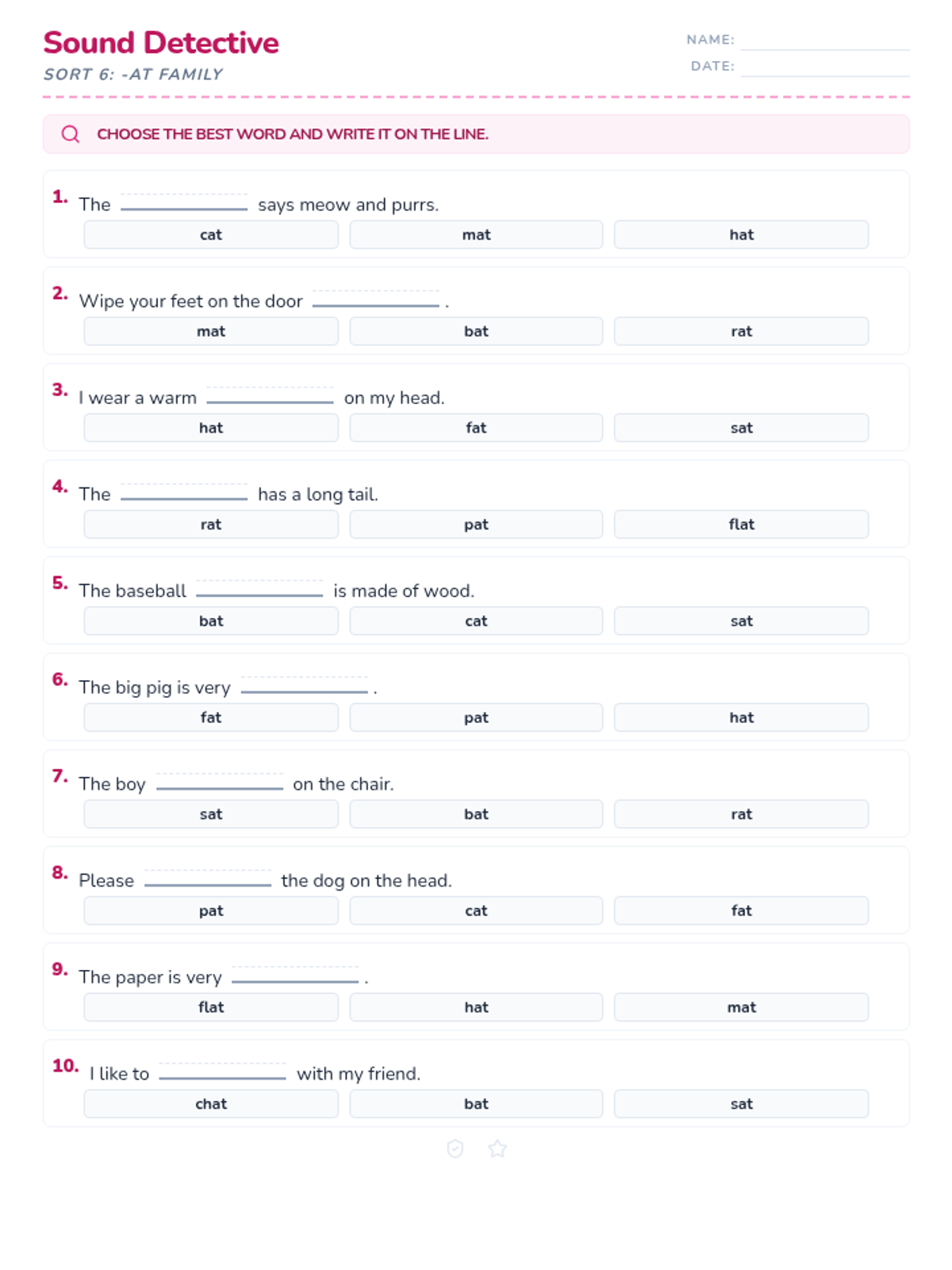
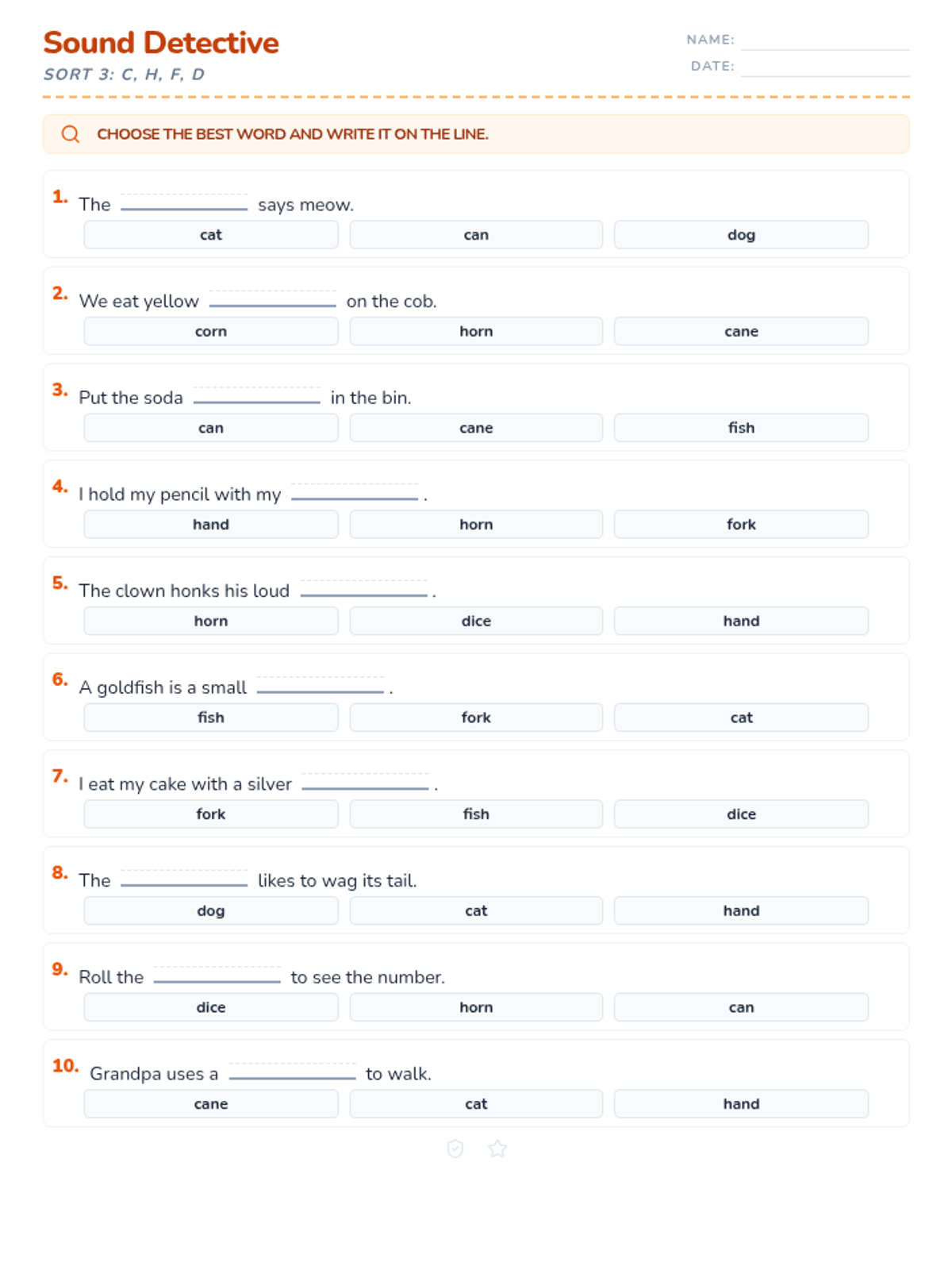
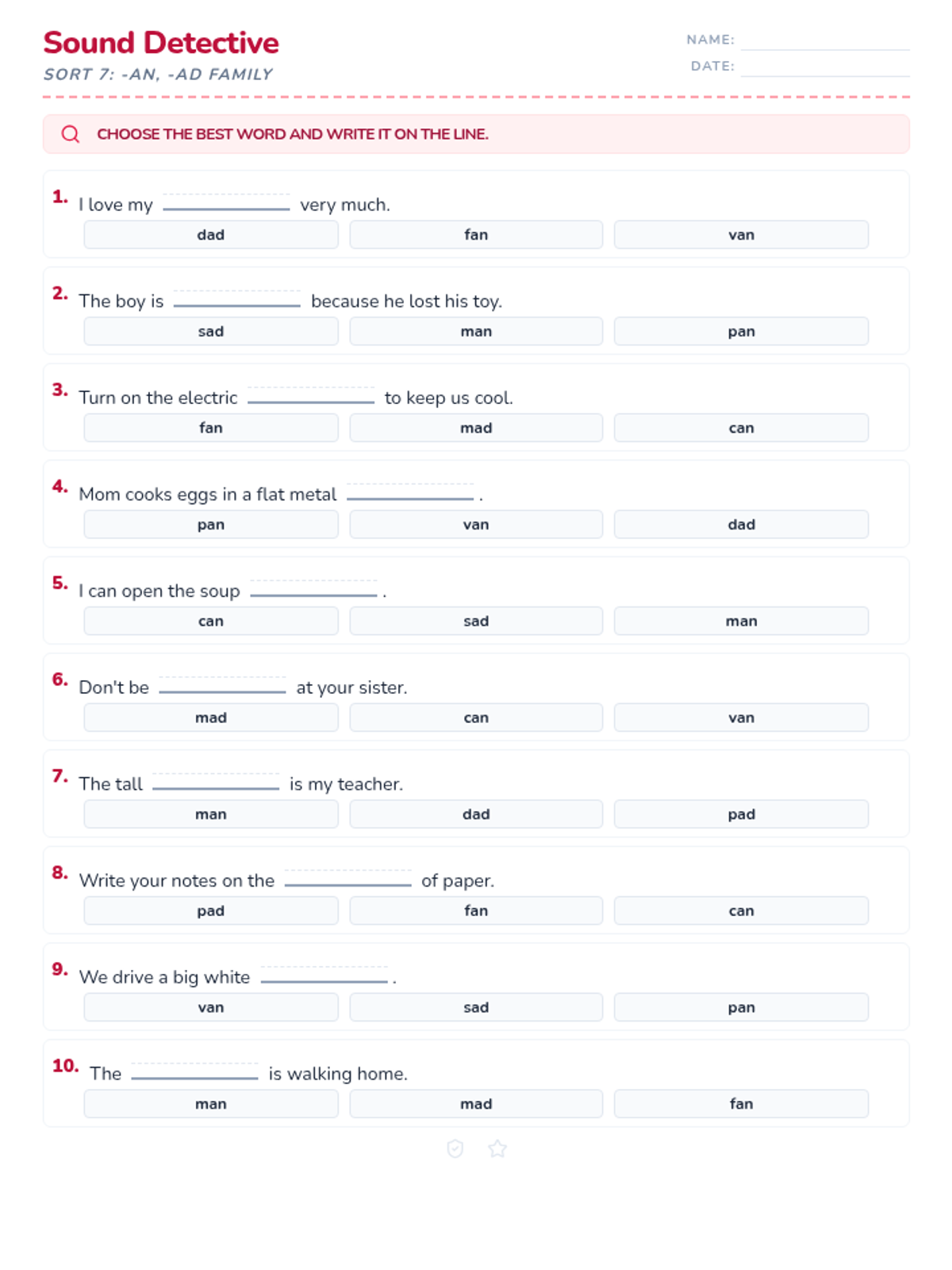
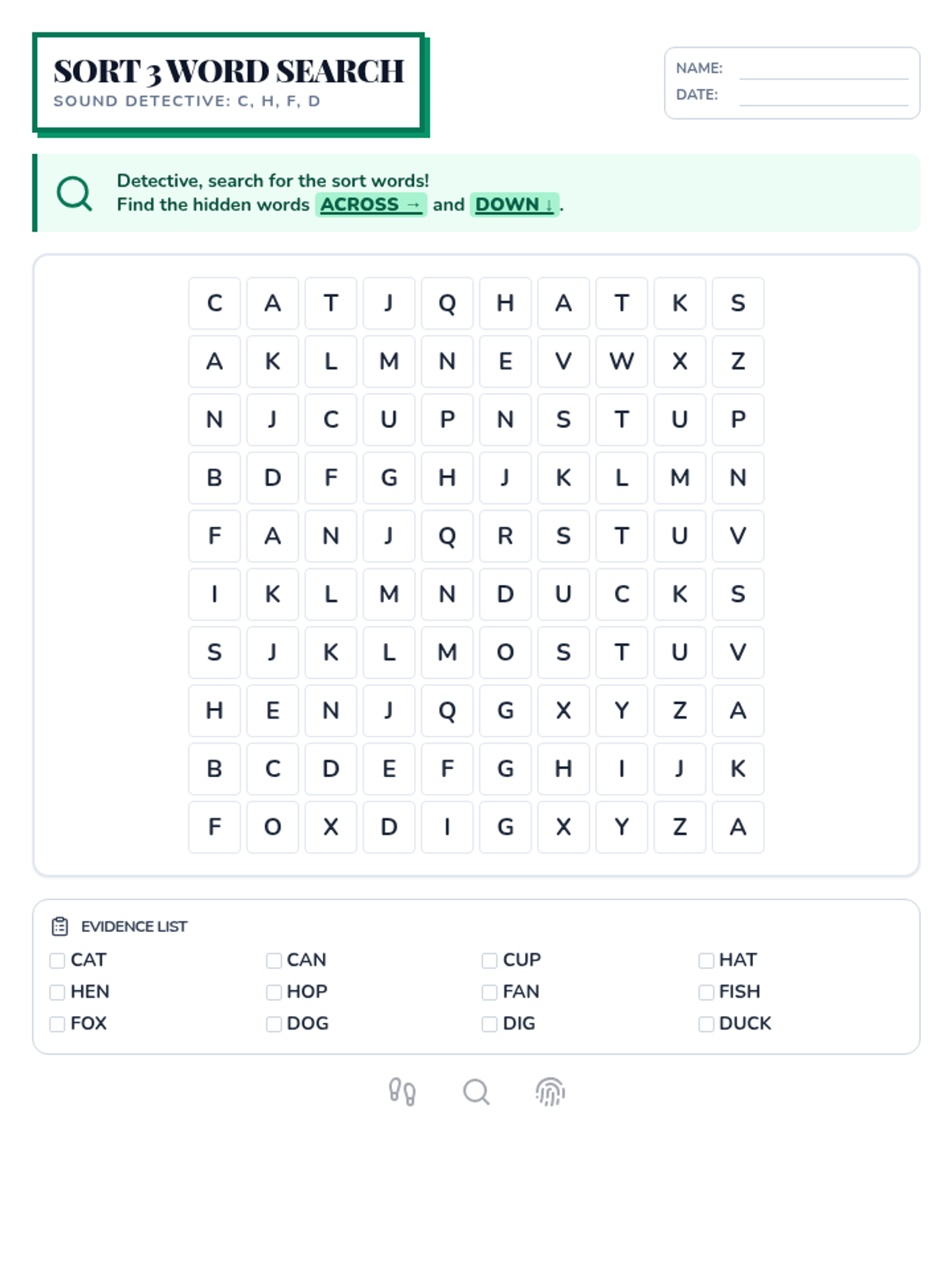
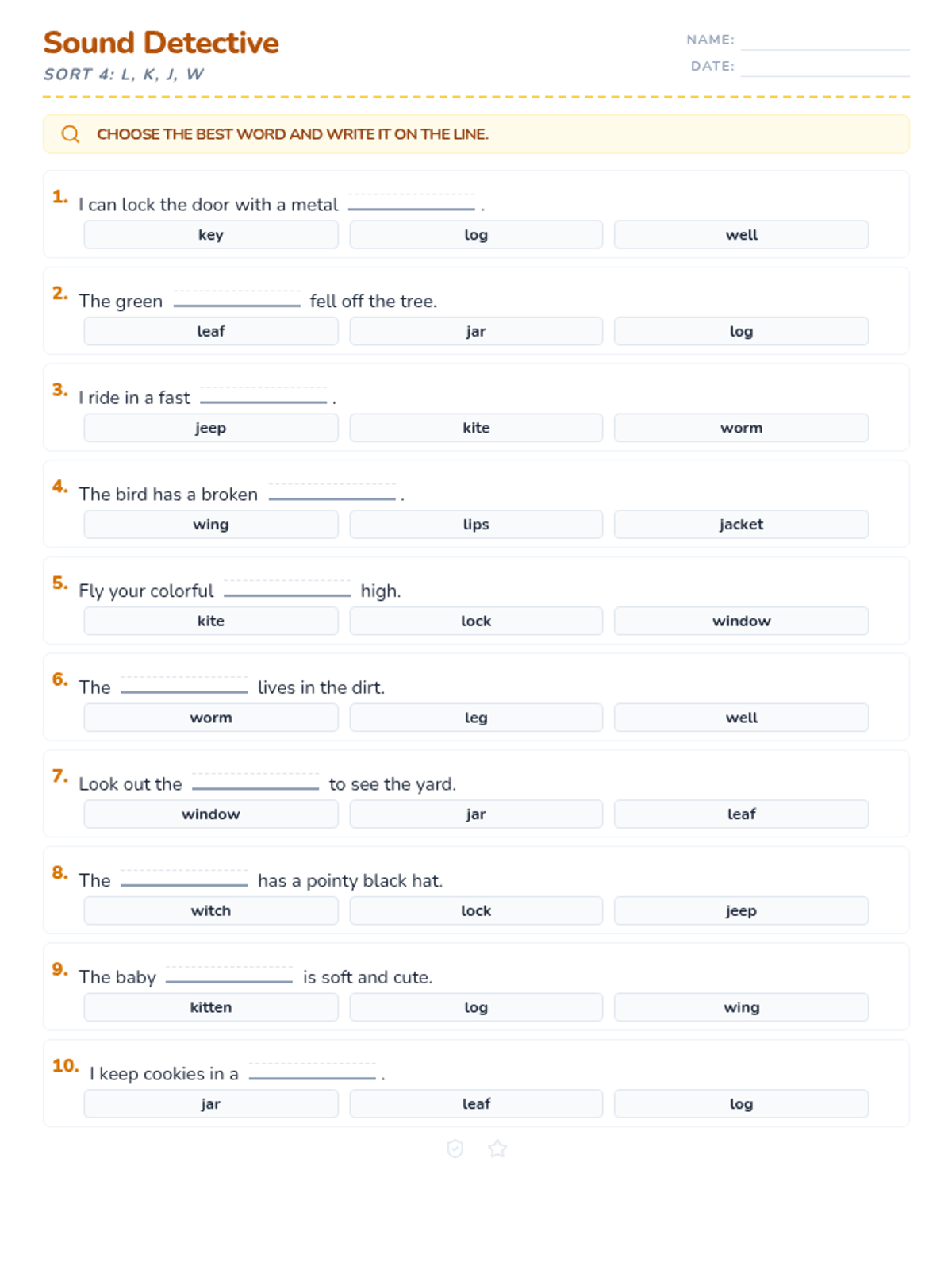
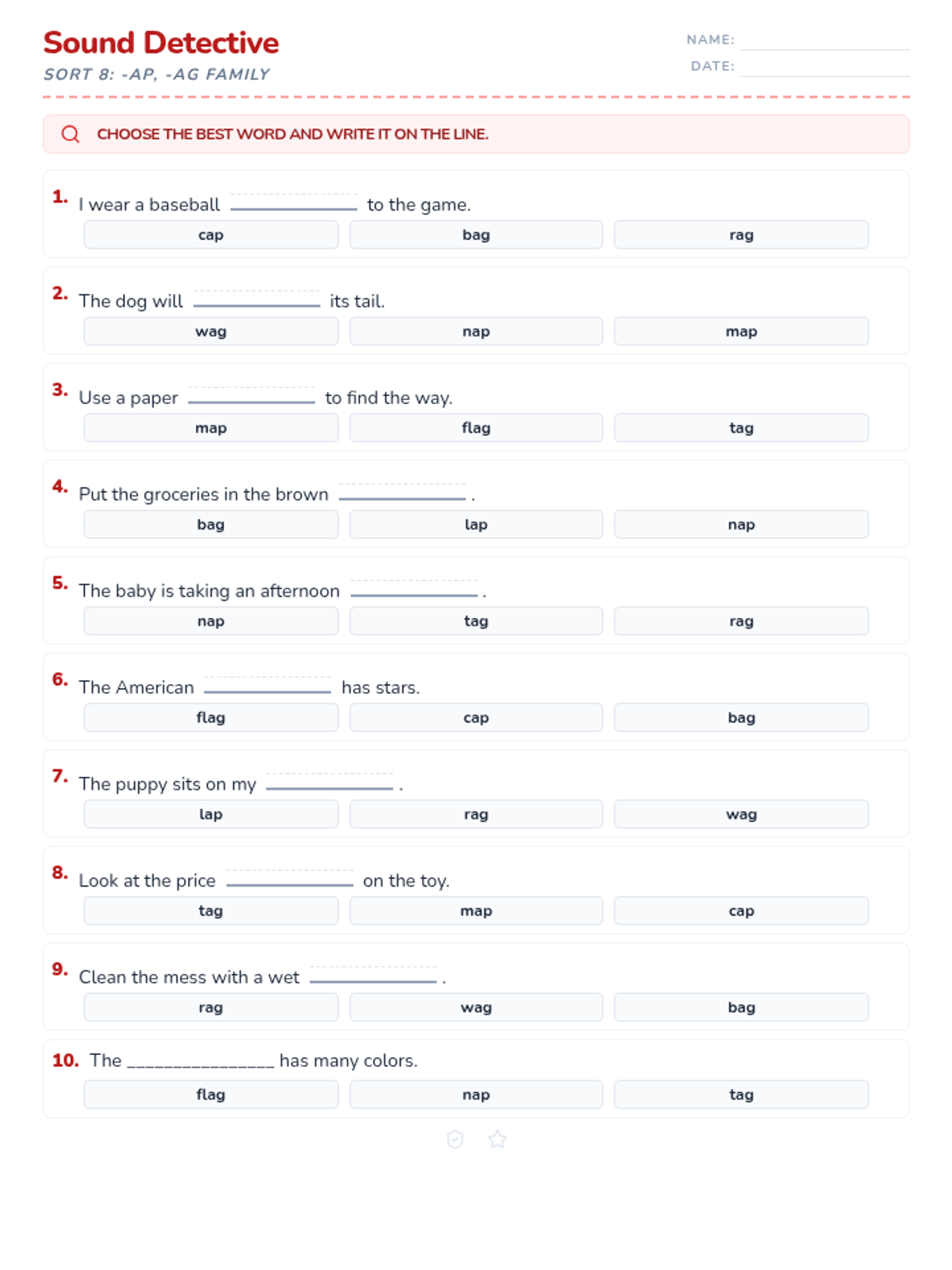
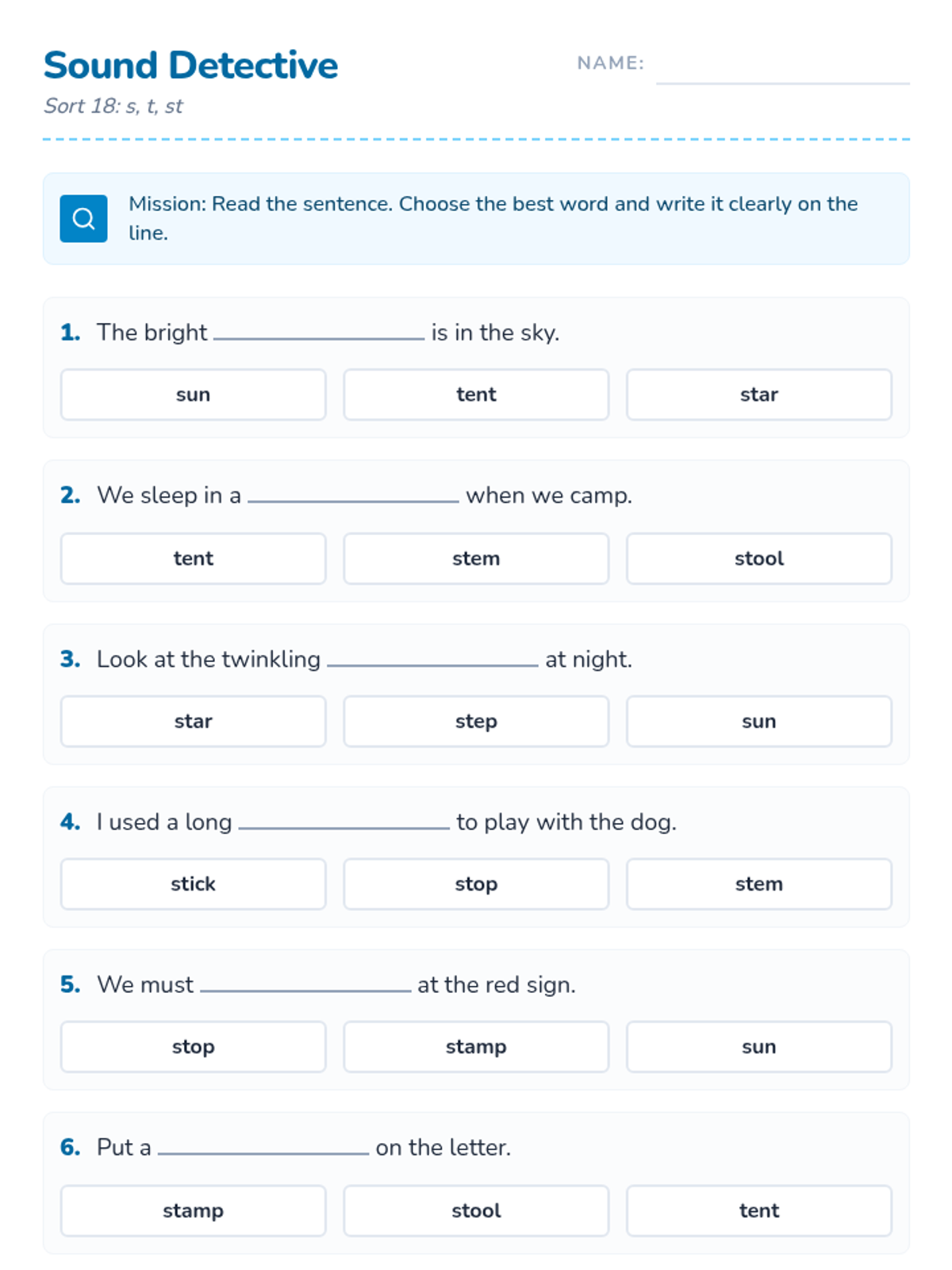
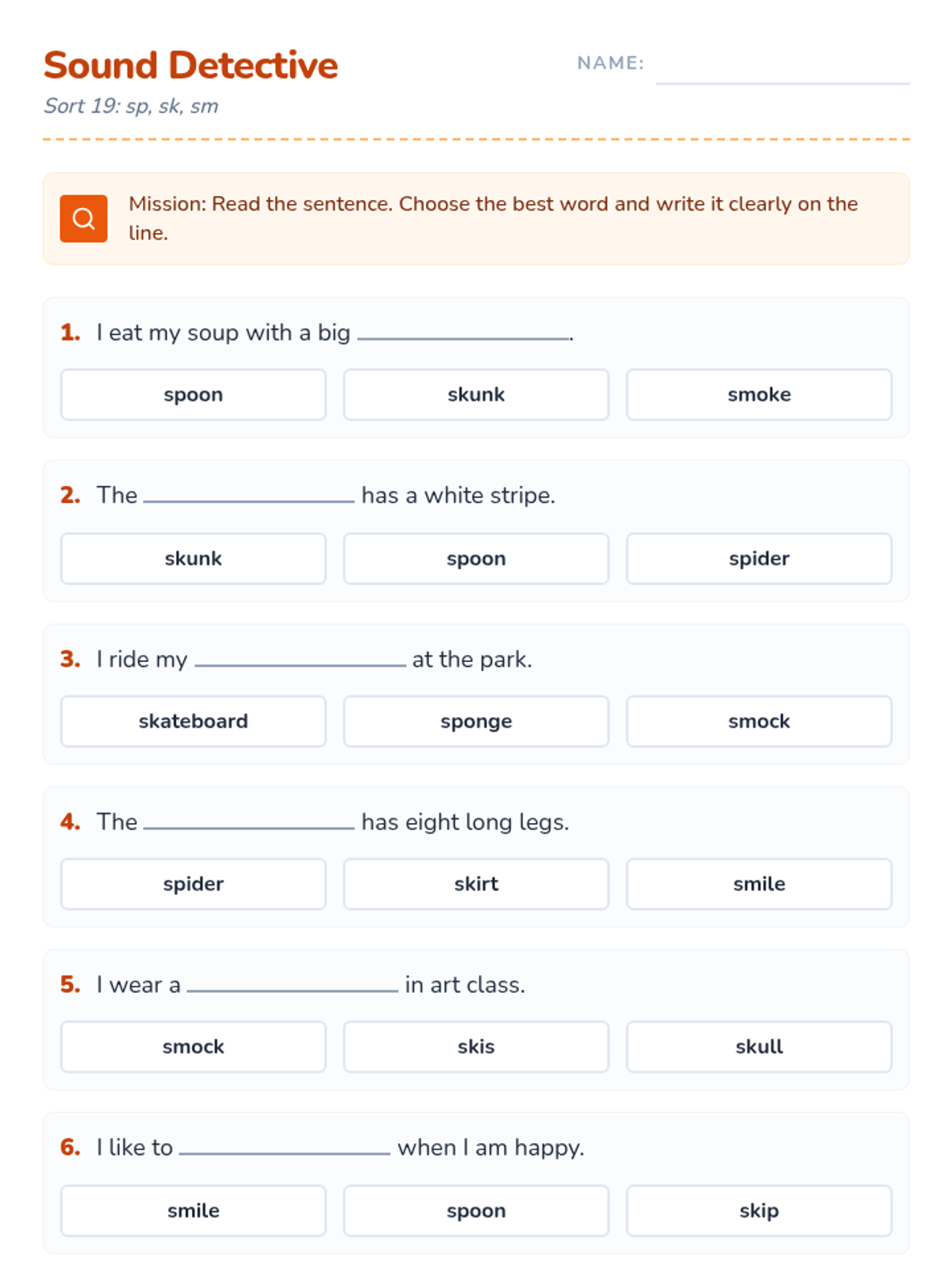
A complete phonics journey covering letter-name alphabetic spelling stages, featuring randomized word sort practice through interactive sentence completion.
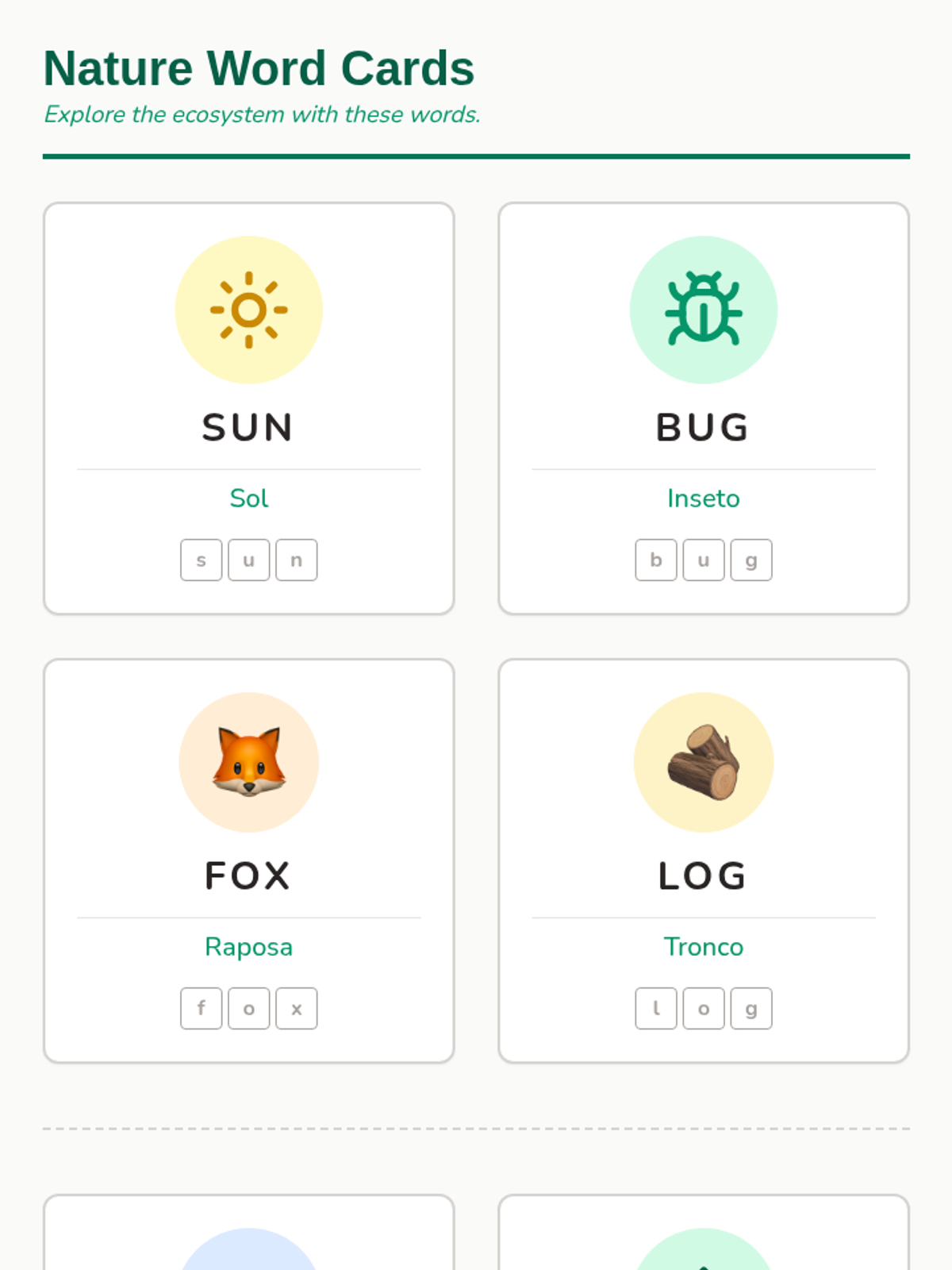
A foundational literacy sequence designed for multilingual learners and students with reading IEPs, supplementing the Nature's Balance curriculum with grade 1 level phonics and high-frequency word support.
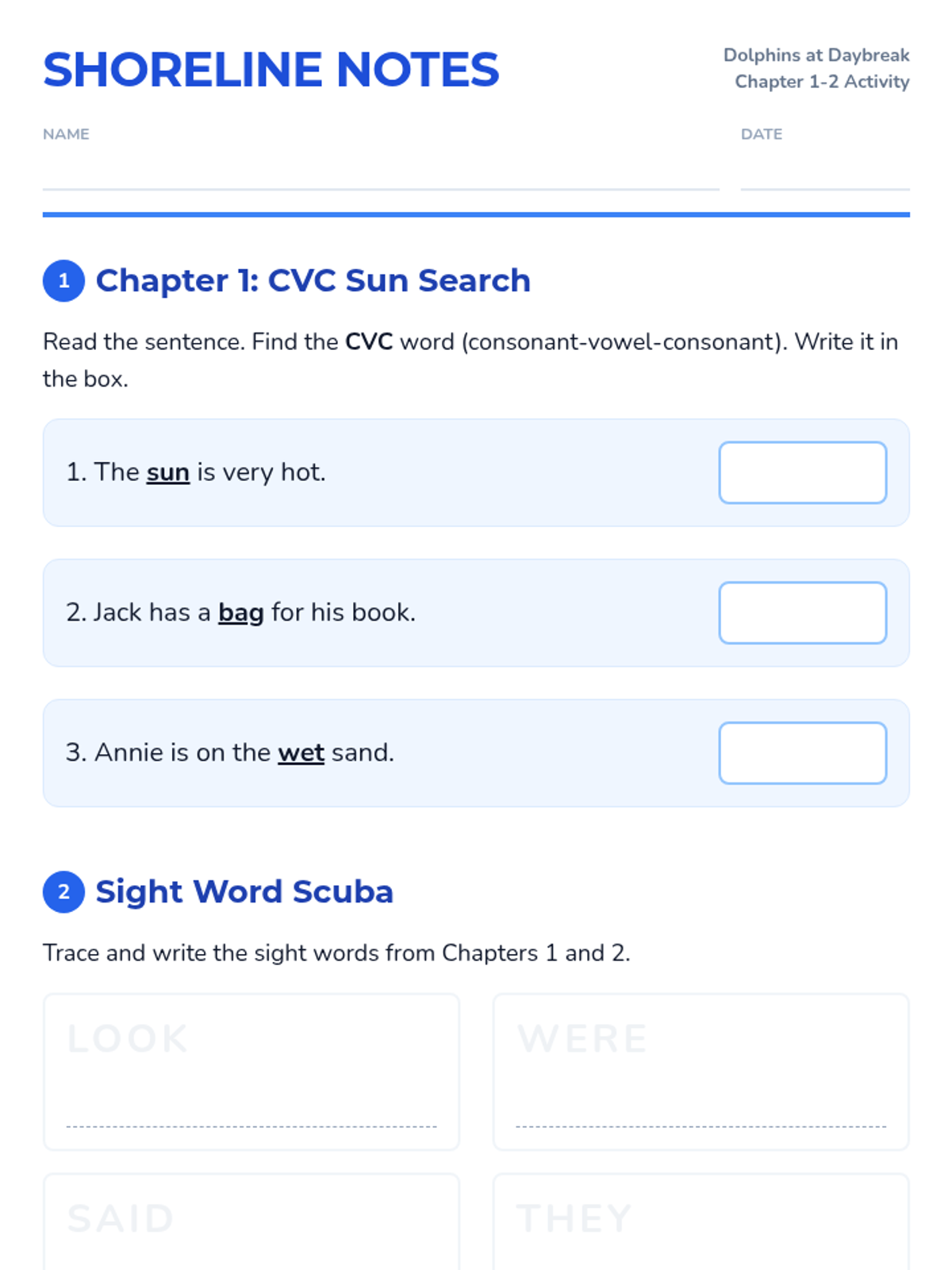
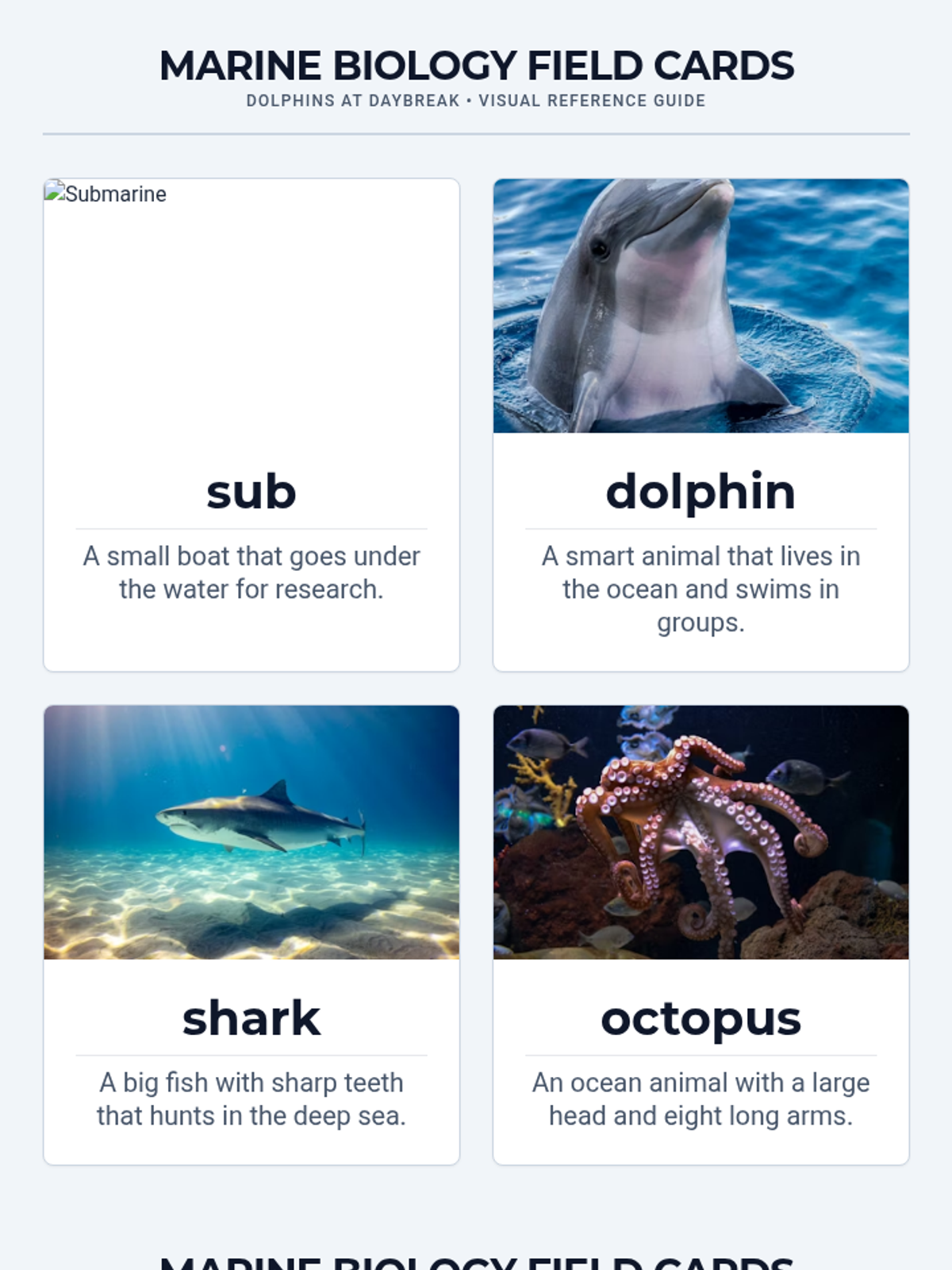
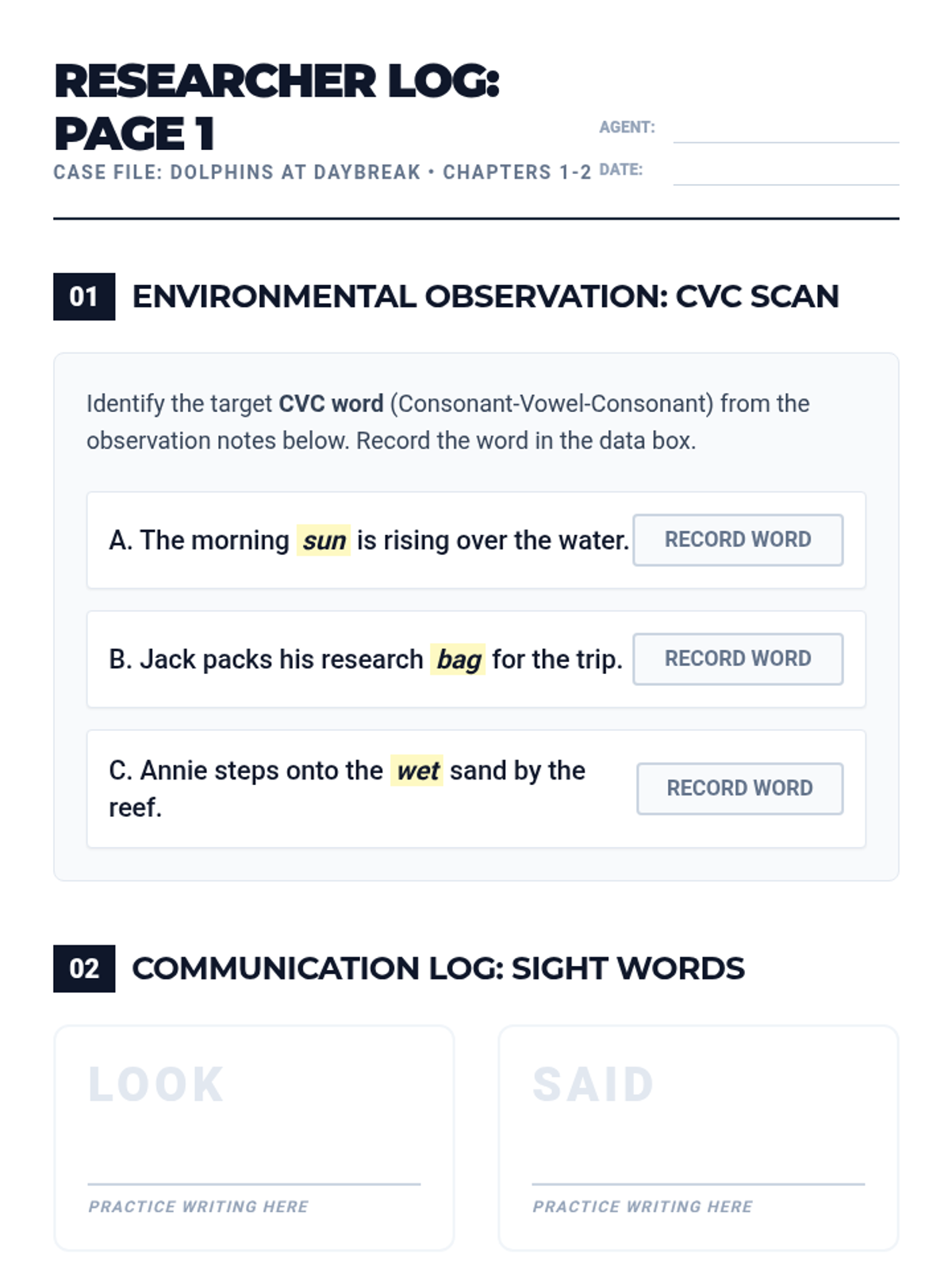
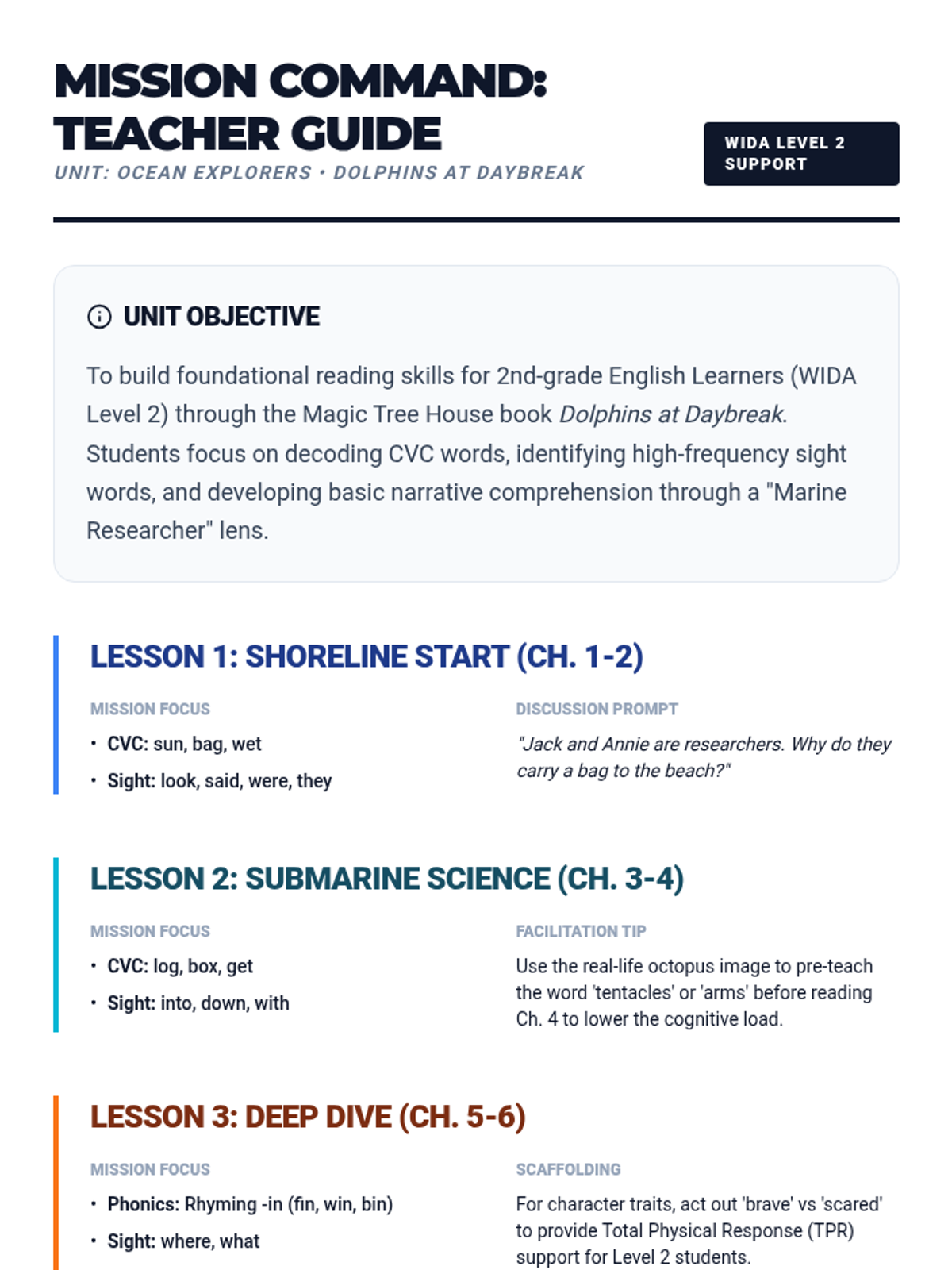
A comprehensive reading unit for "Dolphins at Daybreak" tailored for 2nd-grade English learners (WIDA Level 2). The unit focuses on CVC decoding, high-frequency sight words, and basic comprehension using visual supports and sentence frames.
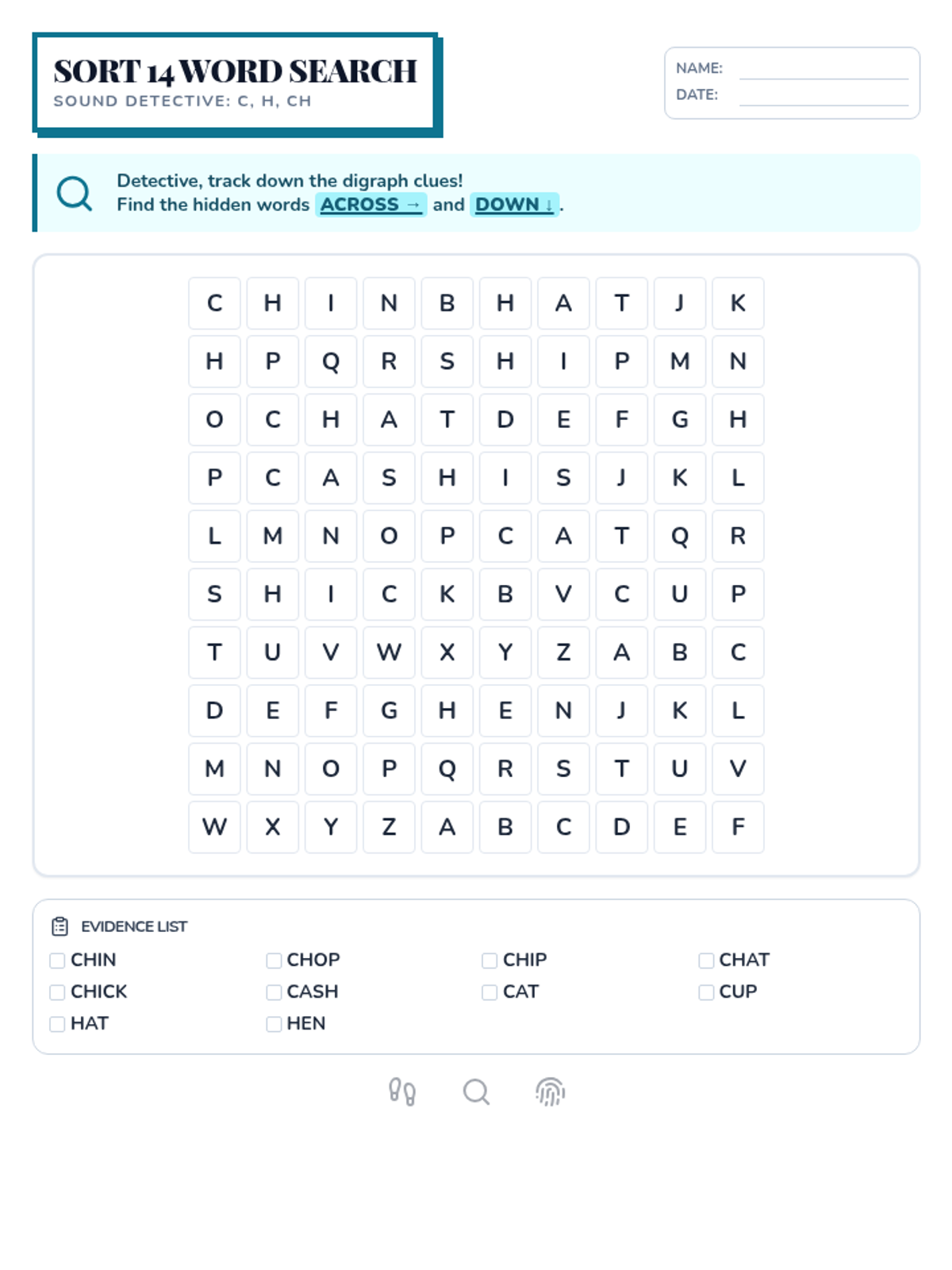
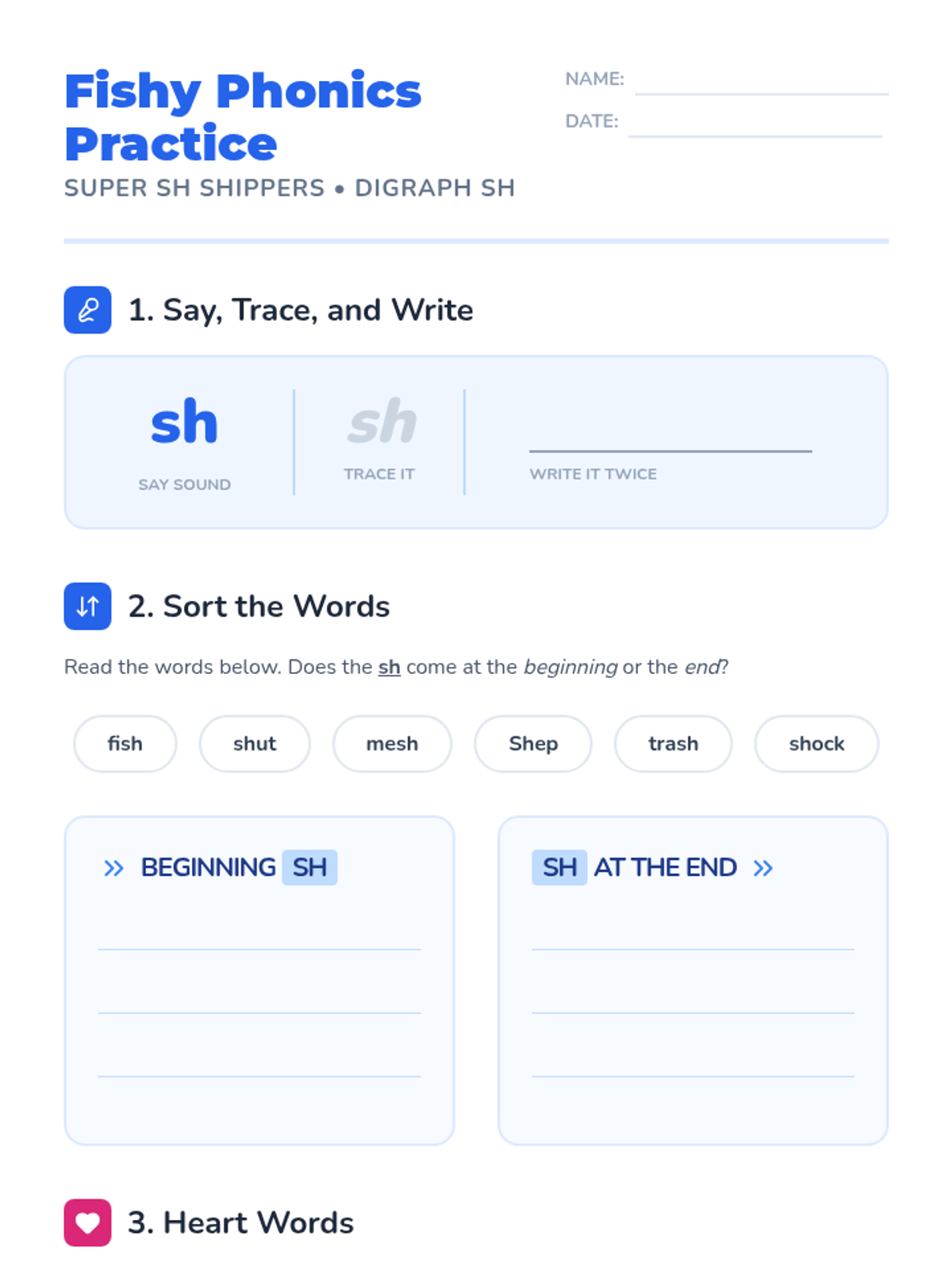
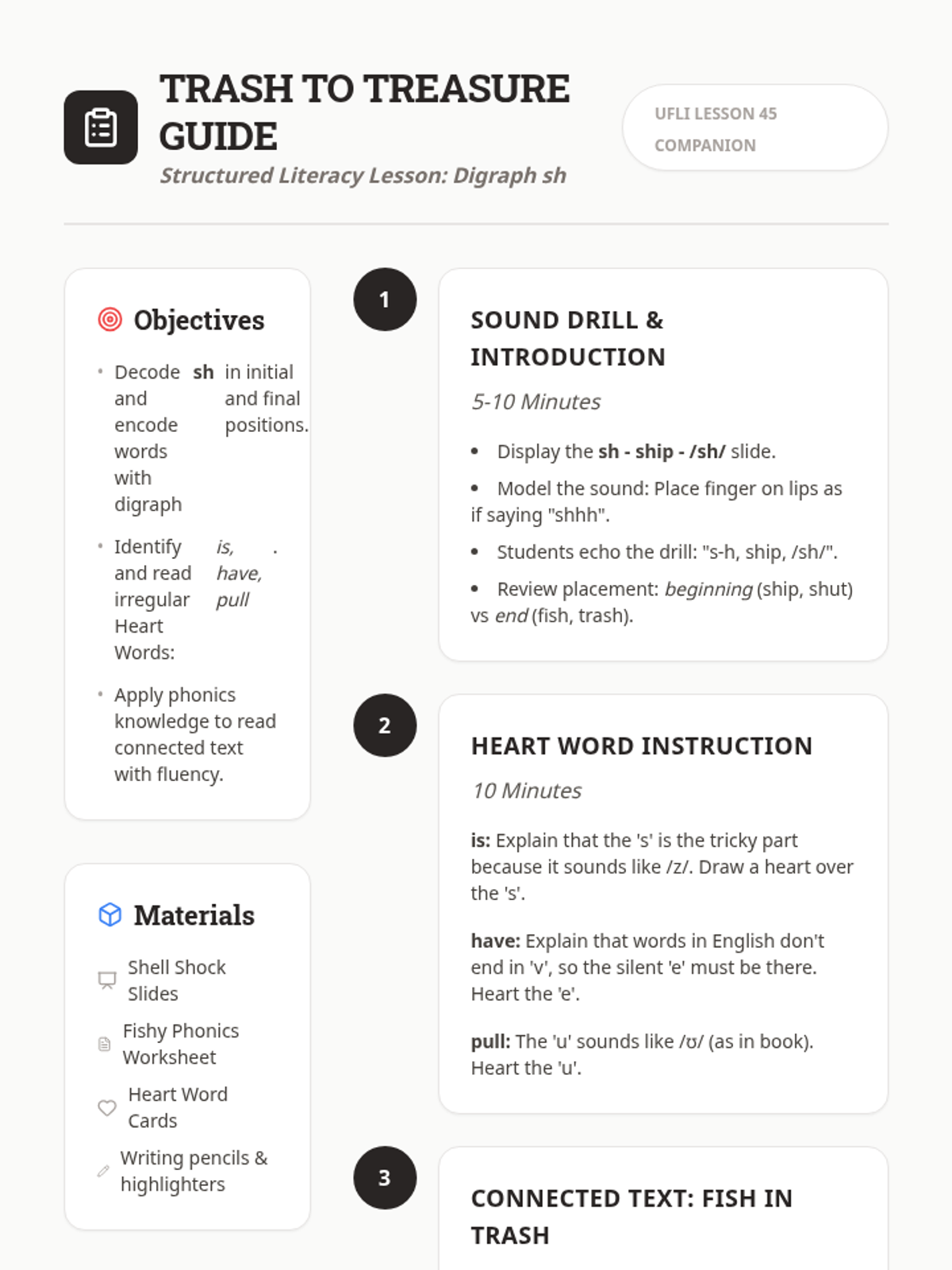
A series of structured literacy lessons focusing on mastering common digraphs (sh, th, ch) through explicit instruction, heart word methods, and decodable text practice.
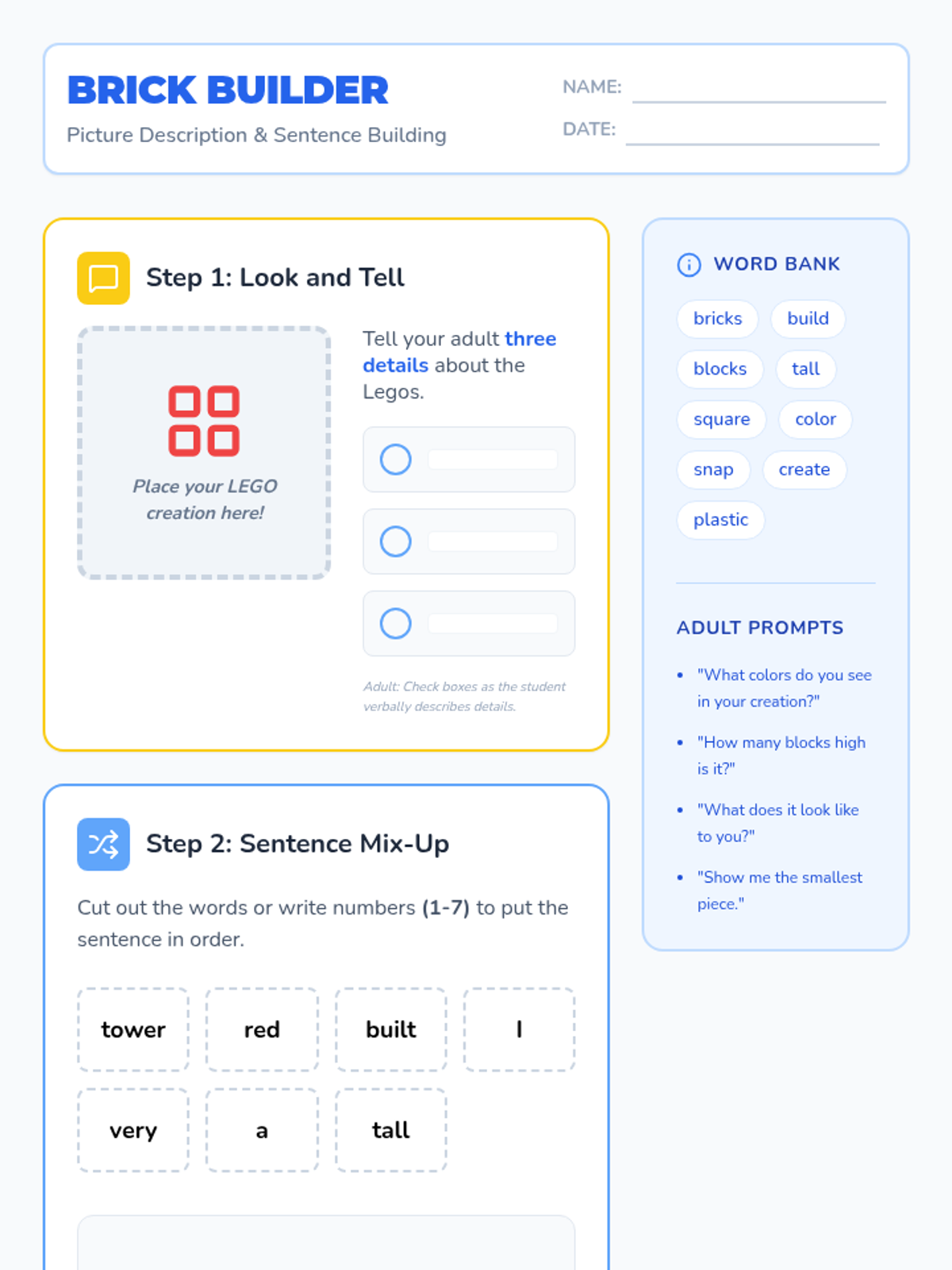
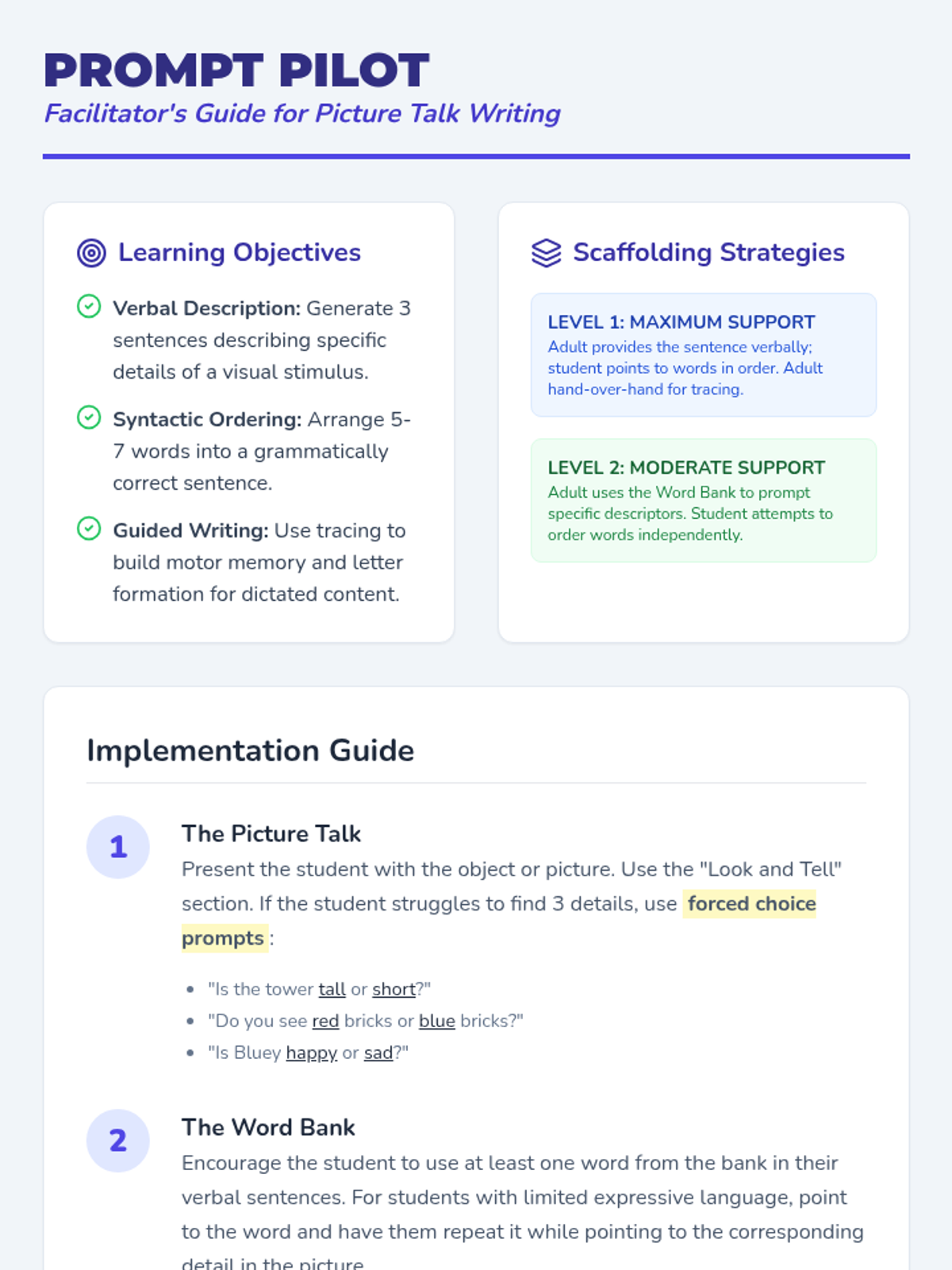
A 5-day writing workshop for young learners to build verbal description skills and sentence structure using high-interest themes and adult scaffolding.
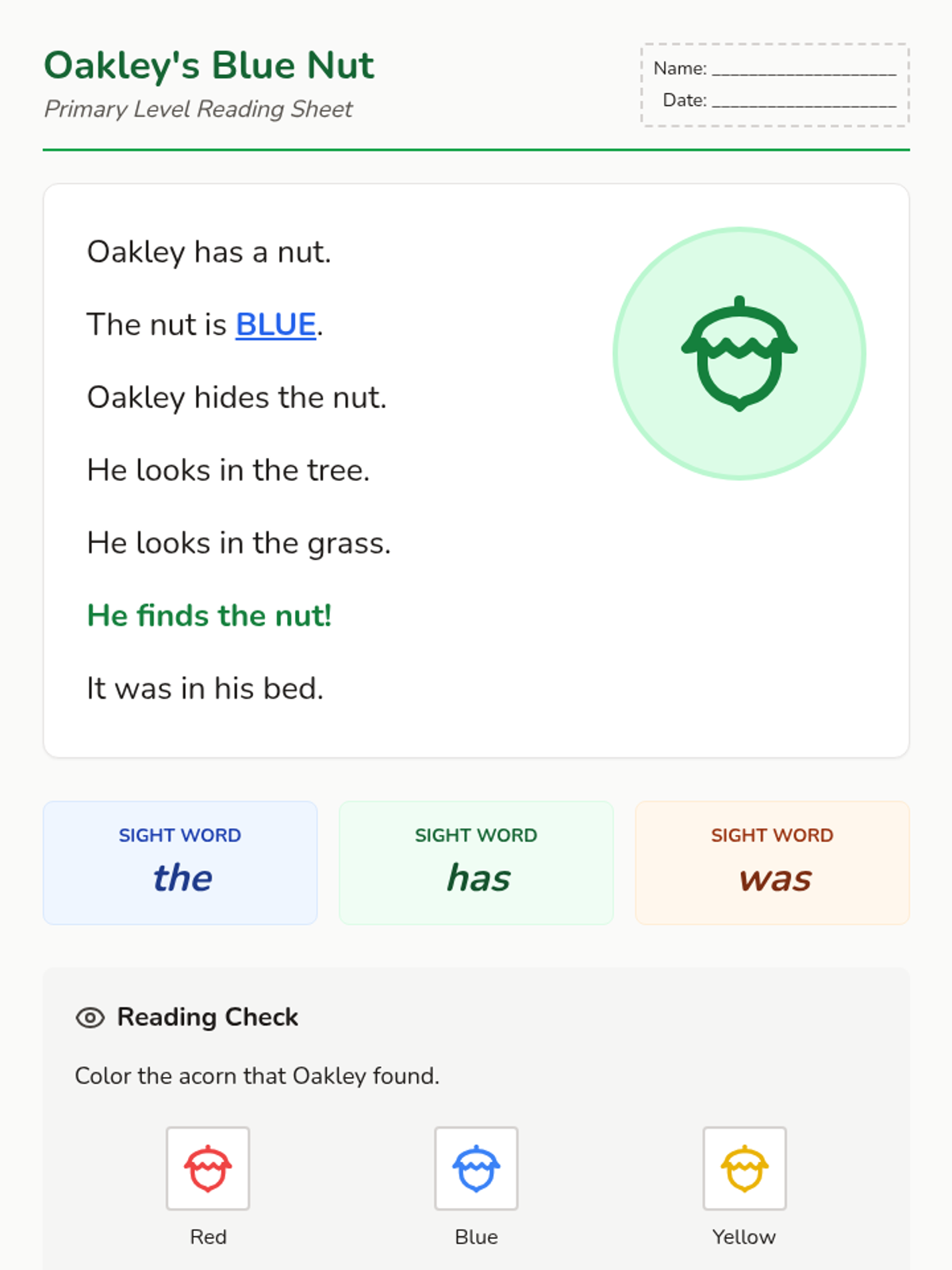
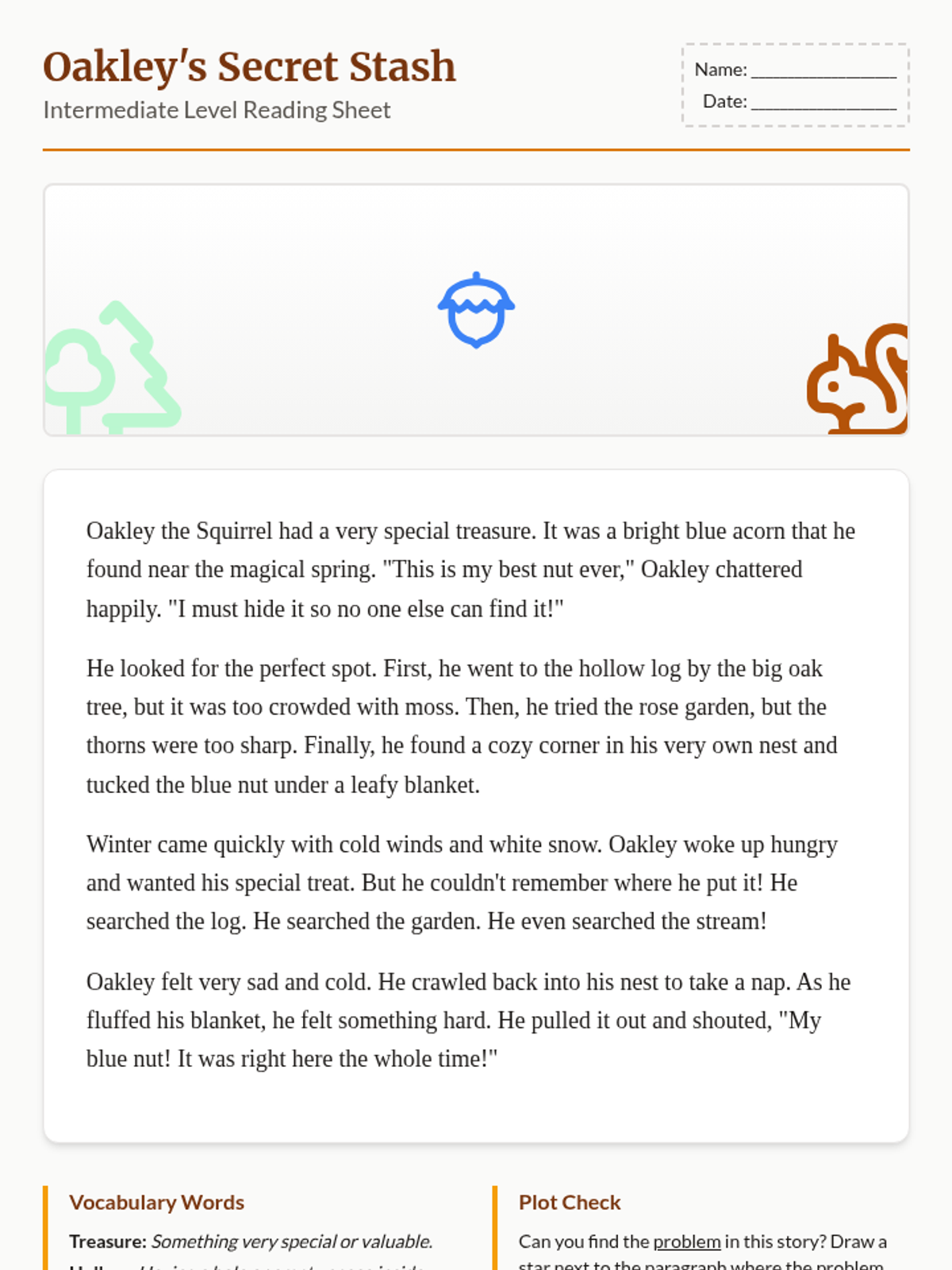
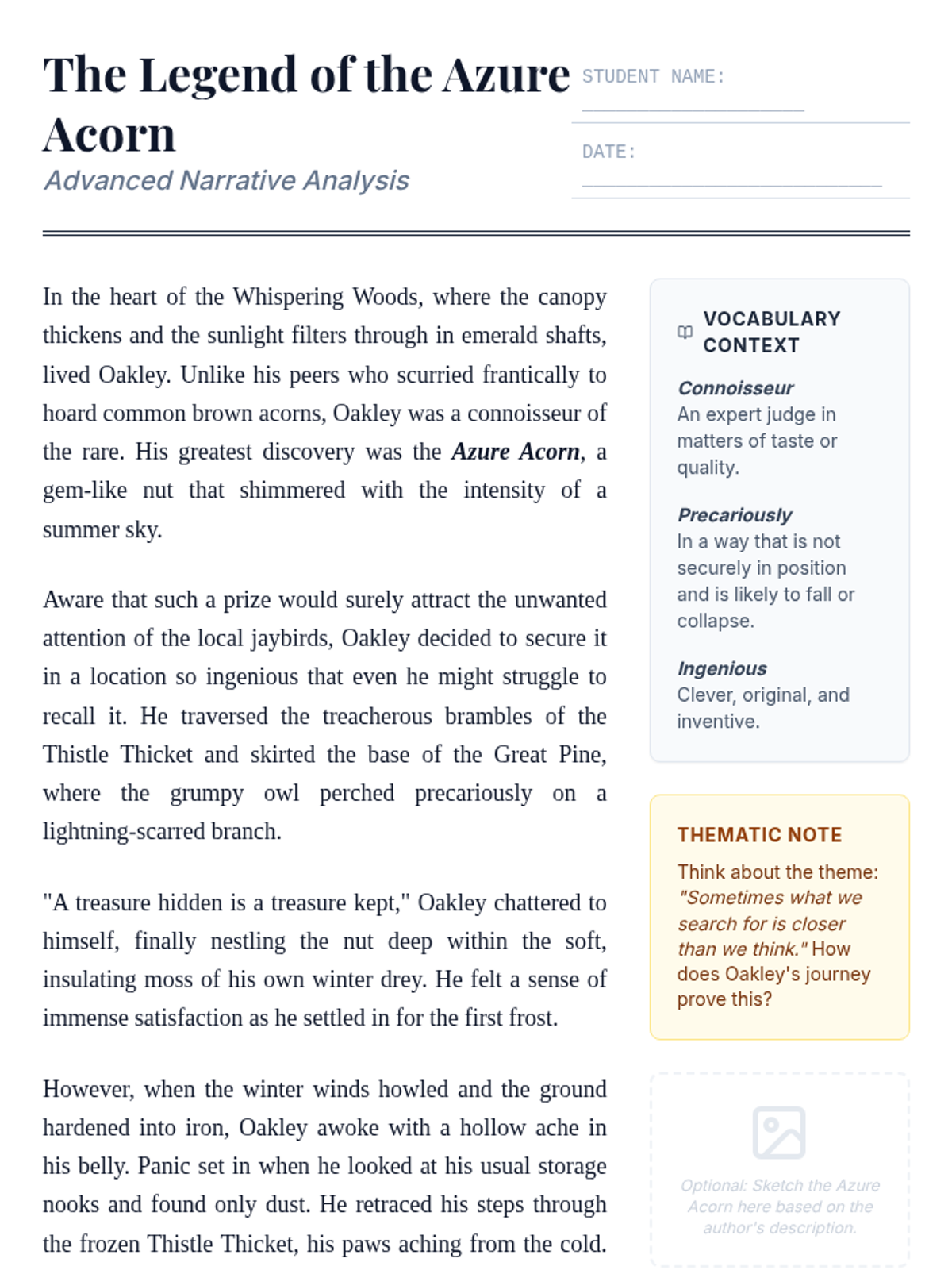
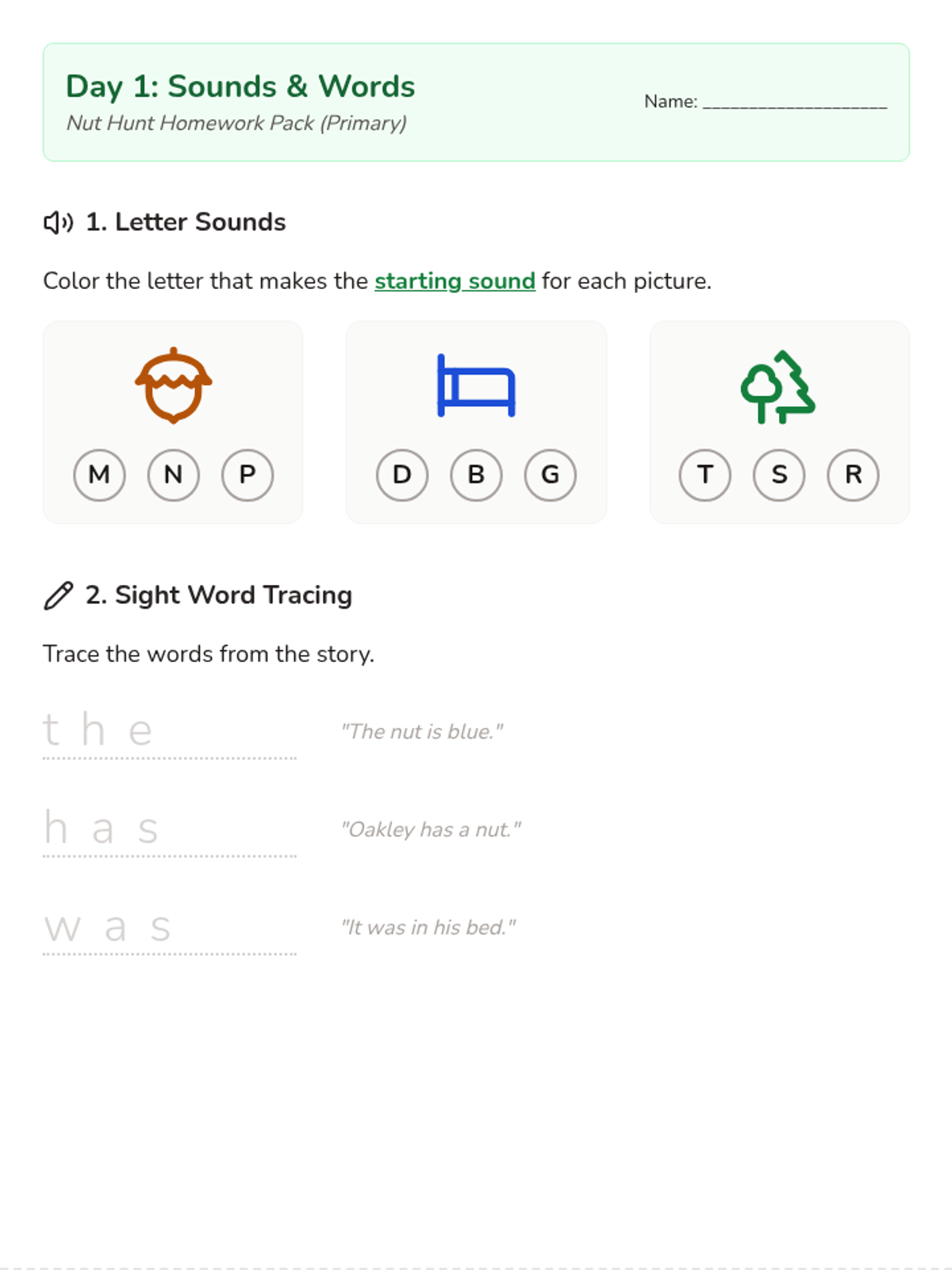
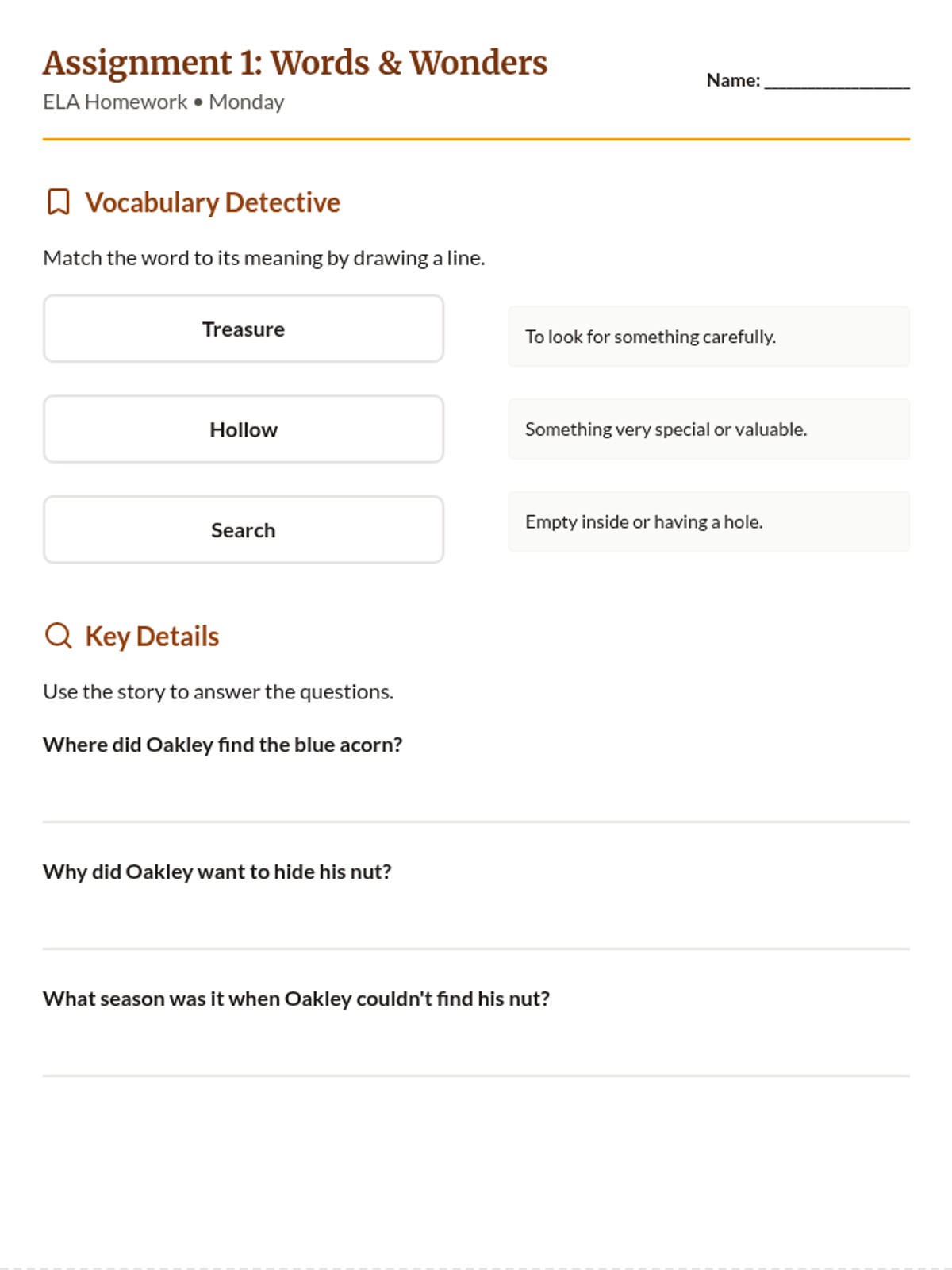
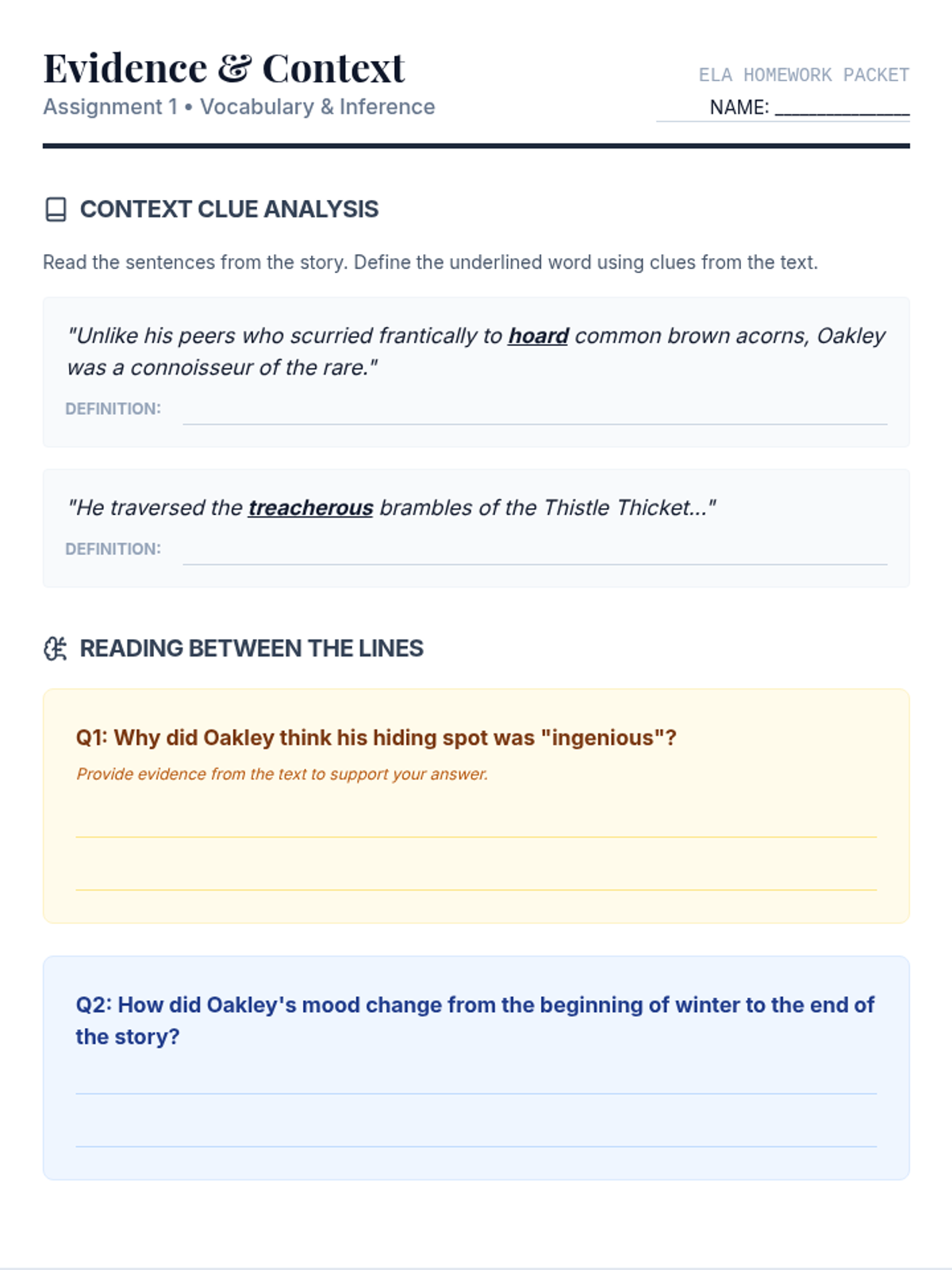
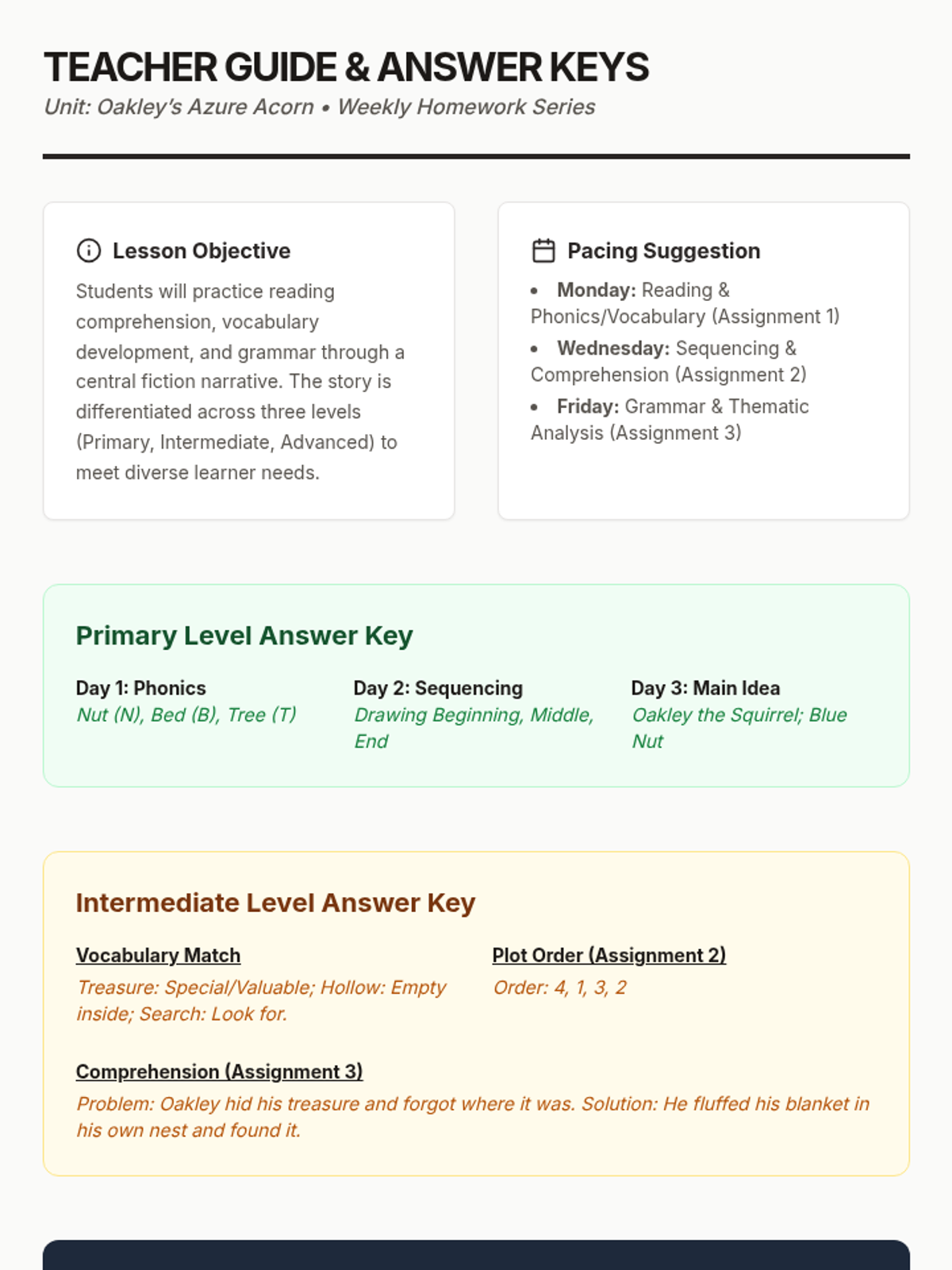
A week-long ELA homework series centered around a narrative about a squirrel's search for a rare acorn. The materials are differentiated for Kindergarten, 2nd Grade, and 4th Grade learners.
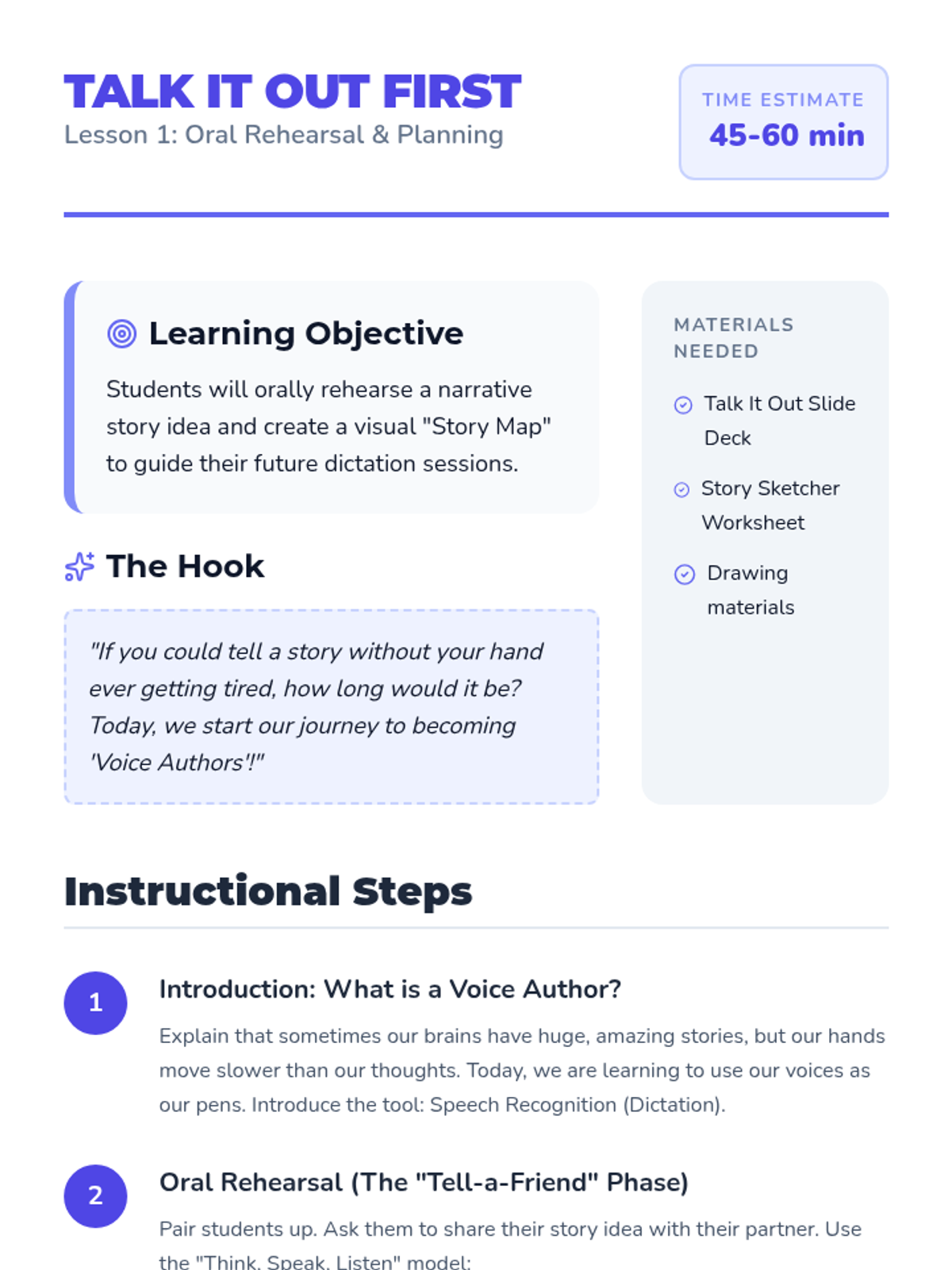
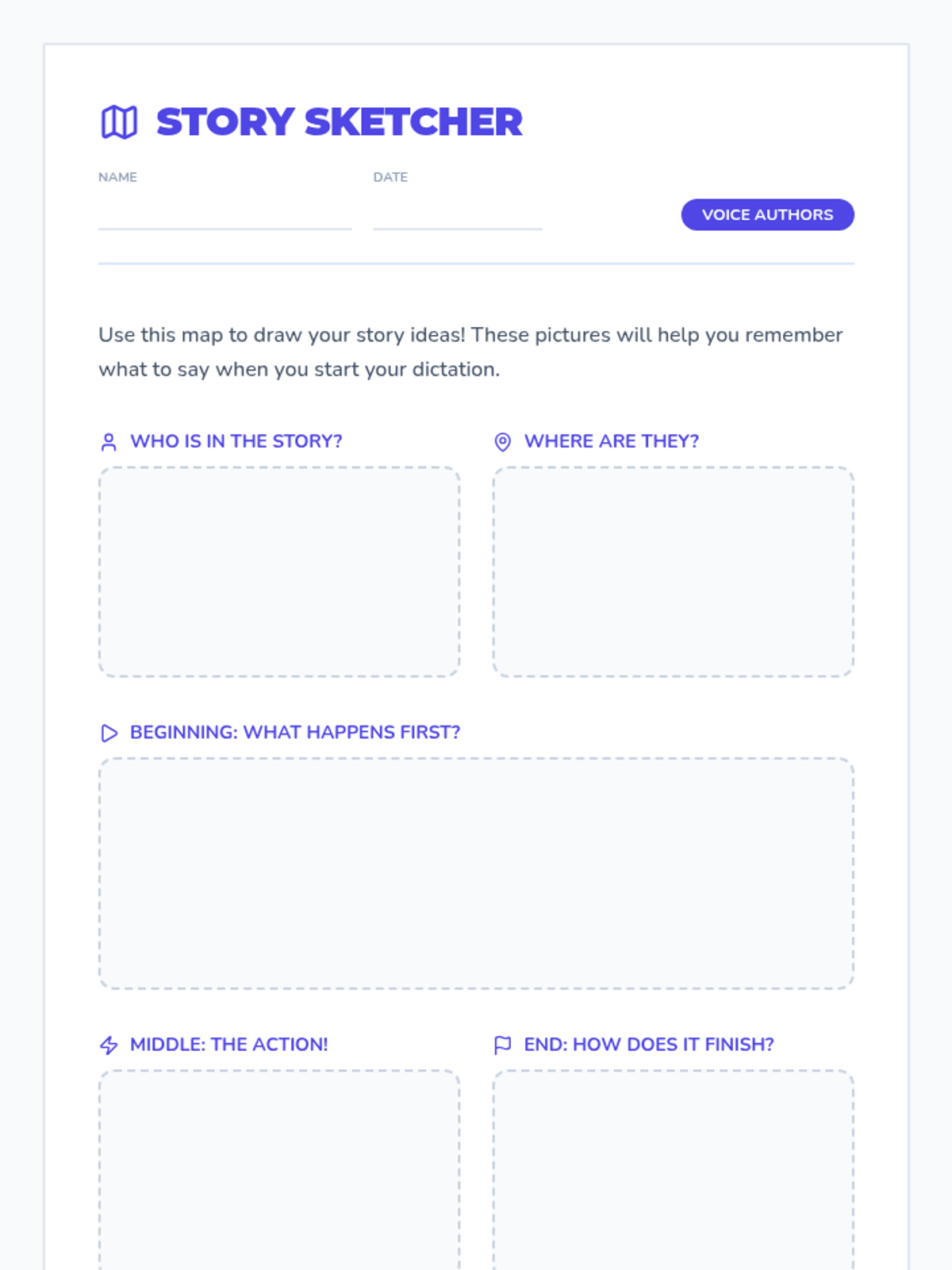
A 5-lesson sequence for 2nd-grade students exploring narrative writing through speech-to-text technology. Students learn oral rehearsal, dictation commands, and descriptive storytelling to bridge the gap between their imagination and the page.
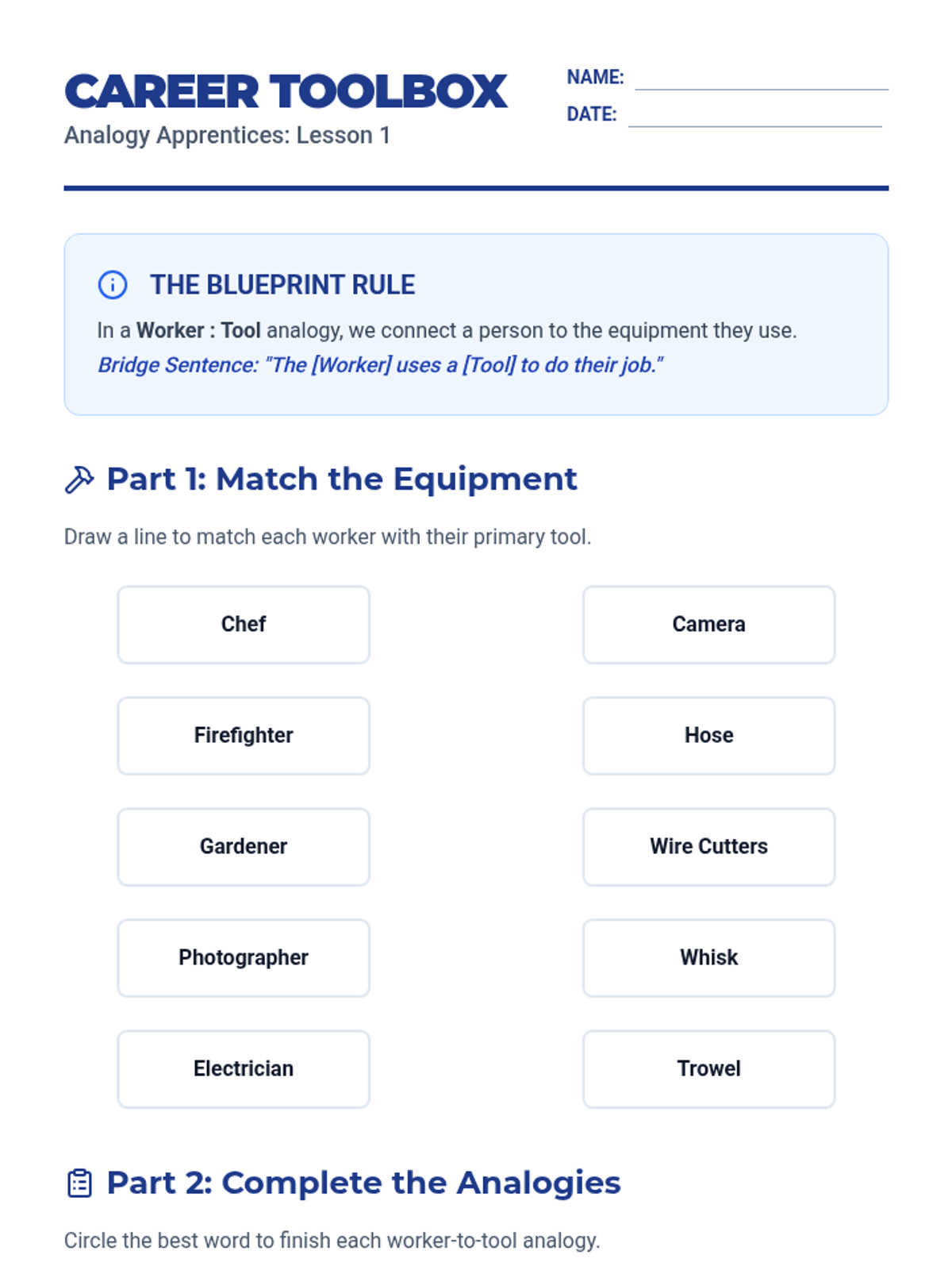
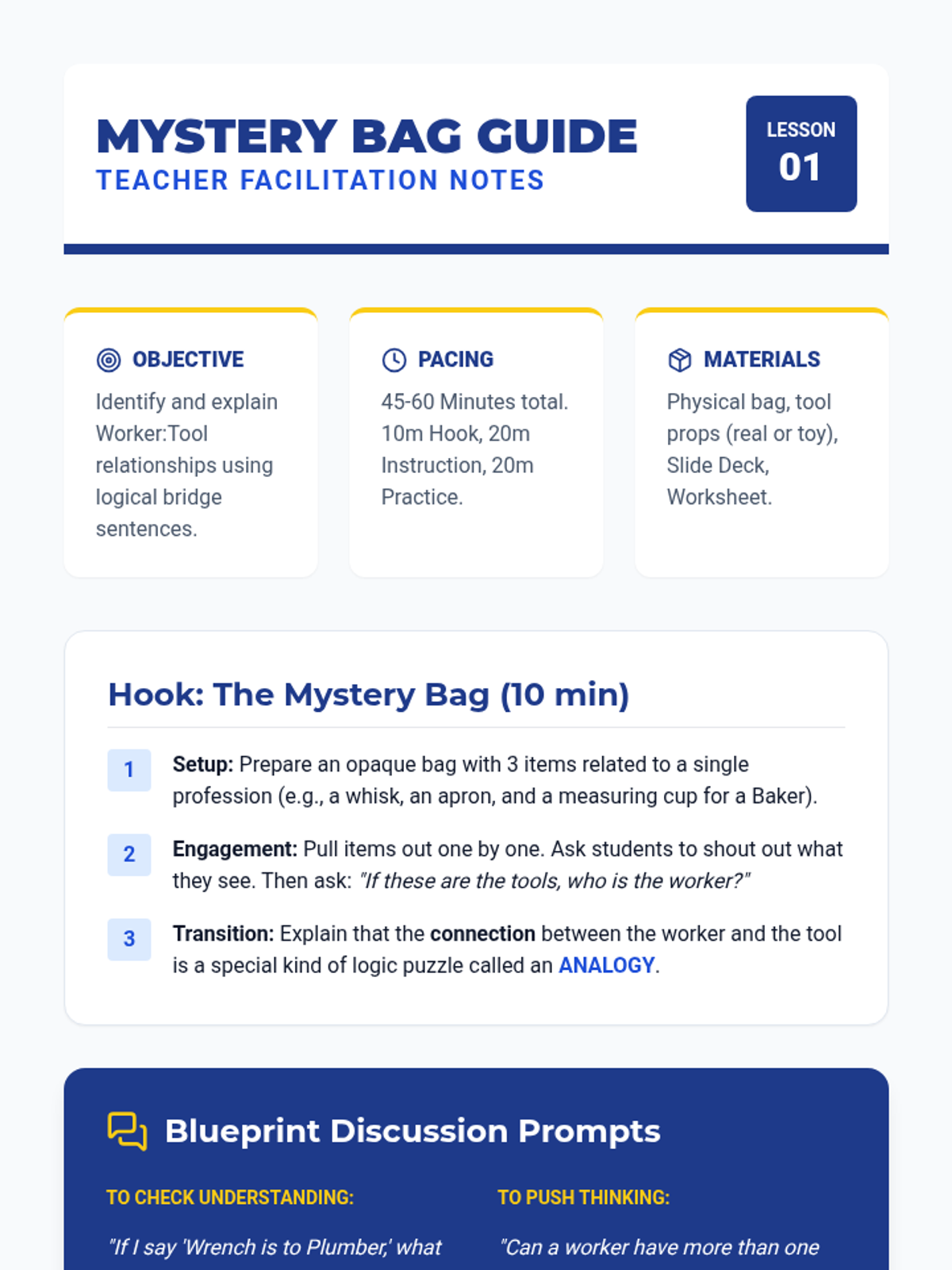
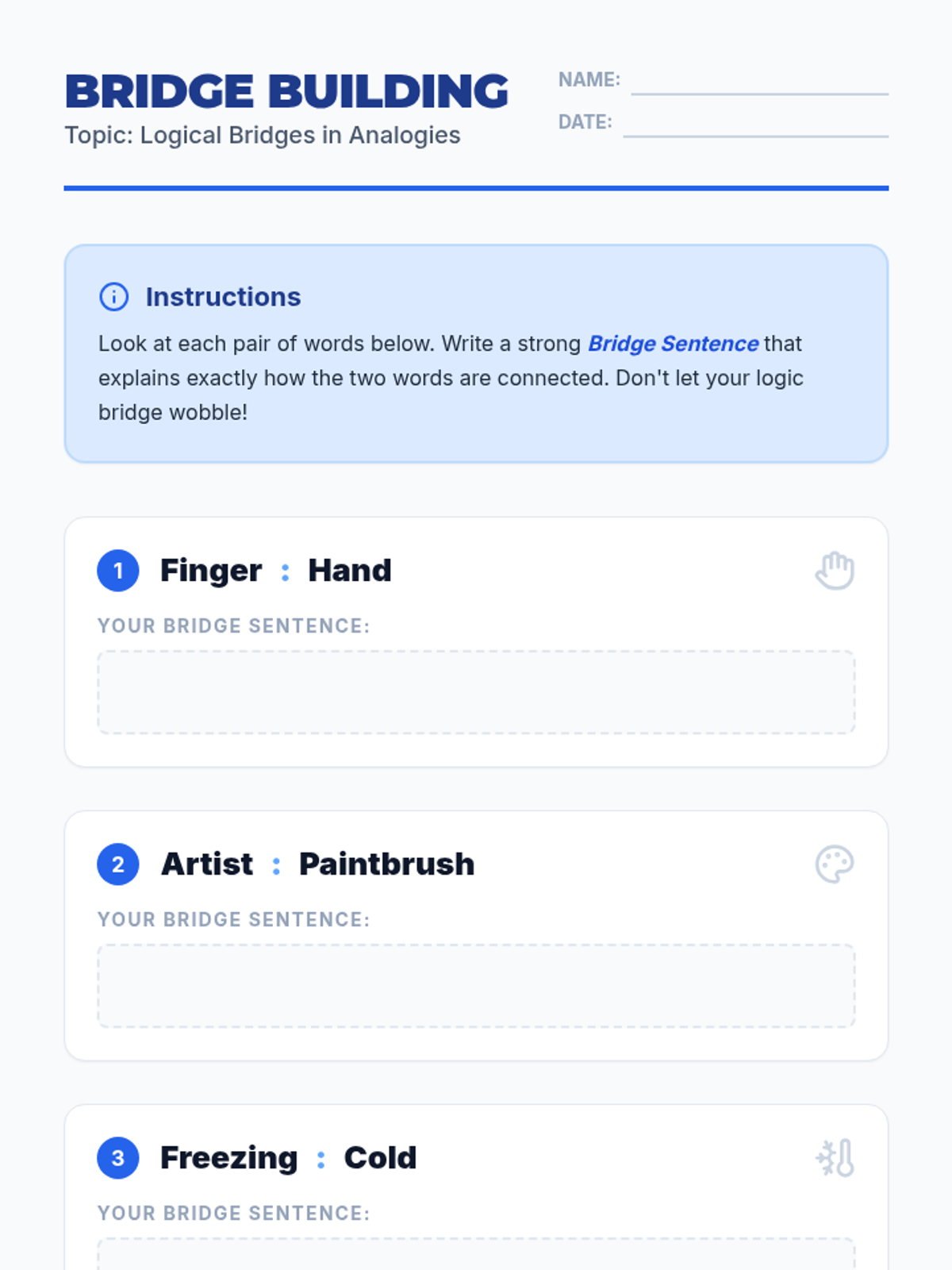
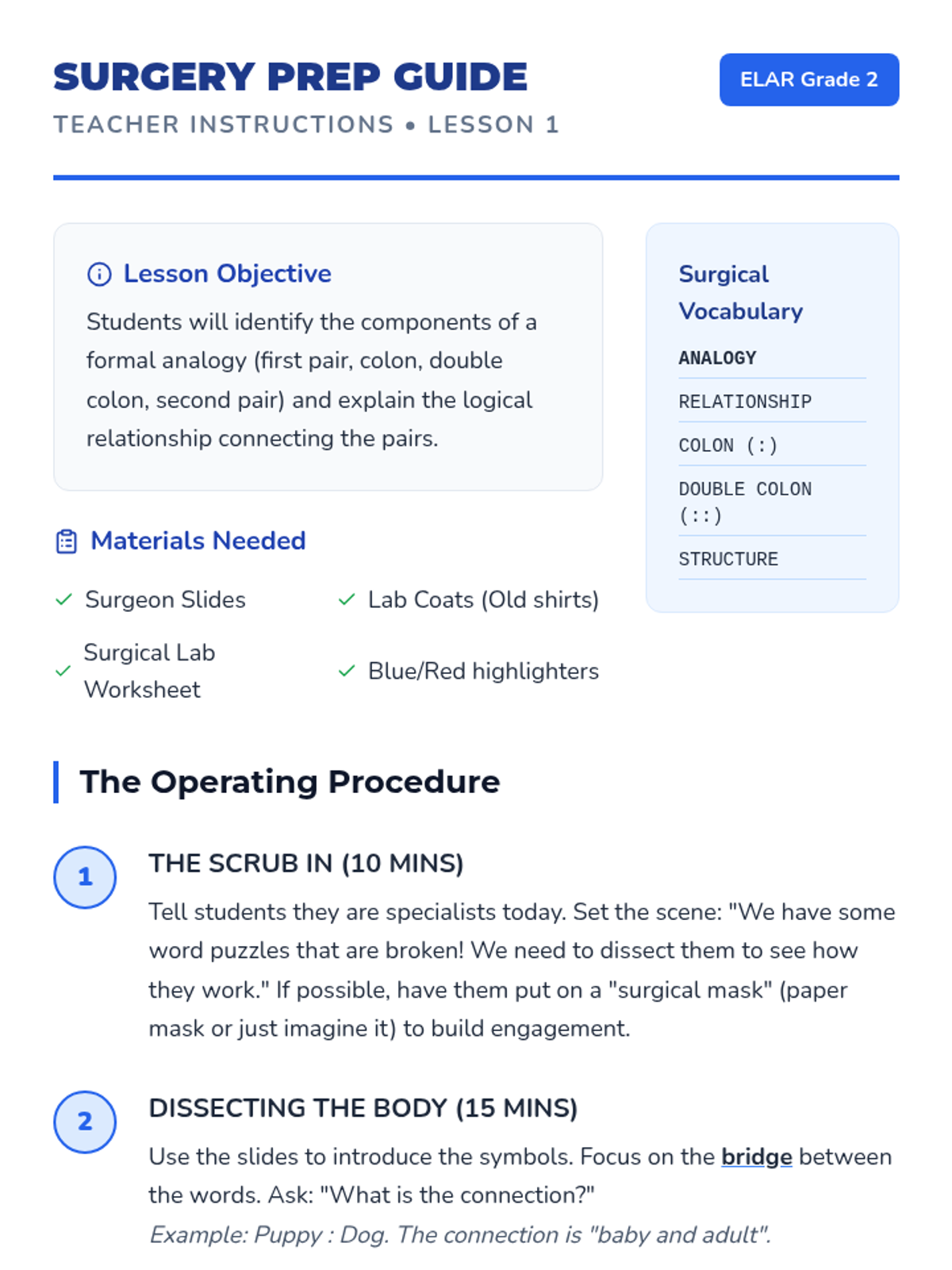
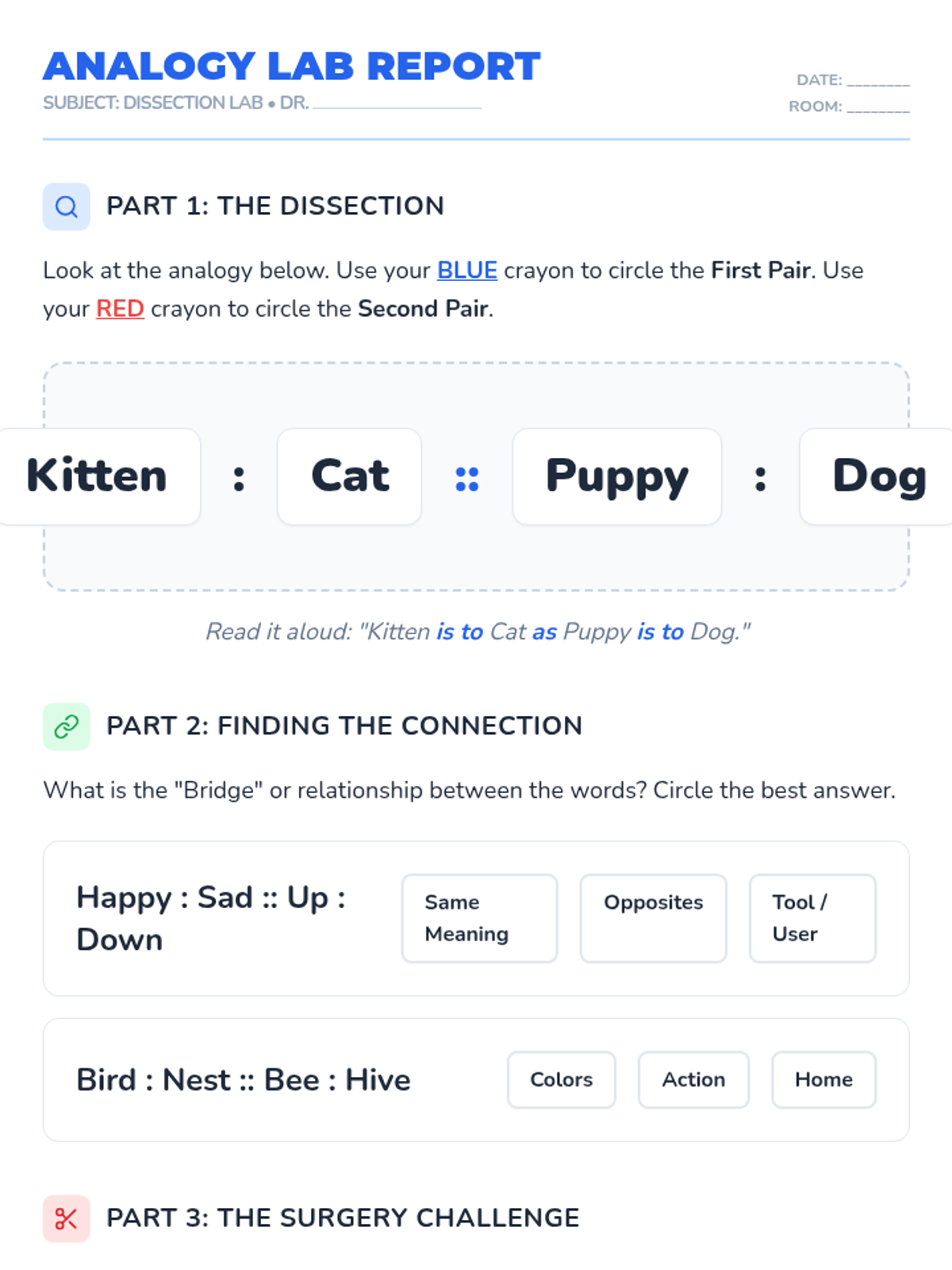
This sequence explores functional relationships in analogies, focusing on how workers, tools, objects, and actions connect logically. Students will develop career vocabulary and functional analysis skills through a 'Logic Workshop' theme.
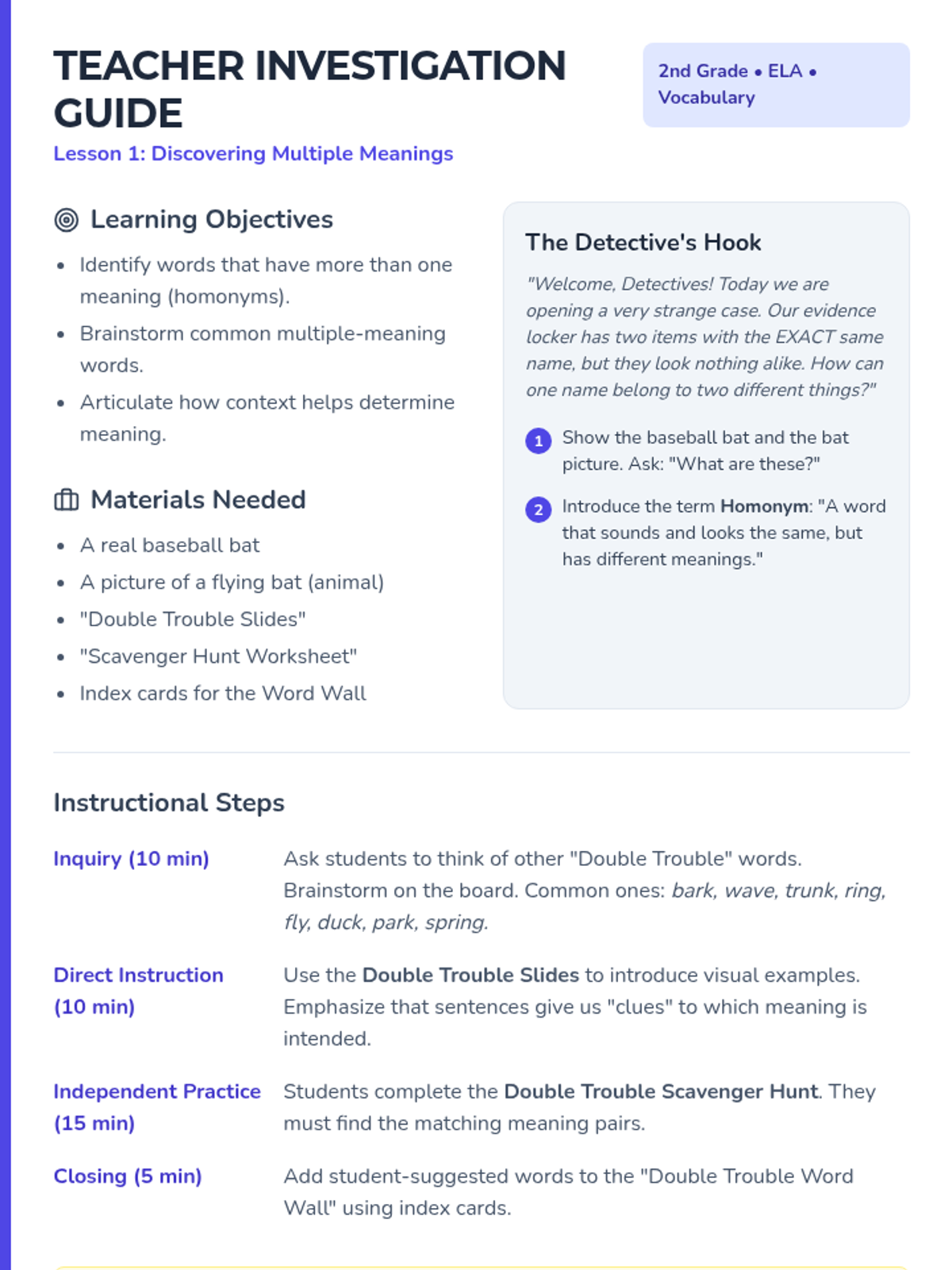
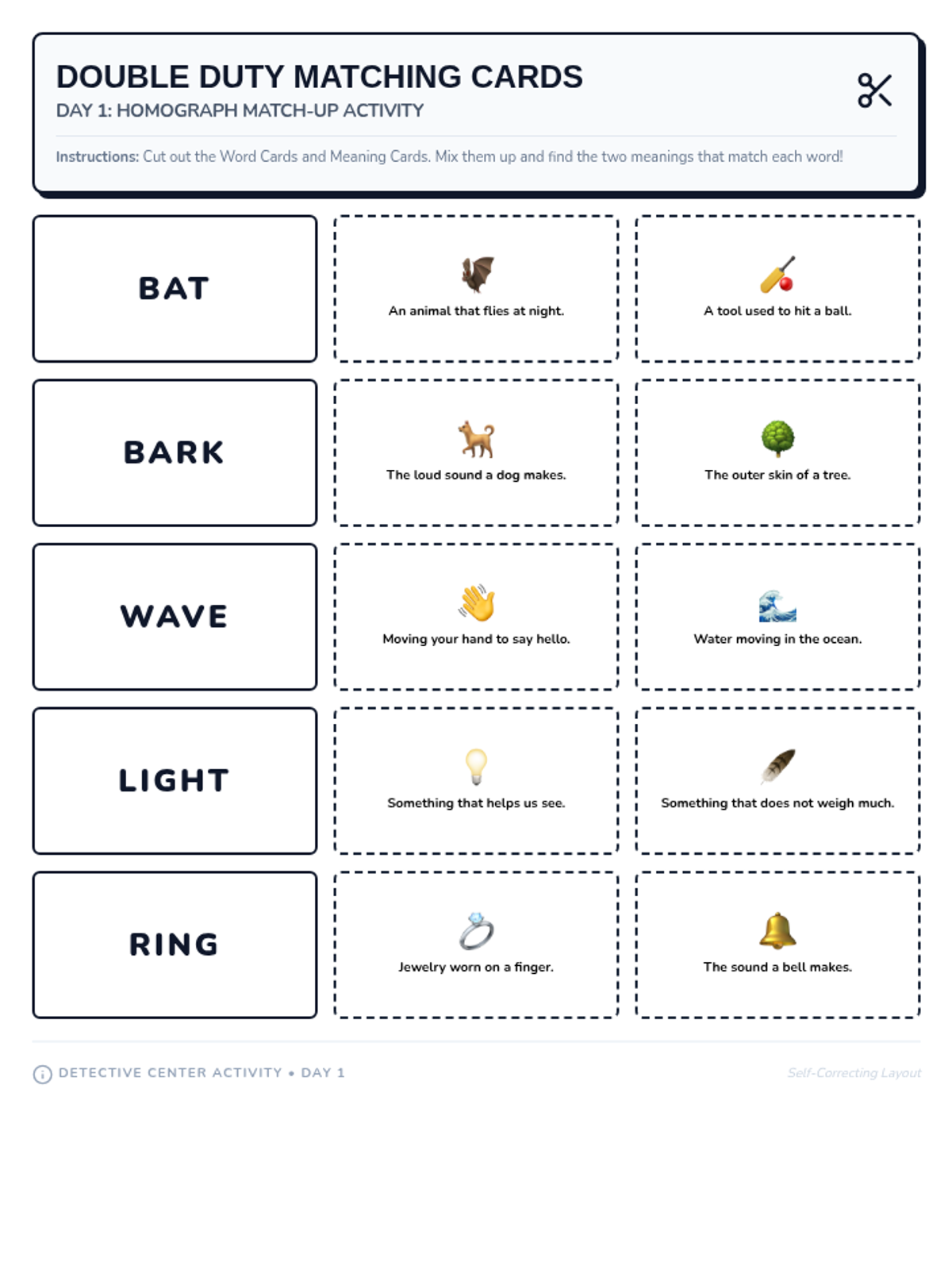
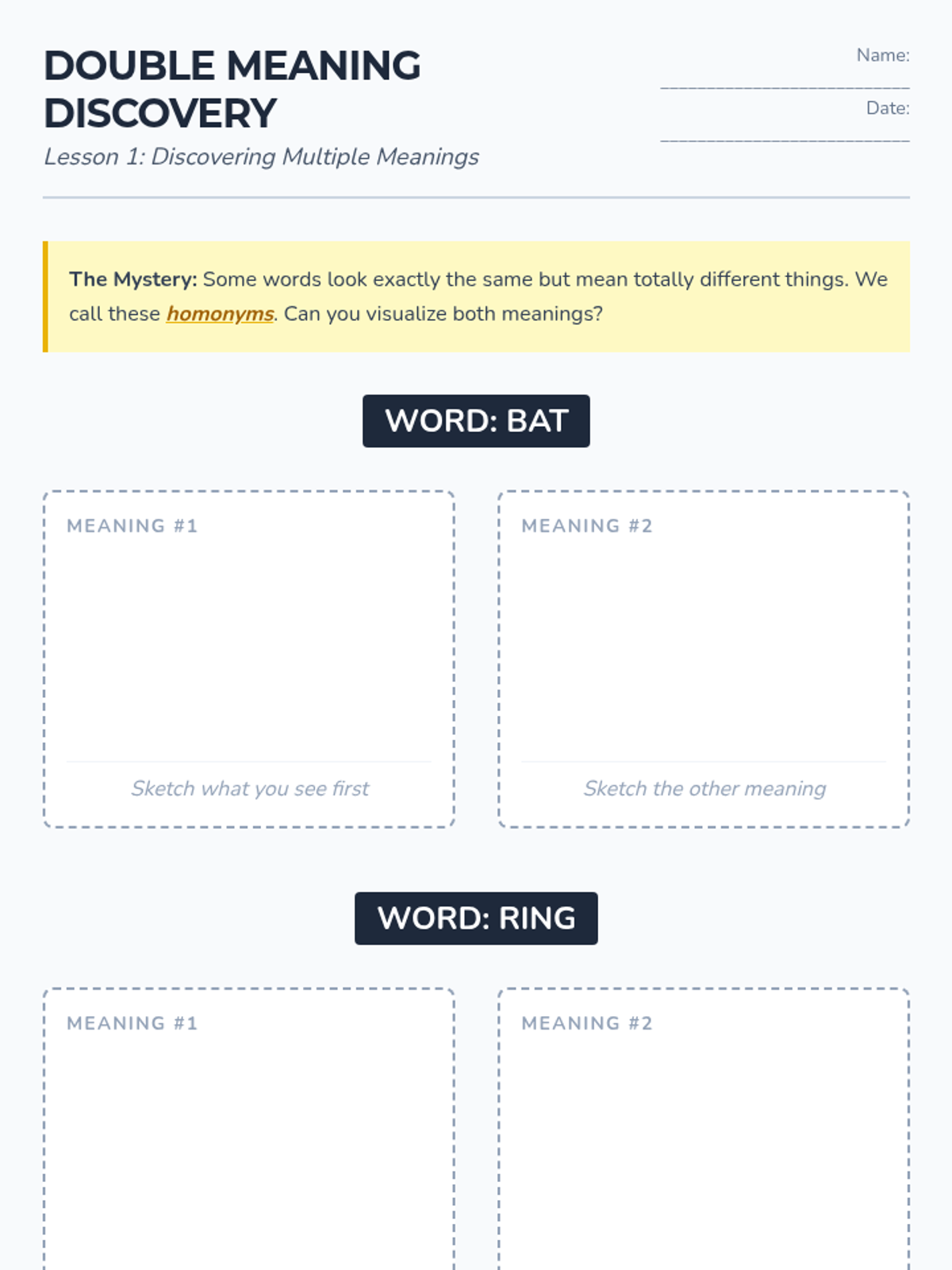
This sequence explores multiple-meaning words (homonyms) to strengthen reading comprehension and vocabulary flexibility. Students adopt the role of 'word detectives' to investigate how a single word like 'bat' or 'bark' can represent entirely different things depending on the sentence.
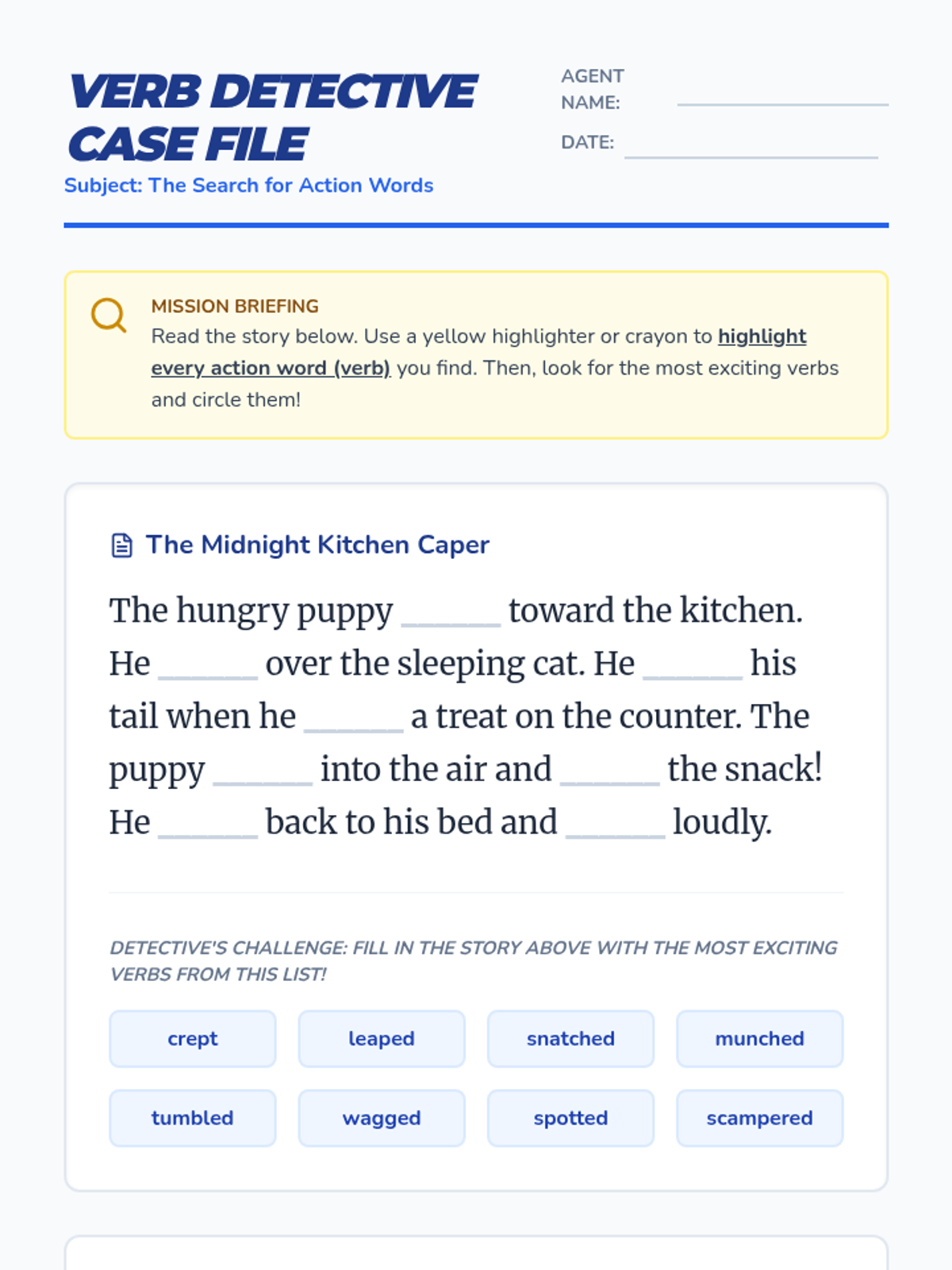
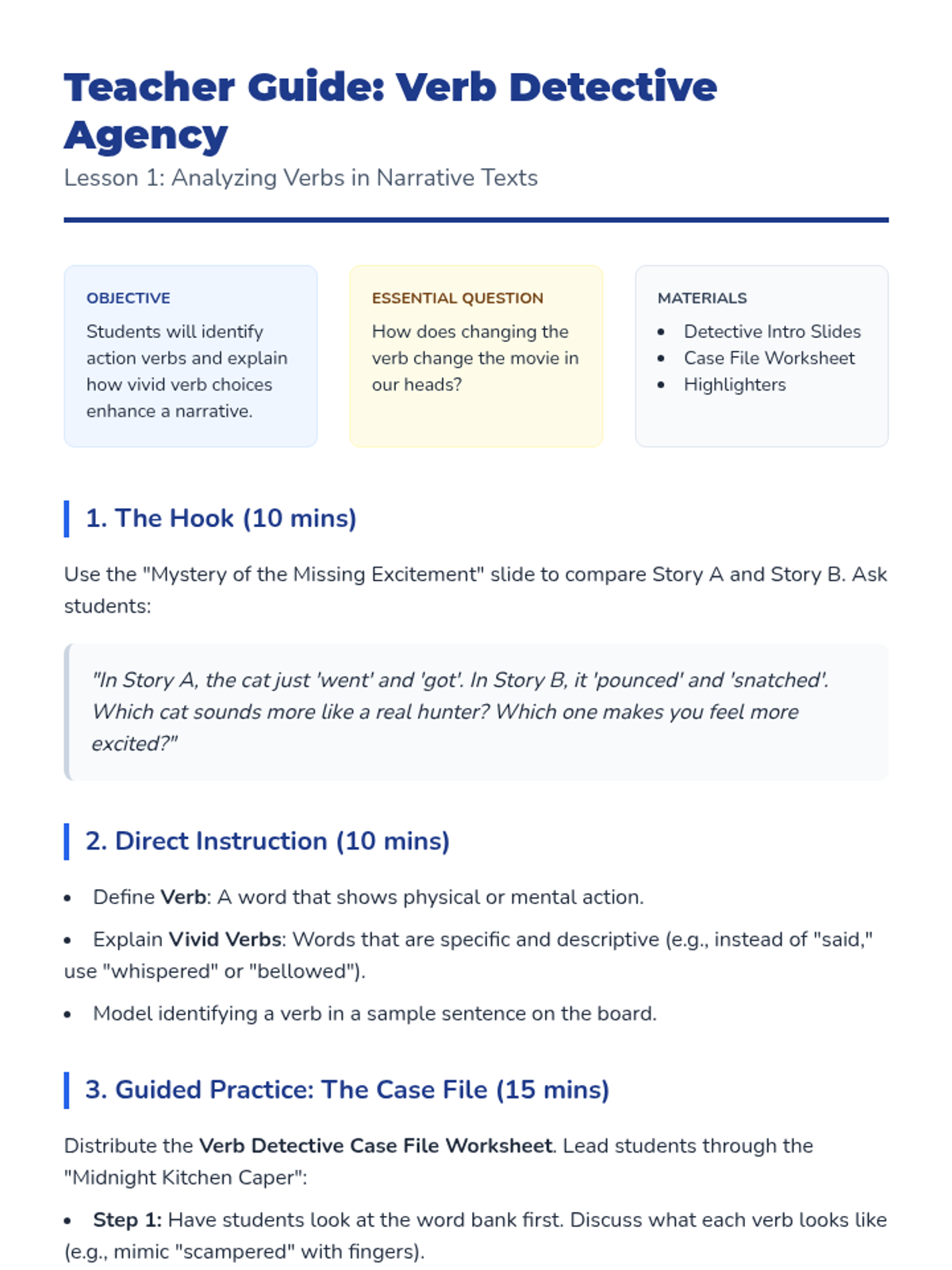
A 2nd-grade ELA sequence focused on the power of vivid verbs in narrative writing. Students transition from identifying action words to distinguishing between physical and mental actions, and ultimately revising their own writing to create more engaging and descriptive stories.
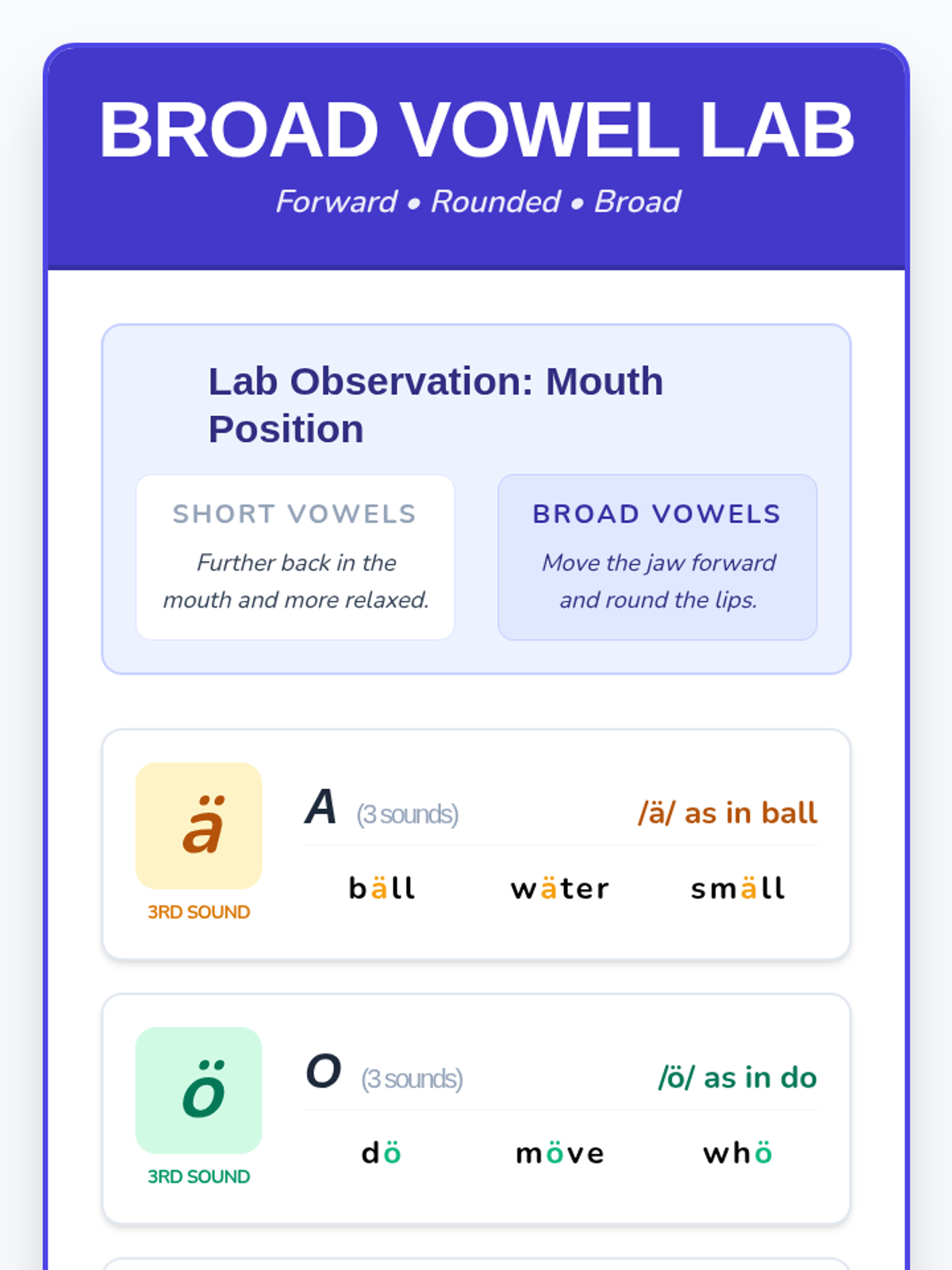
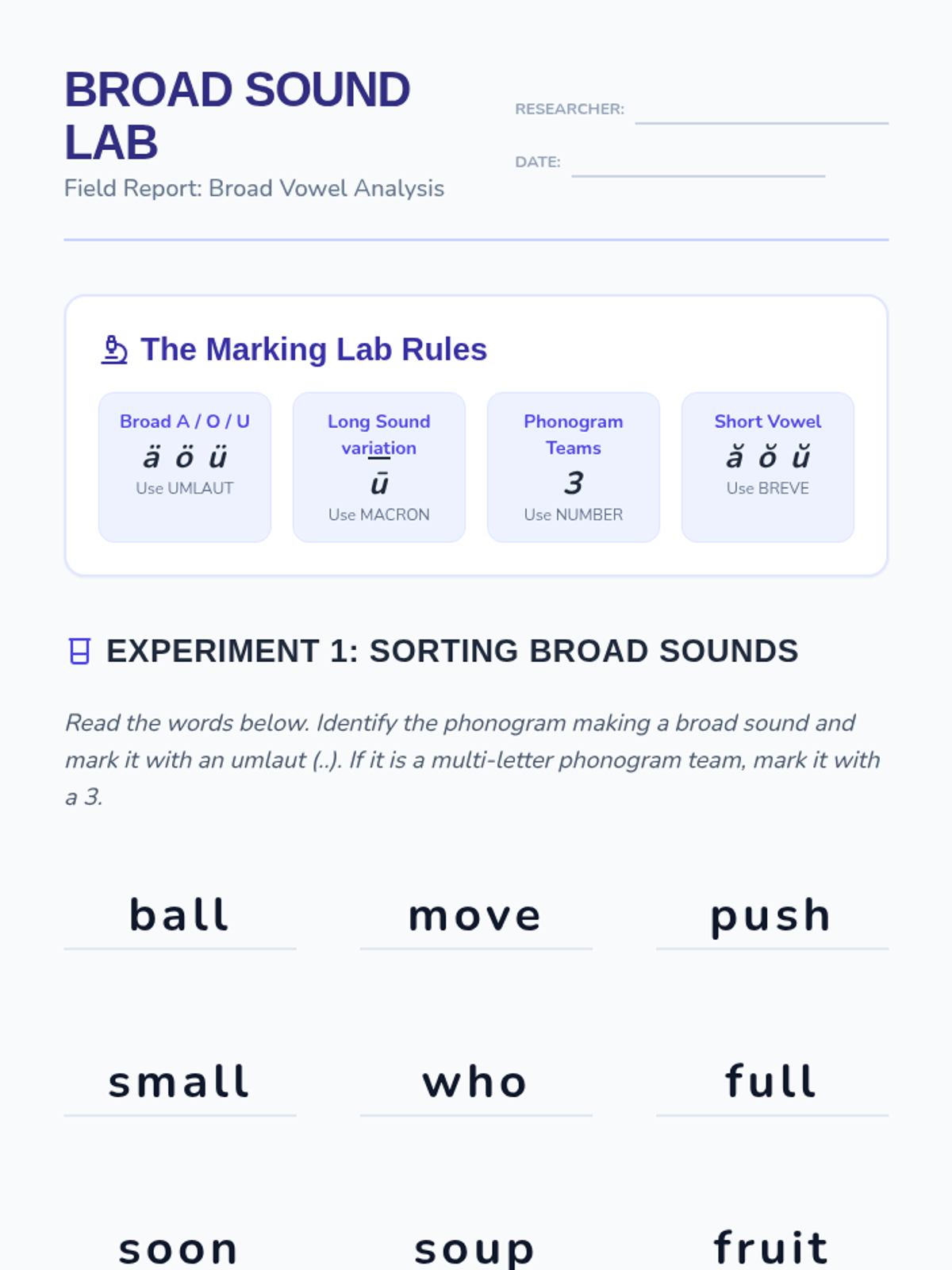
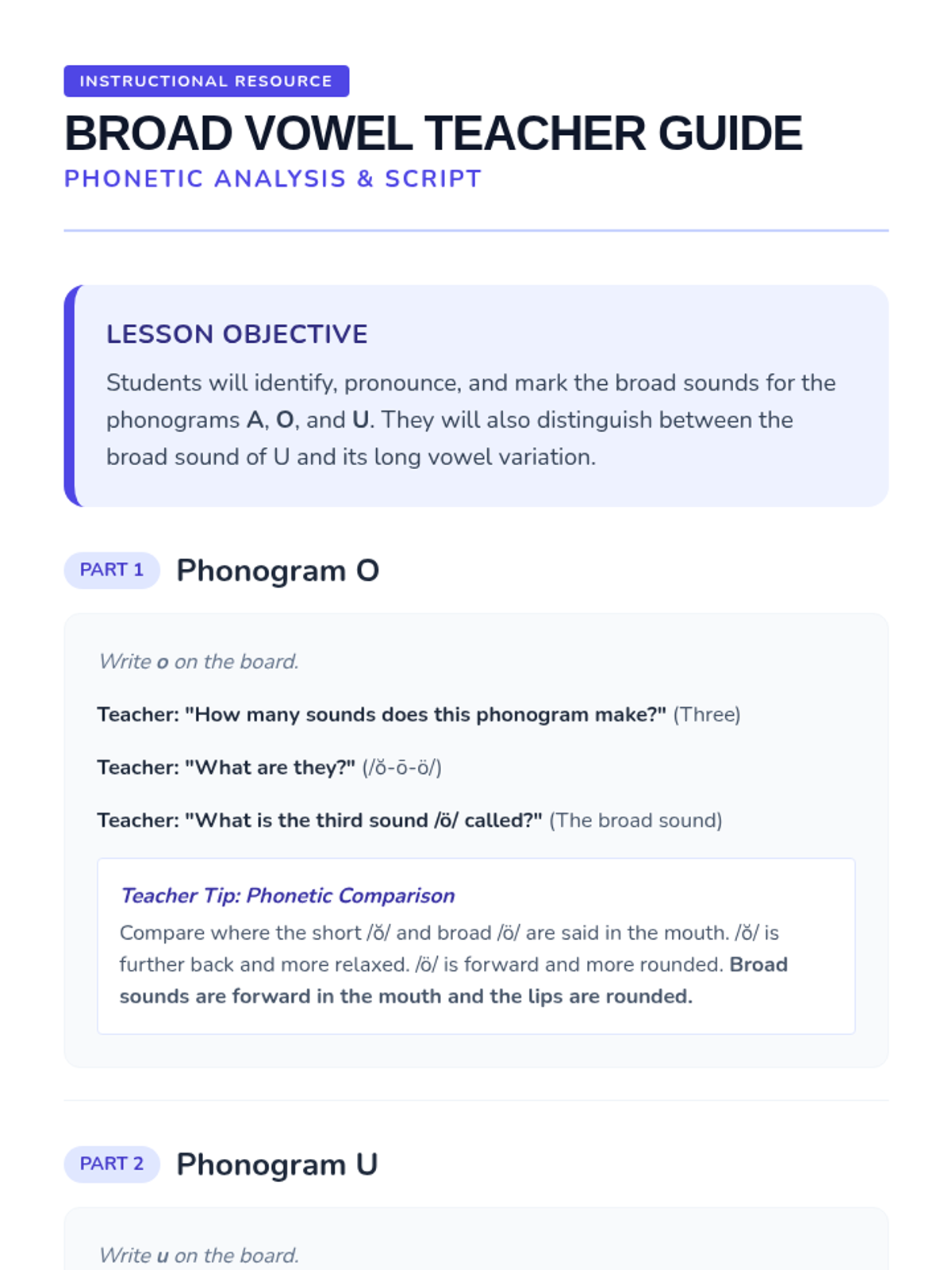
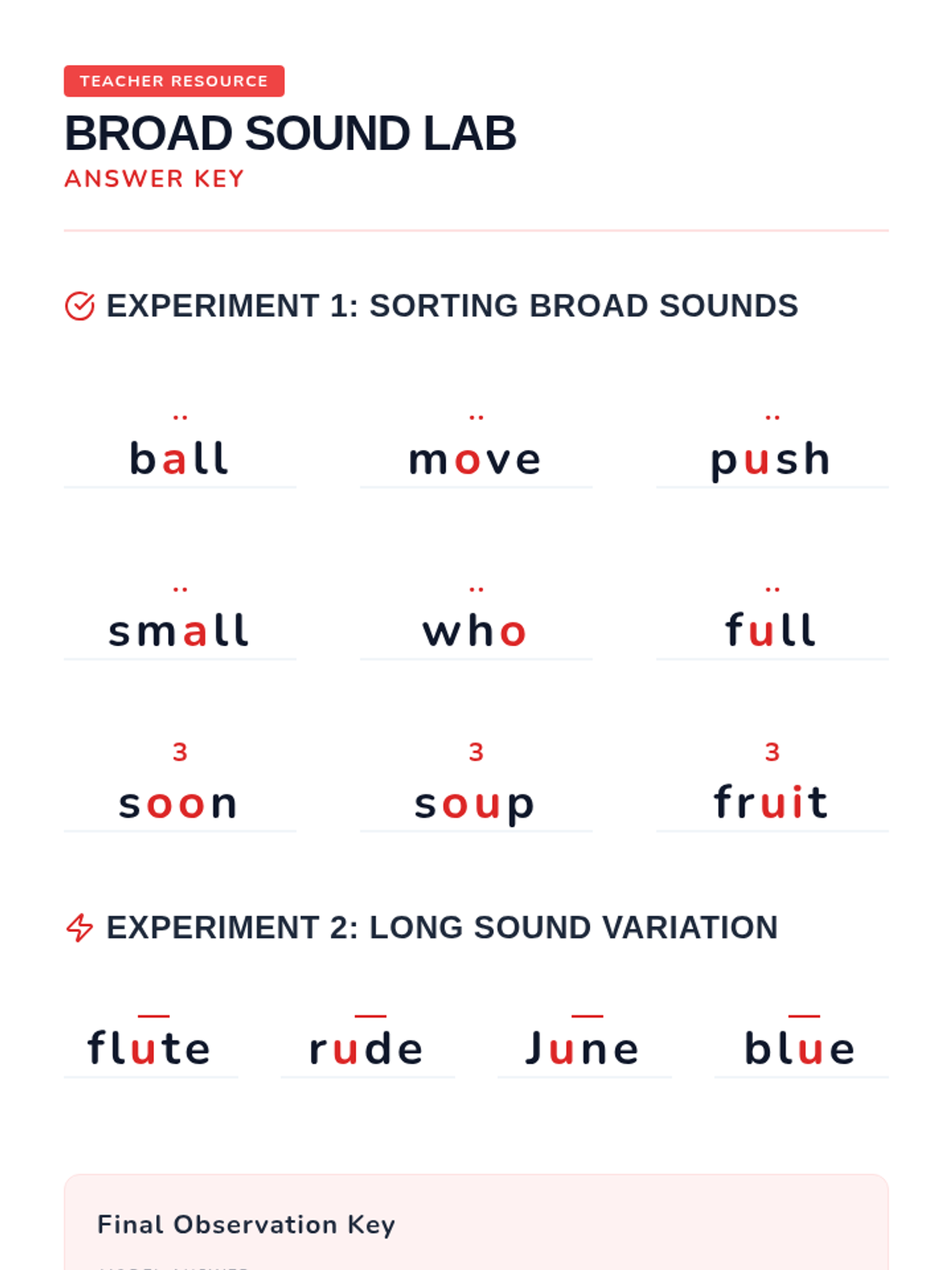
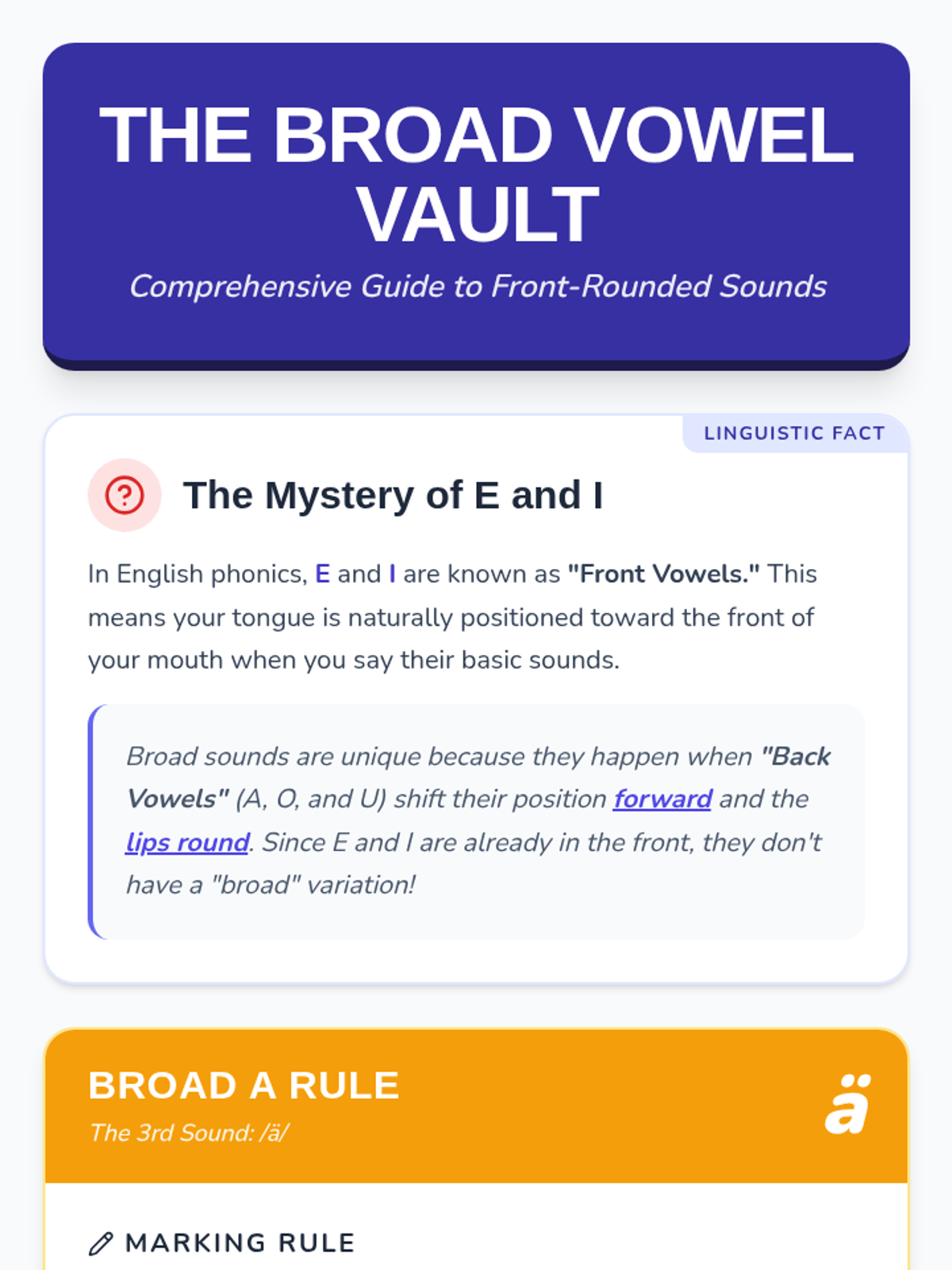
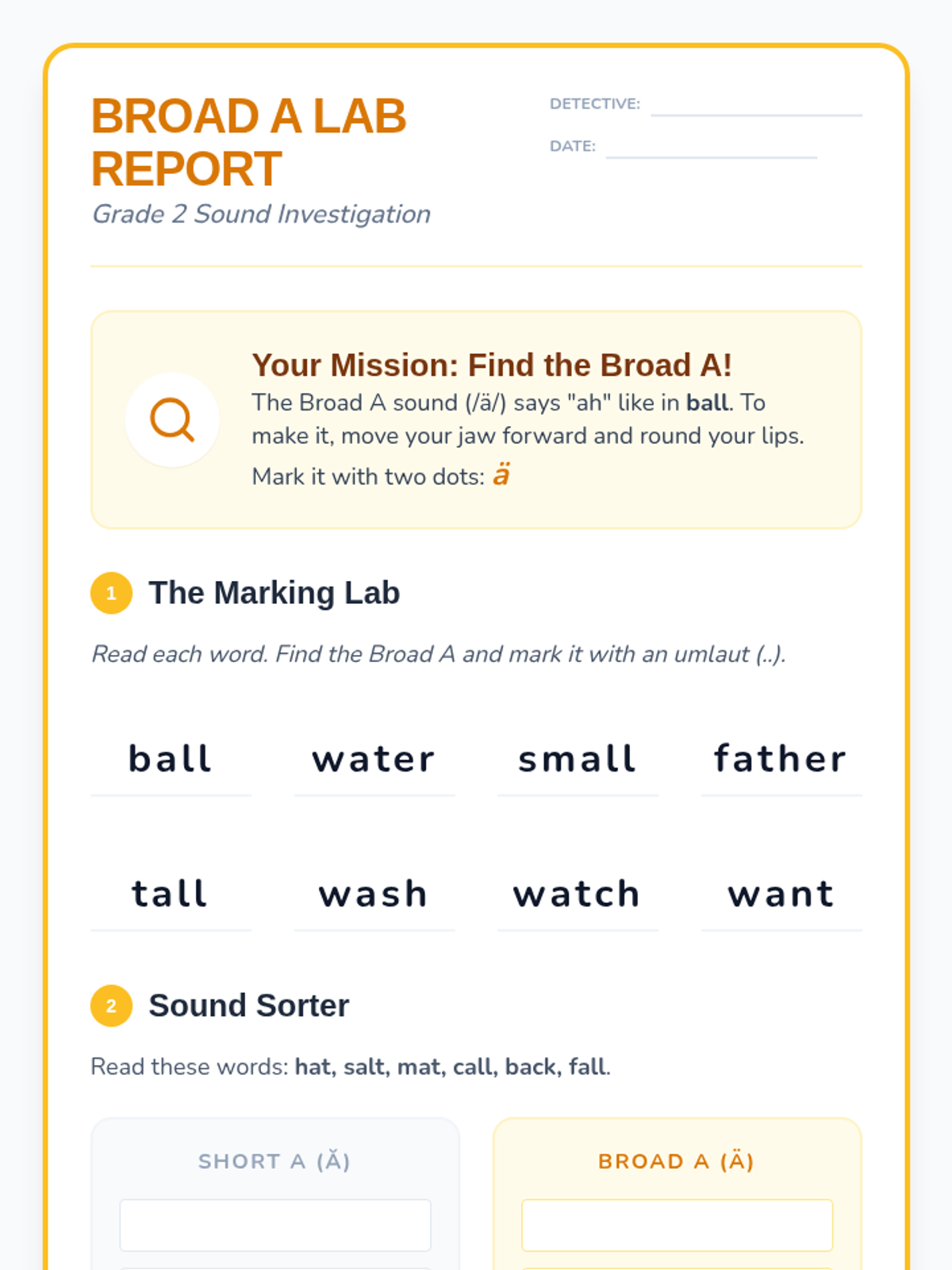
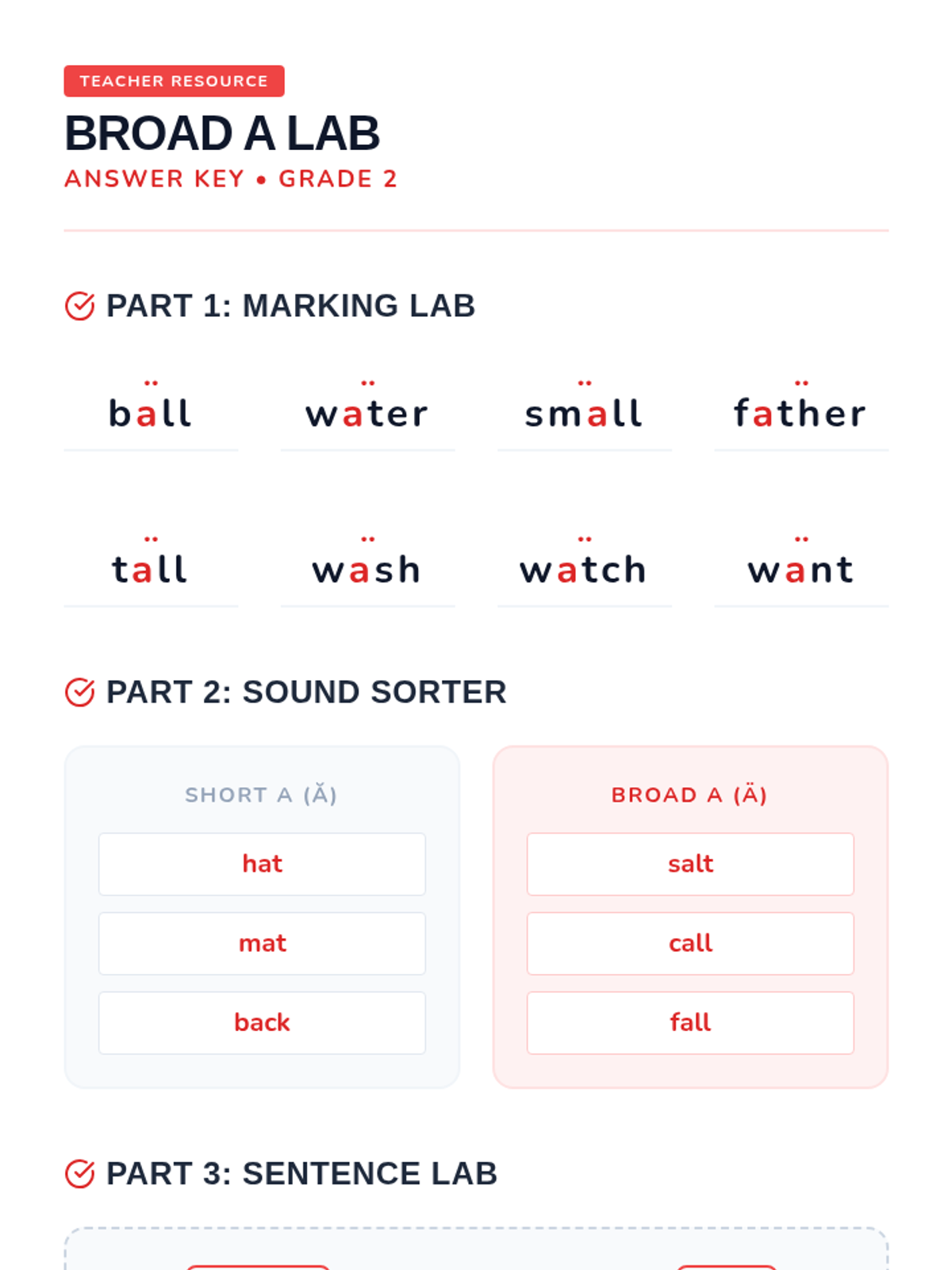
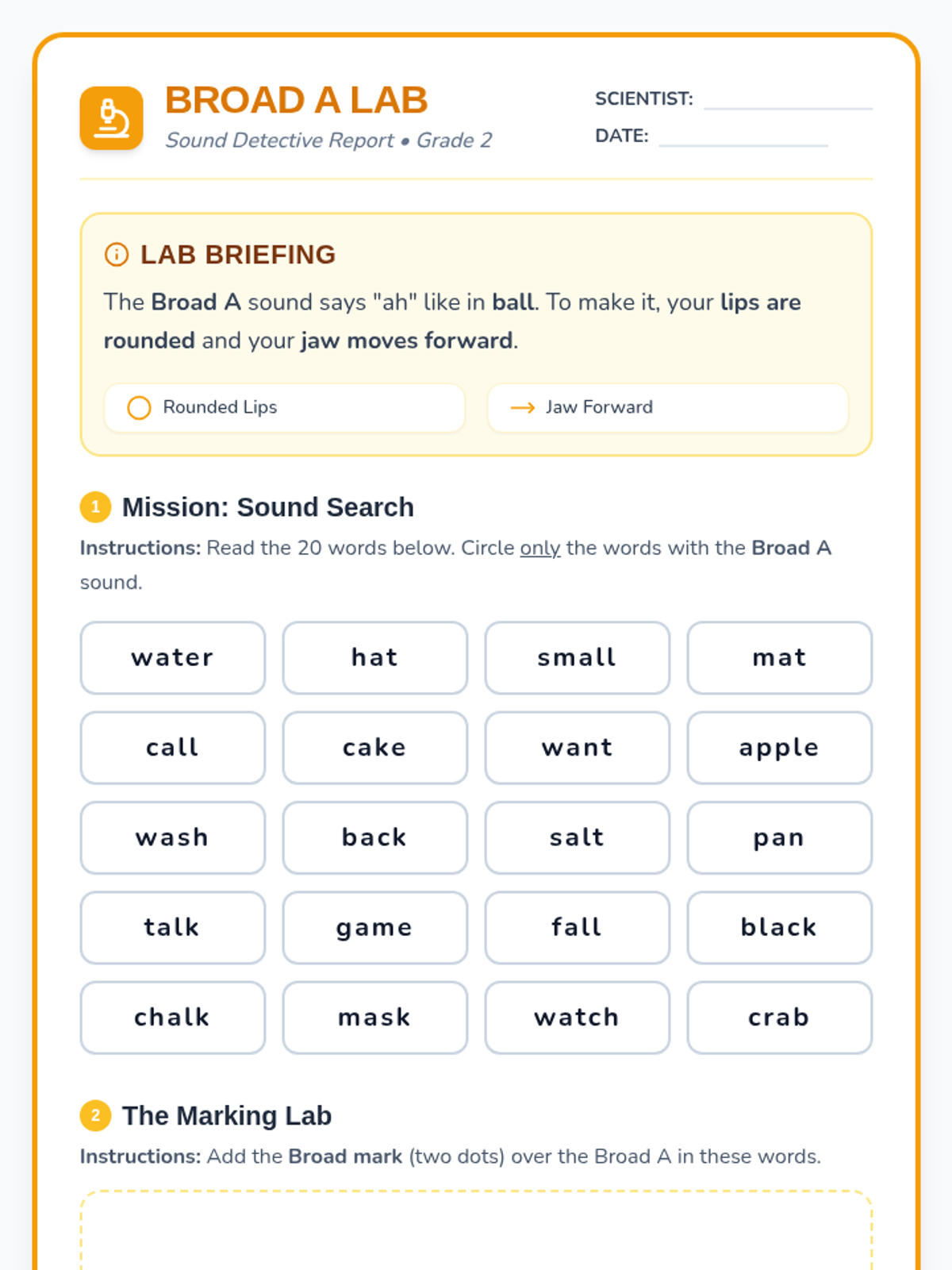
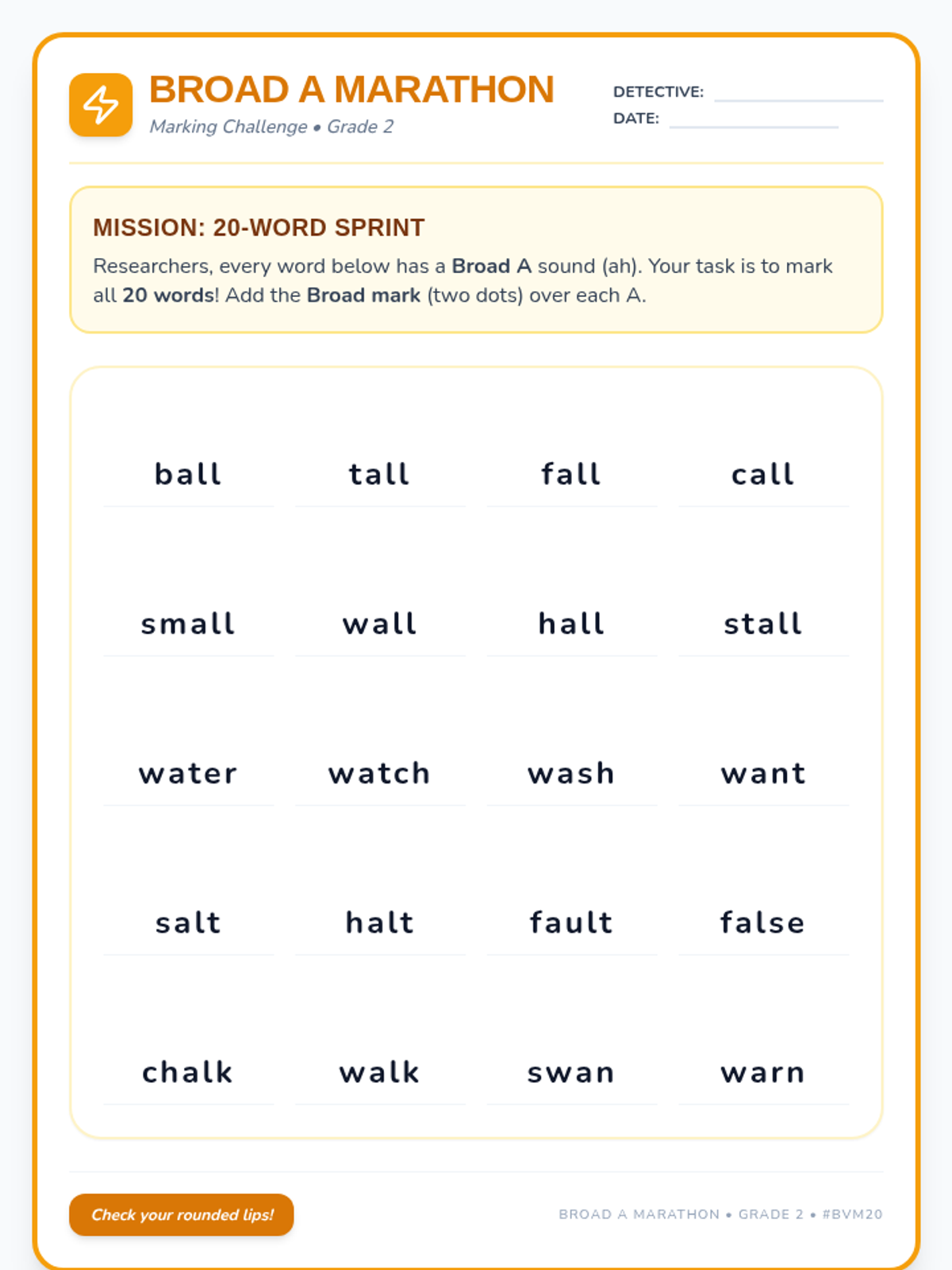
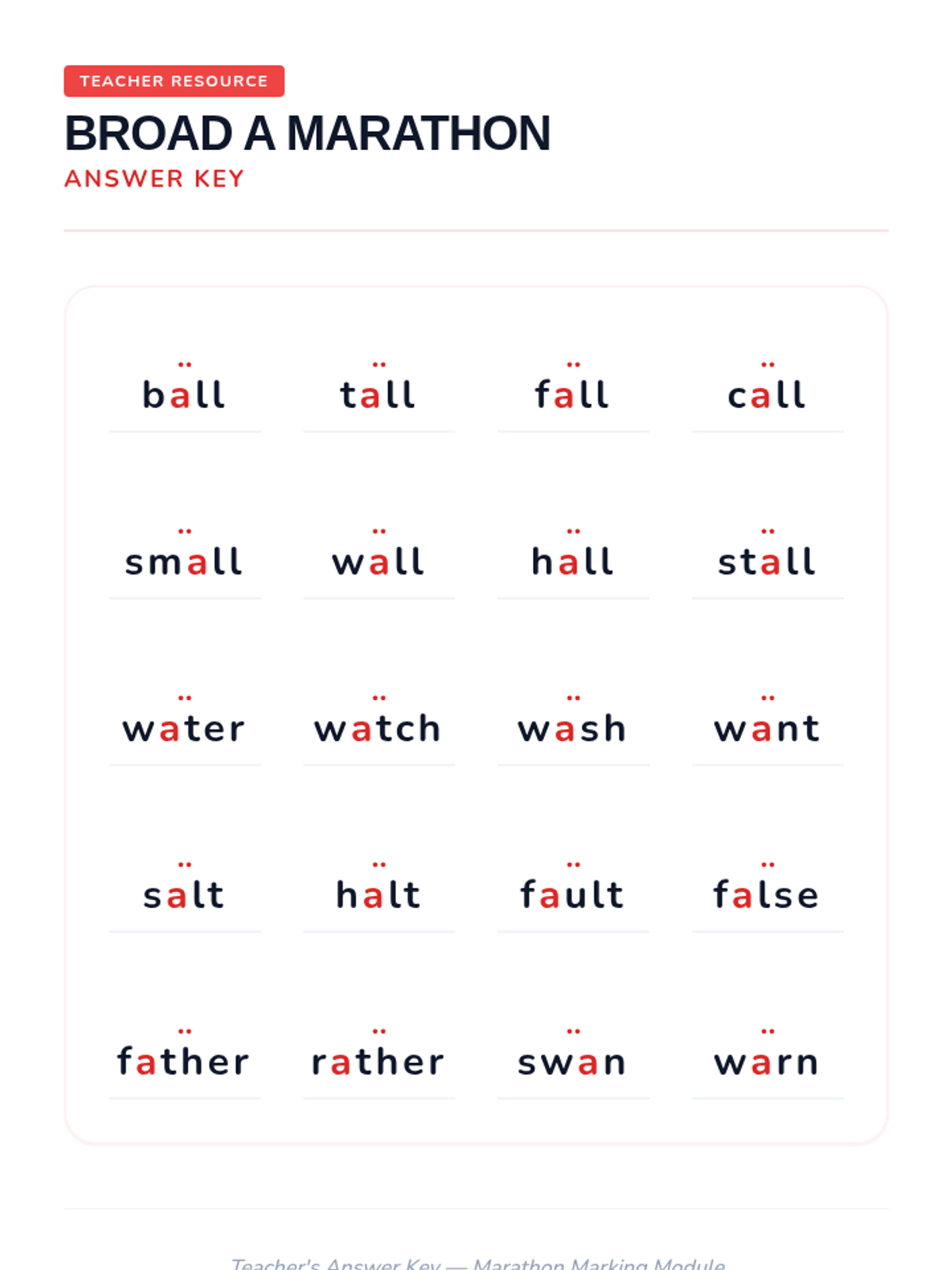
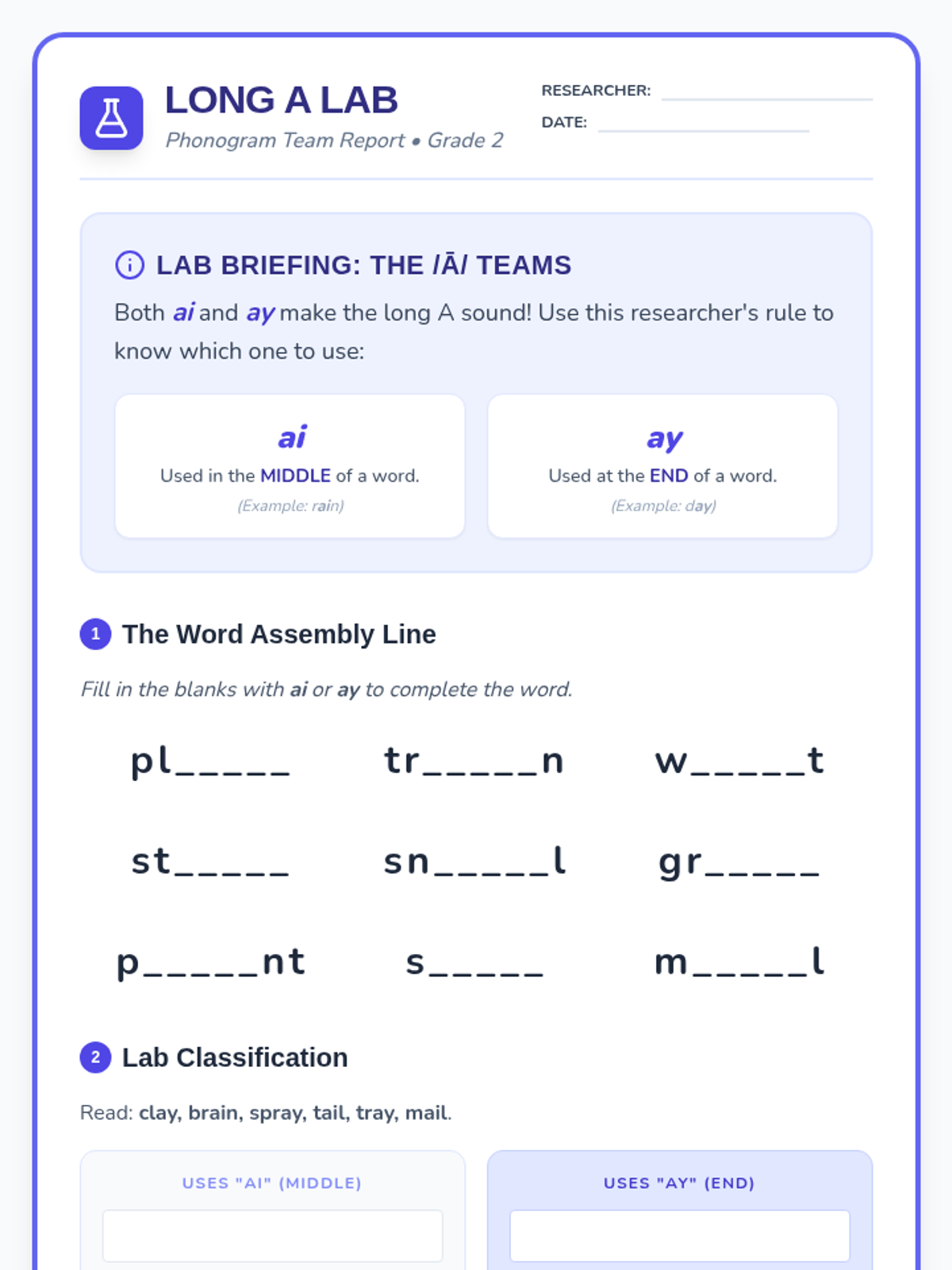
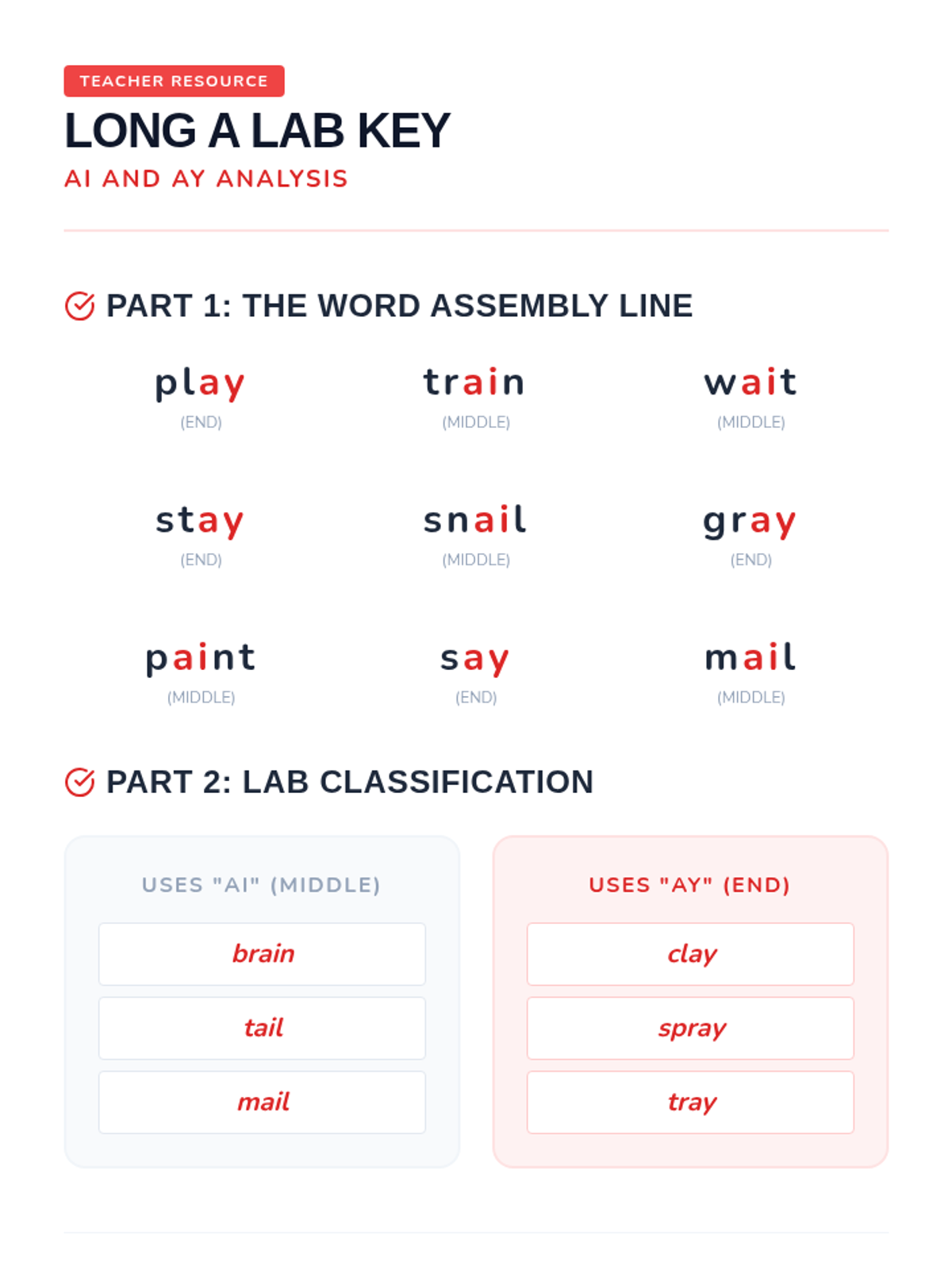
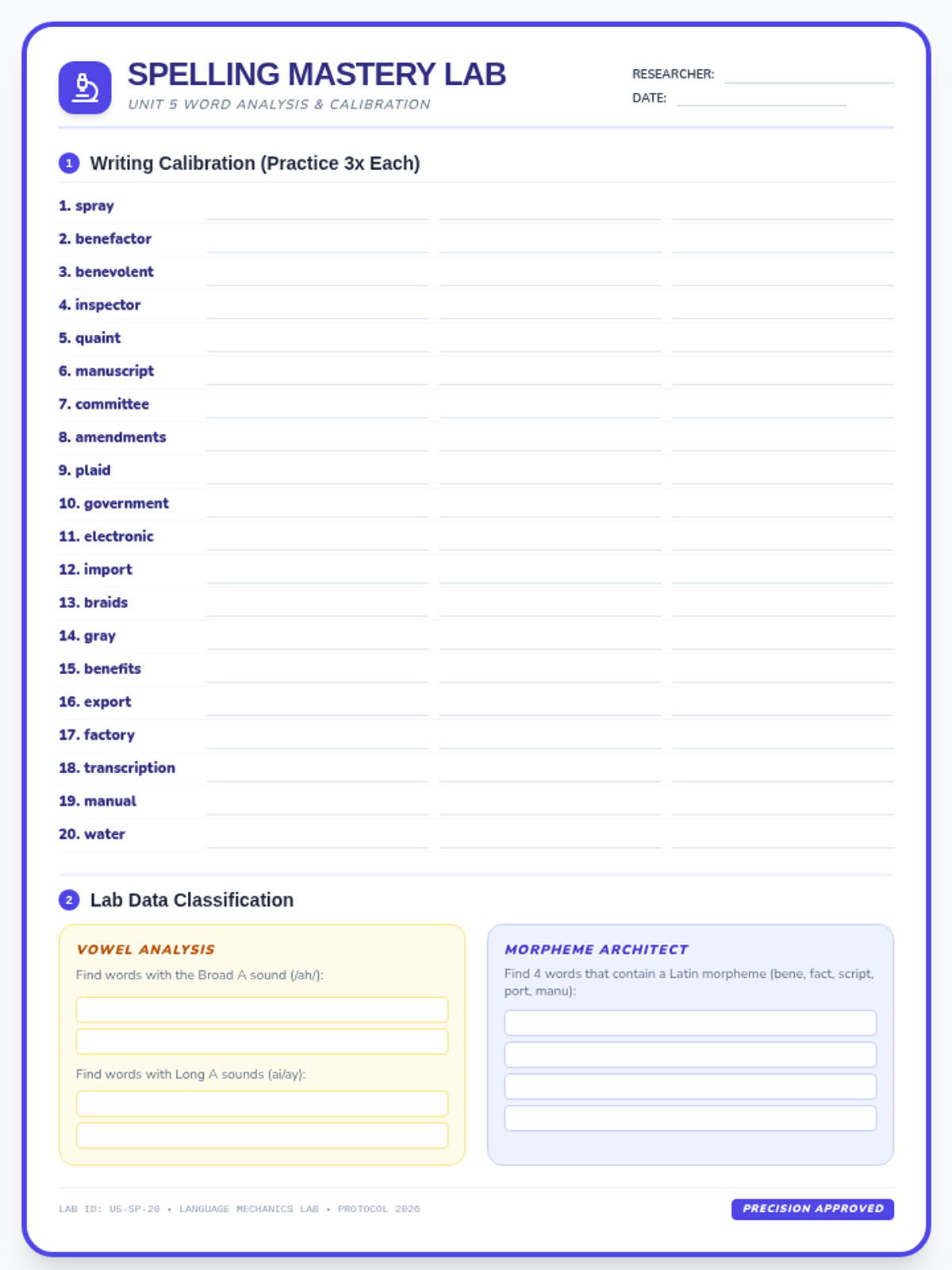
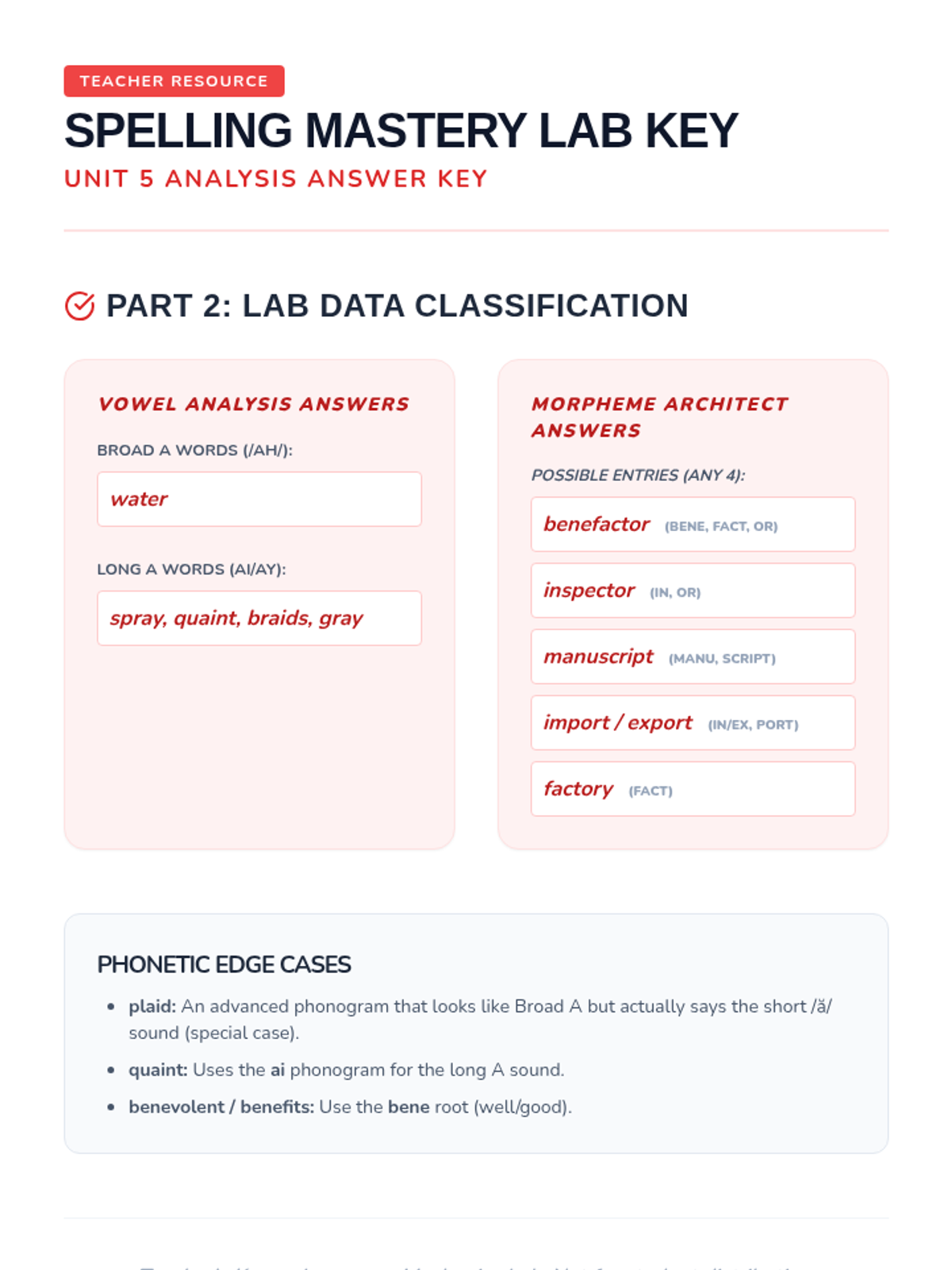
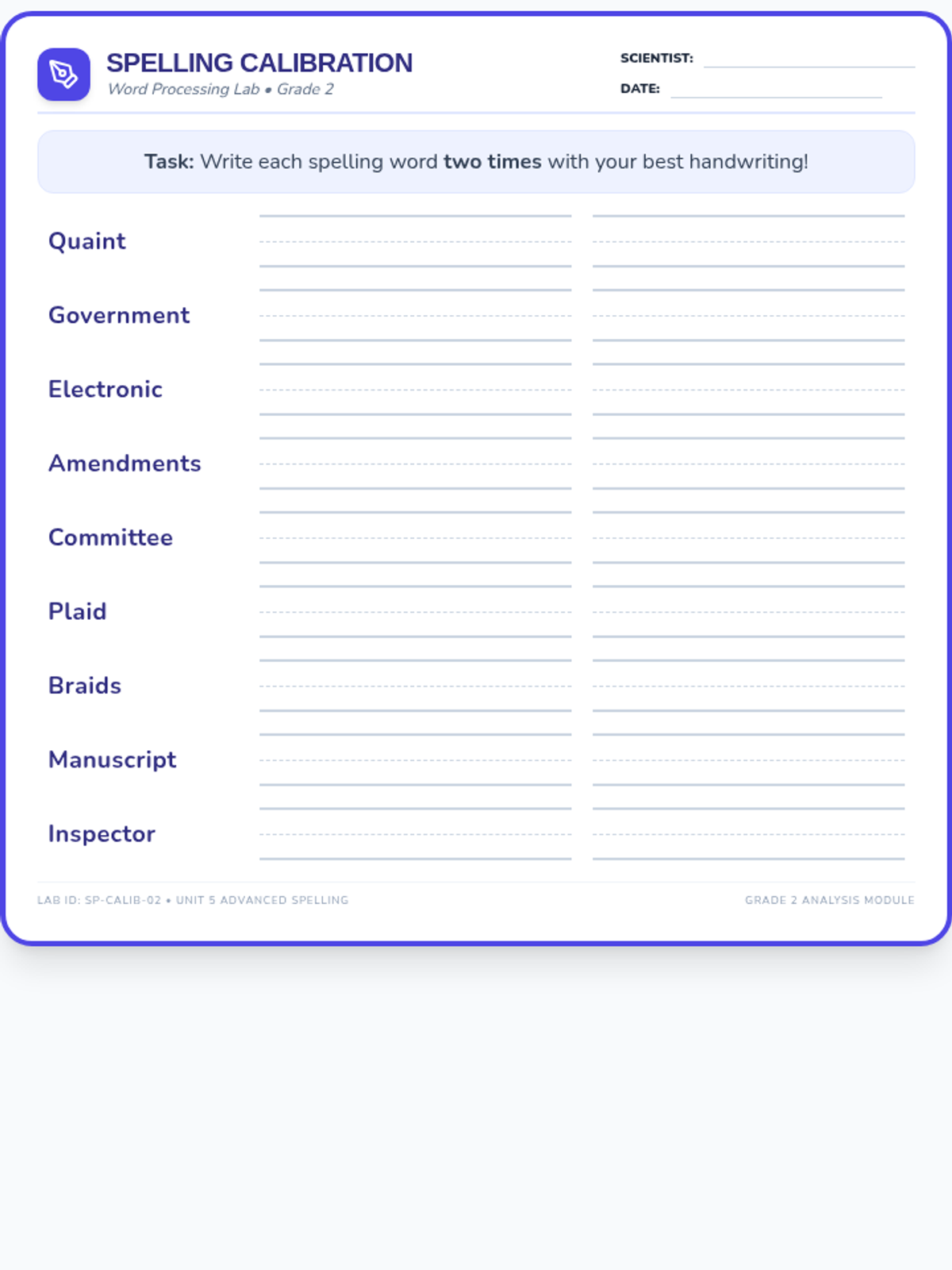
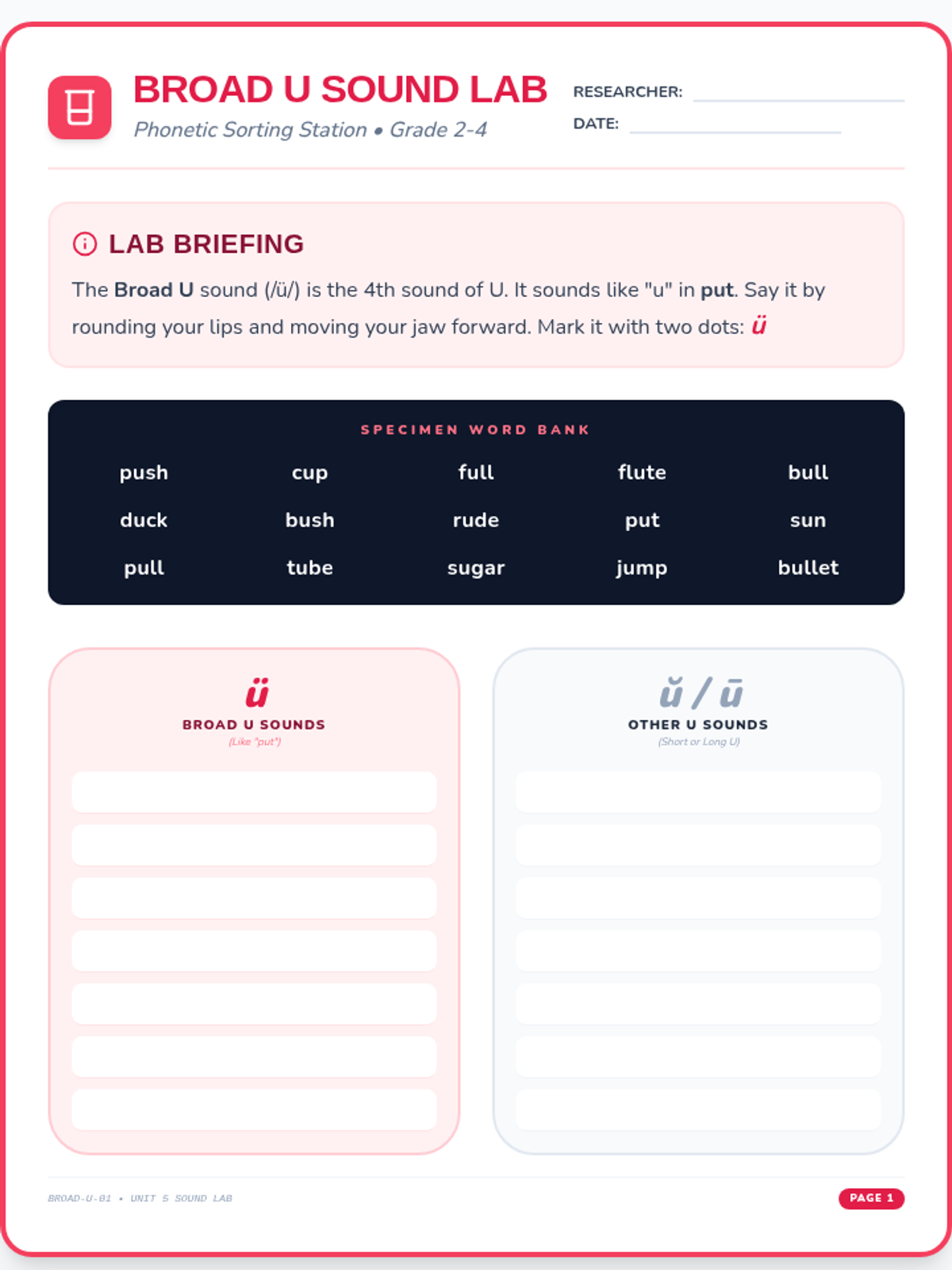
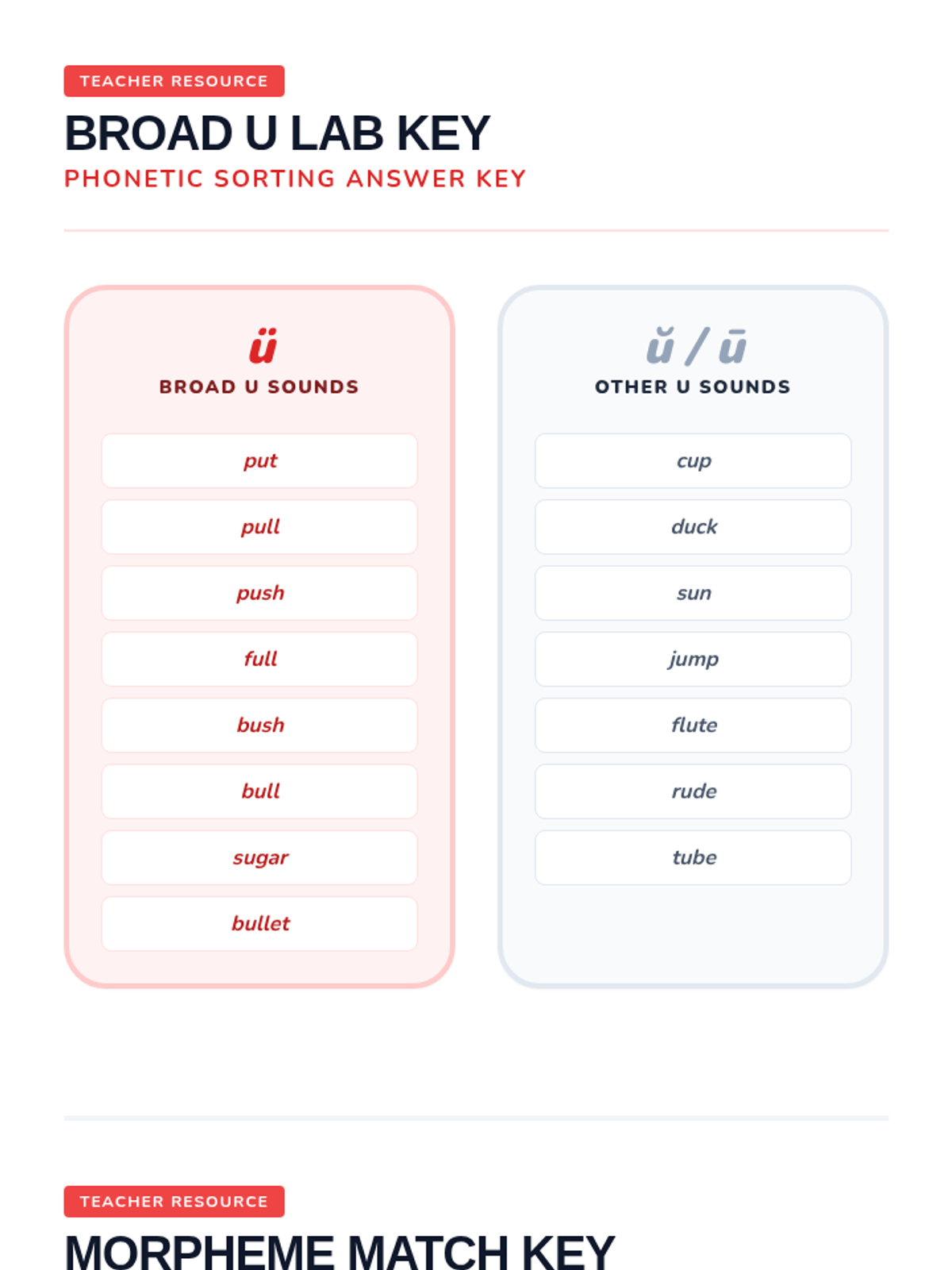
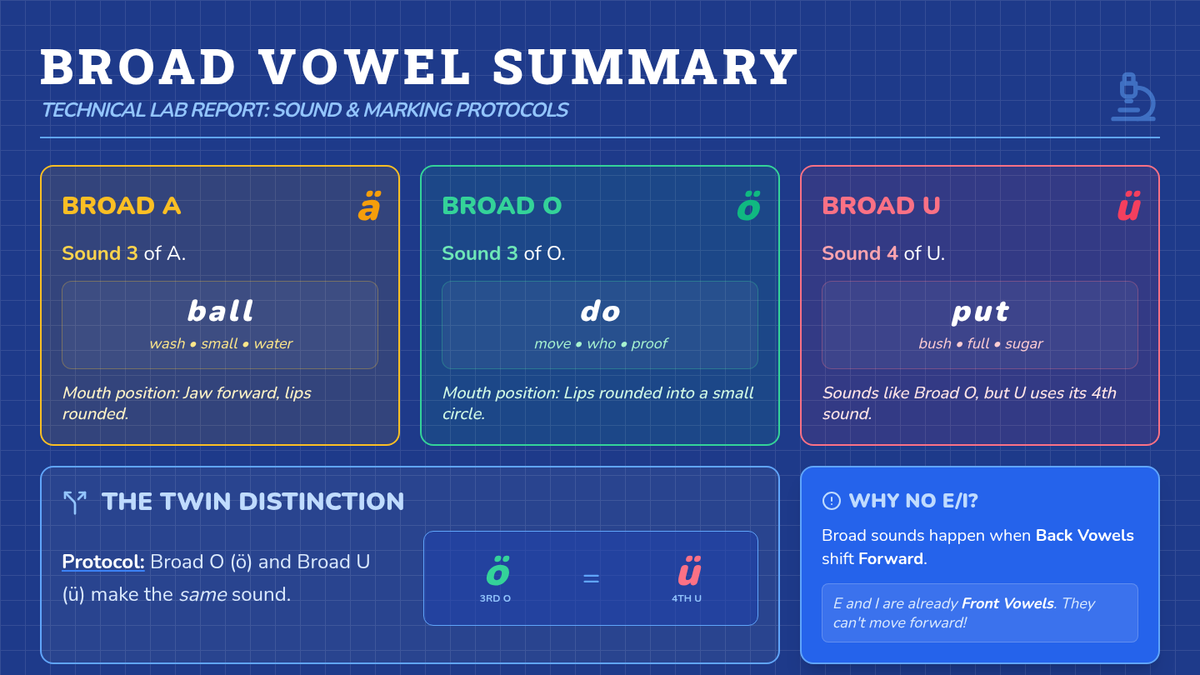
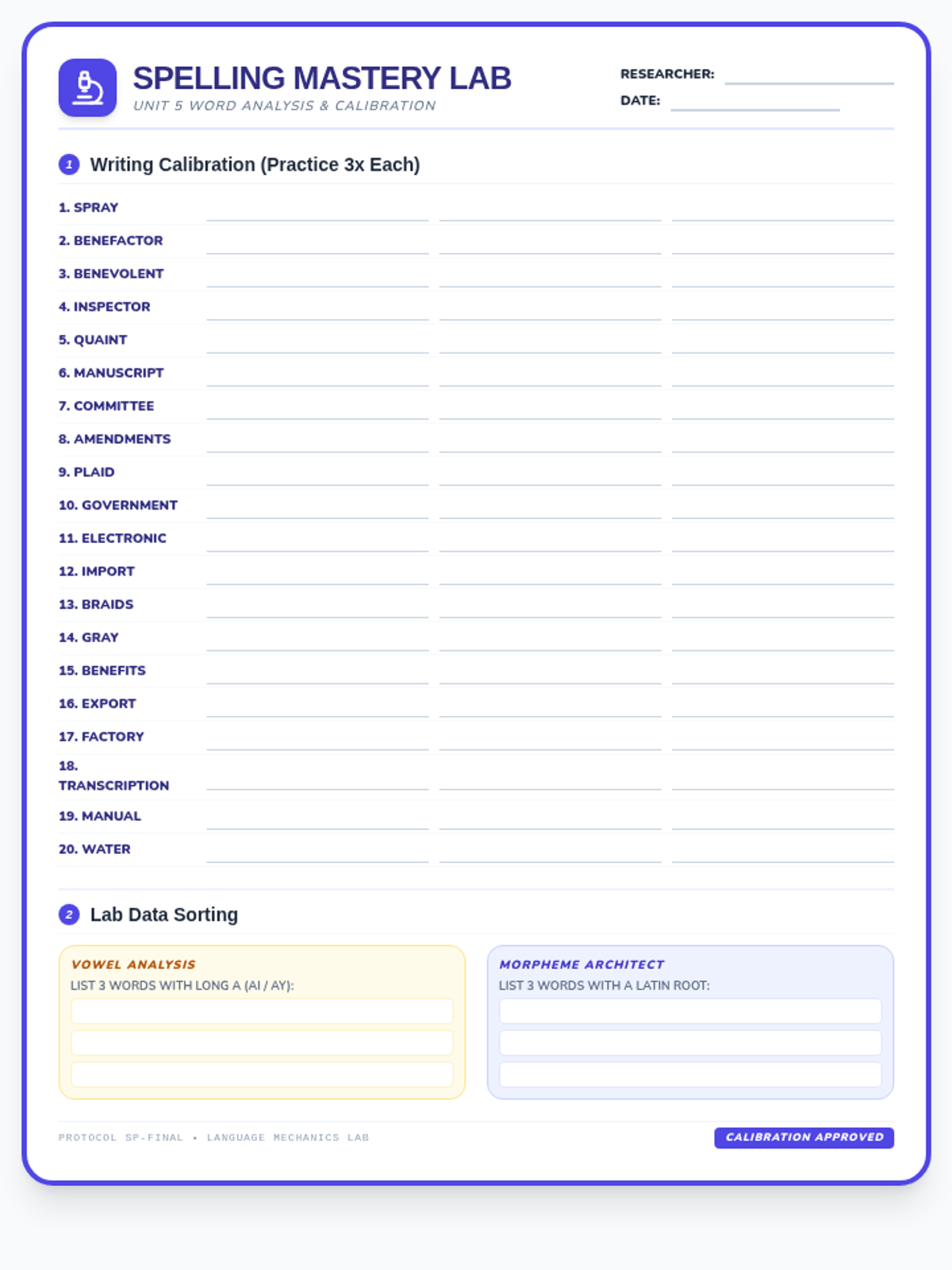
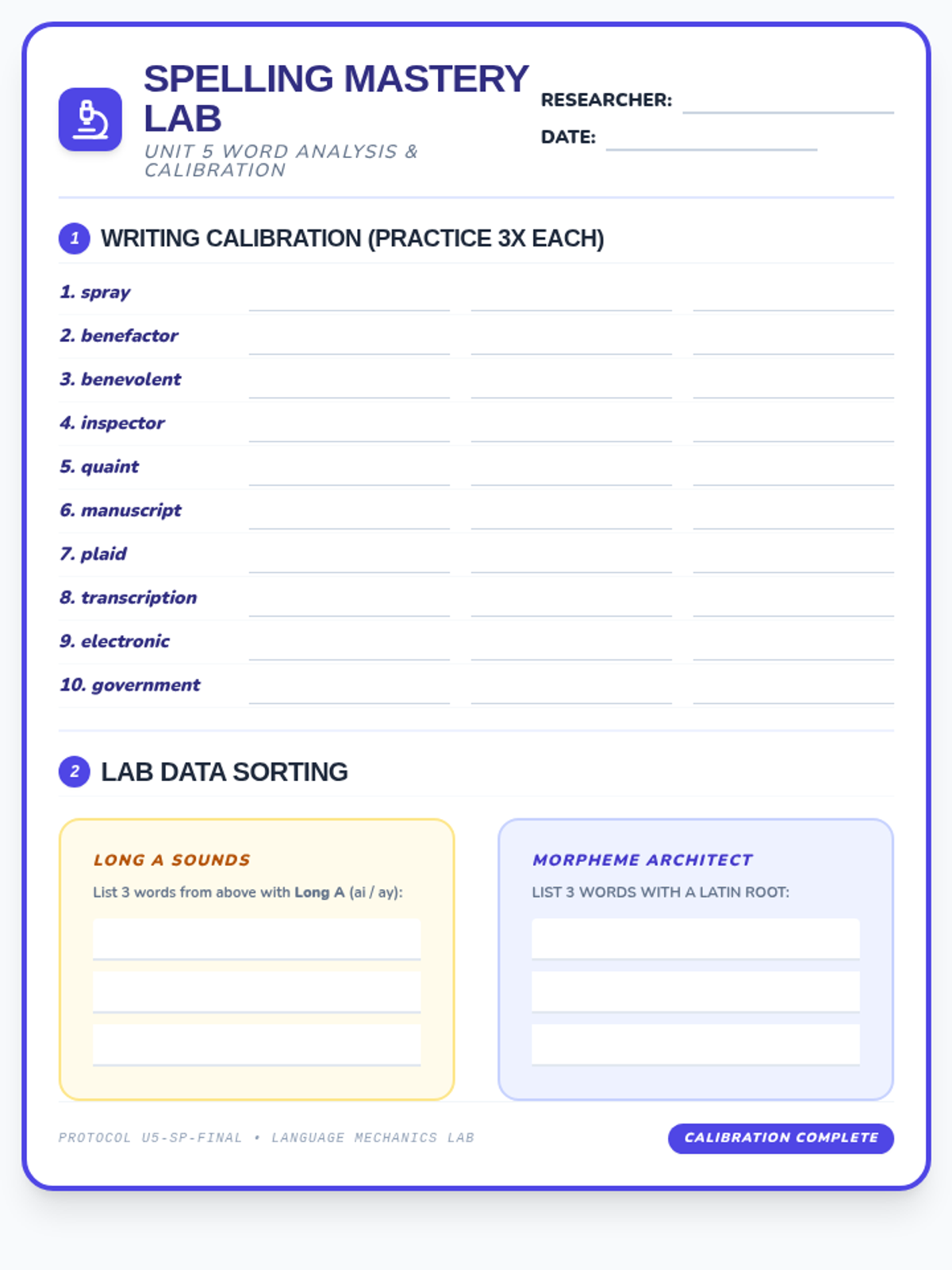
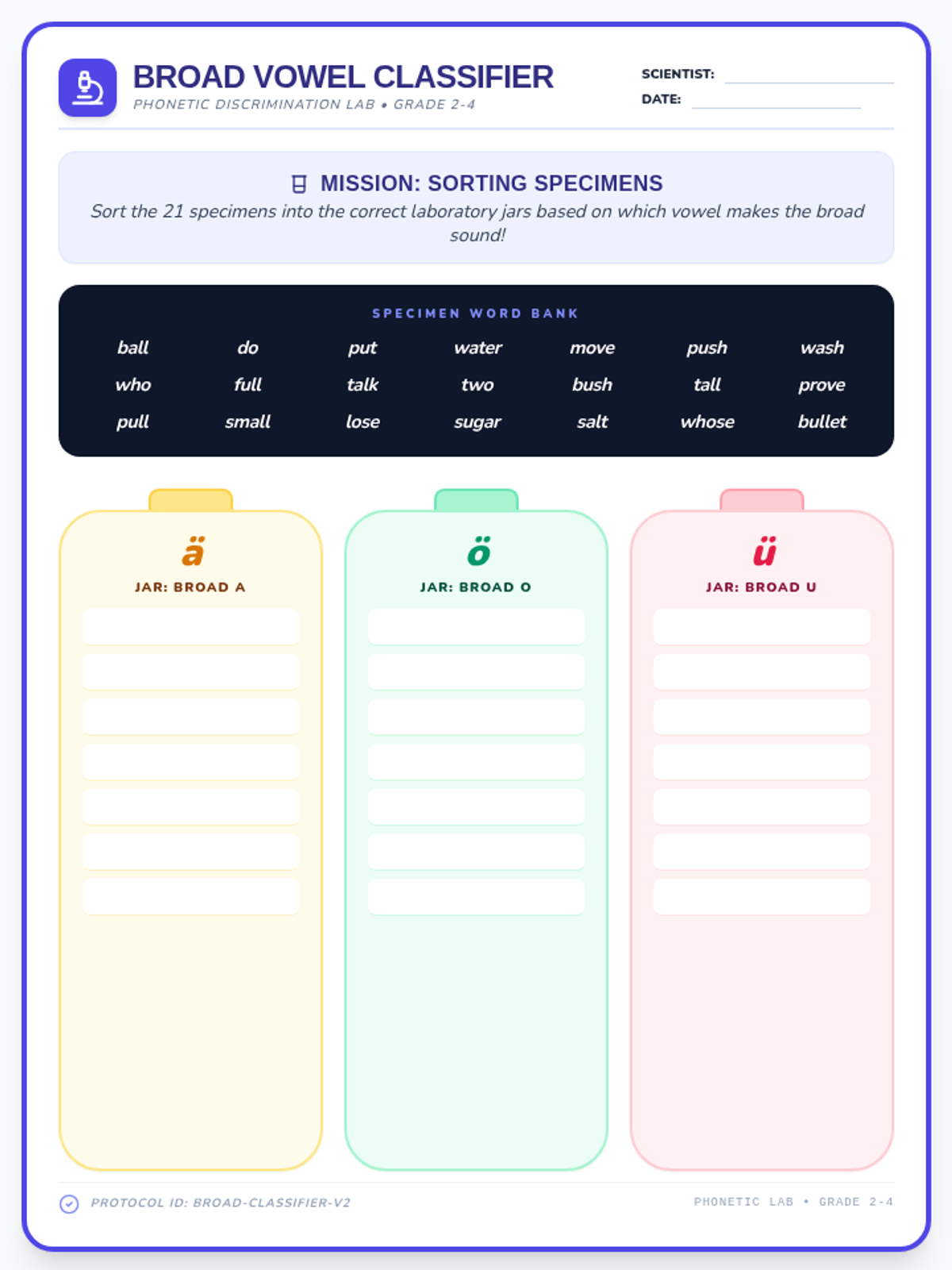
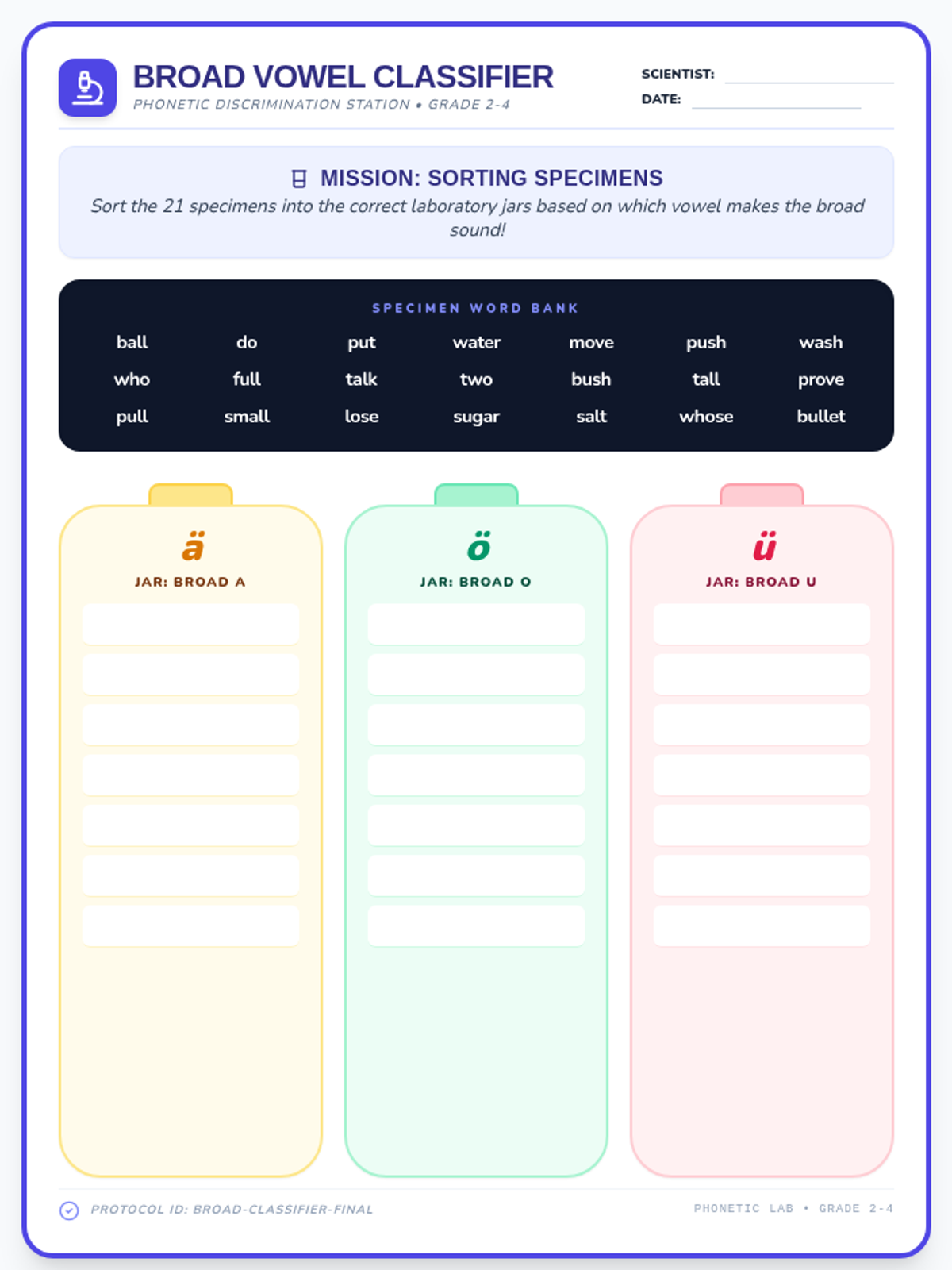
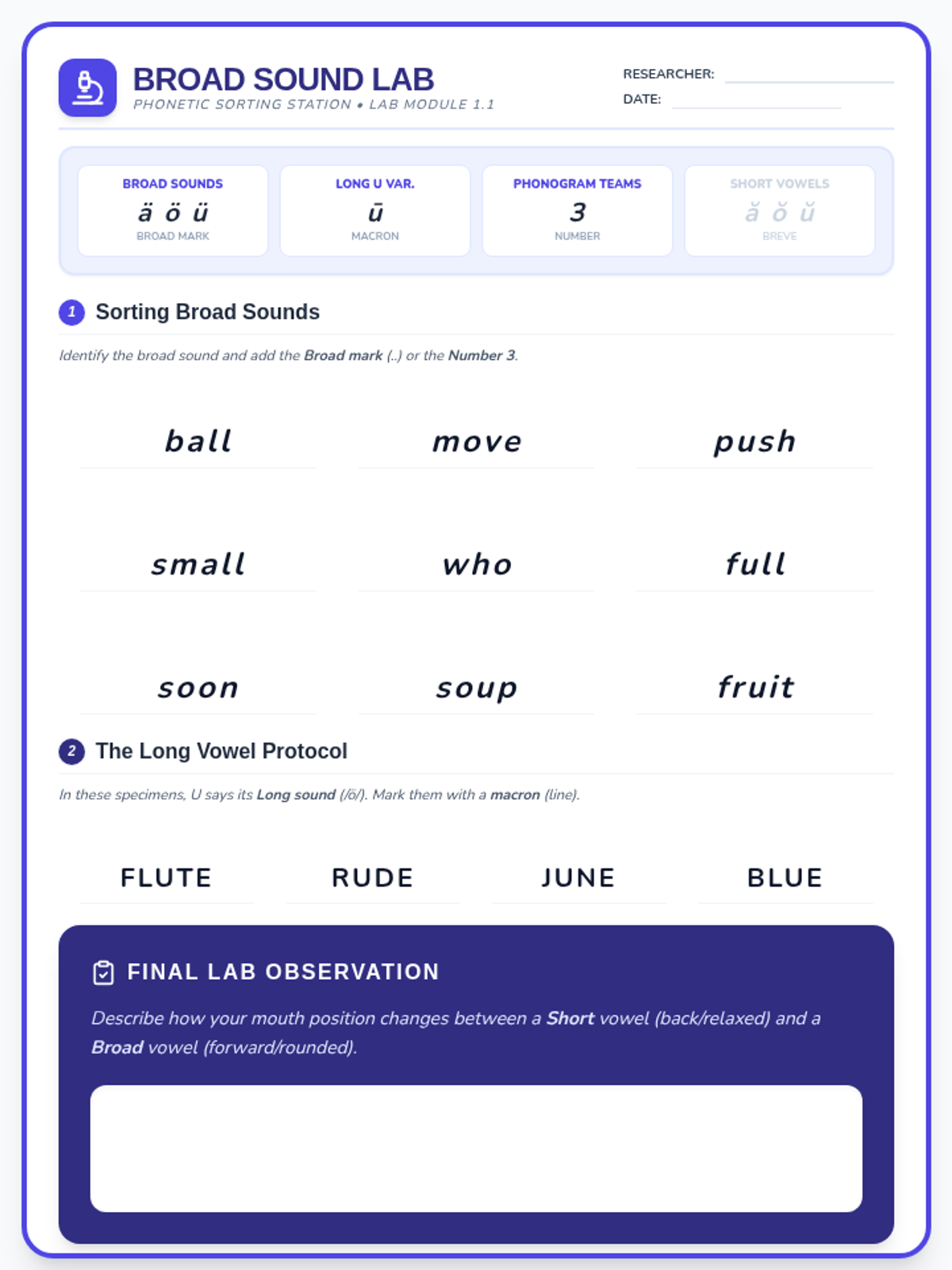
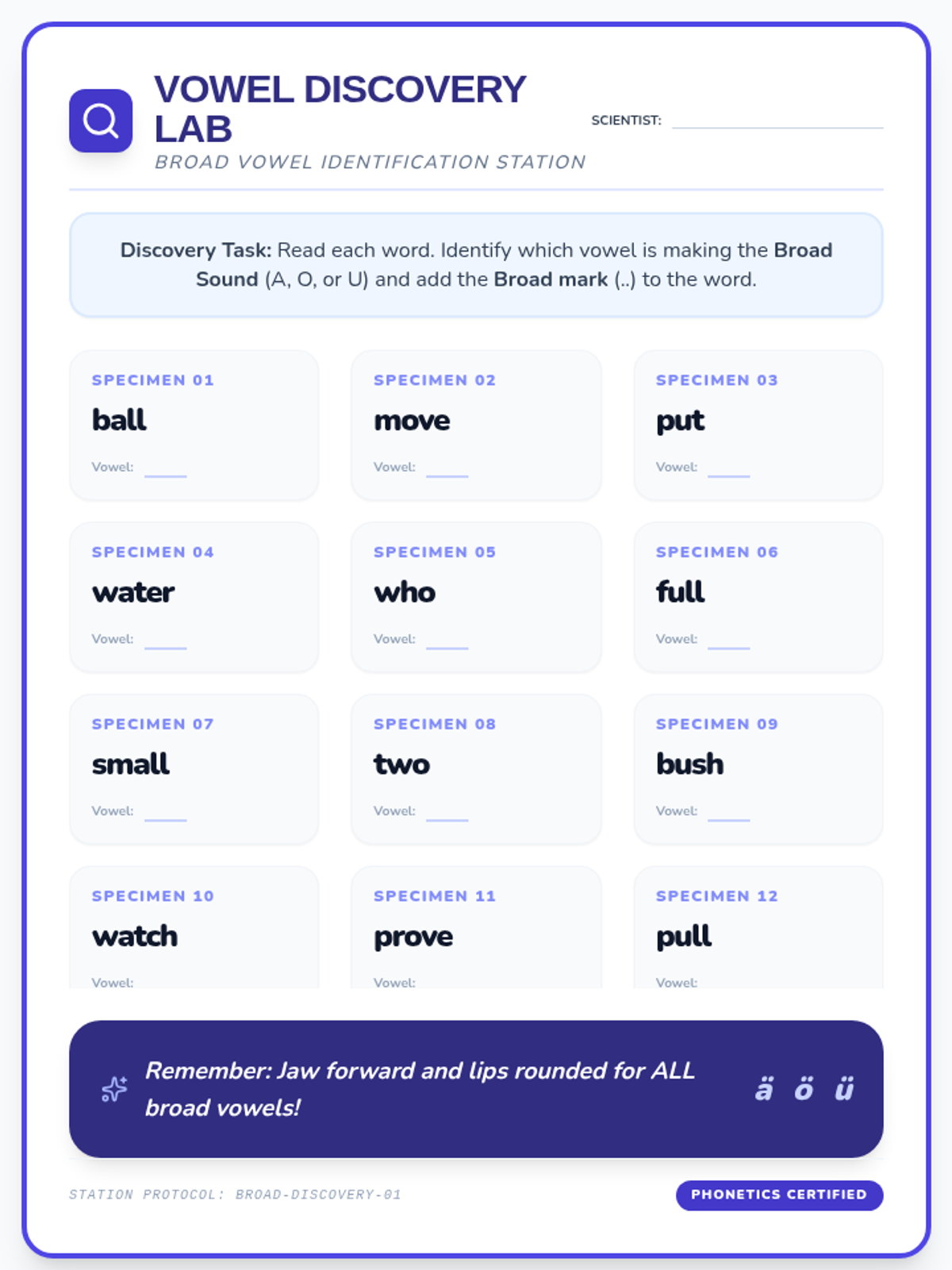
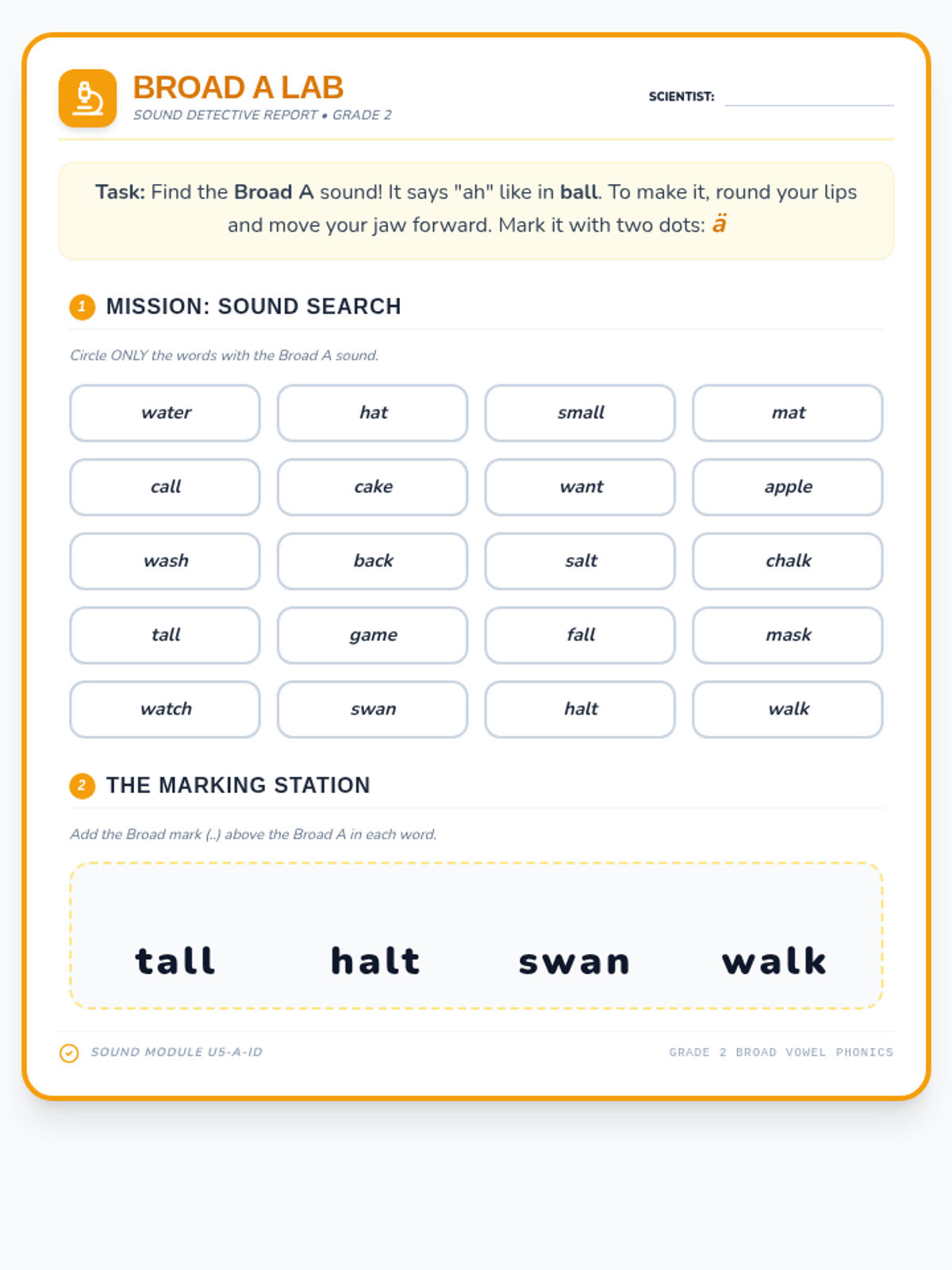
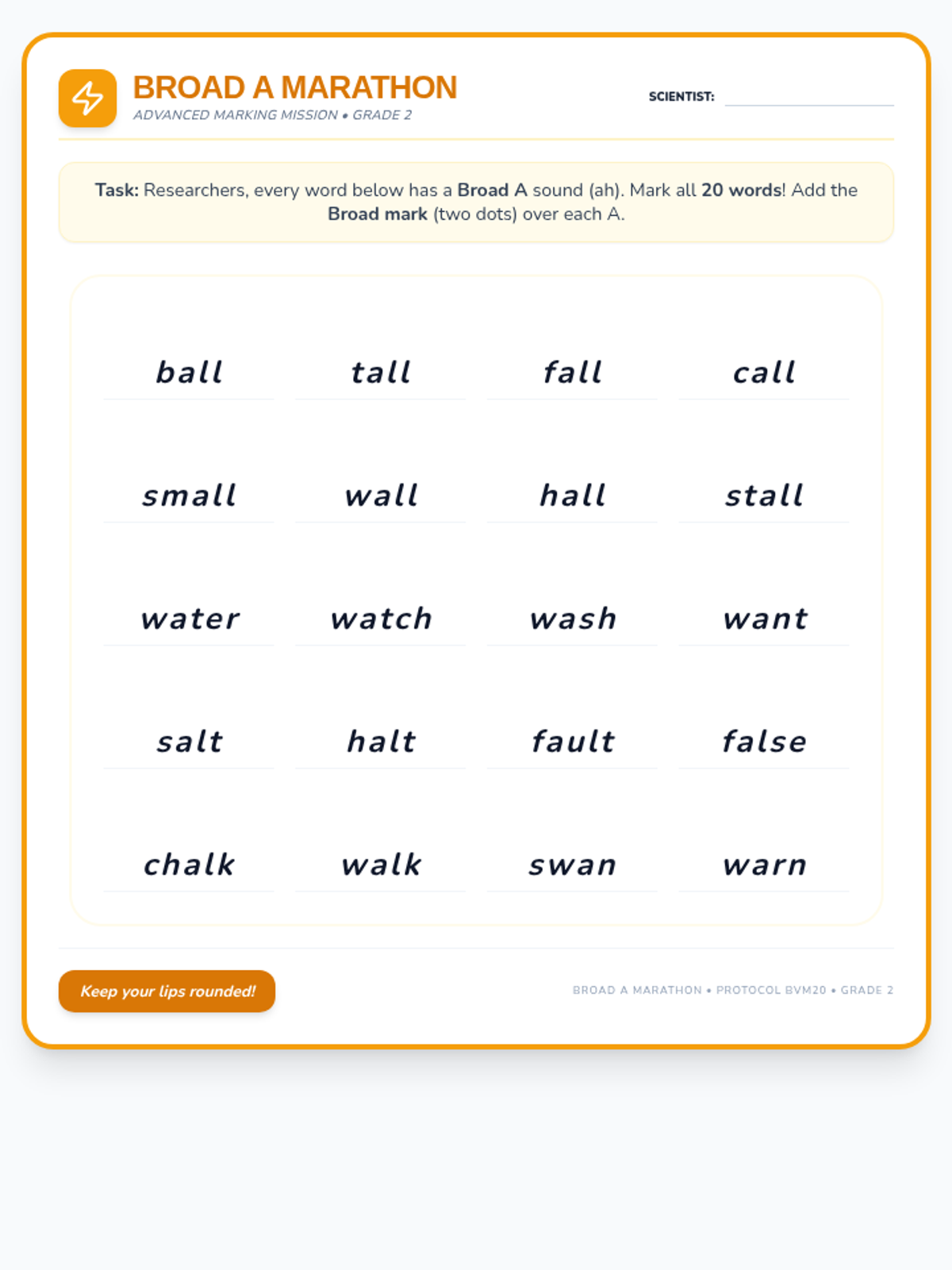
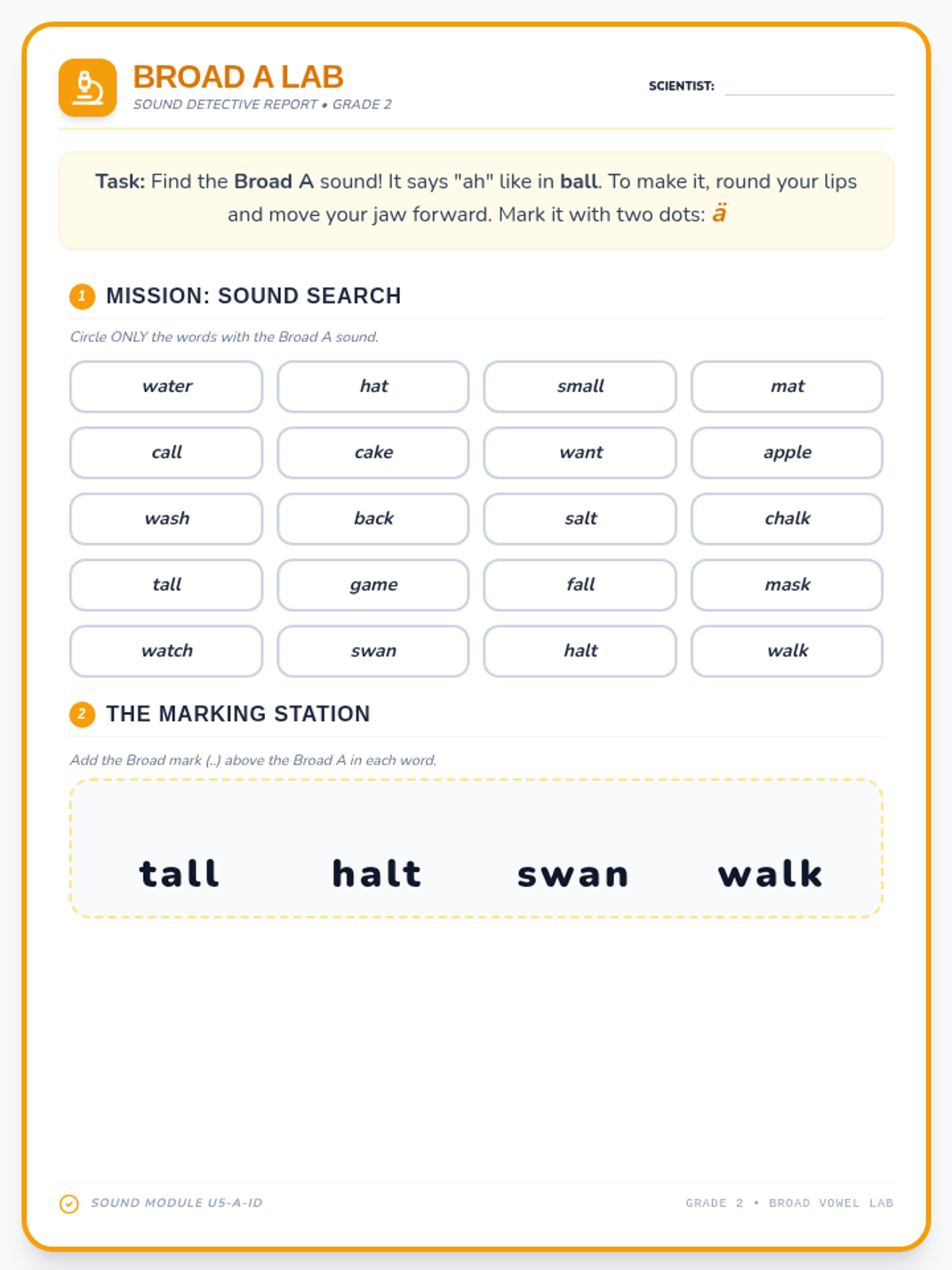
A comprehensive sequence on language mechanics, from phonetic marking of complex vowel sounds to the morphological analysis of Latin roots and affixes. Students develop deep decoding and encoding skills by investigating the building blocks of words.
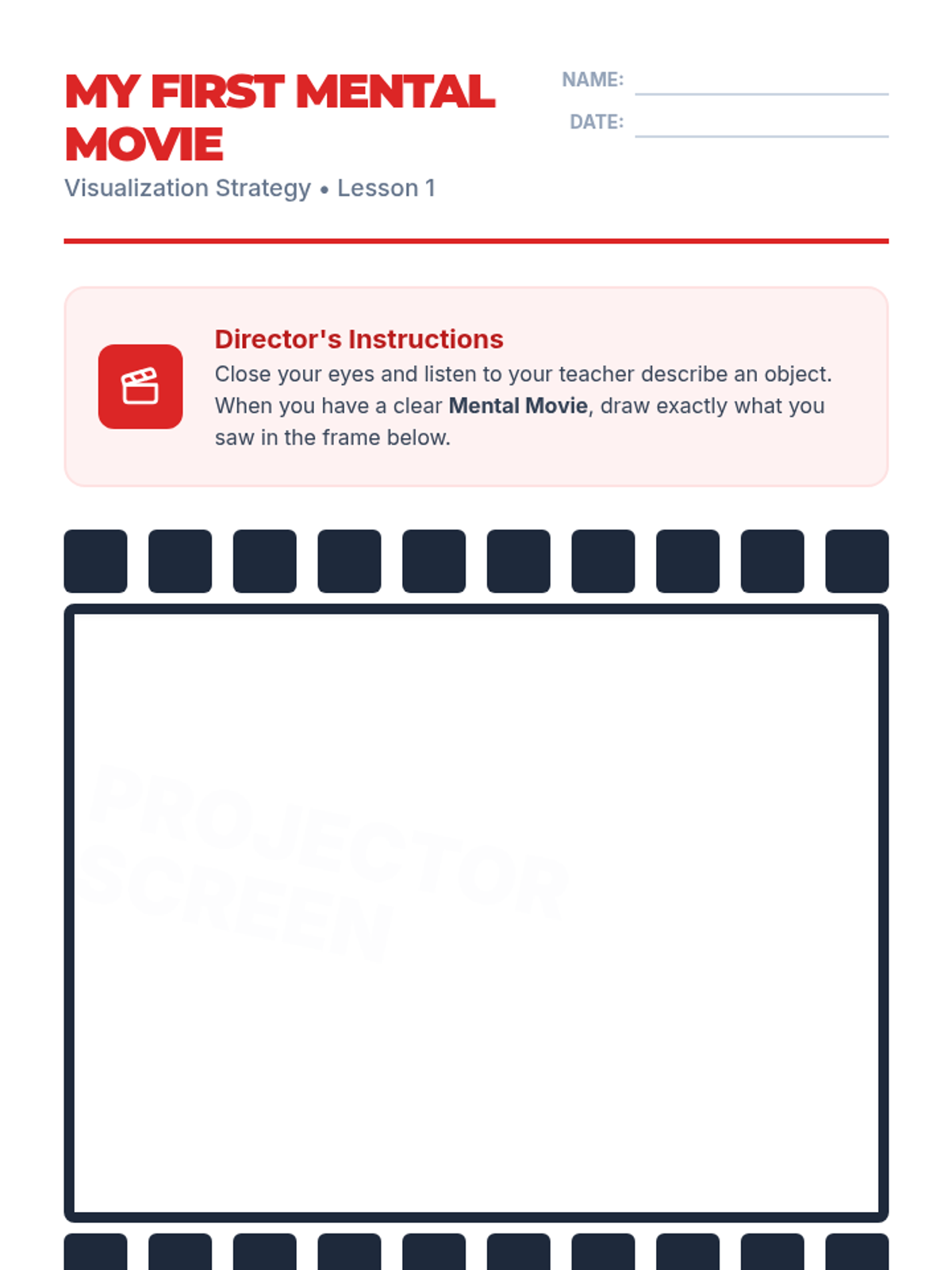
This sequence introduces 2nd-grade students to visualization strategies by connecting sensory details in text to 'mental movies.' Students progress from simple visual imagery to multi-sensory mental pictures that support reading comprehension and recall.
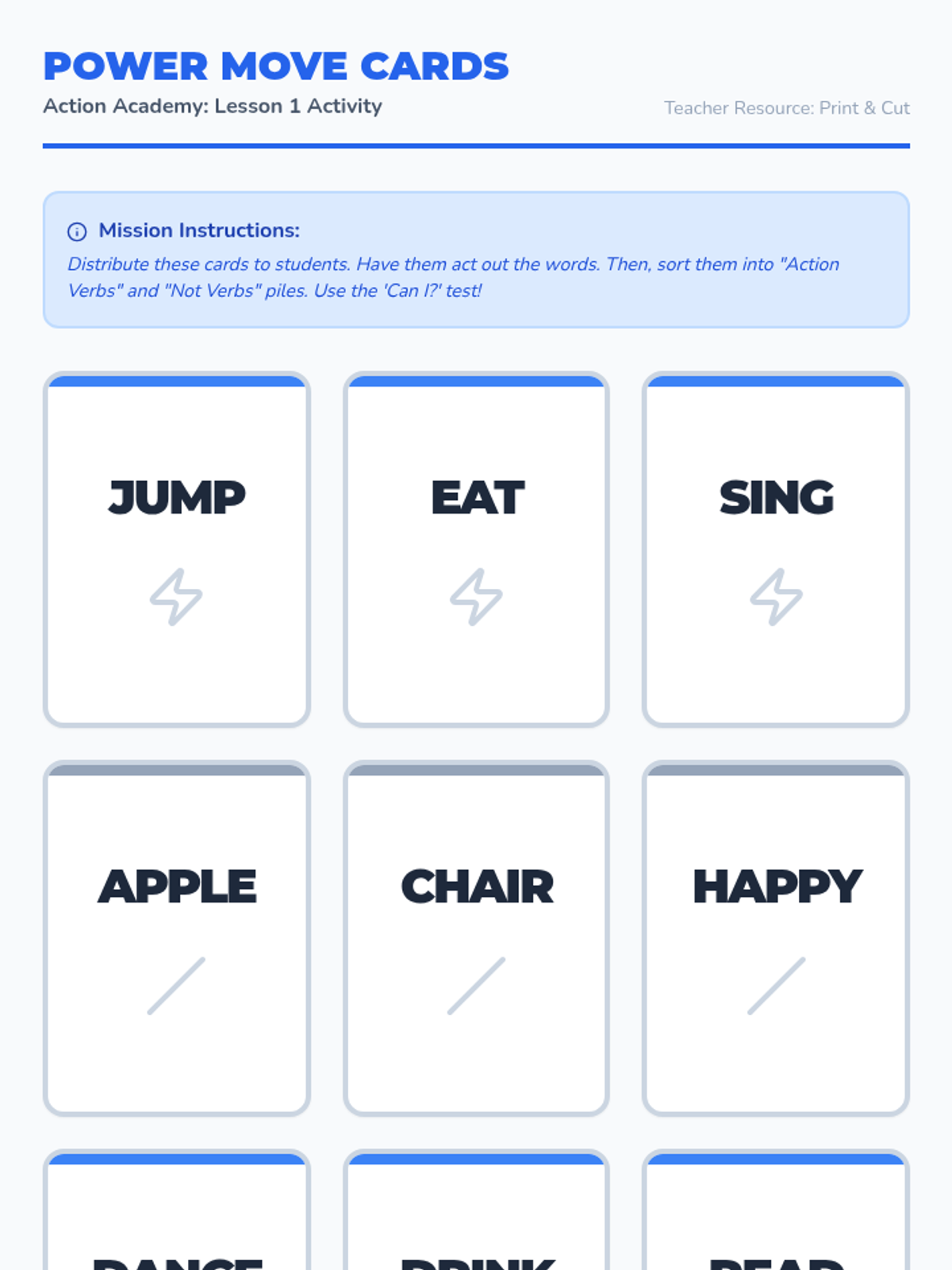
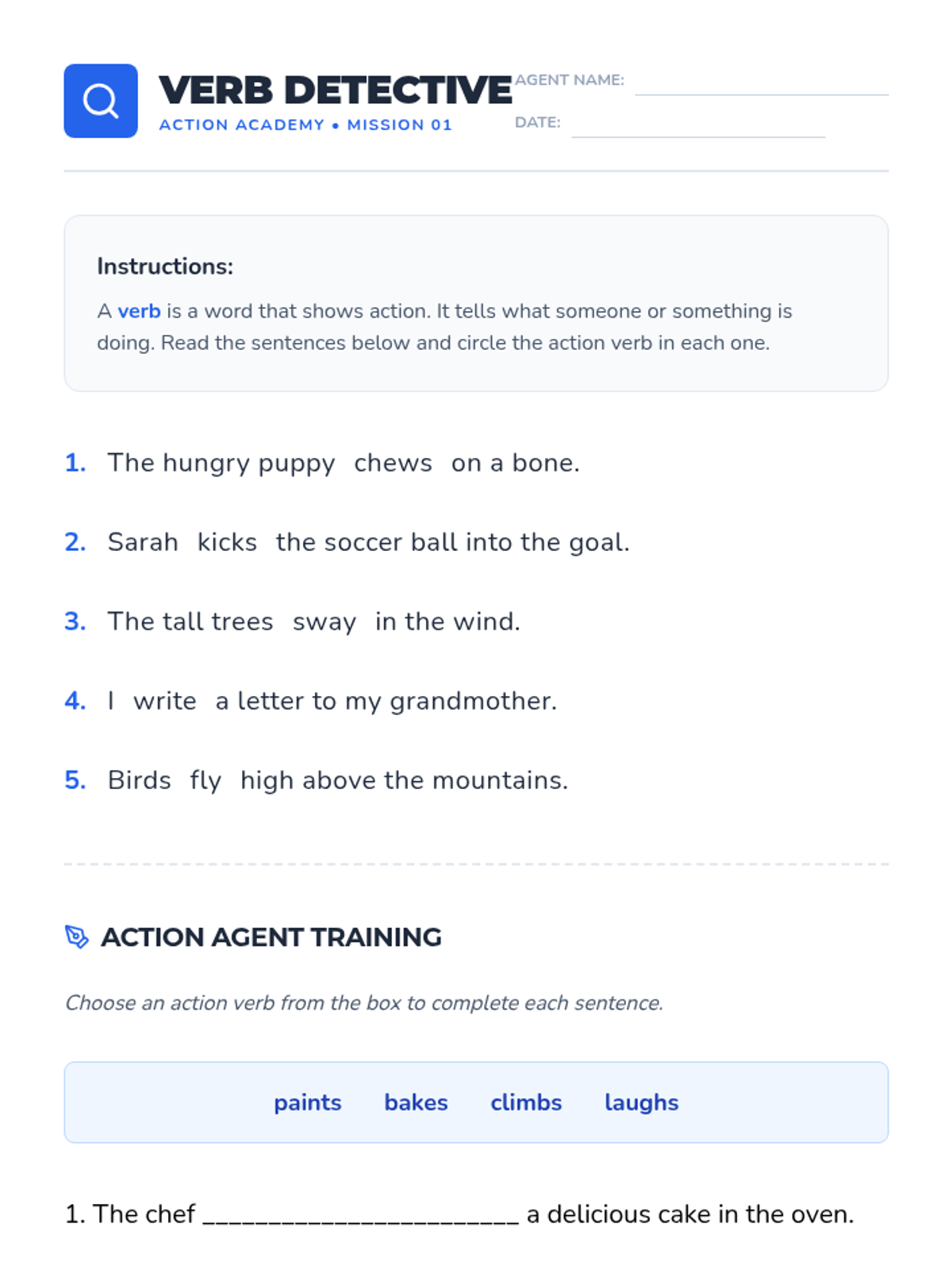
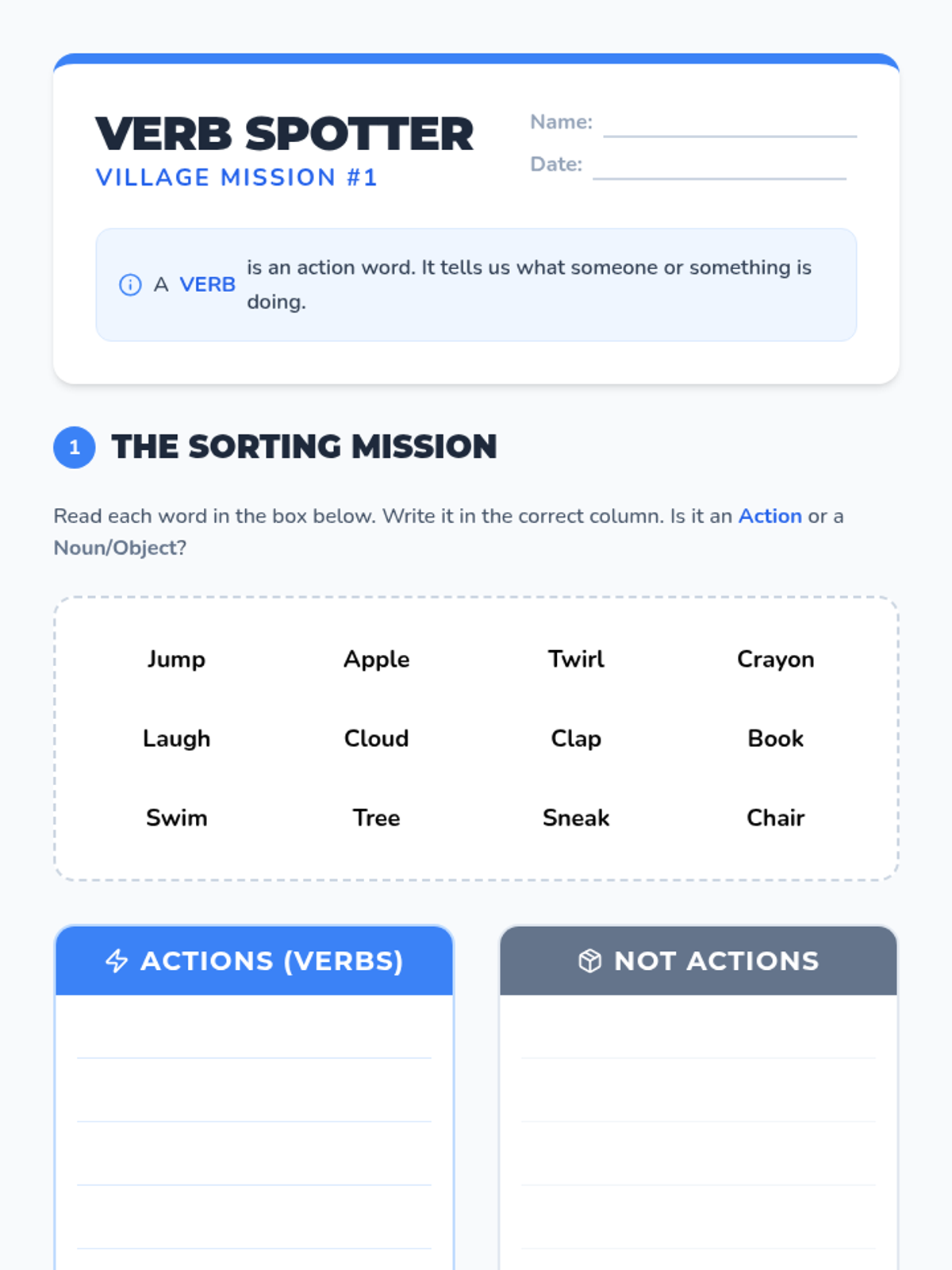
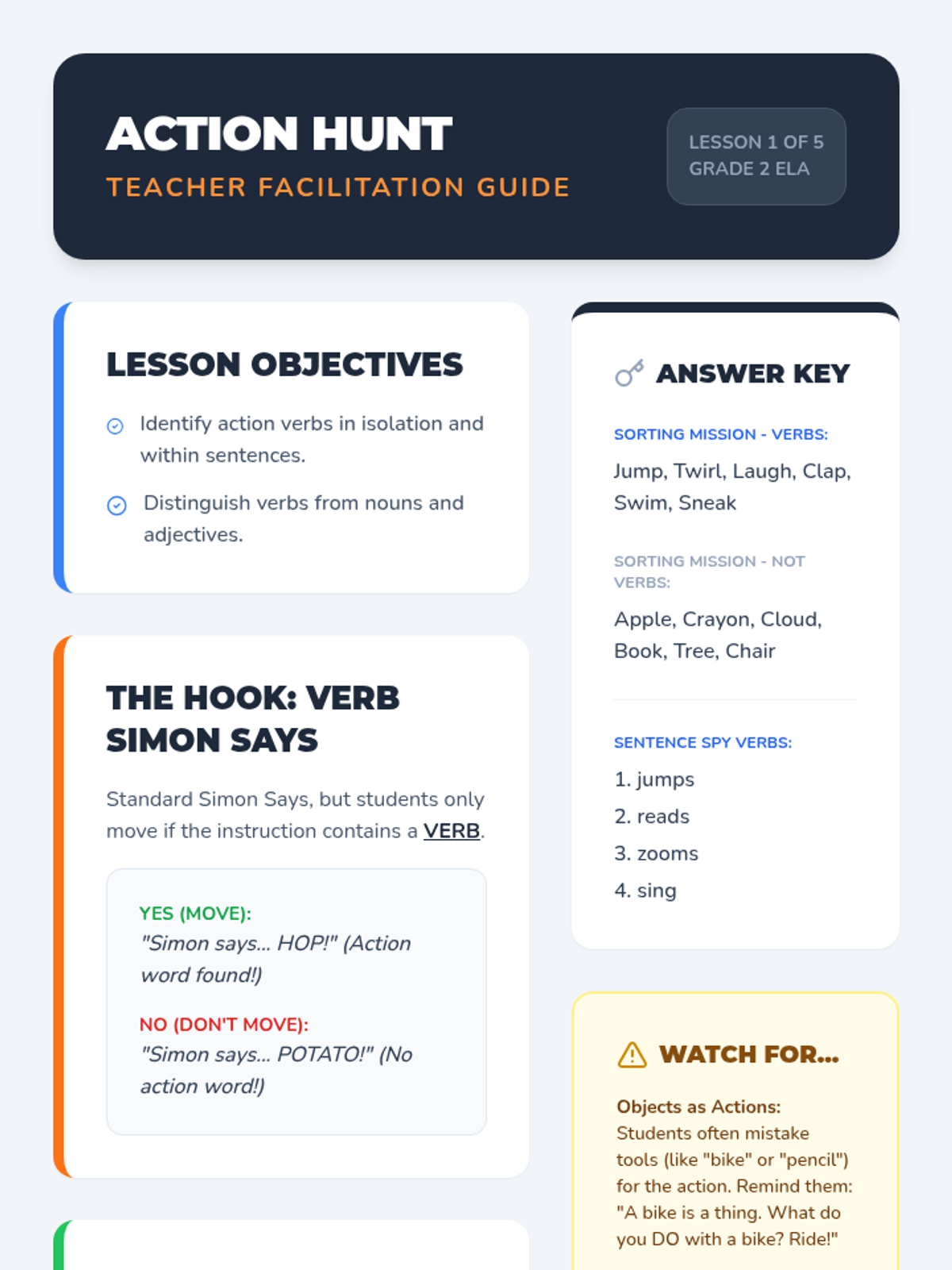
This 5-lesson sequence transforms 2nd-grade students into 'Action Agents' as they master the power of verbs. Students progress from physical identification to grammatical precision, exploring subject-verb agreement, simple tenses, and shades of meaning to construct descriptive and accurate sentences.
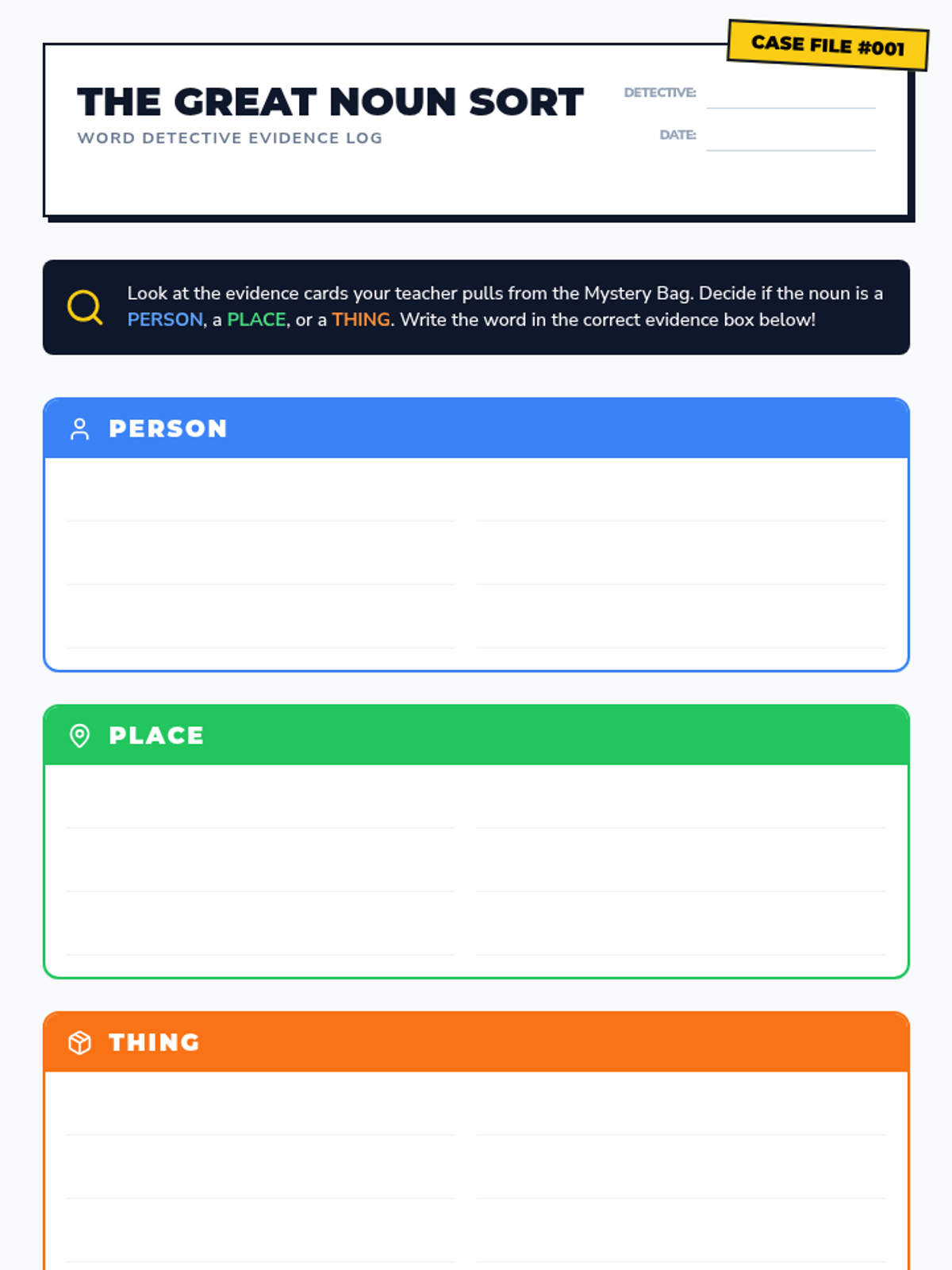
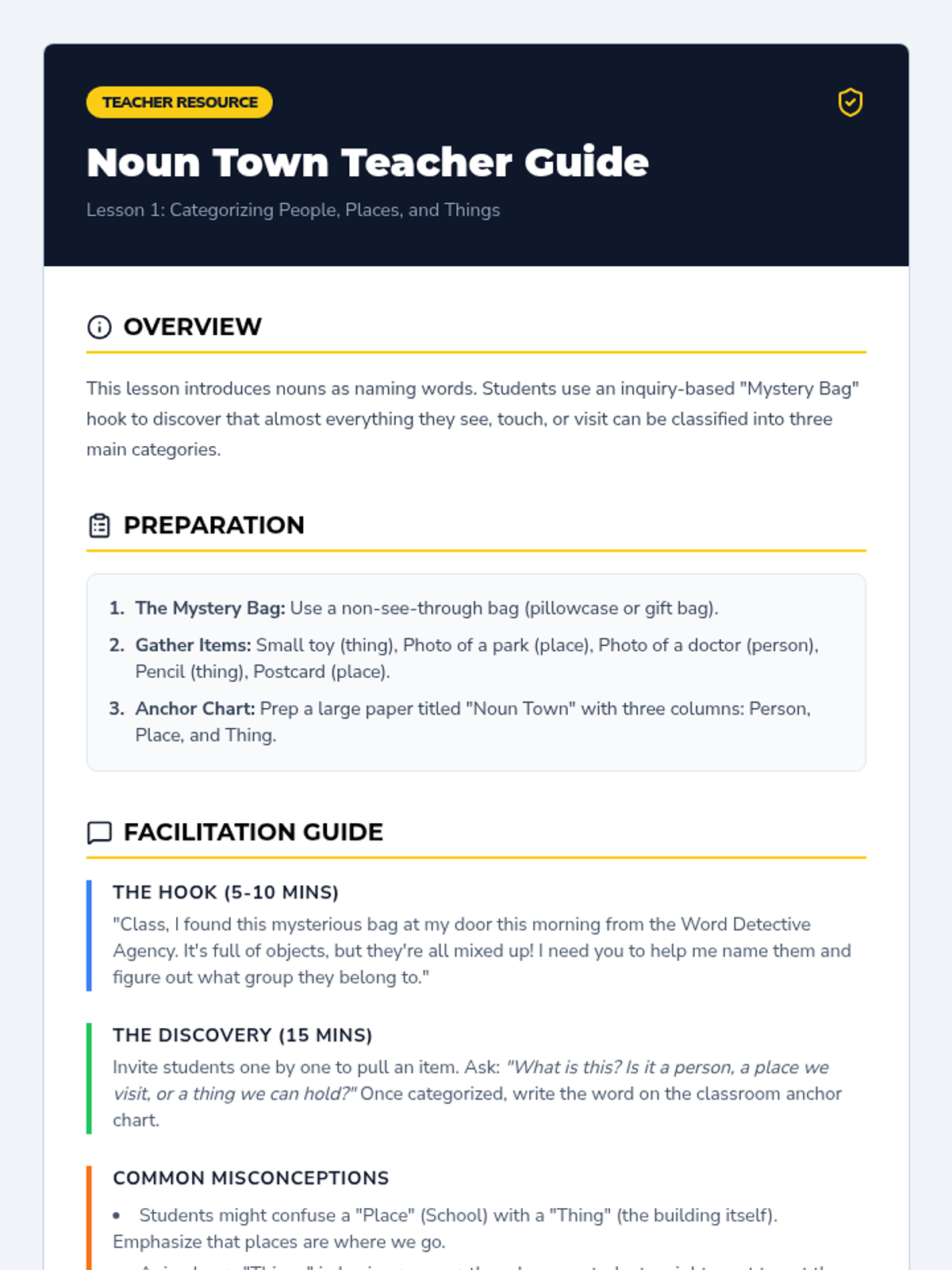
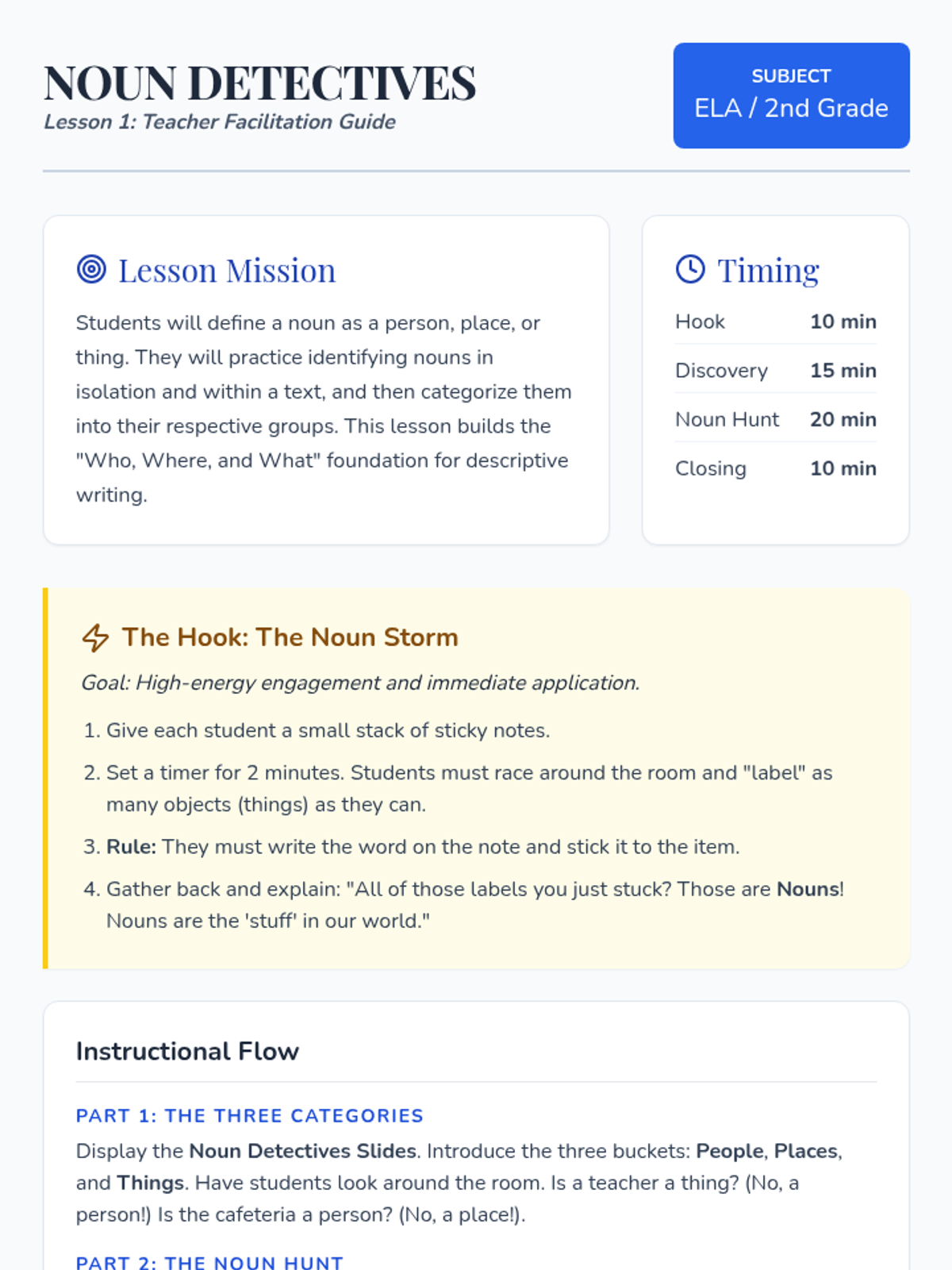
An inquiry-based sequence for 2nd-grade students to master nouns and adjectives through categorization, sensory exploration, and sentence expansion. Students act as 'Word Detectives' to identify naming words and describe them with precision.
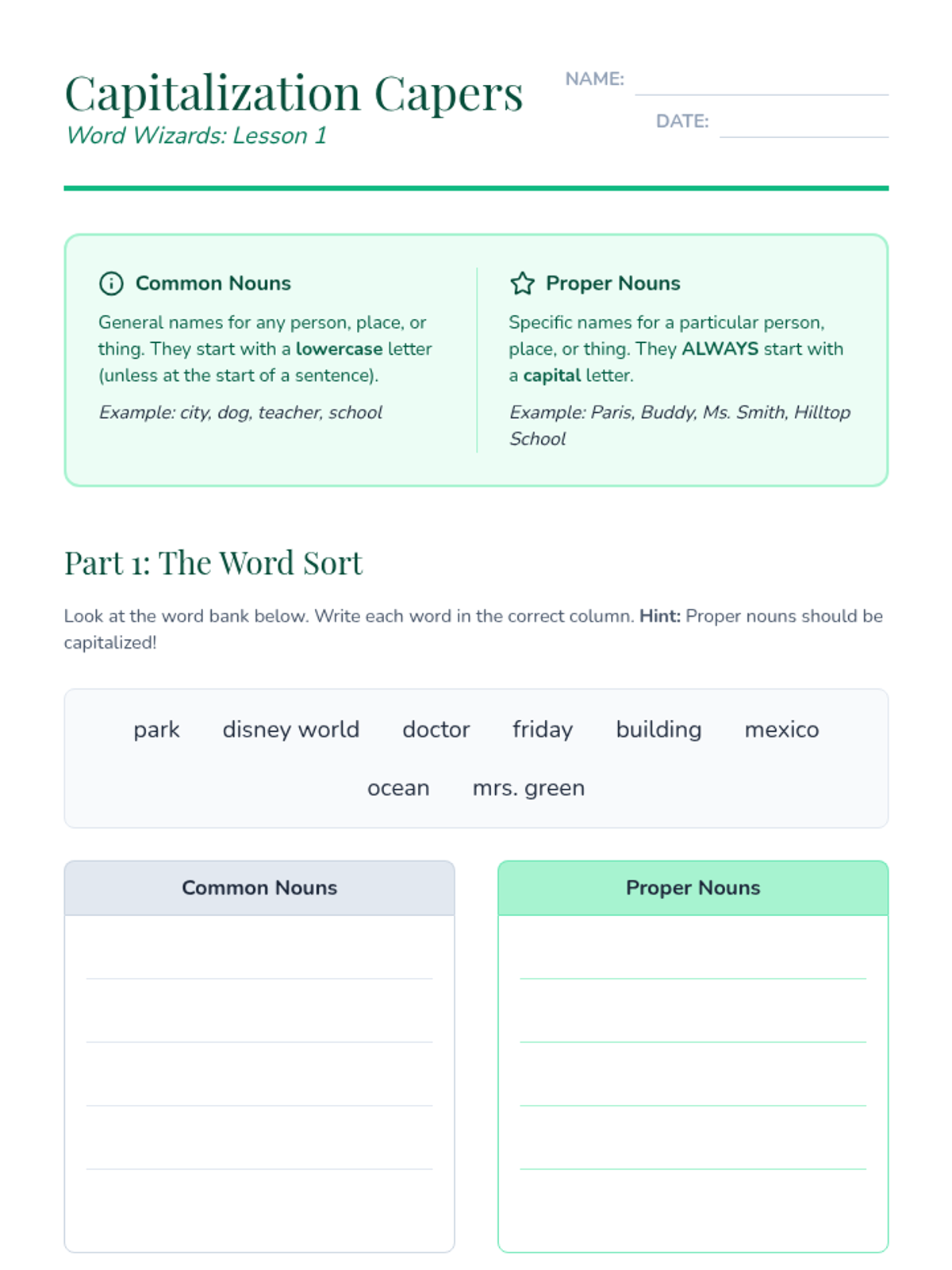
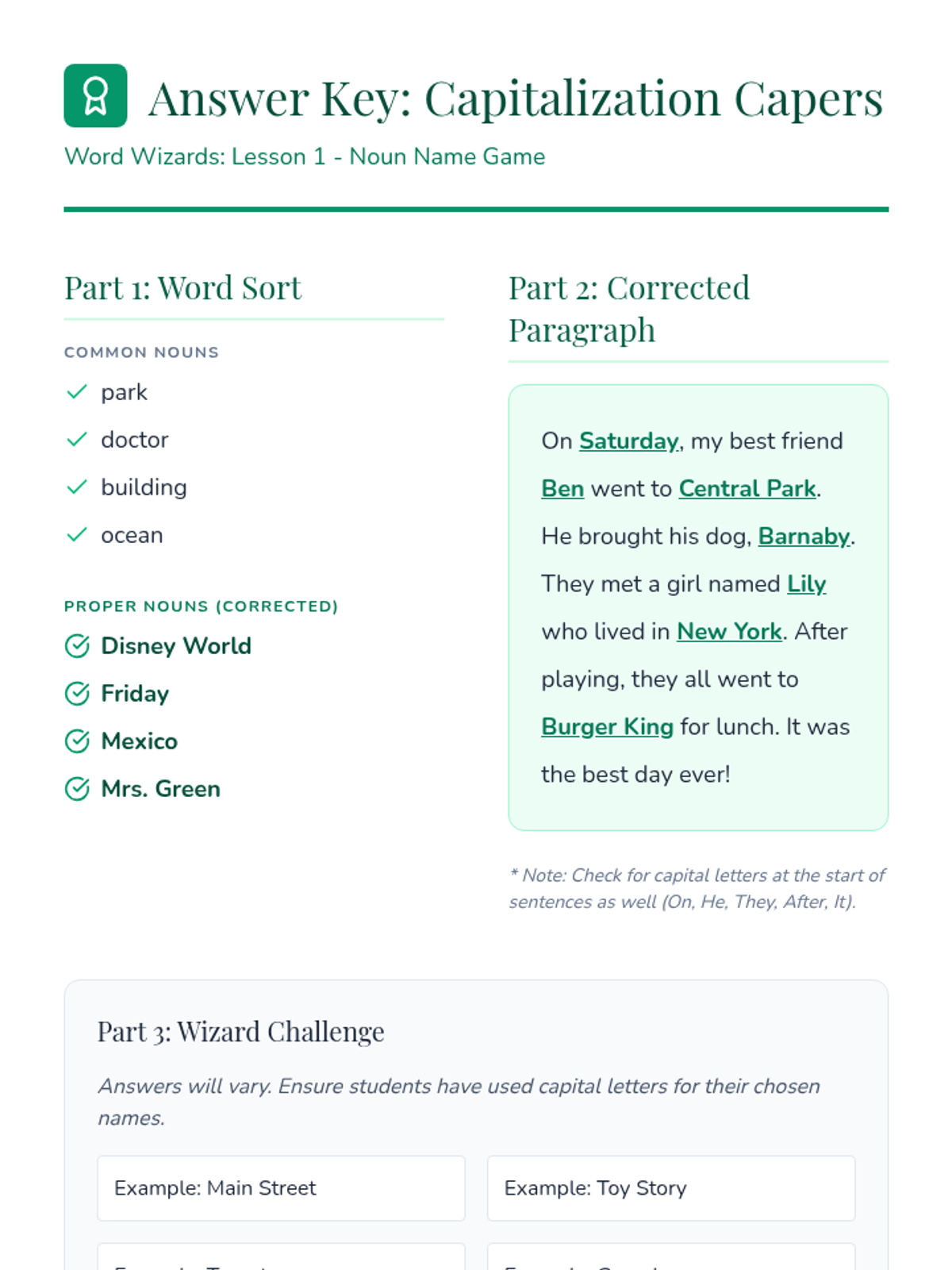
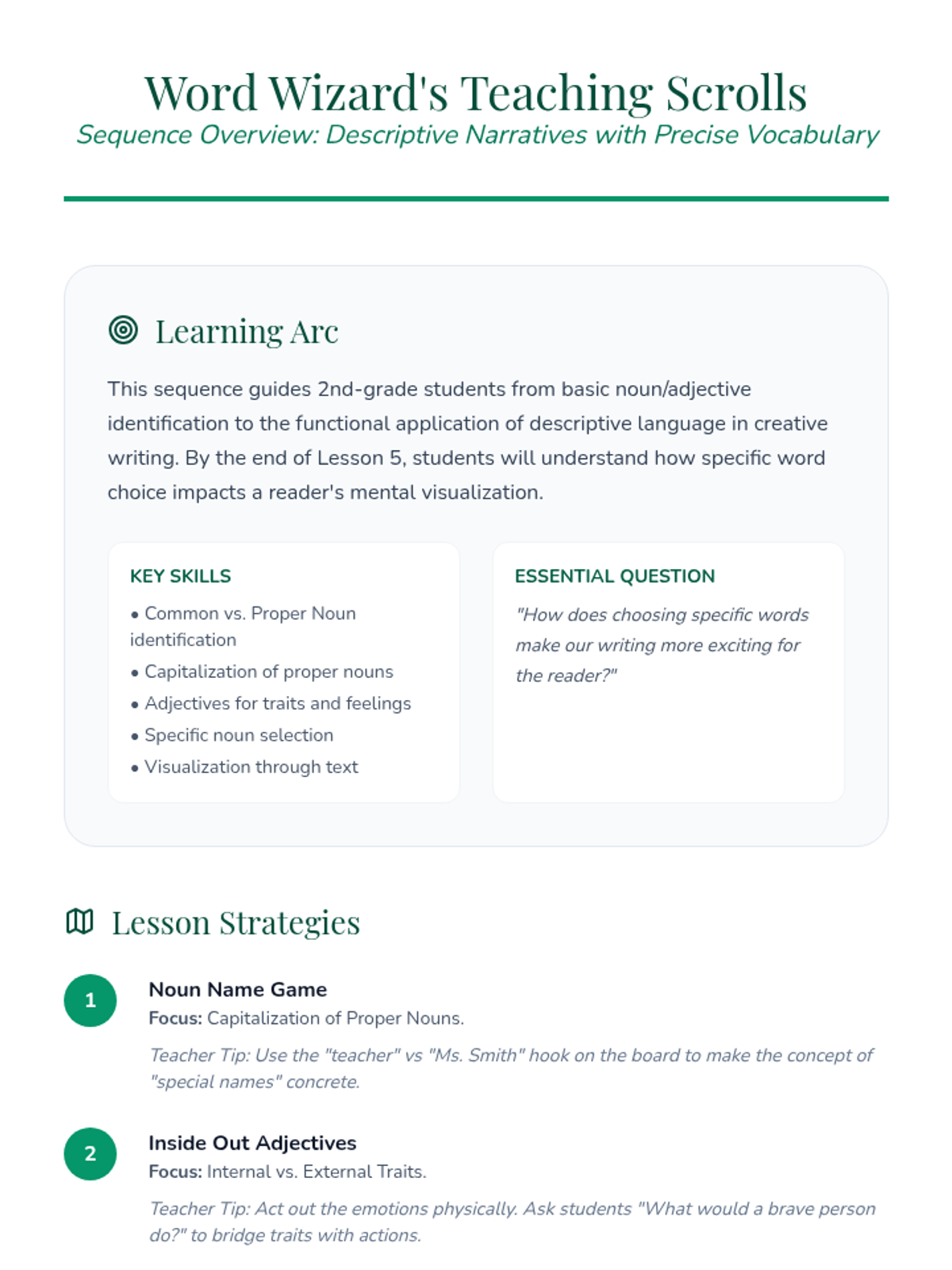
A 2nd-grade ELA sequence where students master common/proper nouns and descriptive adjectives to create vivid characters and settings. Students progress from basic grammar identification to a creative 'mystery character' project, focusing on word choice and precision.
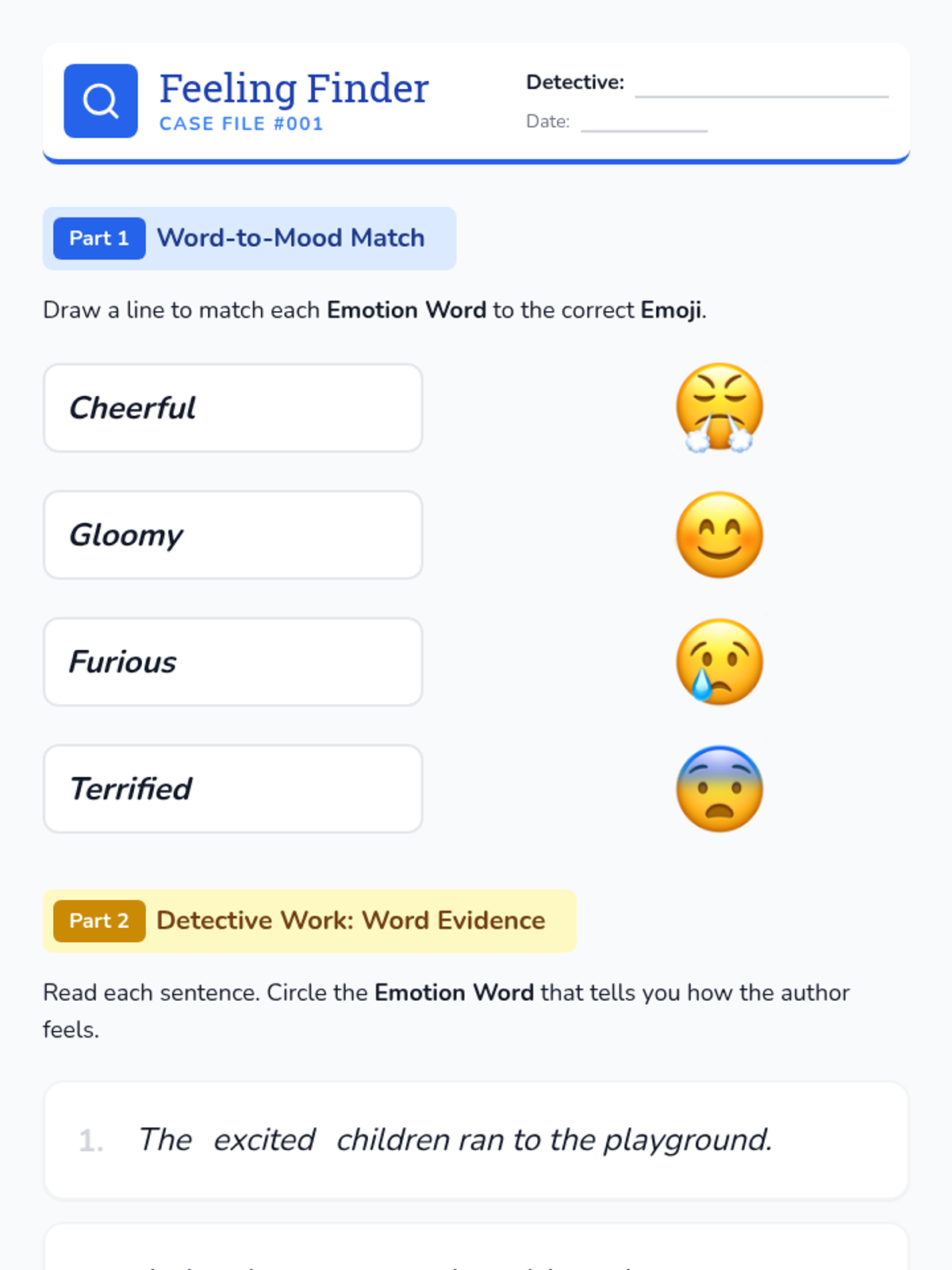
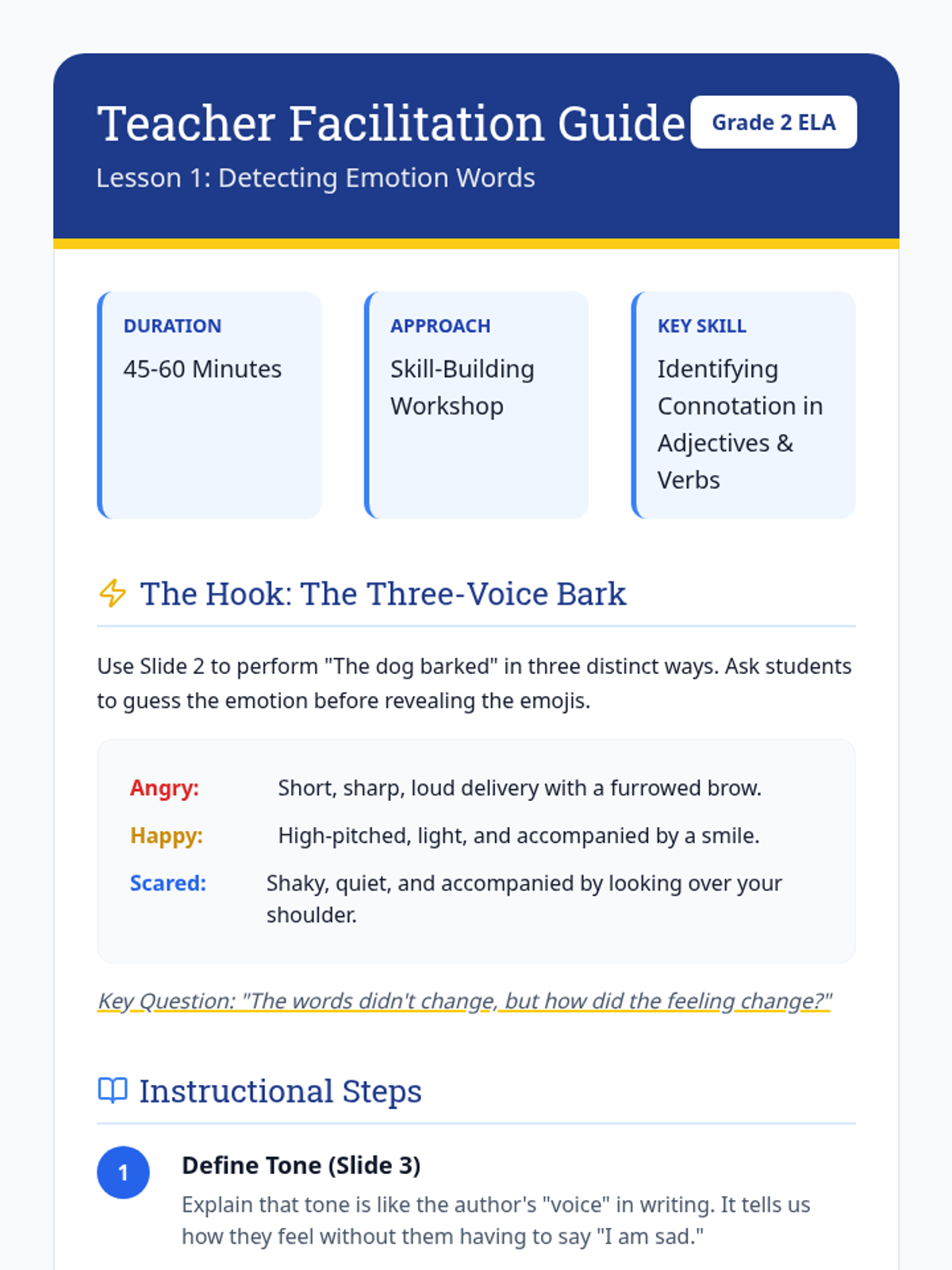
A 2nd-grade ELA sequence exploring how authors use specific word choices, punctuation, and illustrations to convey tone and emotion in their writing. Students progress from identifying simple emotion words to synthesizing evidence to determine the mood of a text.
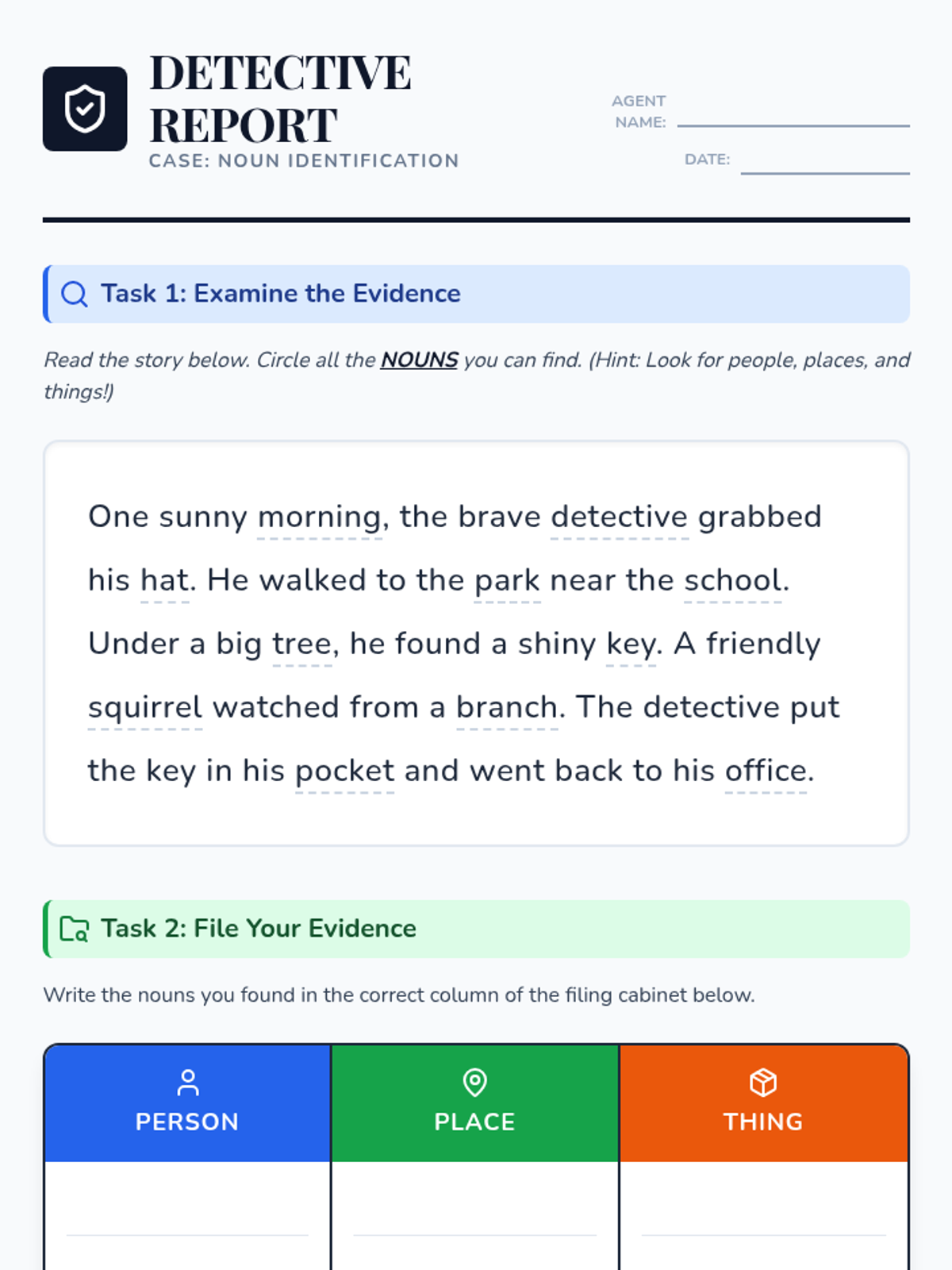
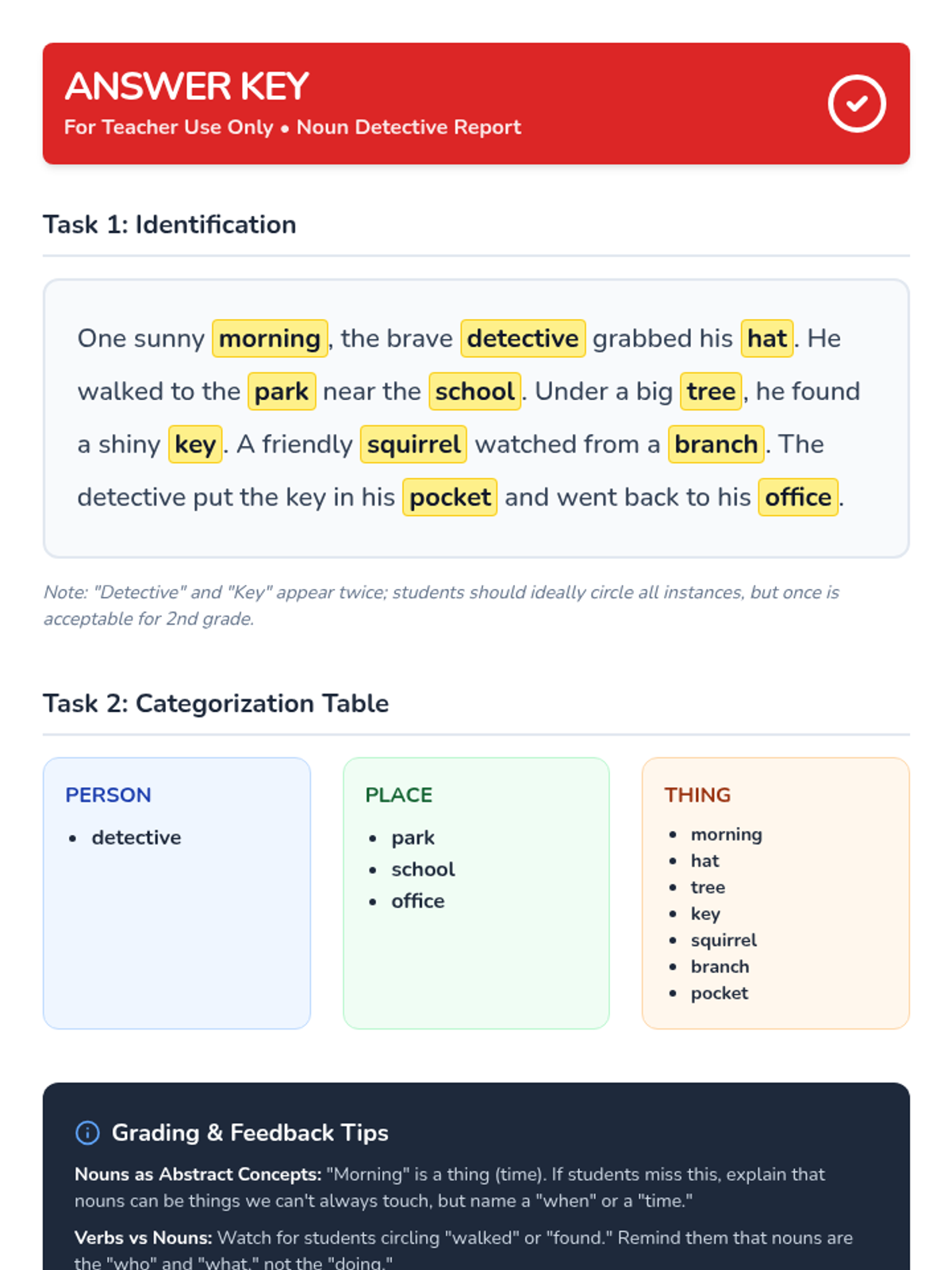
A comprehensive 2nd-grade sequence focusing on the identification of nouns and the use of sensory adjectives to create vivid, descriptive sentences. Students progress from simple categorization to writing descriptive 'Mystery Object' paragraphs.
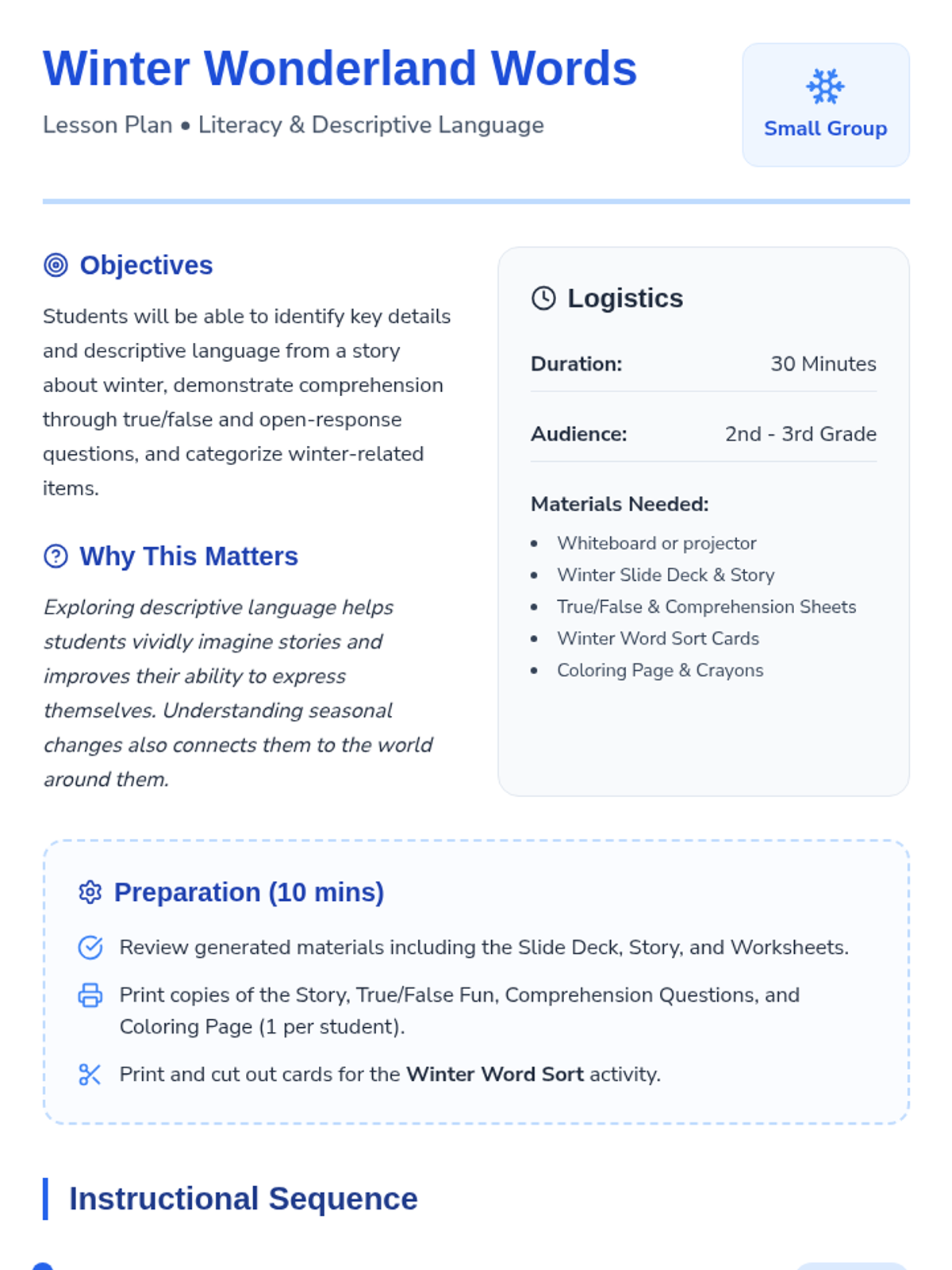
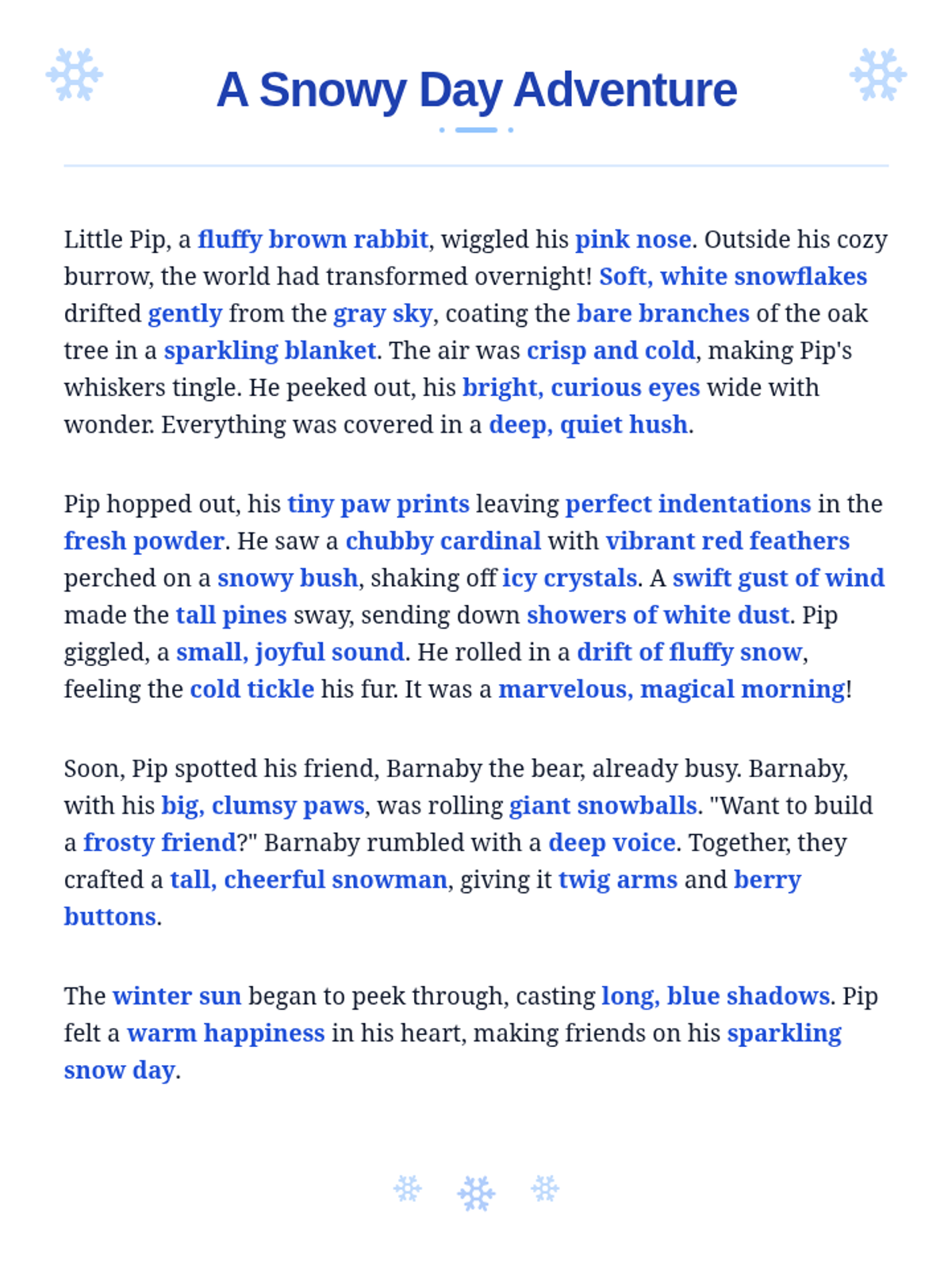
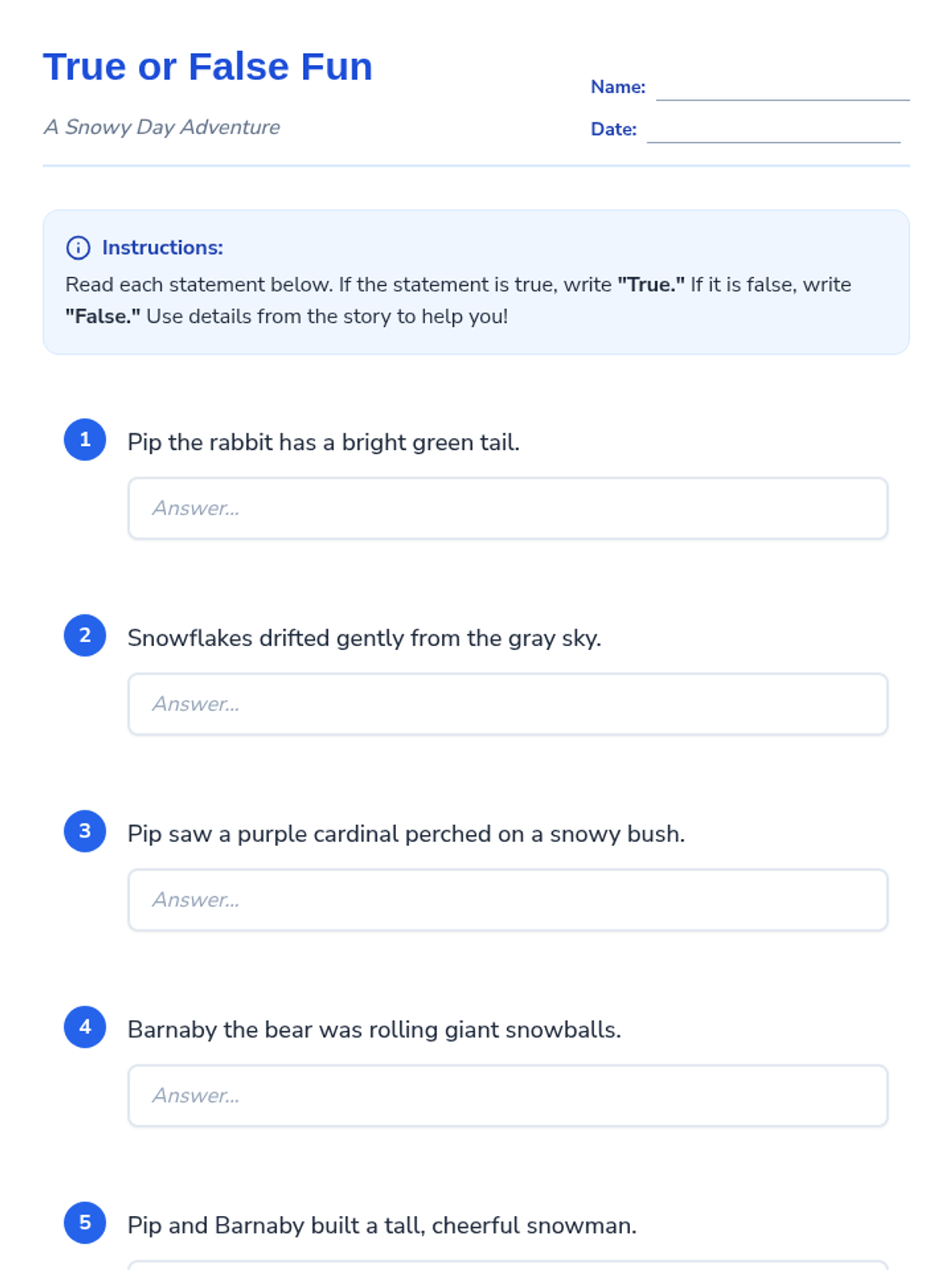
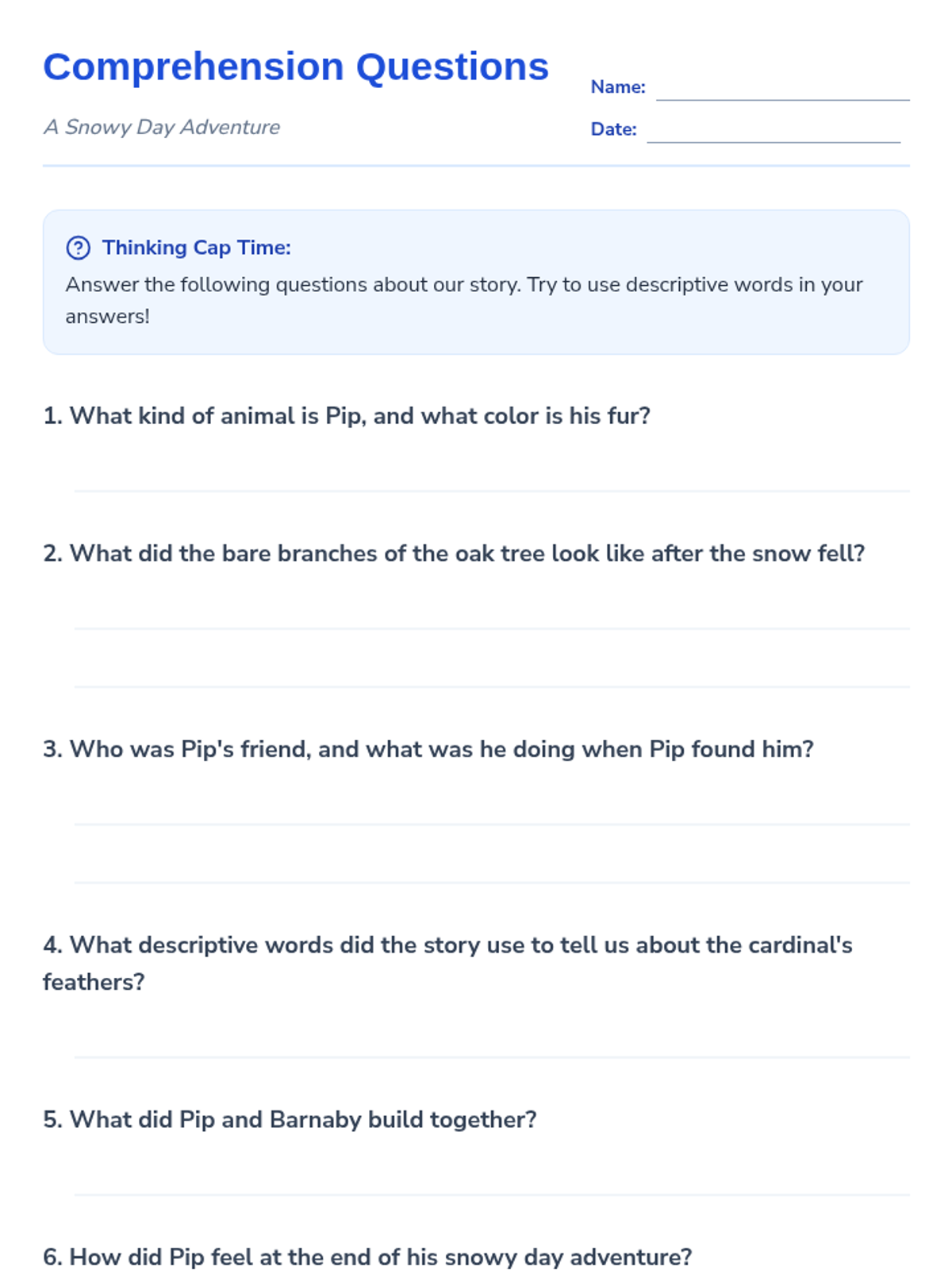
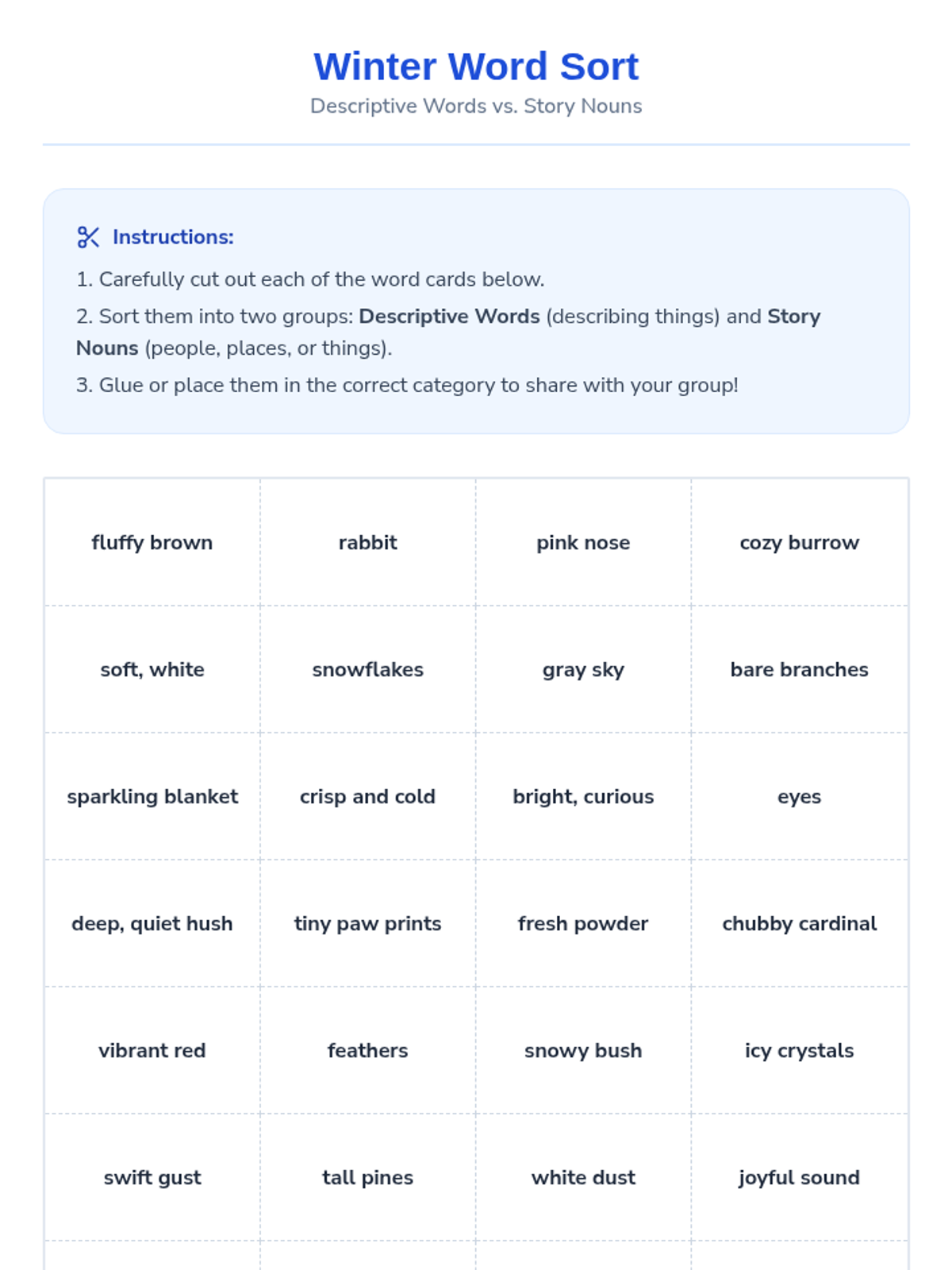
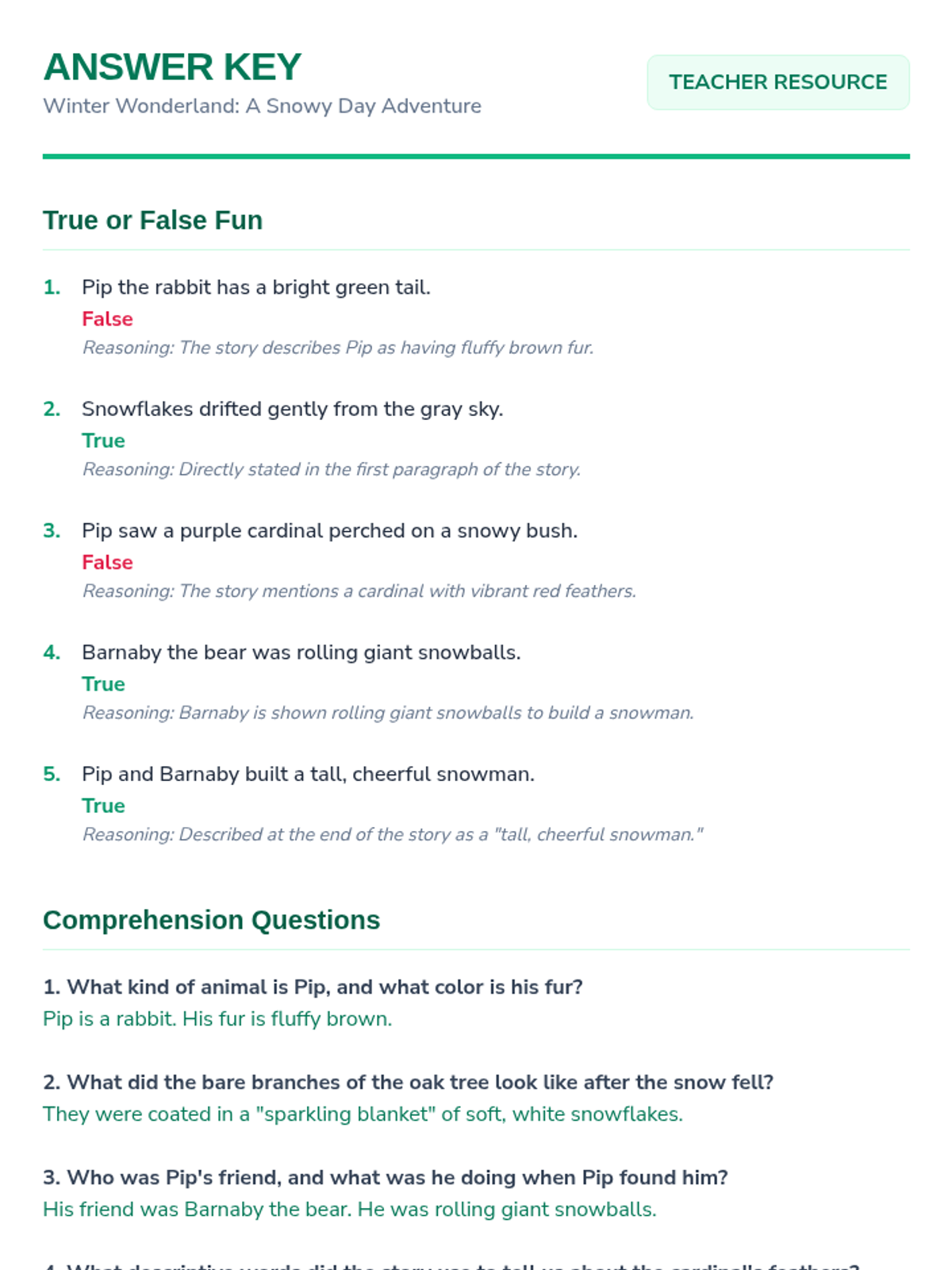
A series of three interactive literacy lessons for 2nd and 3rd graders focused on descriptive language and comprehension through the lens of changing seasons. Each lesson features an engaging story, sensory-rich vocabulary, and hands-on sorting and creative activities.
A challenge-level vocabulary unit for 2nd graders focusing on logical relationships, degree of intensity, and temporal sequences through analogy-based thinking.
A project-based unit where 2nd-grade students learn the structure of analogies, brainstorm word pairs, and create an illustrated 'Book of Connections'. Students transition from solving analogies to designing their own logical puzzles.
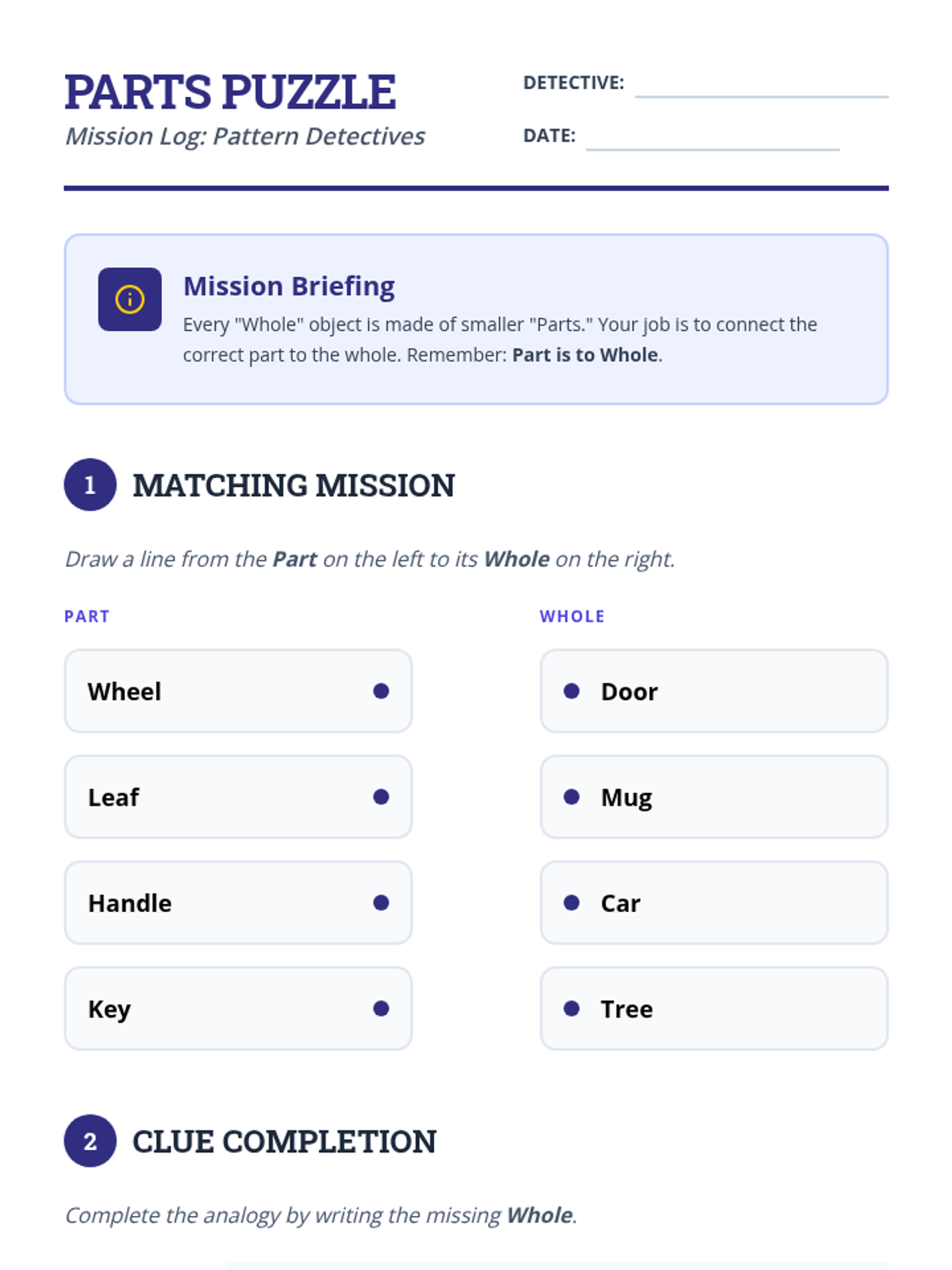
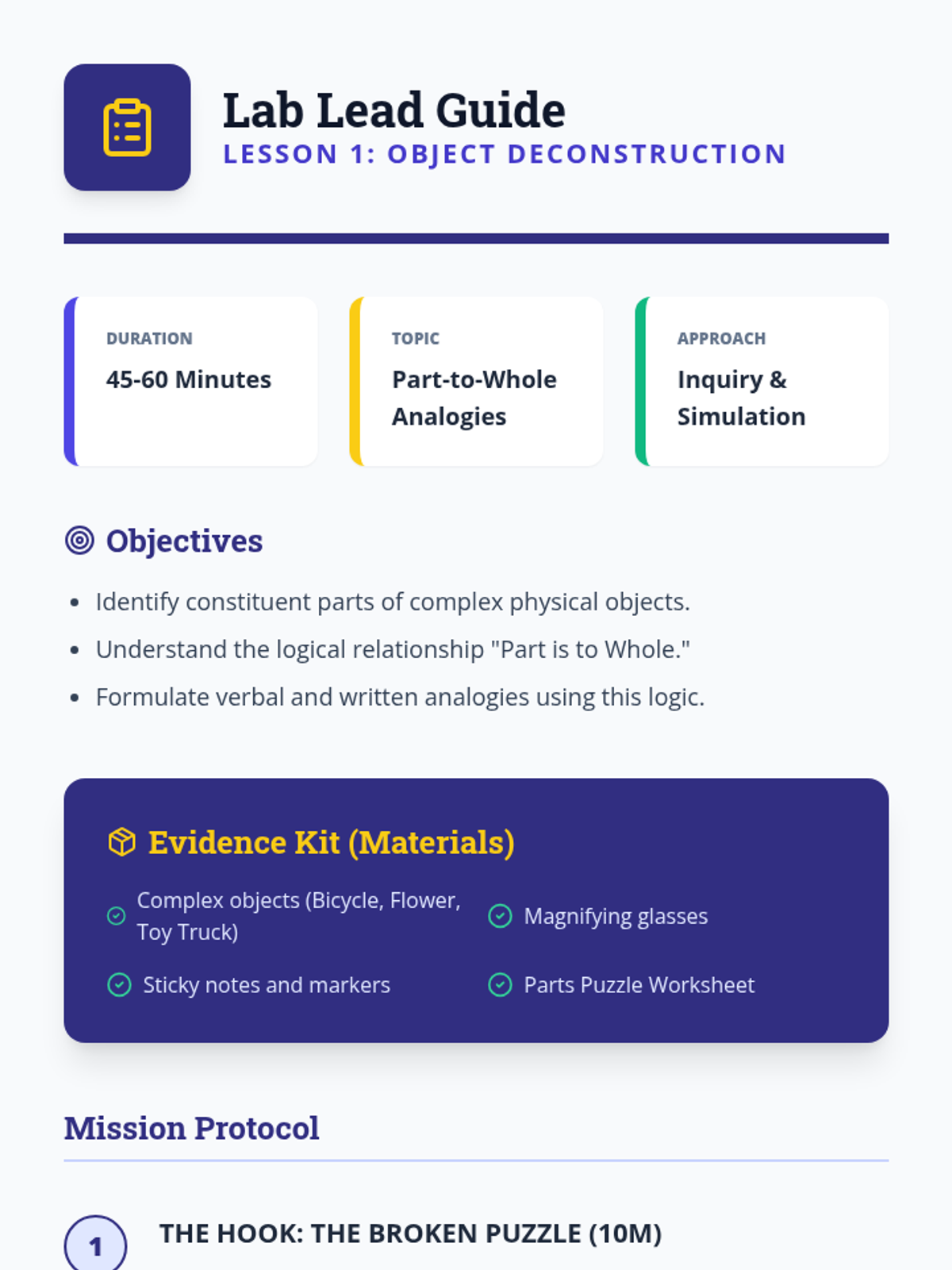
A sequence for 2nd graders to master part-to-whole and category analogies through hands-on investigation and logical reasoning. Students act as 'Pattern Detectives' to solve puzzles and categorize the world around them.
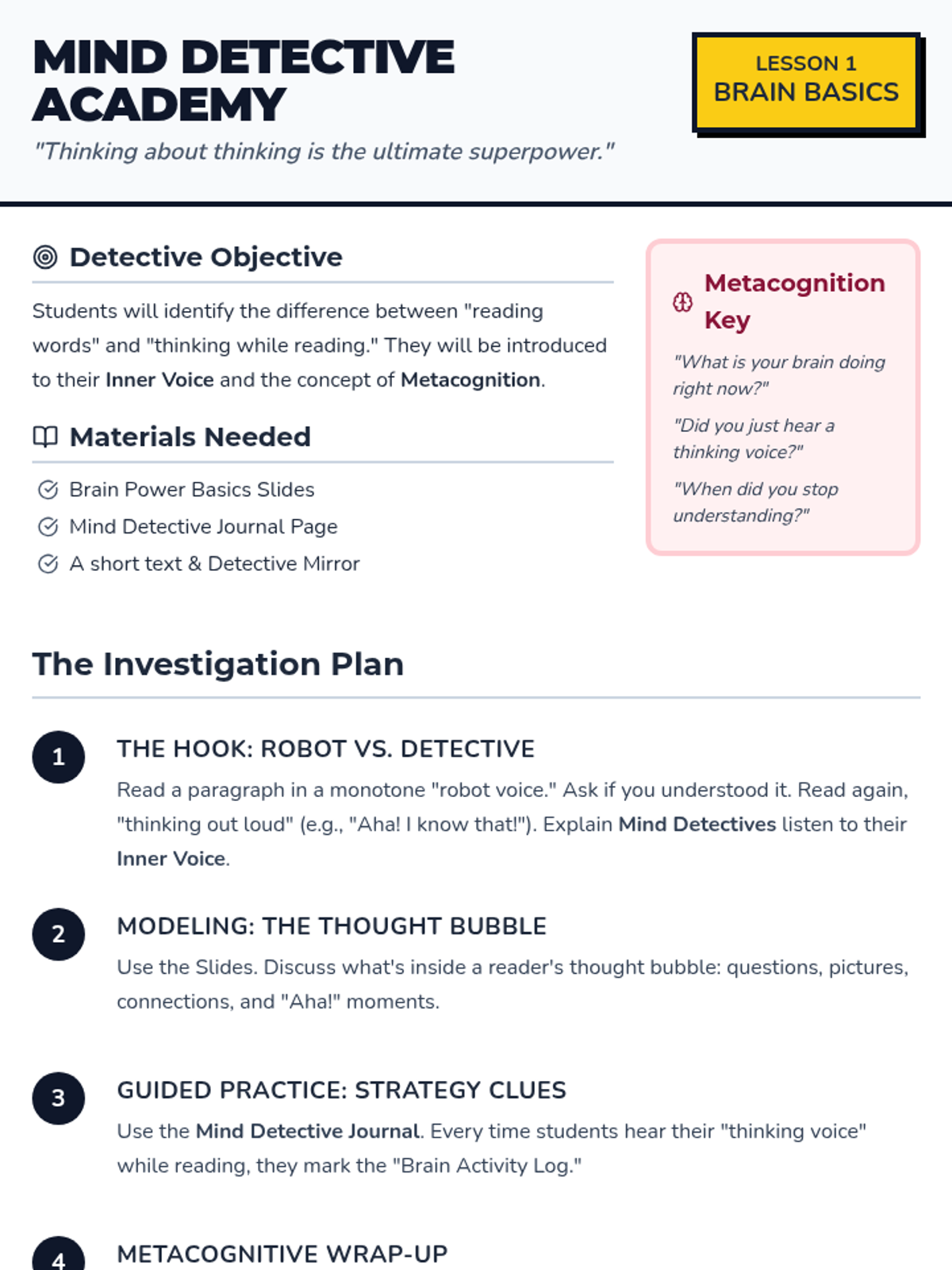
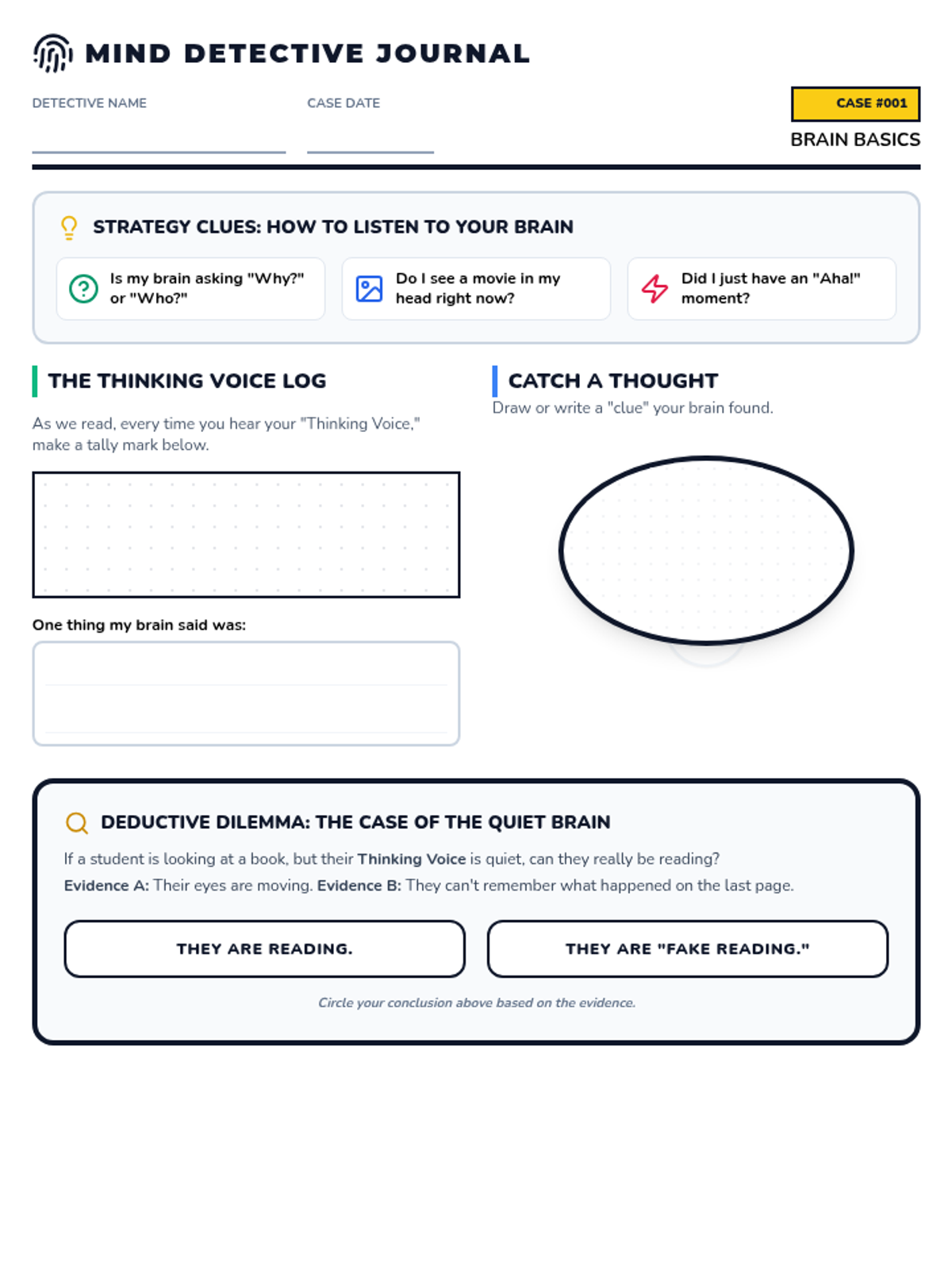
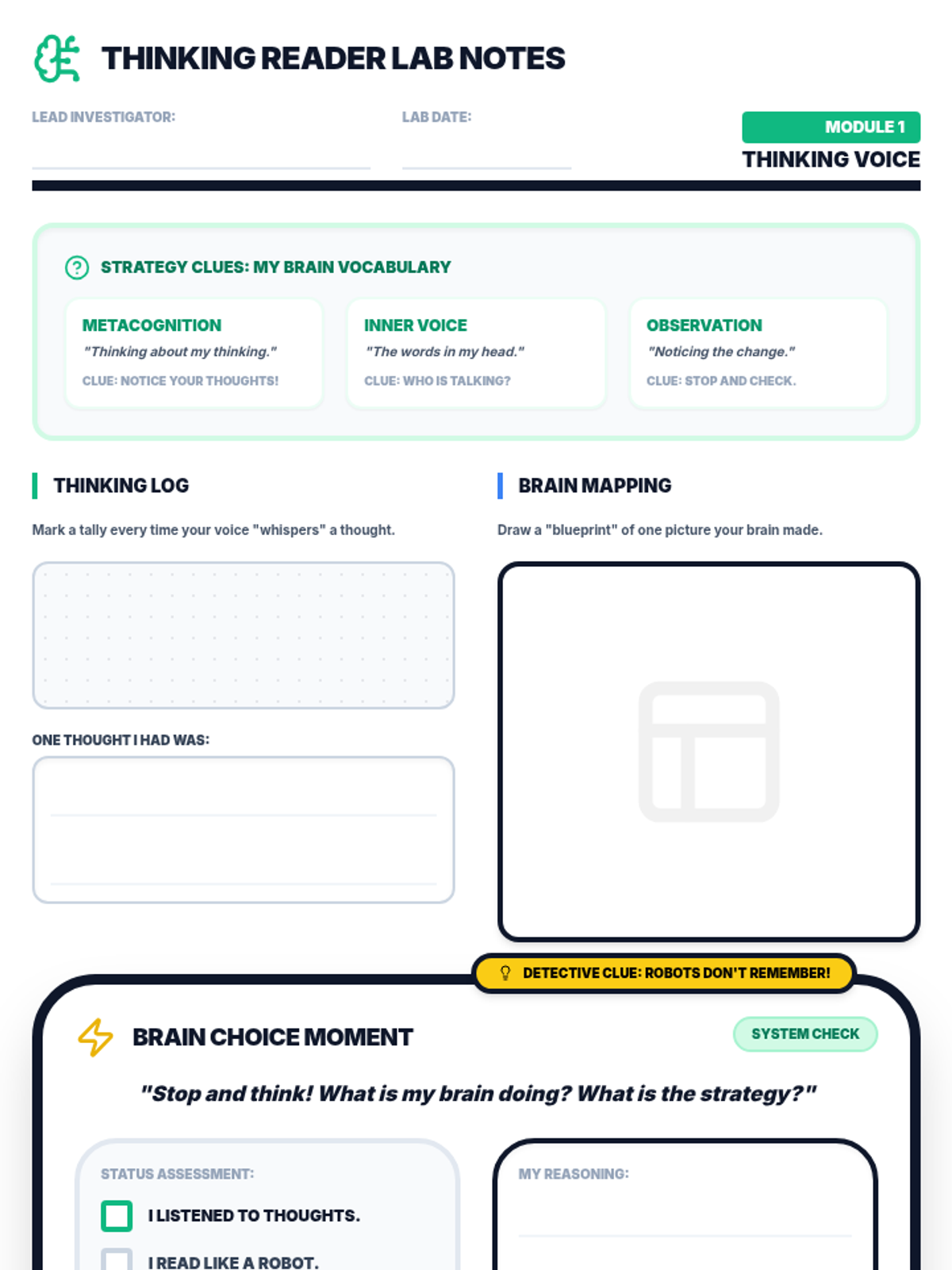
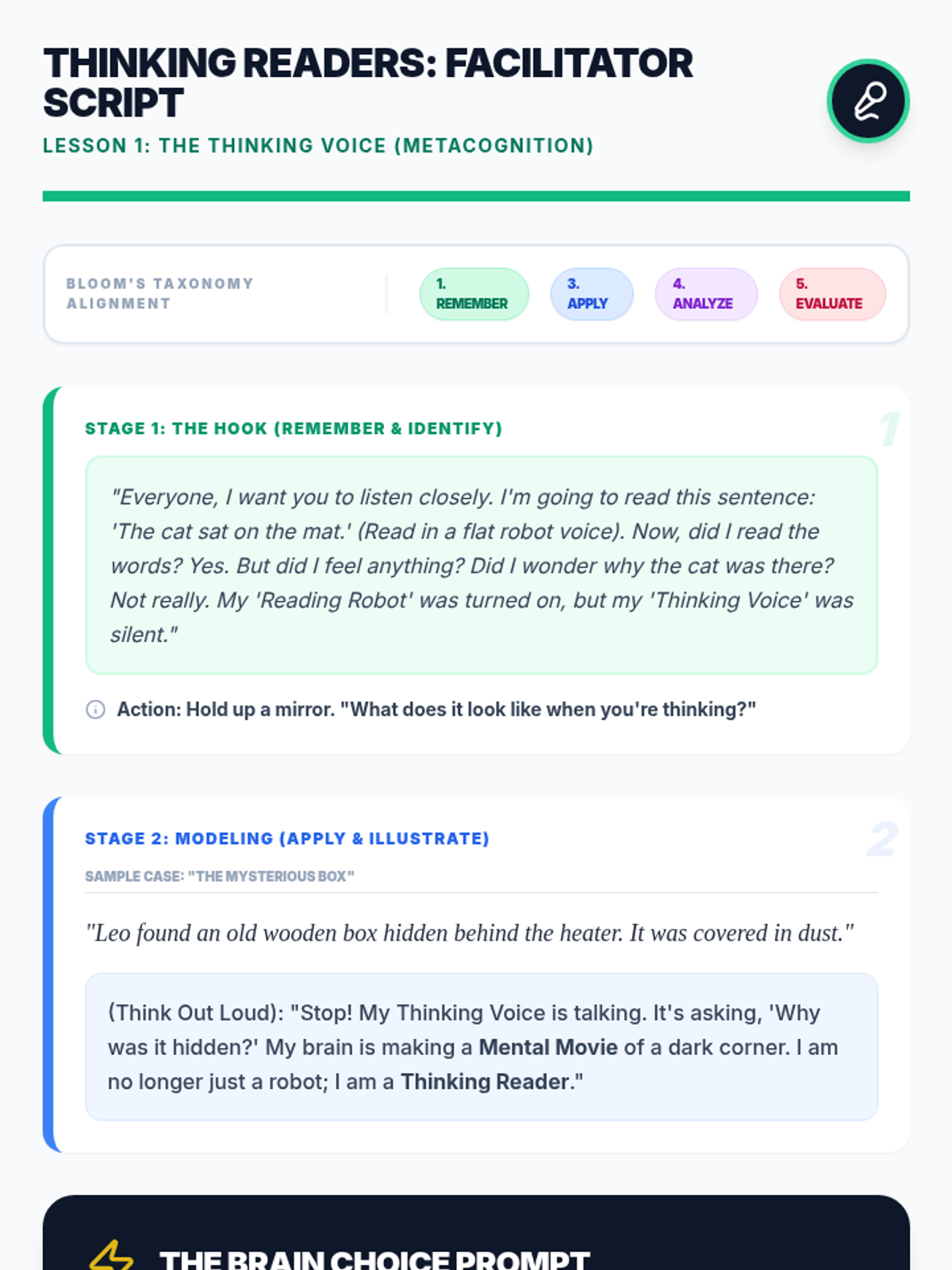
A 12-lesson comprehension mastery program focused on metacognition, reasoning, and evidence-based thinking. Students progress from basic thinking awareness to complex deductive reasoning and synthesis. Inspired by Reading Detective and Comprehension Connections.
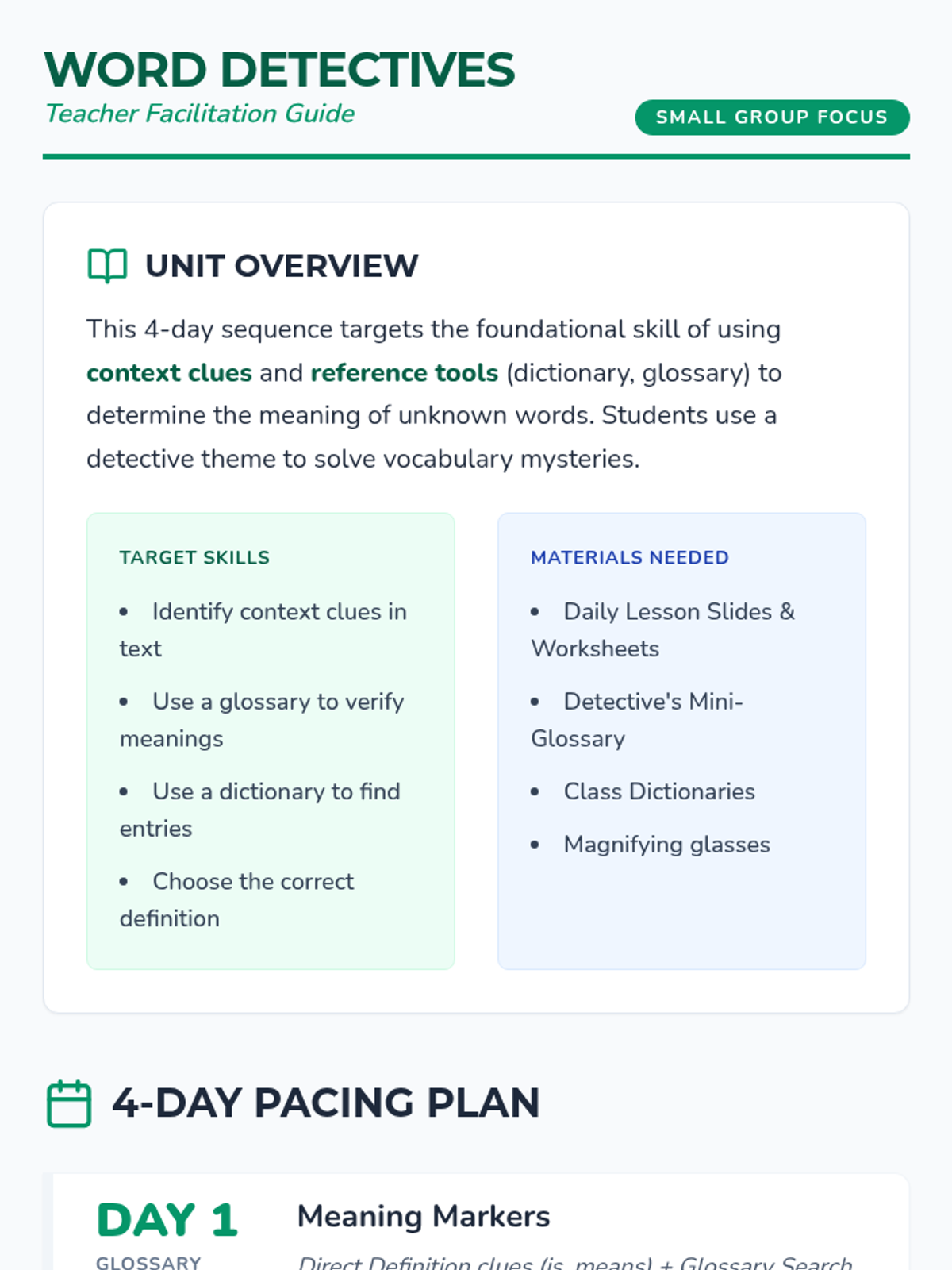
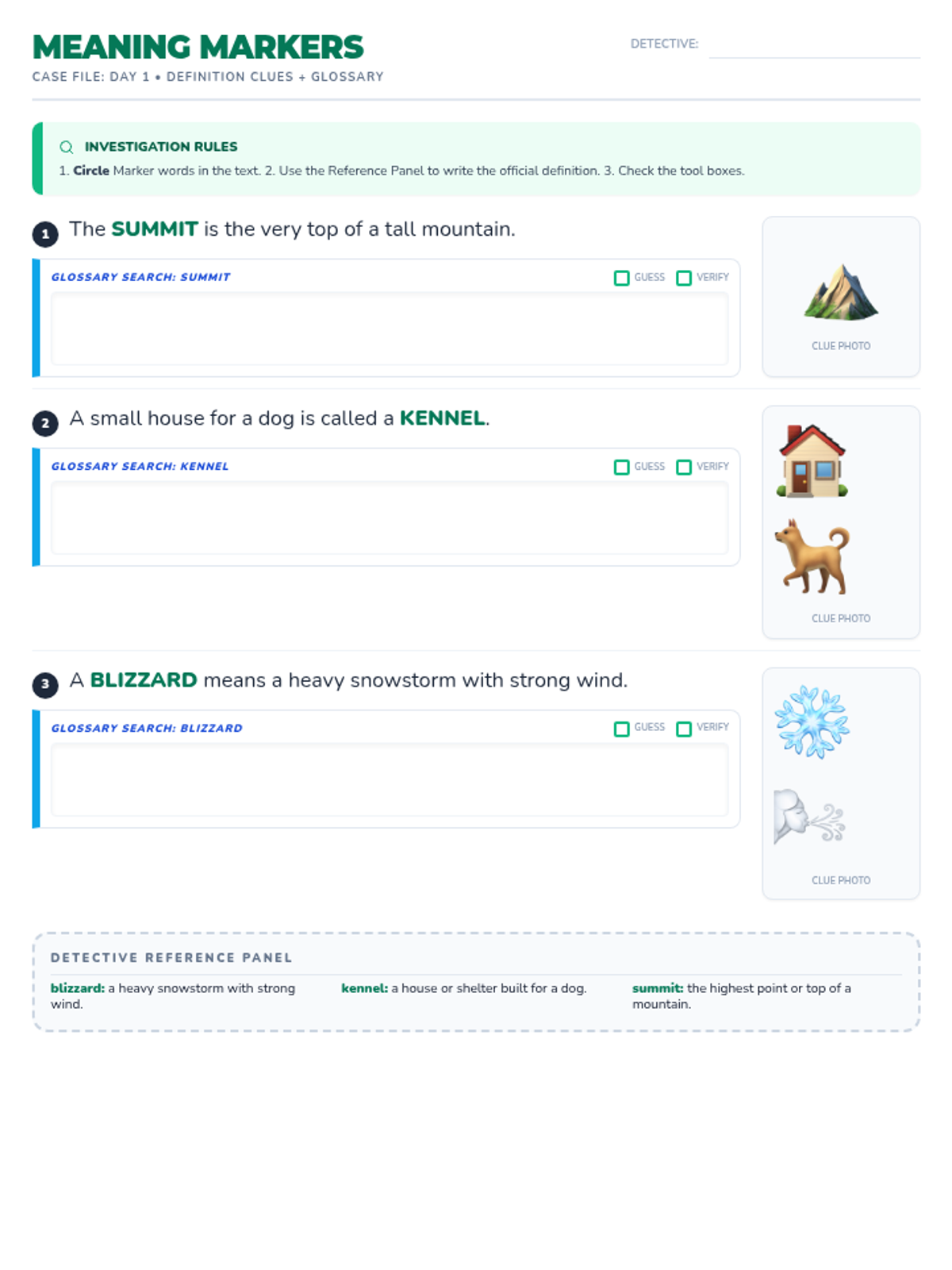
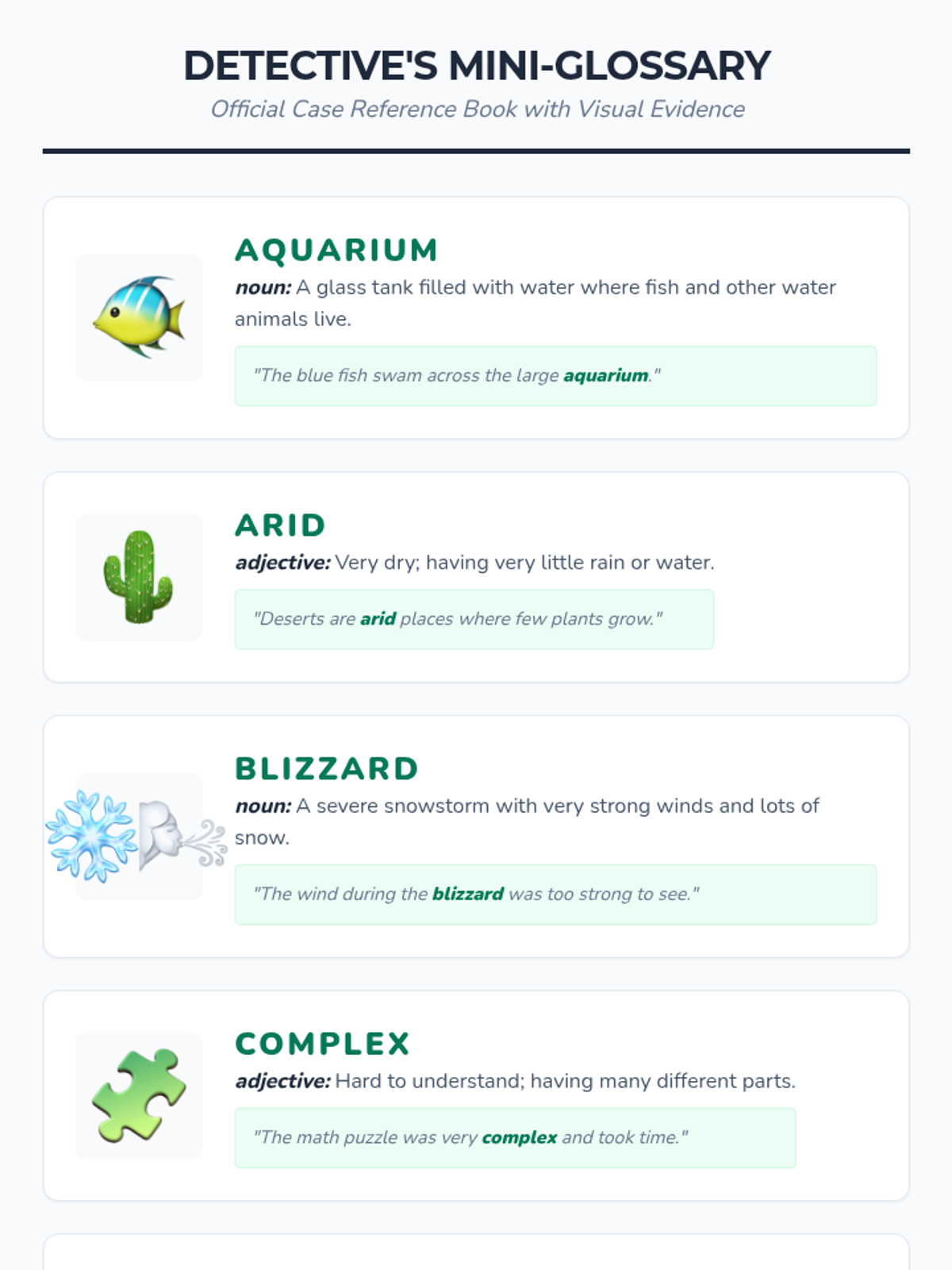
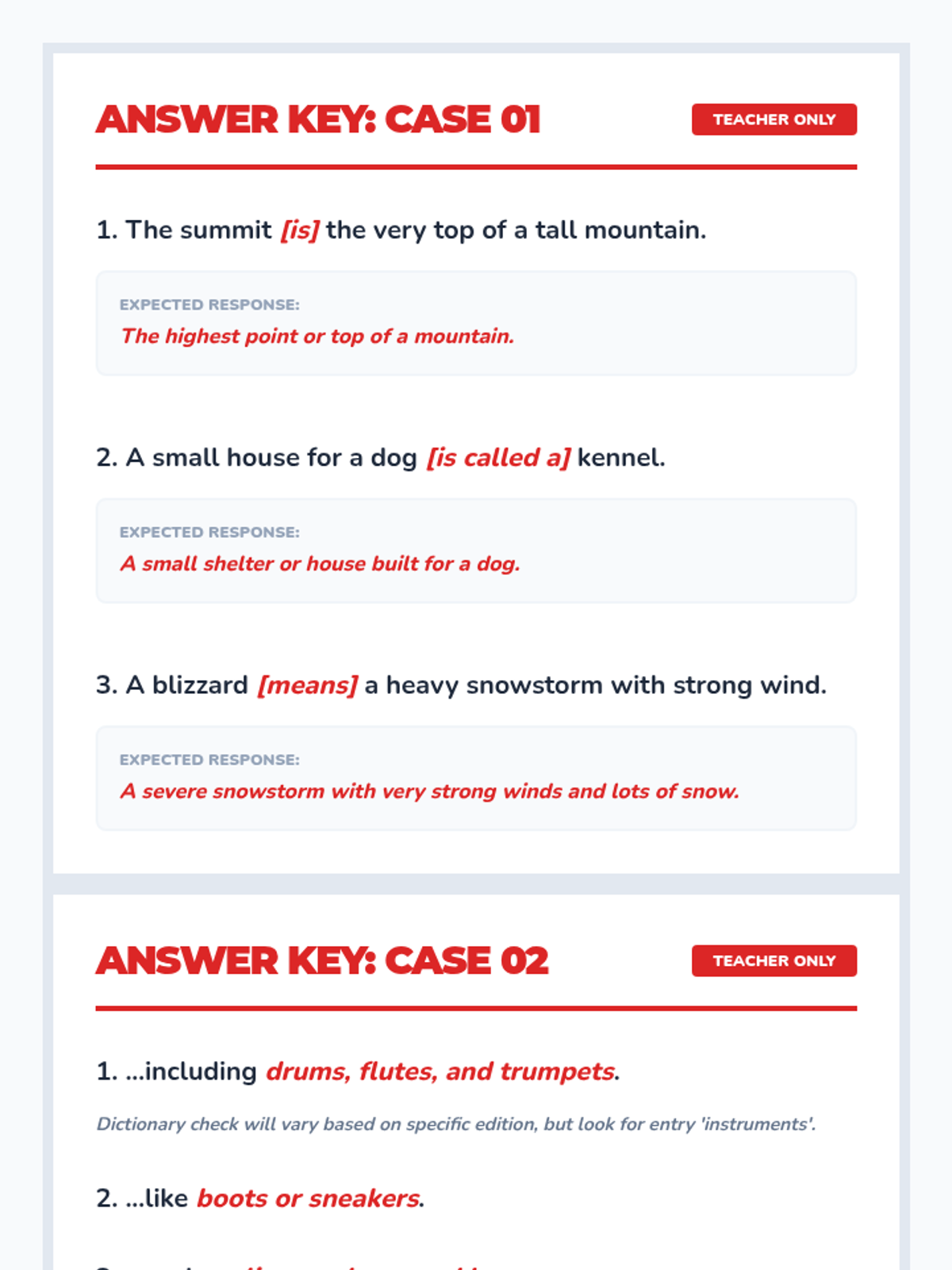
A 4-day small group intervention focused on using context clues (definition, example, synonym, and antonym) supported by visual illustrations to determine the meaning of unknown words. Students act as 'Word Detectives' to solve vocabulary mysteries.
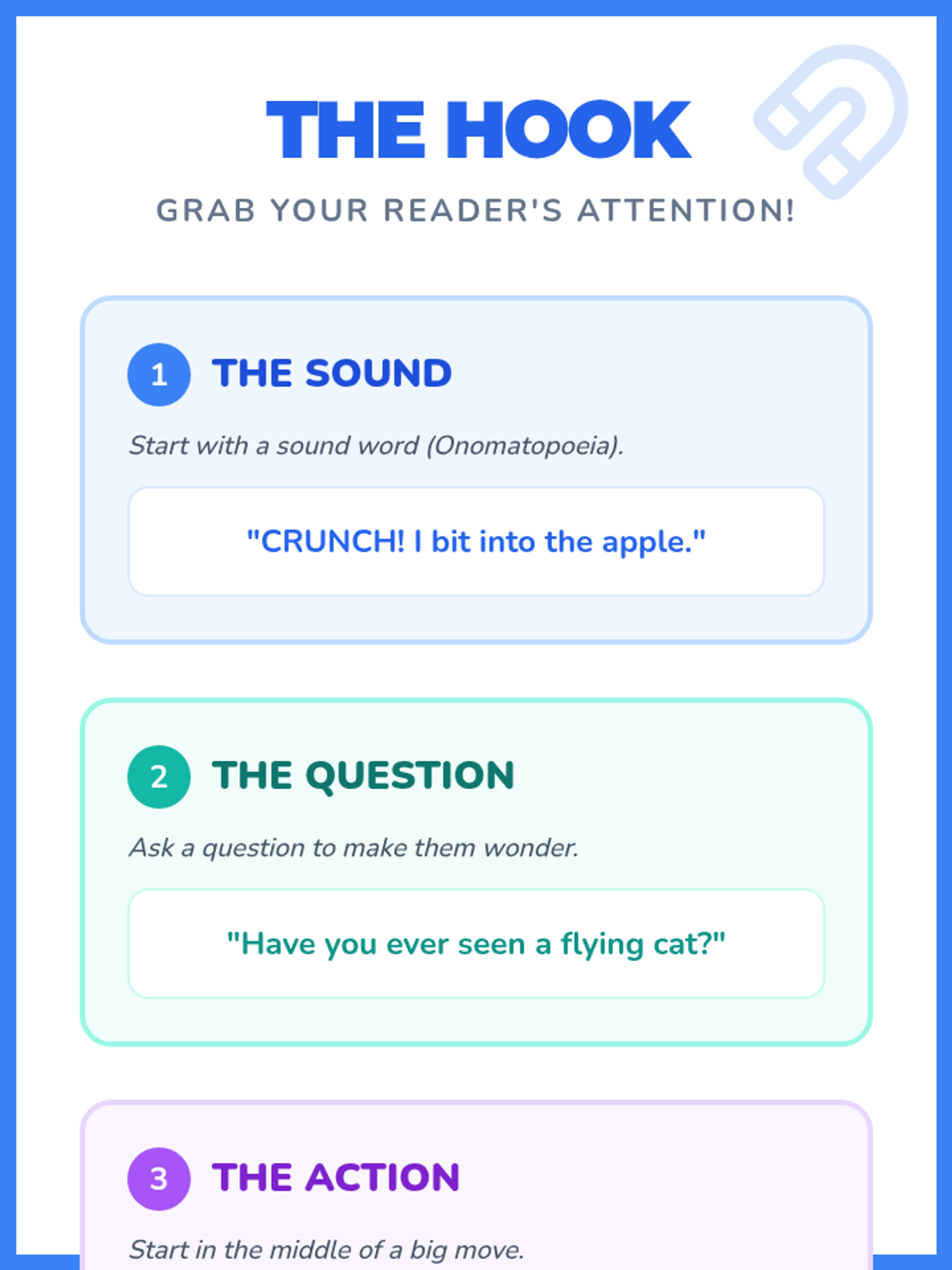
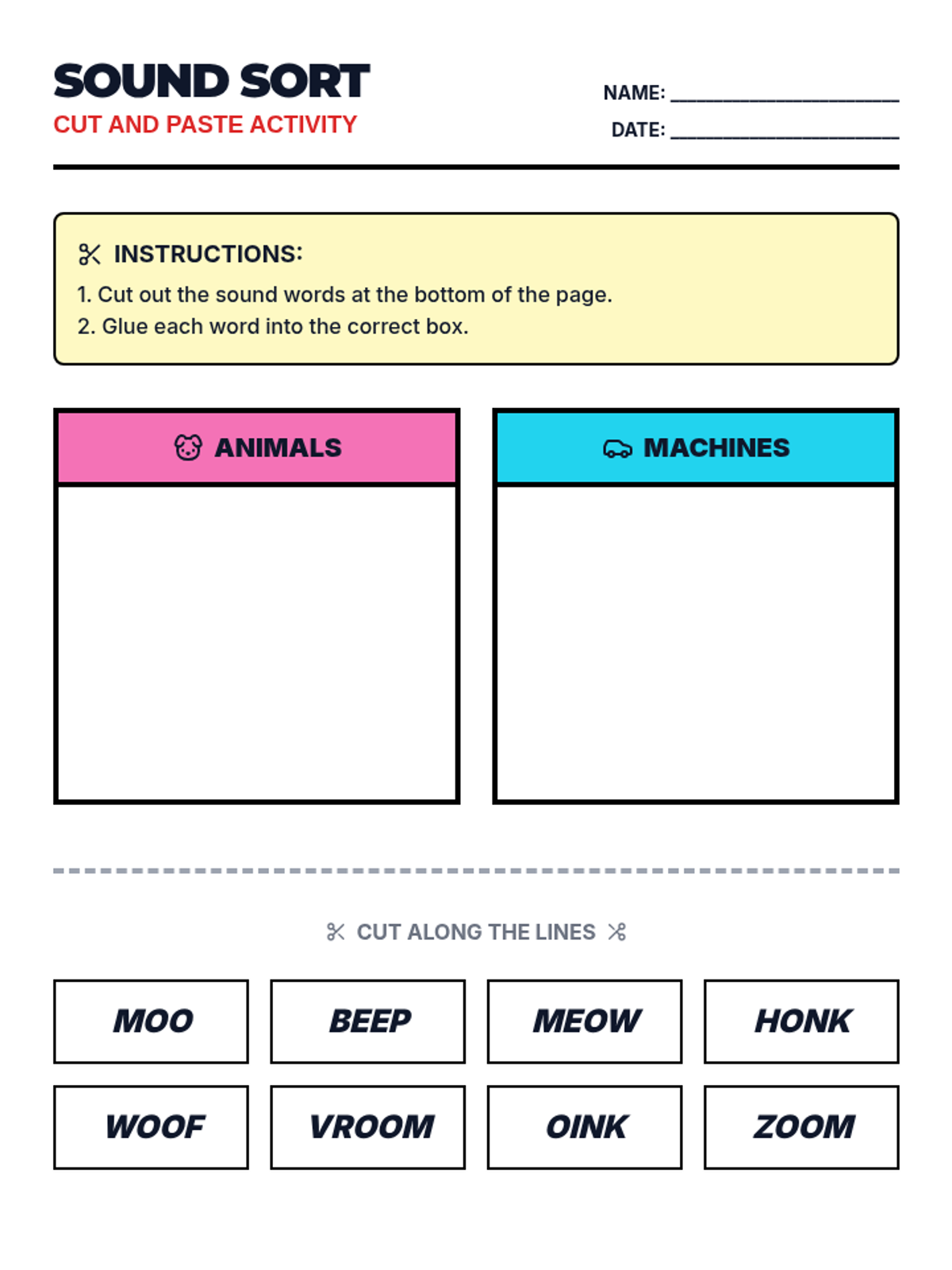
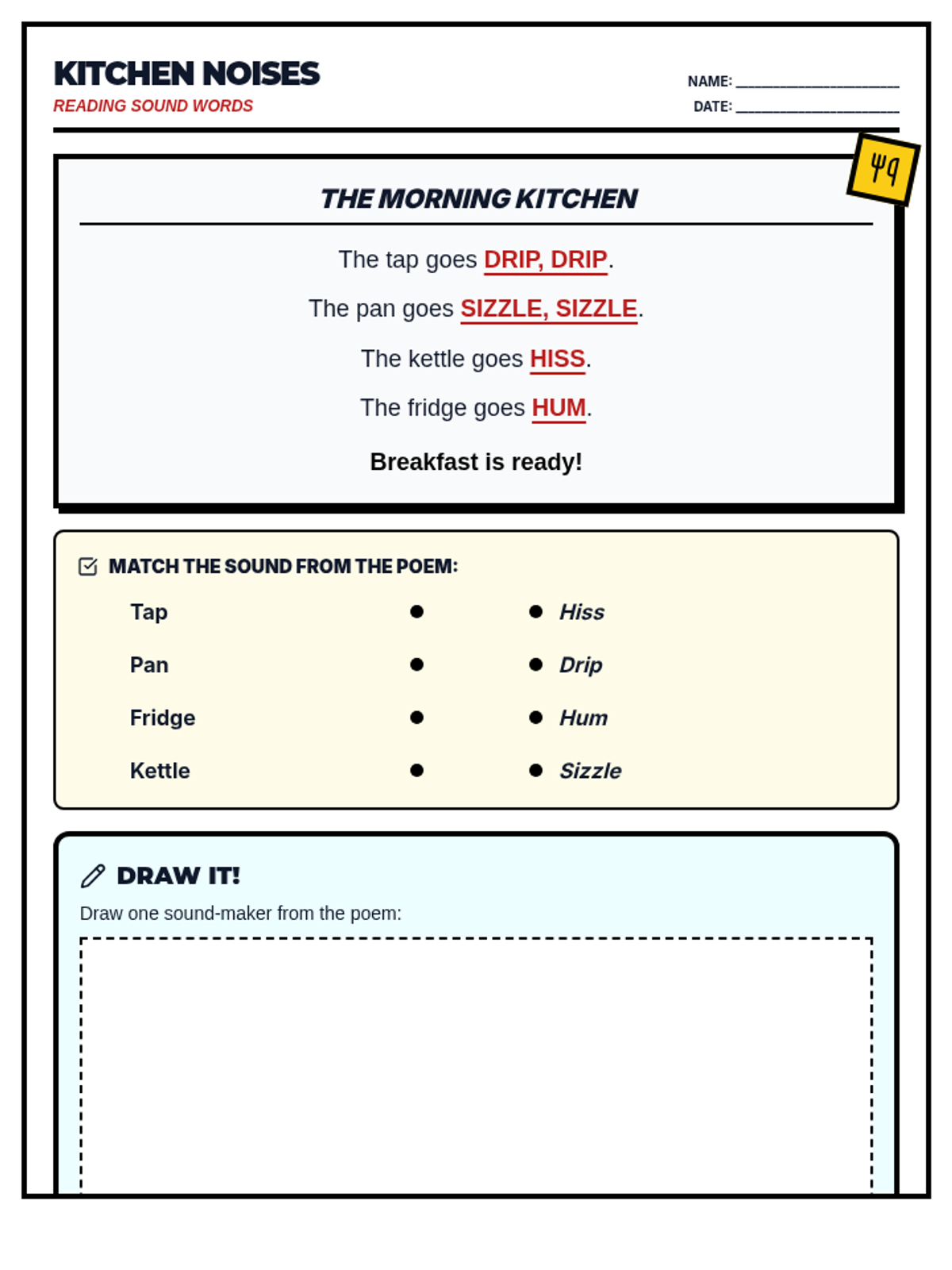
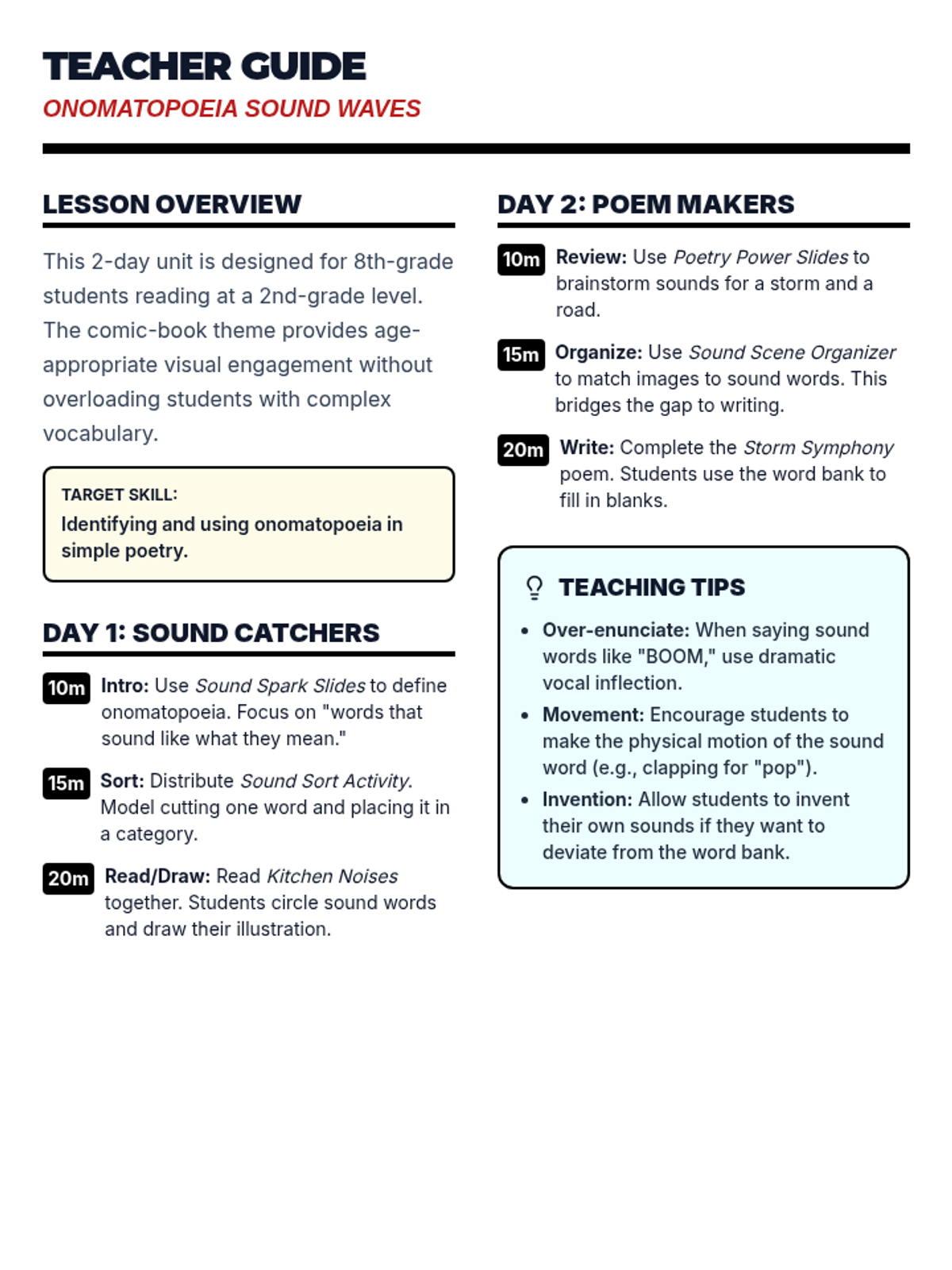
A two-day introductory sequence on onomatopoeia designed for middle school students with early elementary reading levels, using a comic-book aesthetic to maintain age-appropriate engagement.
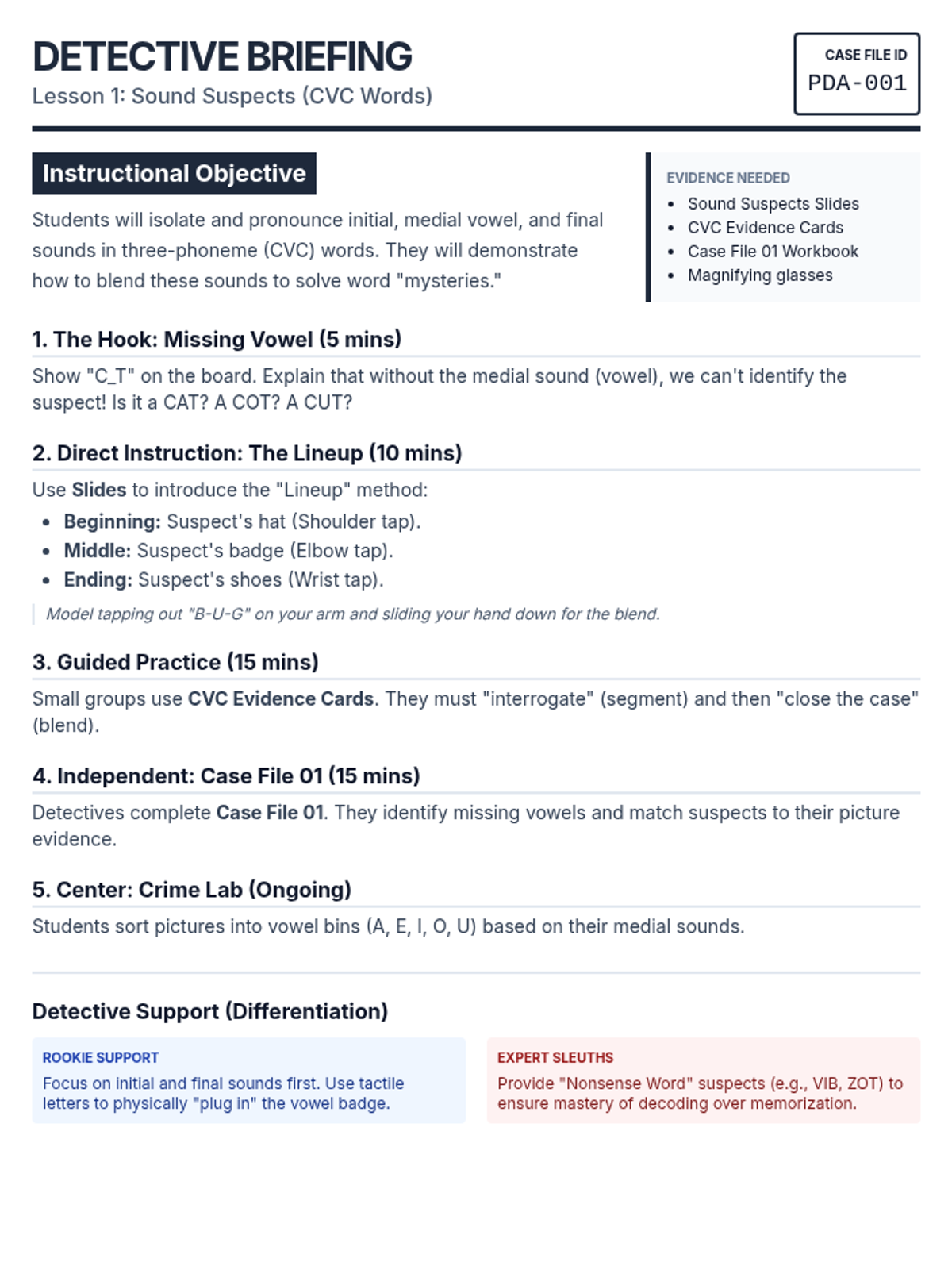
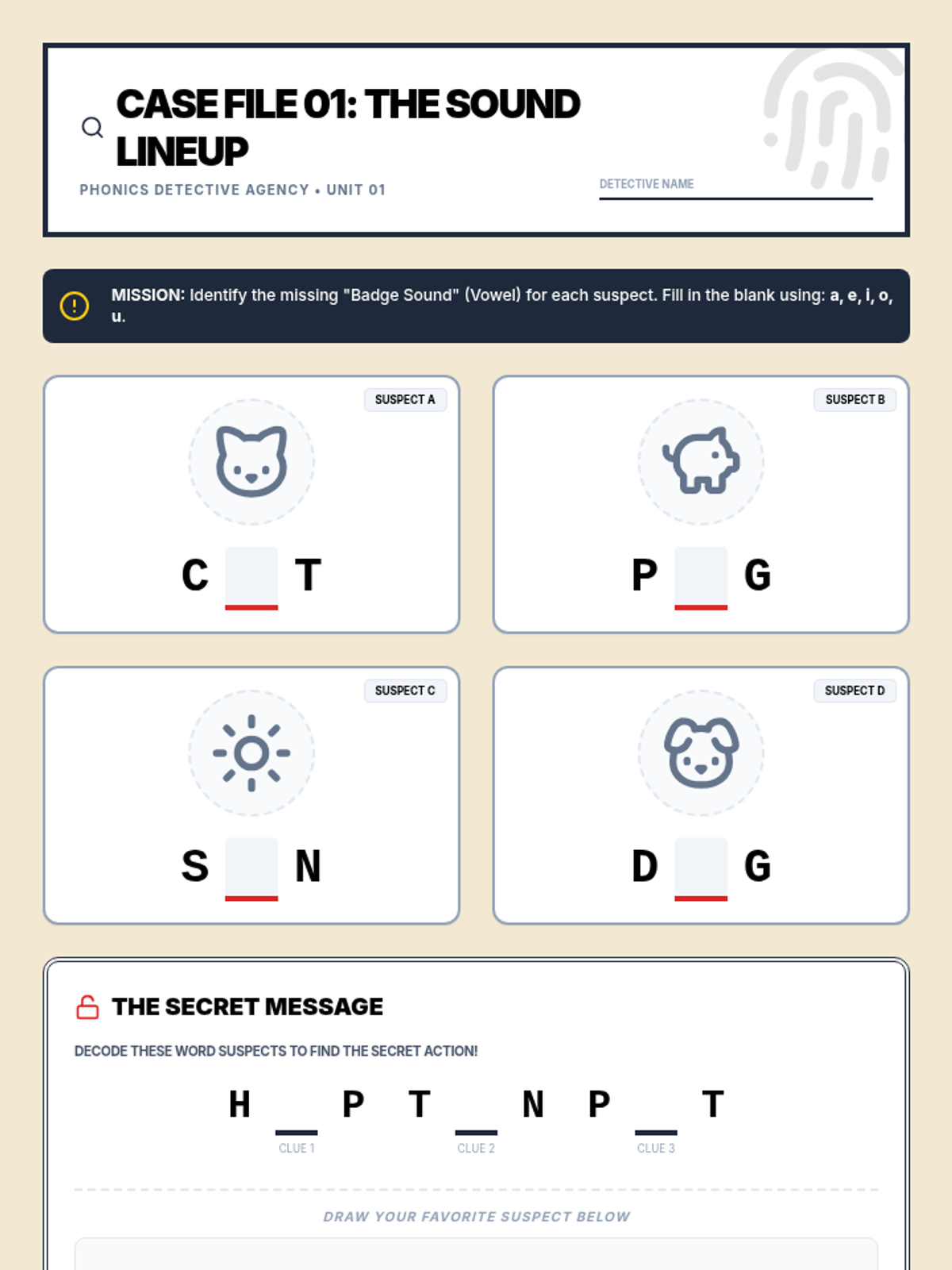
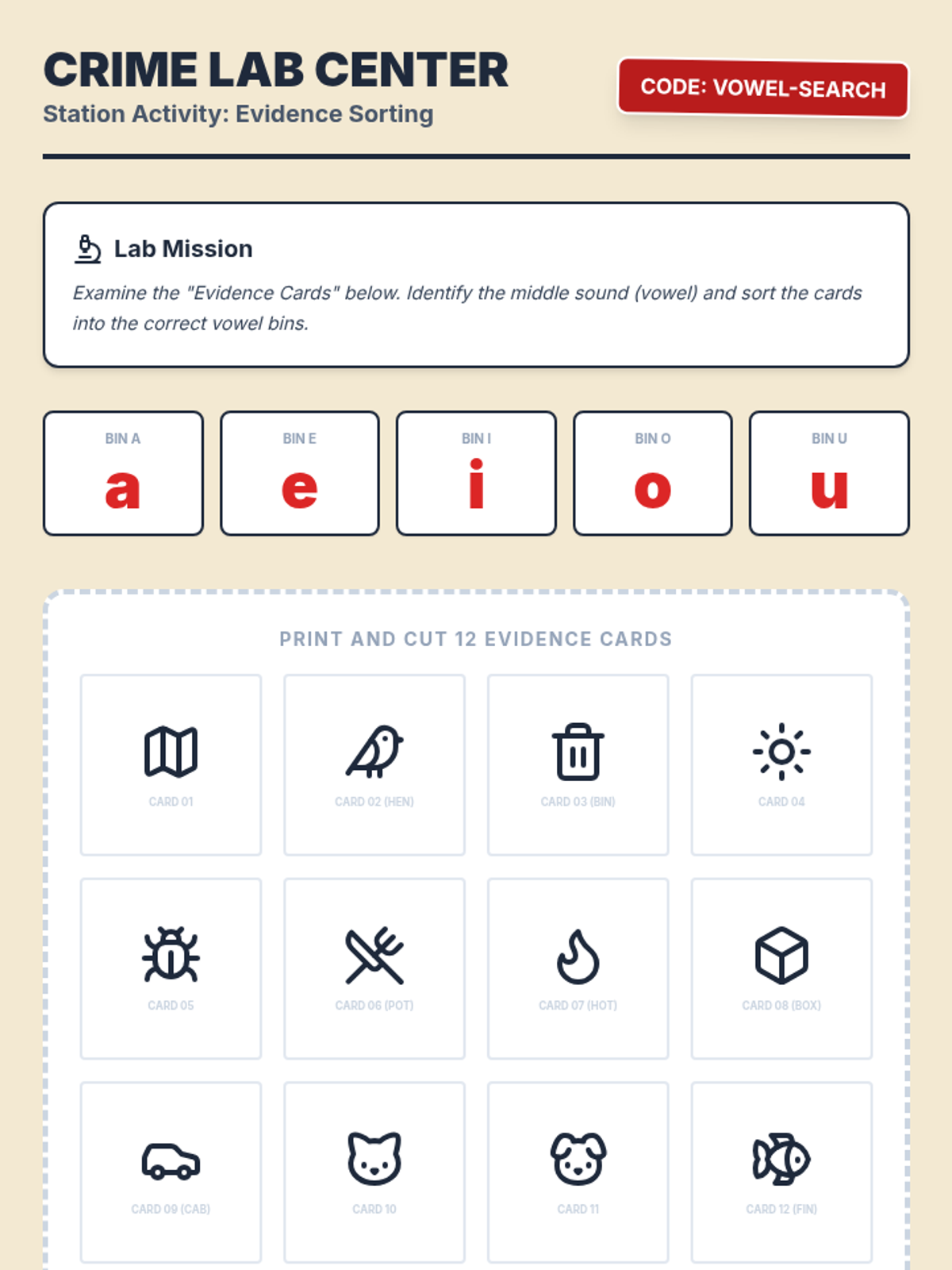
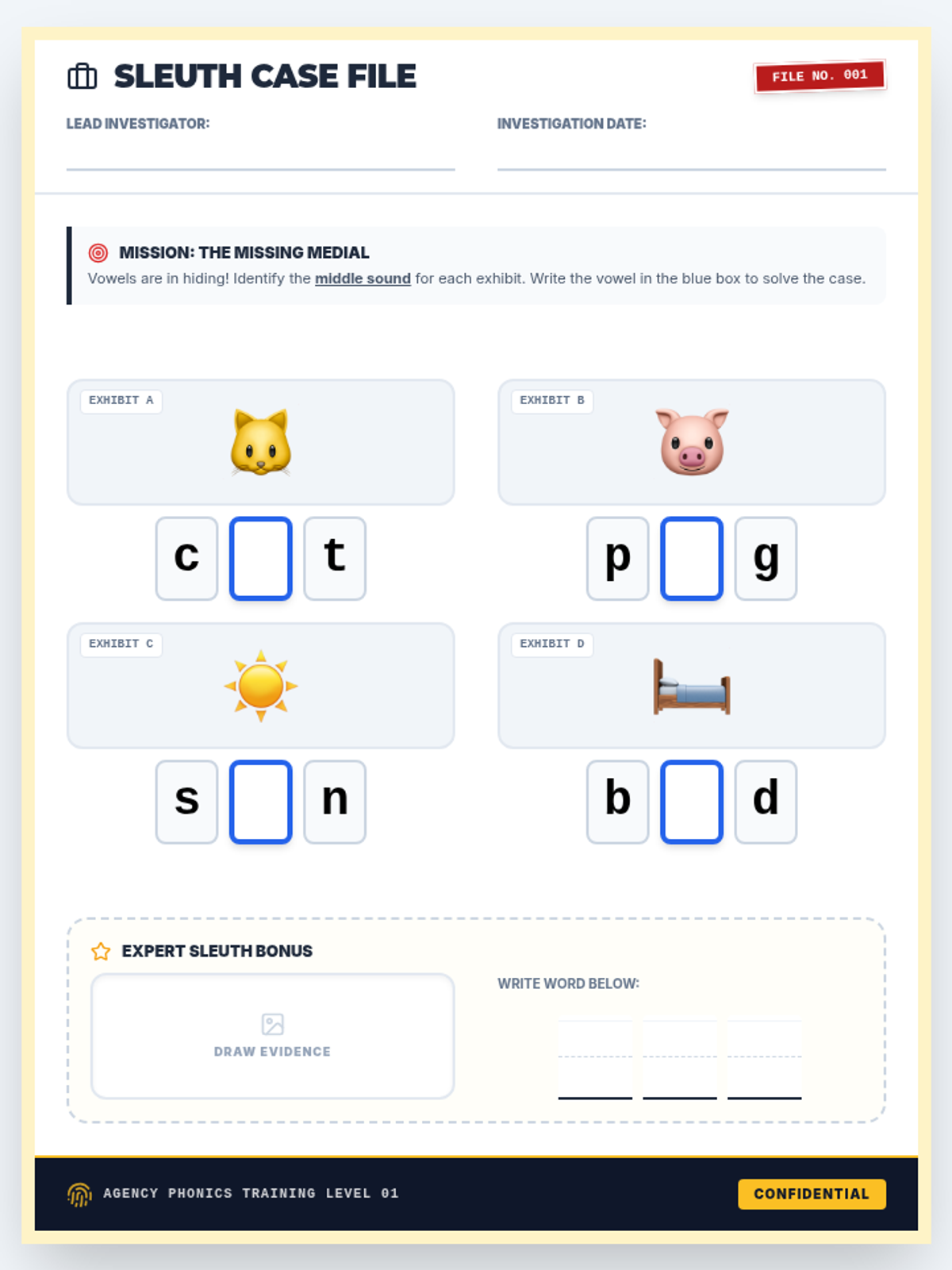
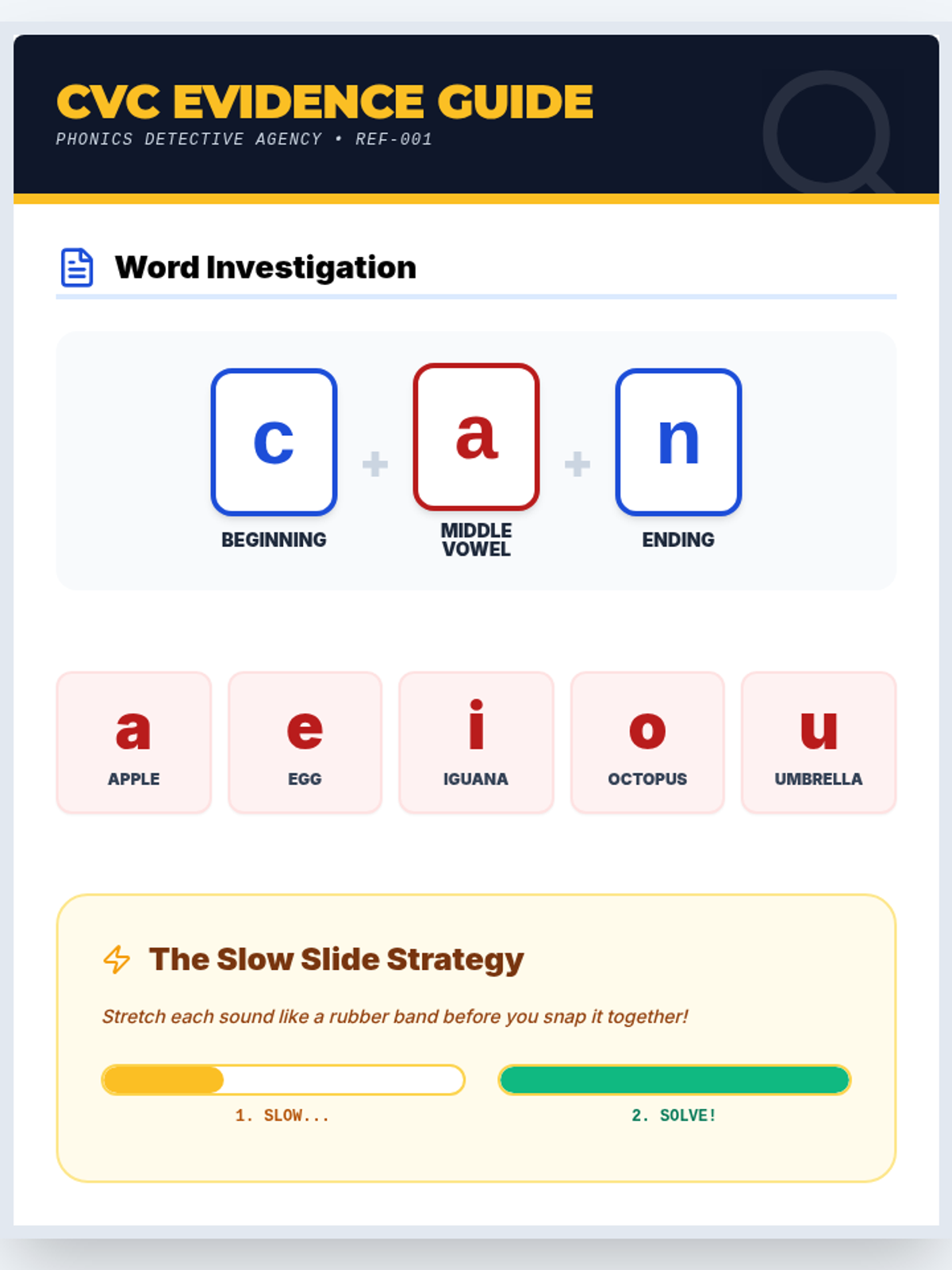
A comprehensive 5-day phonics curriculum where students become 'Phonics Detectives' to solve mysteries involving CVC words, blends, digraphs, vowel teams, and multi-syllabic words. Includes teacher guides, slides, student case files, and hands-on center activities.
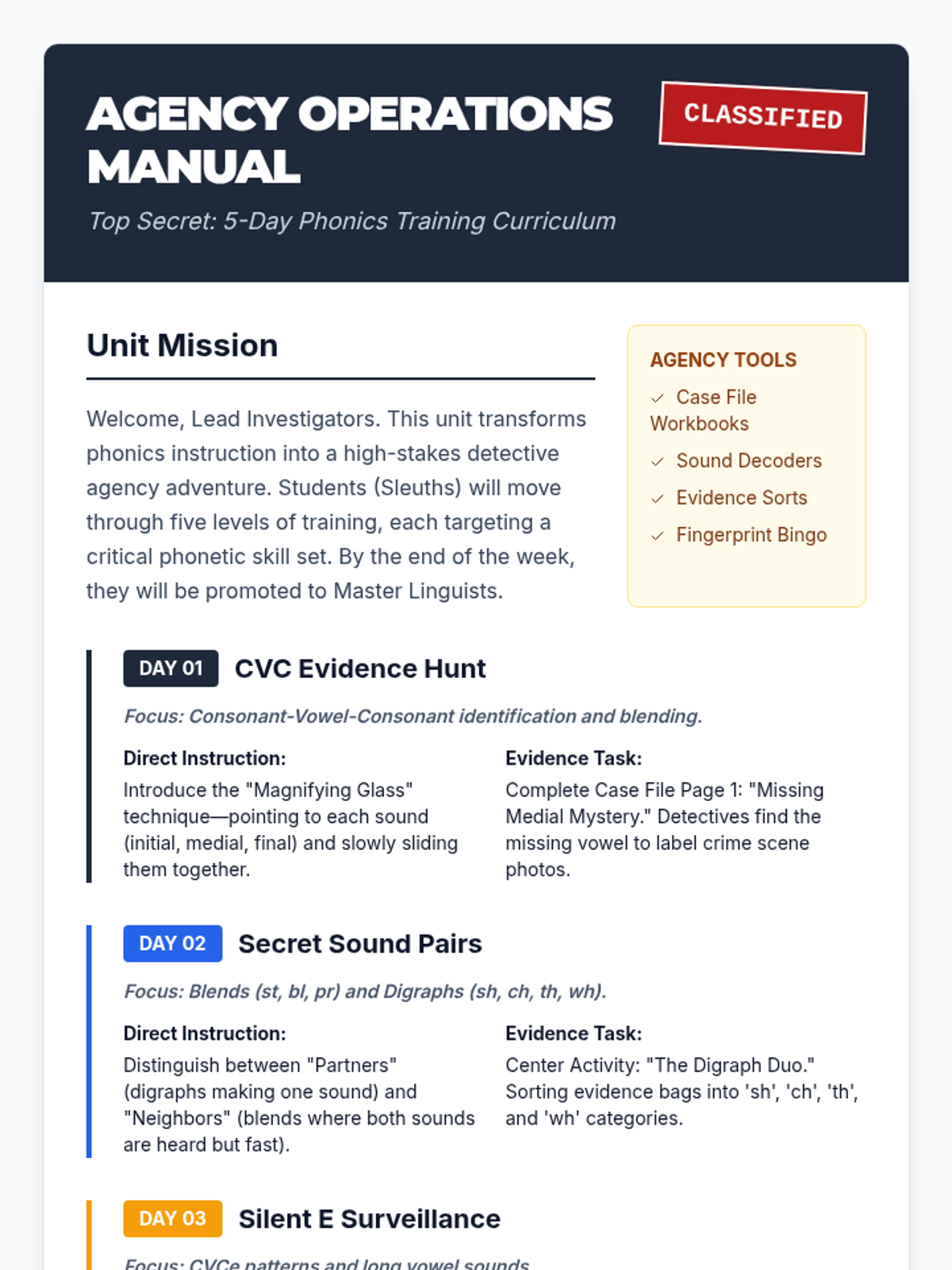
A comprehensive 5-day phonics curriculum for grades K-3 using a detective agency theme. Students progress from sound sleuths to master linguists, uncovering the secrets of CVC words, blends, digraphs, silent e, vowel teams, and multi-syllabic words through investigative play and structured practice.
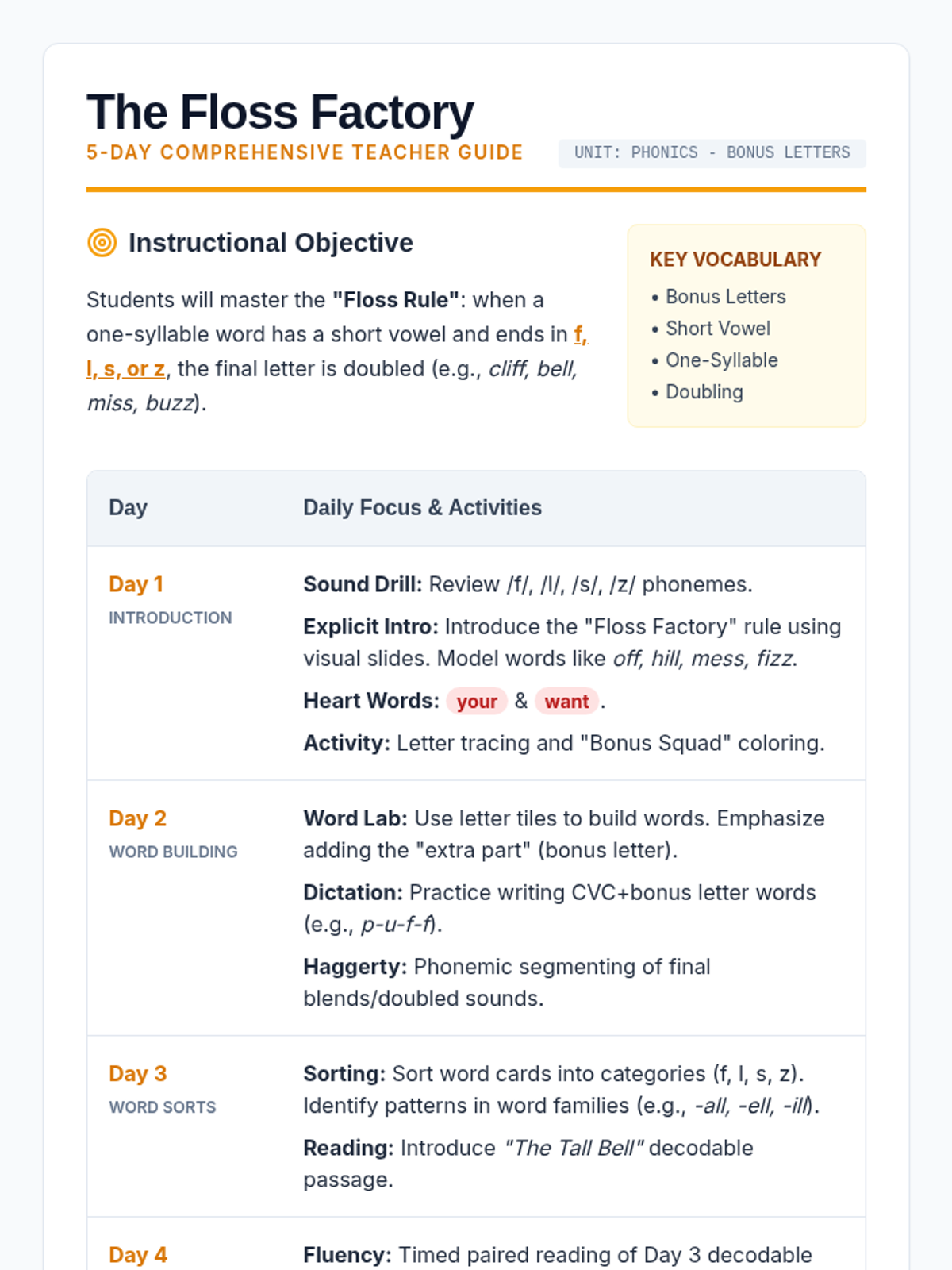
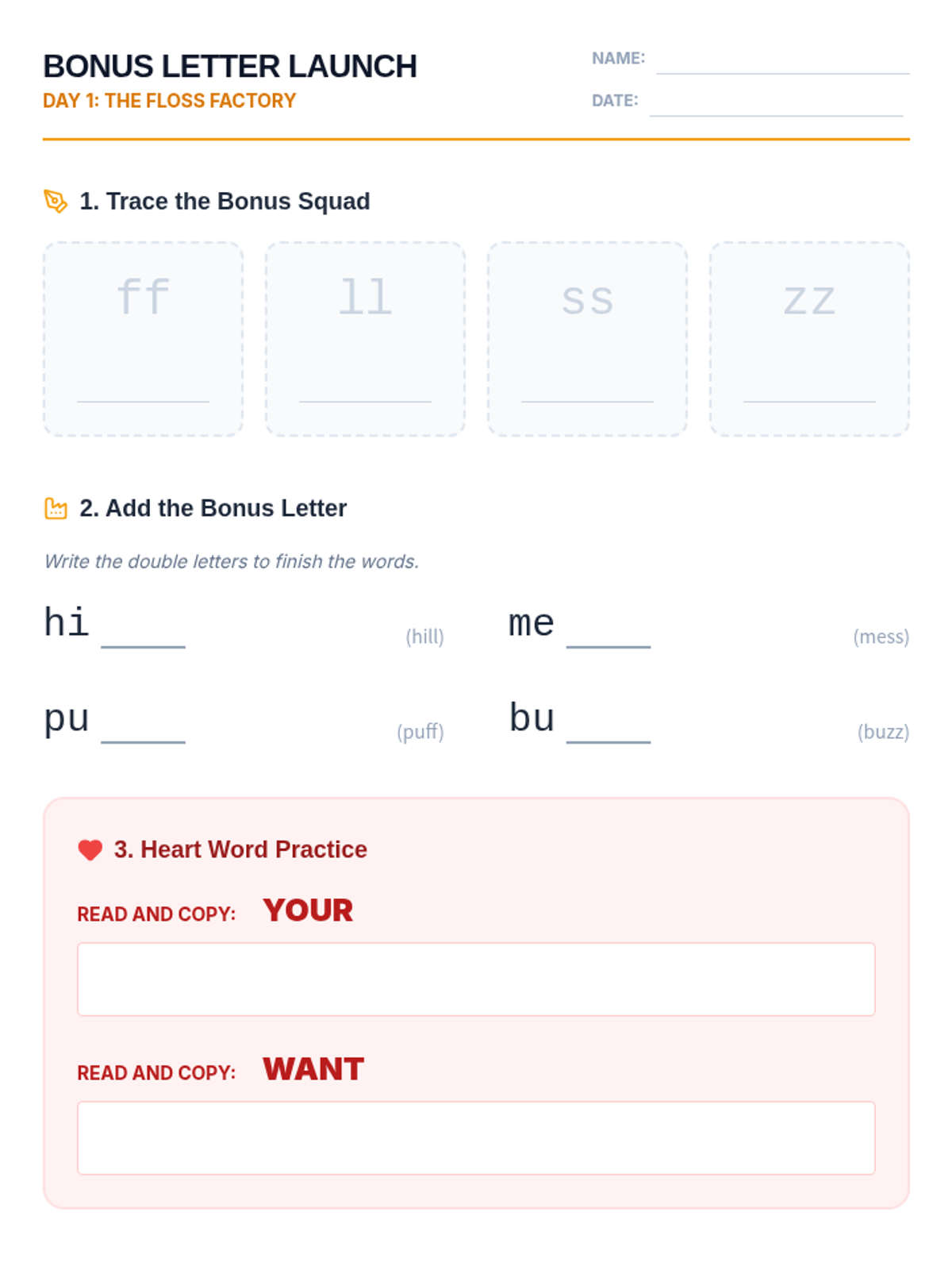
A comprehensive 5-day phonics unit focused on the "bonus letters" (Floss Rule: f, l, s, z) including heart words 'your' and 'want'. Students explore the concept of doubling final consonants in one-syllable short vowel words through a factory-themed learning experience.
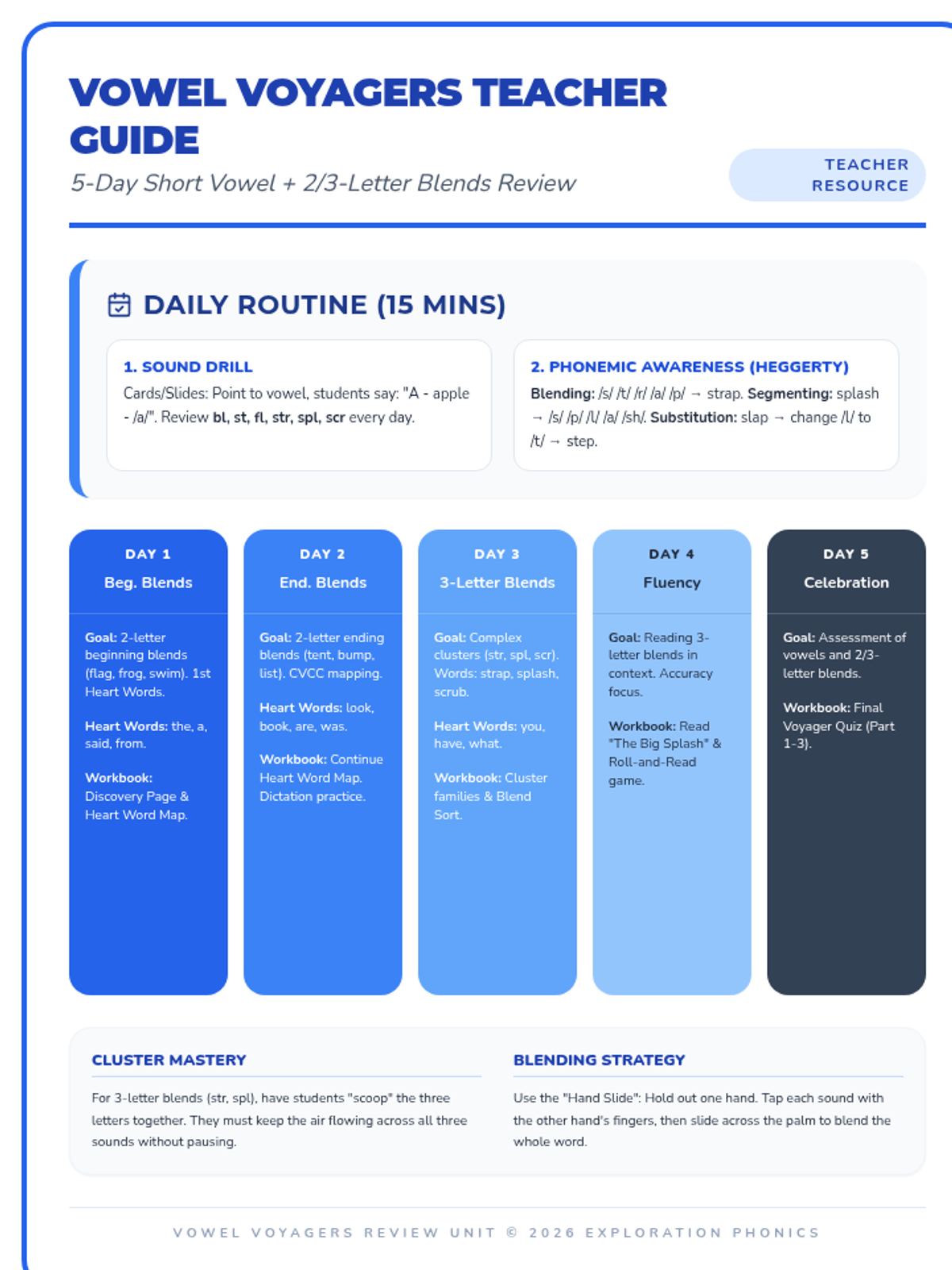
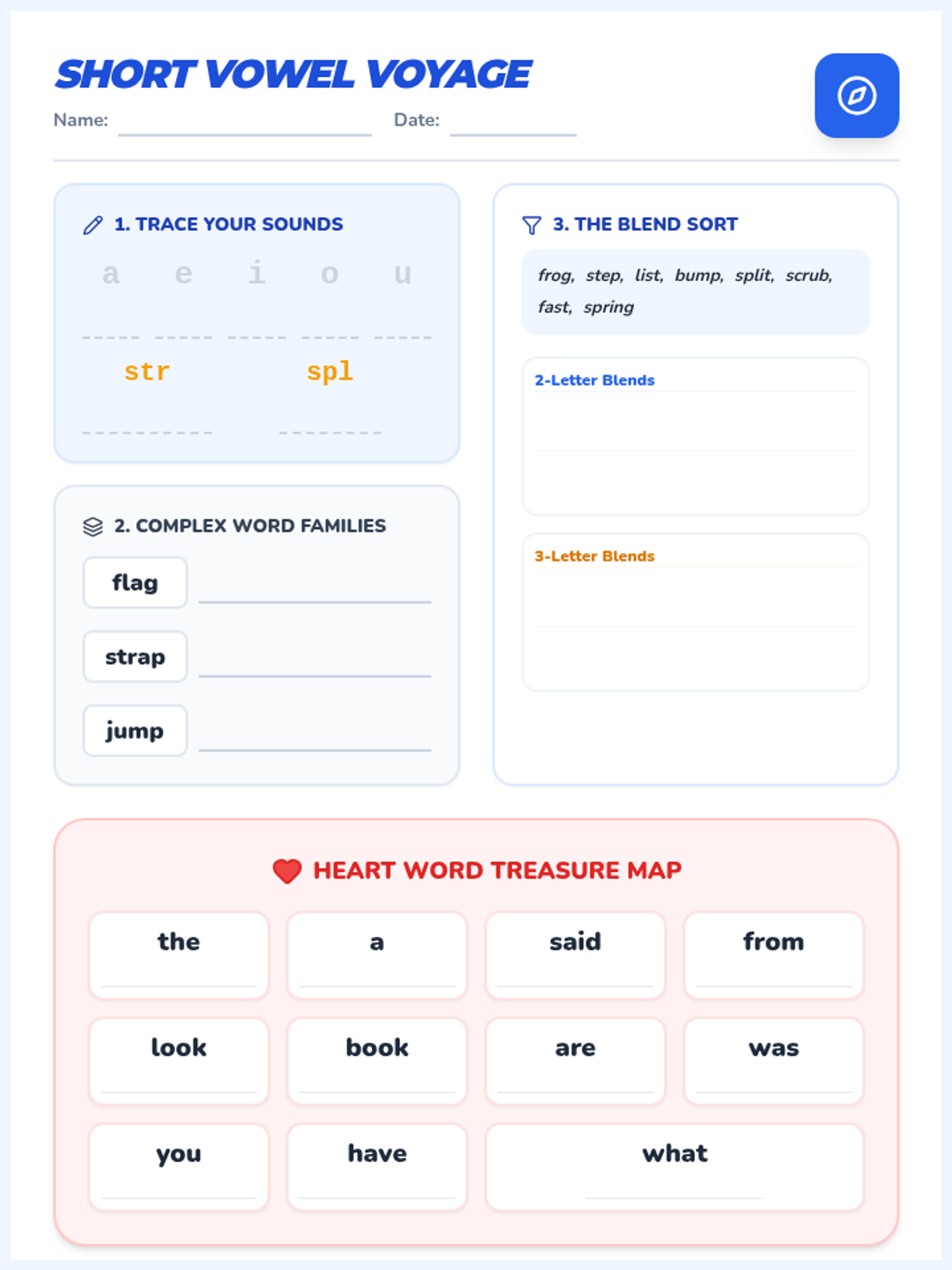
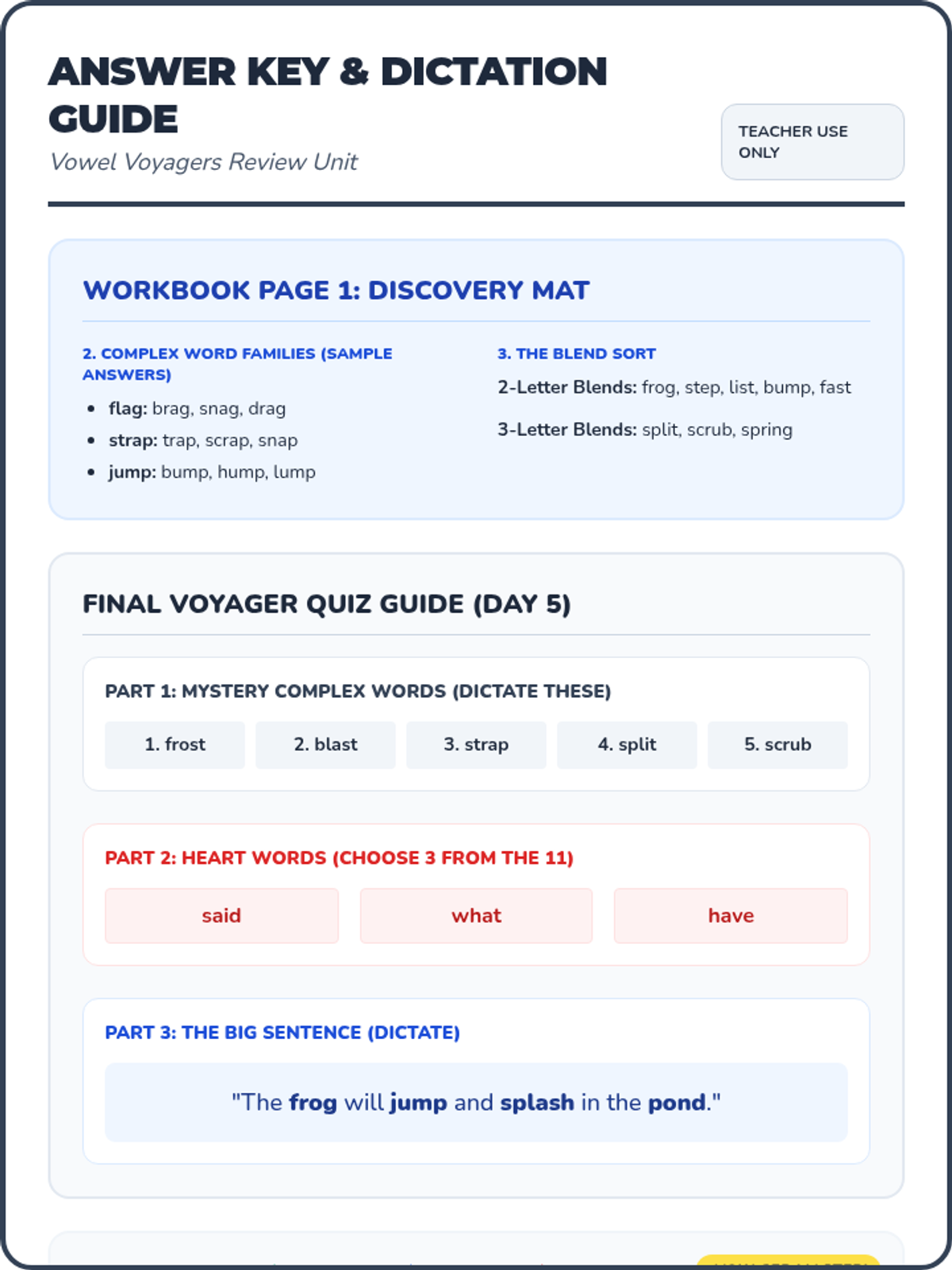
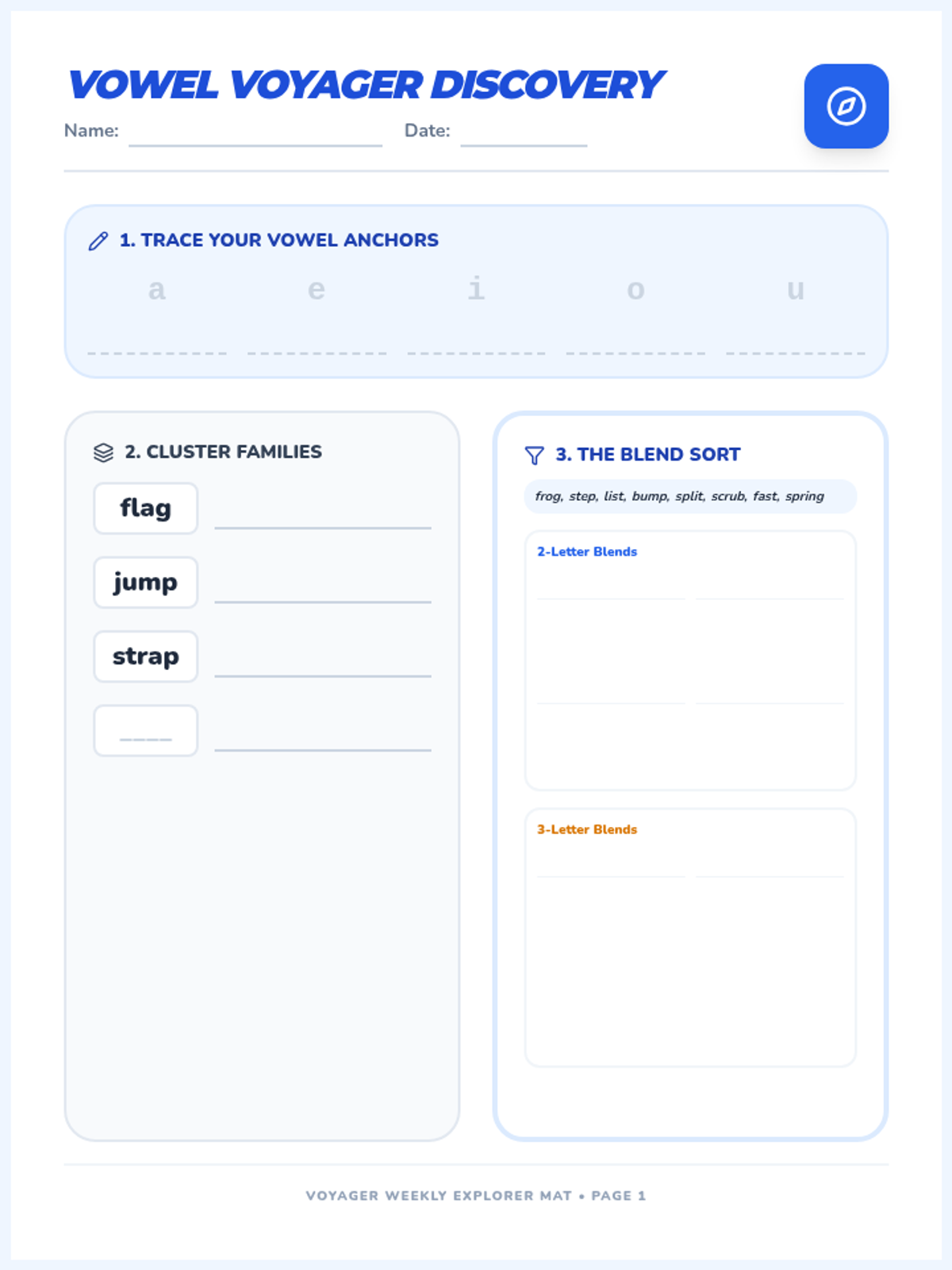
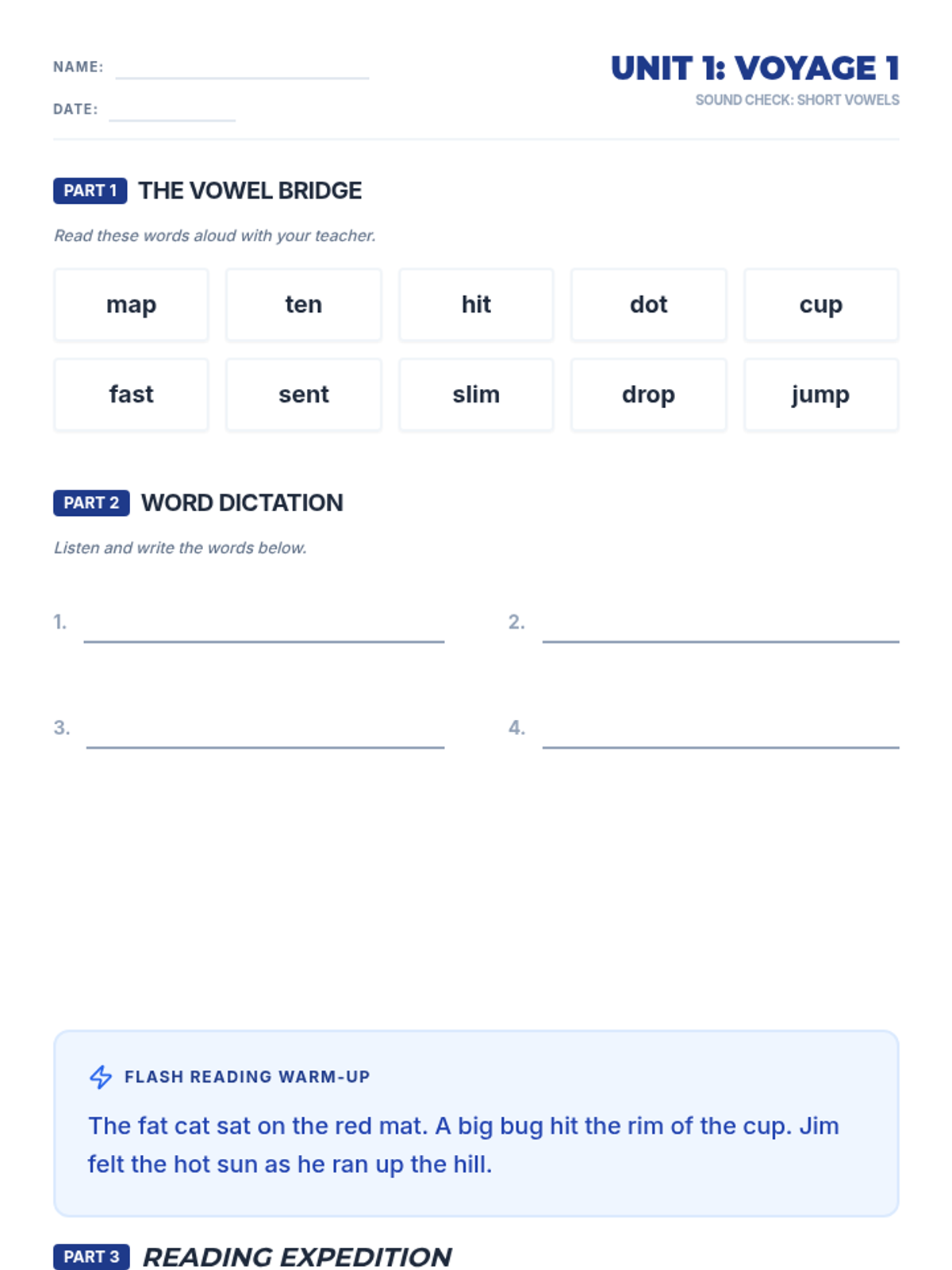
A 5-day intensive review of all short vowel sounds (a, e, i, o, u) using the 'Vowel Voyagers' theme. Includes daily phonemic awareness, word building, decodable reading, and heart word mastery.
A collection of literacy and phonics resources for elementary students, covering assessment and targeted skill building.
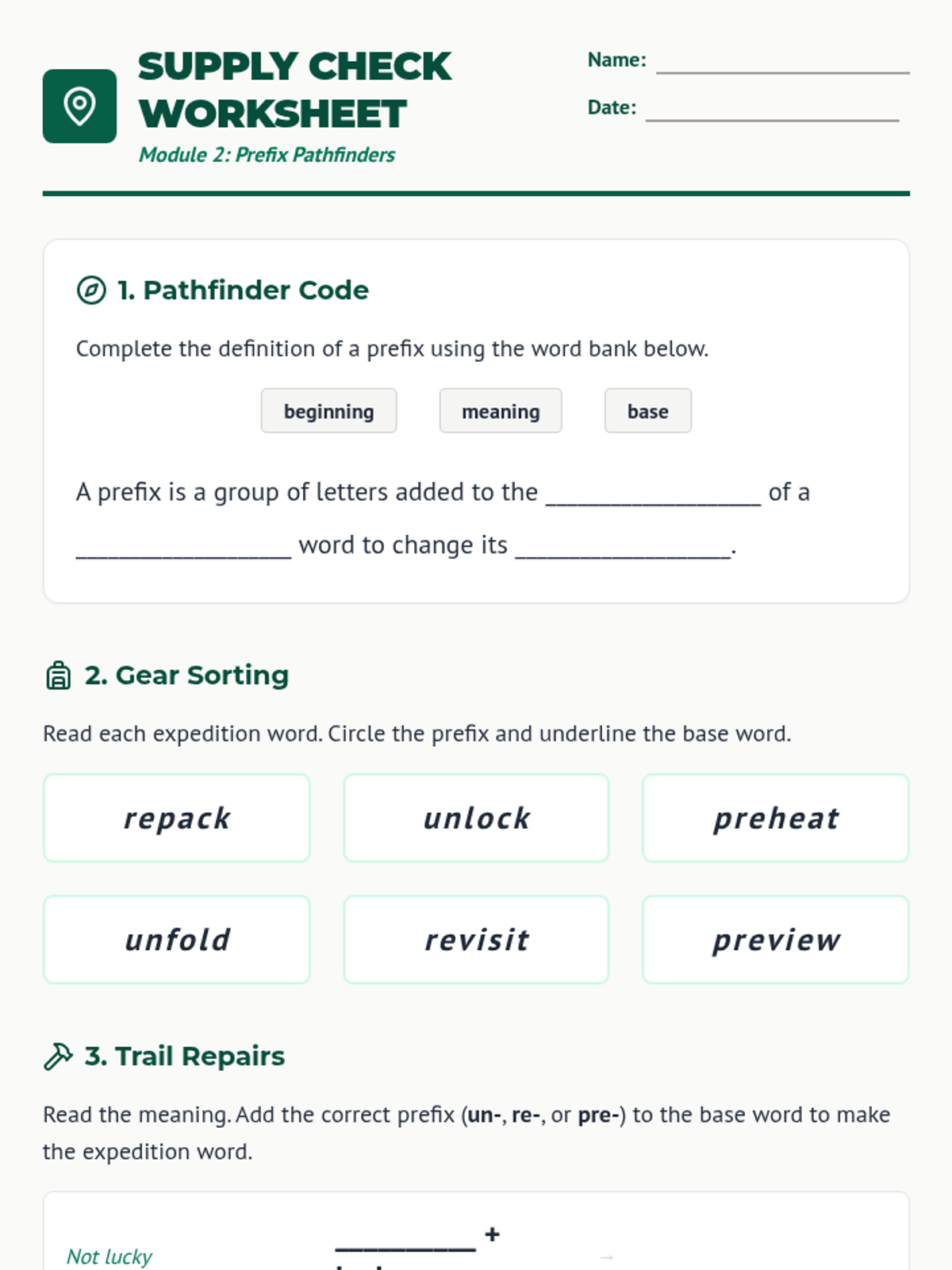
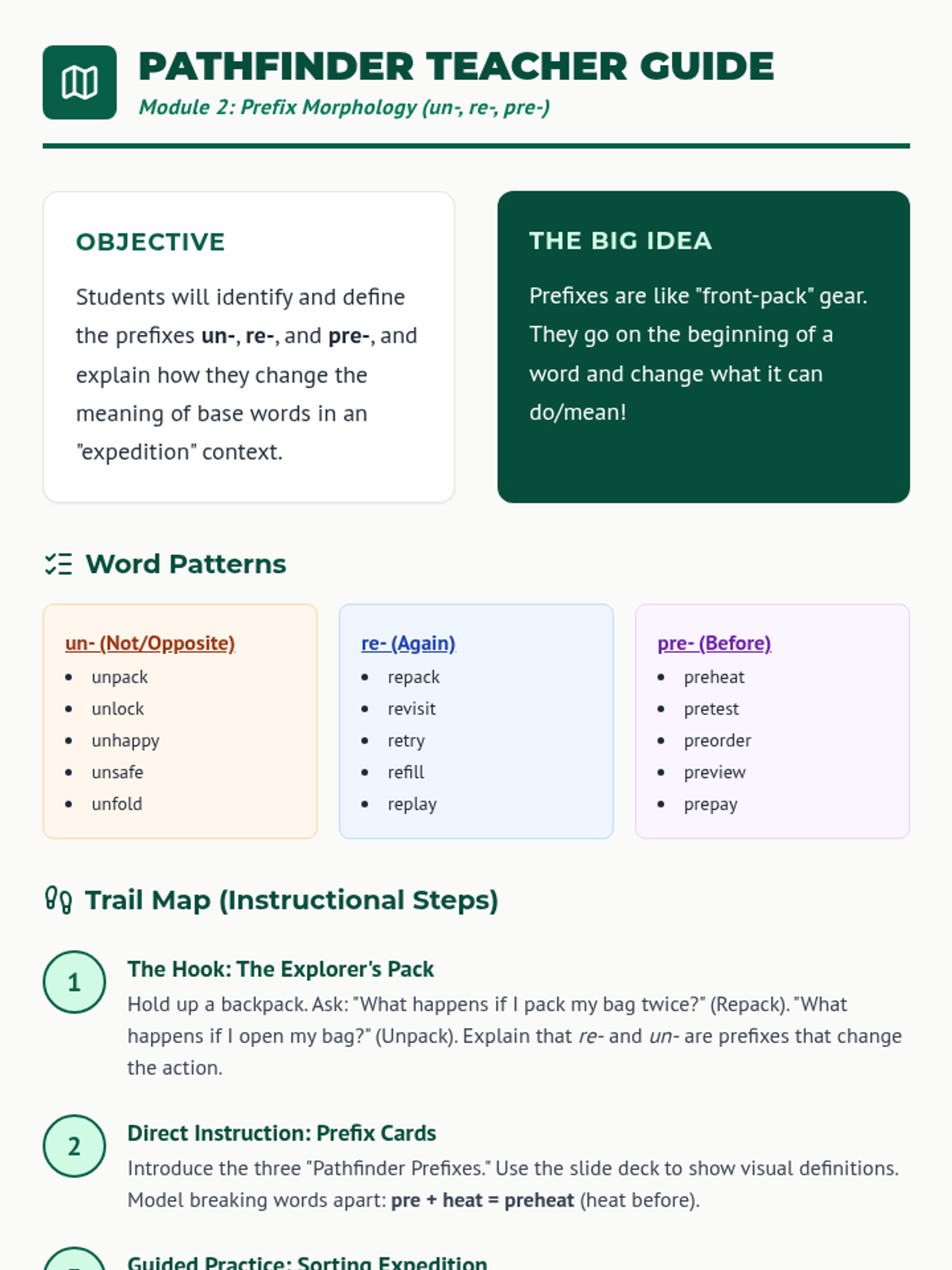
A travel-themed spelling and morphology unit where students explore advanced vowel patterns and word structures as 'World Word Explorers'.
A series of thematic handwriting programs designed to improve fine motor skills and penmanship through daily practice sessions centered around fascinating educational topics like biology and history.
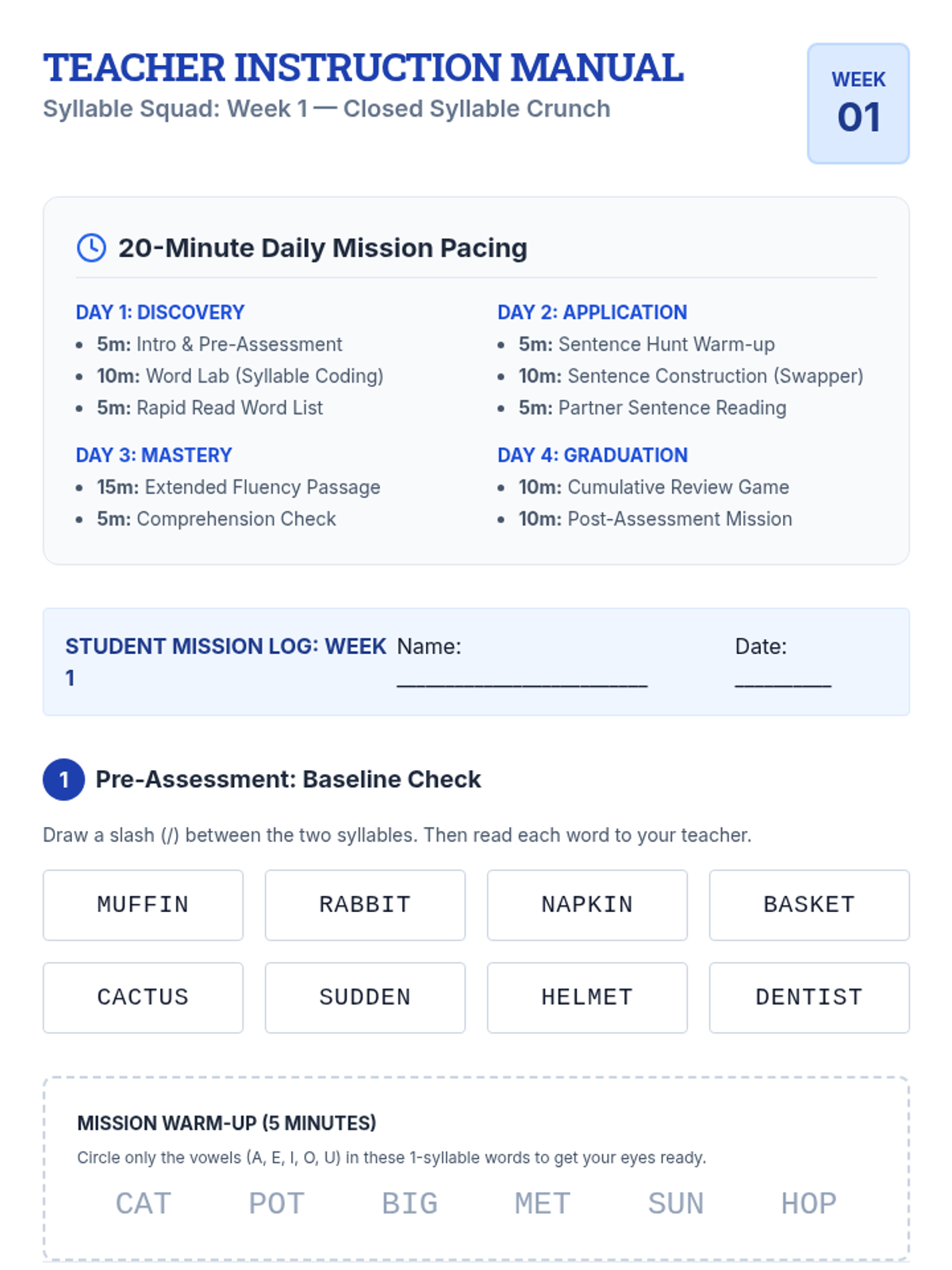
A comprehensive 5-week phonics intervention focused on decoding two-syllable words across five major syllable types. Each week includes a pre-assessment, daily lessons with specific targets, student practice sheets, and a post-assessment.
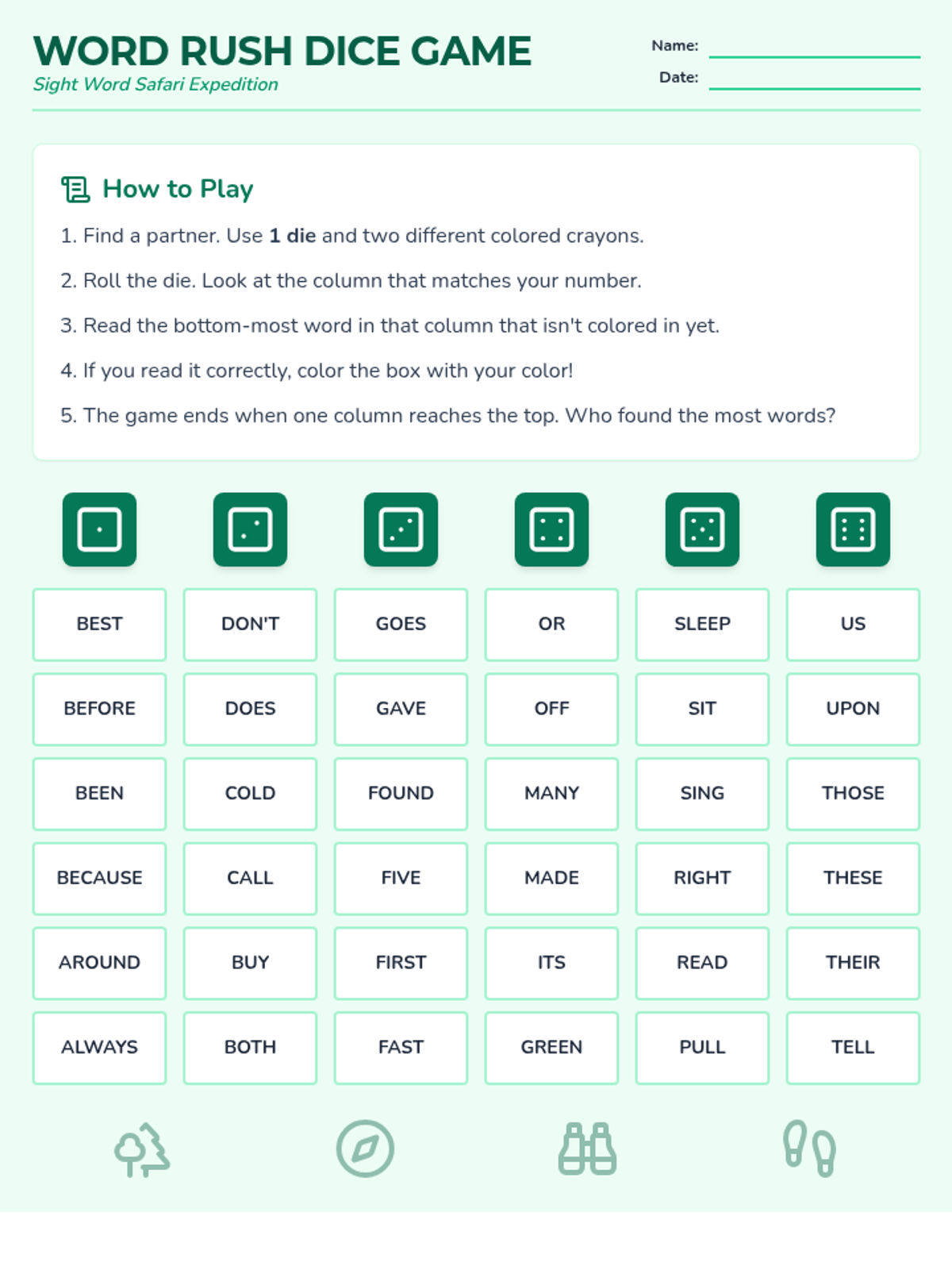
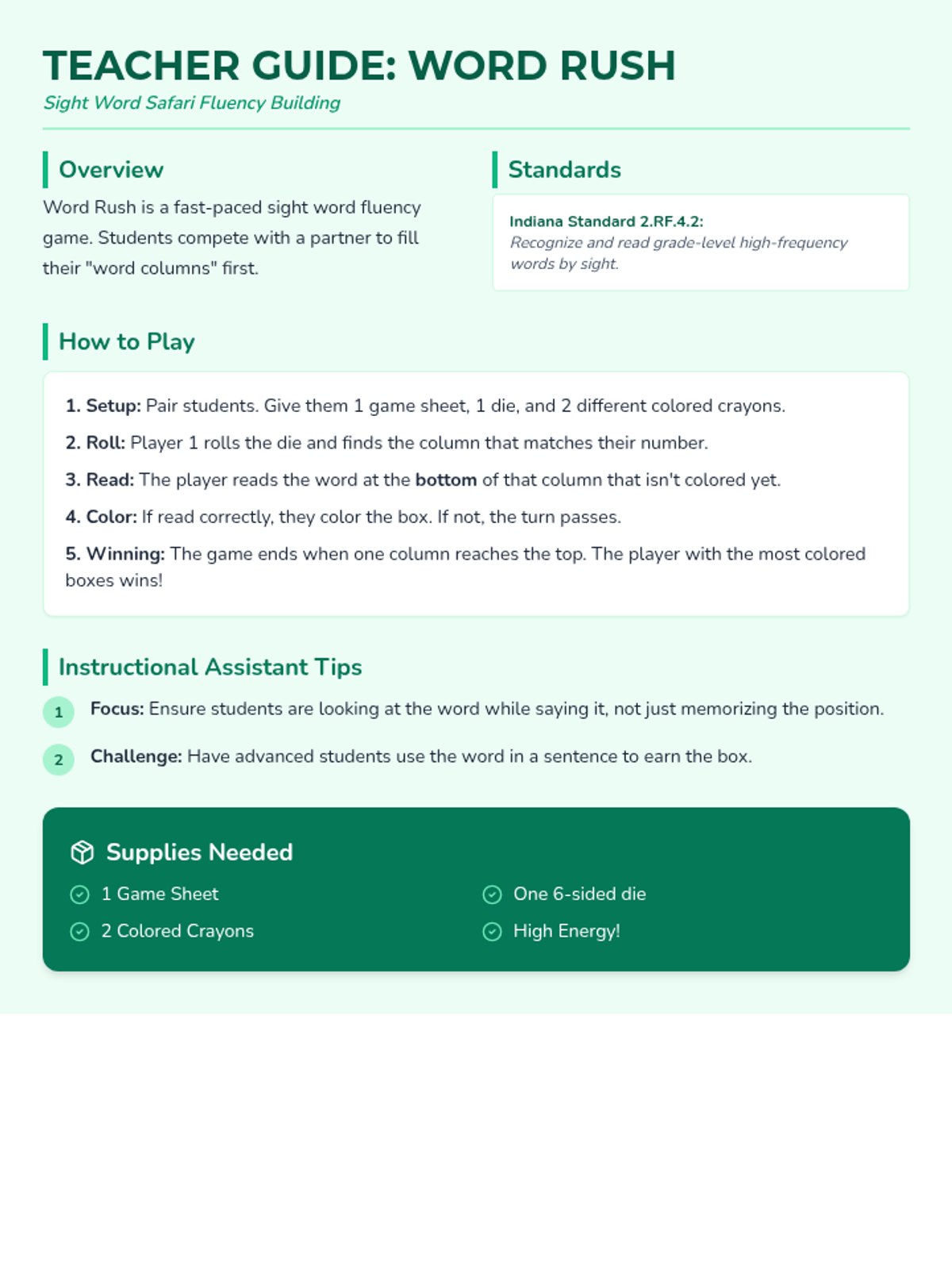
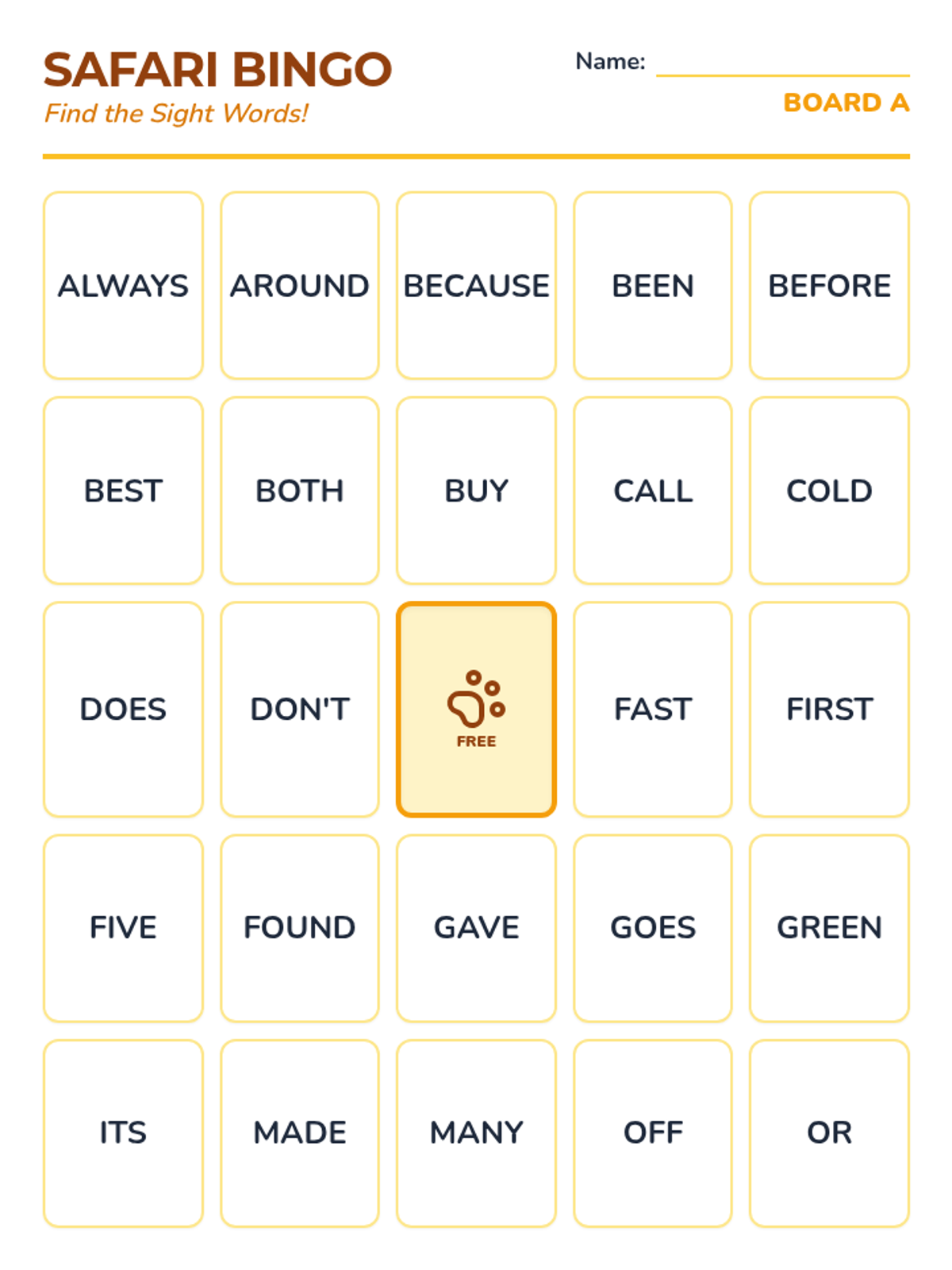
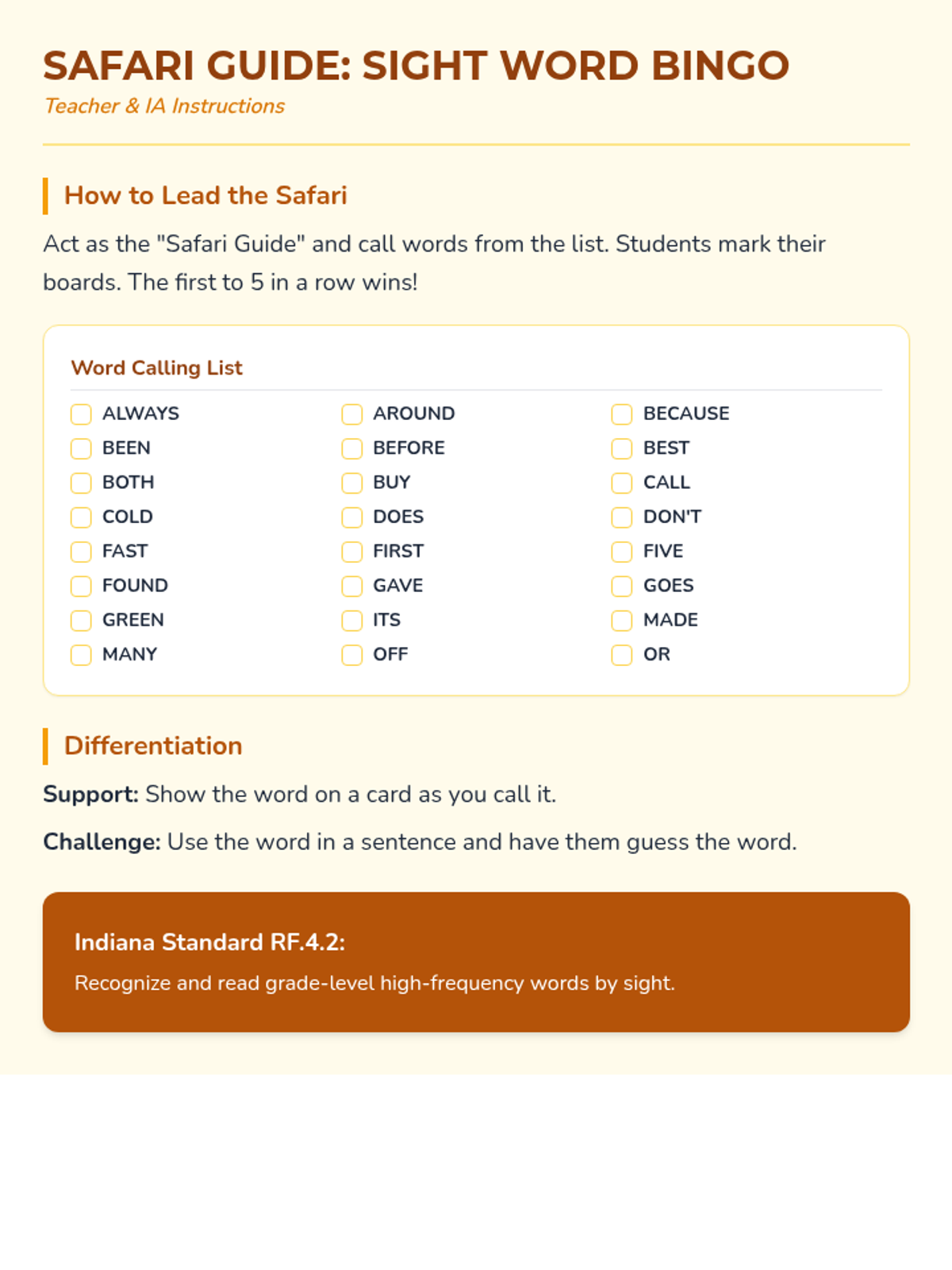
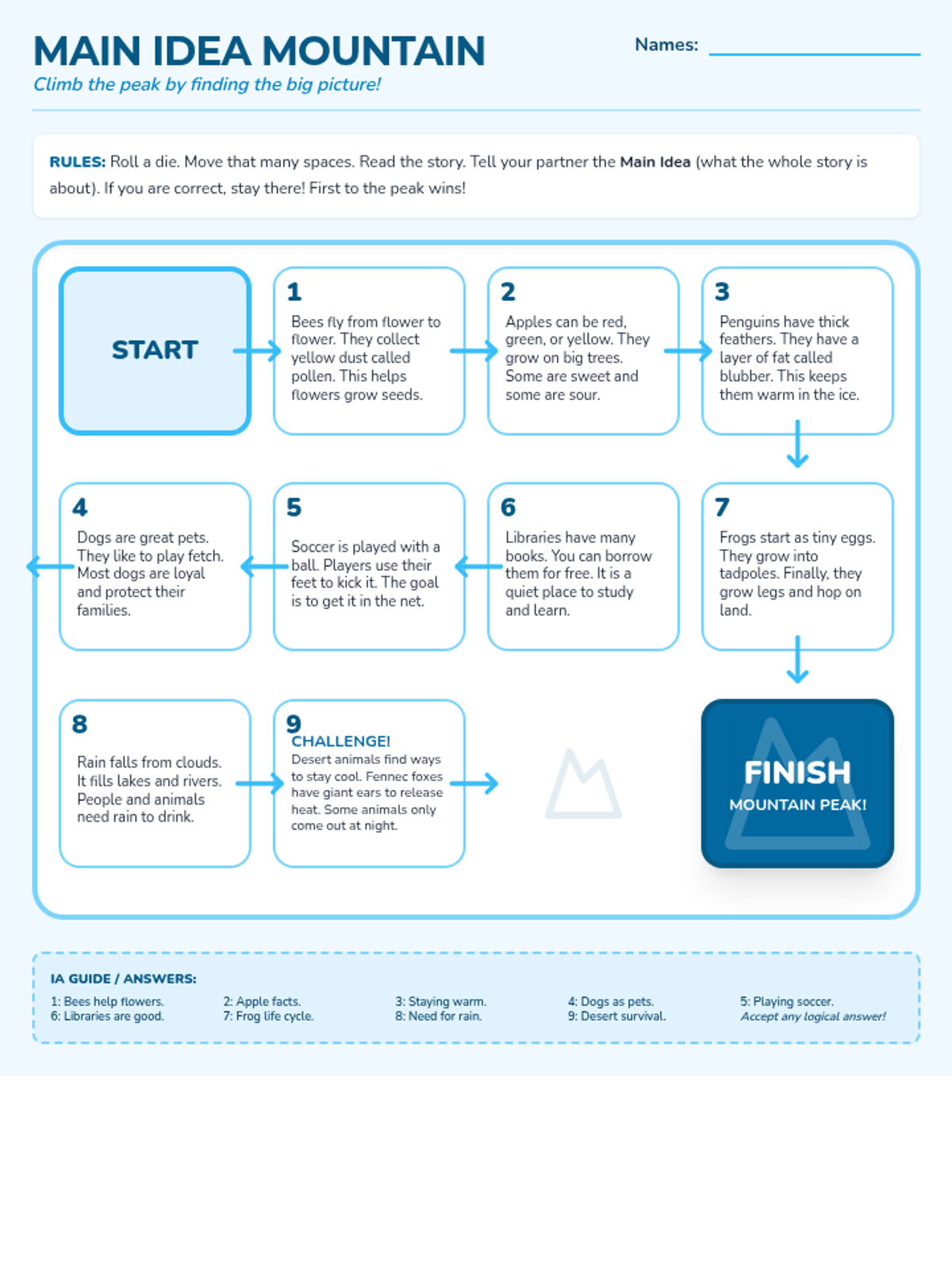
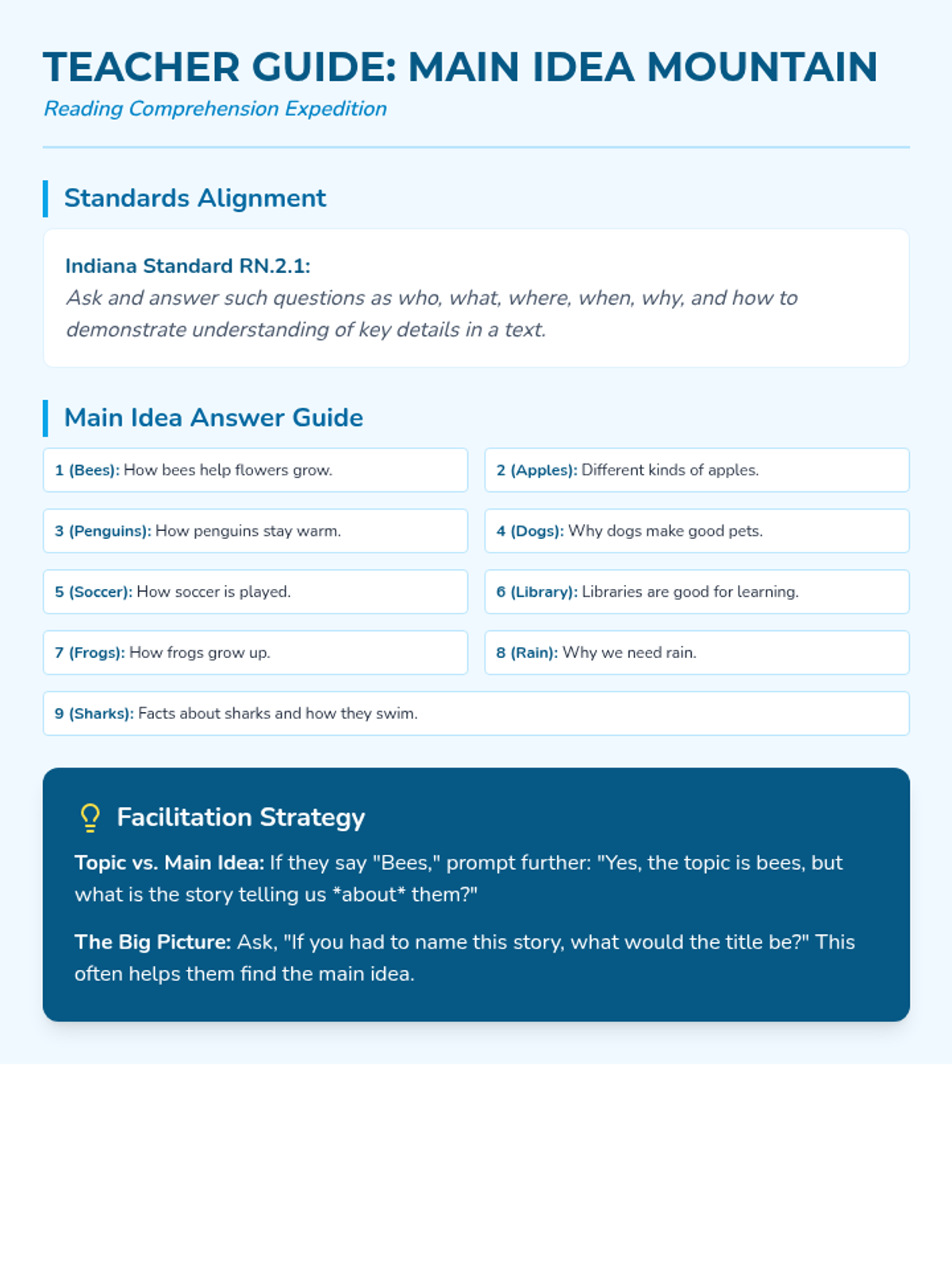
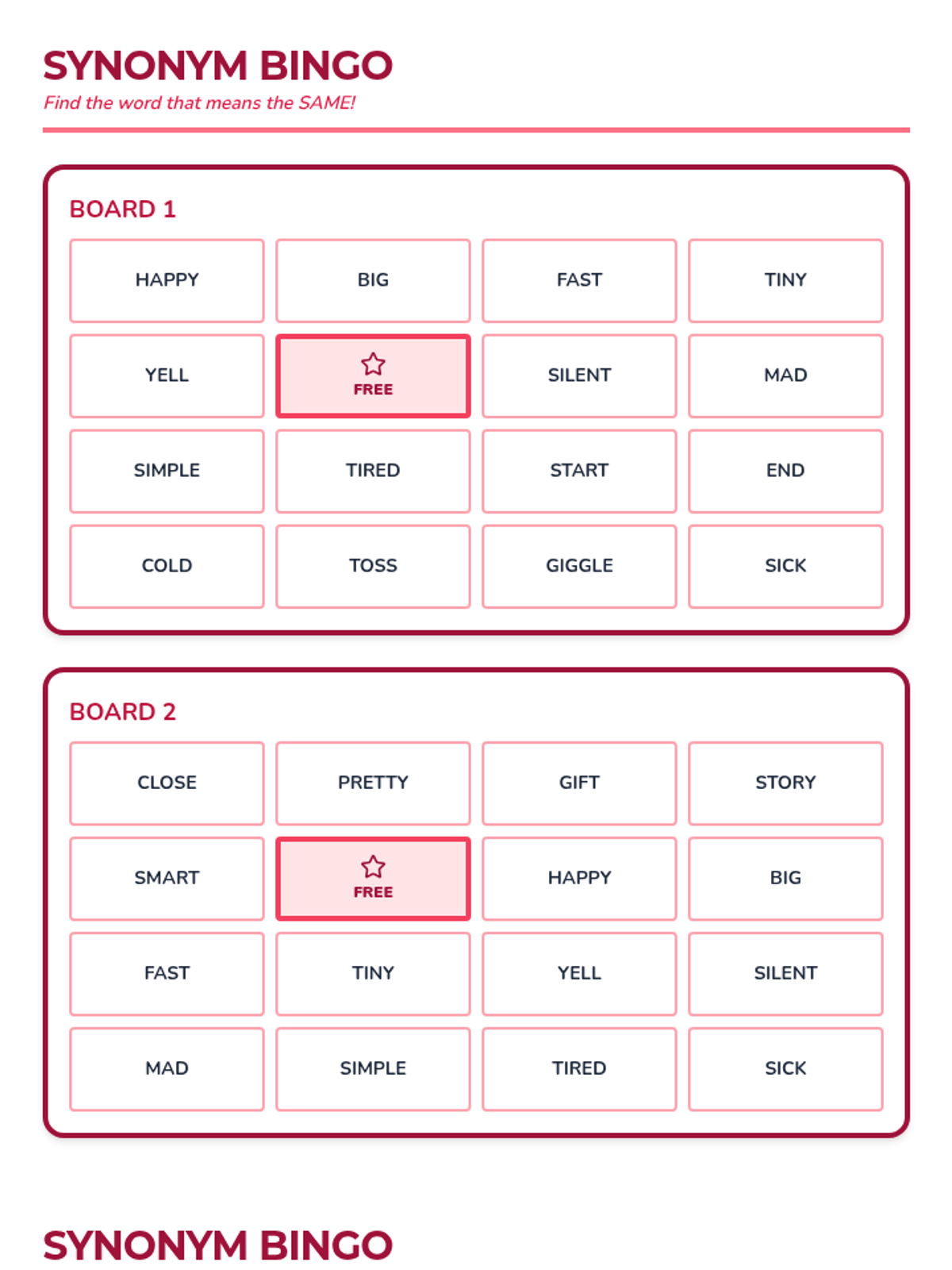
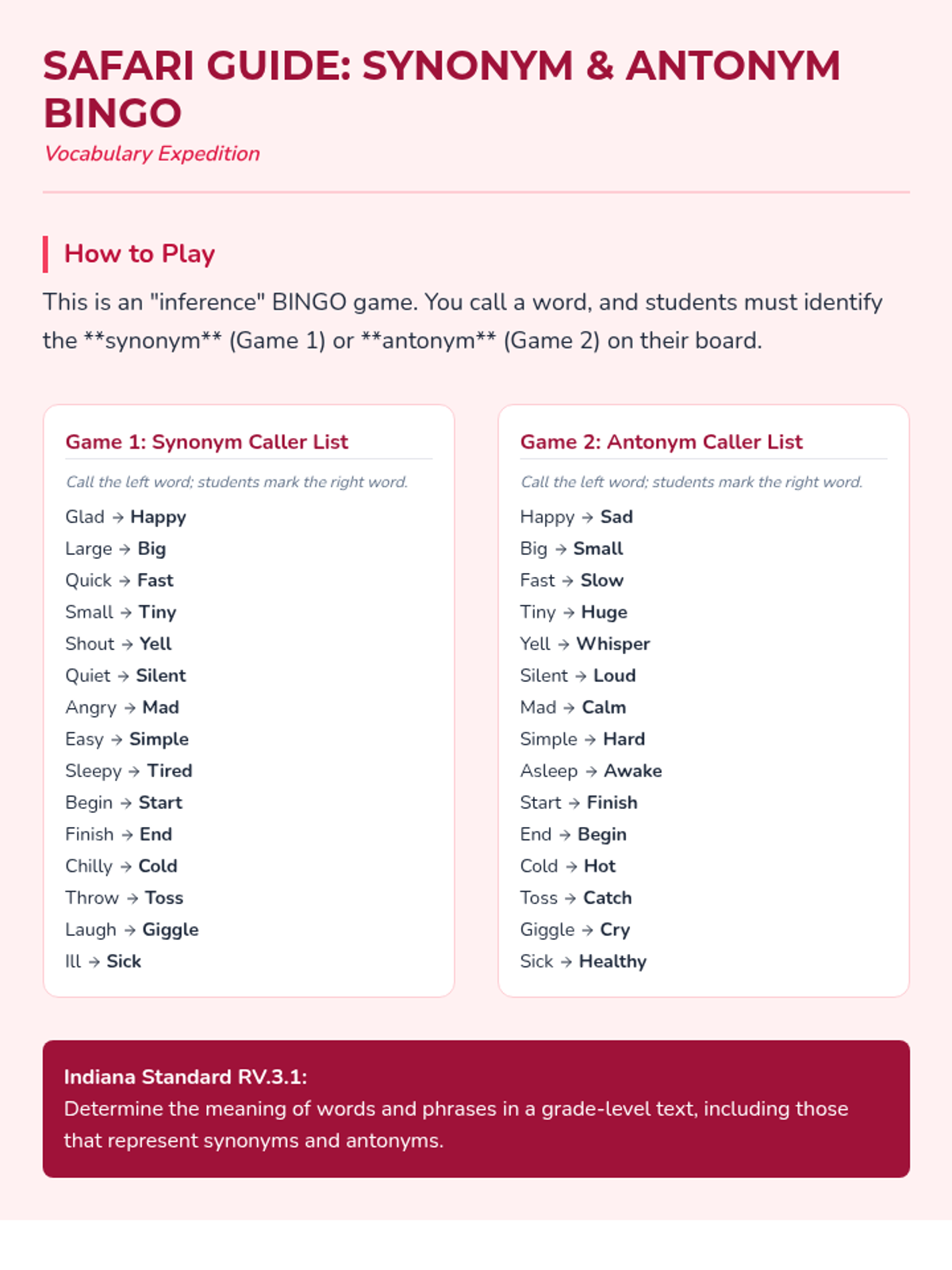
A collection of simple, low-prep partner games designed for 2nd-grade students to reinforce Indiana reading standards in sight words, main idea, and vocabulary. These games are tailored for use by instructional assistants during extension or small group time.
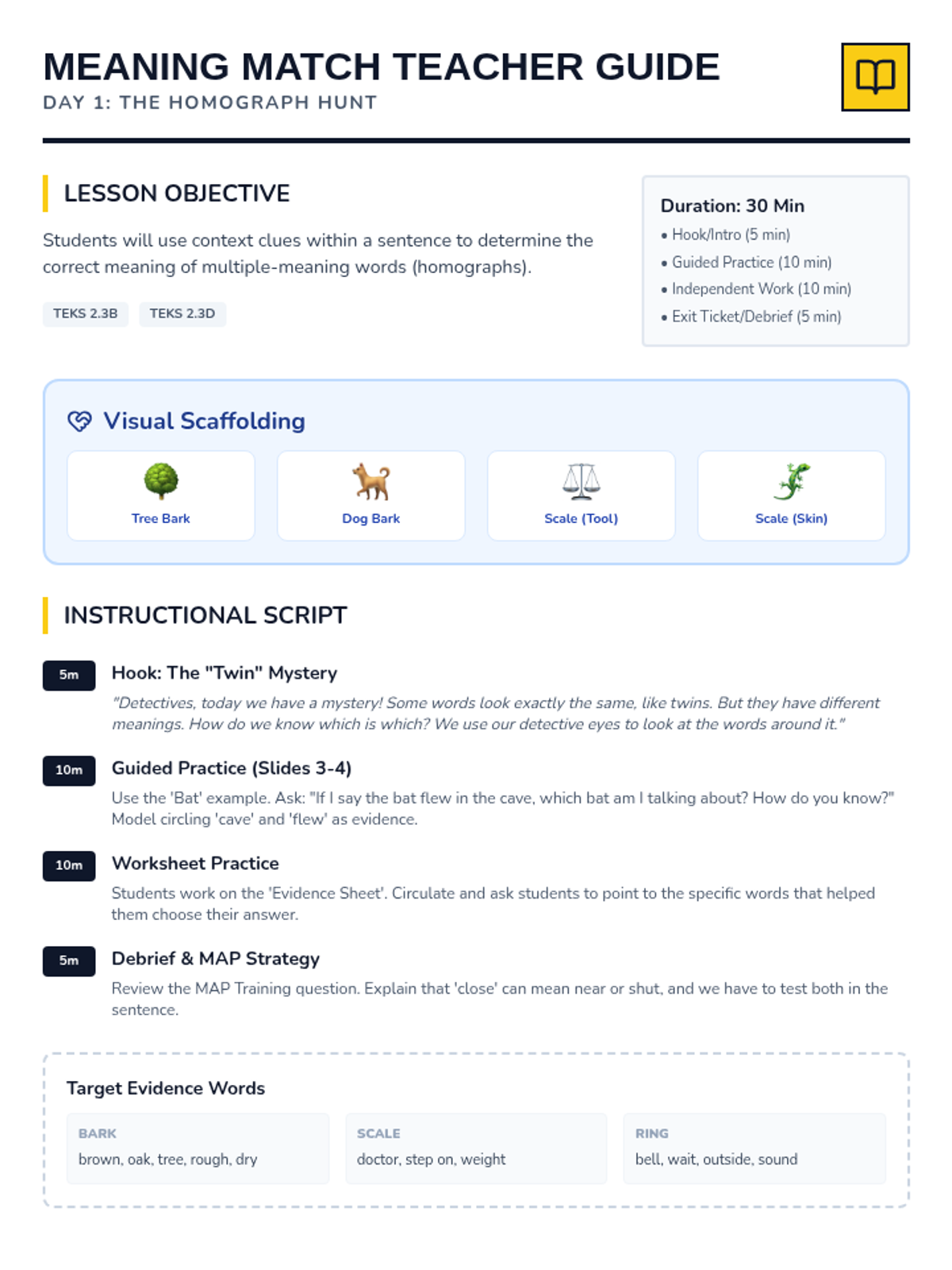
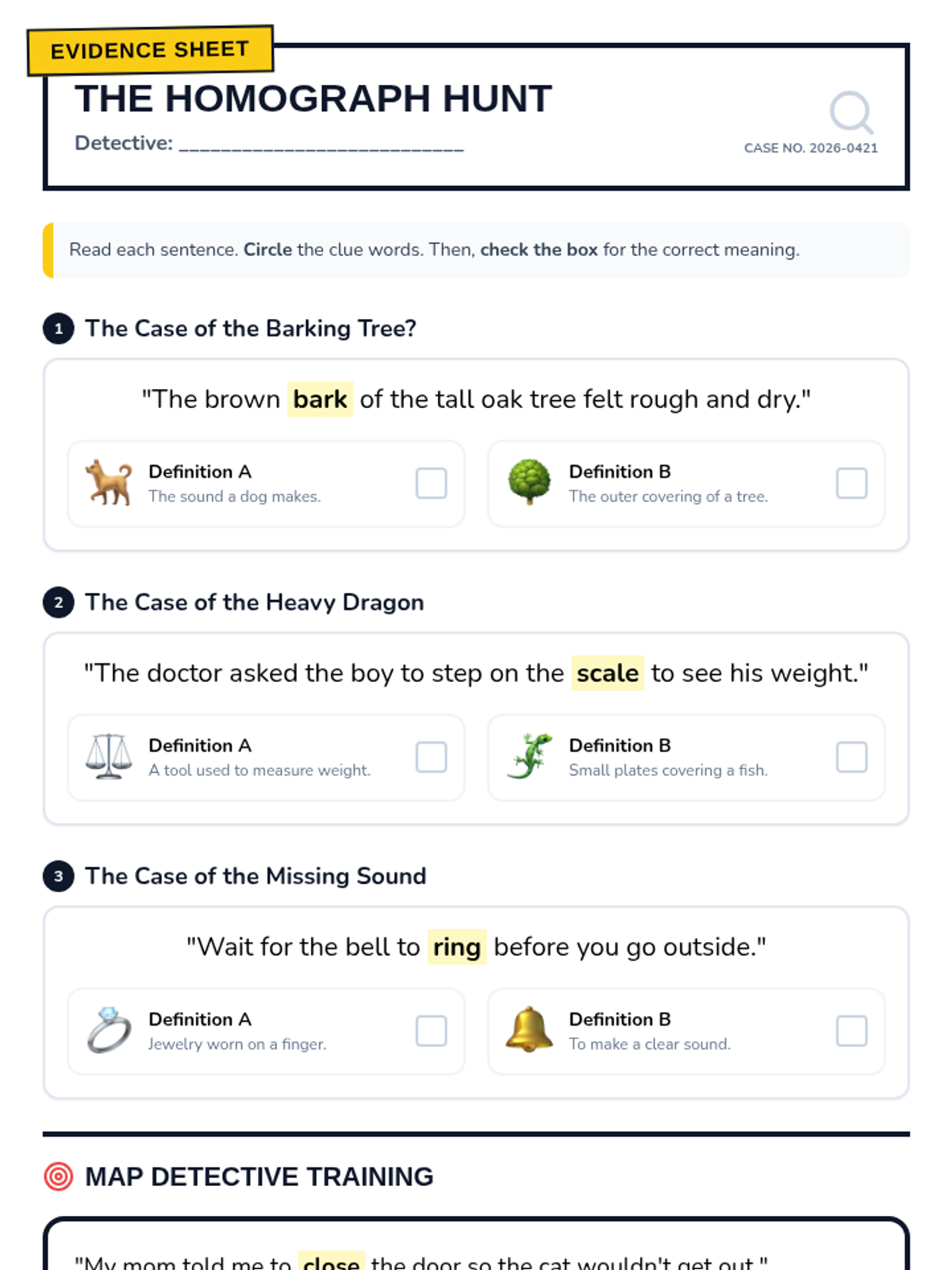
A two-day unit for 2nd graders focused on using context clues to determine word meanings, specifically targeting multiple-meaning words and Tier 2 academic vocabulary. Designed with scaffolding for emerging bilinguals and struggling readers, aligning with TEKS and MAP test formats.
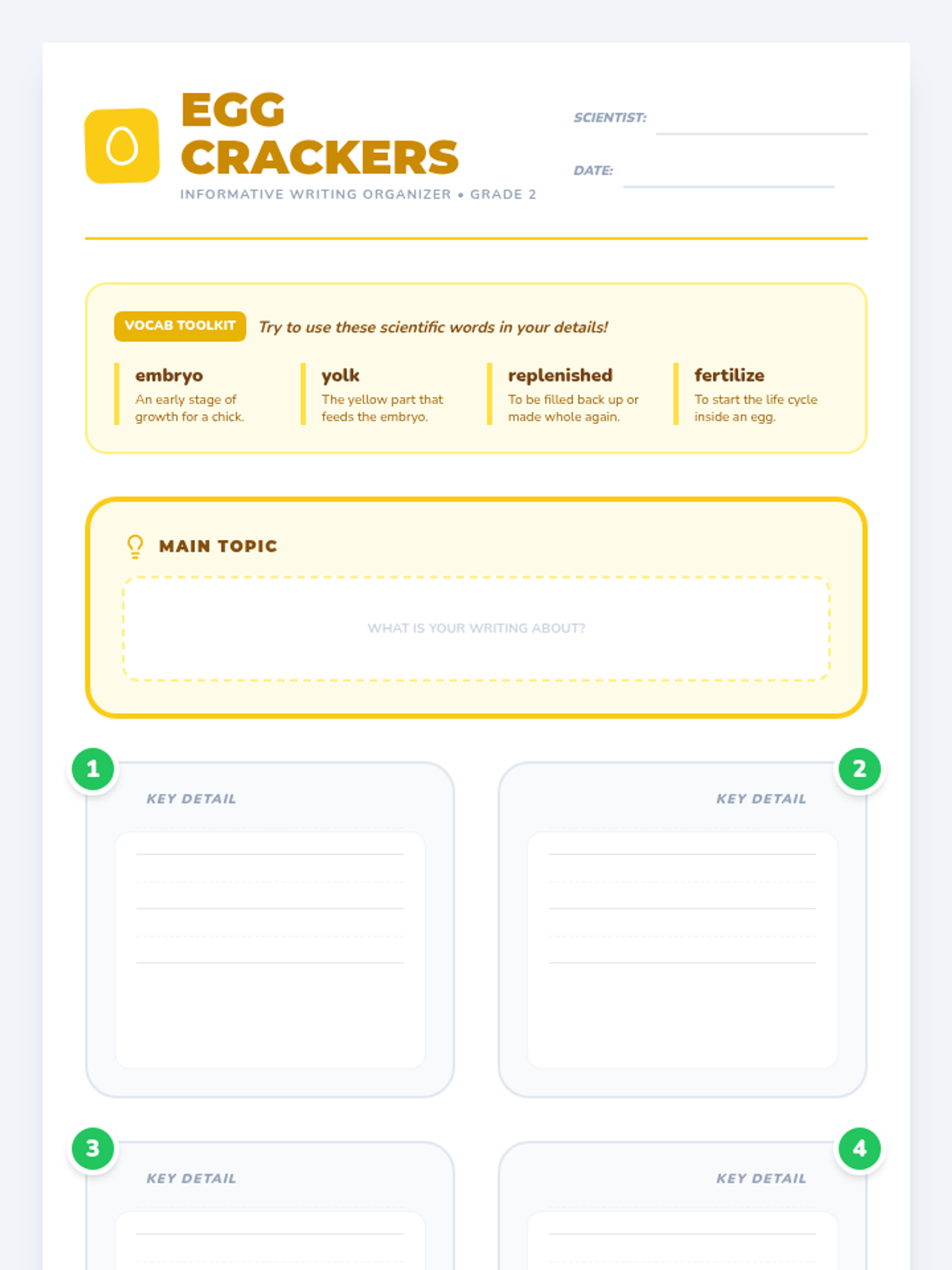
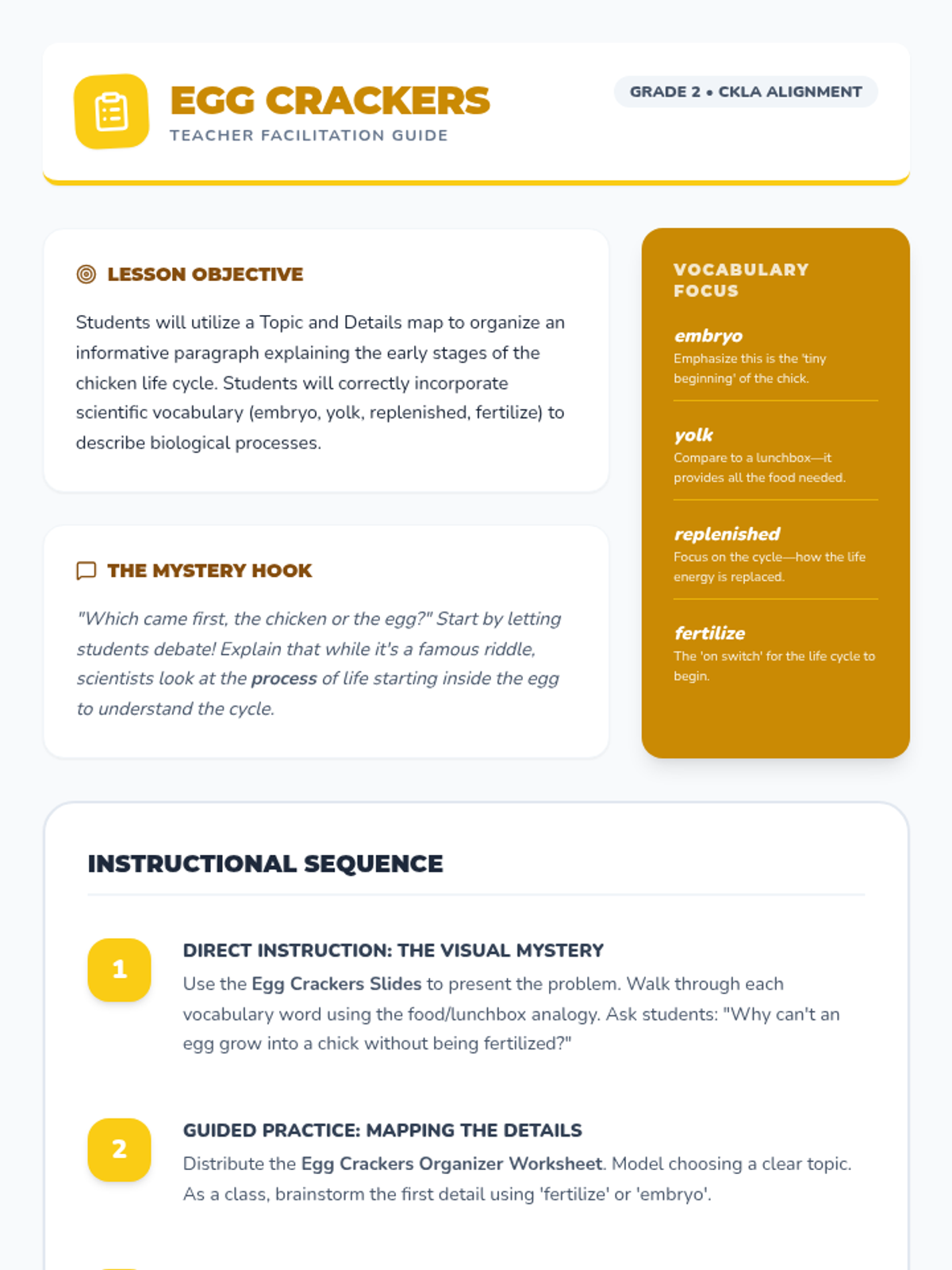
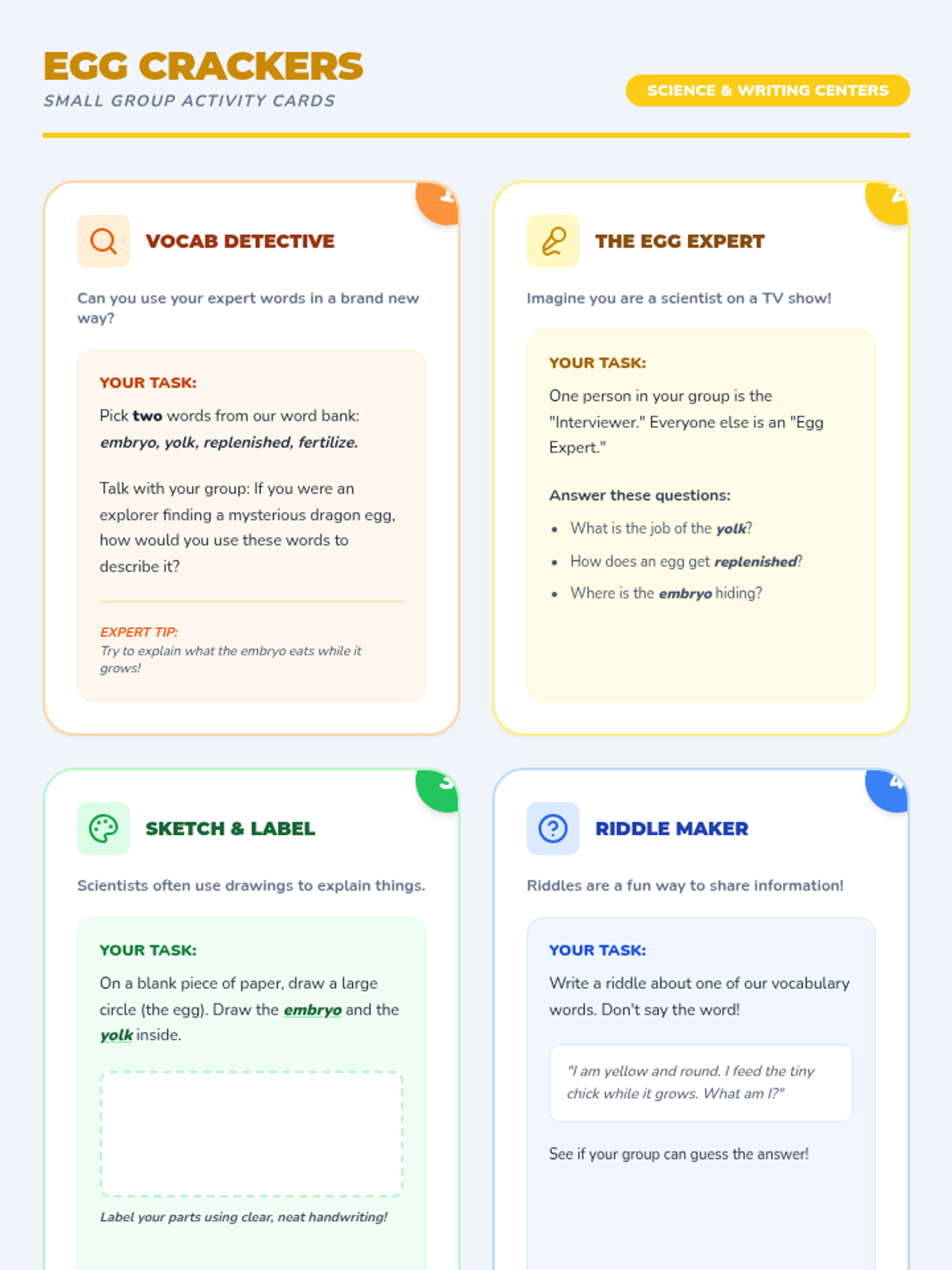
A collection of engaging 2nd grade lessons covering CKLA science topics and UFLI foundational reading skills, designed with high-visual impact and student-centered activities.
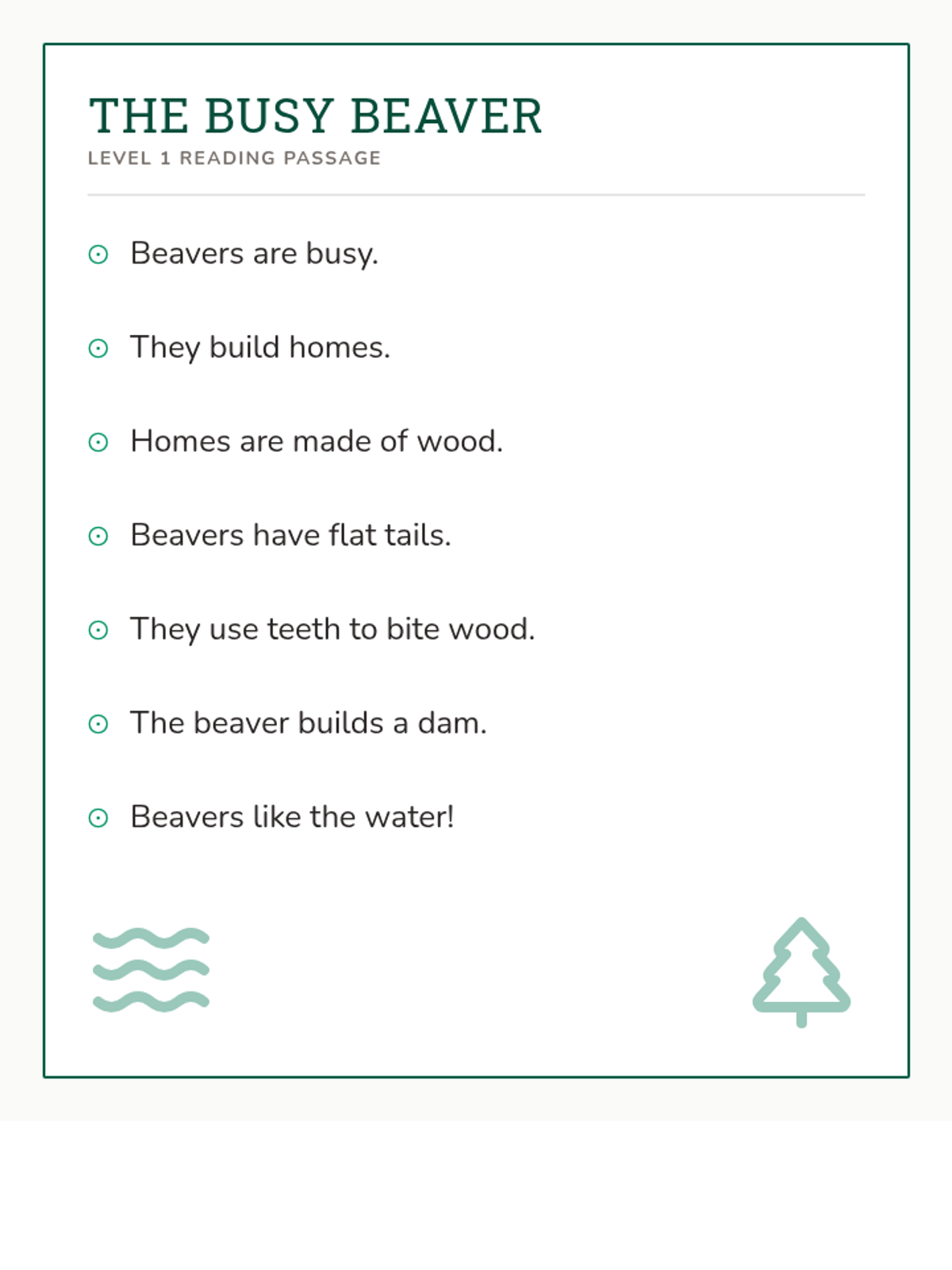
A multi-level ELA homework sequence based on nature's engineers. Each level includes a tiered reading passage and four nights of focused ELA assignments (Main Idea, Sequencing, Traits, and Vocabulary).
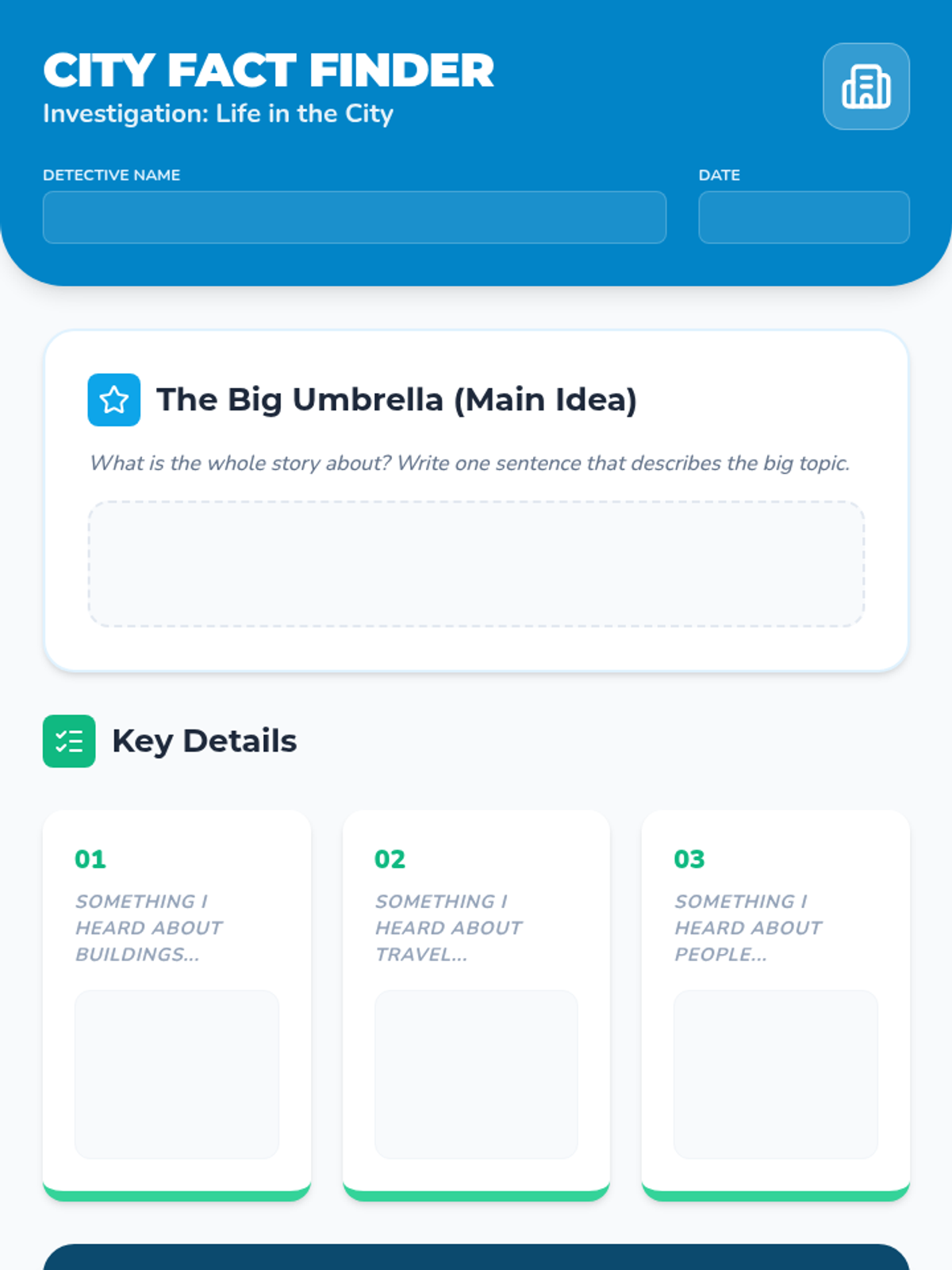
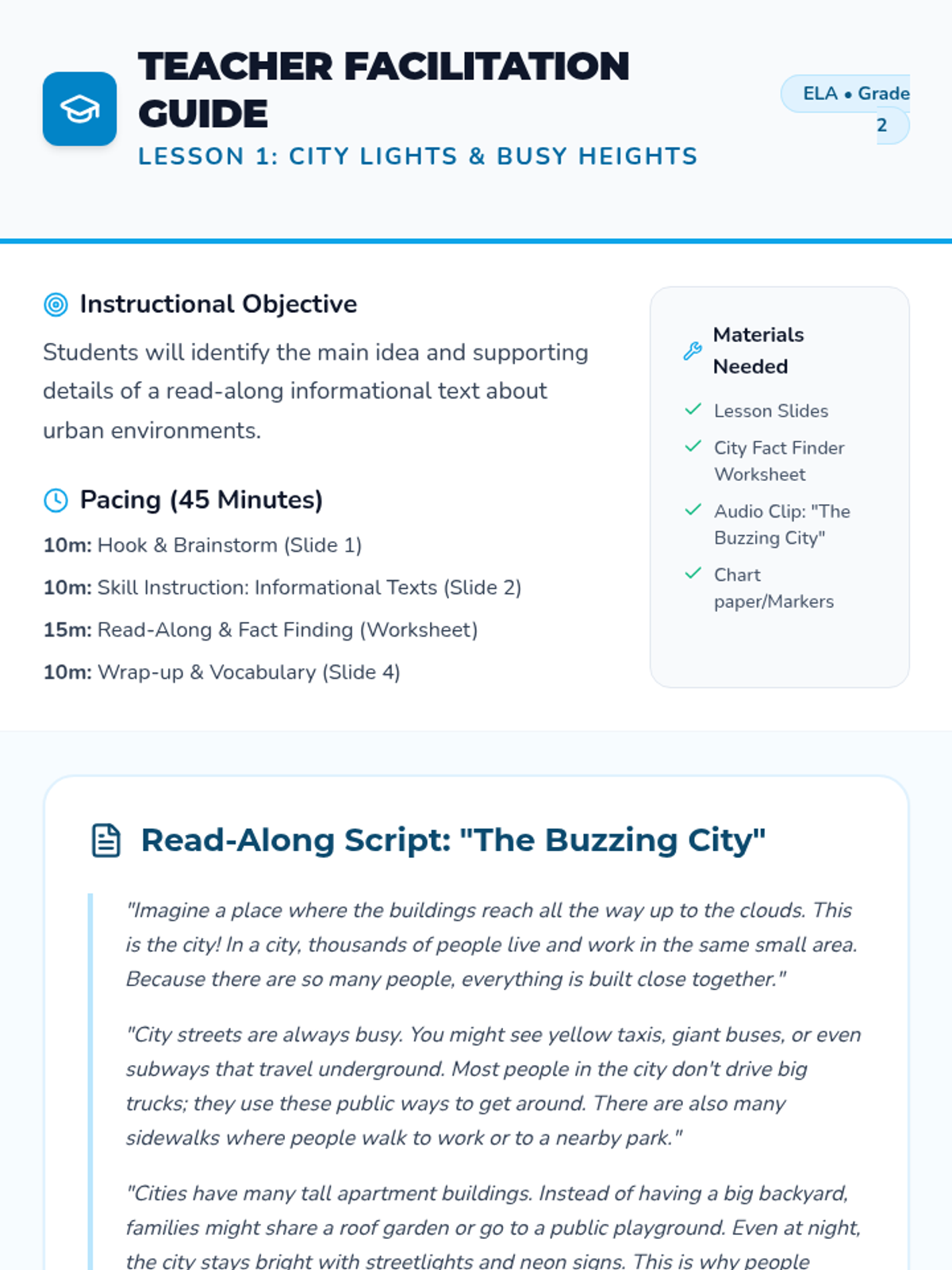
A 2nd-grade ELA unit where students compare and contrast city and farm life using informational read-along texts, culminating in a comparative discussion.
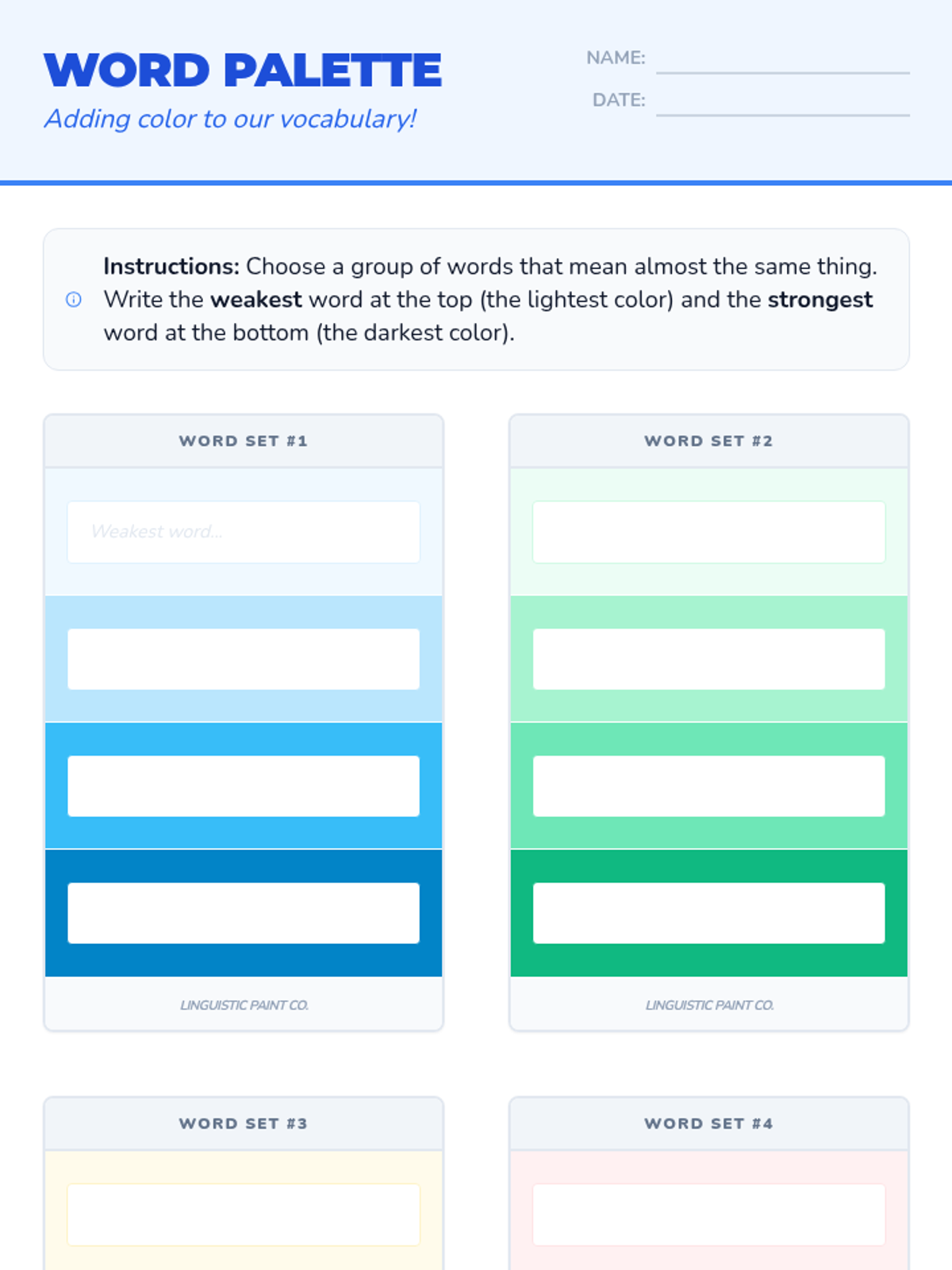
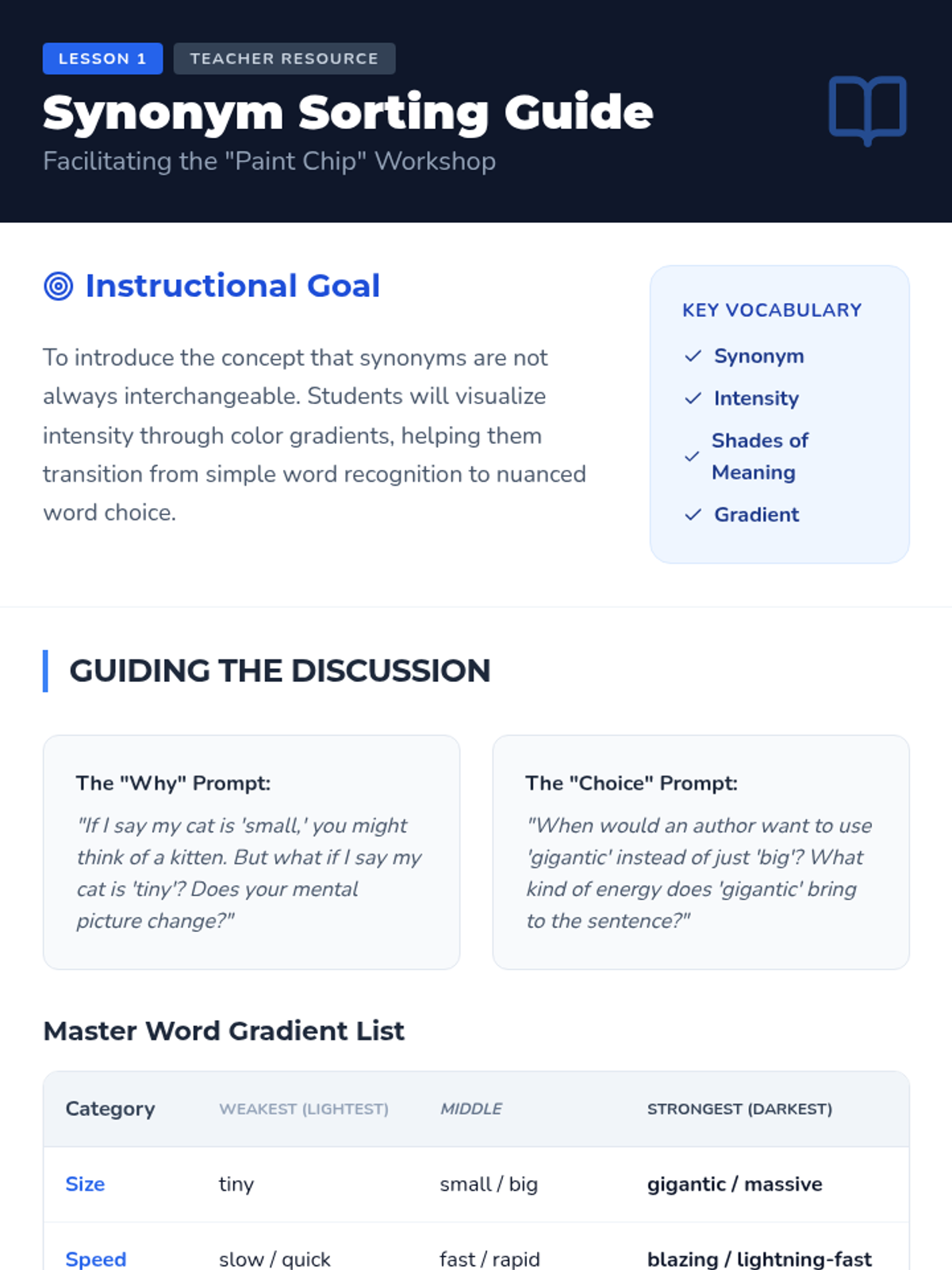
A 2nd-grade vocabulary sequence where students explore shades of meaning in adjectives through visual metaphors like paint chips and thermometers, culminating in a descriptive writing project.
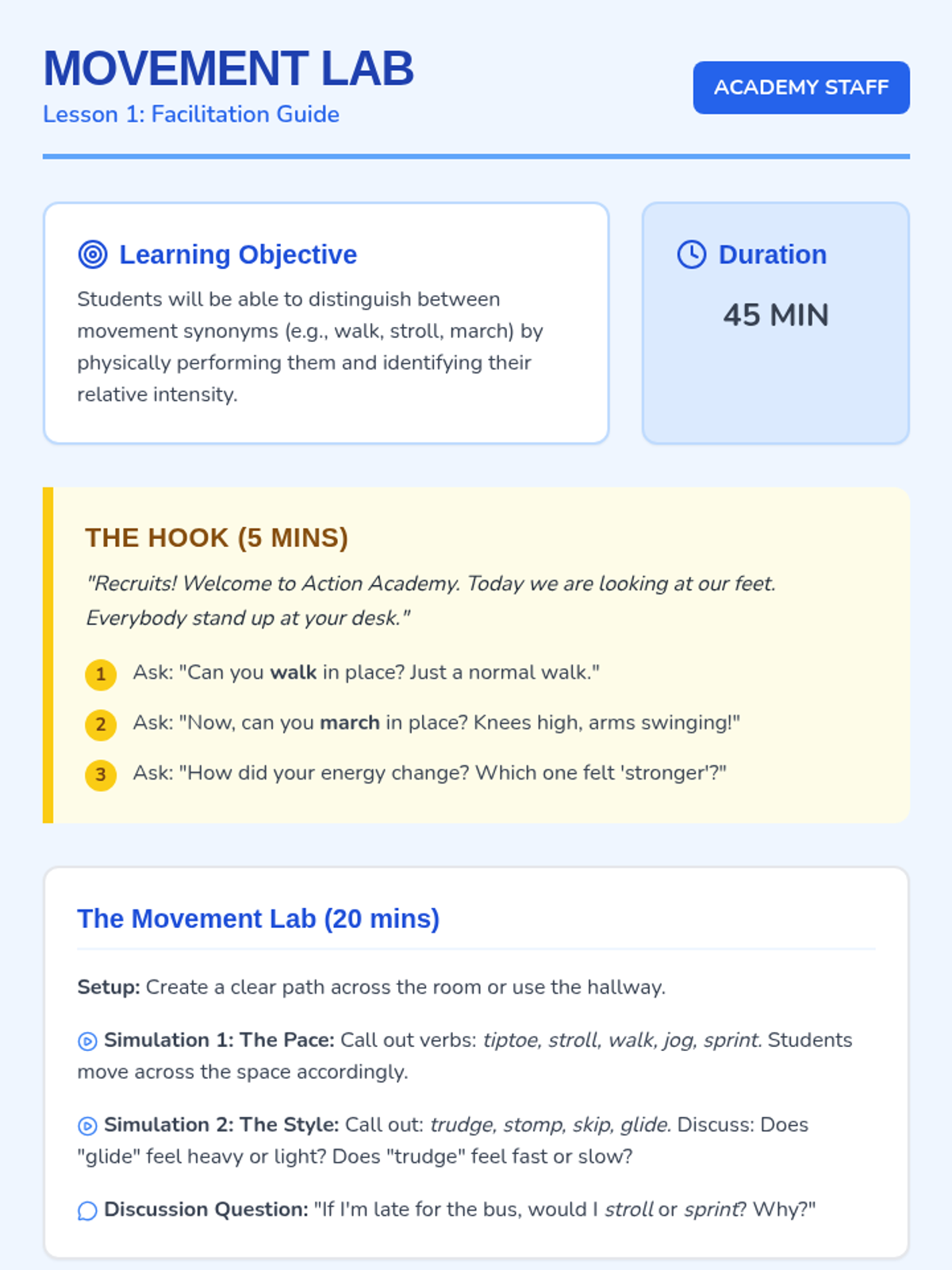
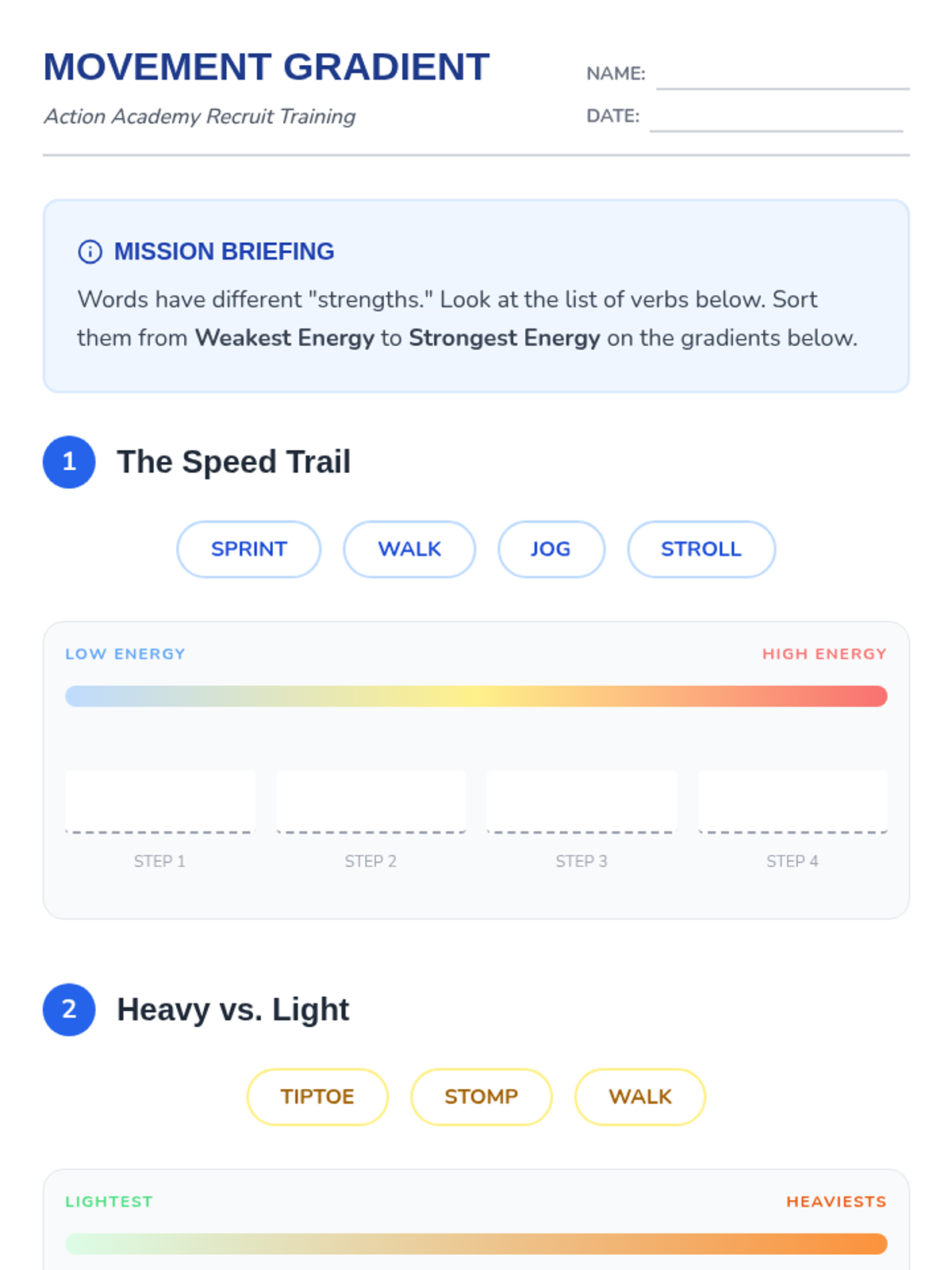
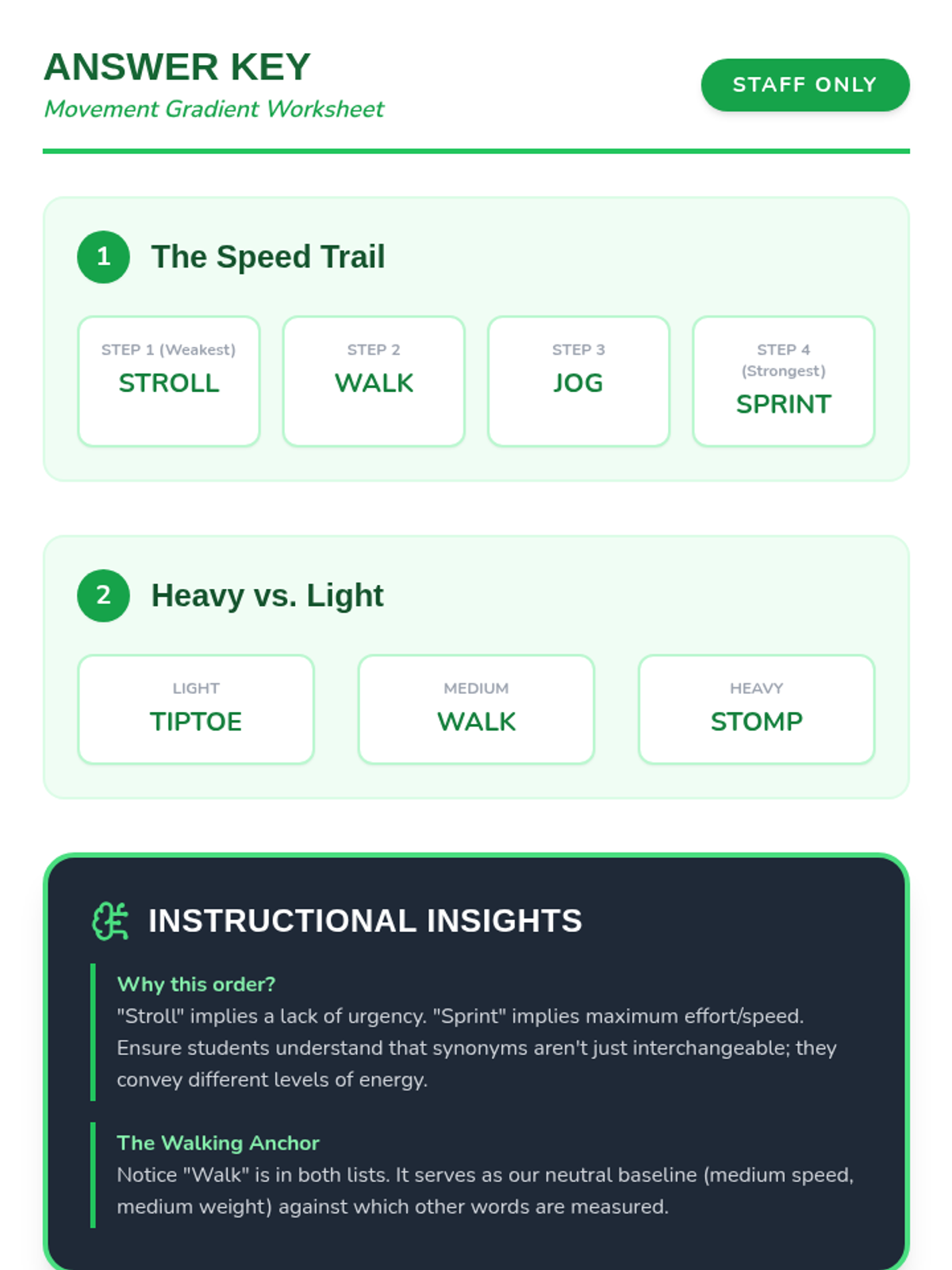
A 2nd-grade vocabulary sequence where students use movement, sound, and context to distinguish nuances between related action verbs, moving from basic synonyms to precise word choices.
This inquiry-based sequence explores multiple meaning words (homonyms), guiding students to use context clues to determine precise definitions. Students examine how identical words can represent different concepts and learn to use dictionary entries to verify meanings.
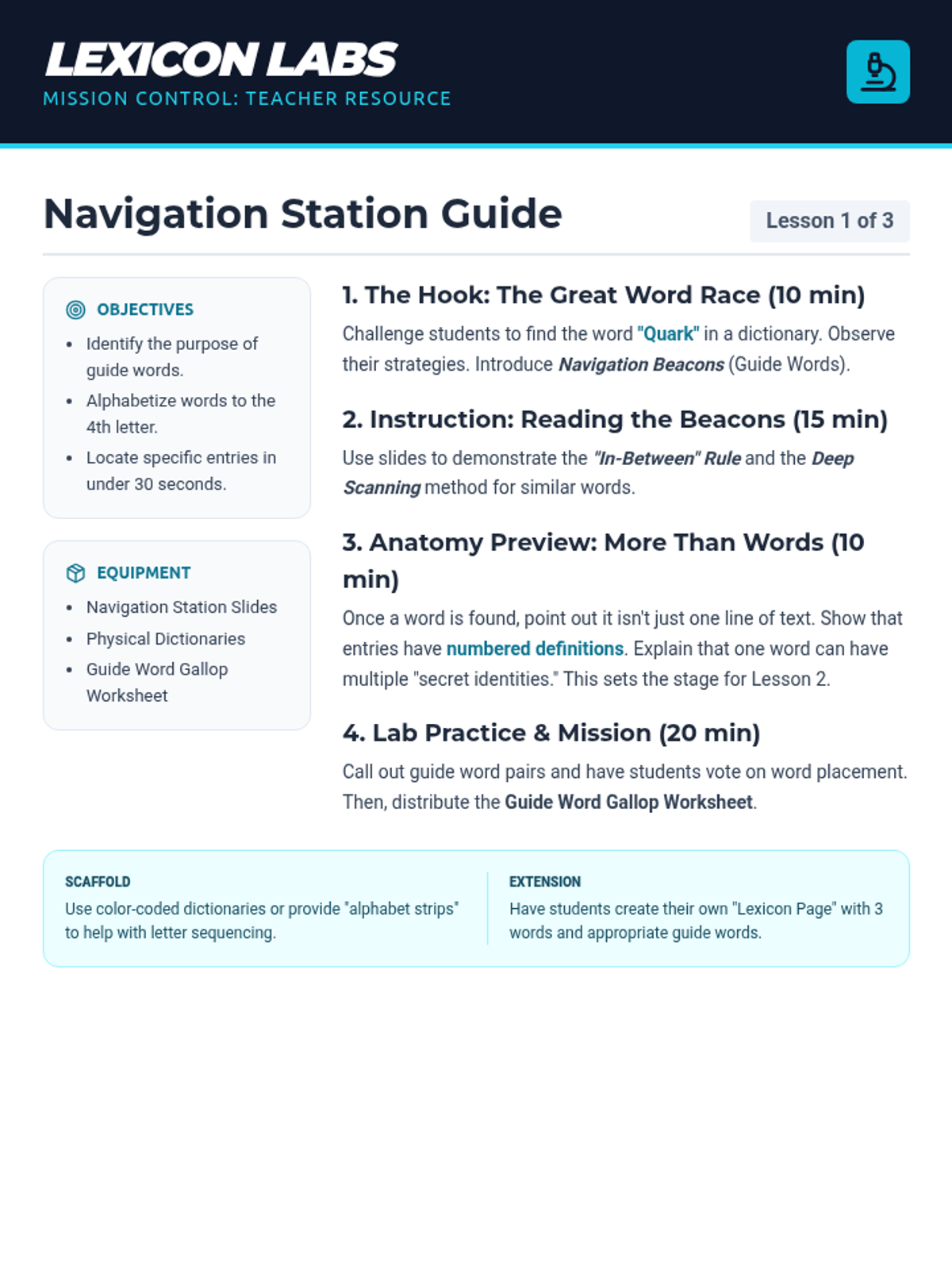
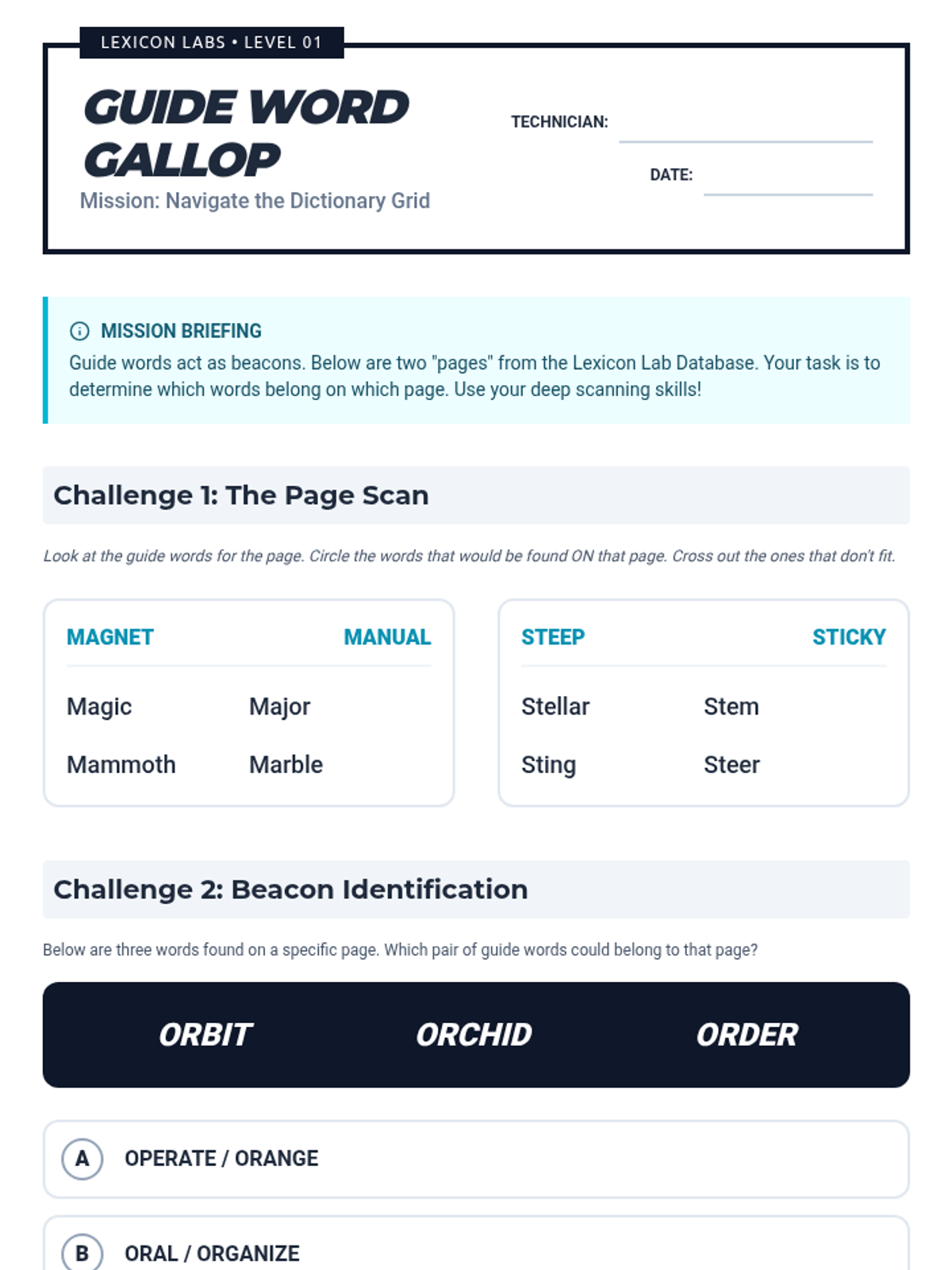
A mastery-based sequence designed to turn students into dictionary experts. Covering navigation basics, guide word logic, and the nuances of multiple definitions.
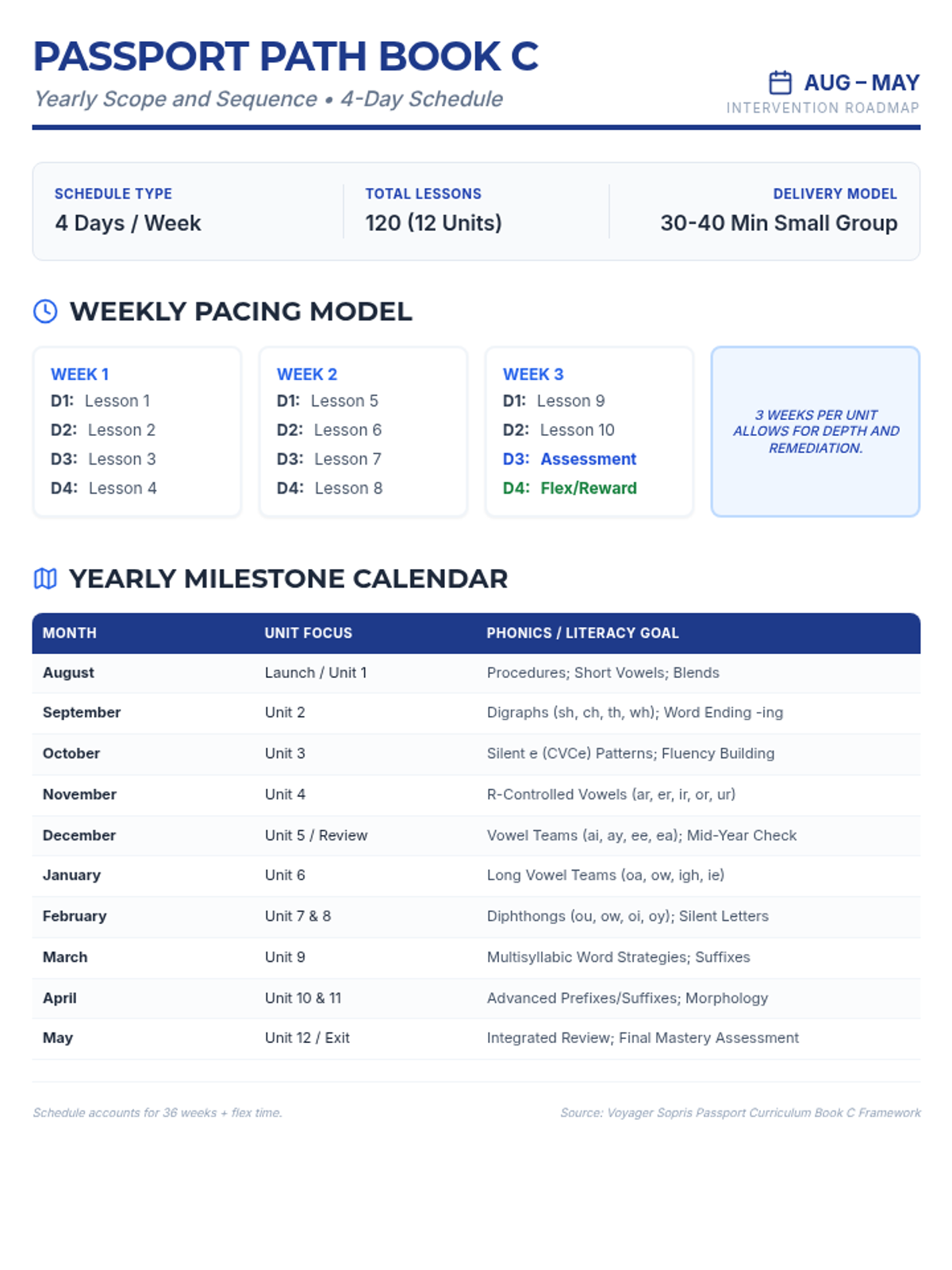
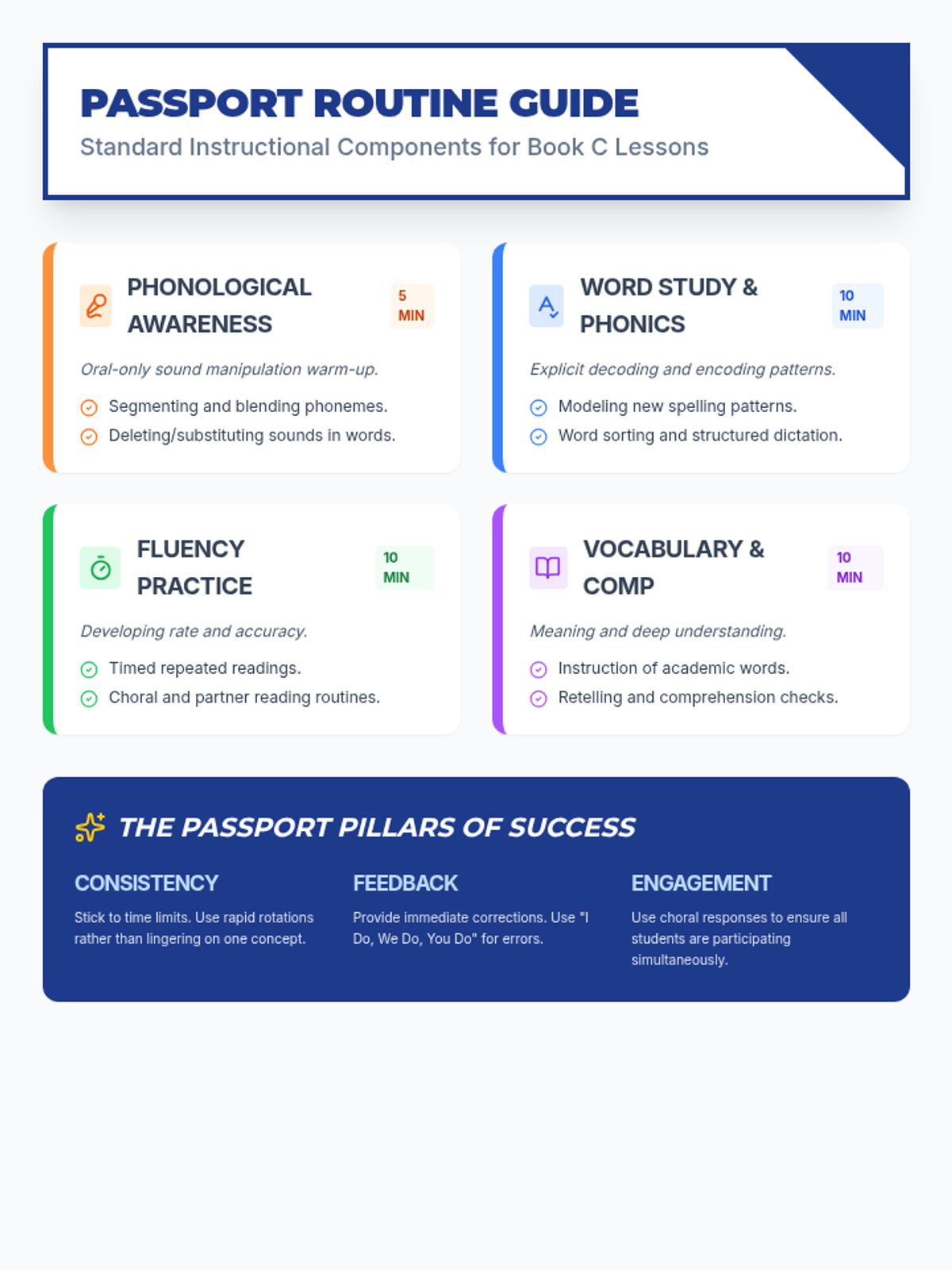
A comprehensive year-long scope and sequence for Voyager Sopris Passport Book C, designed for a four-day-a-week intervention schedule from mid-August to mid-May.
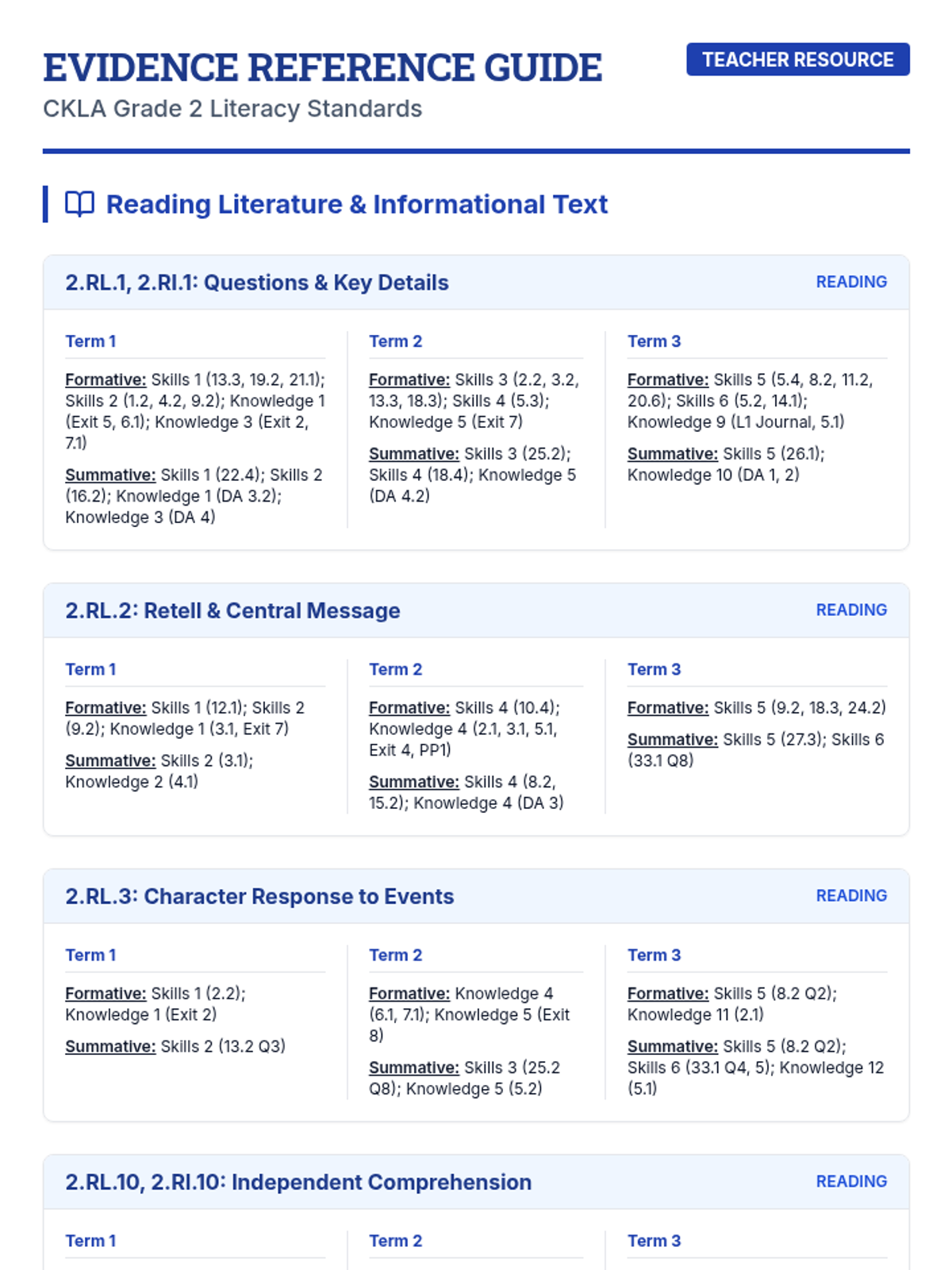
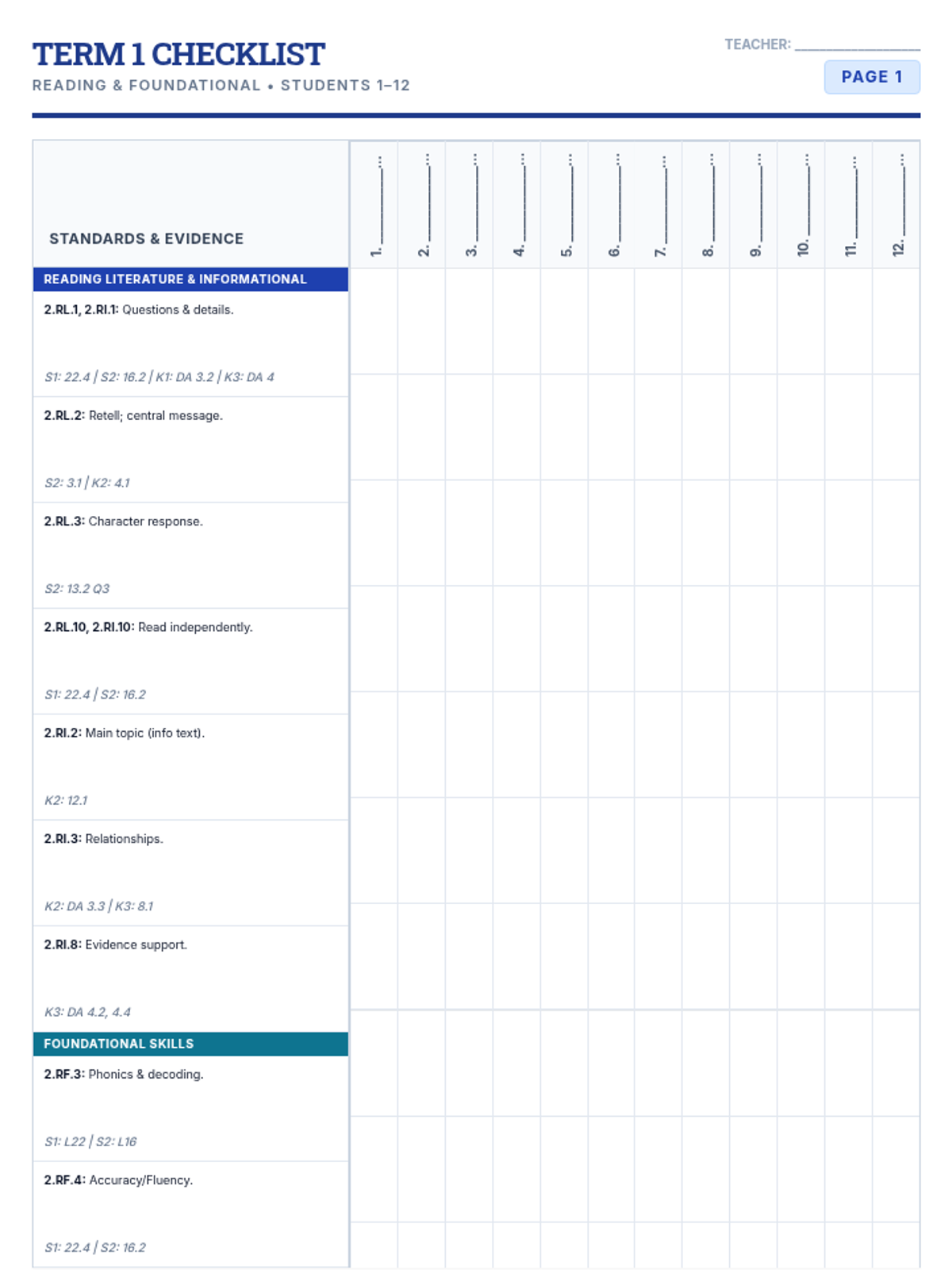
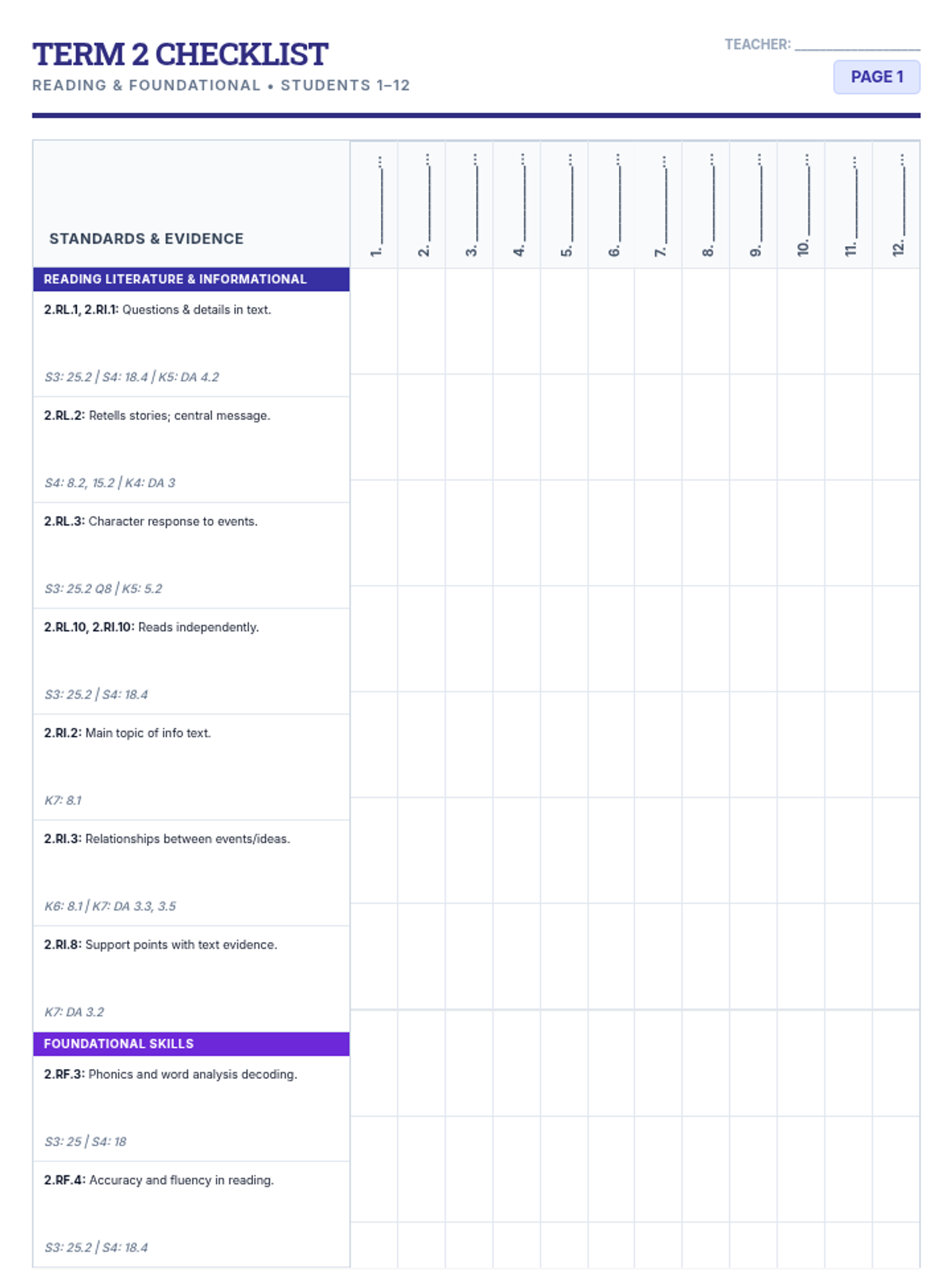
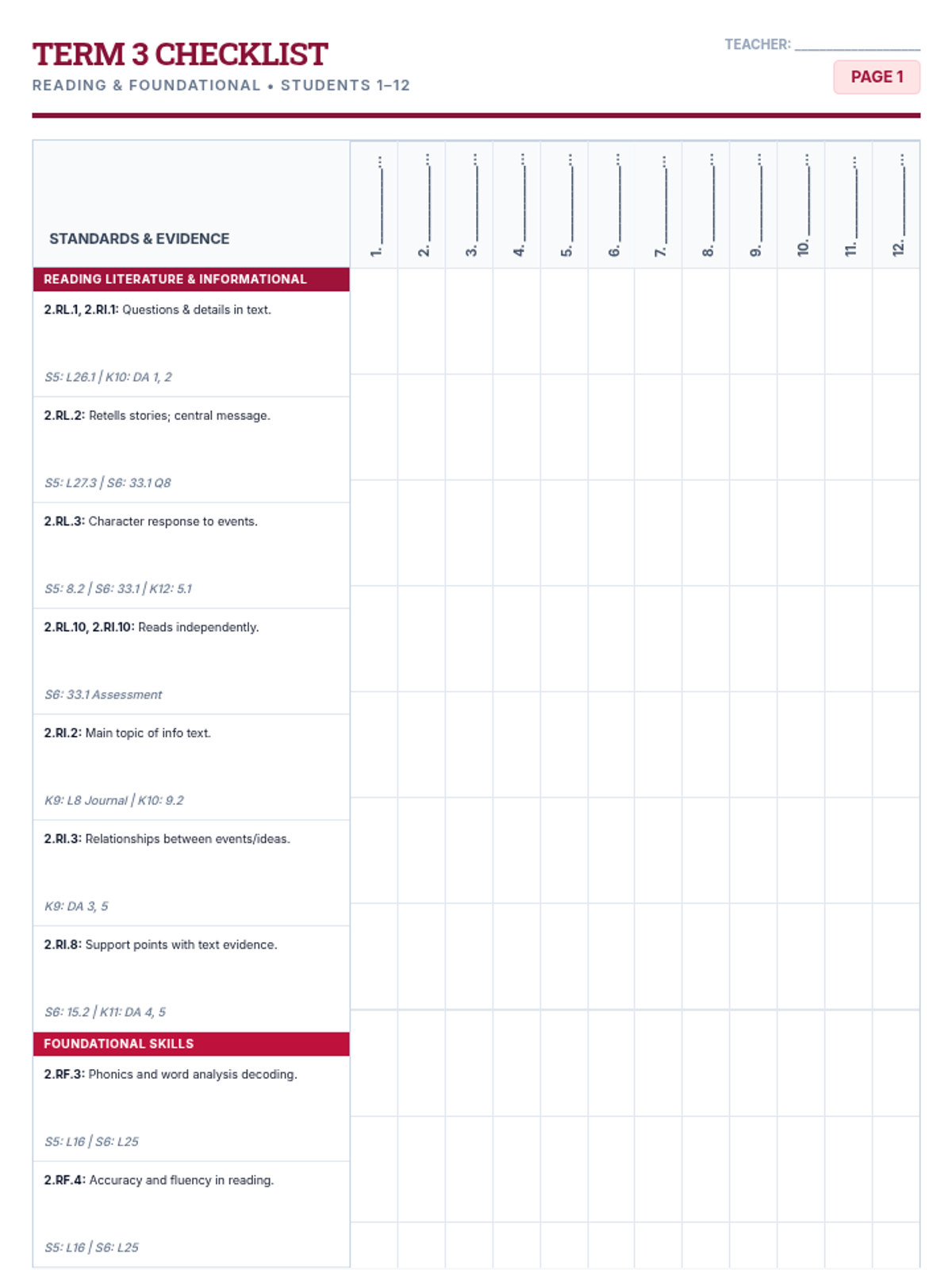
A comprehensive gradebook system for Grade 2 CKLA, including term-based checklists and a detailed evidence reference guide for tracking student progress across all literacy standards.
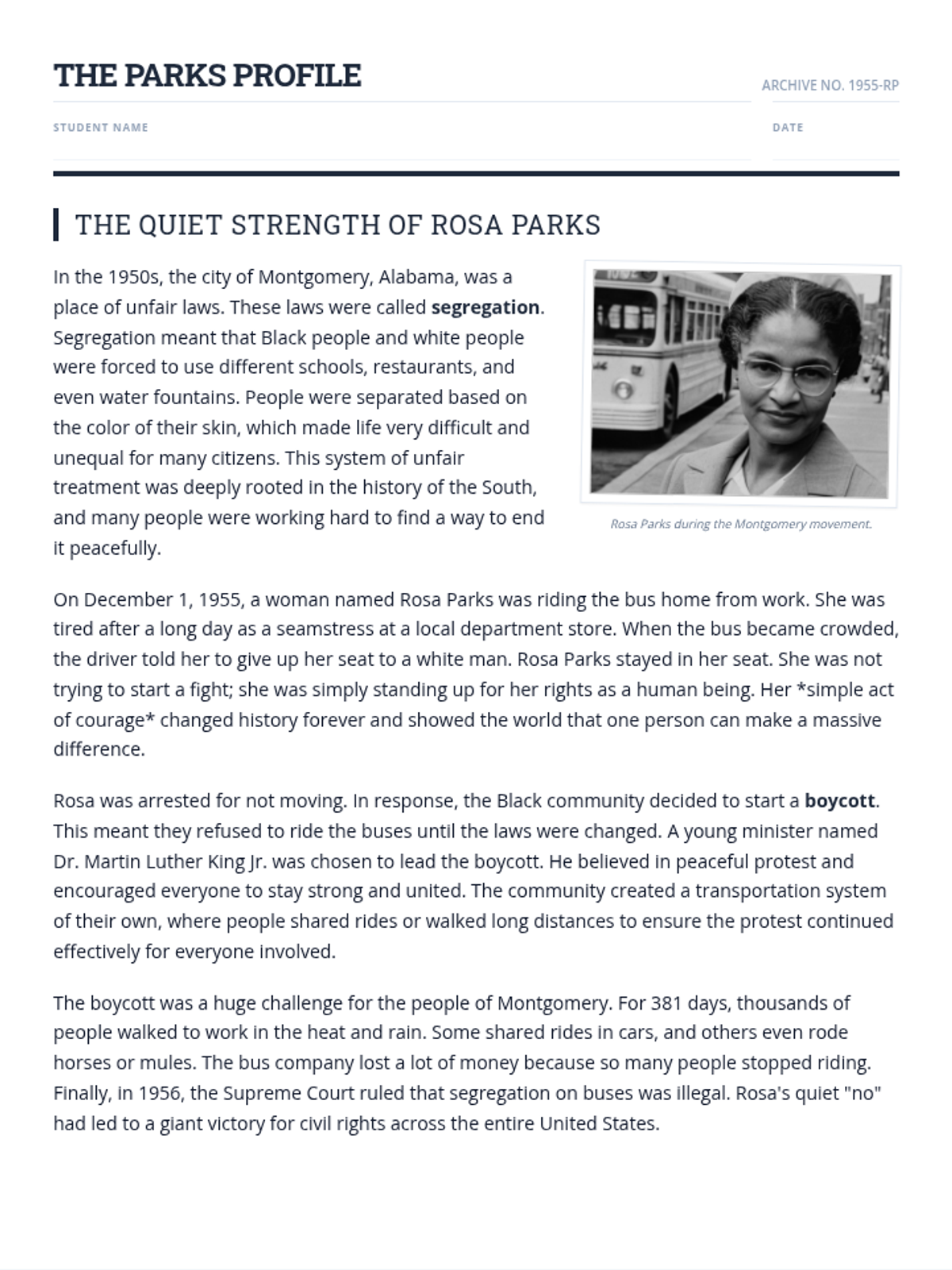
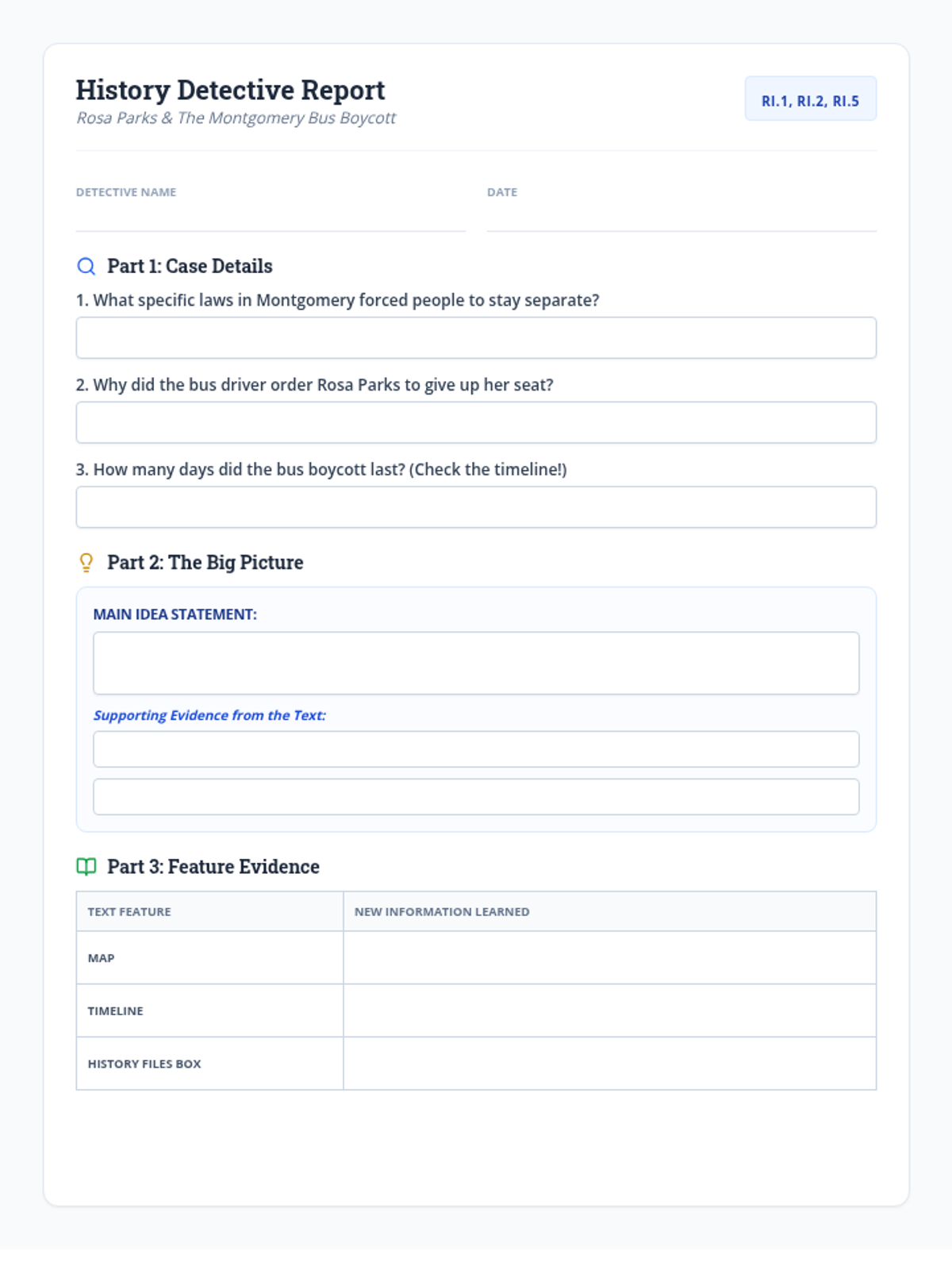
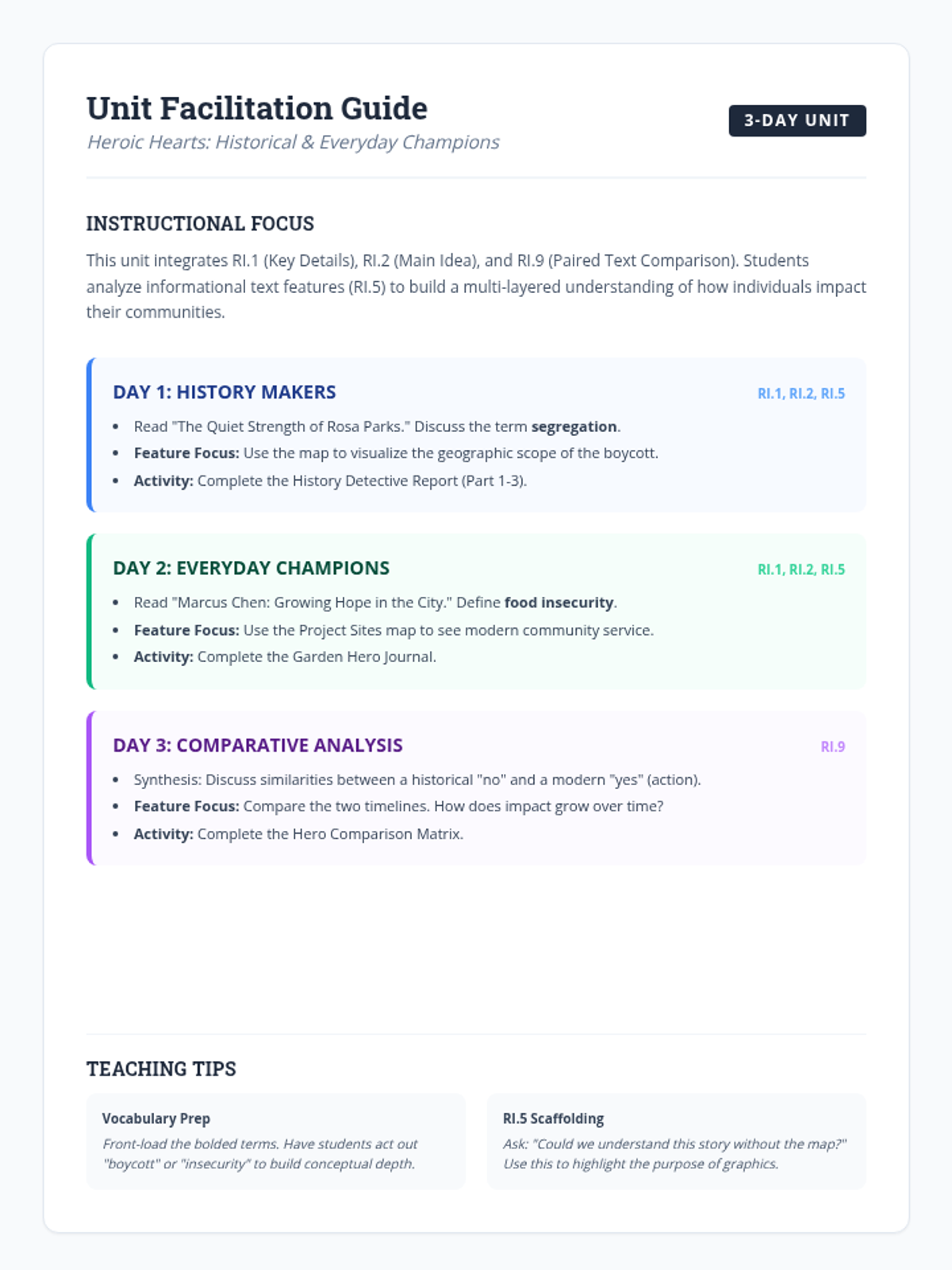
A three-day exploration of heroism comparing historical figures and modern-day community leaders, focusing on informational text features and identifying main ideas.
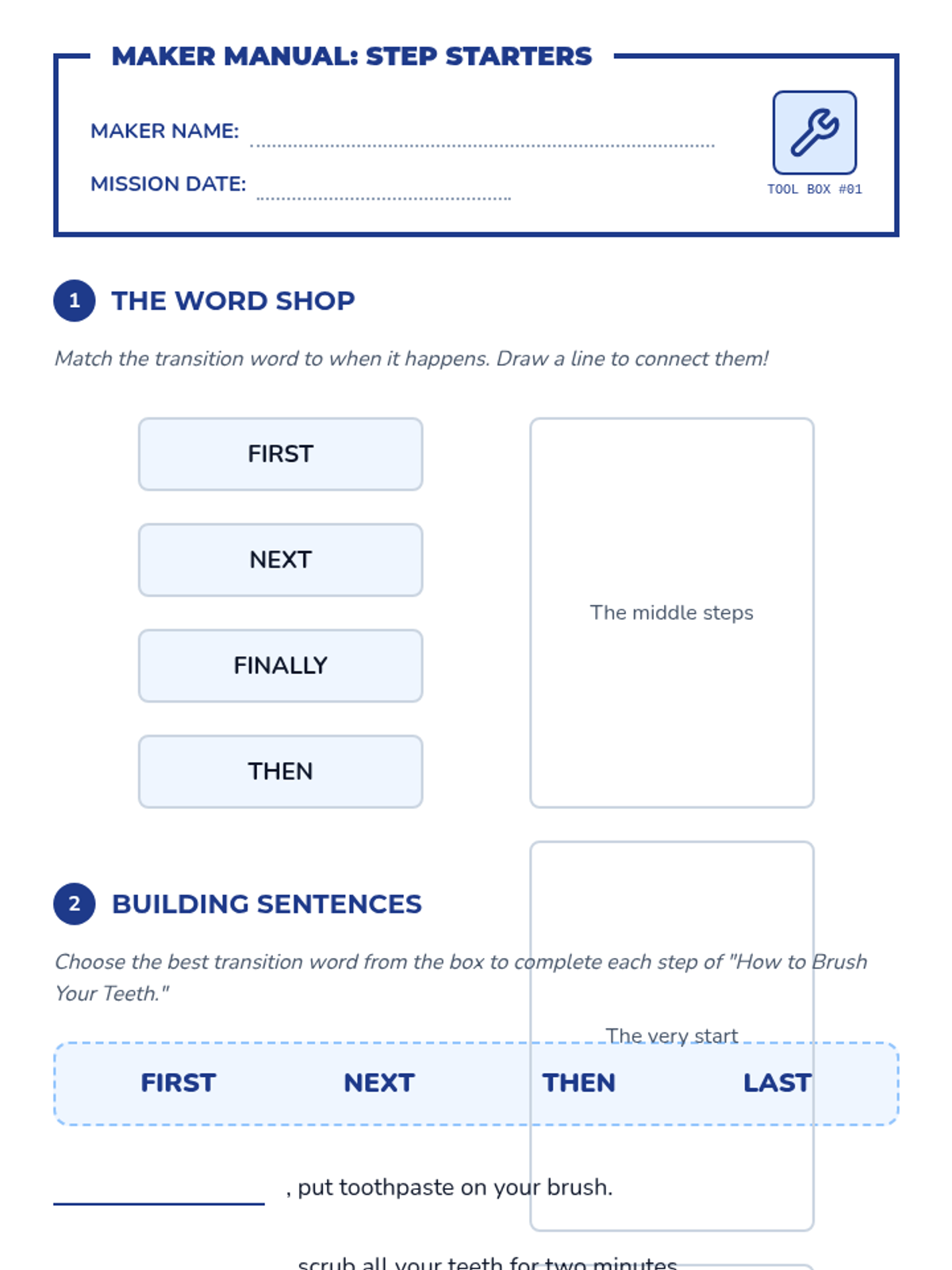
A week-long unit for 2nd graders to master procedural writing through the lens of being 'Master Makers'. Students learn transition words, sequencing, material lists, and detail-oriented instructions.
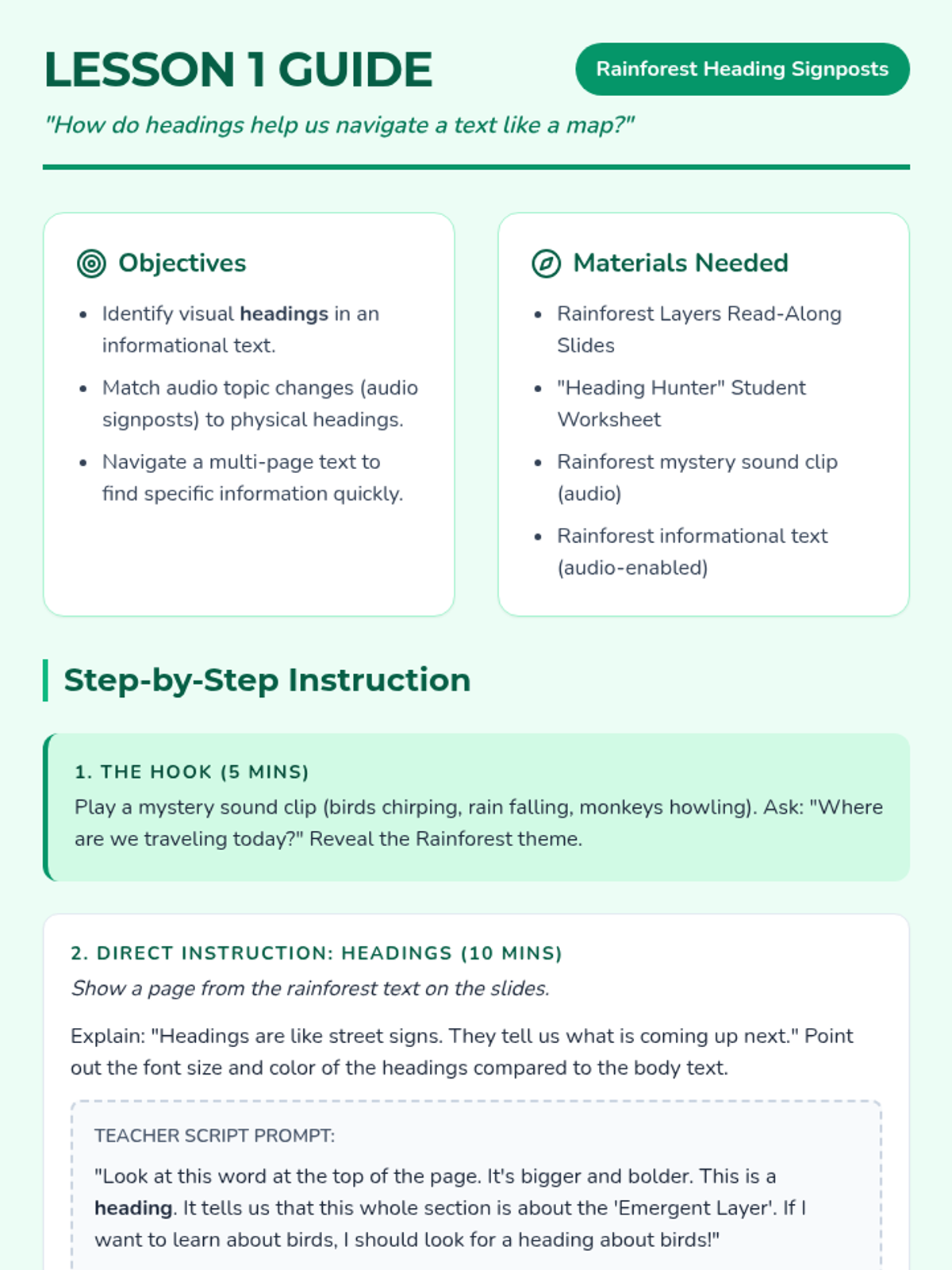
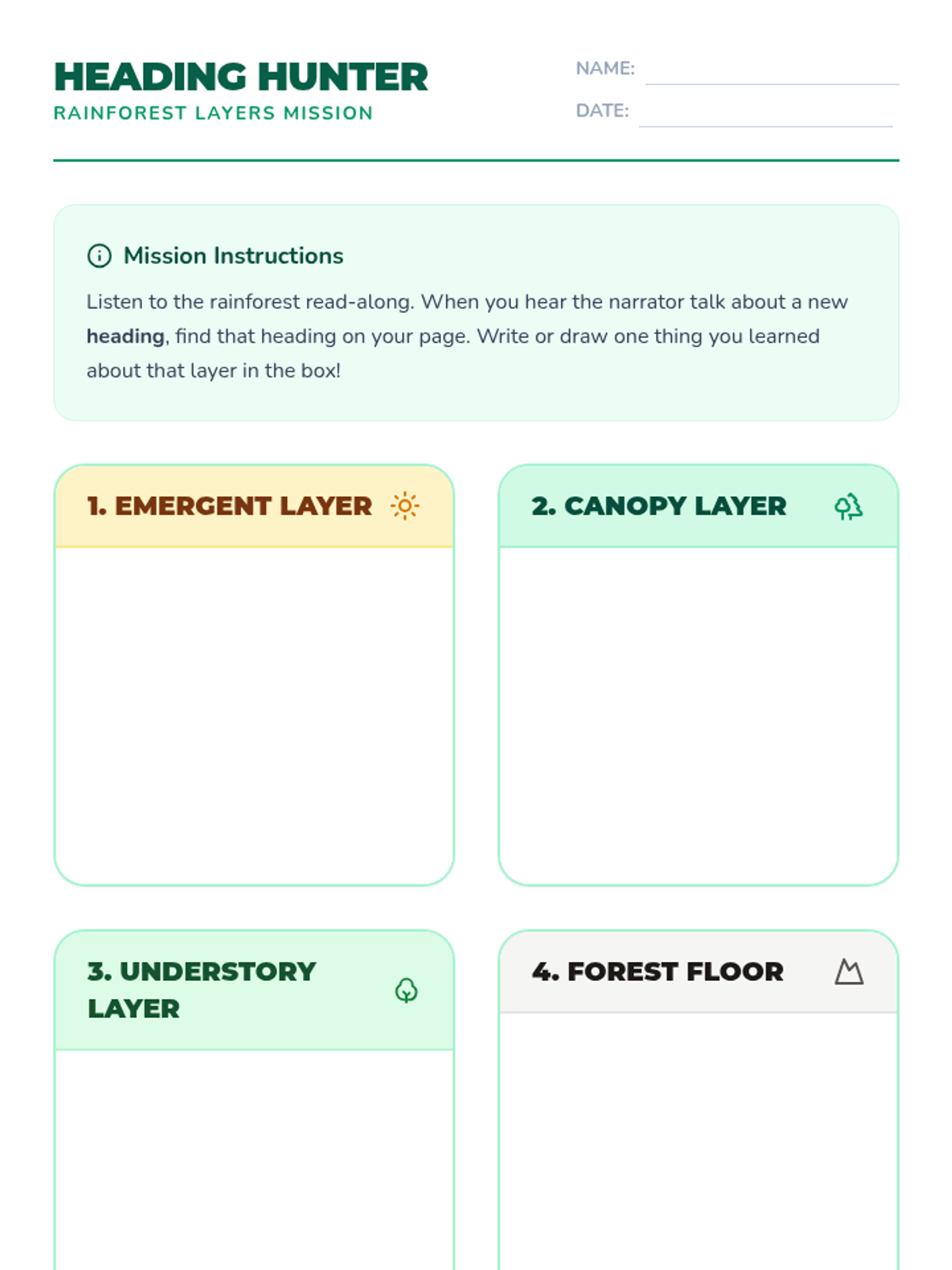
Students become 'Text Detectives' to explore informational text features. They learn to identify and use headings, captions, glossaries, and visual aids to navigate nonfiction books and gather information efficiently.
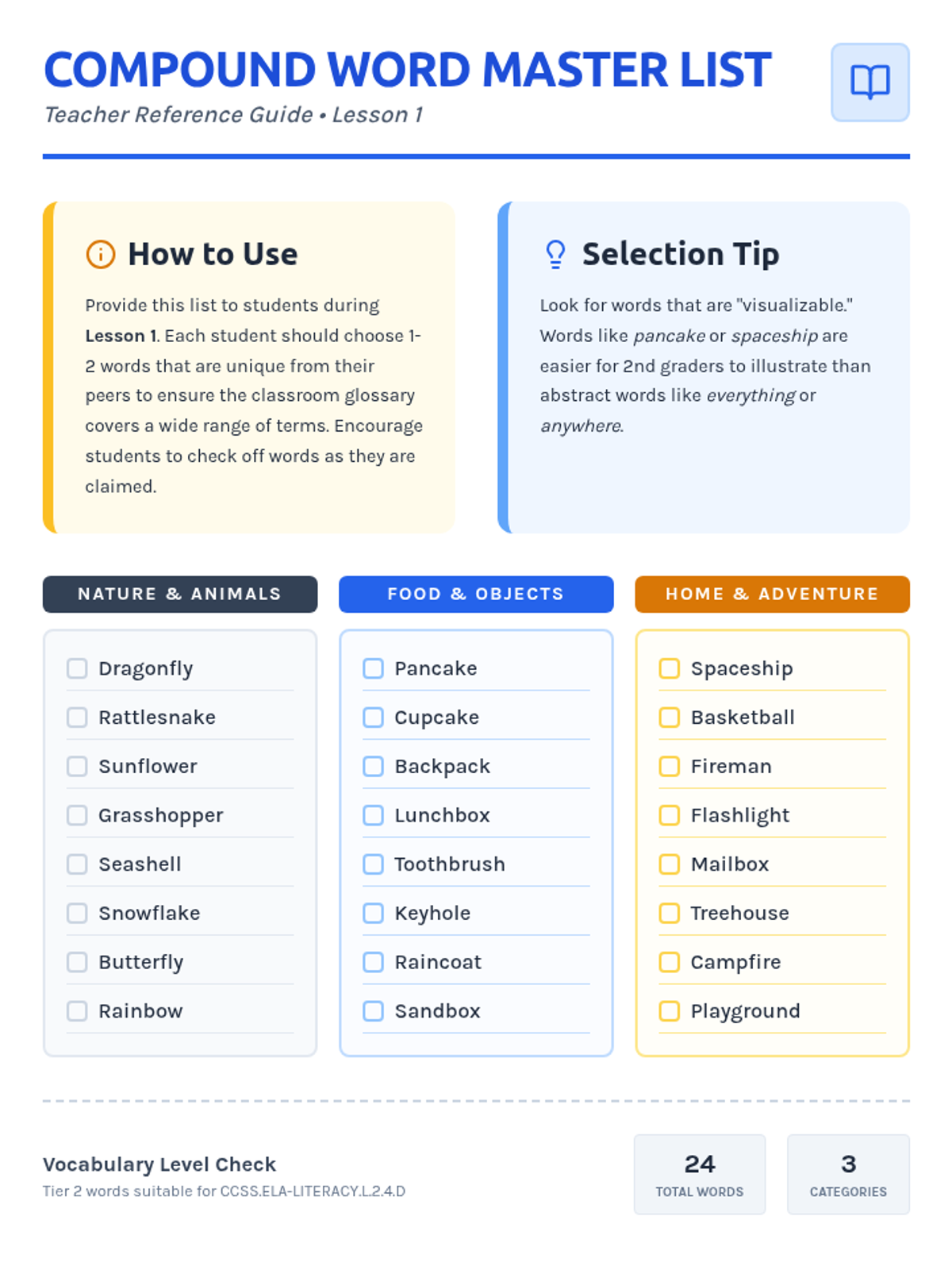
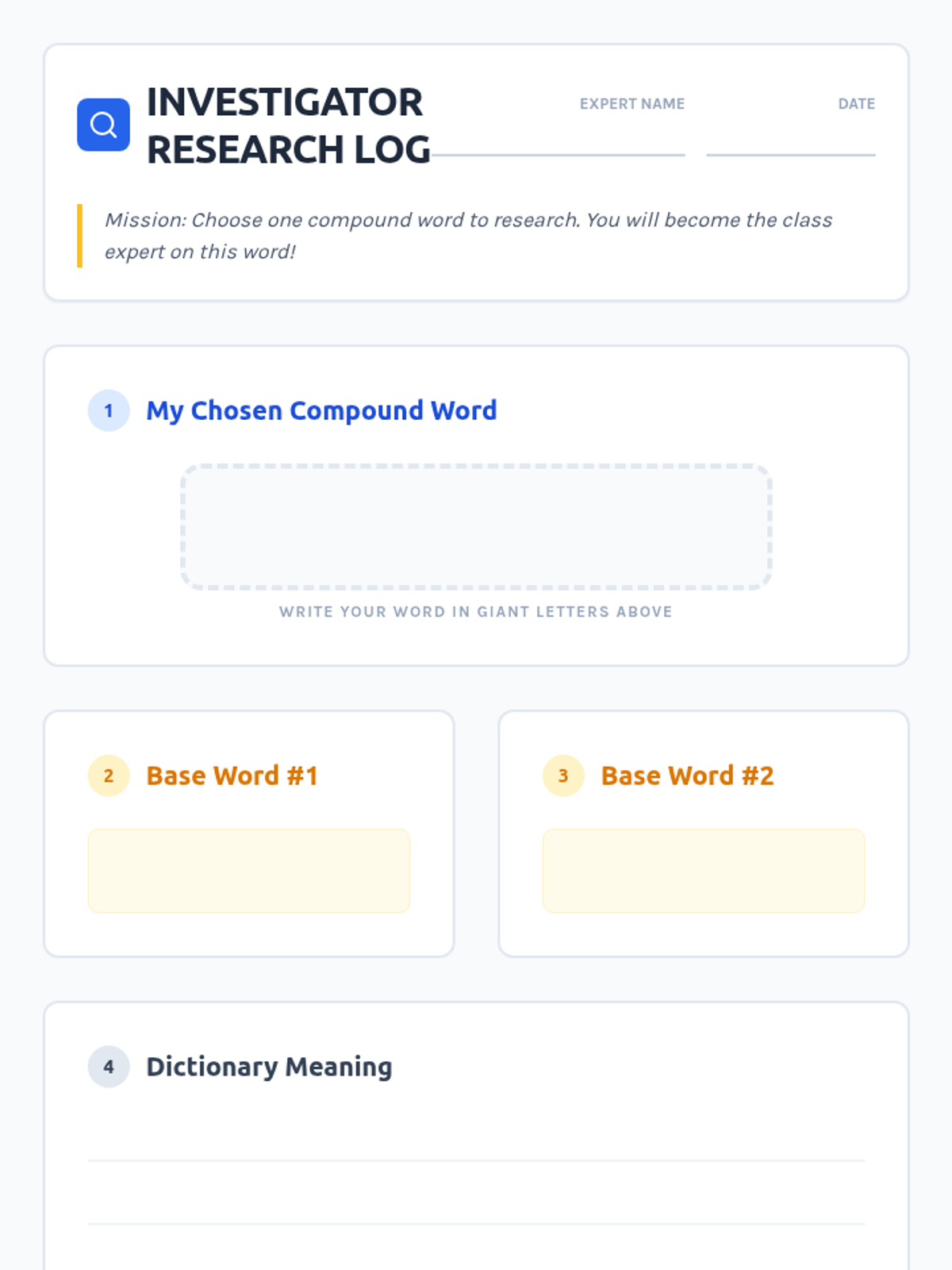
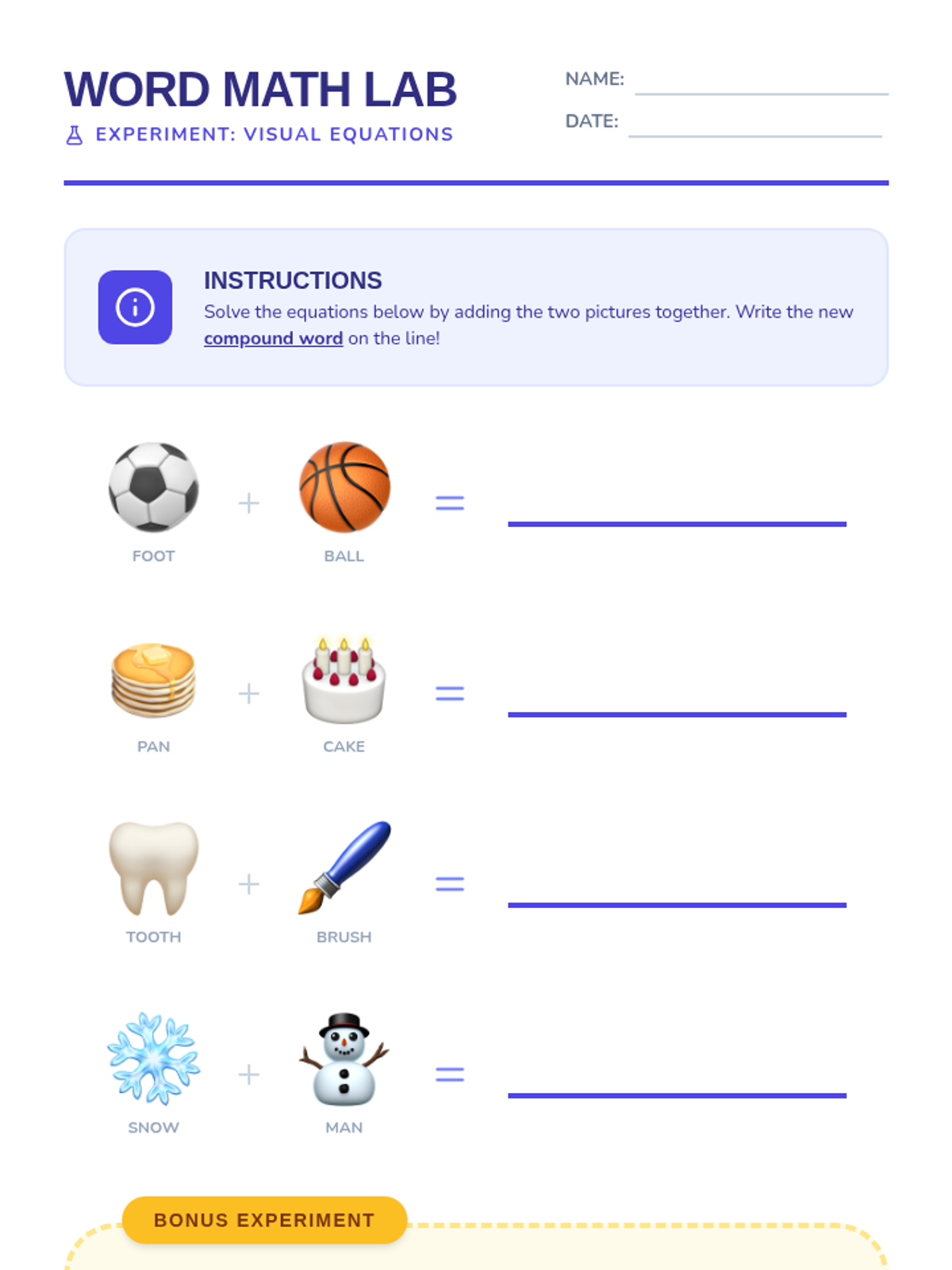
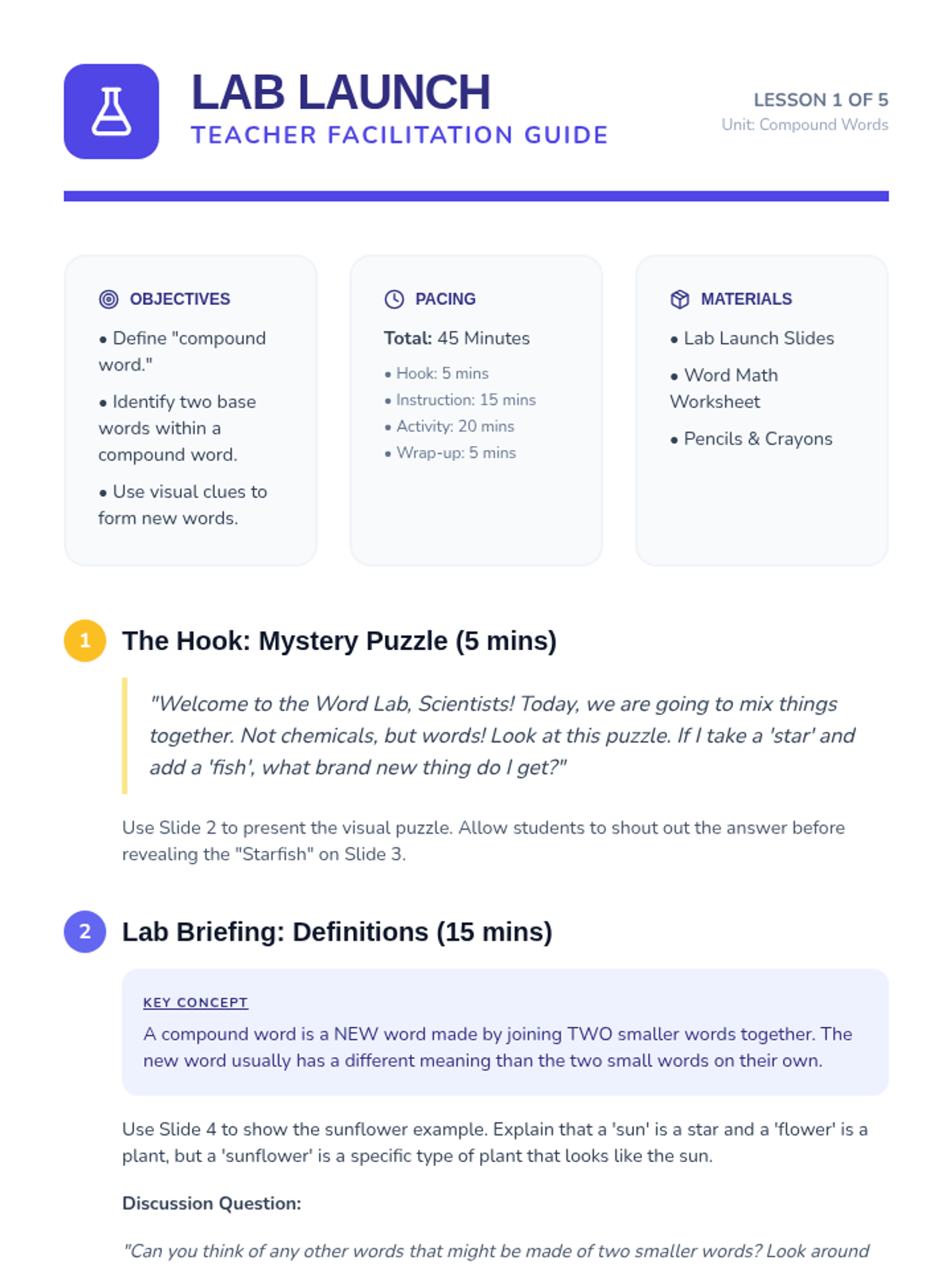
A project-based unit where 2nd-grade students create a 'Visual Glossary of Compound Words'. Students research, illustrate, and define compound terms to publish a collaborative book for their classroom library, focusing on word structure and visual communication.
A 2nd-grade ELA sequence focused on using text features (headings, bold print, captions, diagrams) to enhance comprehension of informational science texts. Students use audio-supported materials to practice navigating and synthesizing information about animal habitats and life cycles.
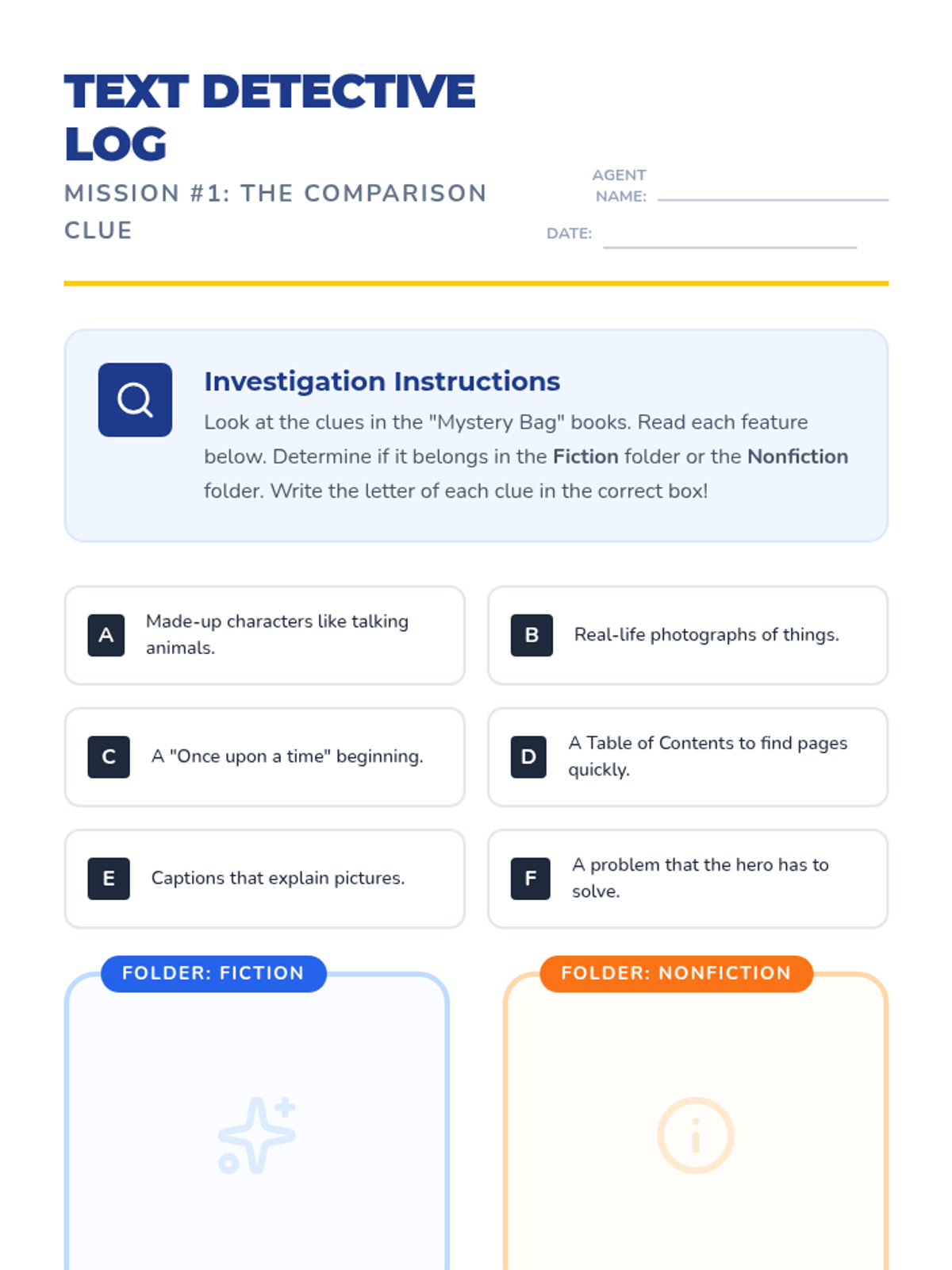
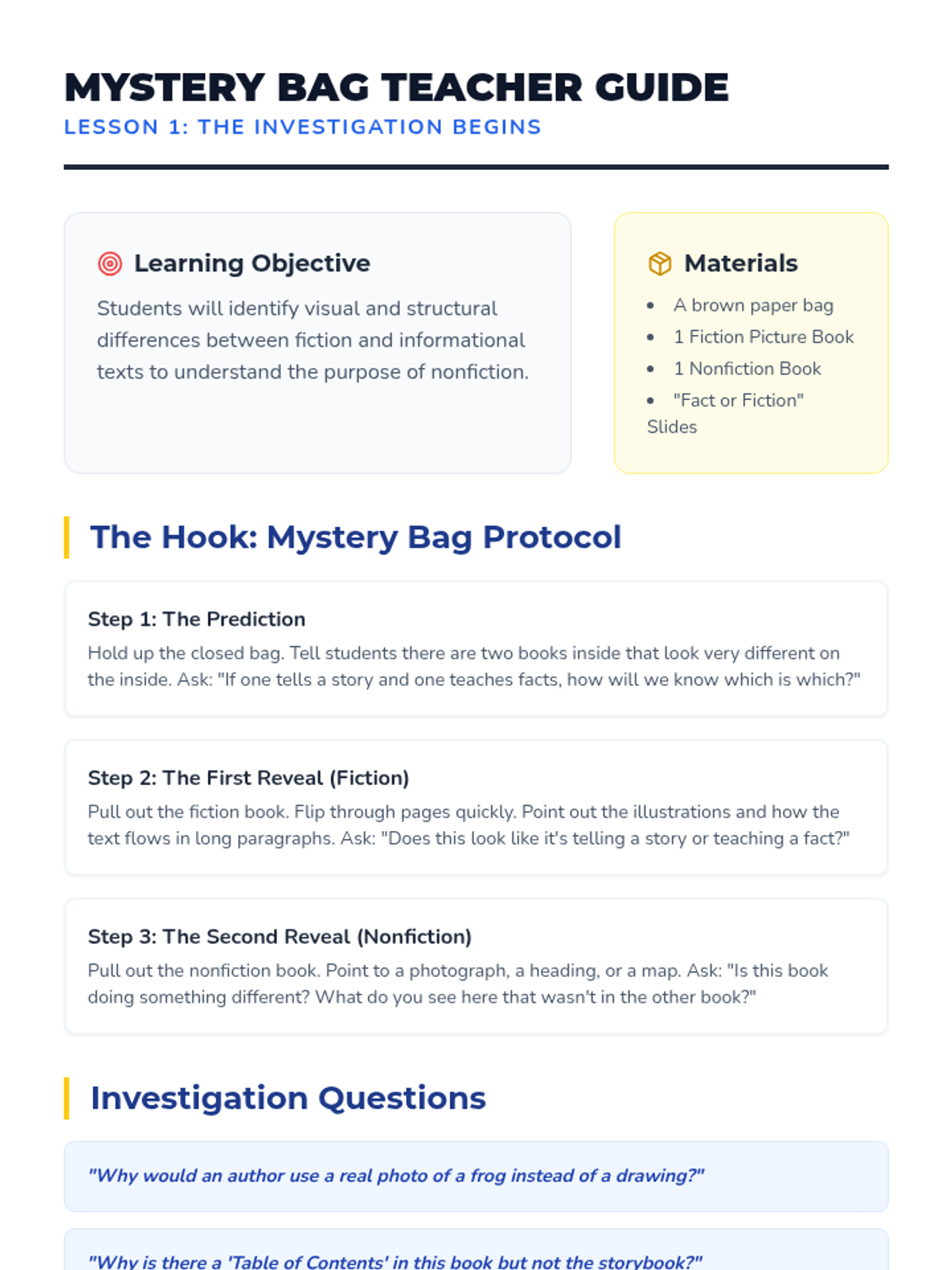
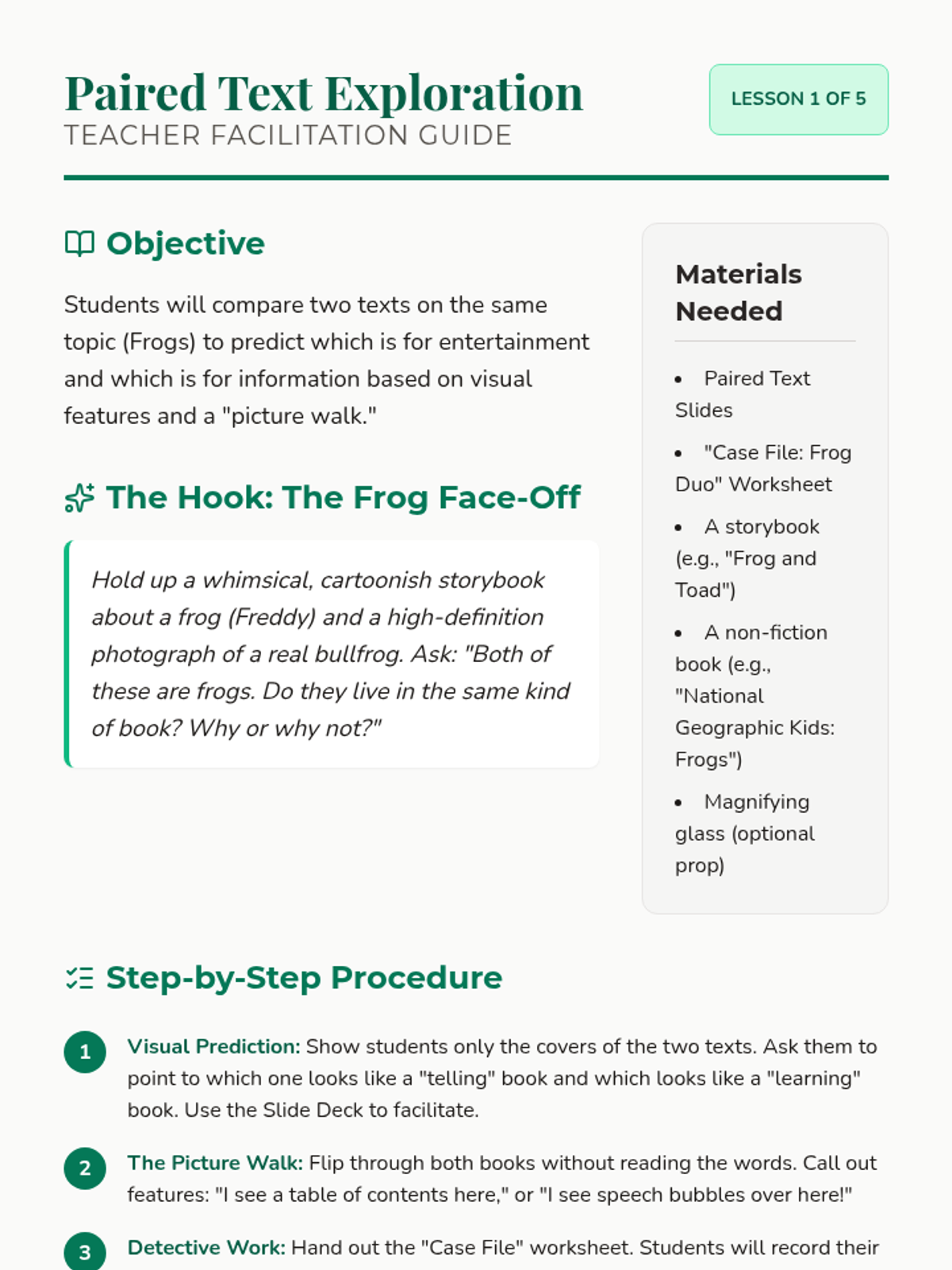
This sequence guides 2nd grade students through comparing fictional and informational texts on the same topic to understand author's purpose, structure, and vocabulary. Students act as 'Library Investigators' to analyze how authors' goals shape their writing.
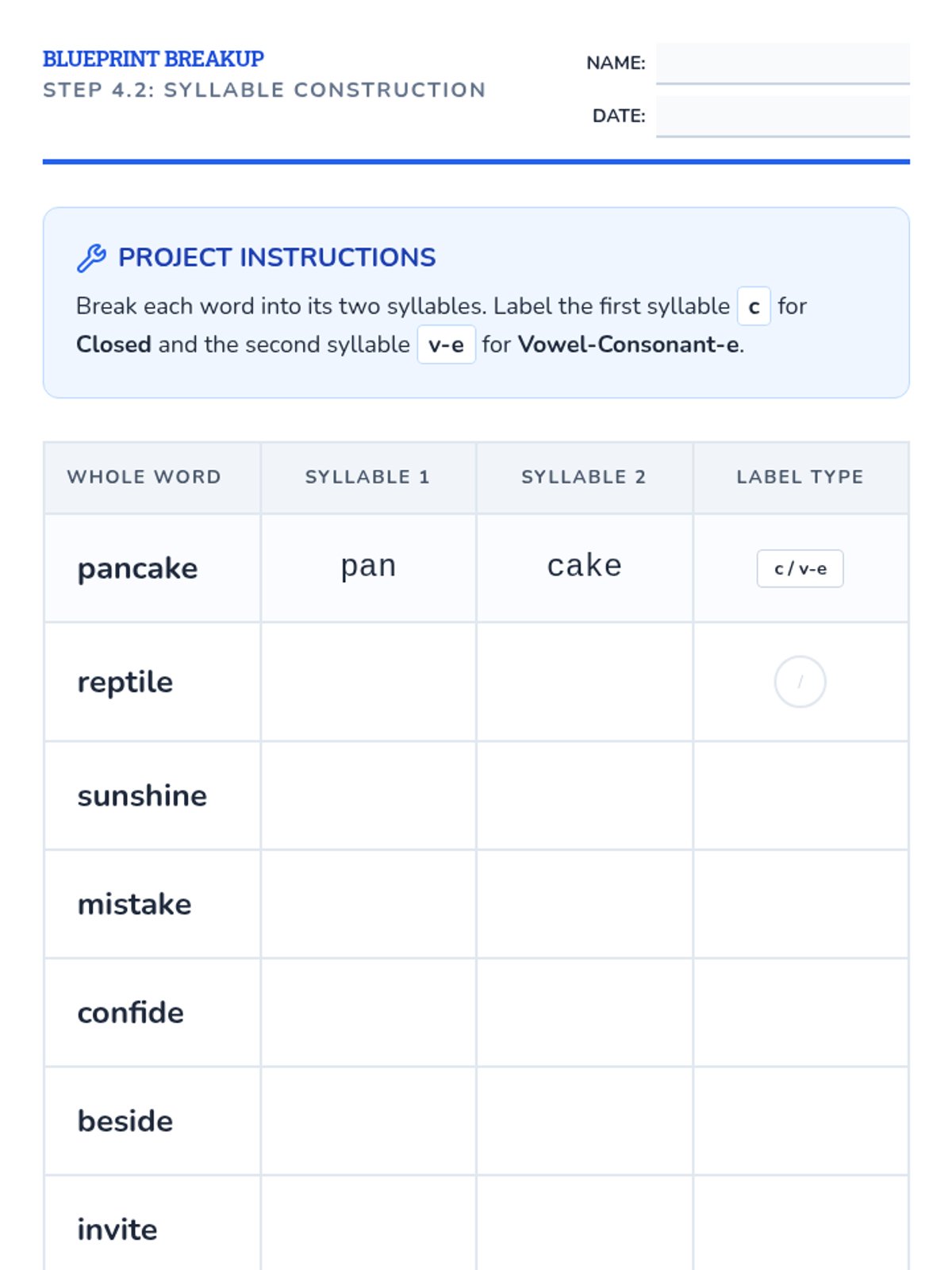
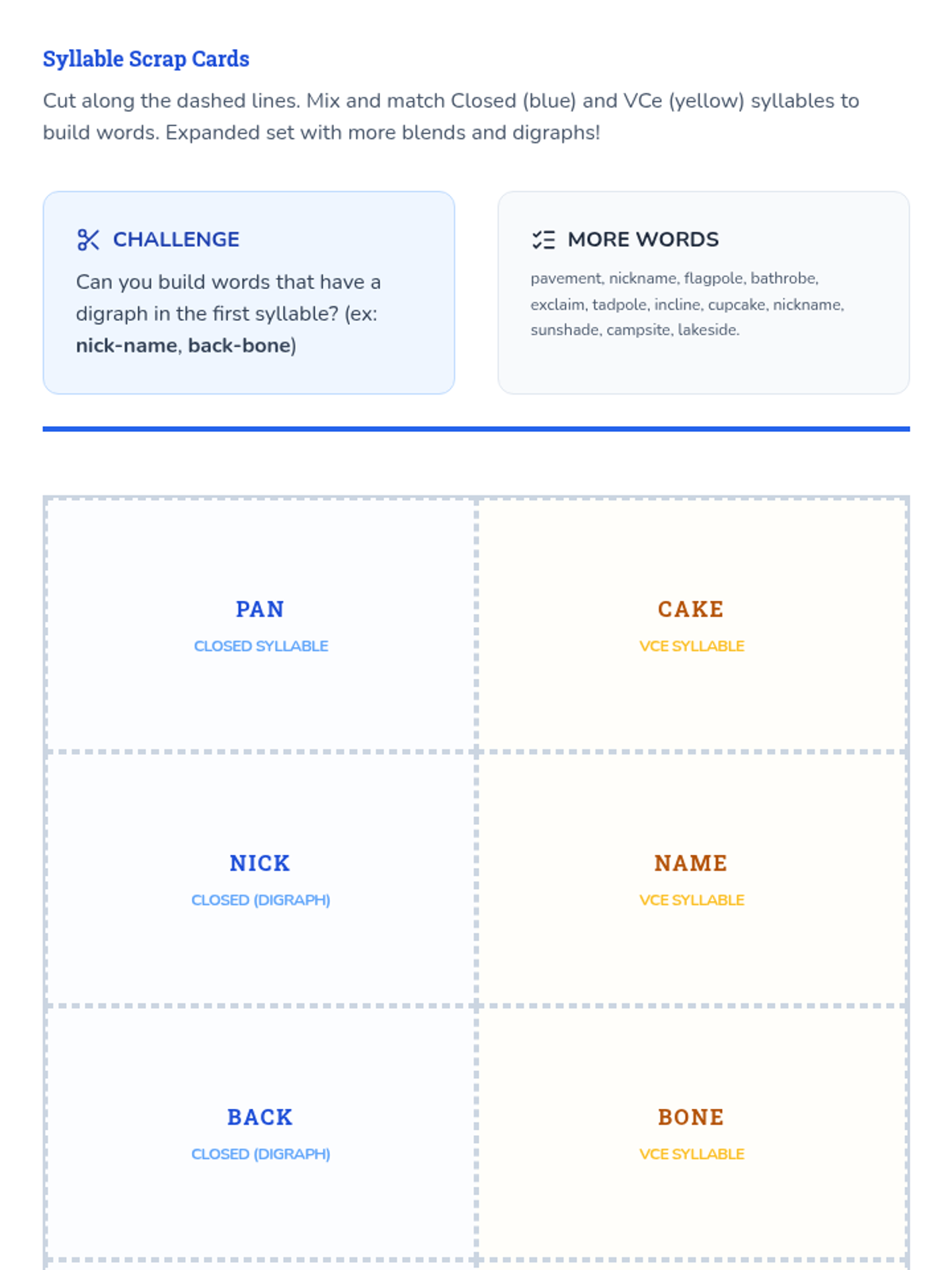
A comprehensive unit for Wilson Reading System Step 4.2, focusing on two-syllable words combining closed and vowel-consonant-e (VCe) syllables. Includes syllable division practice, word cards, games, and fluency activities.
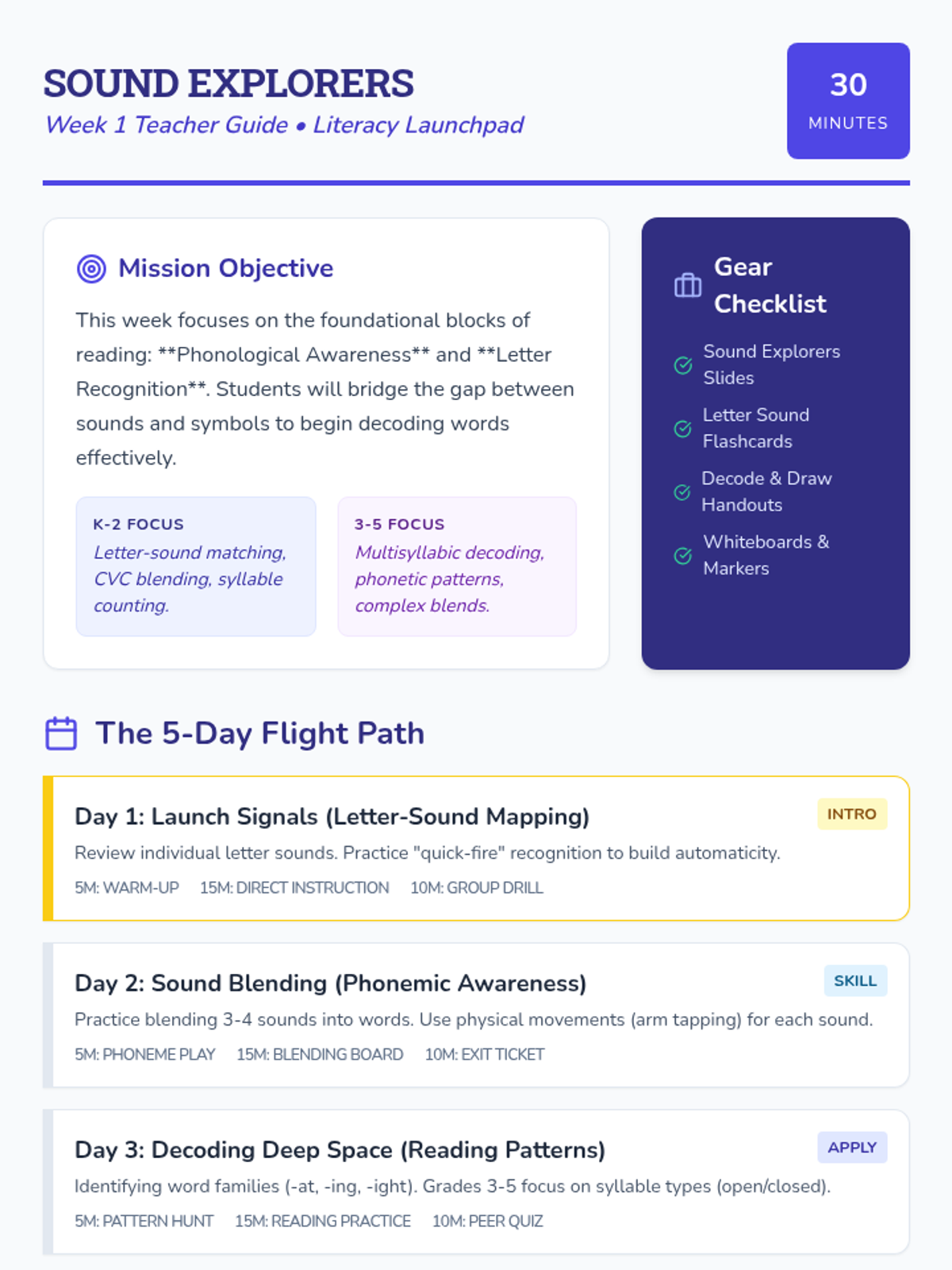
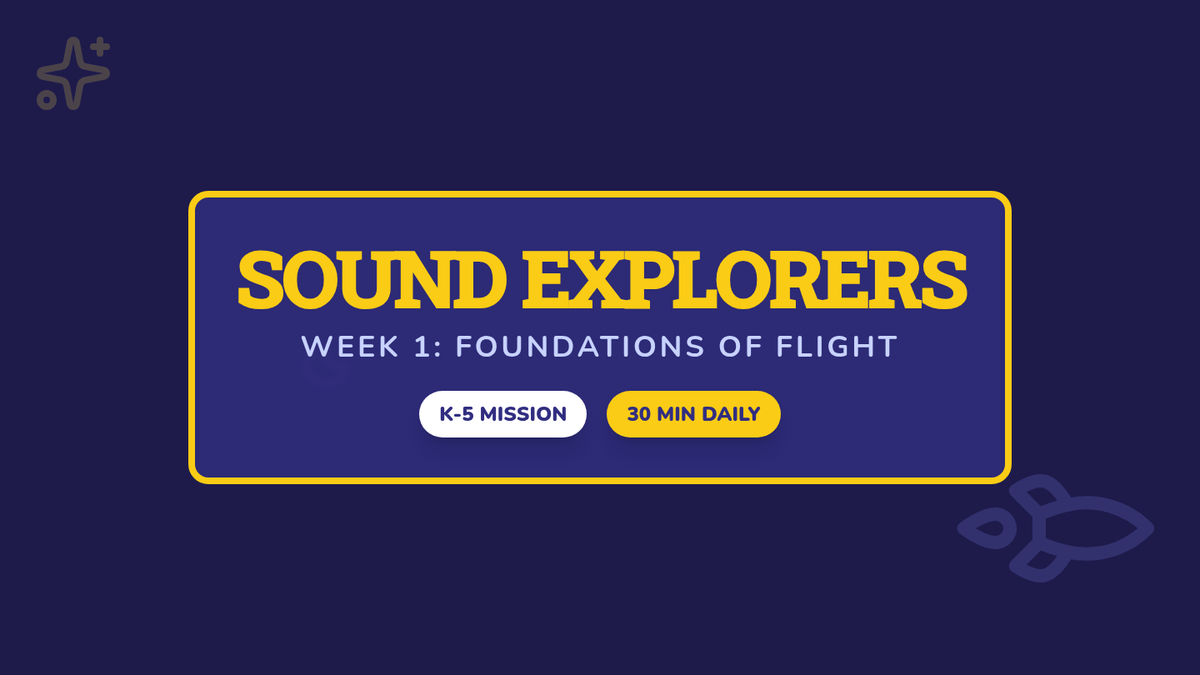
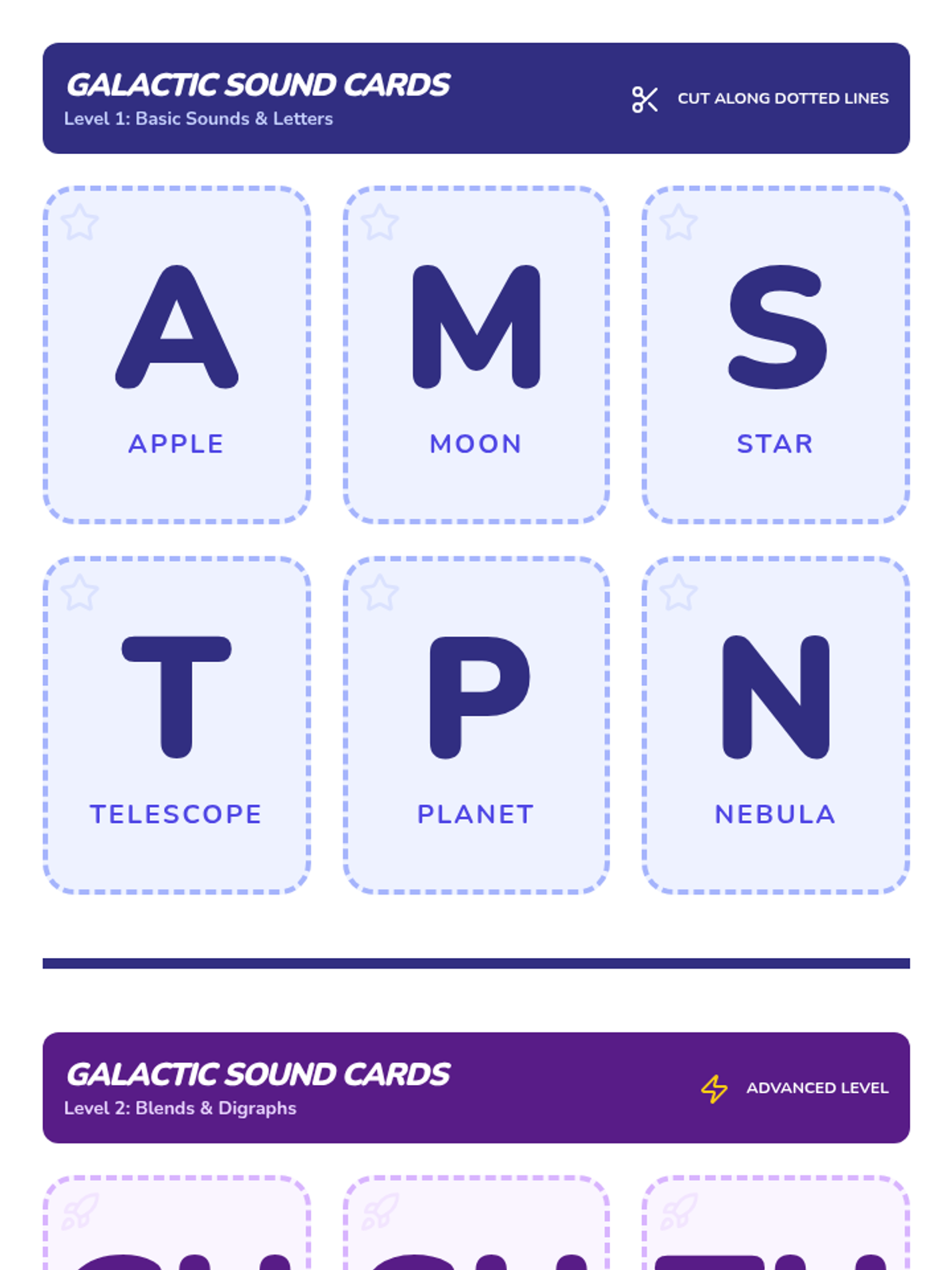
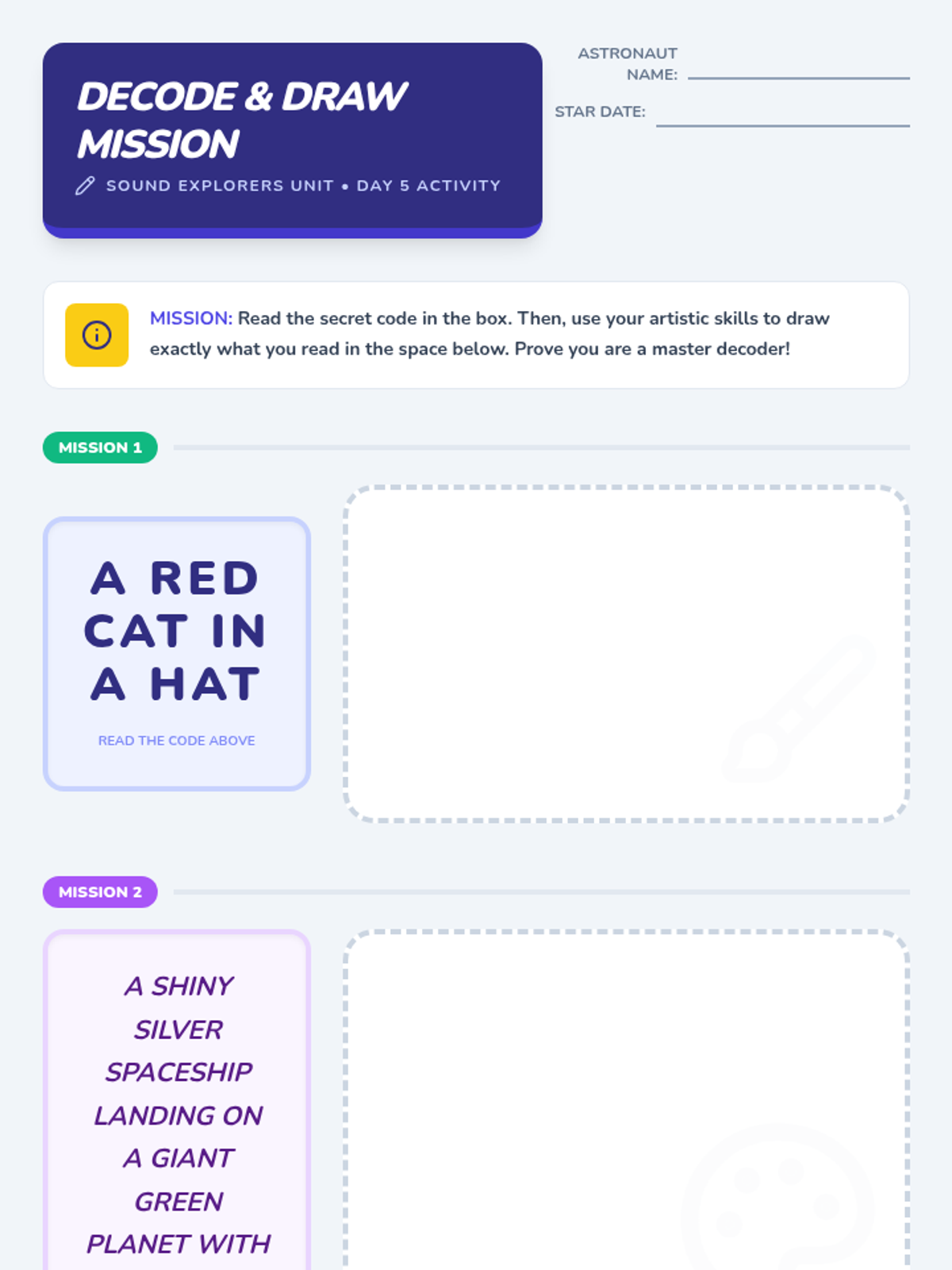
A 3-week literacy intervention program for grades K-5 focused on phonics, vocabulary, and comprehension with a space exploration theme. Each week features 30-minute daily sessions including interactive games and hands-on activities.
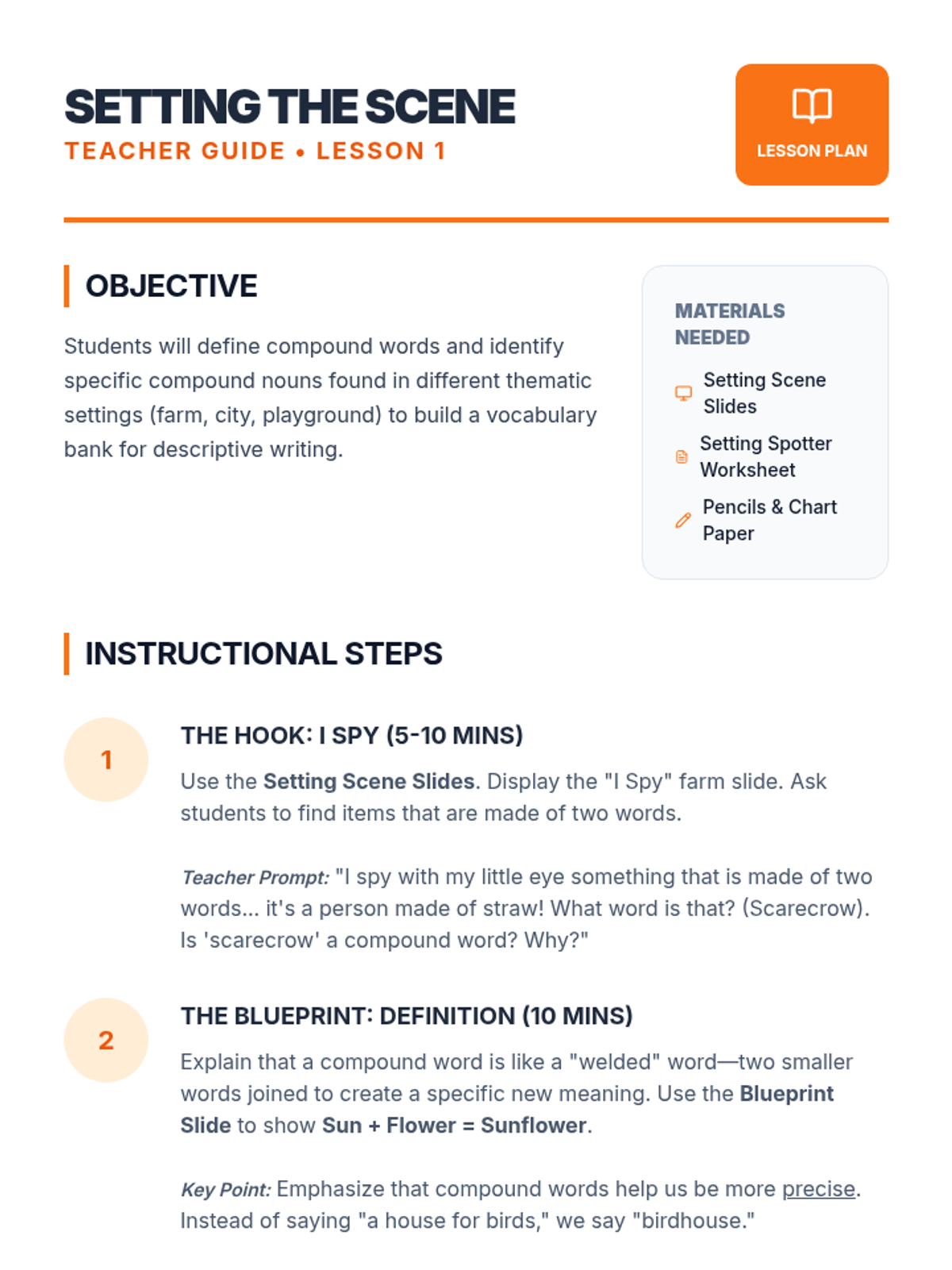
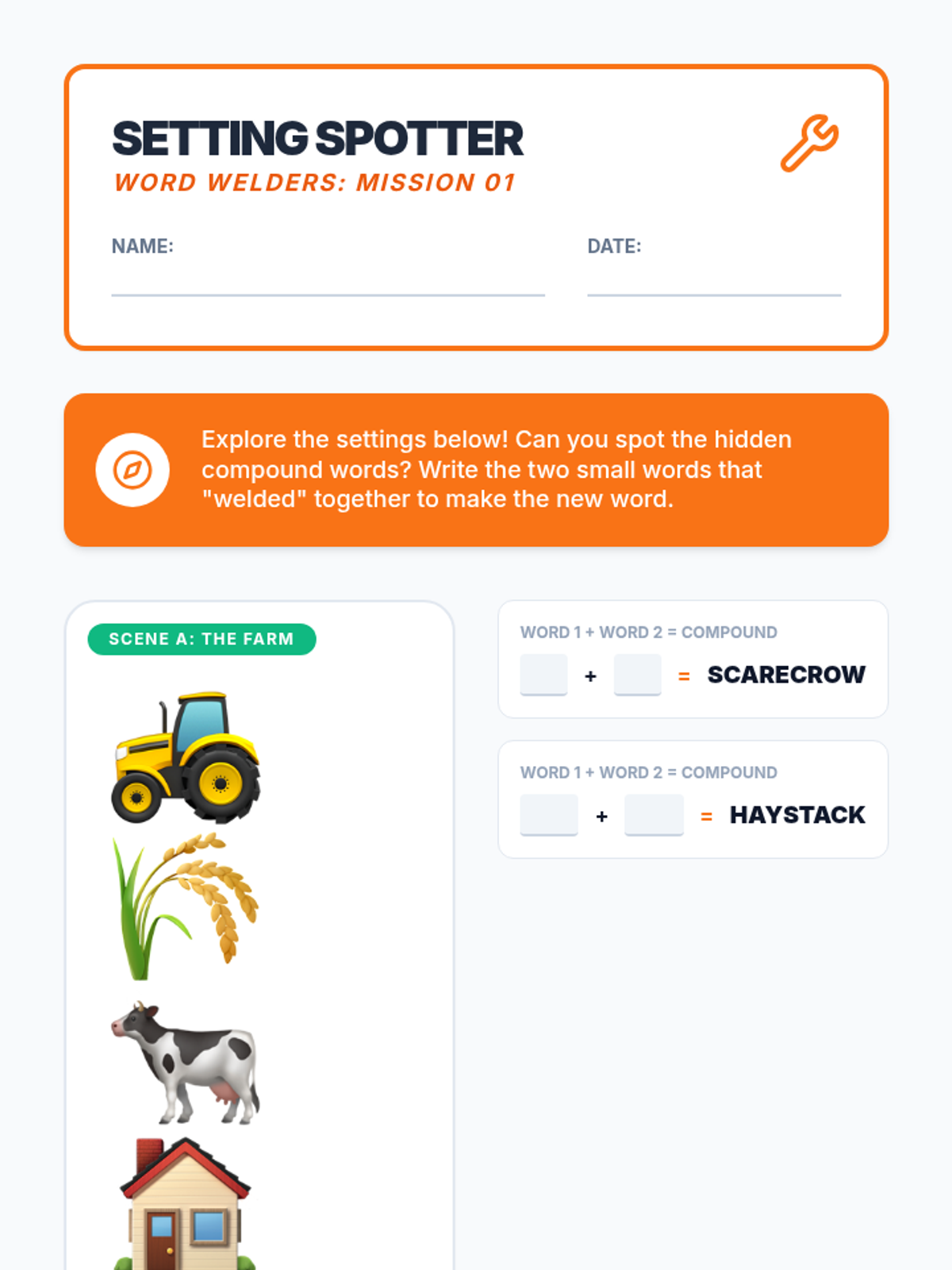
A 2nd-grade writing sequence where students learn to use compound words to make their descriptive writing more specific and engaging. Students move from identifying compound nouns in settings to using compound adjectives and crafting narratives.
A comprehensive 2nd-grade English Language Arts sequence exploring the formation, identification, and deconstruction of compound words through visual aids, hands-on activities, and linguistic analysis.
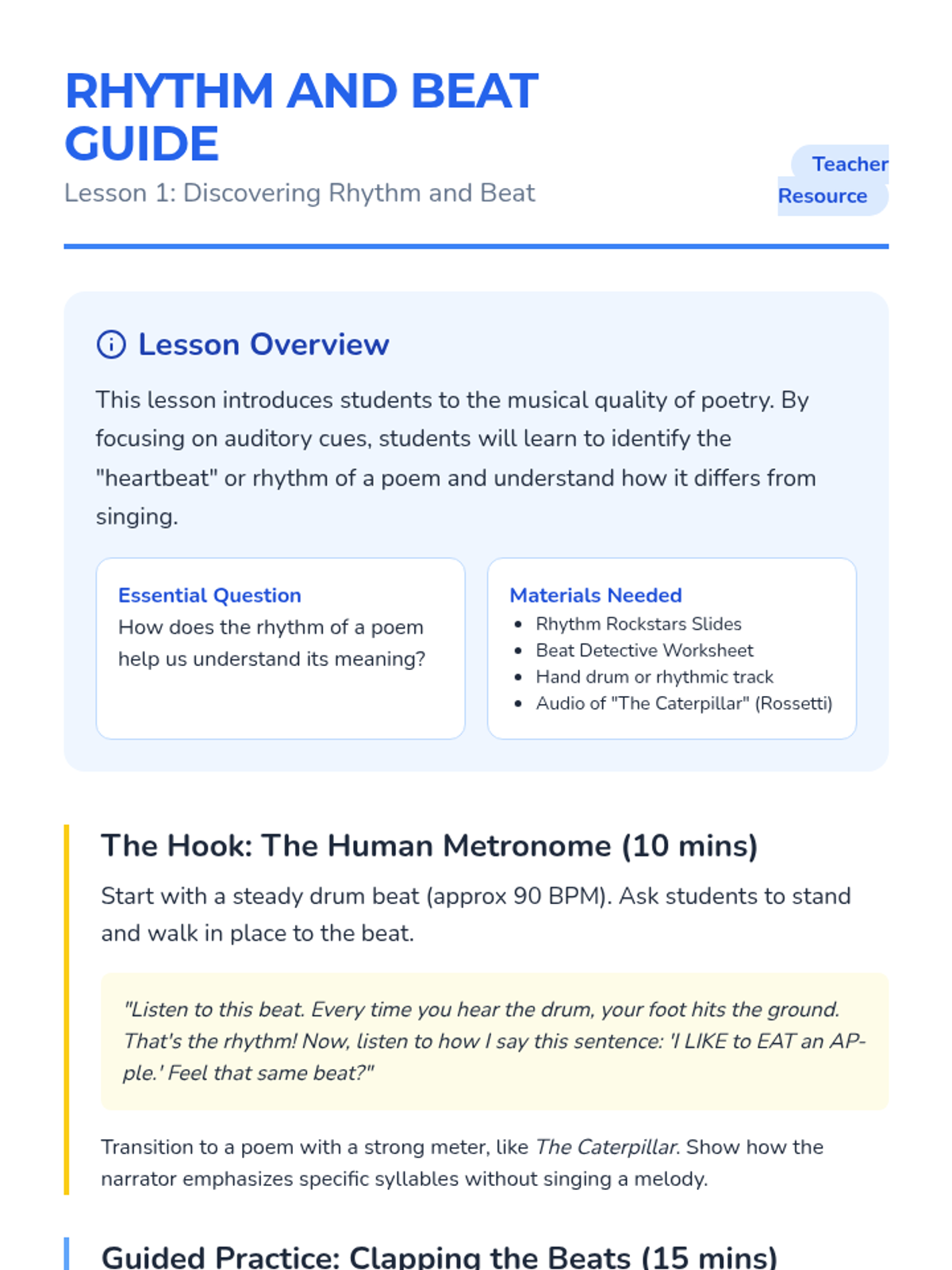
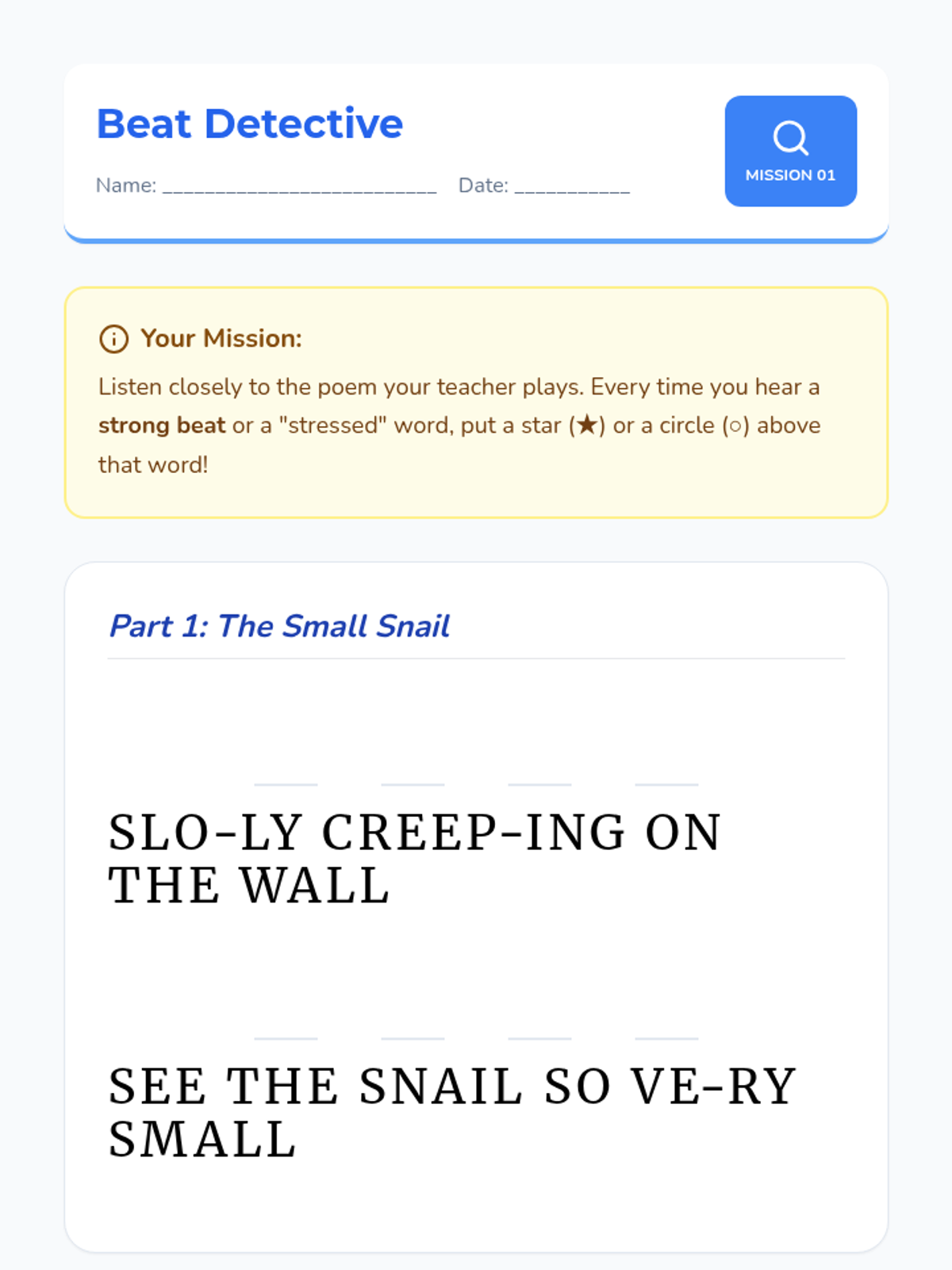
A 2nd-grade ELA sequence focused on rhythm, rhyme, and mood in poetry through read-along experiences. Students explore how the musicality of language enhances meaning and practice recitation.
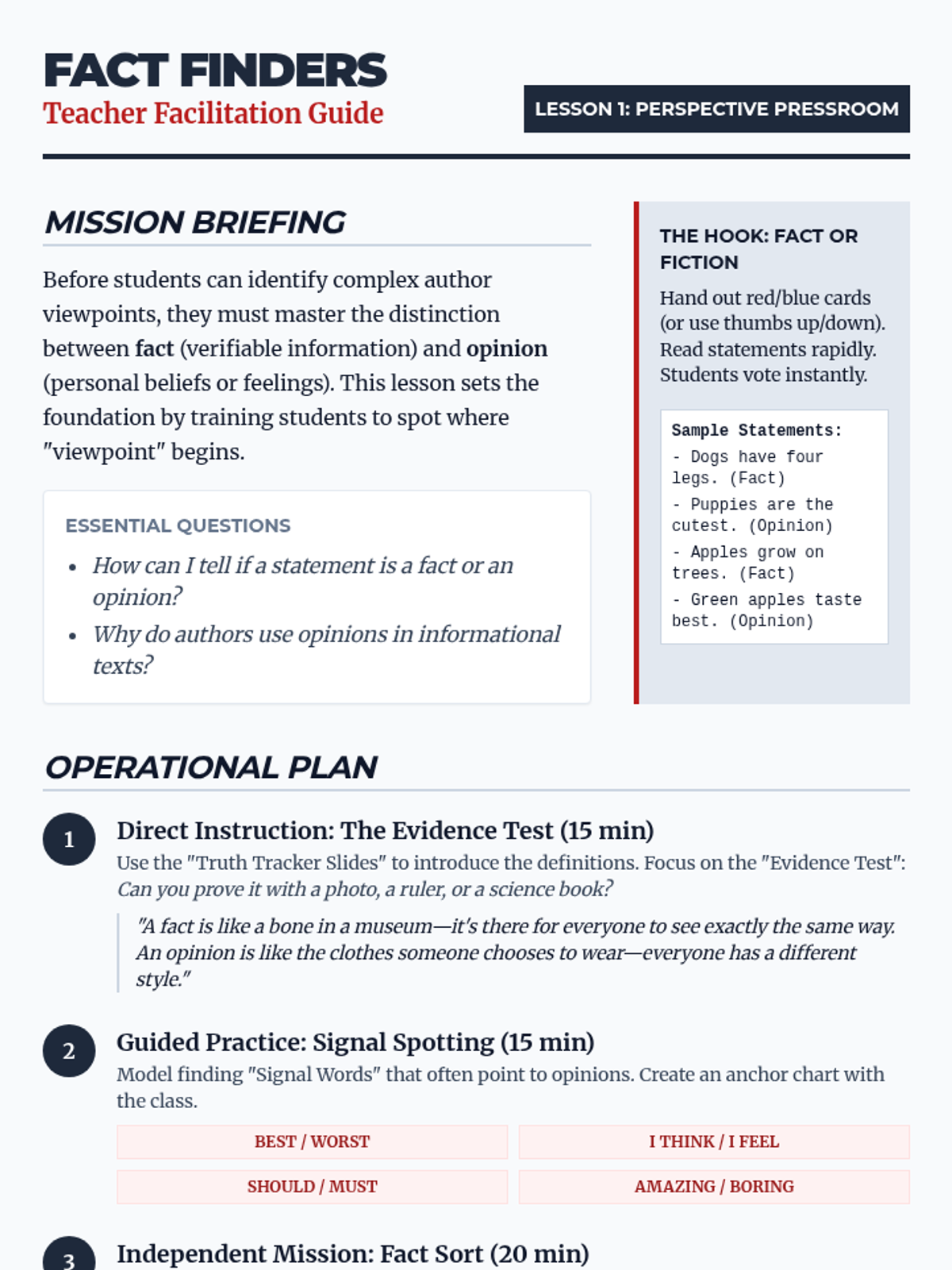
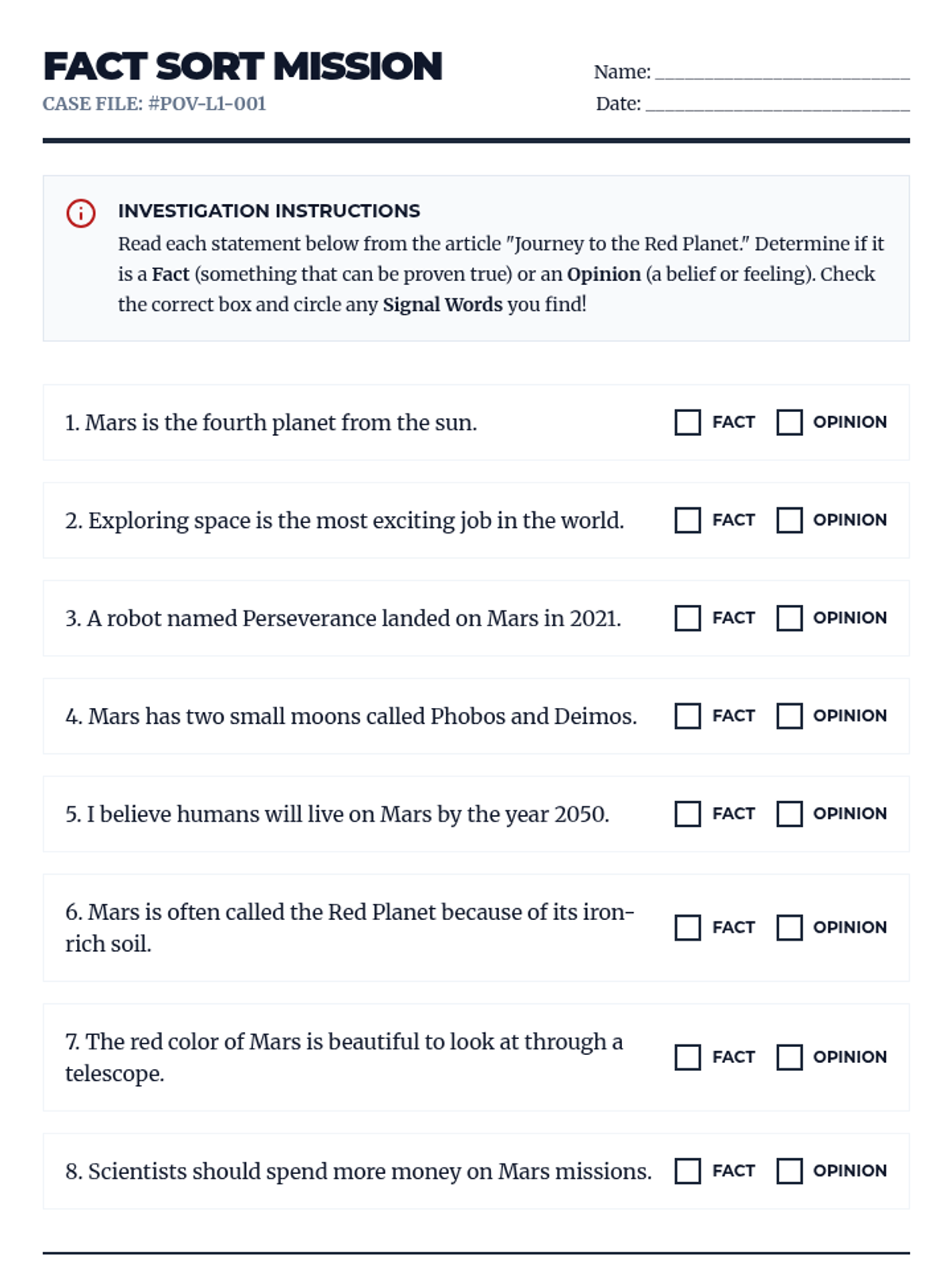
Students explore how an author's purpose and personal stance influence how facts are presented in nonfiction. They analyze articles, ads, and opinion pieces to identify point of view and distinguish it from their own.
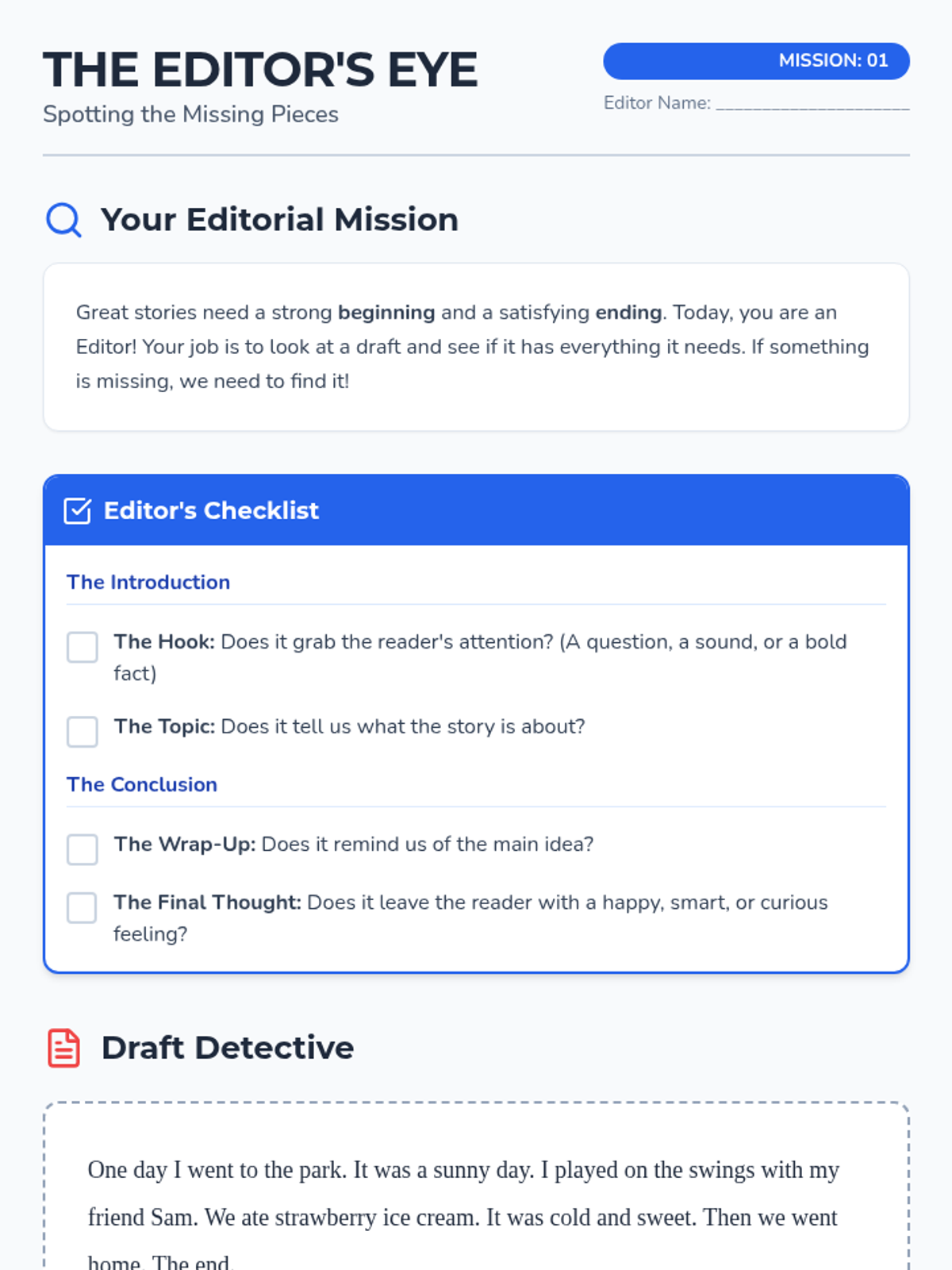
A mastery-based sequence for 2nd graders to learn the art of revising and editing introductions and conclusions, taking on the role of 'Editors' to polish drafts.
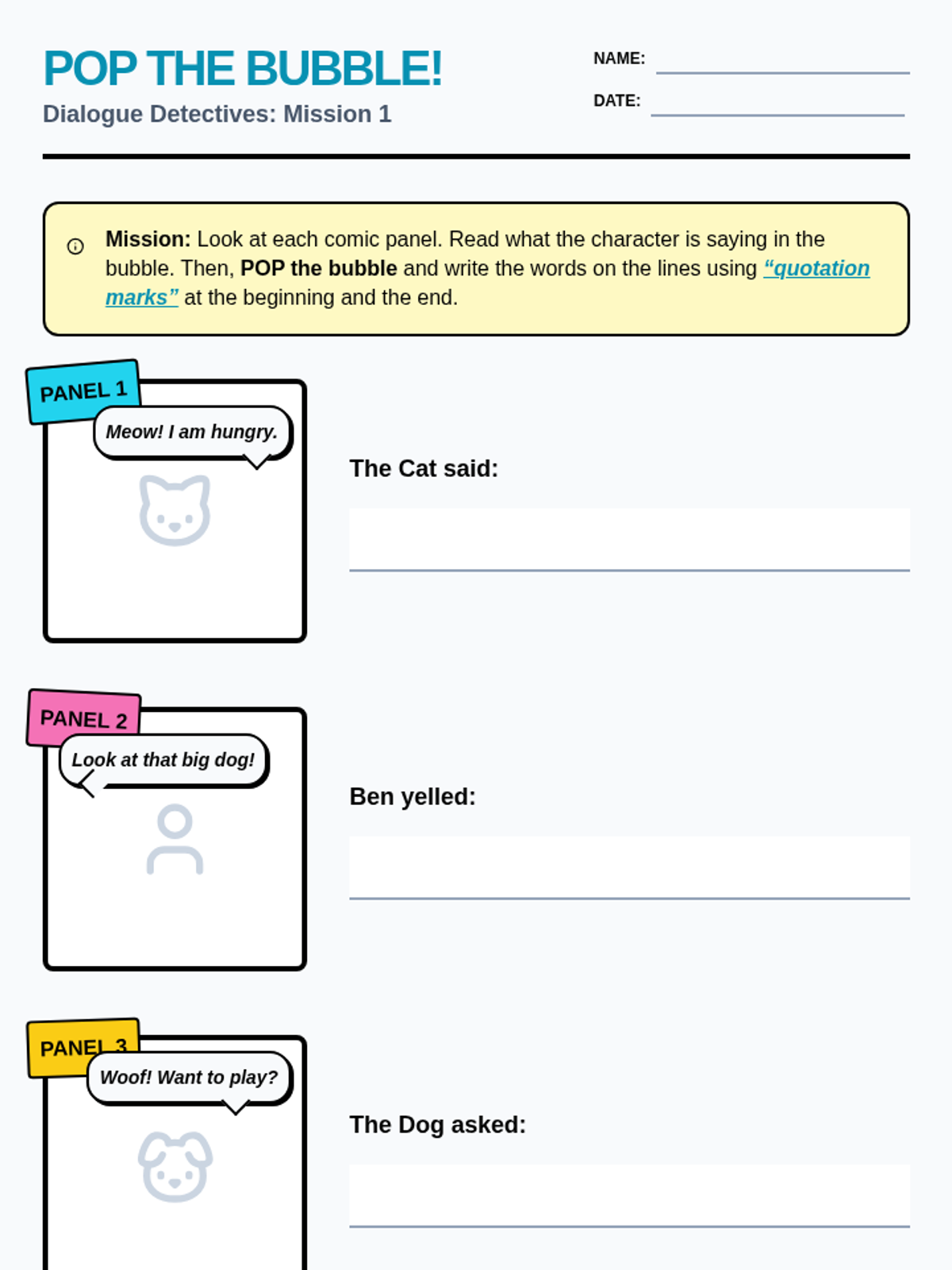
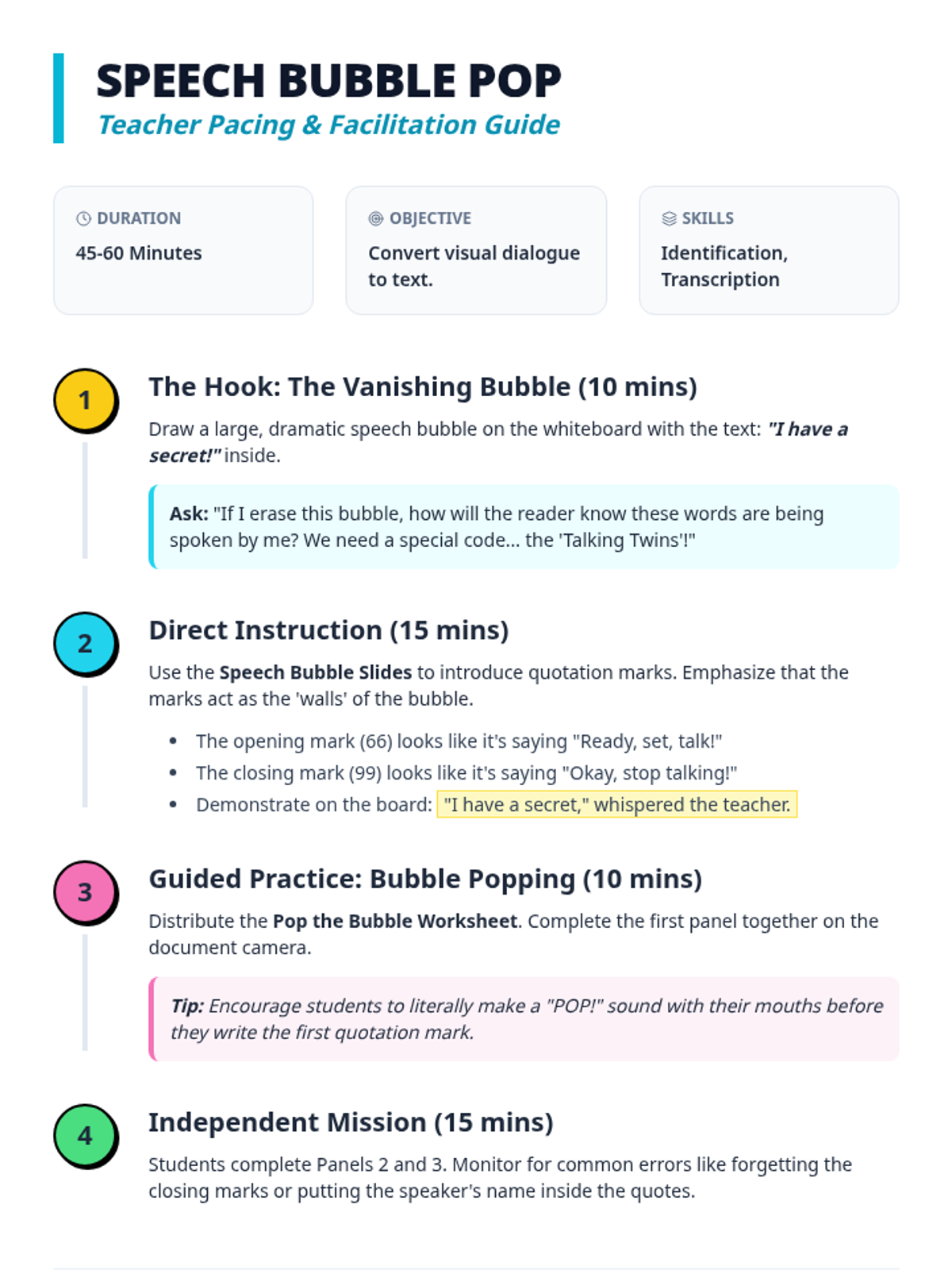
A 2nd-grade grammar sequence that transitions students from visual speech bubbles to written quotation marks, focusing on identifying direct speech, speaker tags, and correct punctuation placement.
A comprehensive 2nd Grade ELA unit that takes students from identifying basic action verbs to mastering subject-verb agreement and using vivid vocabulary to enhance writing. Students engage in kinetic learning, sorting activities, and creative revision to bring their sentences to life.
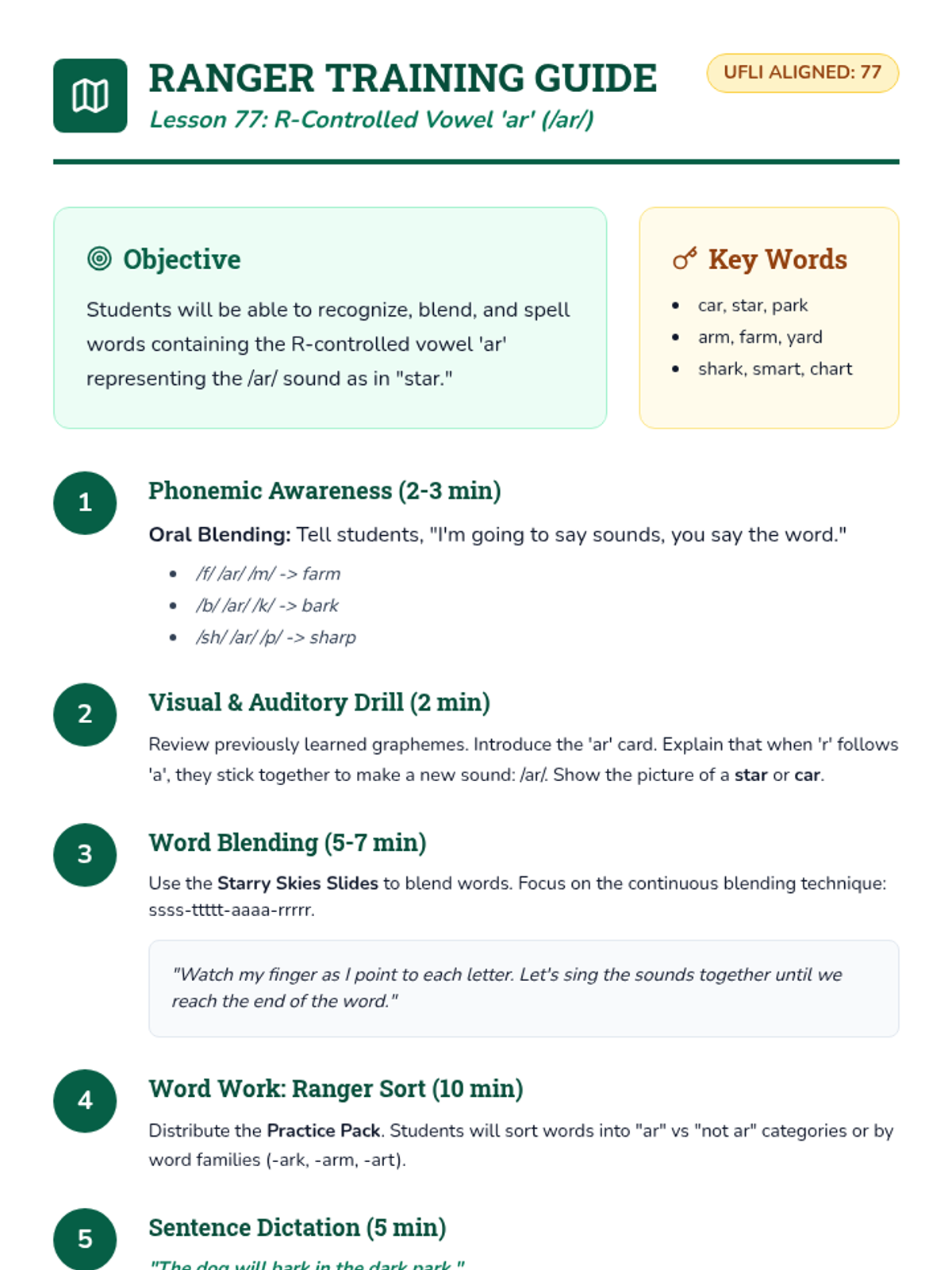
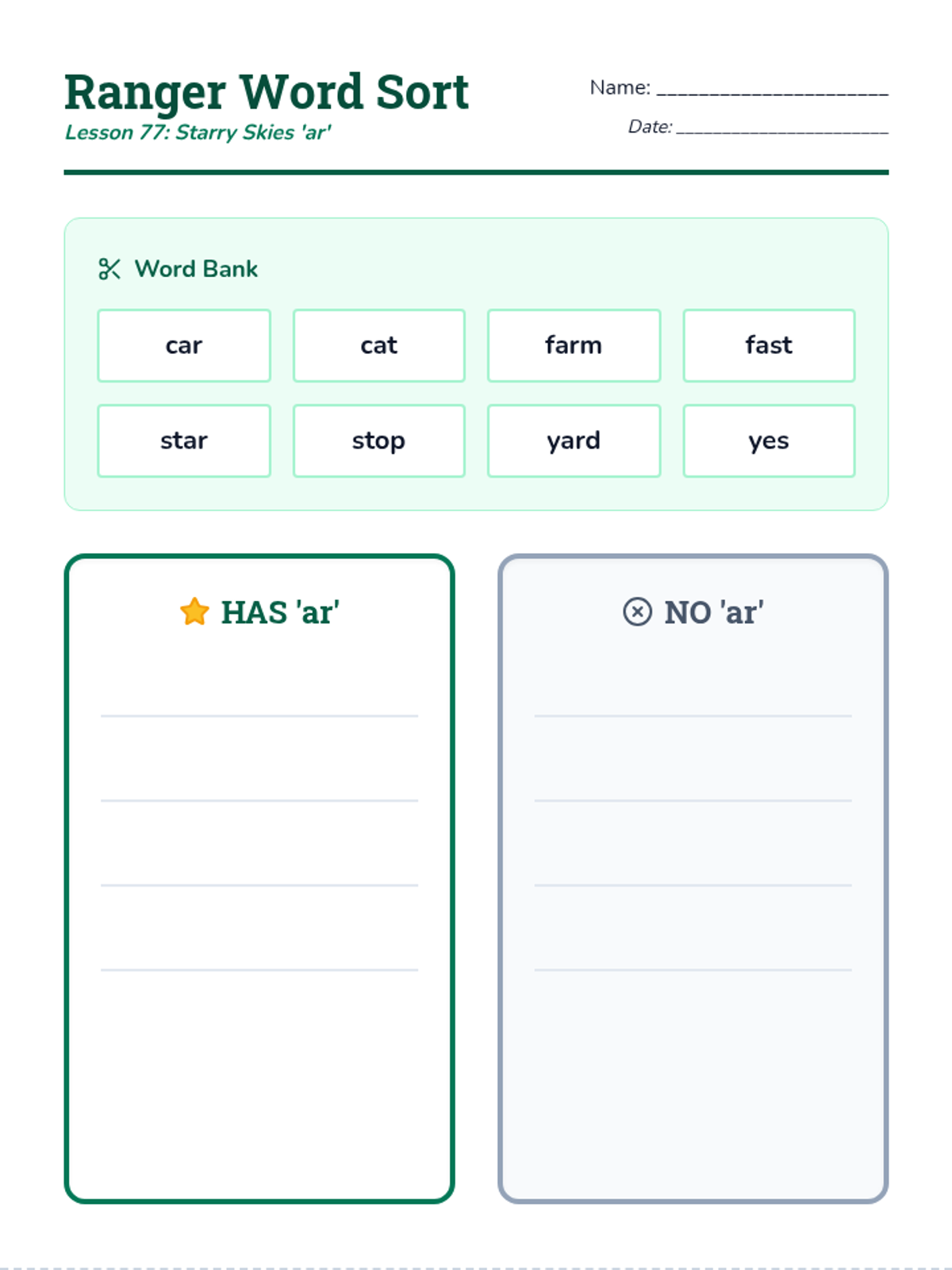
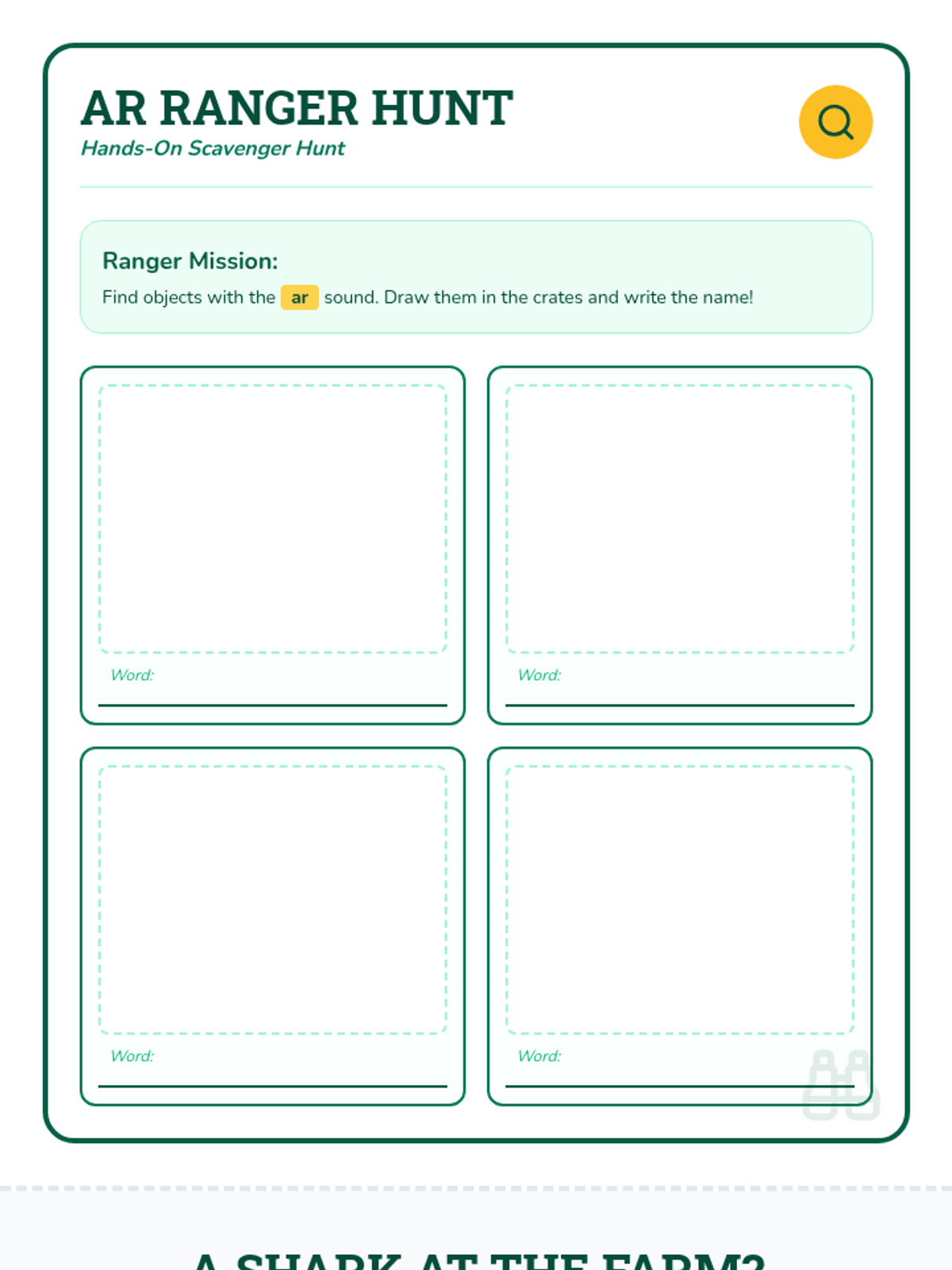
A comprehensive literacy unit focused on R-controlled vowels (ar, or, ore, er, ir, ur) following UFLI lessons 77-83. Students become 'Ranger Recruits' as they master reading and writing words with Bossy R.
A multi-level series of homework packets centered on space exploration, adapted for Kindergarten, 2nd Grade, and 4th Grade students. Each packet includes a grade-appropriate reading passage and three nightly assignments focusing on comprehension, vocabulary, and structural analysis.
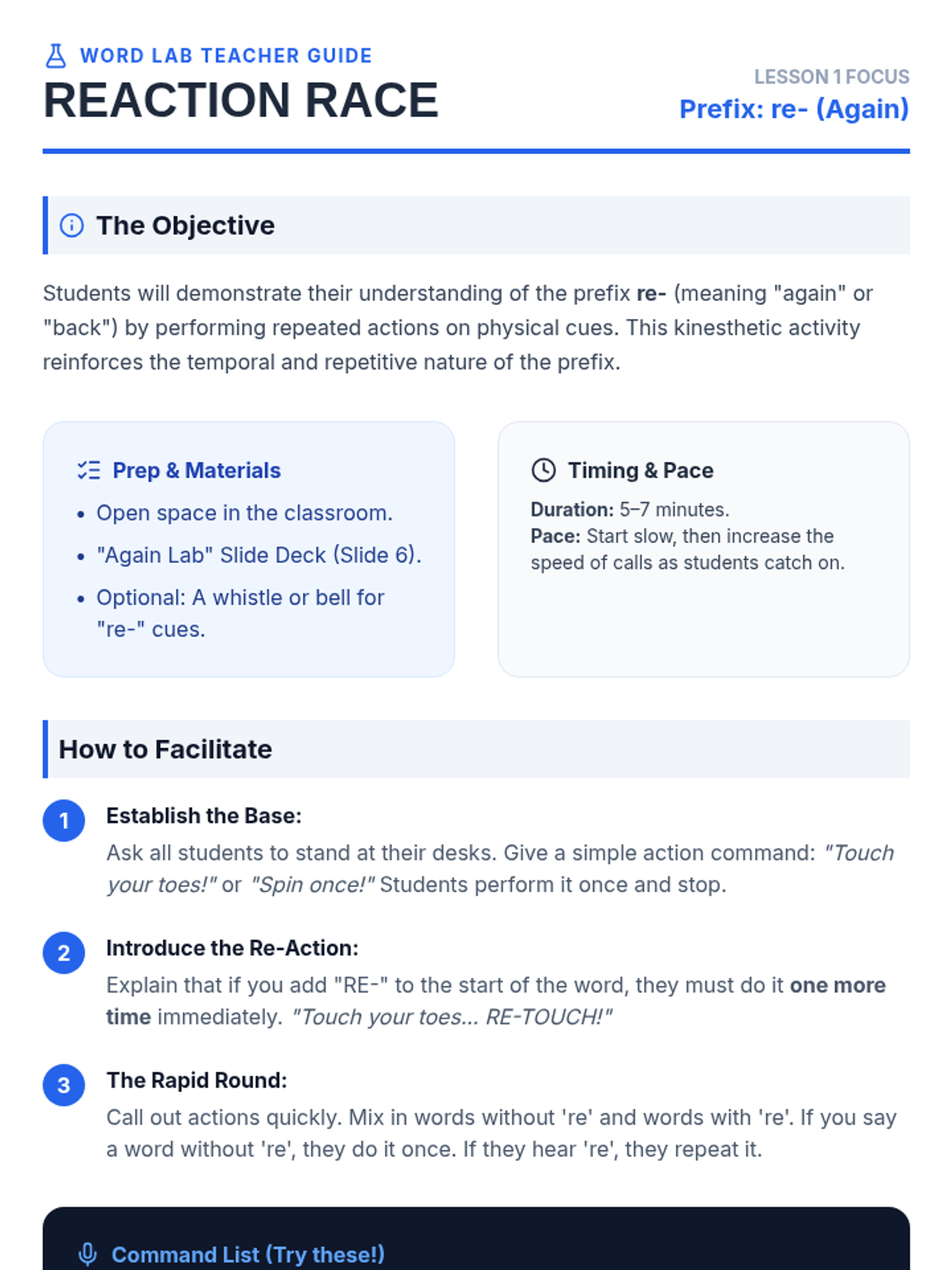
A 5-day intensive focus on common prefixes (re-, un-, pre-) and suffixes (-ly, -y) through daily interactive review slides, movement-based games, and lab-themed practice activities.
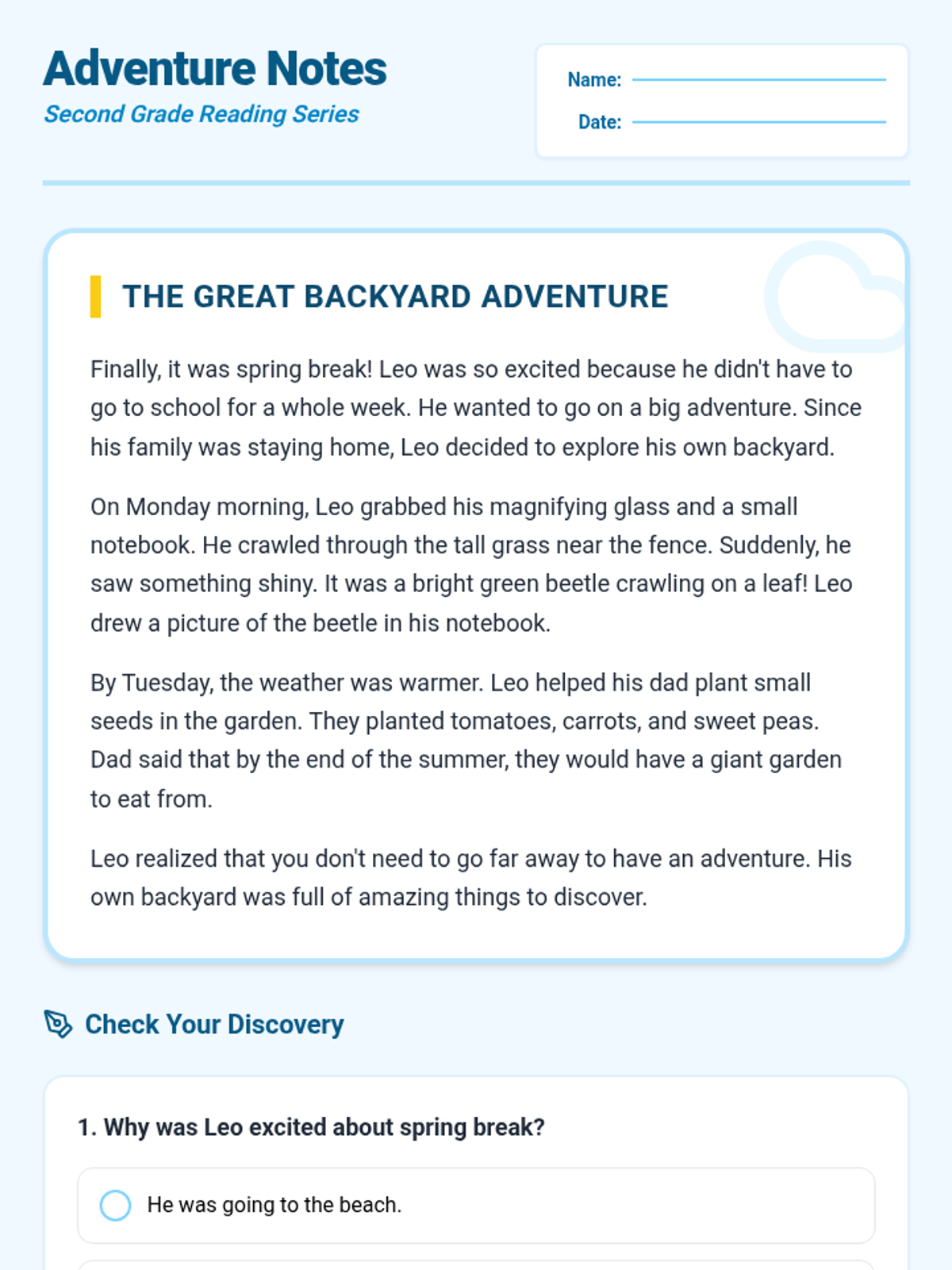
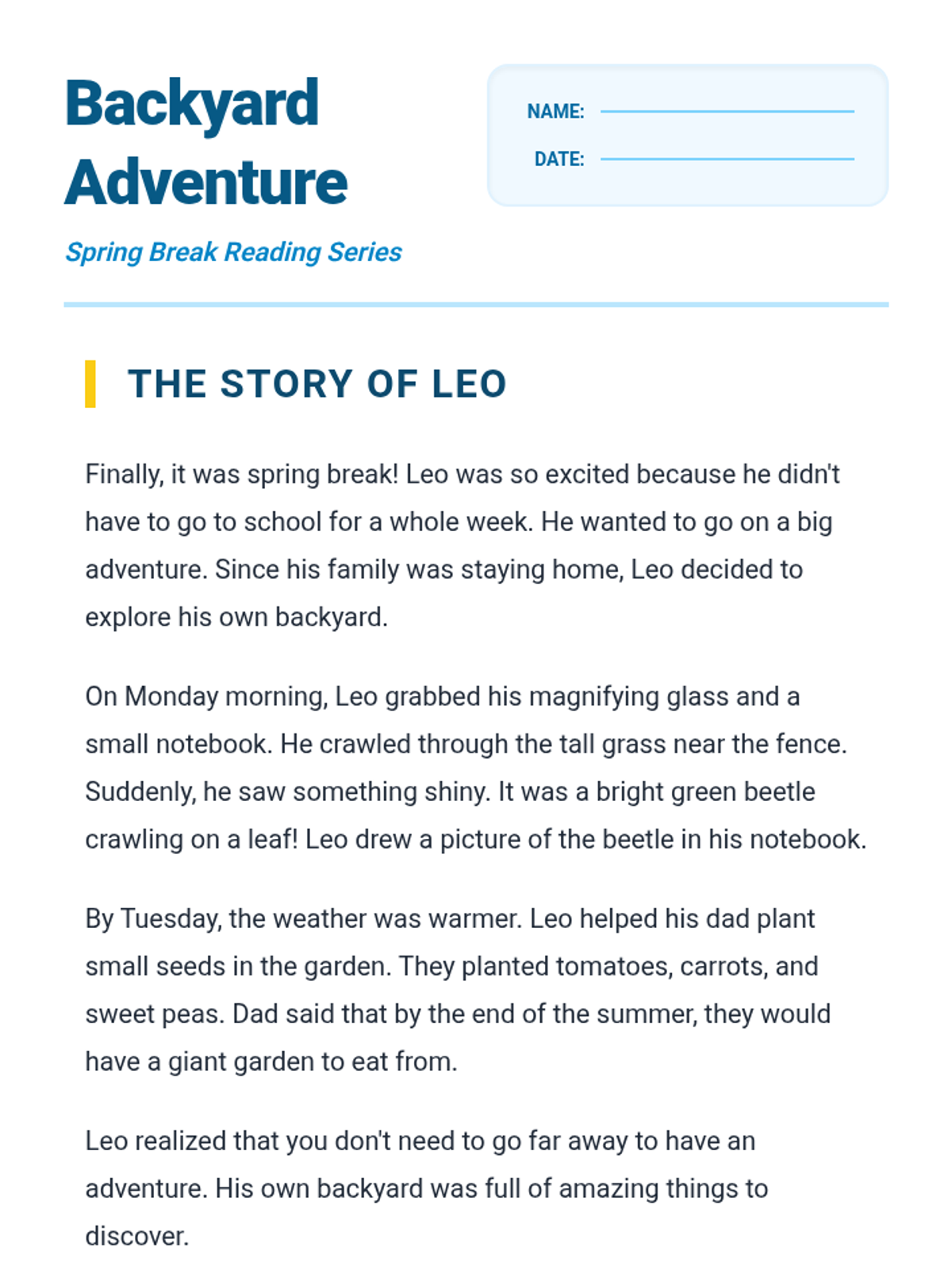
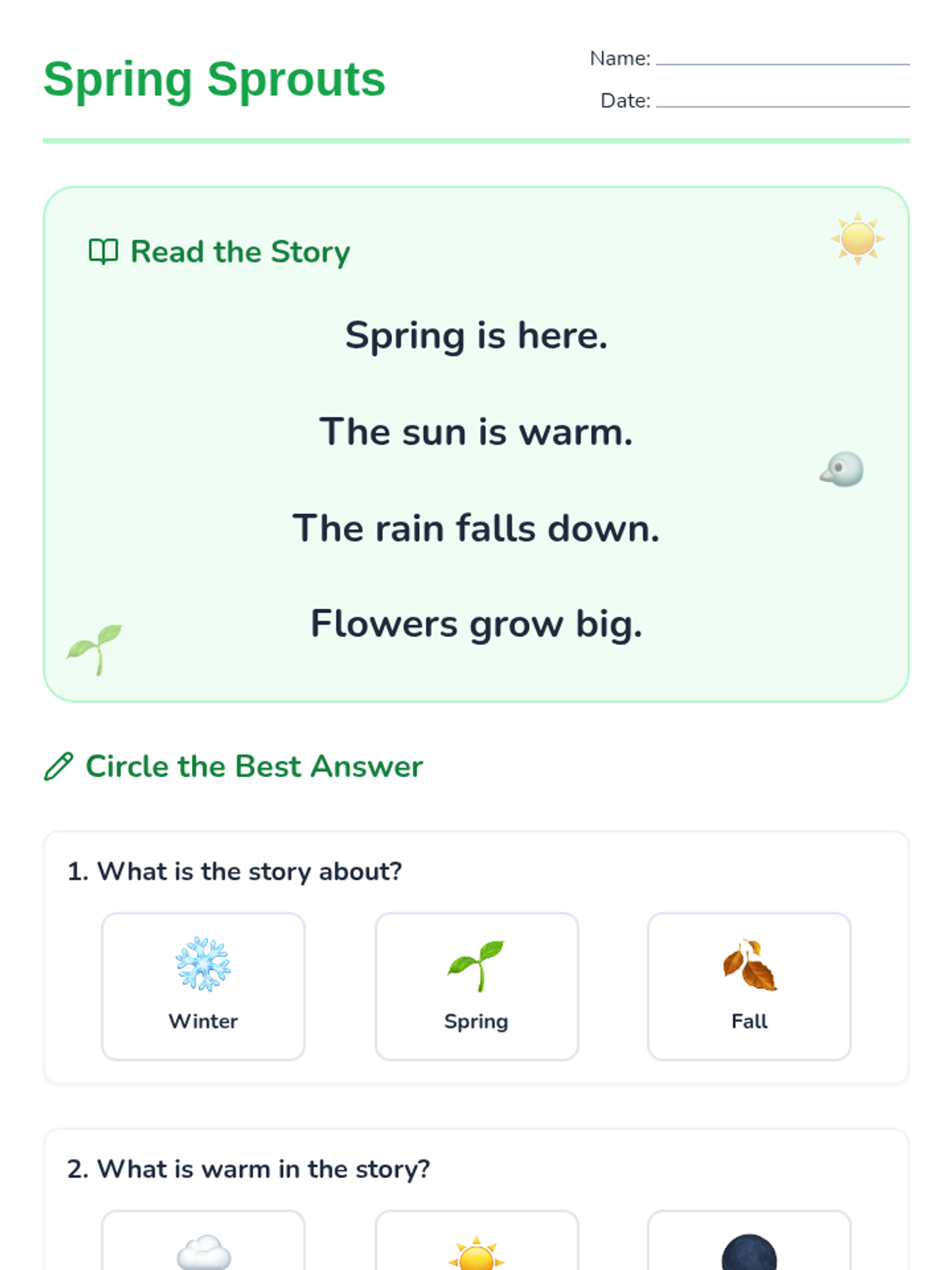
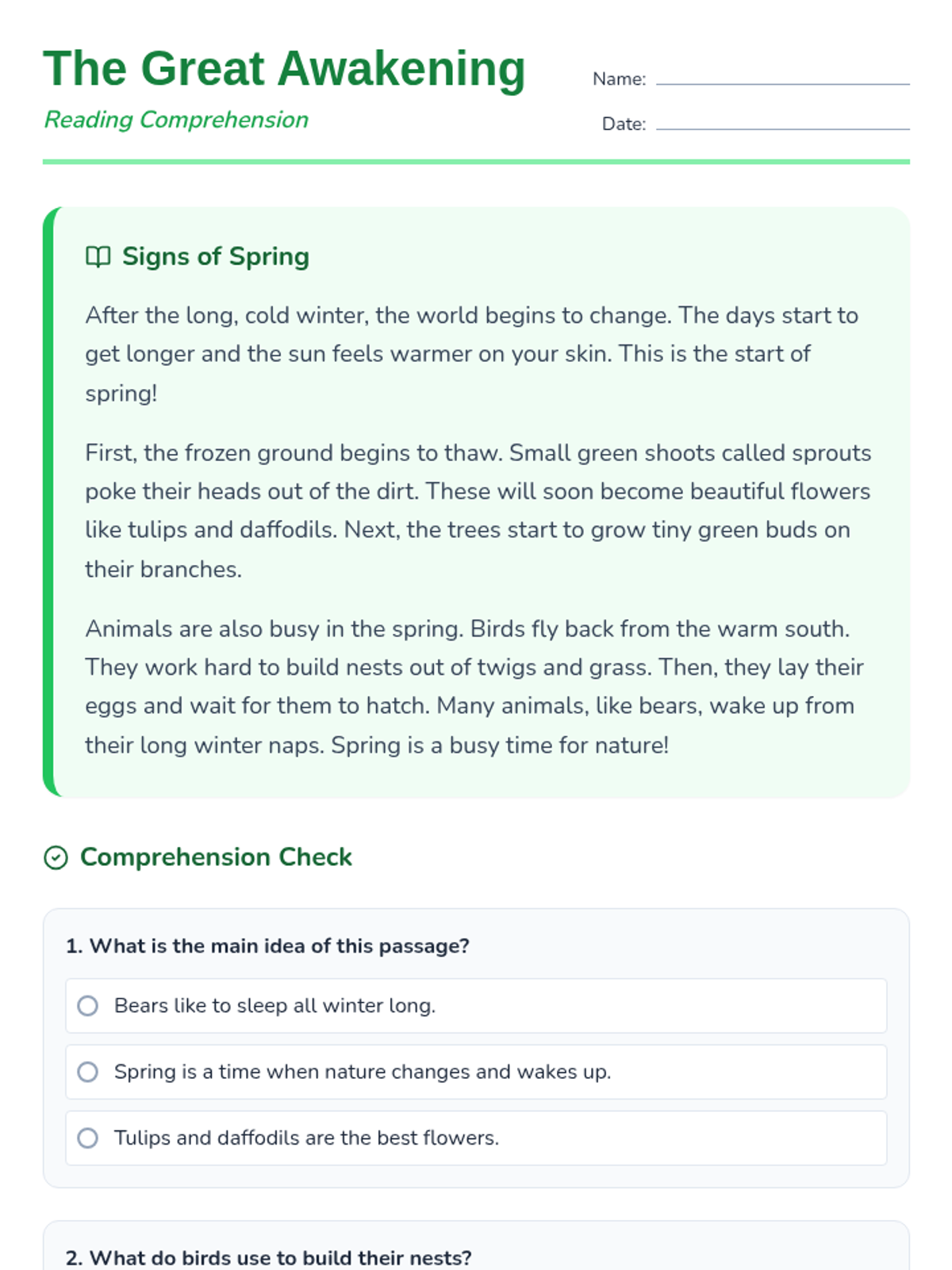
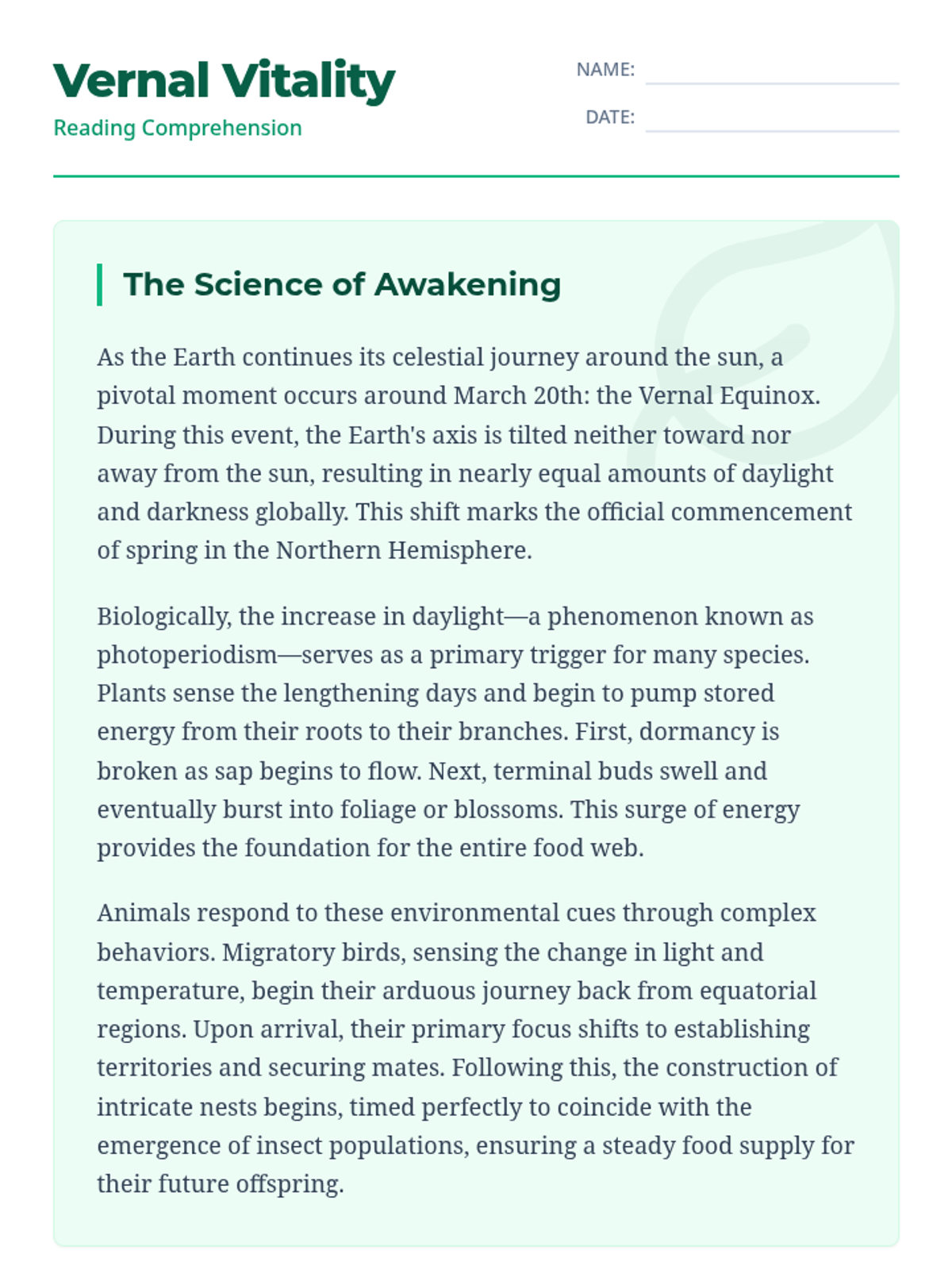
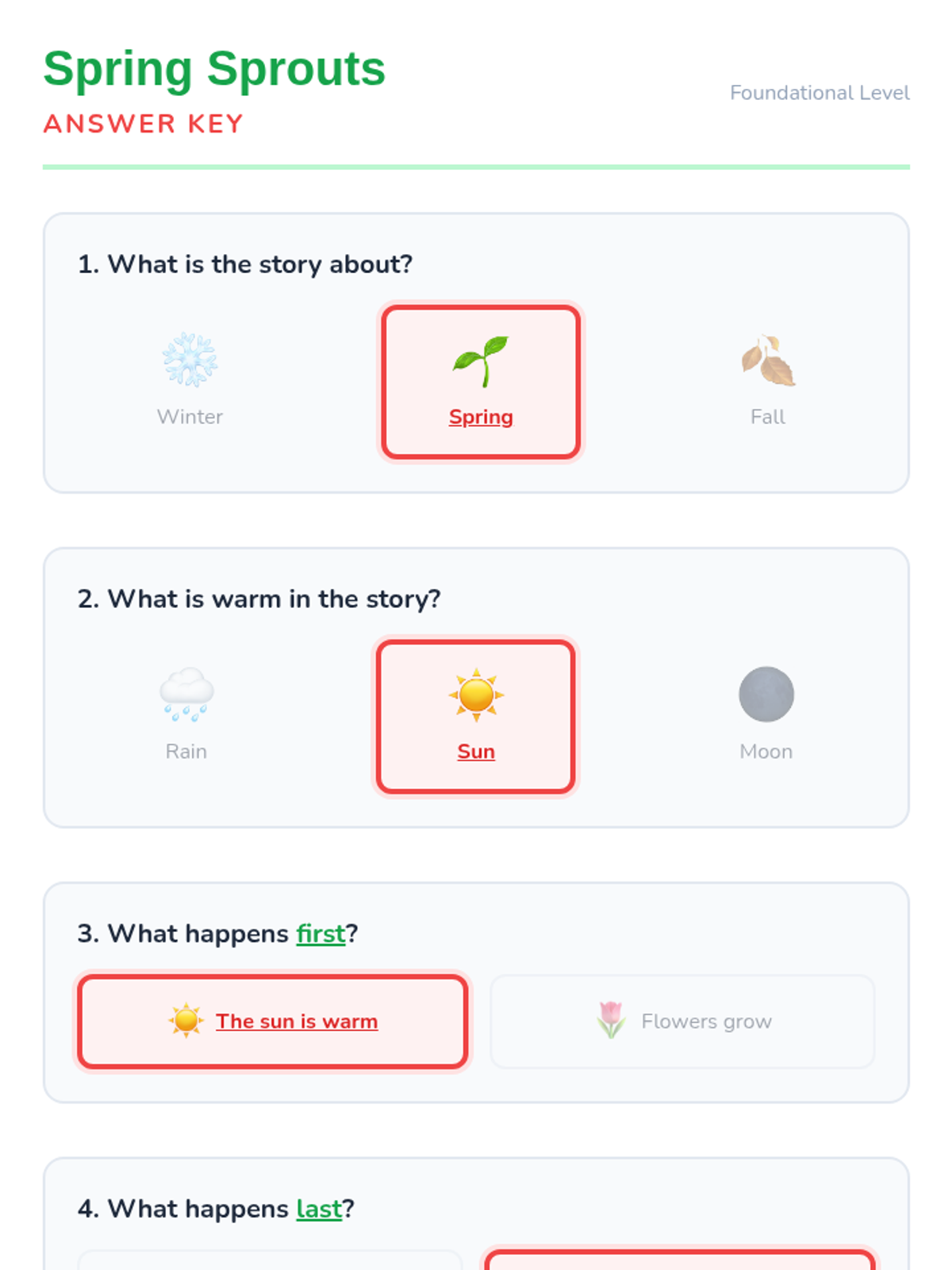
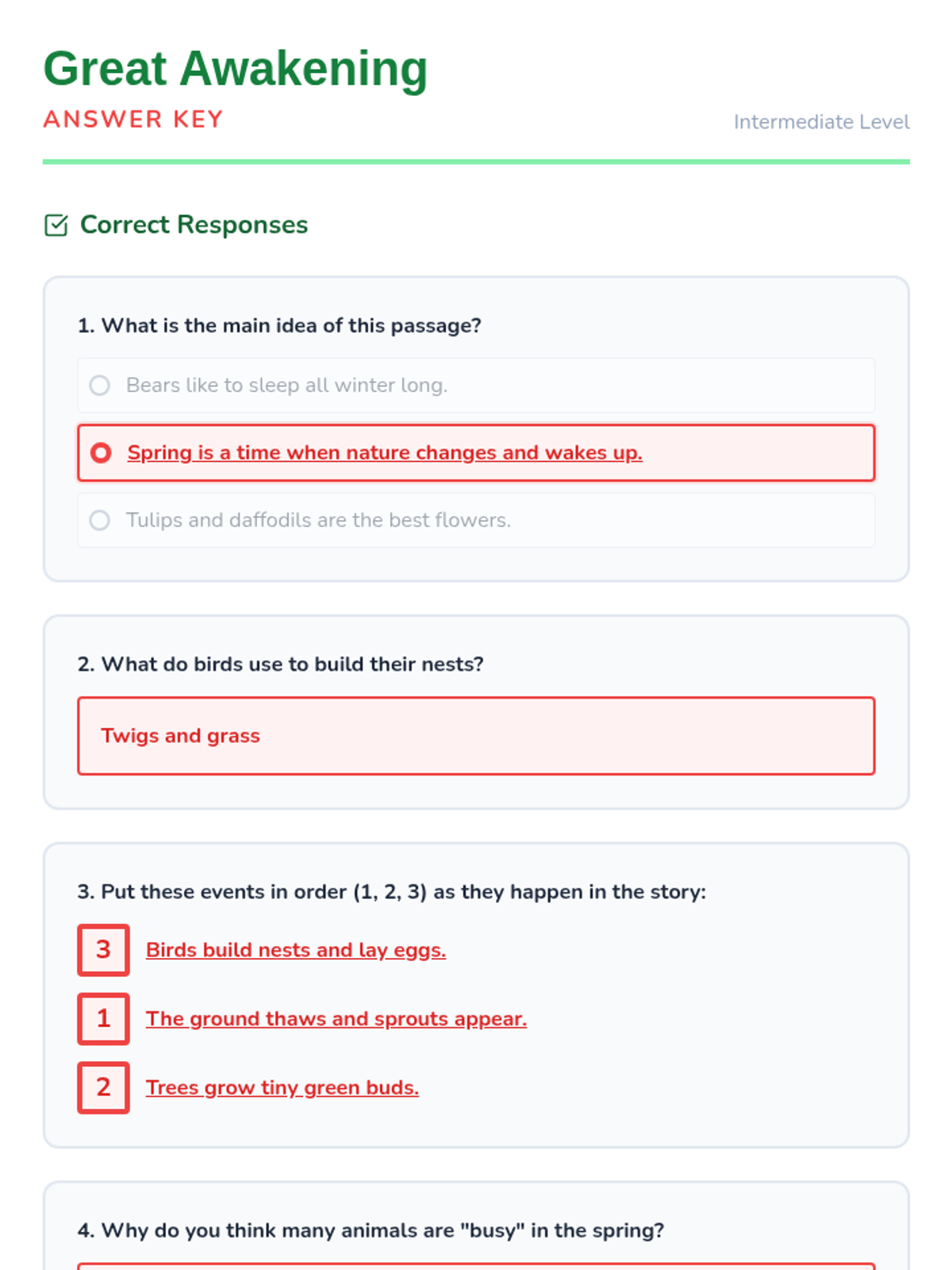
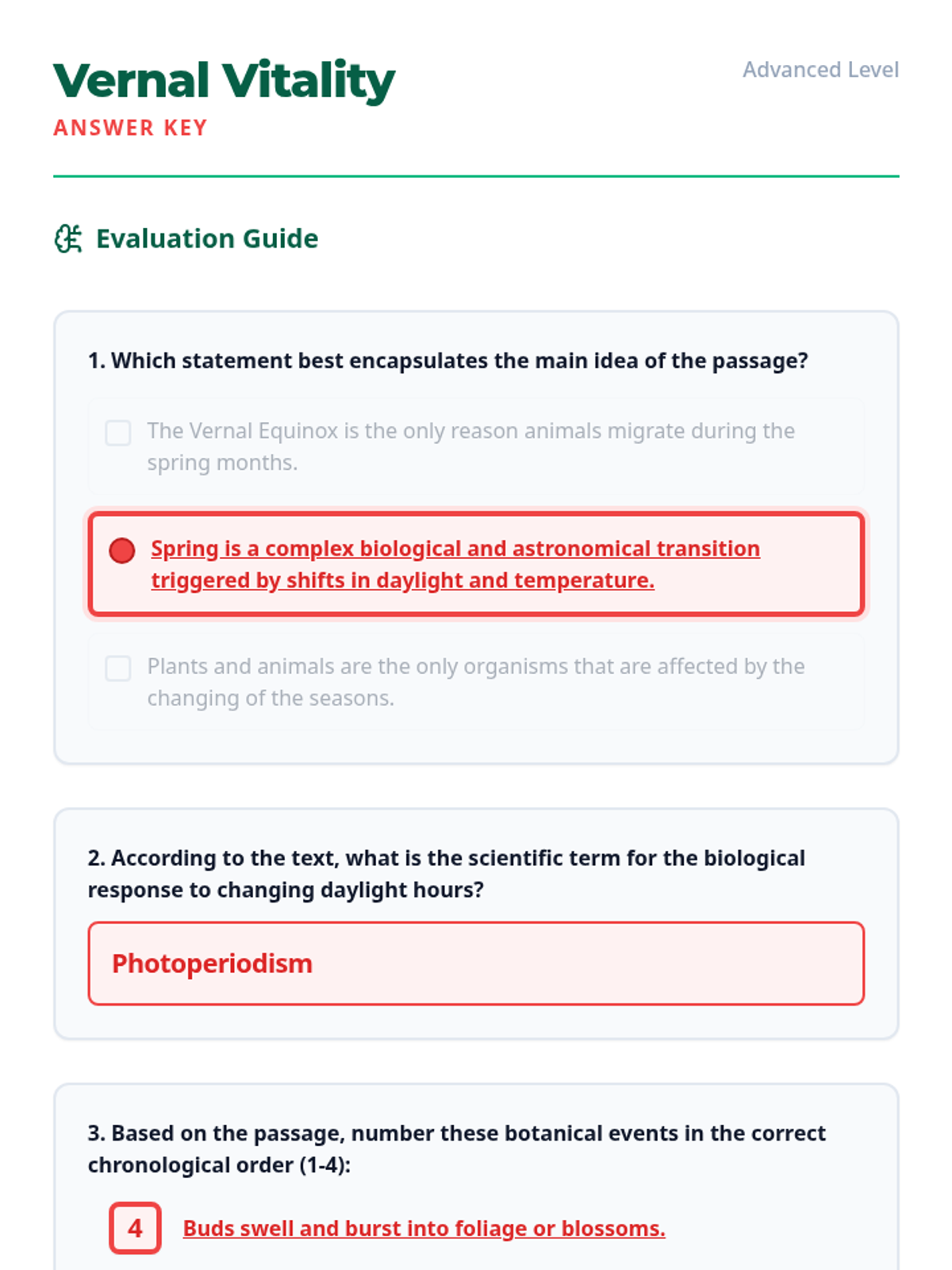
A multi-level reading comprehension series exploring Spring Break themes through grade-appropriate passages and assessment questions.
A series of literacy lessons focused on seasonal changes and reading comprehension skills across multiple grade levels.
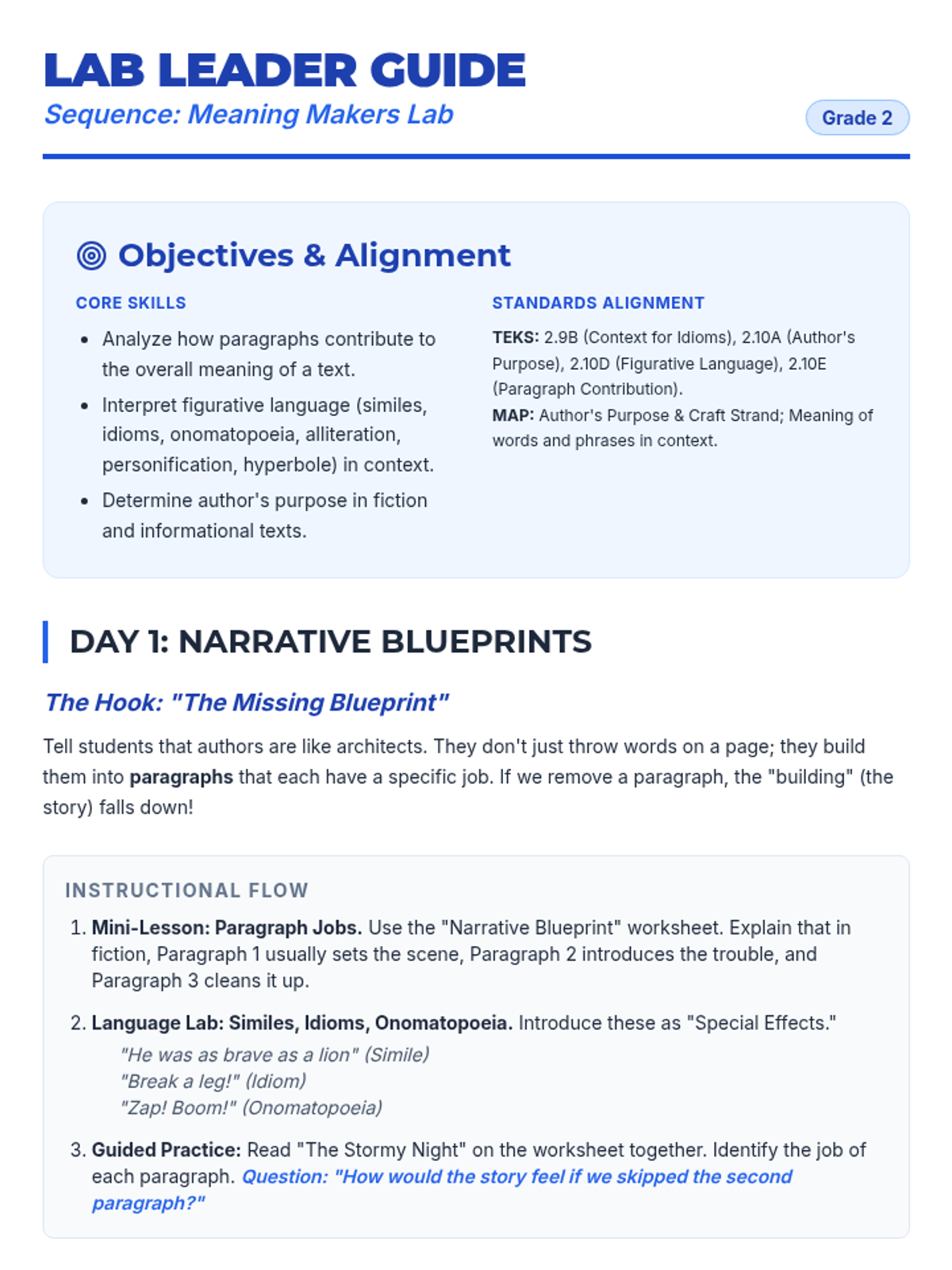
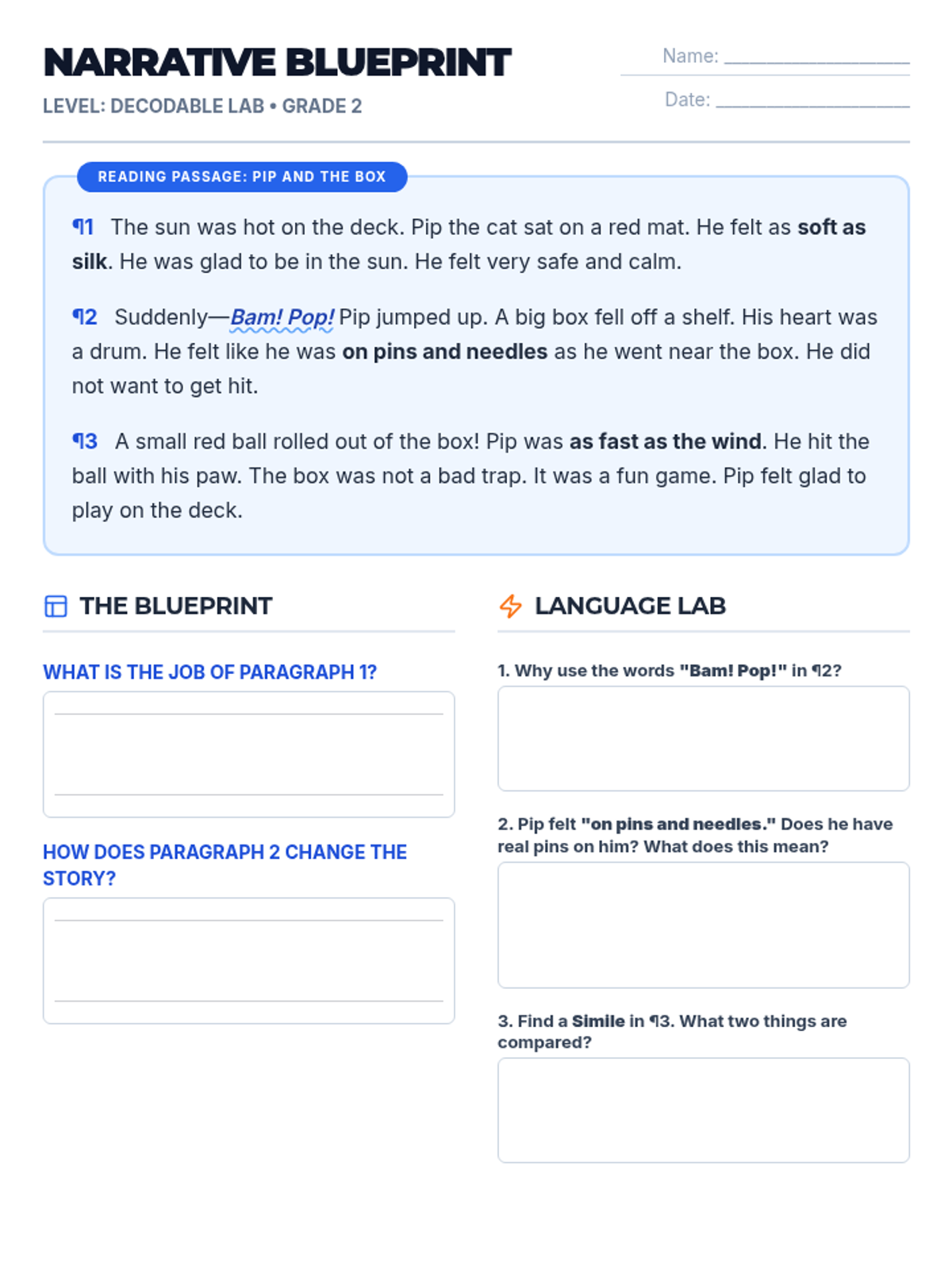
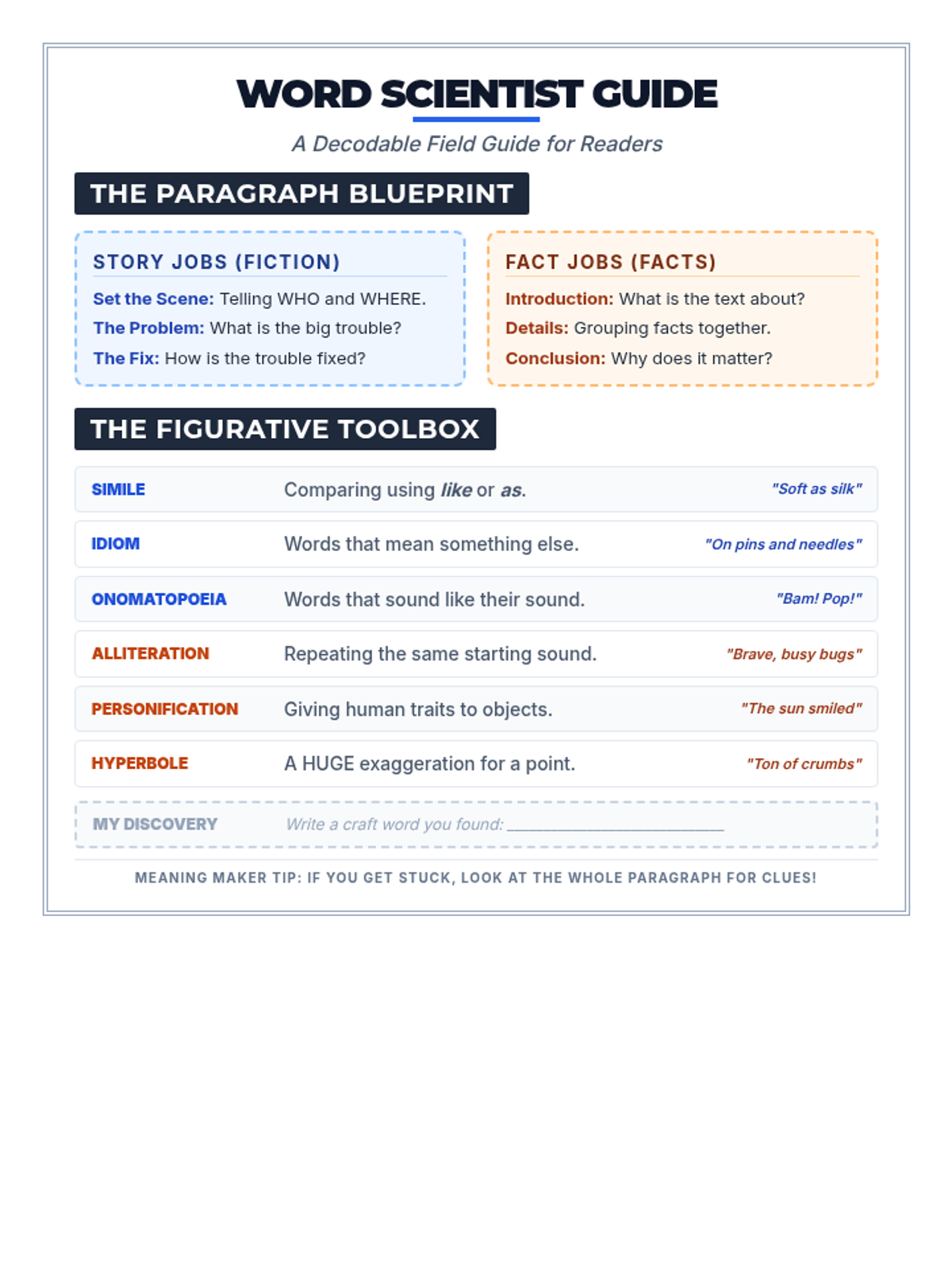
A two-day instructional sequence for 2nd grade focusing on author's purpose, paragraph structure, and figurative language in fiction and informational texts. students act as "Meaning Makers" to decode how authors build stories and facts using specific structural and linguistic tools.