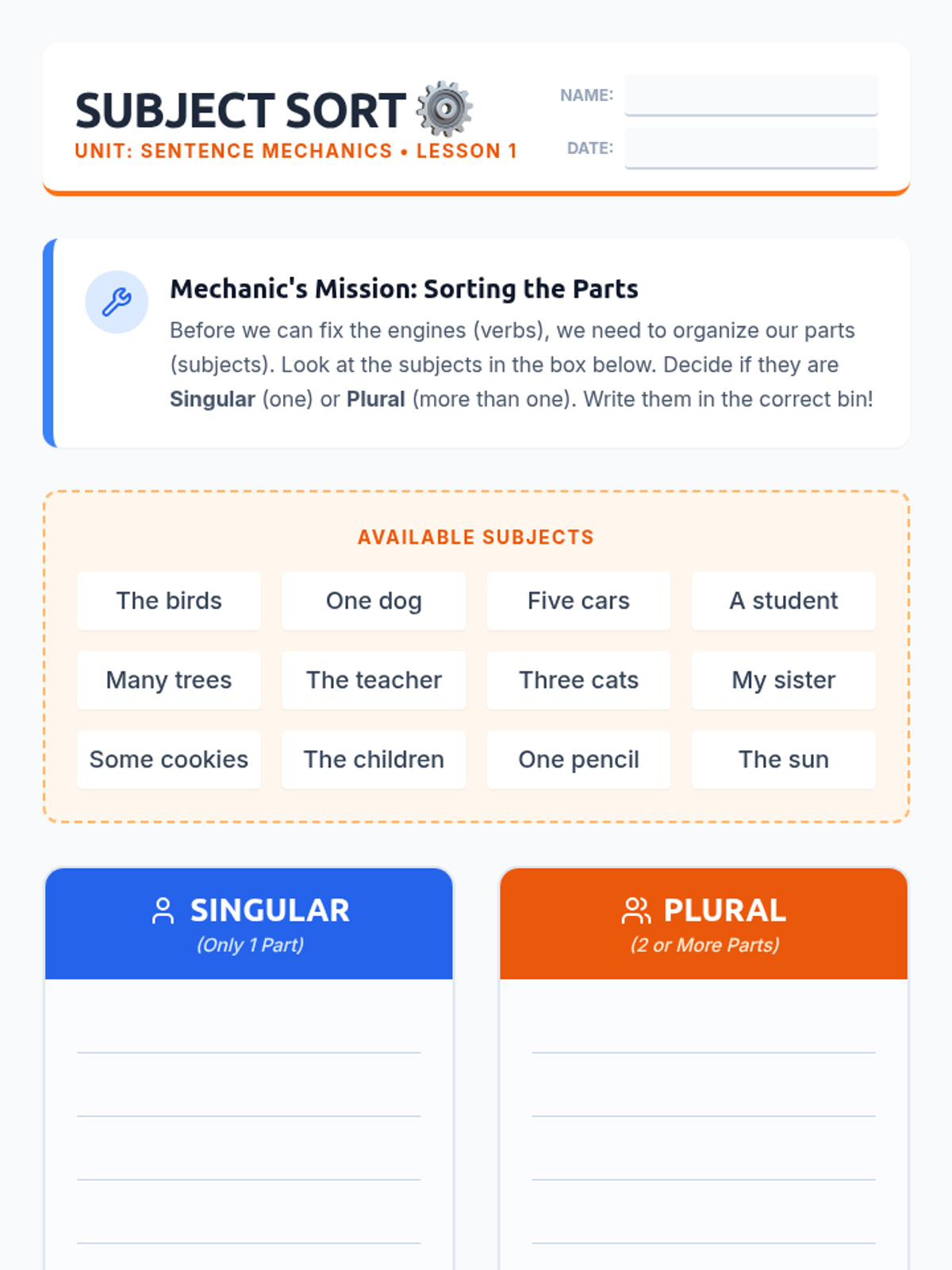
Sentence structure fundamentals, subject-verb agreement, and precise usage of parts of speech including pronouns, conjunctions, and adjectives. Targets technical accuracy through mastery of capitalization, punctuation, spelling, and verb mood.
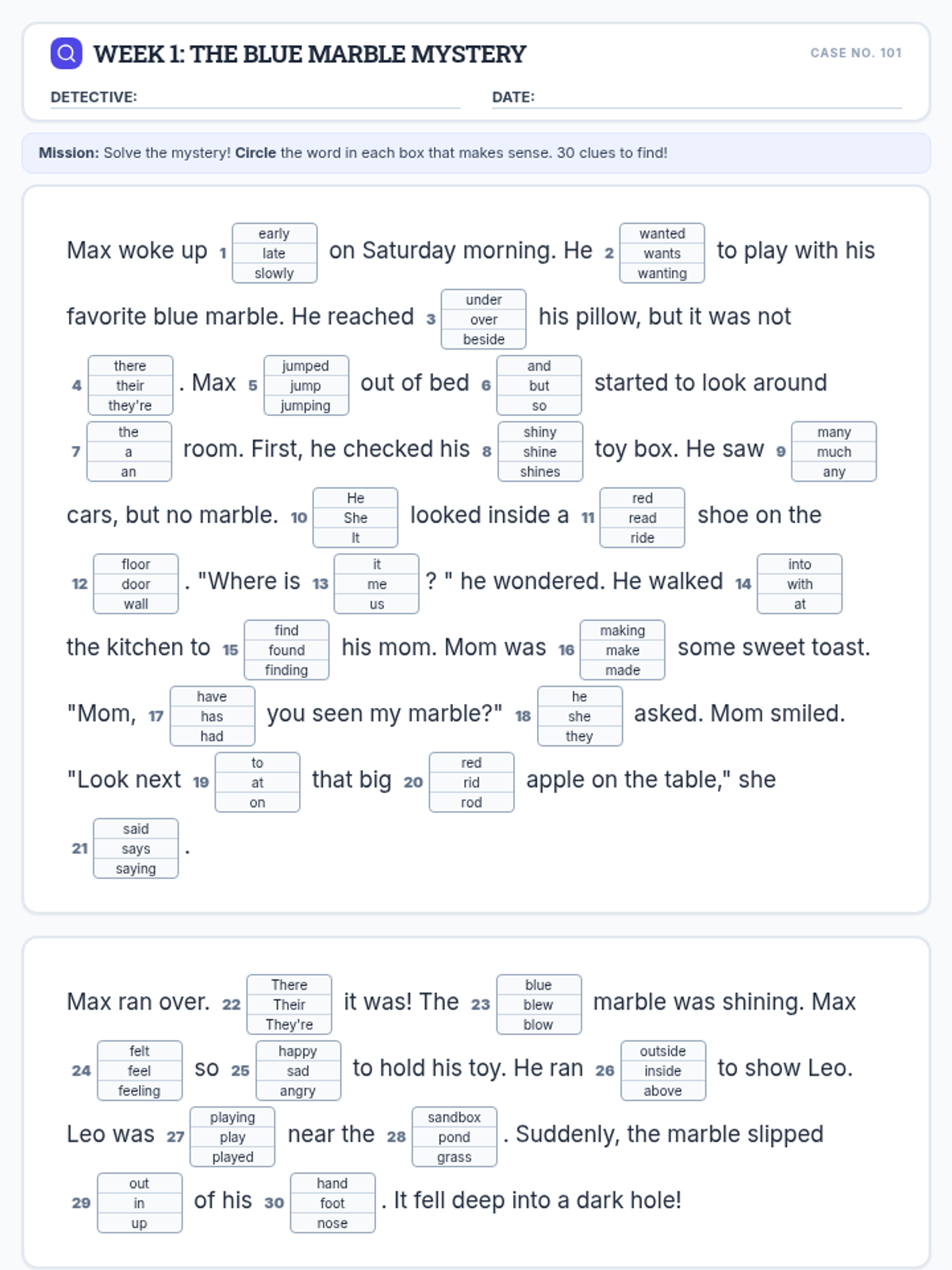
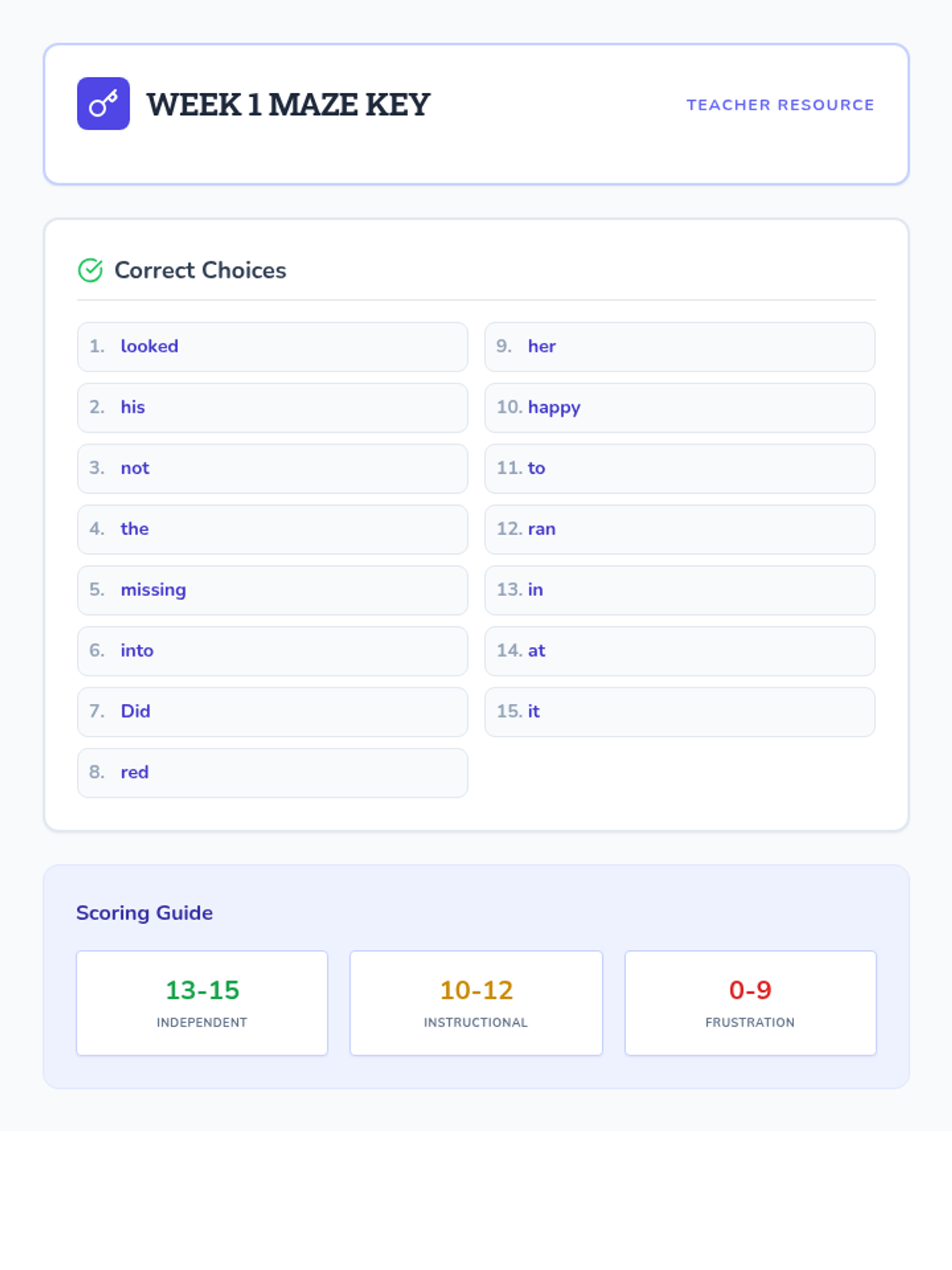
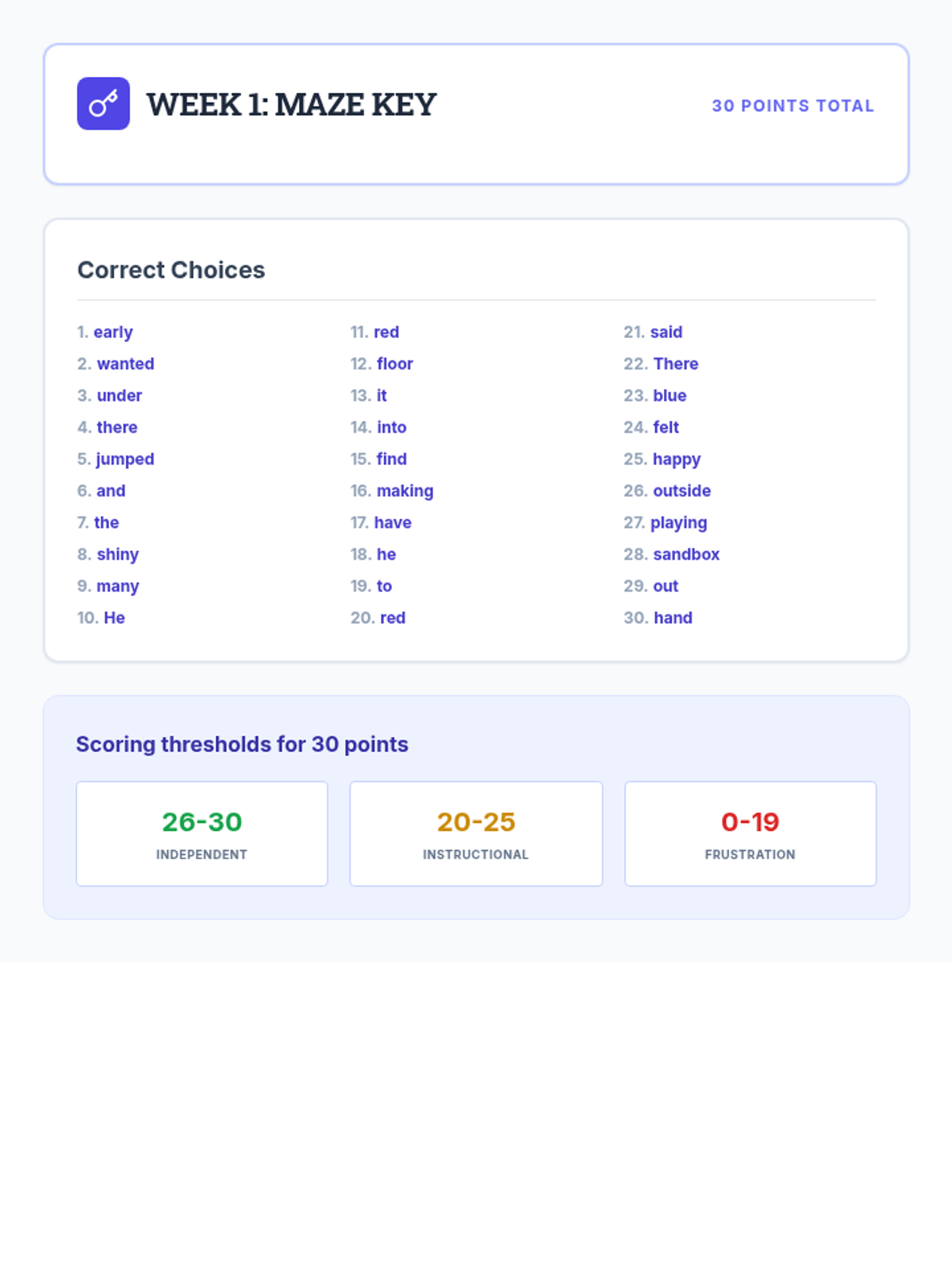
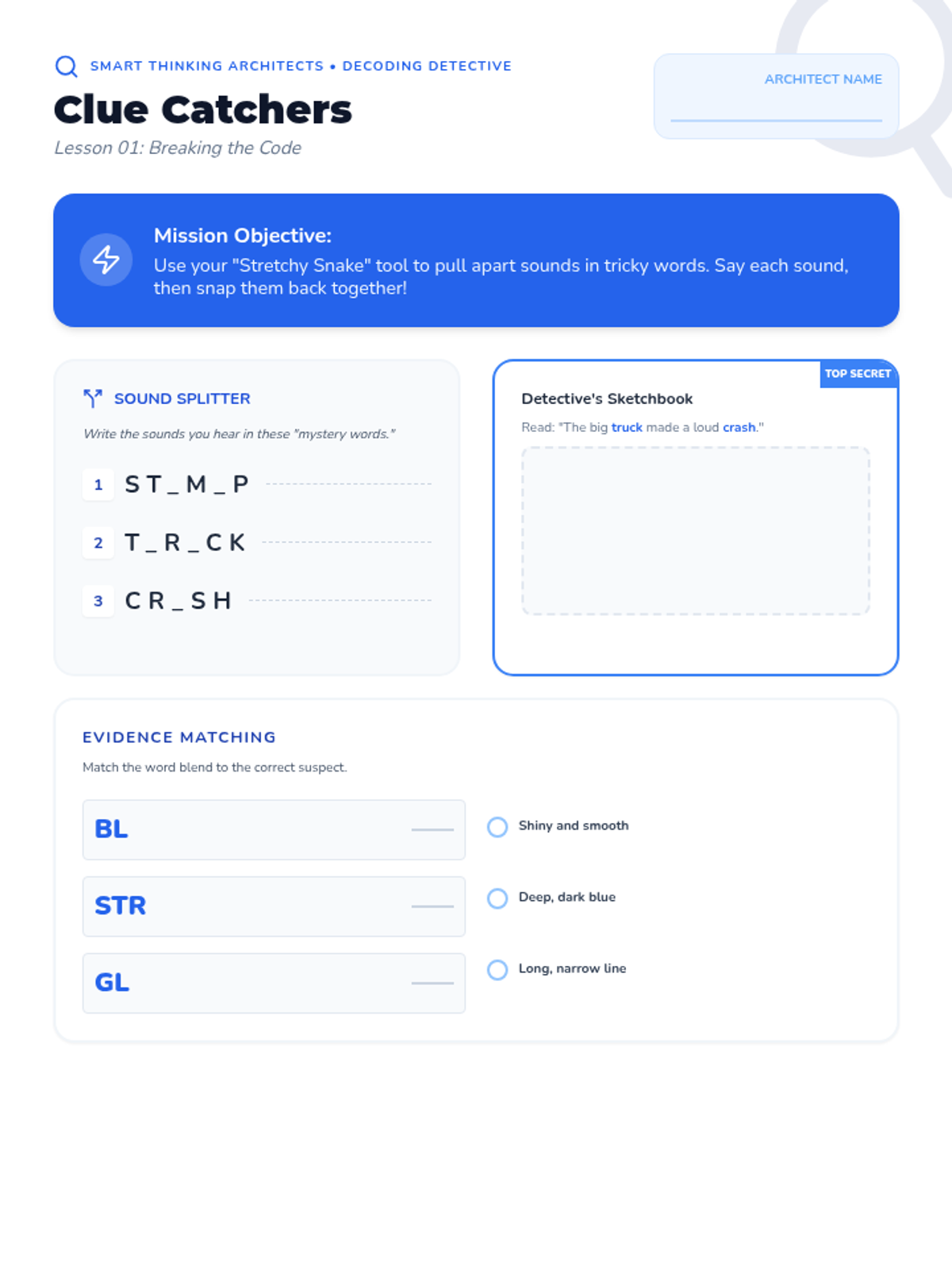
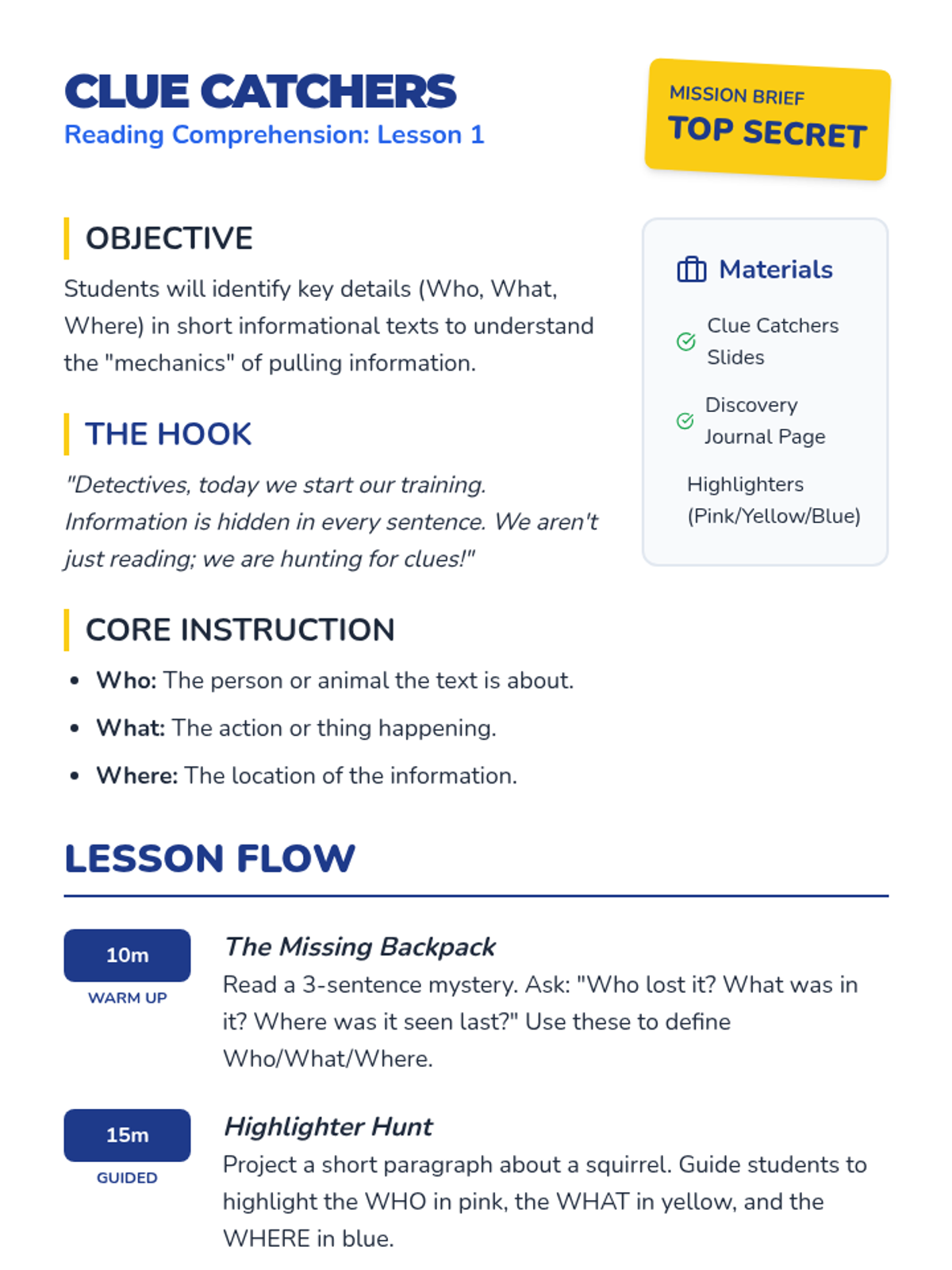
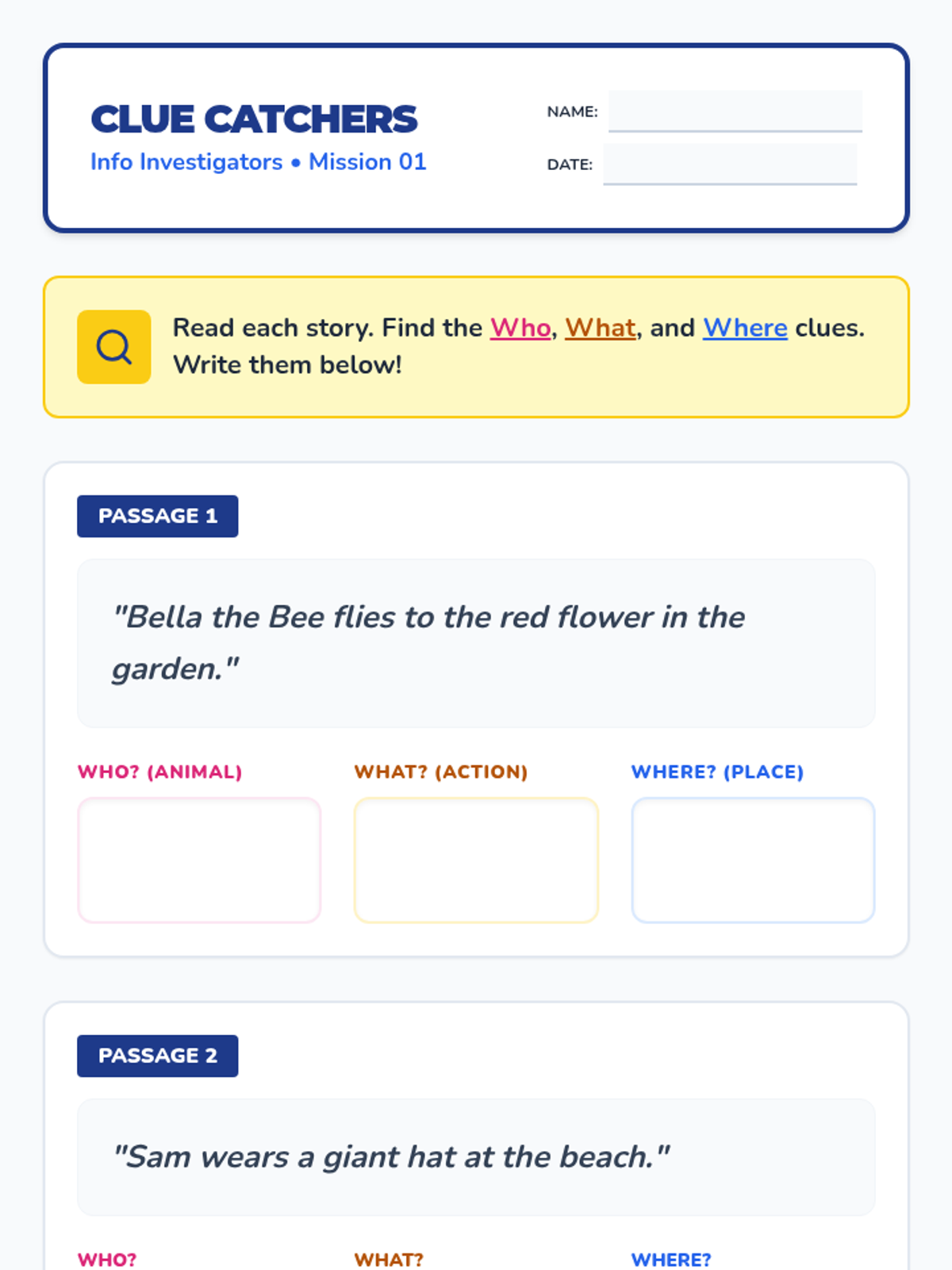
A 5-week reading intervention program for Grade 2 students to develop comprehension, vocabulary, and grammar skills through an engaging, continuous detective story.
An inquiry-based science and literacy curriculum for grades 1-3 that combines foundational scientific concepts with high-frequency sight word mastery and precision handwriting practice.
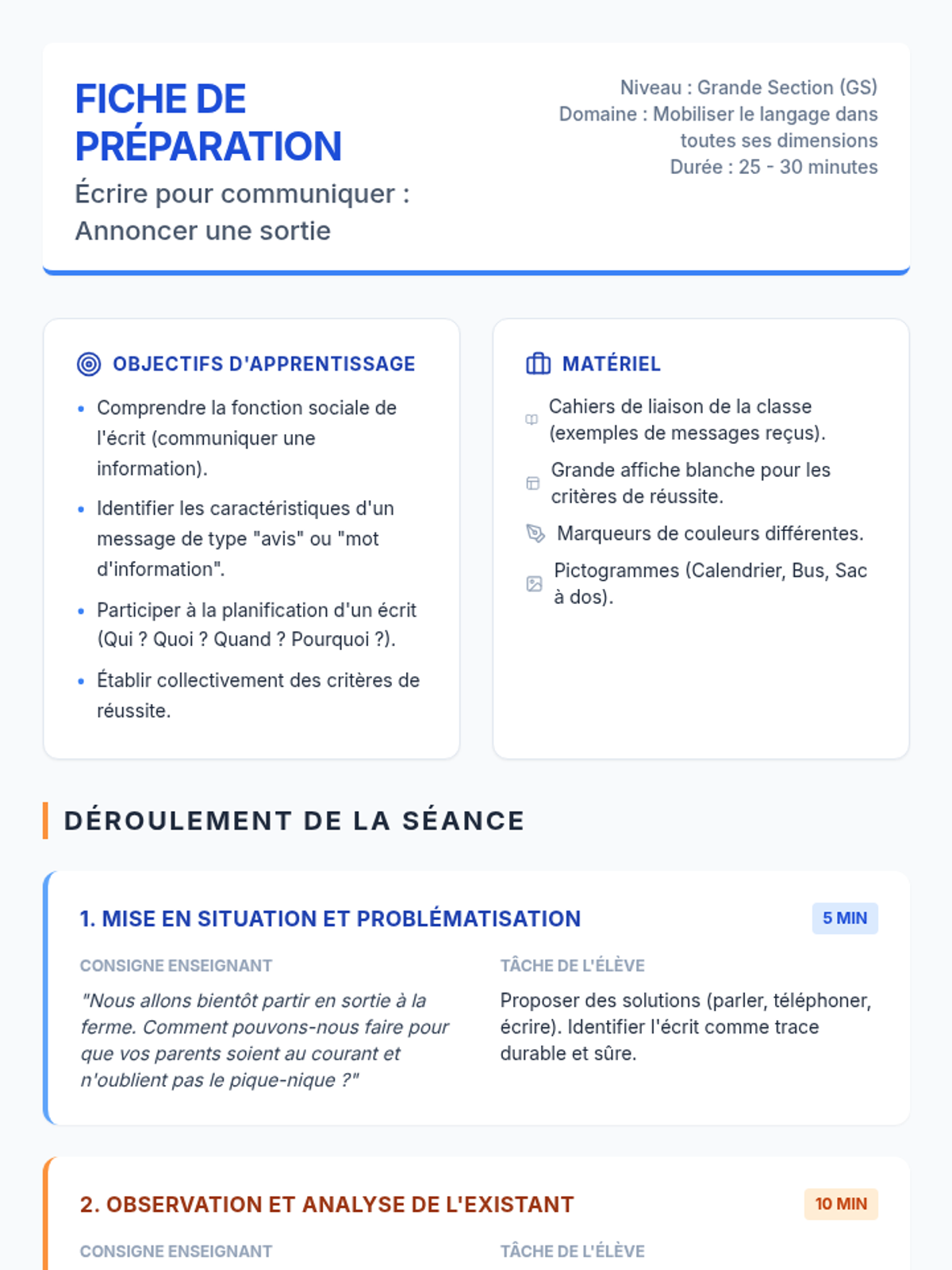
Une série de modules de formation destinés aux conseillers pédagogiques pour renforcer leur expertise en ingénierie de formation continue, spécifiquement appliquée à l'enseignement du français à l'école primaire.
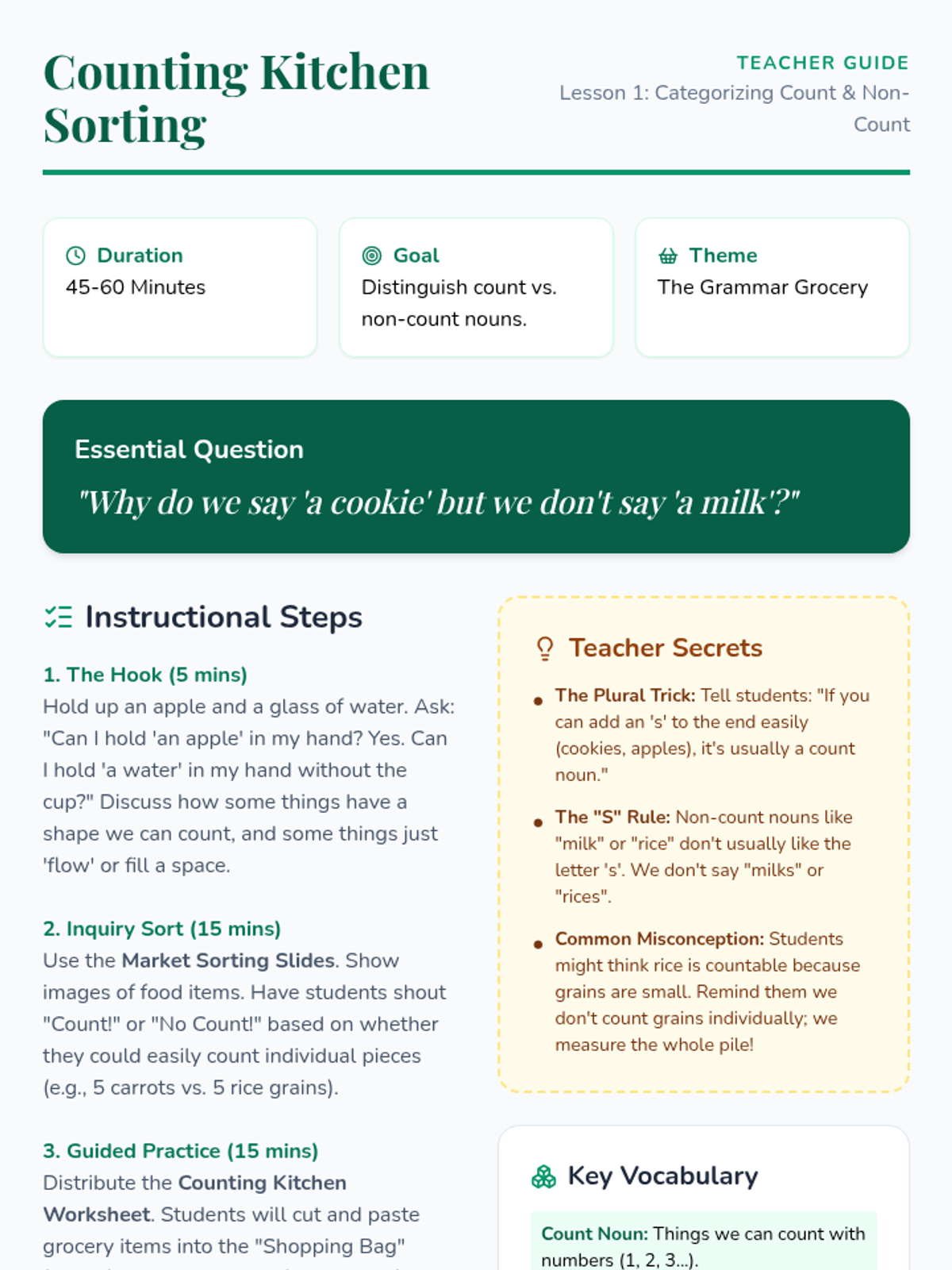
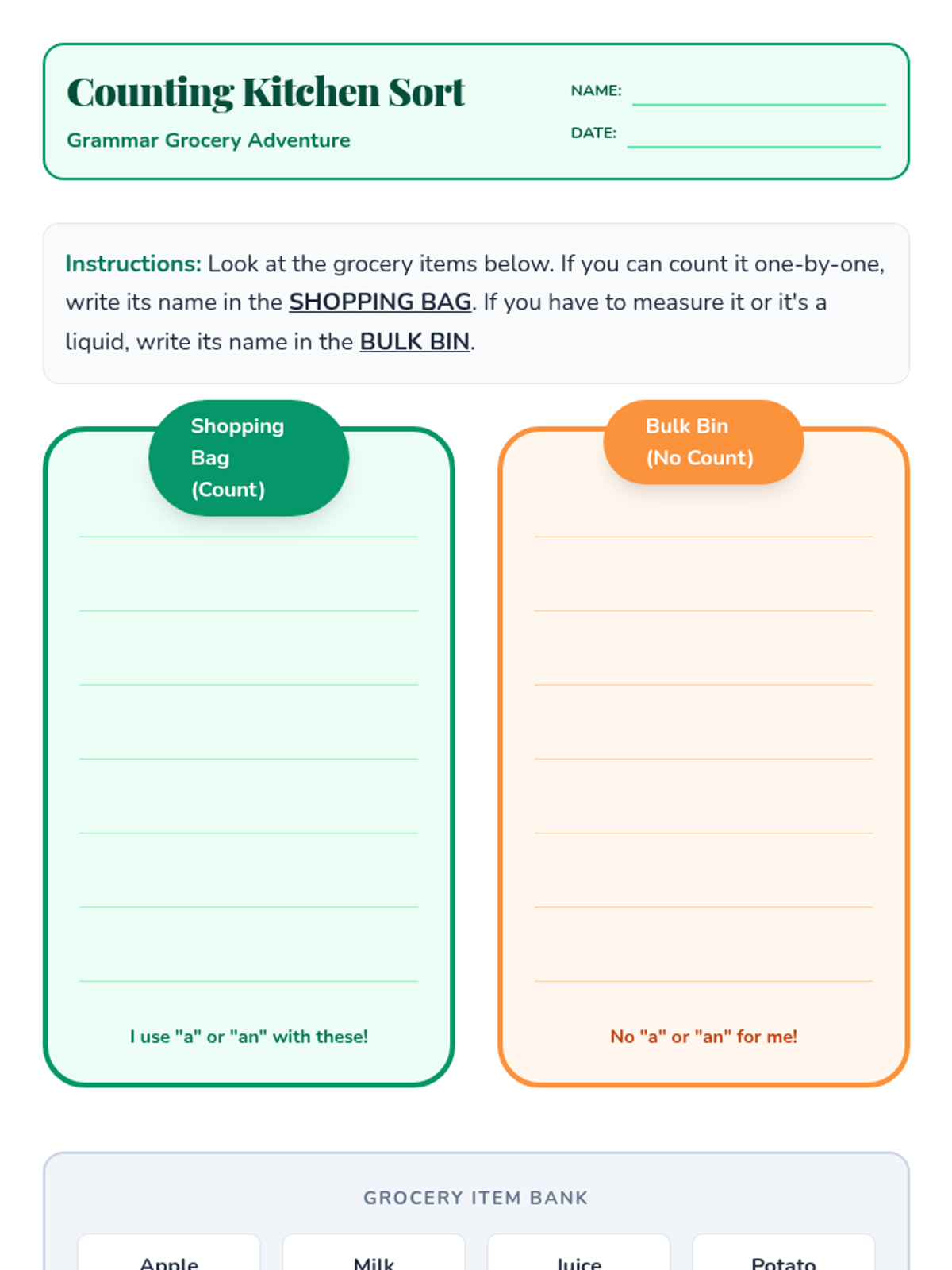
A comprehensive 2nd-grade sequence focusing on the distinction between count and non-count nouns and how they dictate article usage ('a', 'an', or 'zero article'). Using a grocery and food theme, students move from basic categorization to creating complex phrases with quantifiers and designing their own restaurant menus.
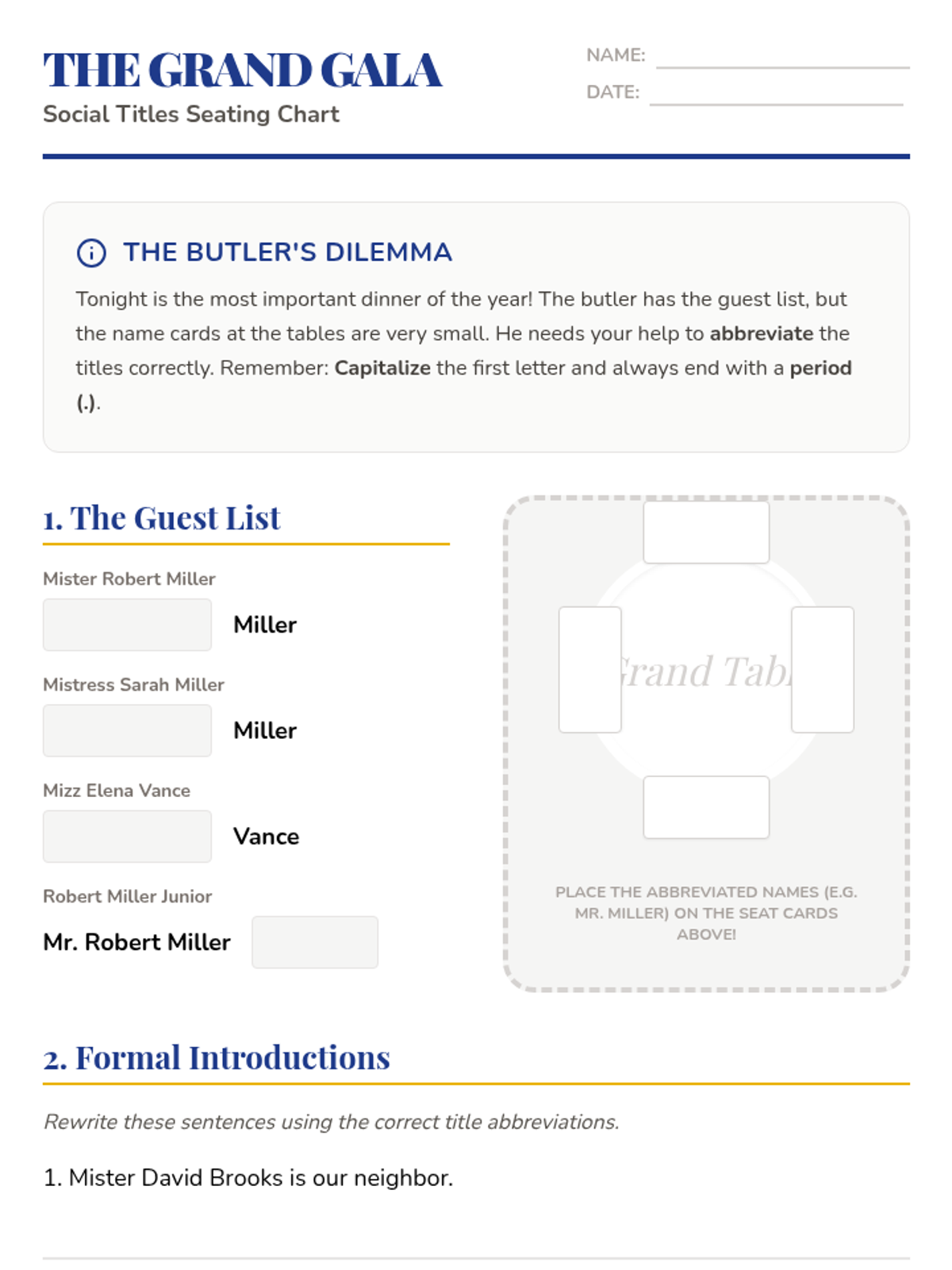
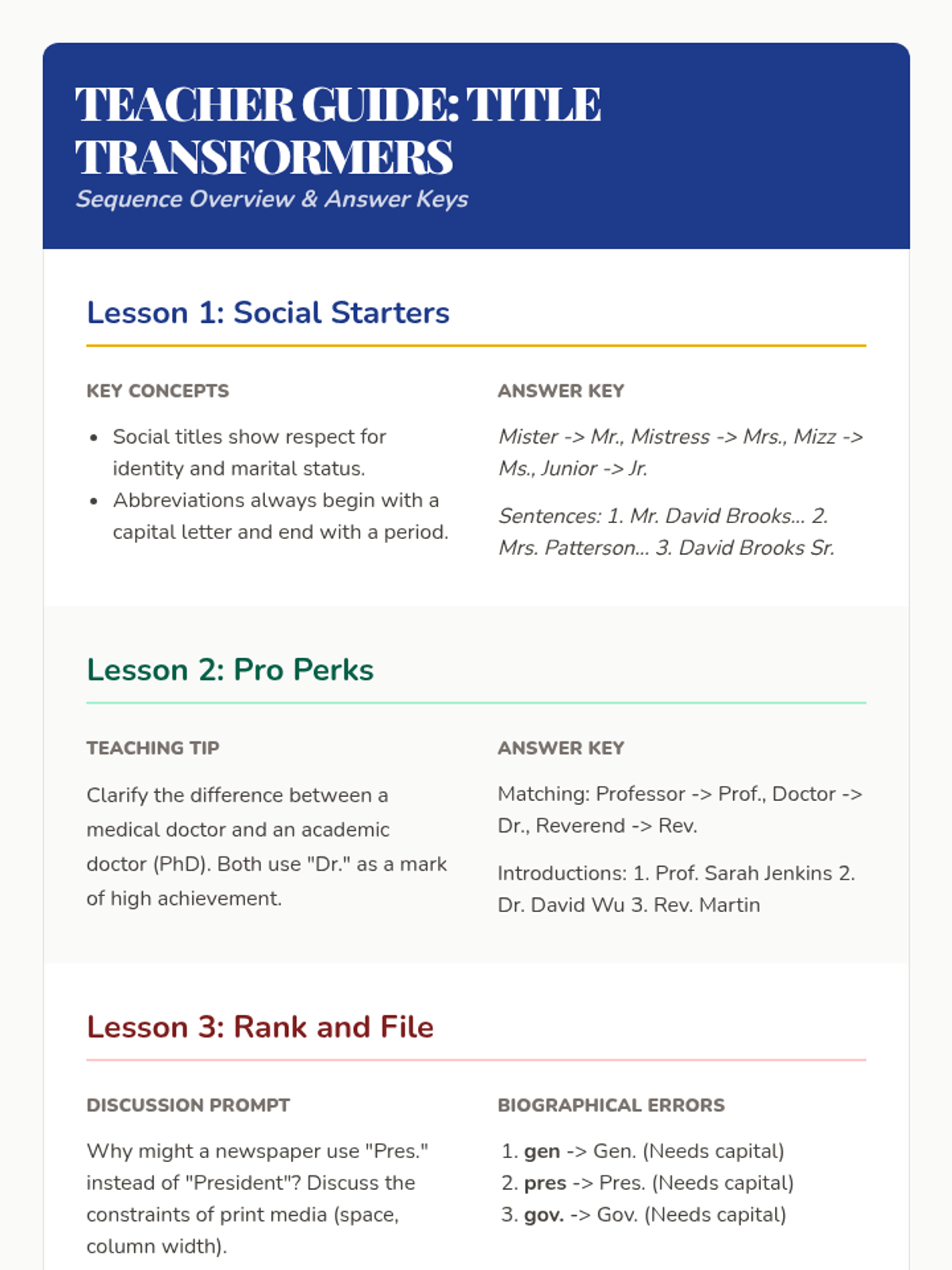
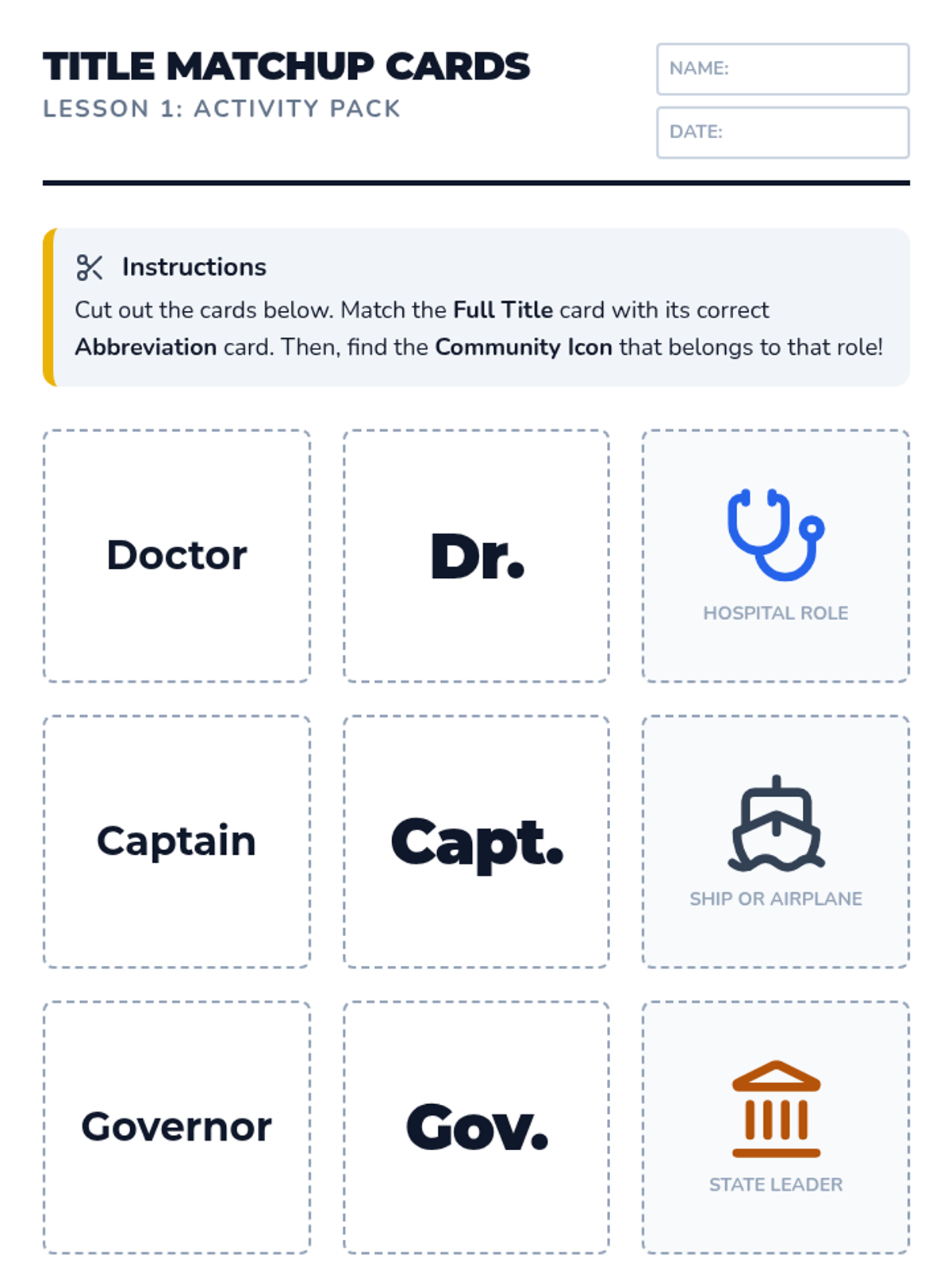
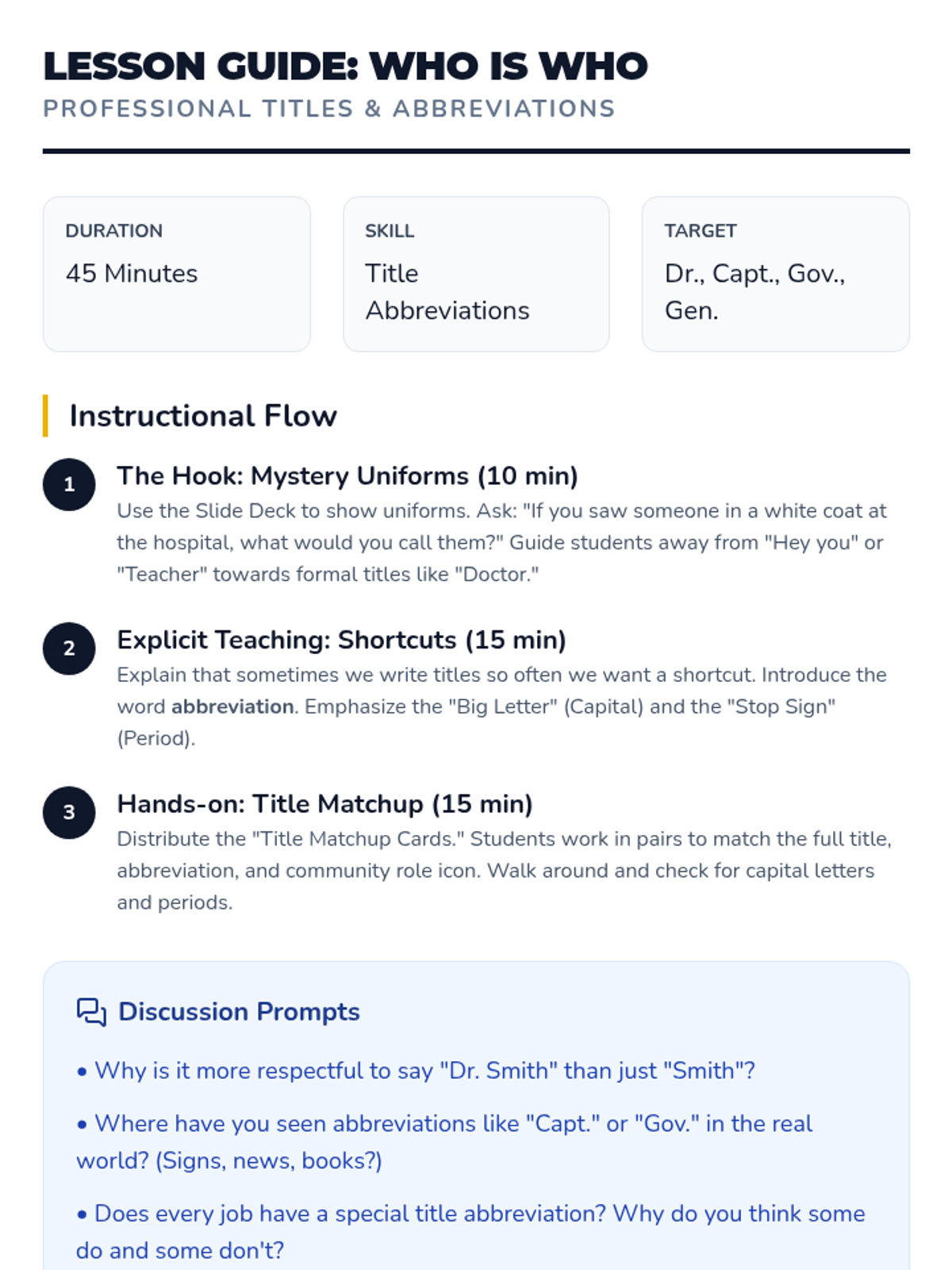
This sequence explores the social and formal rules of abbreviating titles for people. Using a case-study approach, students analyze formal letters, biographies, and business cards to understand how titles like Mr., Dr., and Gov. establish identity and respect. Students practice identifying these titles and writing them with proper capitalization and punctuation. The sequence concludes with students writing a formal letter to a community leader.
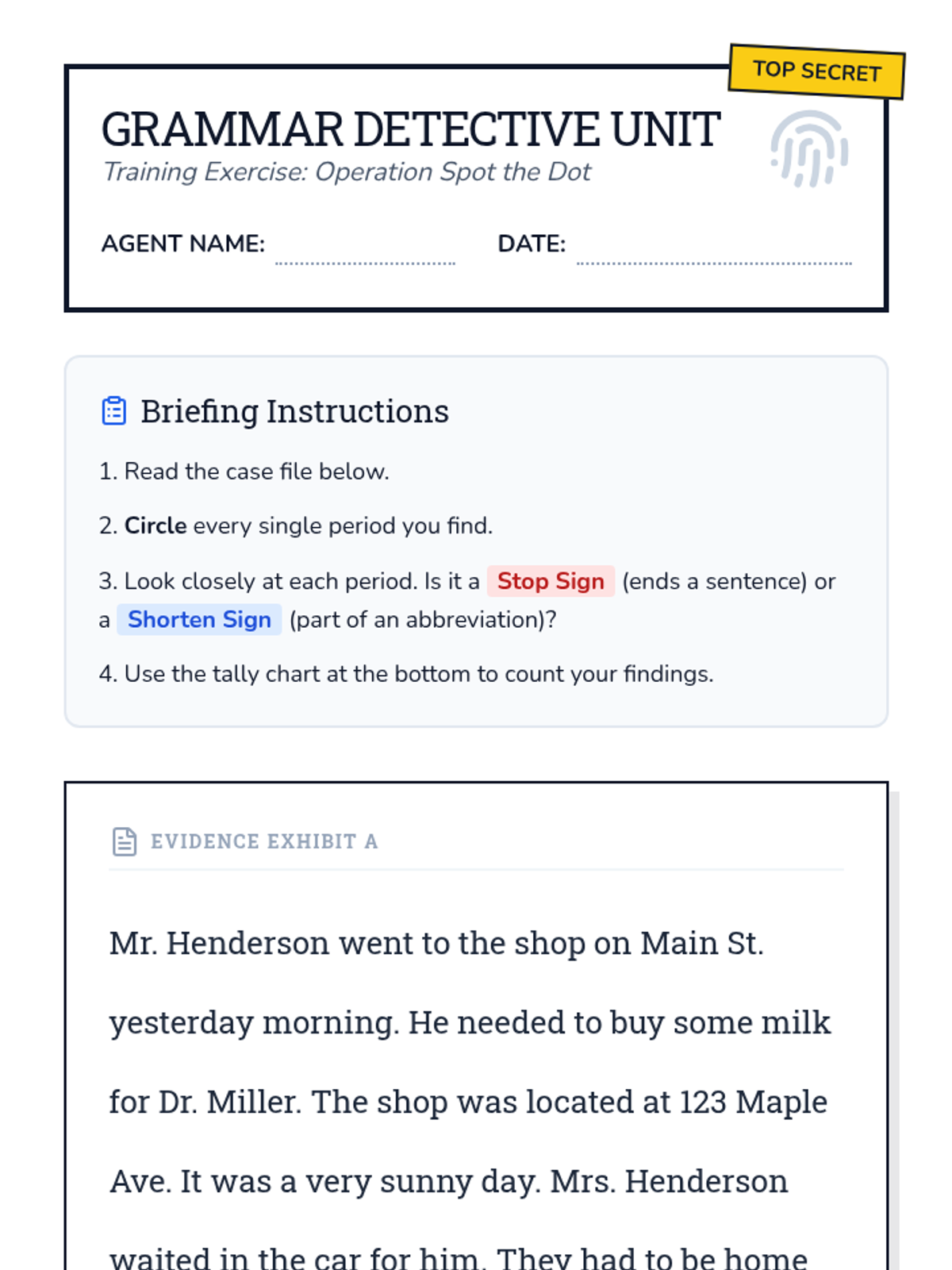
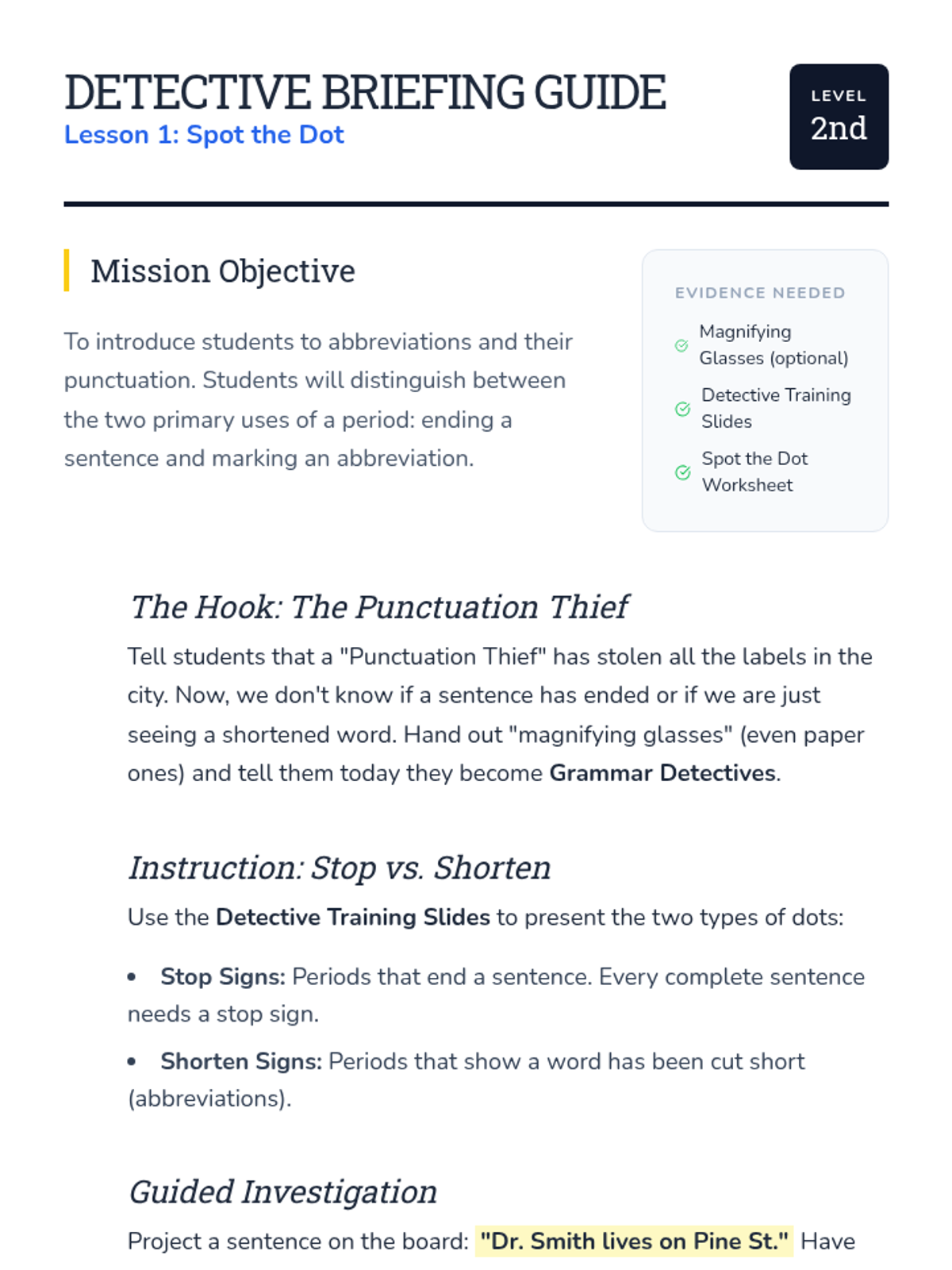
A comprehensive 2nd-grade grammar sequence themed around 'Grammar Detectives' to teach the identification, punctuation, and usage of abbreviations, specifically focusing on the dual role of periods.
A 2nd-grade grammar sequence focusing on professional titles and greetings. Students learn to identify community roles and use abbreviations like Dr., Capt., Sr., and Jr. correctly and respectfully in writing and speech.
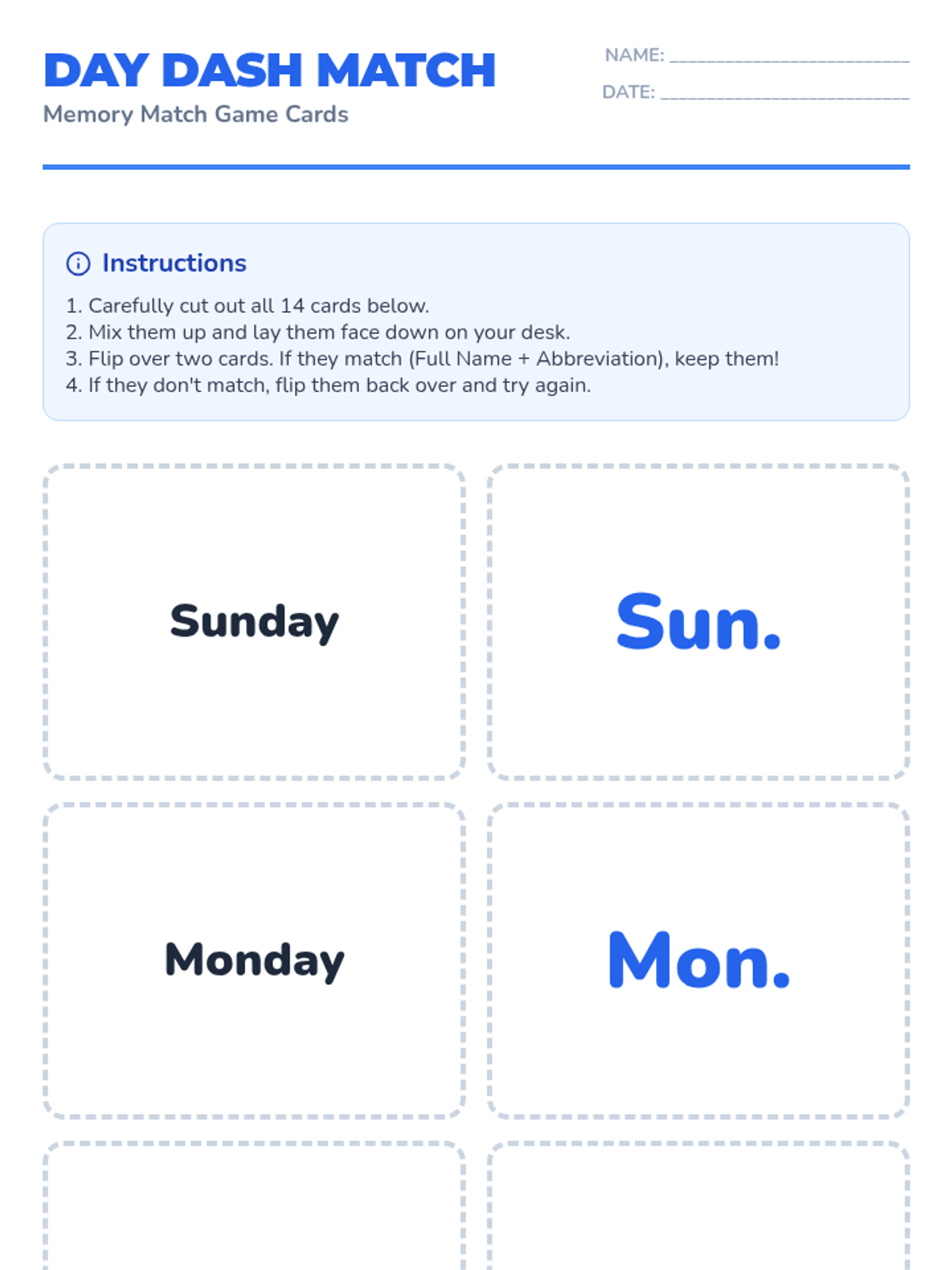
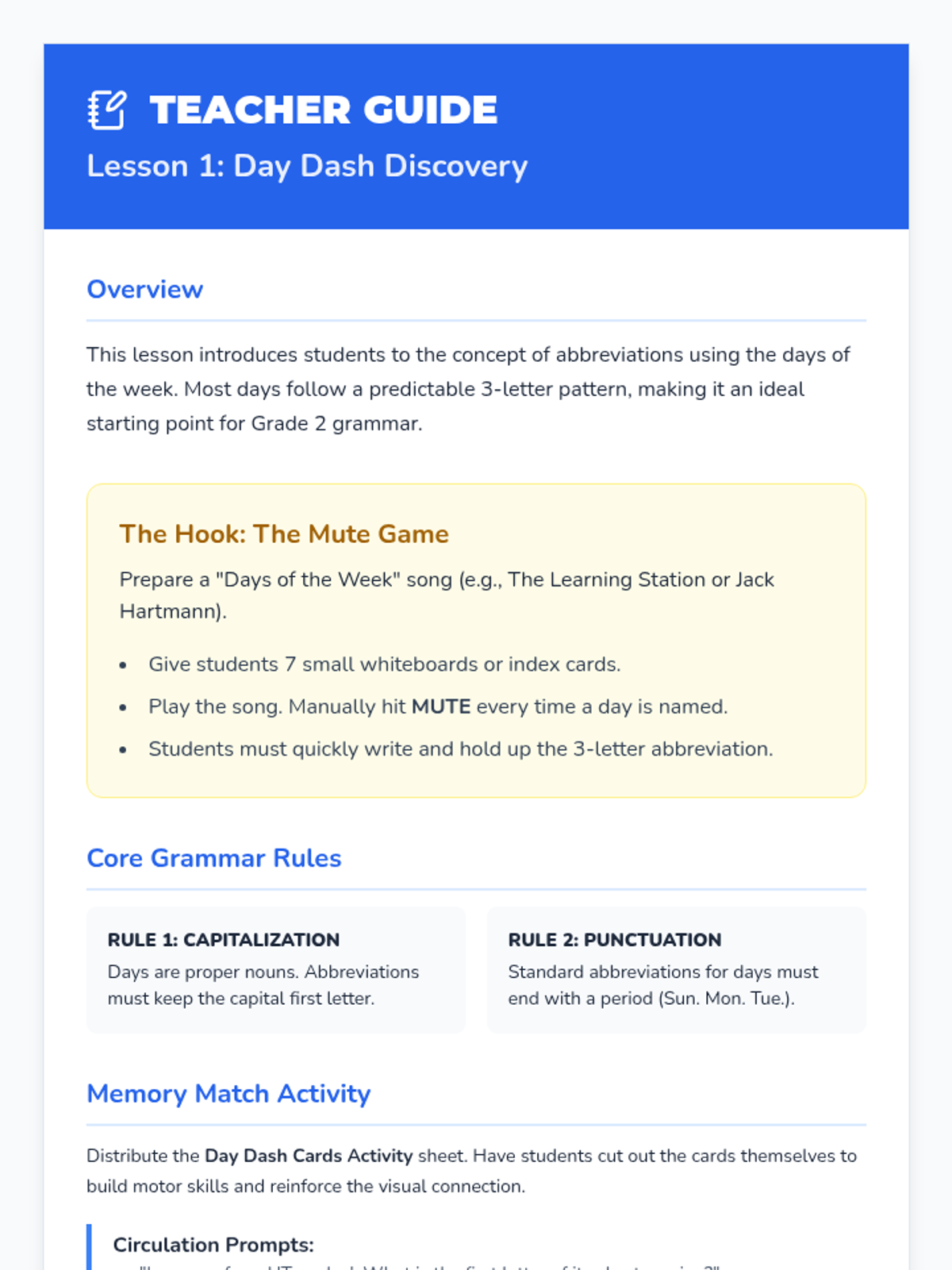
A 2nd-grade grammar sequence focusing on the abbreviations for days and months. Students move from basic identification to practical application in schedules and calendars, mastering capitalization and punctuation rules along the way.
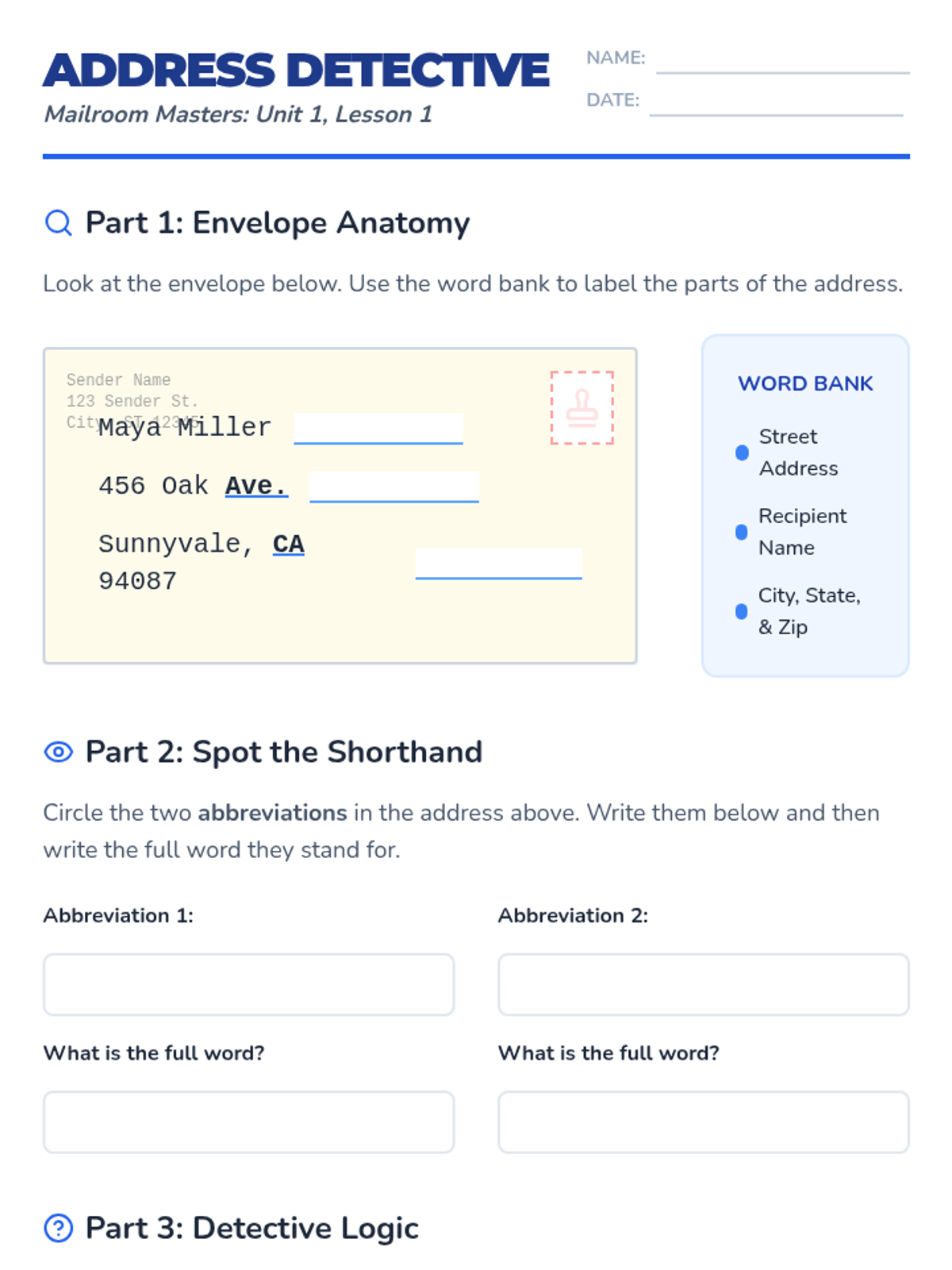
A 2nd-grade grammar sequence focusing on abbreviations in the context of writing and addressing mail. Students learn titles, street names, and state codes through a project-based simulation of a classroom post office.
A comprehensive 12-lesson literacy program for primary students (Grades 1-2) using a theme of Detectives, Hunters, and Architects. Features a bright color palette of light blue, pink, light green, and orange.
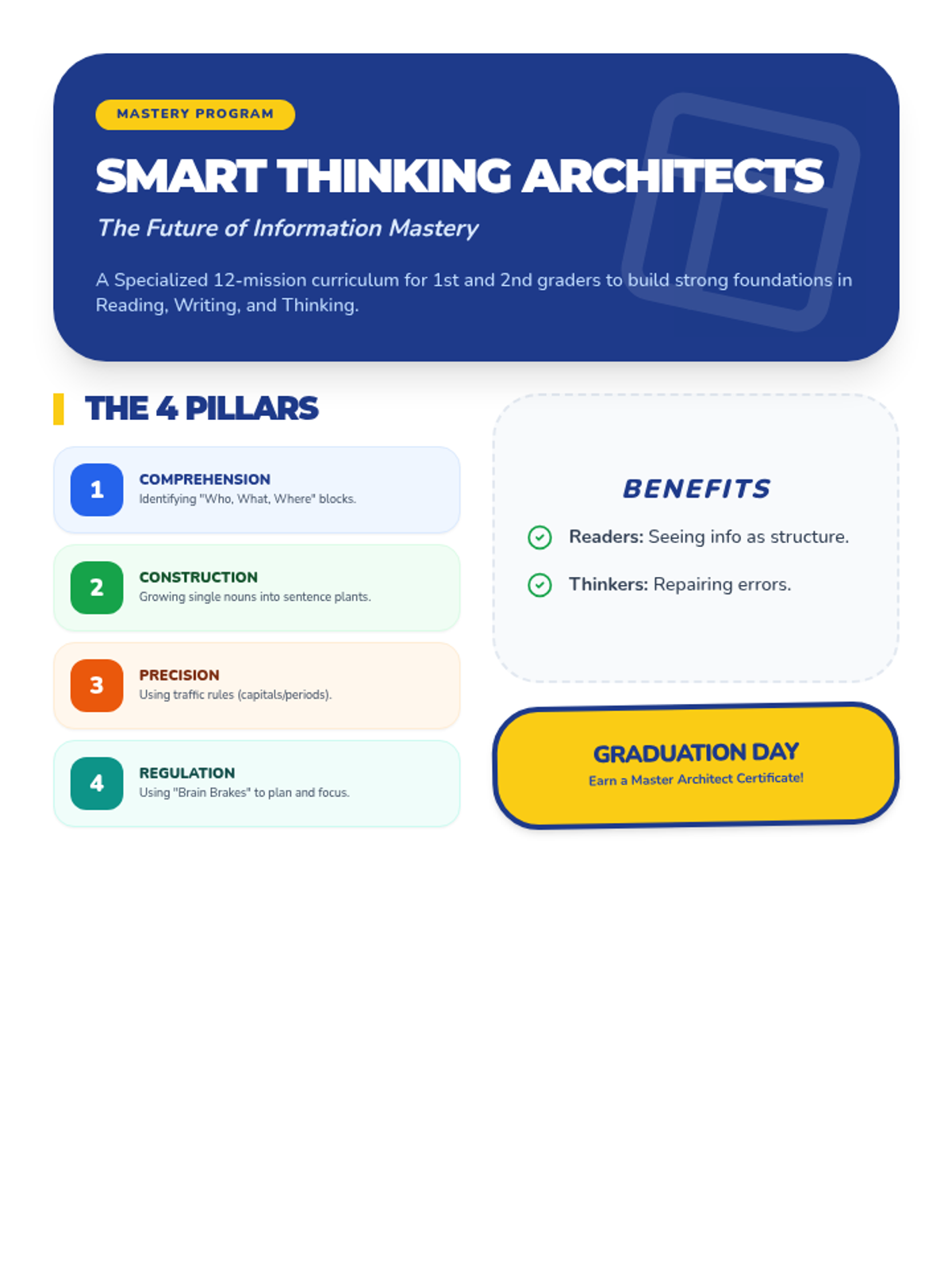
A comprehensive 12-lesson curriculum for 1st and 2nd graders focused on the 'Information' framework: Reading Comprehension, Idea Construction, Expression Precision, and Thought Regulation. Students become 'Smart Thinking Architects' to master building, delivering, and managing information.
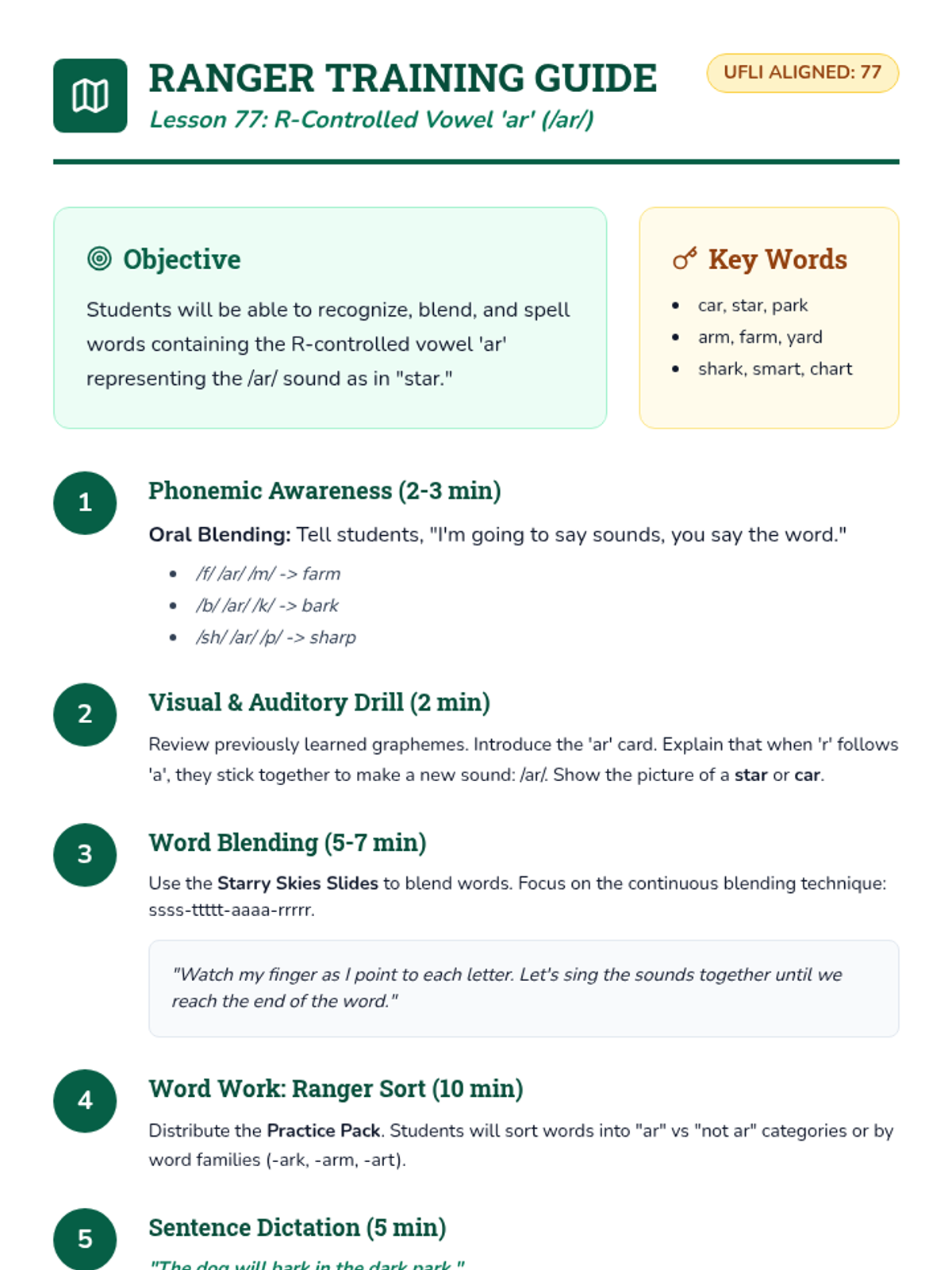
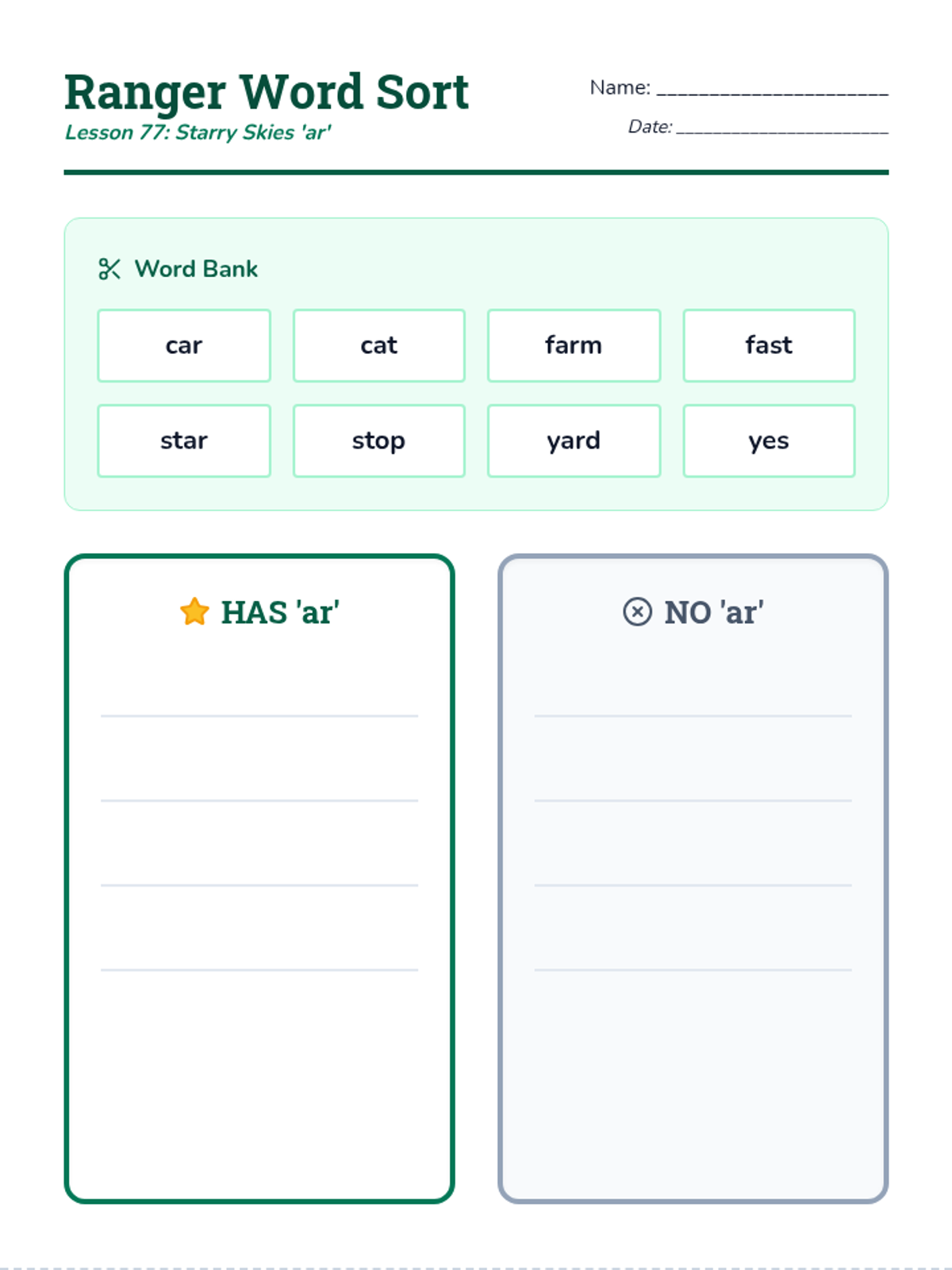
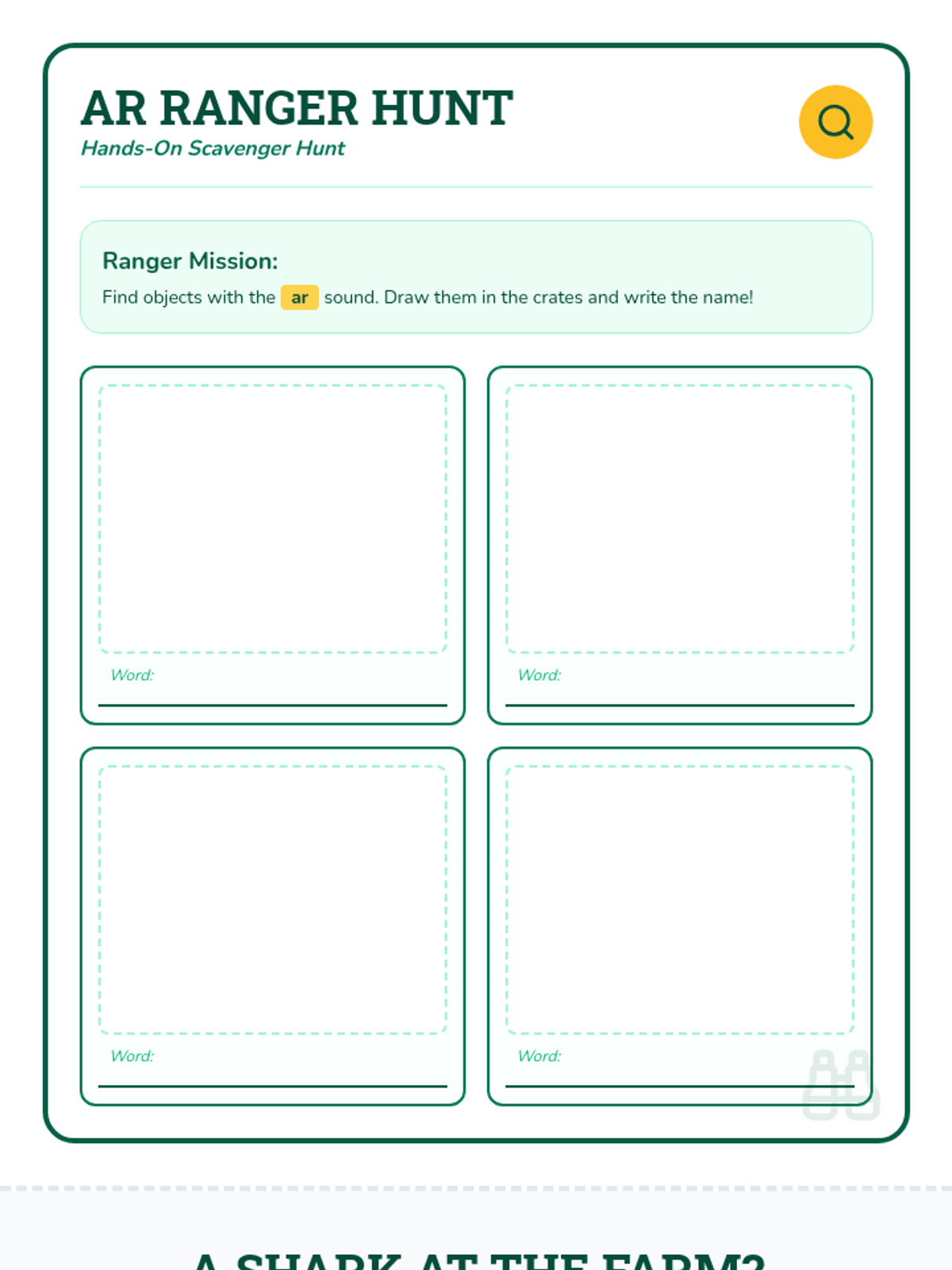
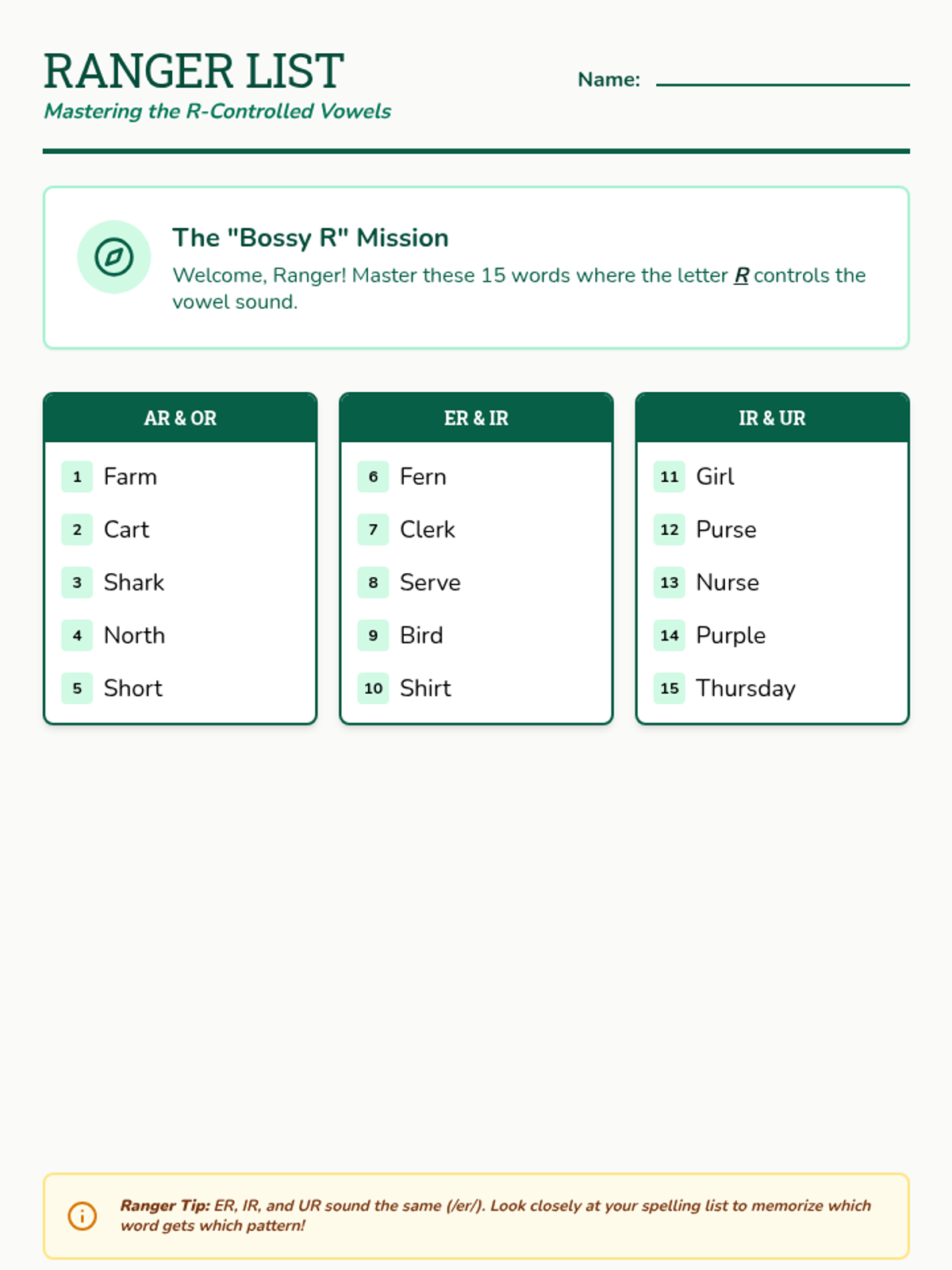
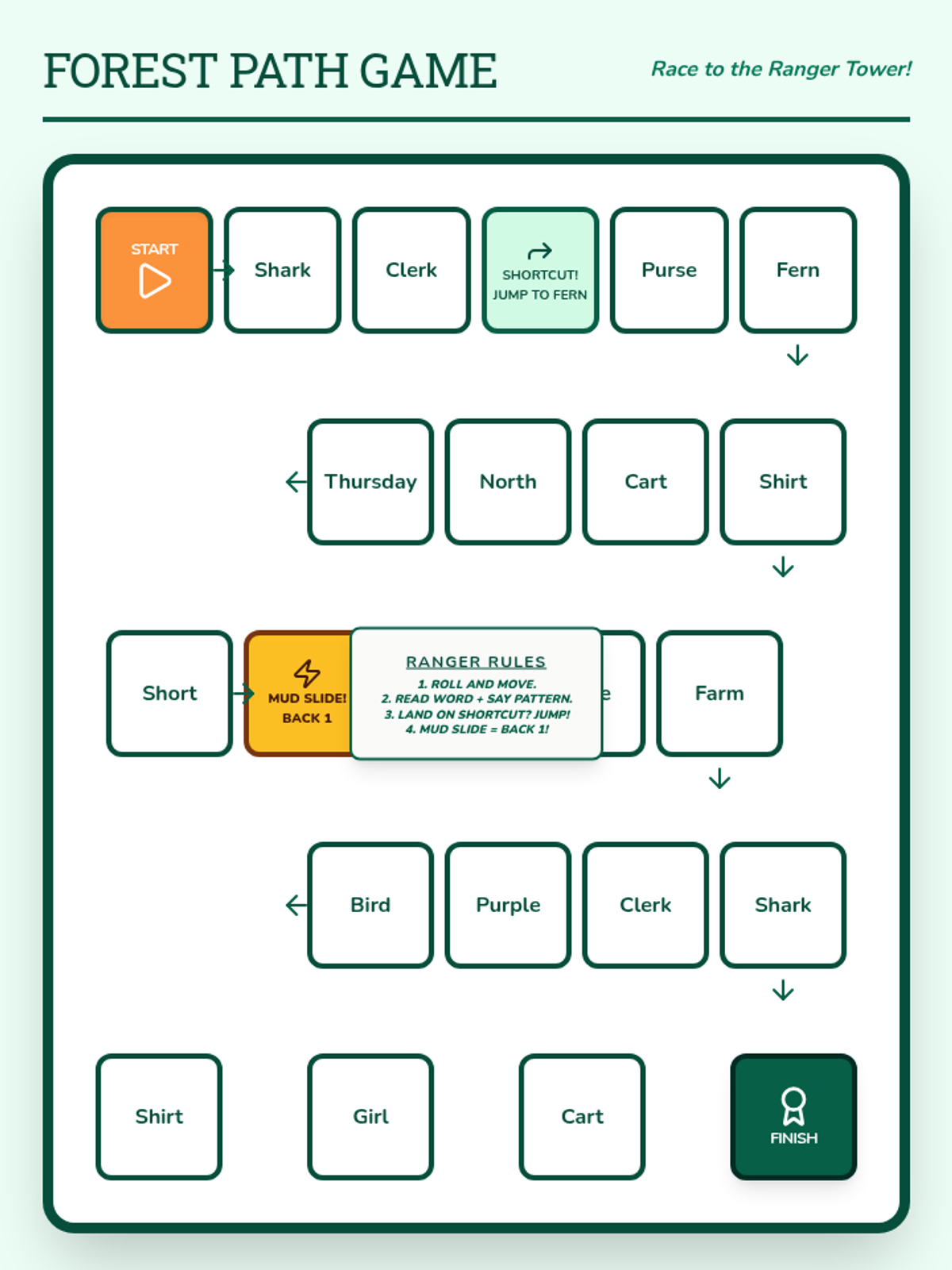
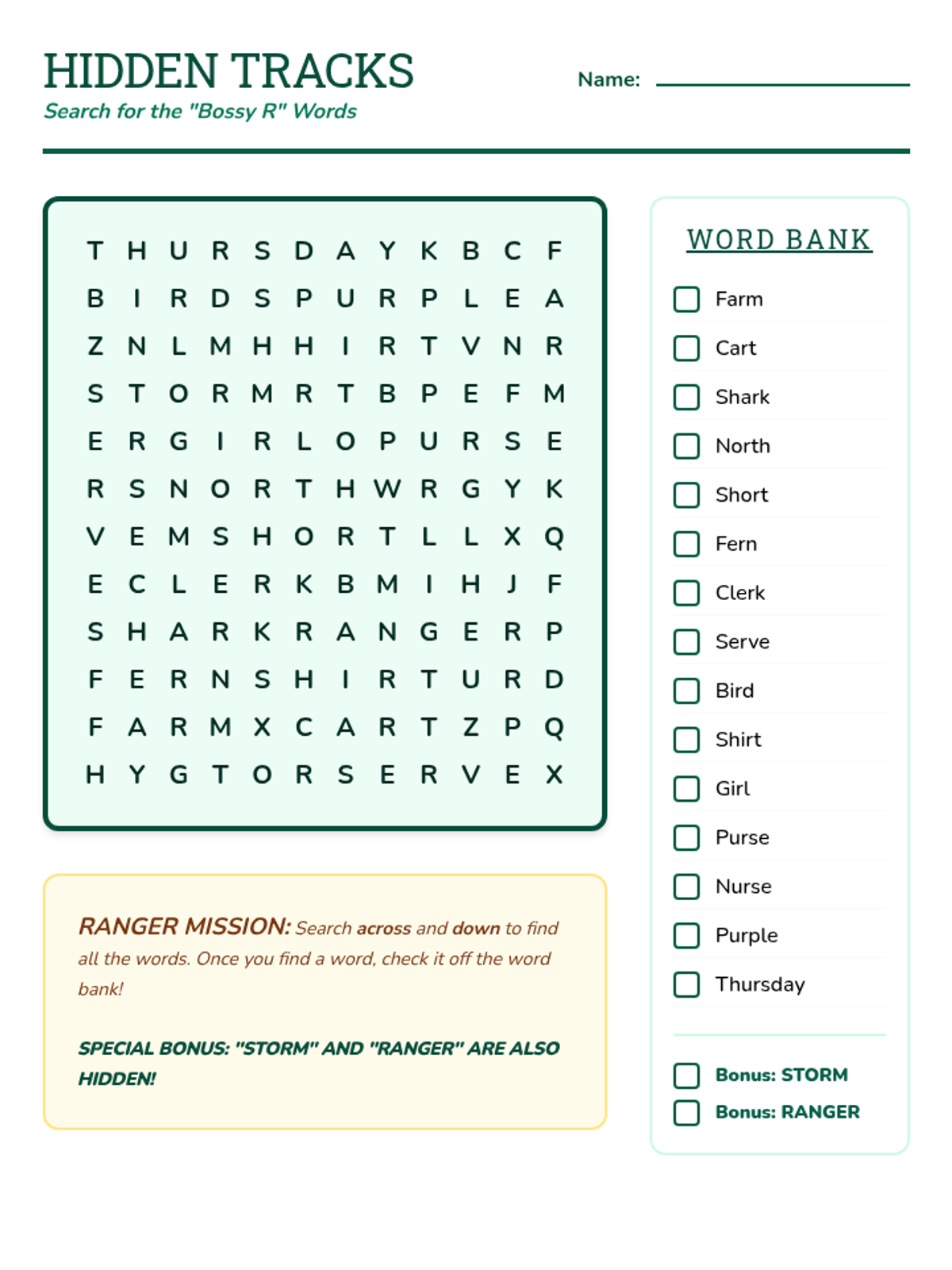
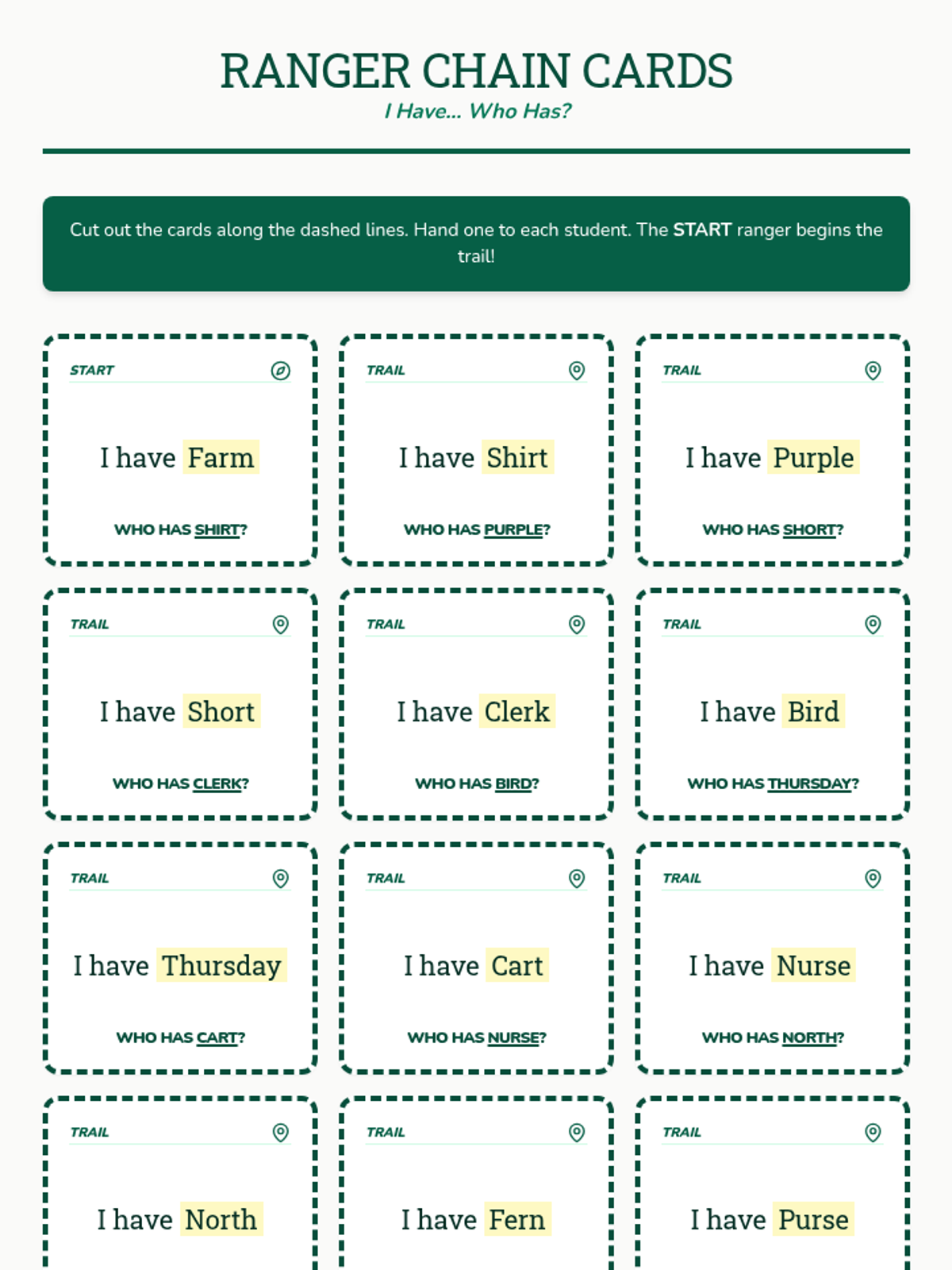
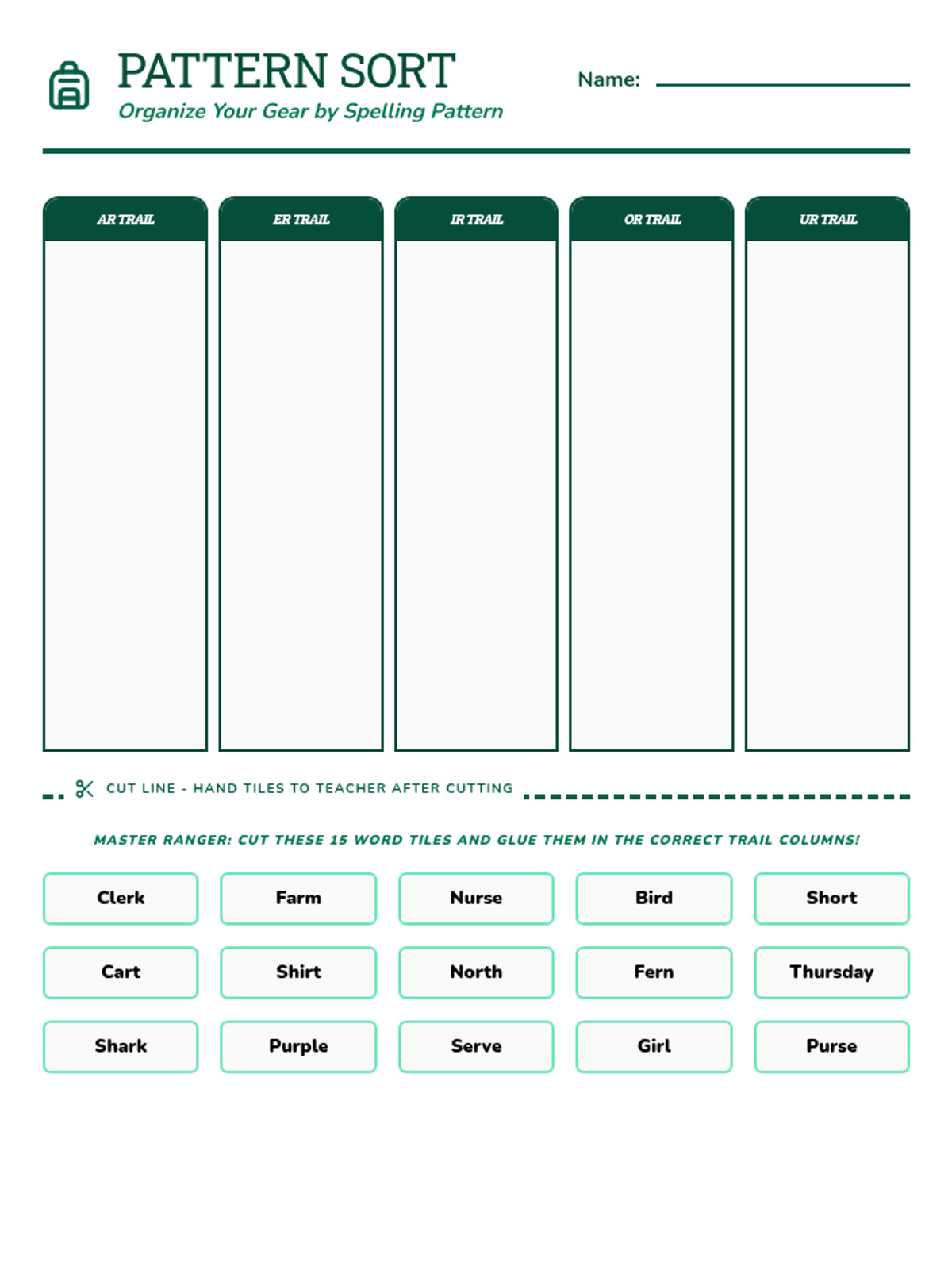
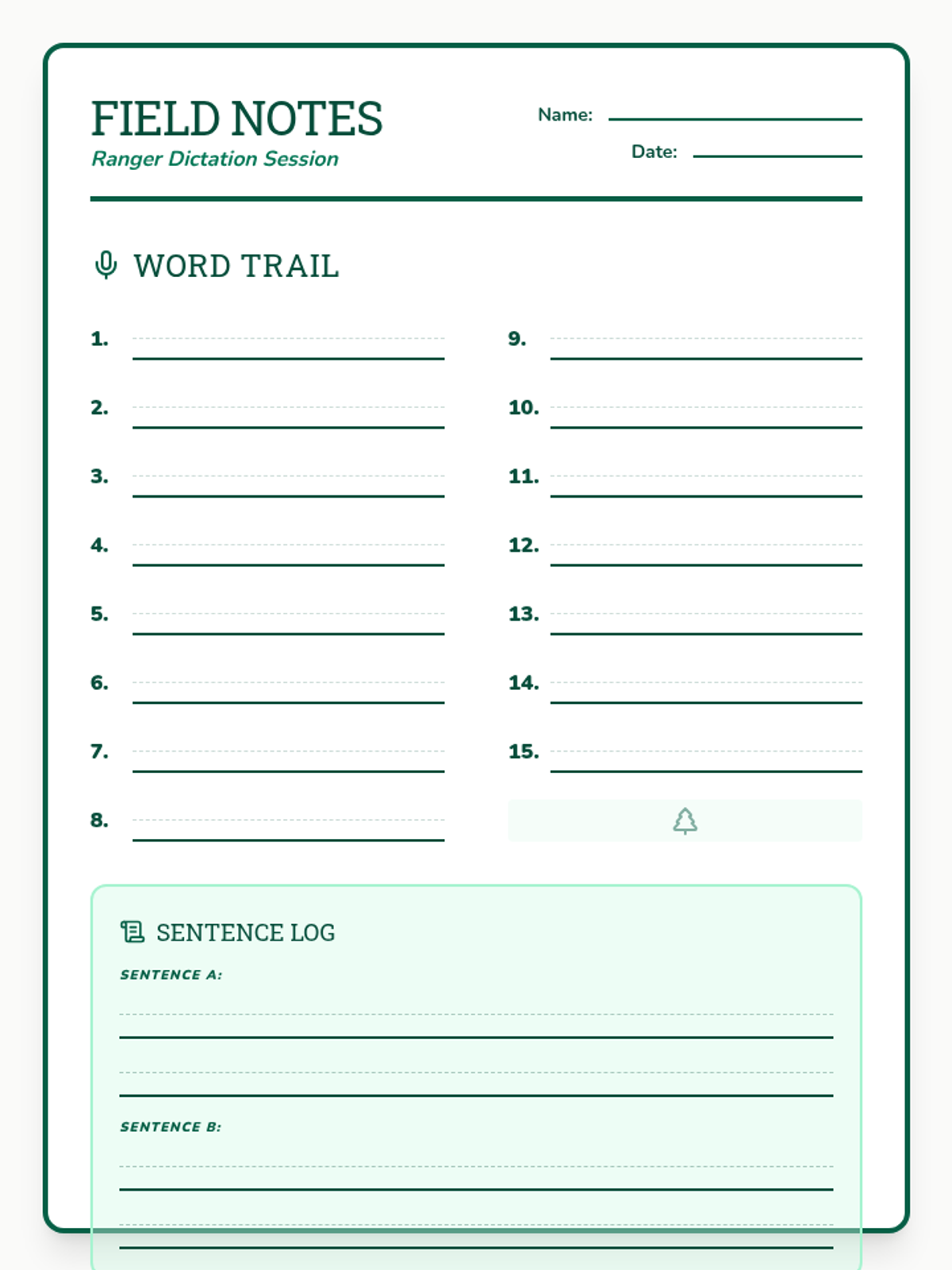
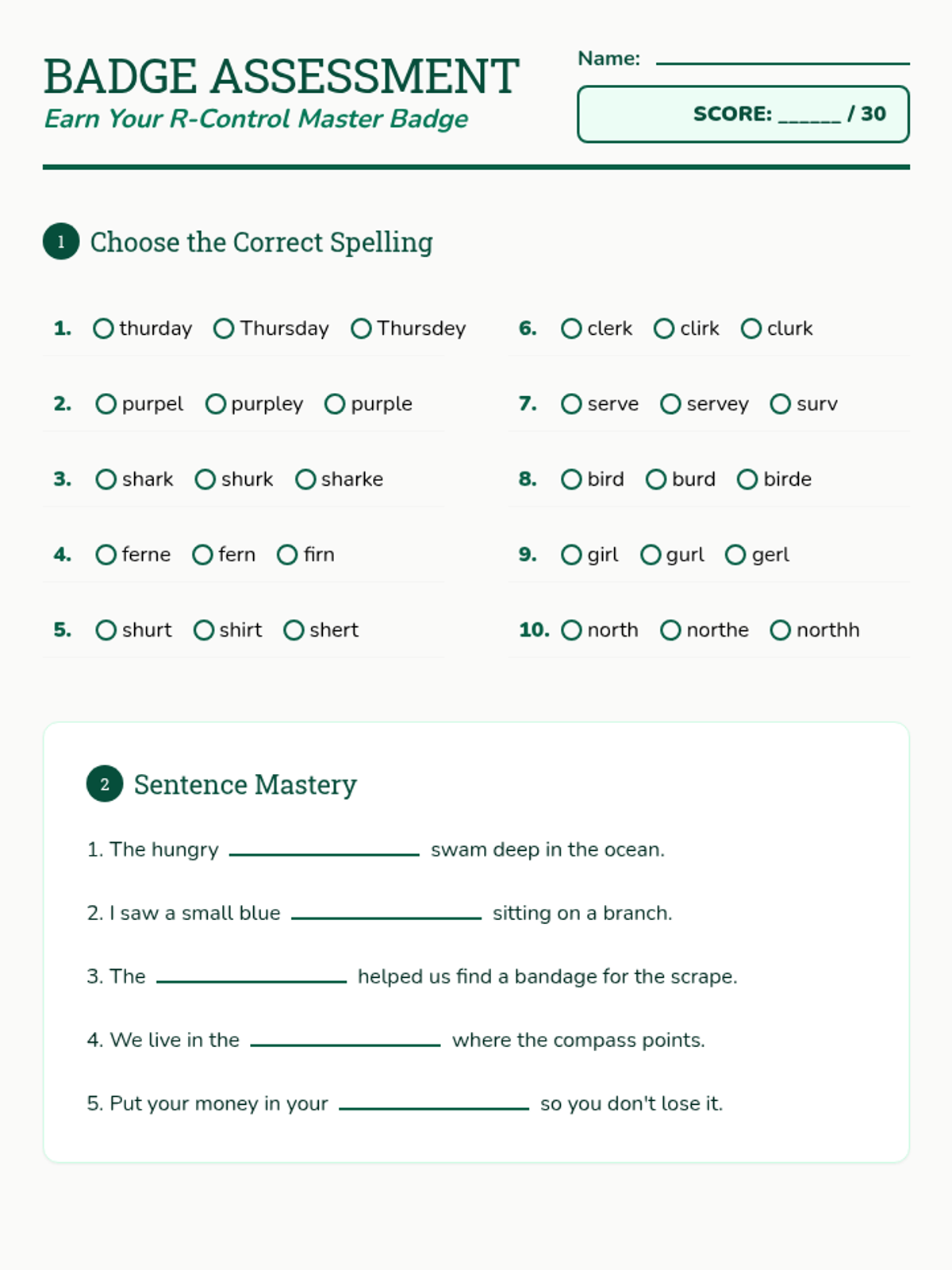
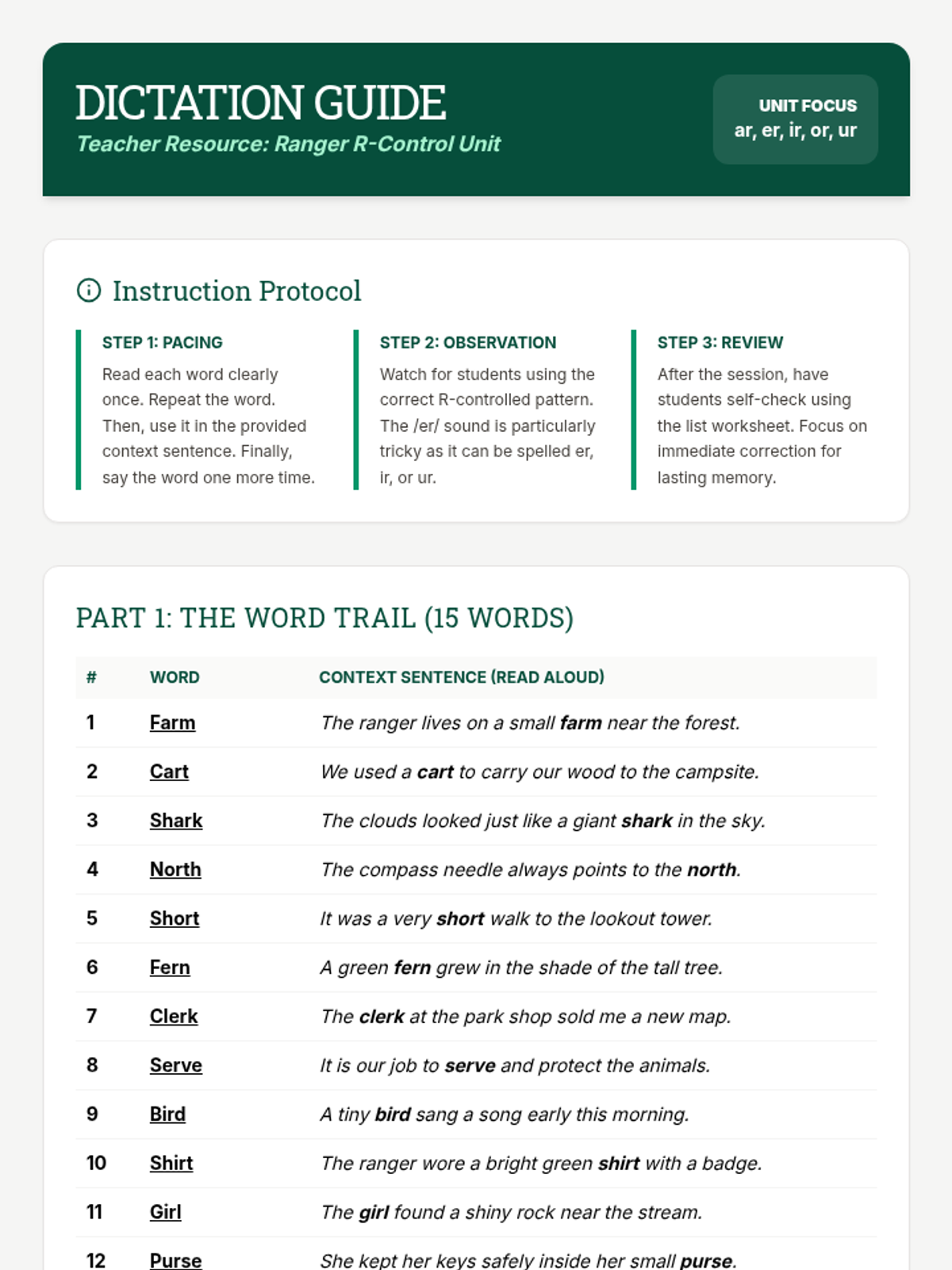
A comprehensive literacy unit focused on R-controlled vowels (ar, or, ore, er, ir, ur) following UFLI lessons 77-83. Students become 'Ranger Recruits' as they master reading and writing words with Bossy R.
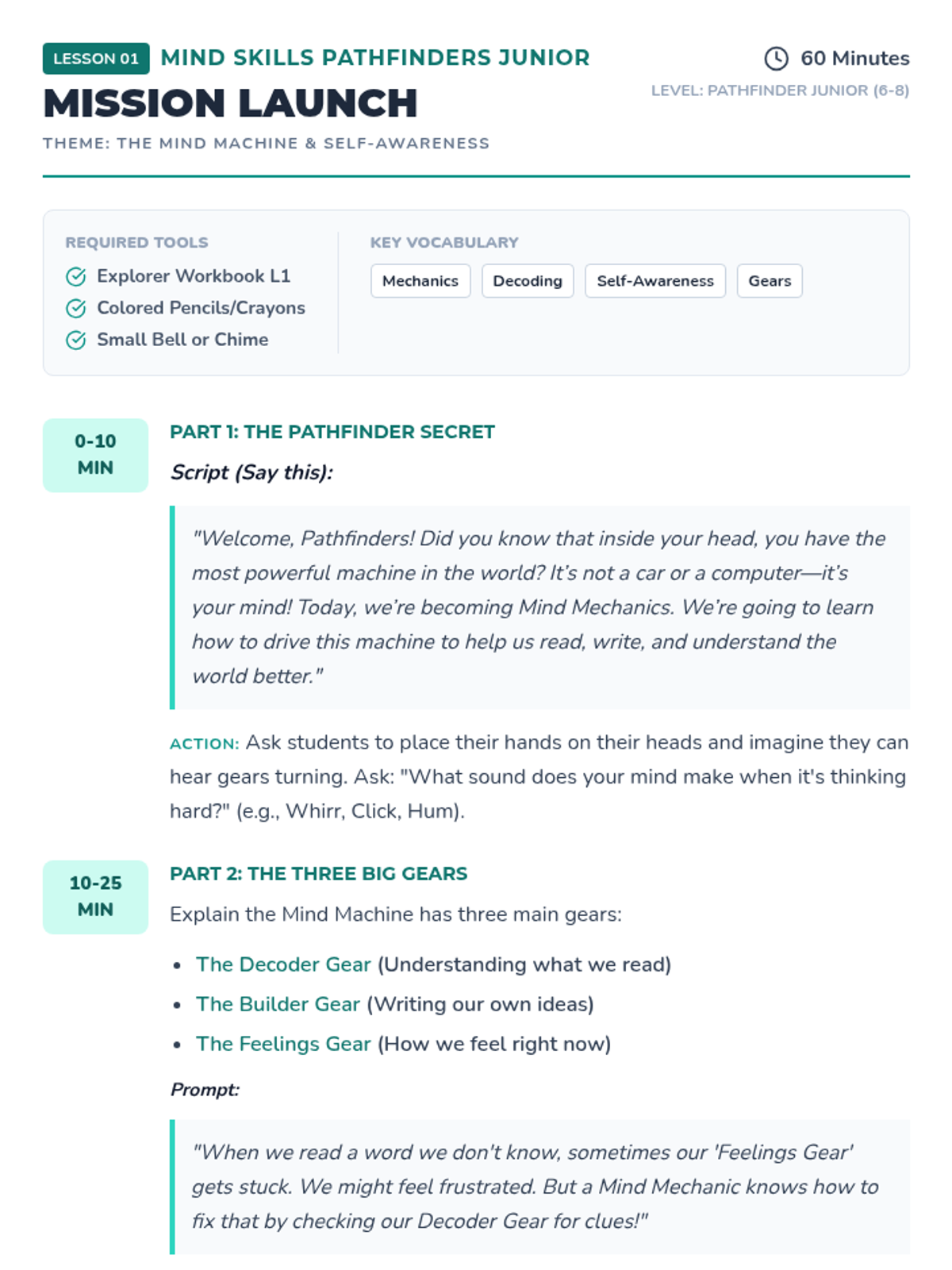
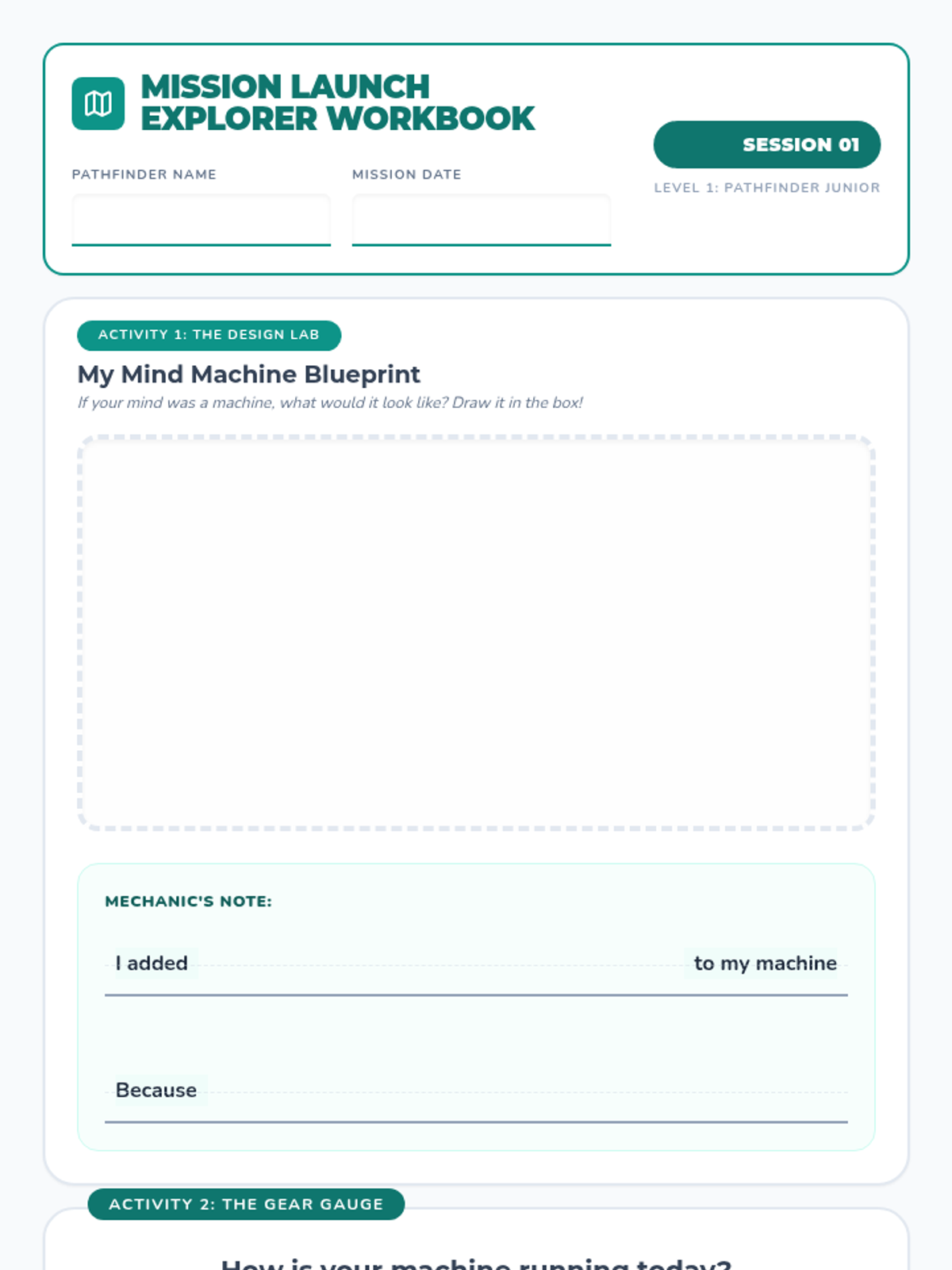
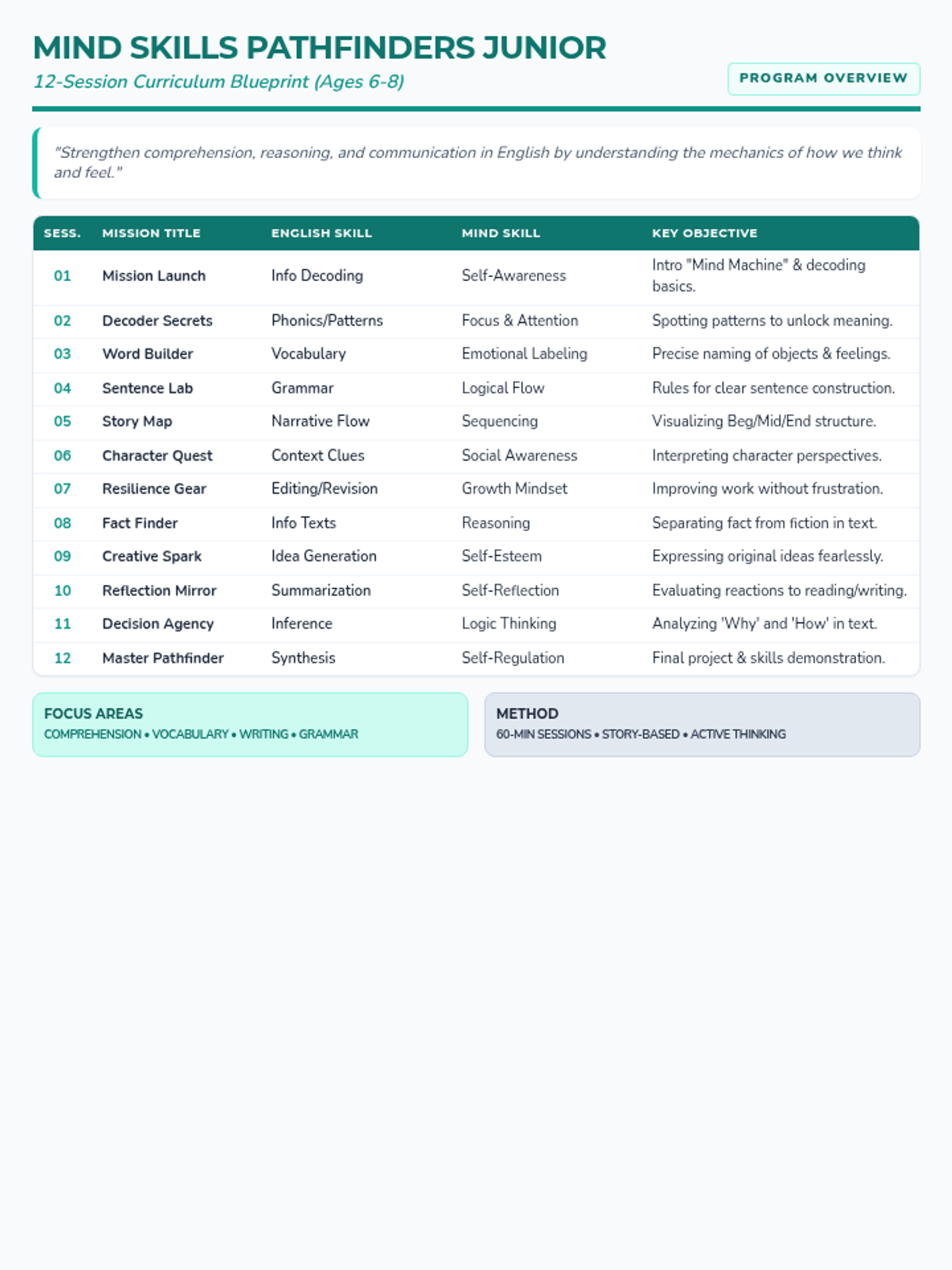
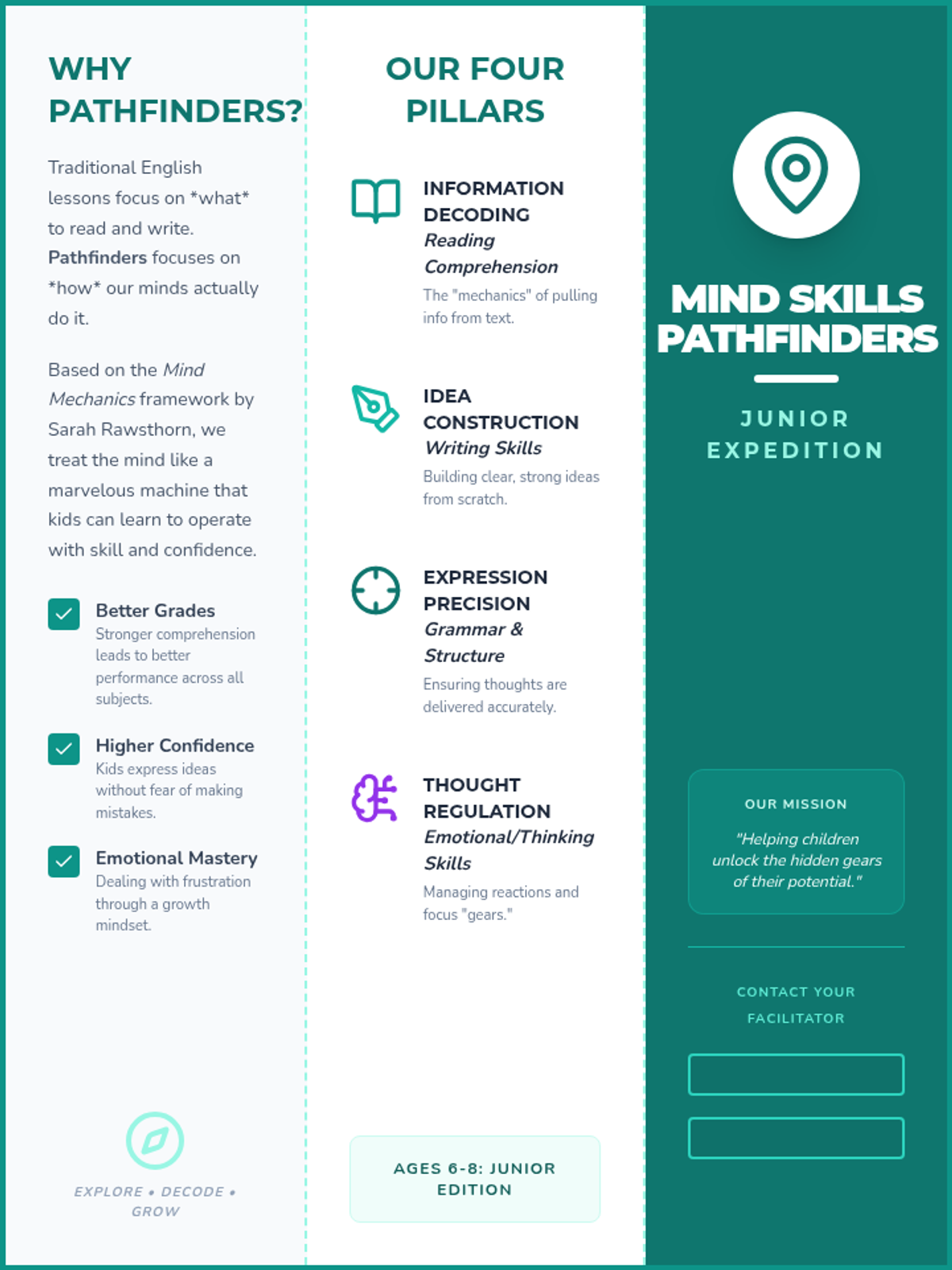
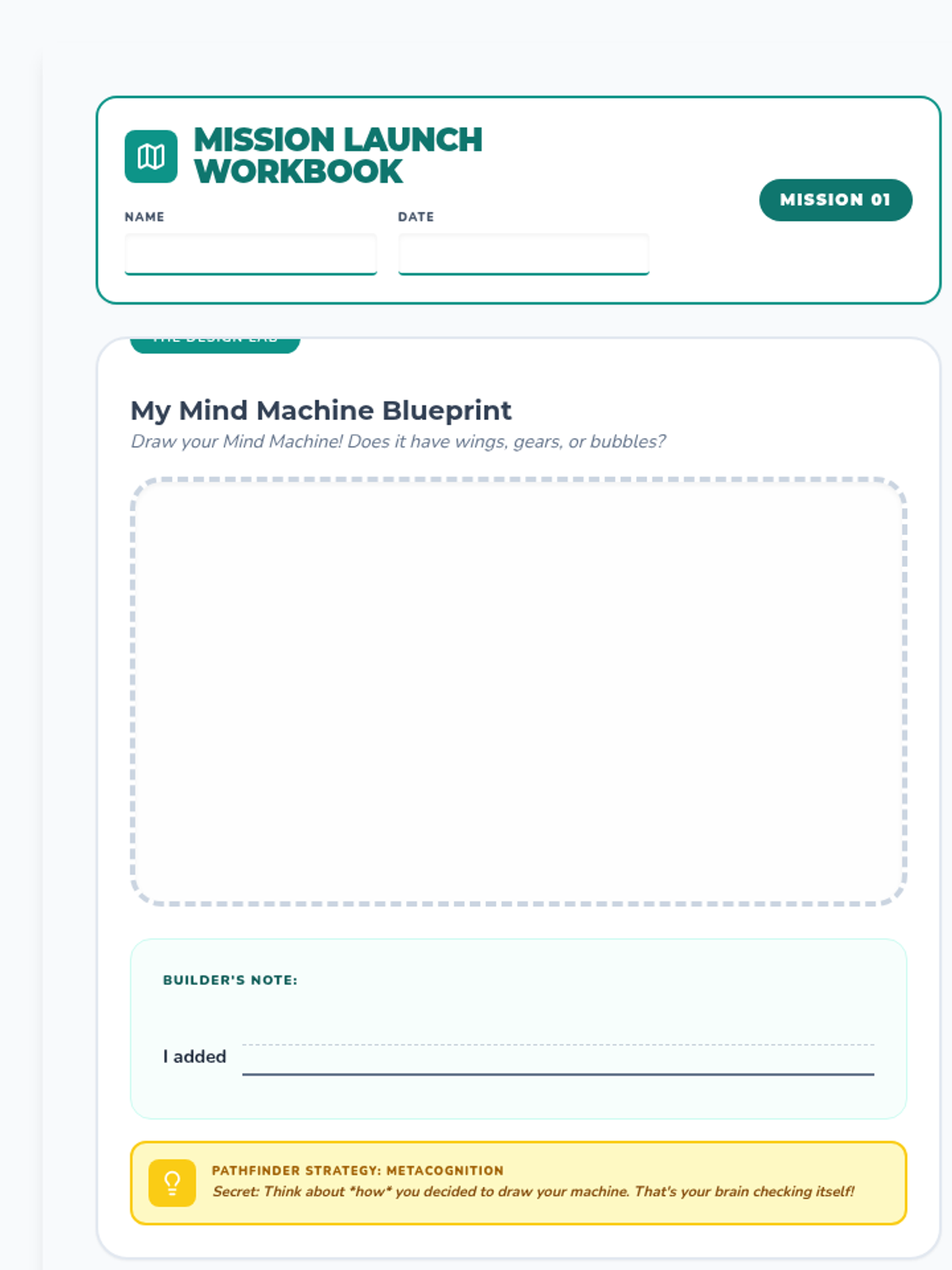
A 12-session journey for children aged 6-8 that integrates English literacy skills (comprehension, writing, grammar) with essential emotional and thinking skills using the 'Mind Mechanics' framework. Students learn to decode information, construct ideas precisely, and regulate their thoughts and responses for better school performance and well-being.
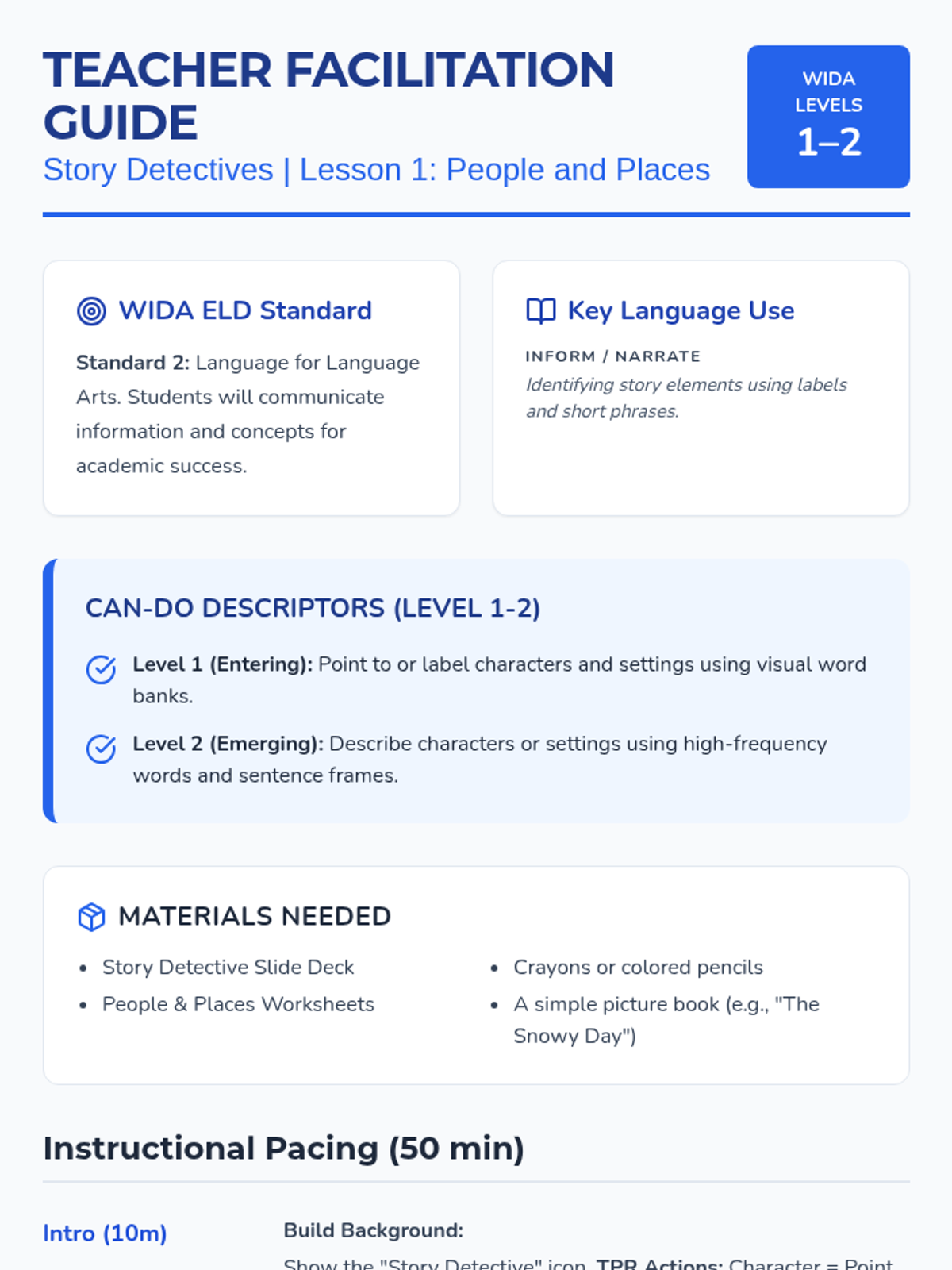
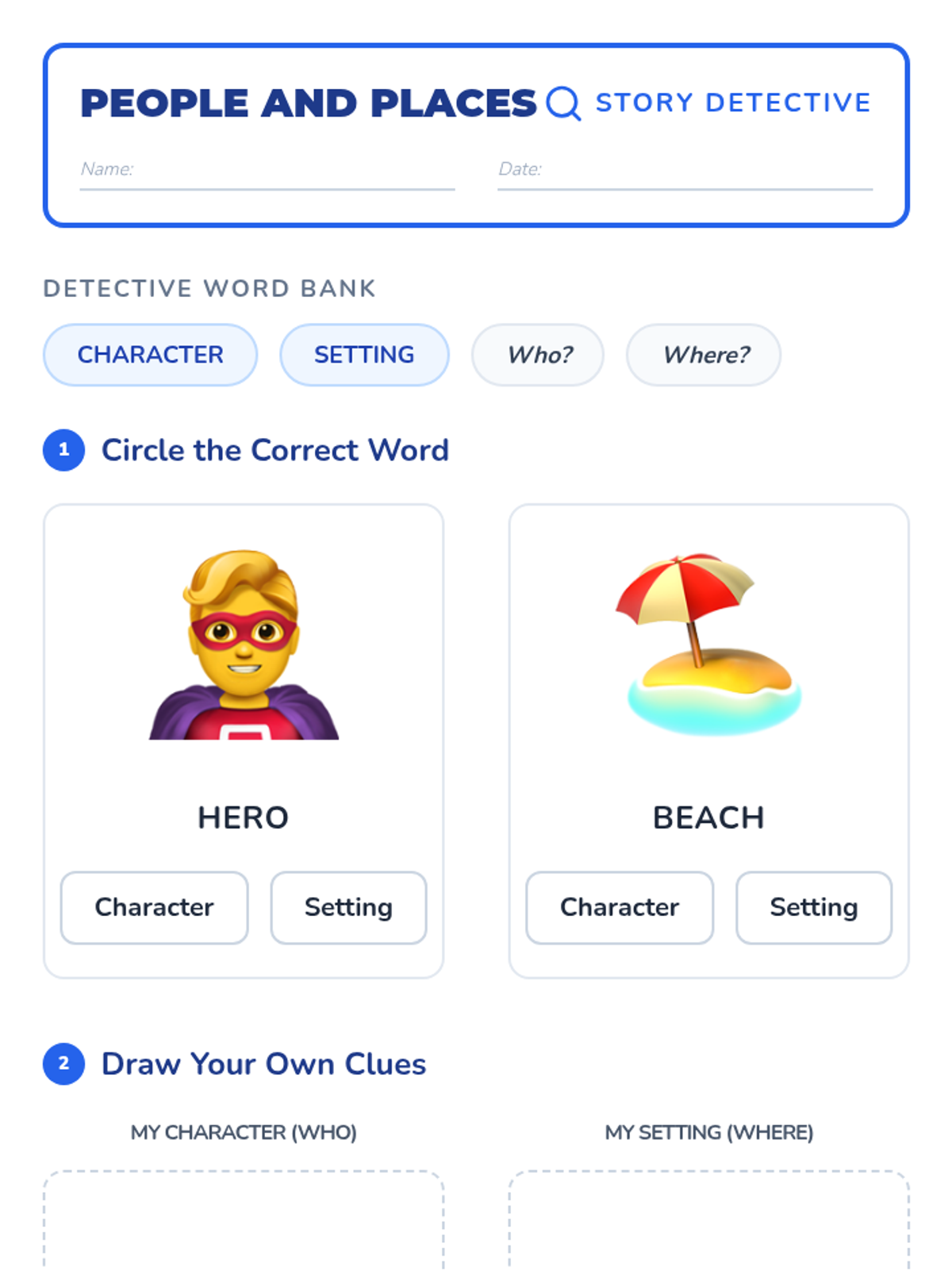
A sequence designed for WIDA Levels 1-2 (Entering/Emerging) focused on the Language of Language Arts. Students learn to identify and describe characters, settings, and story sequences using high-visual support and scaffolded sentence frames.
A multi-unit spelling series with a Forest Ranger theme, covering complex phonics patterns including R-controlled vowels and silent letter combinations.
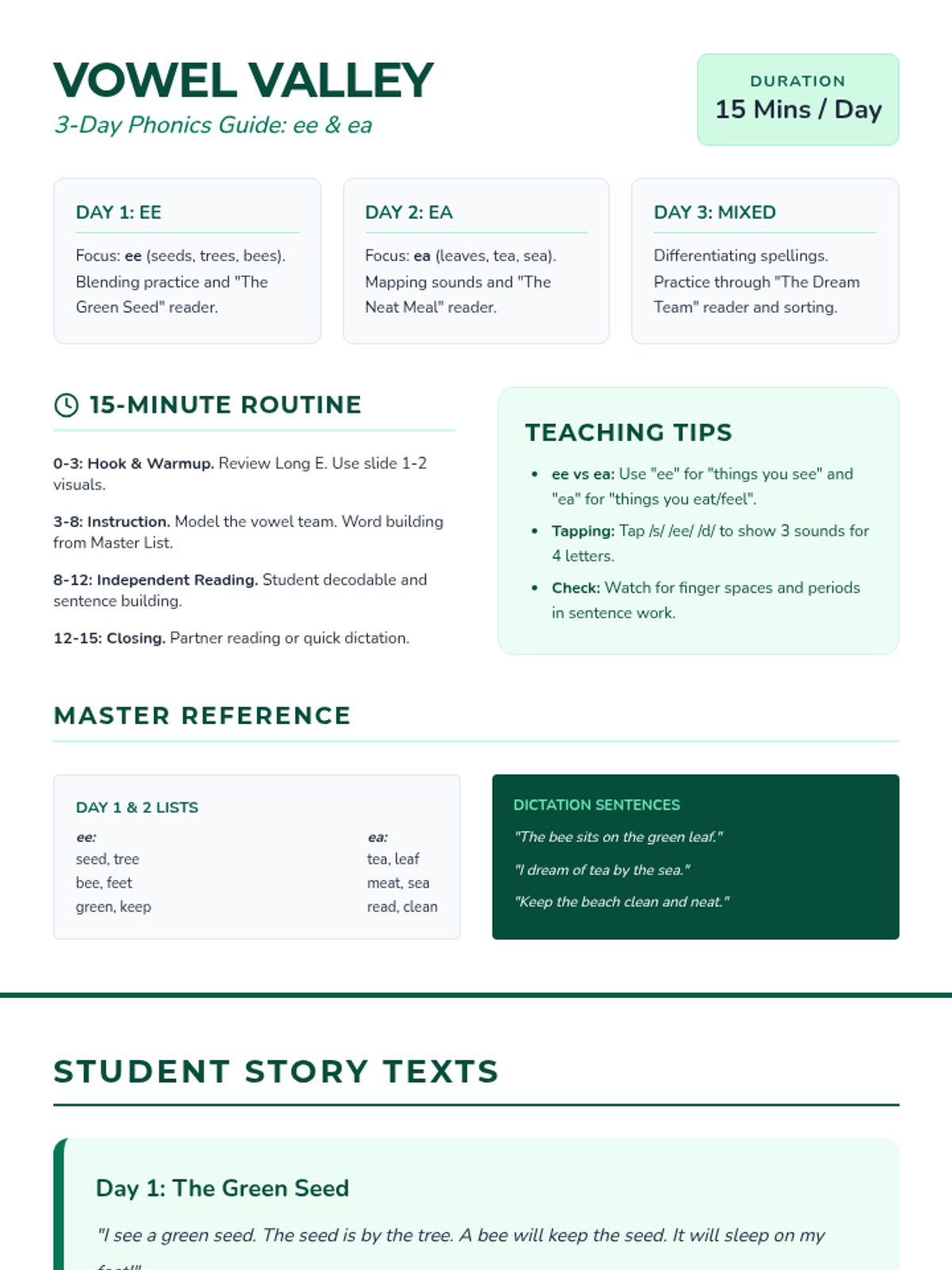
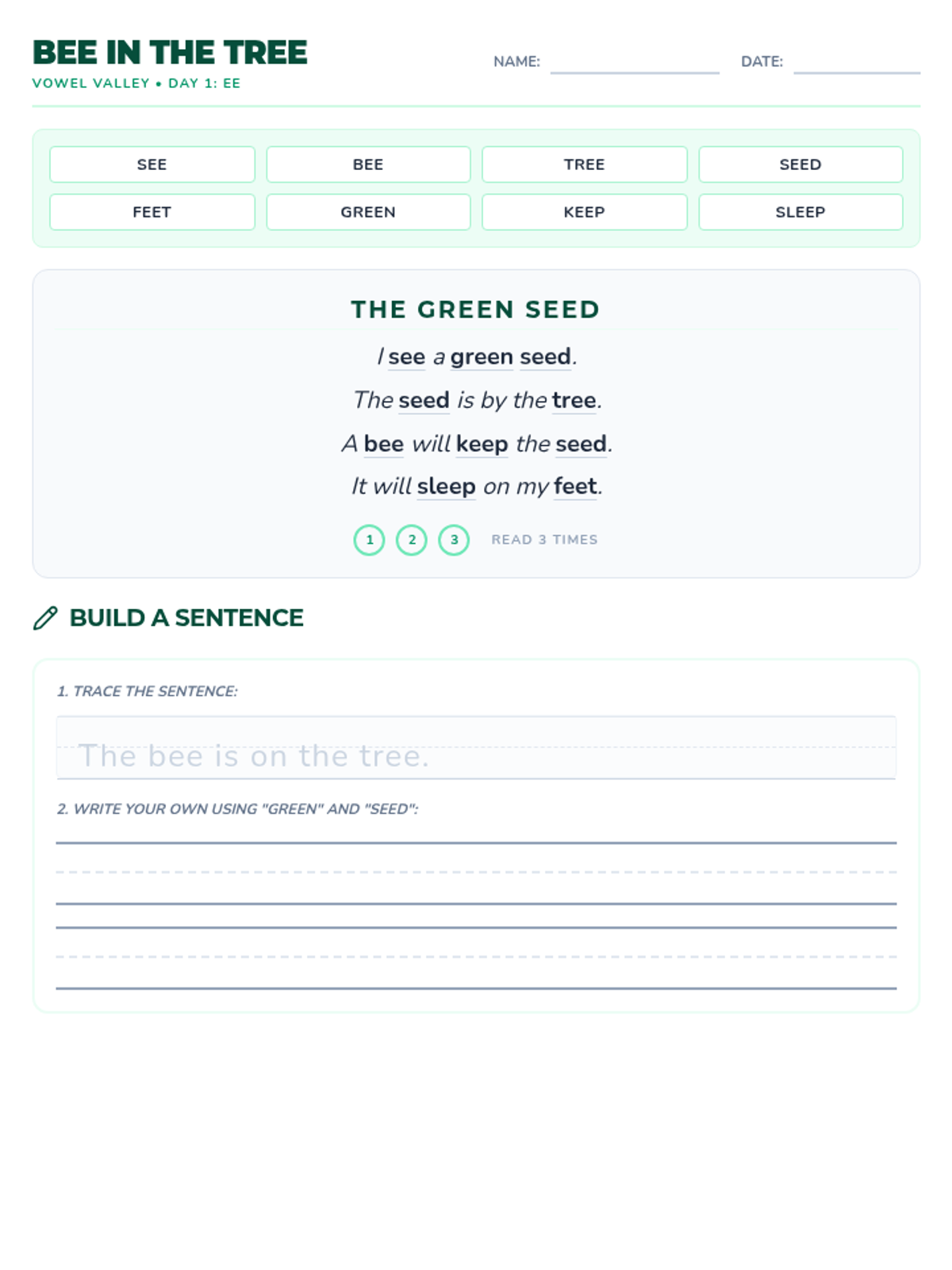
A 3-day phonics sequence focusing on the vowel teams 'ee' and 'ea' through a botanical-themed lens. Each 15-minute lesson includes explicit instruction, vocabulary development, and decodable reading practice.
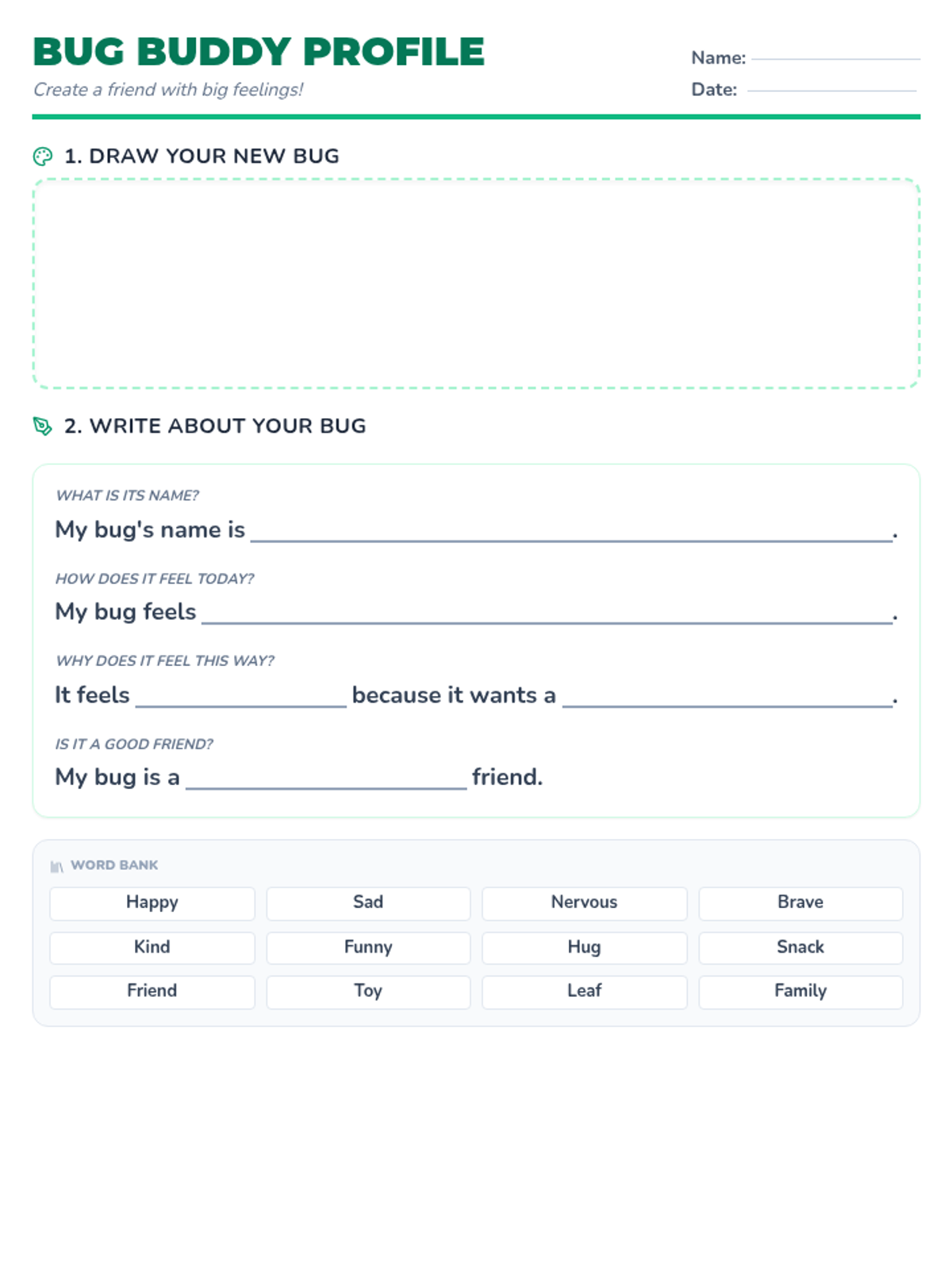
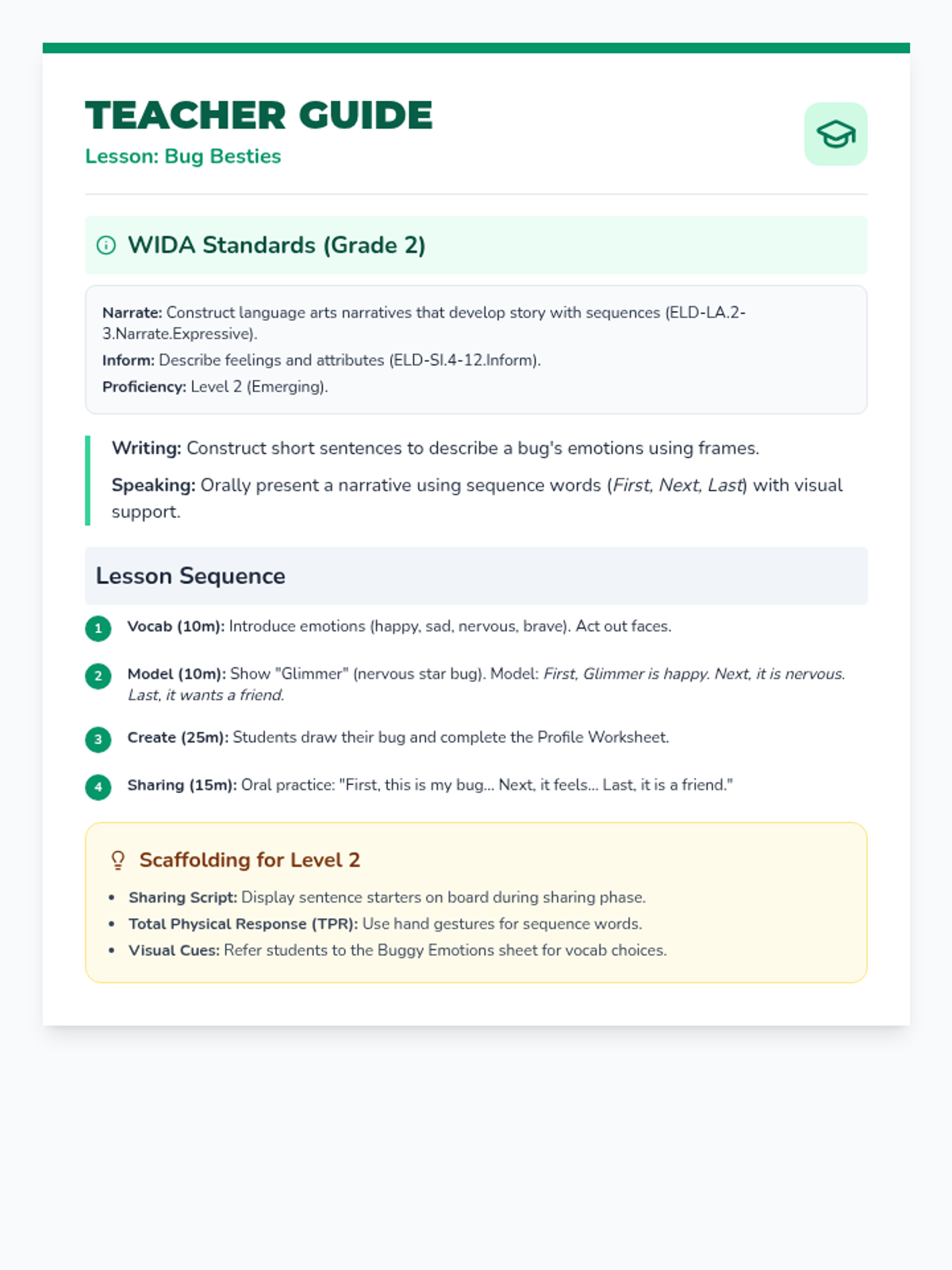
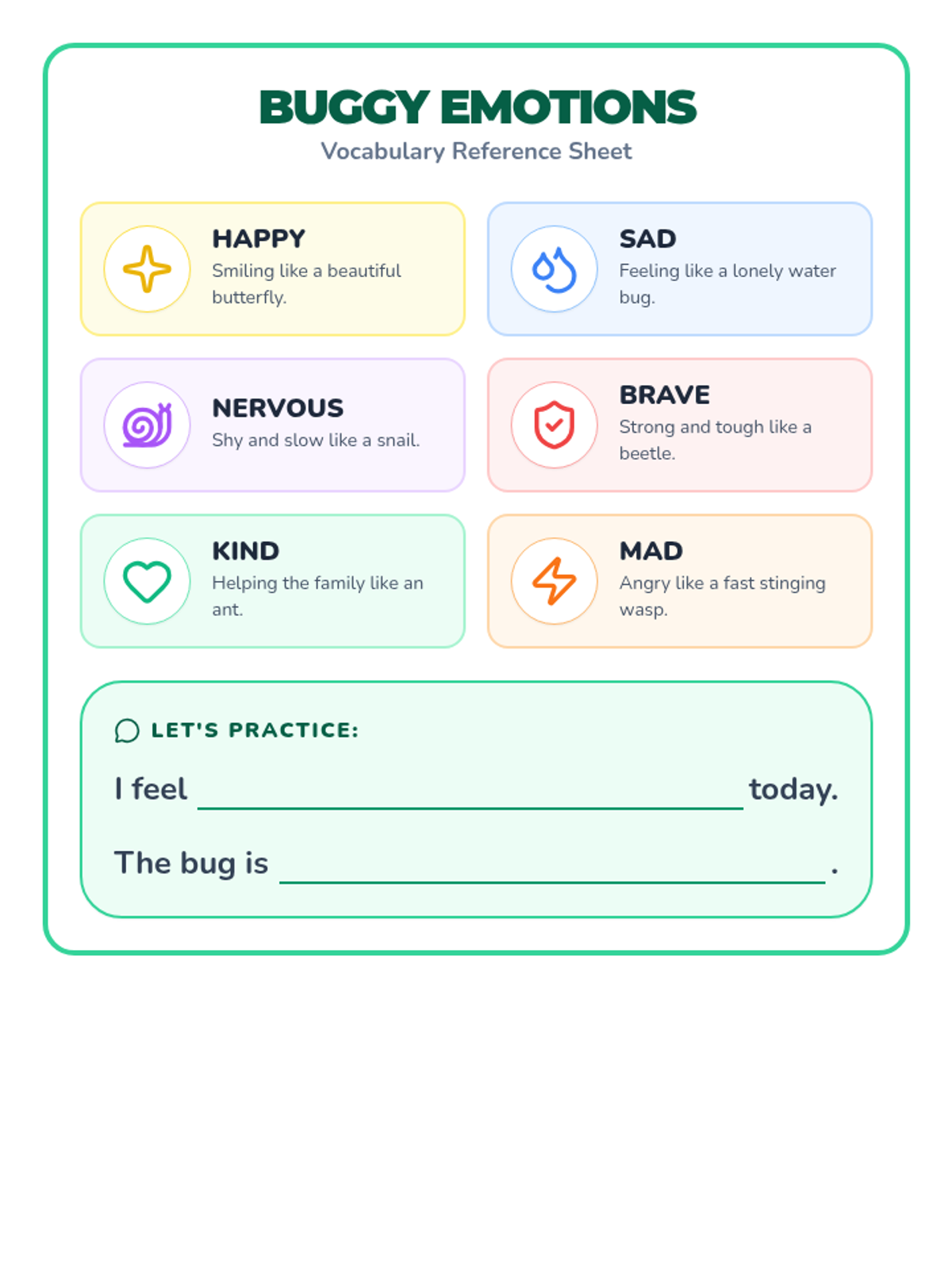
A unit exploring insects through creative writing, social-emotional learning, and narrative storytelling, aligned with WIDA Grade 2 standards for ELs.
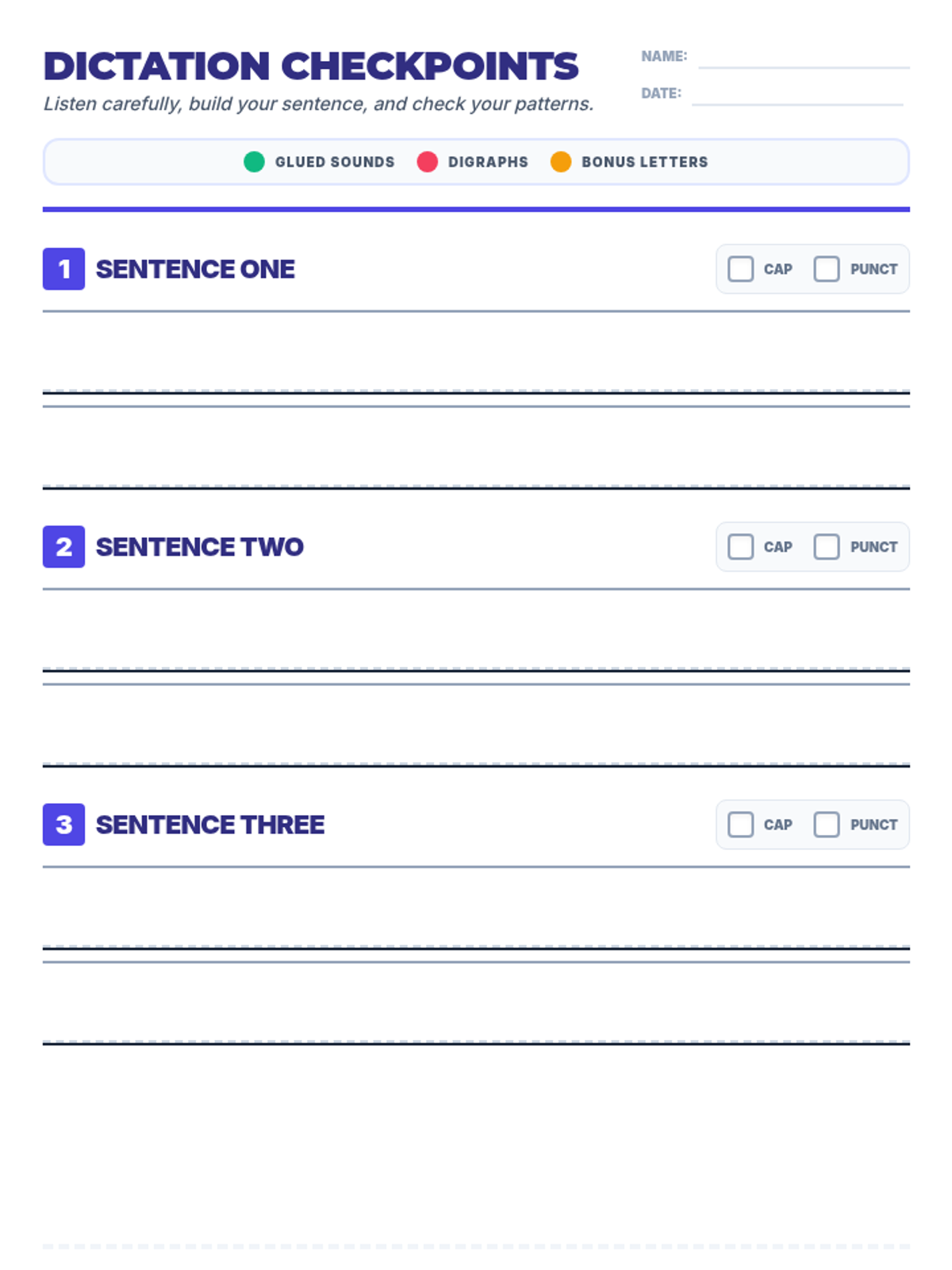
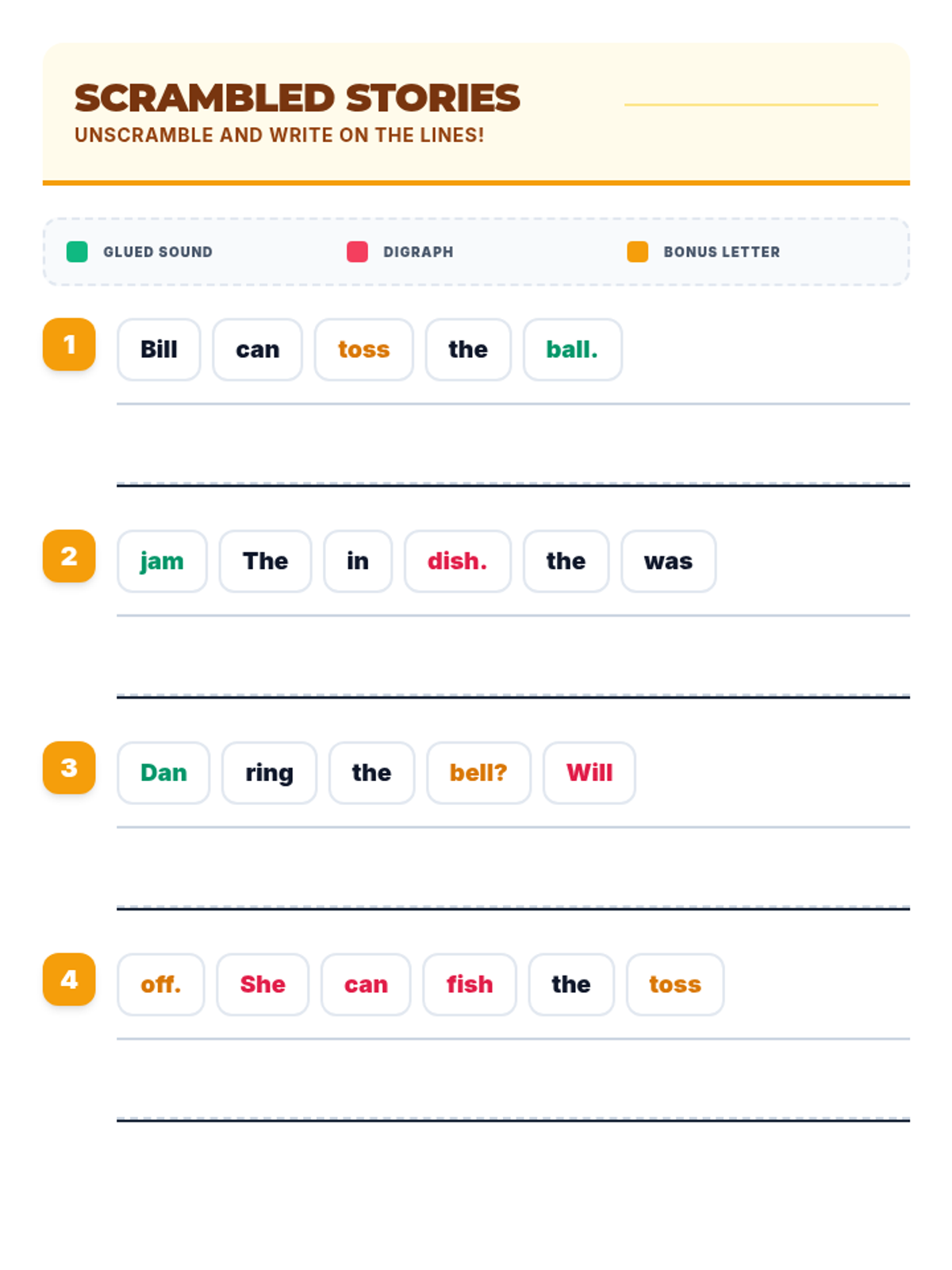
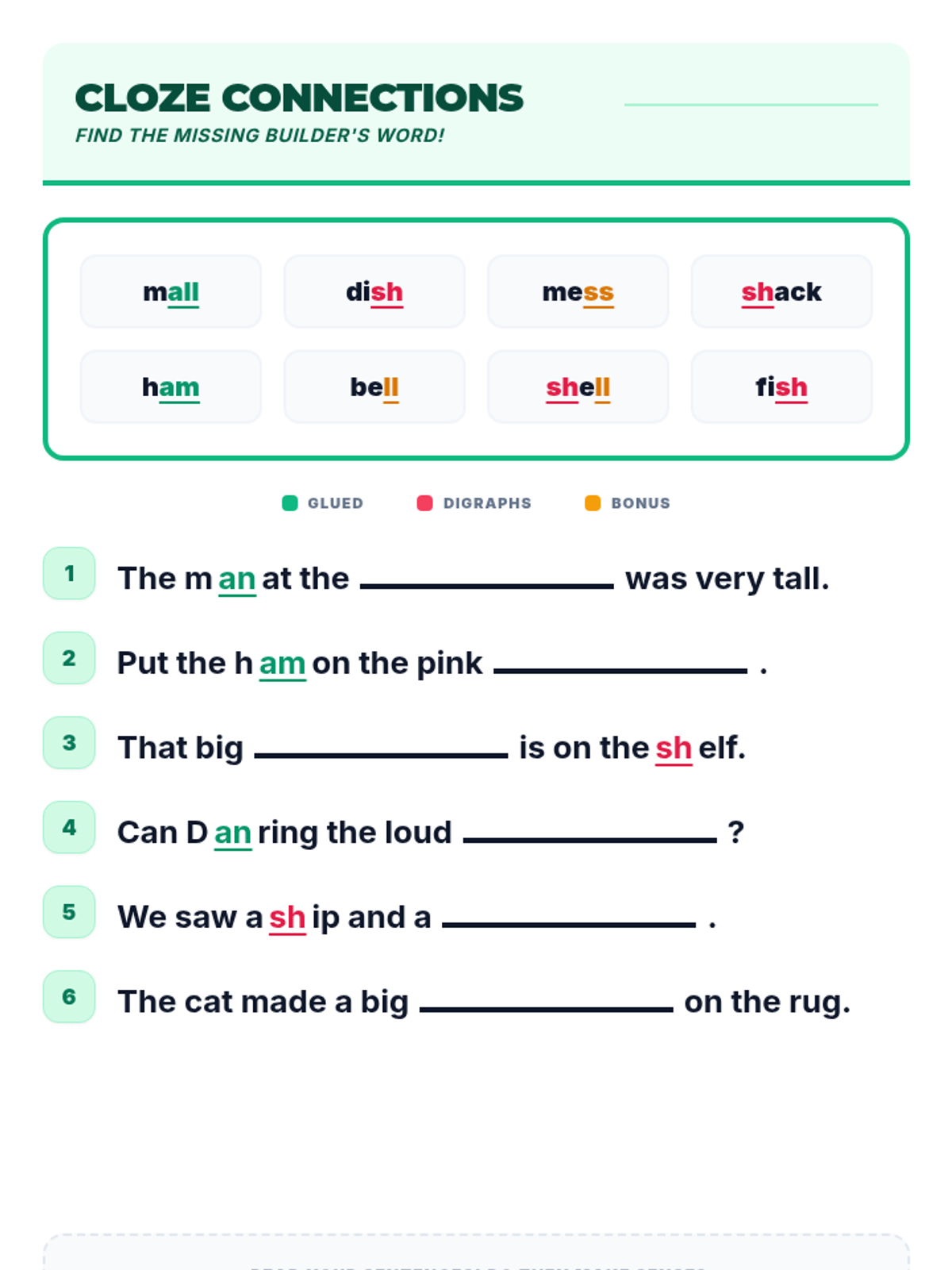
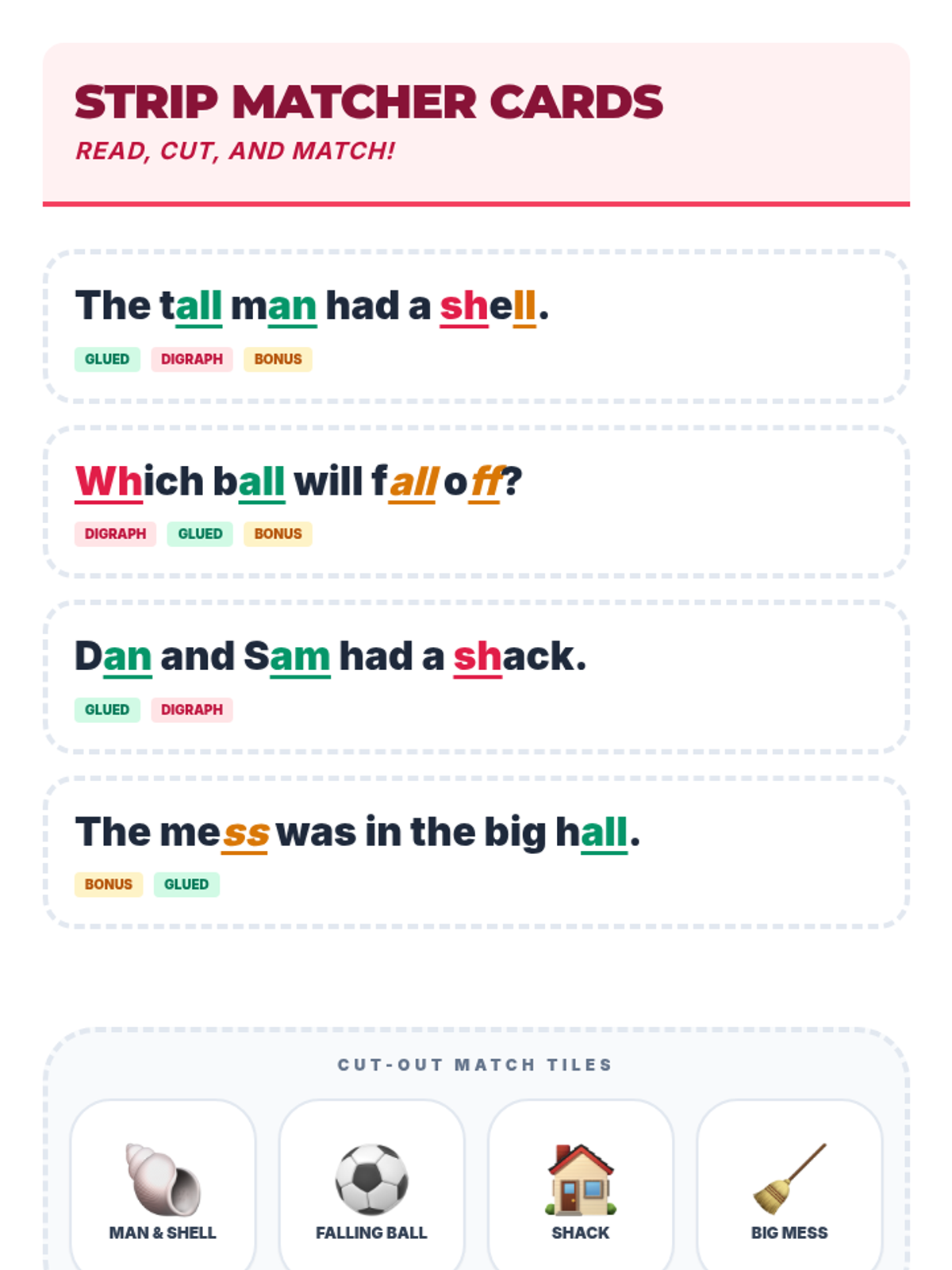
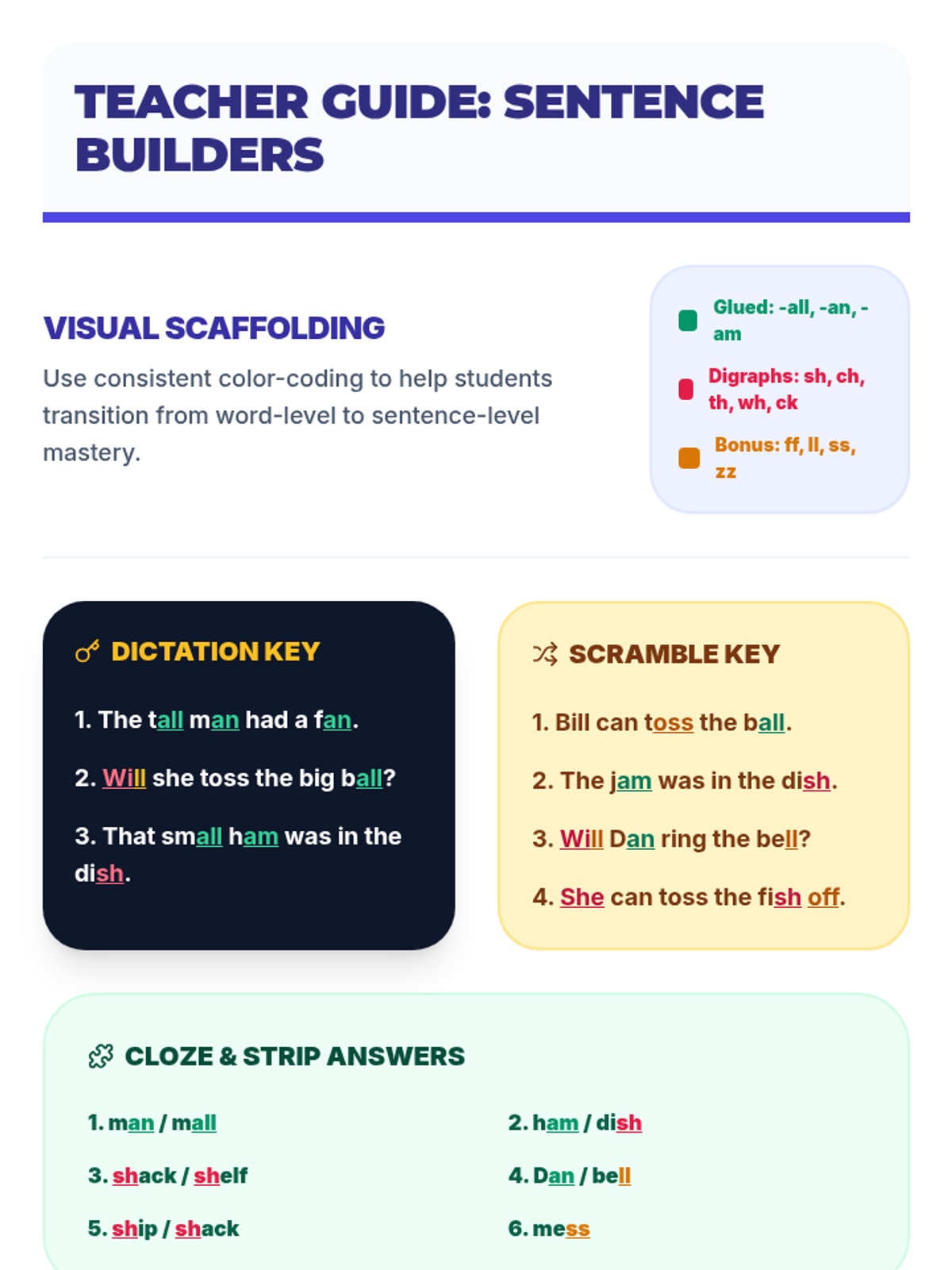
A series of lessons focused on transitioning students from writing phonics patterns in isolation to using them accurately within sentences, focusing on glued sounds, digraphs, and bonus letters.
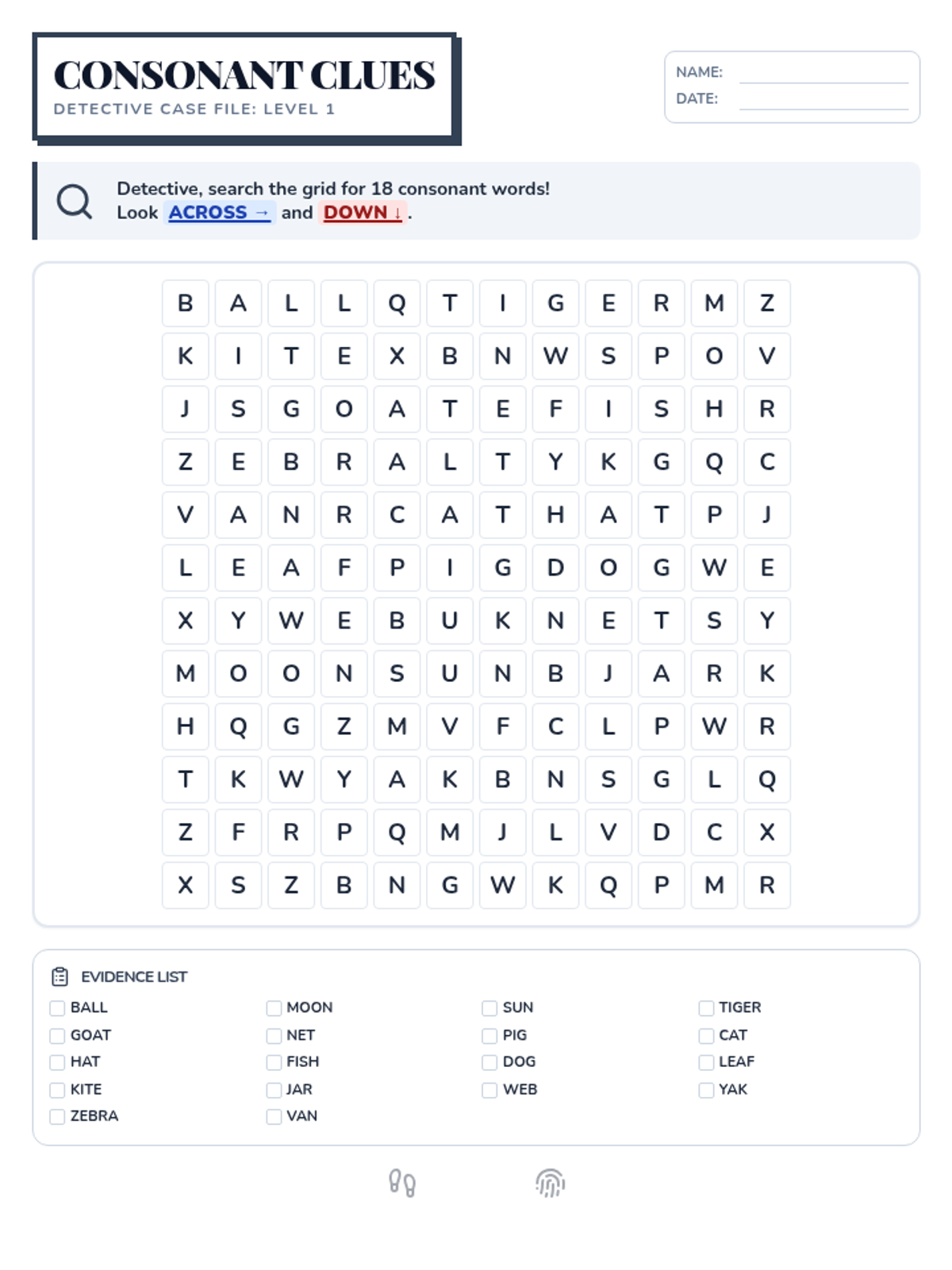
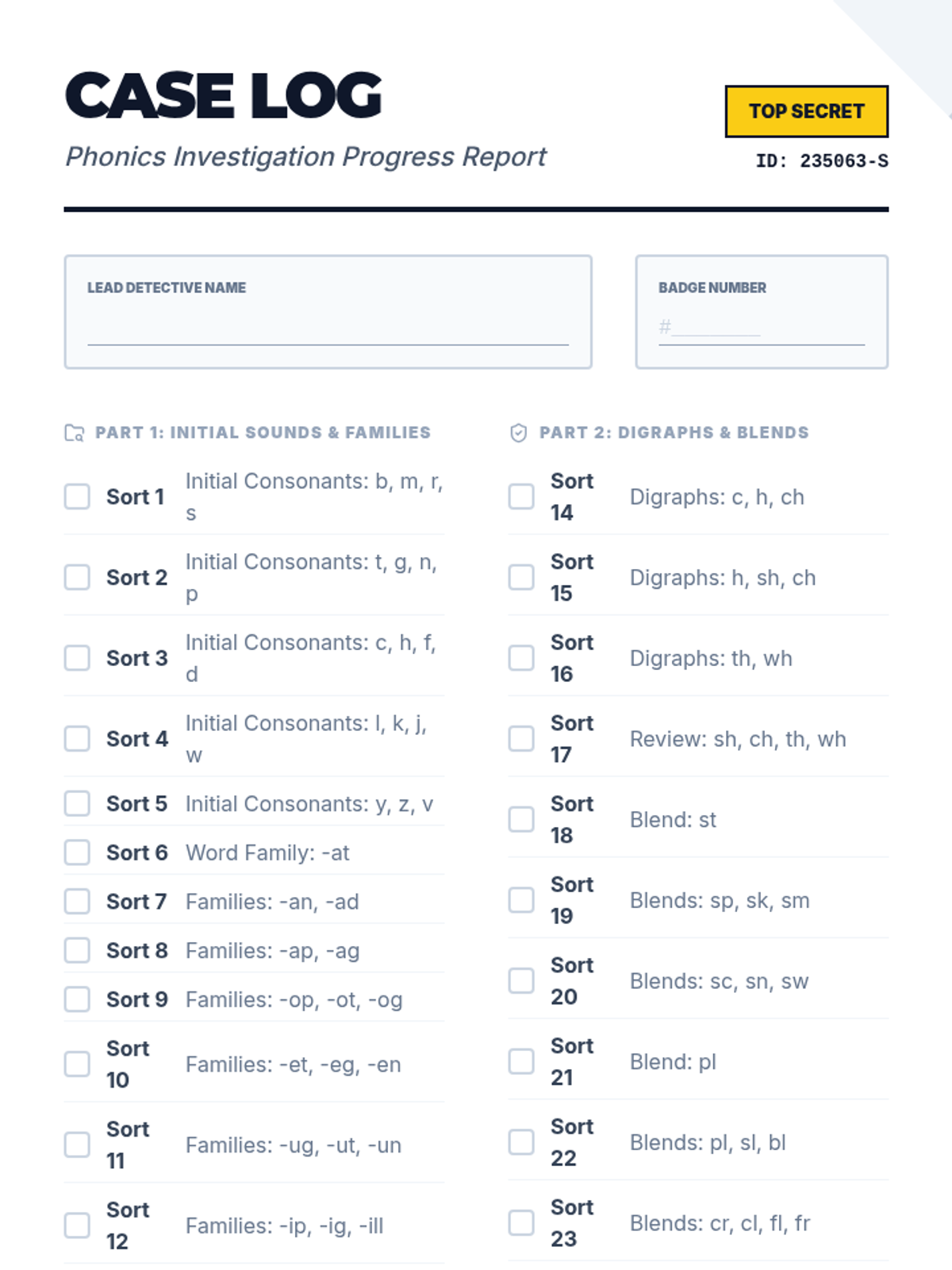
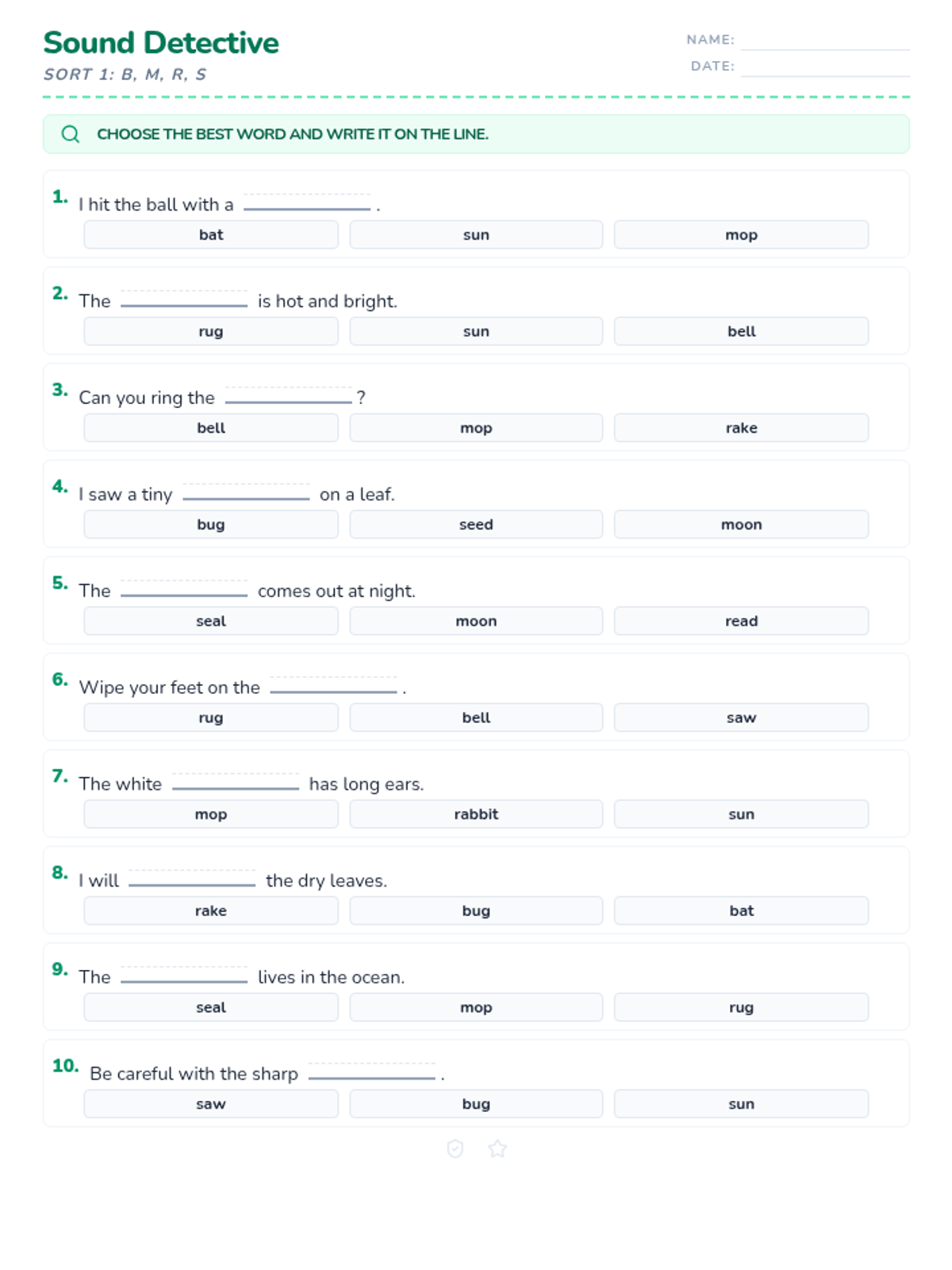
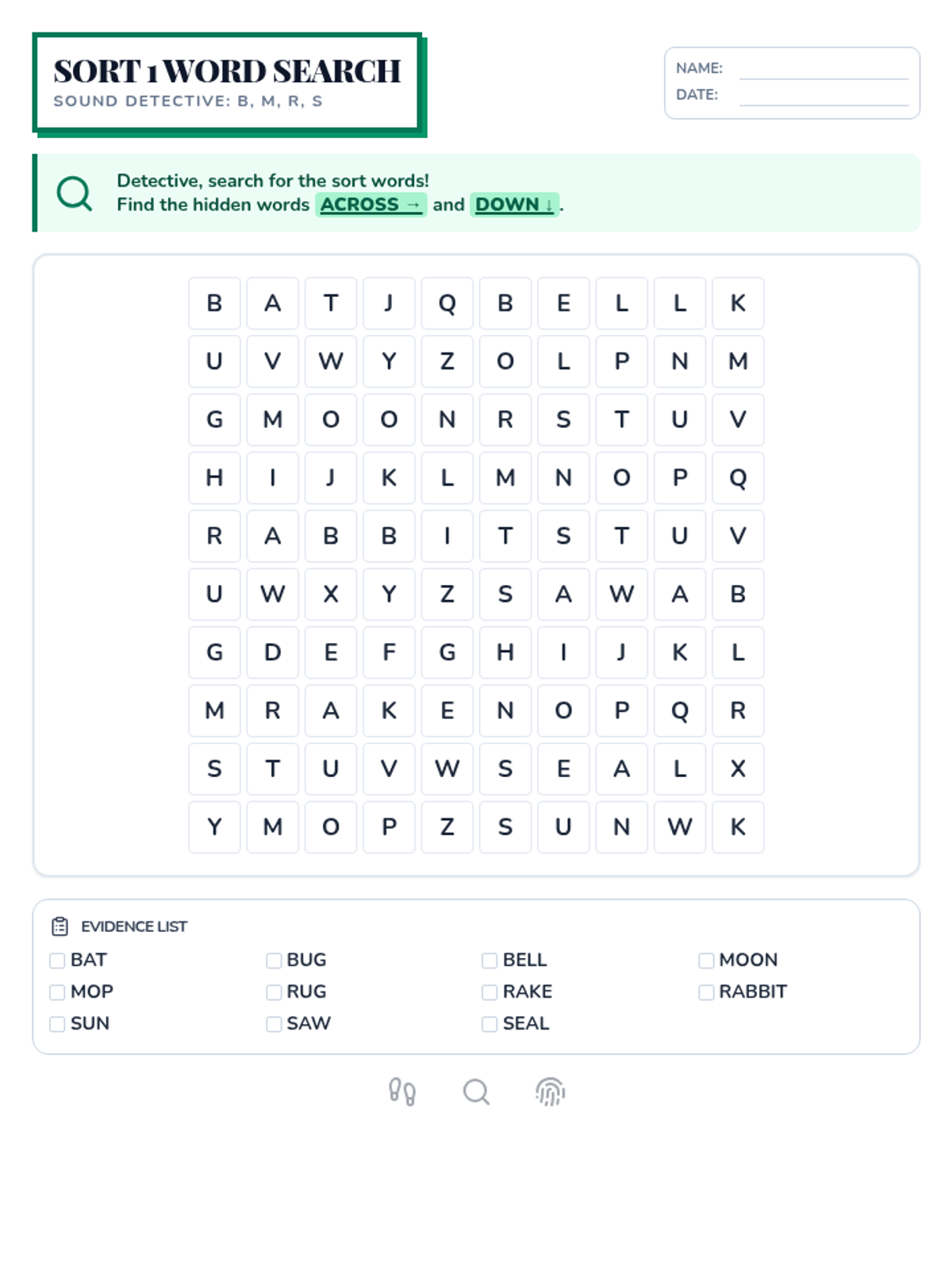
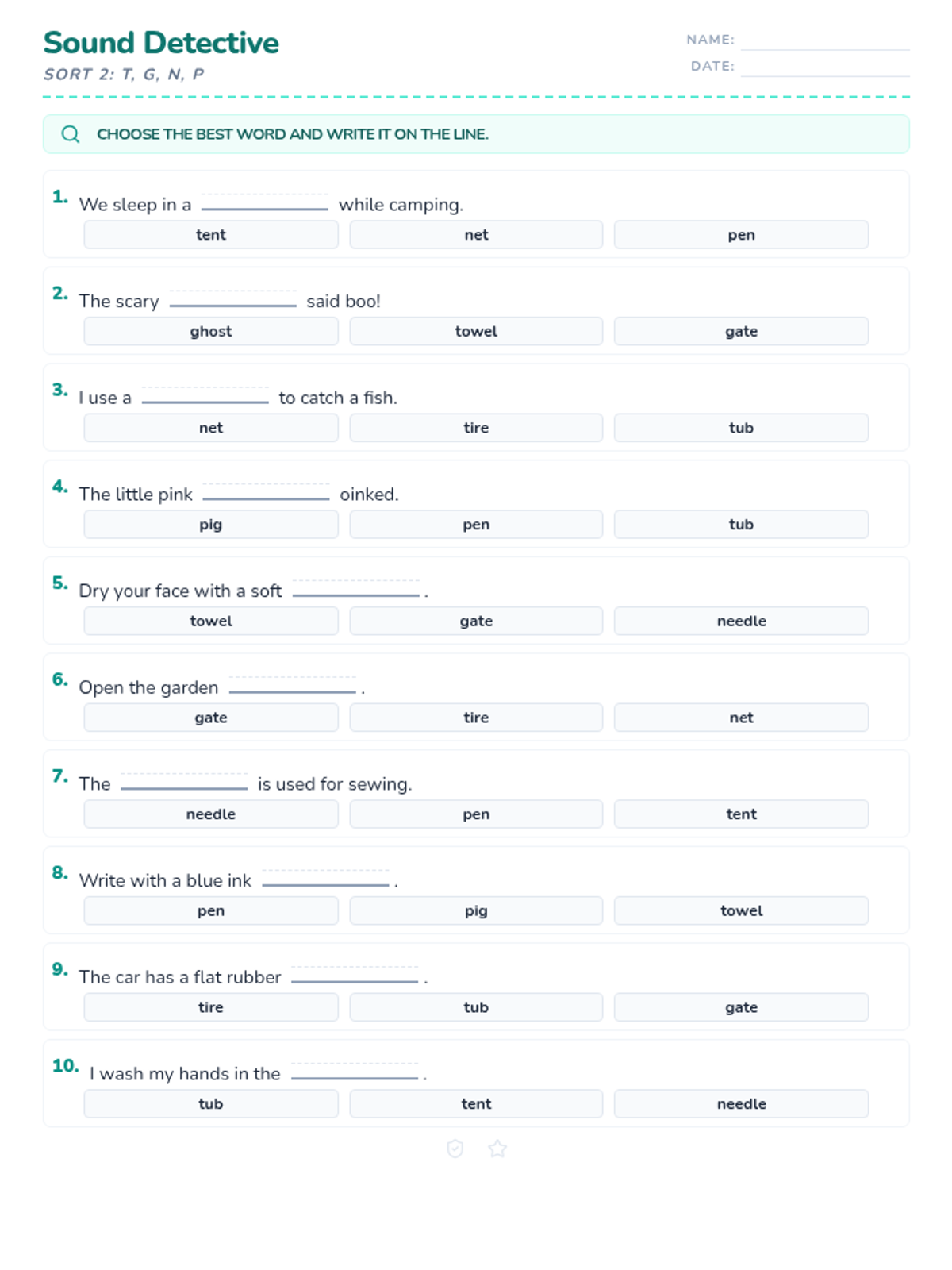
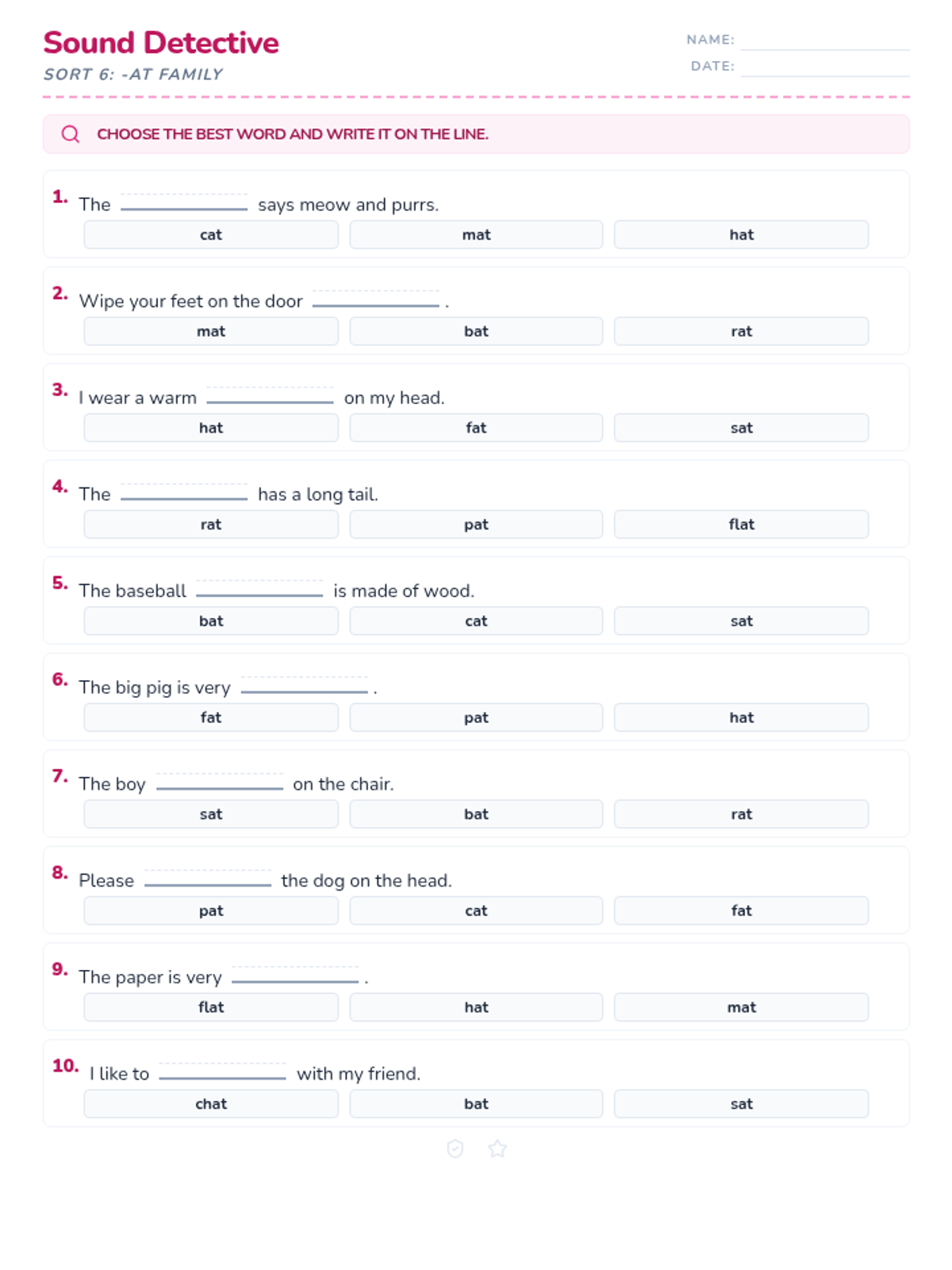
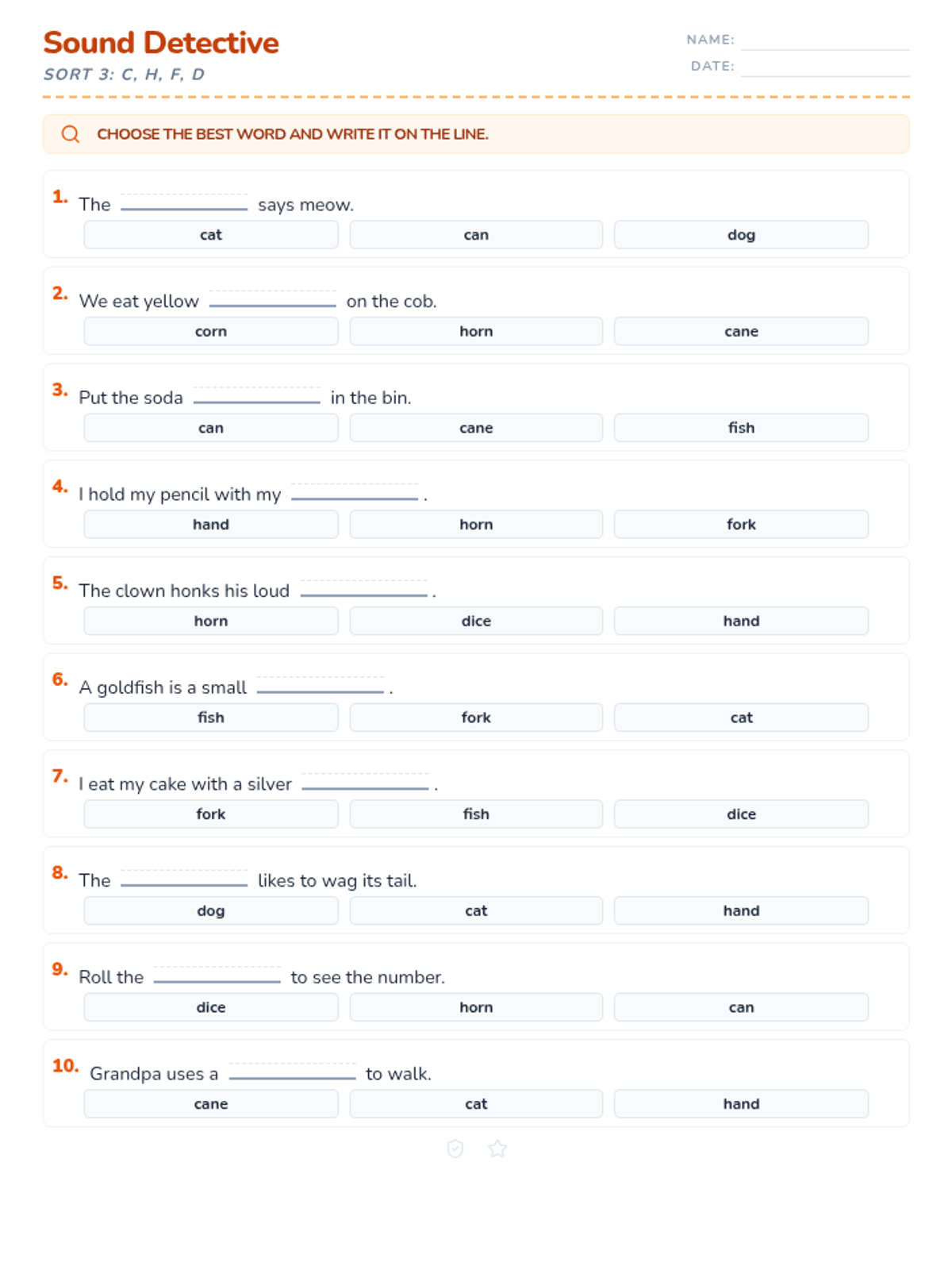
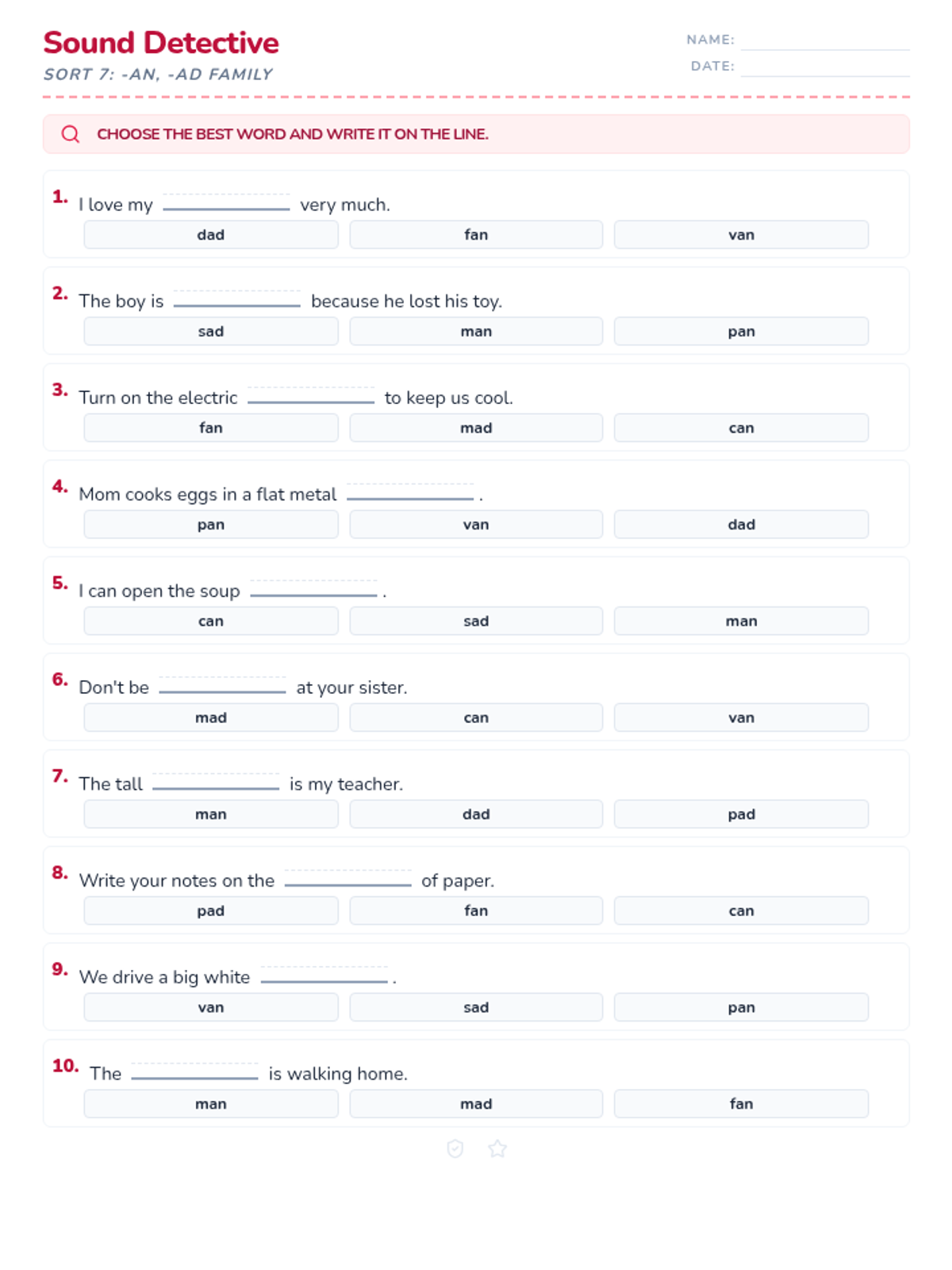
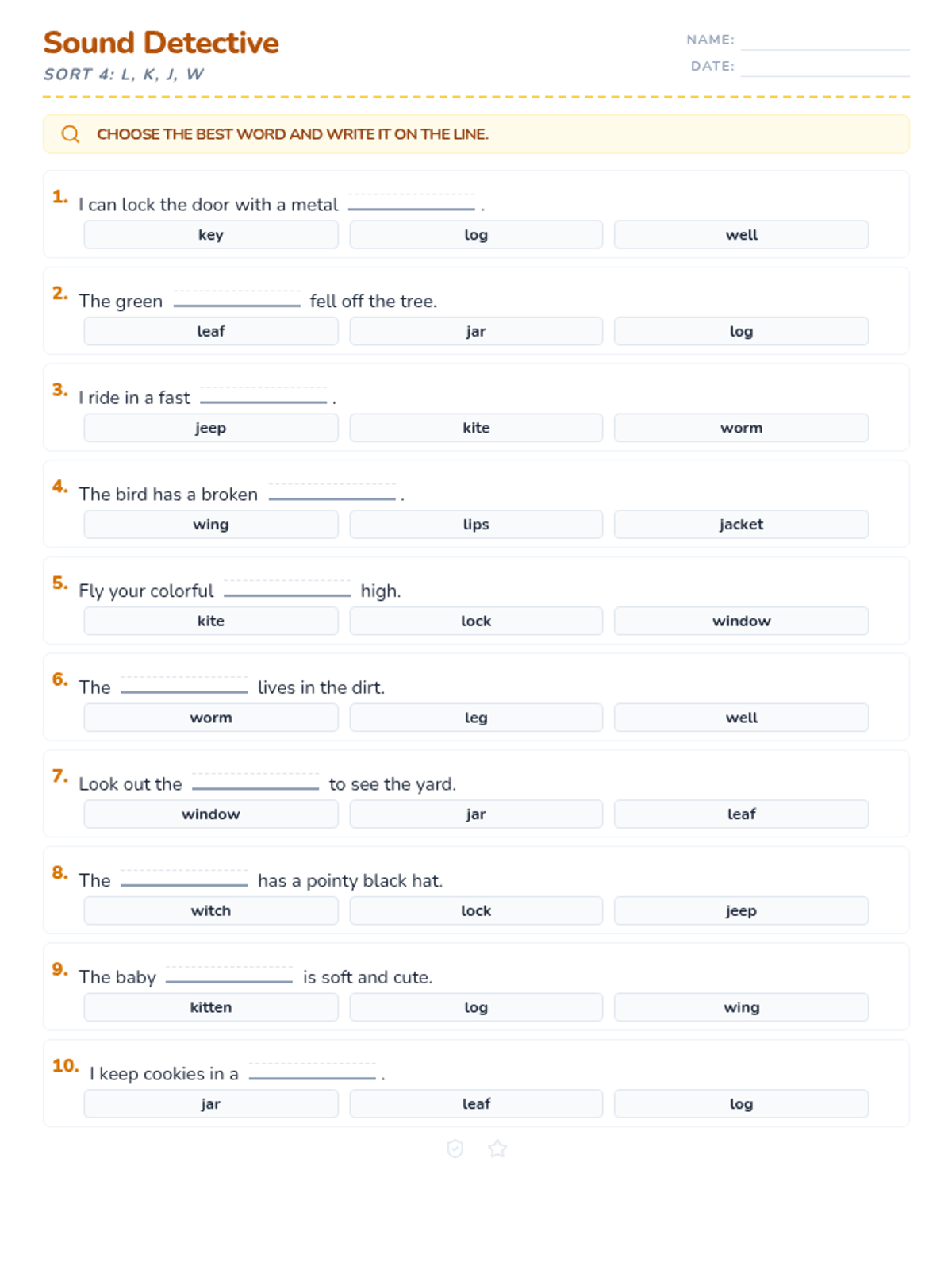
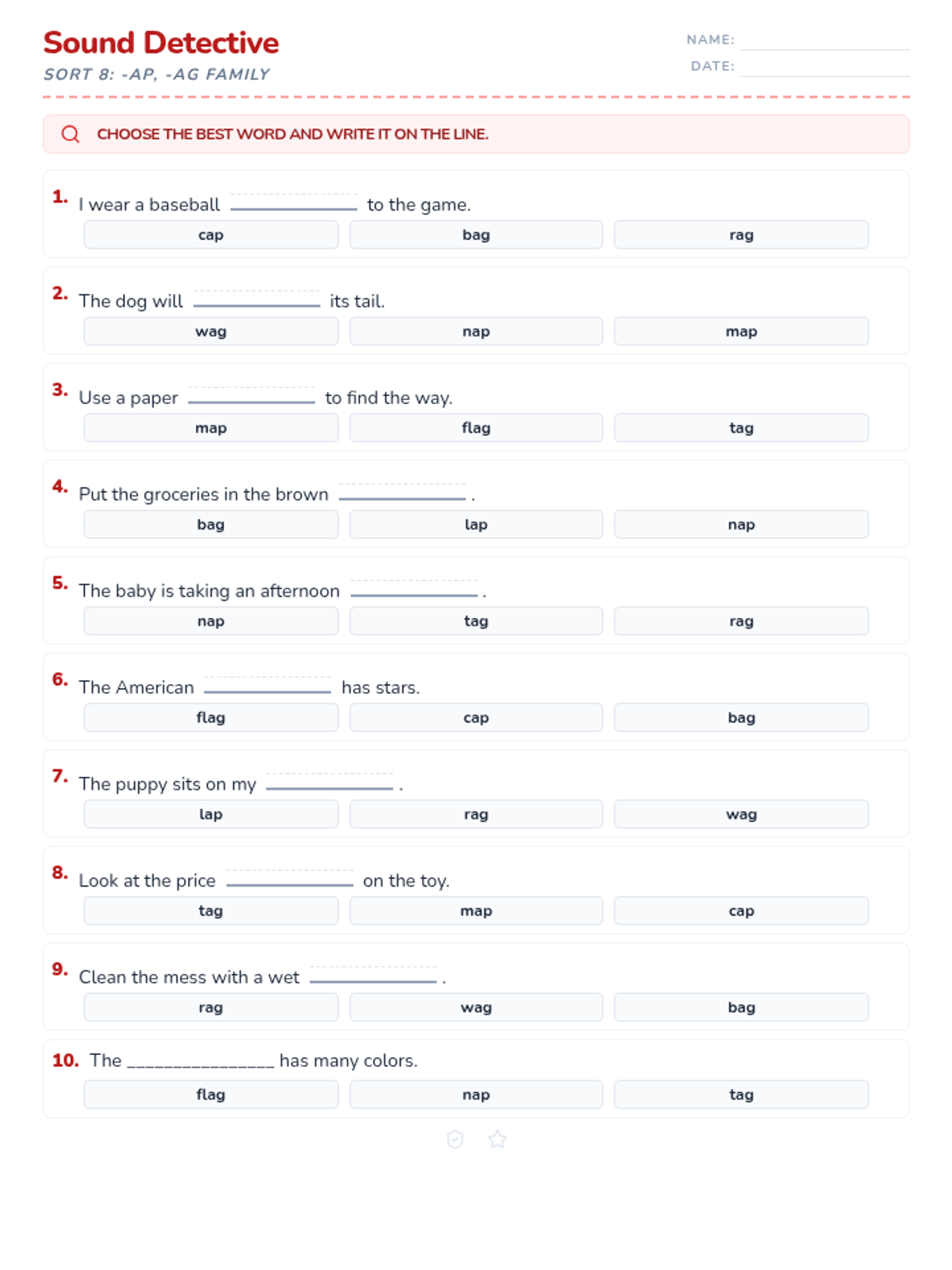
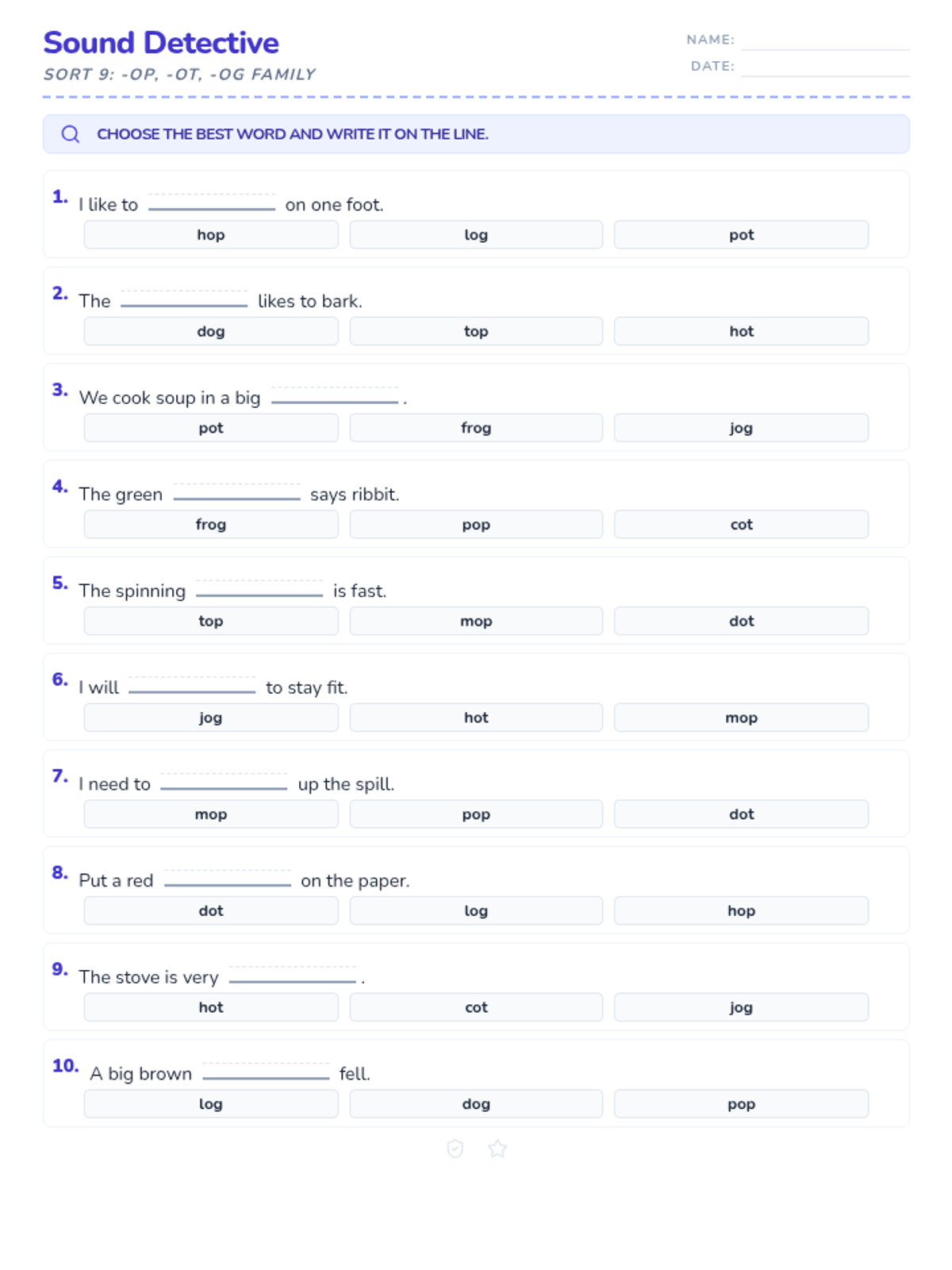
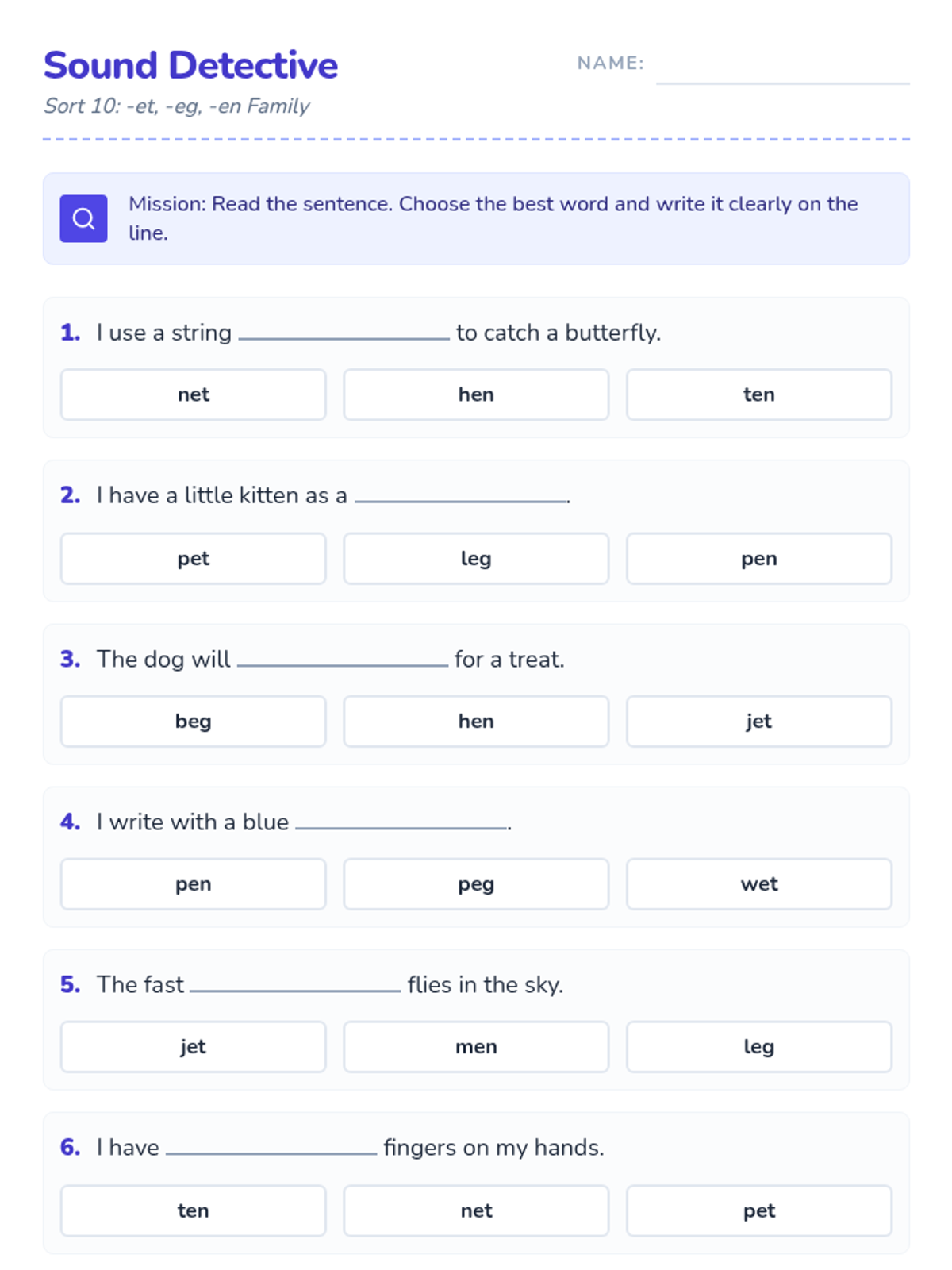
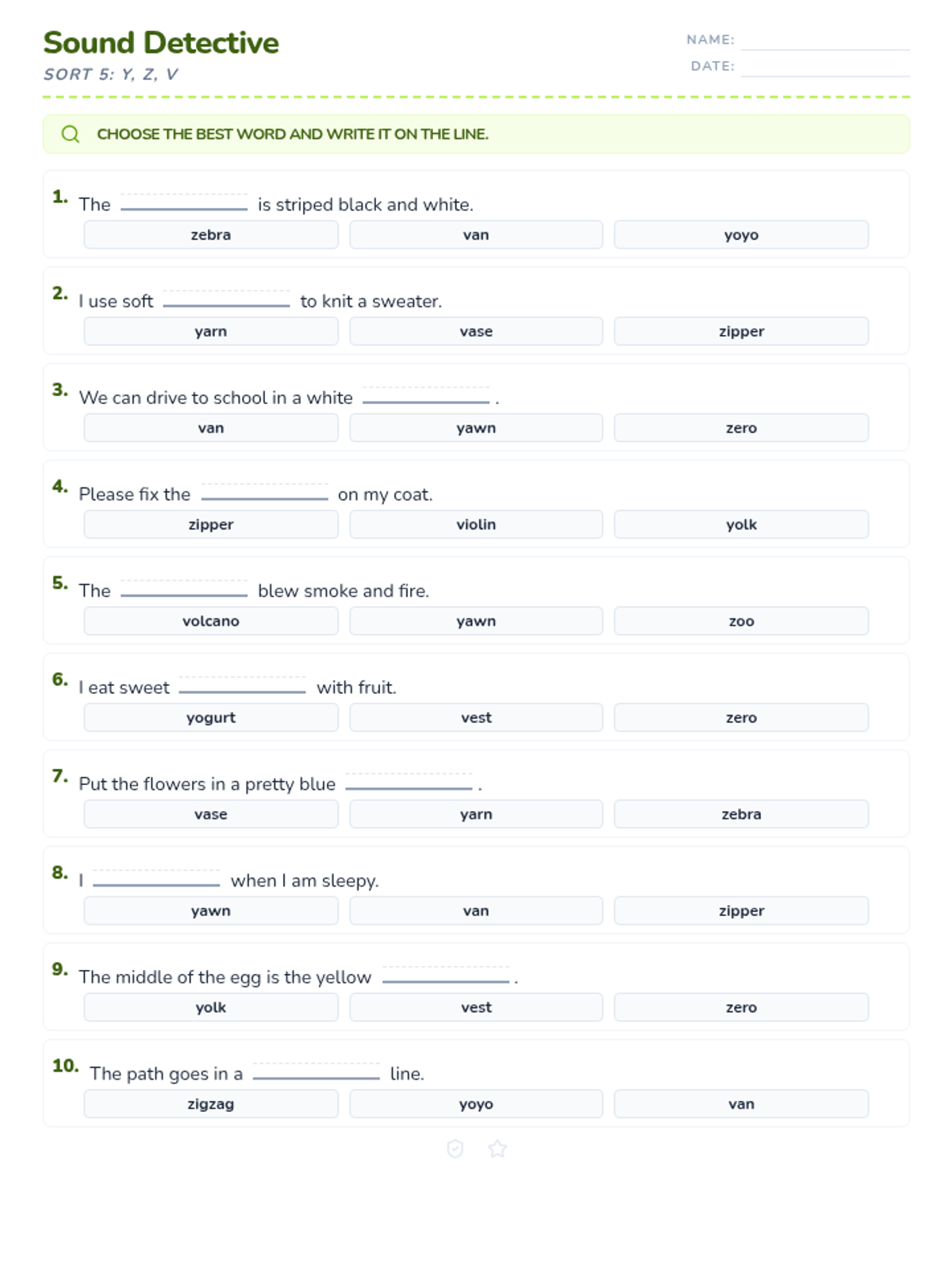
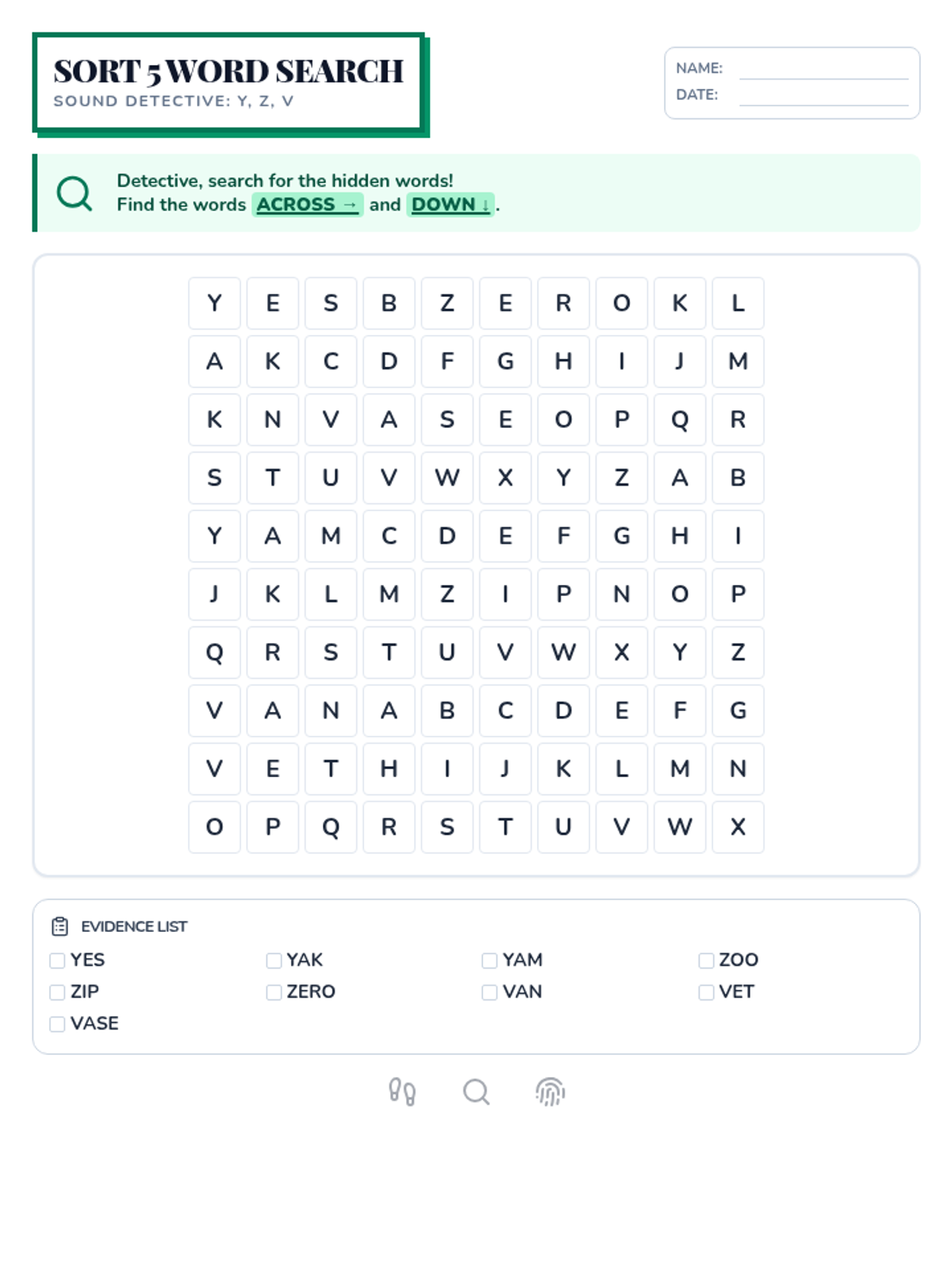
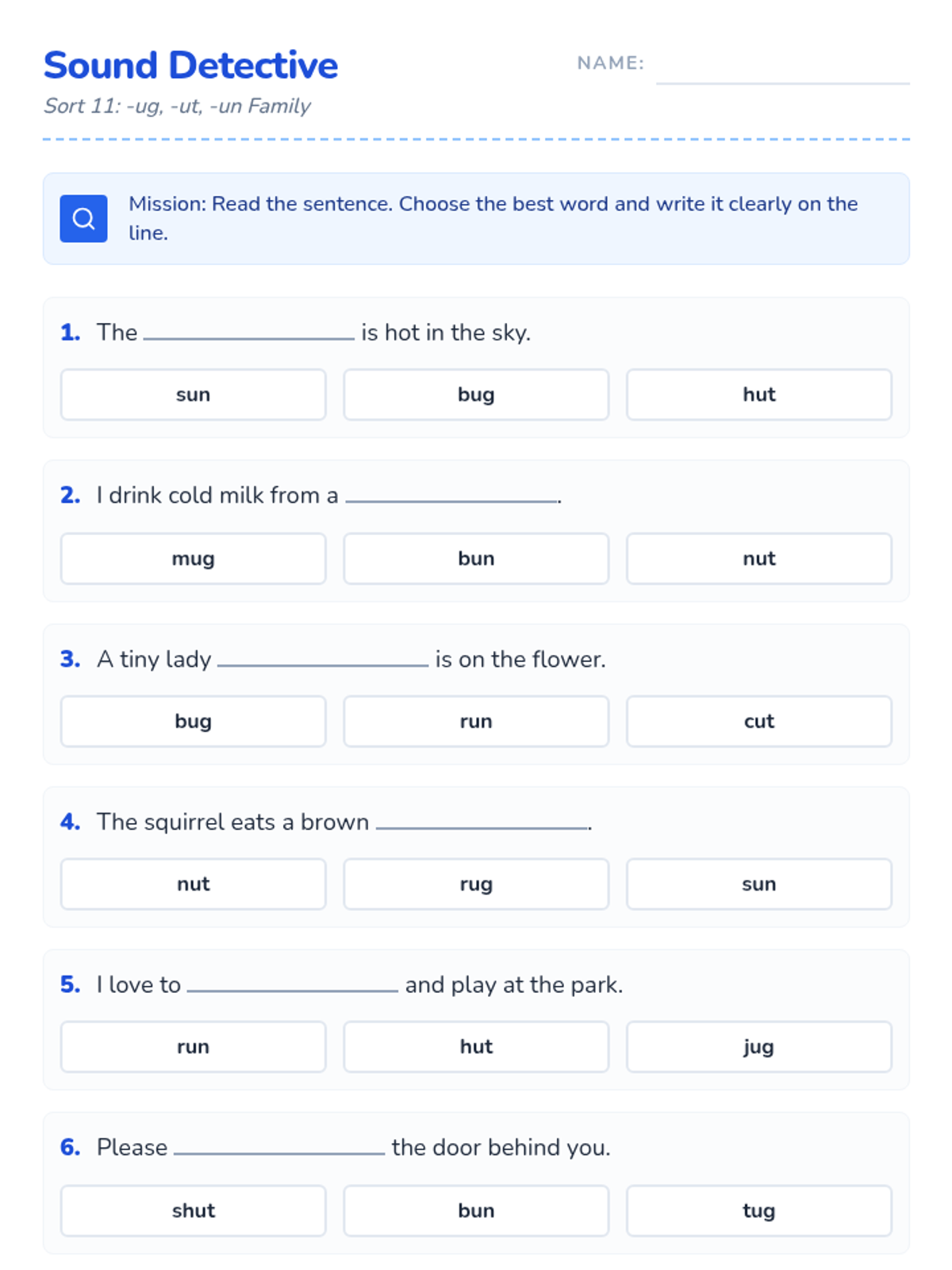
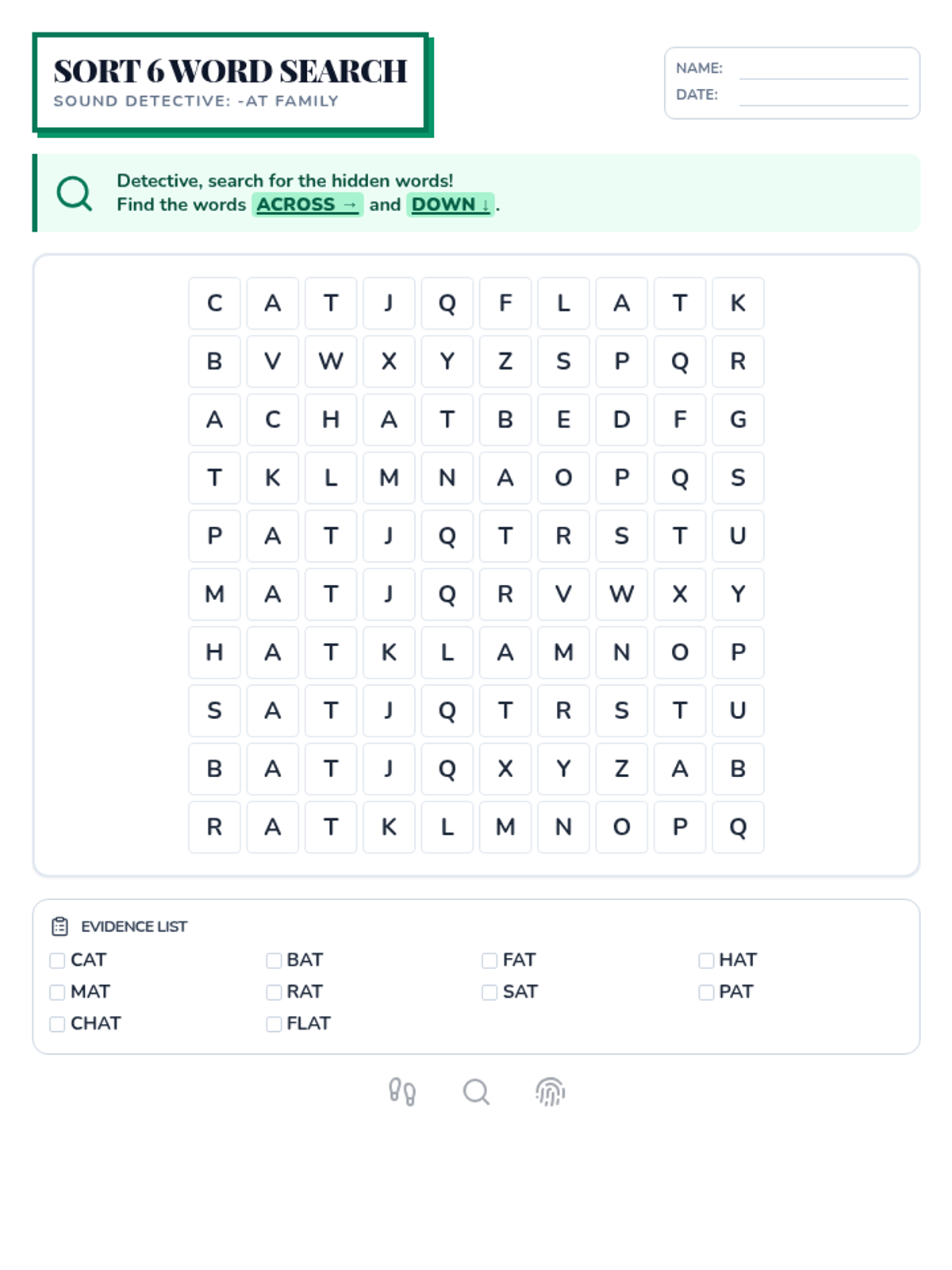
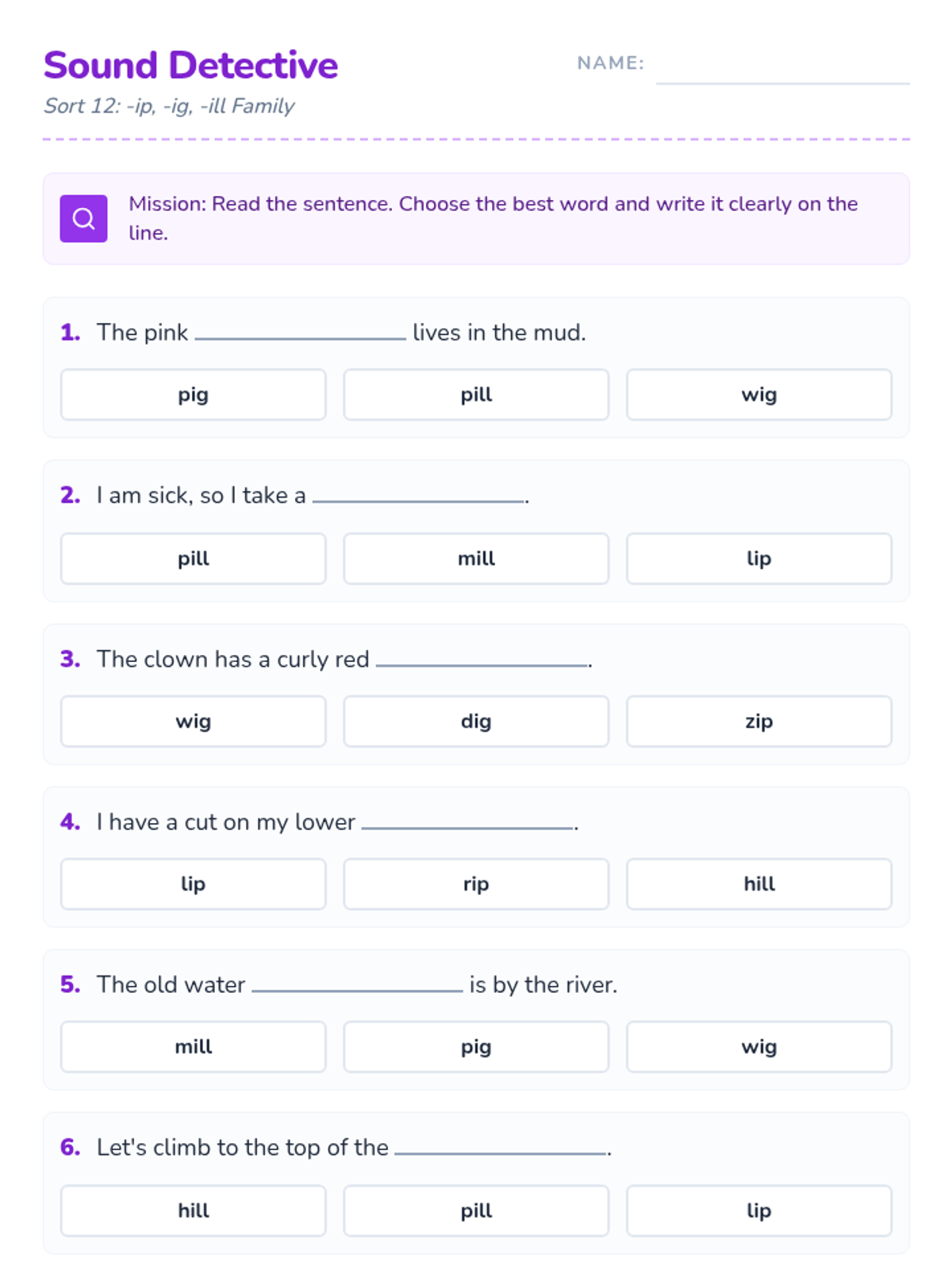
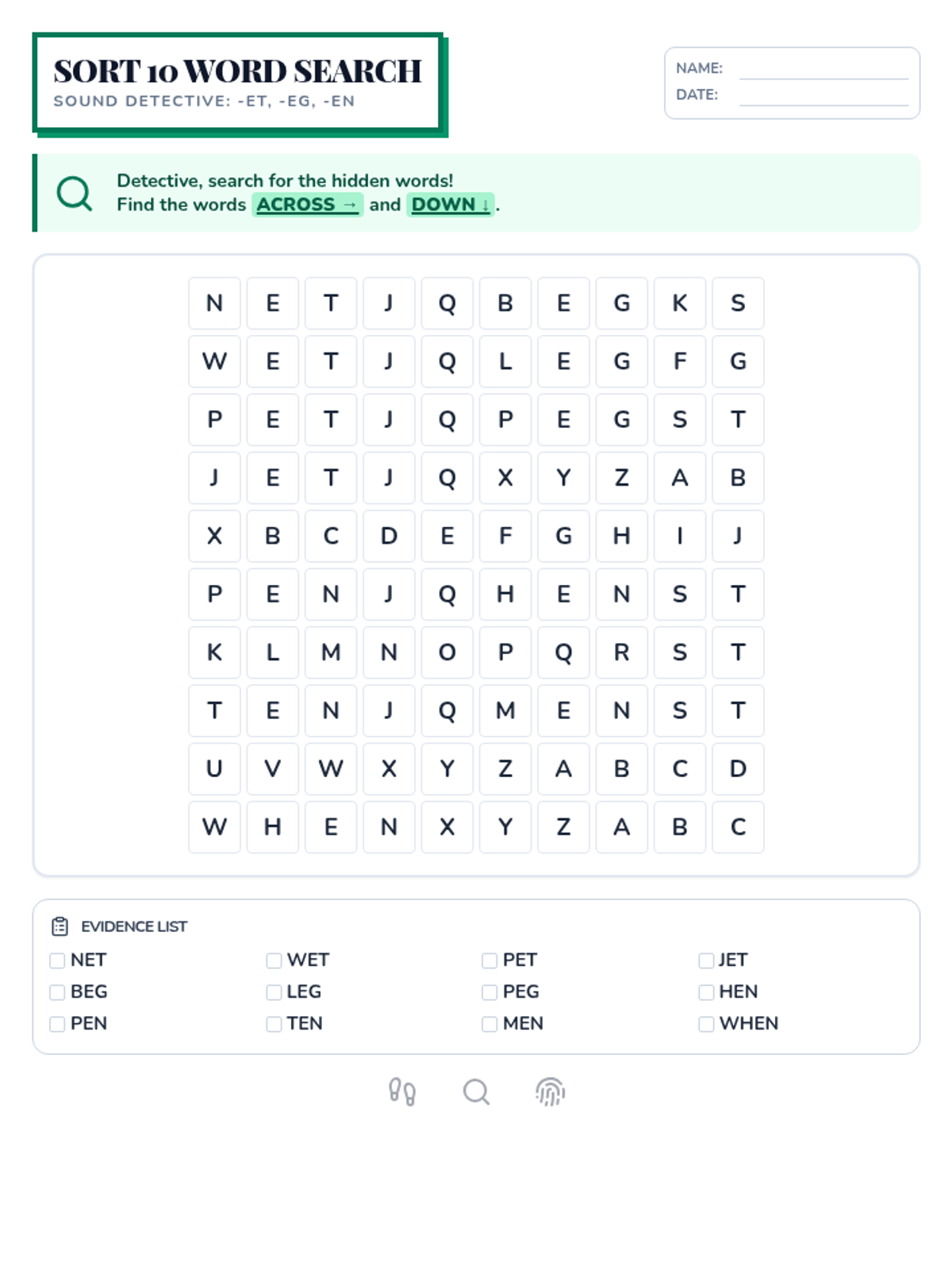
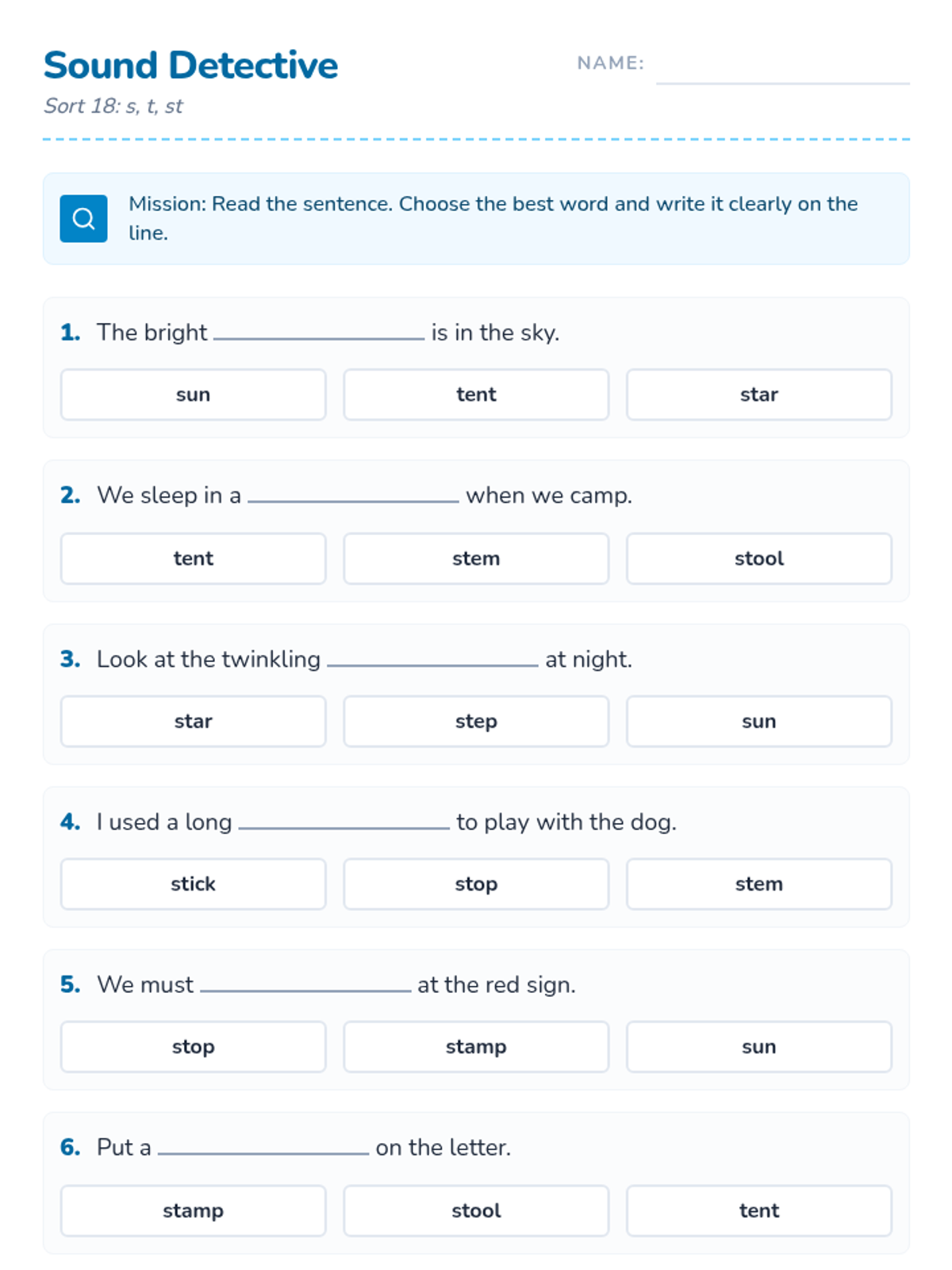
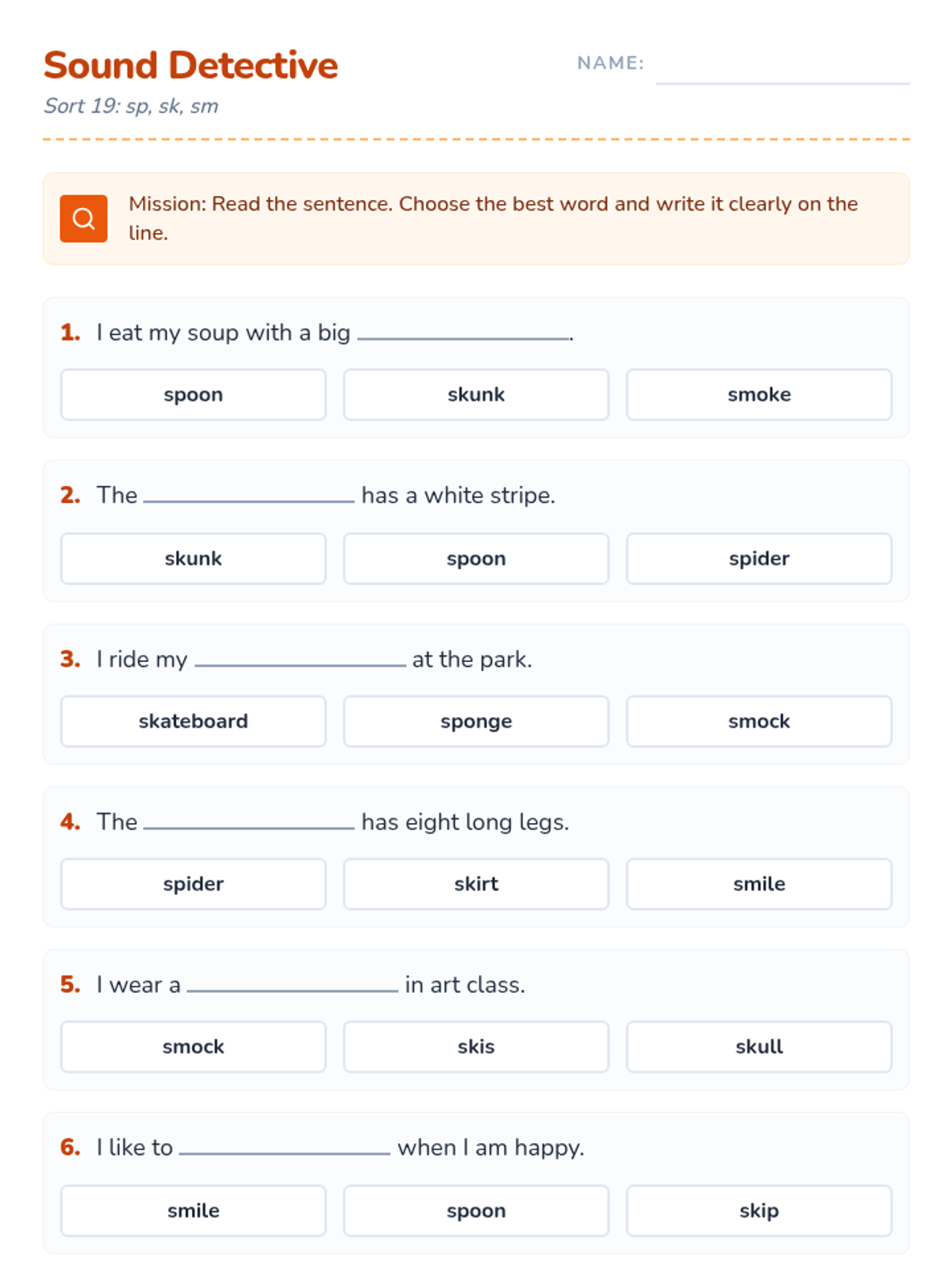
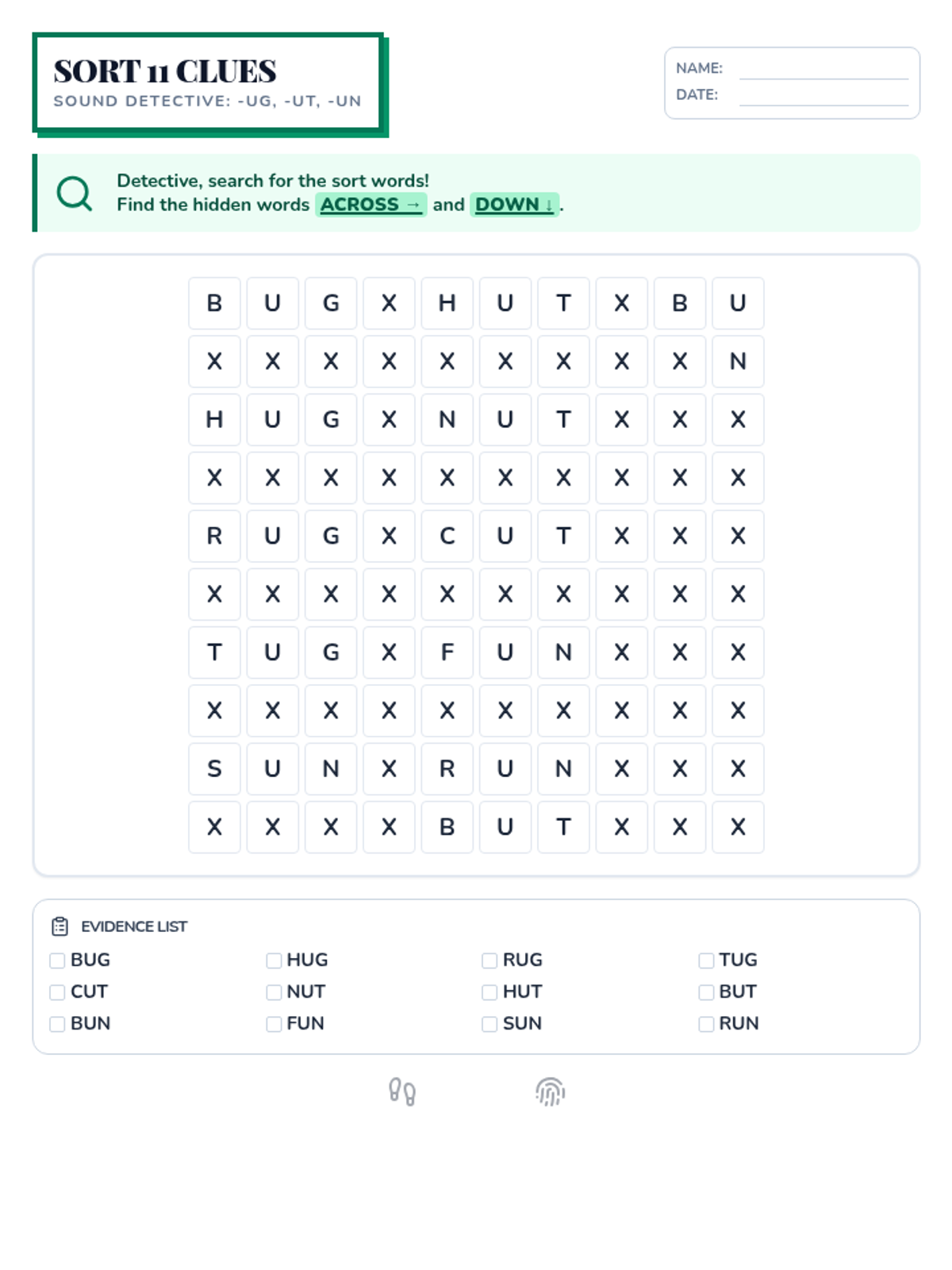
A complete phonics journey covering letter-name alphabetic spelling stages, featuring randomized word sort practice through interactive sentence completion.
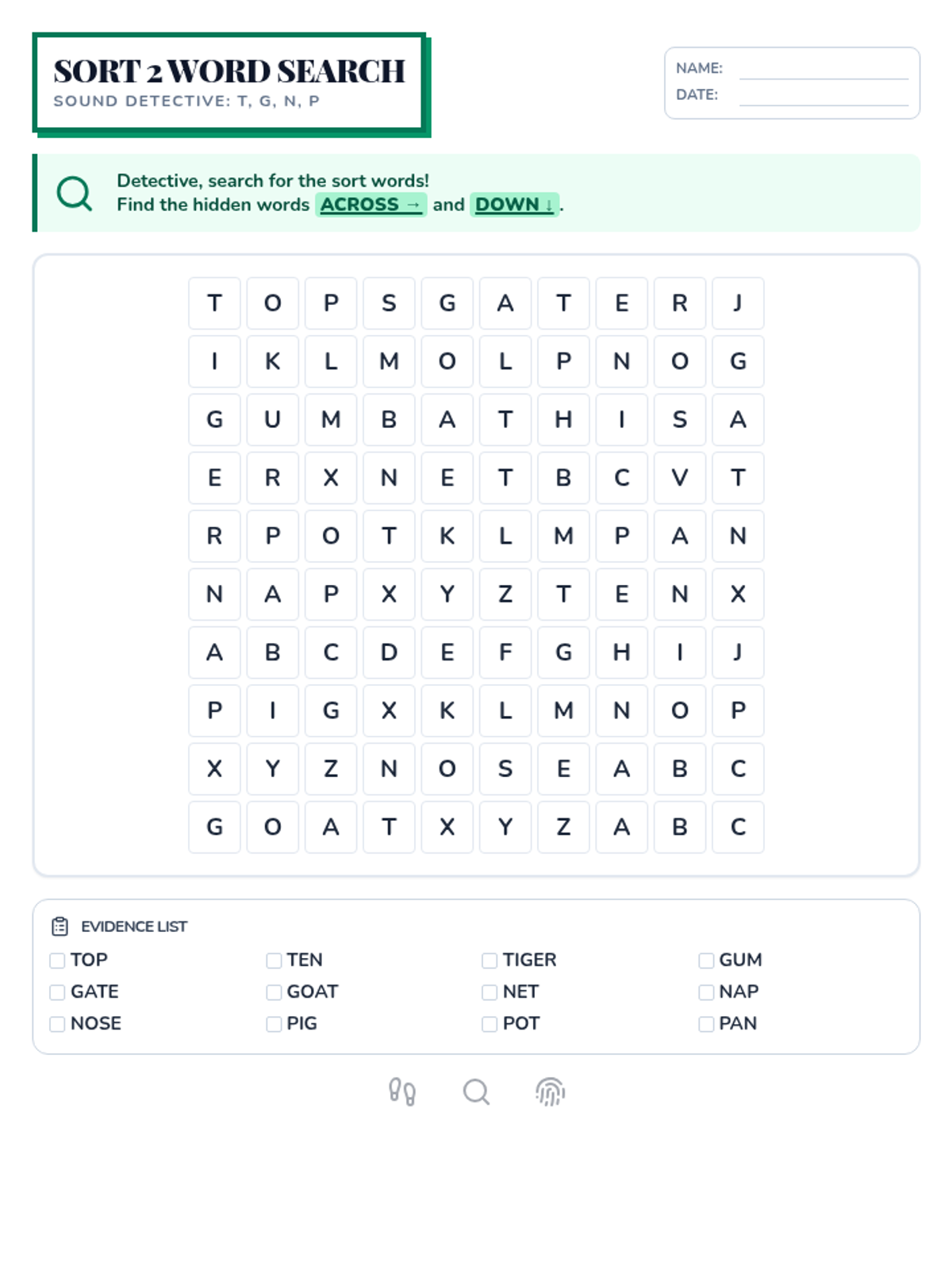
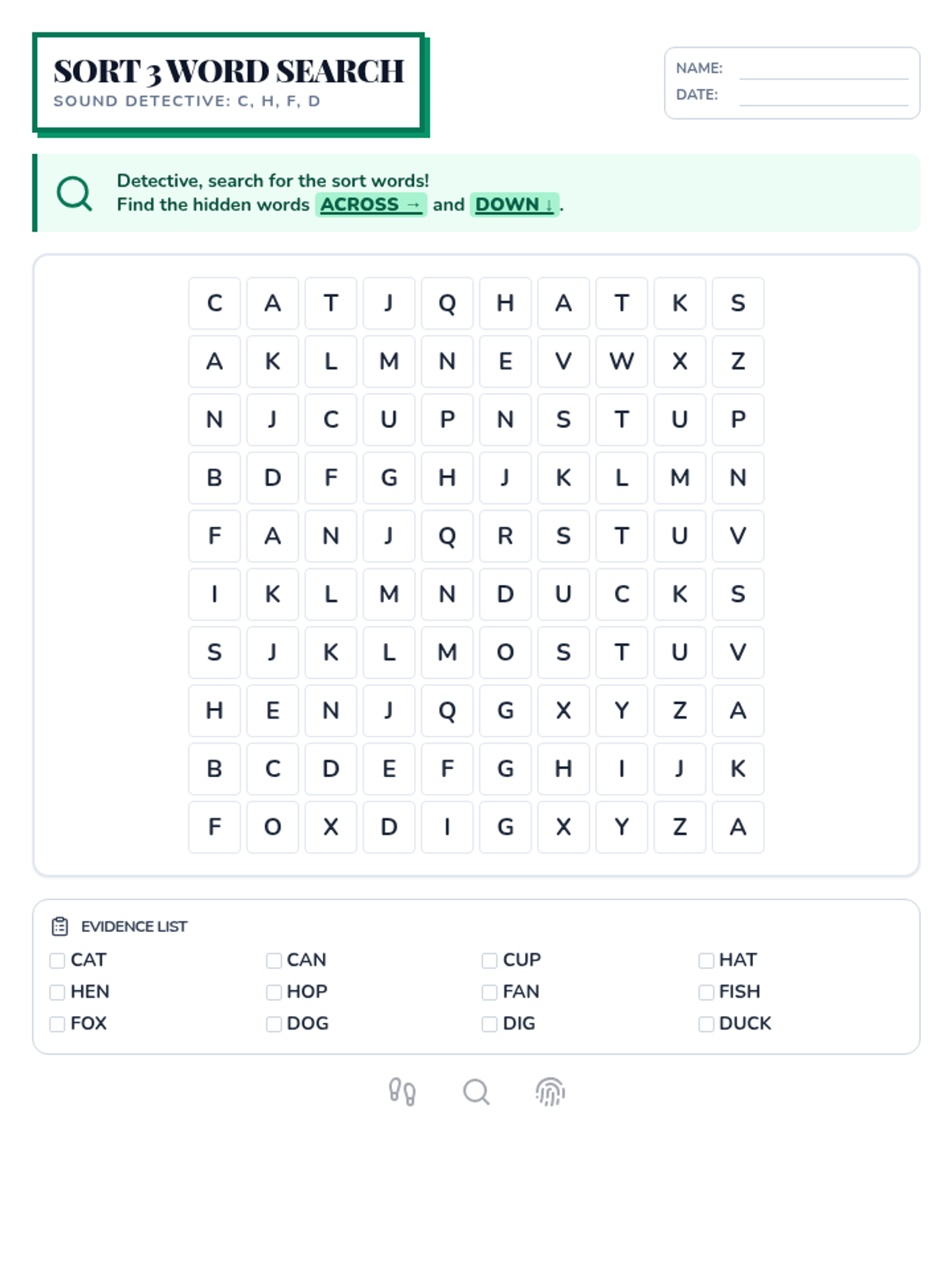
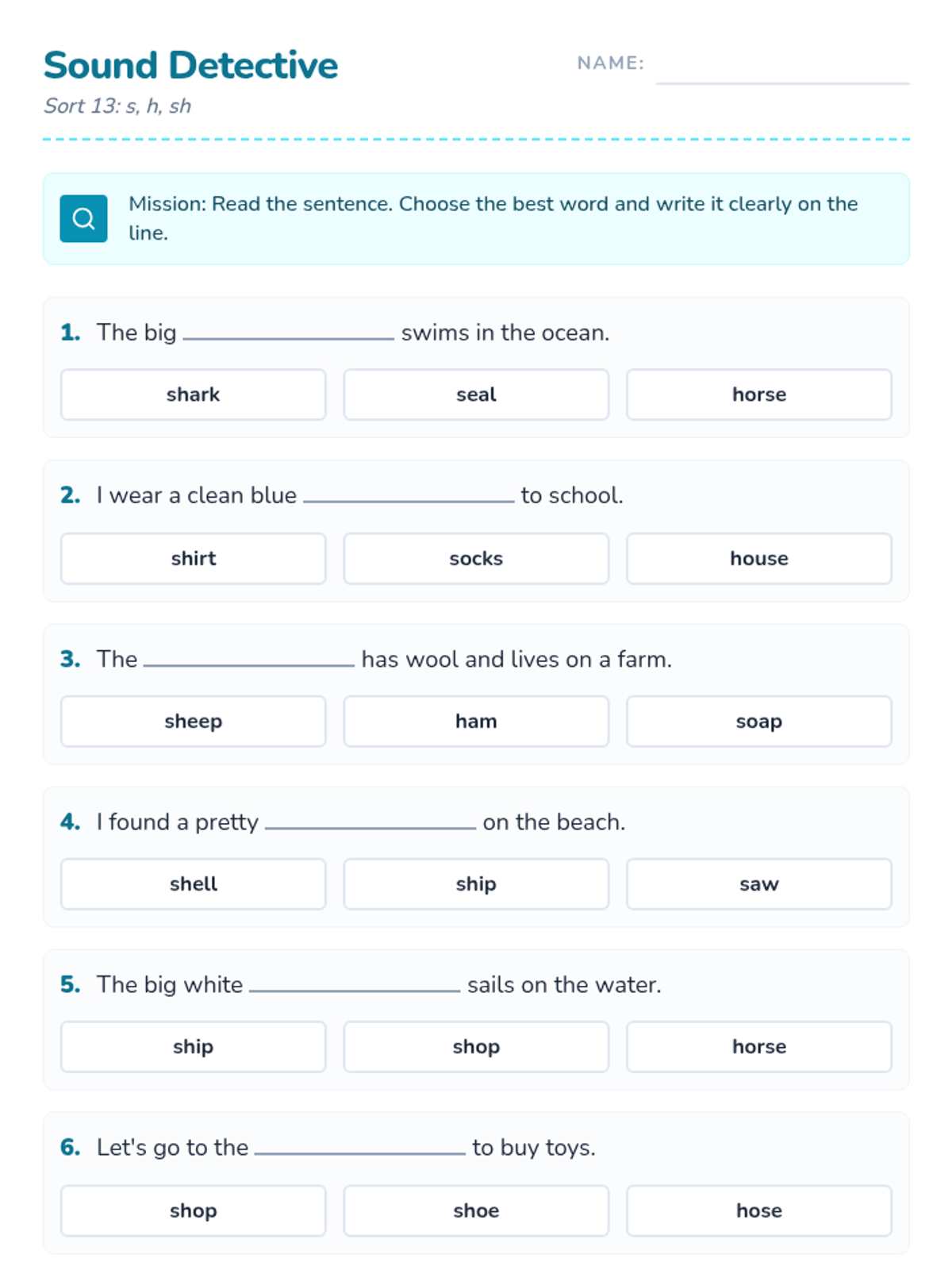
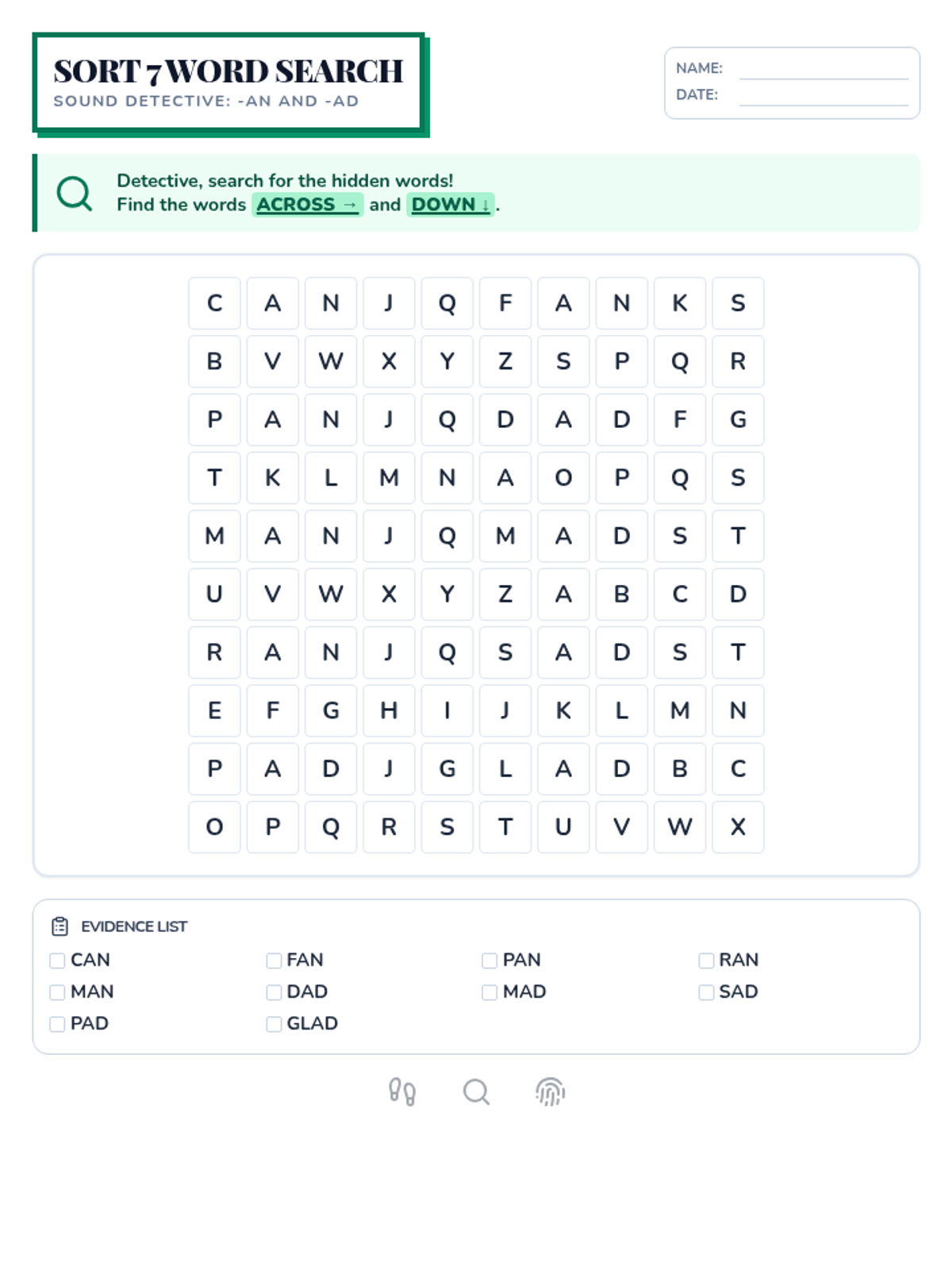
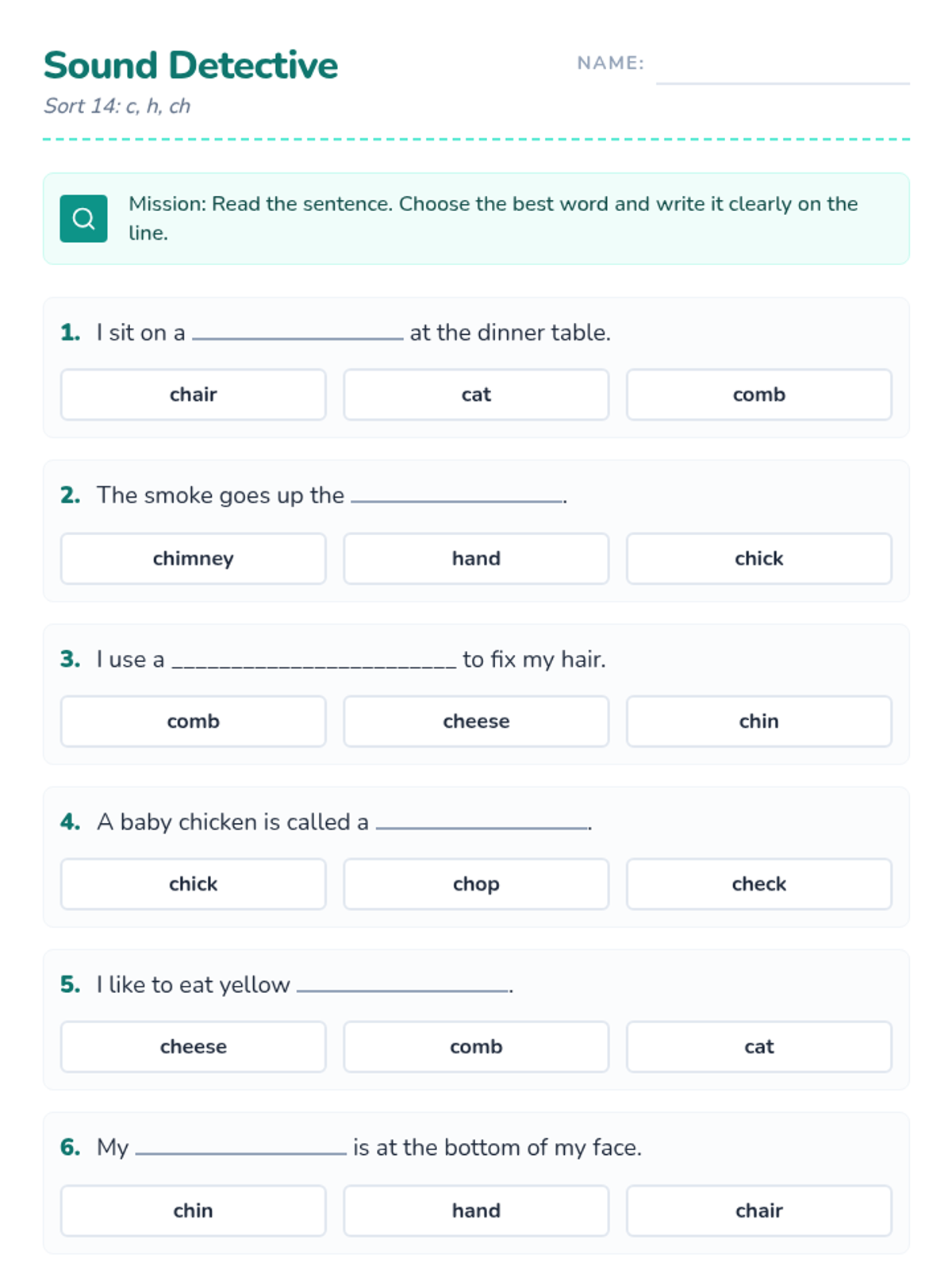
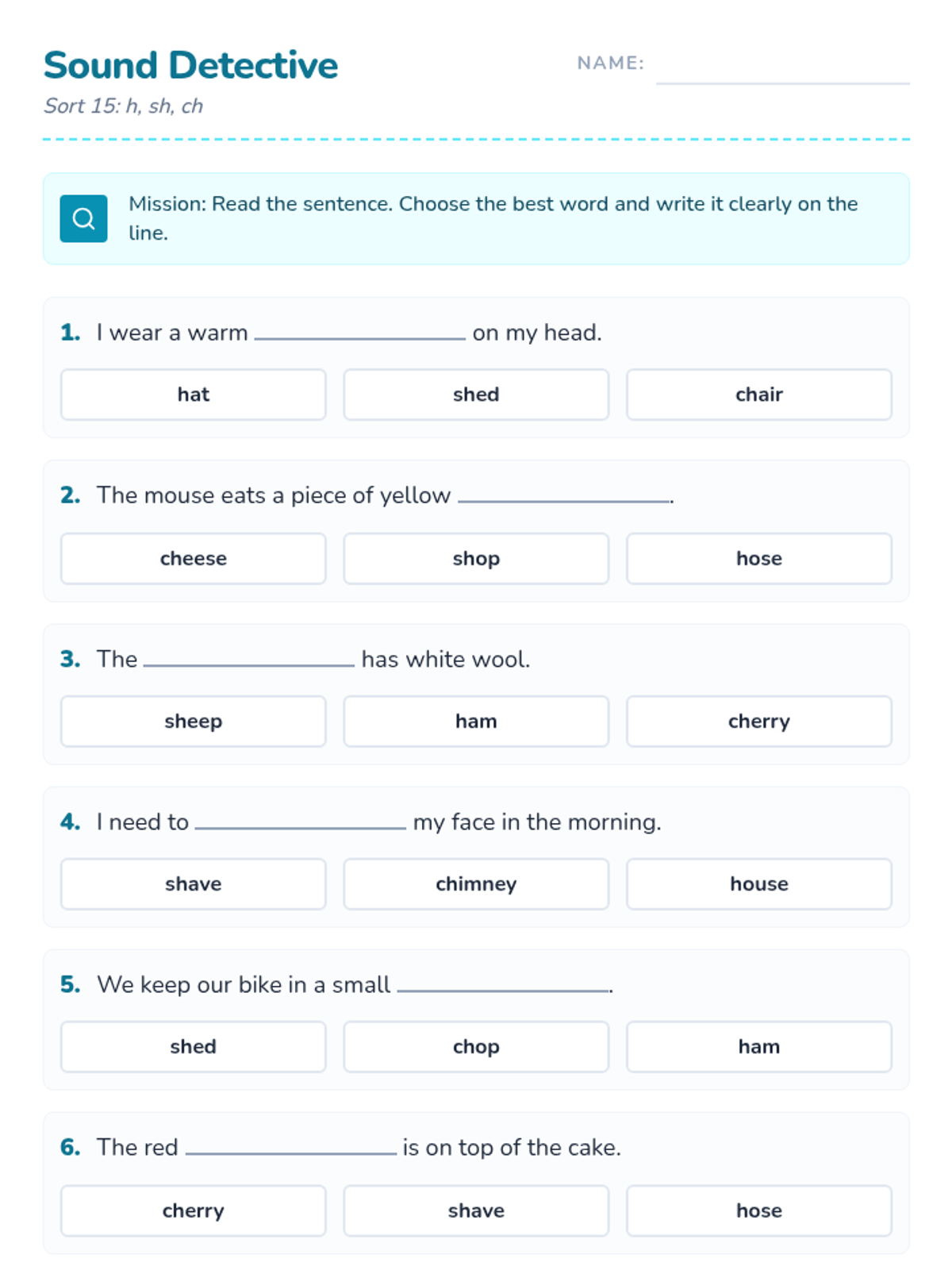
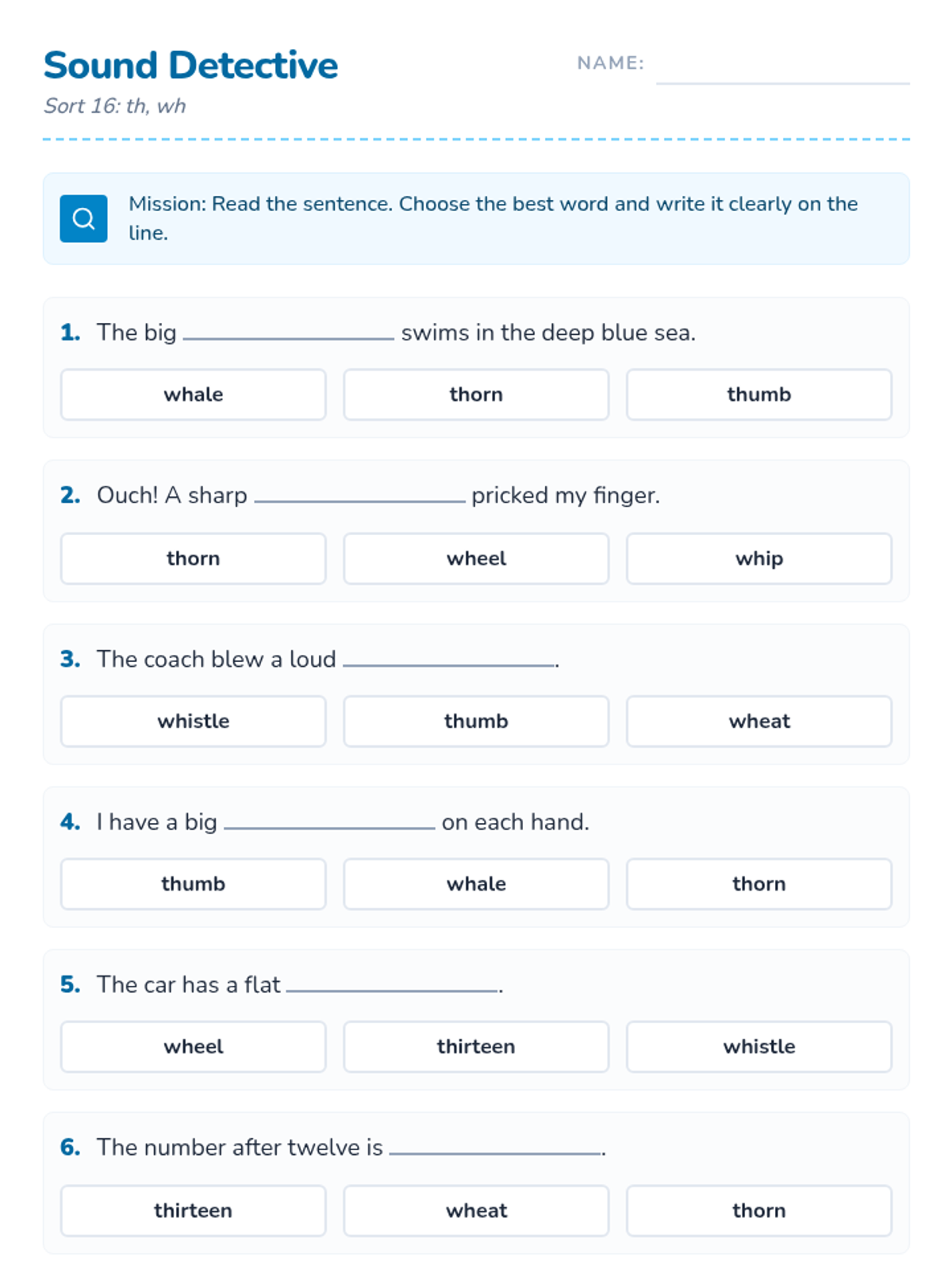
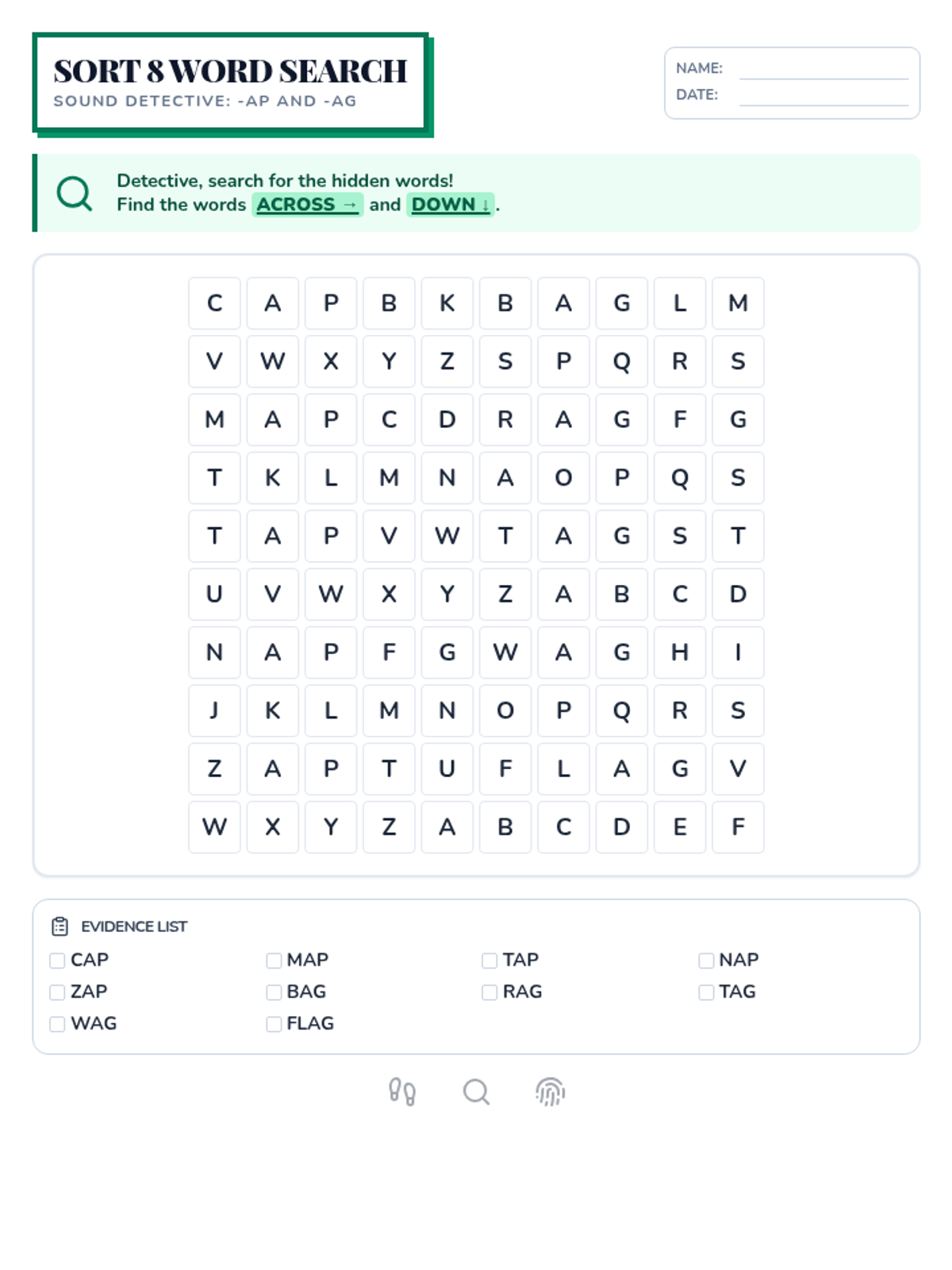
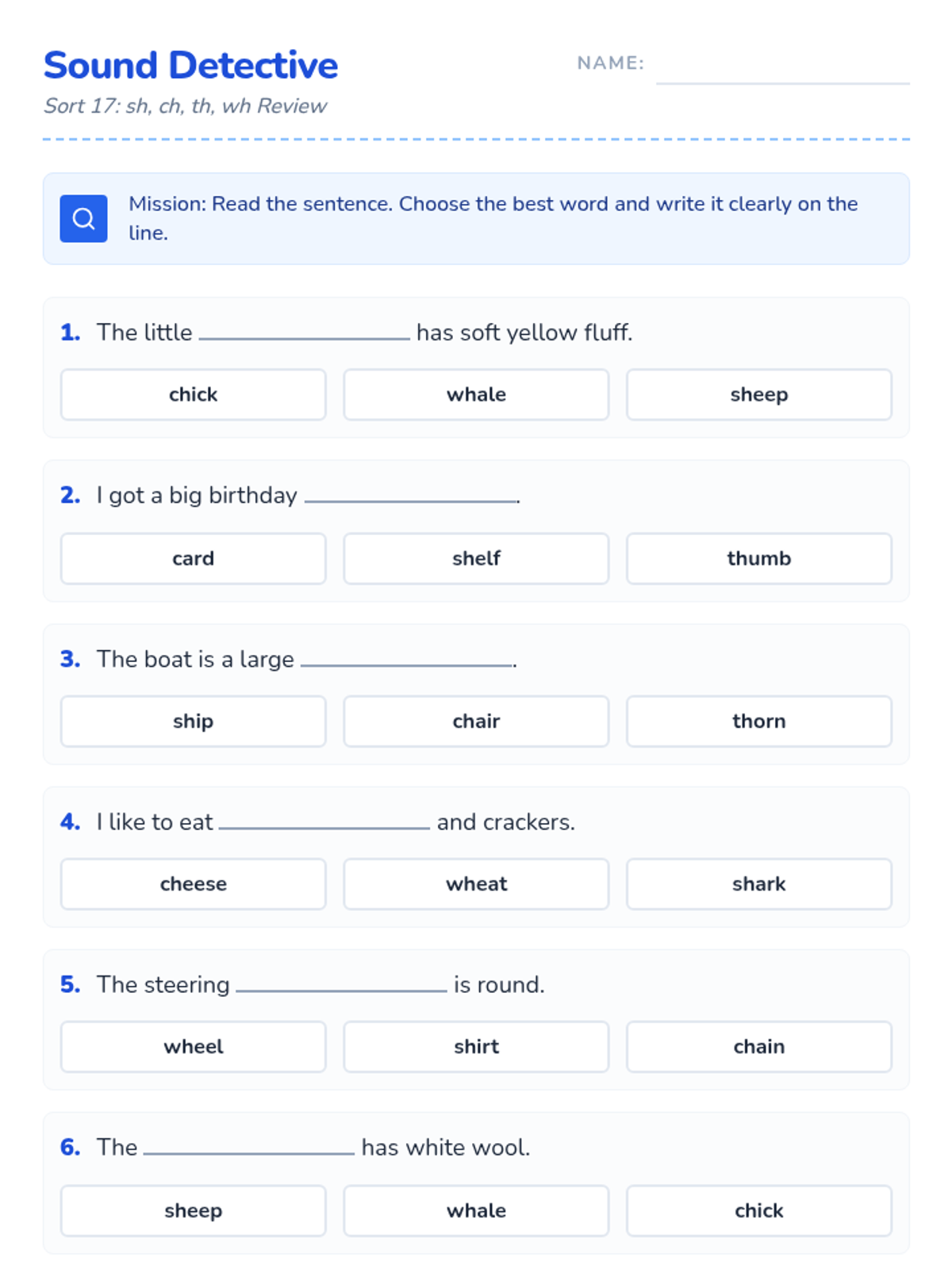
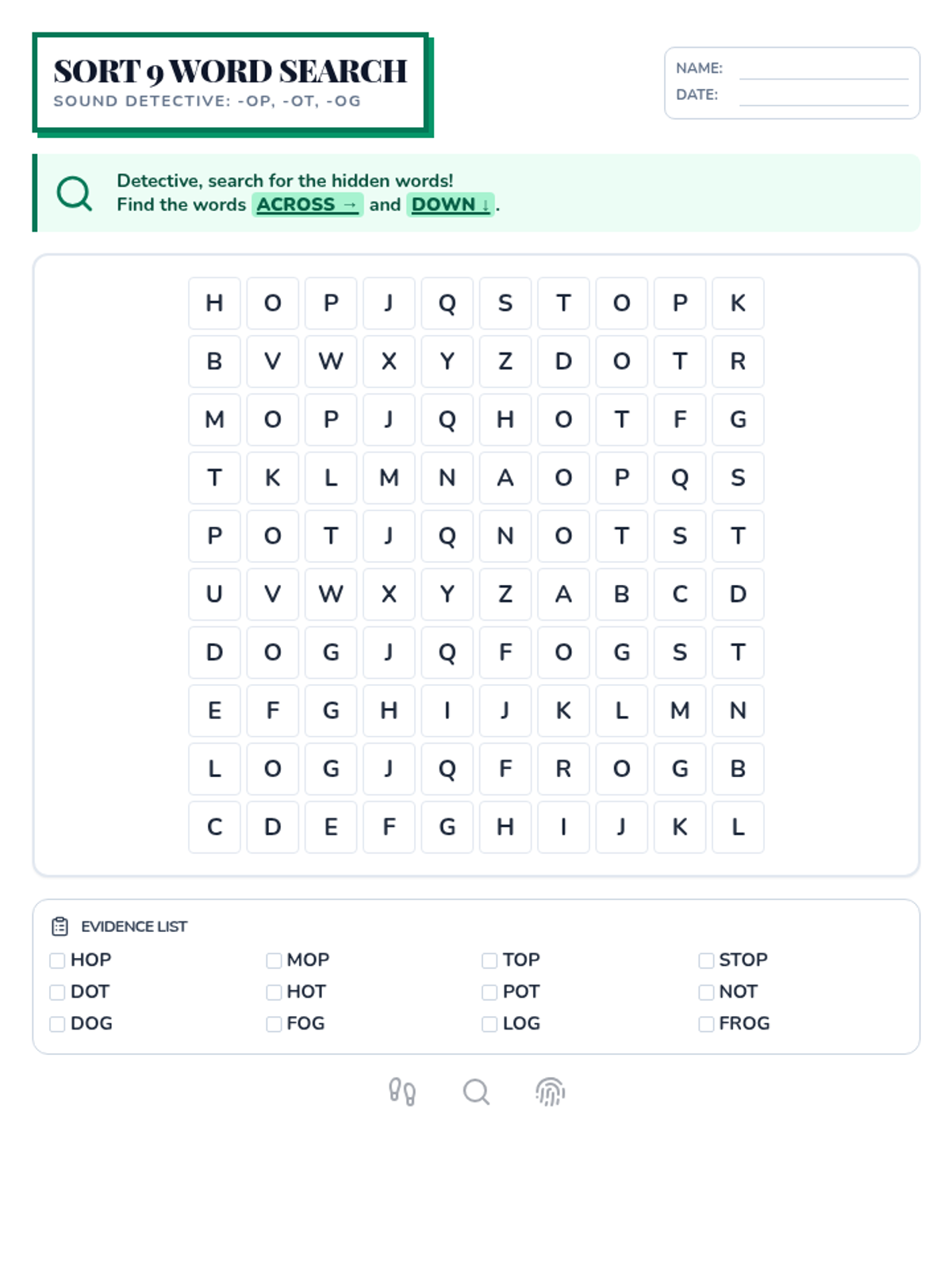
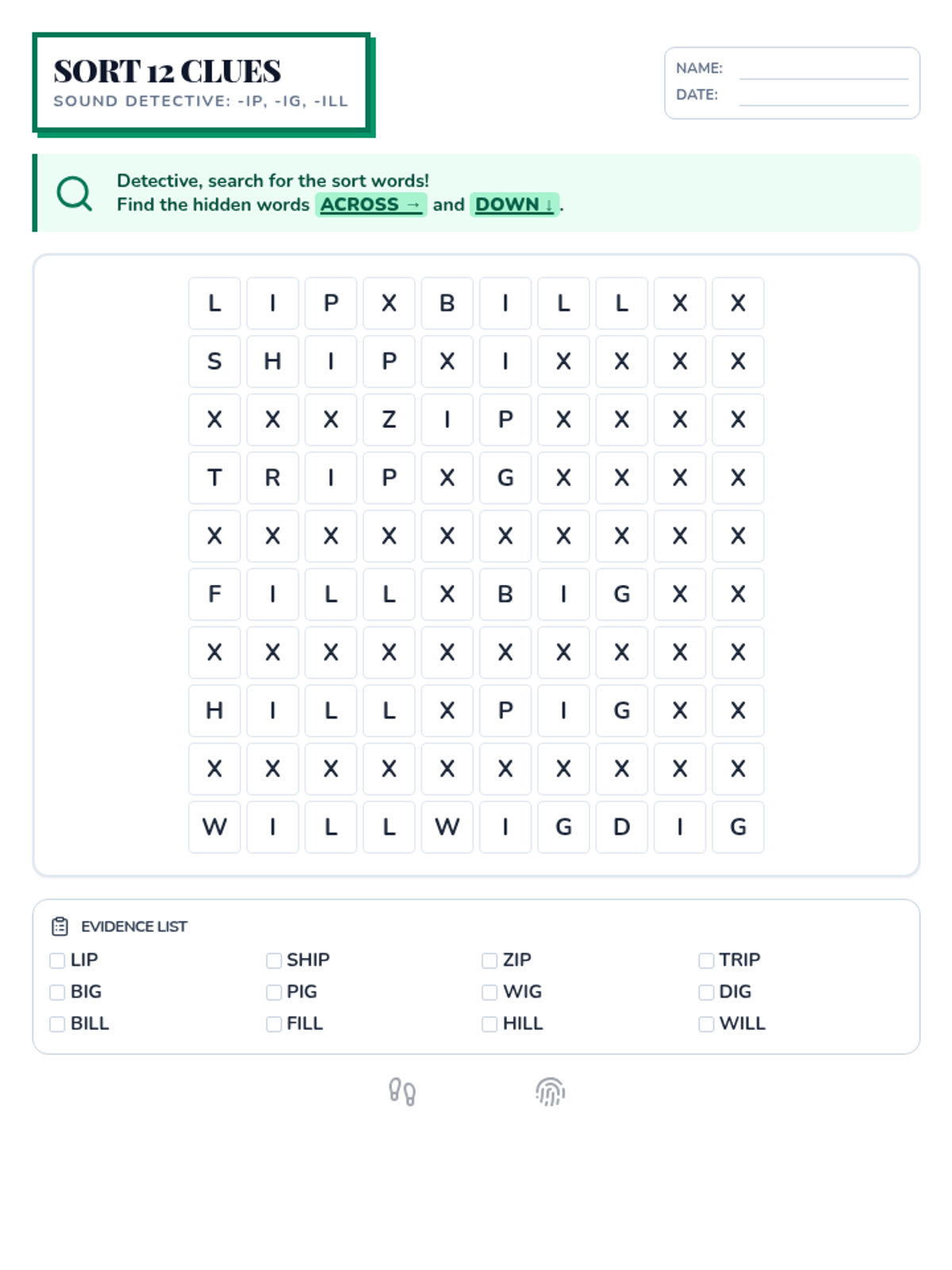
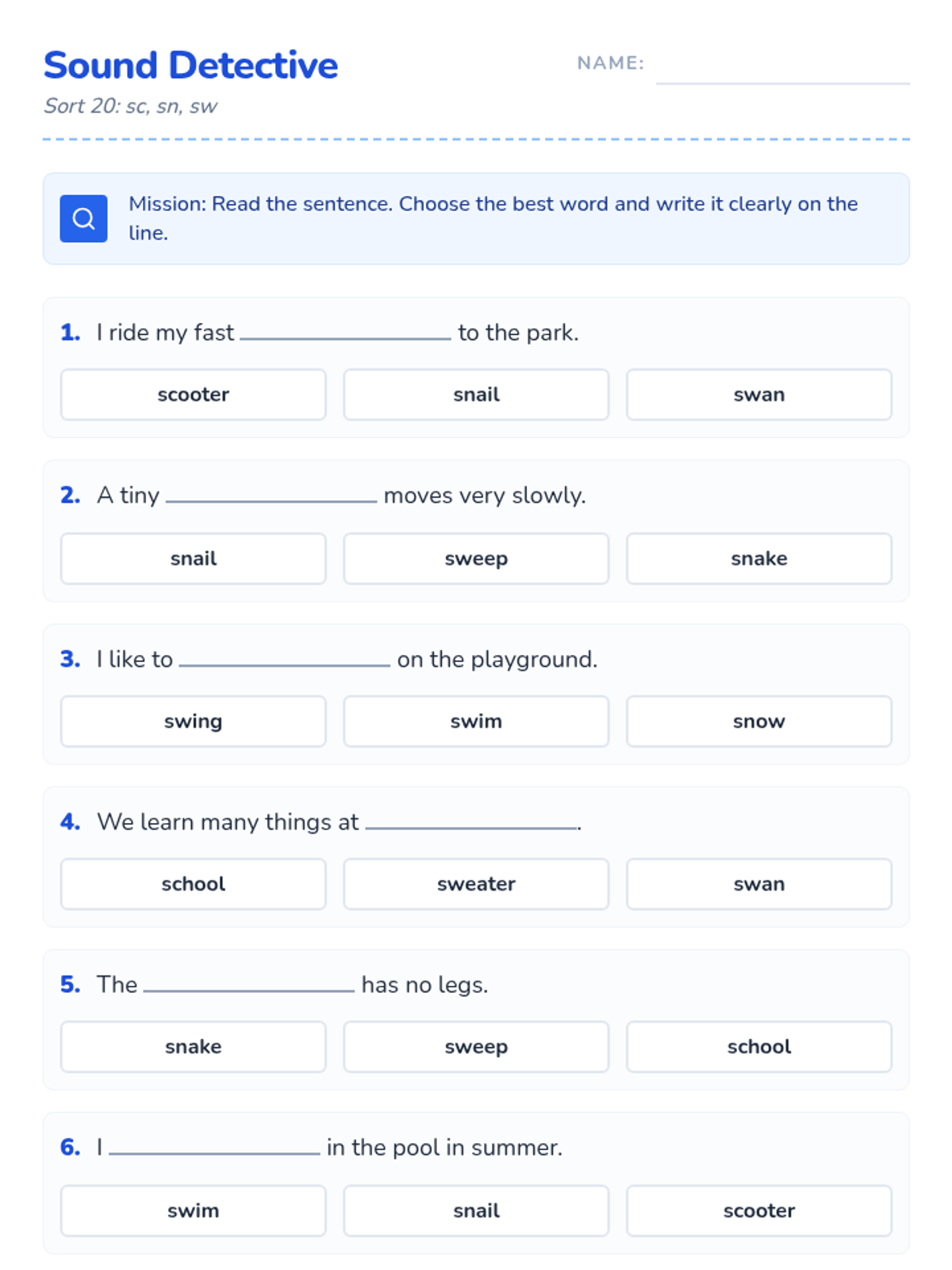
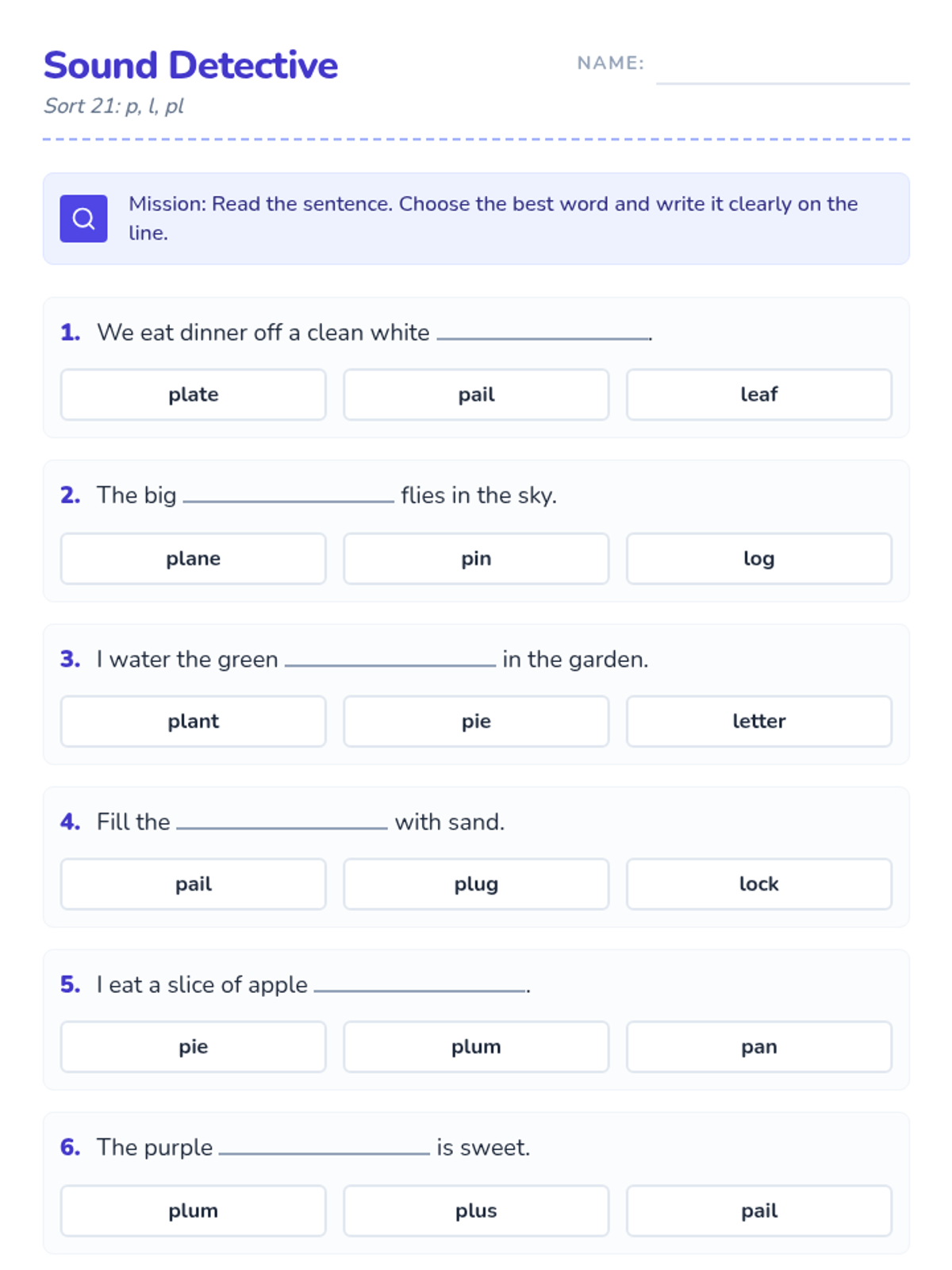
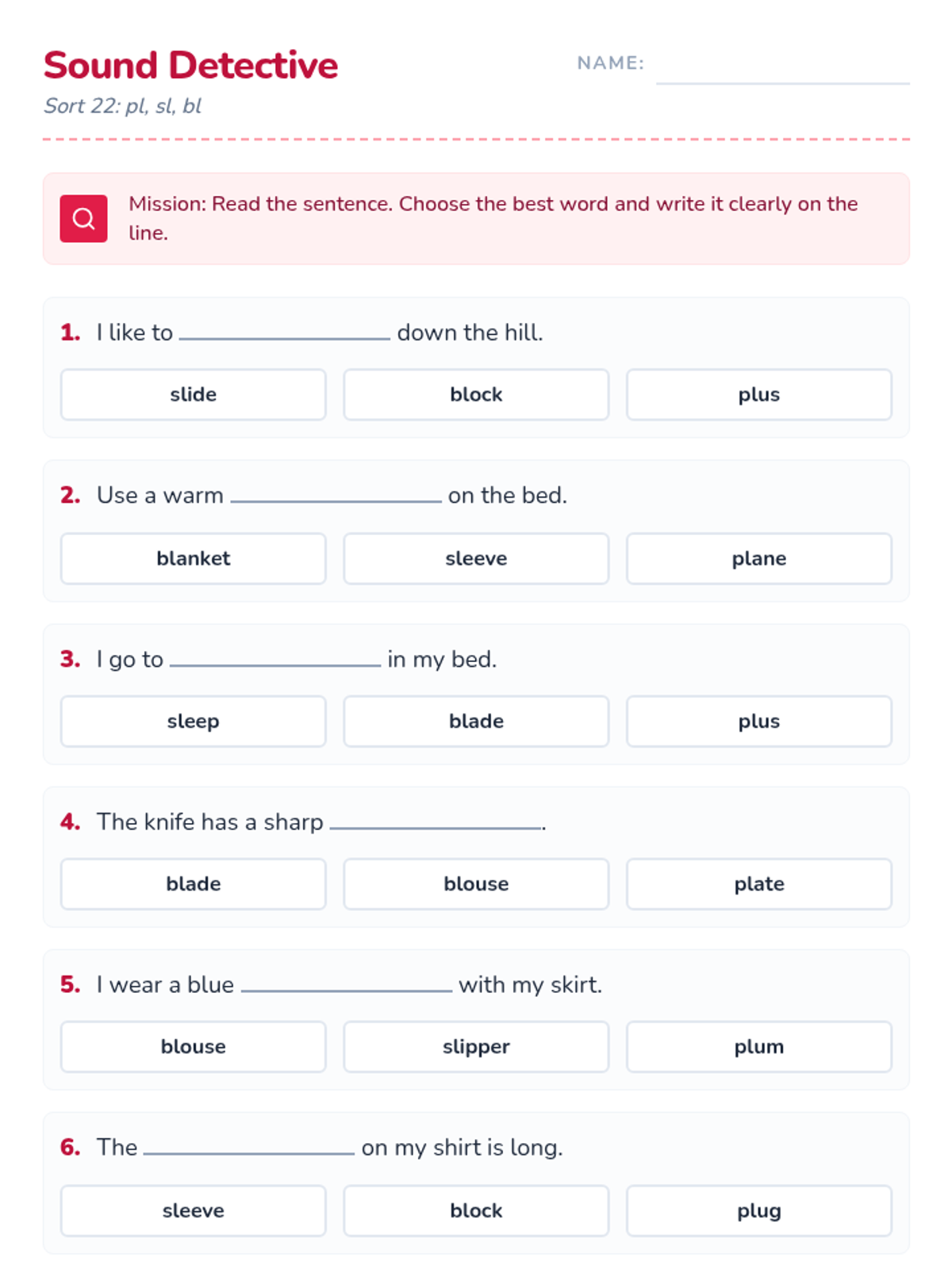
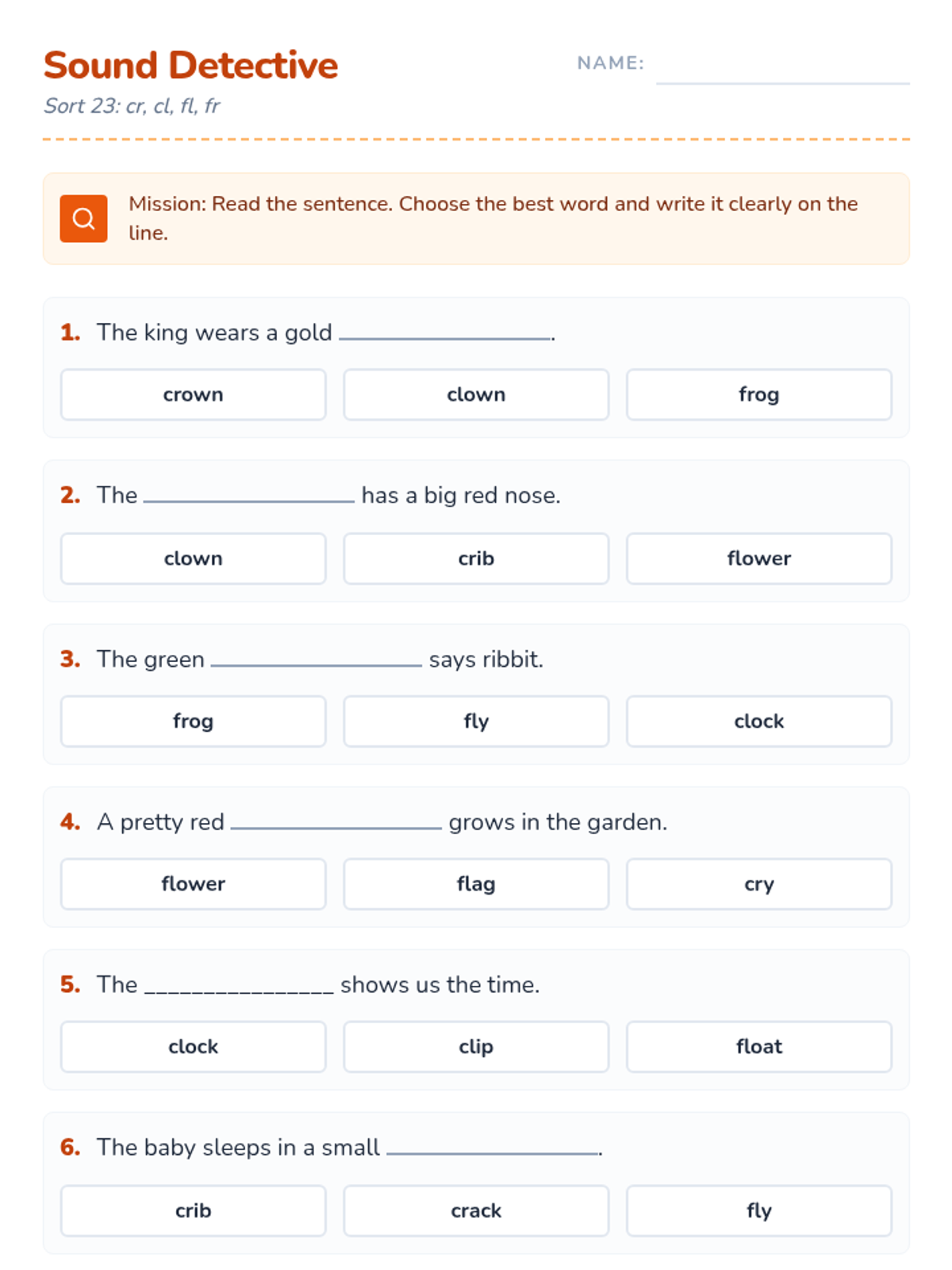
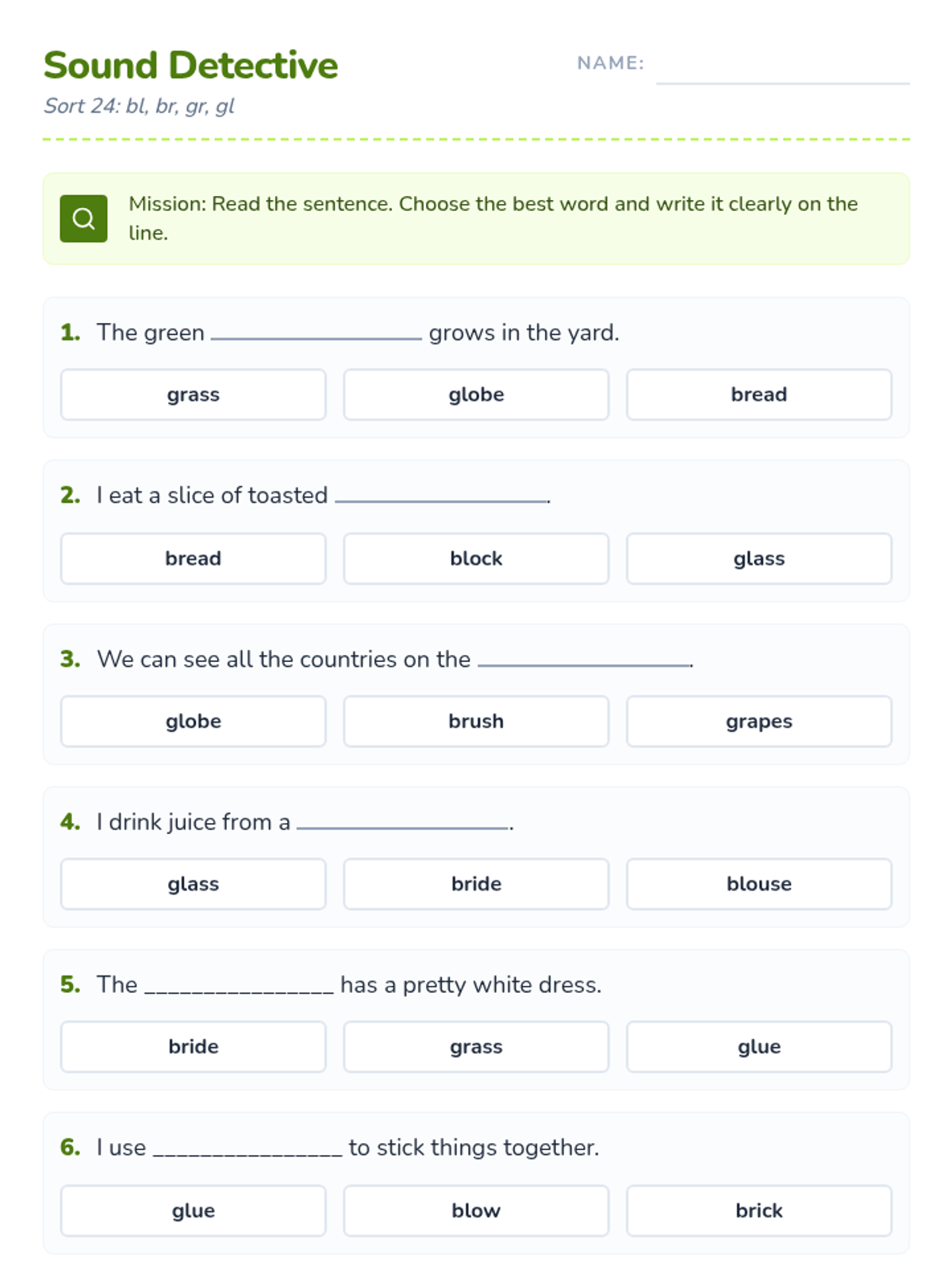
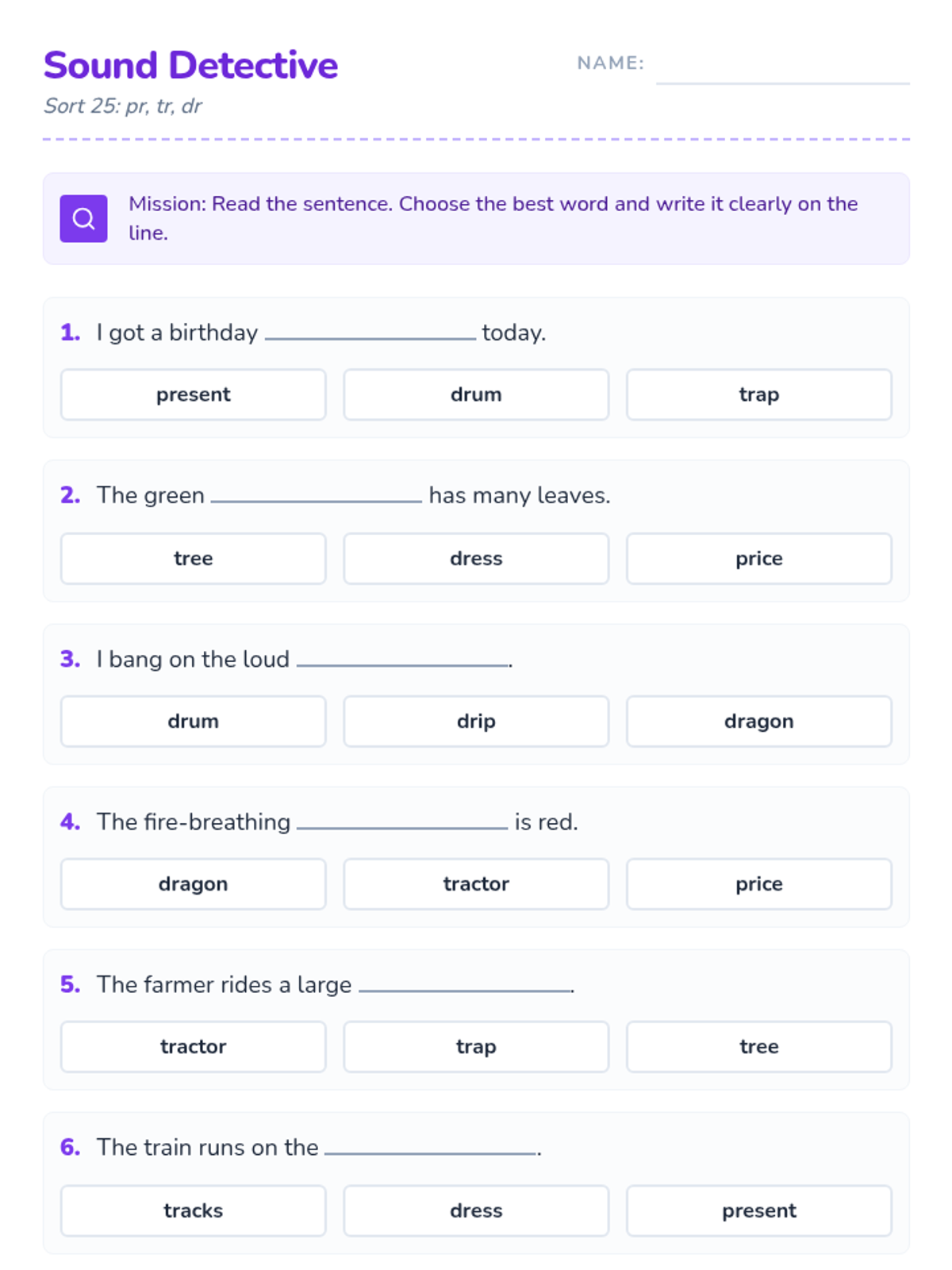
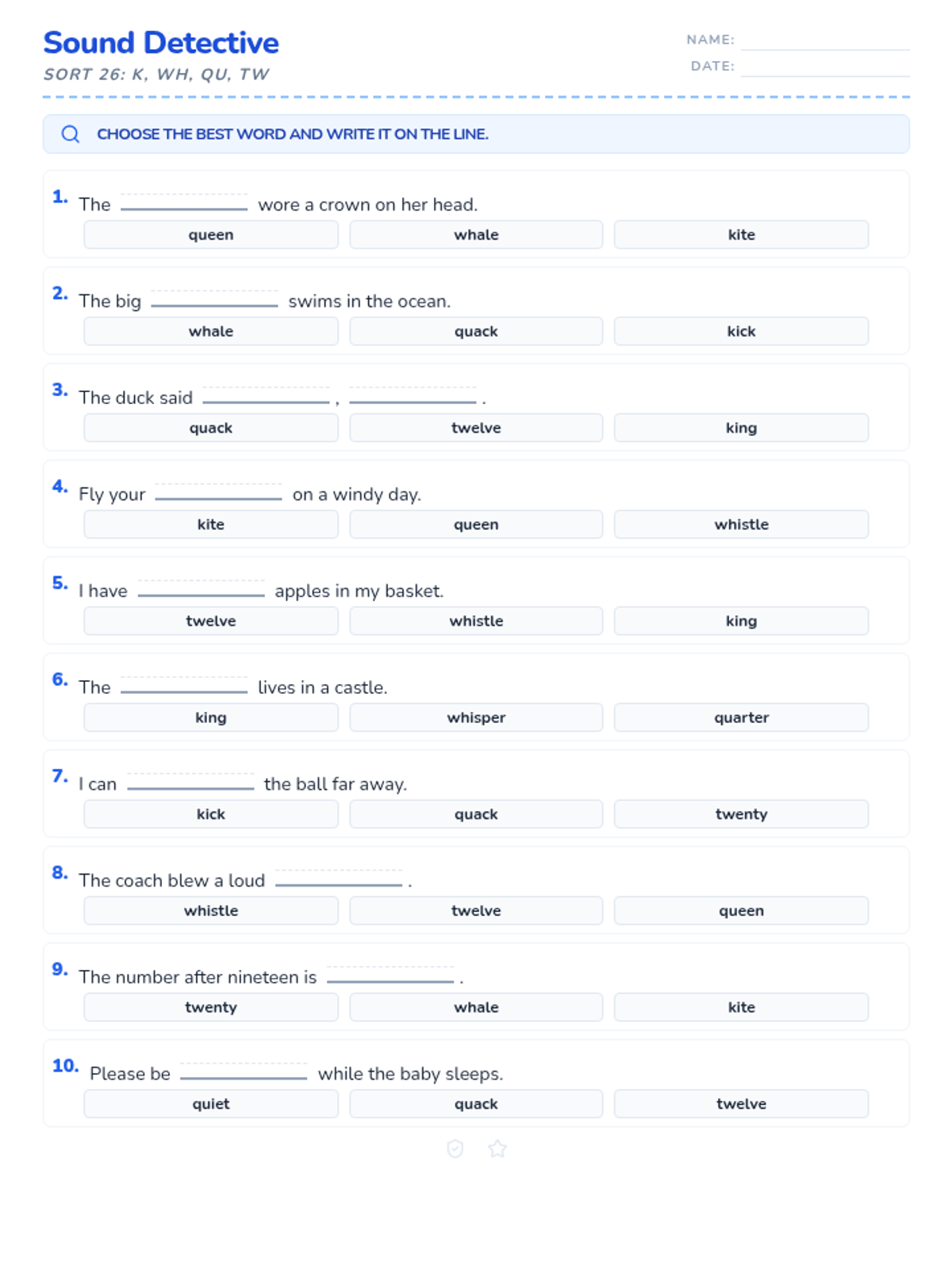
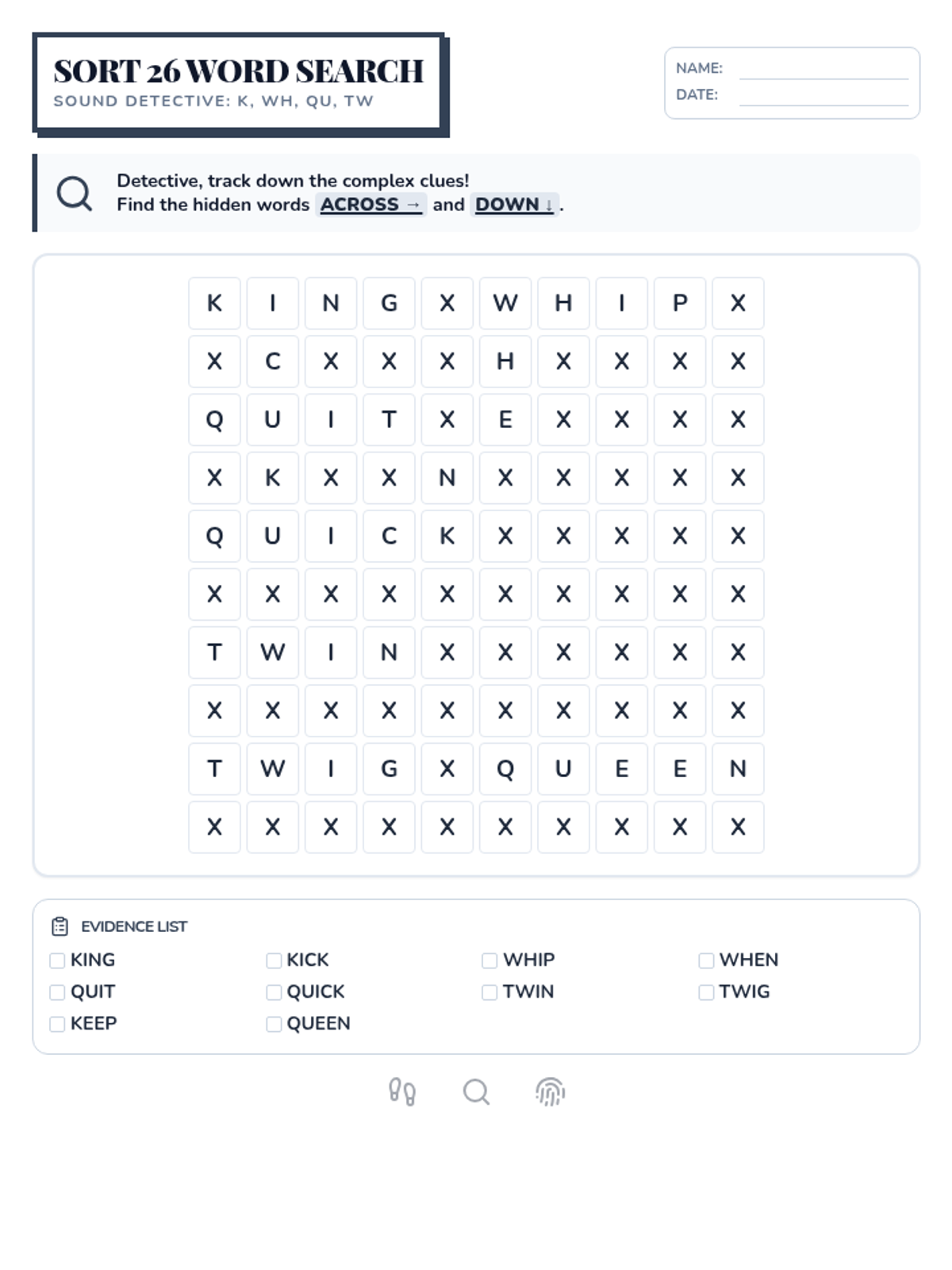
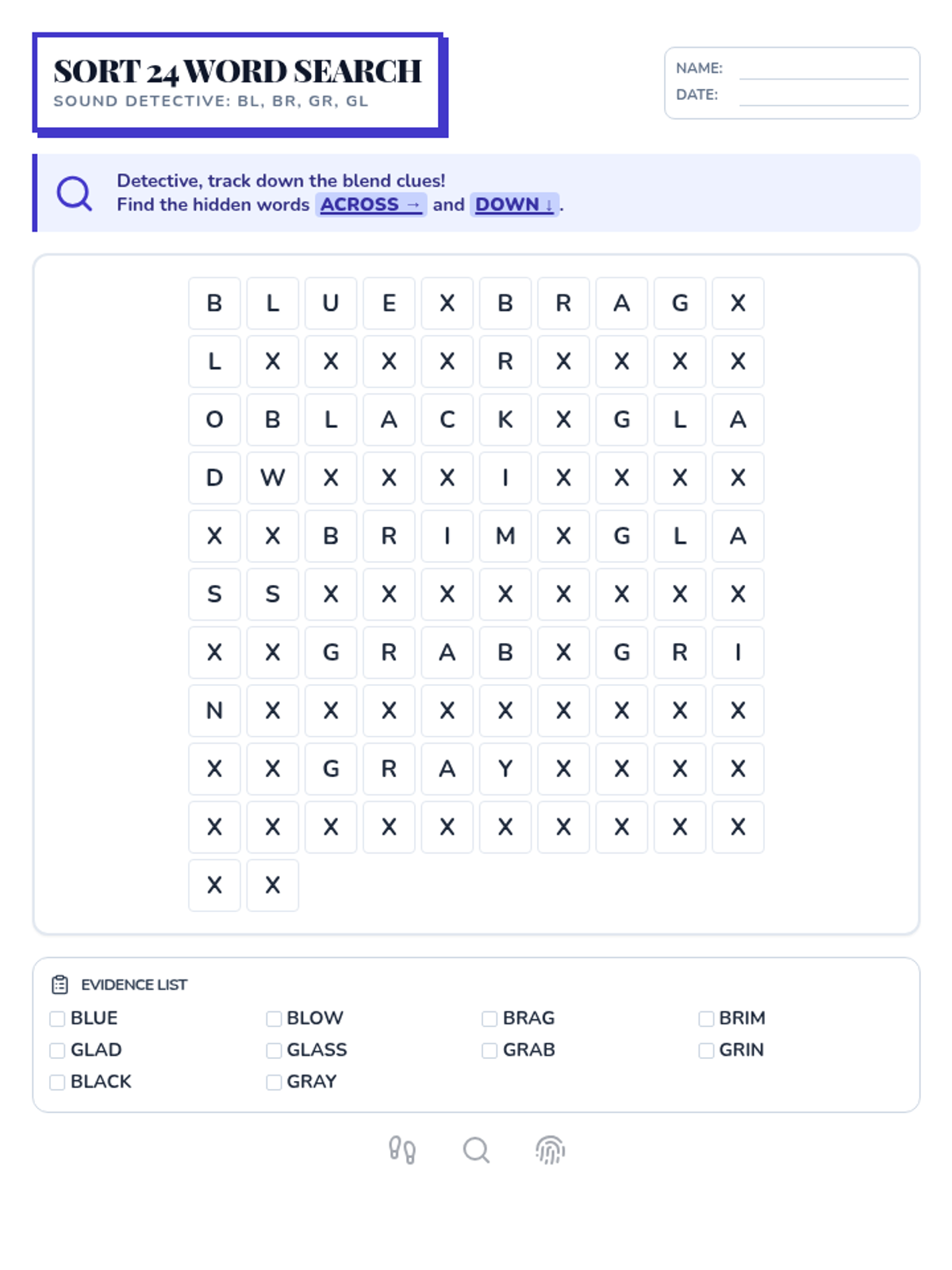
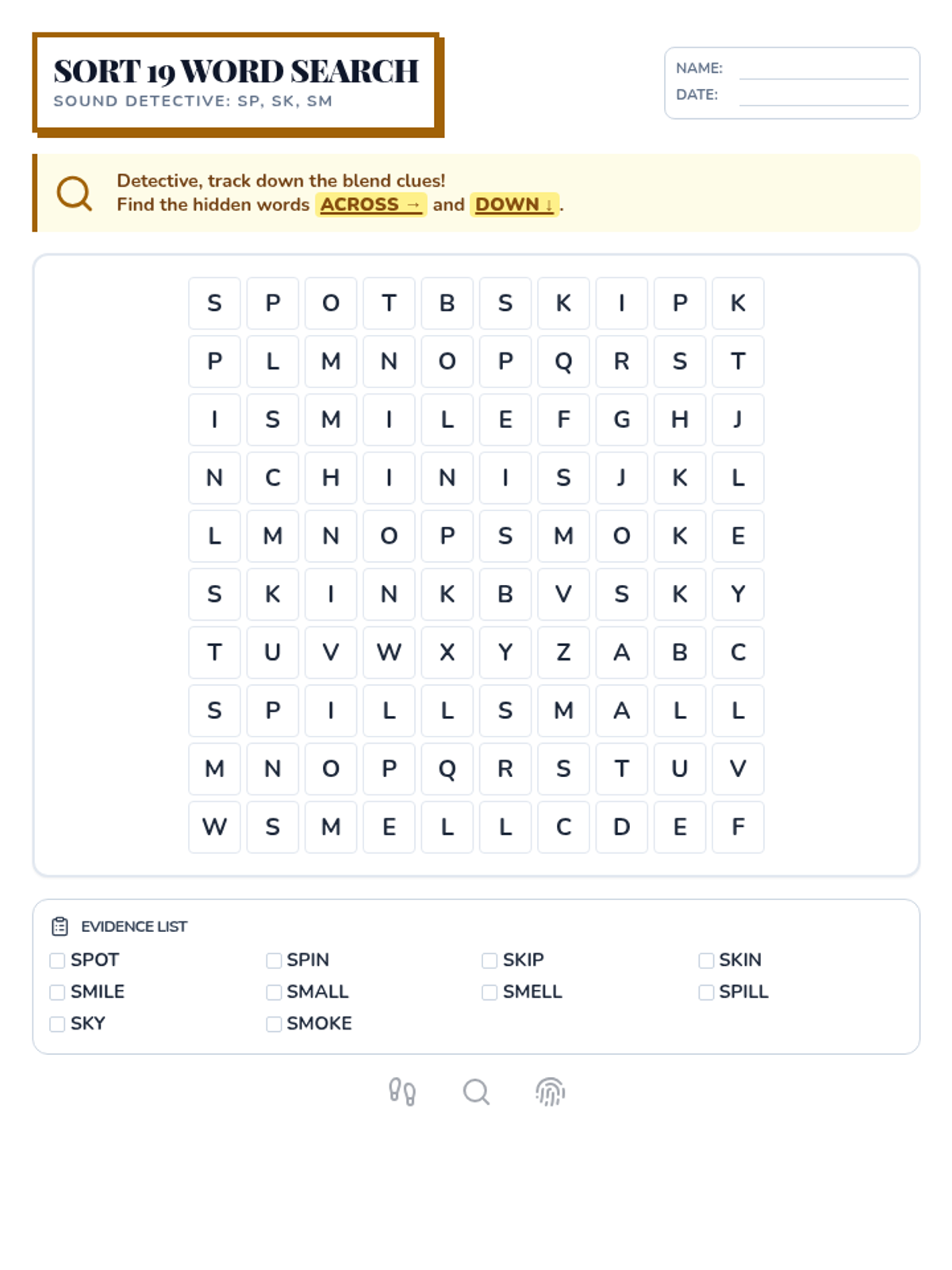
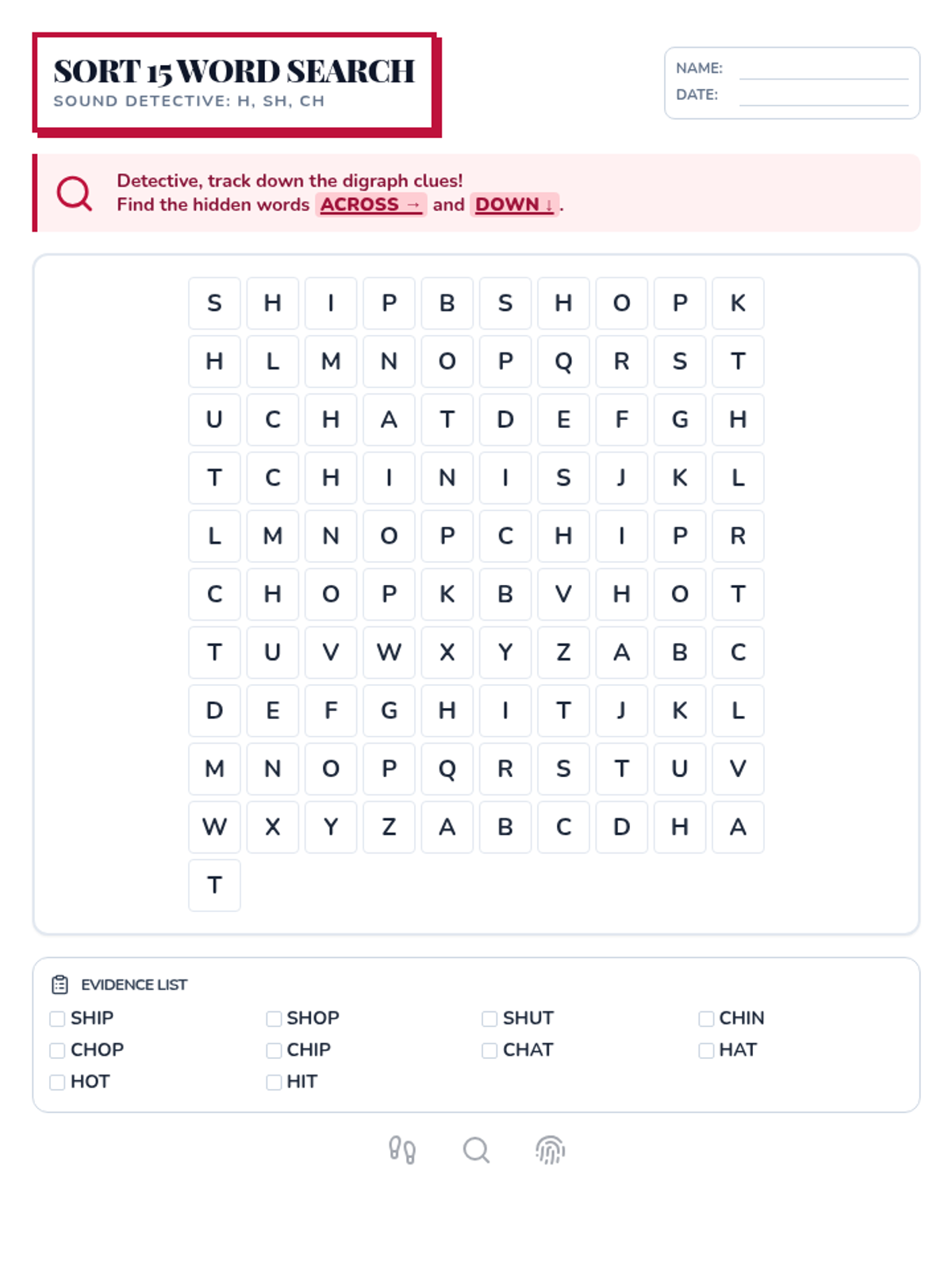
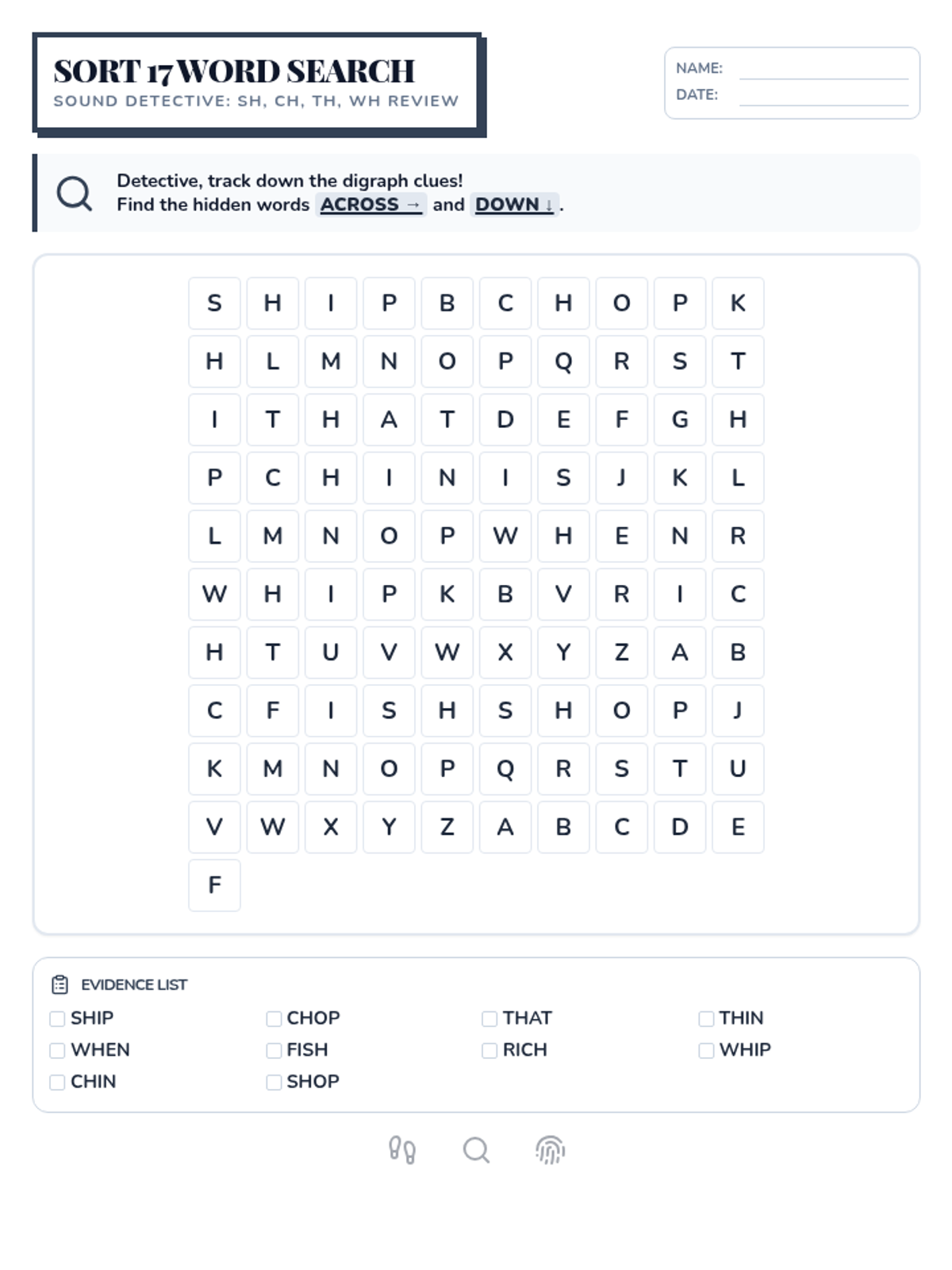
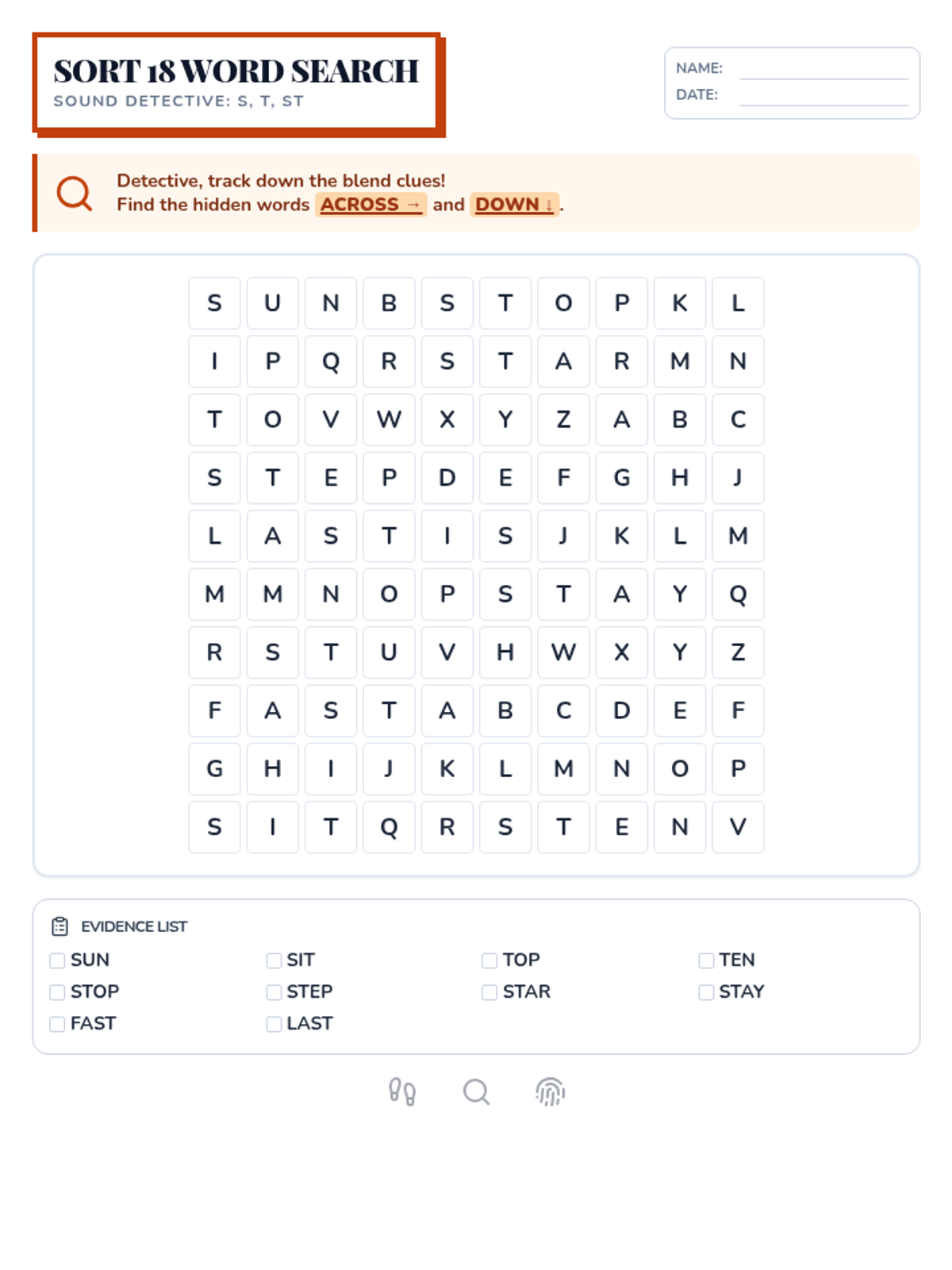
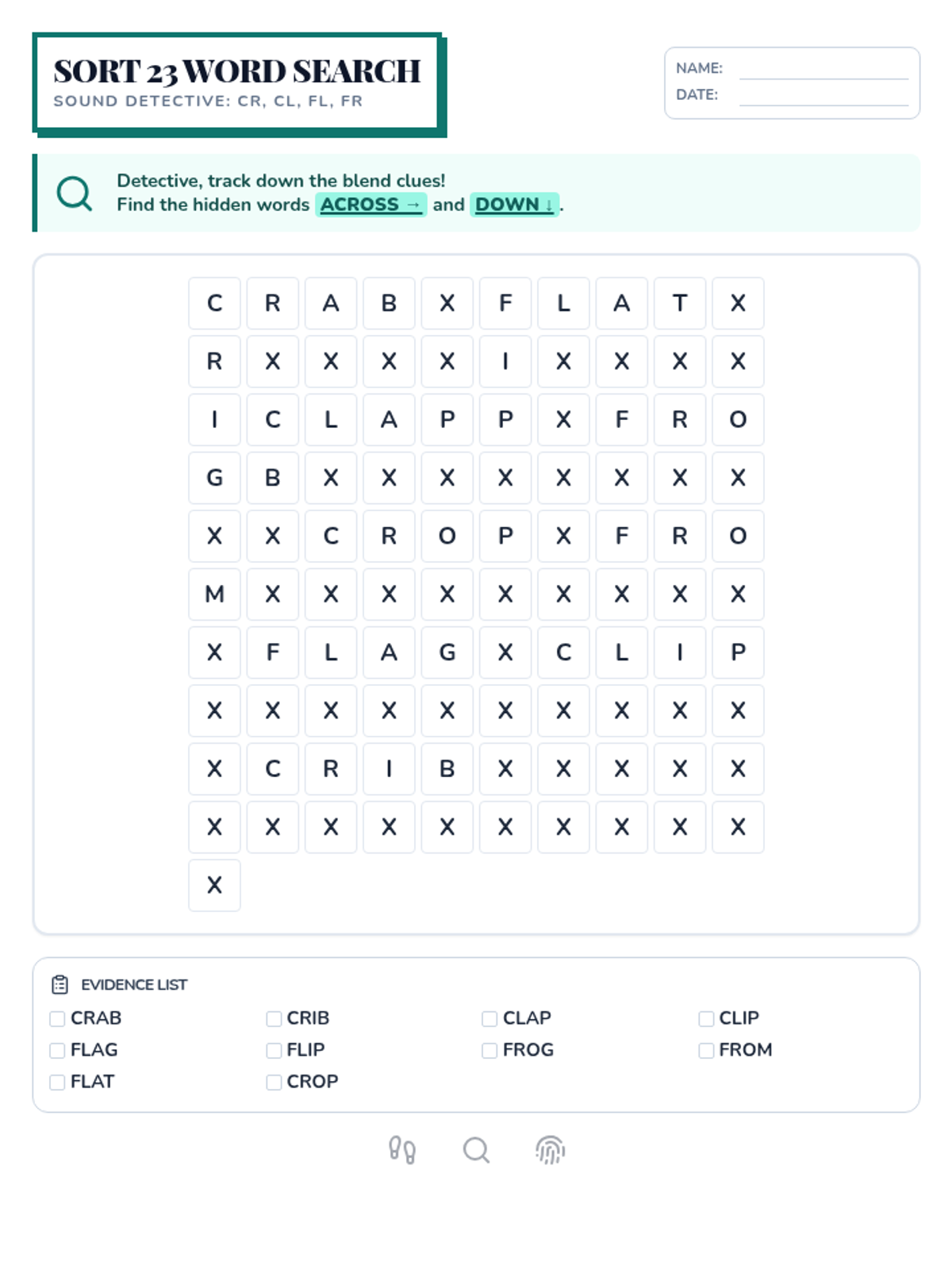
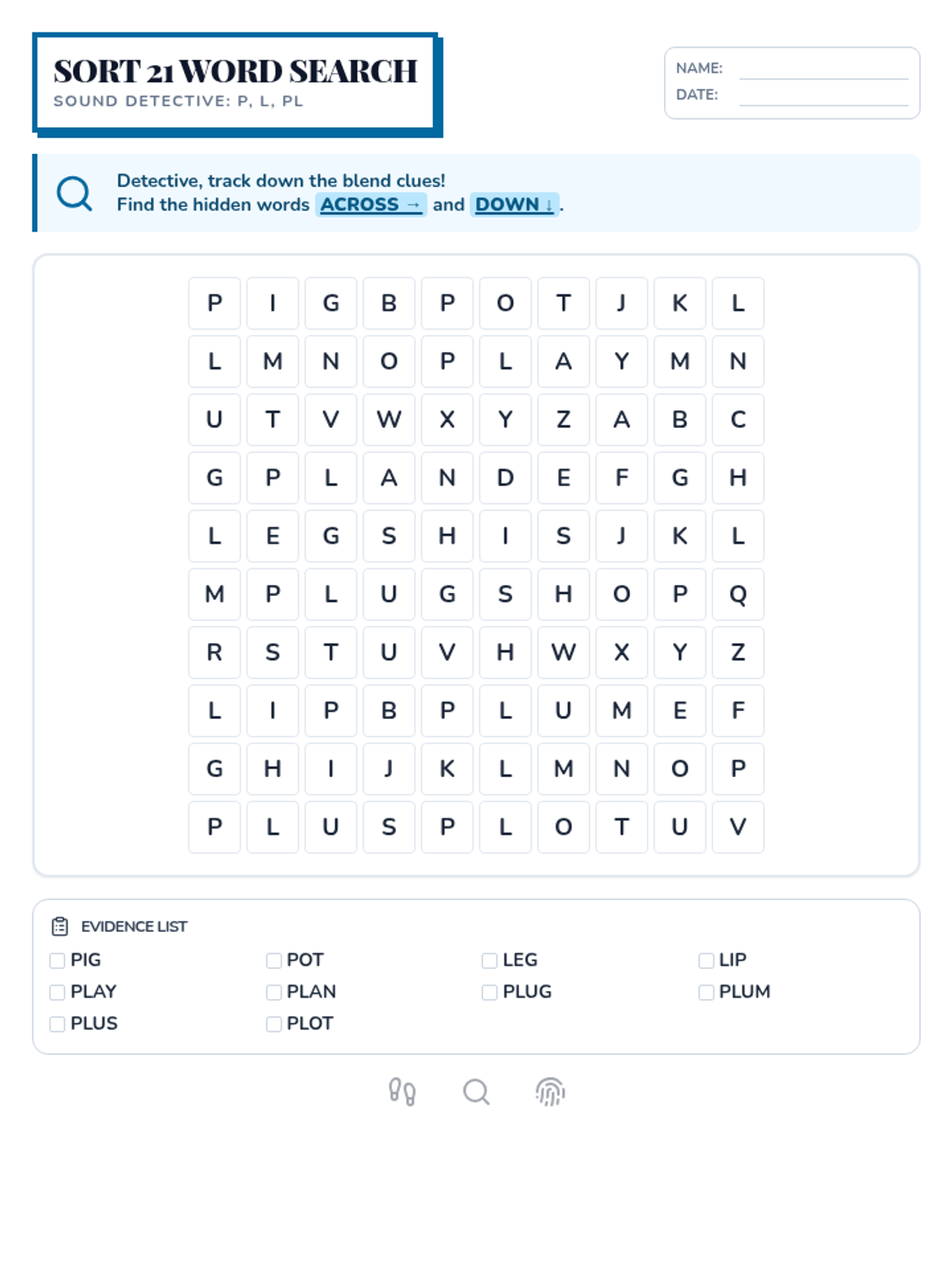
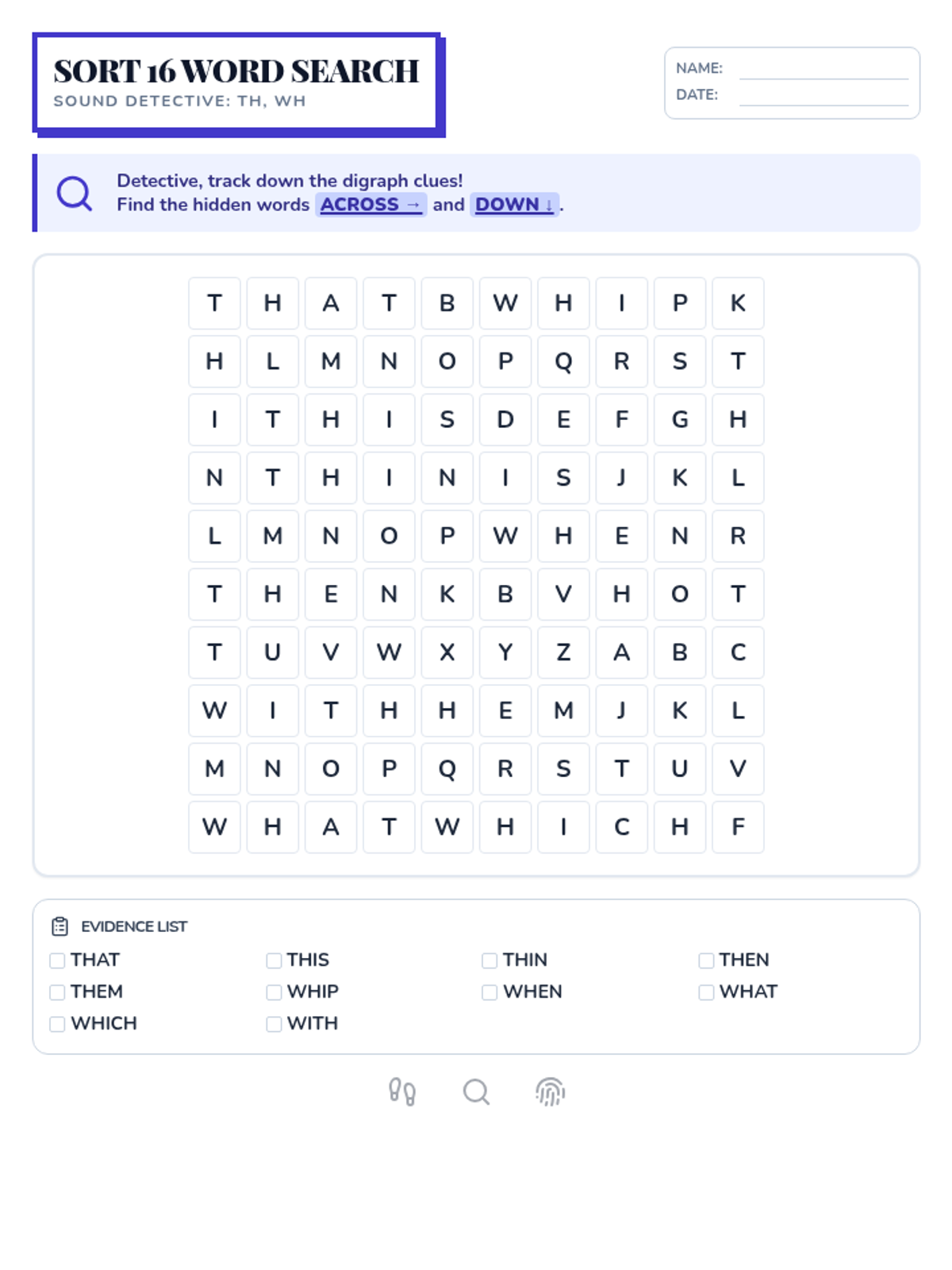
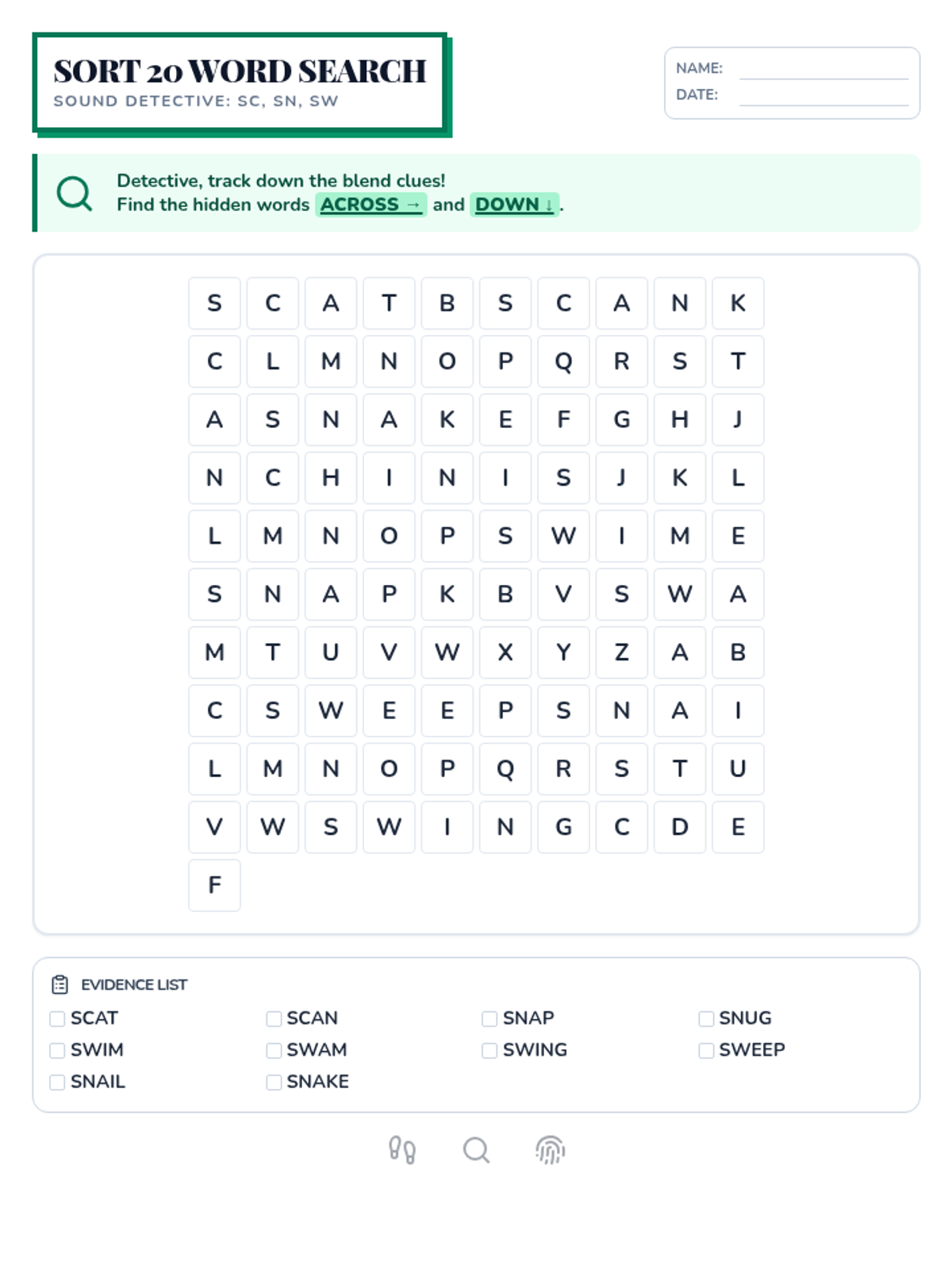
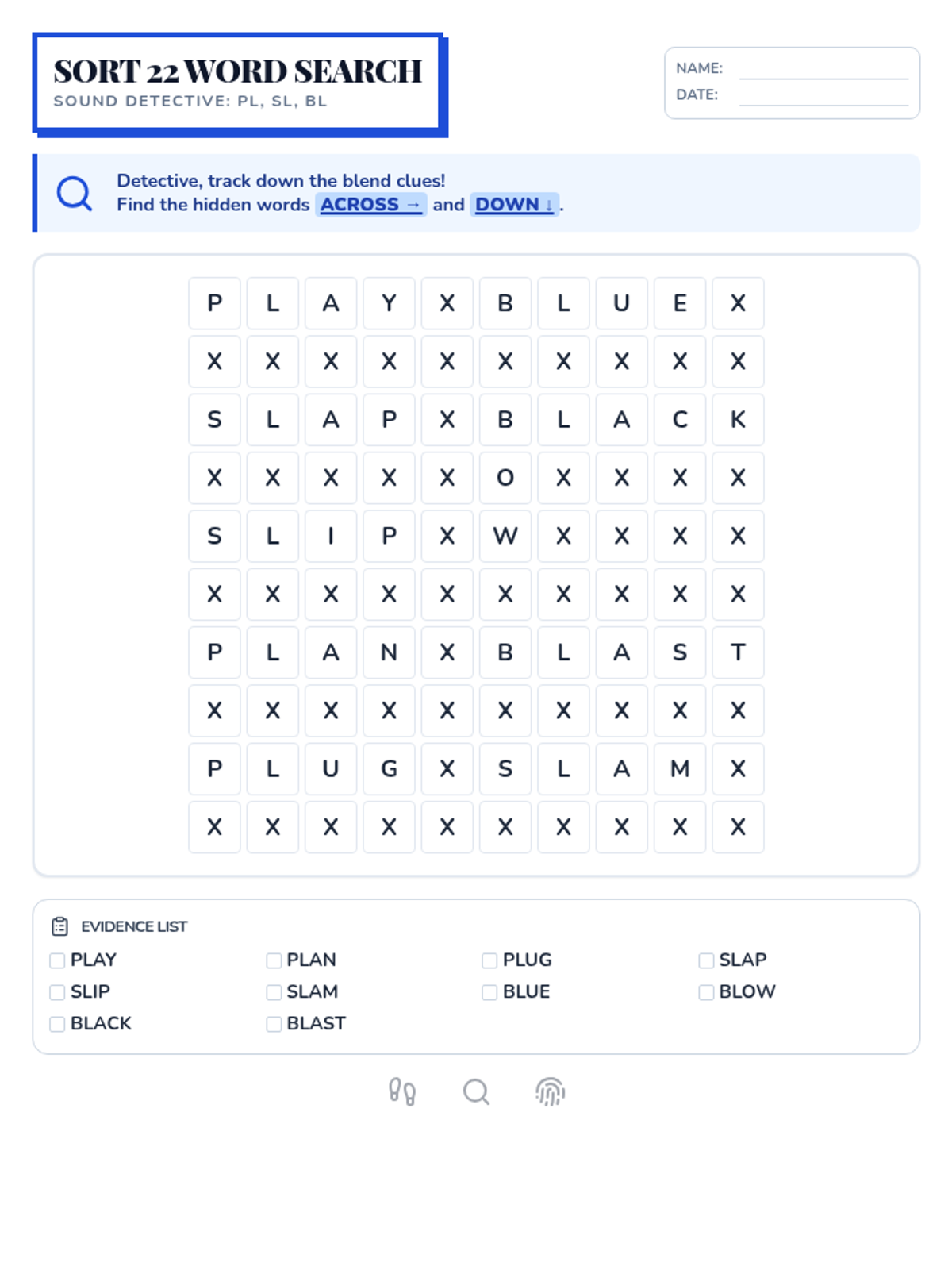
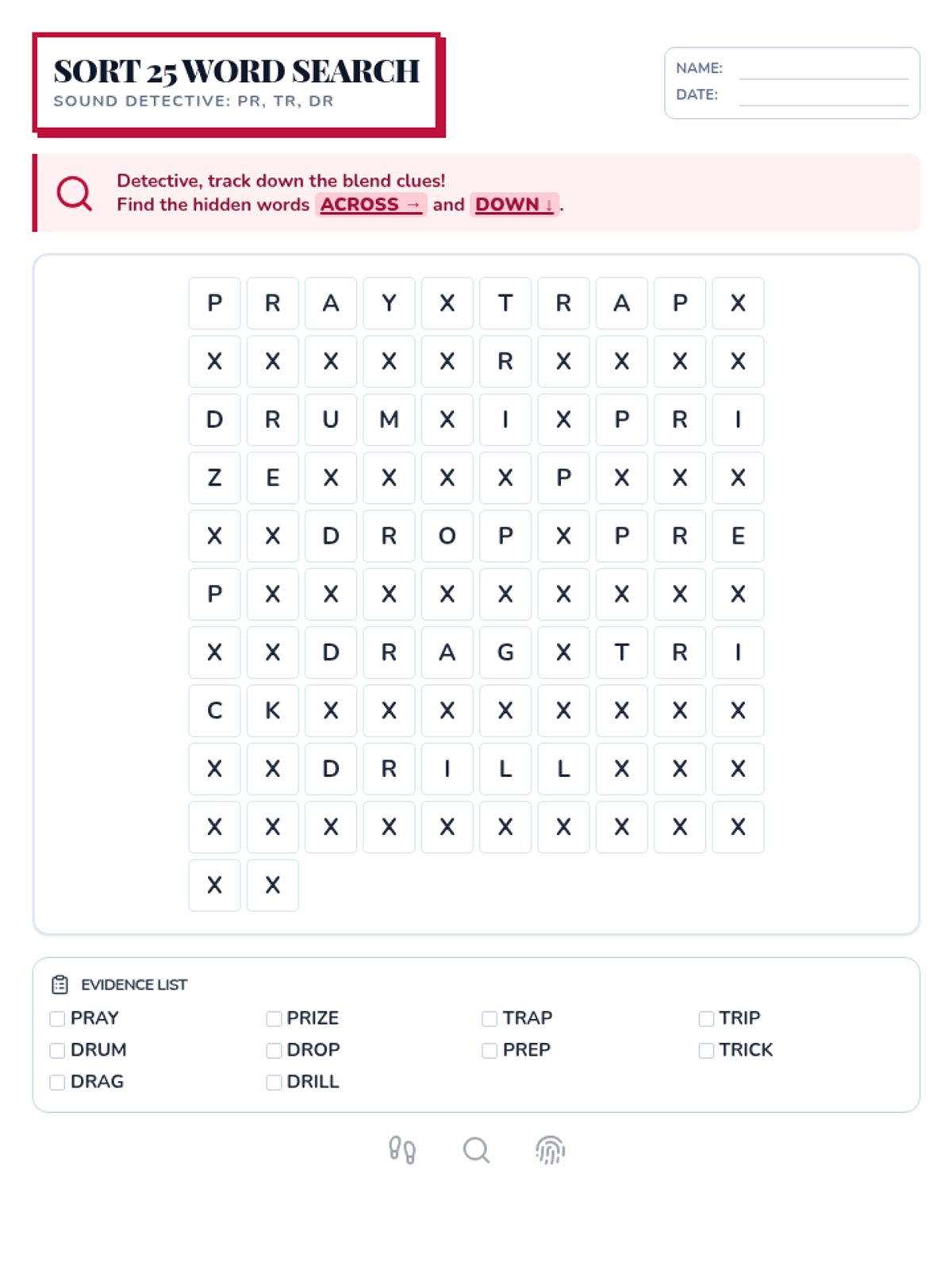
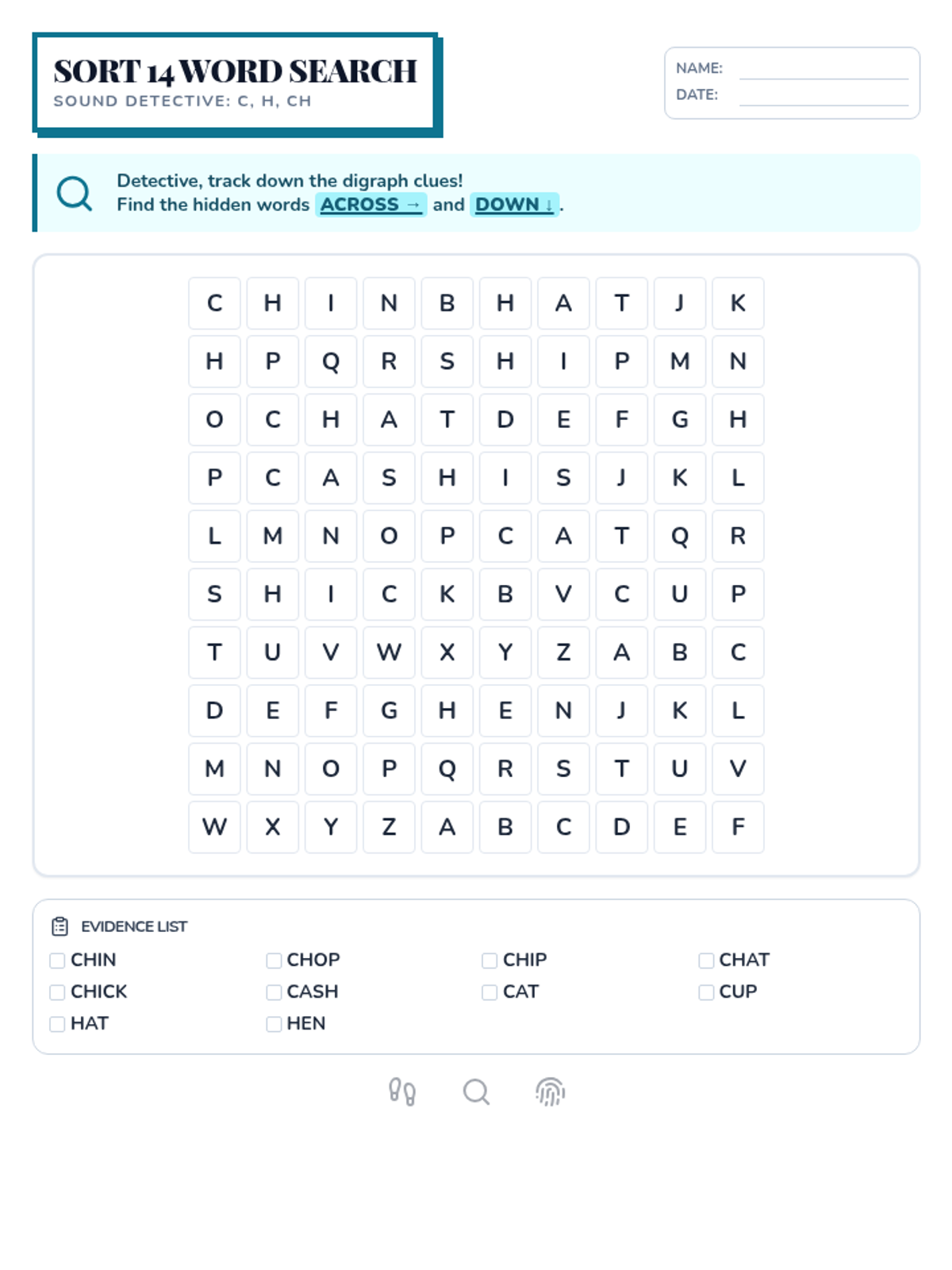
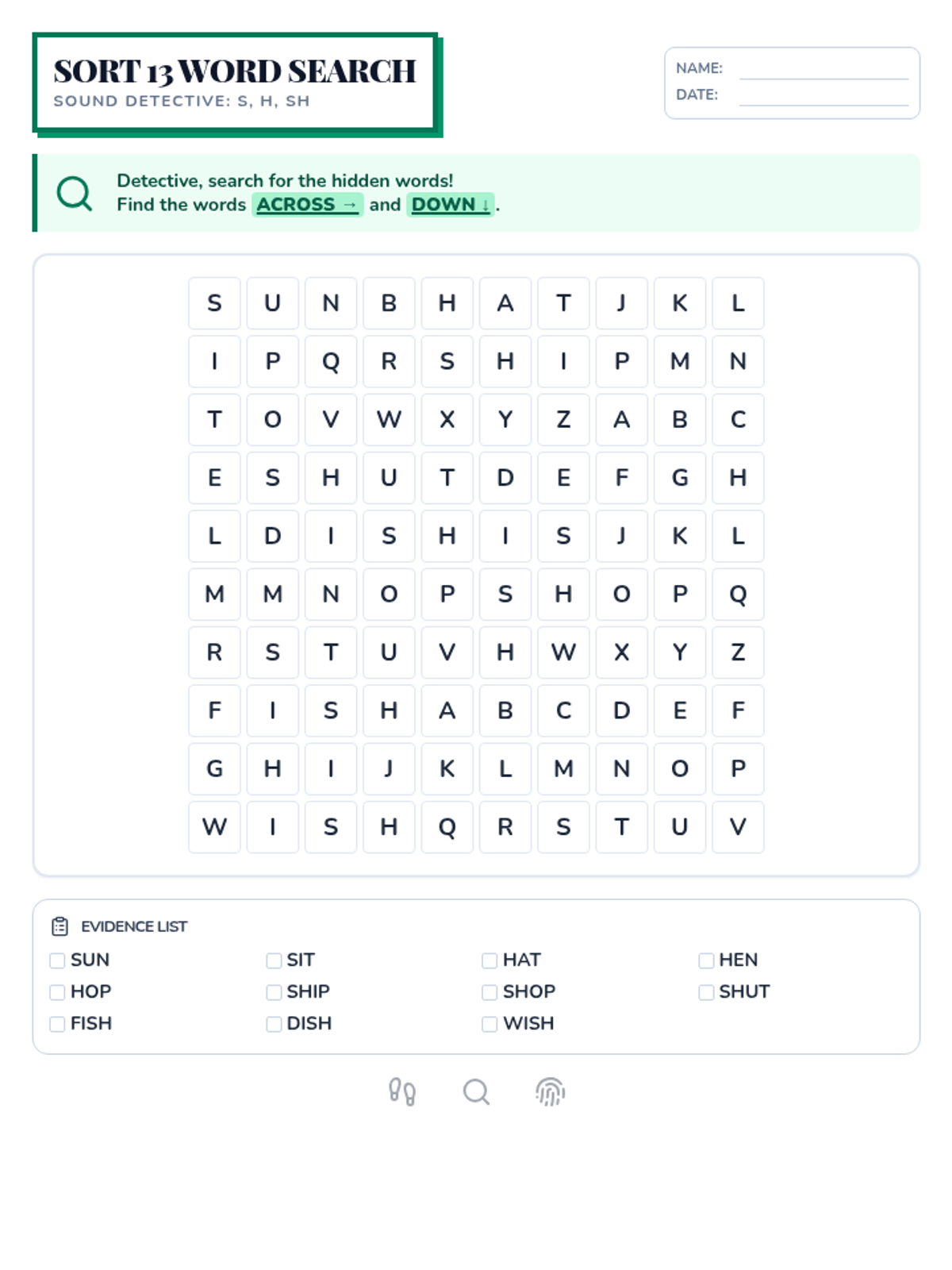
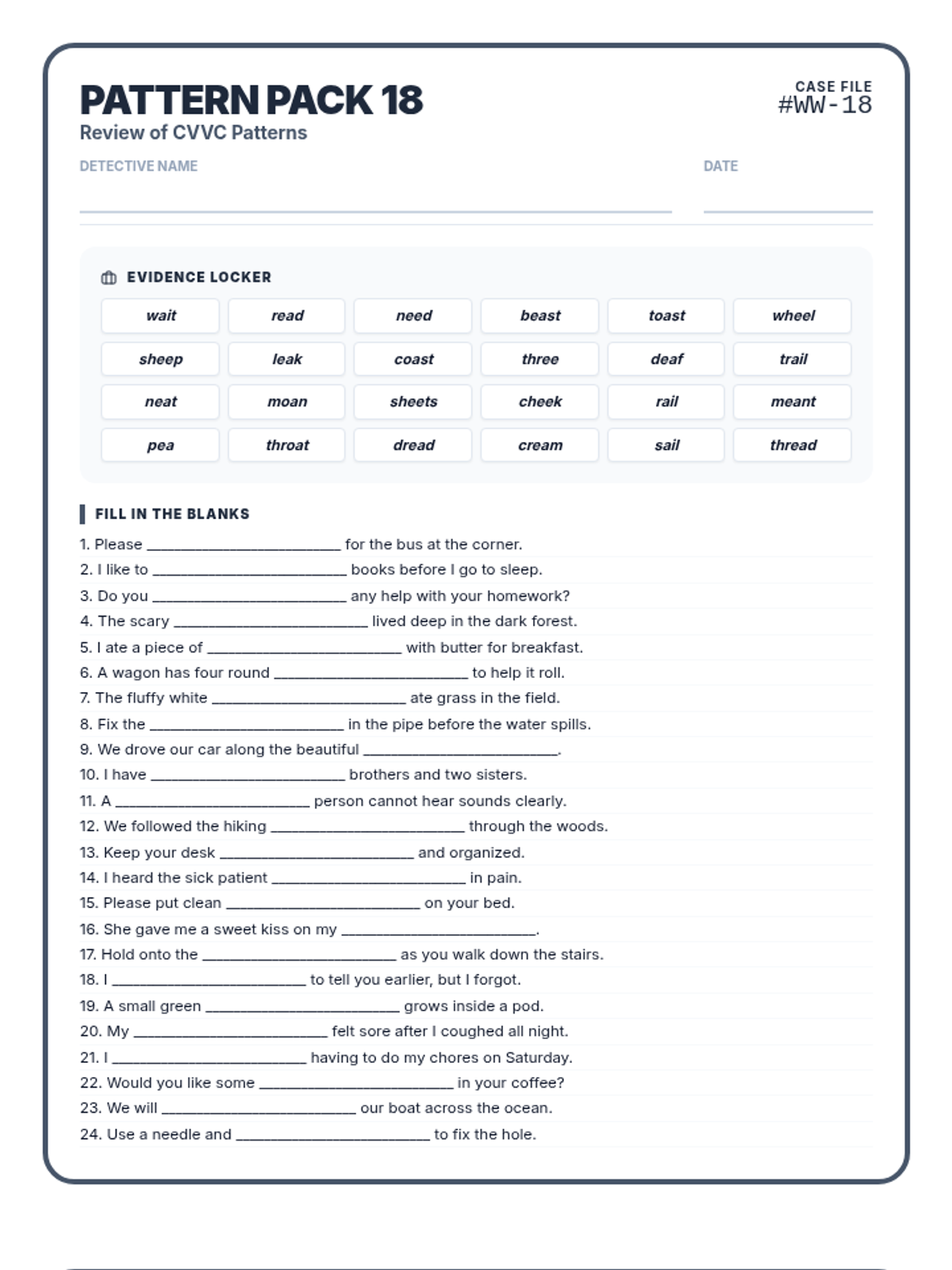
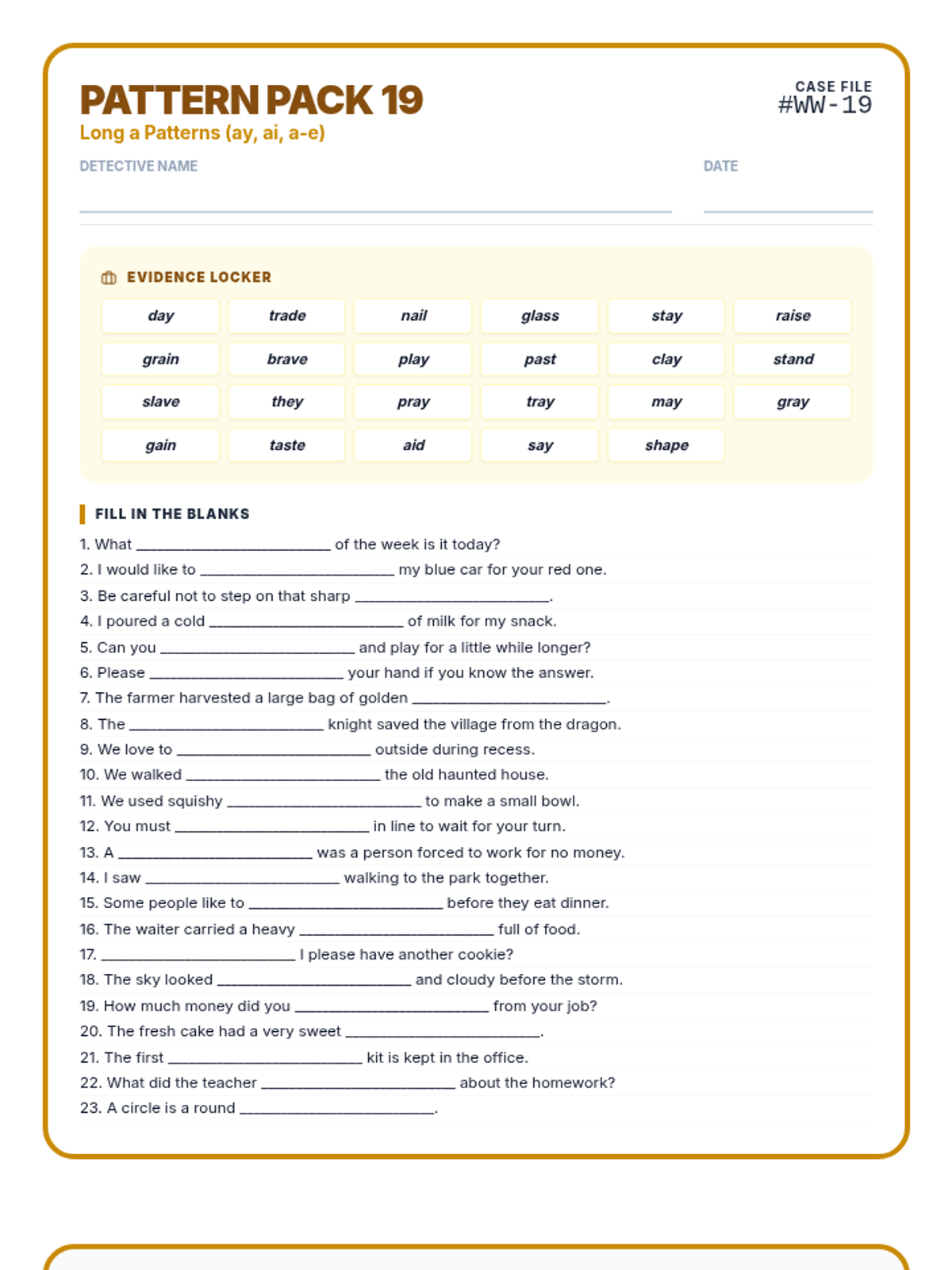
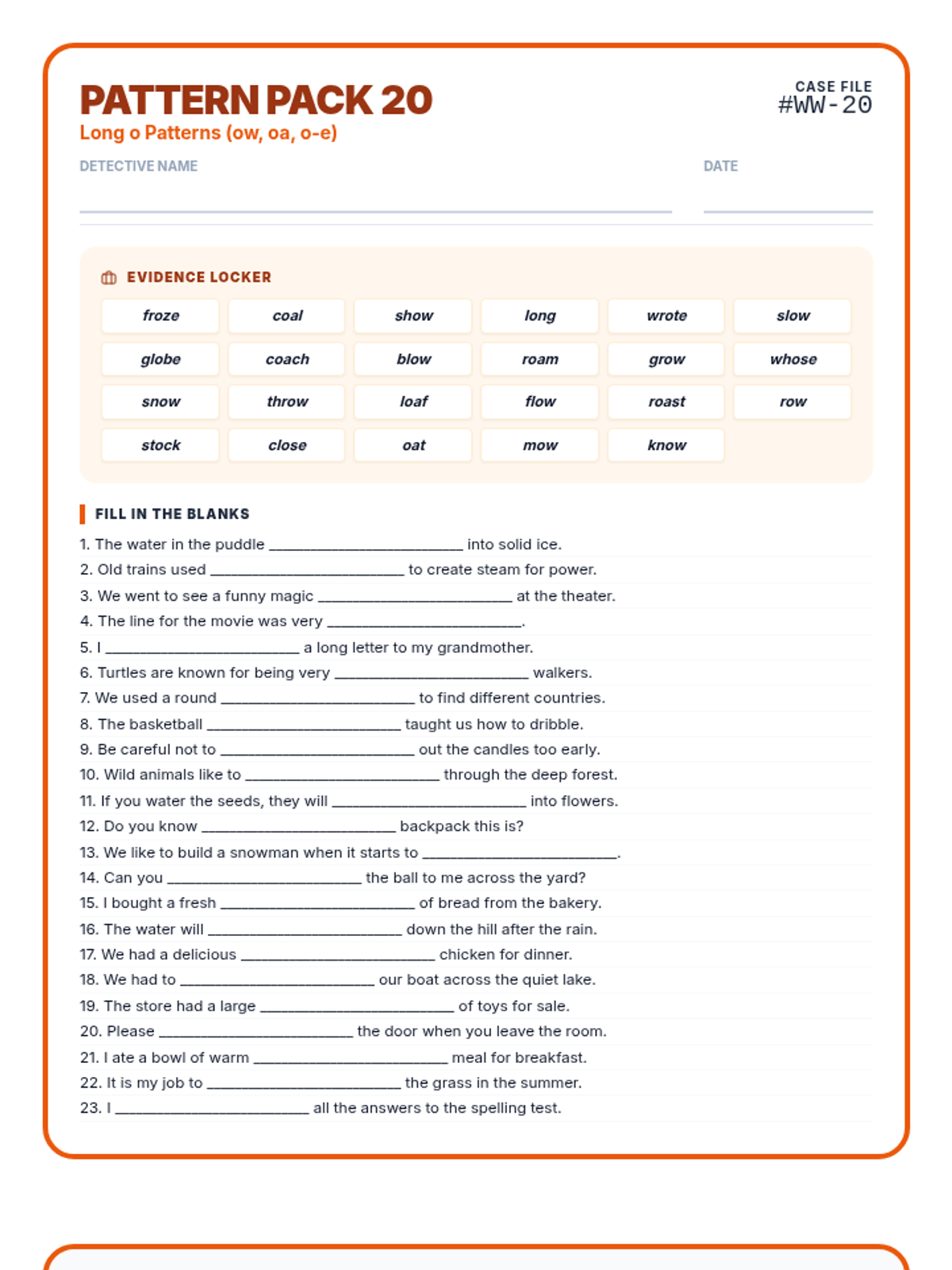
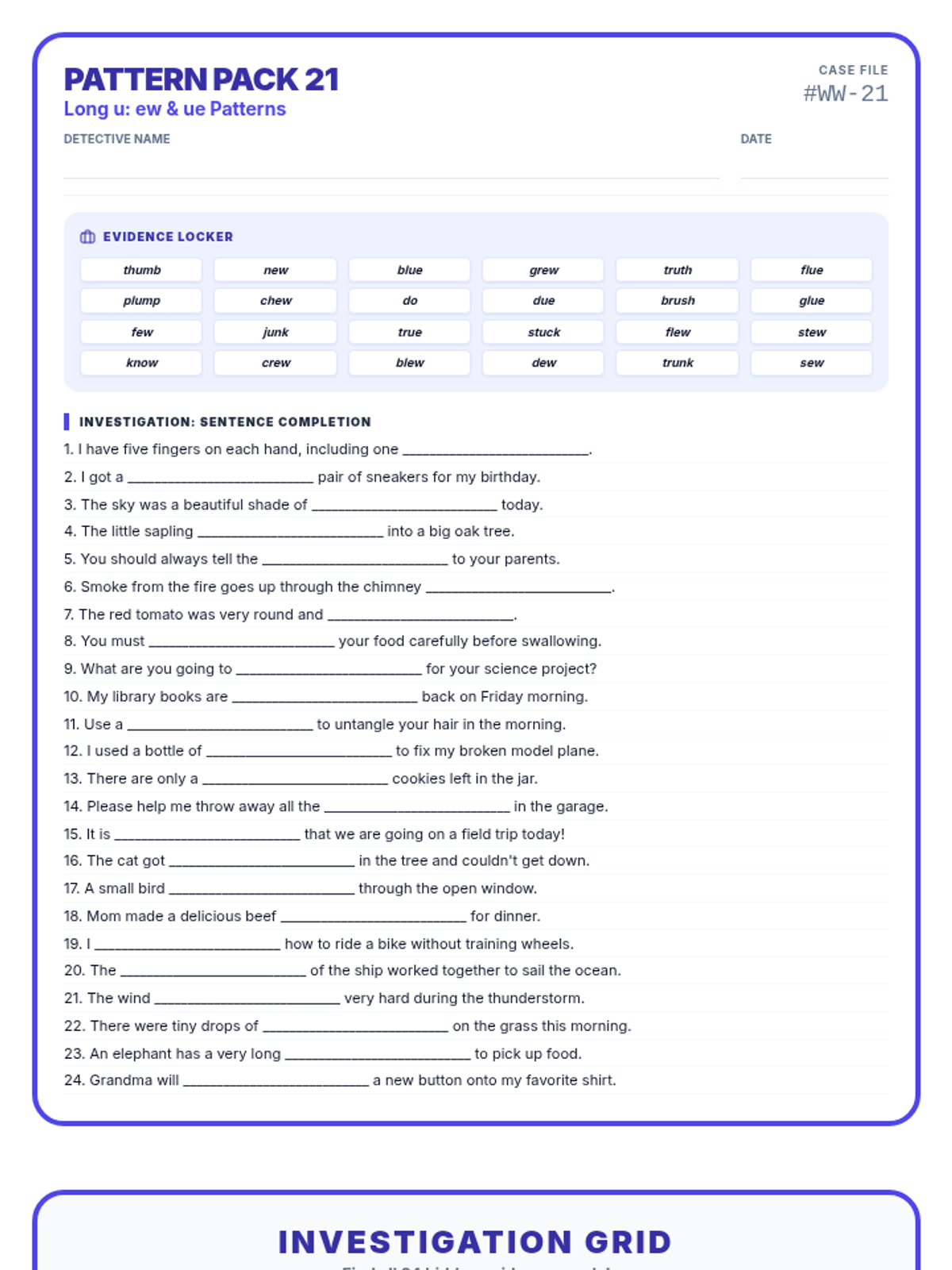
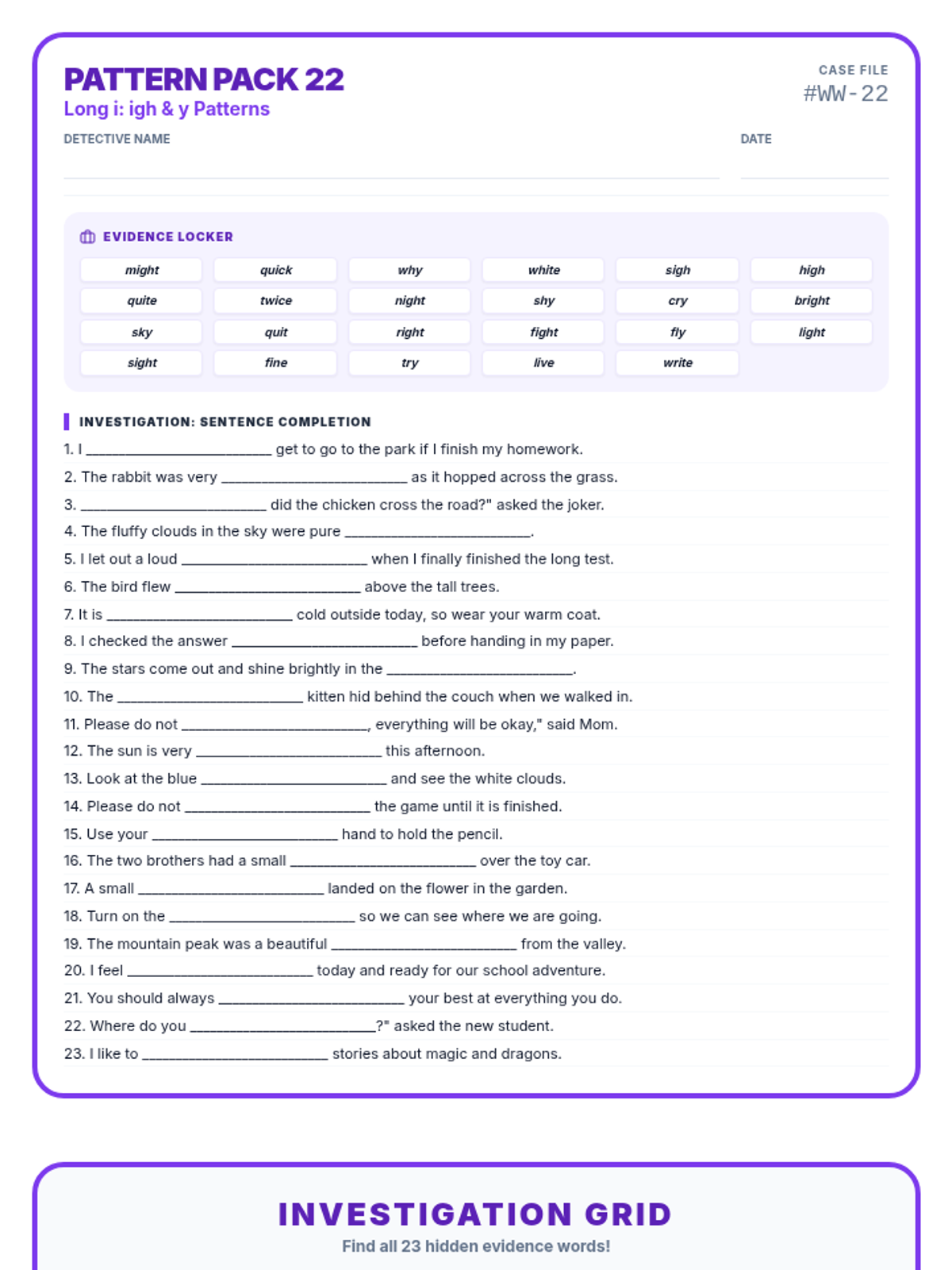
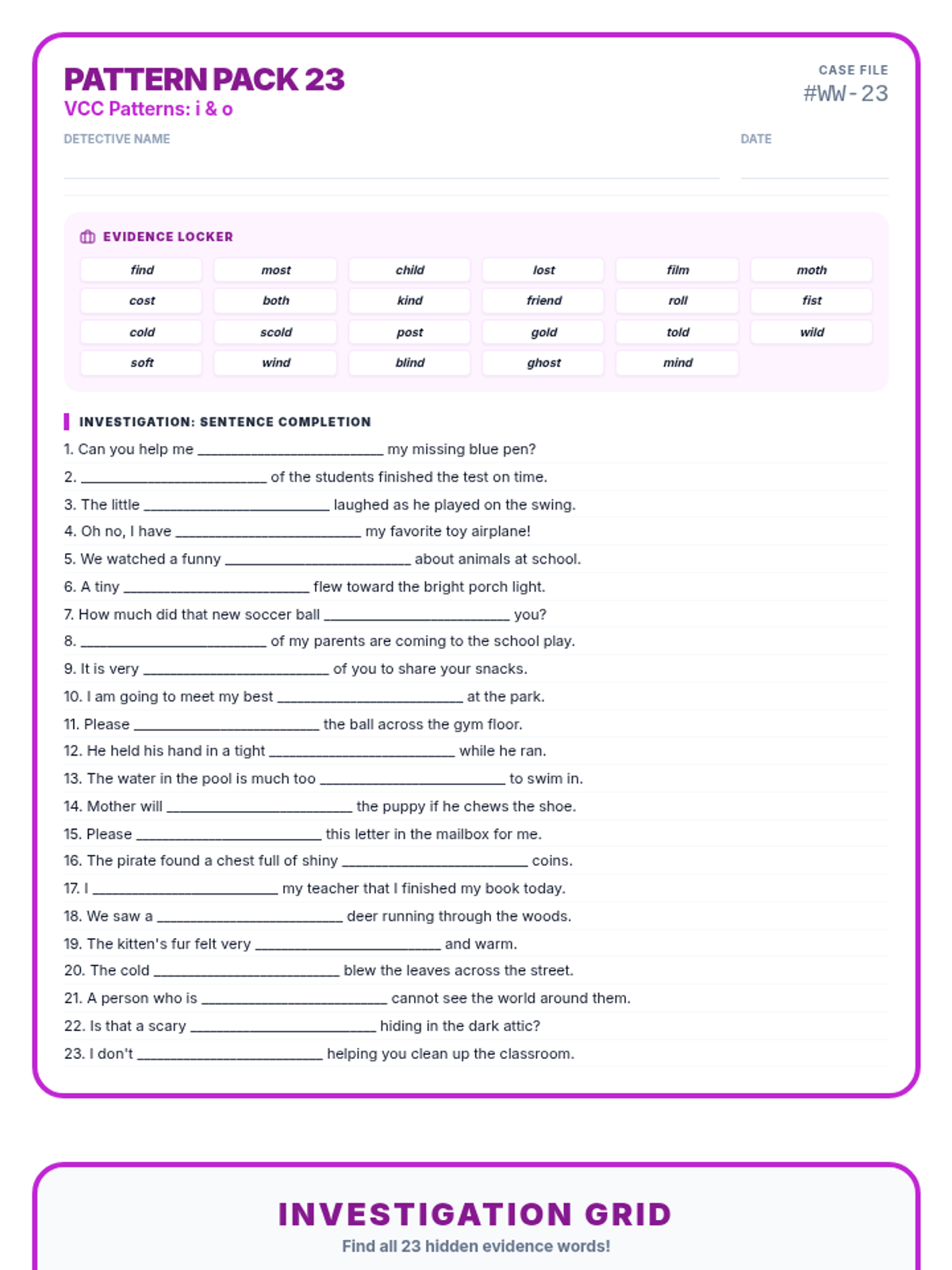
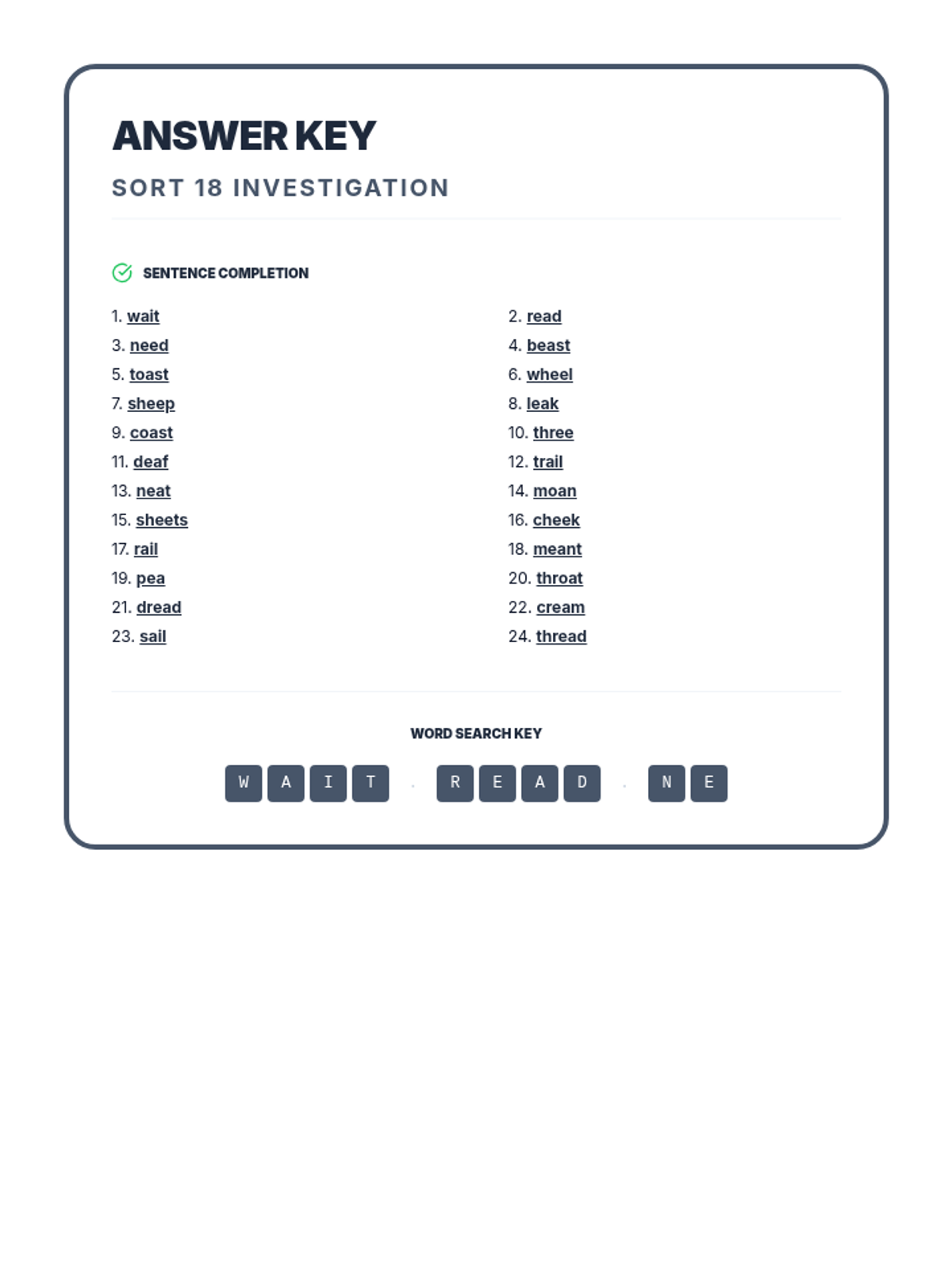
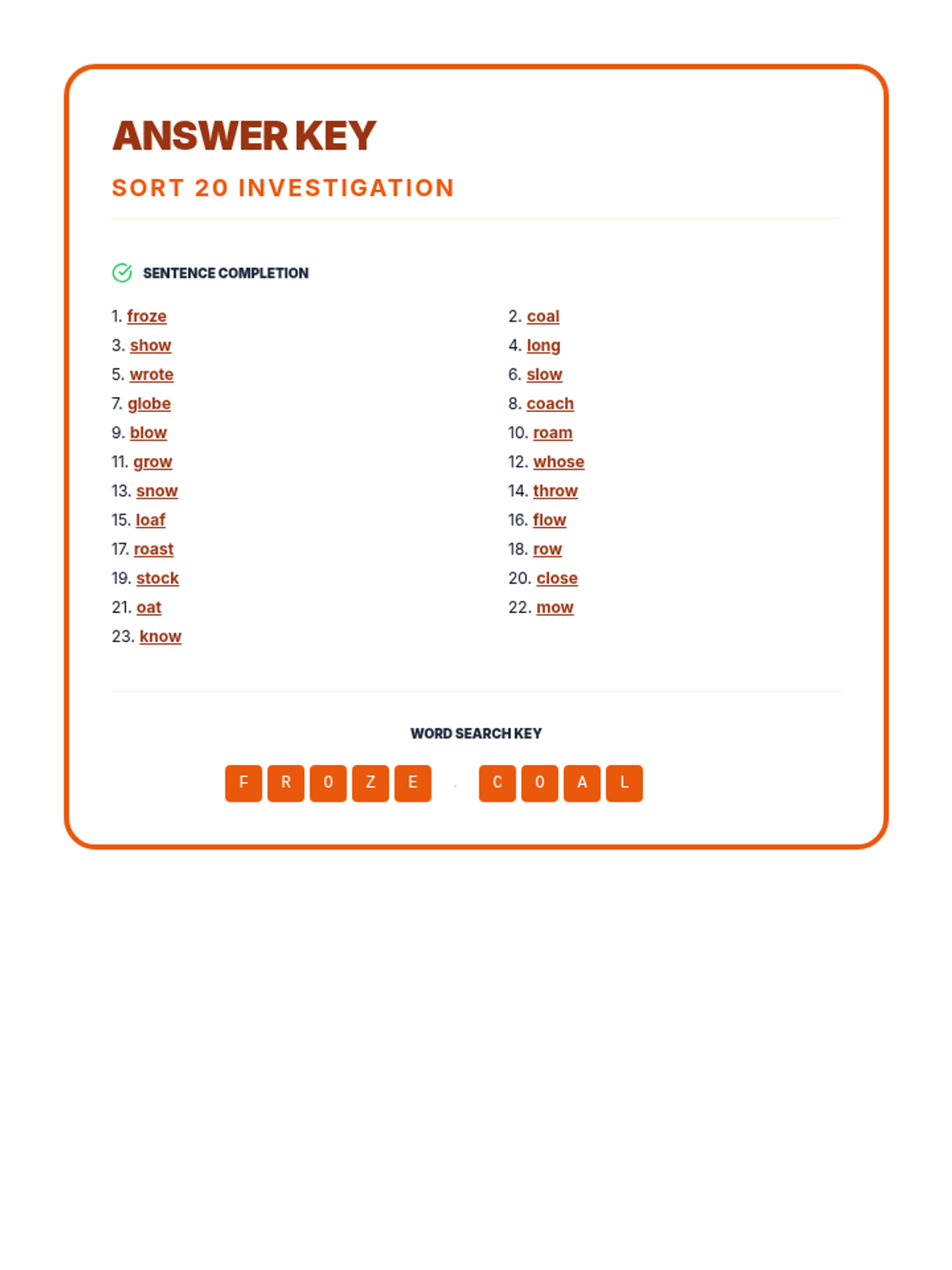
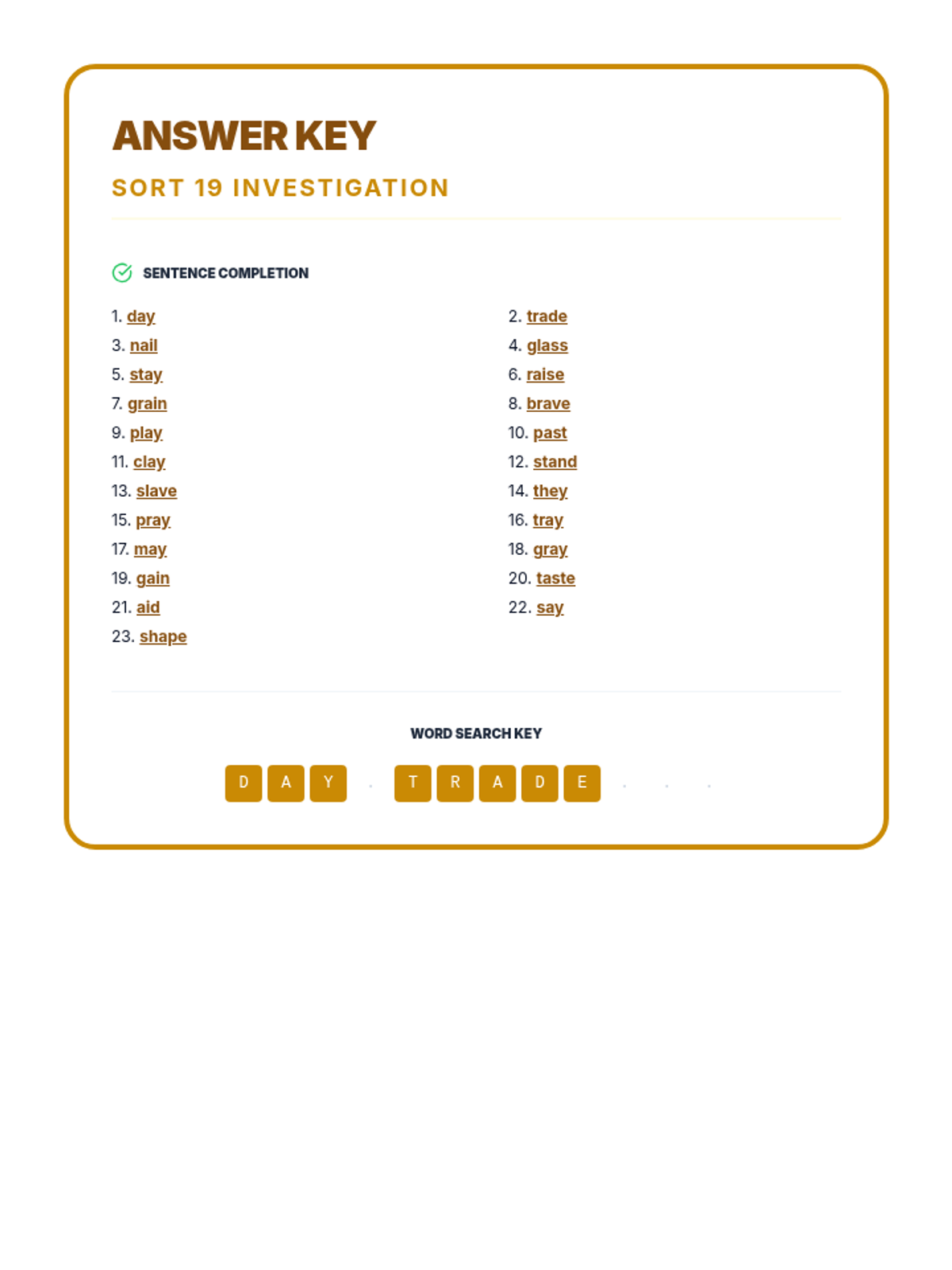
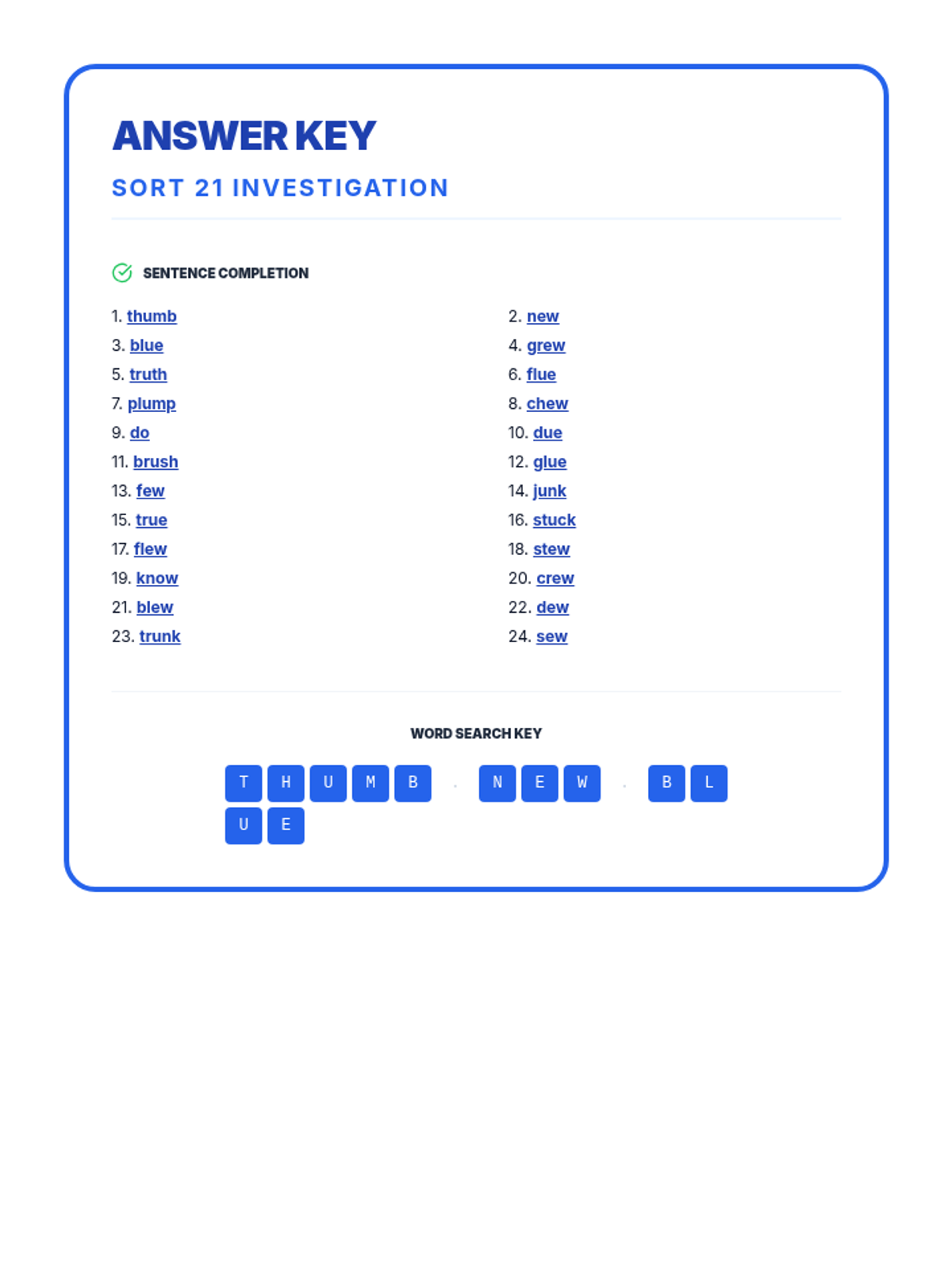
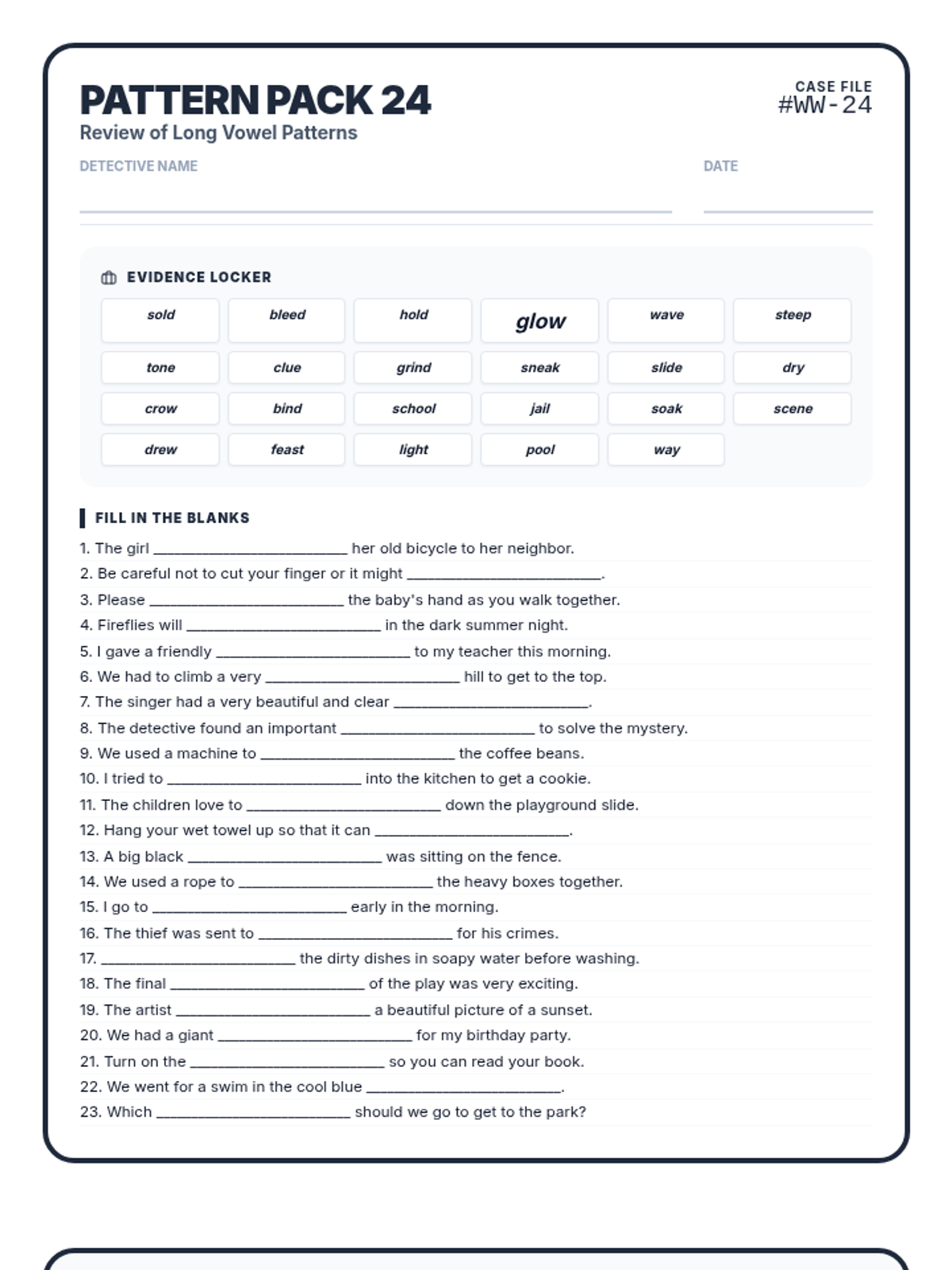
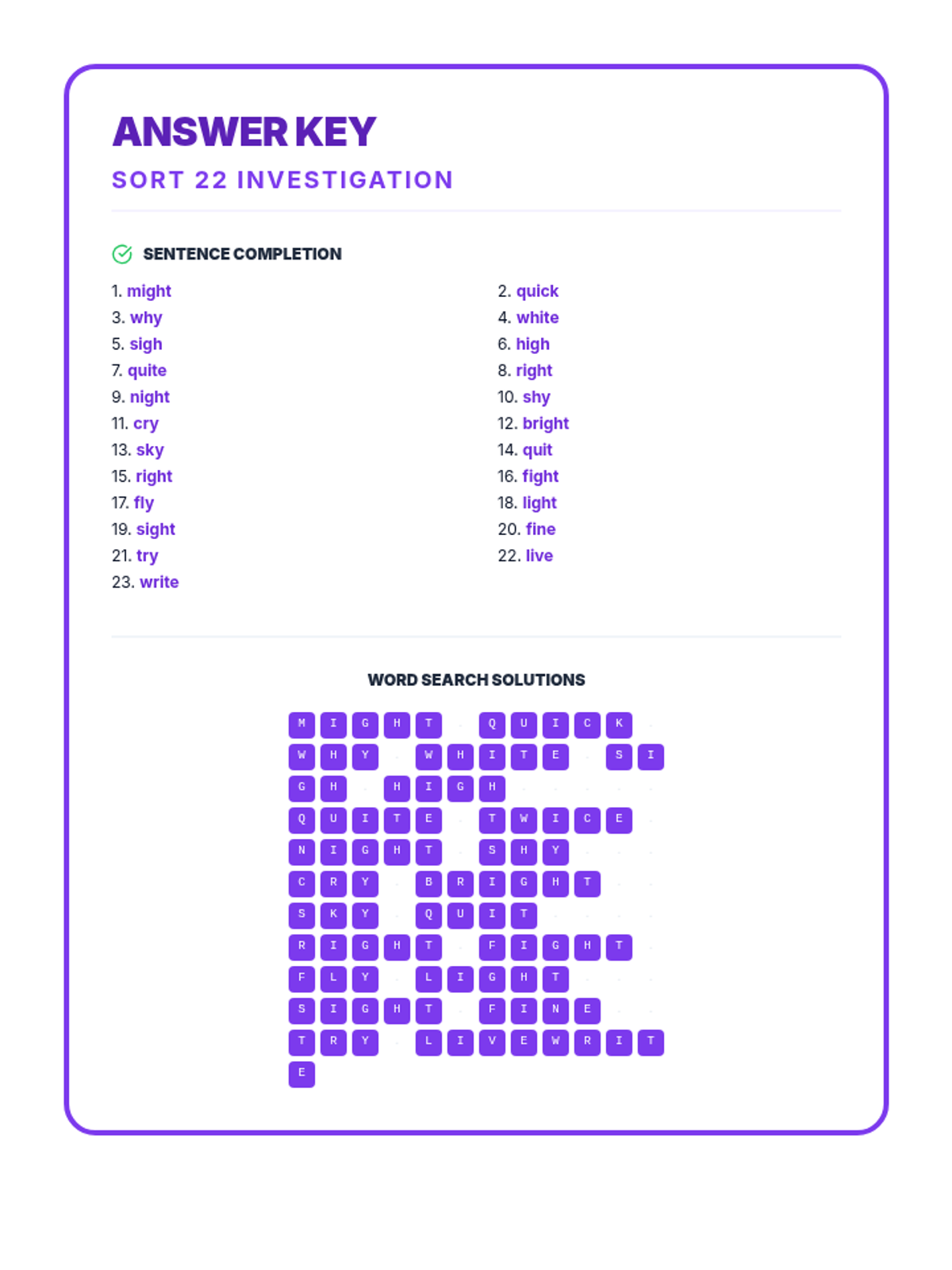
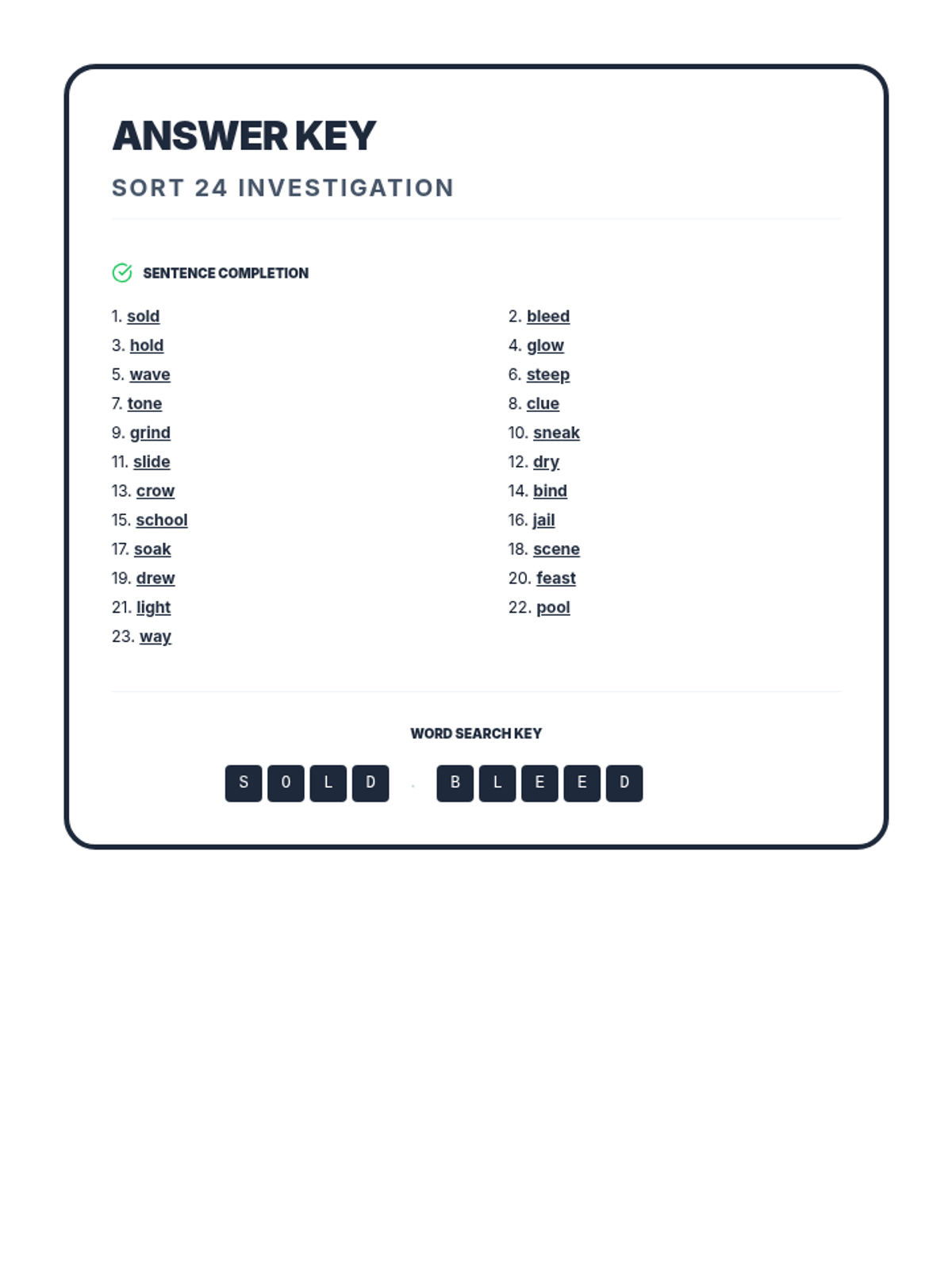
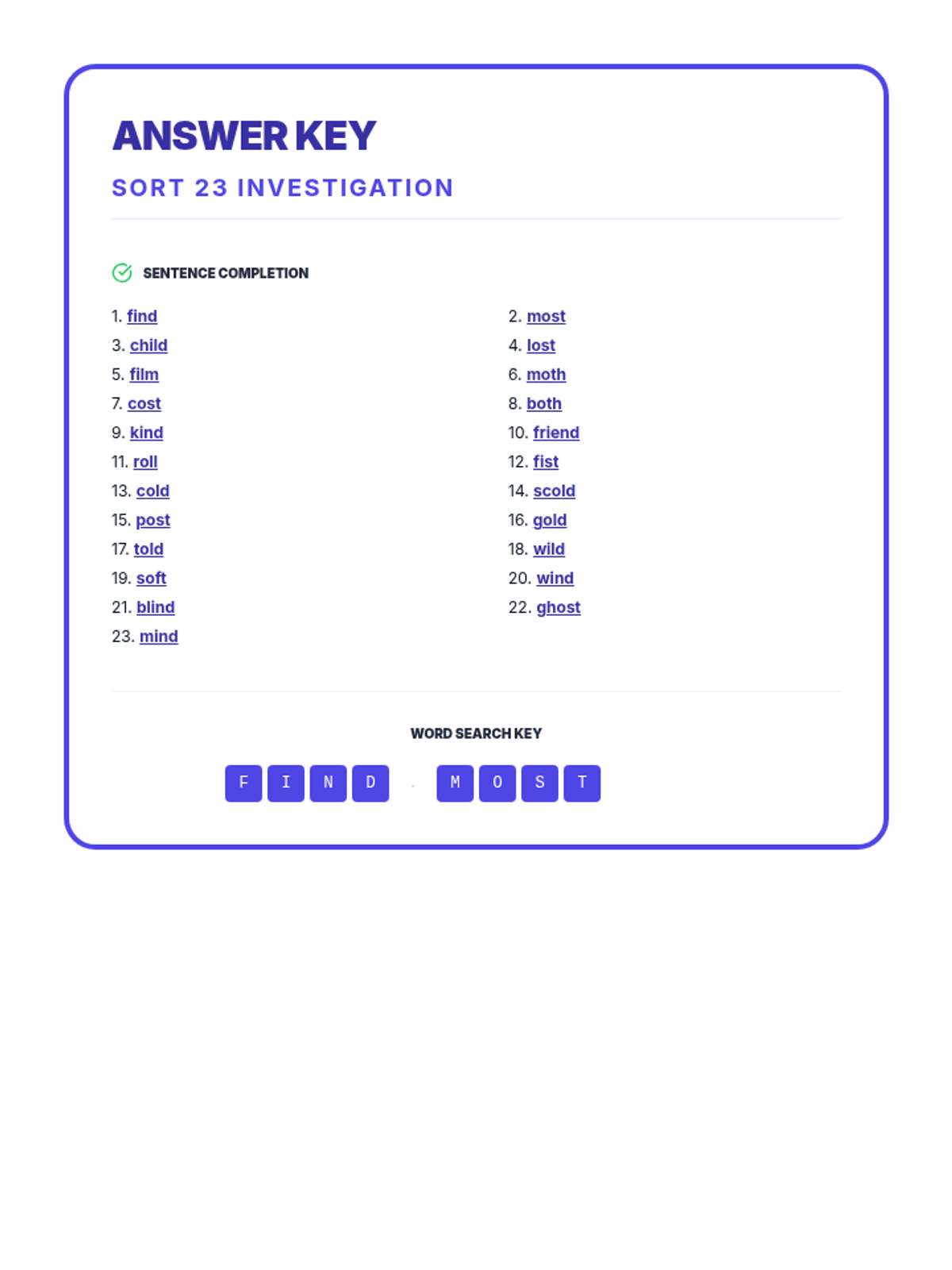
A comprehensive collection of practice materials for the 'Within Word Pattern' stage of word study, featuring sentence completion and word search activities for sorts 13 through 50.
A collection of engaging 2nd grade lessons covering CKLA science topics and UFLI foundational reading skills, designed with high-visual impact and student-centered activities.
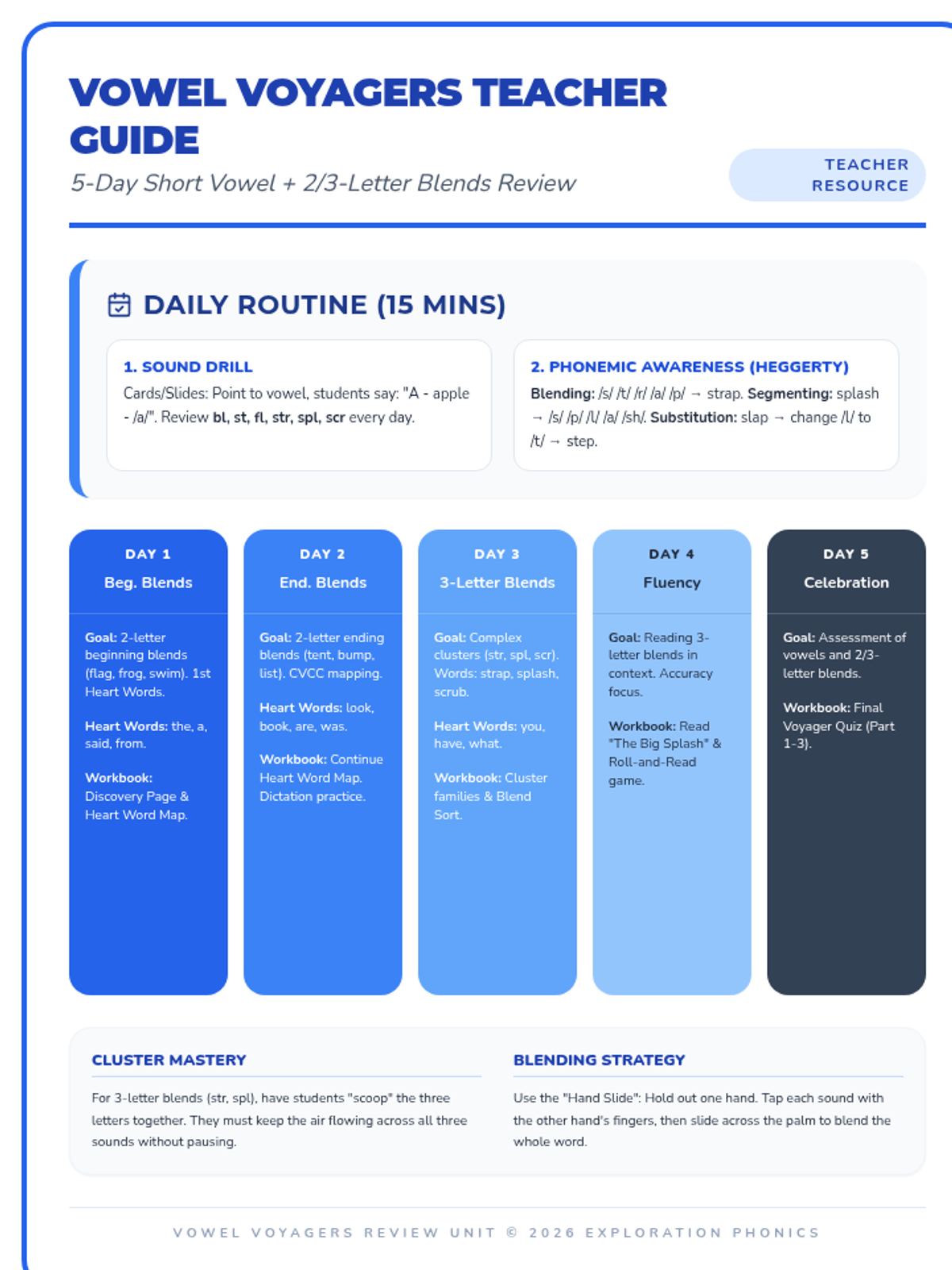
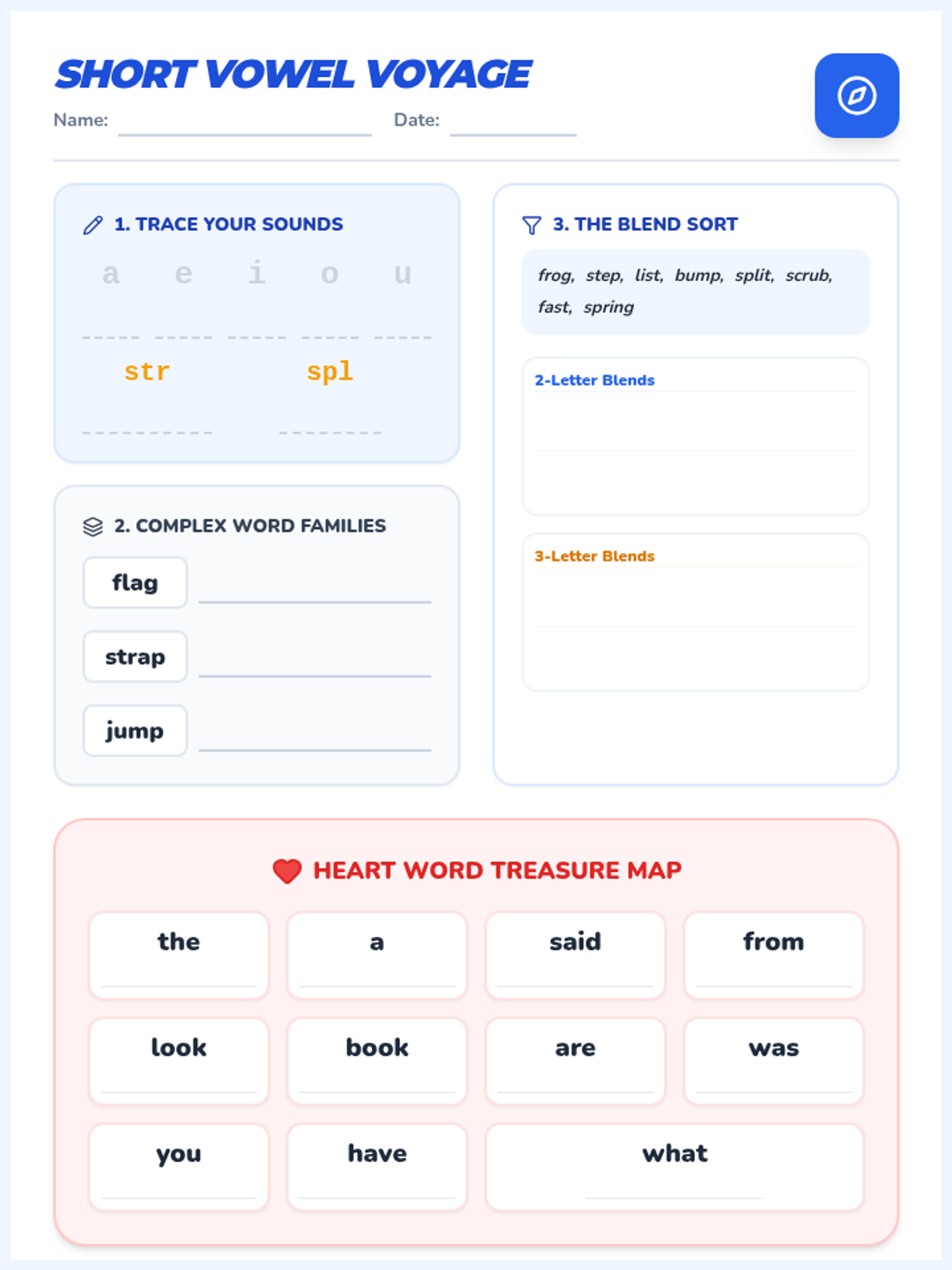
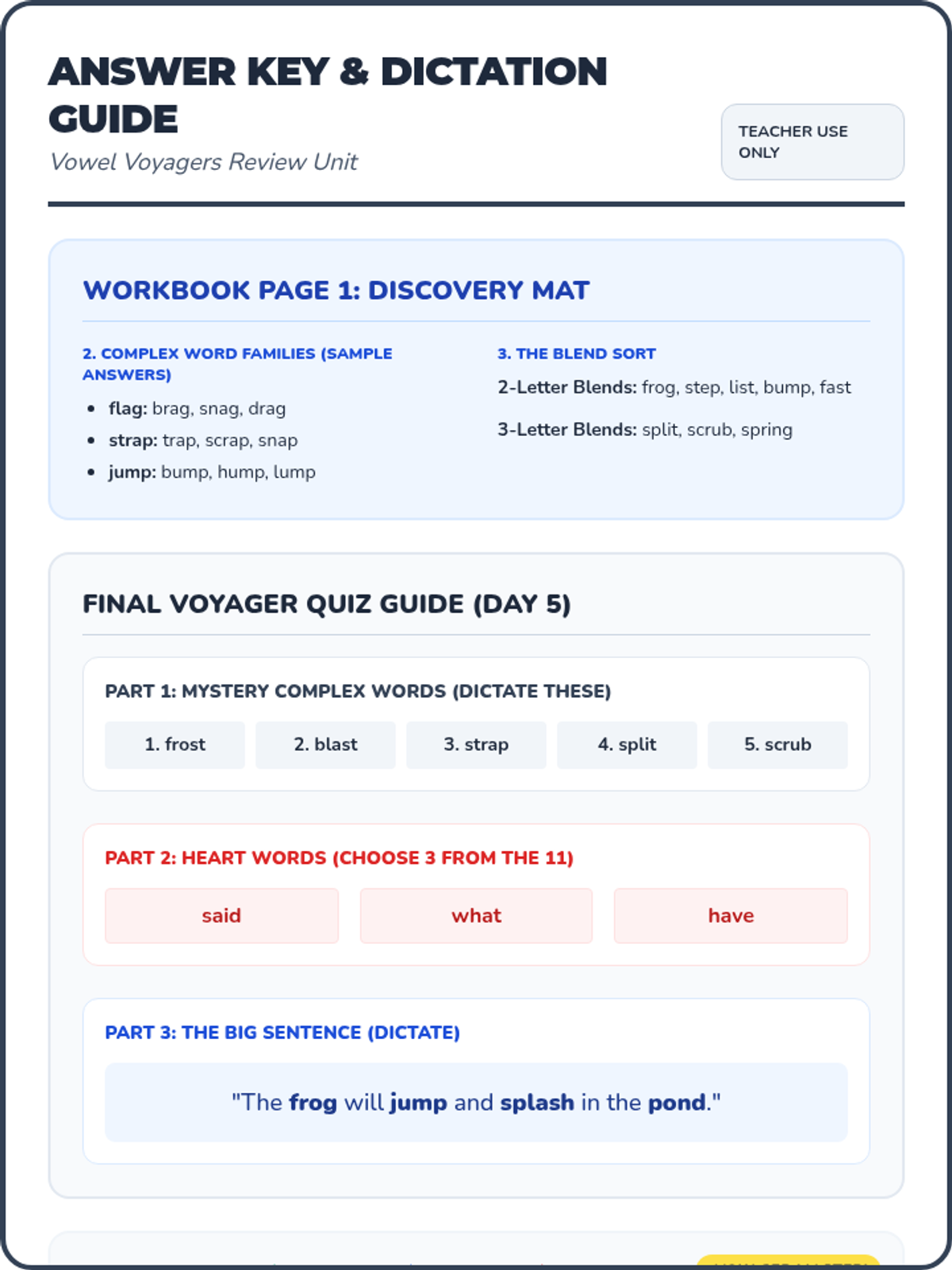
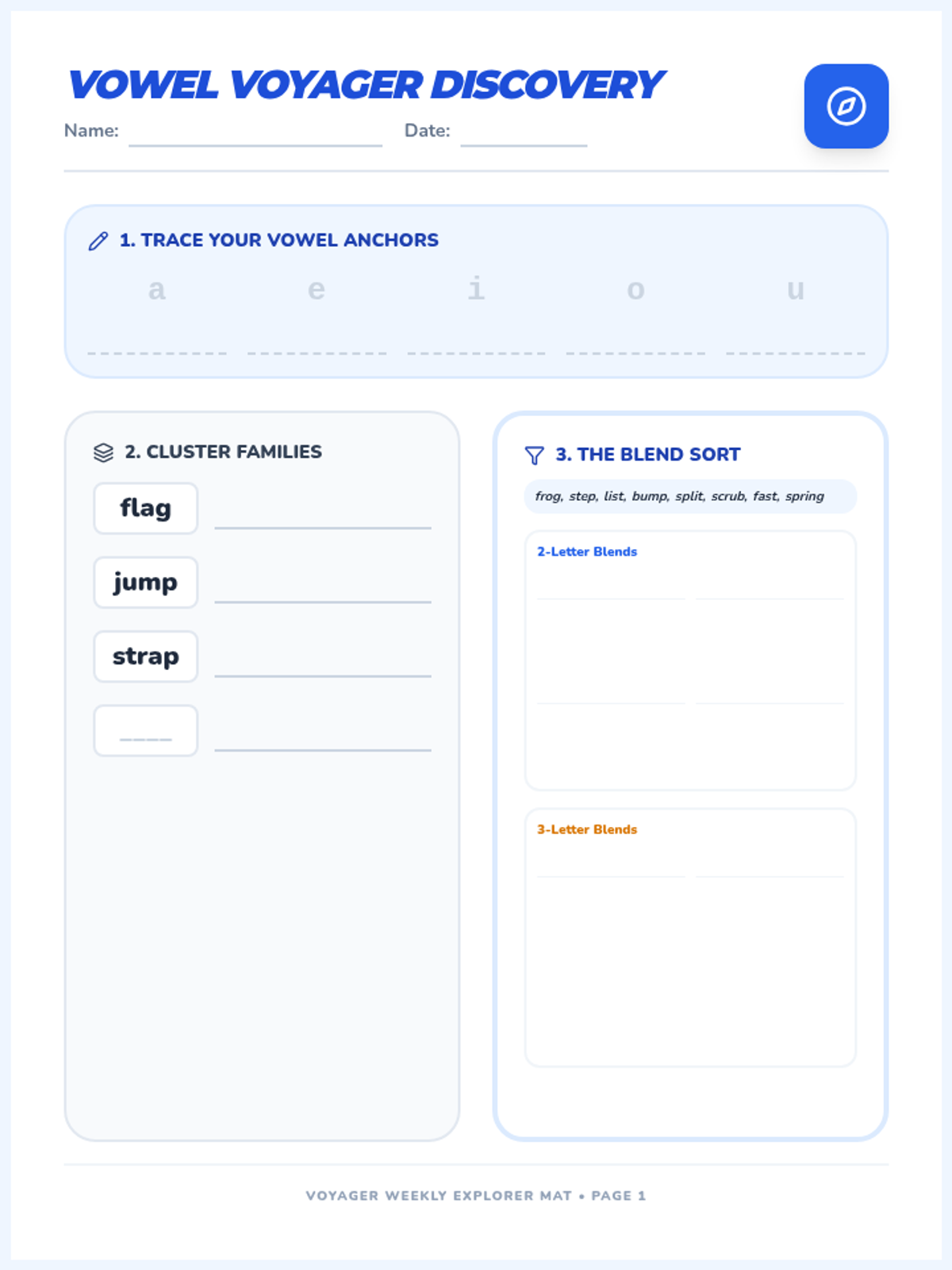
A 5-day intensive review of all short vowel sounds (a, e, i, o, u) using the 'Vowel Voyagers' theme. Includes daily phonemic awareness, word building, decodable reading, and heart word mastery.
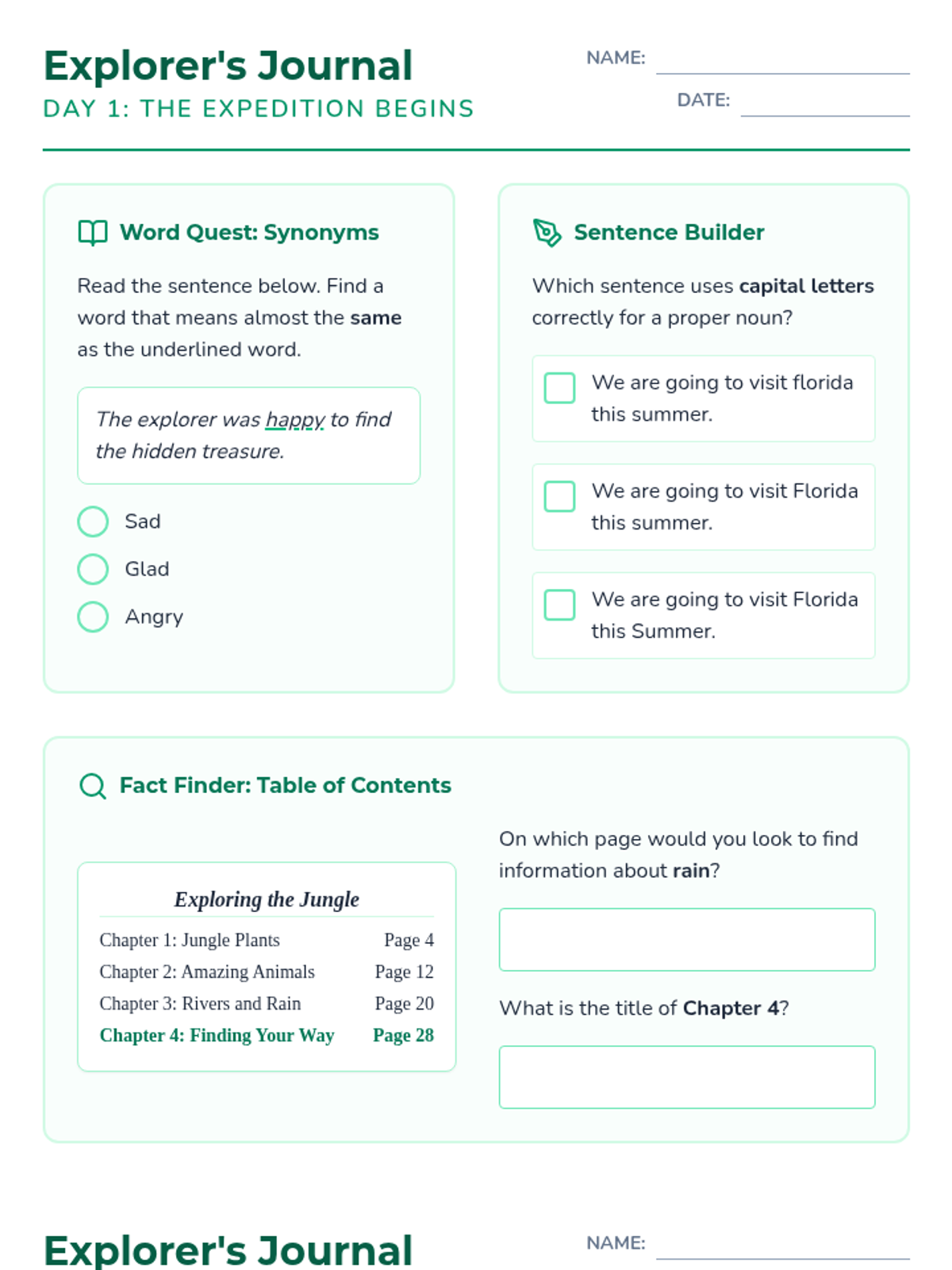
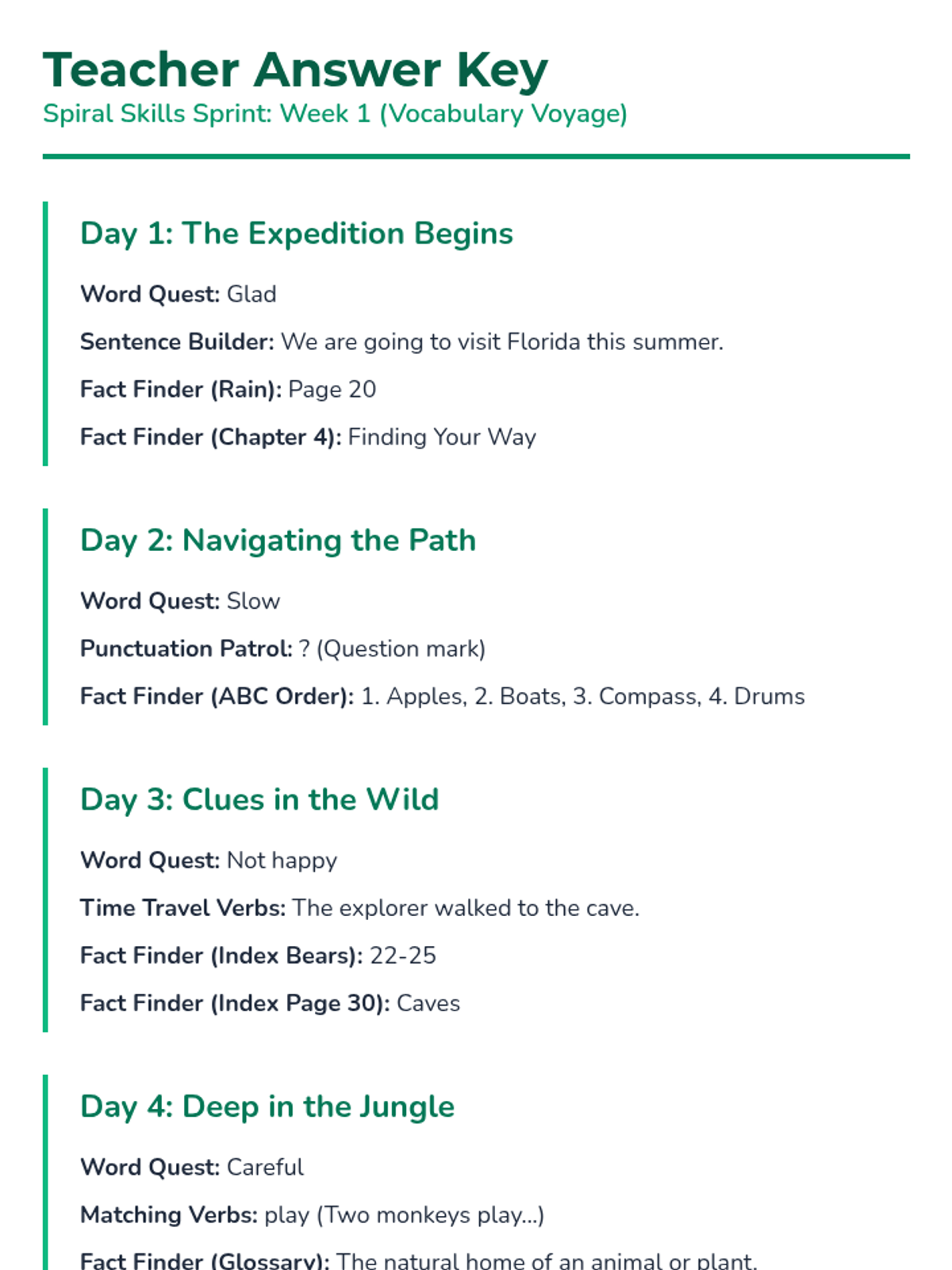
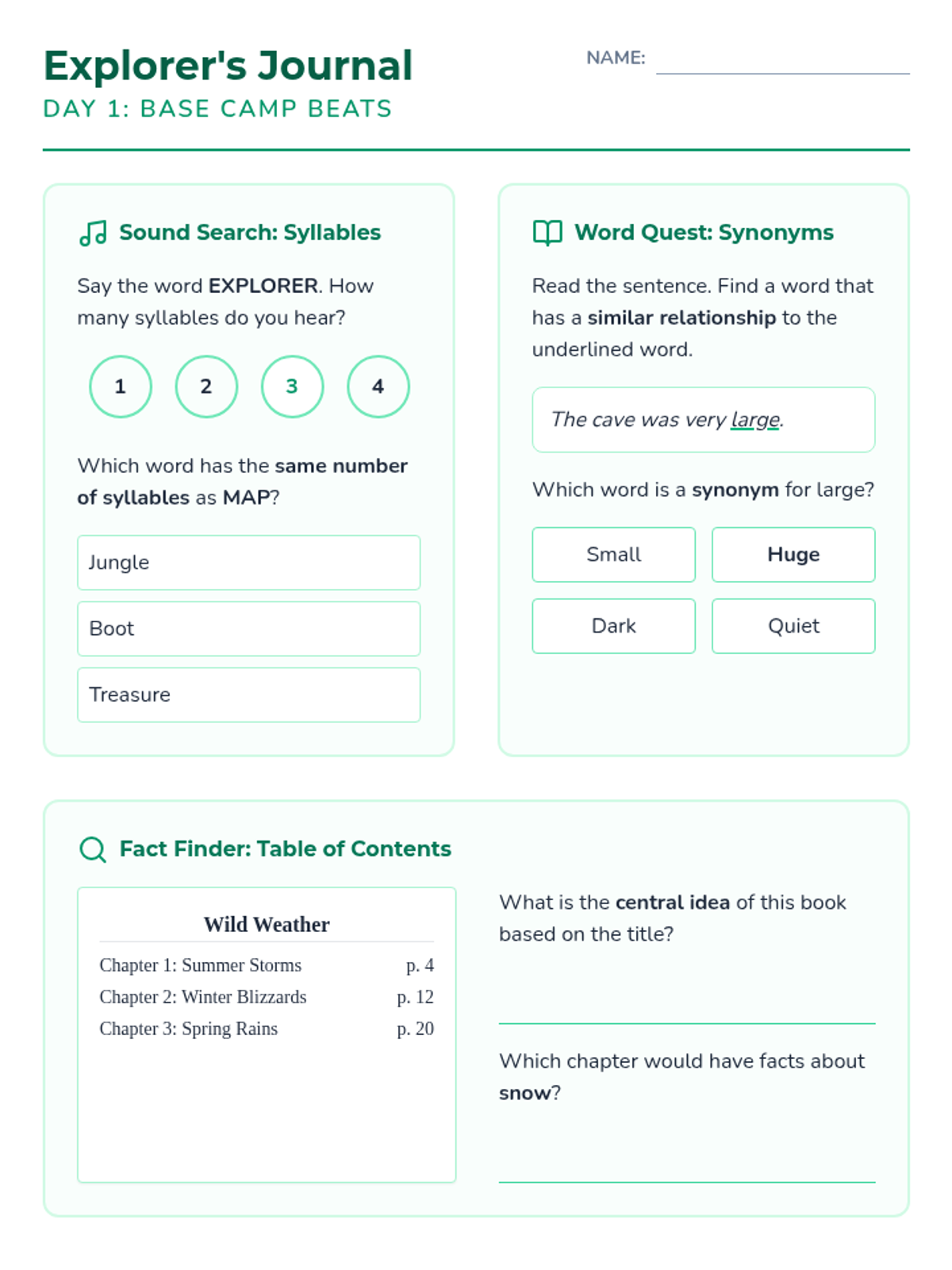
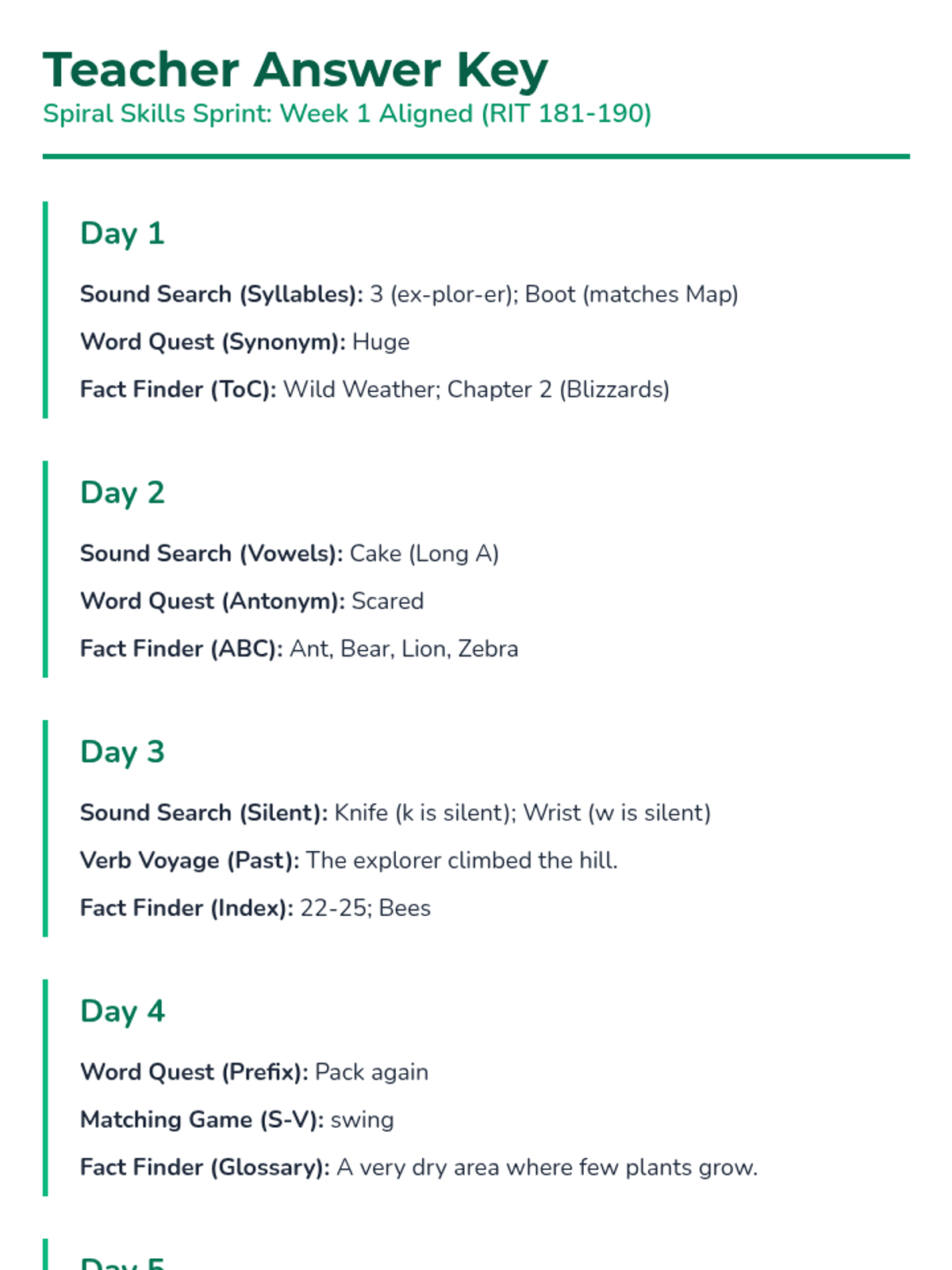
A 25-day spiral review program designed to prepare 2nd grade students for NWEA MAP Growth assessments, focusing on vocabulary, composition, and research skills. Each week provides a thematic challenge in an "Explorer's Journal" format to keep students engaged.
A collection of literacy and phonics resources for elementary students, covering assessment and targeted skill building.
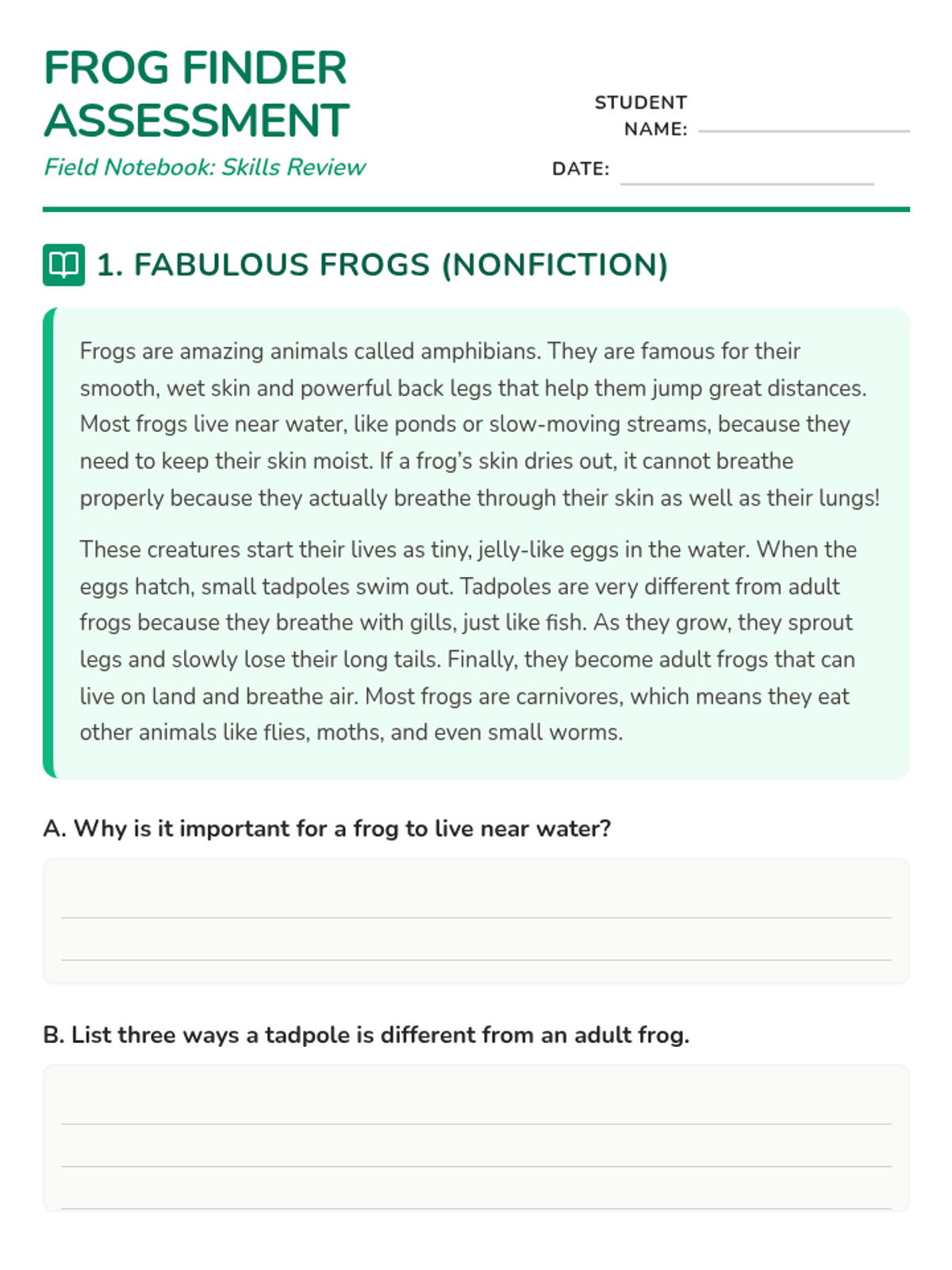
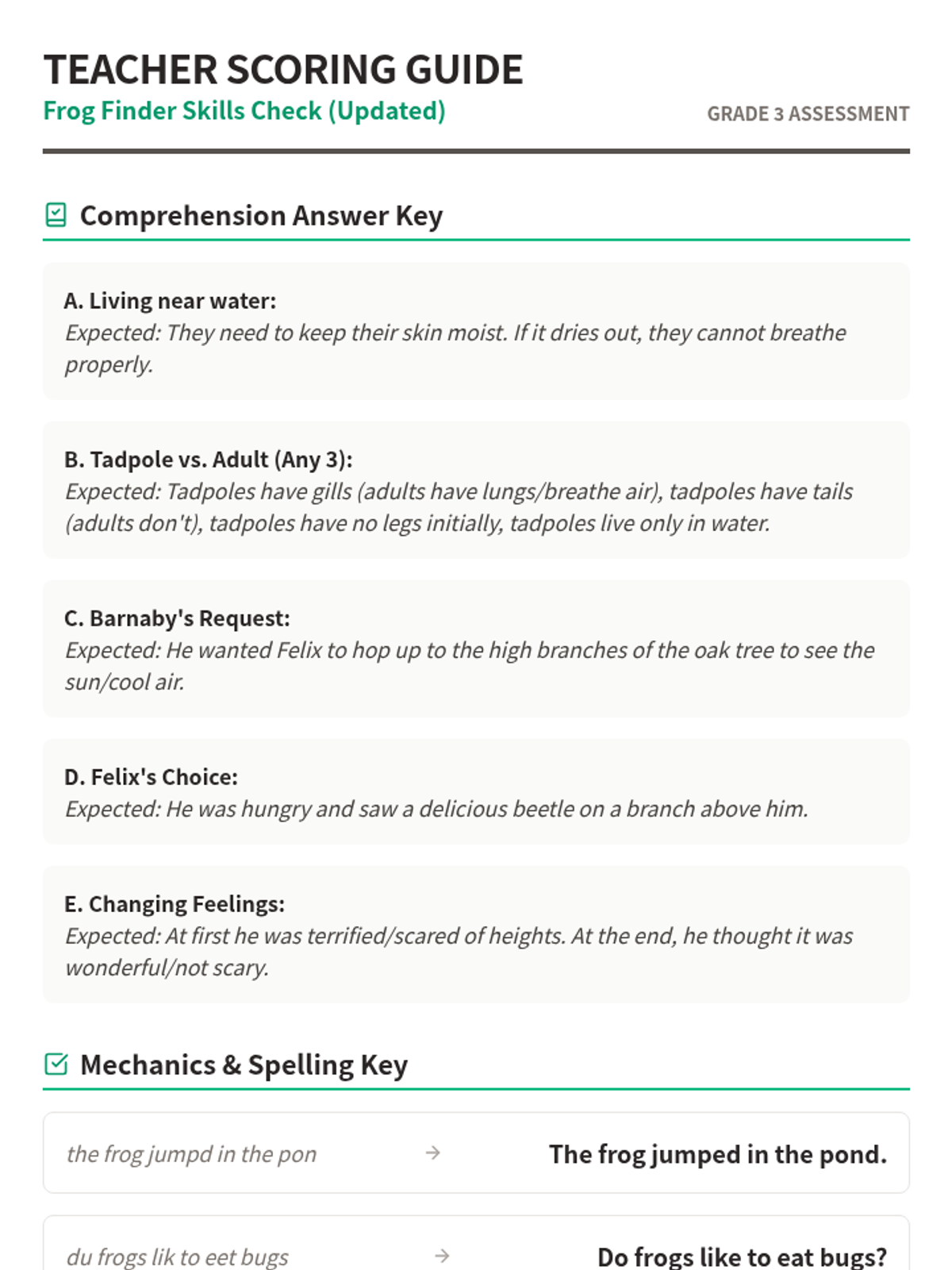
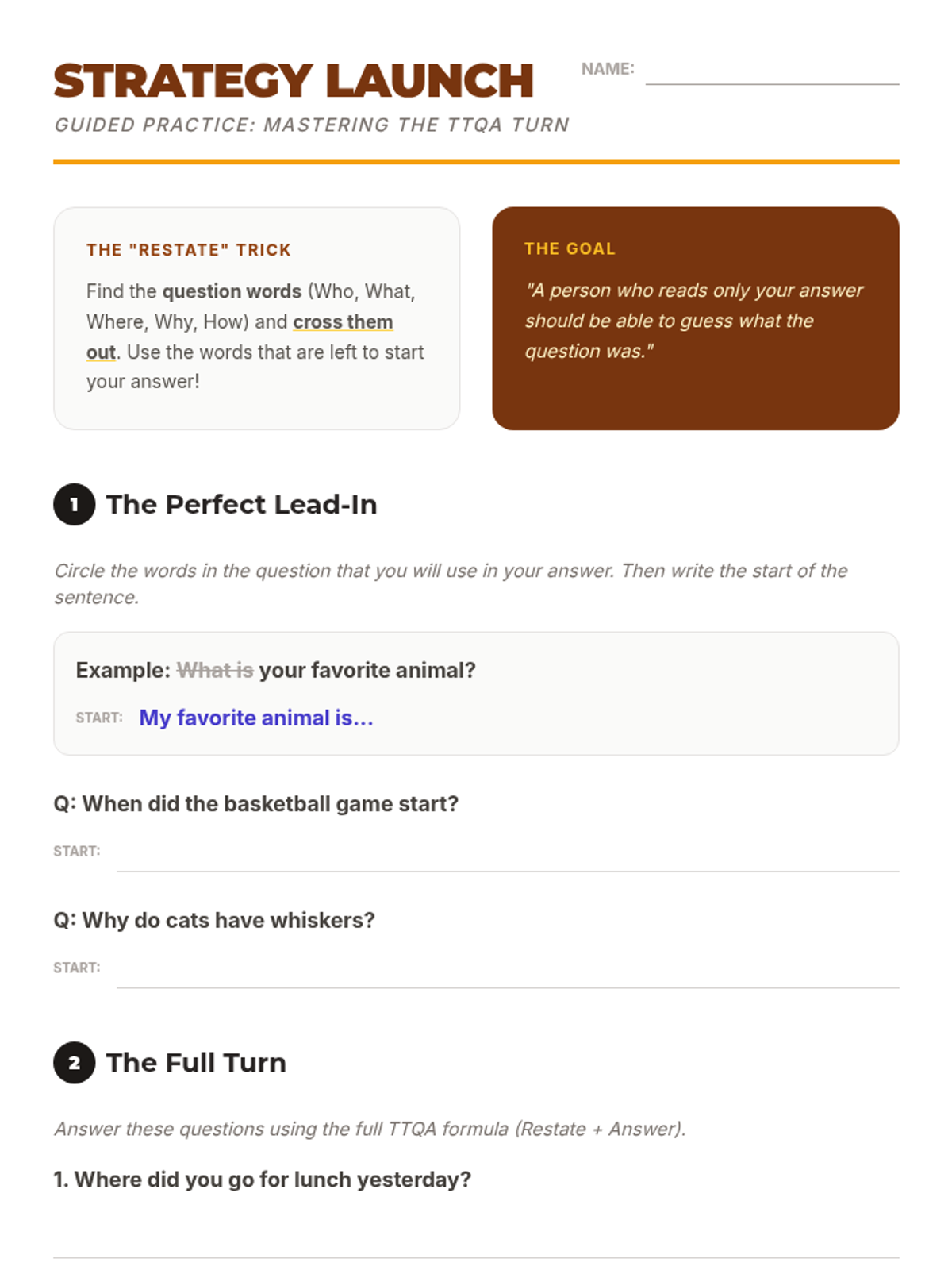
A multi-level collection of reading comprehension materials designed to teach students how to 'Turn The Question Around' (TTQA). Includes high-interest nonfiction passages differentiated for 2nd, 3rd, and 4th grade levels.
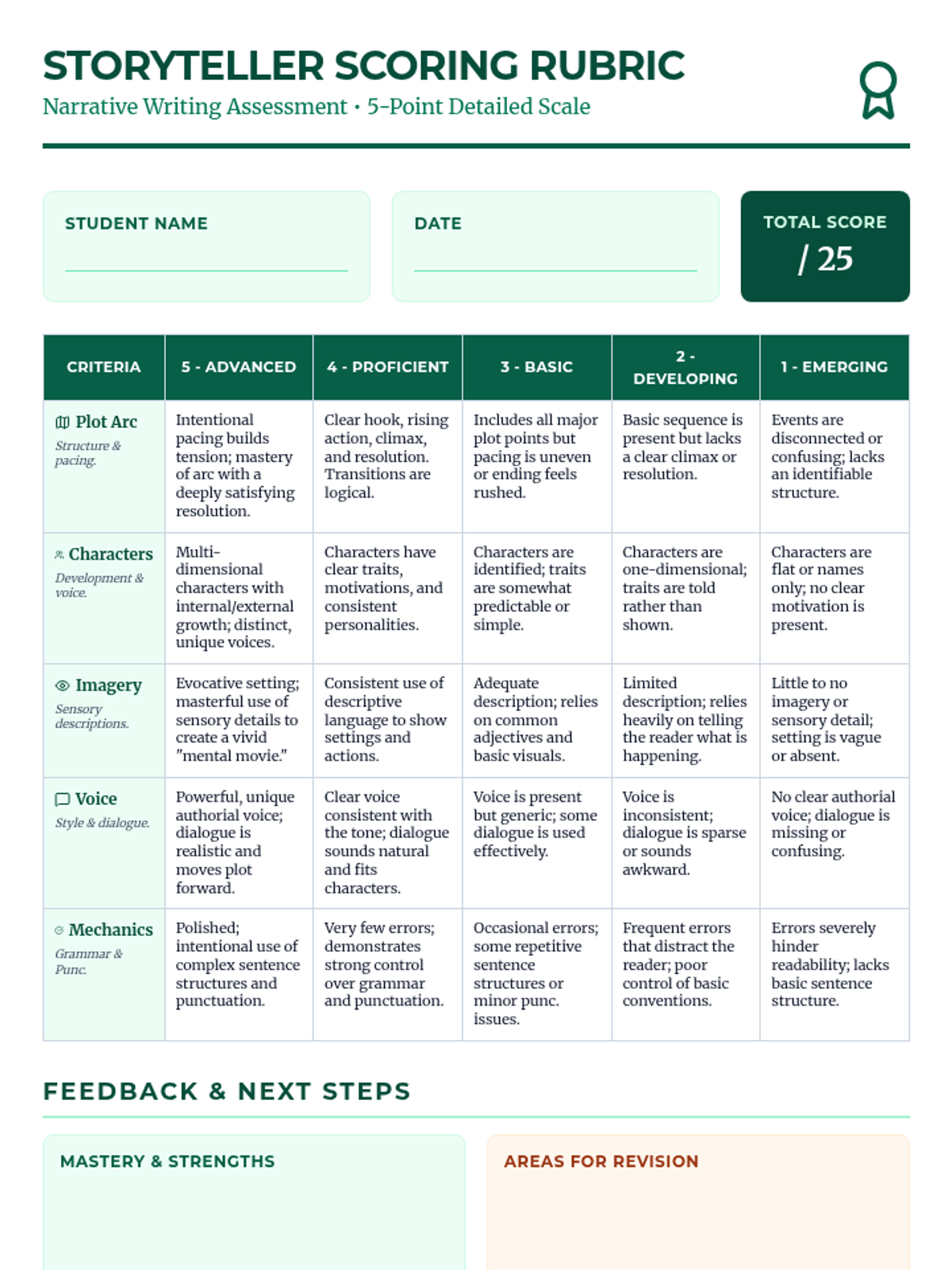
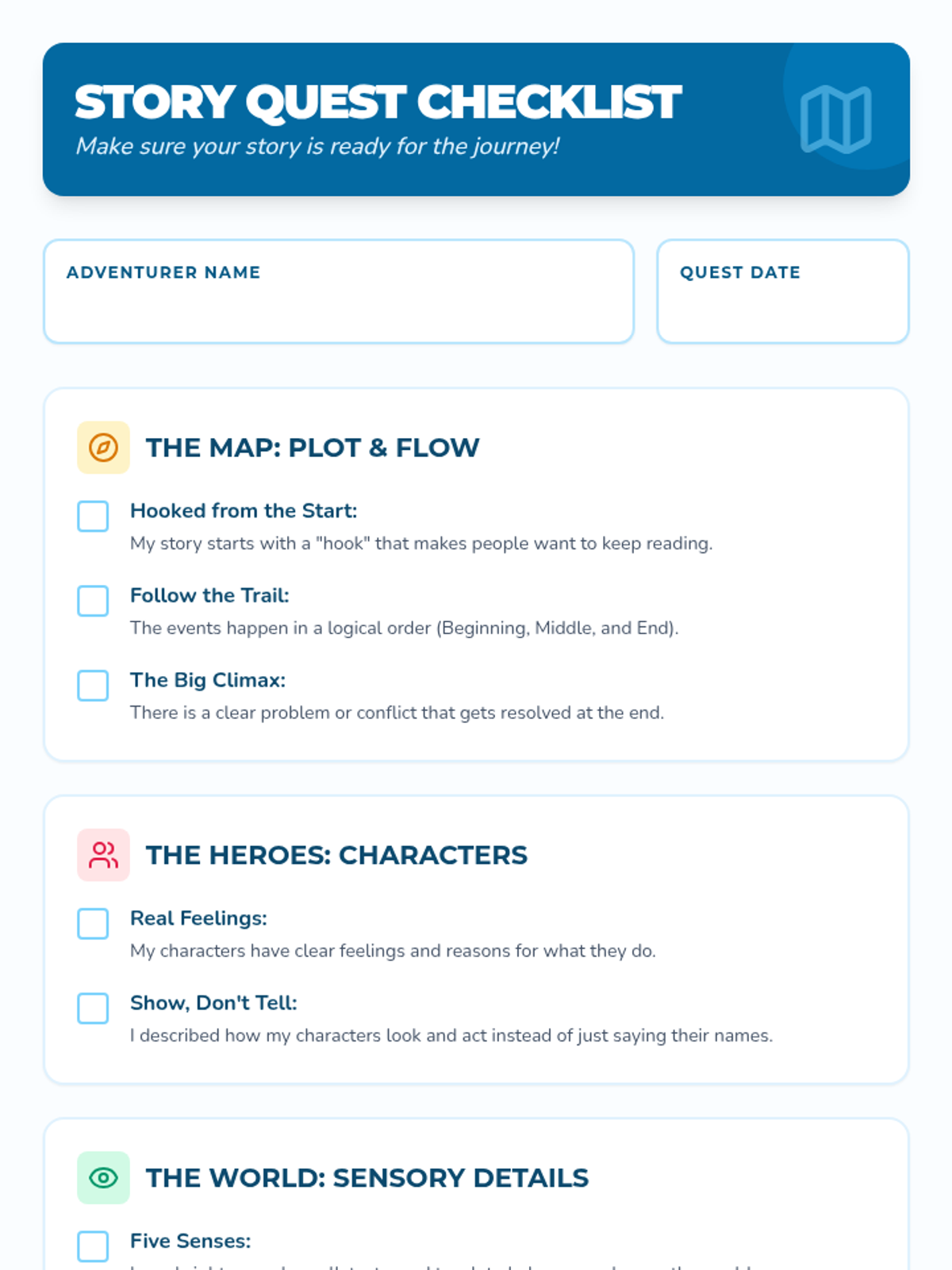
A comprehensive set of writing tools and rubrics across different genres to help students master various styles of storytelling and analysis.
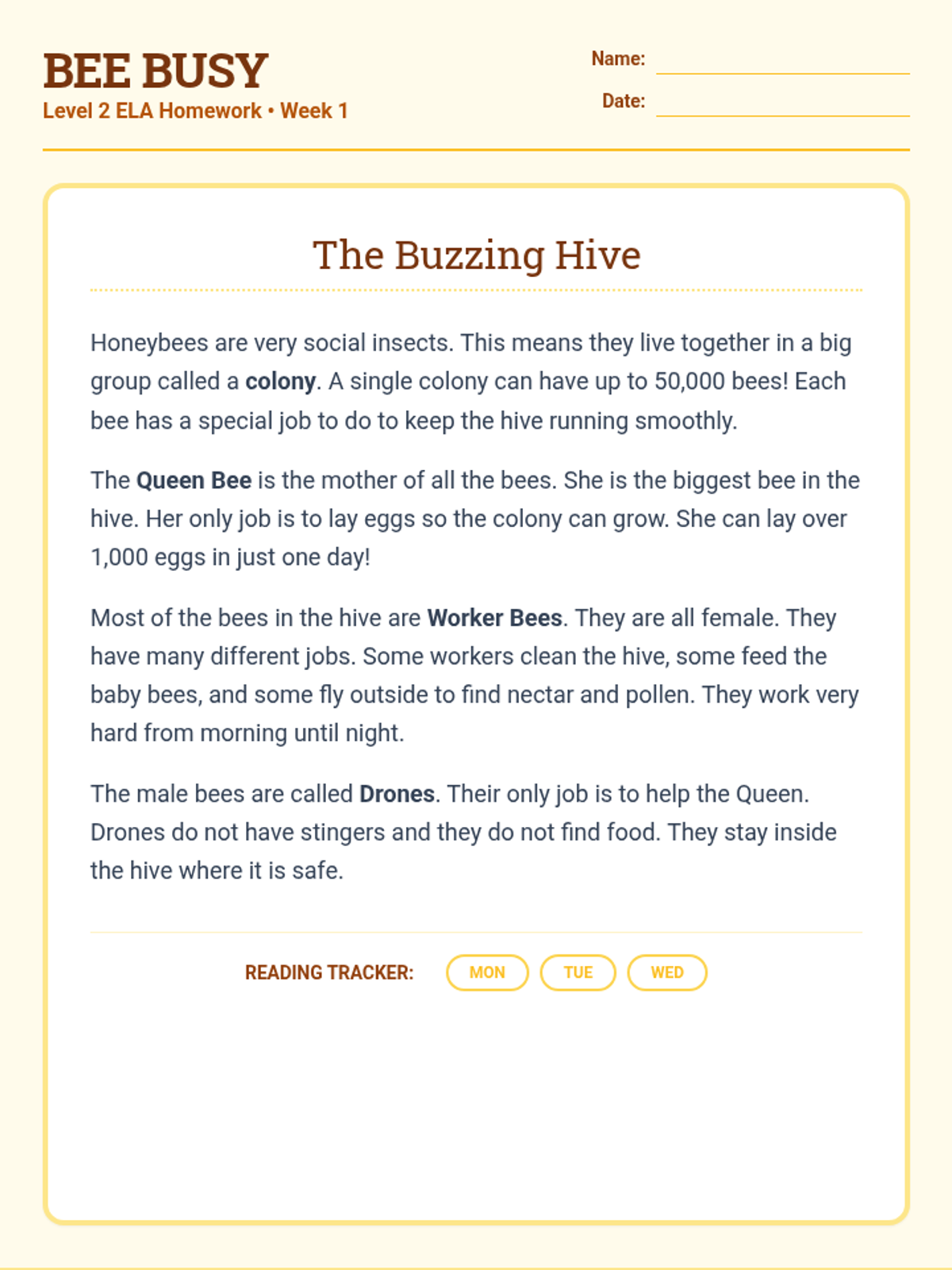
Differentiated ELA homework packets centered on the lives and importance of honeybees, organized by complexity levels.
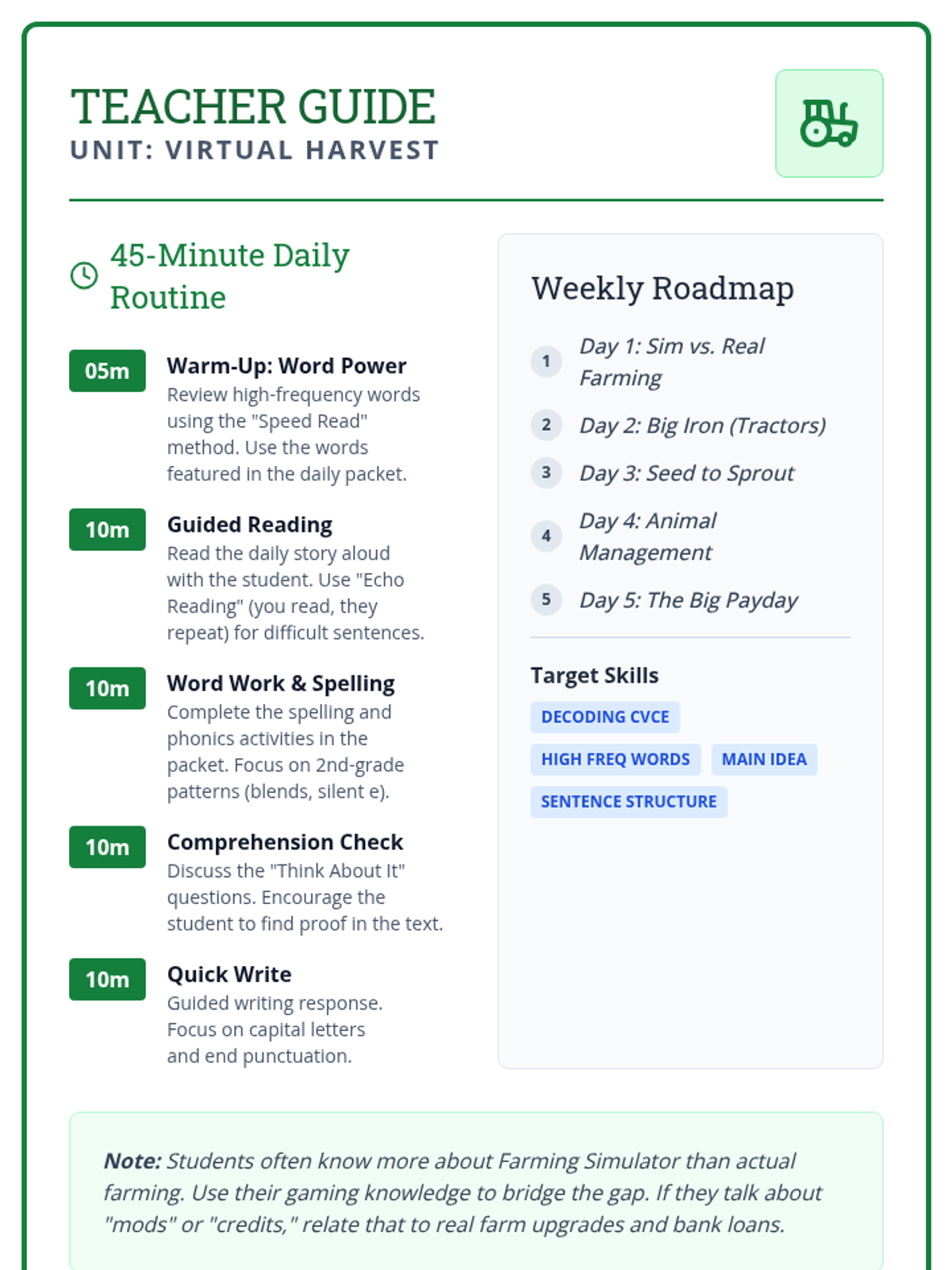
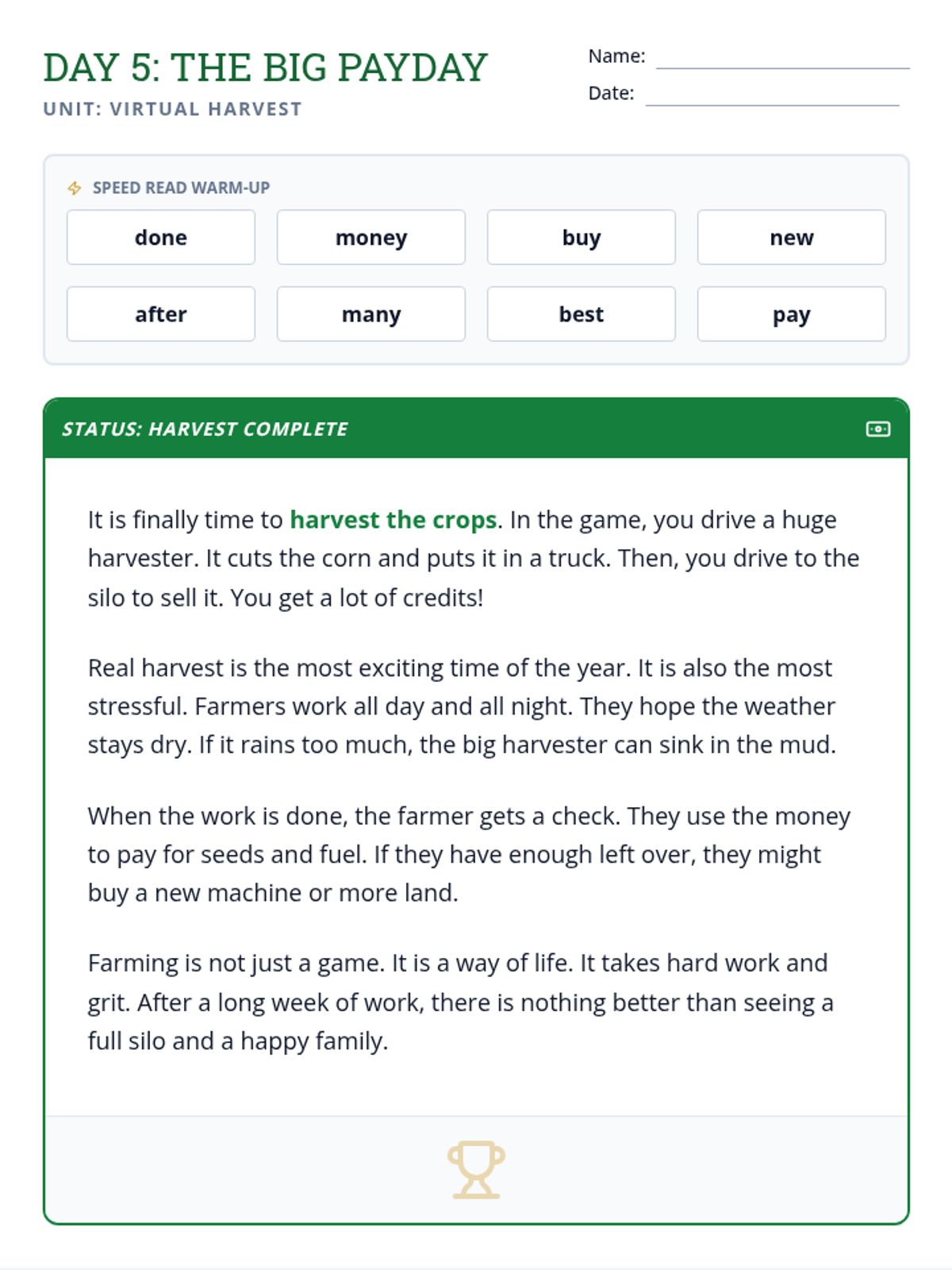
A 5-day reading comprehension and writing unit for struggling readers, blending the world of Farming Simulator with real-world agriculture. Focuses on 2nd-grade level literacy skills within a high-interest 5th-grade context.
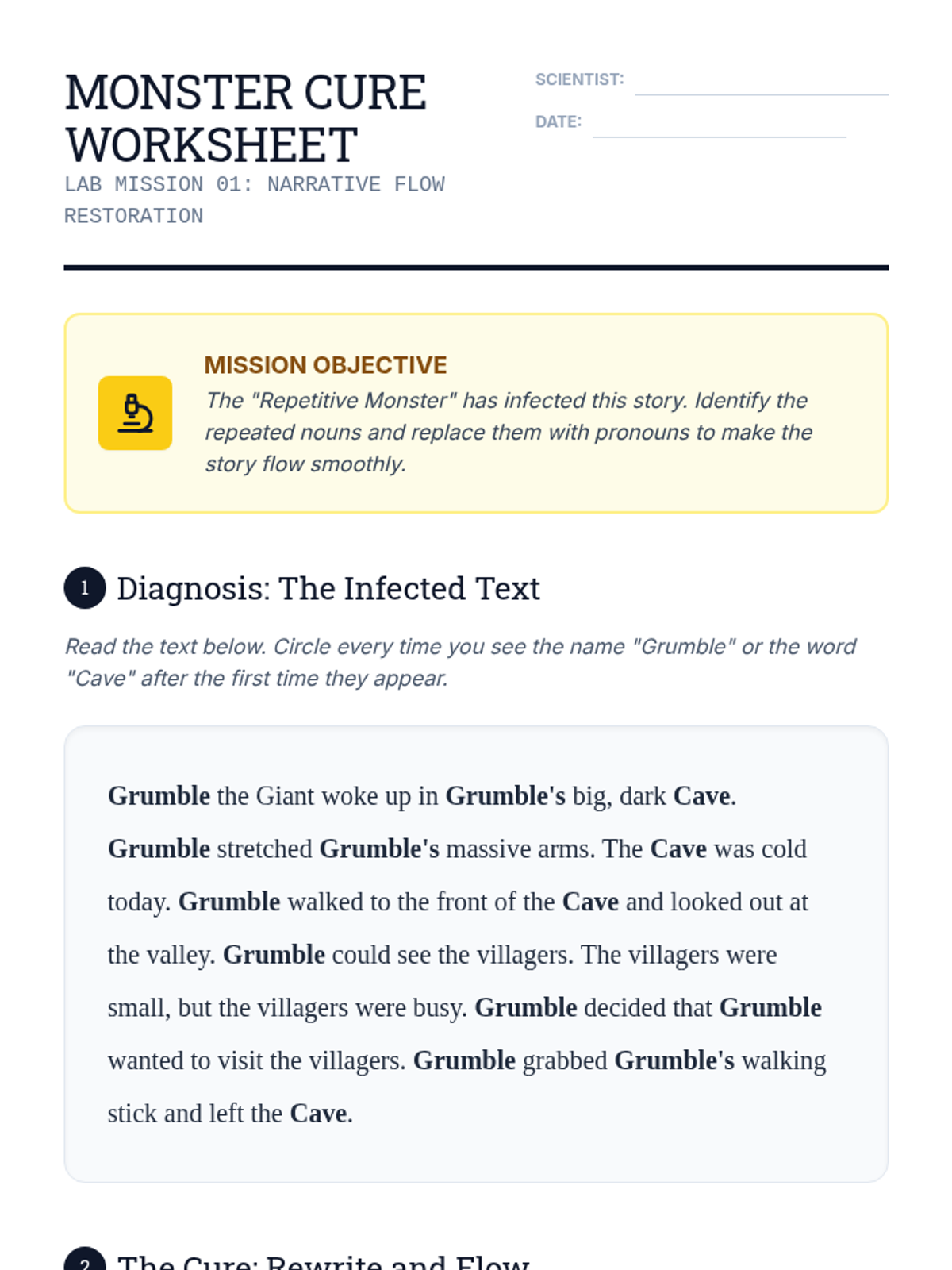
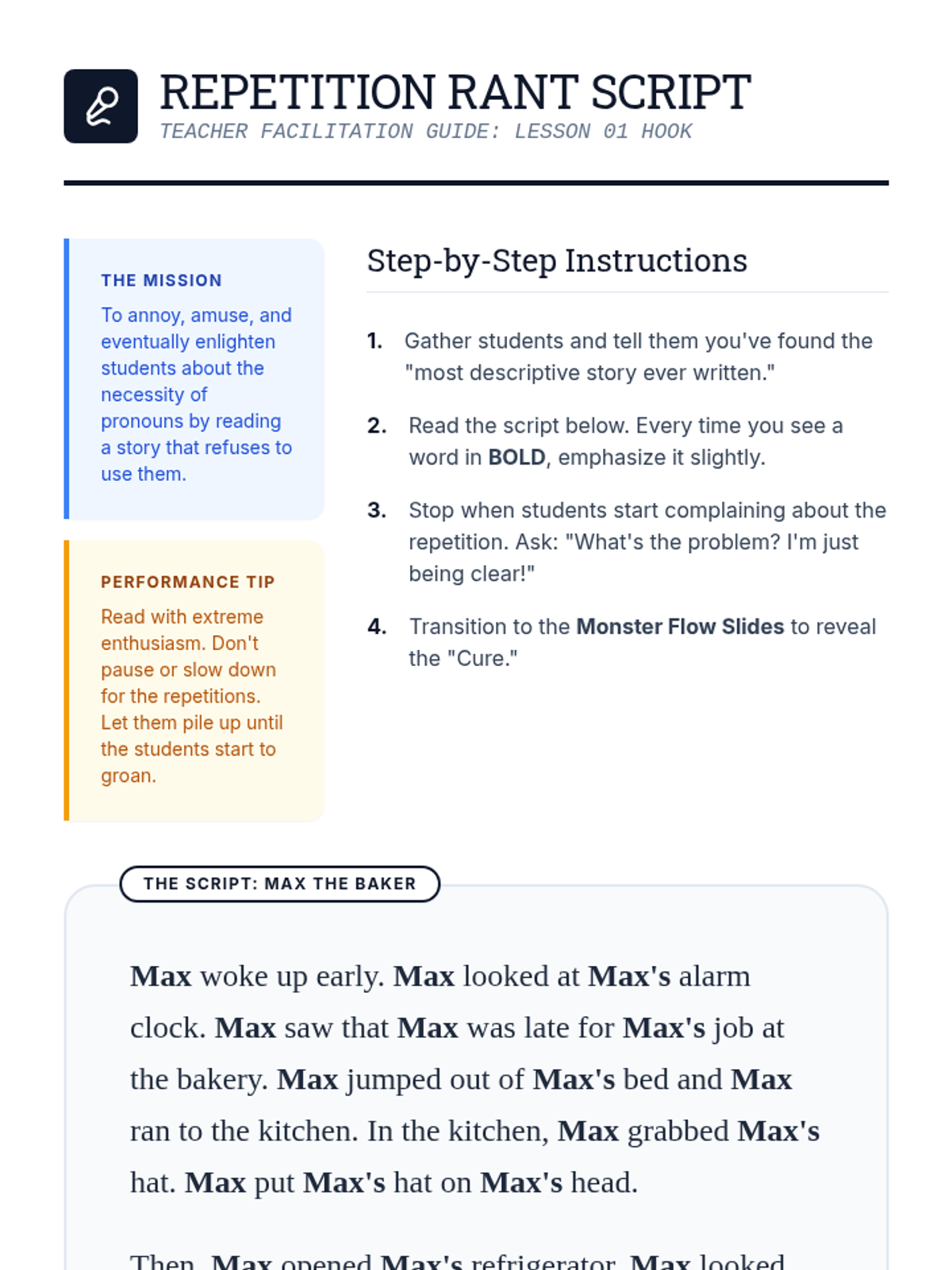
Students explore pronouns and antecedents as stylistic tools to improve narrative flow. They learn to replace repetitive nouns, manage multiple characters with clear pronoun references, and culminate in a polished character-driven story.
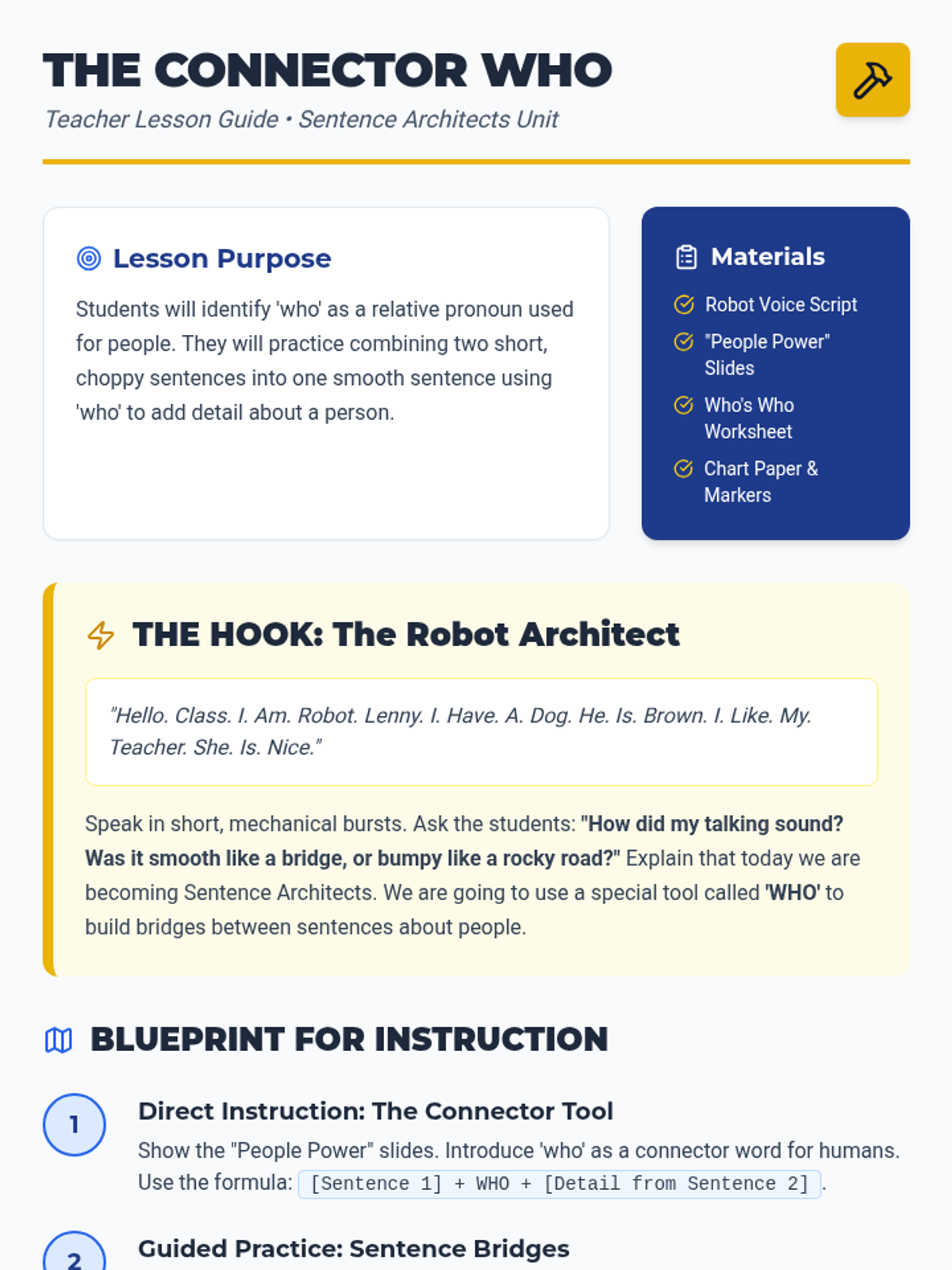
A 2nd-grade sequence introducing relative pronouns 'who' and 'that' to help students combine choppy sentences into smoother, more detailed writing. Students act as 'Sentence Architects' to build stronger bridges between ideas.
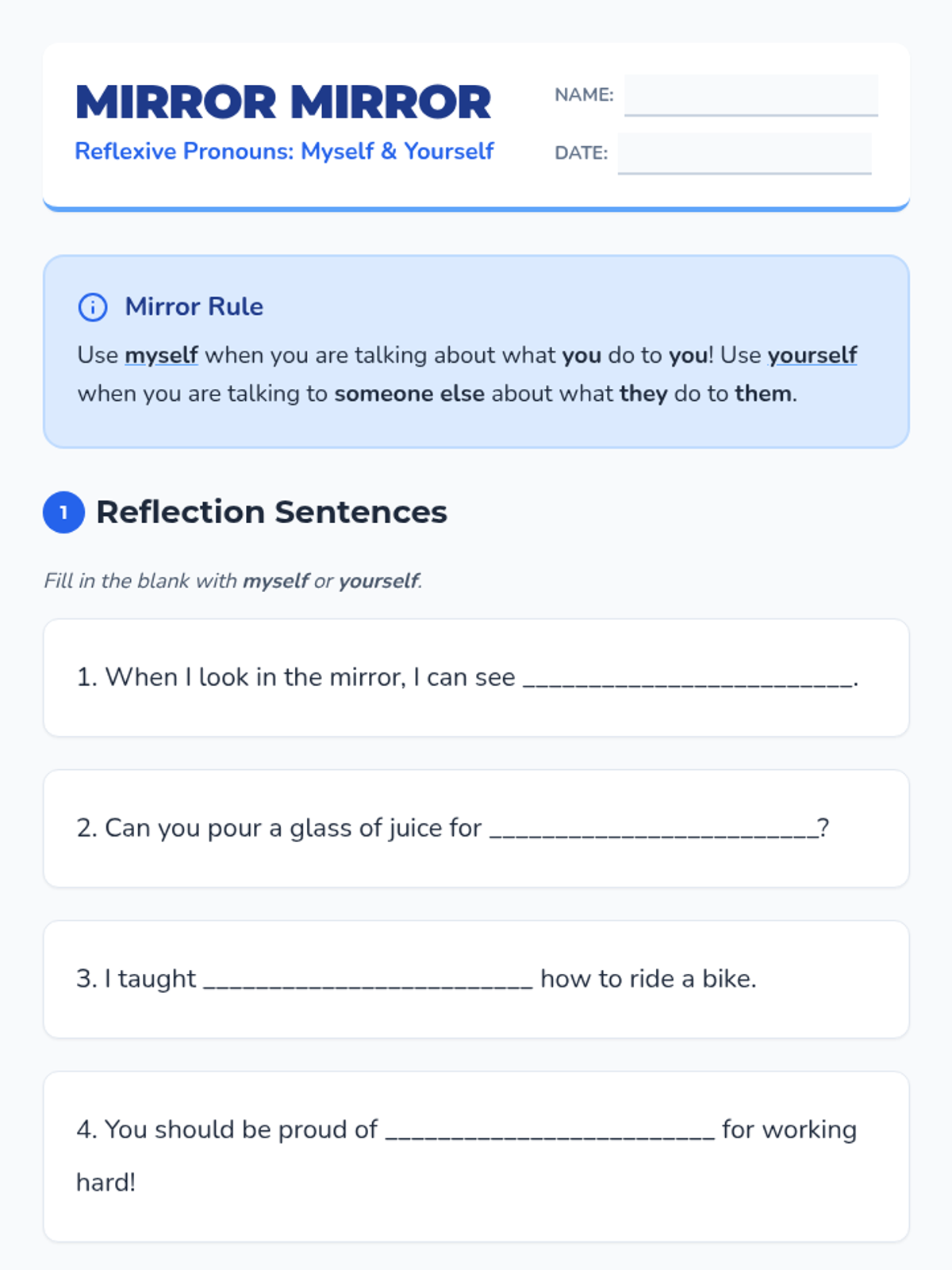
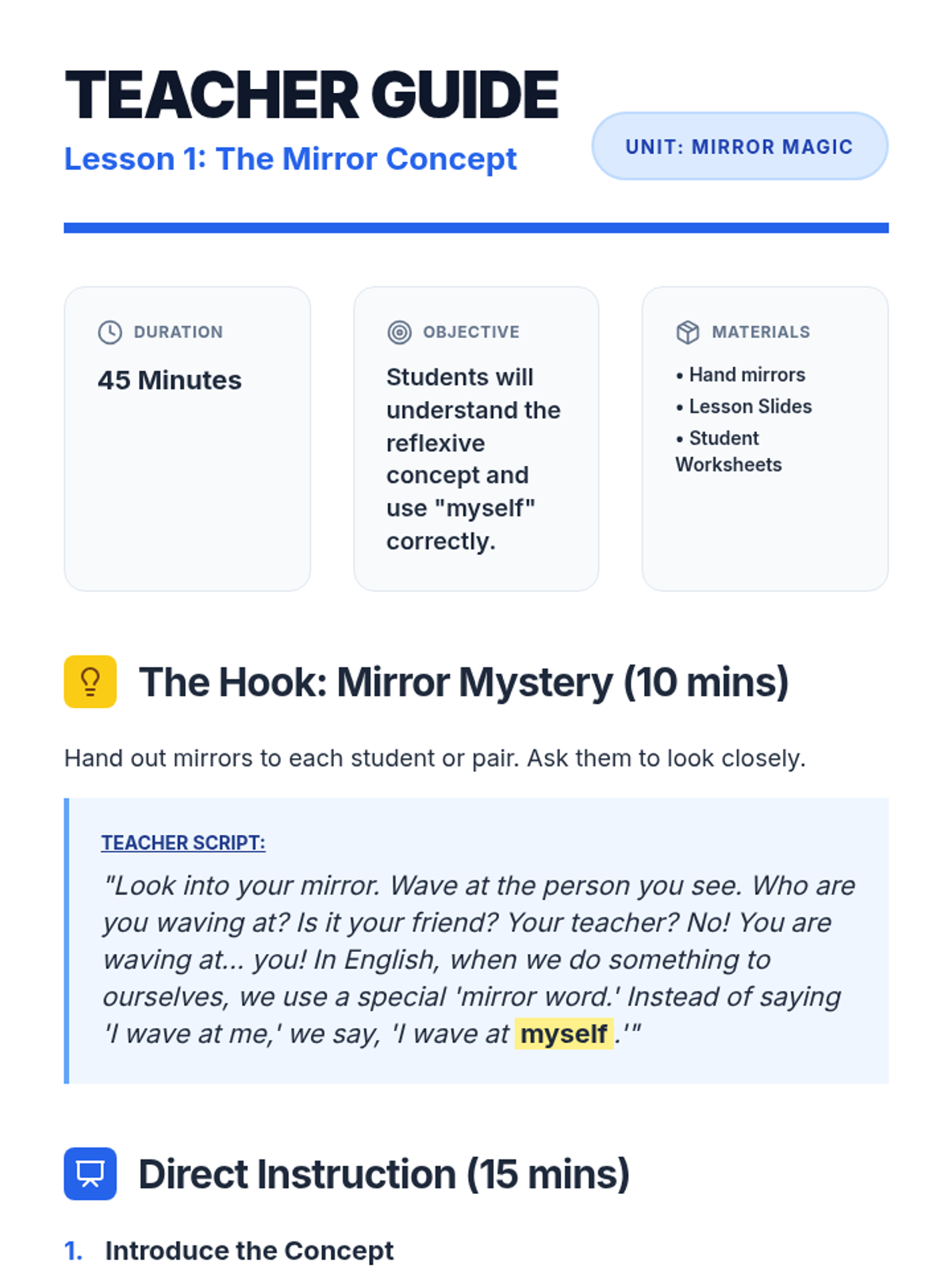
A 2nd-grade grammar unit exploring reflexive pronouns through a 'mirror' theme. Students learn to use myself, yourself, himself, herself, itself, ourselves, and themselves through simulation, games, and narrative writing.
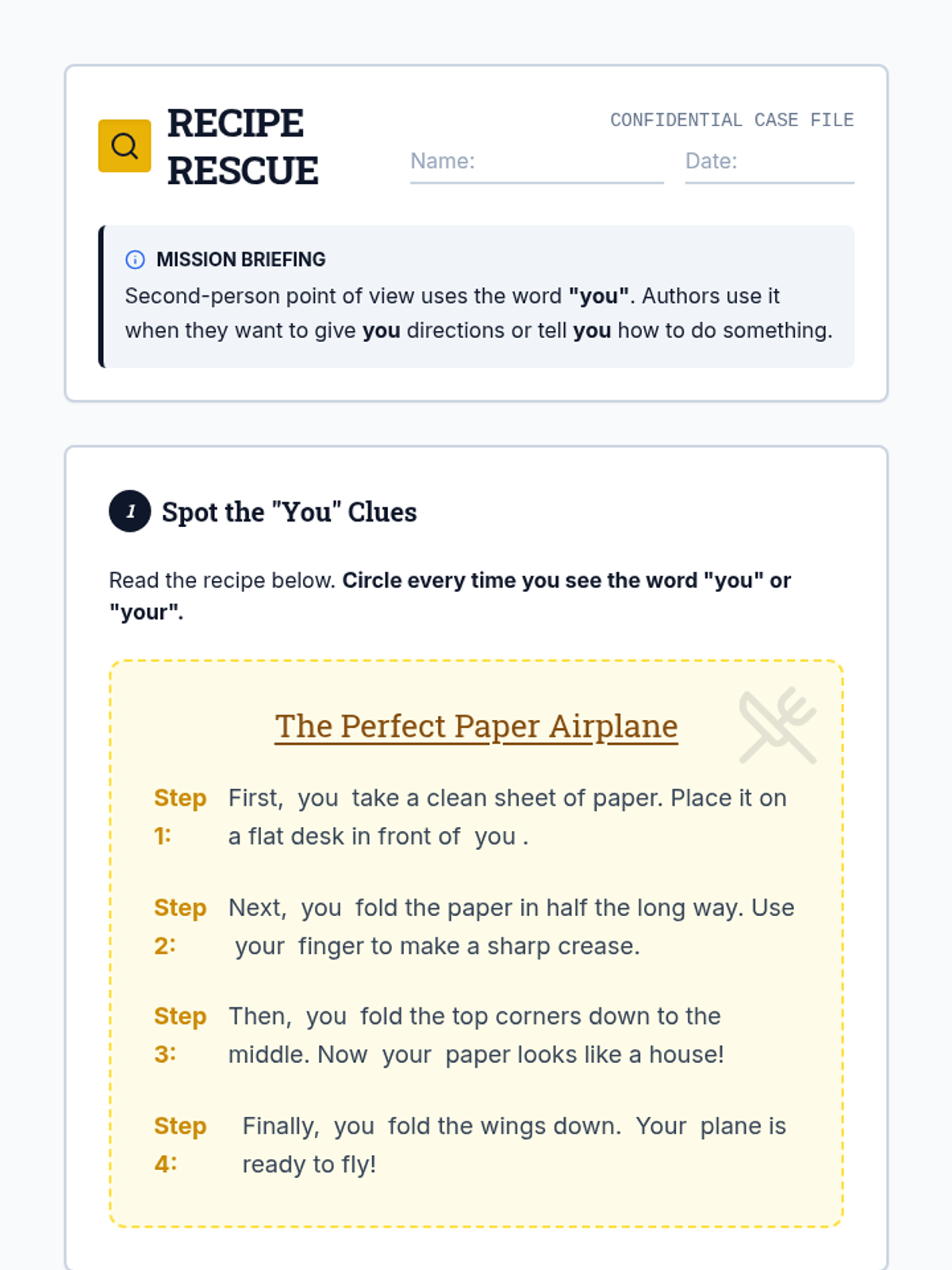
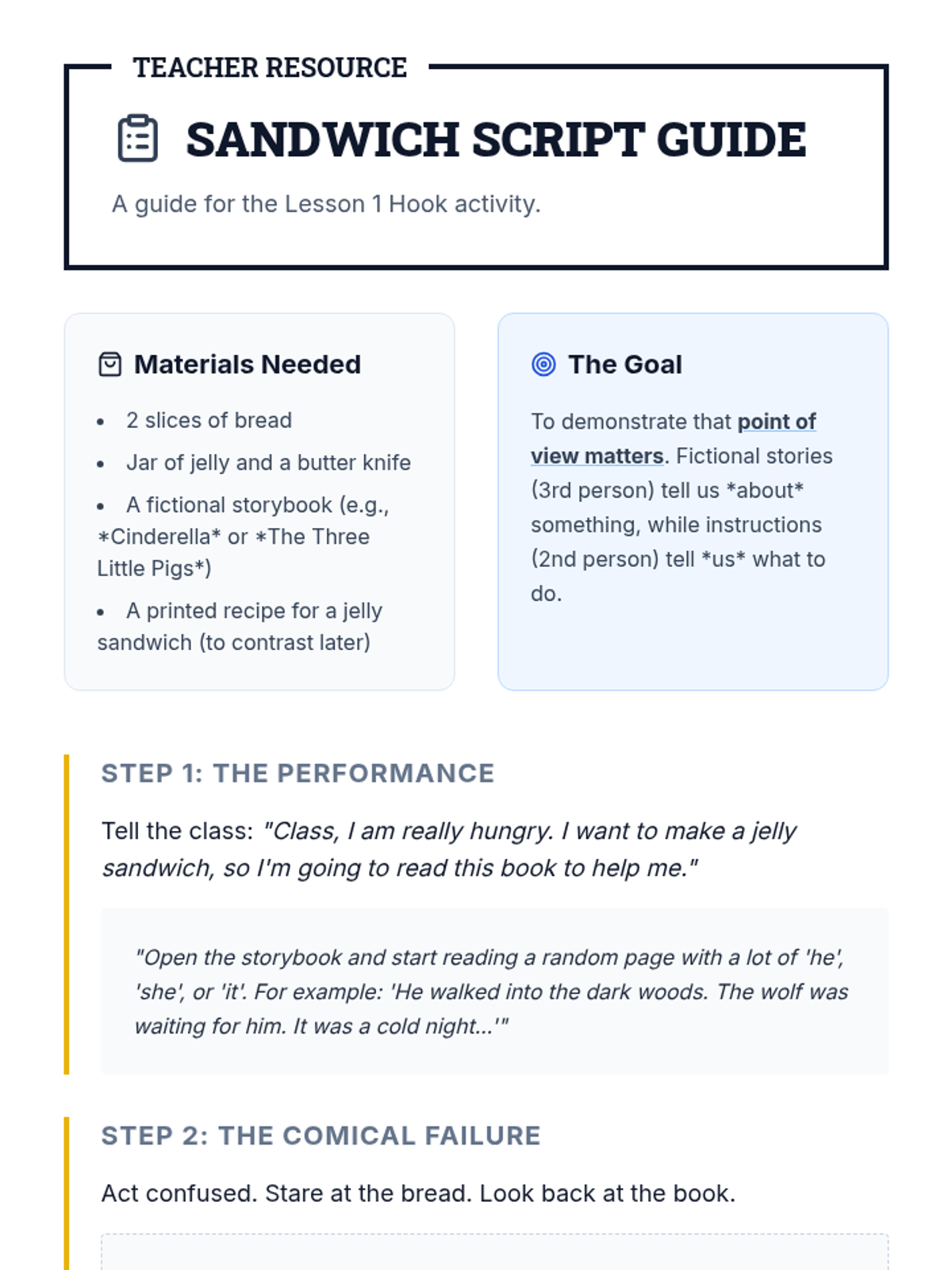
An inquiry-based exploration of point of view across fiction, nonfiction, and instructional texts. Students act as 'POV Investigators' to understand how the purpose of a text dictates whether it uses 'I', 'You', or 'It/They'.
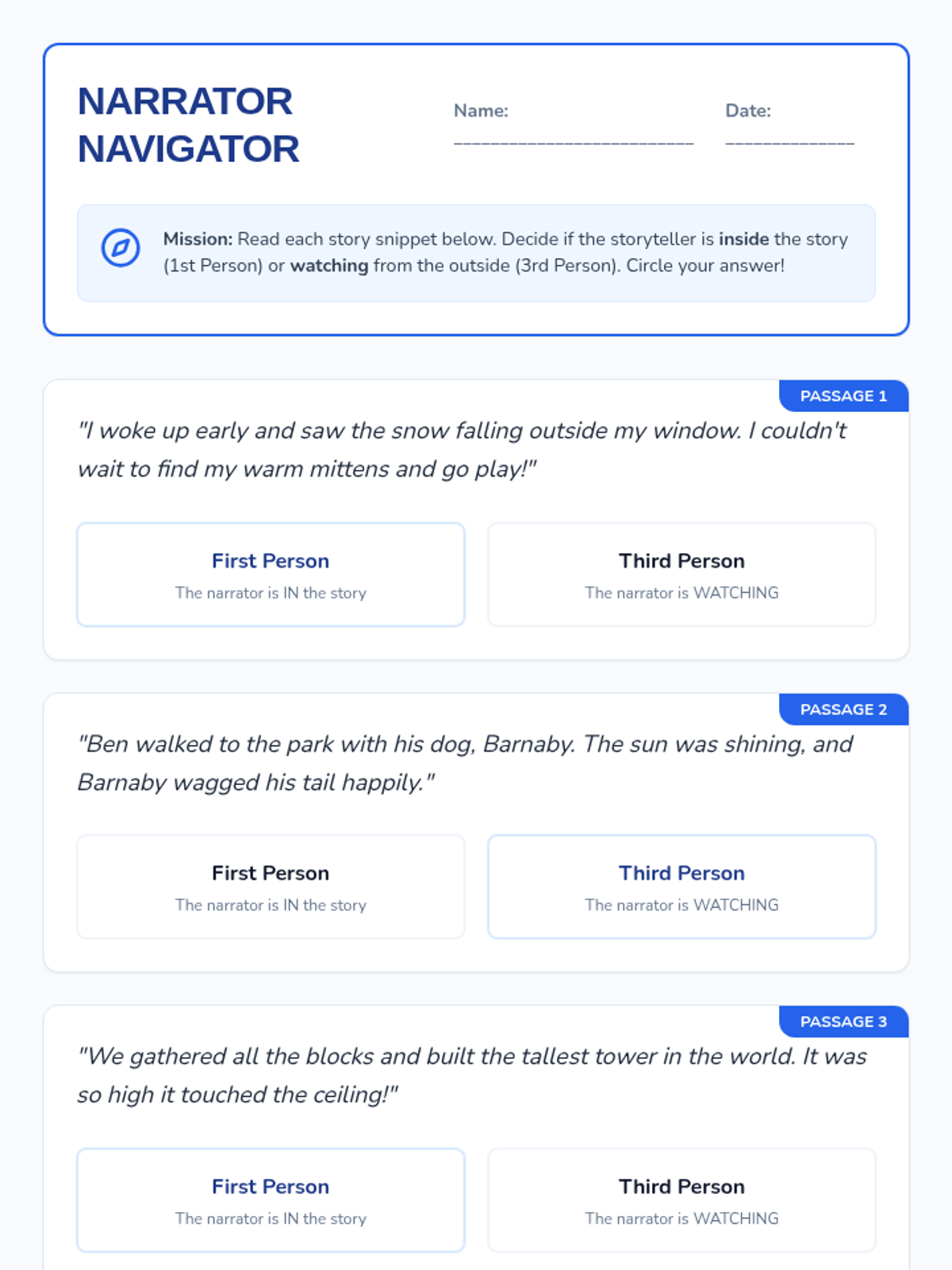
A 2nd-grade introduction to narrators and point of view. Students learn to identify who is telling the story using pronoun clues and distinguish between first-person and third-person perspectives, as well as separate narration from character dialogue.
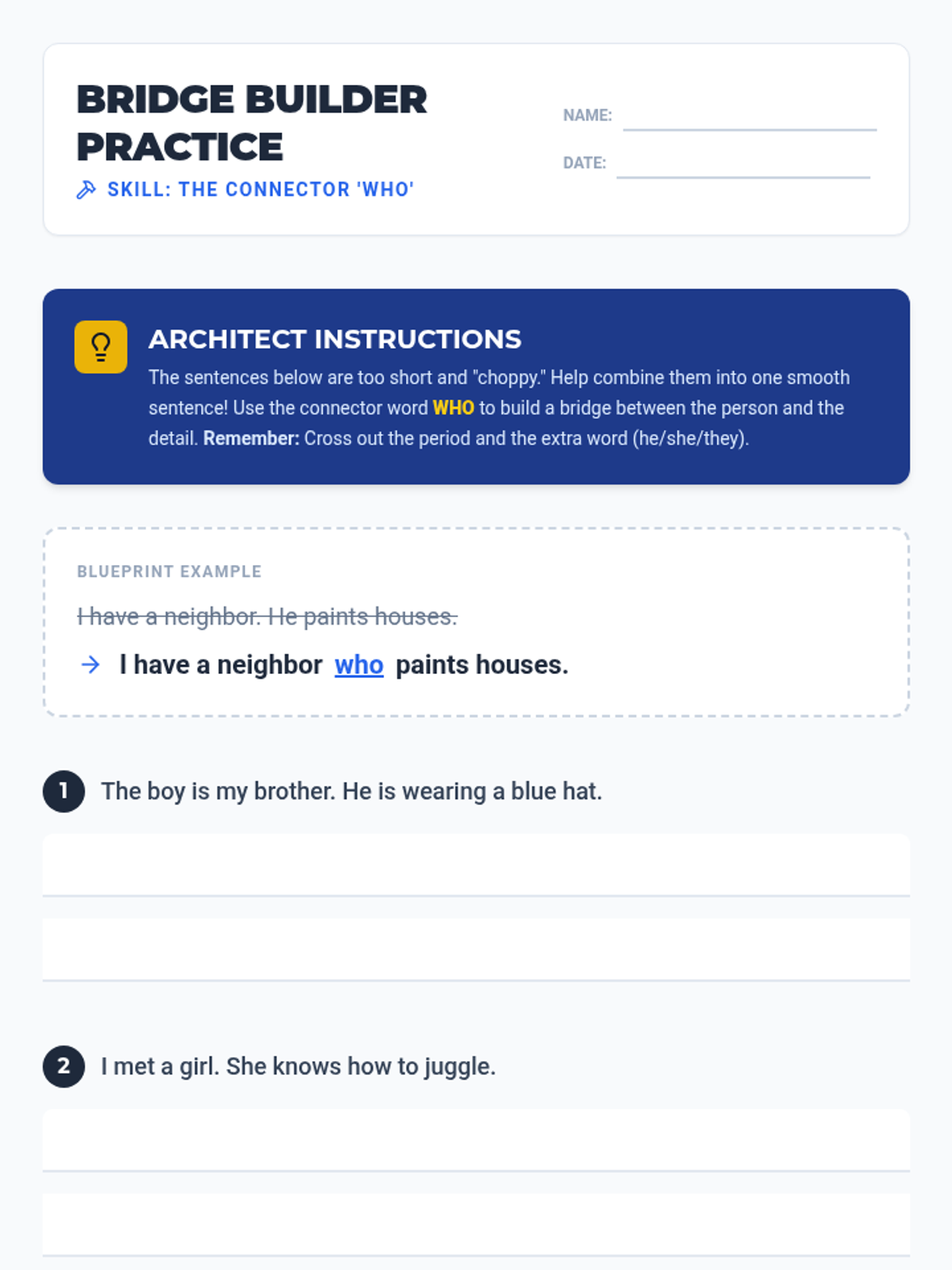
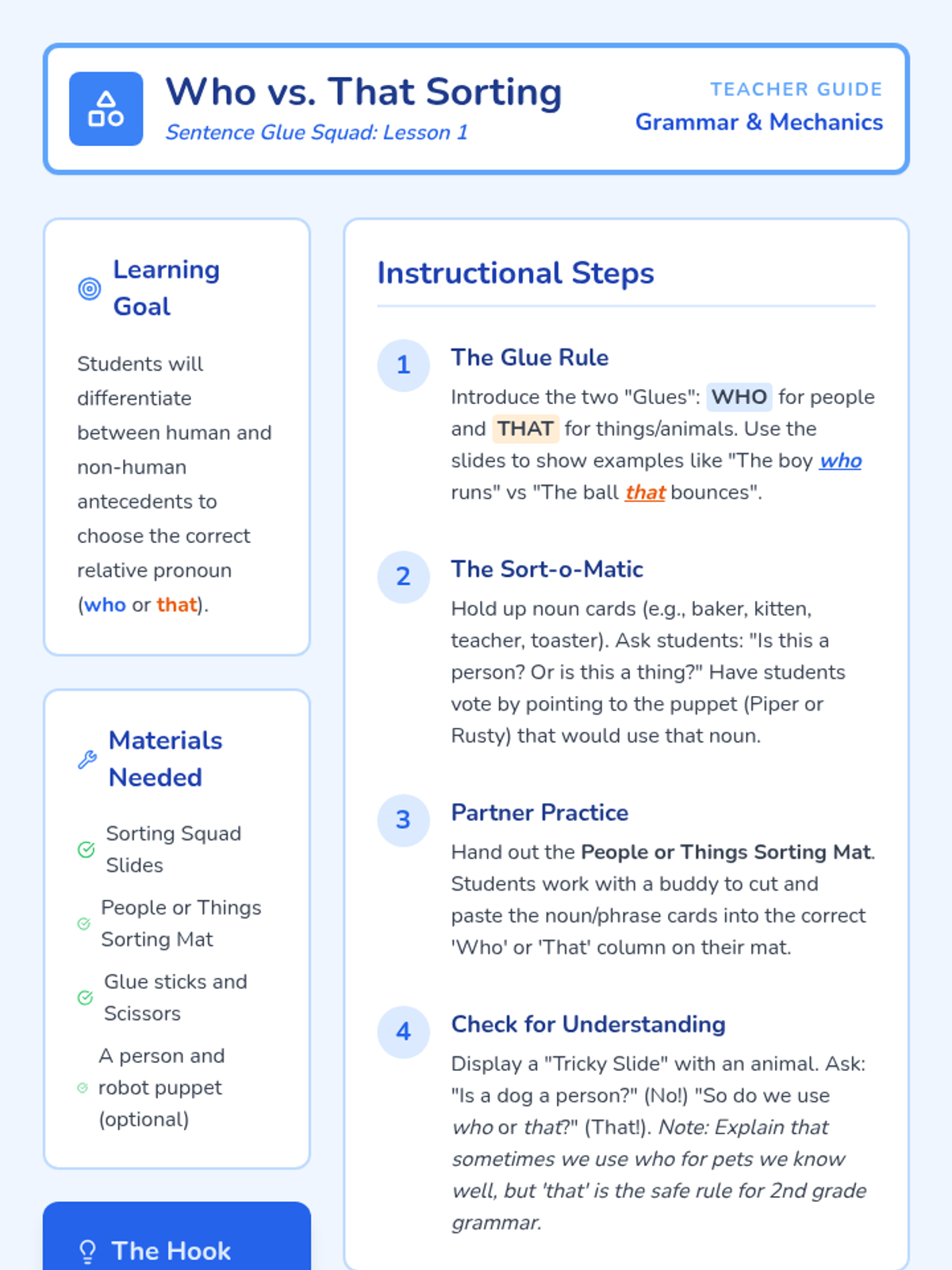
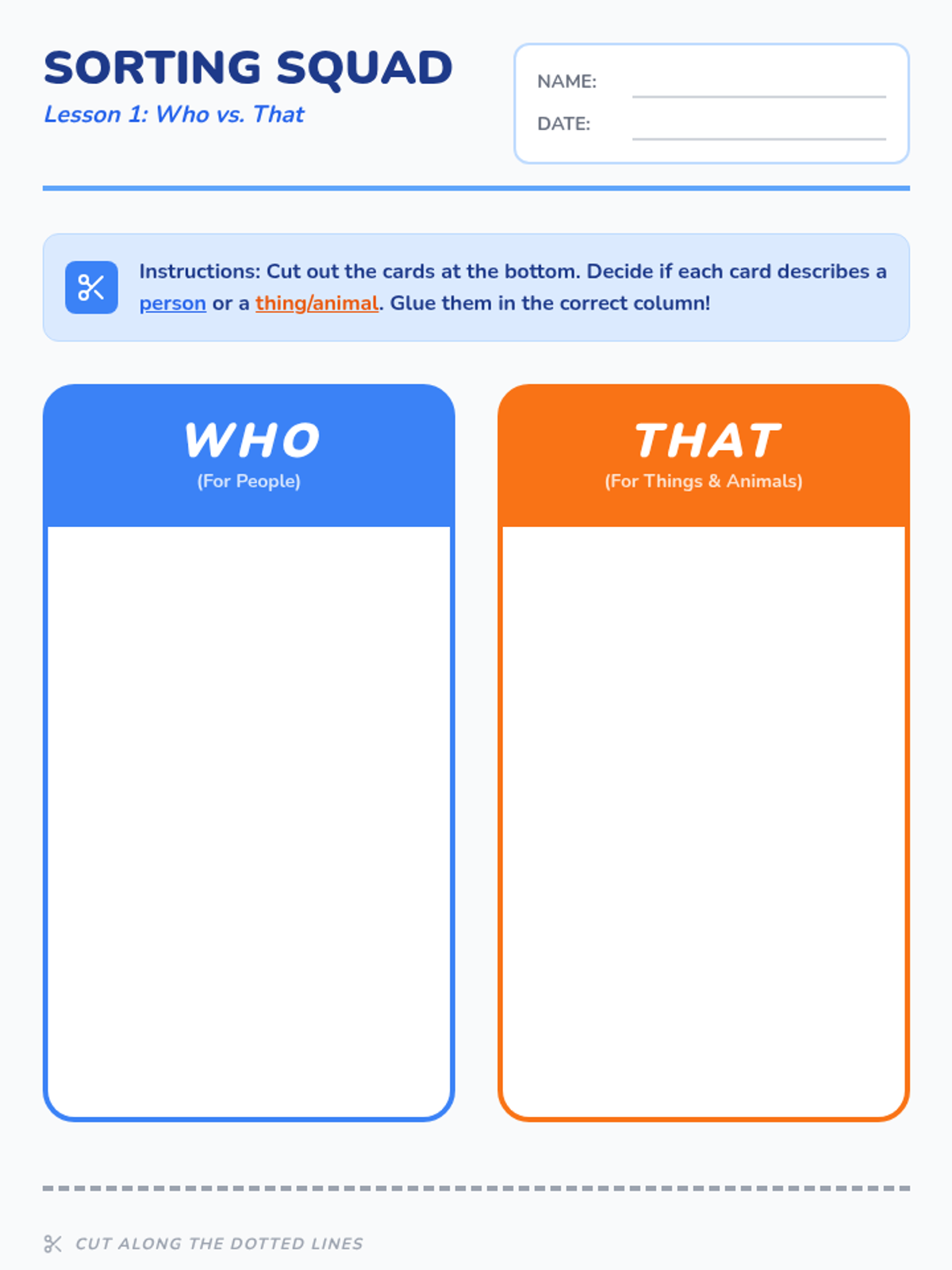
A 2nd-grade grammar sequence focusing on using relative pronouns (who and that) to combine simple sentences into descriptive ones. Through a 'Sentence Glue' theme, students learn to differentiate between human and non-human antecedents and improve their writing fluency.
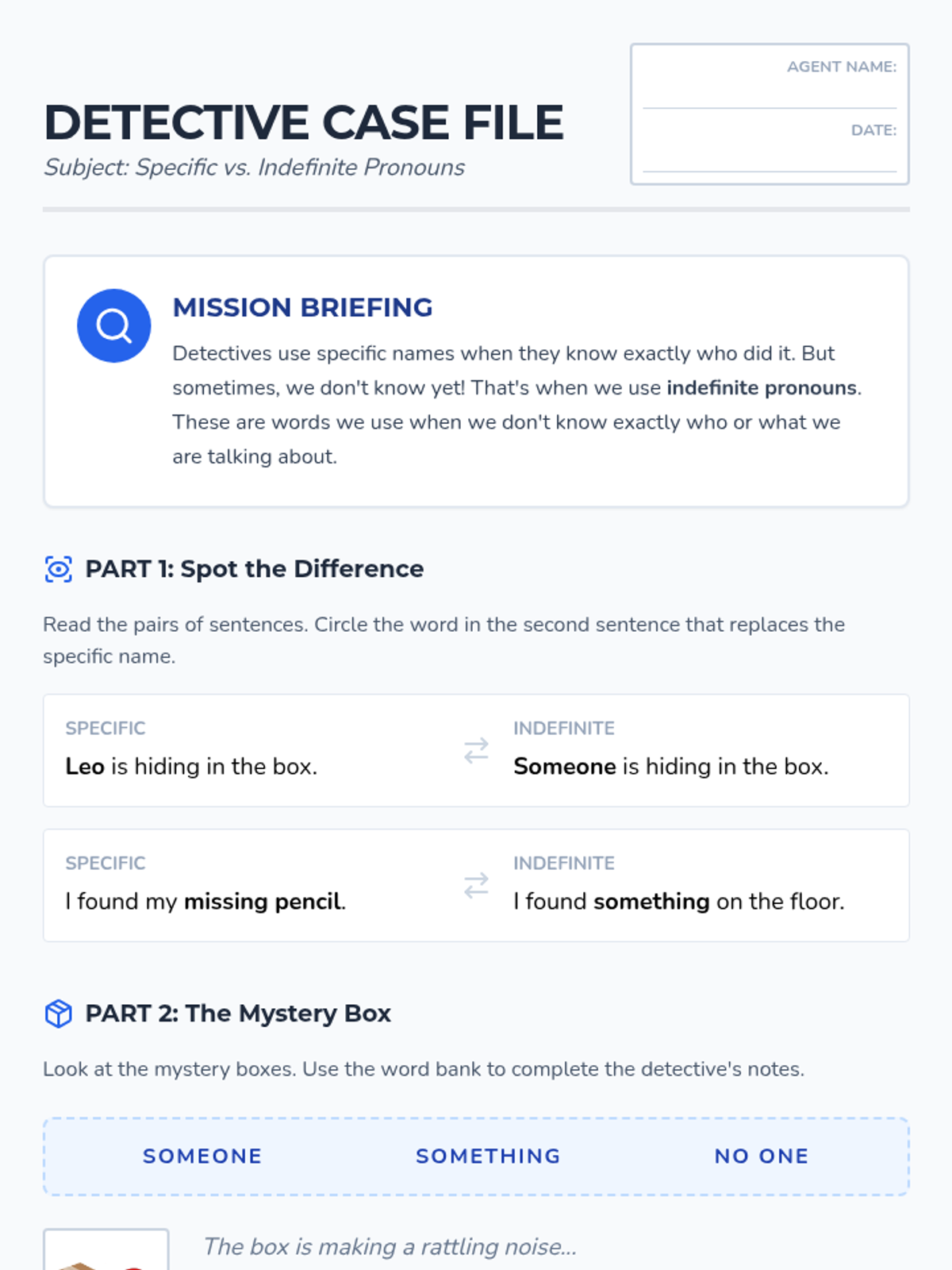
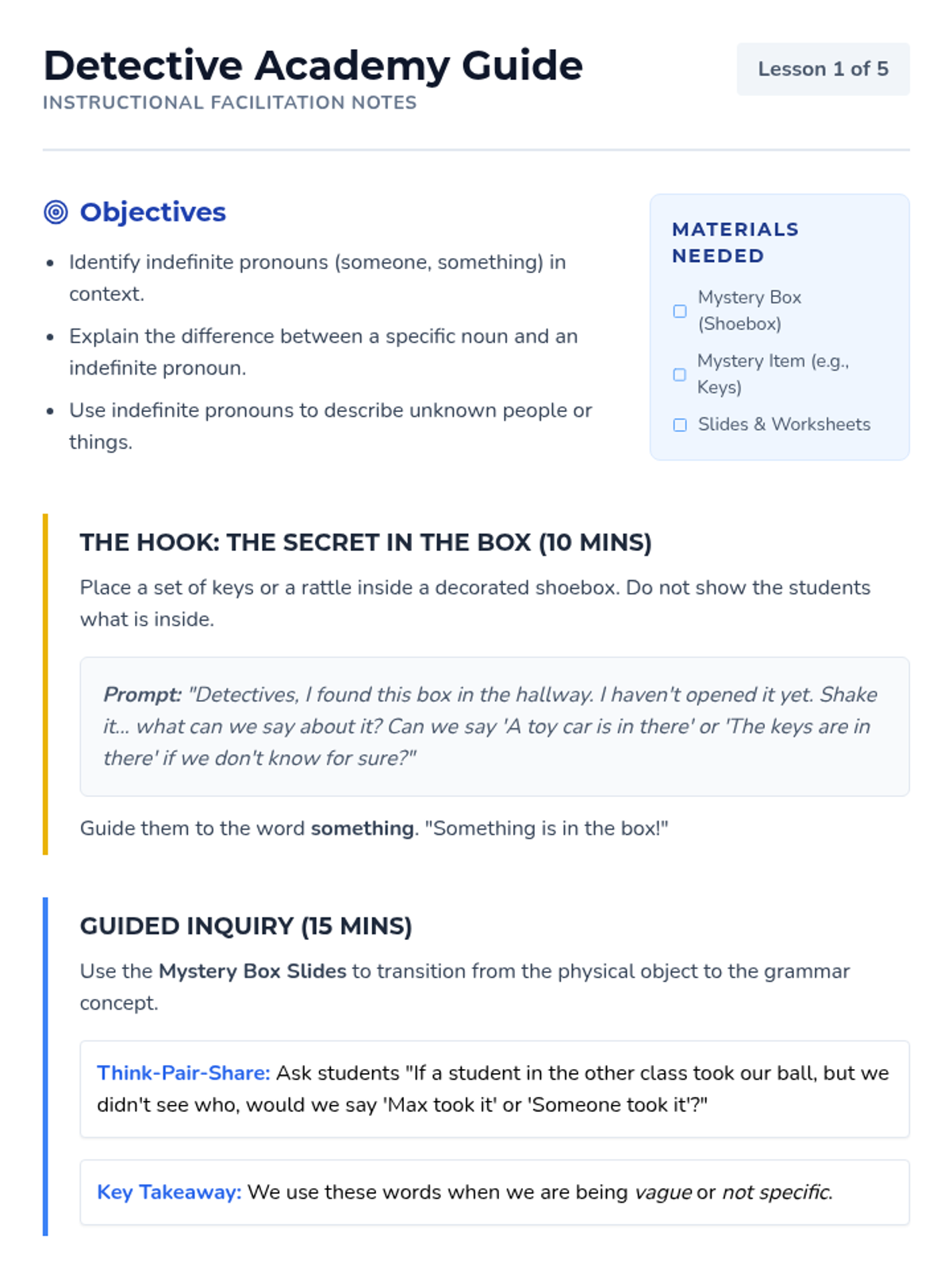
A 2nd-grade grammar sequence introducing indefinite pronouns through a detective-themed inquiry approach, focusing on people, objects, and subject-verb agreement.
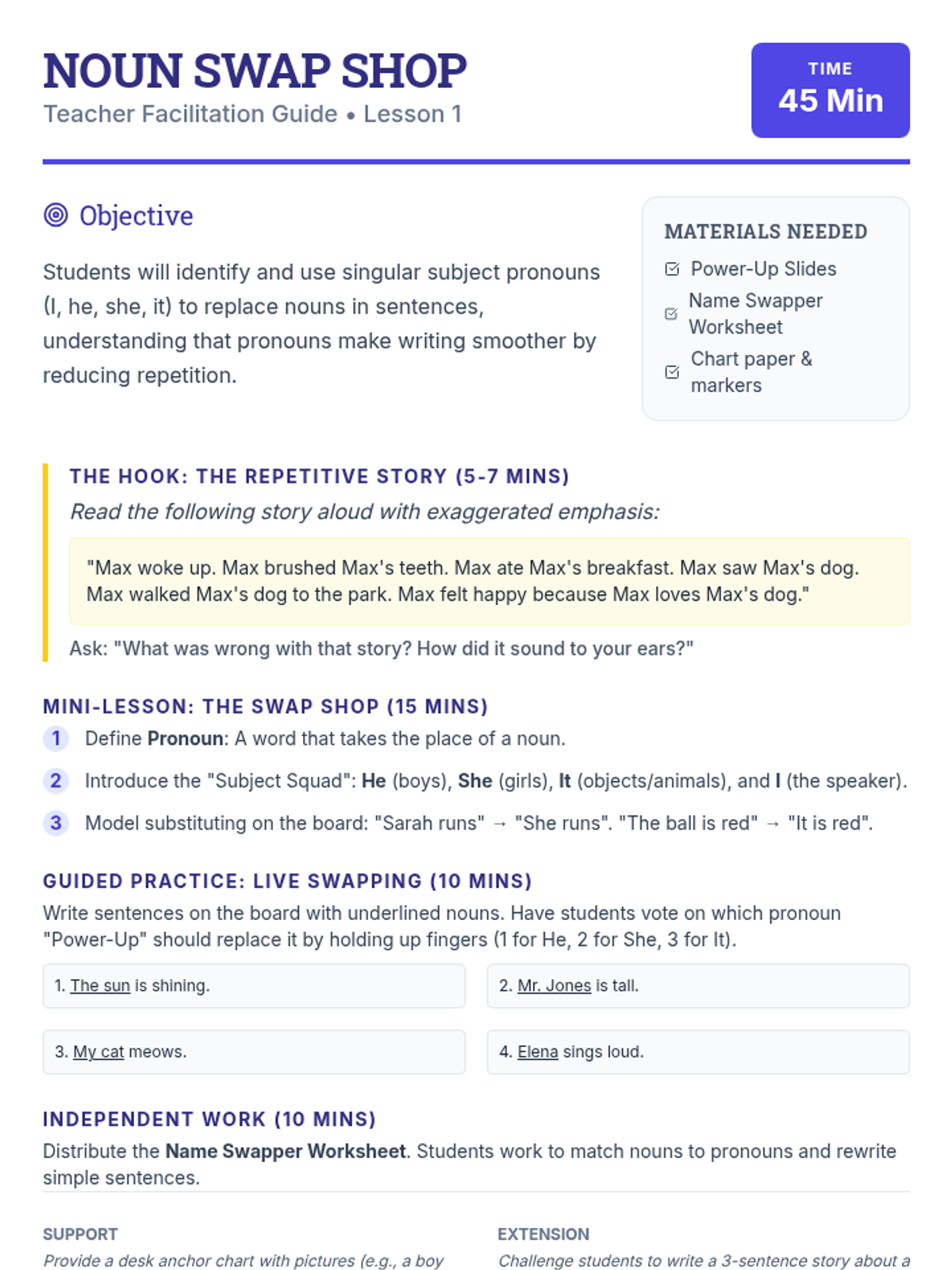
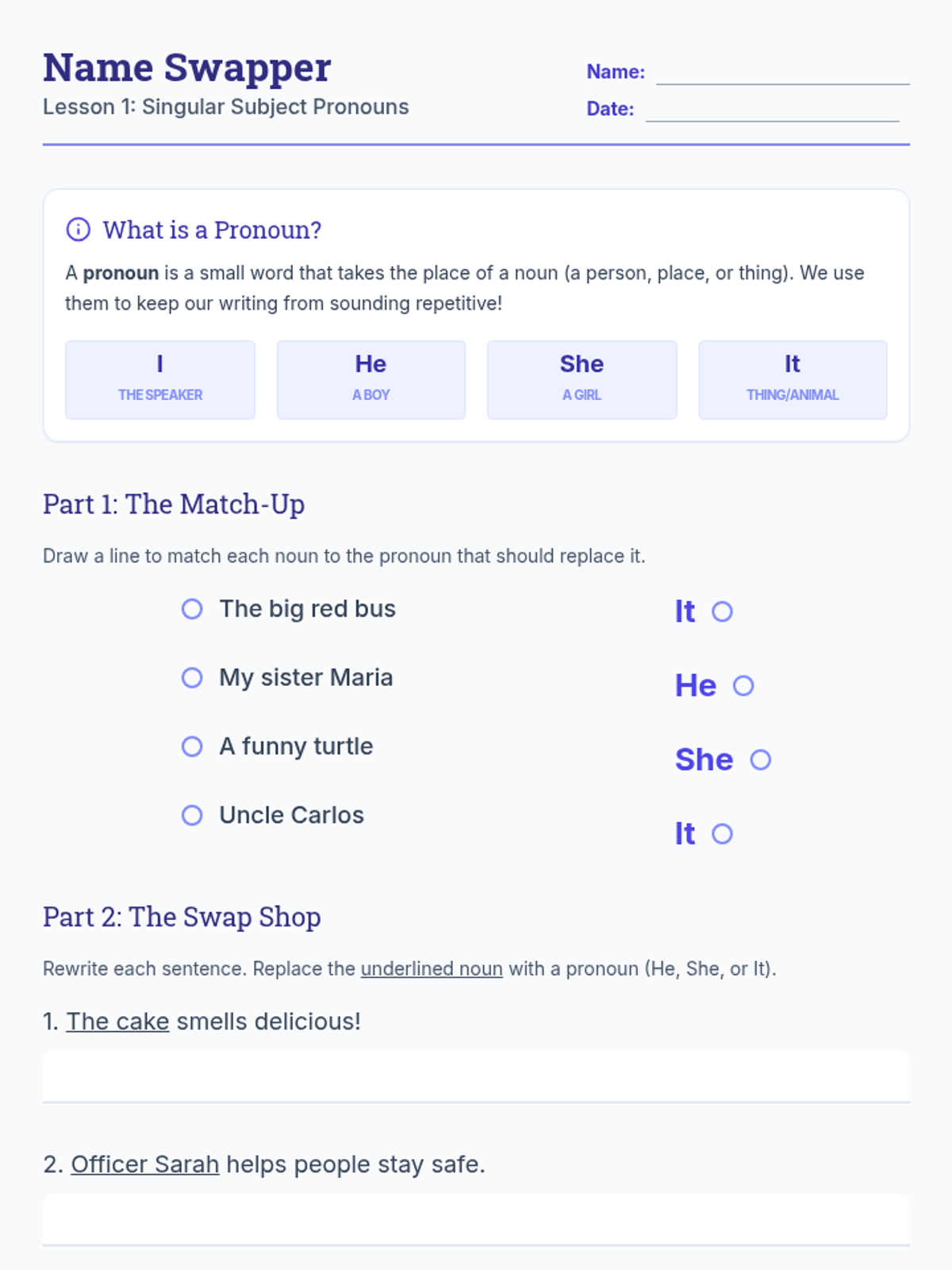
This sequence introduces 2nd-grade students to personal pronouns as tools for replacing nouns to avoid repetition. Through a workshop approach, students learn to distinguish between subject and object pronouns, moving from identification to application in sentence construction and ending with a collaborative editing project.
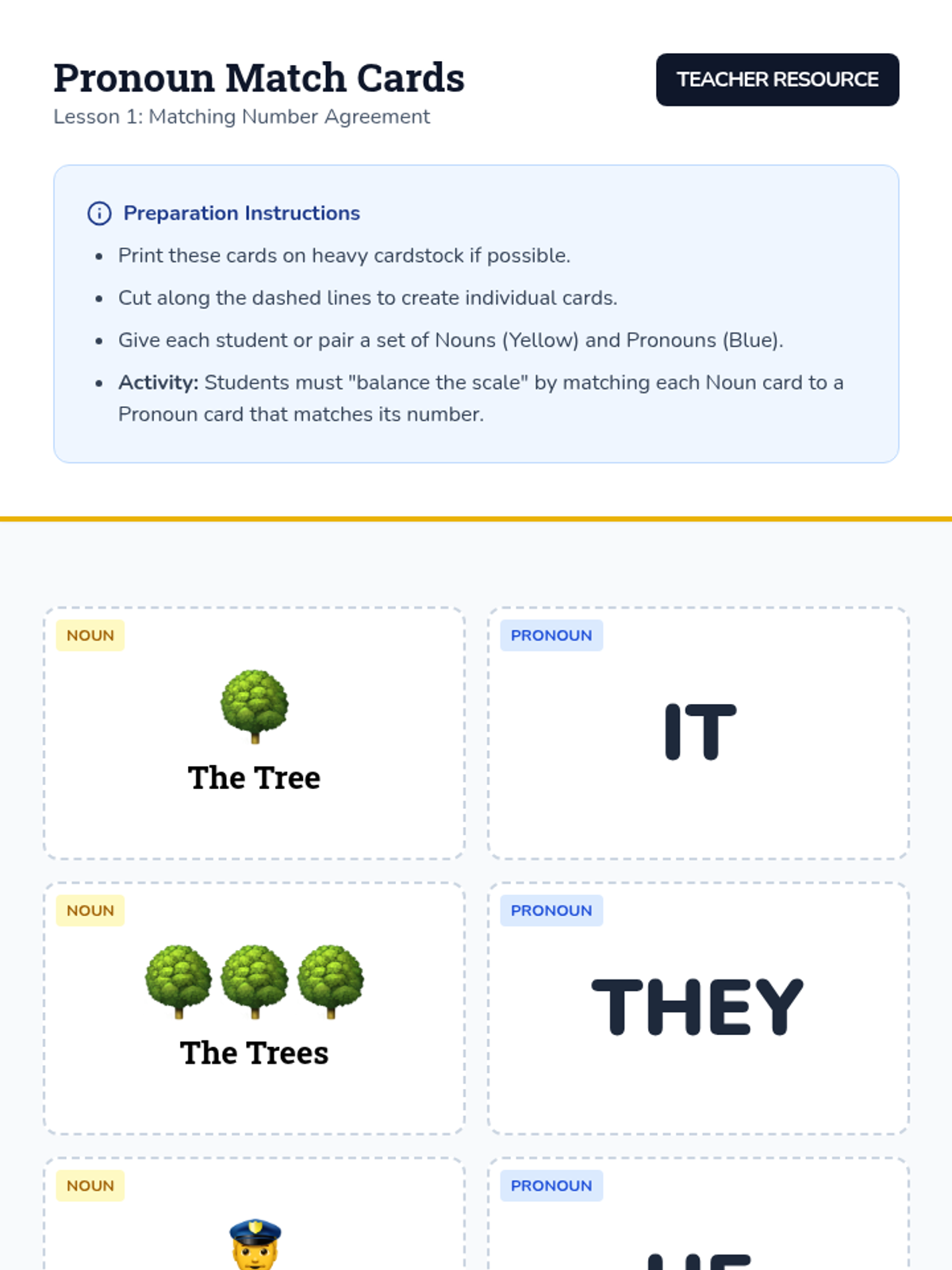
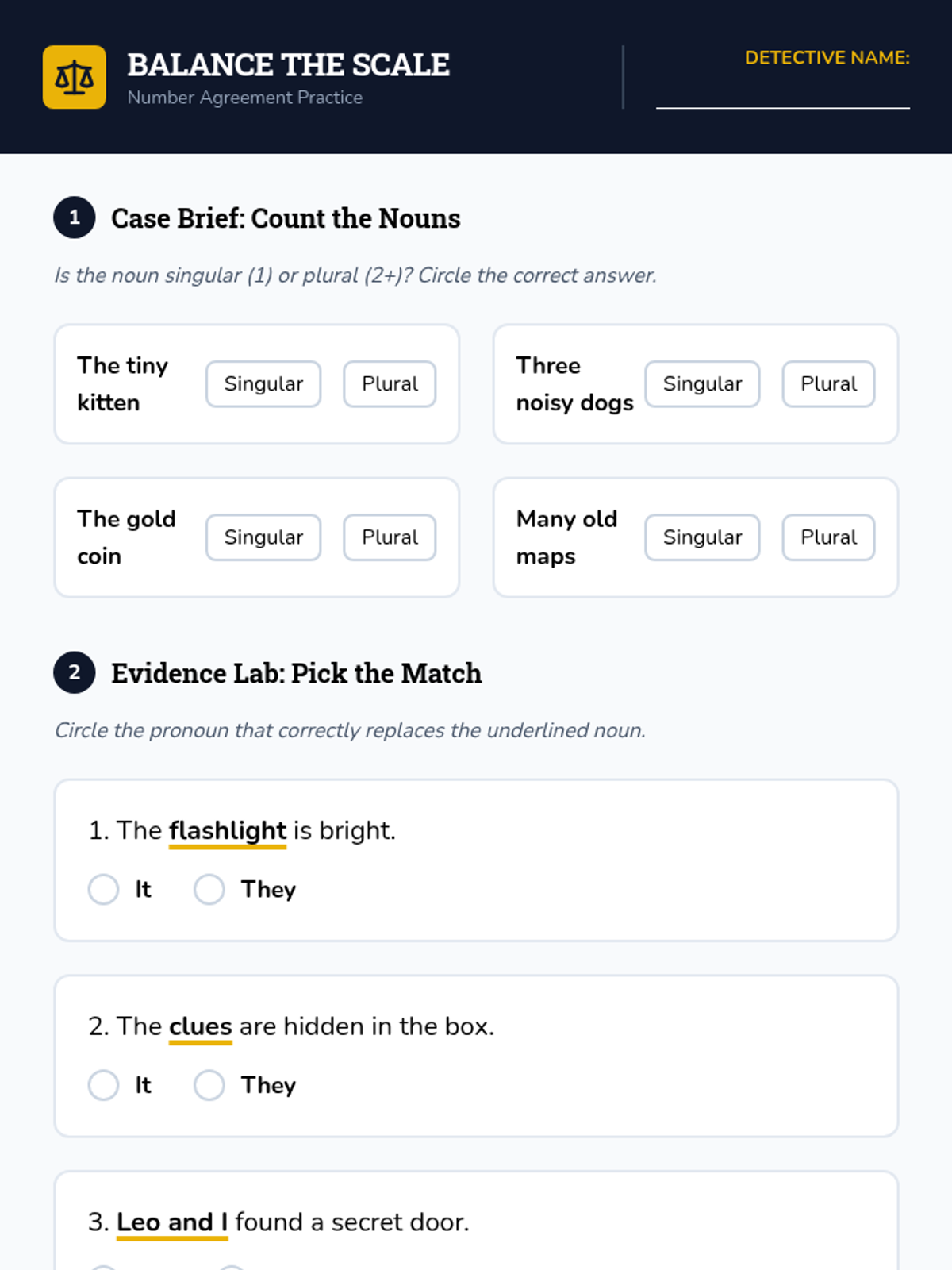
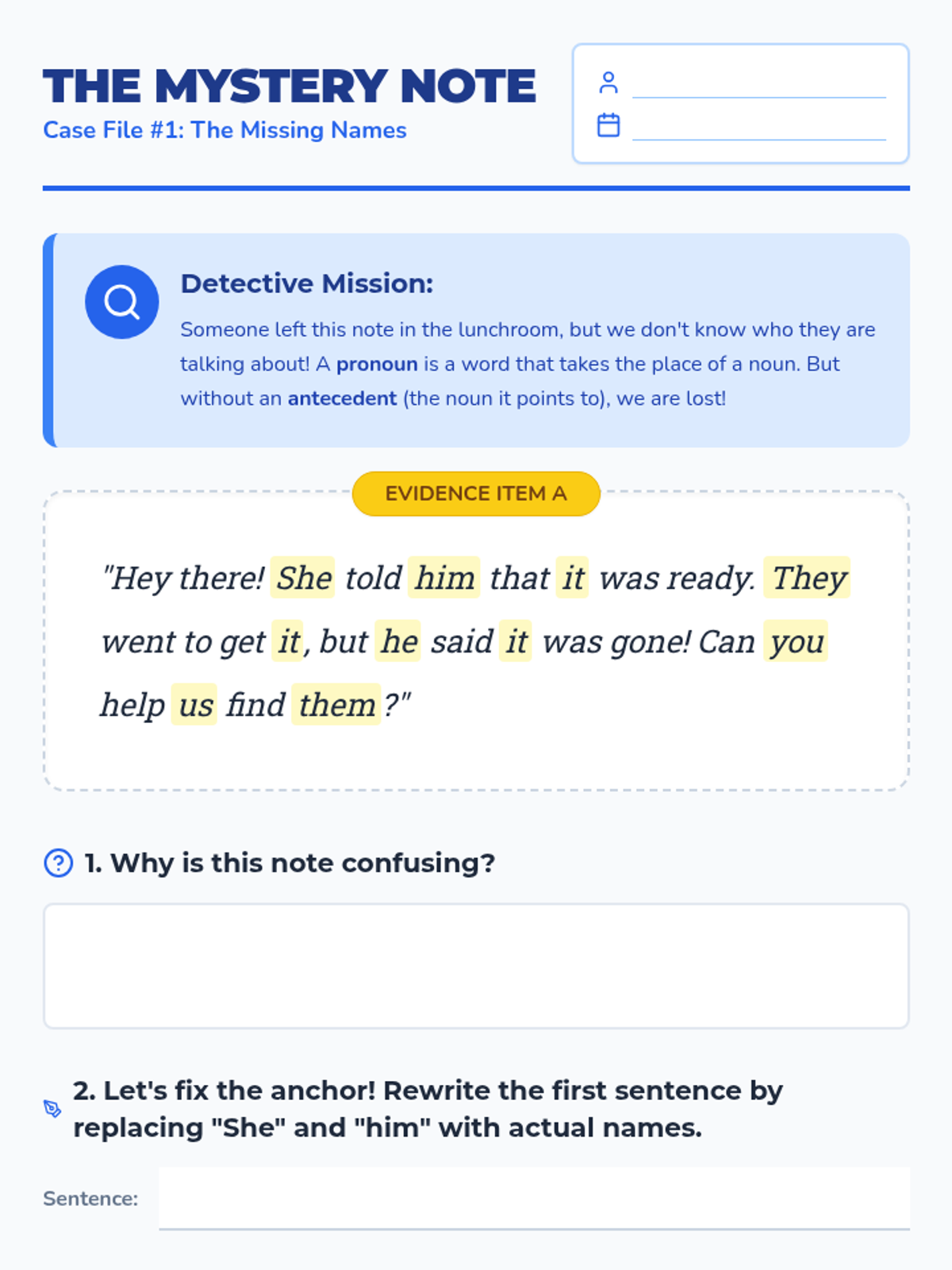
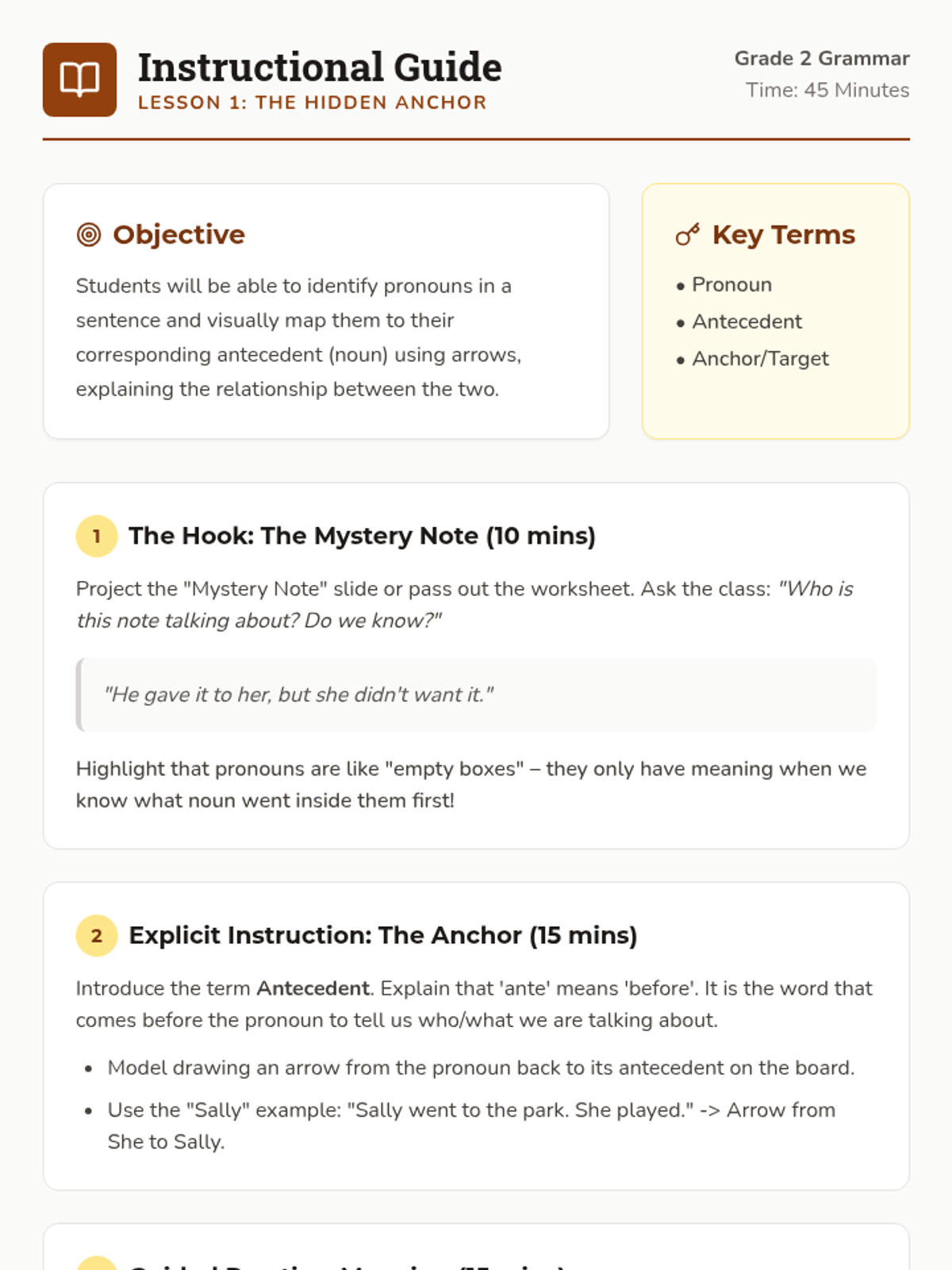
A detective-themed sequence for 2nd graders to master pronoun-antecedent agreement. Students learn to match number and gender, identify missing antecedents, and ensure clarity in writing through proofreading.
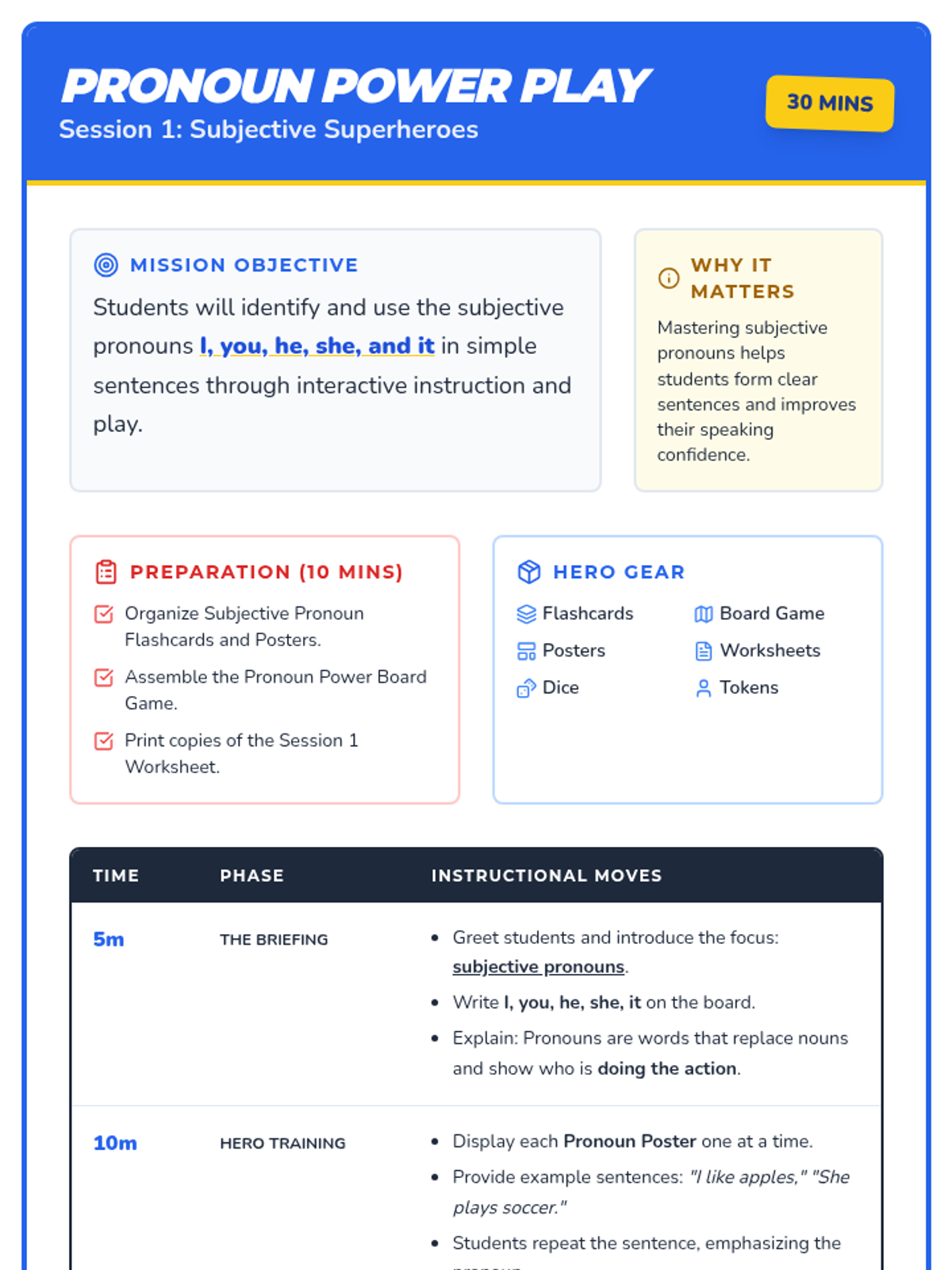
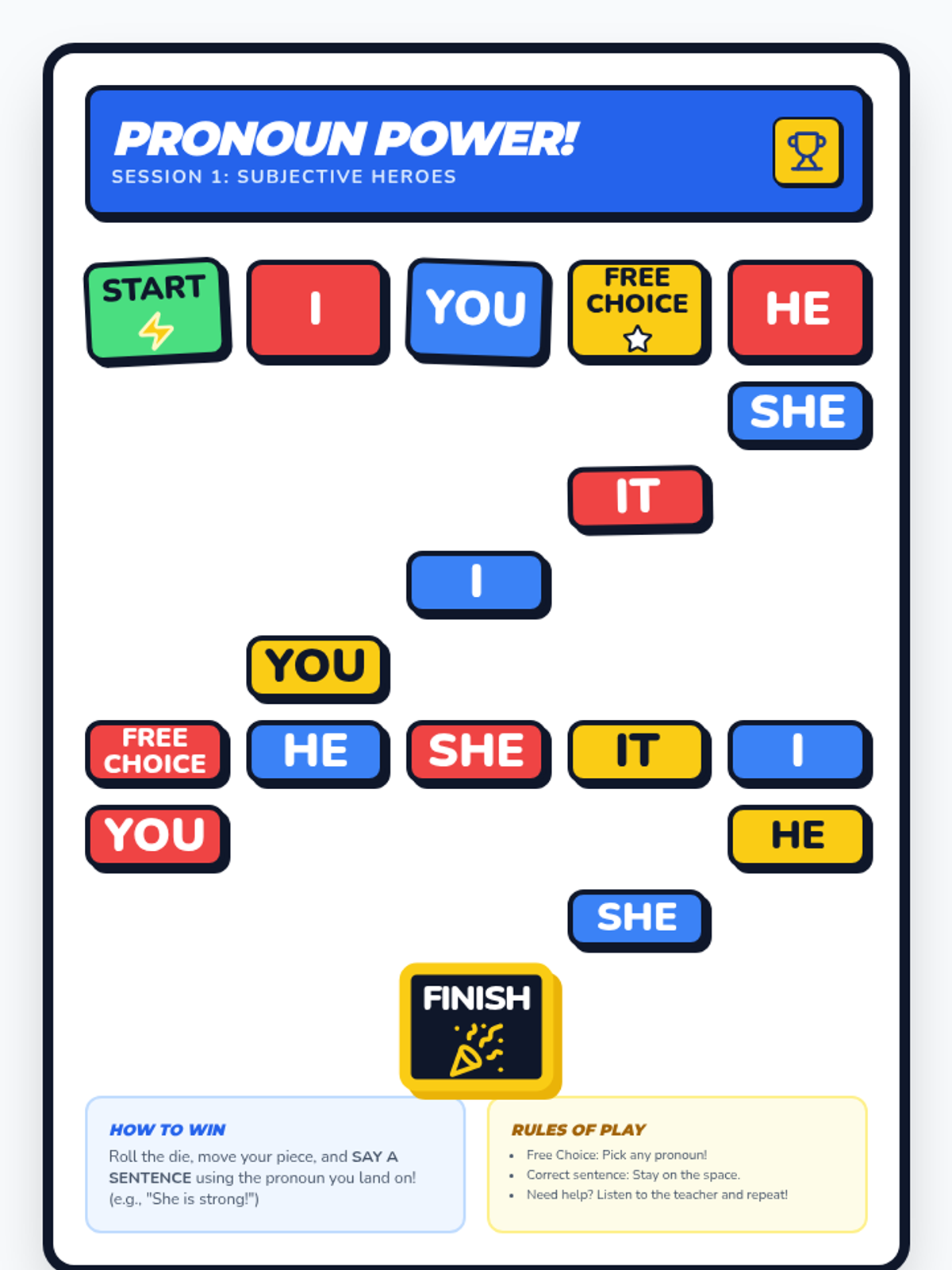
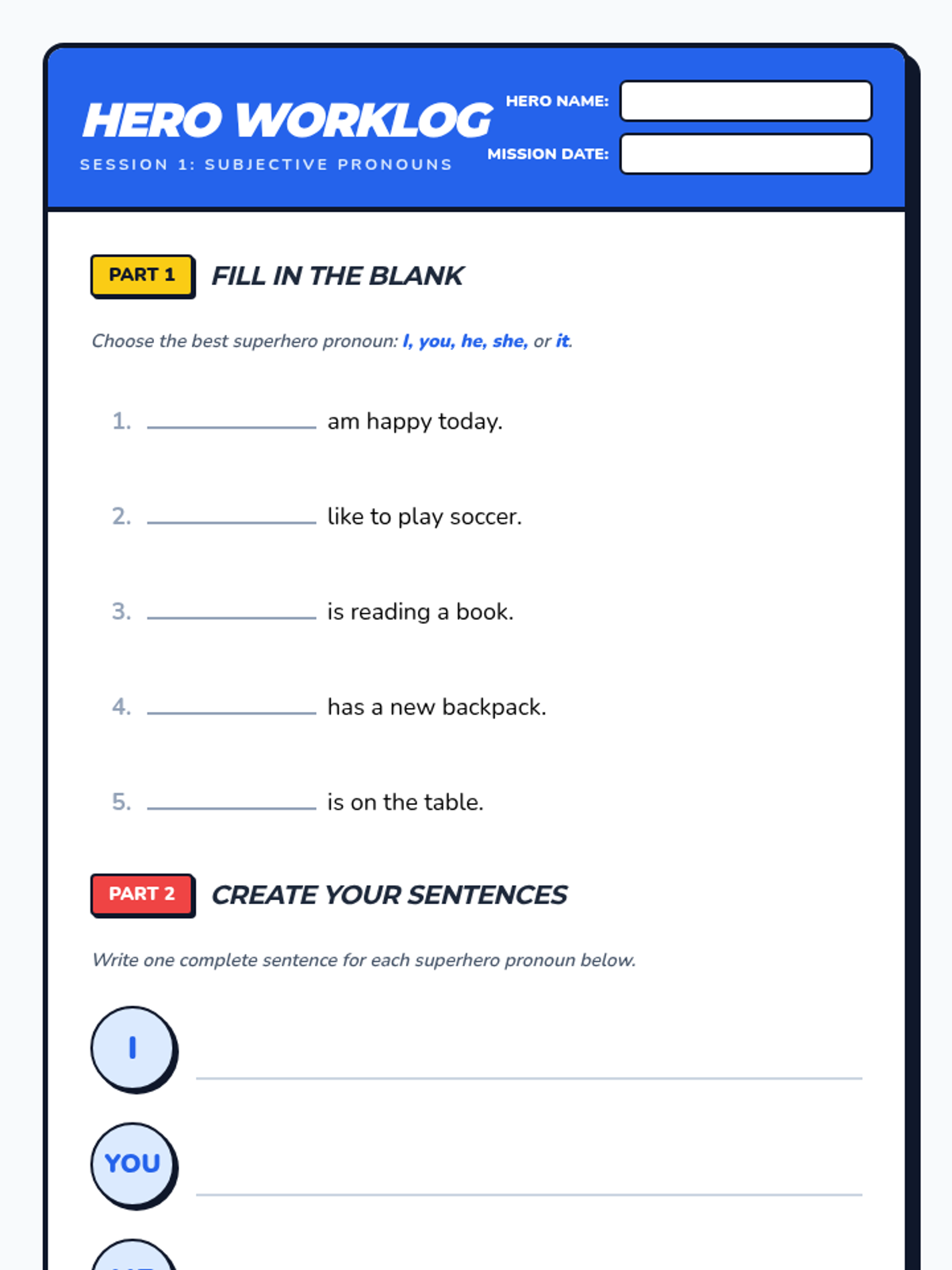
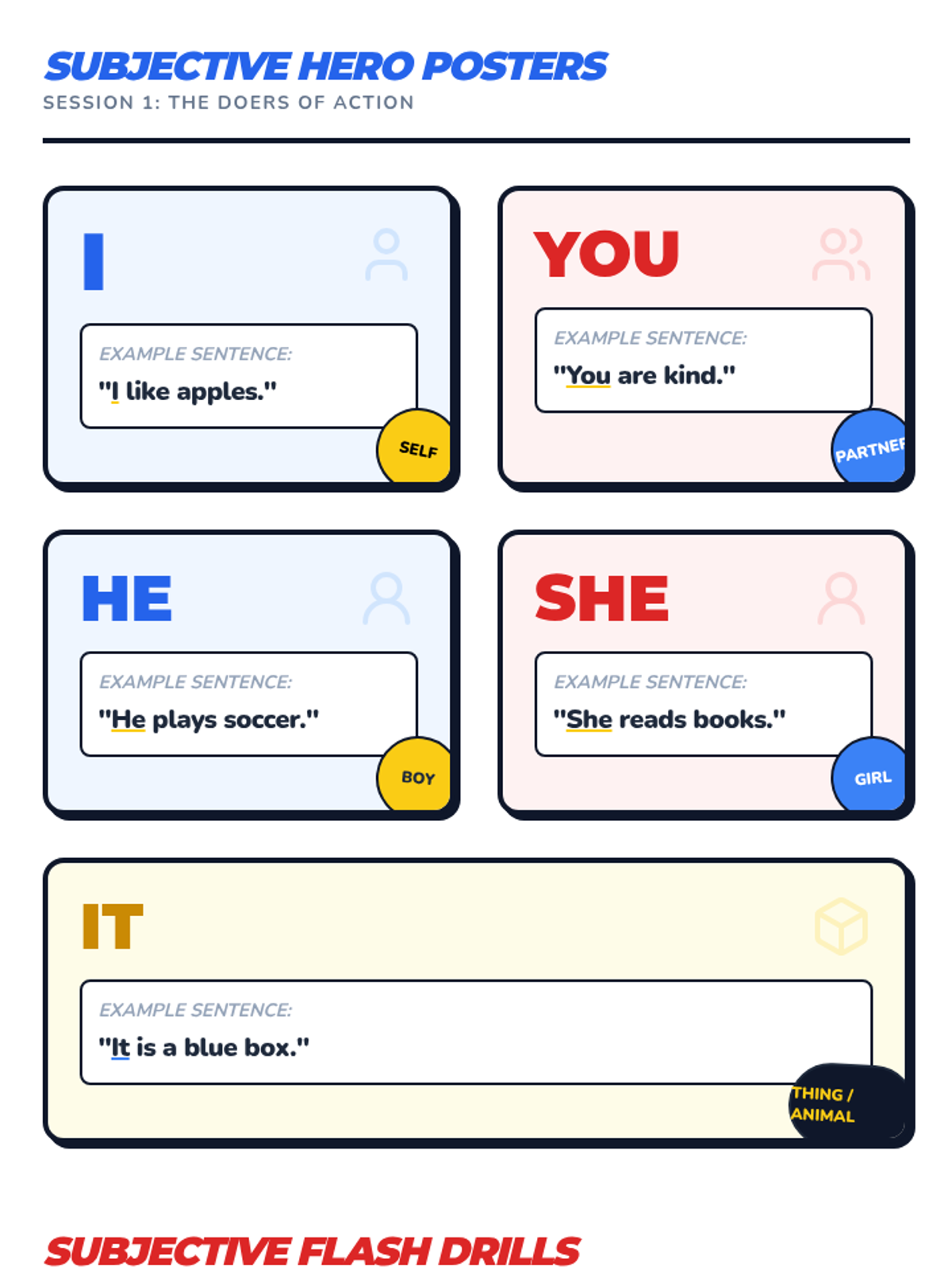
A 3-session unit designed for elementary speech-language students to master subjective, objective, and possessive pronouns through superhero-themed interactive games and activities.
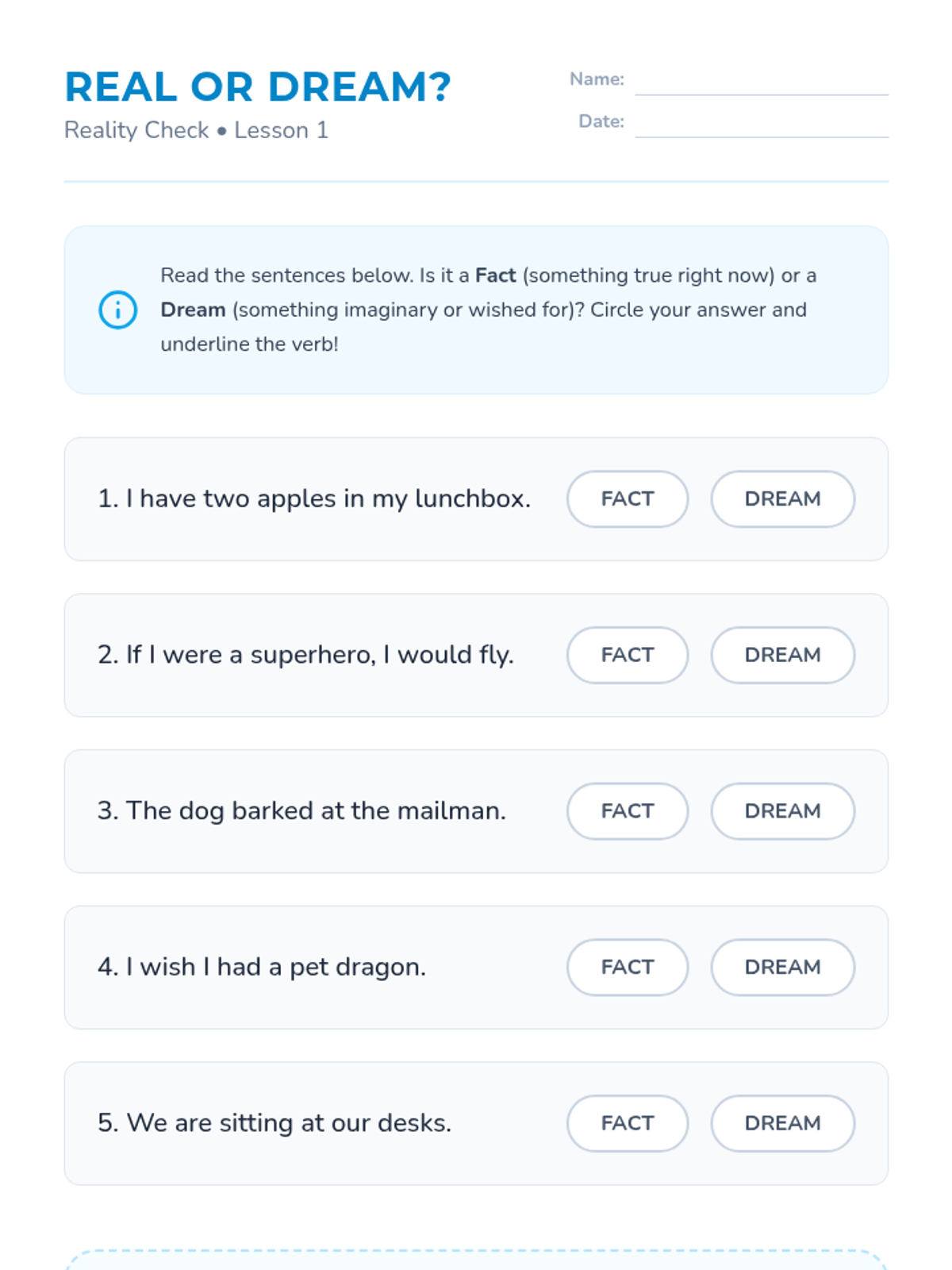
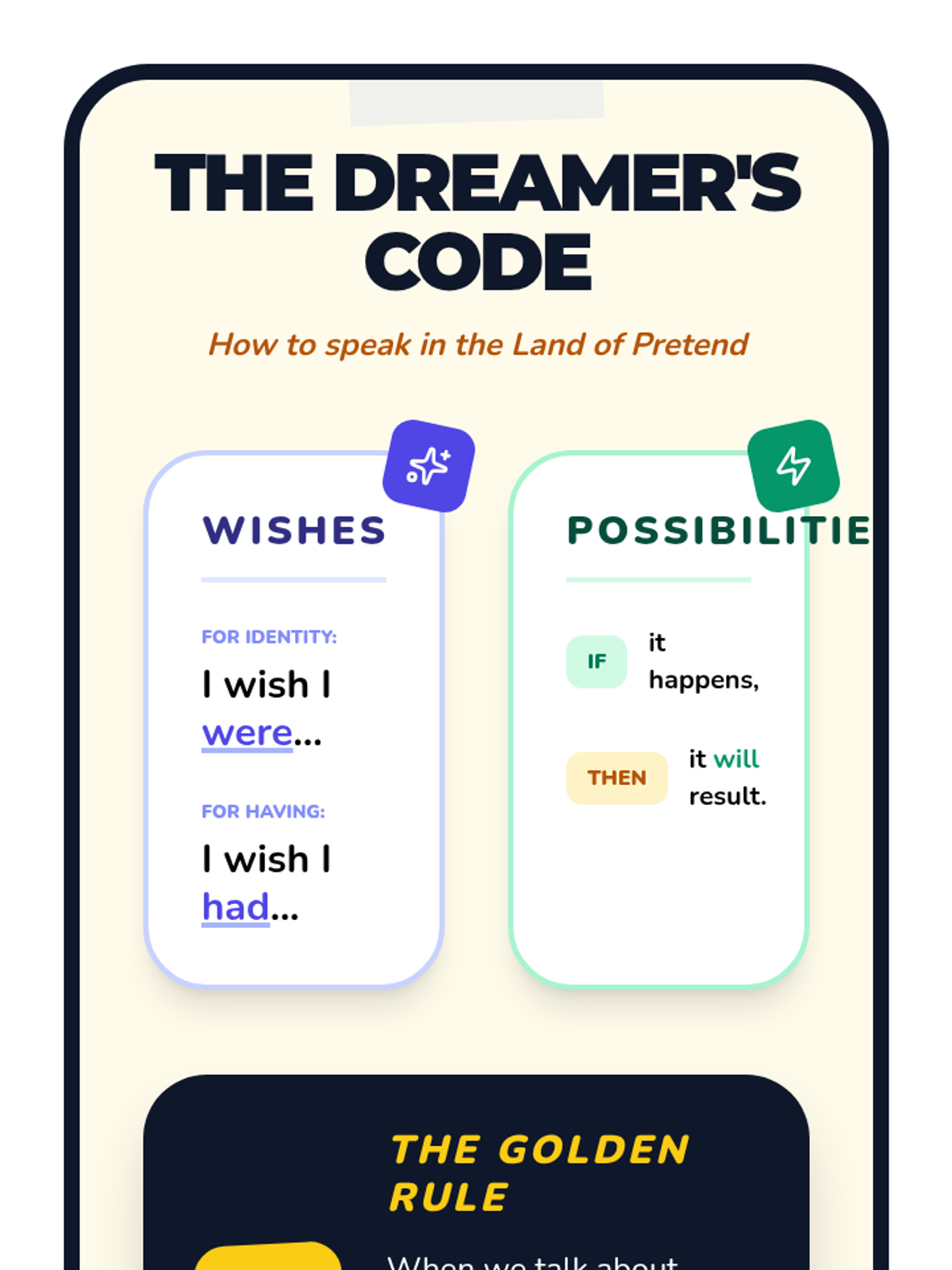
A whimsical ELA unit for 2nd graders focusing on the conditional and subjunctive moods. Through the lens of 'wishing' and 'imagining', students learn to use 'if/then' structures and the 'If I were' pattern to express hypothetical scenarios and creative stories.
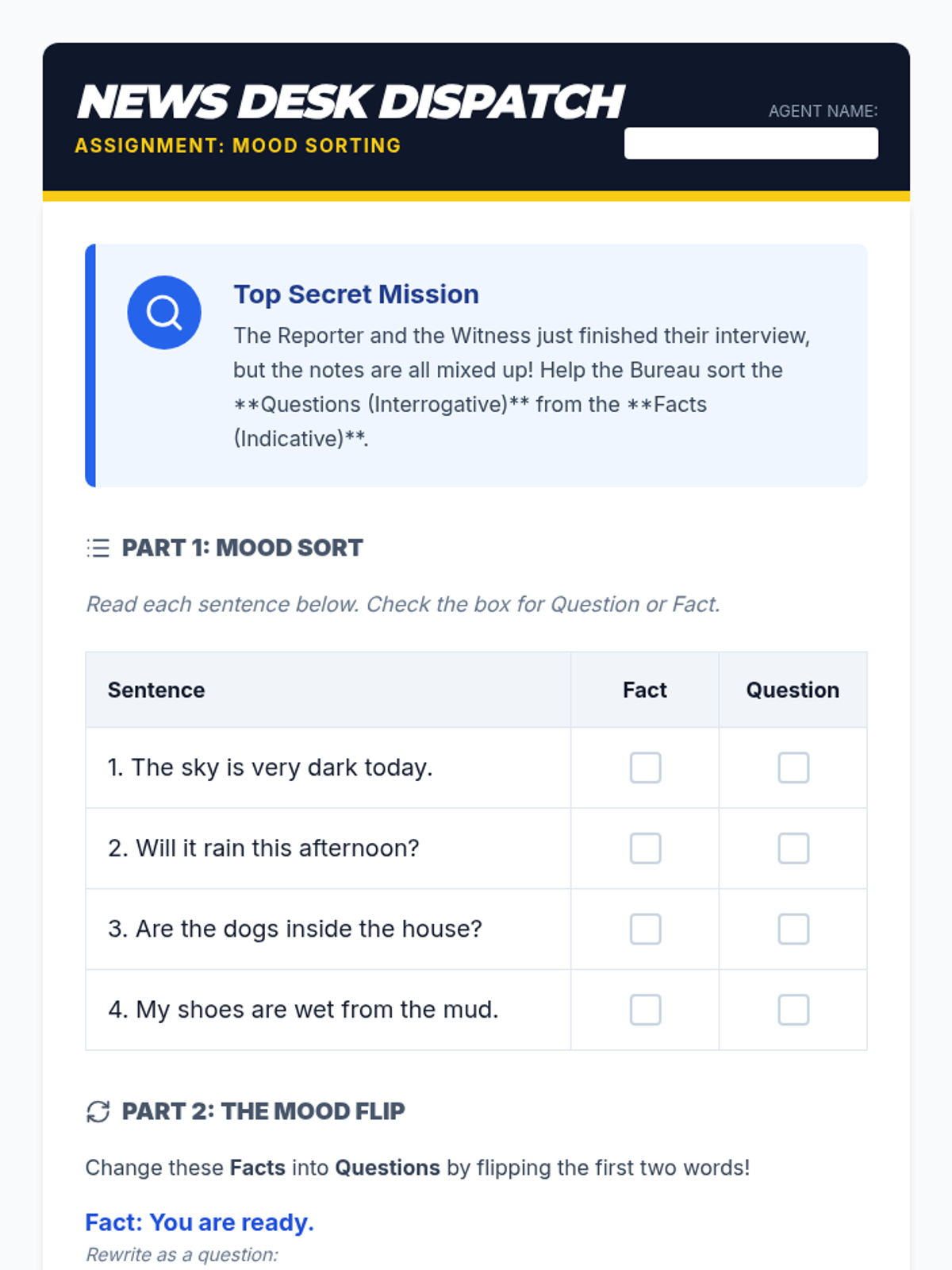
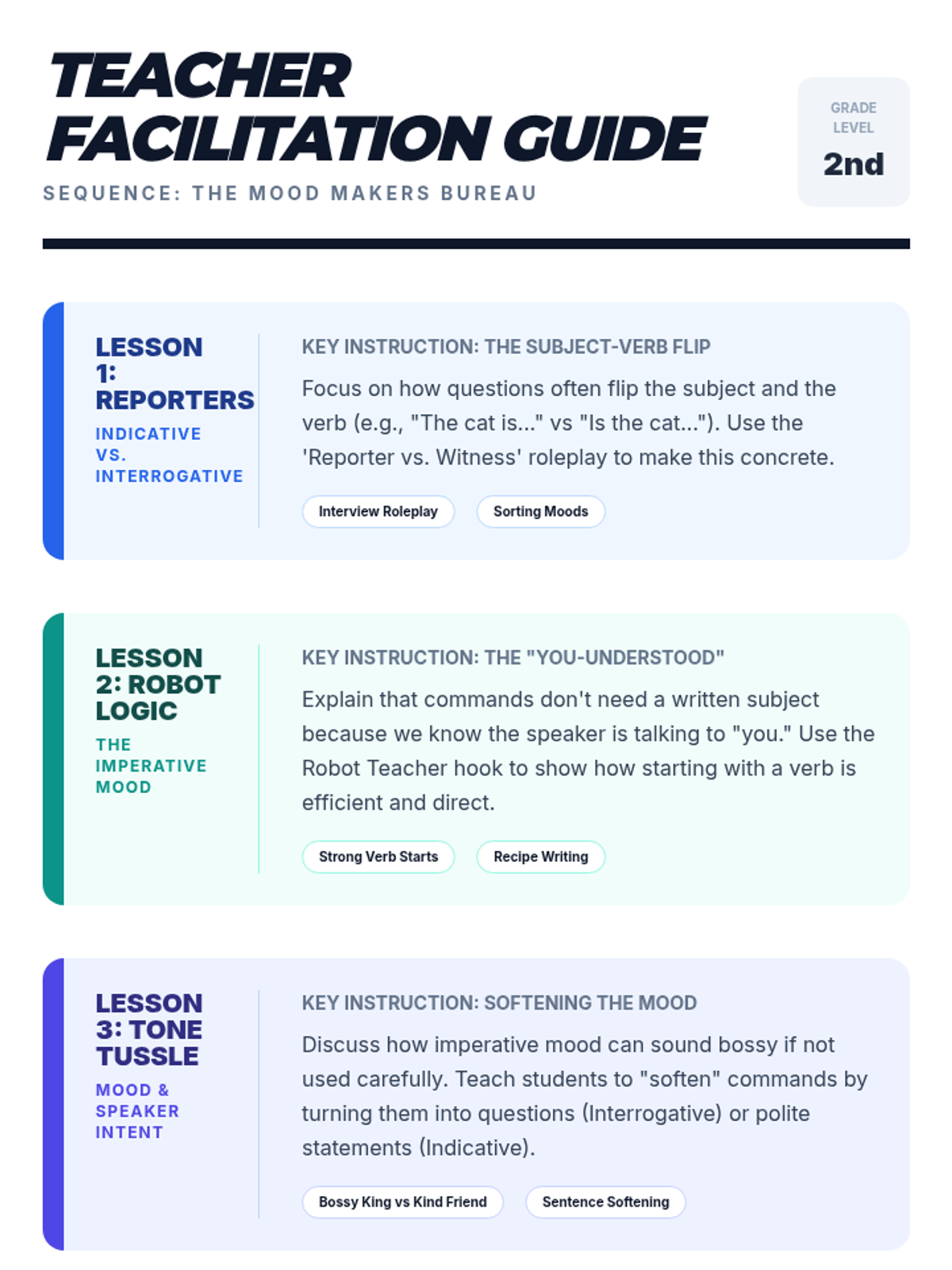
This sequence introduces 2nd-grade students to grammatical mood through the functions of statements, questions, and commands. Students use a 'News Bureau' theme to explore how verb forms change based on whether they are reporting facts, asking for info, or giving orders.
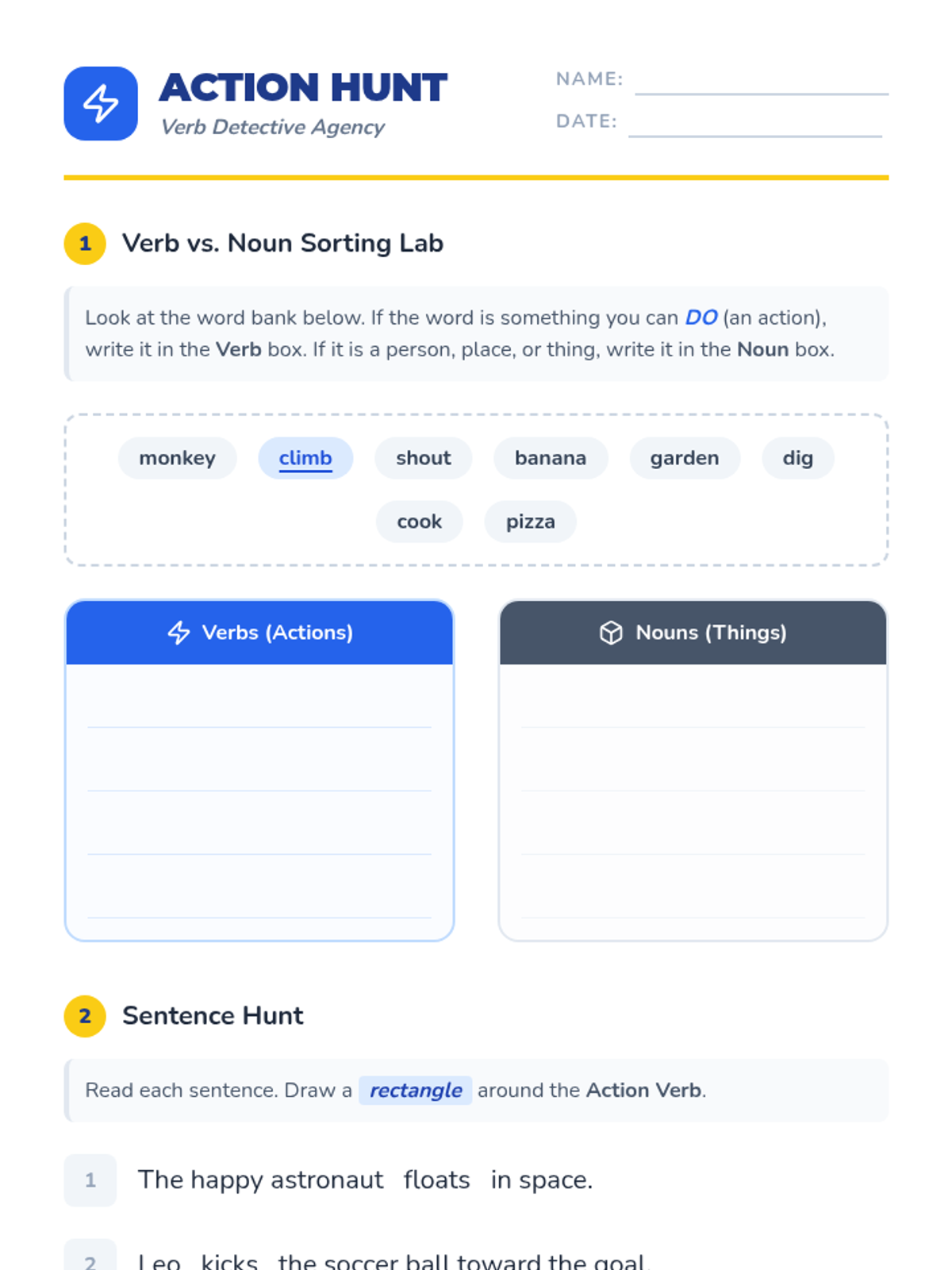
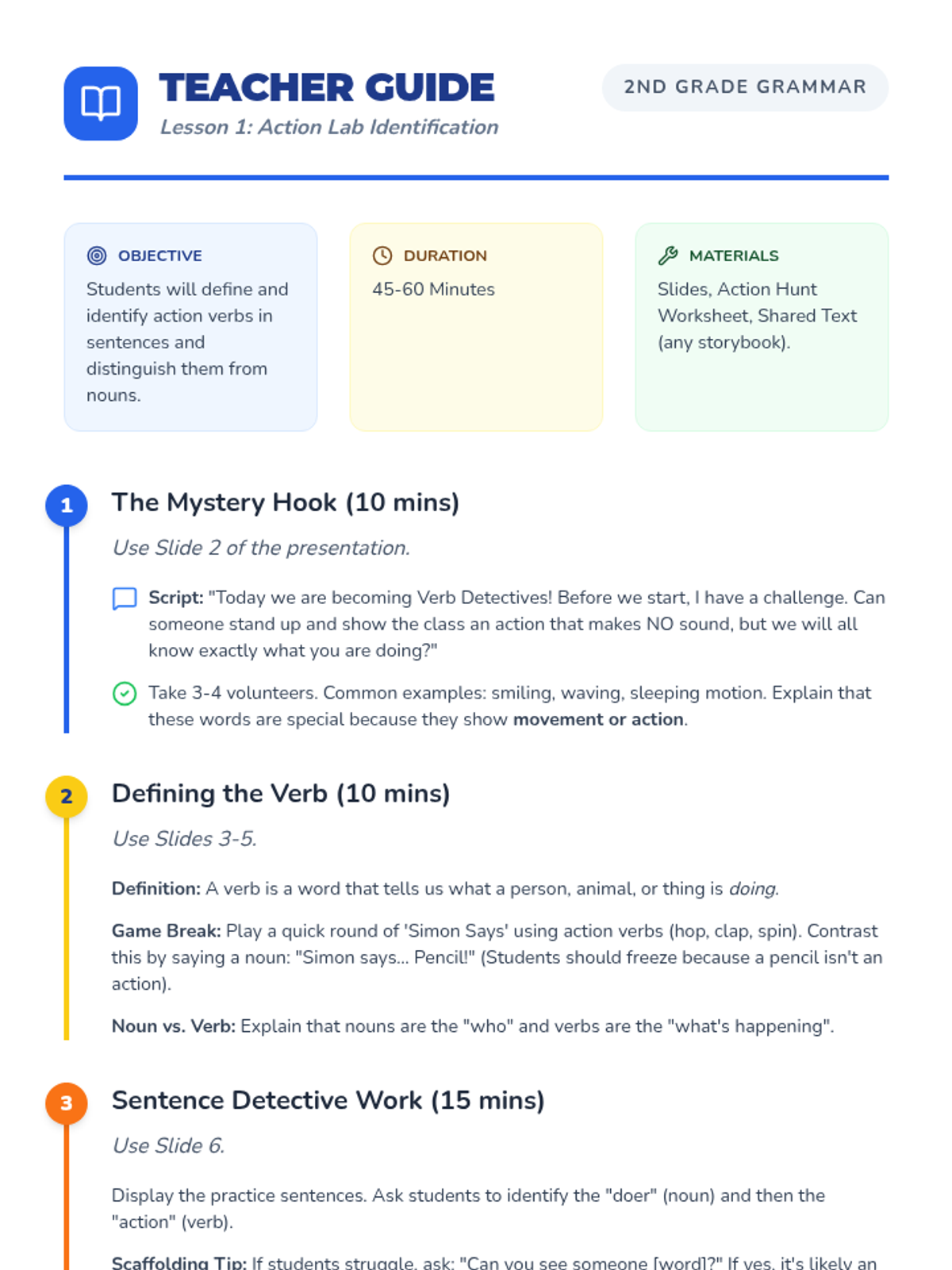
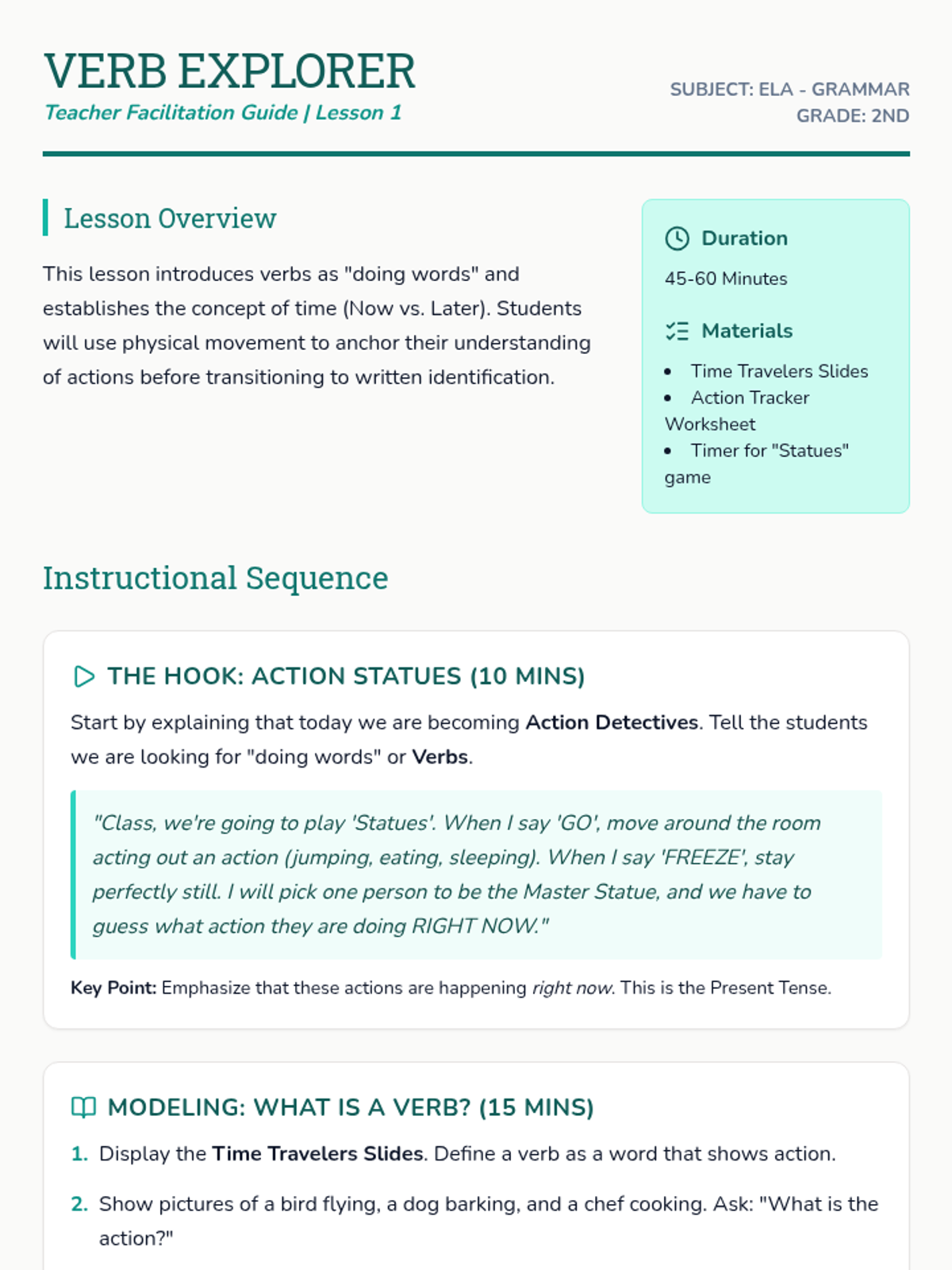
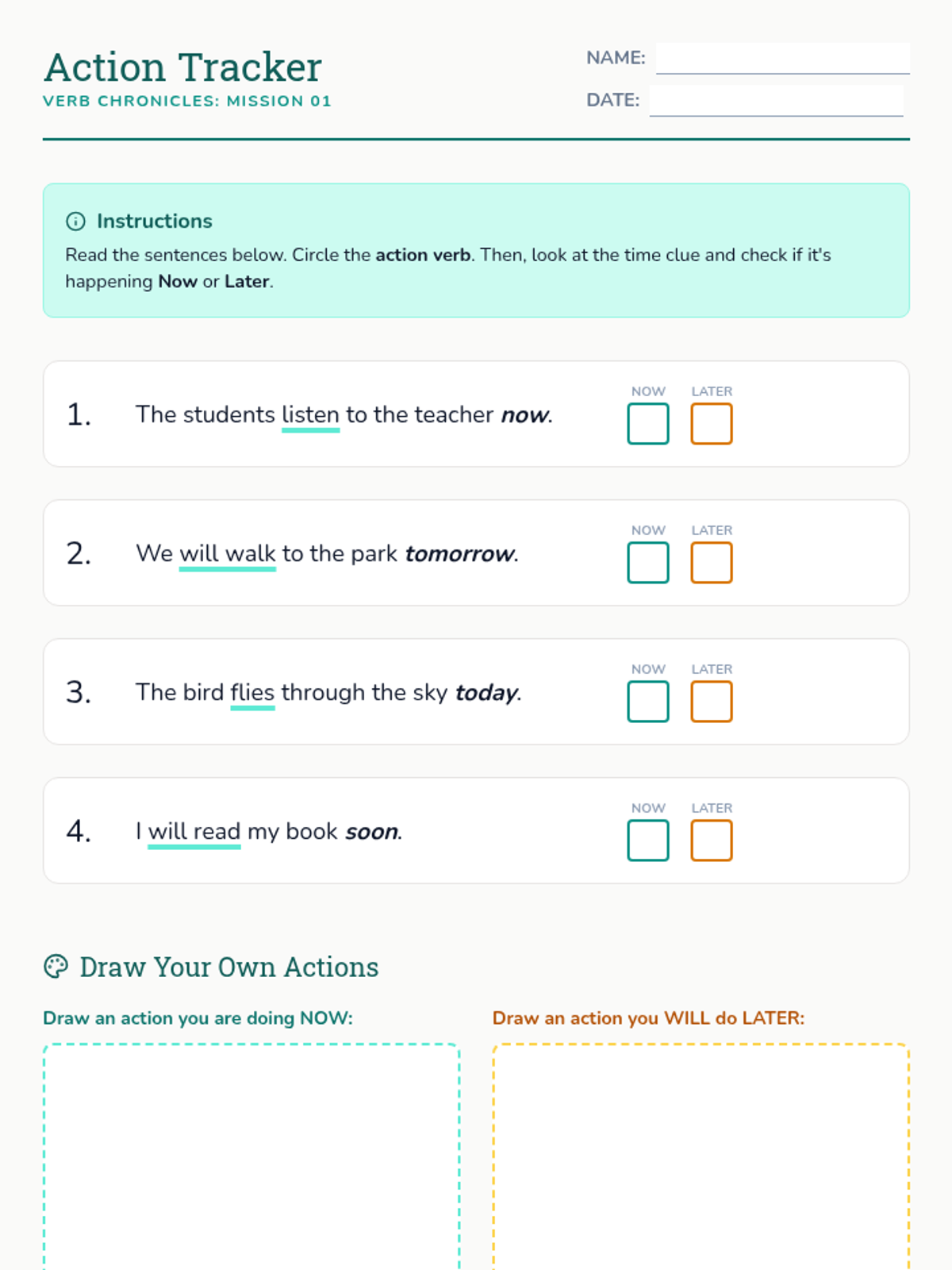
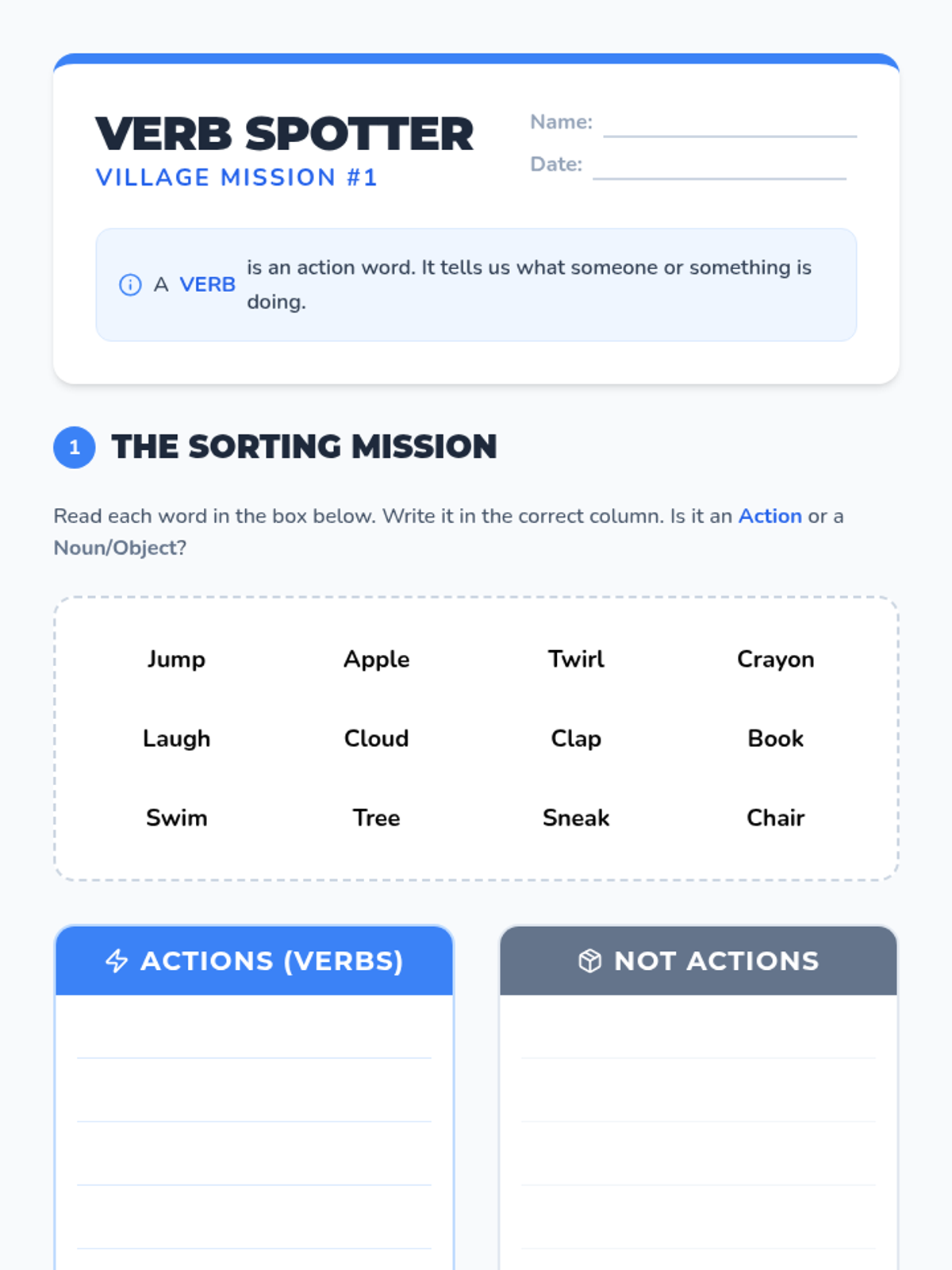
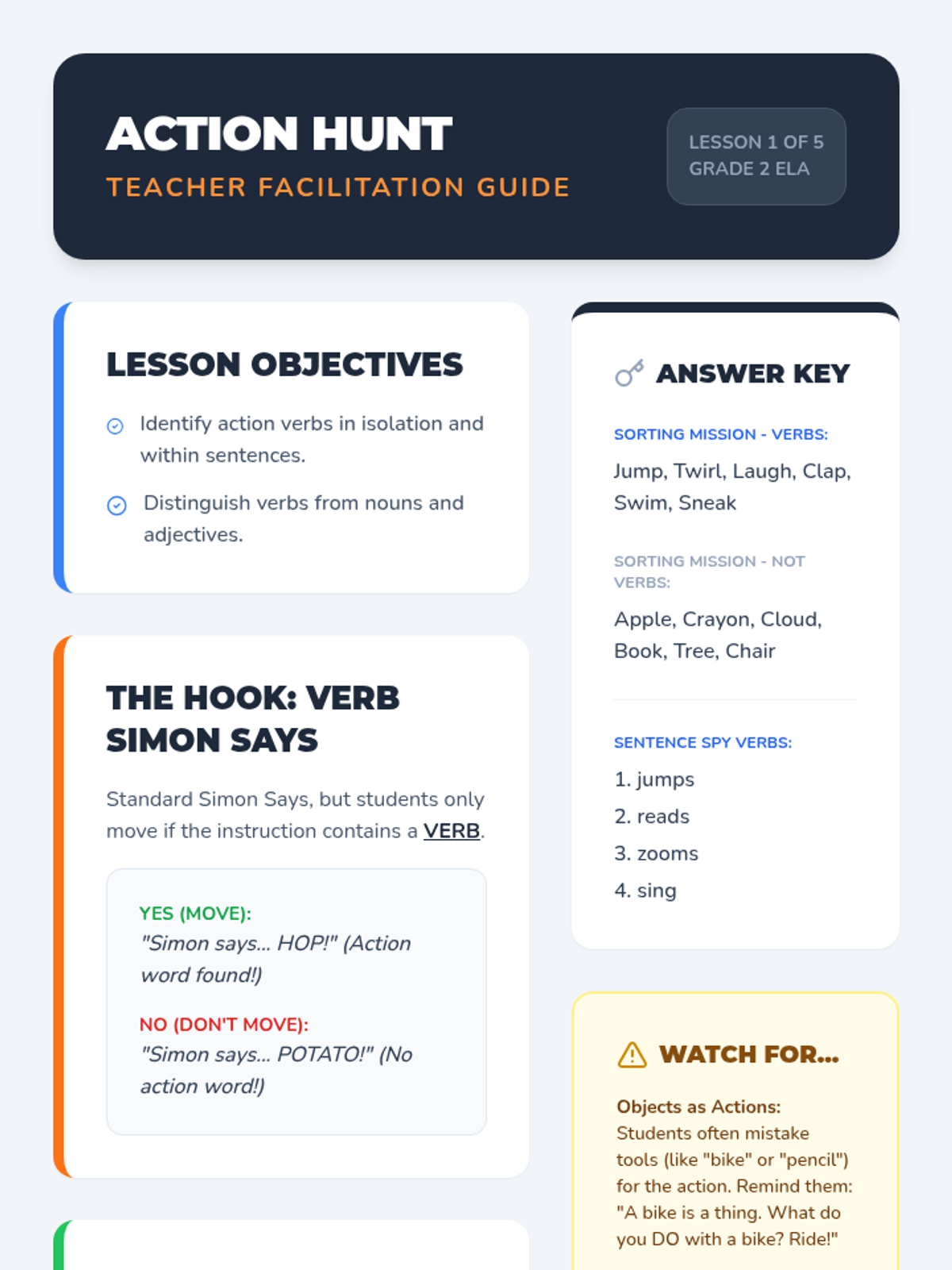
A 5-lesson 2nd Grade grammar sequence focusing on identifying action verbs and mastering past, present, and future tenses through interactive games, timeline creation, and sentence transformation.
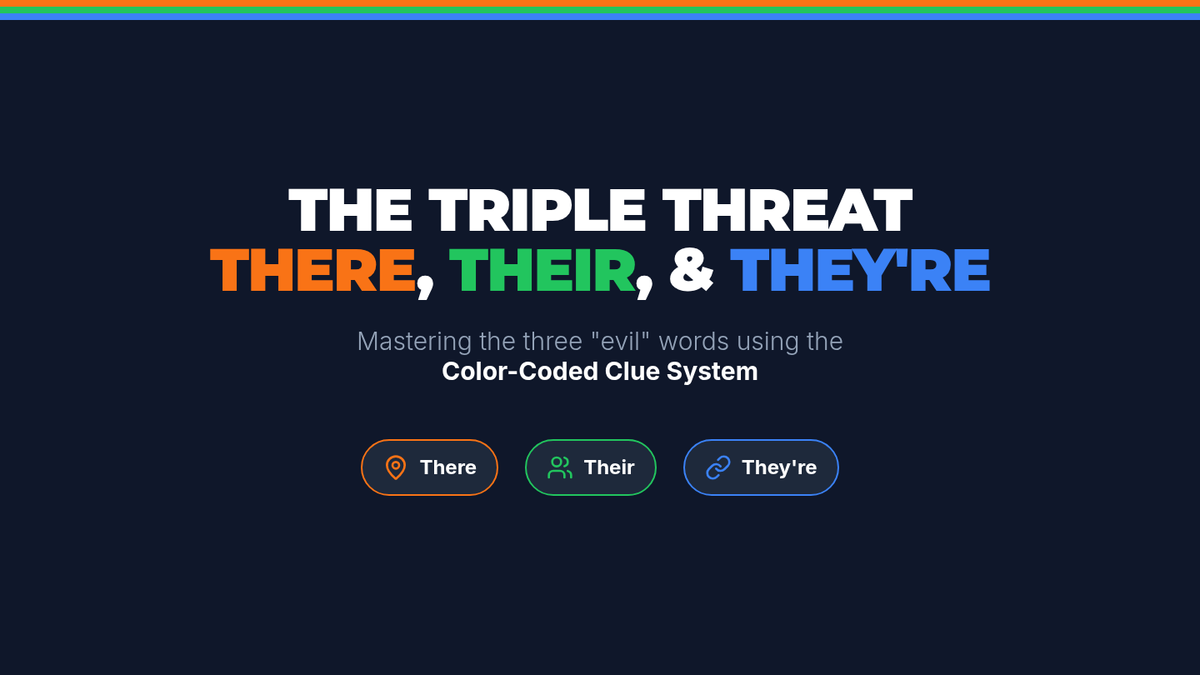
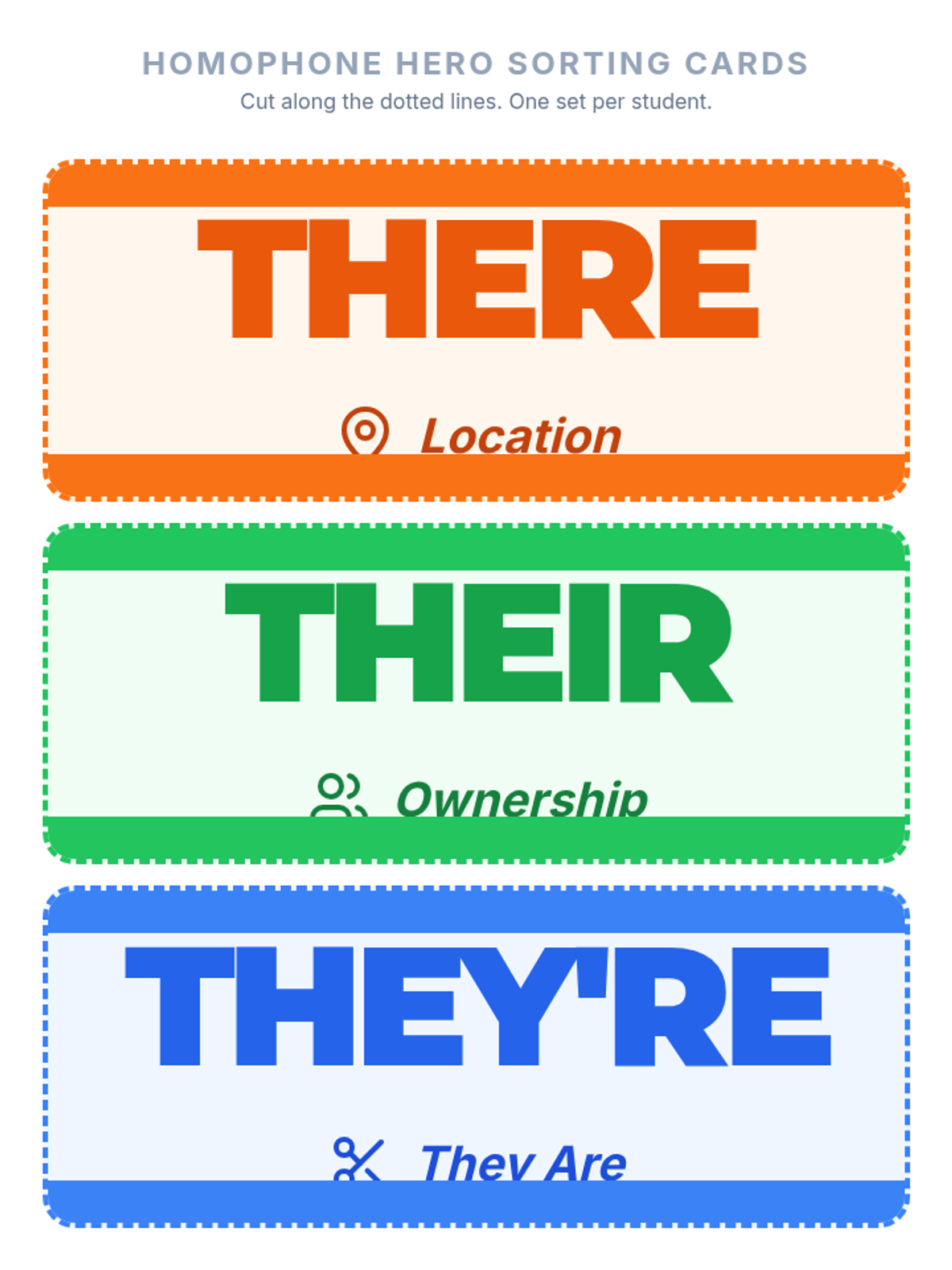
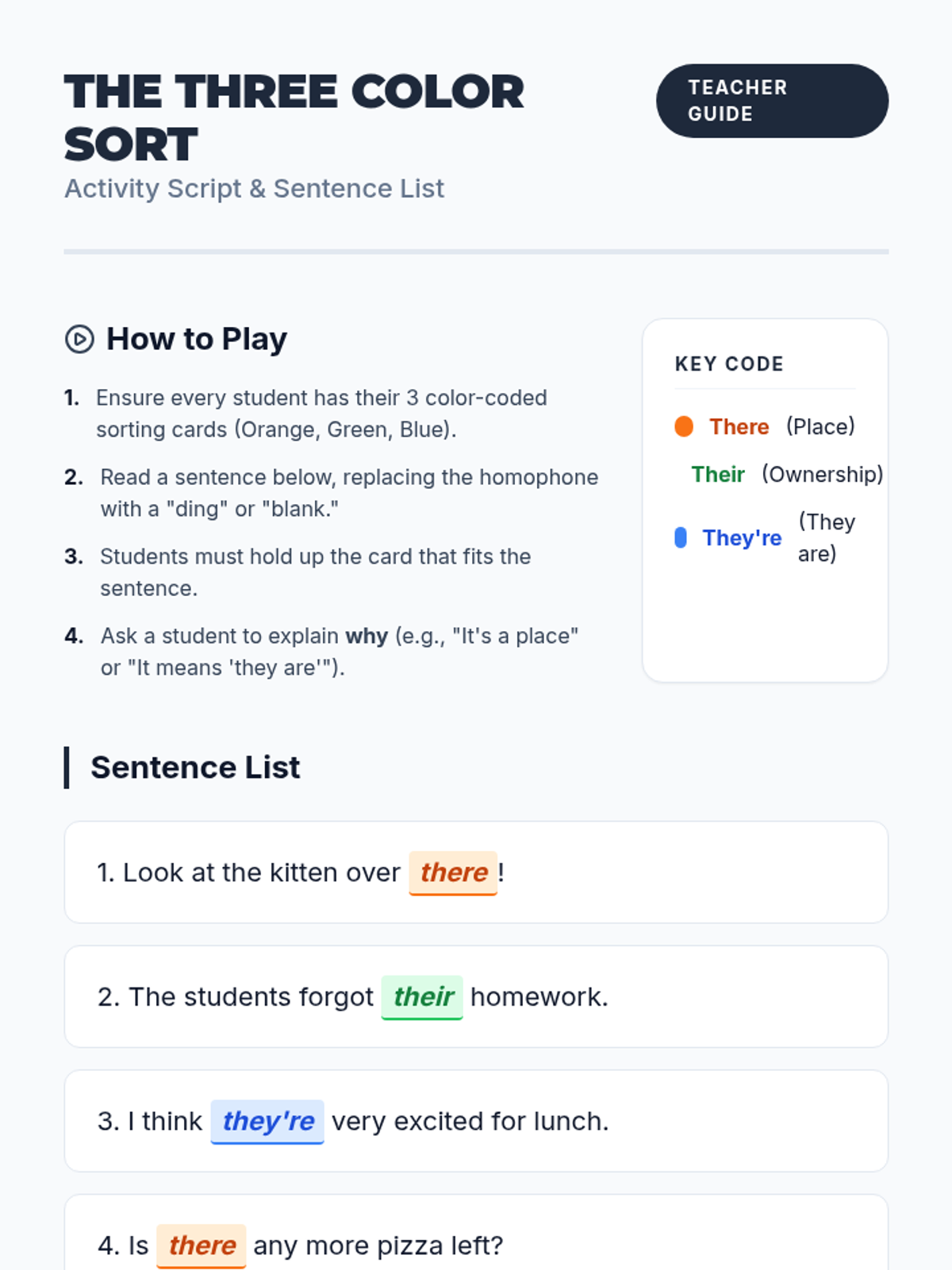
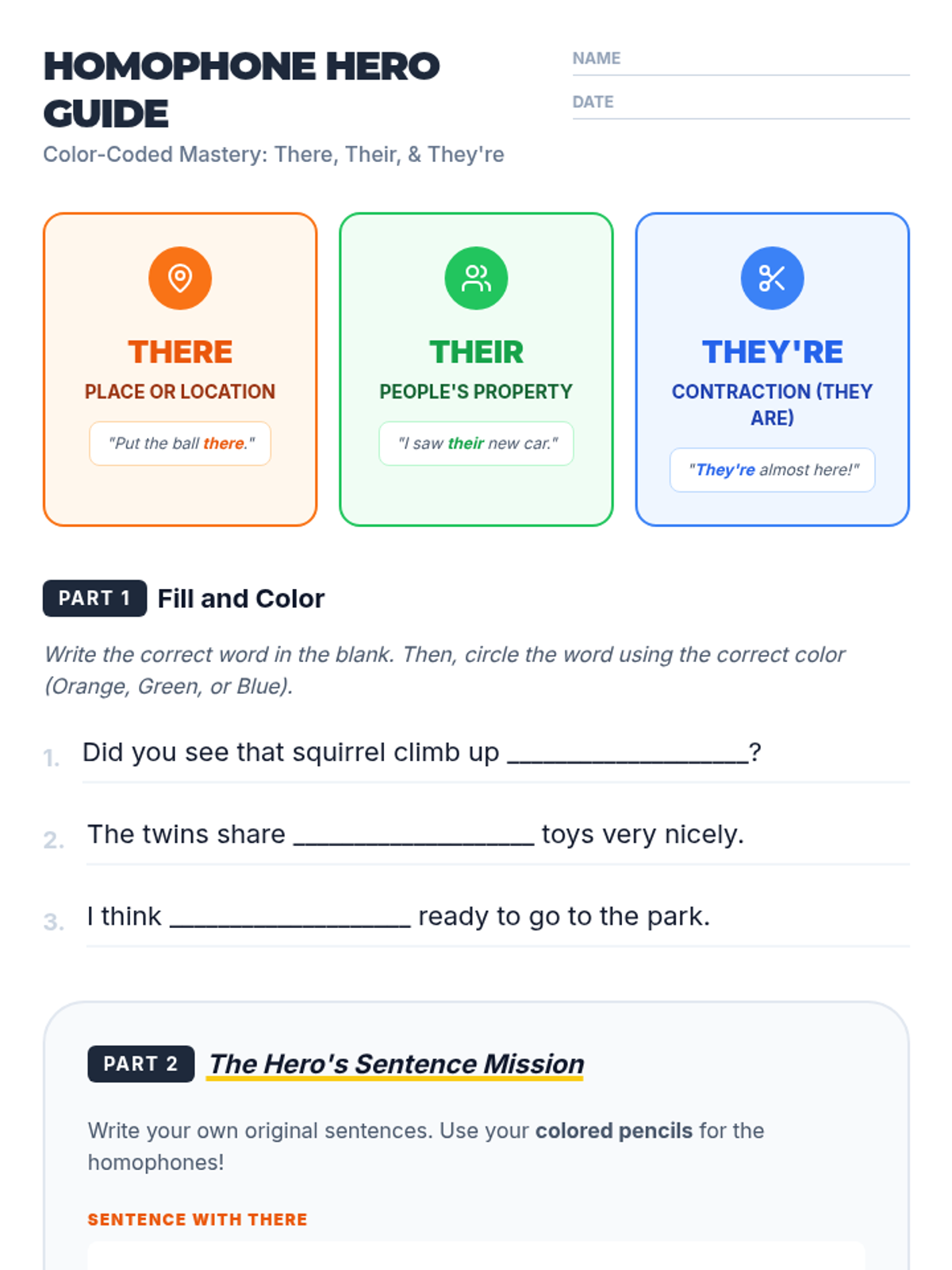
A series of lessons focused on mastering frequently confused homophones through visual color-coding and active participation.
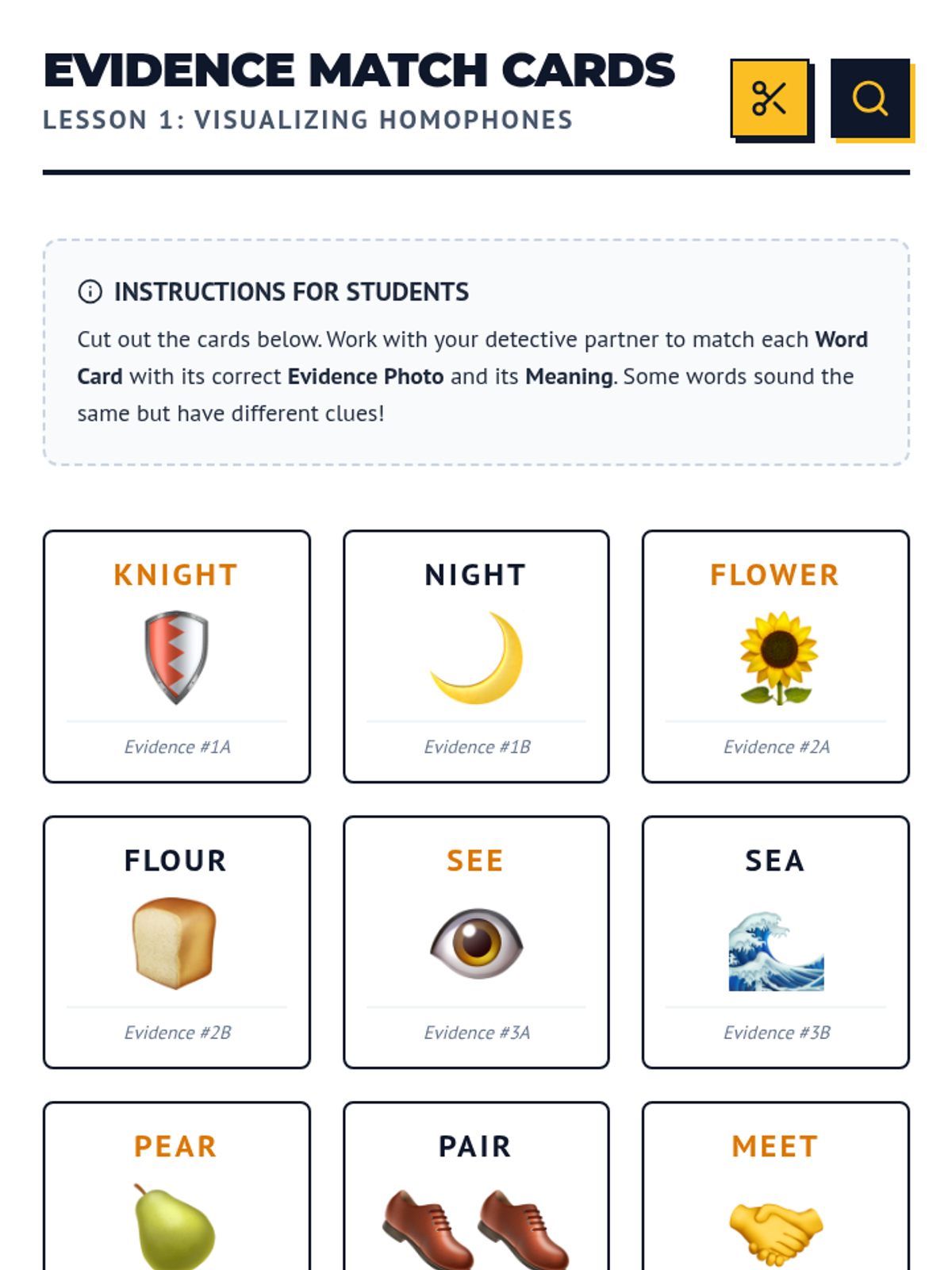
A comprehensive sequence for 2nd graders focusing on common homophones. Students move from basic identification using visual cues to mastering tricky triplets like 'to/two/too' and 'there/their/they're', culminating in a creative editing challenge and a performance-based assessment.
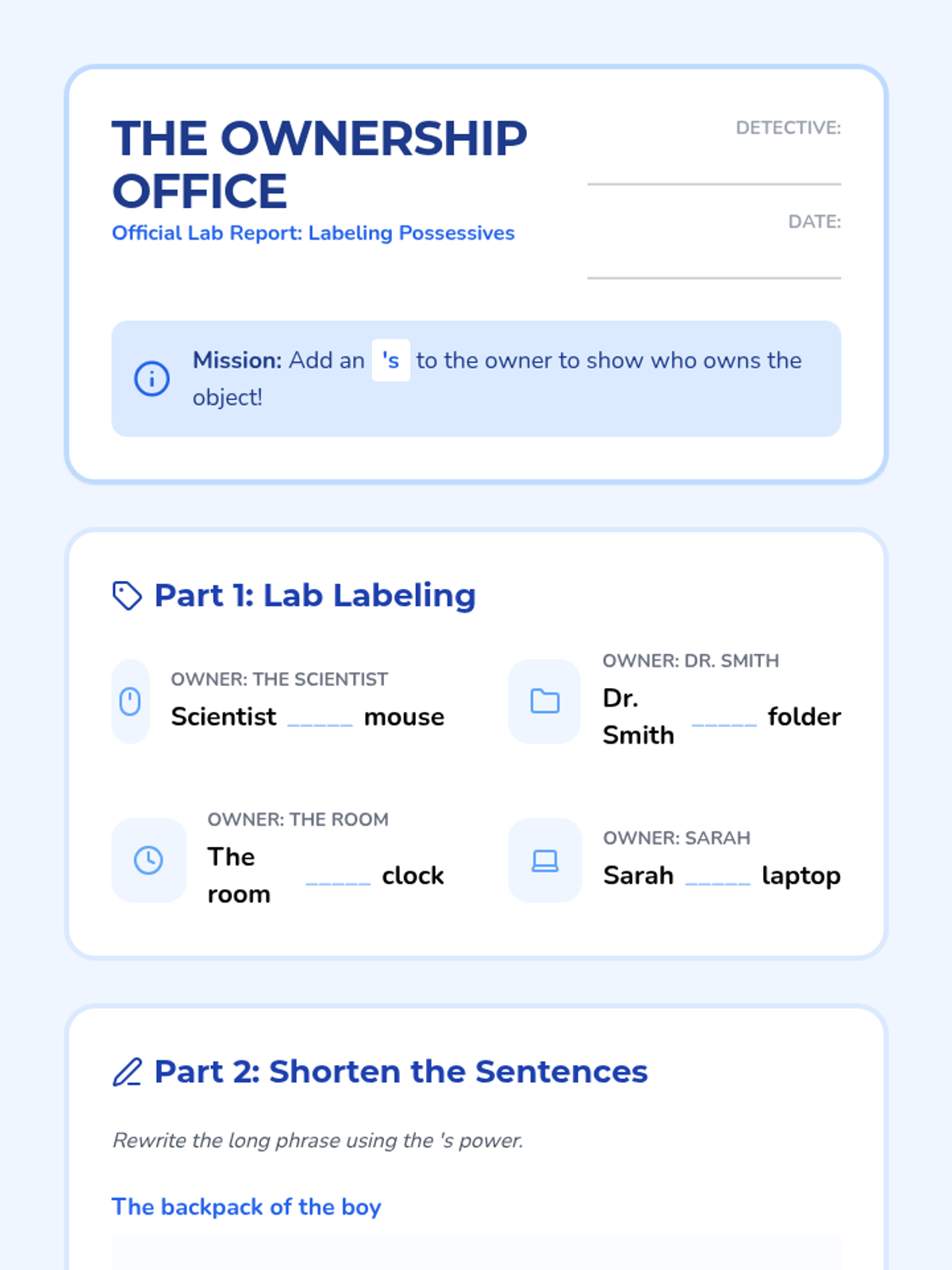
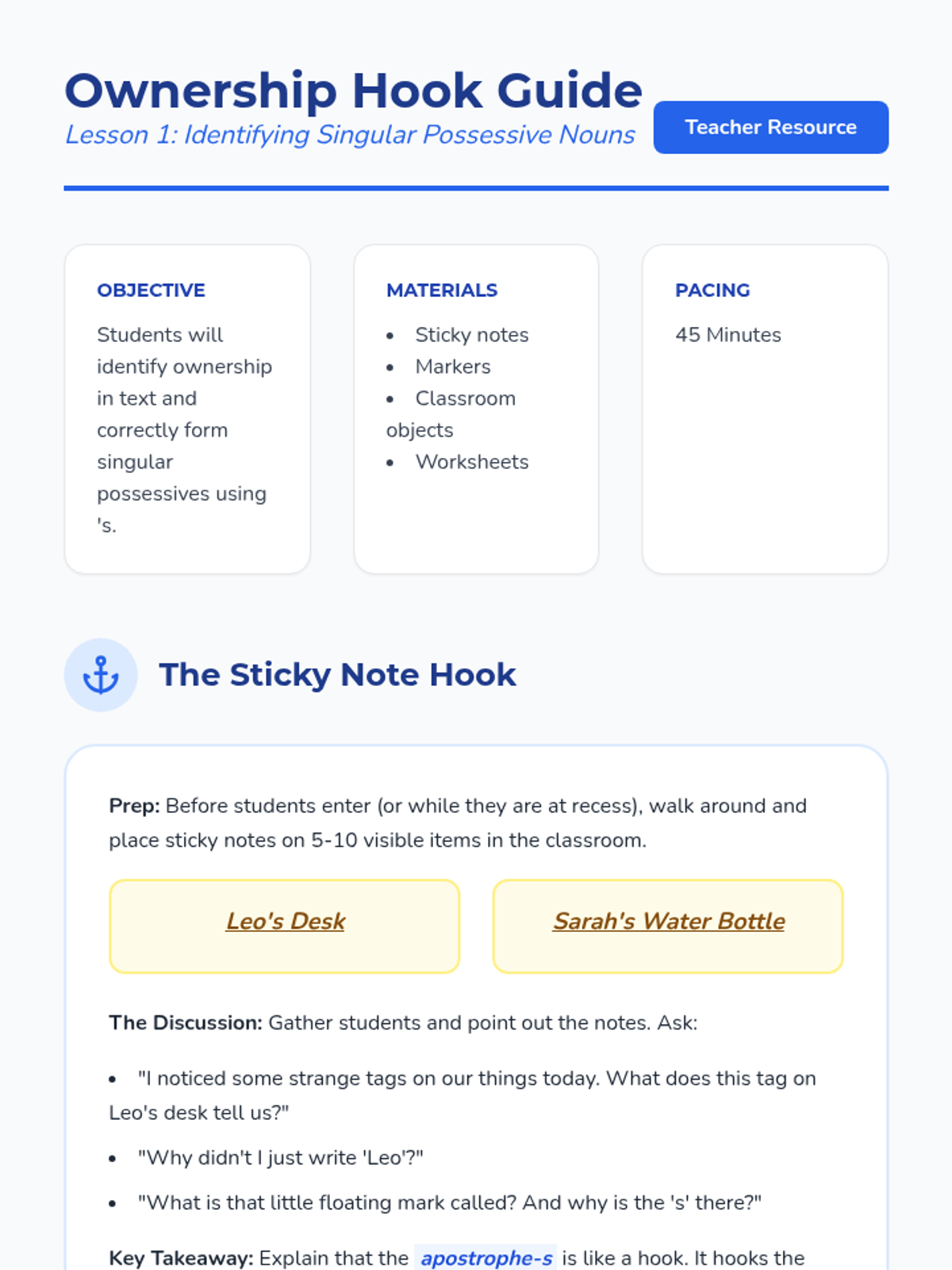
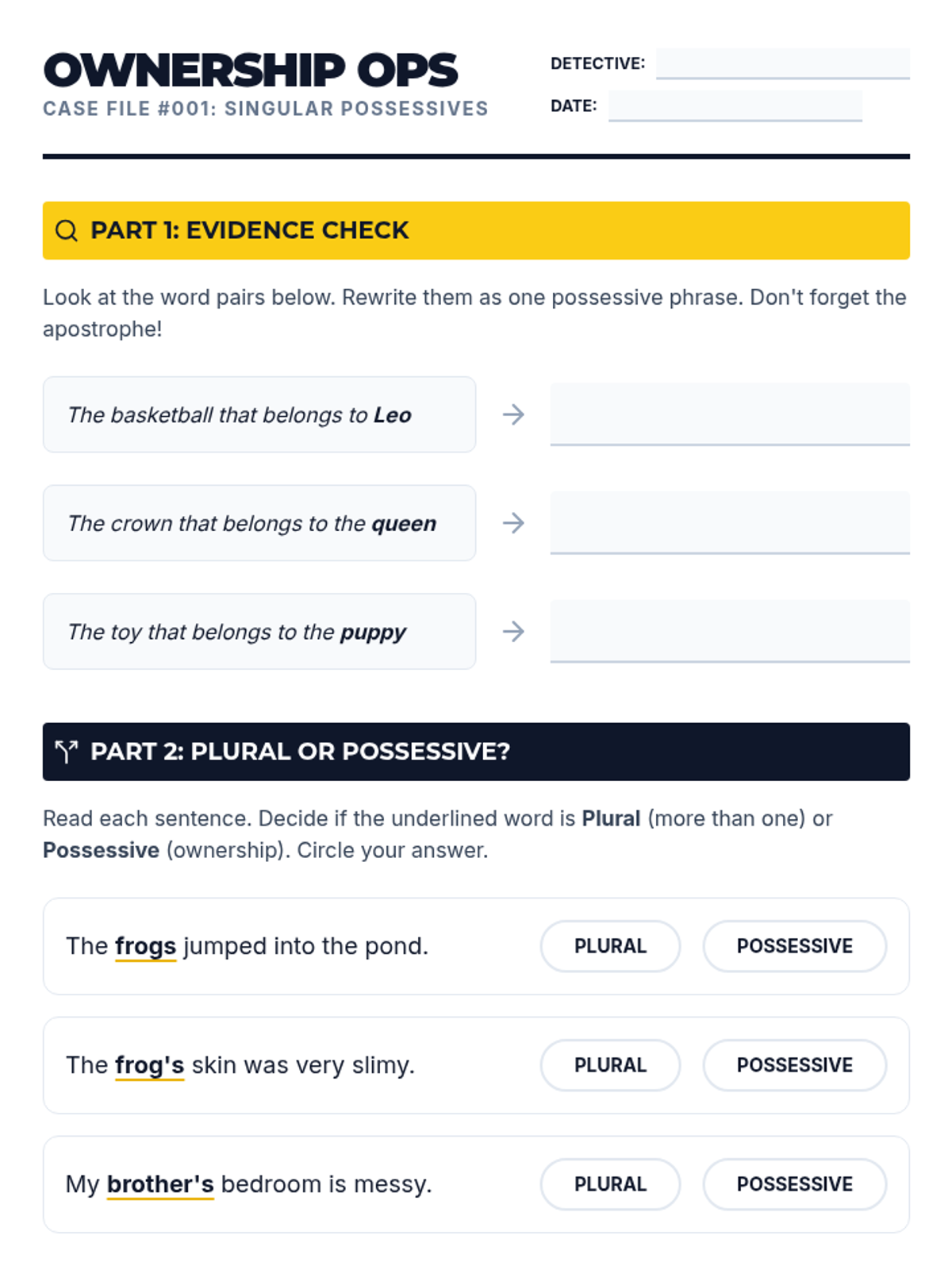
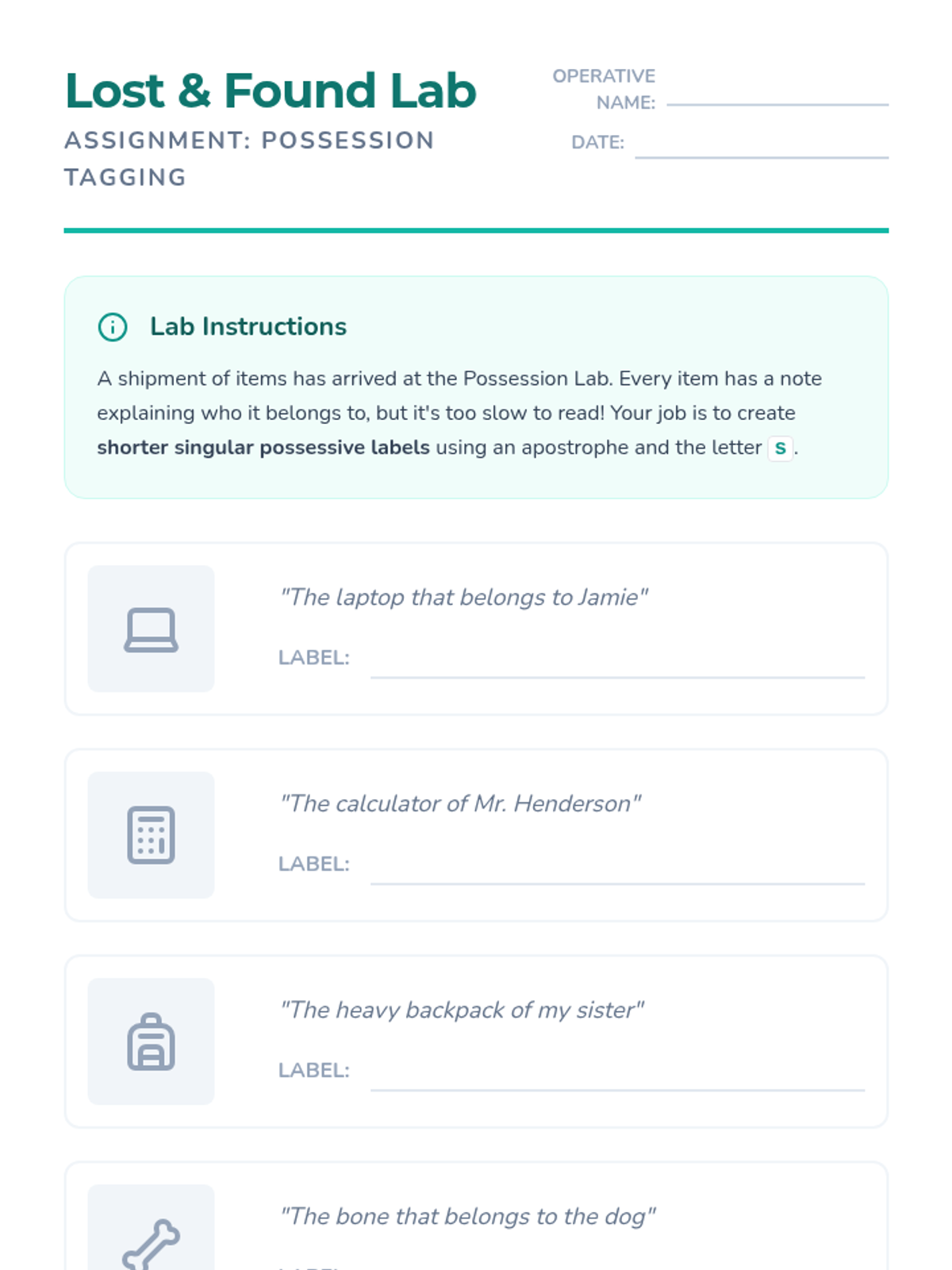
A 2nd-grade grammar sequence exploring the dual roles of the apostrophe in possessives and contractions through a 'Word Surgery' and 'Museum of Belonging' theme. Students practice forming singular possessives, distinguishing them from plurals, and physically 'operating' on word pairs to create contractions.
An inquiry-based exploration of apostrophes, covering singular and plural possessives, contractions, and tricky homophones through the lens of 'word surgery' and 'punctuation investigations.'
A comprehensive 5-lesson sequence where students act as "word surgeons" and "grammar detectives" to master the distinct roles of the apostrophe in possessive nouns and contractions.
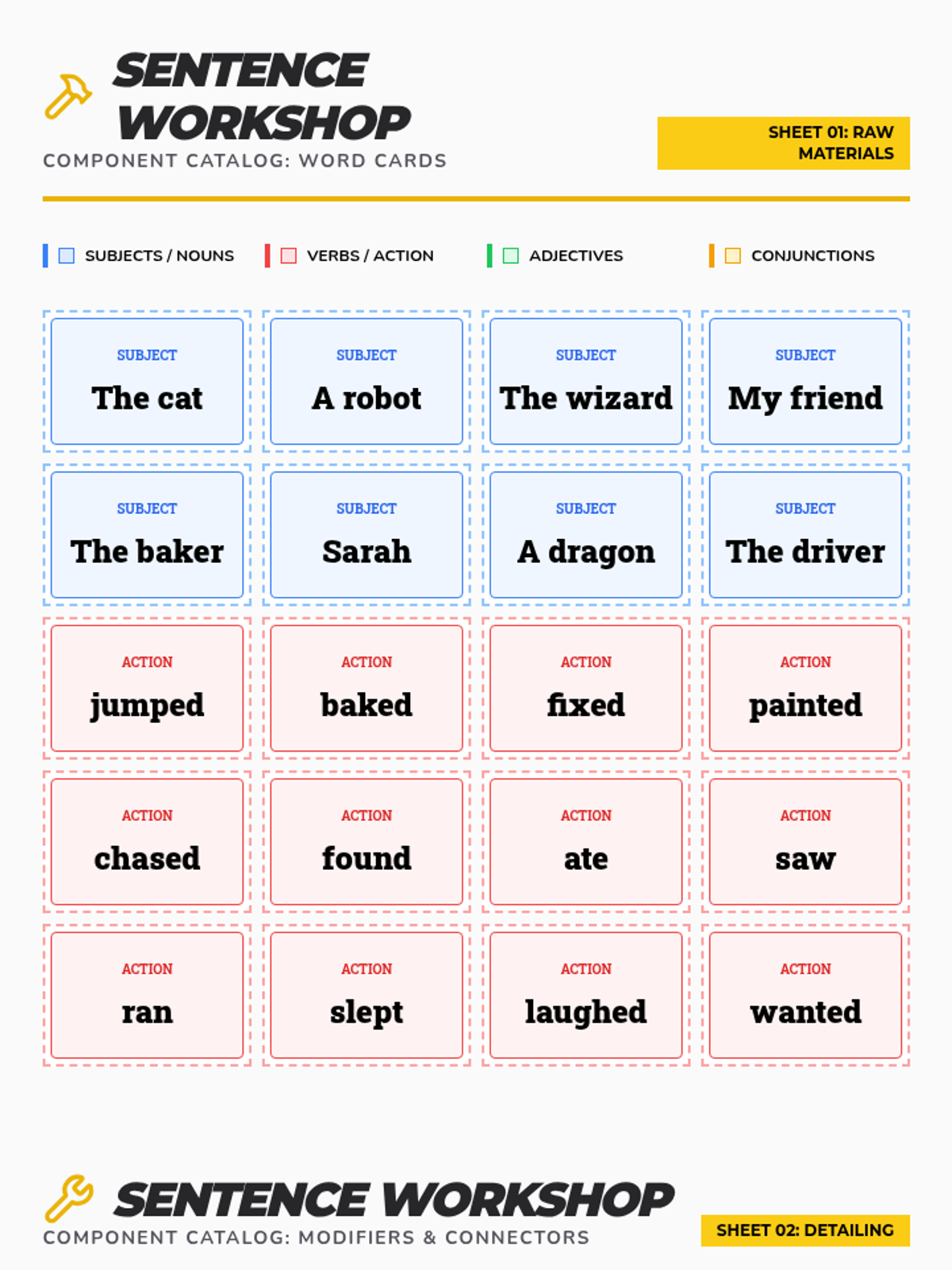
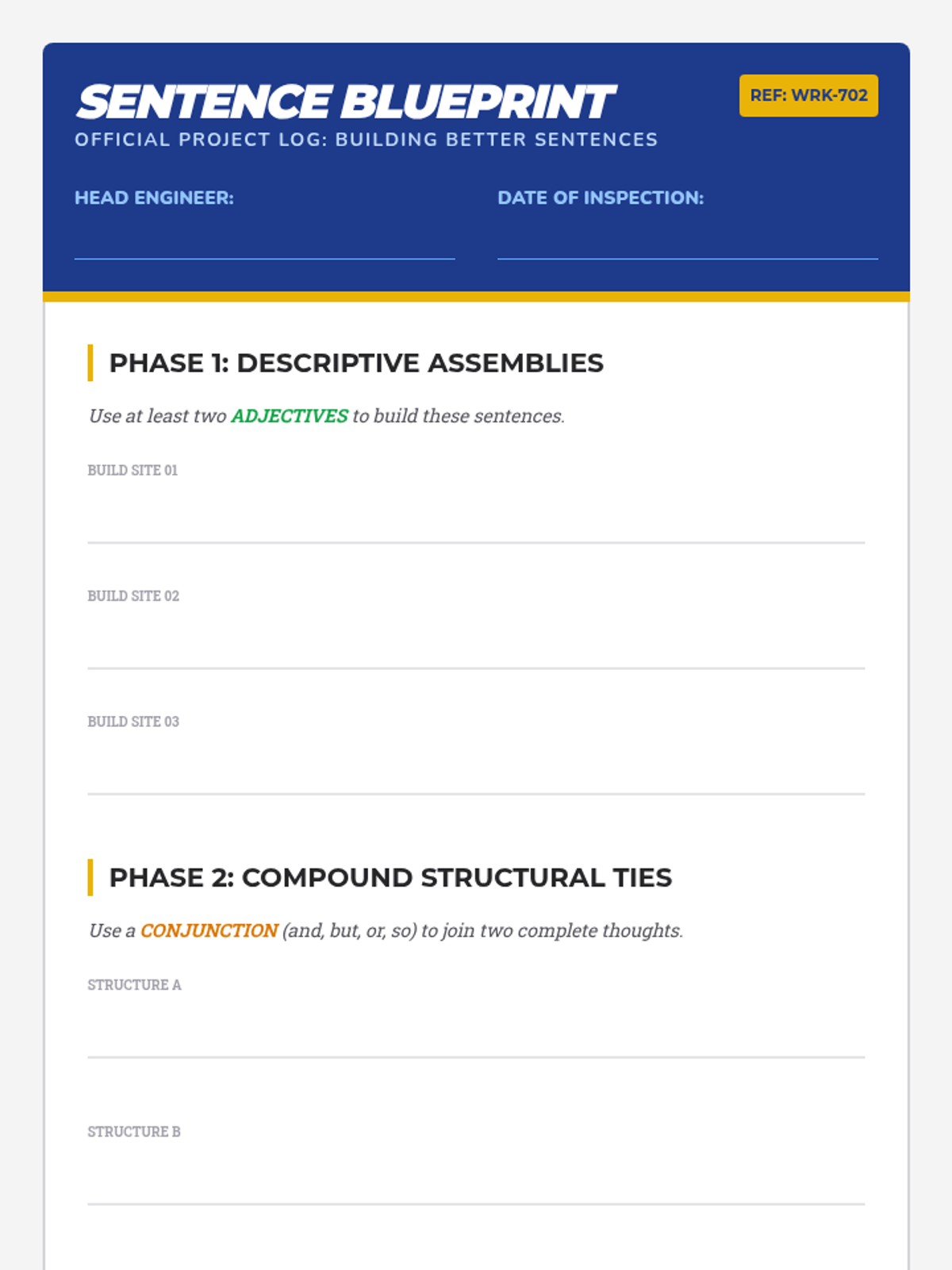
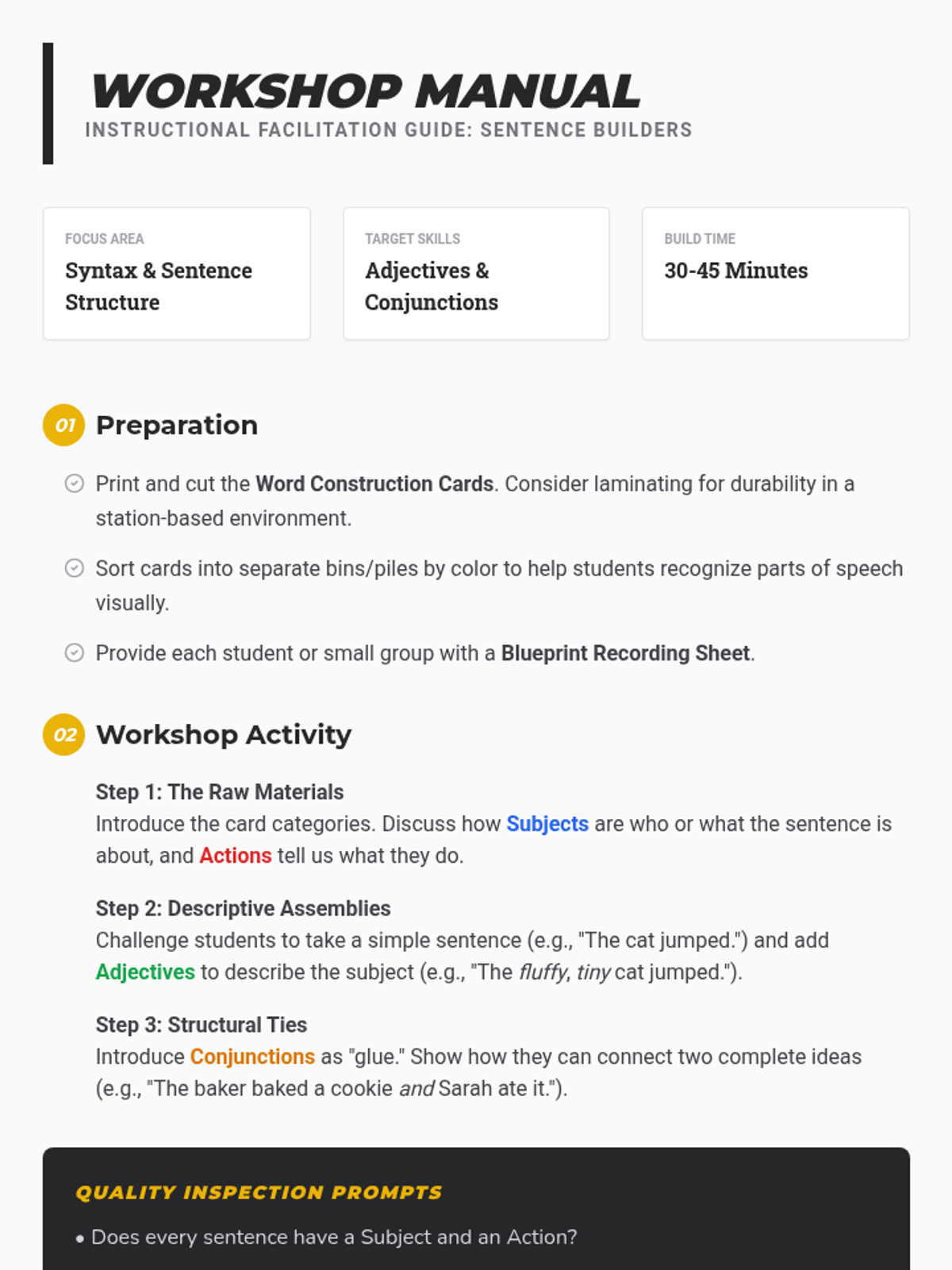
A series of hands-on workshops where students act as "sentence engineers," using word components to master syntax, sentence variety, and descriptive writing.
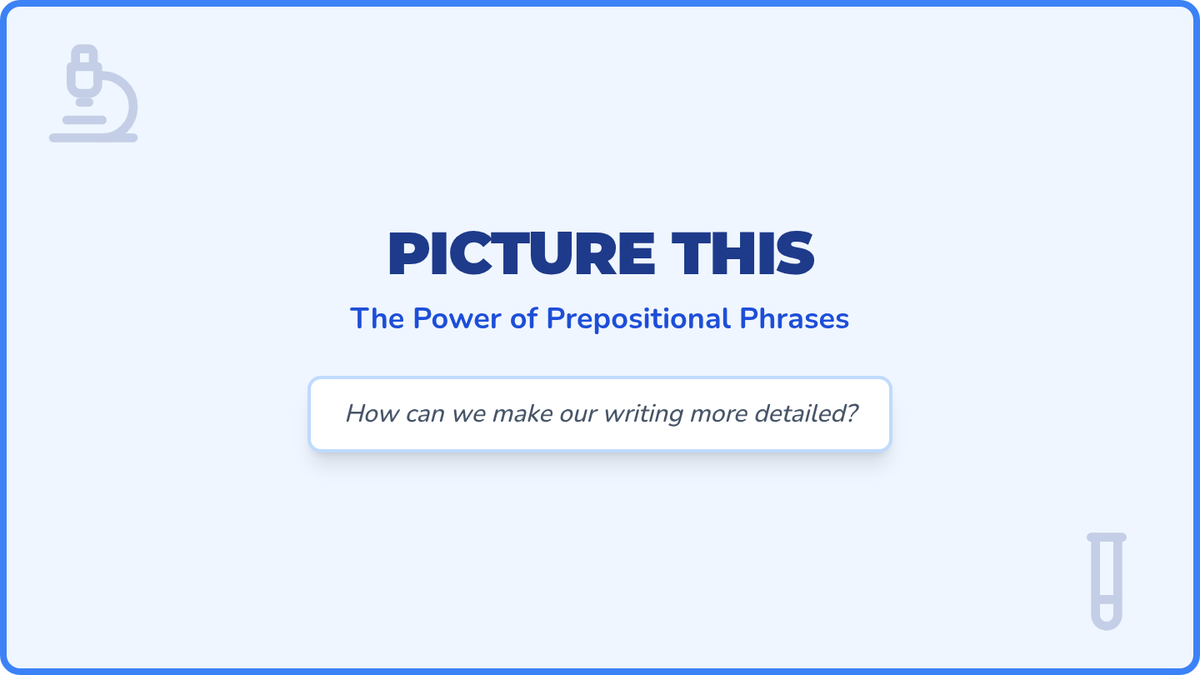
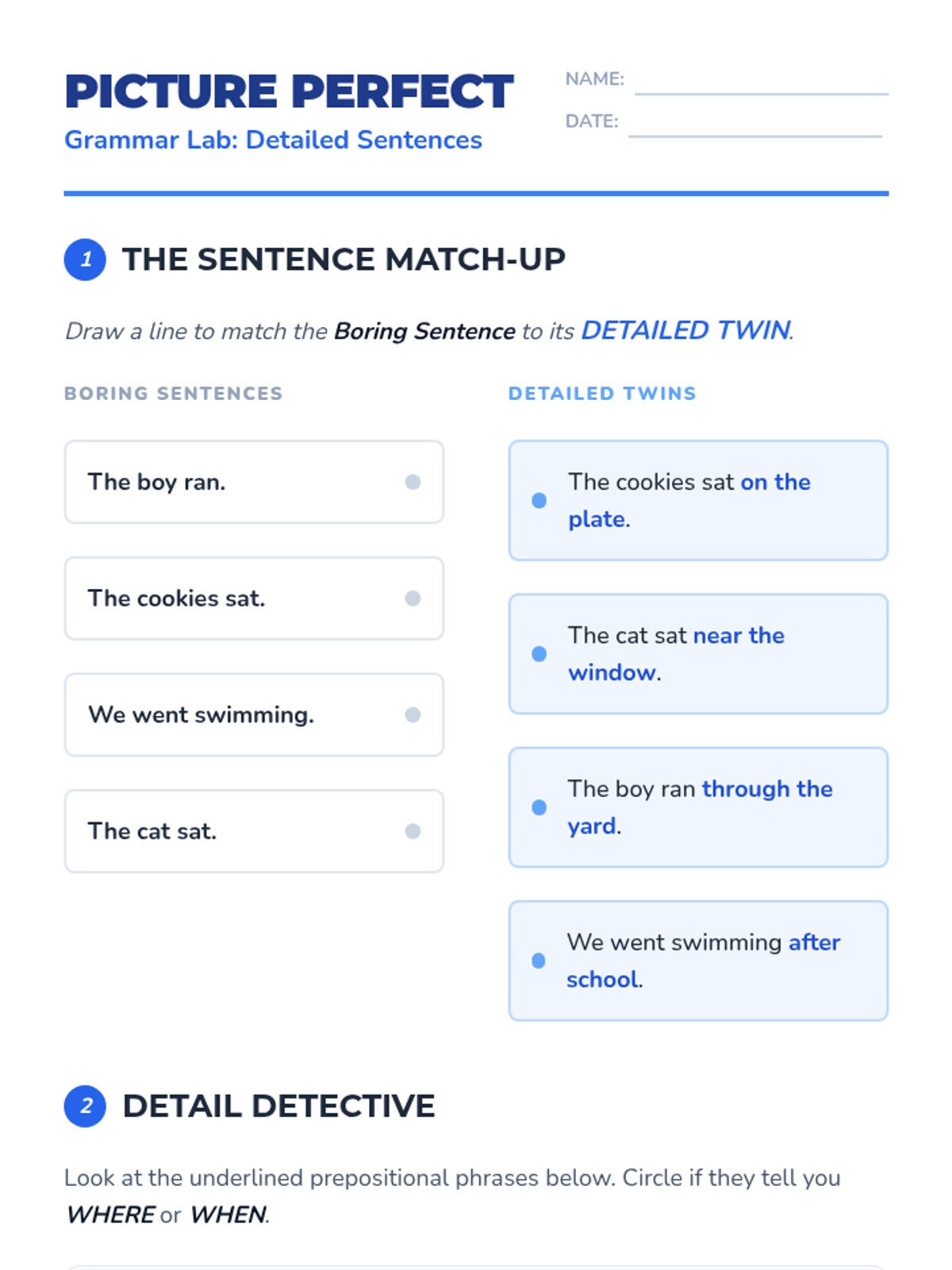
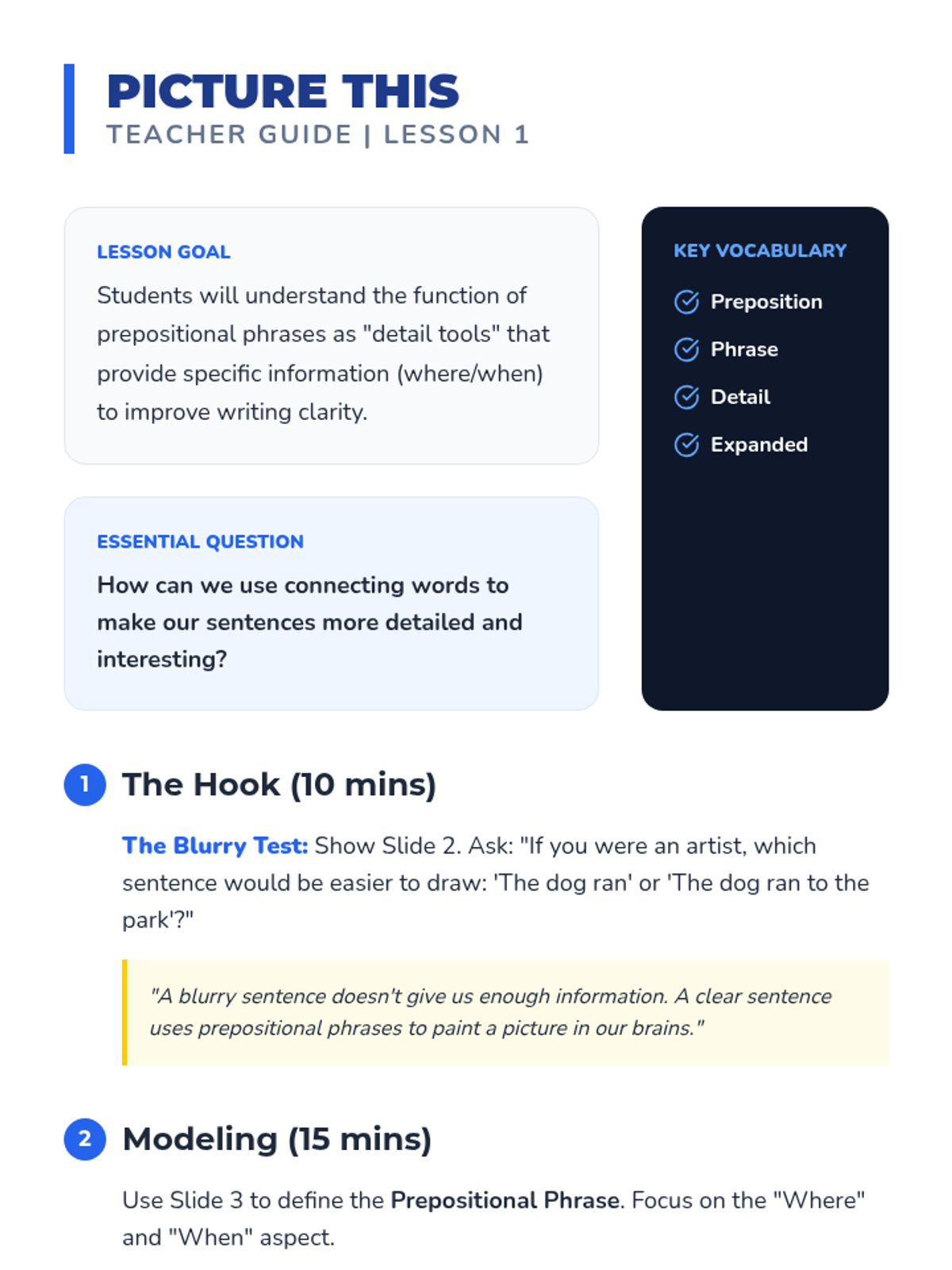
A 2nd-grade grammar sequence focused on using prepositional phrases to expand sentences. Students move from understanding function to building phrases and revising their own writing for detail.
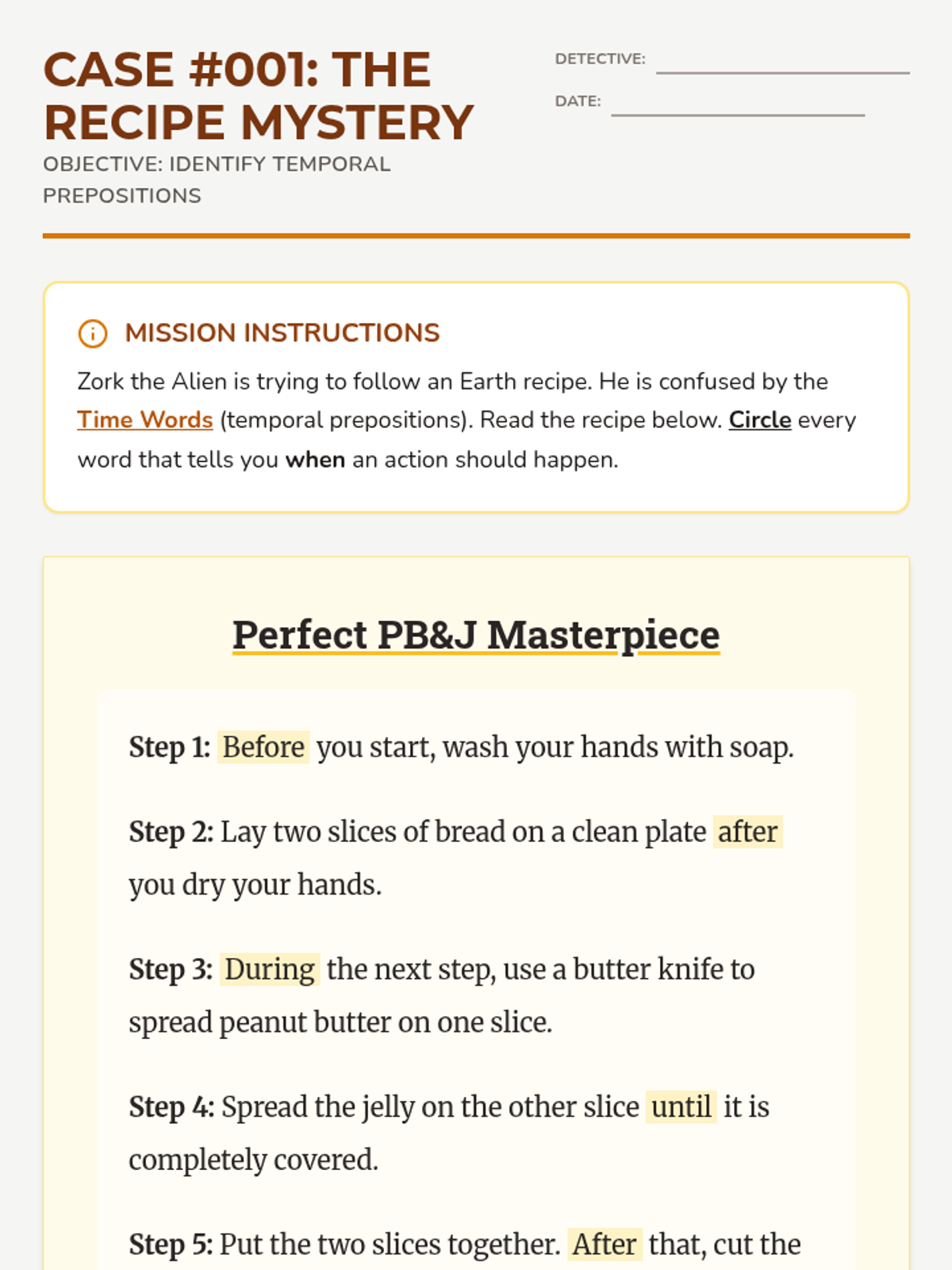
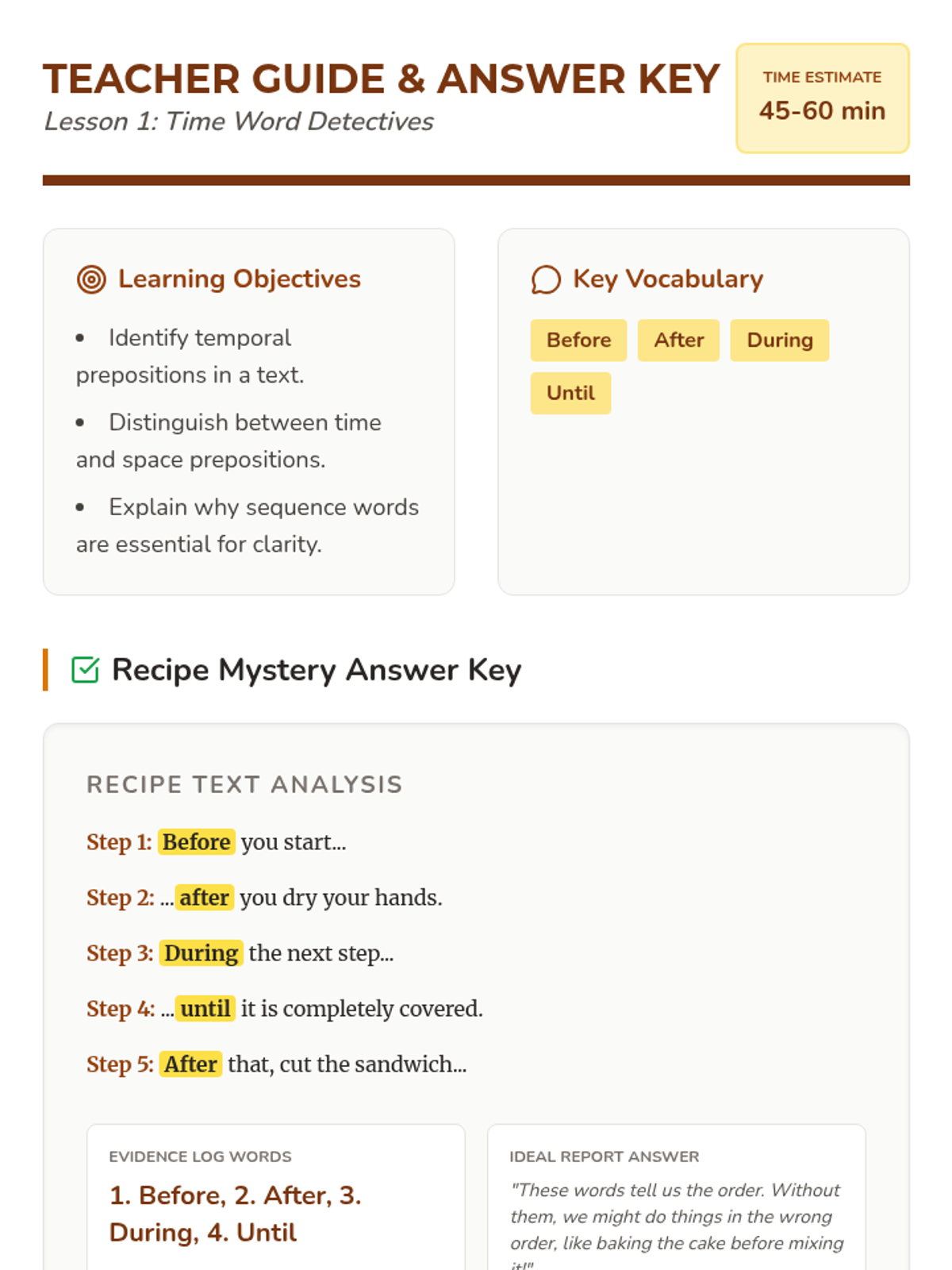
A 5-lesson series for 2nd graders focusing on temporal prepositions (before, after, during, until) and their role in sequencing events, narrative structure, and procedural writing. Students transition from identifying time words in recipes to creating timelines and writing their own 'how-to' guides.
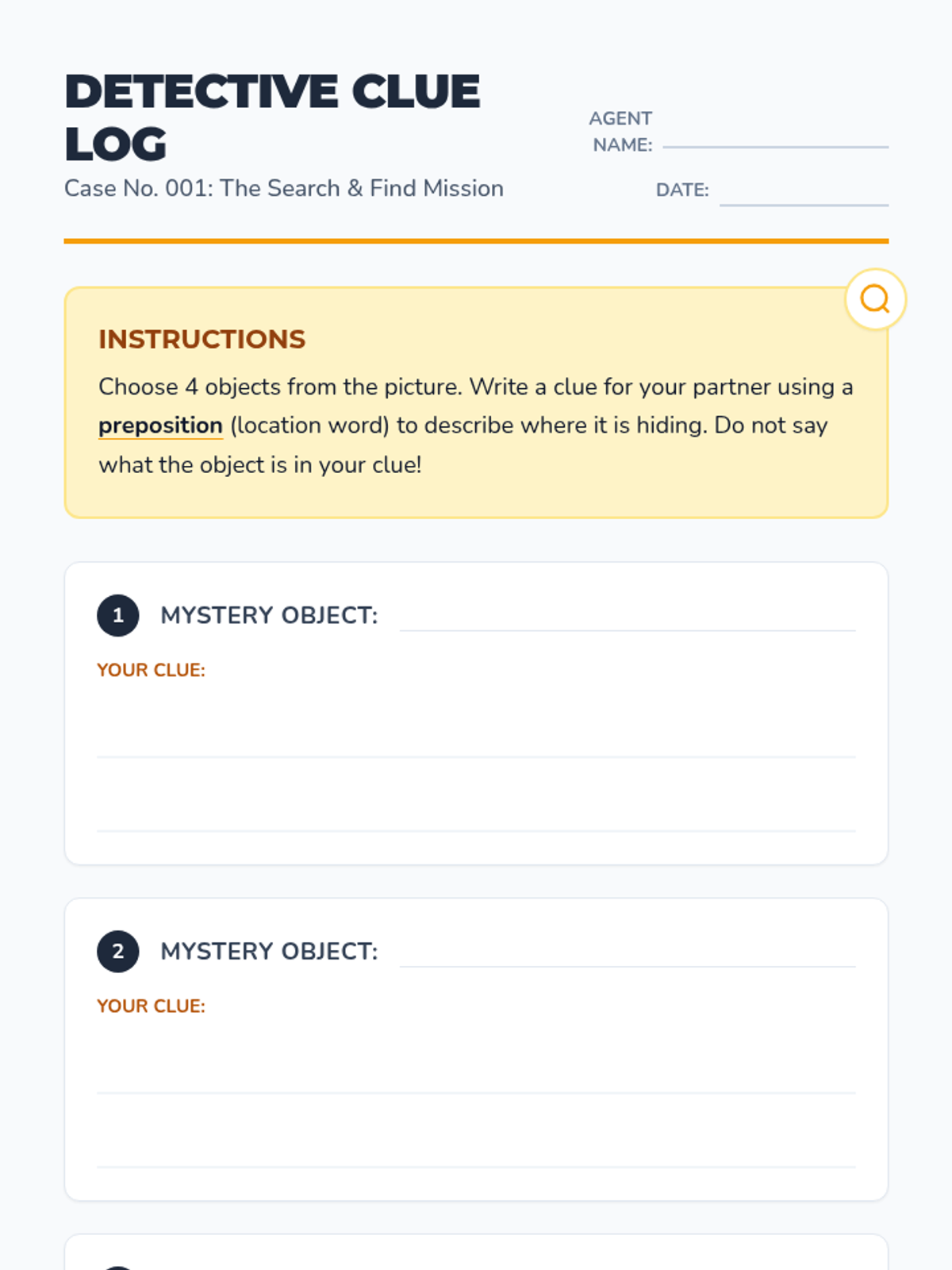
A 2nd-grade workshop-style sequence that bridges Social Studies and English Language Arts by focusing on how to describe setting and location. Students analyze photographs and illustrations to practice using precise prepositions of place, moving from oral description to written passages.
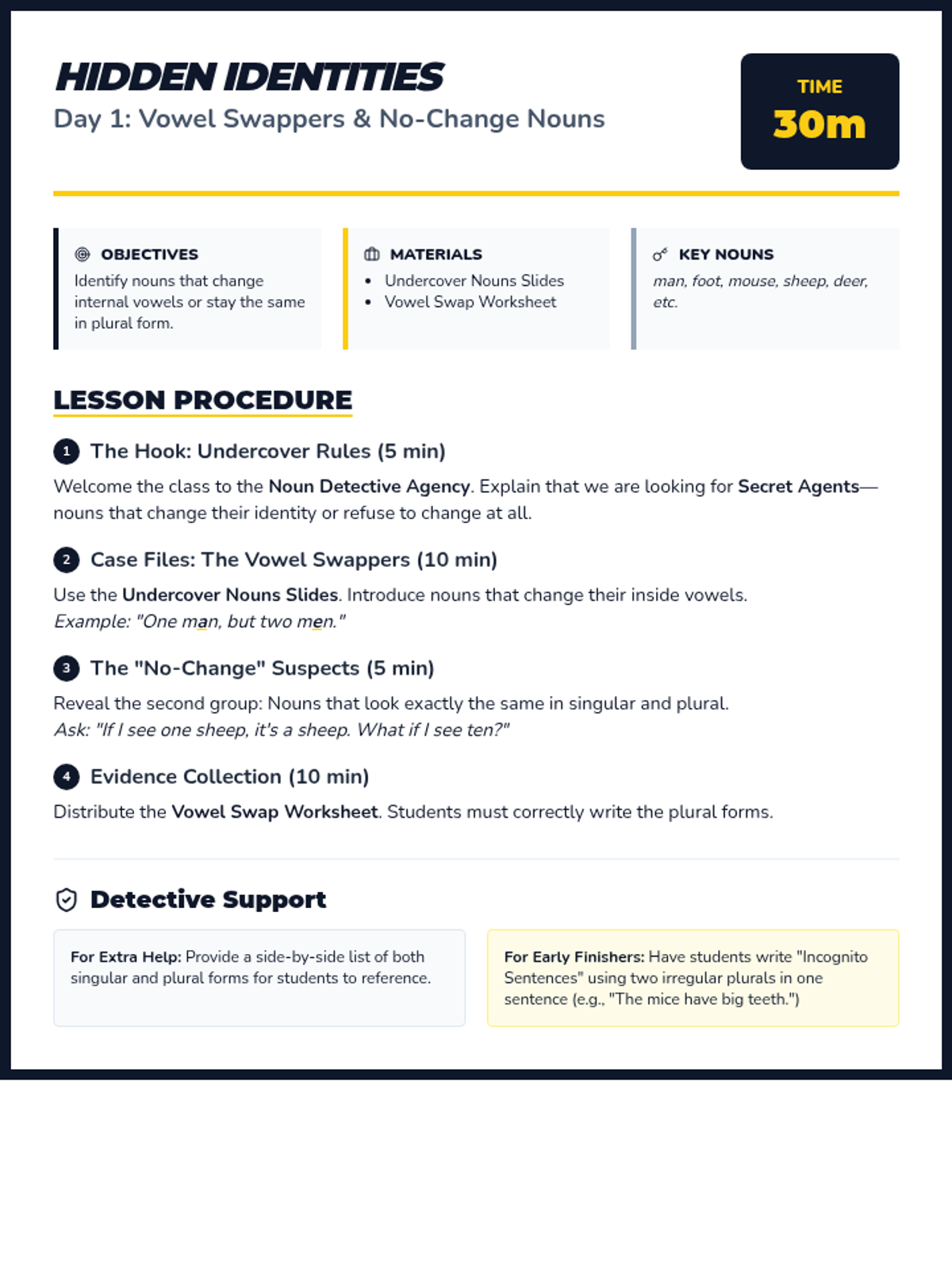
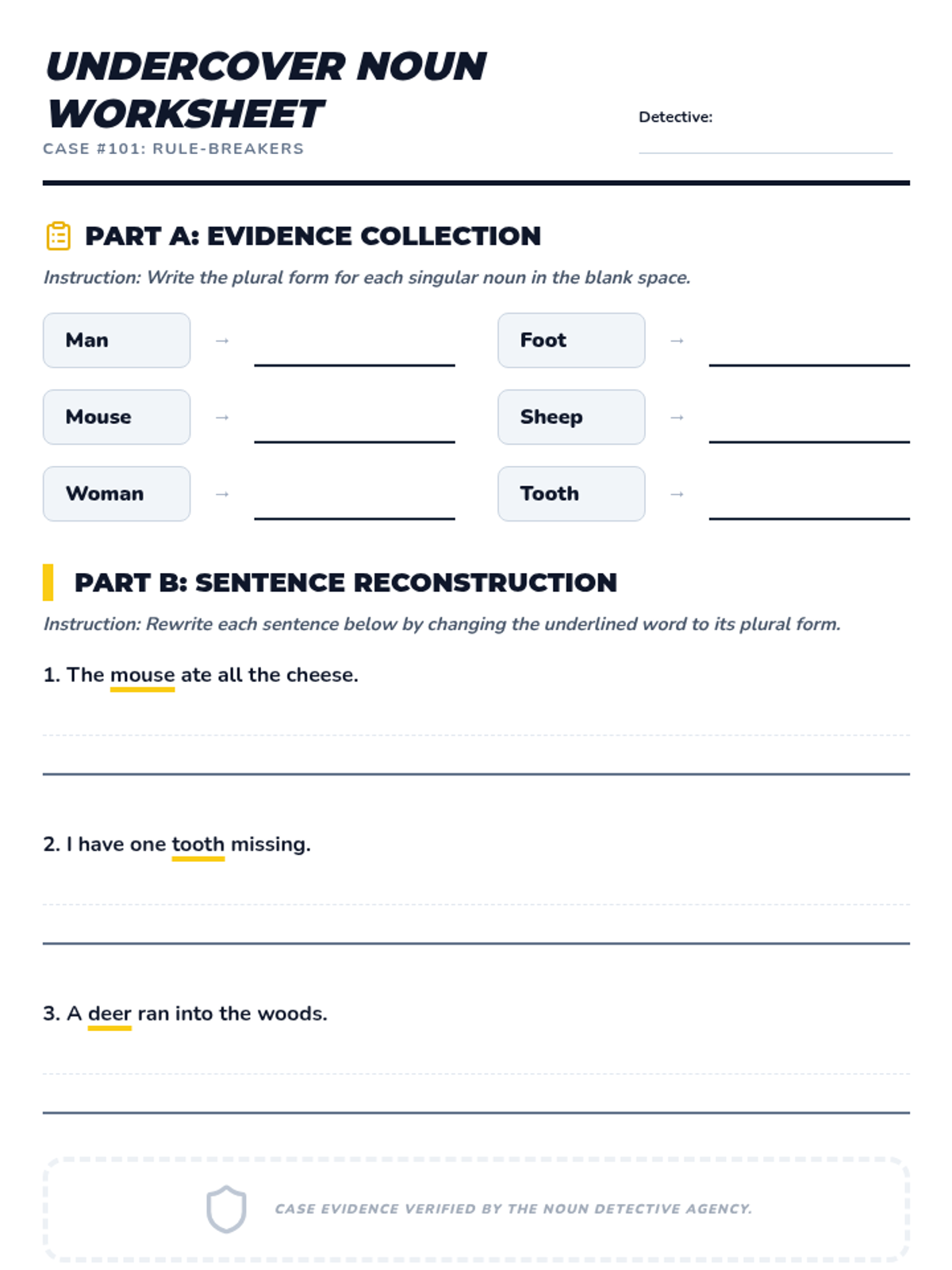
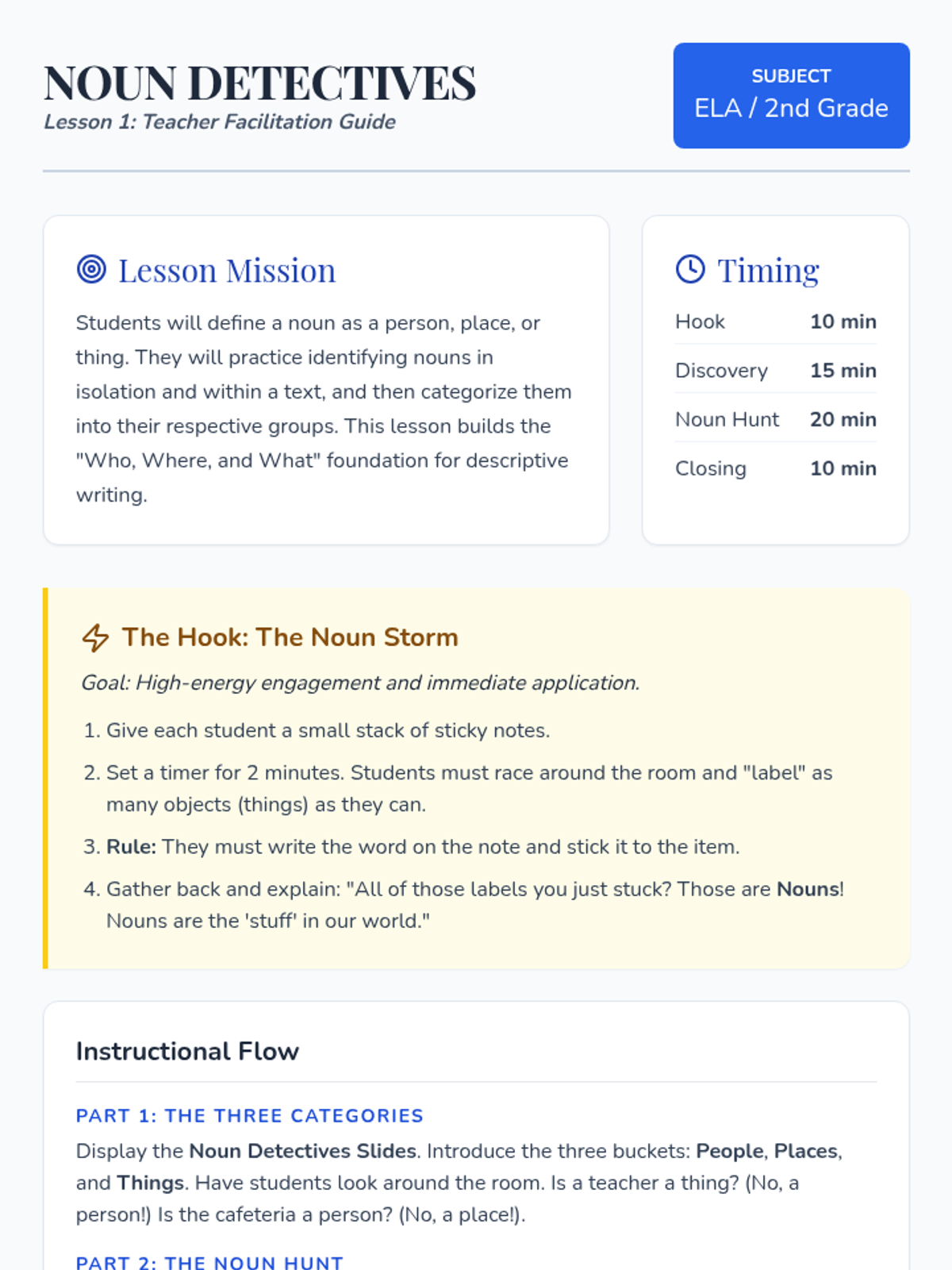
A 2-day unit for 2nd graders focused on identifying and using irregular plural nouns. Students act as 'Noun Detectives' to uncover nouns that don't follow the standard -s or -es rules.
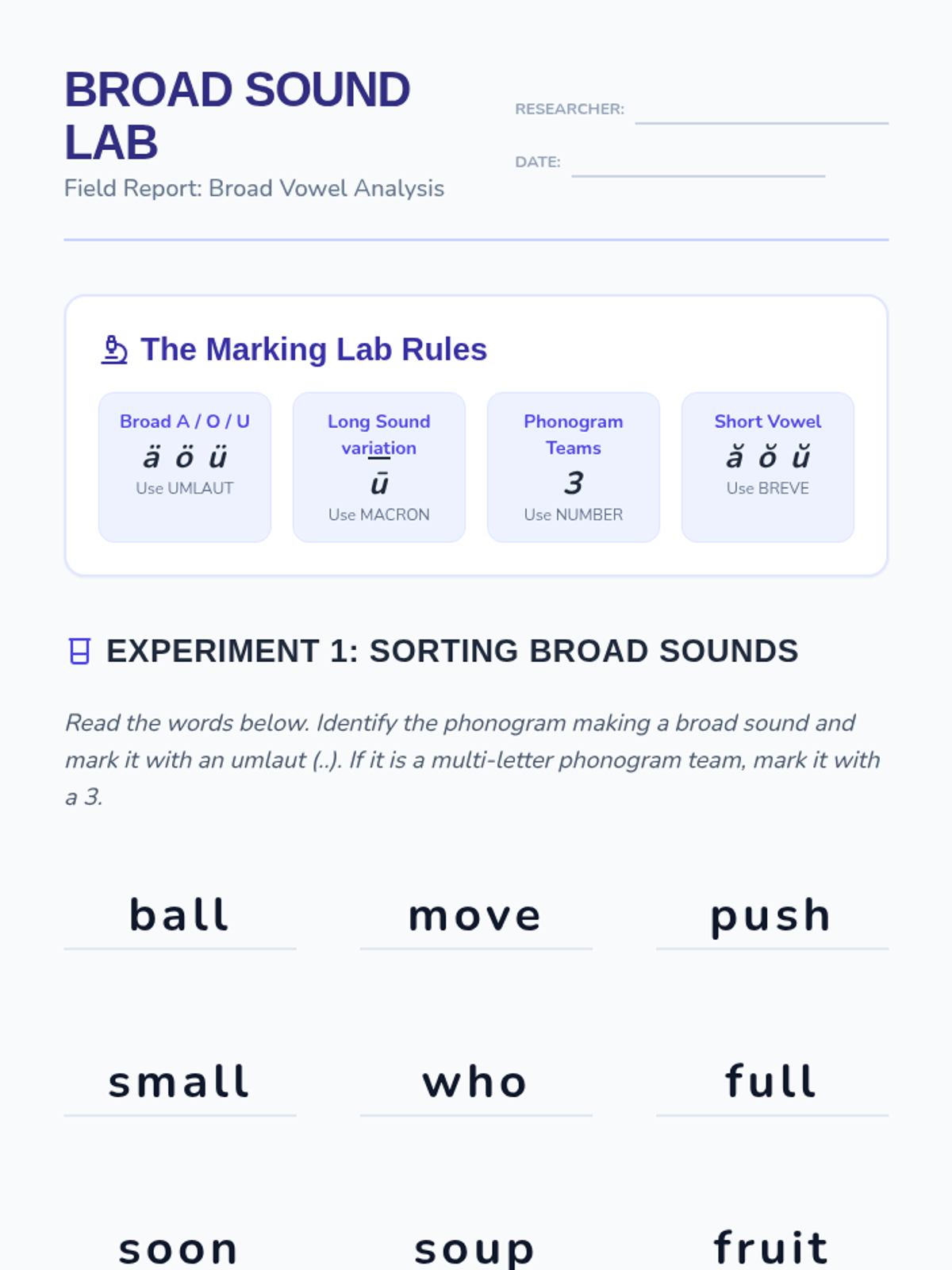
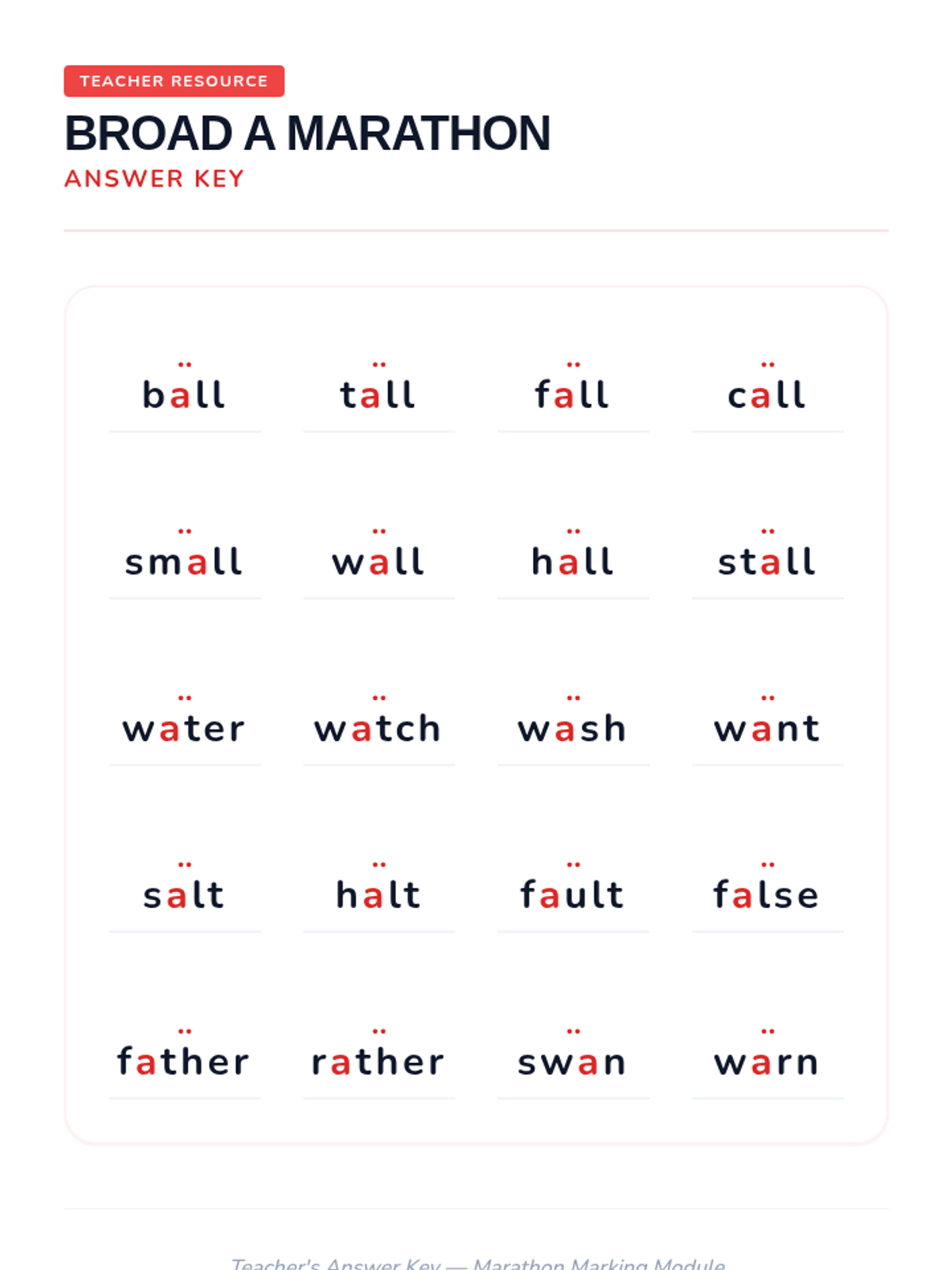
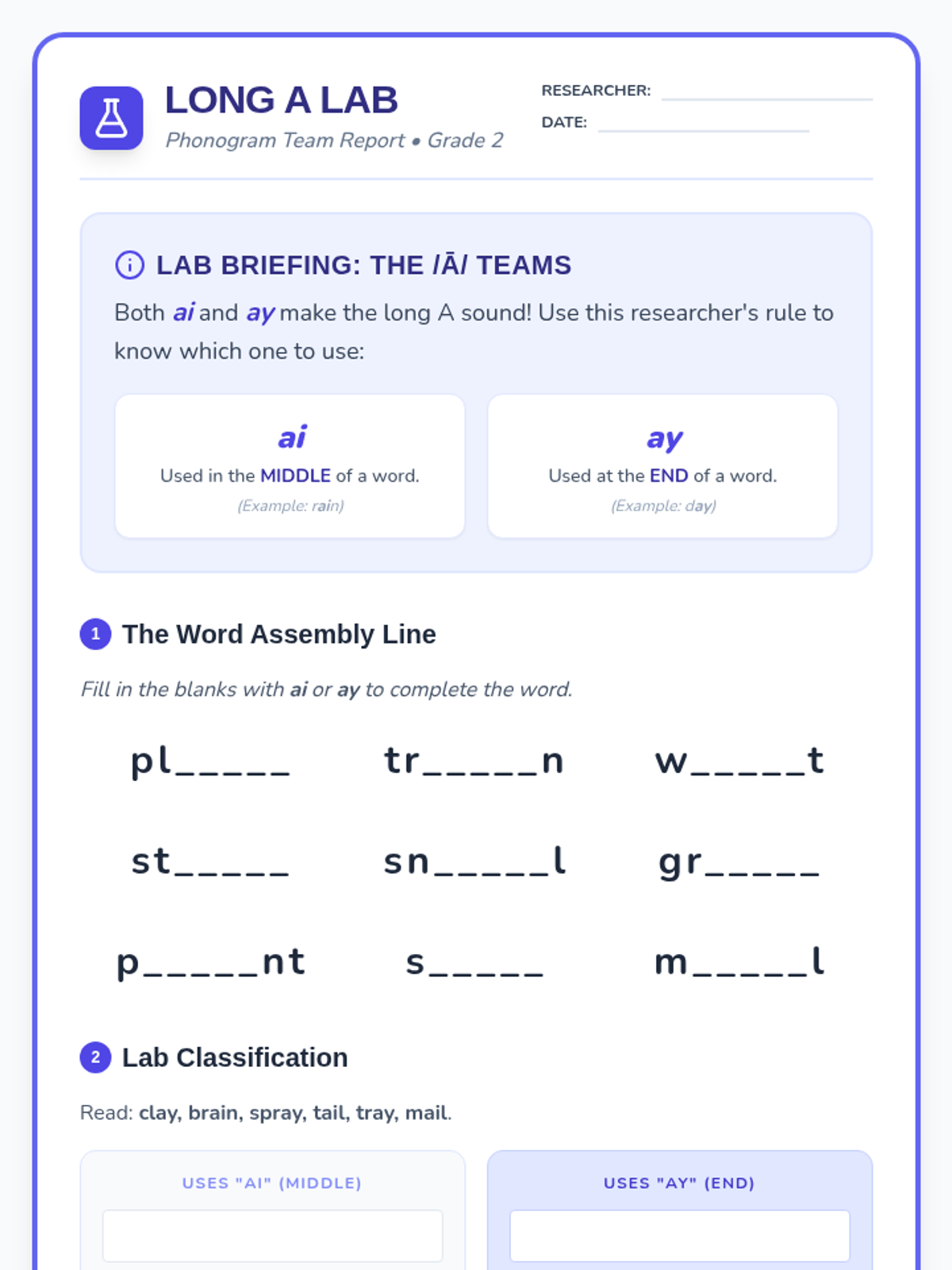
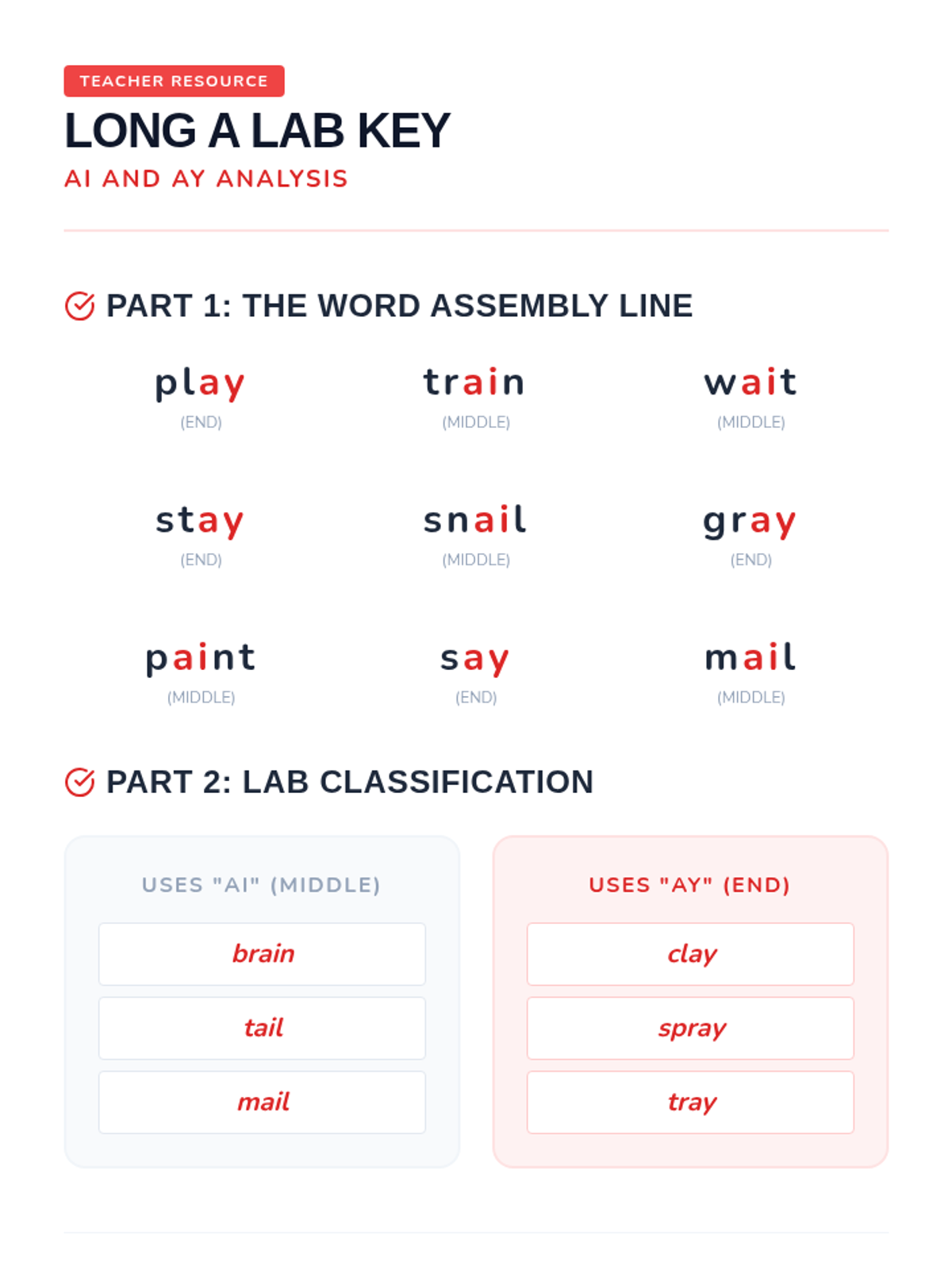
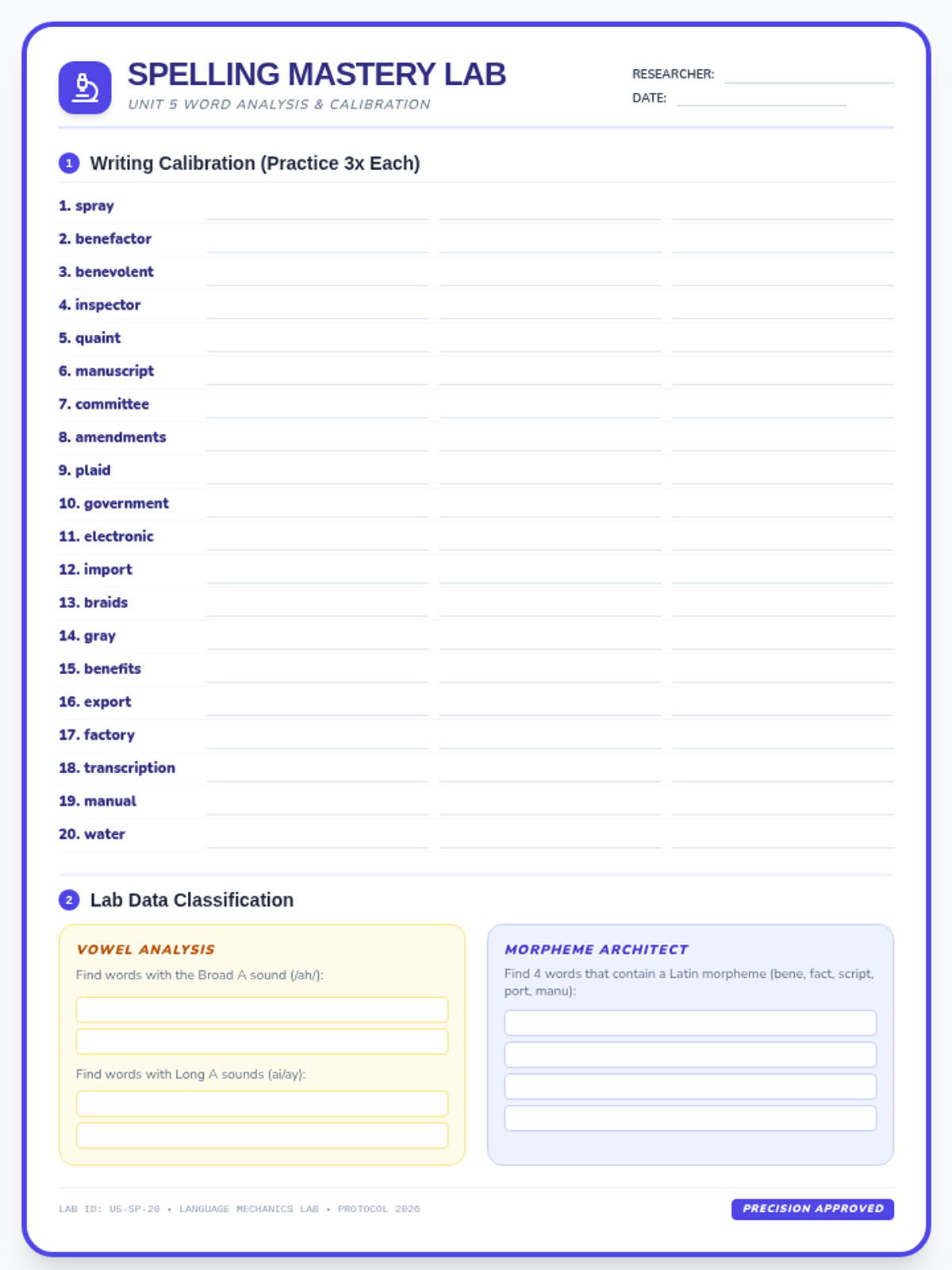
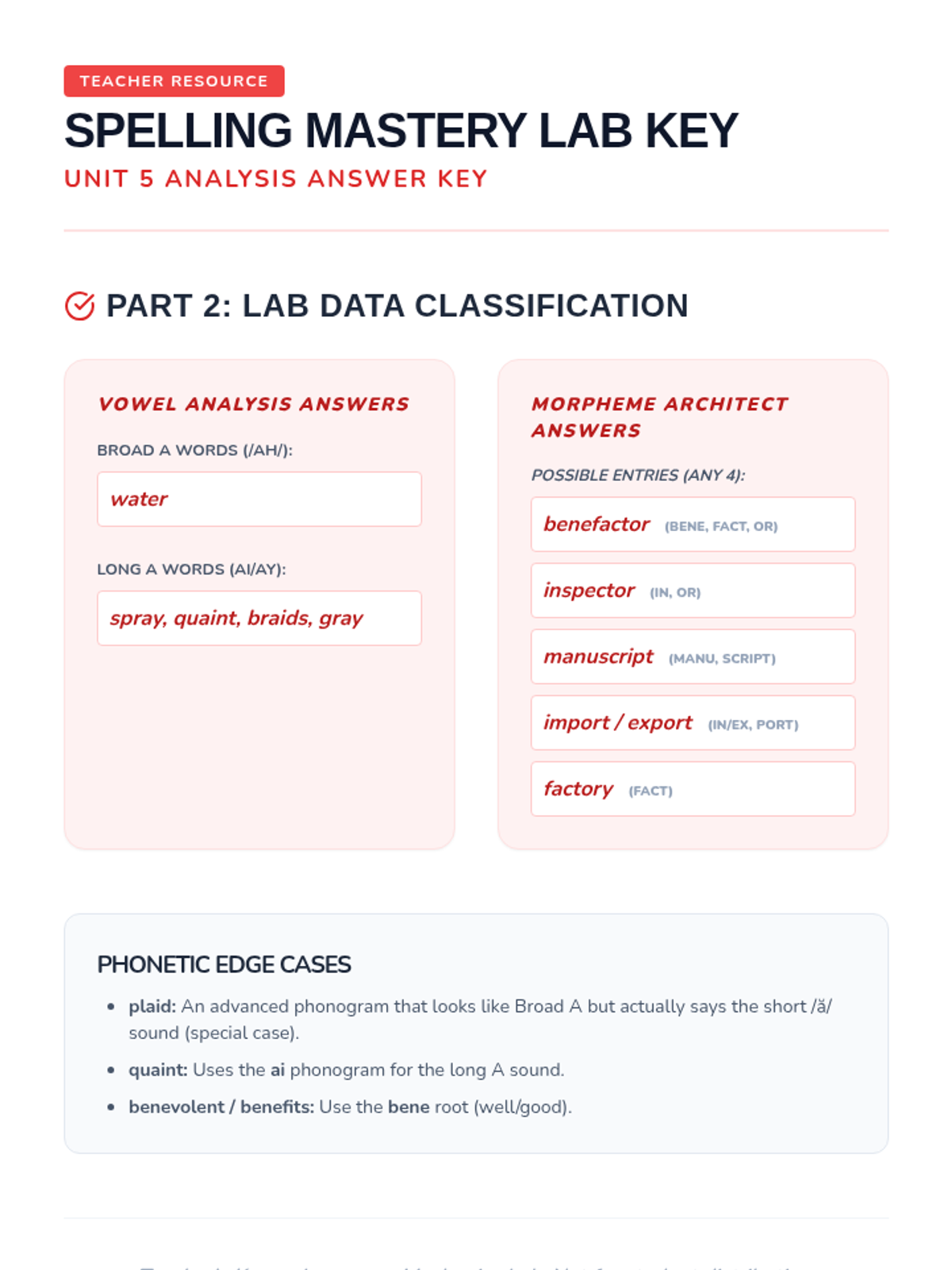
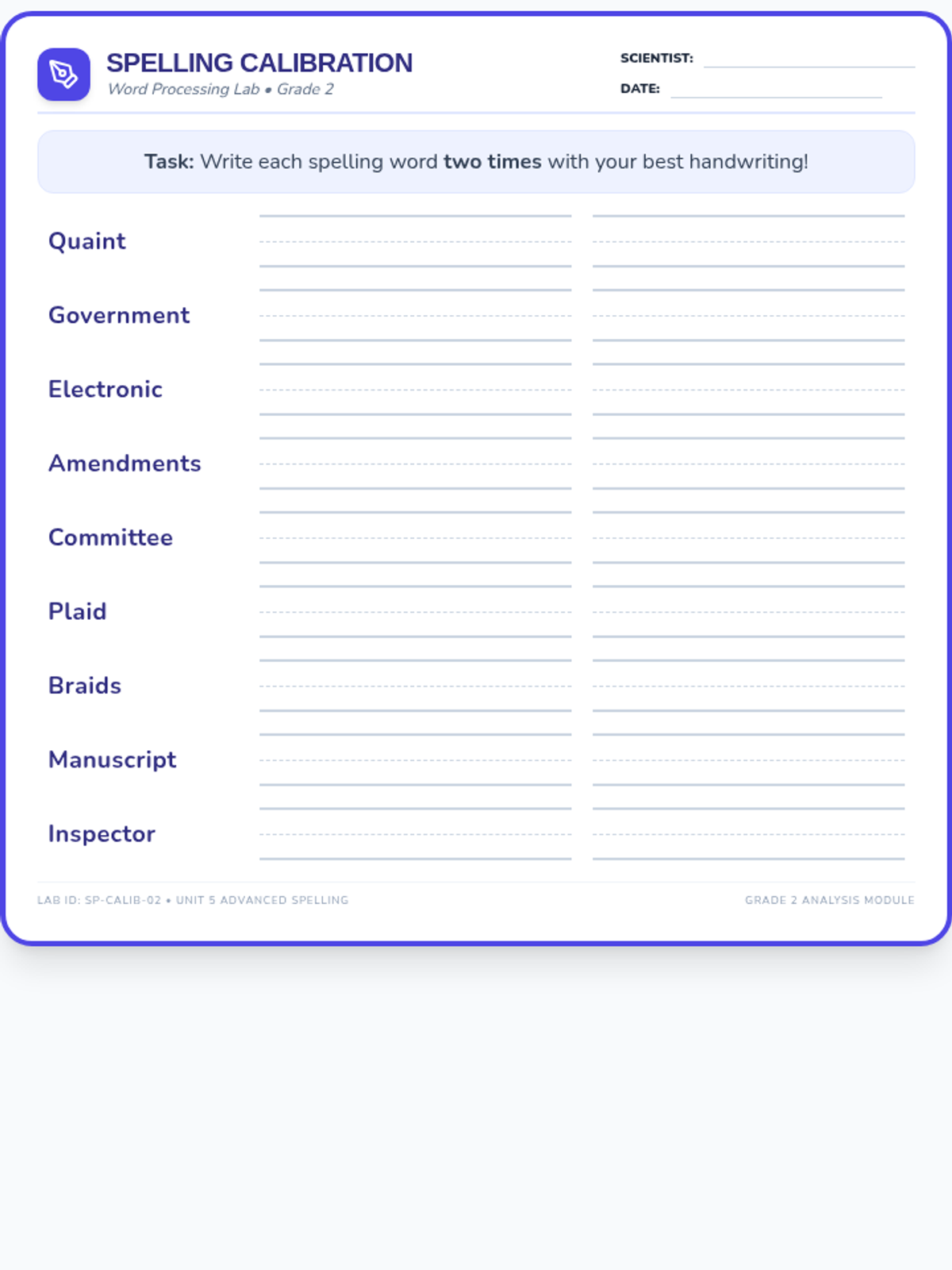
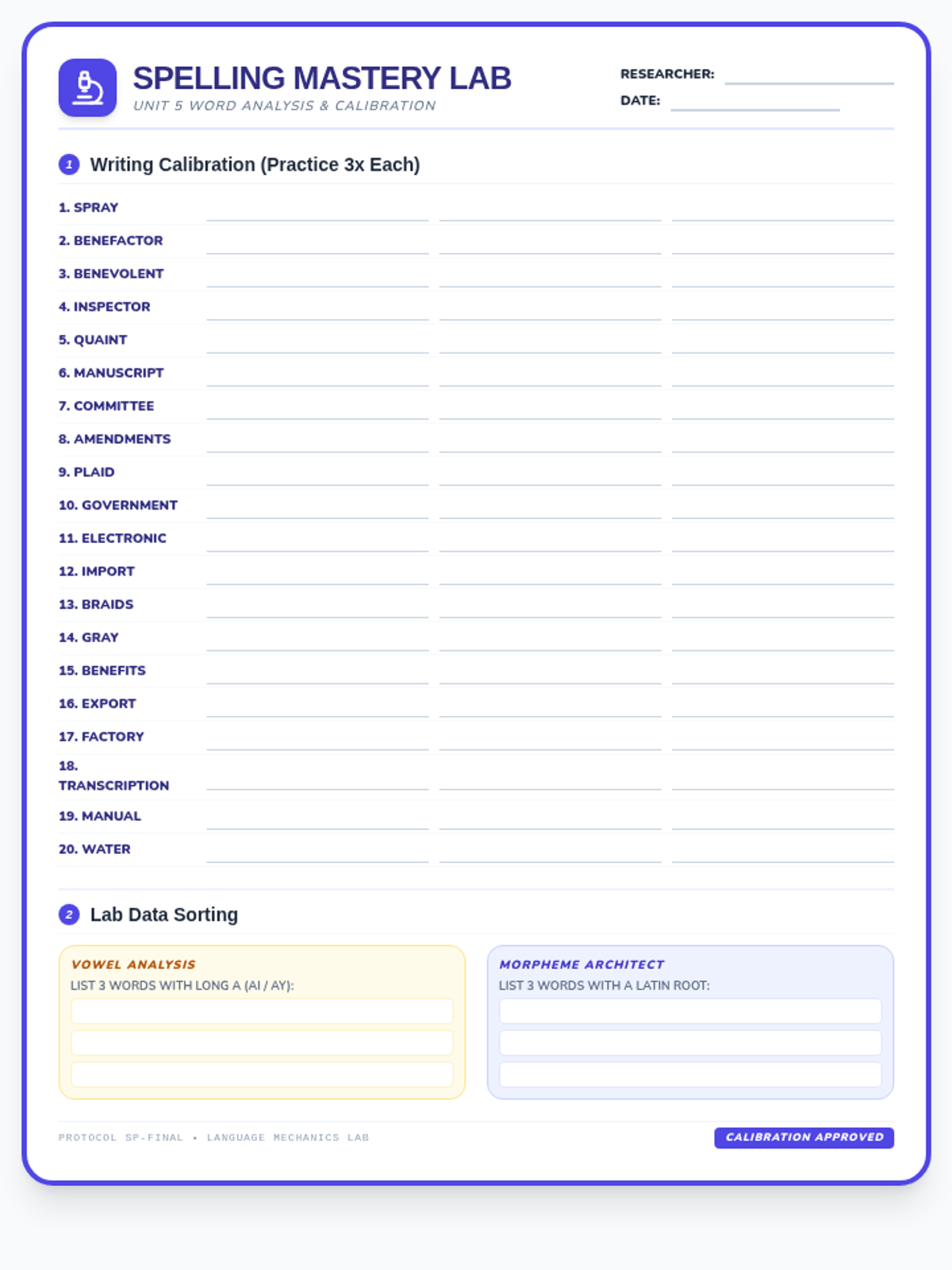
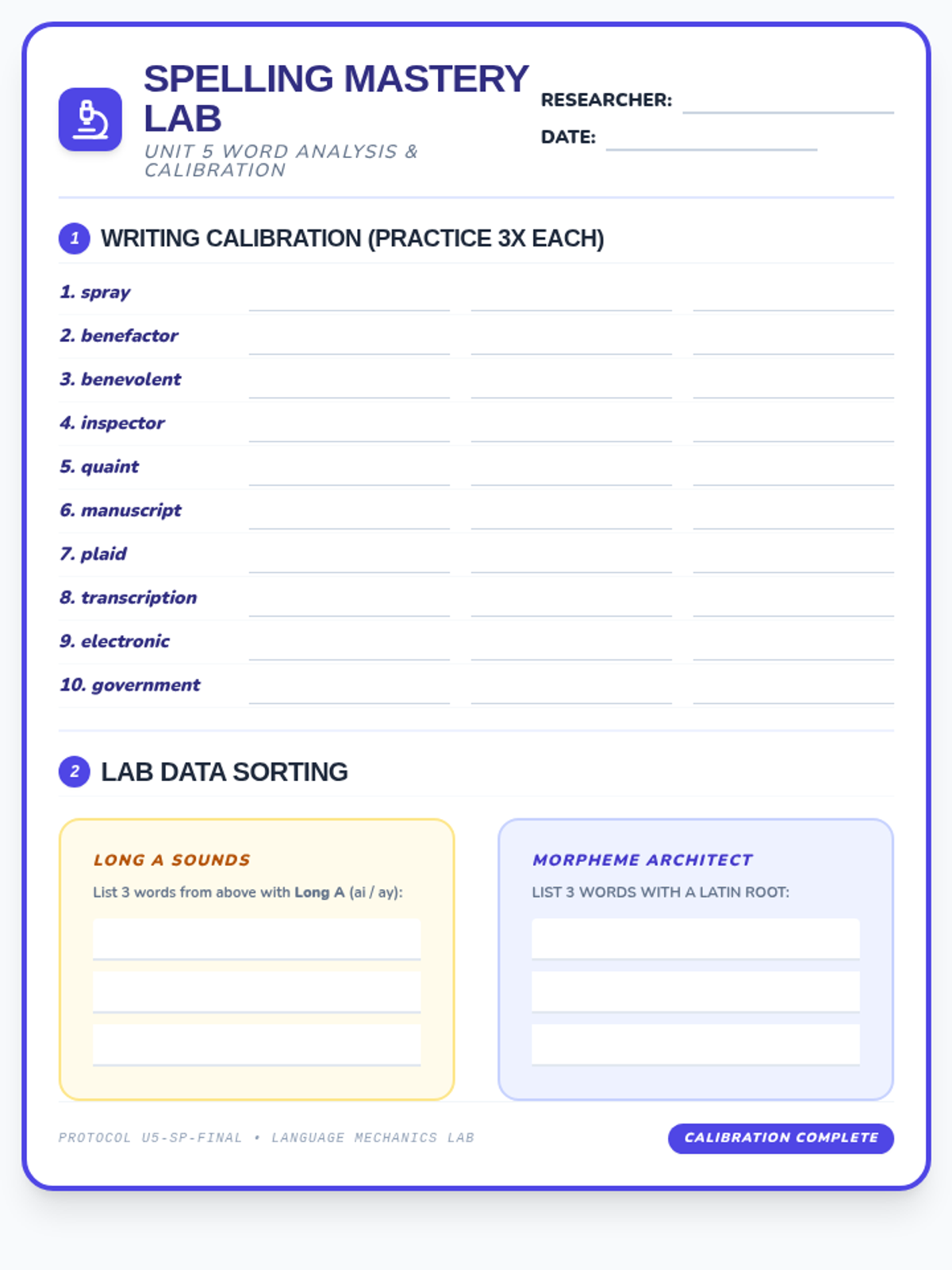
A comprehensive sequence on language mechanics, from phonetic marking of complex vowel sounds to the morphological analysis of Latin roots and affixes. Students develop deep decoding and encoding skills by investigating the building blocks of words.
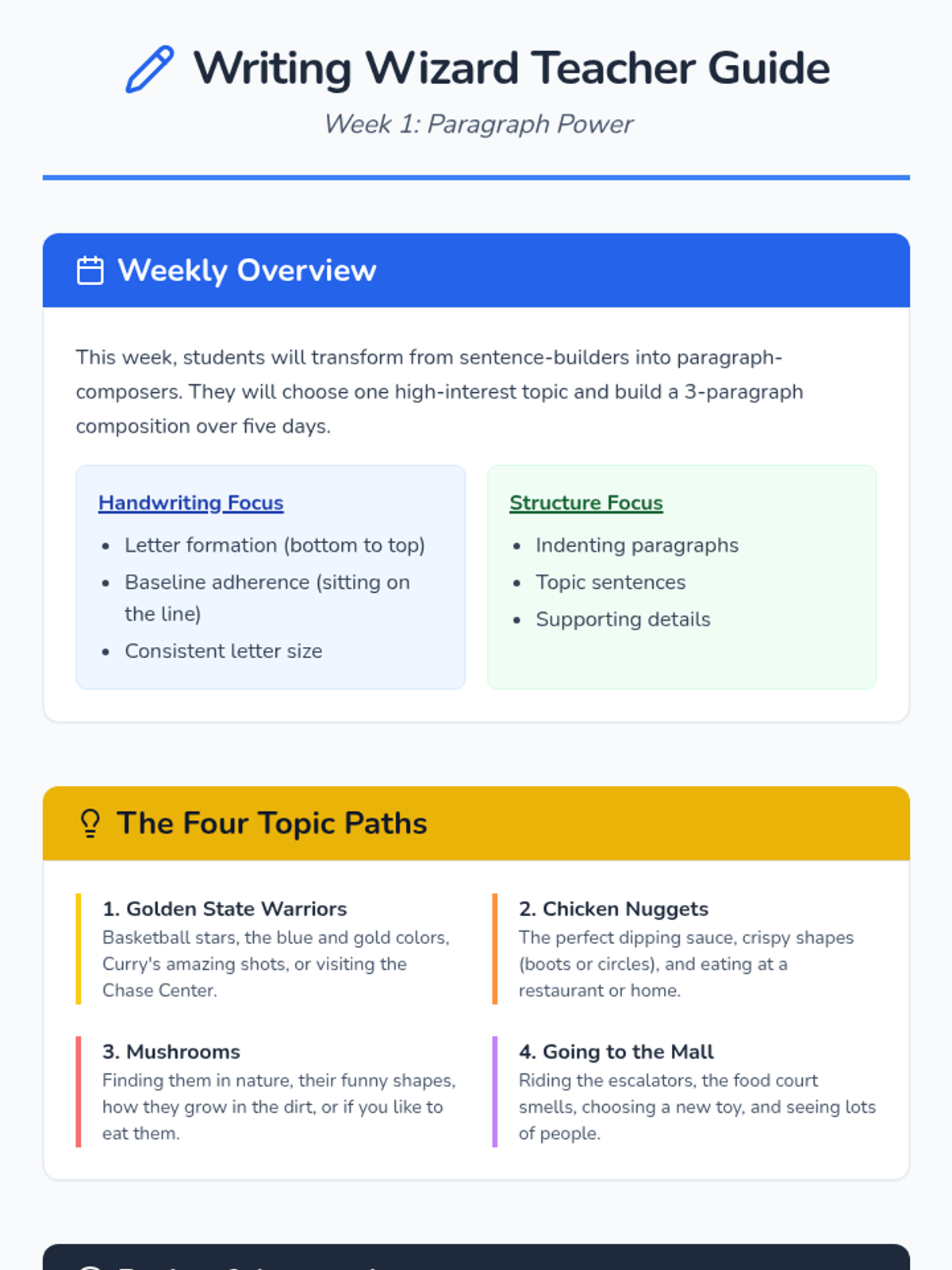
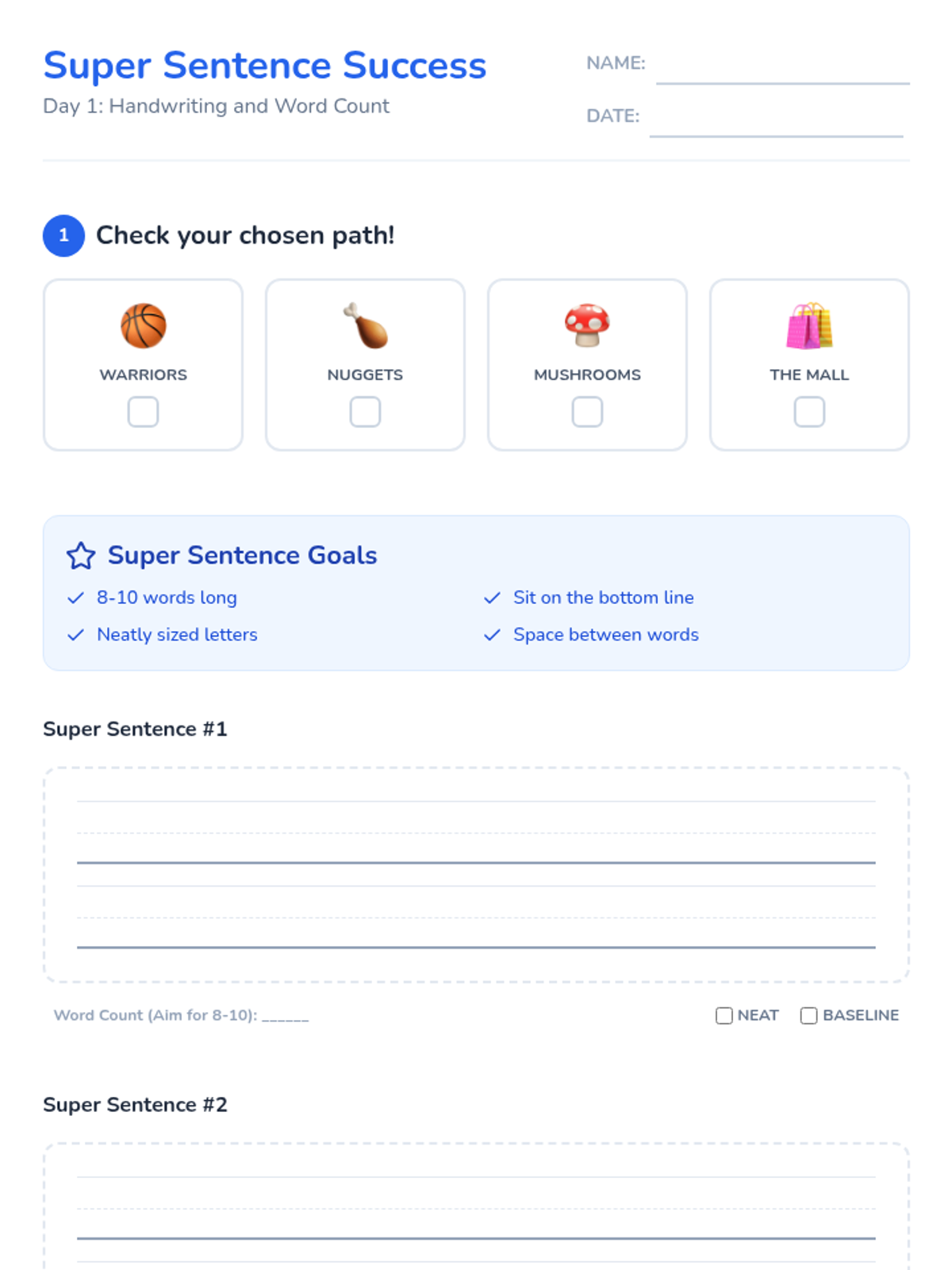
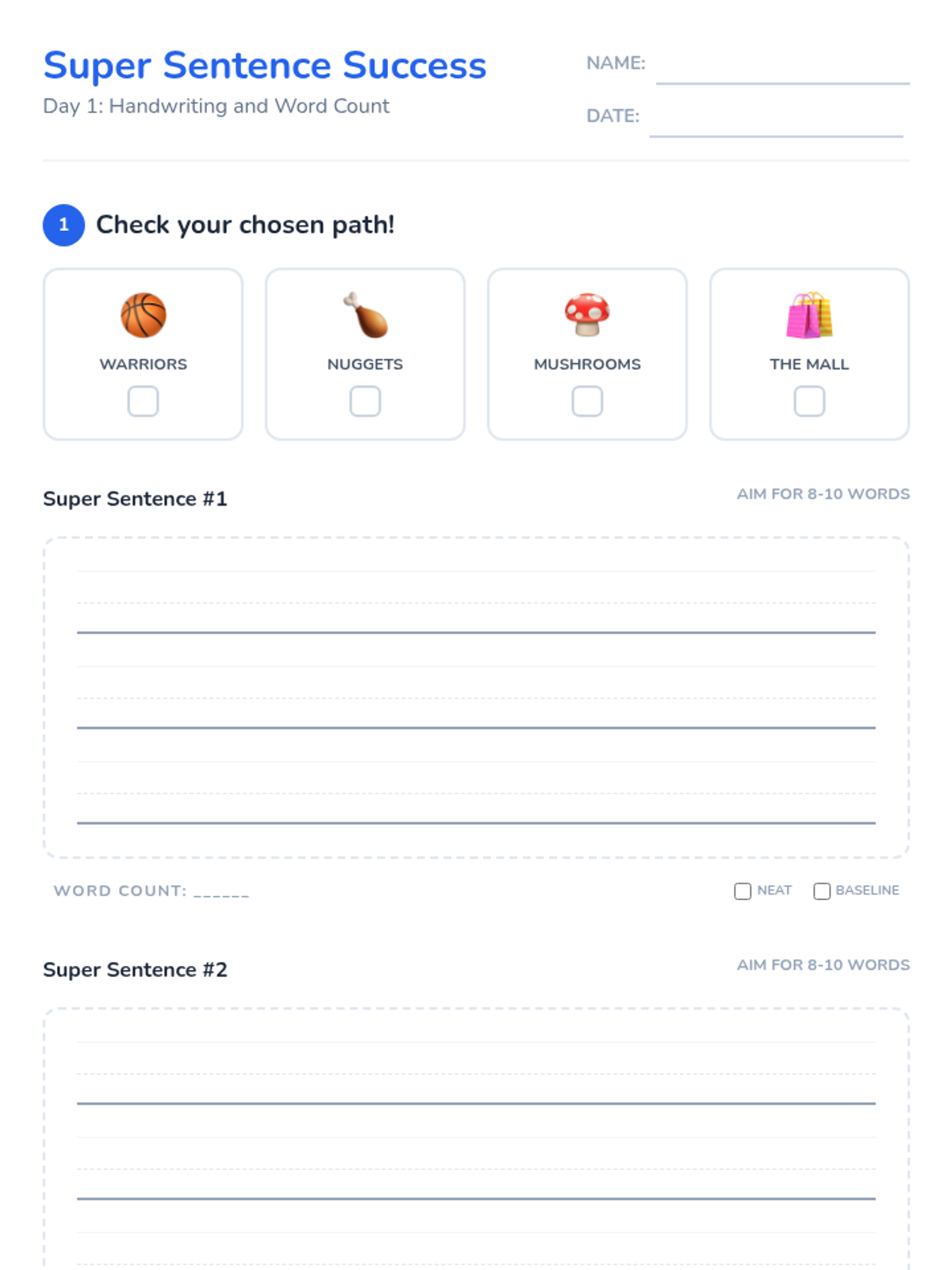
A week-long writing unit for 1st-2nd grade students focused on sentence structure, handwriting, and multi-paragraph composition through high-interest topics.
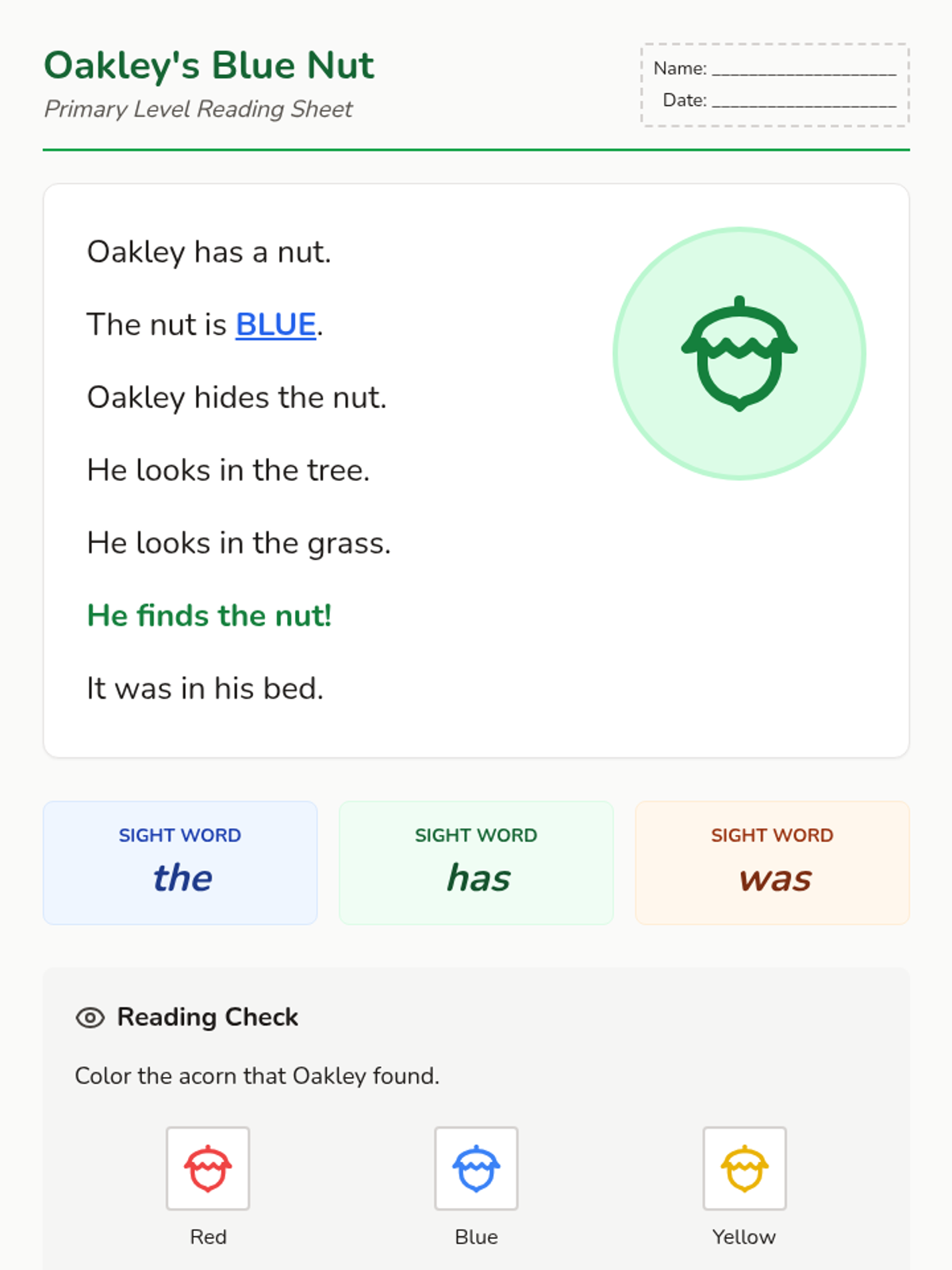
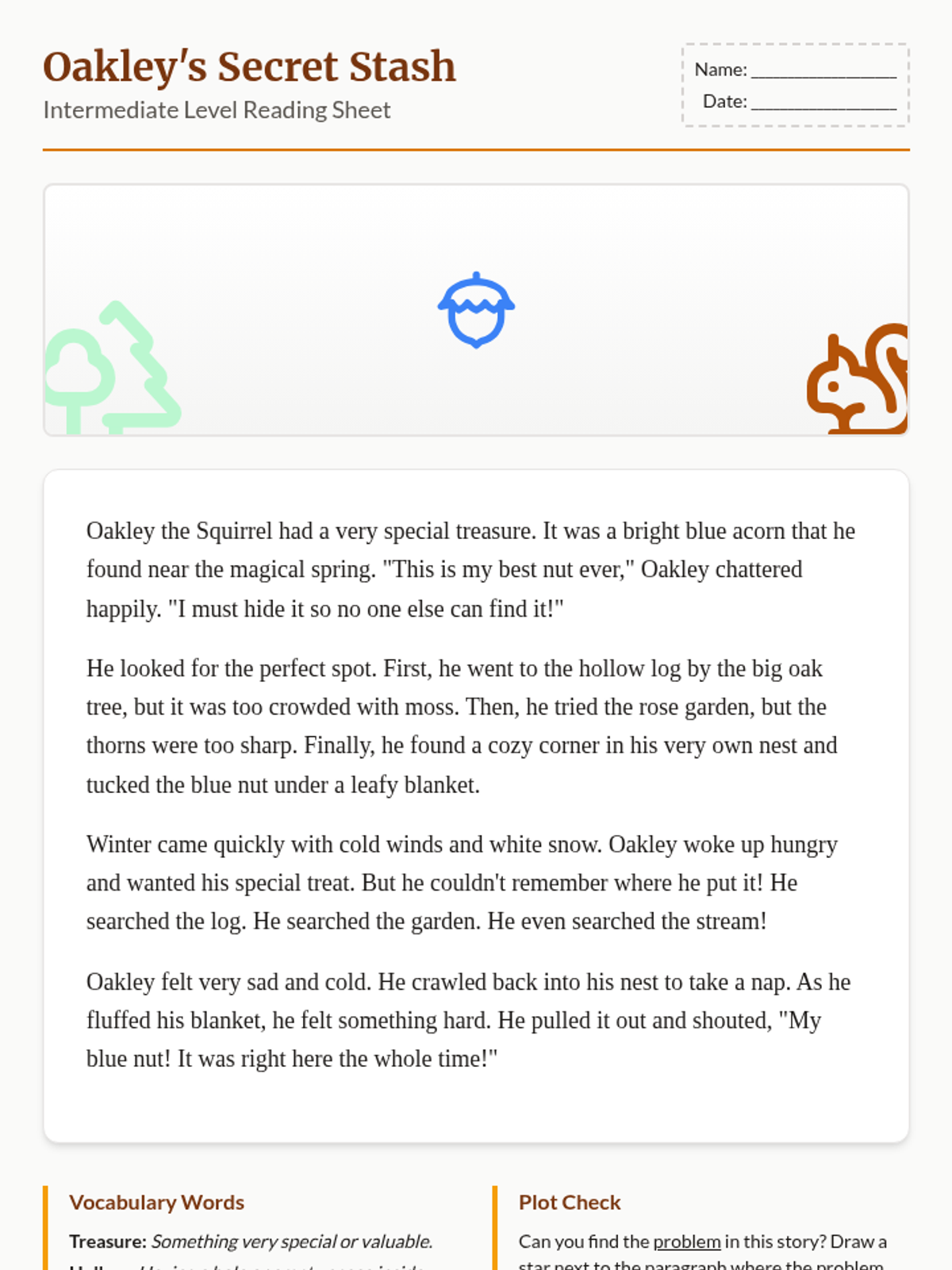
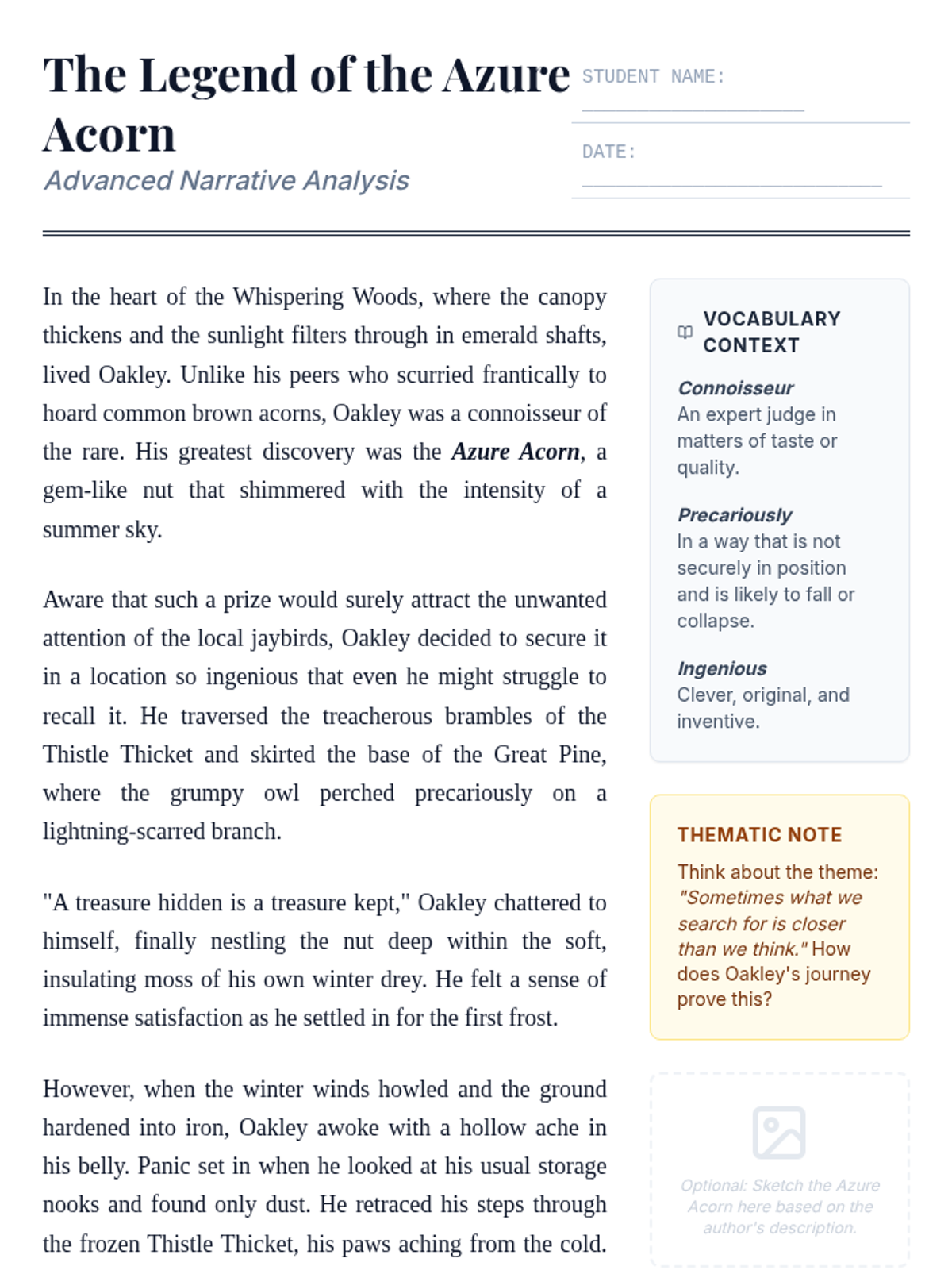
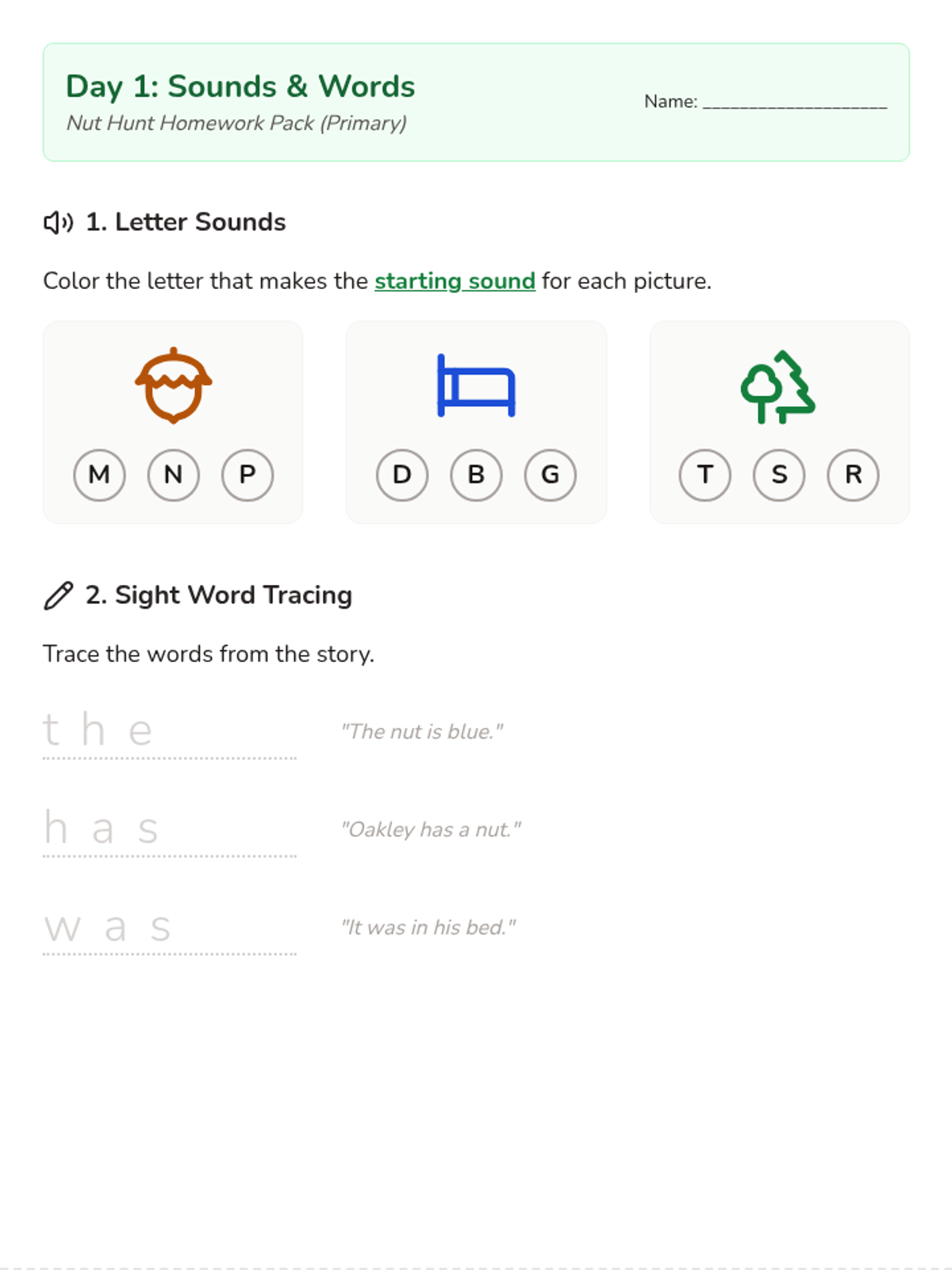
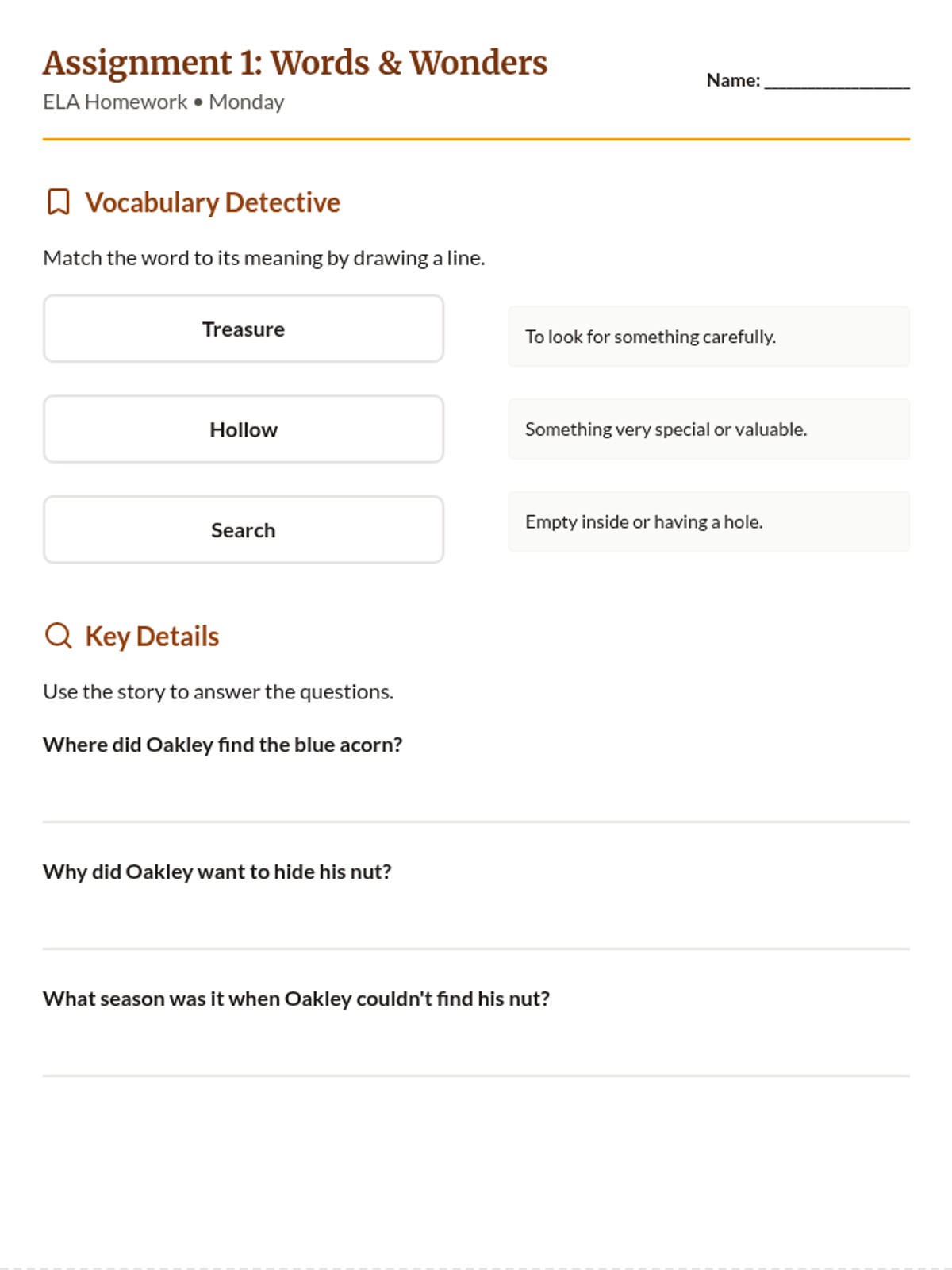
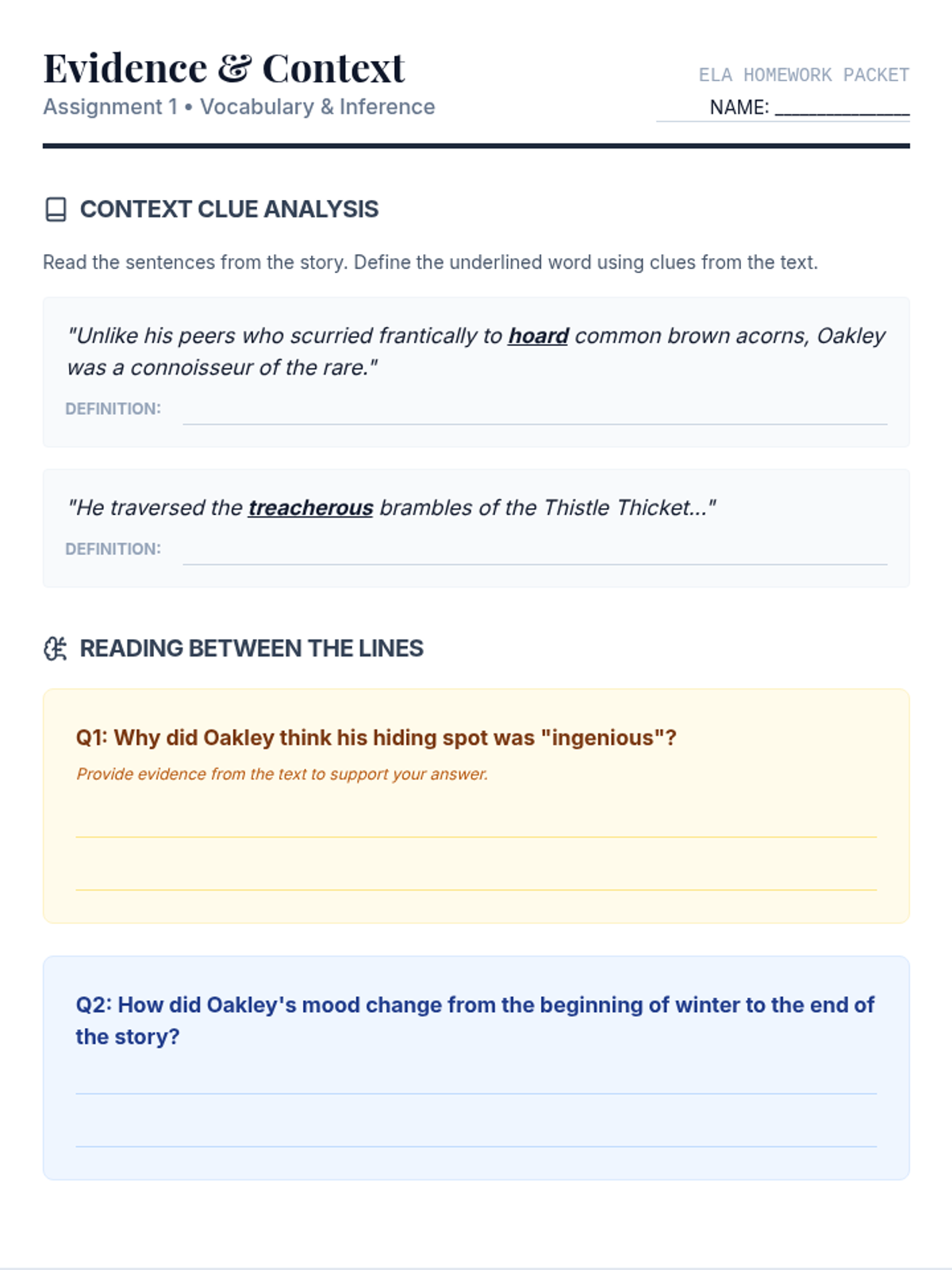
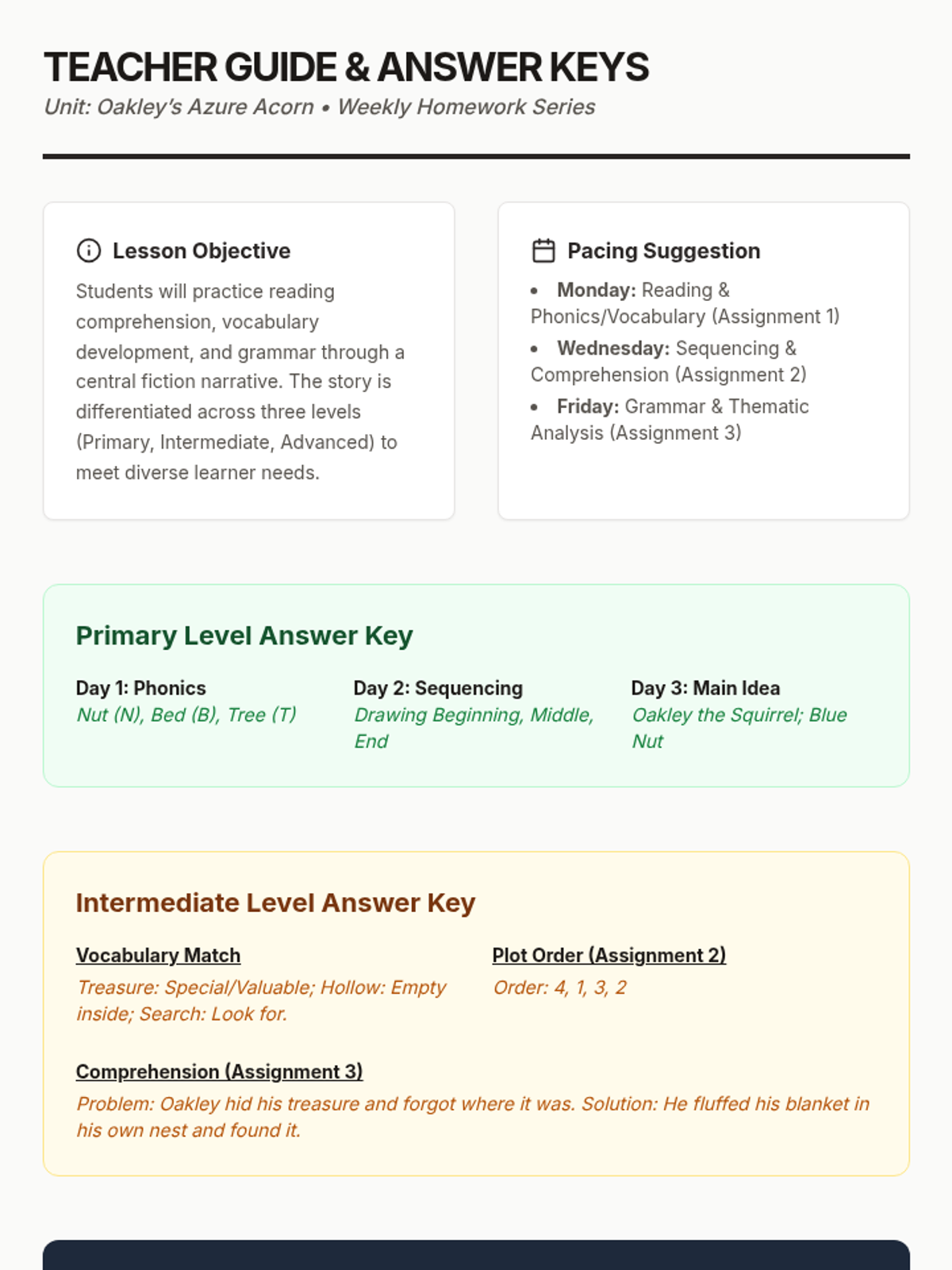
A week-long ELA homework series centered around a narrative about a squirrel's search for a rare acorn. The materials are differentiated for Kindergarten, 2nd Grade, and 4th Grade learners.
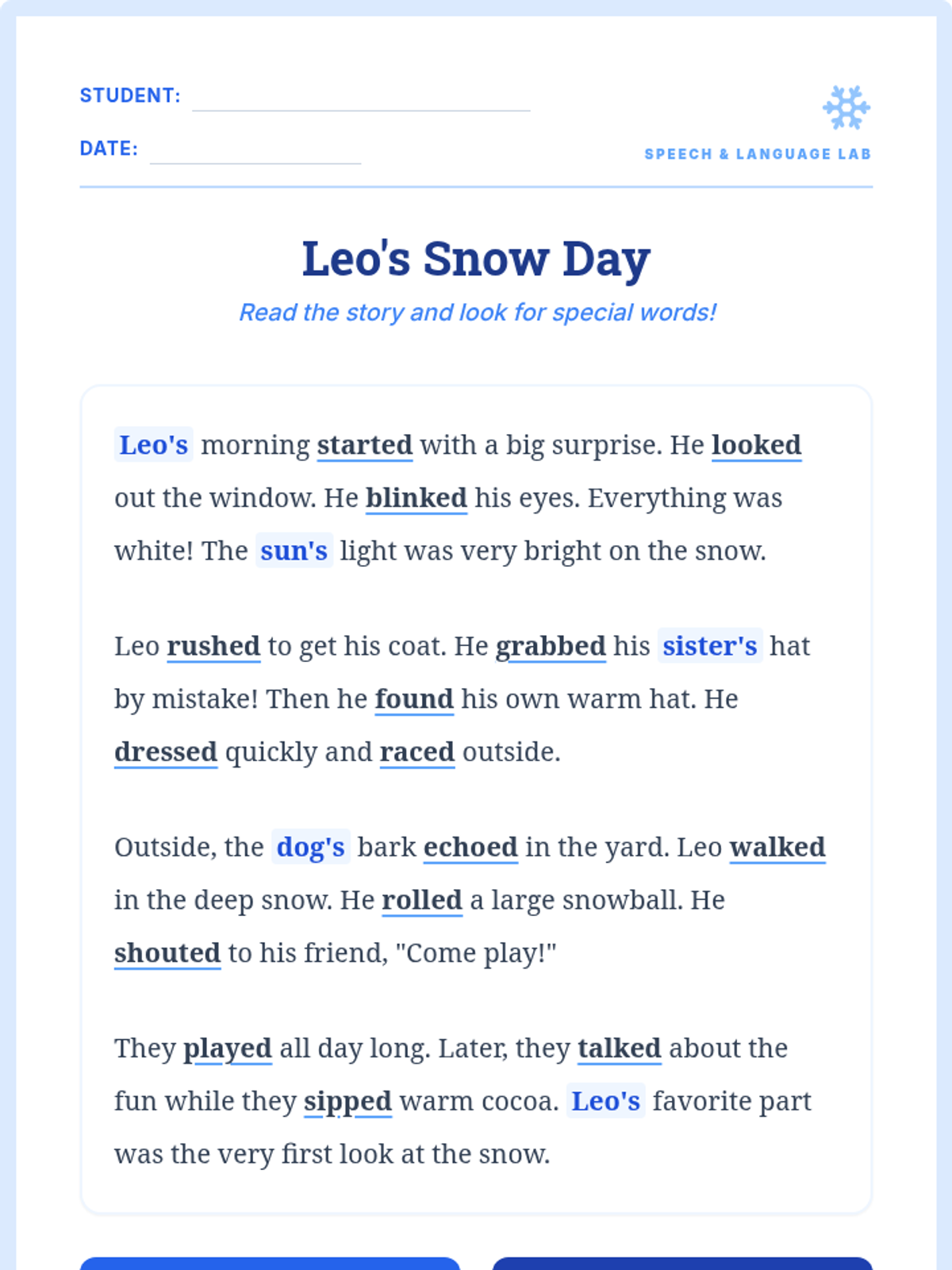
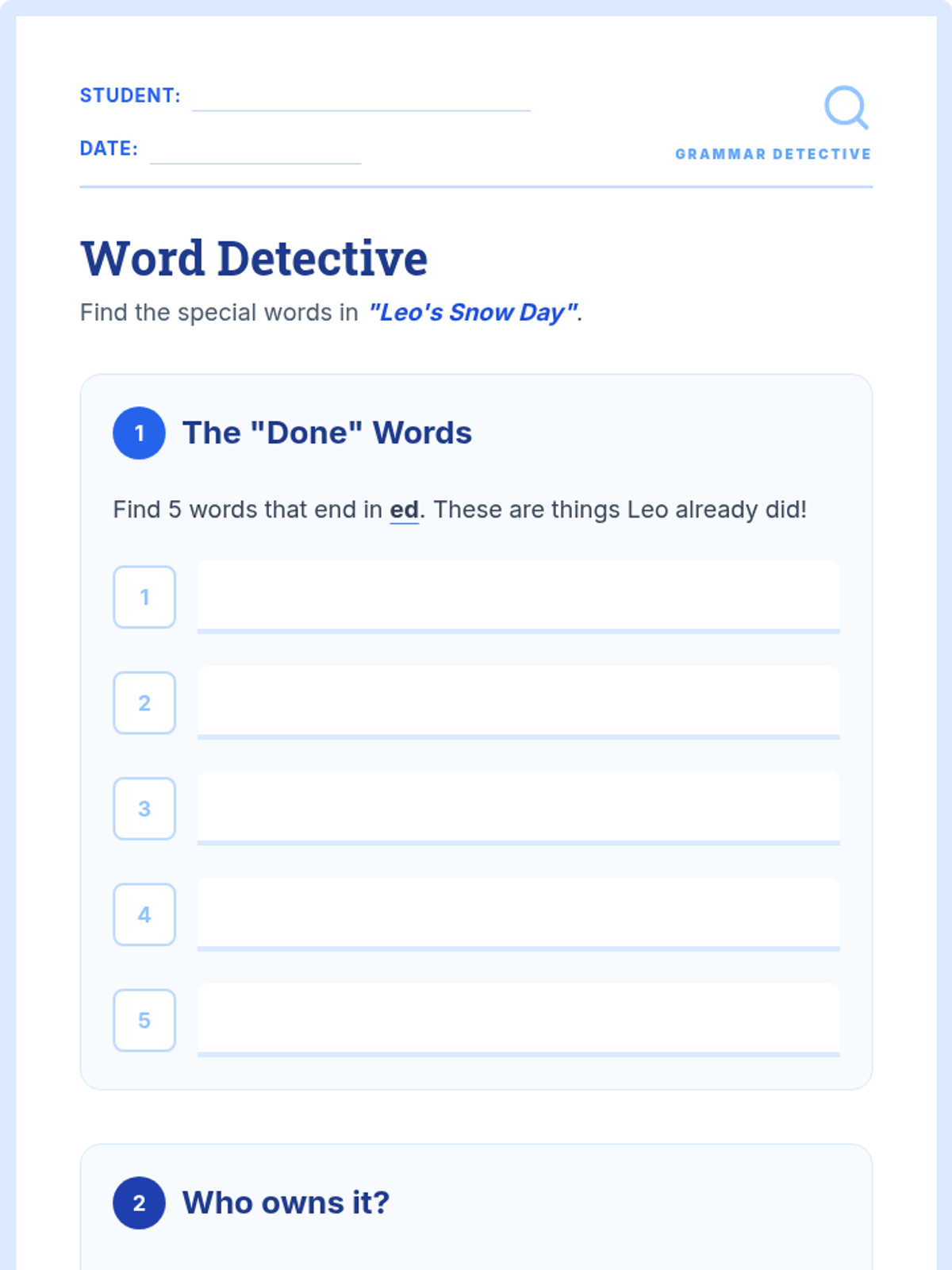
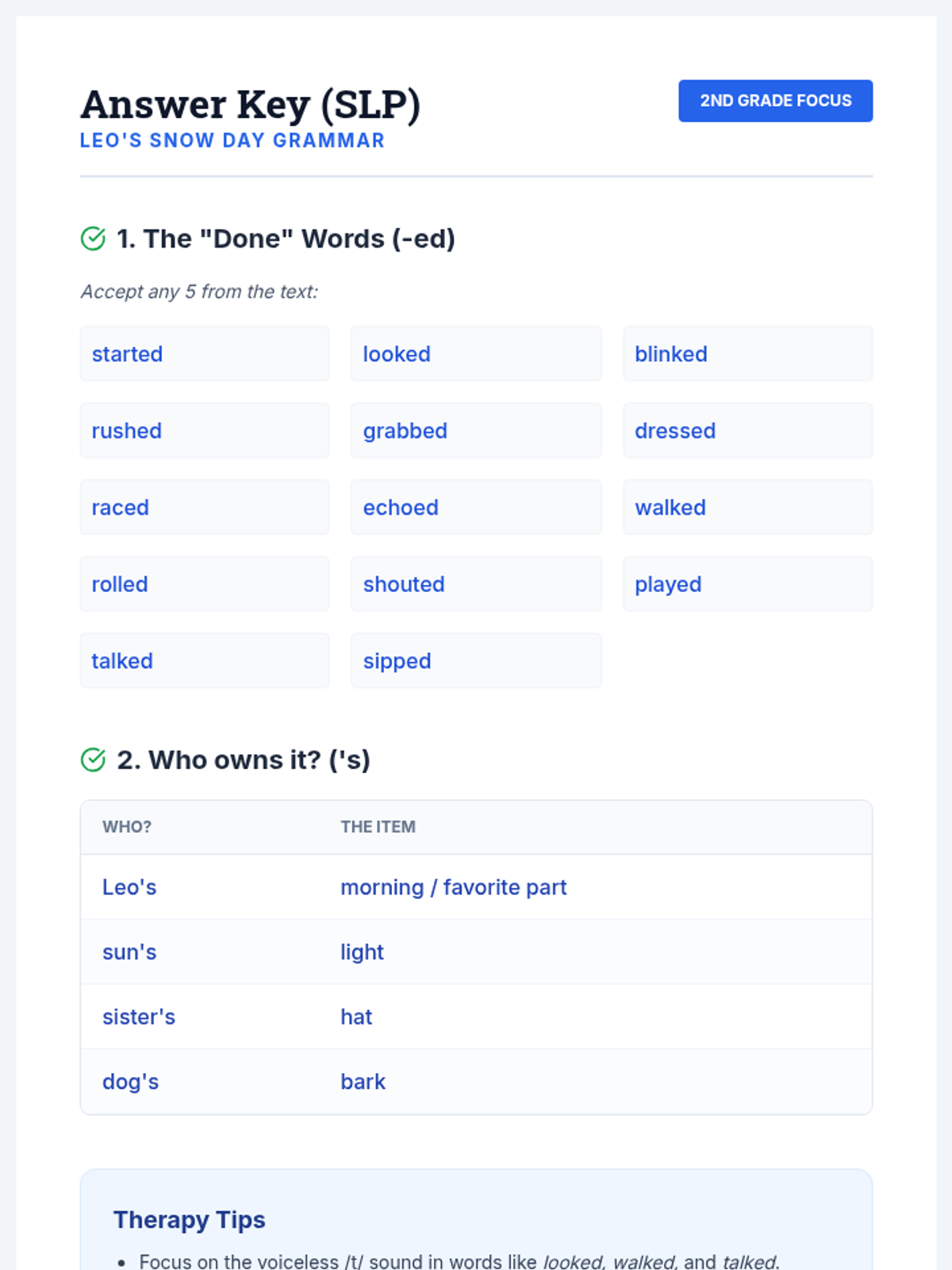
A thematic unit centered on winter and snow, exploring grammar, functional language, and descriptive comparison skills.
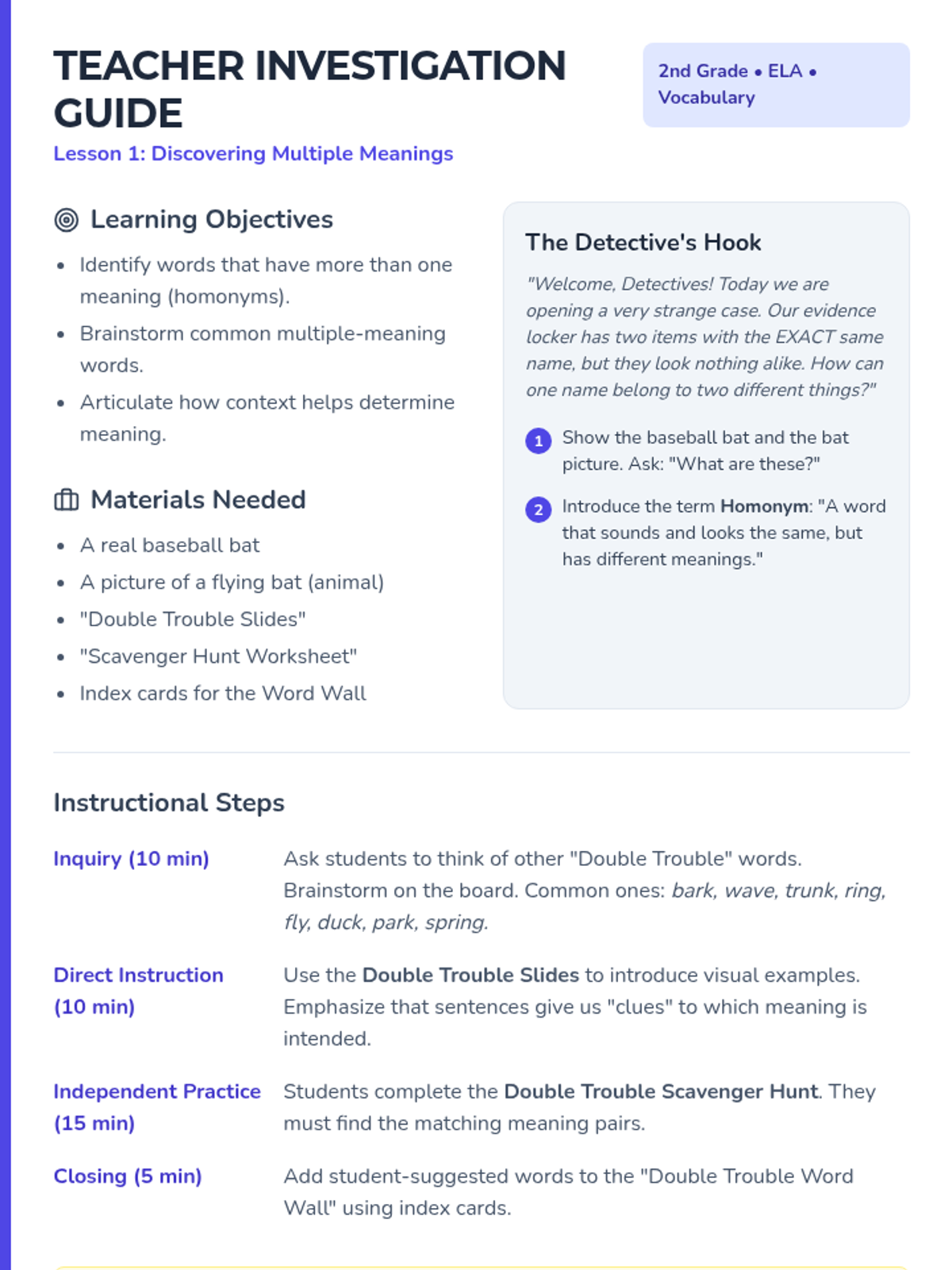
This sequence explores multiple-meaning words (homonyms) to strengthen reading comprehension and vocabulary flexibility. Students adopt the role of 'word detectives' to investigate how a single word like 'bat' or 'bark' can represent entirely different things depending on the sentence.
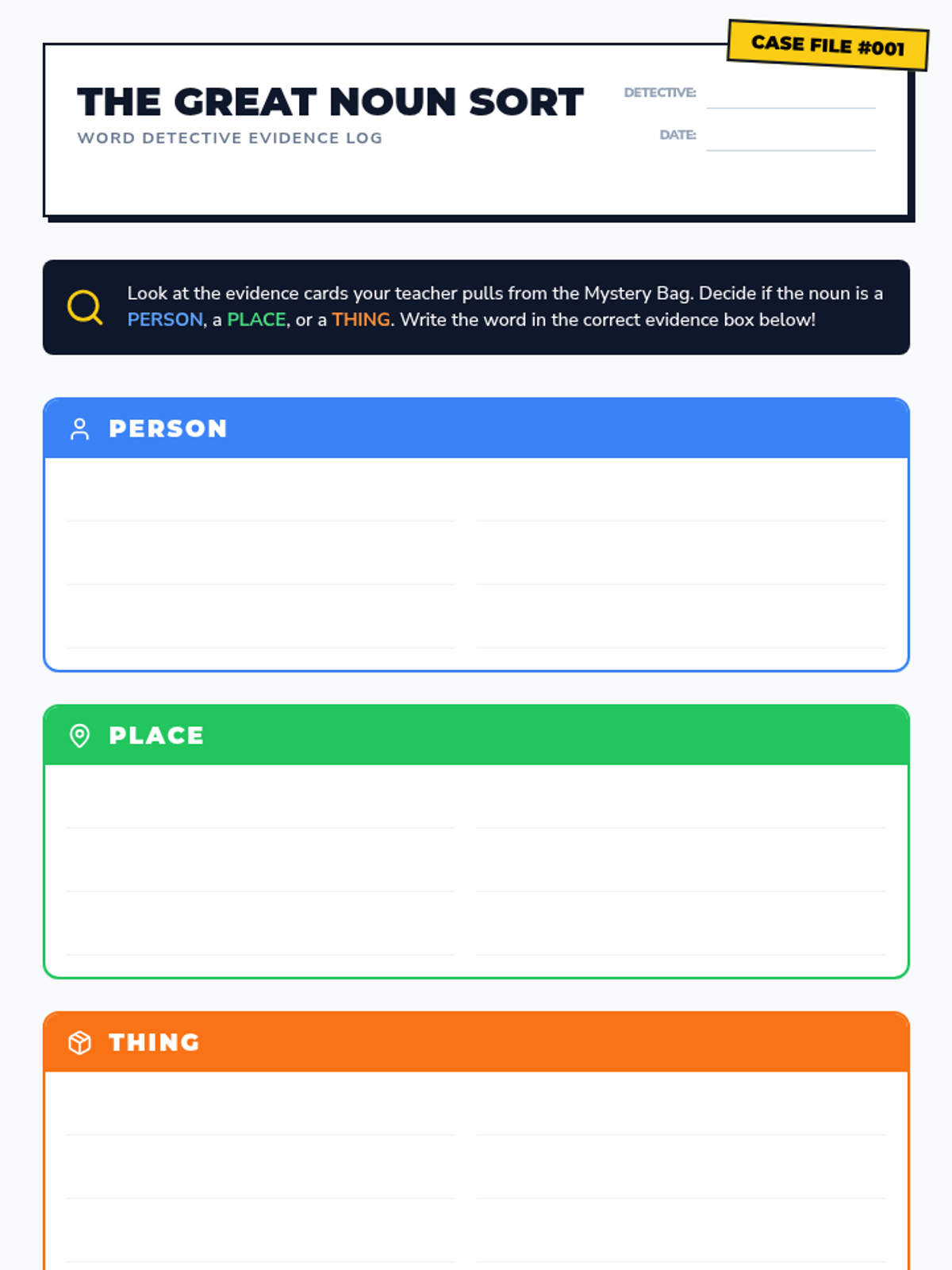
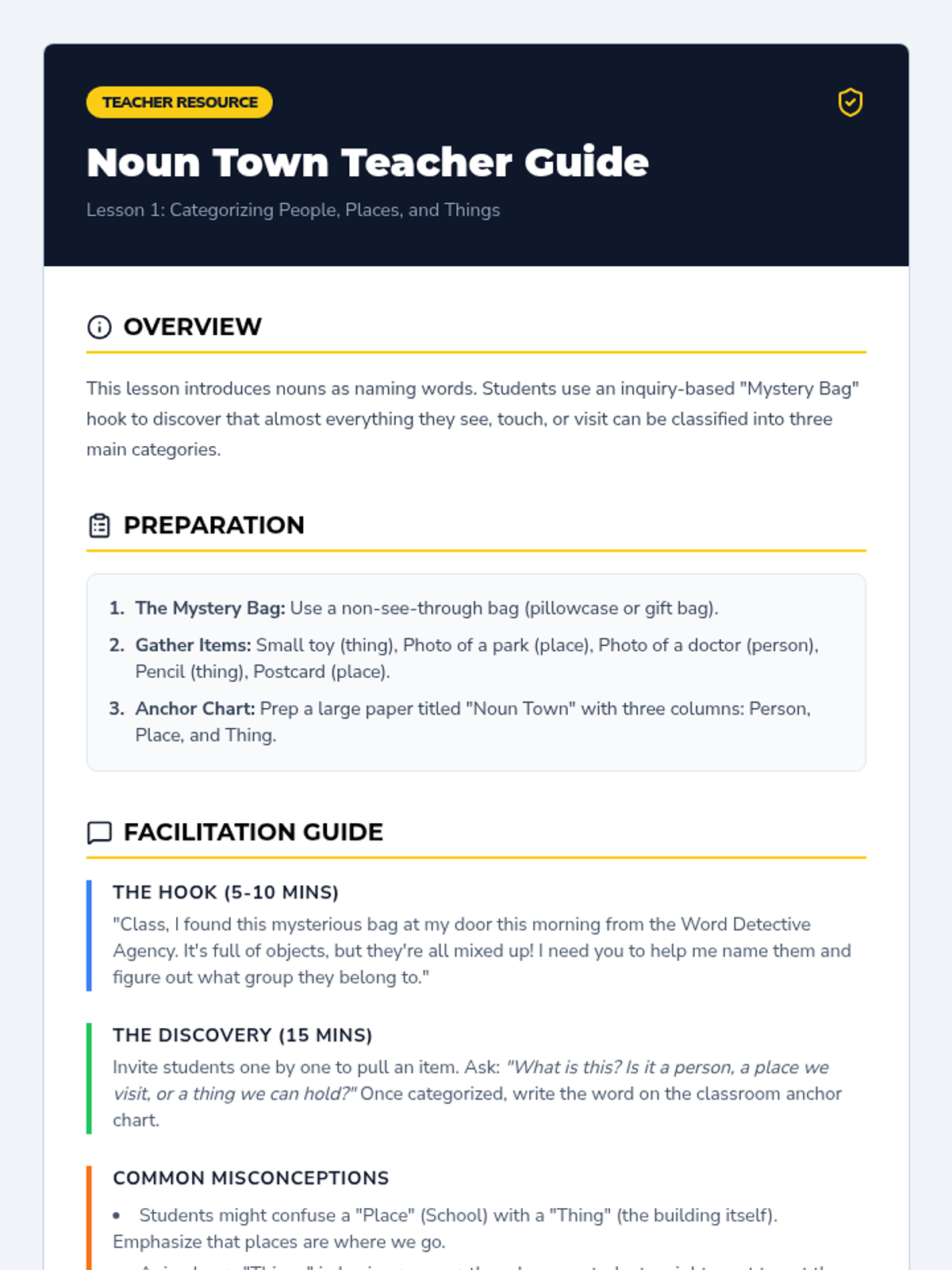
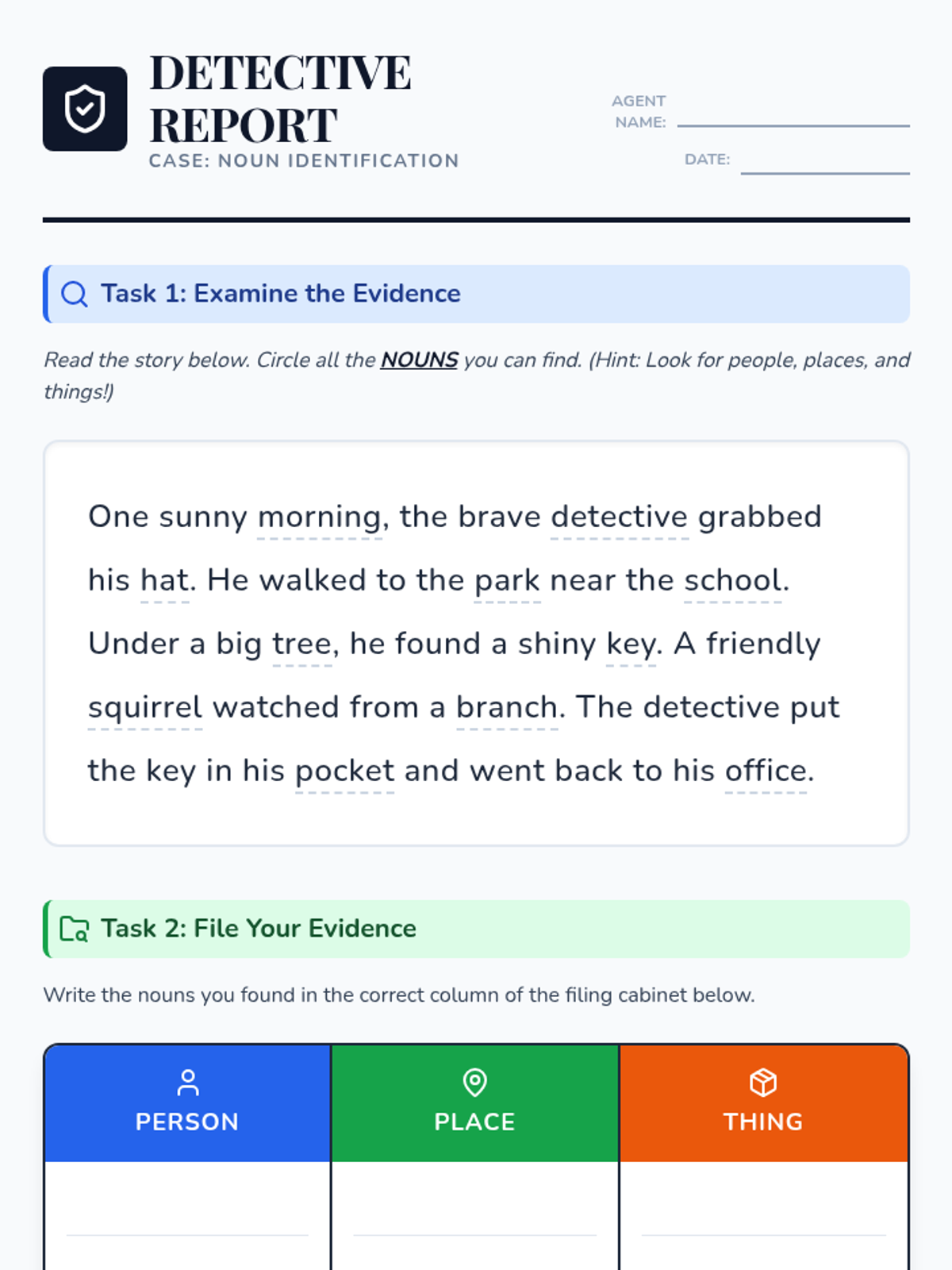
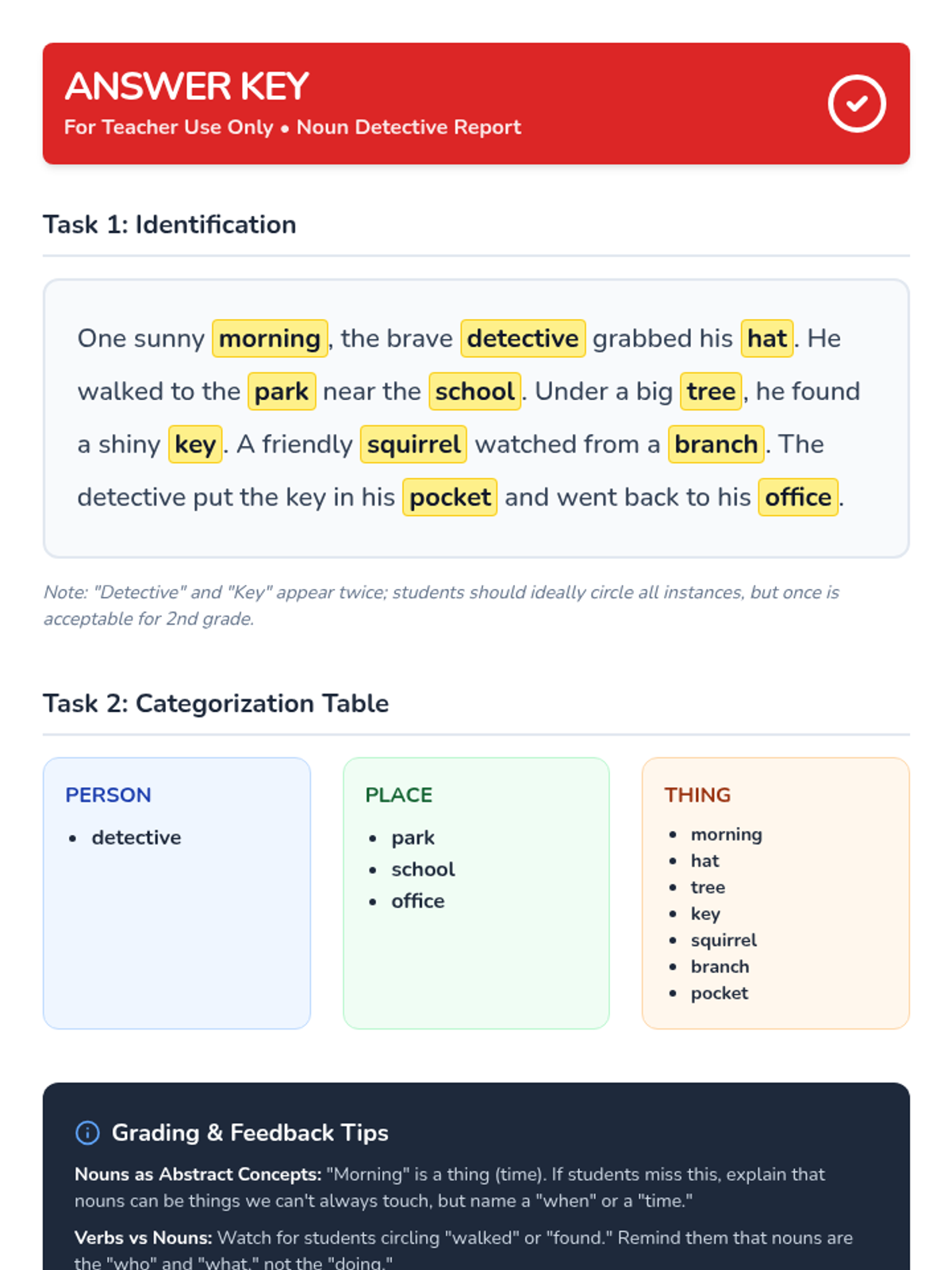
An inquiry-based sequence for 2nd-grade students to master nouns and adjectives through categorization, sensory exploration, and sentence expansion. Students act as 'Word Detectives' to identify naming words and describe them with precision.
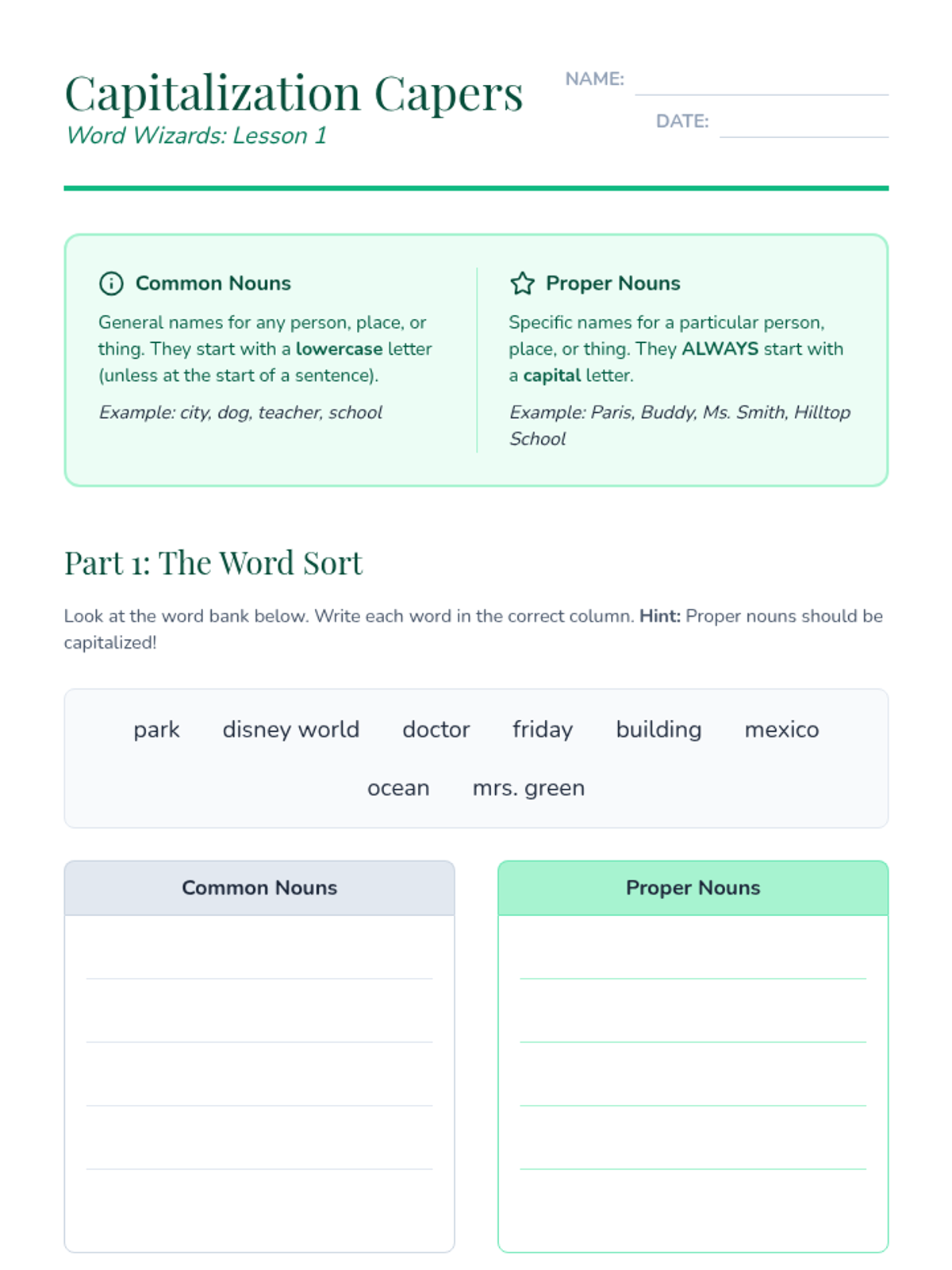
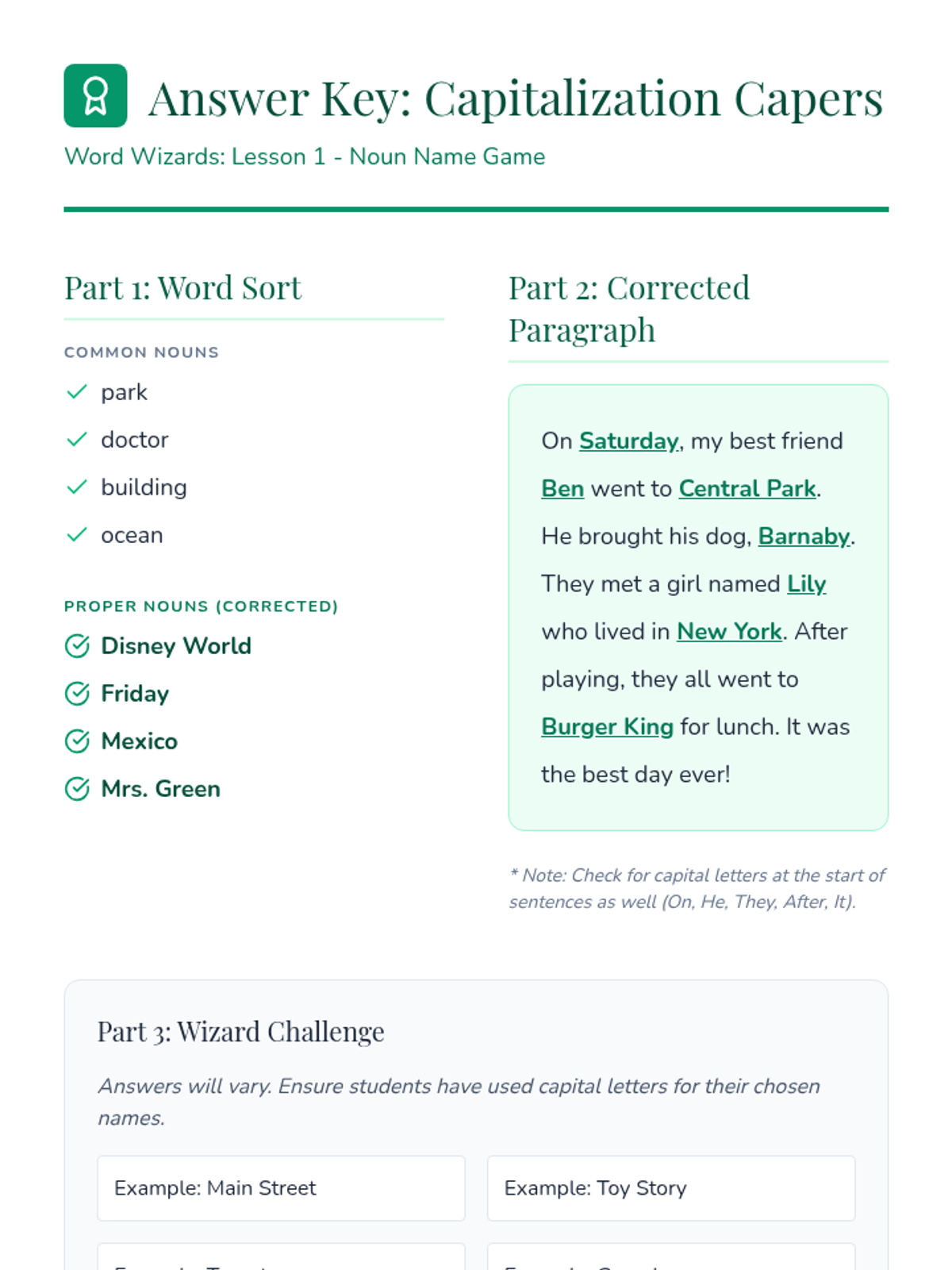
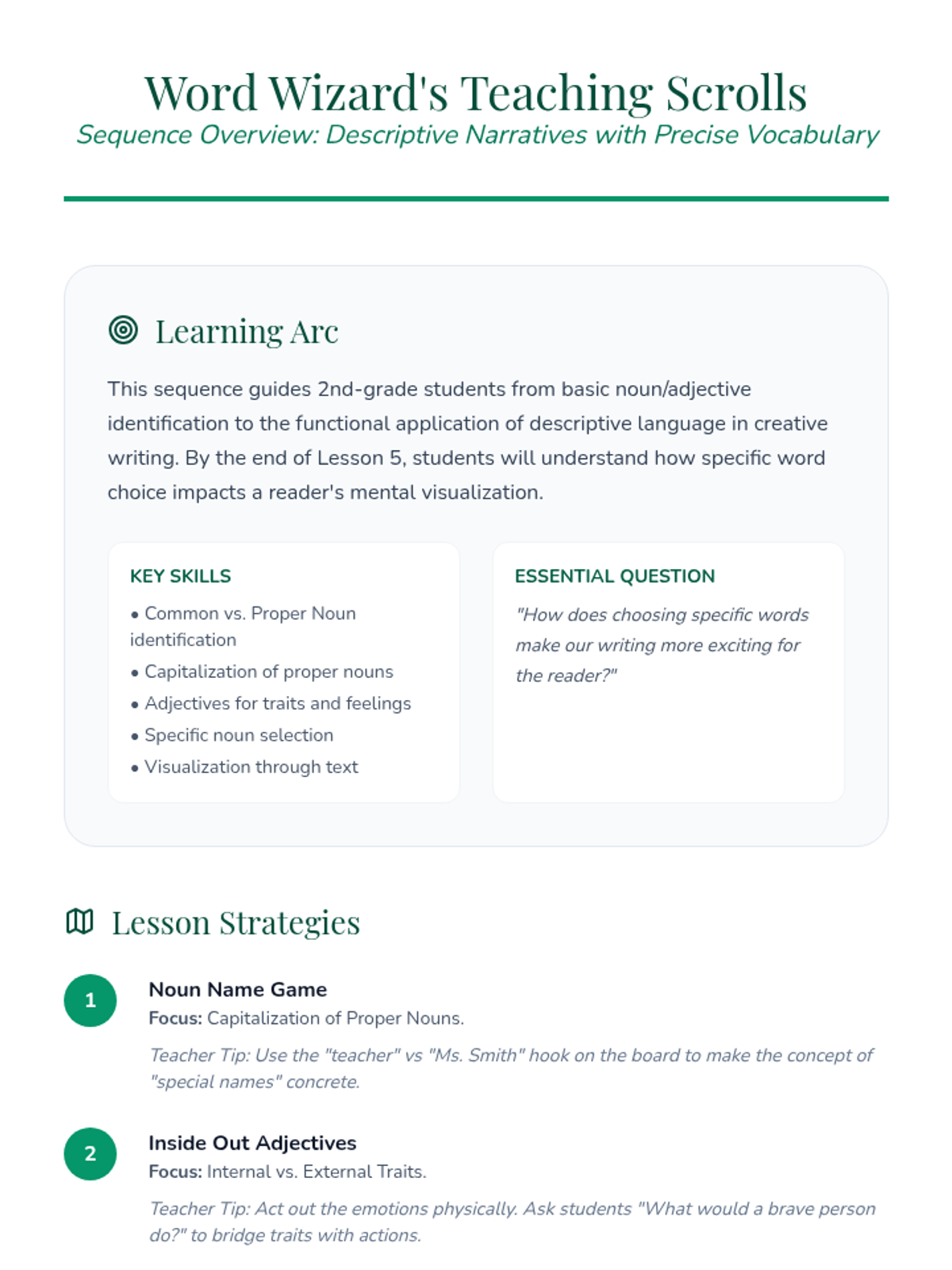
A 2nd-grade ELA sequence where students master common/proper nouns and descriptive adjectives to create vivid characters and settings. Students progress from basic grammar identification to a creative 'mystery character' project, focusing on word choice and precision.
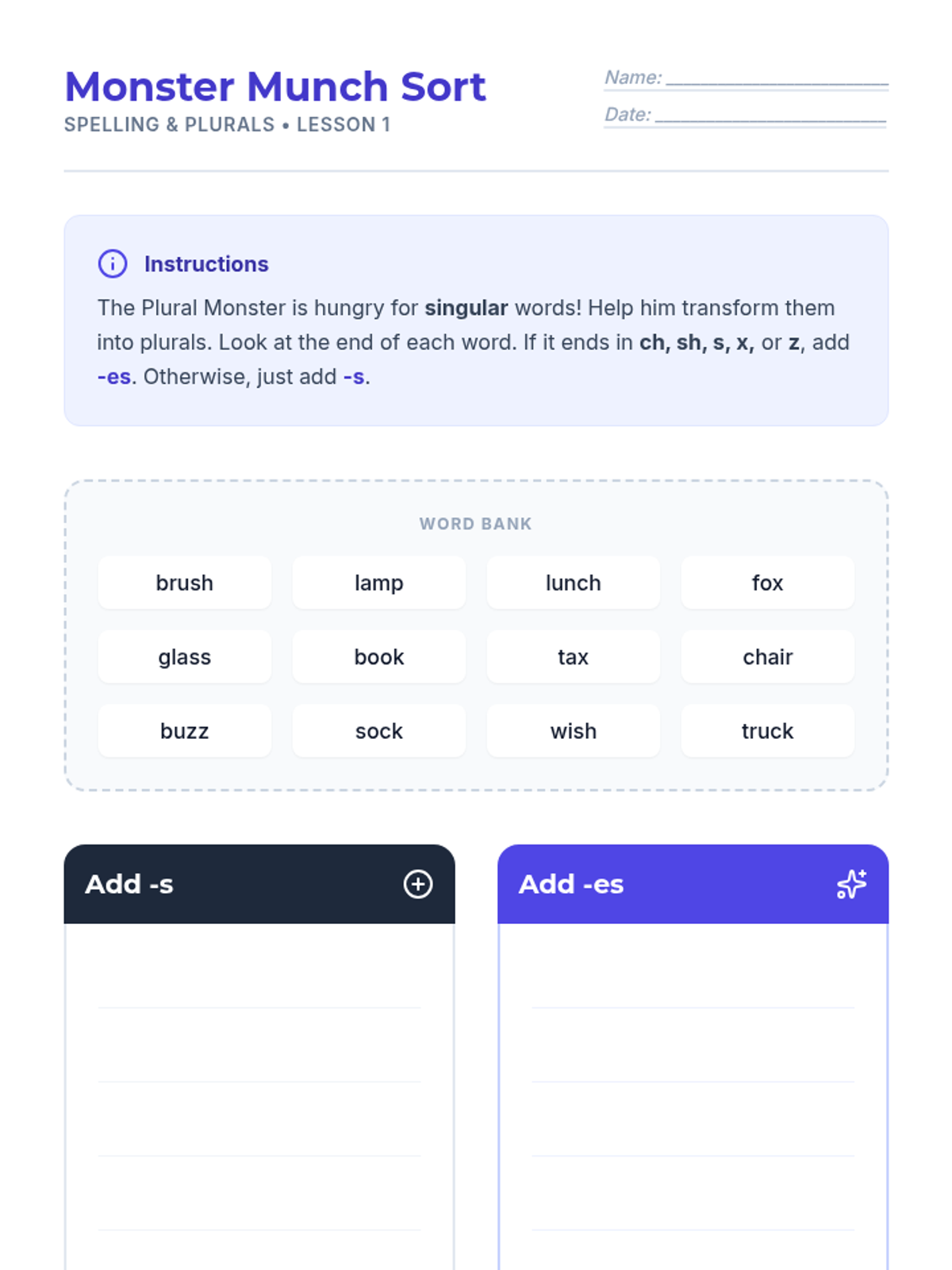
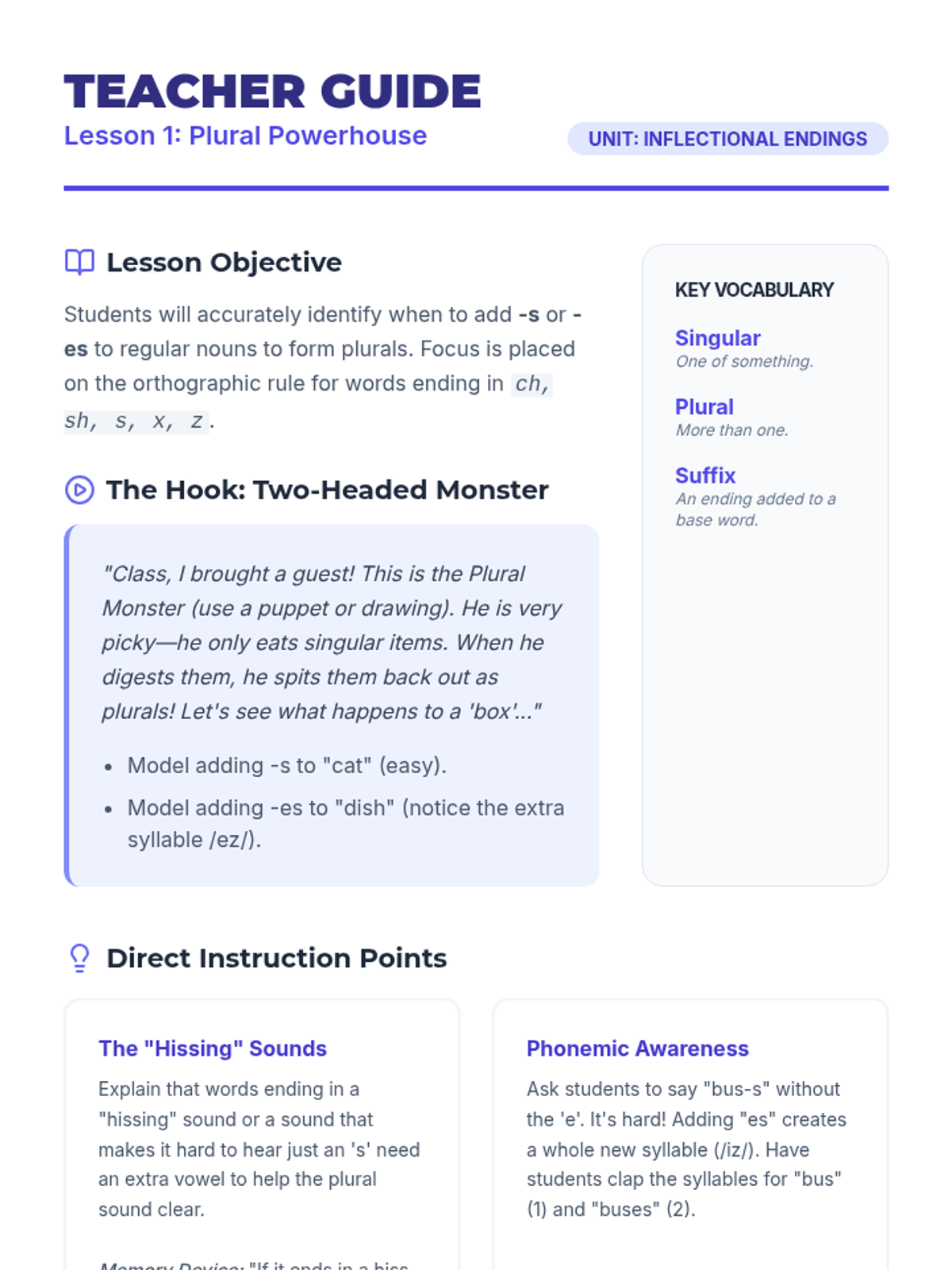
This sequence systematically addresses how base words change when suffixes are added, a critical morphological skill for second graders. Students will explore rules for pluralization and past tense, specifically focusing on the 'doubling rule' and 'dropping the silent e'. By the end, students will demonstrate the ability to modify base words correctly before adding endings like -ed, -ing, -s, and -es.
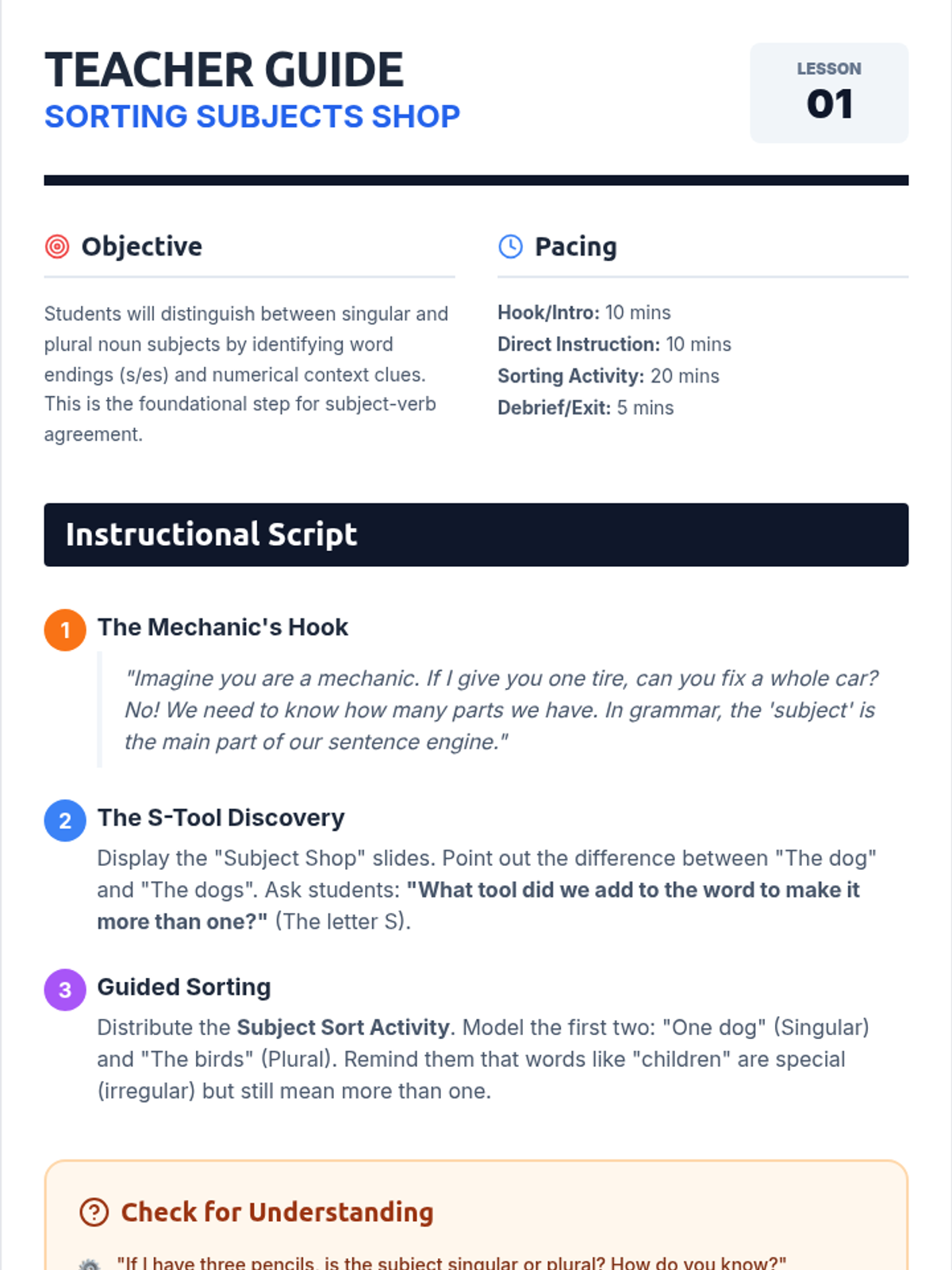
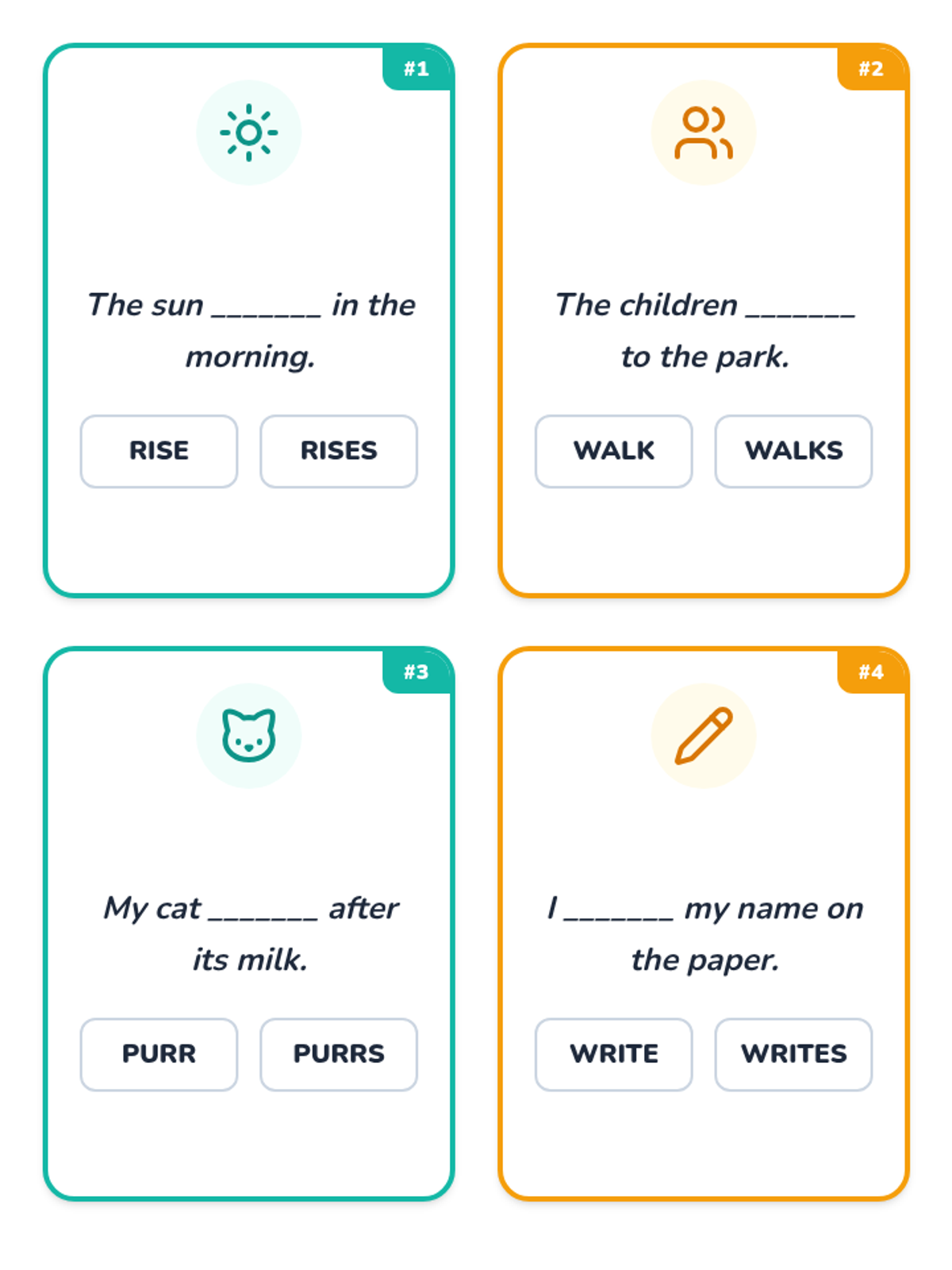
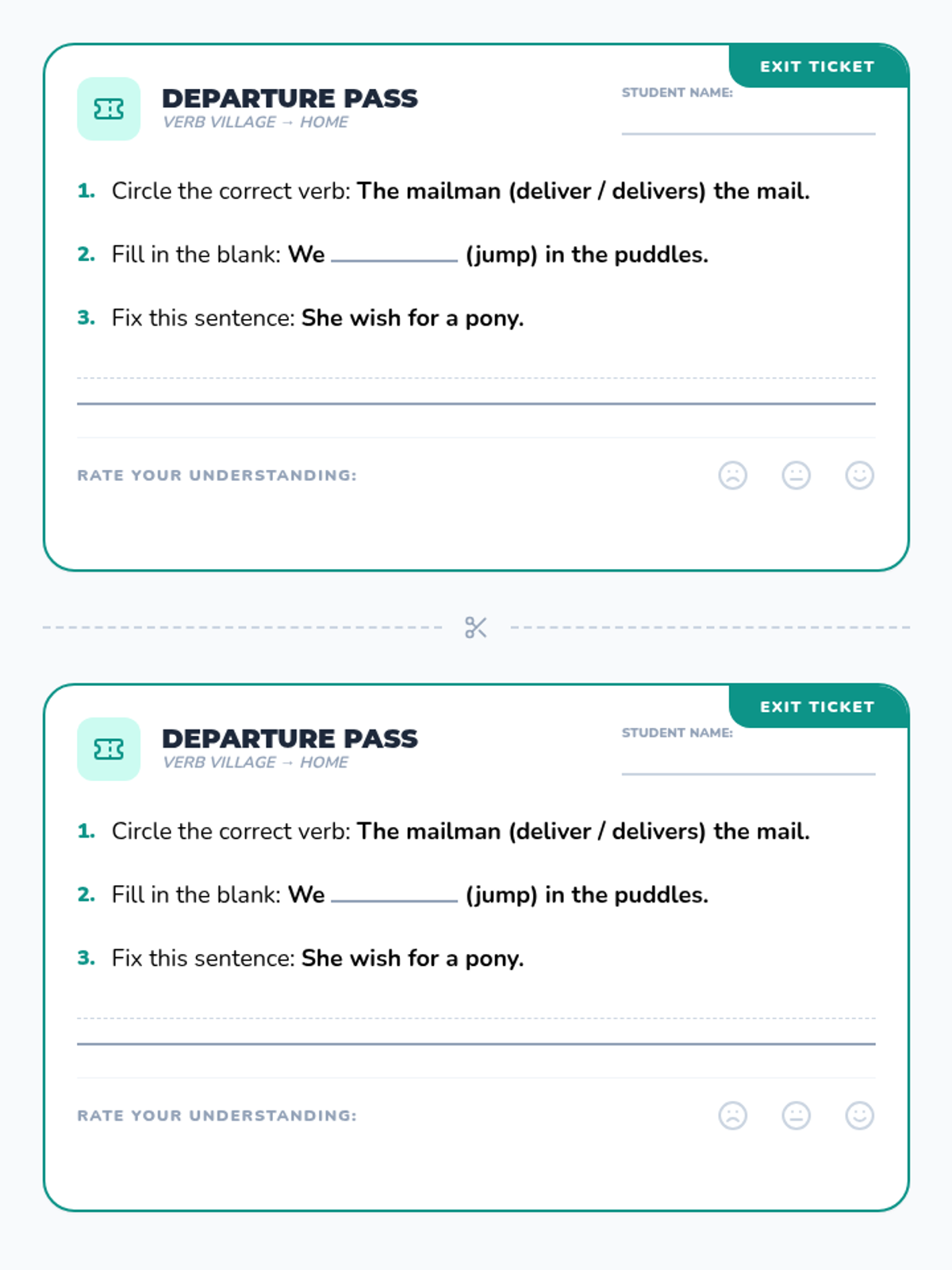
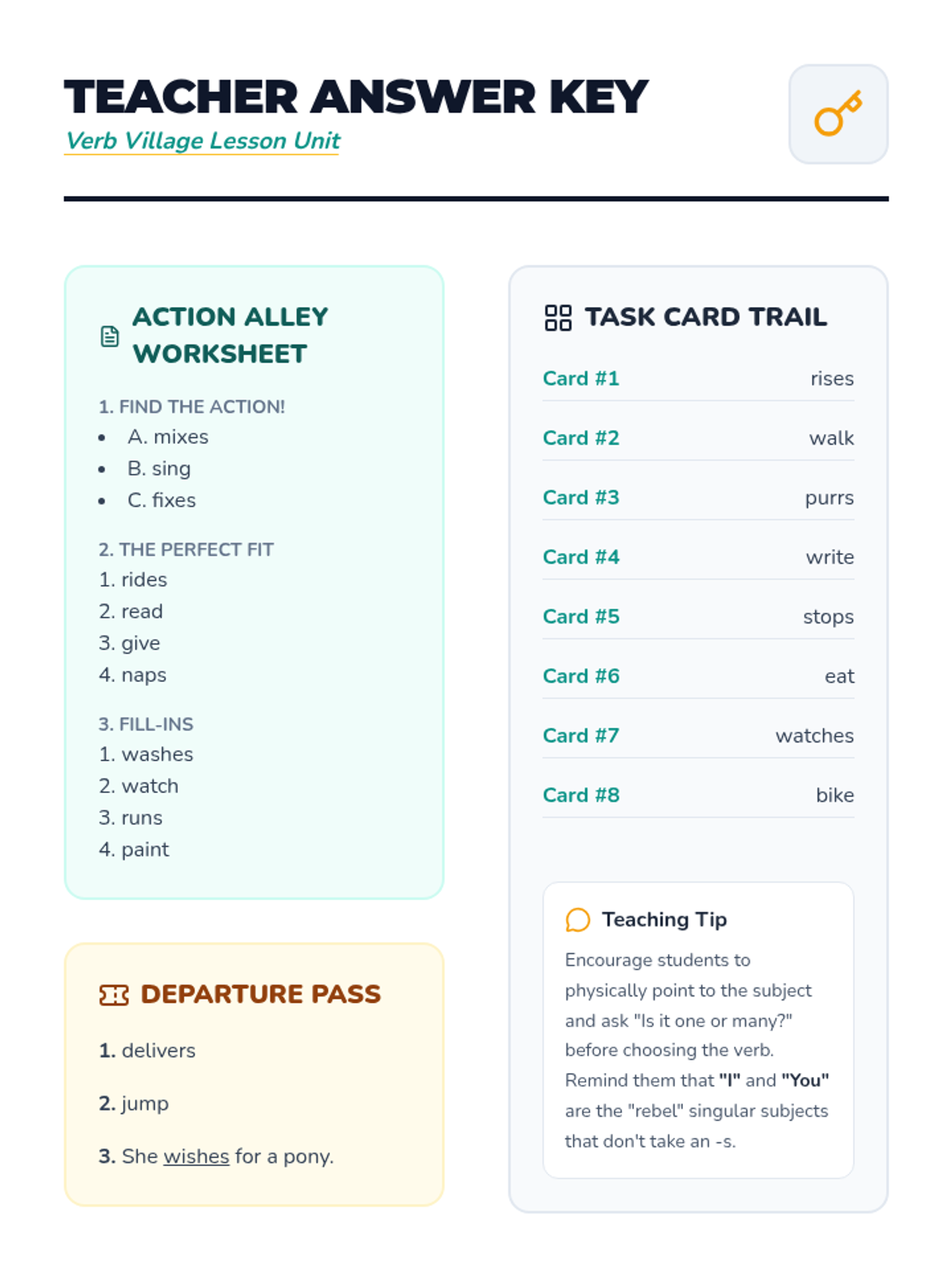
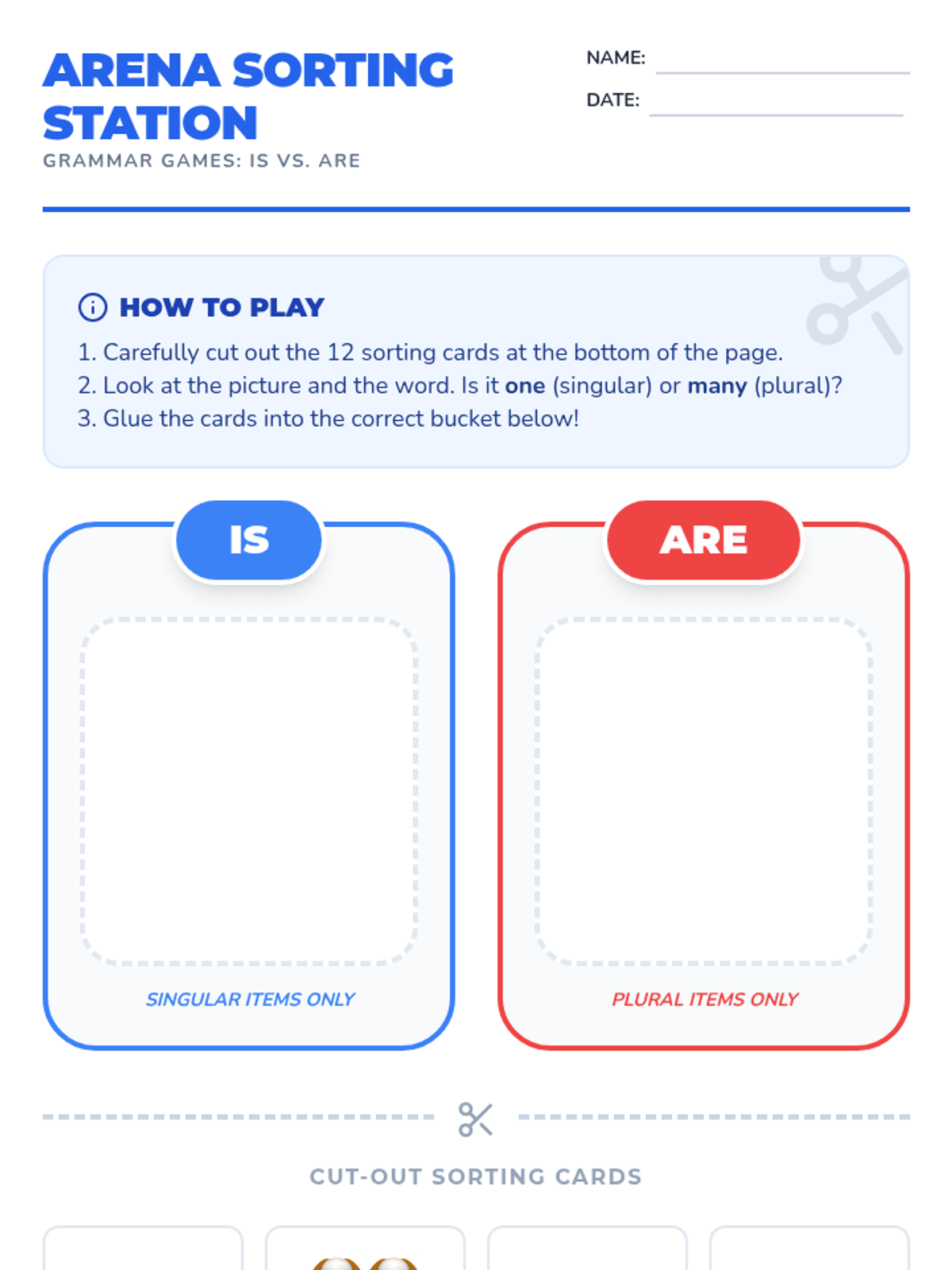
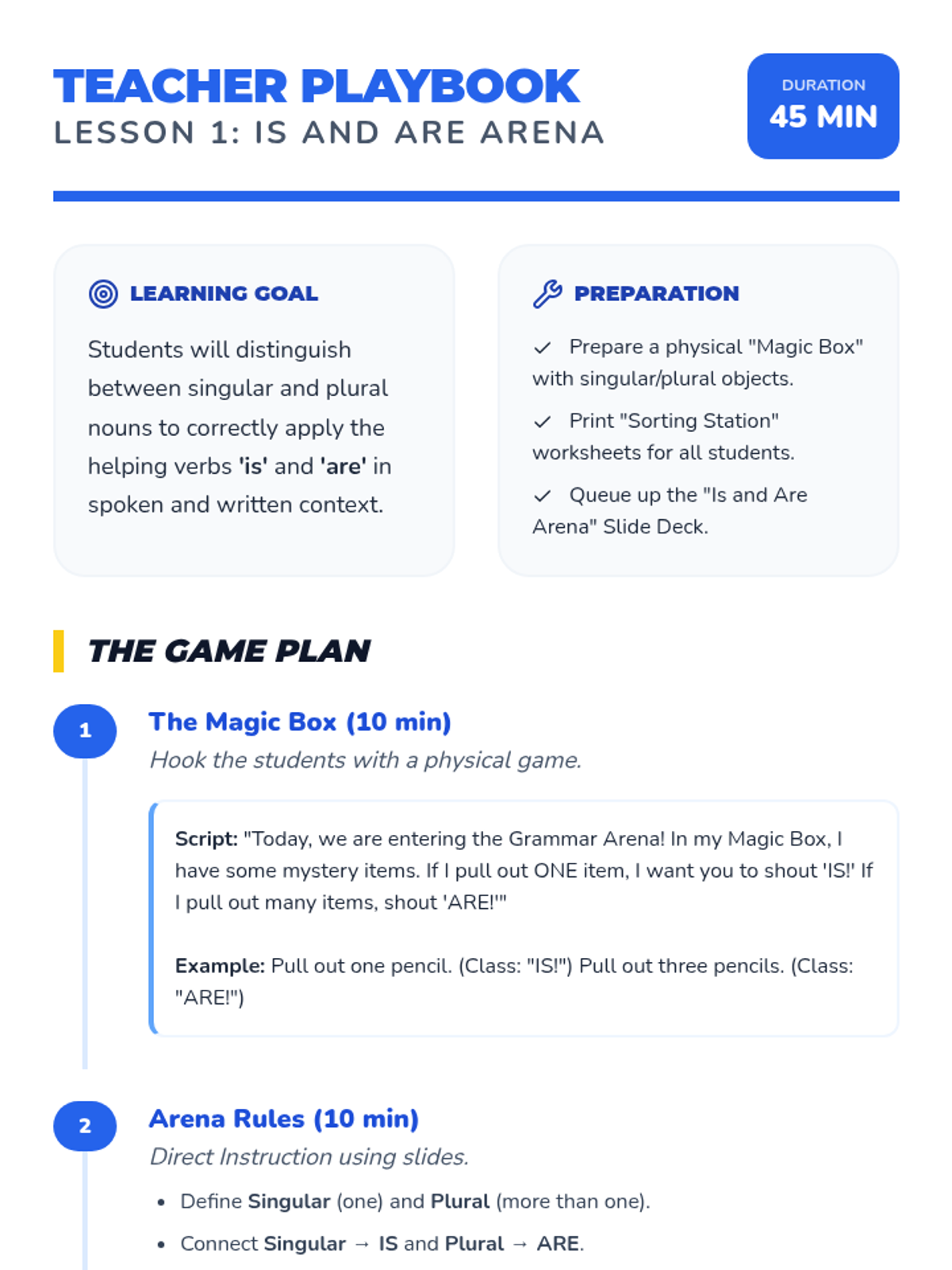
A comprehensive 2nd-grade sequence focusing on subject-verb agreement. Students learn to balance singular and plural subjects with their corresponding verb forms using the 'S-Rule' through workshops, editing tasks, and creative writing projects.
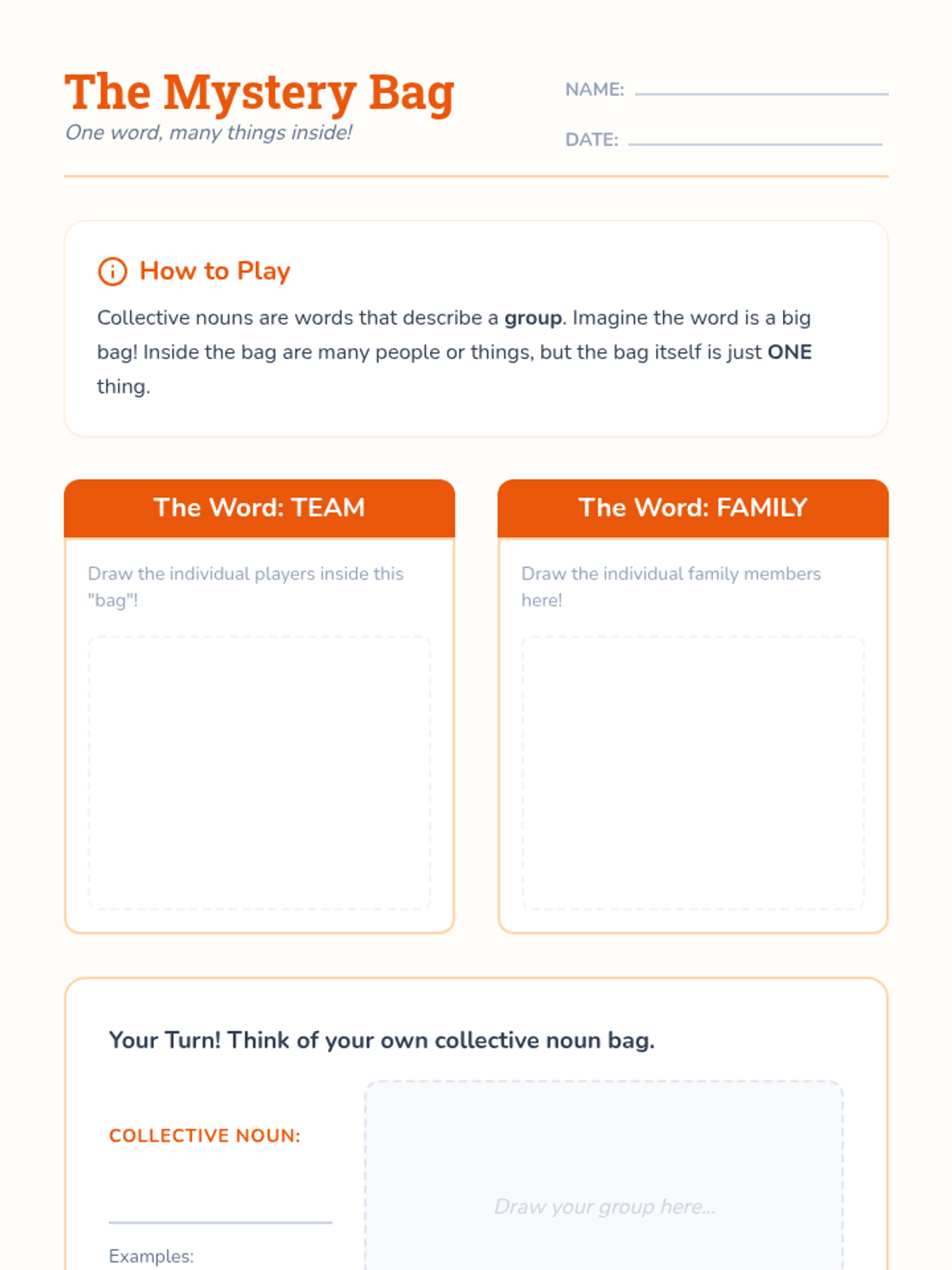
A 2nd-grade grammar sequence focusing on collective nouns and their use with singular verbs. Students act as 'Town Reporters' to explore how groups like 'team', 'family', and 'class' function as single units in writing.
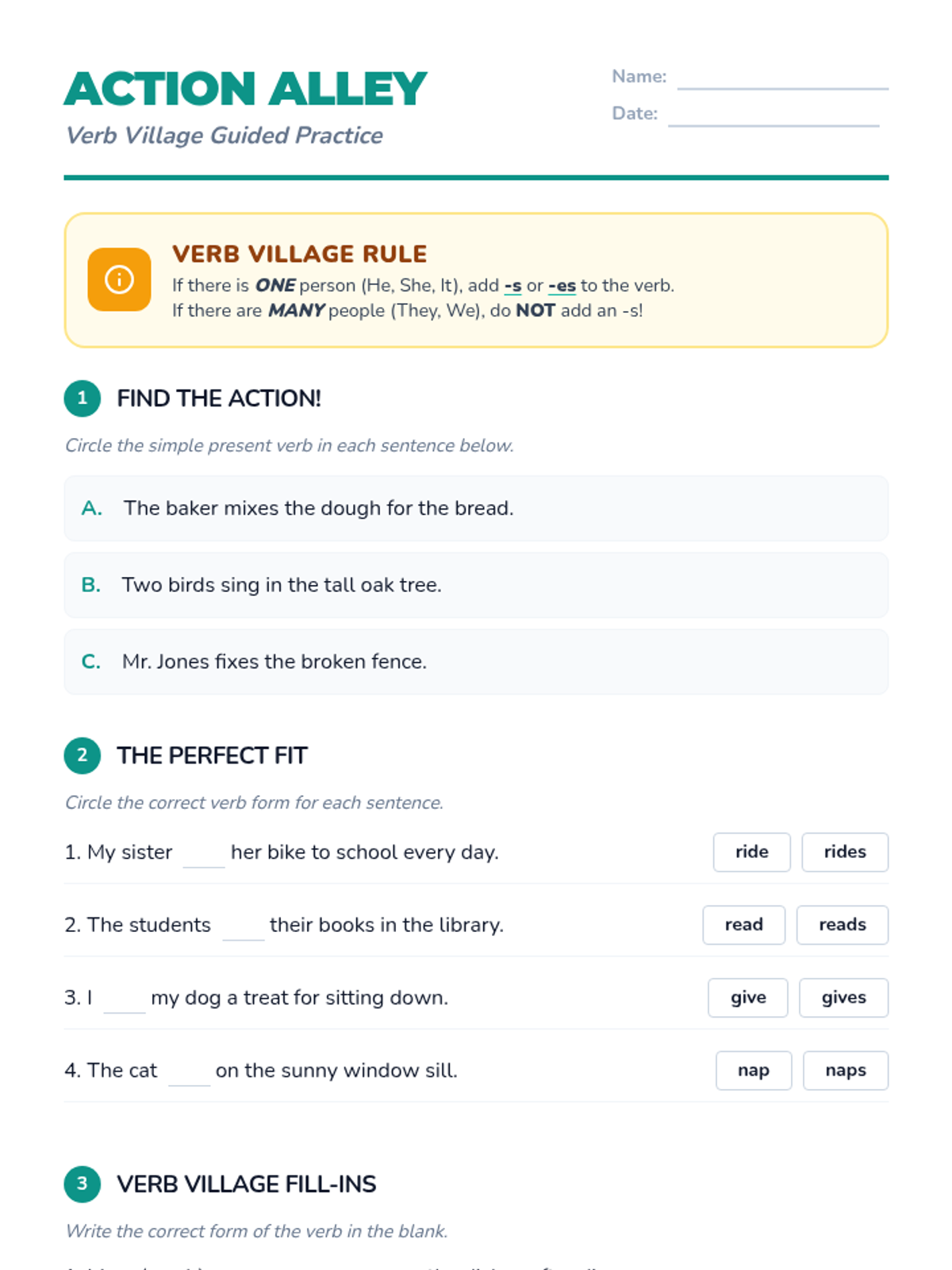
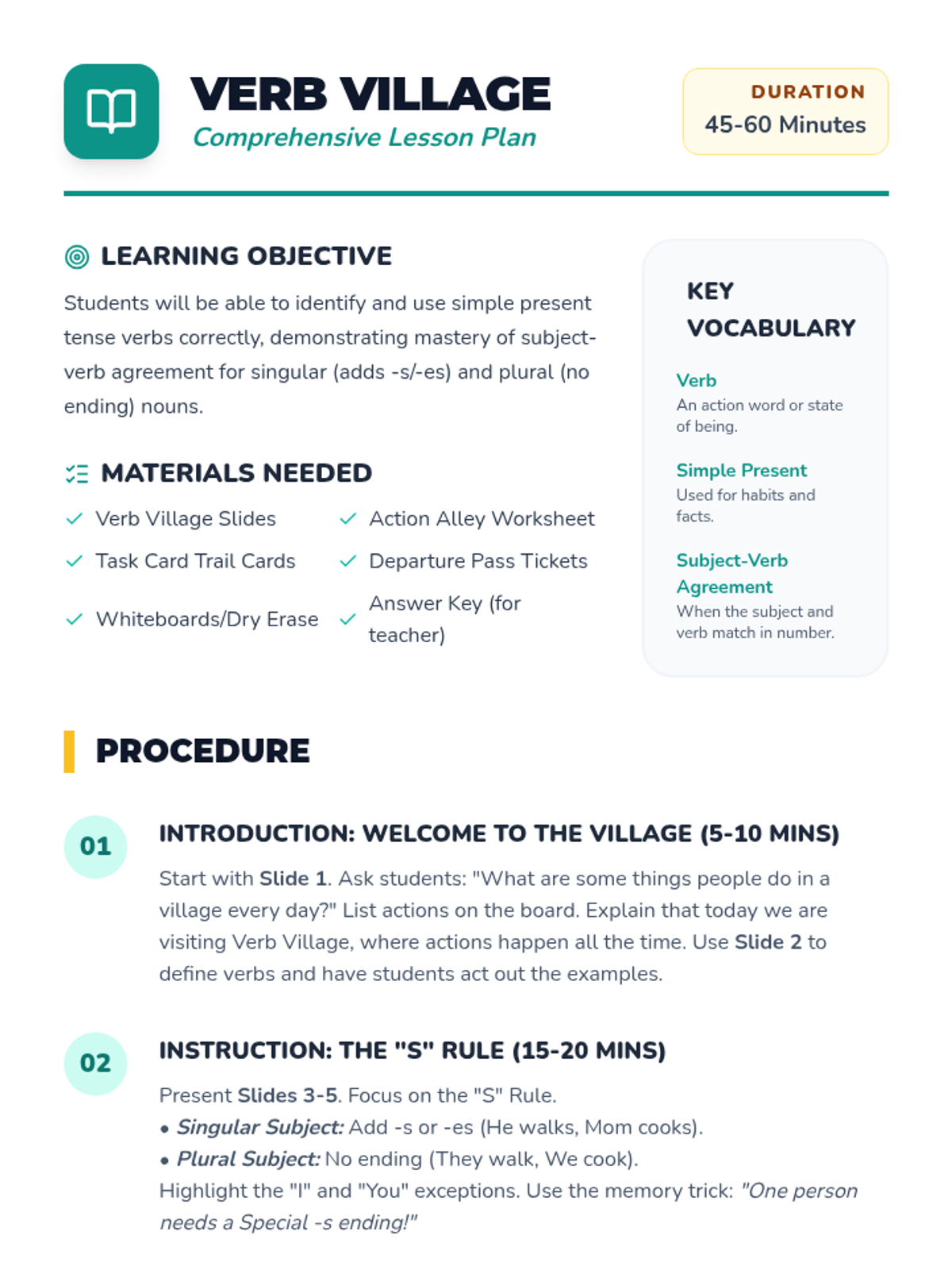
A comprehensive grammar unit focusing on foundational parts of speech and sentence structure, starting with the vibrant world of simple present verbs.
This sequence guides 2nd Grade students through the foundational concepts of verb tenses. Students will move from identifying action verbs in the present to mastering regular and irregular past tense, as well as future tense, culminating in writing narratives with consistent verb usage.
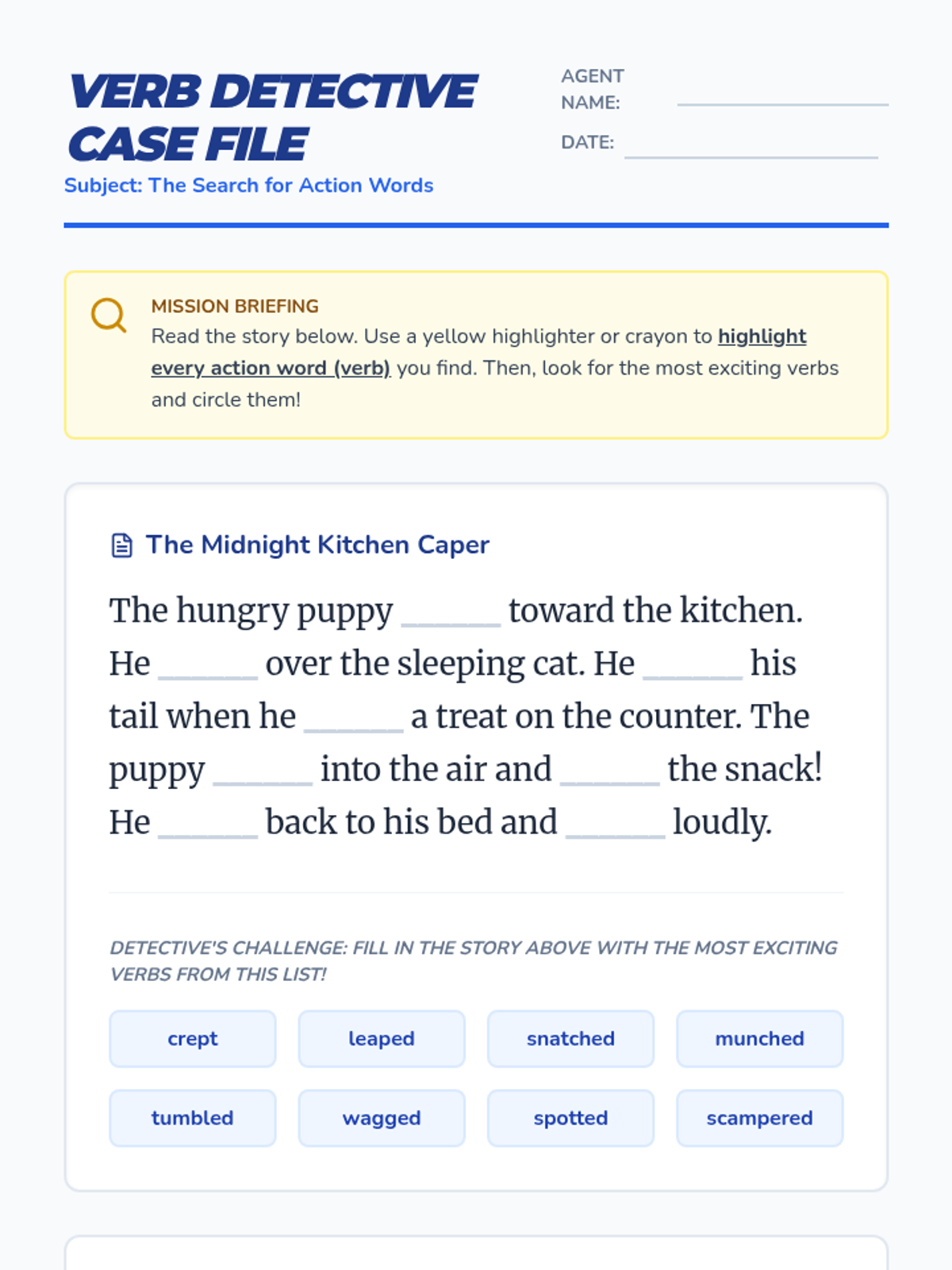
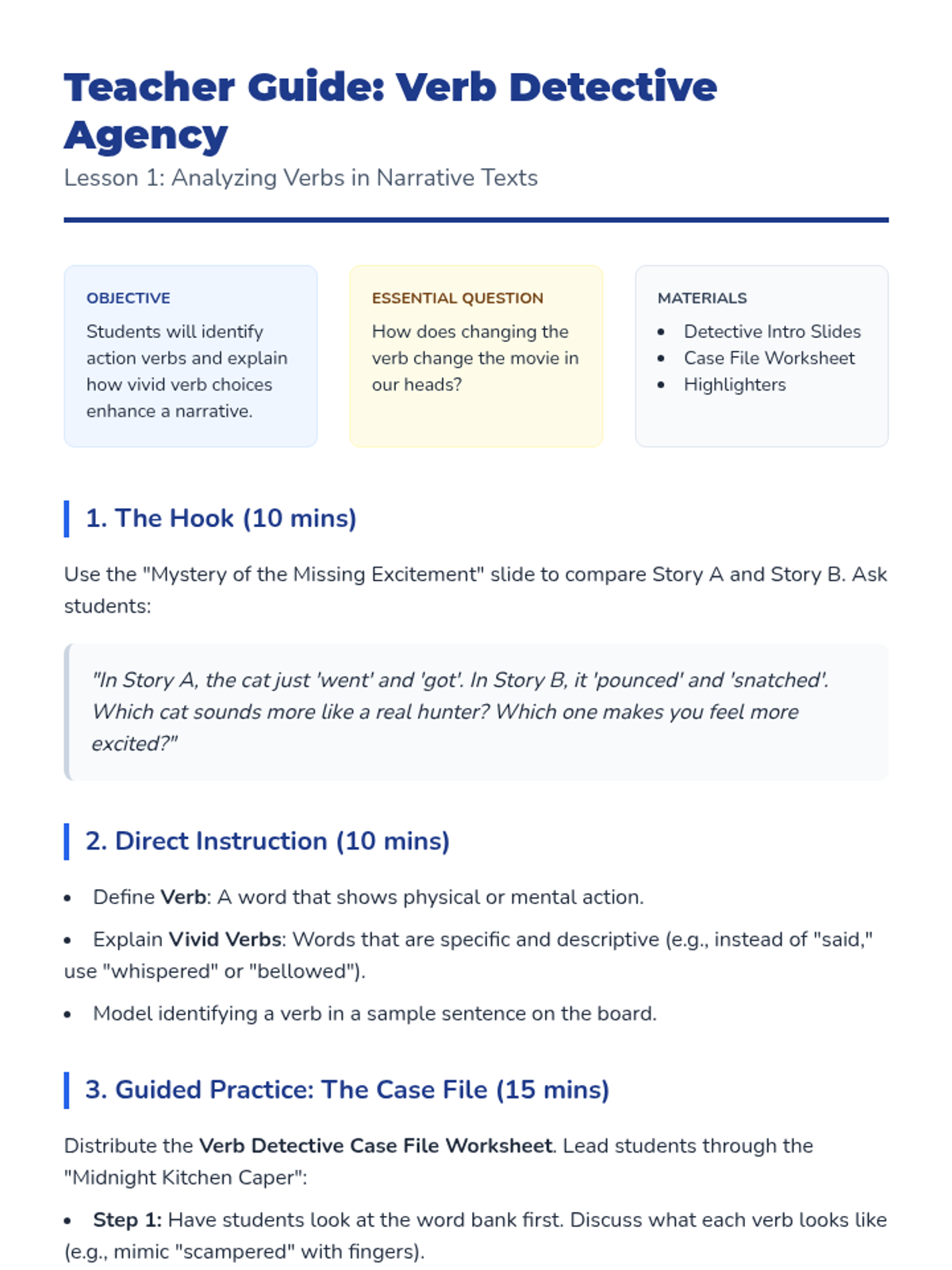
A 2nd-grade ELA sequence focused on the power of vivid verbs in narrative writing. Students transition from identifying action words to distinguishing between physical and mental actions, and ultimately revising their own writing to create more engaging and descriptive stories.
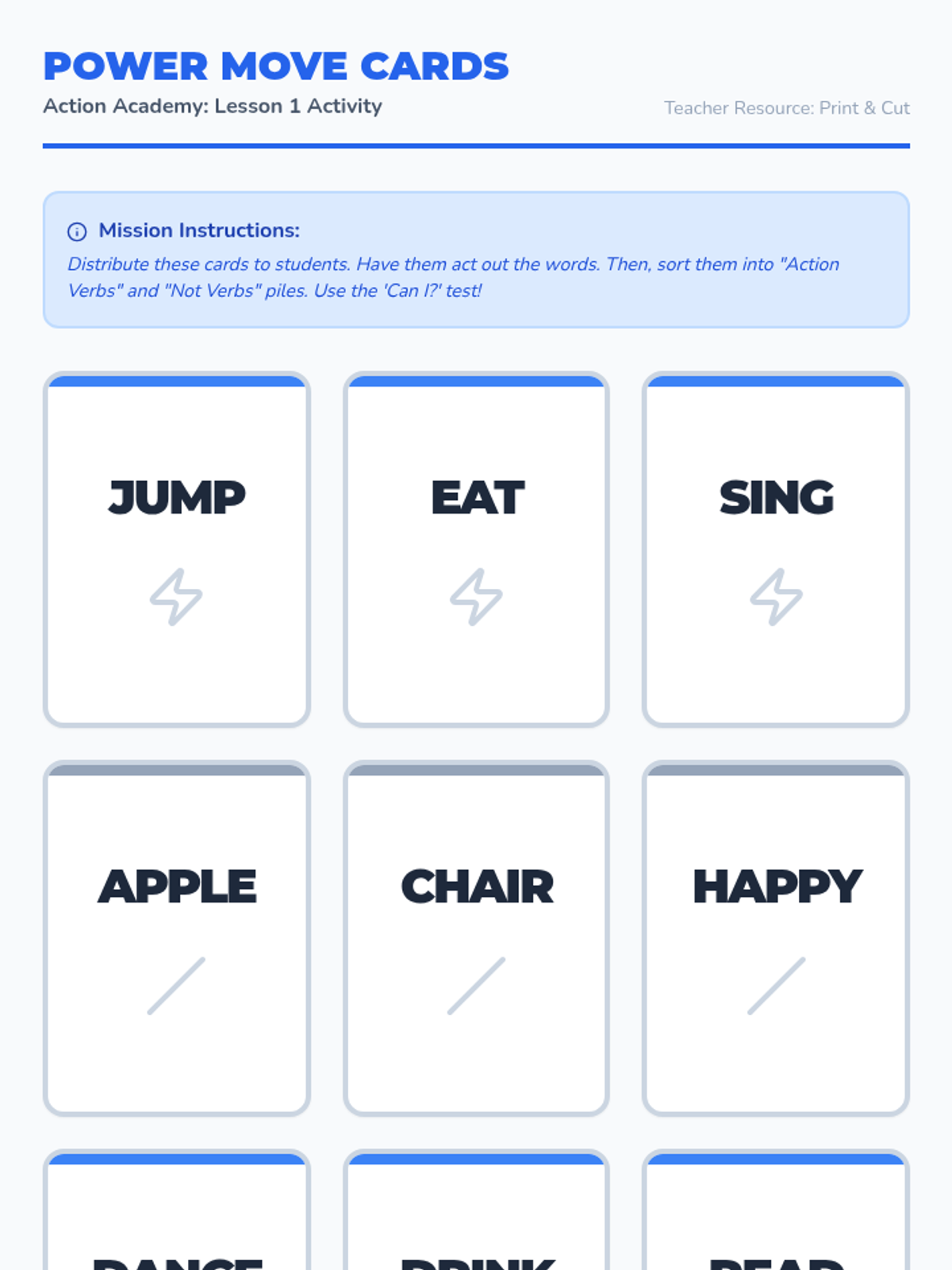
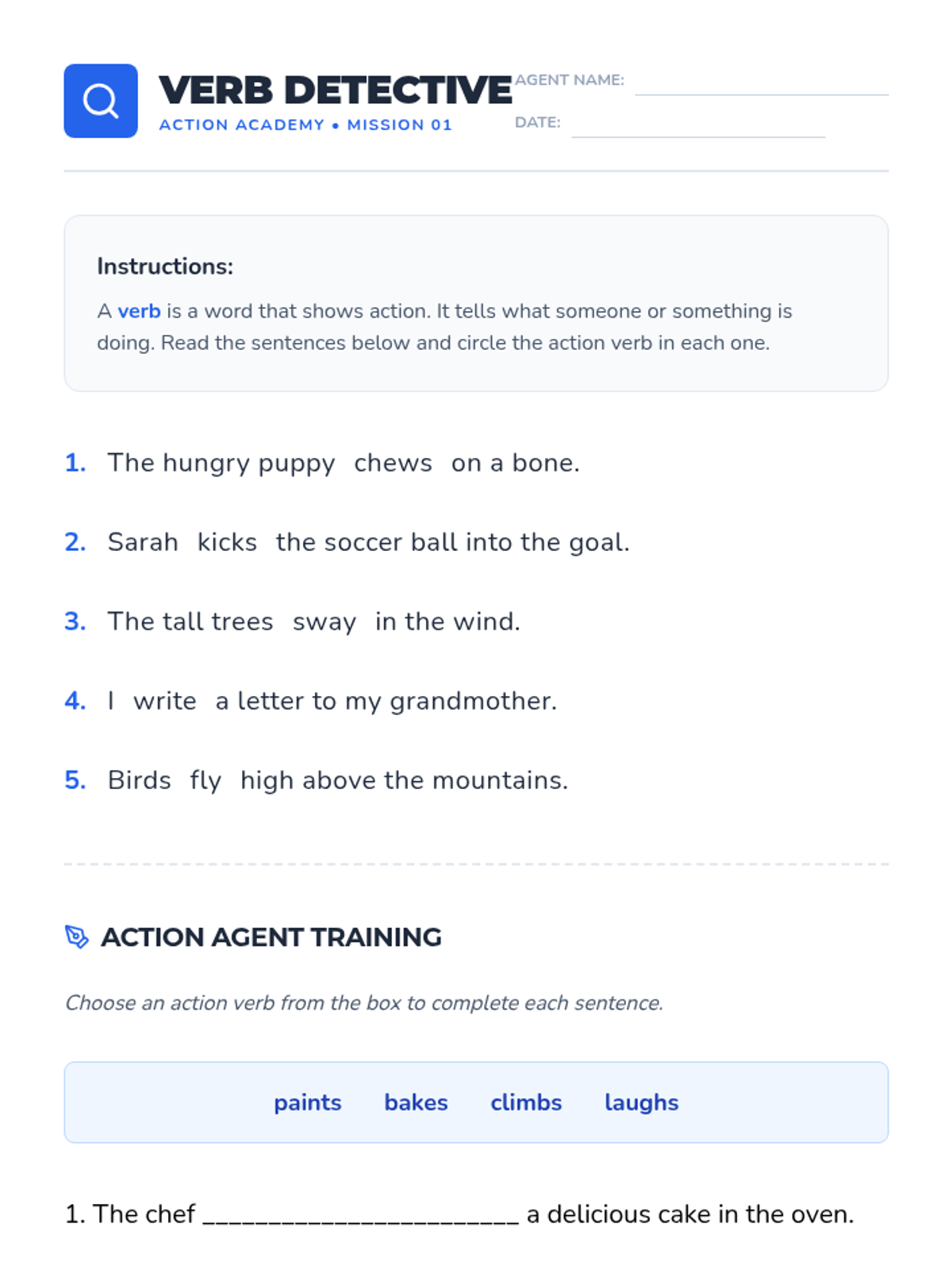
This 5-lesson sequence transforms 2nd-grade students into 'Action Agents' as they master the power of verbs. Students progress from physical identification to grammatical precision, exploring subject-verb agreement, simple tenses, and shades of meaning to construct descriptive and accurate sentences.
A game-based sequence for 2nd graders focusing on high-frequency irregular verbs (to be, to have, to do). Students move from basic sorting to complex usage through interactive hooks, storytelling, and a final grammar tournament.
A comprehensive 2nd Grade ELA unit that takes students from identifying basic action verbs to mastering subject-verb agreement and using vivid vocabulary to enhance writing. Students engage in kinetic learning, sorting activities, and creative revision to bring their sentences to life.
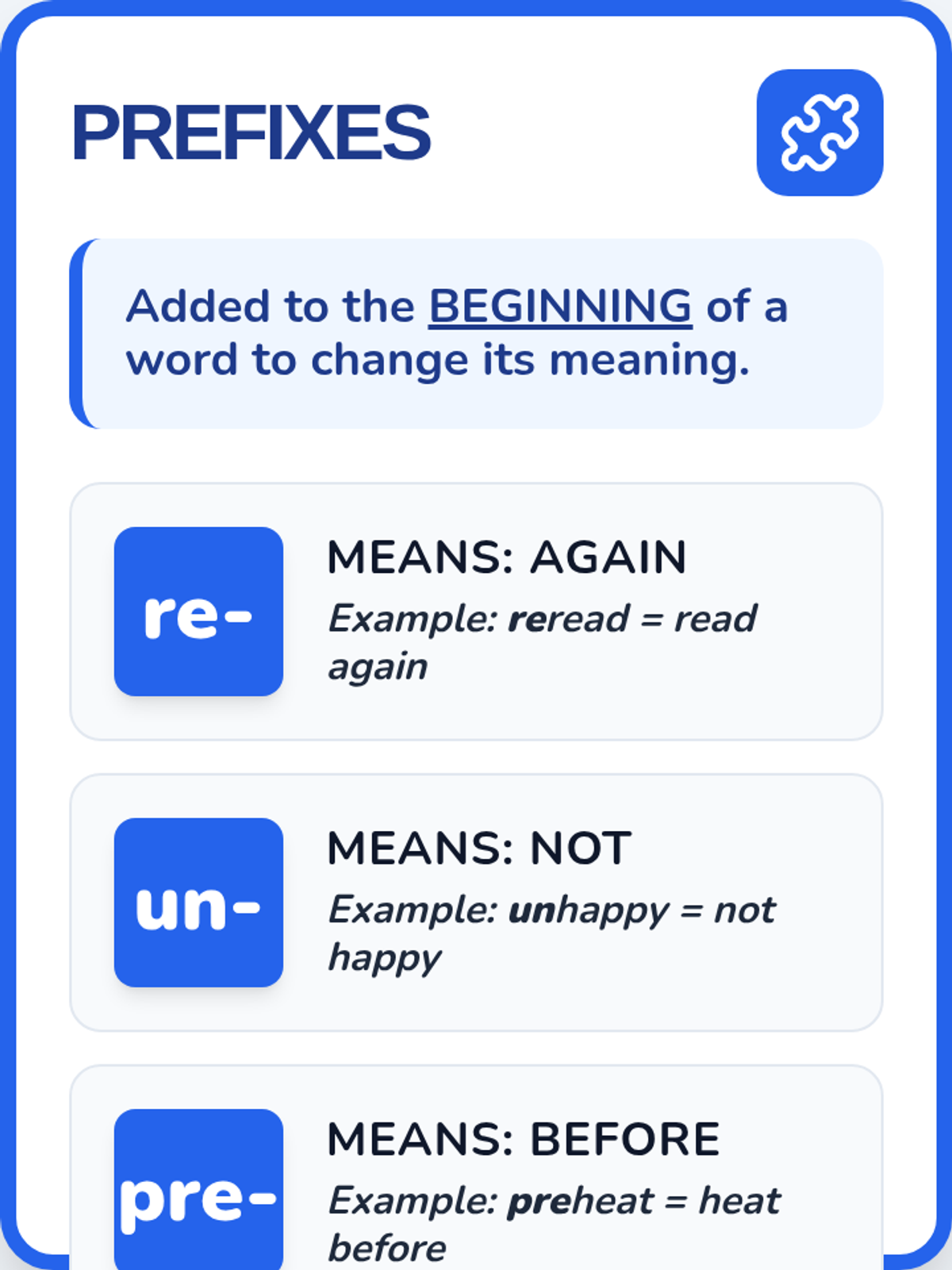
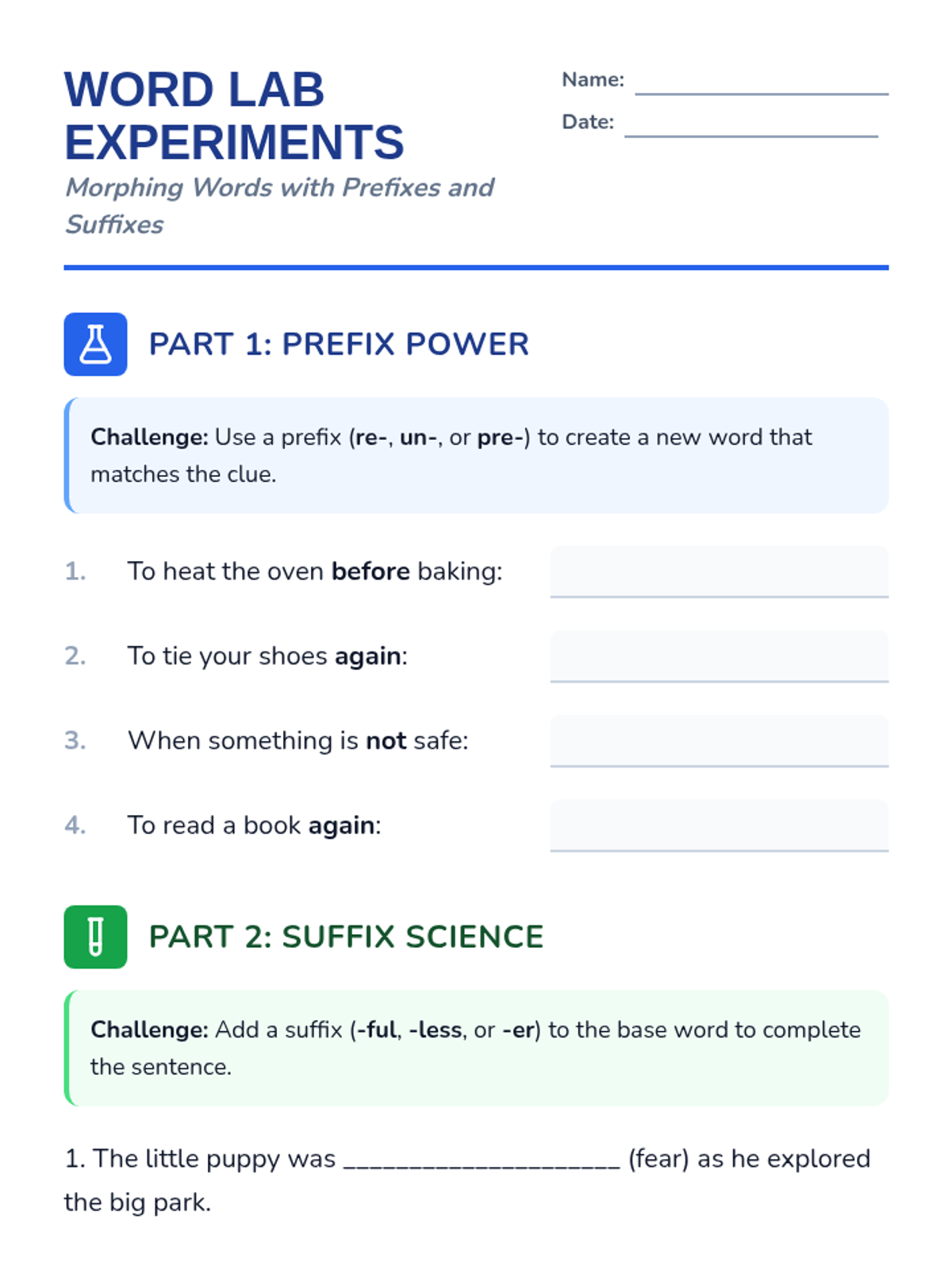
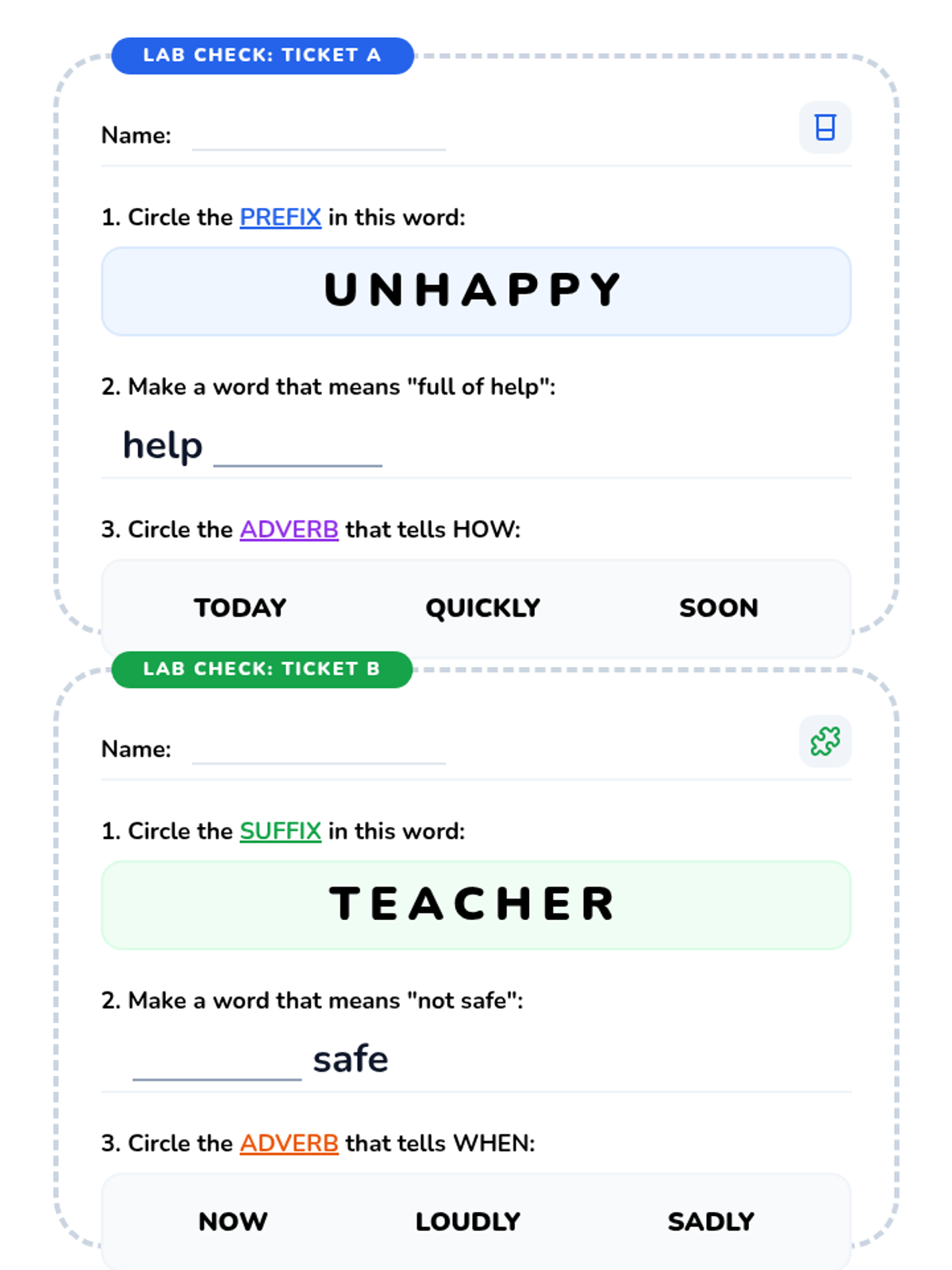
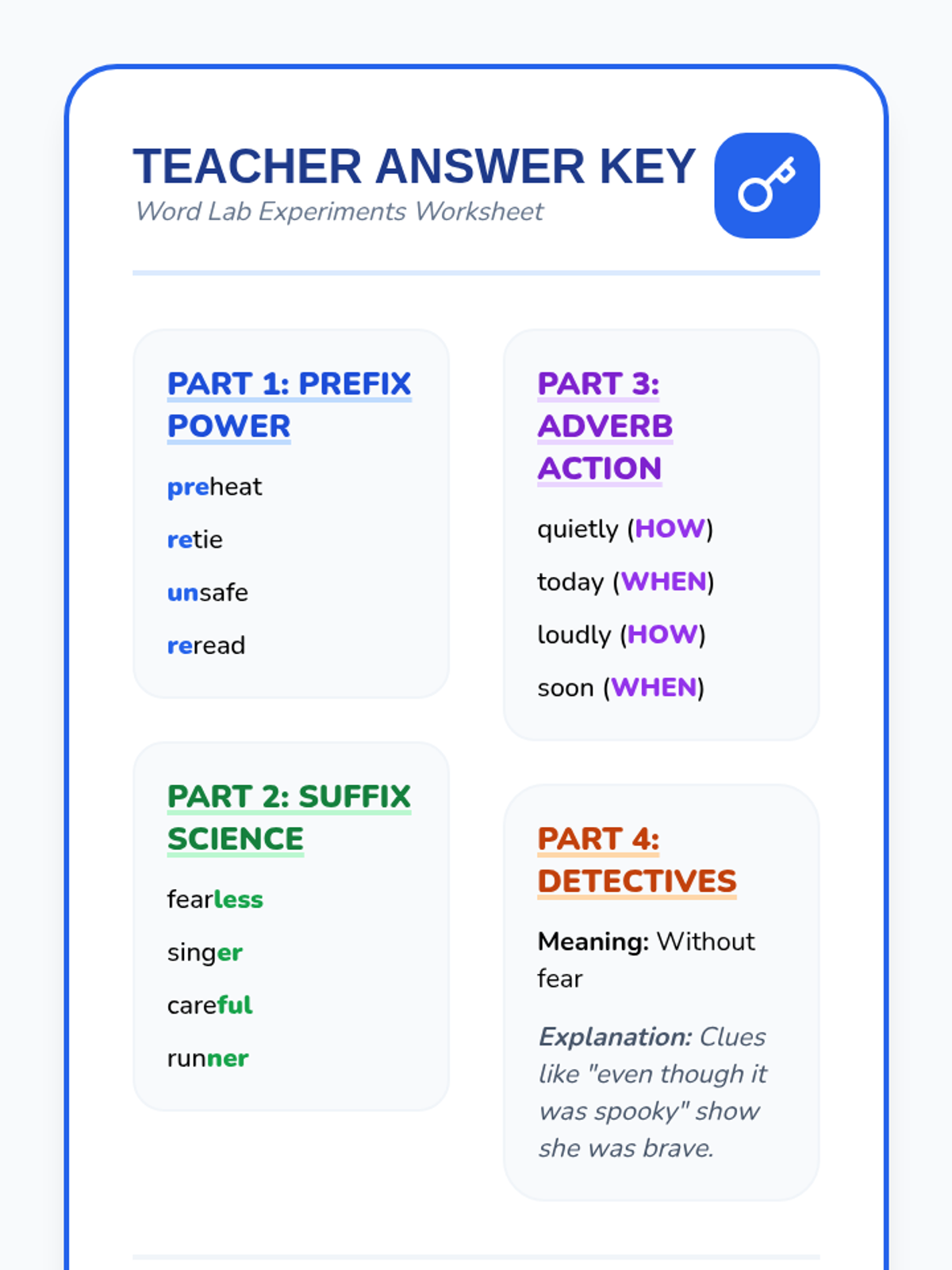
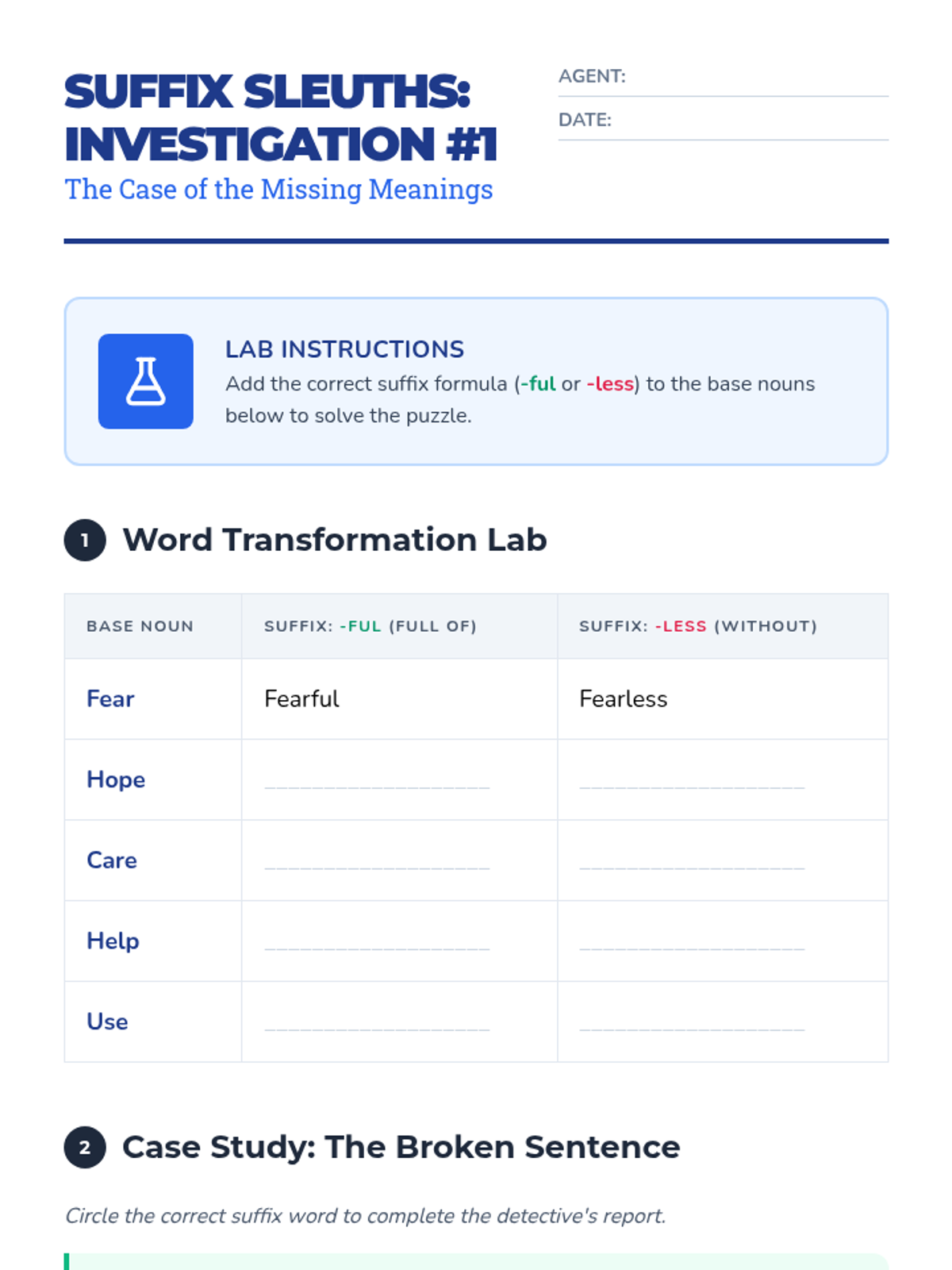
A foundational language arts sequence for 2nd graders focusing on word morphology (prefixes and suffixes) and parts of speech (adverbs), using a laboratory-themed investigative approach to help students decode meaning.
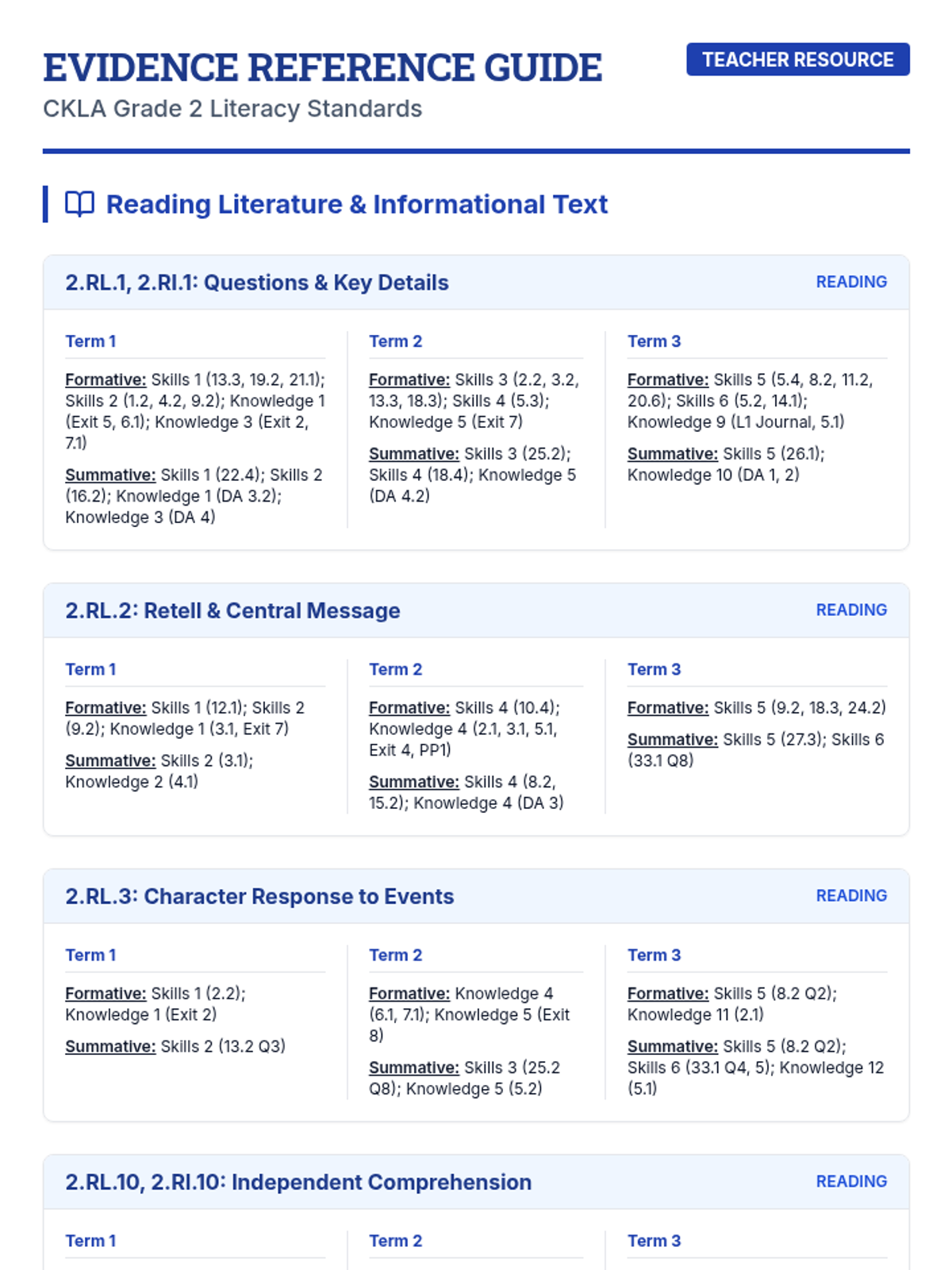
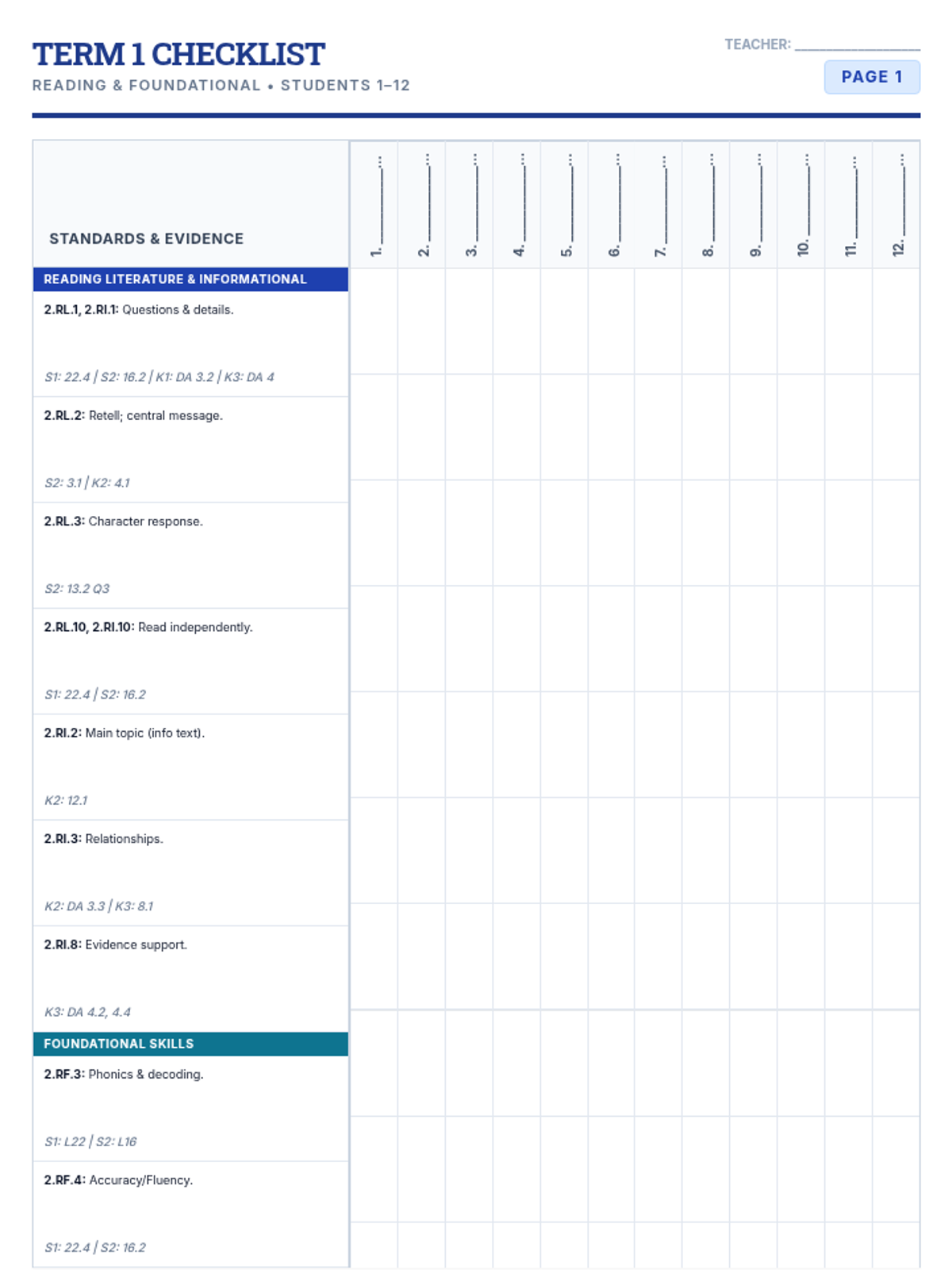
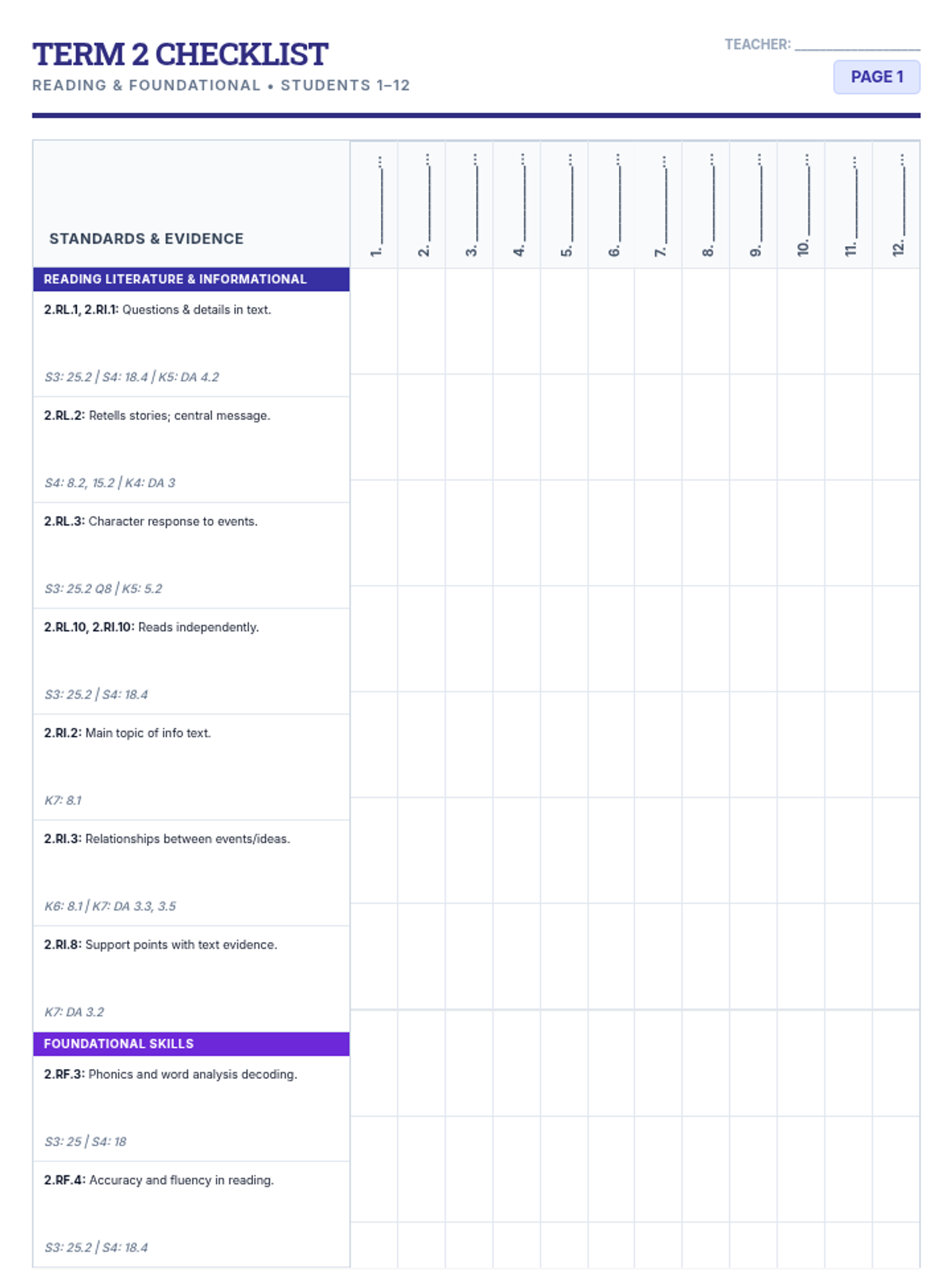
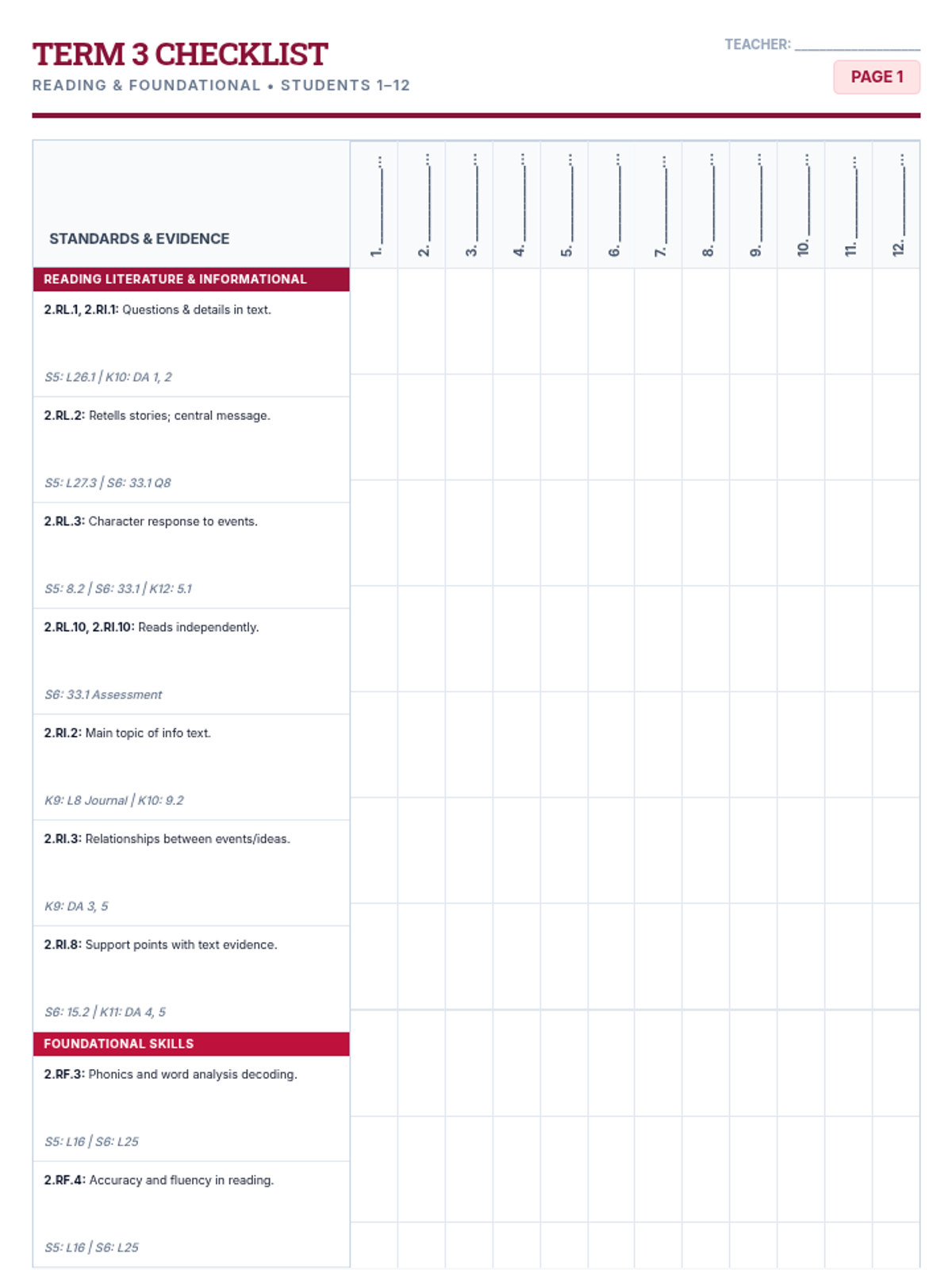
A comprehensive gradebook system for Grade 2 CKLA, including term-based checklists and a detailed evidence reference guide for tracking student progress across all literacy standards.
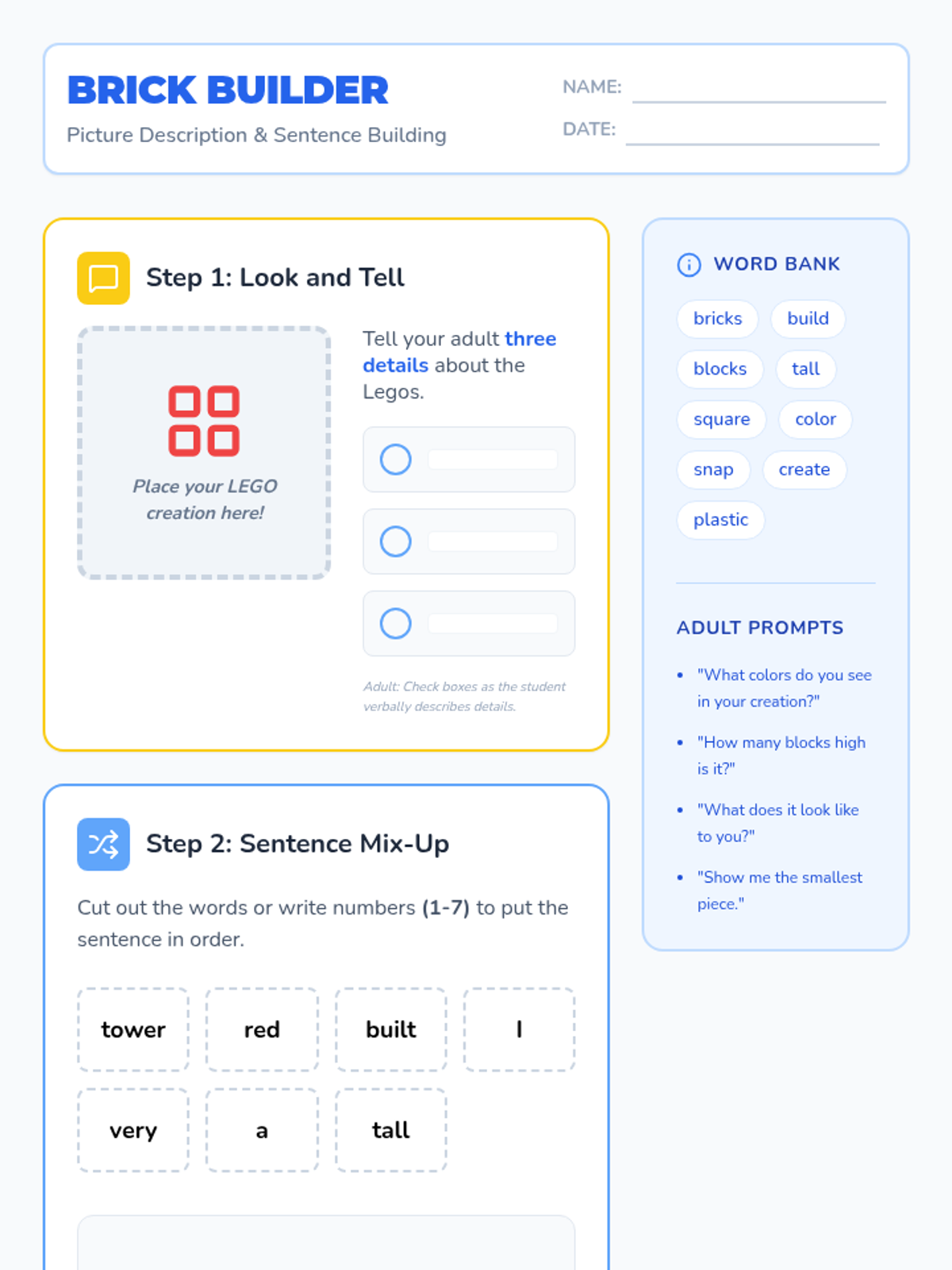
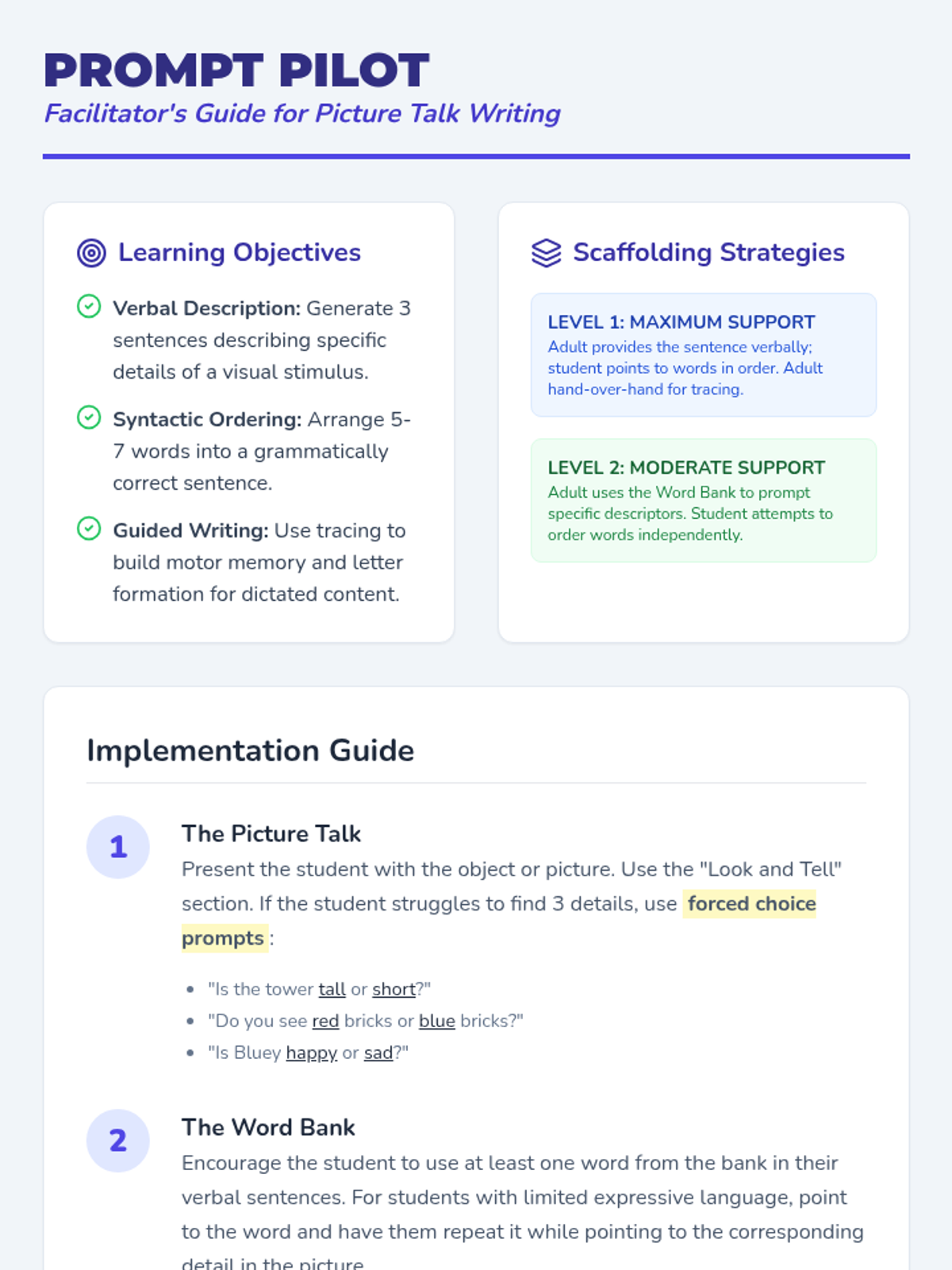
A 5-day writing workshop for young learners to build verbal description skills and sentence structure using high-interest themes and adult scaffolding.
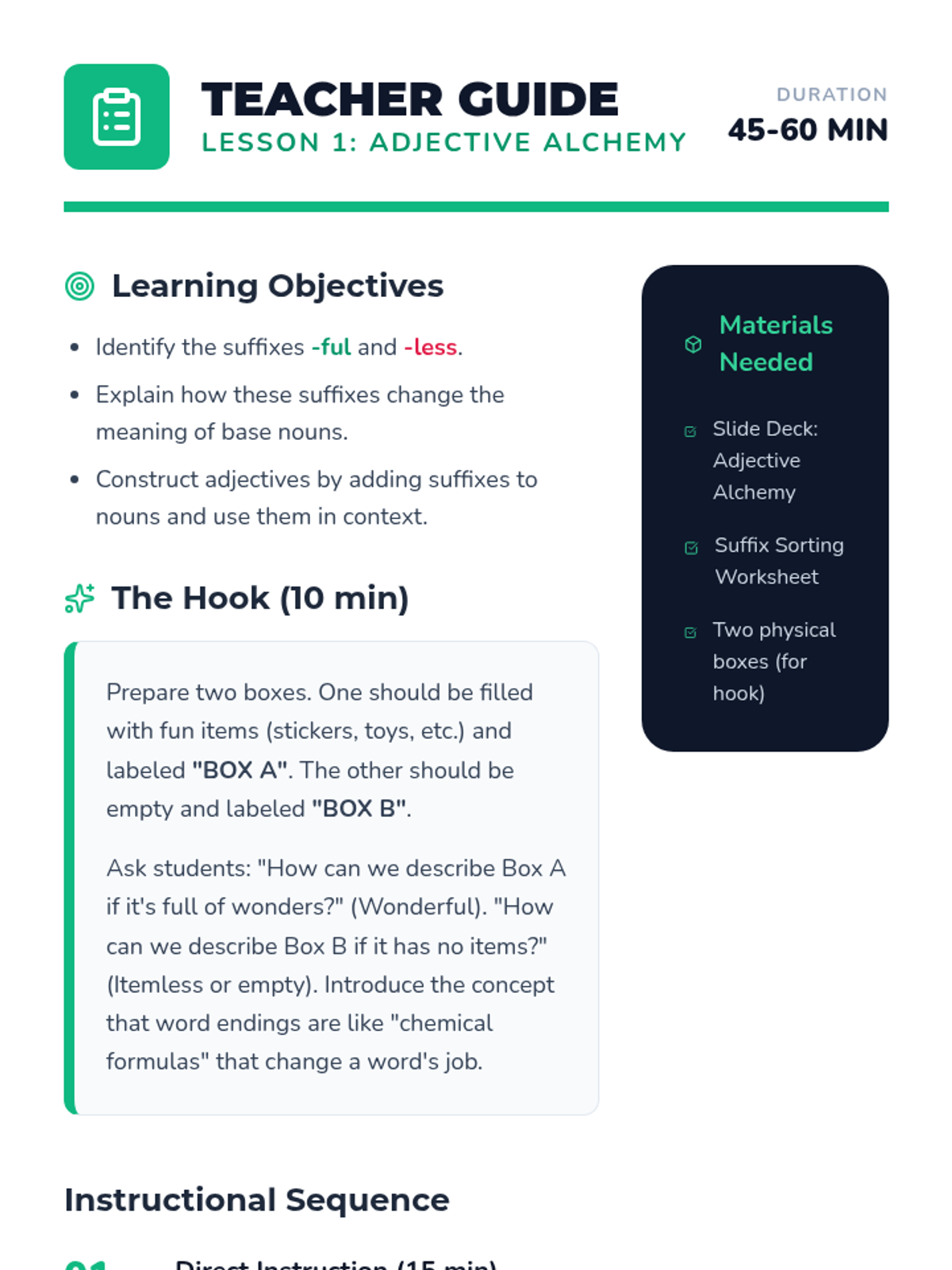
Students investigate how suffixes (-ful, -less, -ly, -er, -est) change word meanings and parts of speech. Using a 'Word Lab' detective theme, students analyze patterns, play games, and master spelling rules for word modification.
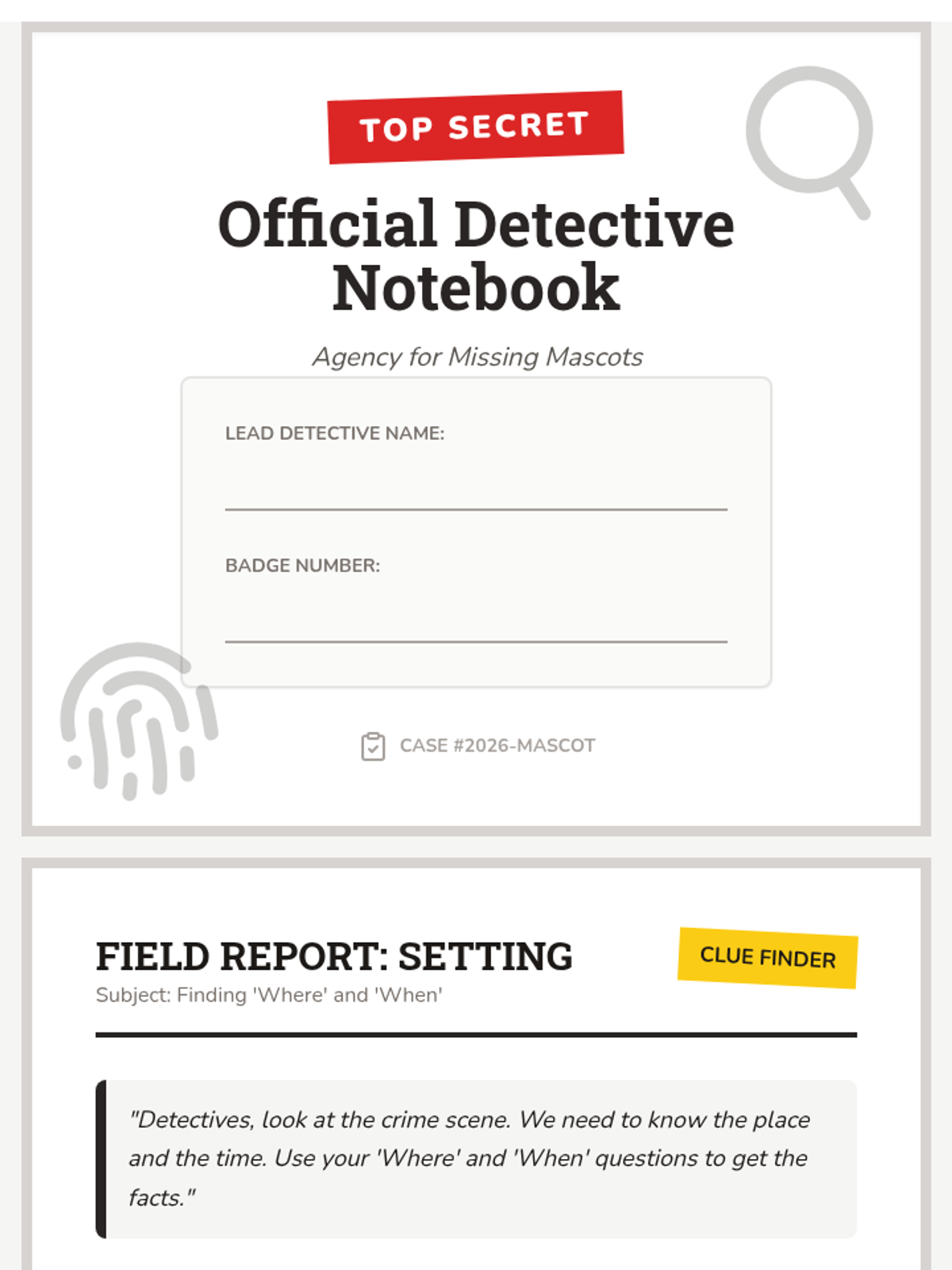
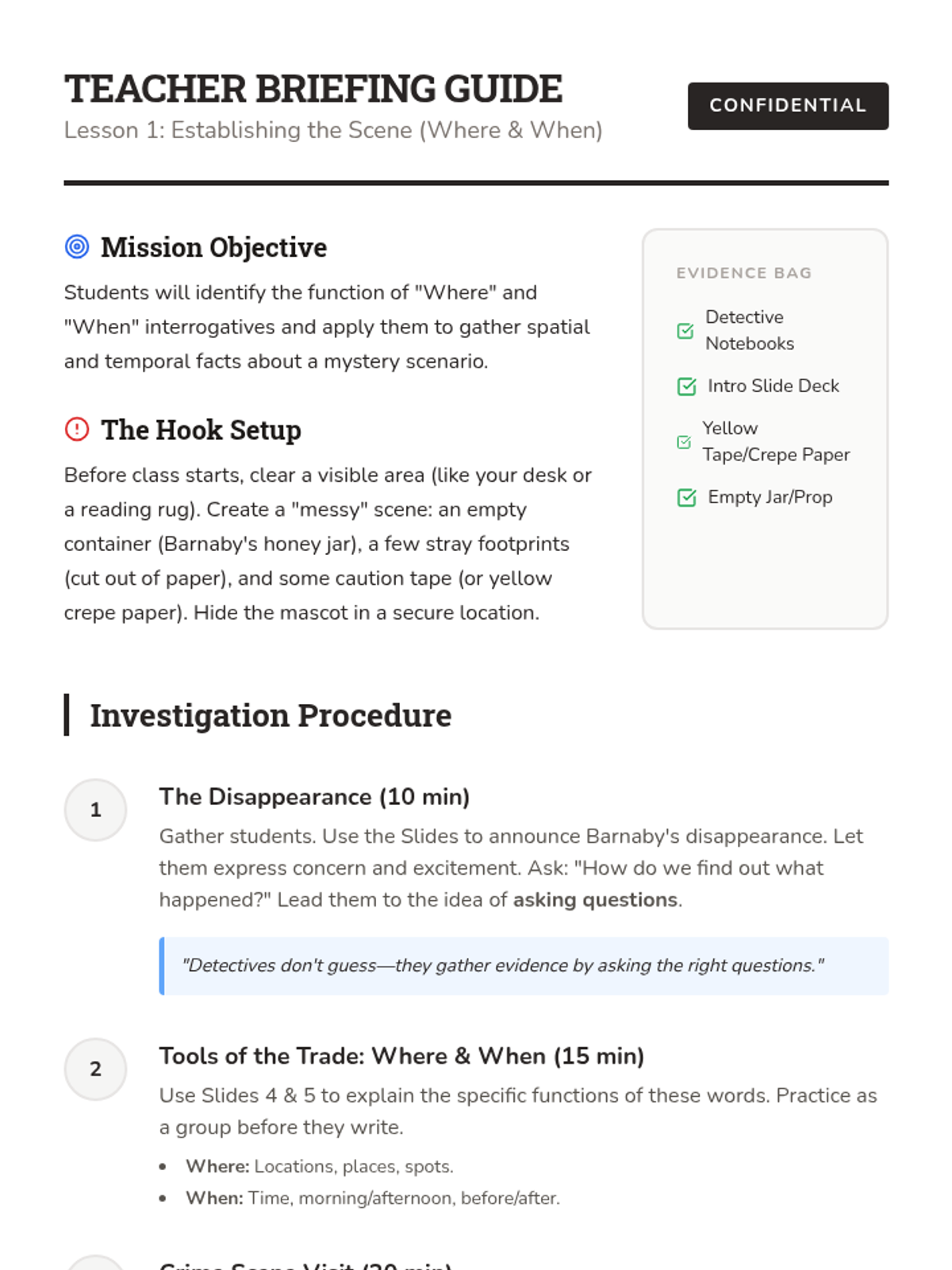
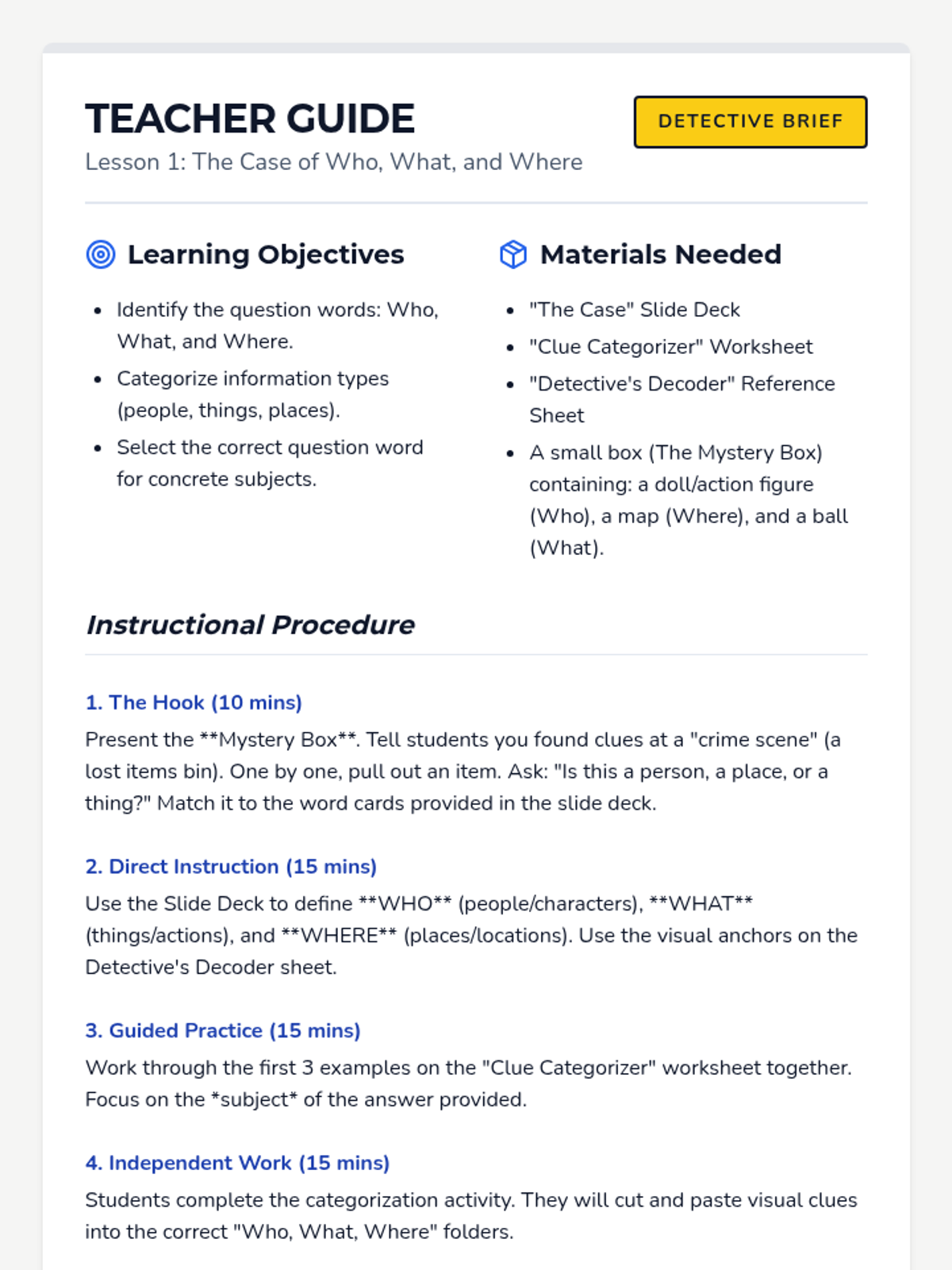
A mystery-themed ELA sequence for 2nd graders that teaches the use of interrogatives (Who, What, Where, When, Why, How) through a simulated investigation of a missing classroom mascot. Students act as detectives, using specific question words to gather evidence, identify suspects, and solve the case.
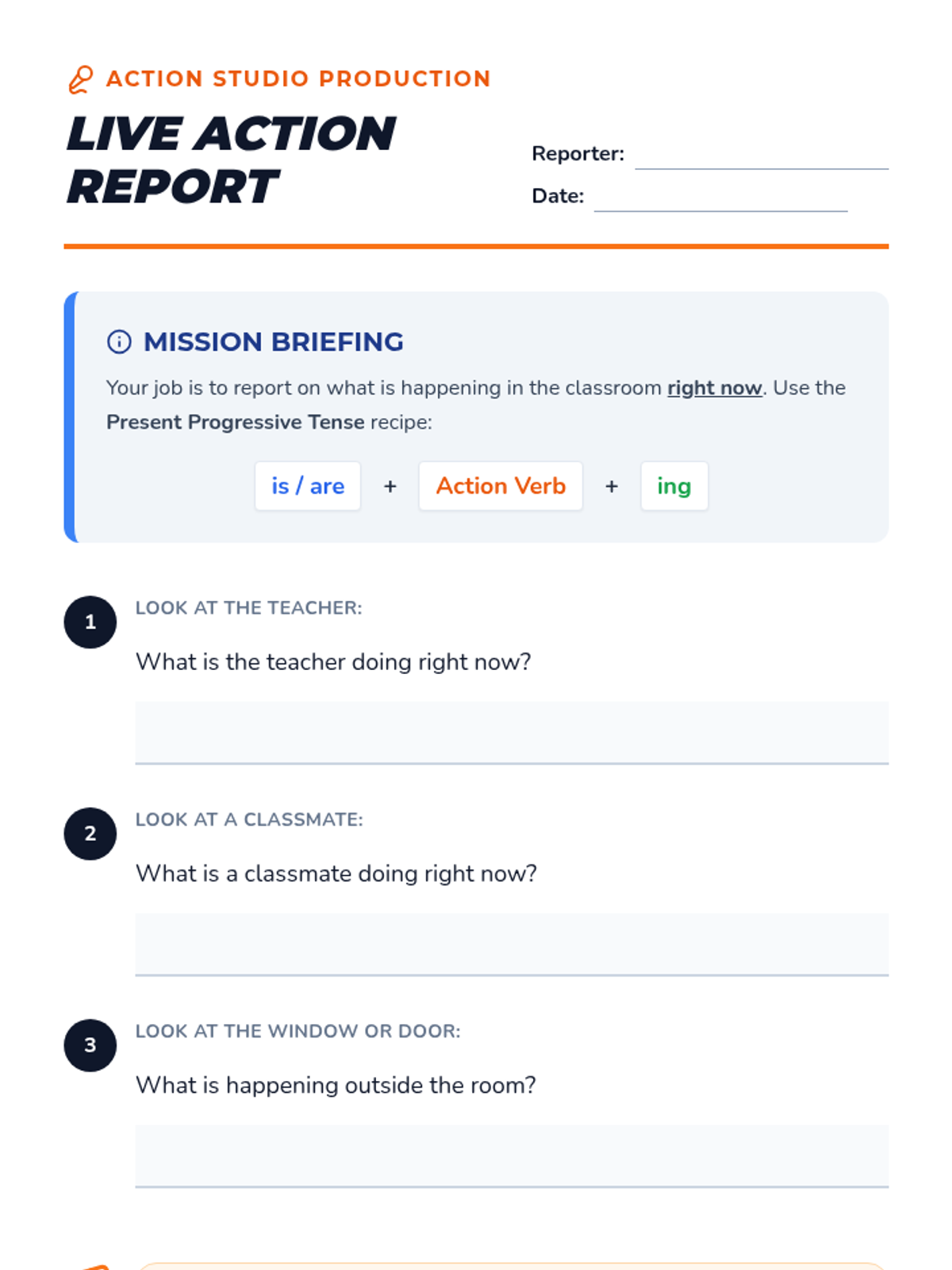
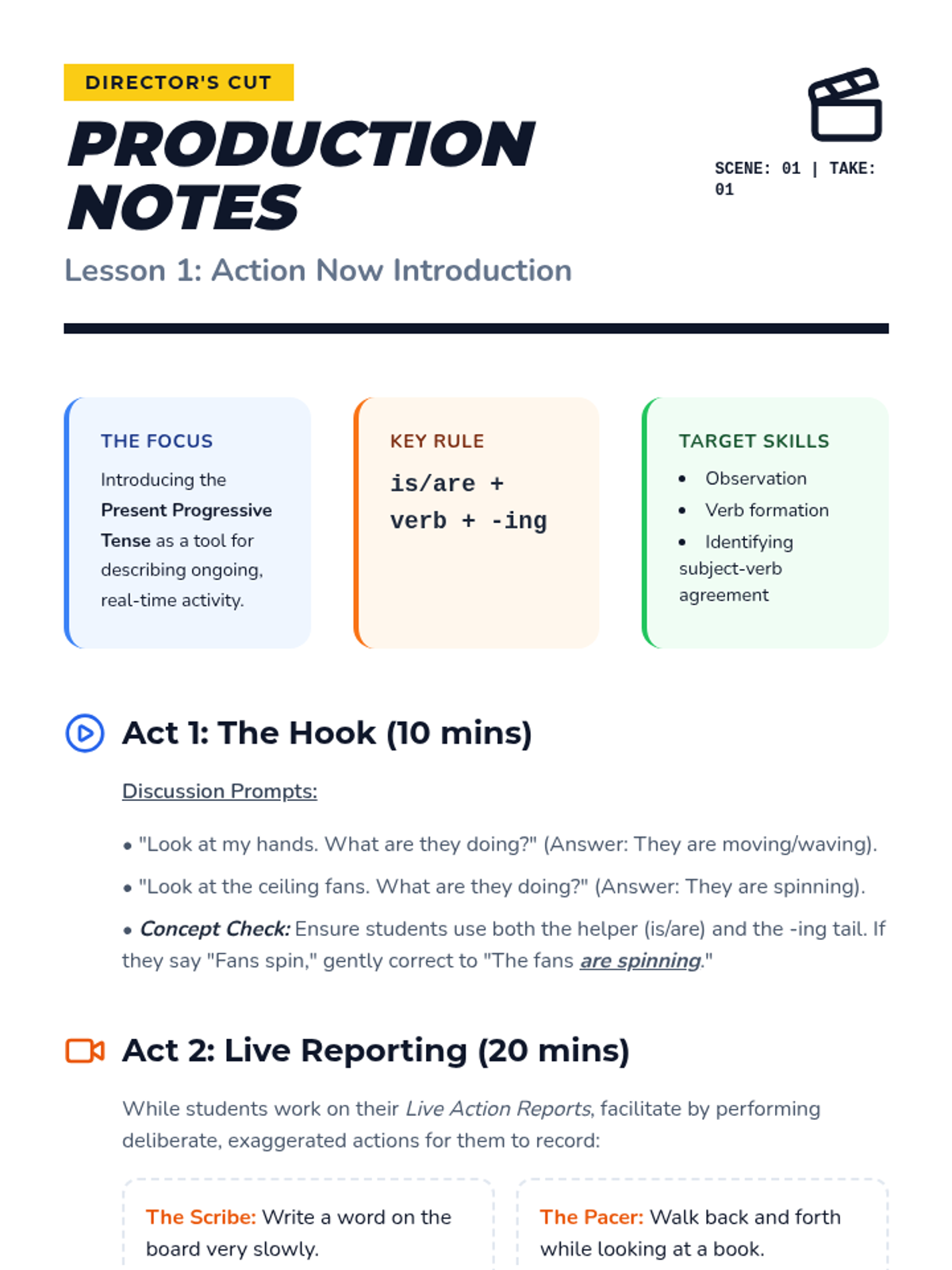
A writing-focused sequence for 2nd graders that introduces present and past progressive verb tenses through observation, spelling mastery, and descriptive narrative writing. Students learn to capture ongoing actions to create immersive, dynamic stories.
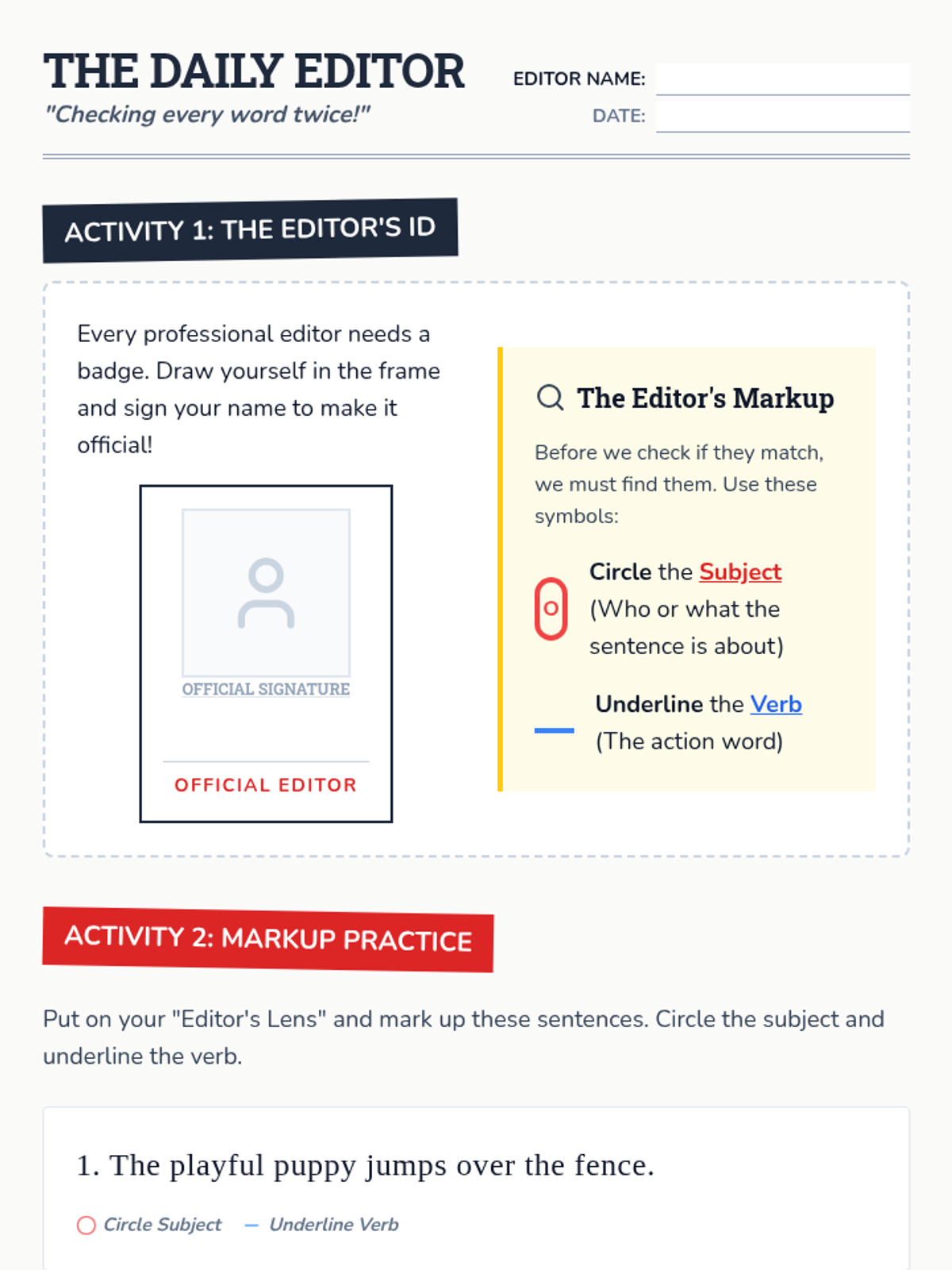
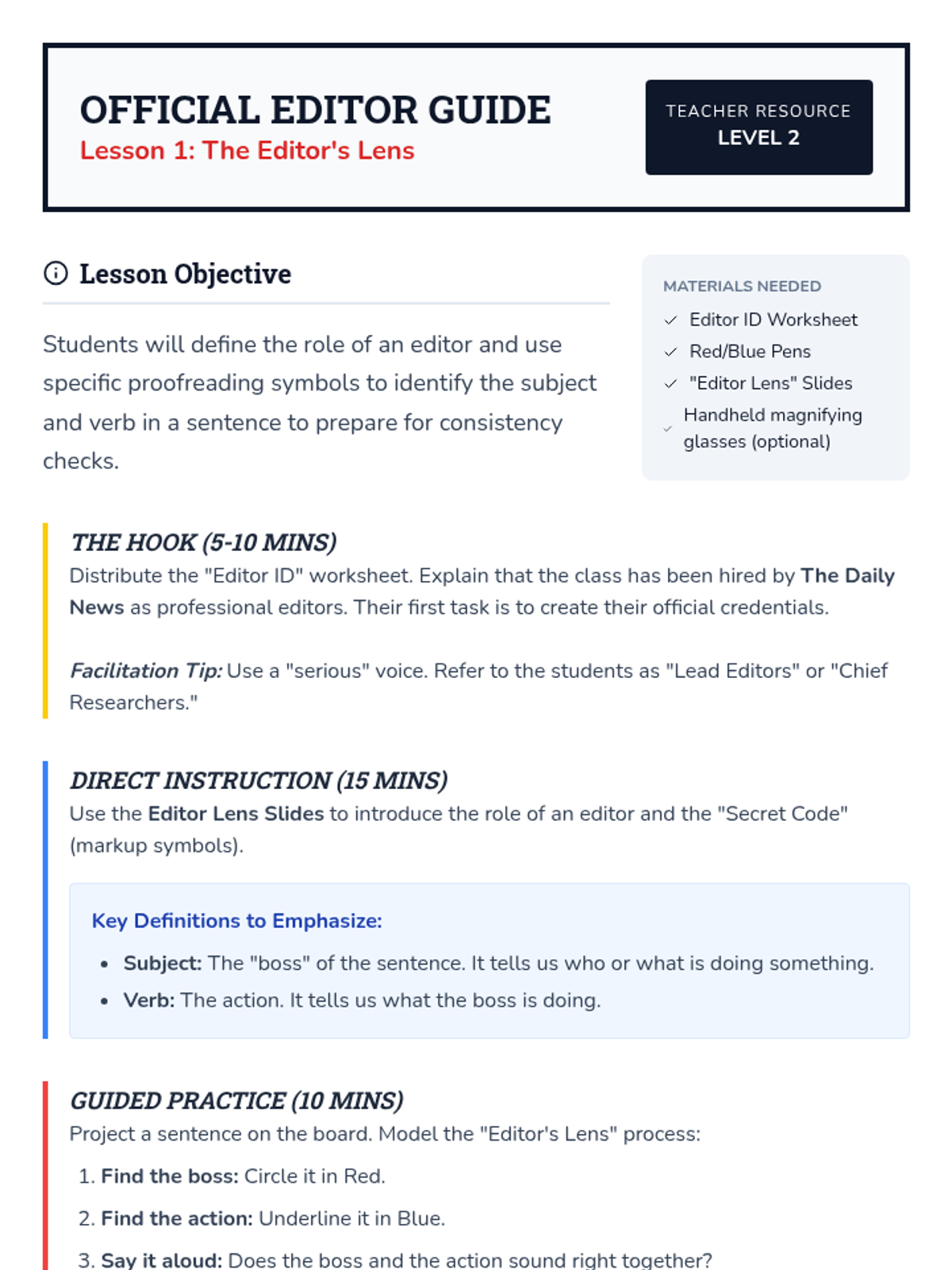
A simulation-based 2nd-grade grammar sequence where students become professional editors to master subject-verb agreement through proofreading, auditory discrimination, and collaborative editing.
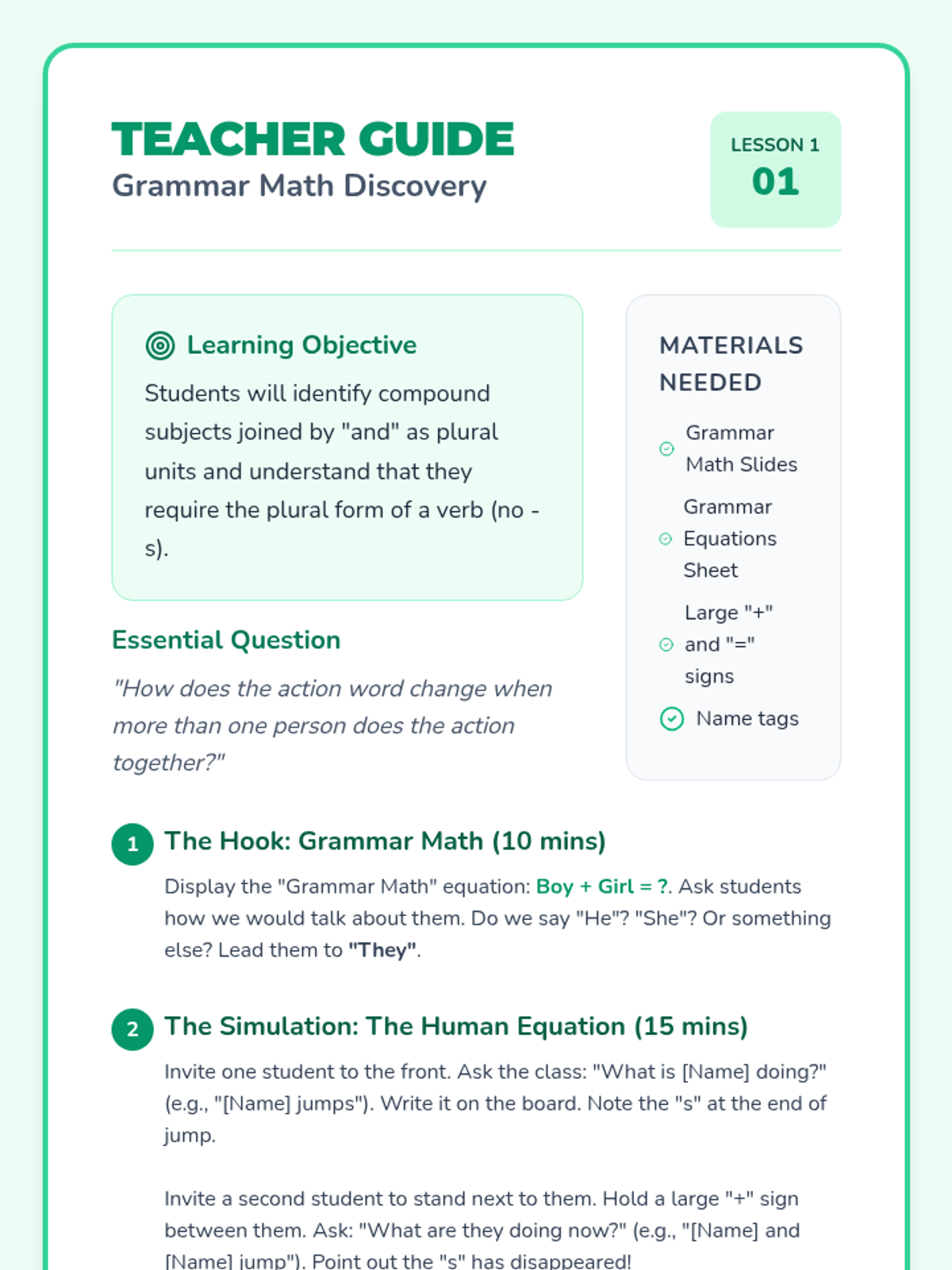
A 2nd Grade inquiry-based sequence on subject-verb agreement with compound subjects joined by 'and'. Students explore the concept through simulation, pronoun substitution strategies, and collaborative writing to master plural verb forms.
A series of thematic handwriting programs designed to improve fine motor skills and penmanship through daily practice sessions centered around fascinating educational topics like biology and history.
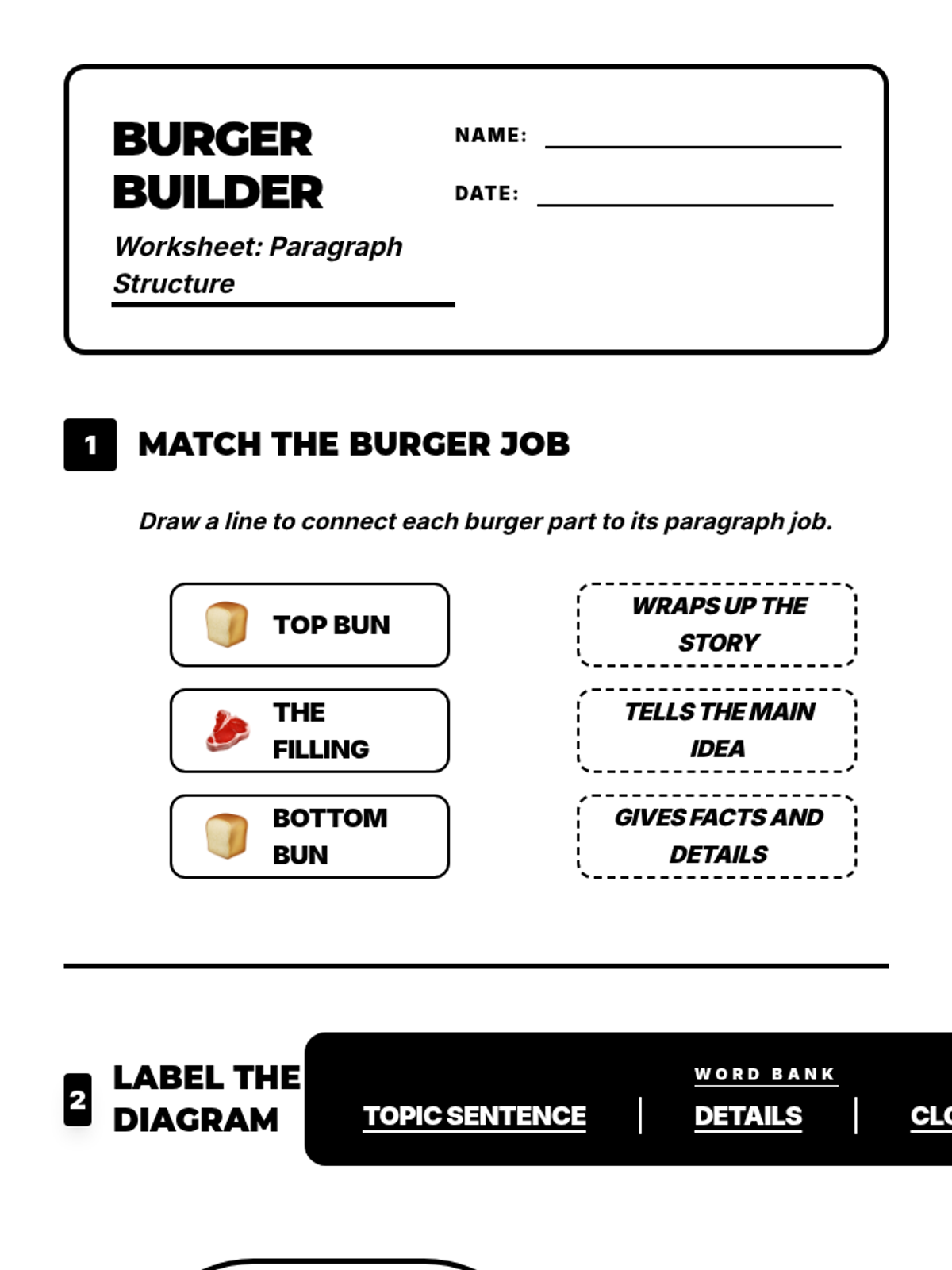
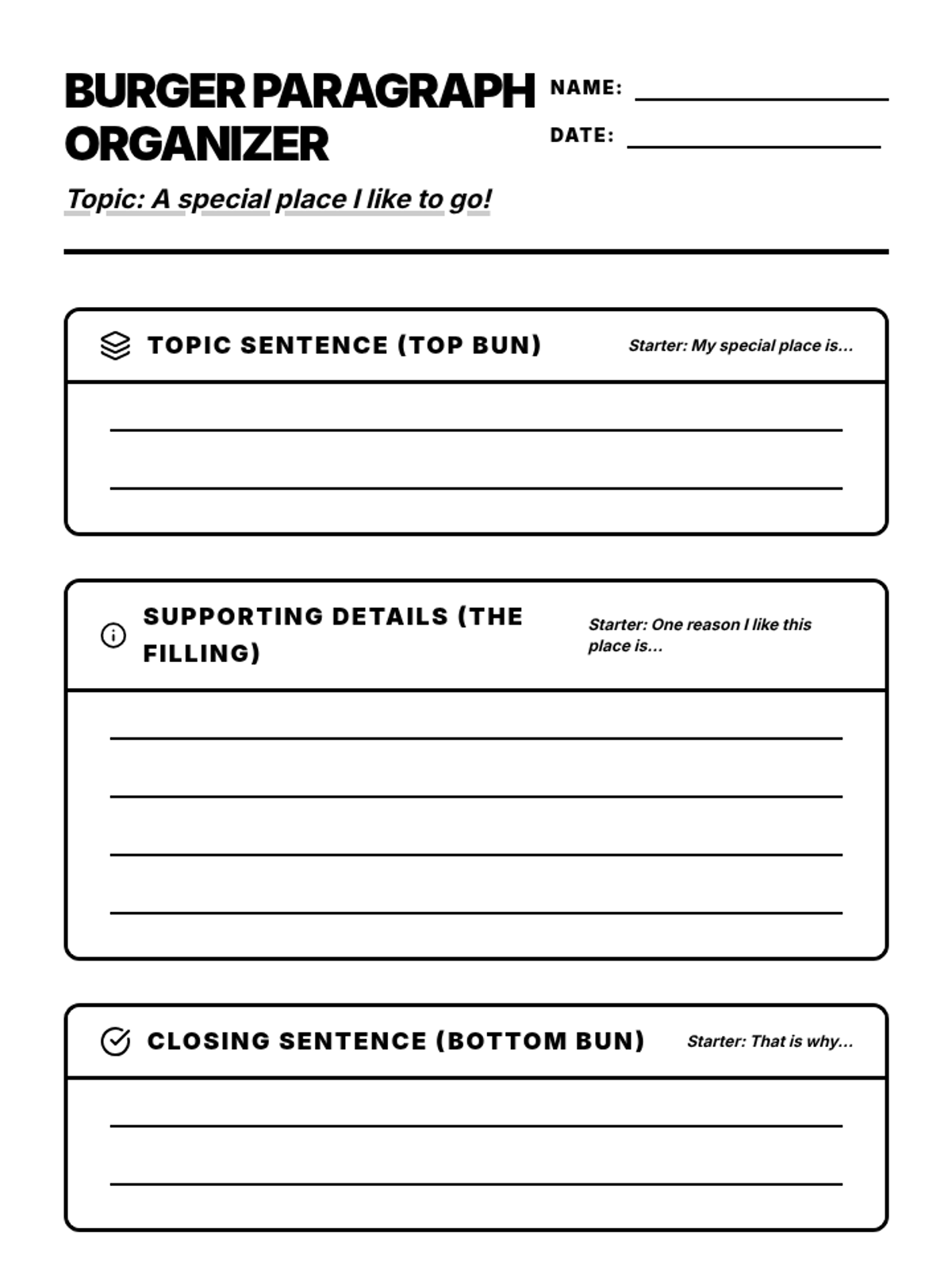
A comprehensive writing sequence designed for early writers and SpEd students to master paragraph structure through narrative, opinion, and journal writing with heavy visual scaffolding.
A 2nd-grade grammar sequence focusing on pronoun-antecedent agreement. Students become 'Pronoun Detectives' to solve mysteries of unclear writing by matching pronouns to their correct antecedents in number and gender.
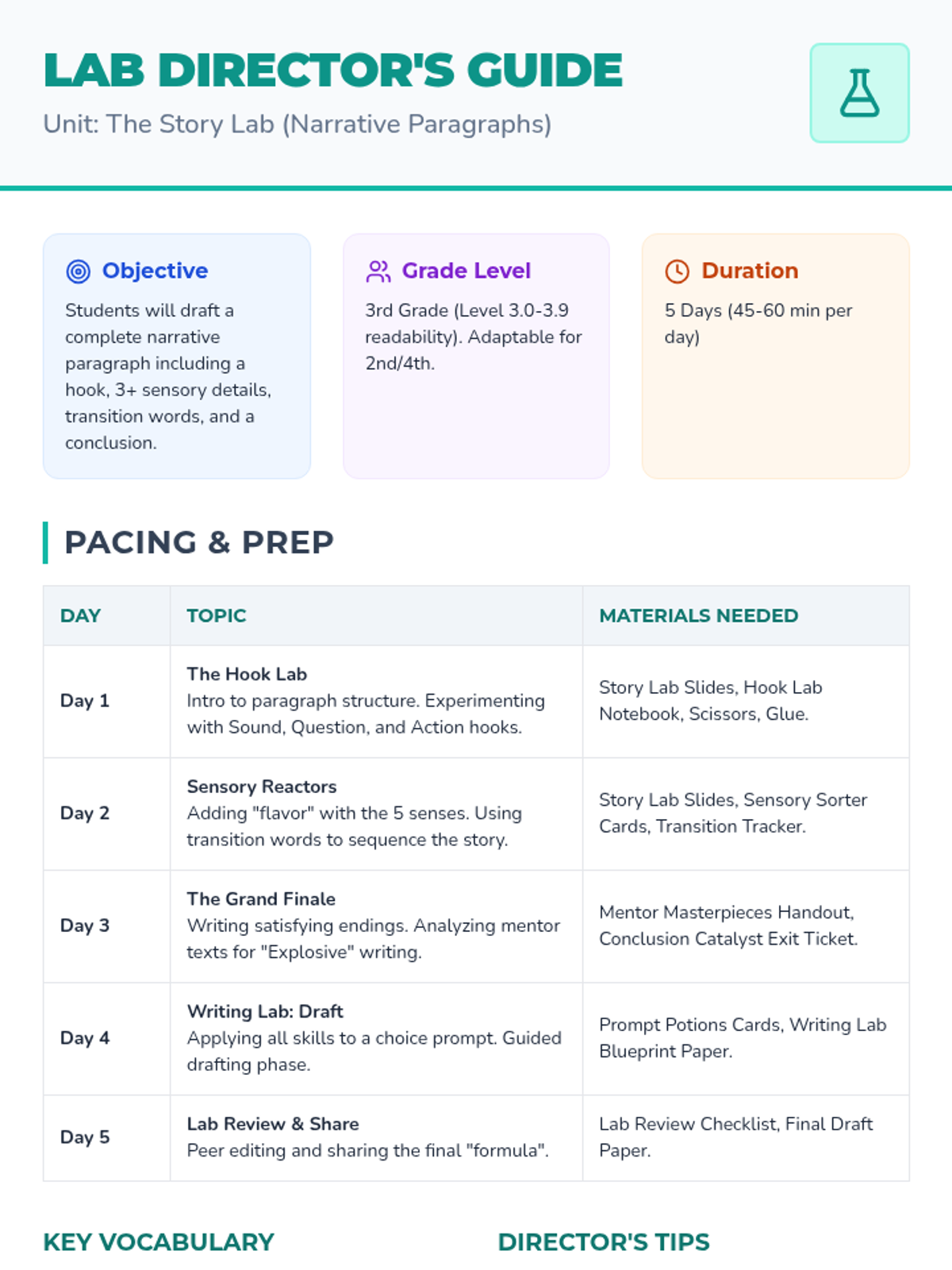
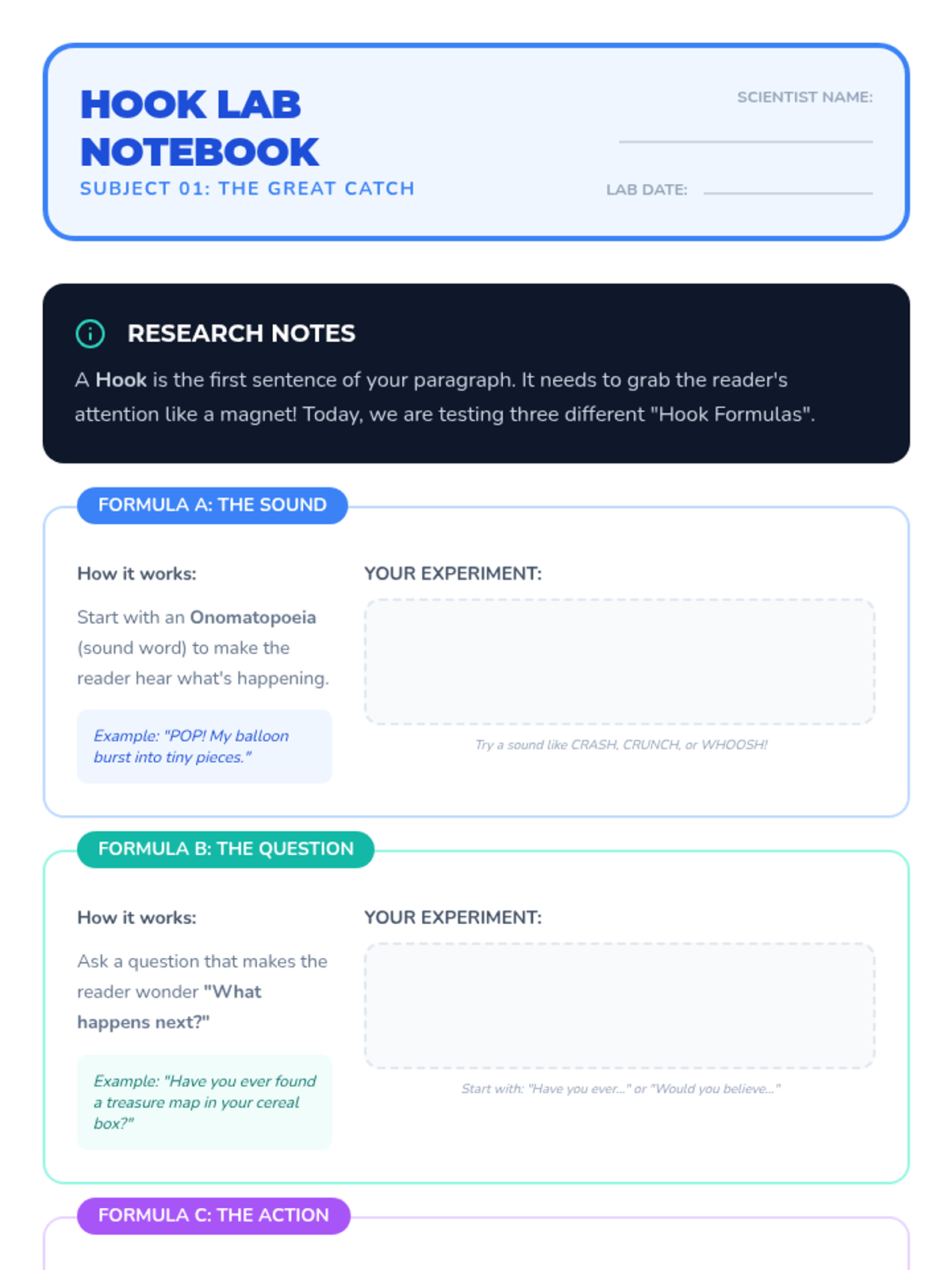
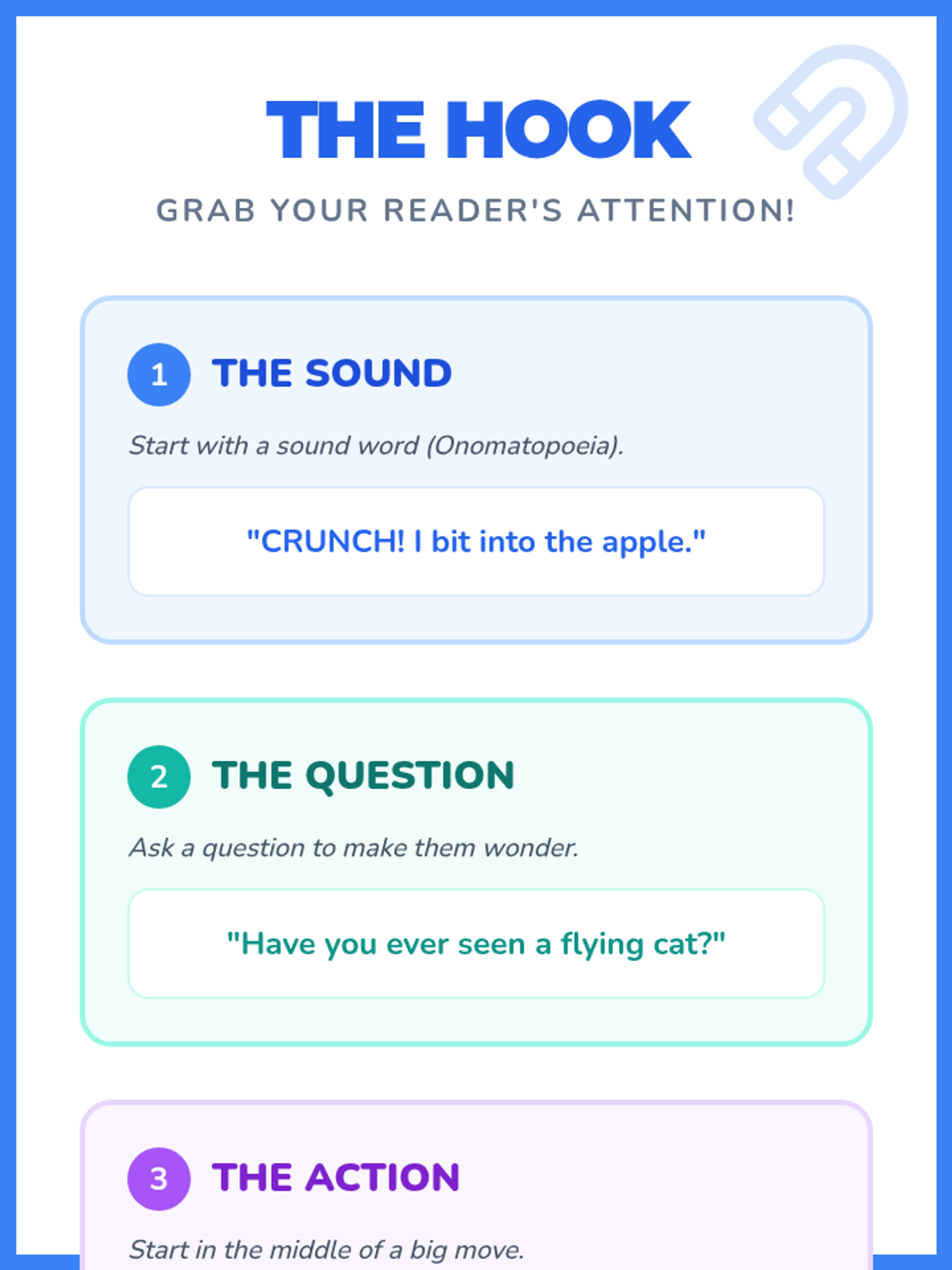
A 5-day narrative writing unit for 3rd graders focused on paragraph structure. Students act as 'Story Scientists' in a lab to engineer hooks, sensory details, and satisfying conclusions.
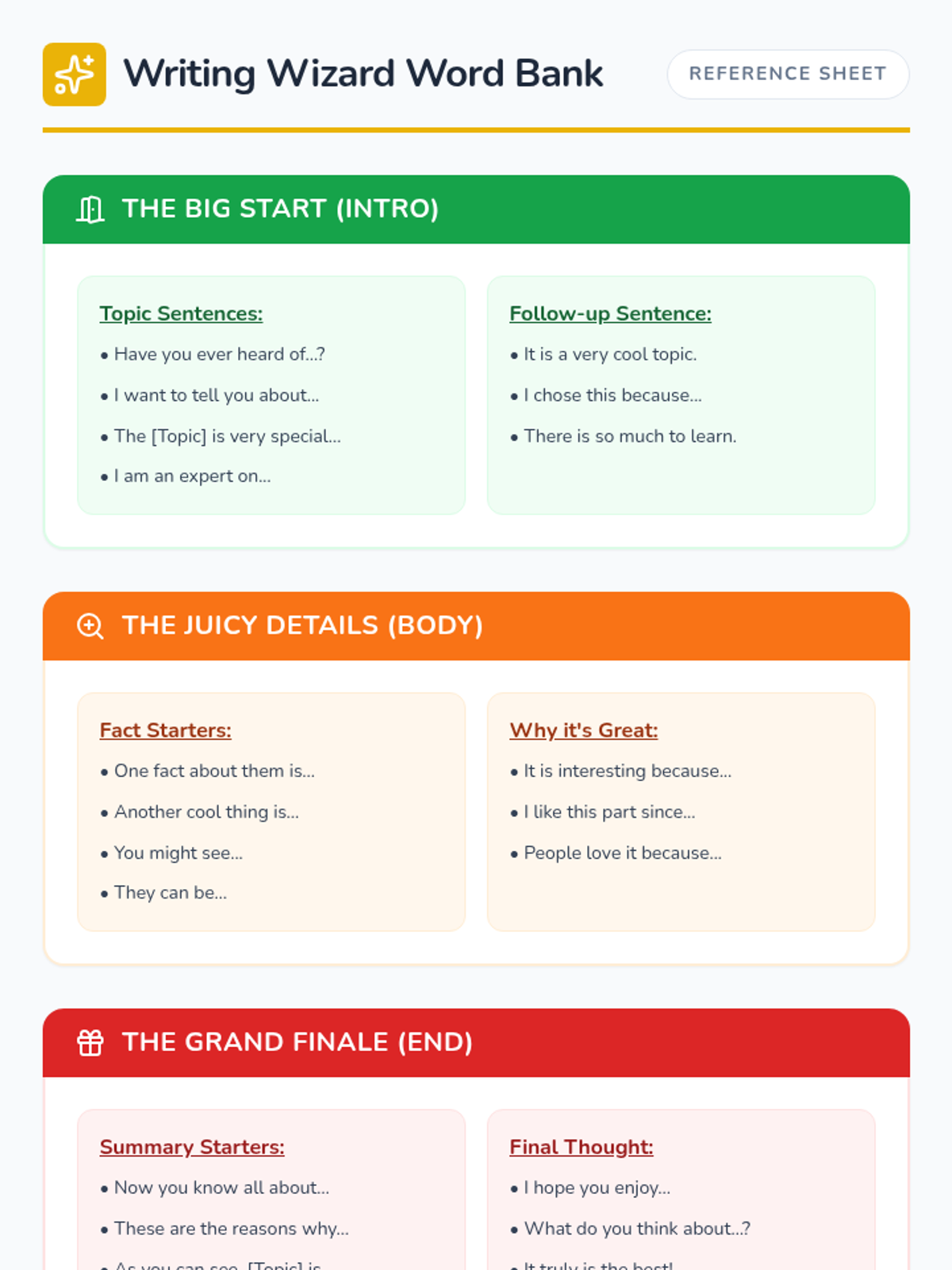
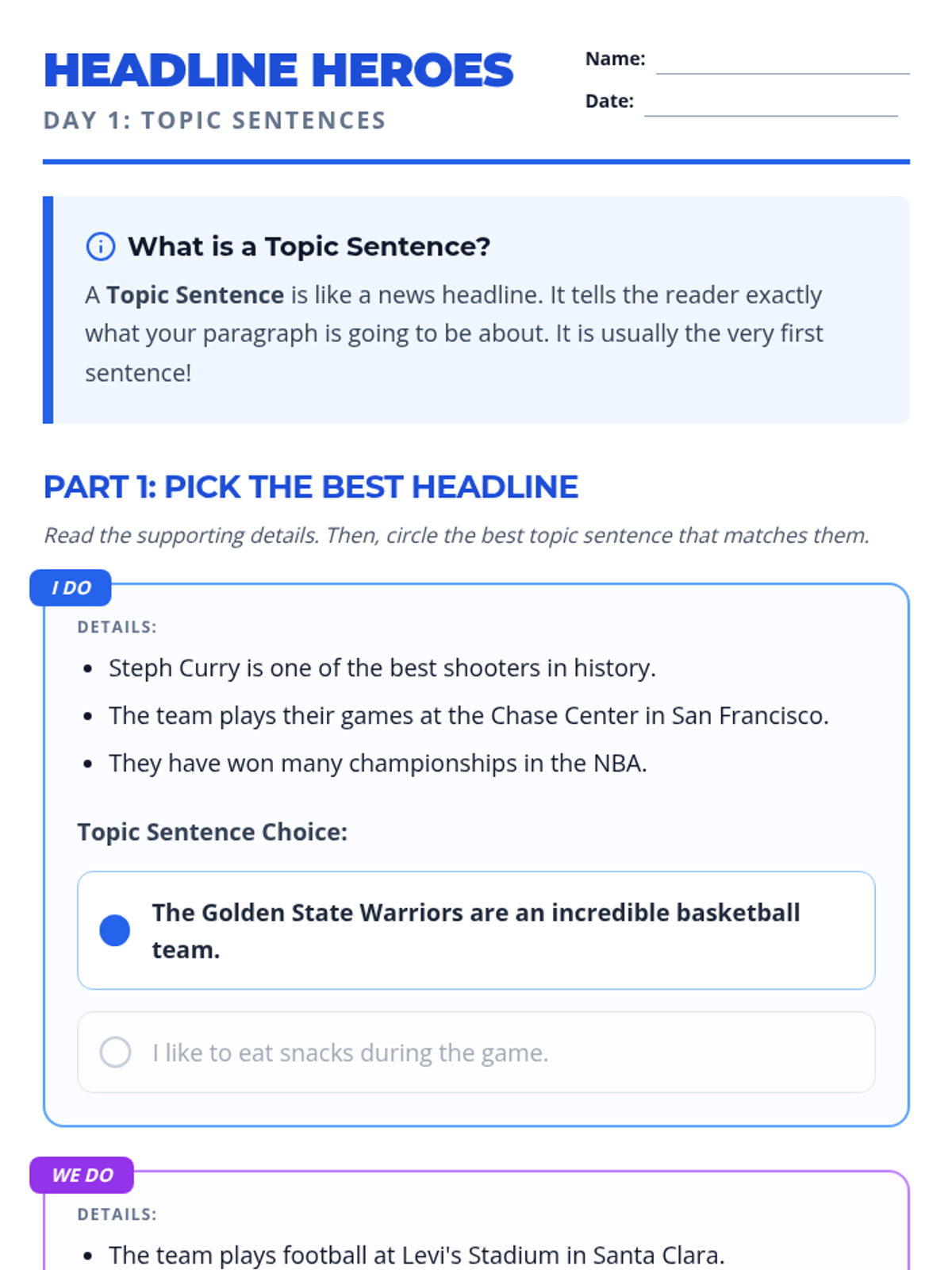
A 4-day instructional sequence focused on paragraph structure, specifically mastering topic sentences and supporting details using student-interest topics like sports, dragons, and favorite foods.
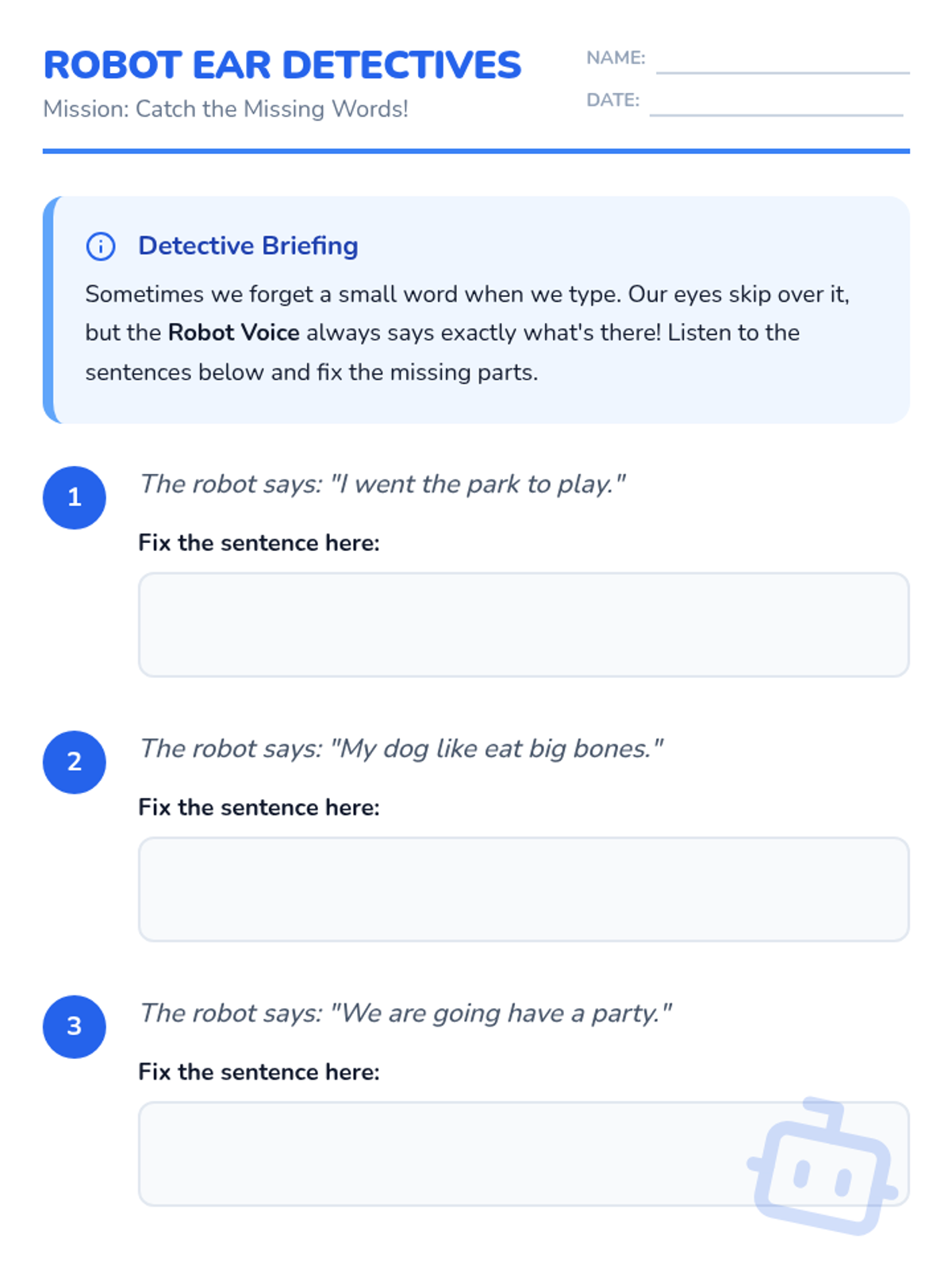
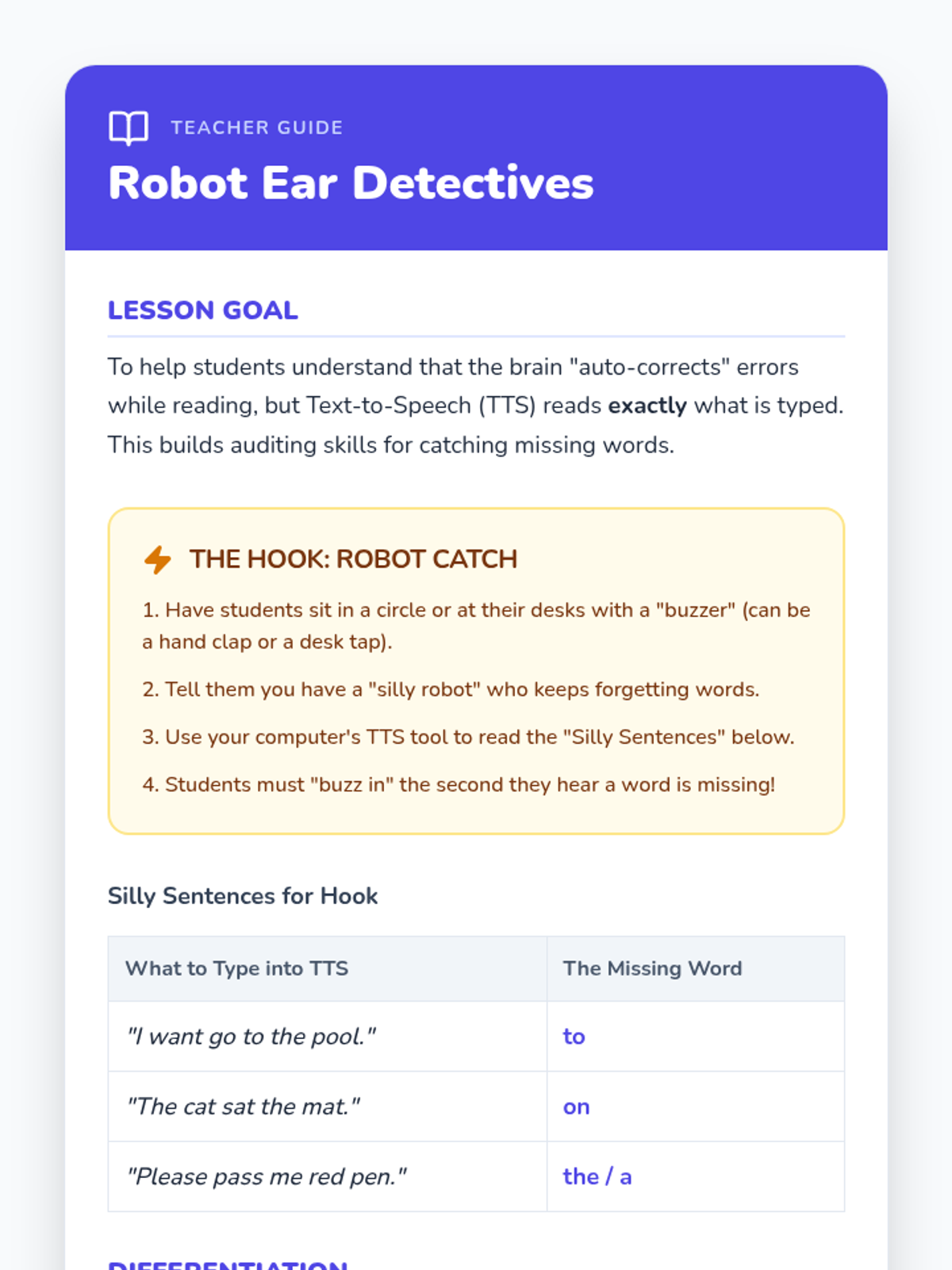
This sequence teaches 2nd-grade students how to use Text-to-Speech (TTS) technology as a powerful editing tool for their writing. Students progress from identifying simple missing words to using TTS for punctuation, fluency, and spelling, culminating in a polished final project.
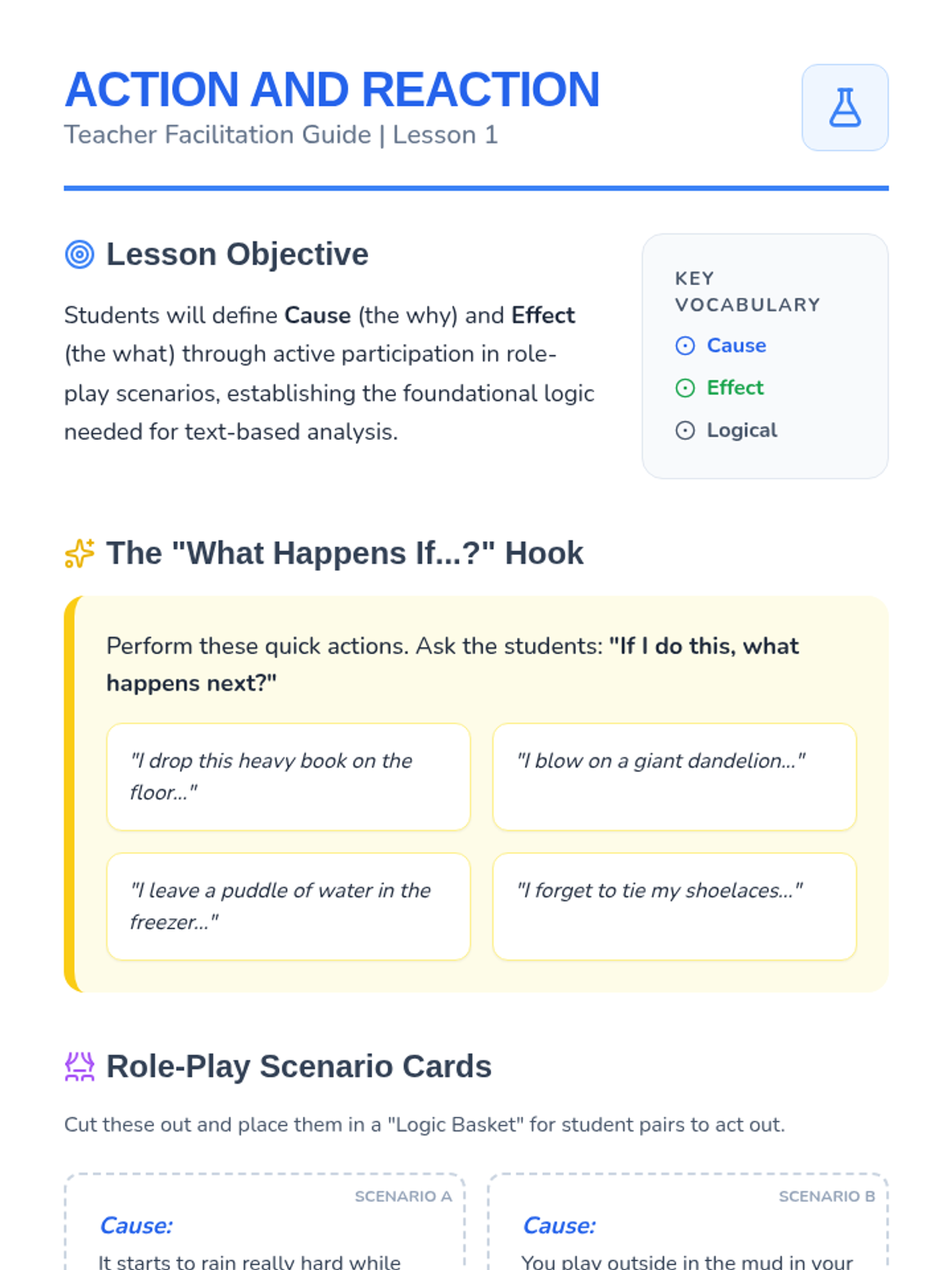
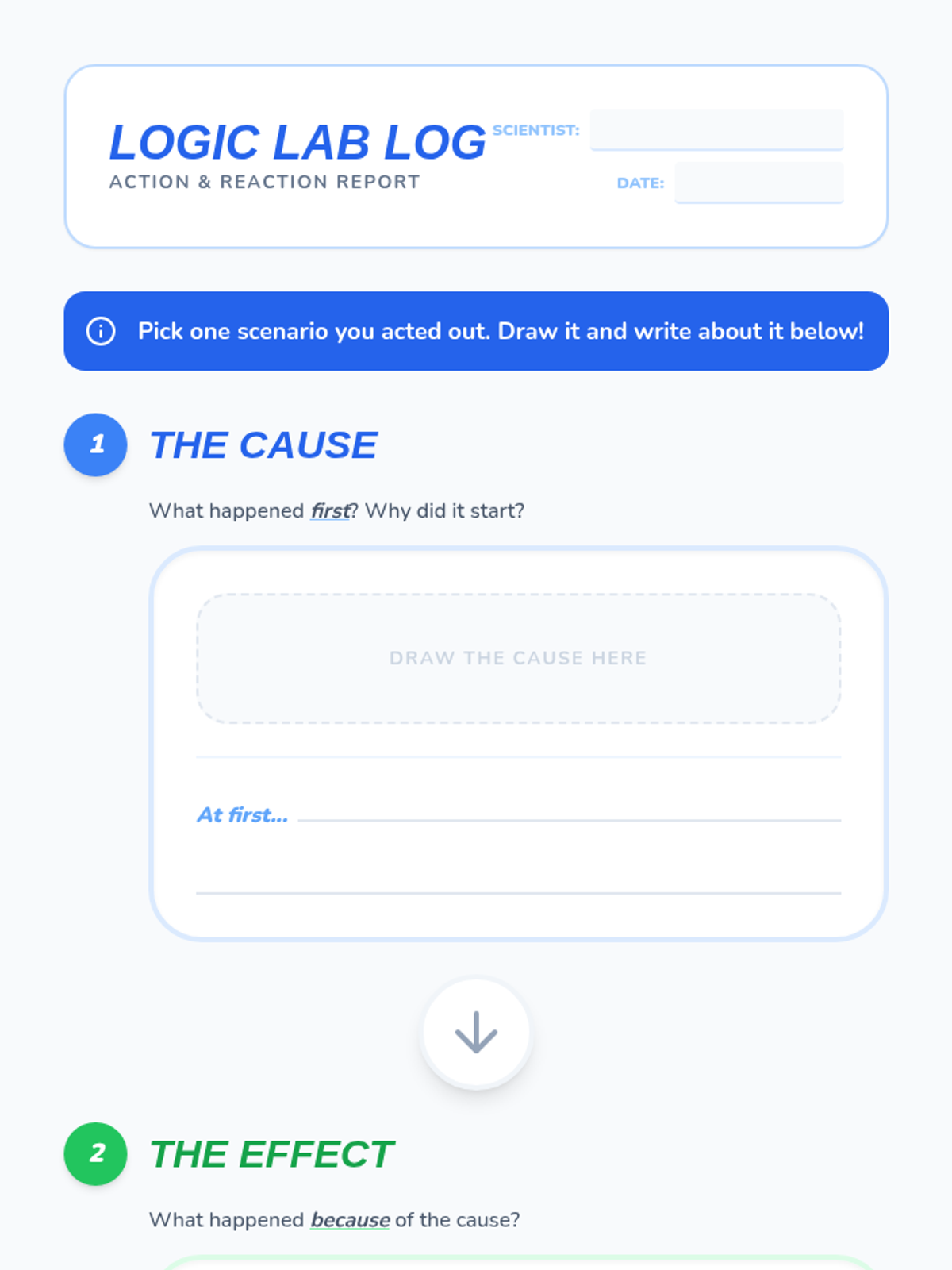
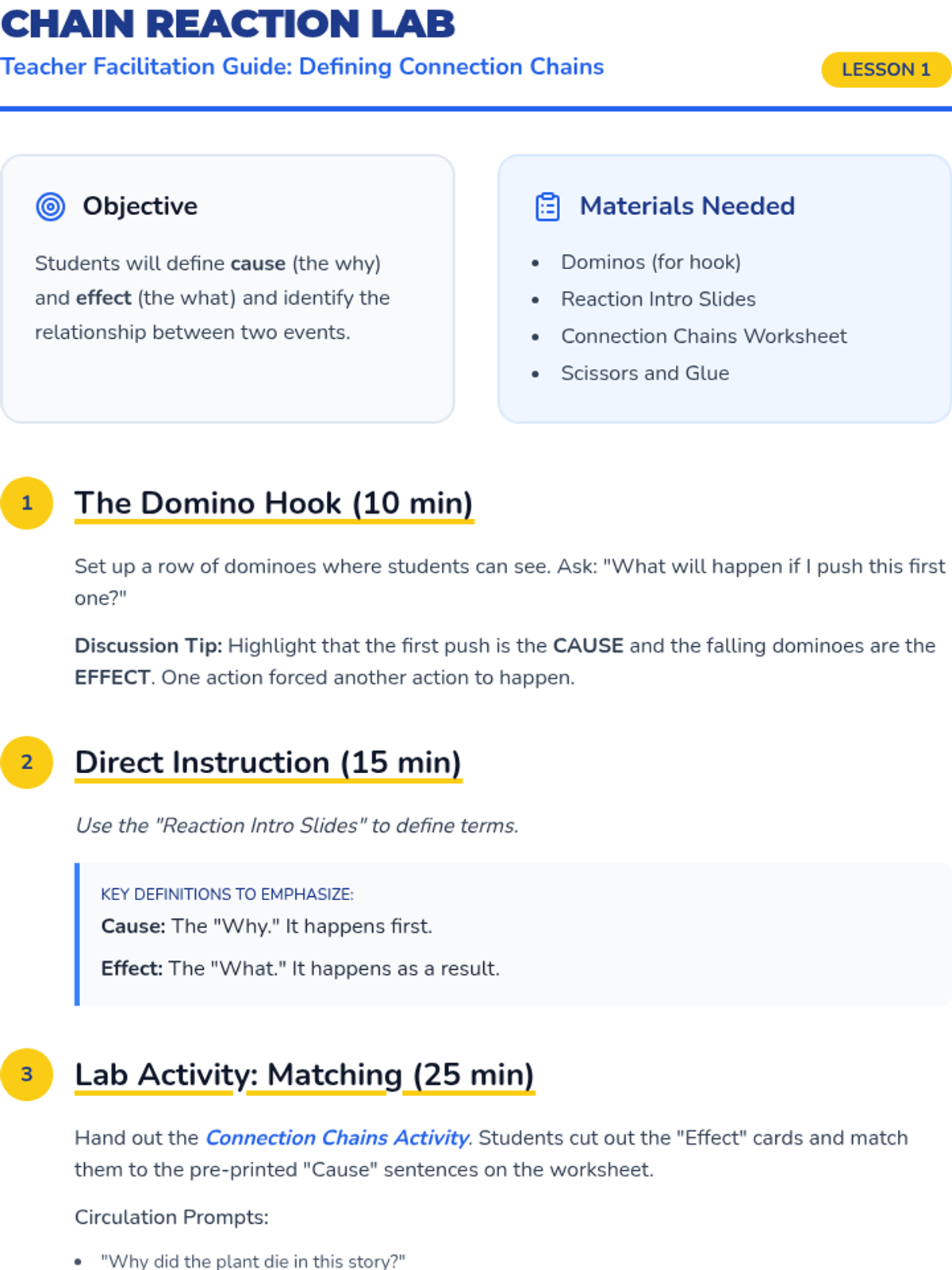
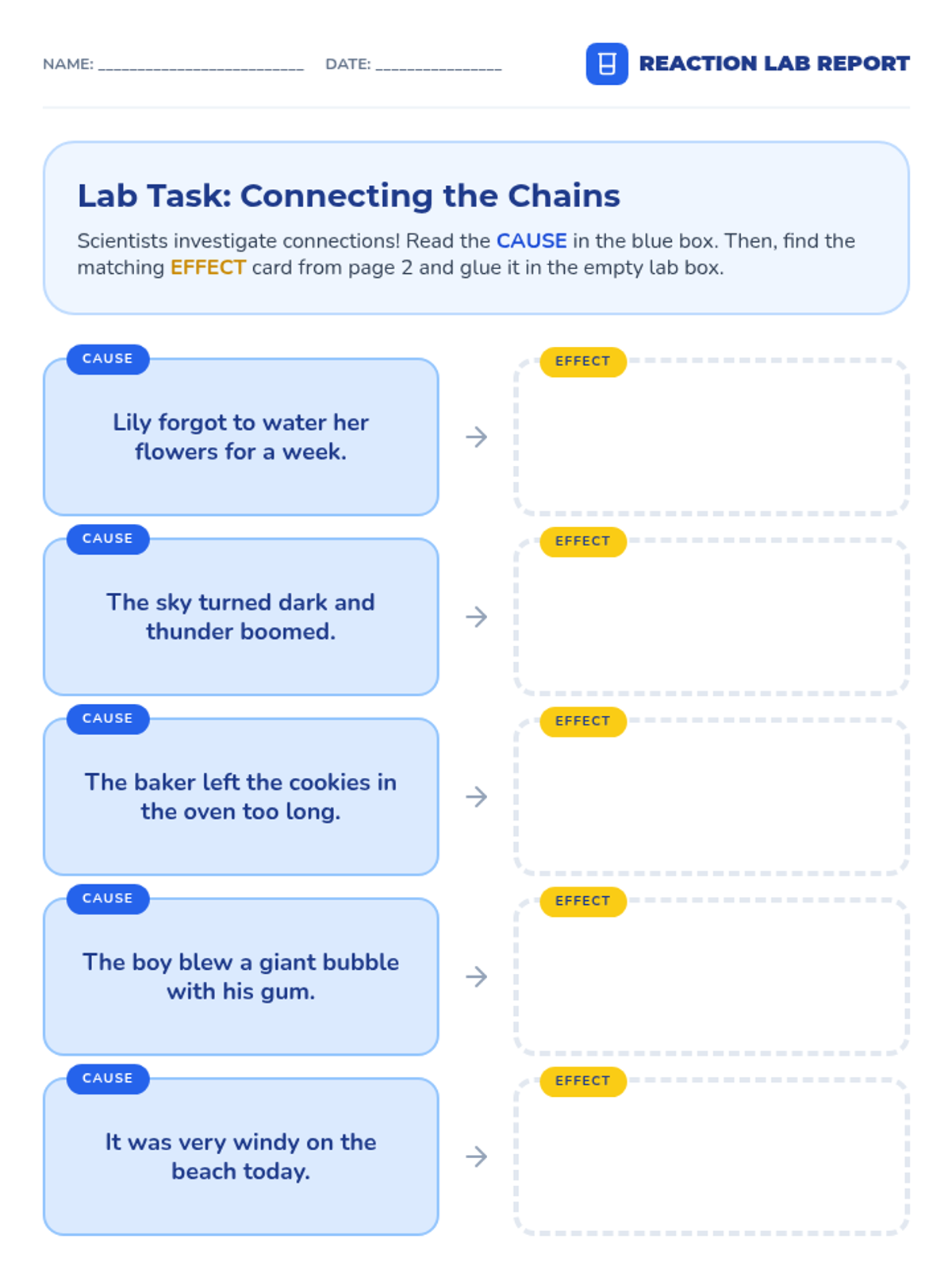
A specialized sequence for 2nd-grade students focusing on identifying and mapping cause-and-effect relationships using visual organizers. This series scaffolds from physical role-play to analyzing informational texts and creating complex event chains.
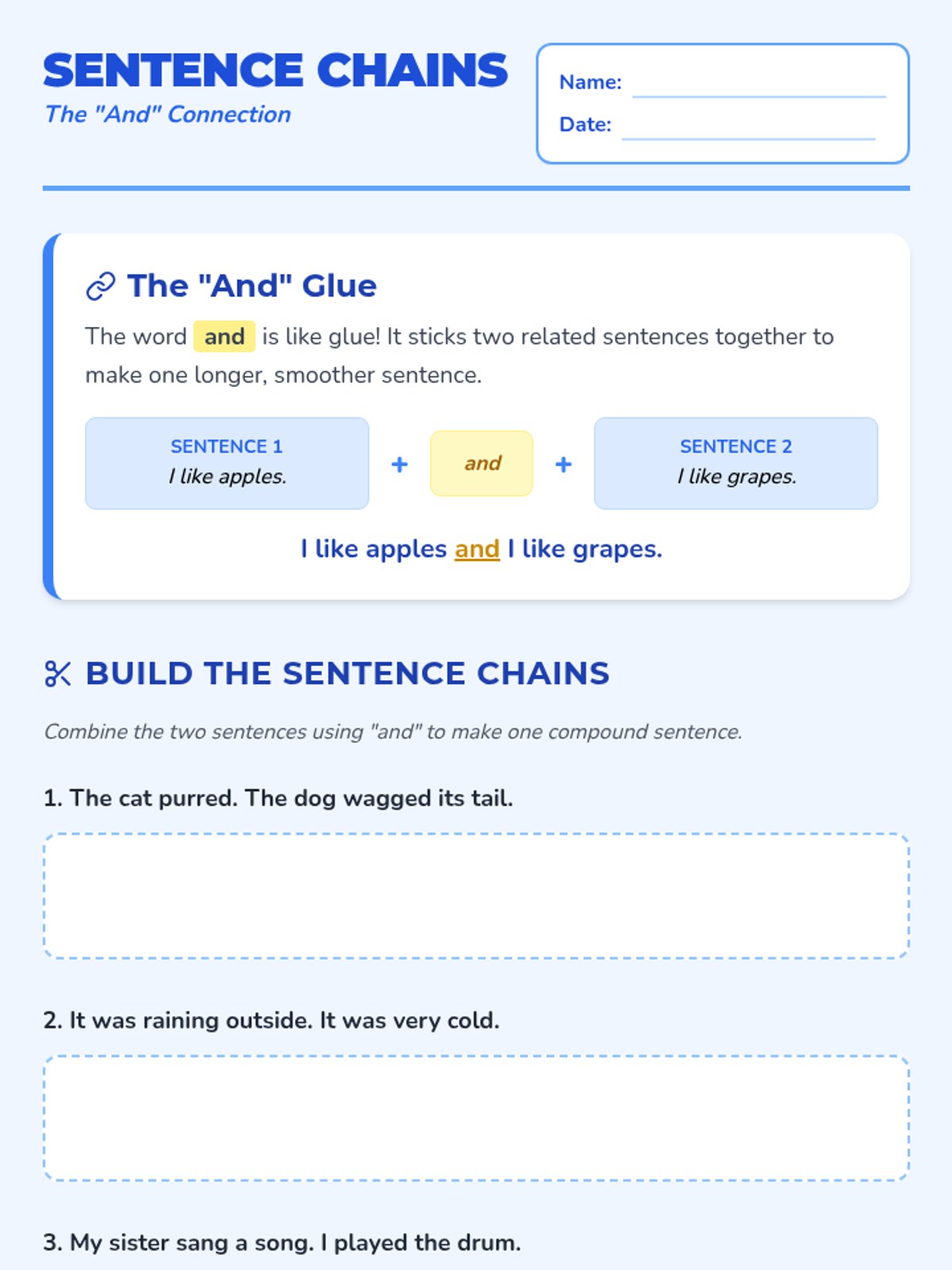
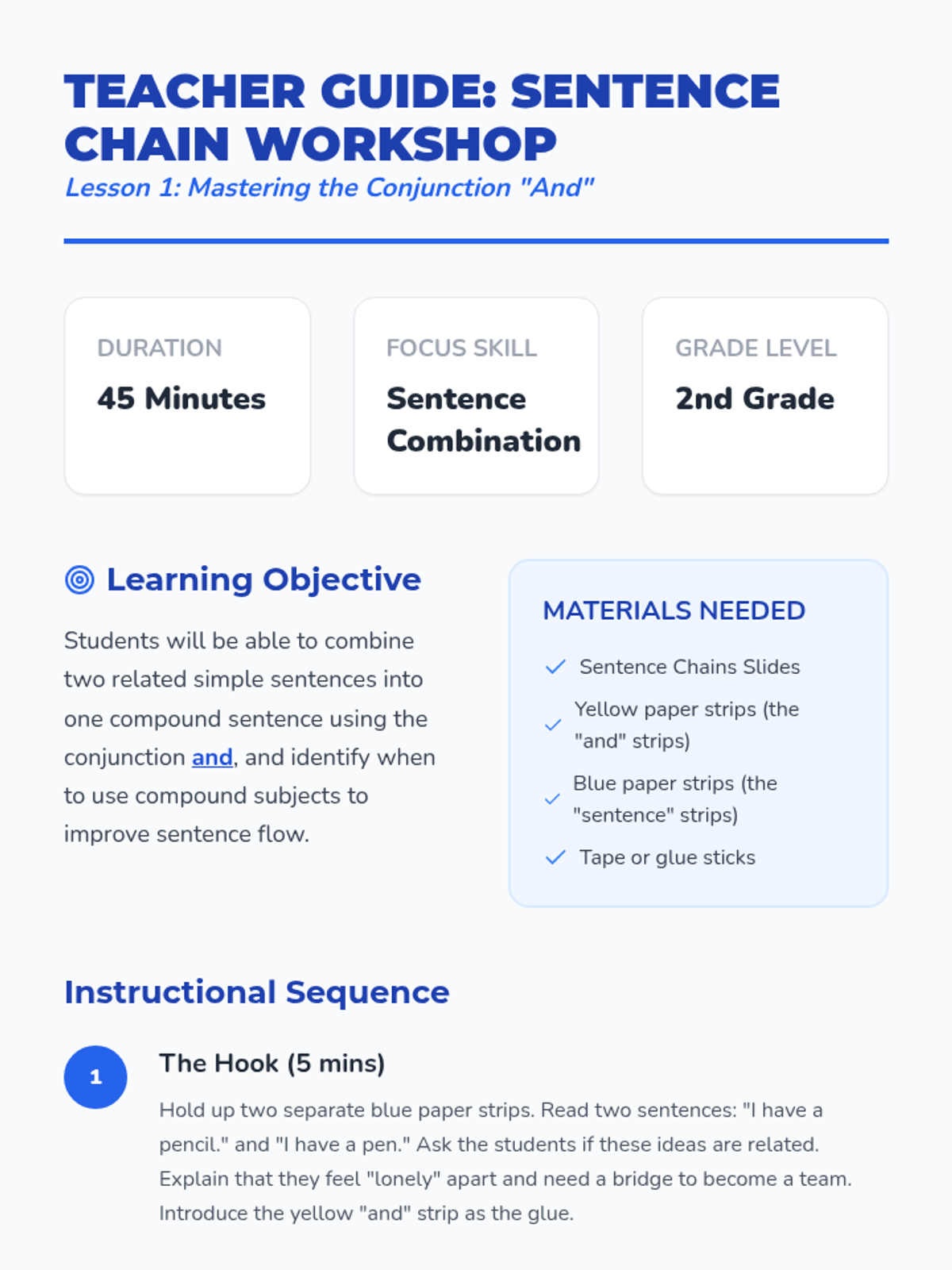
A 5-lesson sequence for 2nd graders to master conjunctions (and, but, or, so, because). Students progress from simple sentence combinations to revising paragraphs for better flow and complexity.
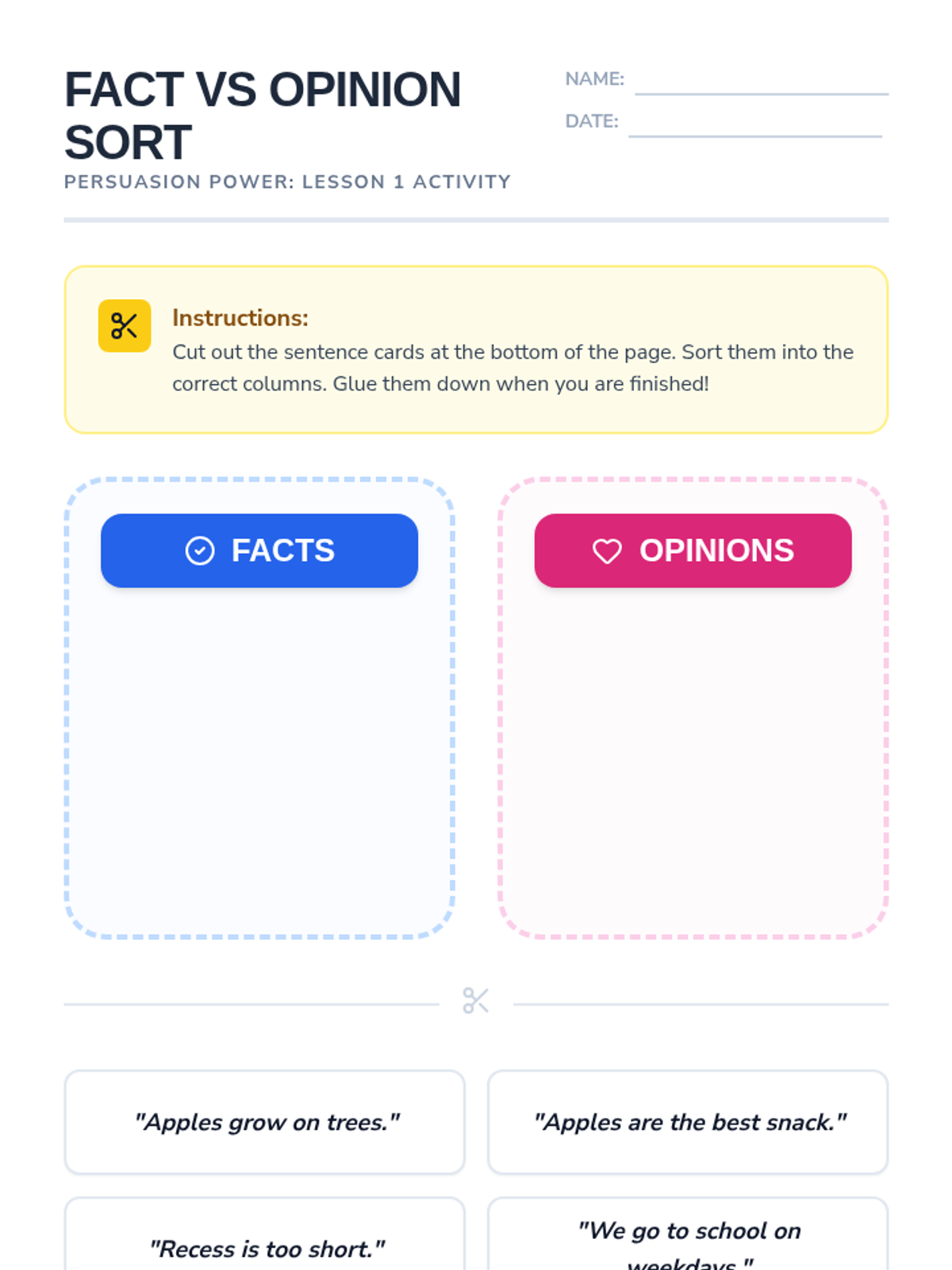
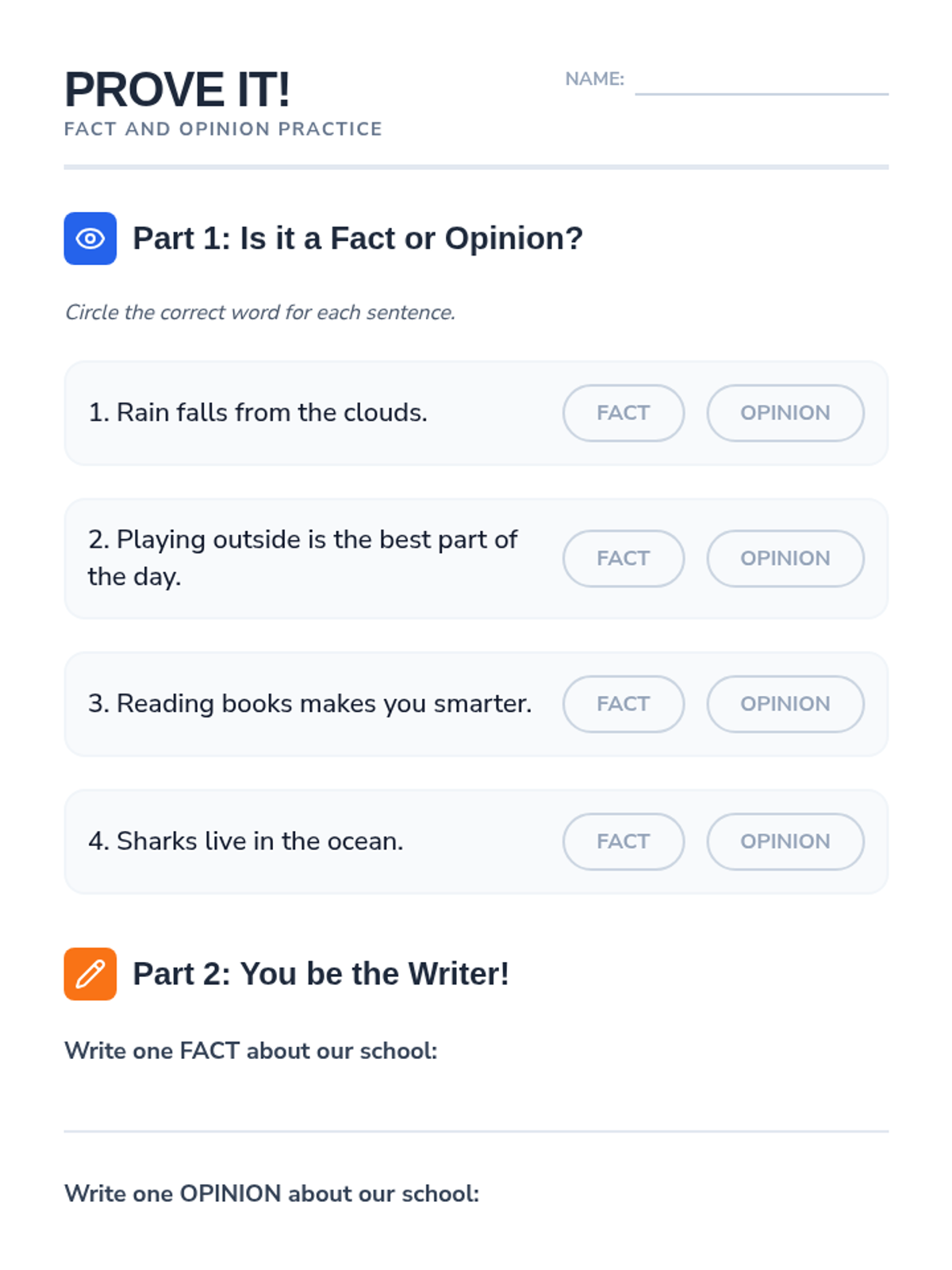
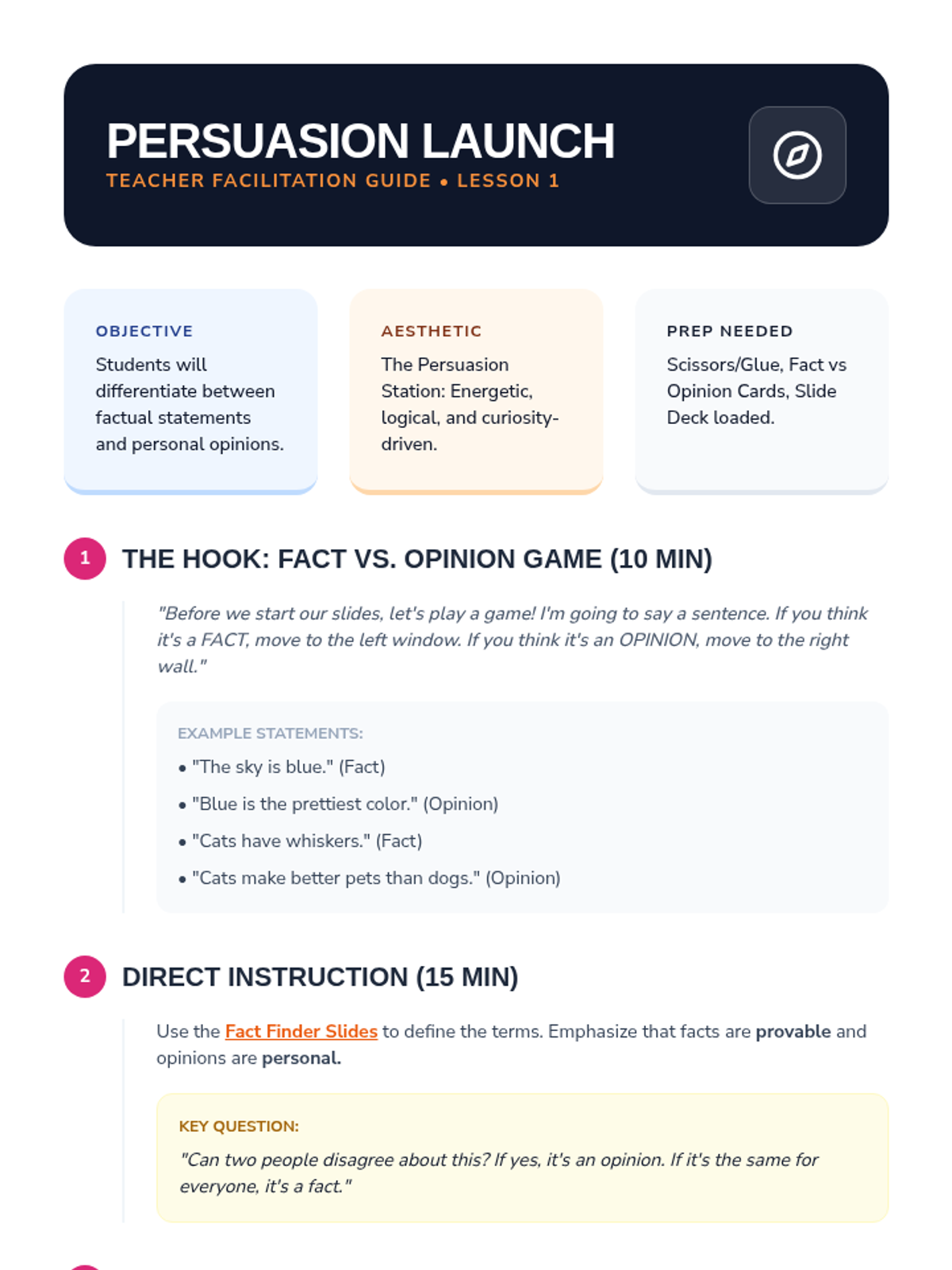
A comprehensive 2nd-grade writing unit where students learn to distinguish between facts and opinions, formulate strong claims, support them with logical reasons, use linking words, and draft a final persuasive letter.
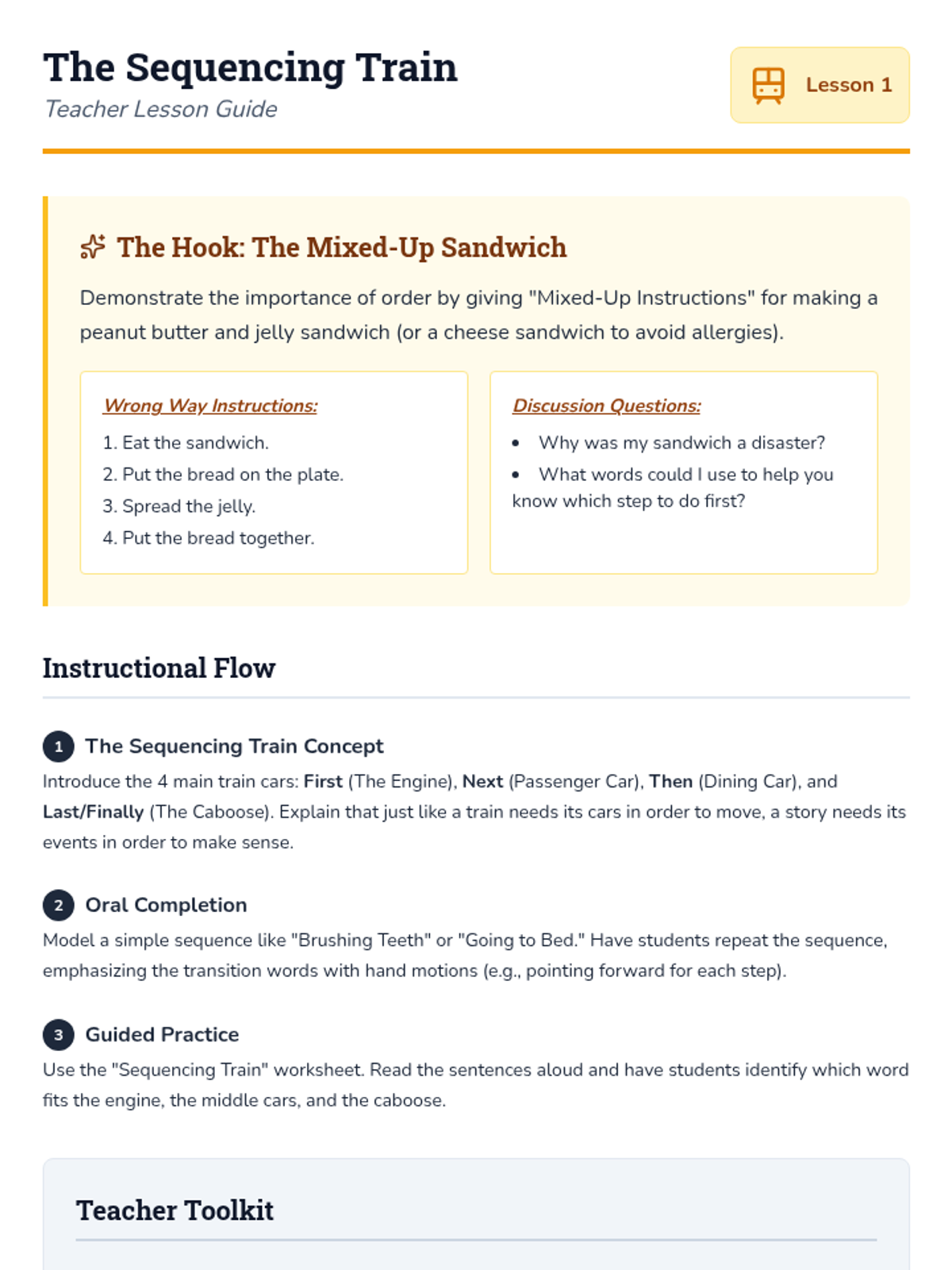
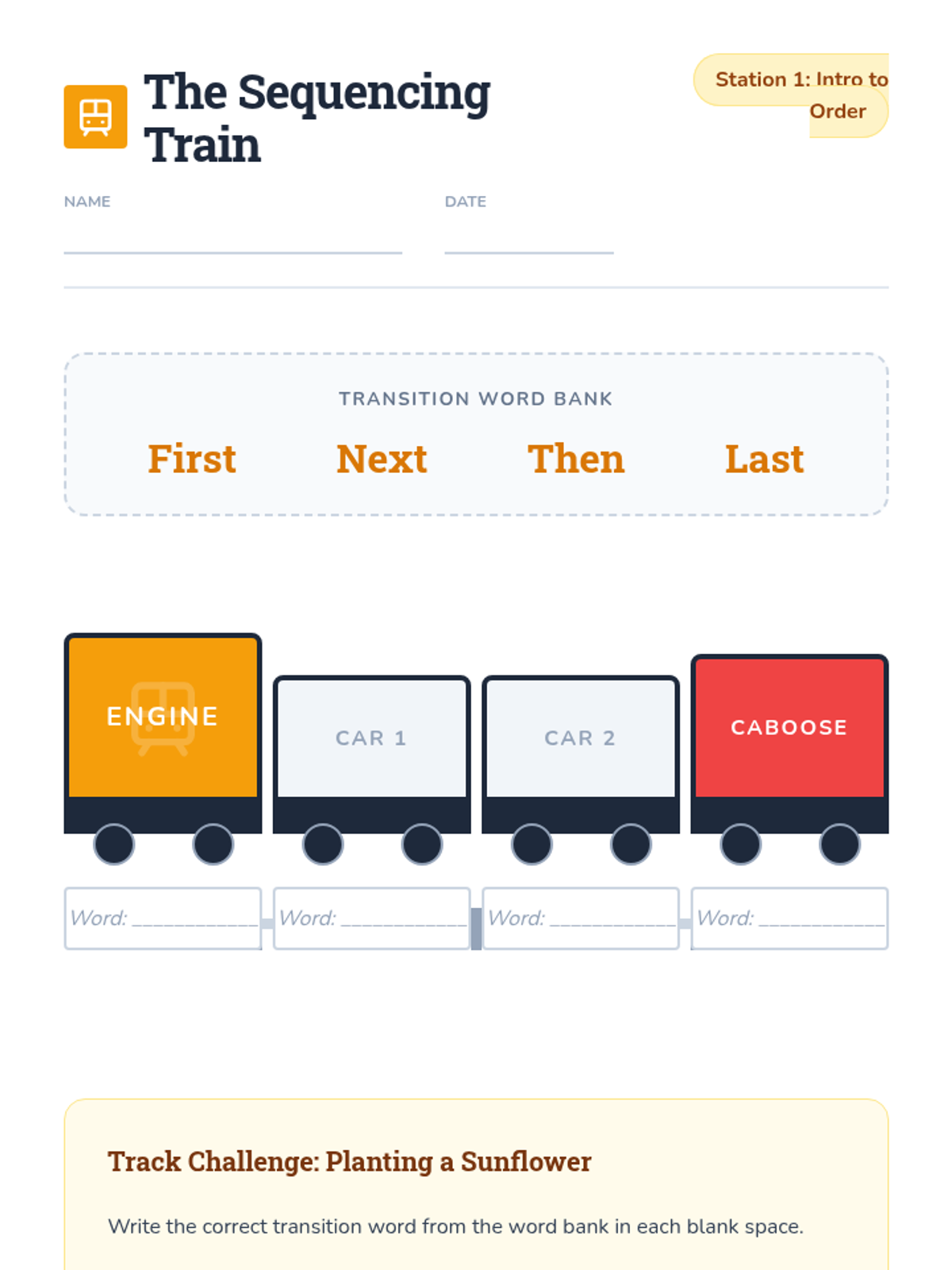
A 2nd-grade sequence focusing on using transition words (First, Next, Then, Finally) to order events in narratives and historical accounts. Students progress from oral practice to reordering scrambled stories and writing their own sequential paragraphs.
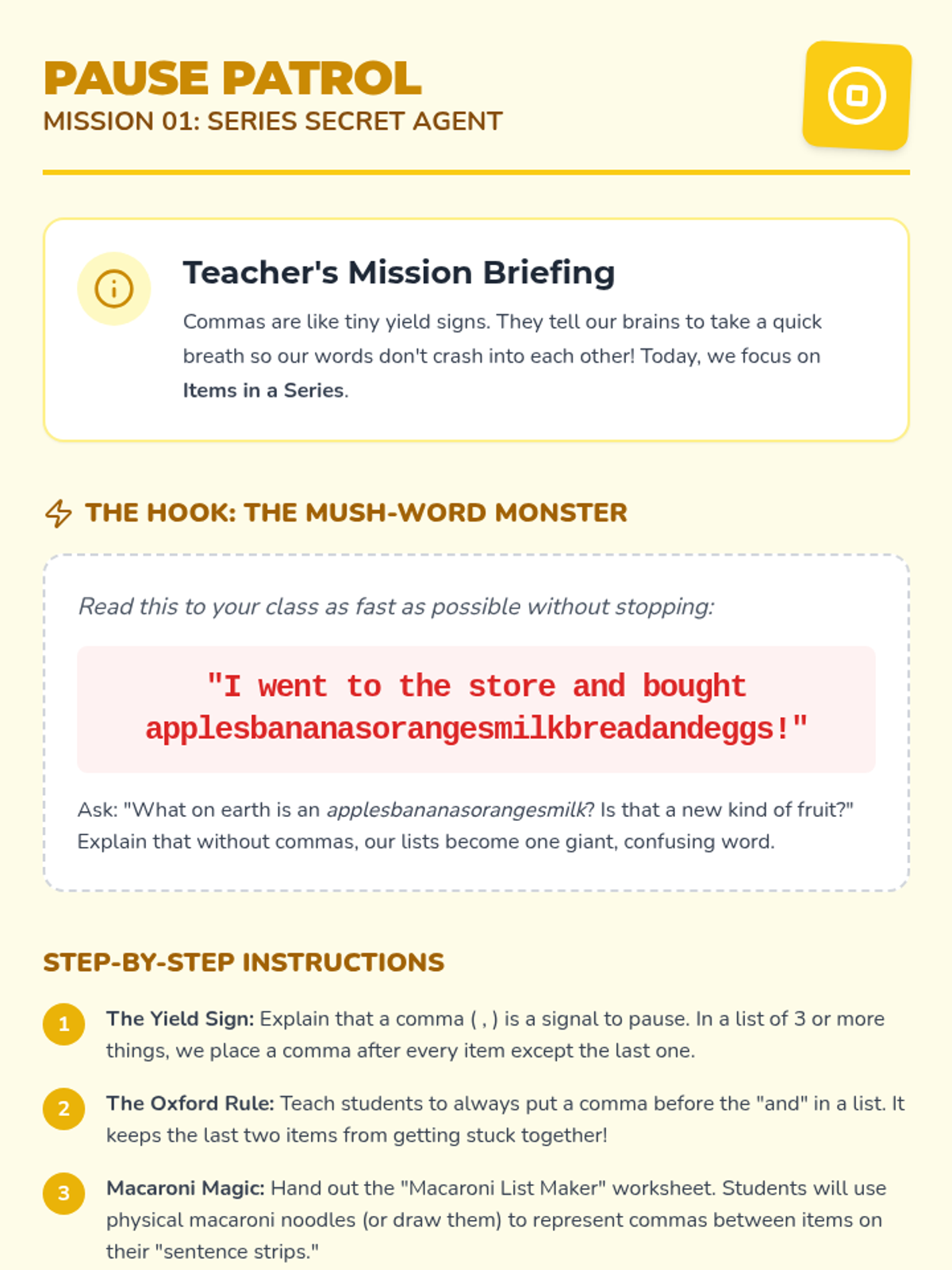
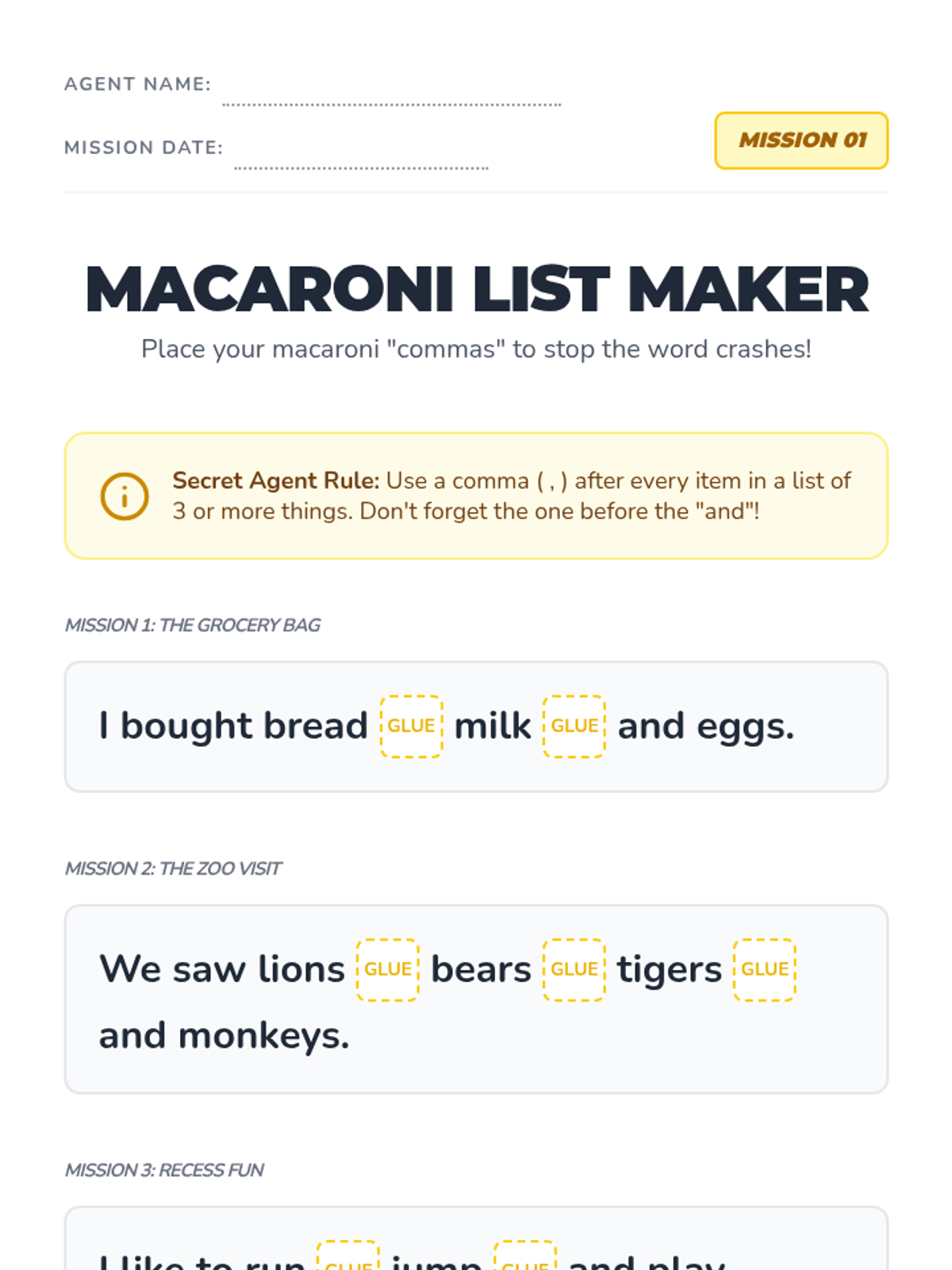
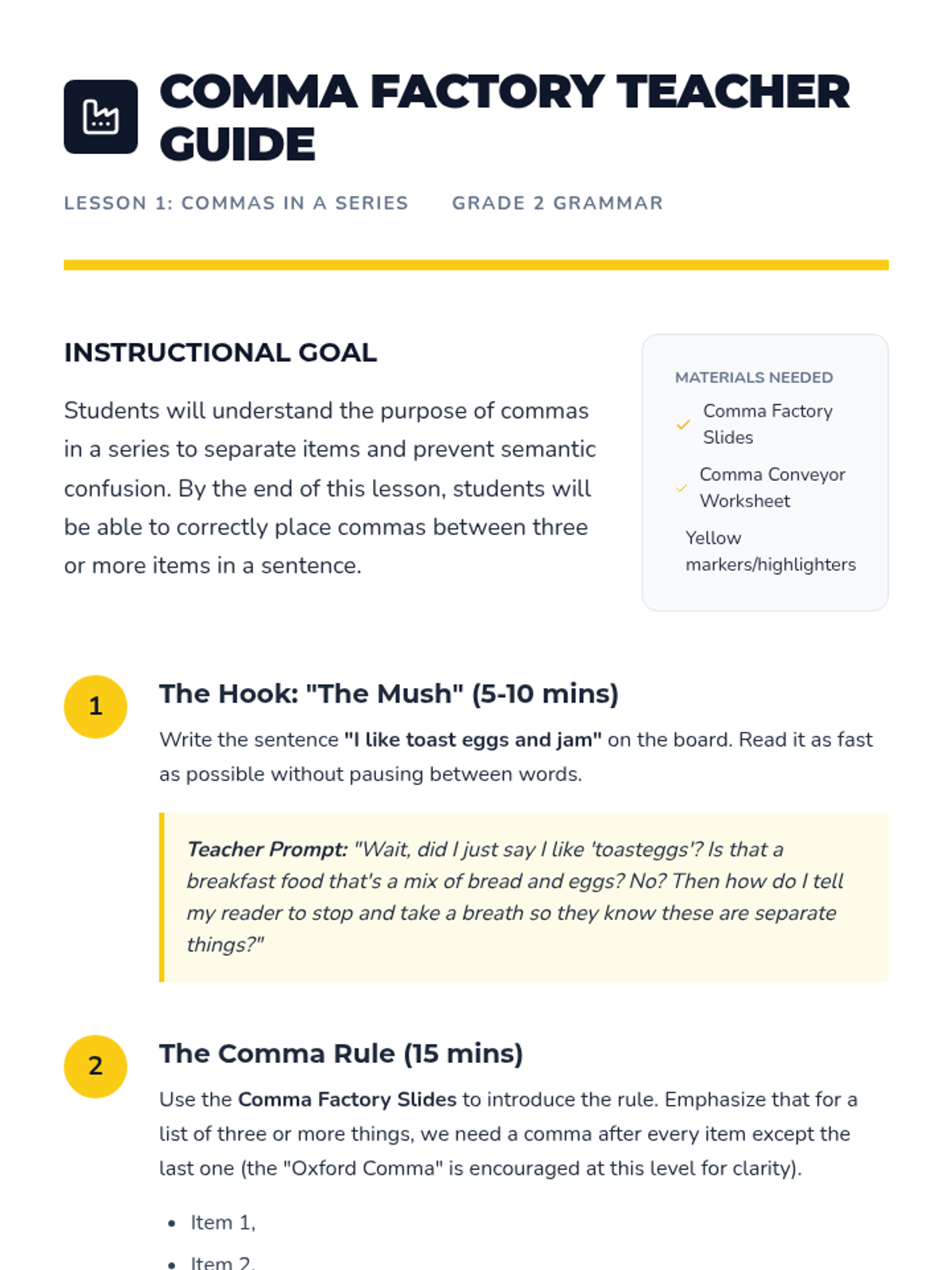
A 2nd-grade grammar workshop focused on the practical application of commas in lists, dates, and friendly letters. Students learn that commas act as 'yield signs' or pauses for the reader through hands-on activities, games, and writing projects.
A comprehensive 2nd-grade sequence exploring cause and effect relationships. Students progress from simple physical reactions to complex narrative chains and informational texts using a science-lab-inspired 'Chain Reaction' theme.
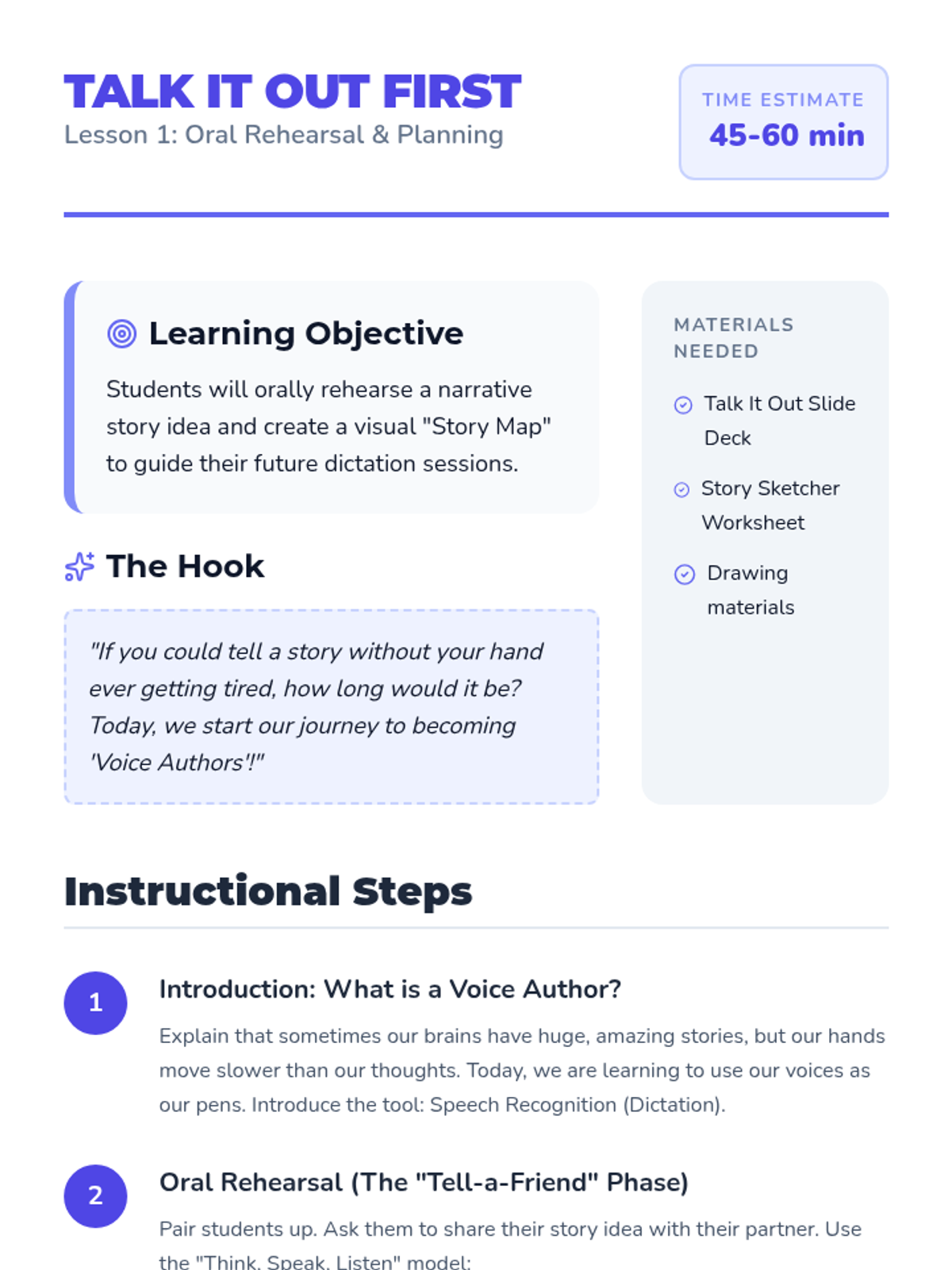
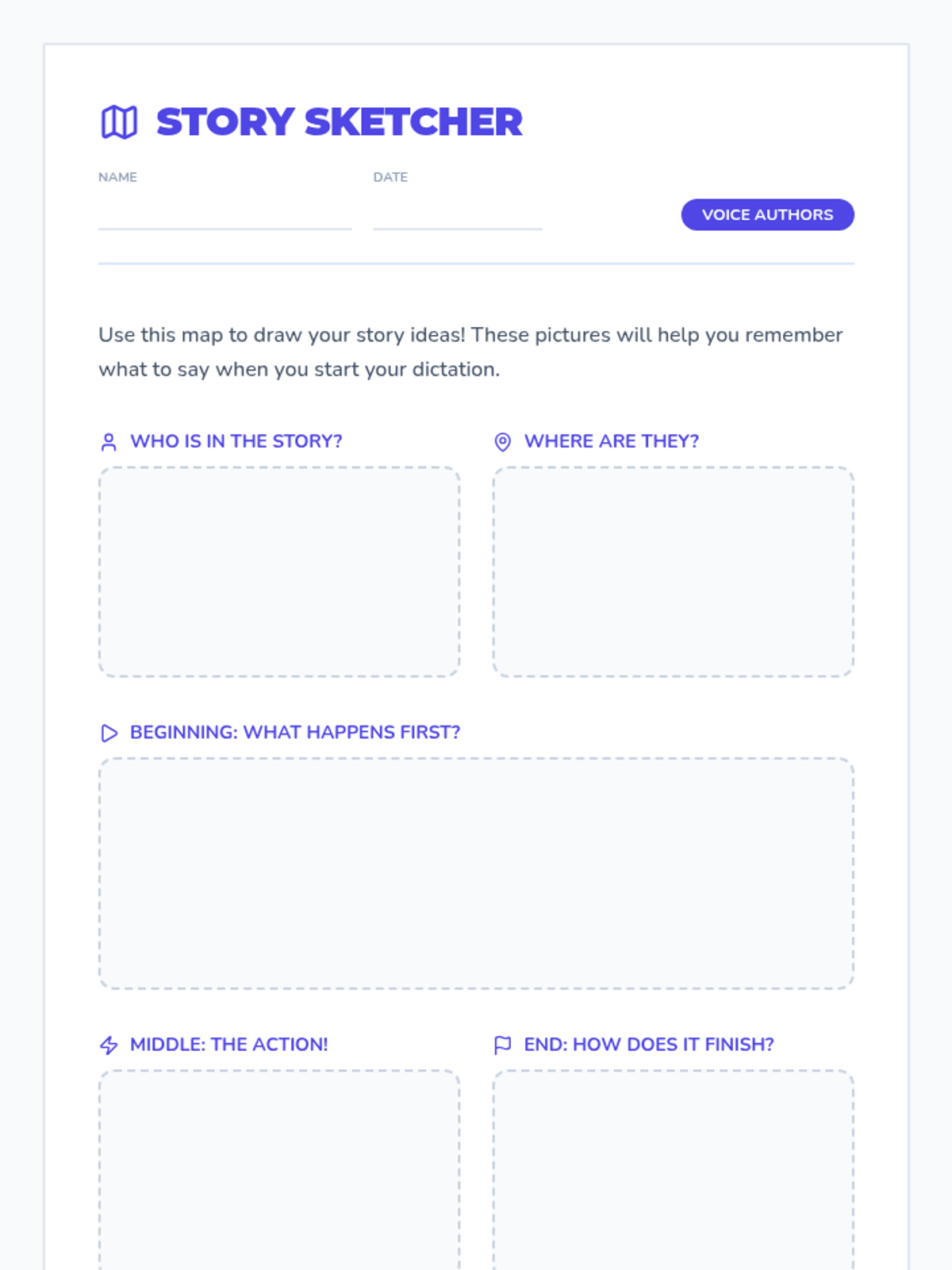
A 5-lesson sequence for 2nd-grade students exploring narrative writing through speech-to-text technology. Students learn oral rehearsal, dictation commands, and descriptive storytelling to bridge the gap between their imagination and the page.
A comprehensive 2nd-grade sequence focusing on the identification of nouns and the use of sensory adjectives to create vivid, descriptive sentences. Students progress from simple categorization to writing descriptive 'Mystery Object' paragraphs.
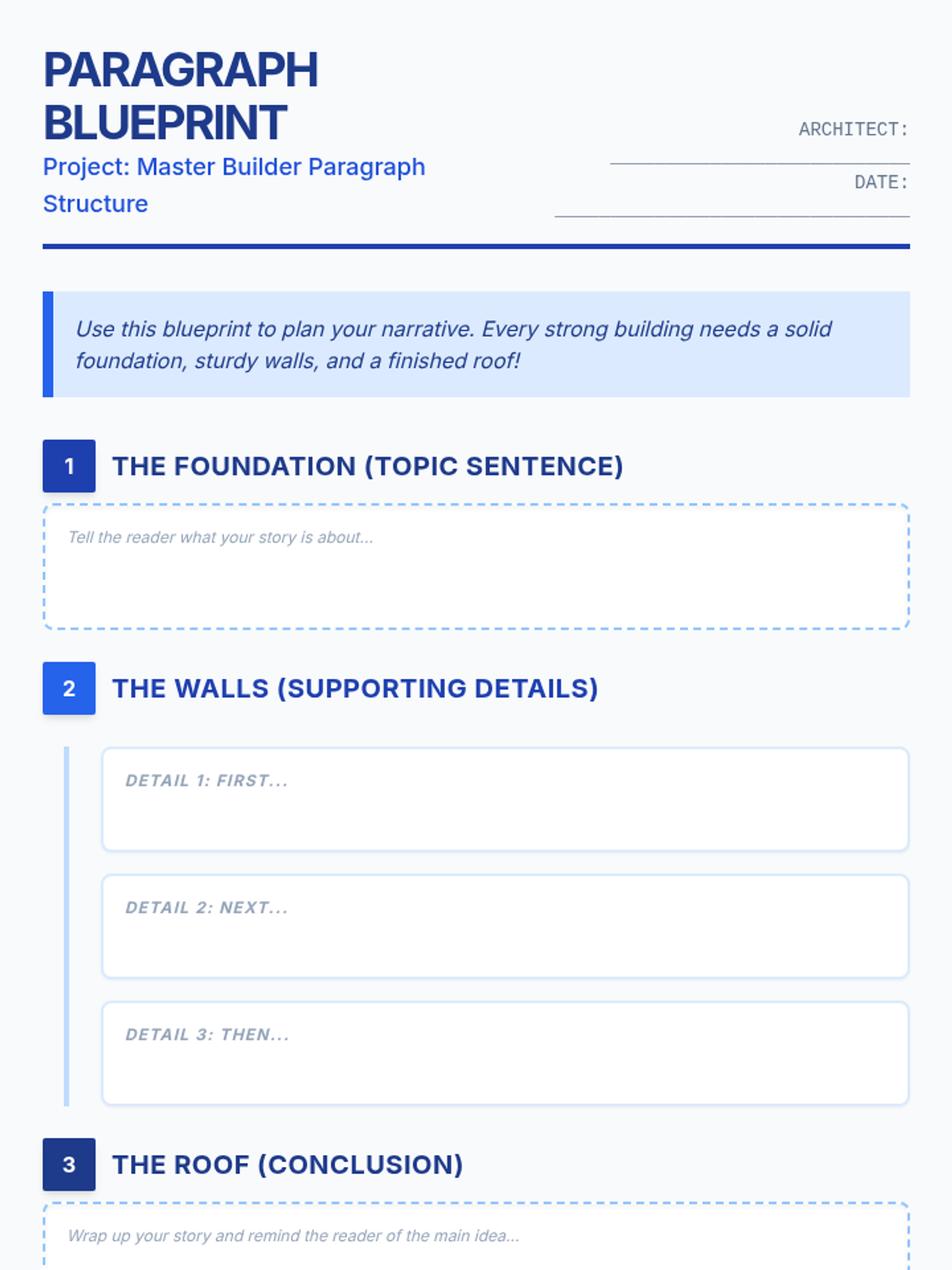
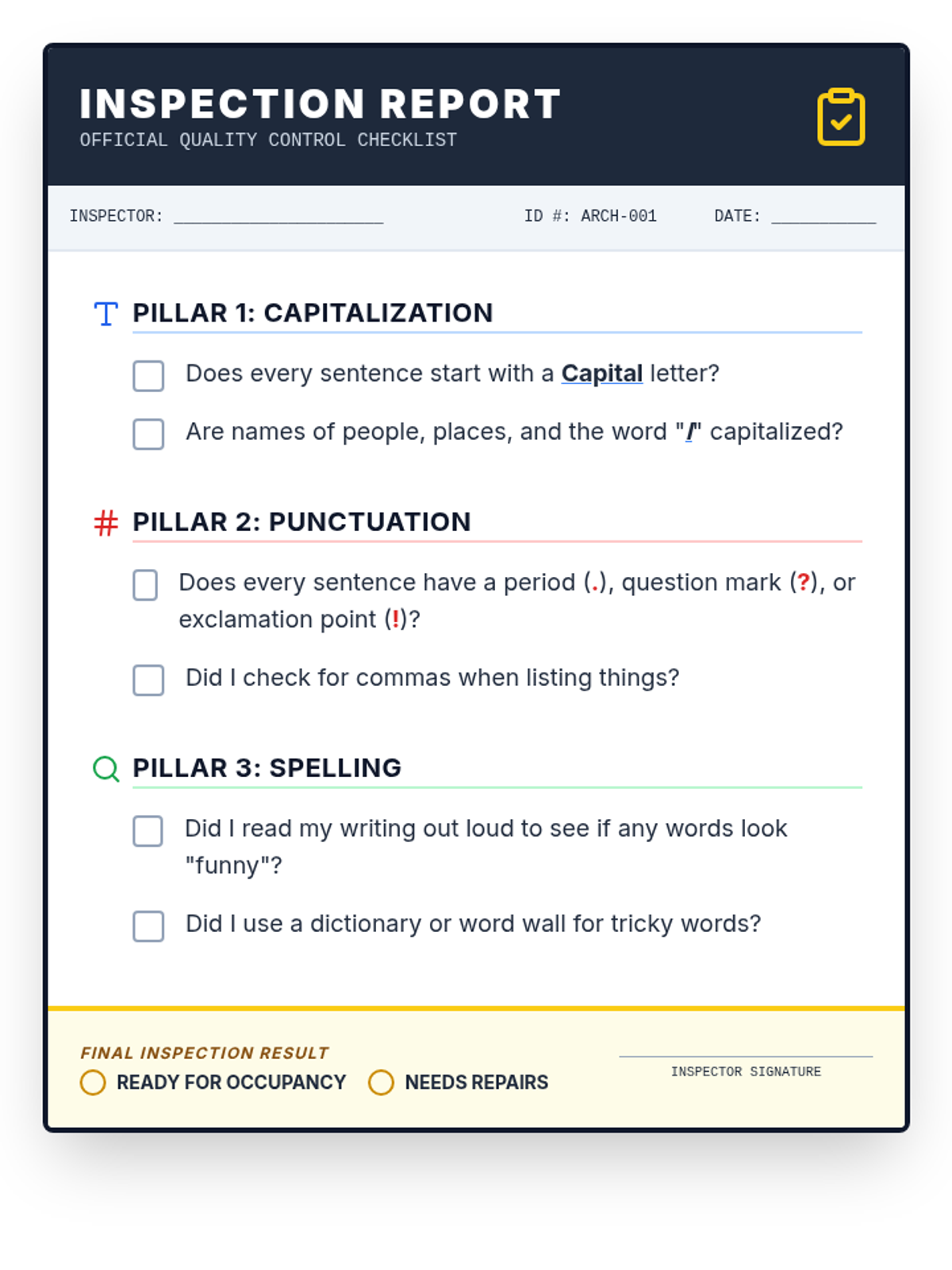
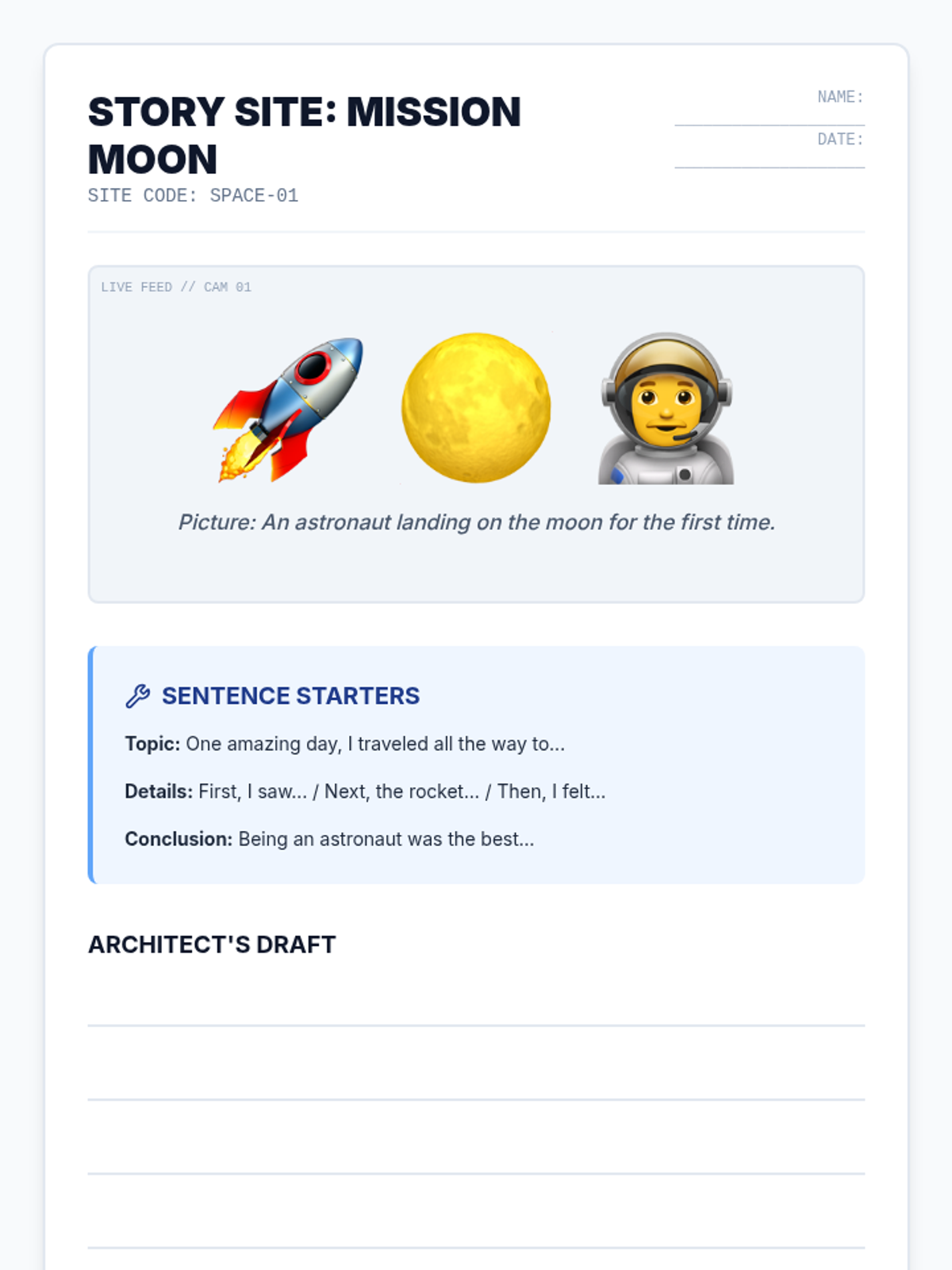
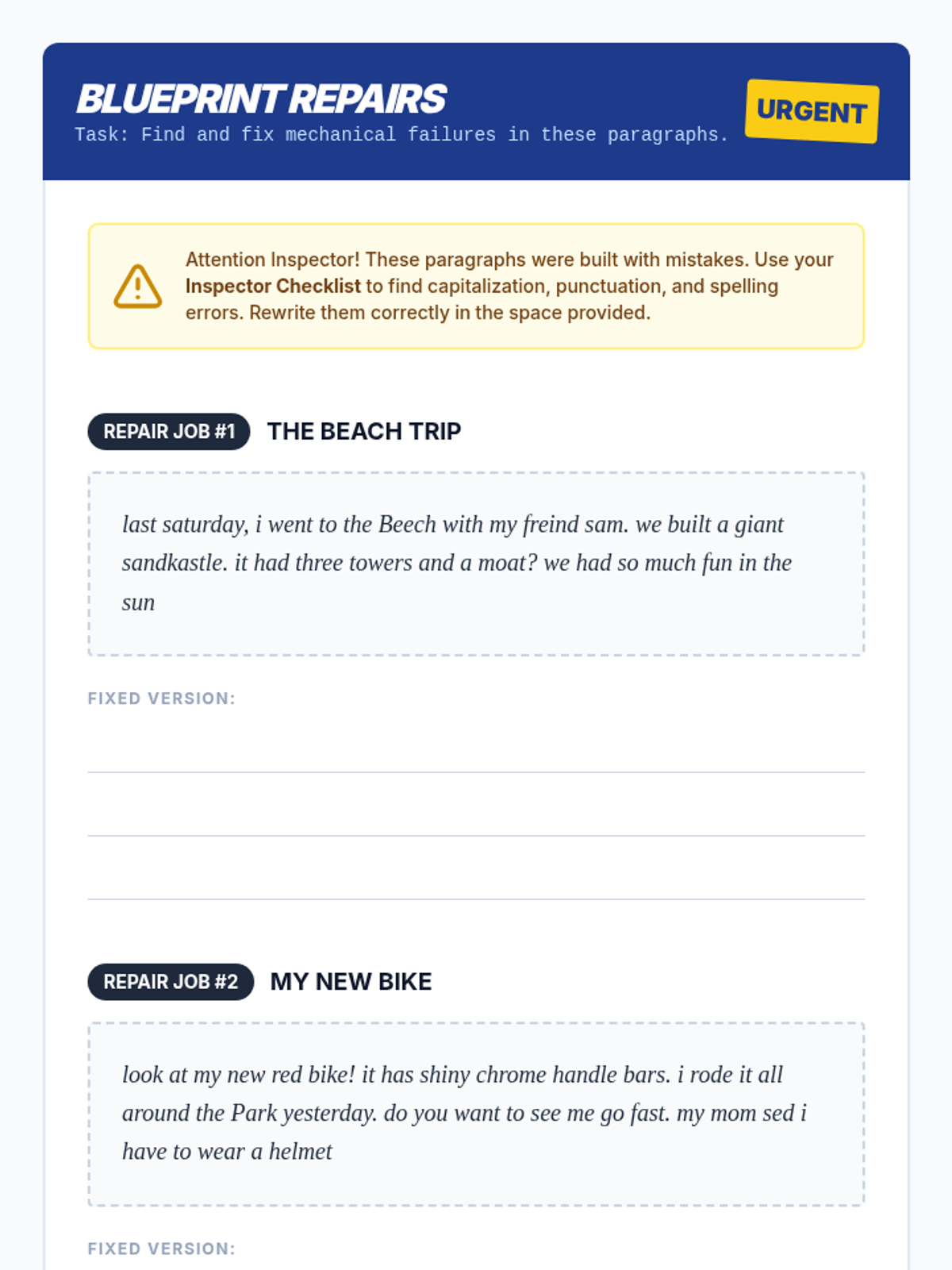
A series of materials designed to help Flint master paragraph structure and self-editing through the lens of a 'Narrative Architect', using blueprints and inspection checklists.
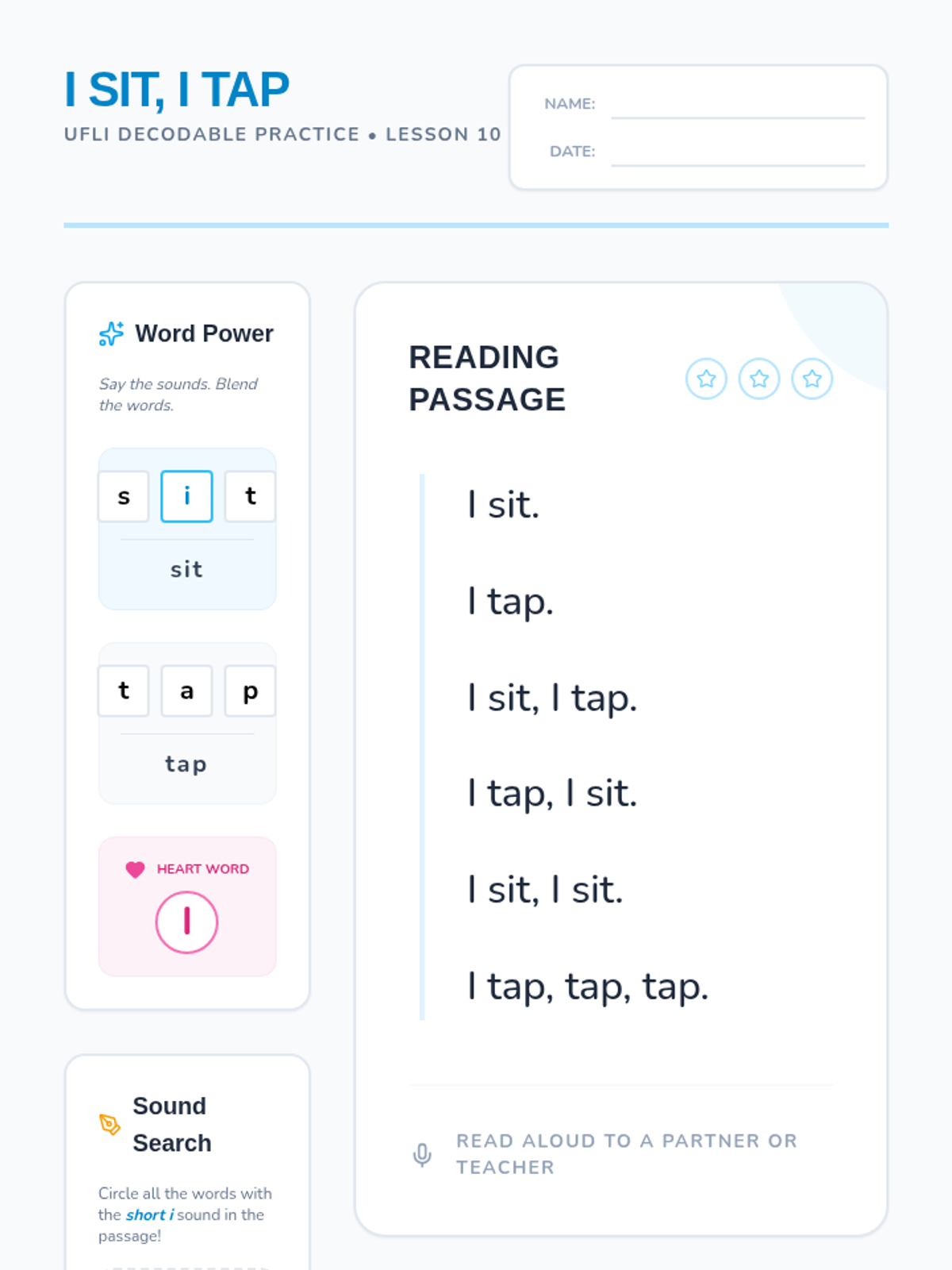
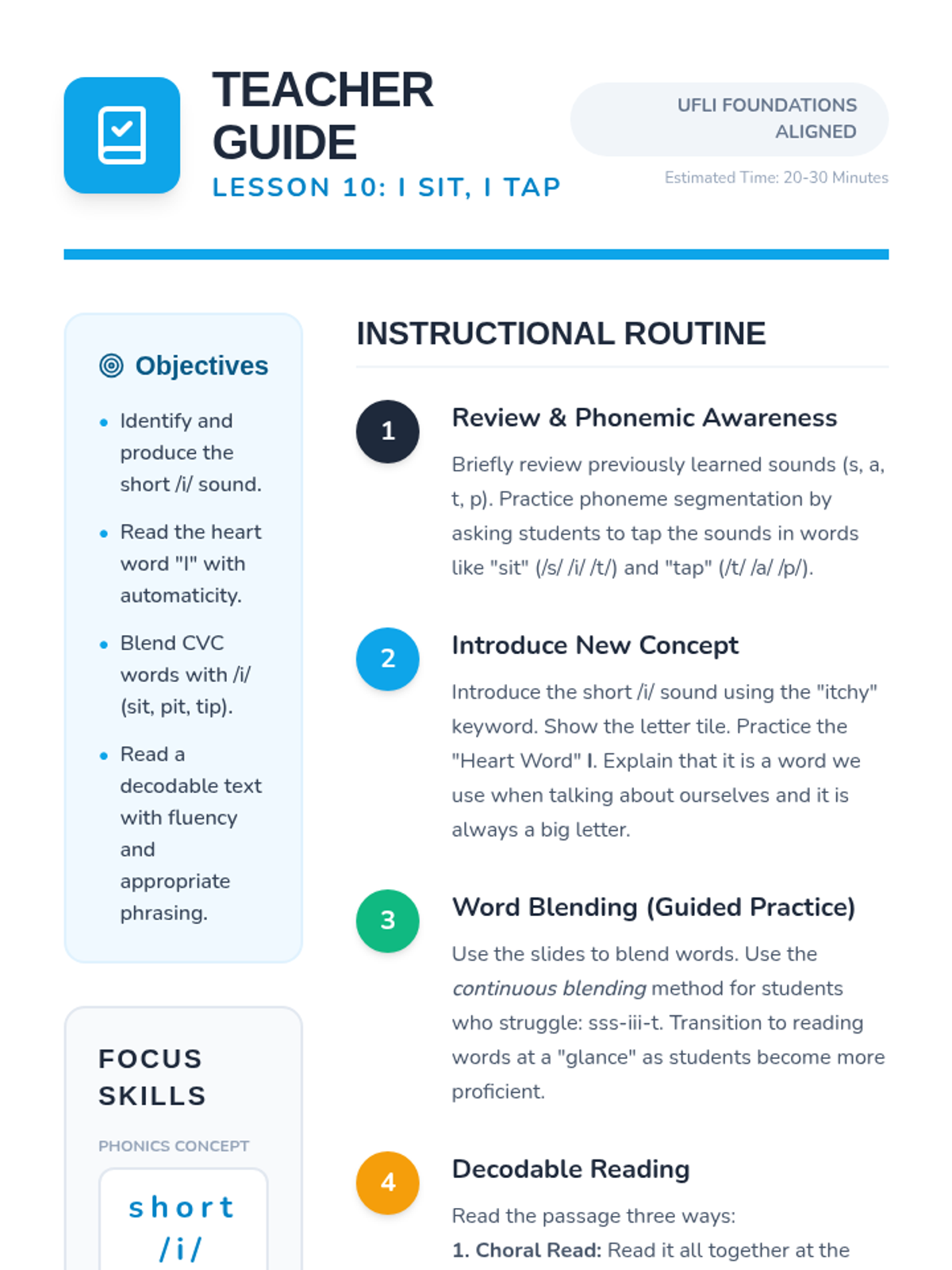
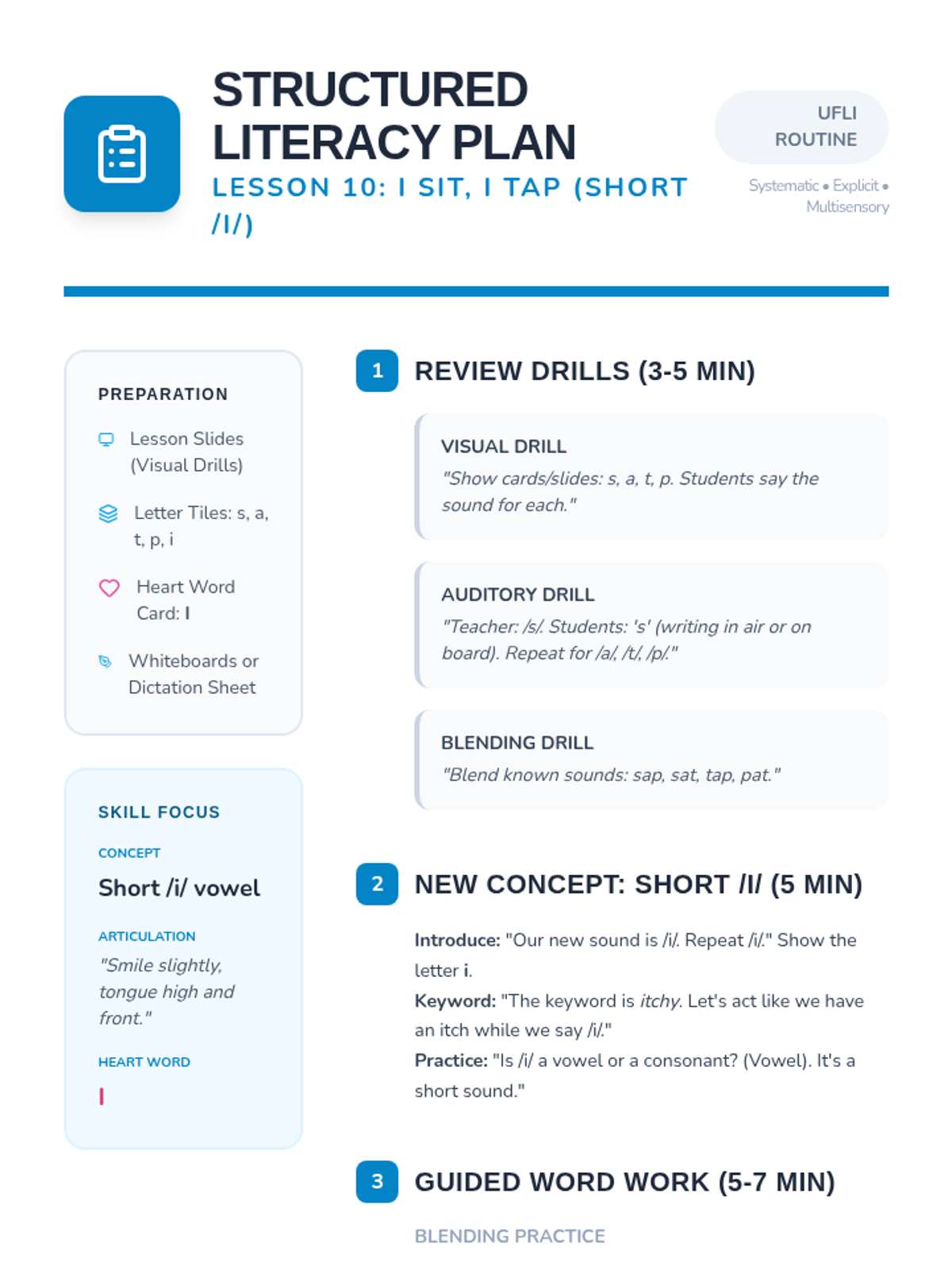
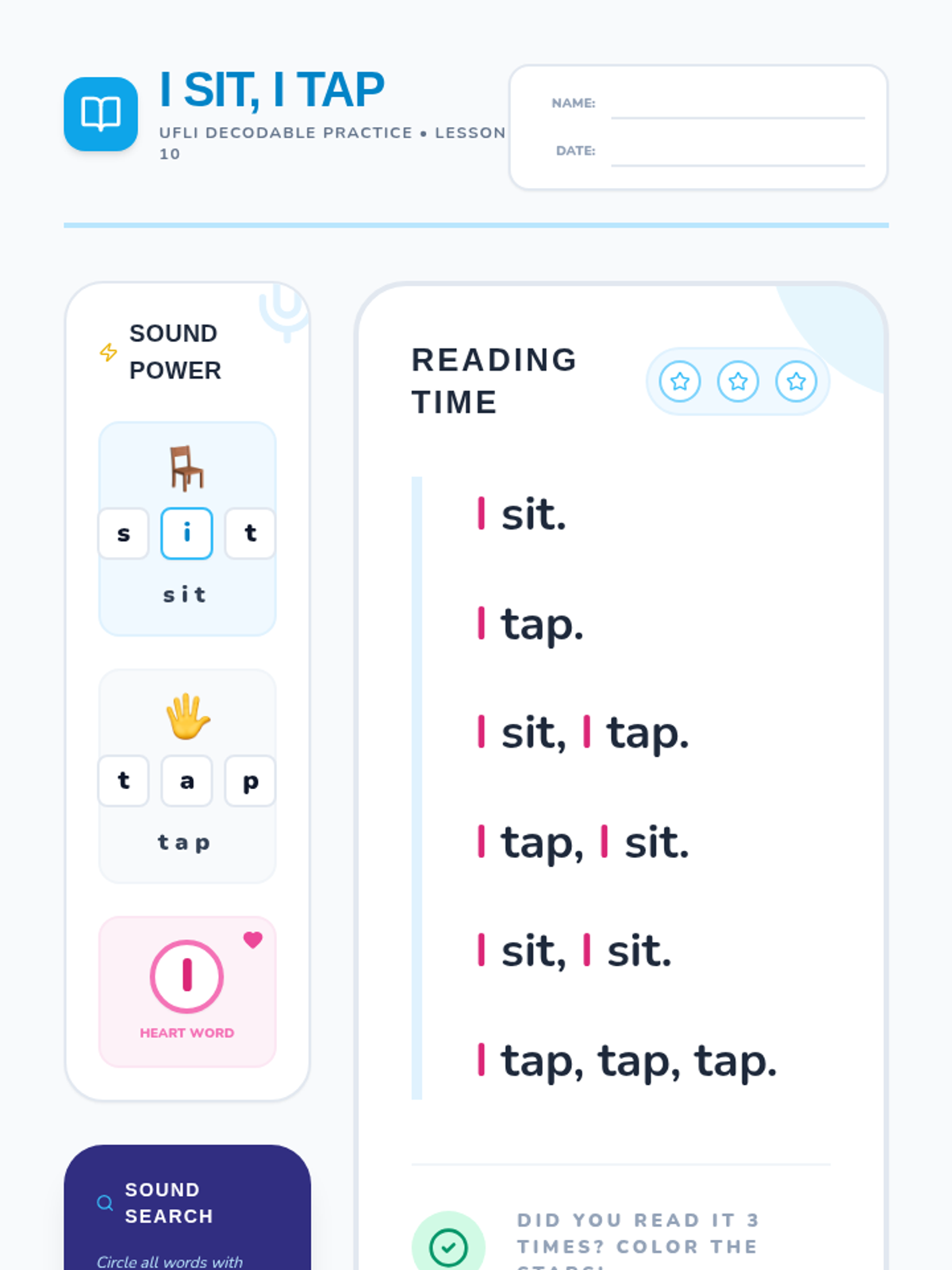
A collection of decodable passages and activities aligned with UFLI Foundations, focusing on systematic phonics and heart word acquisition. Each lesson centers on a specific phonics skill and accompanying "heart words" to build reading fluency.
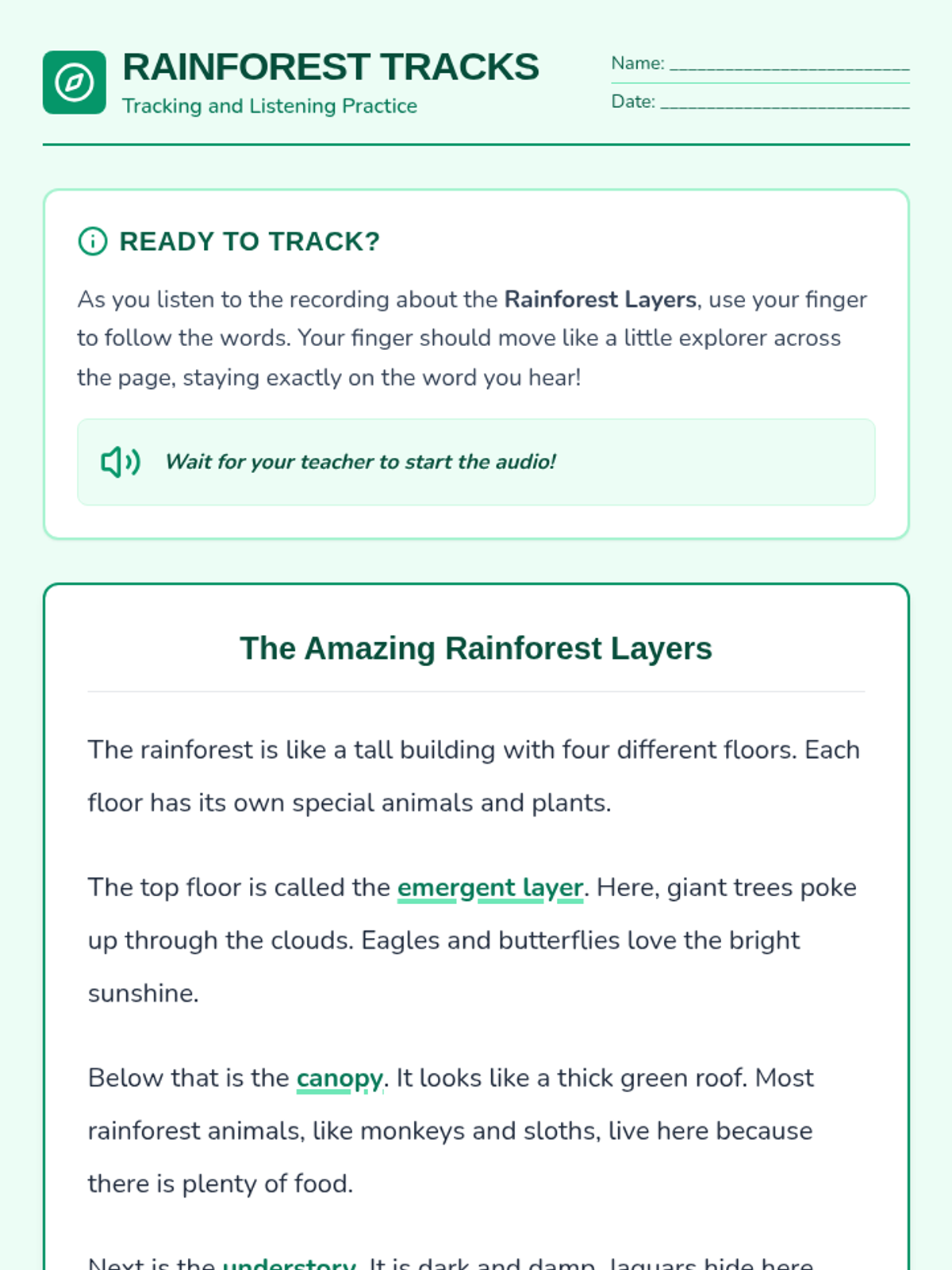
A 2nd-grade ELA sequence focused on reading fluency and comprehension through audio-supported informational texts. Students explore global habitats while mastering text tracking, vocabulary acquisition, main idea identification, and prosody.
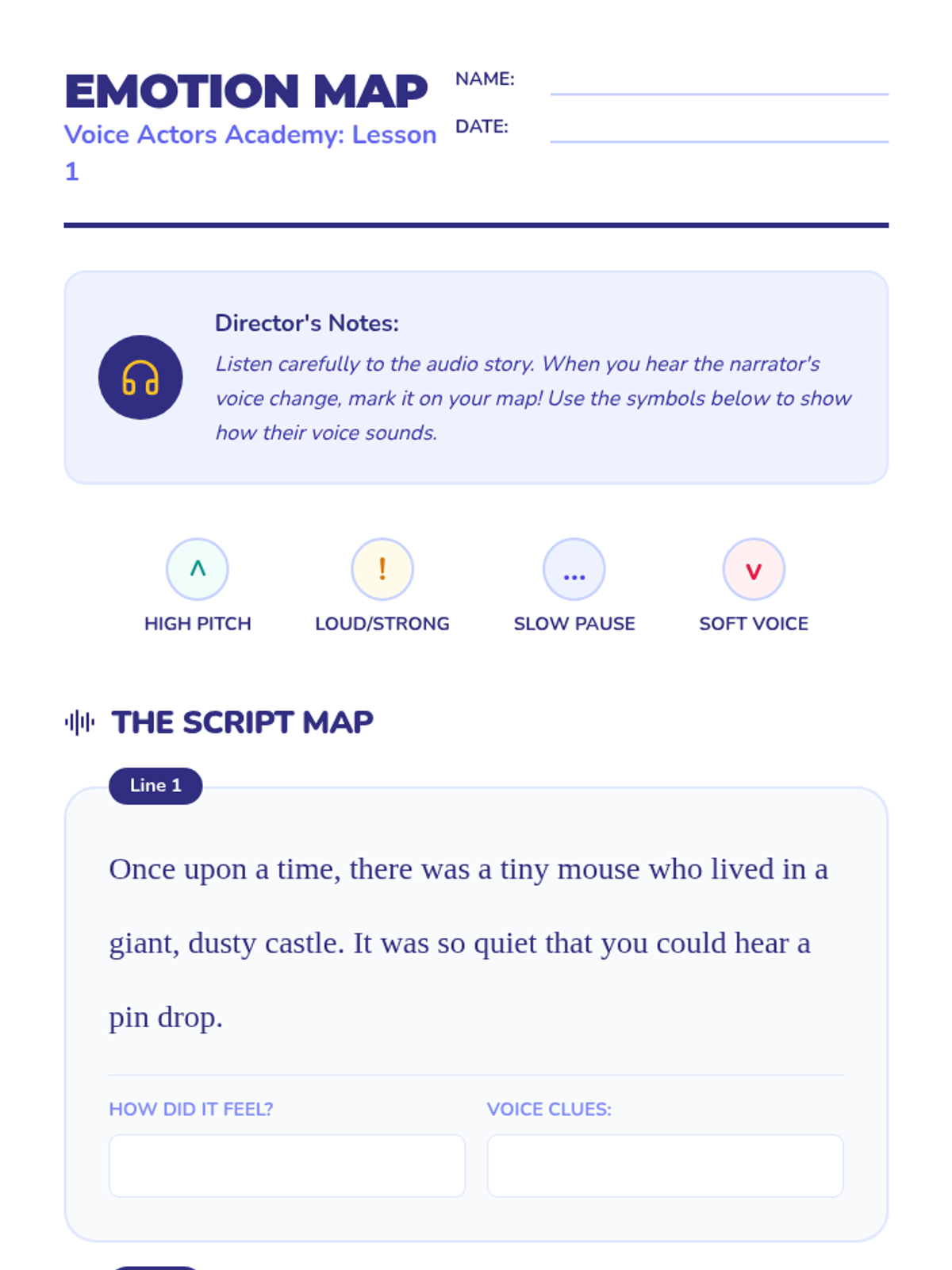
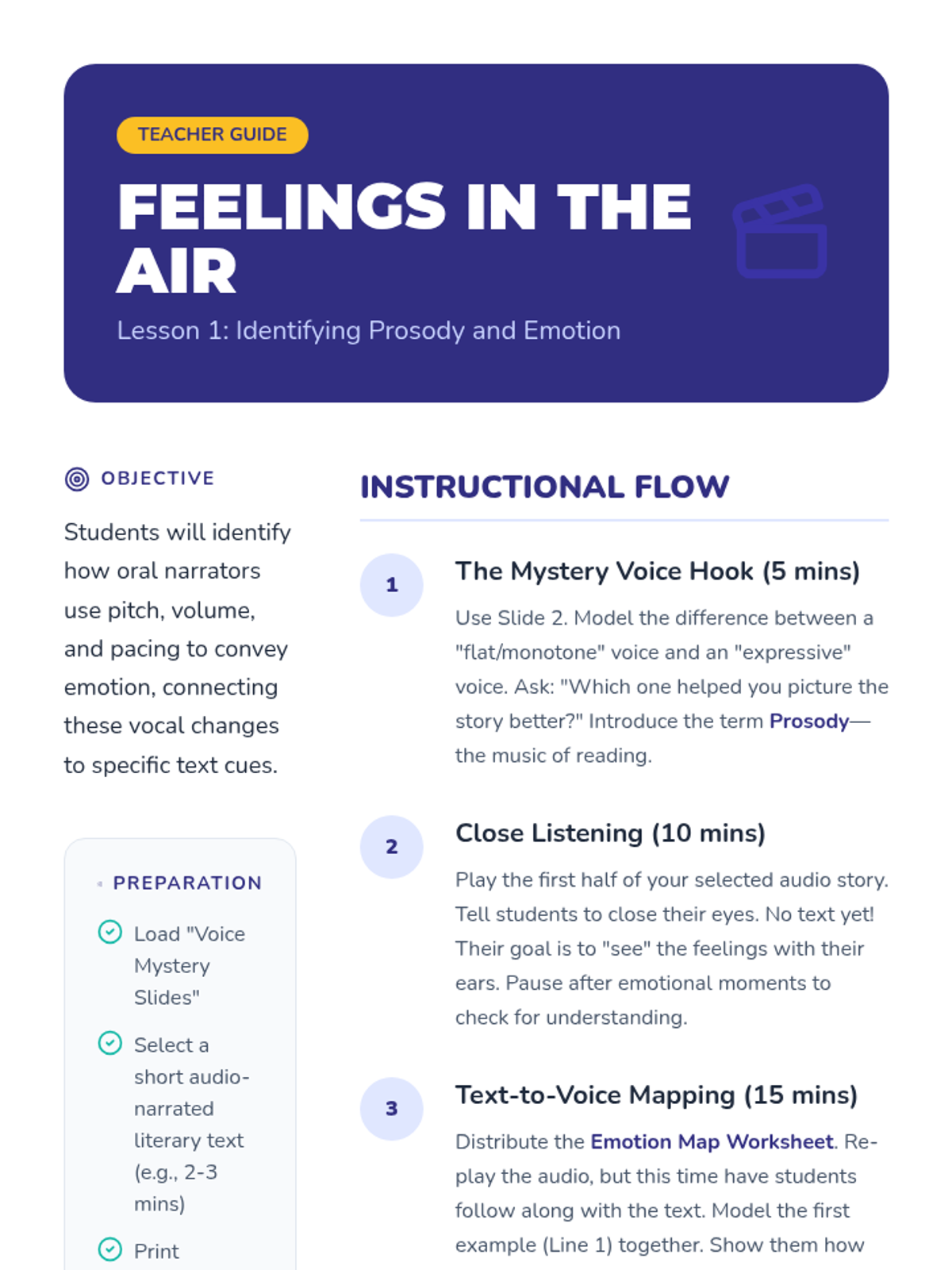
A 2nd-grade sequence focusing on developing oral reading fluency and prosody using audio-narrated literary texts. Students progress from listening for emotion to recording their own expressive readings, bridging the gap between decoding and comprehension.
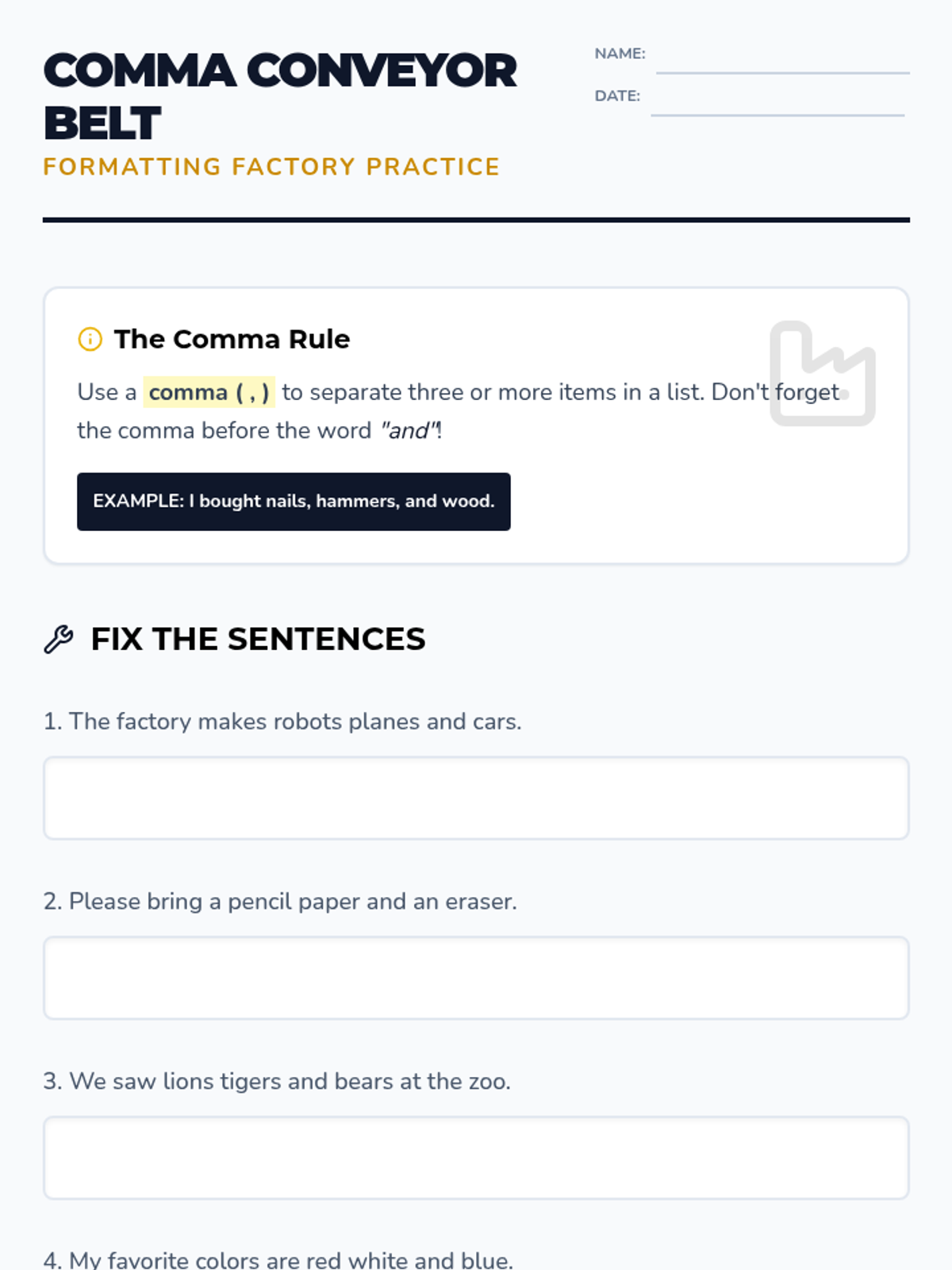
A 2nd-grade grammar sequence focused on organizational formatting, including commas in a series, vertical bulleted lists, and the use of bold and italics for emphasis and titles. Students learn to use these tools to improve clarity and expression in their writing.
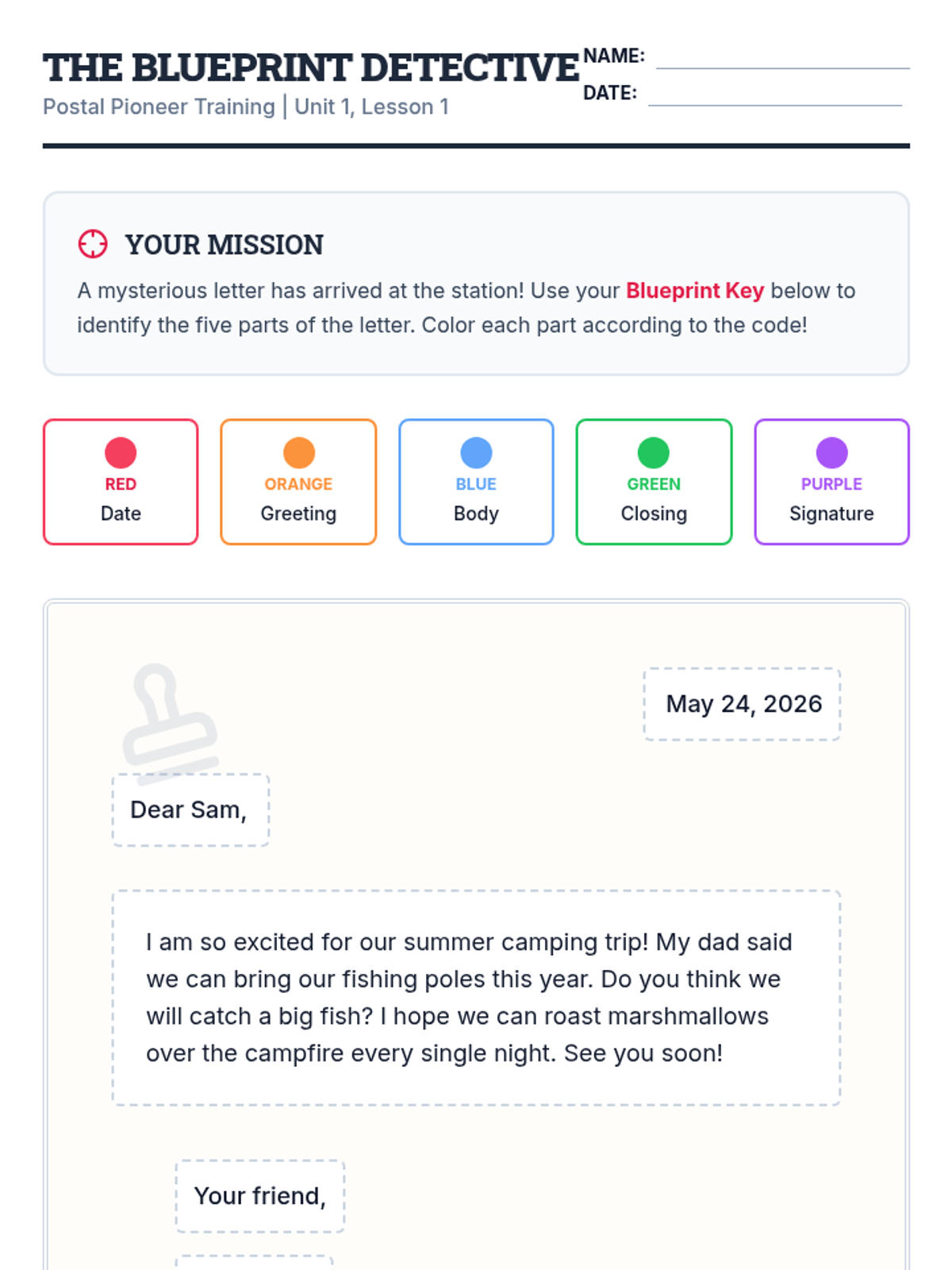
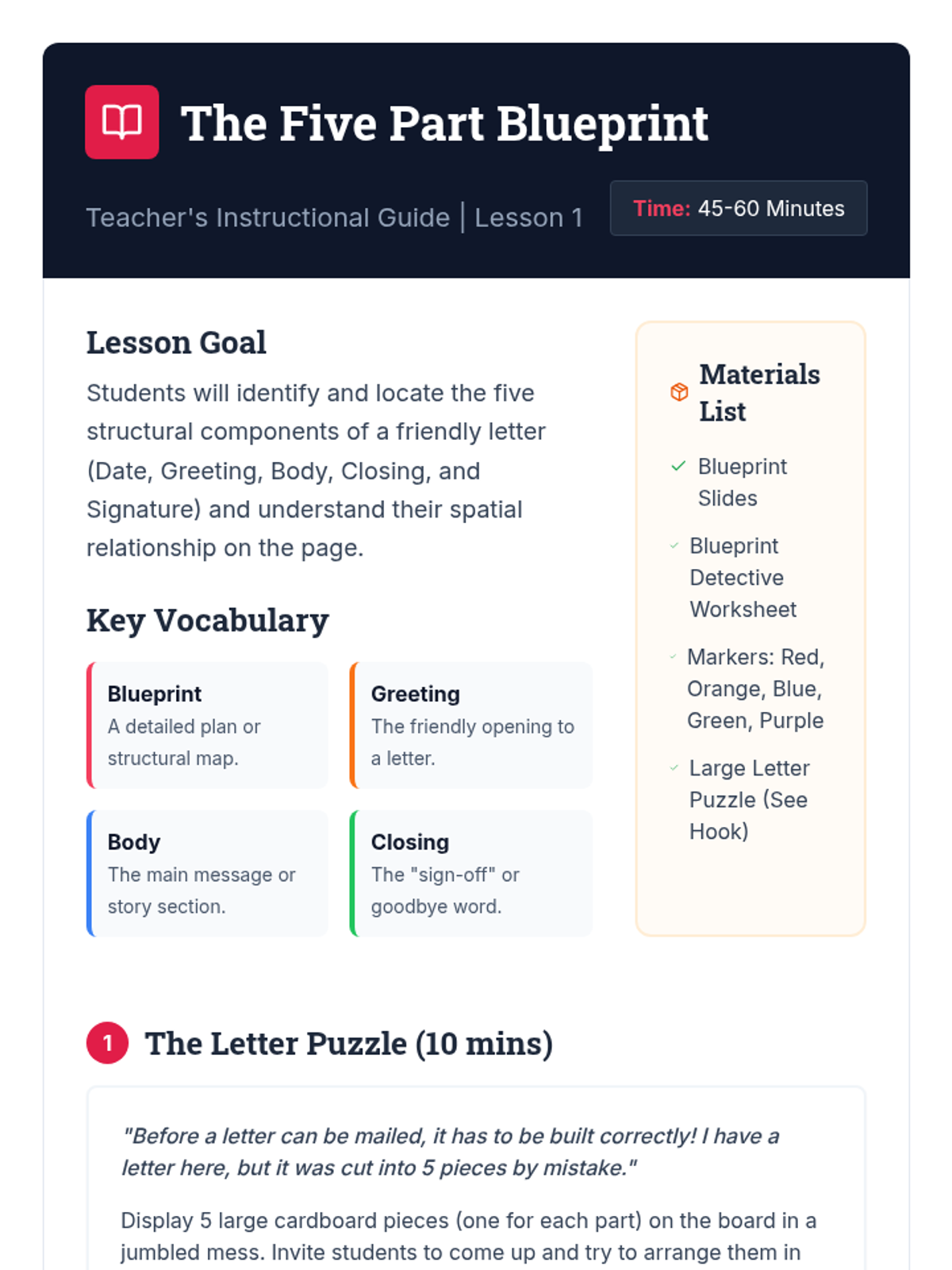
This sequence guides 2nd-grade students through the structural components of letter writing, focusing on formatting, punctuation, and envelope addressing. Students move from identification to publication, culminating in a correctly formatted friendly letter.
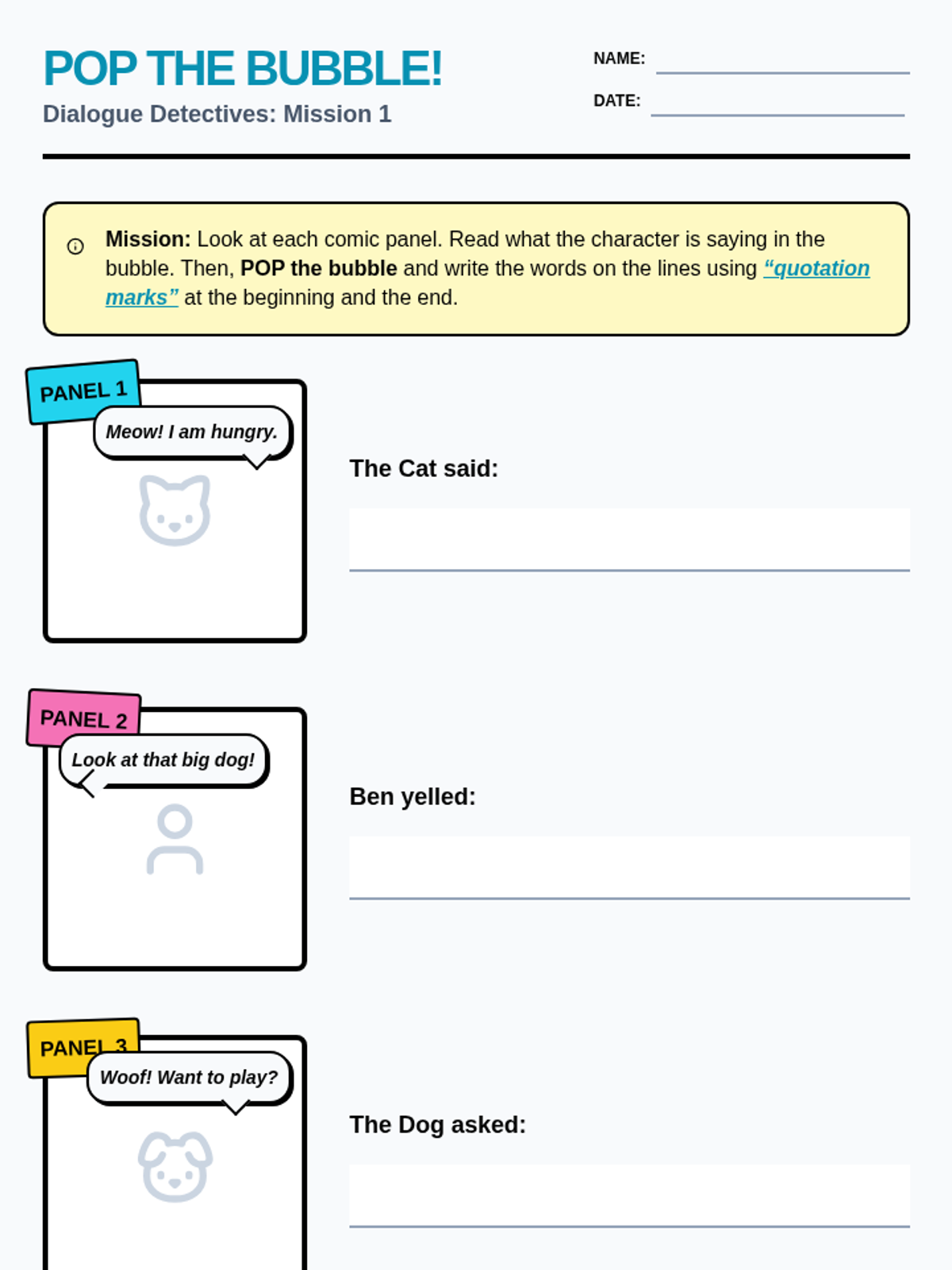
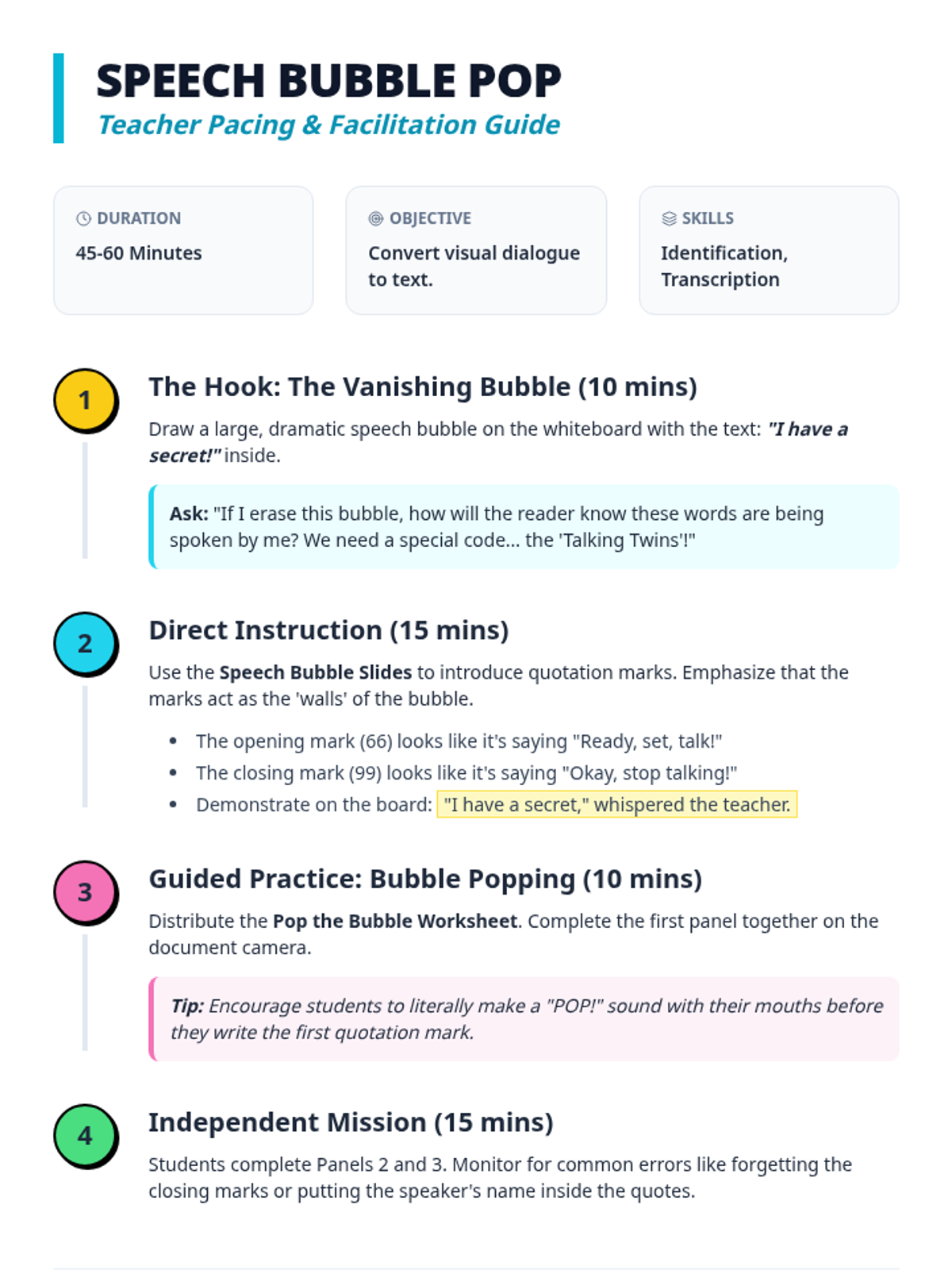
A 2nd-grade grammar sequence that transitions students from visual speech bubbles to written quotation marks, focusing on identifying direct speech, speaker tags, and correct punctuation placement.
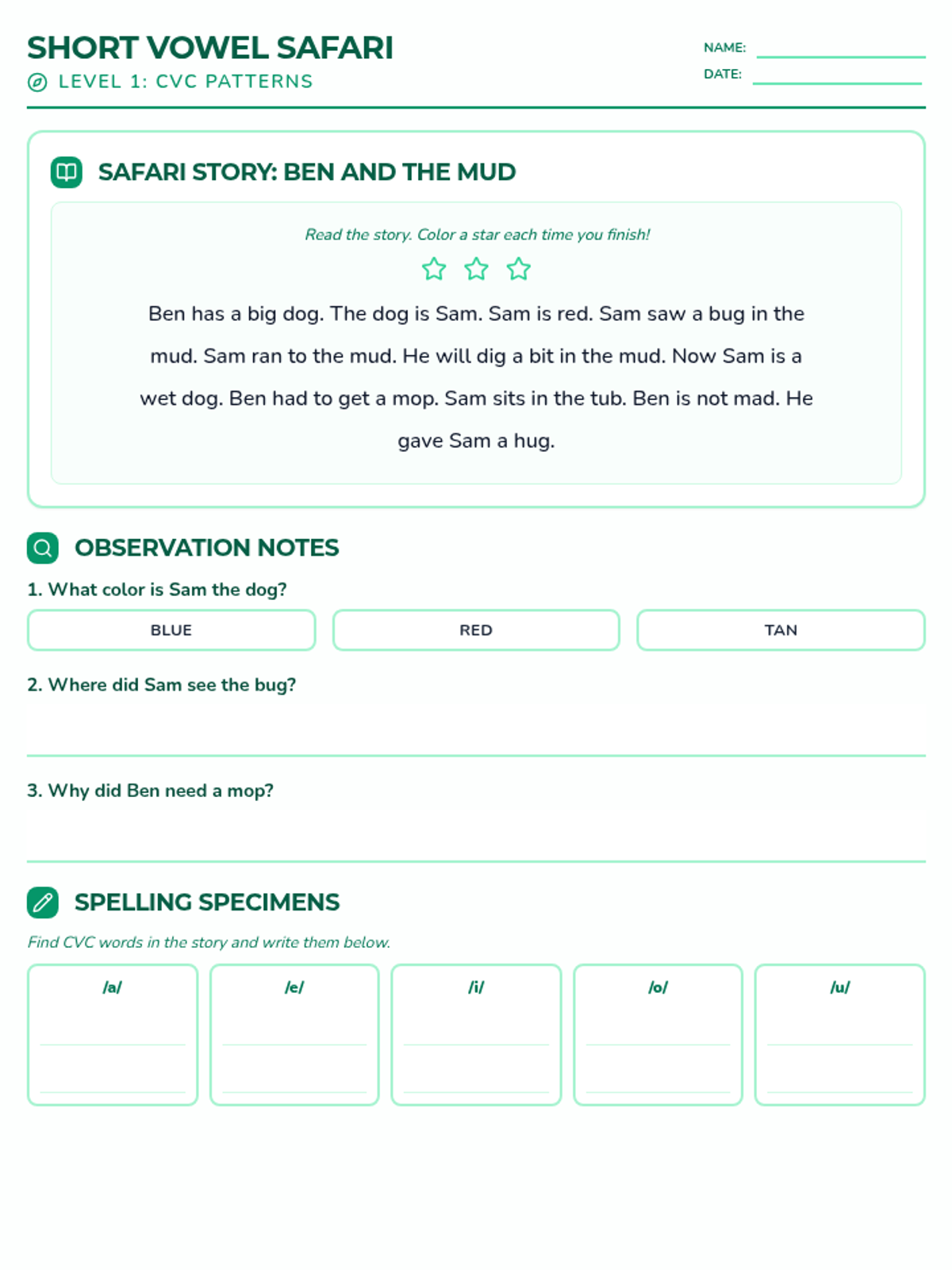
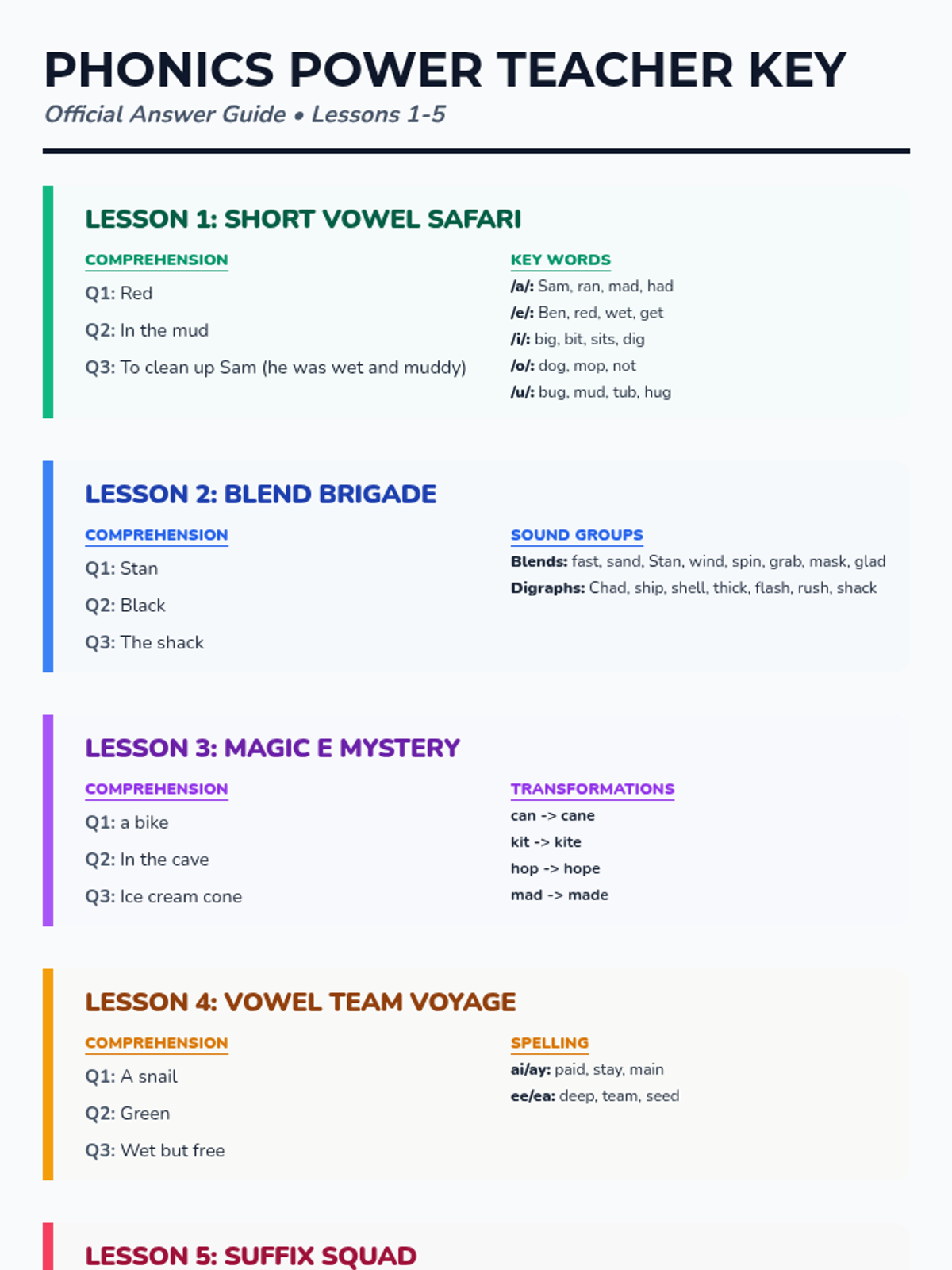
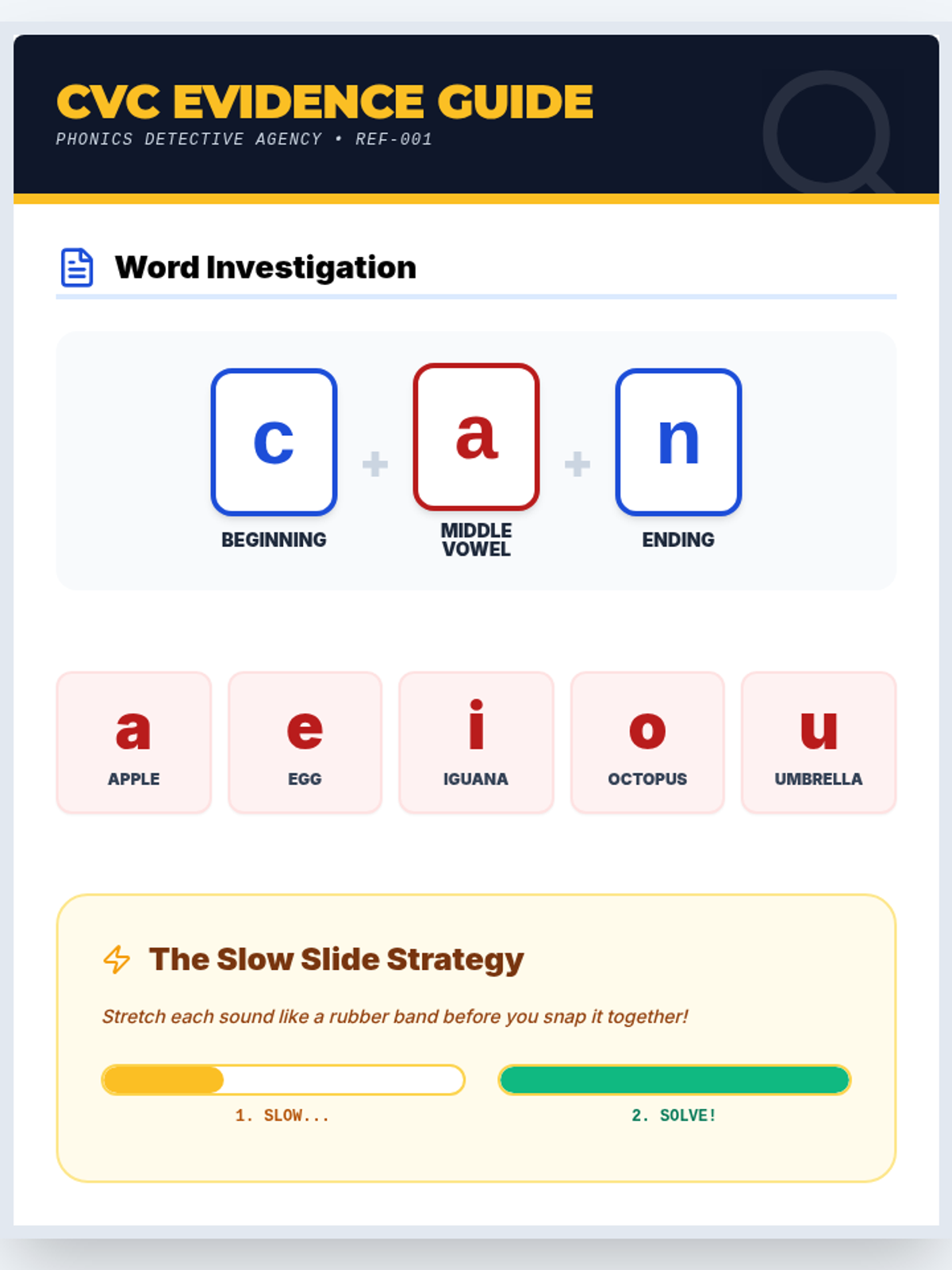
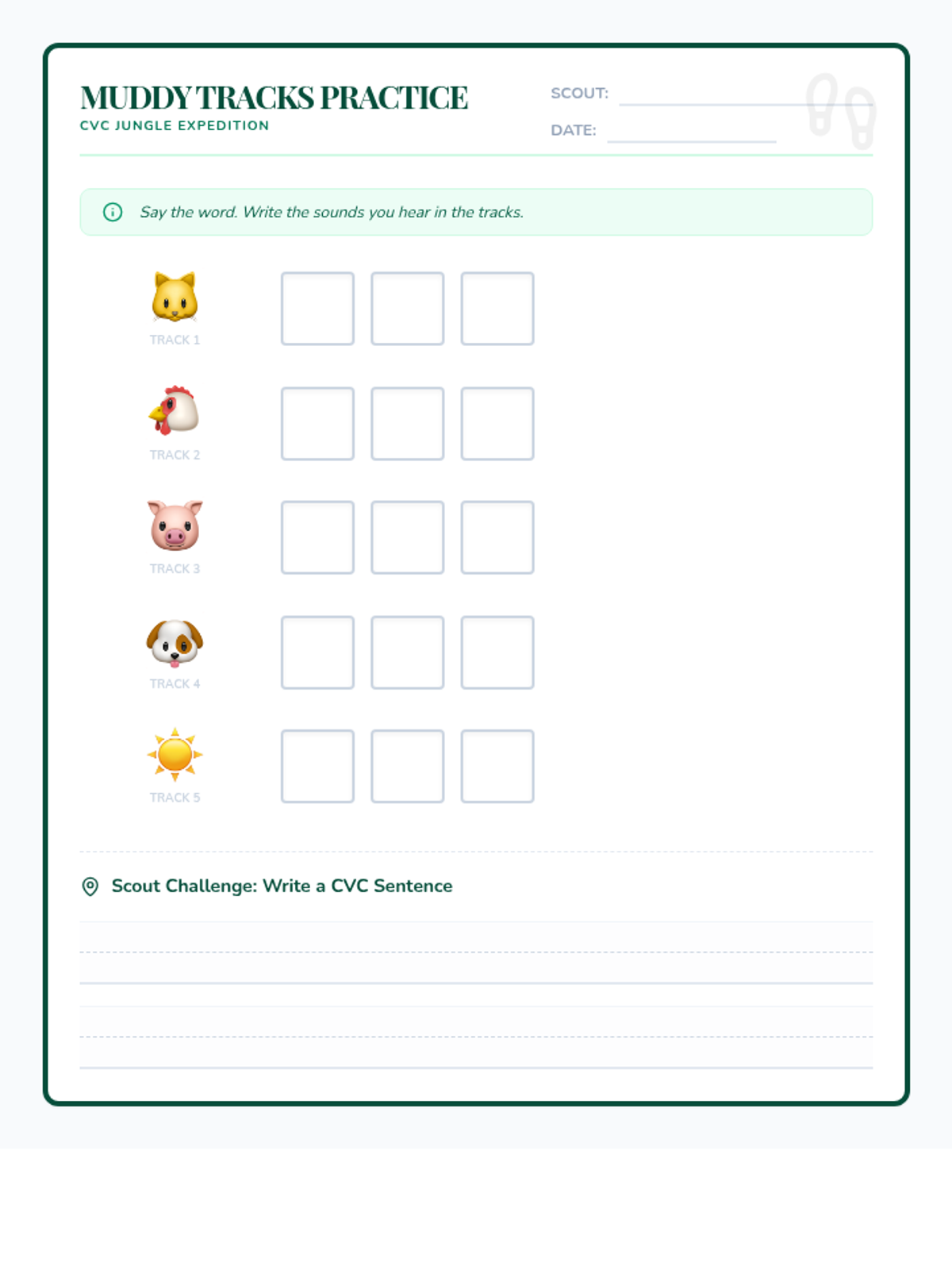
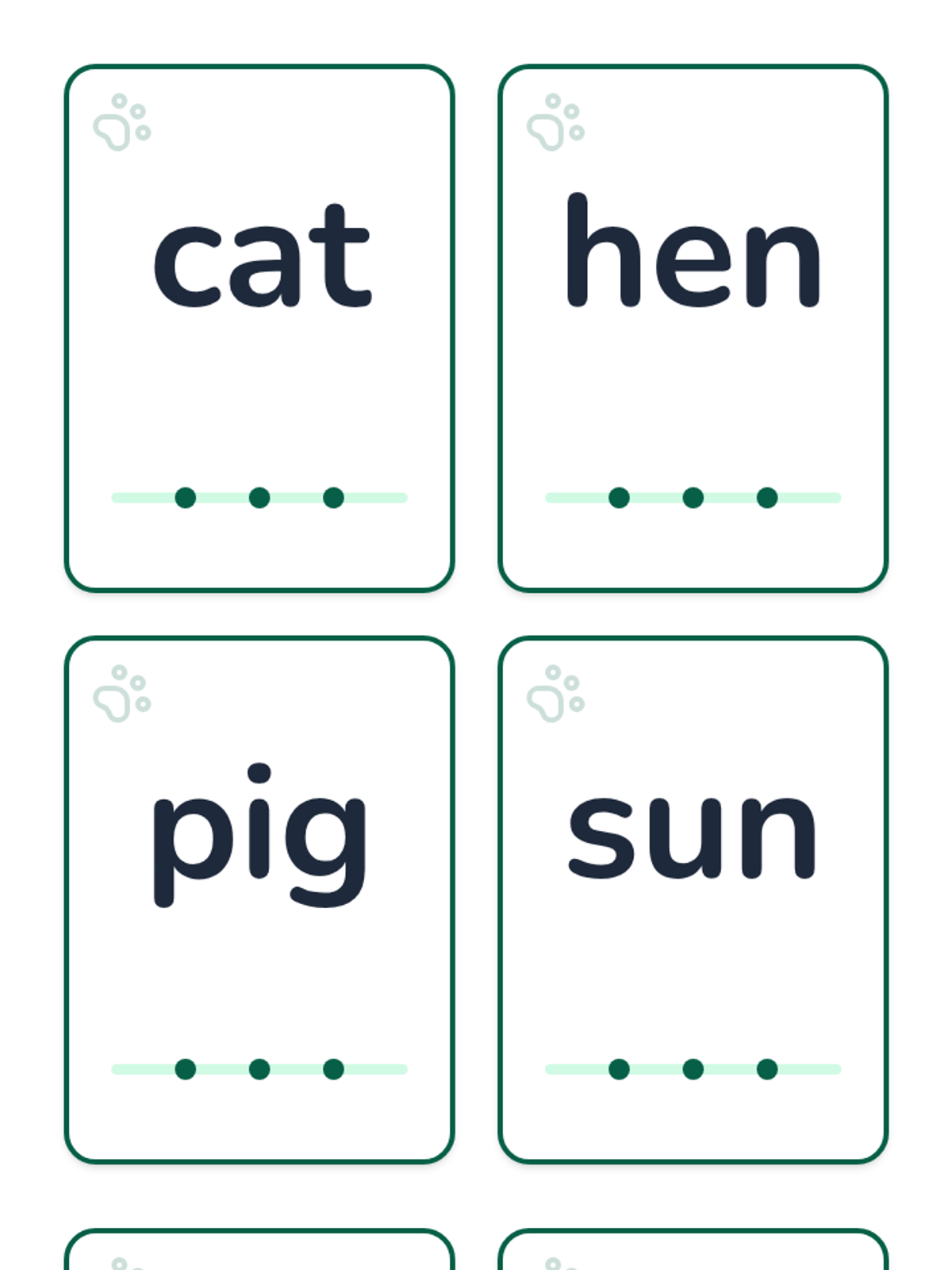
A comprehensive phonics sequence covering fundamental reading and spelling patterns from CVC words to complex vowel teams and suffixes. Each lesson includes instructional slides, decodable reading passages, comprehension activities, and targeted spelling practice.
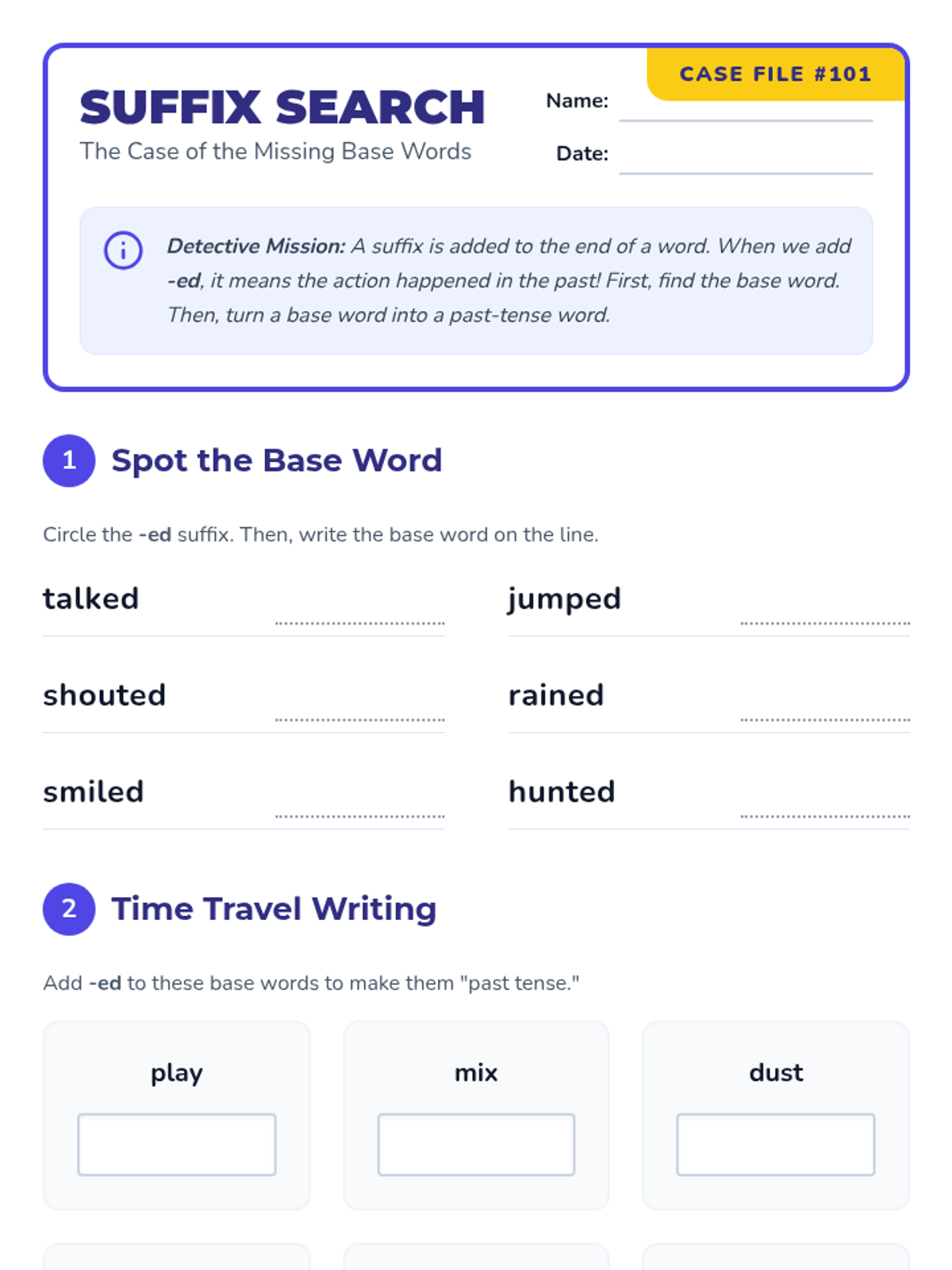
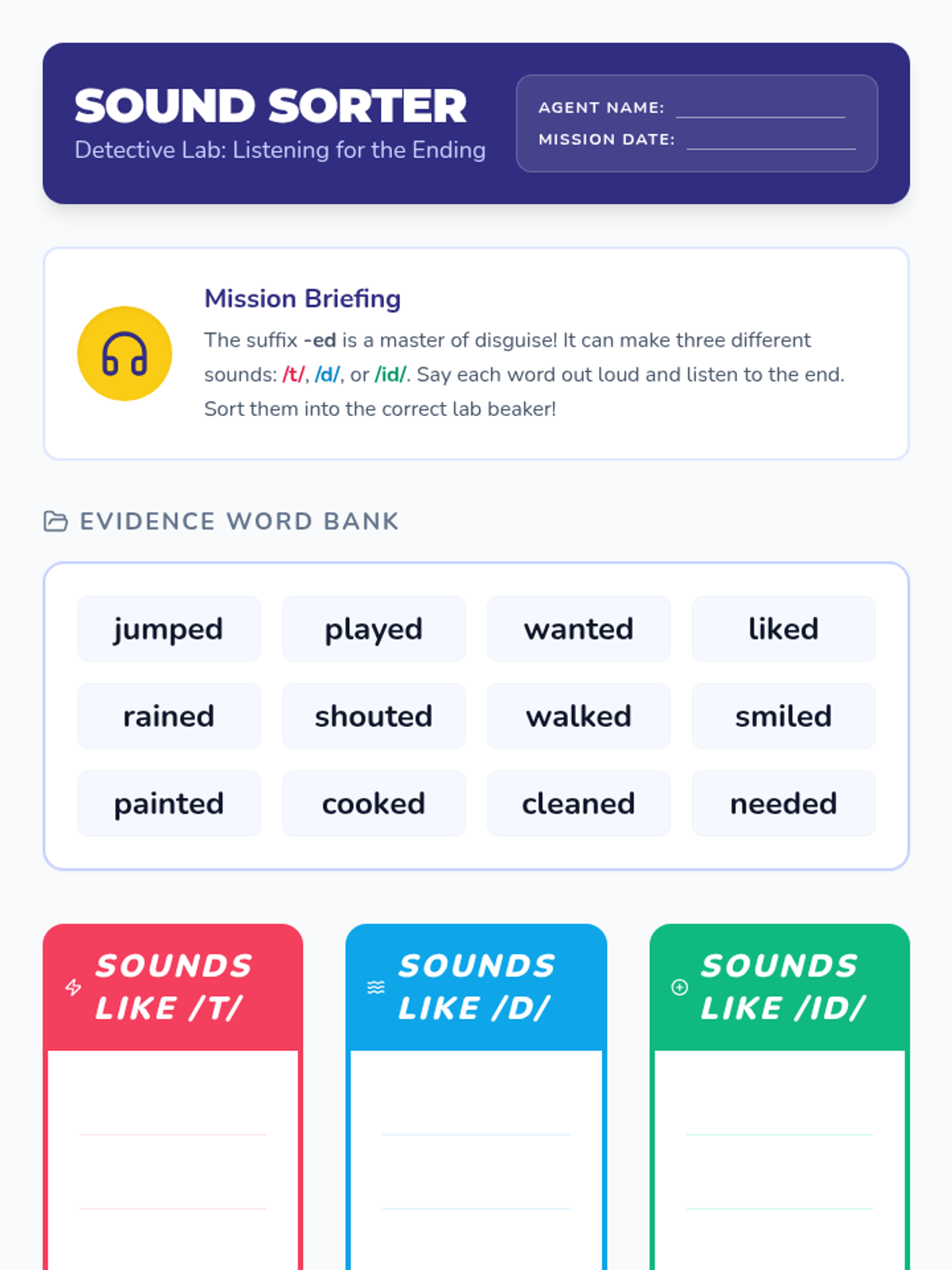
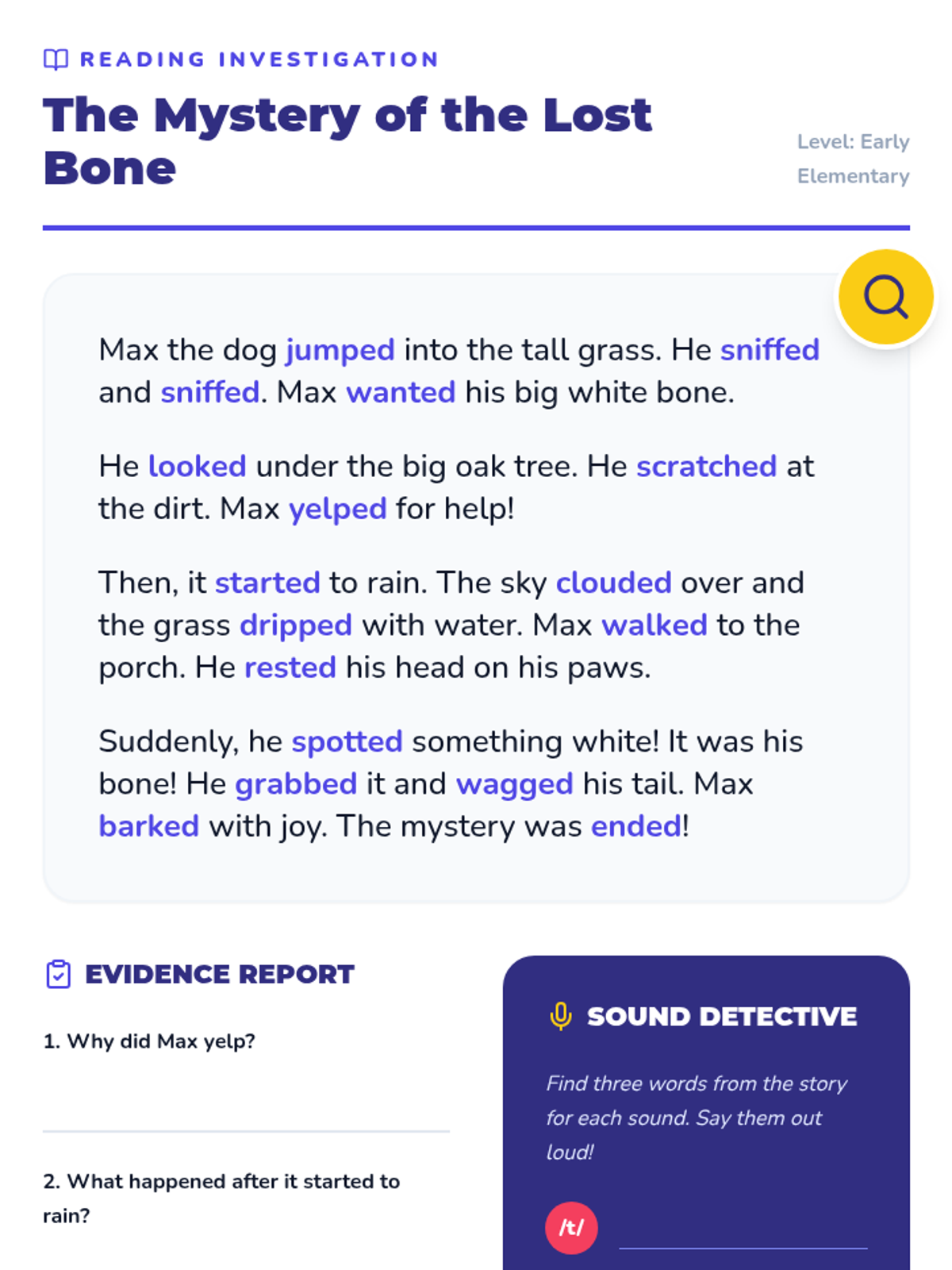
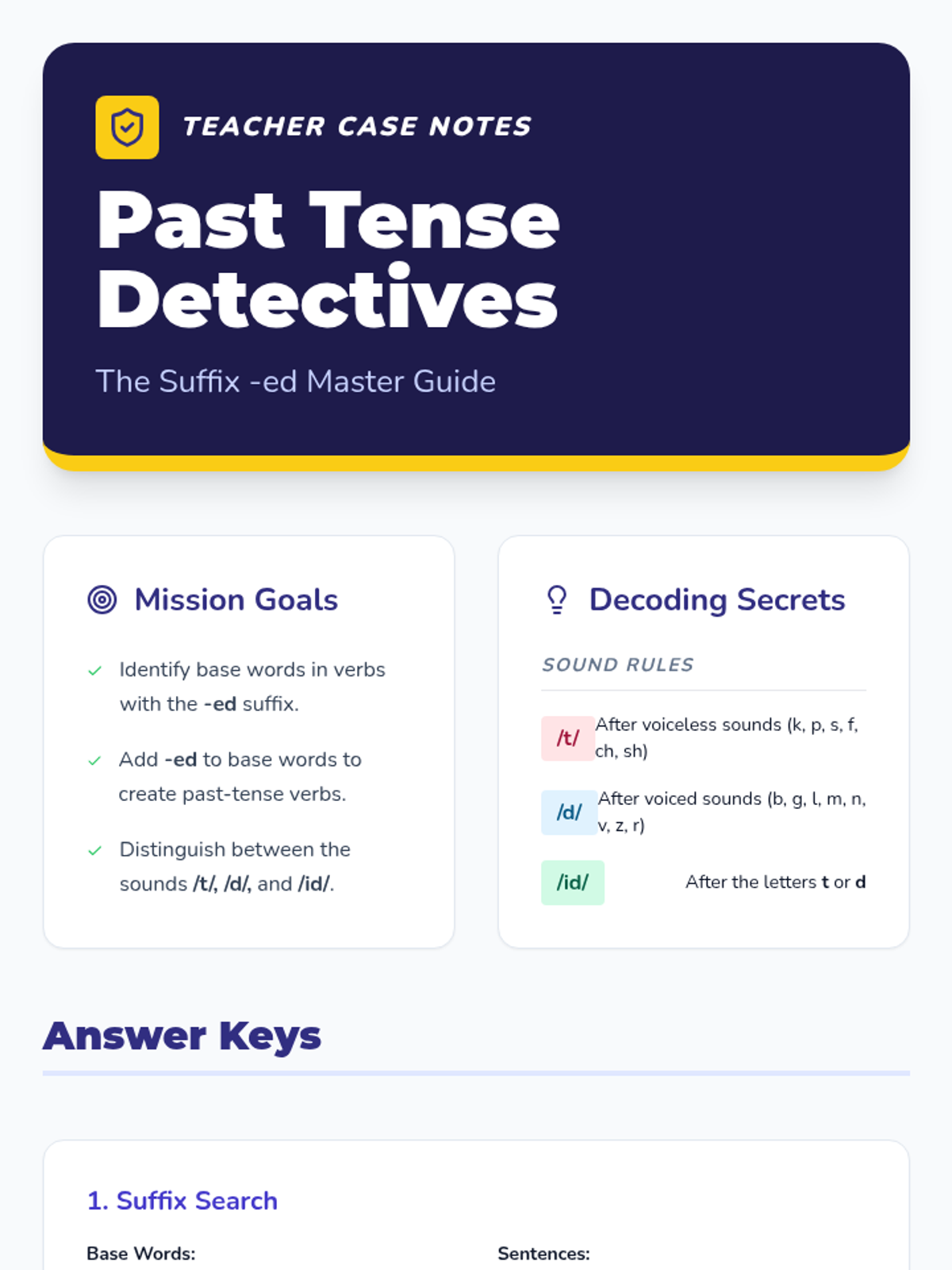
A foundational phonics sequence for 1st and 2nd graders to master the '-ed' suffix, focusing on identifying base words, decoding the three distinct sounds of '-ed', and encoding past tense verbs in sentences.
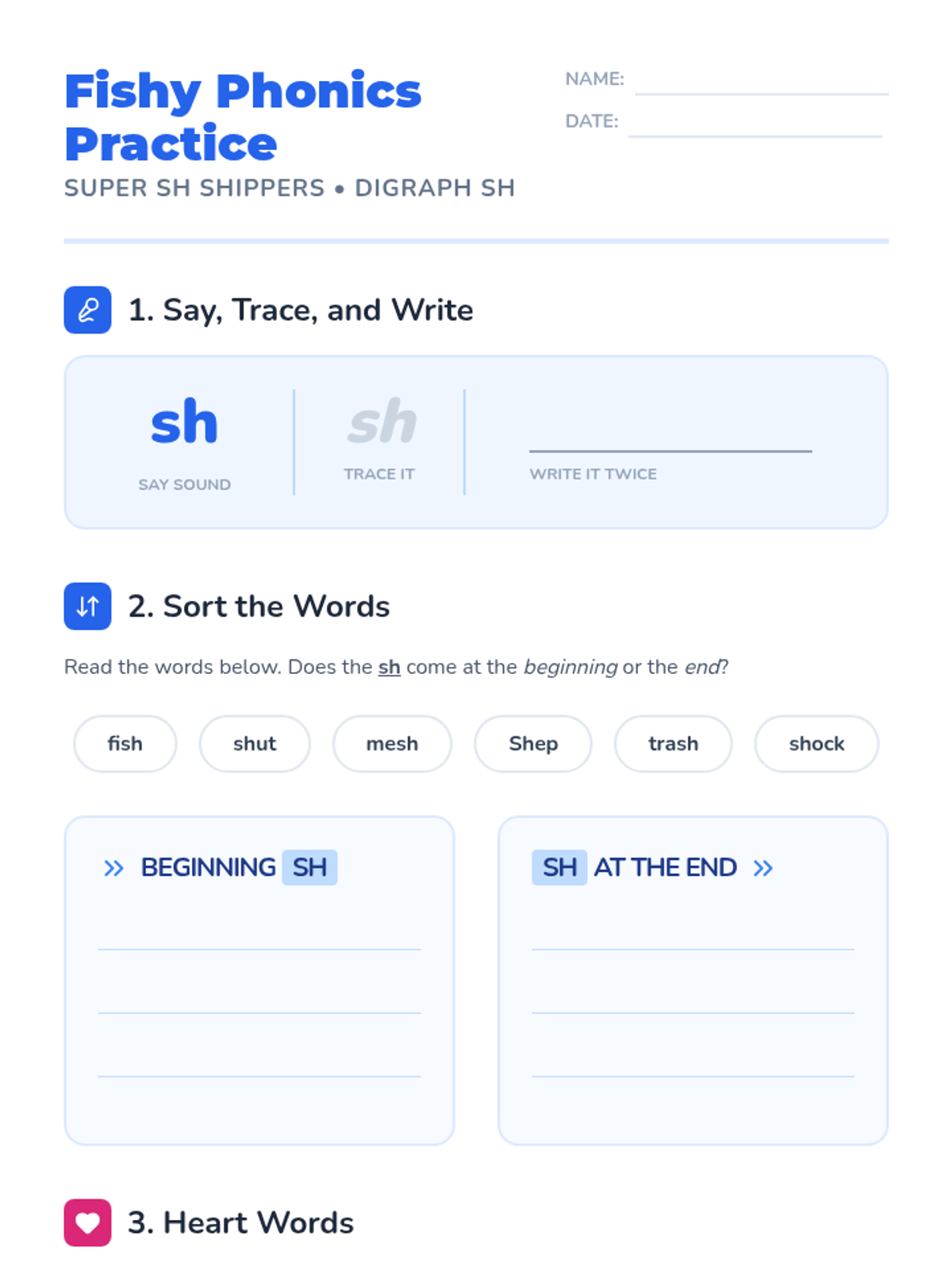
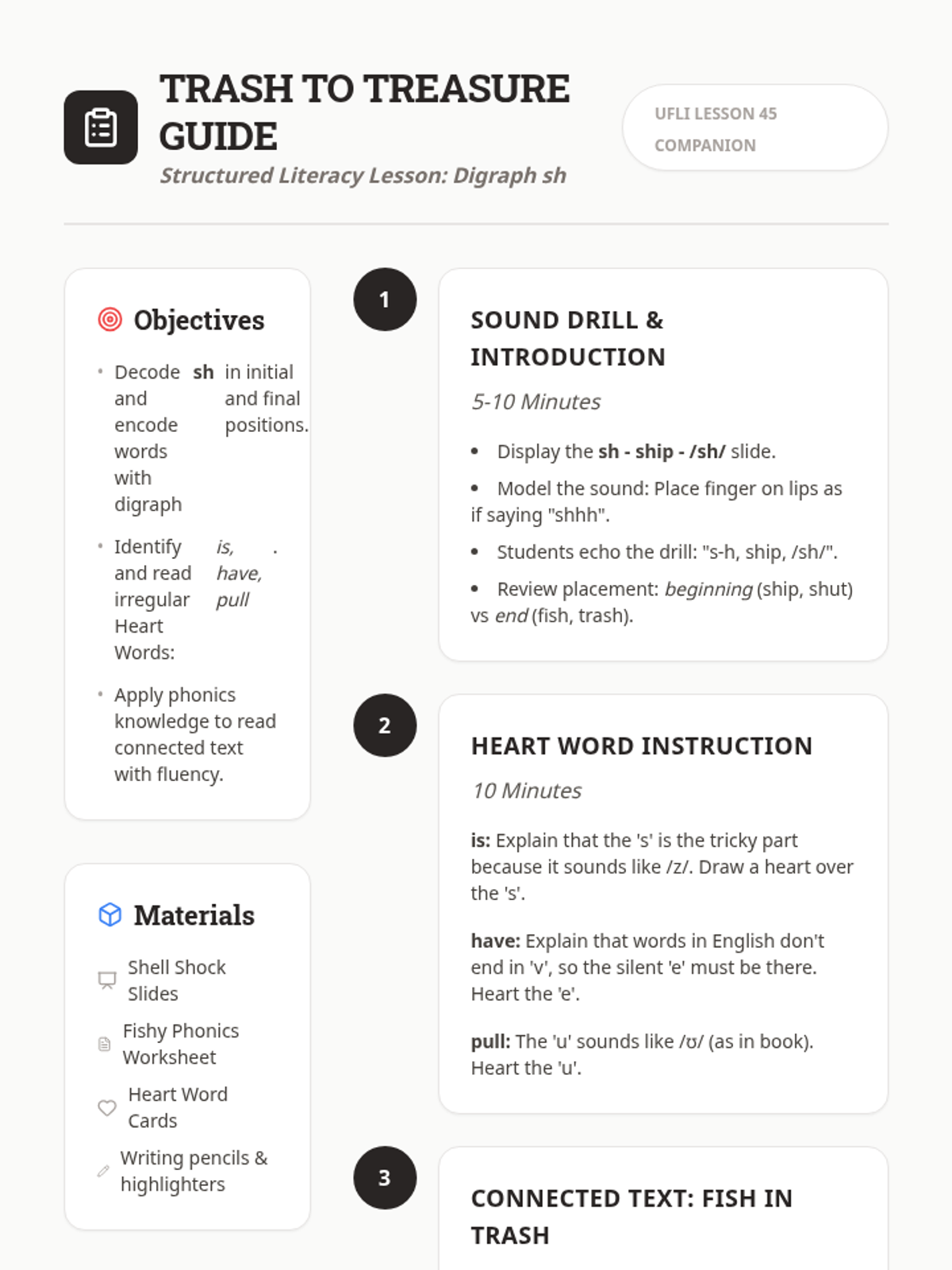
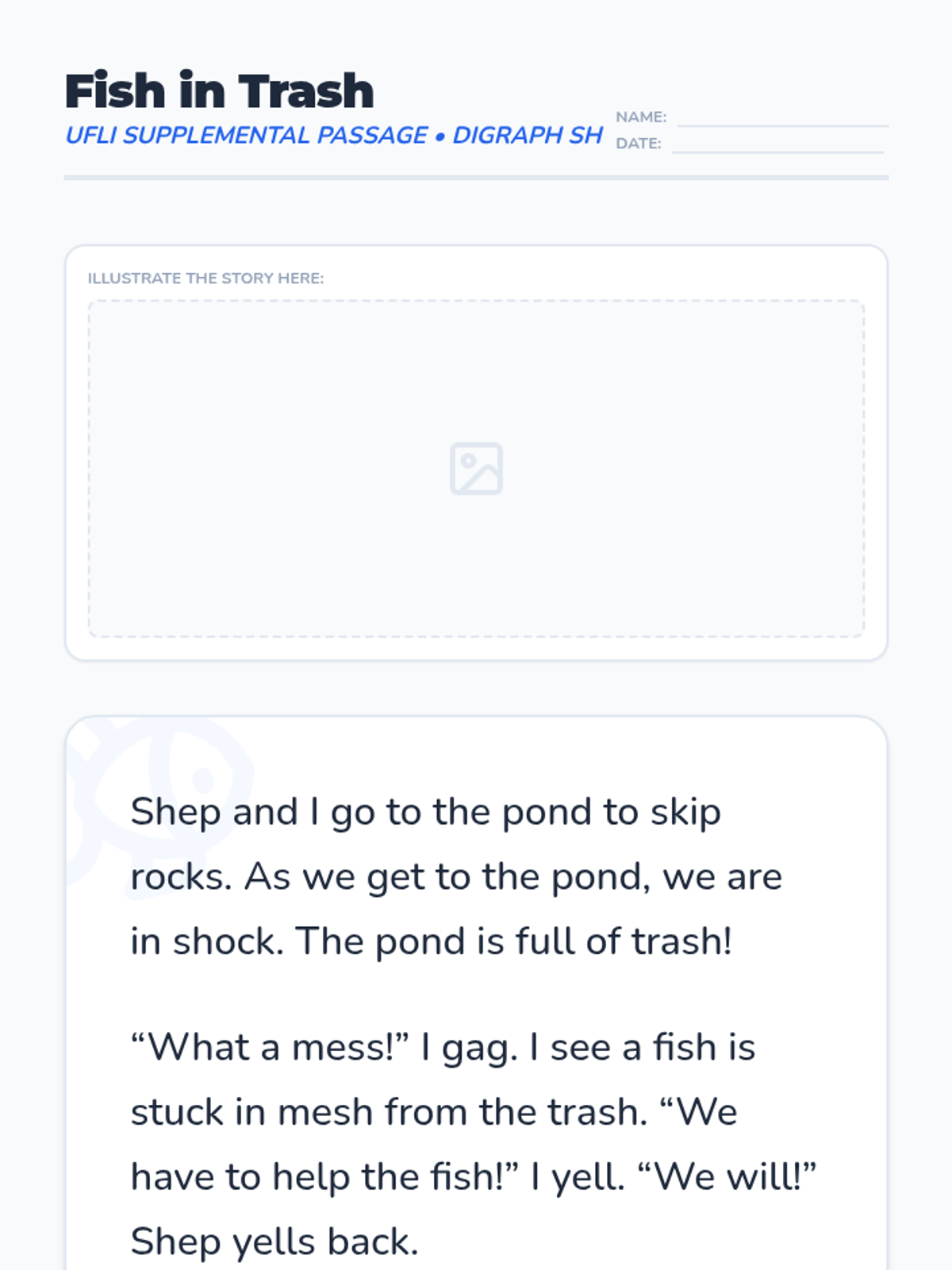
A series of structured literacy lessons focusing on mastering common digraphs (sh, th, ch) through explicit instruction, heart word methods, and decodable text practice.
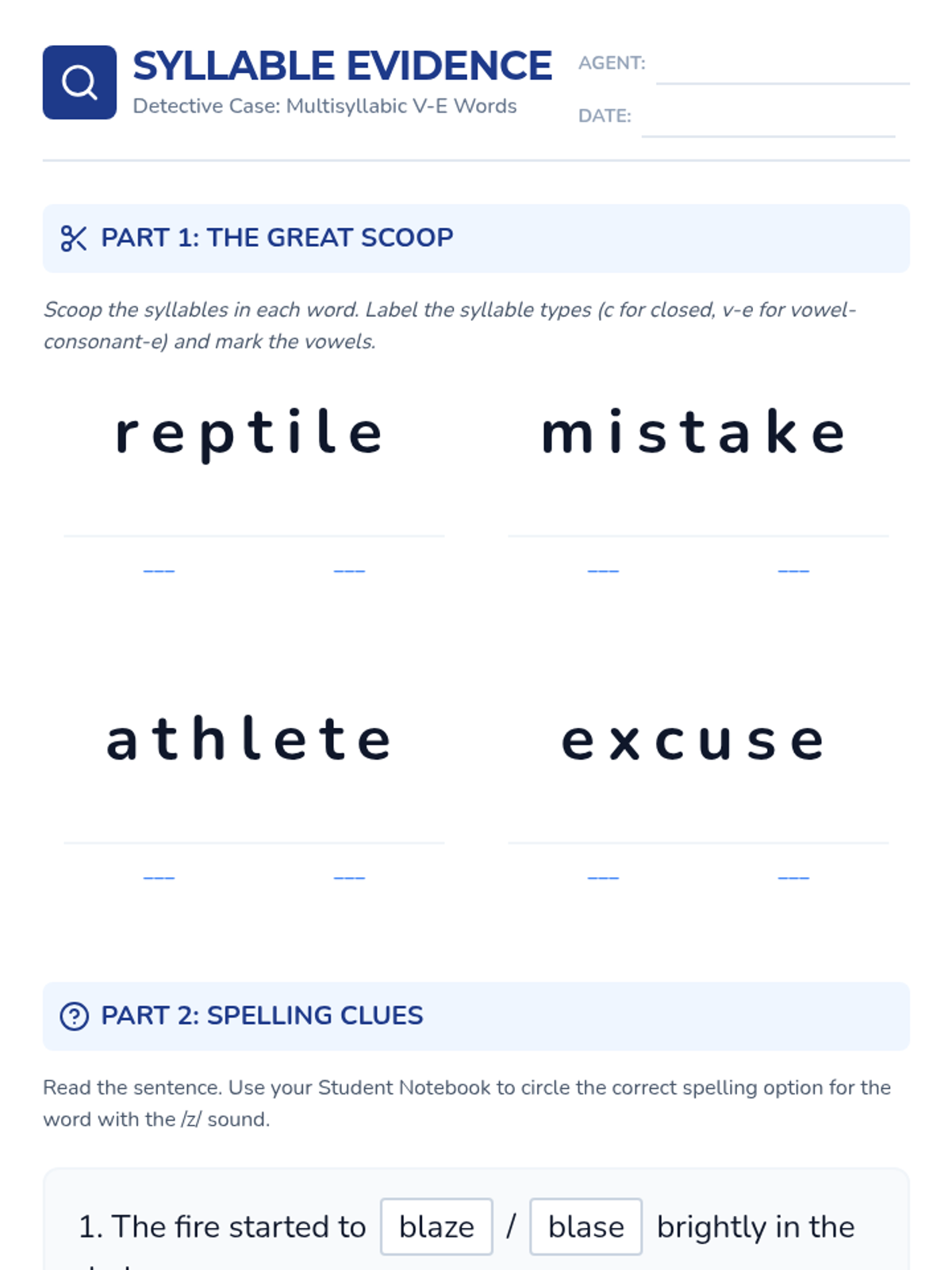
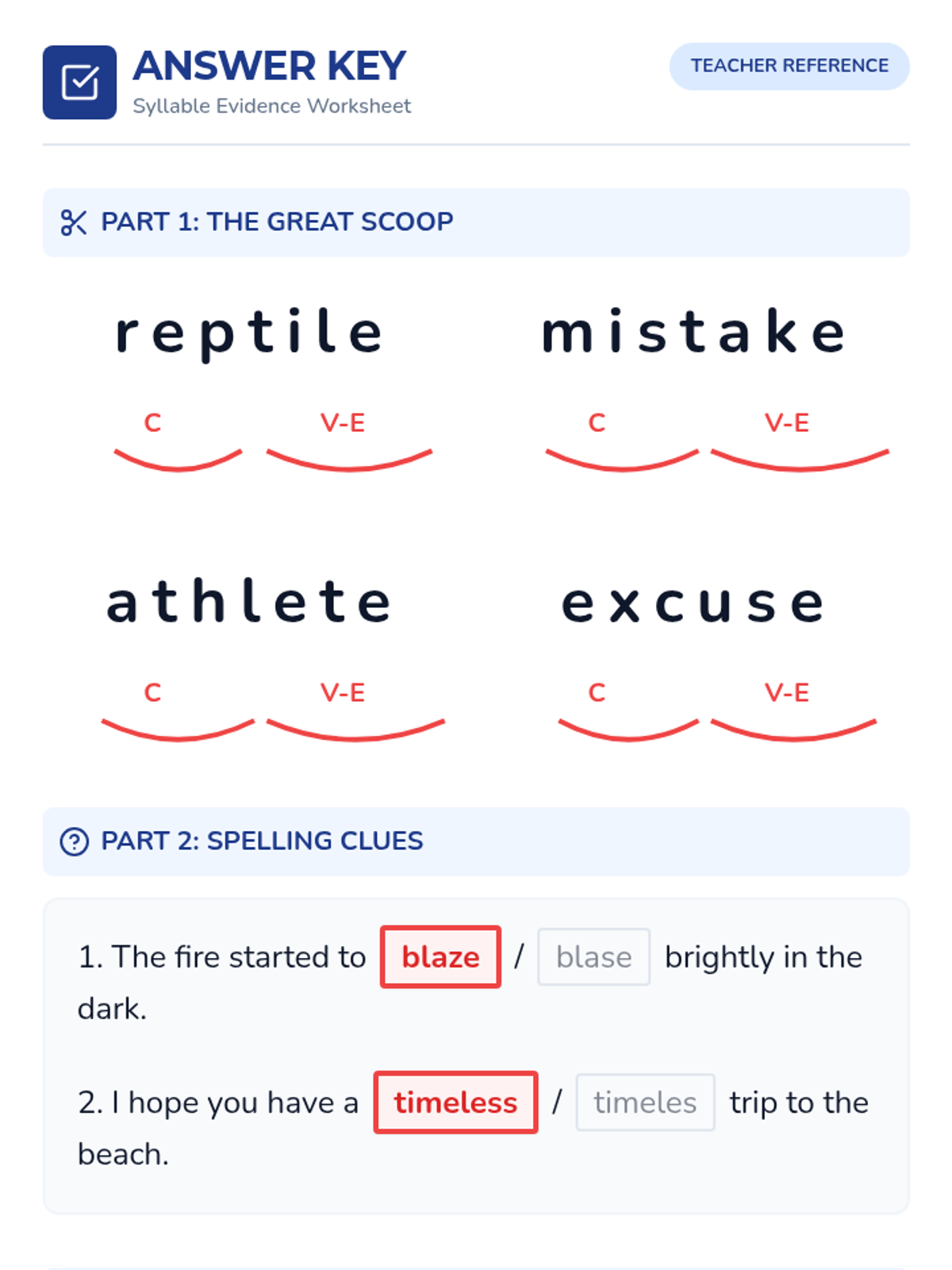
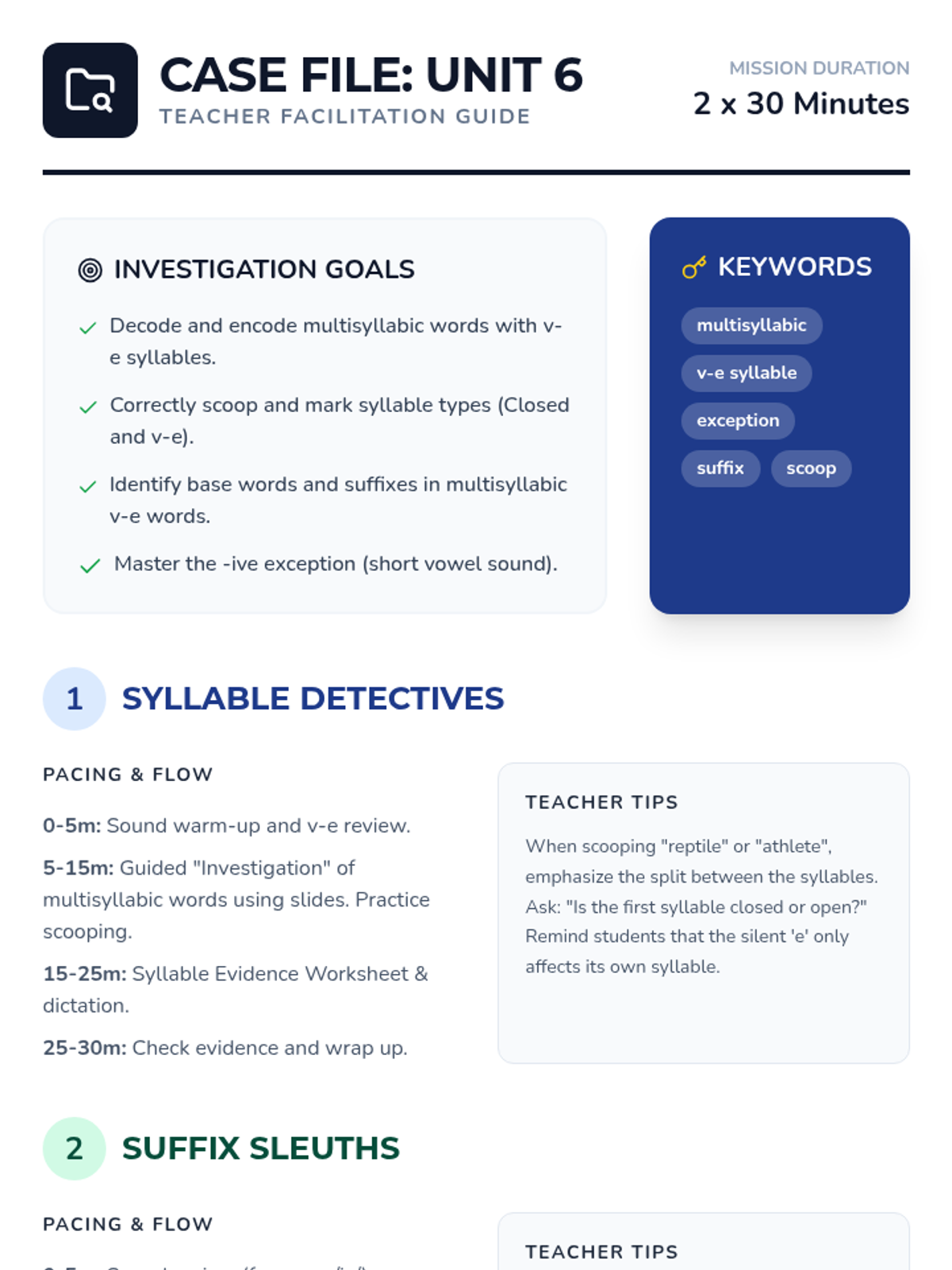
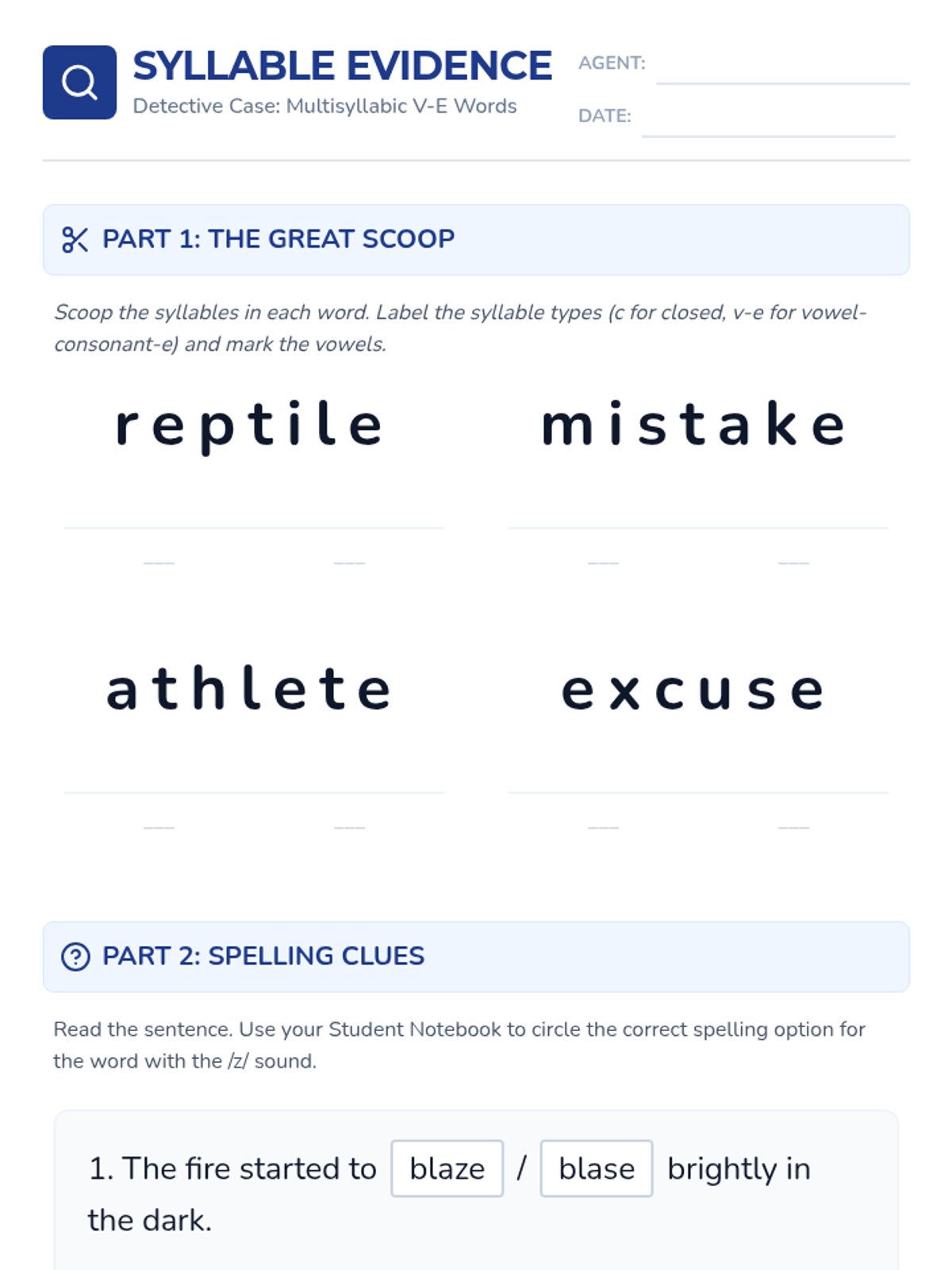
A two-lesson unit focused on multisyllabic words with vowel-consonant-e (v-e) syllables and common suffixes, following the Fundations Level 2 Unit 6 curriculum. Students will practice scooping syllables, marking vowel sounds, and identifying the -ive exception.
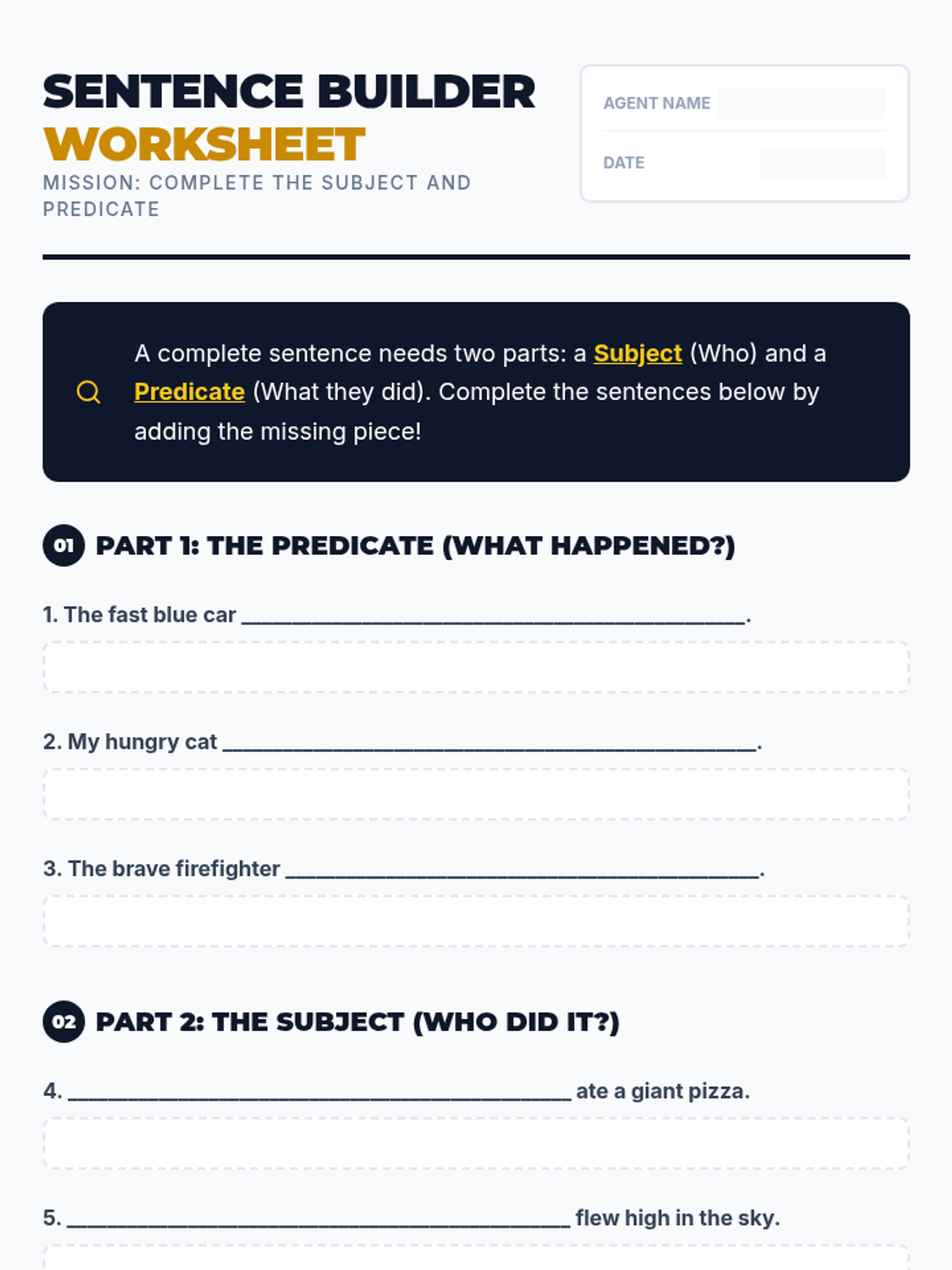
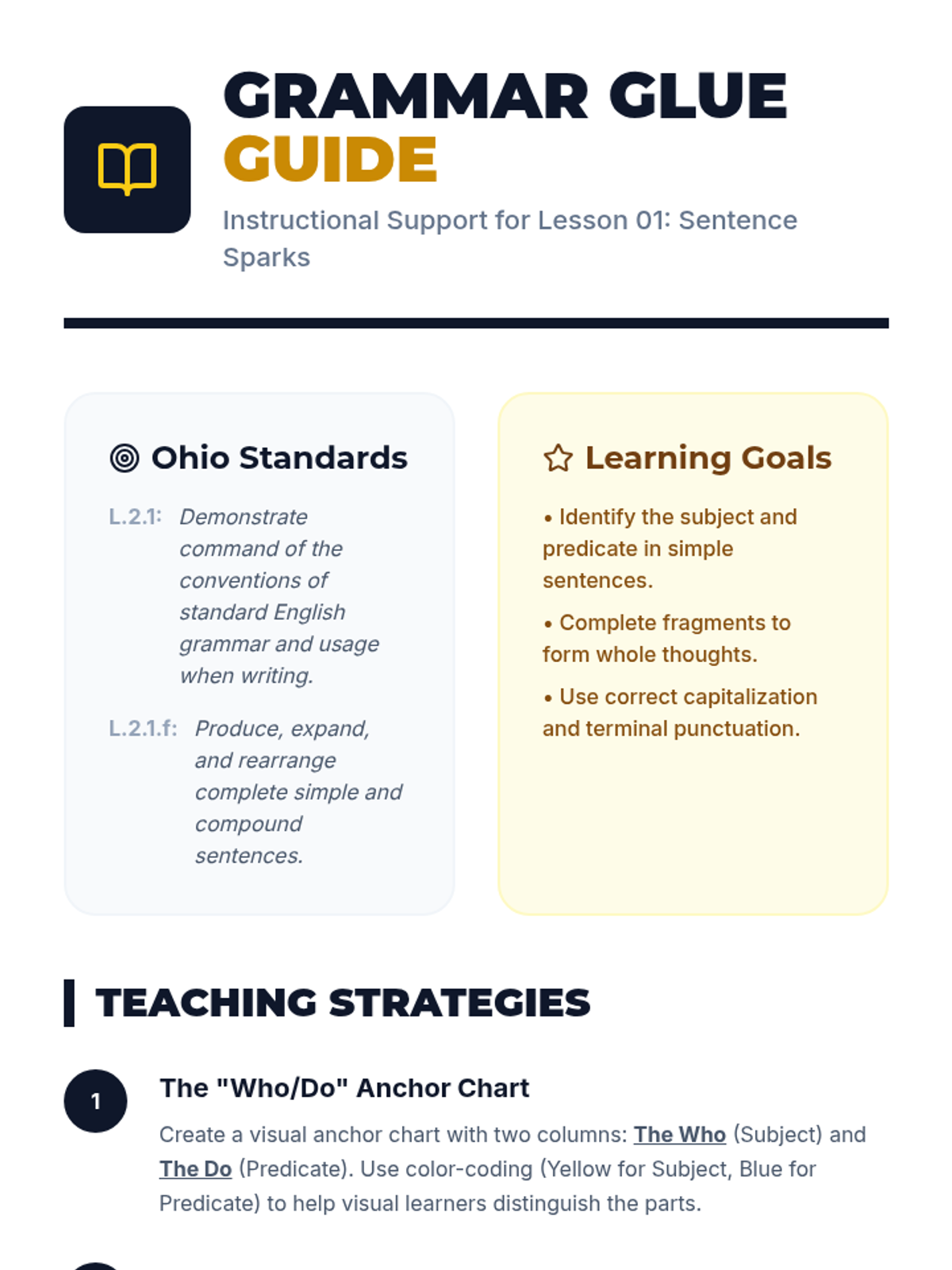
A comprehensive series of lessons focused on Ohio Grade 2 standards for written expression, specifically targeting complete sentence structure and phonetic spelling strategies. Students will become 'Language Detectives' to master the mechanics of writing.
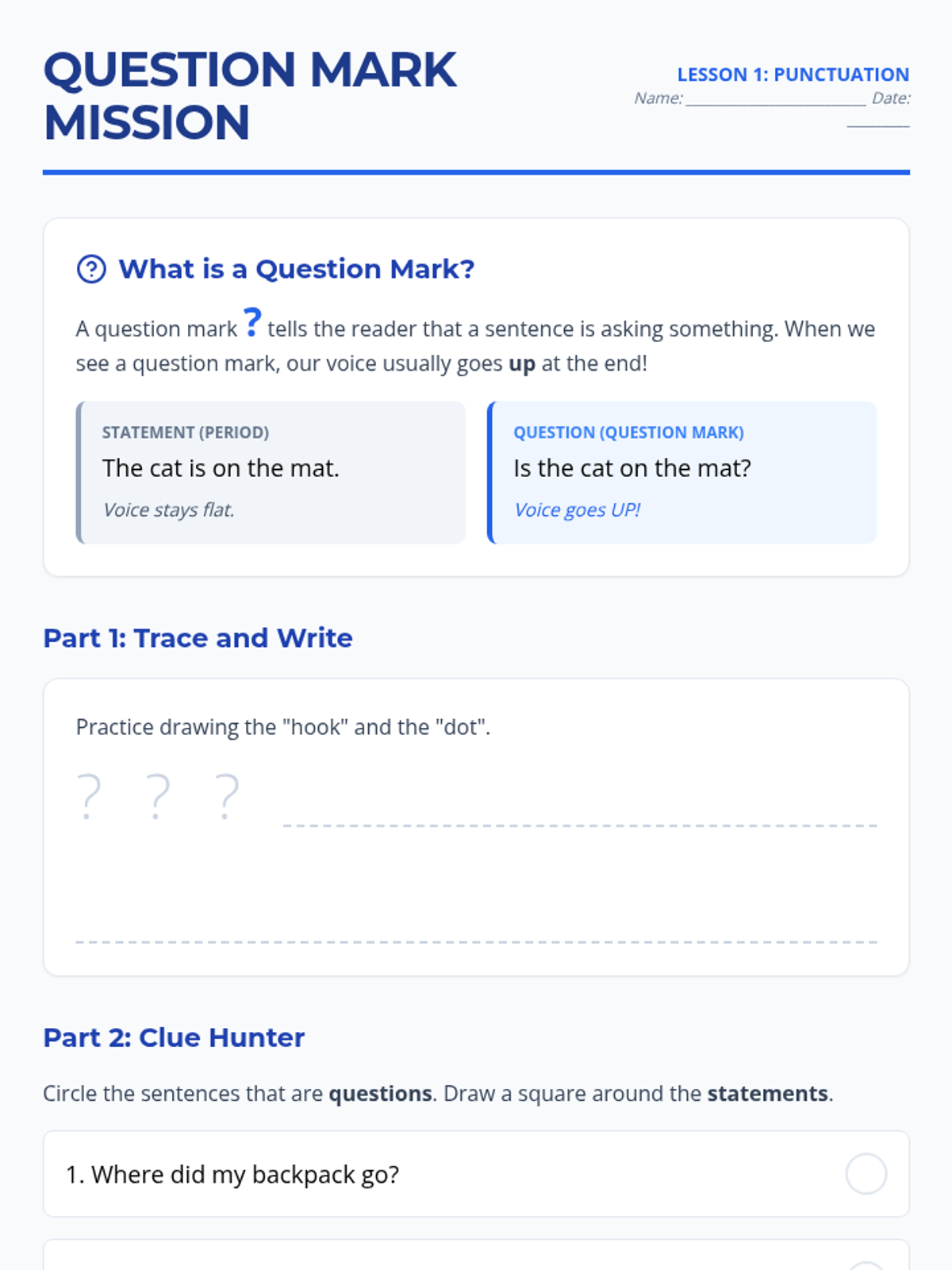
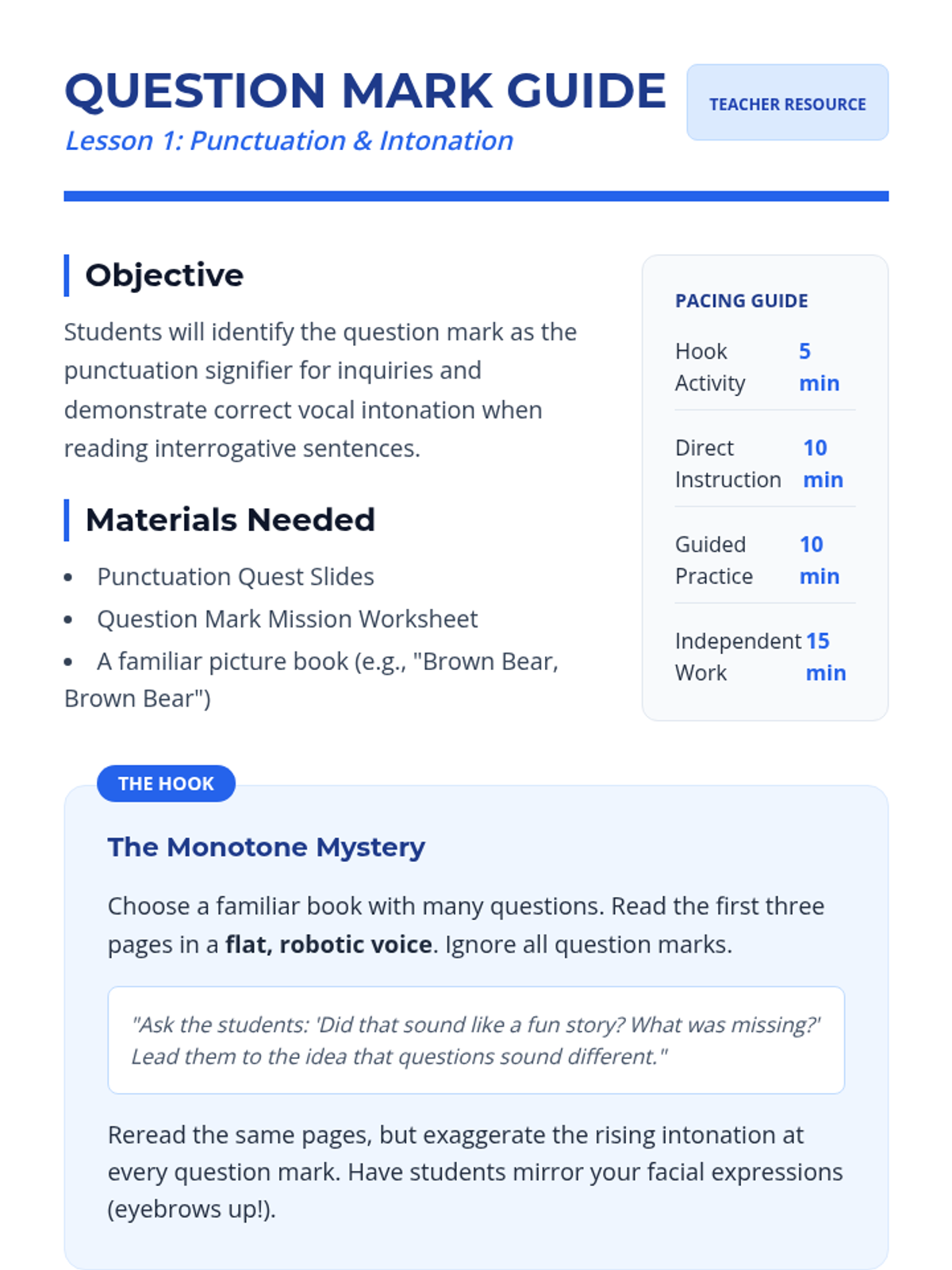
This 2nd Grade ELA sequence focuses on the mechanics of interrogative sentences, covering punctuation, word order, sentence transformation, capitalization, and editing. Students progress from identifying question marks to constructing and proofreading complex inquiries.
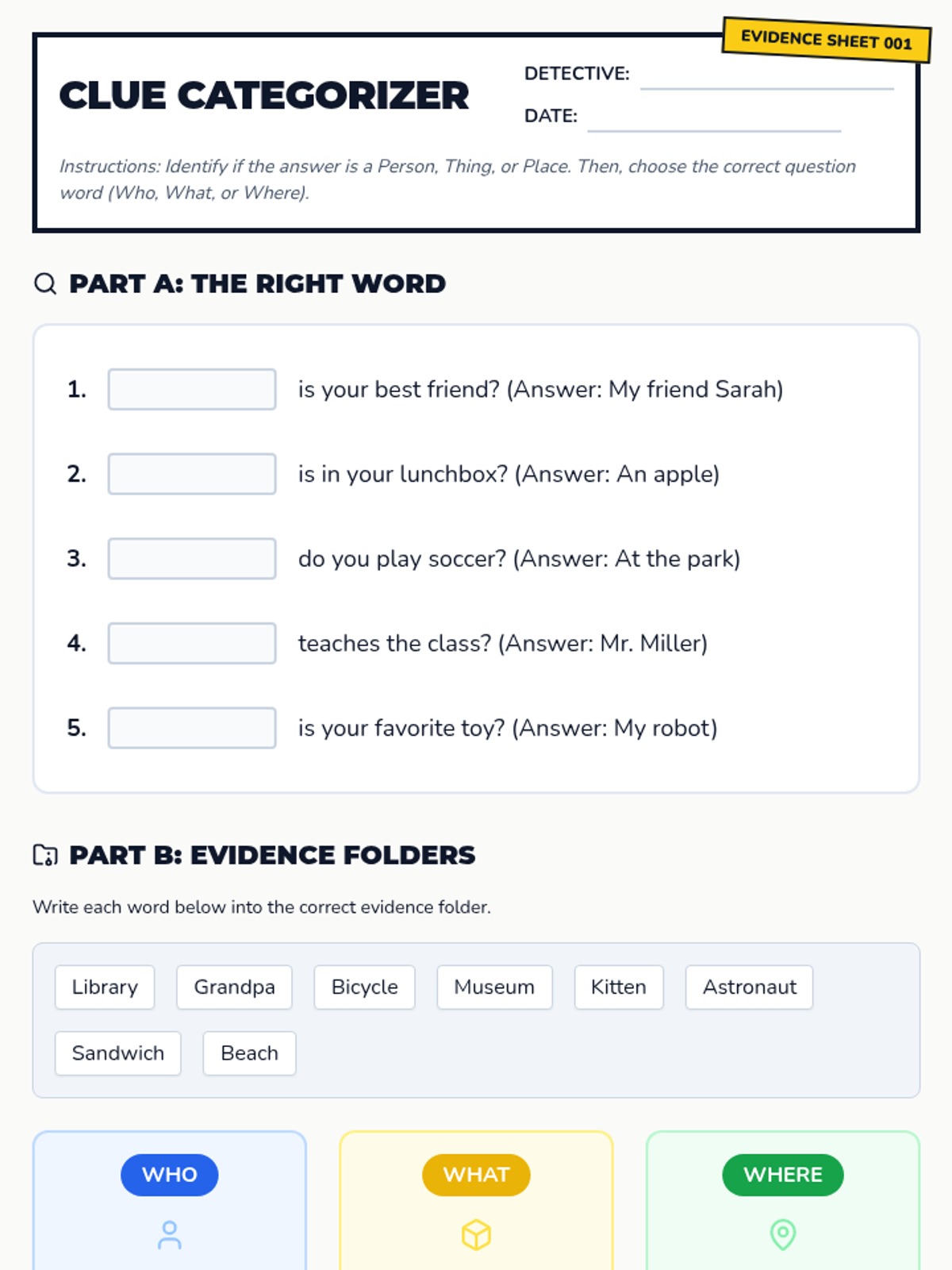
A comprehensive 2nd Grade ELA sequence exploring the six primary question words (who, what, where, when, why, and how). Through a detective-themed series of lessons, students learn to categorize interrogatives, differentiate between abstract concepts like time and process, and master the link between specific question words and the information they elicit.
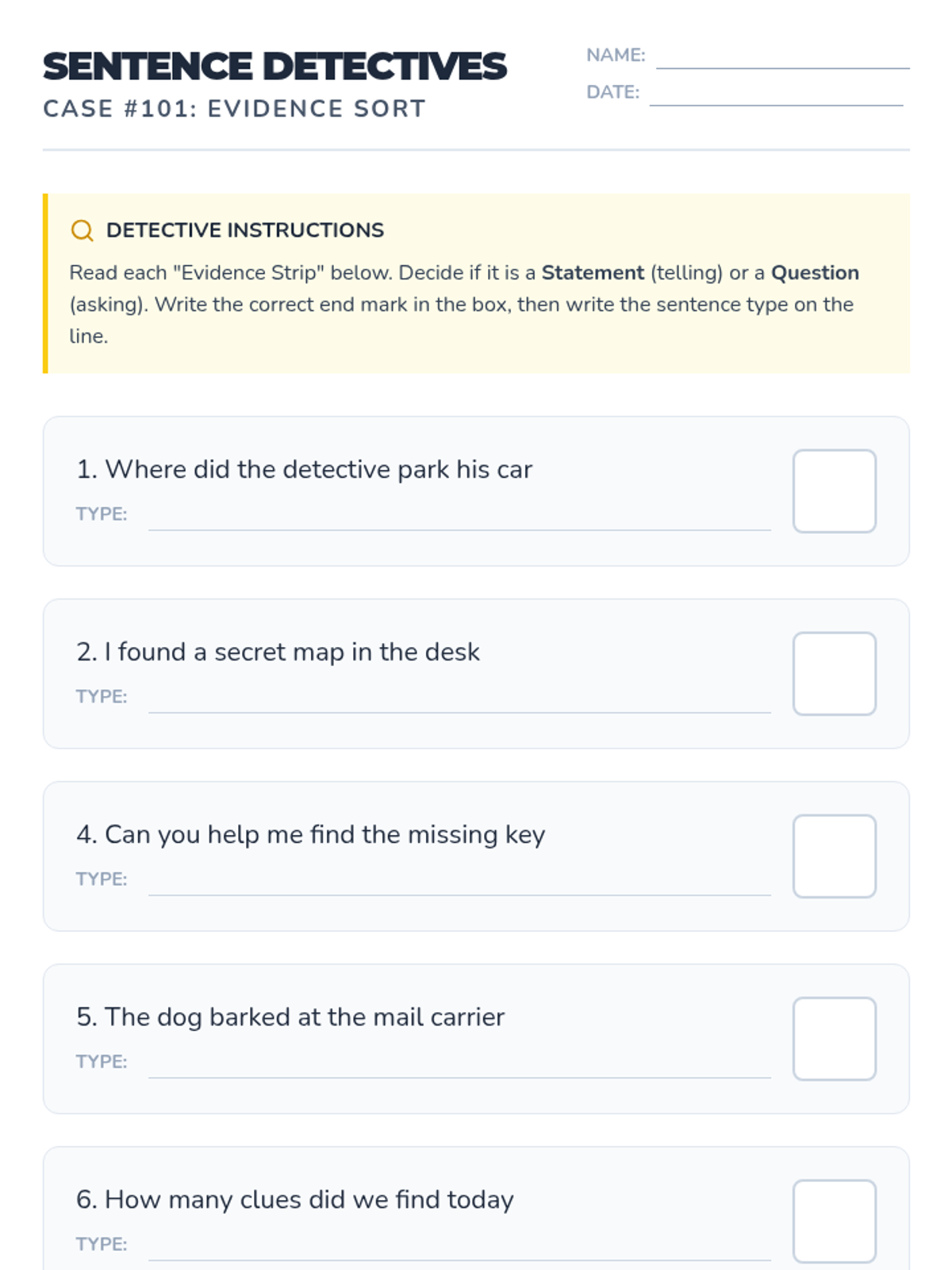
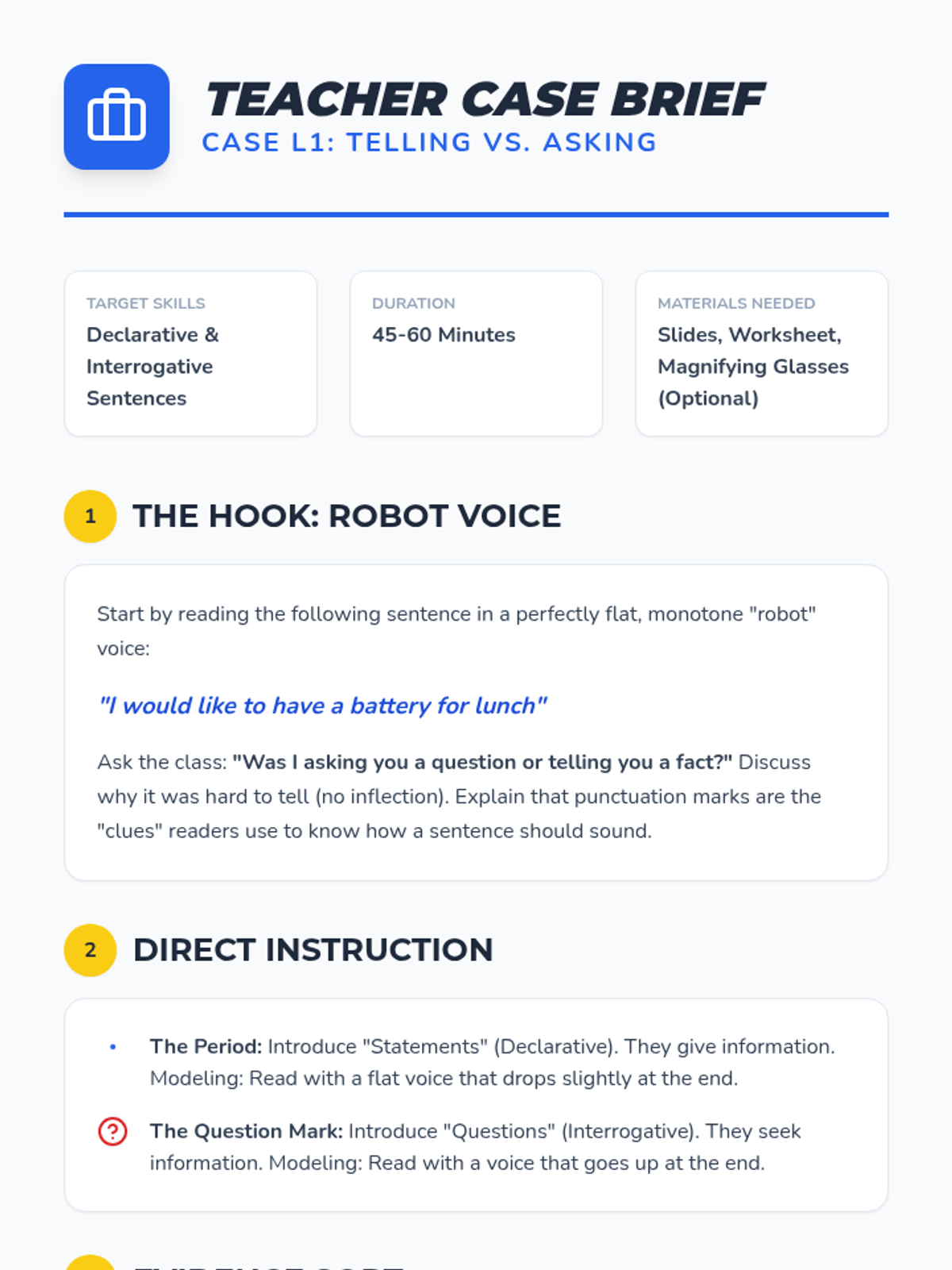
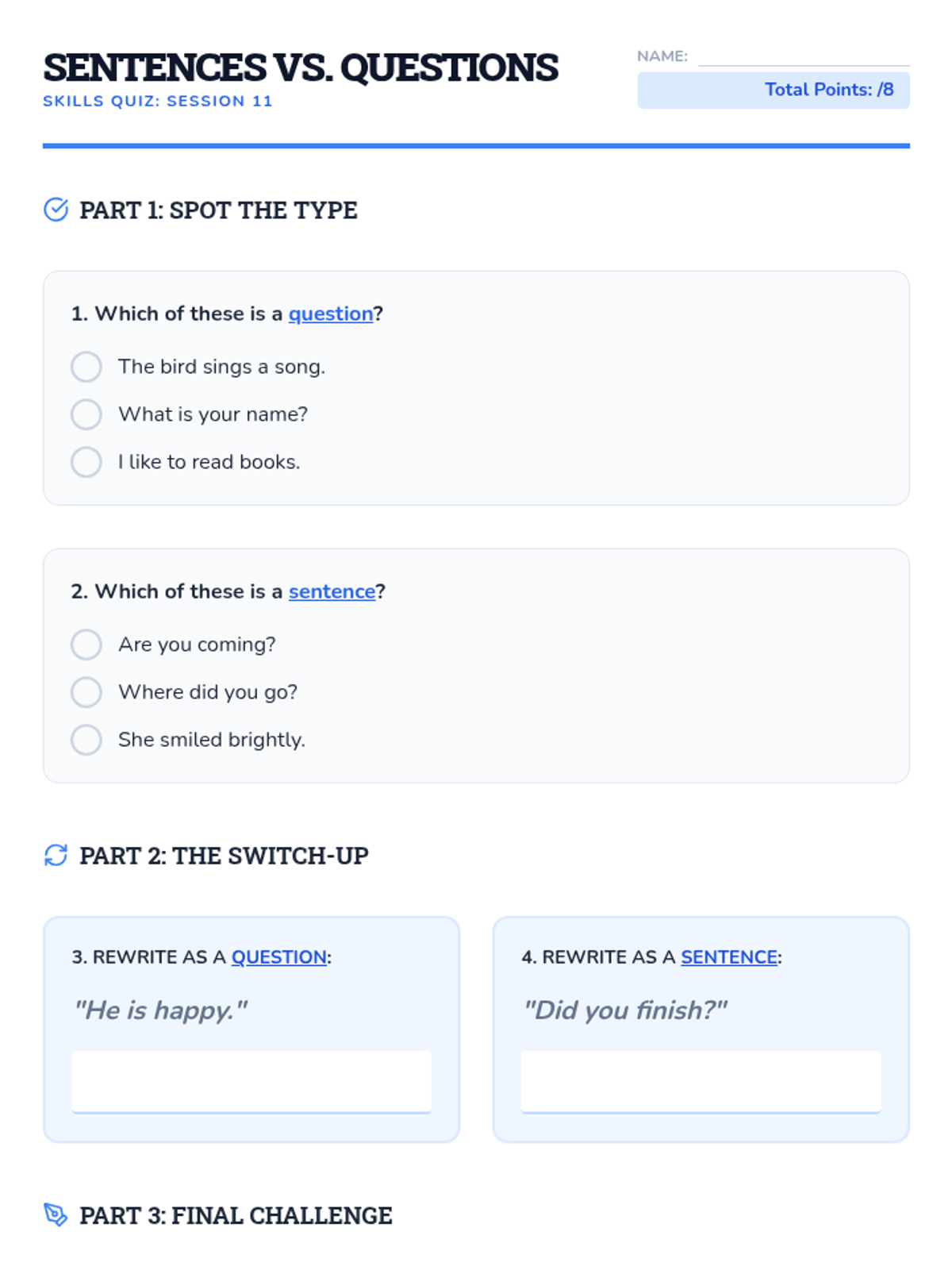
Students become 'Sentence Detectives' to master the four types of sentences and their end punctuation. They explore statements, questions, commands, and exclamations through interactive activities, editing challenges, and creative comic design.
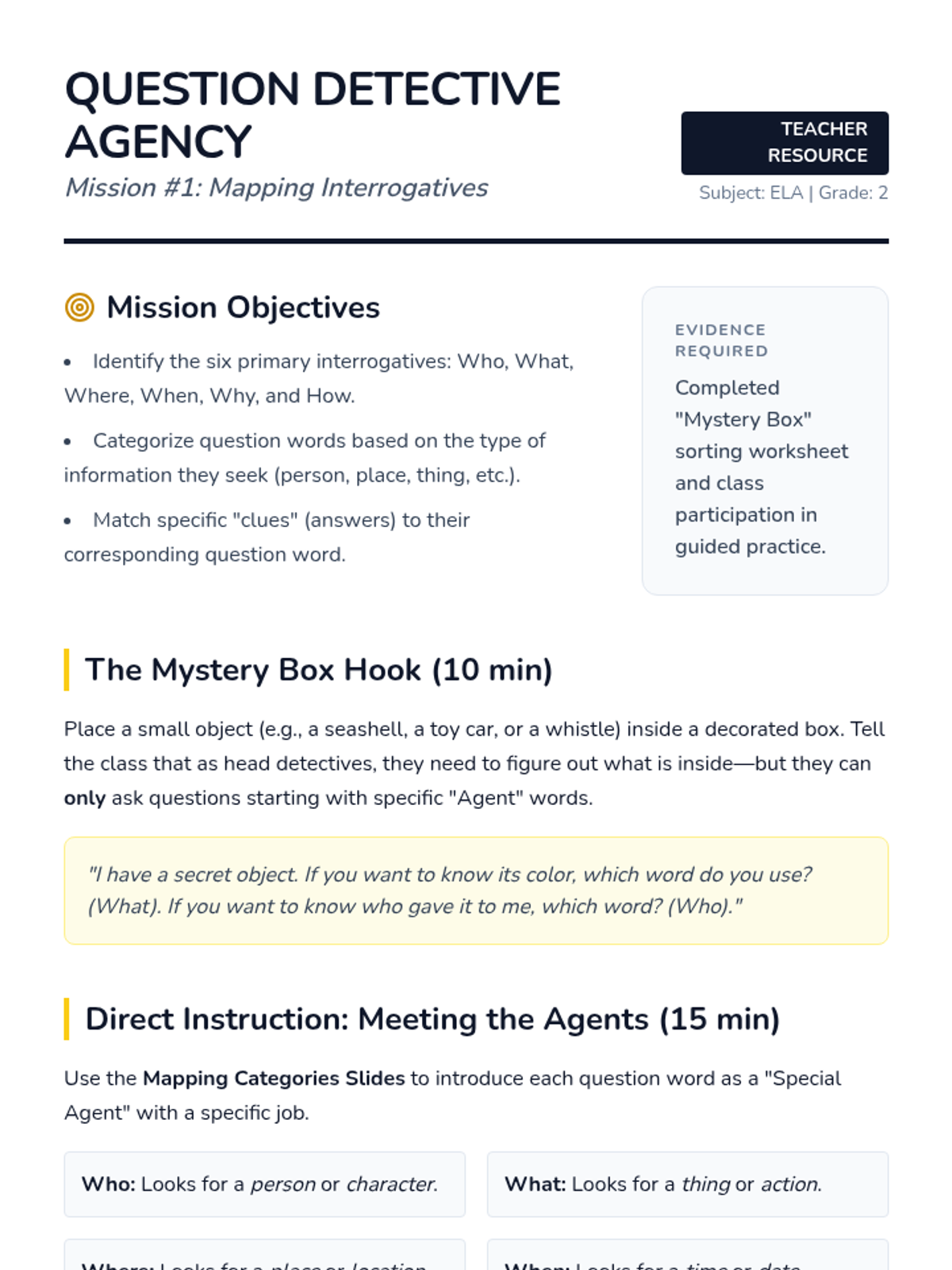
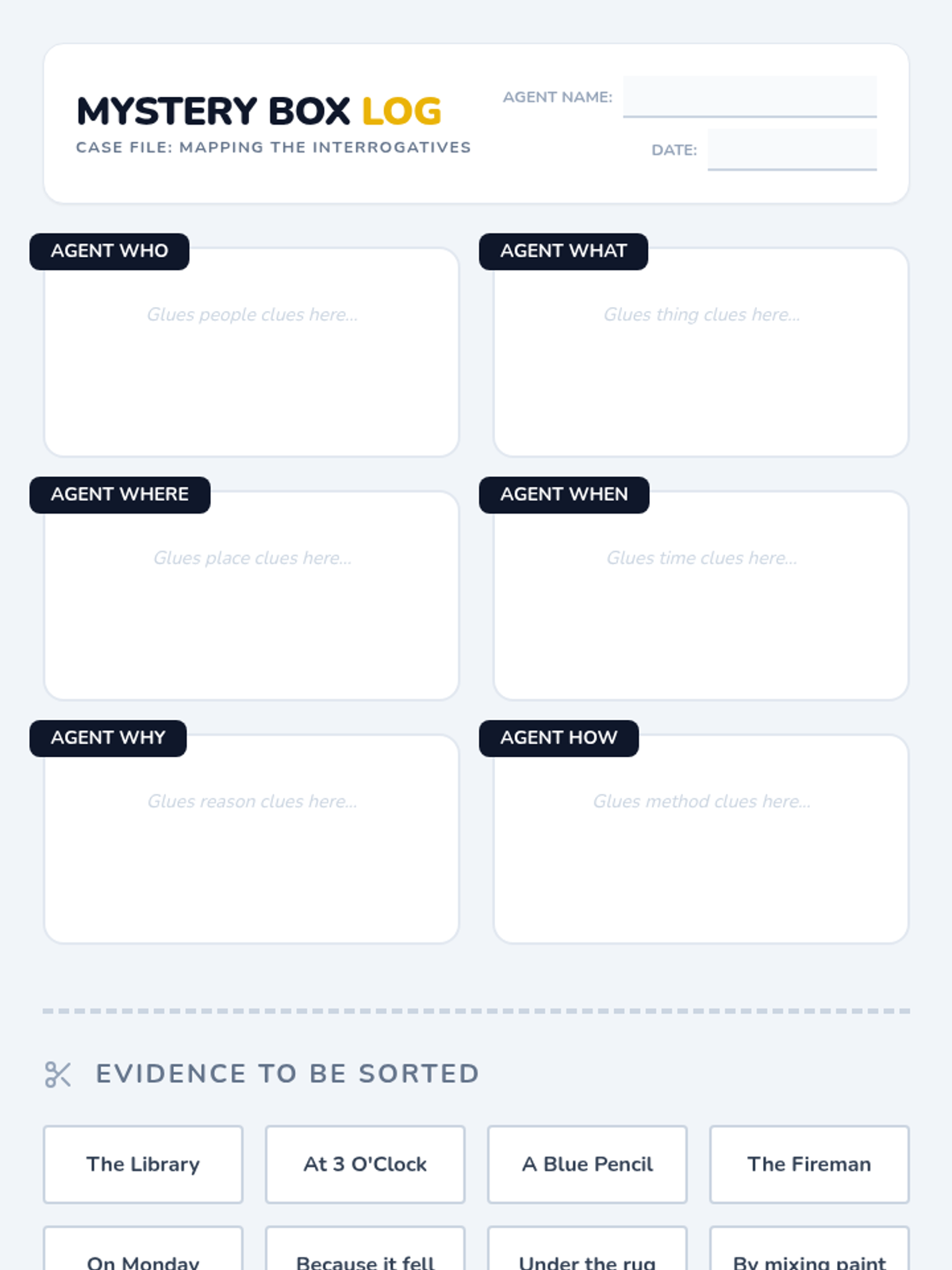
A comprehensive sequence for 2nd Grade ELA that teaches the six primary interrogatives (who, what, where, when, why, how) through a 'Question Detective Agency' theme. Students progress from categorizing question words to building sentences, extracting text details, and conducting peer interviews.
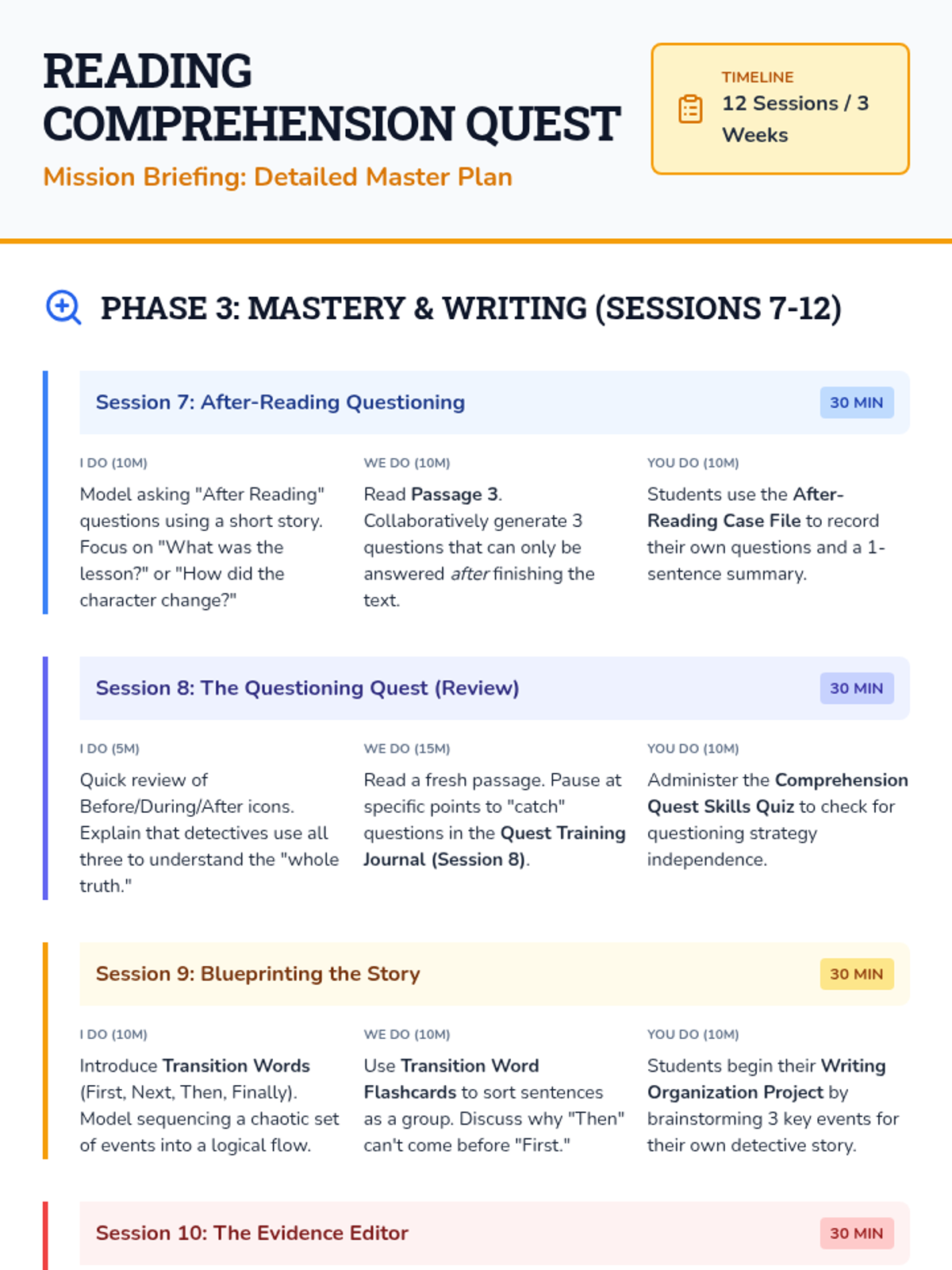
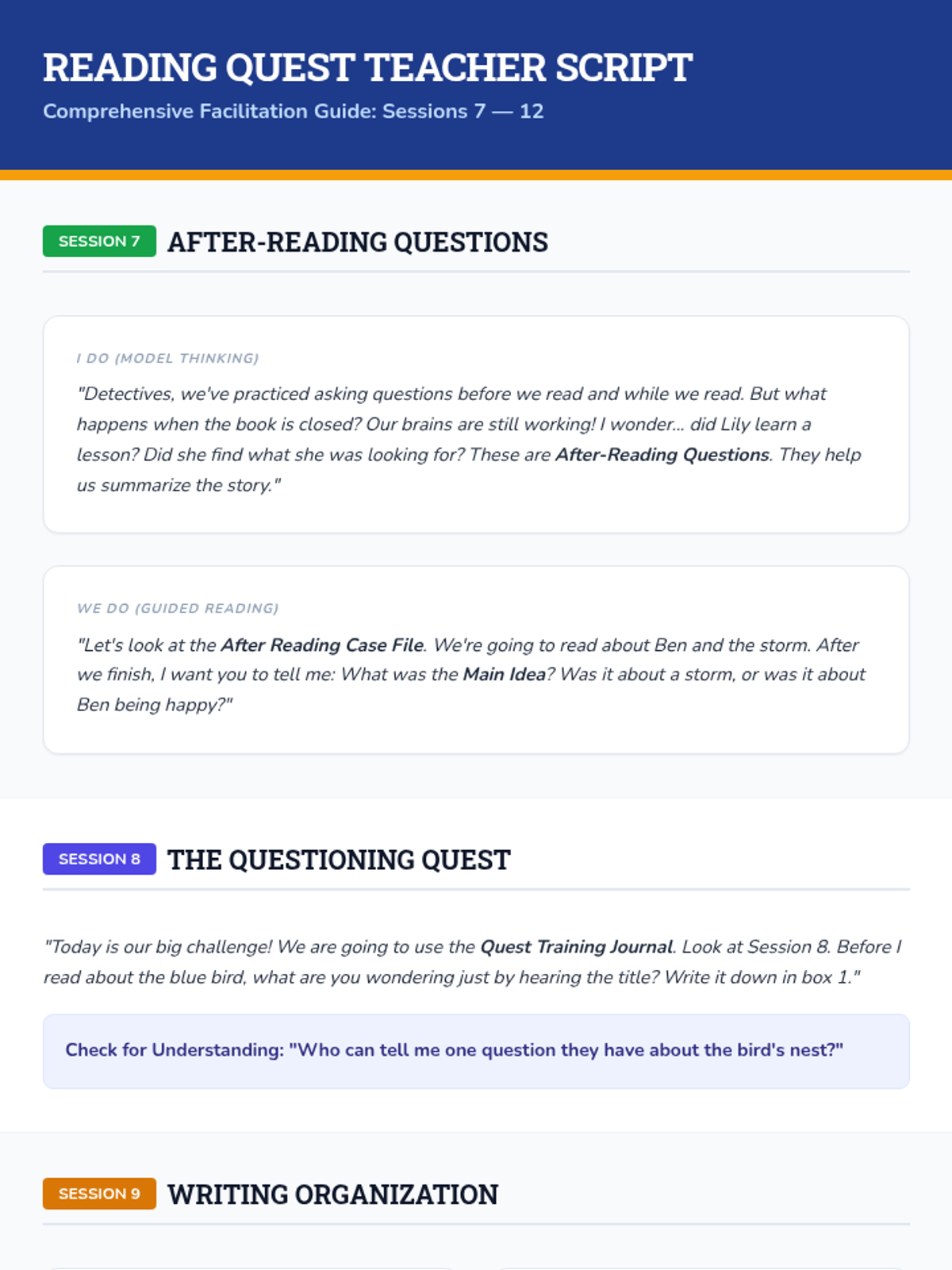
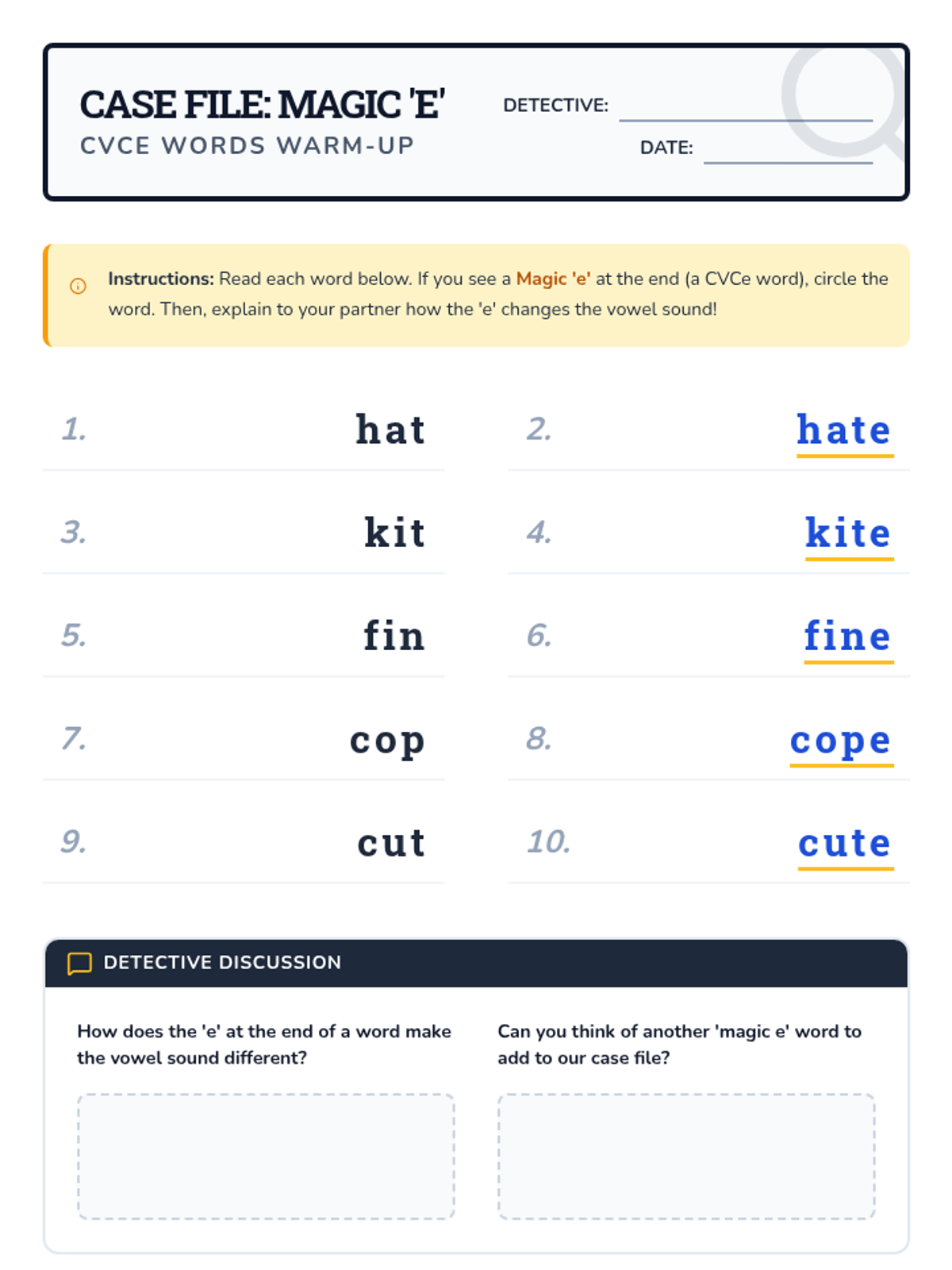
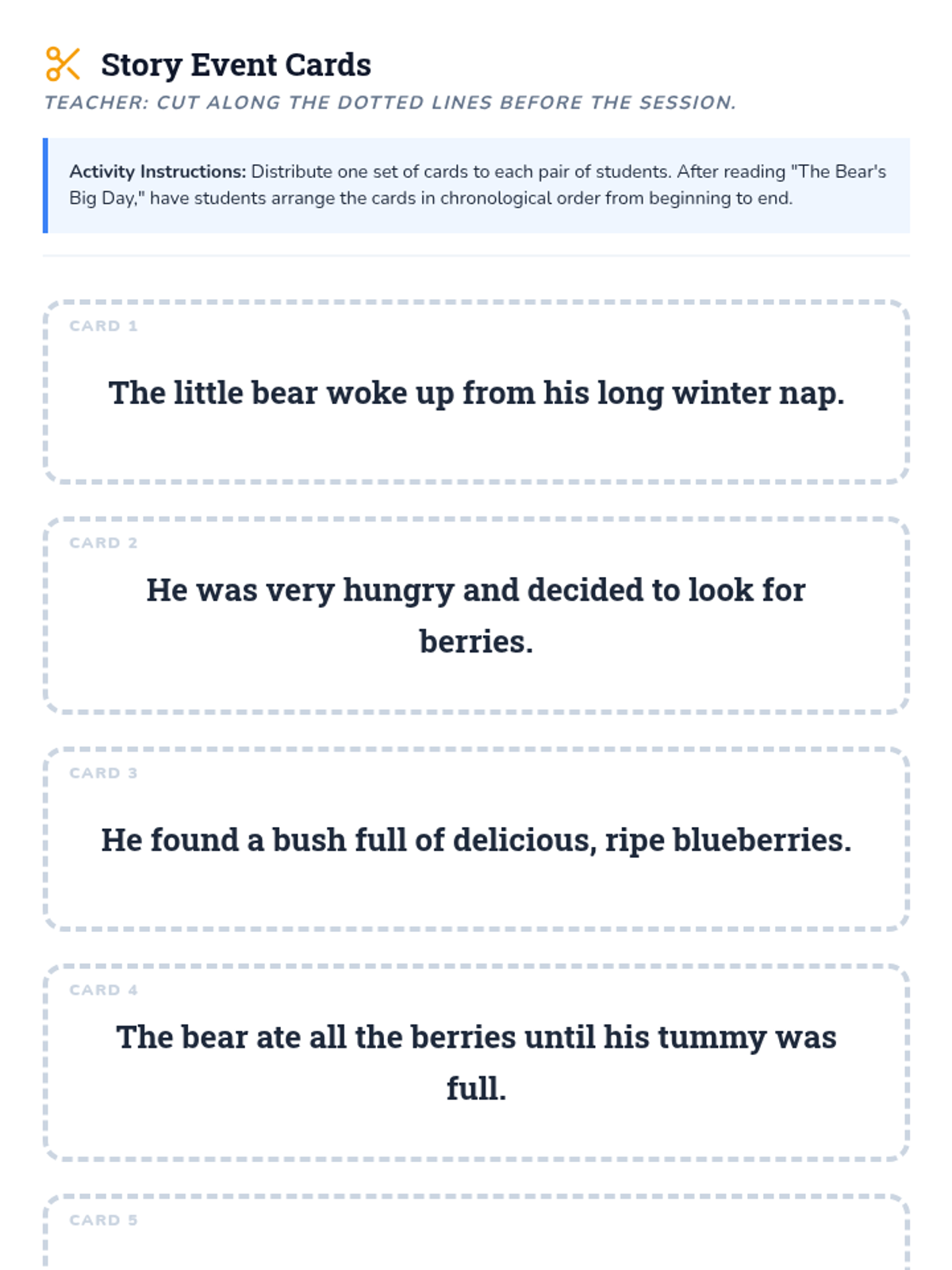
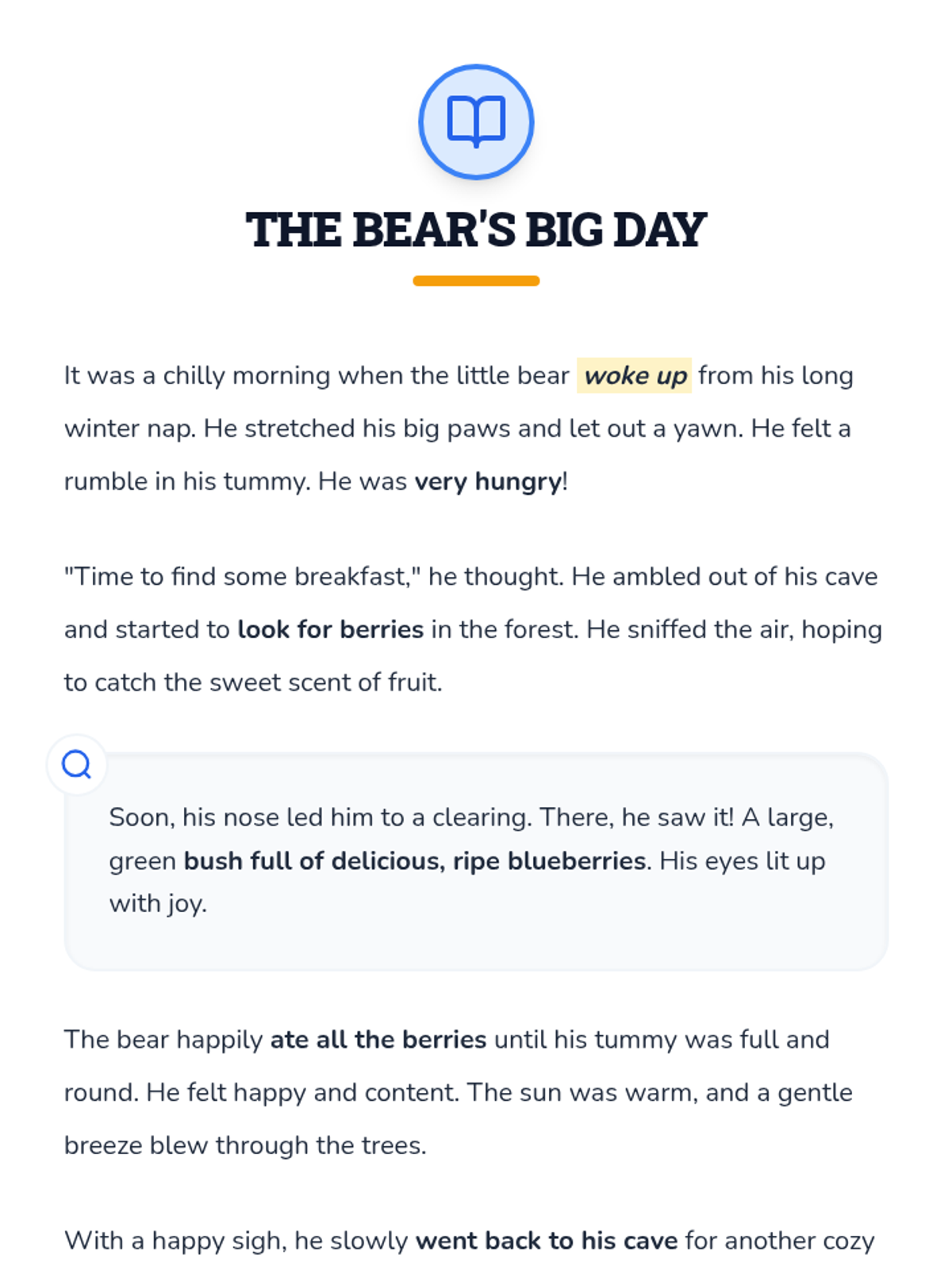
A 3-week, 12-session reading and writing curriculum designed for Tier 2 small groups, focusing on CVCe words, sequencing, questioning, and writing organization with a detective-themed 'Quest' aesthetic.
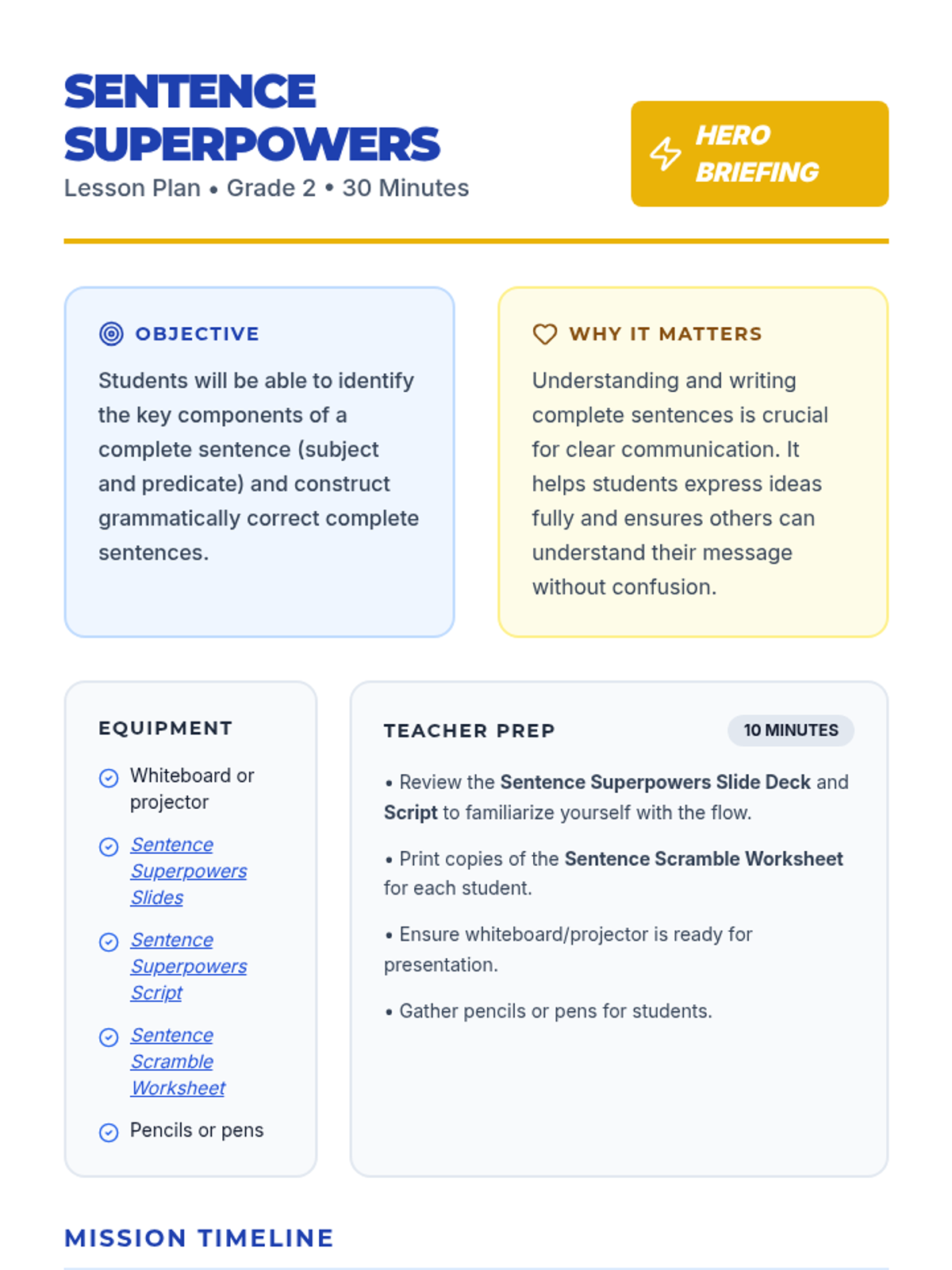
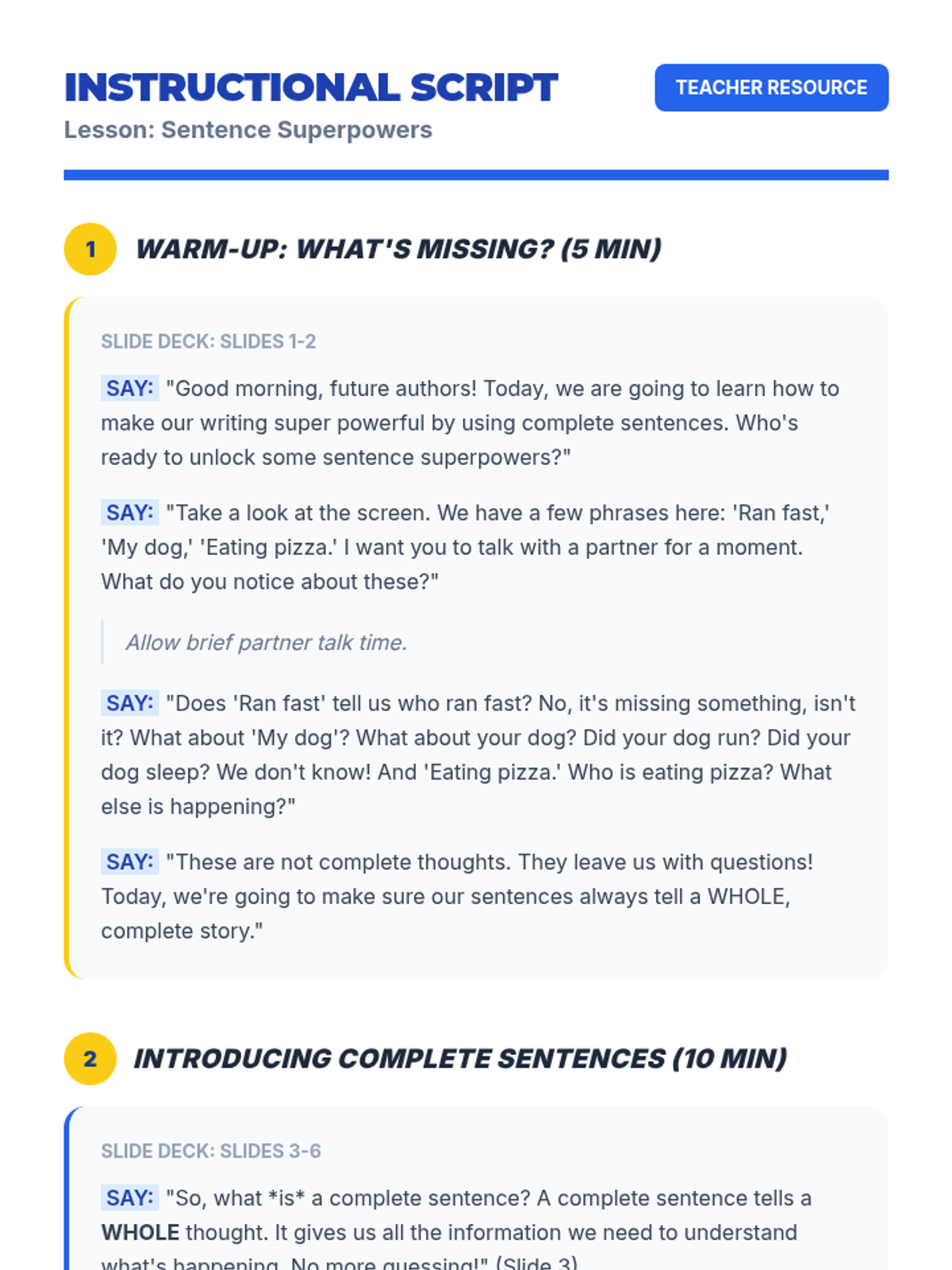
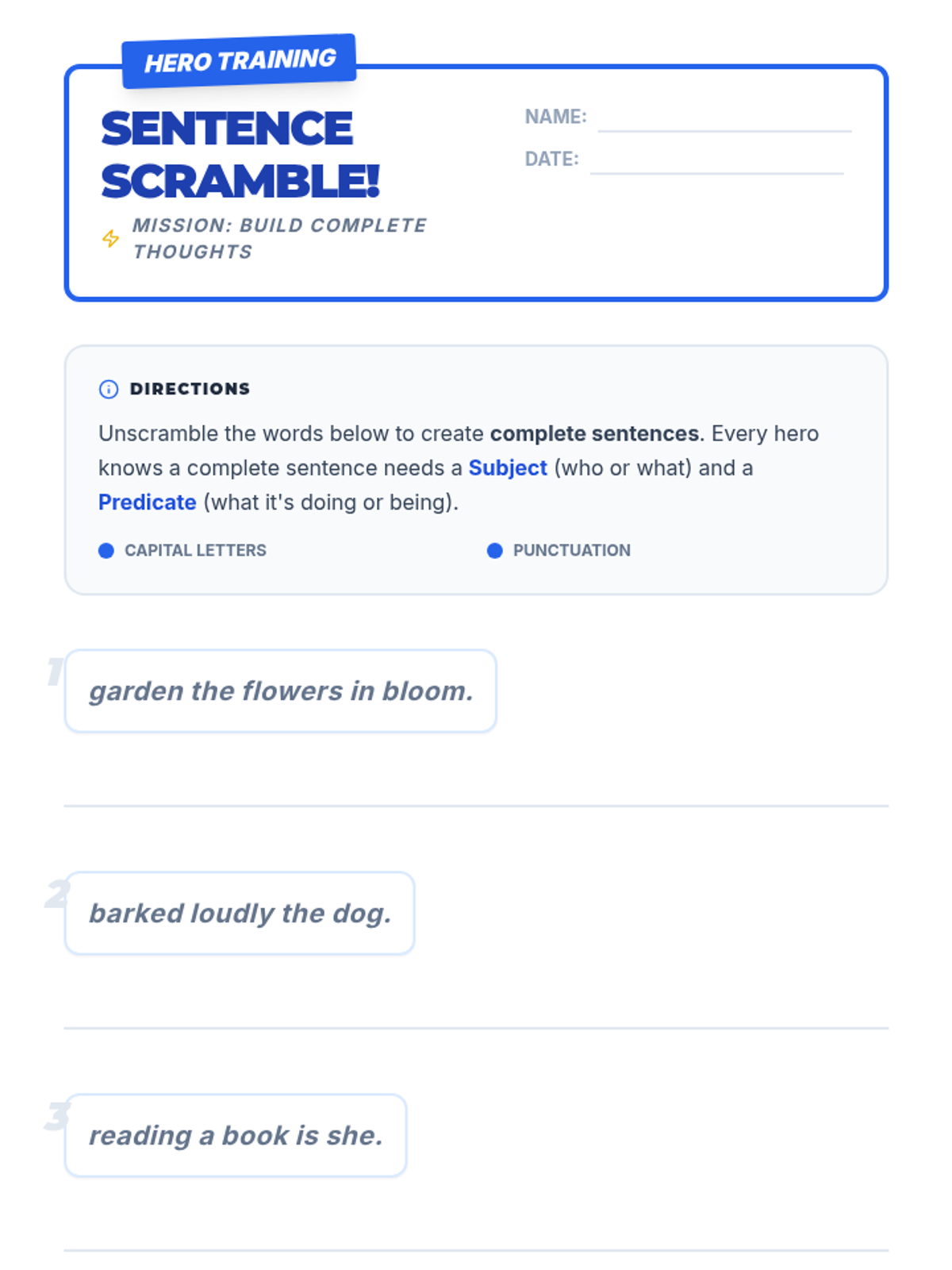
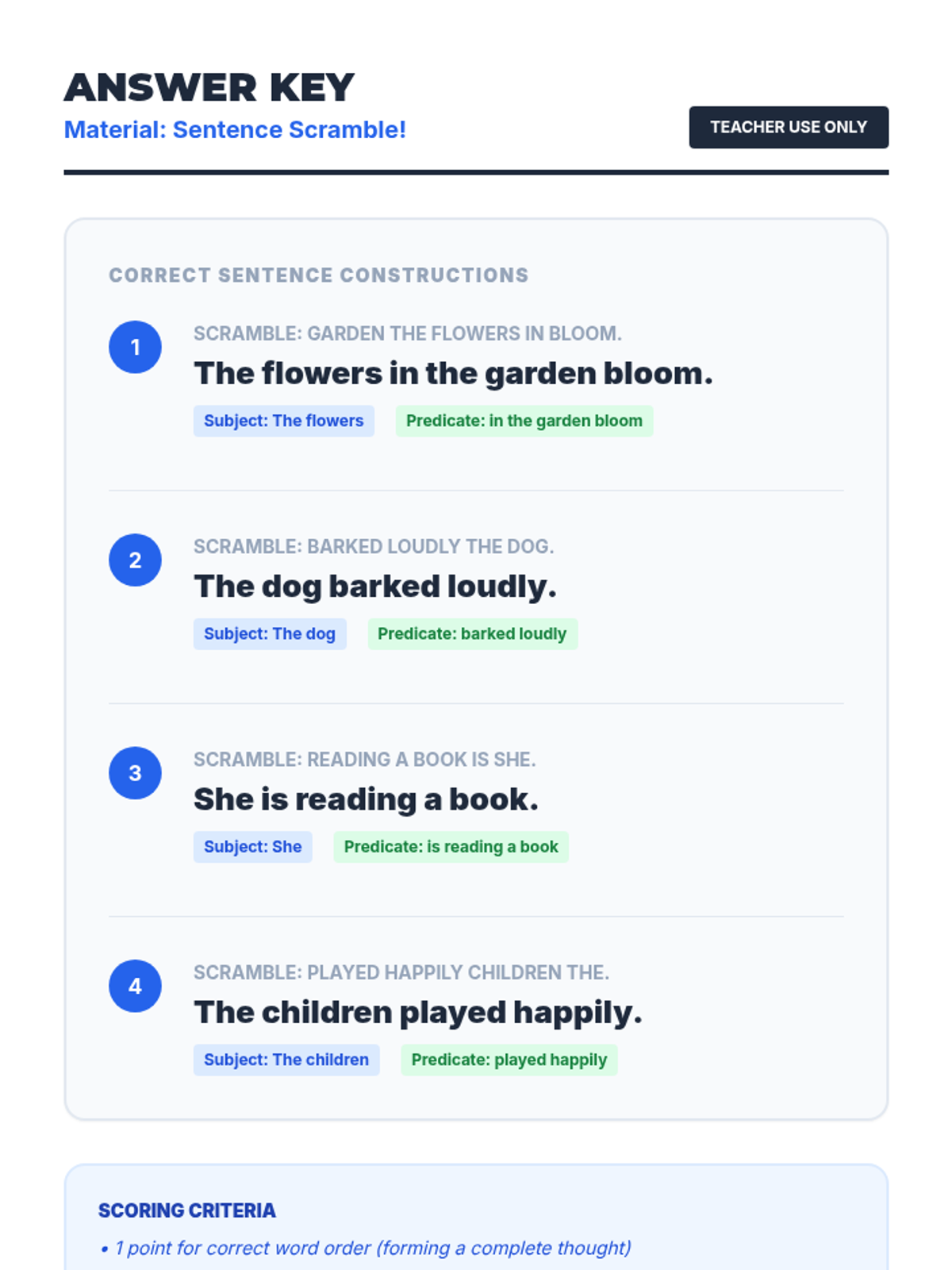
A two-part sequence designed to help 2nd-grade students master sentence structure and apply it to reading comprehension. Students learn the 'superpowers' of subjects and predicates before becoming 'champions' of clear, complete written answers.
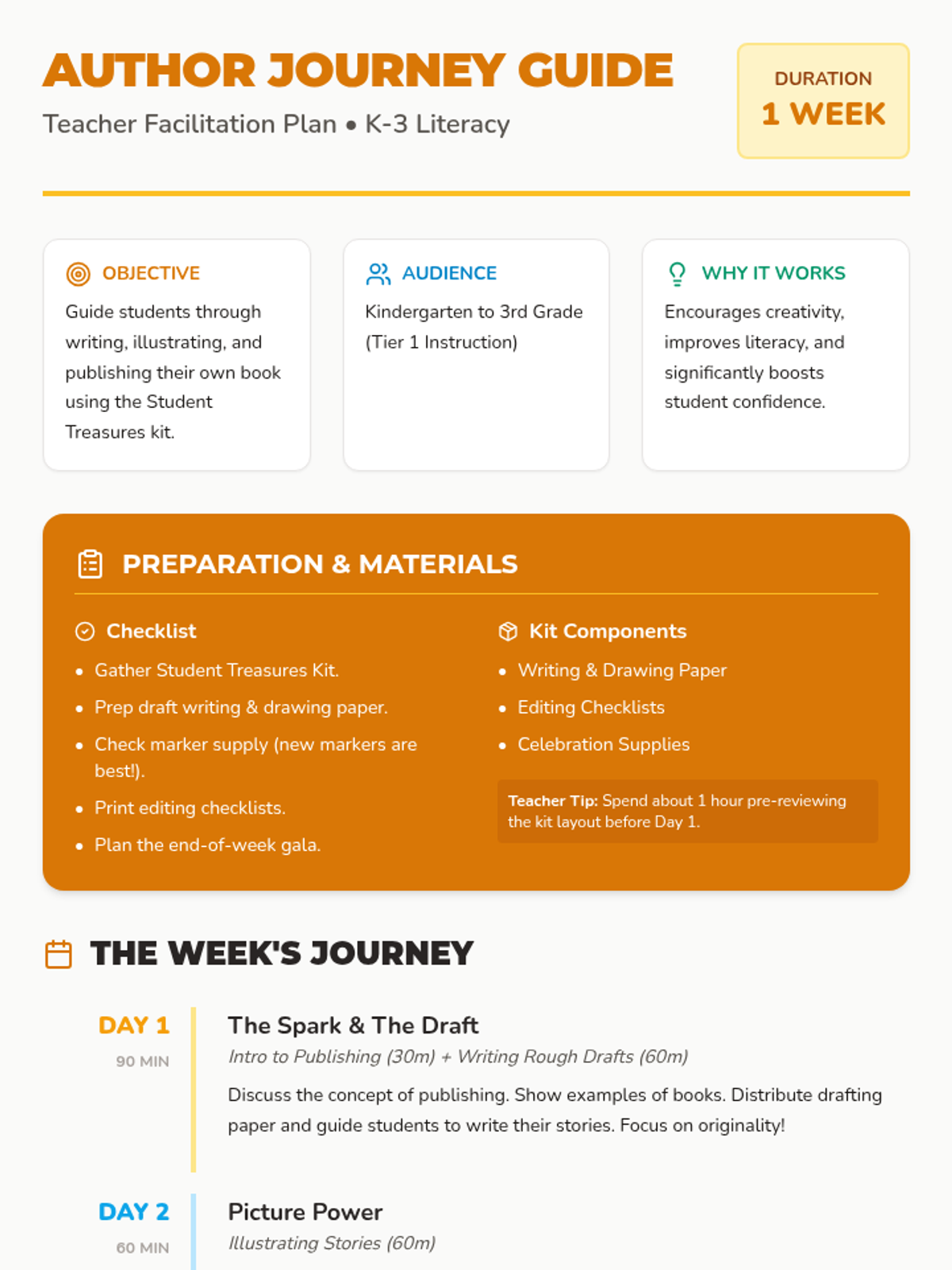
A comprehensive week-long project where K-3 students write, illustrate, and publish their own books using the Student Treasures kit.
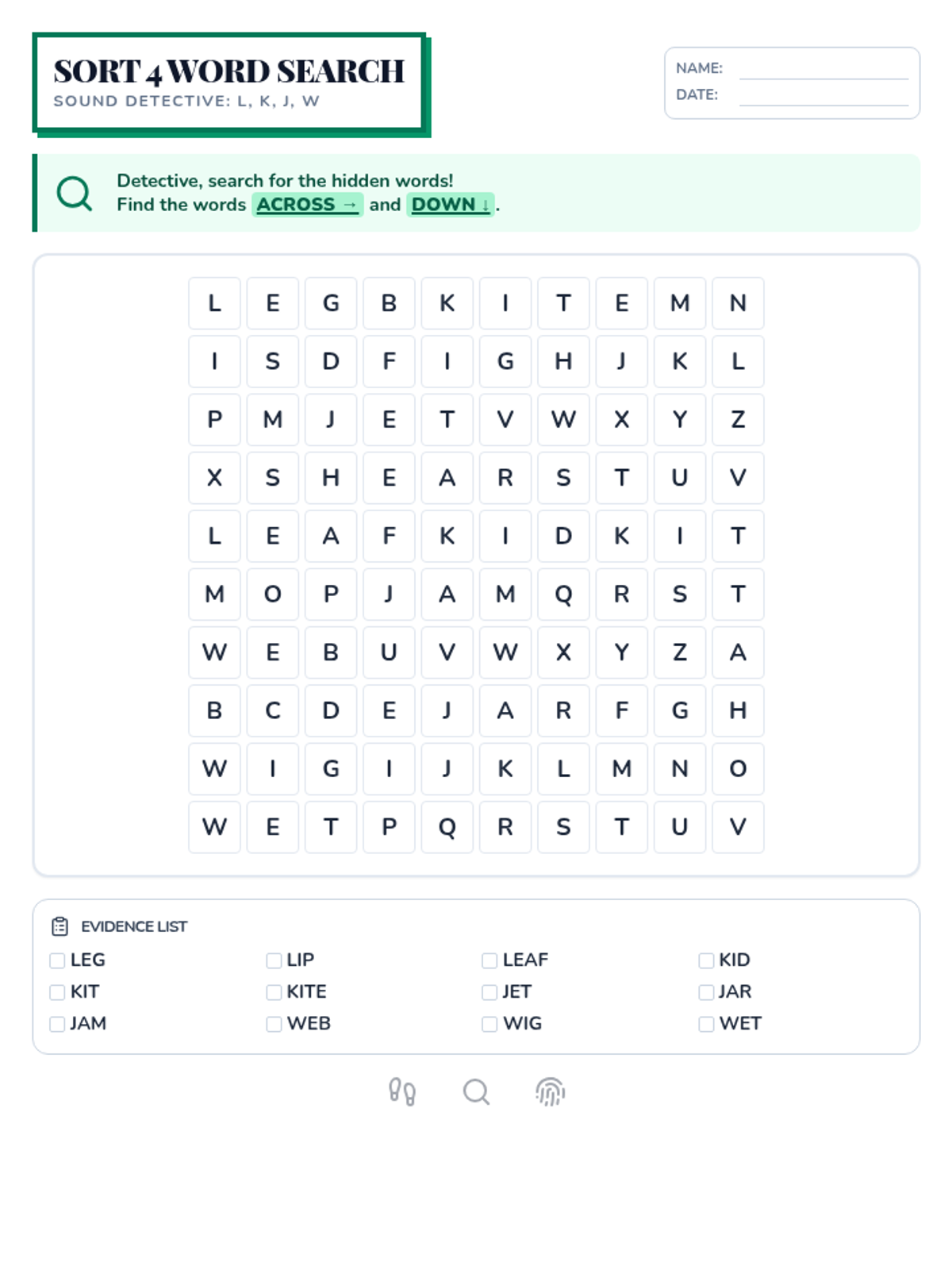
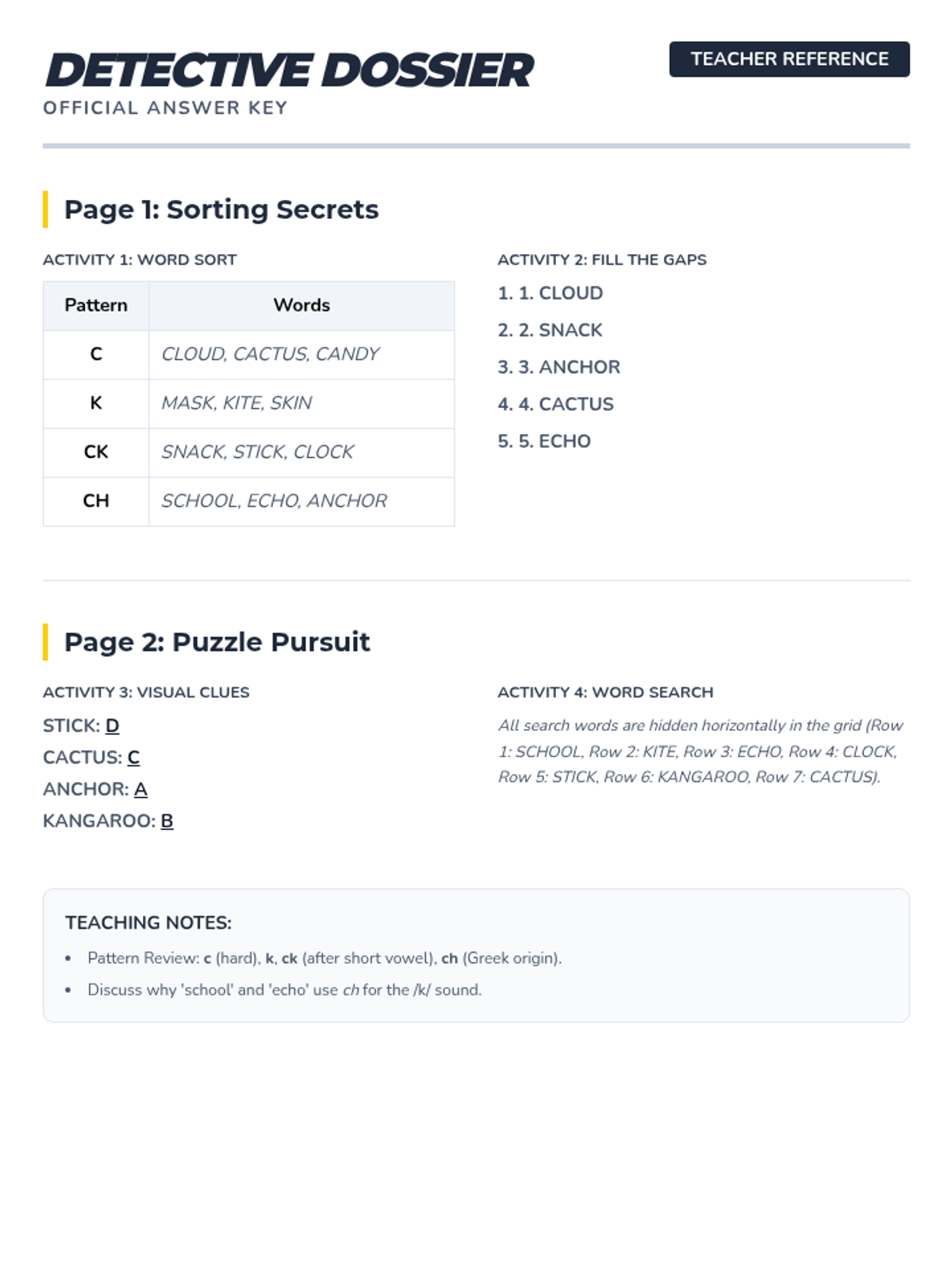
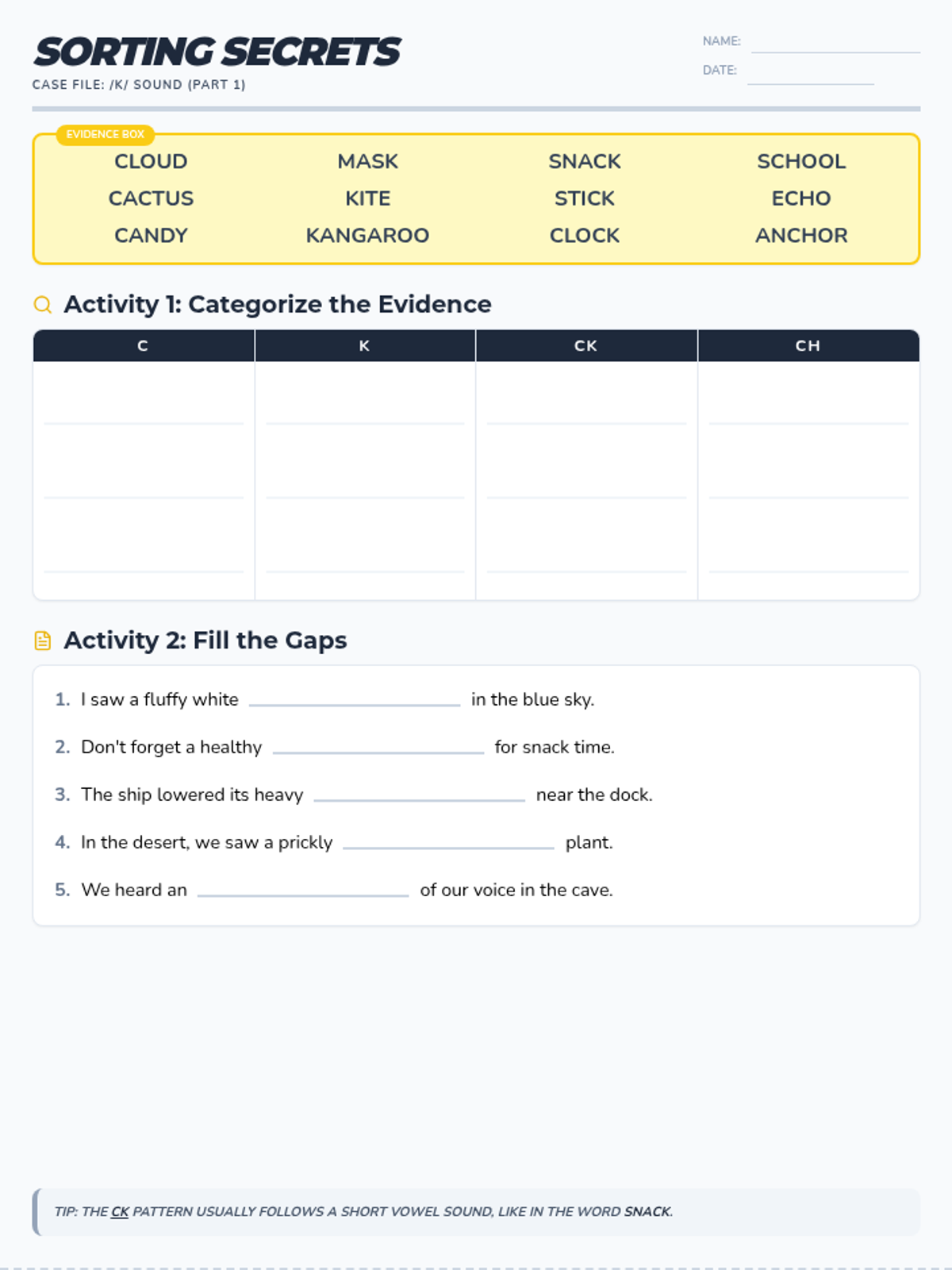
A spelling sequence focused on identifying and using the /k/ sound in its various forms: c, k, ck, and ch. Students practice through sorting, context clues, and visual puzzles.
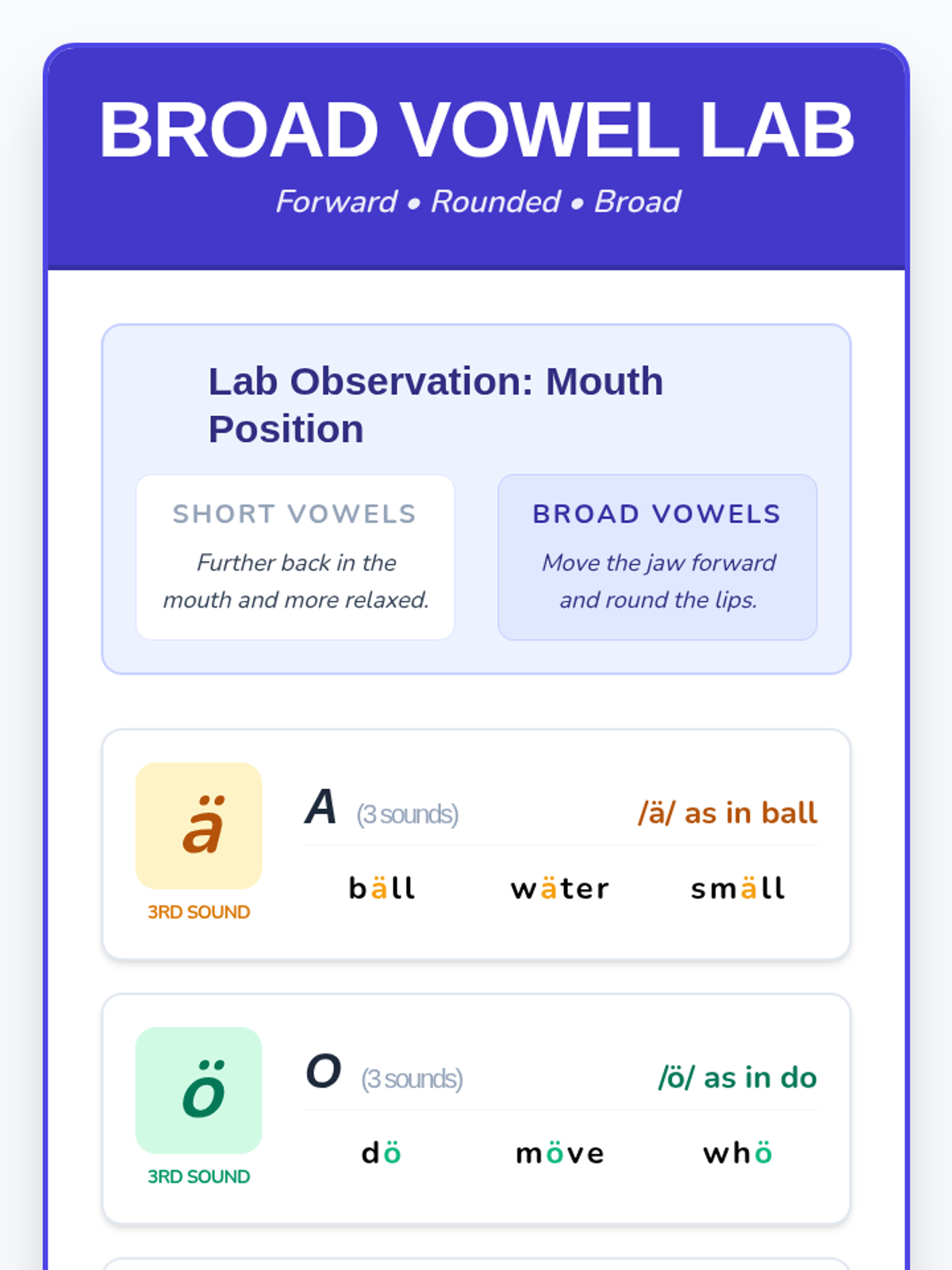
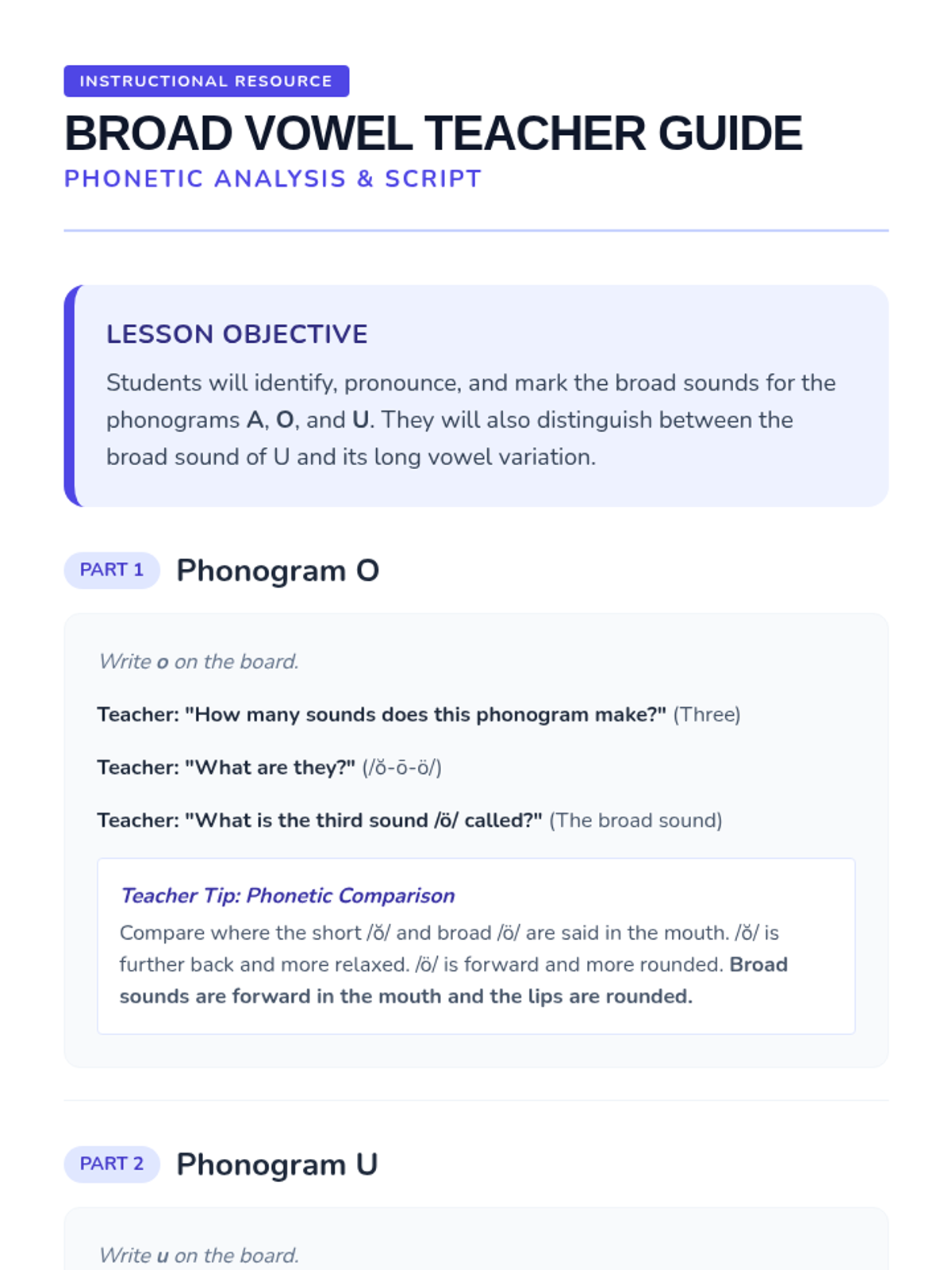
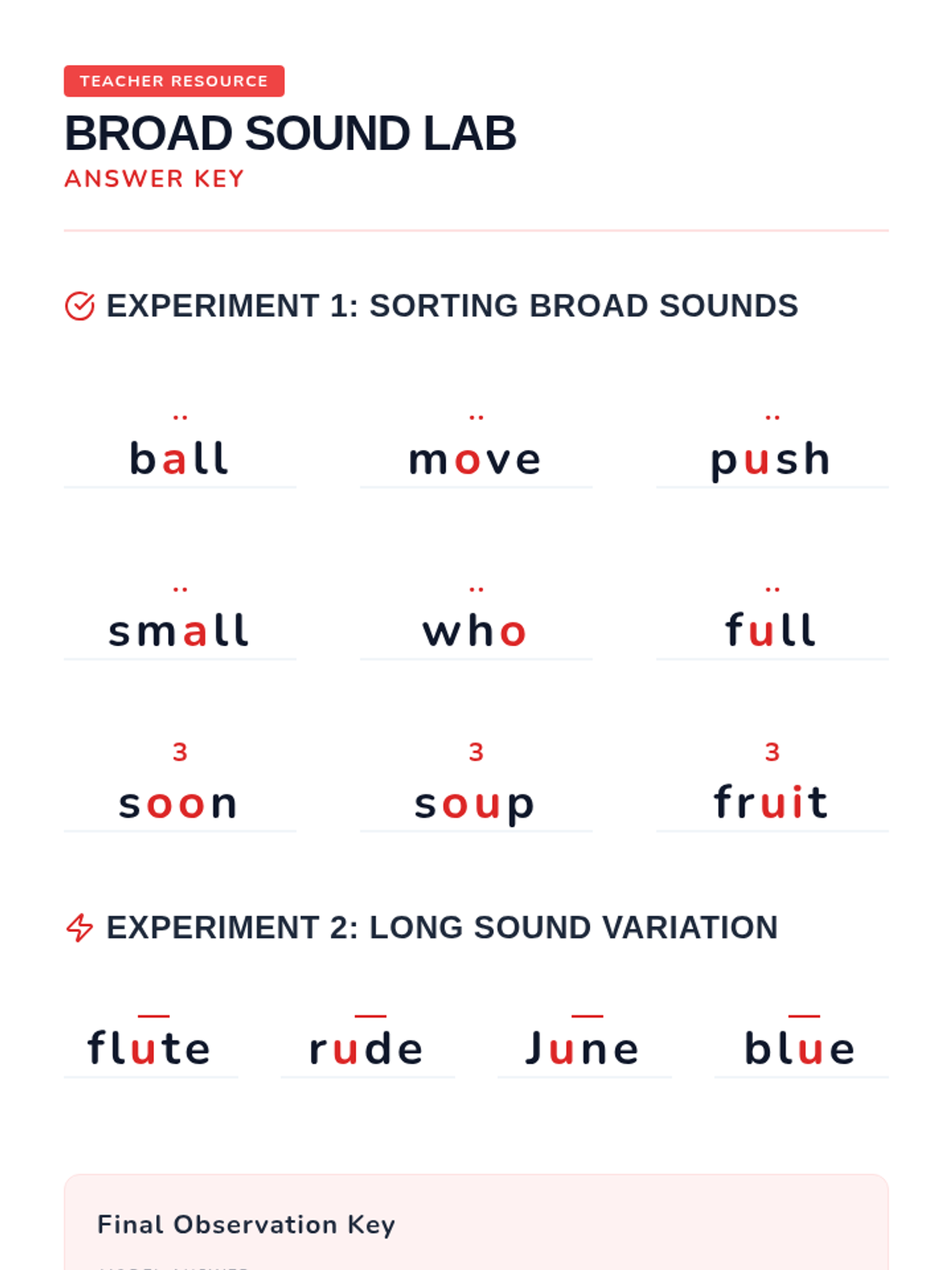
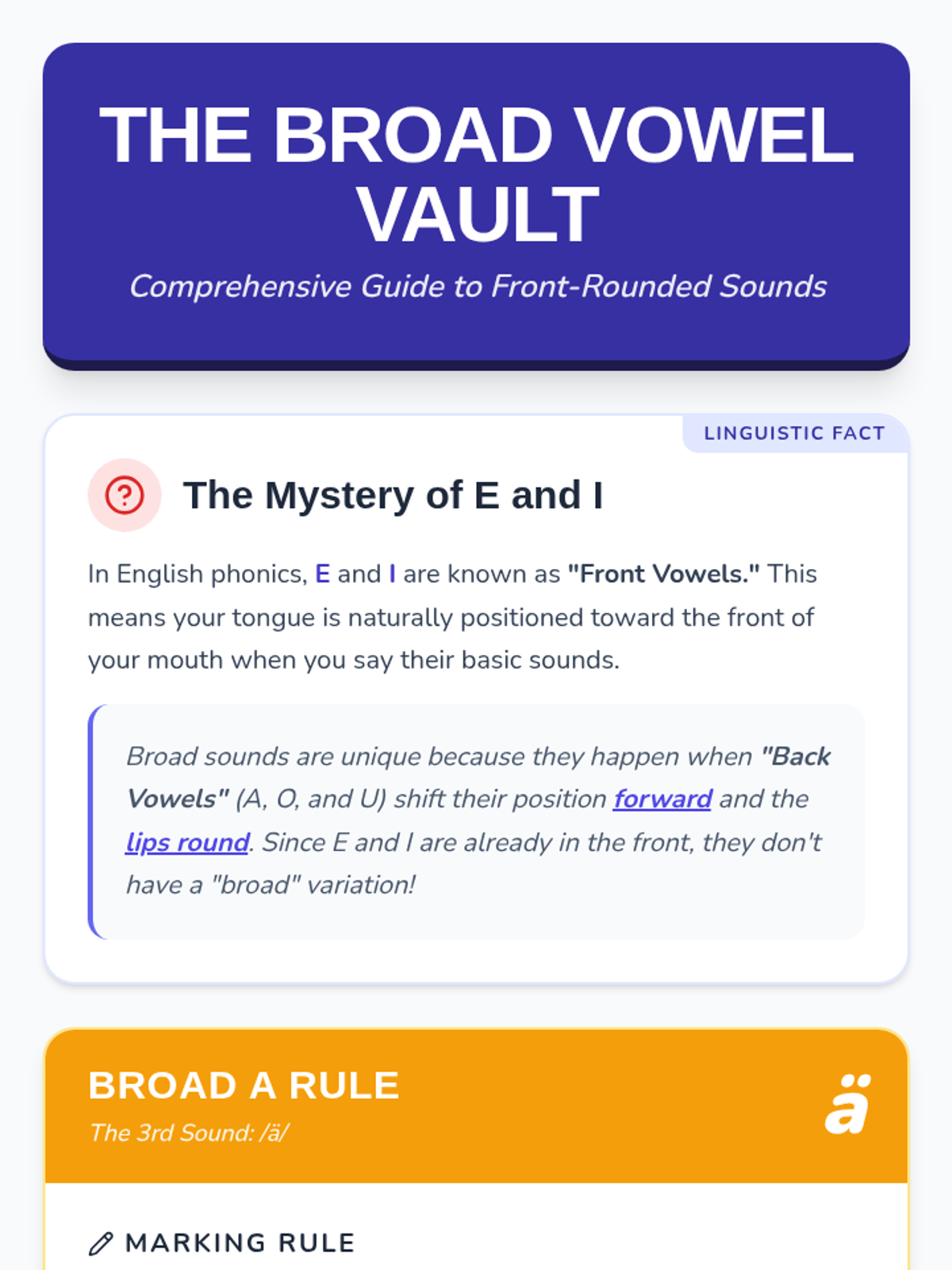
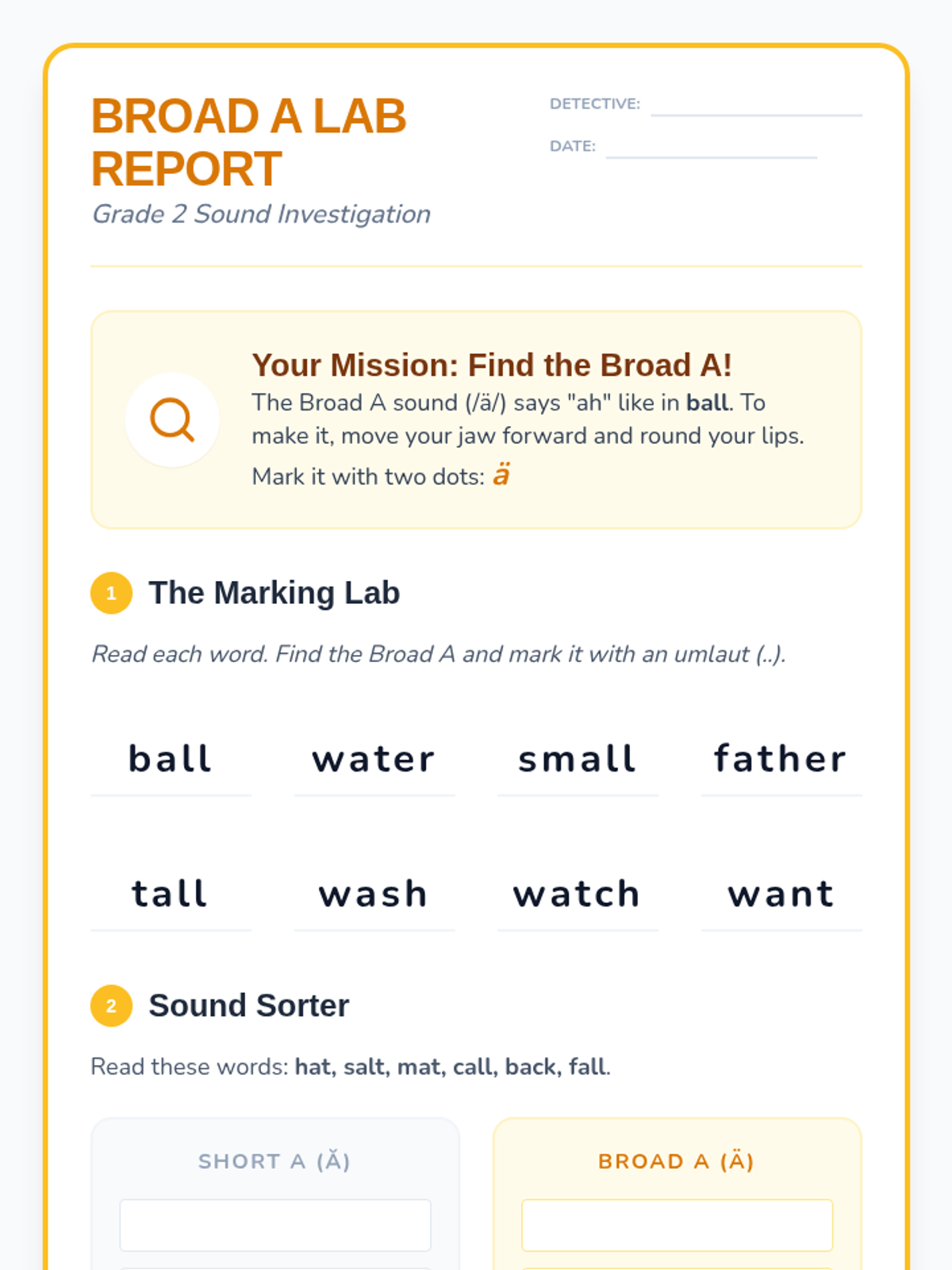
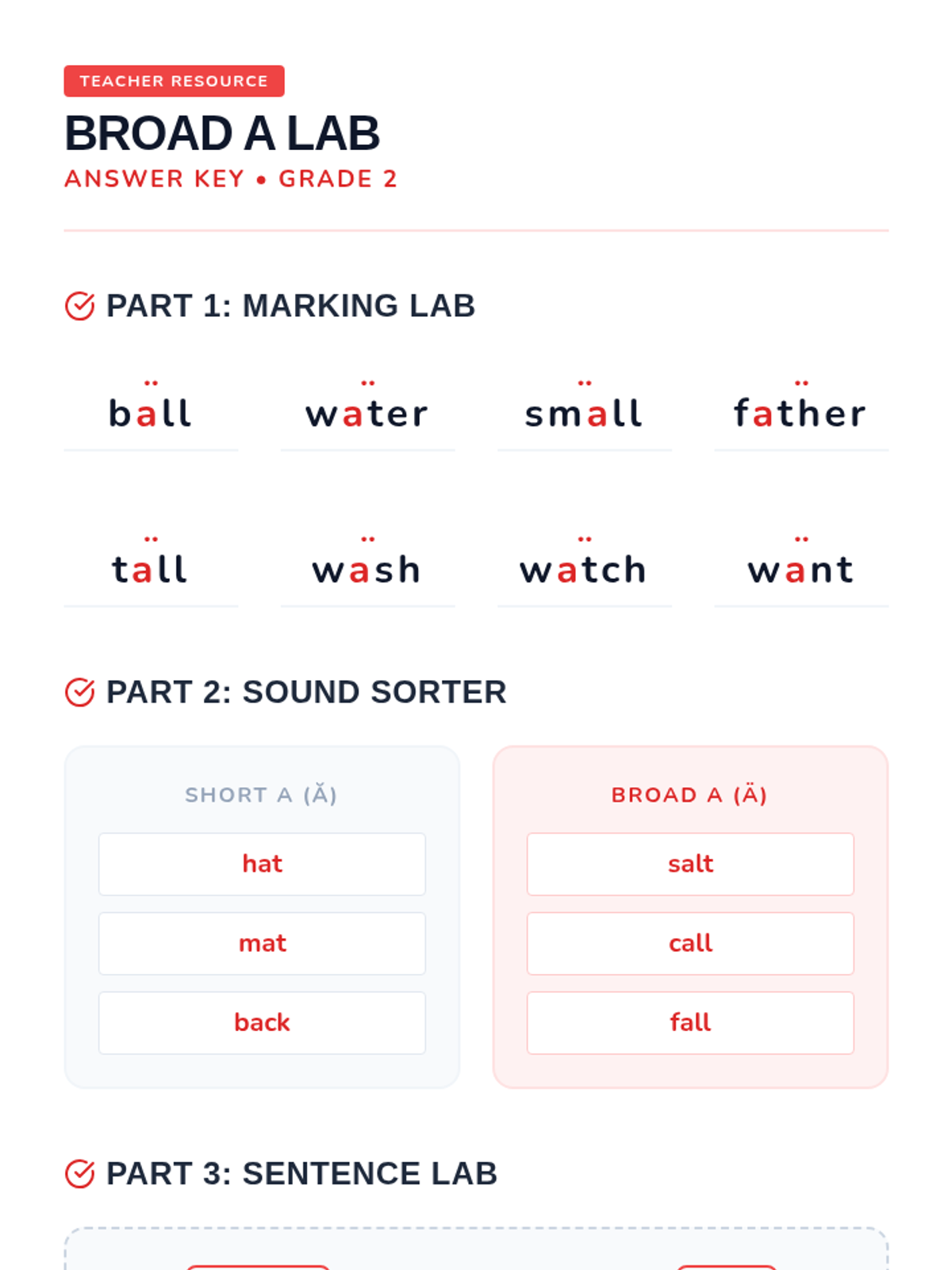
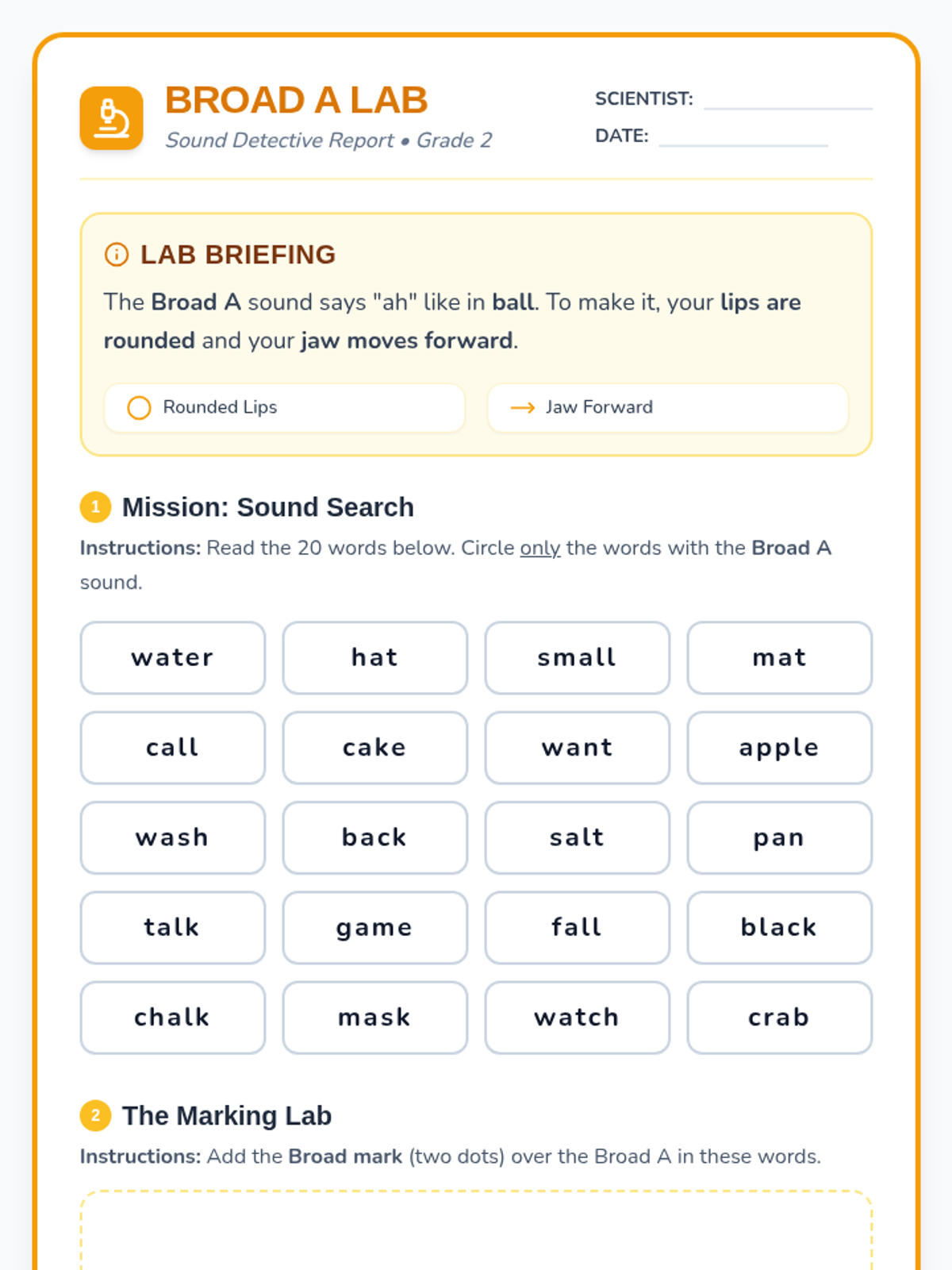
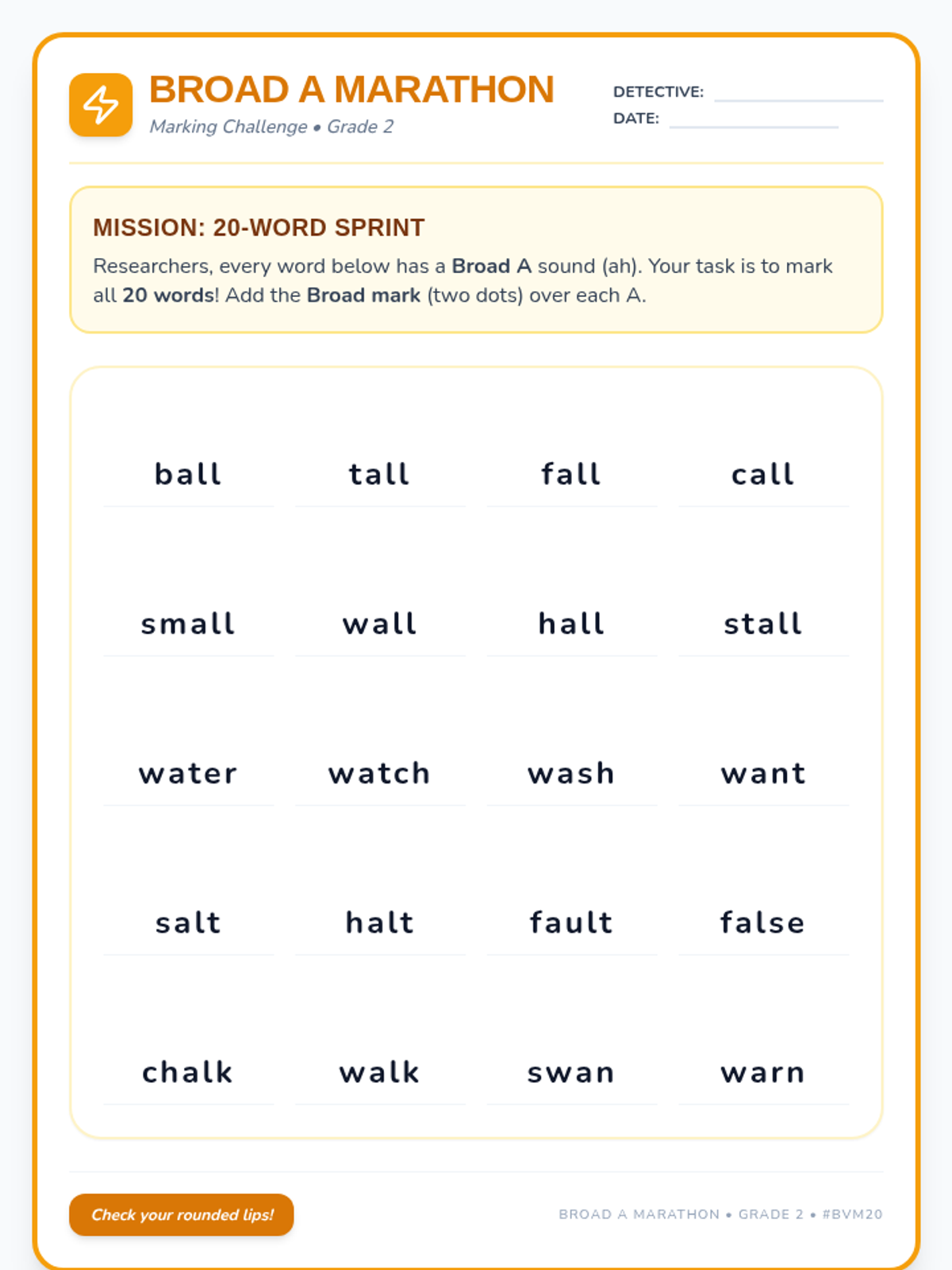
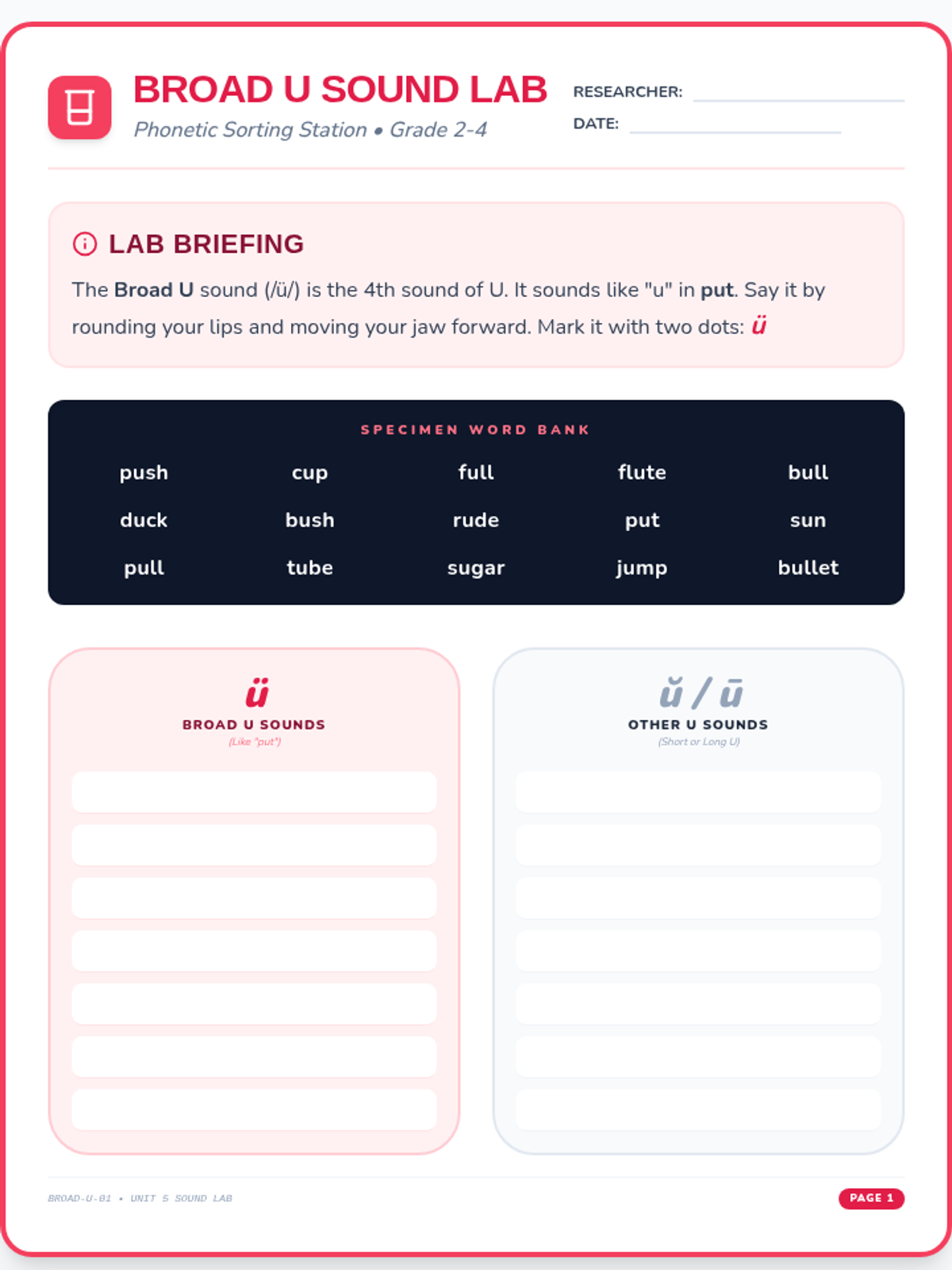
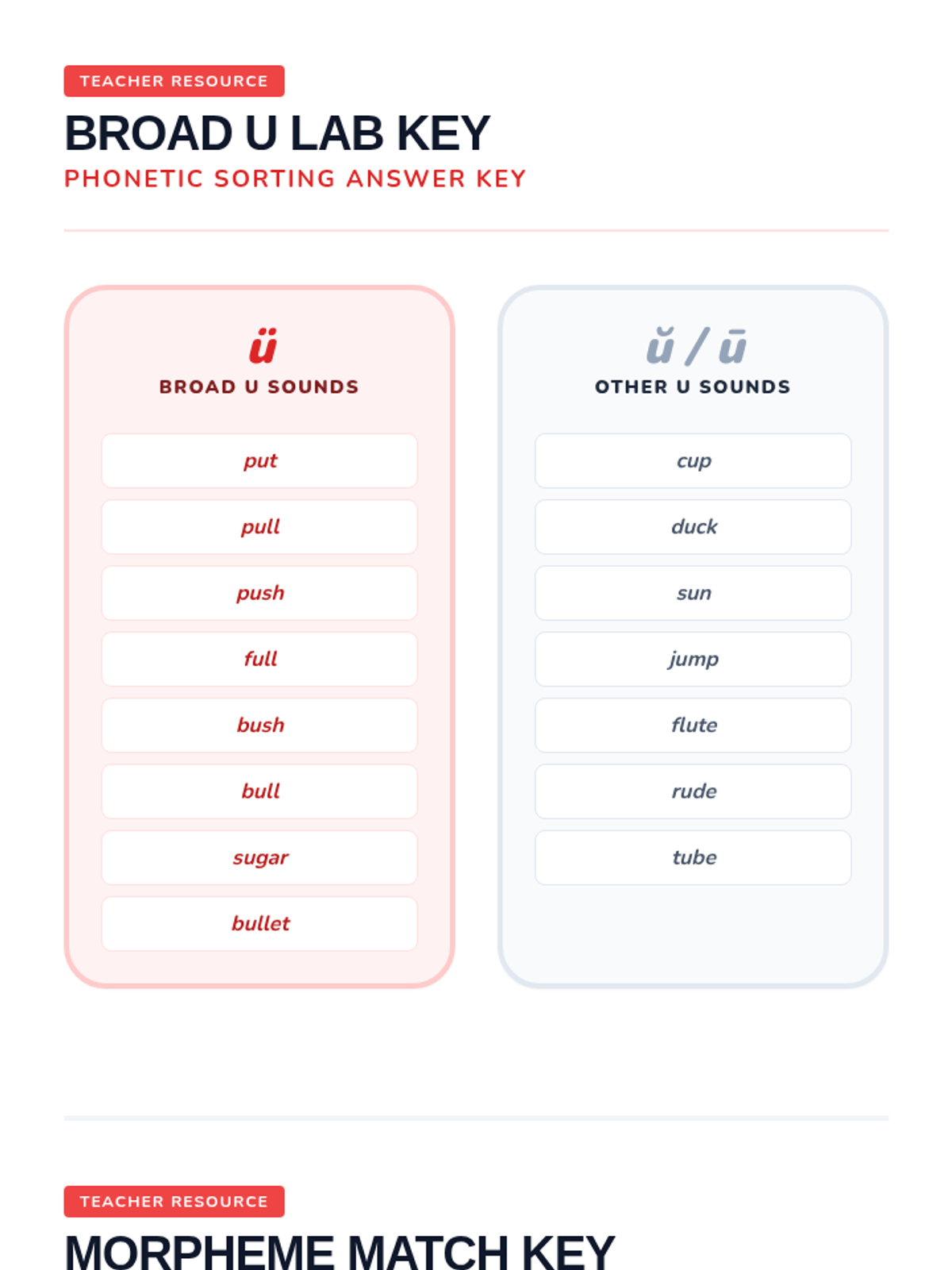
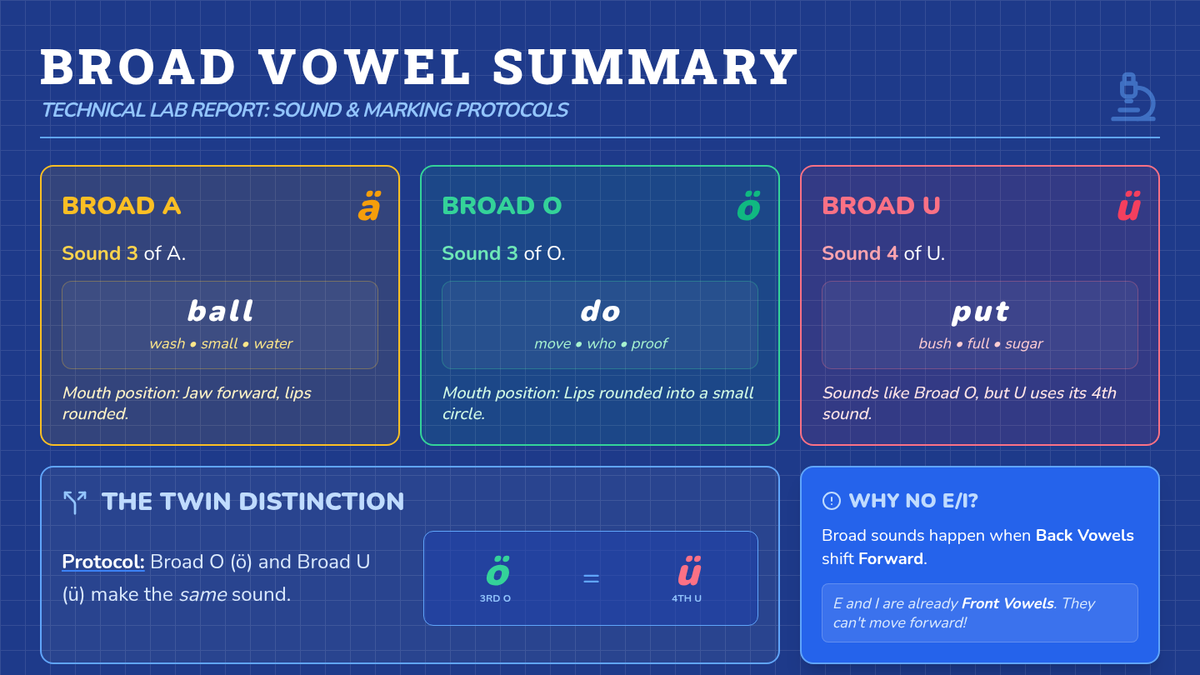
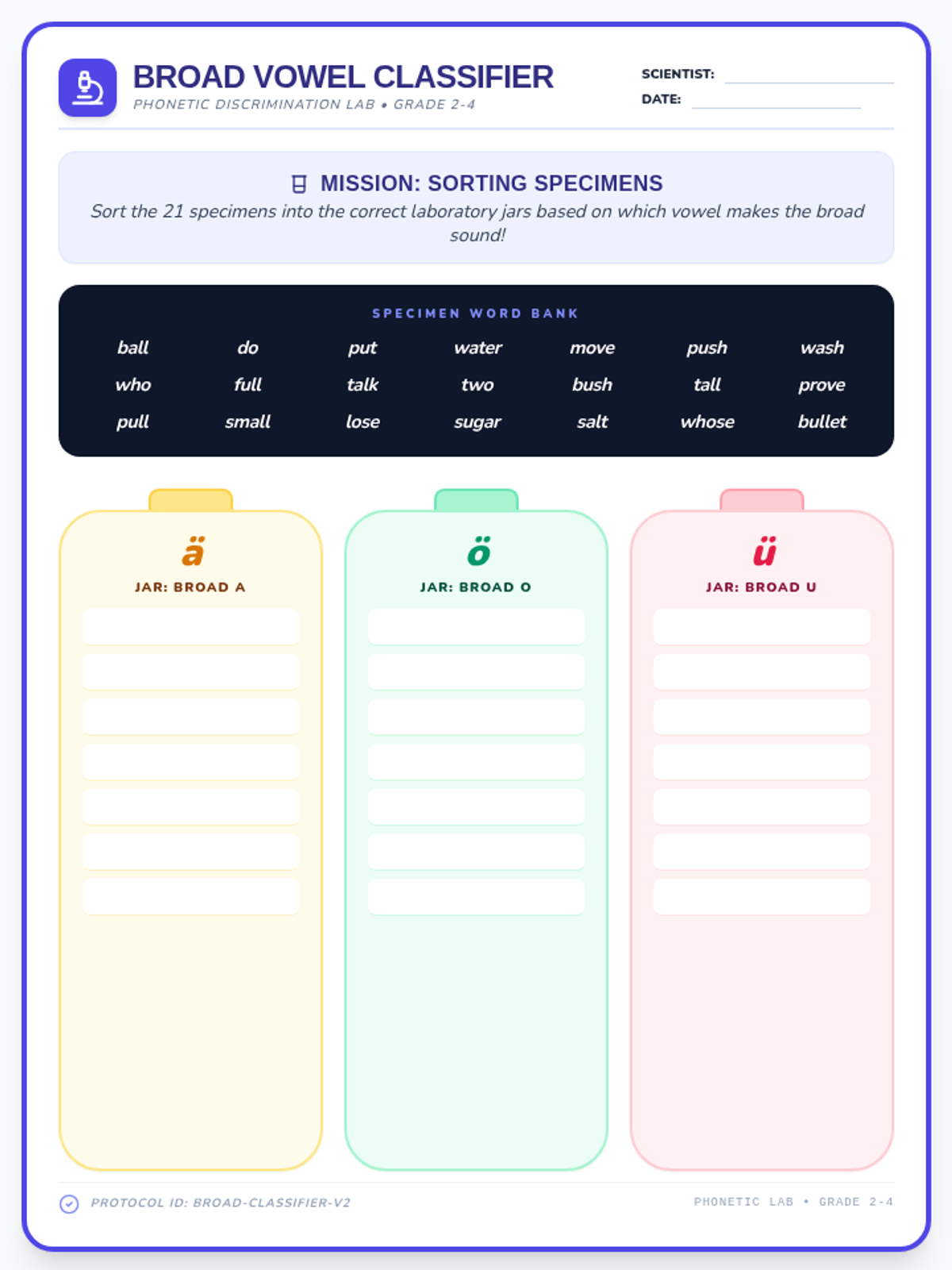
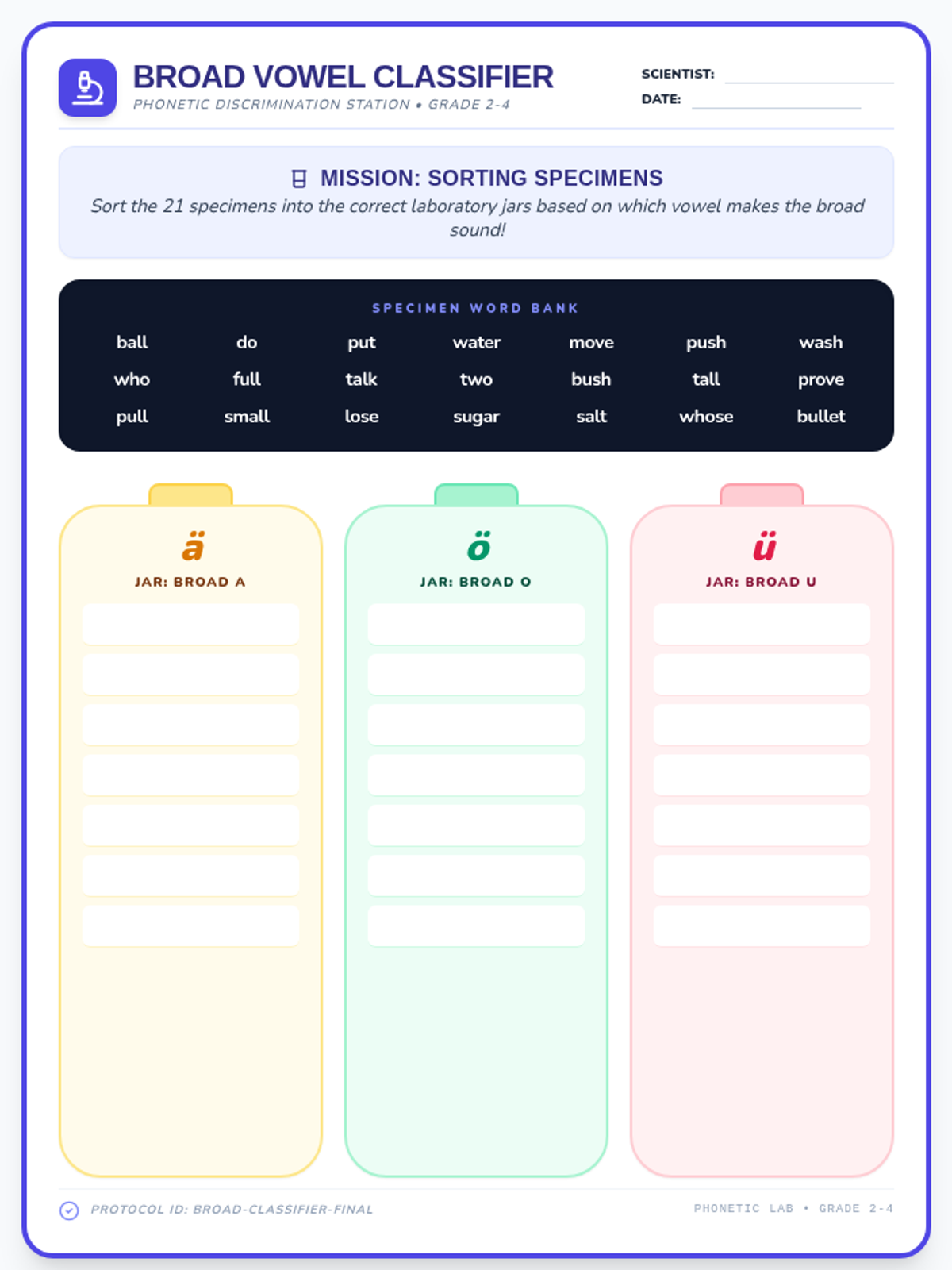
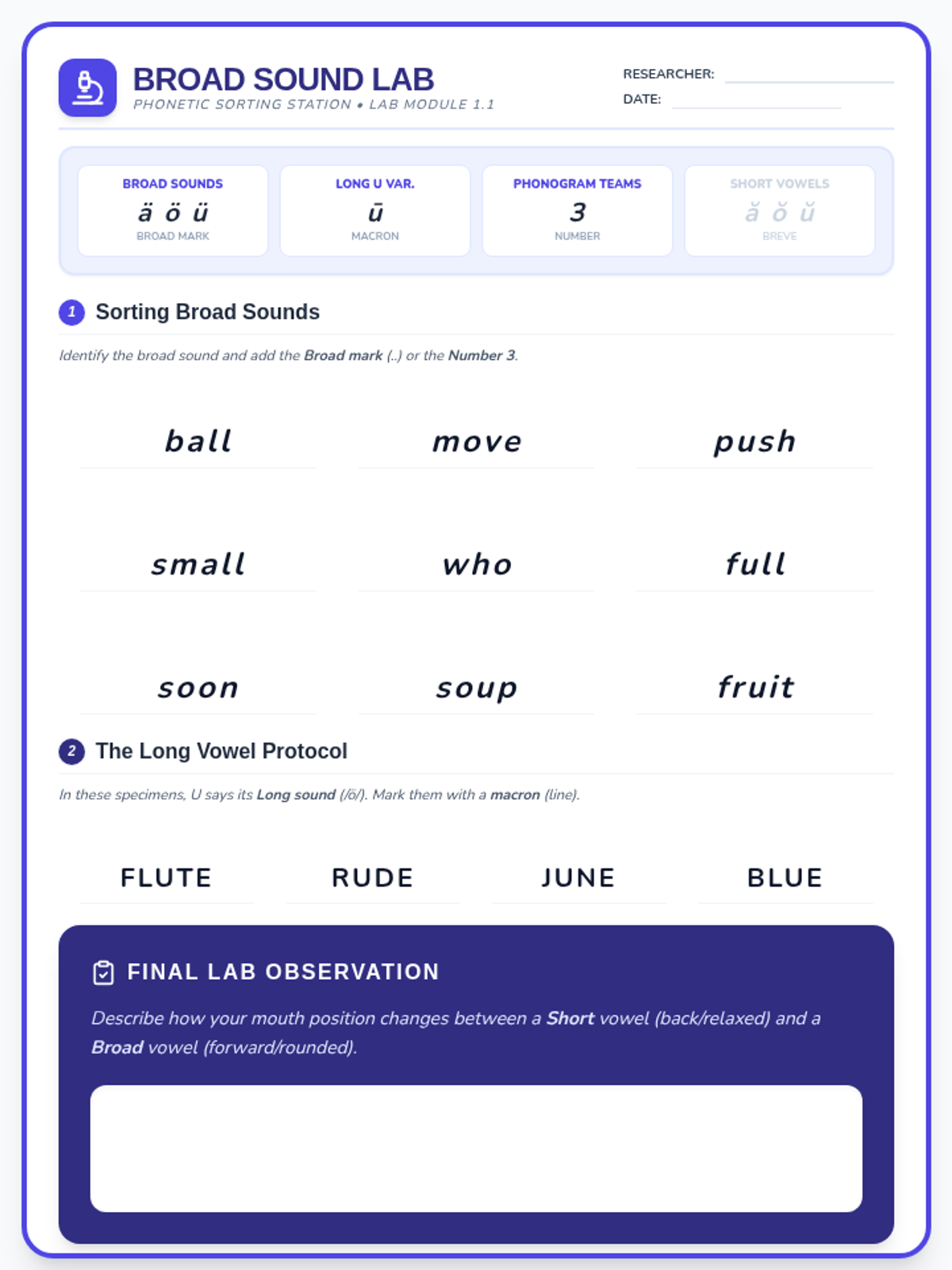
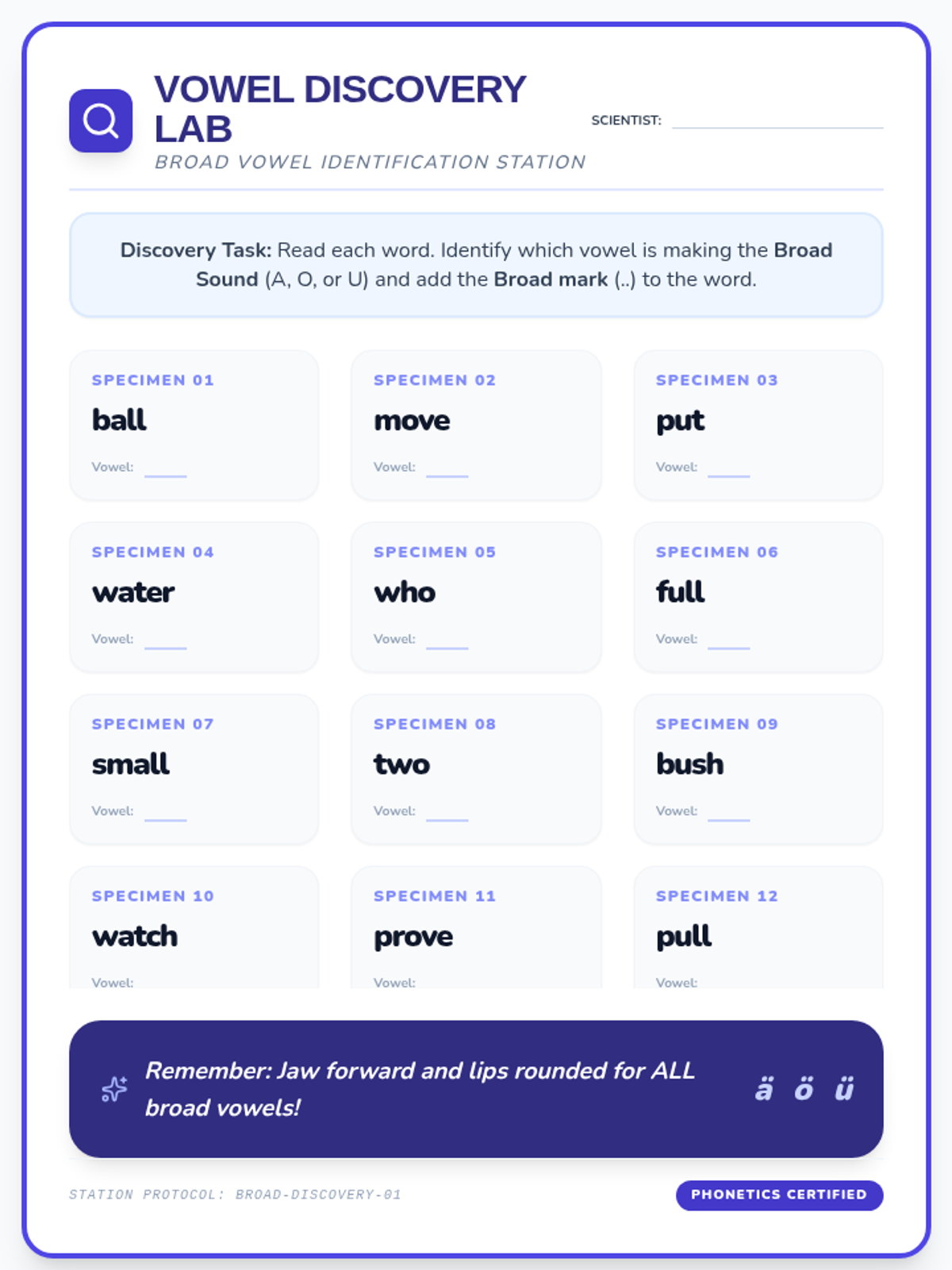
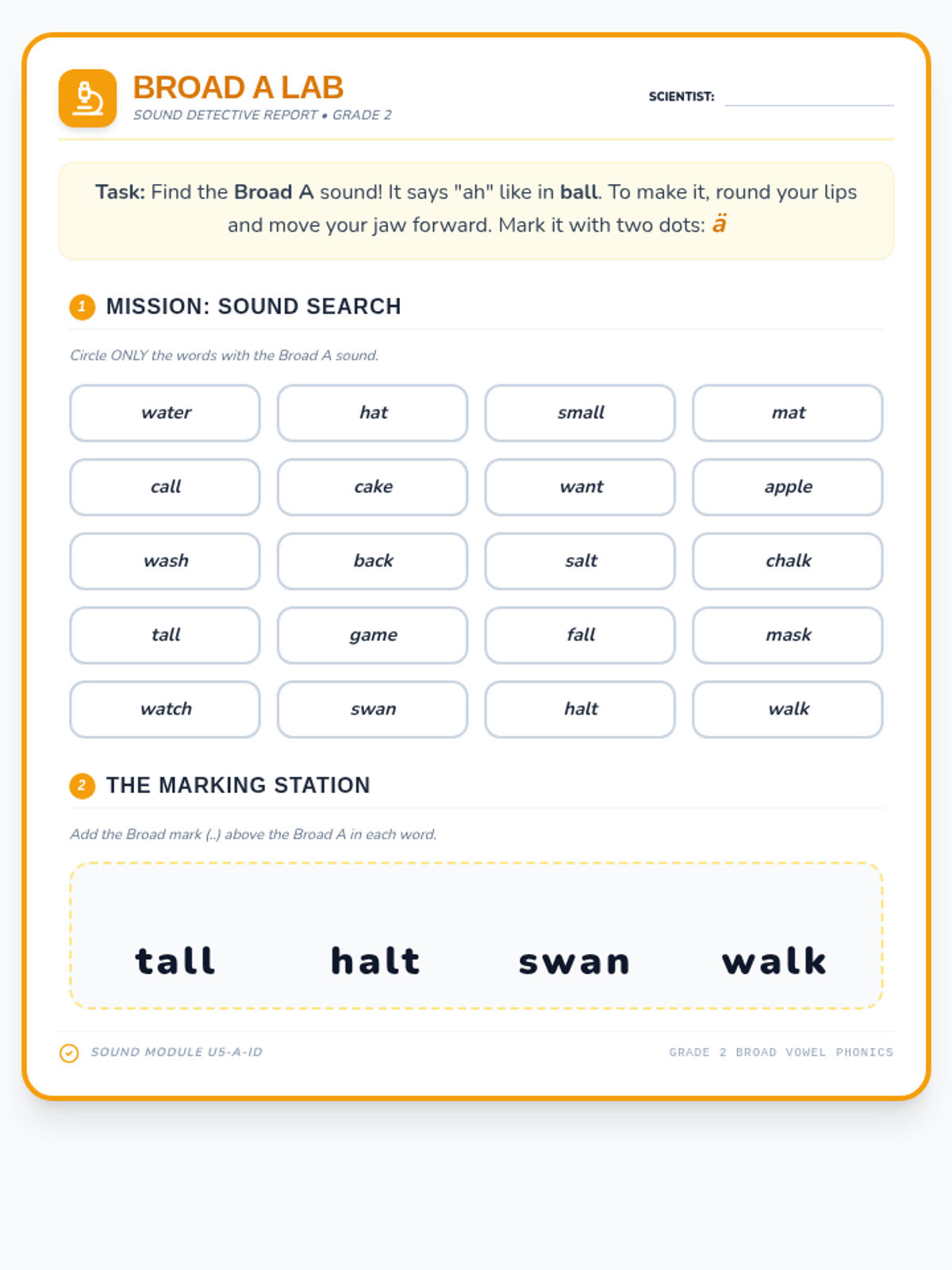
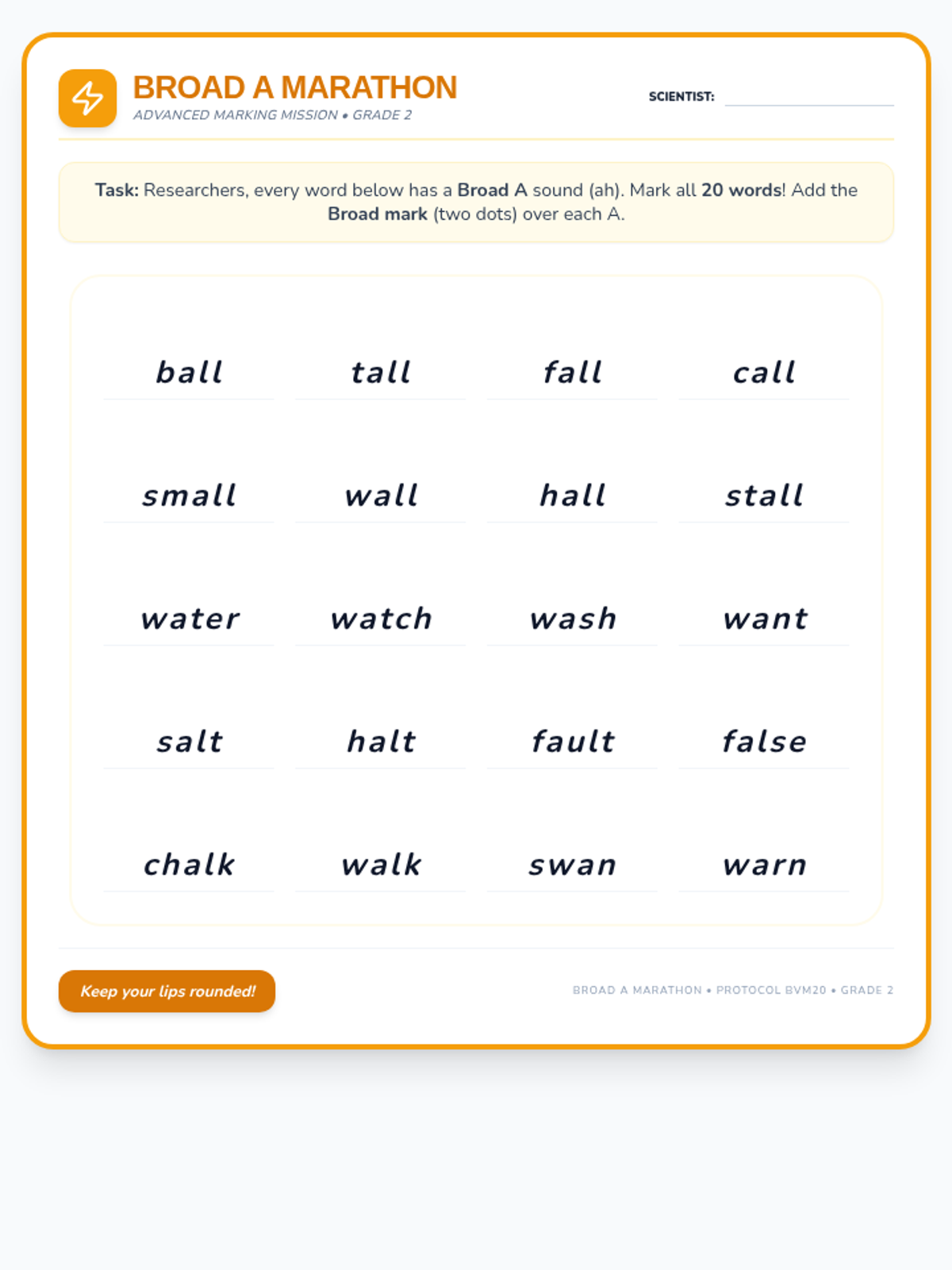
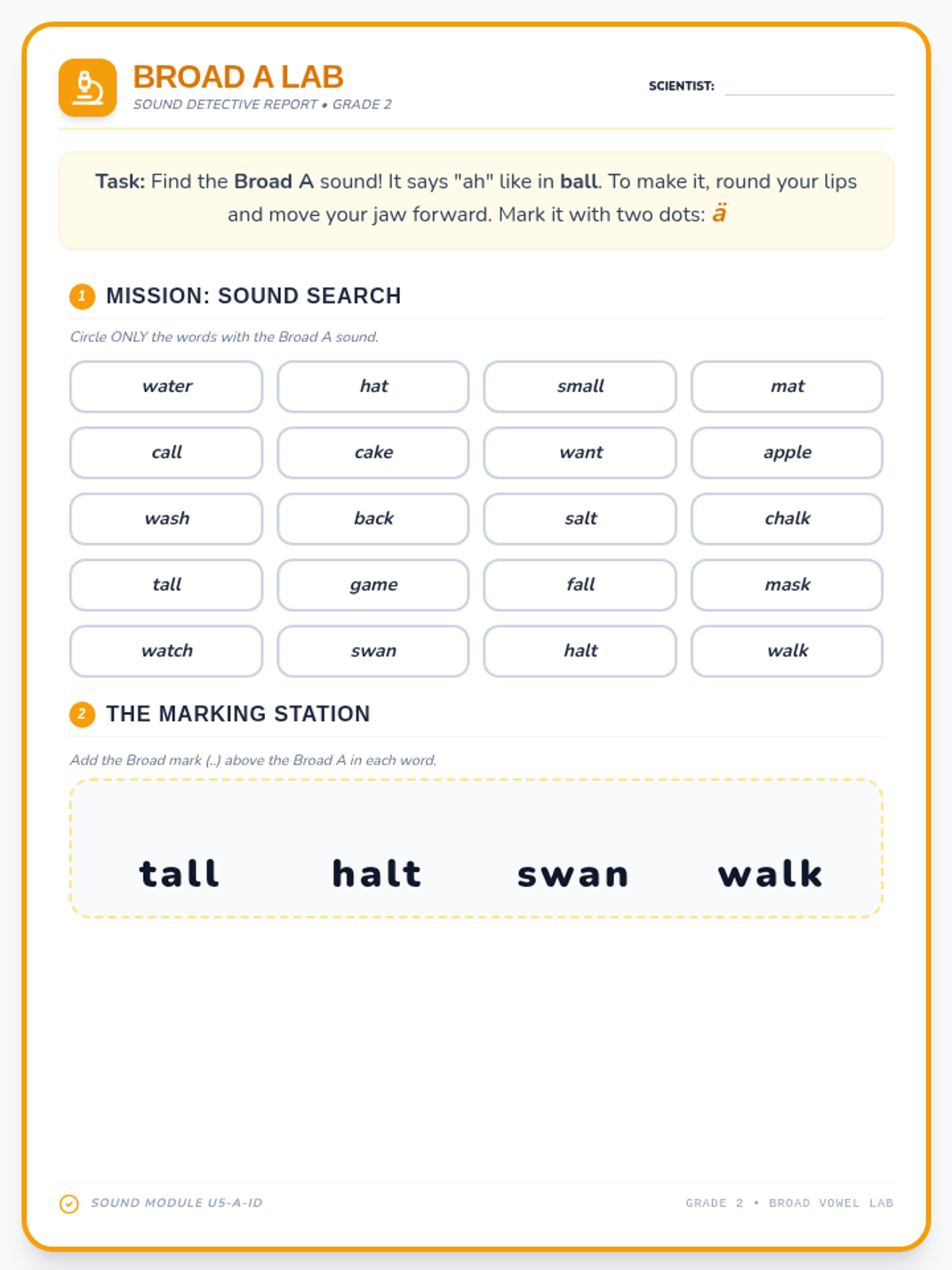
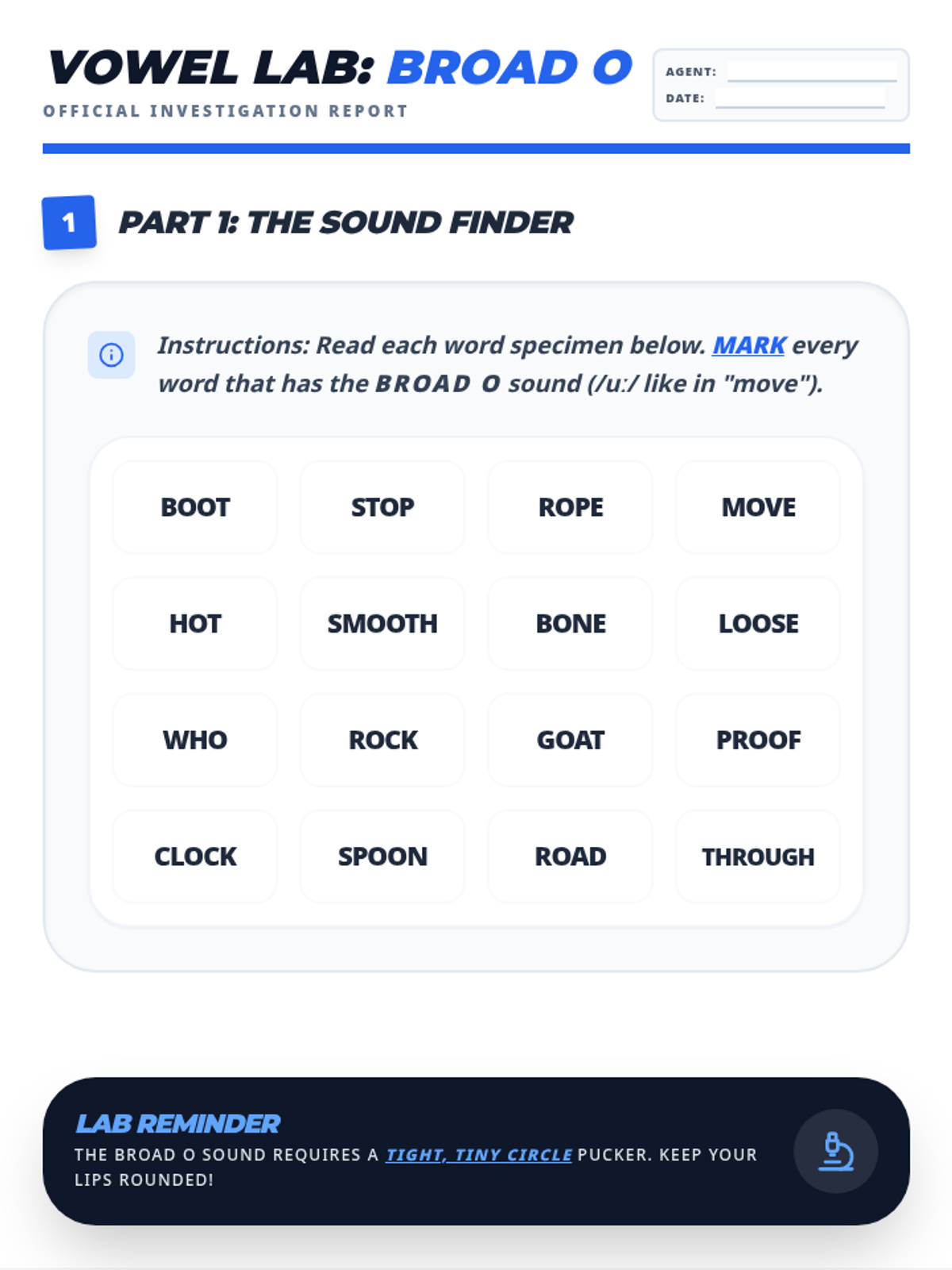
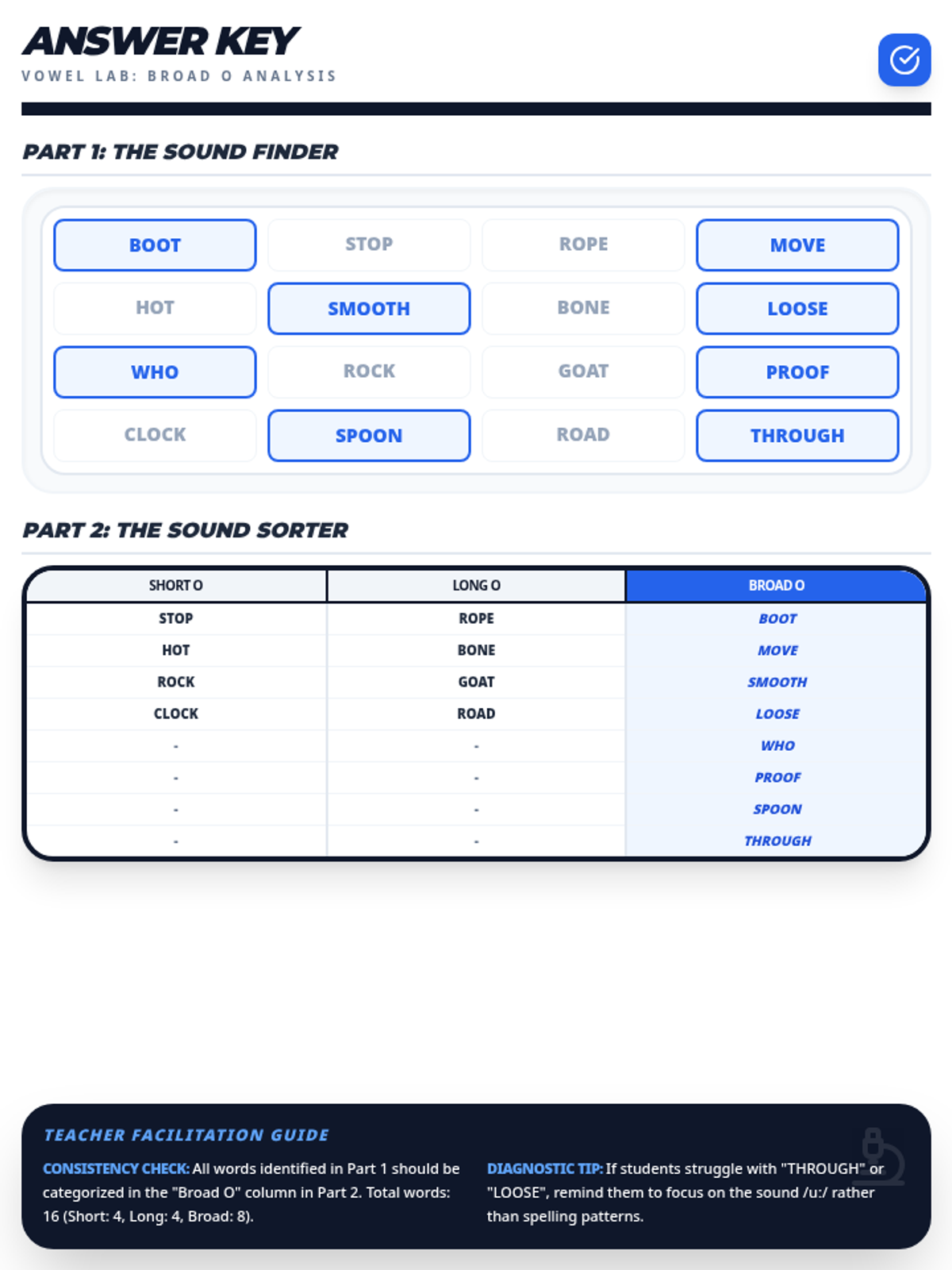
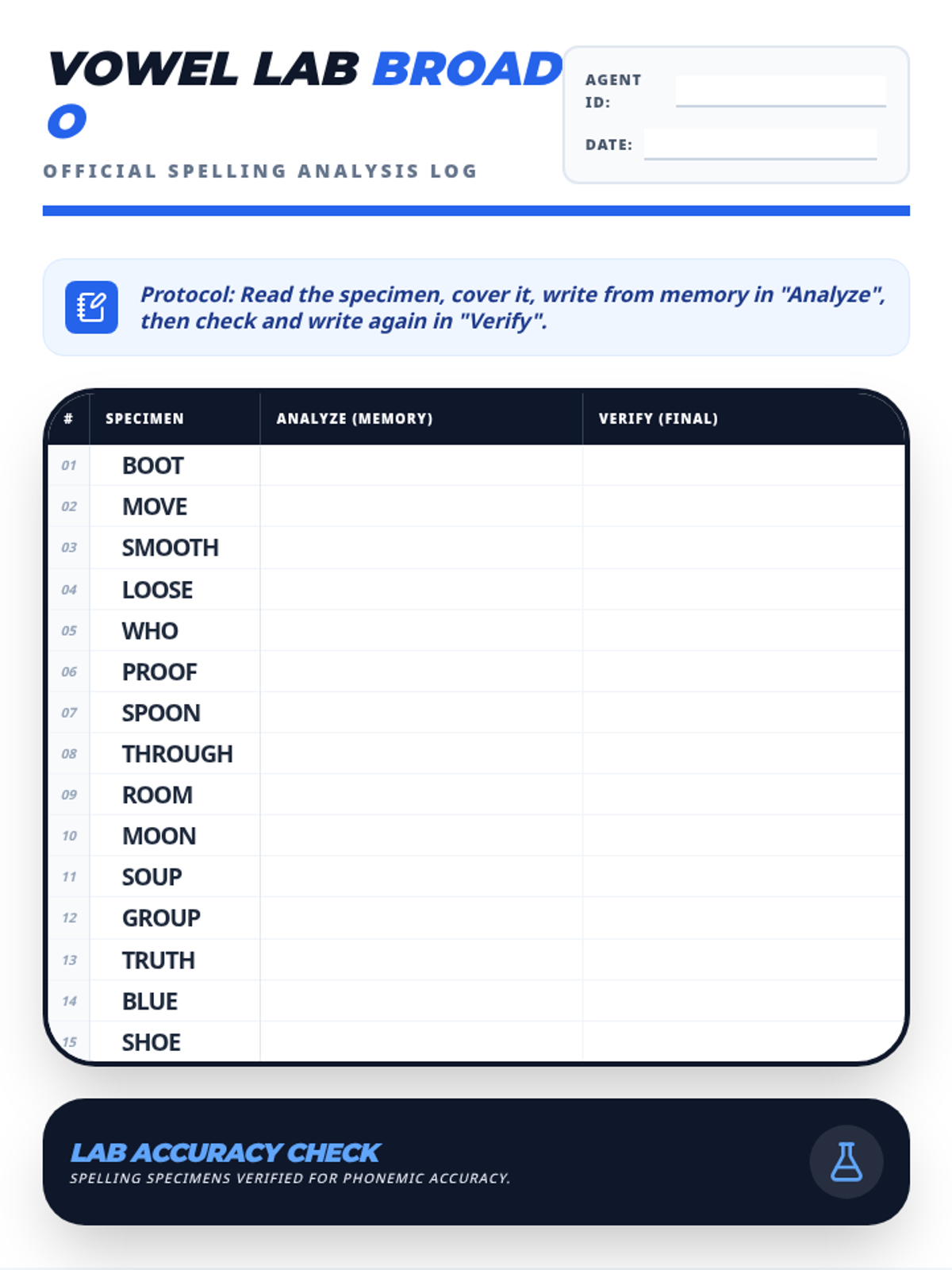
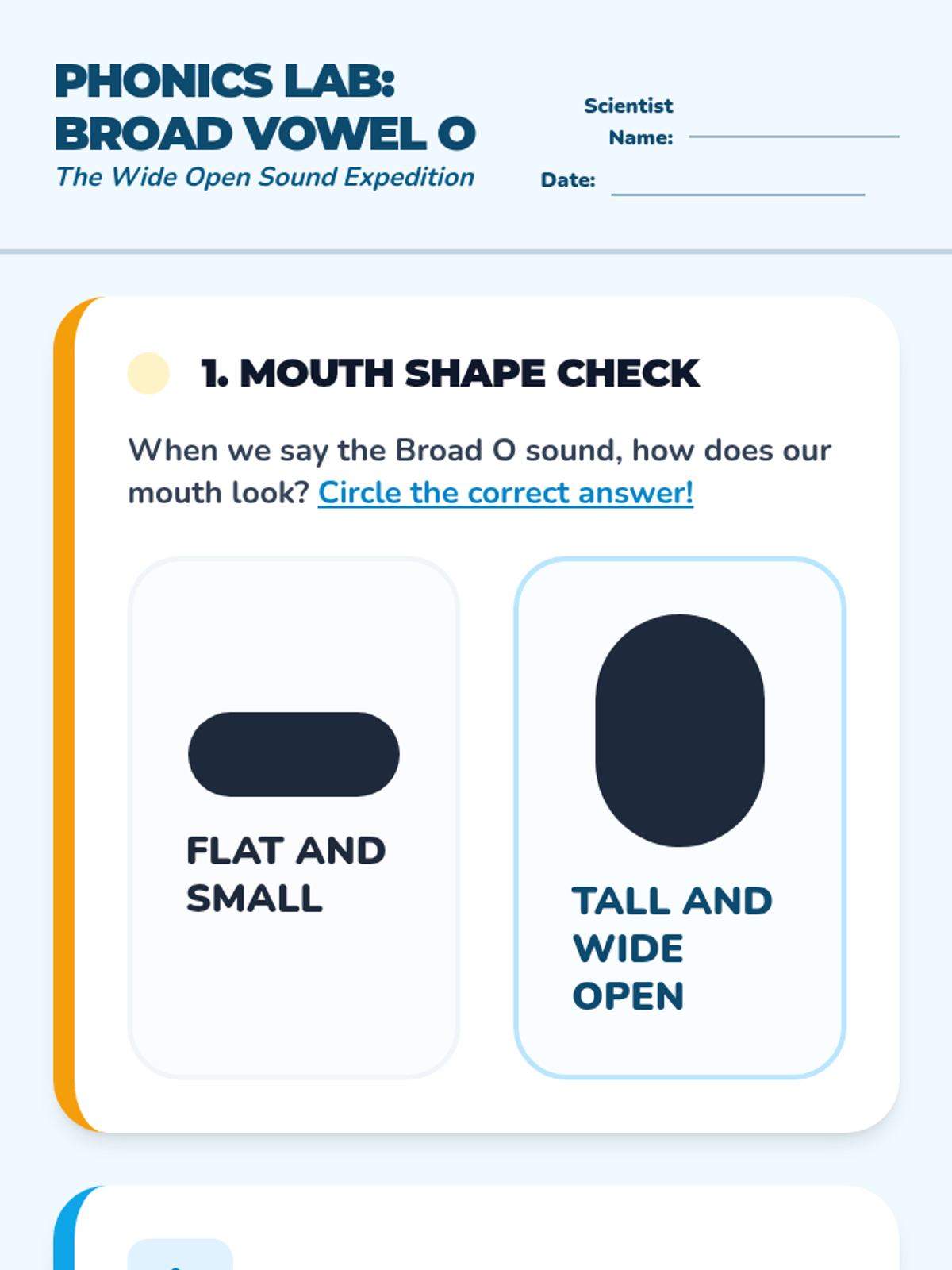
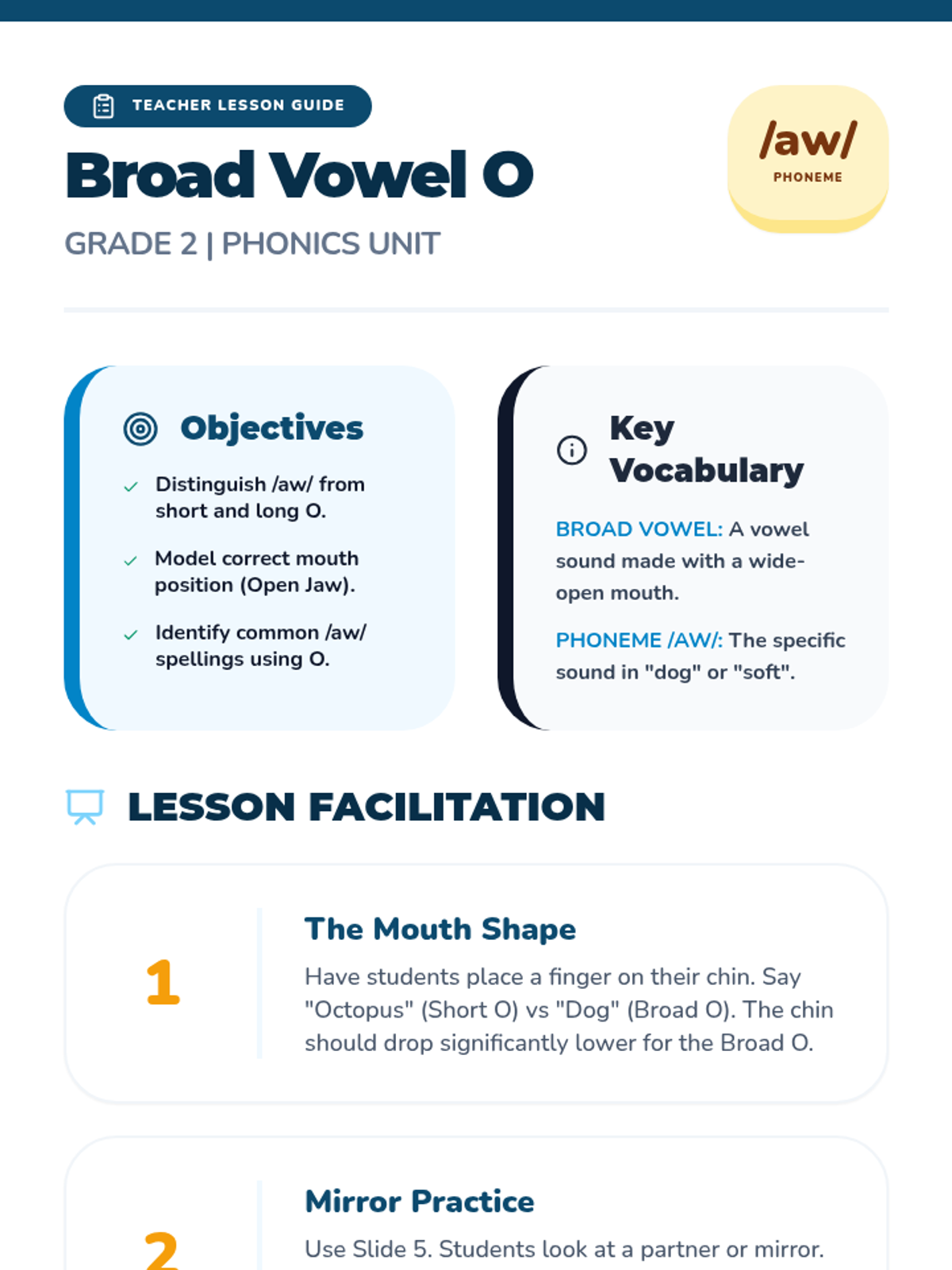
A series of phonics lessons focused on identifying and distinguishing various vowel sounds, specifically focusing on broad vowel variations and their mouth mechanics.
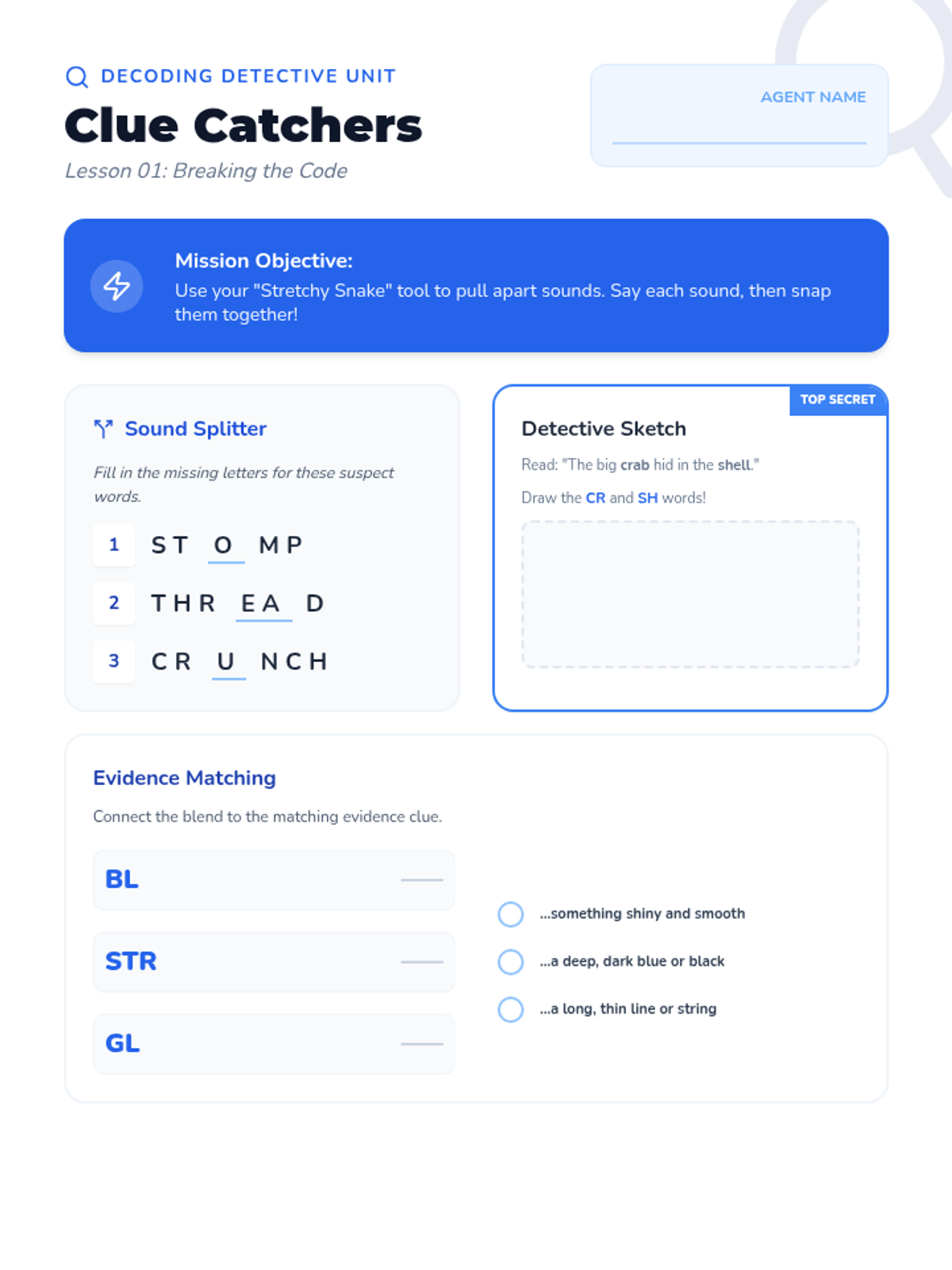
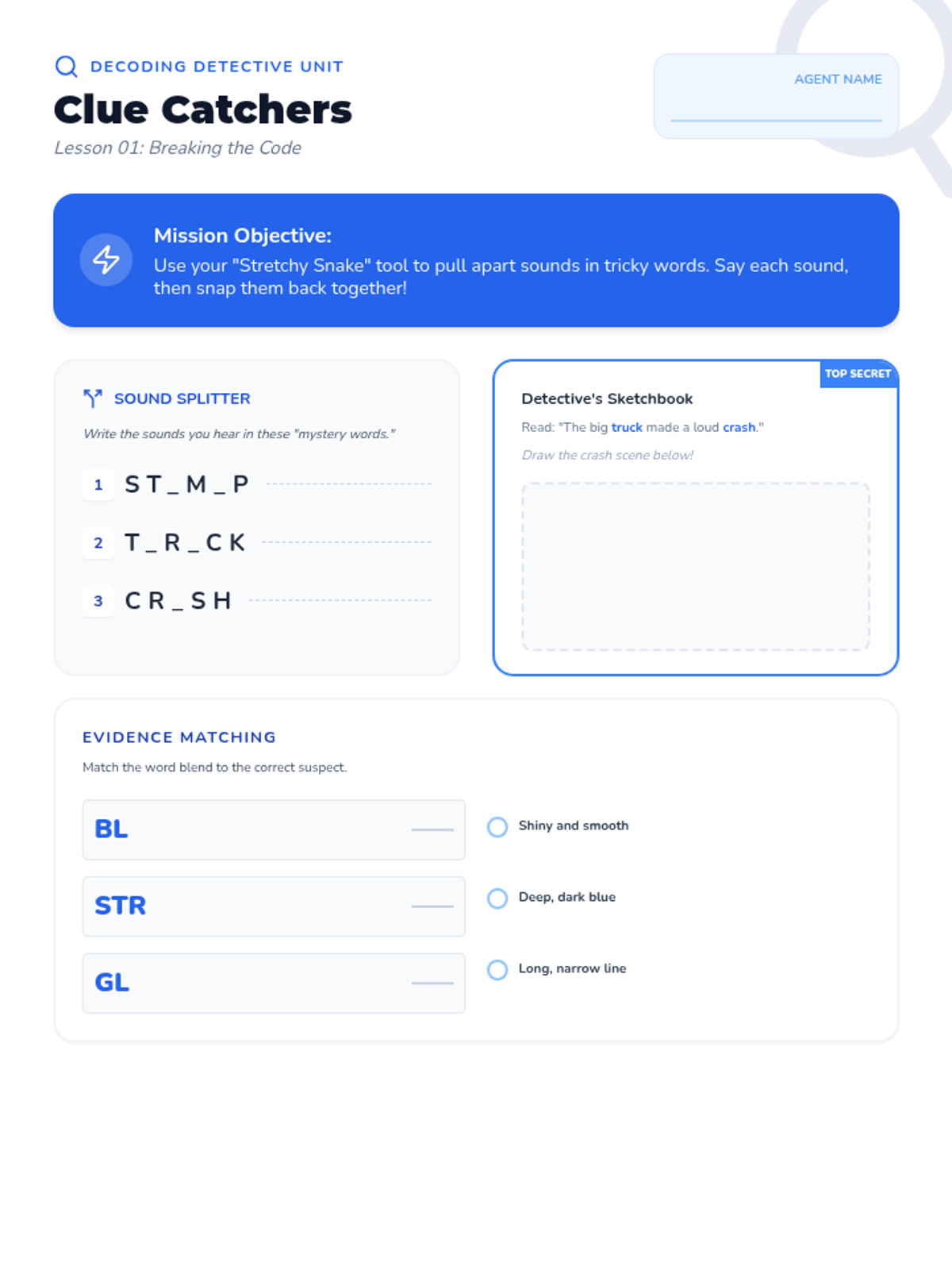
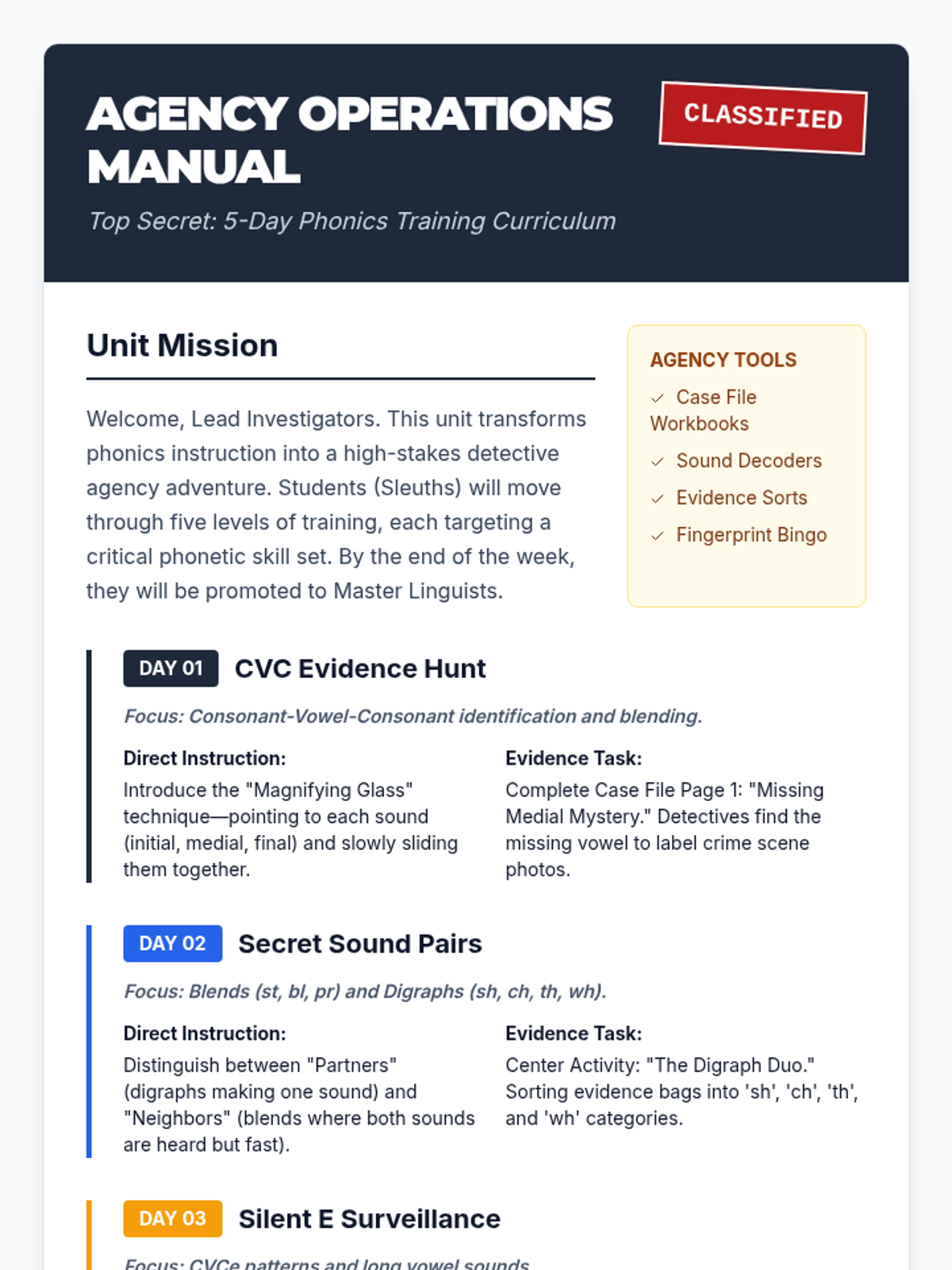
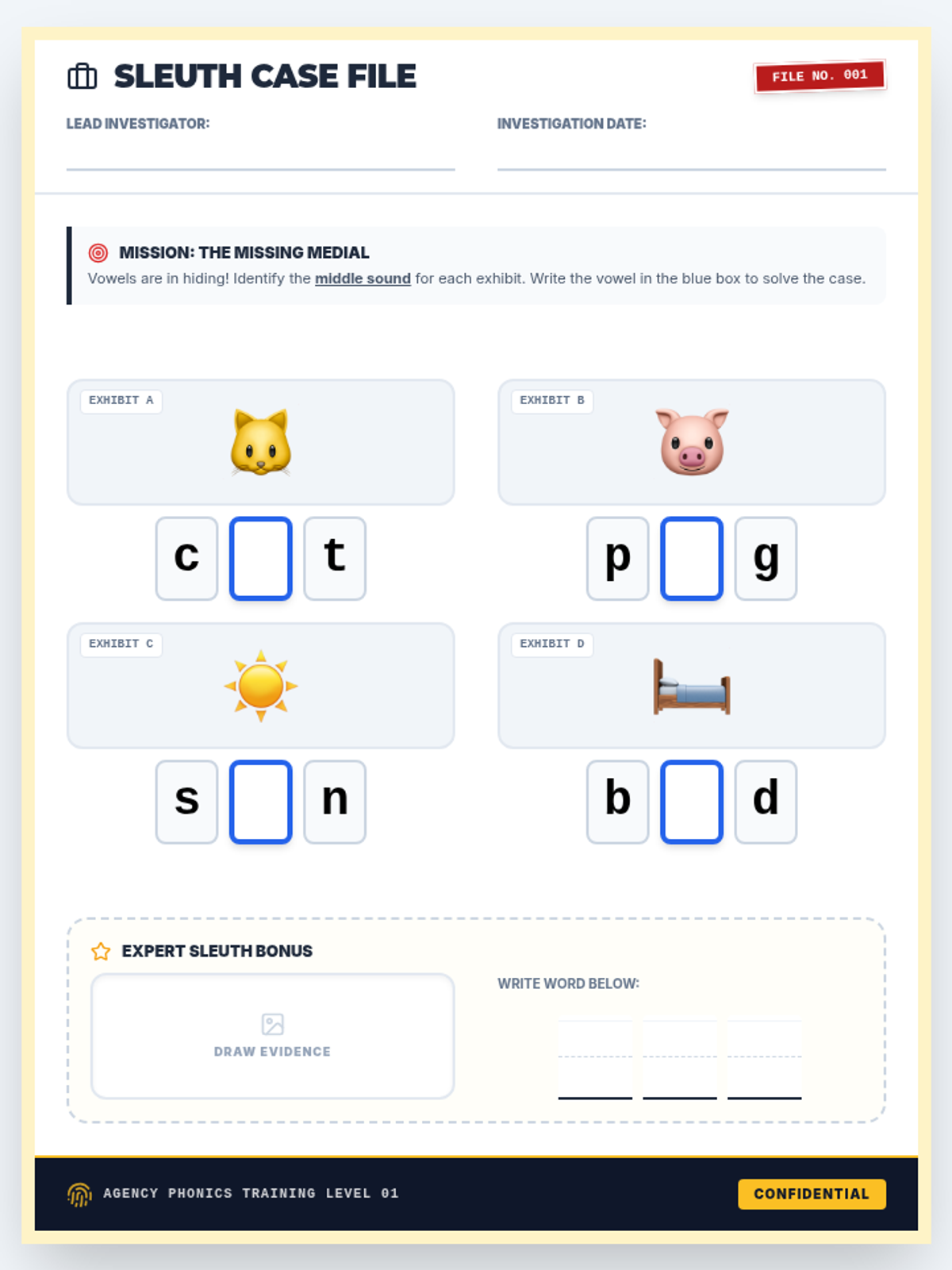
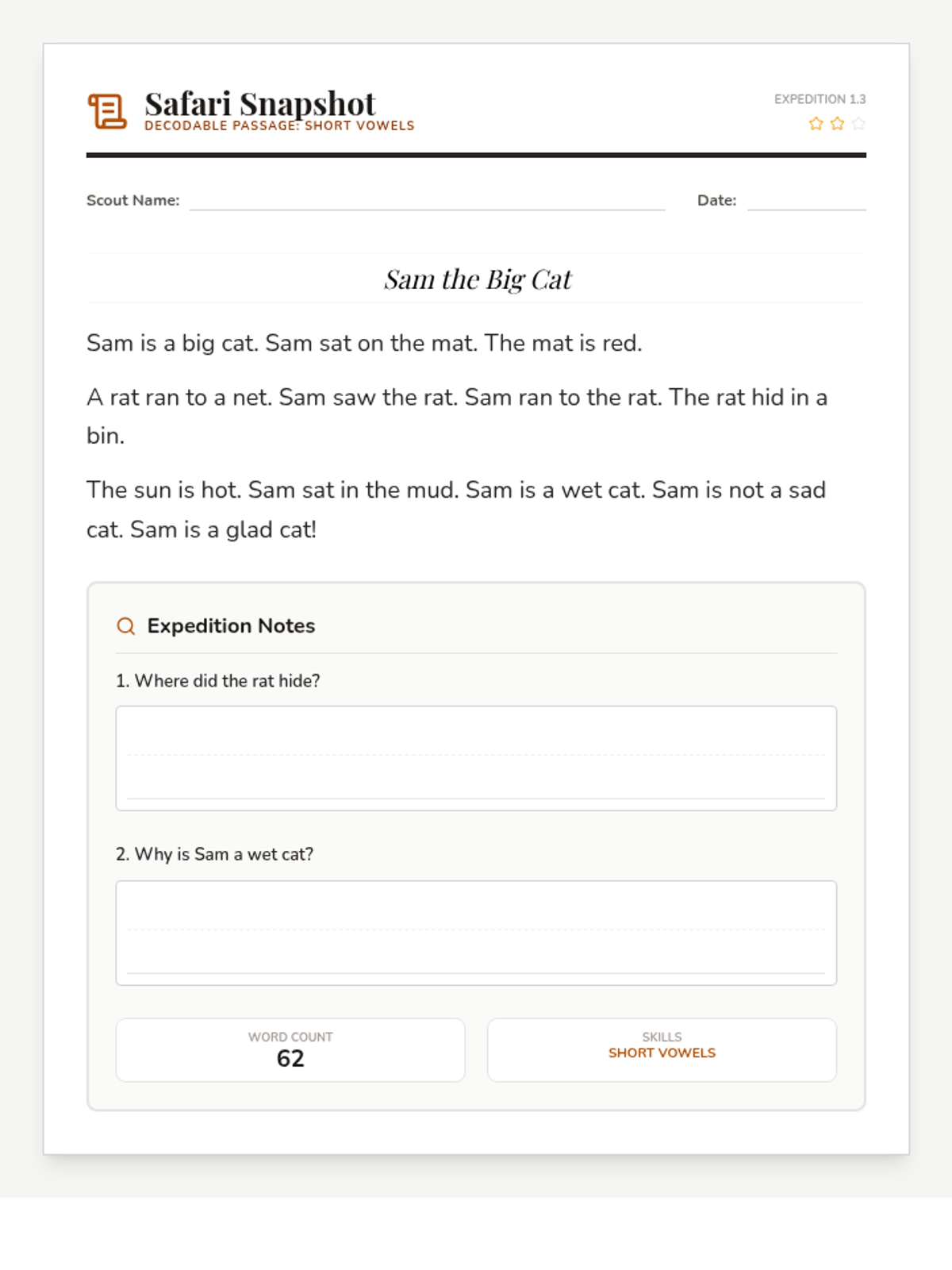
A comprehensive 5-day phonics curriculum for grades K-3 using a detective agency theme. Students progress from sound sleuths to master linguists, uncovering the secrets of CVC words, blends, digraphs, silent e, vowel teams, and multi-syllabic words through investigative play and structured practice.
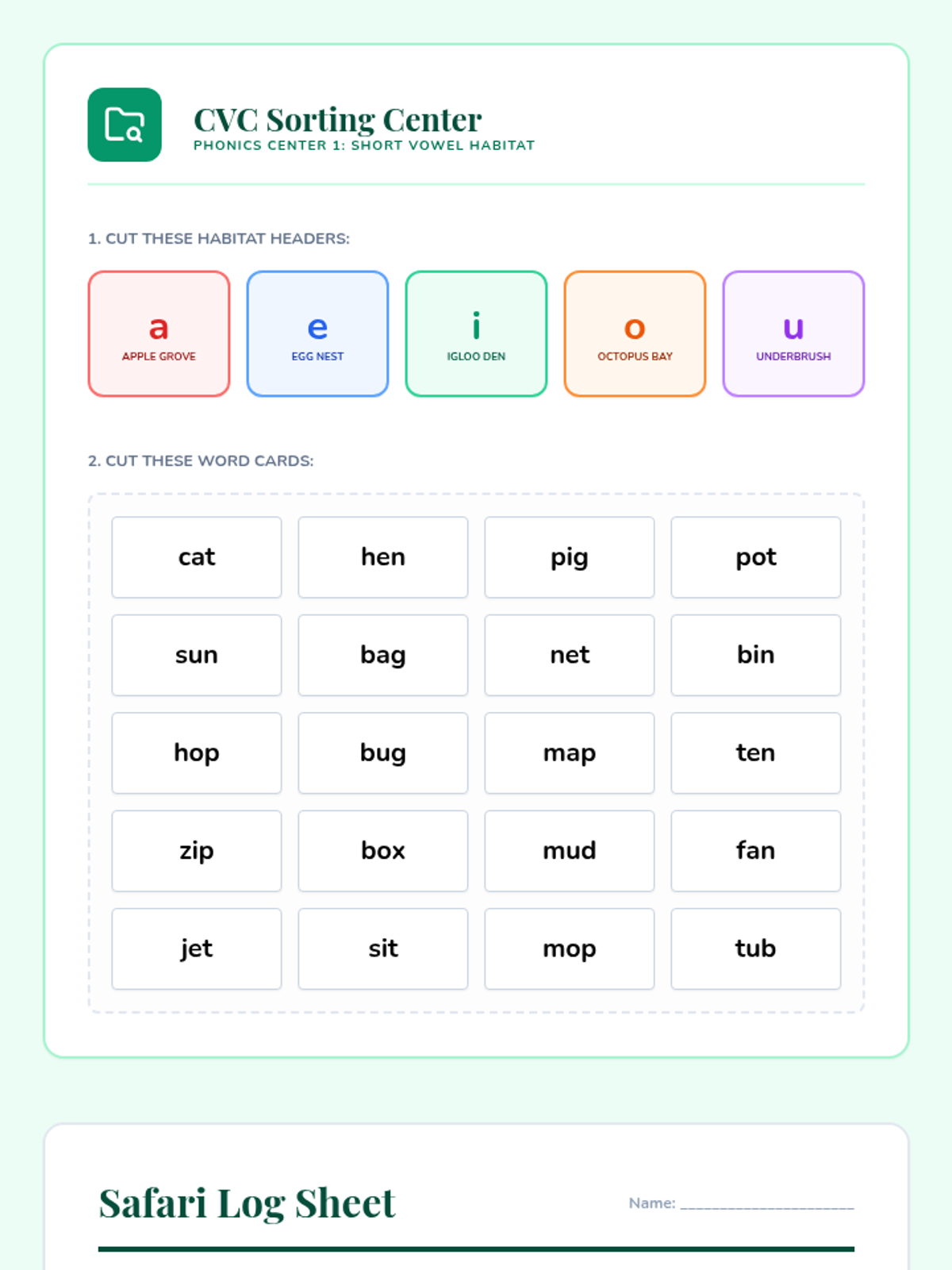
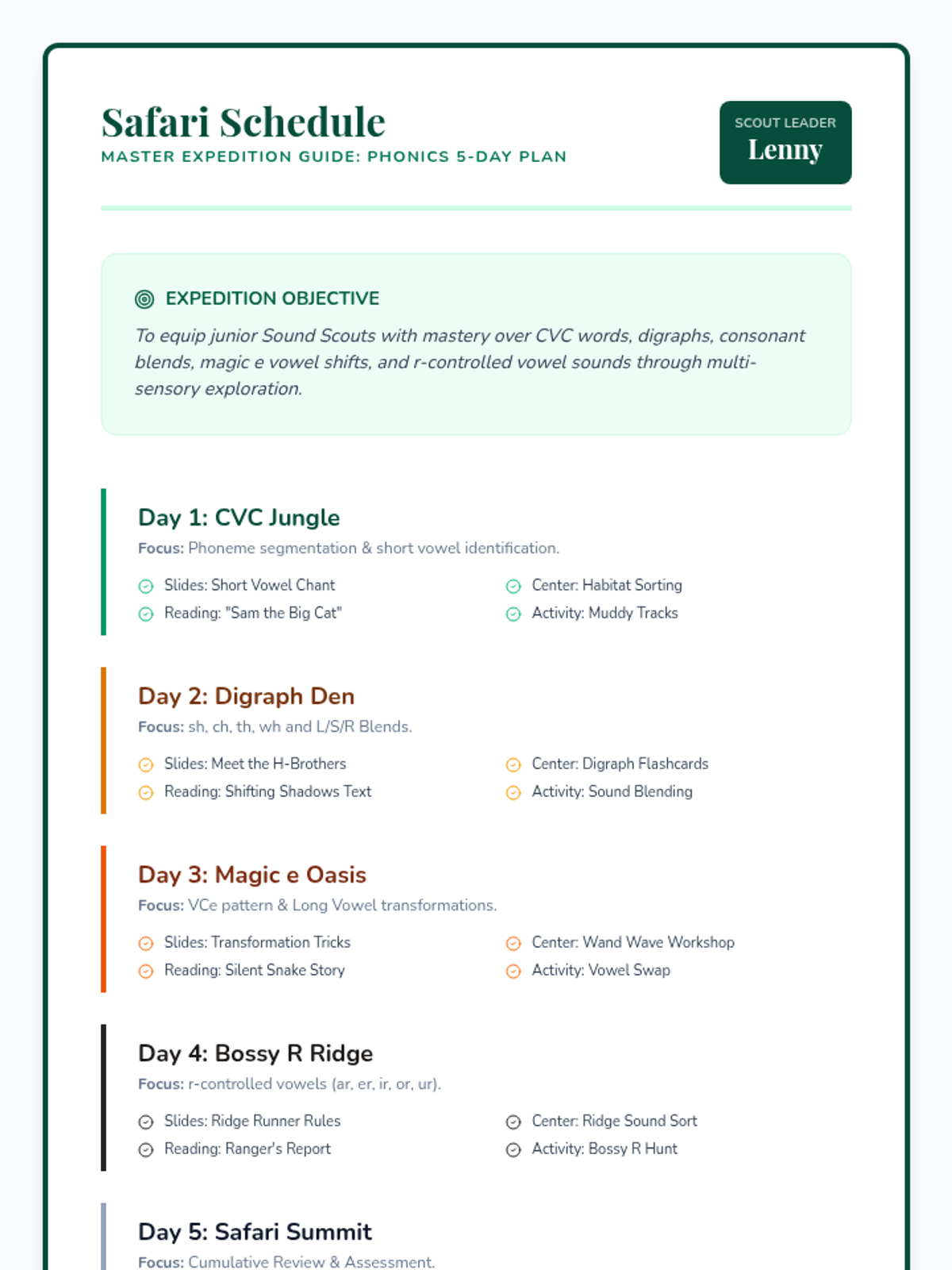
A 5-day phonics intensive focused on mastering short vowels, digraphs, blends, silent e, and r-controlled vowels through an engaging safari-themed adventure. Students act as 'Sound Scouts' exploring different phonetic habitats.
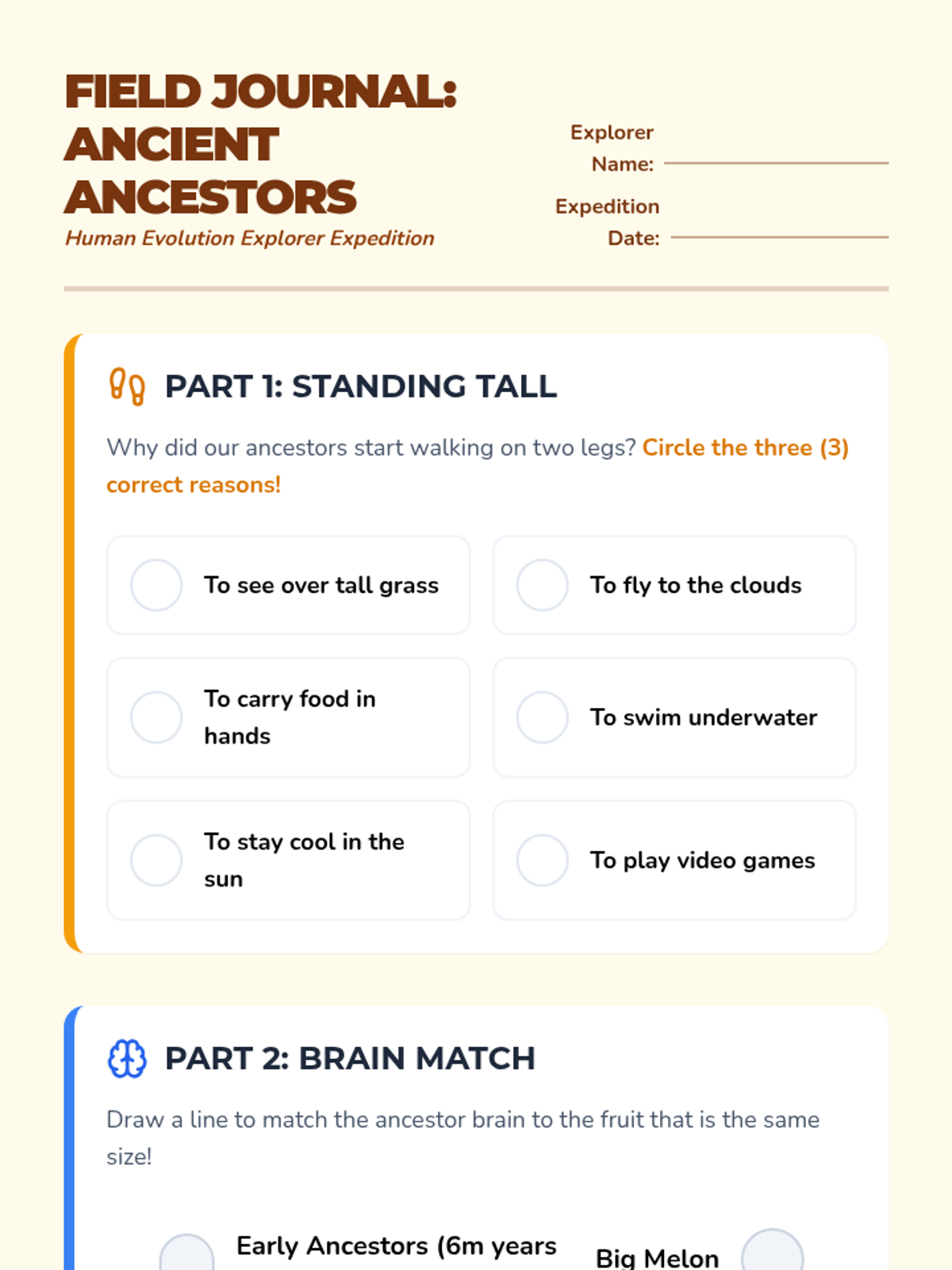
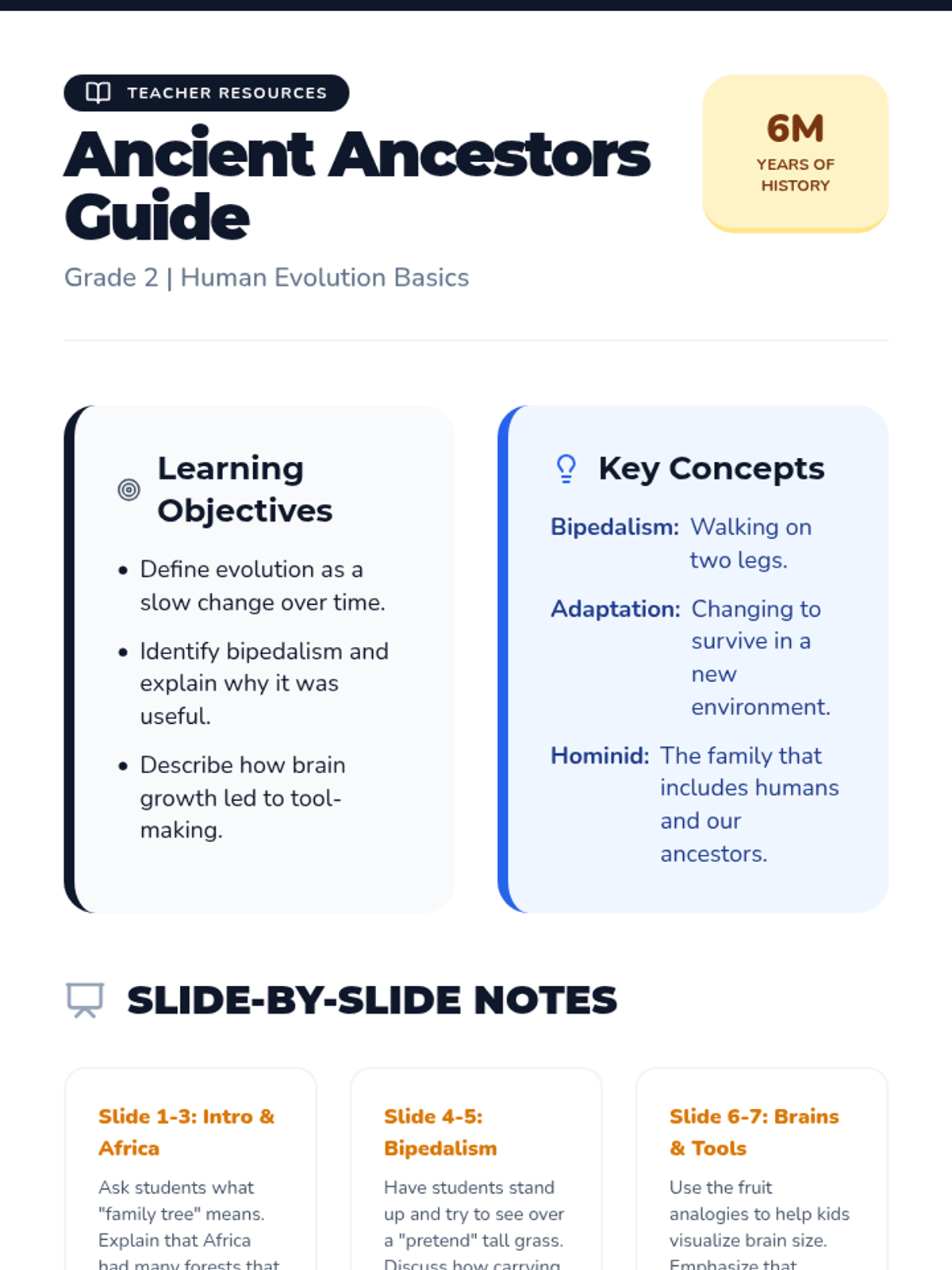
A diverse set of Grade 2 lessons covering science (Human Evolution) and phonics (Broad Vowel O), designed with high-contrast visuals and interactive student activities.
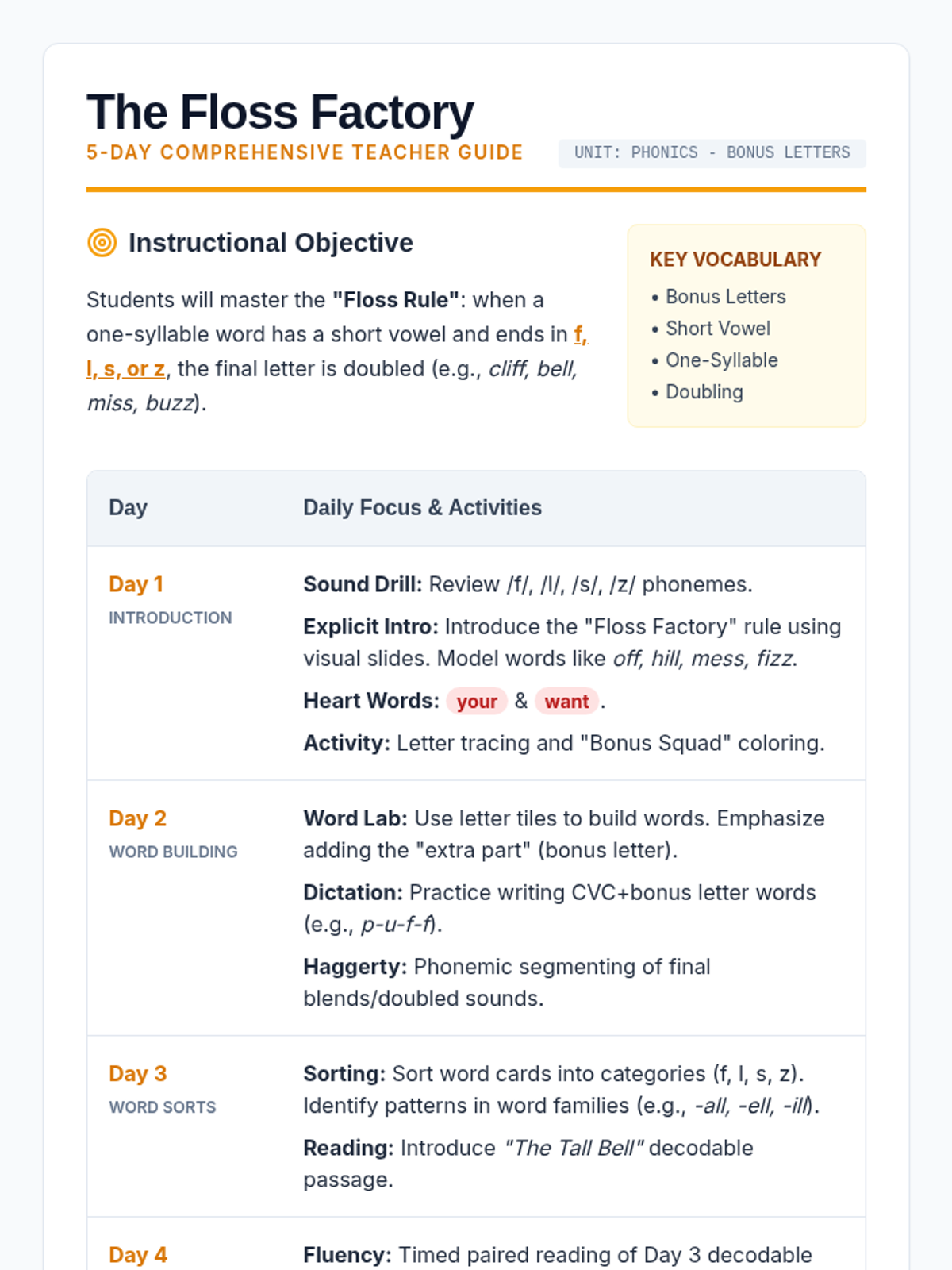
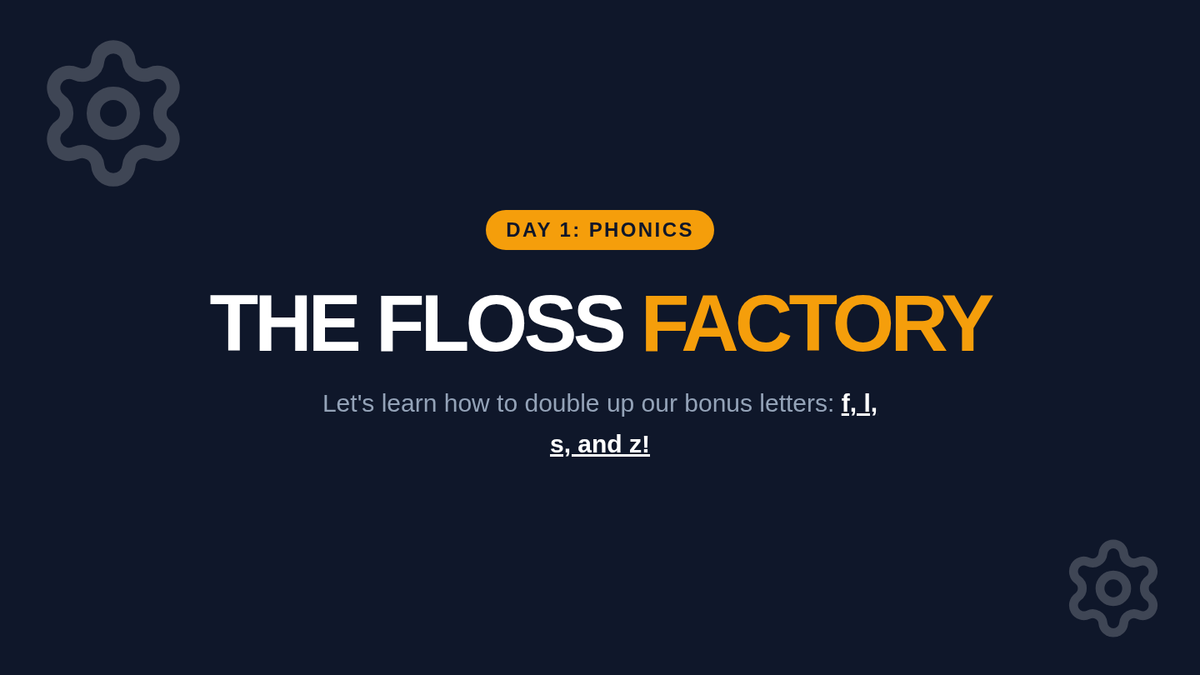
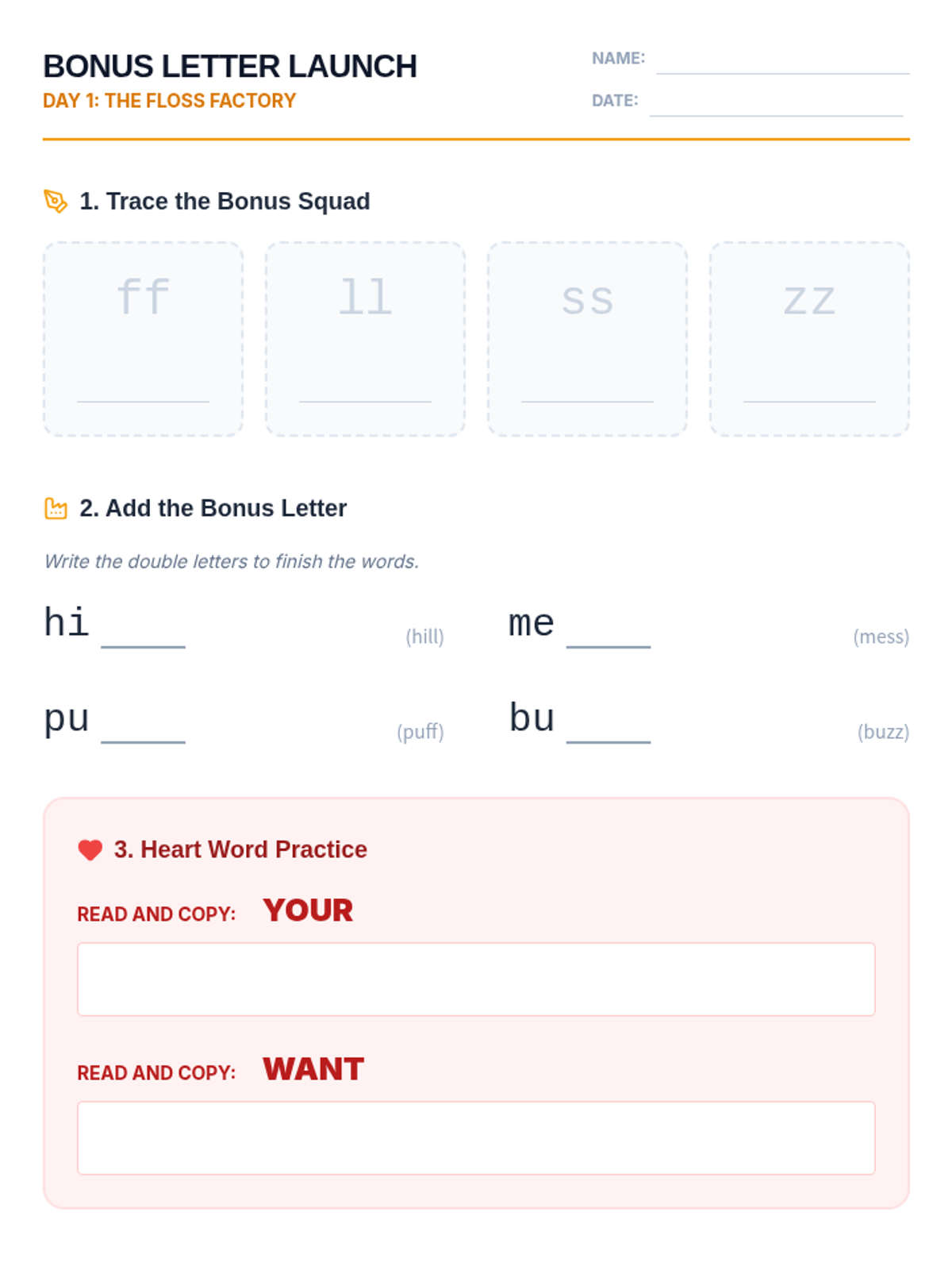
A comprehensive 5-day phonics unit focused on the "bonus letters" (Floss Rule: f, l, s, z) including heart words 'your' and 'want'. Students explore the concept of doubling final consonants in one-syllable short vowel words through a factory-themed learning experience.
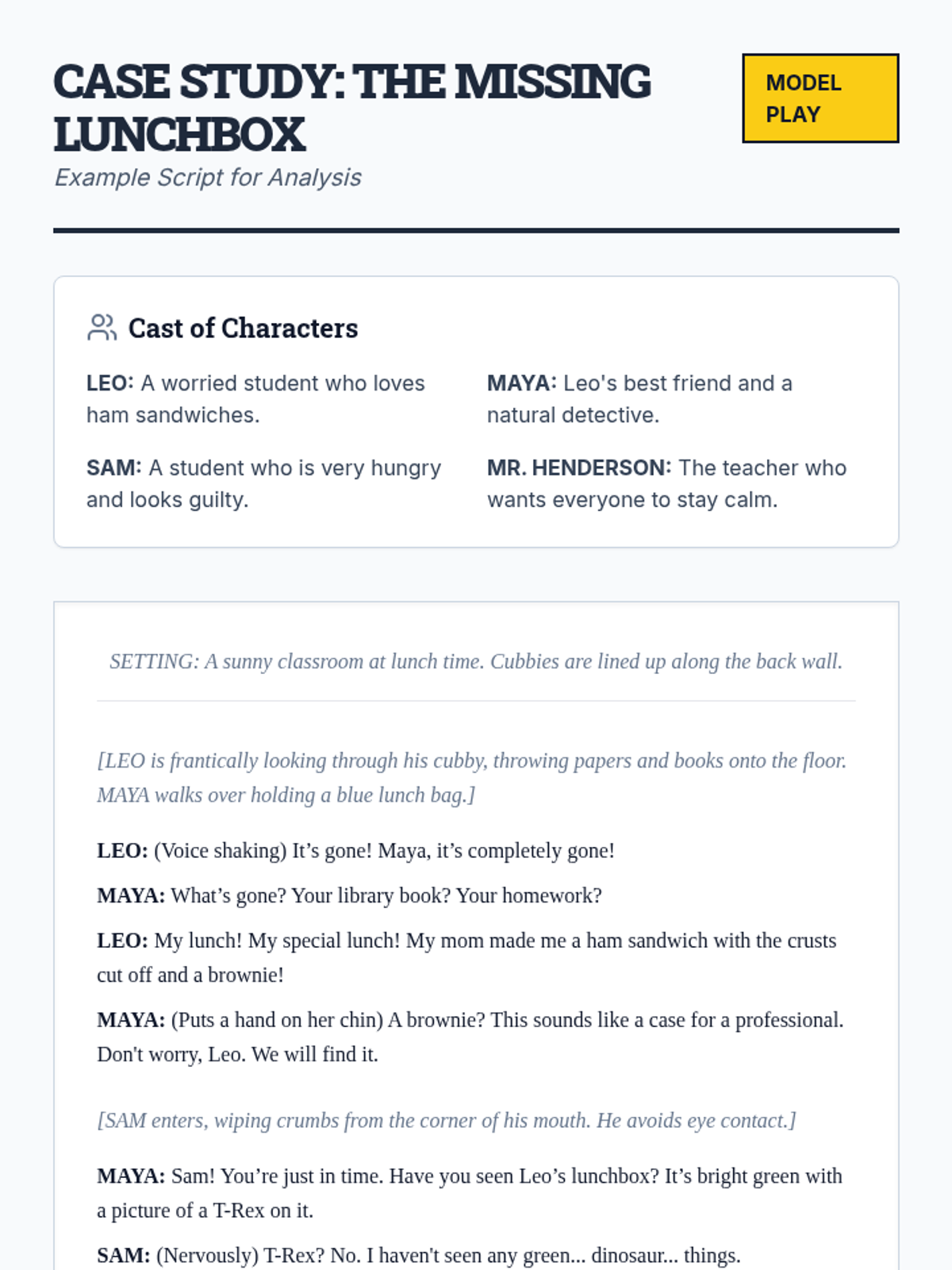
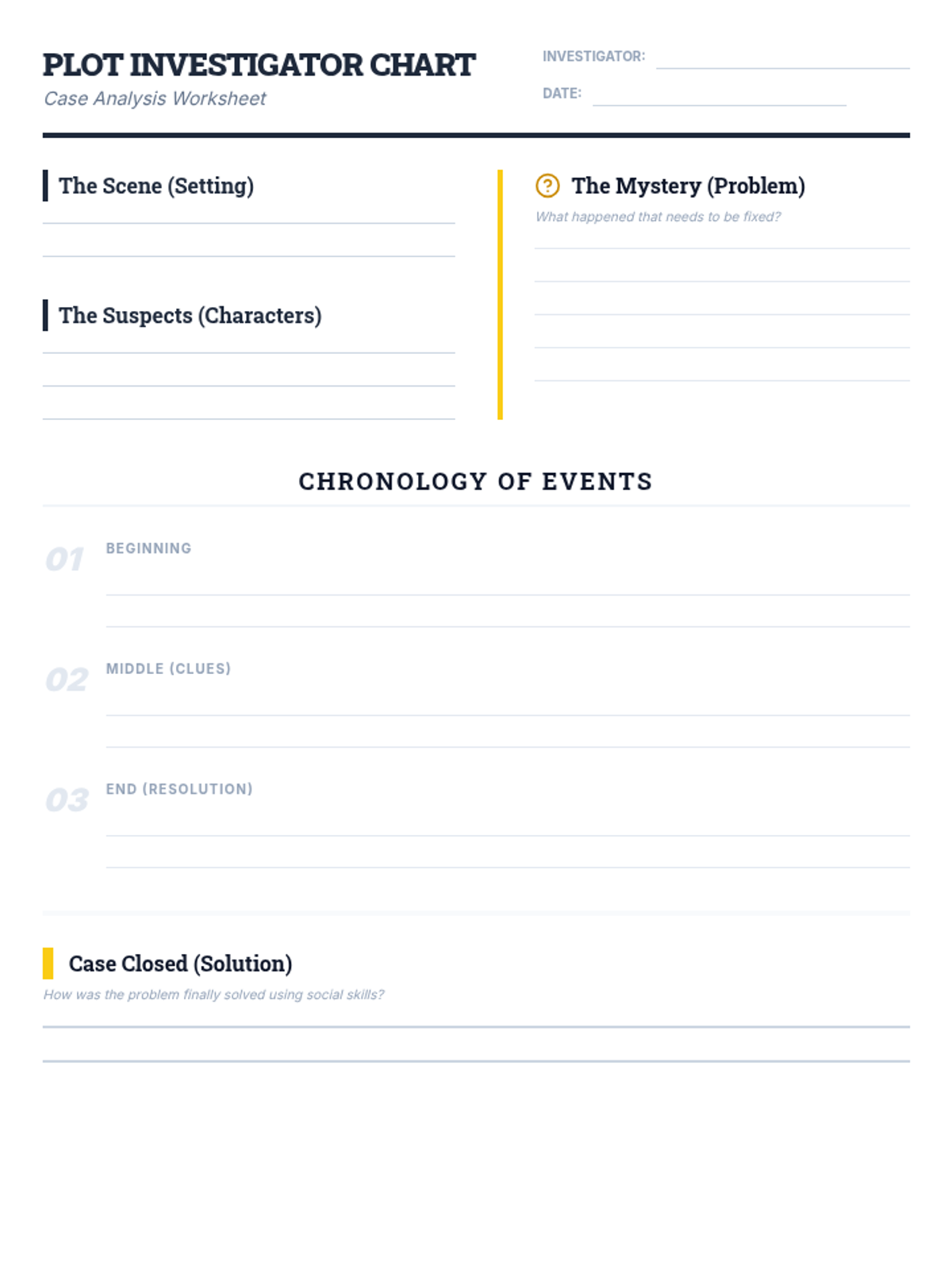
A unit focused on play structure, fluency, and social-emotional problem solving through mystery-themed scripts. Students analyze plot elements while practicing performance skills.
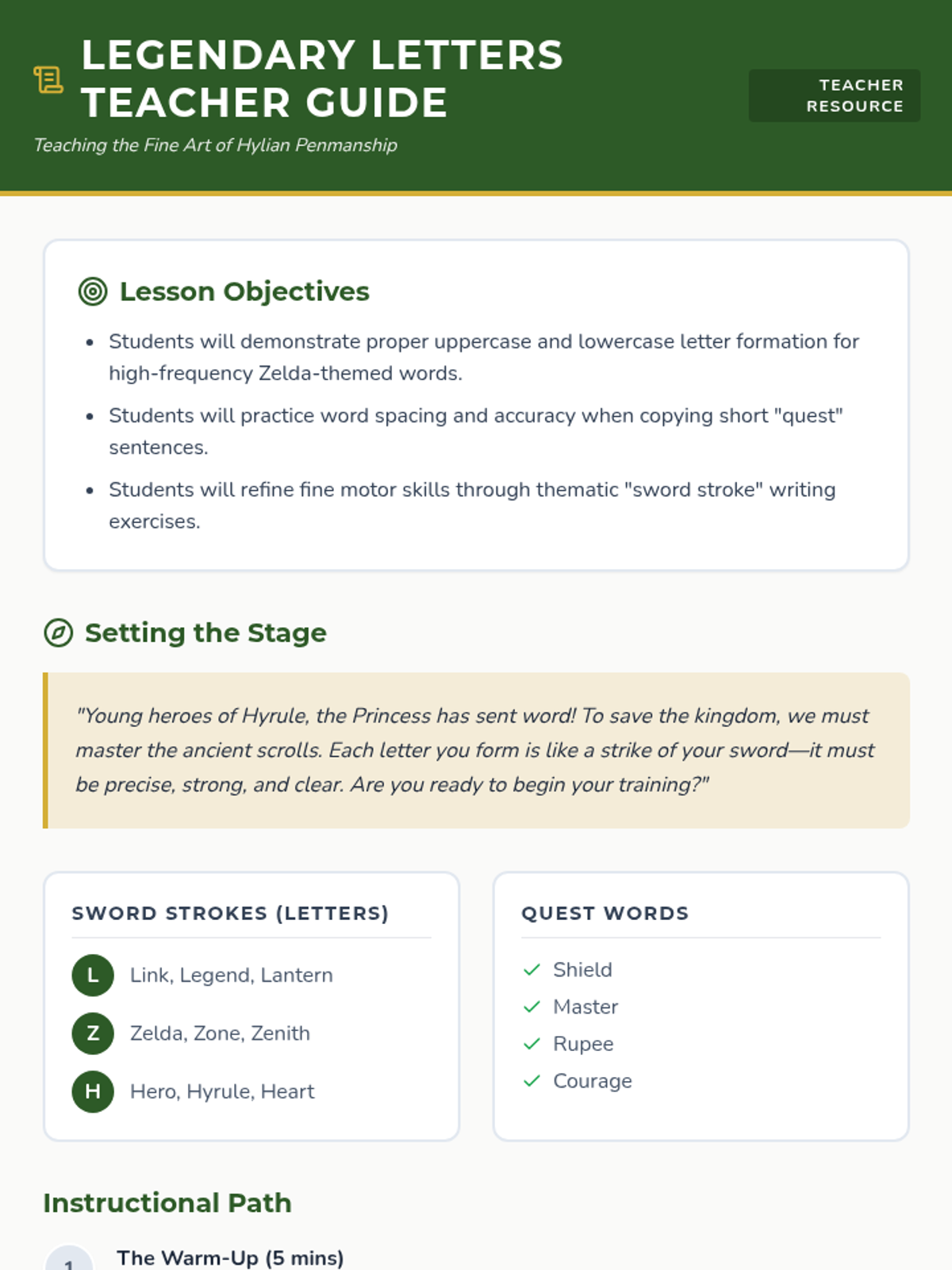
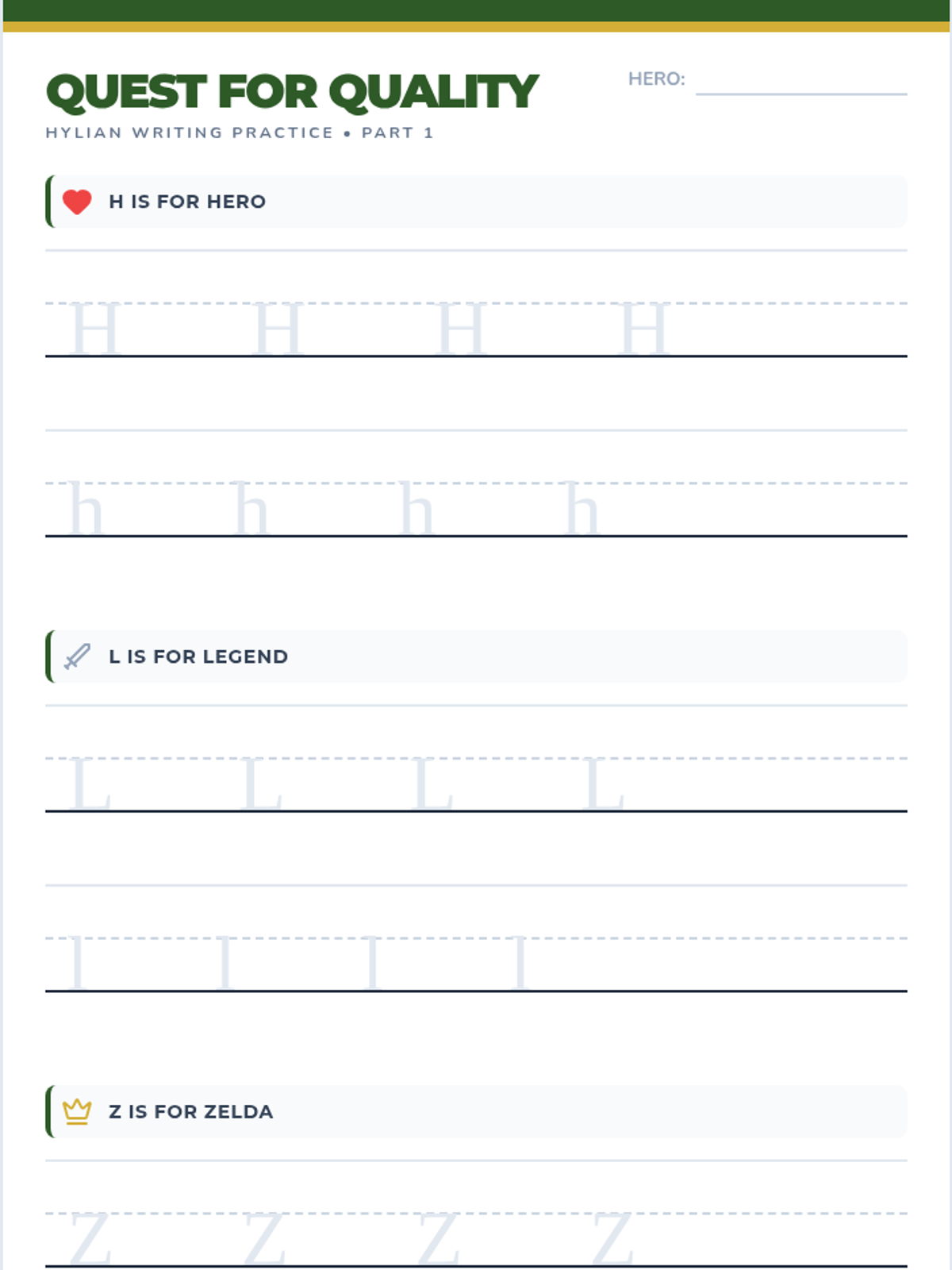
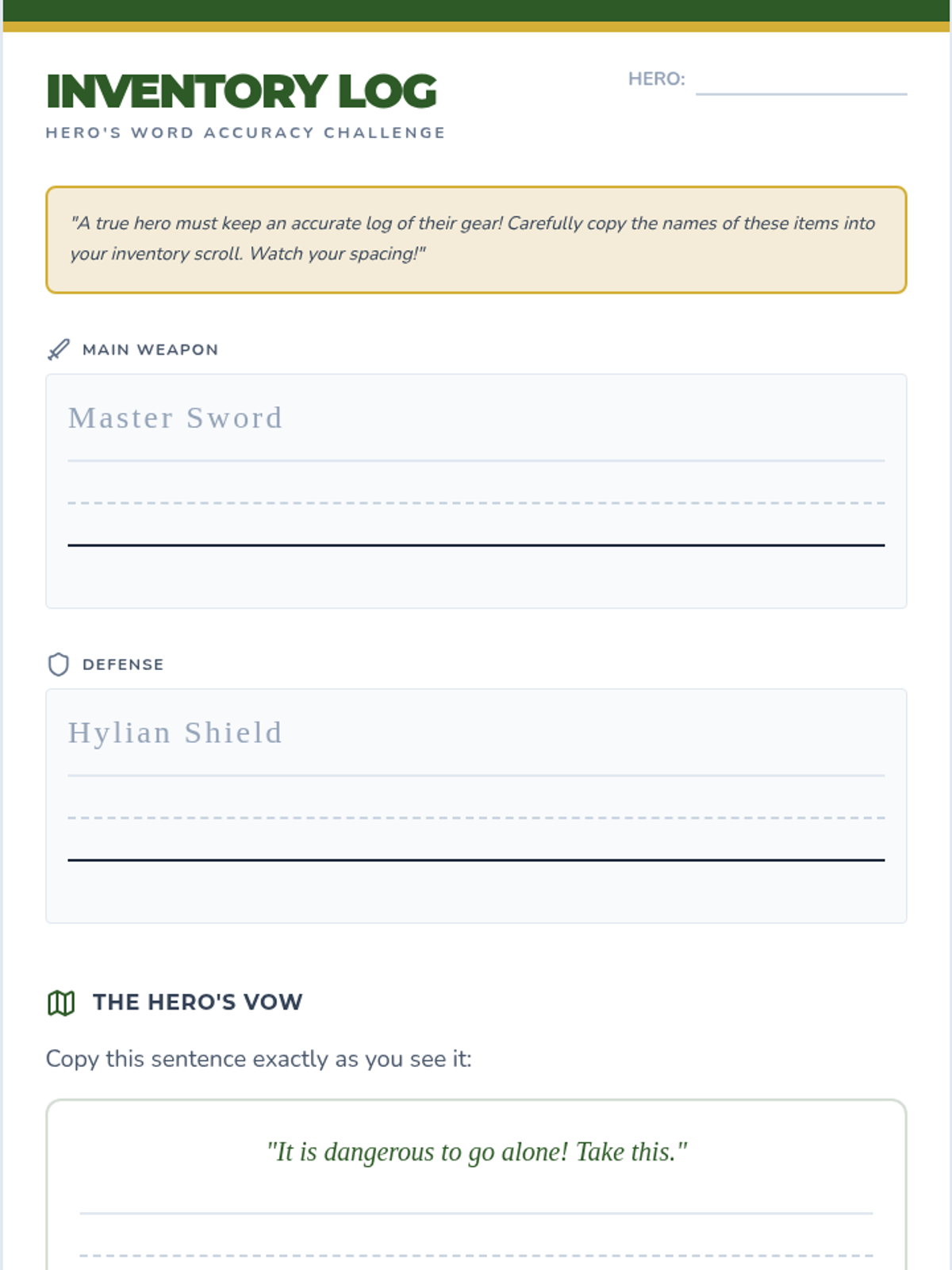
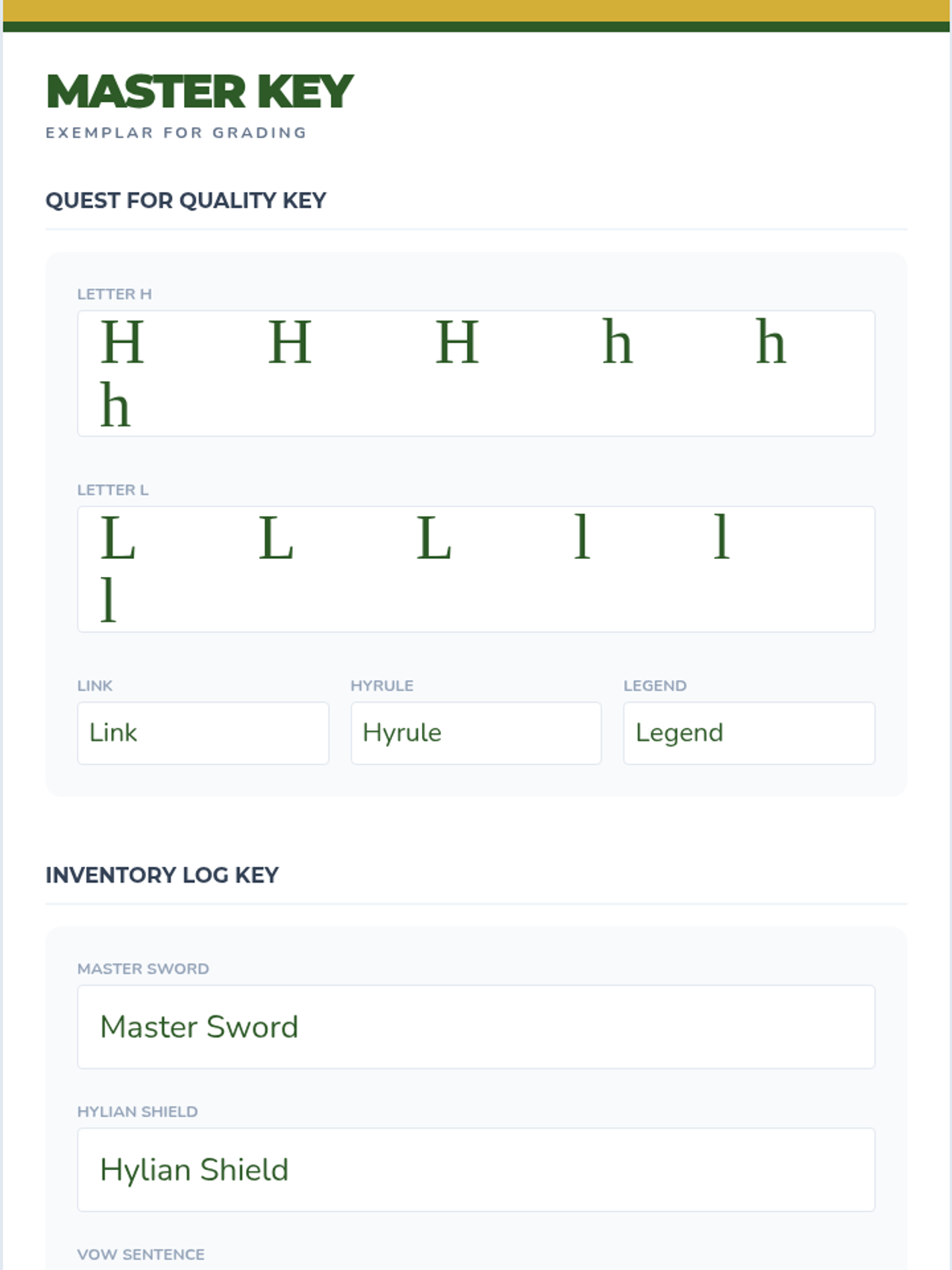
A Zelda-themed writing unit for 2nd graders focused on letter and word formation, accuracy, and heroic penmanship. Students embark on a quest to master their handwriting through thematic practice activities.
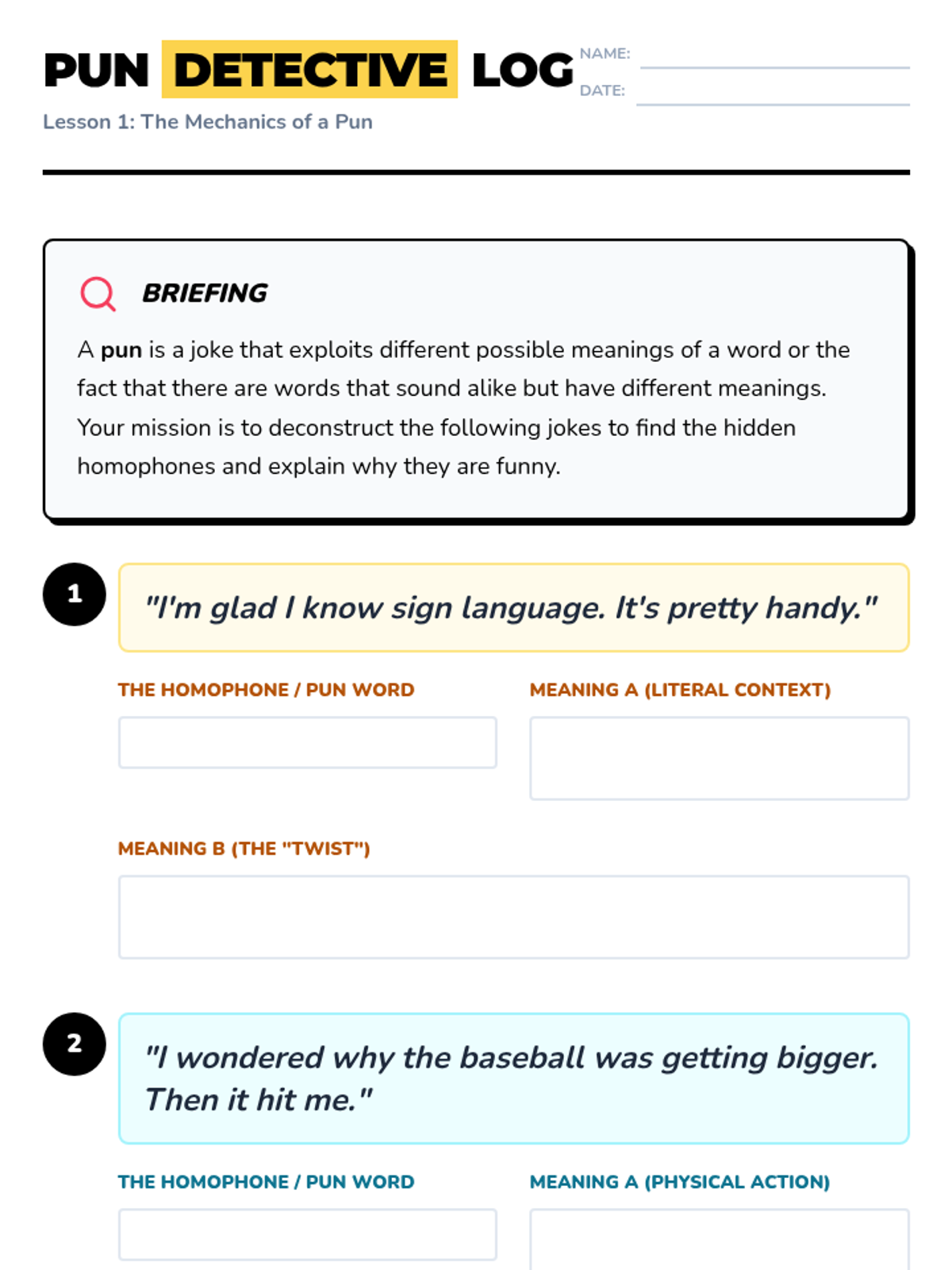
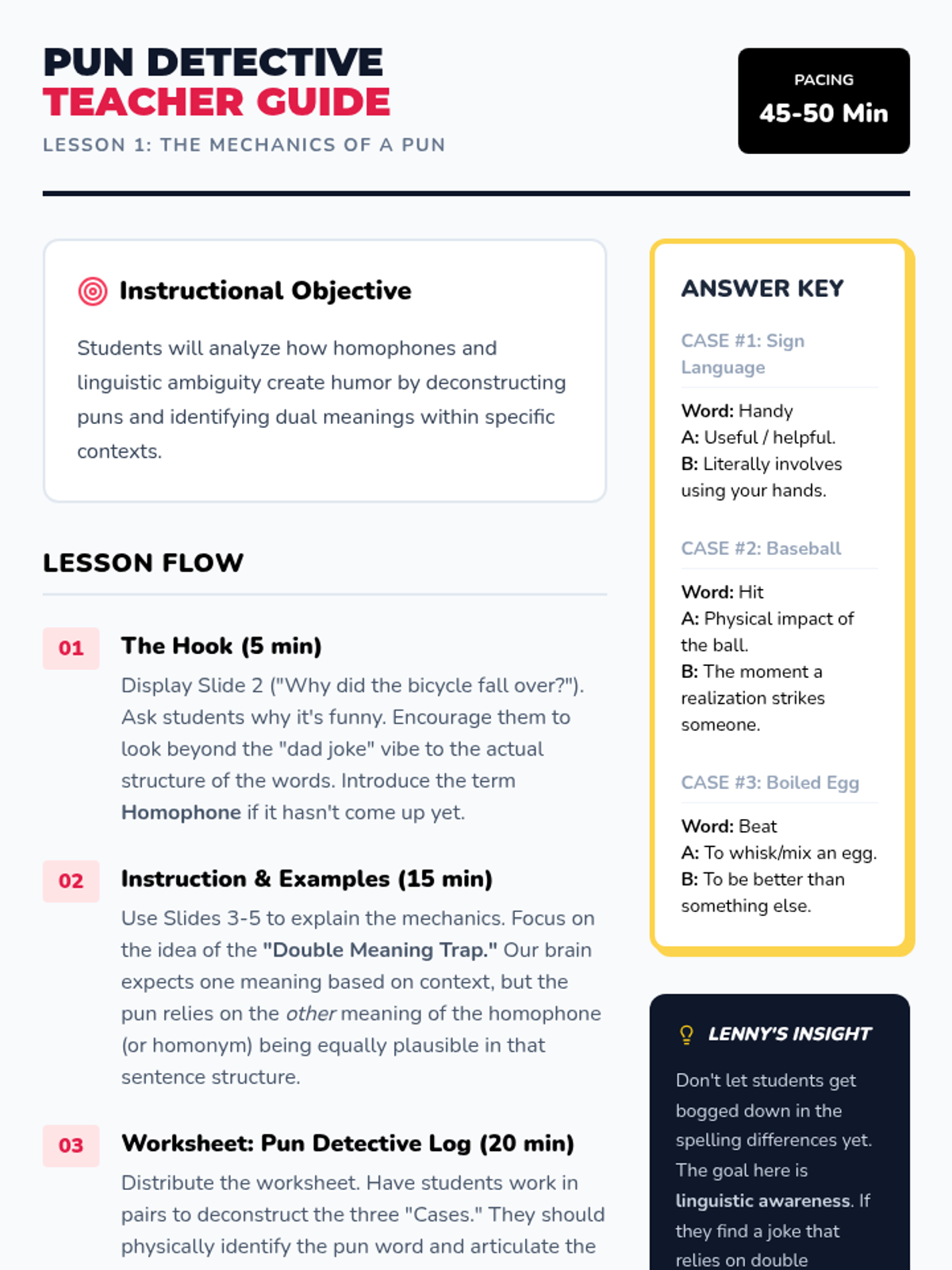
This sequence explores the creative and humorous side of homophones, focusing on how writers use wordplay, puns, and ambiguity for effect. Students move from deconstructing jokes to creating their own homophone-based scripts and comics.