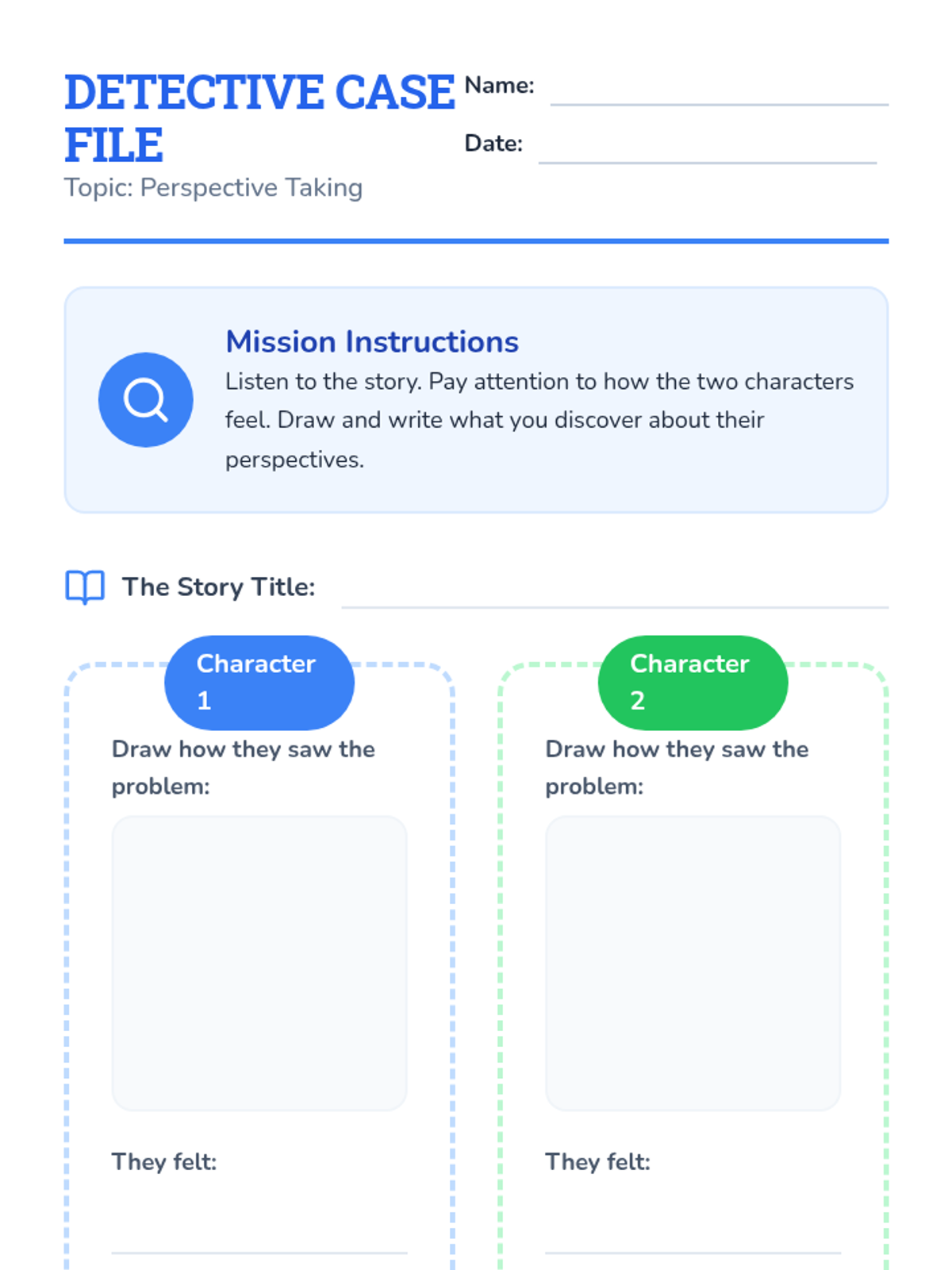
Empathetic skill development through emotion recognition, cultural diversity appreciation, and bias confrontation. Targets multi-perspective analysis to support respectful interactions and complex social responses.
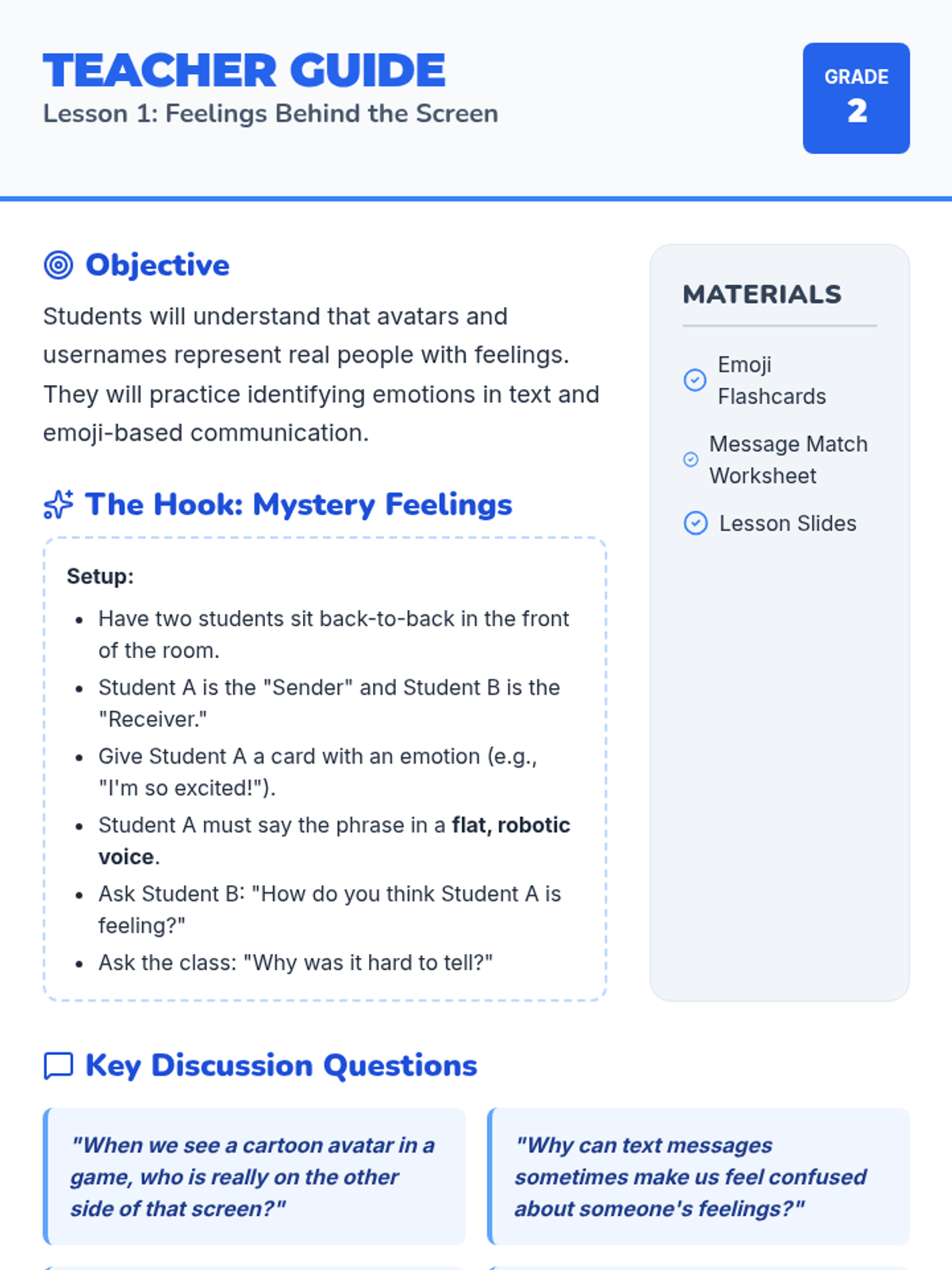
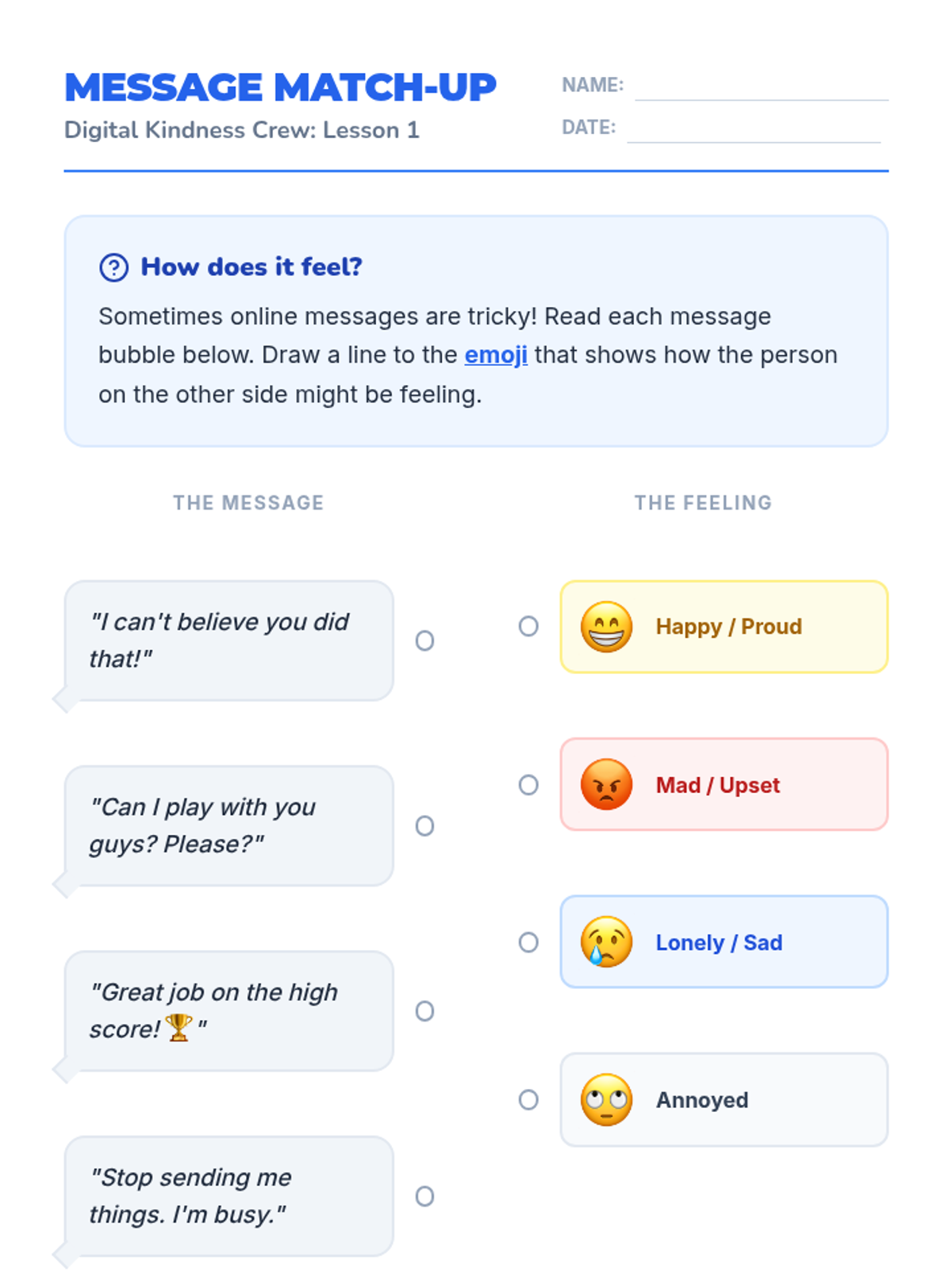
A 2nd-grade unit focused on empathy, safety, and respect in digital spaces. Students learn to recognize feelings behind the screen, identify unkind behavior, follow safety protocols, and act as upstanders to build a positive online community.
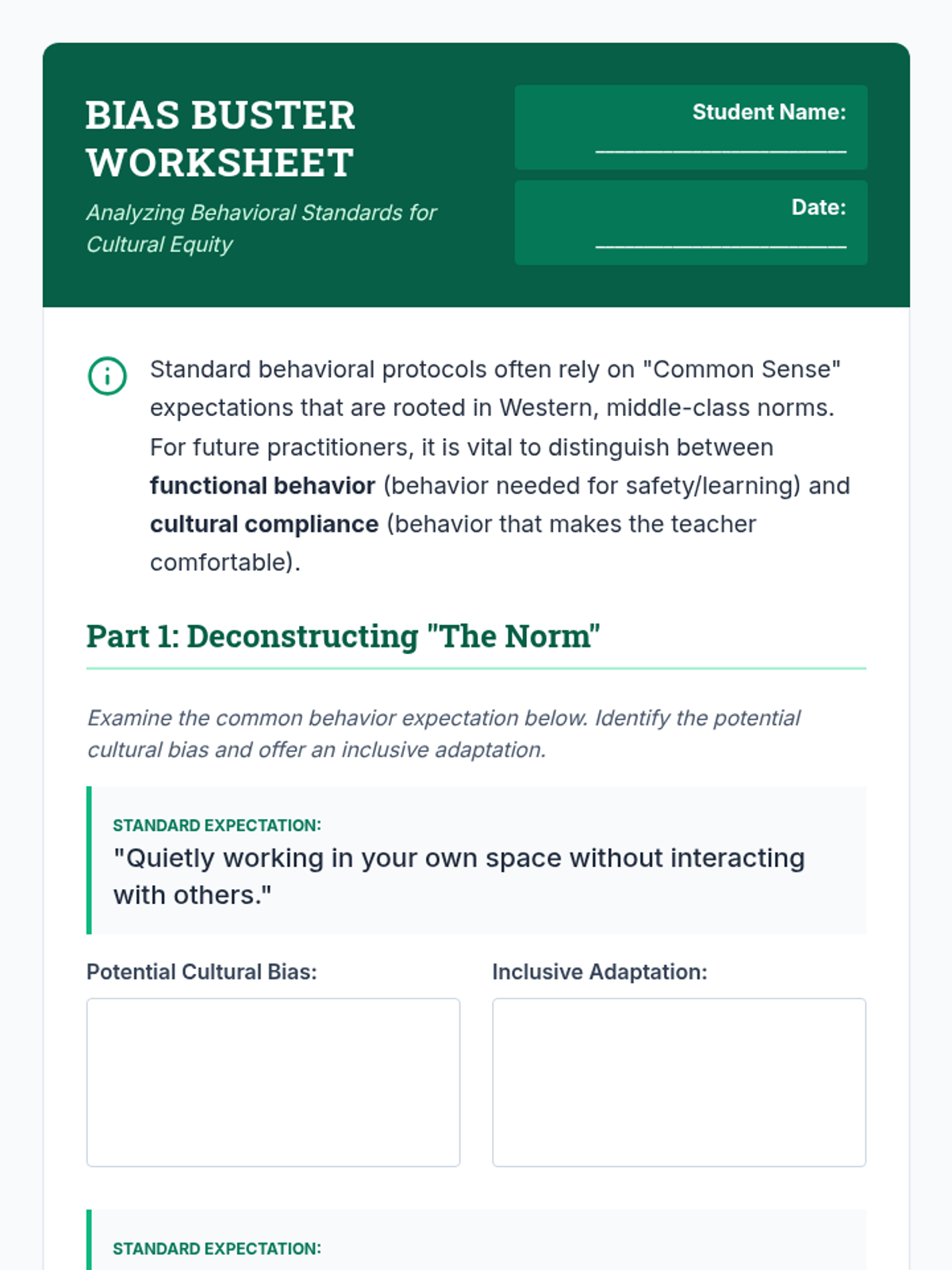
This sequence prepares undergraduate students in counseling and education to adapt standard behavioral check-in procedures (like Check-In/Check-Out) for diverse populations. It emphasizes cultural responsiveness, developmental appropriateness, neurodiversity, and modern remote contexts to ensure equity and accessibility in behavioral support.
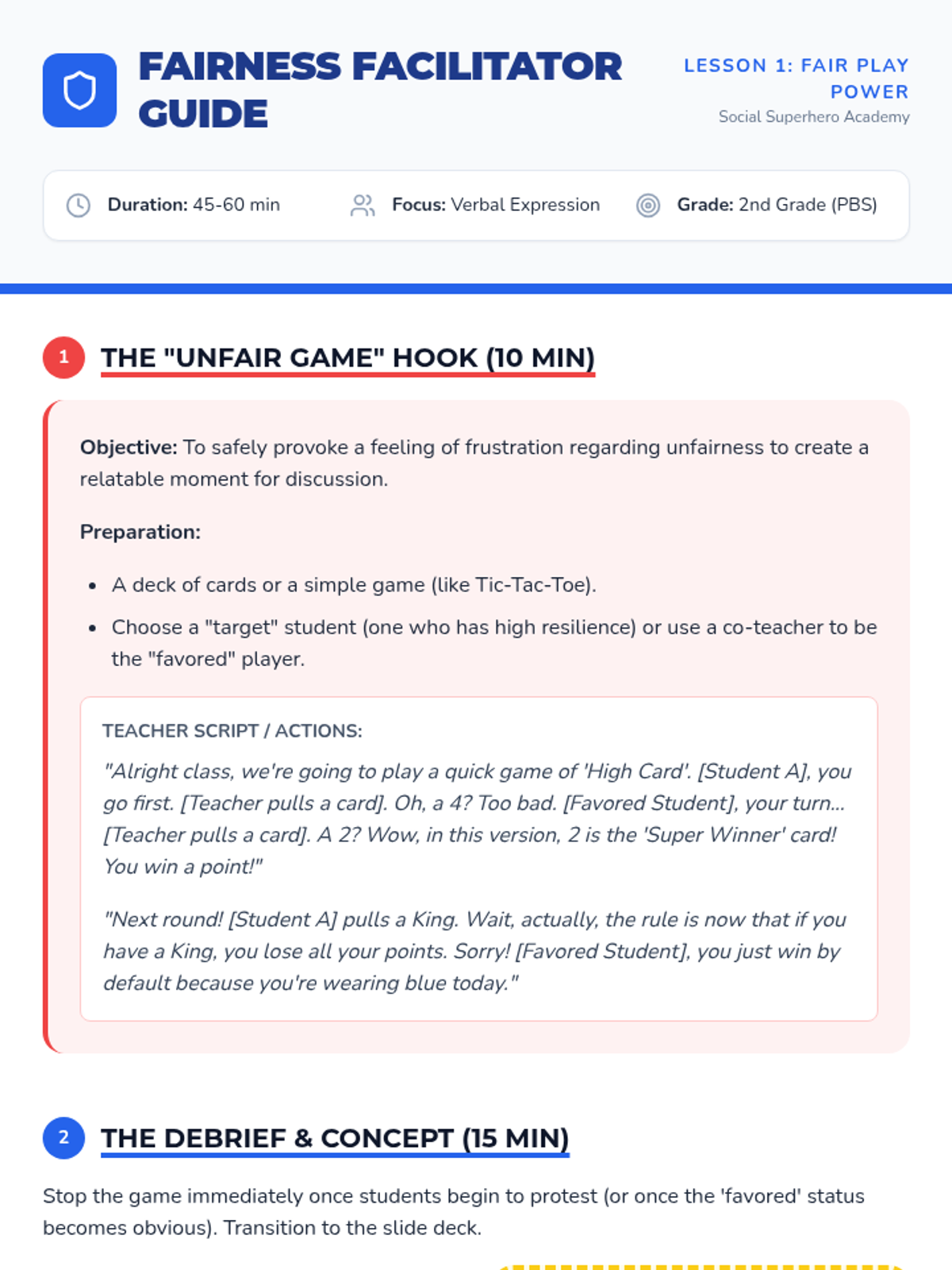
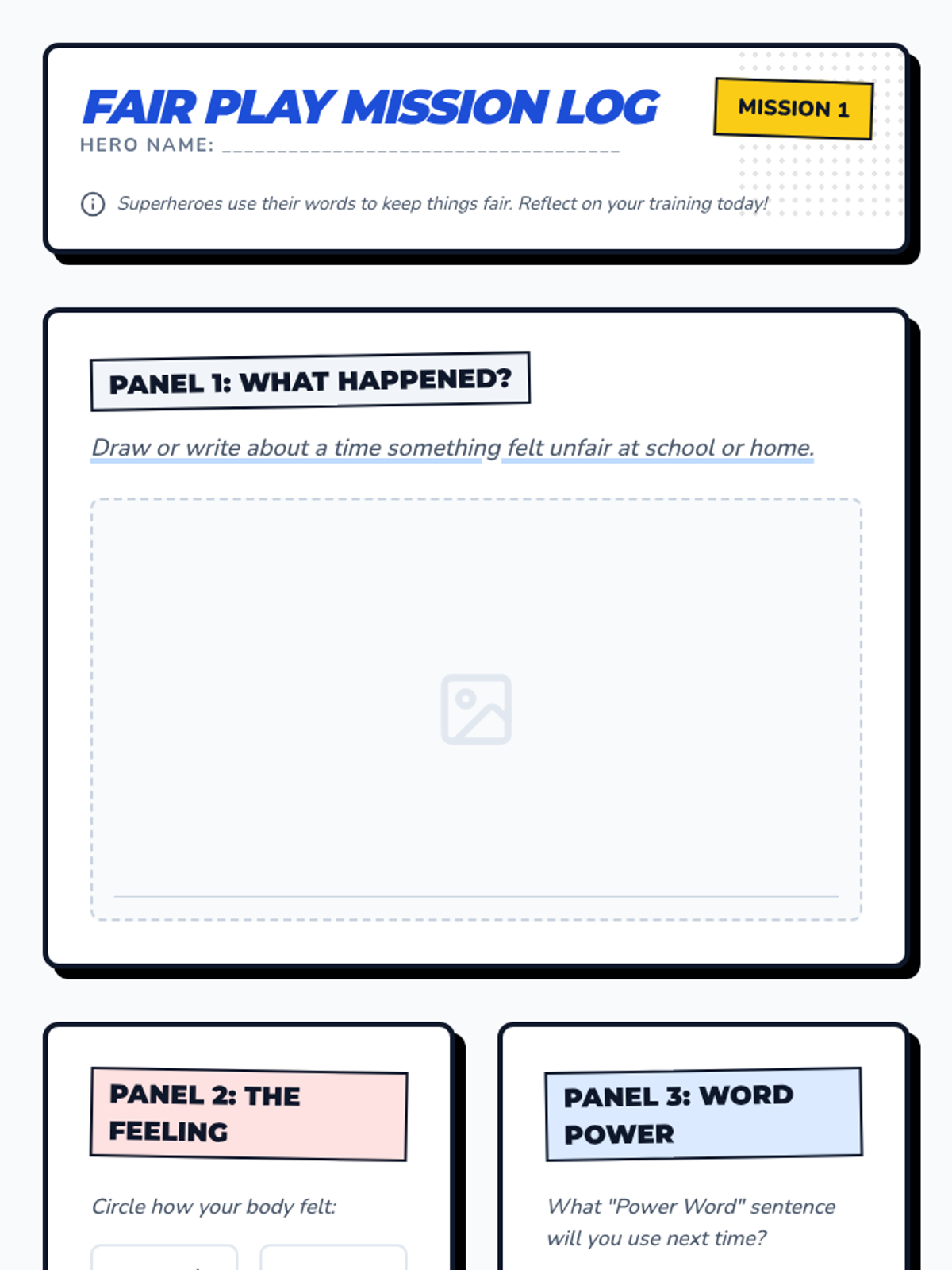
A 5-lesson sequence for 2nd-grade students focusing on practicing positive alternatives to impulsive social reactions. Using a 'Superhero Academy' theme, students learn to handle unfairness, practice good sportsmanship, manage teasing, adapt to change, and synthesize these skills through a final social detective game.
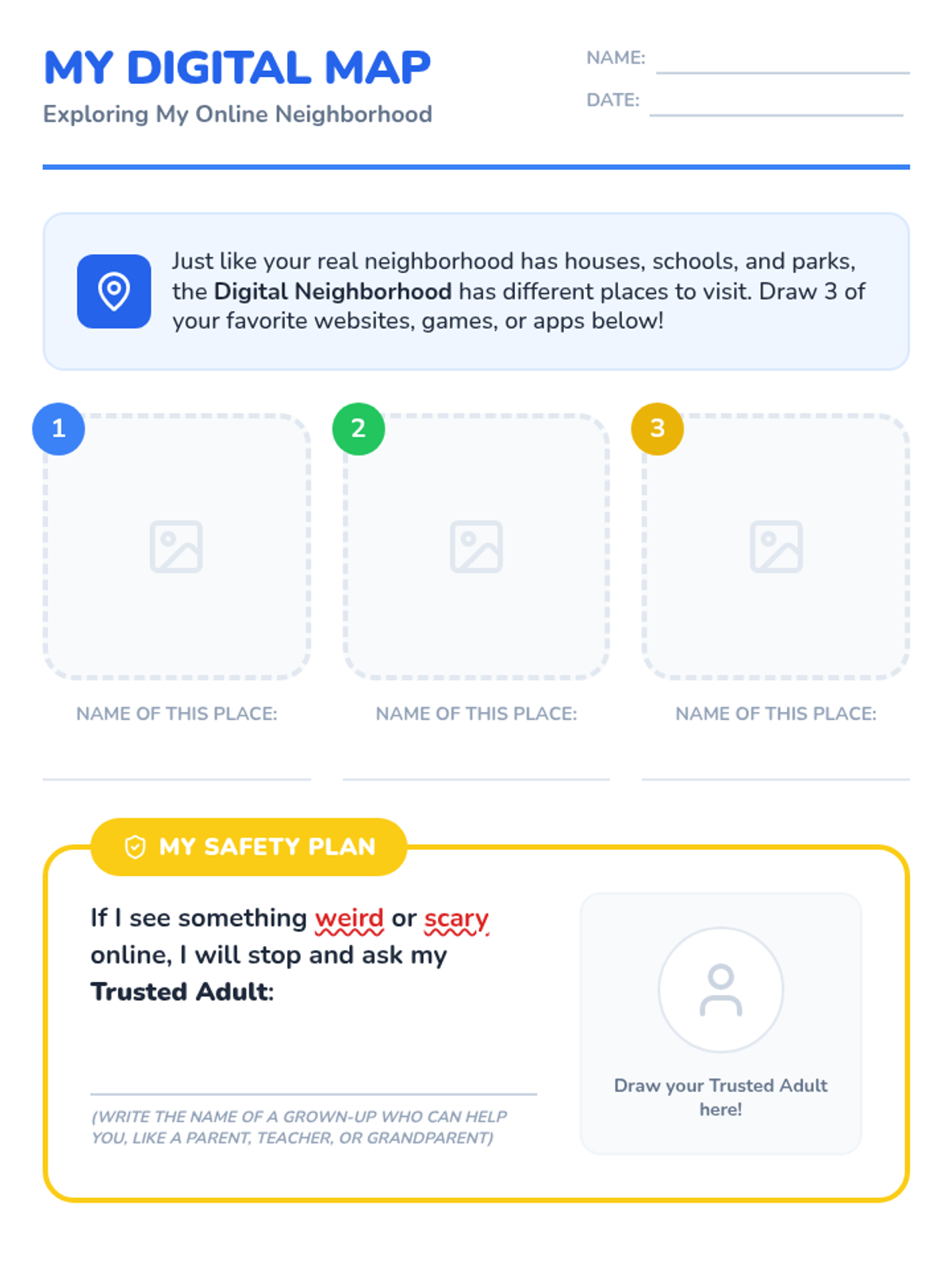
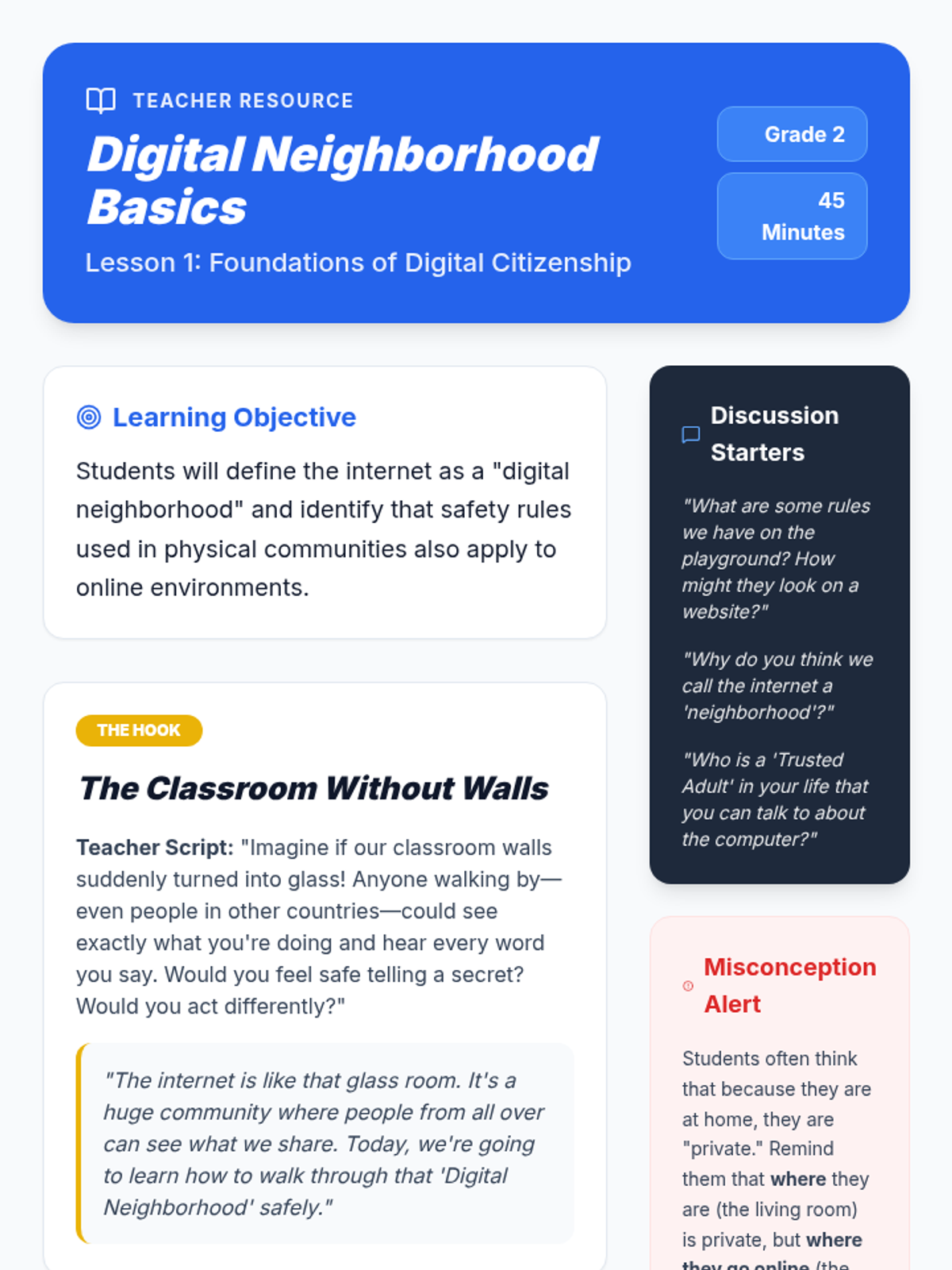
A comprehensive 2nd-grade sequence introducing digital citizenship through the analogy of a 'digital neighborhood.' Students learn to distinguish between private and public information, recognize that avatars don't always match real-life identities, practice digital empathy, and understand the permanence of their digital footprint.
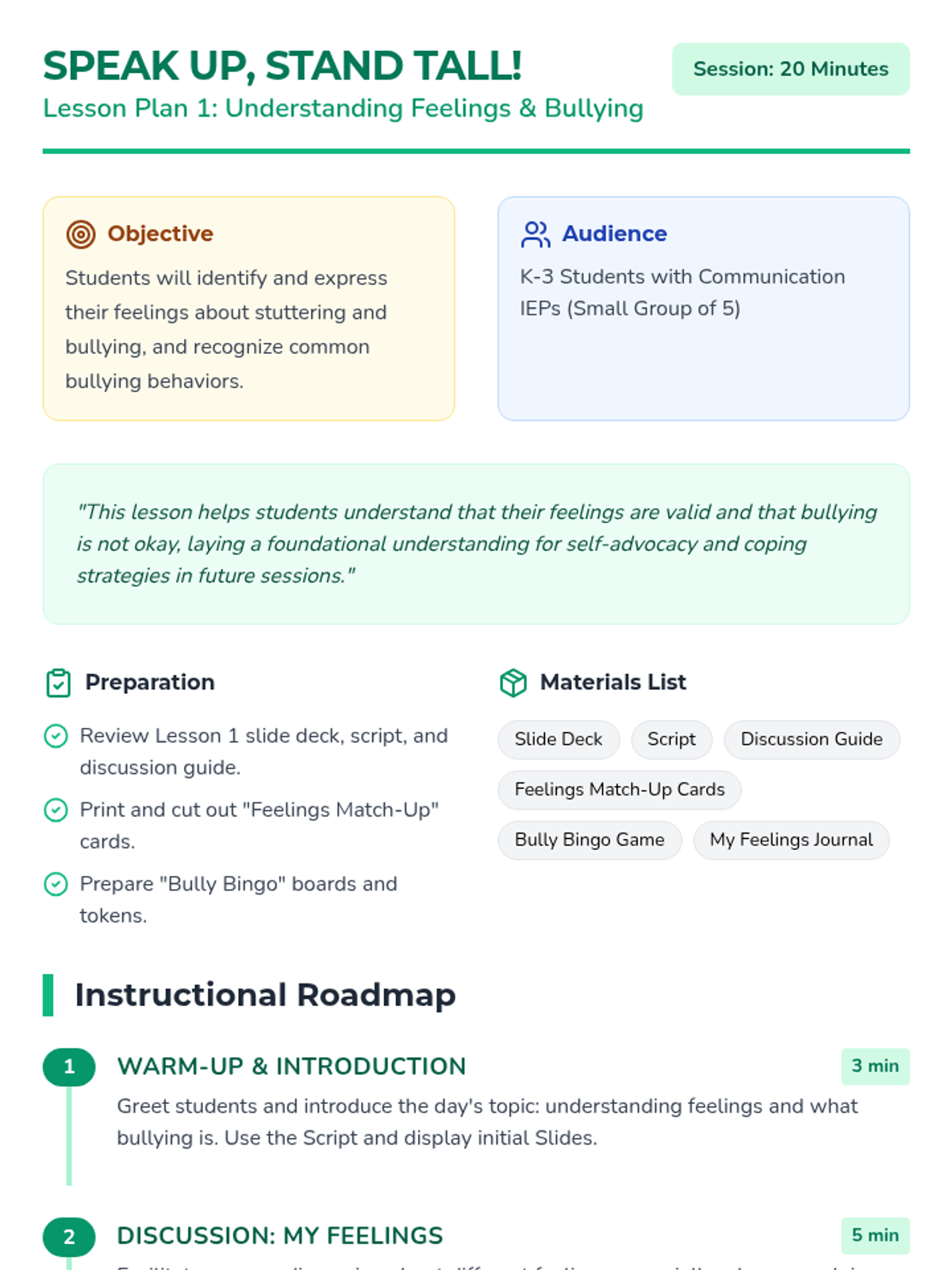
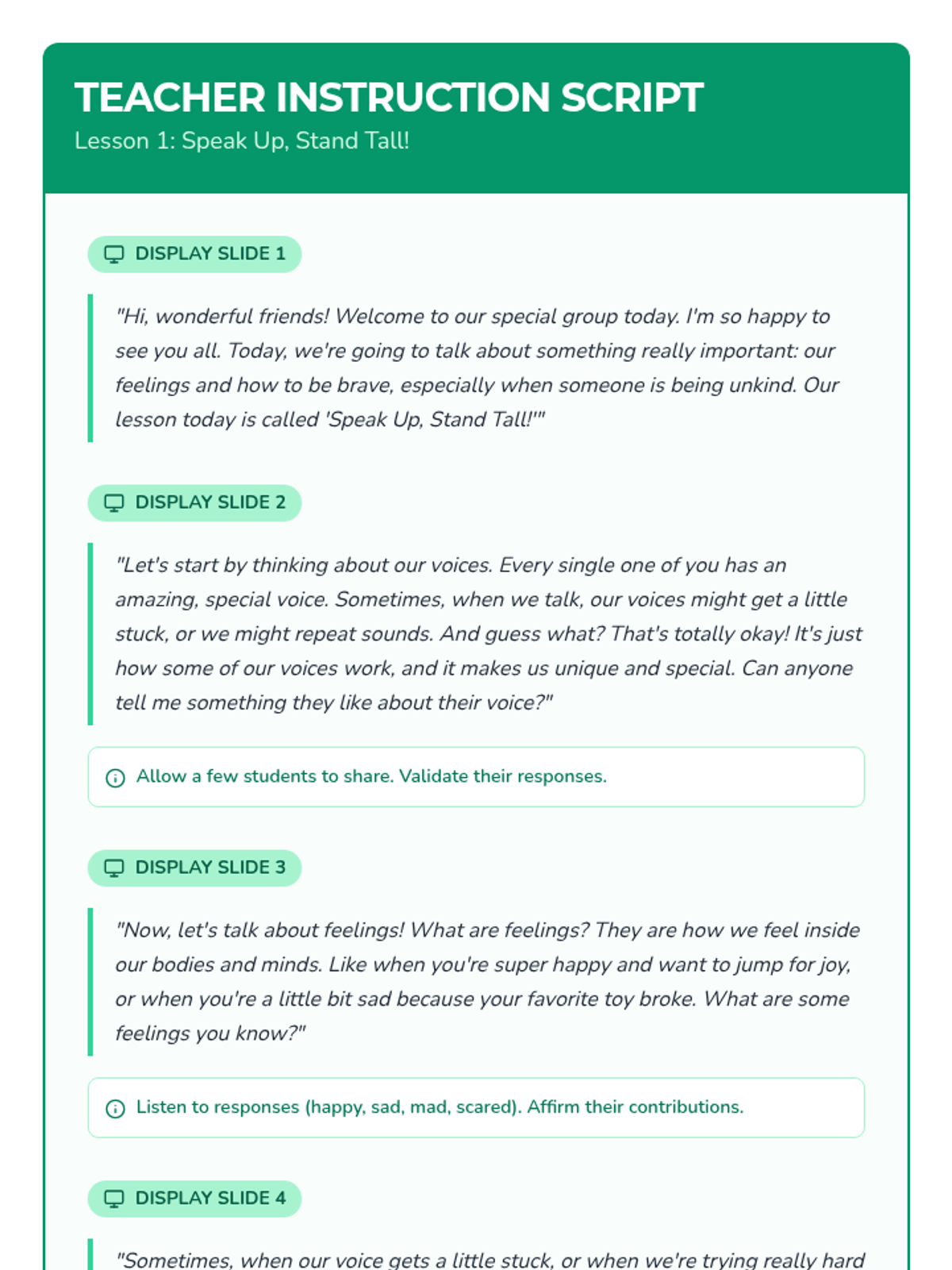
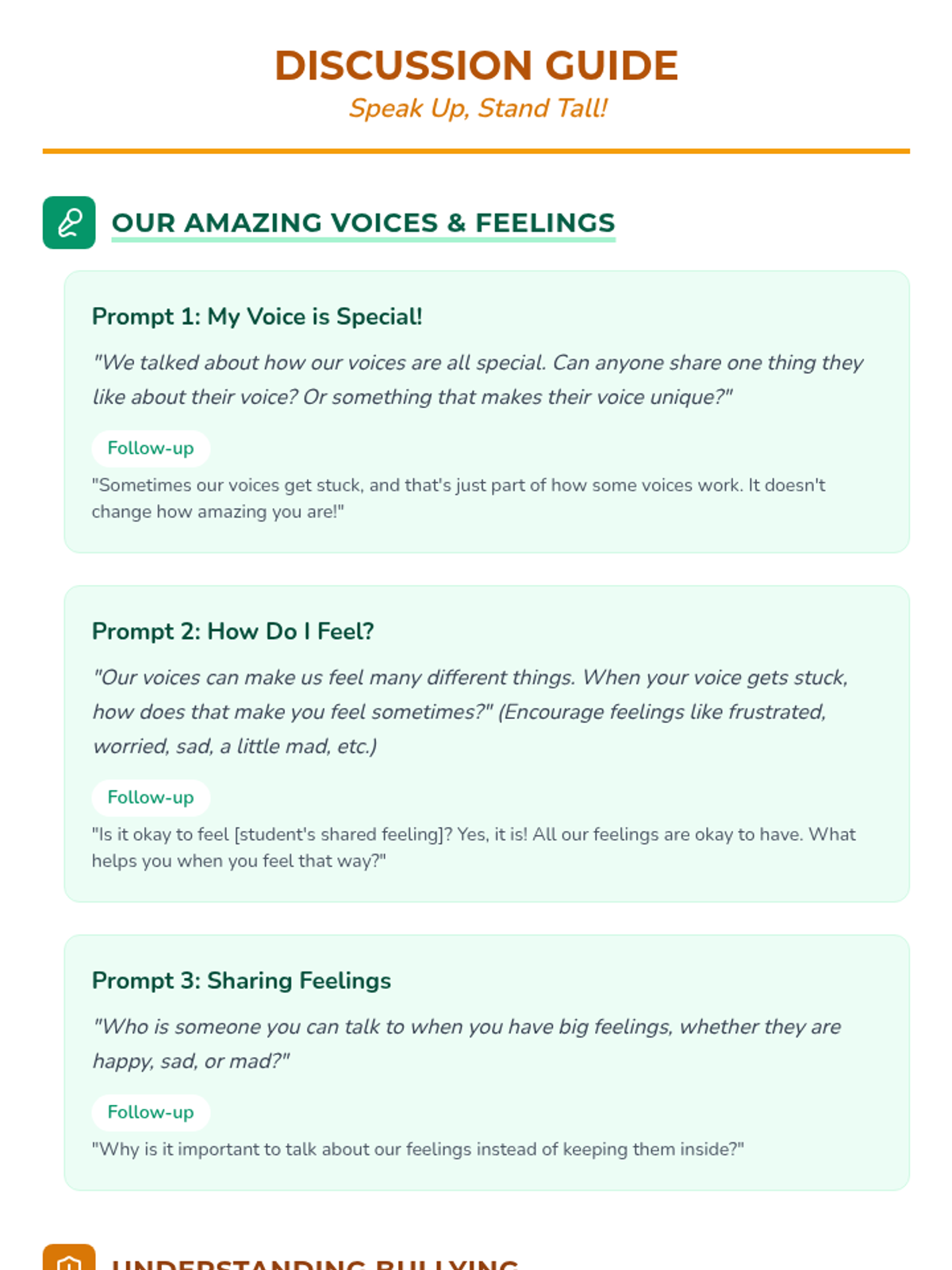
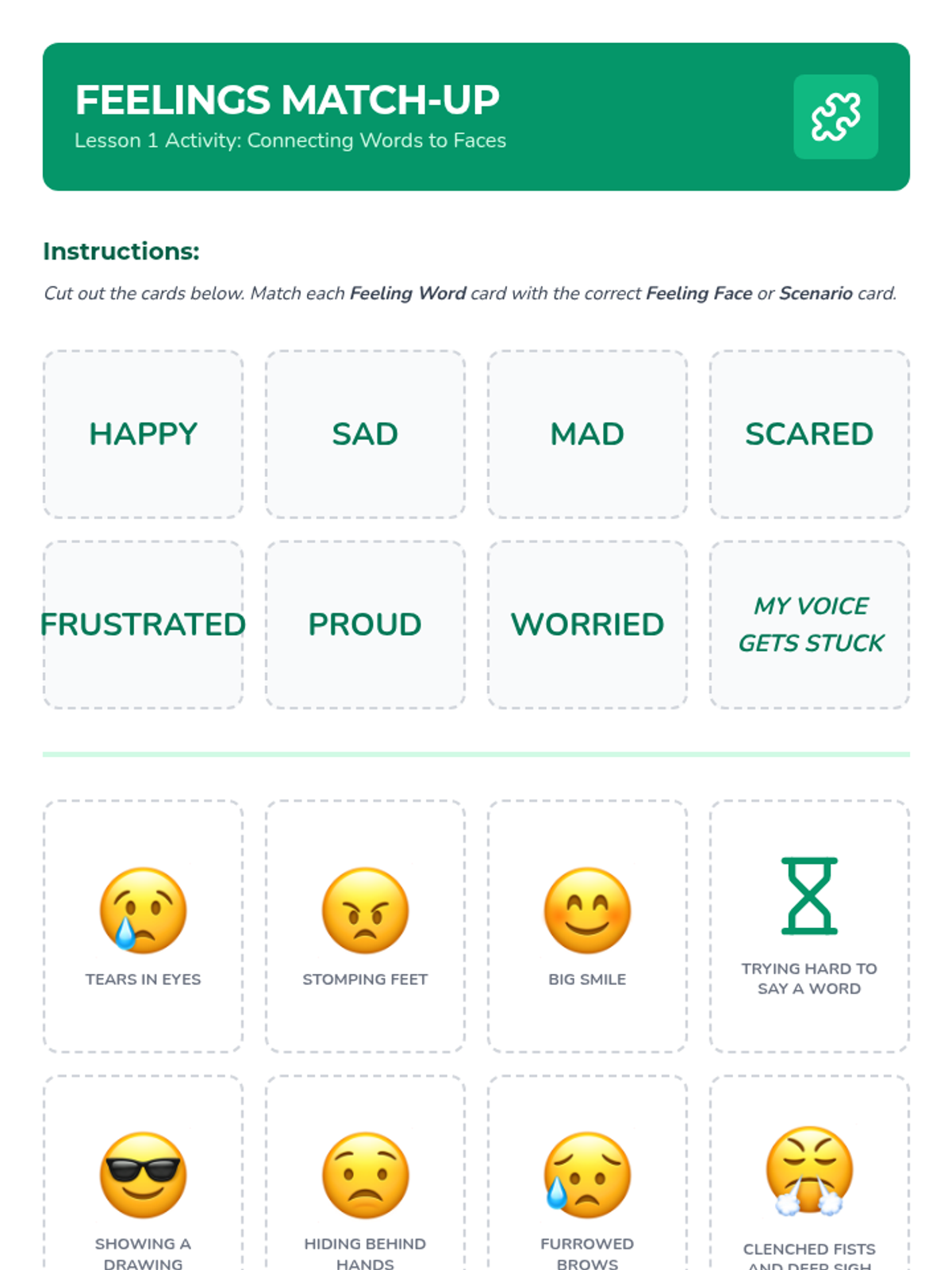
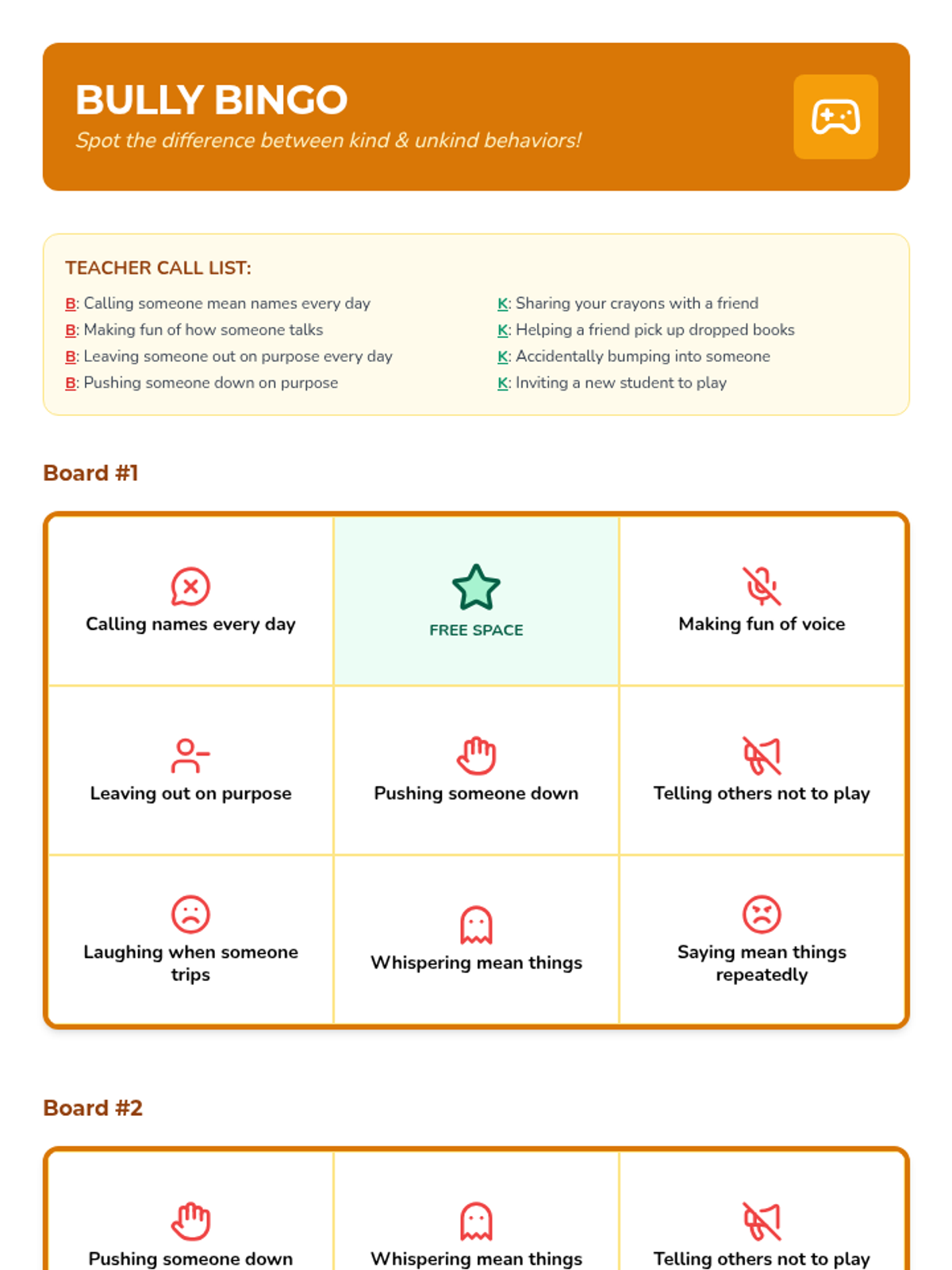
A six-lesson series for K-3 students with communication IEPs, specifically those who stutter. The sequence focuses on defining bullying, identifying feelings, building self-advocacy through brave words and I-statements, and fostering empathy to become upstanders.
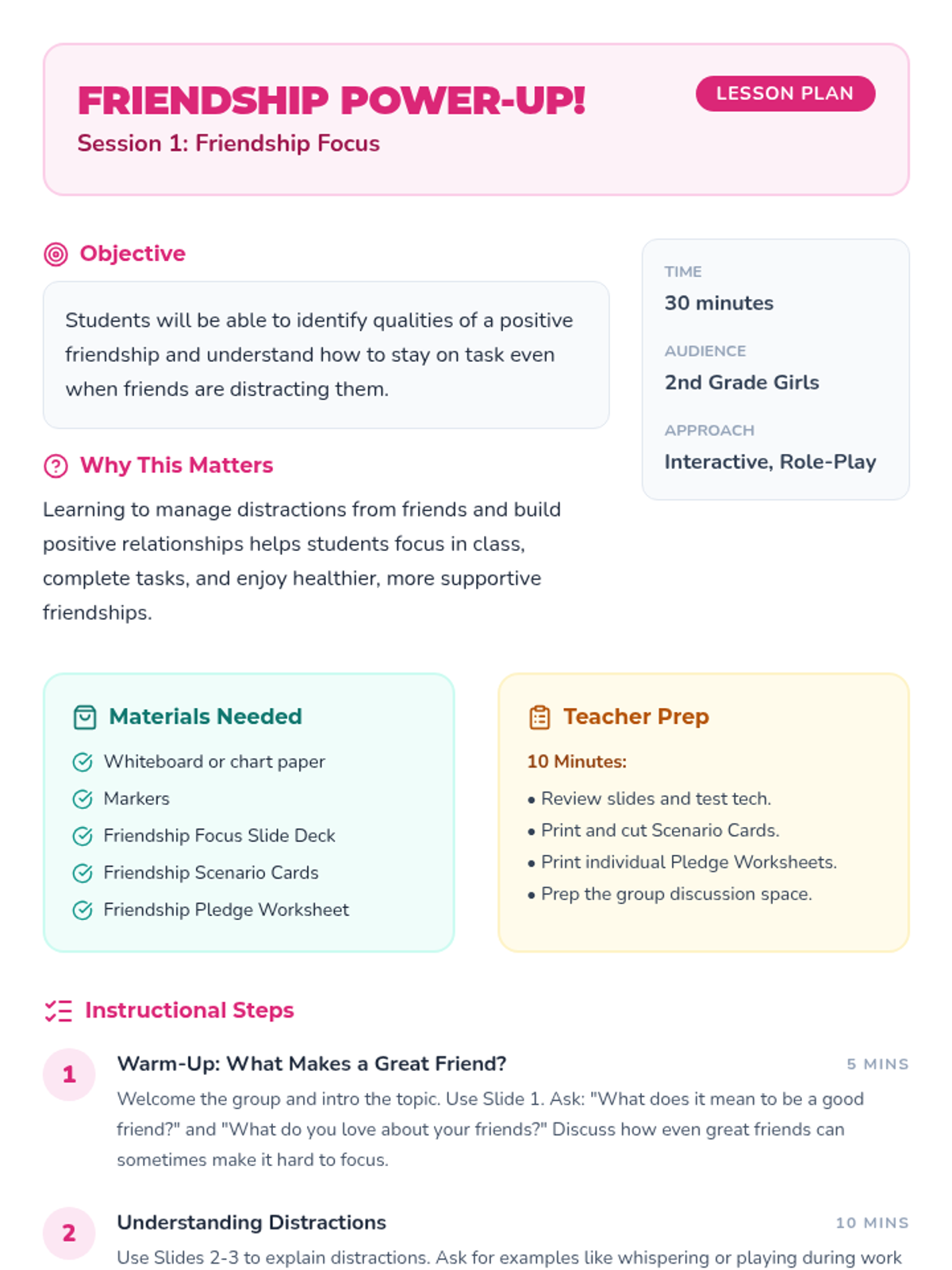
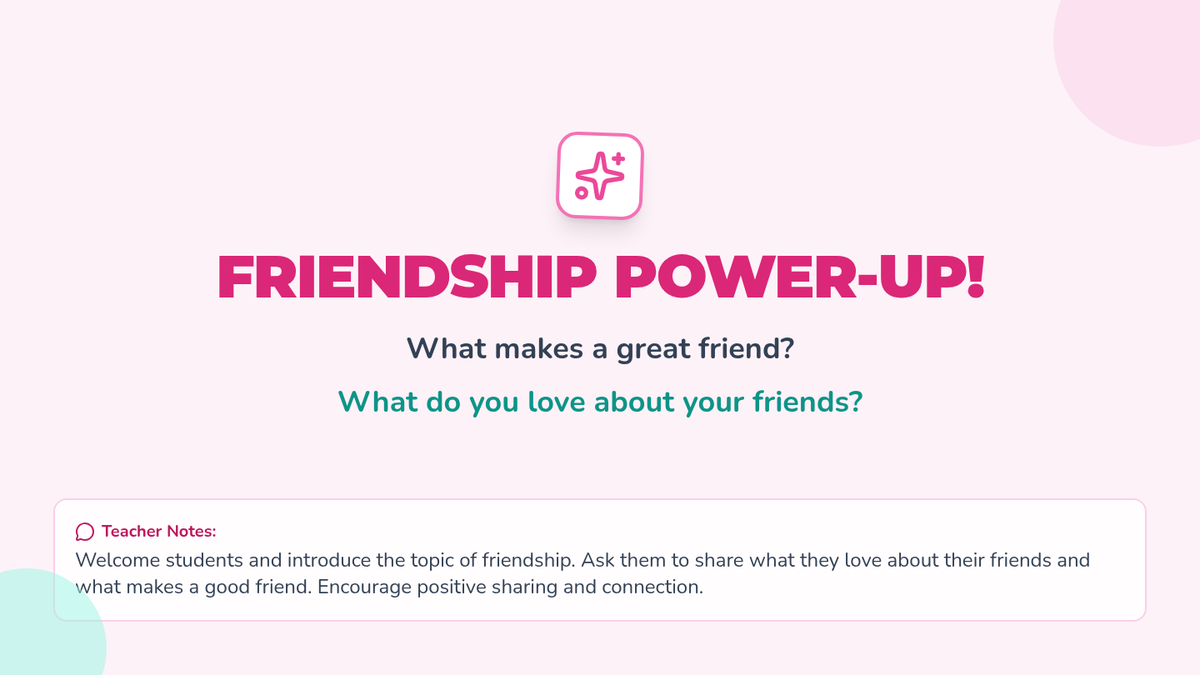
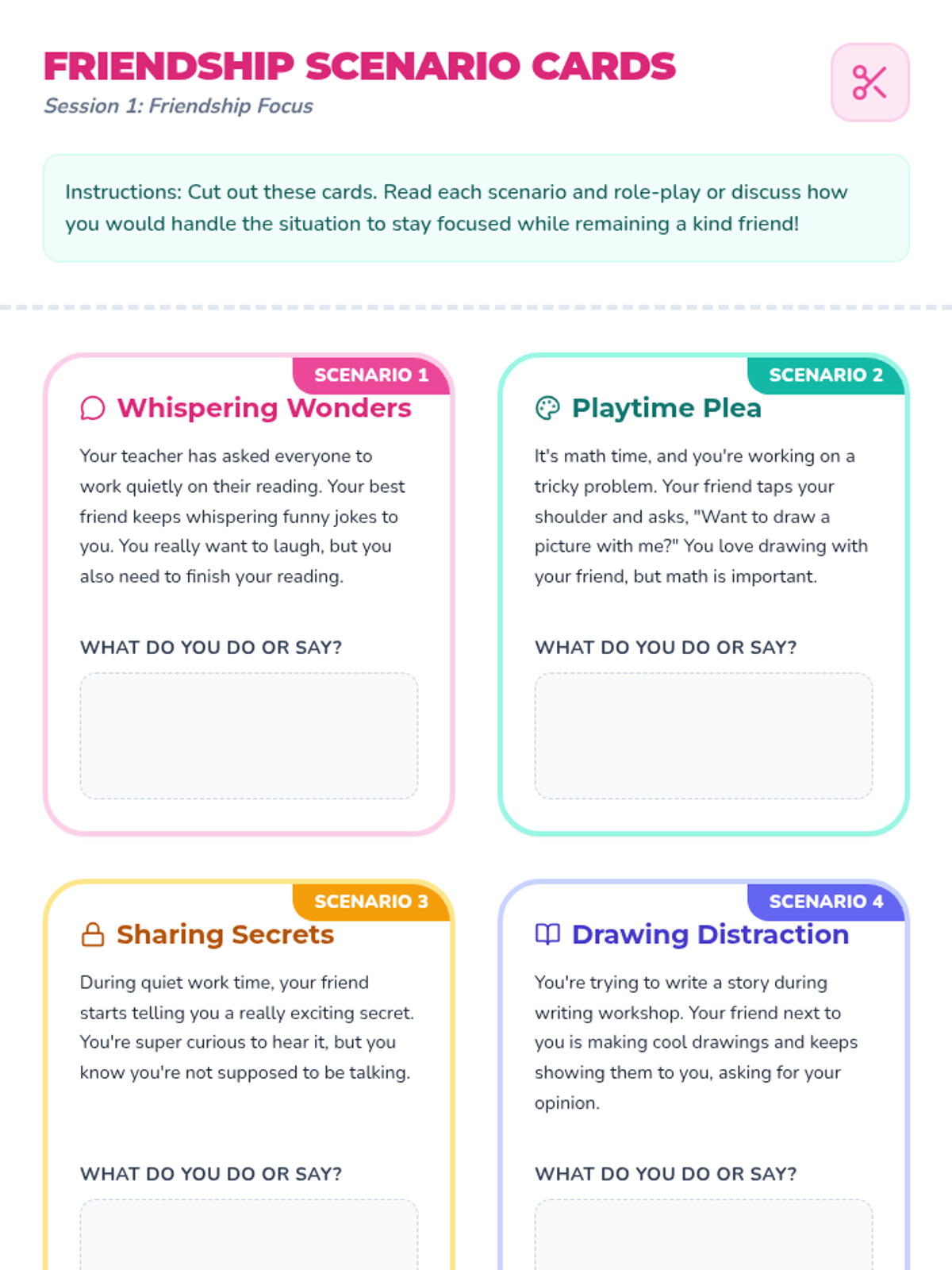
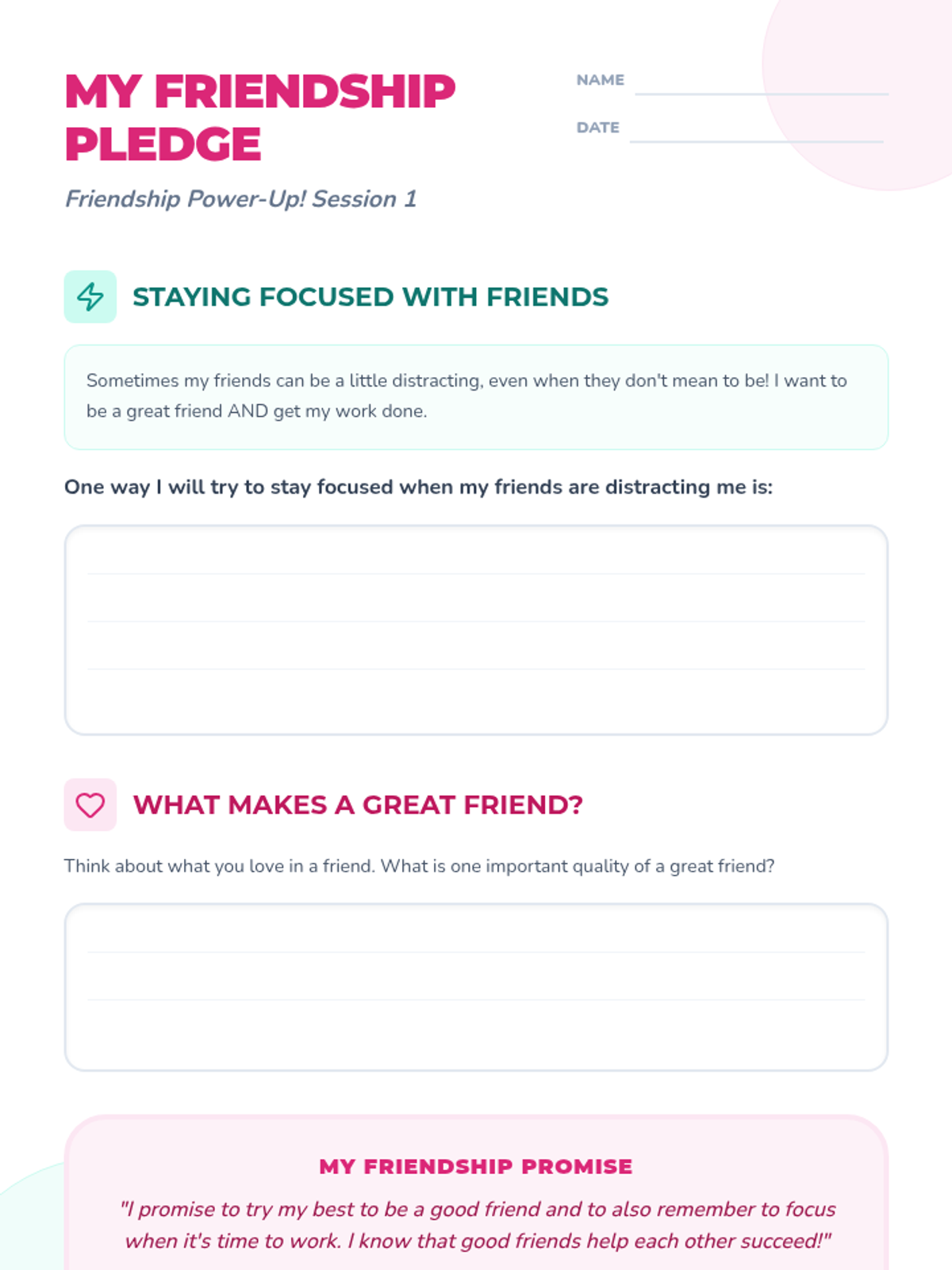
A two-session Tier 2 small group intervention for 2nd-grade girls focused on strengthening friendships through focus and resisting peer pressure.
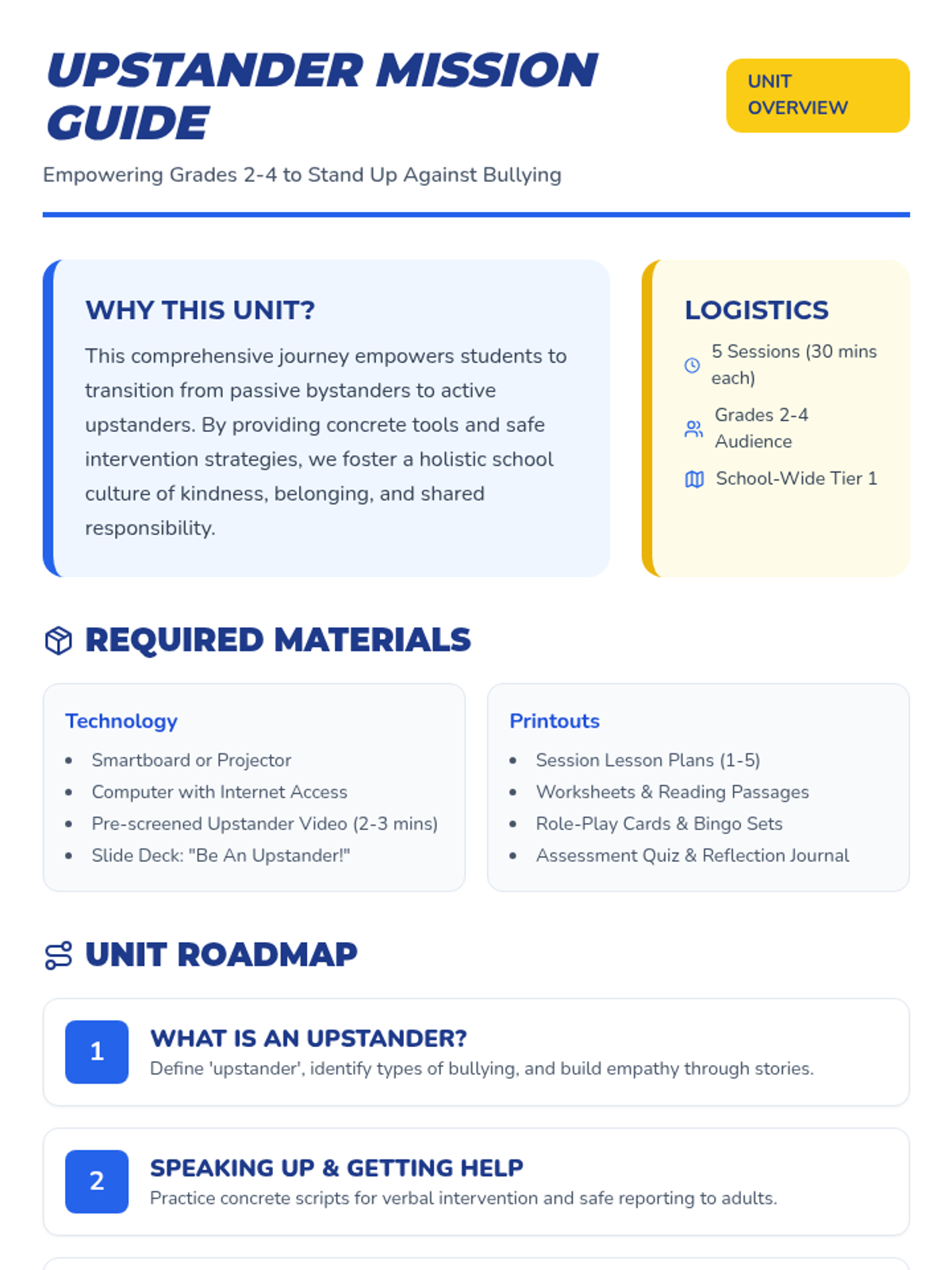
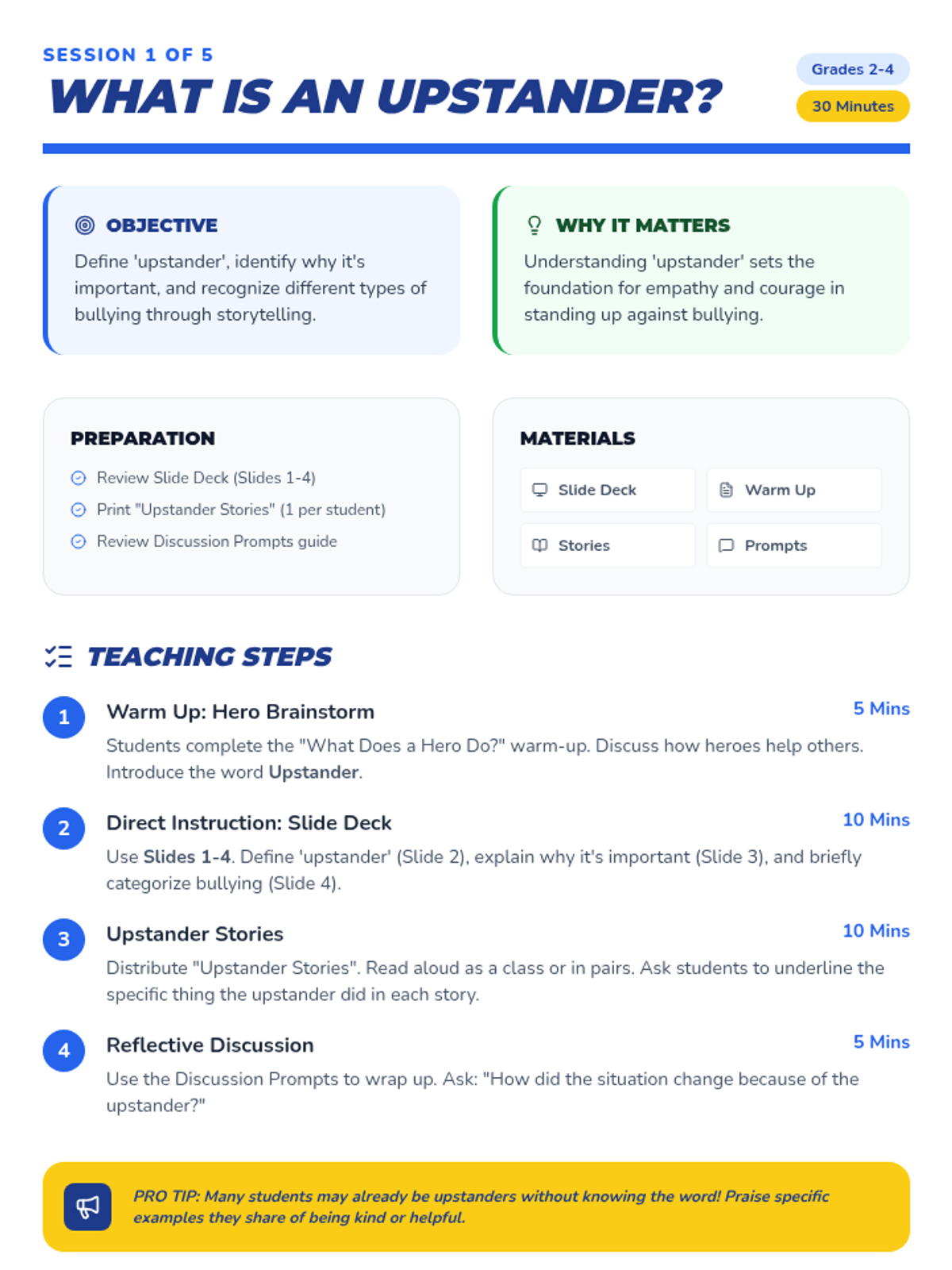
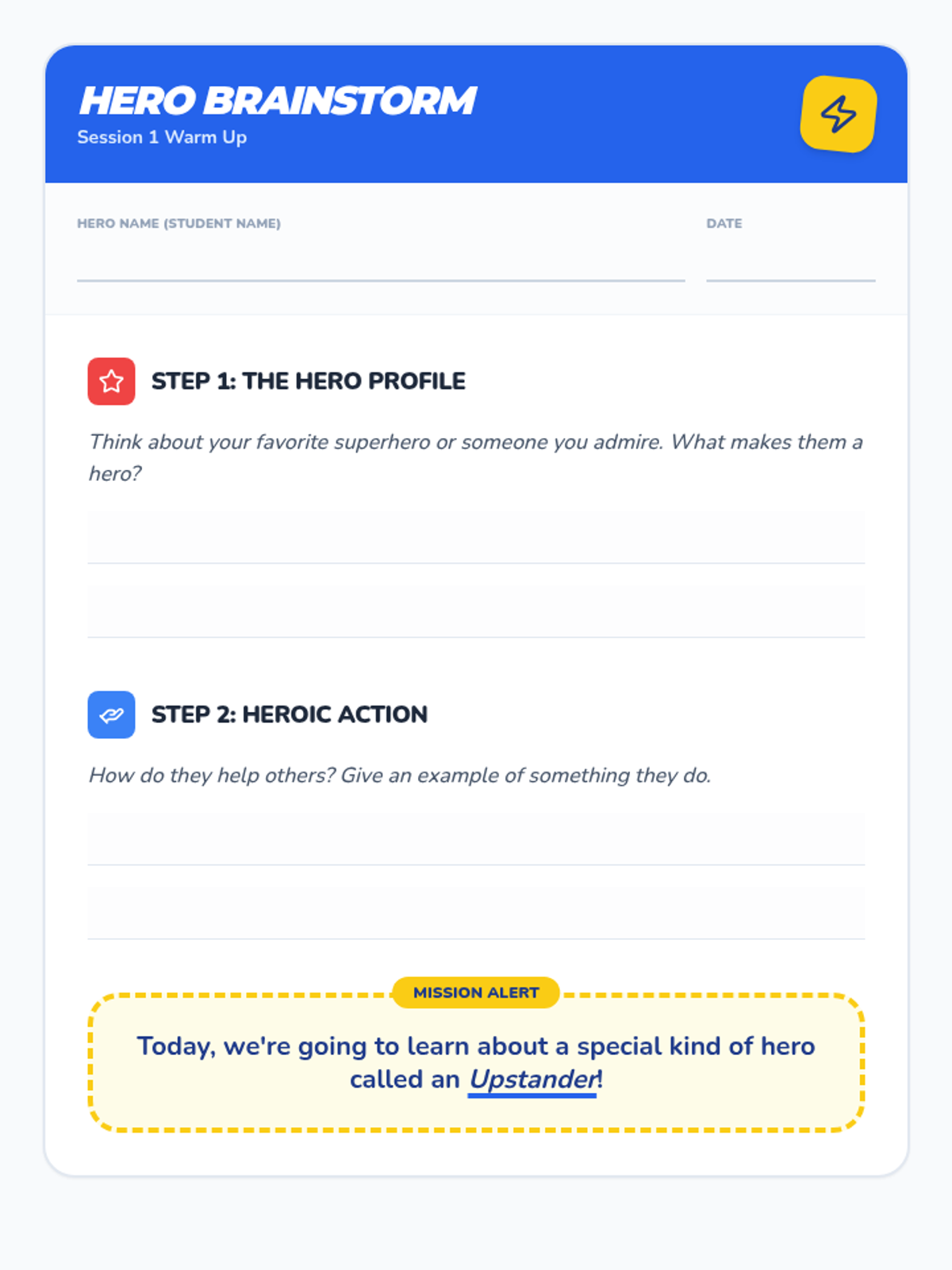
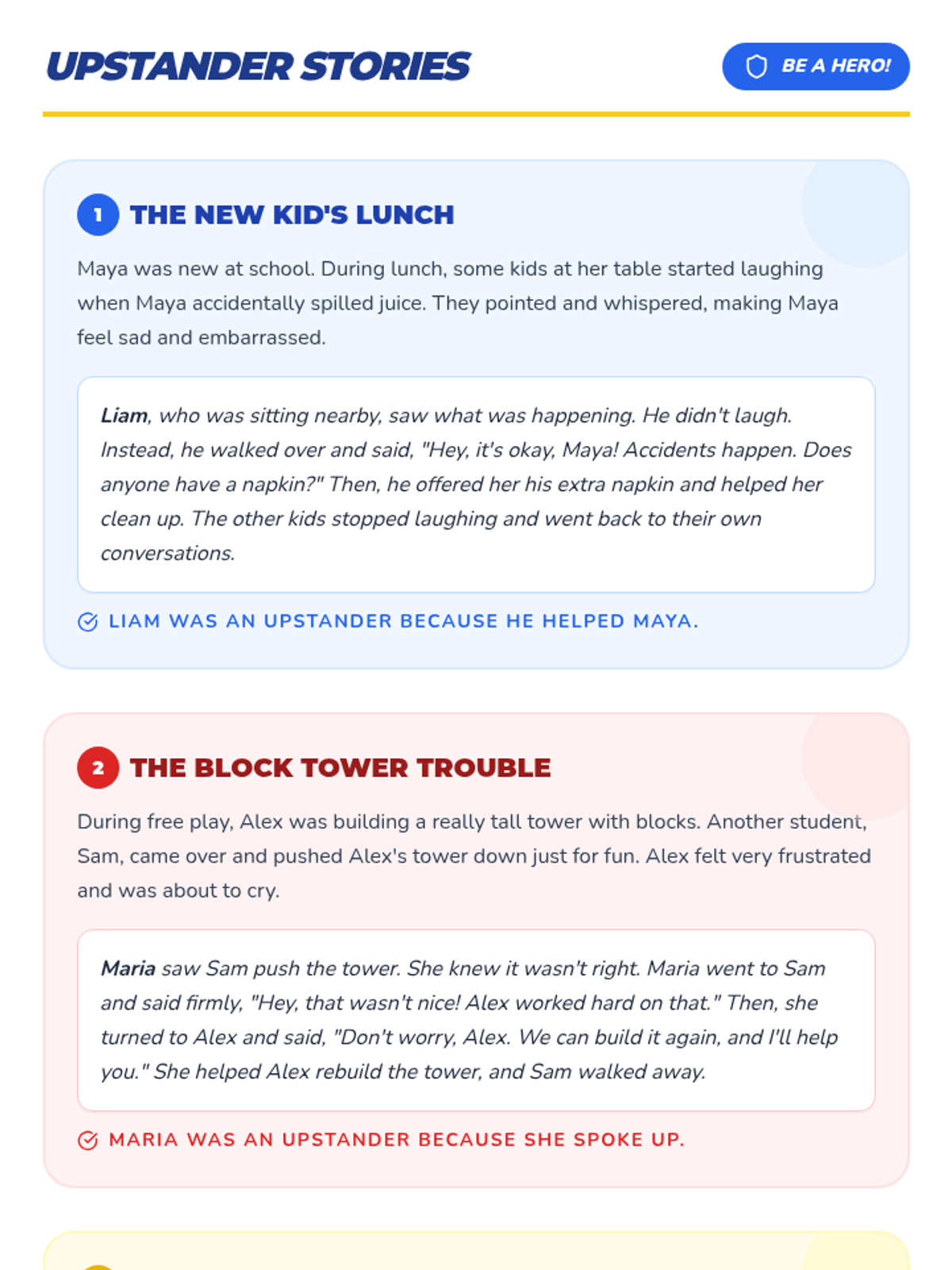
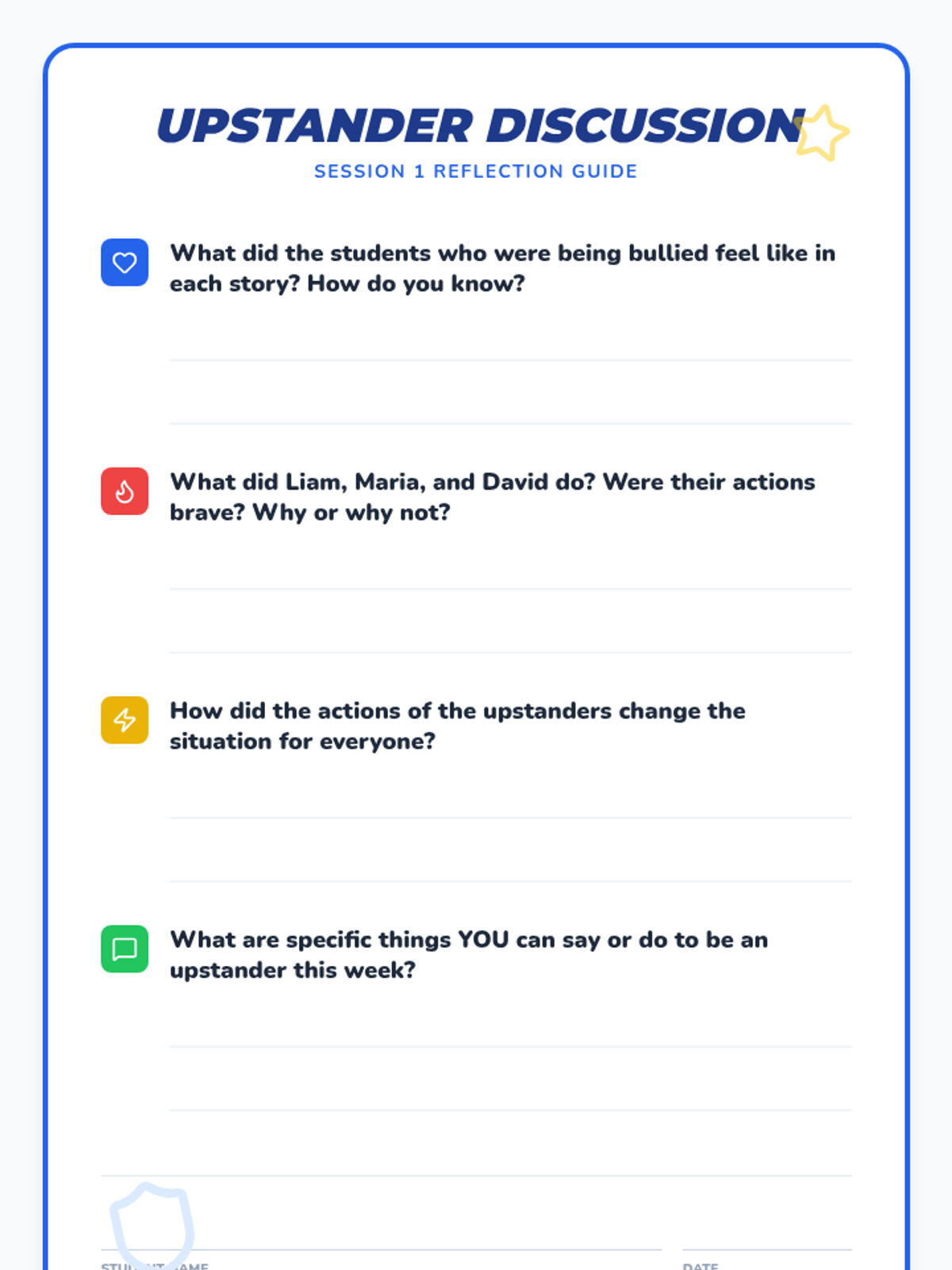
A five-session unit for grades 2-4 focused on empowering students to recognize bullying and act as upstanders using safe and effective strategies.
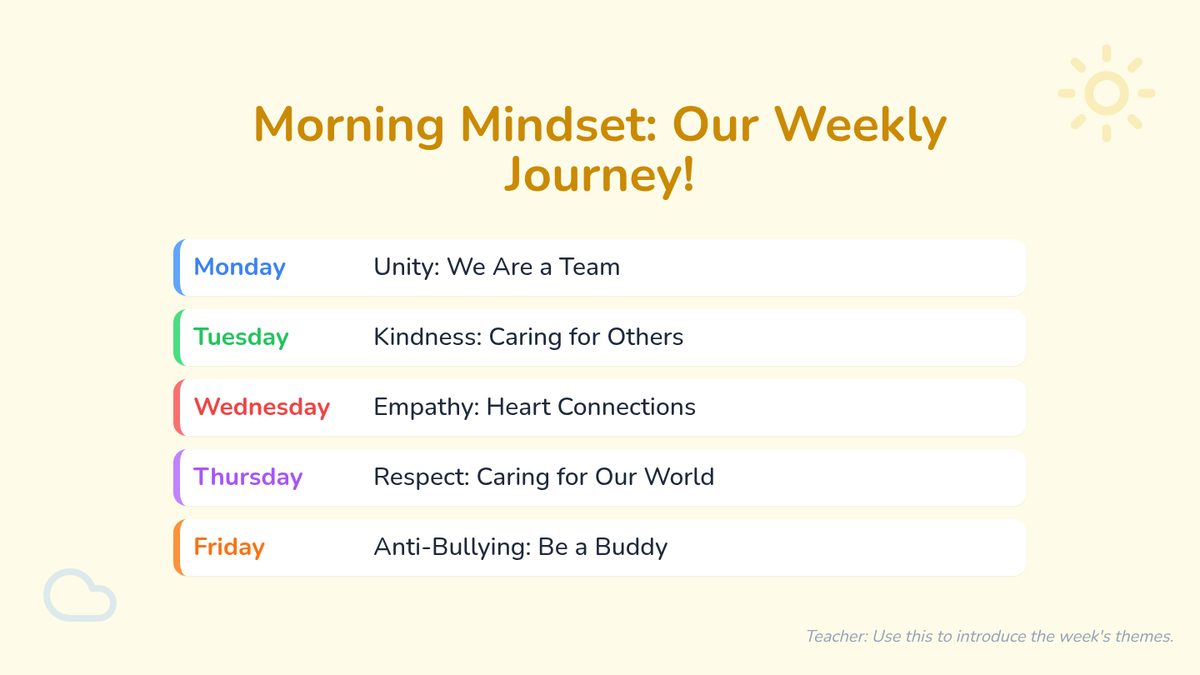
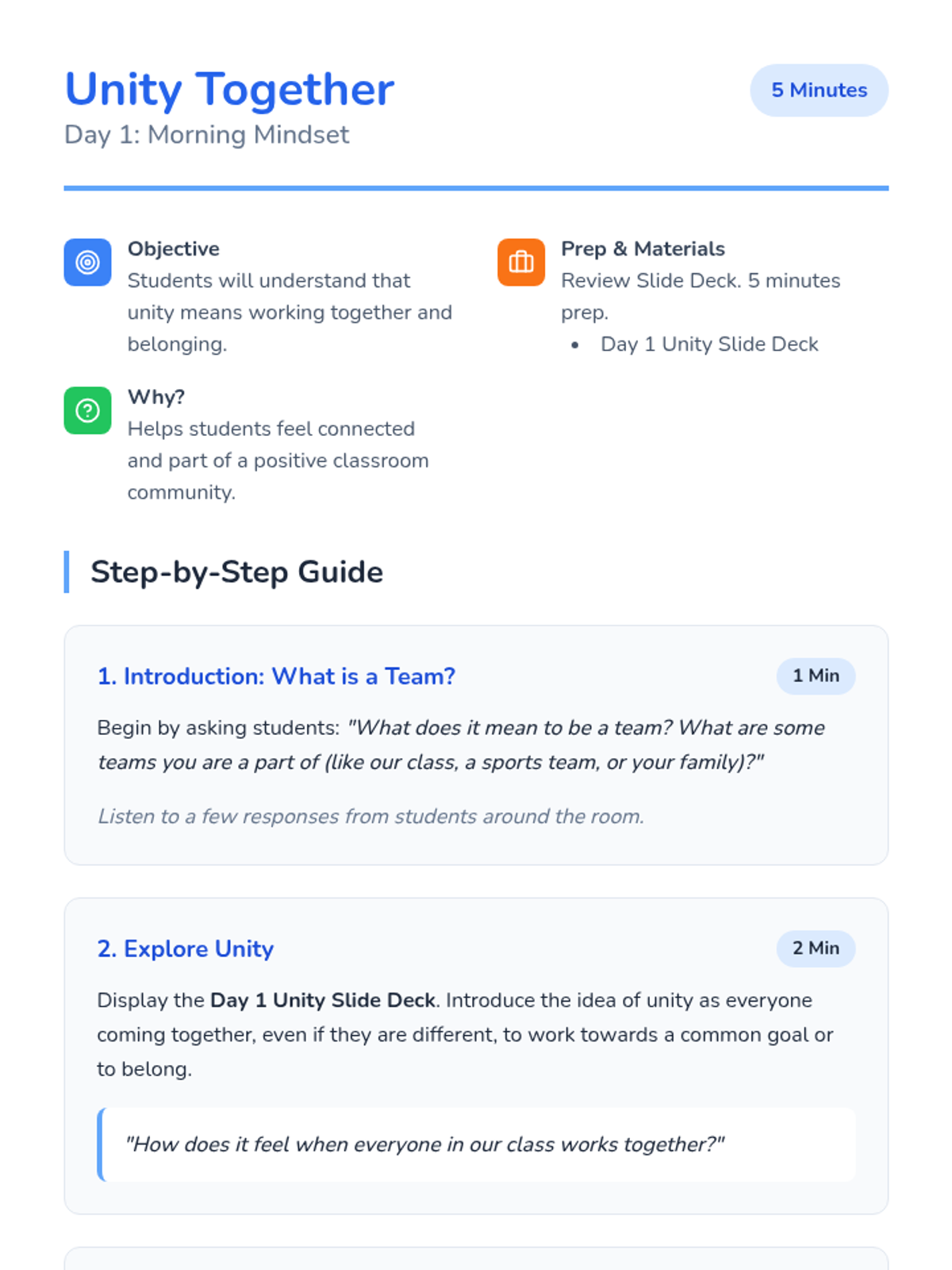
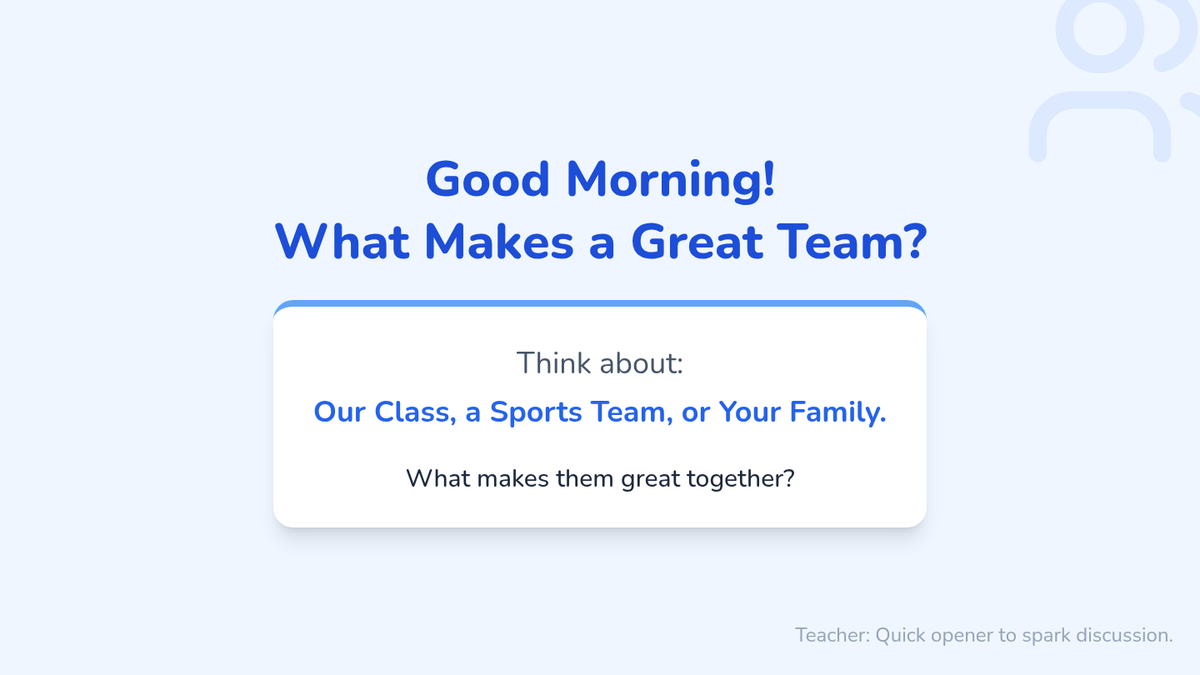
A 5-day series of quick, 5-minute morning lessons for grades 1-3 focusing on positive values like unity, kindness, empathy, respect, and anti-bullying. Each day starts the classroom journey with heart and purpose.
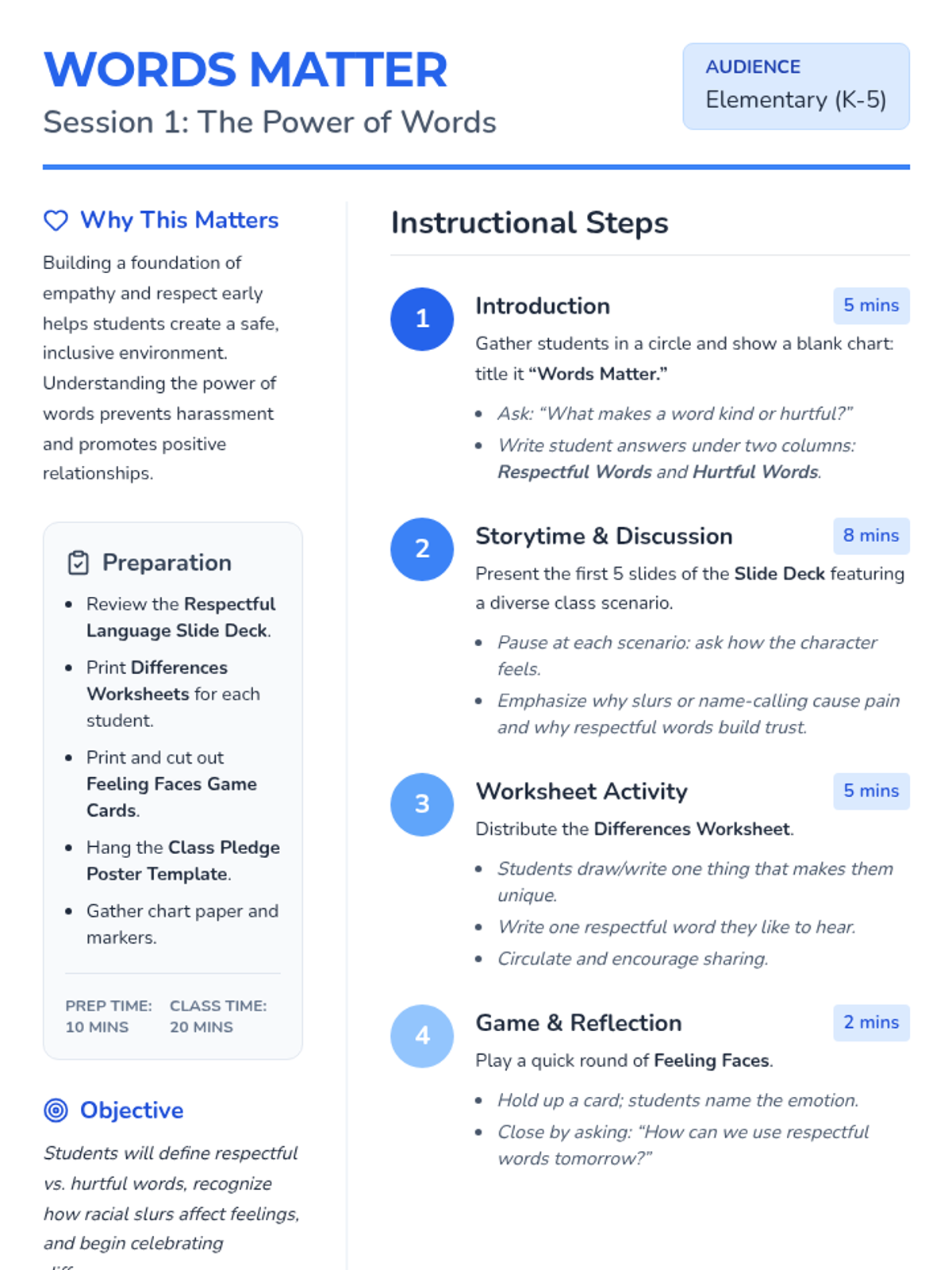
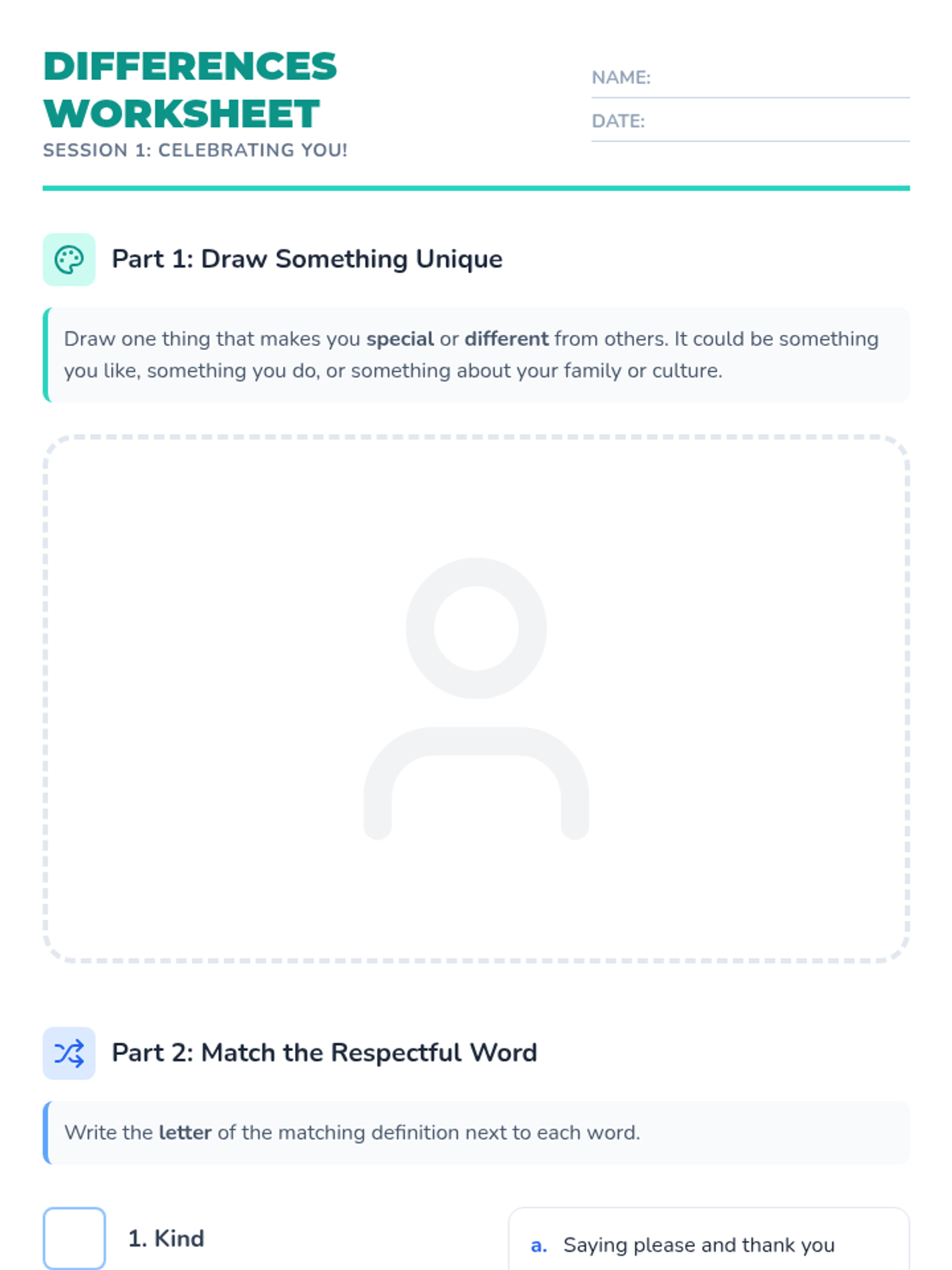
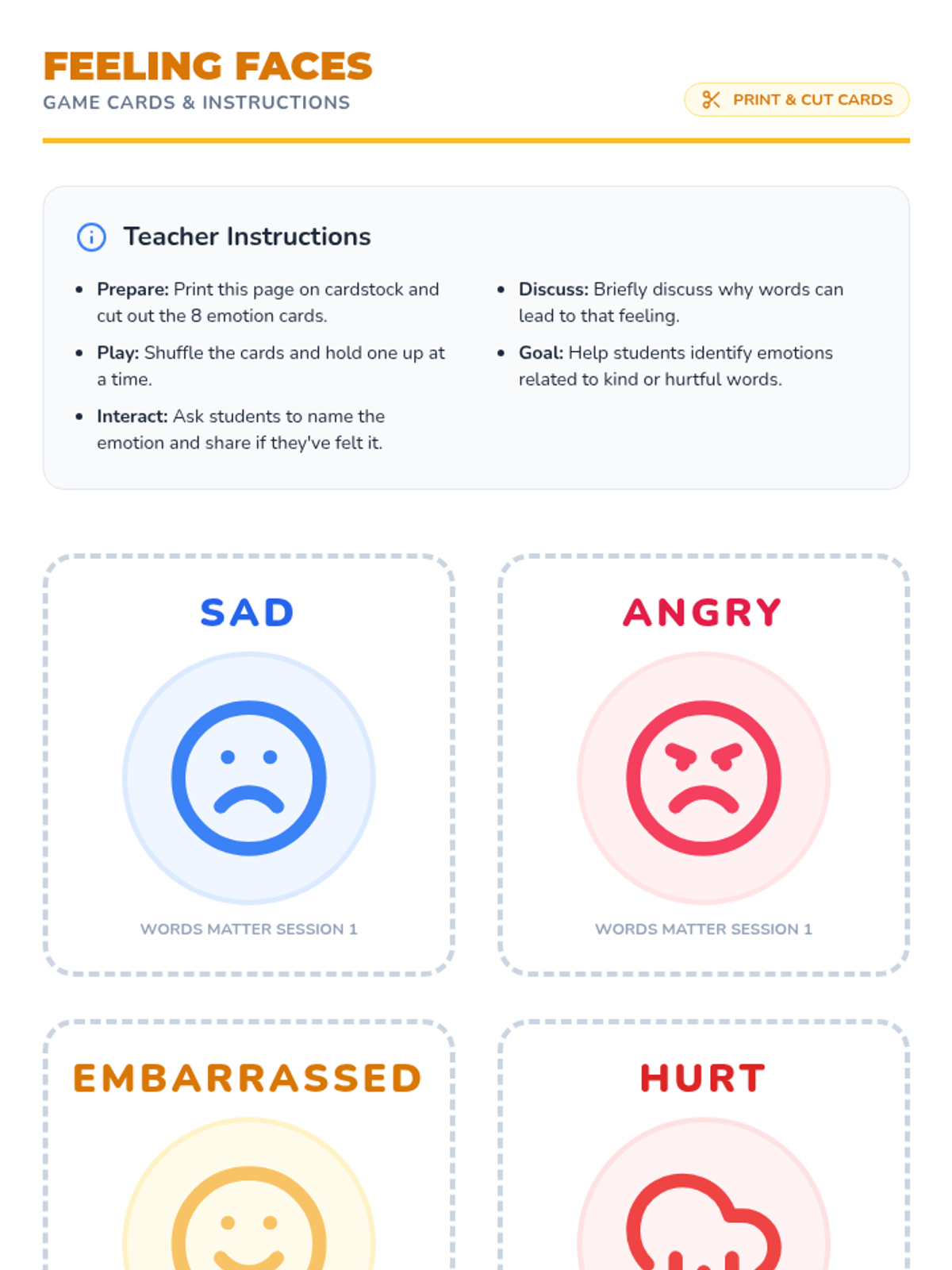
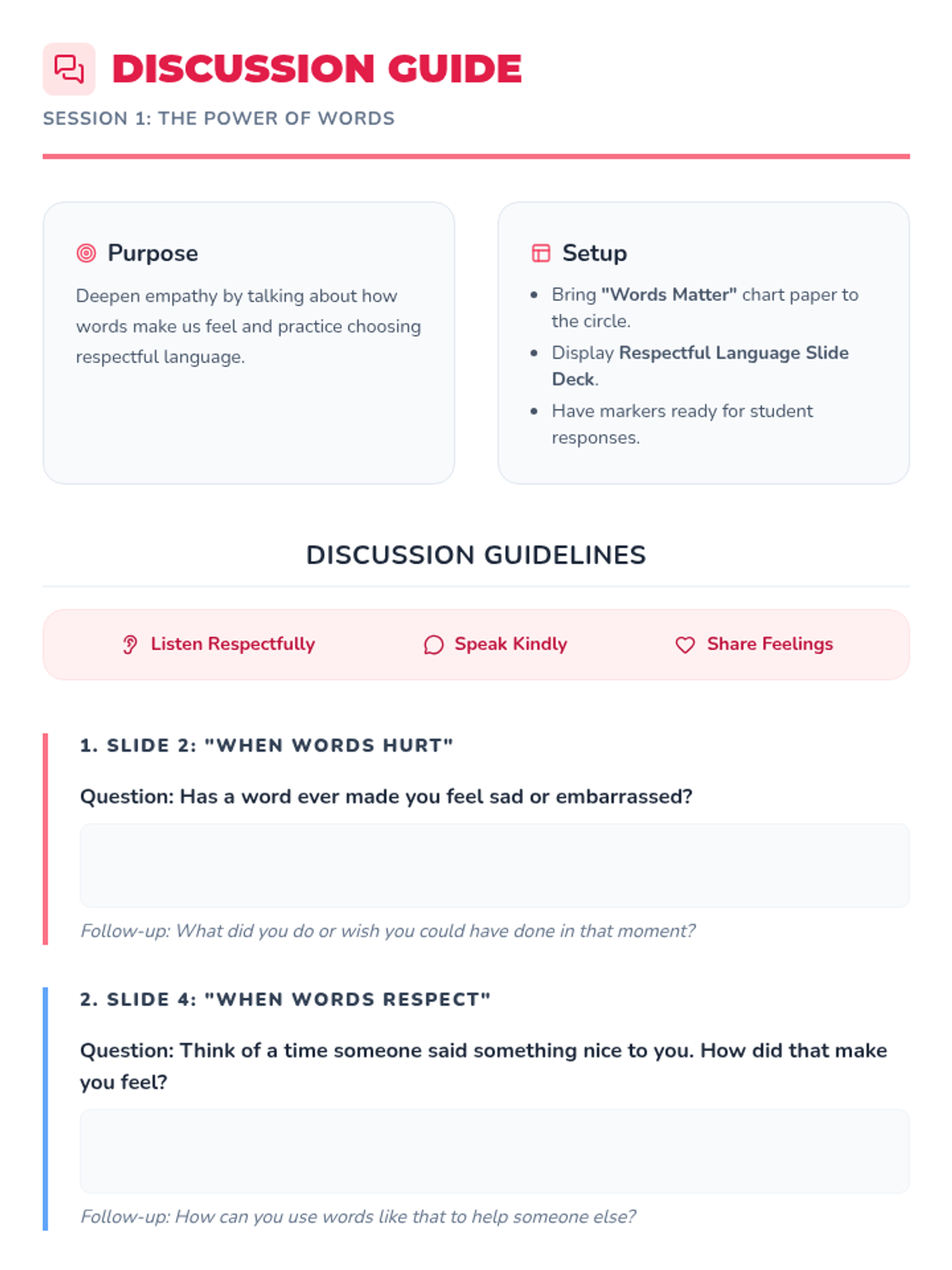
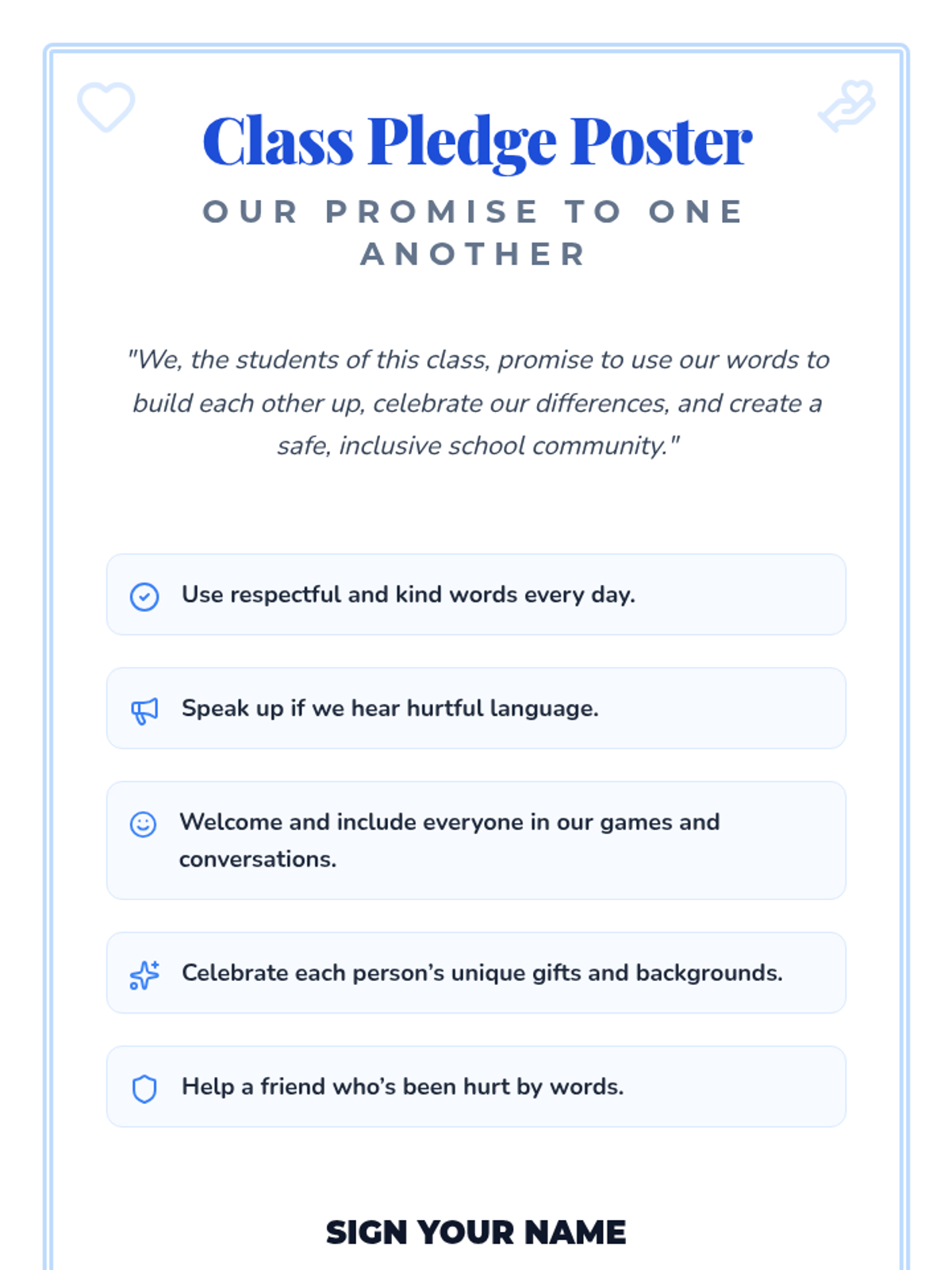
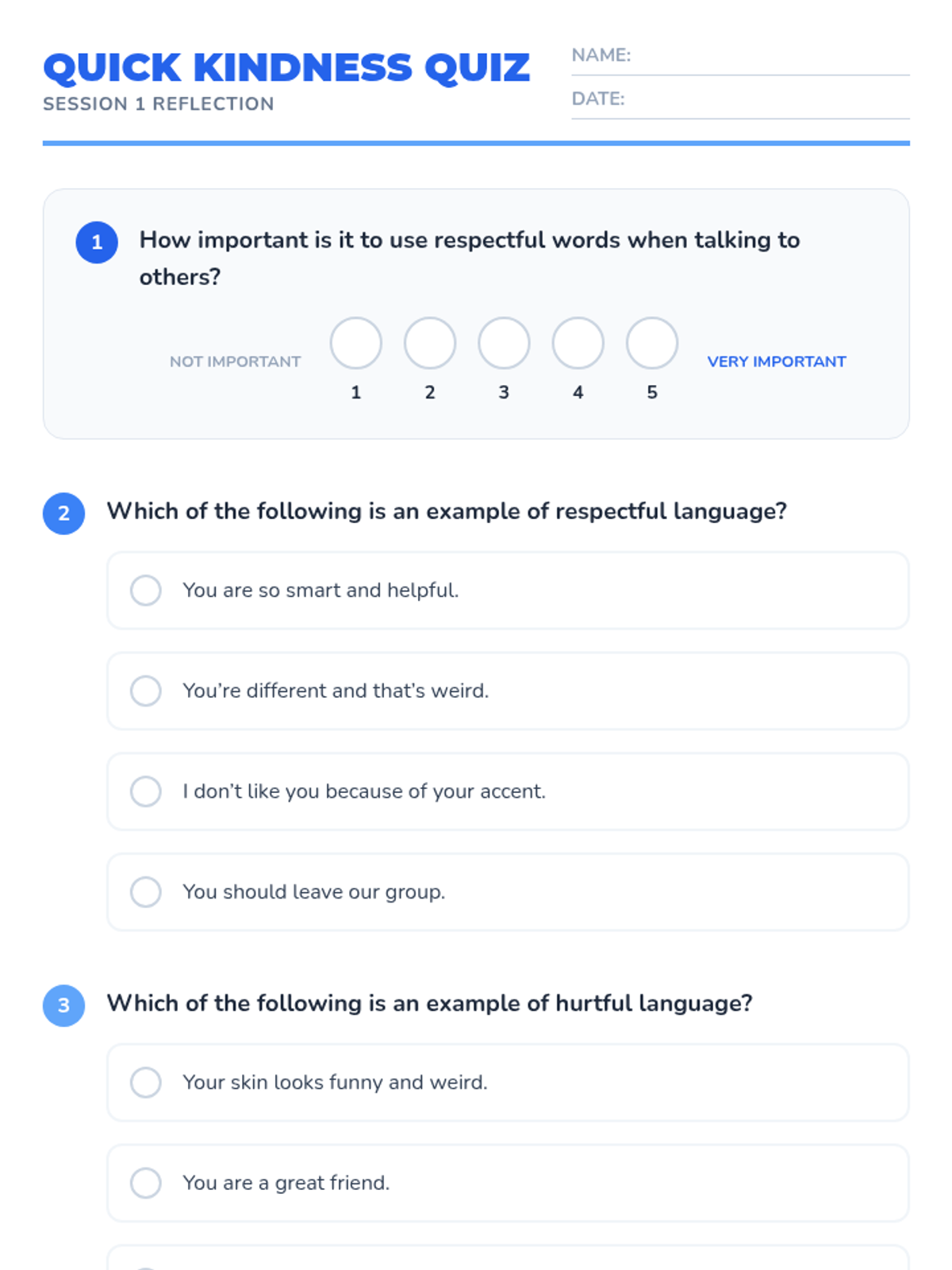
A 4-session Tier 1 sequence for K-5 students focused on racial slur prevention, respectful language, and celebrating diversity. Students learn empathy through role-play, sharing traditions, and creating a collective class pledge.
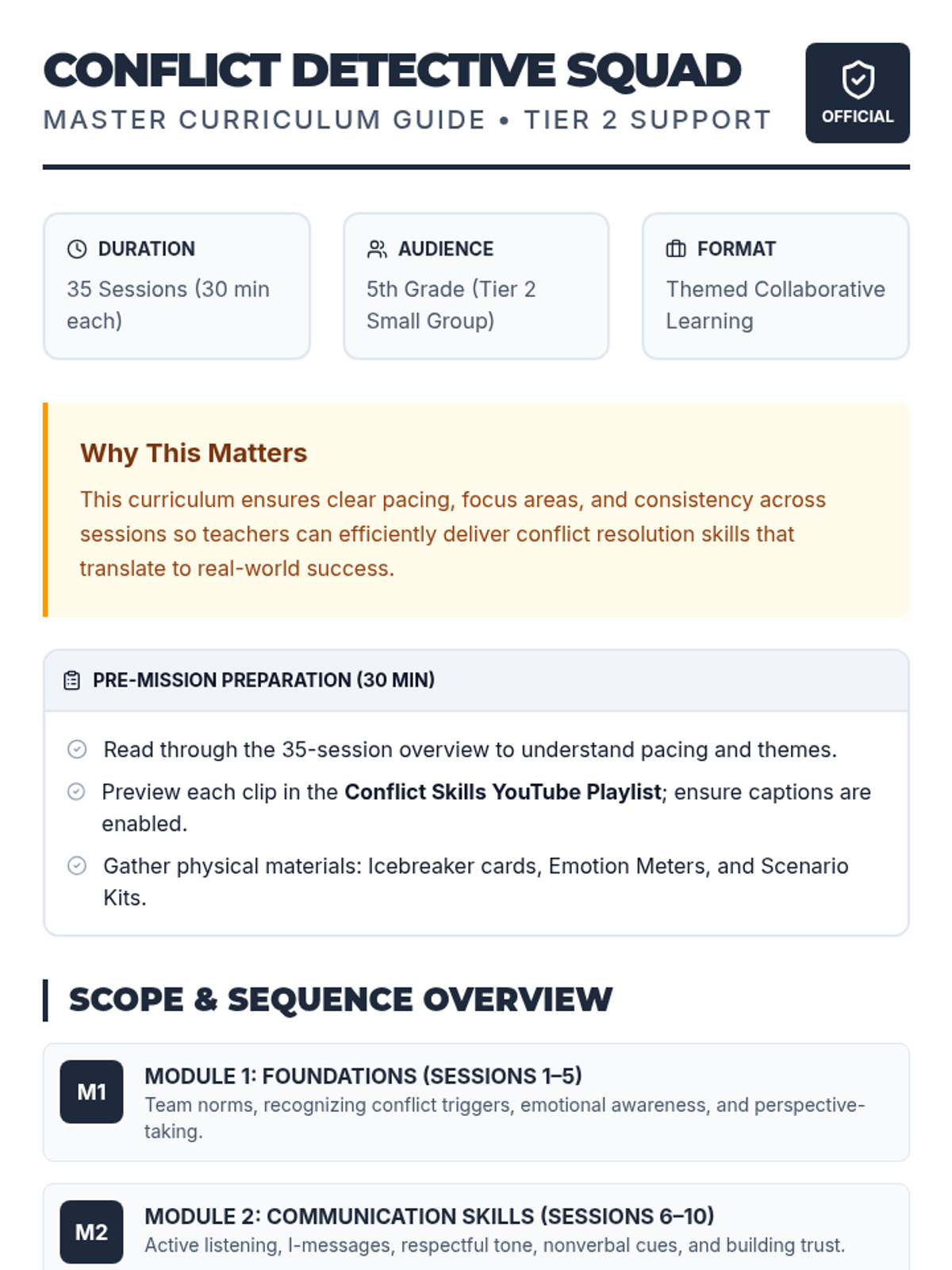
A comprehensive 35-session Tier 2 social-emotional curriculum designed for 5th graders and 2nd-3rd graders, focusing on conflict resolution, communication, and emotional regulation through a themed 'Detective' and 'Explorer' lens.
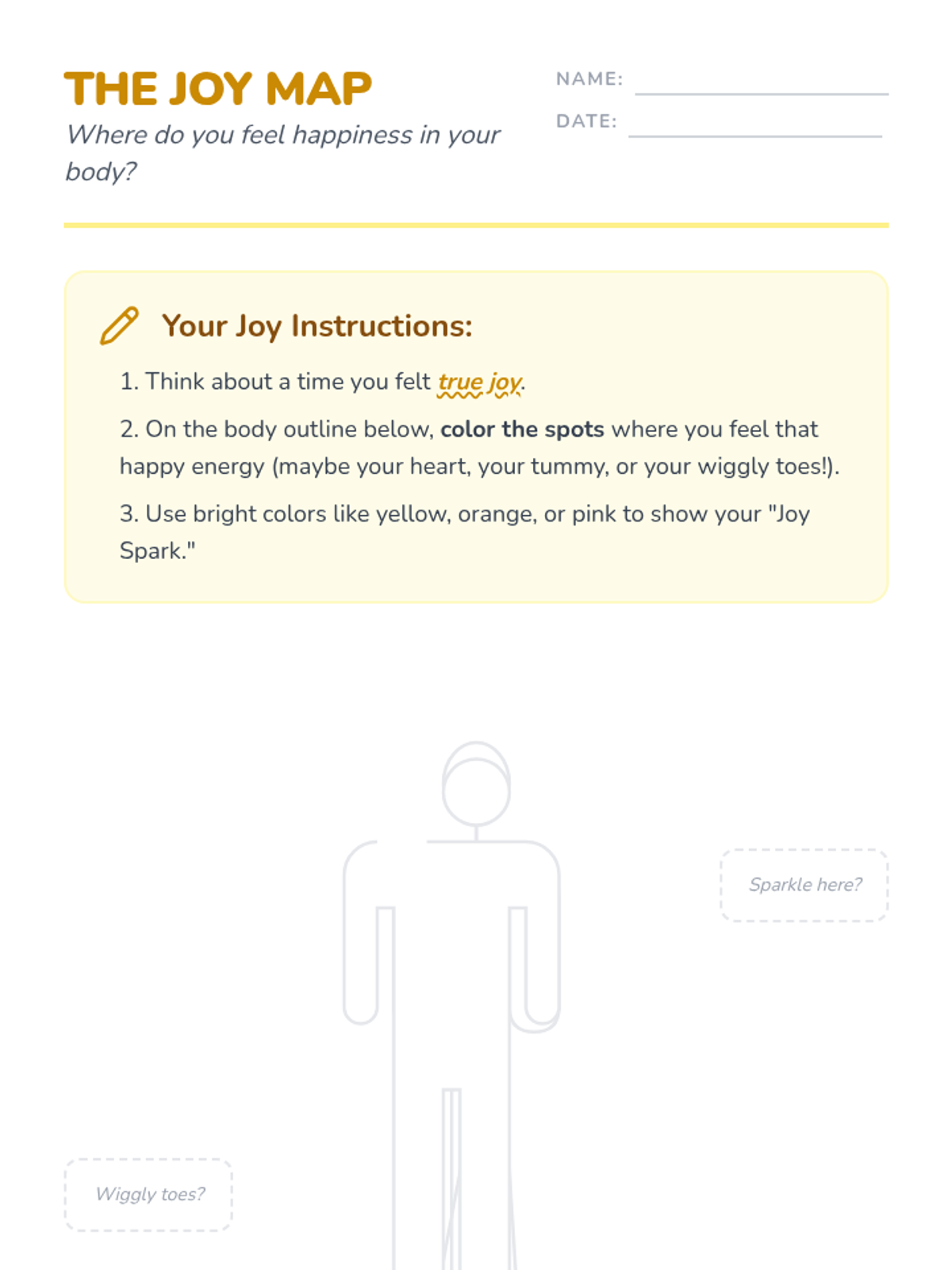
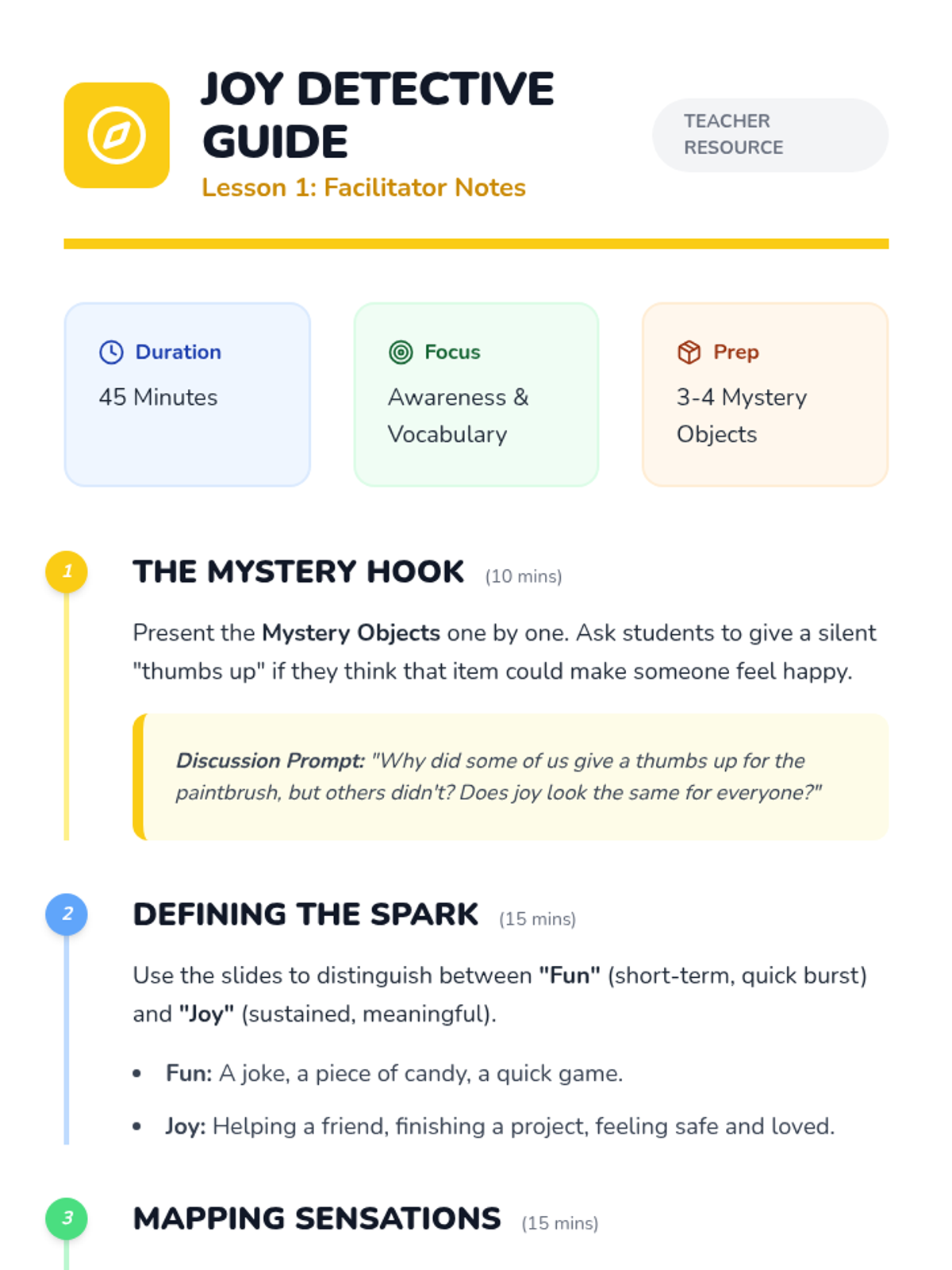
A therapeutic and self-discovery sequence for 2nd graders to identify personal sources of joy. Students explore the physical sensations of happiness, categorize their interests, and create a personalized 'Joy Menu' to use as a coping strategy for emotional regulation.
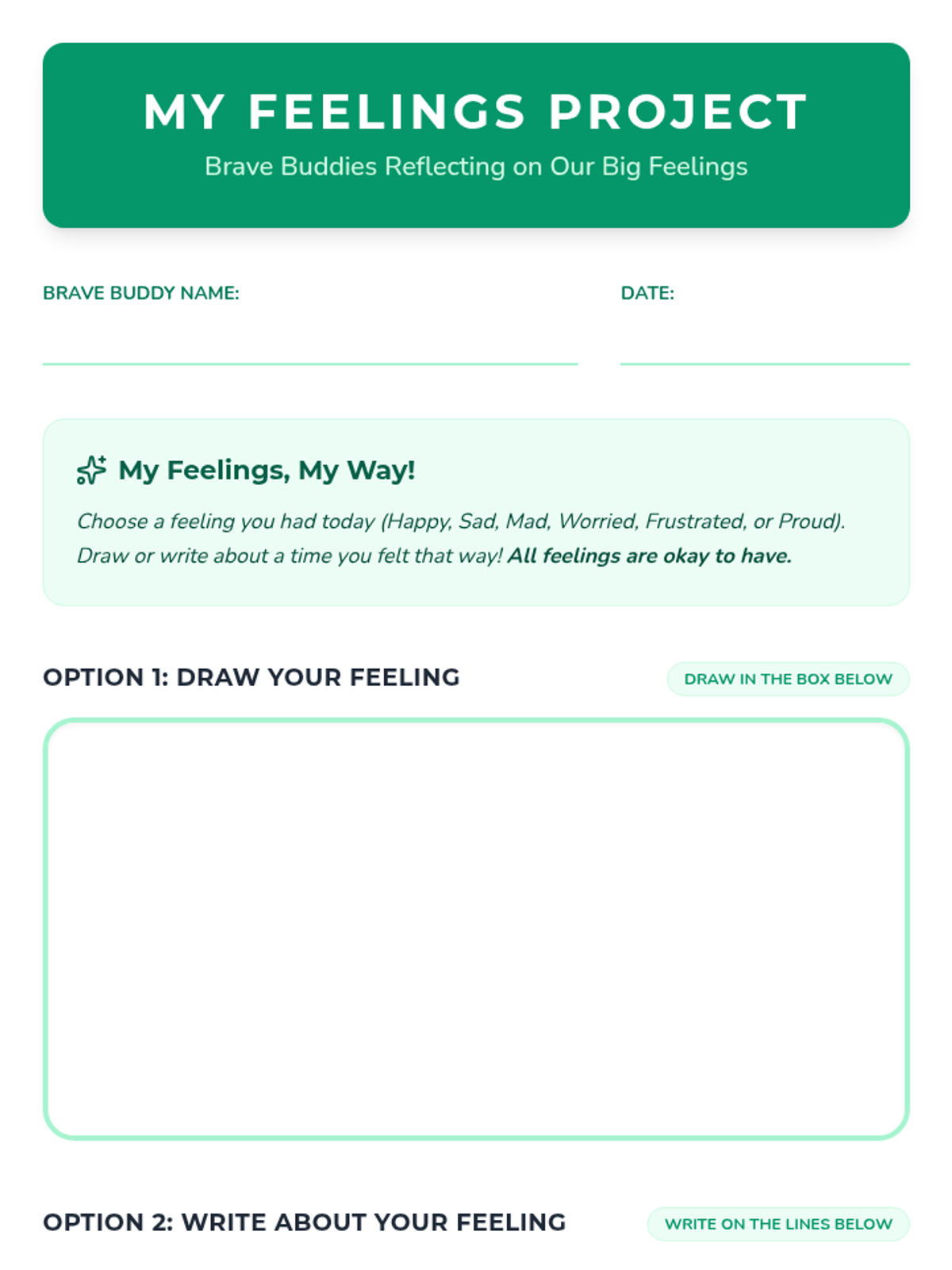
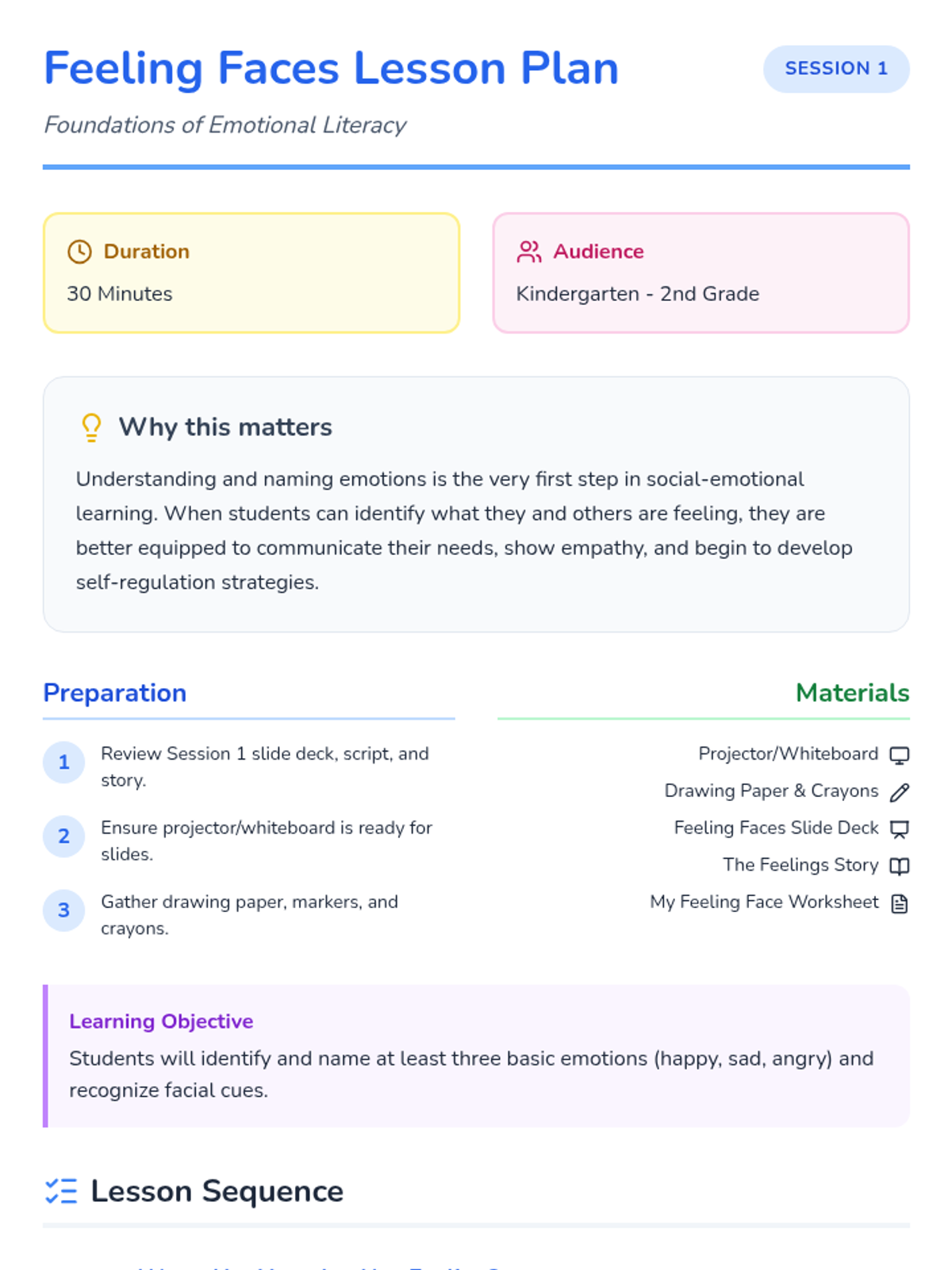
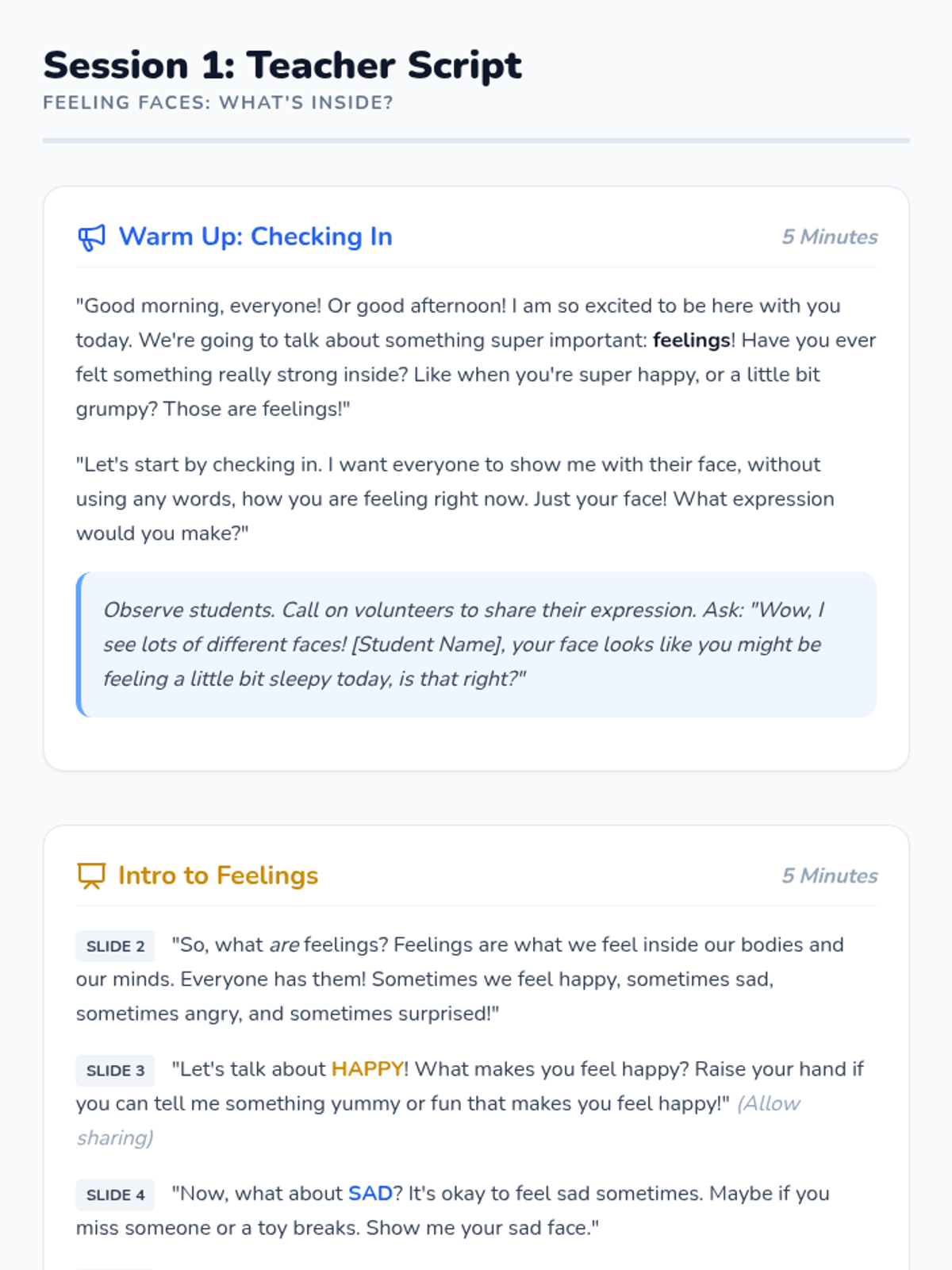
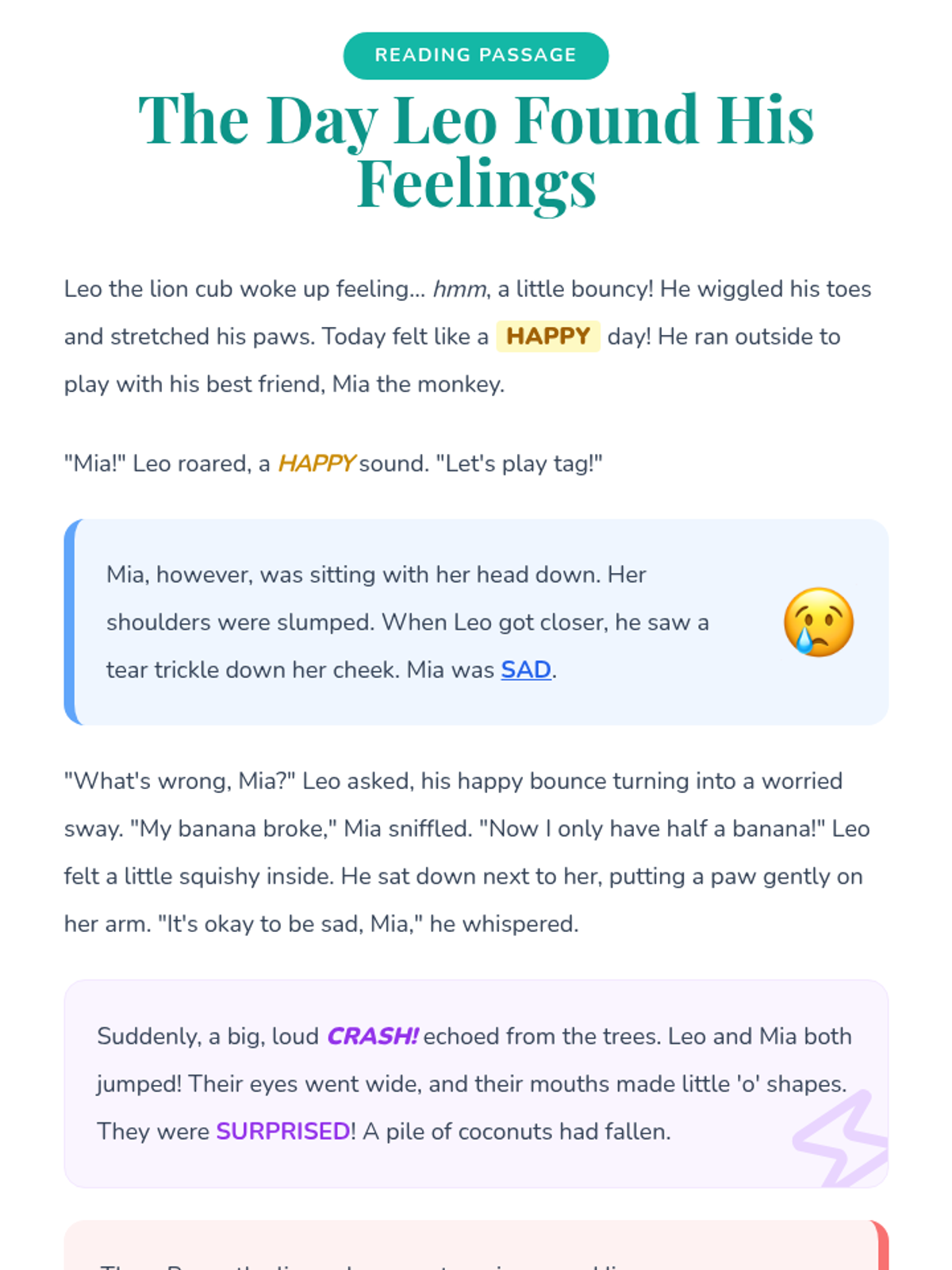
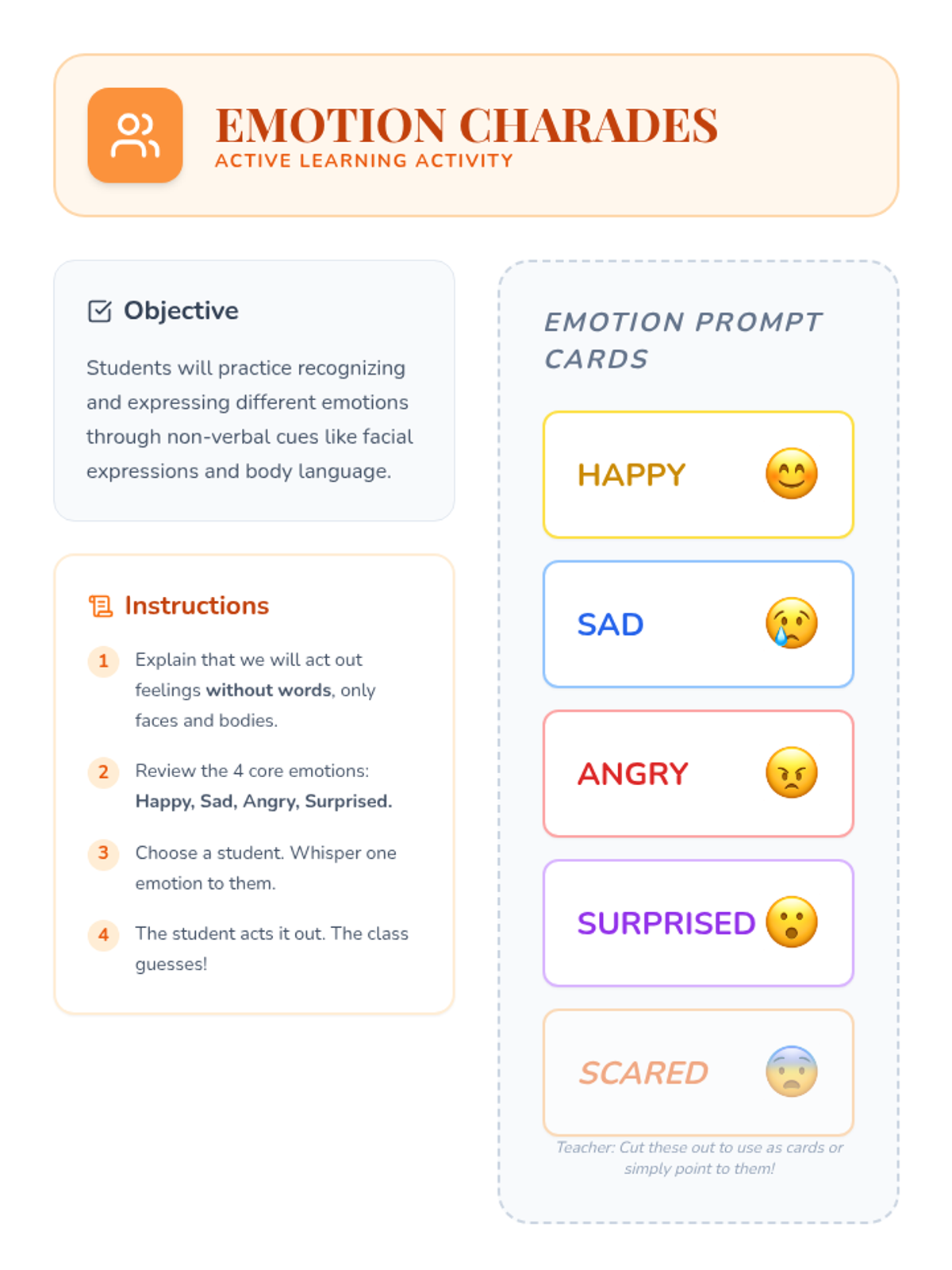
A comprehensive 10-session social-emotional learning series for K-2 students, focusing on emotional literacy, regulation, empathy, and social problem-solving.
This sequence explores the relationship between education, jobs, and income. Students learn about budgeting, the impact of unexpected expenses, and the intrinsic value of all community work, addressing economic inequality through practical simulations and reflection.
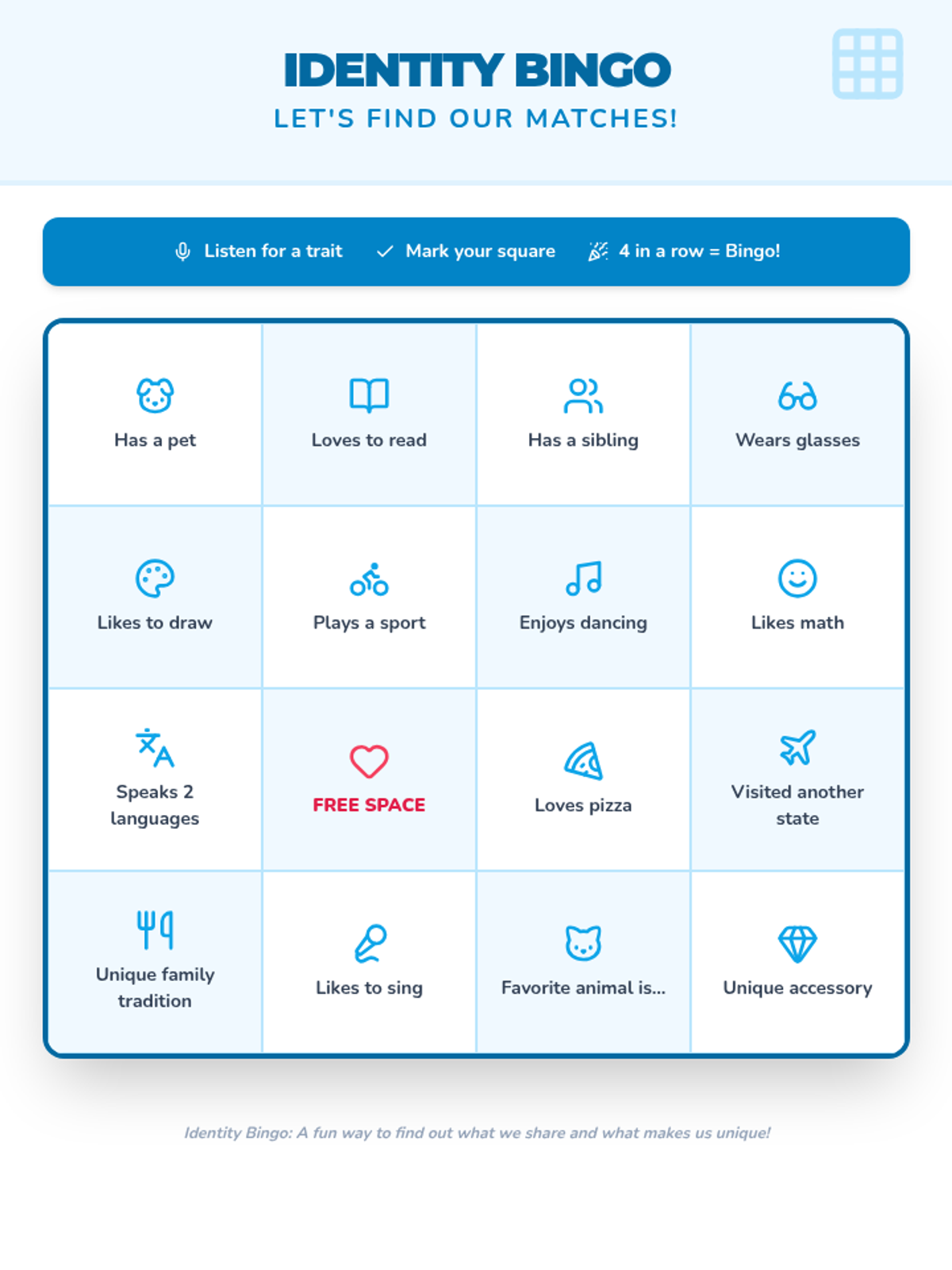
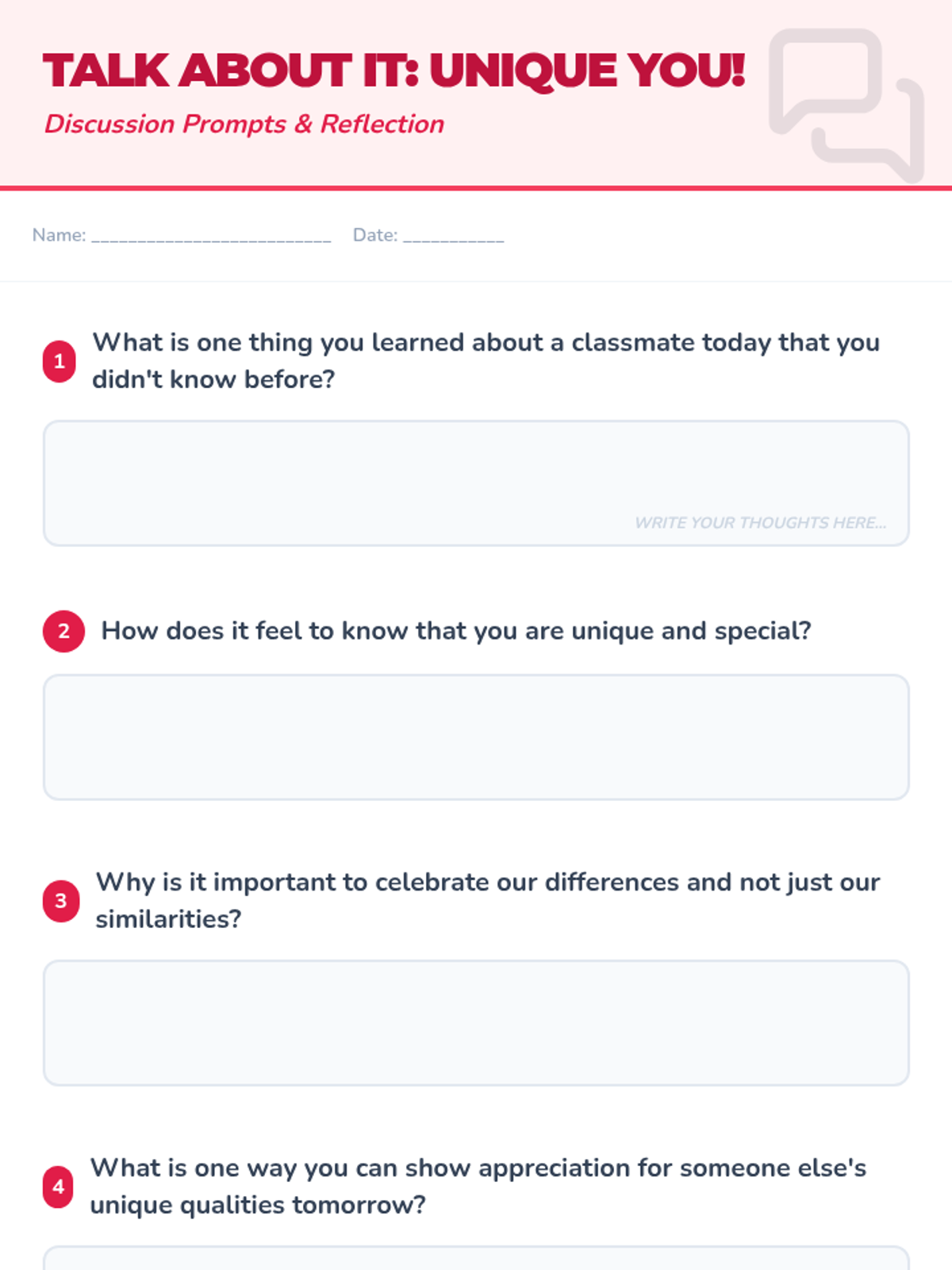
A 9-session lesson series for second-grade students exploring culture, diversity, and identity through interactive activities, discussions, and creative expression. Students learn to celebrate their own uniqueness while appreciating the varied traditions, foods, clothing, and stories of the global family.
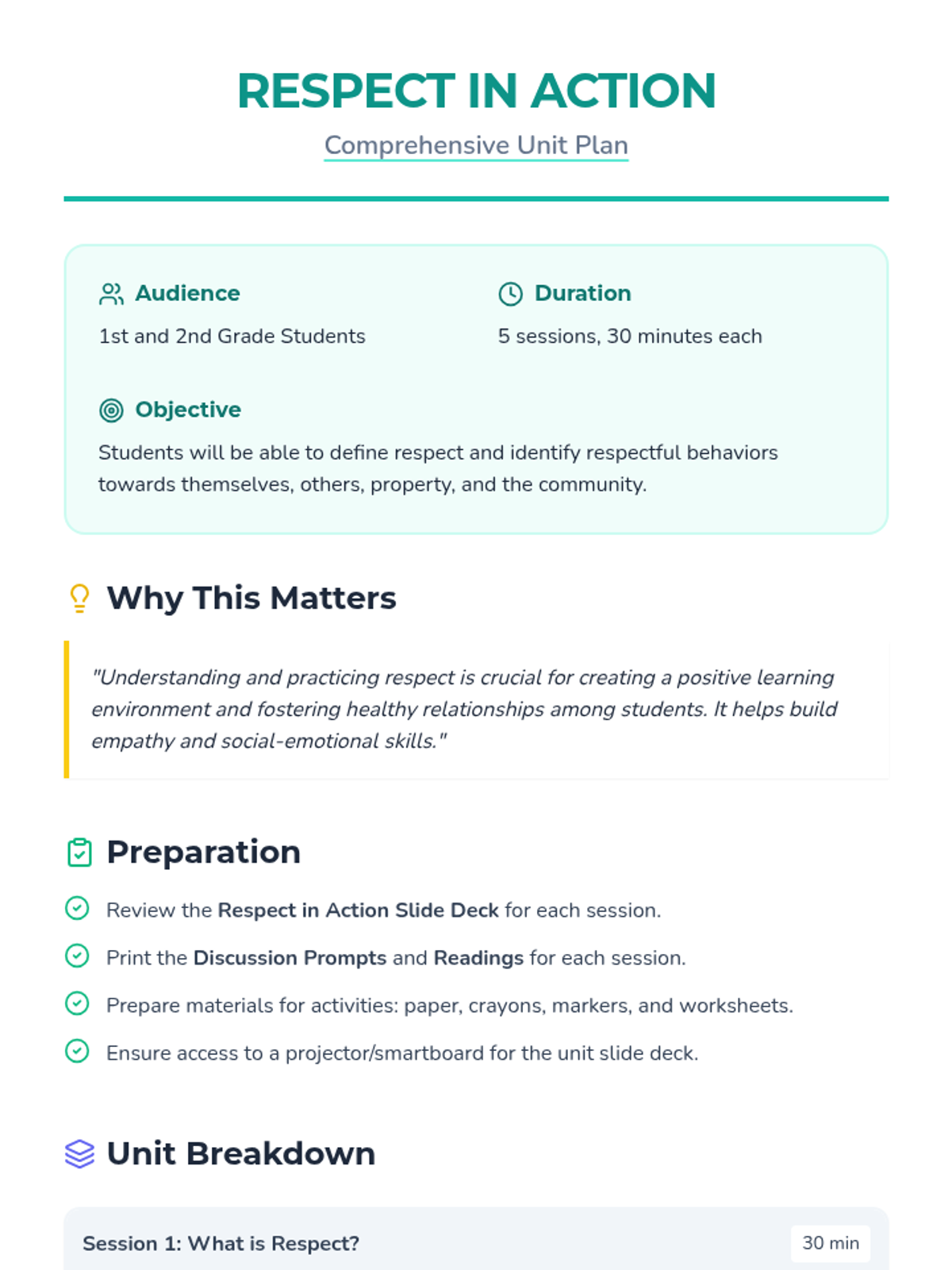
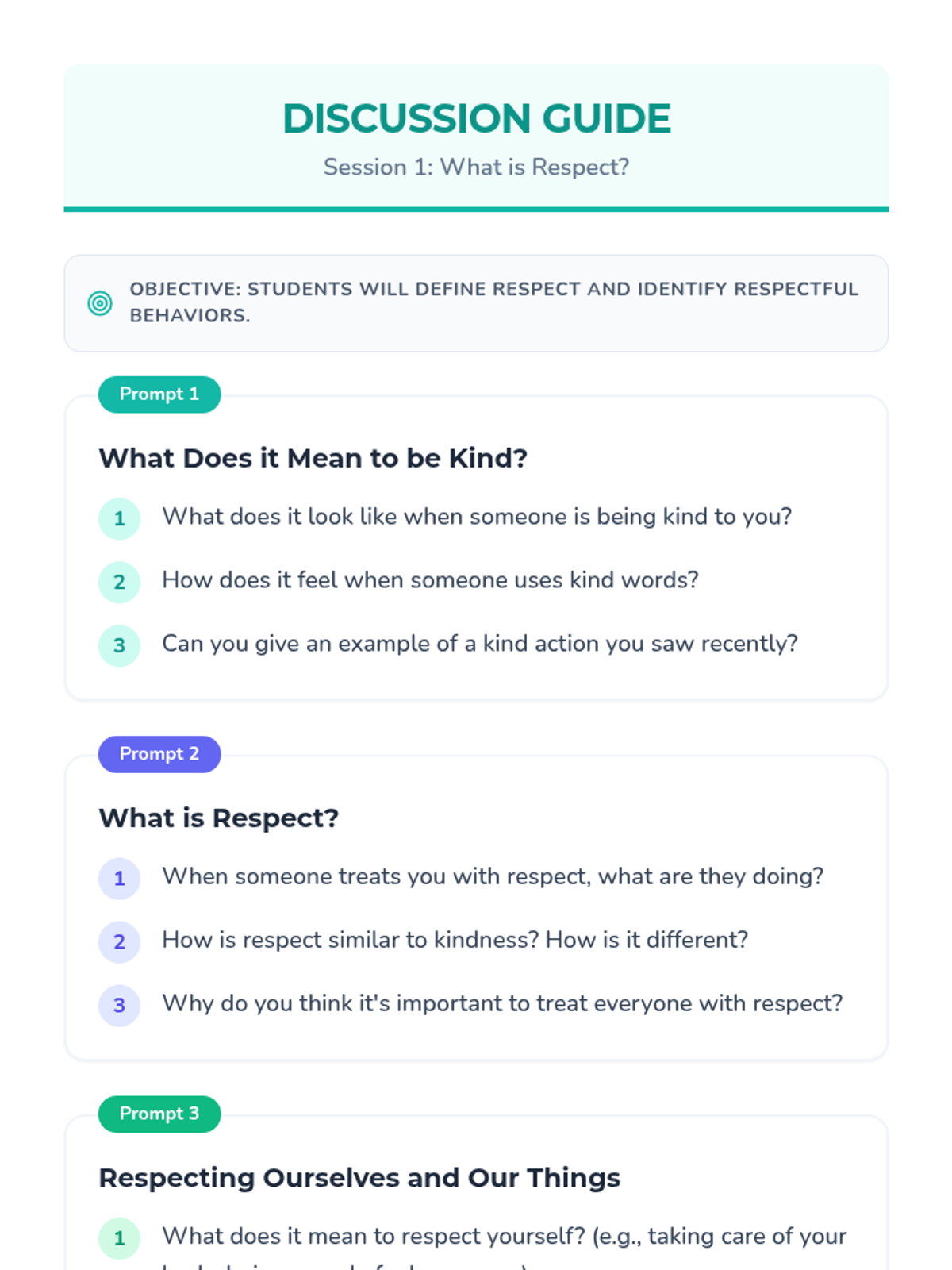
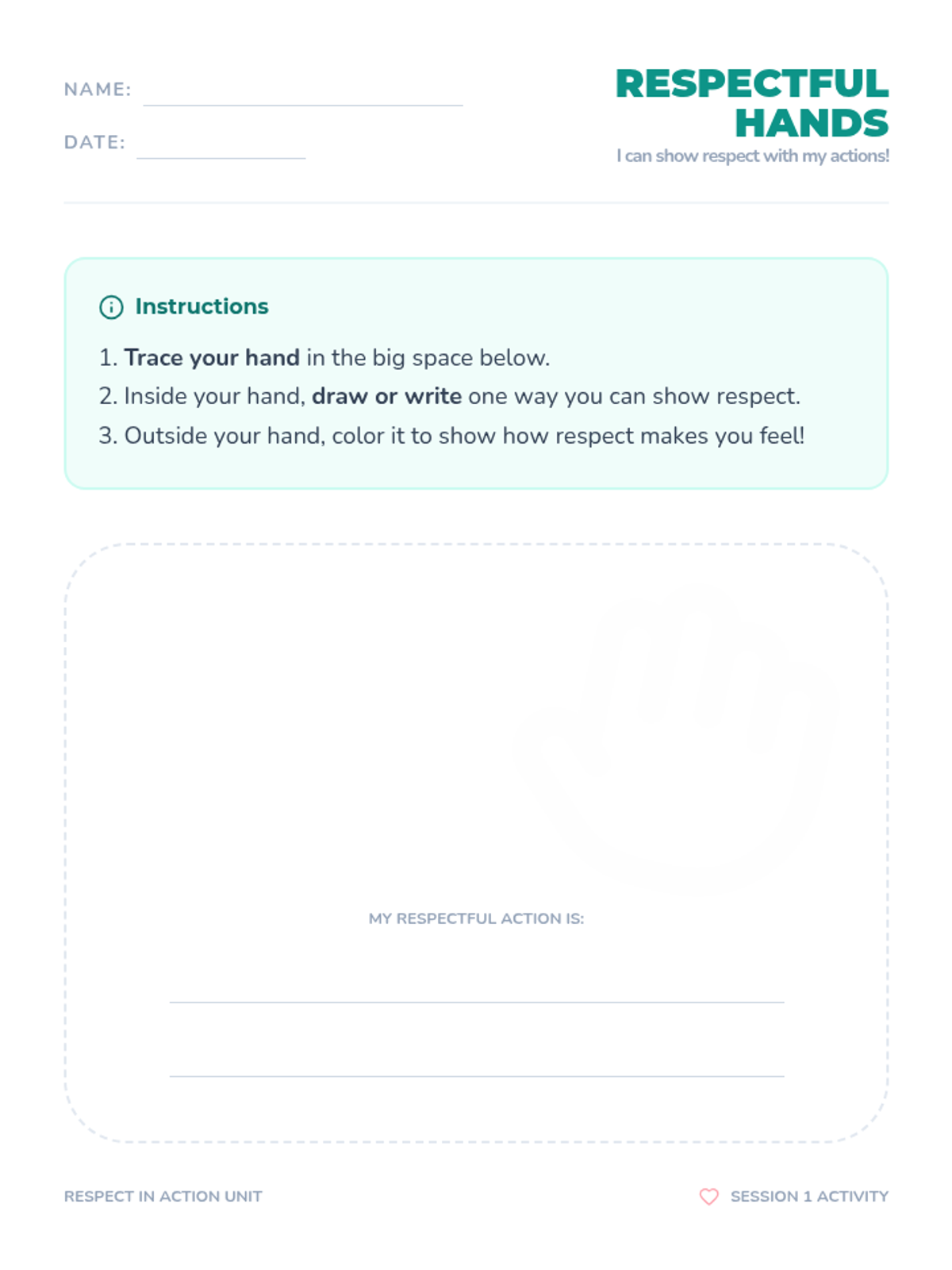
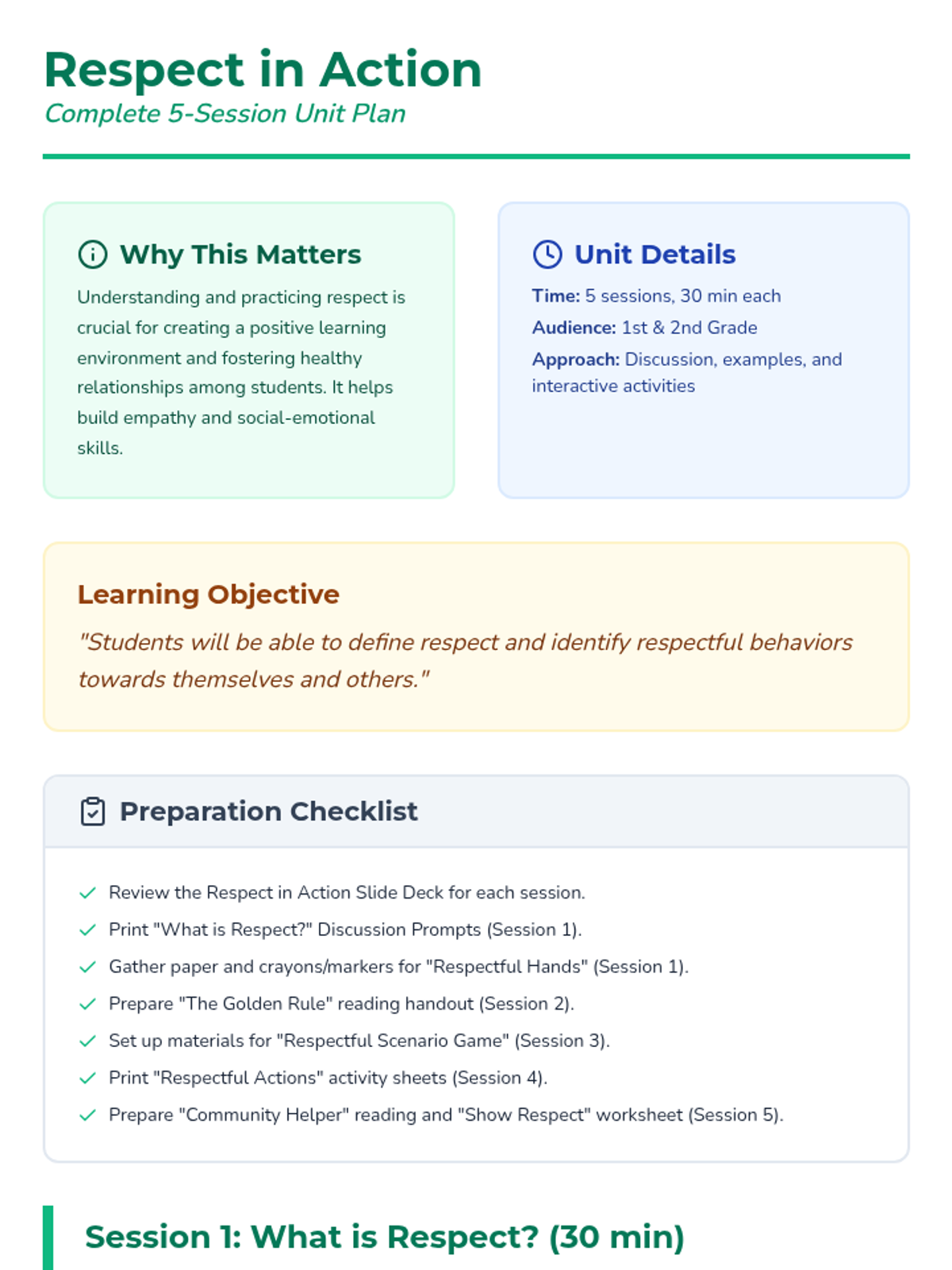
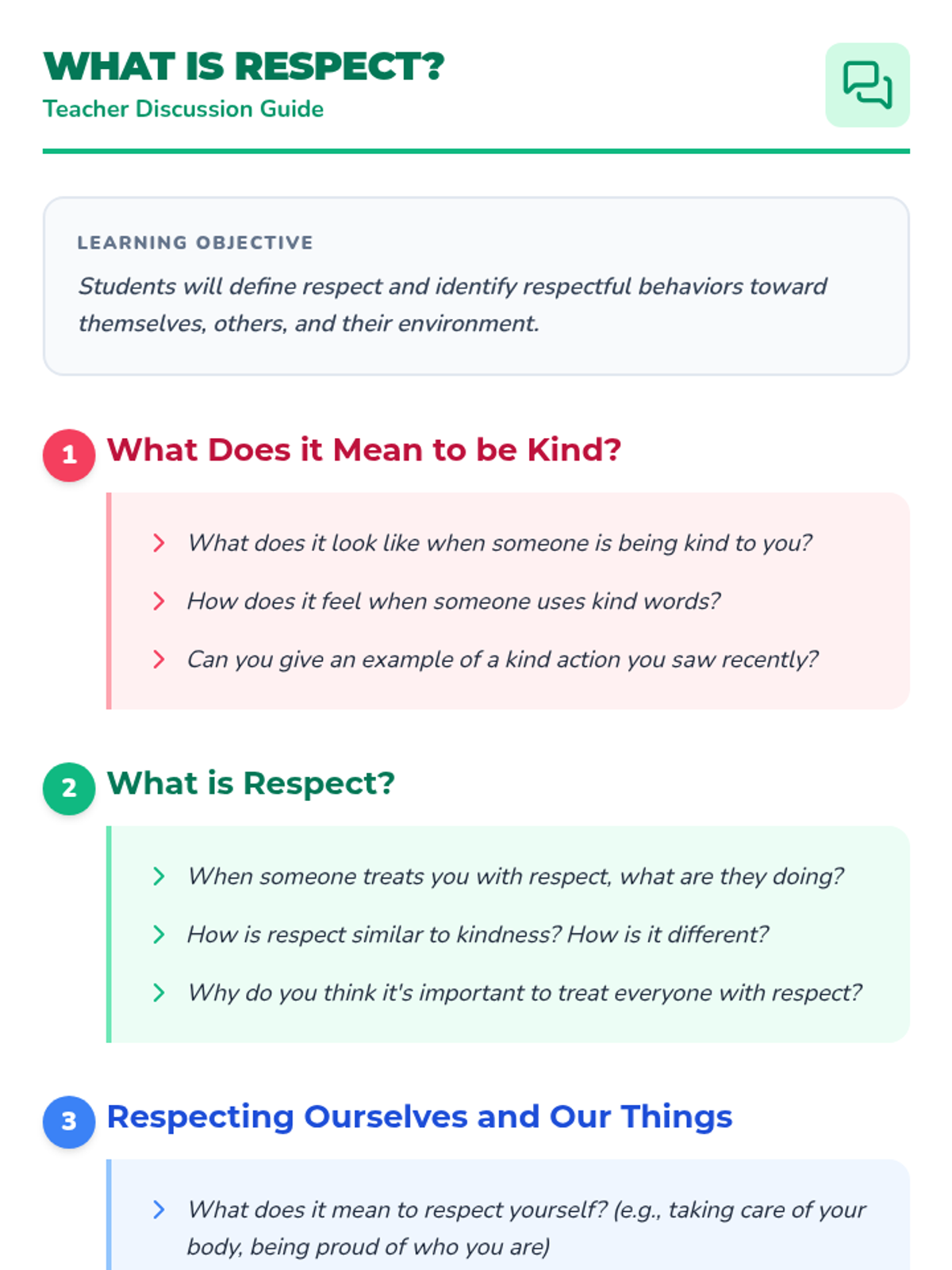
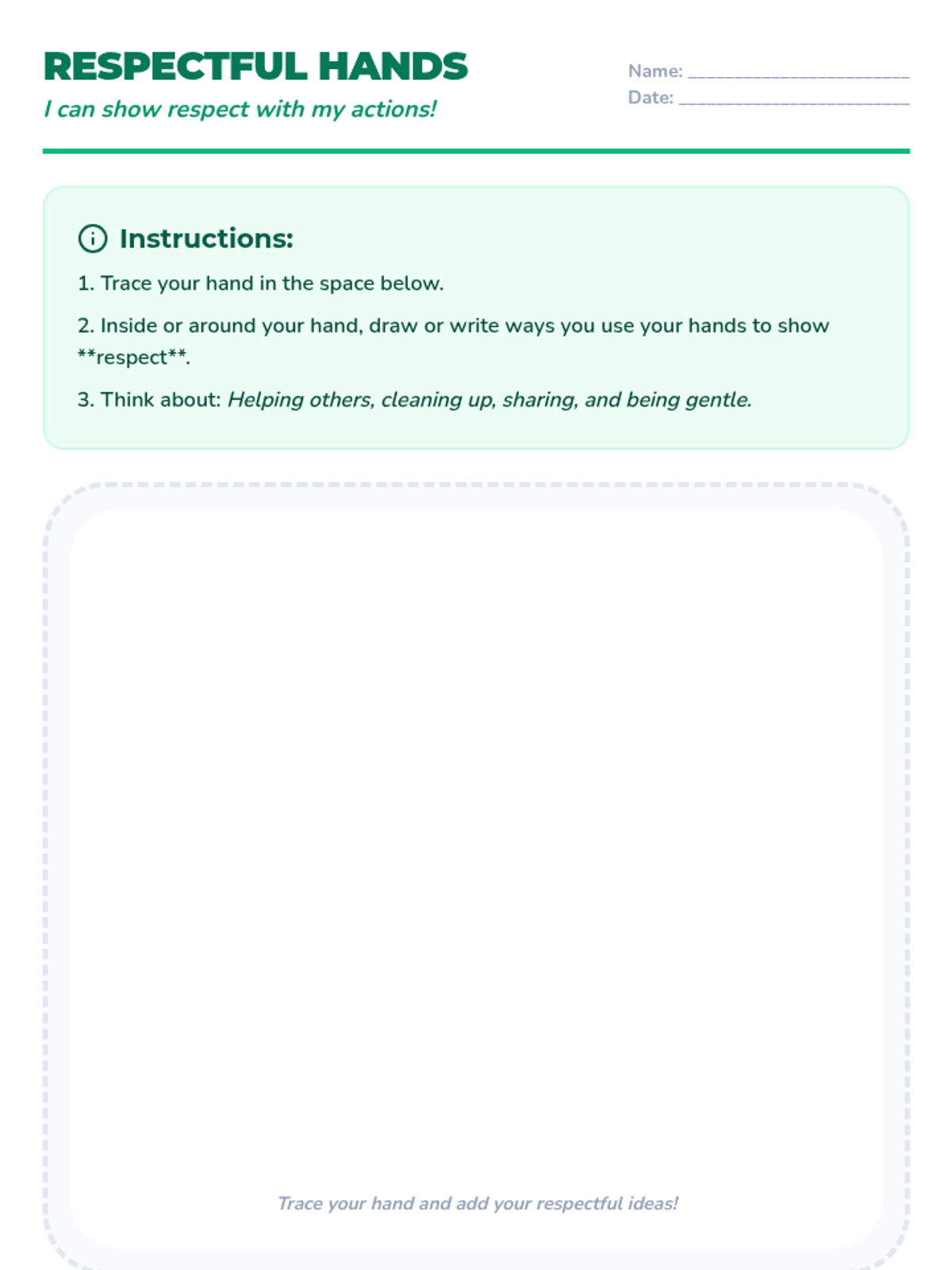
A five-session social-emotional learning unit for 1st and 2nd graders focusing on self-respect, respecting others, and understanding different types of respect in the community.
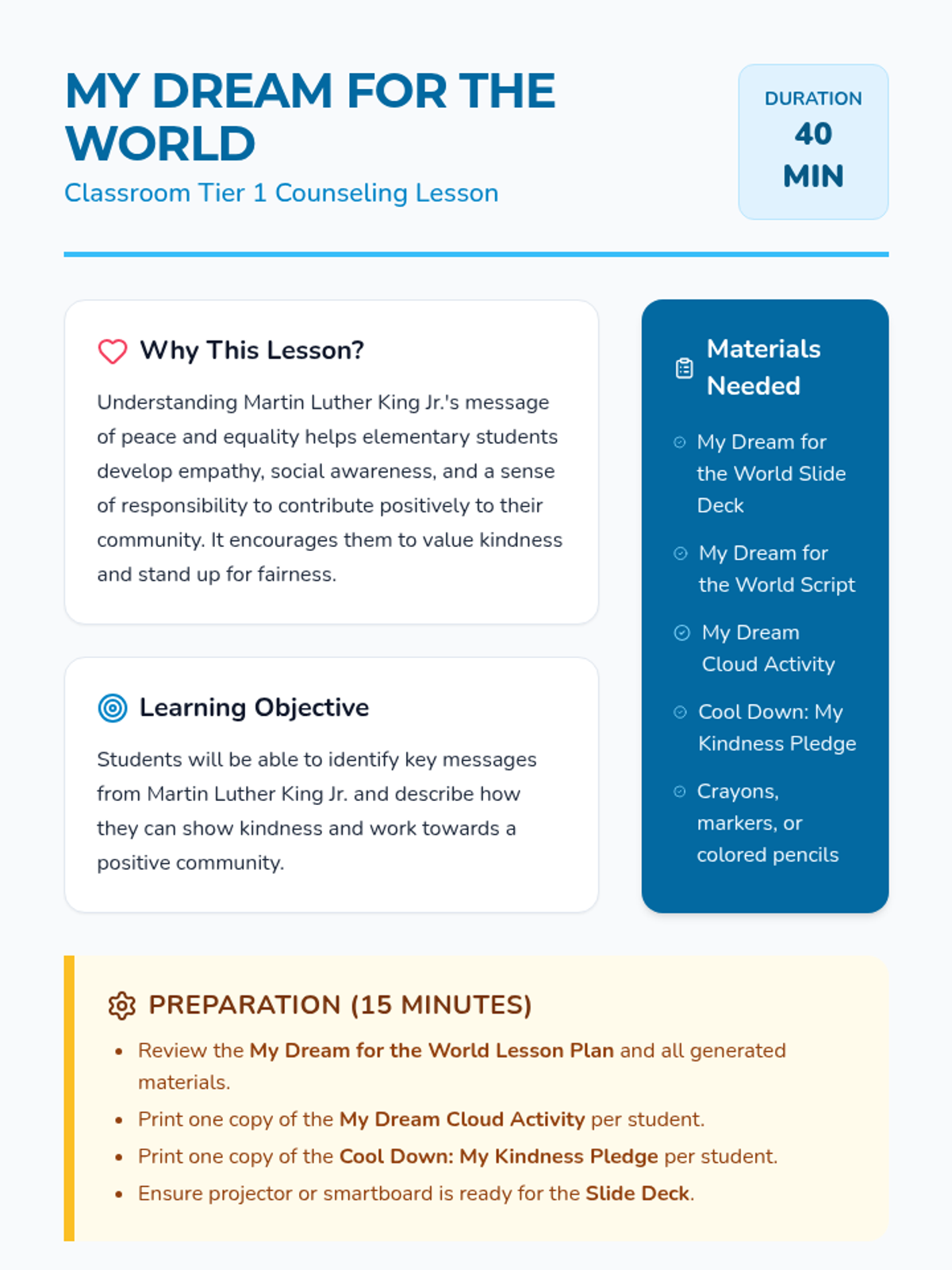
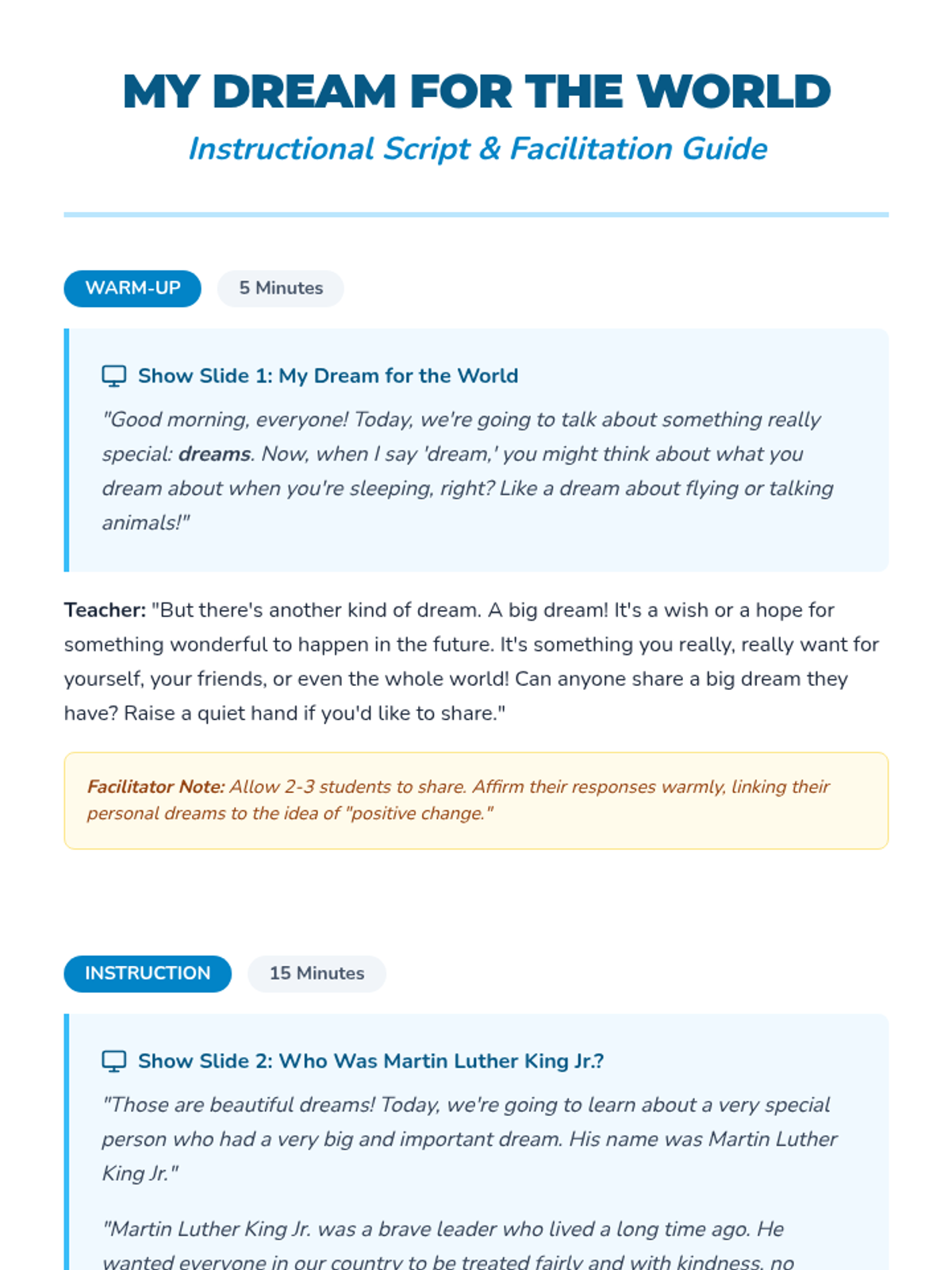
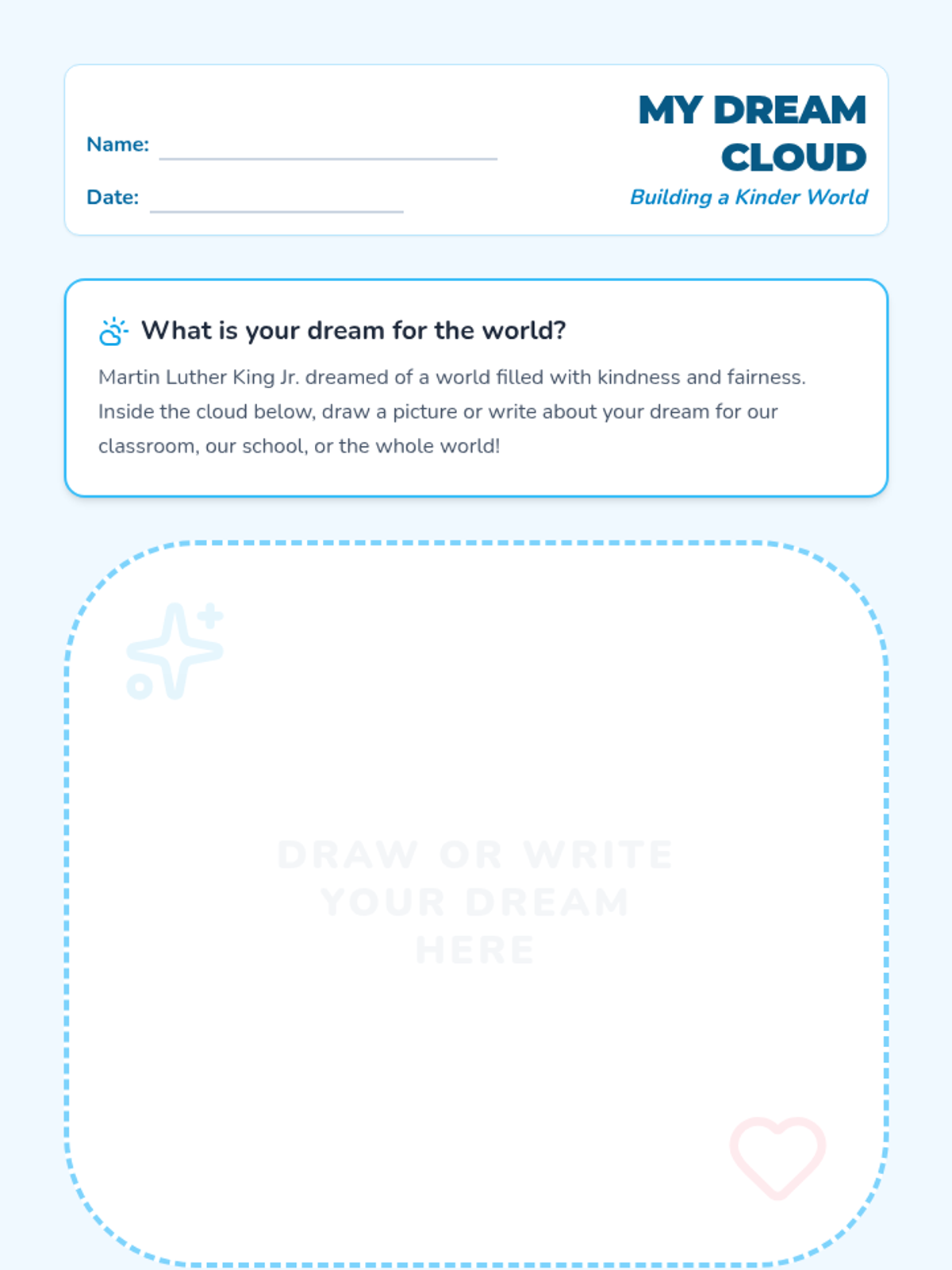
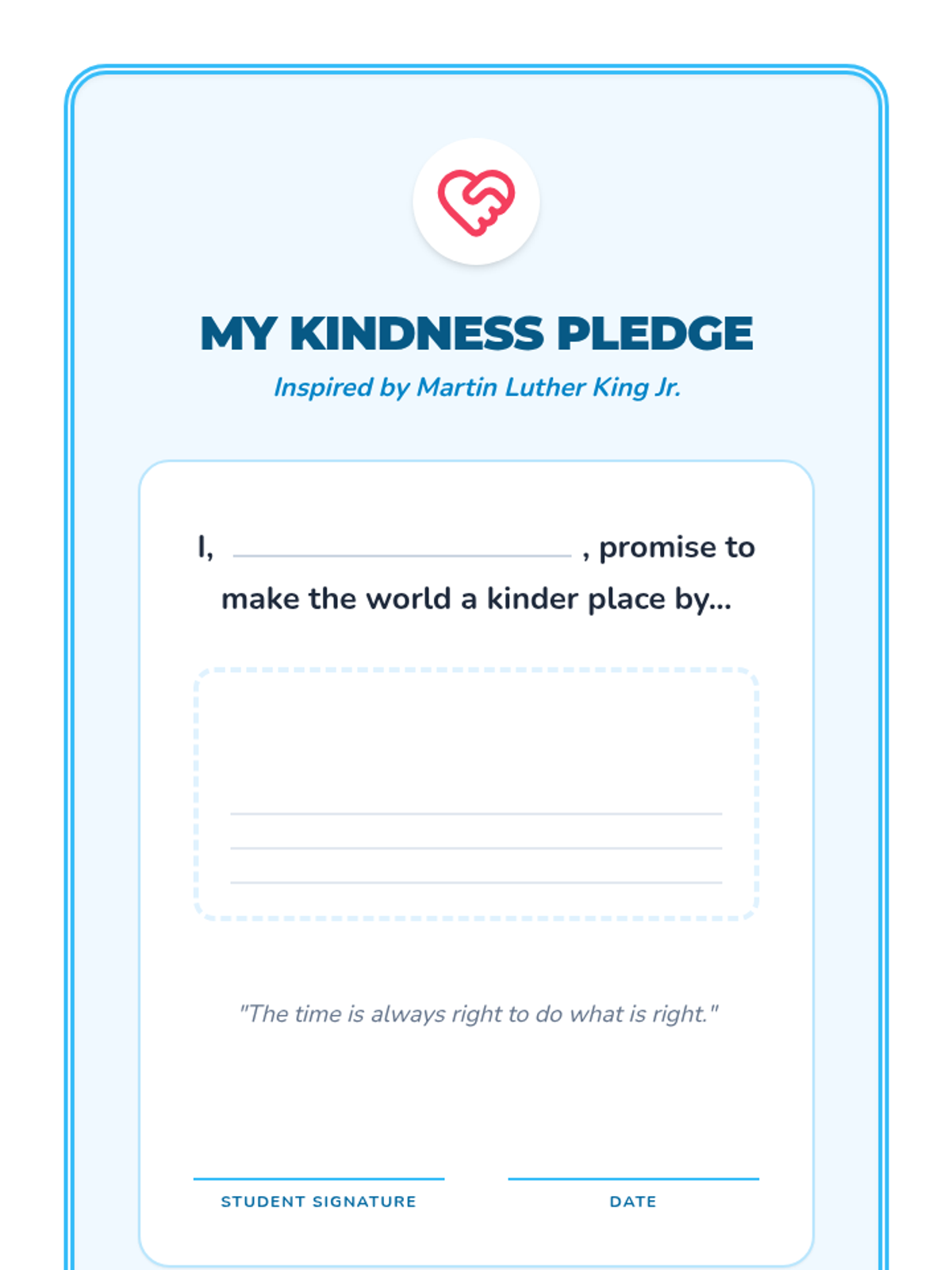
A social-emotional learning sequence for elementary students focused on empathy, community, and self-worth. It includes a lesson on Martin Luther King Jr.'s message of peace and equality, followed by a lesson on recognizing and celebrating personal pride and accomplishments.
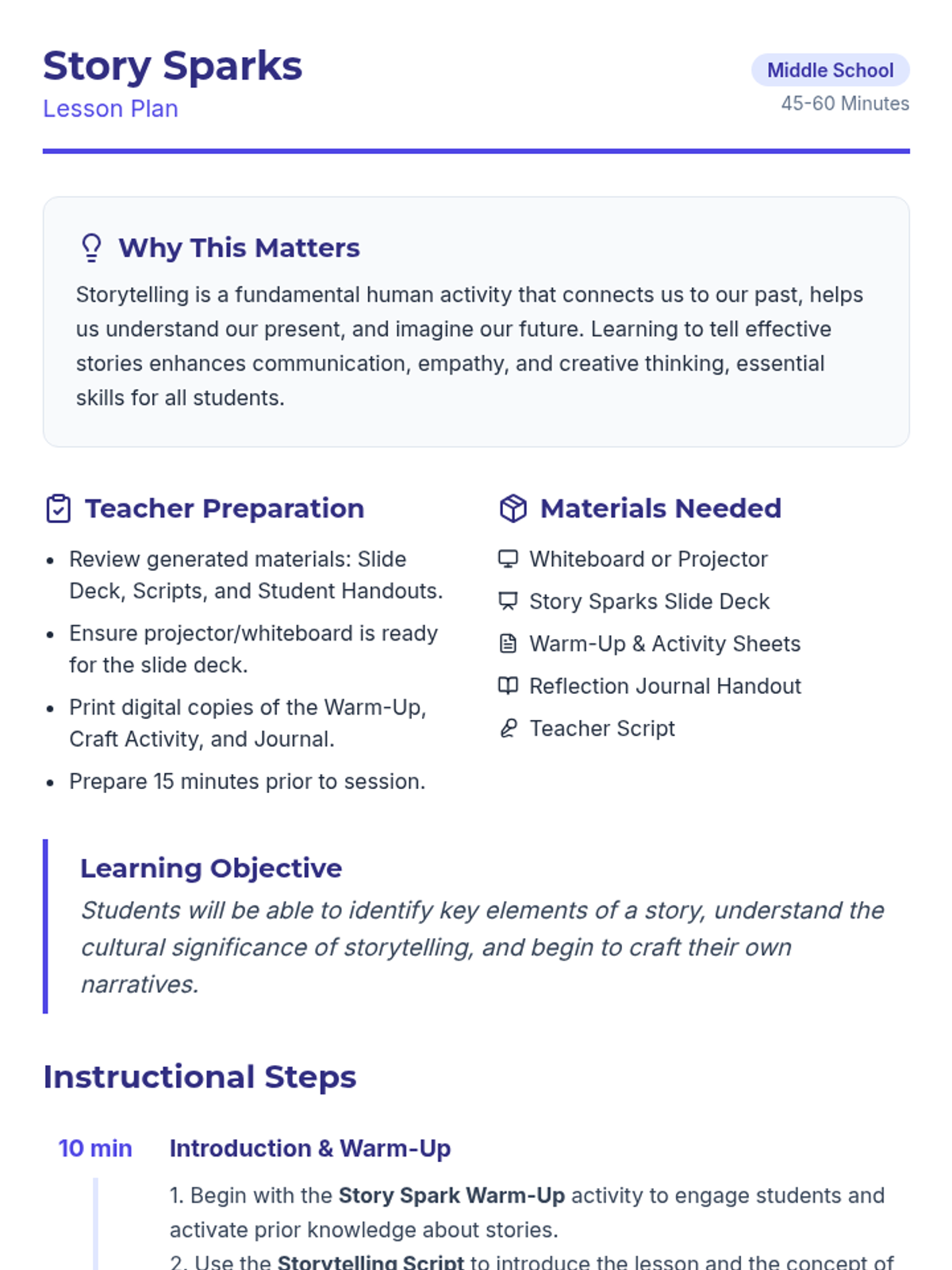
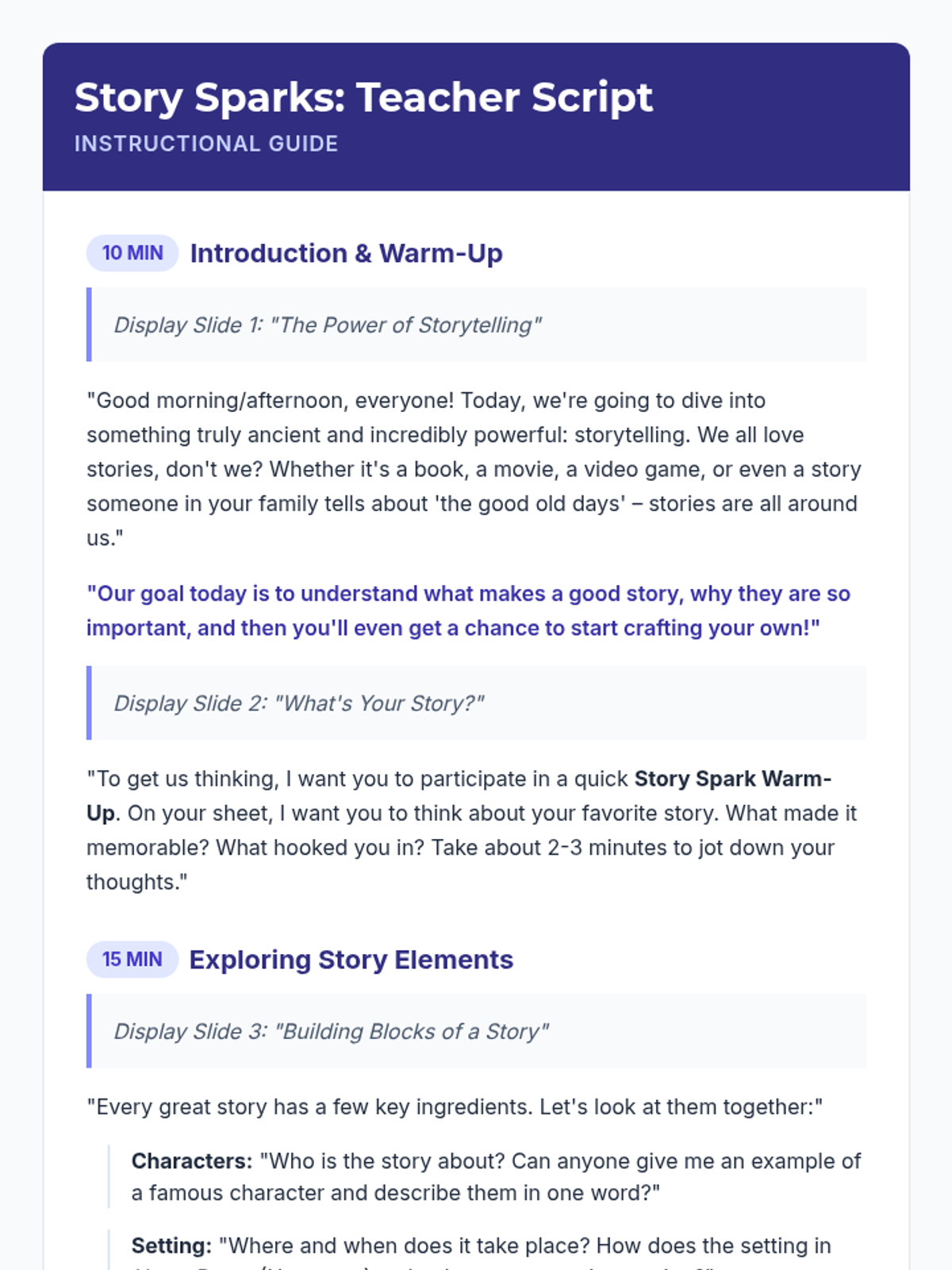
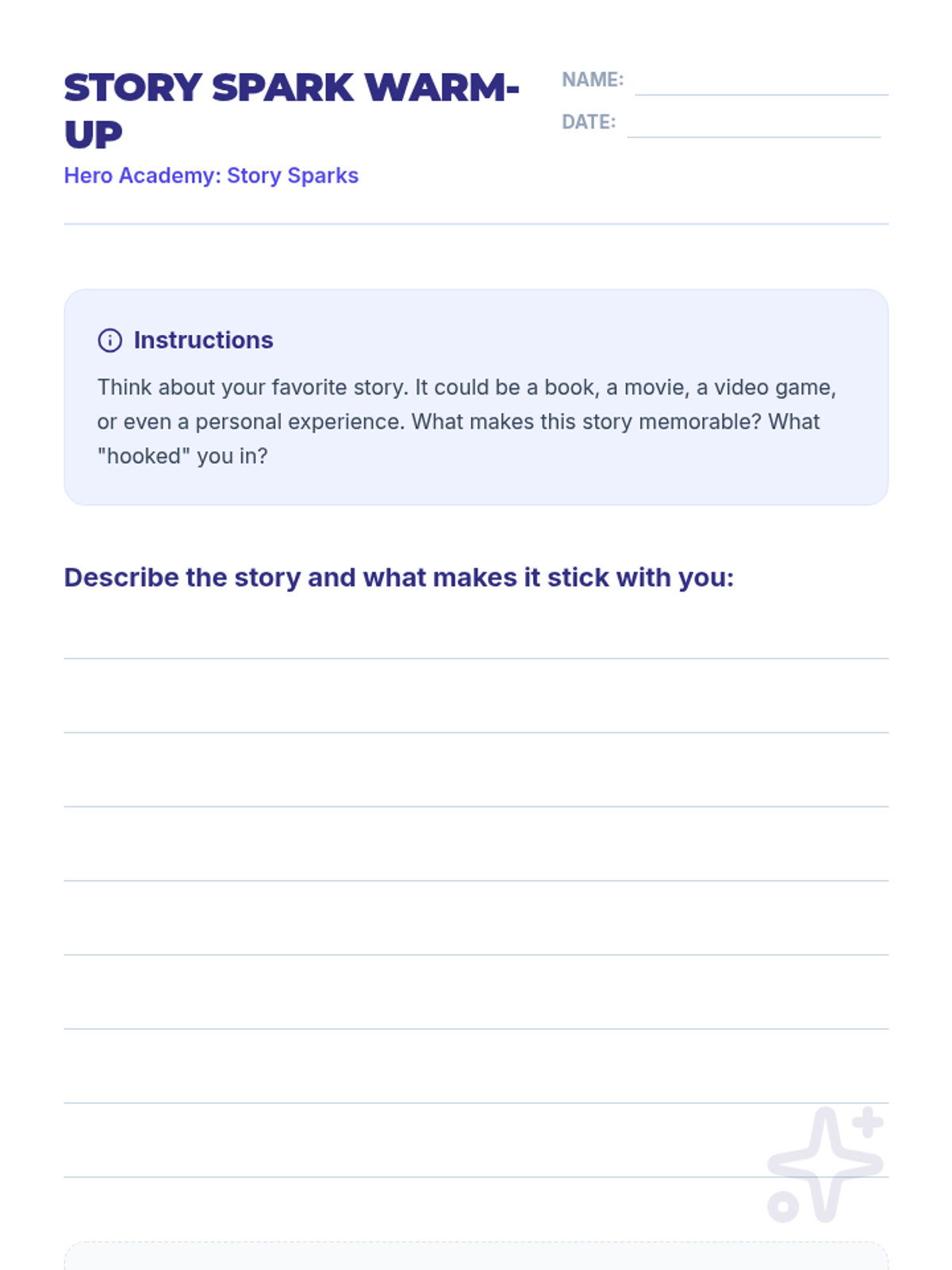
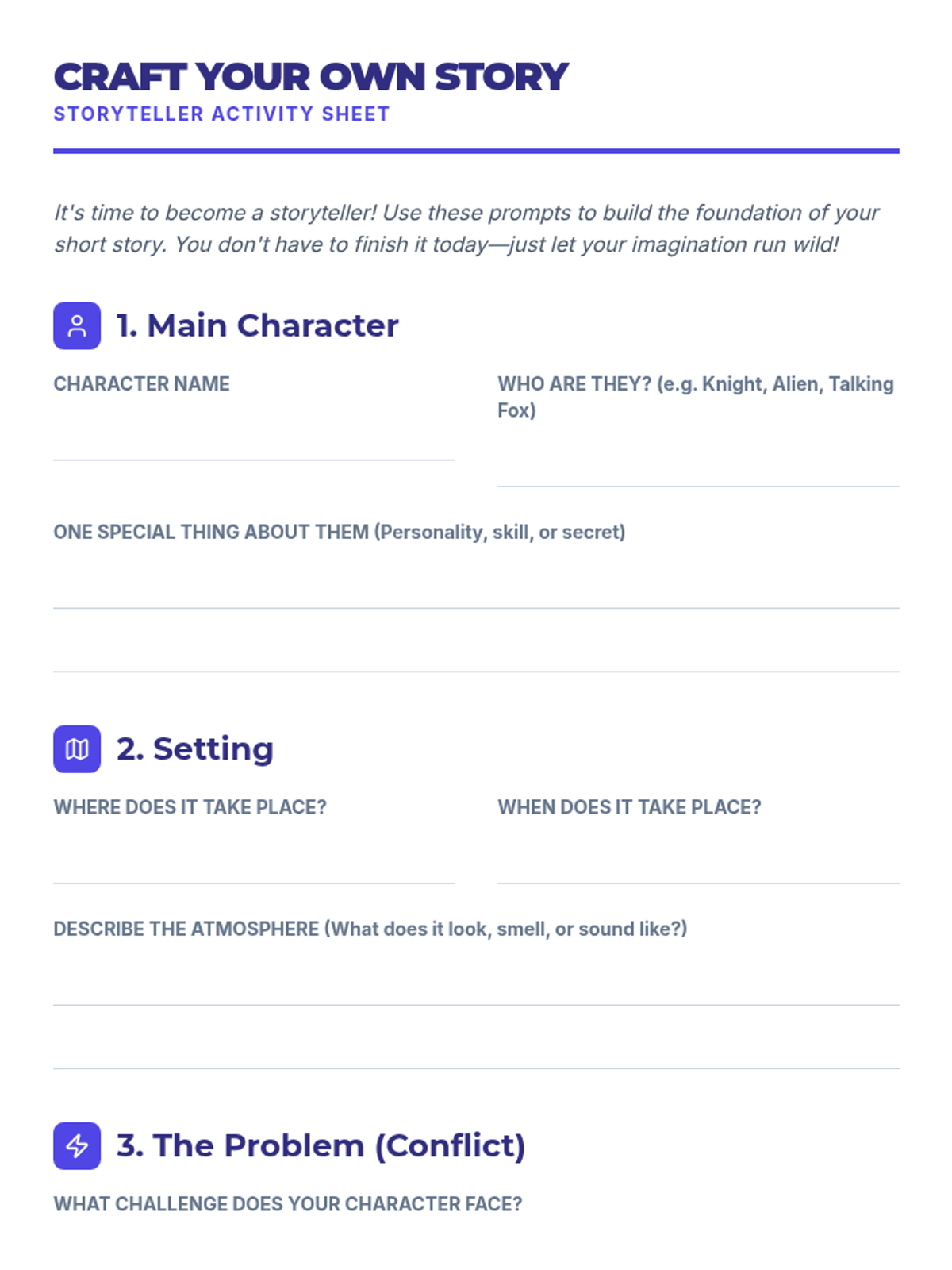
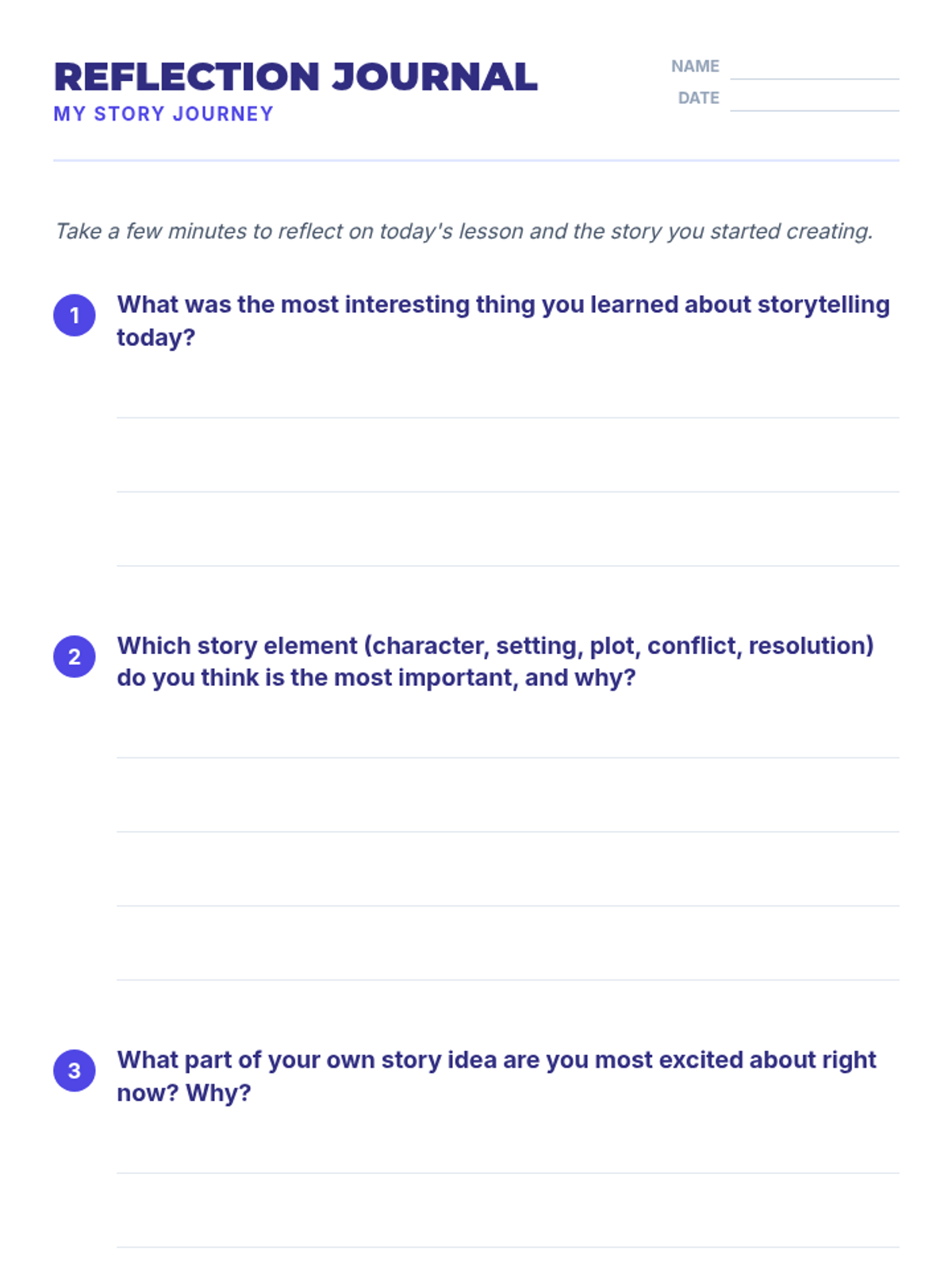
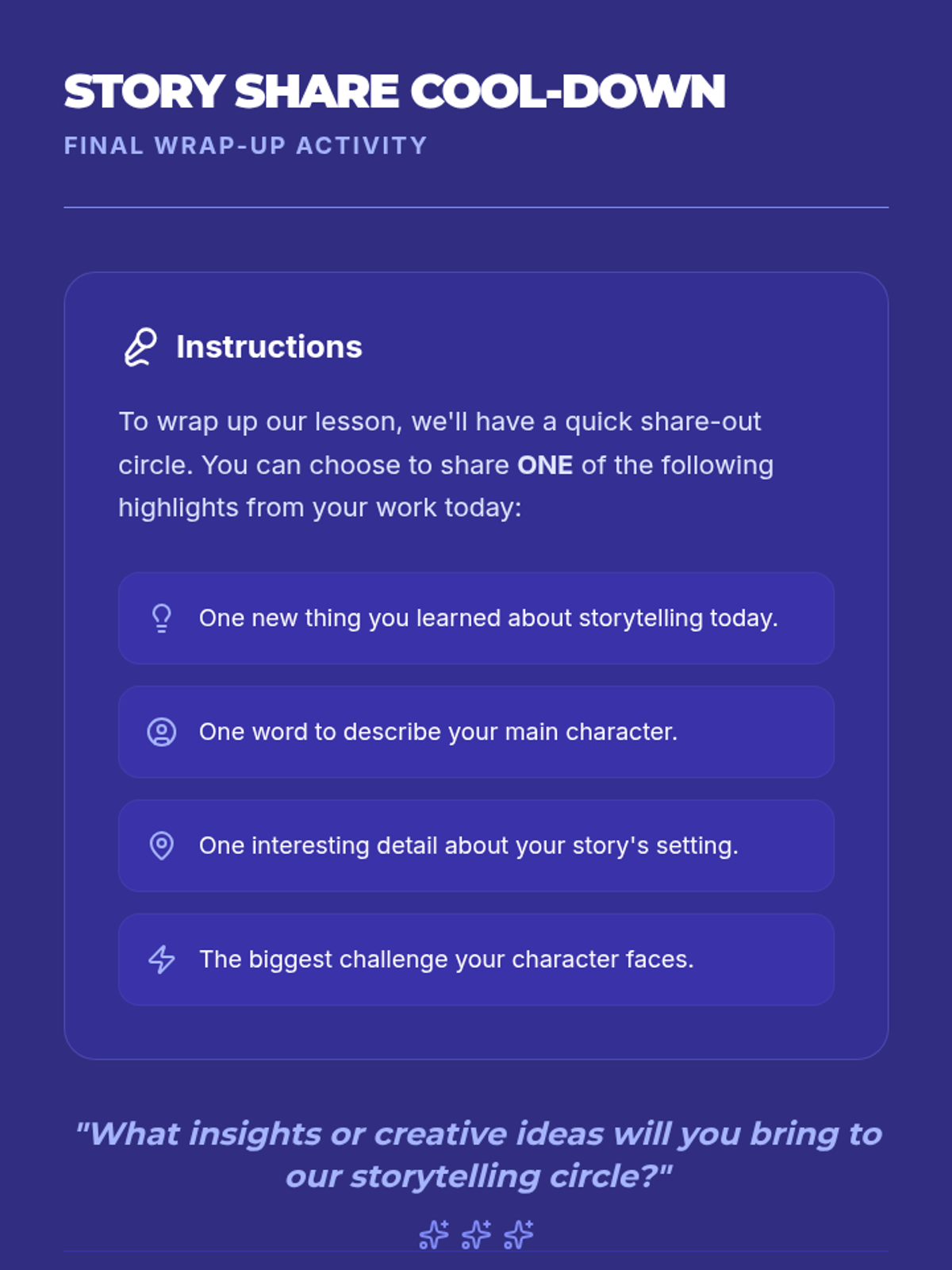
A comprehensive collection of lessons designed to empower students with the skills of storytelling and self-regulation. Through these sessions, students will learn to craft compelling narratives and master the art of self-control.
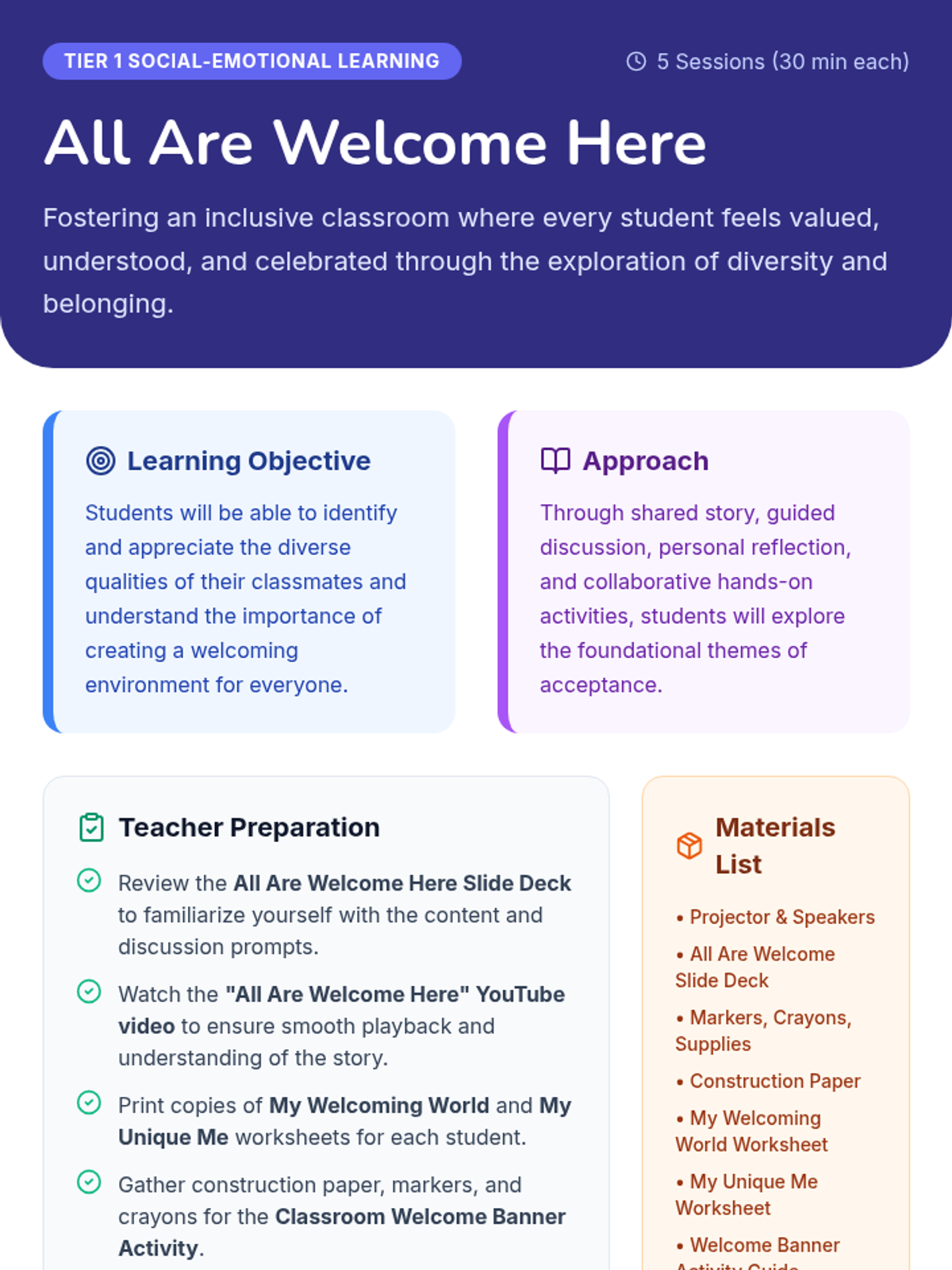
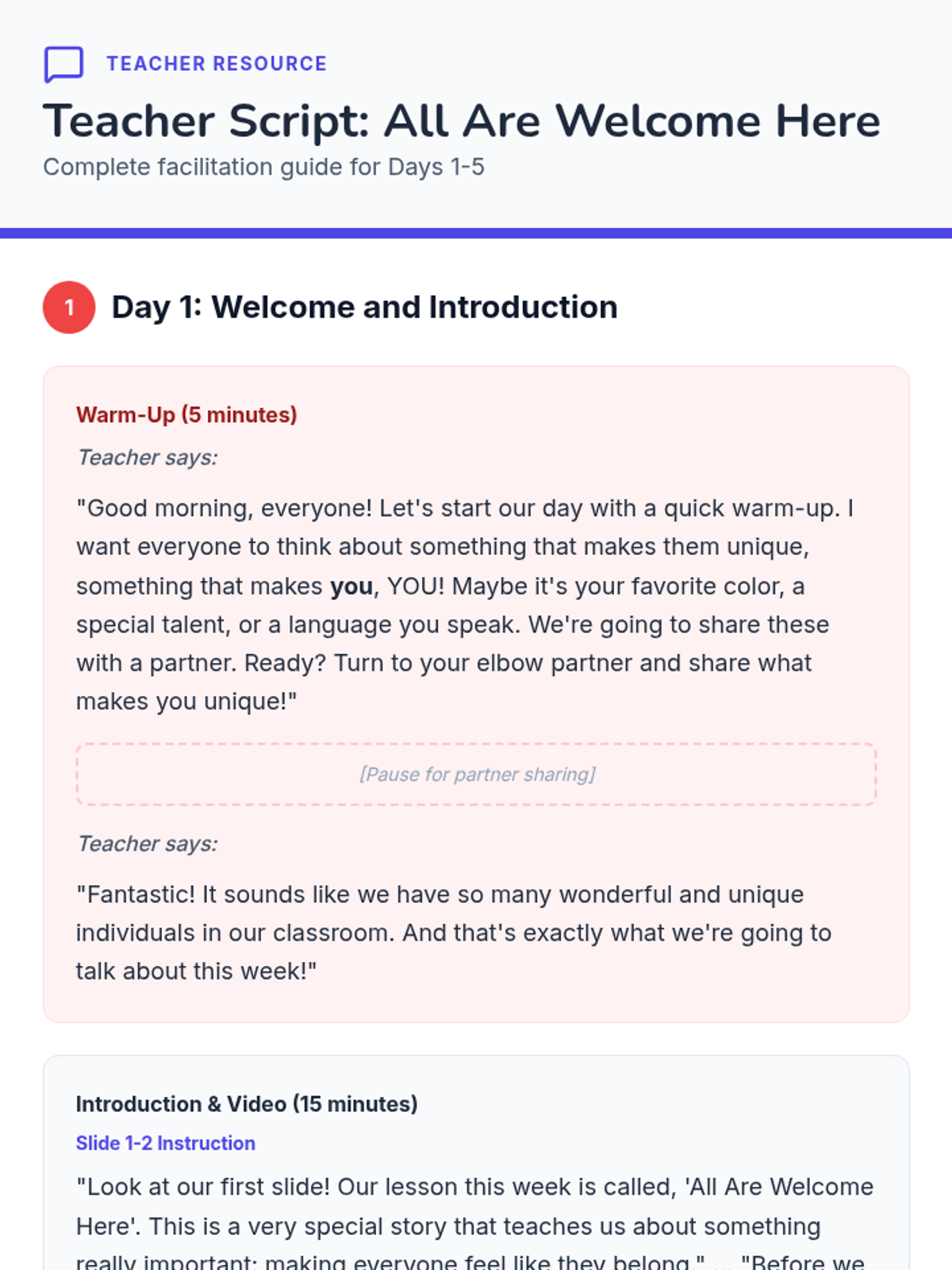
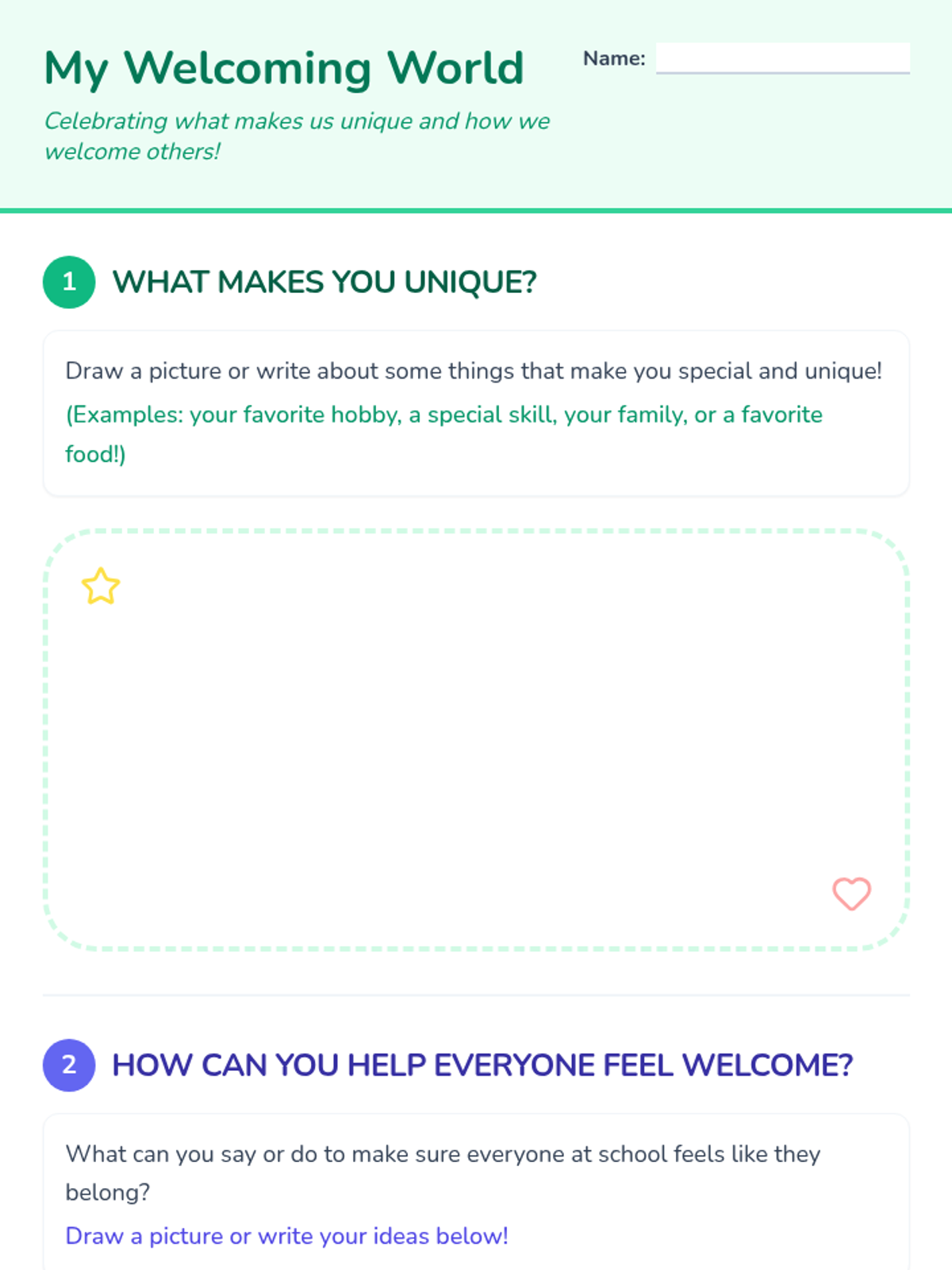
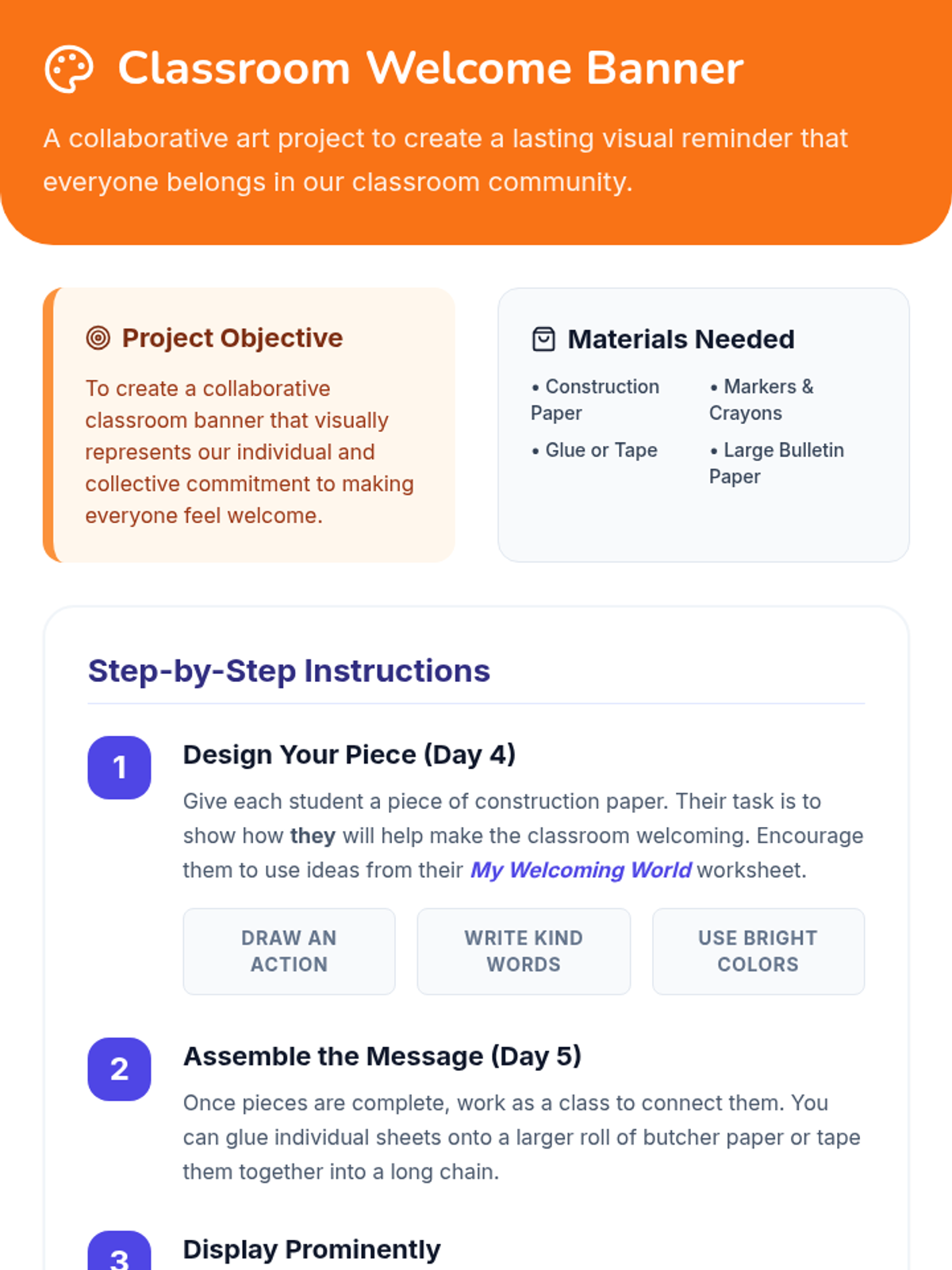
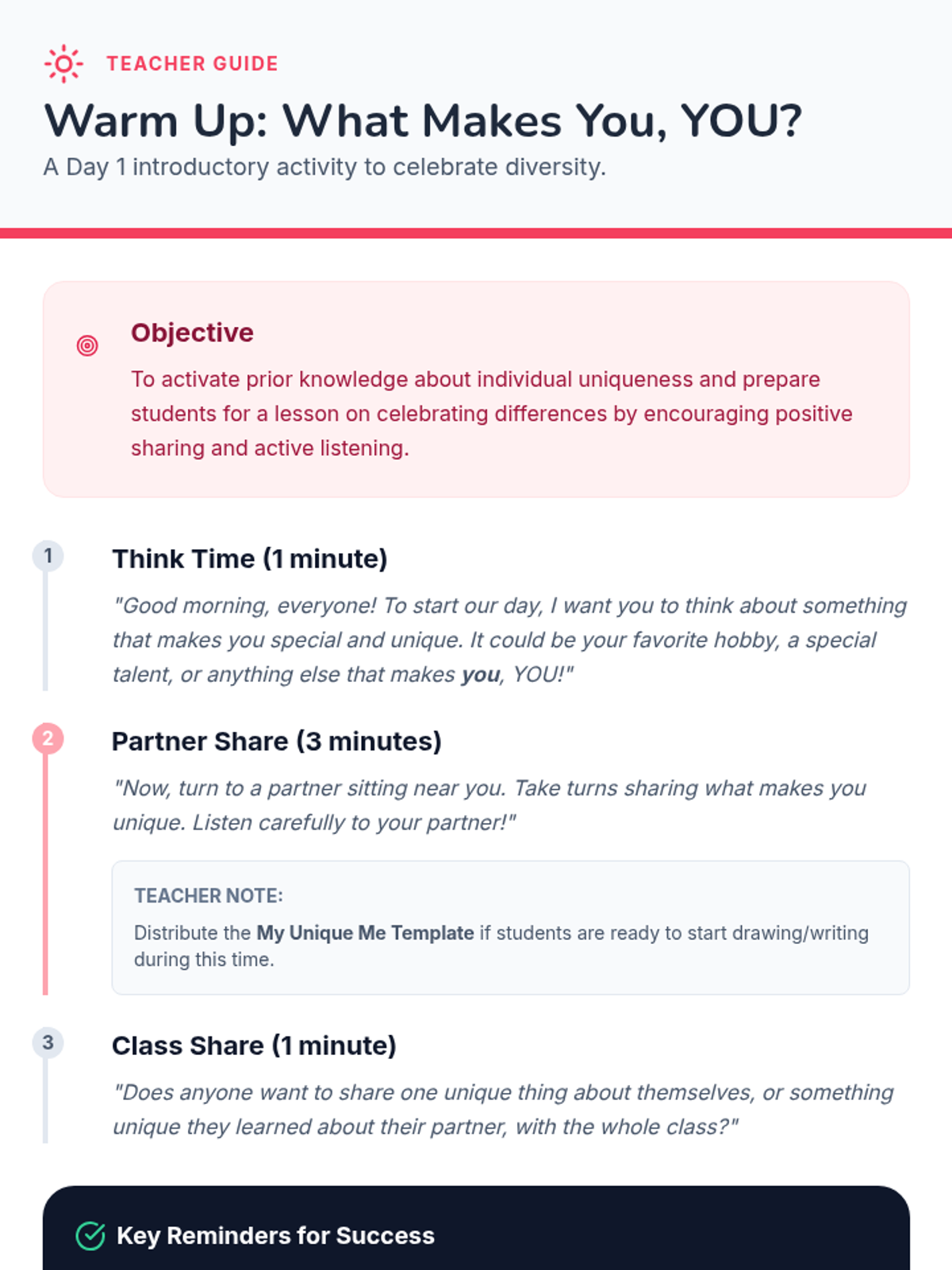
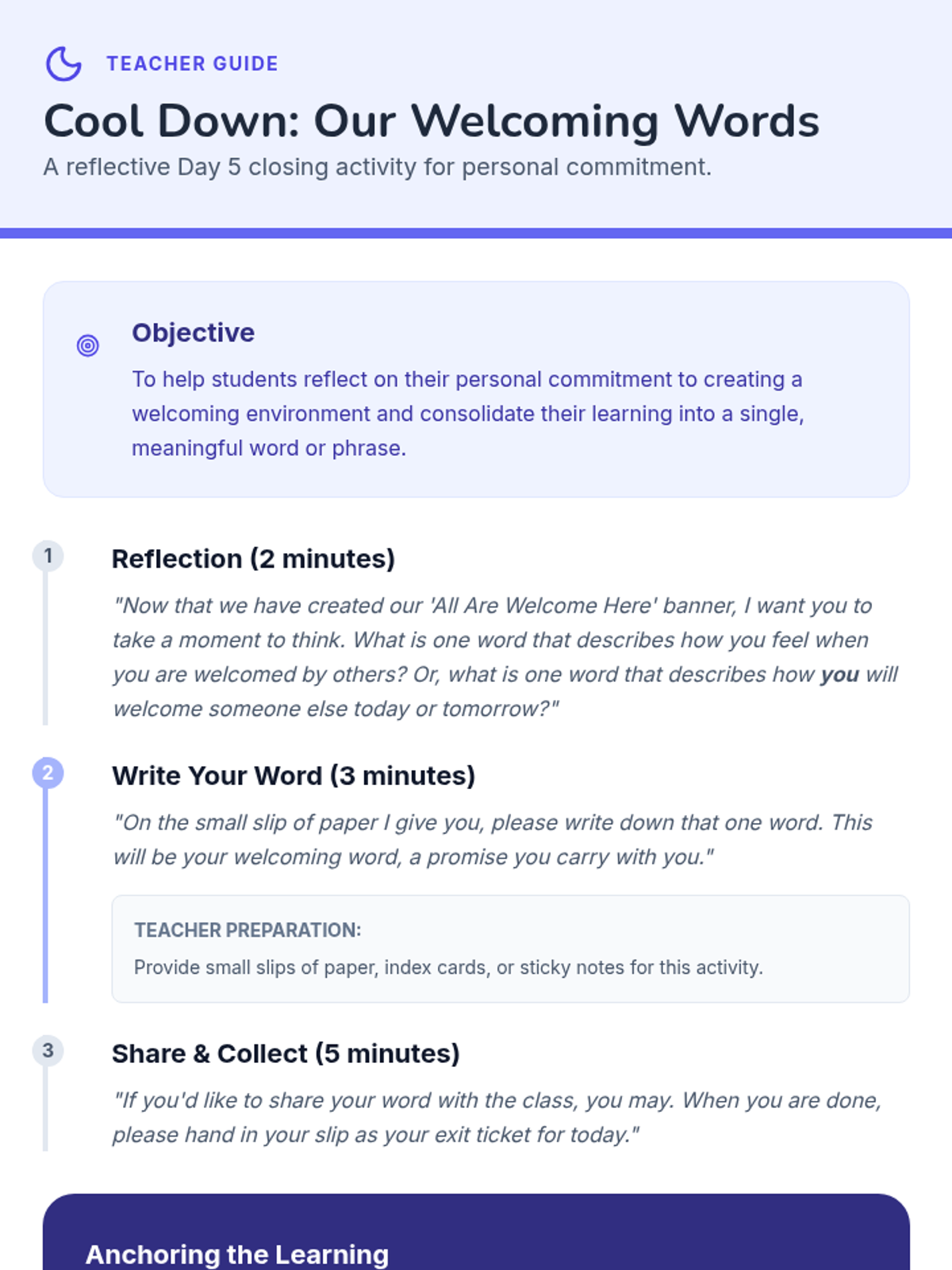
A five-day social-emotional learning sequence for elementary students exploring acceptance, diversity, and belonging through the story 'All Are Welcome Here'. Students build empathy and celebrate classroom community through discussion, reflection, and collaborative art.
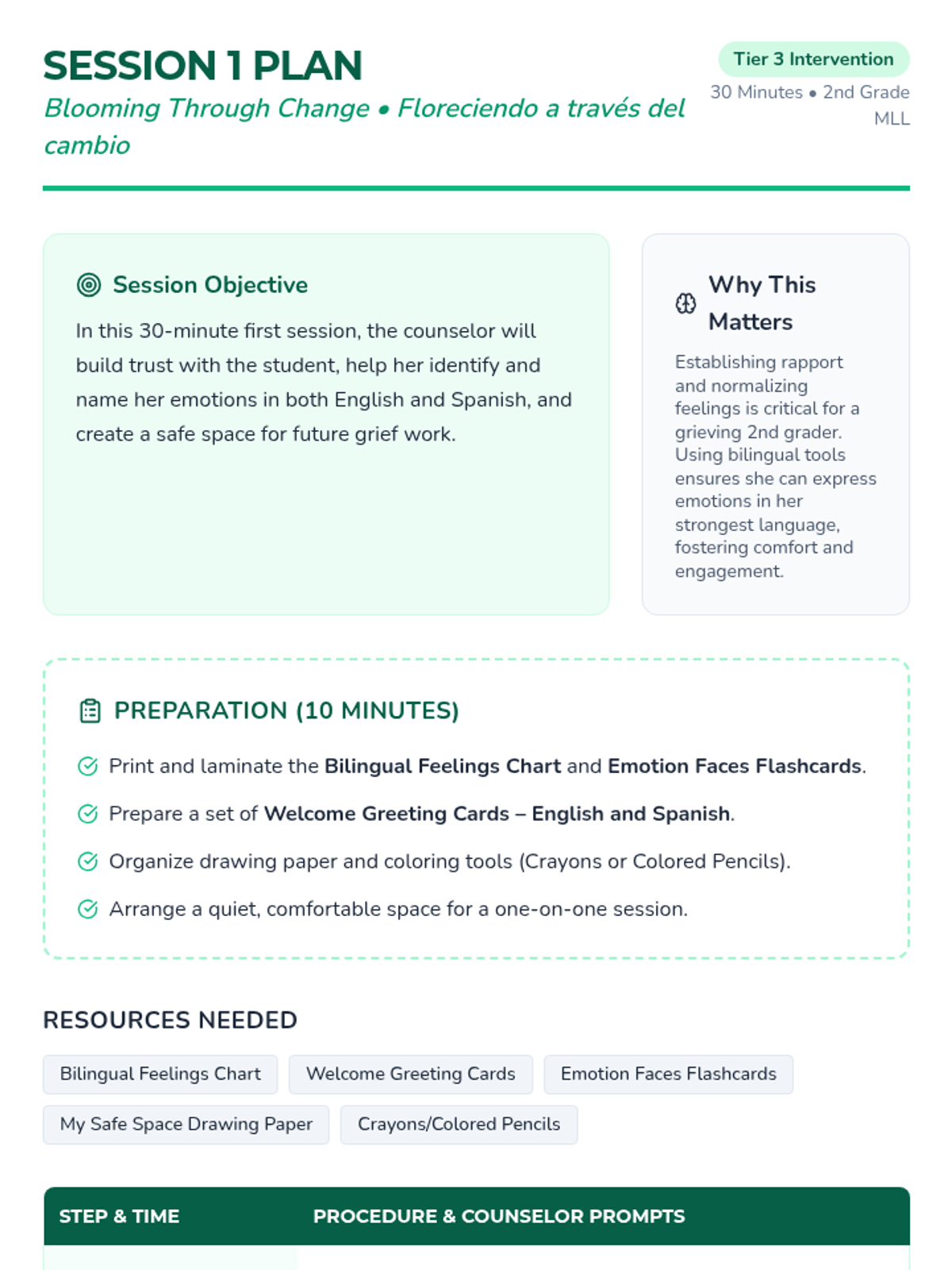
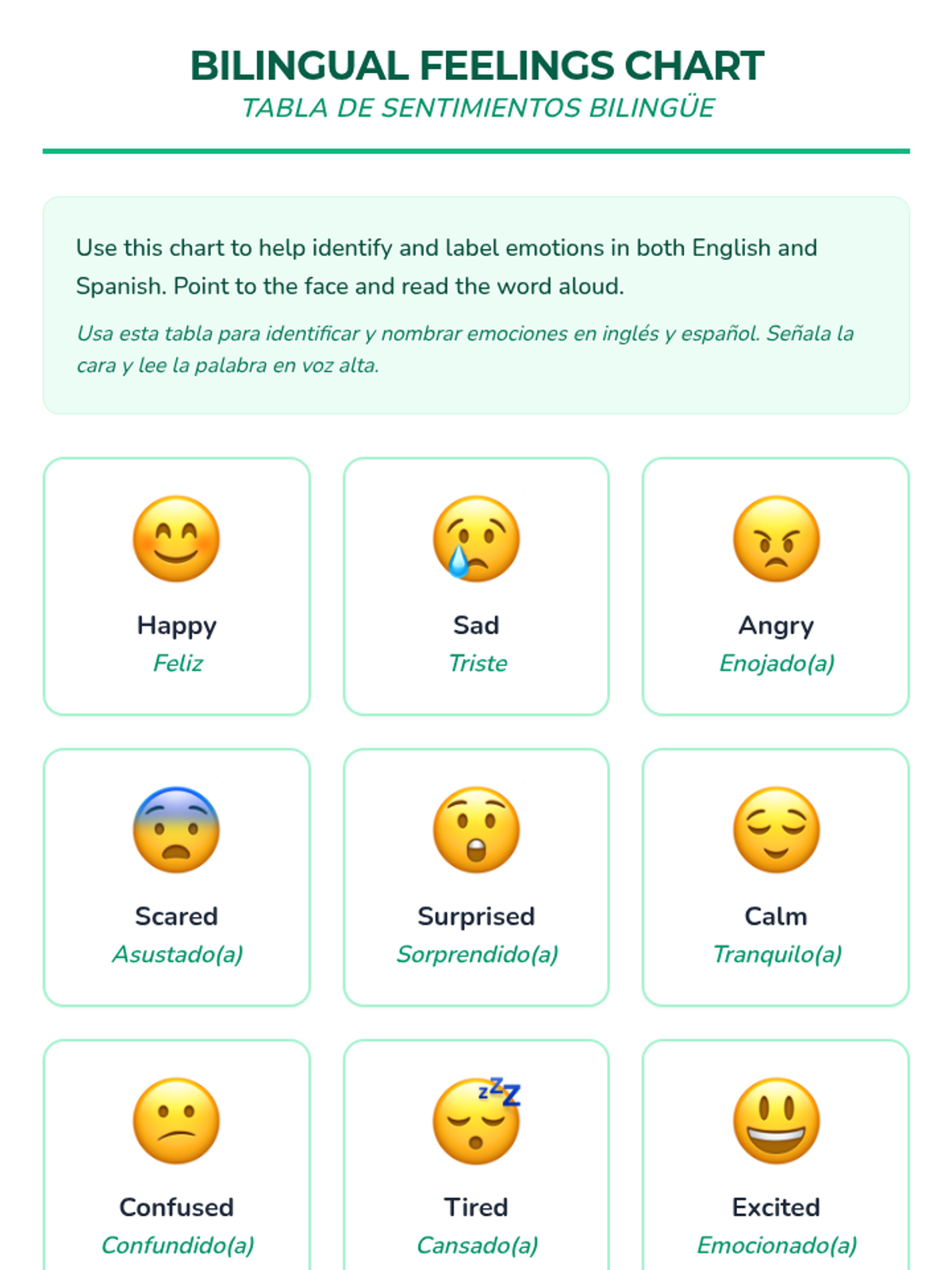
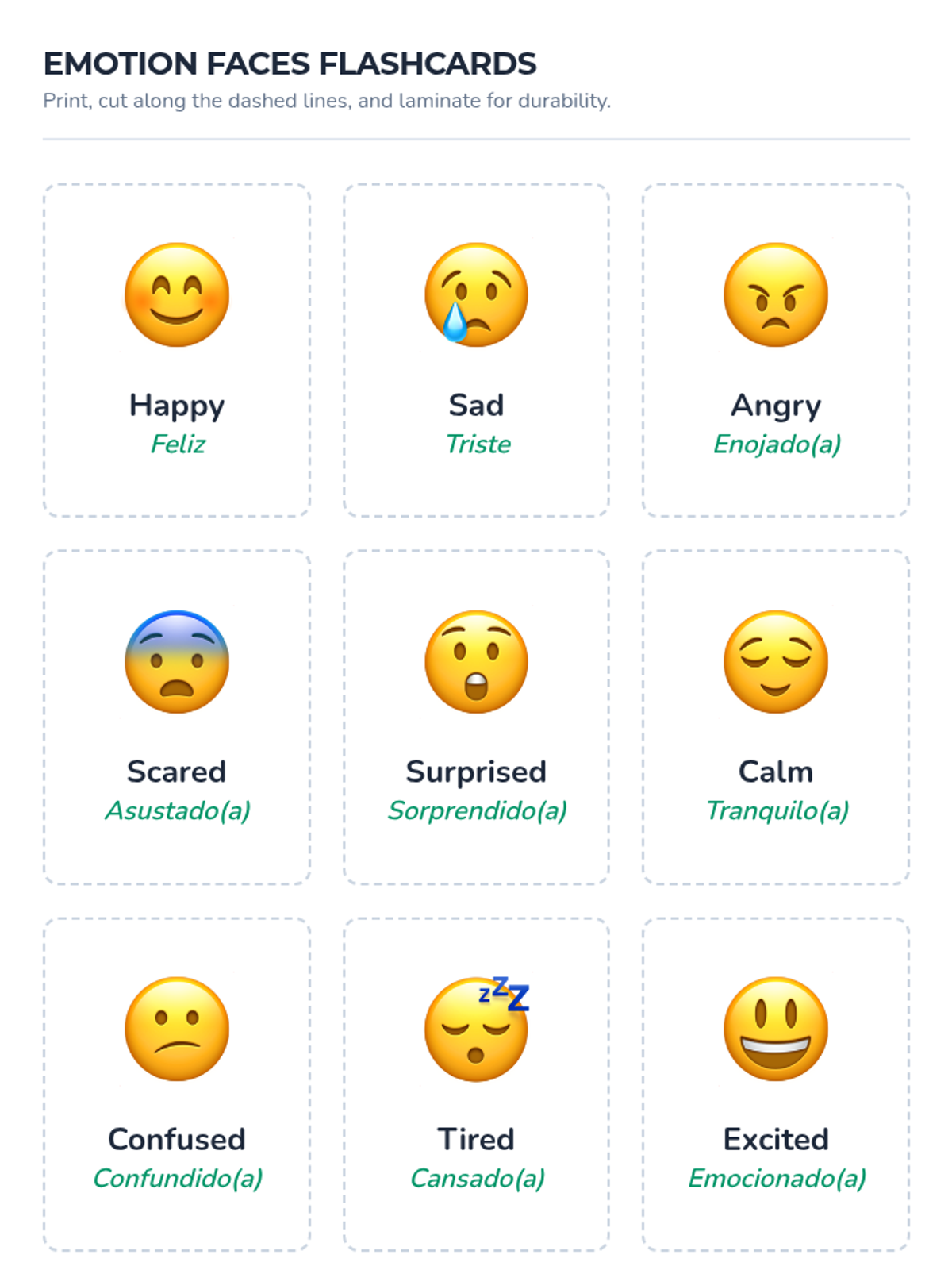
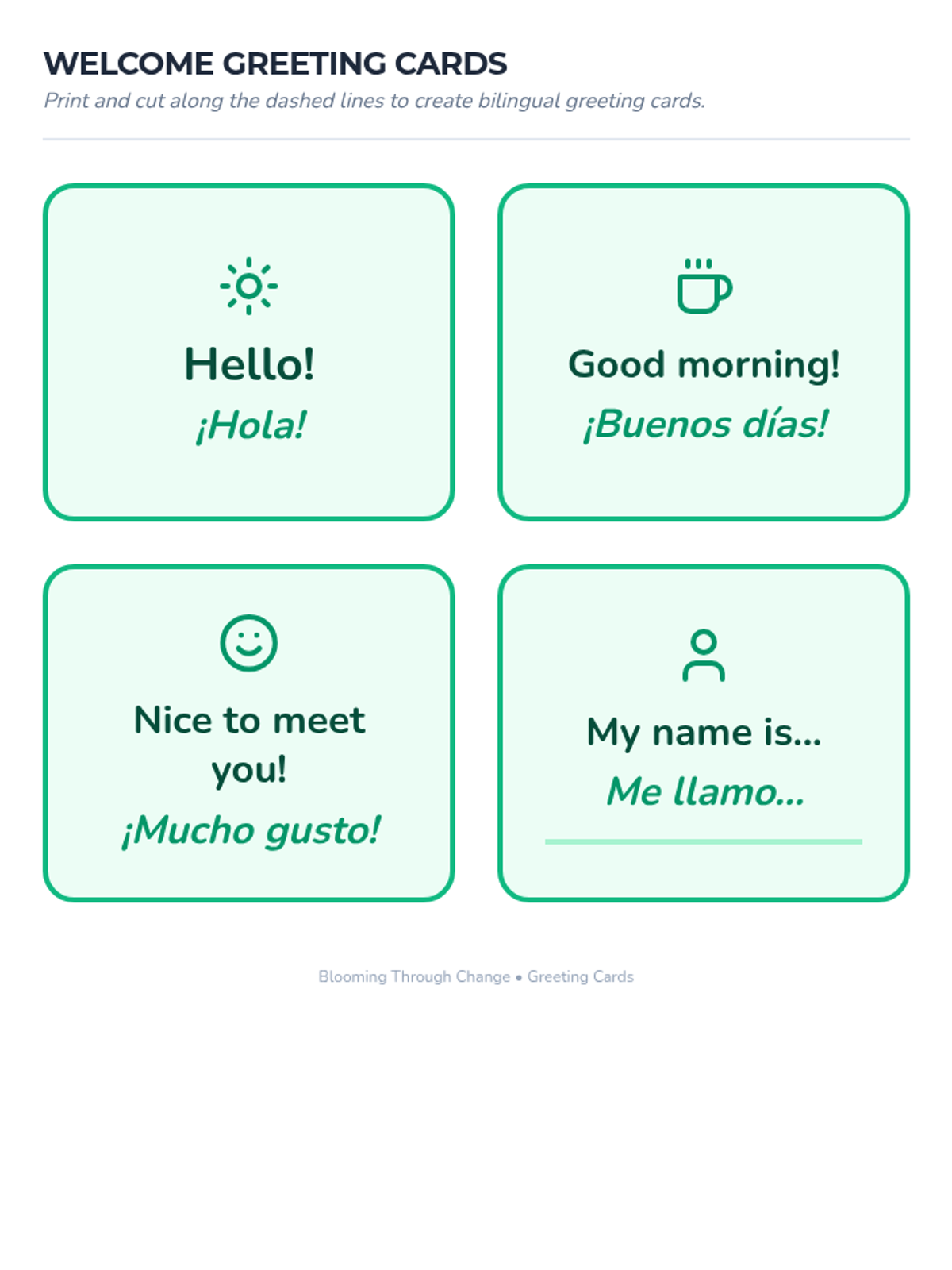
A comprehensive four-week individual counseling sequence designed for a 2nd-grade MLL student navigating grief and school transition. The sequence utilizes bilingual (English/Spanish) tools to build trust, explore emotions, and teach resilient coping strategies.
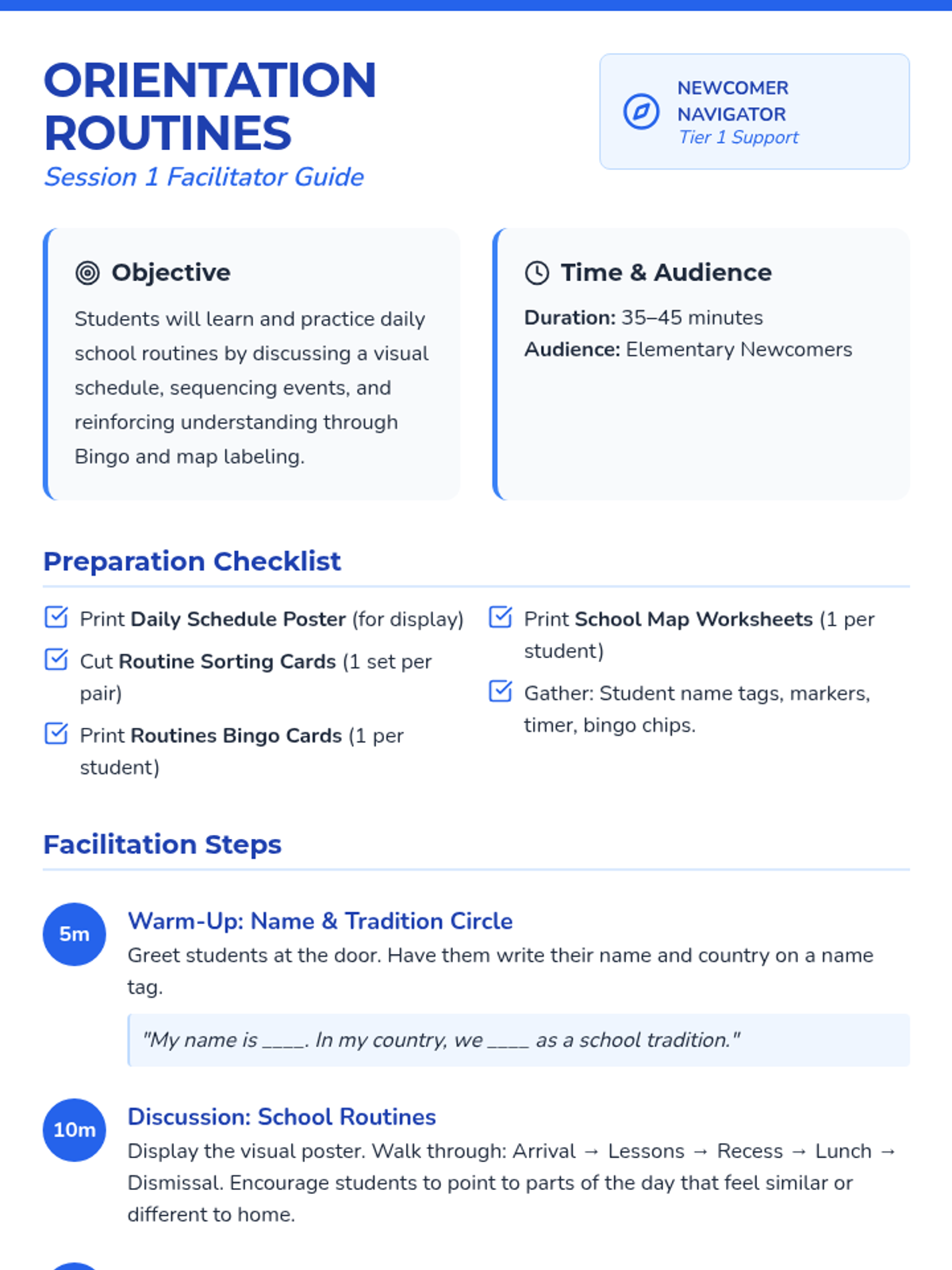
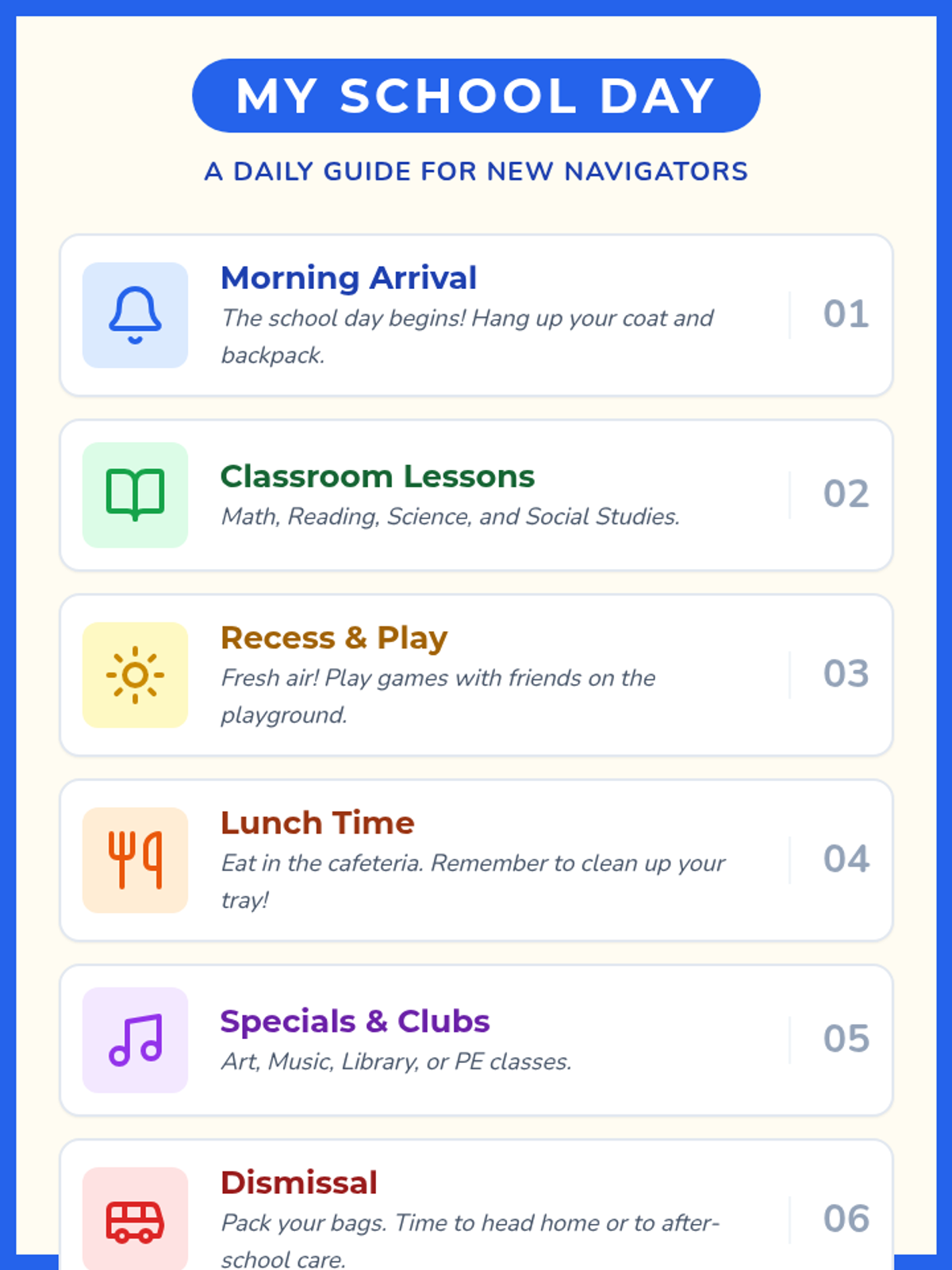
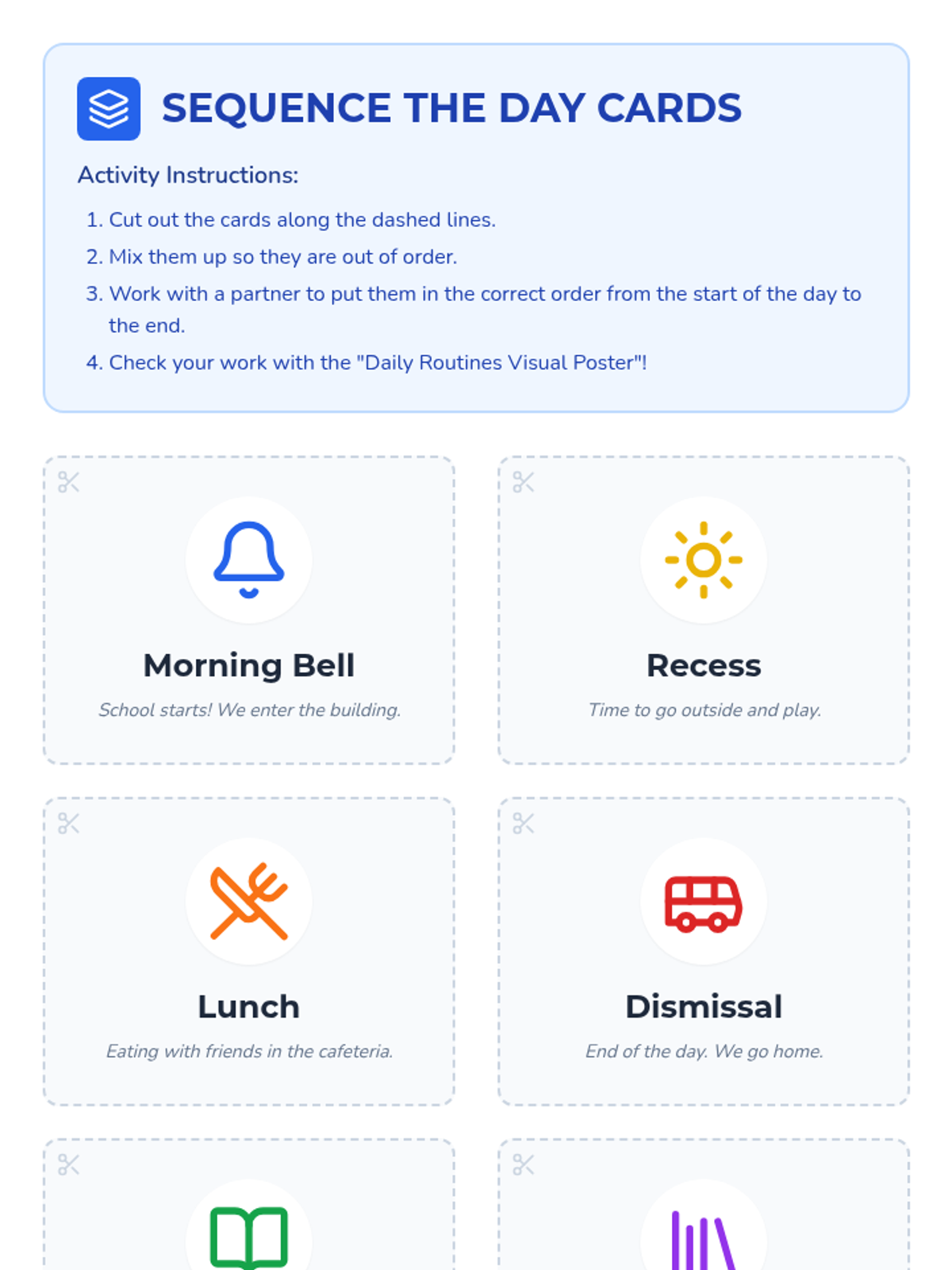
A six-session course designed to help students new to the U.S.A. smoothly assimilate and confidently navigate the U.S. school system through practical skill-building and social-emotional support.
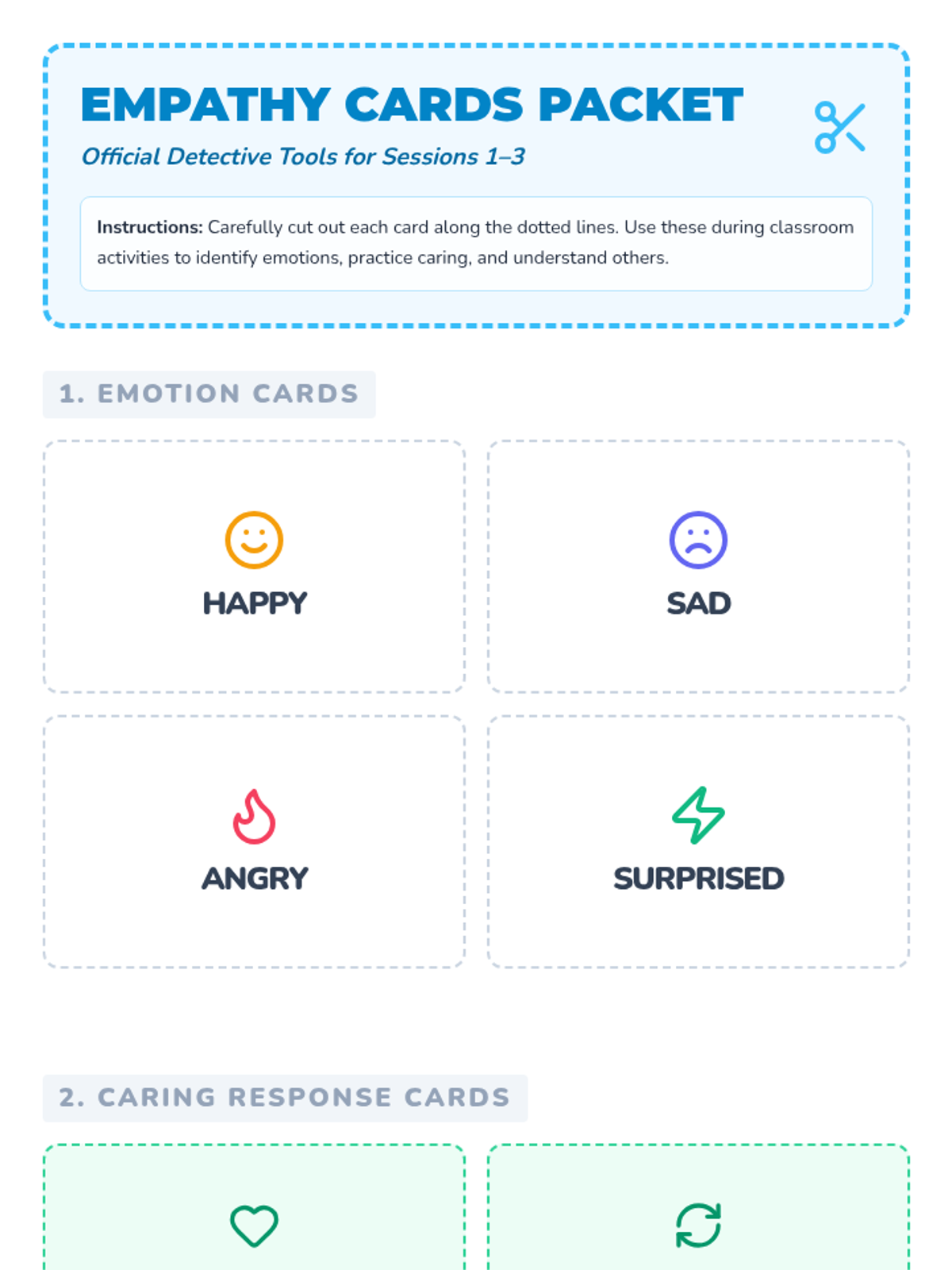
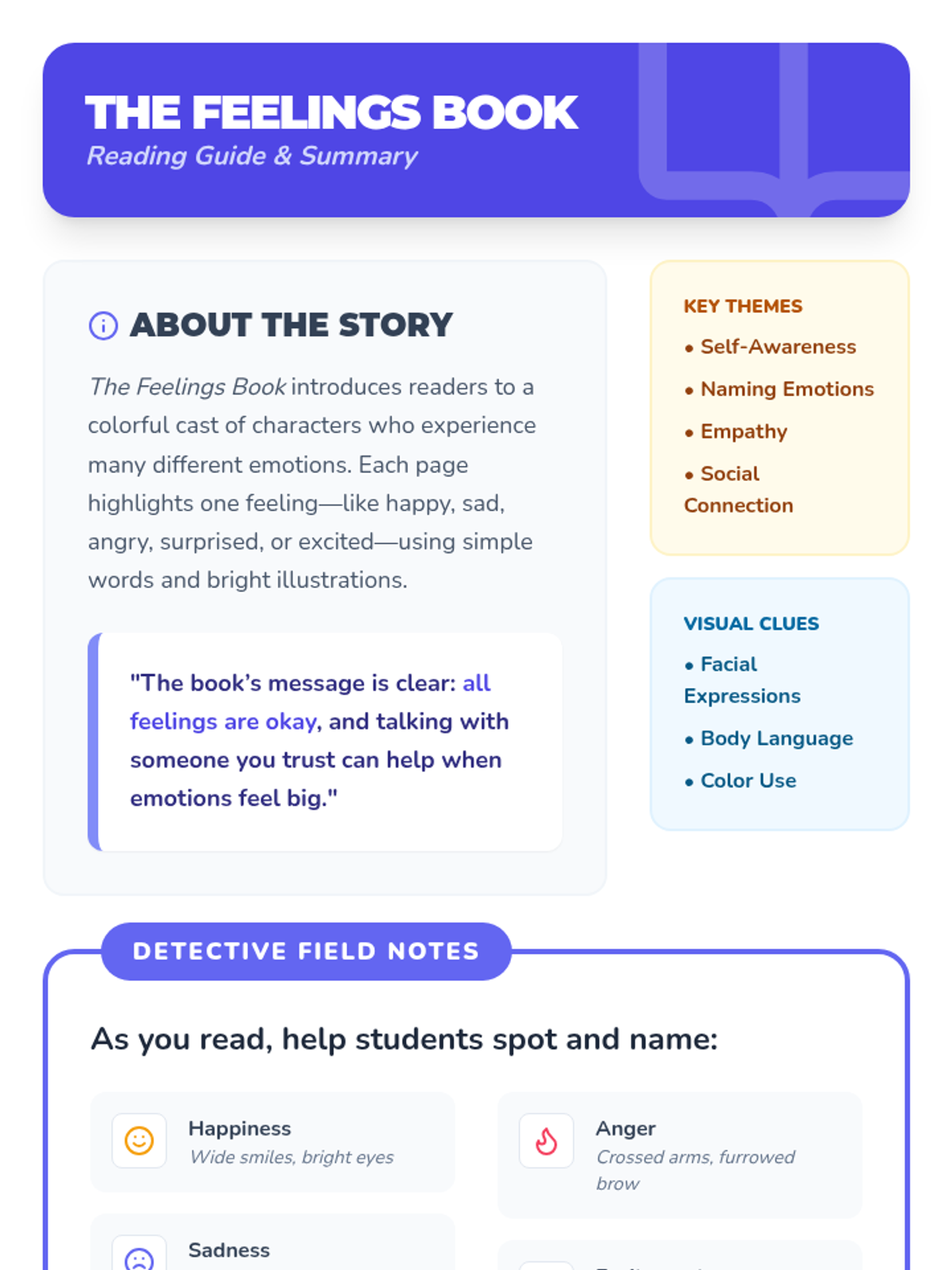
A comprehensive mini-unit designed for primary students to build social-emotional skills through the lens of empathy. Students progress from identifying emotions to practicing active listening and celebrating diversity in their community.
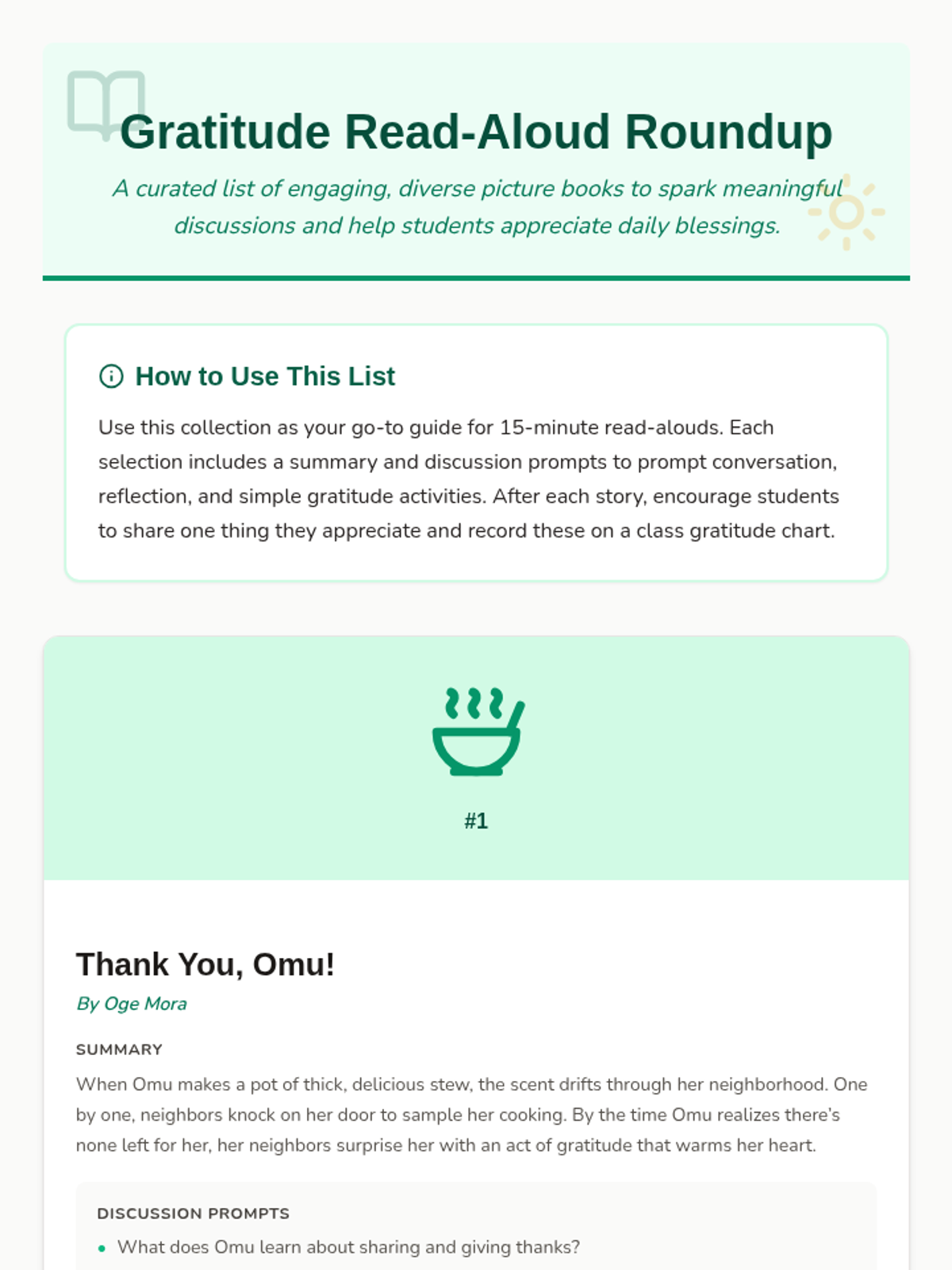
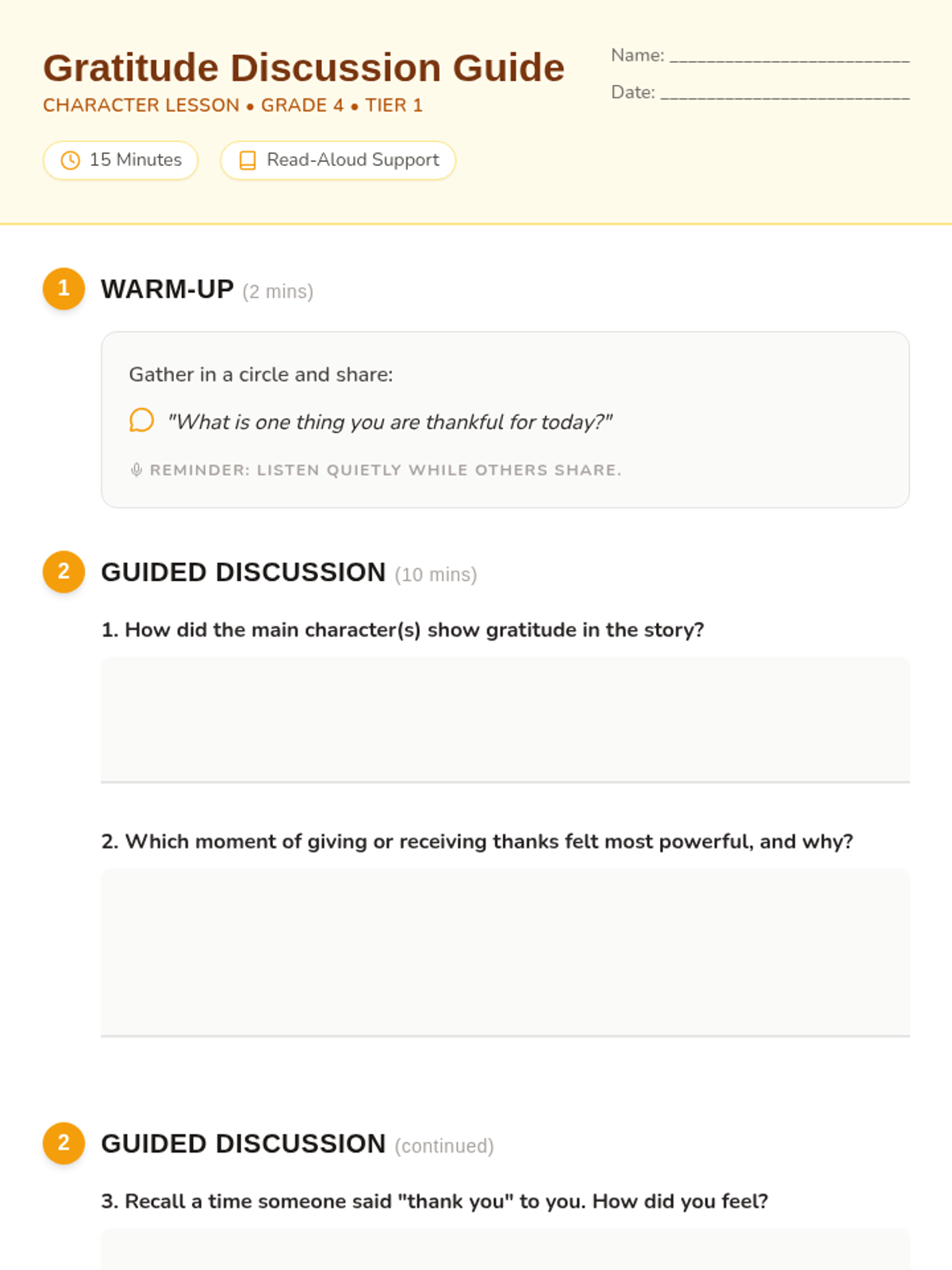
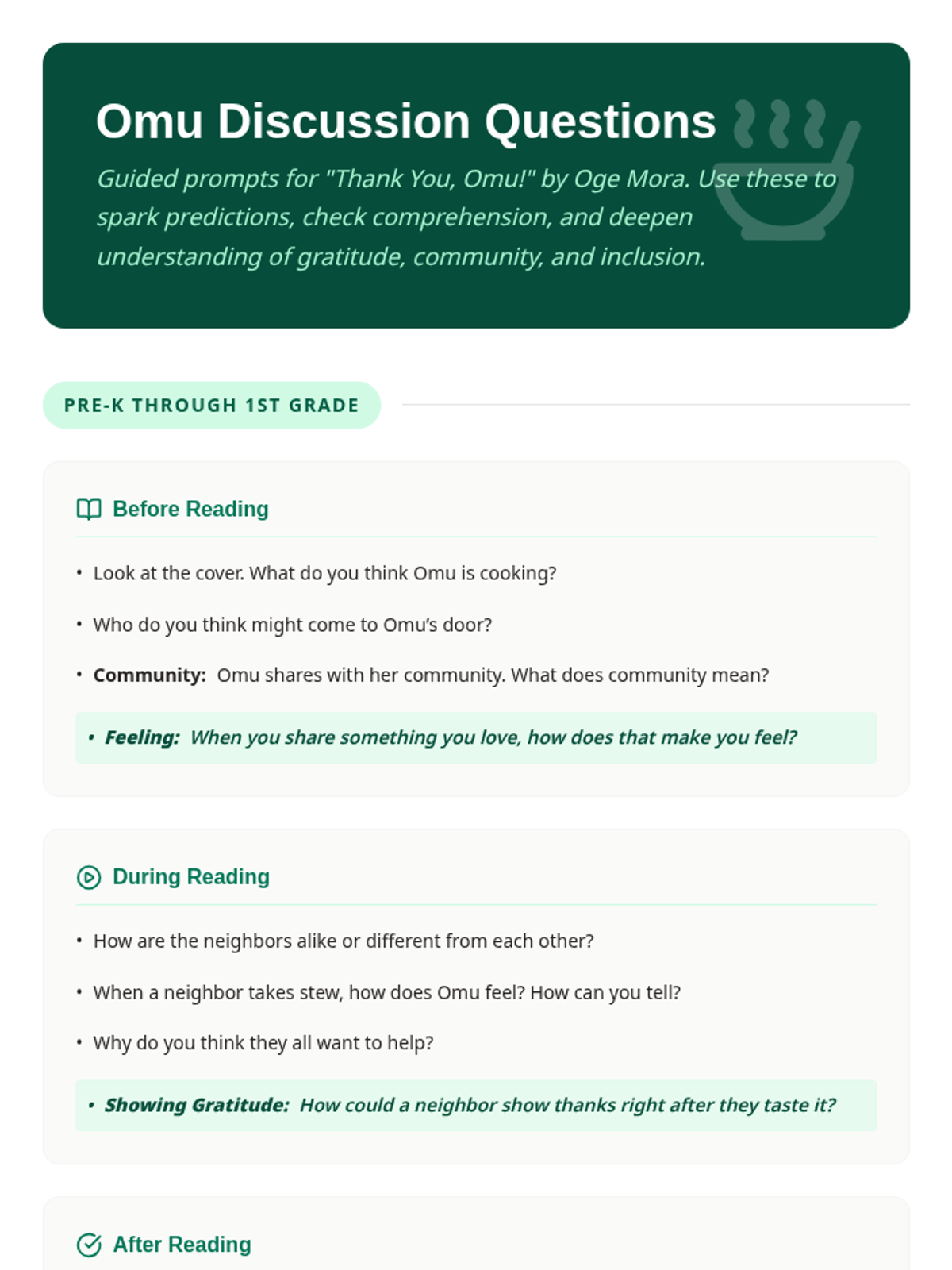
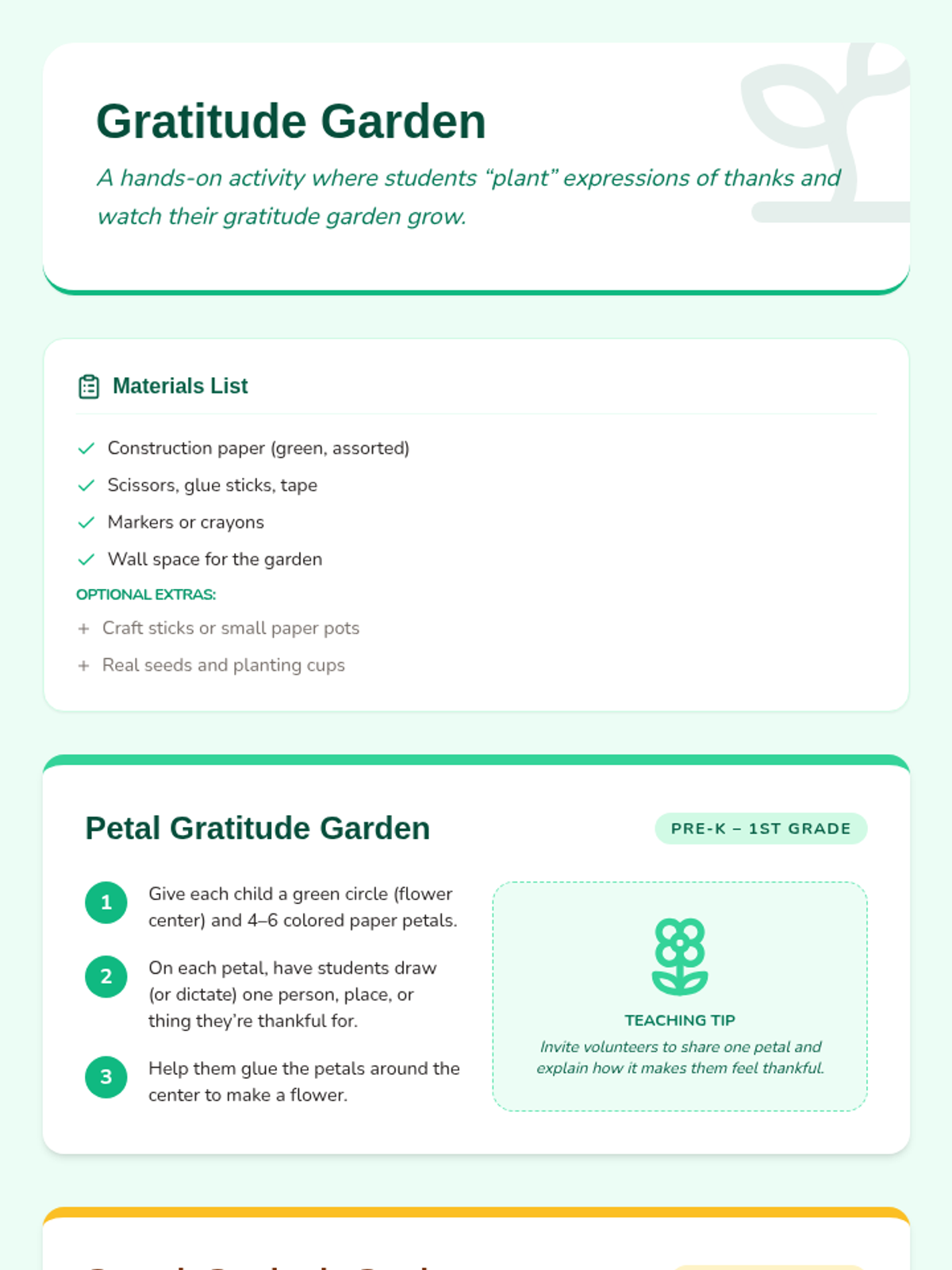
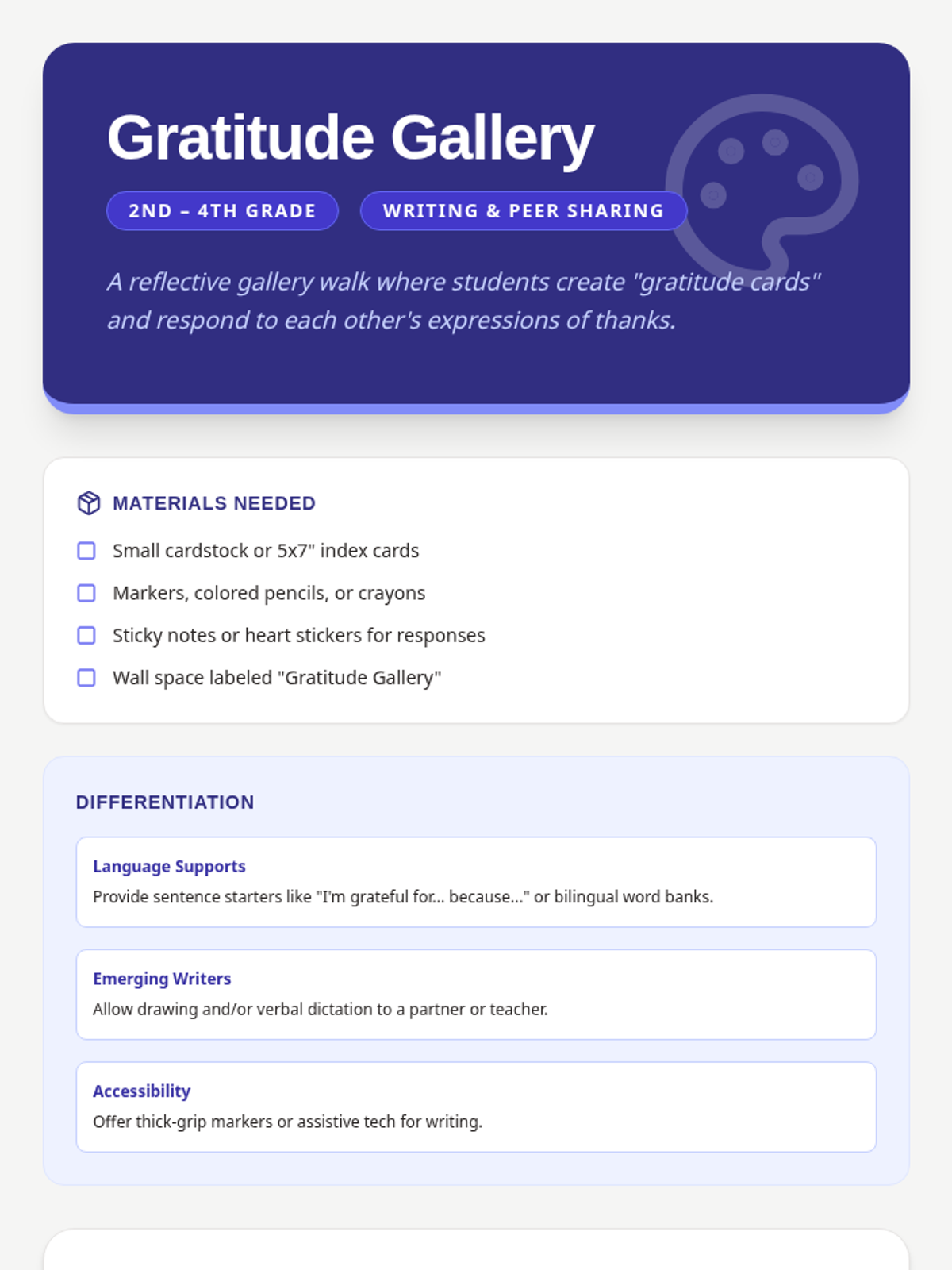
A curated sequence of activities and read-alouds focused on cultivating gratitude in Pre-K through 4th-grade classrooms through diverse literature and hands-on projects.
A comprehensive 20-session unit for Grade 2 students to develop essential social skills, including communication, empathy, and conflict resolution, through daily 15-minute interactive lessons.
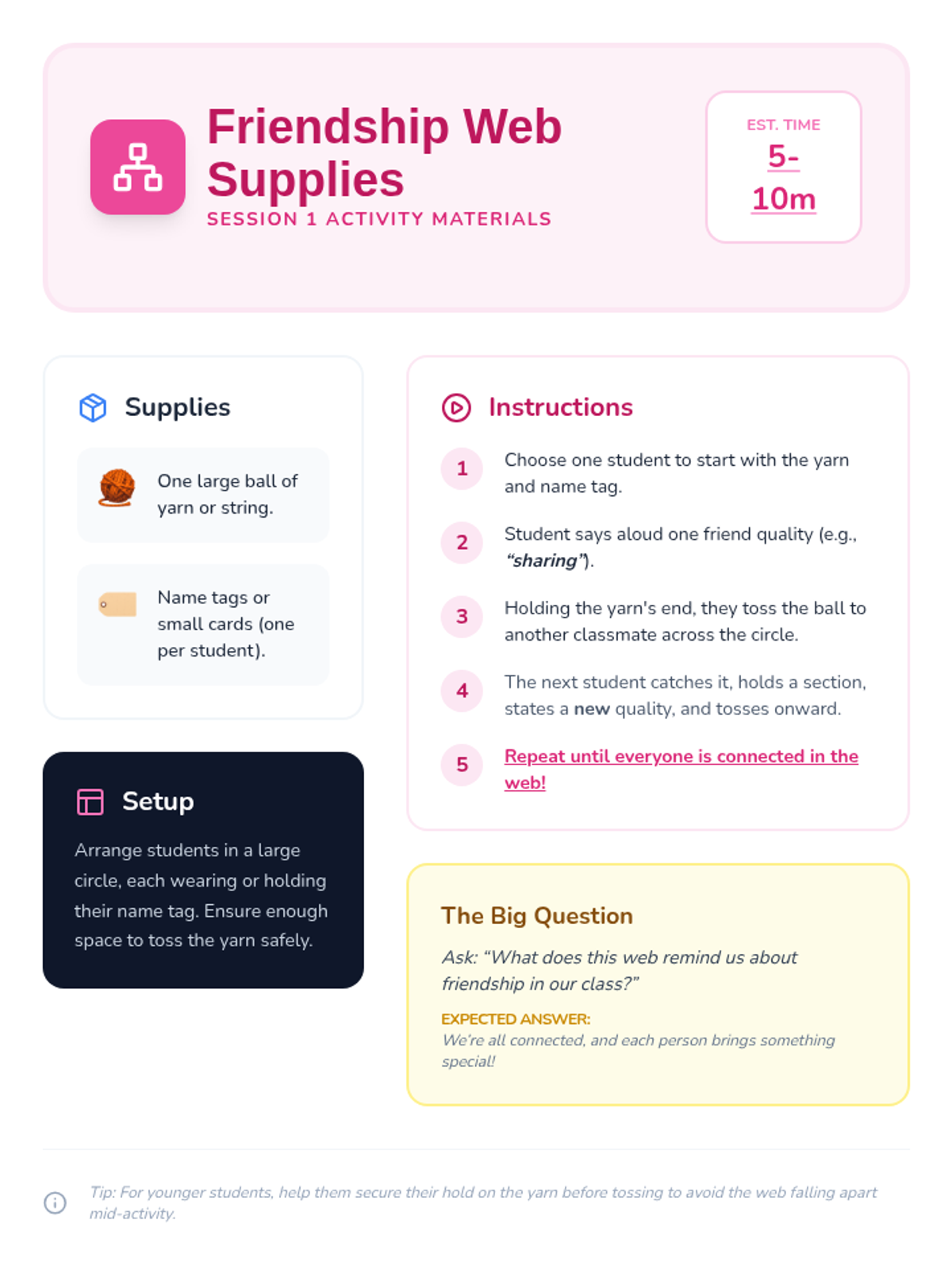
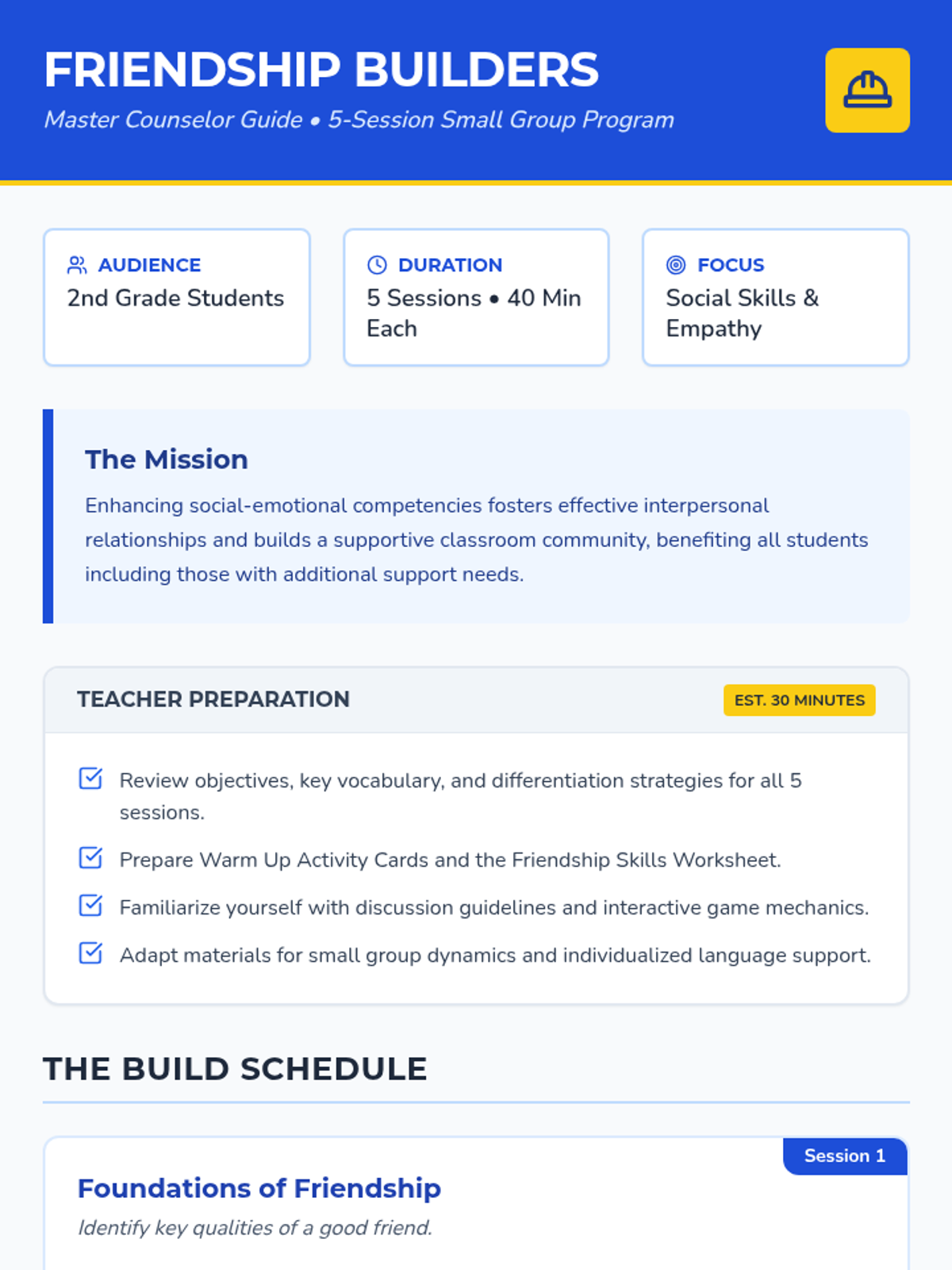
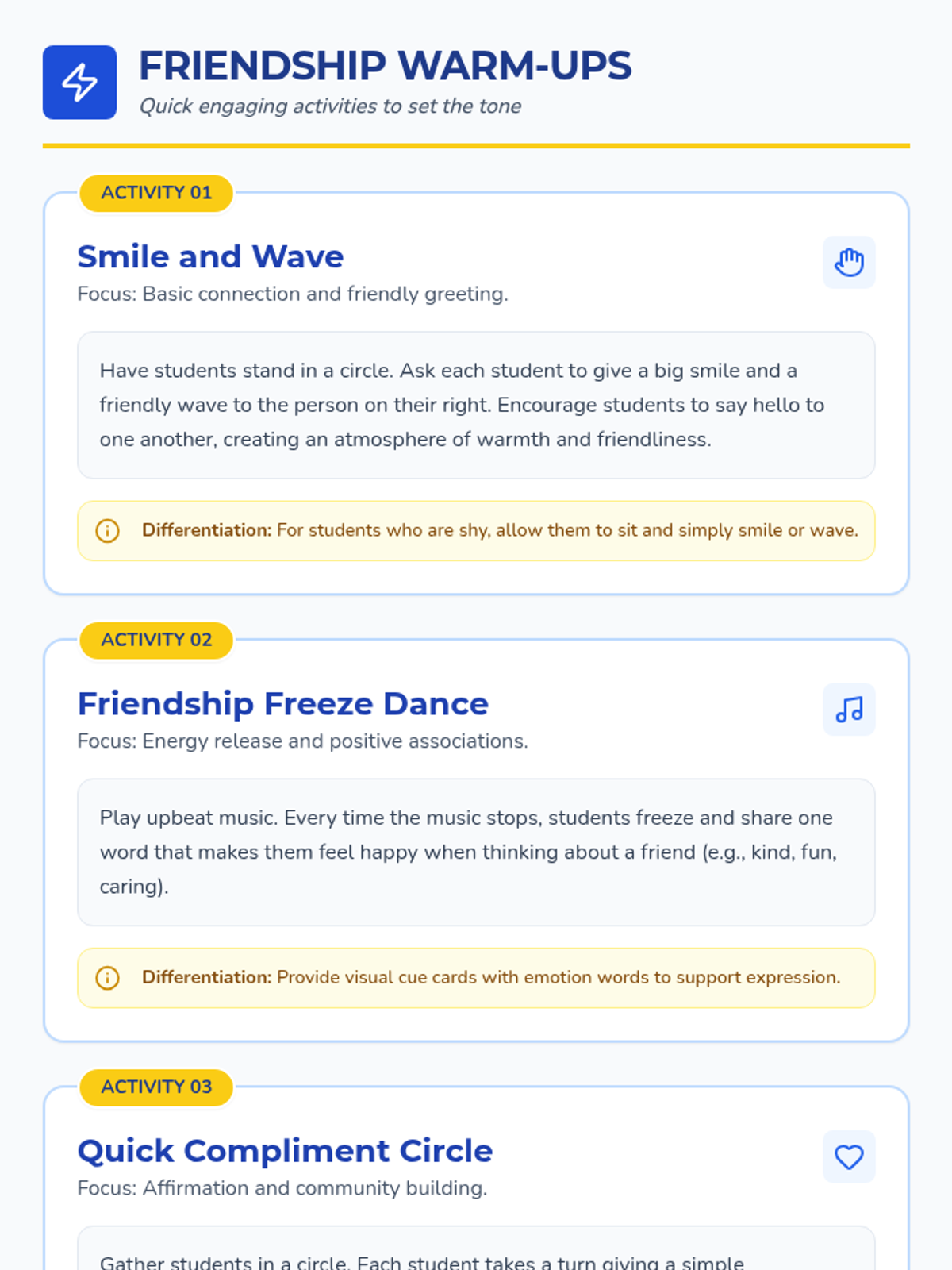
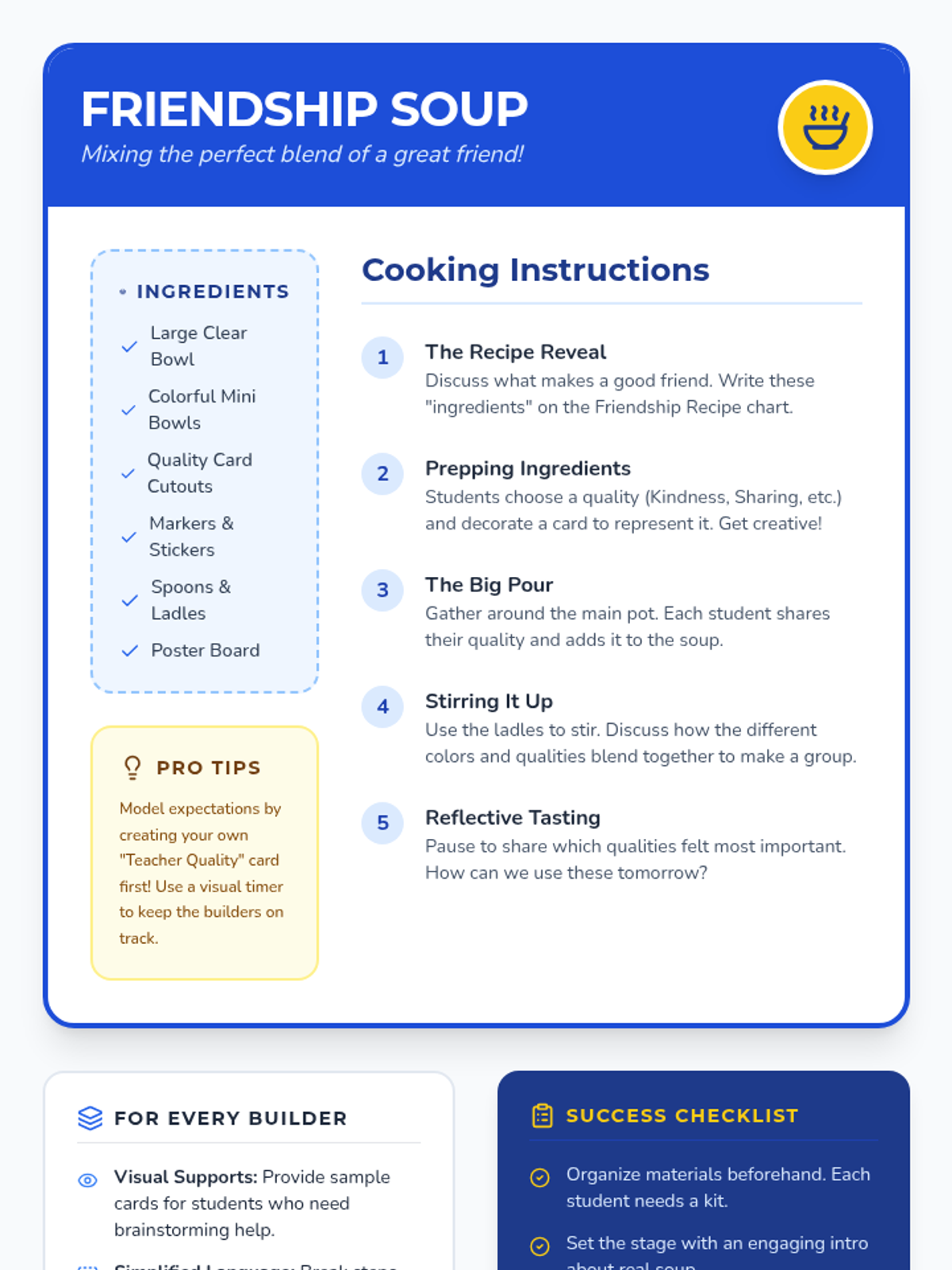
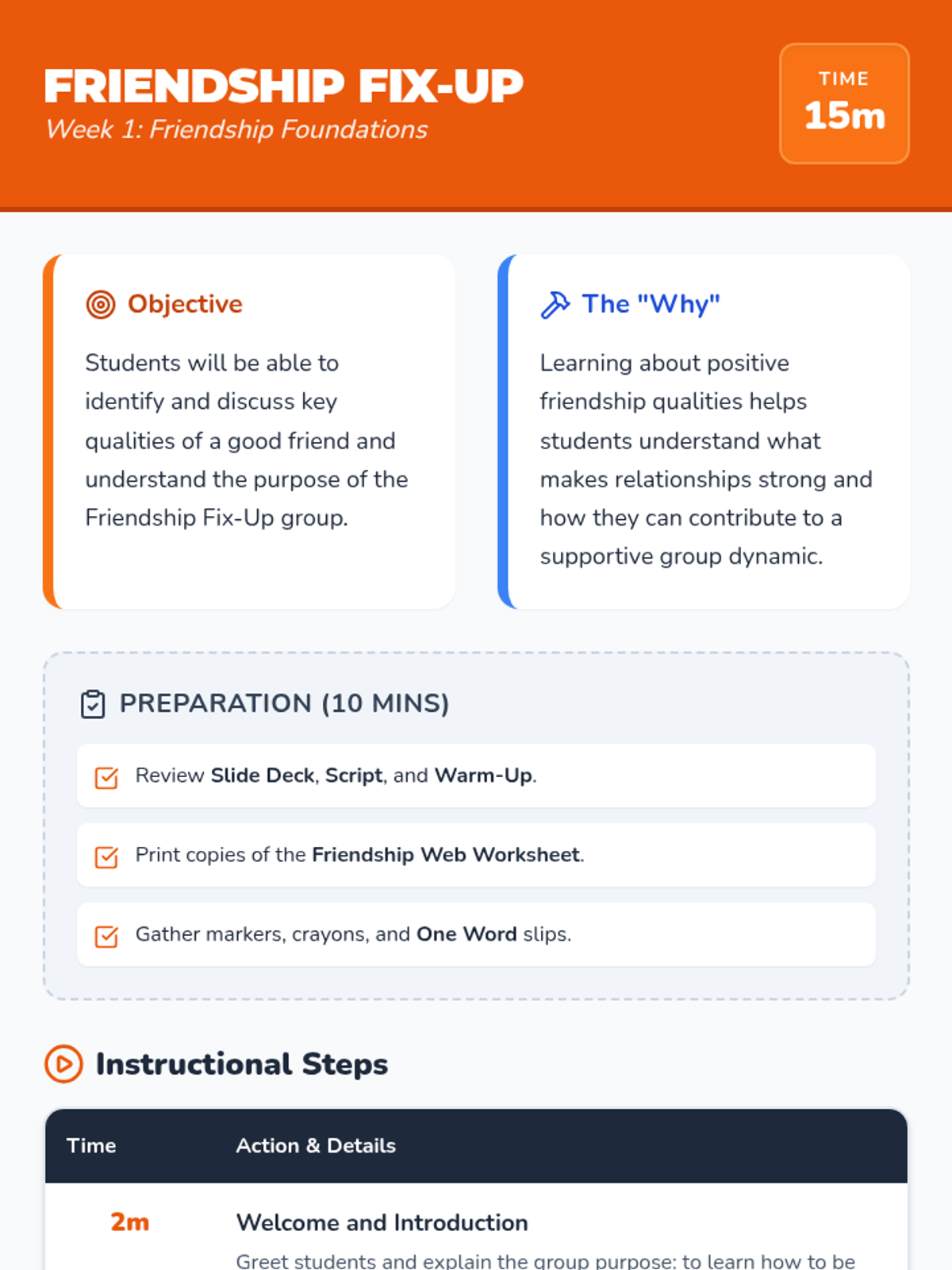
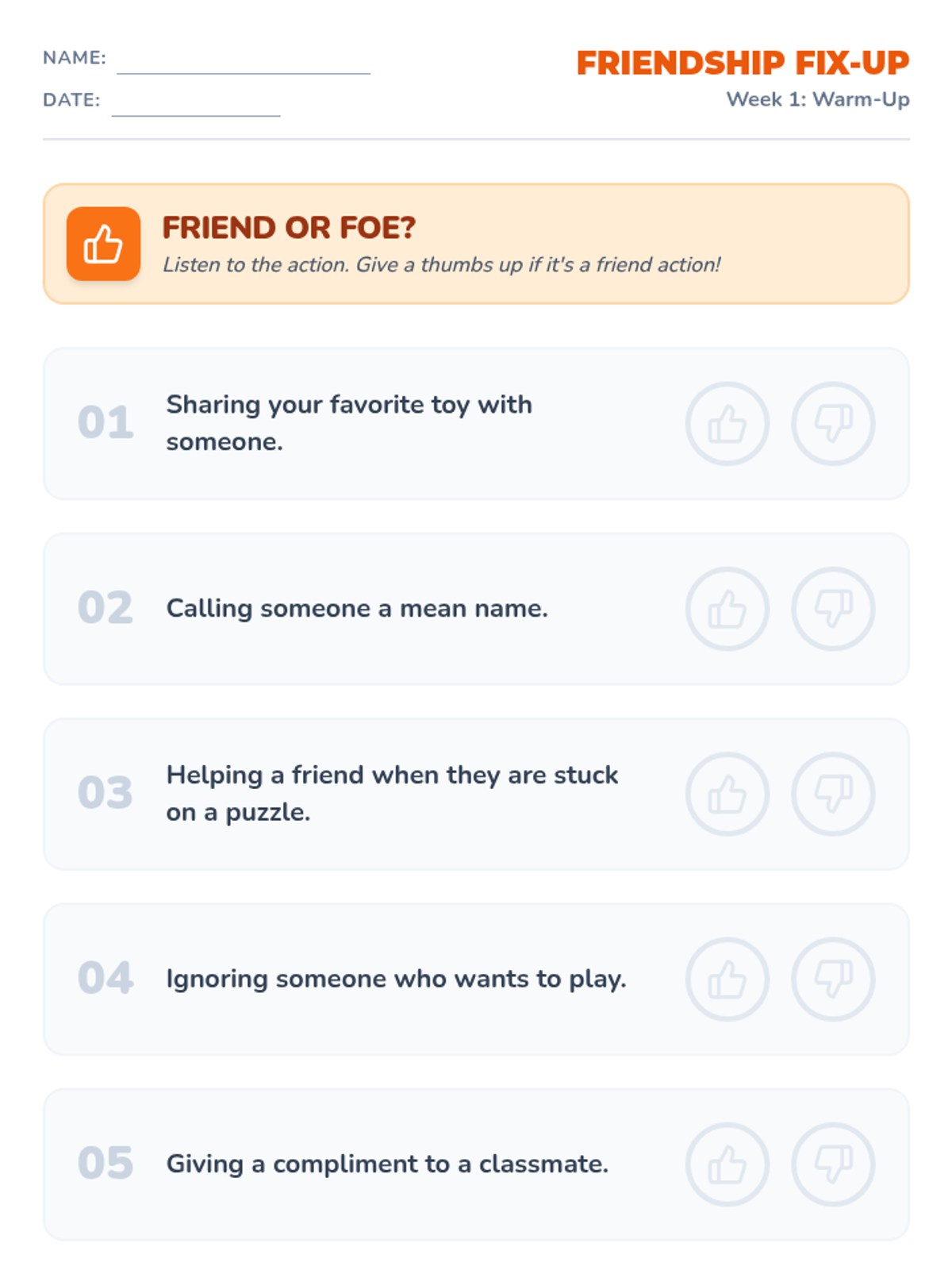
A 5-session small group counseling sequence for 2nd graders designed to build social-emotional skills, communication, empathy, and cooperation through a 'builder' theme. Students engage in hands-on activities like 'Friendship Soup' and cooperative games to foster a supportive classroom community.
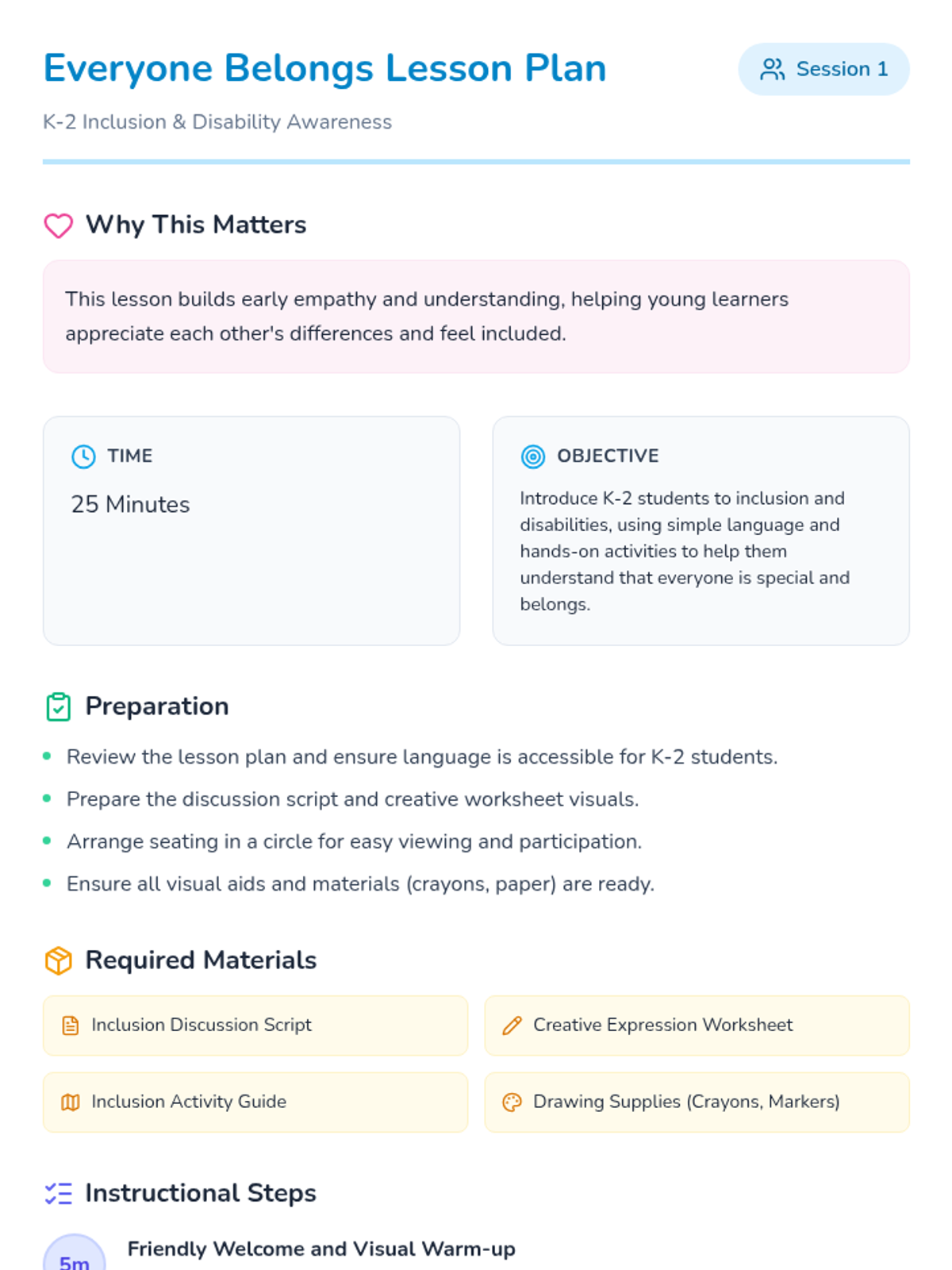
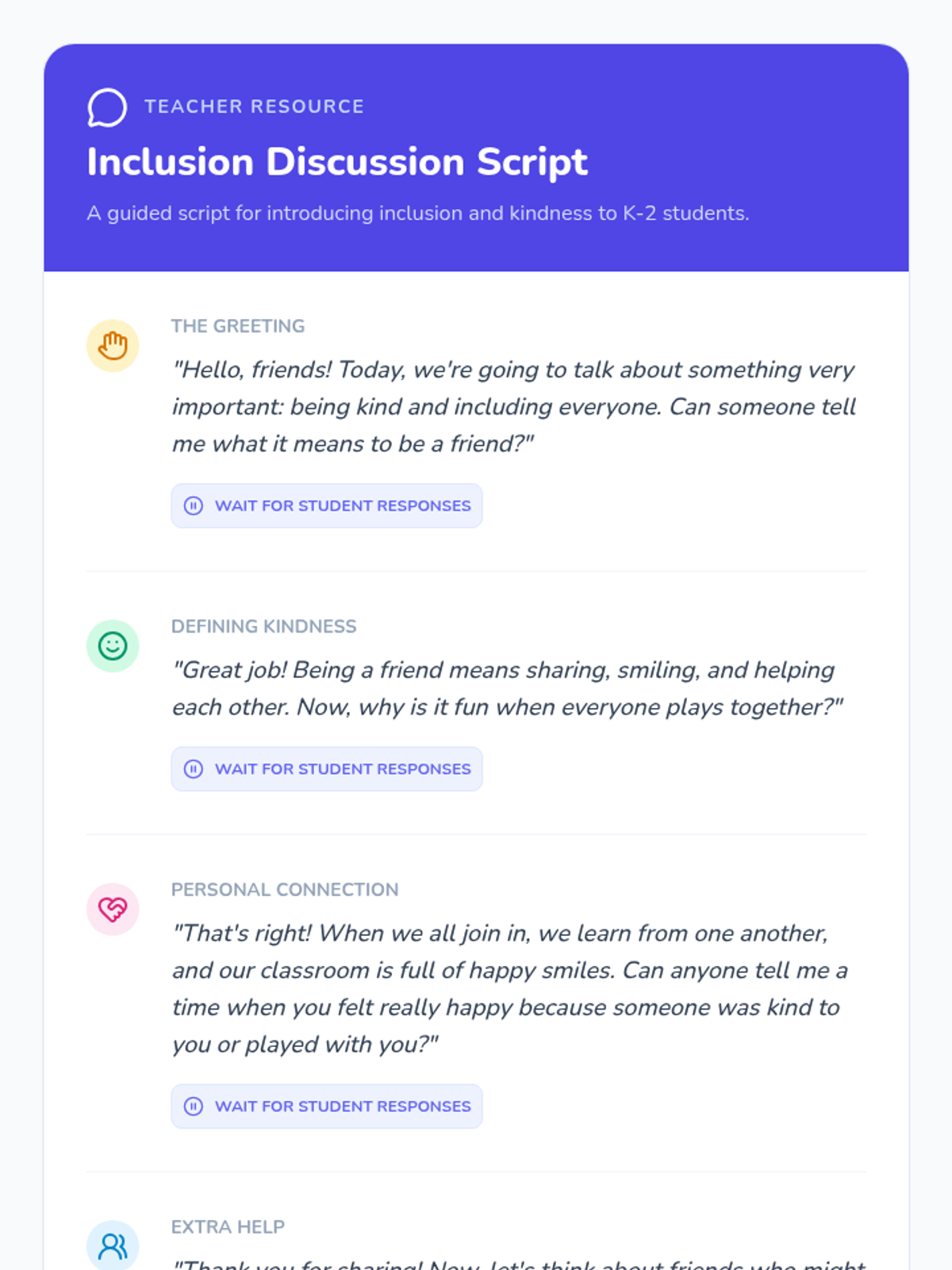
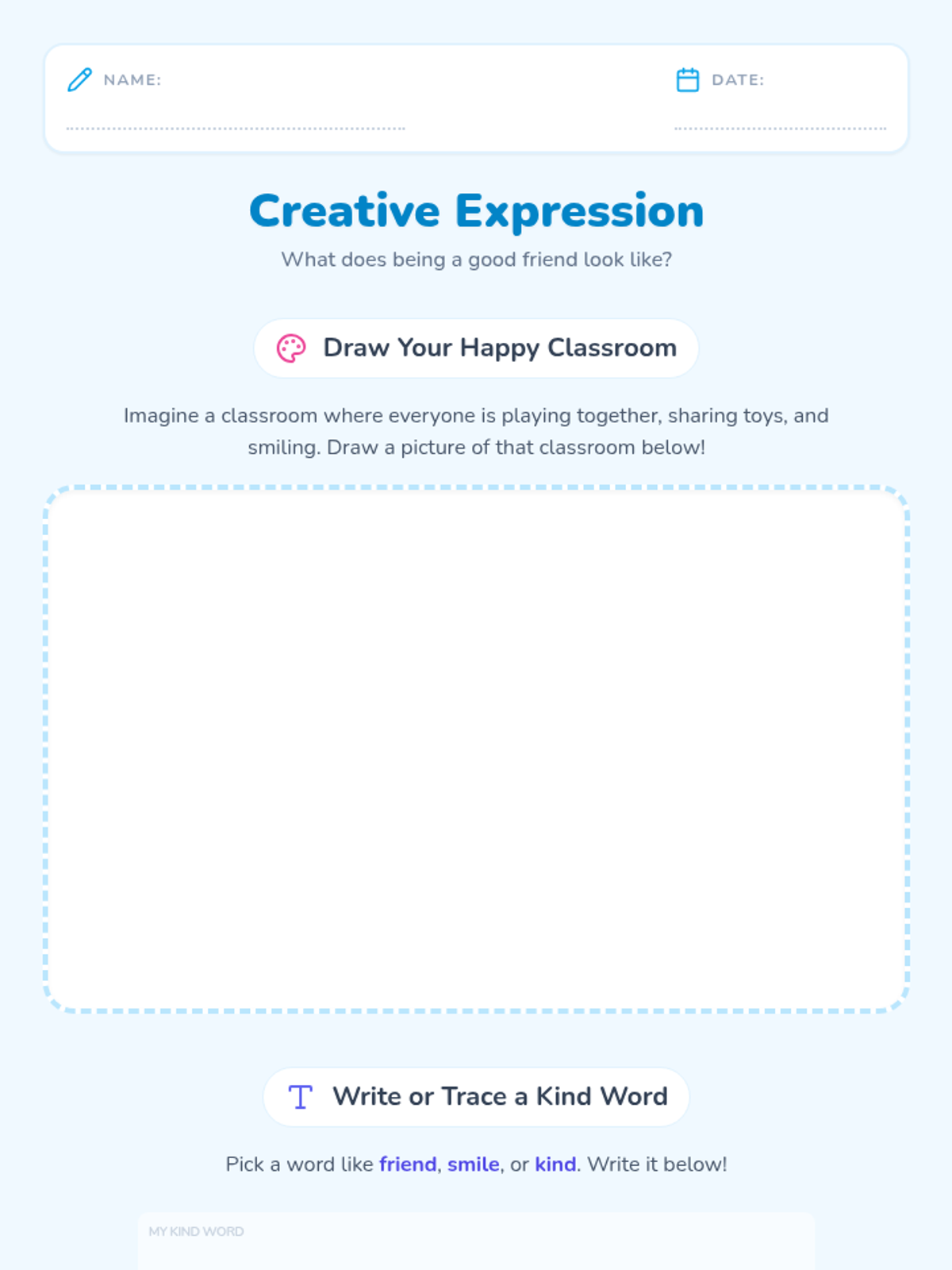
A two-session sequence for K-2 students focused on understanding inclusion, celebrating differences, and building a supportive classroom community. Students explore what it means to be a friend and commit to inclusive actions through discussion, drawing, and a collaborative class pledge.
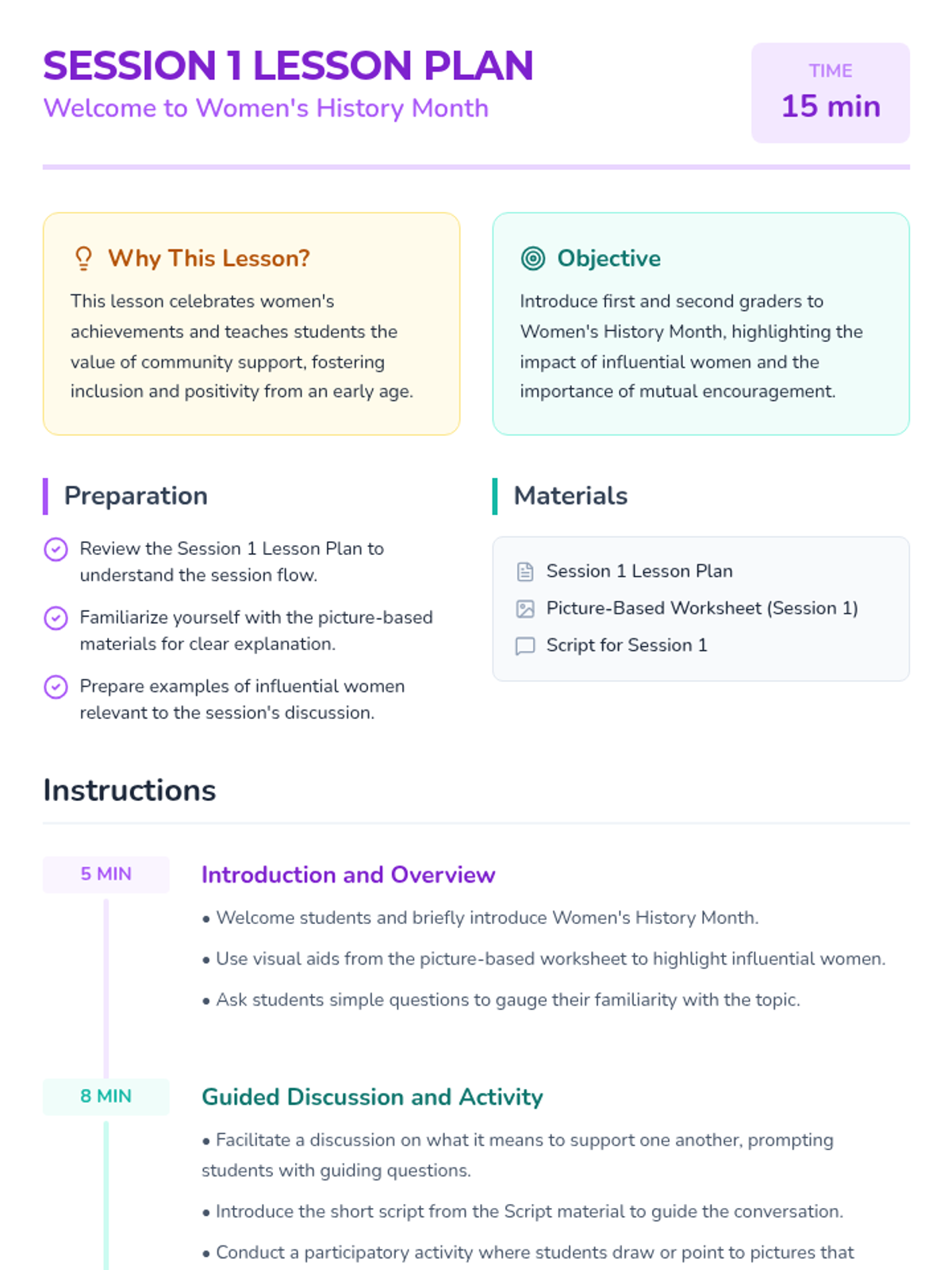
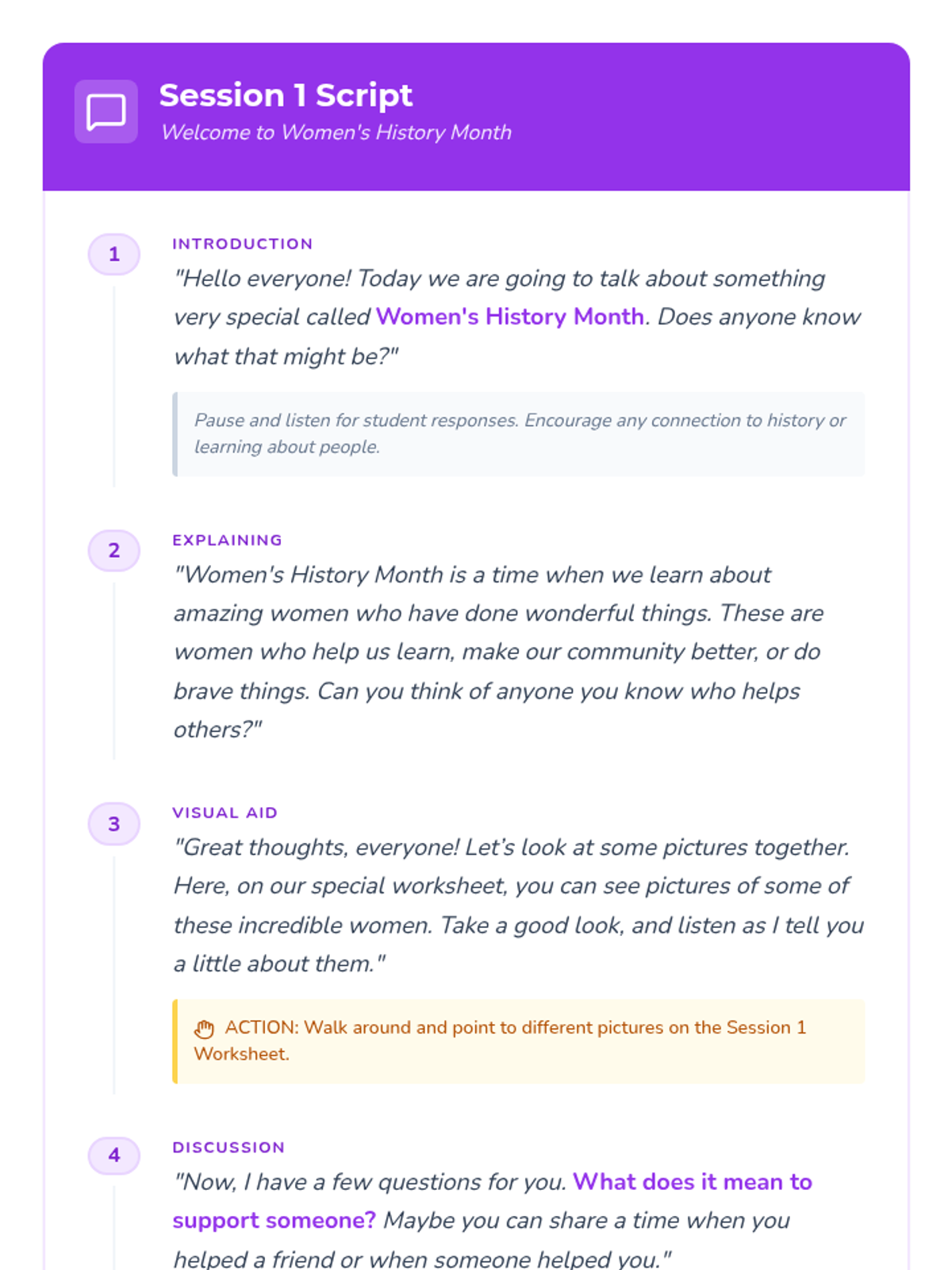
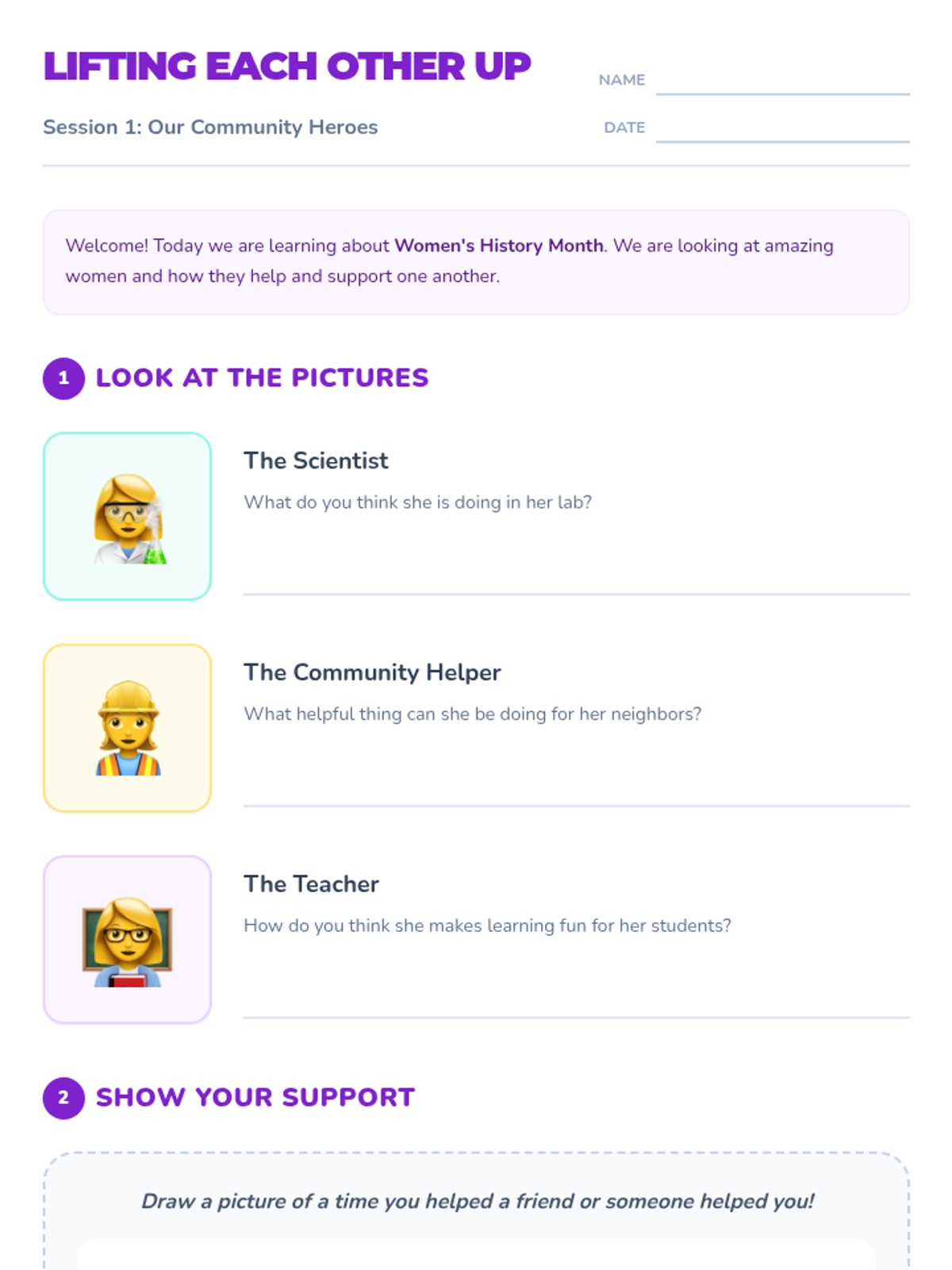
A 4-session sequence for first and second graders exploring Women's History Month through the lens of mutual support, influential women, and community building. Students engage with stories, role-play, and creative activities to understand how lifting others up creates a stronger community.
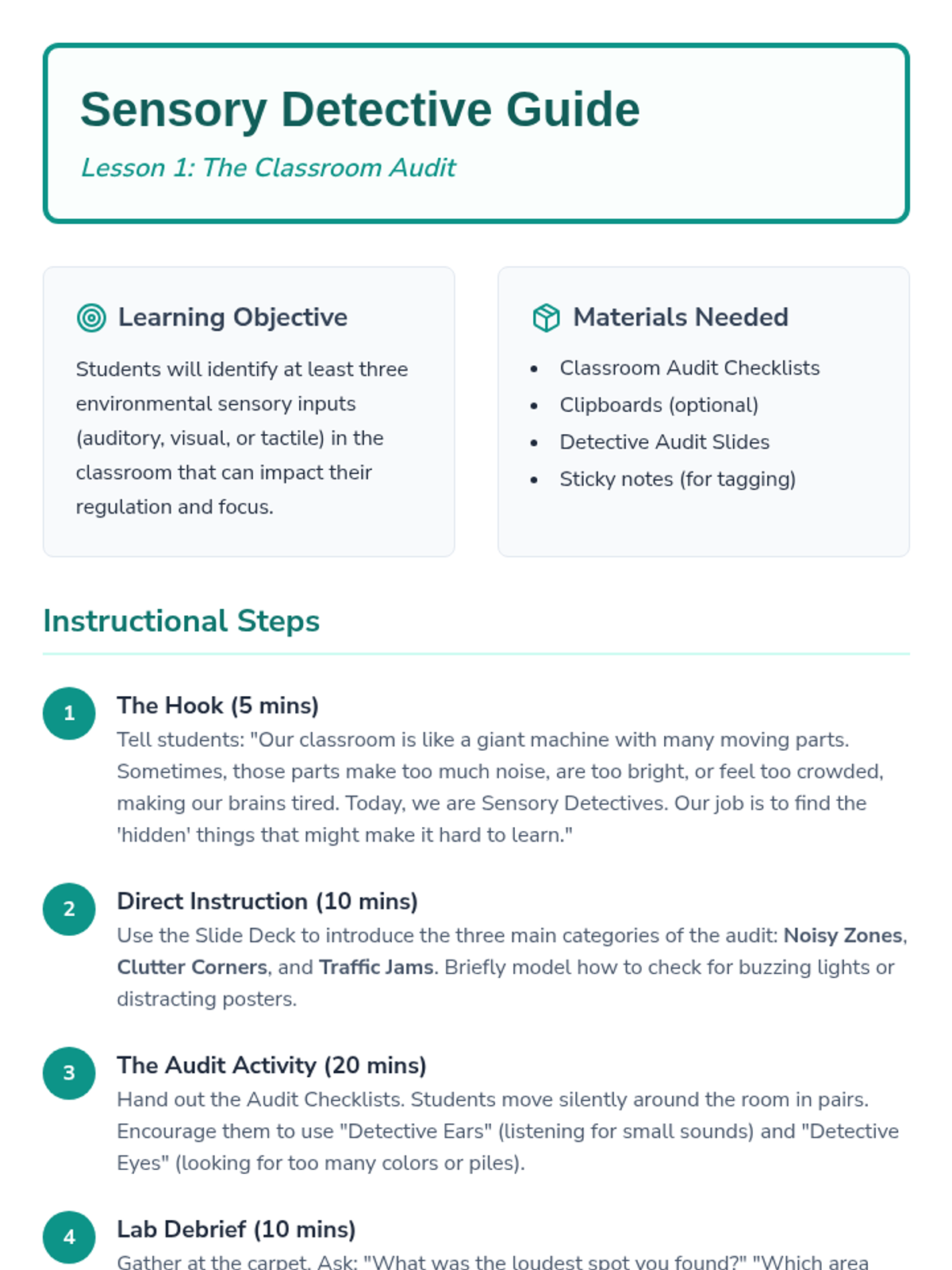
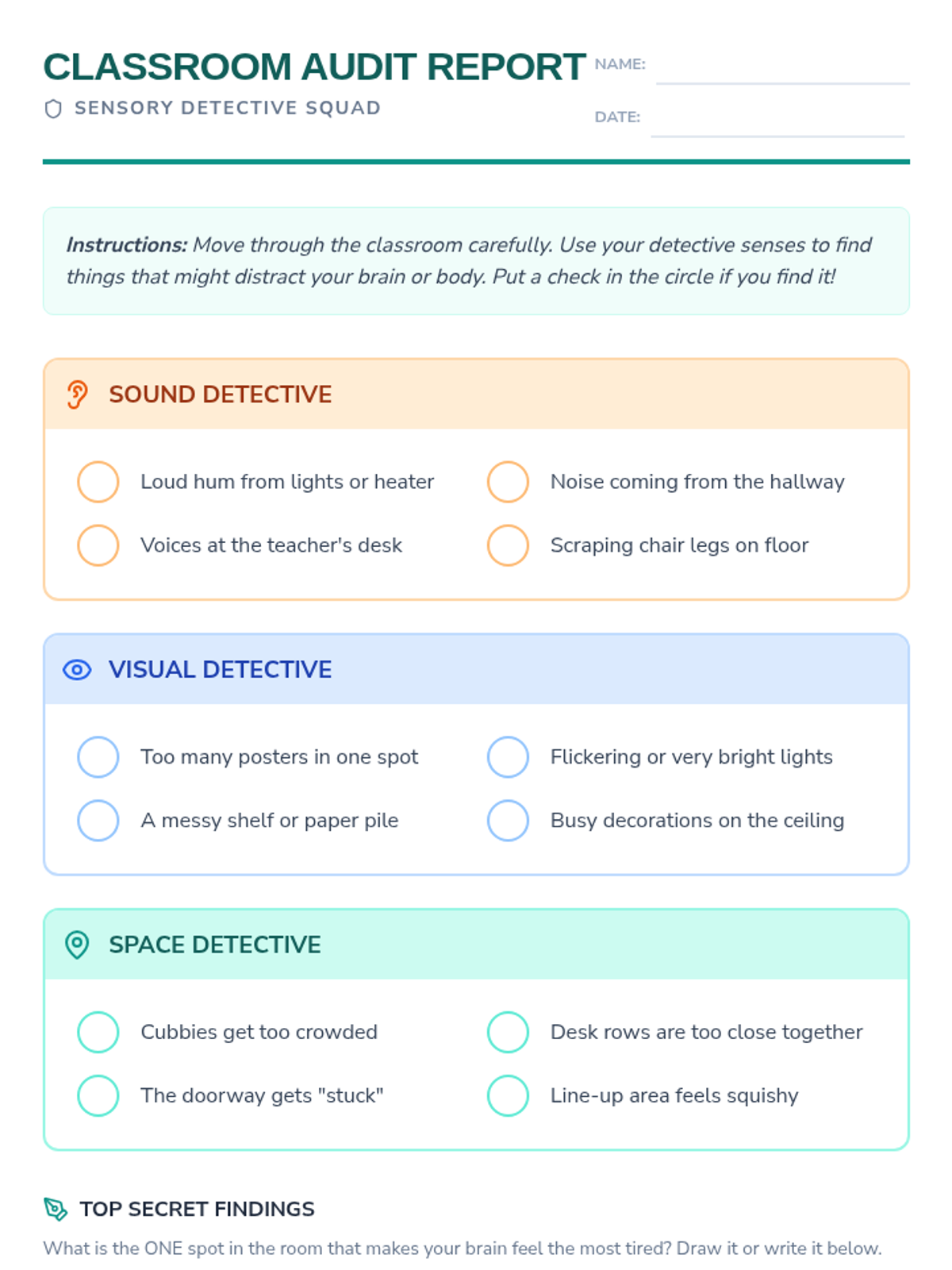
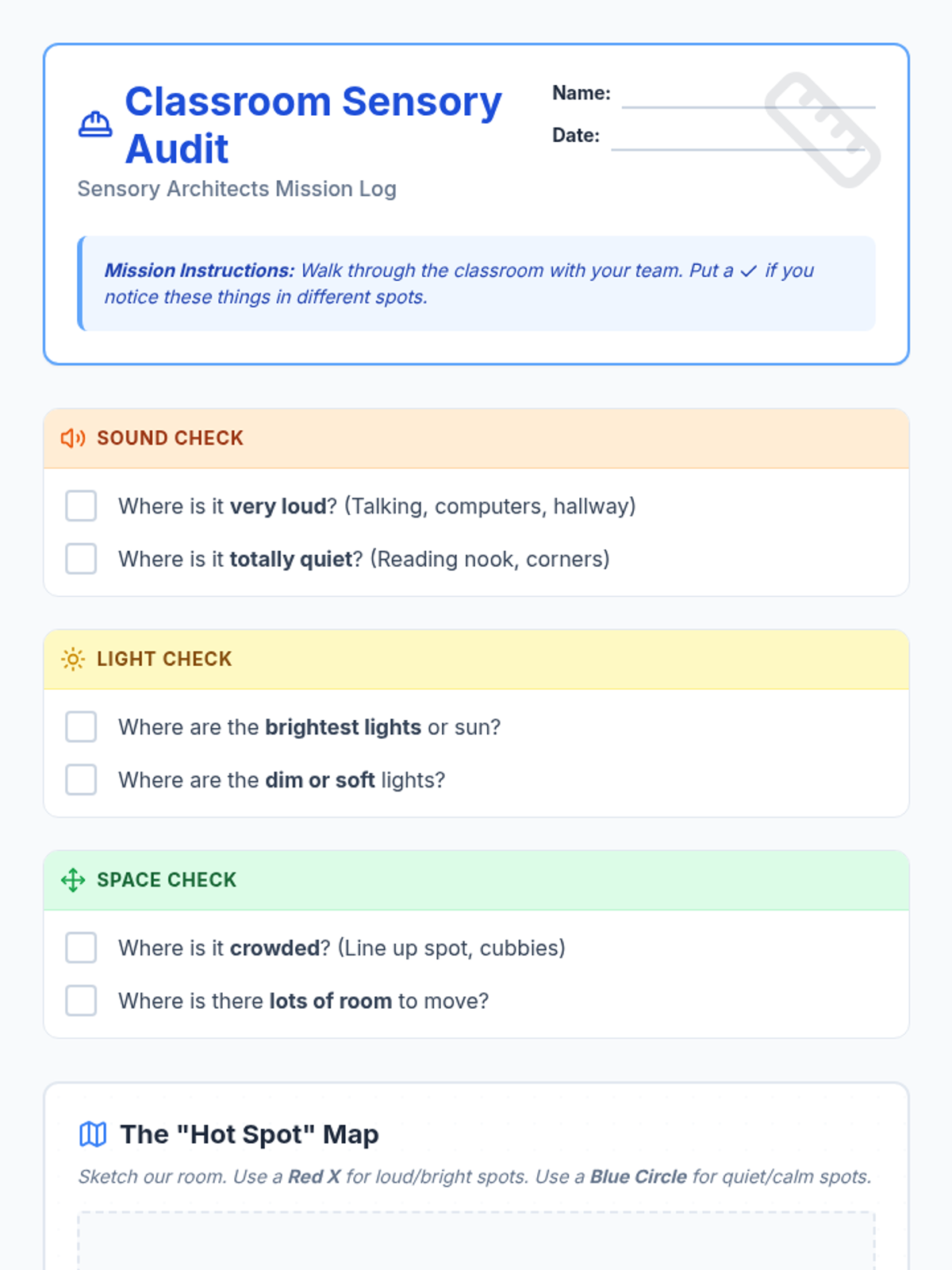
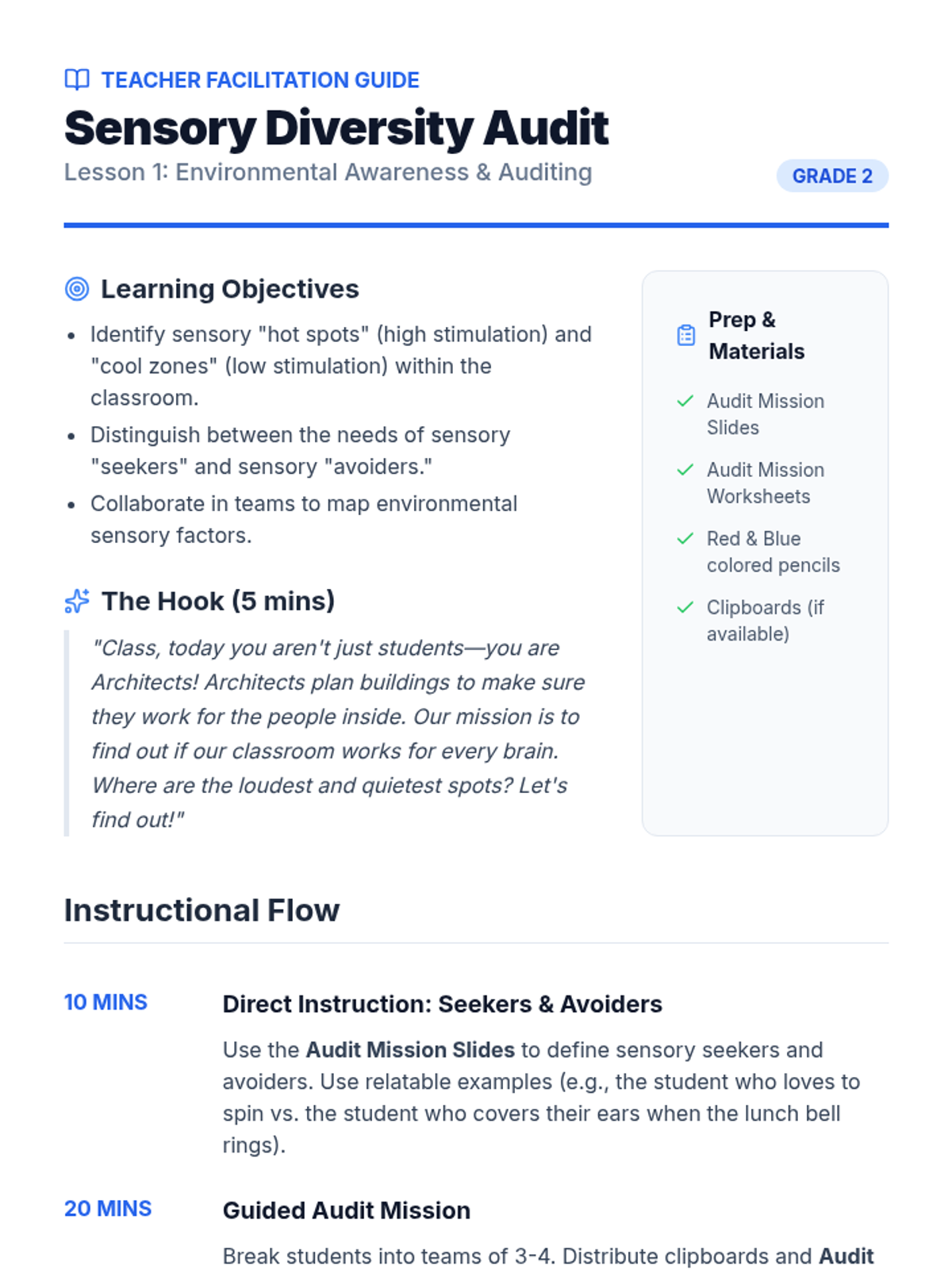
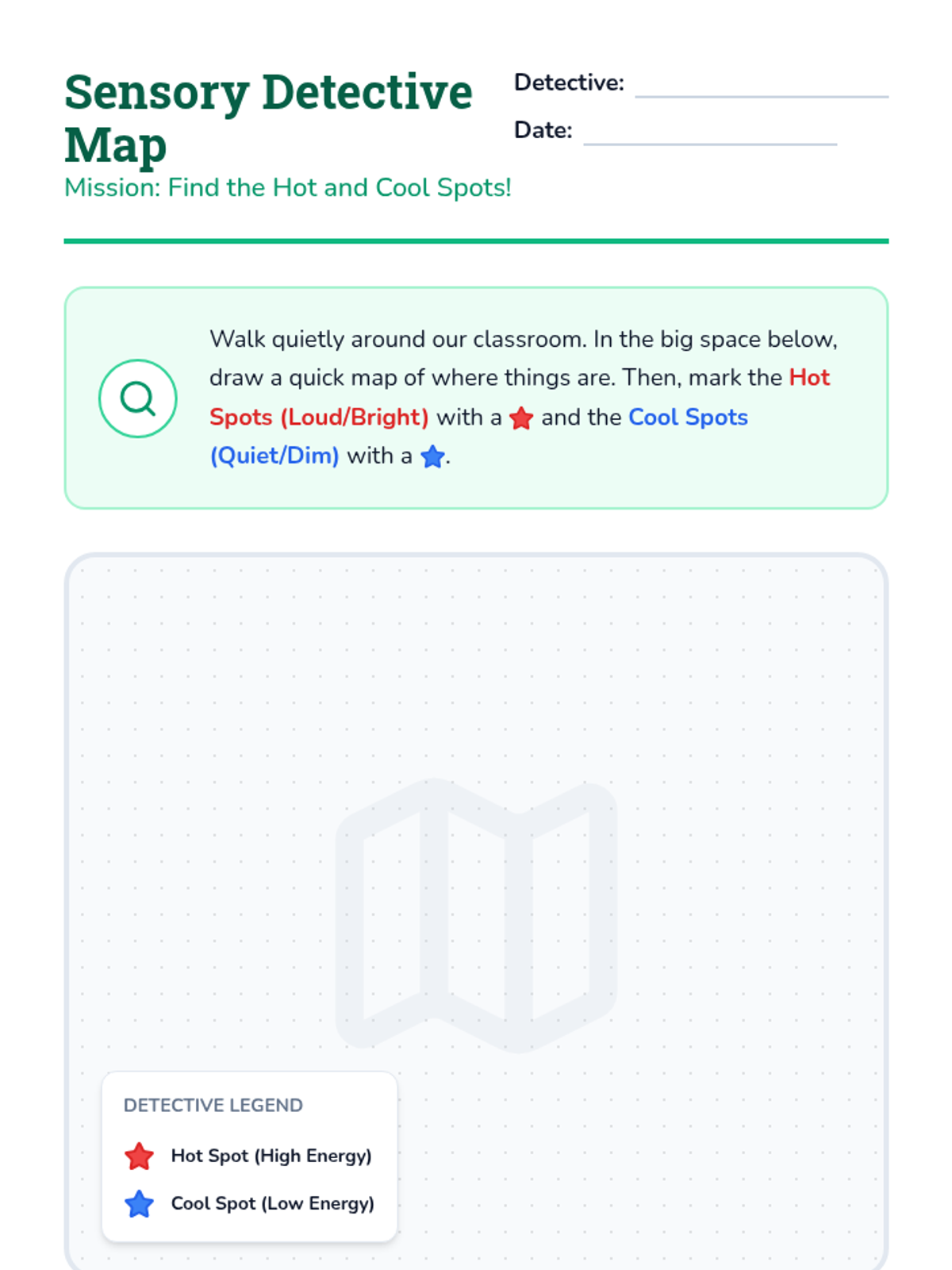
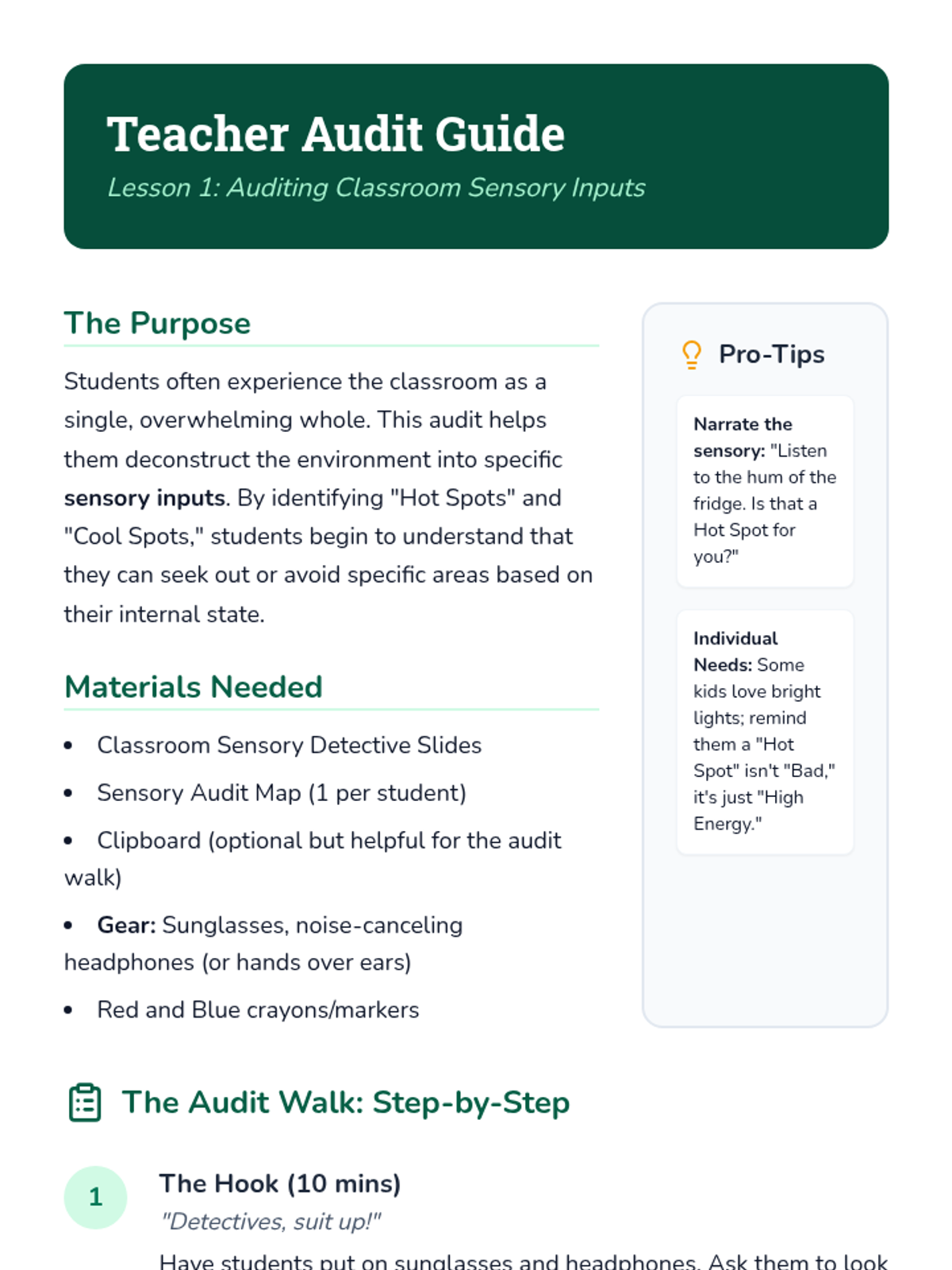
This sequence explores how environmental factors and community interactions impact sensory regulation. Students learn to audit their surroundings, respect diverse sensory needs, practice co-regulation, troubleshoot transitions, and collaboratively create a classroom sensory contract.
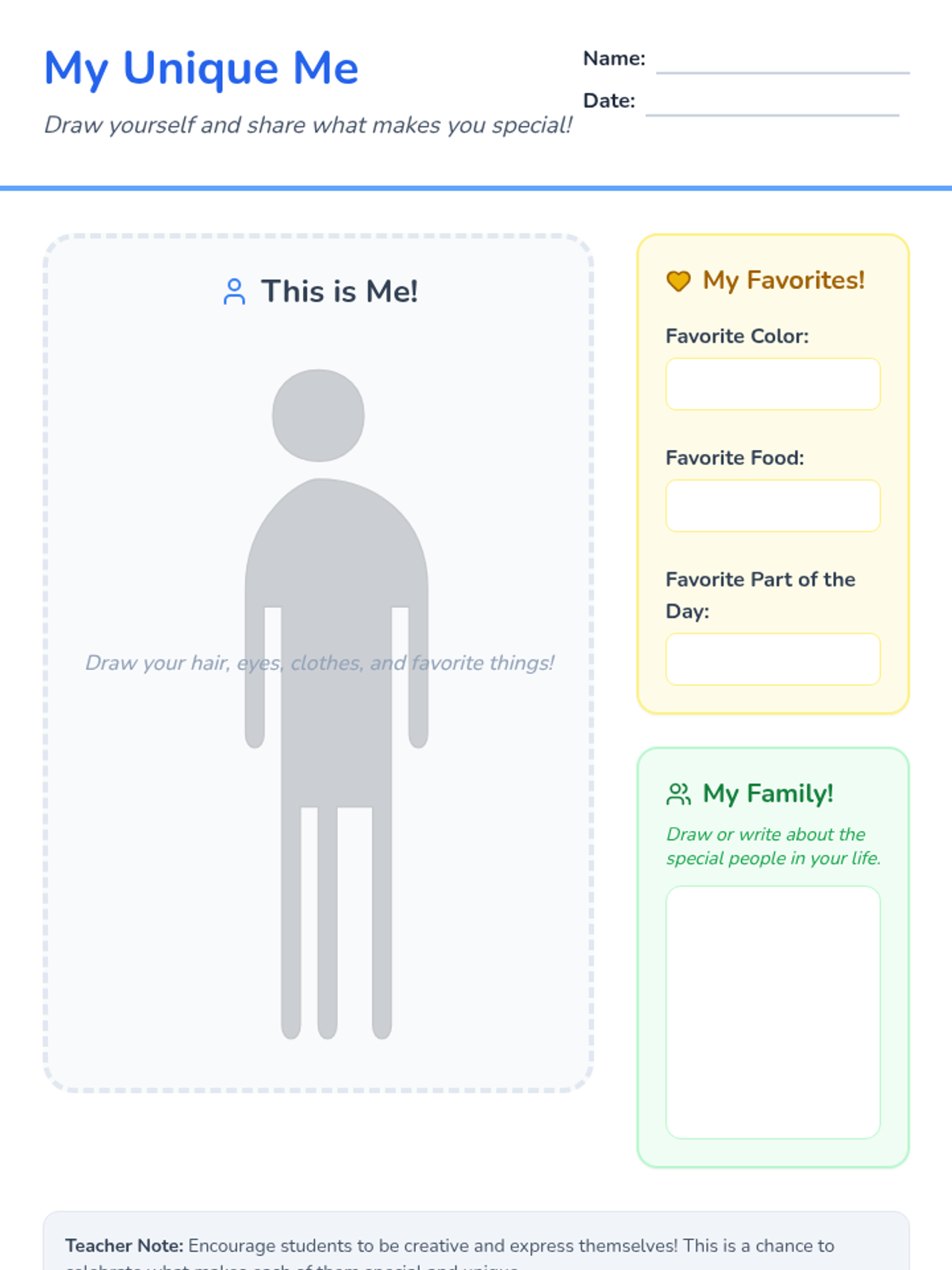
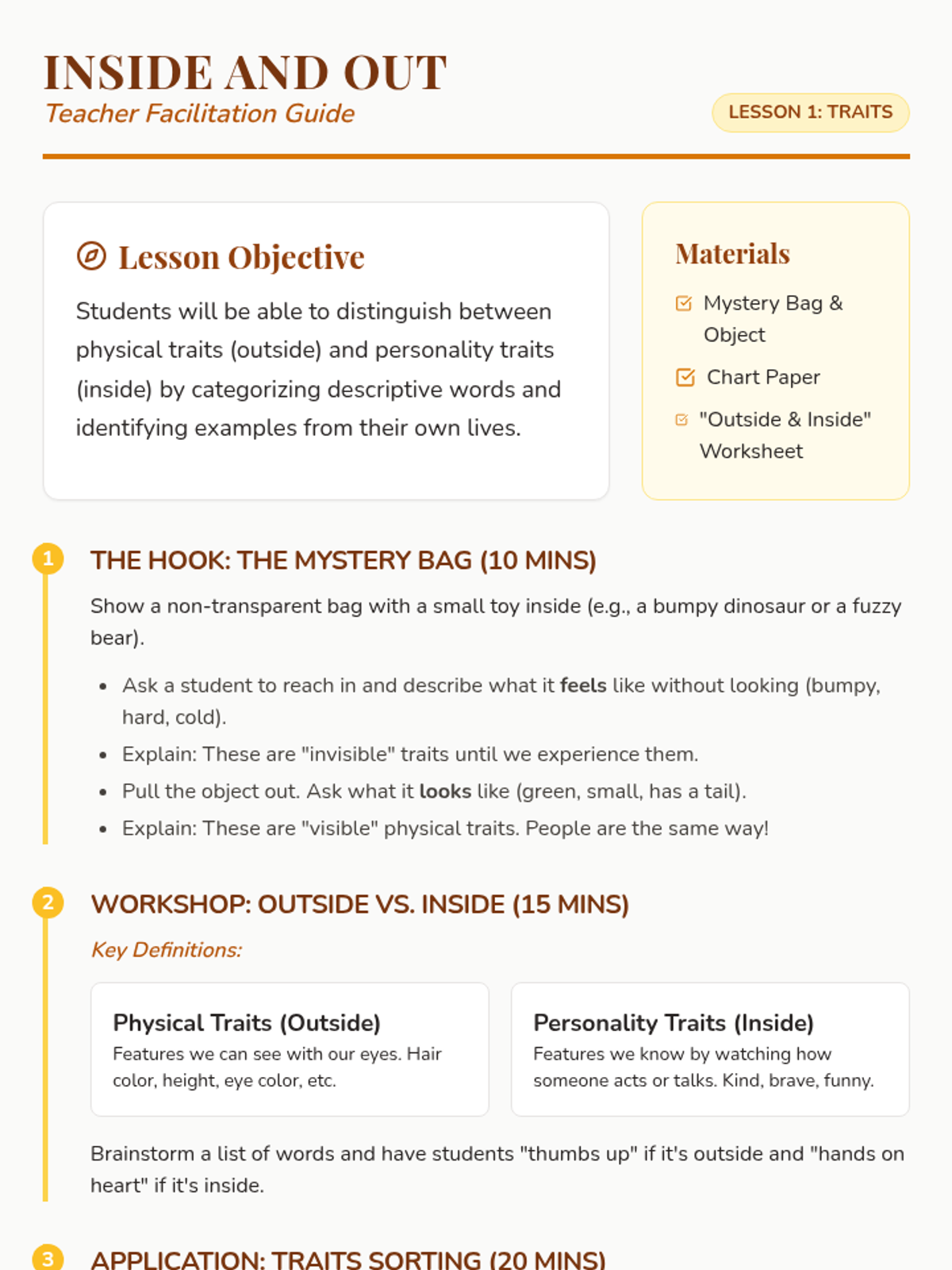
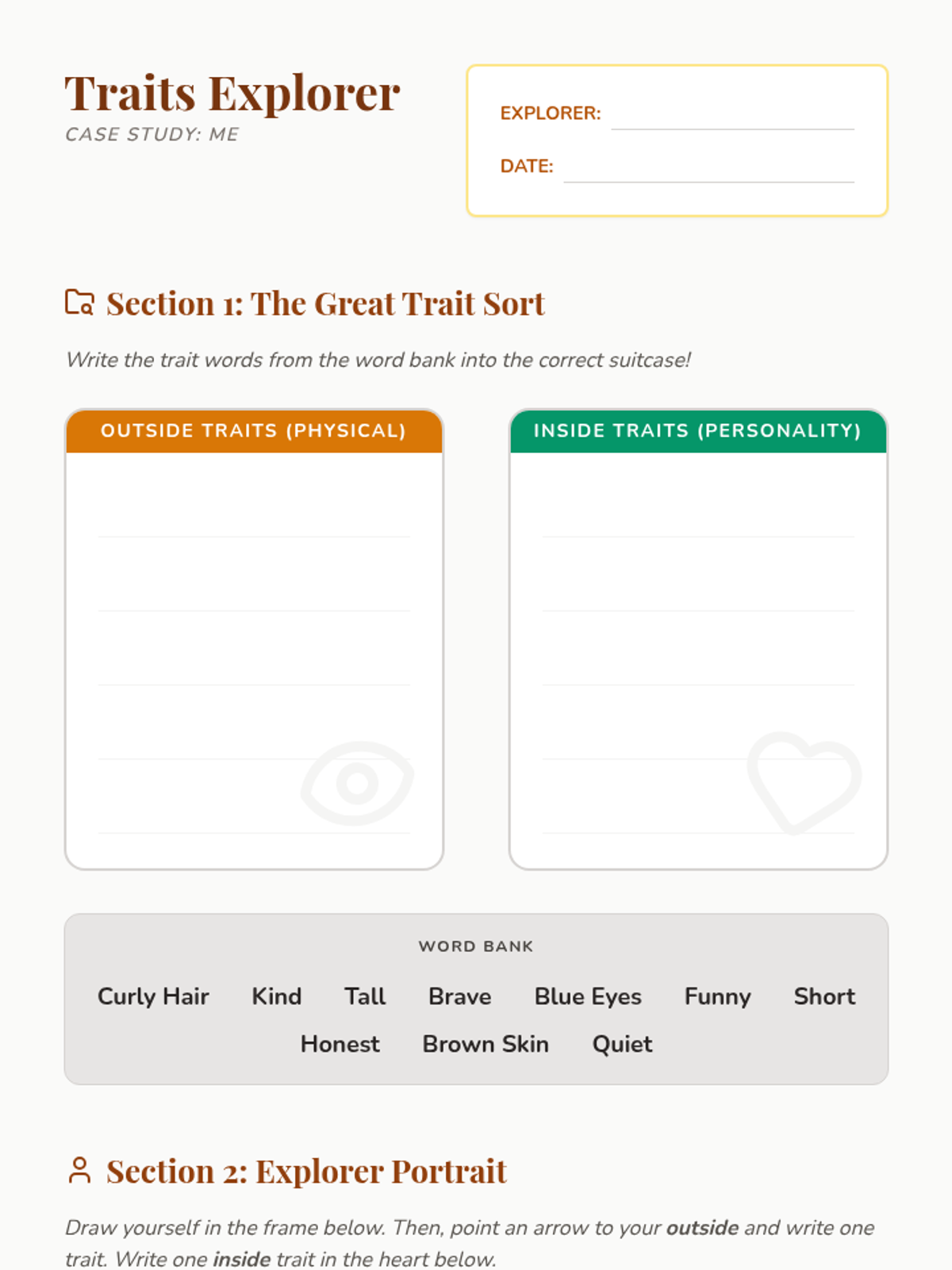
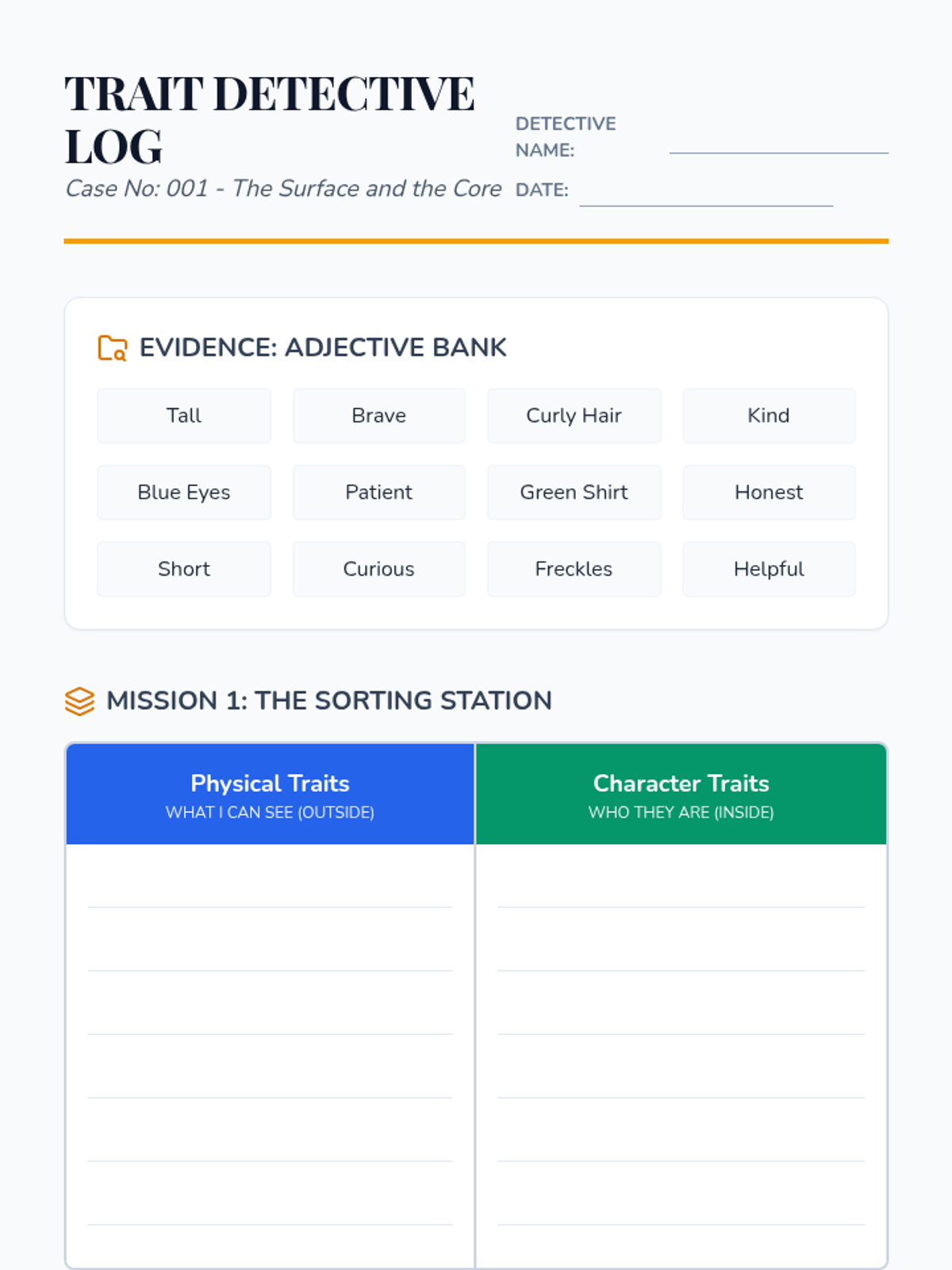
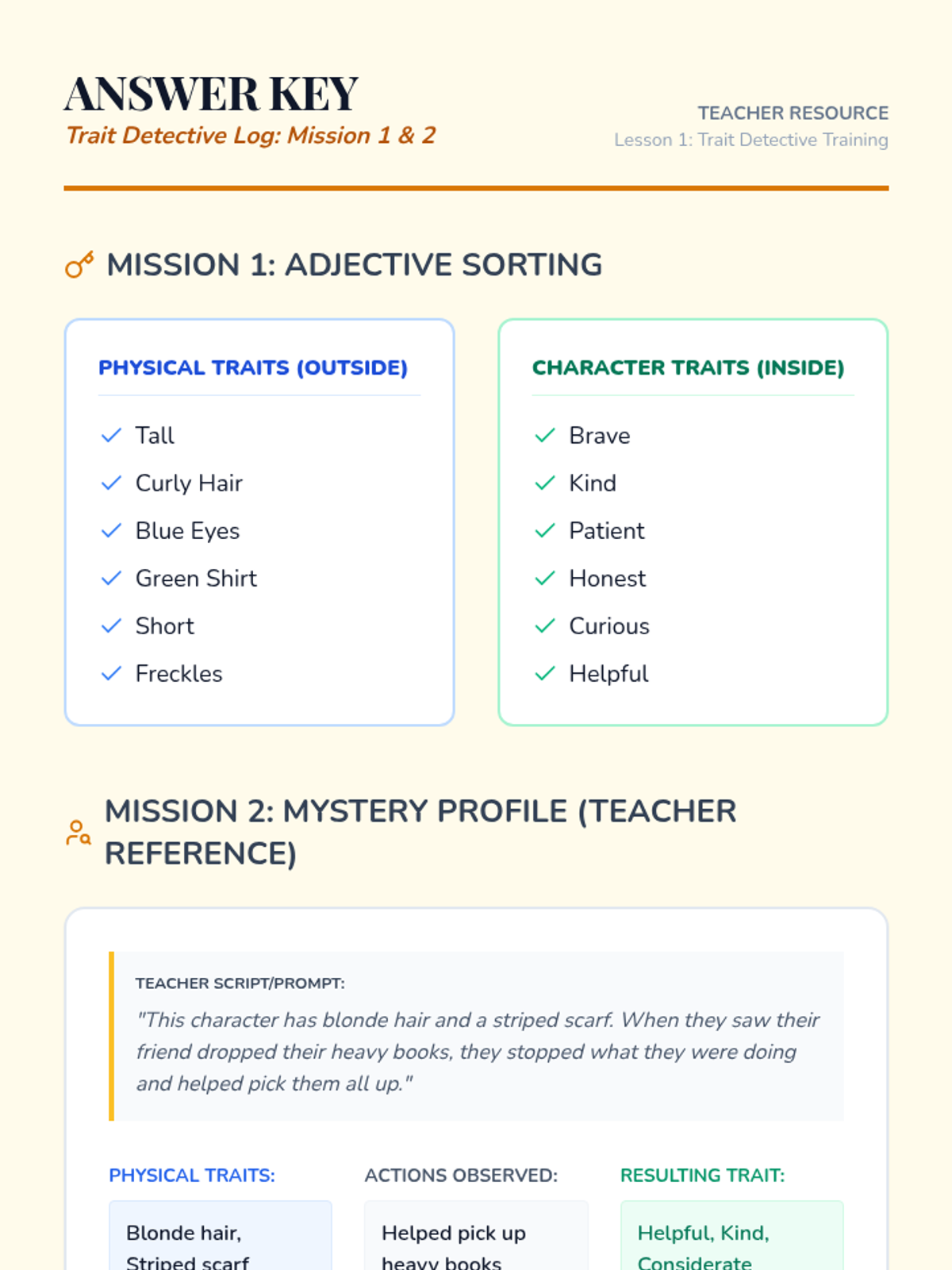
A 2nd-grade sequence focusing on self-concept by distinguishing between physical attributes and internal character traits. Students explore their strengths, preferences, and actions to build a comprehensive 'Identity Map' of themselves.
This sequence introduces students to the concept of personal identity by distinguishing between physical attributes and internal character traits. Students explore their own strengths, recognize how actions reflect identity, and learn to view growth areas through a growth mindset, culminating in a symbolic self-portrait.
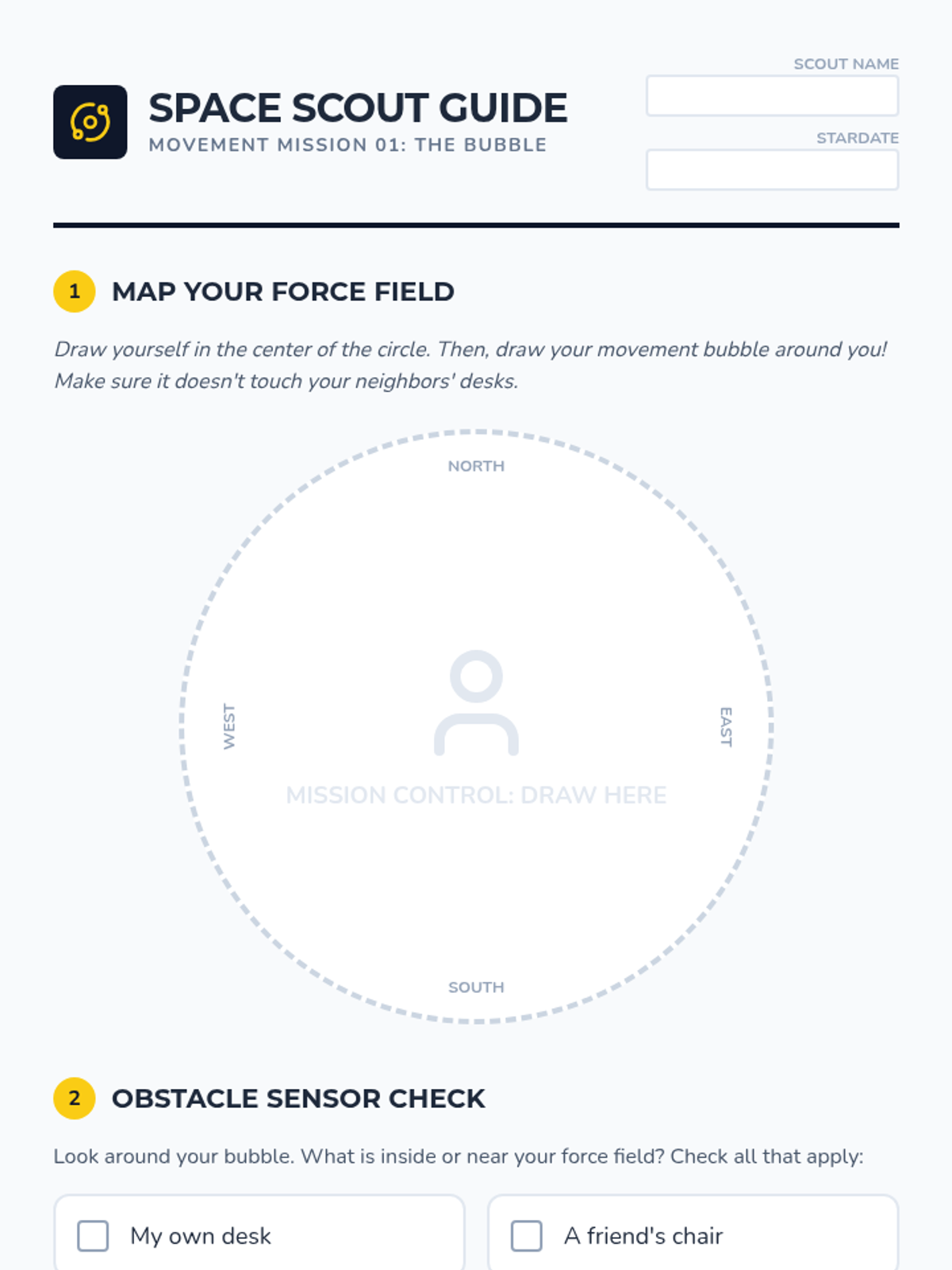
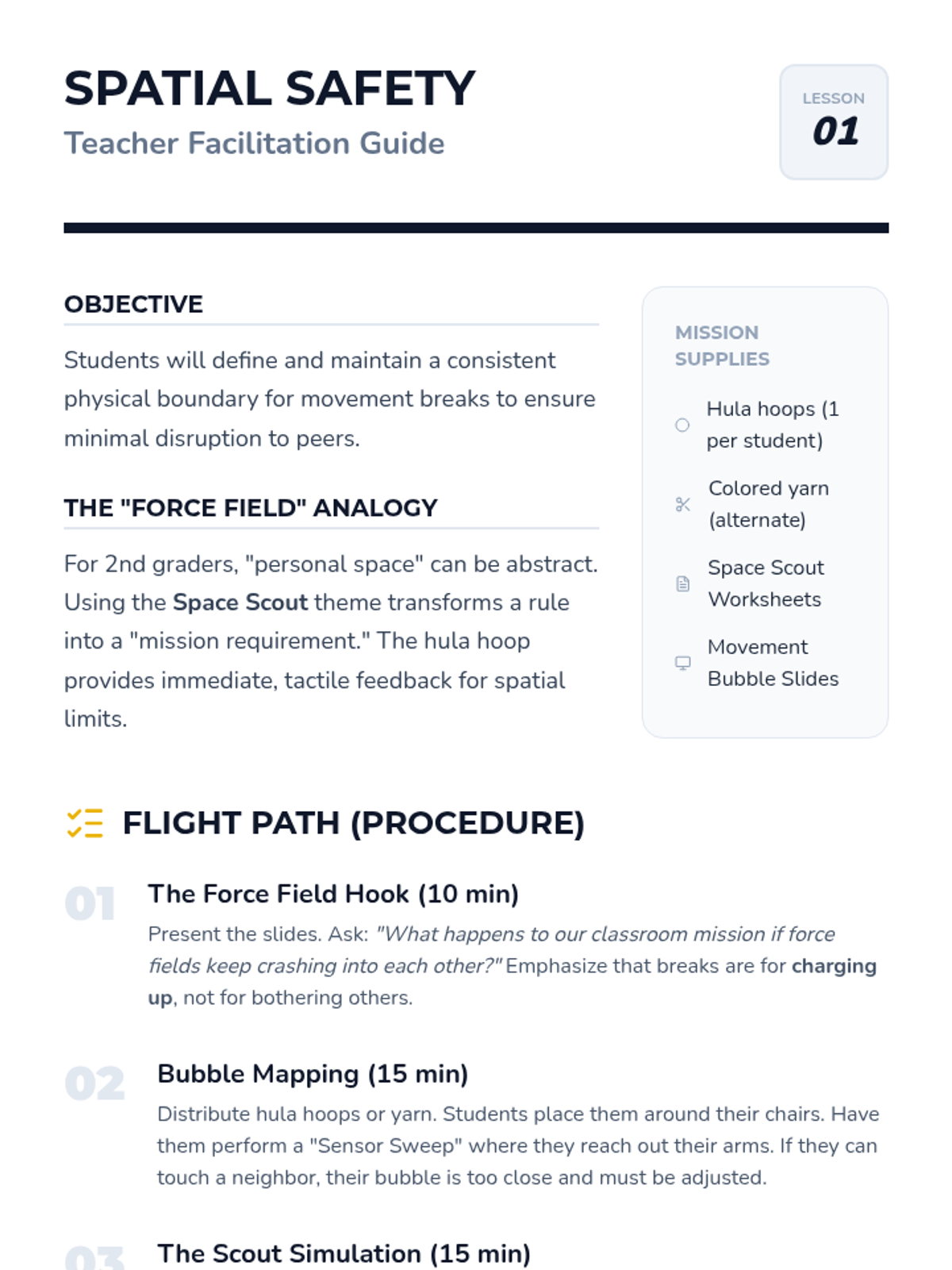
A 5-lesson sequence for 2nd-grade students focusing on the logistics and social responsibility of movement breaks. Students learn spatial awareness, time management using timers, cool-down transitions, and self-reflection to ensure breaks are effective and respectful.
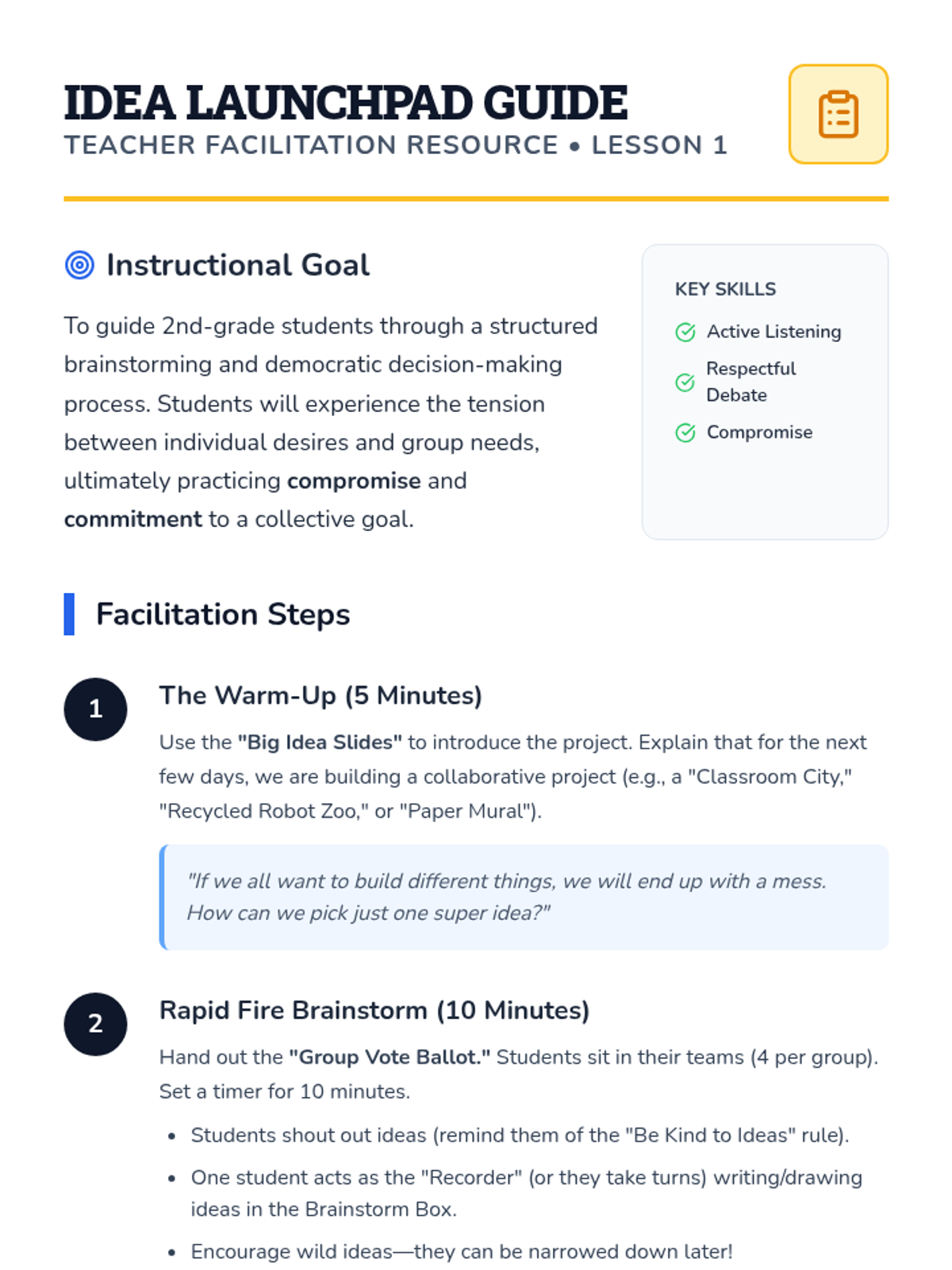
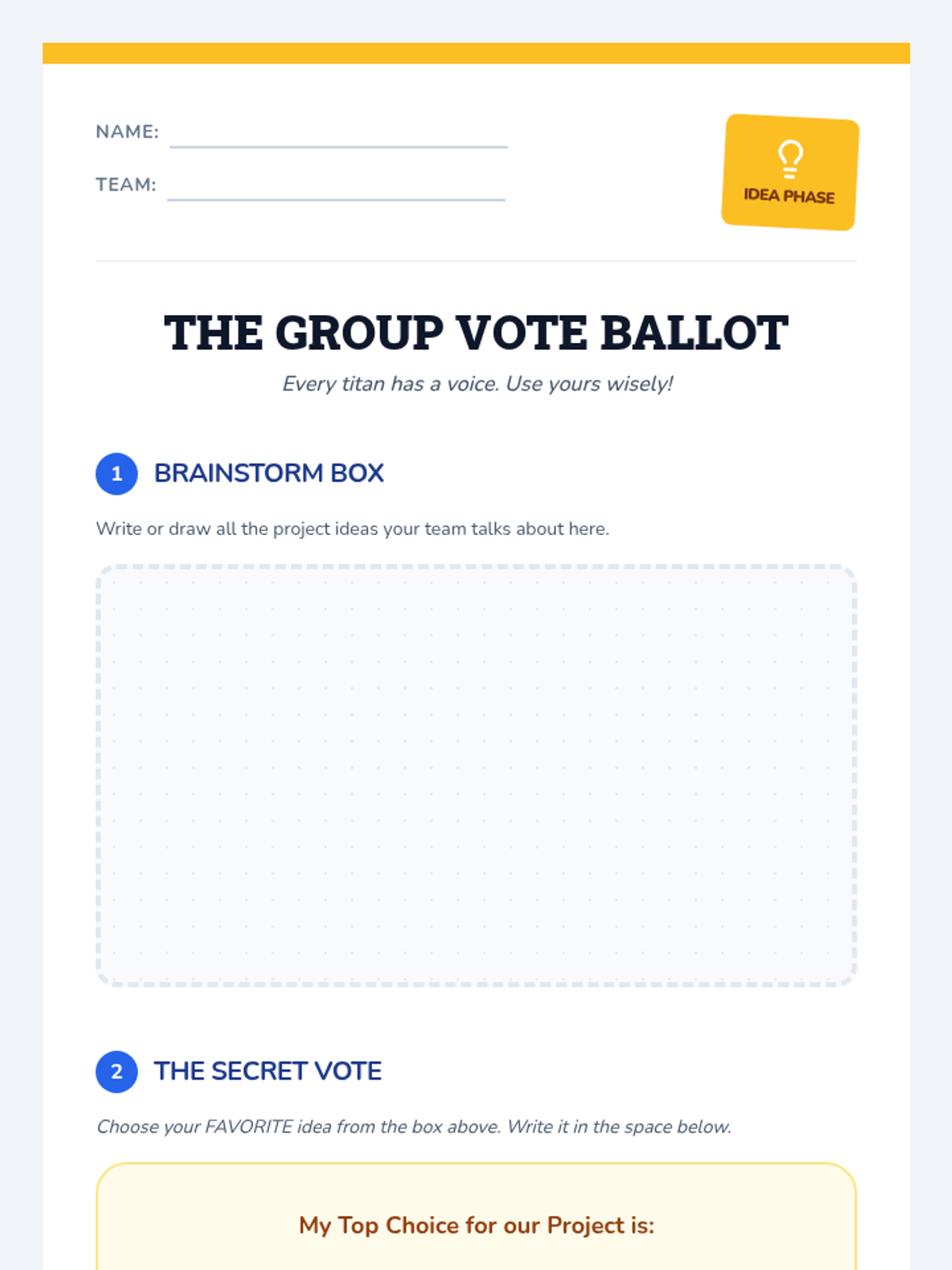
Students move through the phases of professional project management, from brainstorming and consensus-building to execution and review. They will learn to apply listening and conflict resolution skills to a tangible, collaborative objective: planning and building a shared project.
This project-based sequence teaches 2nd-grade students to identify sensory preferences, resolve sensory-based conflicts, and collaboratively design a more inclusive classroom environment. Through the lens of 'Sensory Architects,' students audit their space and advocate for the diverse needs of their community.
A five-session unit teaching 1st and 2nd graders the foundational concepts of respect, including self-respect, respecting others, and caring for the environment and community.
A 5-week social skills group for 2nd-grade boys focused on friendship qualities, communication, emotional intelligence, and conflict resolution.
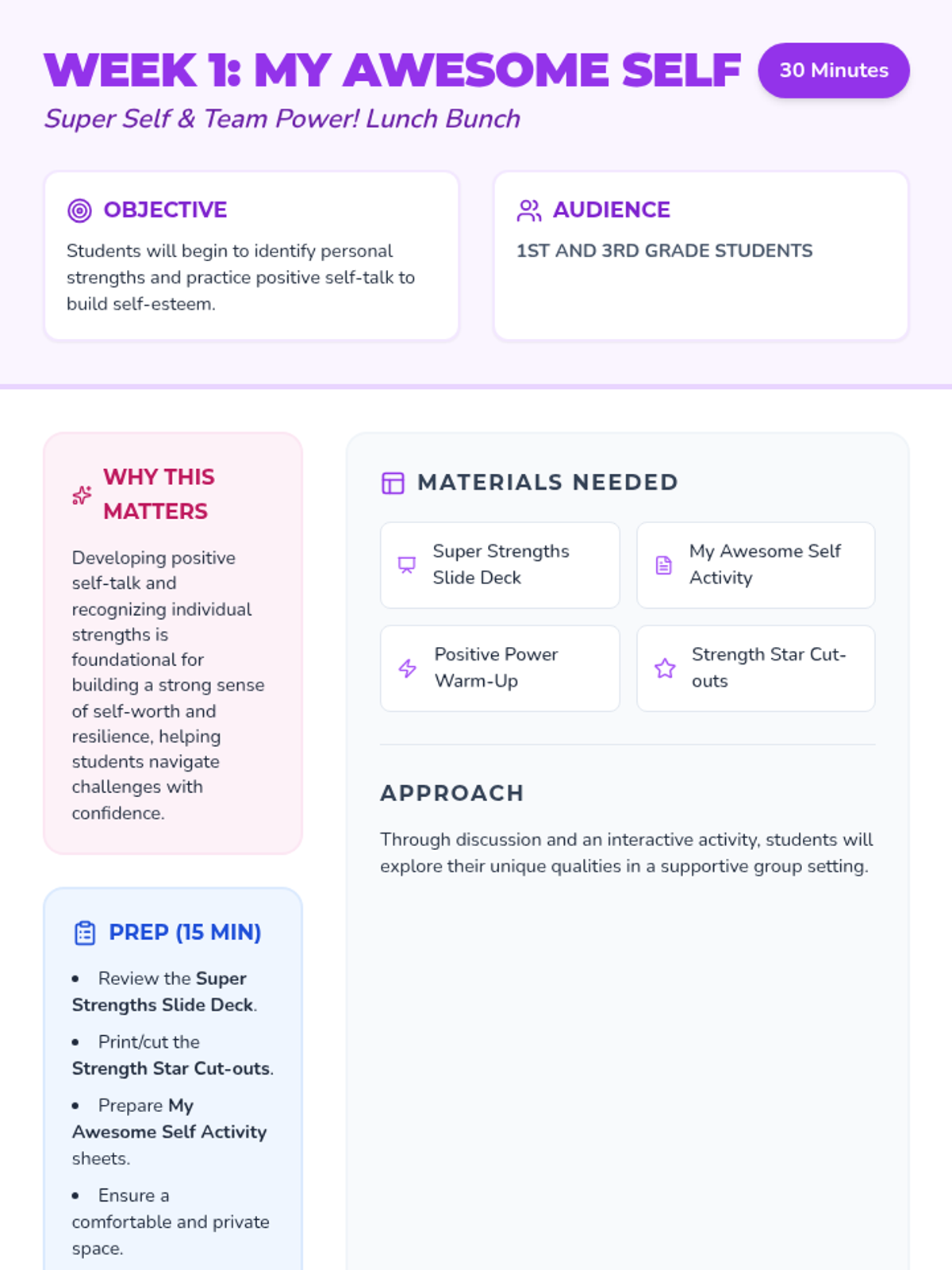
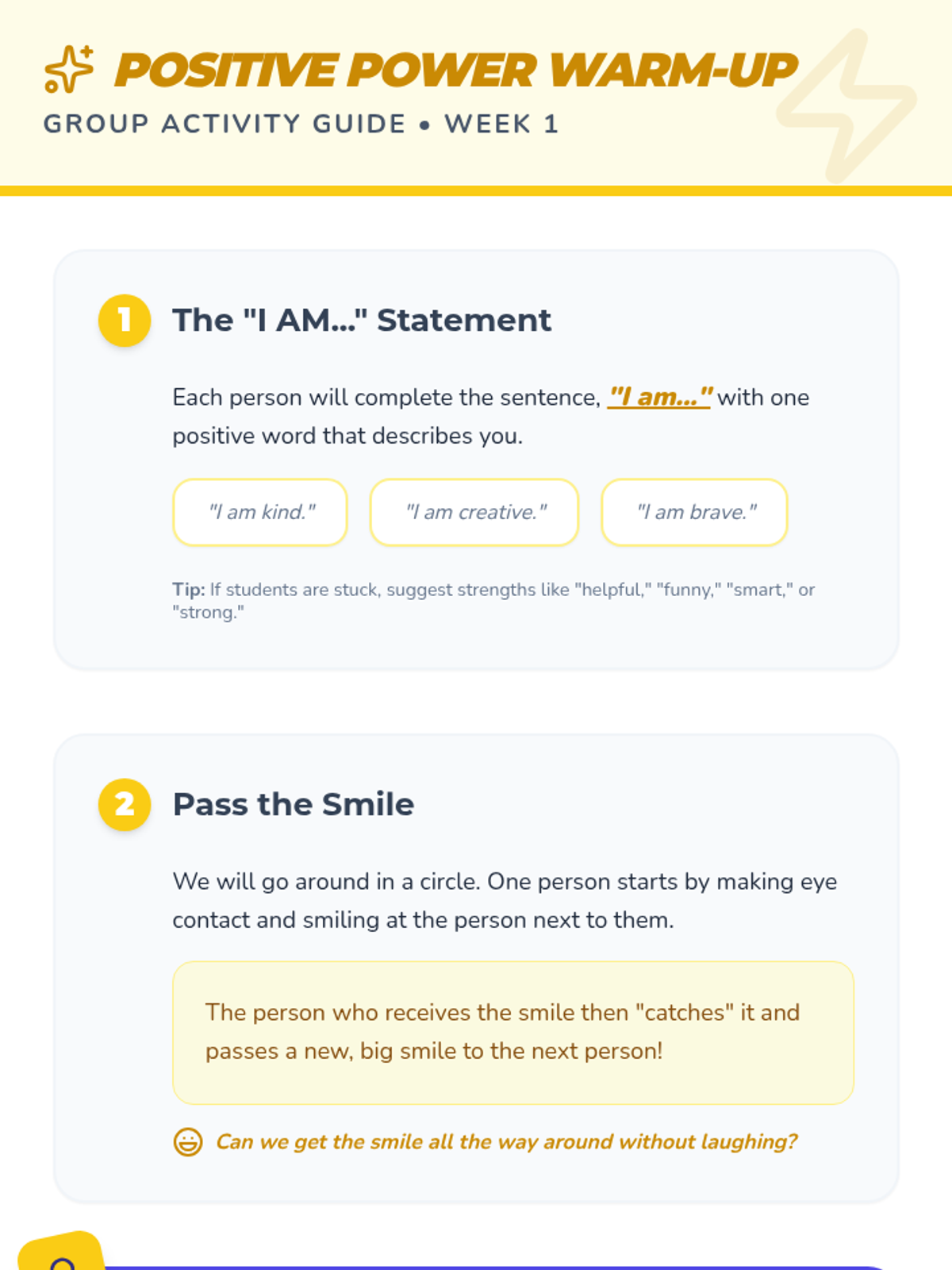
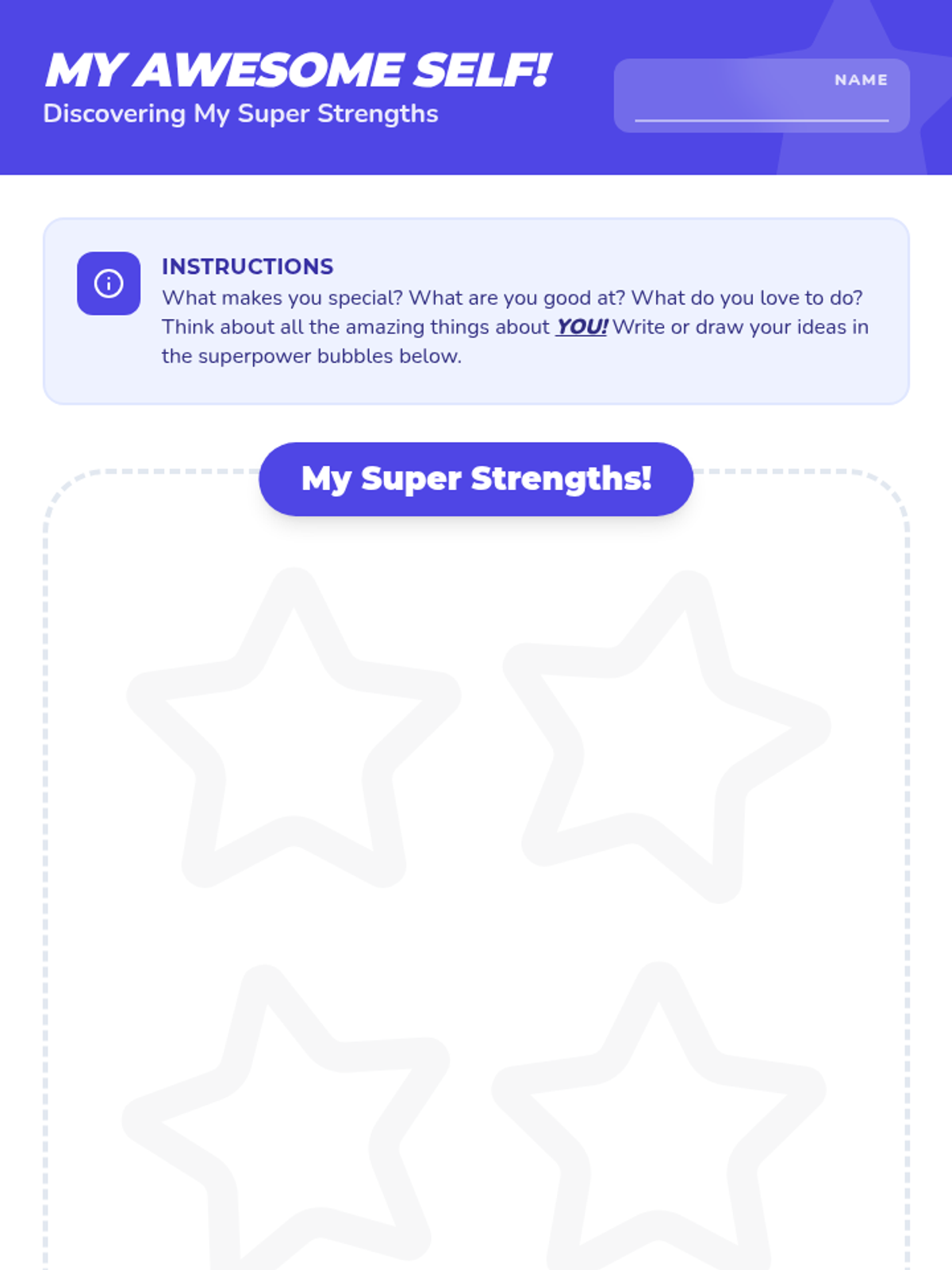
A 5-week Tier 2 lunch bunch curriculum for primary students focusing on positive self-talk, strength identification, teamwork, and kindness. Students engage in weekly reflections and collaborative activities to build self-esteem and a sense of belonging.
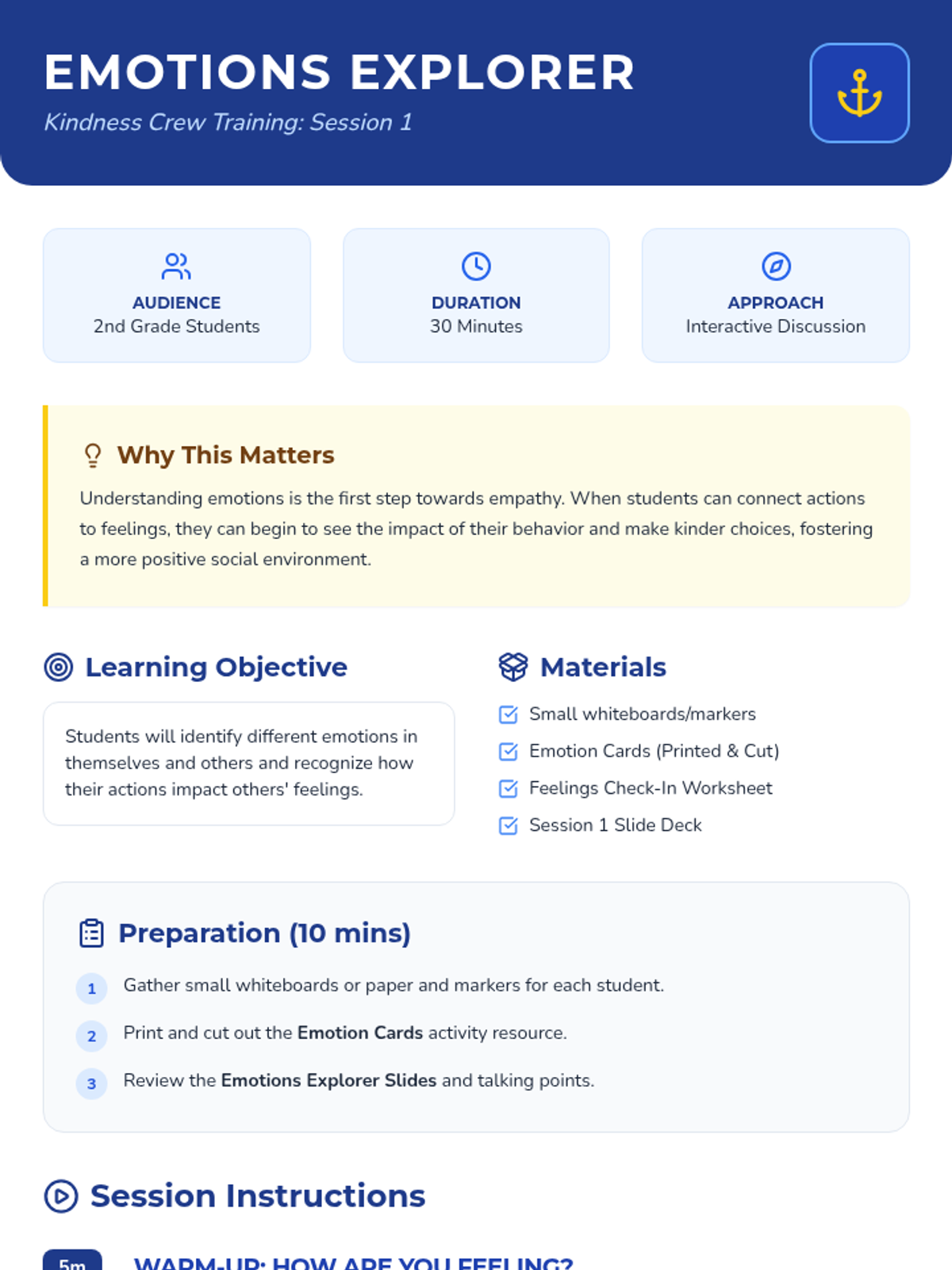
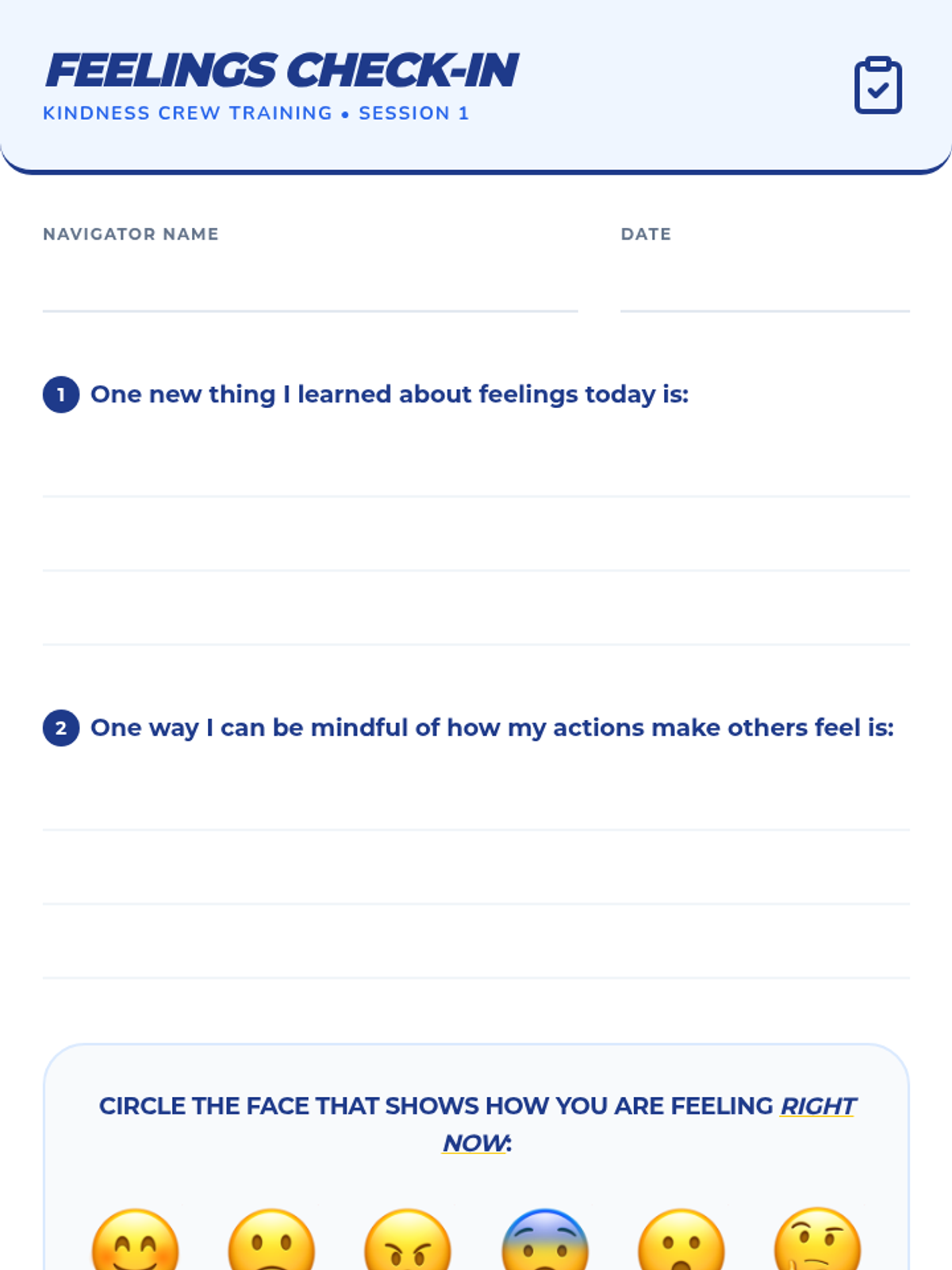
A four-session Tier 2 intervention for second-grade students to build empathy, respect, and positive social skills through the 'Kindness Crew' framework.
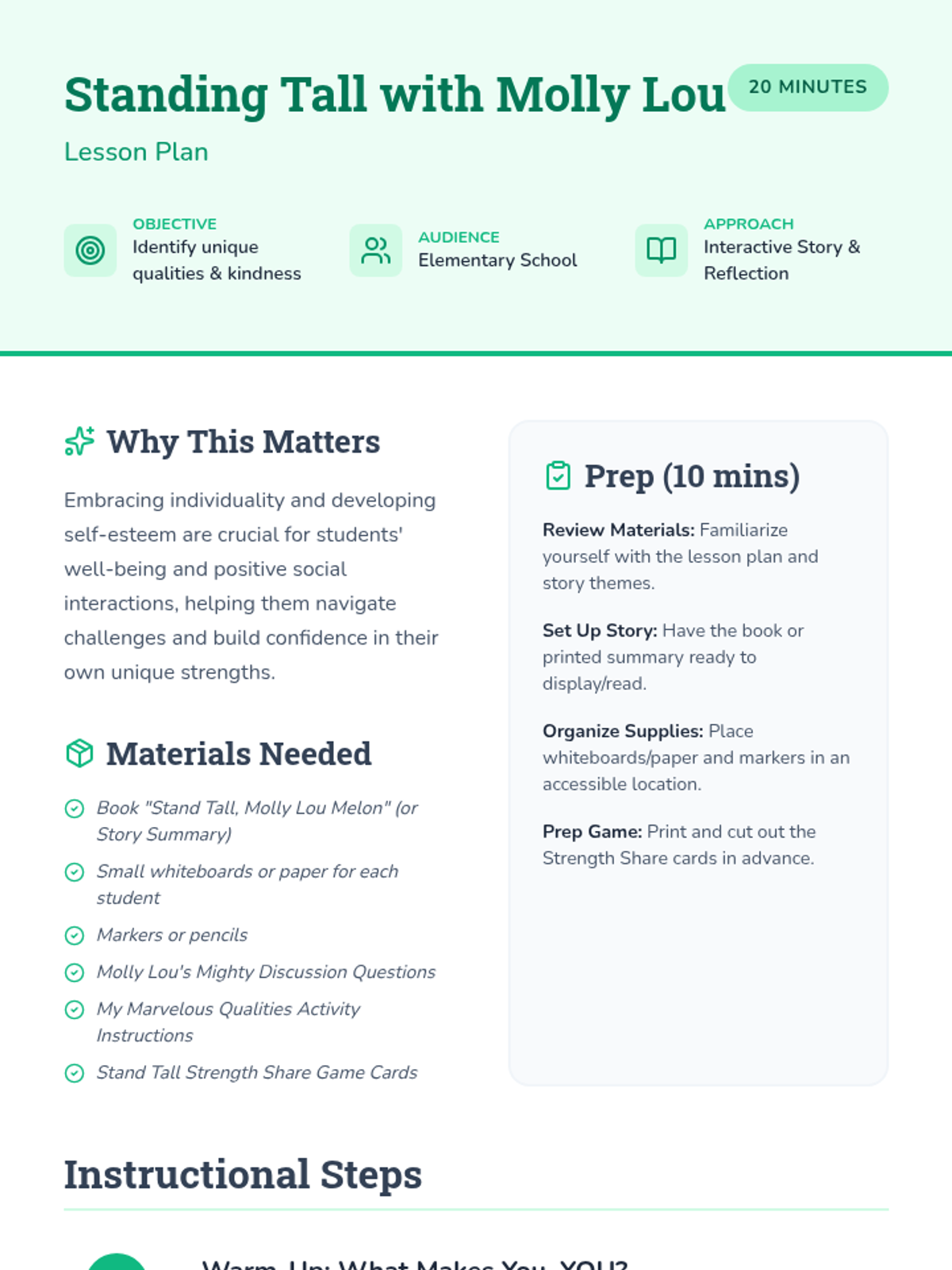
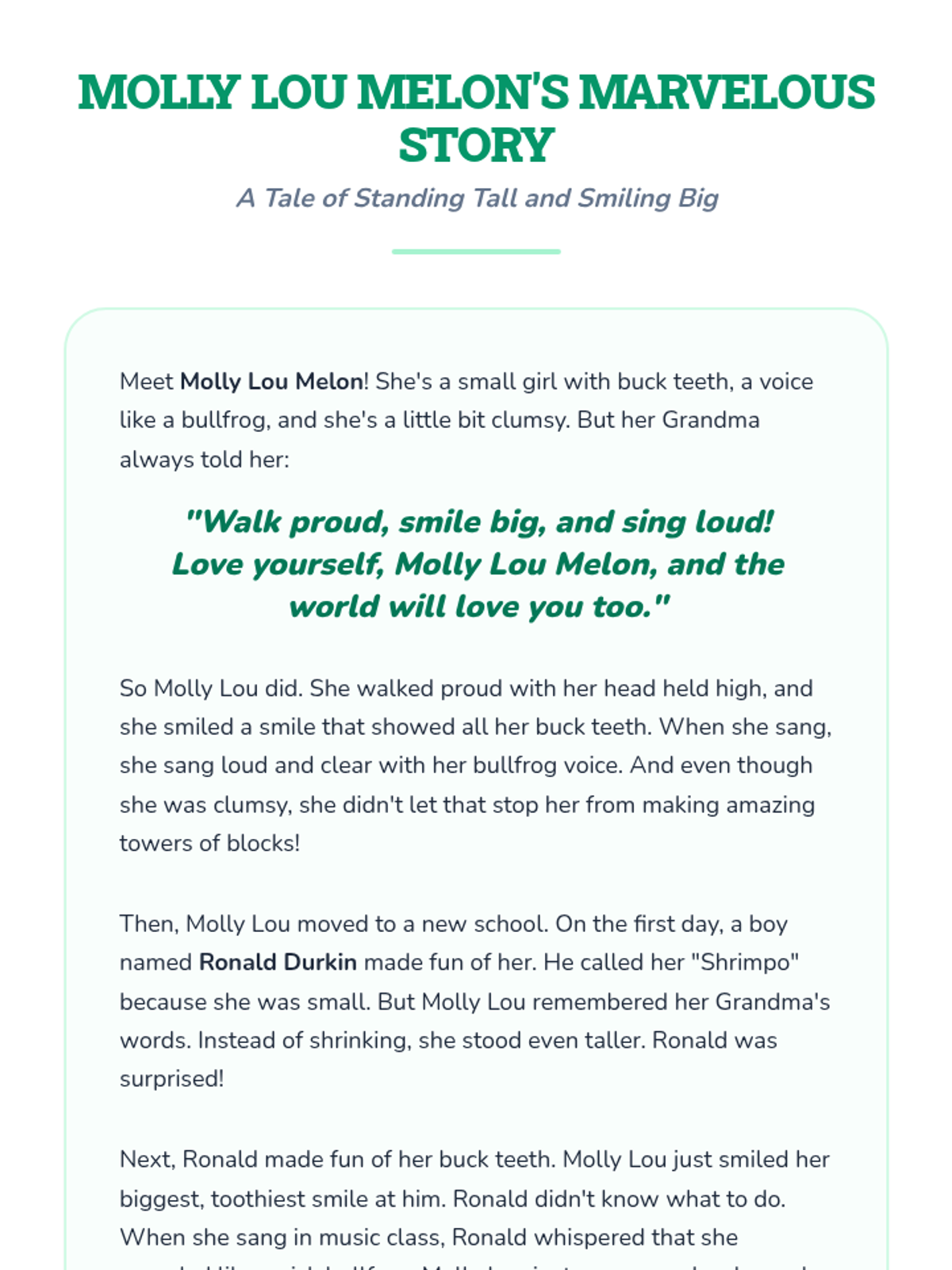
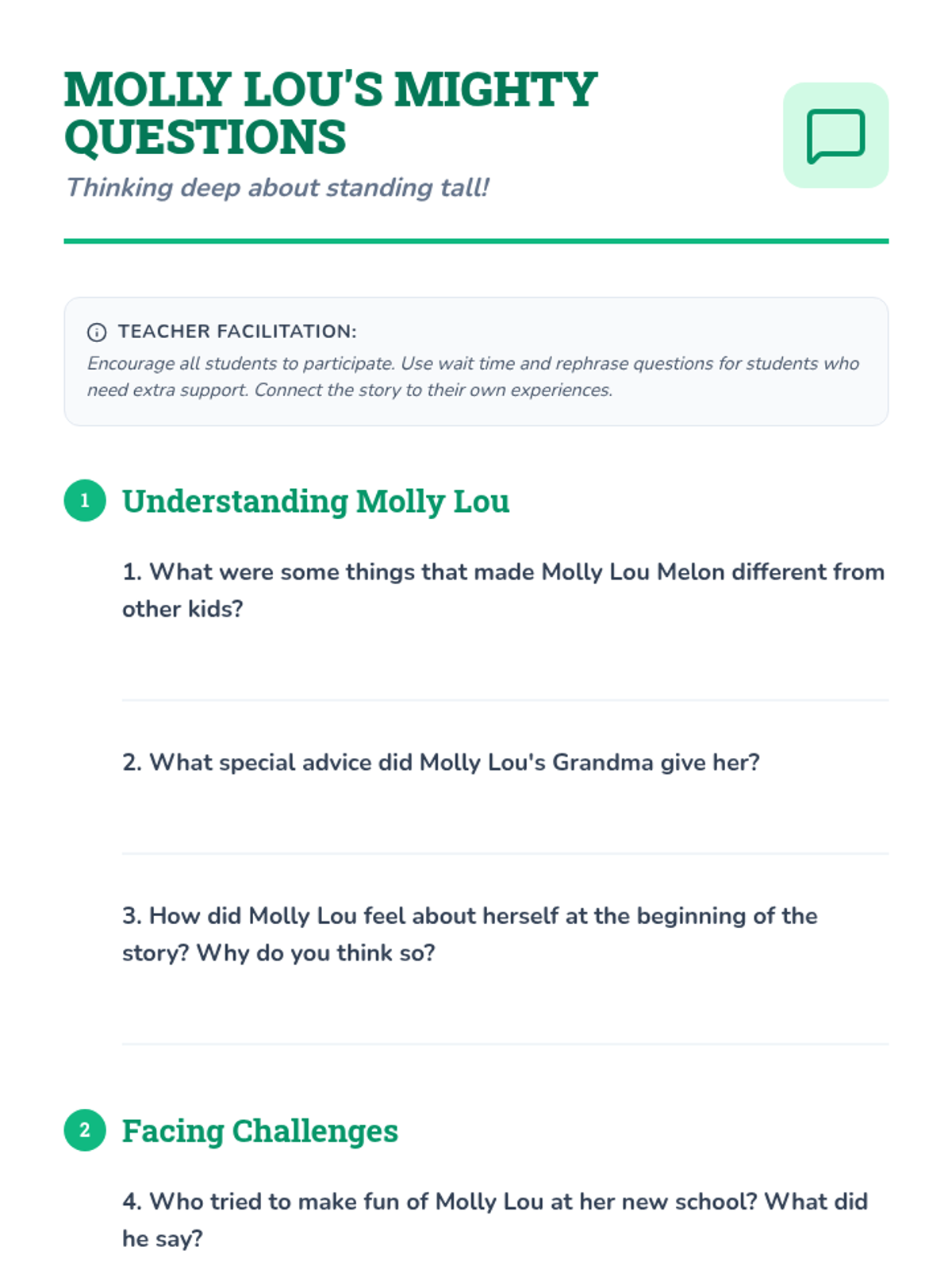
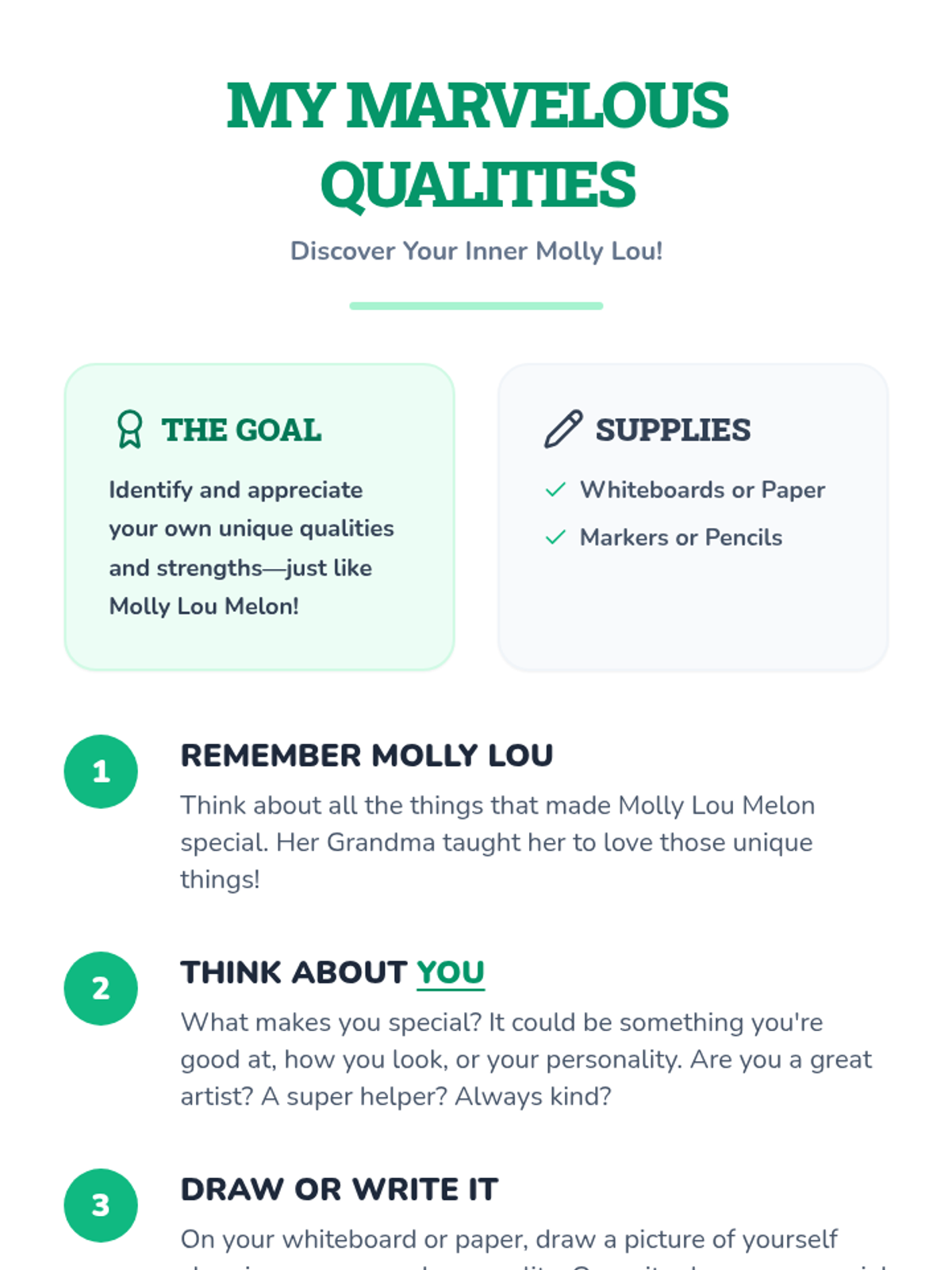
A series of two lessons for elementary students focused on building social-emotional skills through character study and developing reading comprehension through mystery-solving. Students explore self-esteem with Molly Lou Melon and practice identifying key details with the Case of the Missing Cookies.
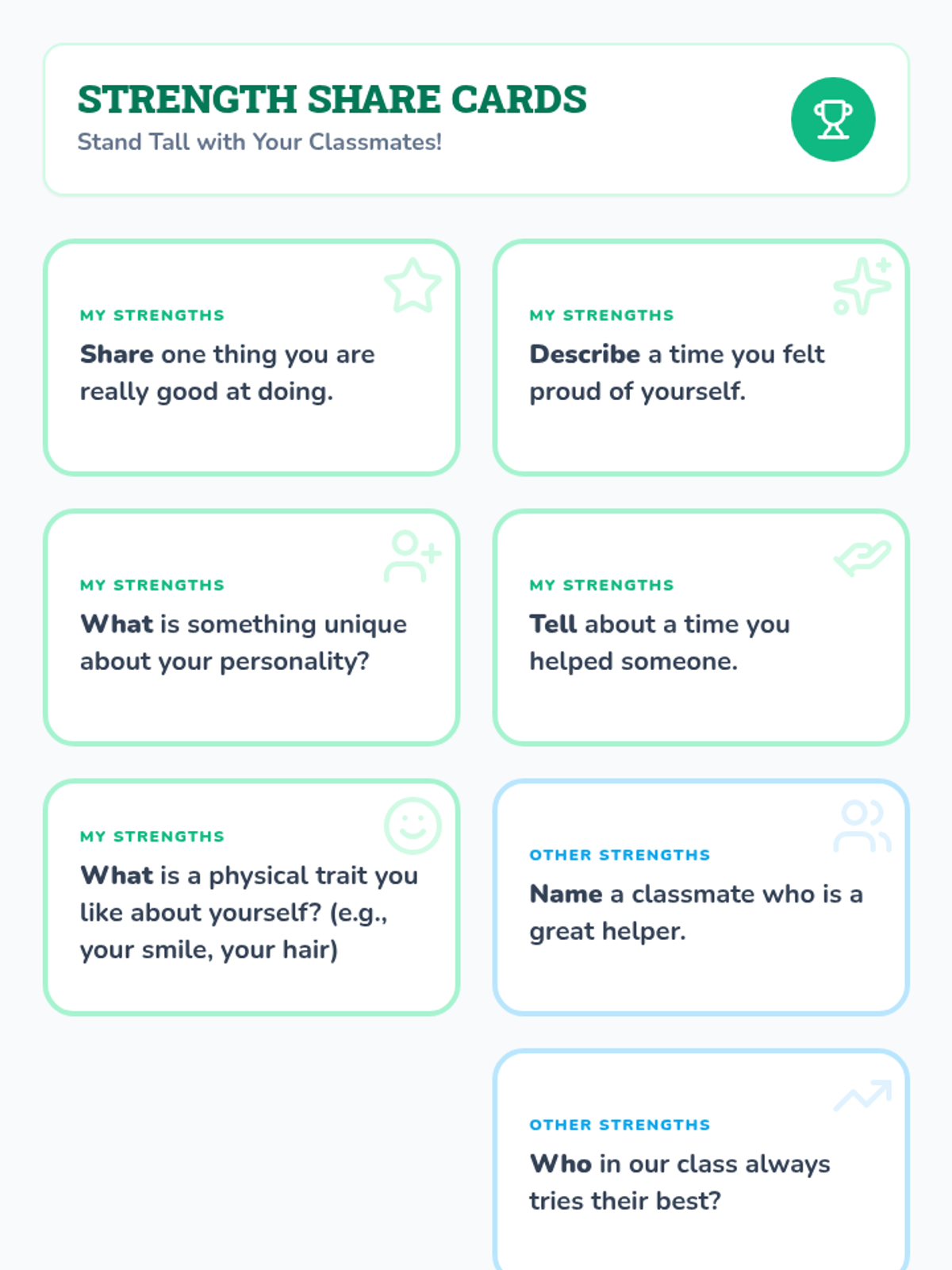
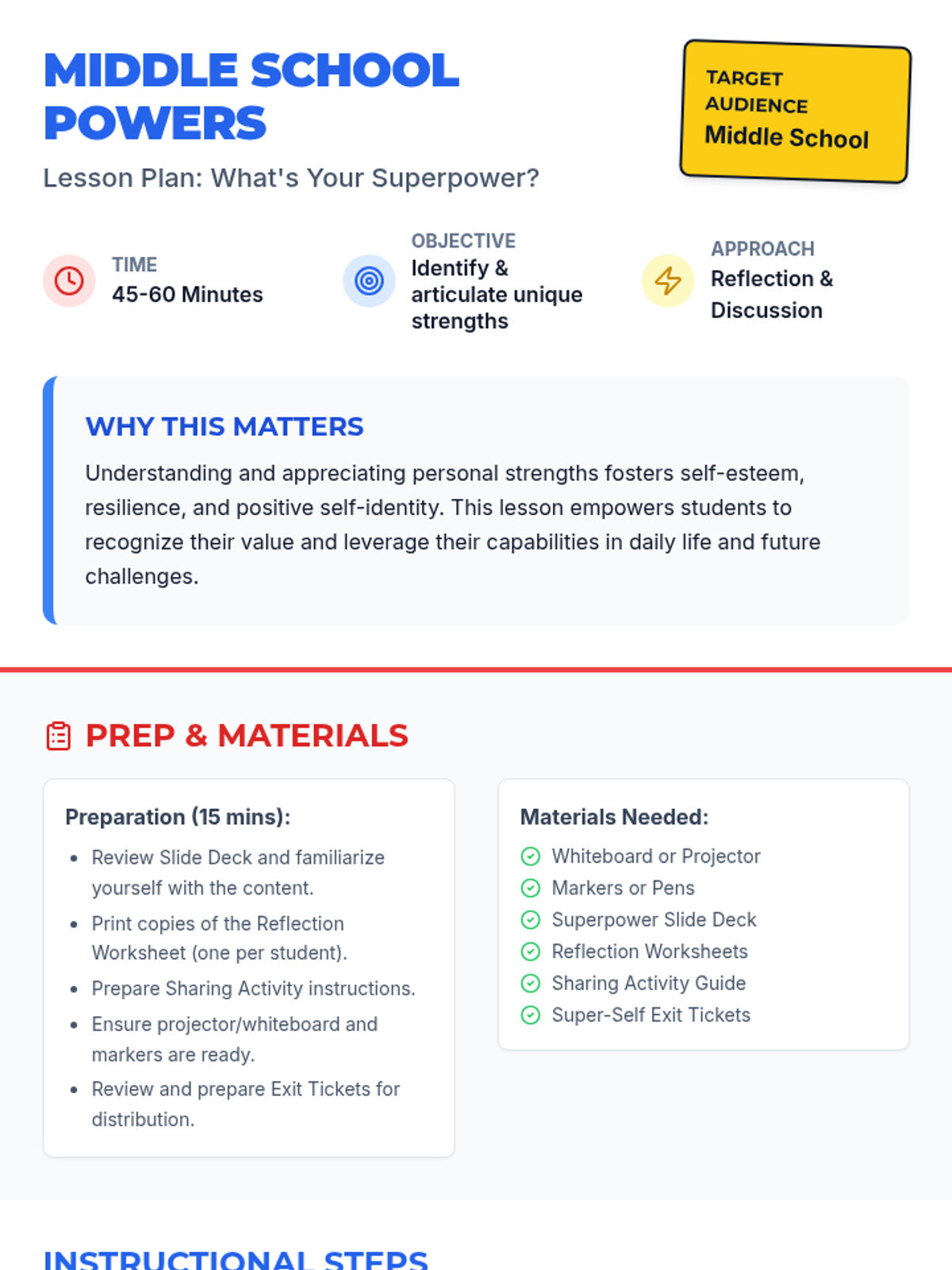
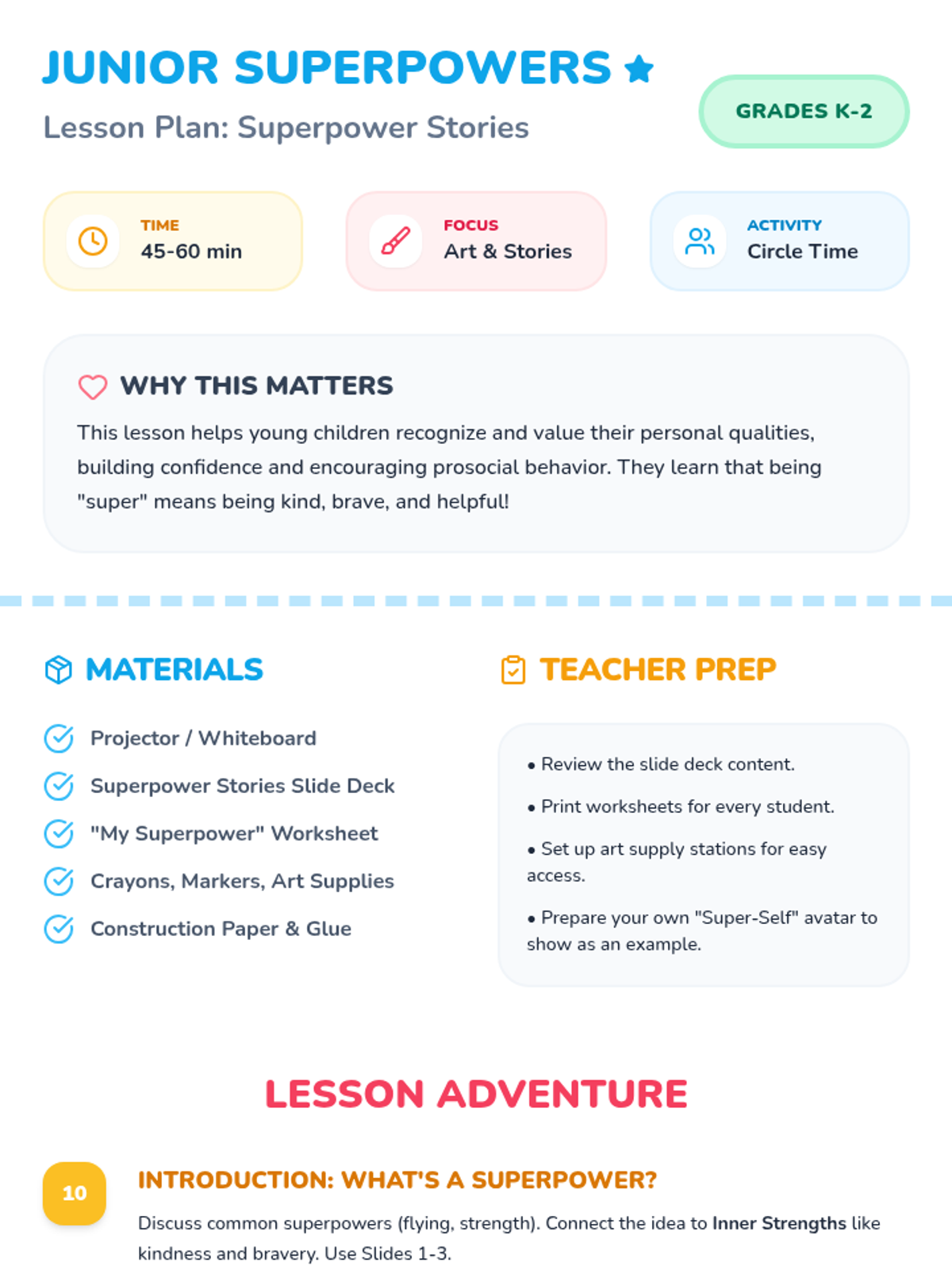
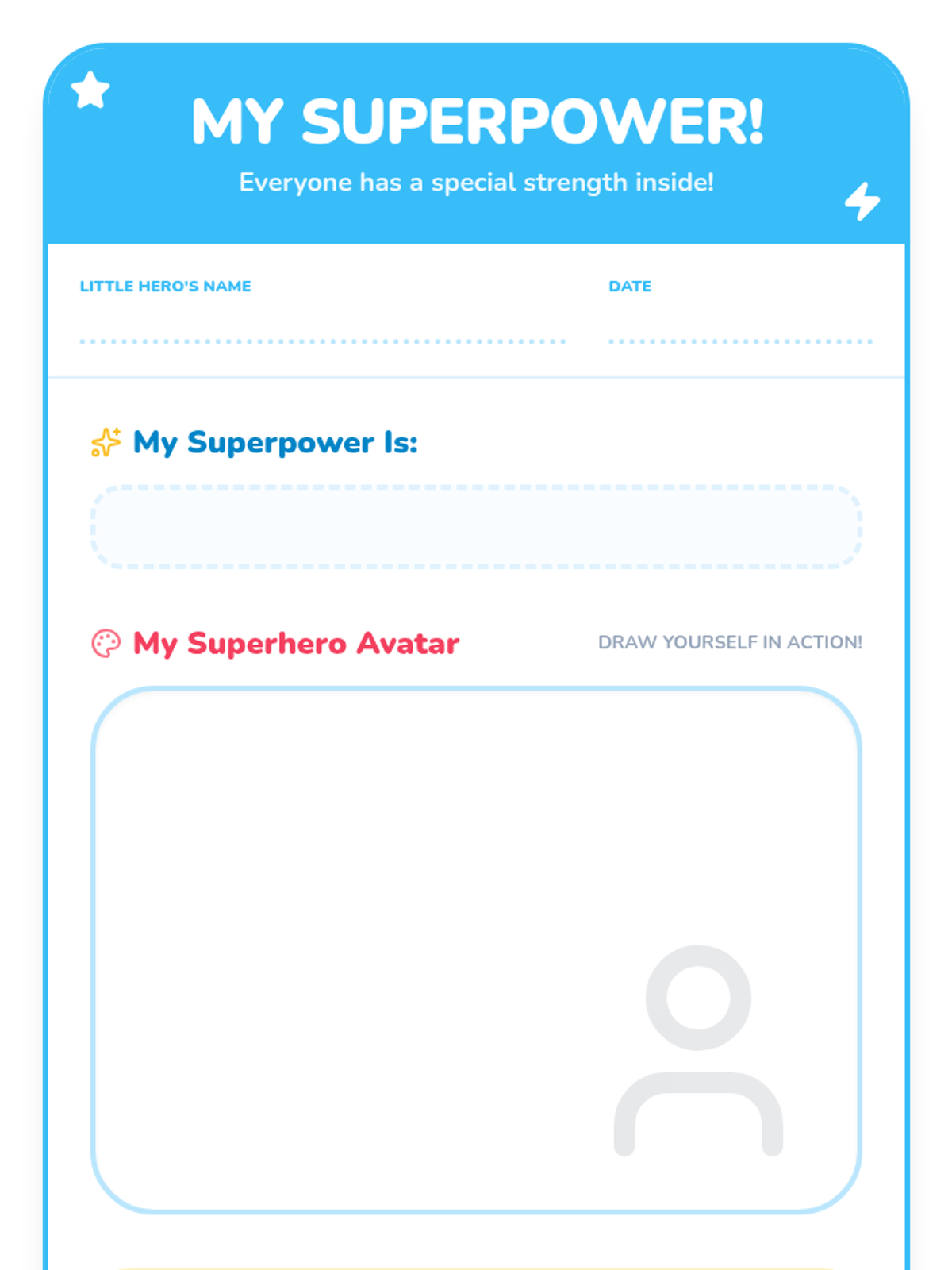
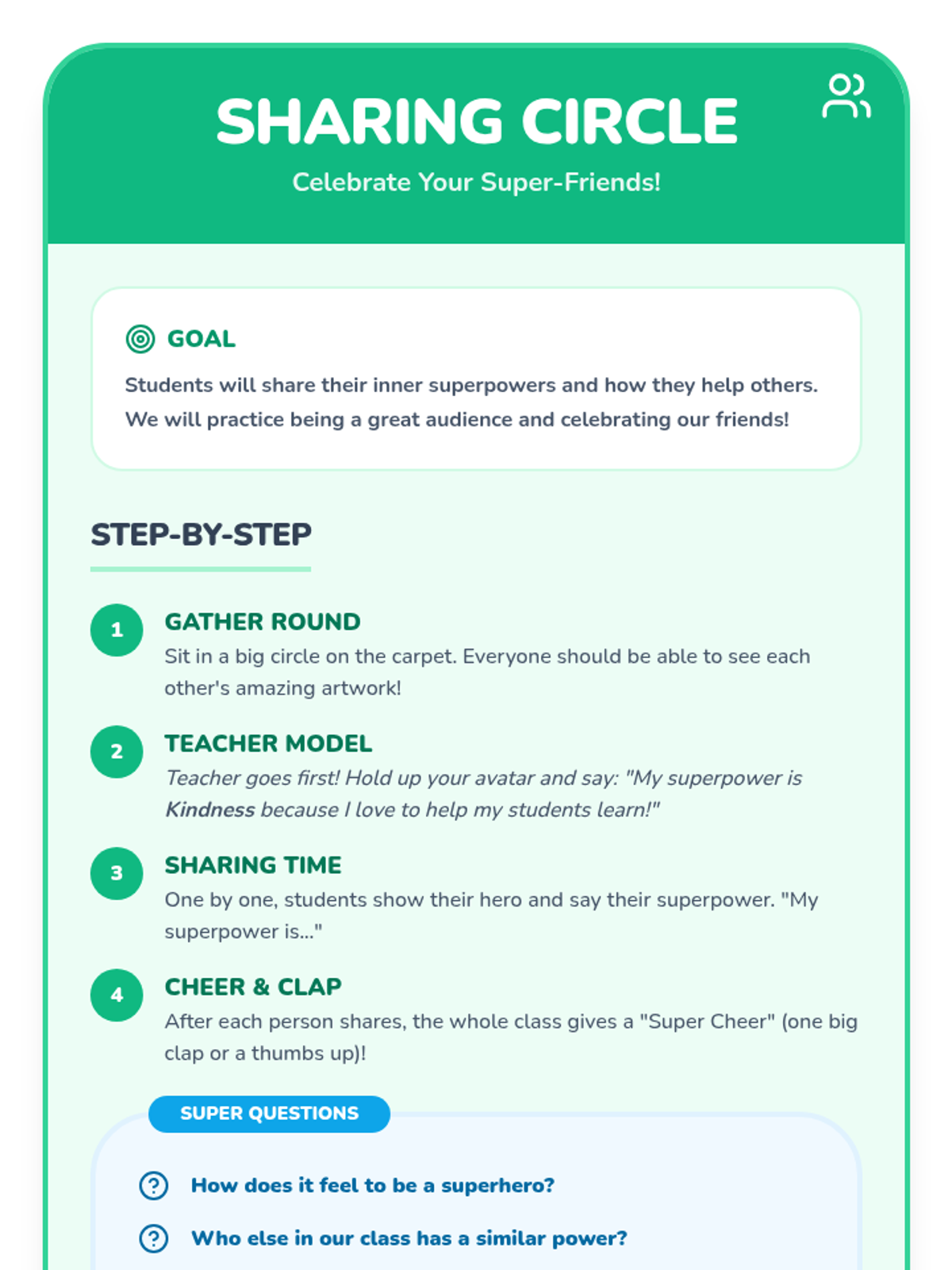
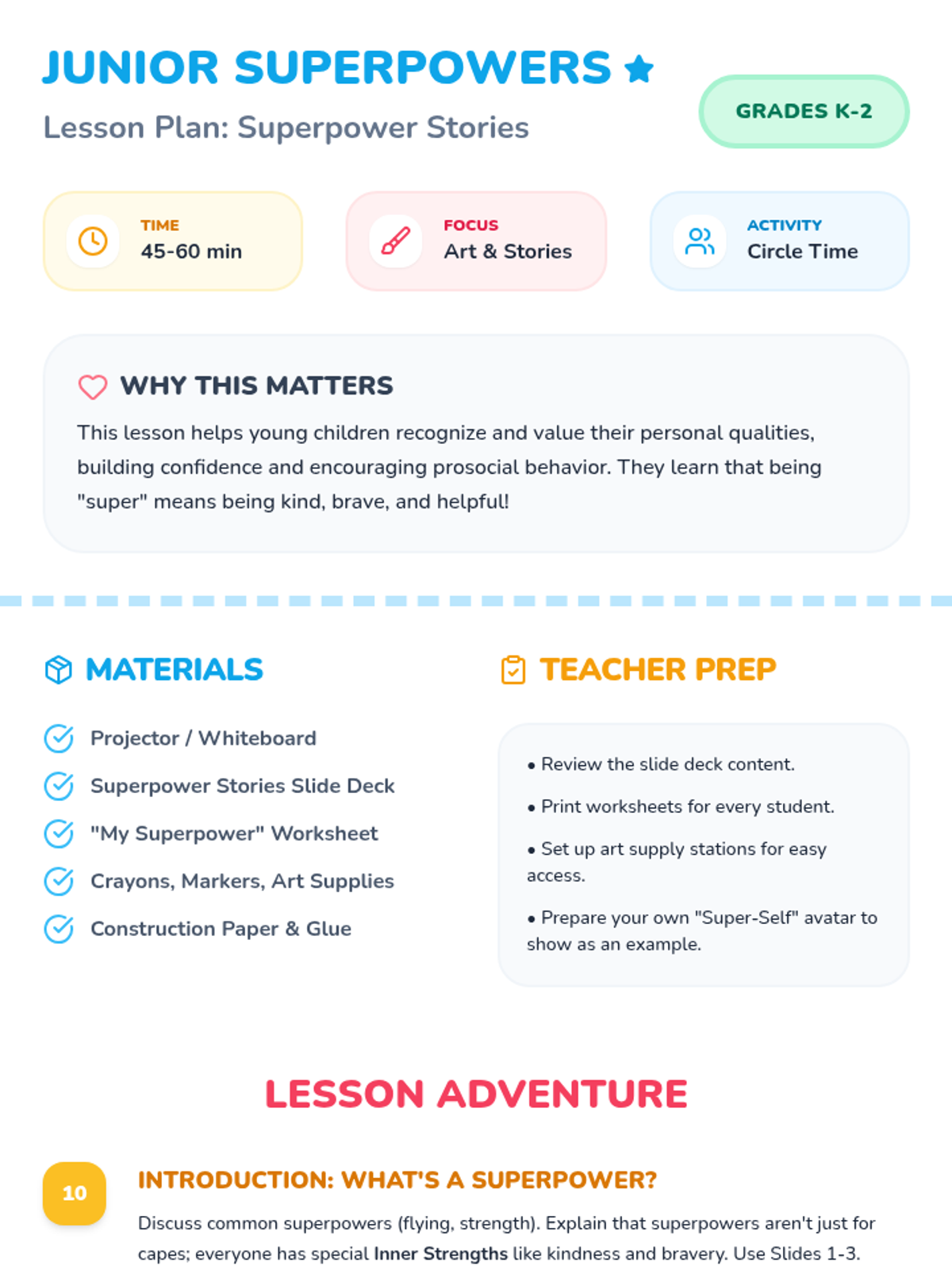
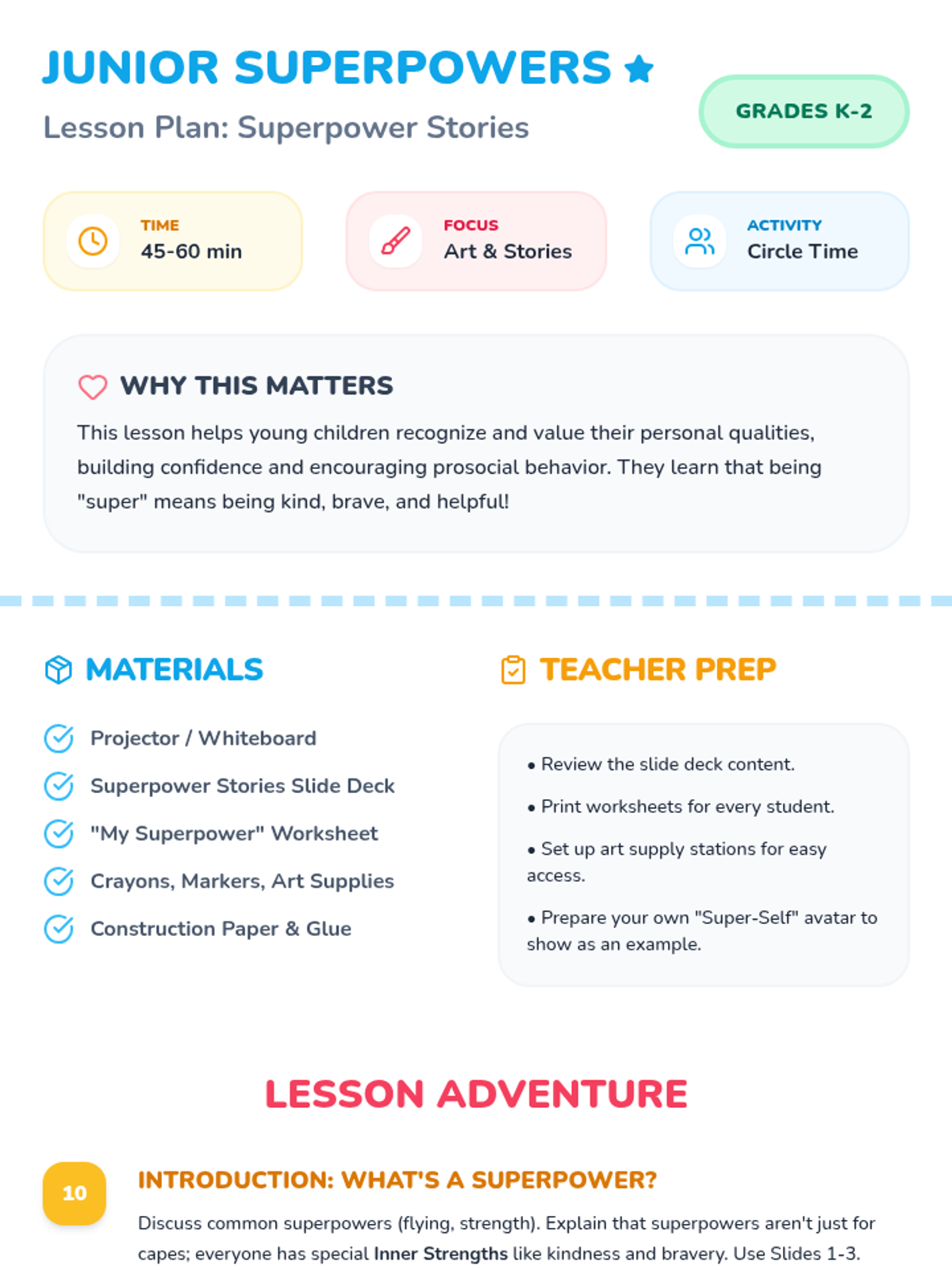
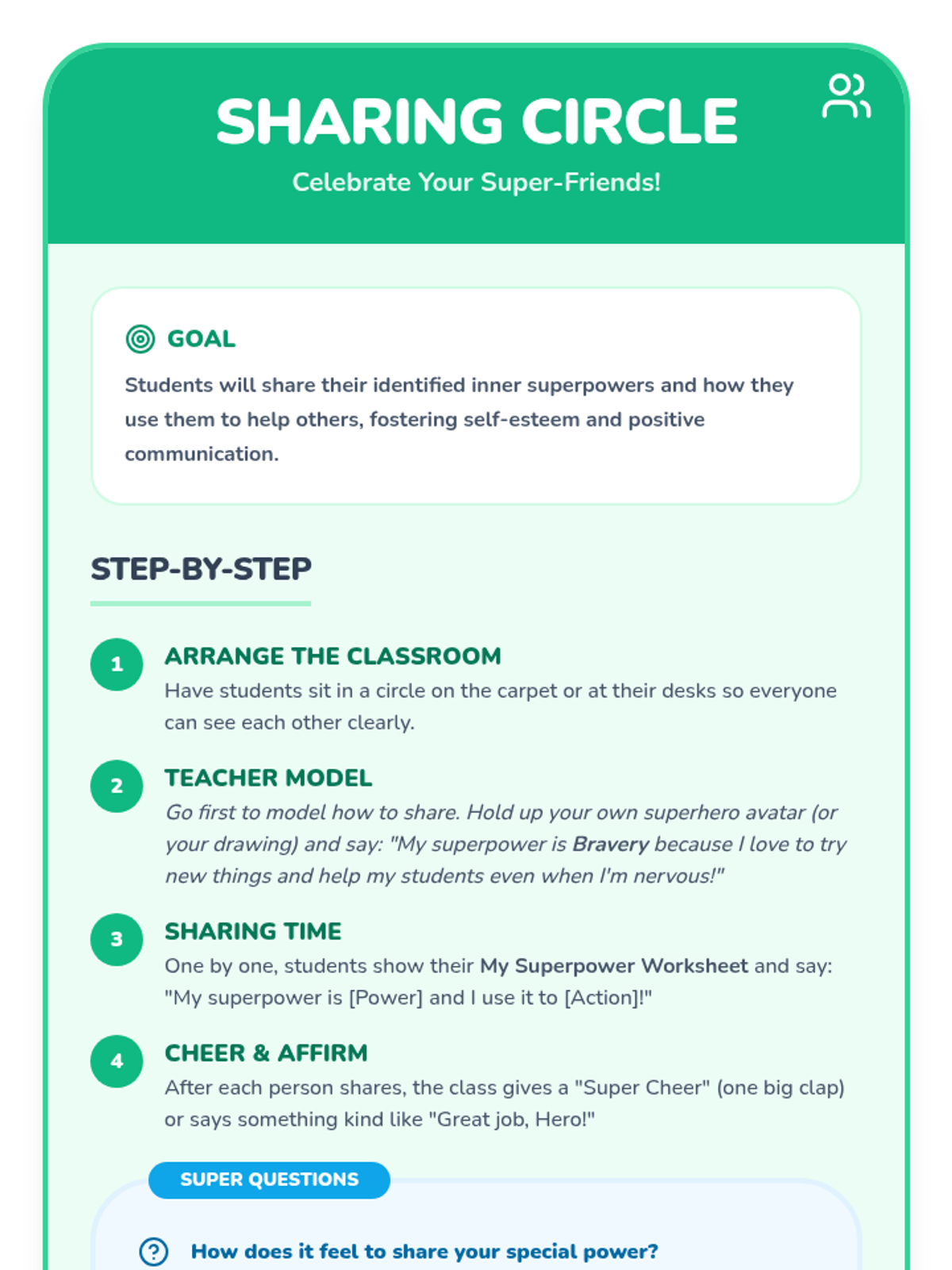
A sequence of lessons designed for different grade levels (K-2 and Middle School) to help students discover their inner strengths and "superpowers."
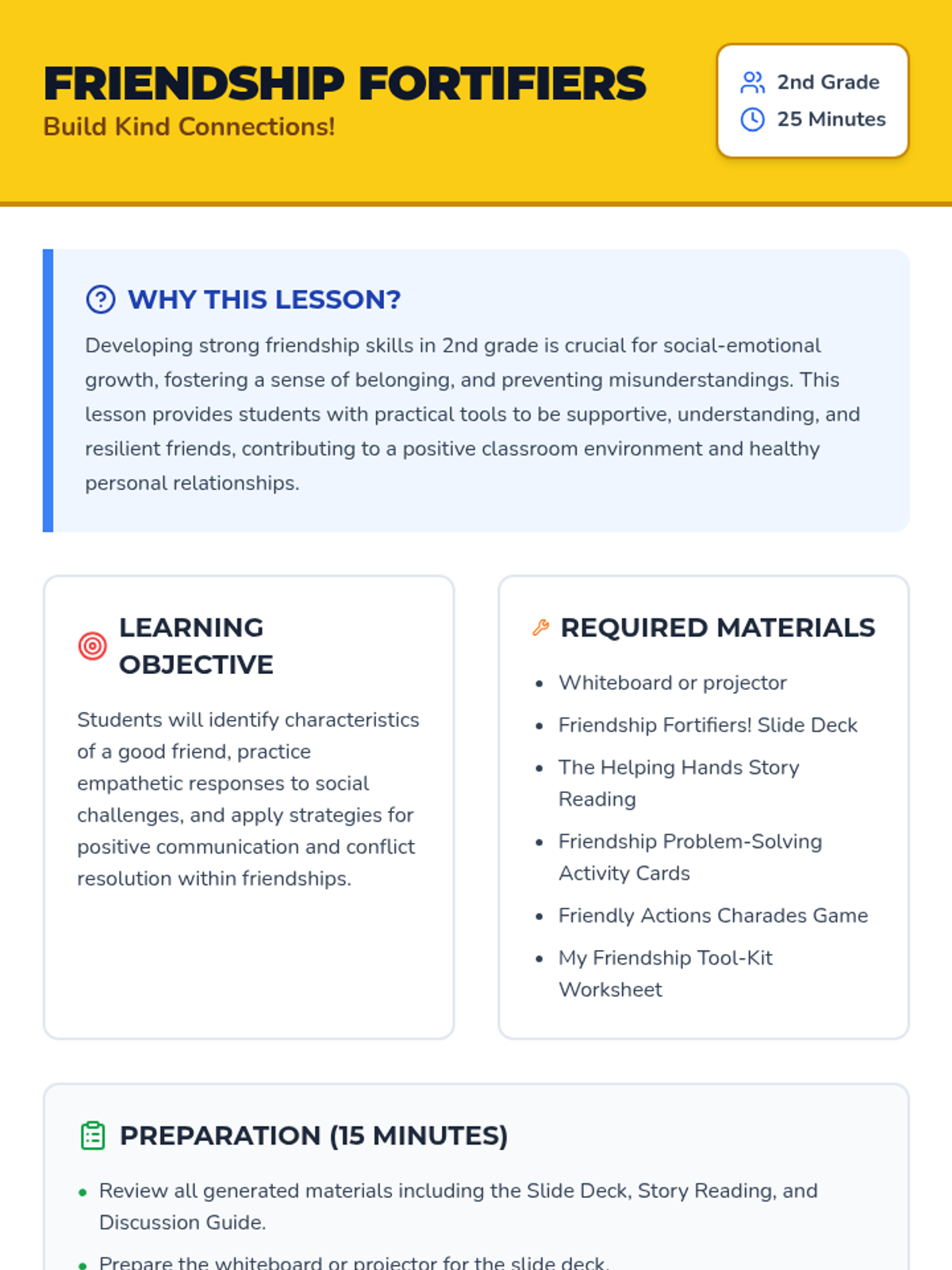
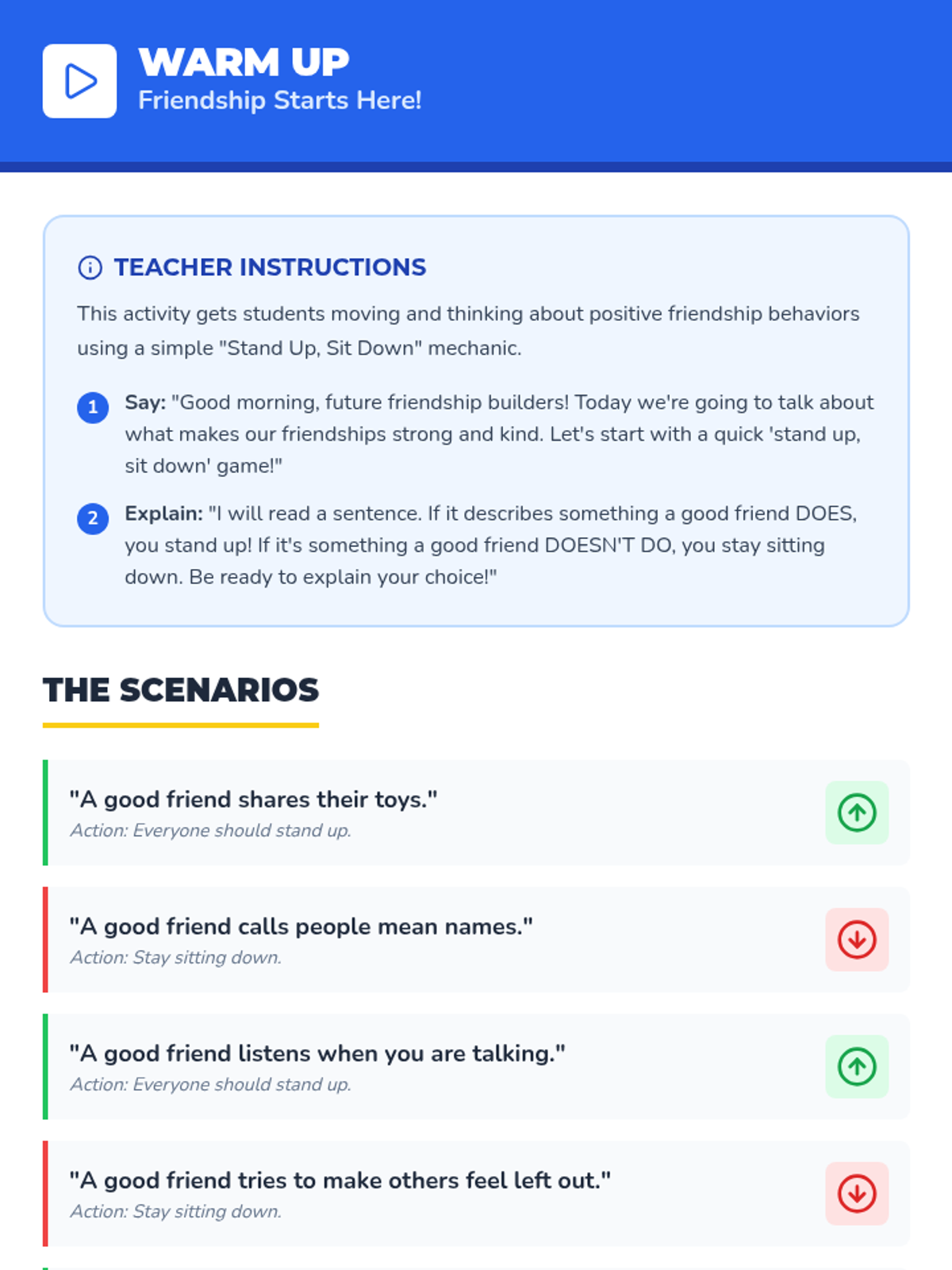
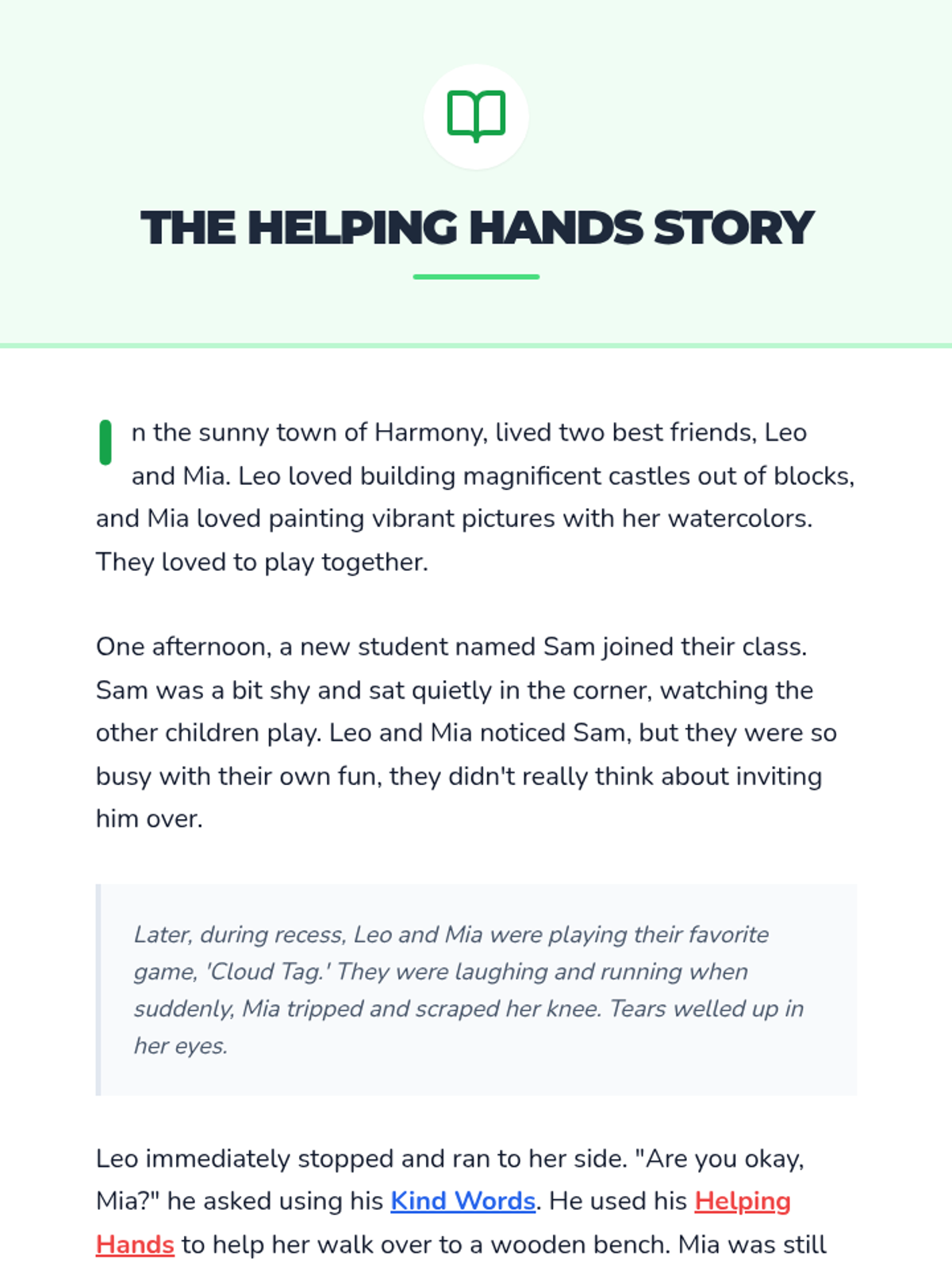
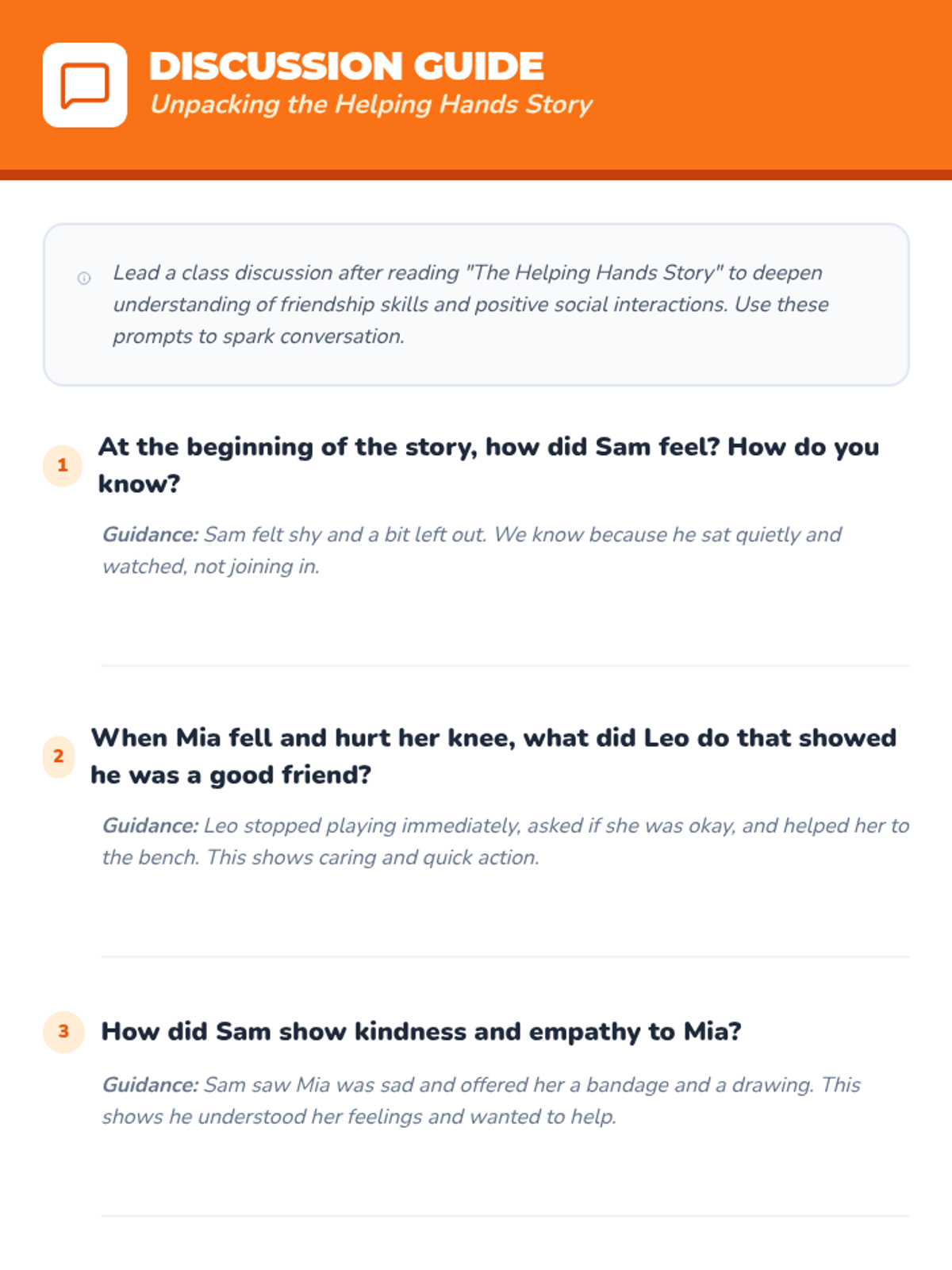
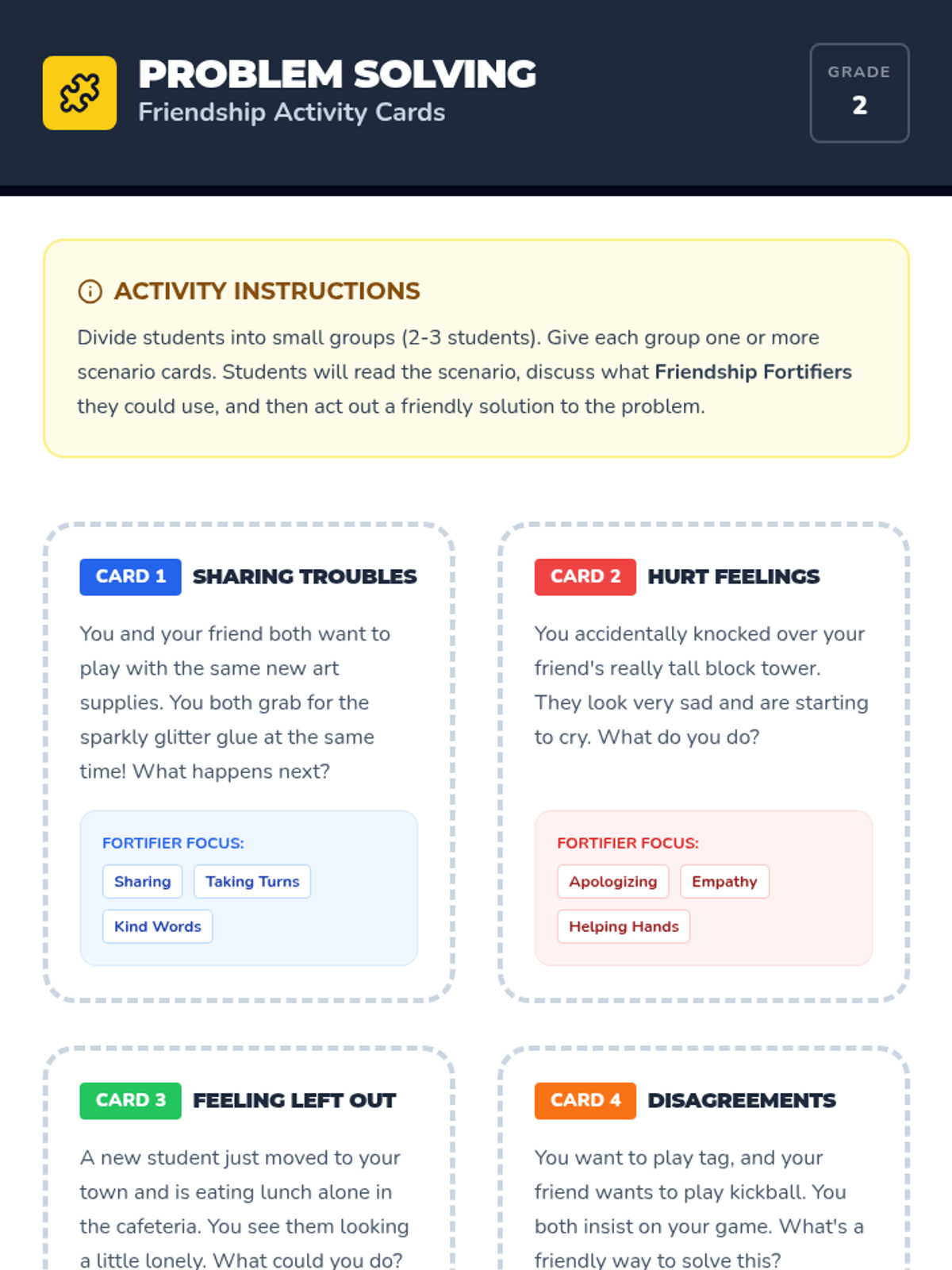
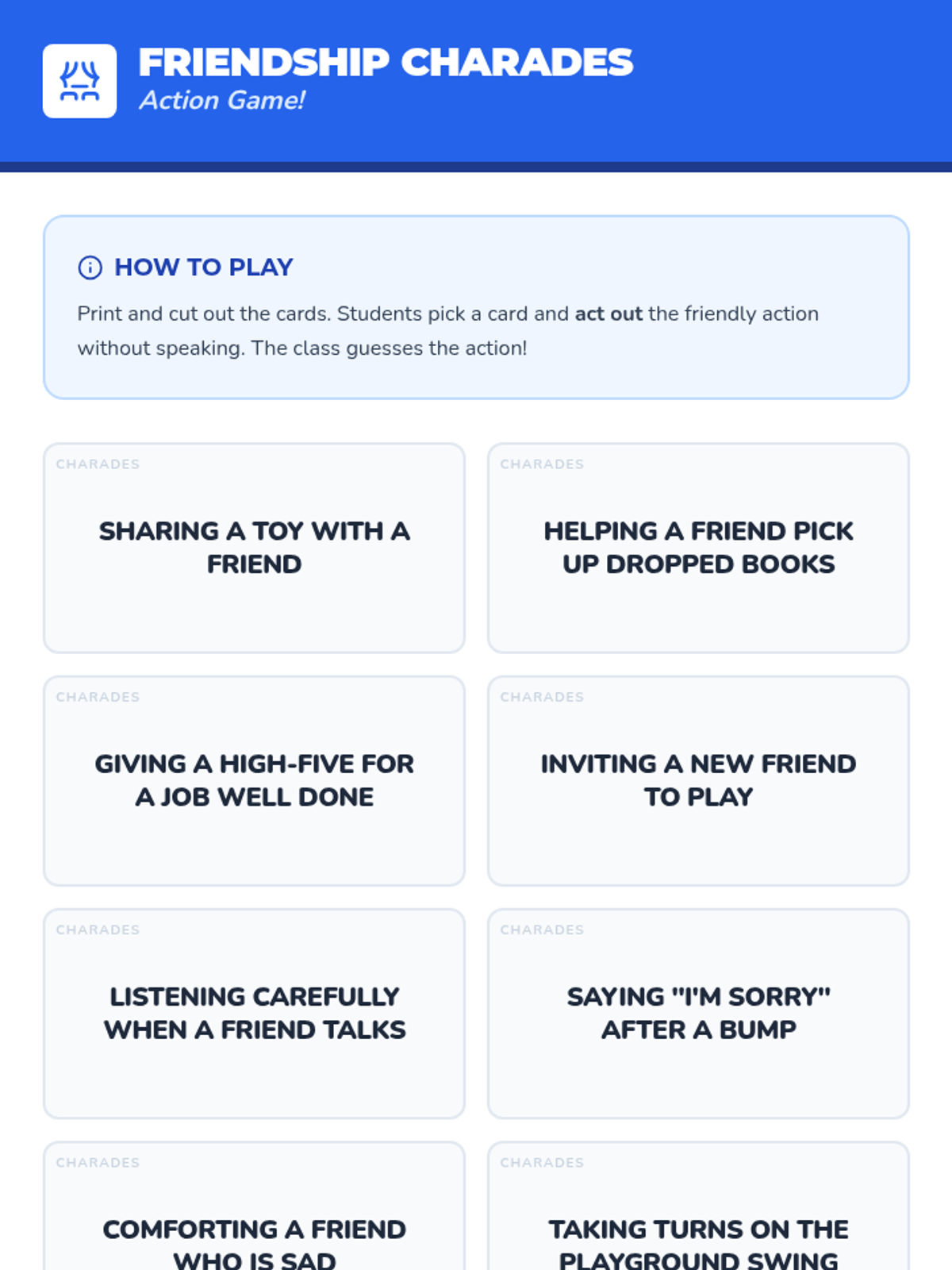
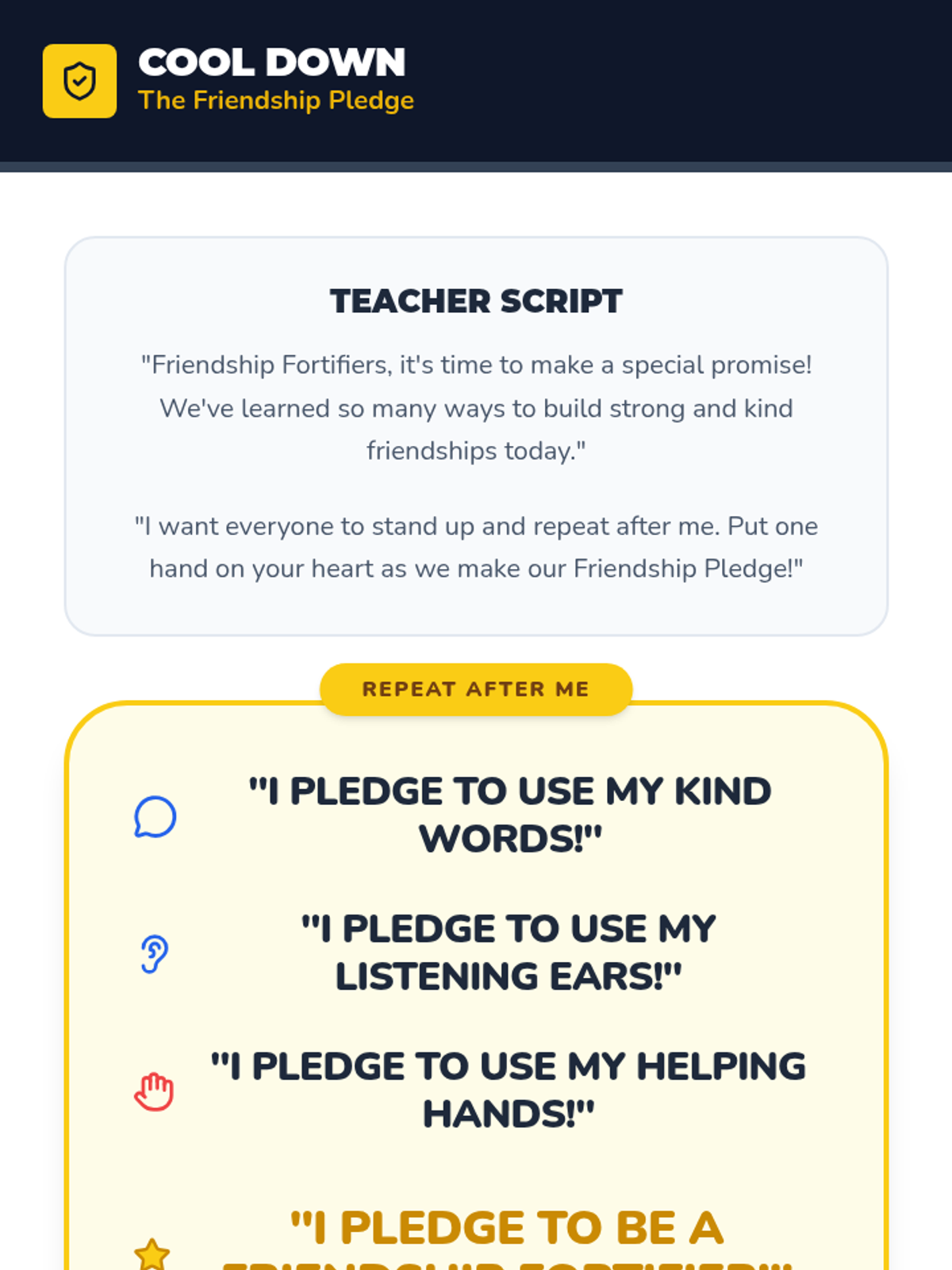
A sequence of lessons for elementary students focused on building foundational social skills. Students learn to use 'Friendship Fortifiers' in 2nd grade and join the 'Kindness Crew' in Kindergarten to foster a supportive and empathetic classroom community.
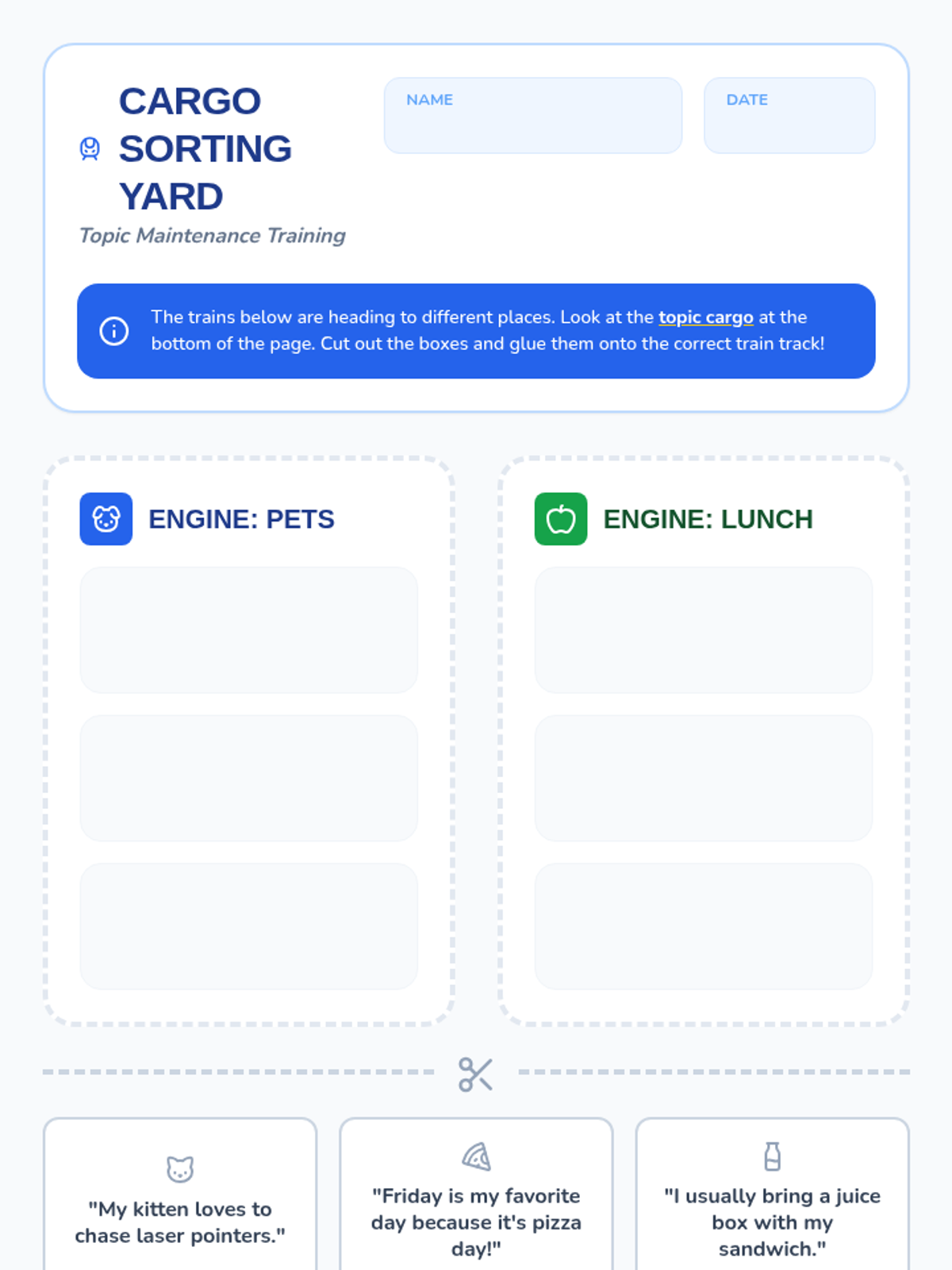
A 5-lesson sequence for 2nd-grade social communication students using a 'Conversation Train' metaphor to teach topic maintenance, relevant comments, identifying off-topic remarks, asking follow-up questions, and transitioning between topics.
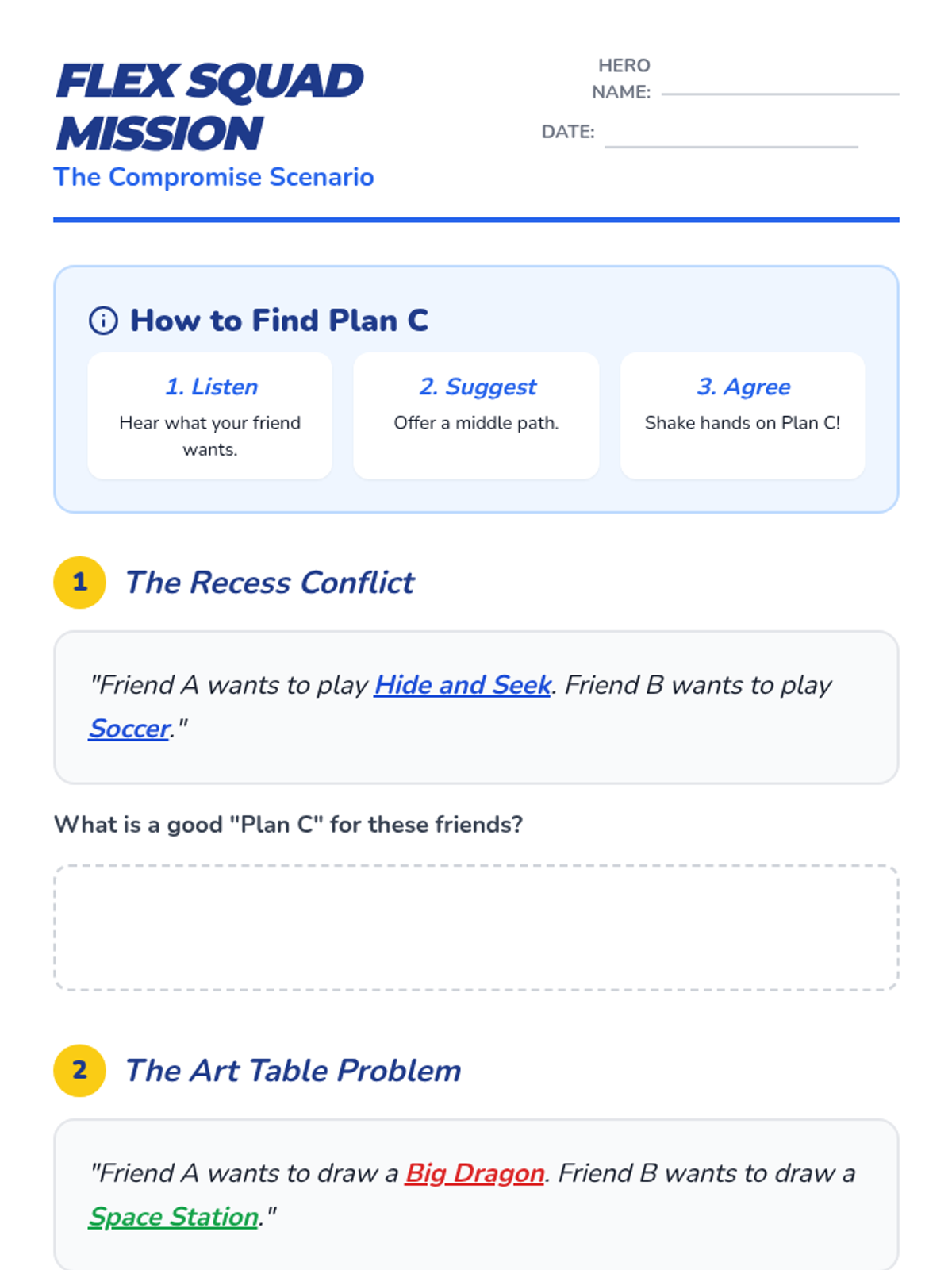
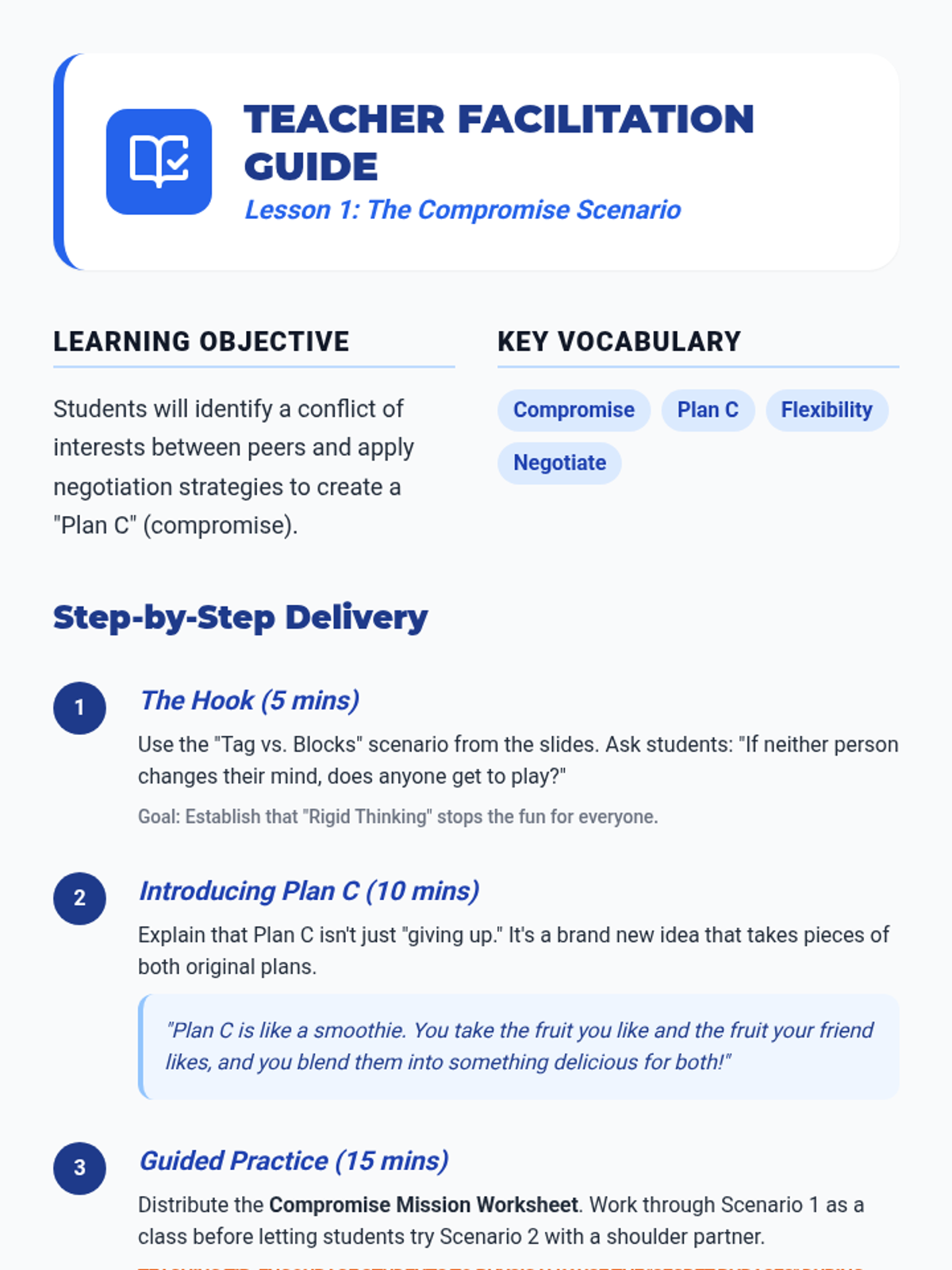
This sequence teaches 2nd-grade students how to adapt to social plan changes and peer conflicts using flexibility strategies. Students learn to negotiate compromises, handle absent partners, solve resource problems, and support peers experiencing change-related distress.
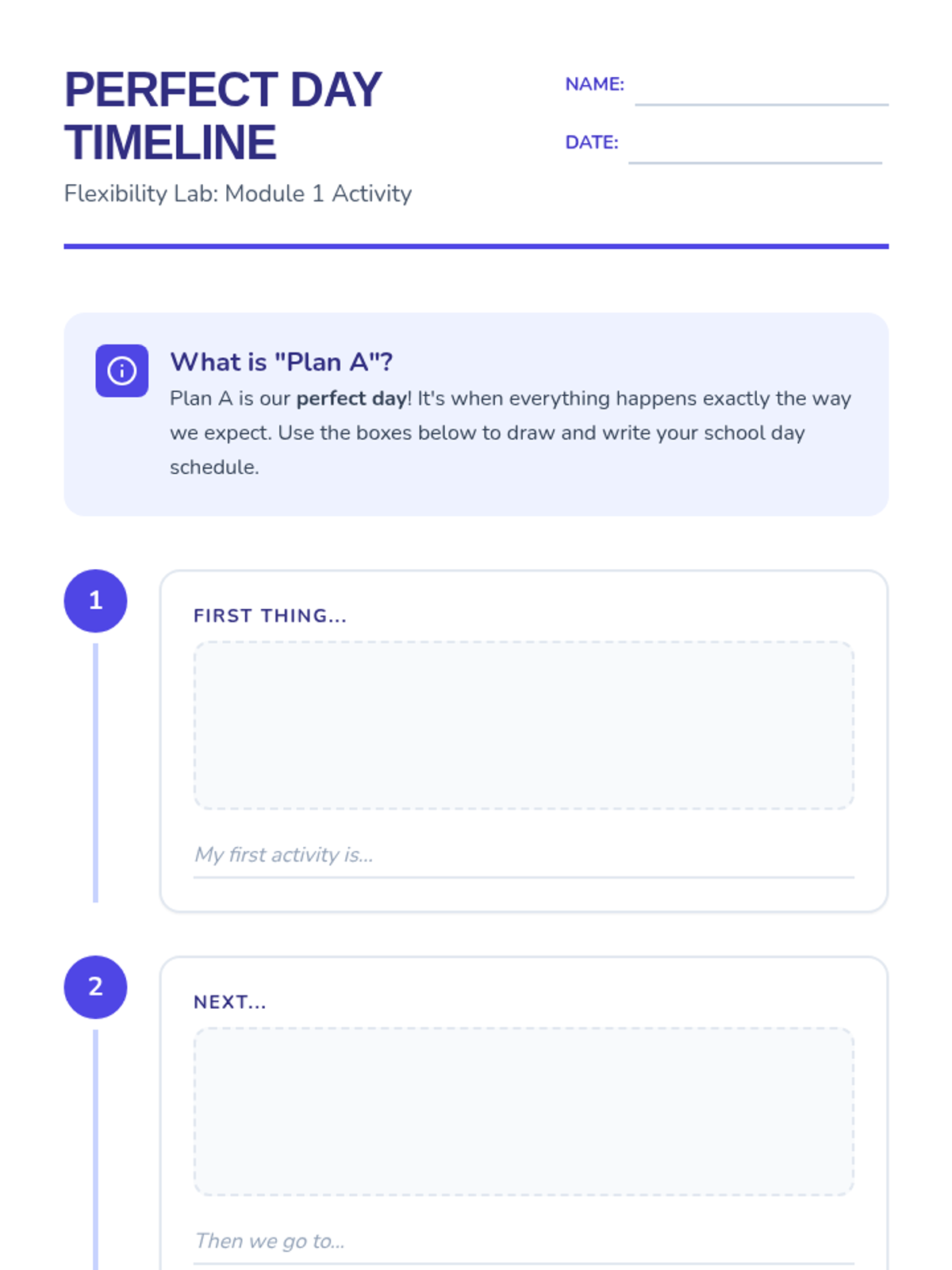
A 5-lesson sequence for 2nd graders to develop cognitive flexibility by distinguishing between rigid and flexible thinking, identifying emotions, sizing problems, and creating Plan B alternatives.
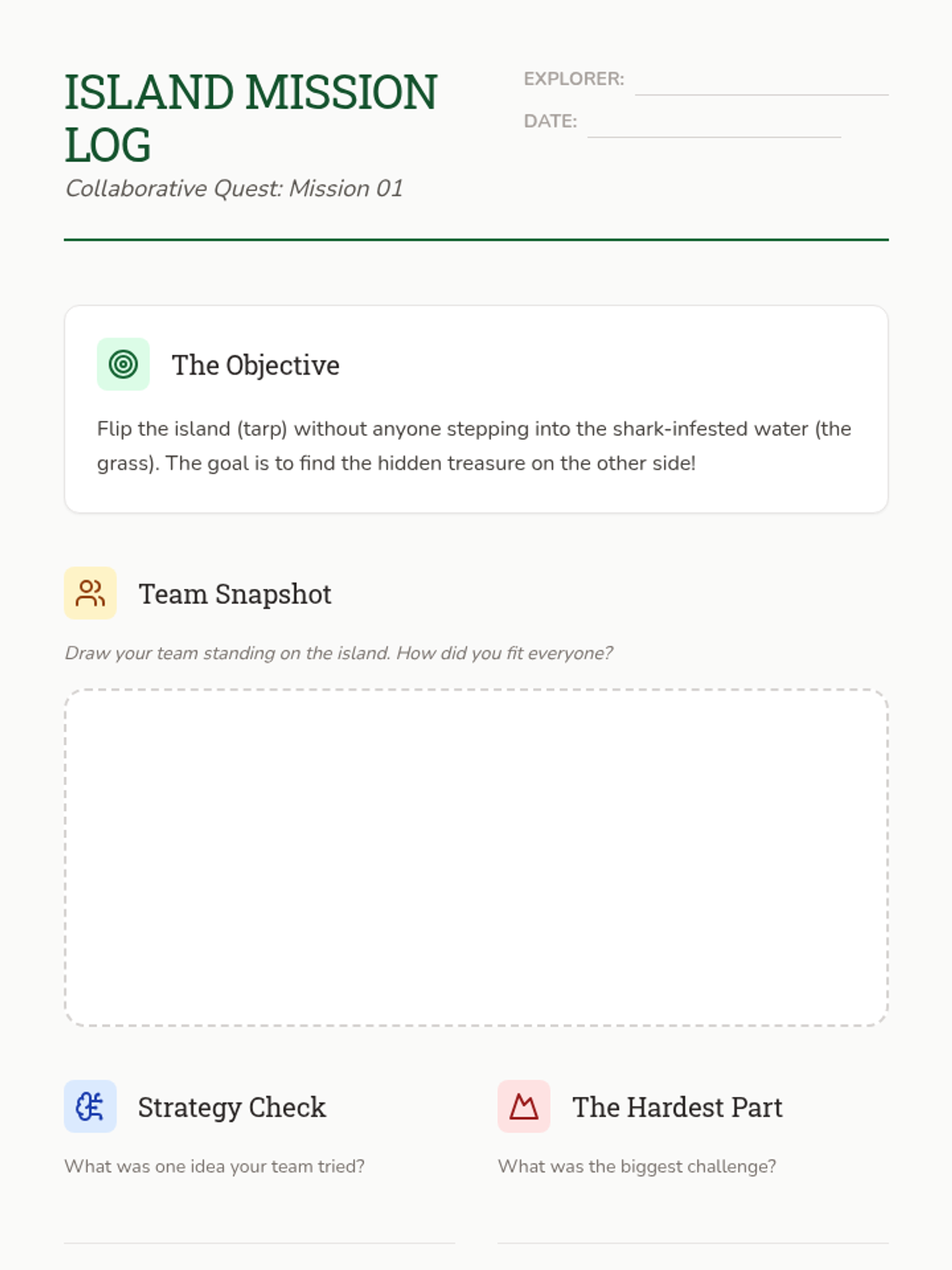
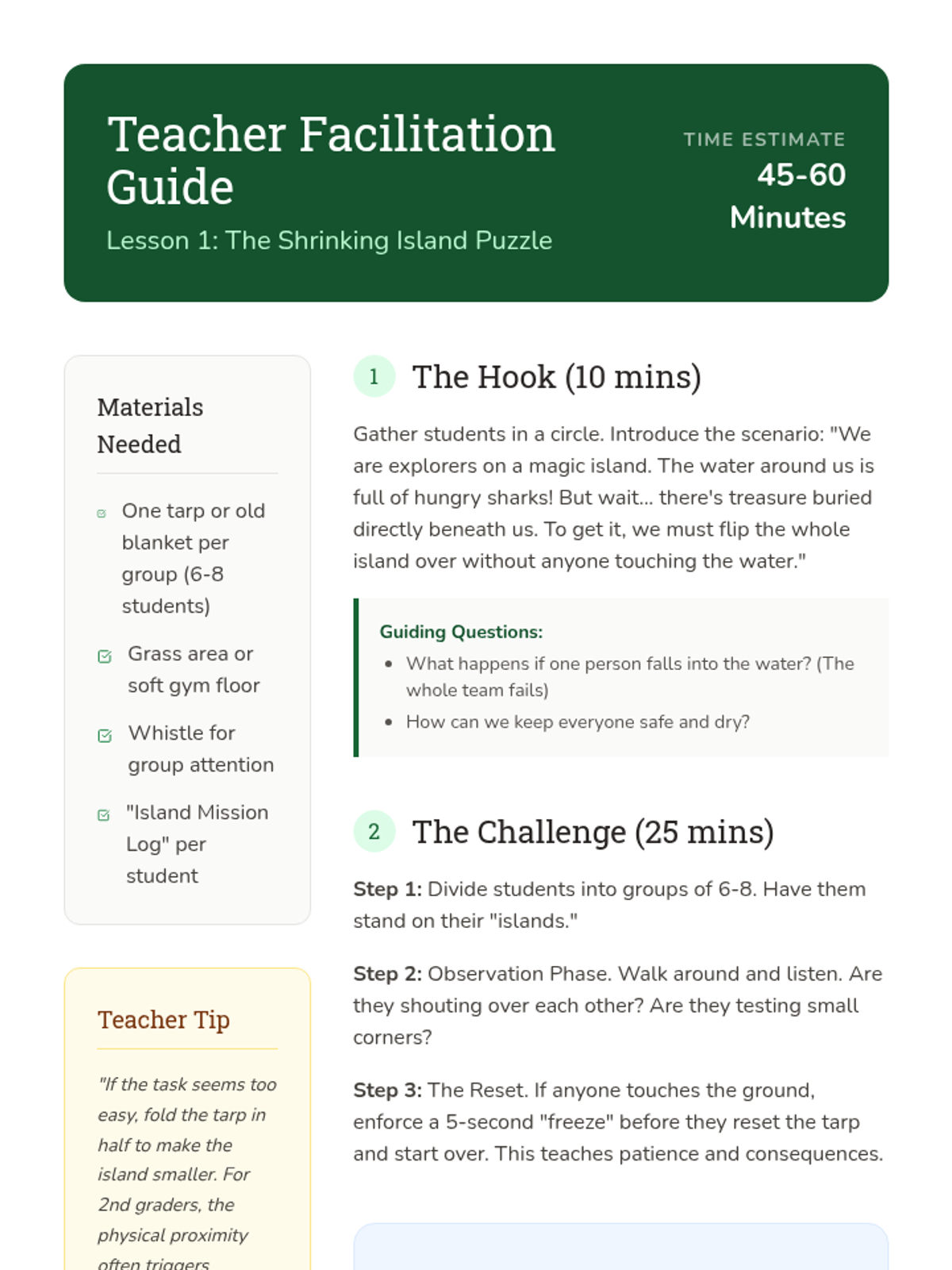
A 5-lesson series for 2nd graders focused on team-building and collaborative problem-solving through outdoor adventure scenarios. Students develop communication, strategic thinking, and resilience as they navigate physical and mental challenges.
A project-based sequence for 2nd graders focusing on empathy and conflict resolution. Students learn to see multiple perspectives, analyze conflicts, and design tangible 'Peace Tools' like a Peace Path or Peace Corner for their classroom community.
This sequence teaches 2nd-grade students how to manage conflict through active listening and collaborative negotiation. Students learn to de-escalate their emotions, listen with intent, brainstorm 'win-win' solutions, and use fair decision-making tools to resolve disputes independently.
Students move from reactive emotional responses to proactive negotiation. They learn de-escalation, empathy through perspective-taking, and a structured 4-step 'Peace Path' to resolve playground and classroom conflicts independently.
A 5-lesson project-based sequence for 2nd Grade students to learn environmental agency. Students audit sensory inputs, design a recovery space, establish rules, practice desk-based modifications, and master the transition back to learning.
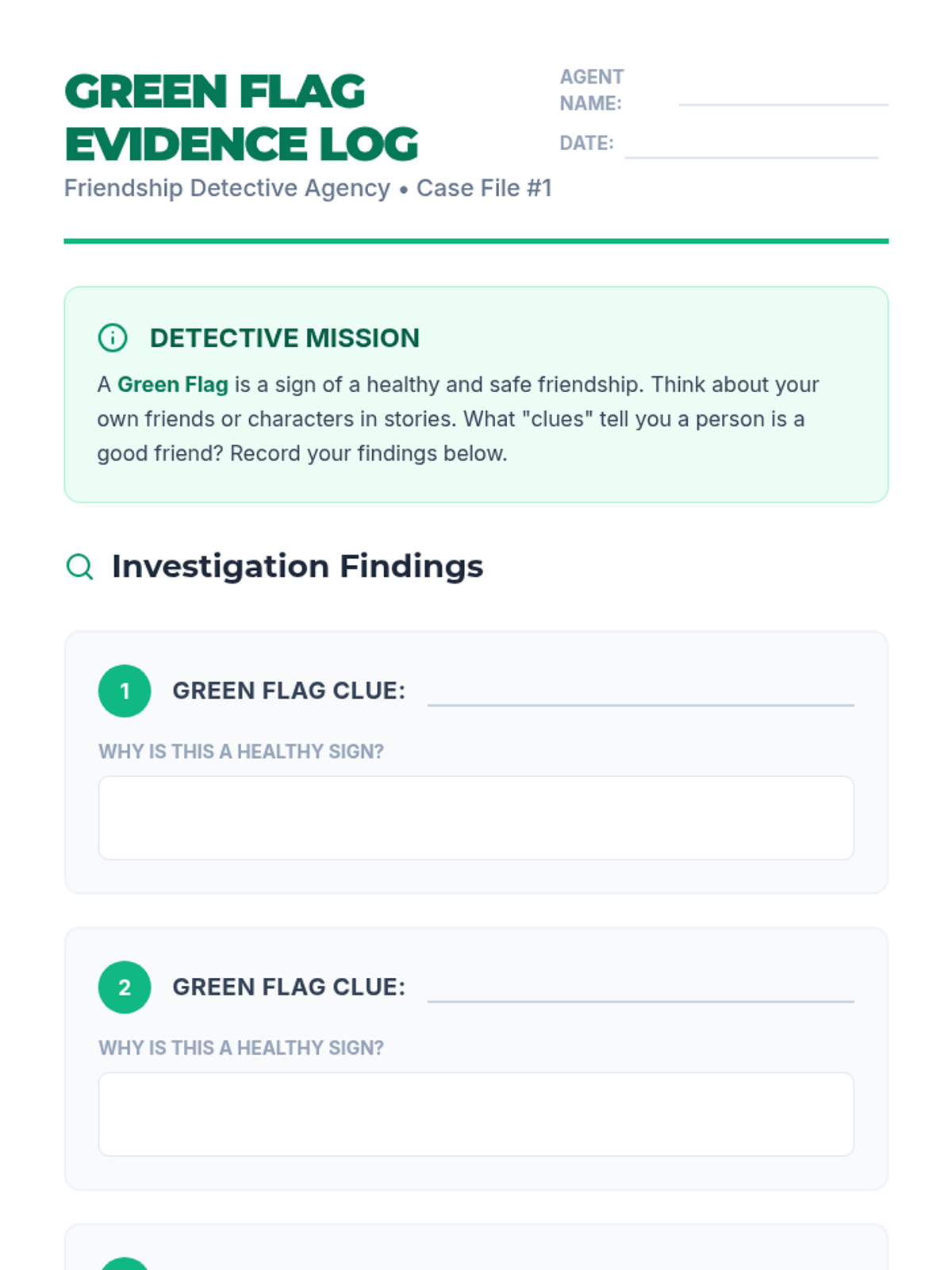
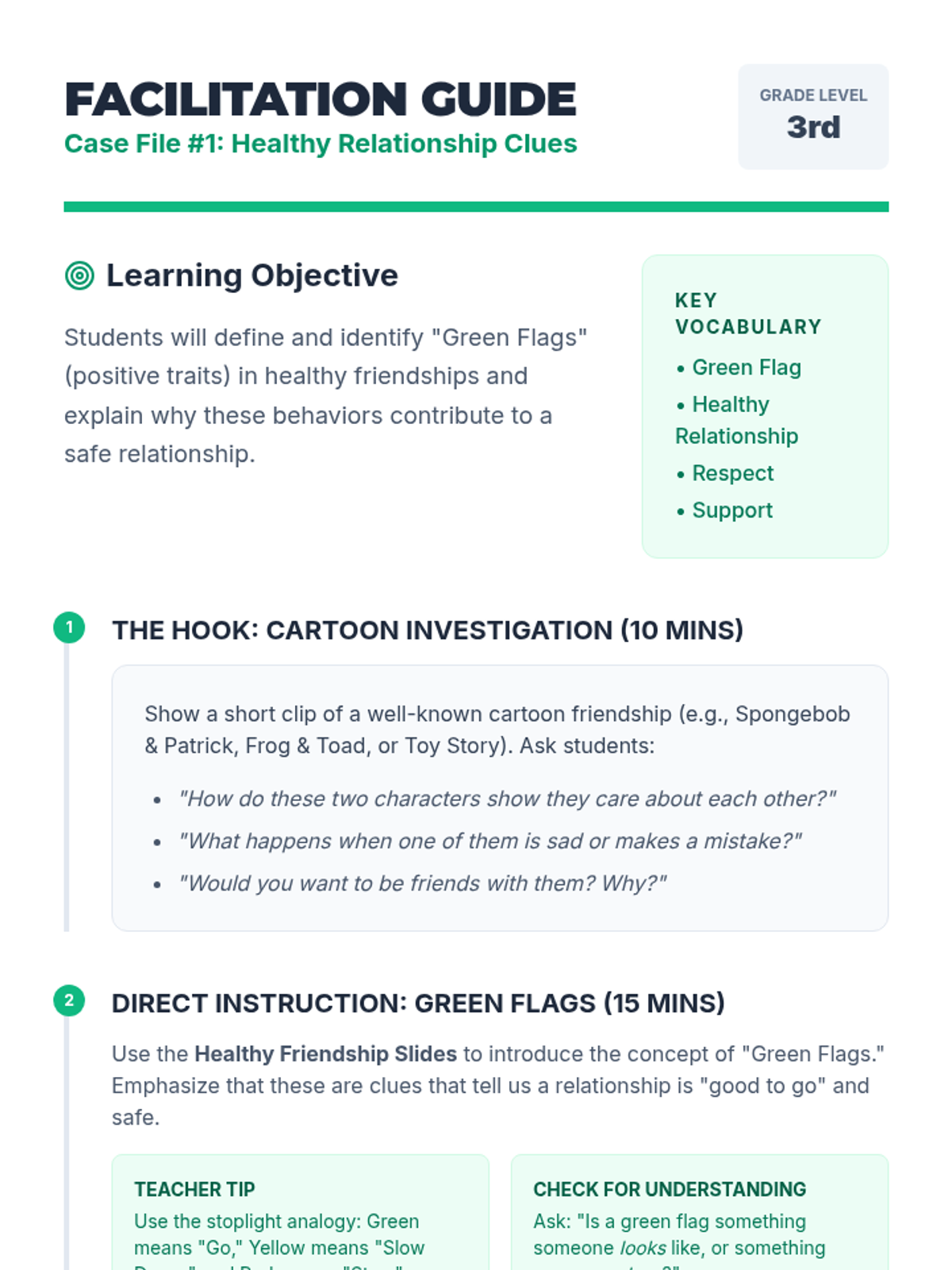
A 5-lesson unit where students become 'Friendship Detectives' to identify healthy and unhealthy relationship dynamics. Using case studies, sorting games, and creative projects, students learn to recognize green and red flags, distinguish between teasing and bullying, and resolve conflicts safely.
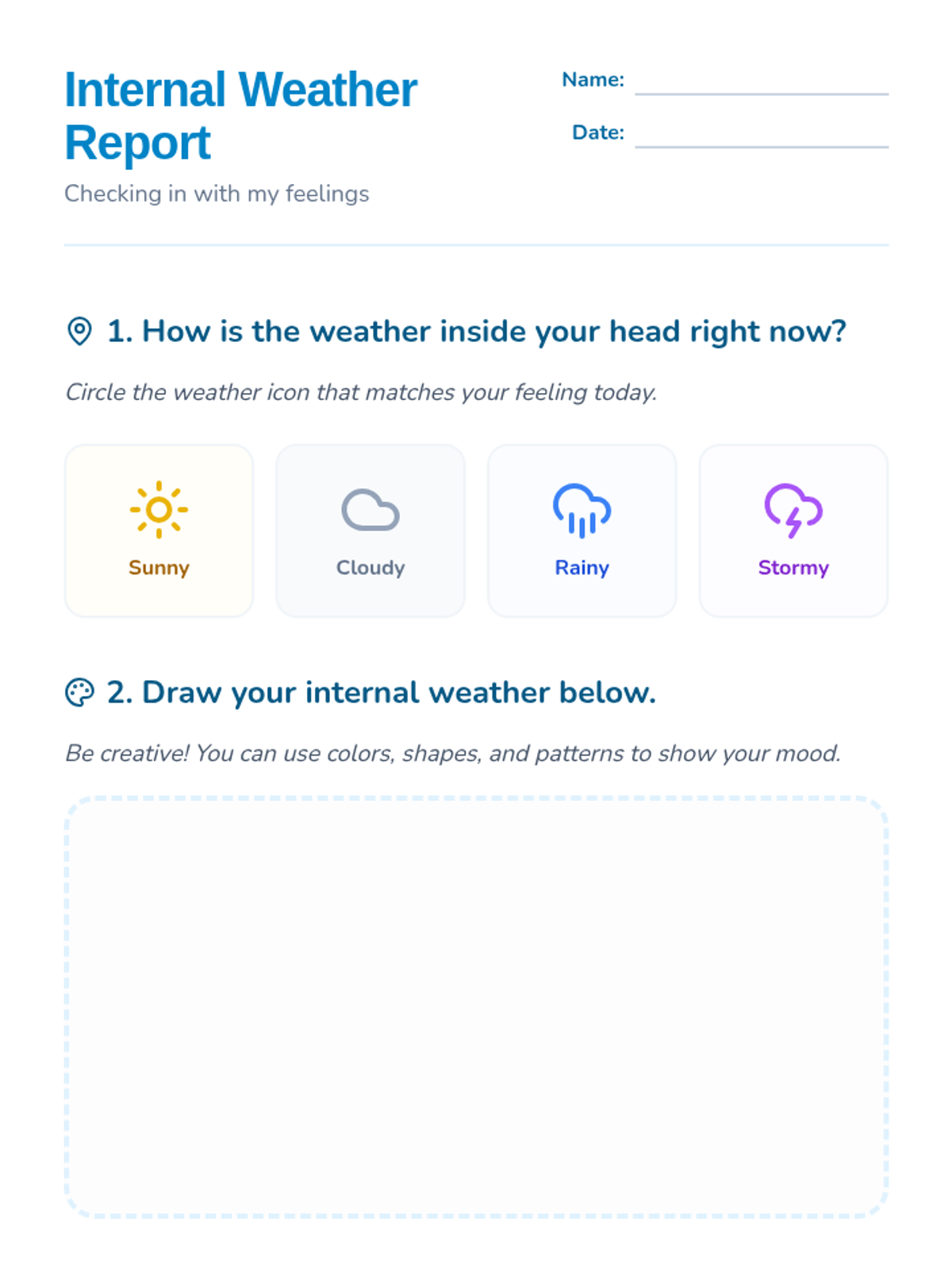
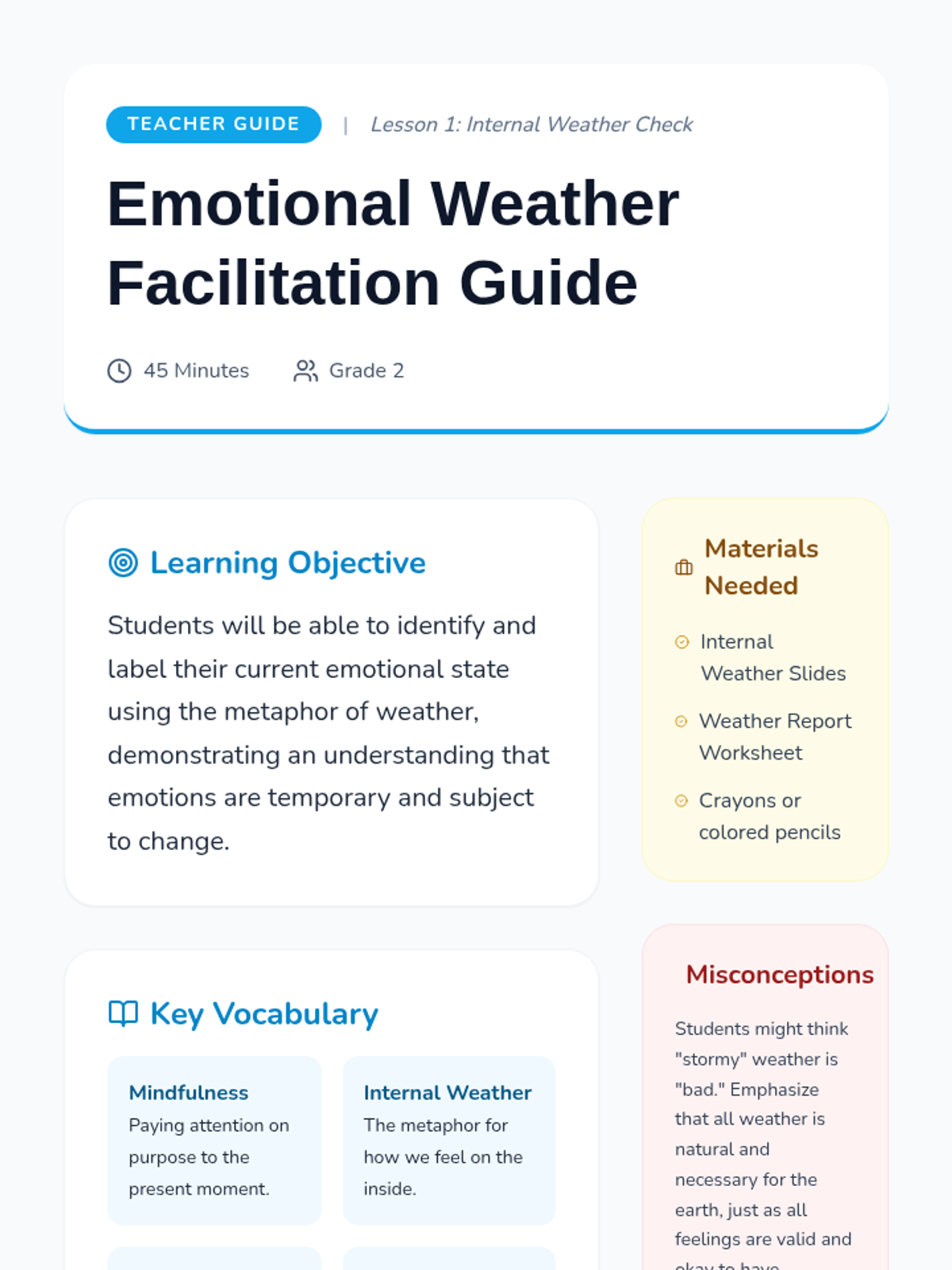
A 5-lesson unit for 2nd graders that connects emotional intelligence to self-identity. Students explore nuanced emotions, personal triggers, artistic expression, self-regulation, and the concept of emotions as a shifting 'weather' that reflects their unique identity.
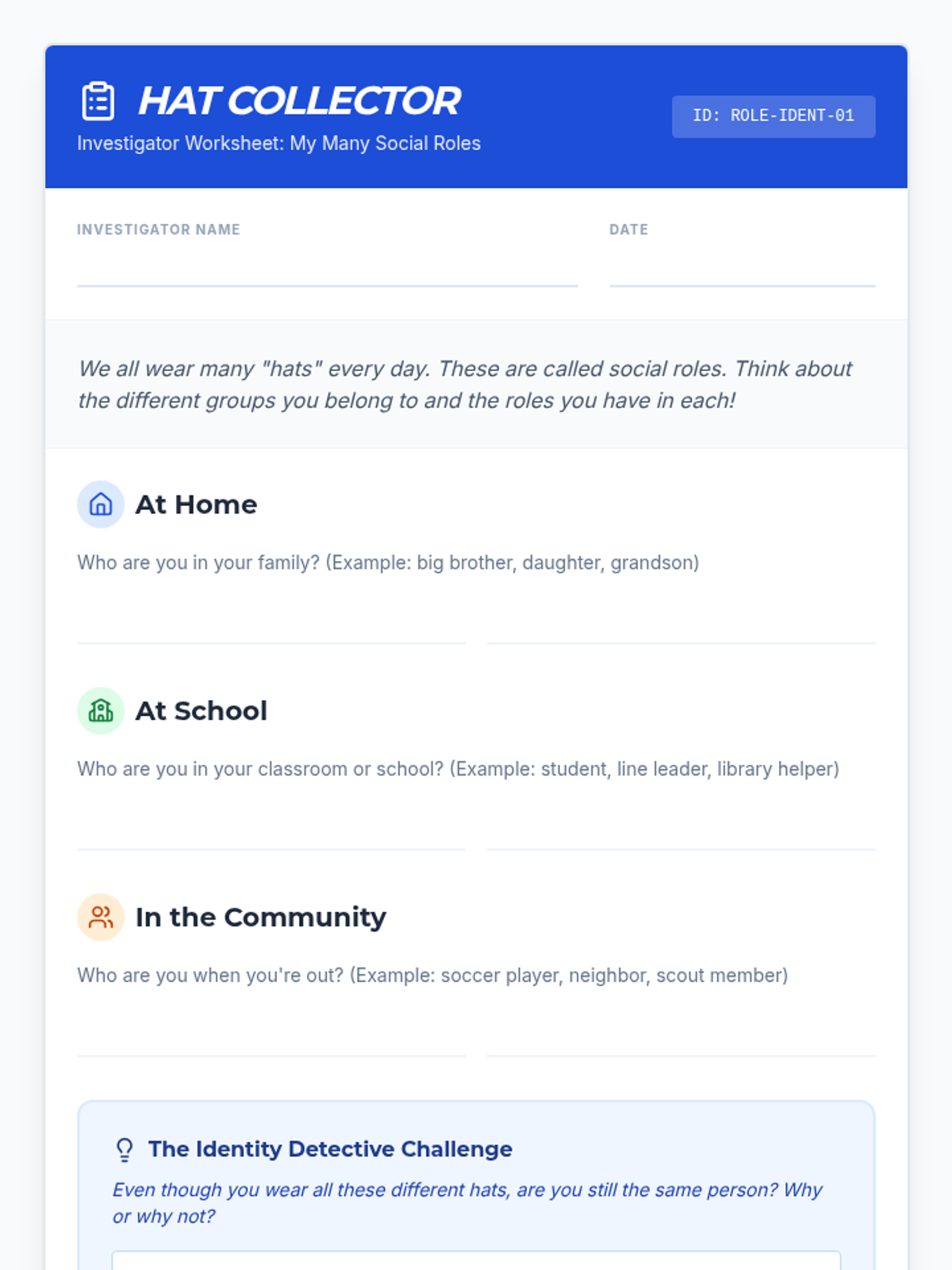
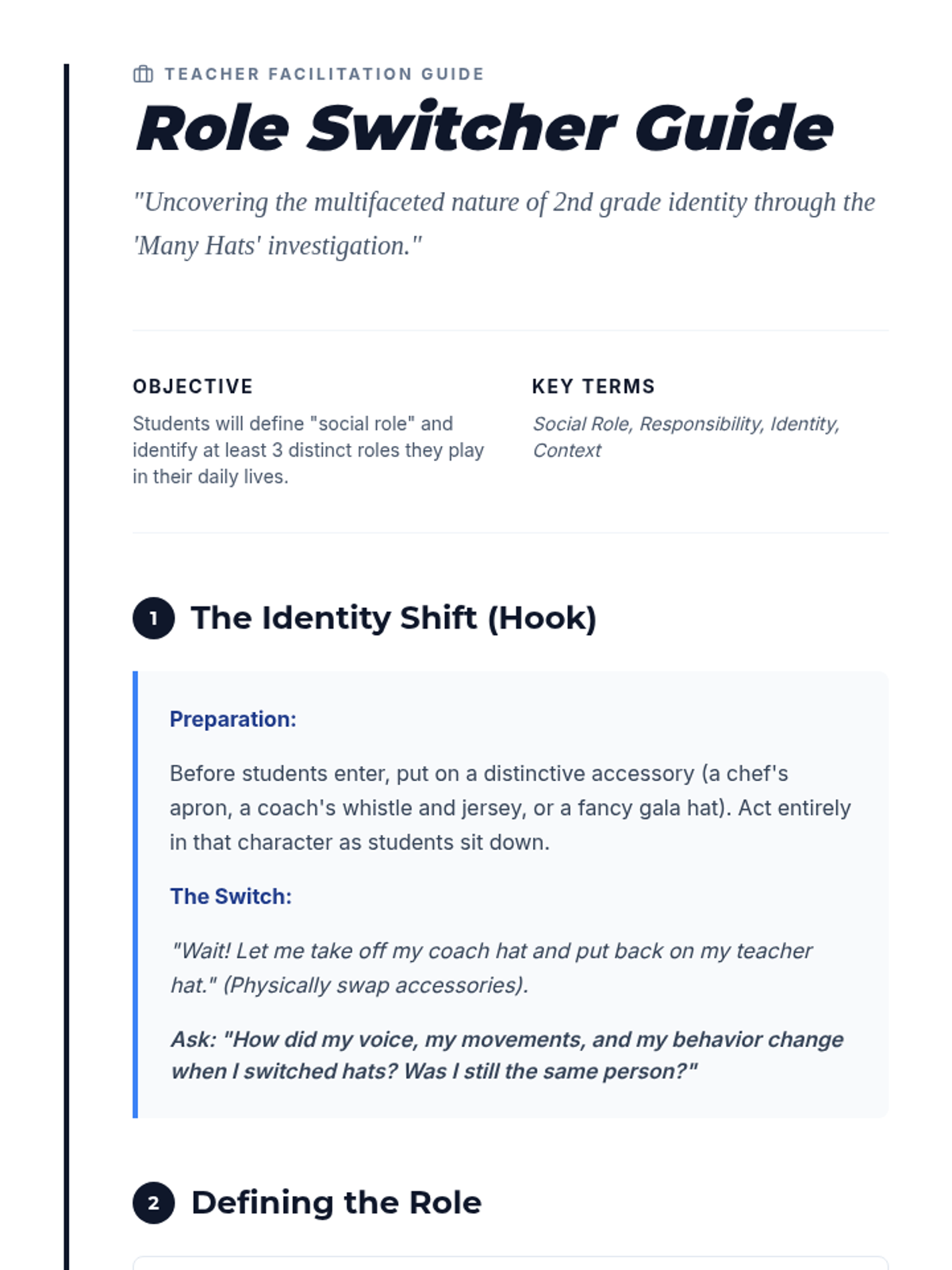
This sequence explores the fluidity of identity across different social contexts, introducing the concept of social roles. Students use inquiry and discussion to understand that they act differently as a student, a sibling, or a friend, yet remain the same person, building towards social responsibility.
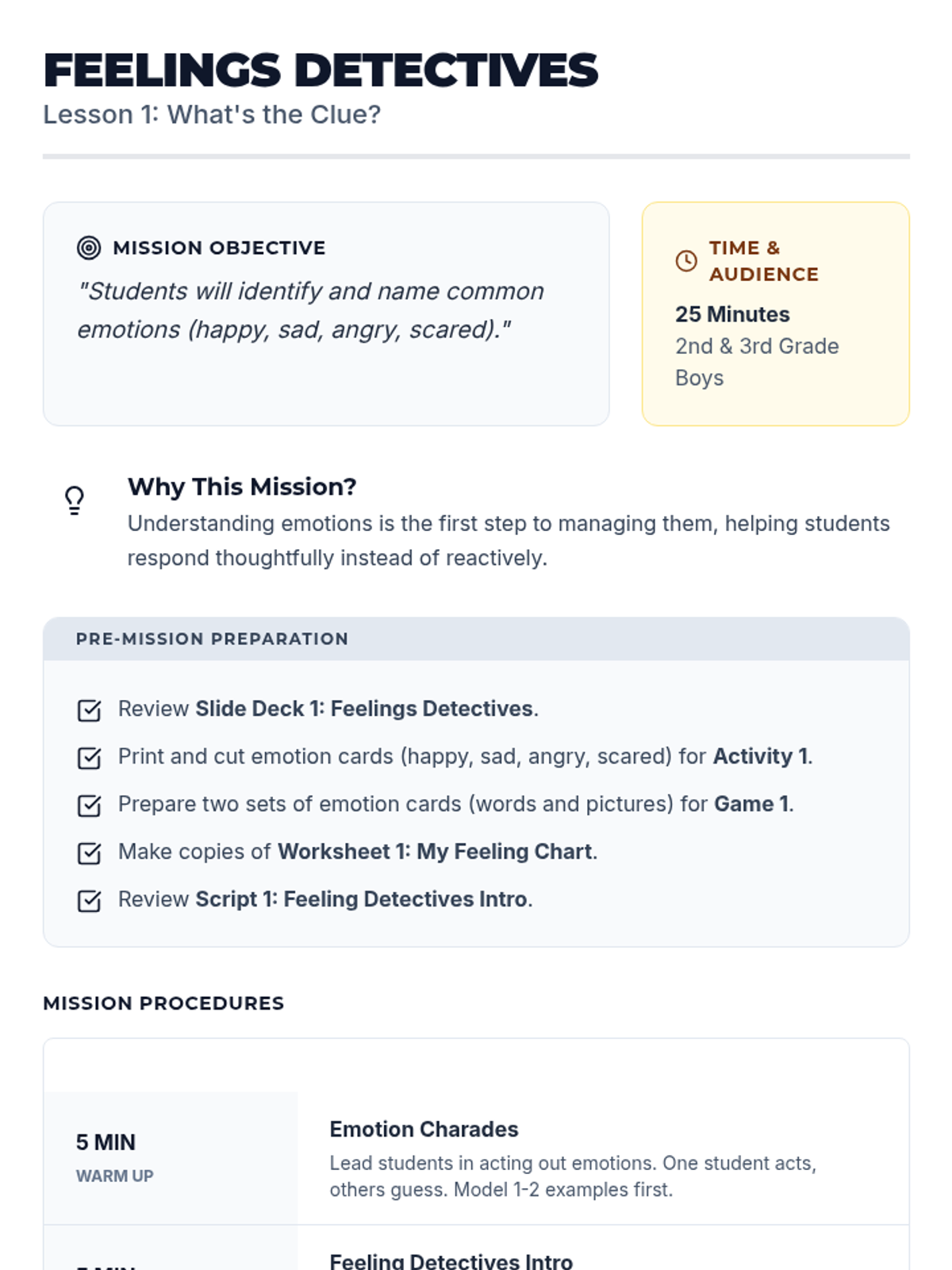
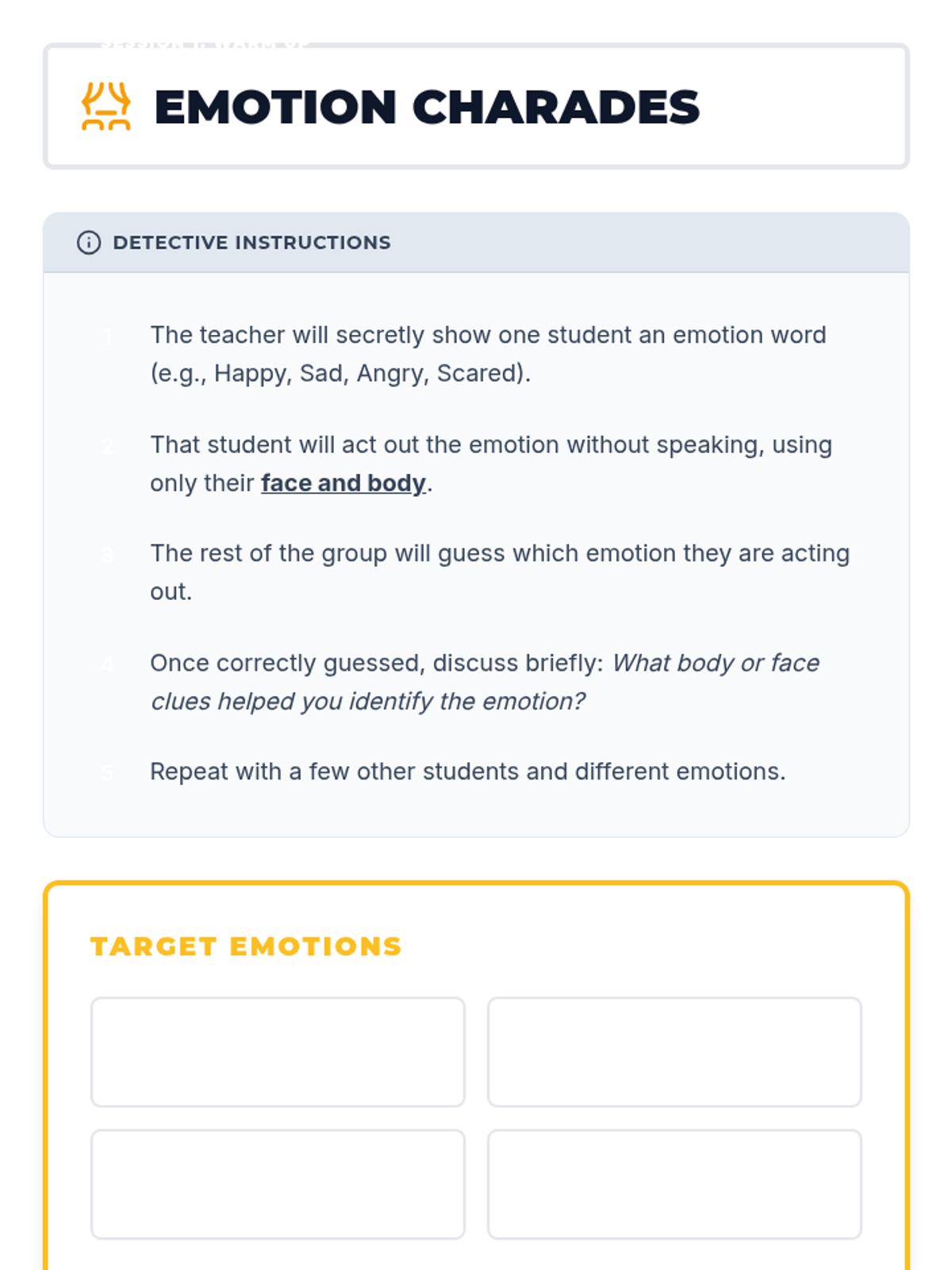
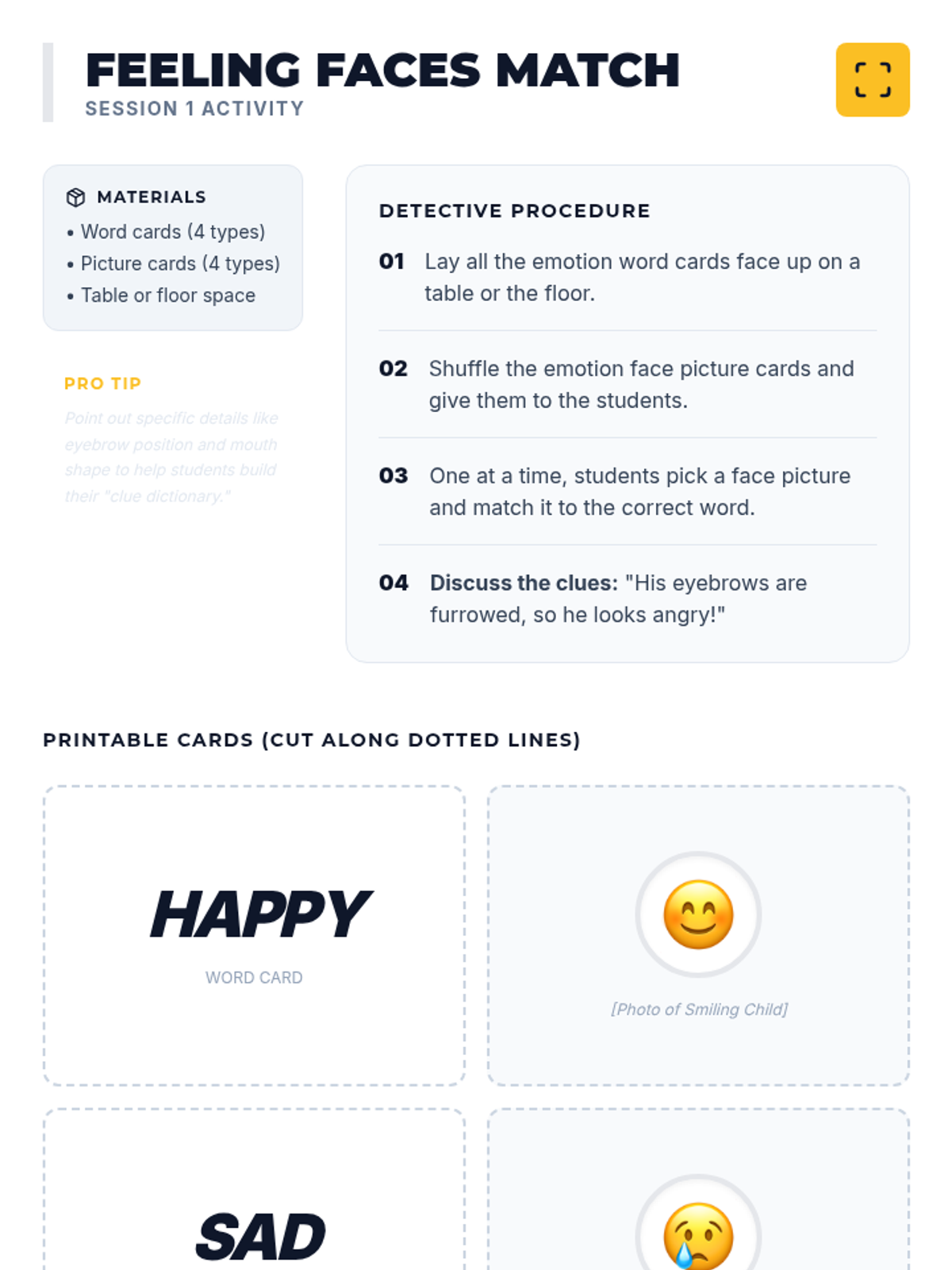
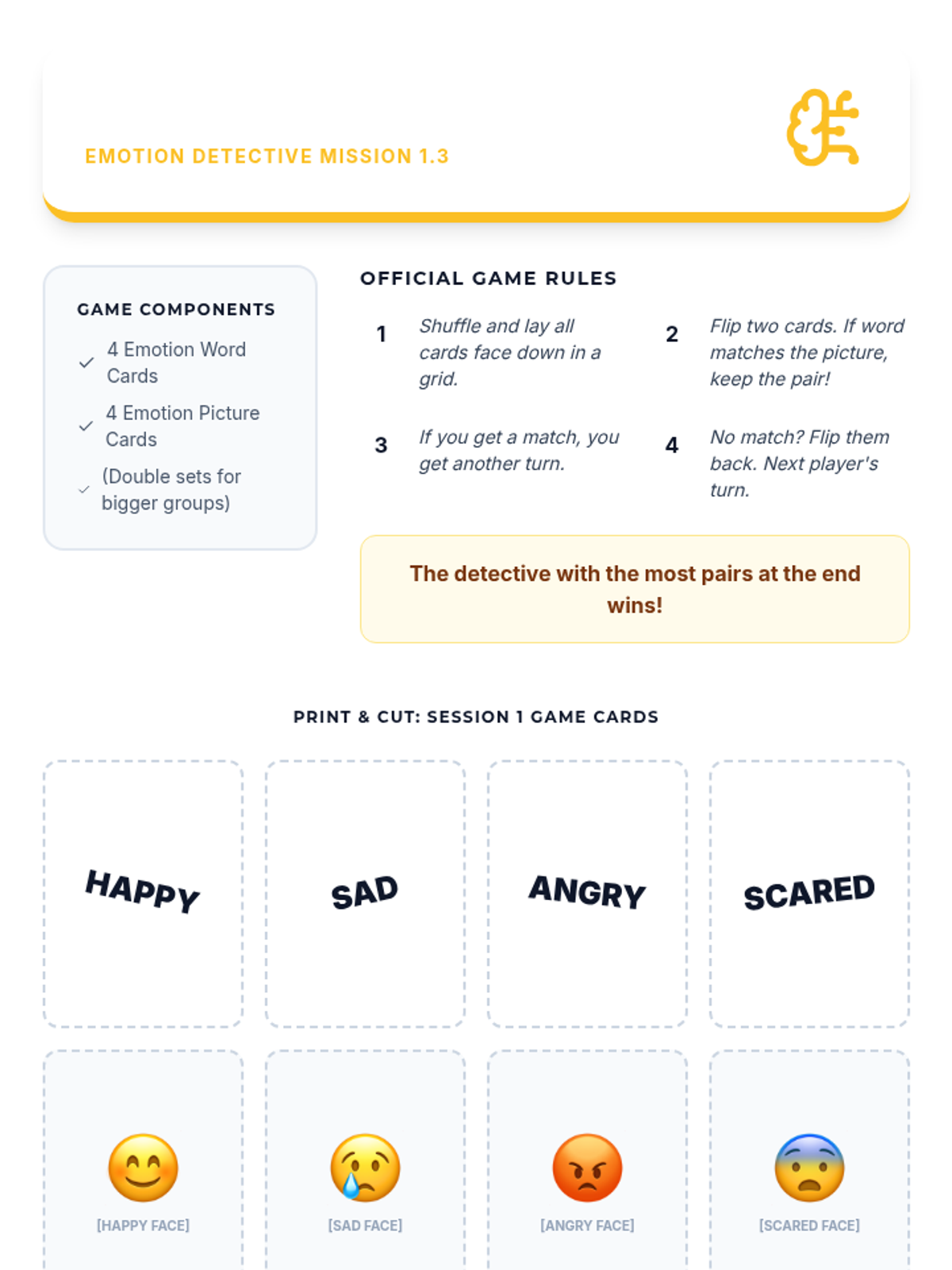
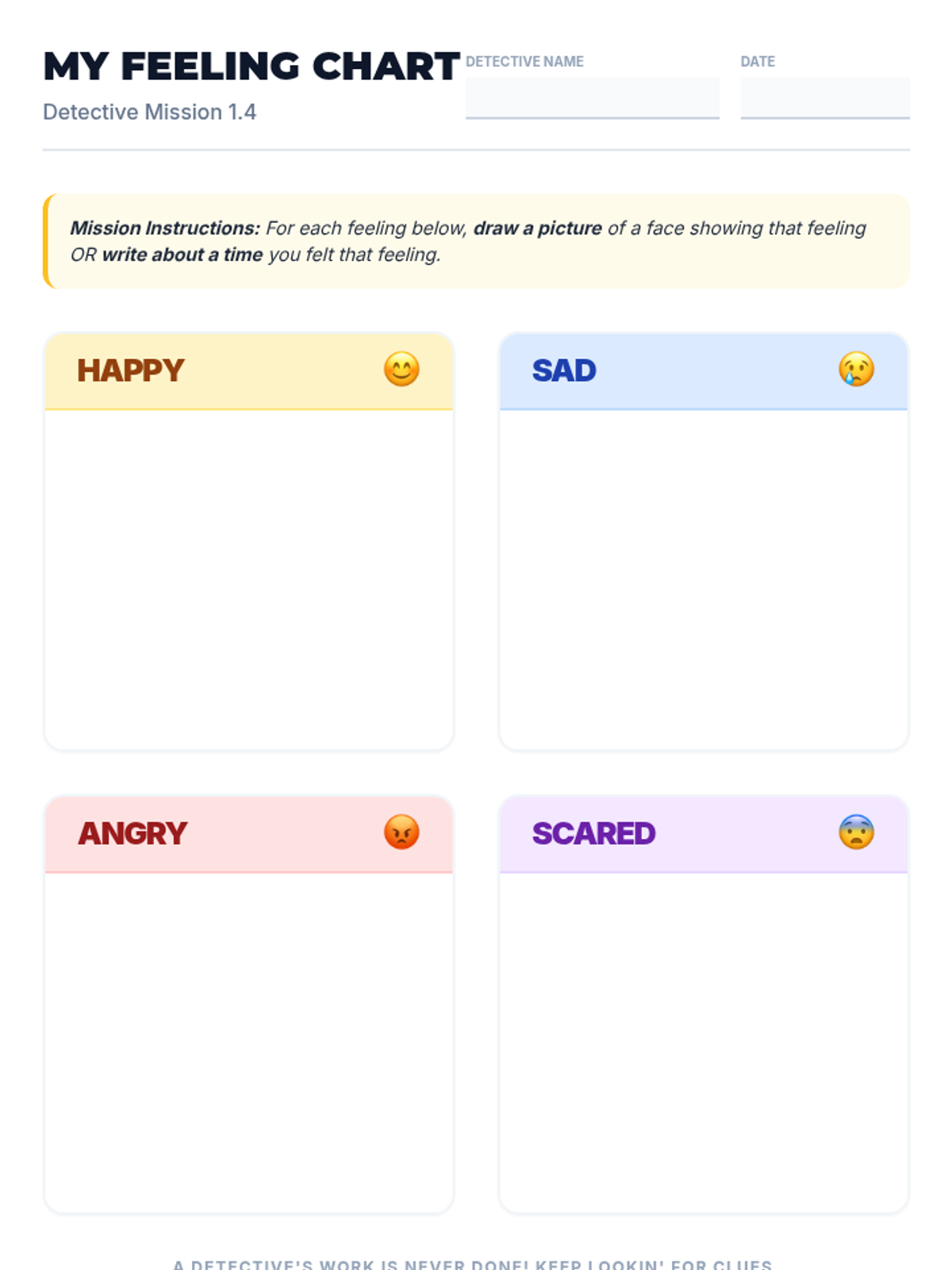
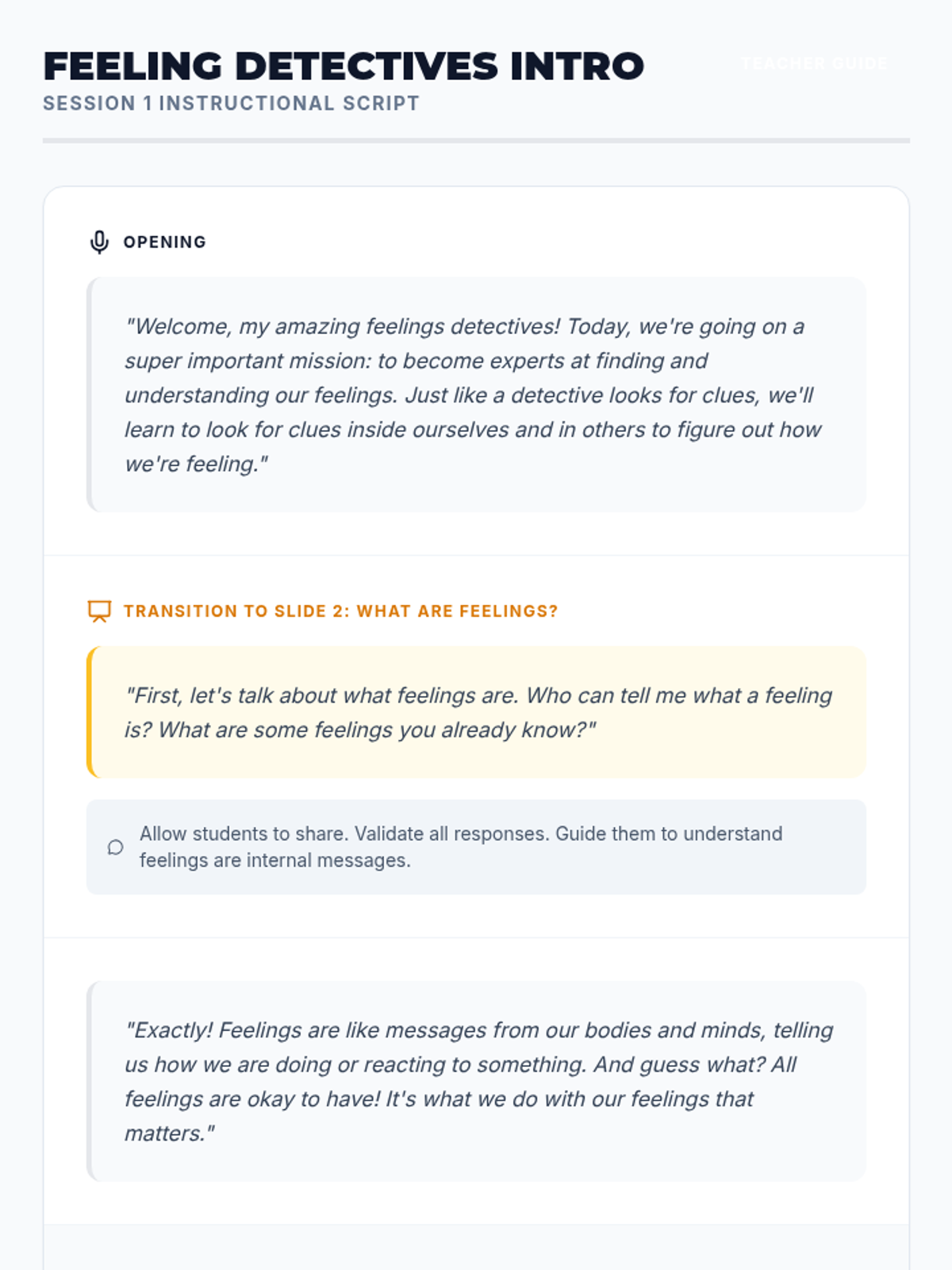
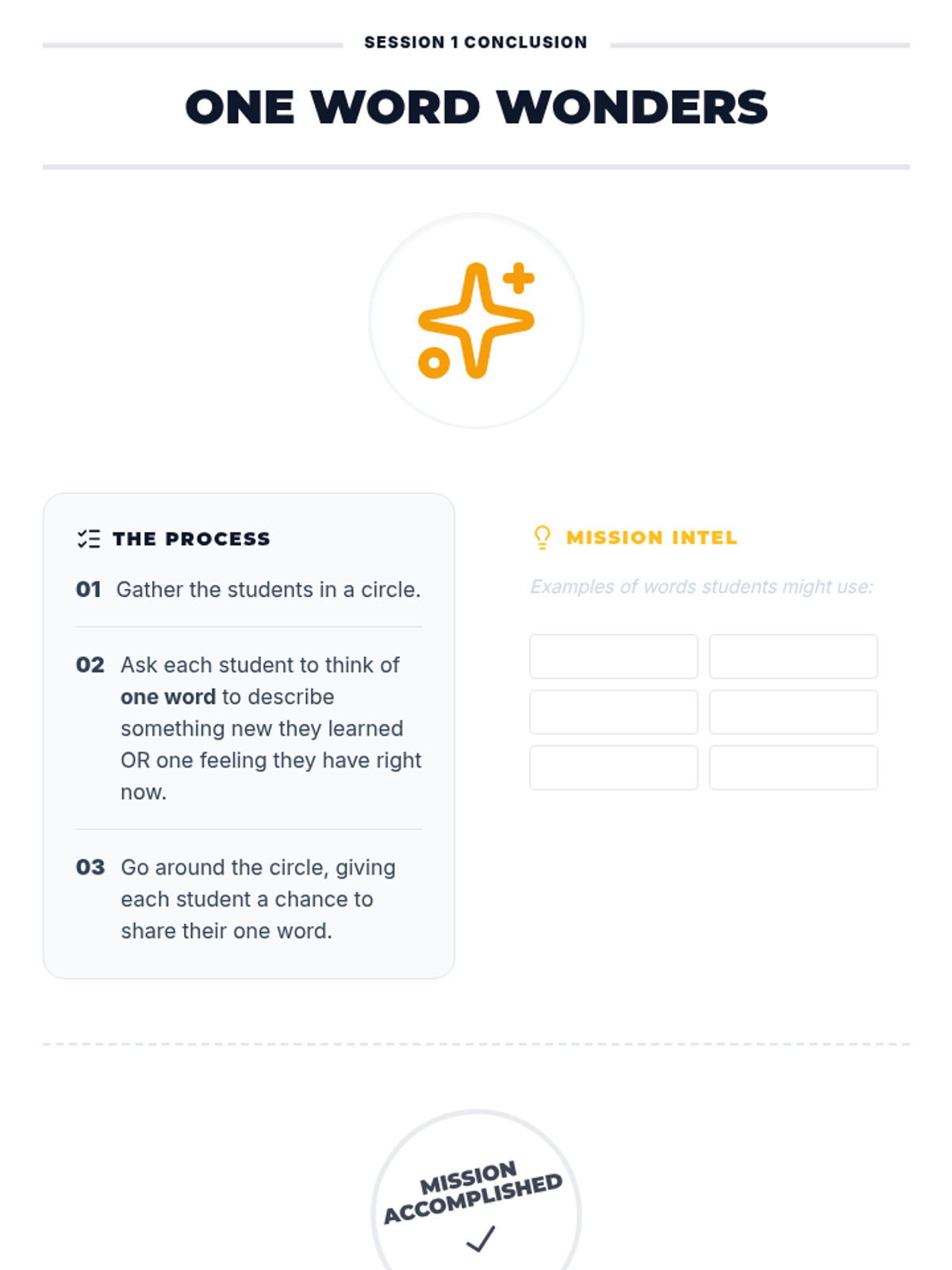
A six-session social-emotional learning program for 2nd and 3rd-grade boys focused on identifying emotions, understanding body clues, using calming strategies, and mastering conflict resolution. Students act as 'Feelings Detectives' on a mission to understand themselves and others.
A 2nd-grade sequence focused on 'Theory of Mind' and perspective-taking through social stories. Students investigate how different people feel, the 'why' behind school rules, and the impact of their actions on others.
This sequence uses role-play and simulation to teach 2nd-grade students how to navigate social interactions and conflict resolution through the lens of social stories. Students move from observation to improvisation, building muscle memory for positive social exchanges.
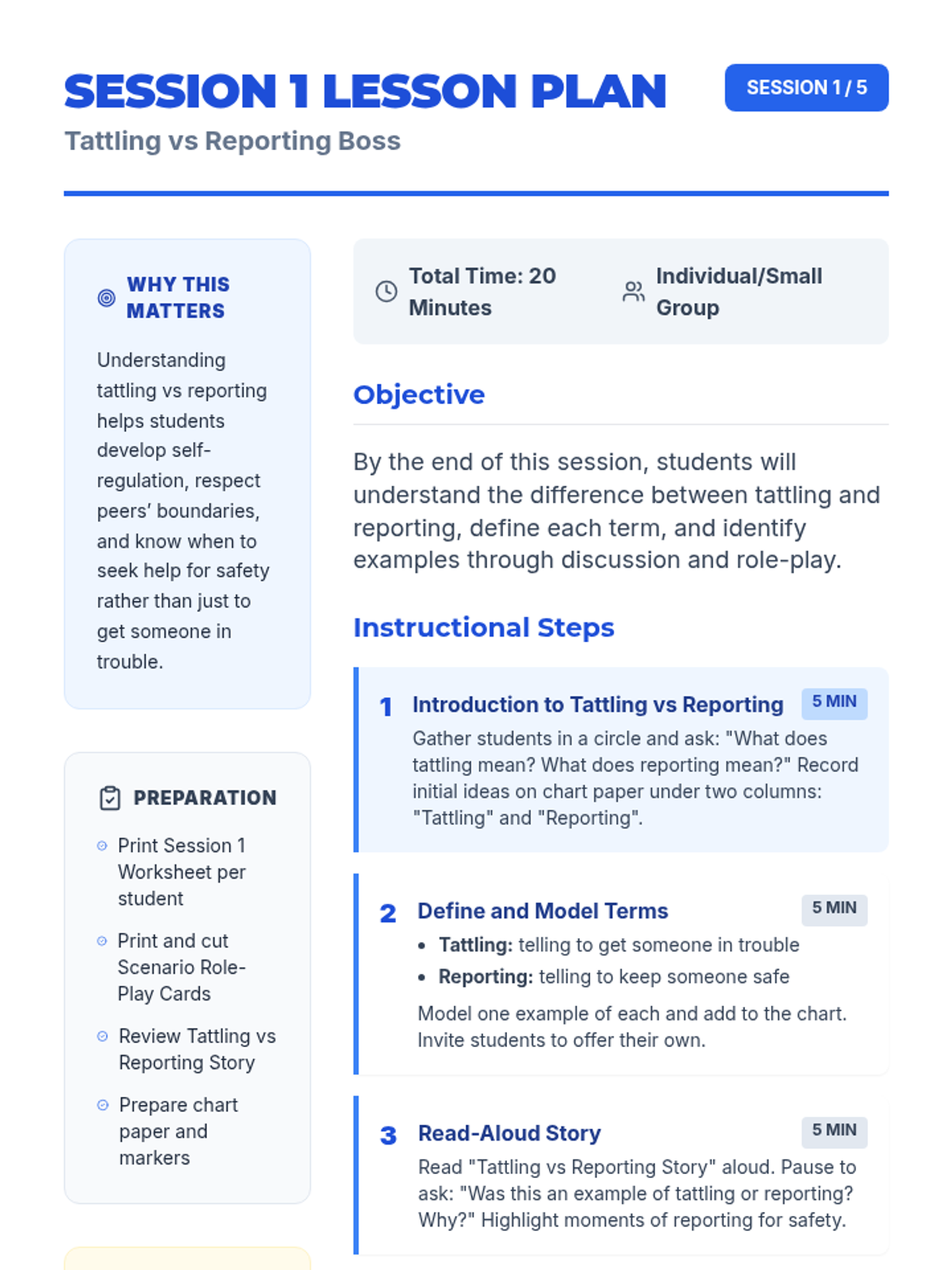
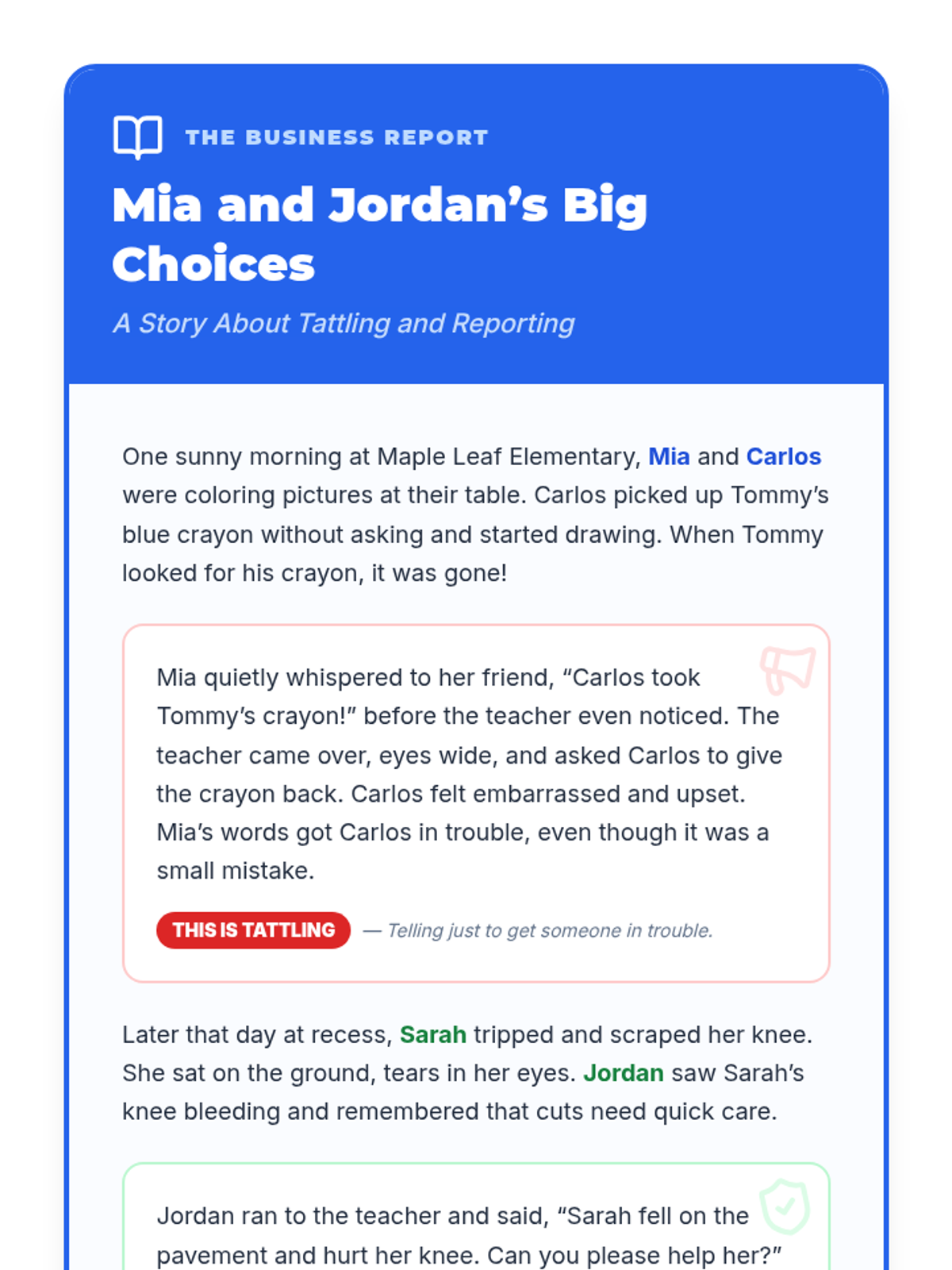
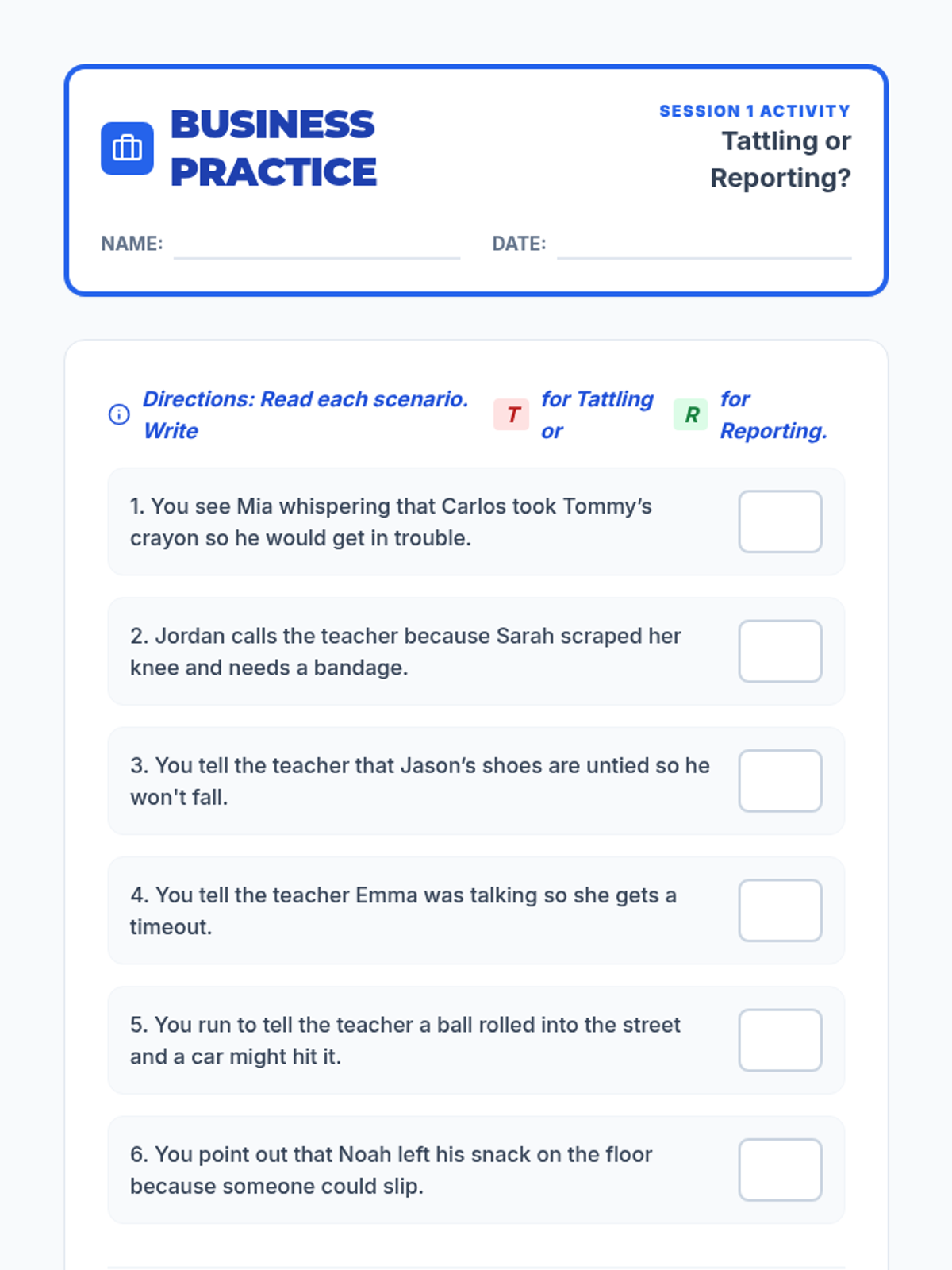
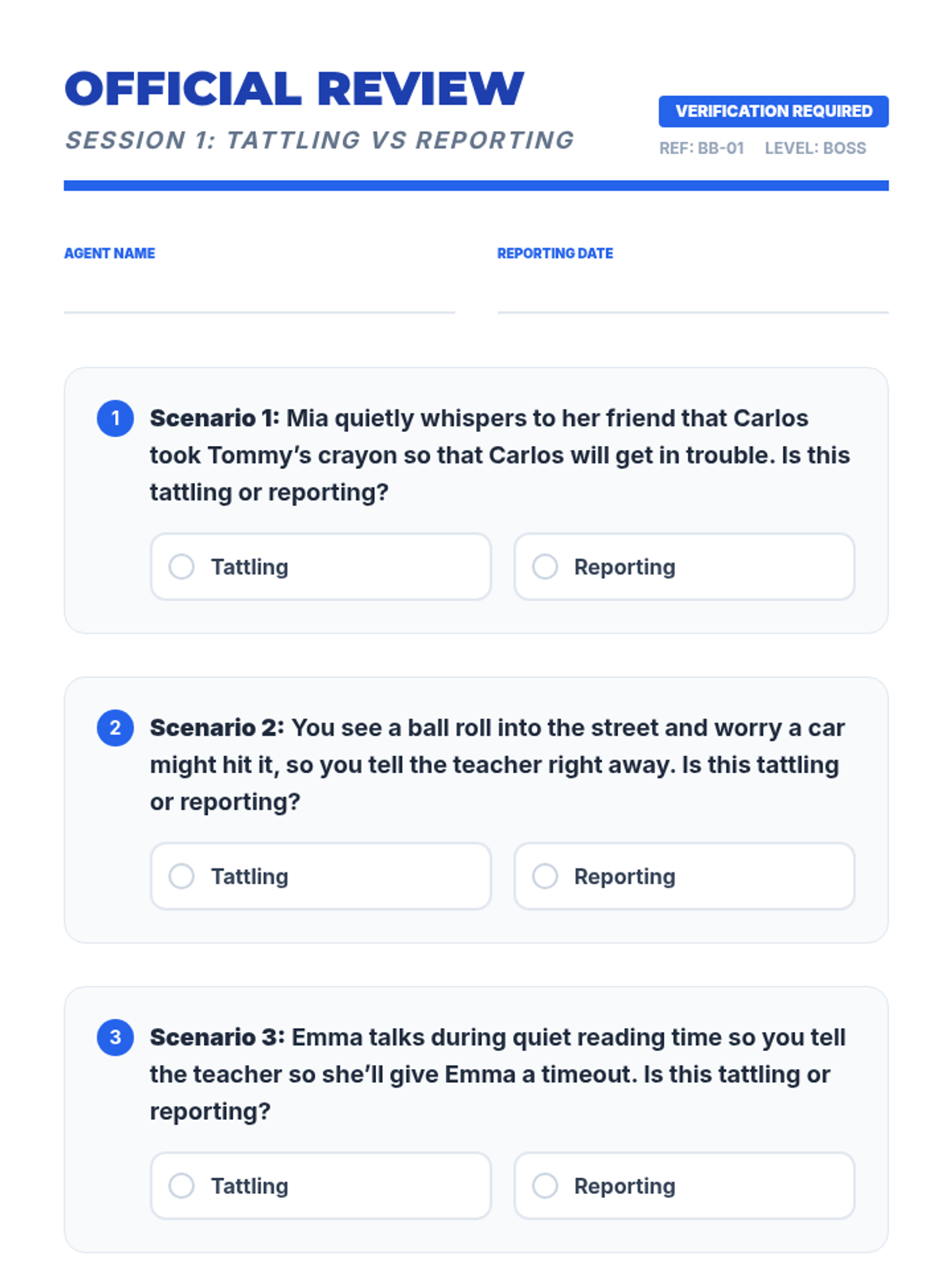
A 5-session individual intervention designed for students to develop self-regulation, distinguish between tattling and reporting, and respect peer boundaries. Students learn to 'mind their own business' through interactive stories, role-plays, and self-regulation tools.
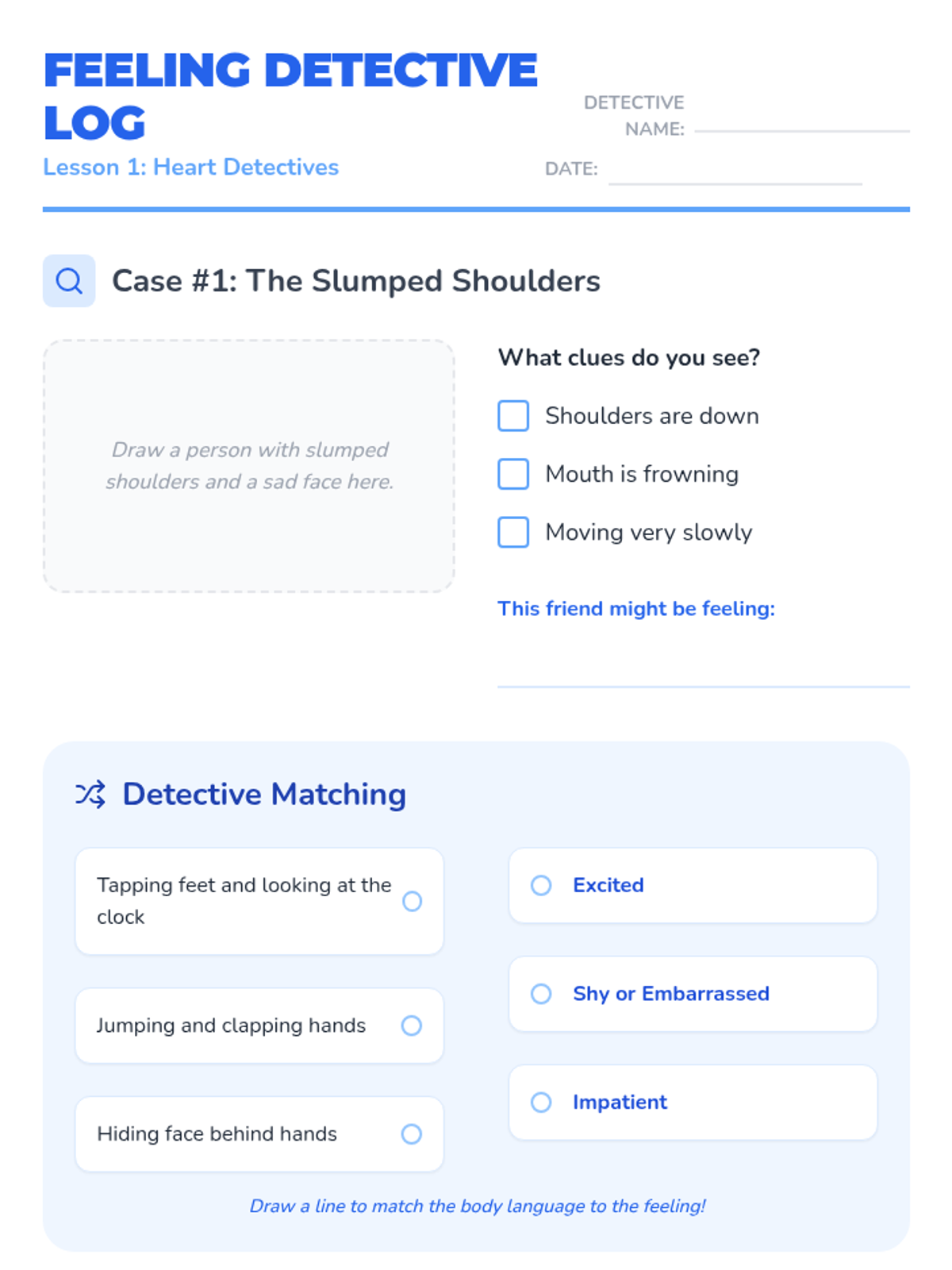
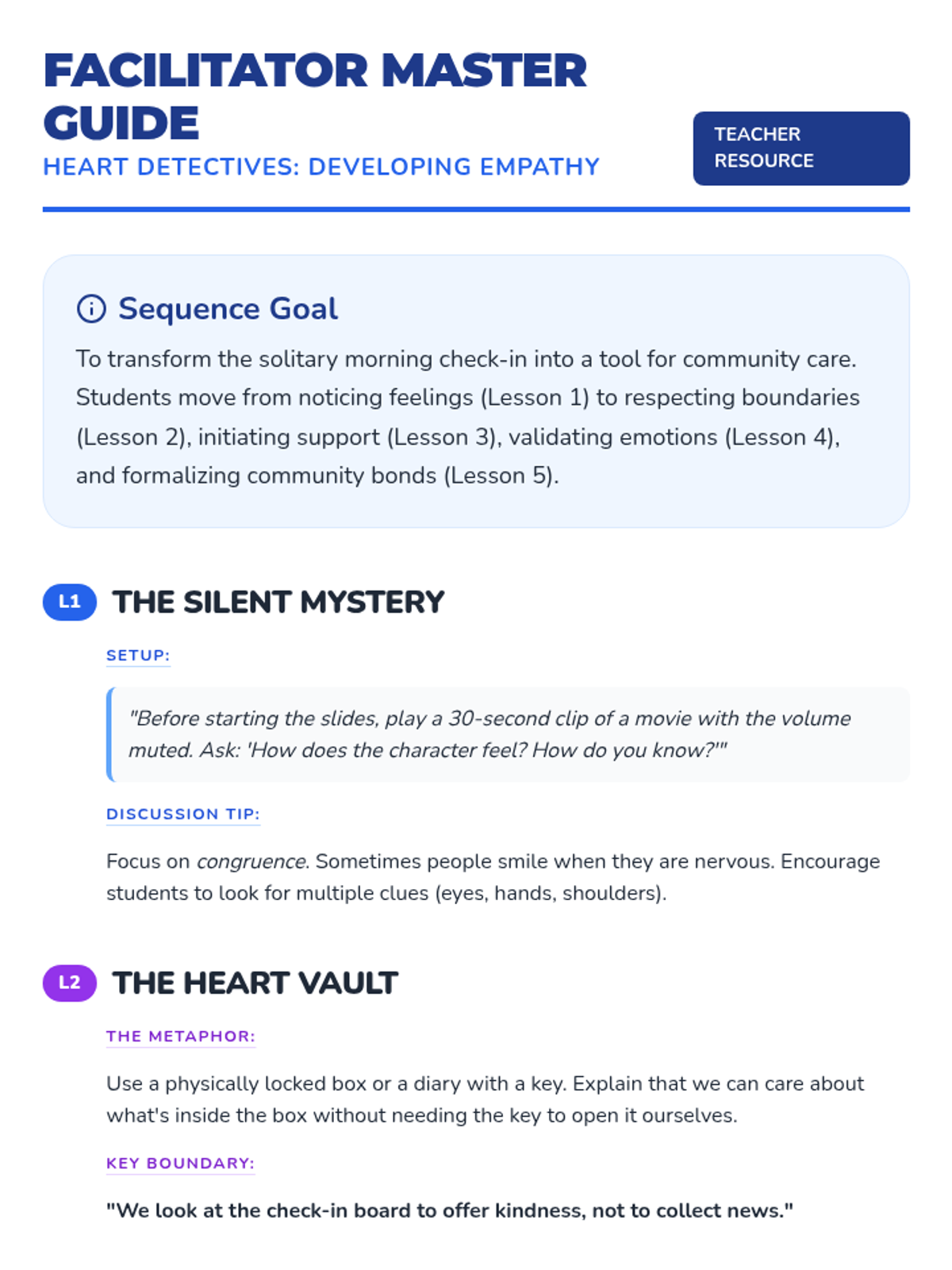
Students learn to observe non-verbal cues, respect privacy, offer support, and practice active listening to transform daily check-ins into a community-building tool. This sequence fosters empathy and a supportive classroom culture through practical social-emotional skills.
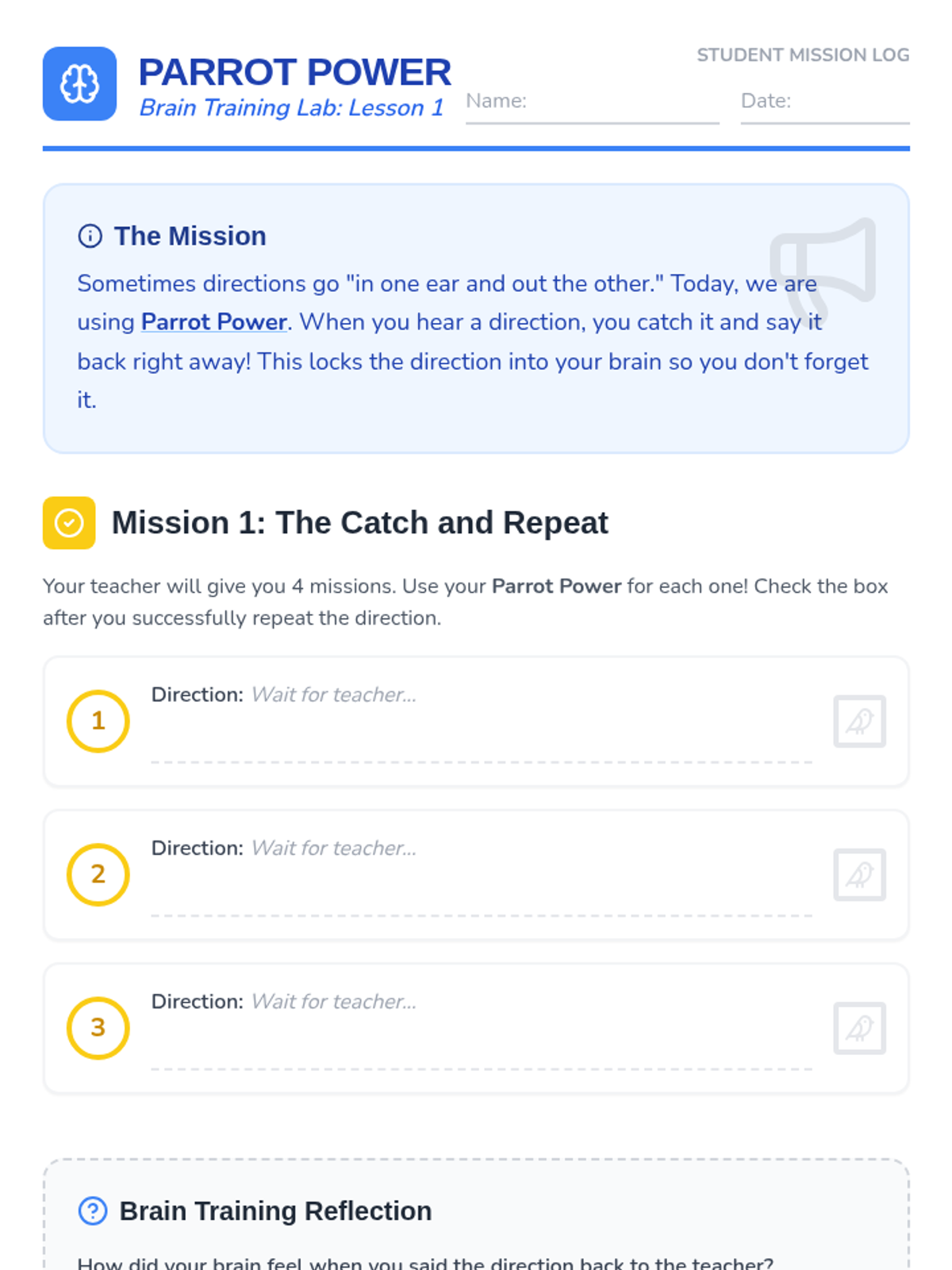
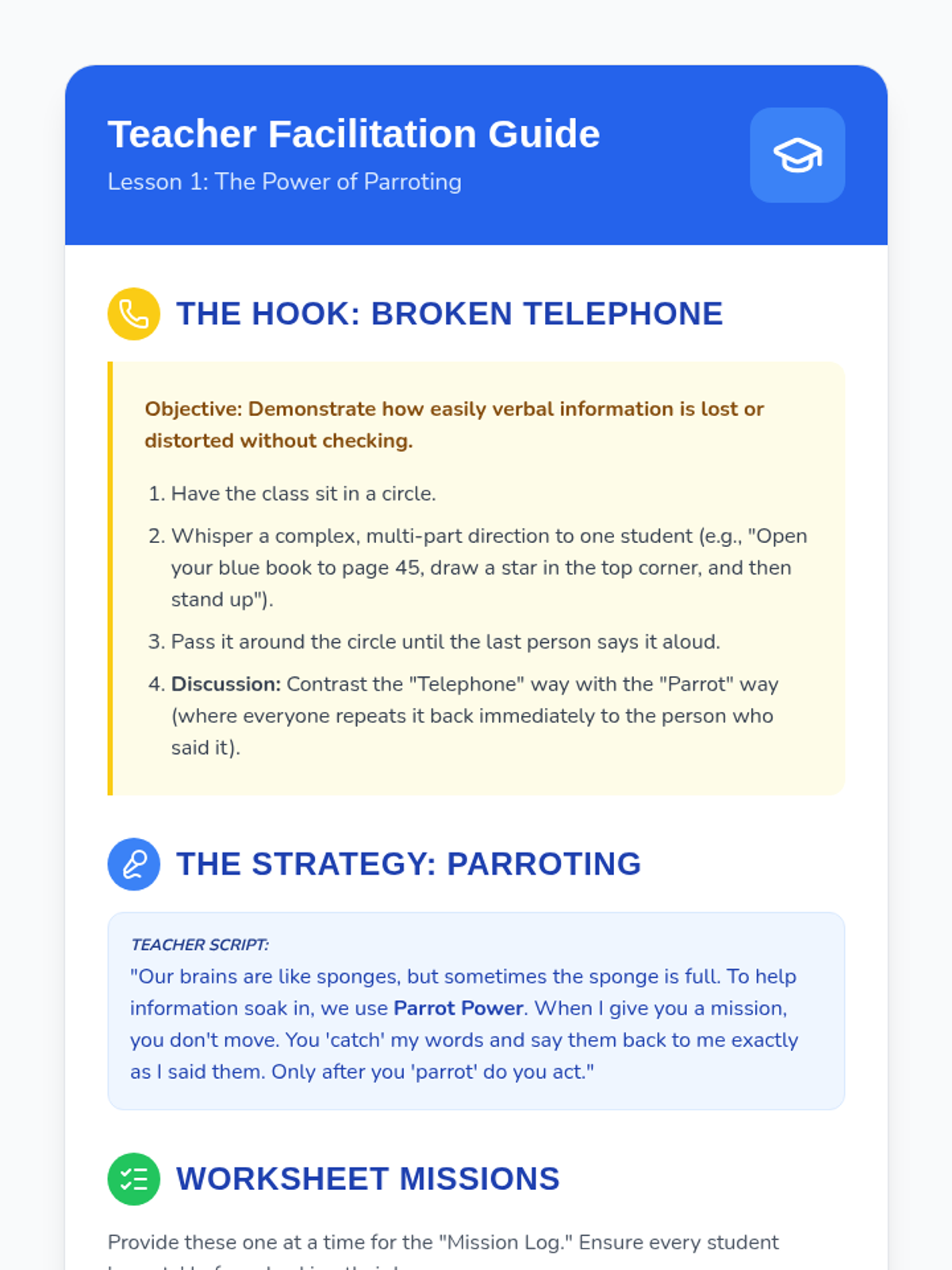
This sequence focuses on auditory processing and the cognitive strategy of verbal rehearsal (self-talk) to hold information in working memory. Students learn to 'catch' a verbal instruction, repeat it to themselves or a peer, and then execute it.
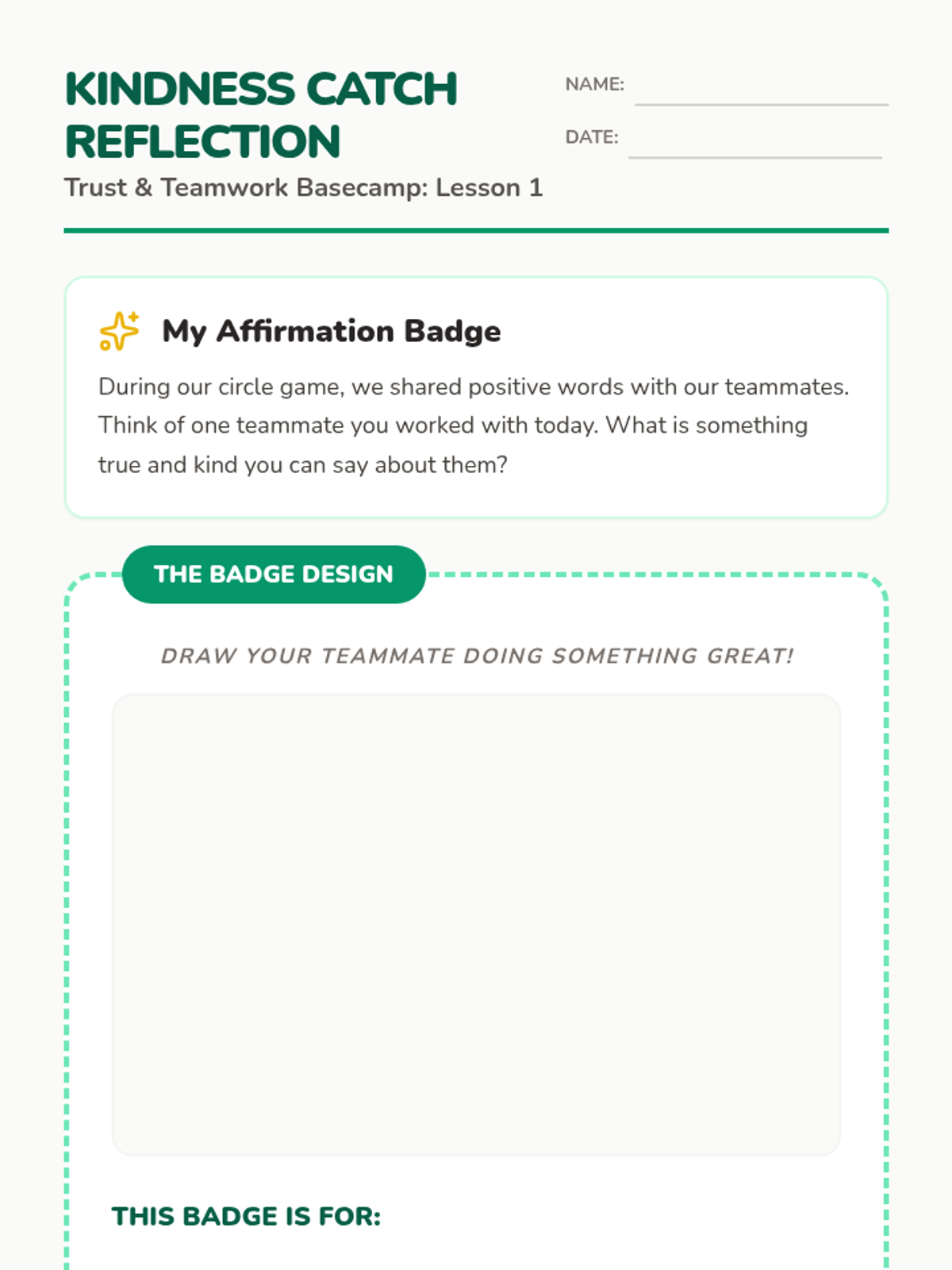
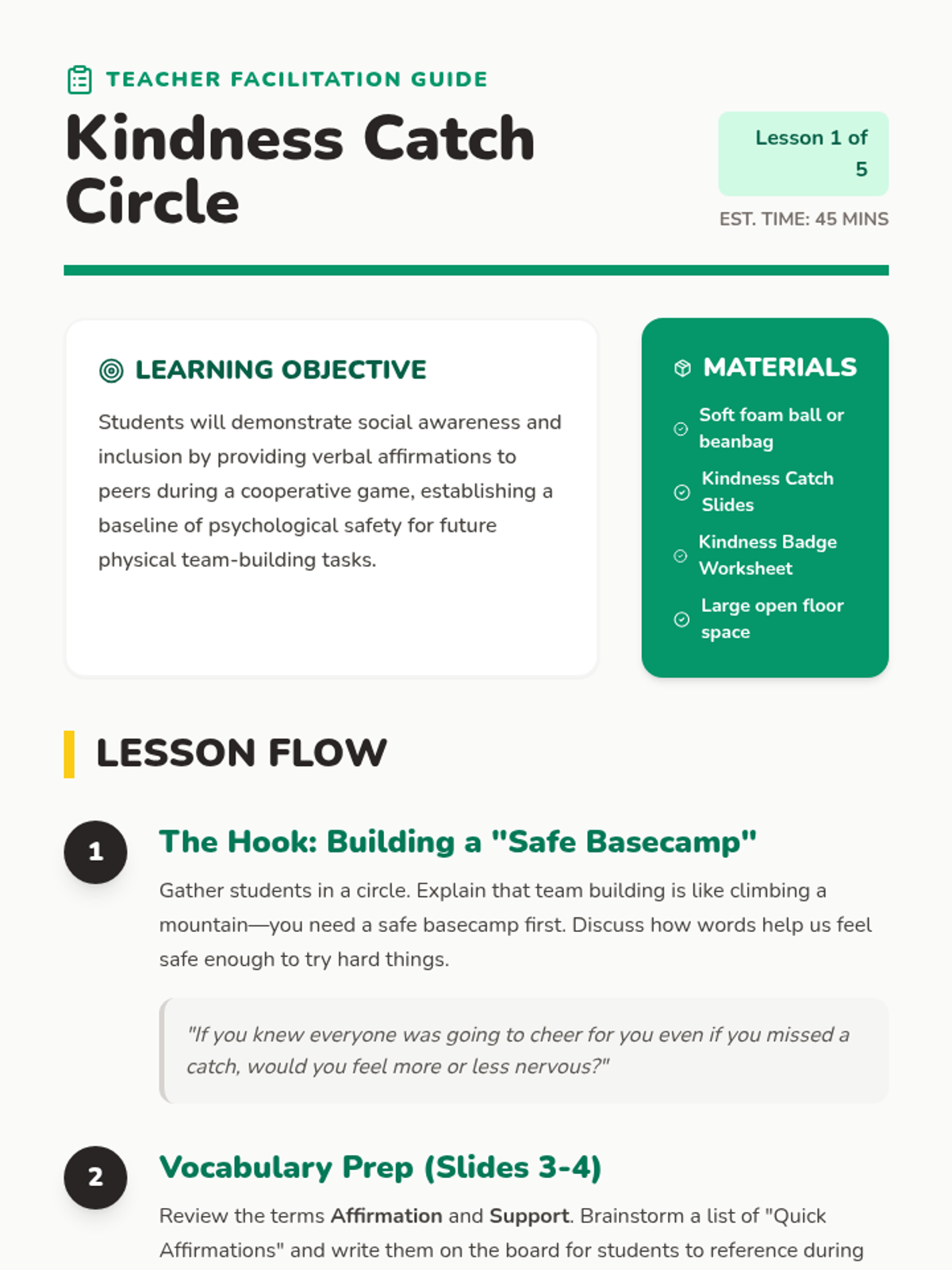
A 5-lesson sequence for 2nd graders focusing on trust, peer support, and physical cooperation through outdoor team-building activities. Students progress from verbal affirmations to physical reliance and group celebrations.
A 5-lesson unit for 2nd graders focused on verbal and non-verbal communication, active listening, and precision in teamwork through adventure-based activities.
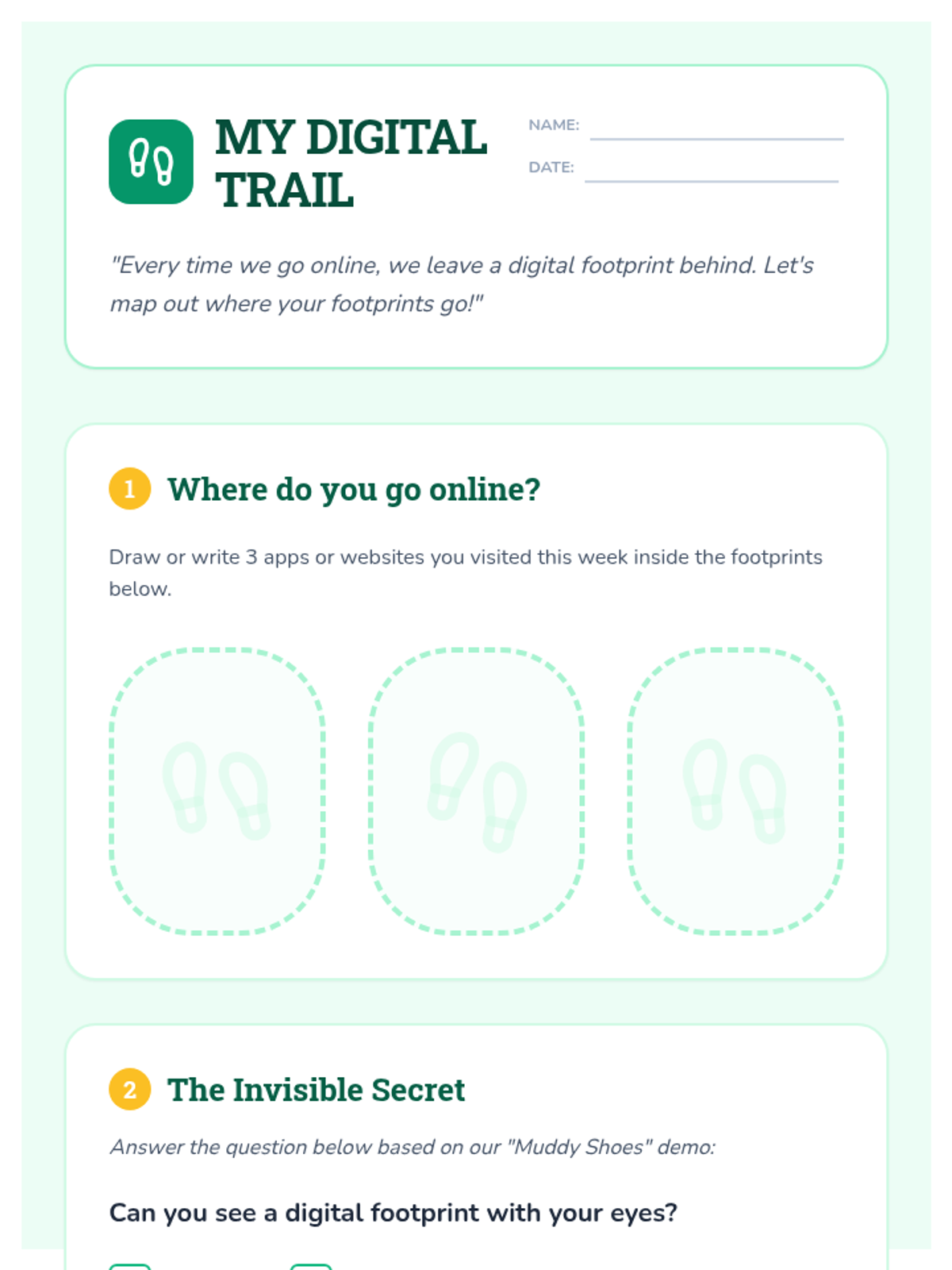
This sequence introduces 2nd graders to the concept of digital footprints, the permanence of the internet, and healthy media balance using concrete metaphors and a 'Nature Trail' theme.
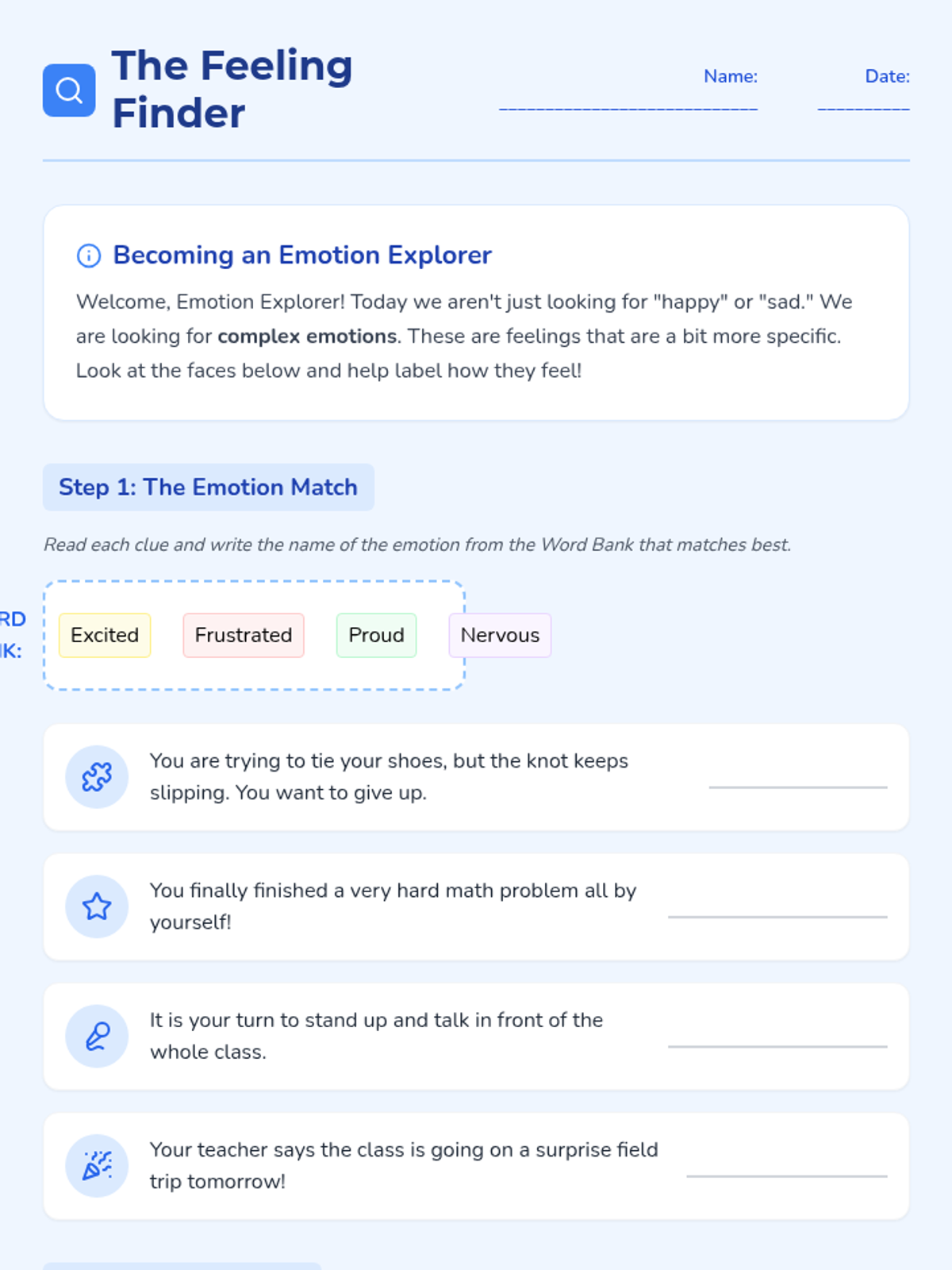
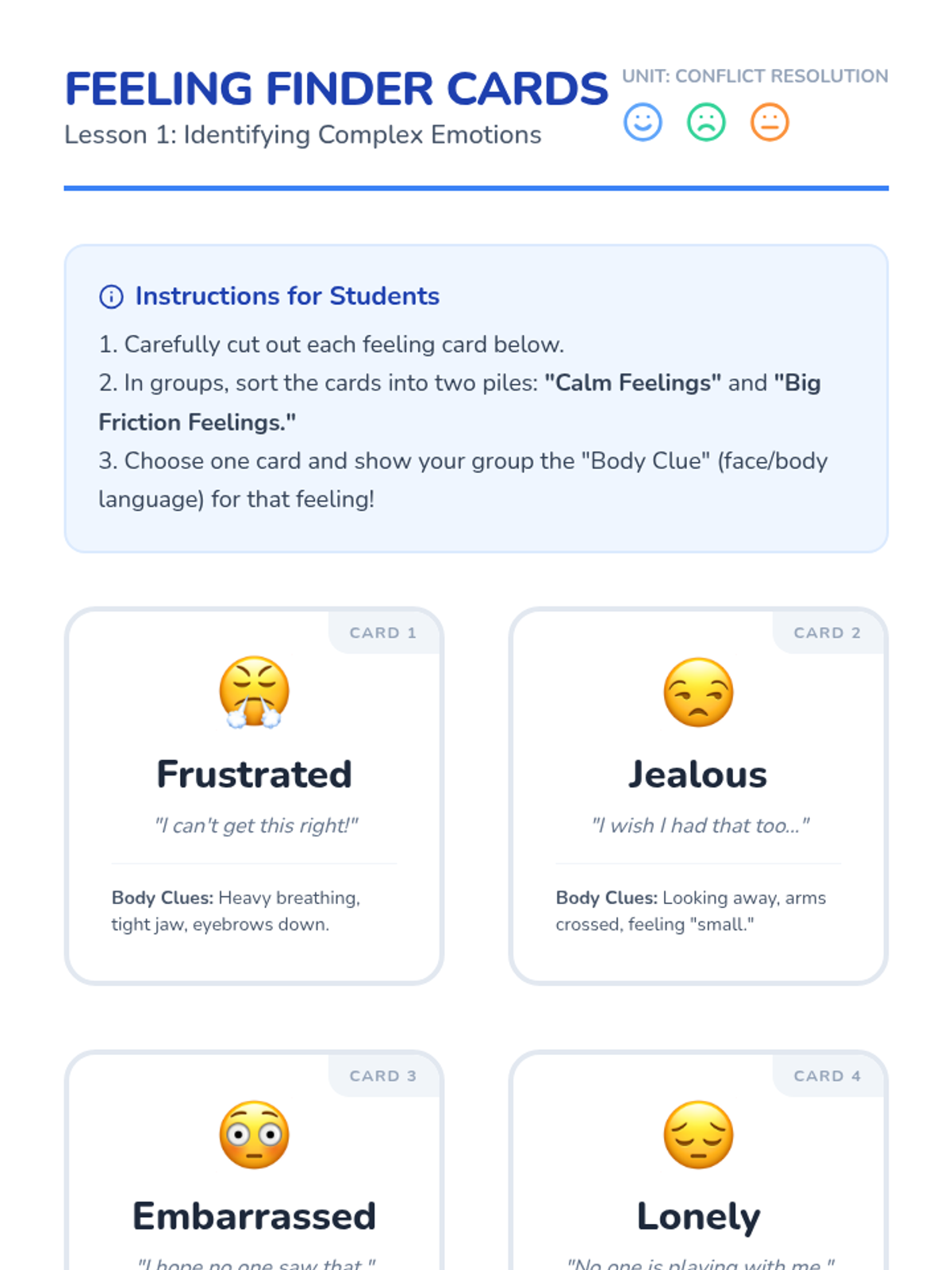
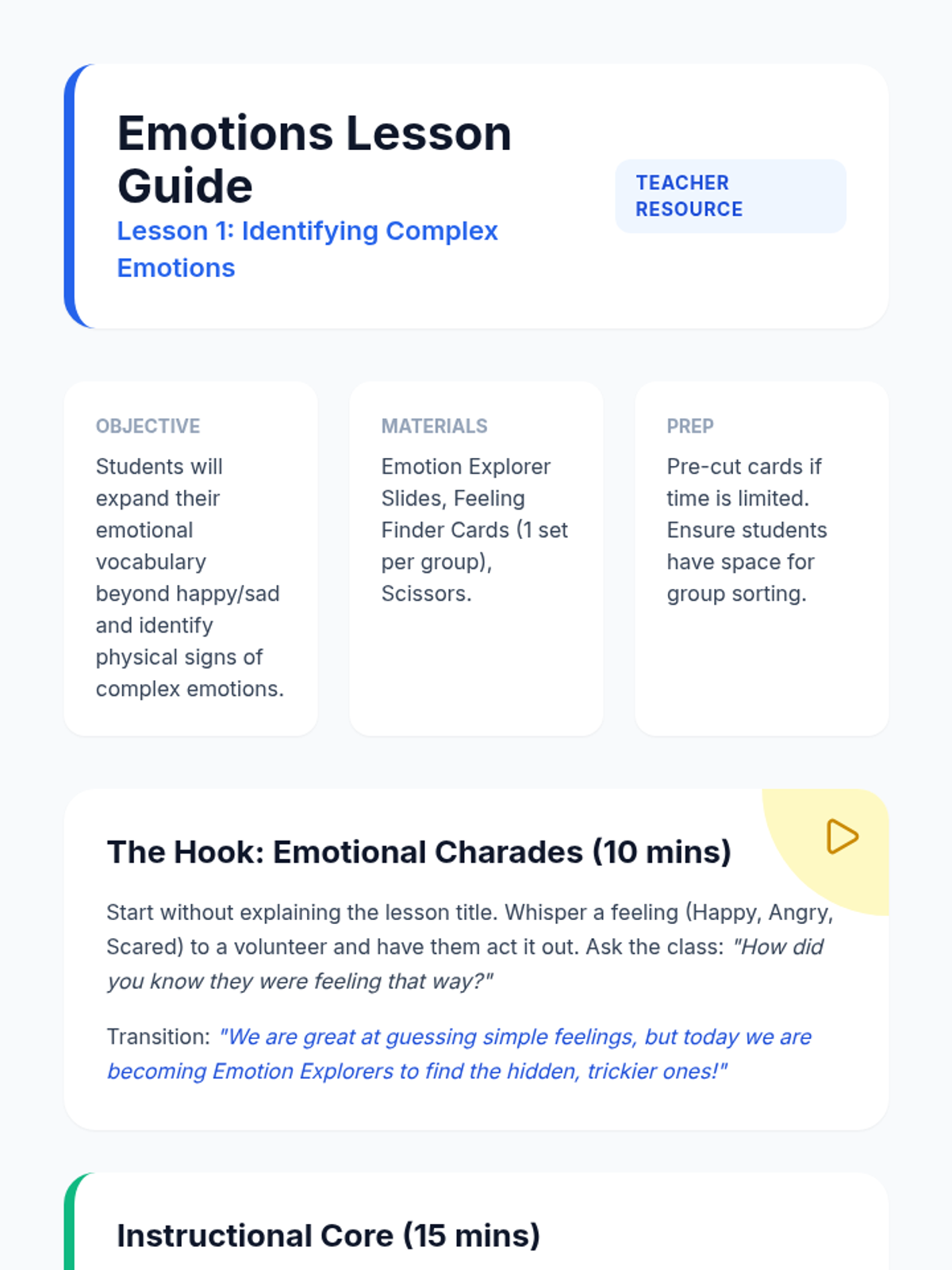
This sequence teaches 2nd-grade students how to identify complex emotions and use 'I' statements to resolve conflicts effectively and empathetically. Students move from building emotional vocabulary to practicing structured communication frames in real-world scenarios.
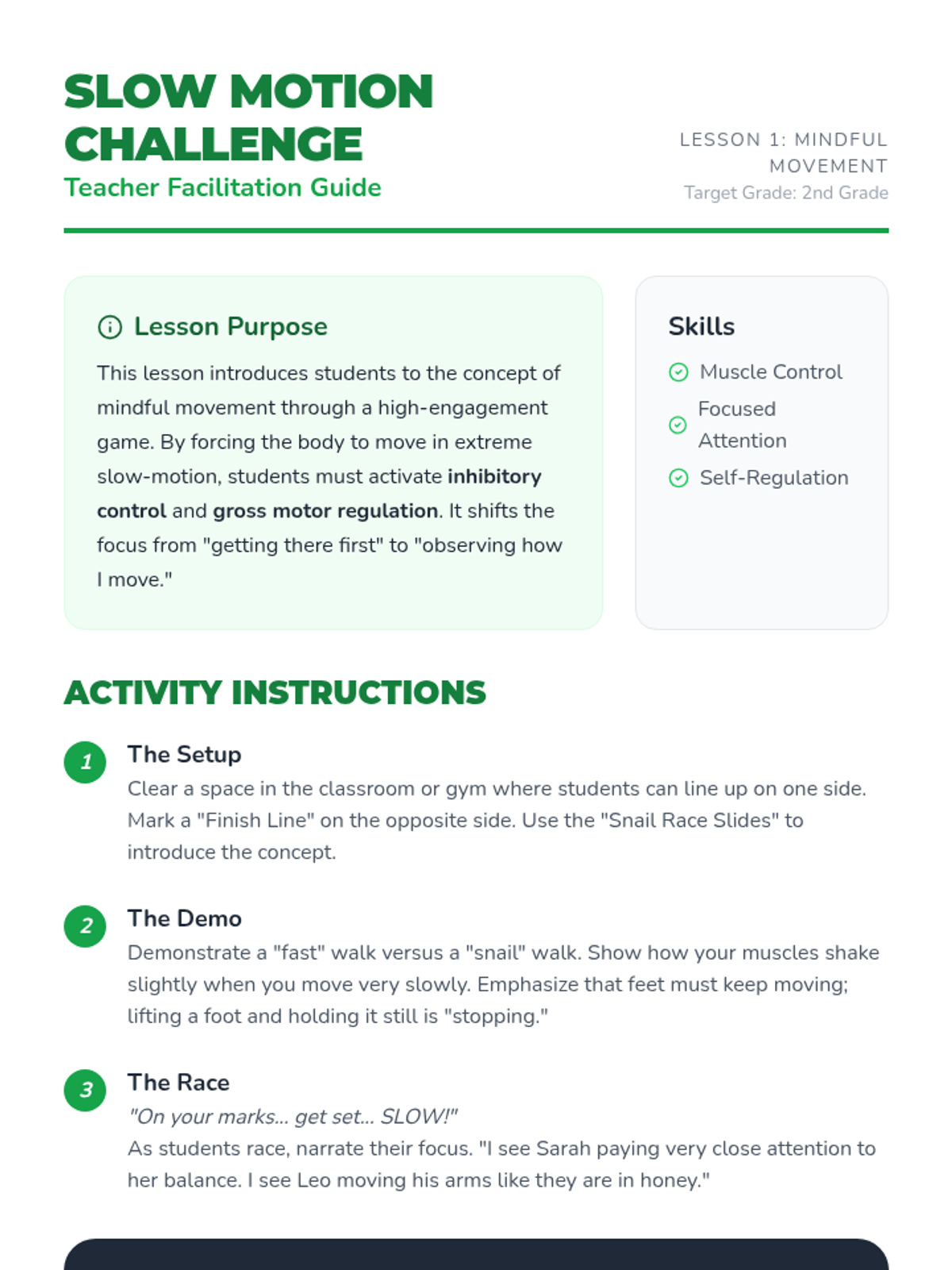
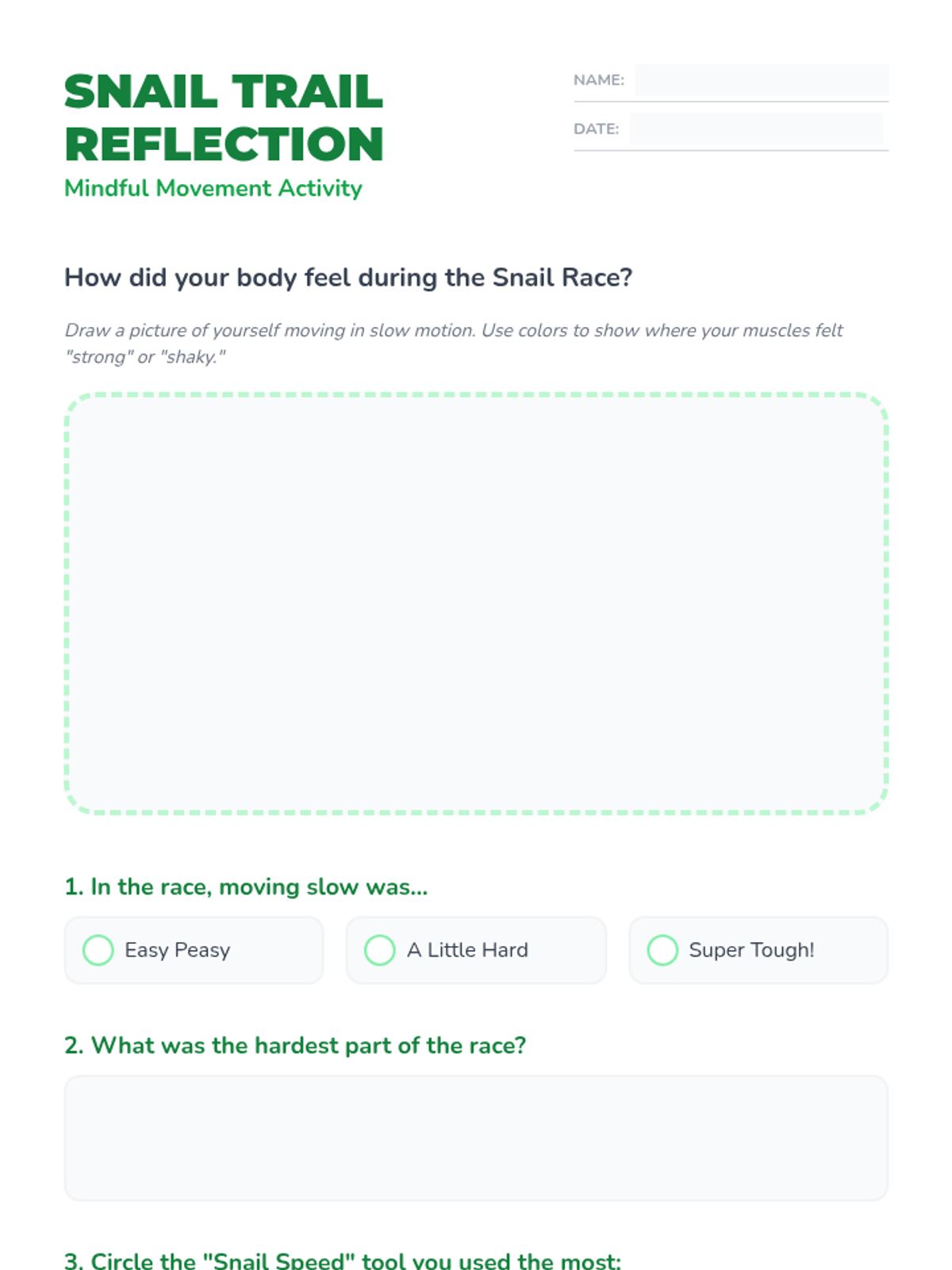
This 2nd-grade mindfulness sequence bridges stillness and activity through mindful movement. Students practice sustaining attention through slow-motion challenges, balancing, mirroring, and smooth transitions, learning to apply mindfulness to their physical bodies and daily routines.
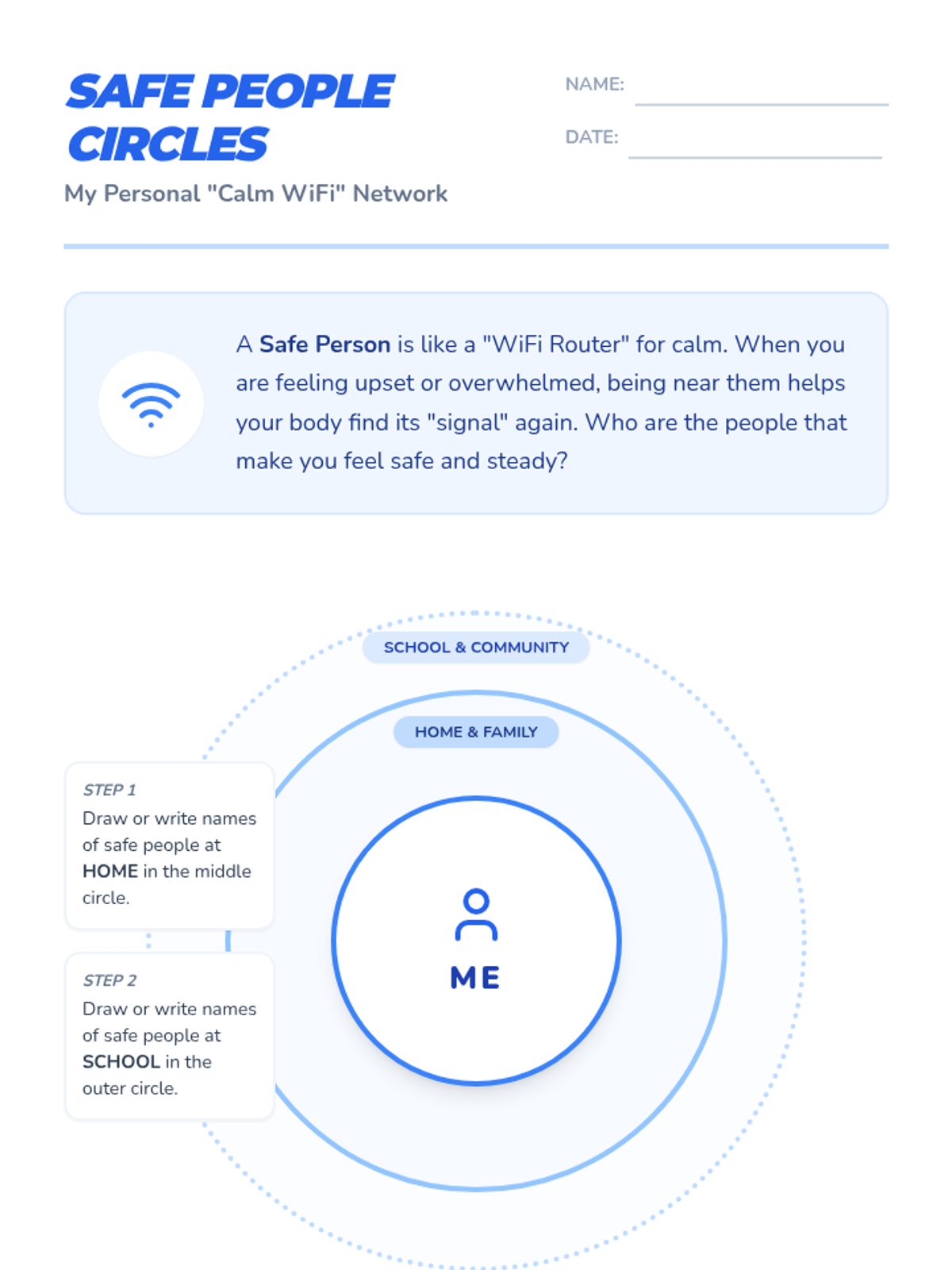
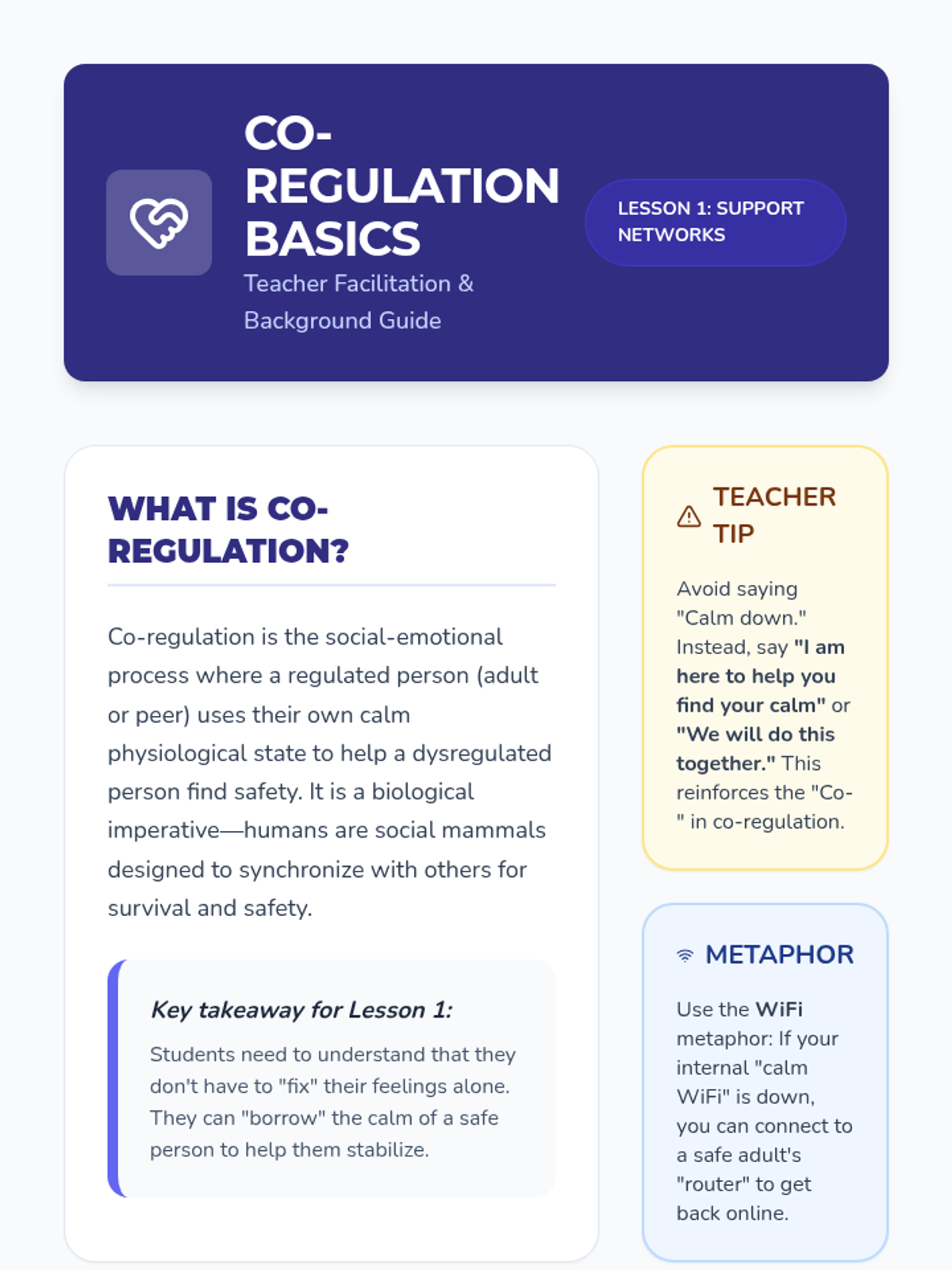
A sequence for 2nd graders focused on dysregulation recovery, teaching students how to 'borrow calm' from safe adults, use non-verbal signals, and successfully rejoin their classroom community after a meltdown or sensory overload.
This sequence teaches 2nd-grade students how to use mindfulness for emotional regulation and kindness. Students explore their 'internal weather,' learn to use a 'pause button' for impulse control, visualize a safe place, and practice heartfulness by sending kind thoughts to themselves and others.
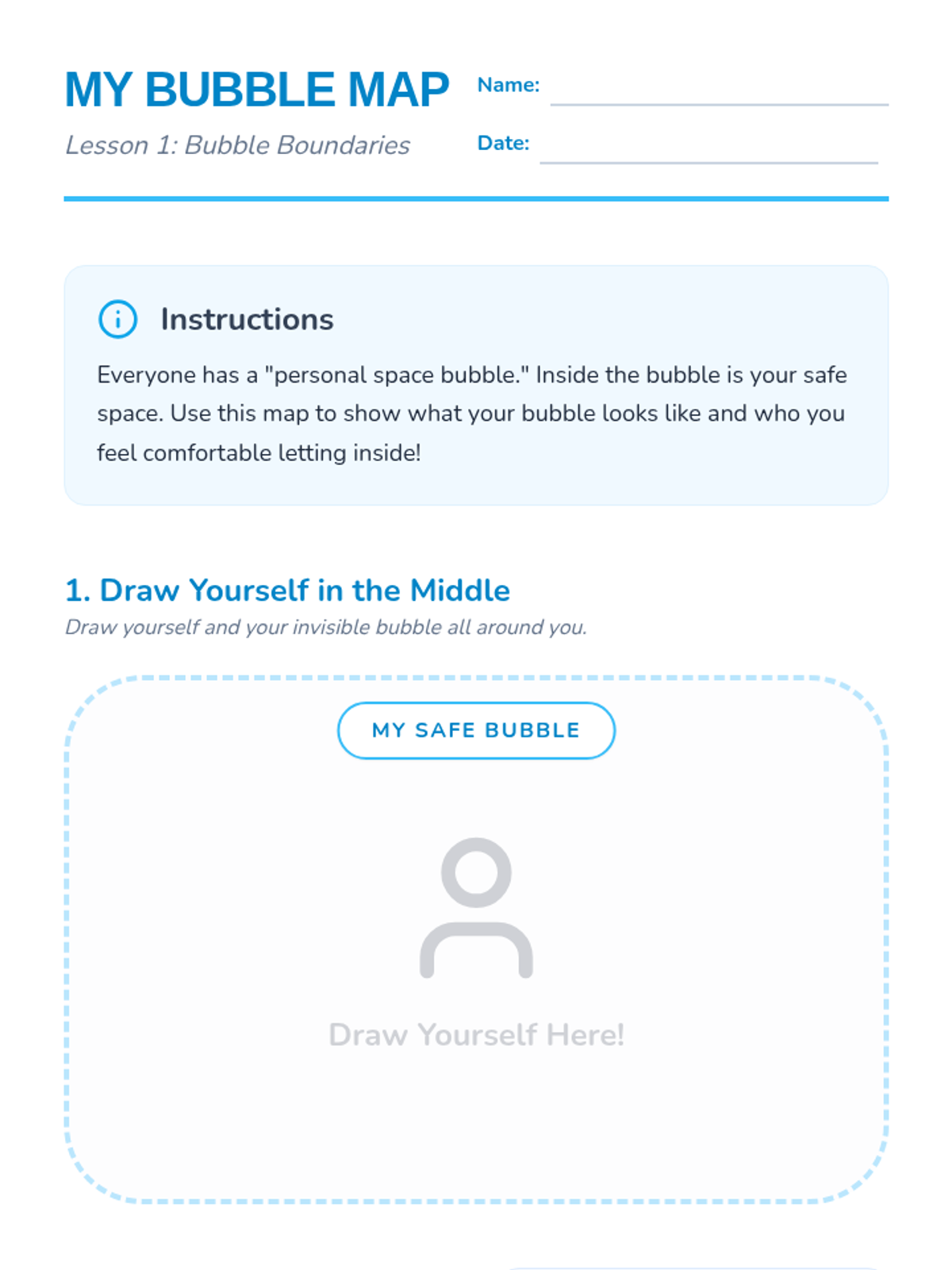
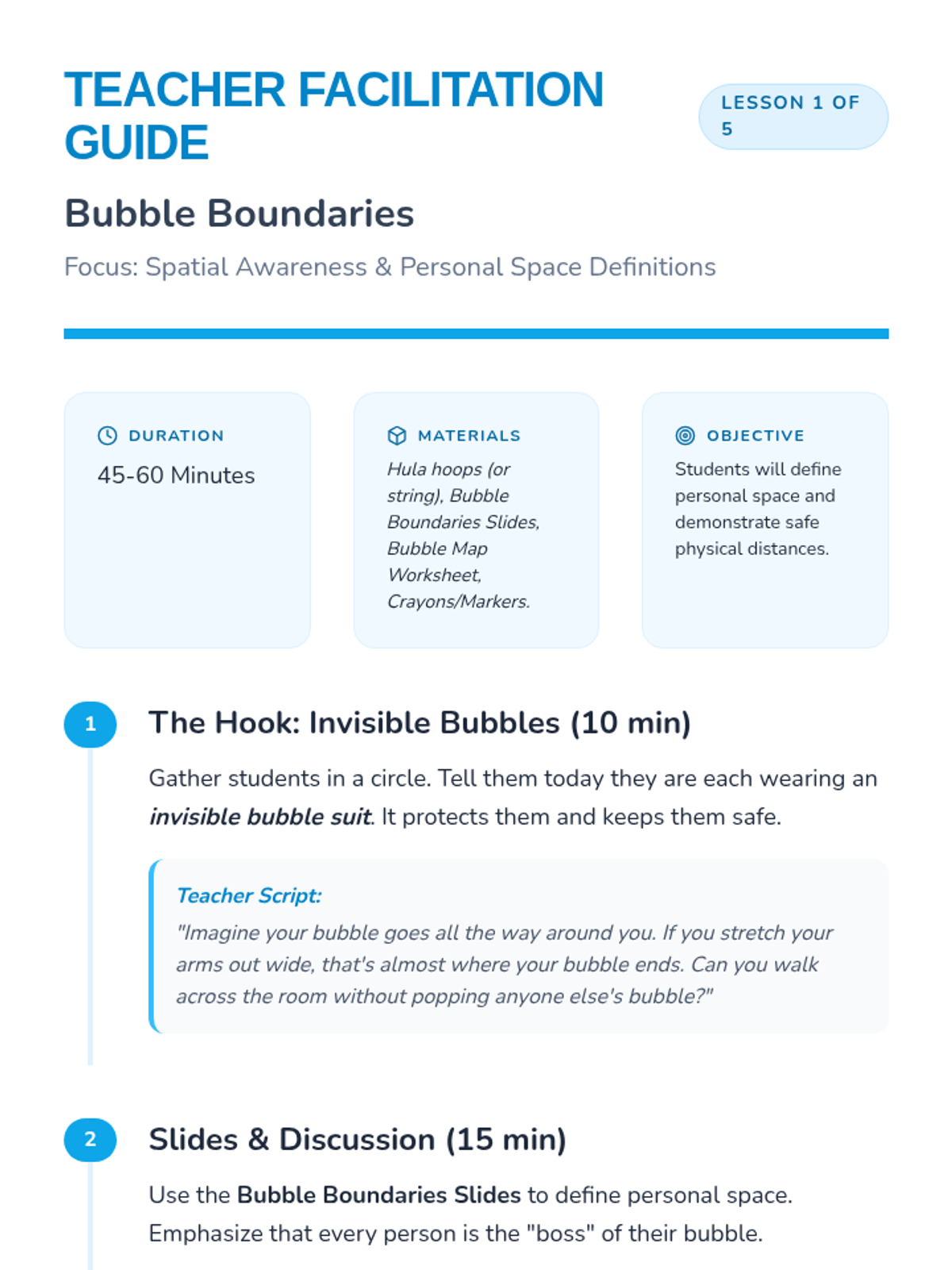
This sequence introduces students to the fundamental concepts of personal space and physical boundaries through interactive movement and role-playing activities. Students learn to define their personal space, practice asking for consent, and develop assertive communication skills to maintain their safety and respect the boundaries of others.
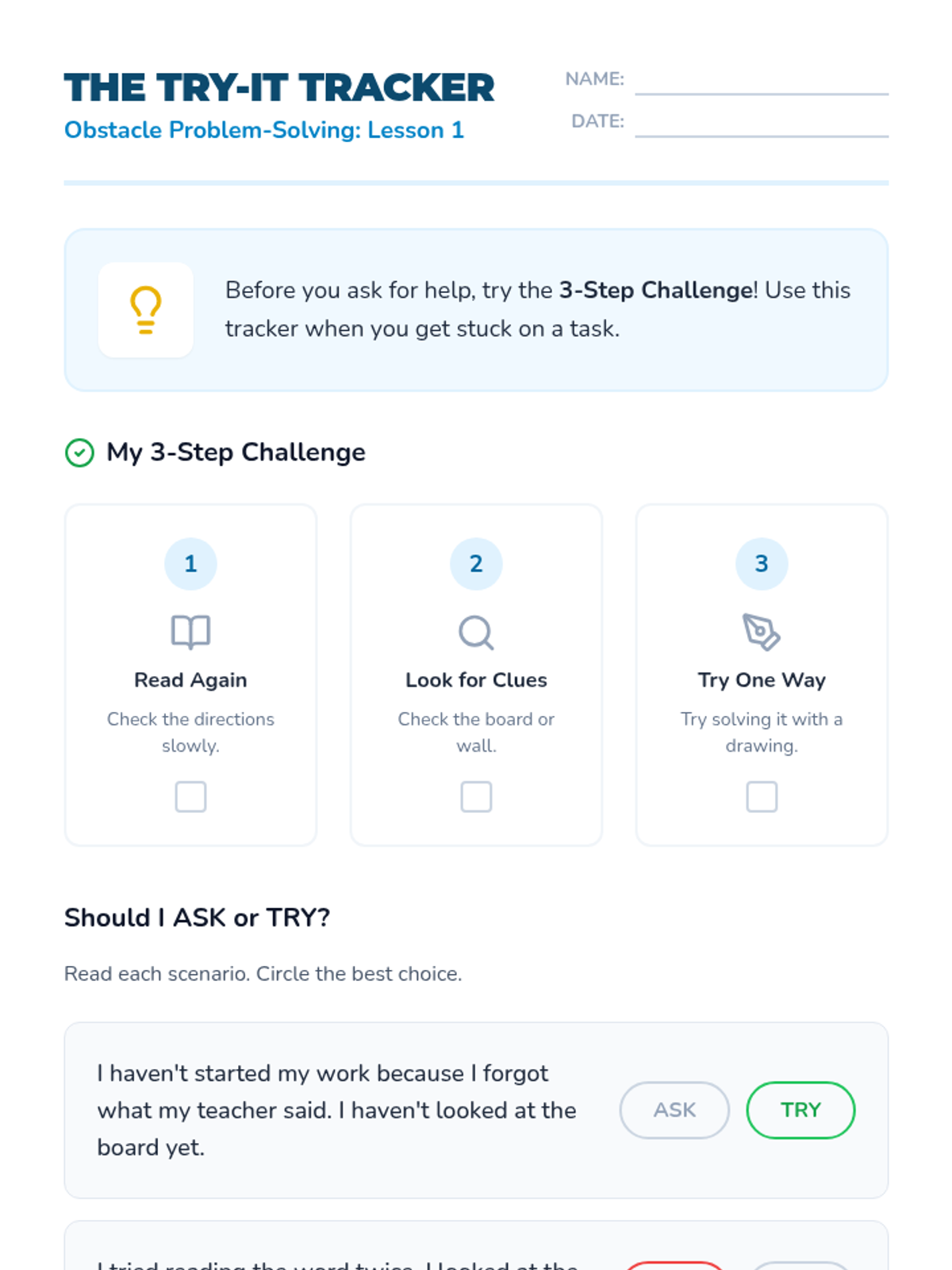
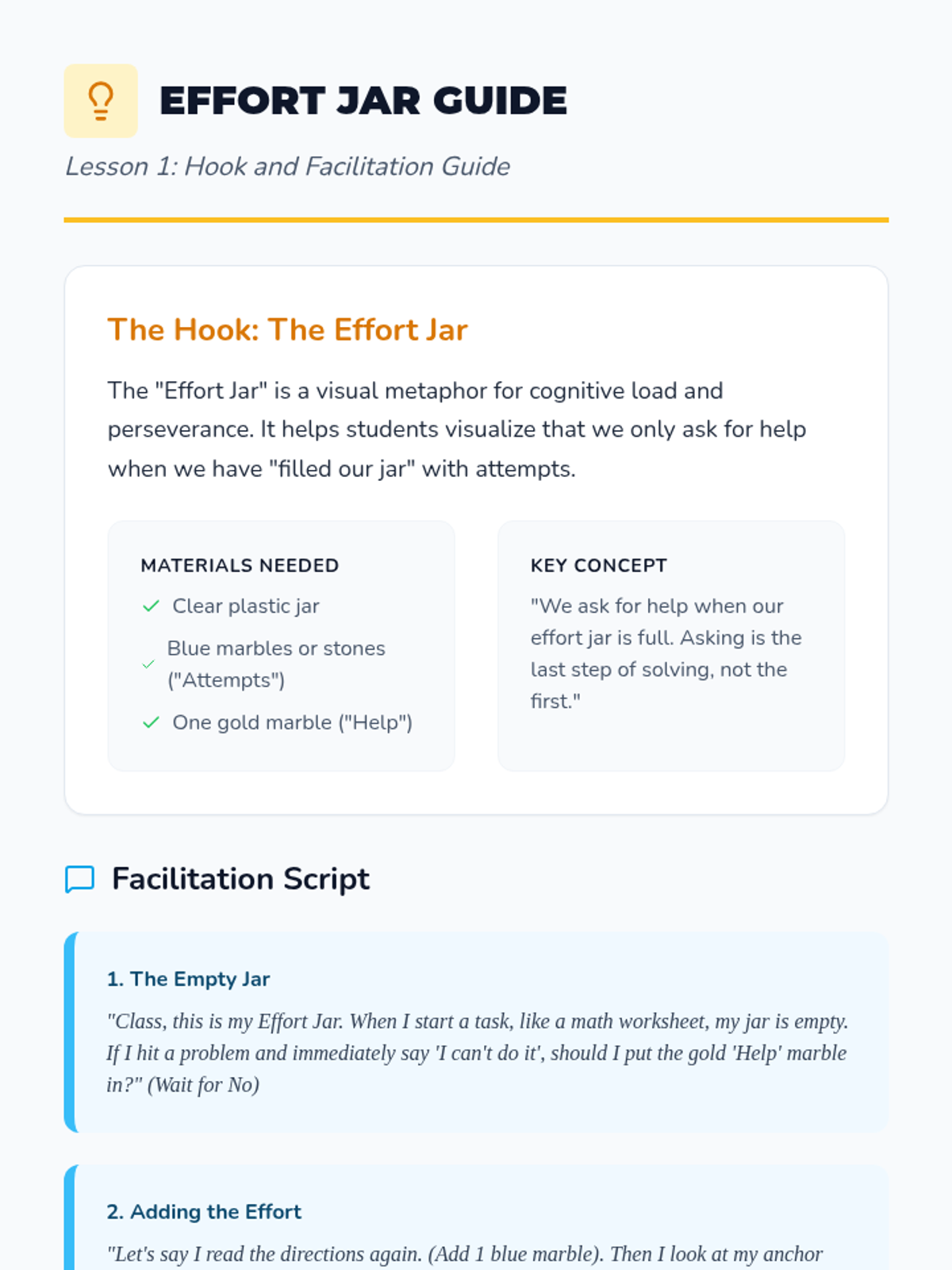
This sequence empowers 2nd-grade students with self-advocacy skills to navigate obstacles. It moves from recognizing when help is needed to choosing the right helper and using specific, actionable language or non-verbal signals.
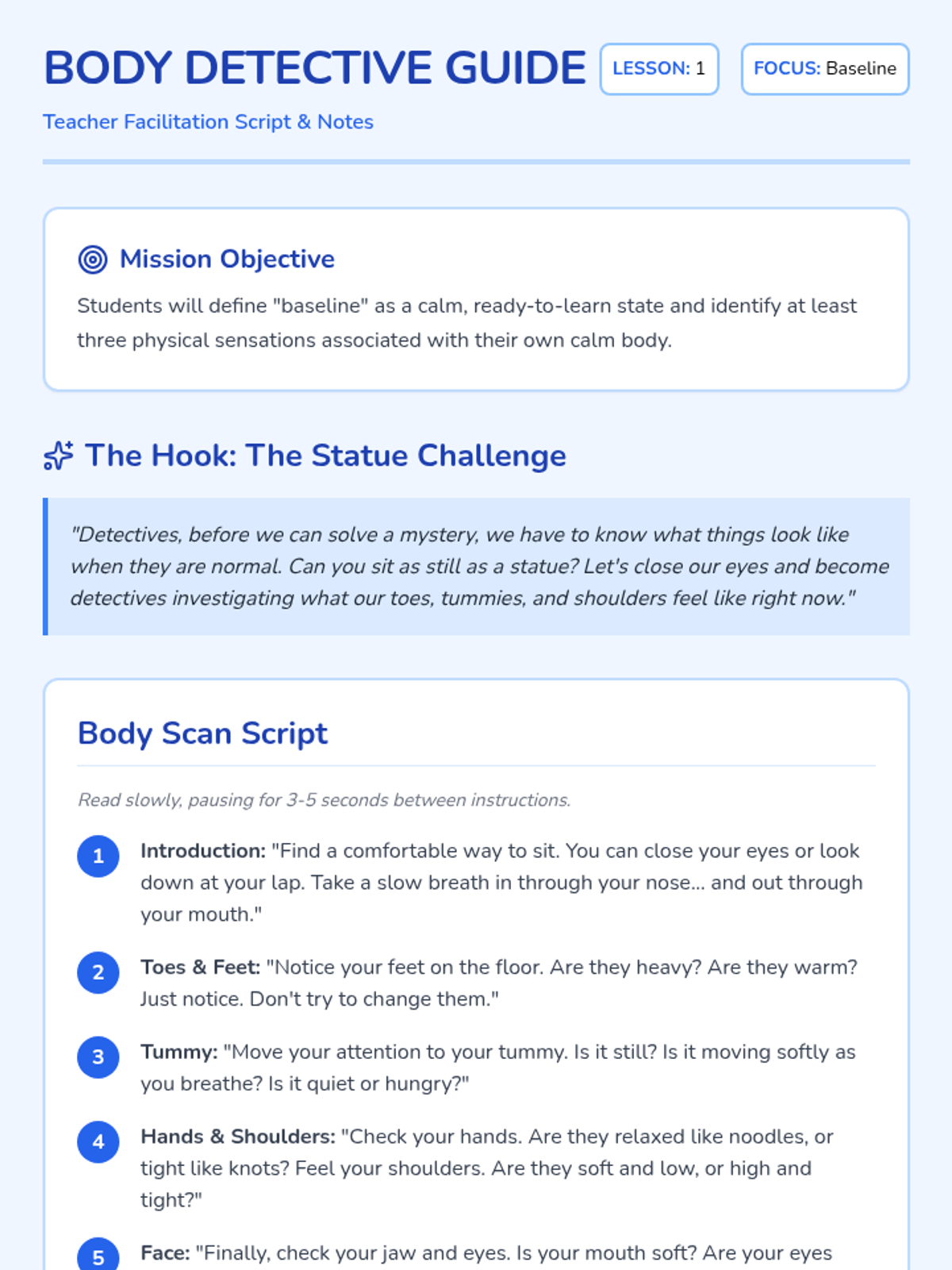
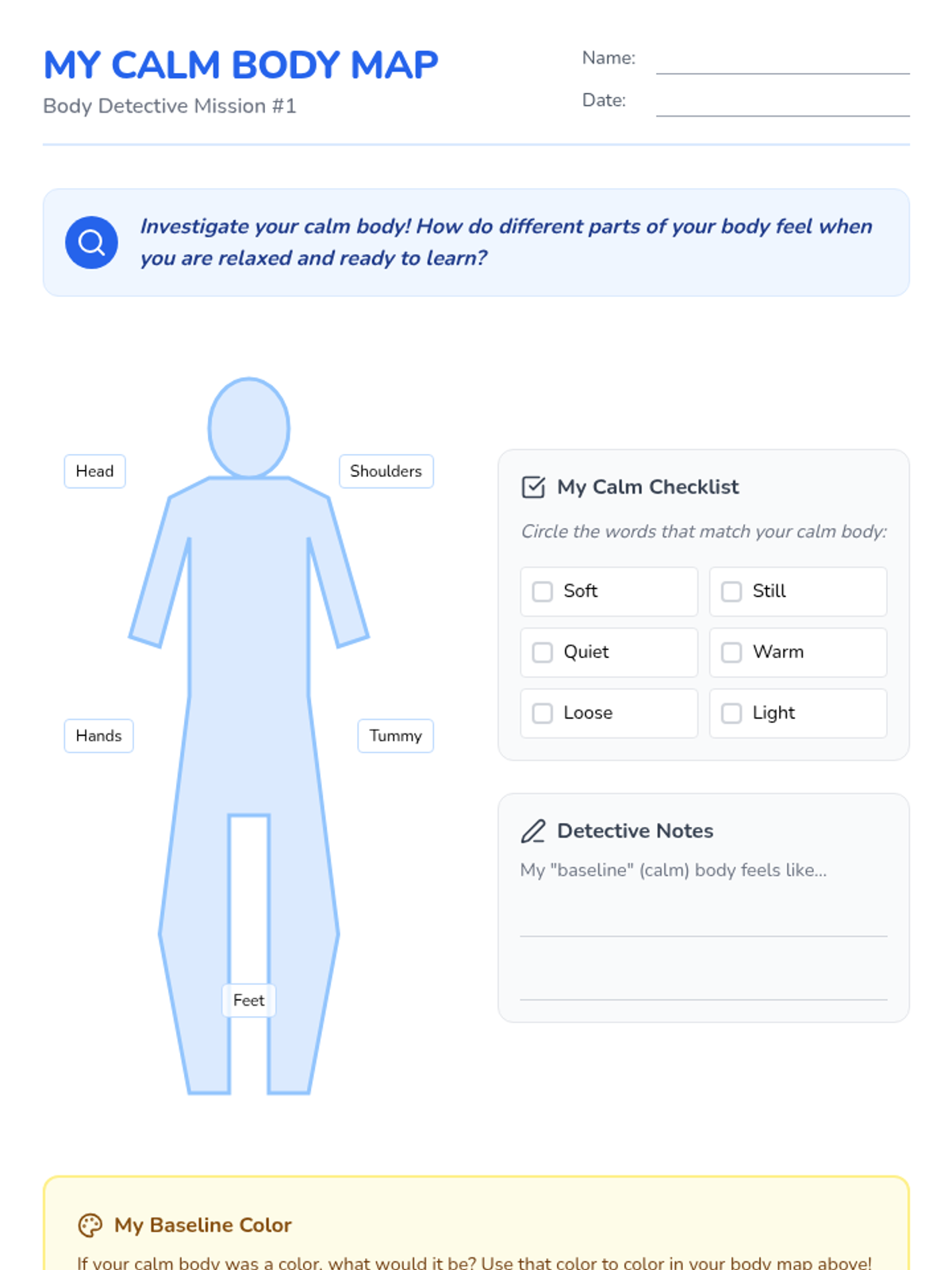
A comprehensive 5-lesson unit for 2nd graders to build somatic awareness, identifying physiological and behavioral signs of emotional escalation before they reach a crisis point. Students learn to recognize their 'baseline' calm state, map sensations to emotions, use an emotional thermometer, and identify personal warning signals.
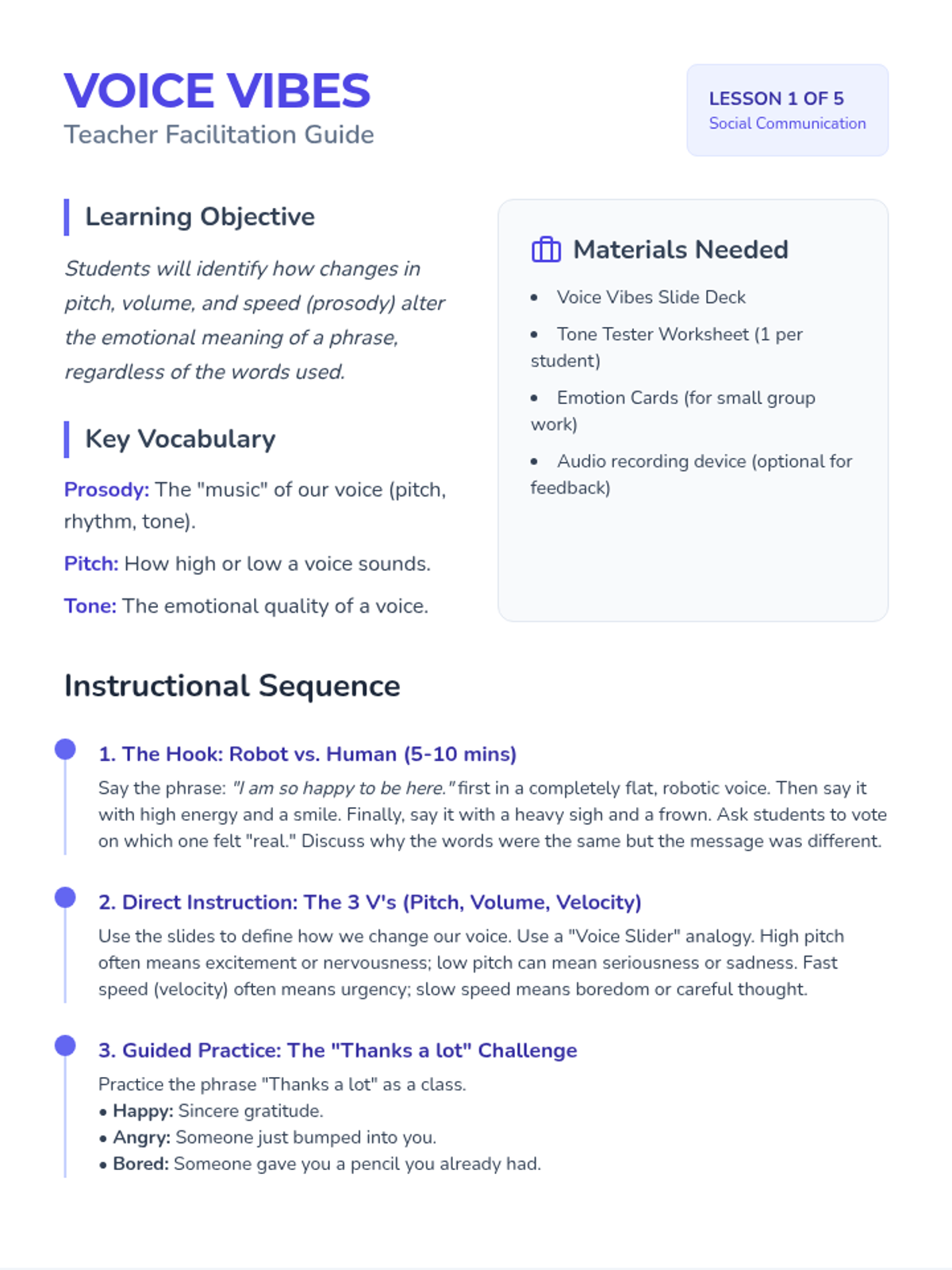
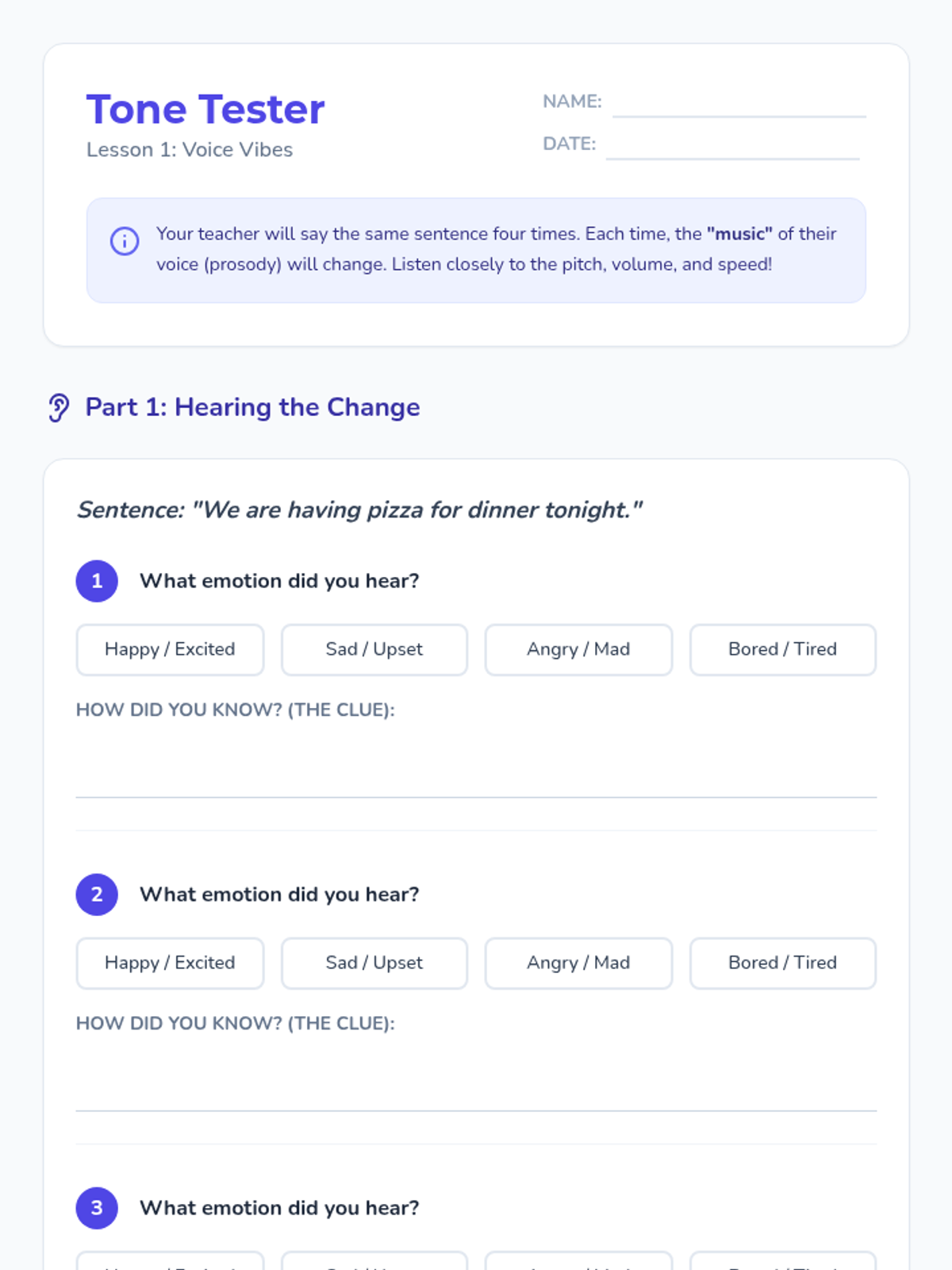
This sequence explores how tone of voice, body language, and context change the meaning of words. Students move from auditory analysis of tone to complex social role-playing, focusing on sarcasm, hyperbole, and social inferencing.
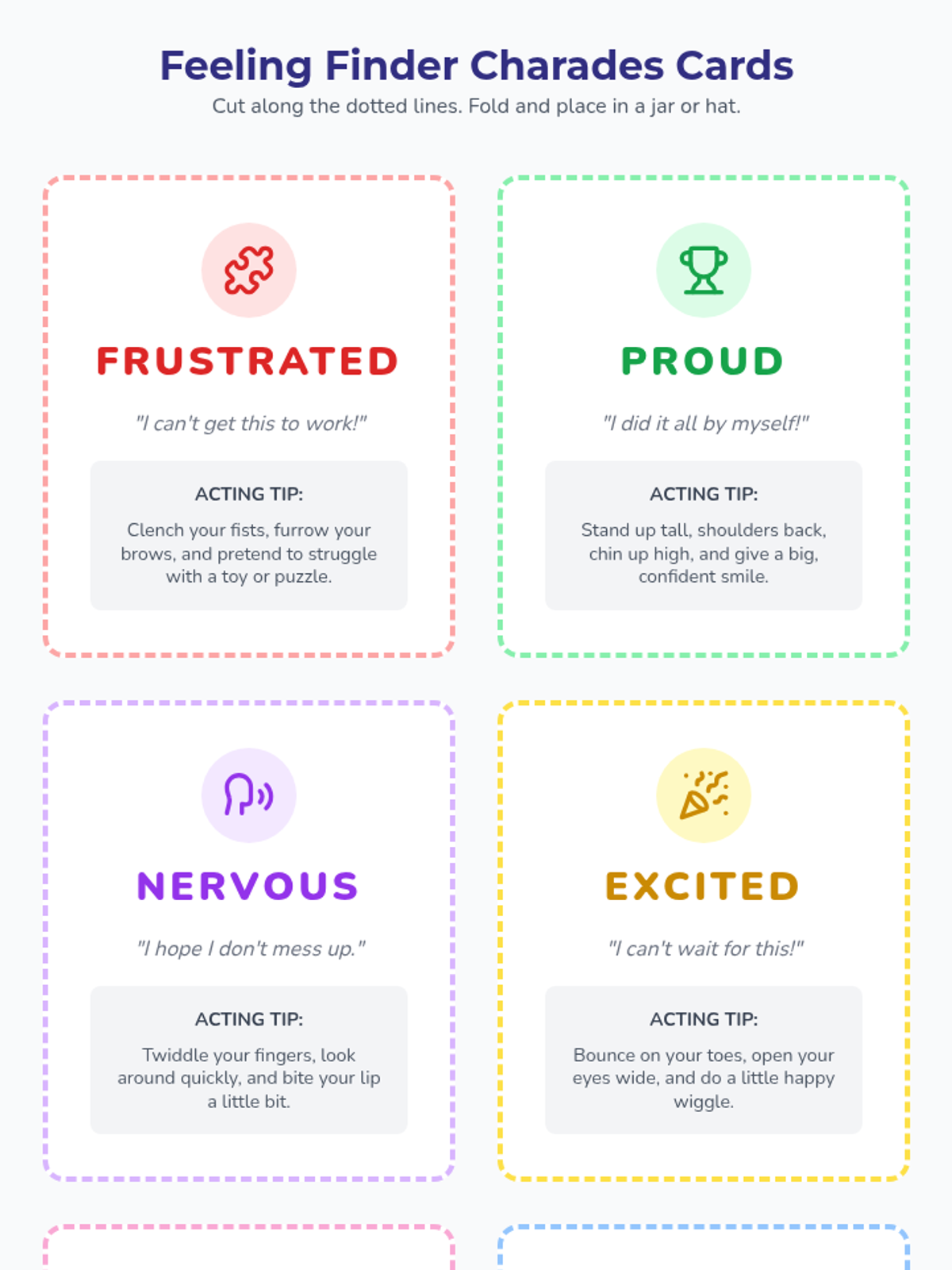
A comprehensive unit for 2nd graders to expand their emotional vocabulary, recognize non-verbal cues, understand emotional intensity, identify mixed feelings, and practice constructive communication using 'I statements'. Students move from basic emotion recognition to nuanced expression and conflict resolution.
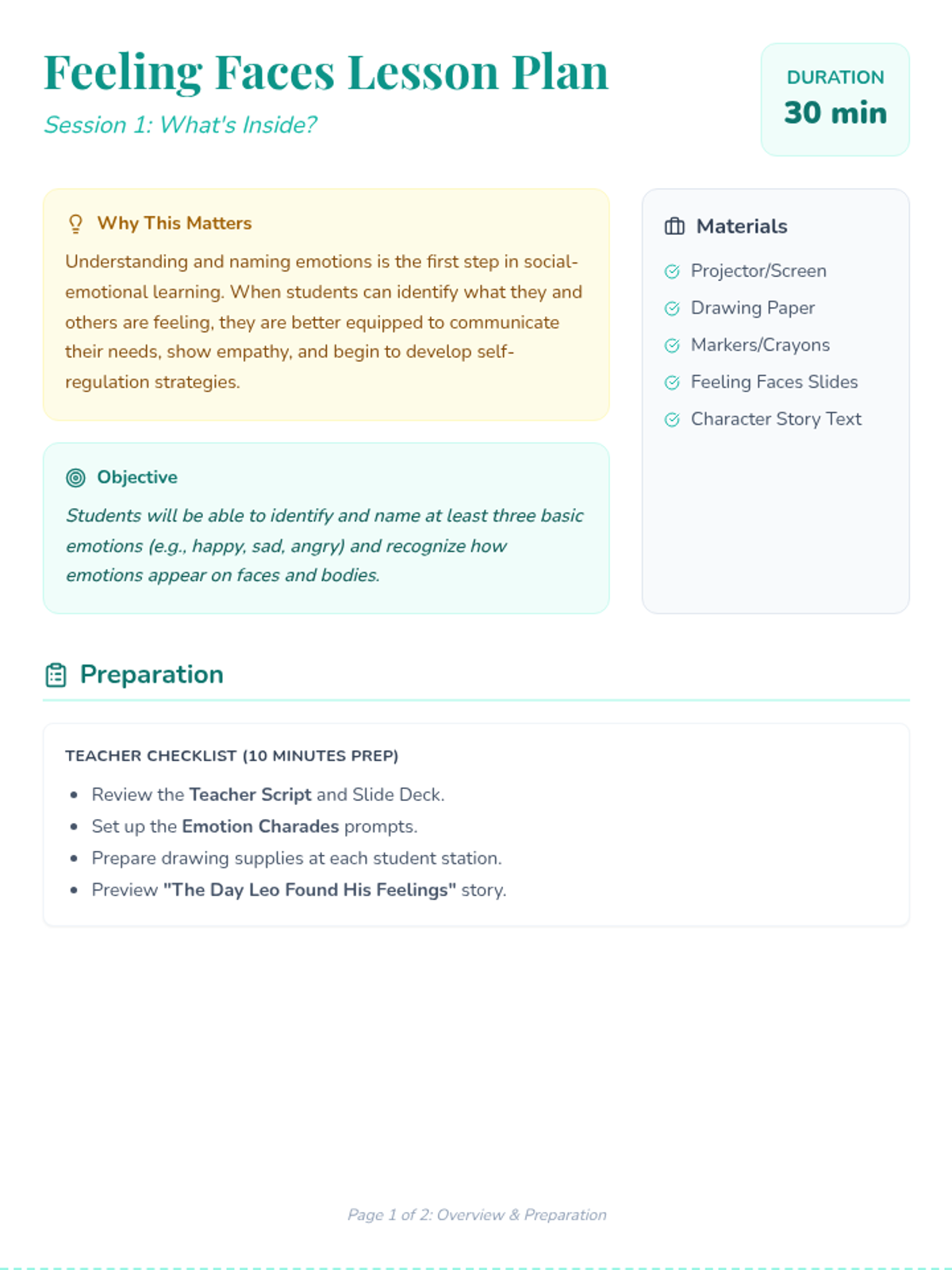
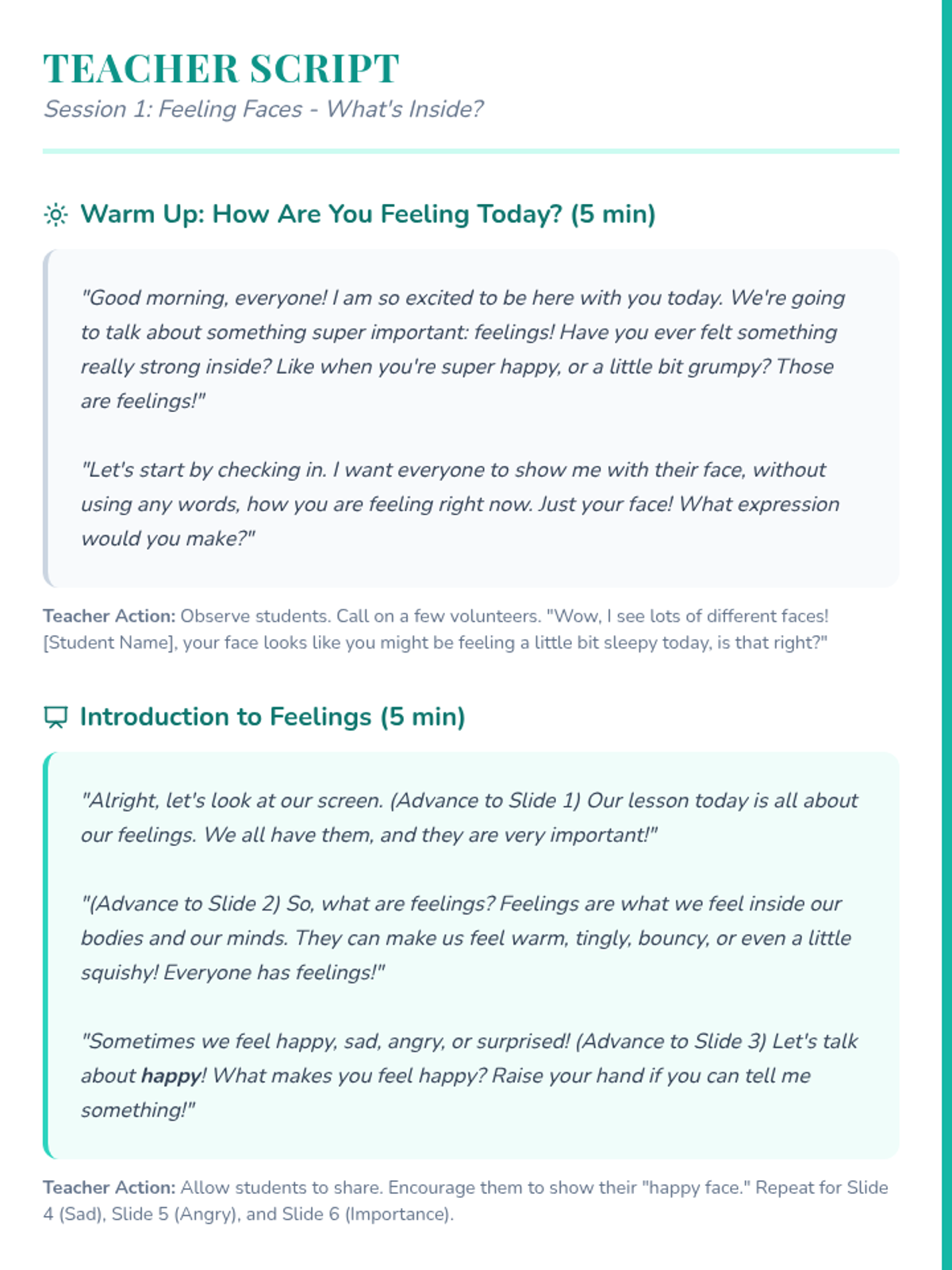
A 10-session series for K-2 students focused on social-emotional learning, helping them identify, understand, and manage their emotions through interactive stories, games, and creative activities.