Root cause analysis and brainstorming techniques for everyday problem-solving. Equips learners with ethical frameworks and risk-benefit evaluation skills to predict consequences and make informed choices.
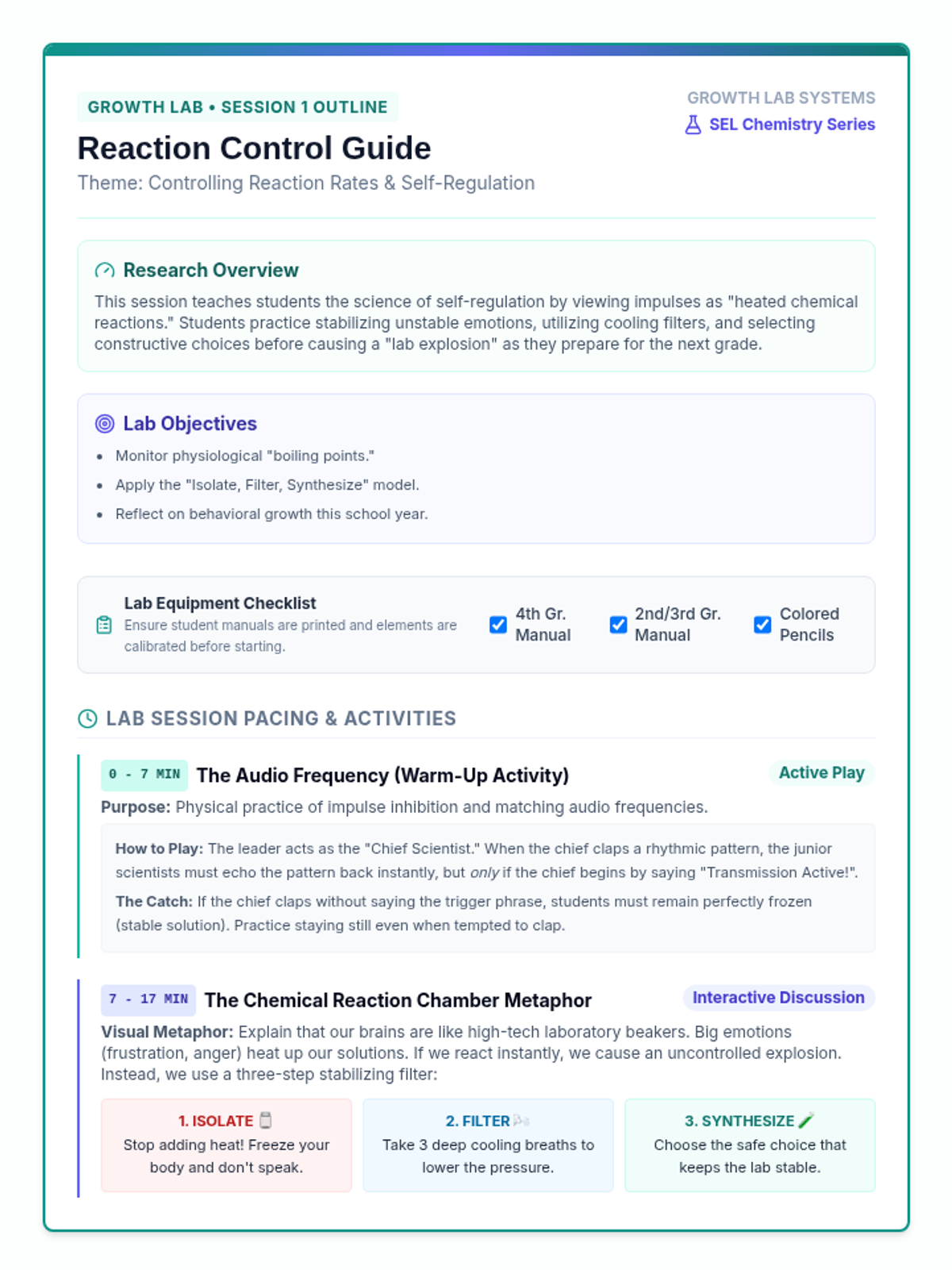
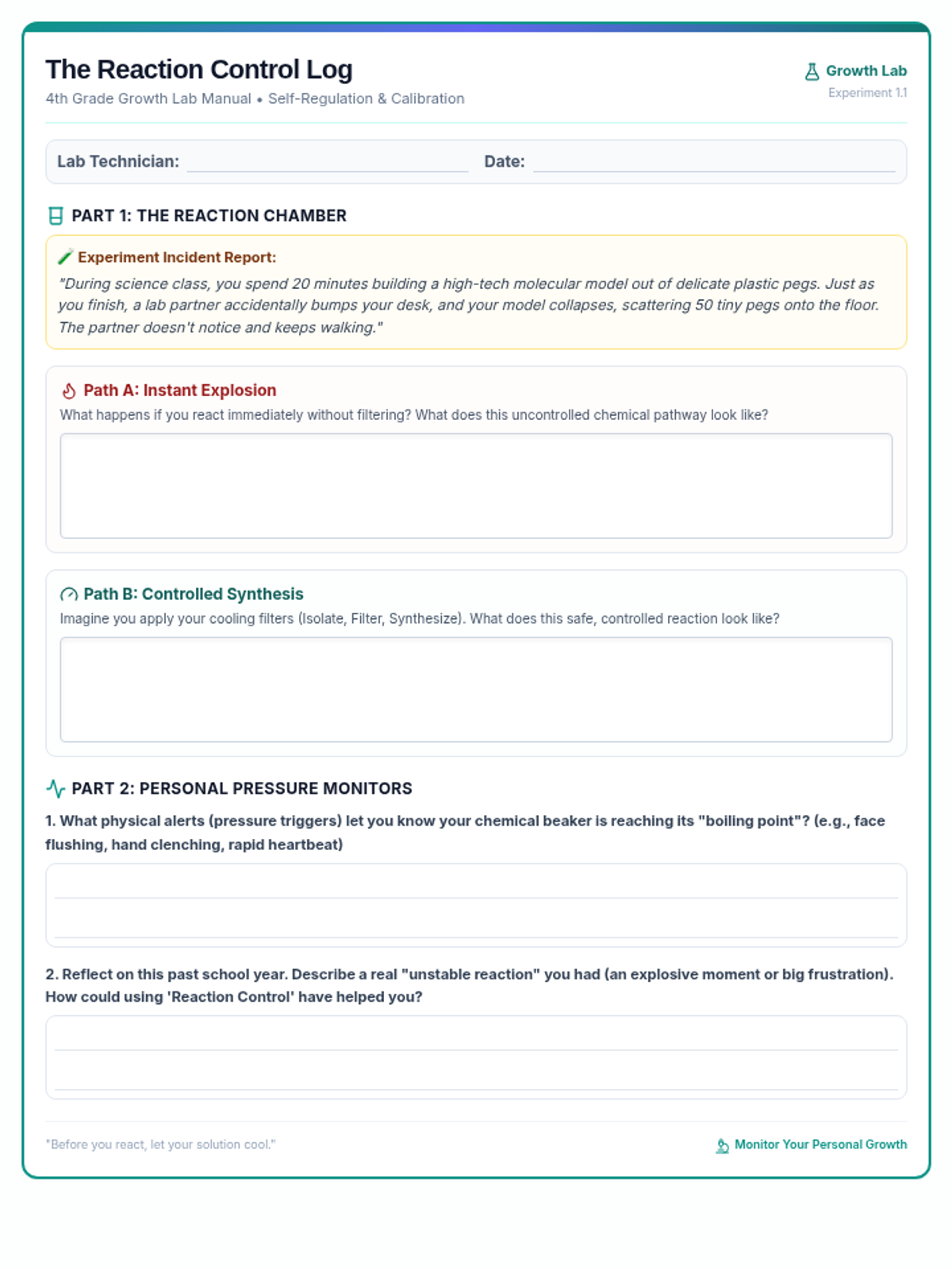
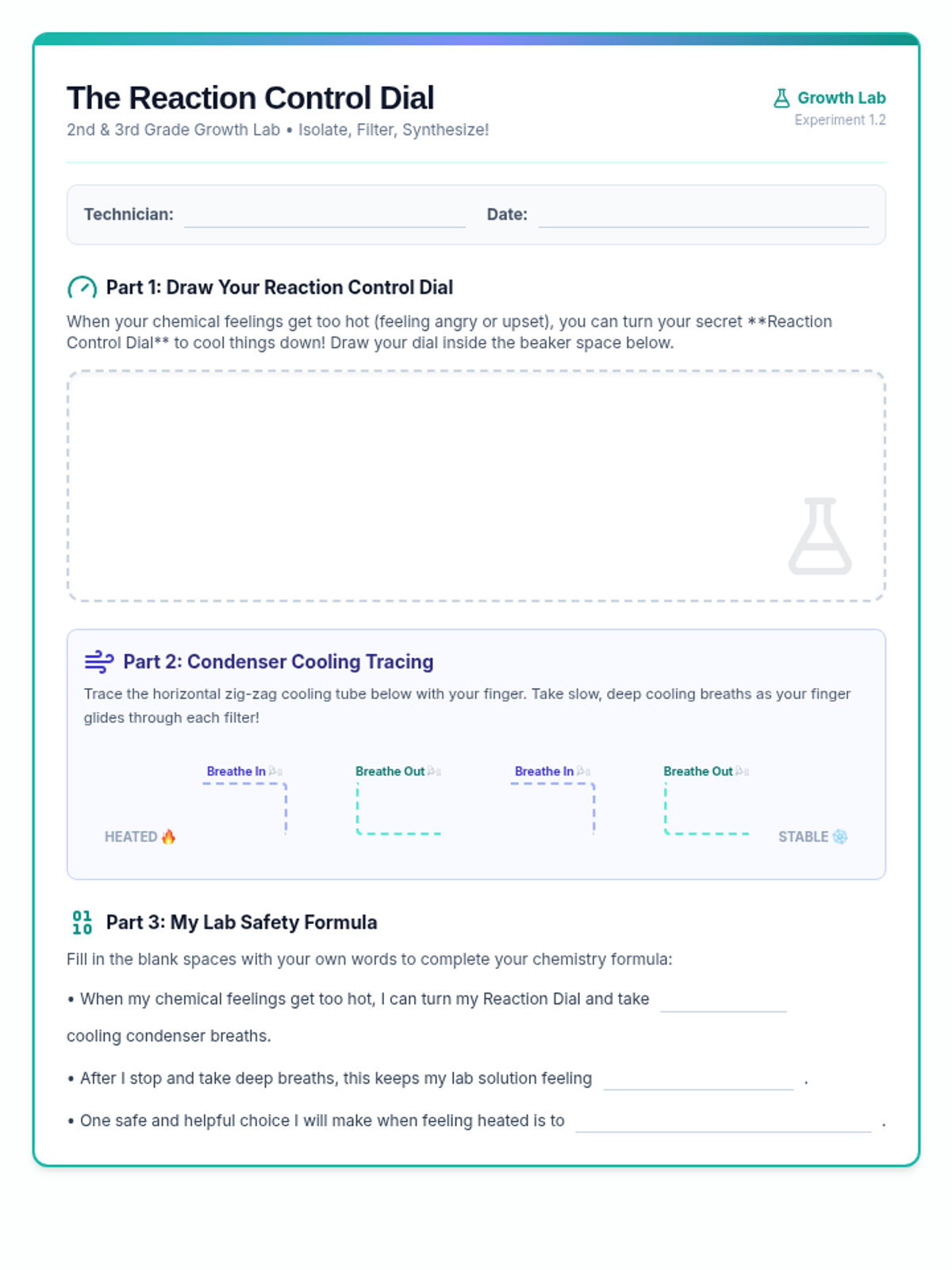
An end-of-year reflection and social-emotional learning series styled as a scientific laboratory. Students act as 'Growth Chemists' to study and control their reaction rates, transmit self-advocacy signals, and map out their senior scientist support network.
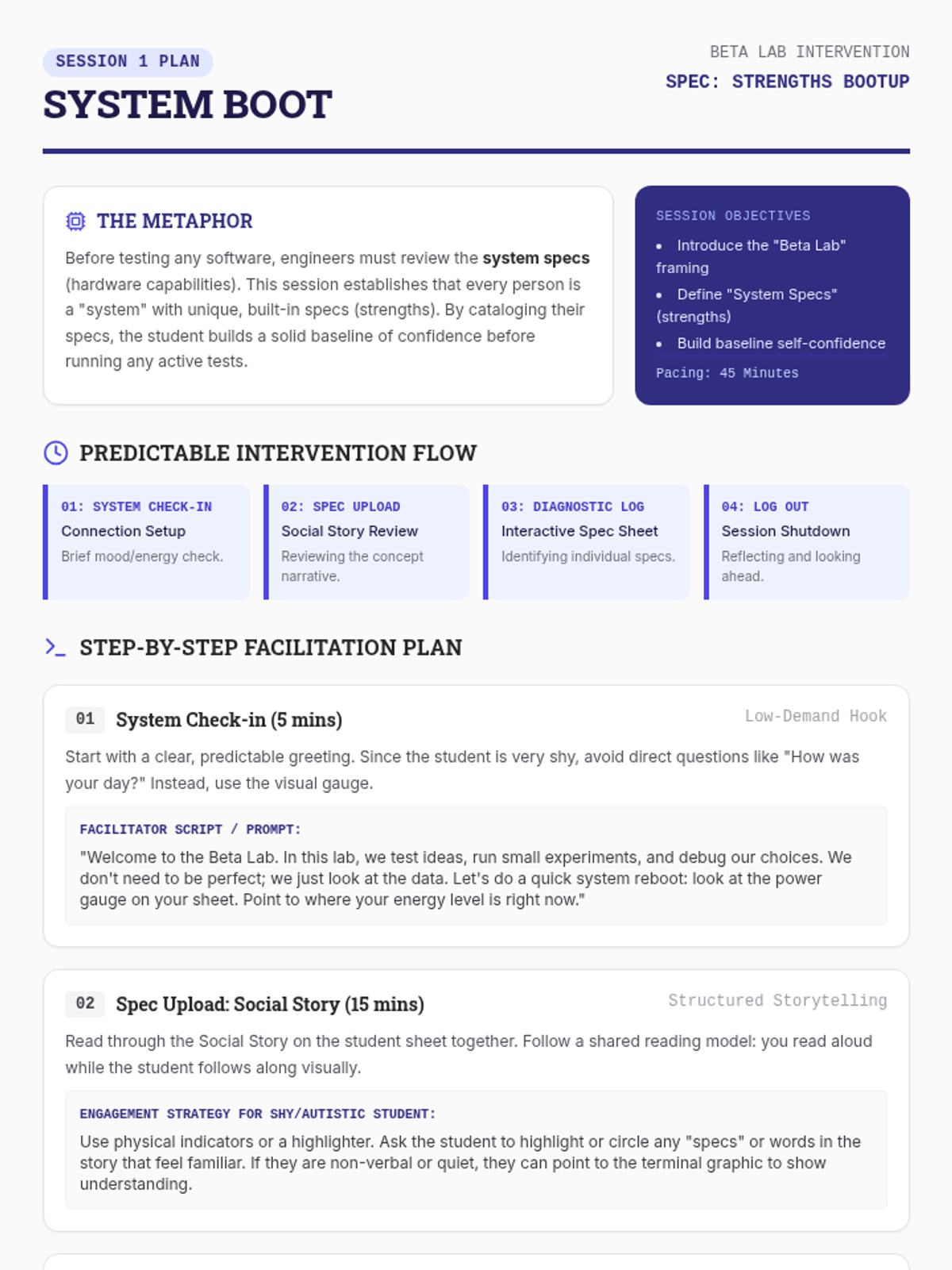
An 8-week social-emotional intervention sequence designed for neurodivergent and shy students. It uses a "Field Guide" and "Wildwood Scouting" metaphor to build self-confidence, ease the anxiety of trying new things, and structure decision-making.
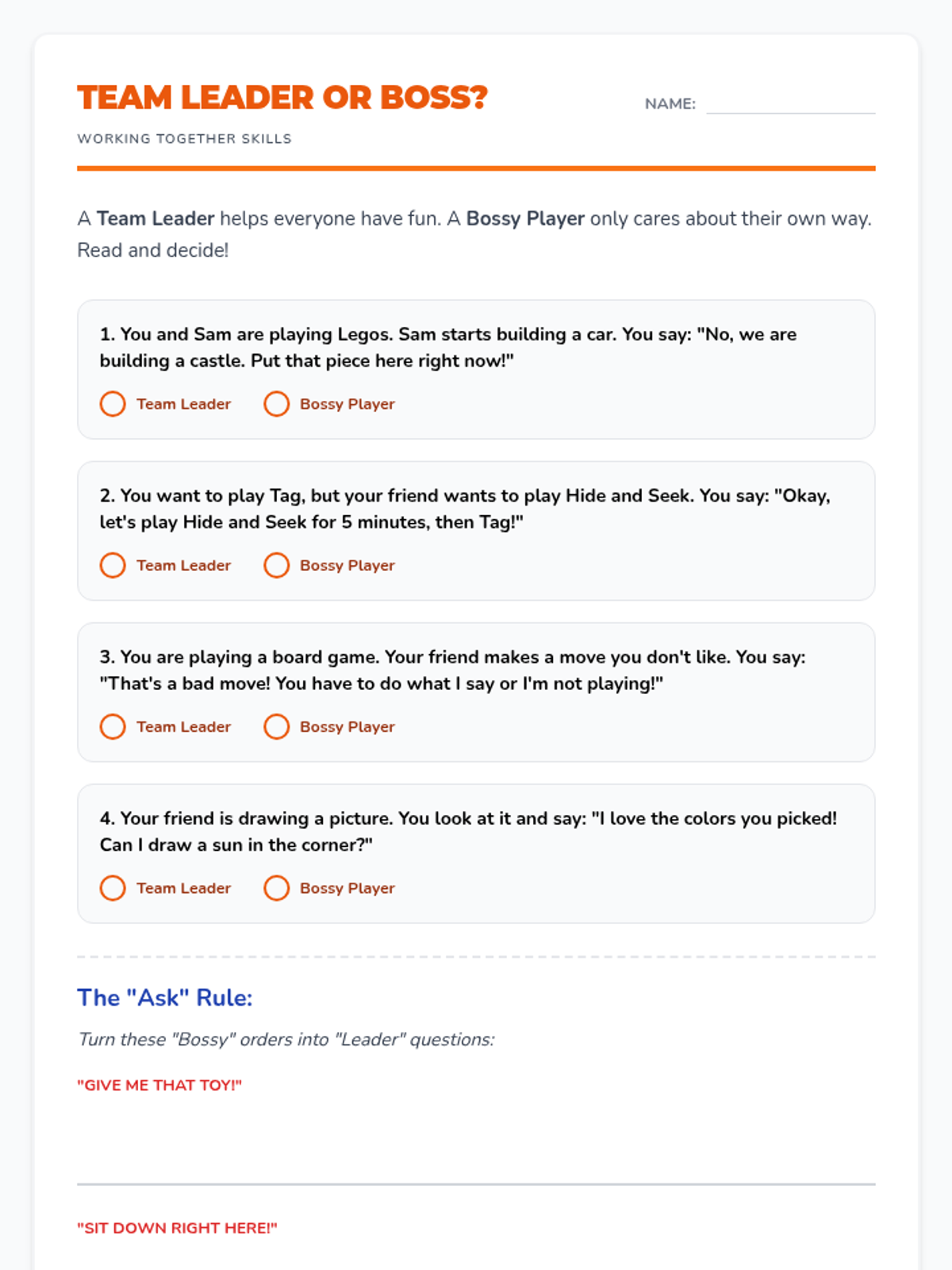
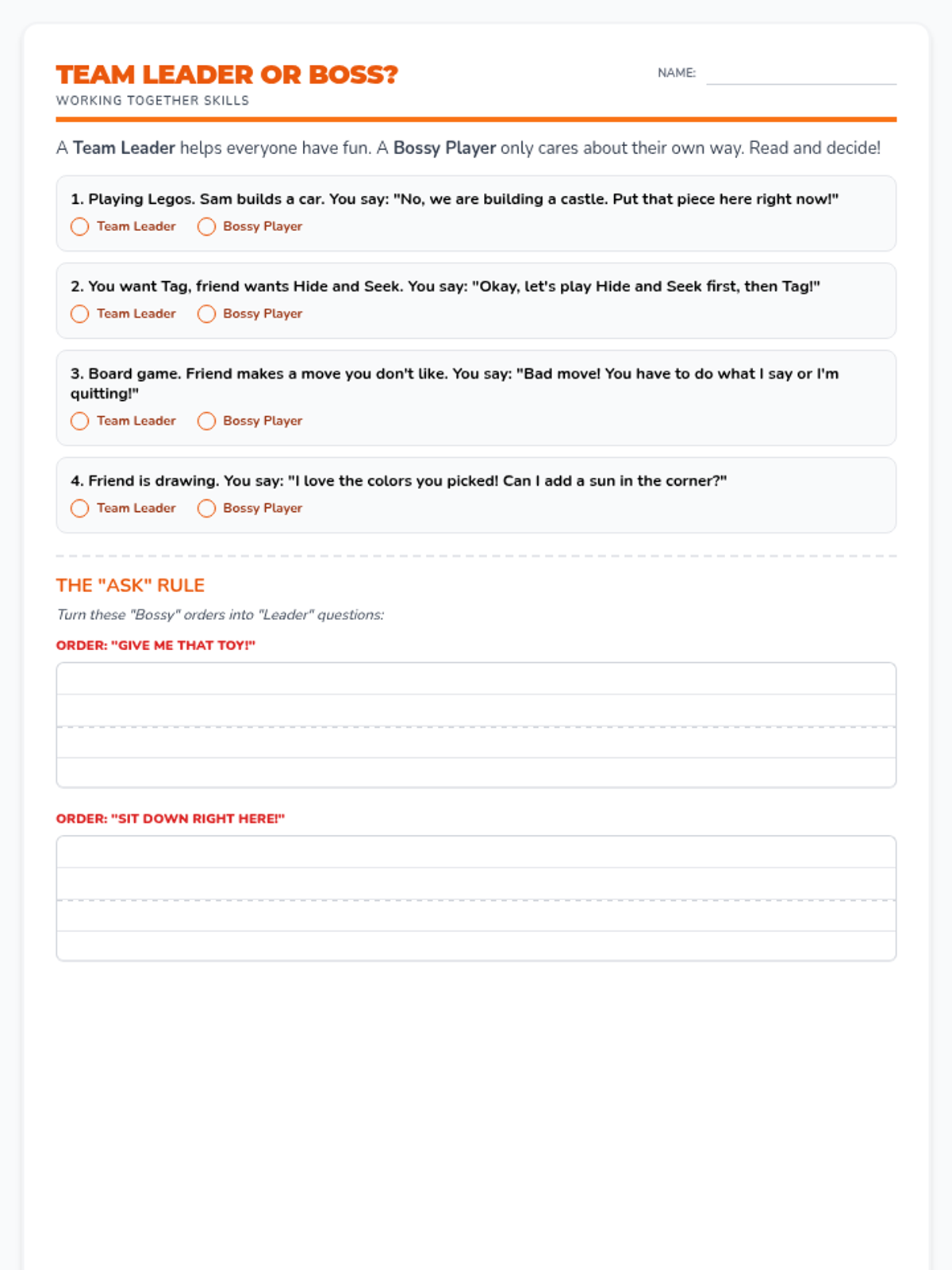
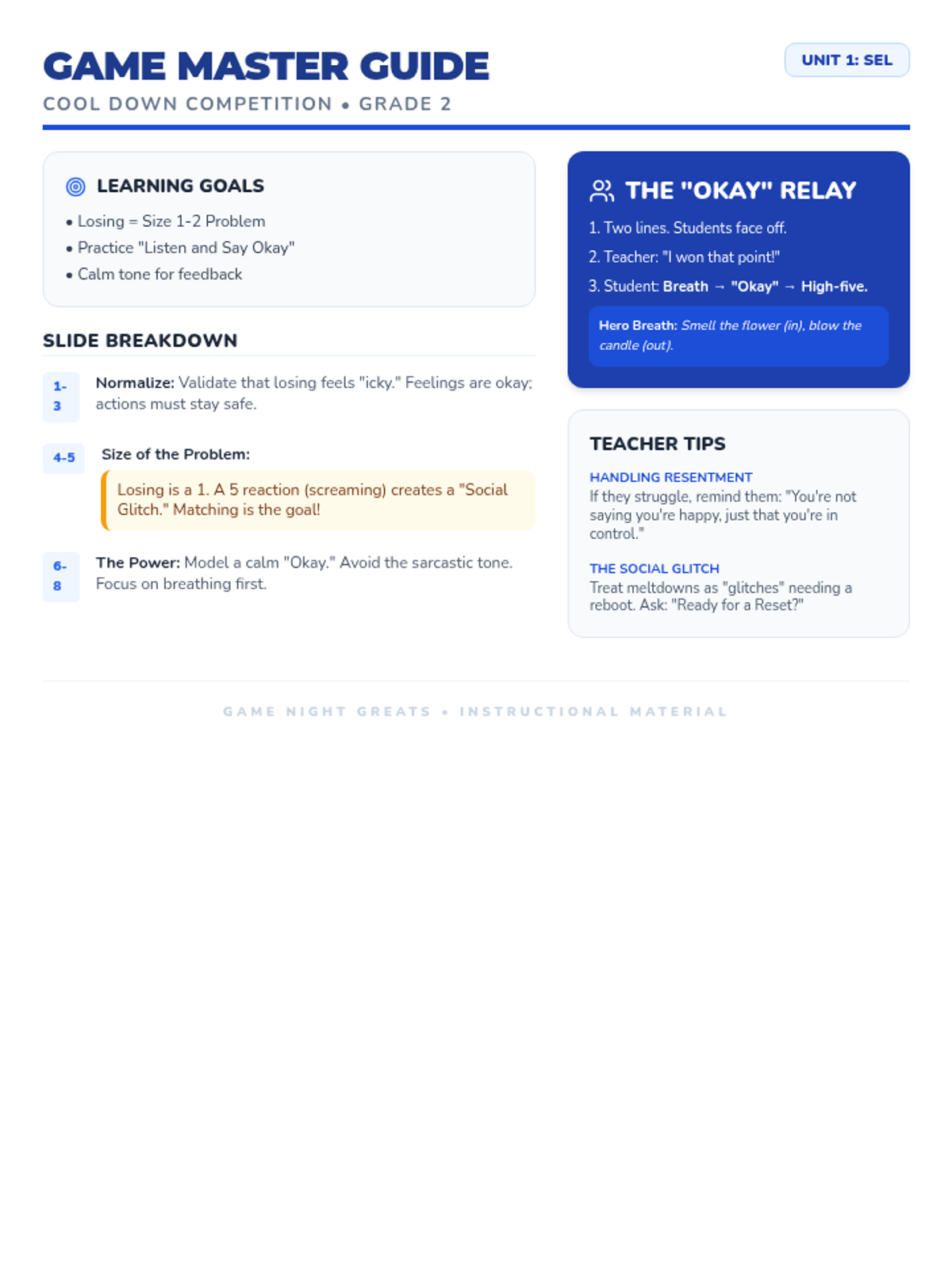
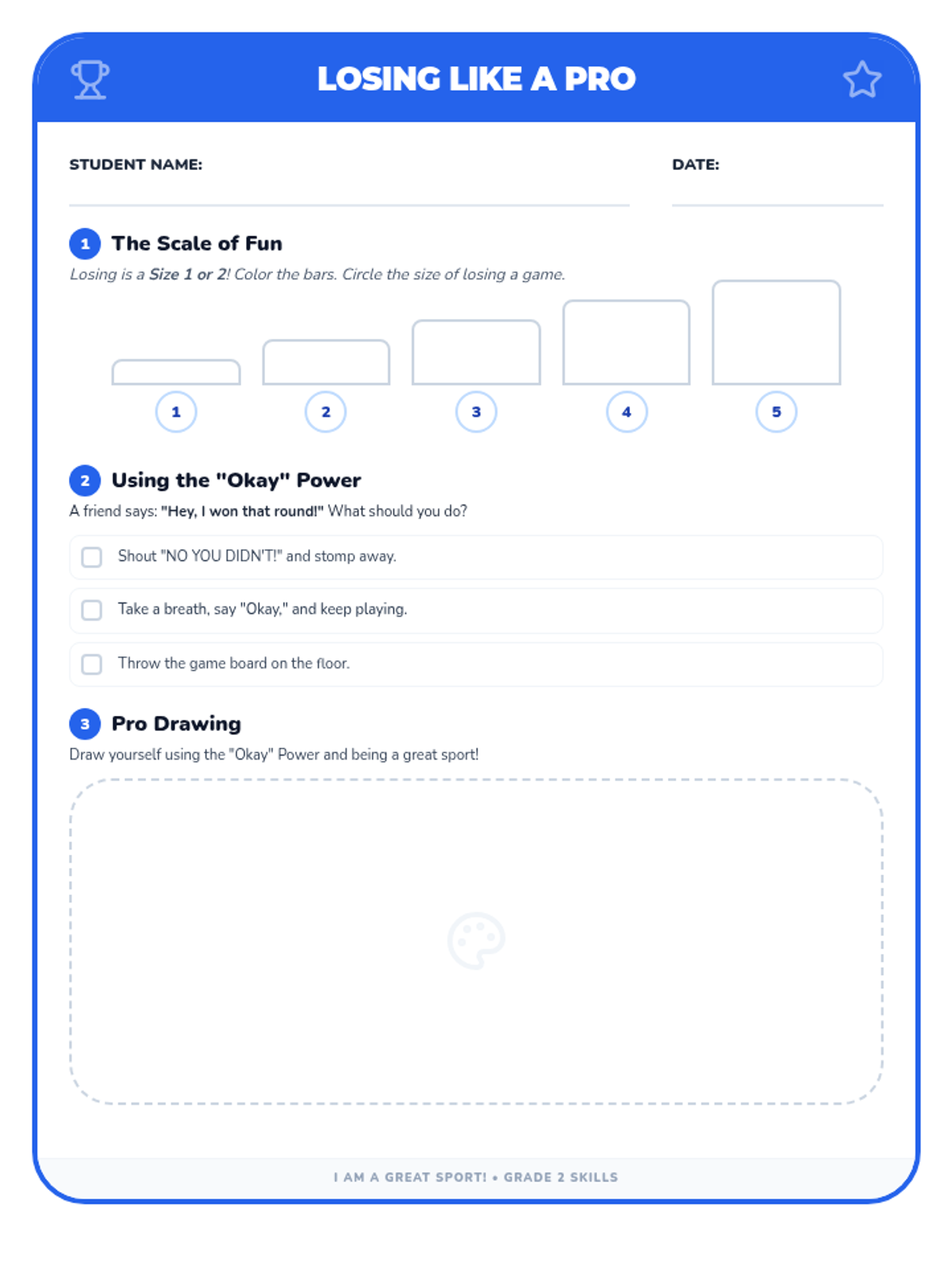
A comprehensive social-emotional learning sequence focused on helping 2nd-grade students navigate play dynamics, handle disappointments gracefully, cooperate with peers, and share actively.
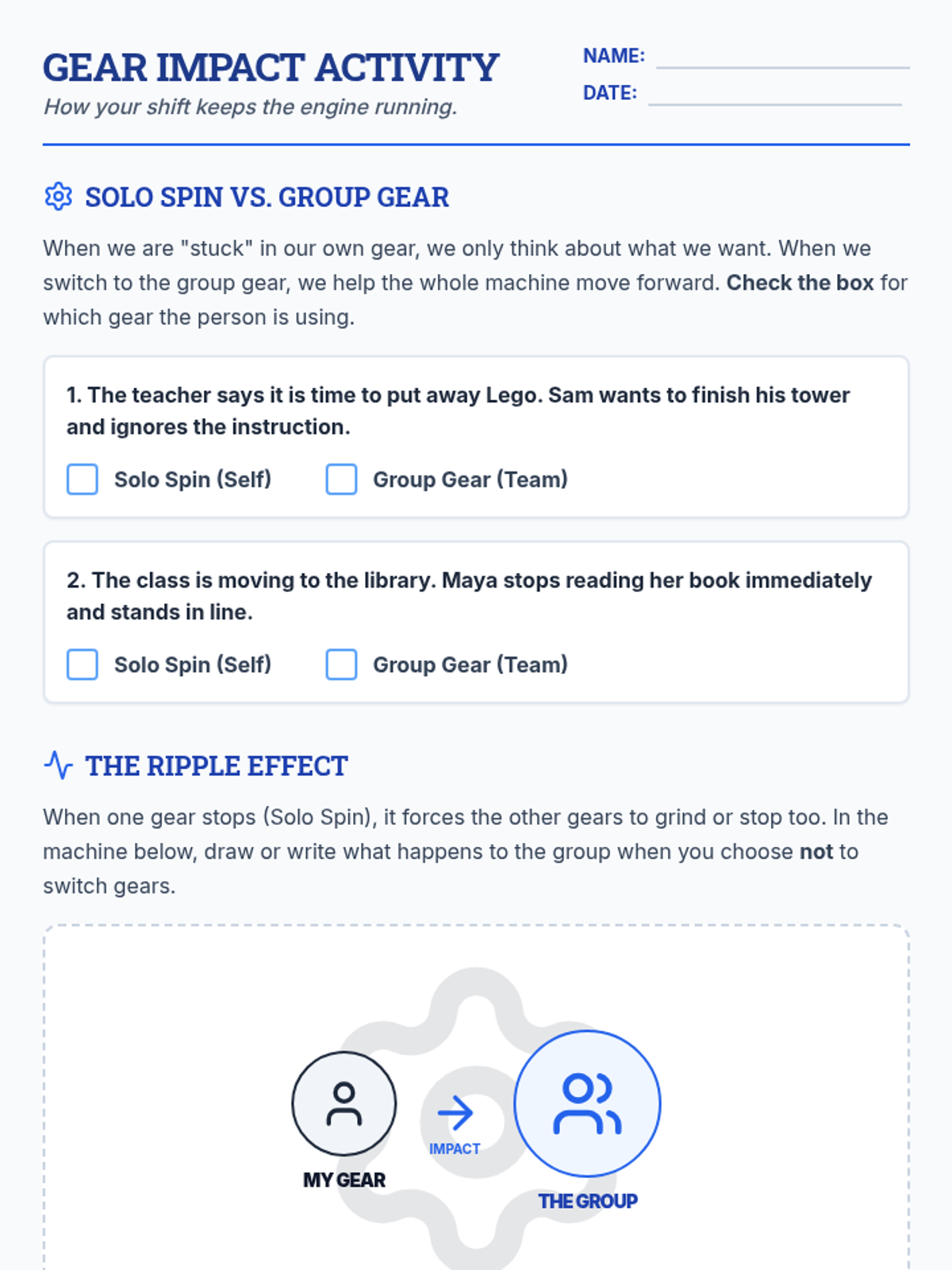
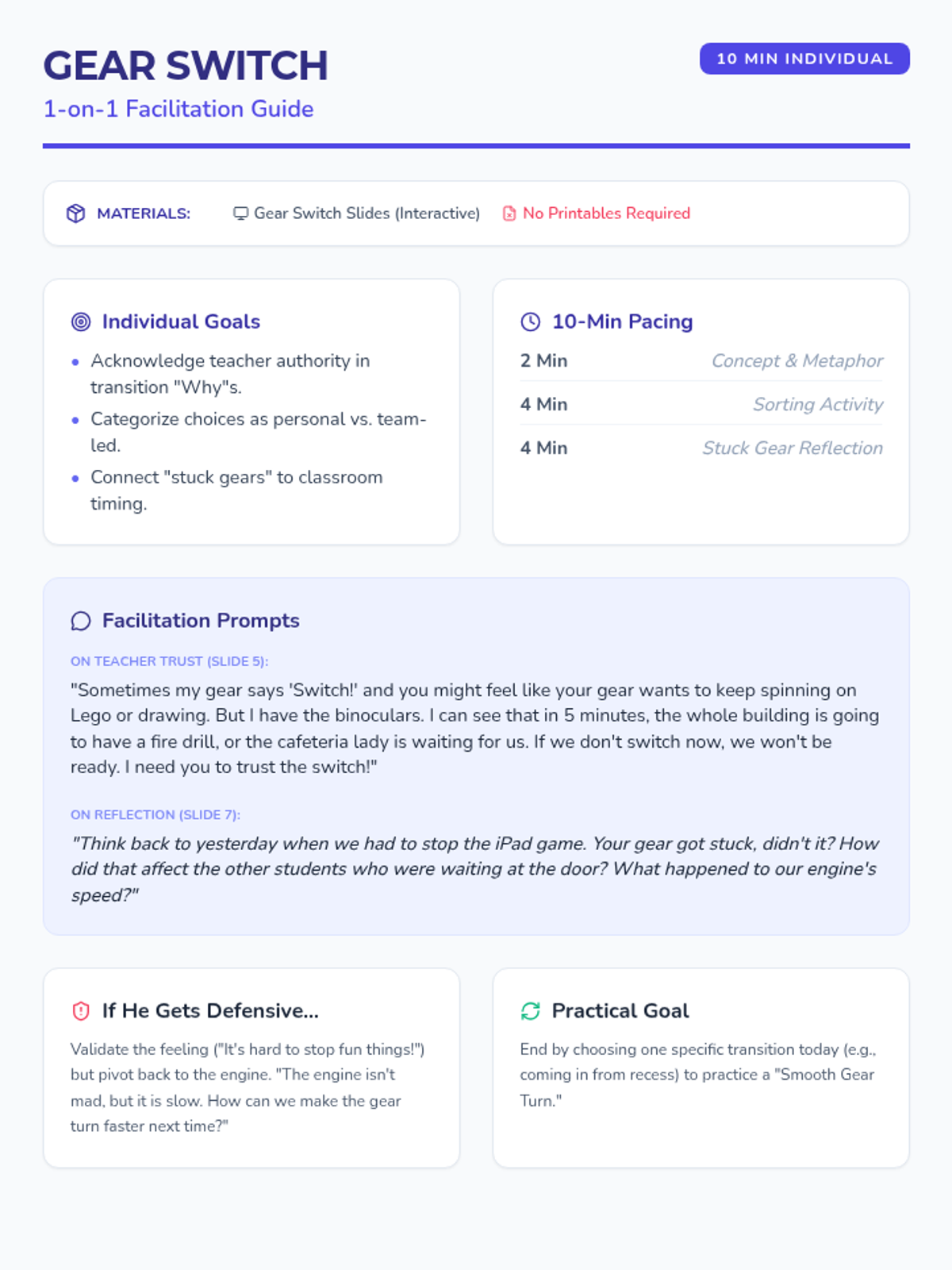
A two-part SEL sequence for a one-on-one session. It introduces the "Gear Switch" metaphor for transitions and follows up with a deeper look at personal responsibility and how "focusing on yourself" translates to group success.
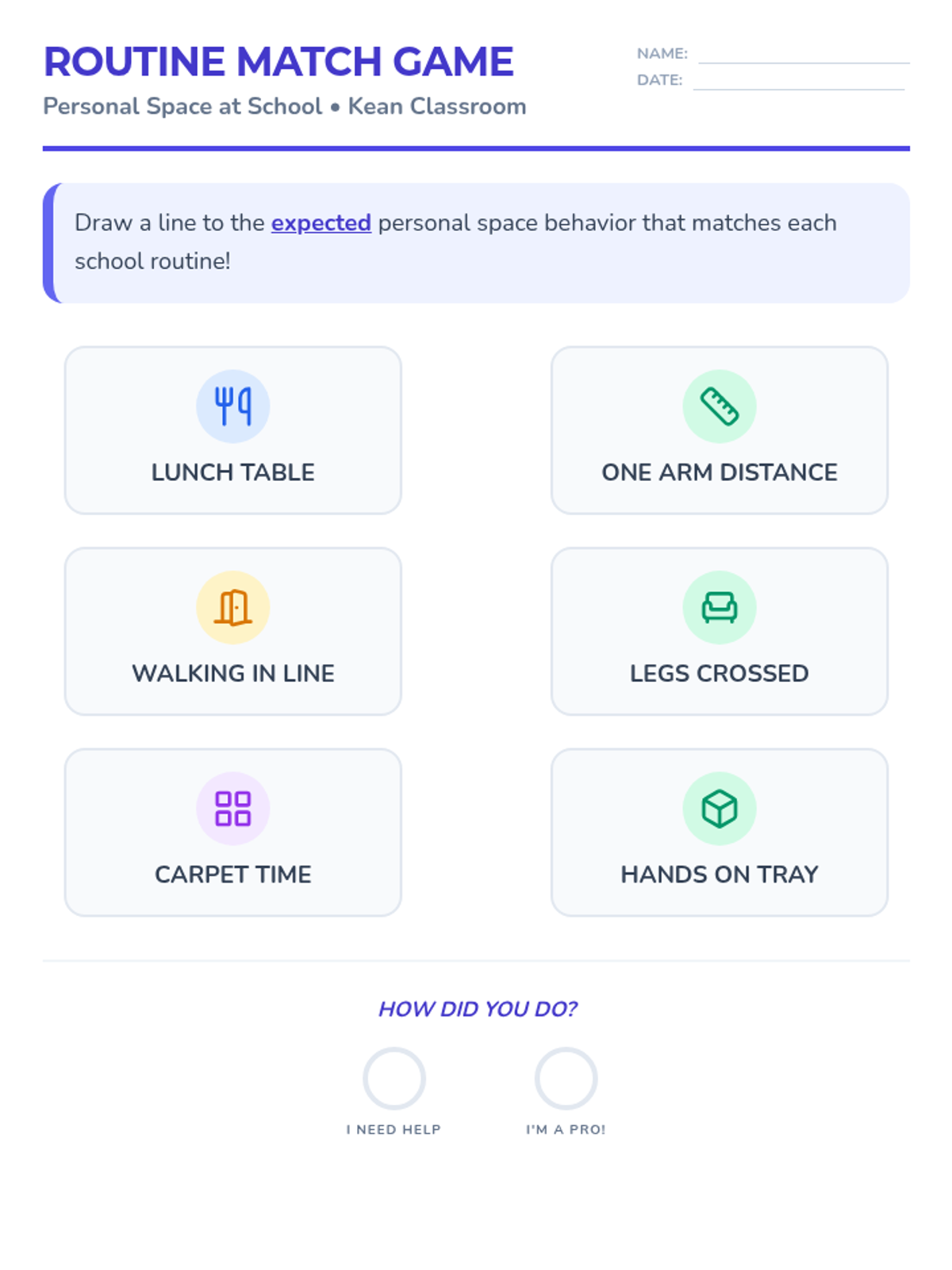
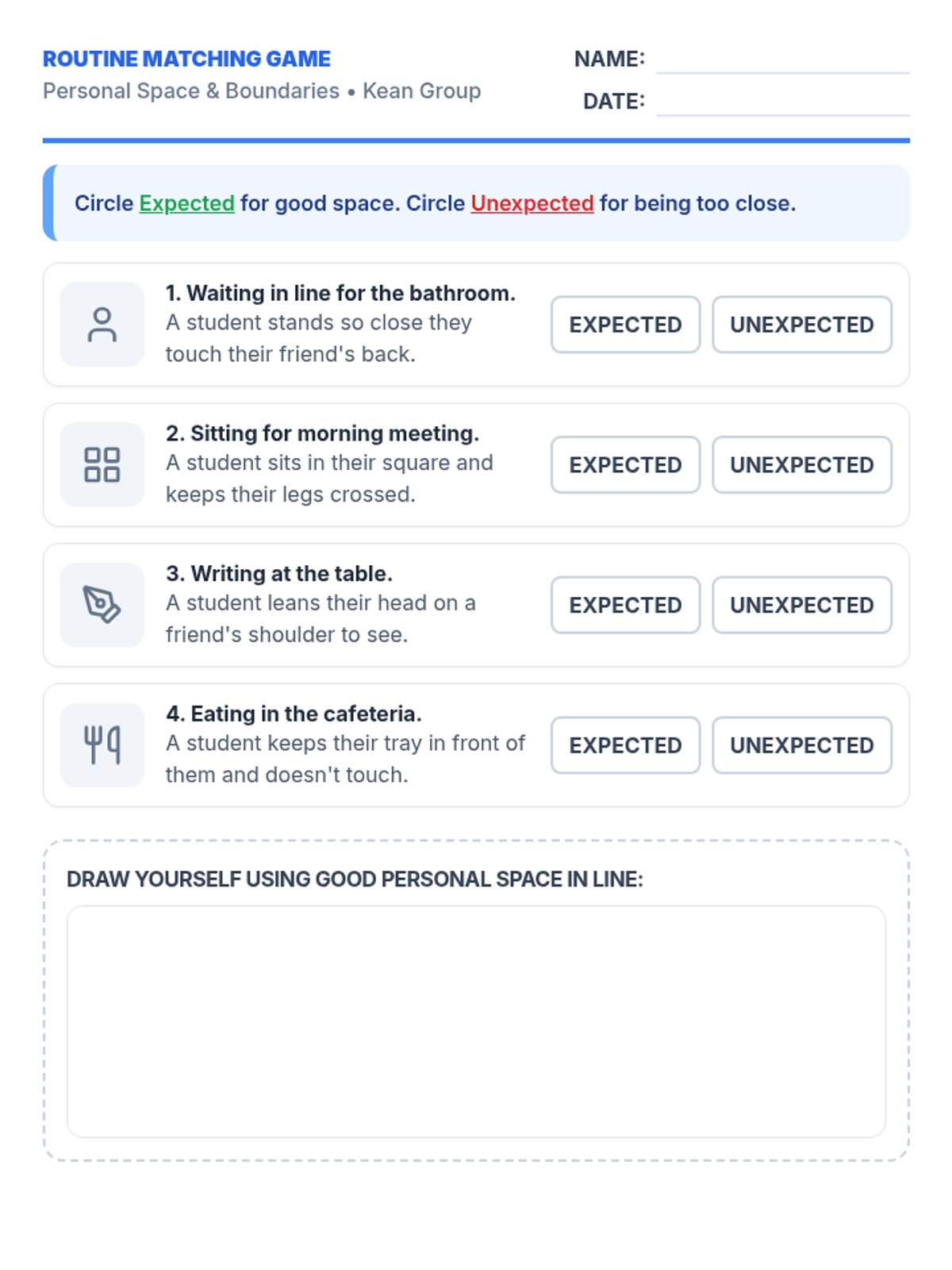
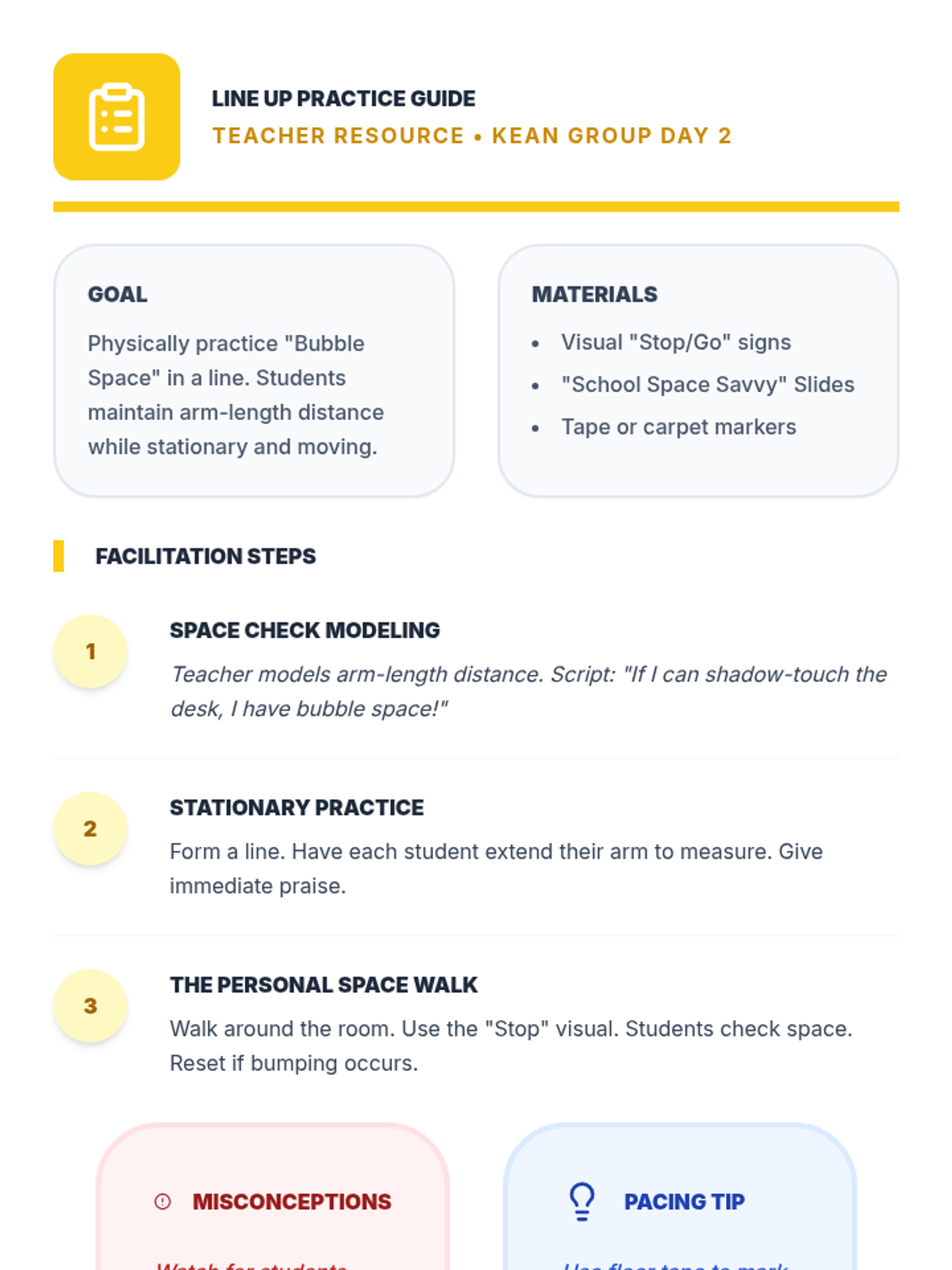
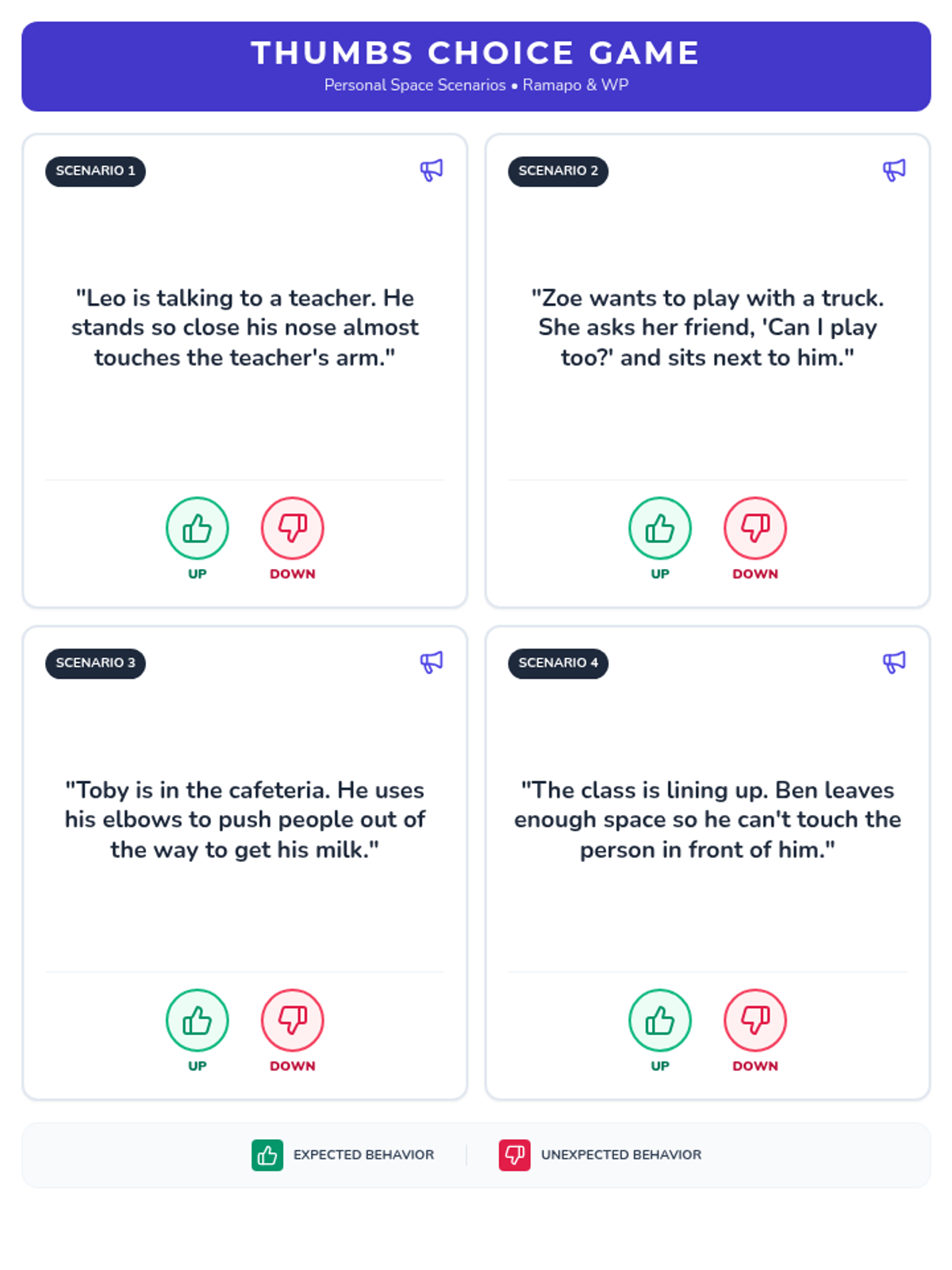
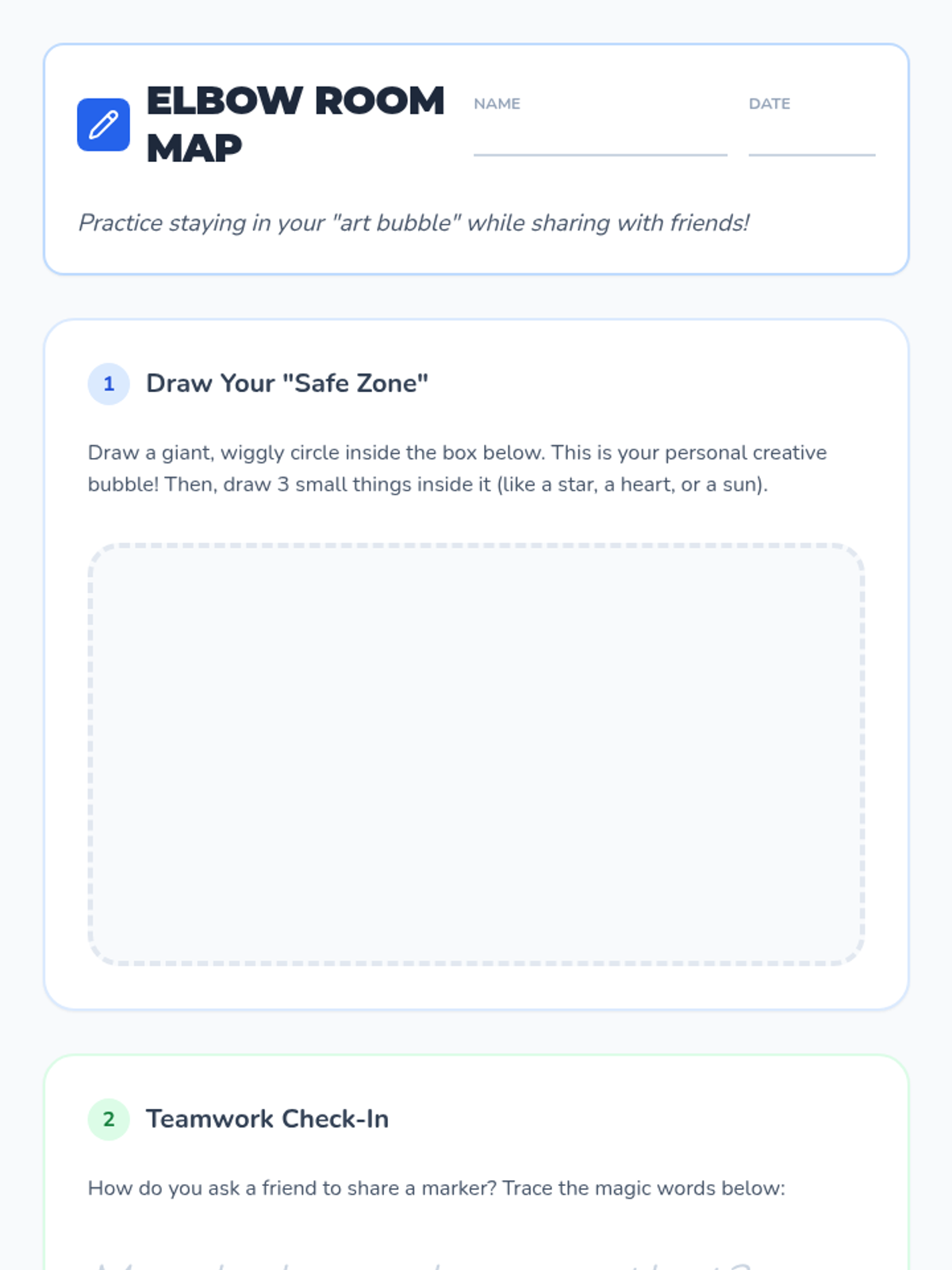
A comprehensive social skills unit focusing on personal space and boundaries across various school settings and routines for the week of May 25th. This unit differentiates for four distinct classroom groups (Kean, Ramapo, WP, and WashU) with tailored social stories and activities.
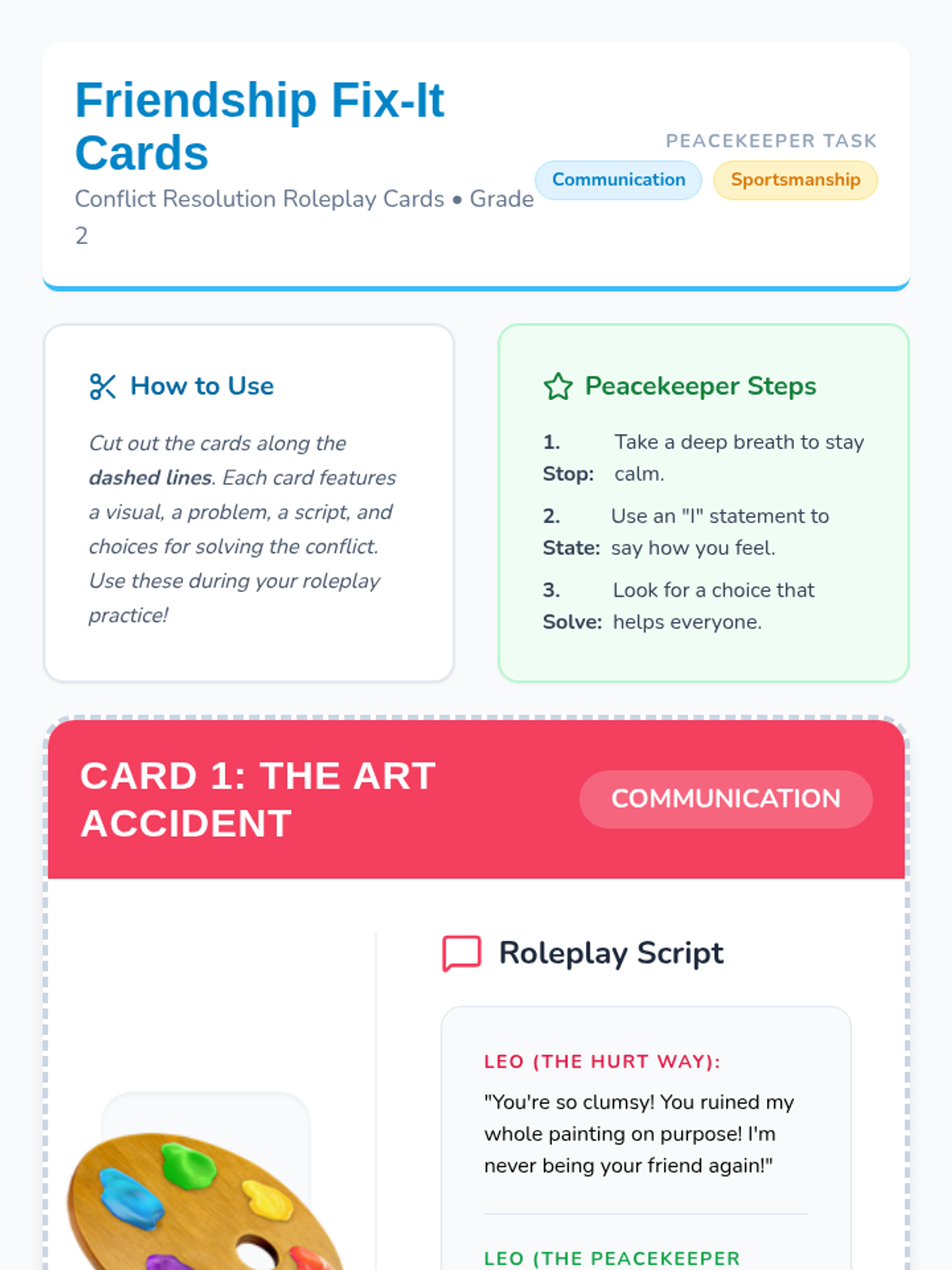
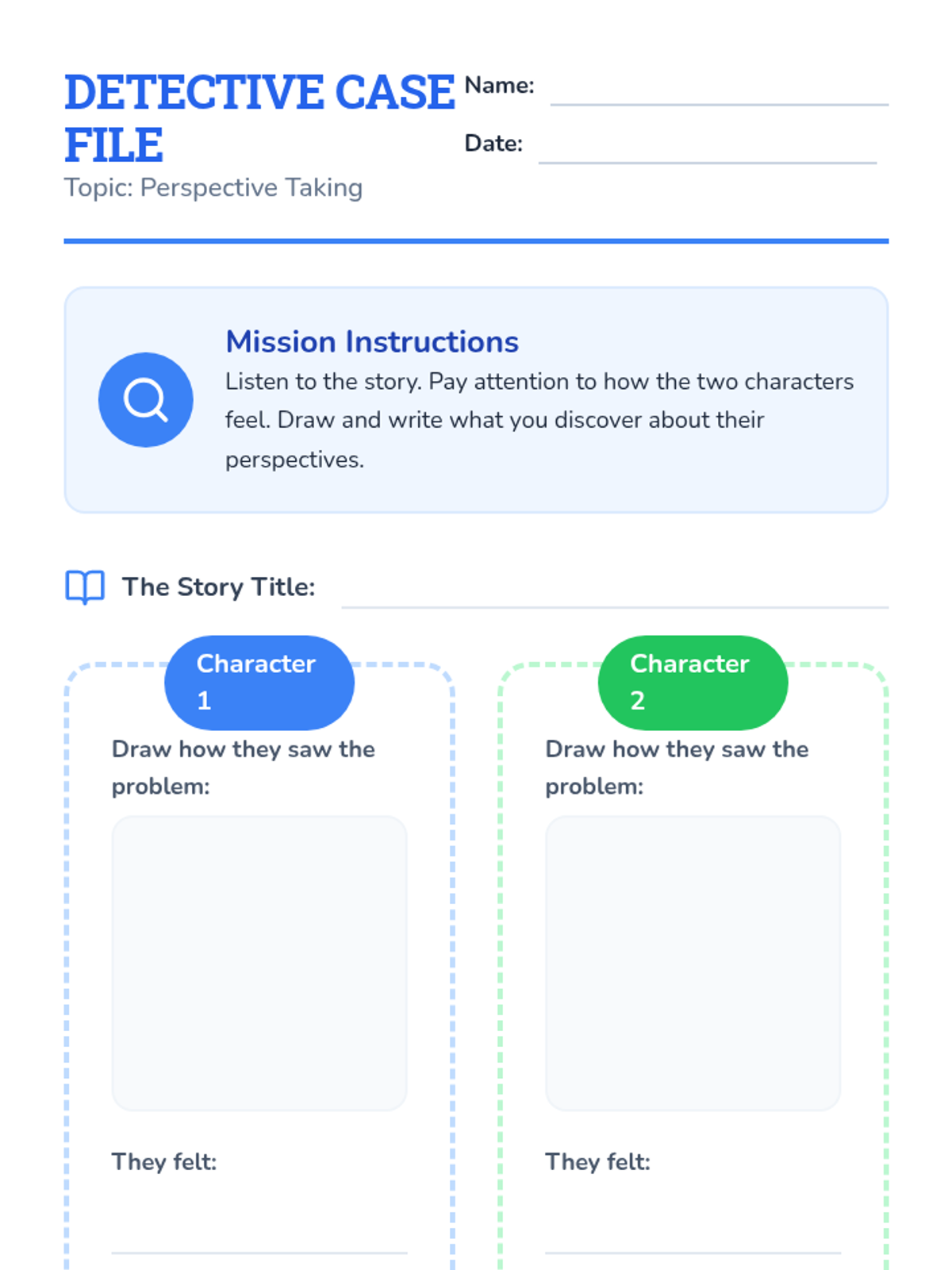
A comprehensive social-emotional learning unit designed to build empathy, conflict resolution skills, and perspective-taking across different grade levels.
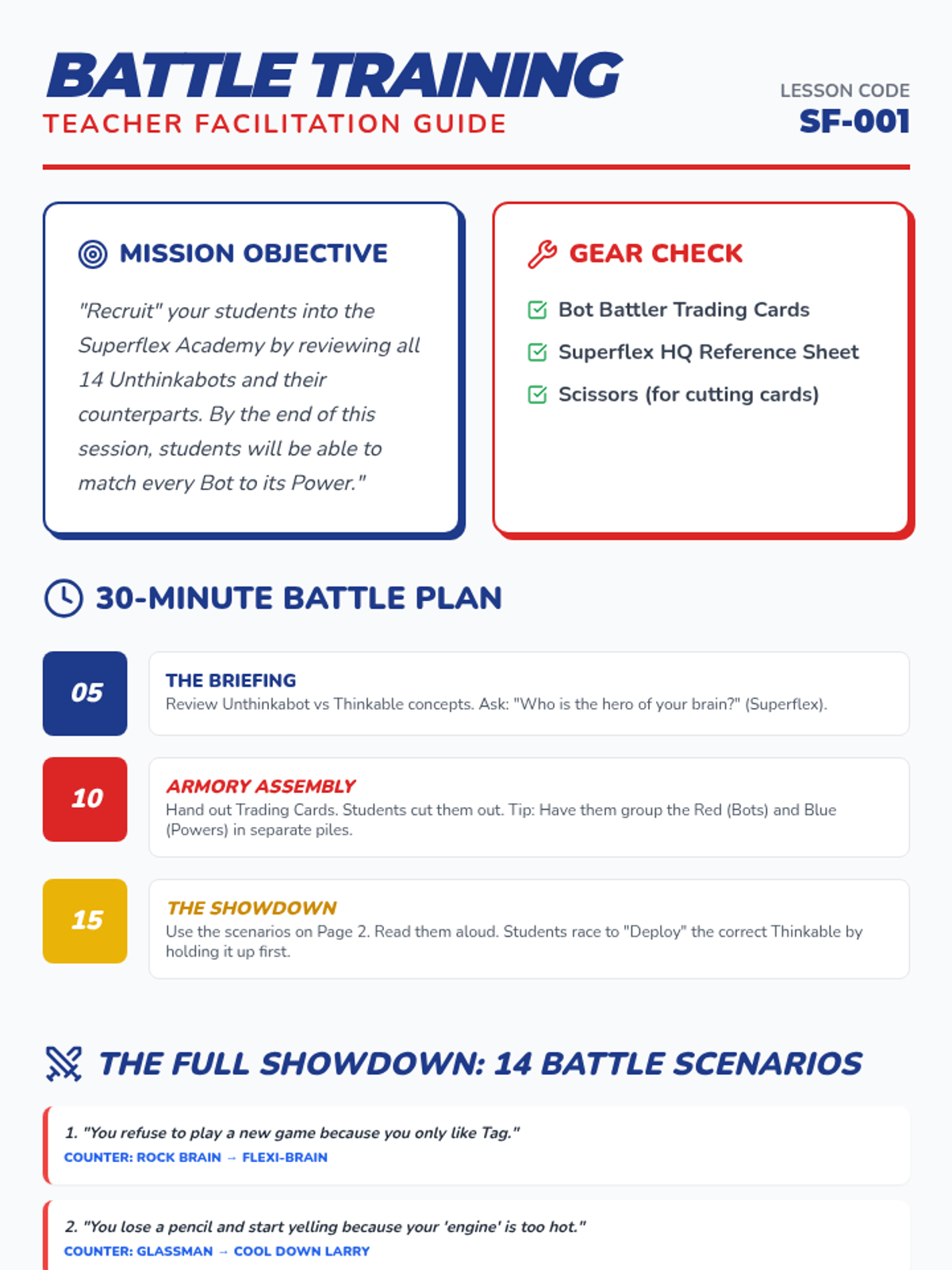
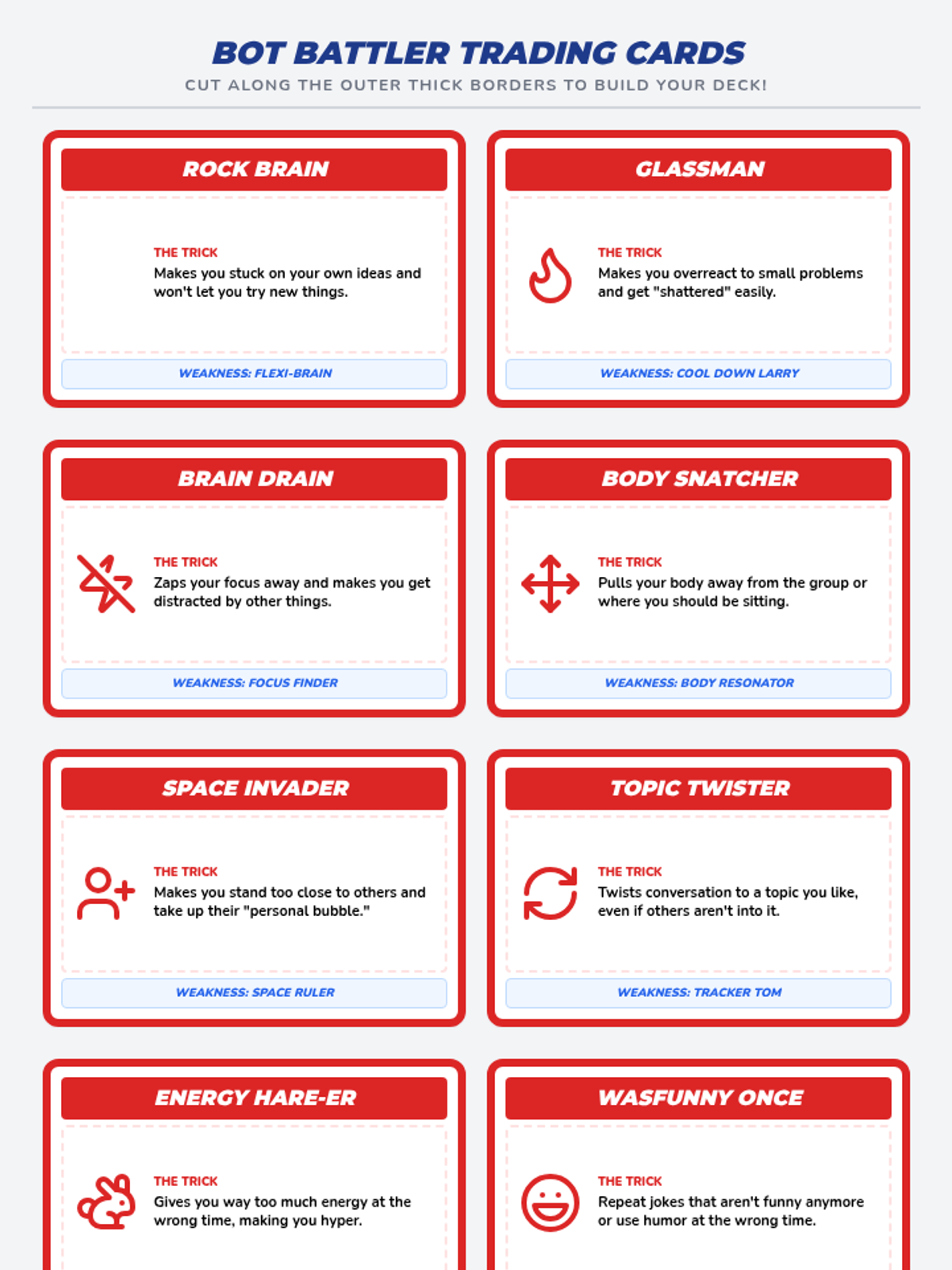
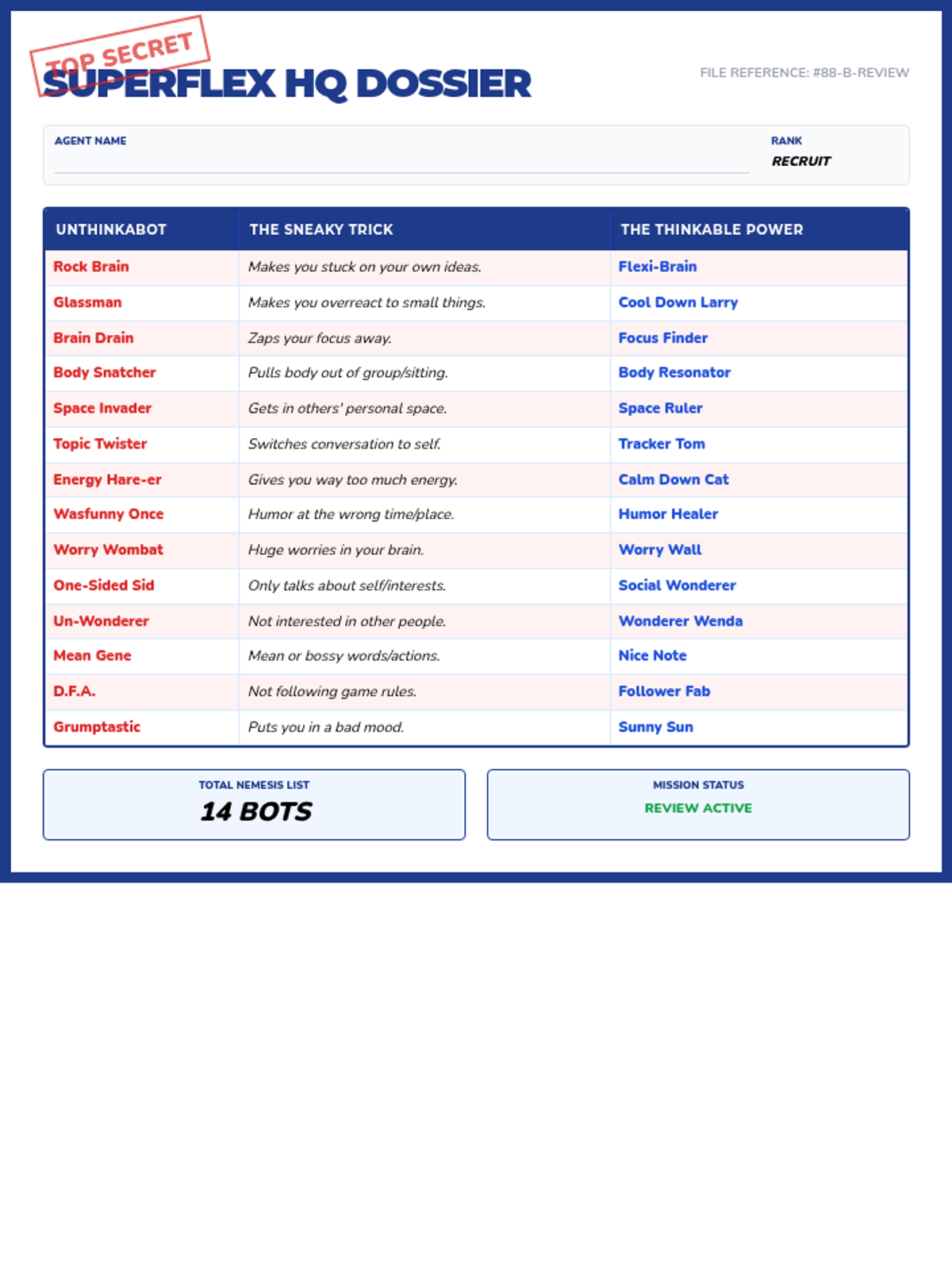
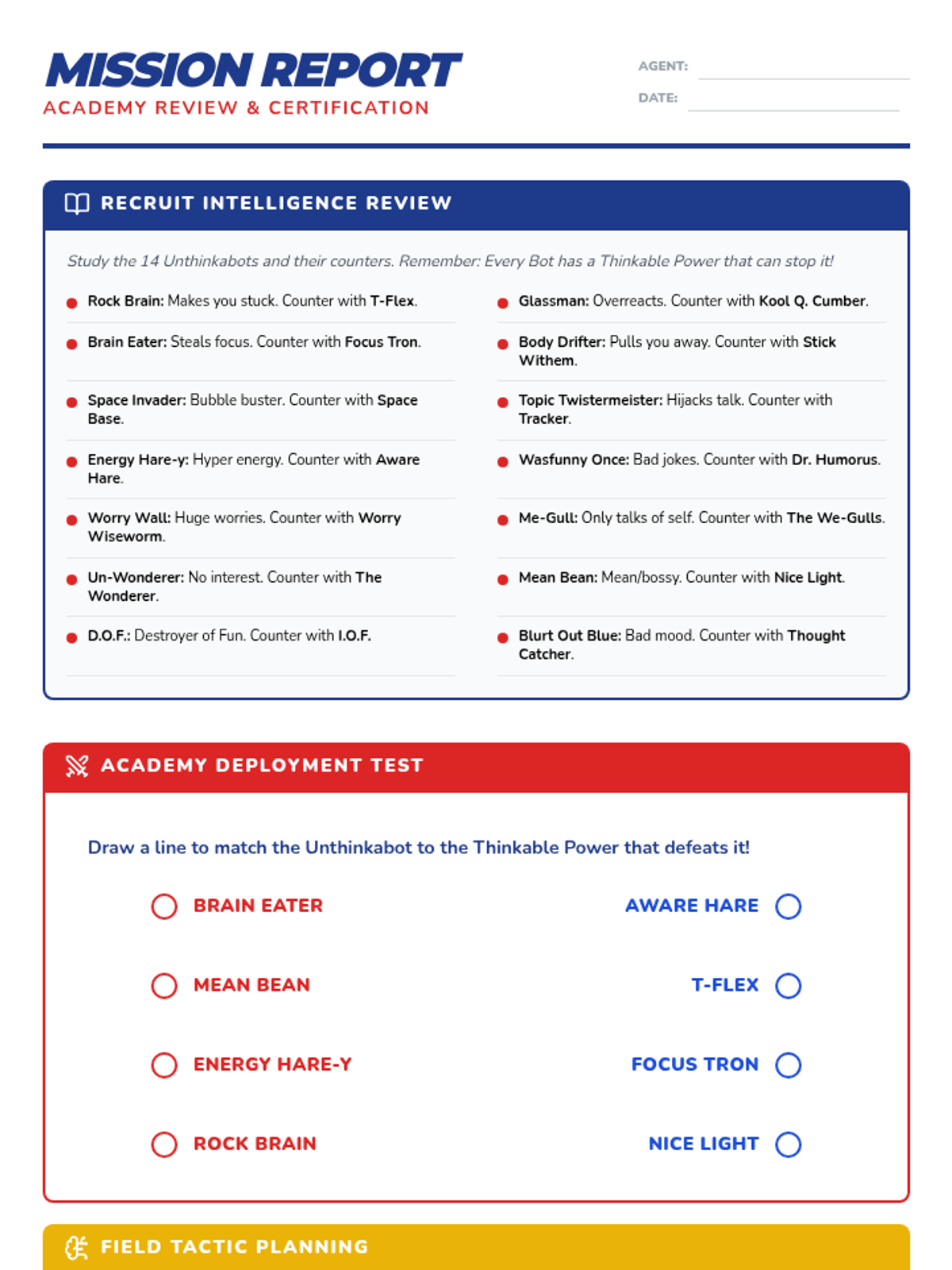
A high-energy review sequence designed for 2nd grade boys to master the Superflex curriculum. Students will identify the 14 Unthinkabots and their counterparts, the Thinkables, through interactive trading cards and scenario-based battle planning.
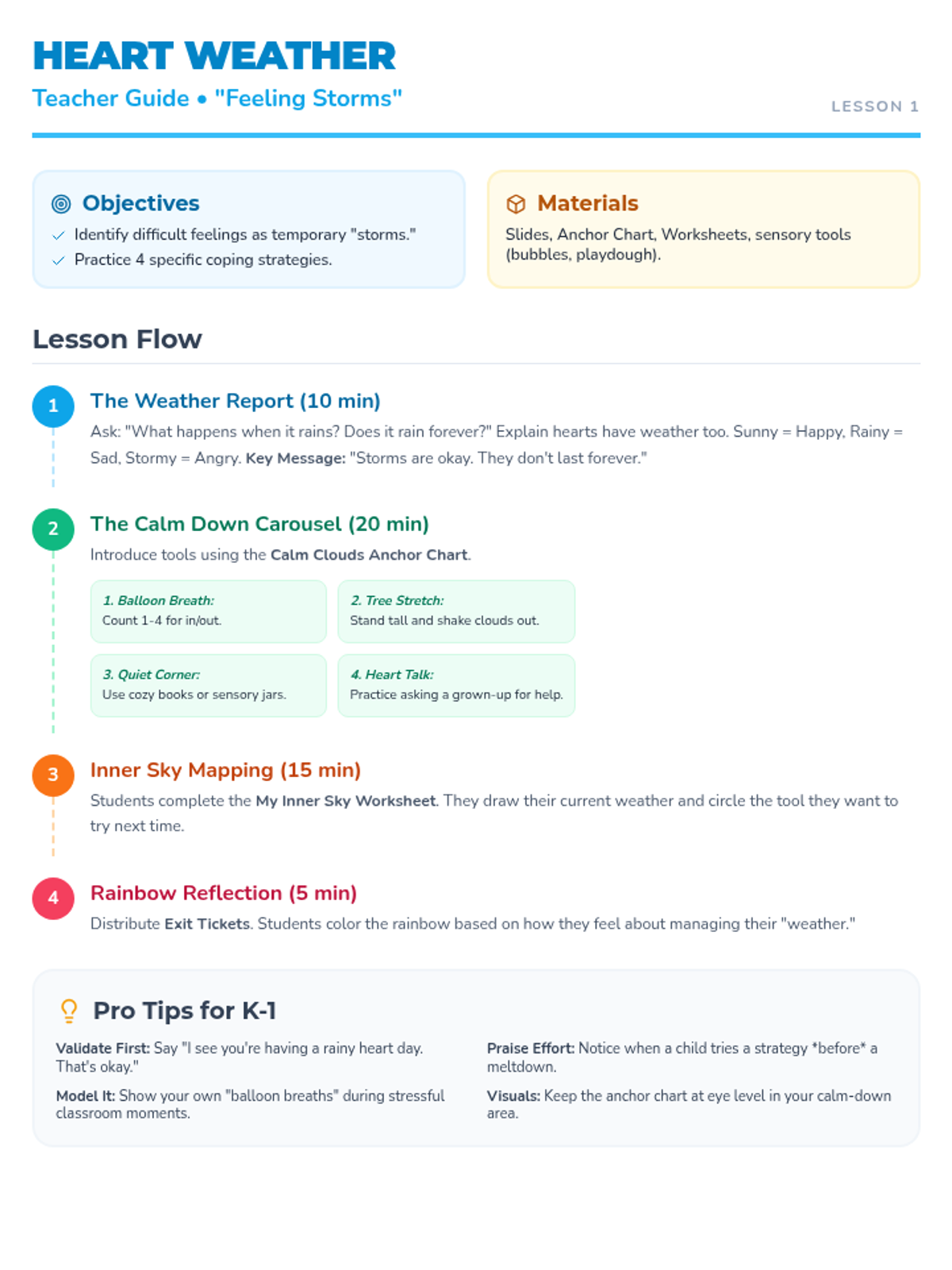
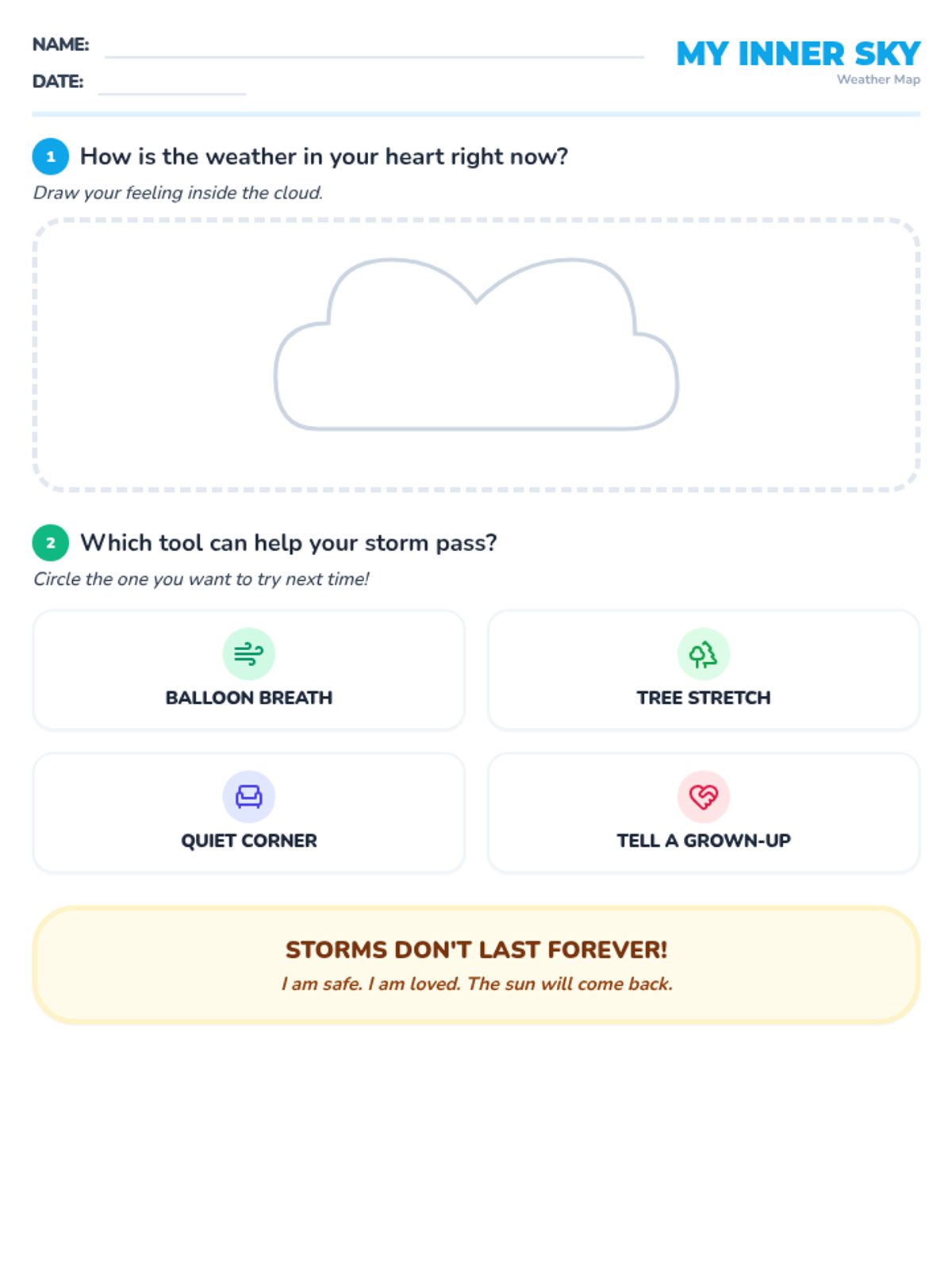
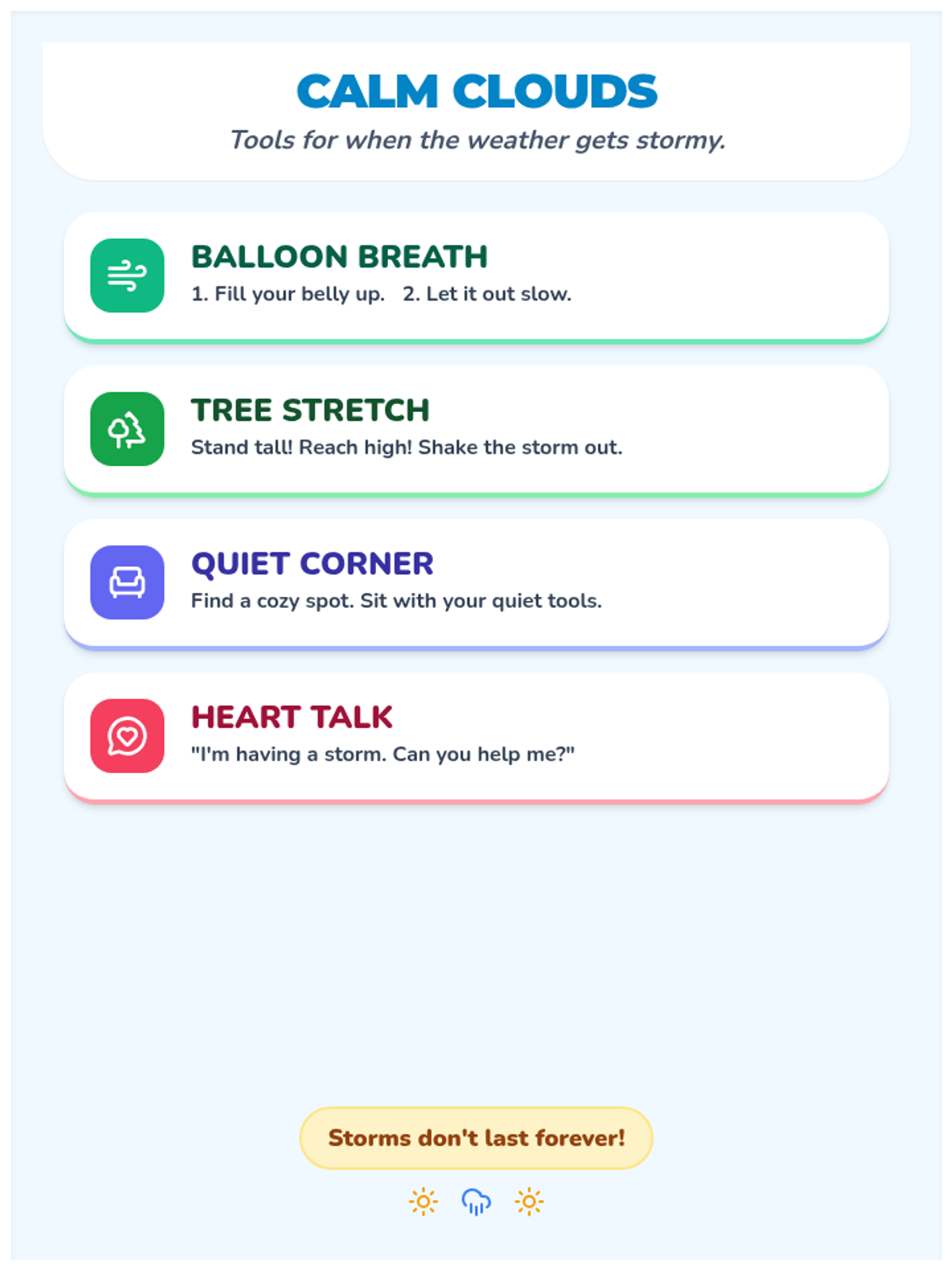
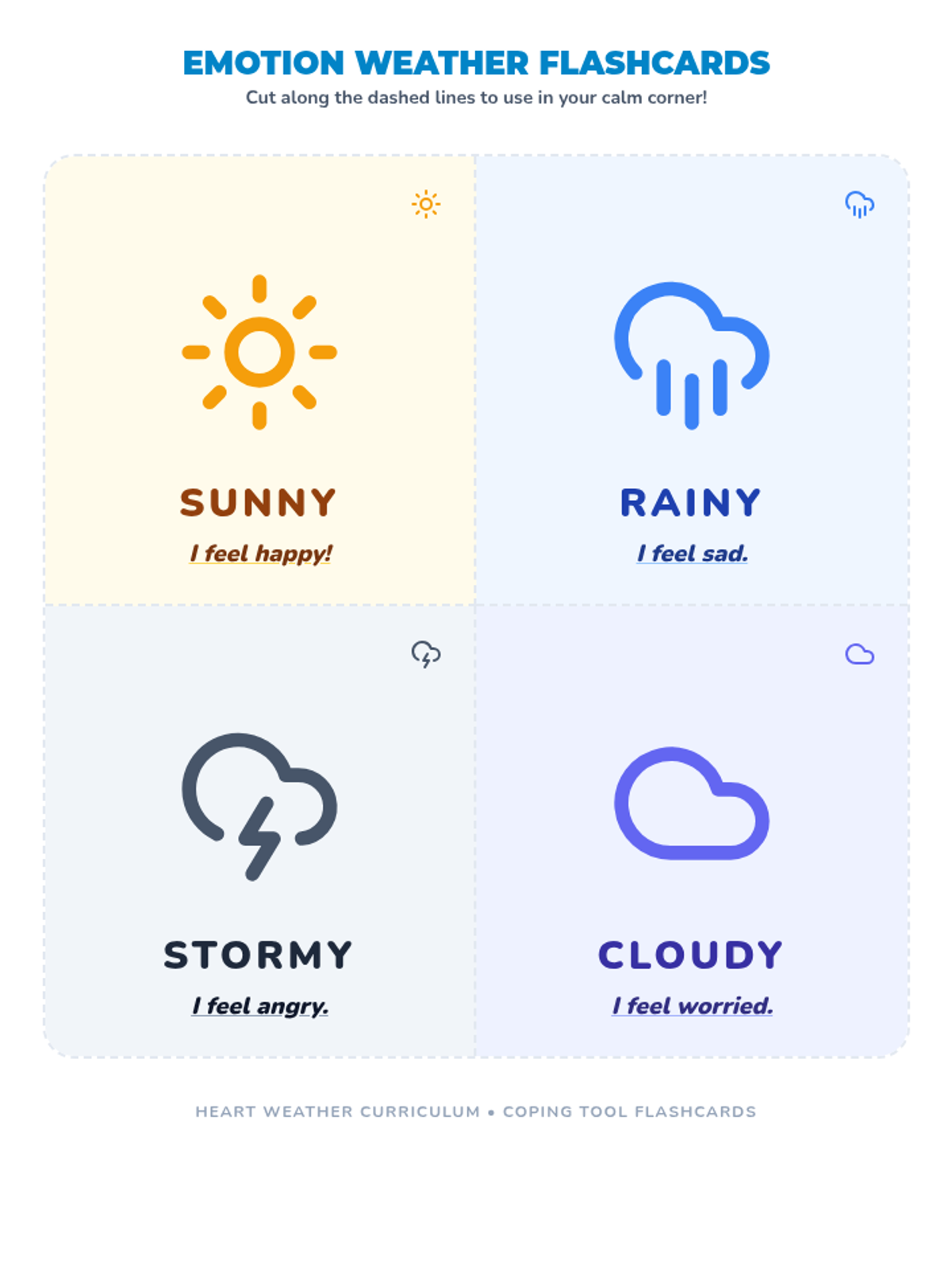
A social-emotional learning unit for K-1 students that uses the metaphor of weather to teach children how to recognize, accept, and manage difficult emotions using specific coping strategies.
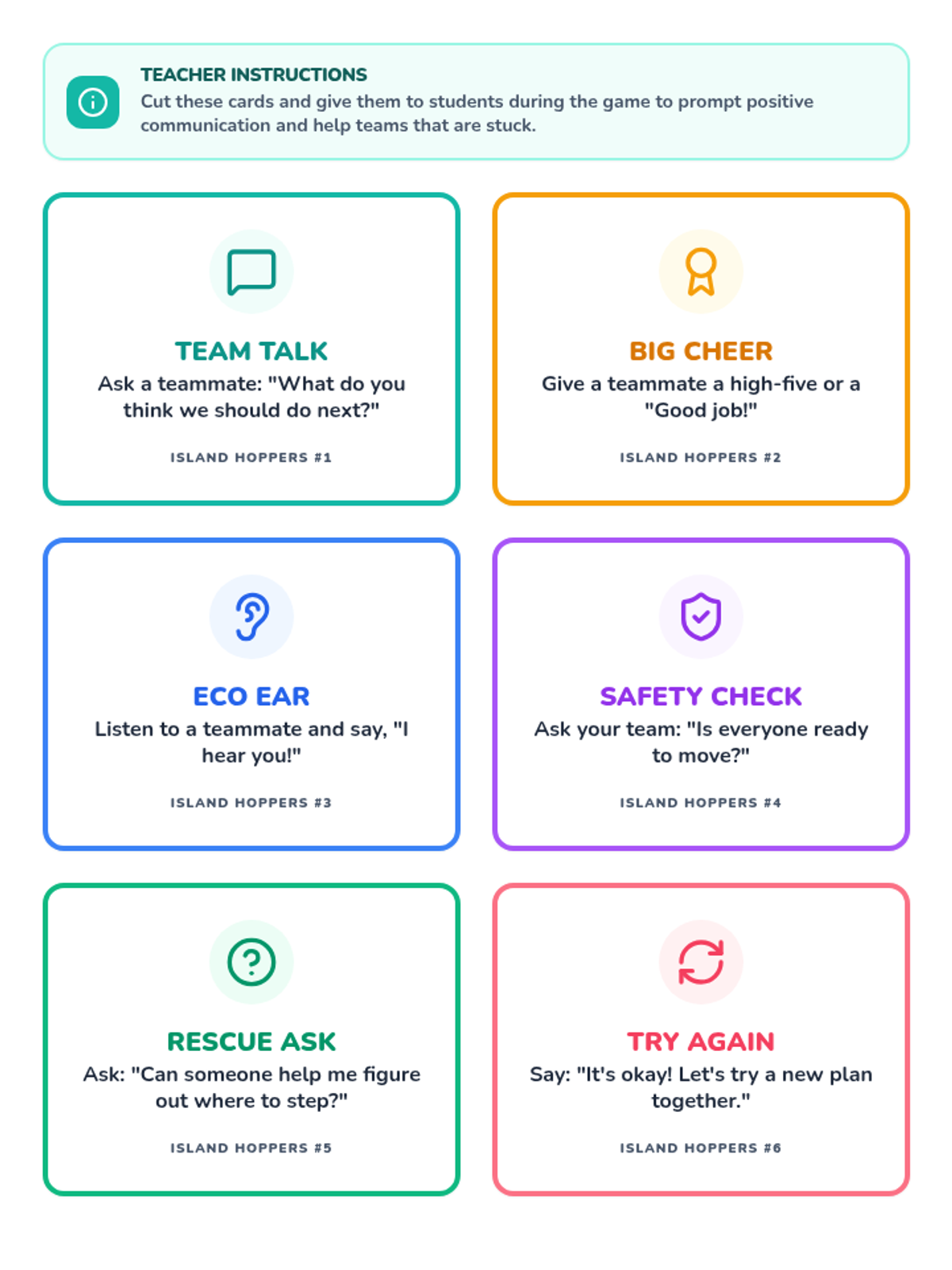
A series of lessons focused on social-emotional learning, specifically targeting teamwork, communication, and problem-solving through active play.
A counseling sequence focused on cognitive reframing and problem-scaling for high-energy students who enjoy hands-on construction and building activities.
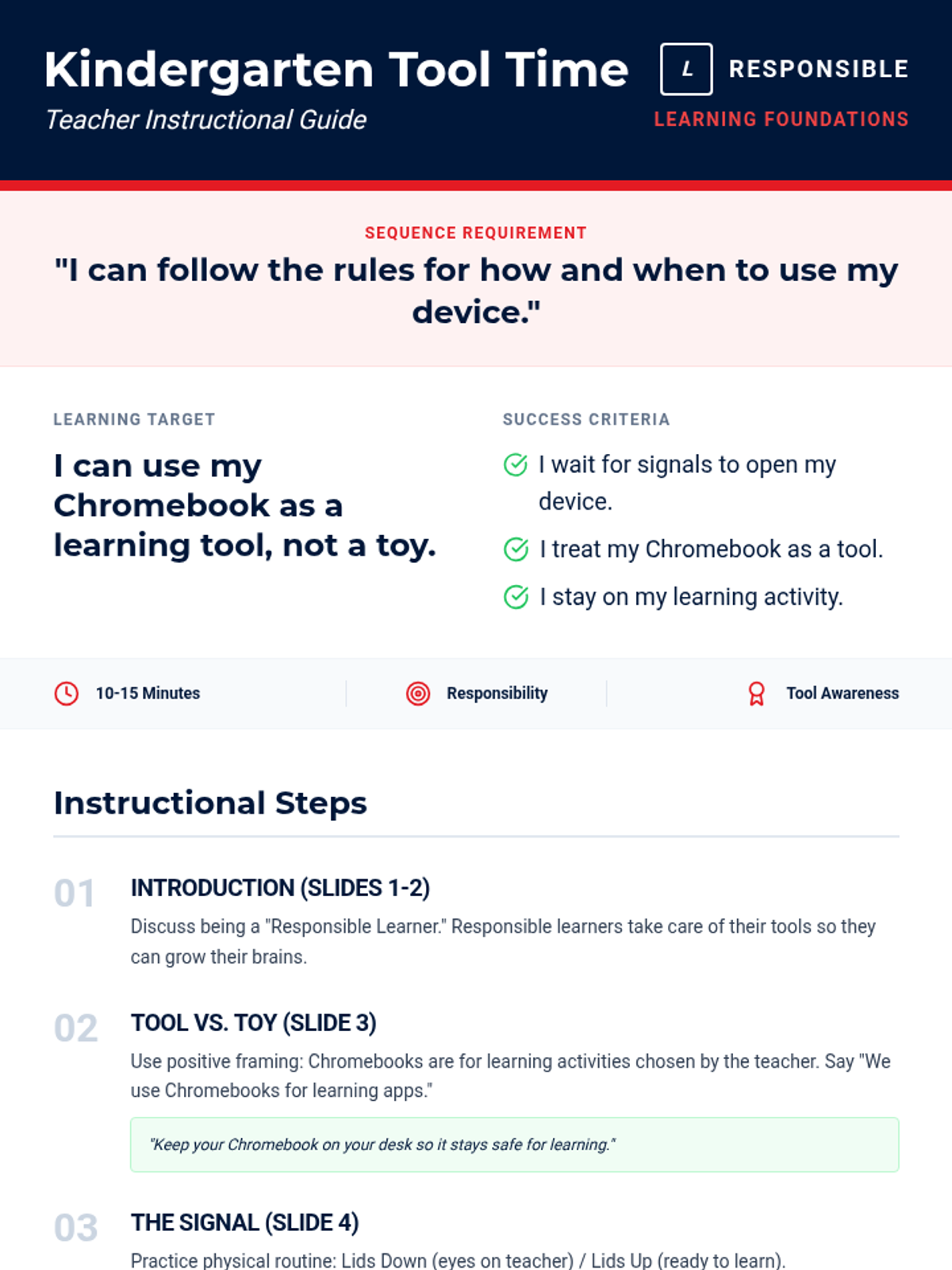
A comprehensive K-5 sequence focused on device responsibility and digital citizenship, centered on being Responsible. Lessons cover transitioning from devices as tools (K-1) to managing online distractions and maintaining integrity (4-5).
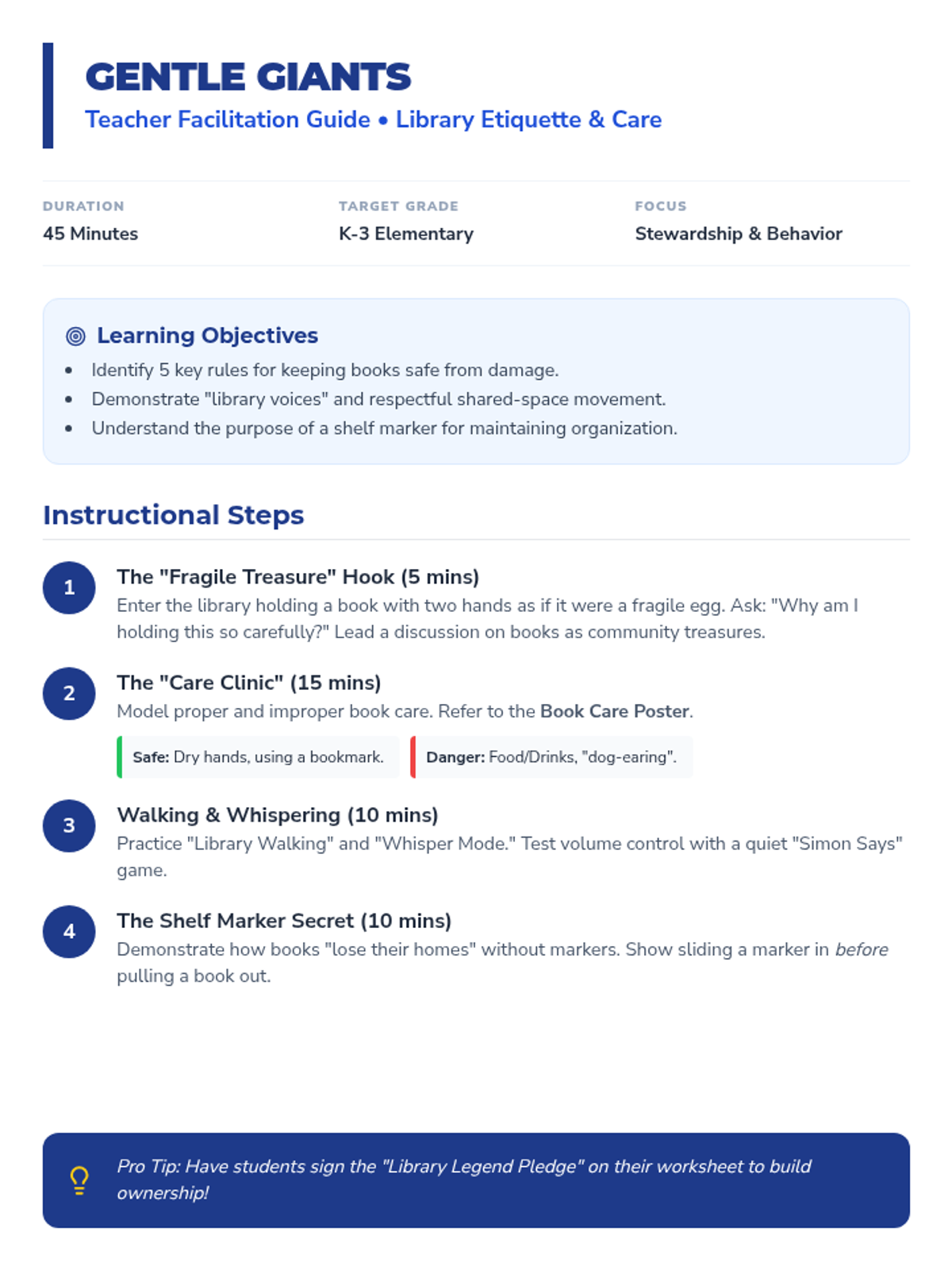
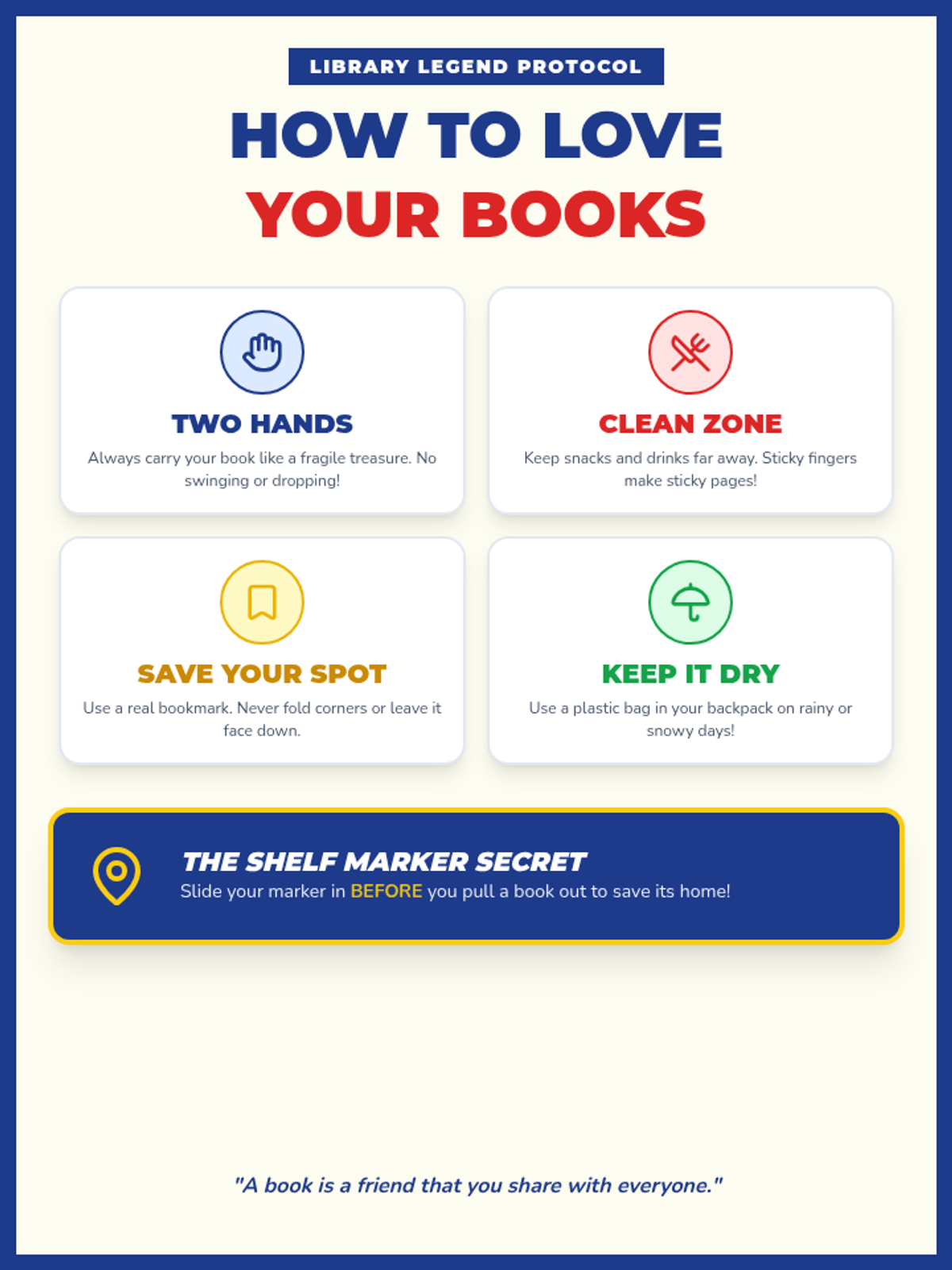
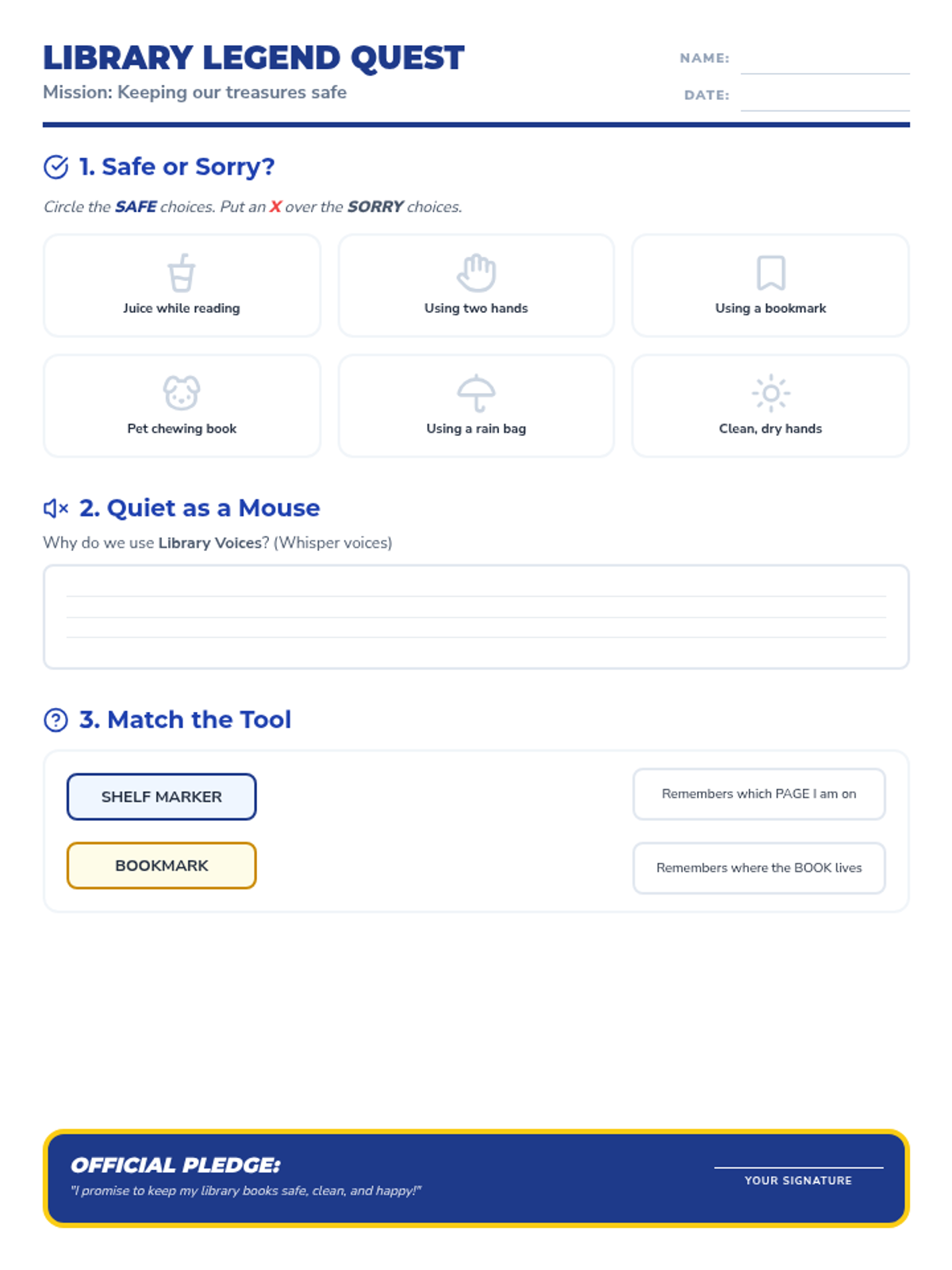
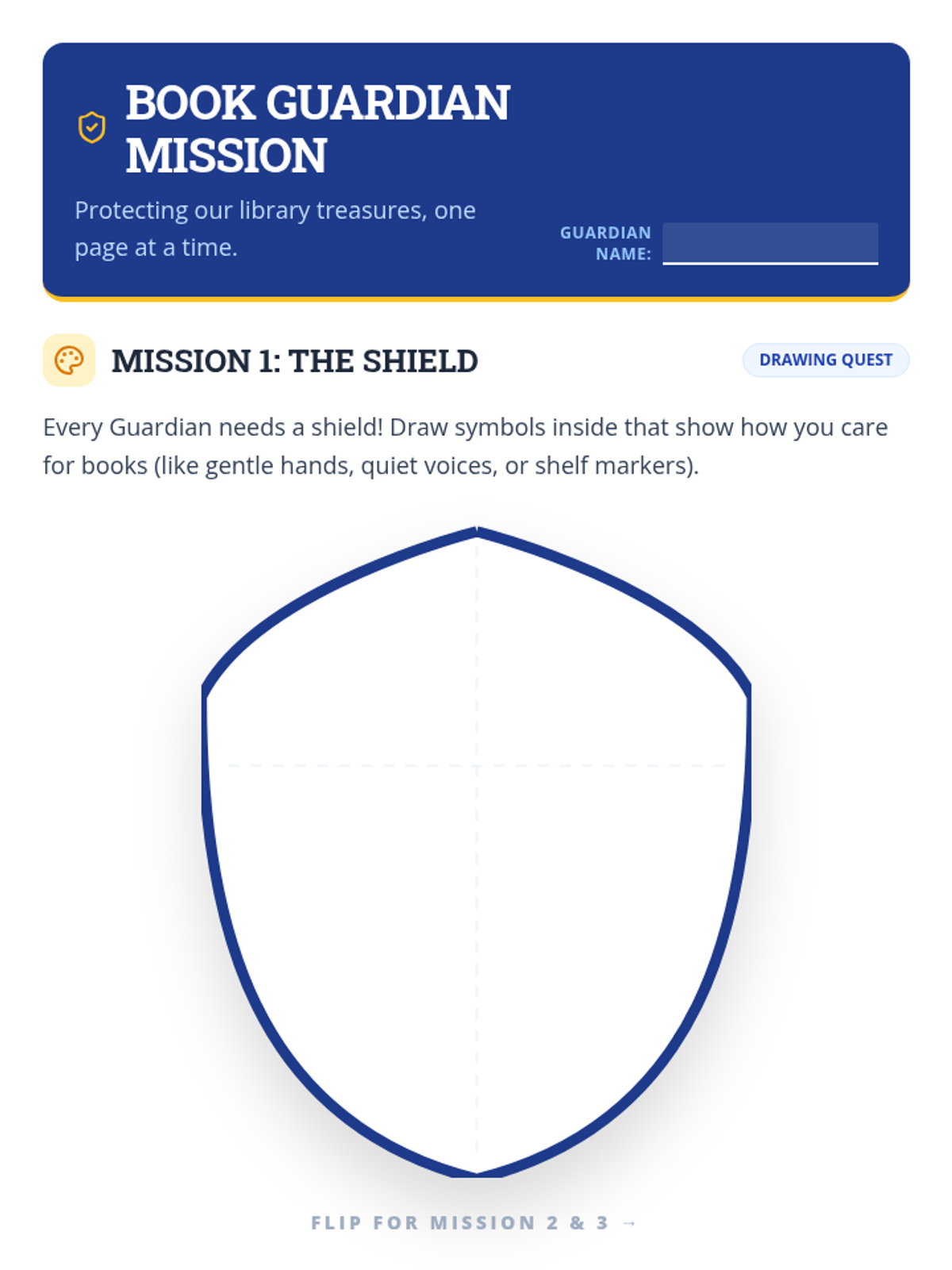
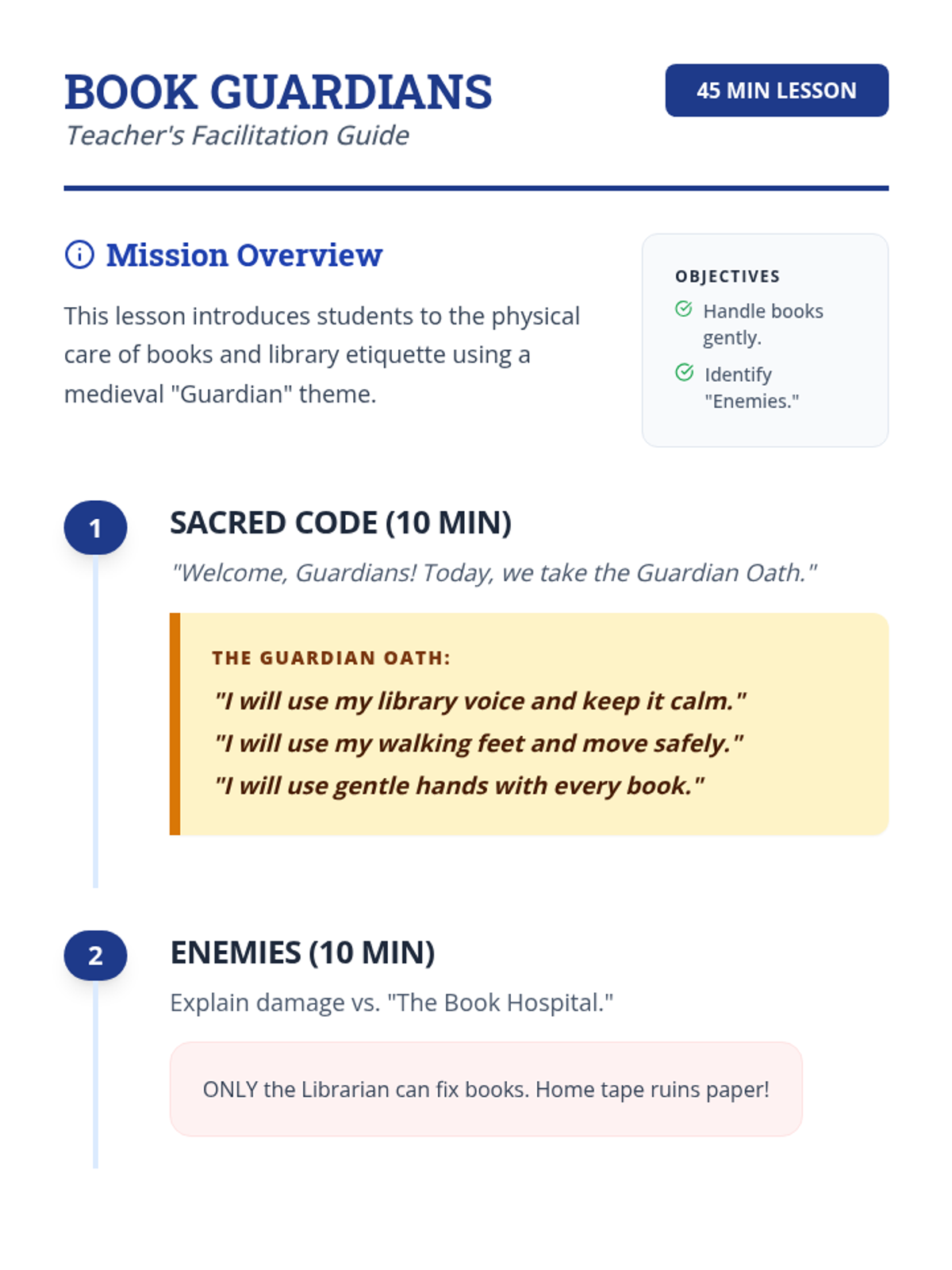
A comprehensive introduction to library navigation for elementary students, focusing on the dual pillars of respectful stewardship (book care and etiquette) and the functional systems of the library (checkout and return). Students progress from learning how to treat books as treasures to mastering the logistical 'loop' of borrowing materials.
A series of lessons focused on social-emotional learning for early elementary students, providing practical tools for self-regulation and emotional awareness.
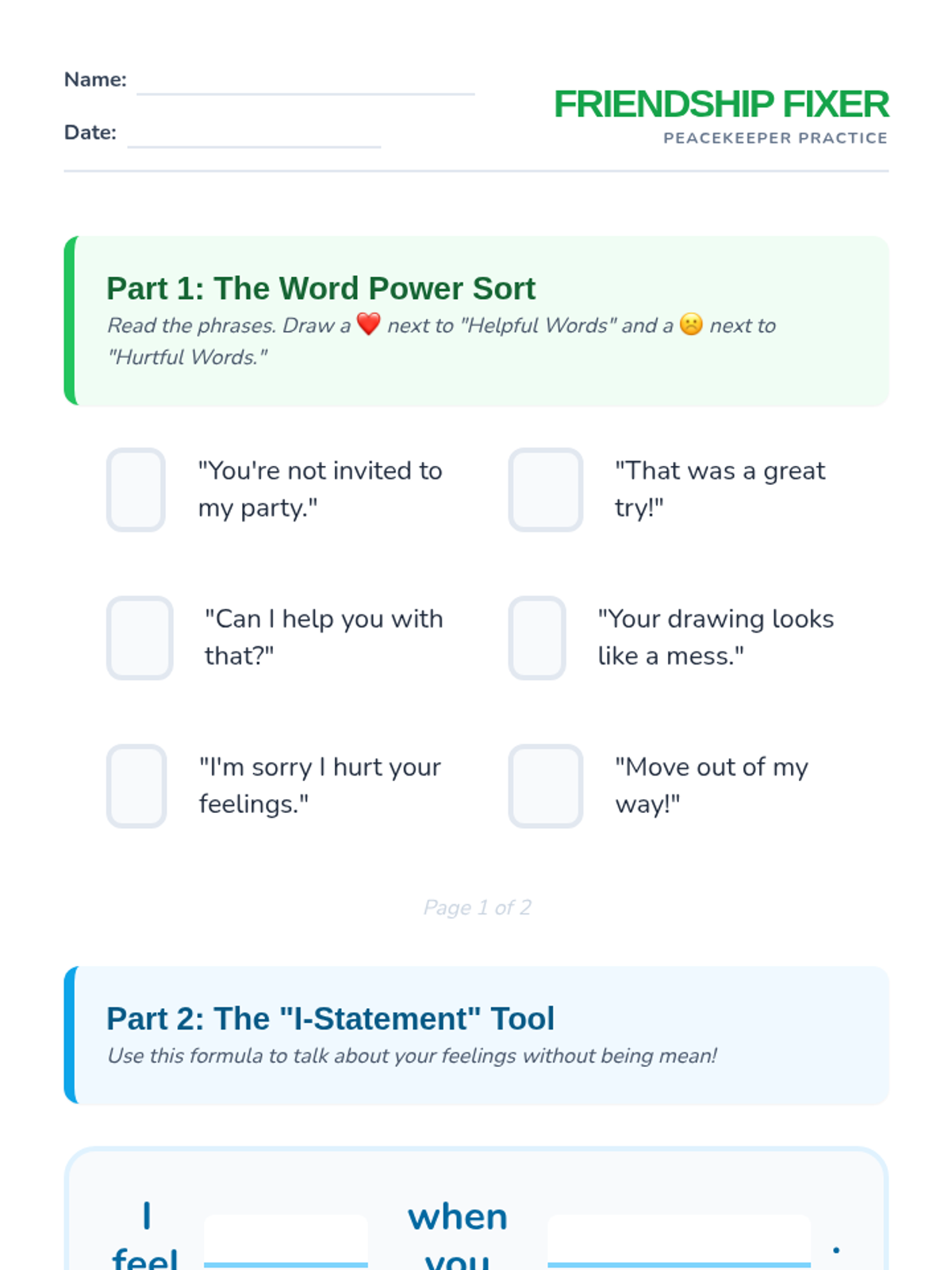
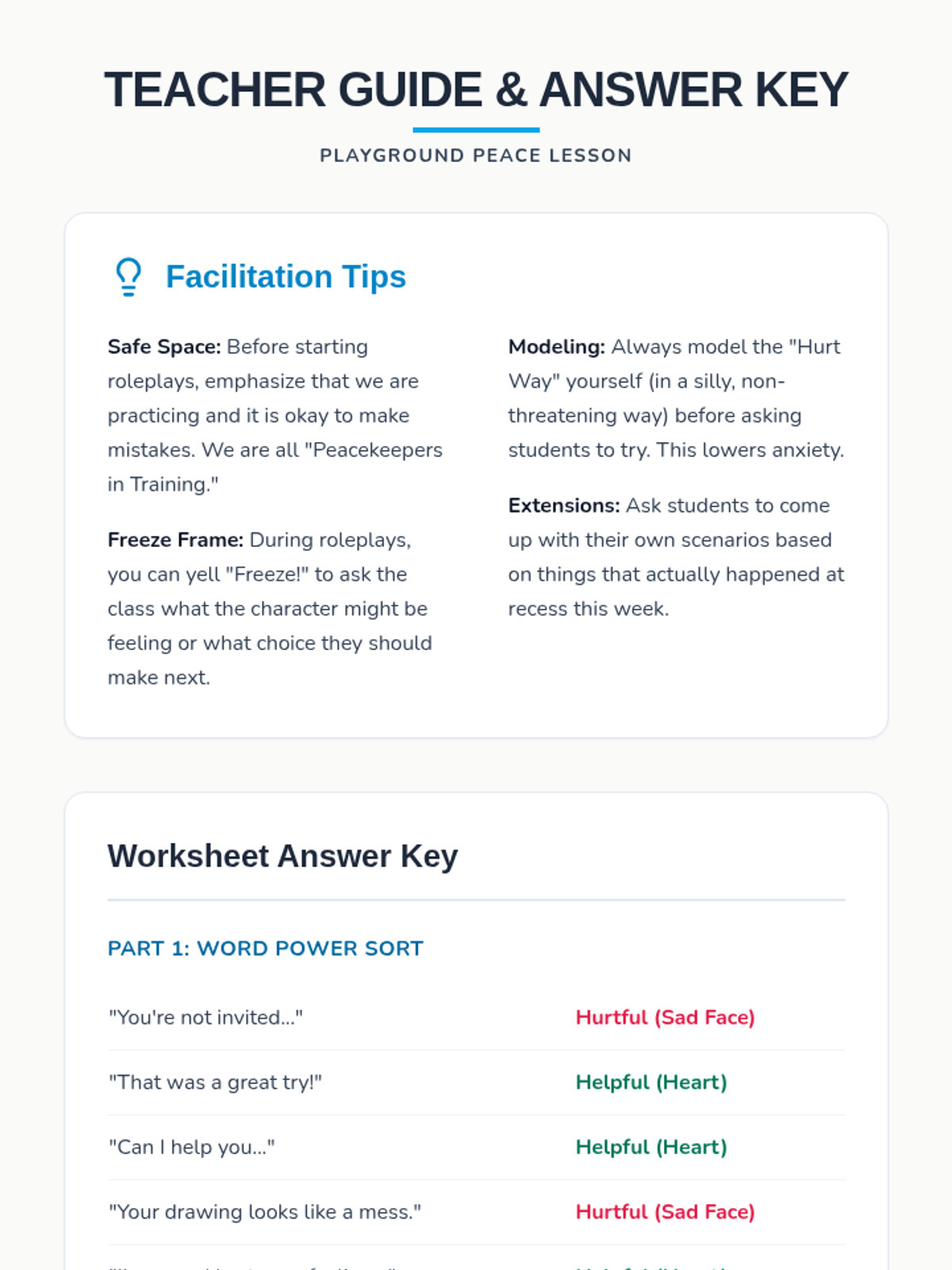
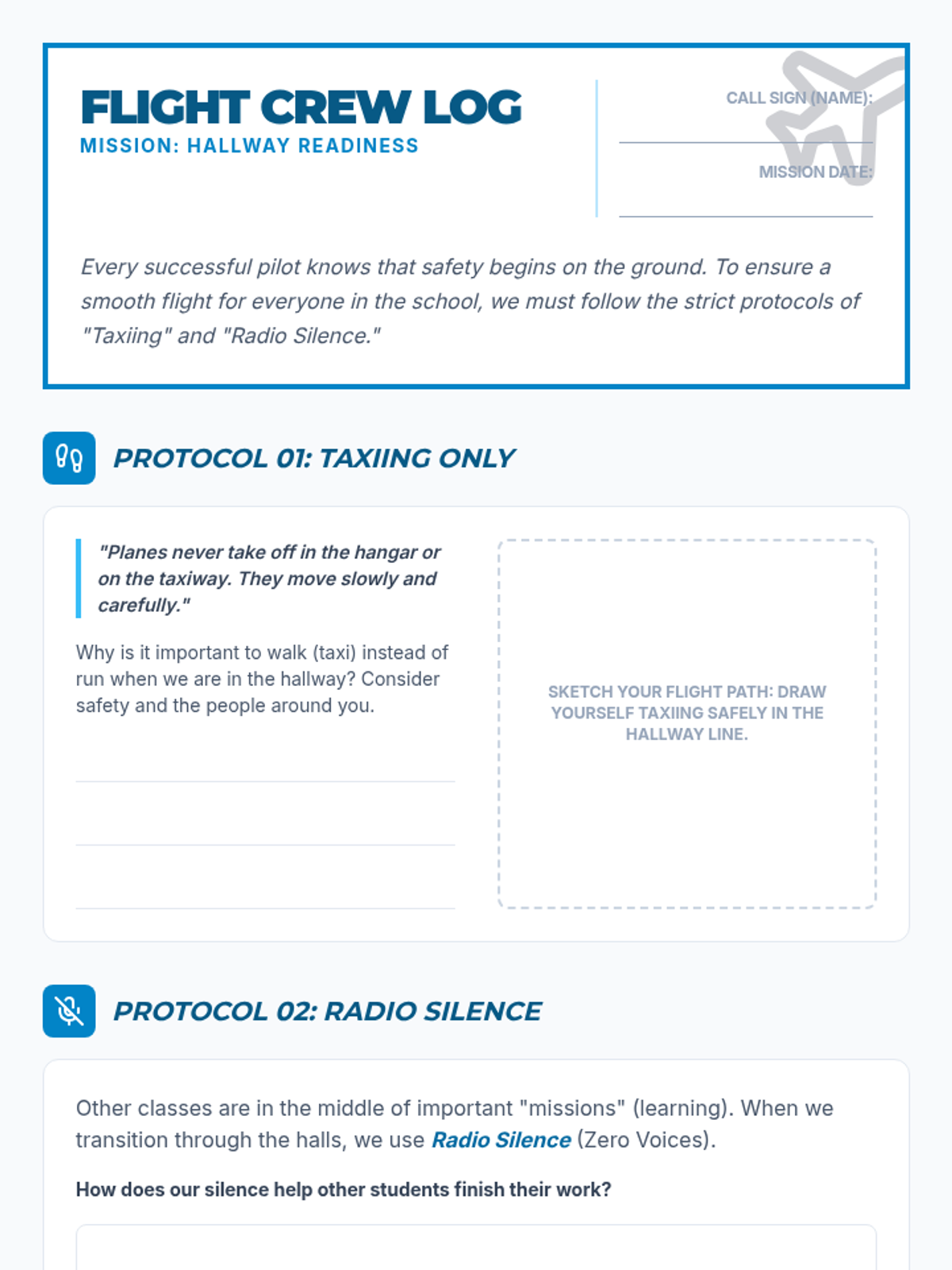
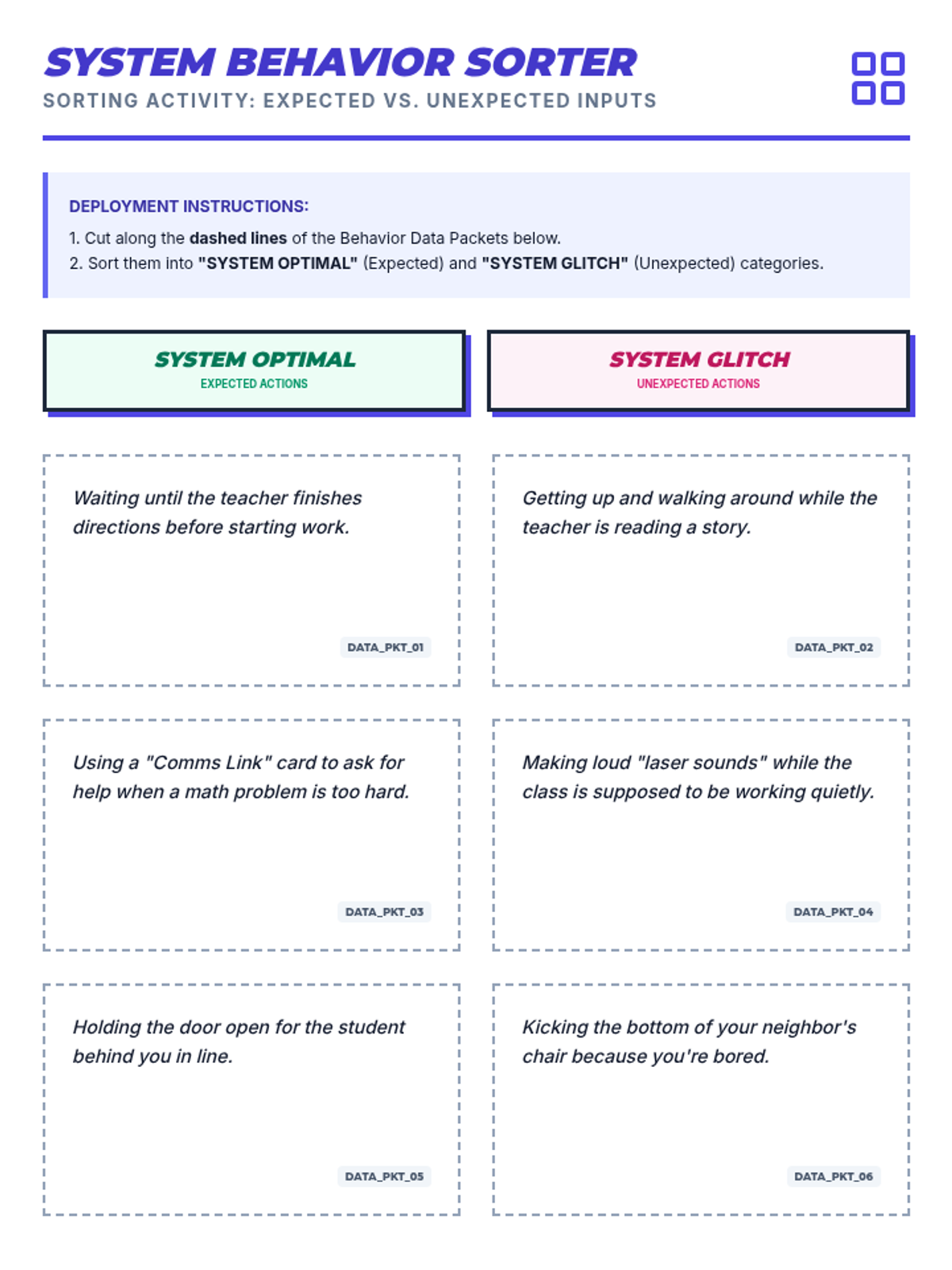
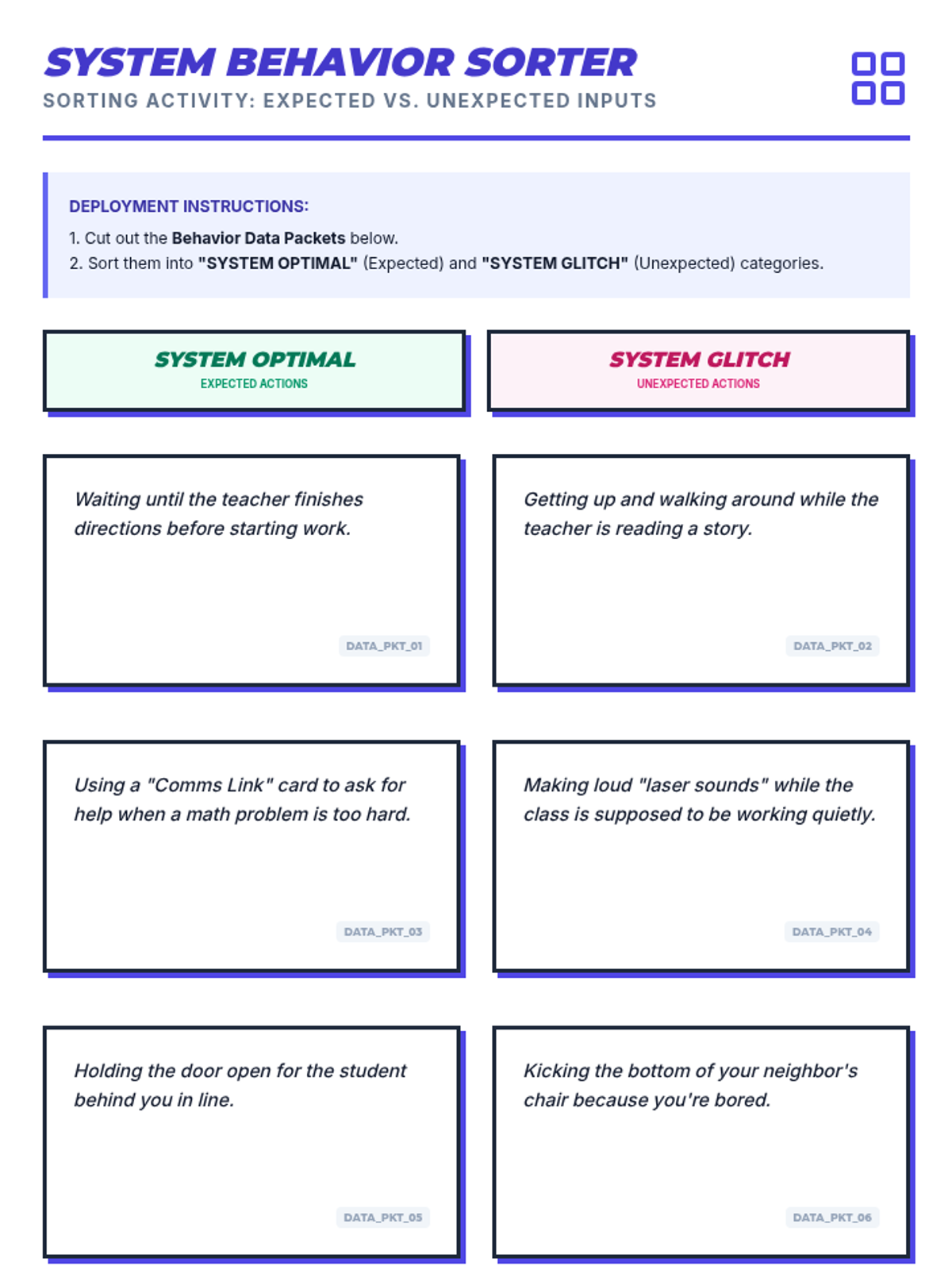
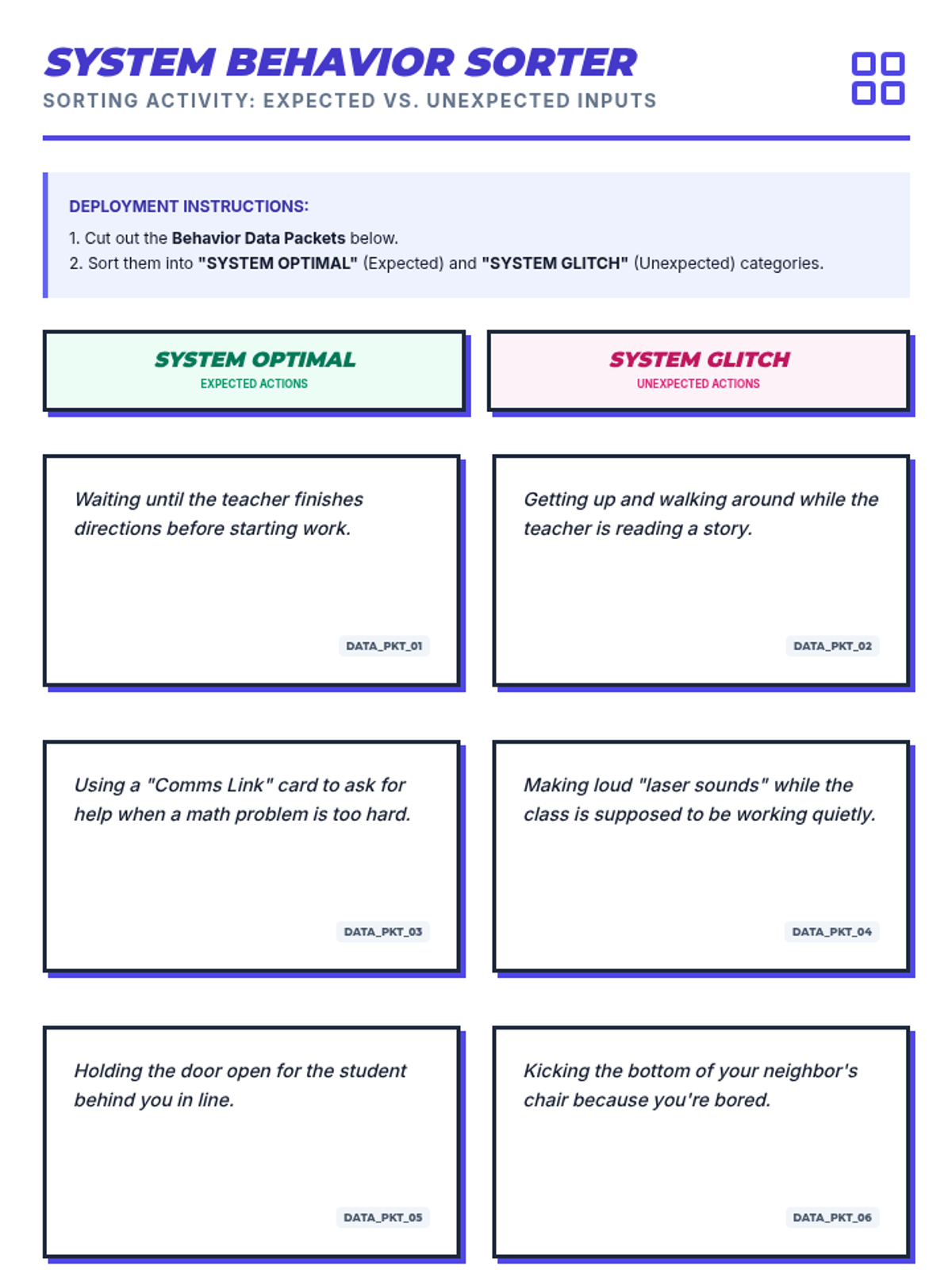
A social-emotional learning unit focusing on classroom behavior, conflict resolution, and making positive choices for primary students.
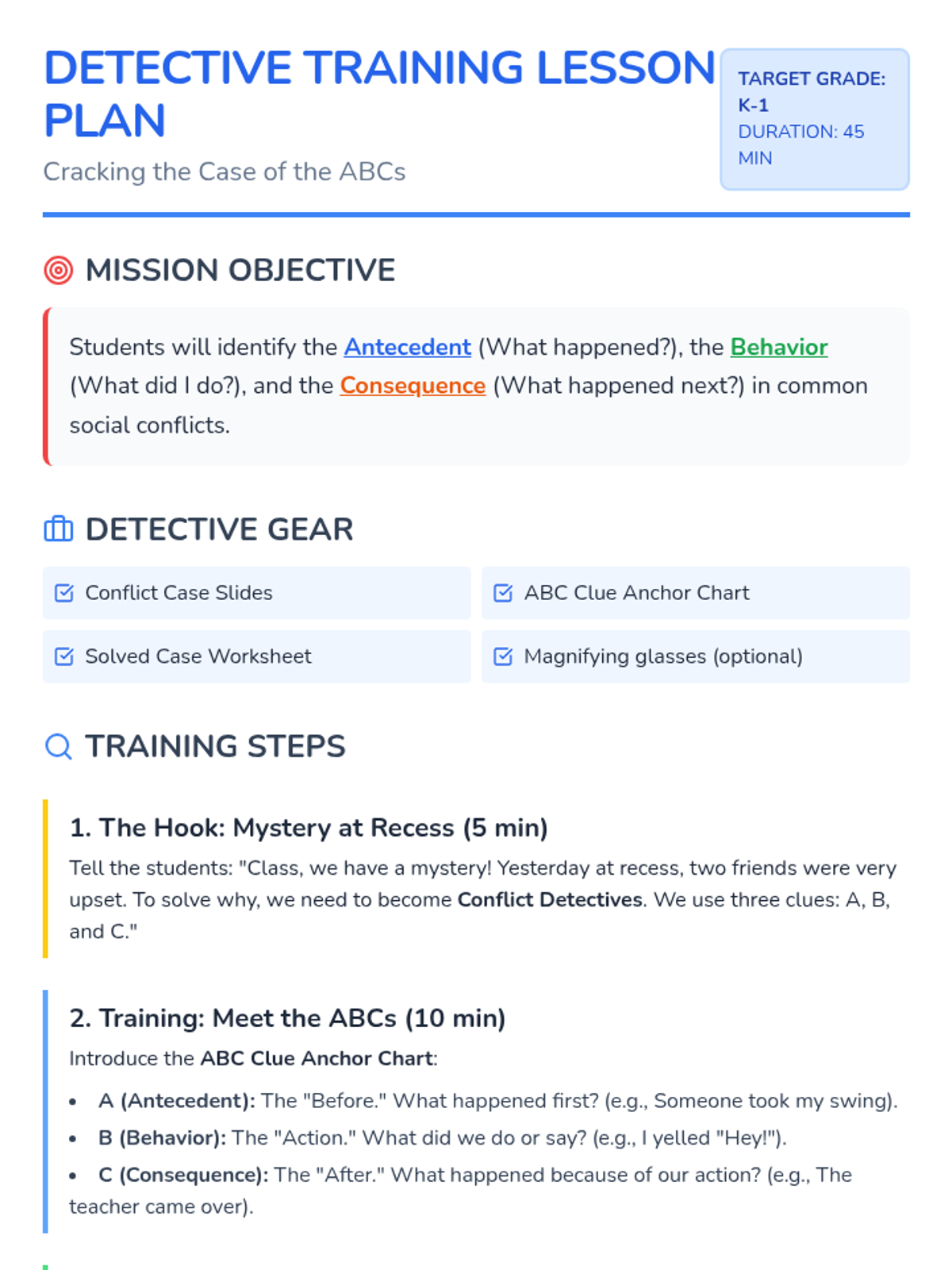
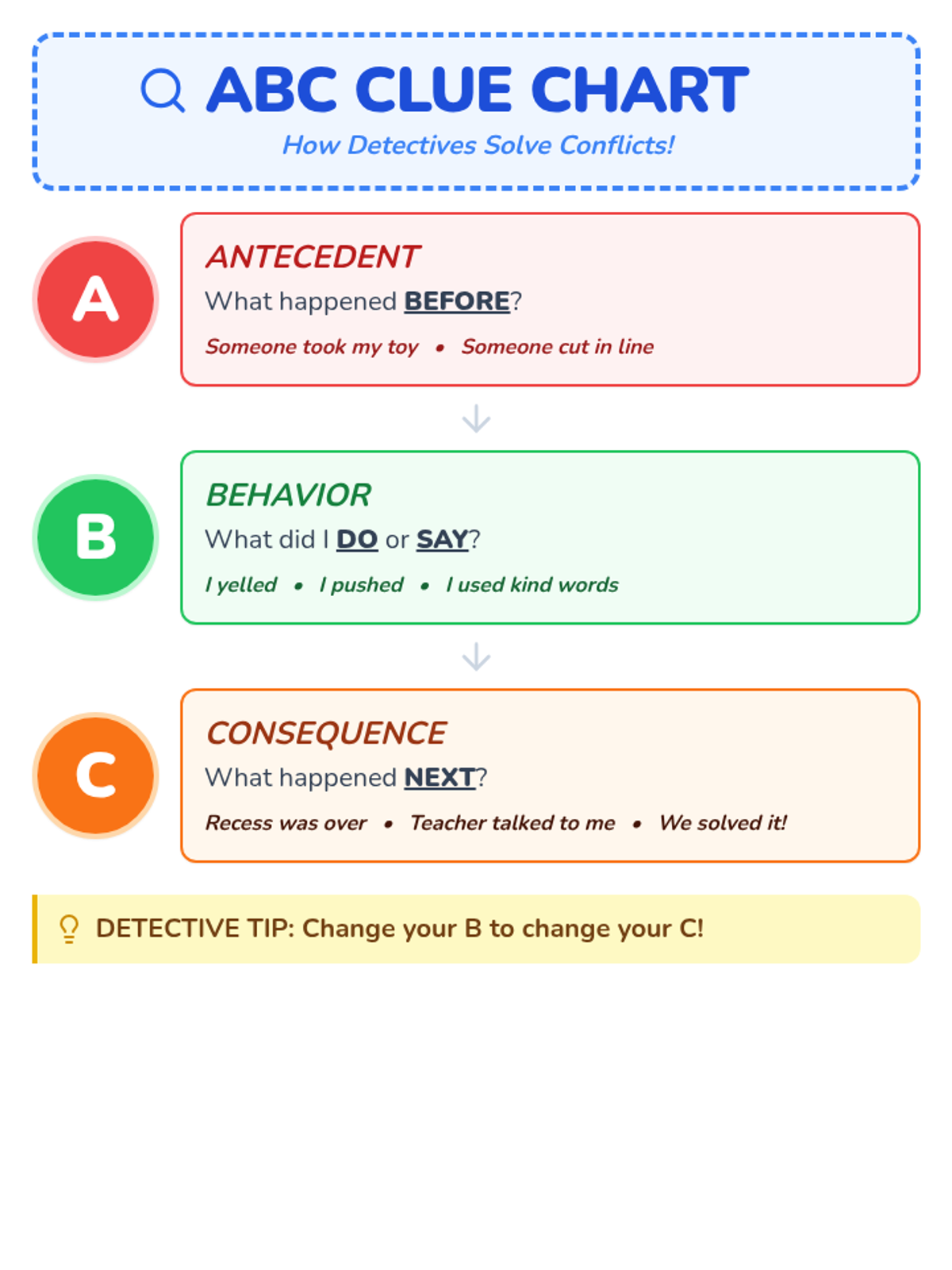
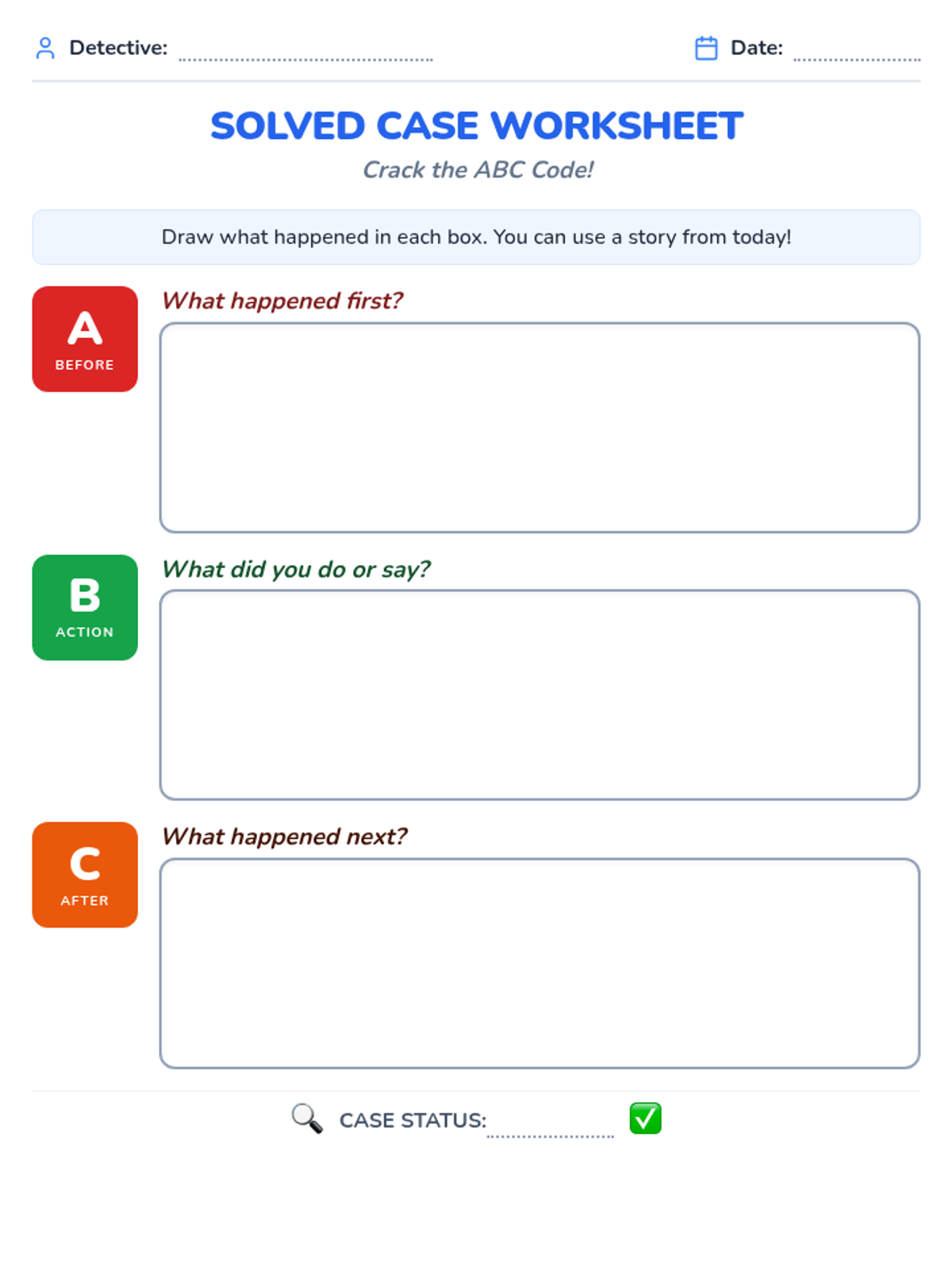
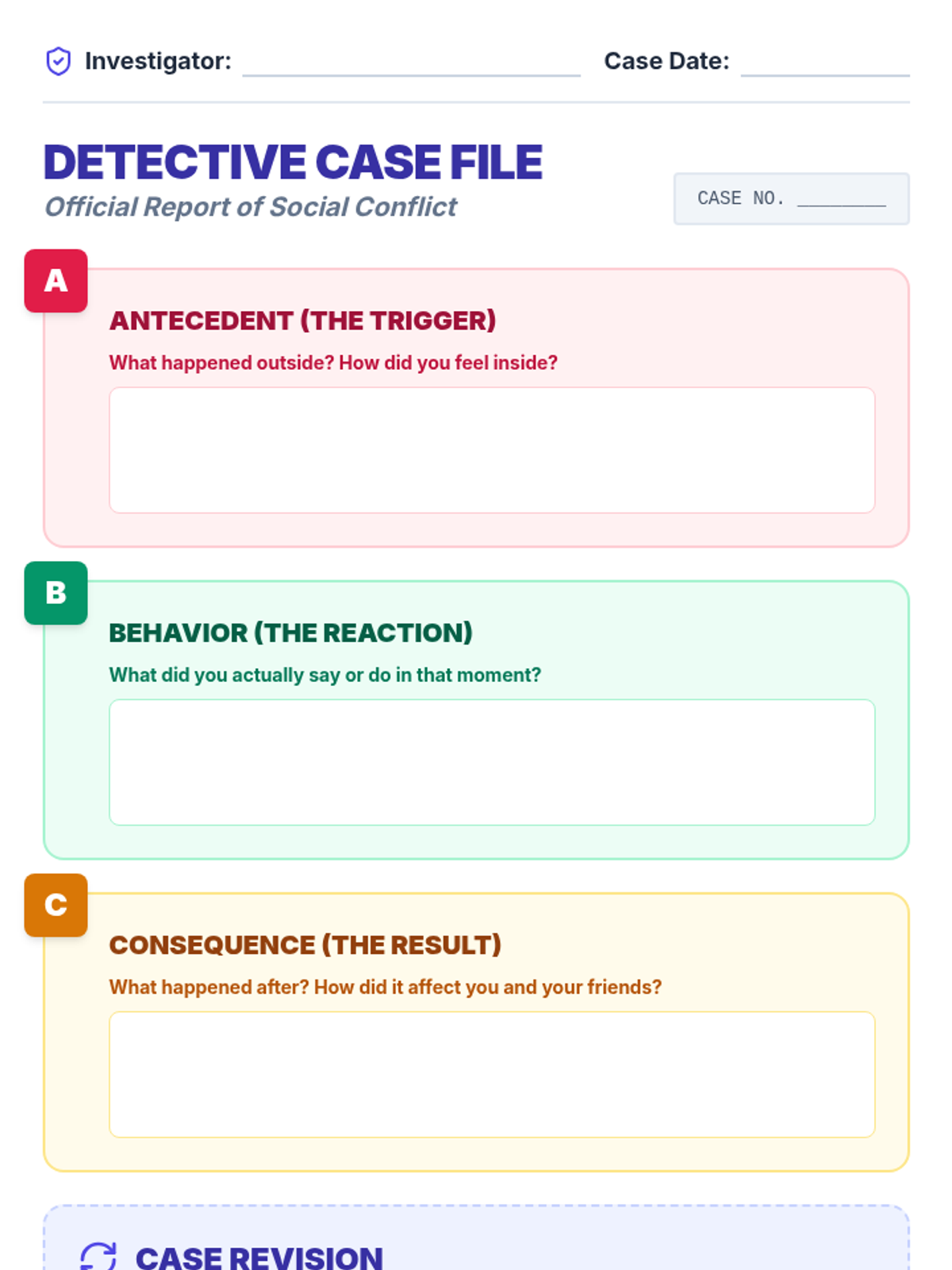
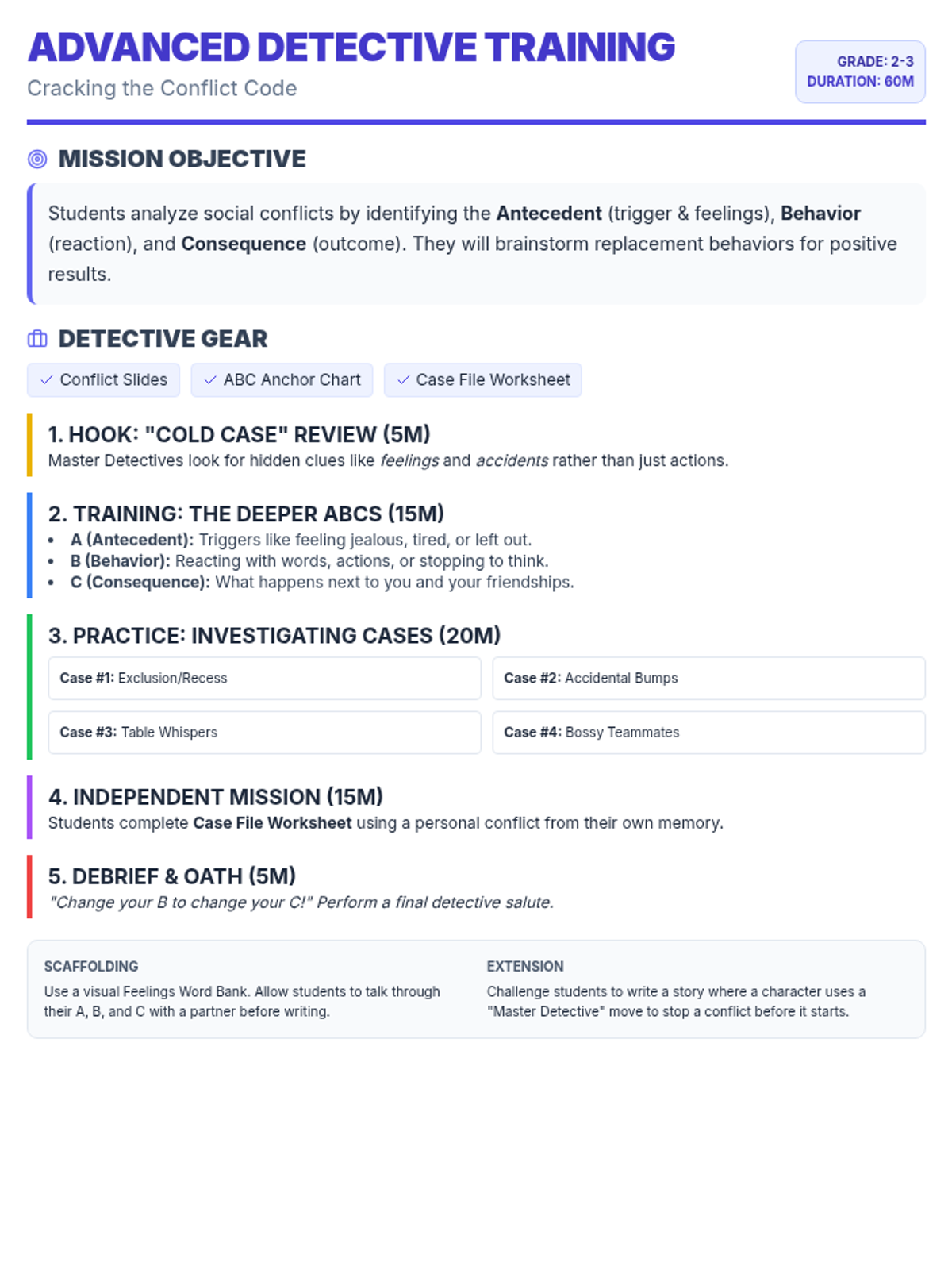
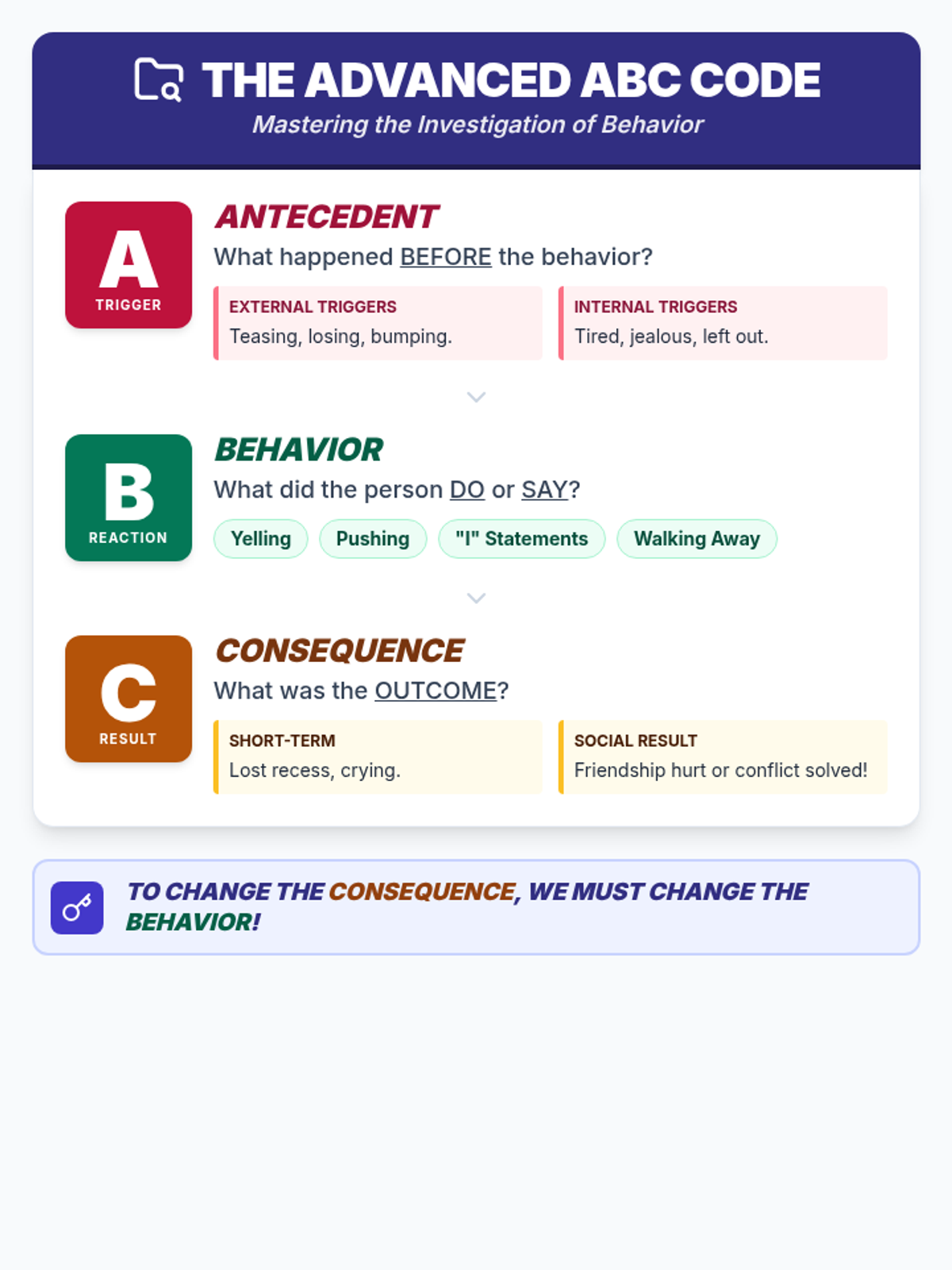
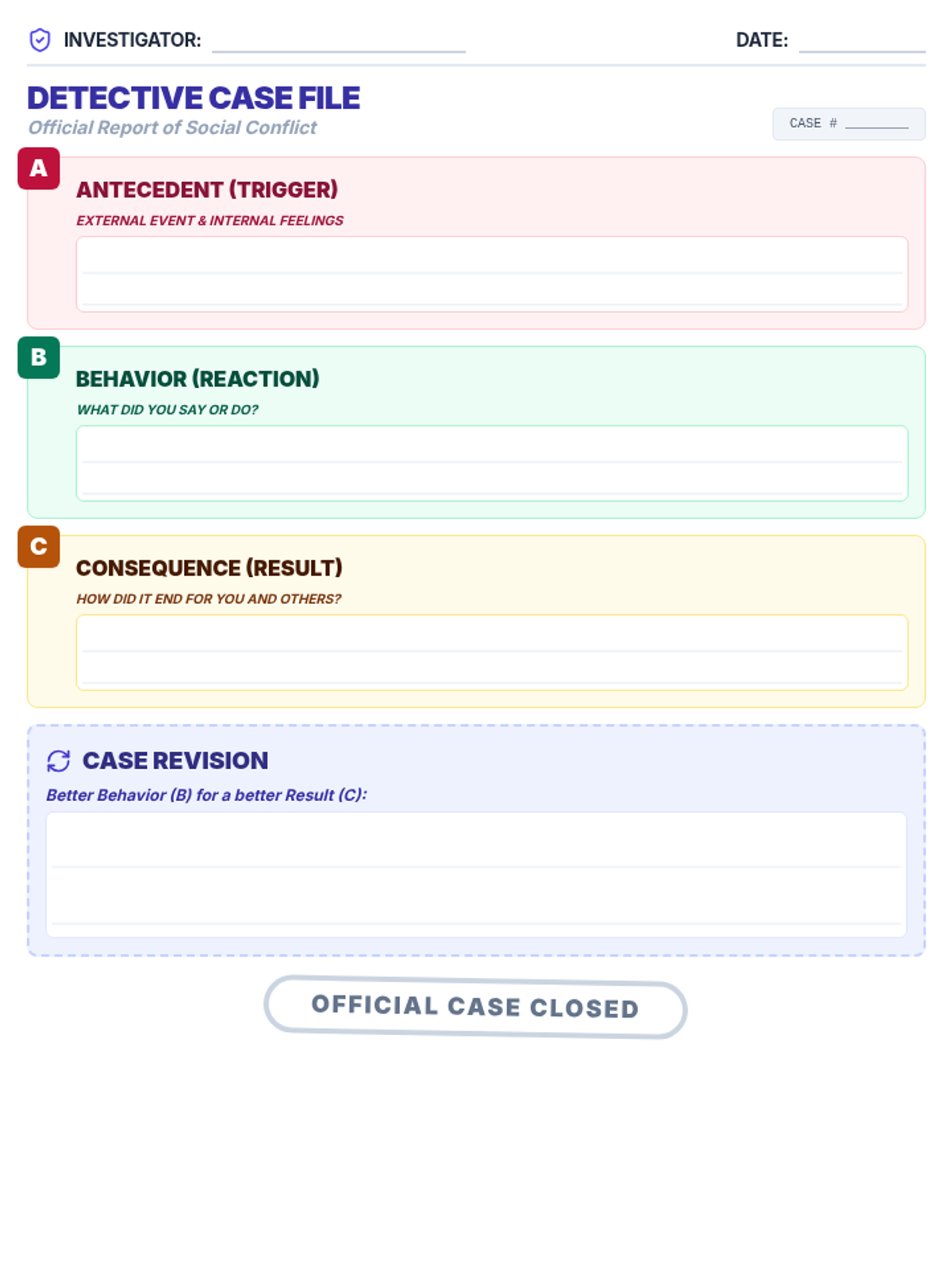
A comprehensive social-emotional learning sequence for elementary students (K-4) focusing on conflict resolution through the ABC model (Antecedent, Behavior, Consequence). Students learn to identify triggers, analyze their own behaviors, and work towards positive social outcomes.
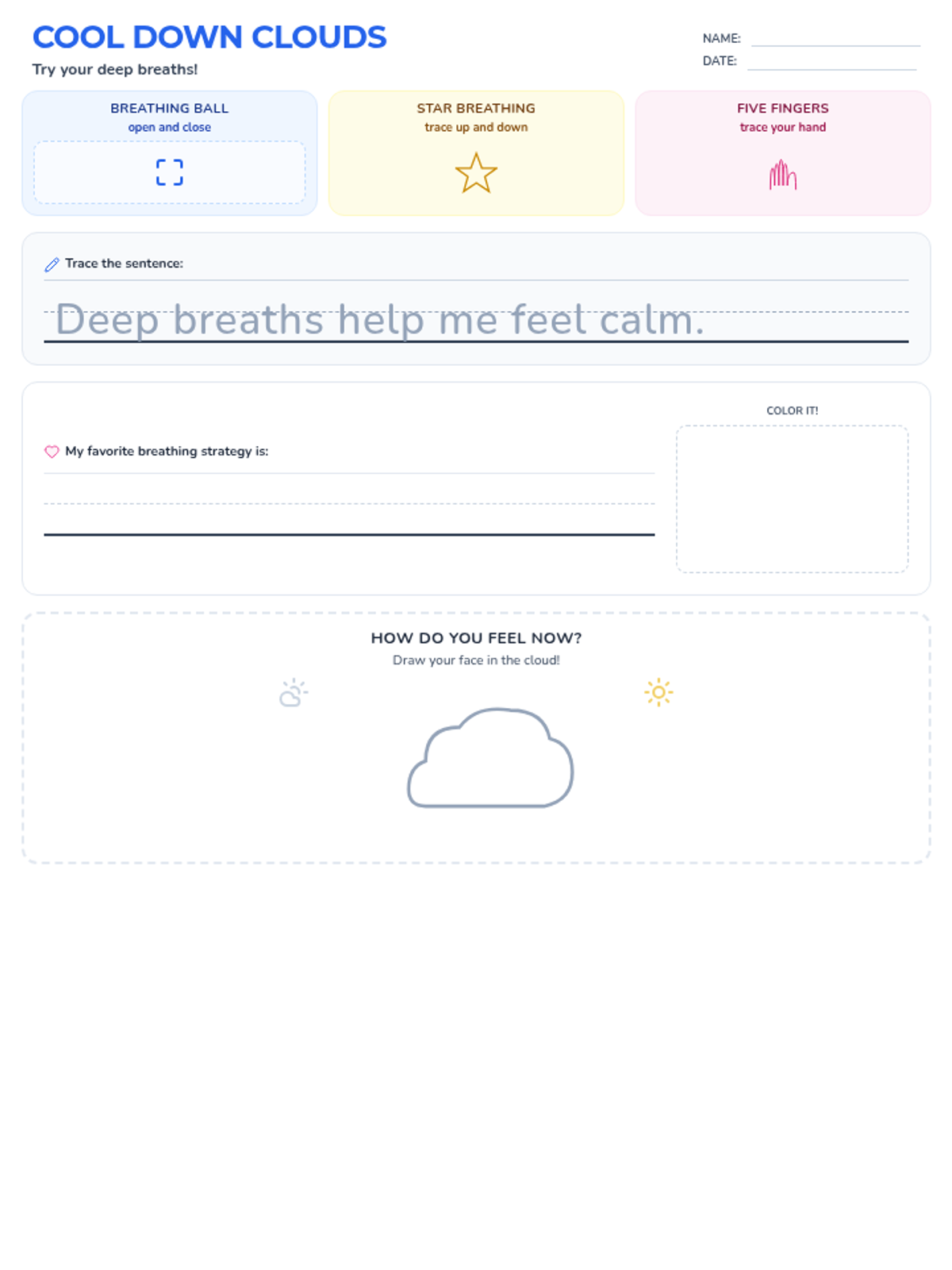
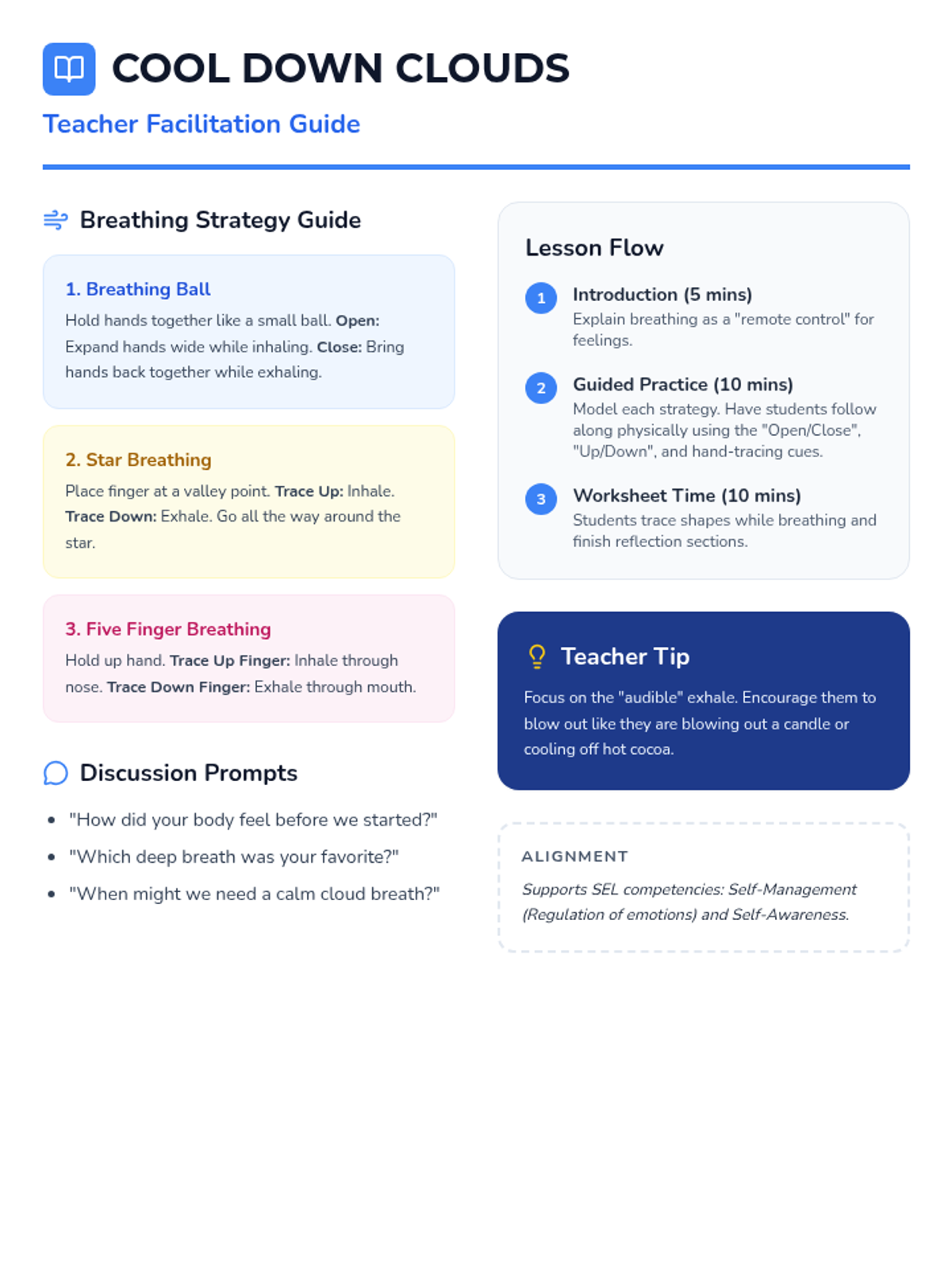
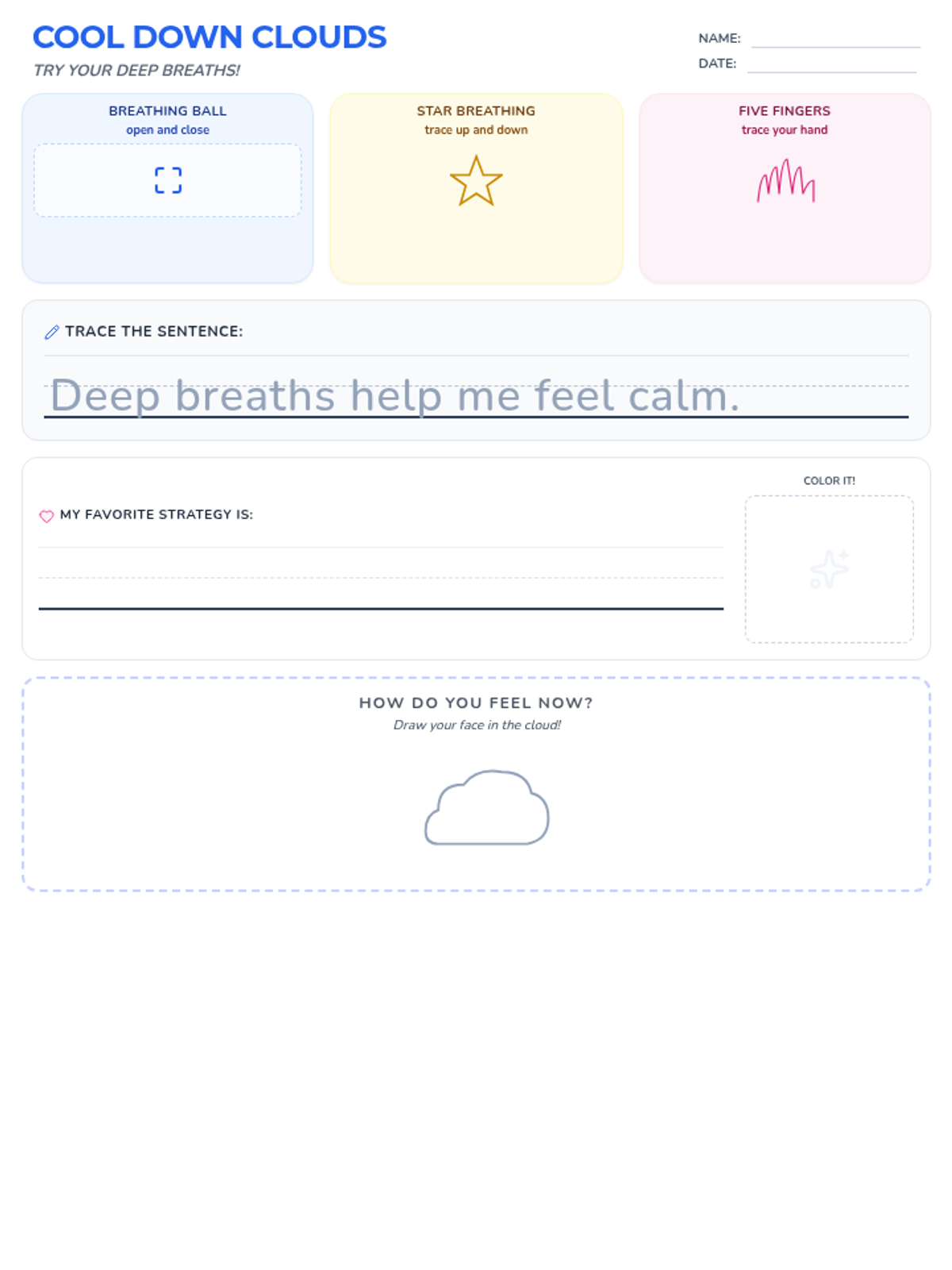
A progressive social-emotional learning sequence exploring mindful breathing techniques across different grade levels (K-5) to build self-regulation skills.
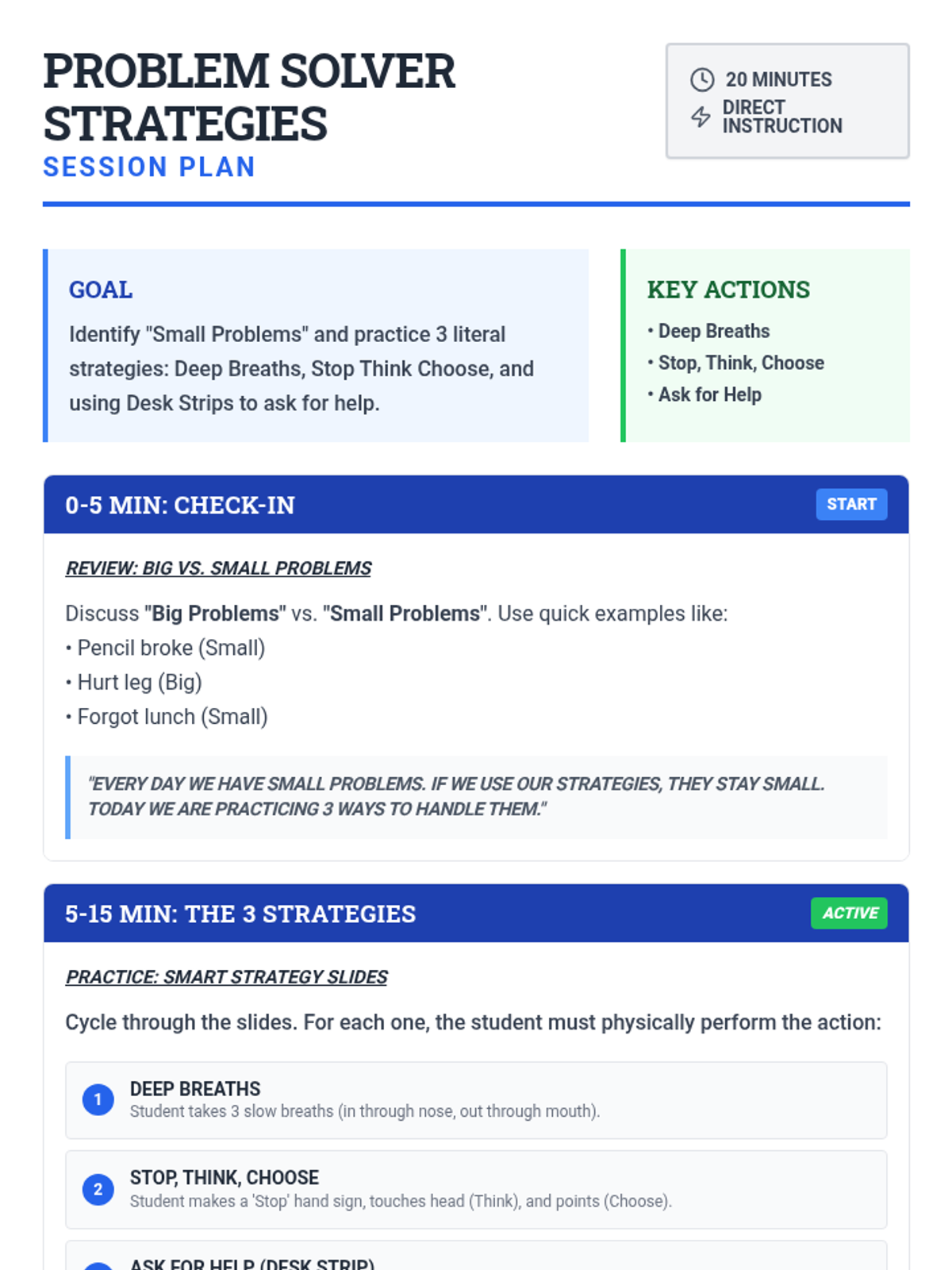
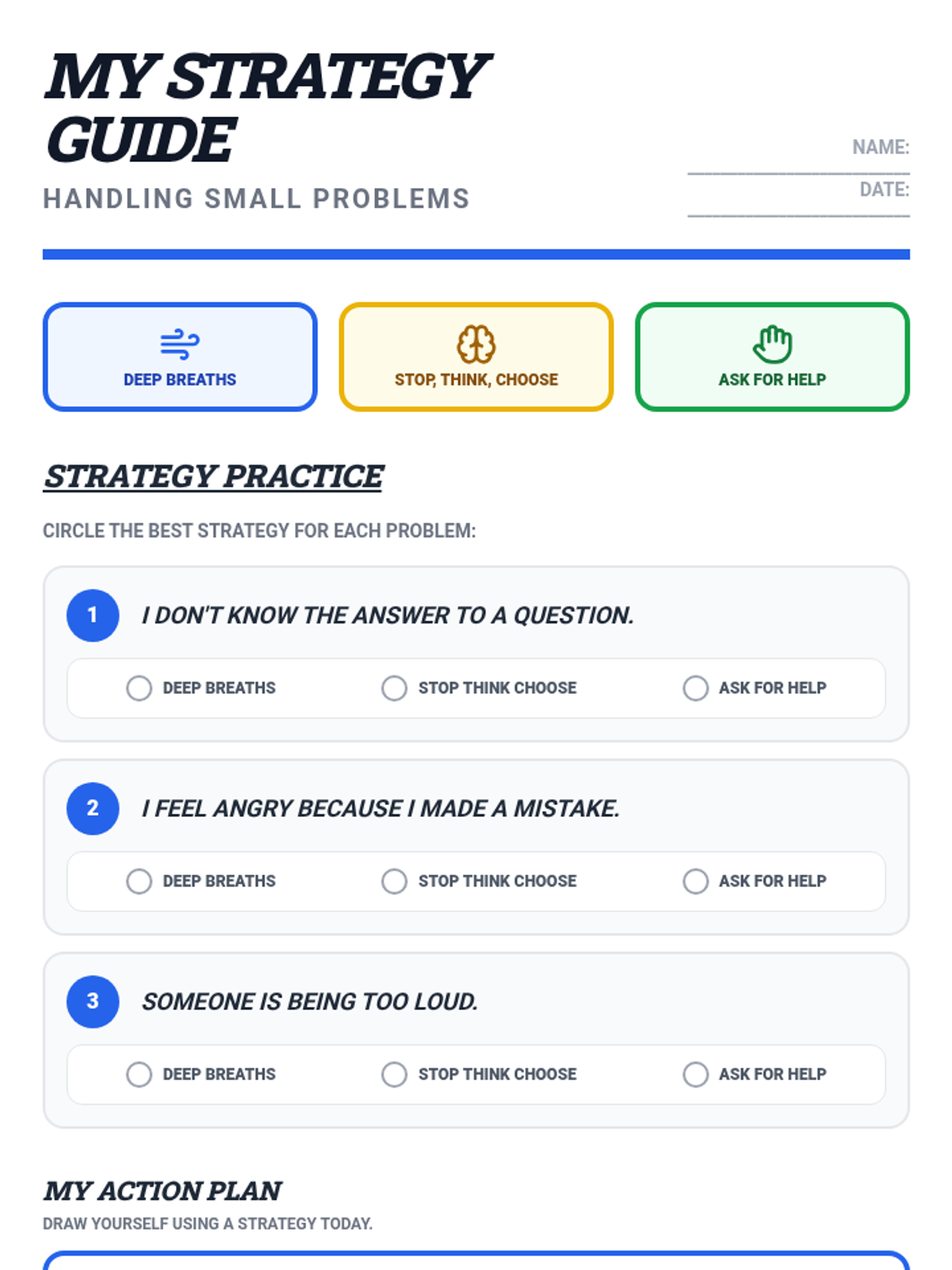
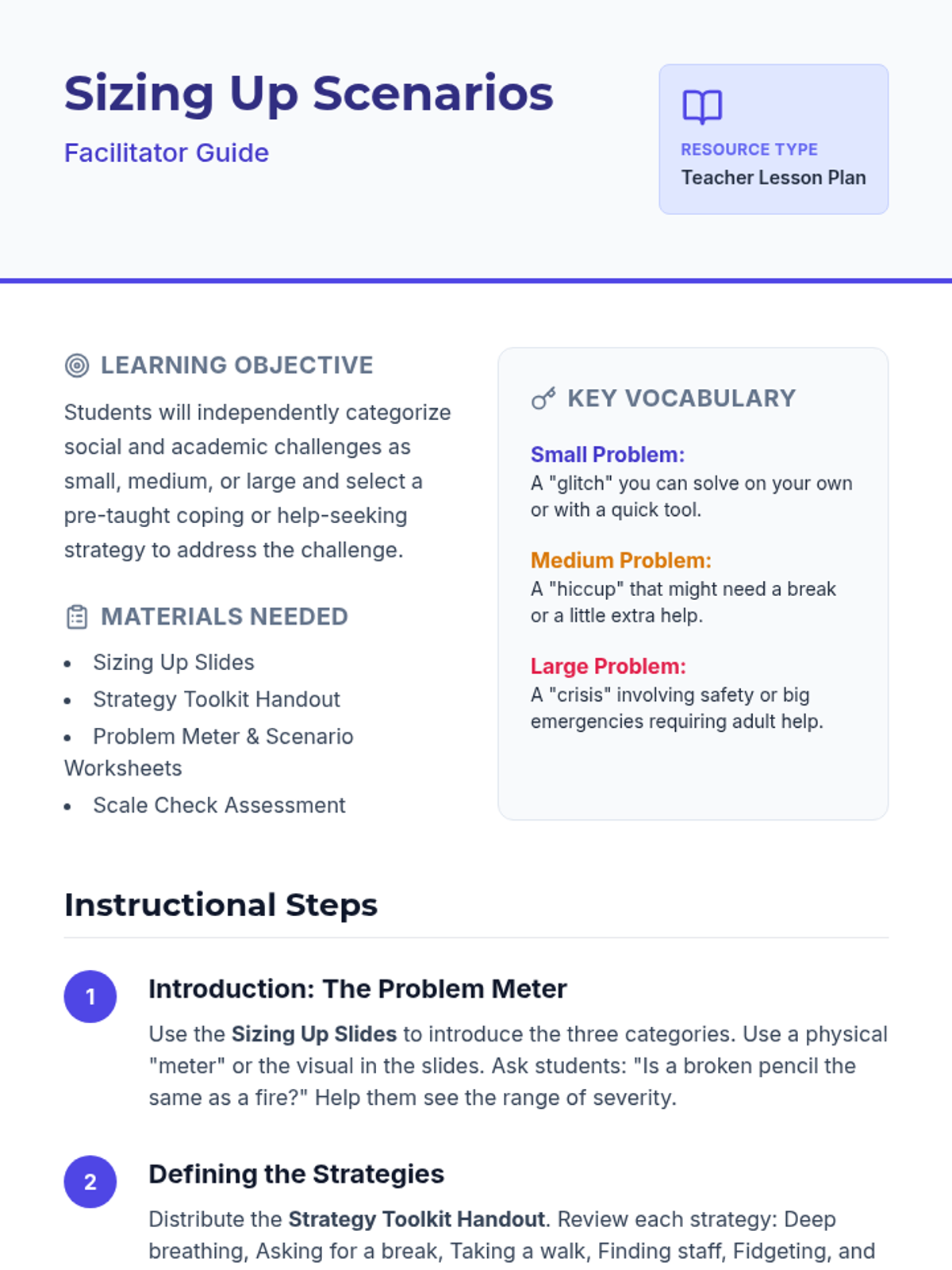
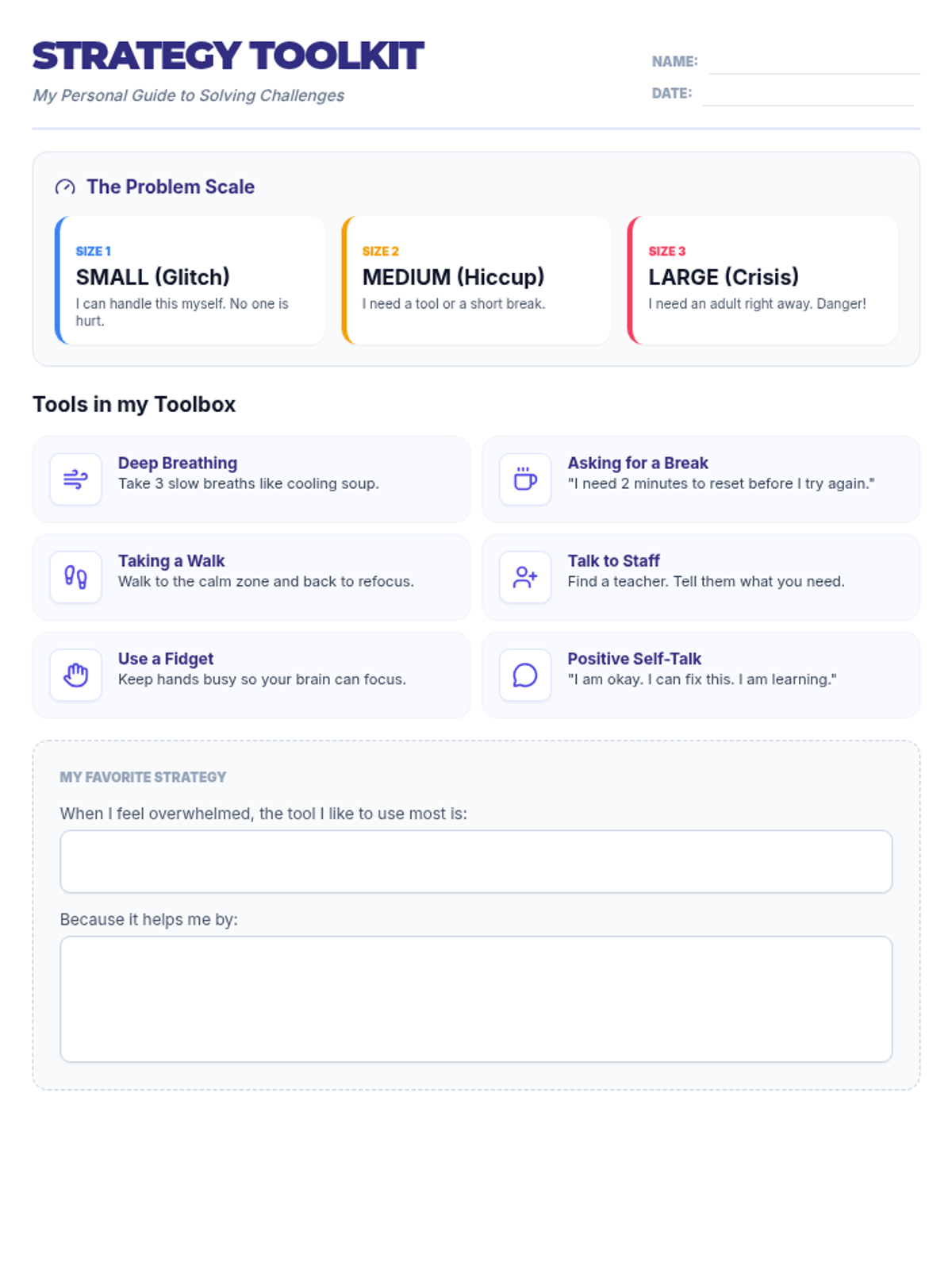
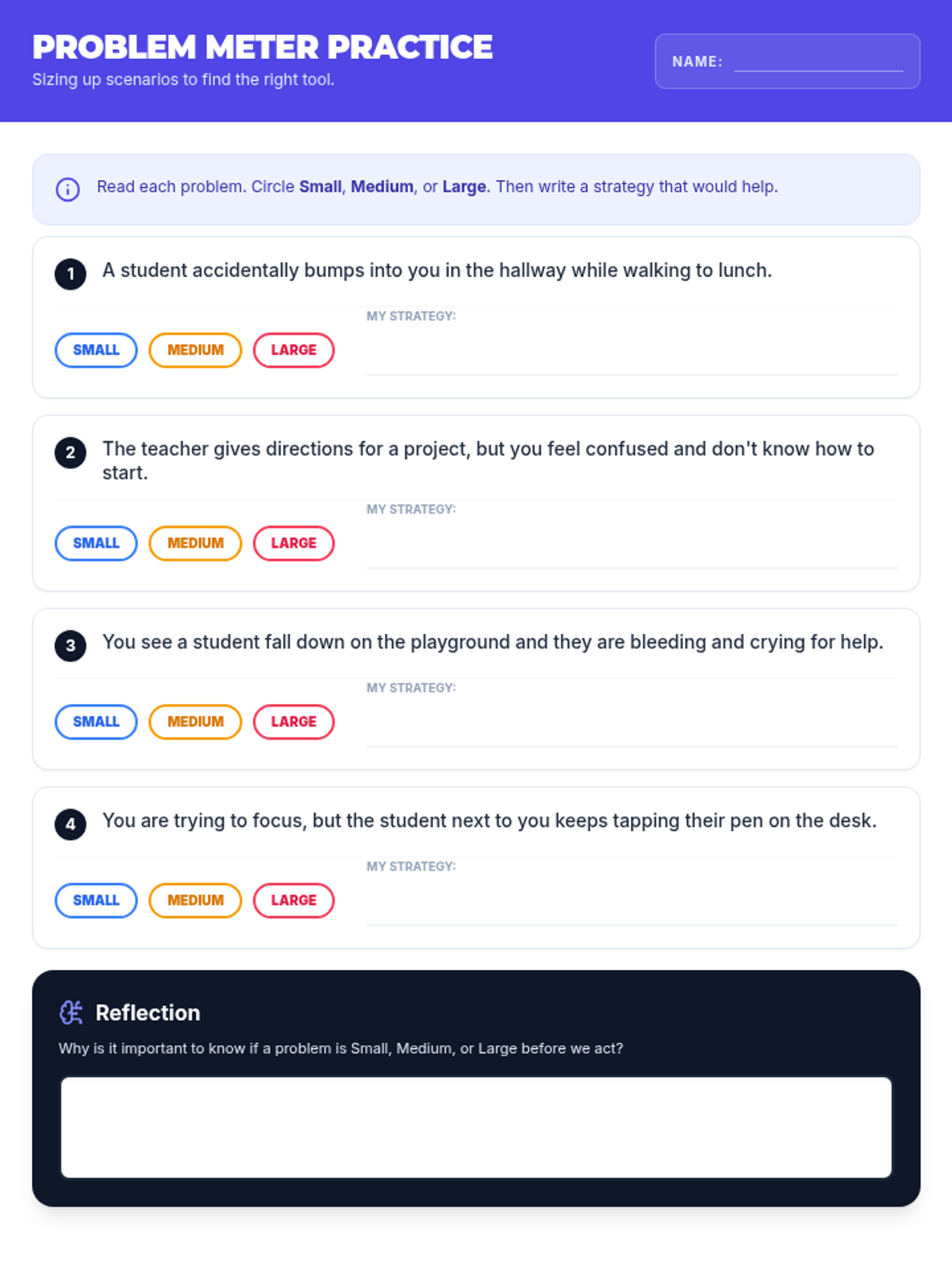
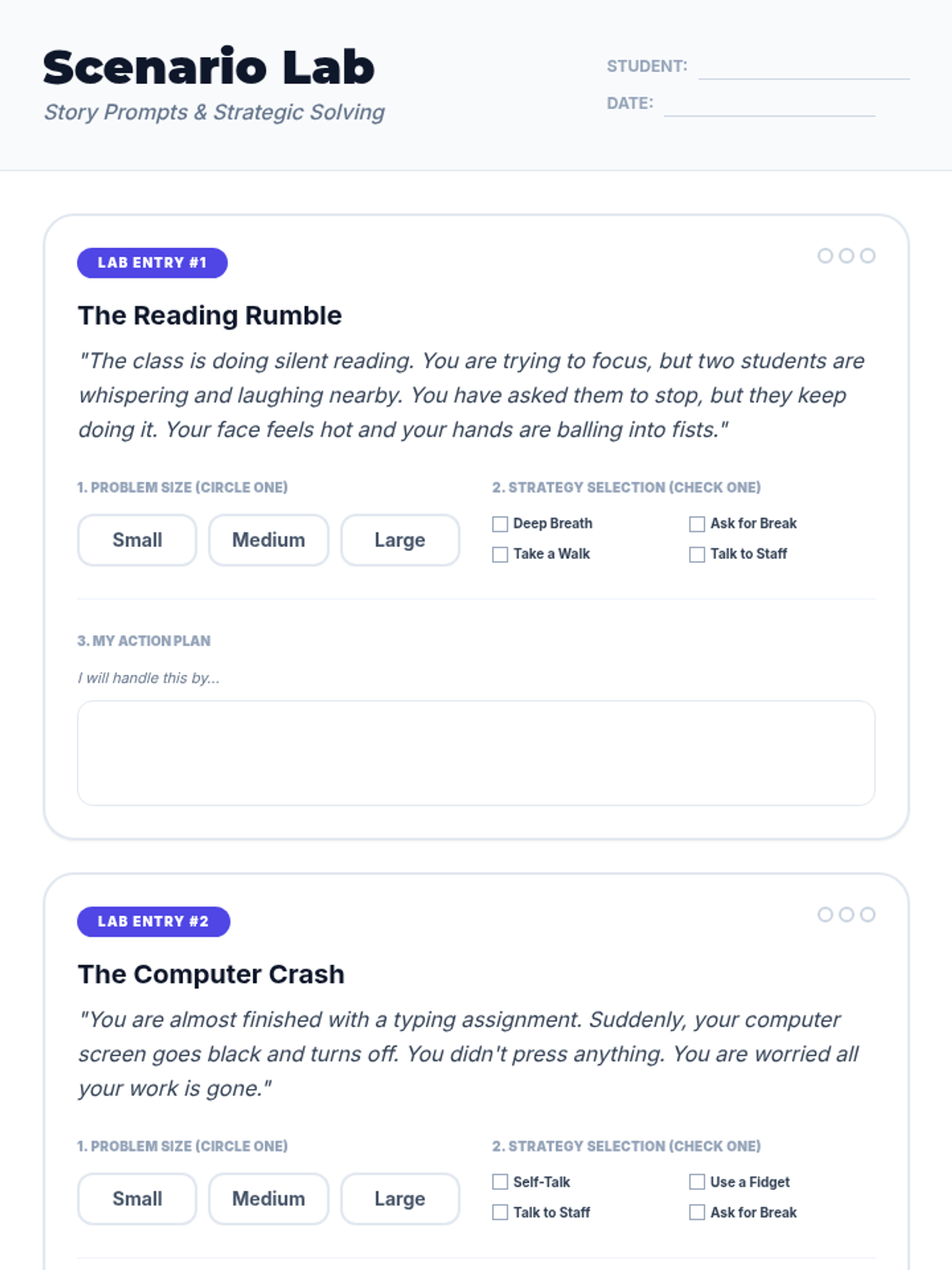
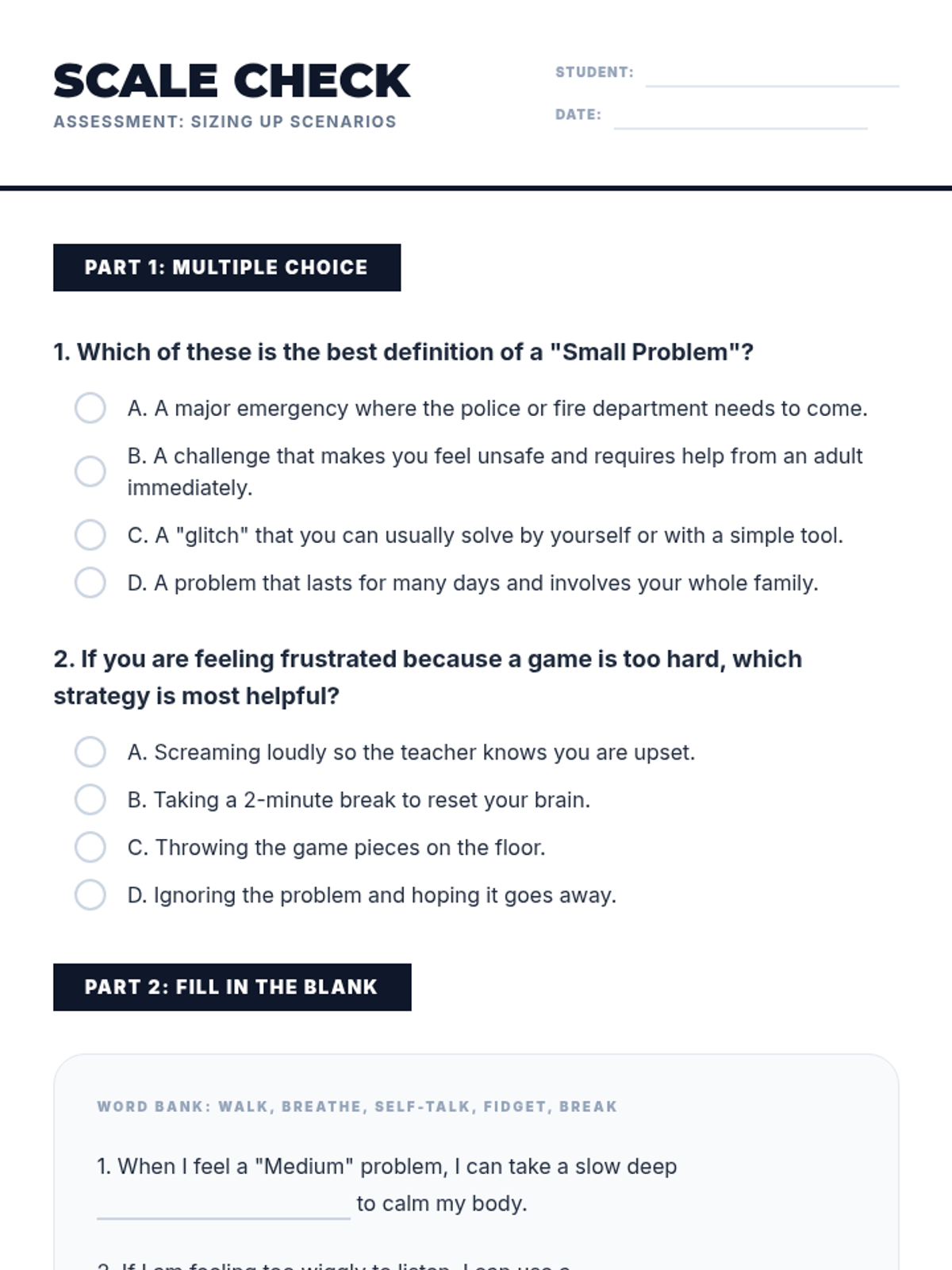
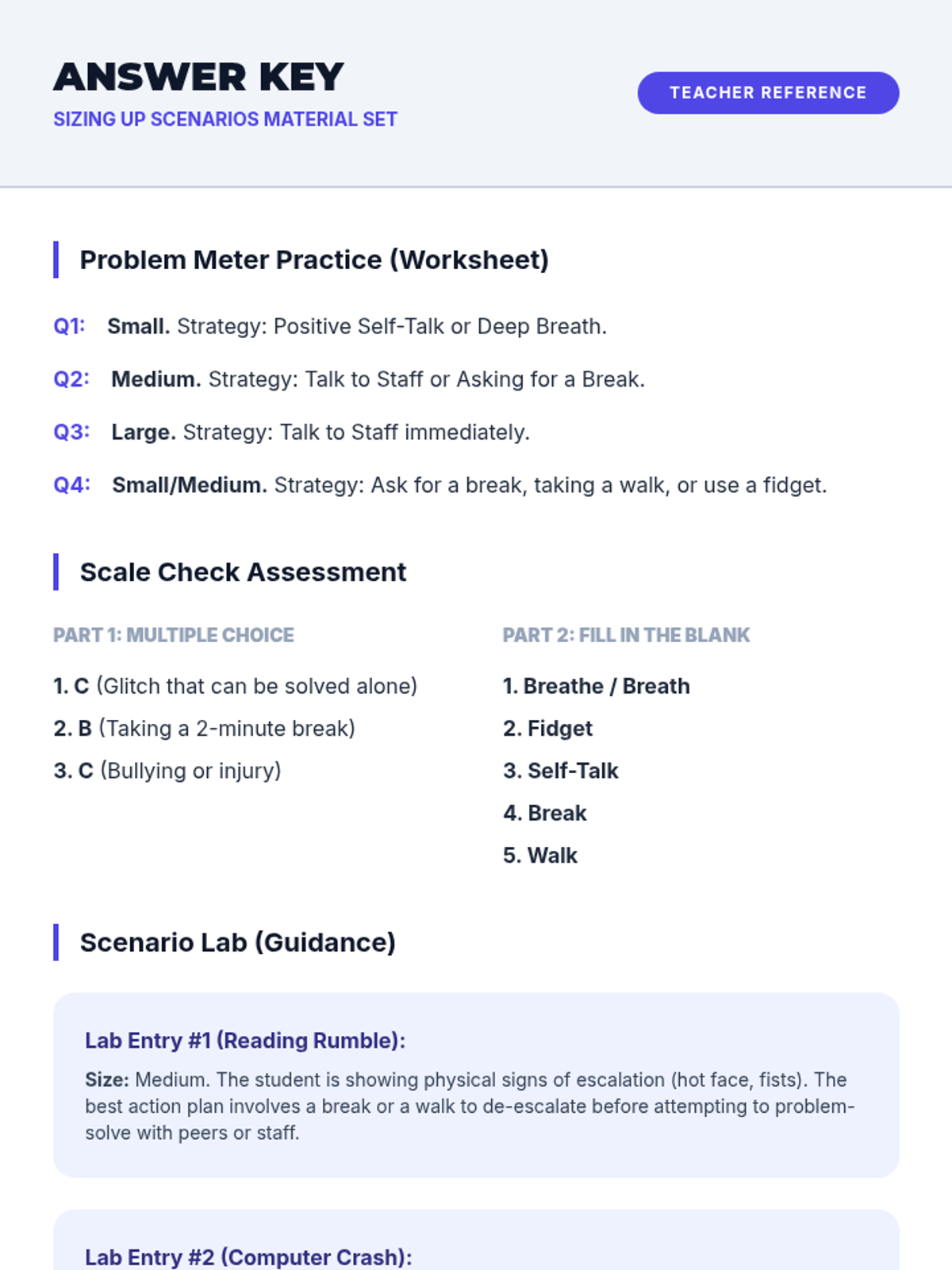
A sequence focused on helping students identify the magnitude of social and academic challenges and choosing appropriate coping mechanisms.
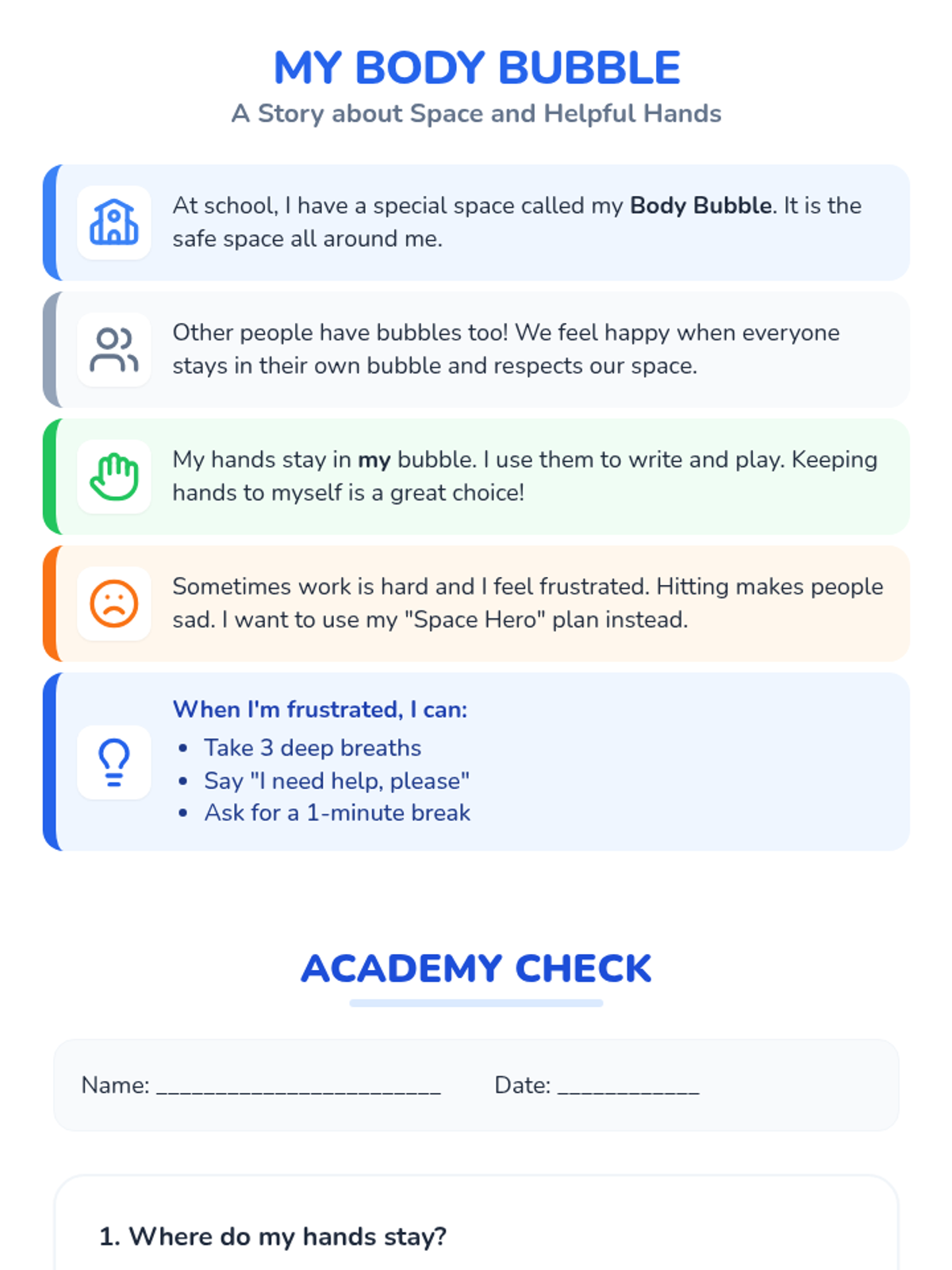
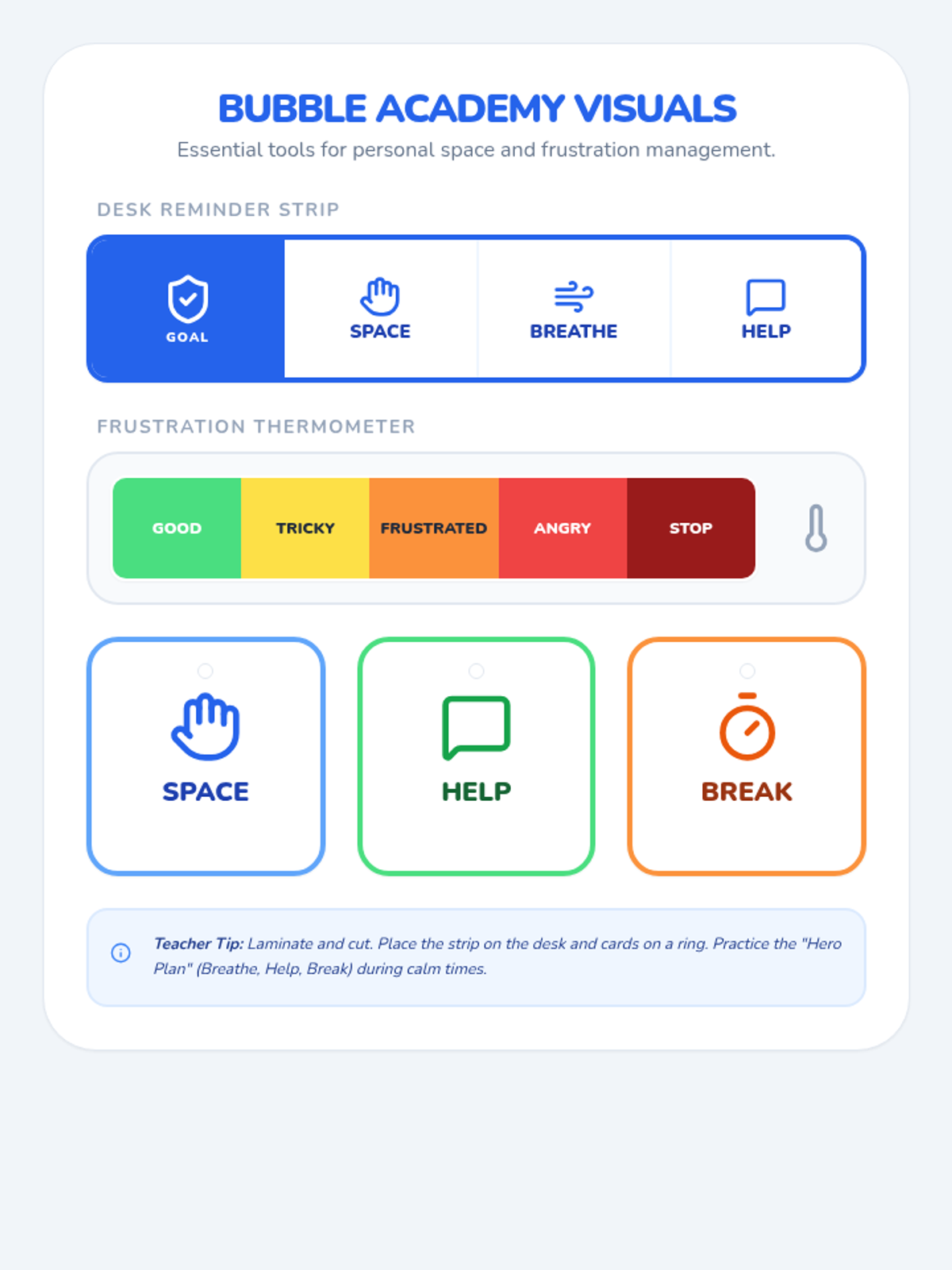
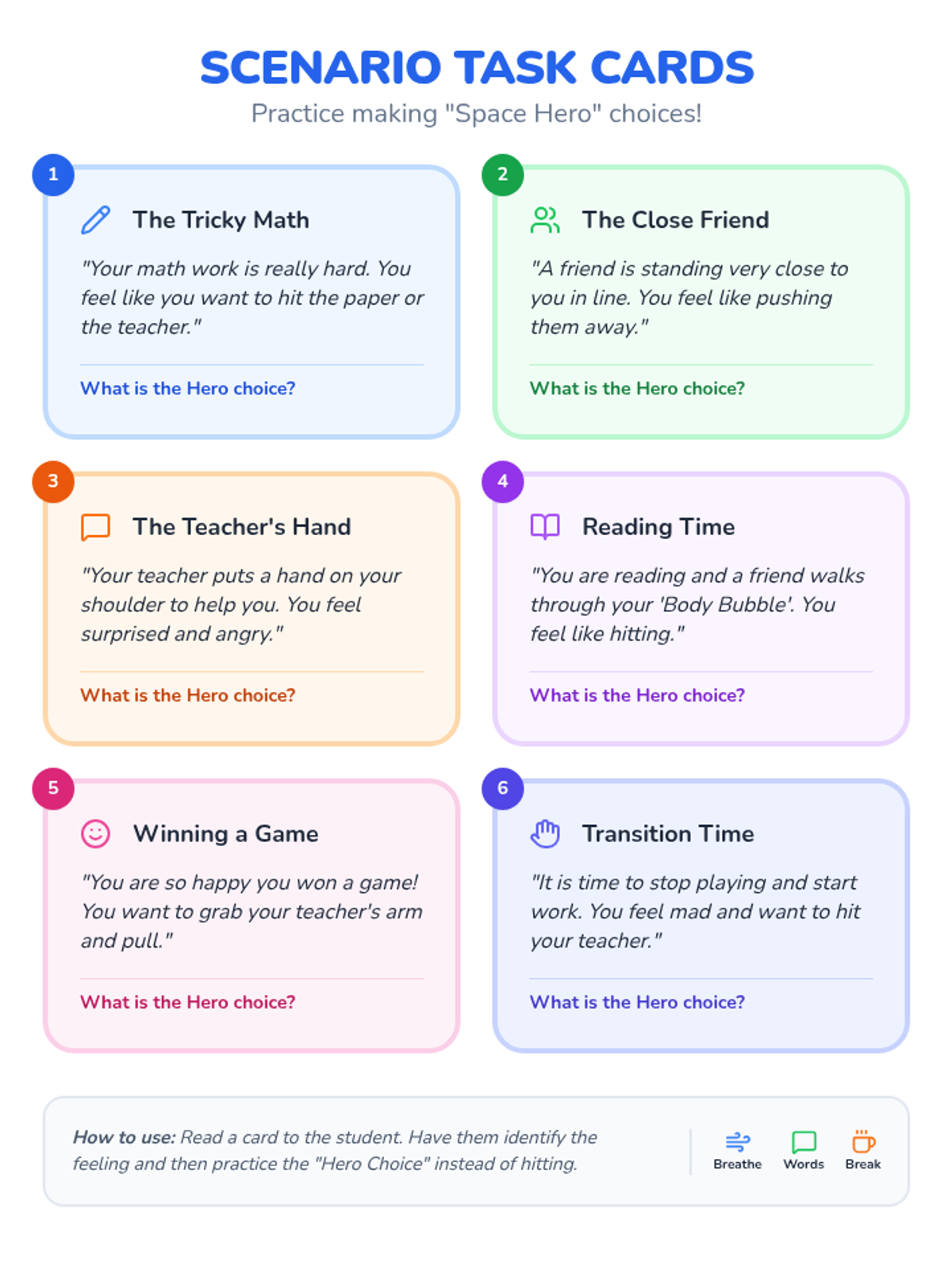
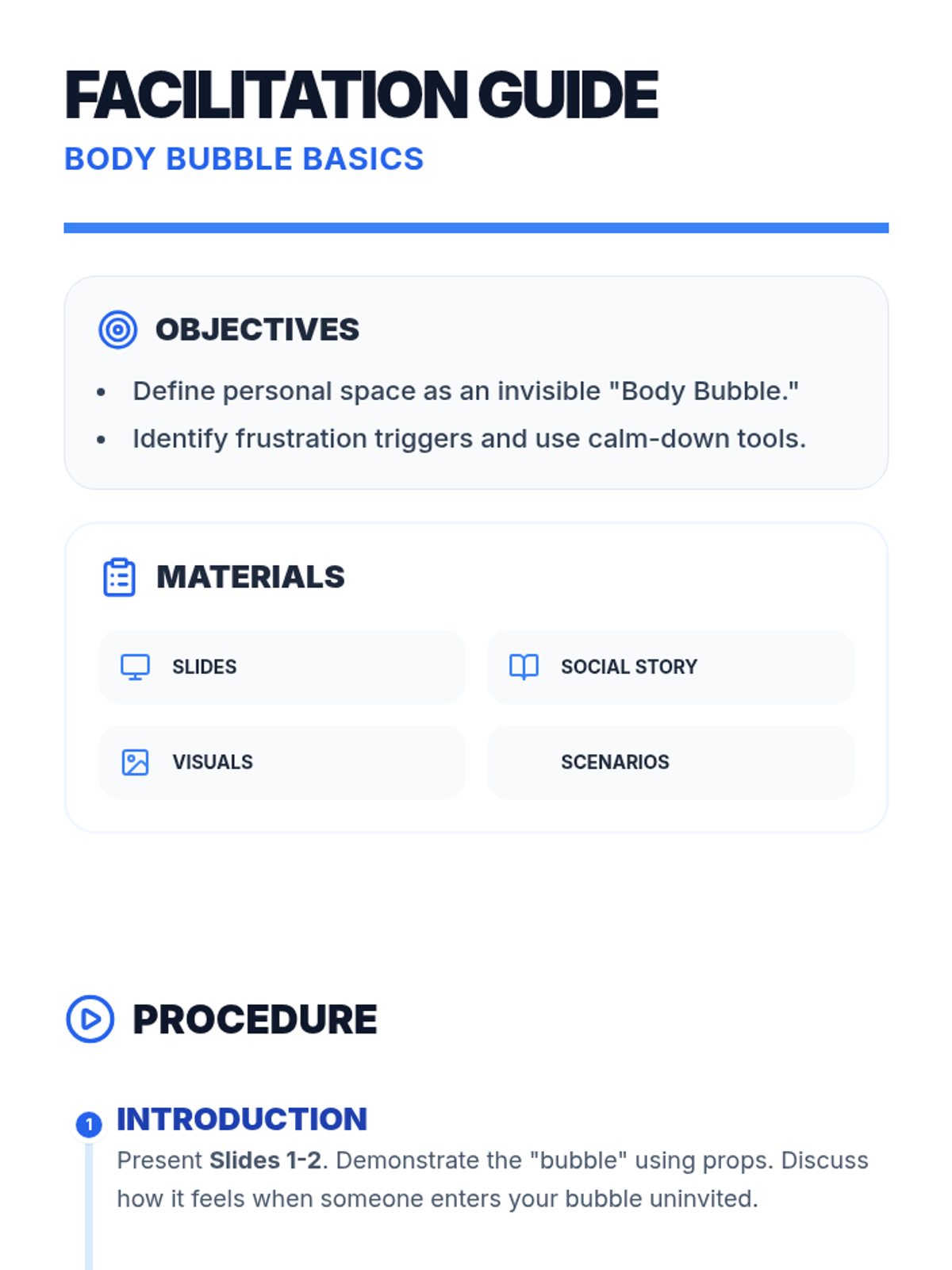
A comprehensive training program for early elementary students to learn personal space boundaries and healthy ways to manage frustration, specifically focusing on keeping hands to self.
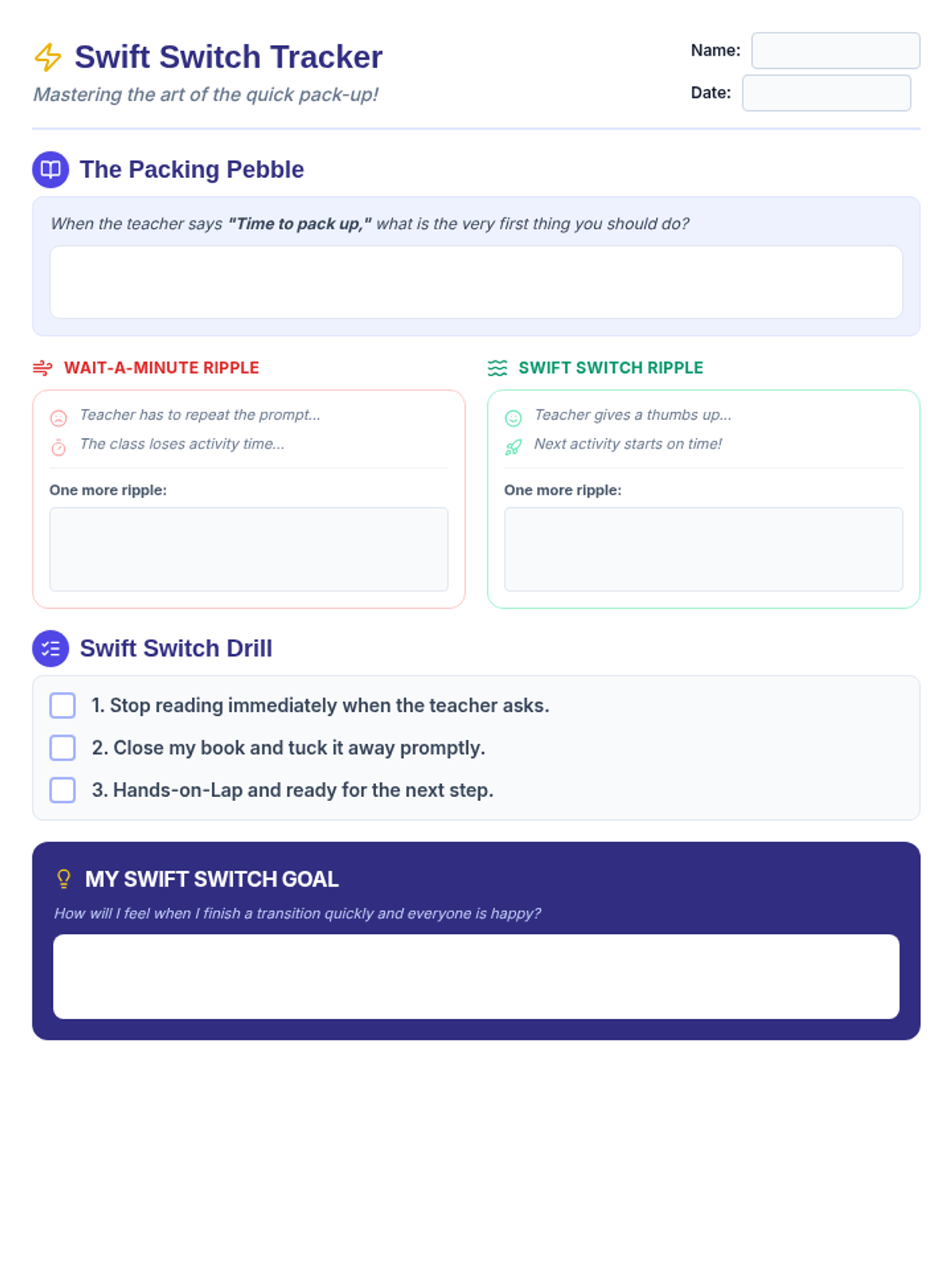
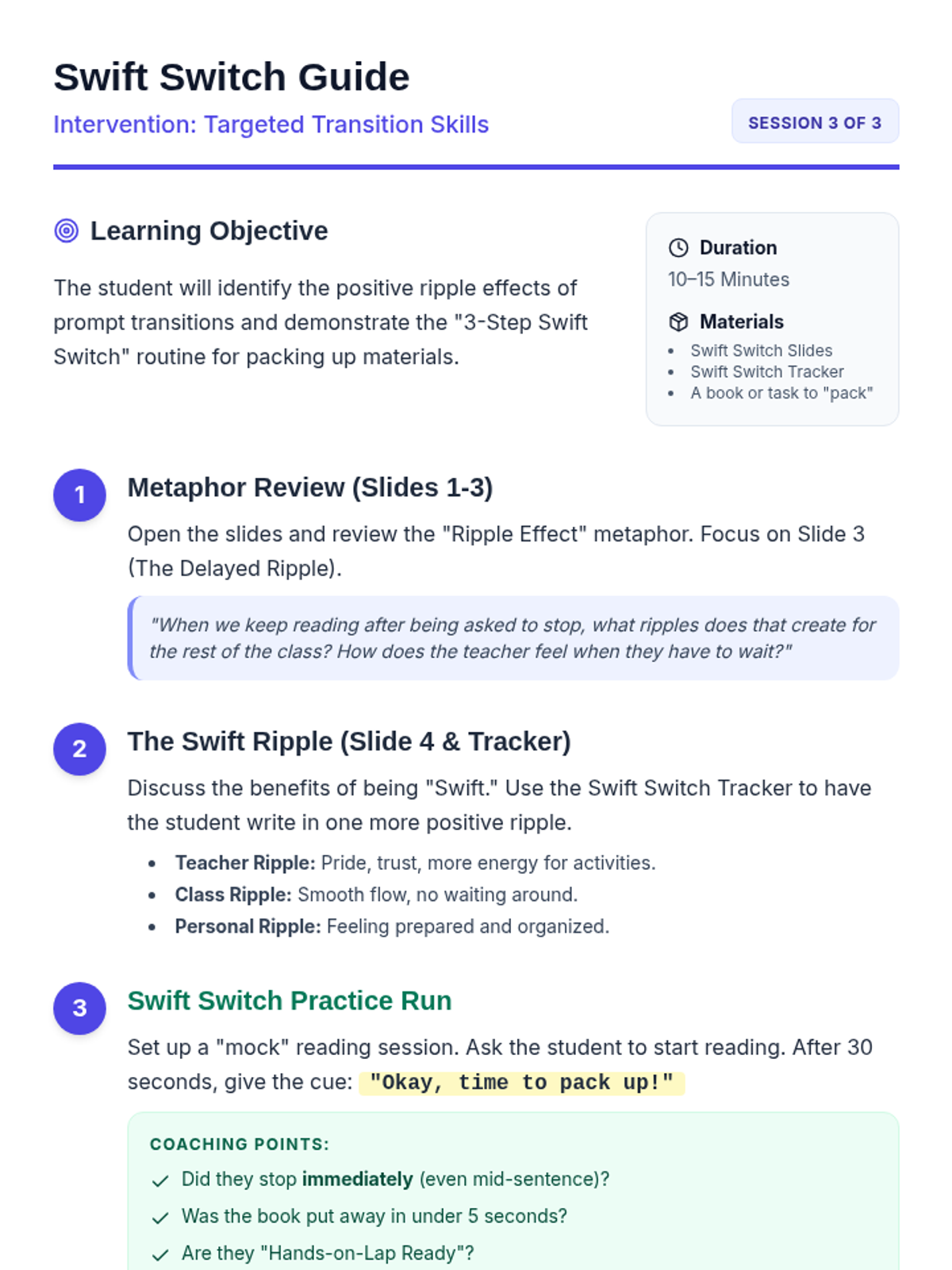
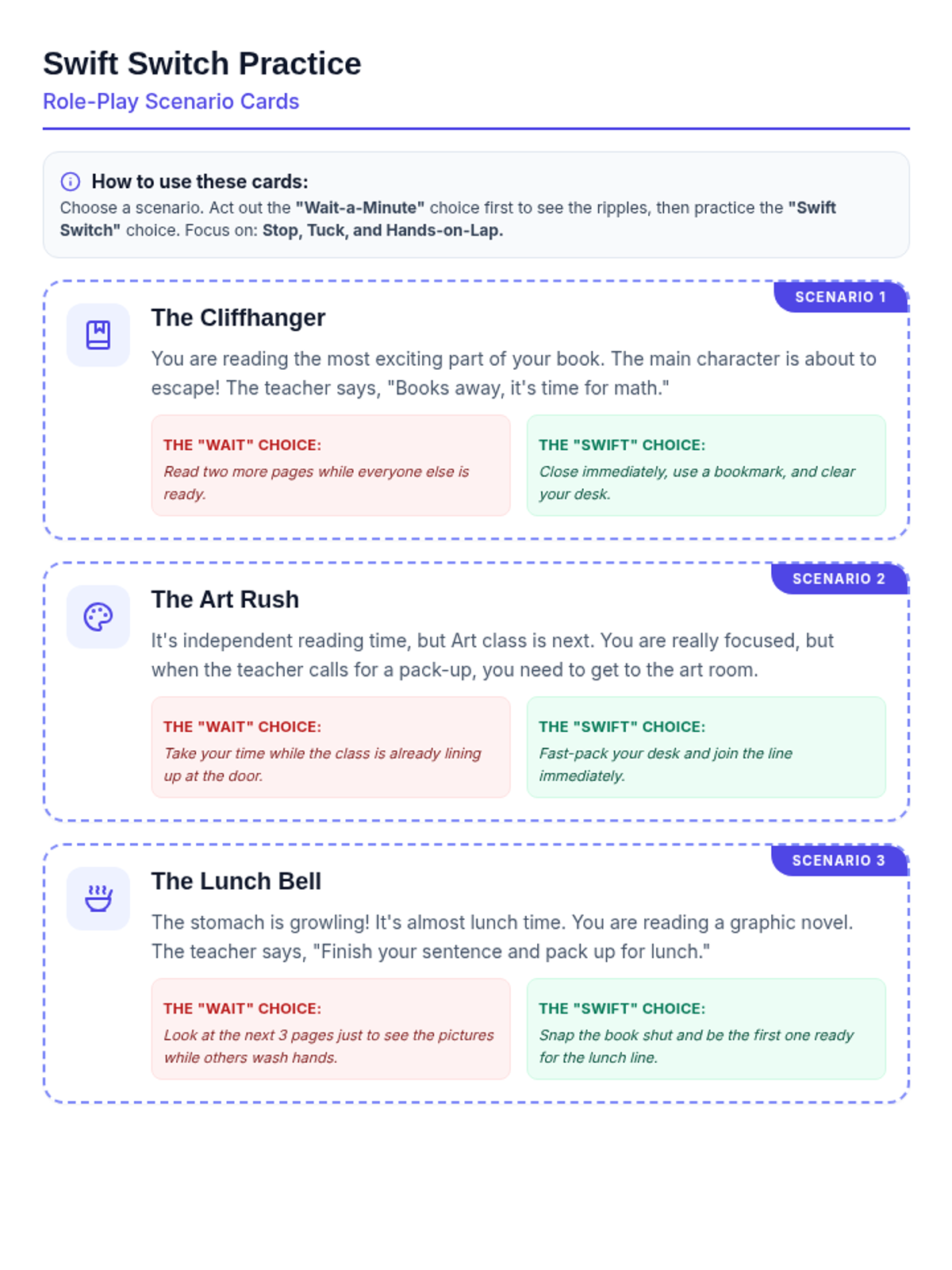
A multi-session intervention program designed to help students understand the classroom 'ripple effect' through perspective-taking and scenario analysis.
A series of lessons focused on developing agency and community awareness in young learners through the NYS Portrait of a Graduate framework, focusing on Empowered Learning and Global Citizenship.
This sequence empowers 2nd-grade students with self-advocacy skills to navigate obstacles. It moves from recognizing when help is needed to choosing the right helper and using specific, actionable language or non-verbal signals.
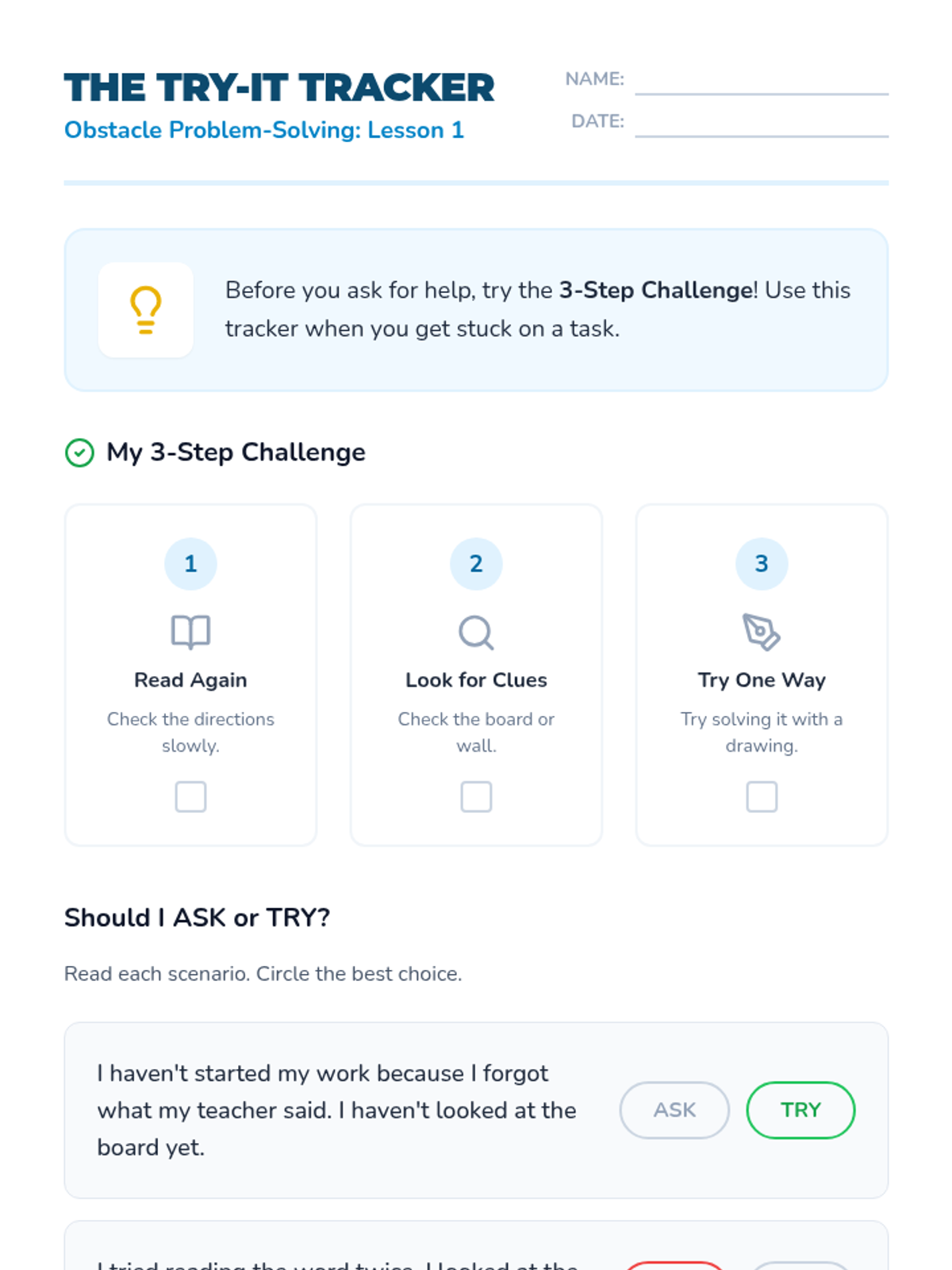
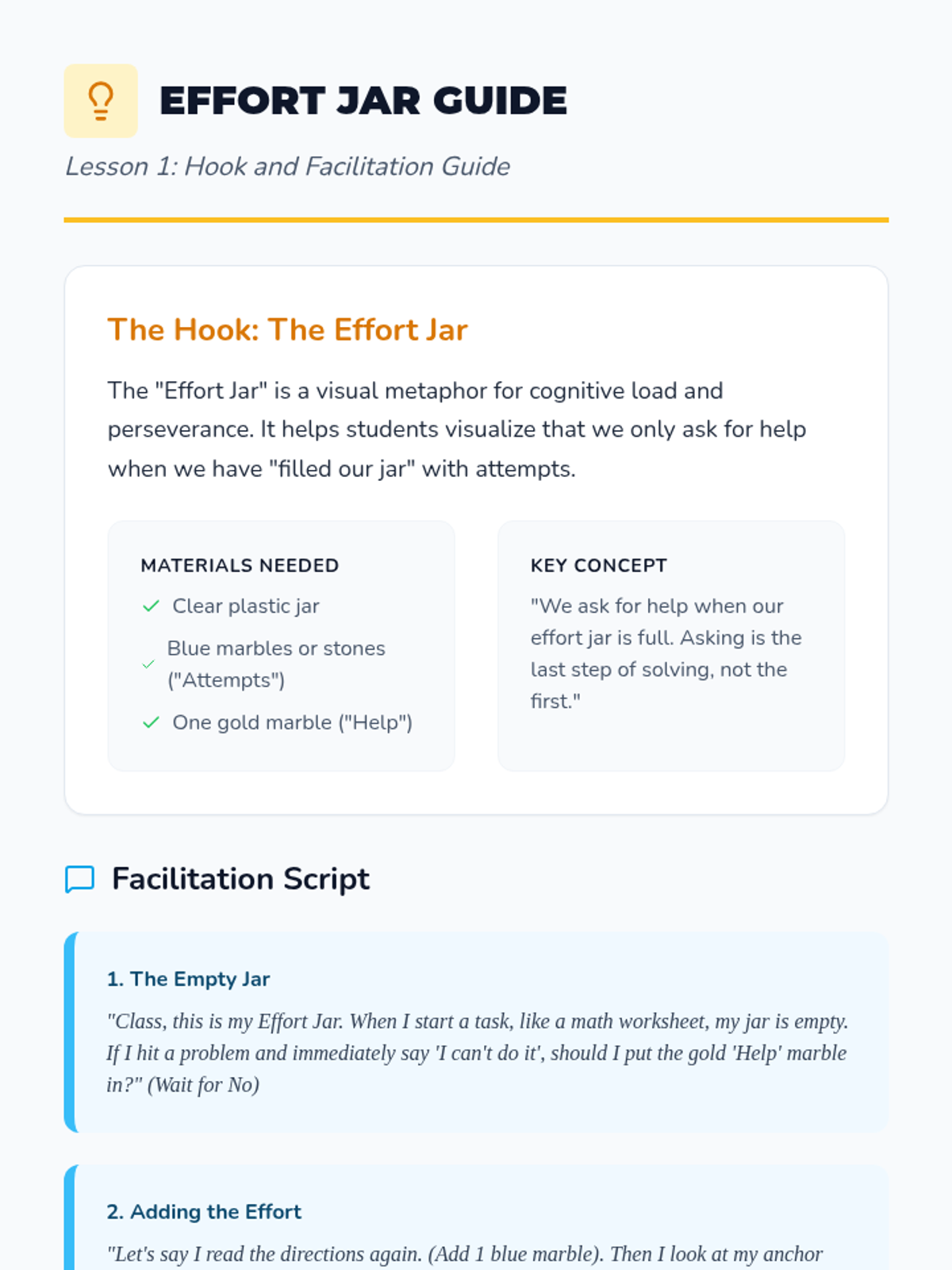
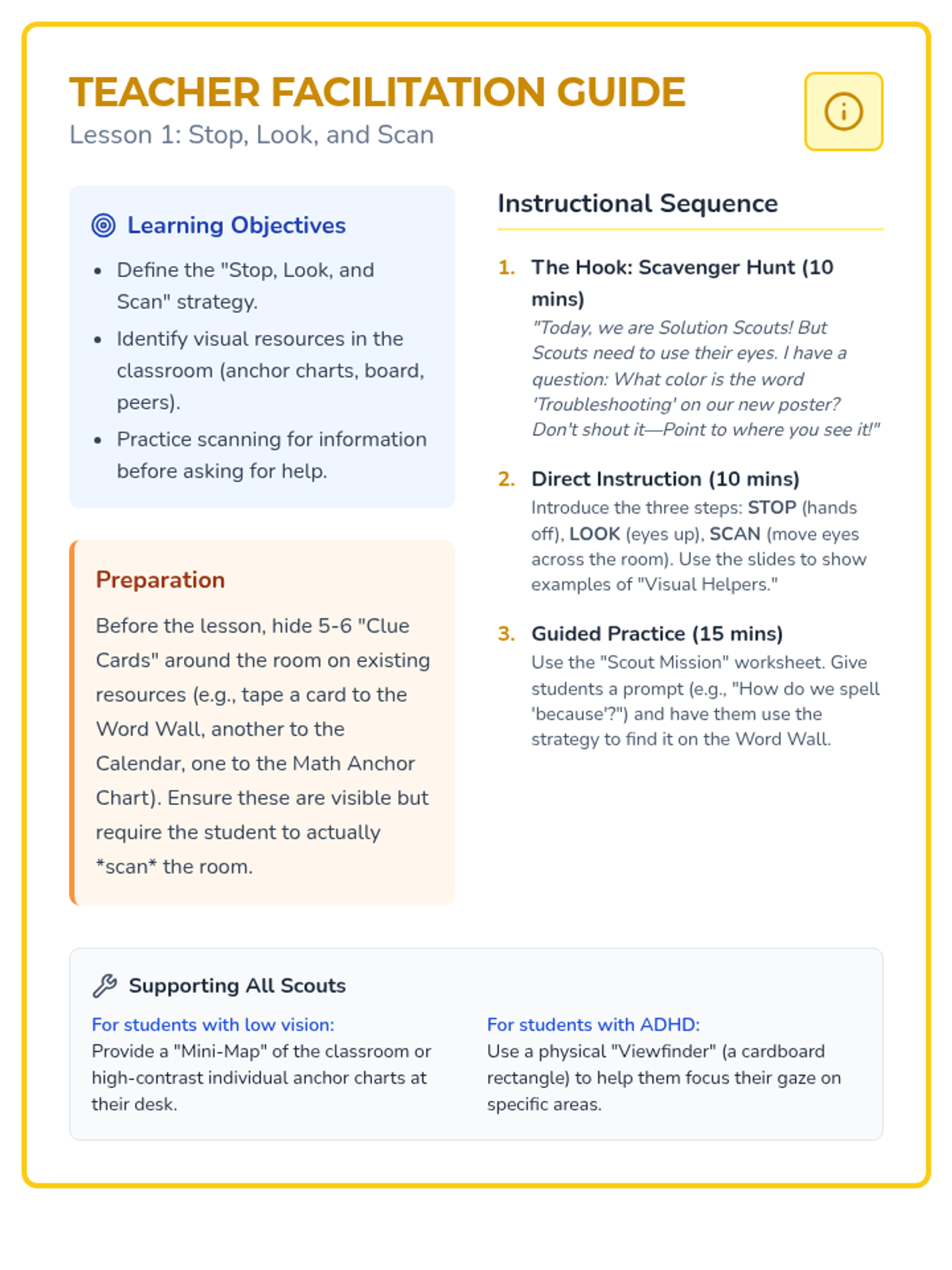
A 5-lesson sequence for 2nd-grade students focusing on independent problem-solving strategies. Students move from identifying obstacles to testing multiple solutions using a 'Solution Scout' toolkit approach.
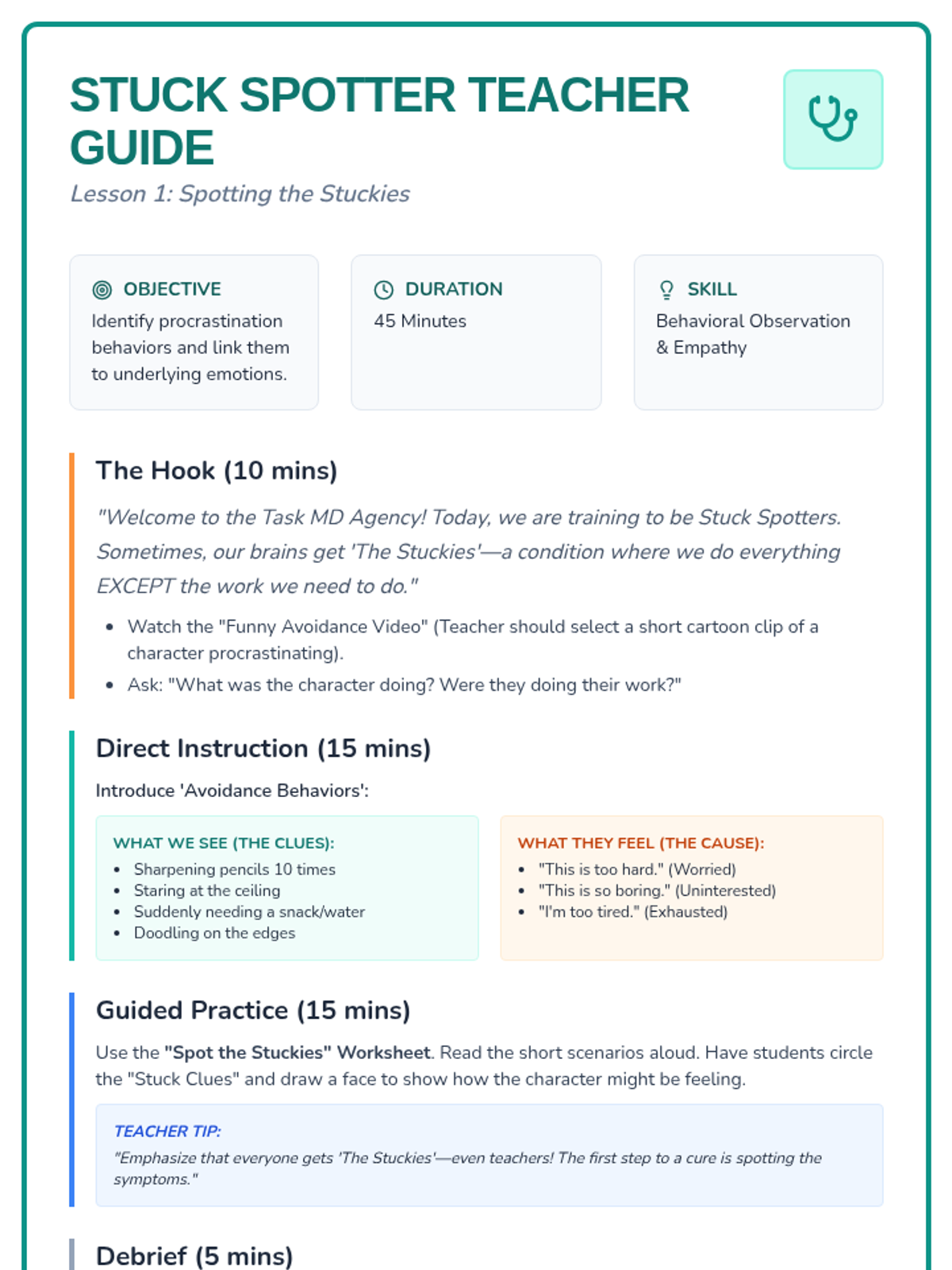
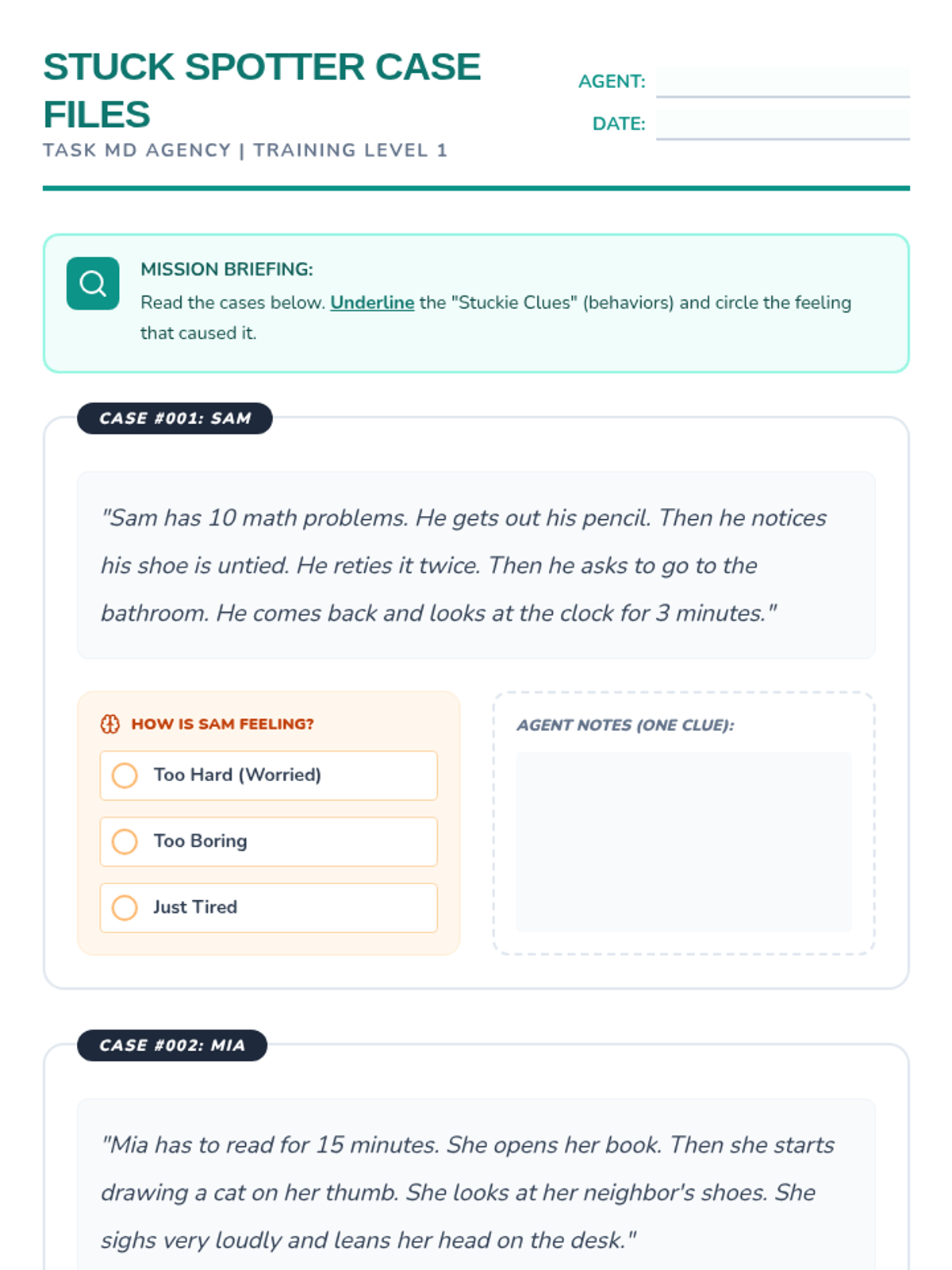
A sequence focused on helping students overcome emotional barriers to task initiation using a 'Task Doctor' theme. Students learn to identify avoidance behaviors, diagnose the root cause of being 'stuck', and prescribe effective self-talk solutions through role-play and reflection.
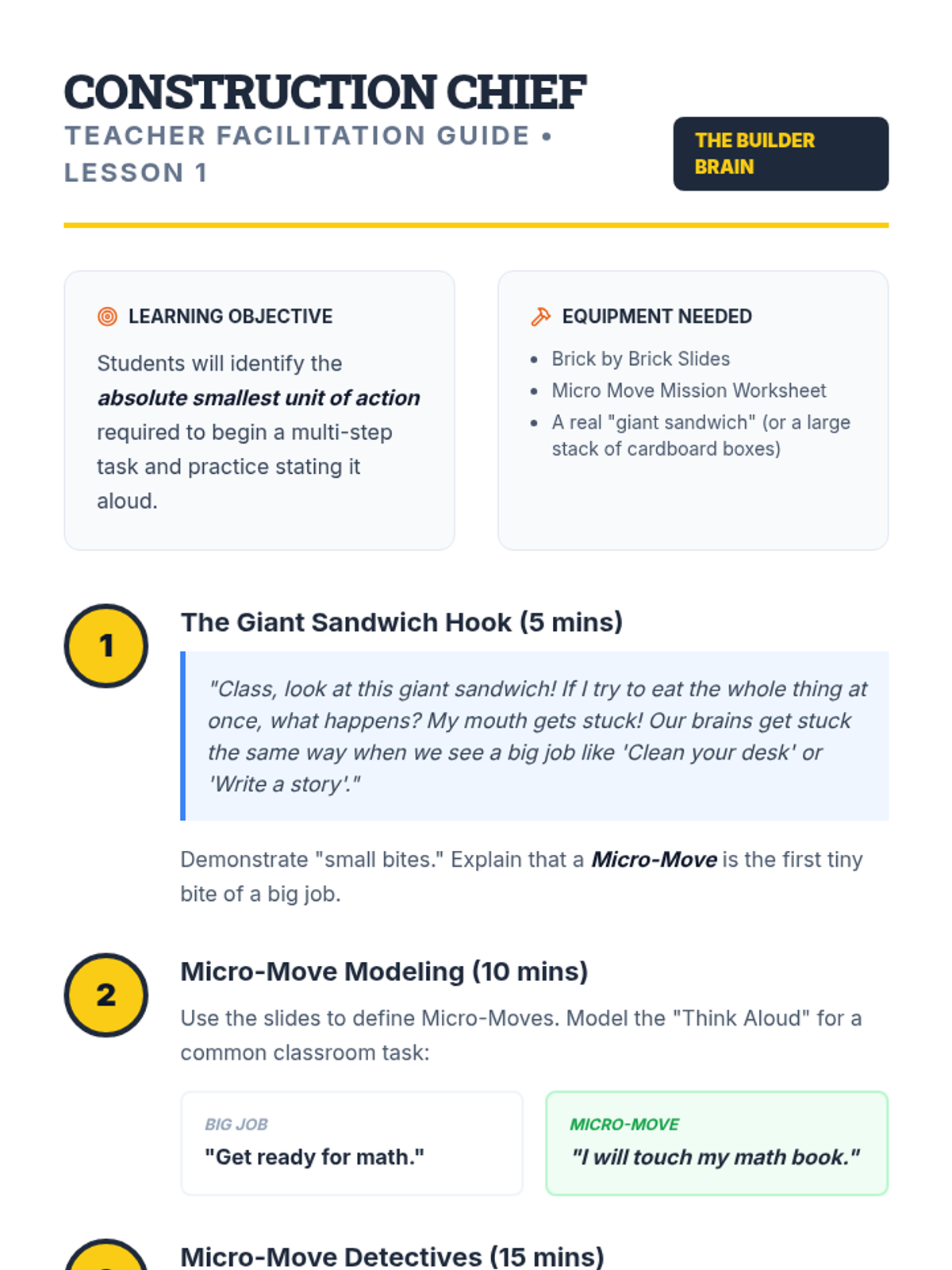
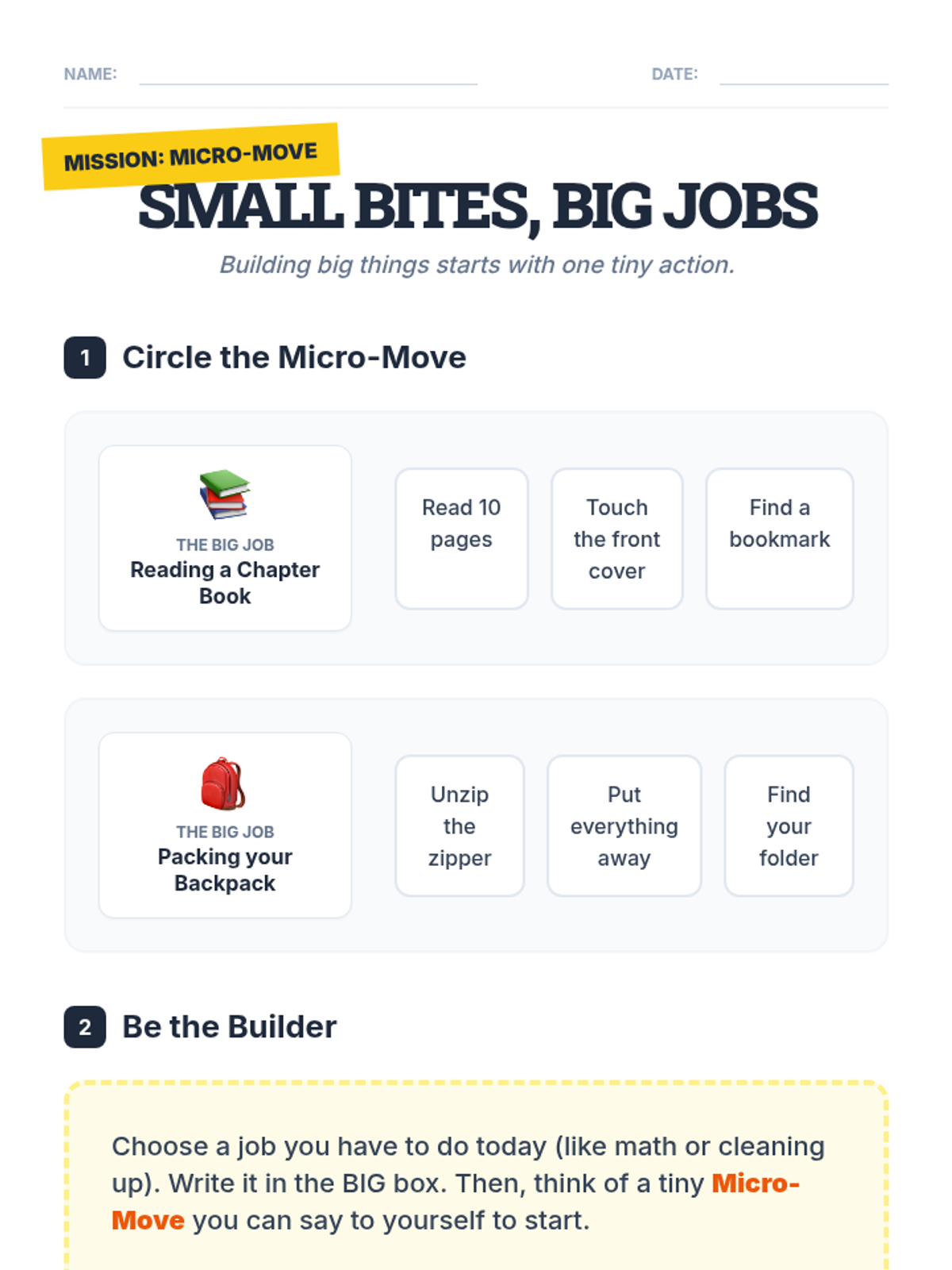
Students learn to use verbal prompts to break complex tasks down into manageable actions. The sequence moves from identifying the immediate first step to narrating a sequence of actions and troubleshooting challenges.
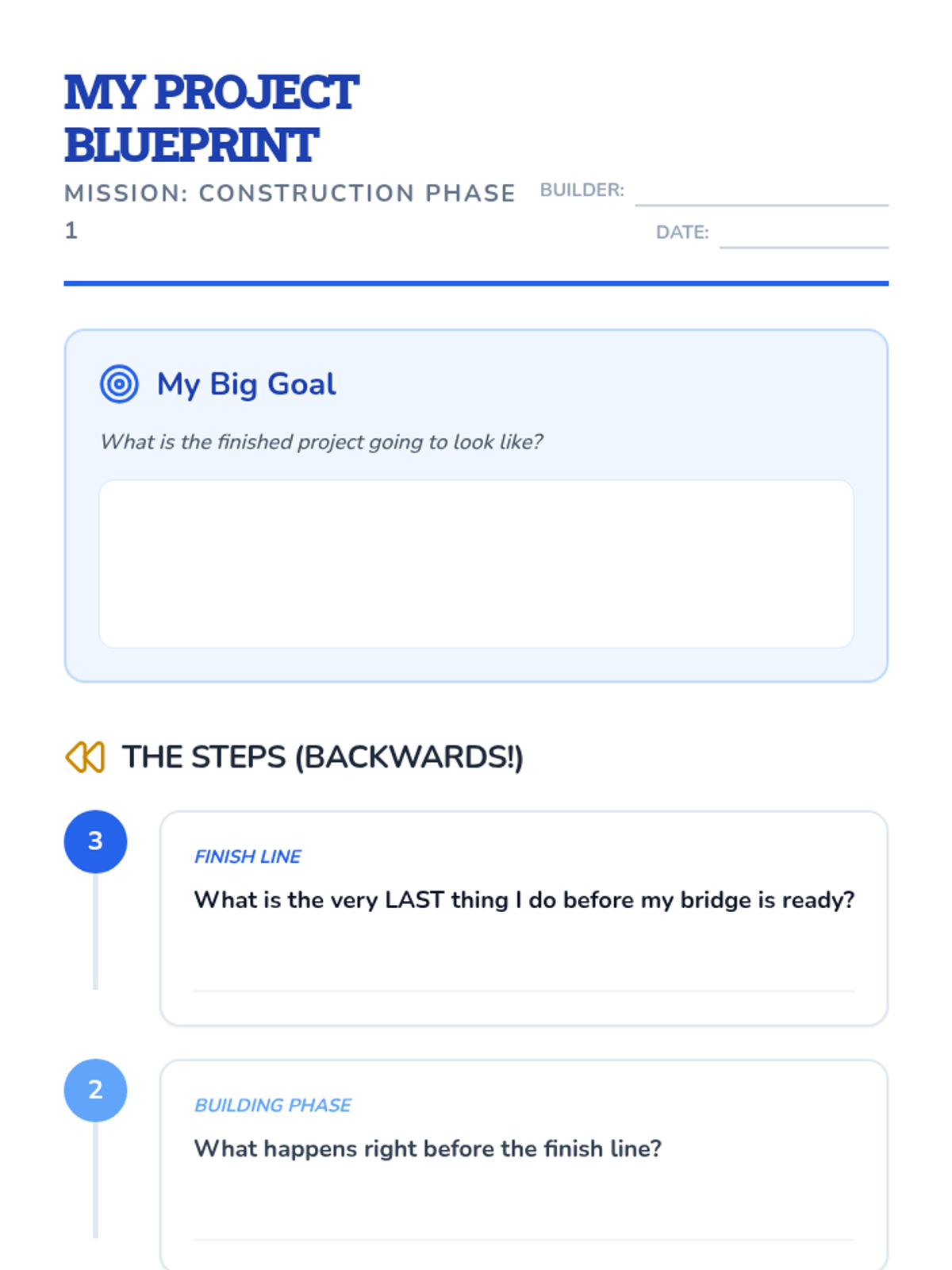
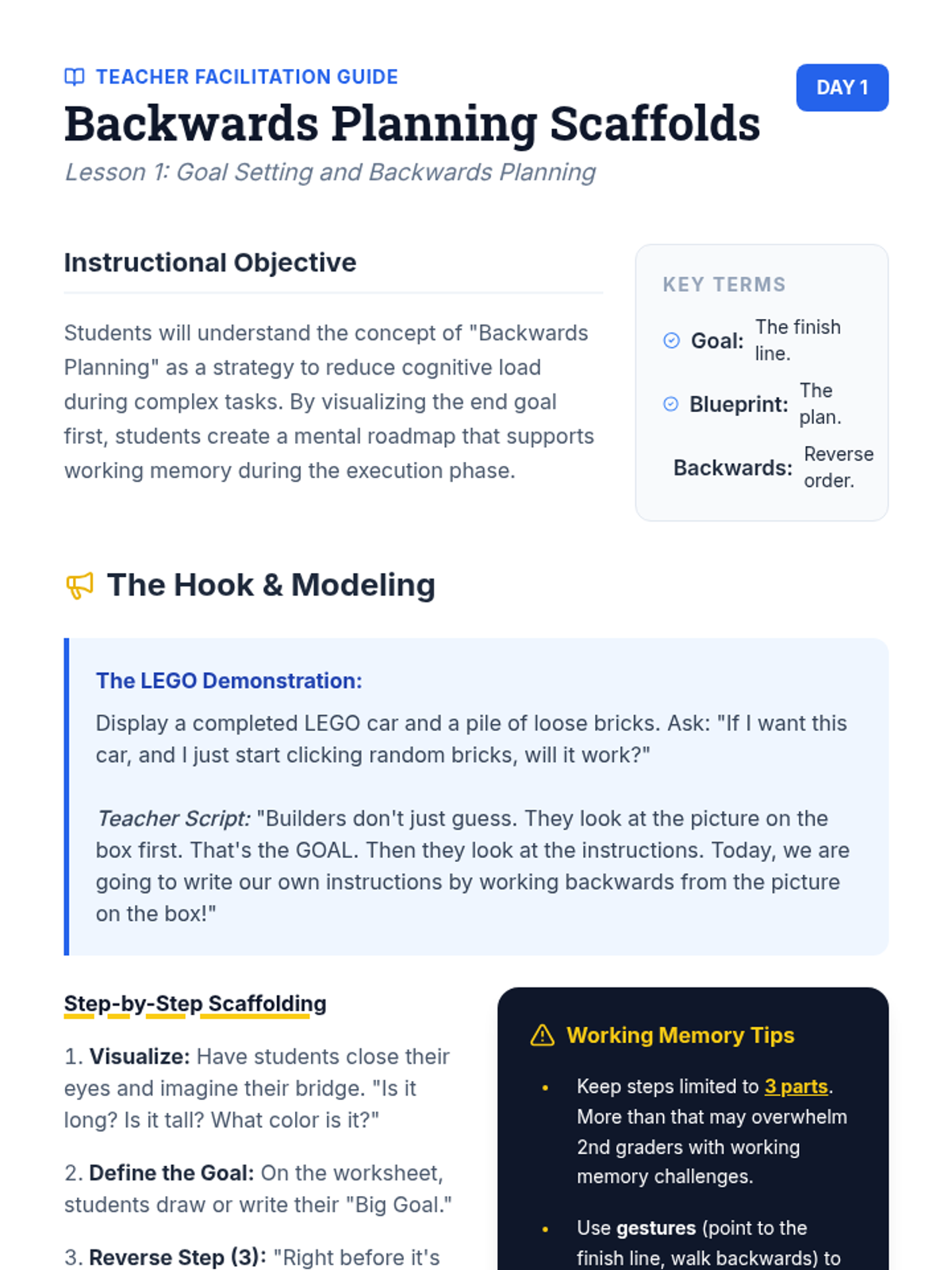
A multi-day project-based unit where 2nd-grade students build a construction project while practicing working memory and executive functioning skills. The unit focuses on backwards planning, material management, and sustained focus through a 'Blueprint to Building' theme.
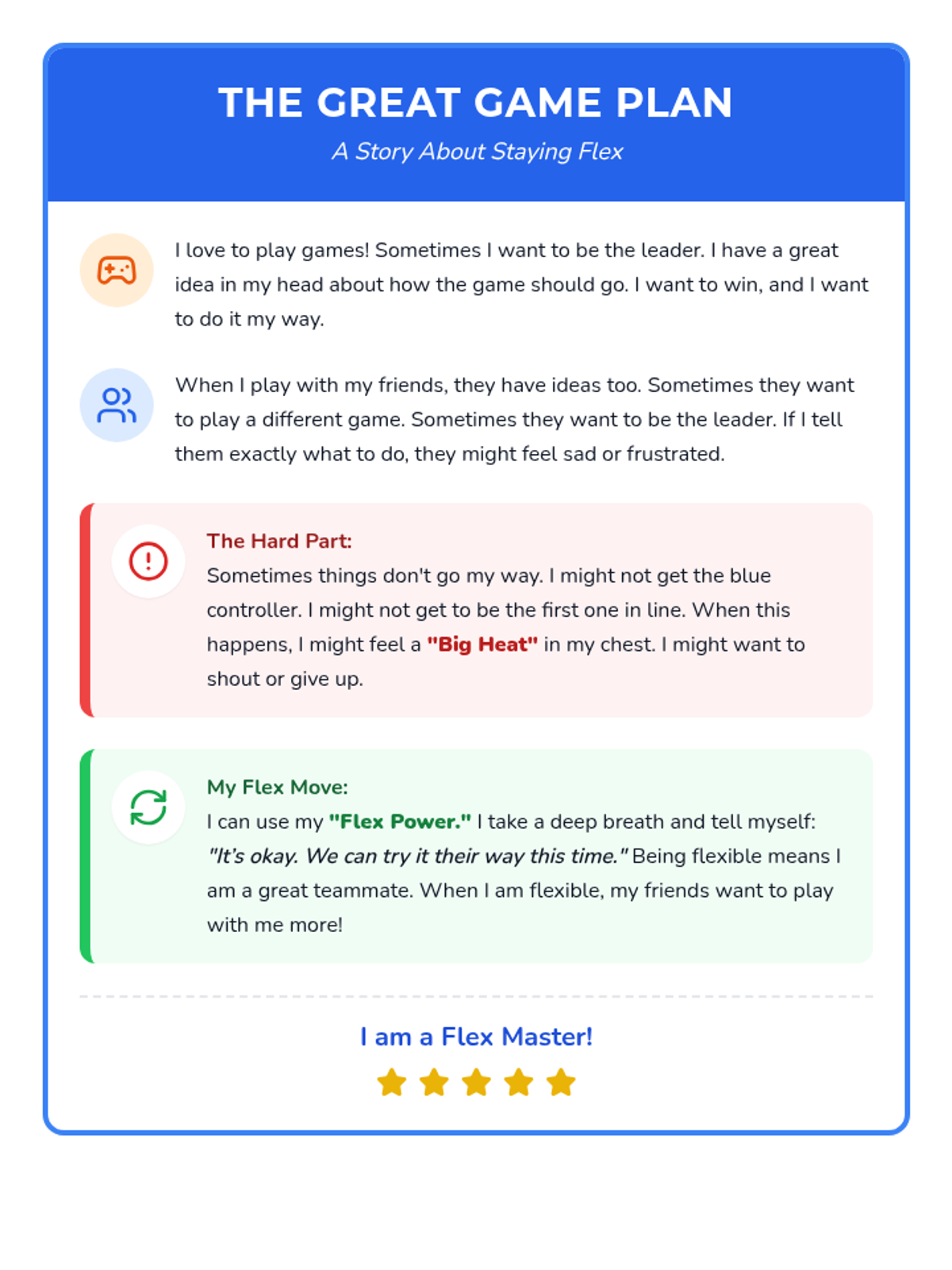
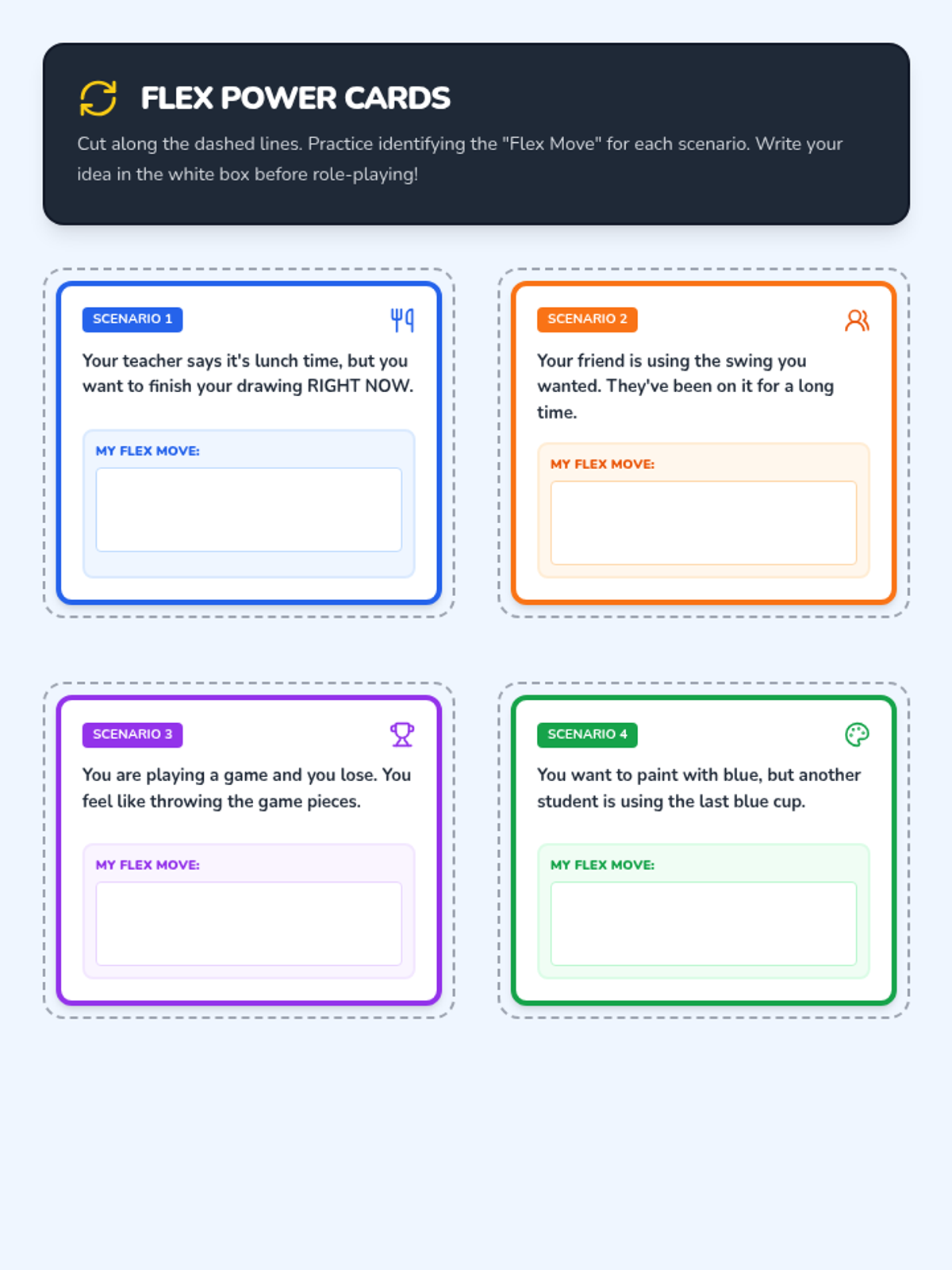
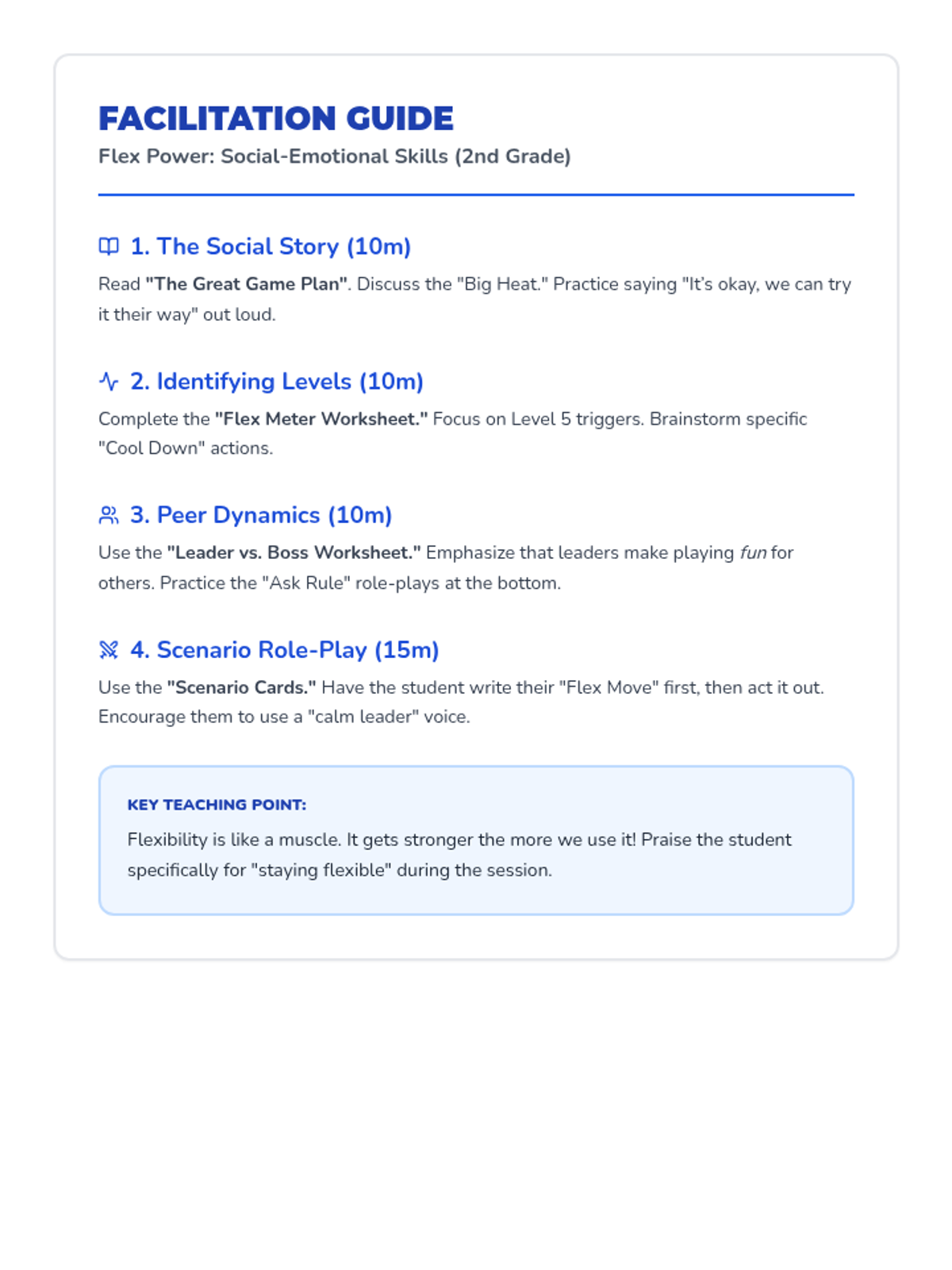
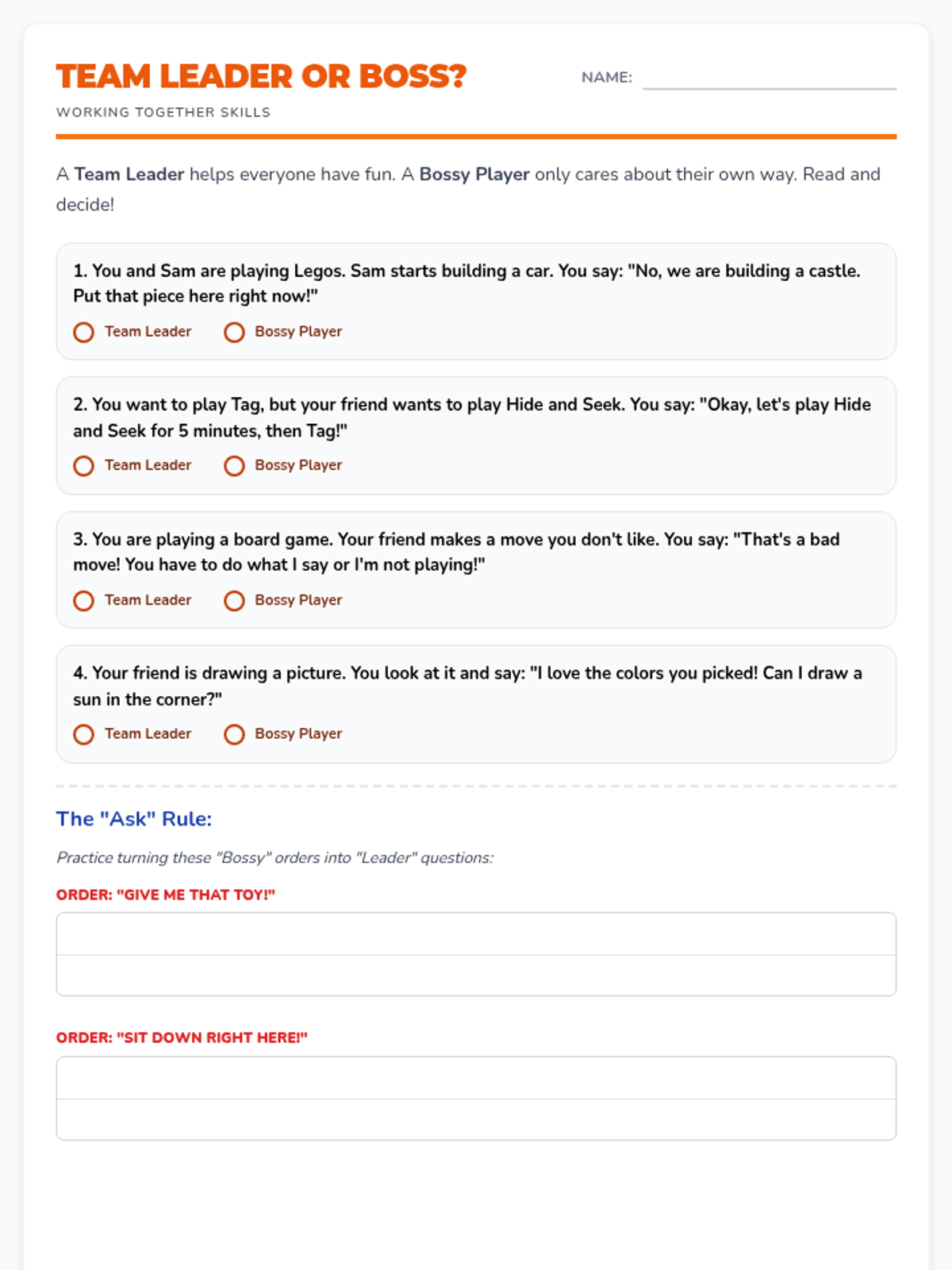
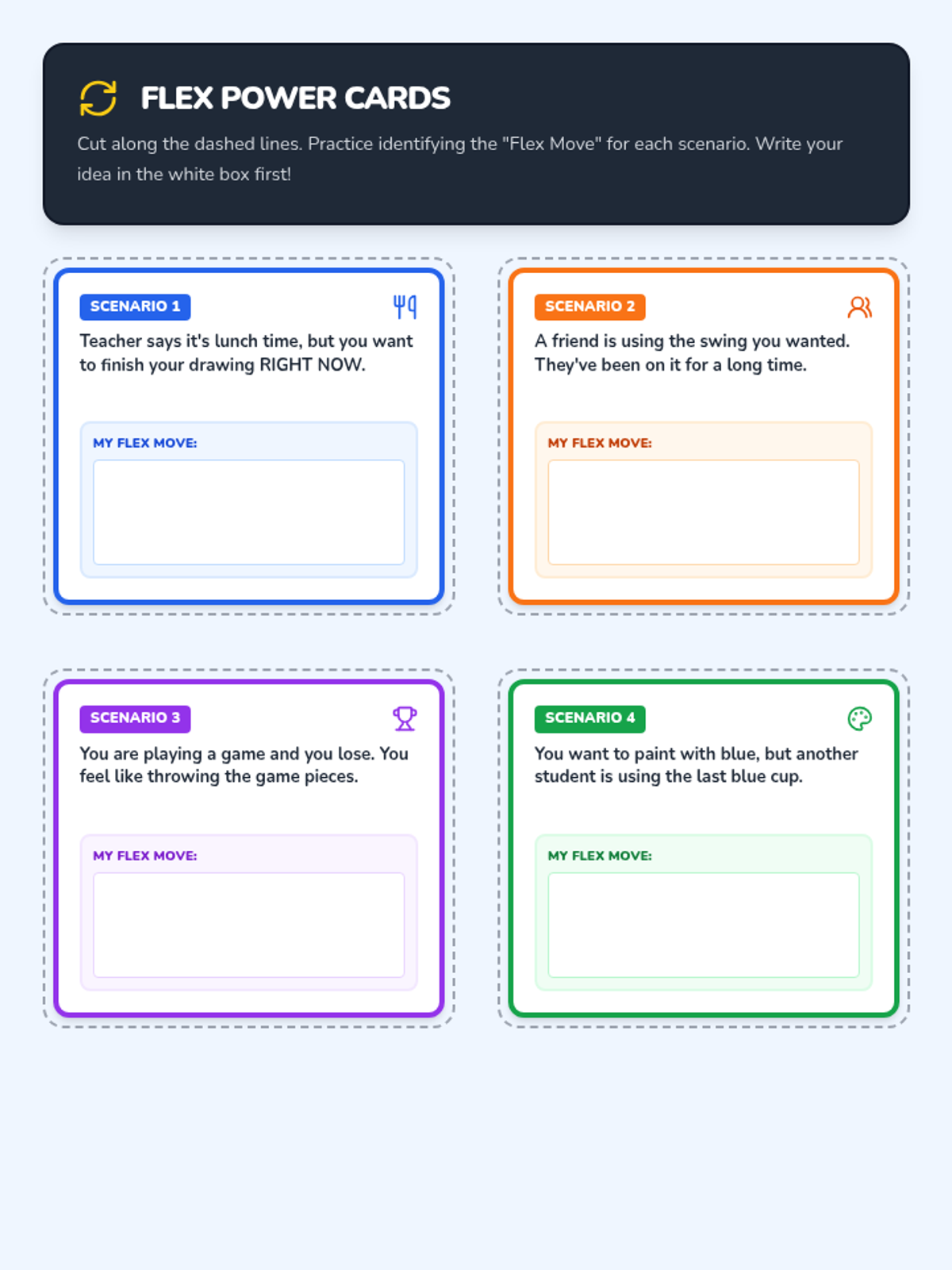
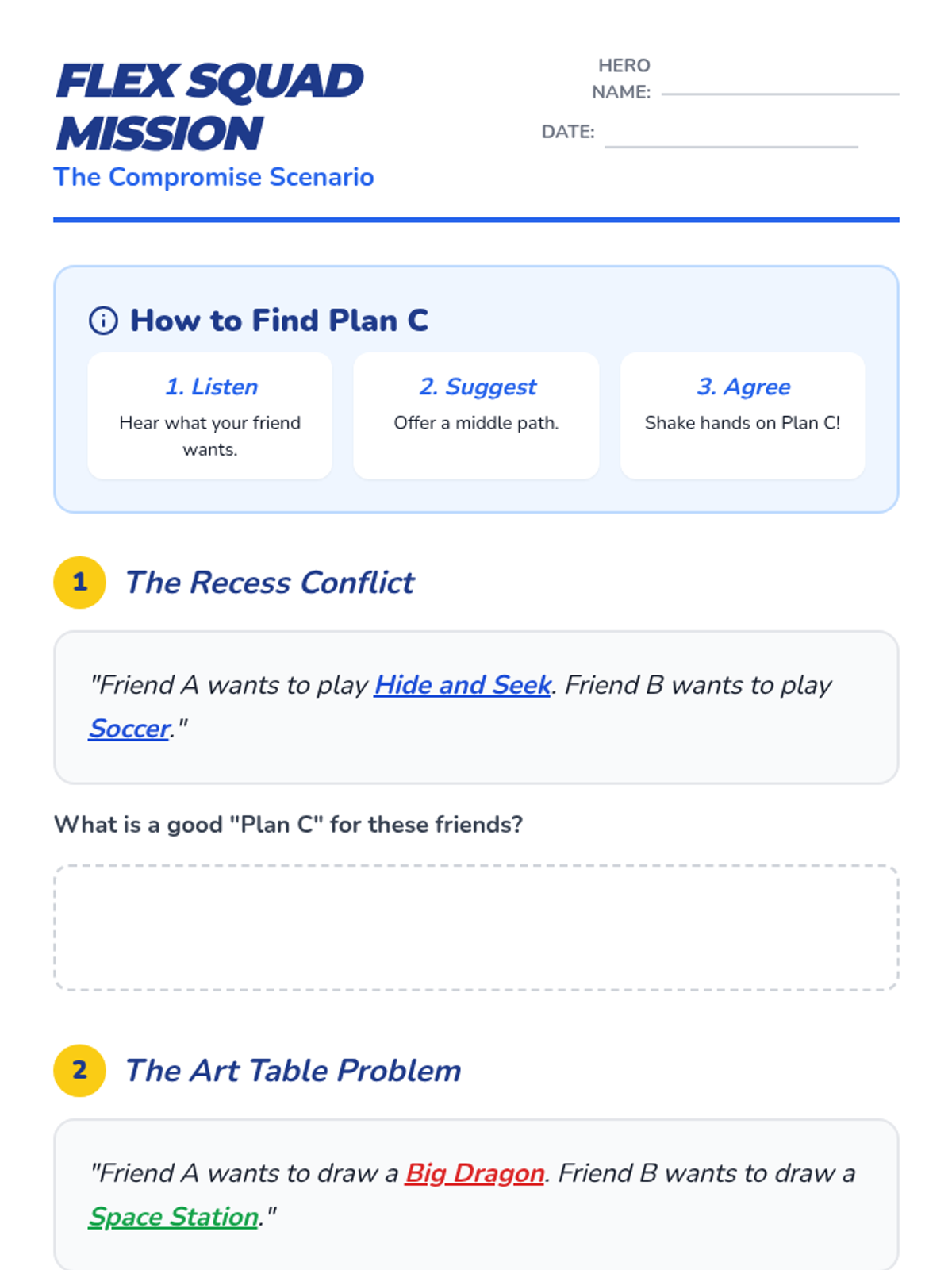
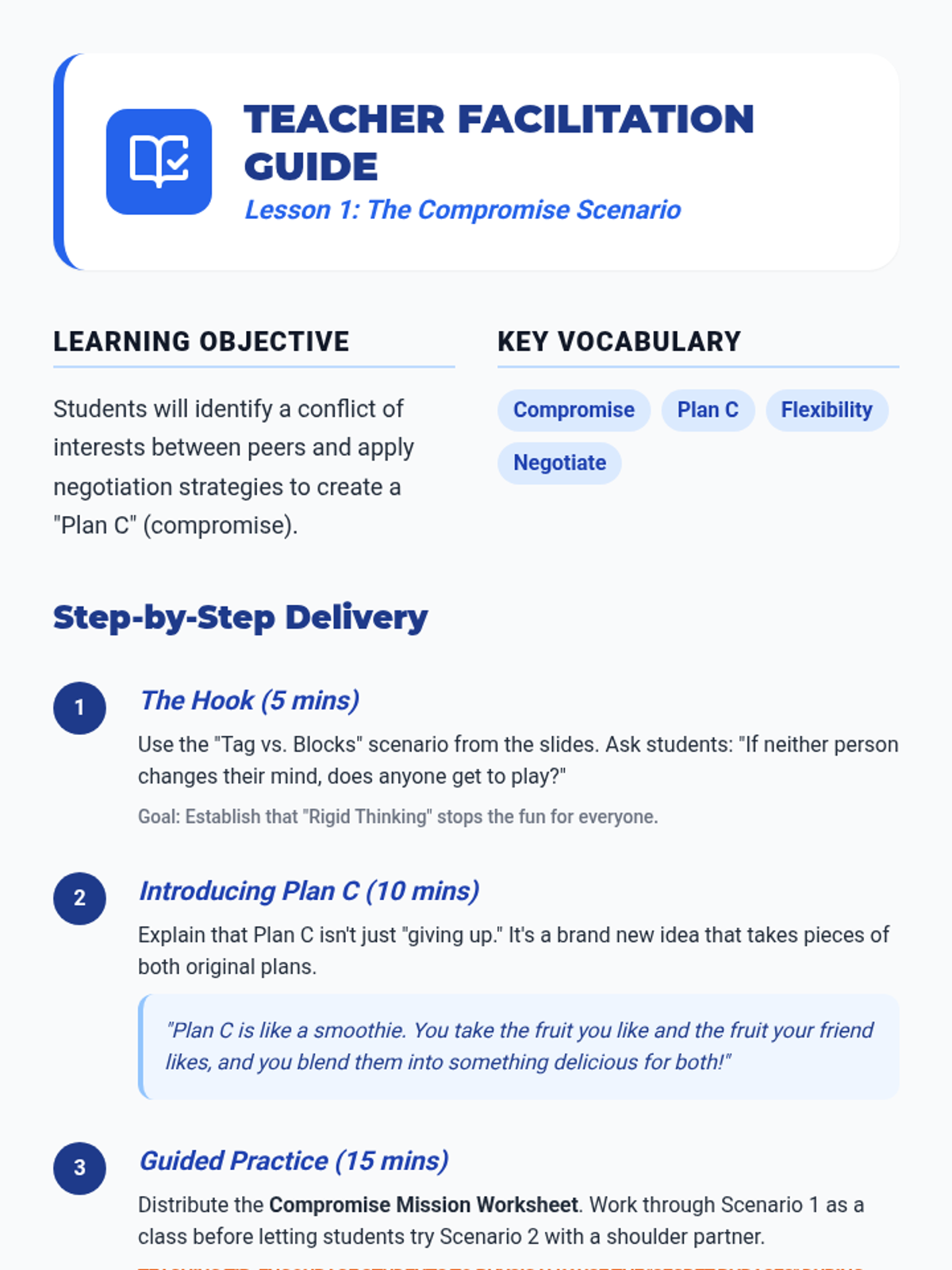
This sequence teaches 2nd-grade students how to adapt to social plan changes and peer conflicts using flexibility strategies. Students learn to negotiate compromises, handle absent partners, solve resource problems, and support peers experiencing change-related distress.
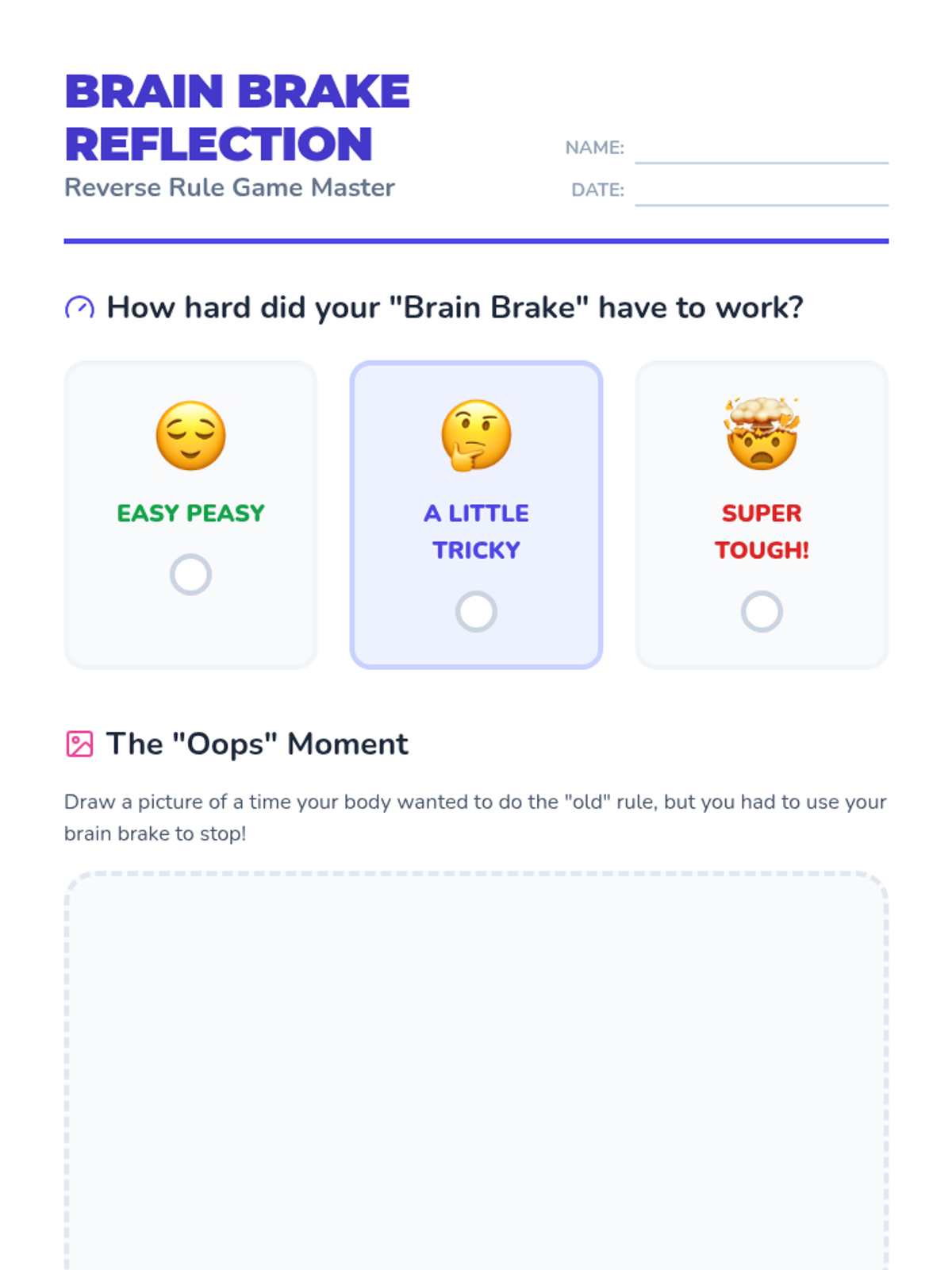
A 5-lesson unit for 2nd Grade students focused on developing cognitive flexibility and adaptability through gamified challenges and structured play. Students practice inhibition, task switching, and resilience by navigating changing rules and unexpected obstacles in a low-stakes environment.
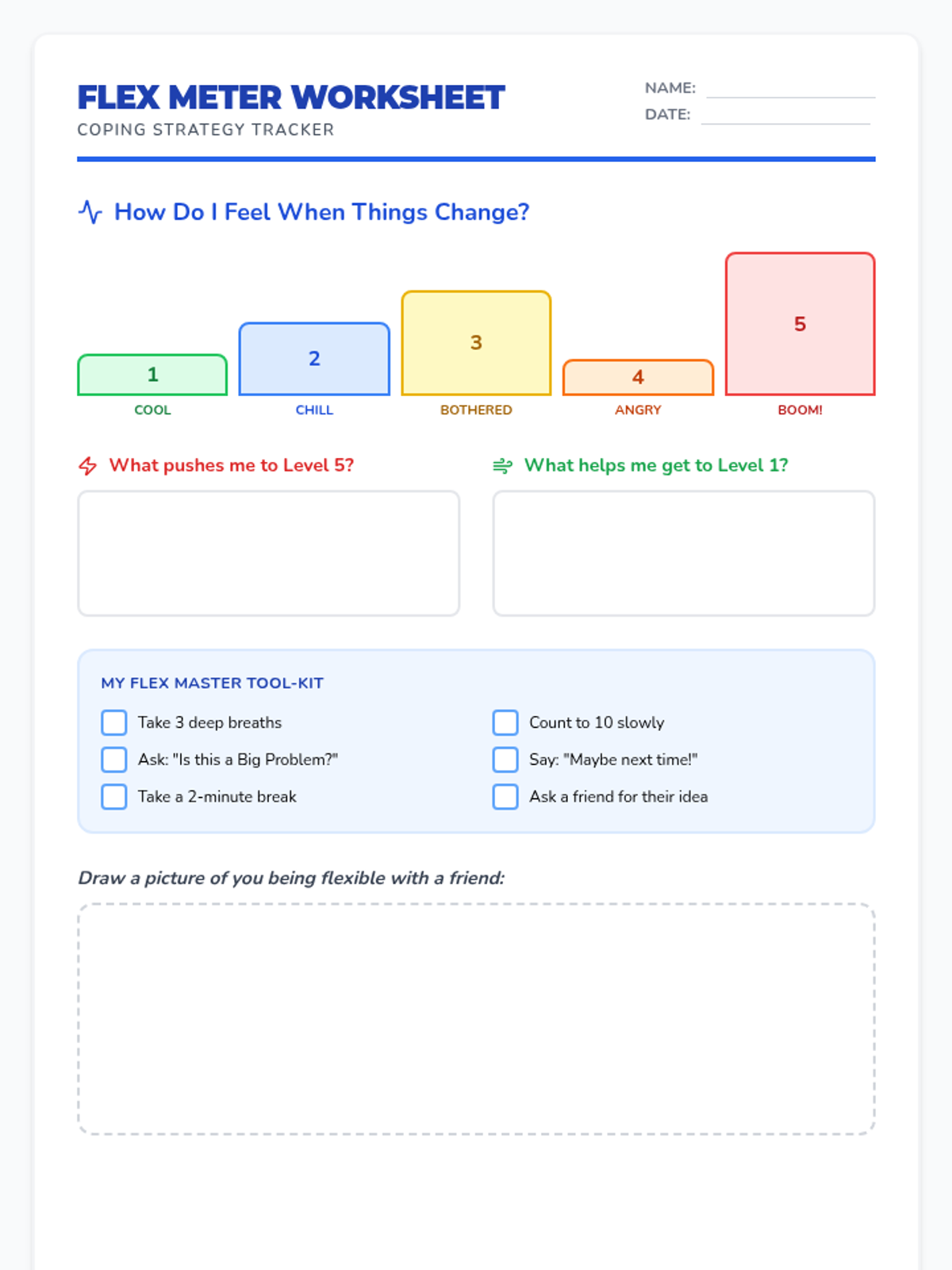
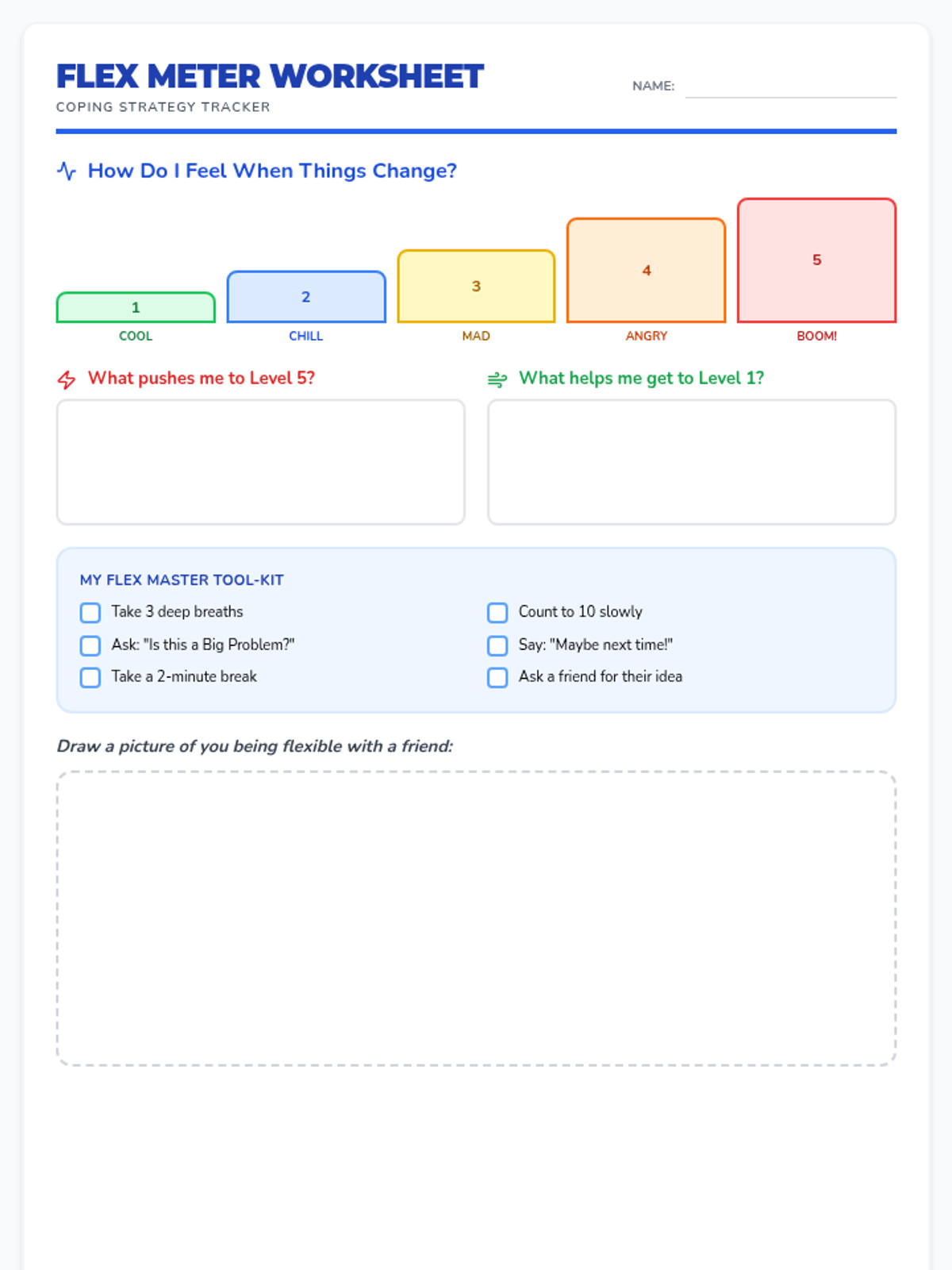
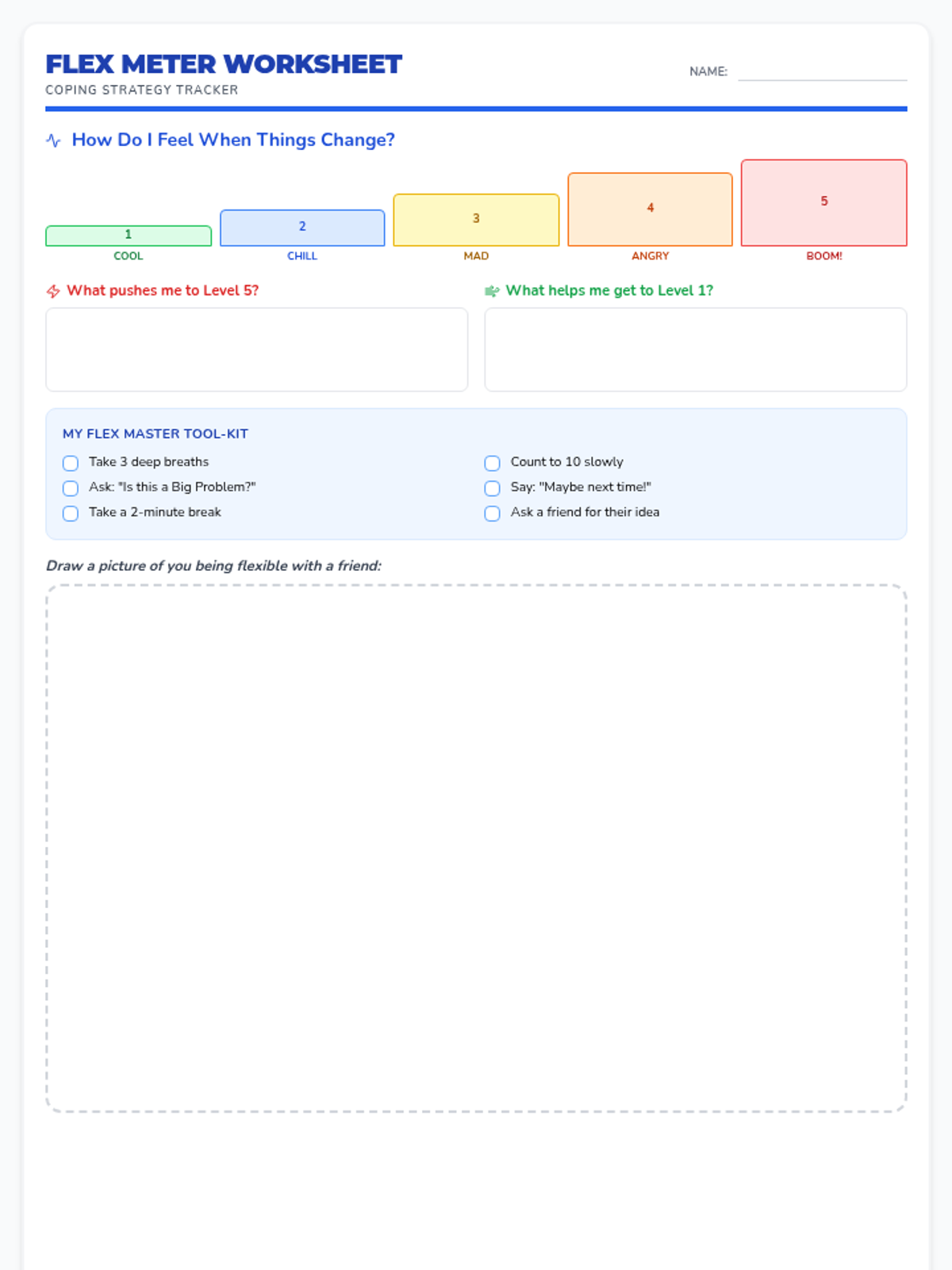
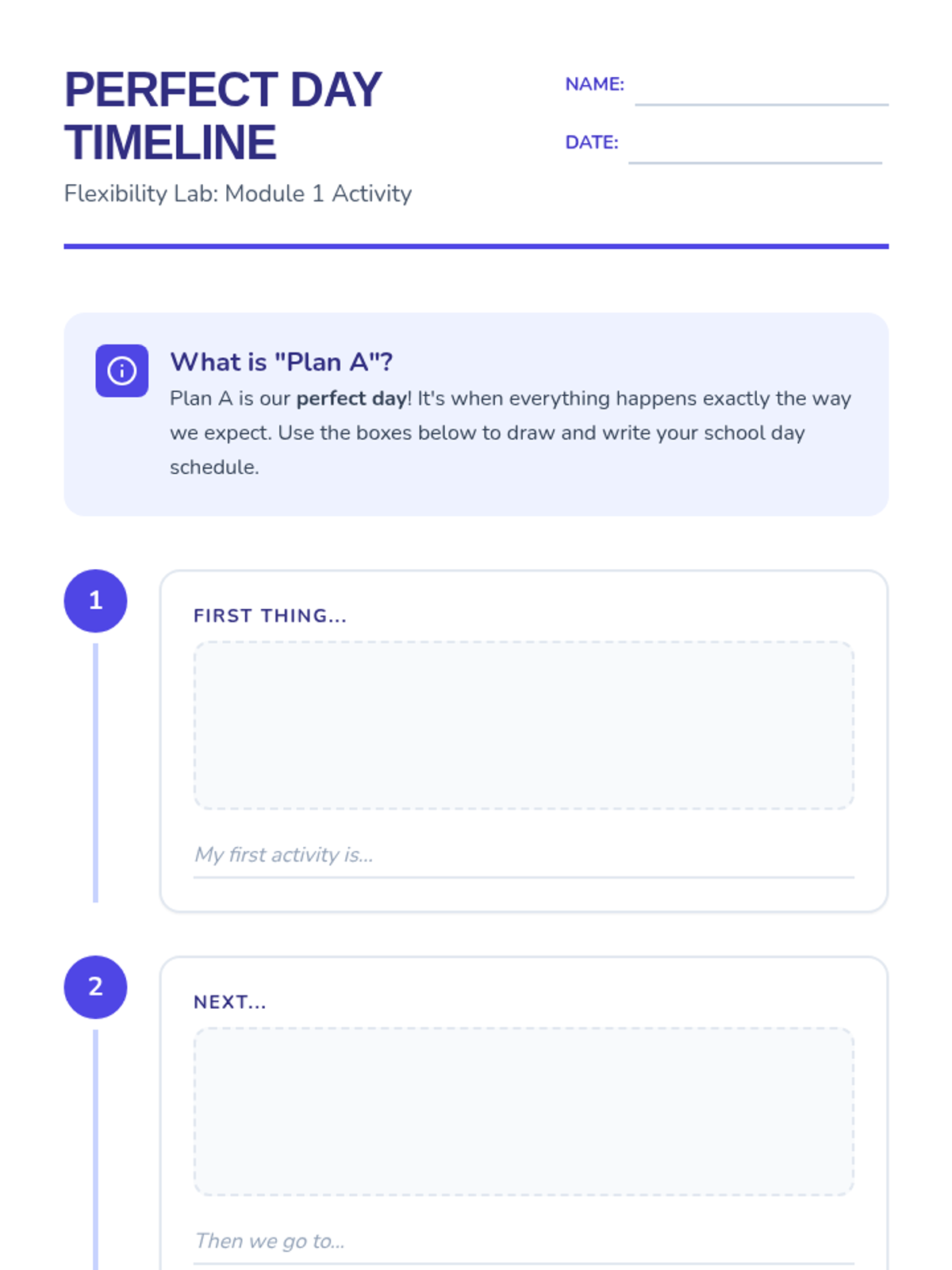
A 5-lesson sequence for 2nd graders to develop cognitive flexibility by distinguishing between rigid and flexible thinking, identifying emotions, sizing problems, and creating Plan B alternatives.
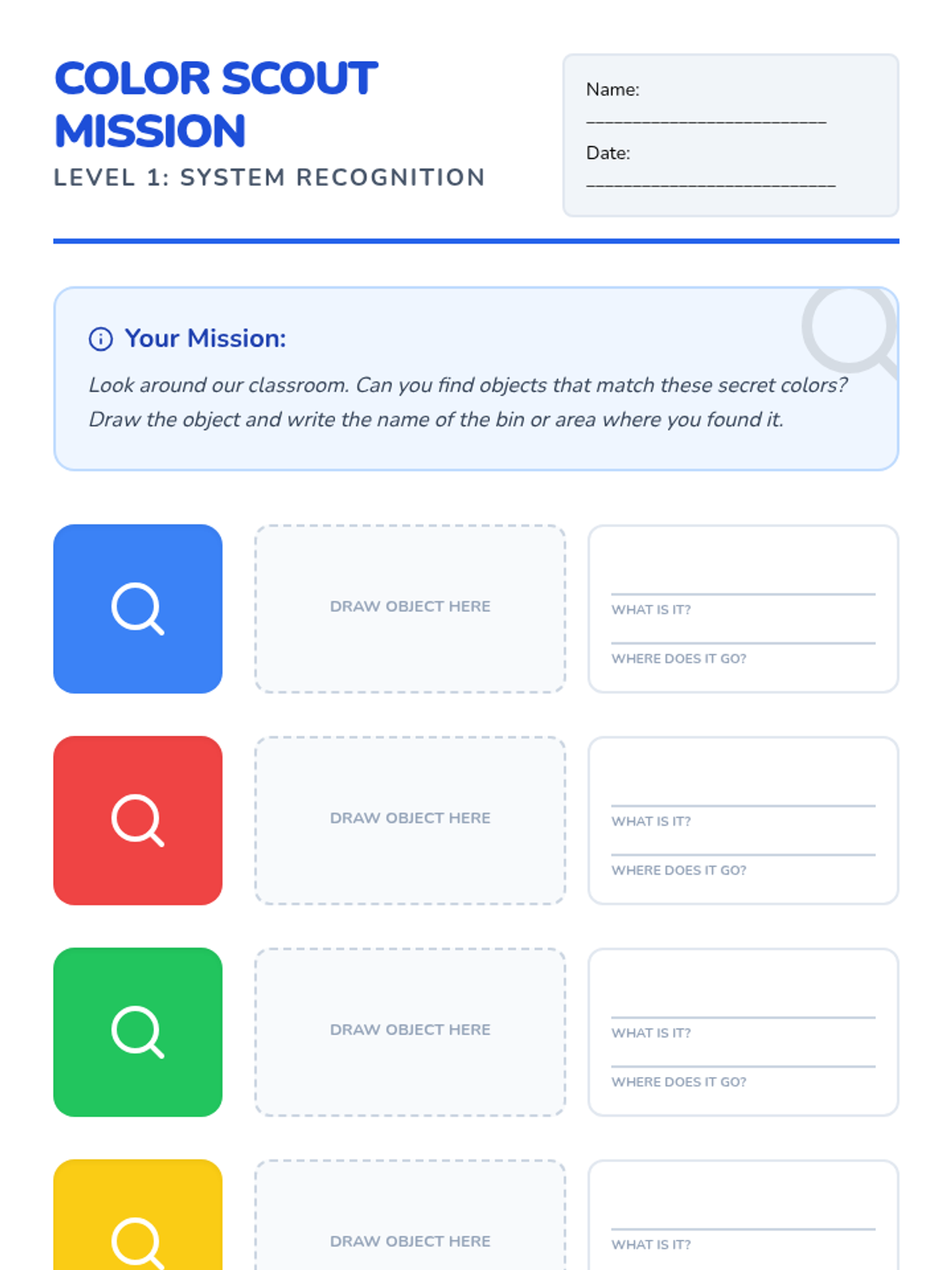
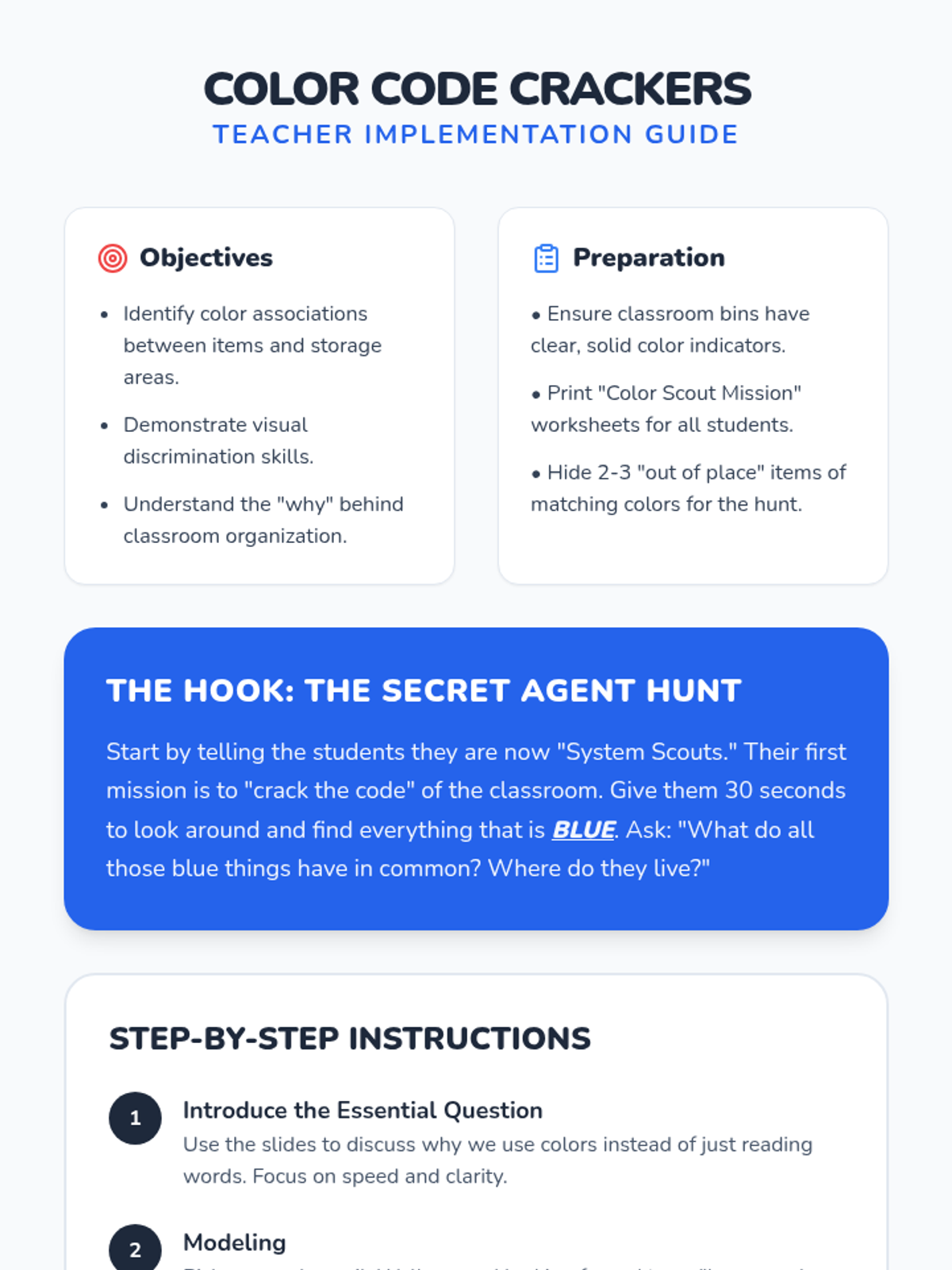
This sequence teaches 2nd-grade students how to navigate and contribute to classroom organization using color-coding and visual labels. Students move from identifying existing systems to designing their own, fostering independence and responsibility in shared spaces.
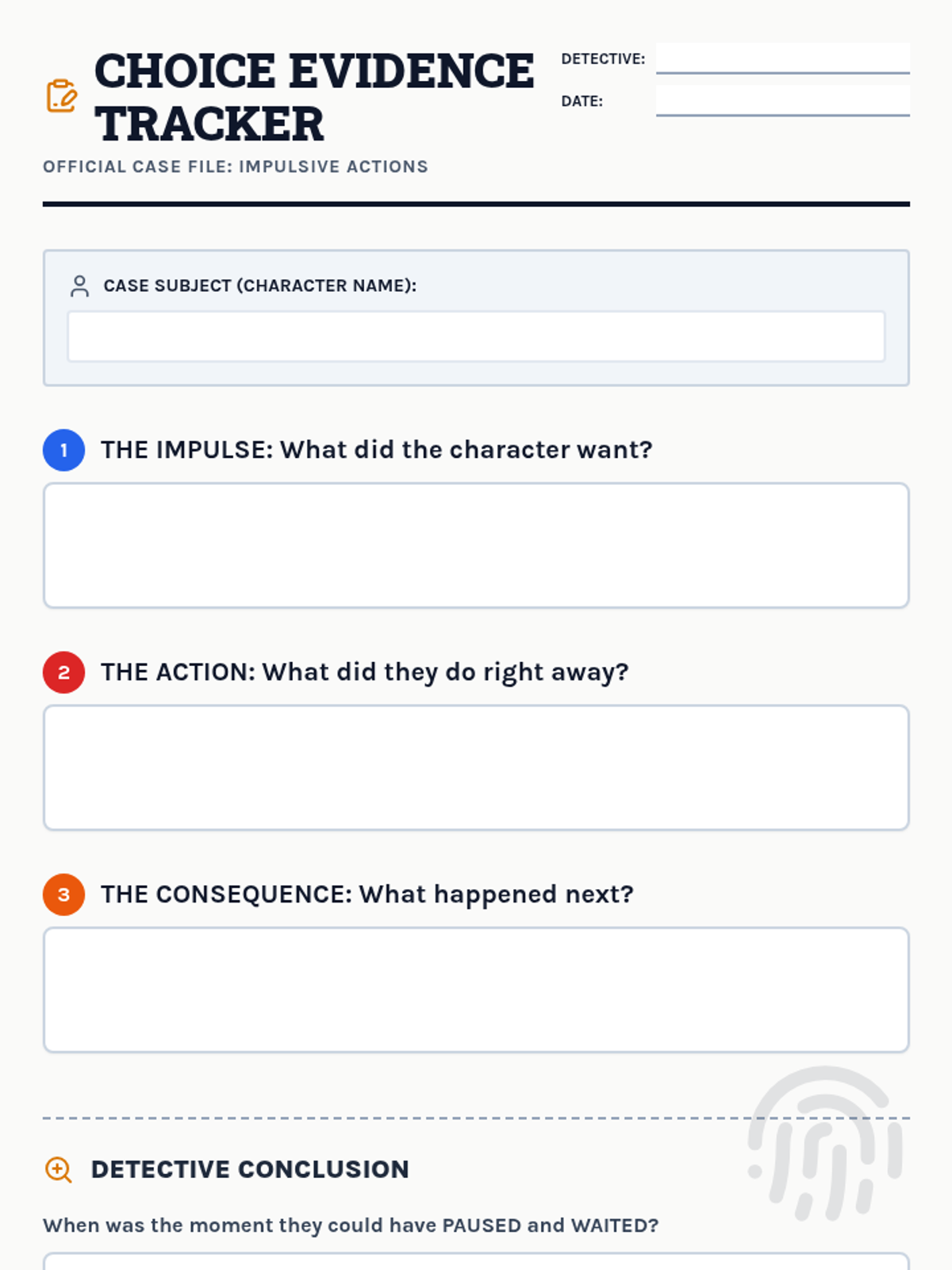
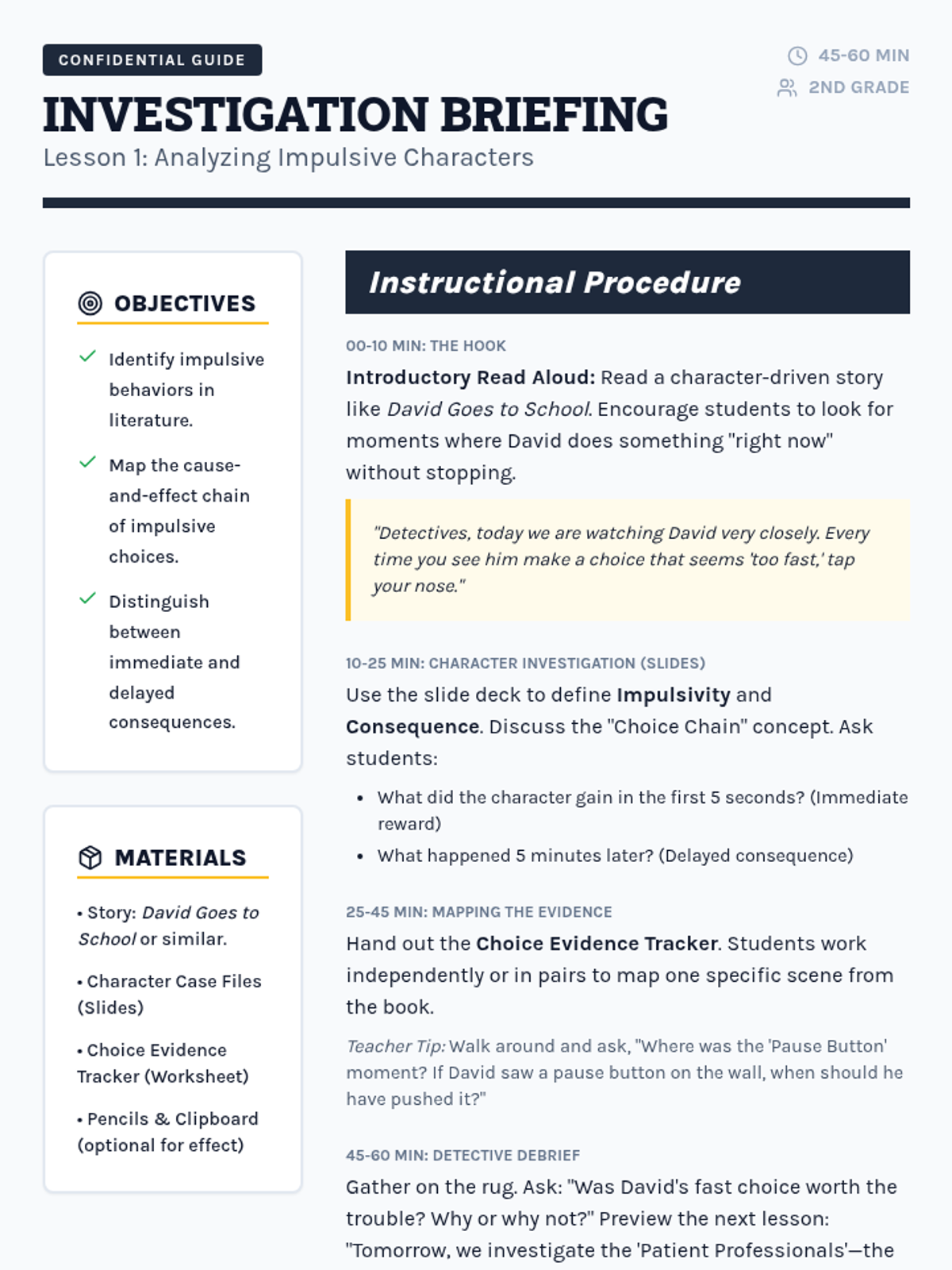
An inquiry-based sequence for 2nd graders to explore the relationship between choices, waiting, and consequences. Students act as 'Choice Detectives' to analyze characters, predict outcomes, and develop personal strategies for delaying gratification.
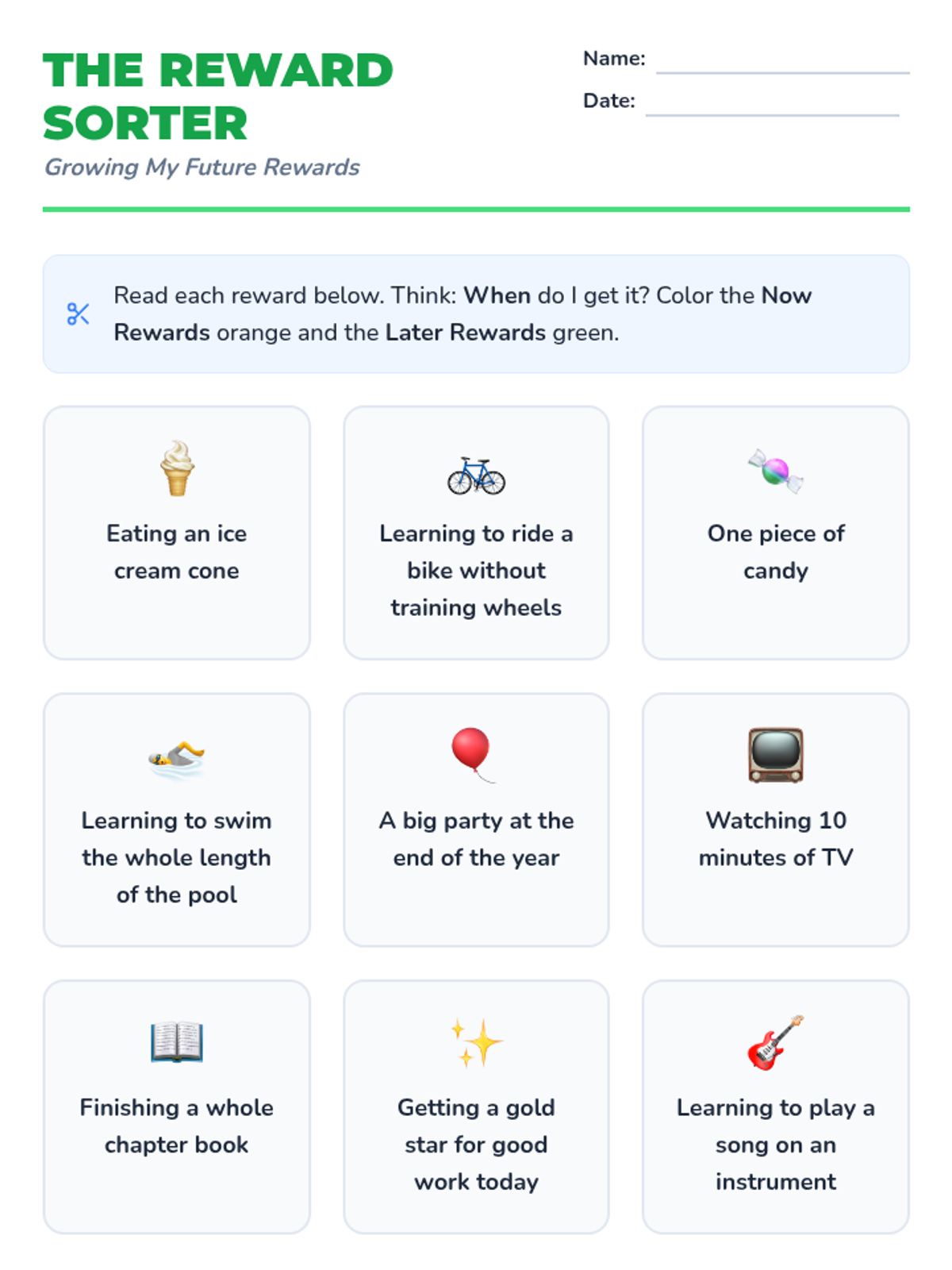
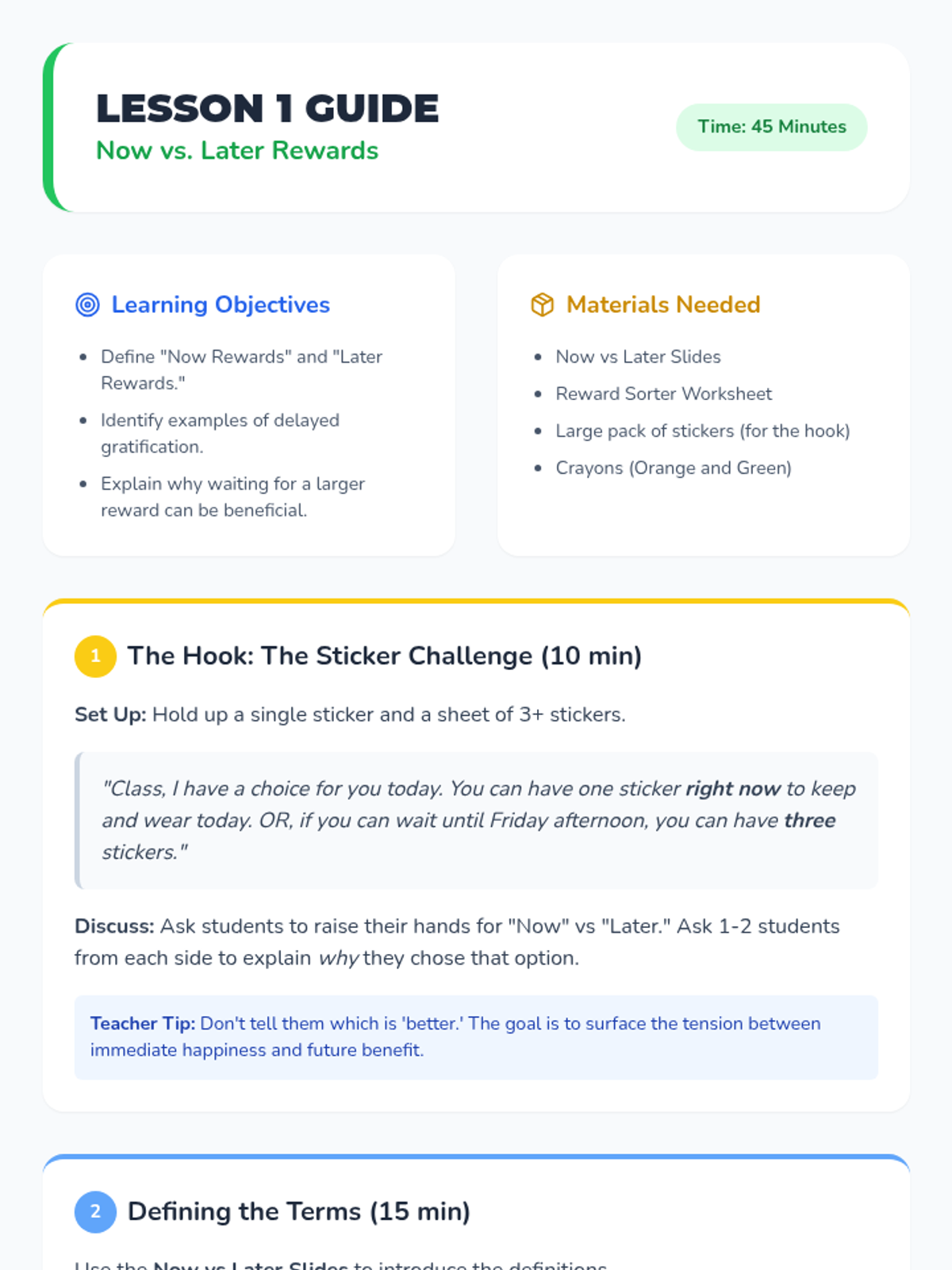
This project-based sequence teaches 2nd-grade students the concept of delayed gratification through goal setting and sustained effort. Students learn to distinguish between immediate and long-term rewards, plan a multi-step project, and develop strategies to persevere through the 'boring middle' to achieve a significant final outcome.
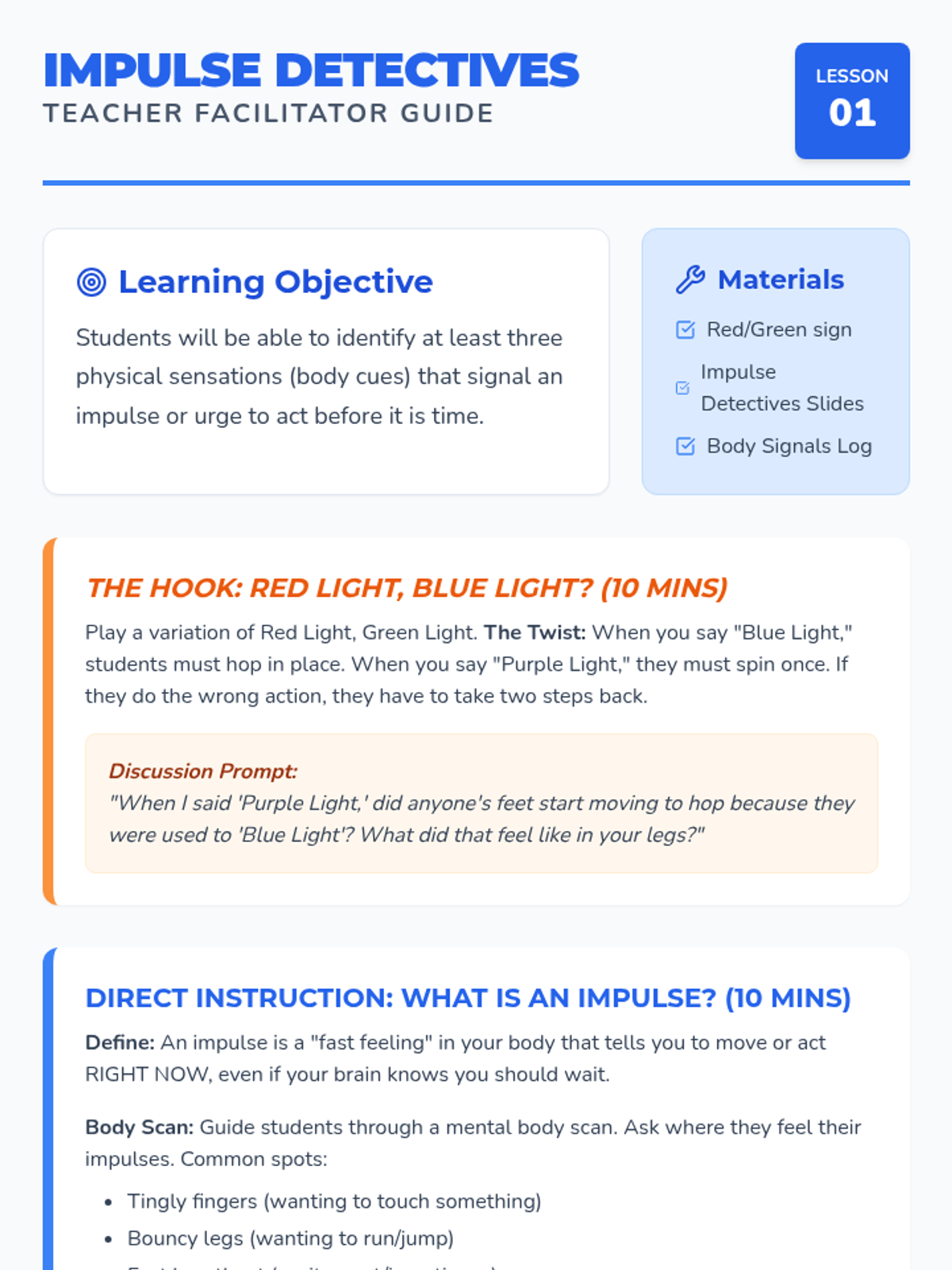
A 5-lesson unit for 2nd graders to develop impulse control and delayed gratification through the 'Stop, Think, Act' framework, distraction techniques, and positive self-talk.
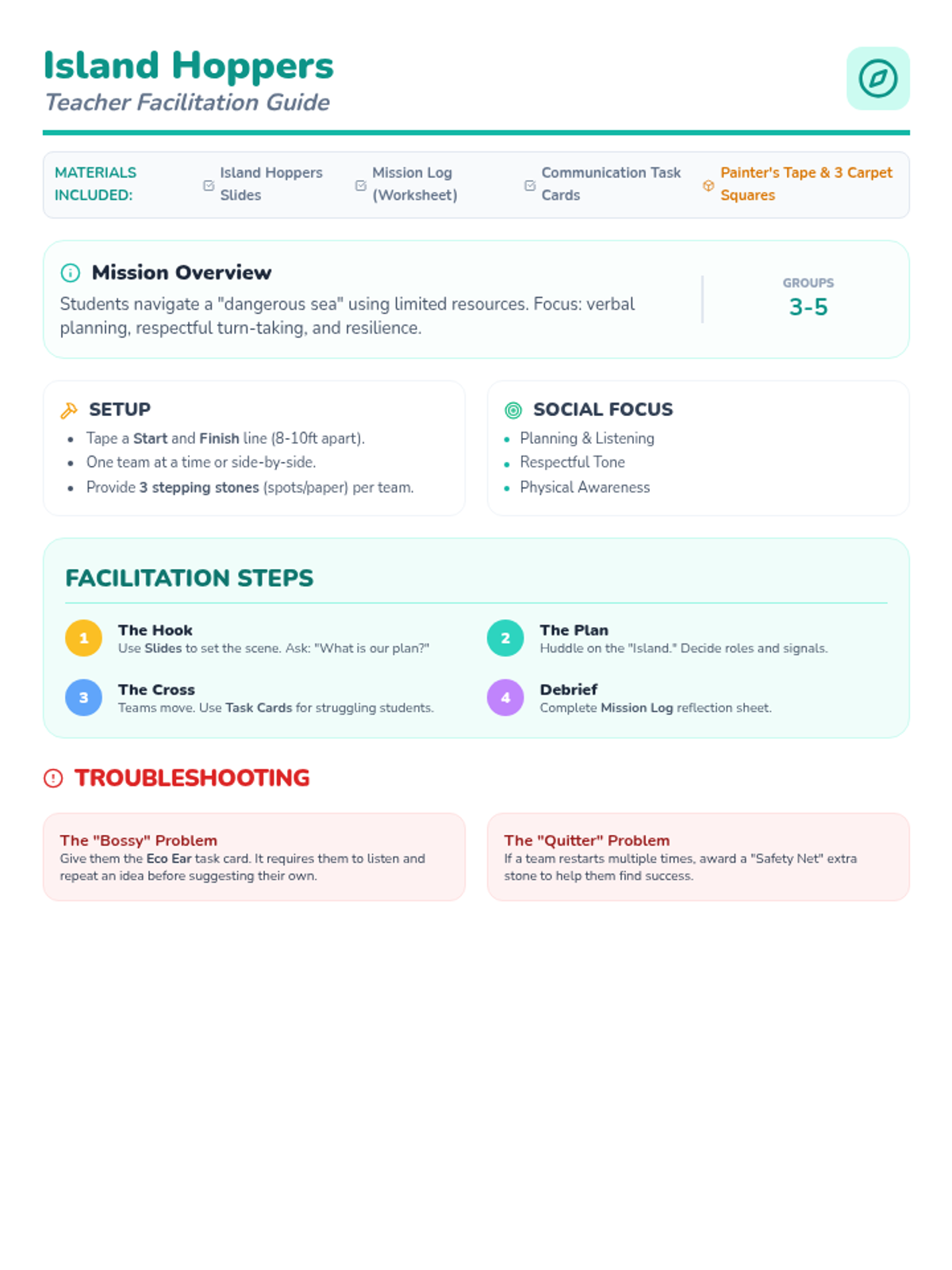
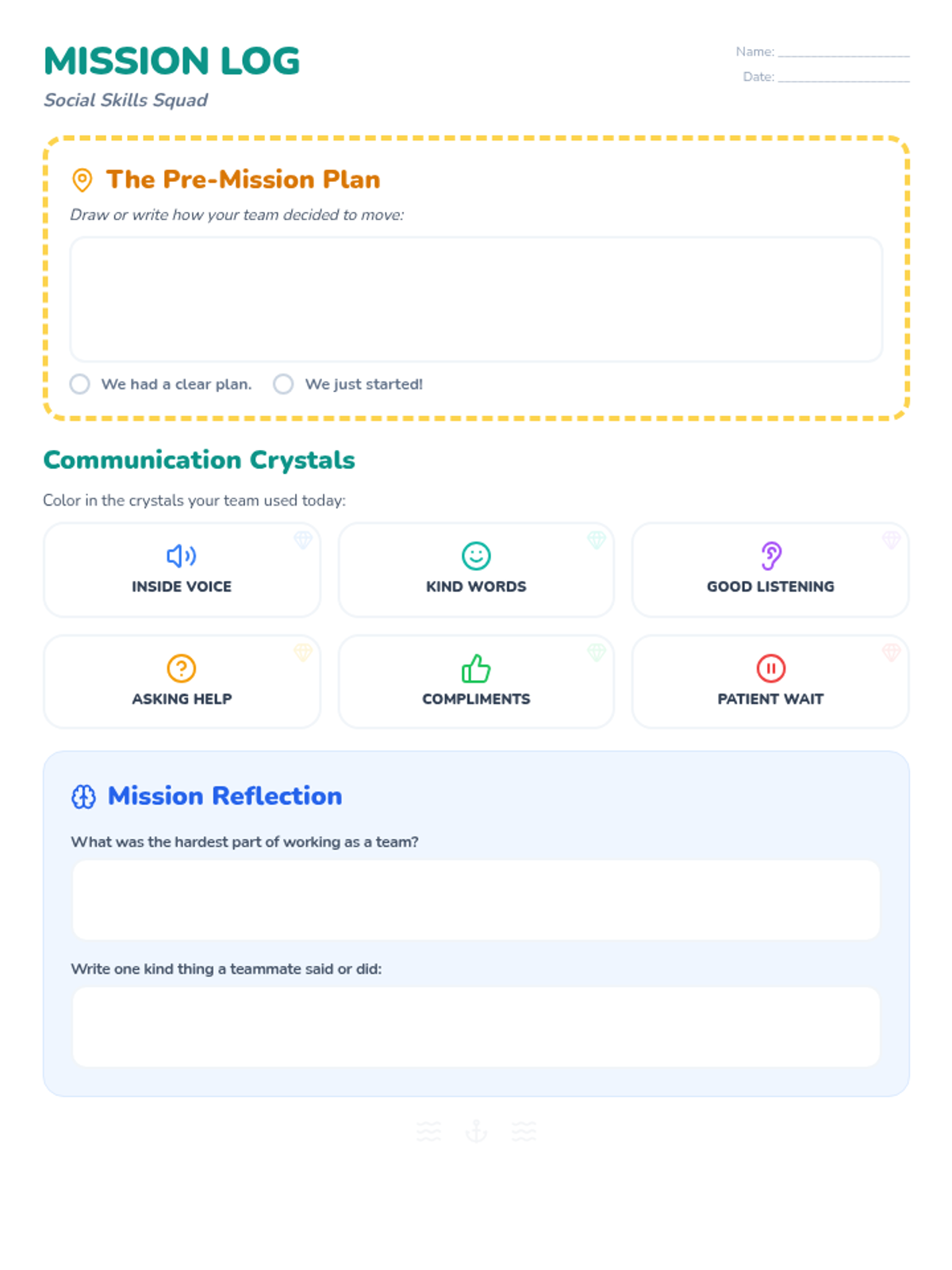
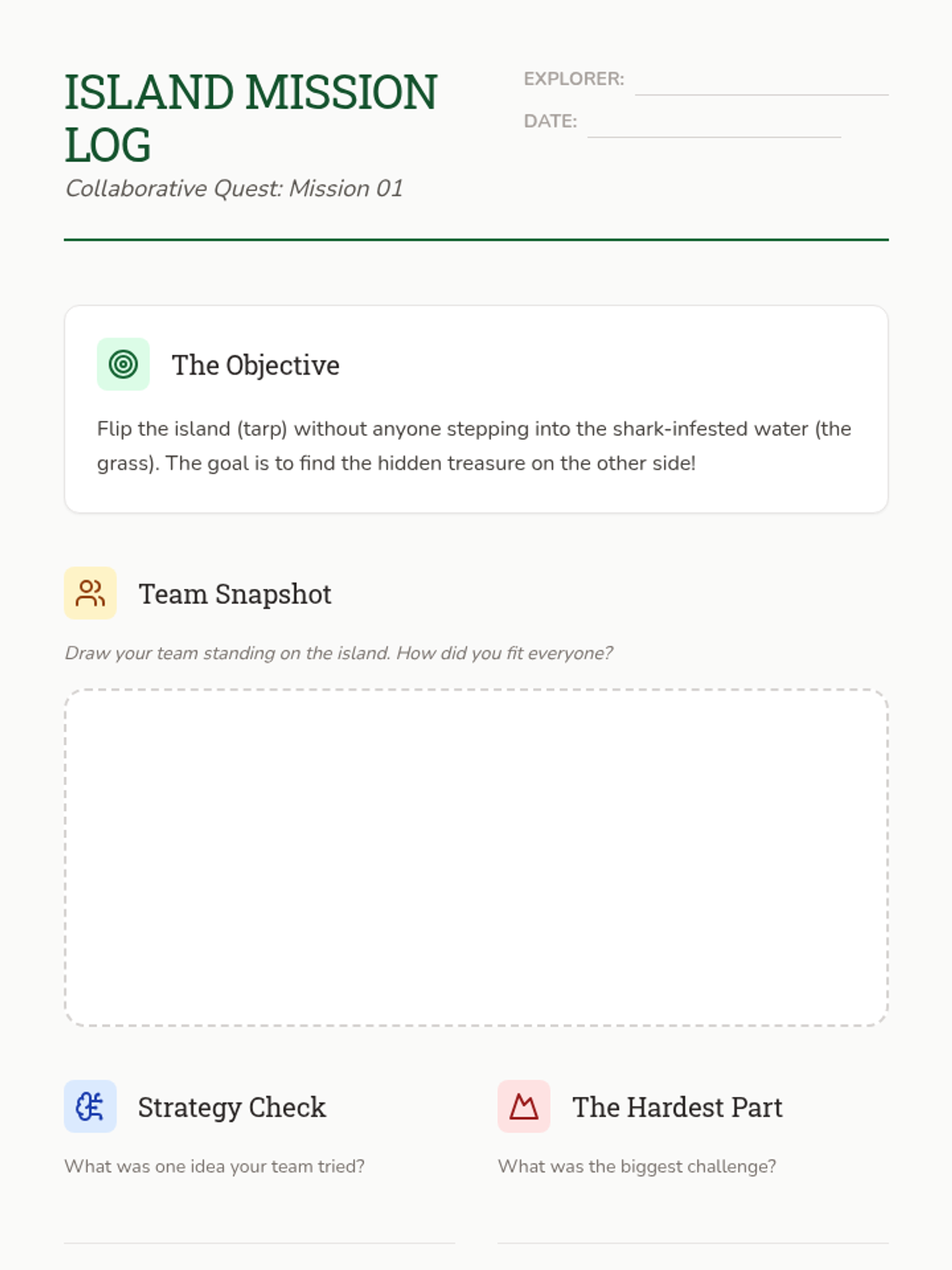
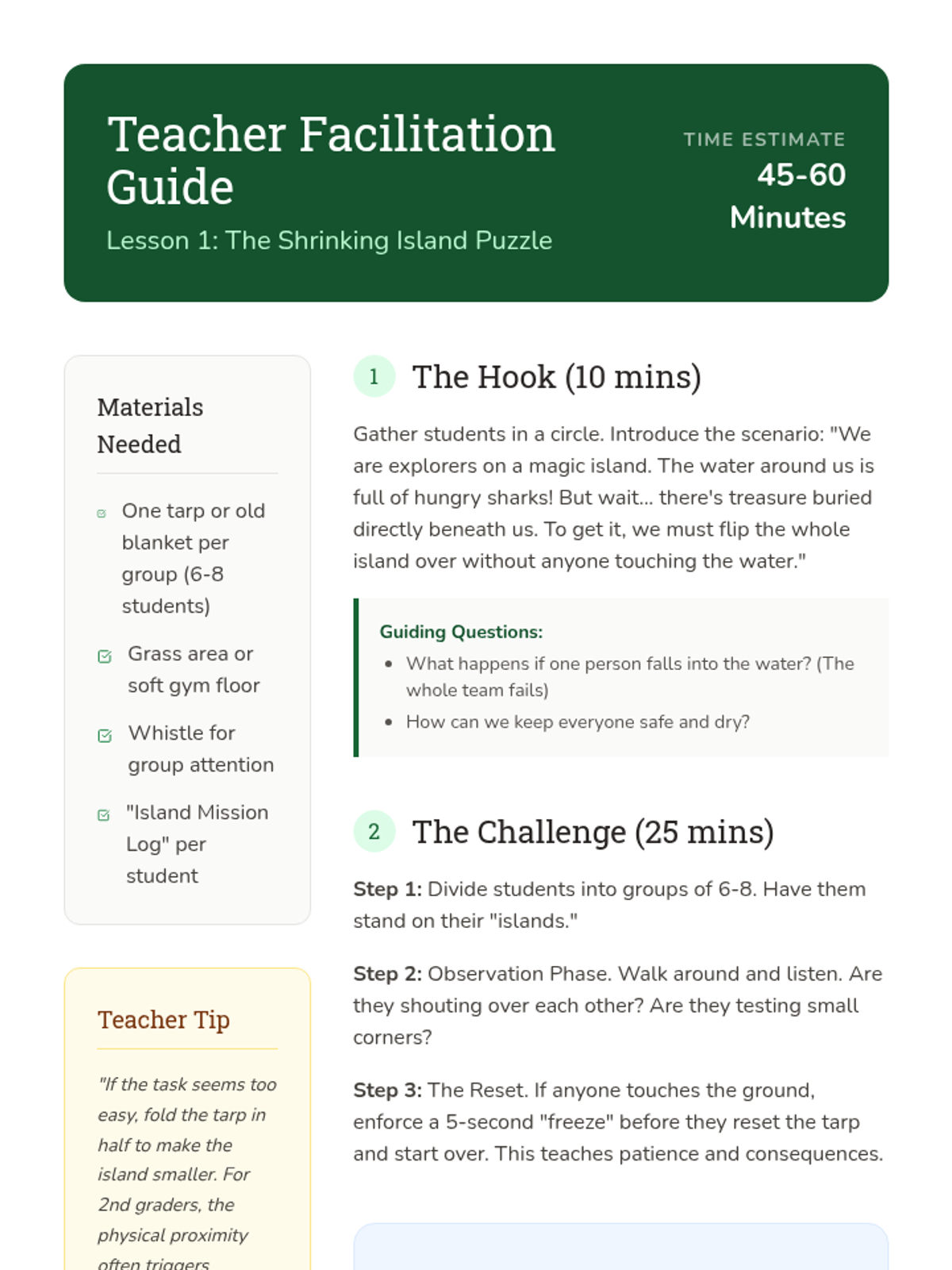
A 5-lesson series for 2nd graders focused on team-building and collaborative problem-solving through outdoor adventure scenarios. Students develop communication, strategic thinking, and resilience as they navigate physical and mental challenges.
A project-based sequence for 2nd graders focusing on empathy and conflict resolution. Students learn to see multiple perspectives, analyze conflicts, and design tangible 'Peace Tools' like a Peace Path or Peace Corner for their classroom community.
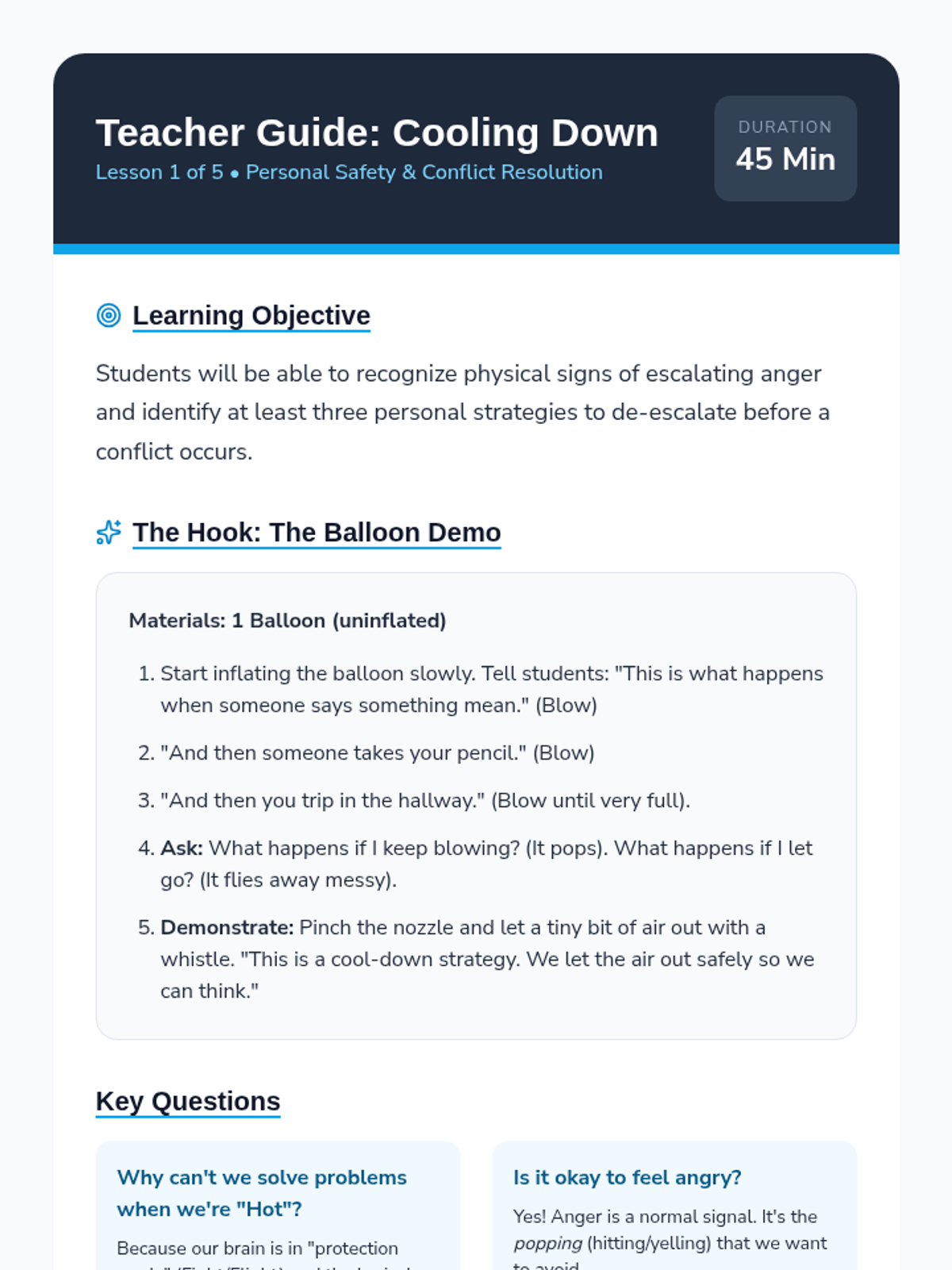
This sequence teaches 2nd-grade students how to manage conflict through active listening and collaborative negotiation. Students learn to de-escalate their emotions, listen with intent, brainstorm 'win-win' solutions, and use fair decision-making tools to resolve disputes independently.
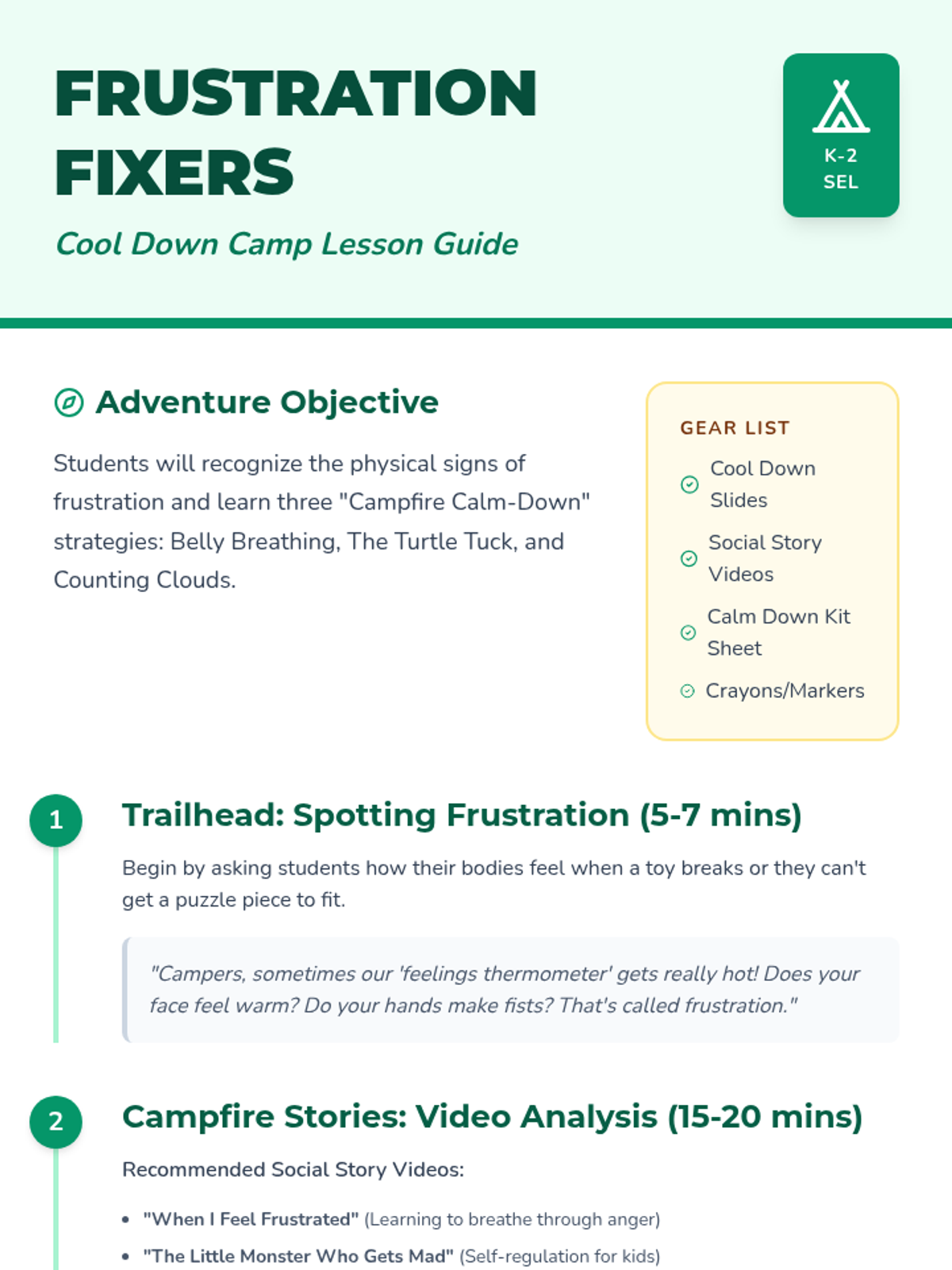
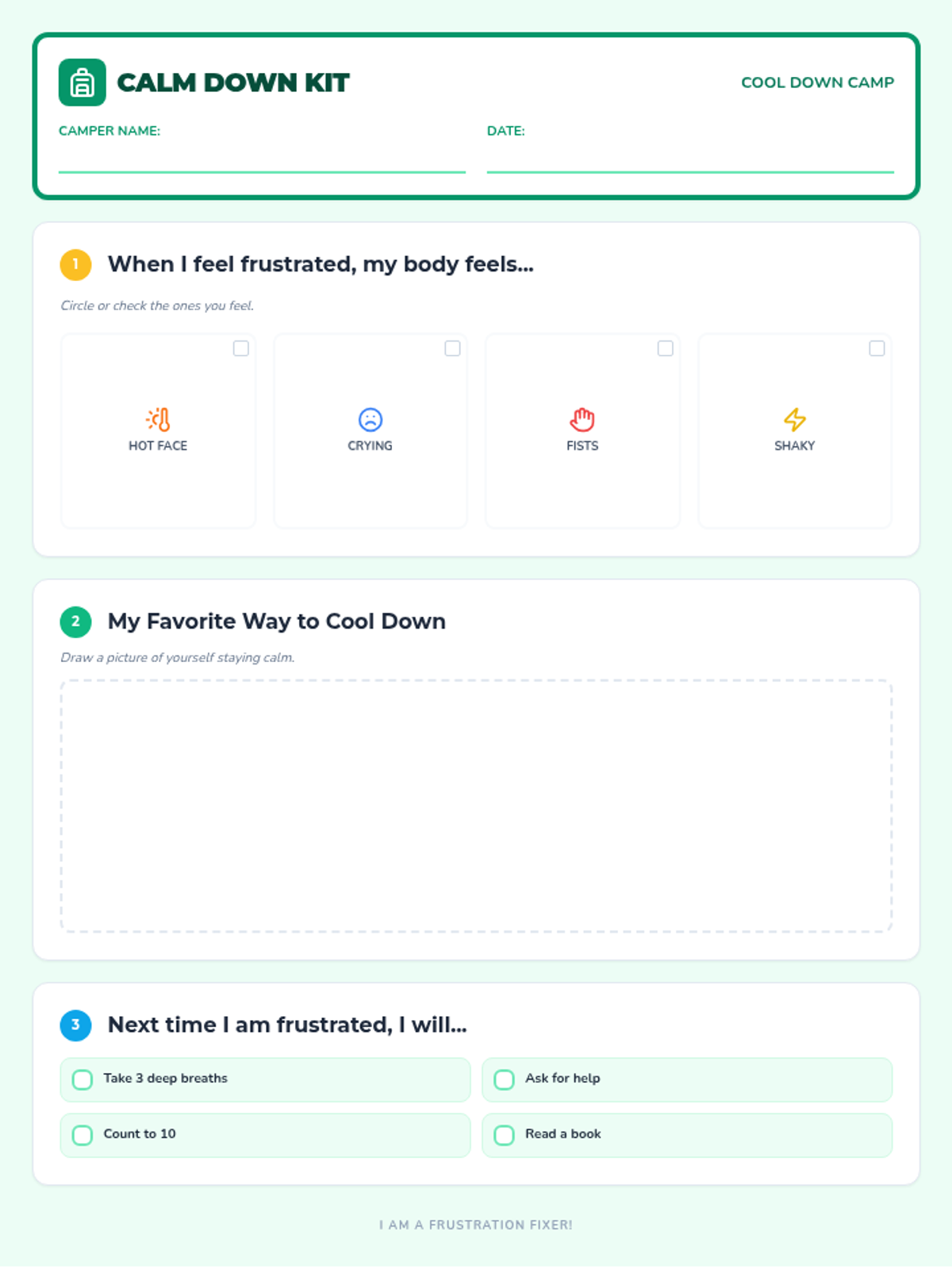
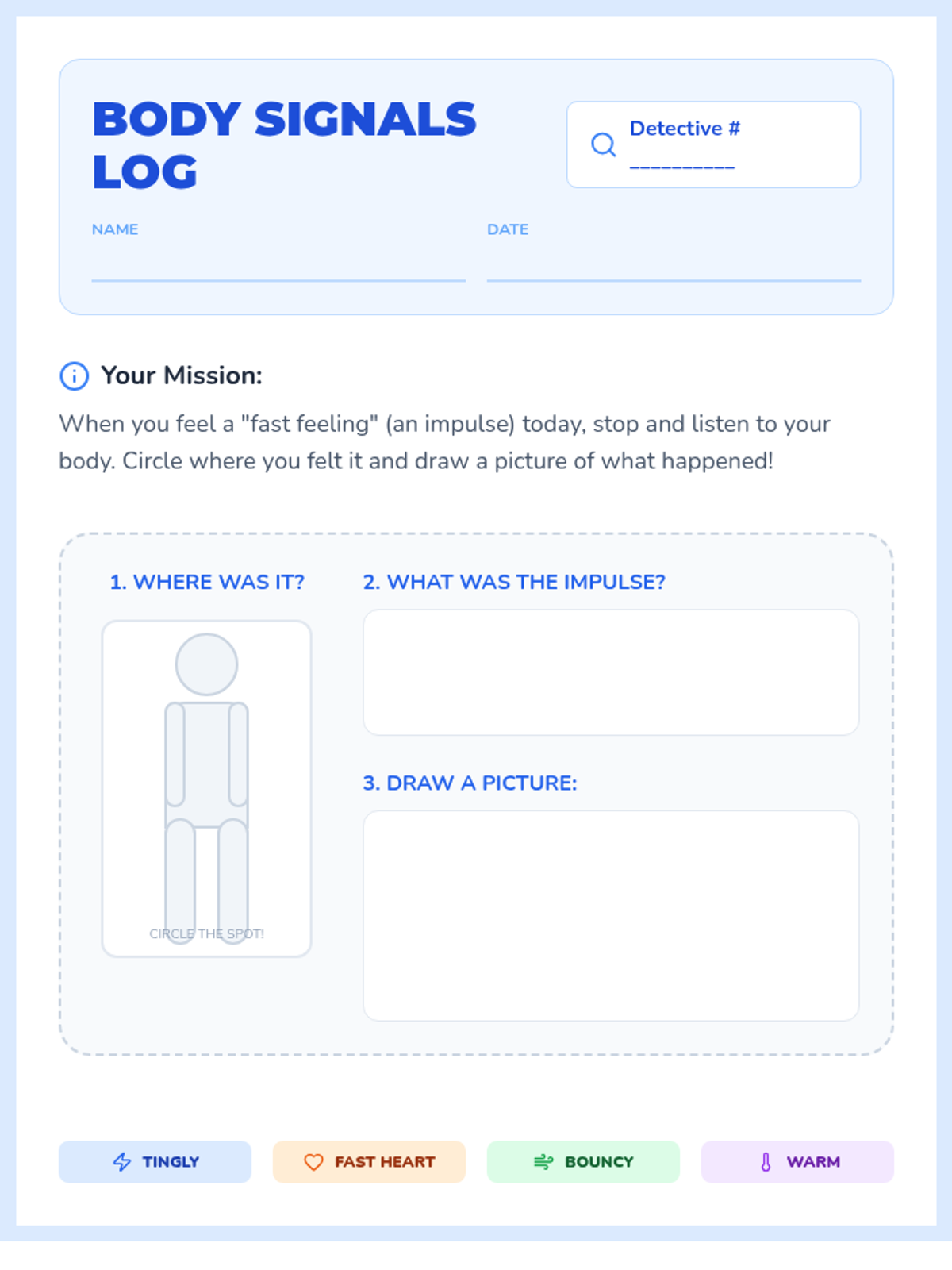
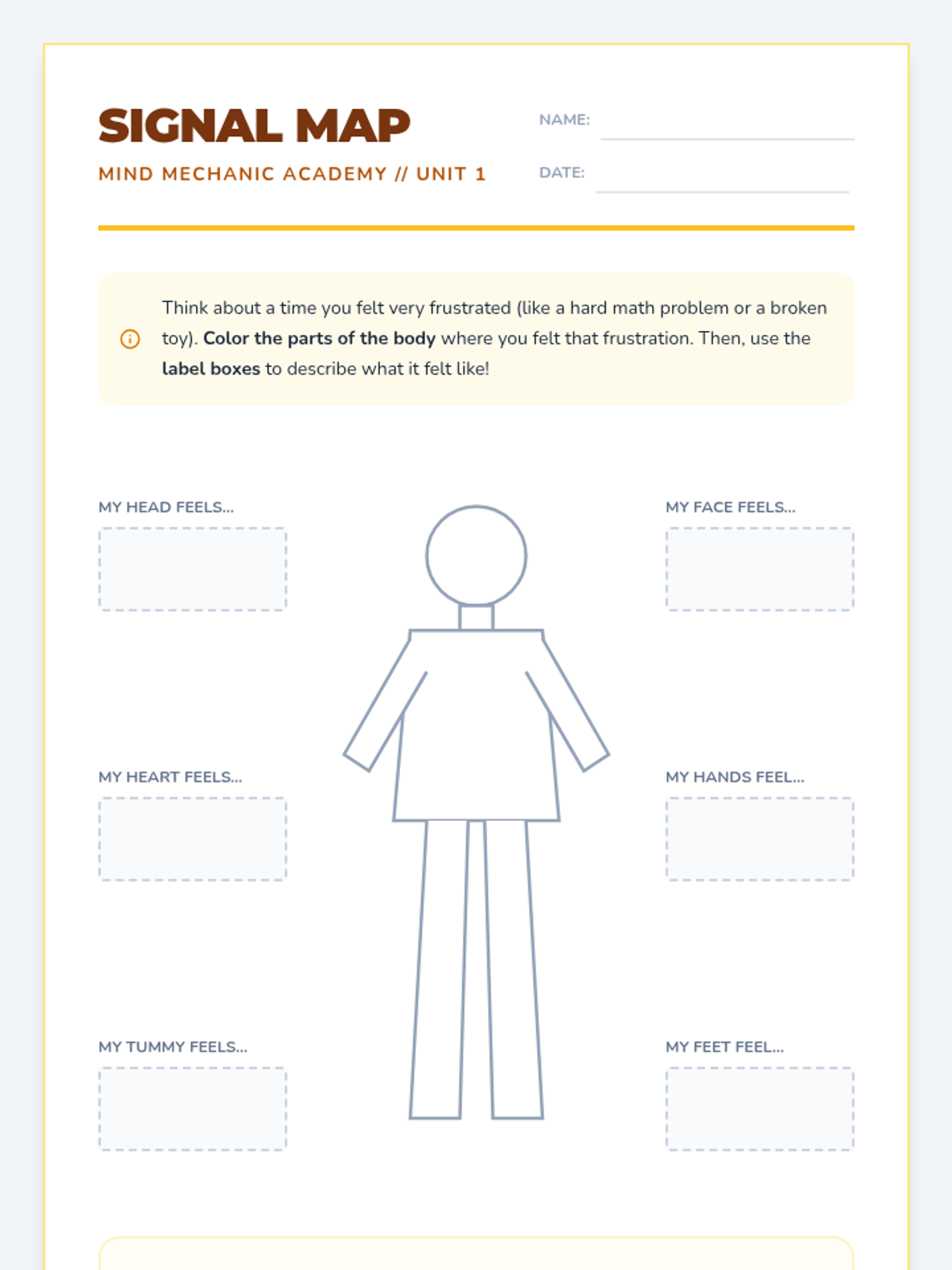
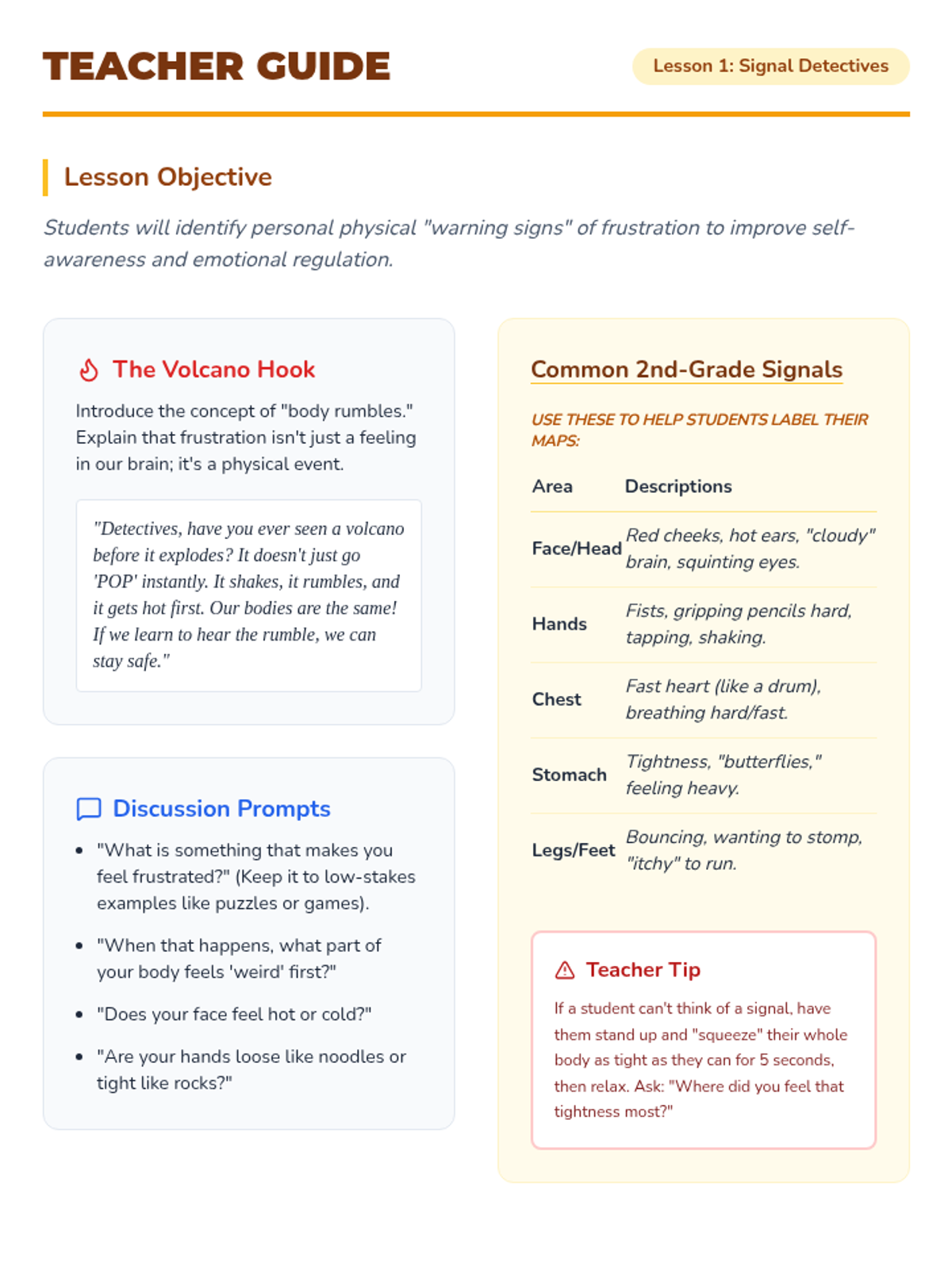
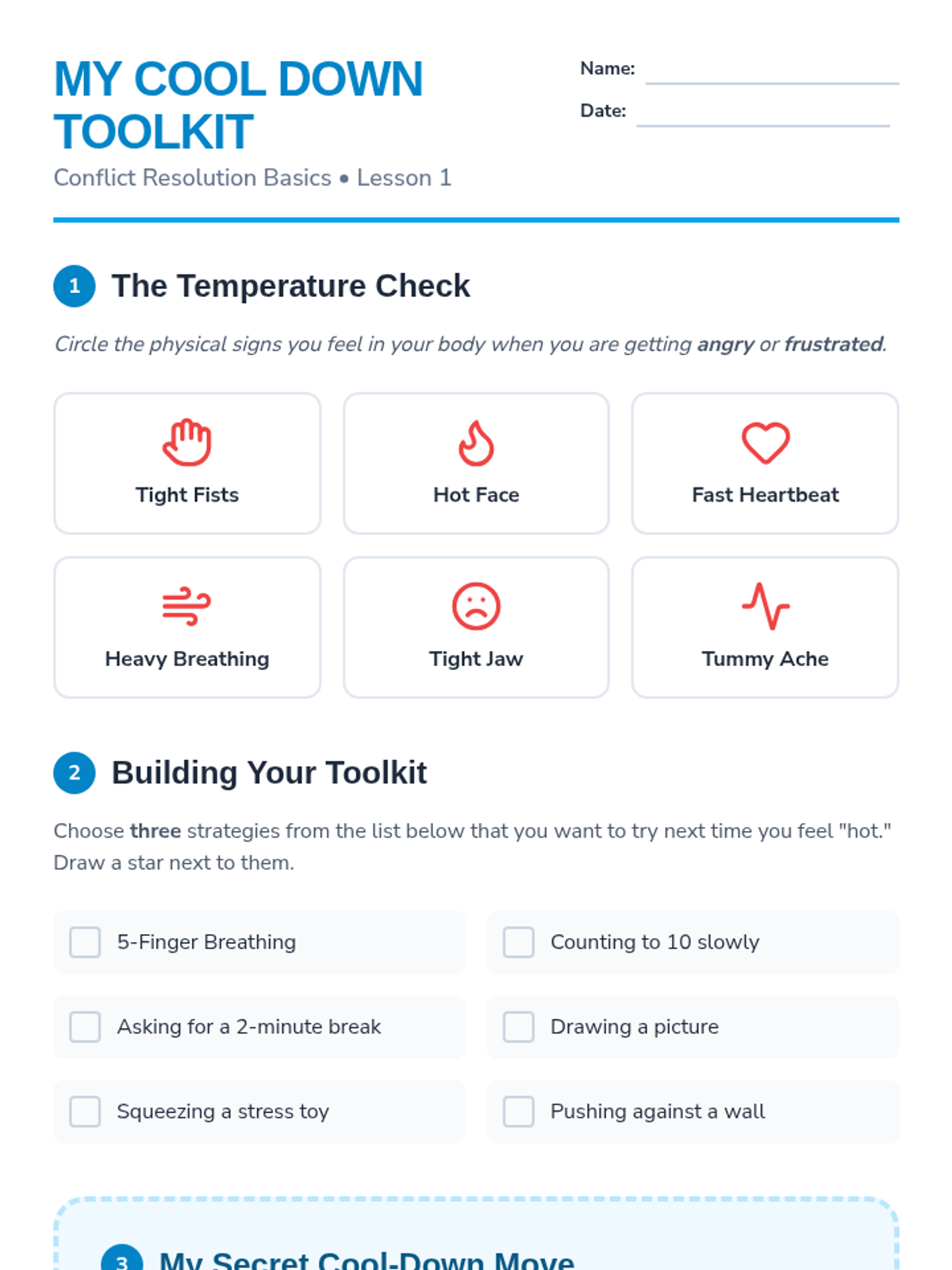
This sequence teaches 2nd-grade students how to recognize physical signs of frustration and use emotional regulation and problem-solving strategies to build resilience. Through body mapping, calming techniques, and the 'Ladder Strategy' for task segmentation, students develop a tangible toolkit for overcoming setbacks.
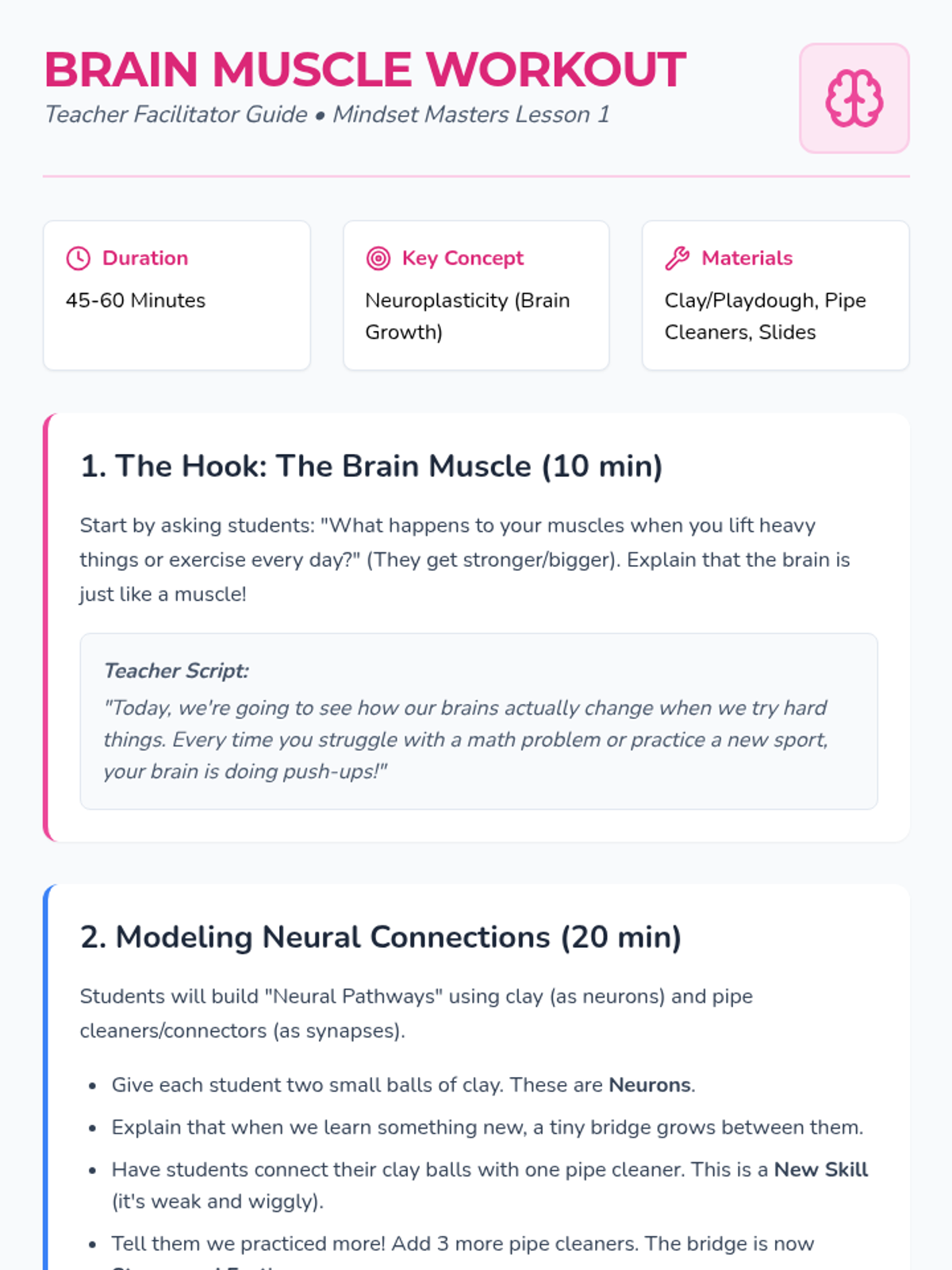
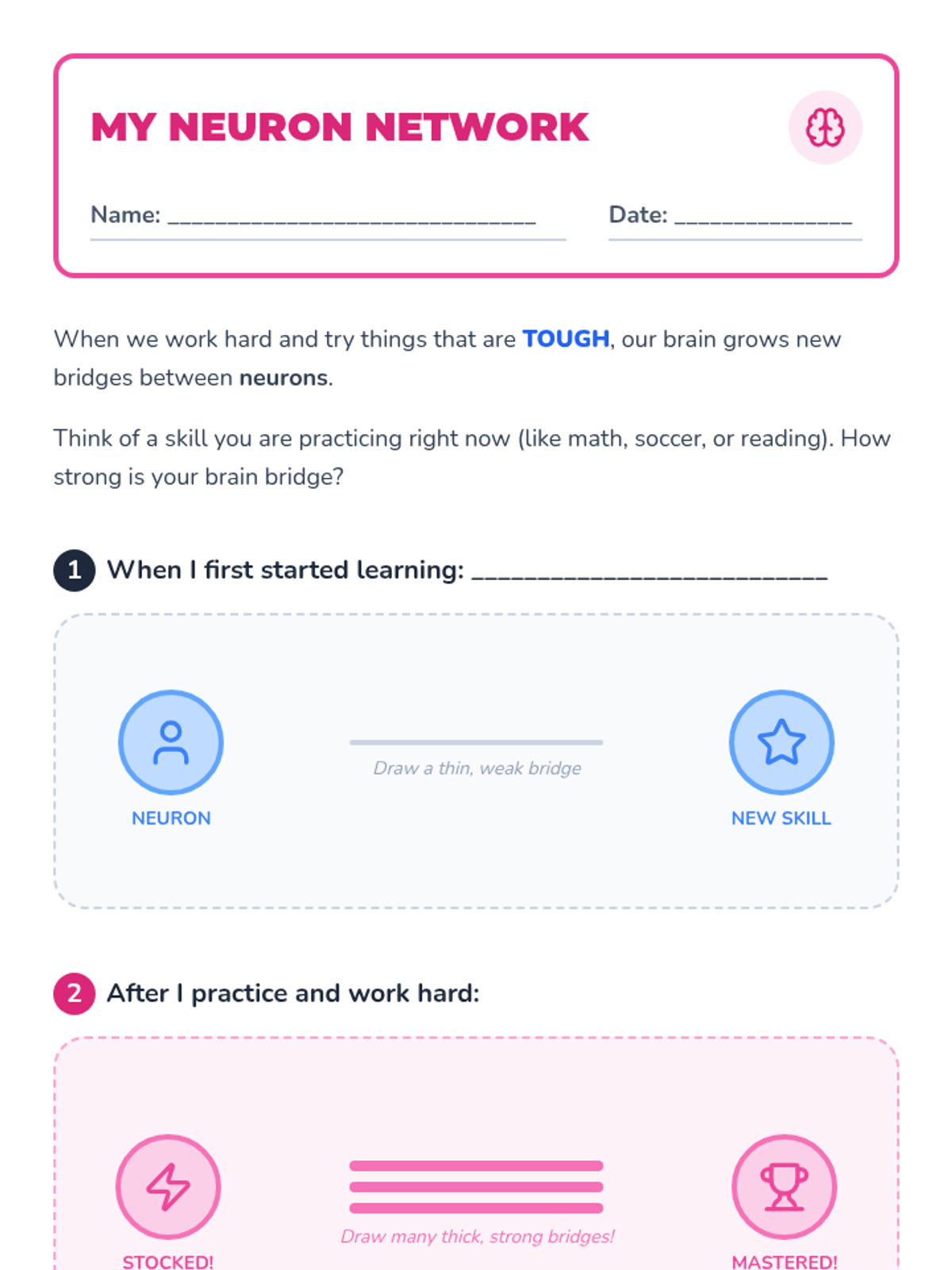
This sequence introduces second-grade students to growth mindset and neuroplasticity. Students learn that their brains grow like muscles through effort, practice reframing 'fixed' thoughts with the 'power of yet', and develop personal resilience strategies through positive self-talk and goal setting.
Students move from reactive emotional responses to proactive negotiation. They learn de-escalation, empathy through perspective-taking, and a structured 4-step 'Peace Path' to resolve playground and classroom conflicts independently.
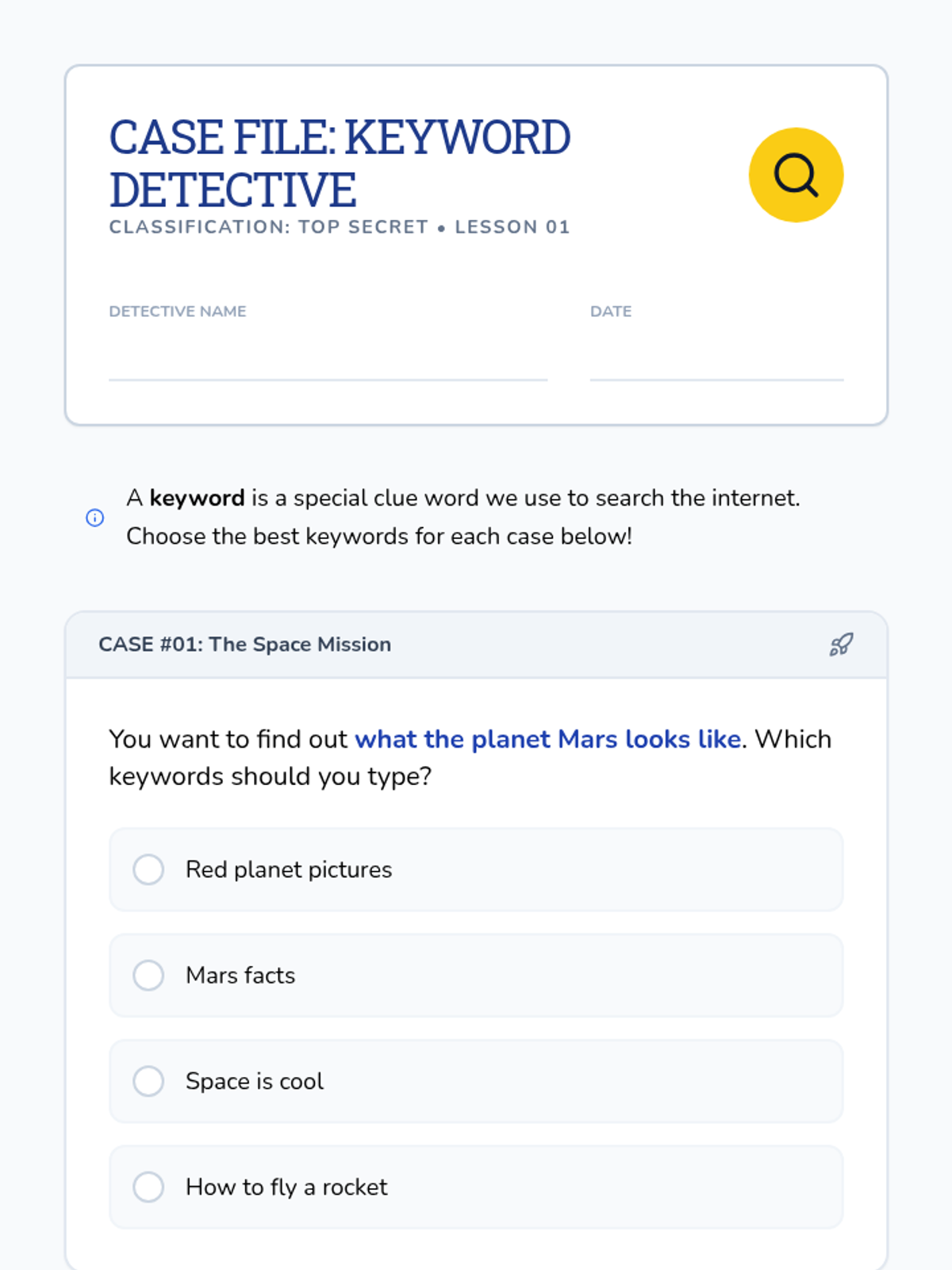
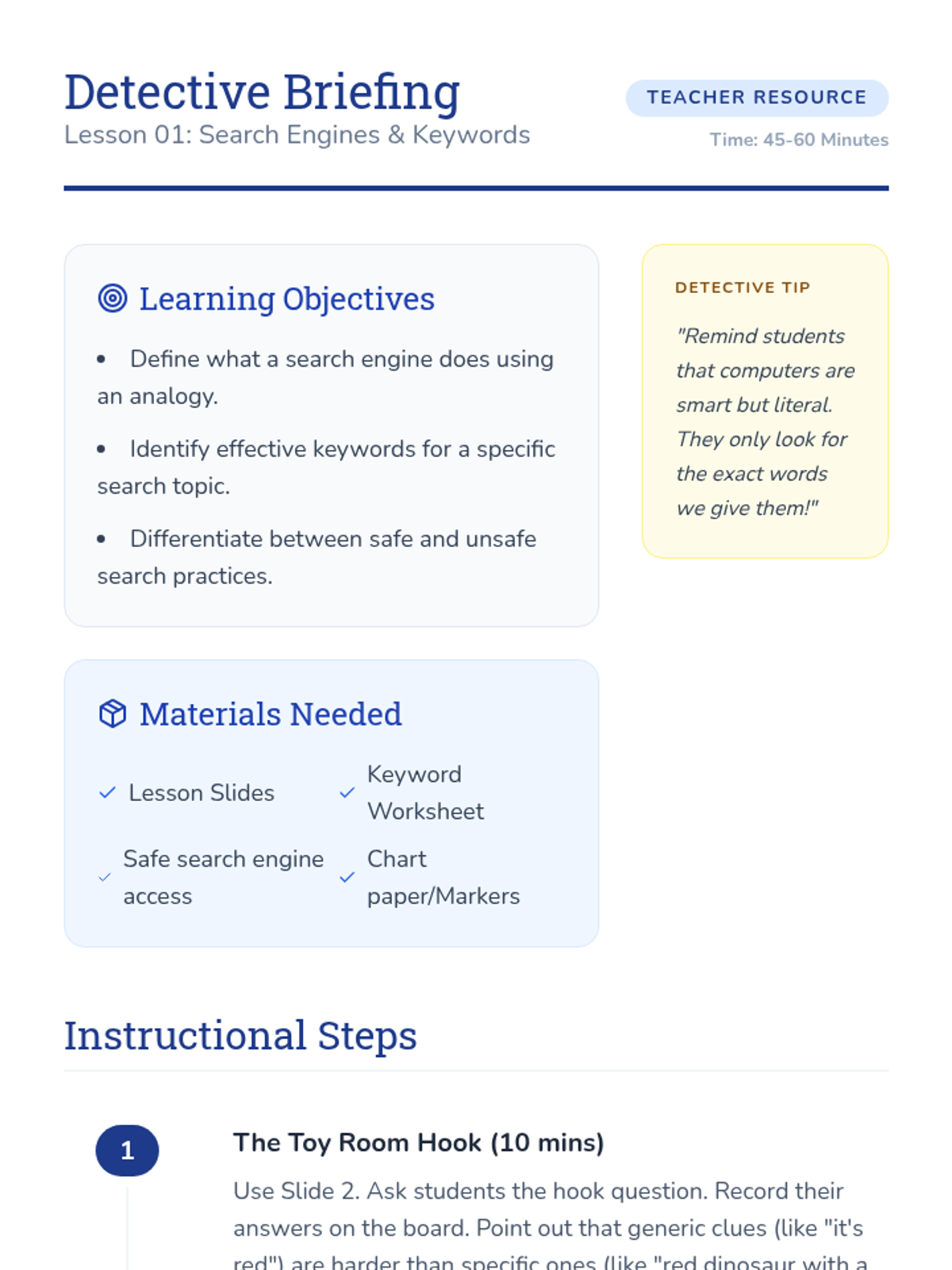
A comprehensive introduction for 2nd graders to the world of online research, focusing on search engine mechanics, keyword selection, media literacy (identifying ads), source evaluation, and basic citation habits. Students act as 'Digital Detectives' to navigate the internet safely and effectively.
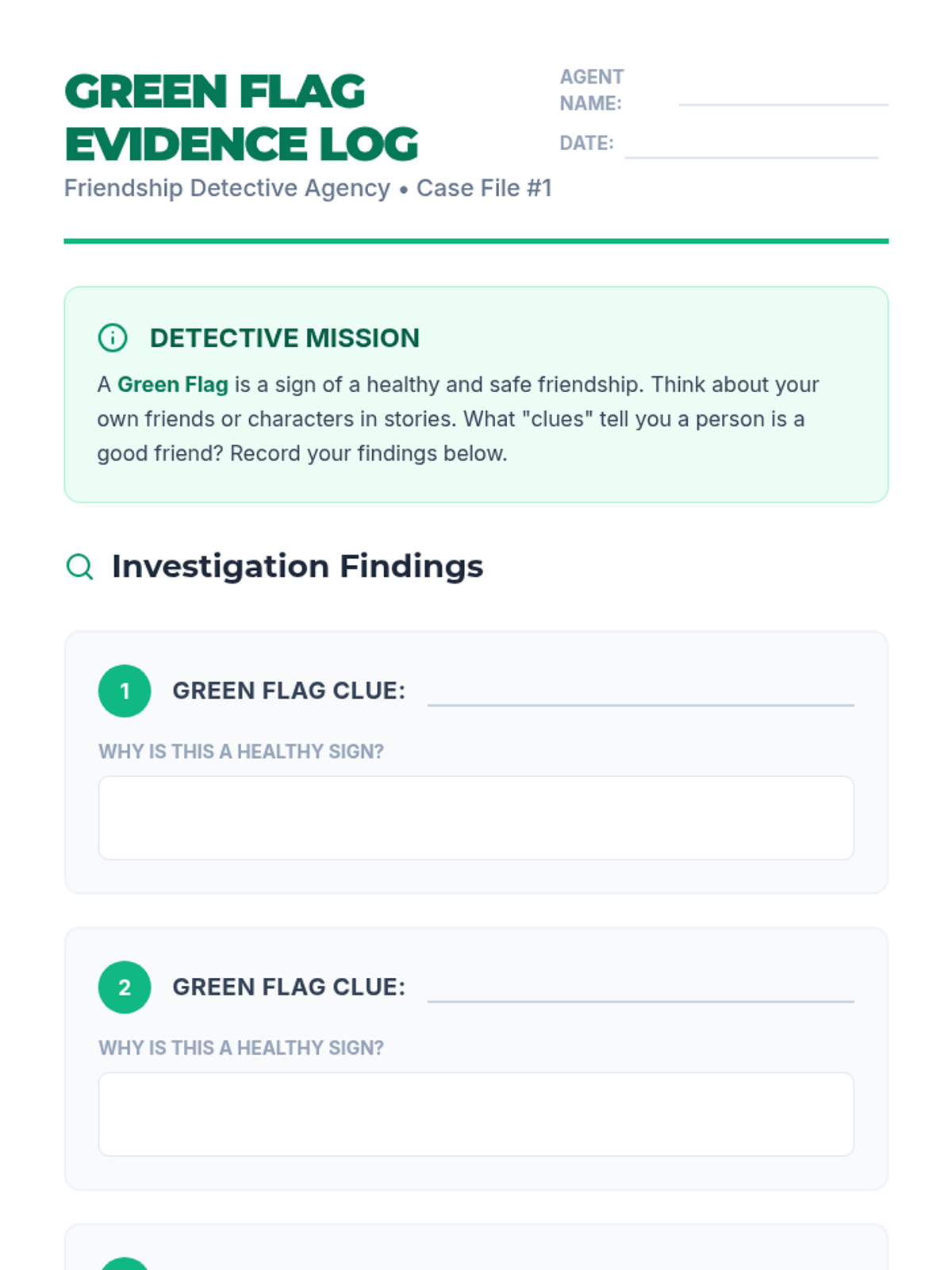
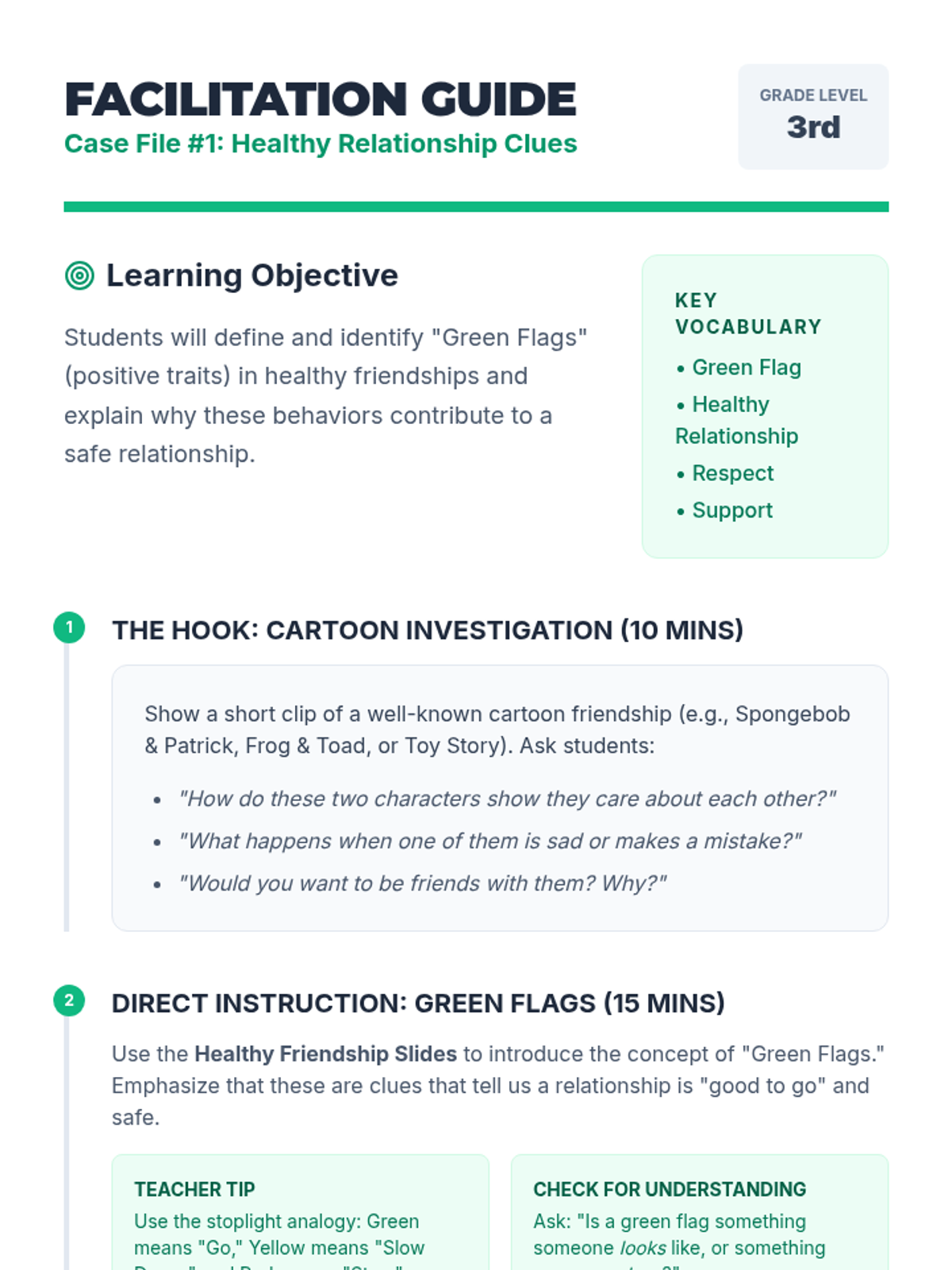
A 5-lesson unit where students become 'Friendship Detectives' to identify healthy and unhealthy relationship dynamics. Using case studies, sorting games, and creative projects, students learn to recognize green and red flags, distinguish between teasing and bullying, and resolve conflicts safely.
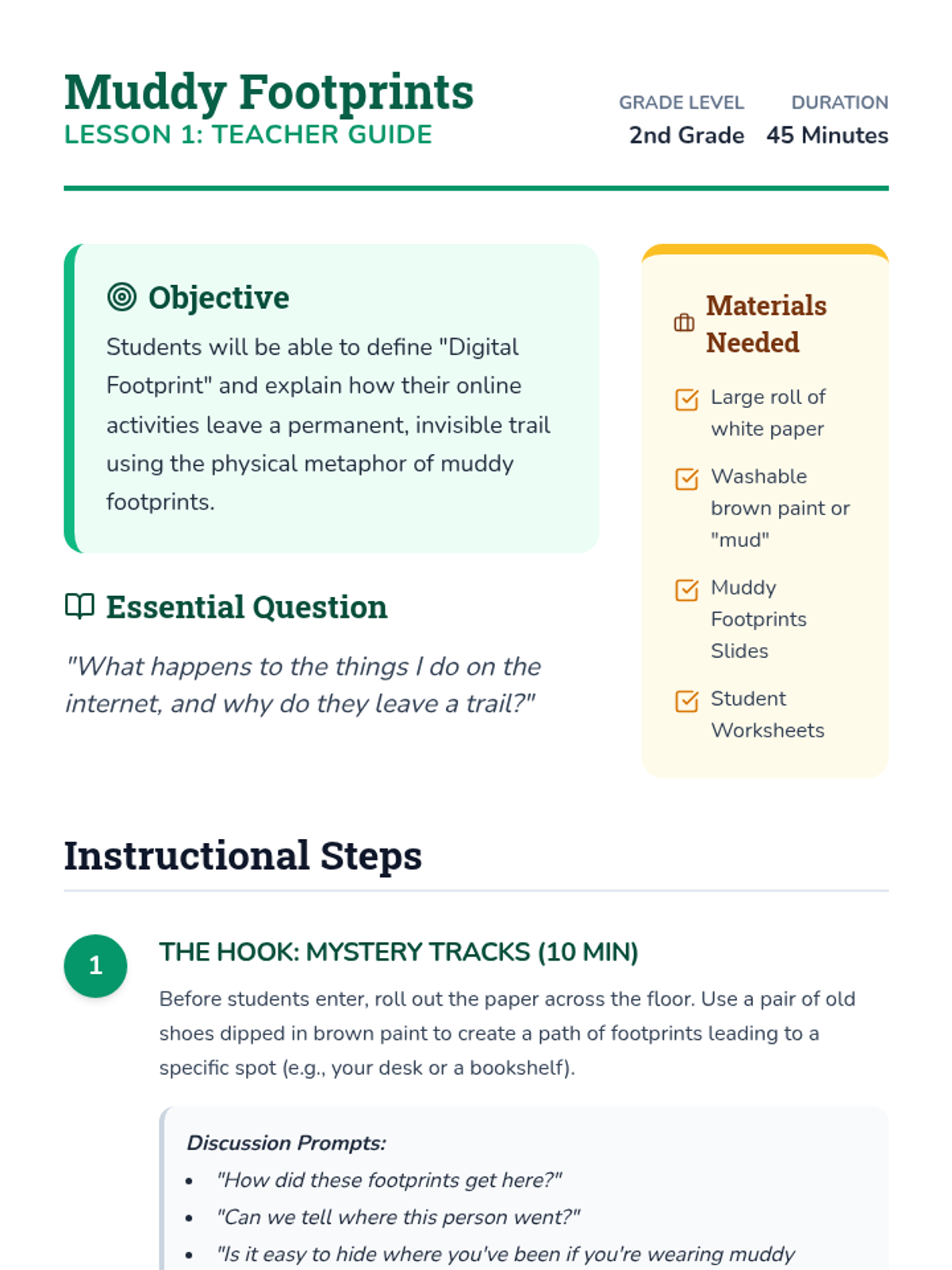
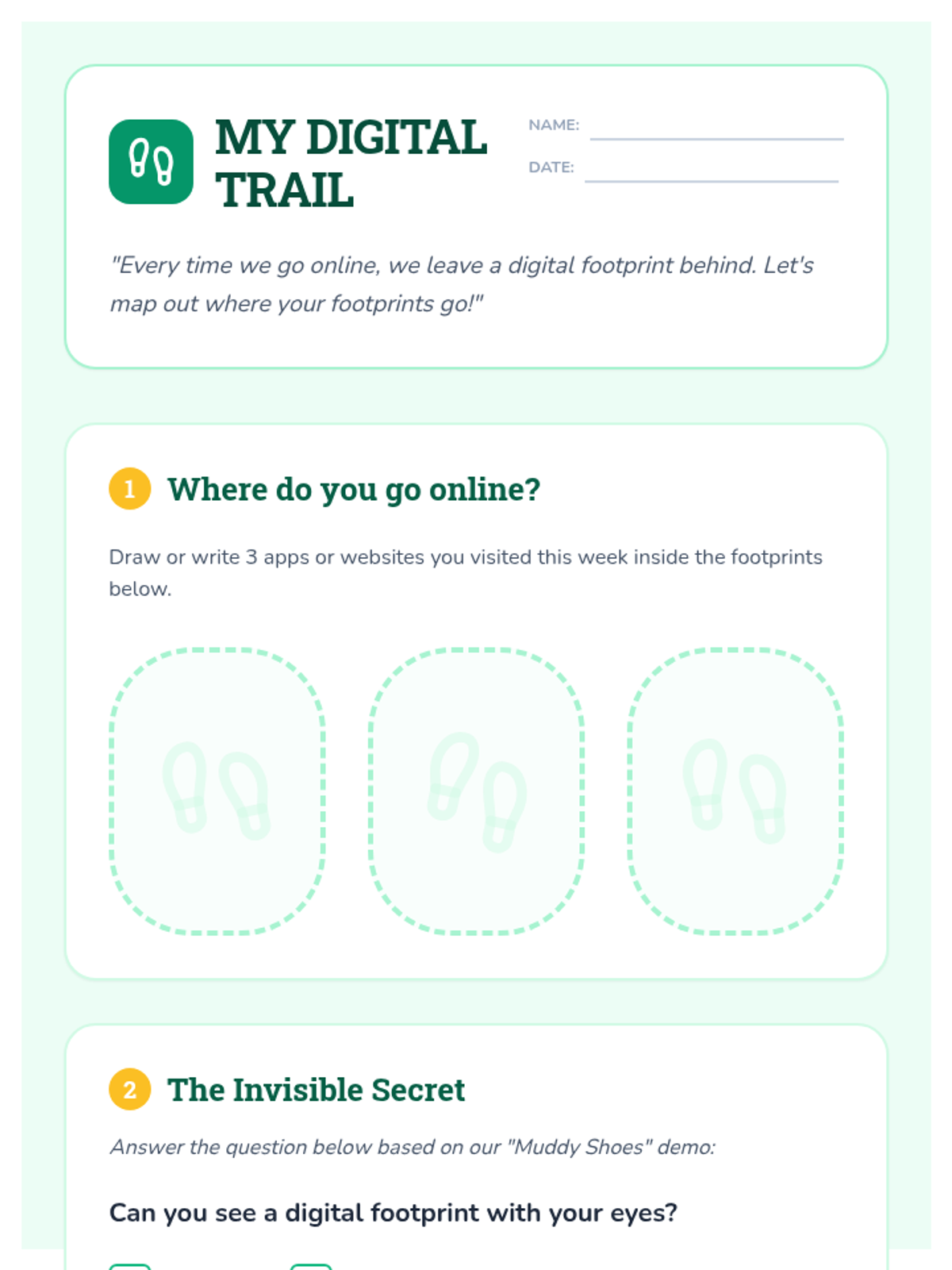
This sequence introduces 2nd graders to the concept of digital footprints, the permanence of the internet, and healthy media balance using concrete metaphors and a 'Nature Trail' theme.
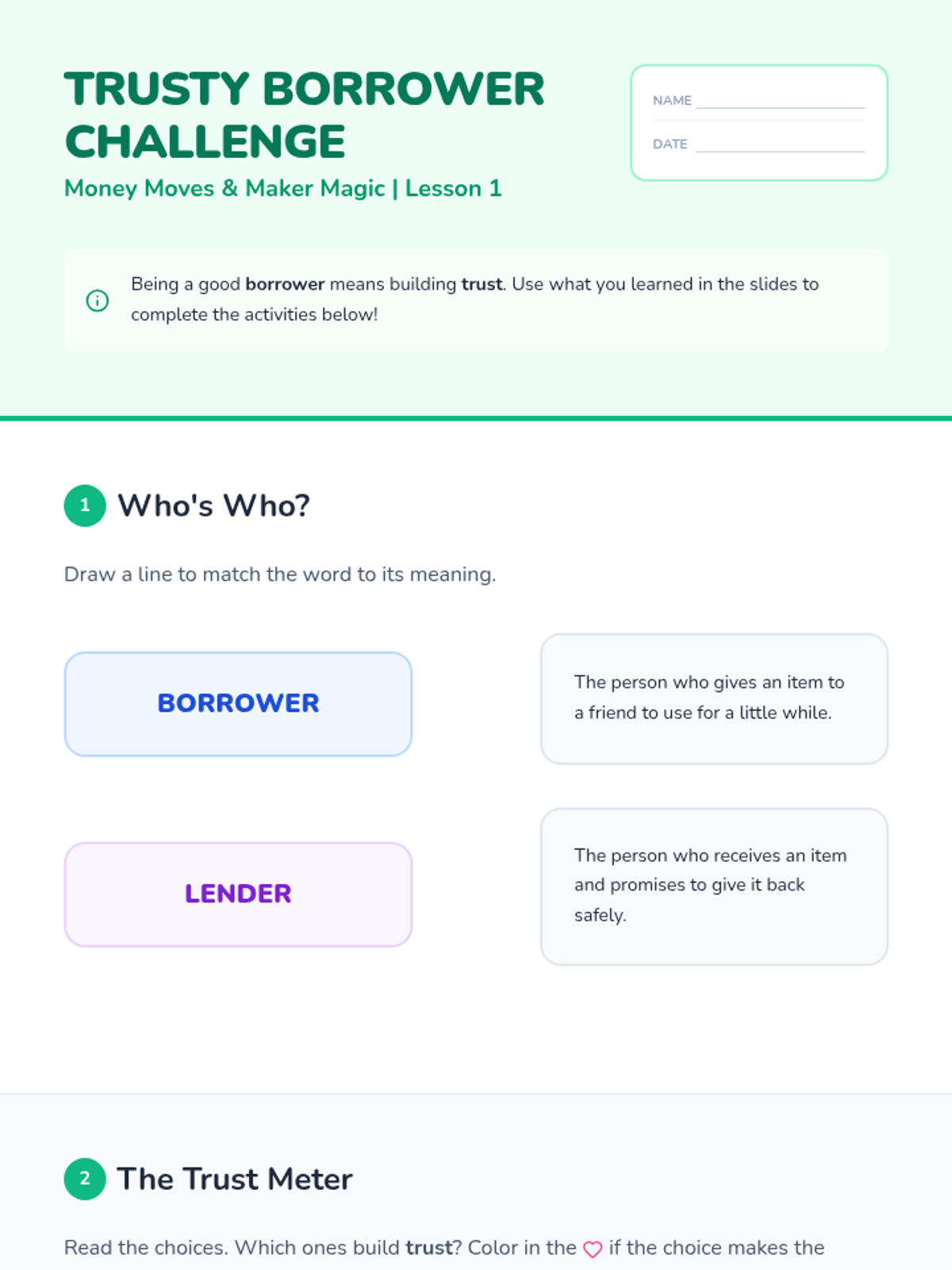
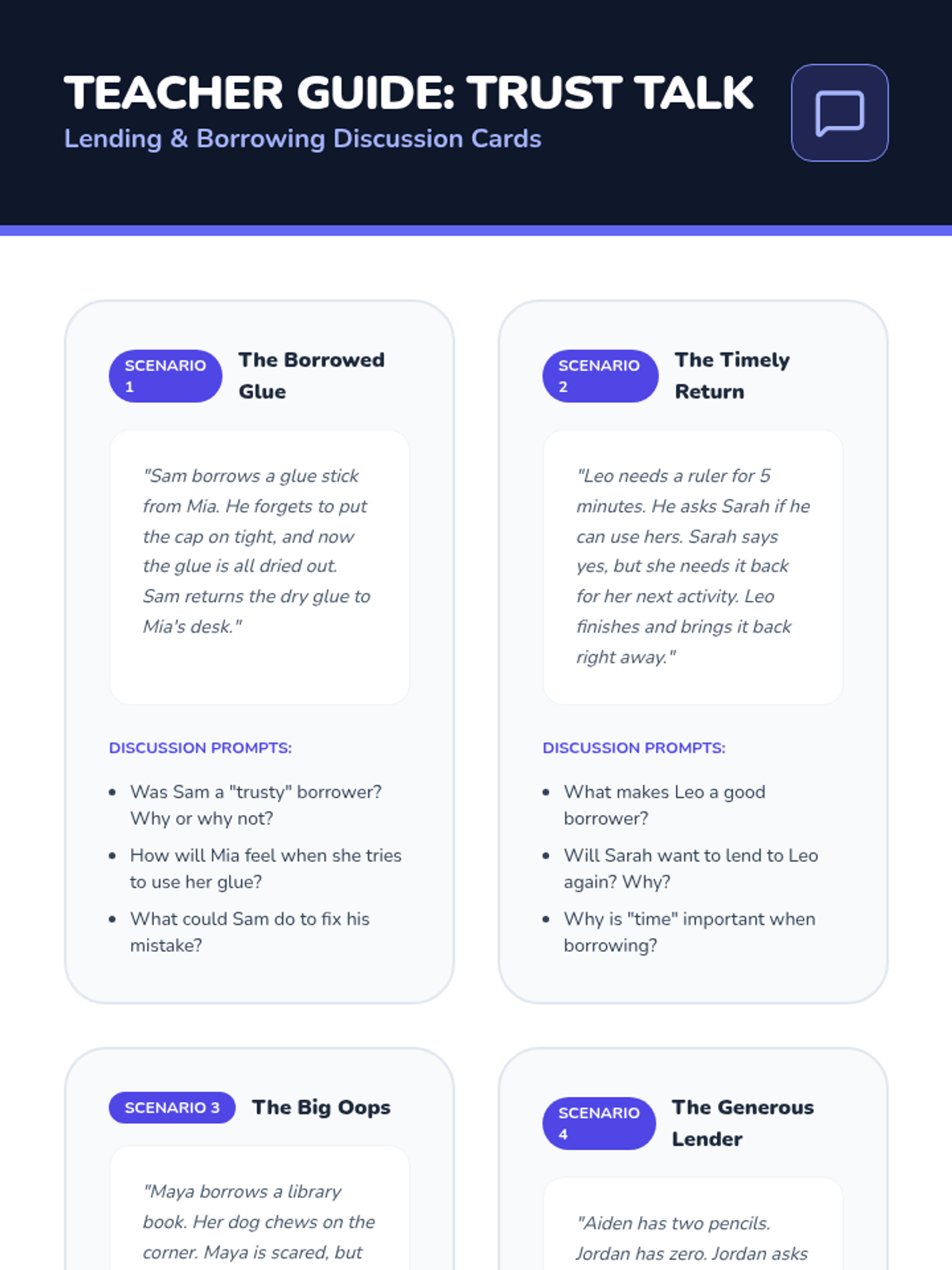
A 2nd-grade introduction to economics focusing on borrowing, lending, and investment through hands-on simulations and classroom metaphors. Students learn the responsibility of credit and the value of investing in tools to create products.
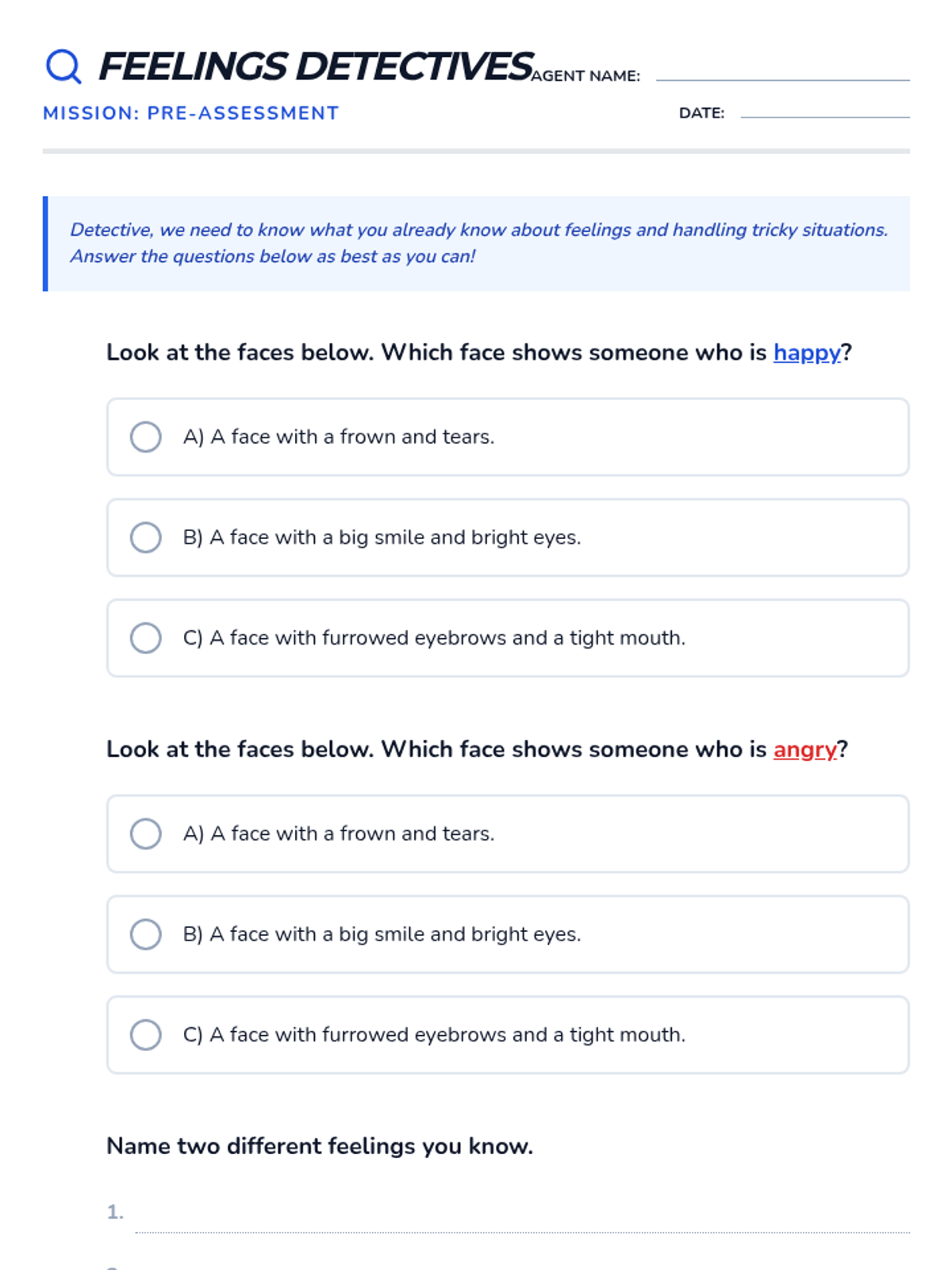
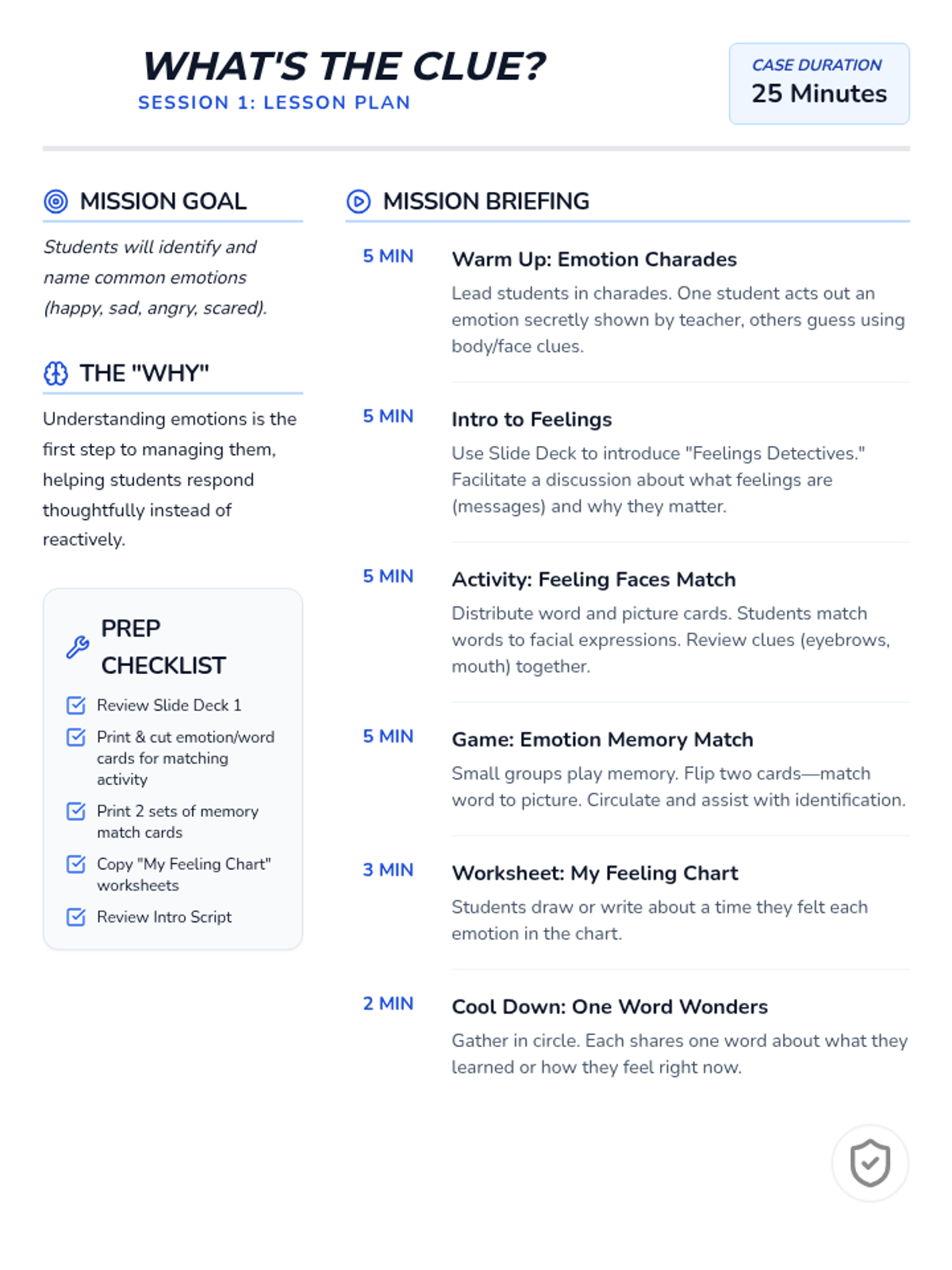
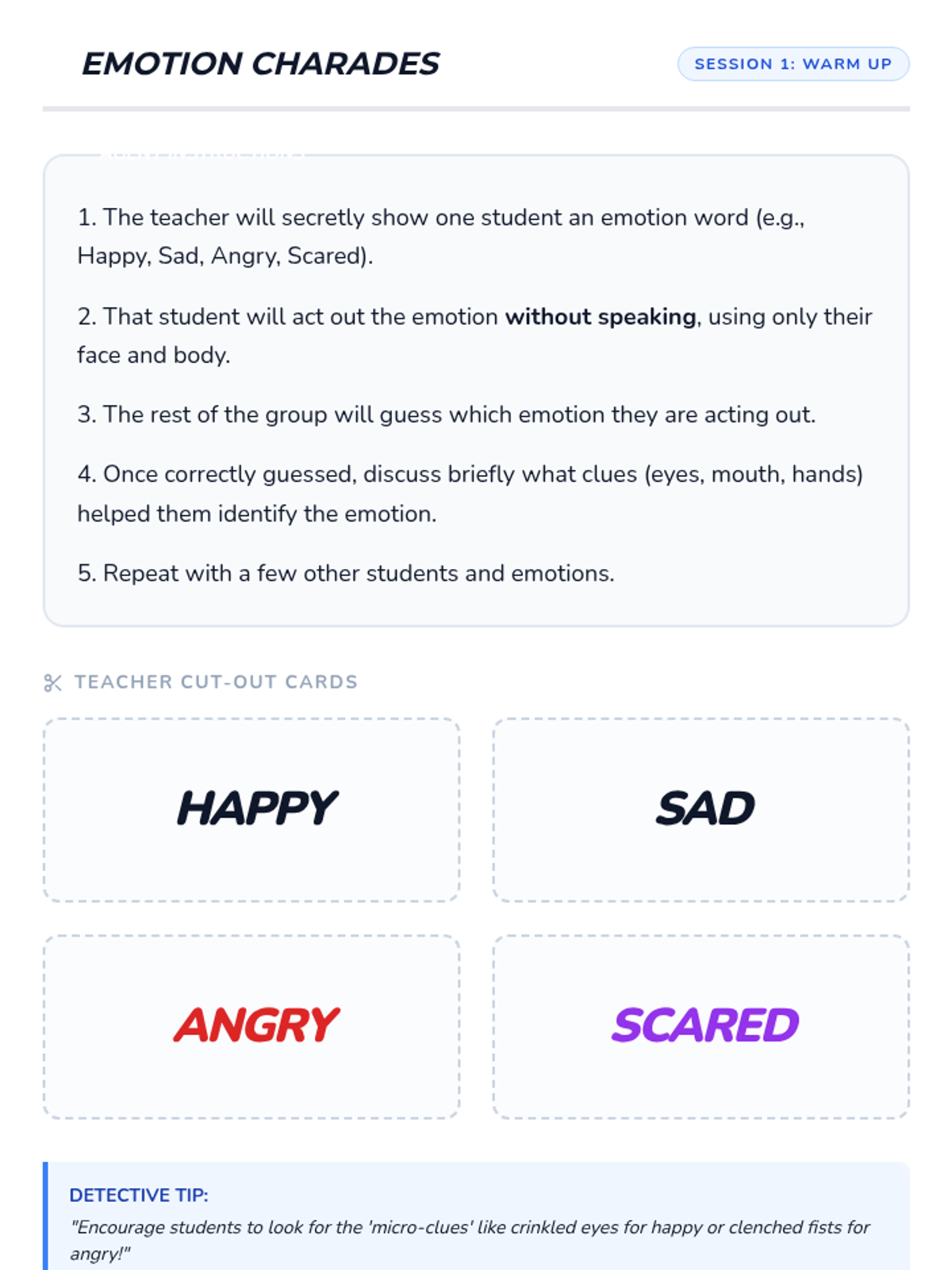
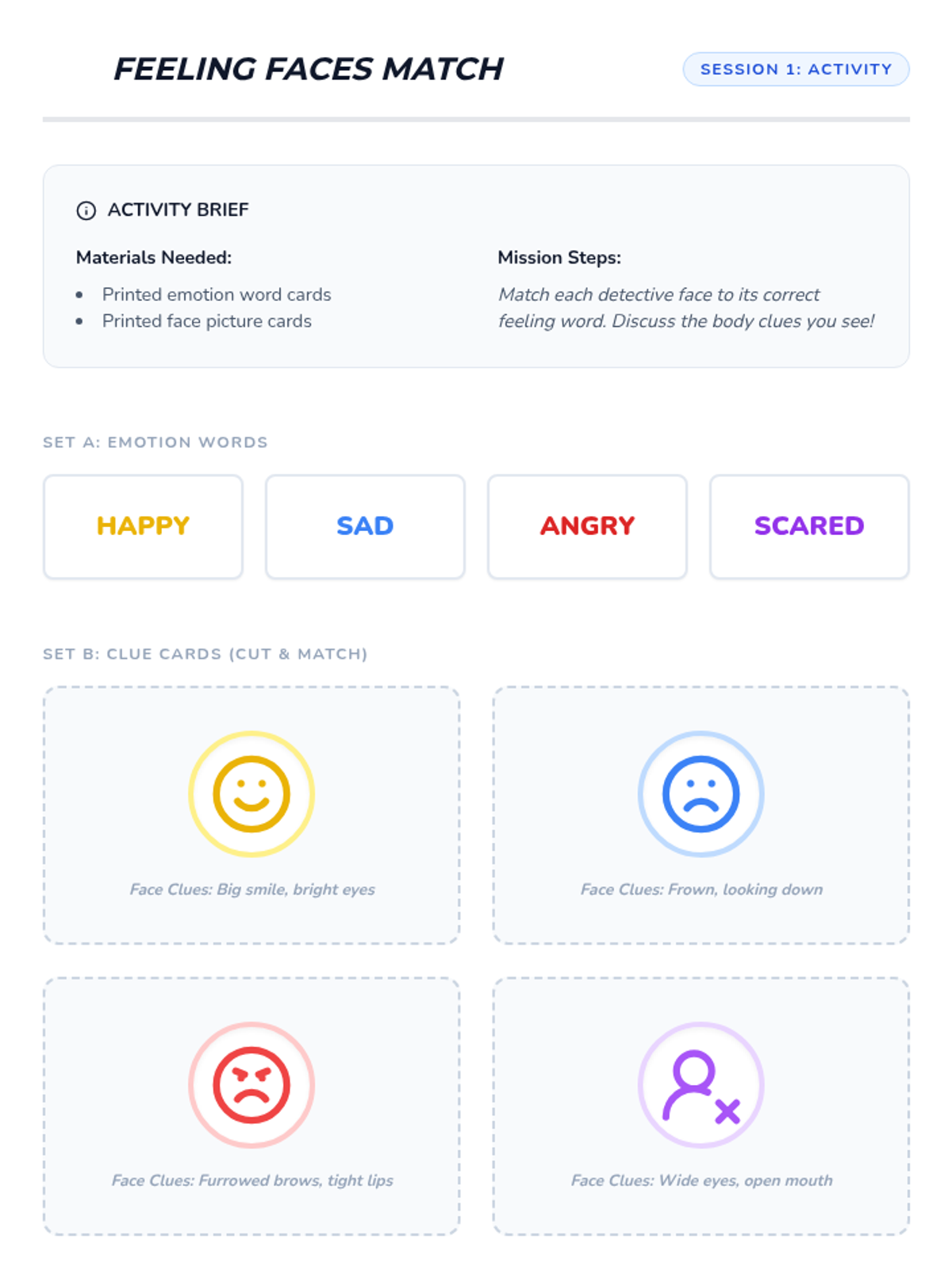
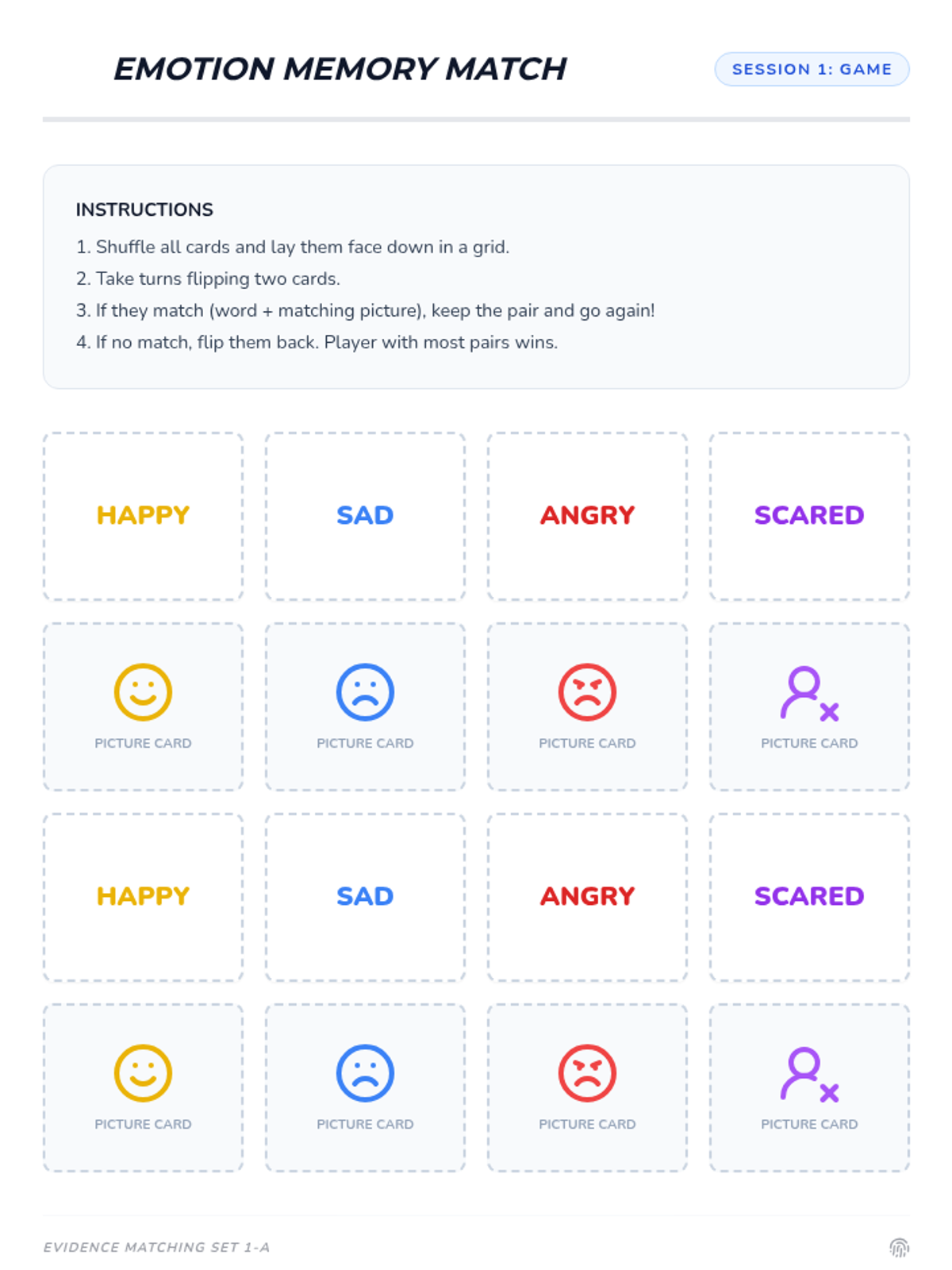
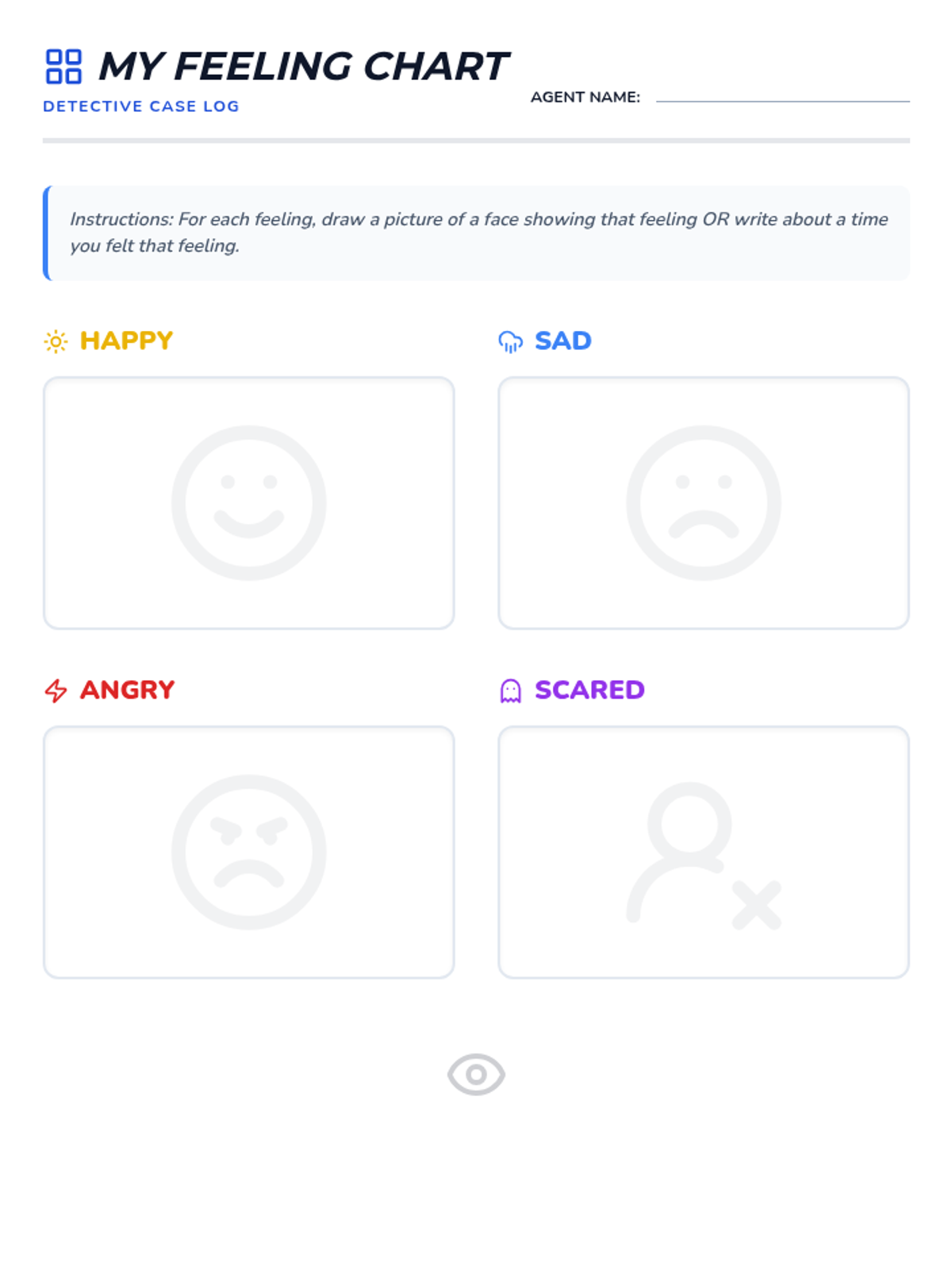
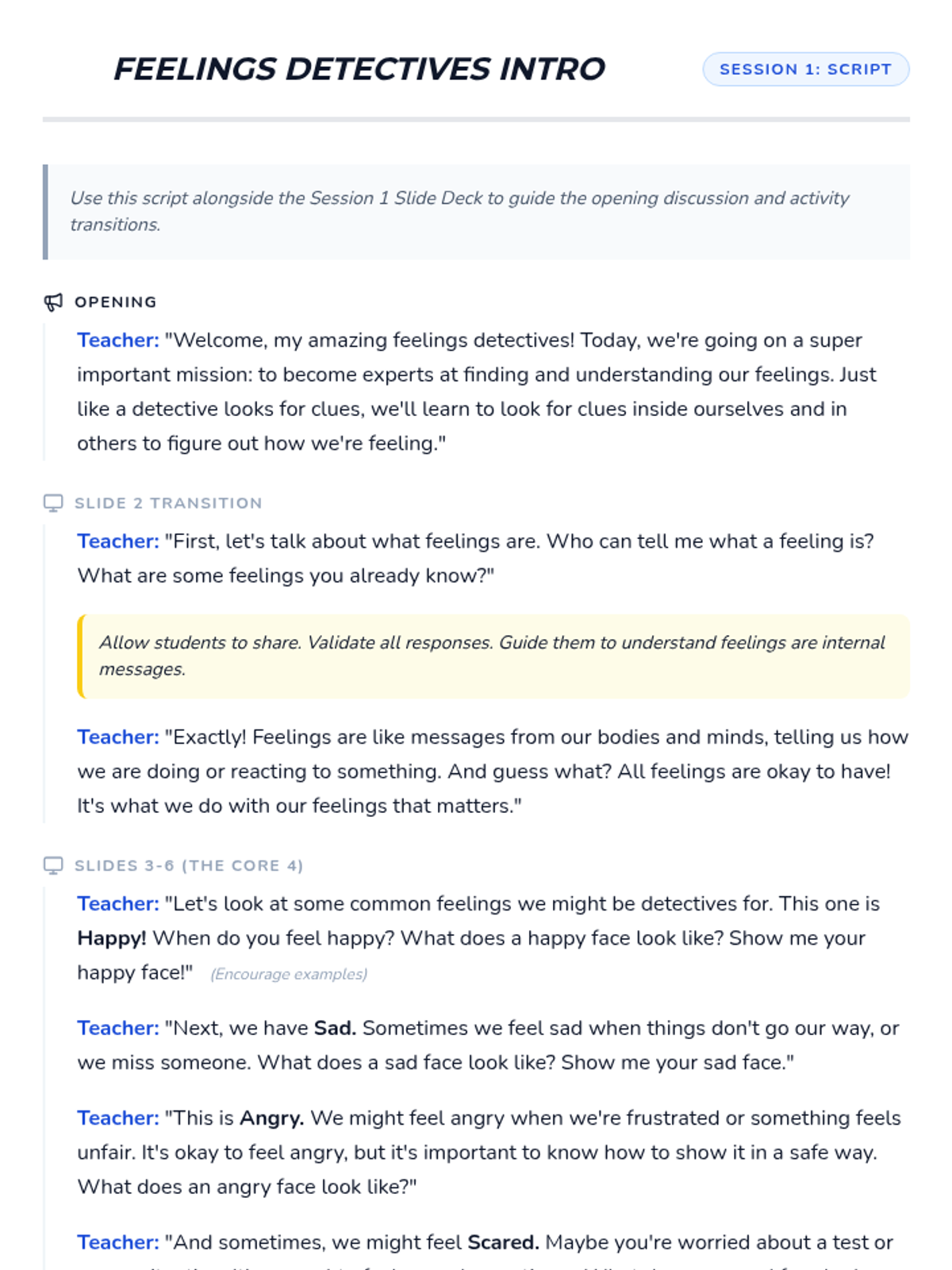
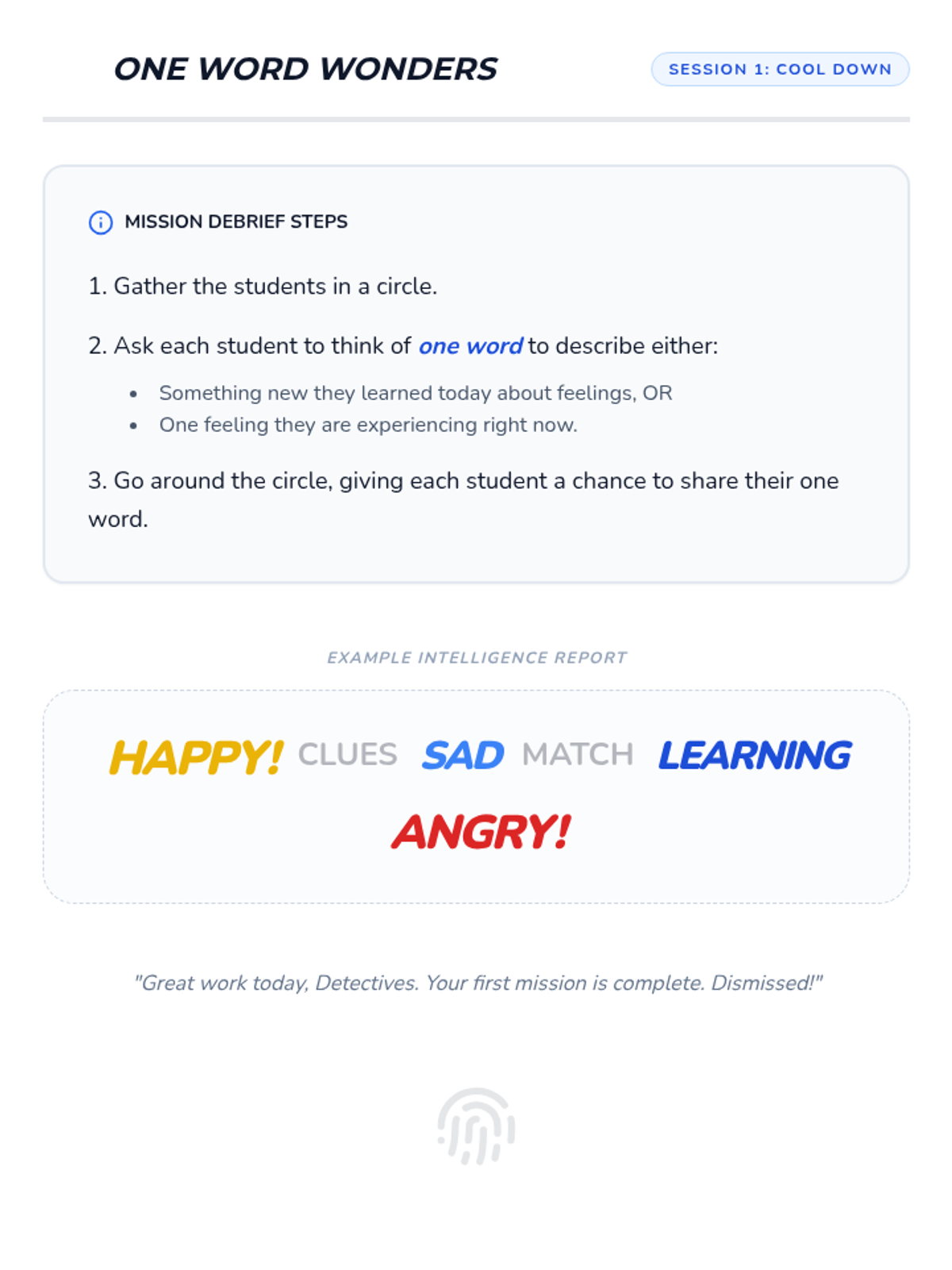
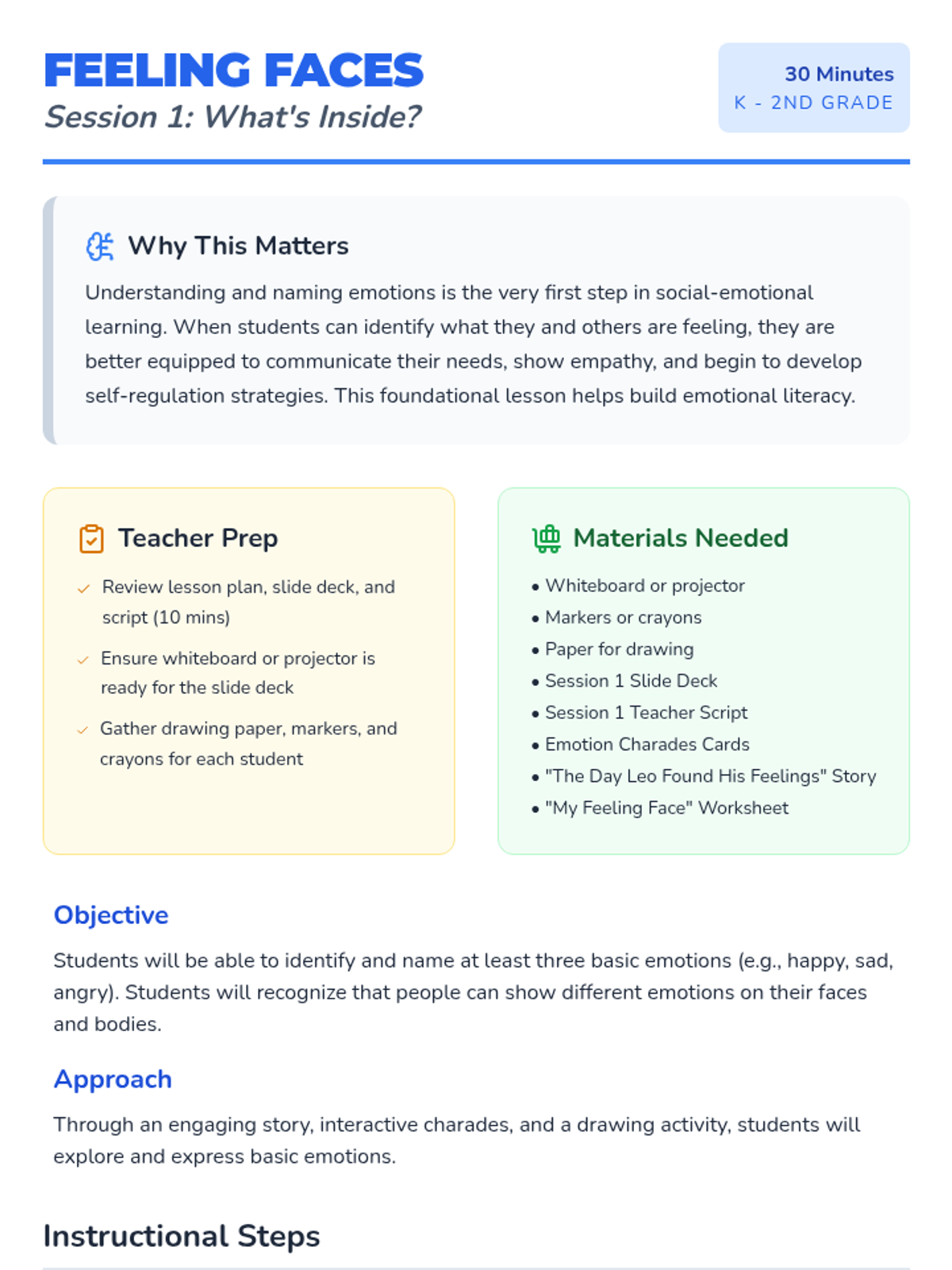
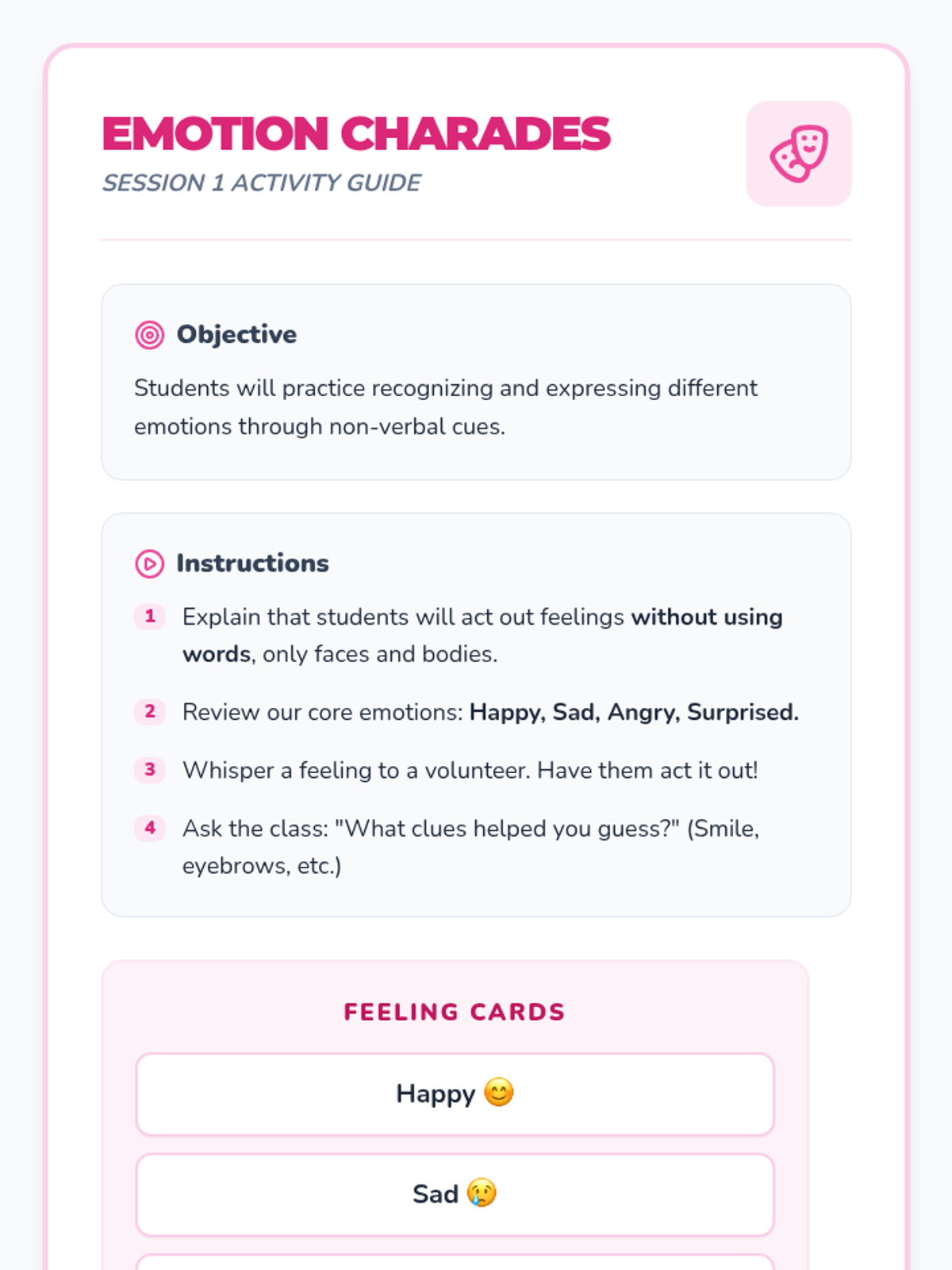
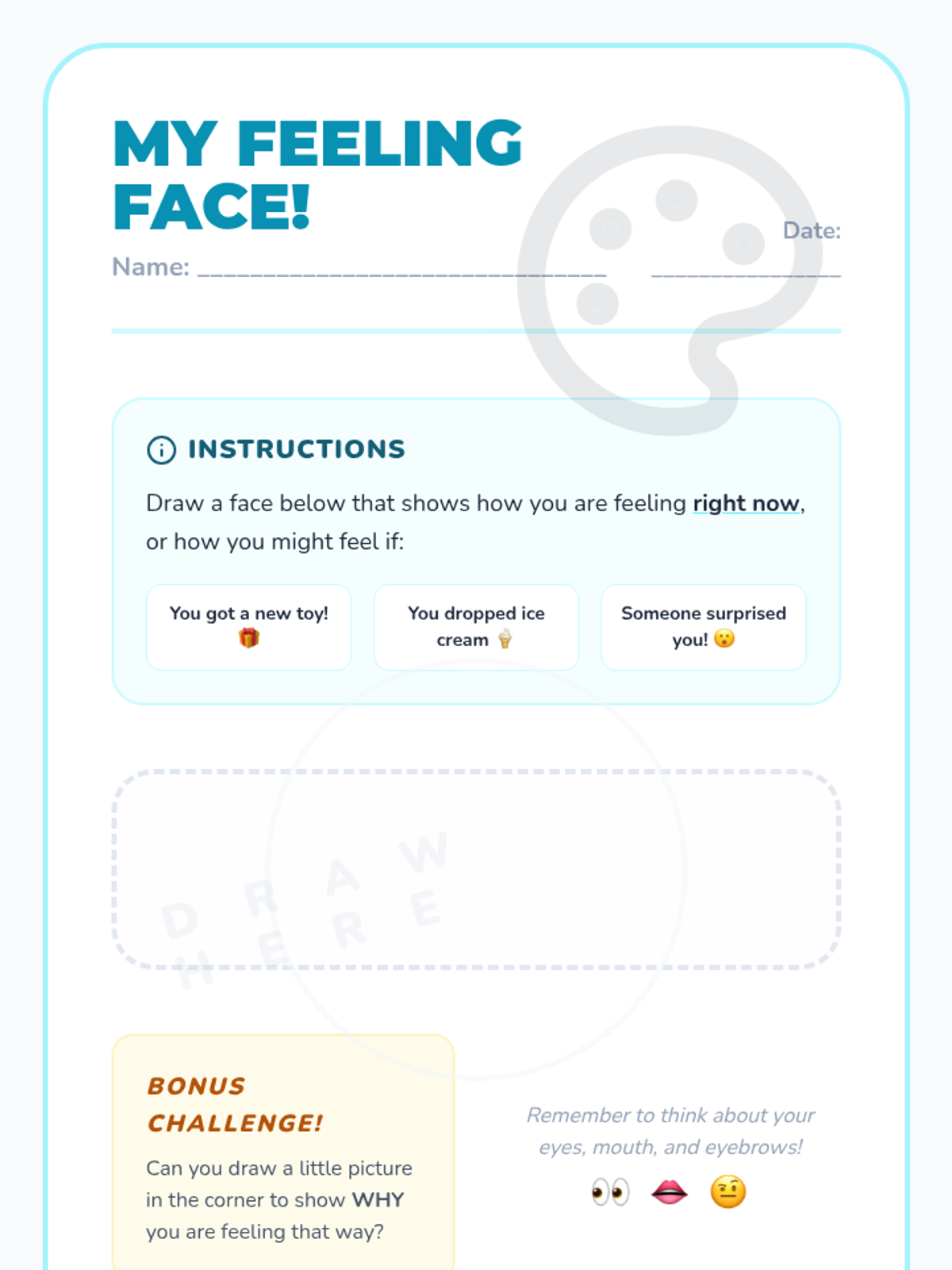
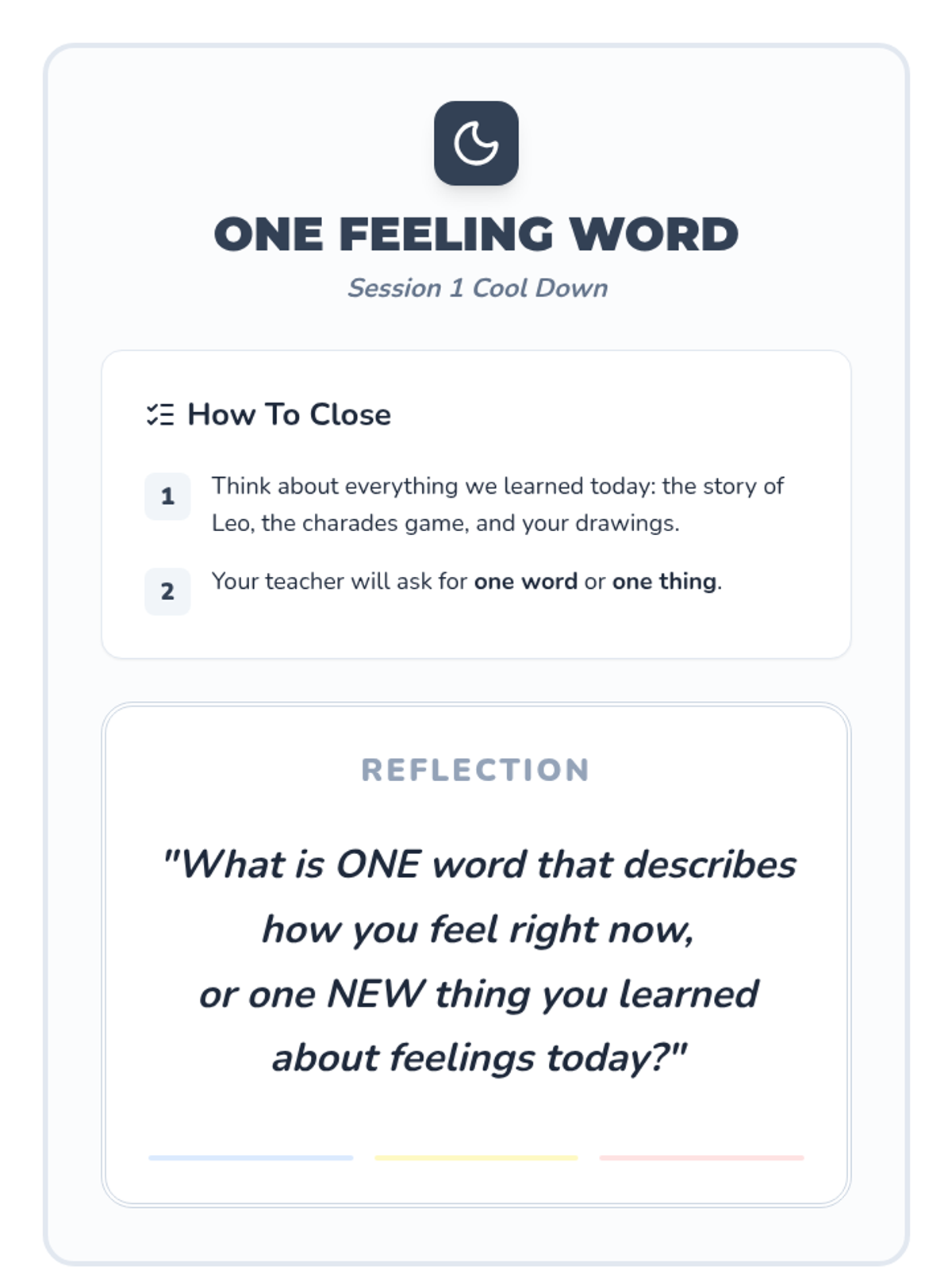
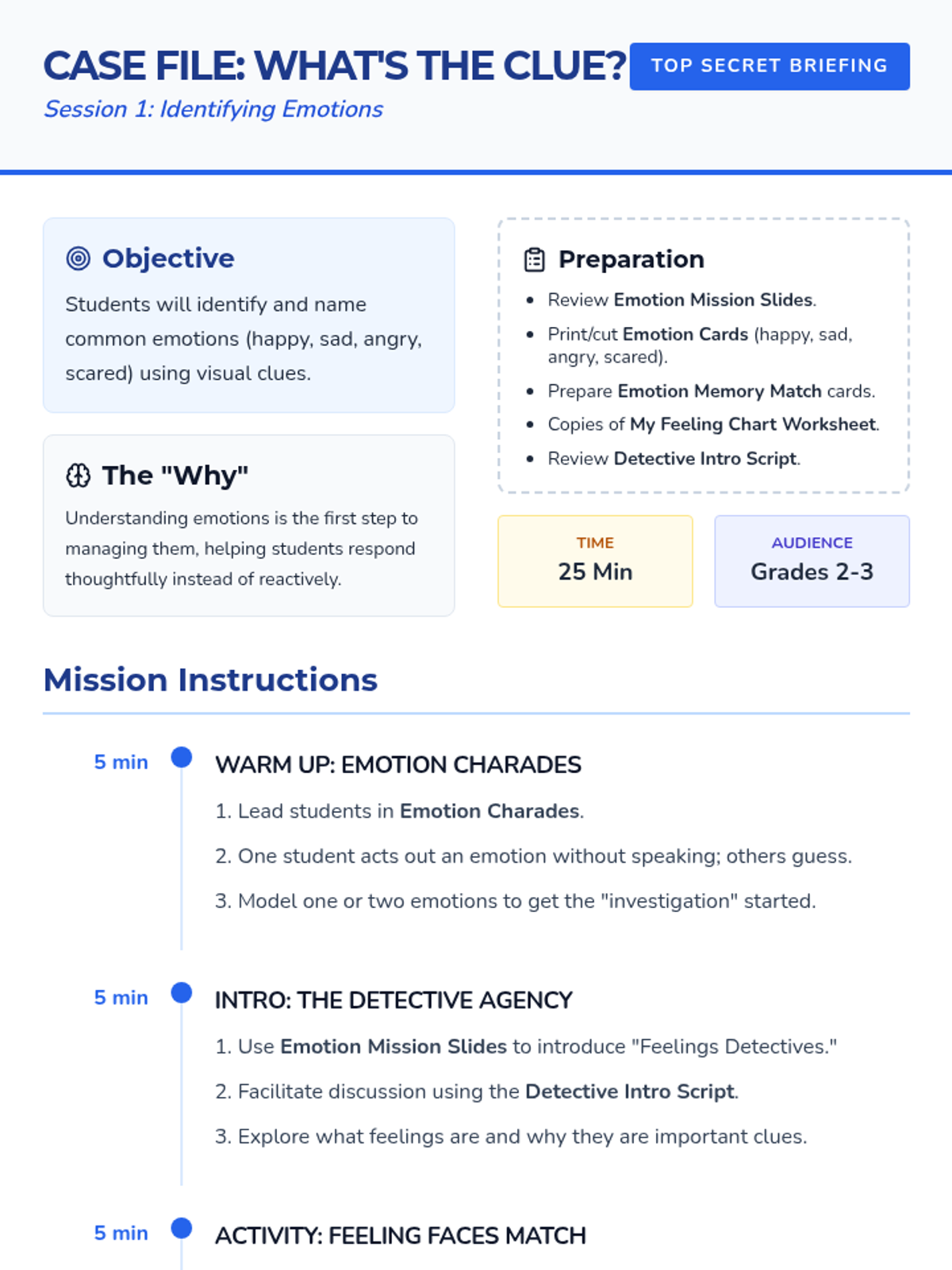
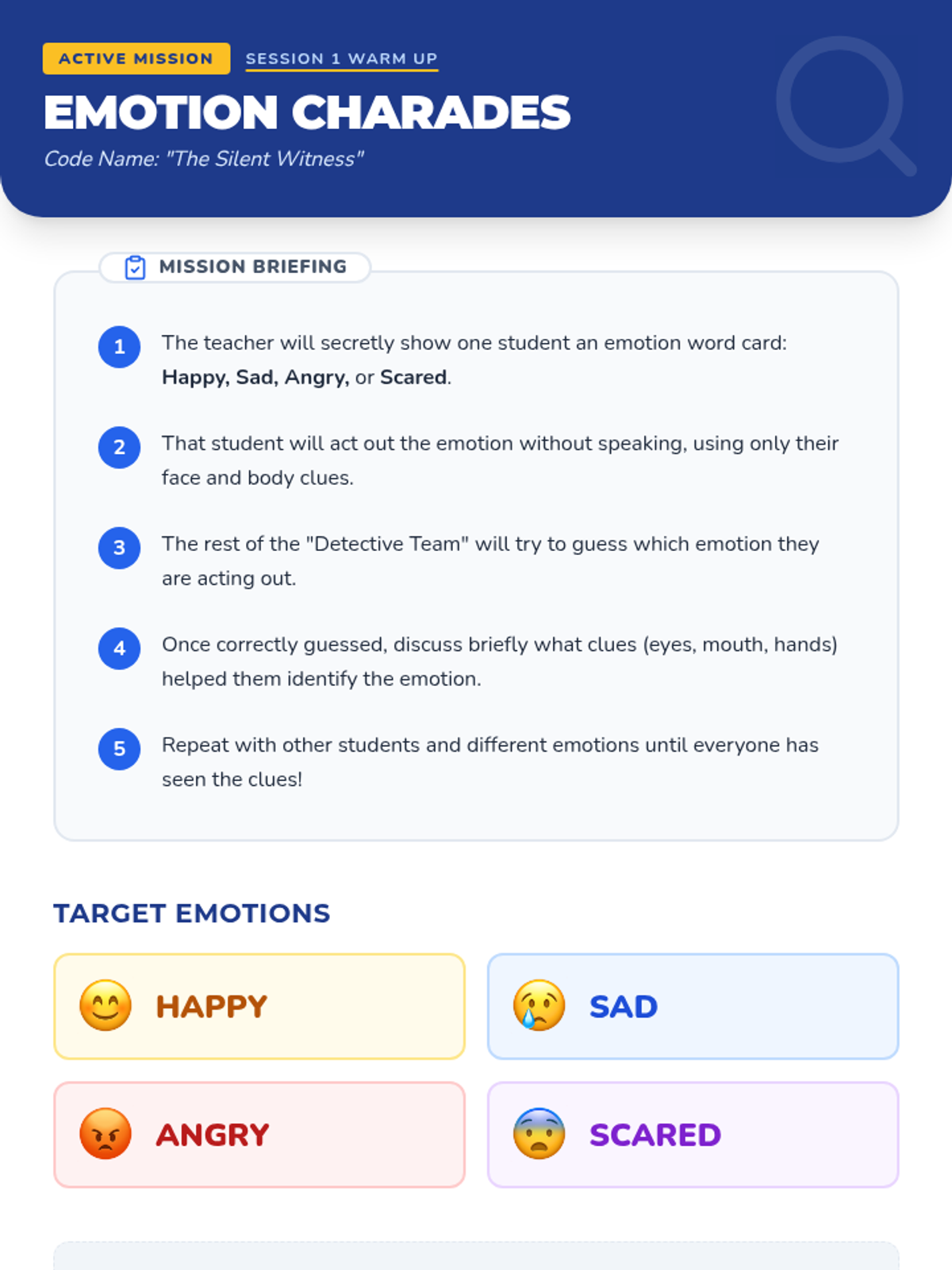
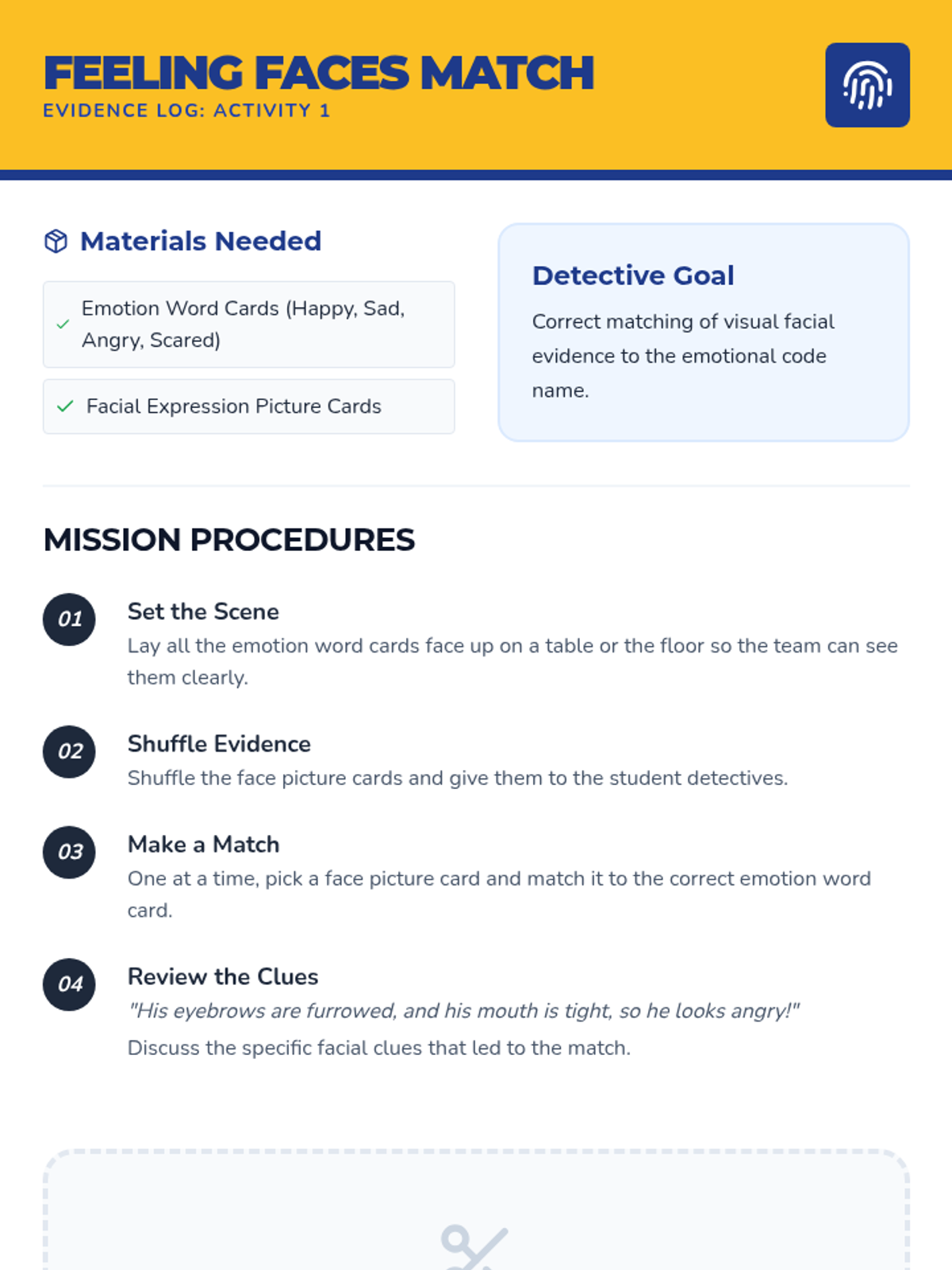
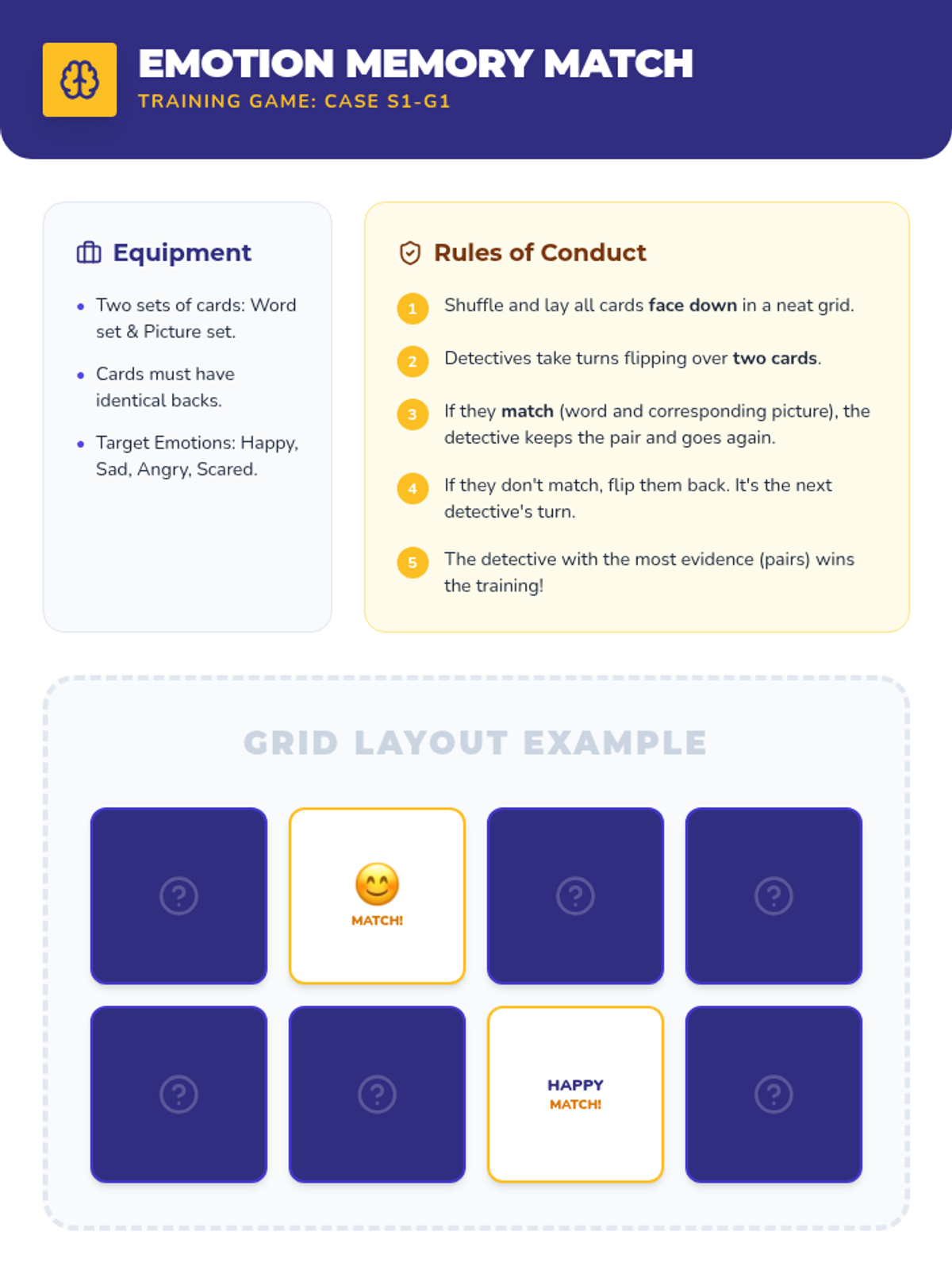
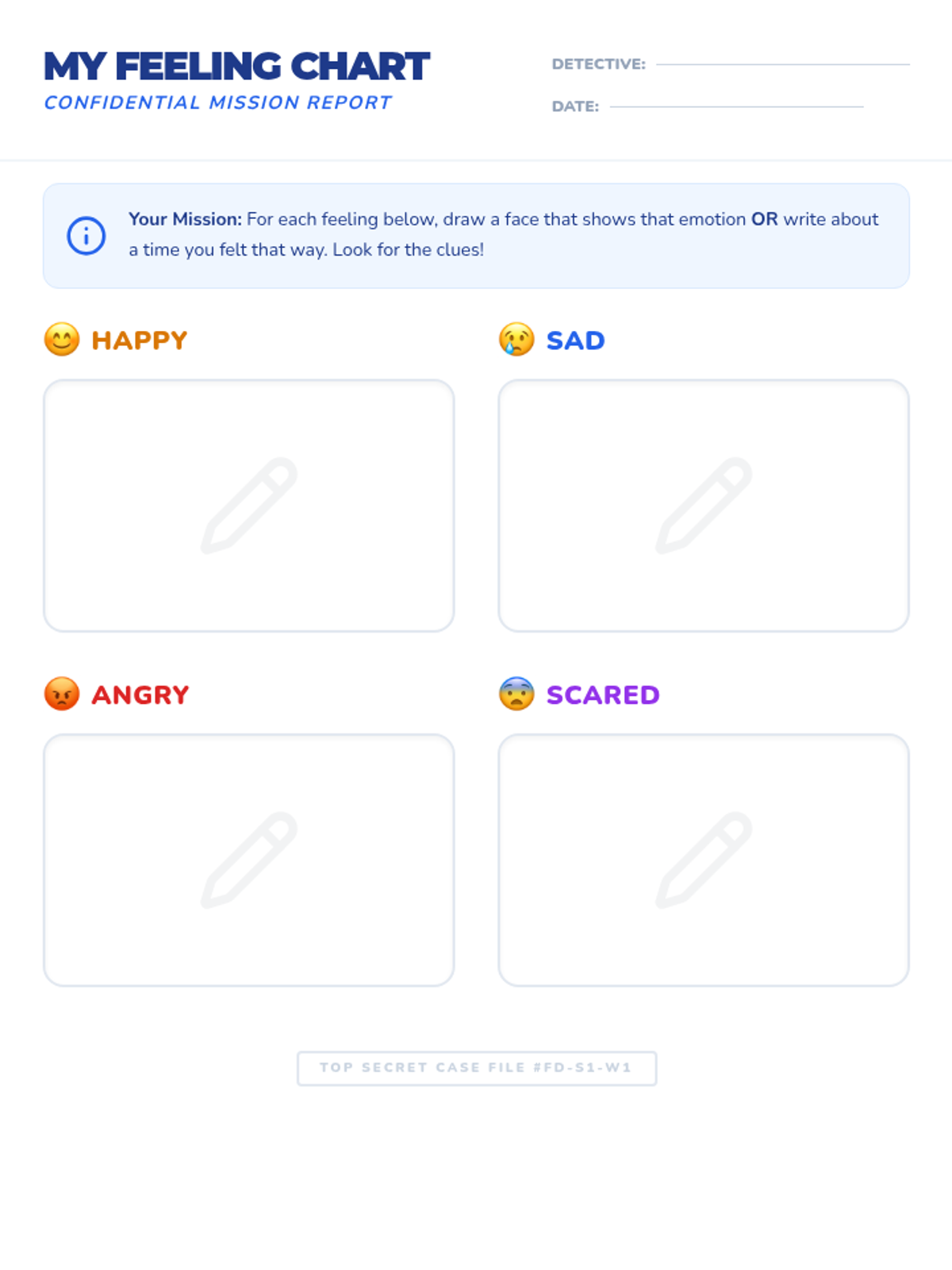
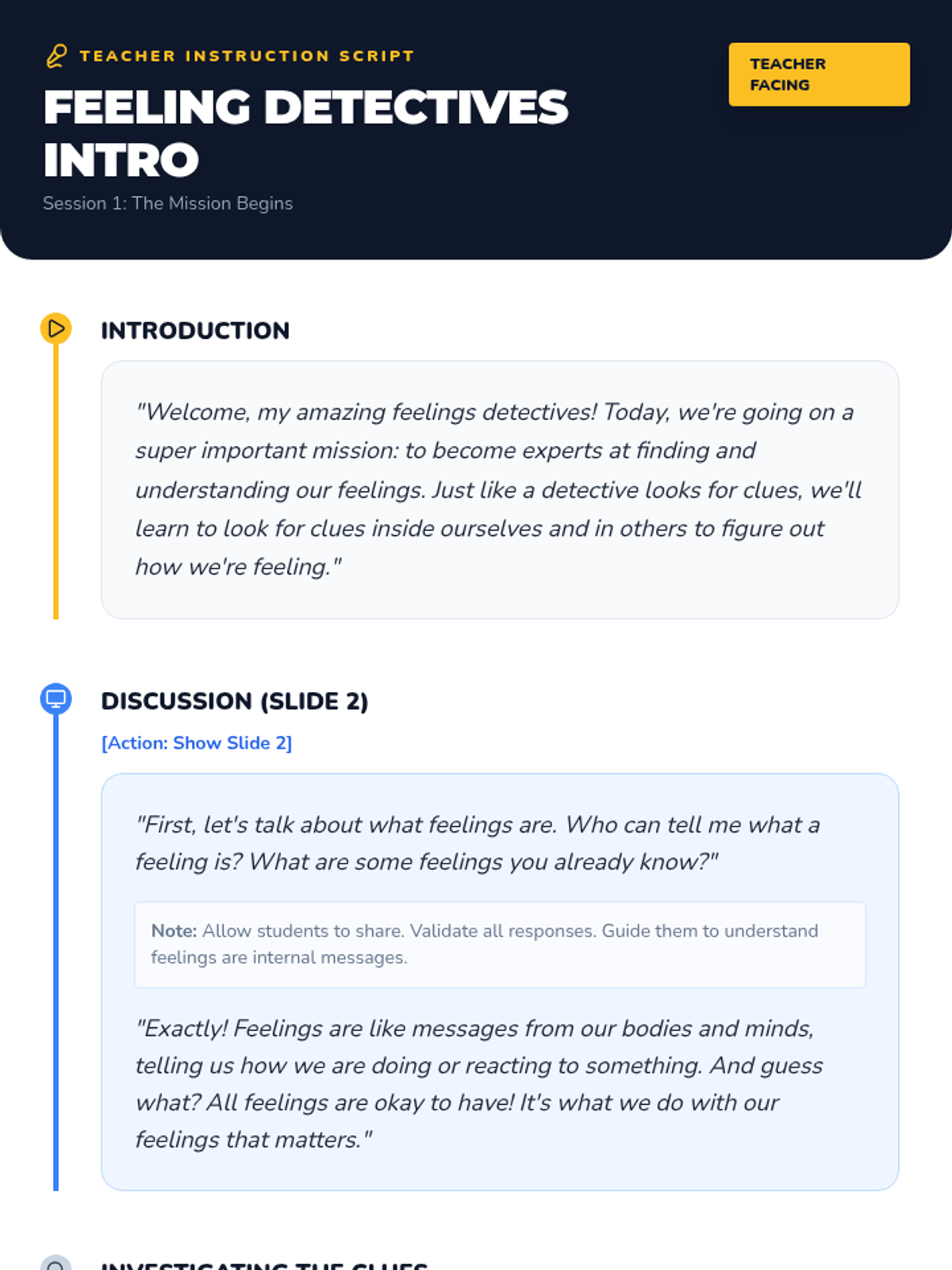
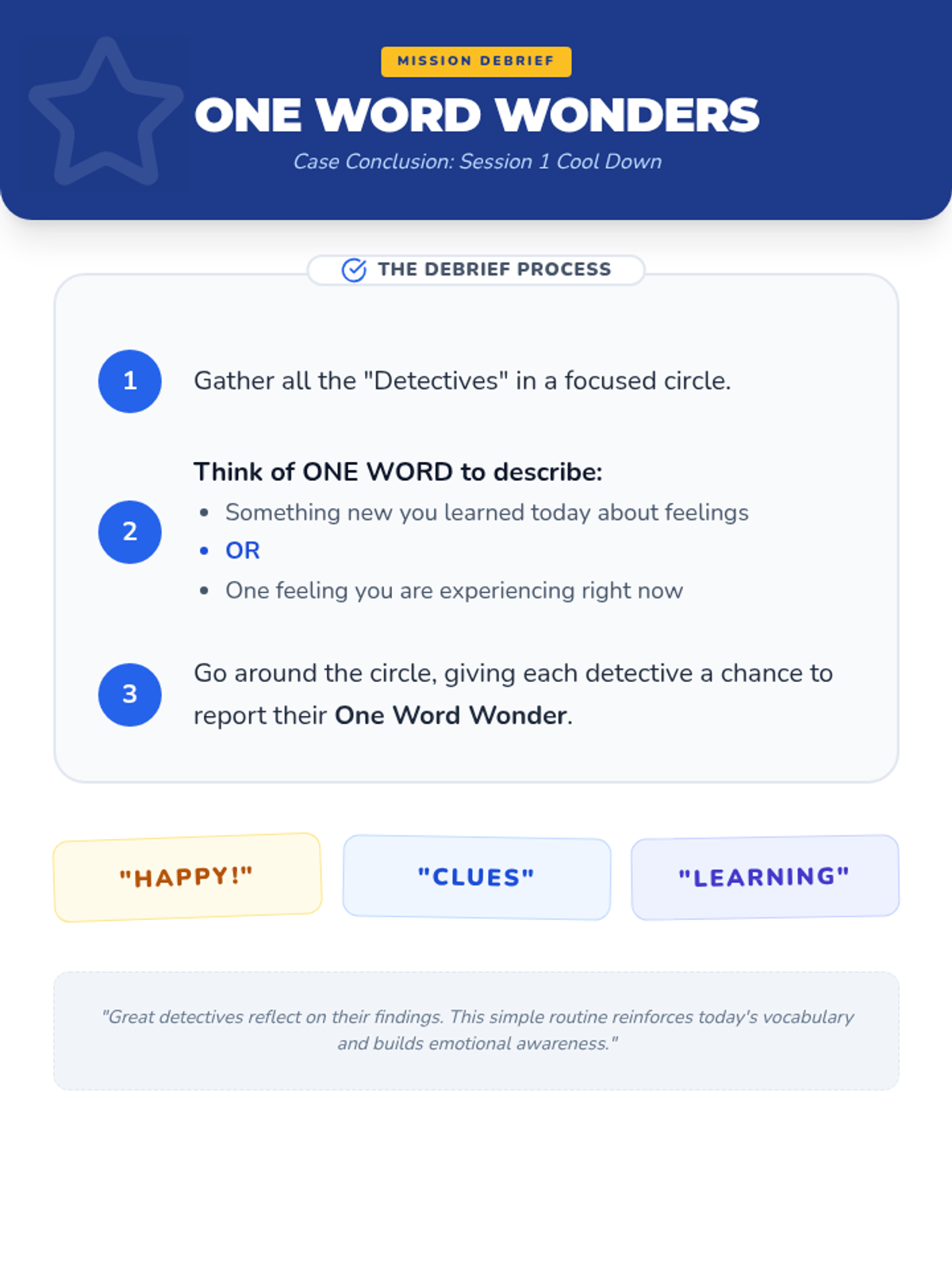
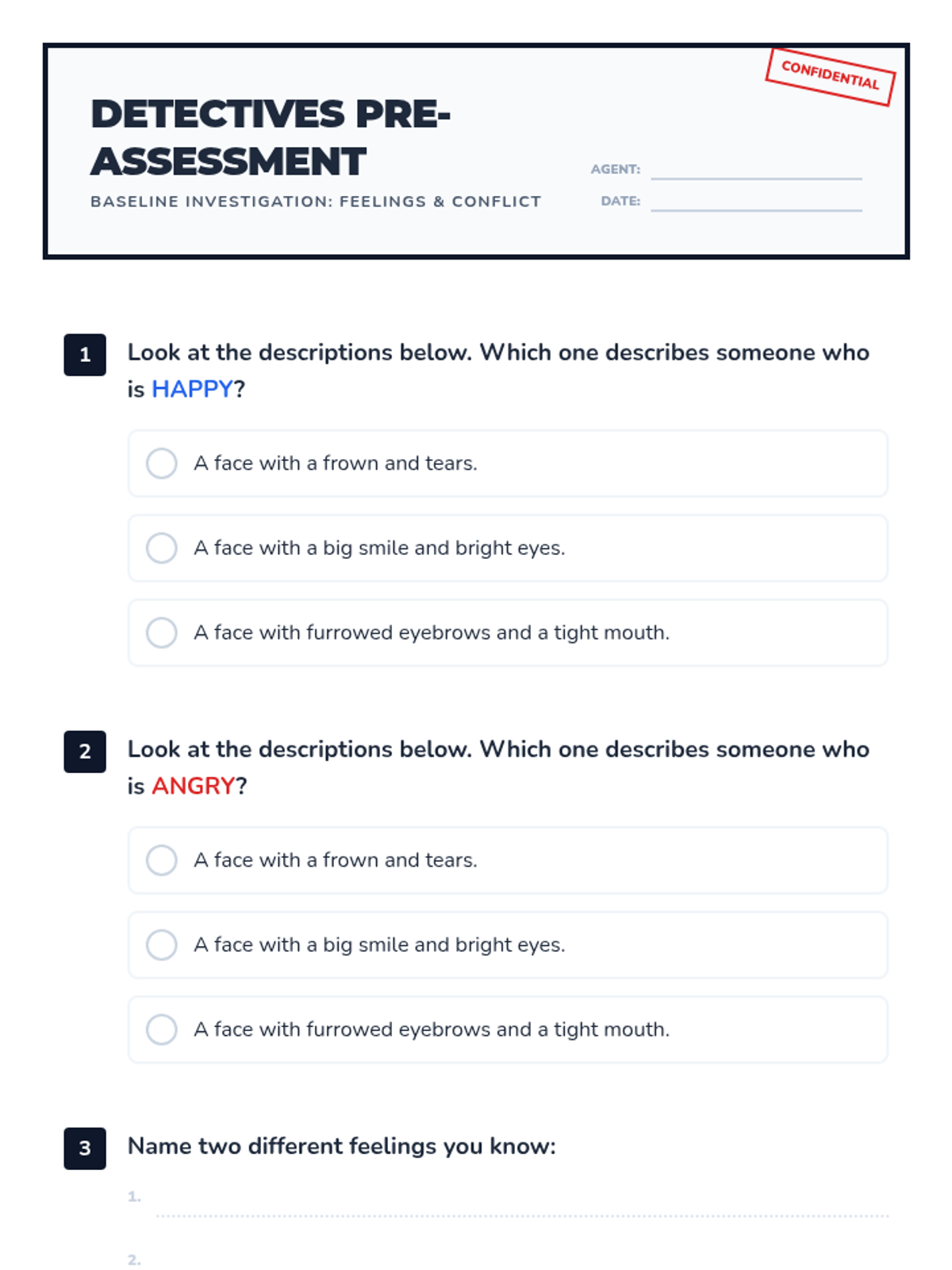
A six-session social-emotional learning program for 2nd and 3rd-grade boys focused on identifying emotions, physical regulation, and peaceful conflict resolution through a fun 'Feelings Detectives' theme.
A 10-session social-emotional learning series for K-2 students, focusing on identifying, understanding, and managing emotions through interactive stories, games, and creative activities.
A six-session social-emotional learning program for 2nd and 3rd-grade boys, focusing on identifying emotions, body clues, calming strategies, and conflict resolution through a detective-themed mission.
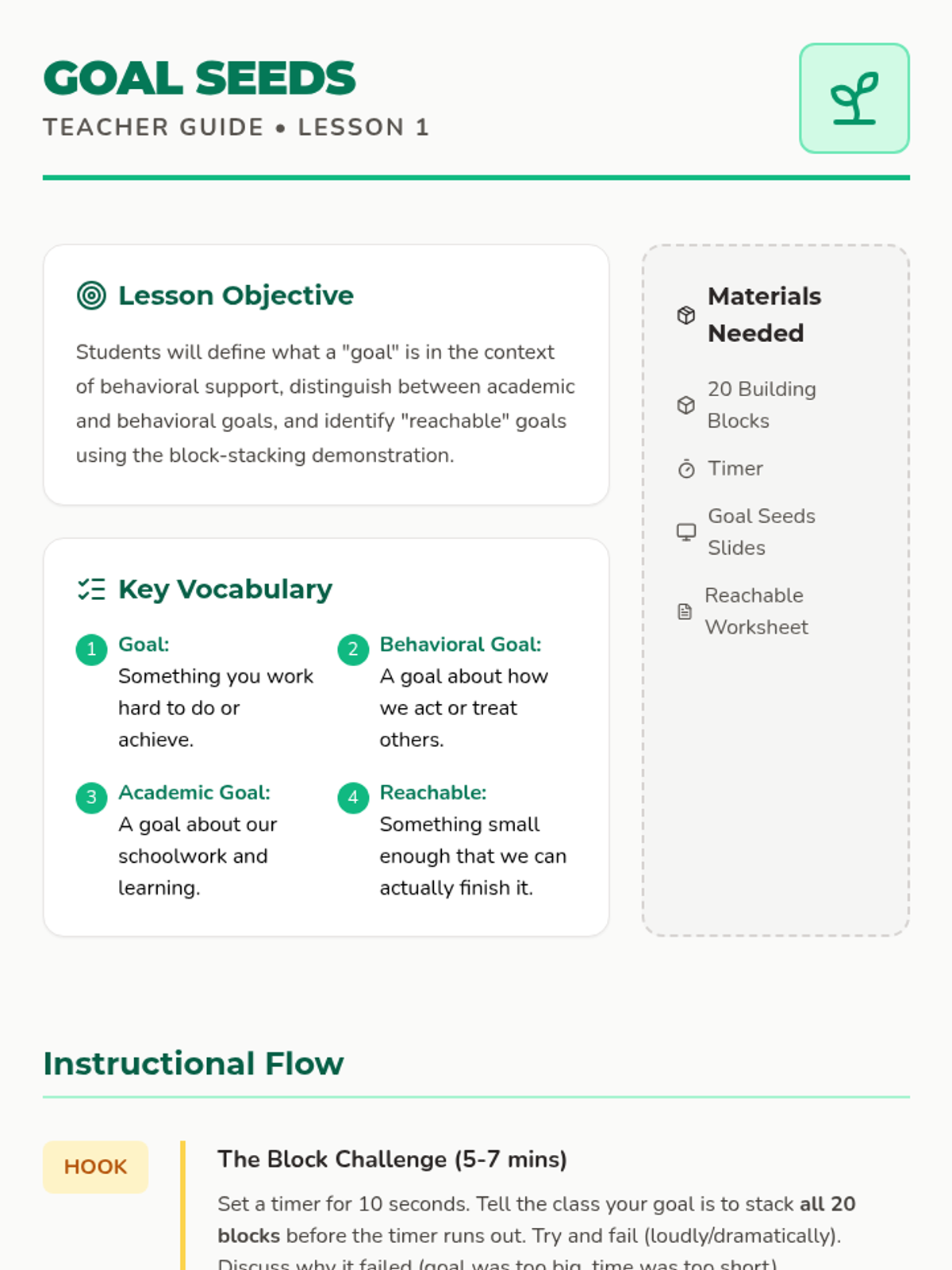
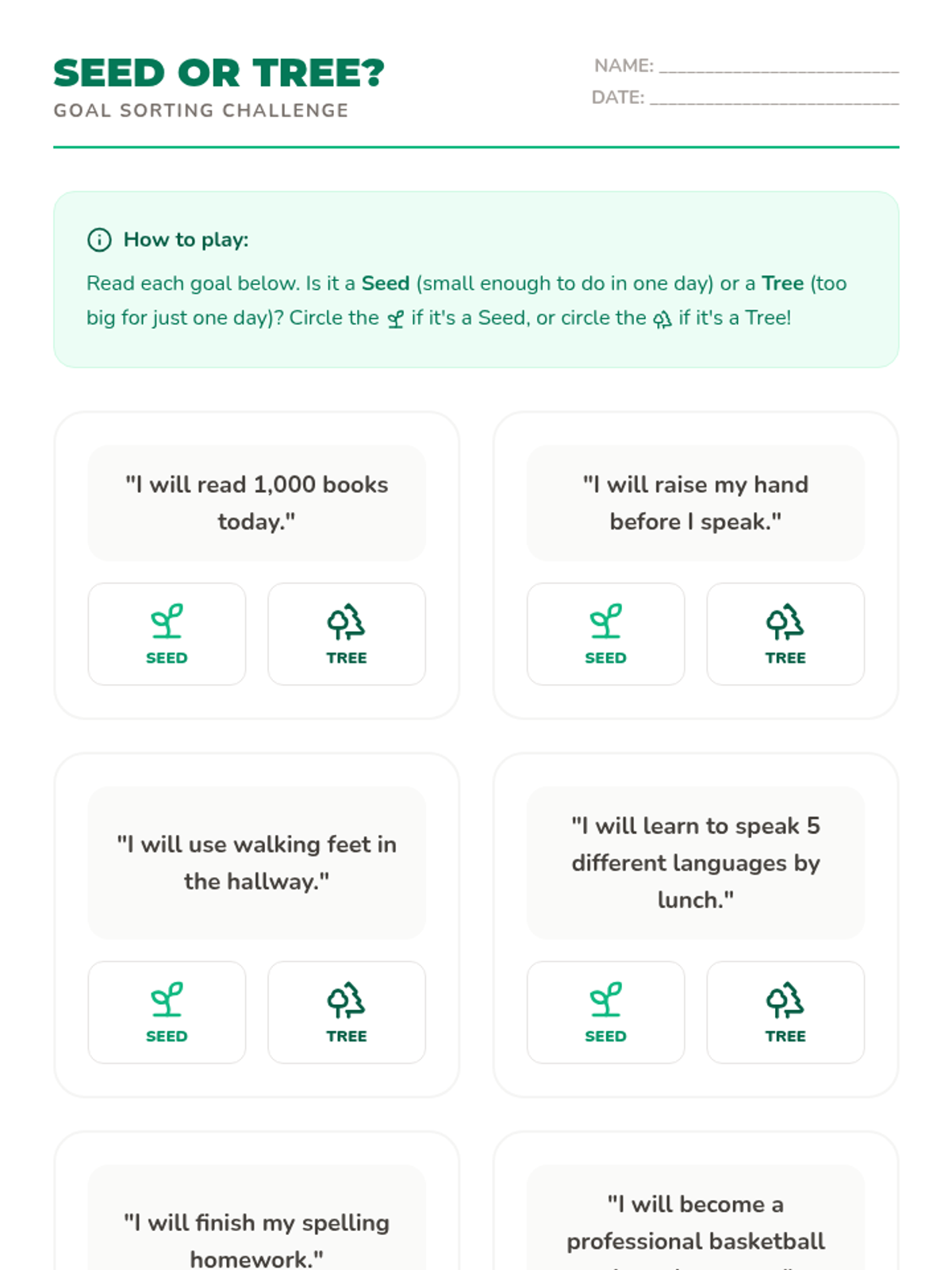
A comprehensive sequence for 2nd-grade students to transition from emotional check-ins to actionable behavioral goal setting. Students learn to set reachable goals, design personal tracking tools, and perform mid-day and end-of-day reflections to build autonomy and resilience.
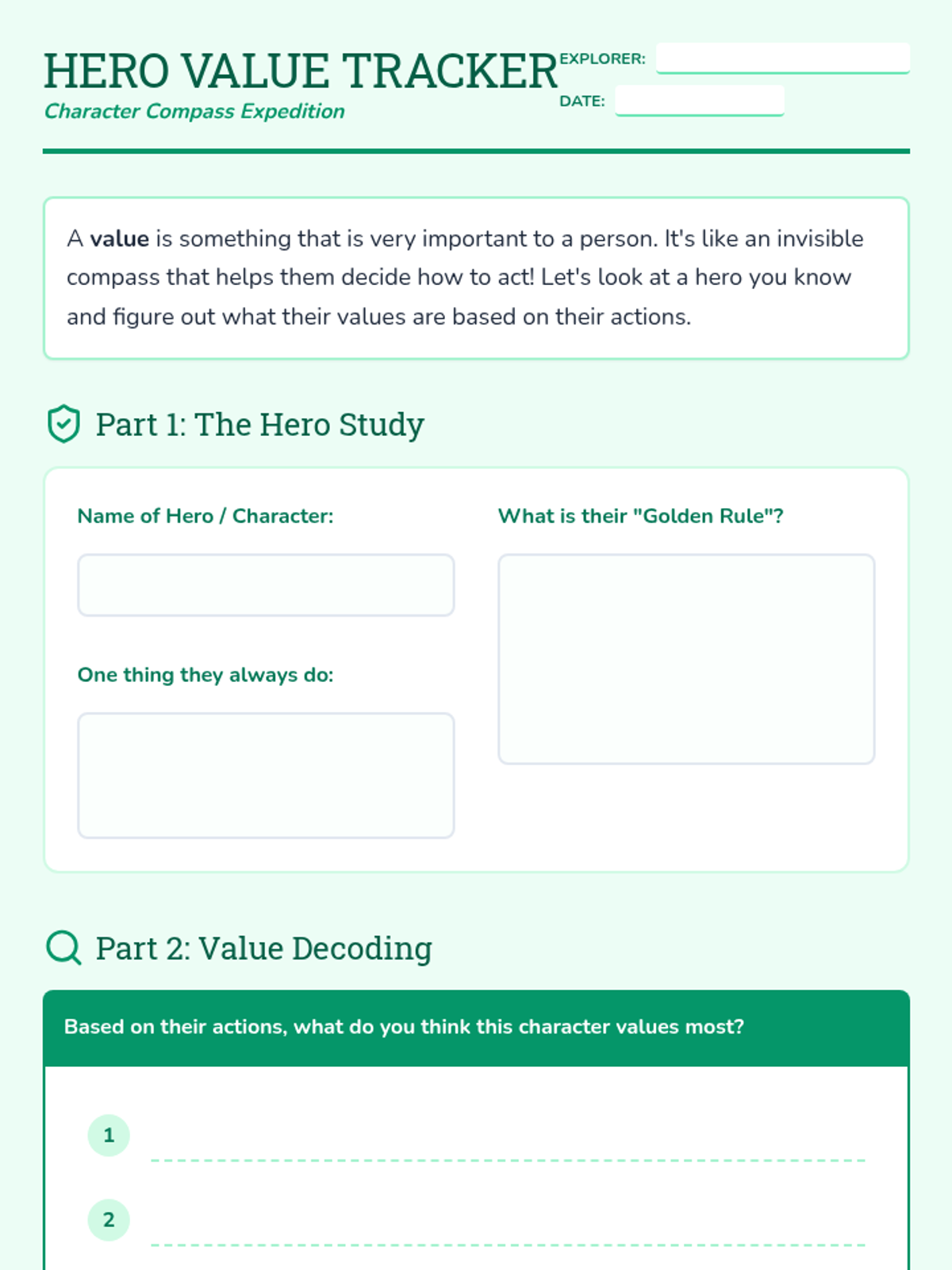
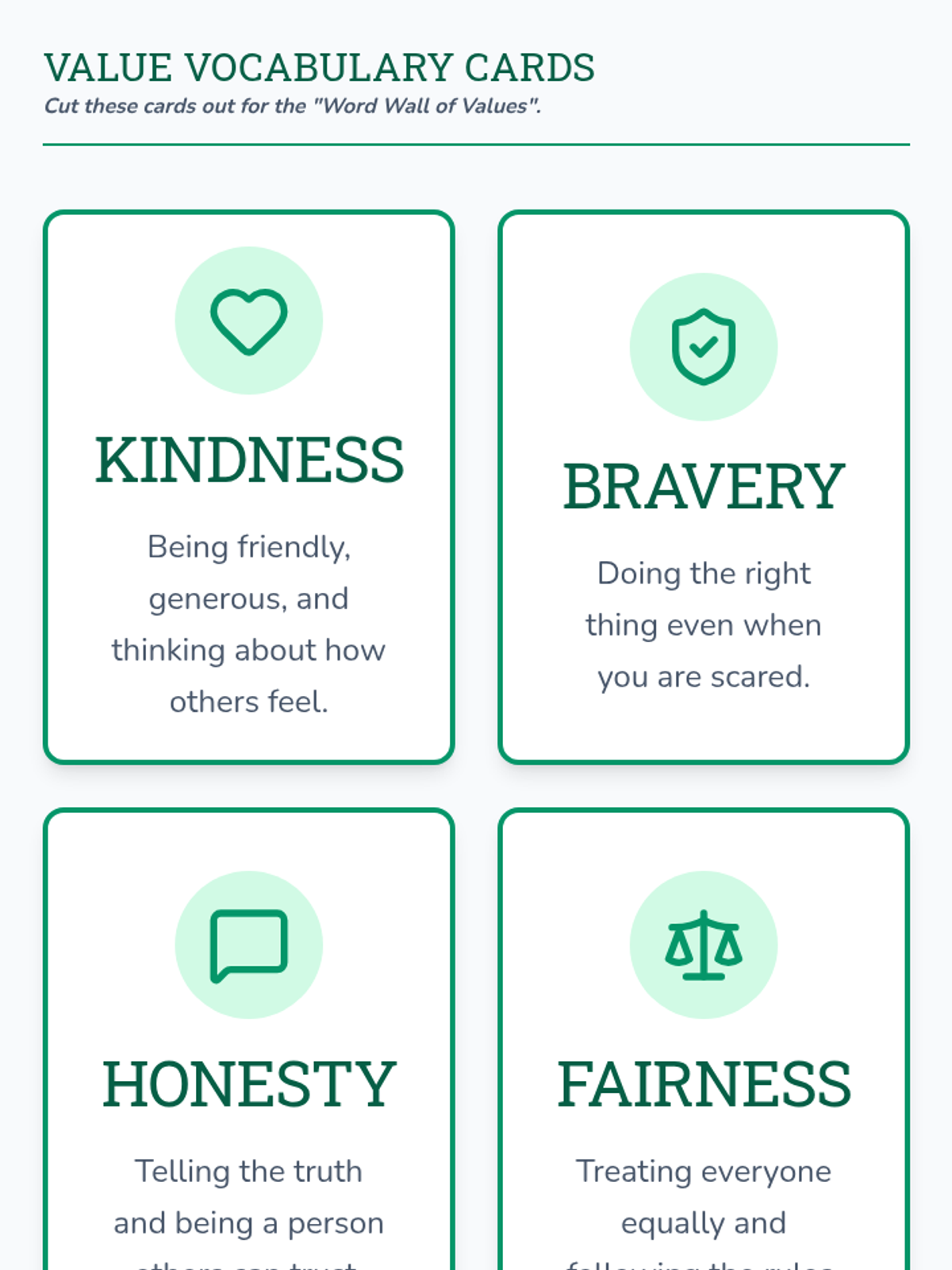
Students explore the abstract concept of values by connecting them to concrete behaviors, character analysis, and personal identity. They progress from defining values to identifying their own core principles and applying them to real-world decision-making.
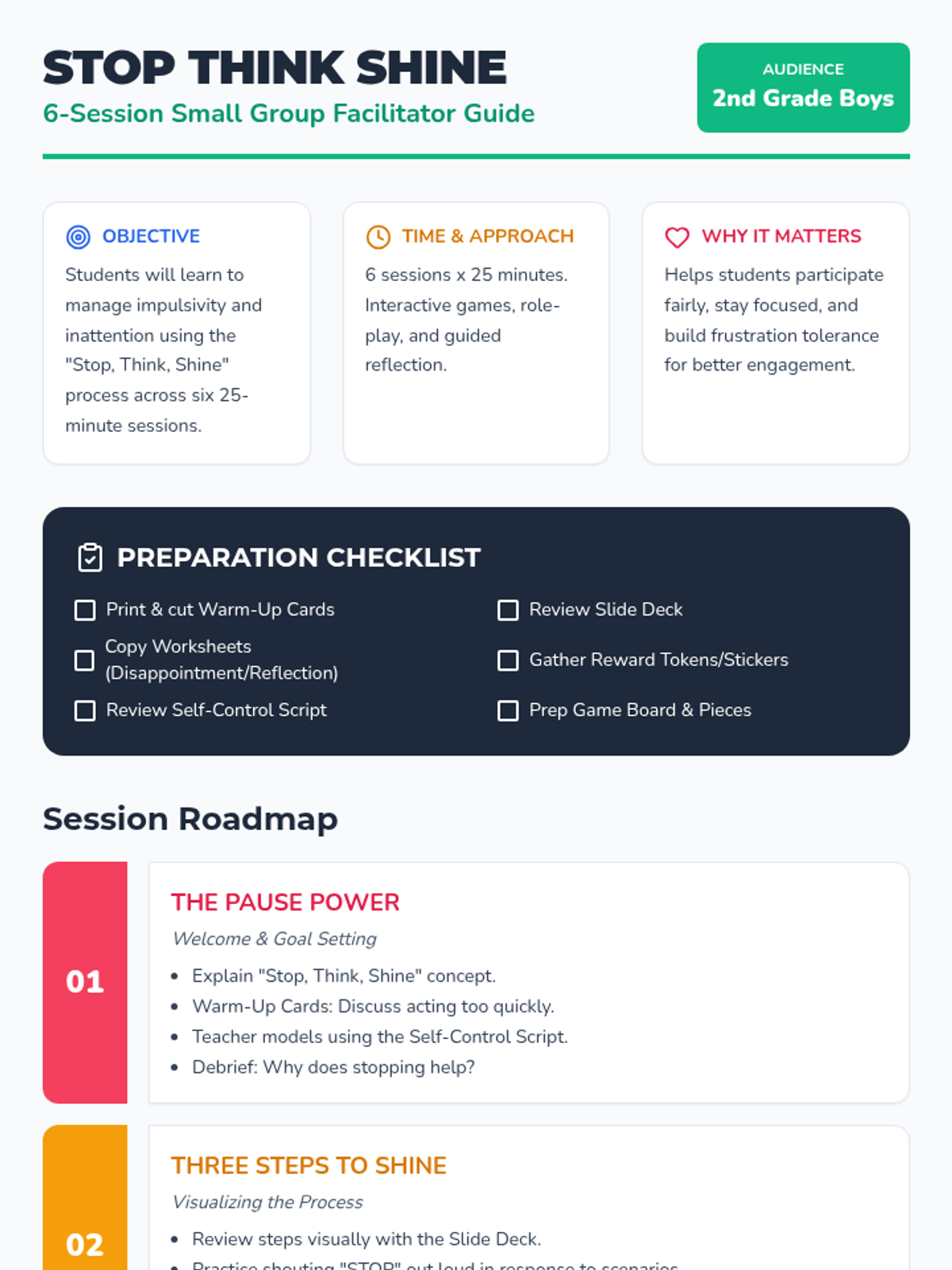
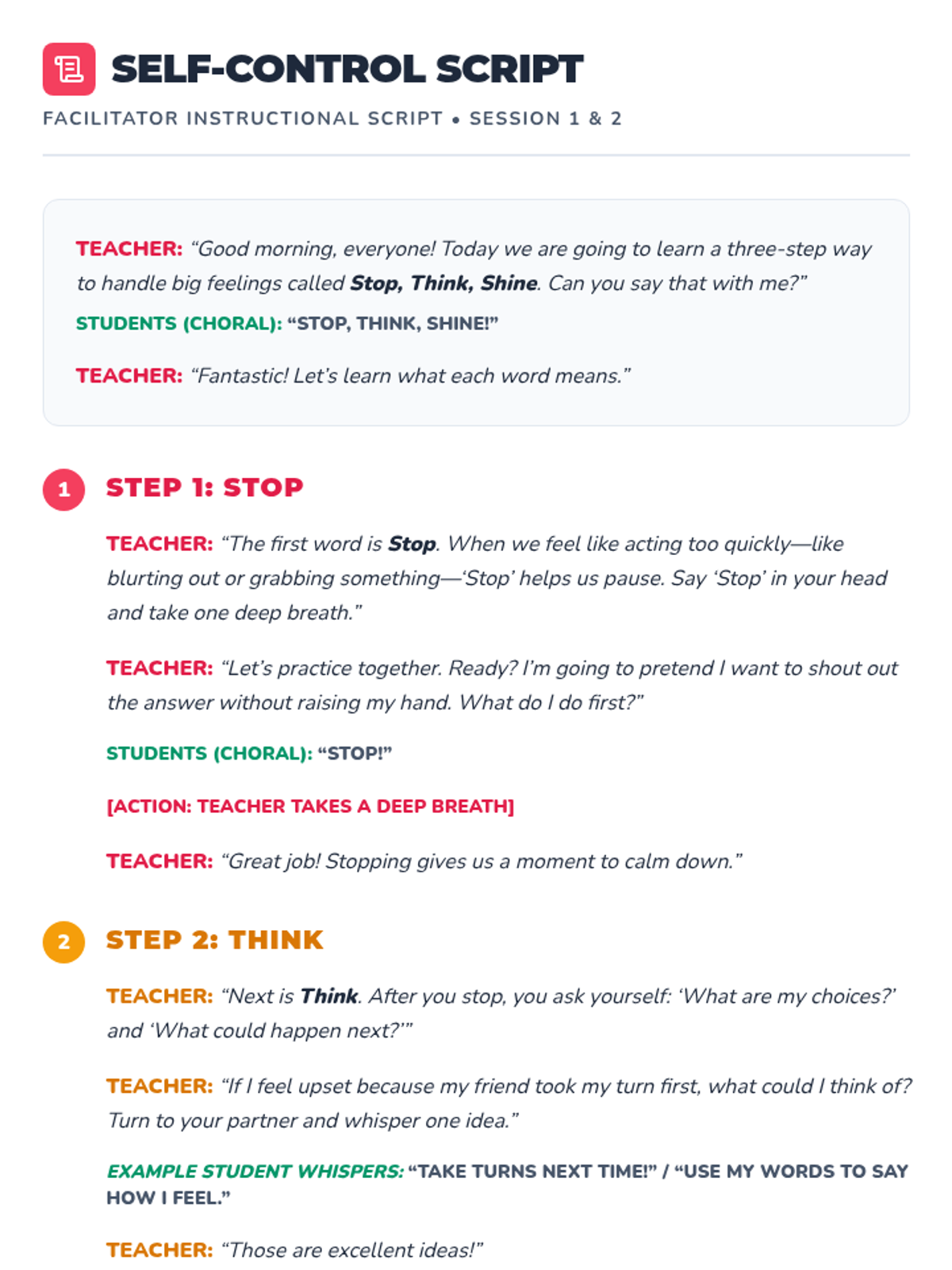
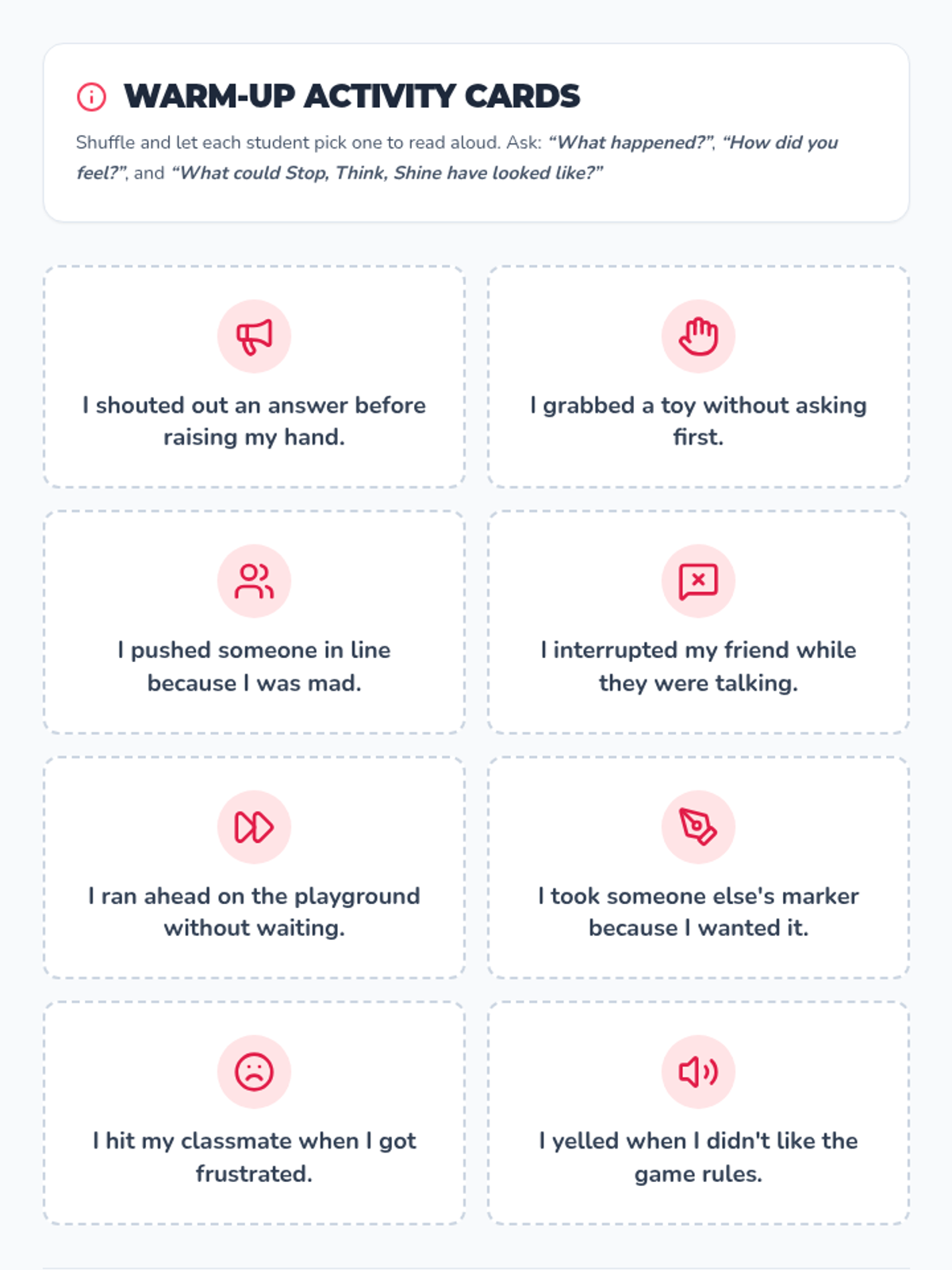
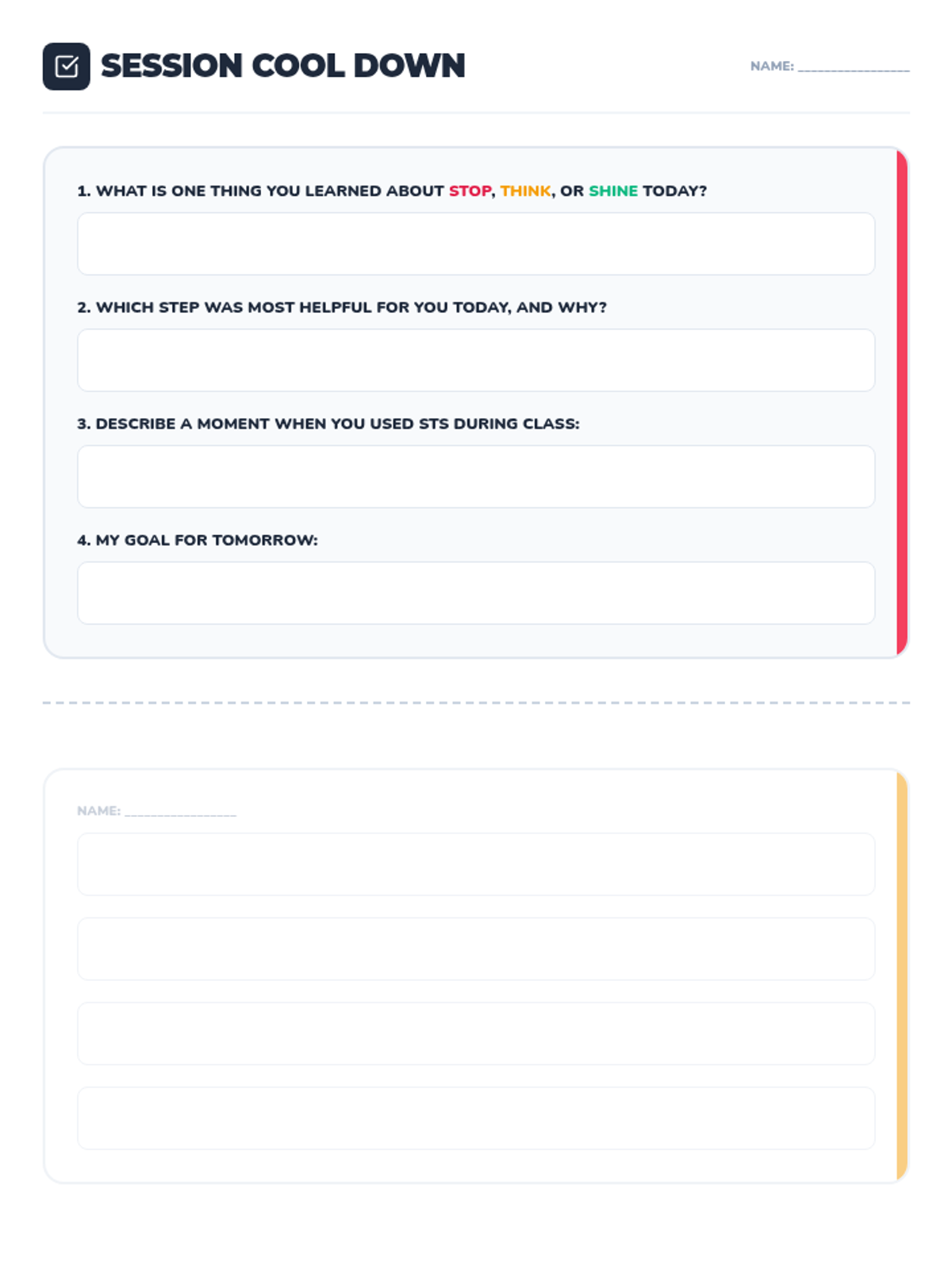
A 6-session small-group course for 2nd grade boys focused on managing impulsivity and frustration through the "Stop, Think, Shine" strategy. Students engage in games, role-plays, and reflections to build self-control and social skills.
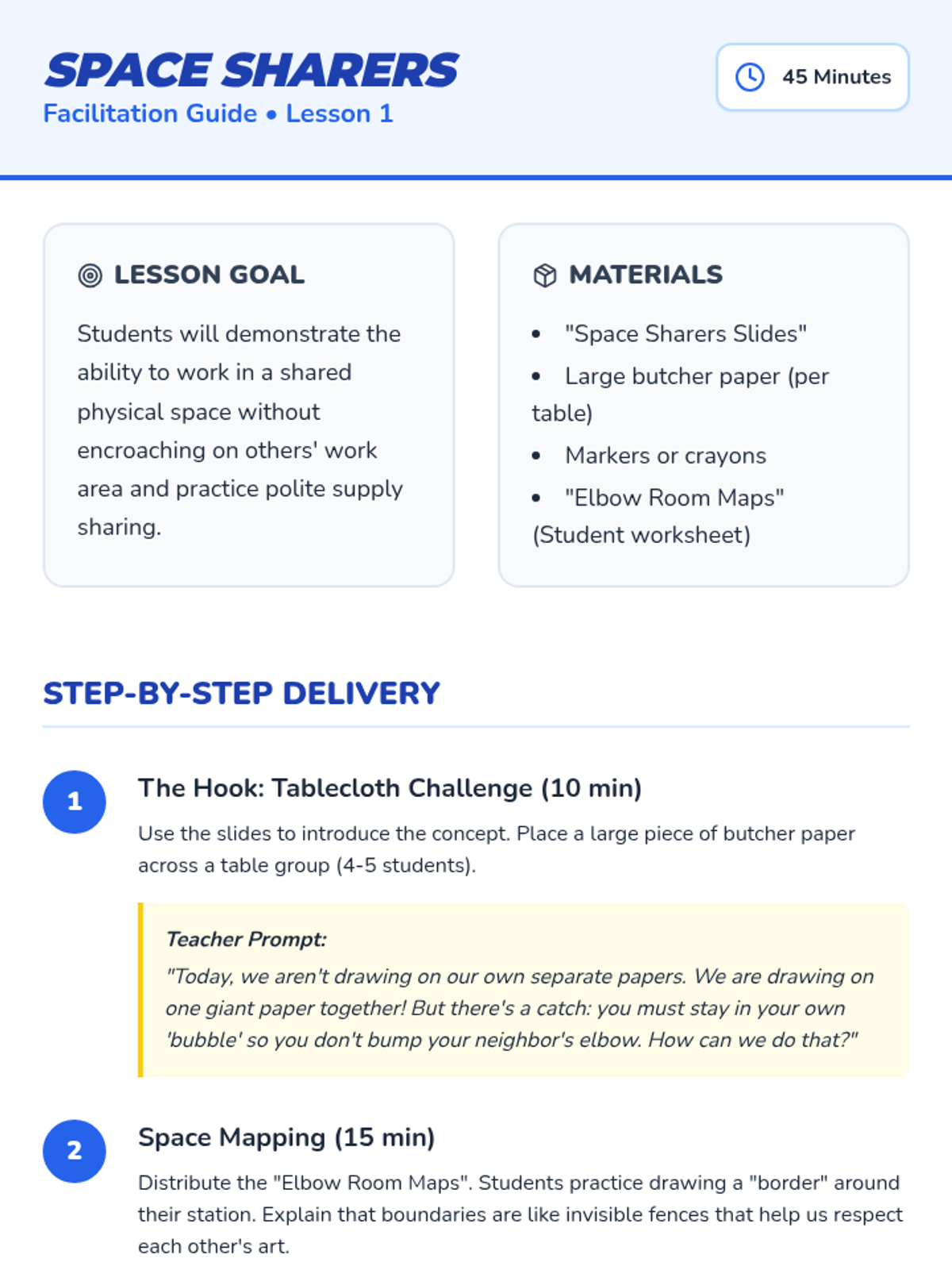
Students learn the art of collaboration by designing and assembling a large-scale class mural, focusing on sharing space, brainstorming themes, creating connectable art, and negotiating layout.
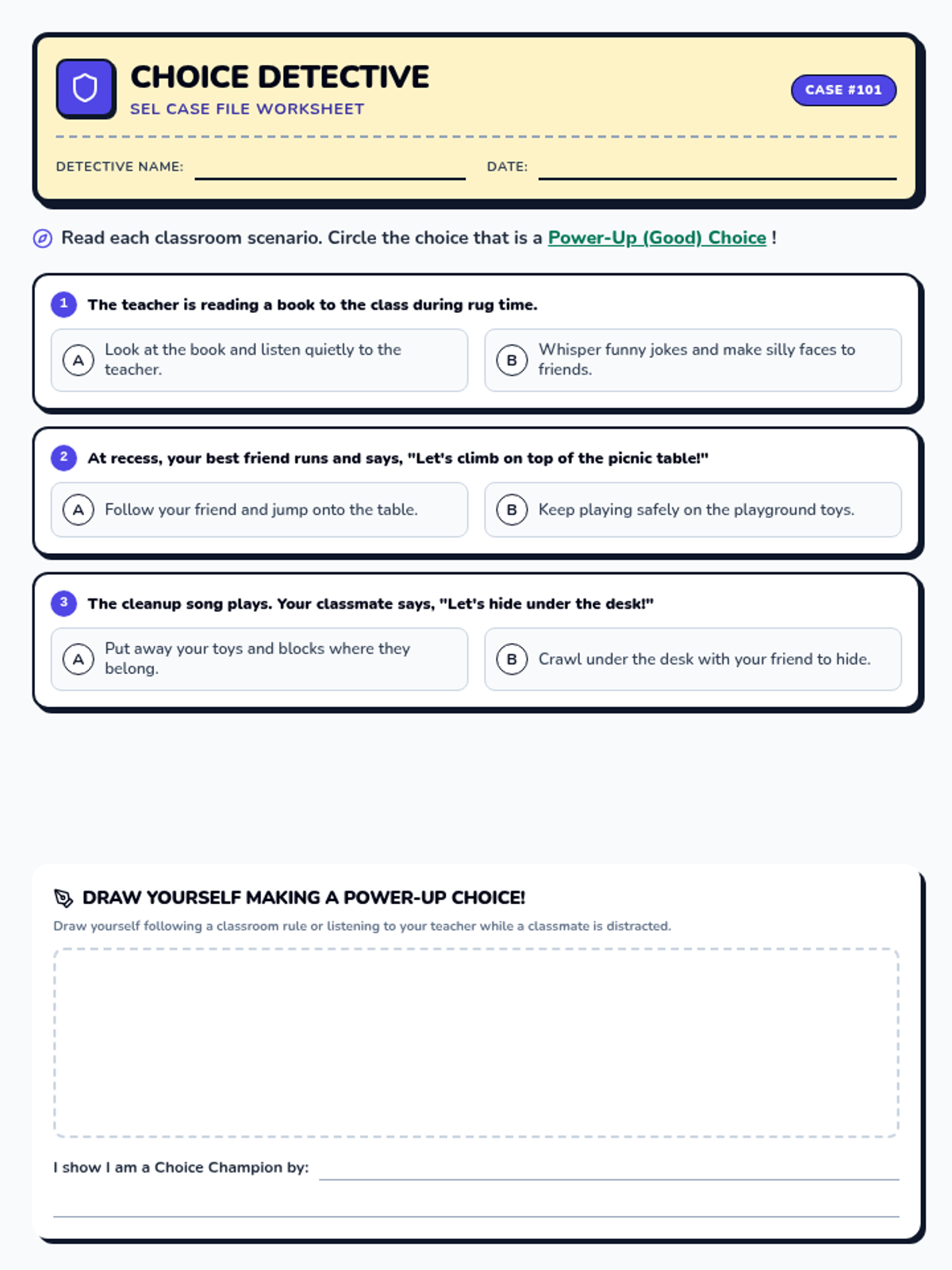
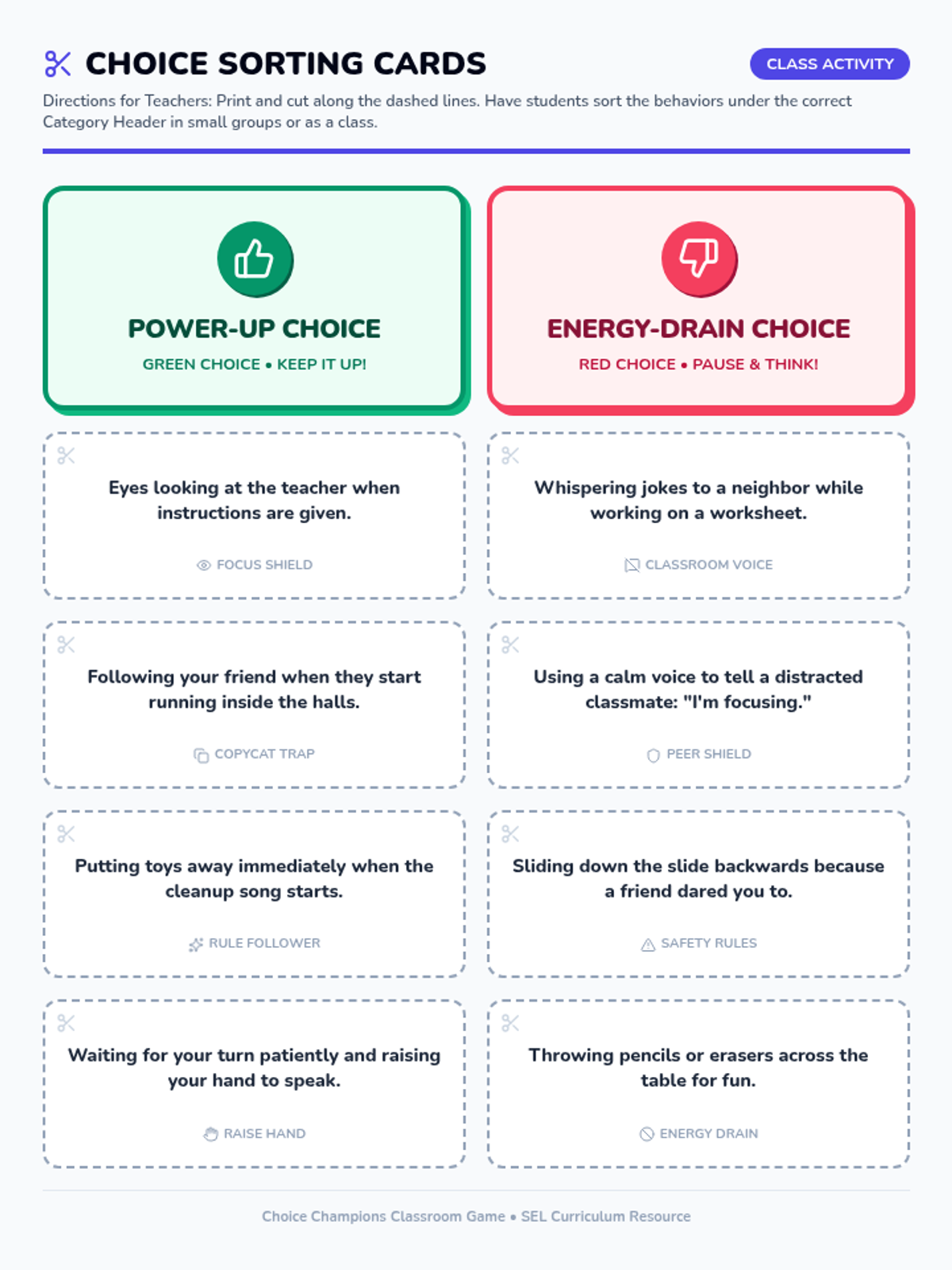
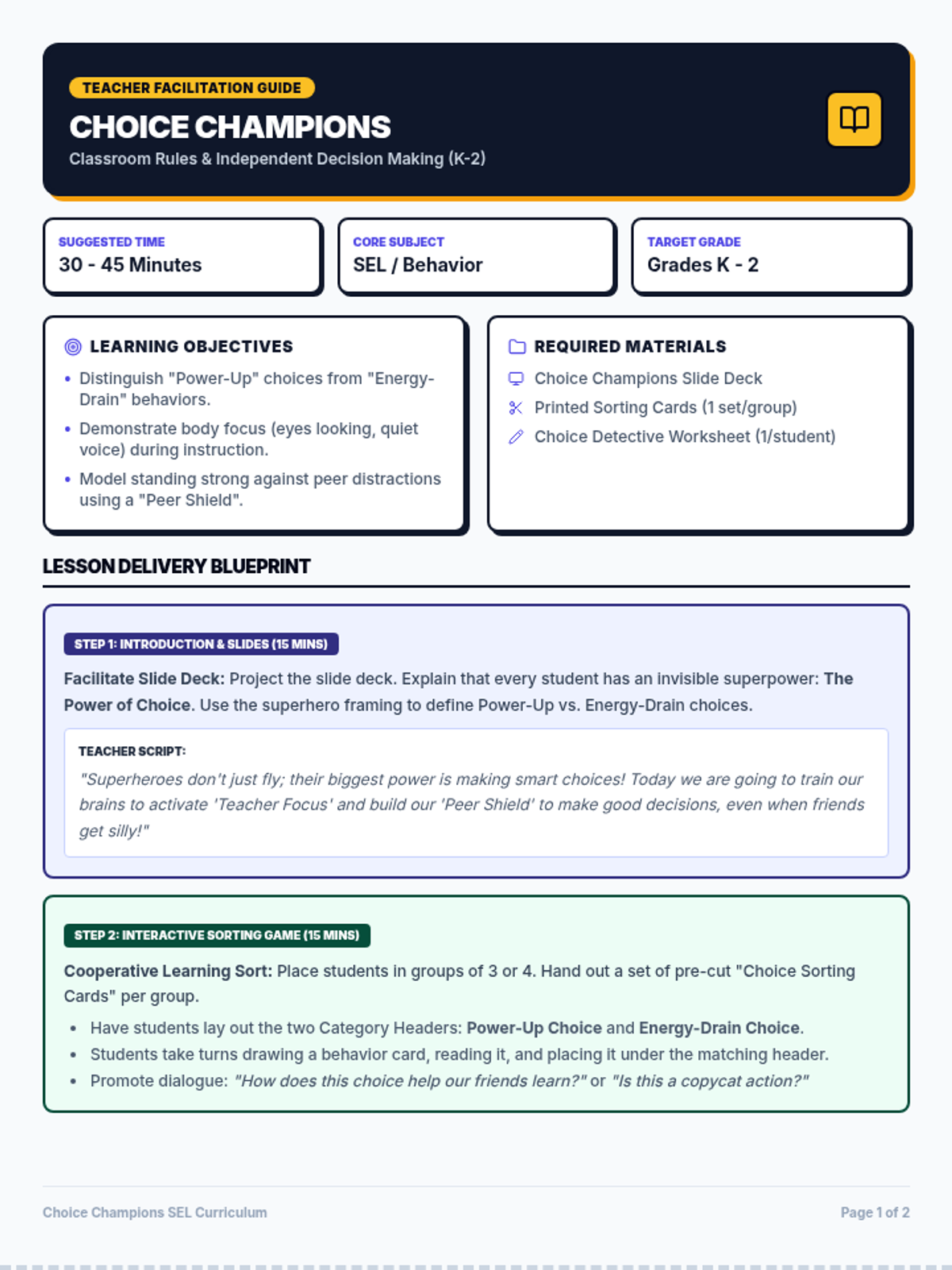
A social-emotional learning sequence for early elementary students to master classroom behavior, self-regulation, and peer conflict resolution. It features the 'Choice Champions' lesson on smart behavior choices and the 'Peace Pals' lesson on conflict coping skills.
A series of social-emotional and behavioral lessons to improve school-wide culture and student self-regulation.
A comprehensive introduction to library skills, covering both the physical care of books and the intellectual skills needed to find and evaluate information.
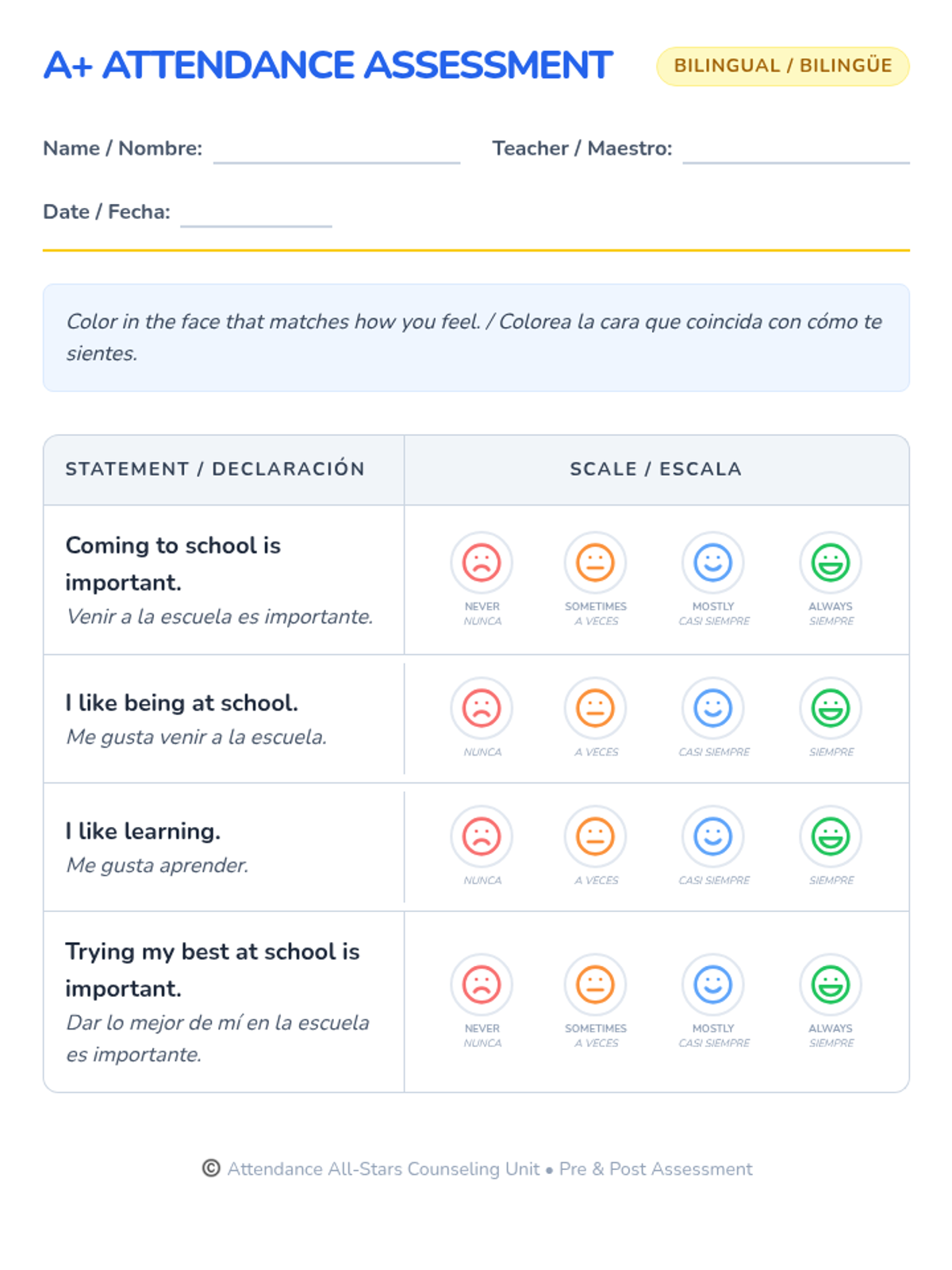
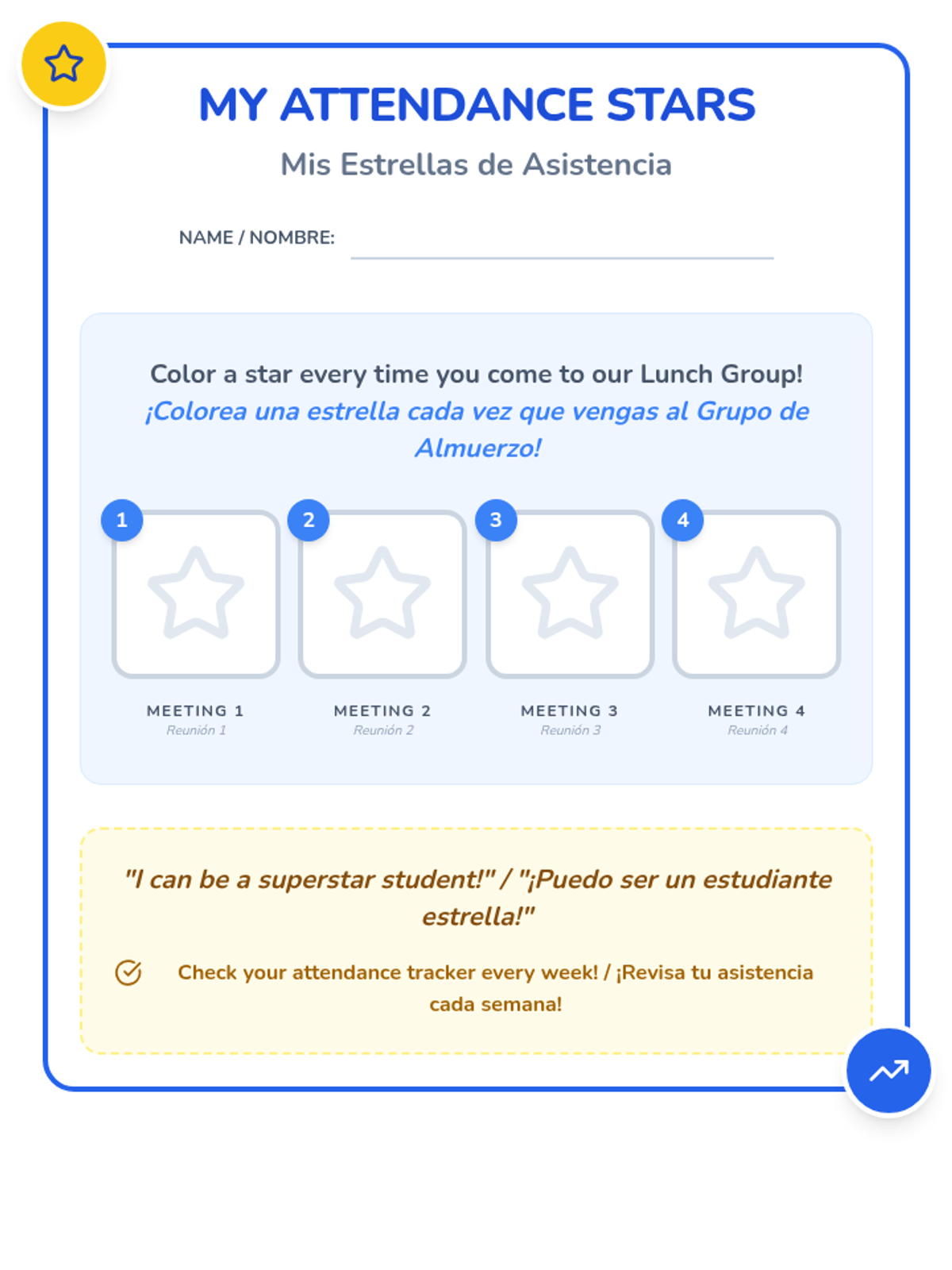
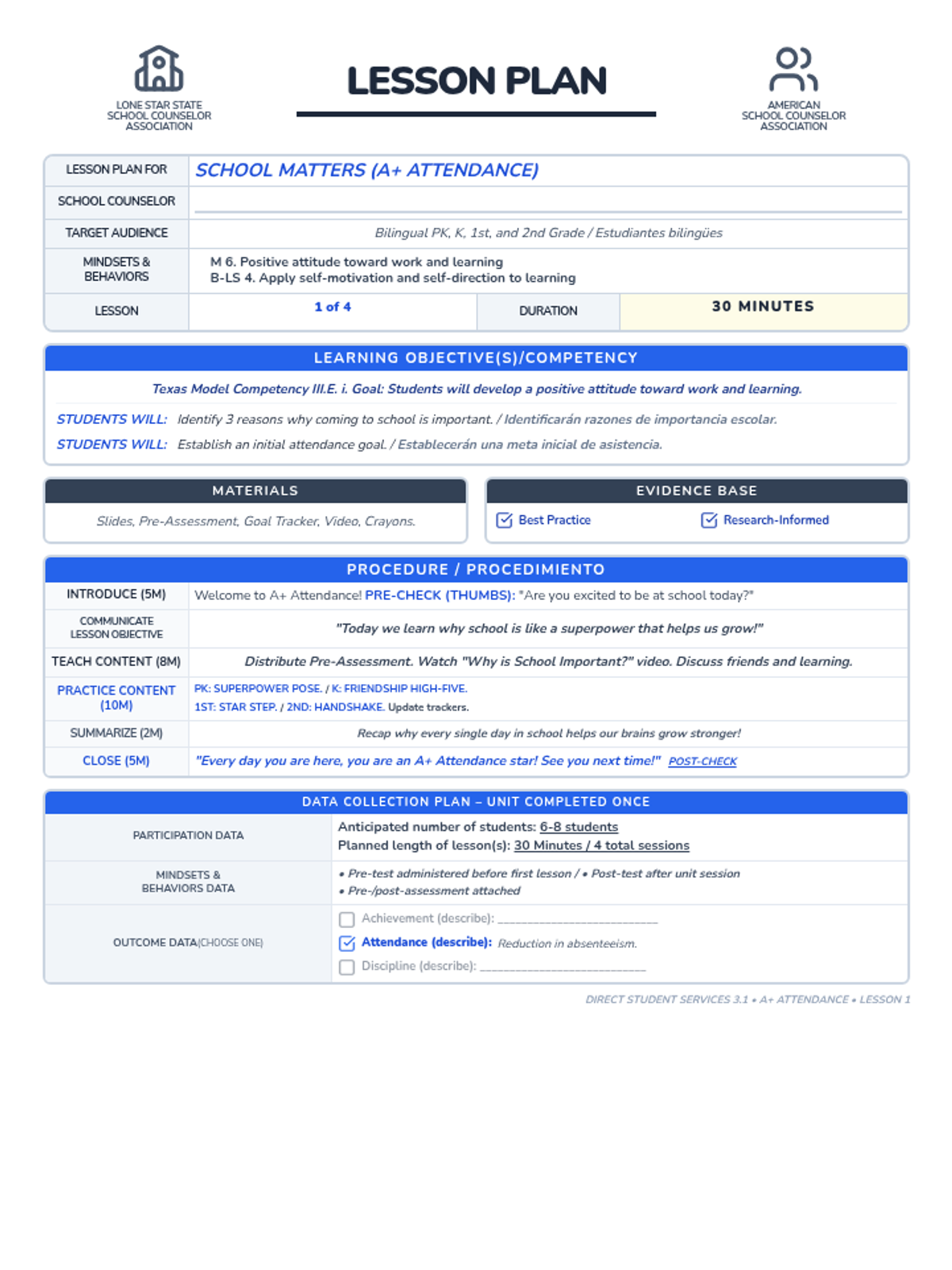
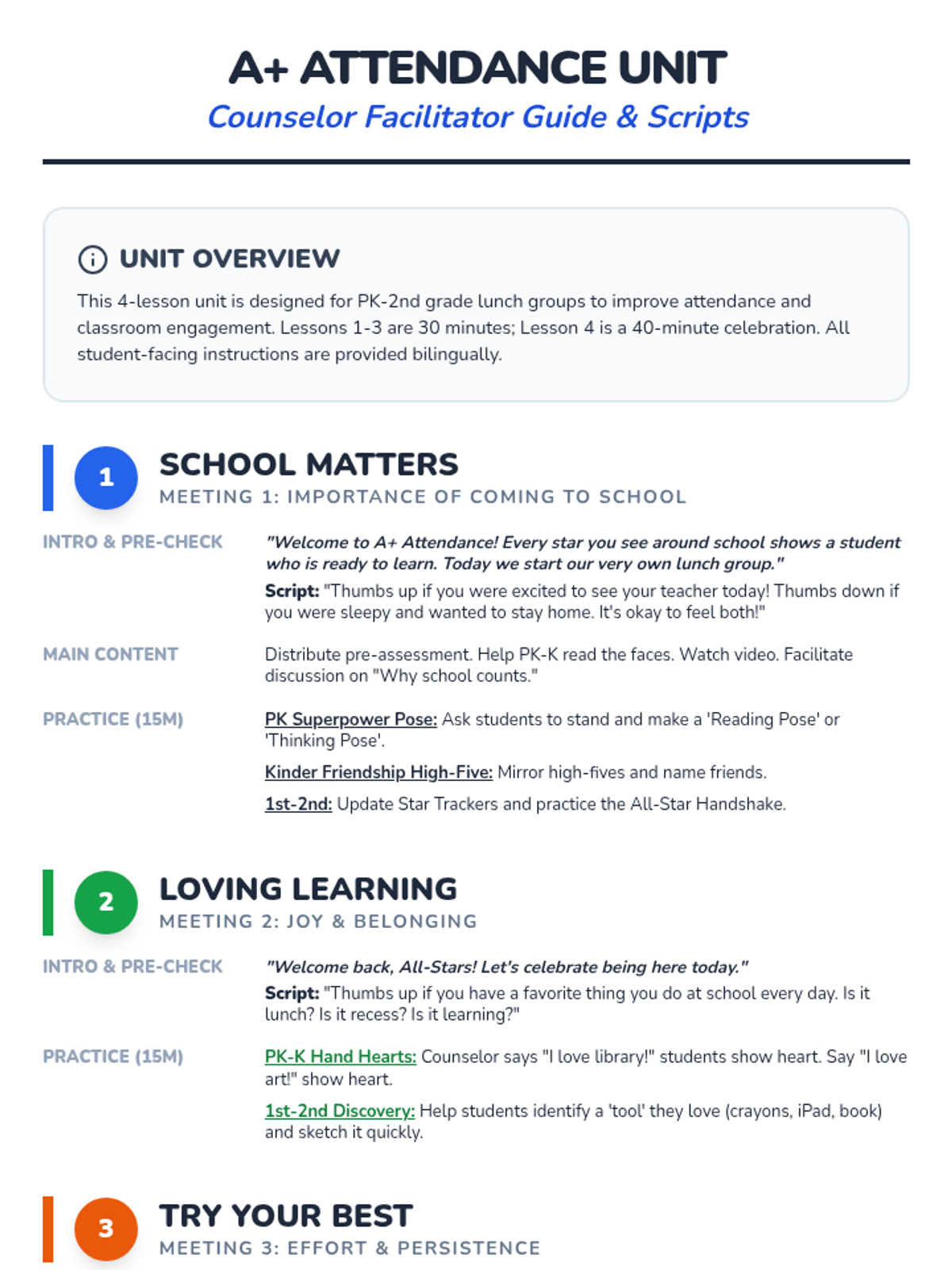
A 4-lesson school counseling unit designed for the 'A+ Attendance' group to improve student attendance and attitudes toward learning for PK-2nd grade students. The program uses a bilingual (English/Spanish) approach and a 'Lunch Group' format to build positive school connections.
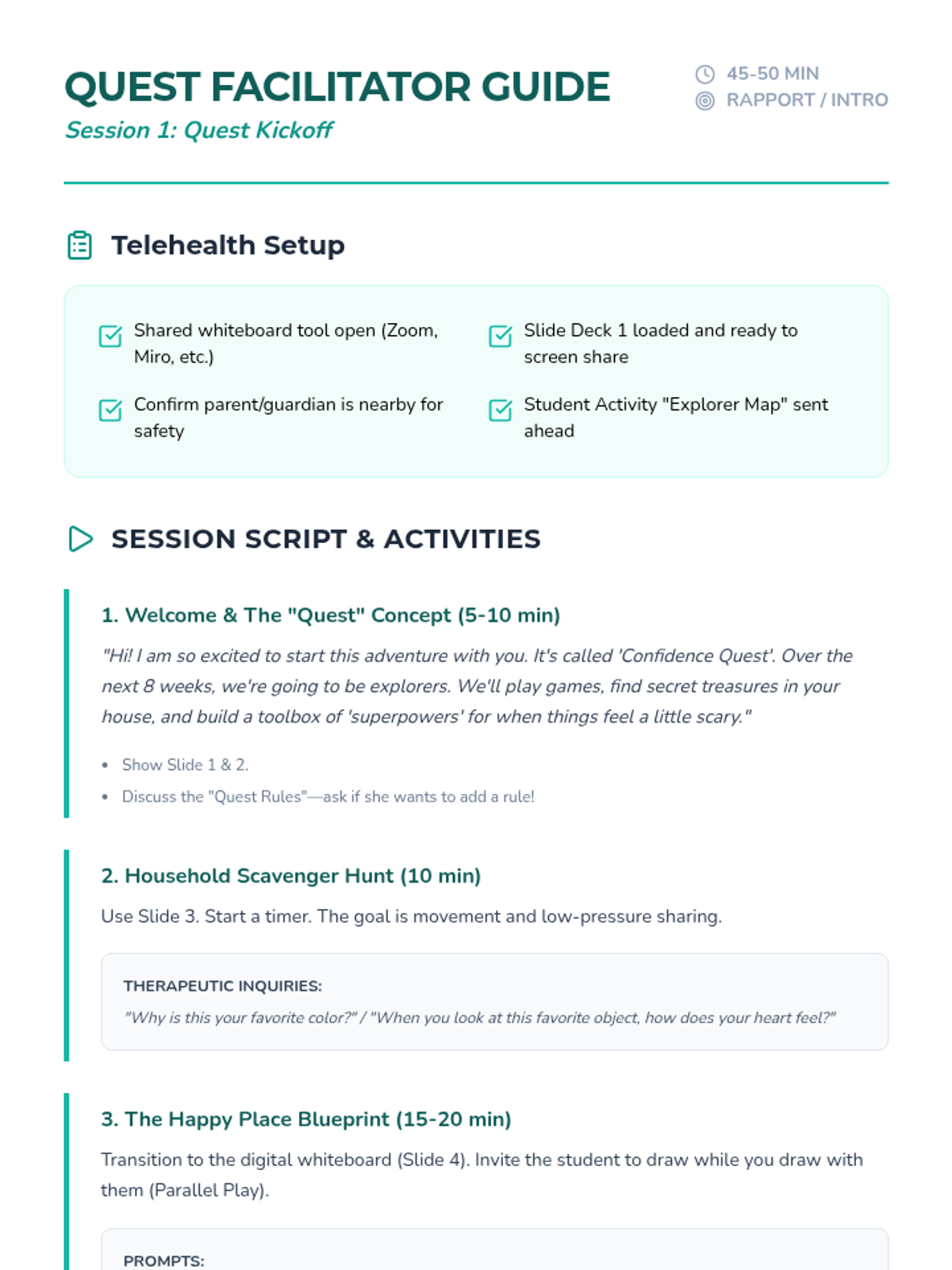
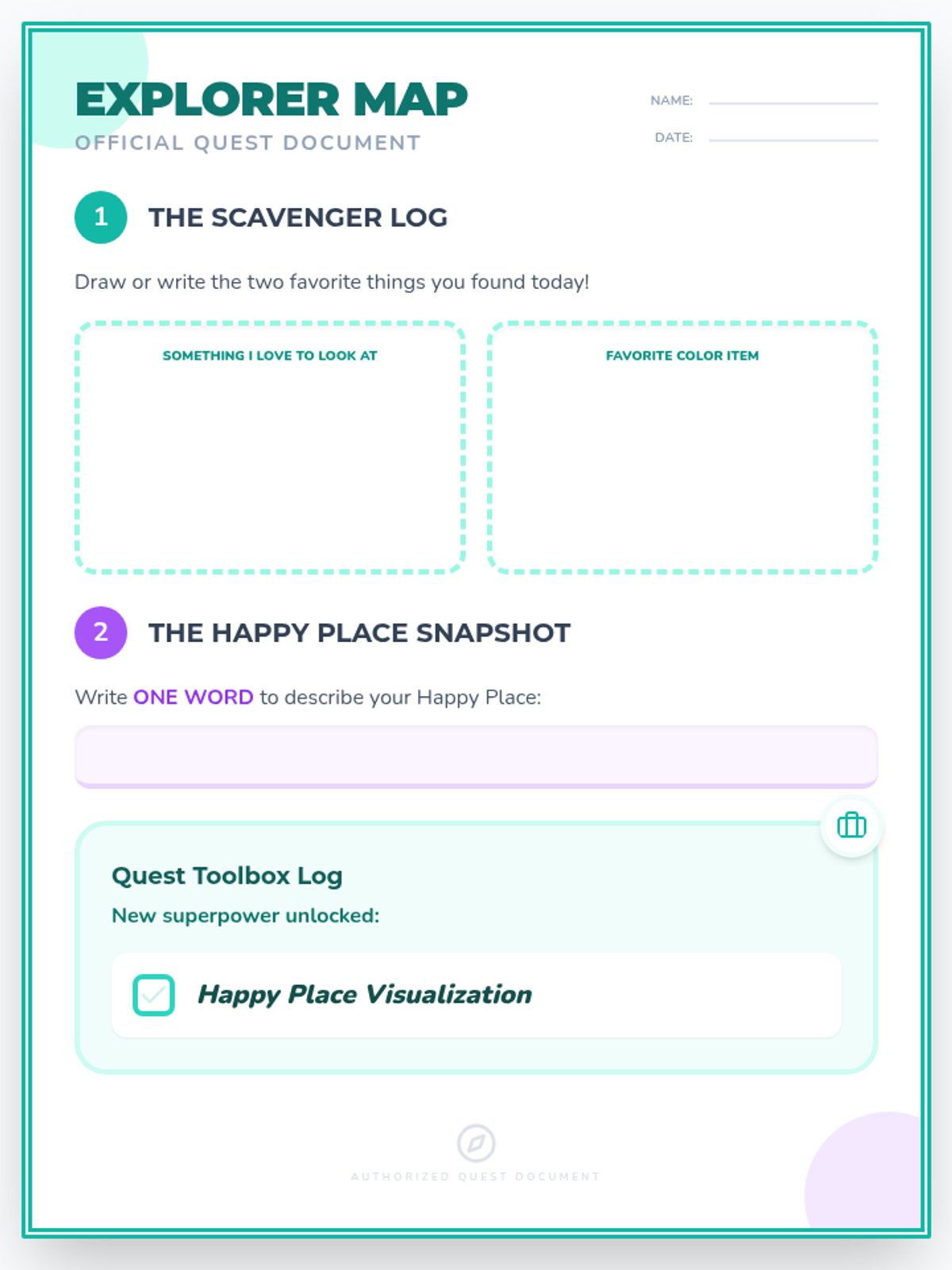
An 8-week telehealth play therapy program for an 8-year-old girl, focusing on social anxiety, self-confidence, and coping skills through scavenger hunts, bibliotherapy, and digital drawing.
A 10-week Tier 3 individualized intervention for a 2nd-grade student, focusing on social-emotional skills like empathy, self-regulation, and honesty through a 'Quest Master' gaming theme.