Budgeting, saving, and investment strategies alongside practical skills for managing credit, taxes, and banking. Addresses insurance needs, employment income, and major purchase decisions to support comprehensive long-term financial planning.
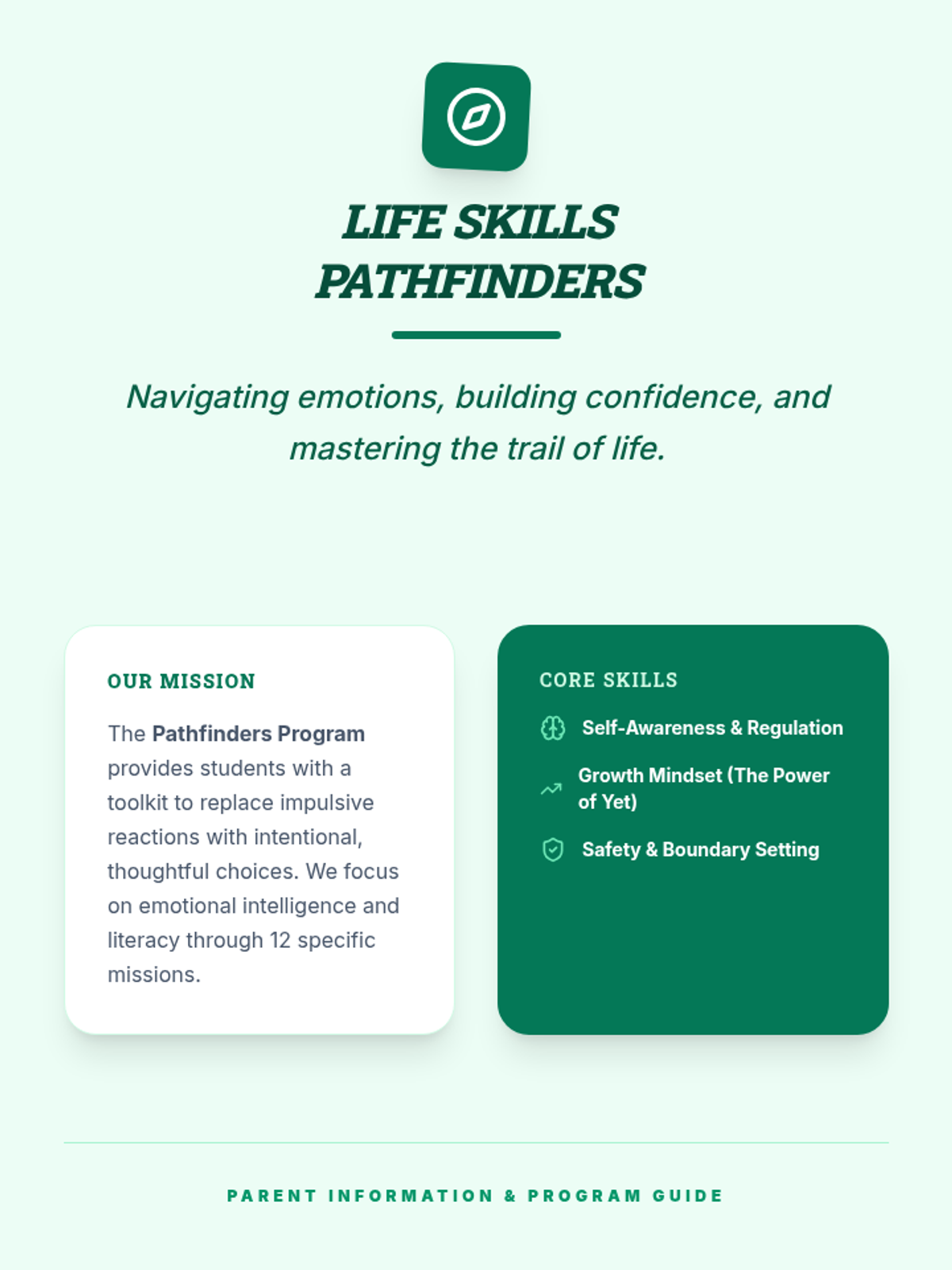
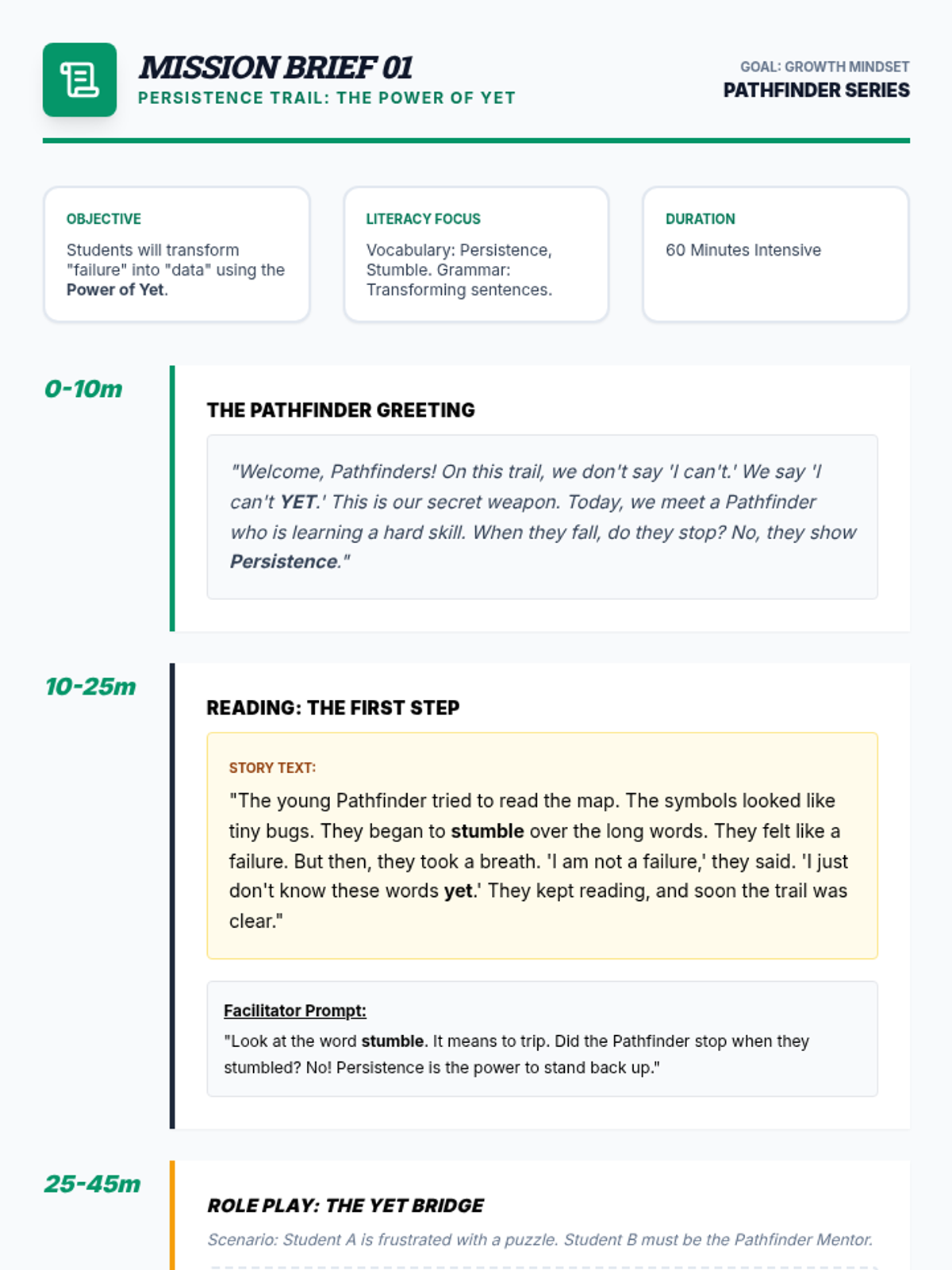
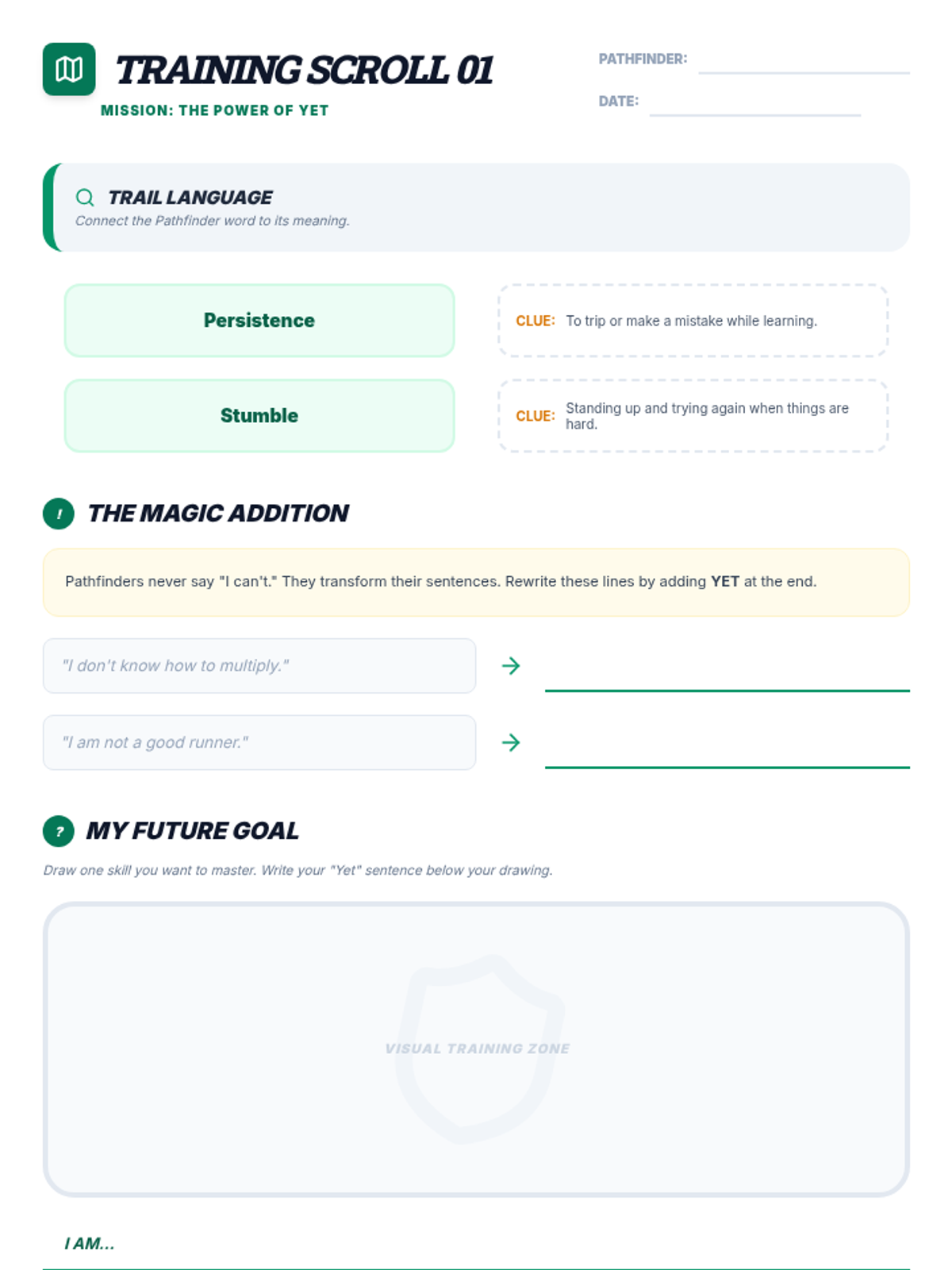
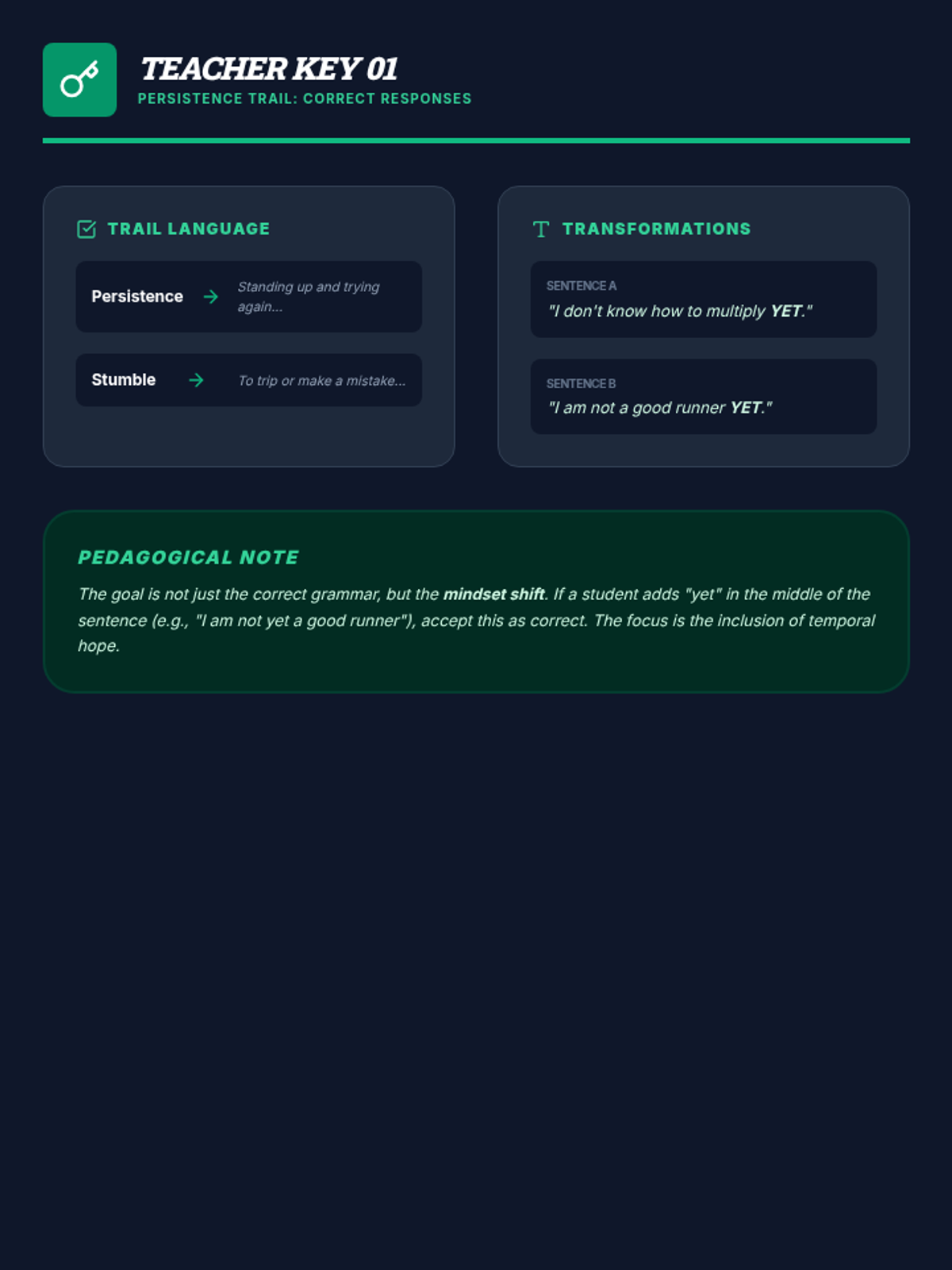
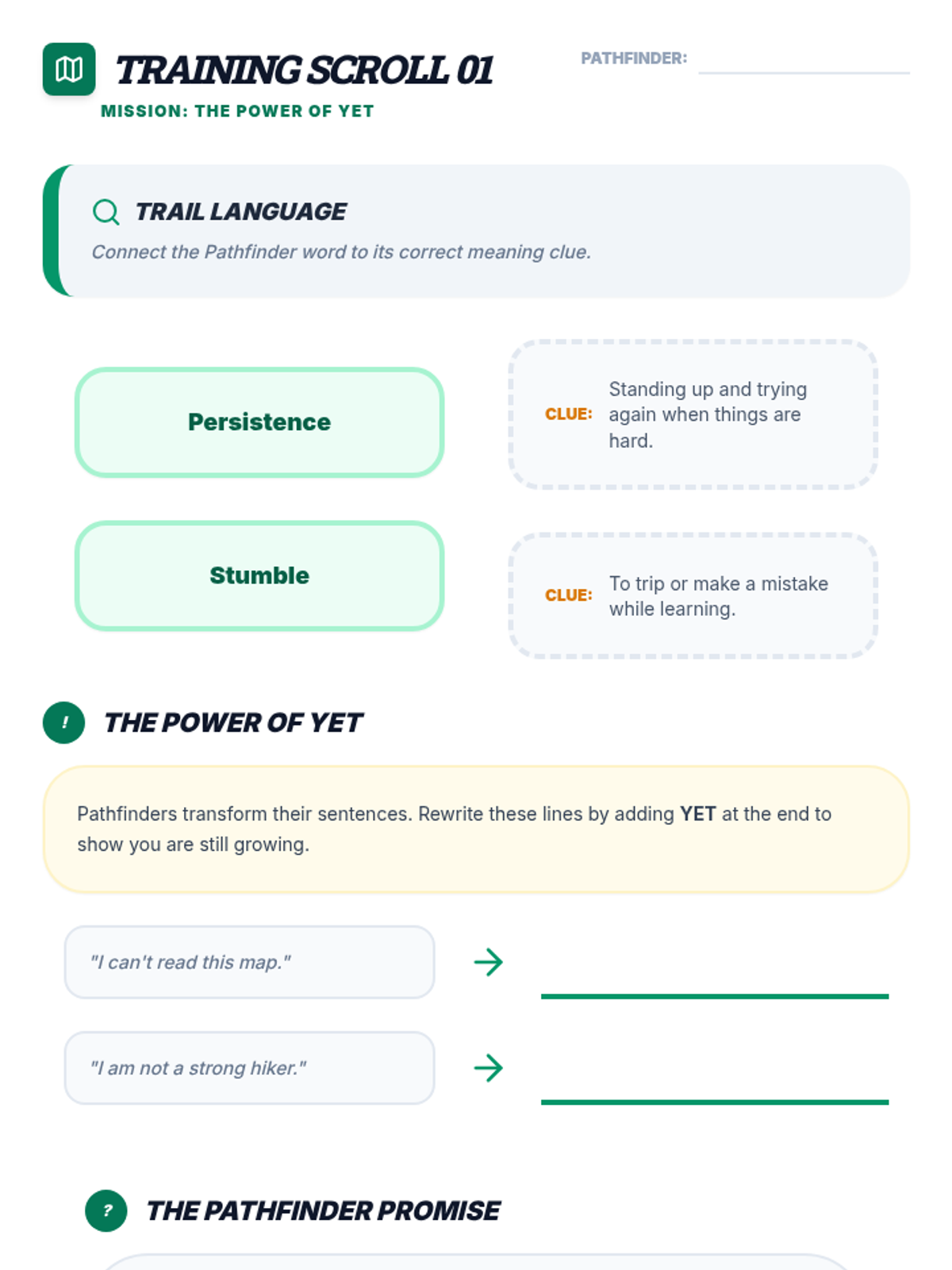
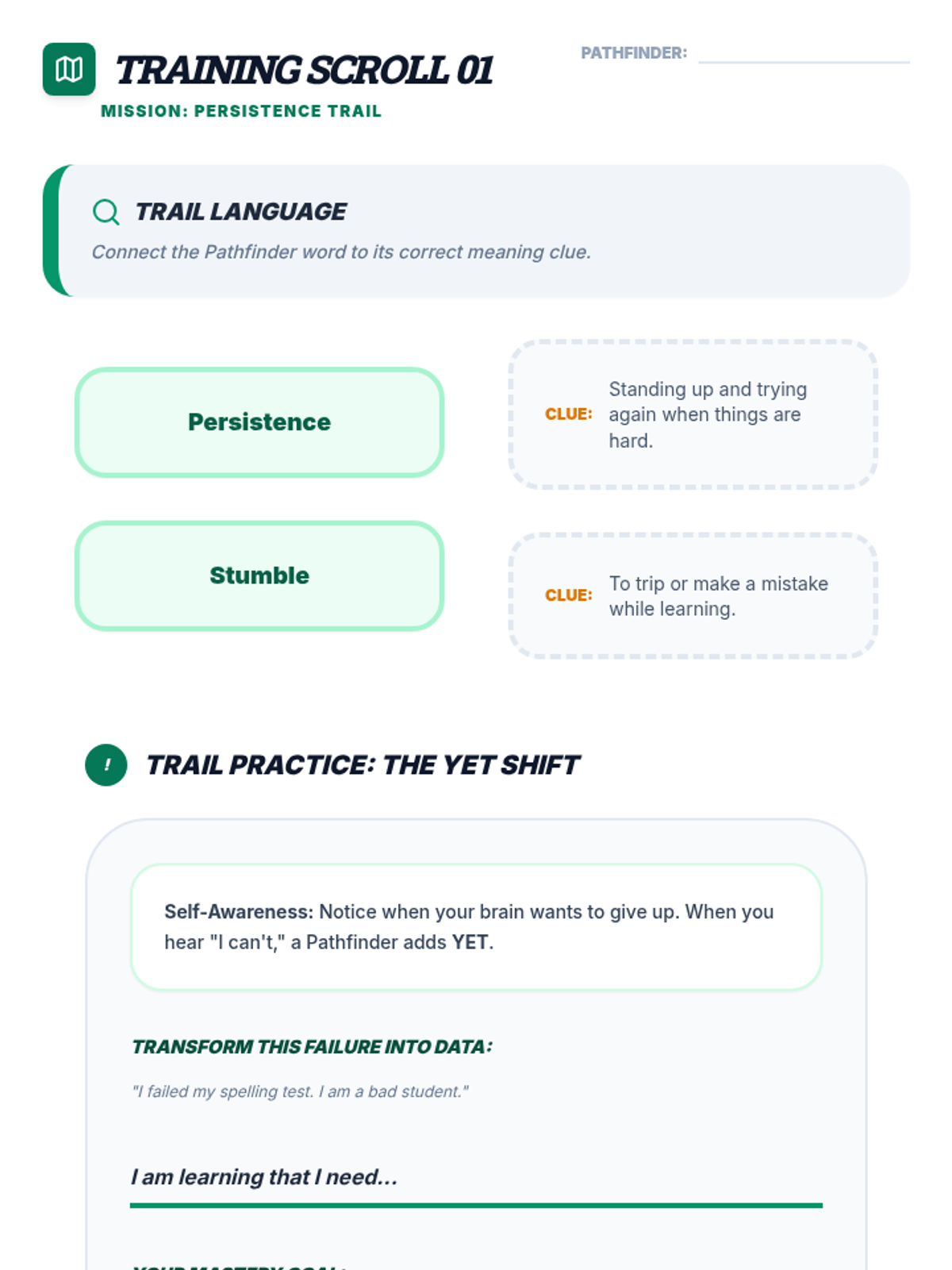
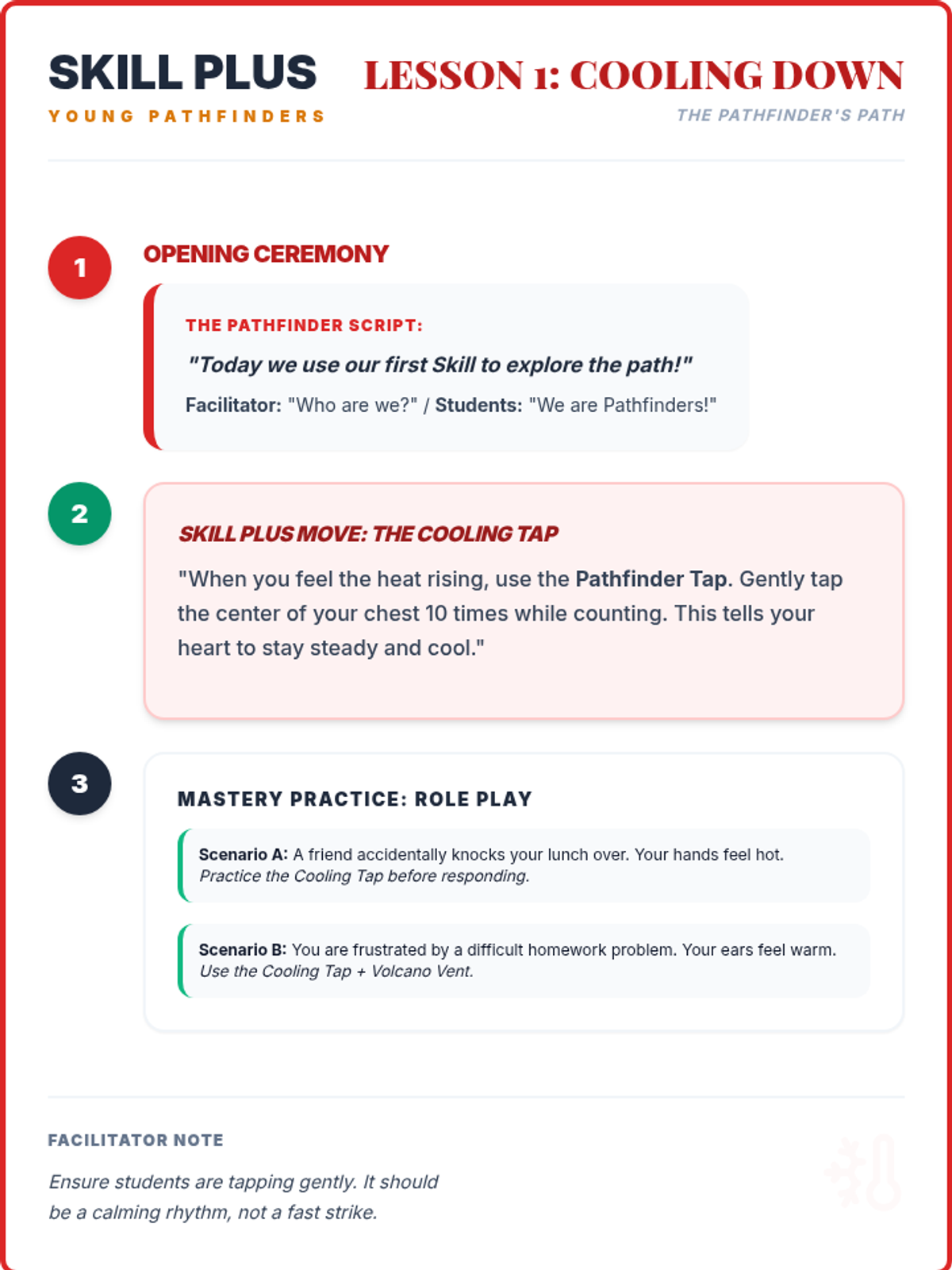
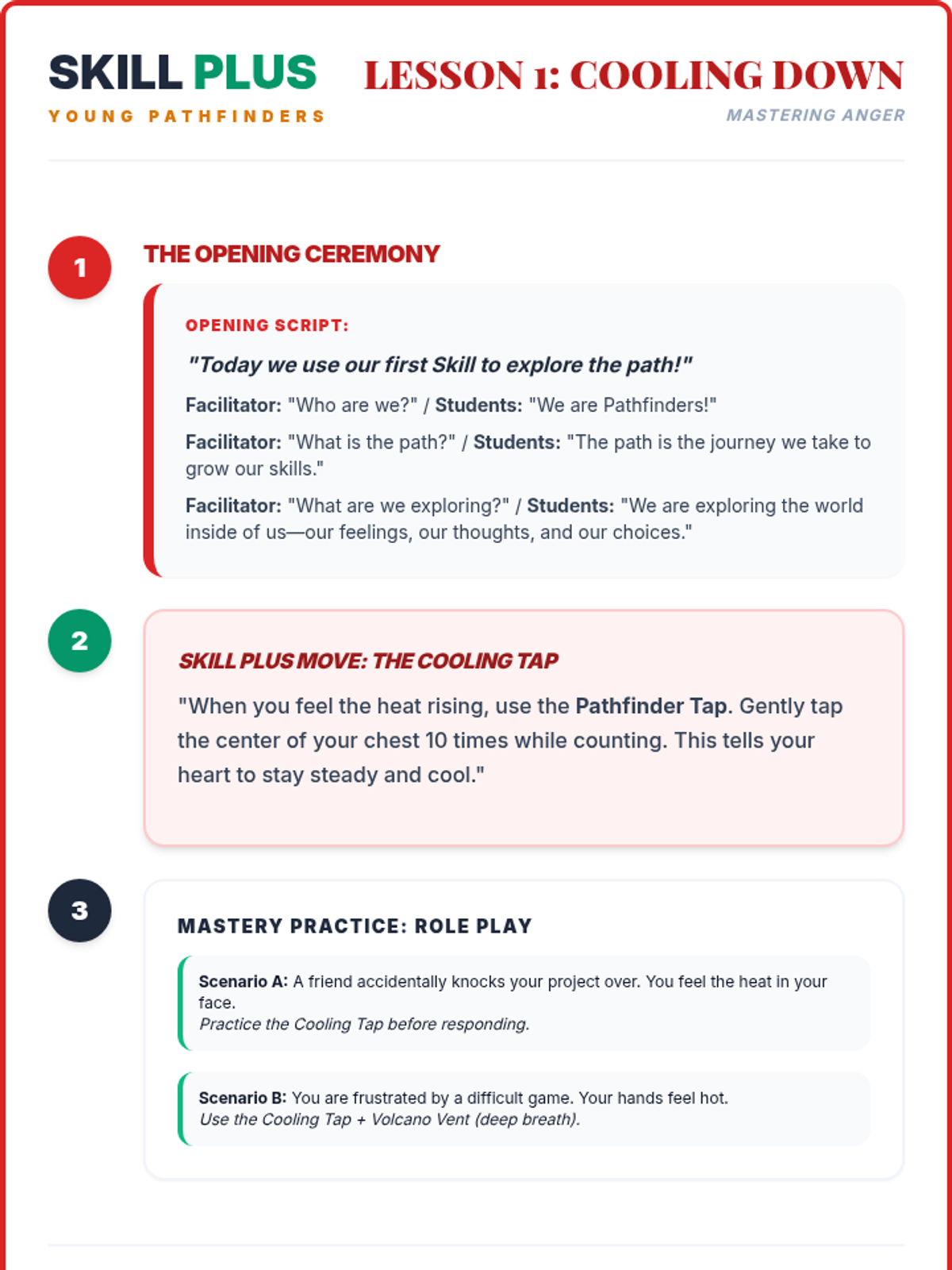
A 12-session emotional intelligence and literacy program designed for K-6 students. Using a 'Trailblazer' theme, Pathfinders develop self-awareness, confidence, and critical decision-making skills to replace impulsive reactions with thoughtful choices. Includes safety scenarios and practical tools for managing exam stress.
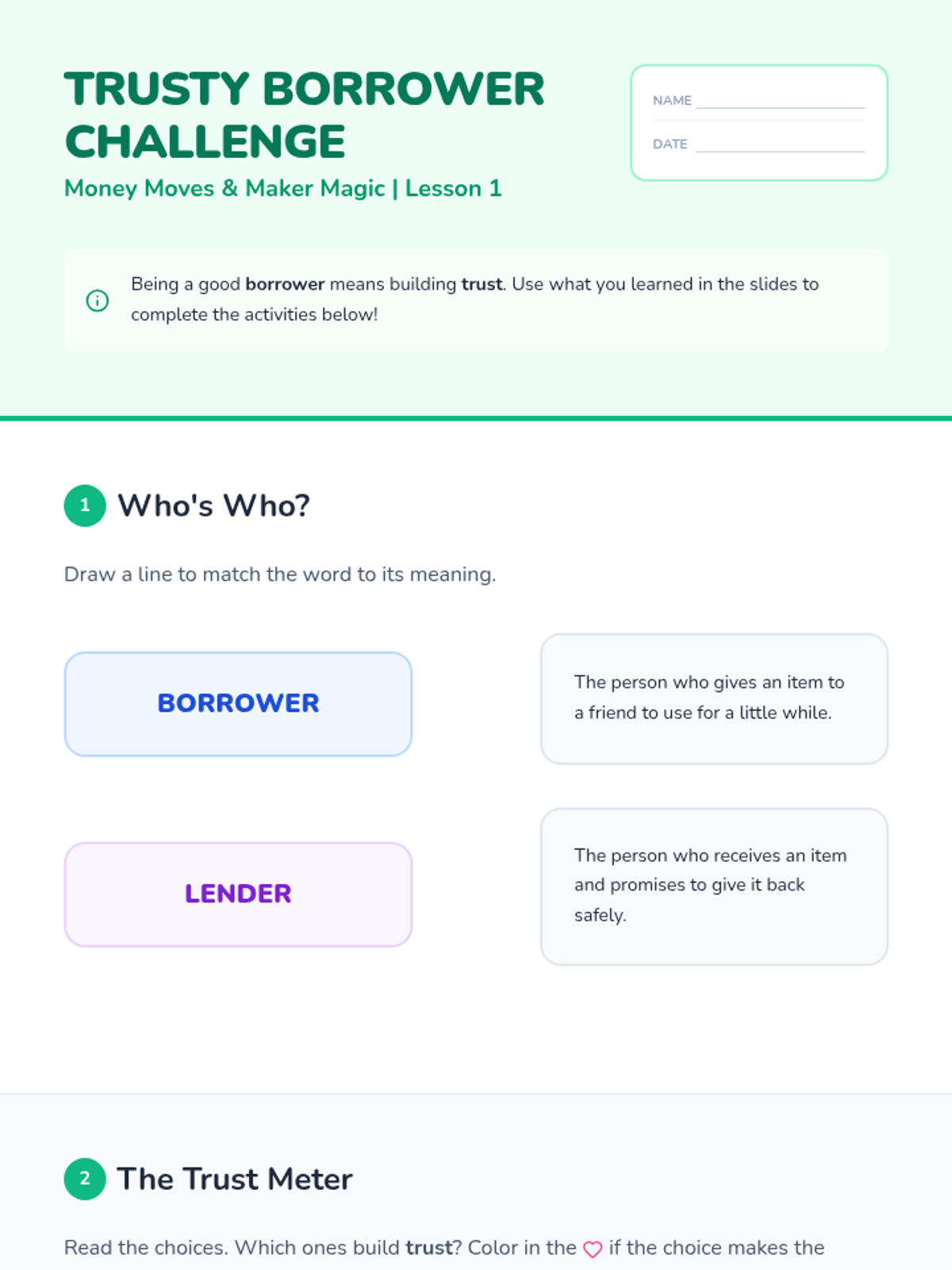
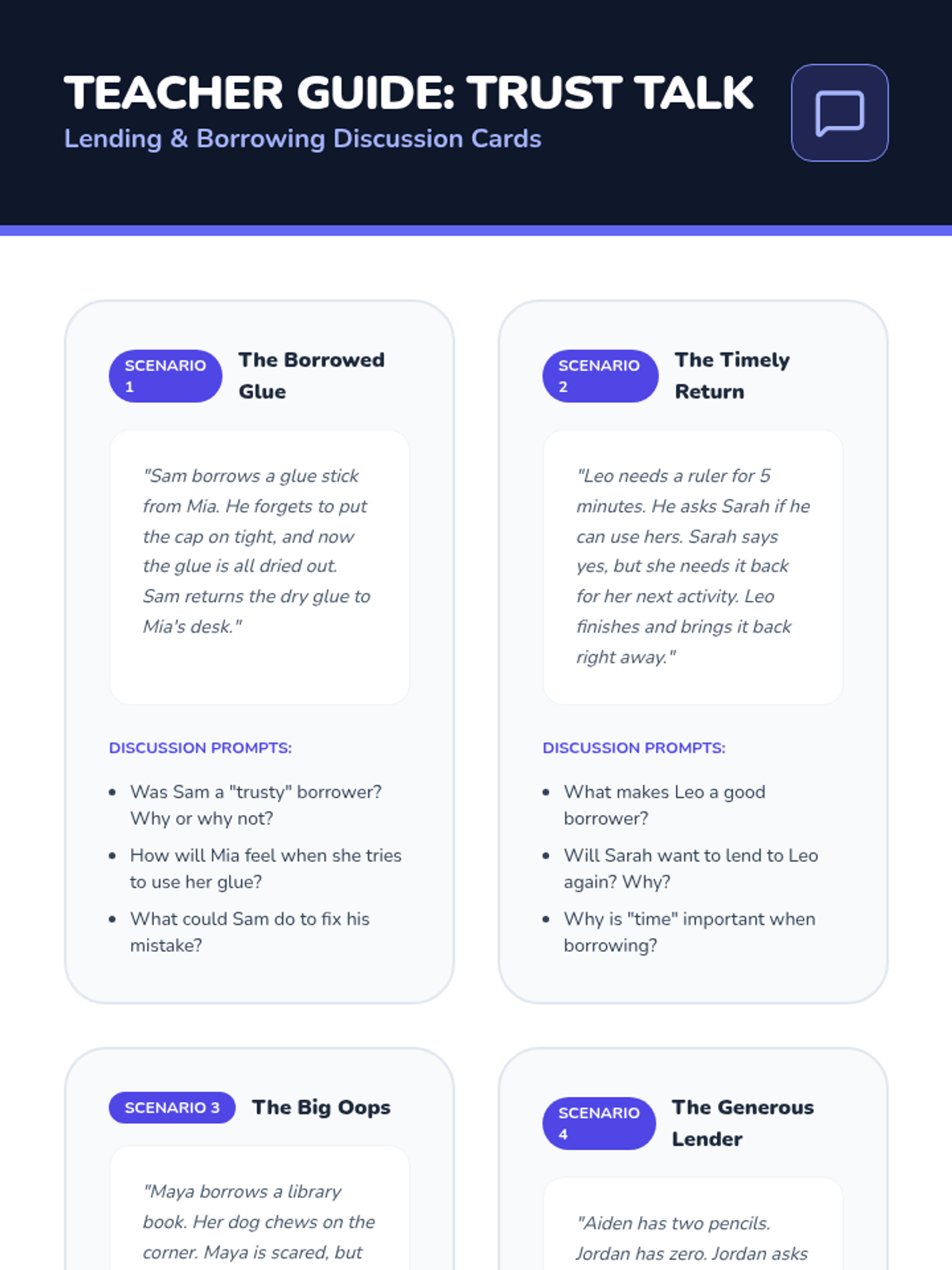
A 2nd-grade introduction to economics focusing on borrowing, lending, and investment through hands-on simulations and classroom metaphors. Students learn the responsibility of credit and the value of investing in tools to create products.
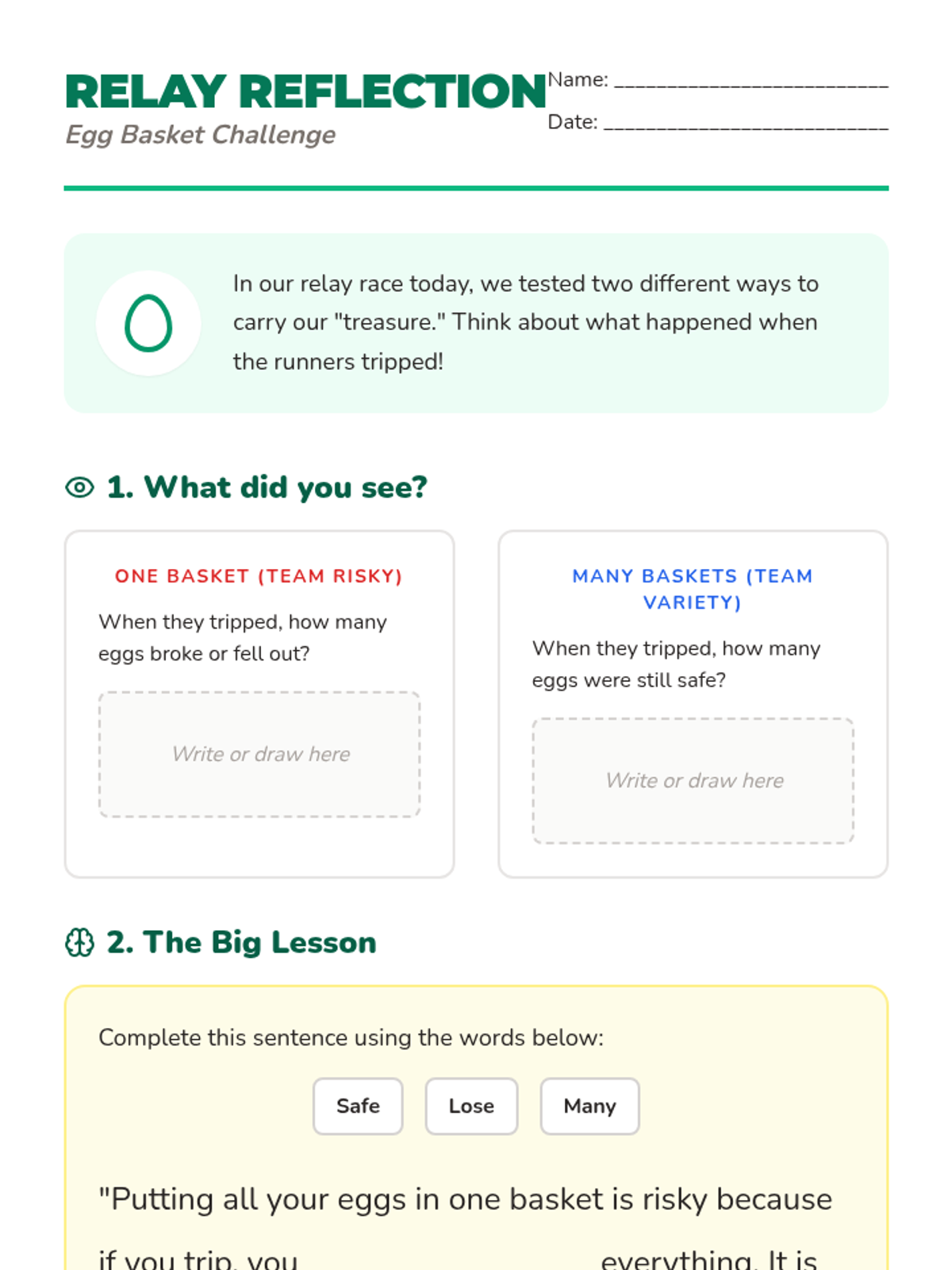
A 2nd-grade financial literacy sequence exploring risk, saving, and investing through the metaphor of 'not putting all your eggs in one basket.' Students learn about diversification, probability, and asset types through games and simulations.
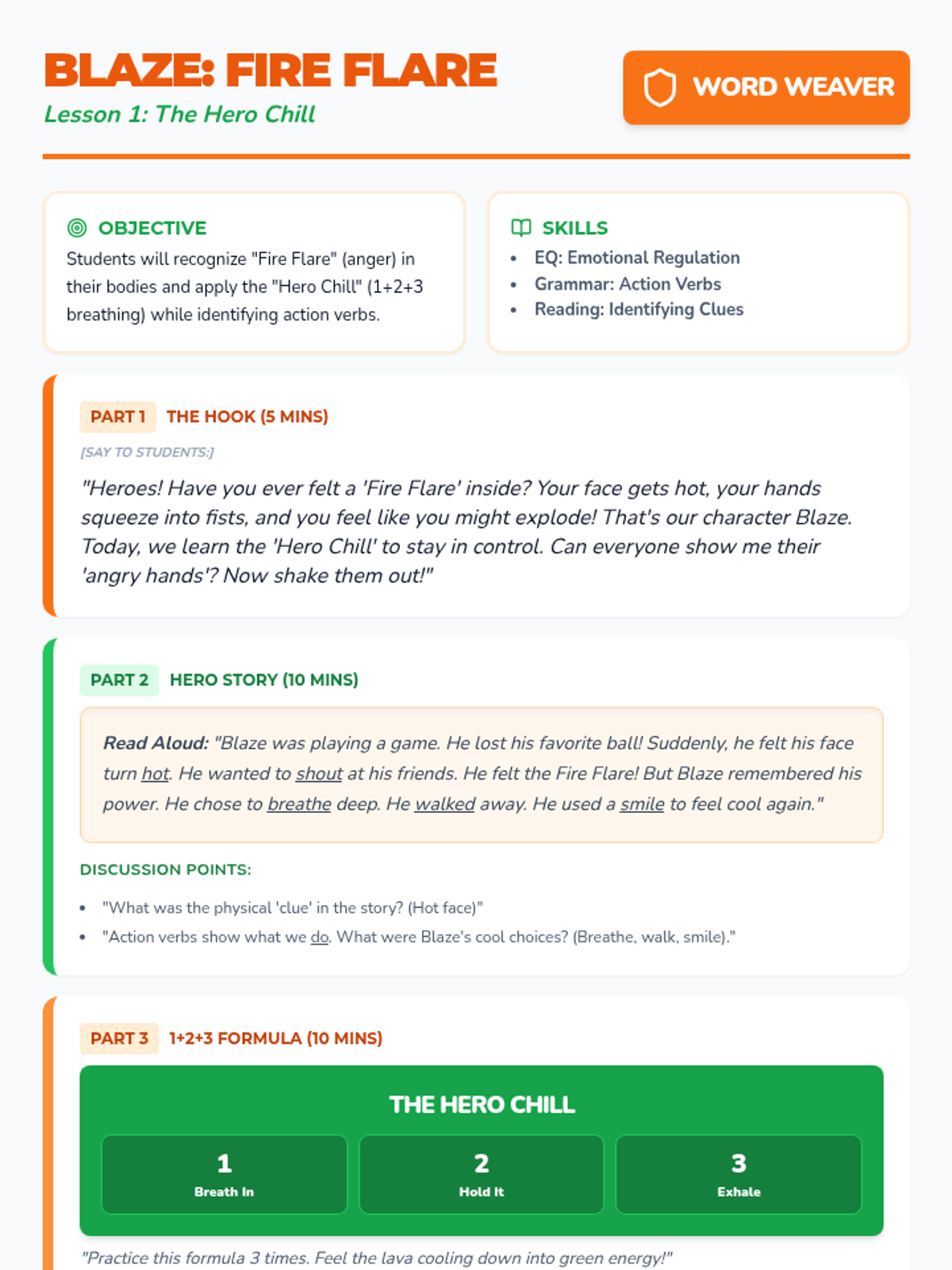
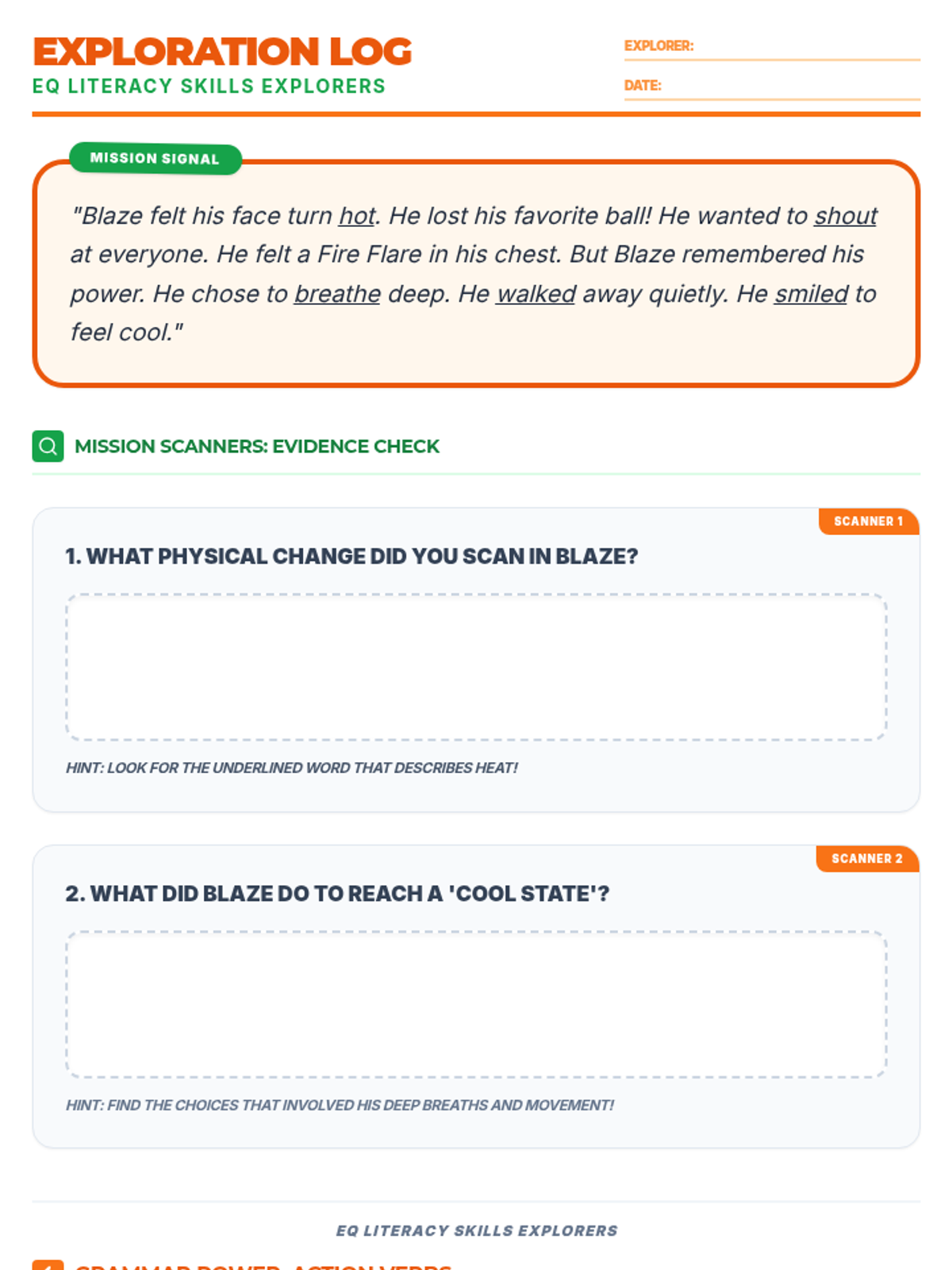
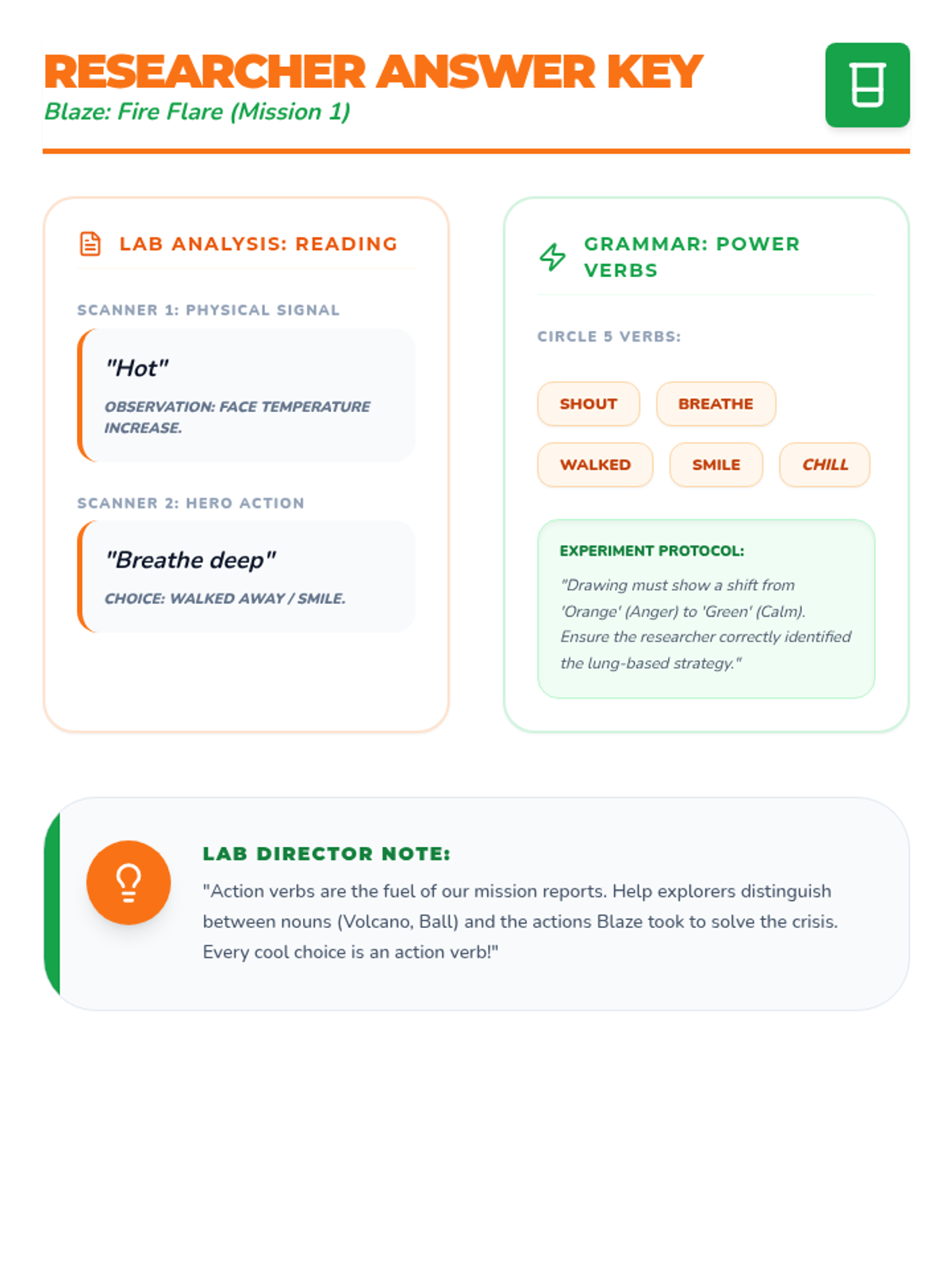
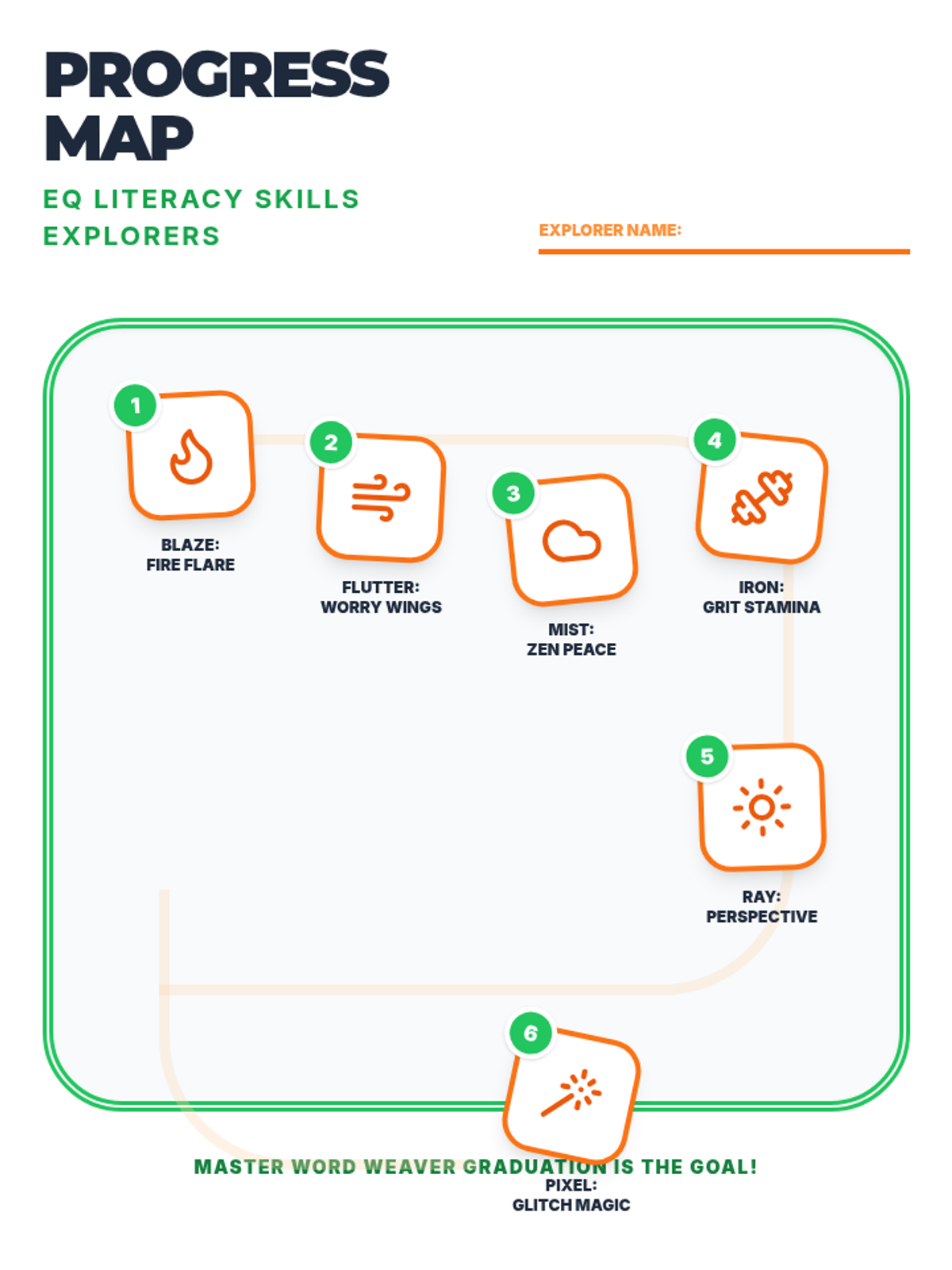
A 12-mission social-emotional and literacy adventure where students become 'Explorers', mastering big emotions and core reading/grammar skills along a winding discovery path.
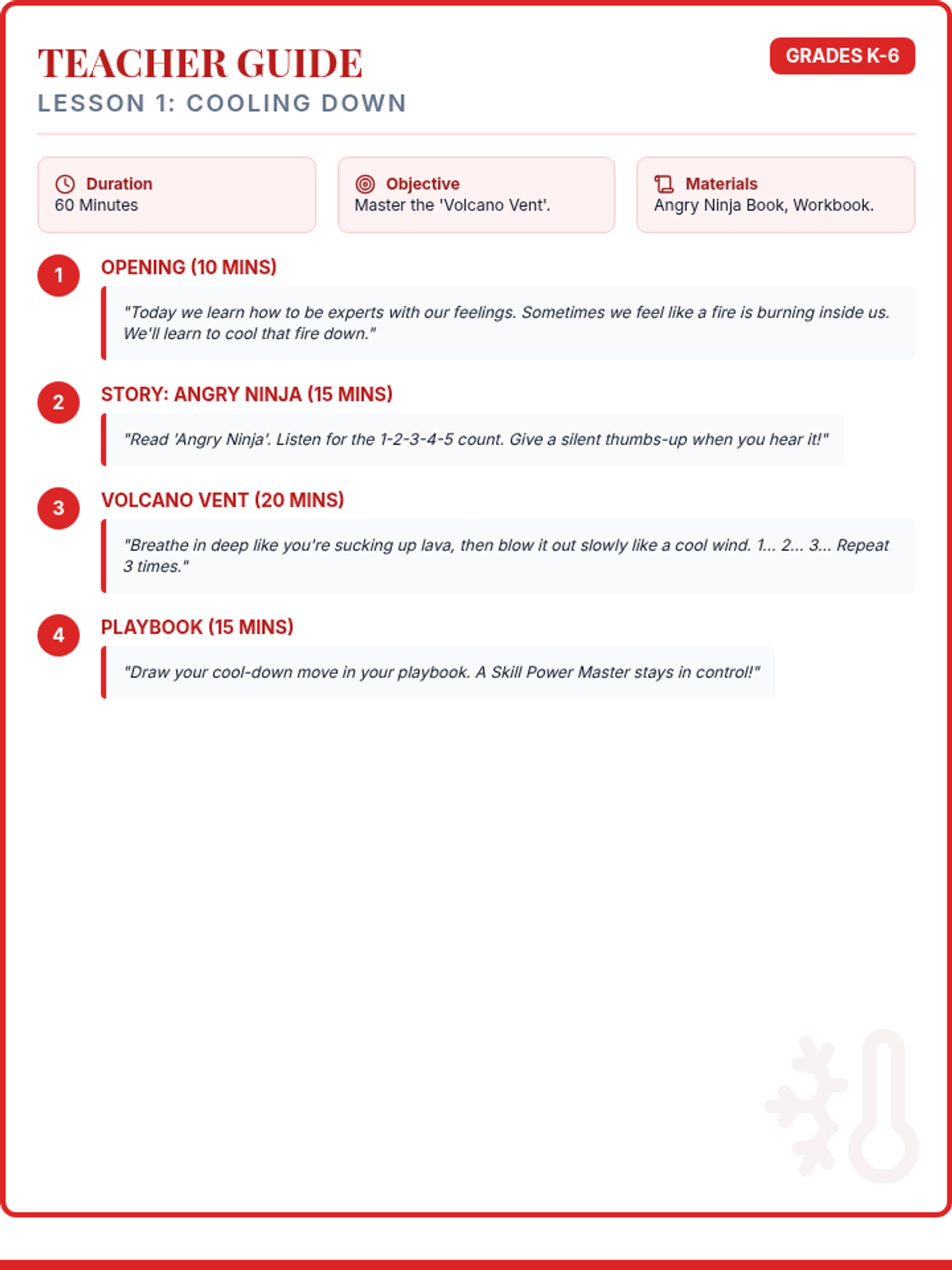
A 12-lesson social-emotional learning curriculum focusing on emotional regulation, growth mindset, life skills, and social intelligence for K-6 students. Graduates earn the title of 'Pathfinder Master'.
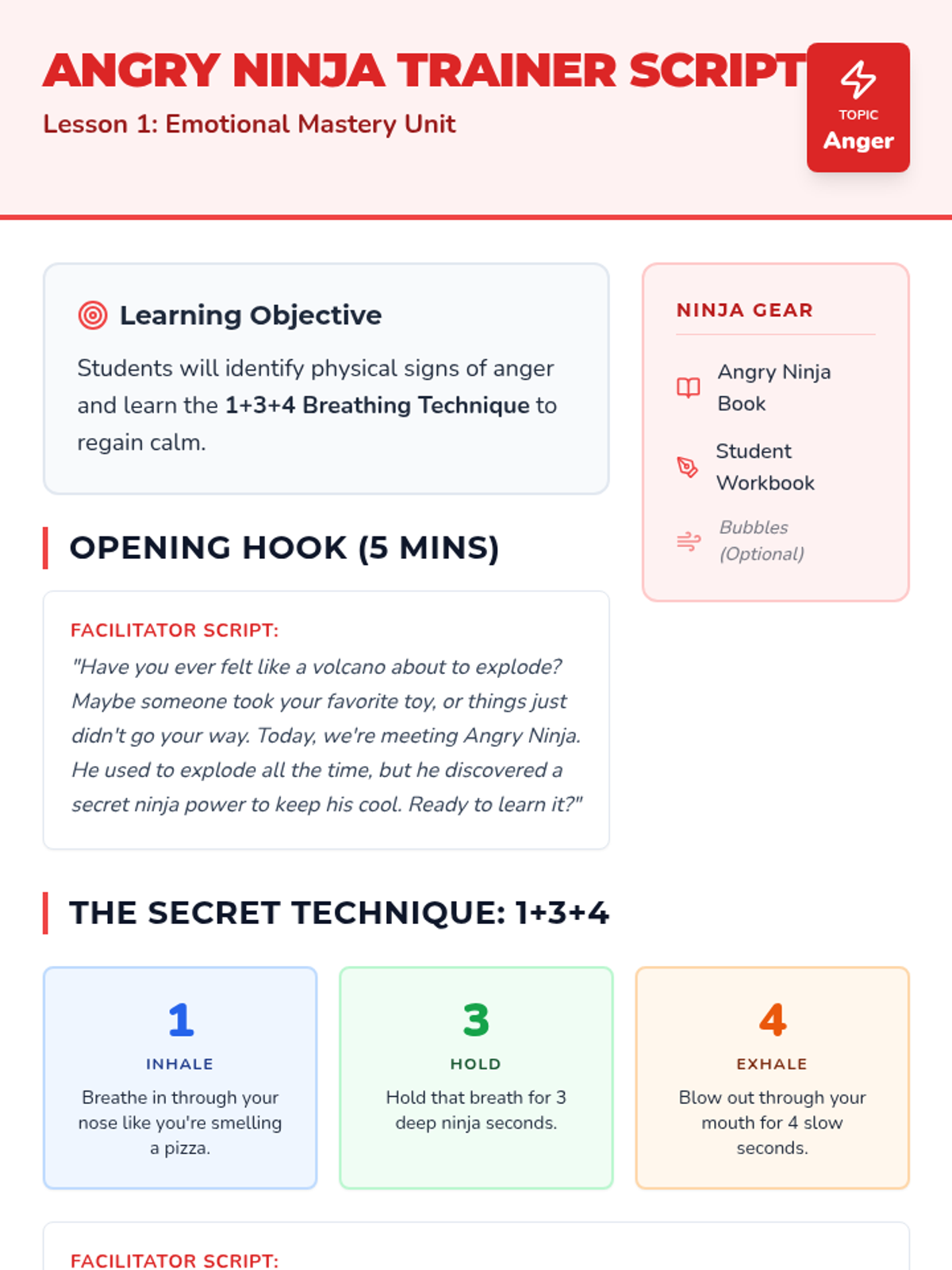
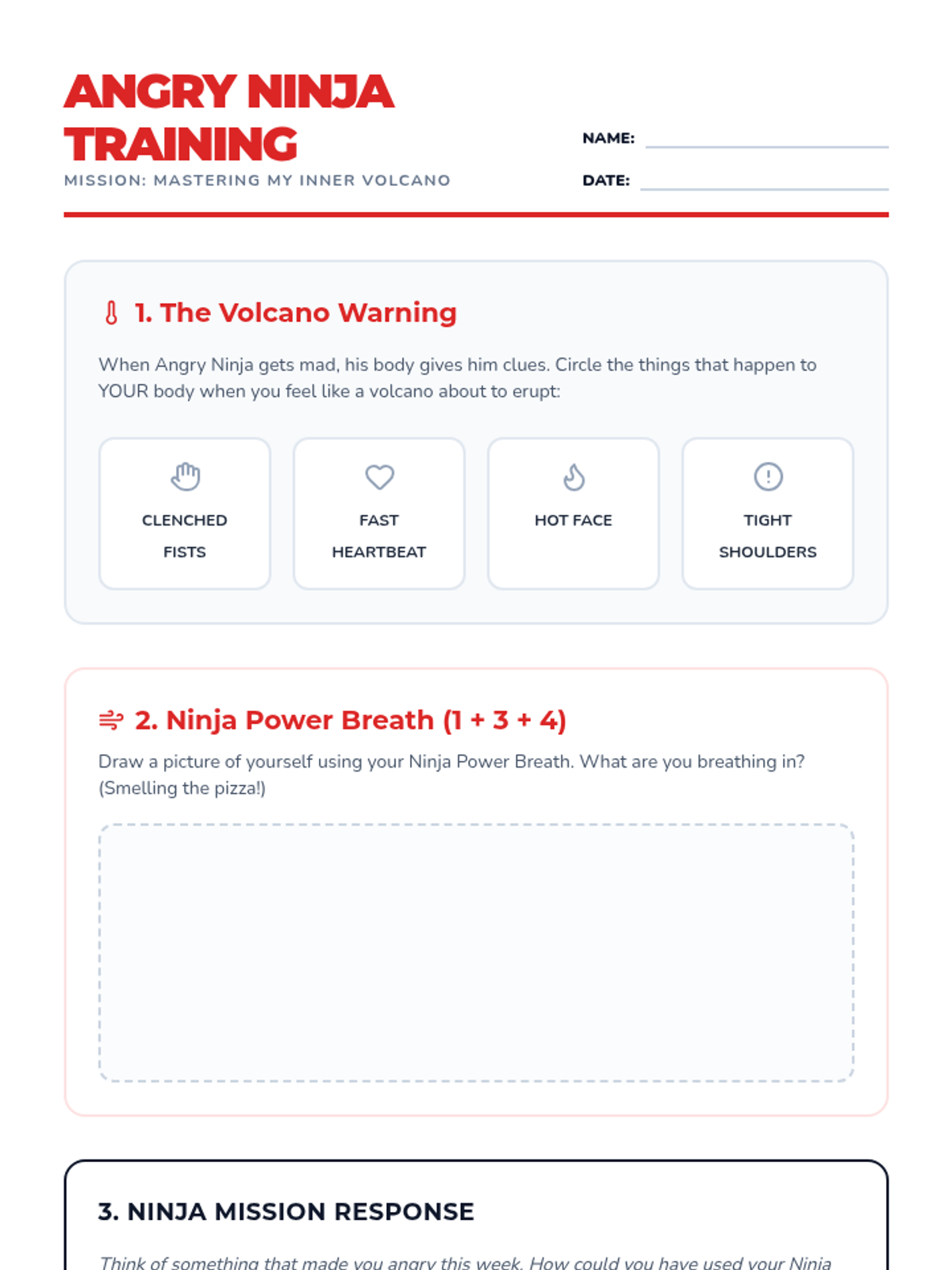
A comprehensive social-emotional learning curriculum designed to enhance essential life skills in elementary students, focusing on emotional mastery, growth mindset, and leadership through the Skill Power Plus framework. (Formerly Ninja Life Hacks).
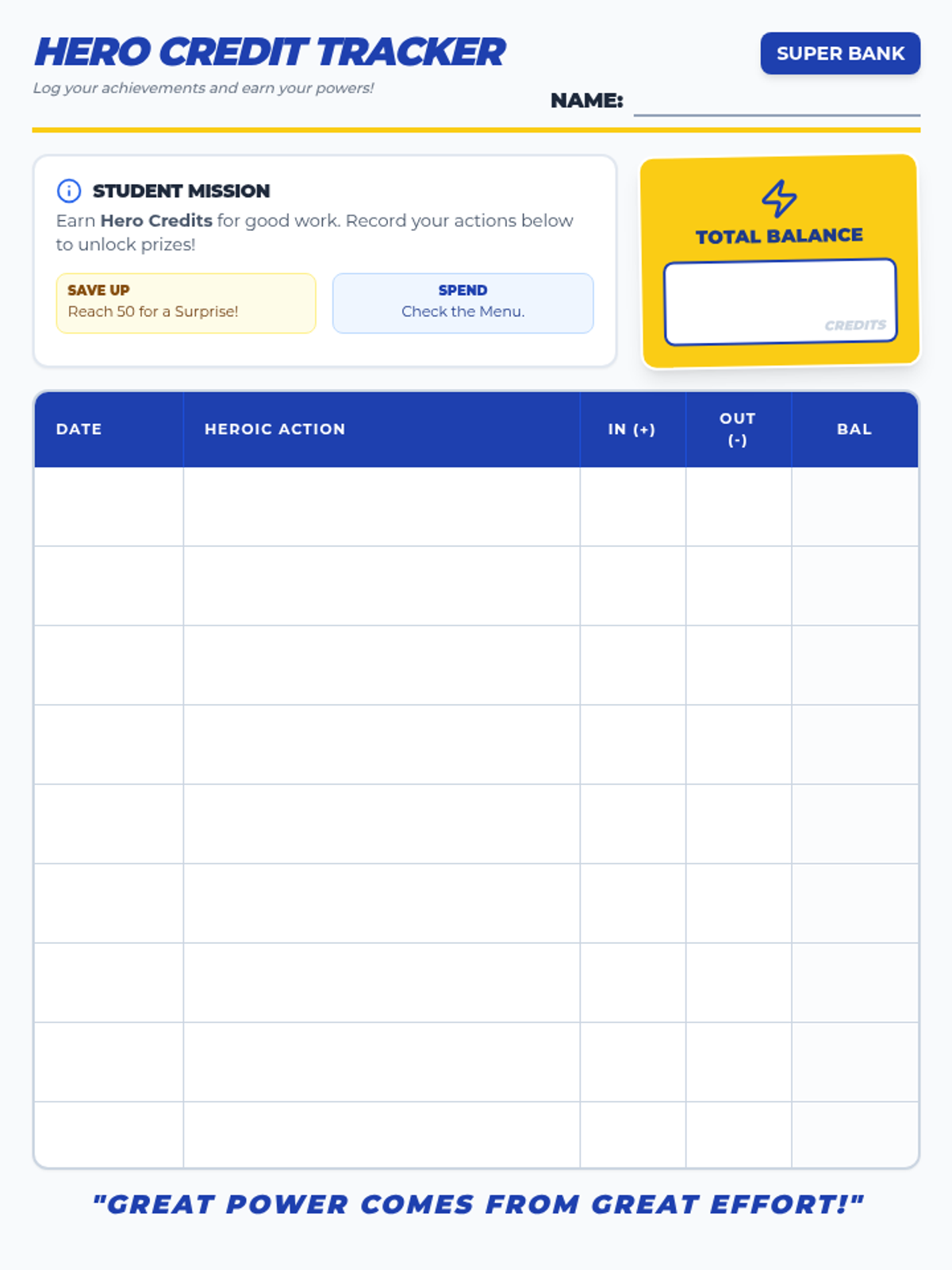
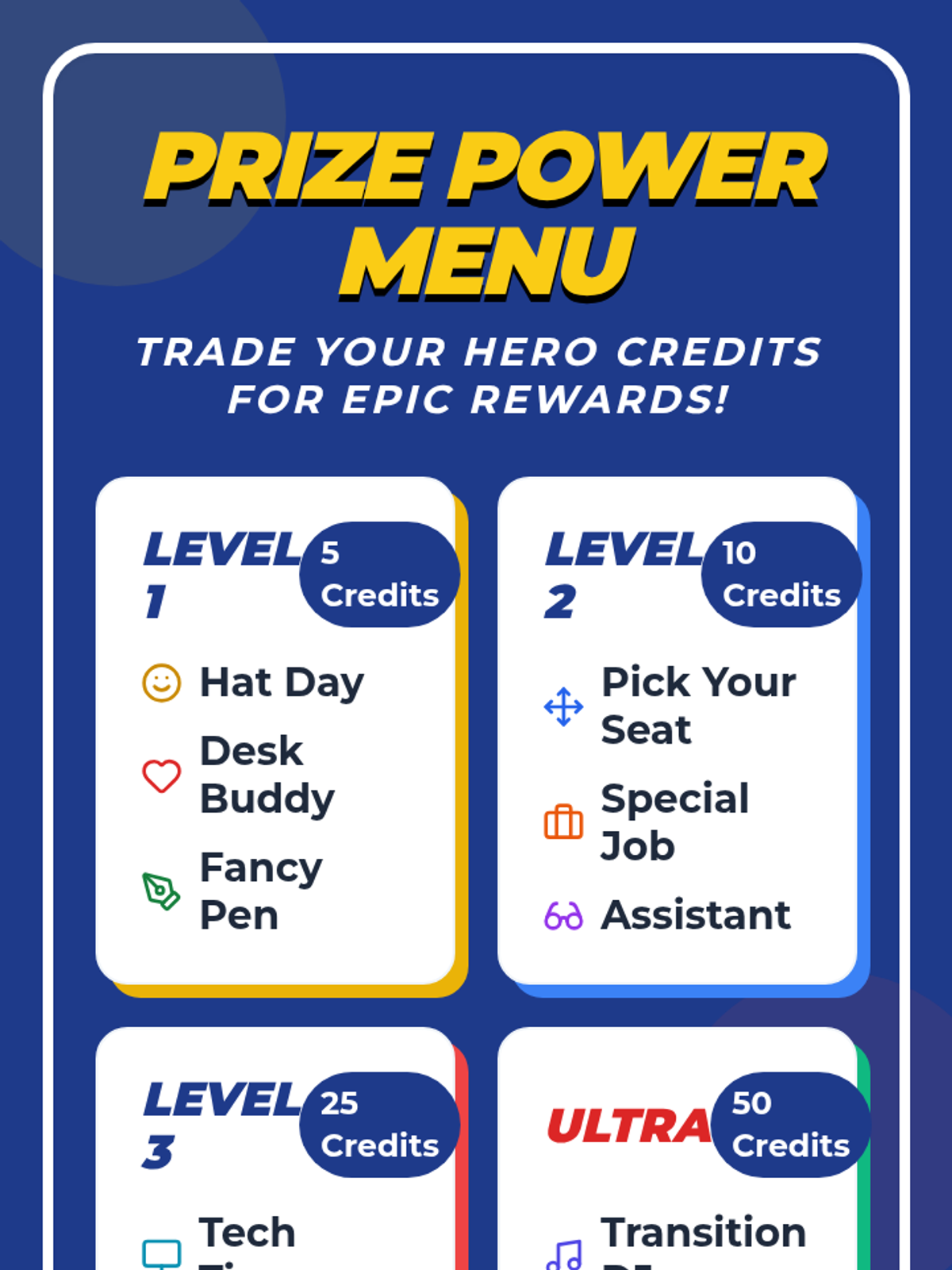
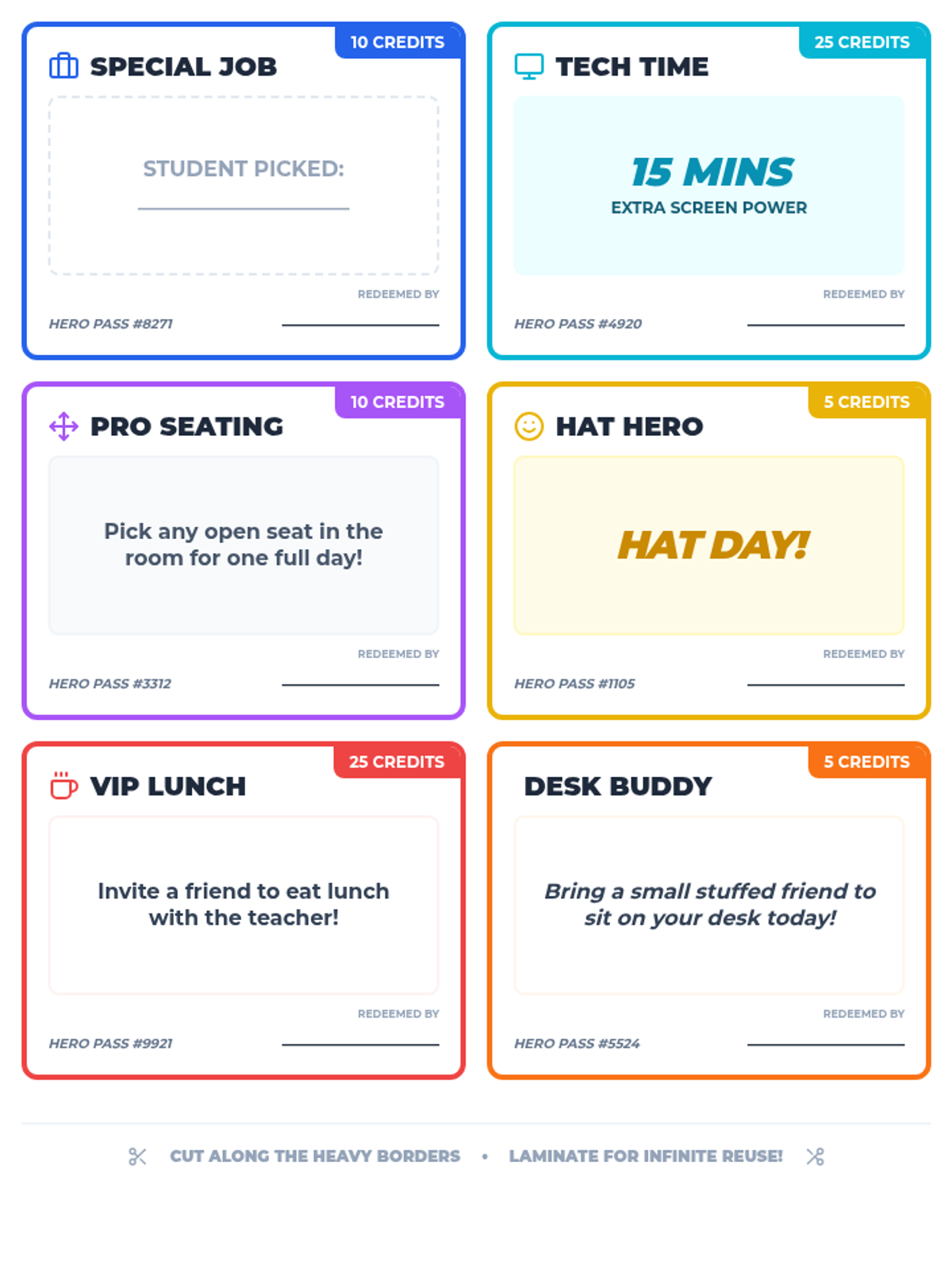
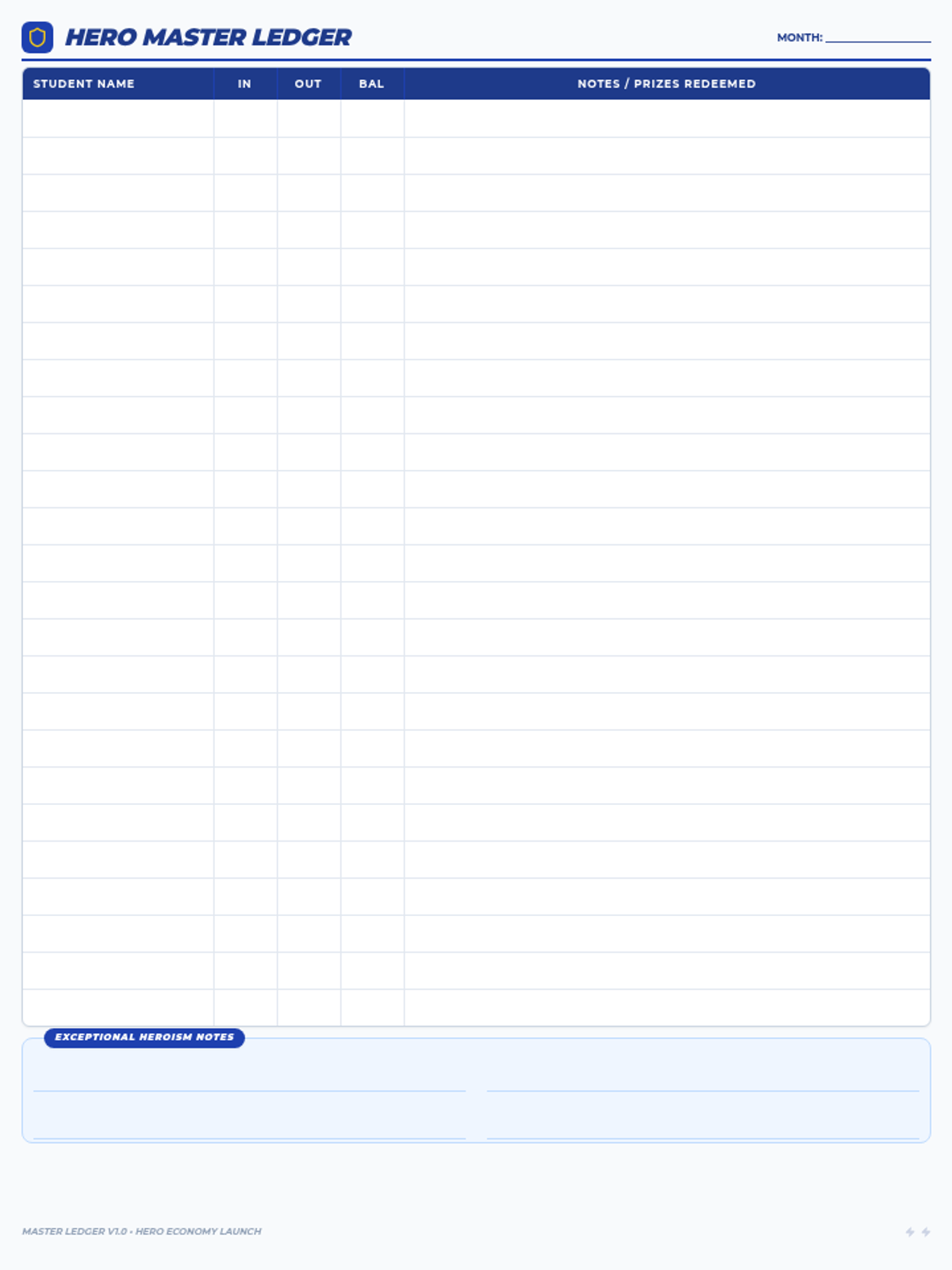
A comprehensive set of visual and physical resources to implement a non-food, non-toy reward system in a second-grade classroom.
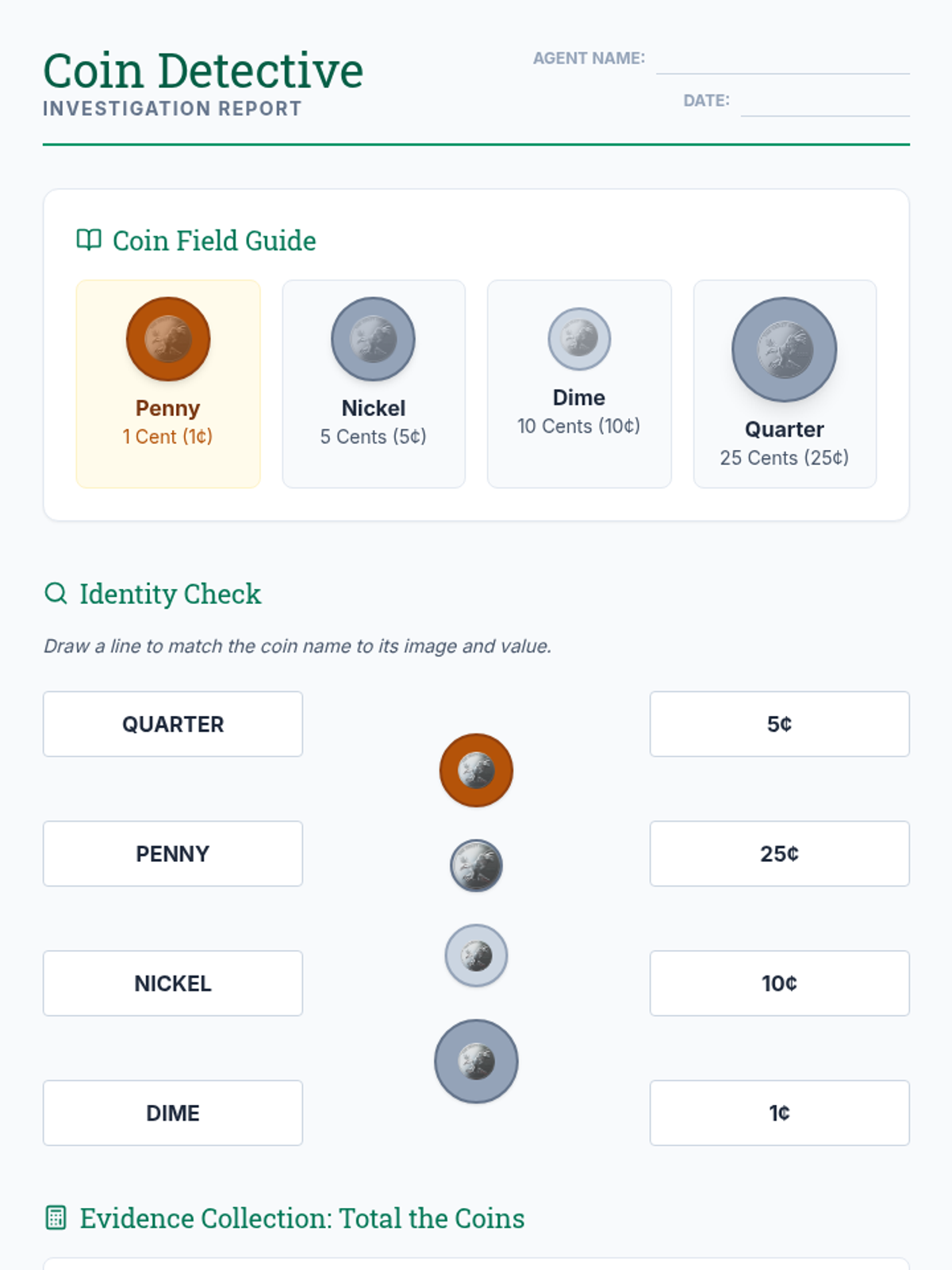
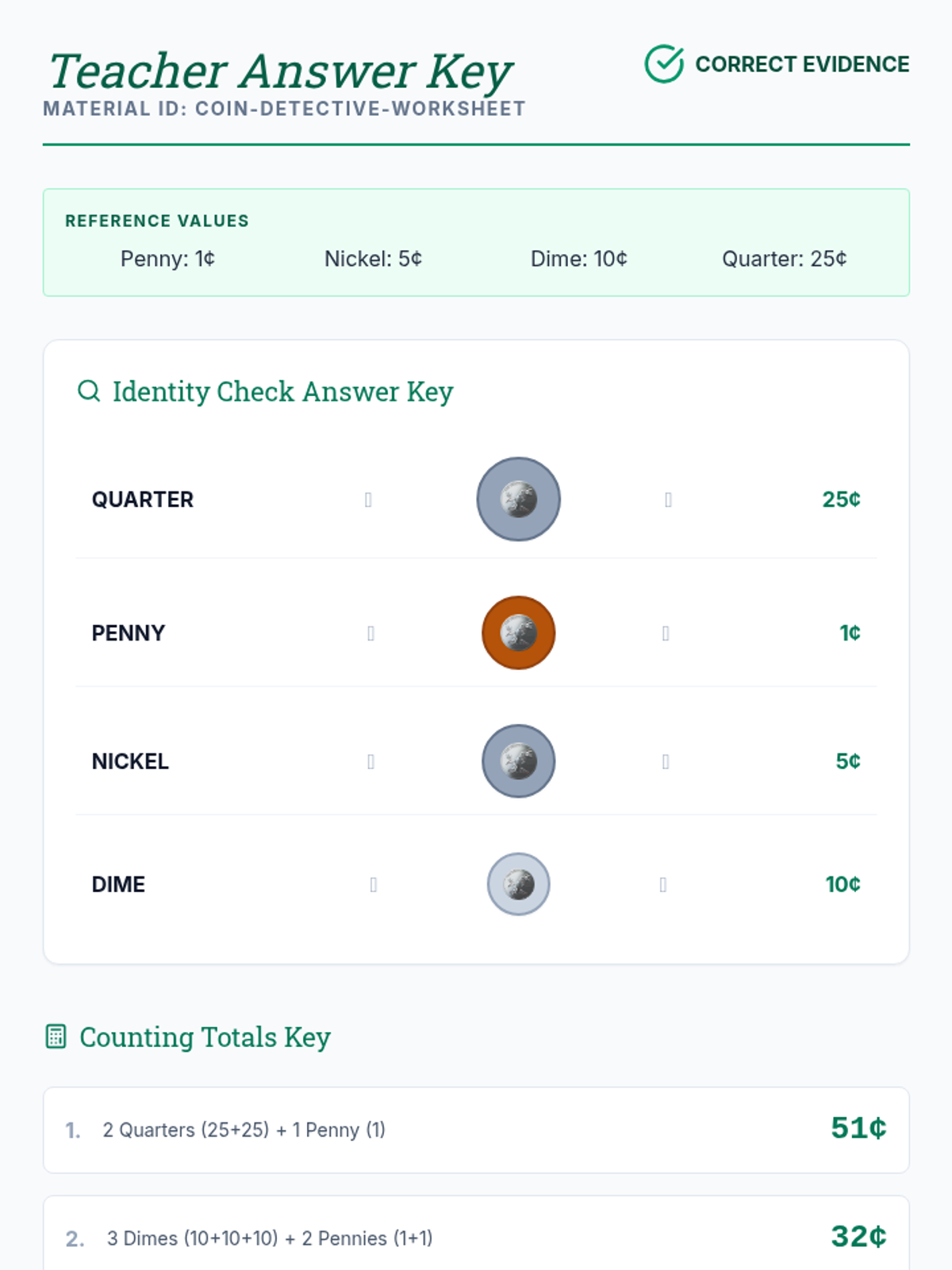
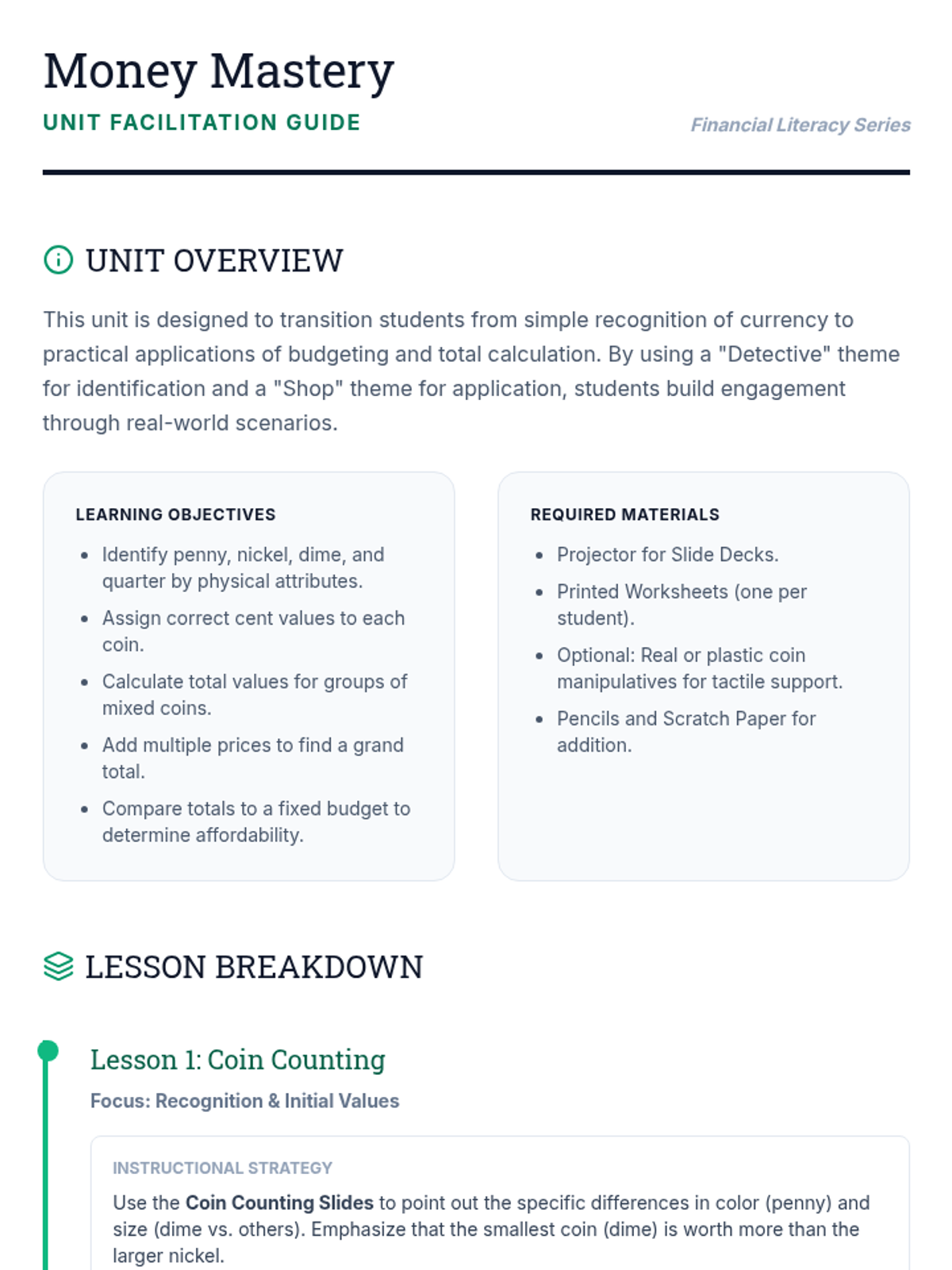
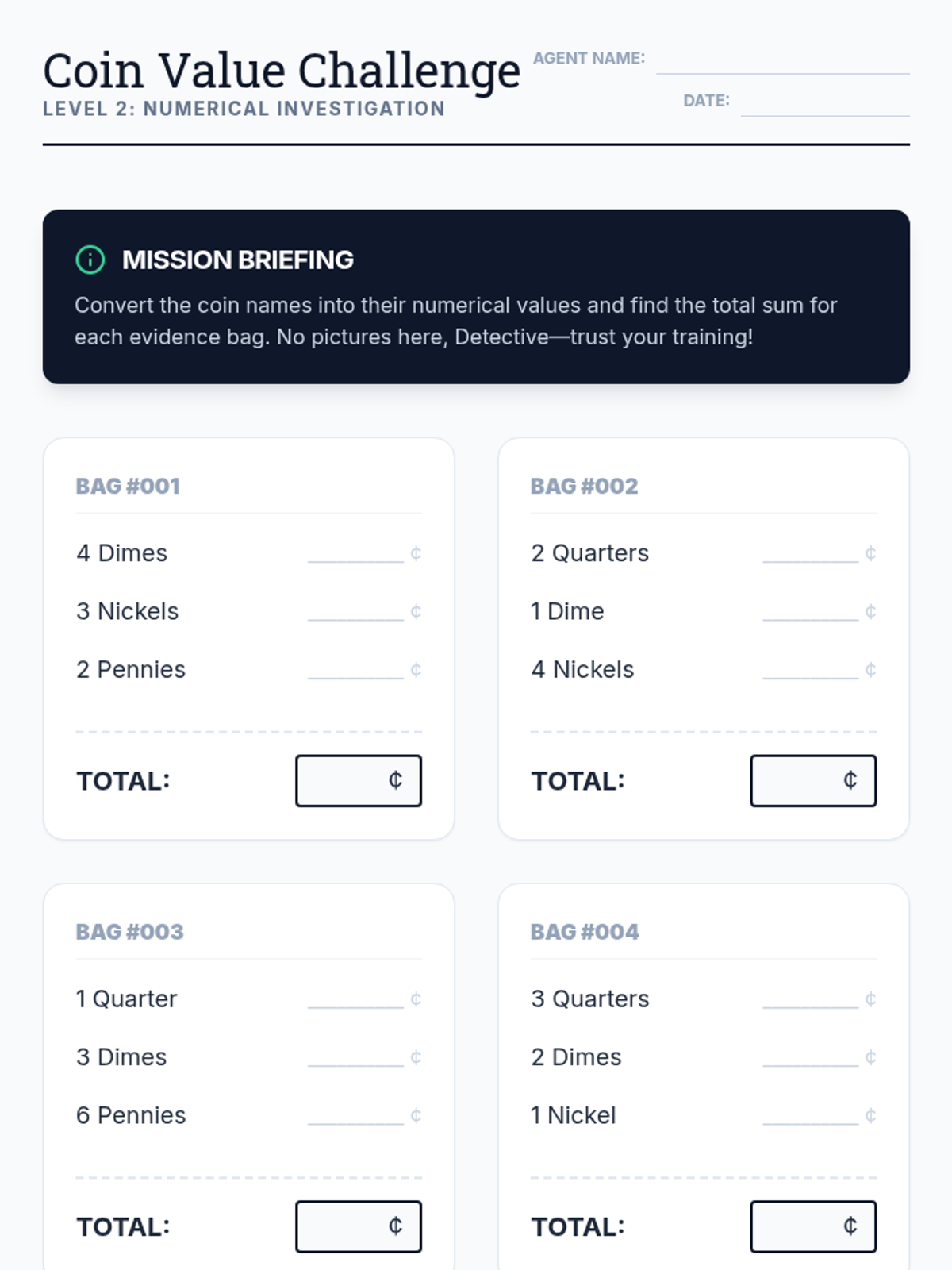
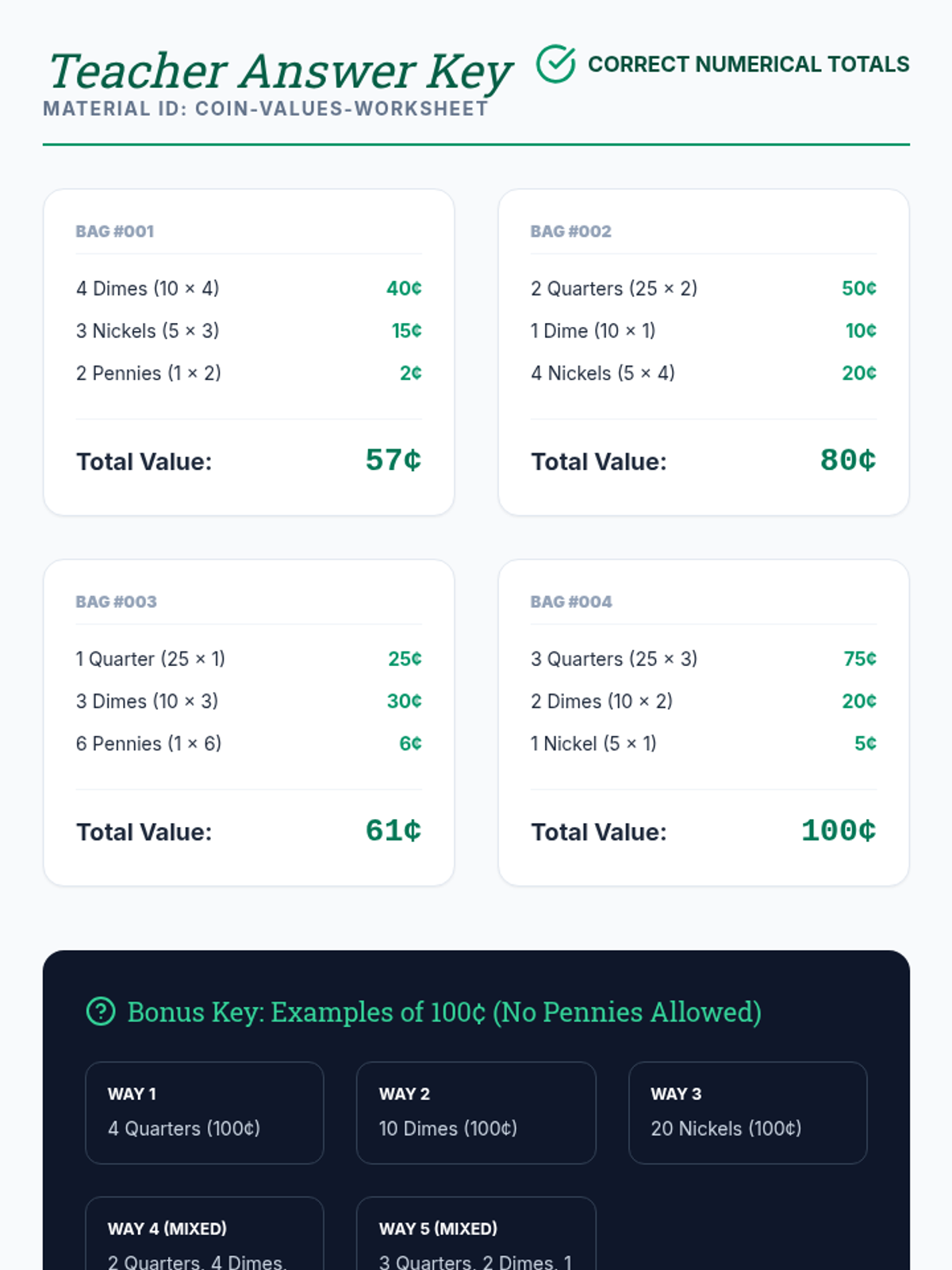
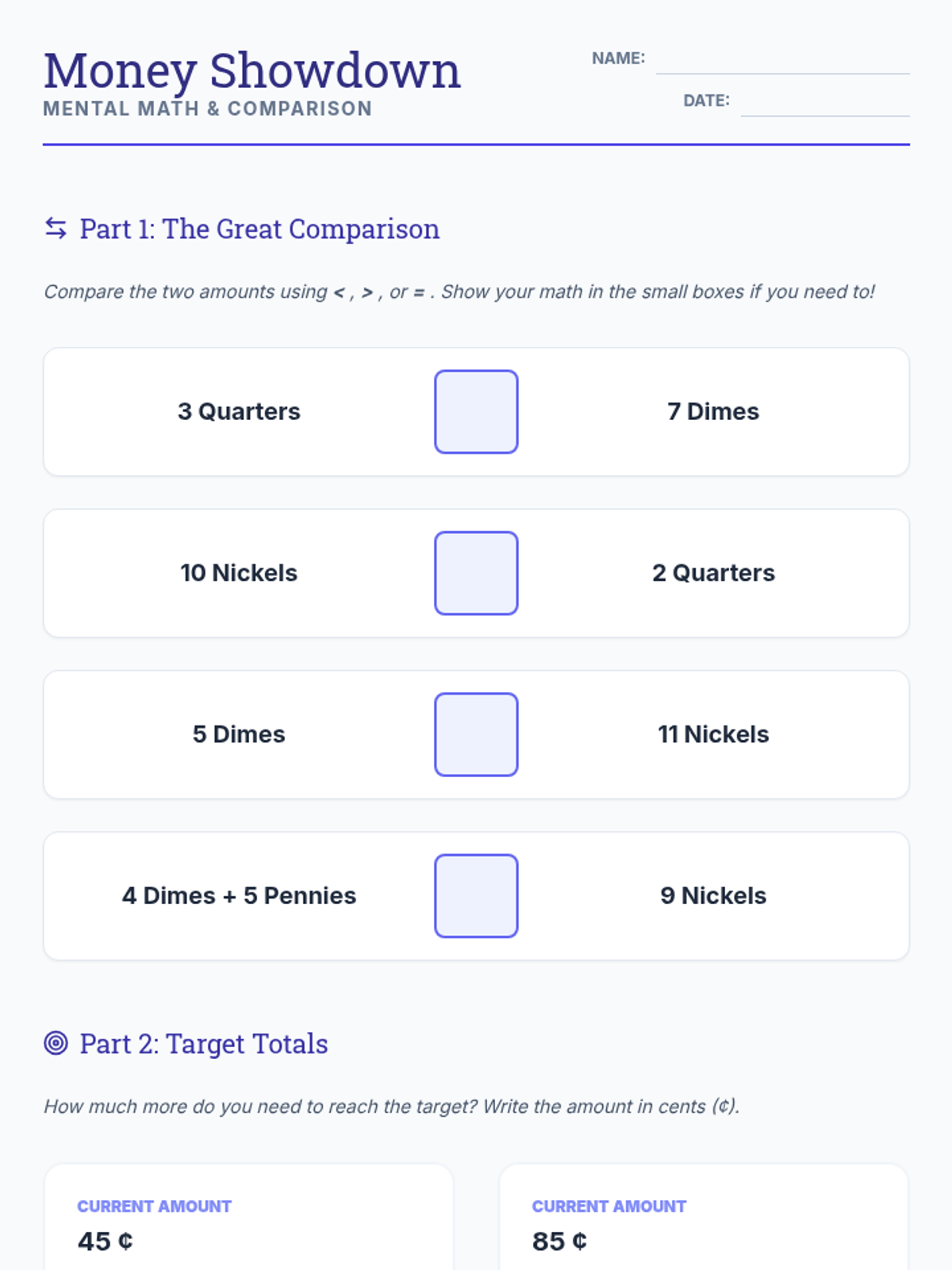
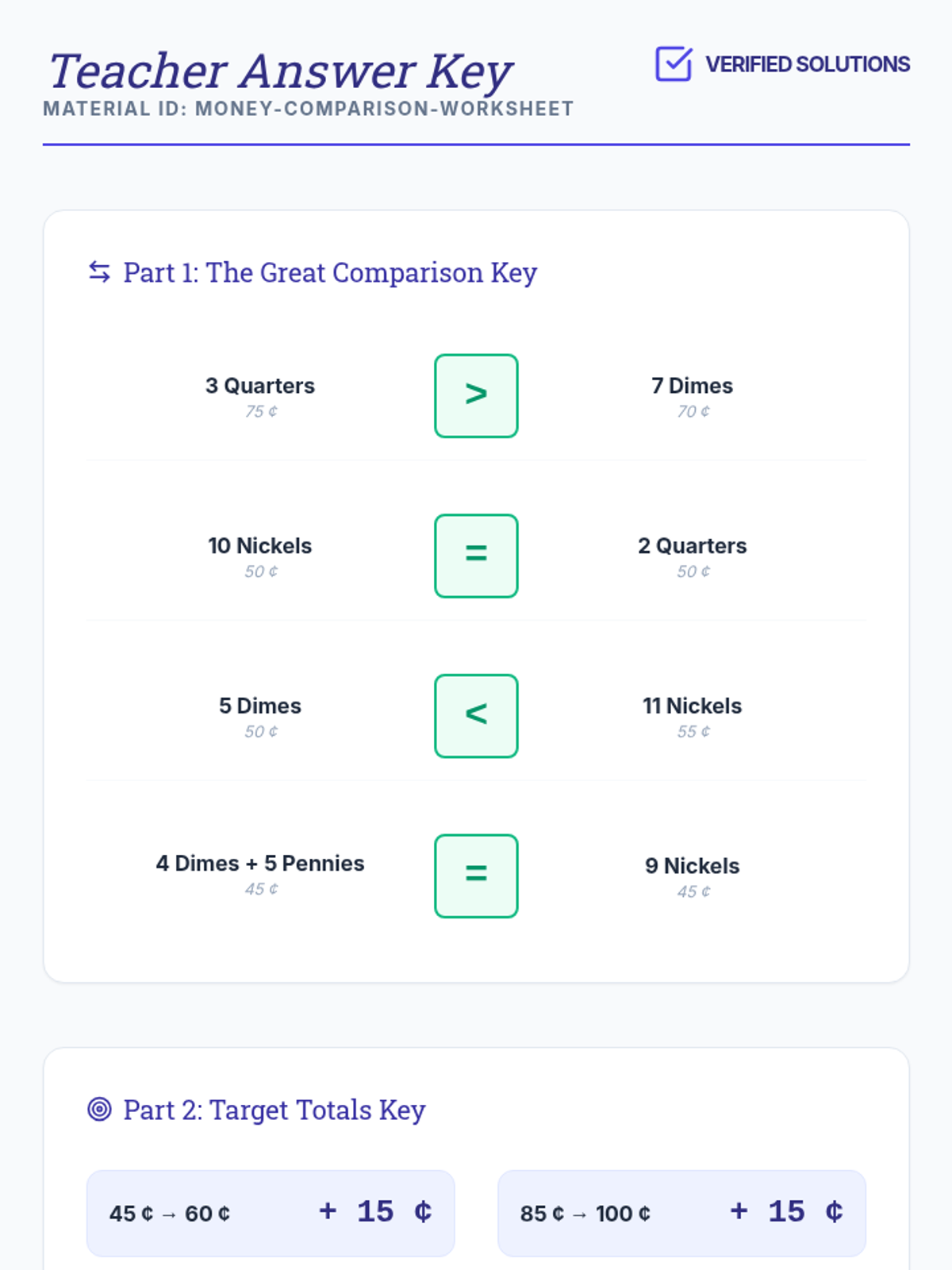
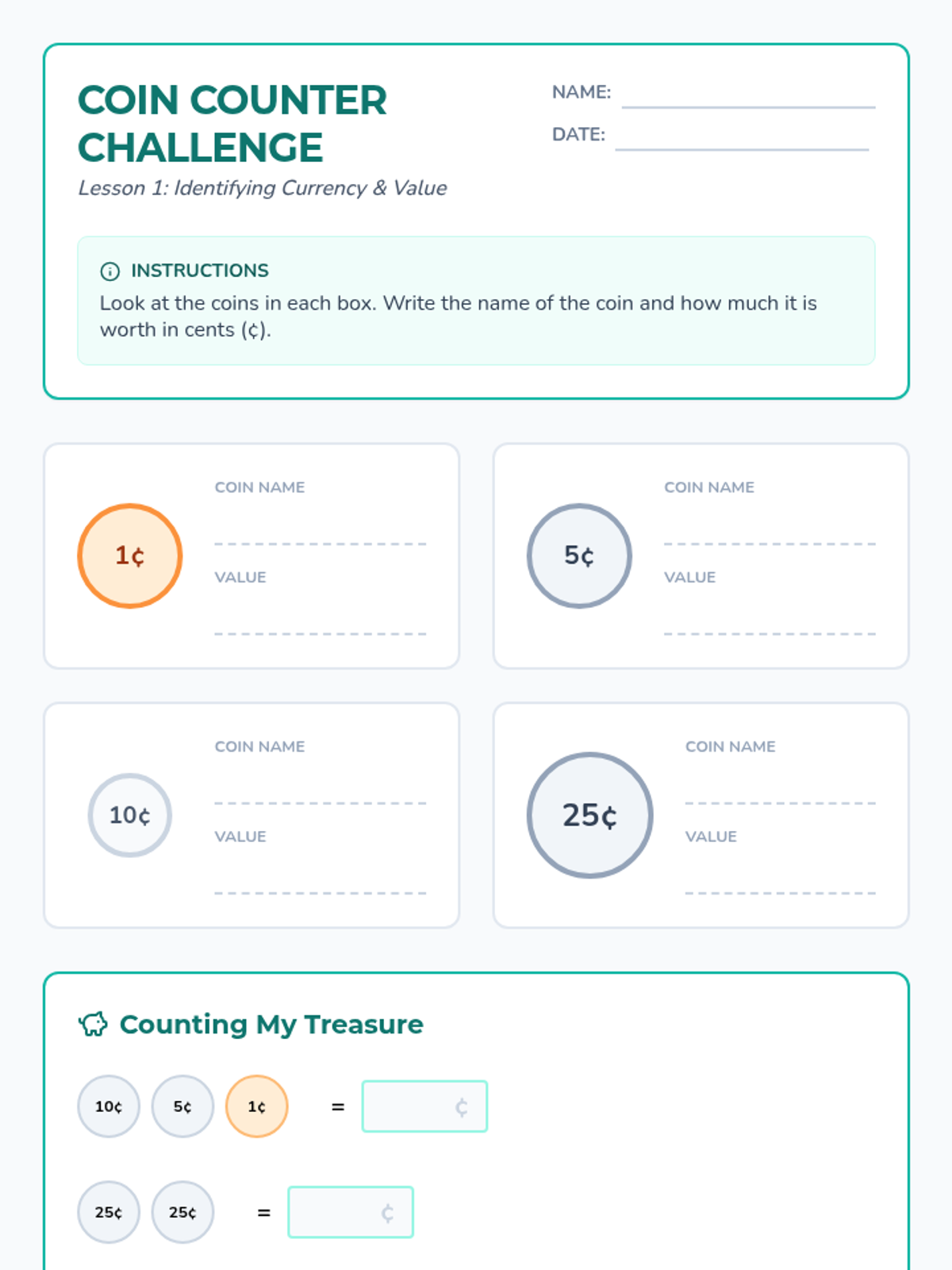
A comprehensive unit on essential financial literacy skills, ranging from basic coin identification to practical budgeting and total calculation.
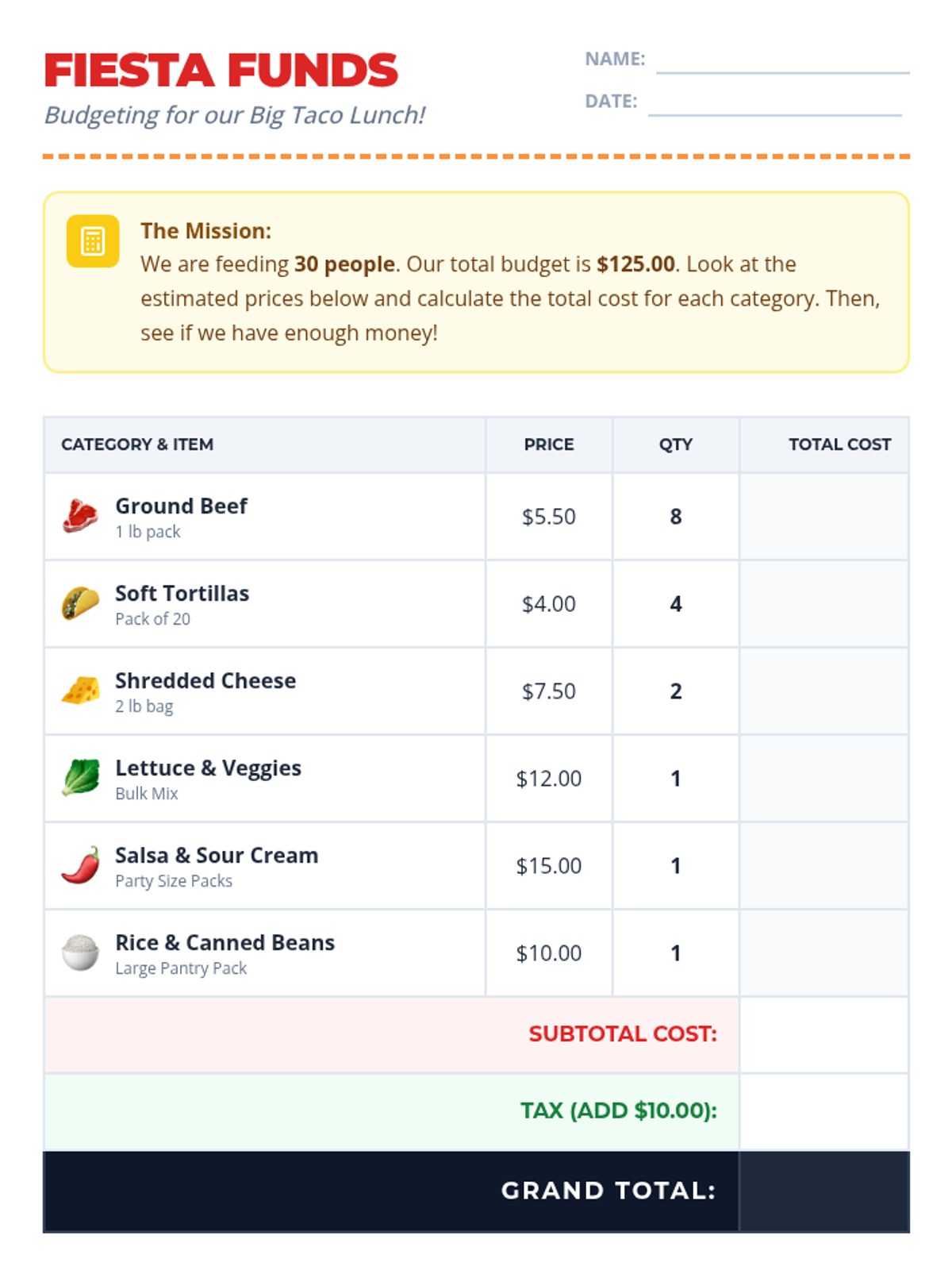
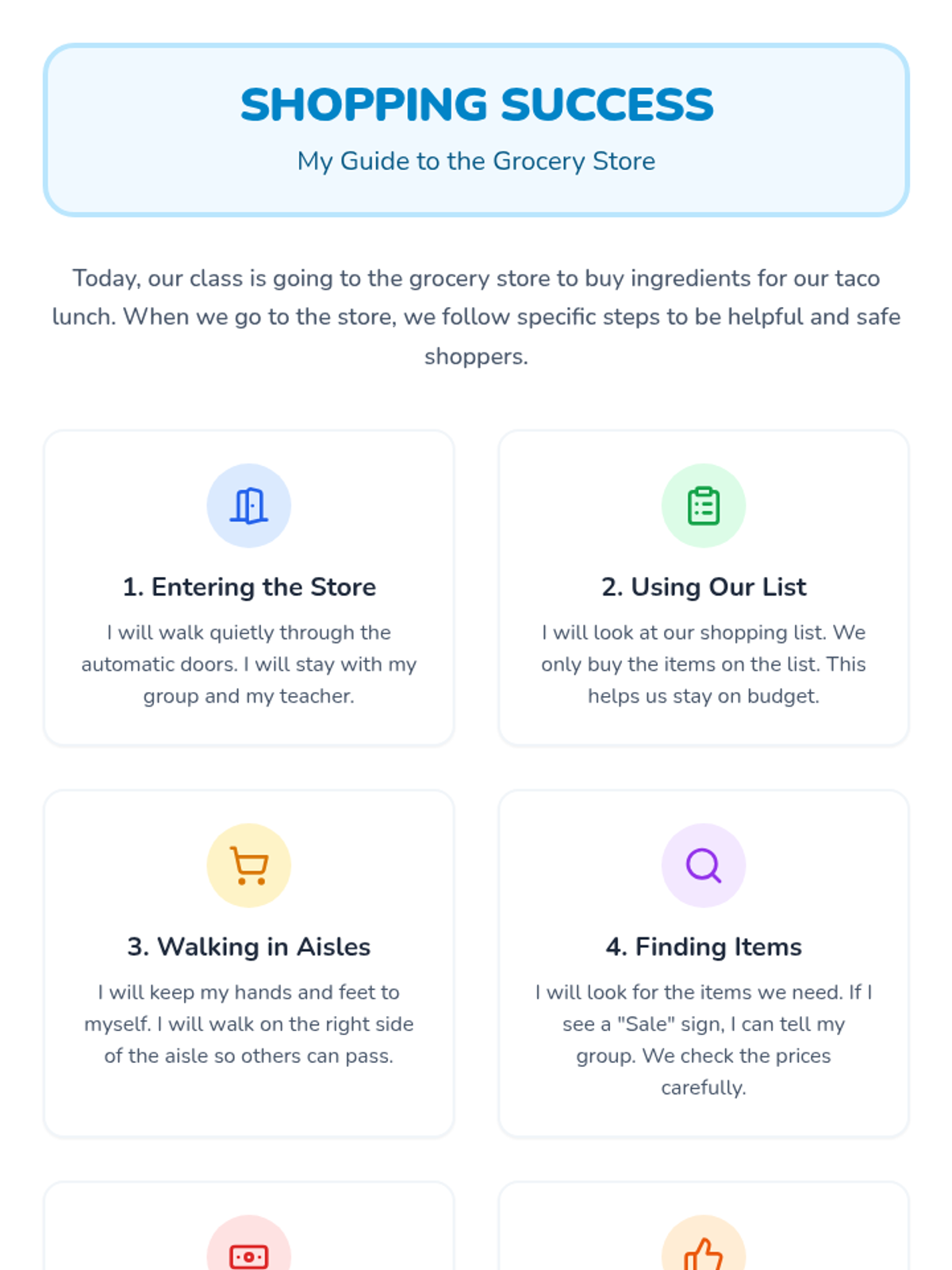
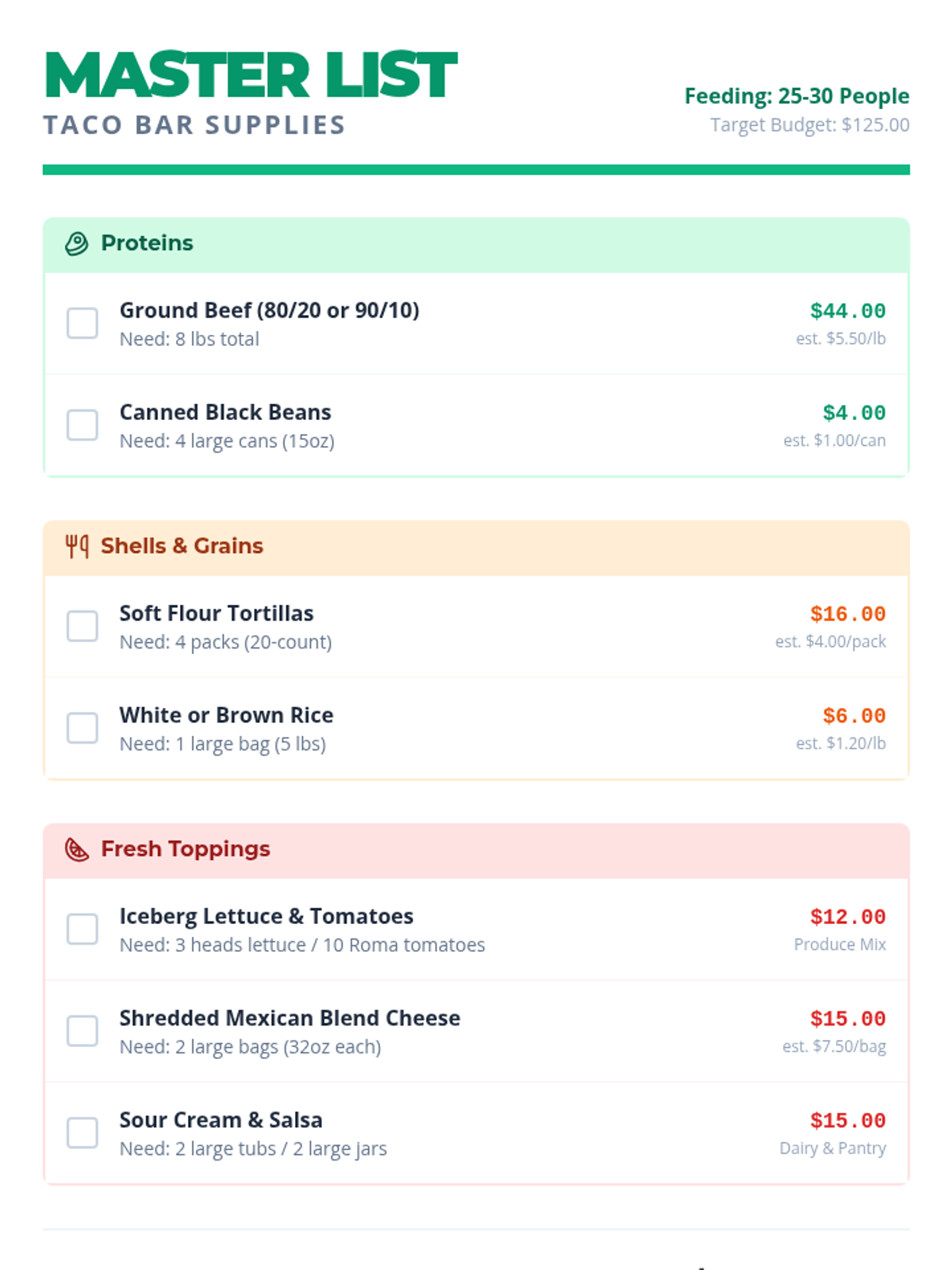
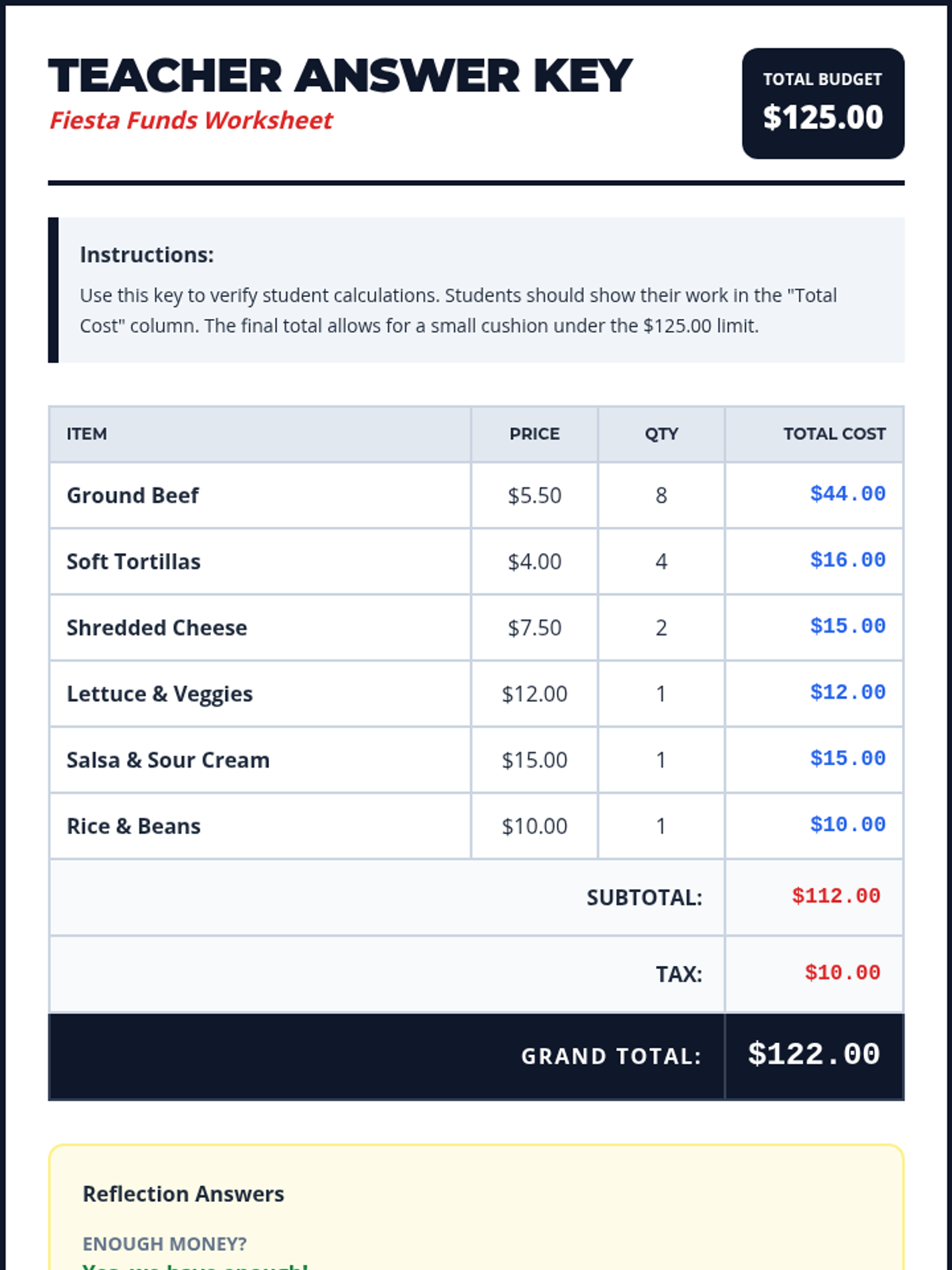
A comprehensive unit on planning, shopping for, and preparing a taco bar lunch for a large group. Students practice budgeting, community navigation, and culinary skills.
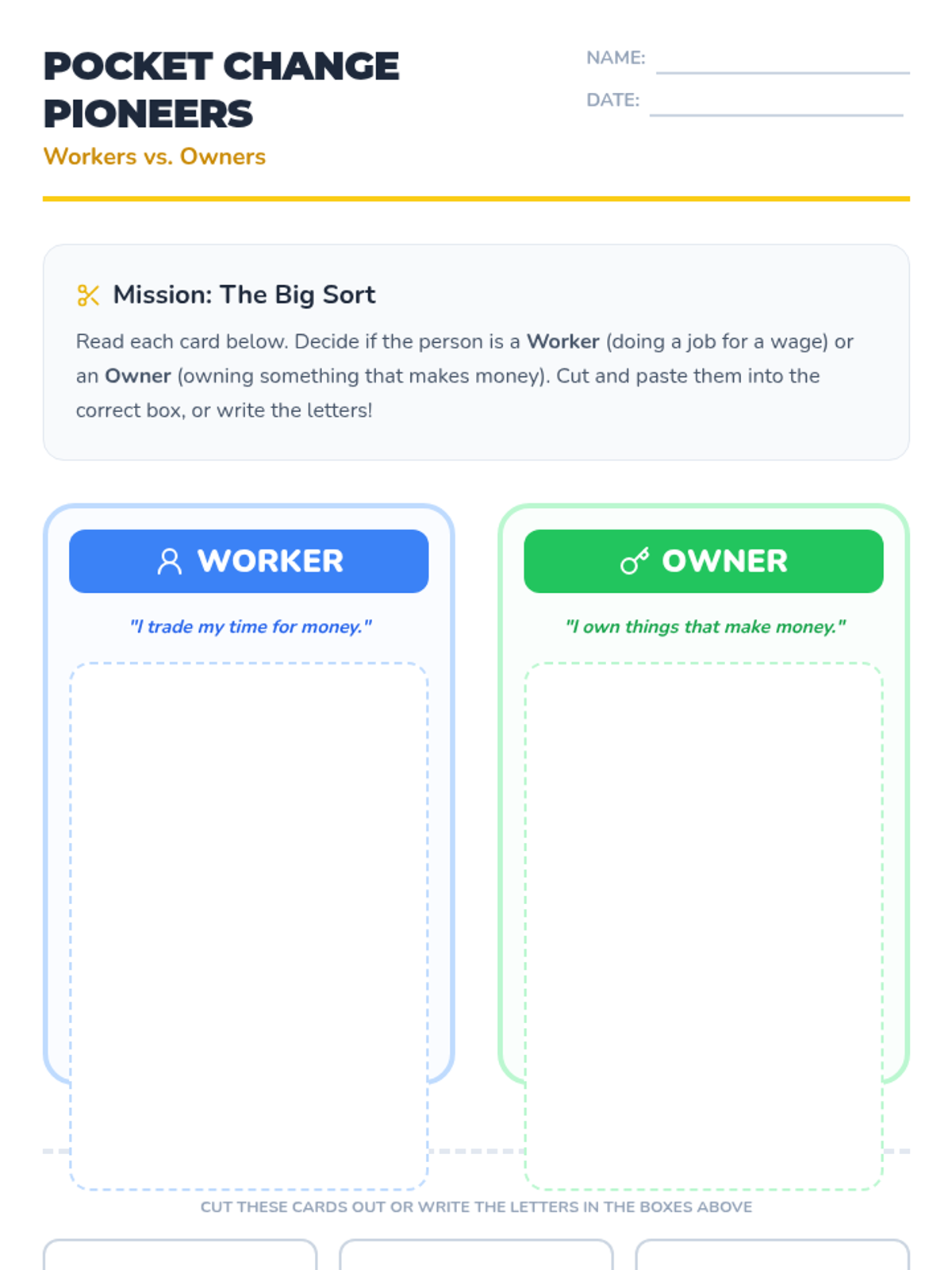
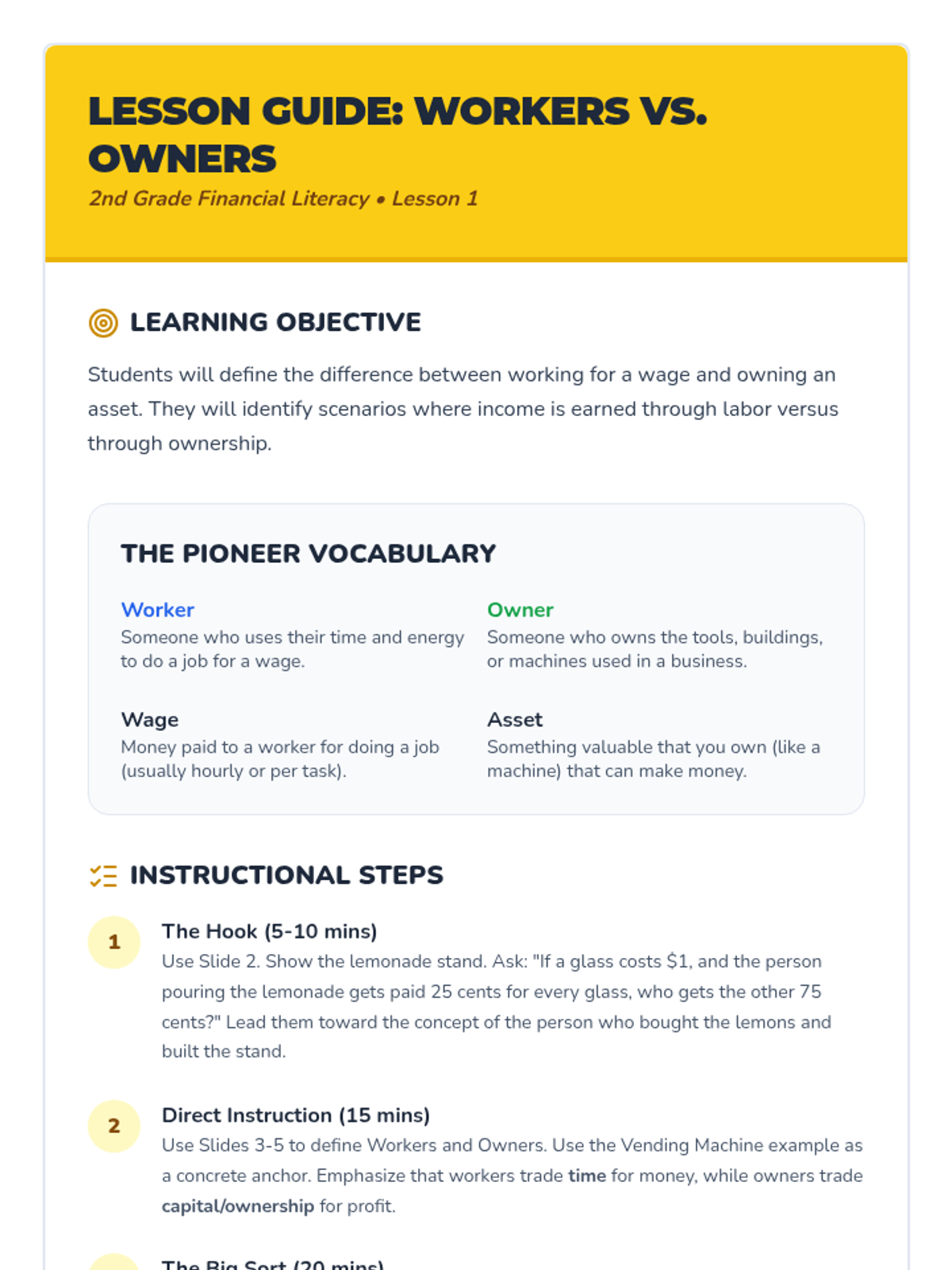
A series of 5 lessons for 2nd graders to understand basic investment concepts through the lens of ownership. Students learn the difference between working for a wage and owning an asset that generates value, using a lemonade stand simulation to explore shares, profits, dividends, and risk.
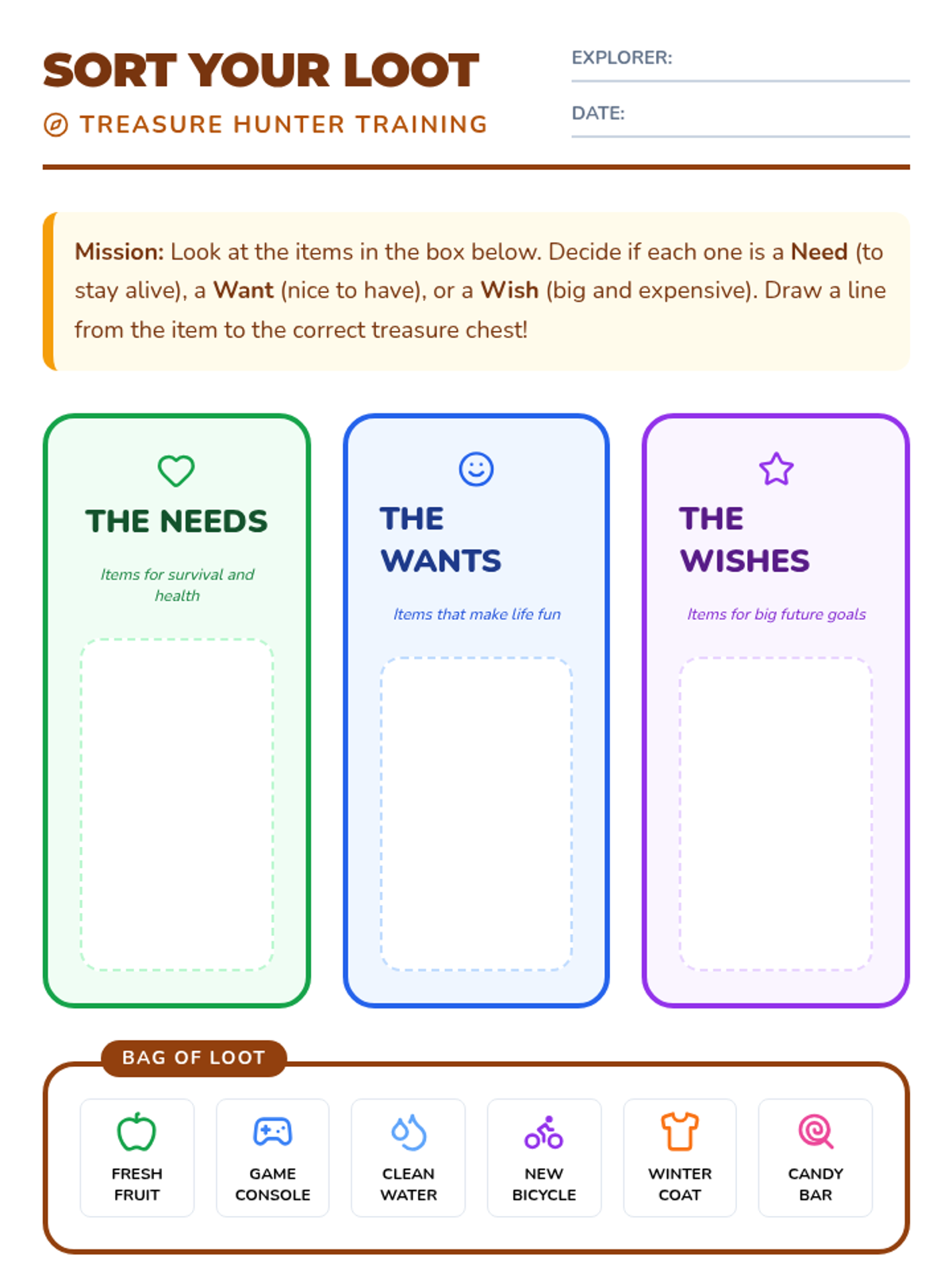
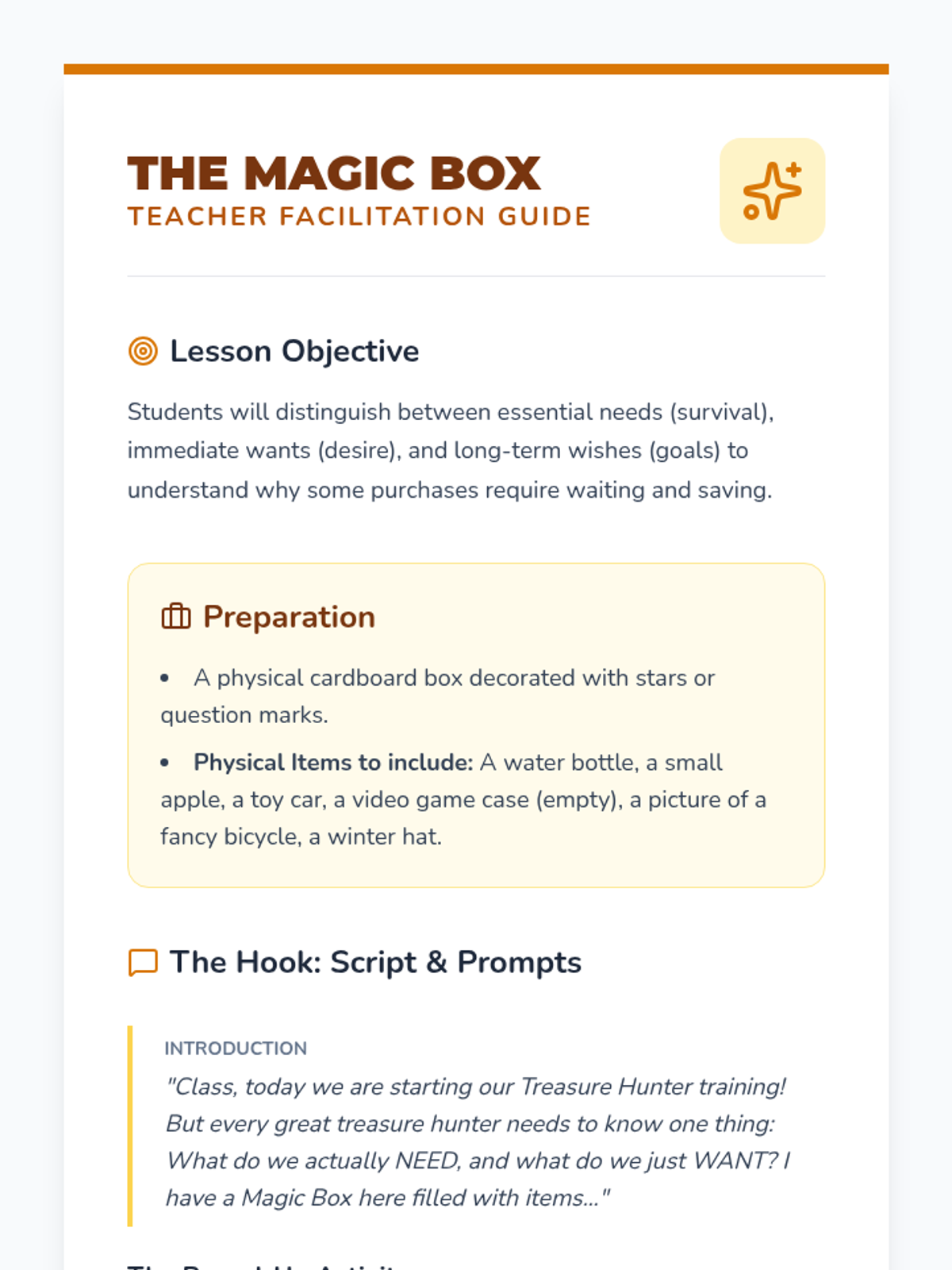
This sequence introduces 2nd graders to saving through a 'Treasure Hunter' theme, covering needs vs. wants, the three-jar method, goal setting, patience, and progress tracking.
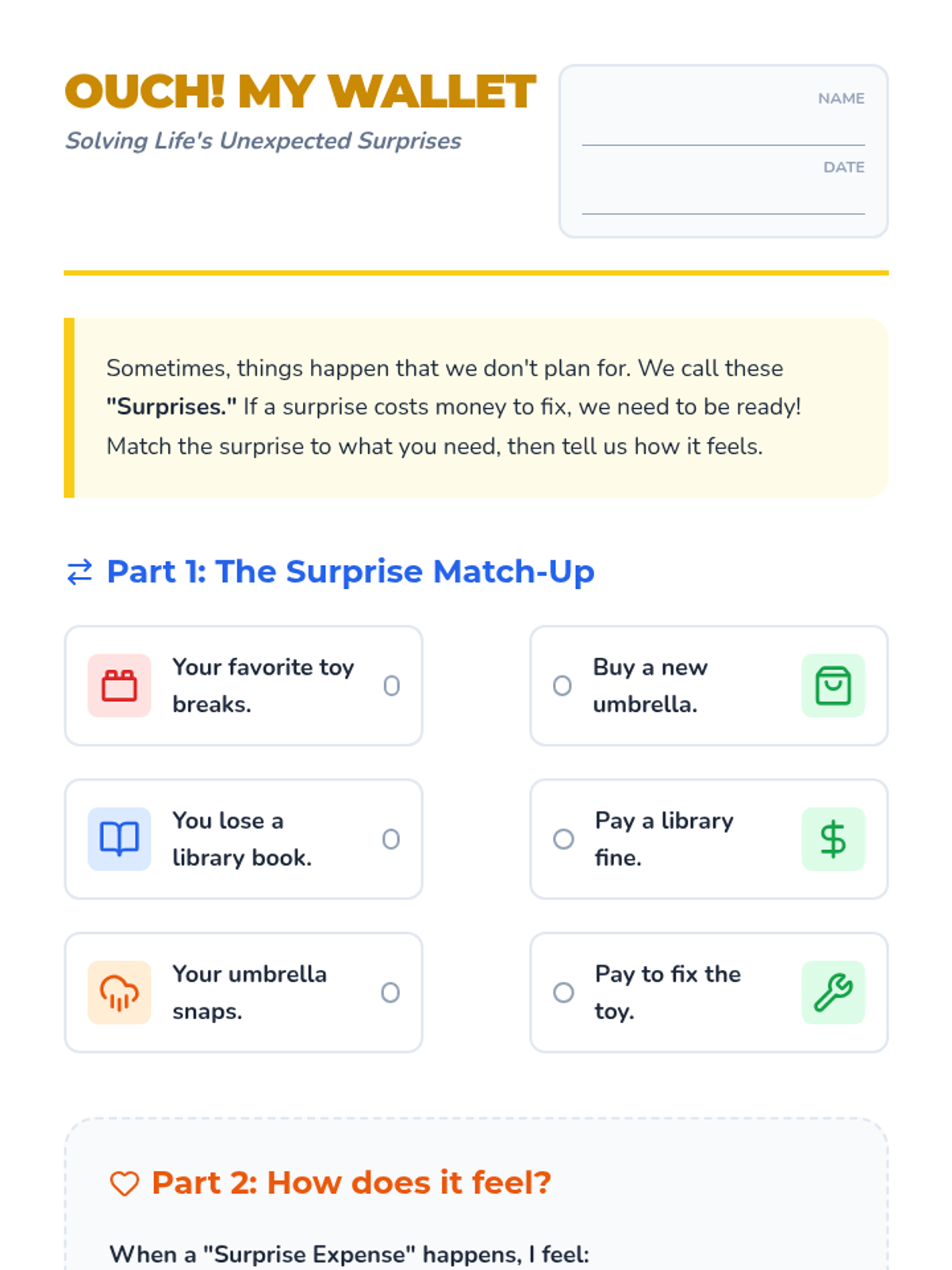
A comprehensive unit for 2nd graders on the importance of emergency funds. Students learn to distinguish between planned and unplanned expenses through stories, sorting activities, and a final budgeting simulation.
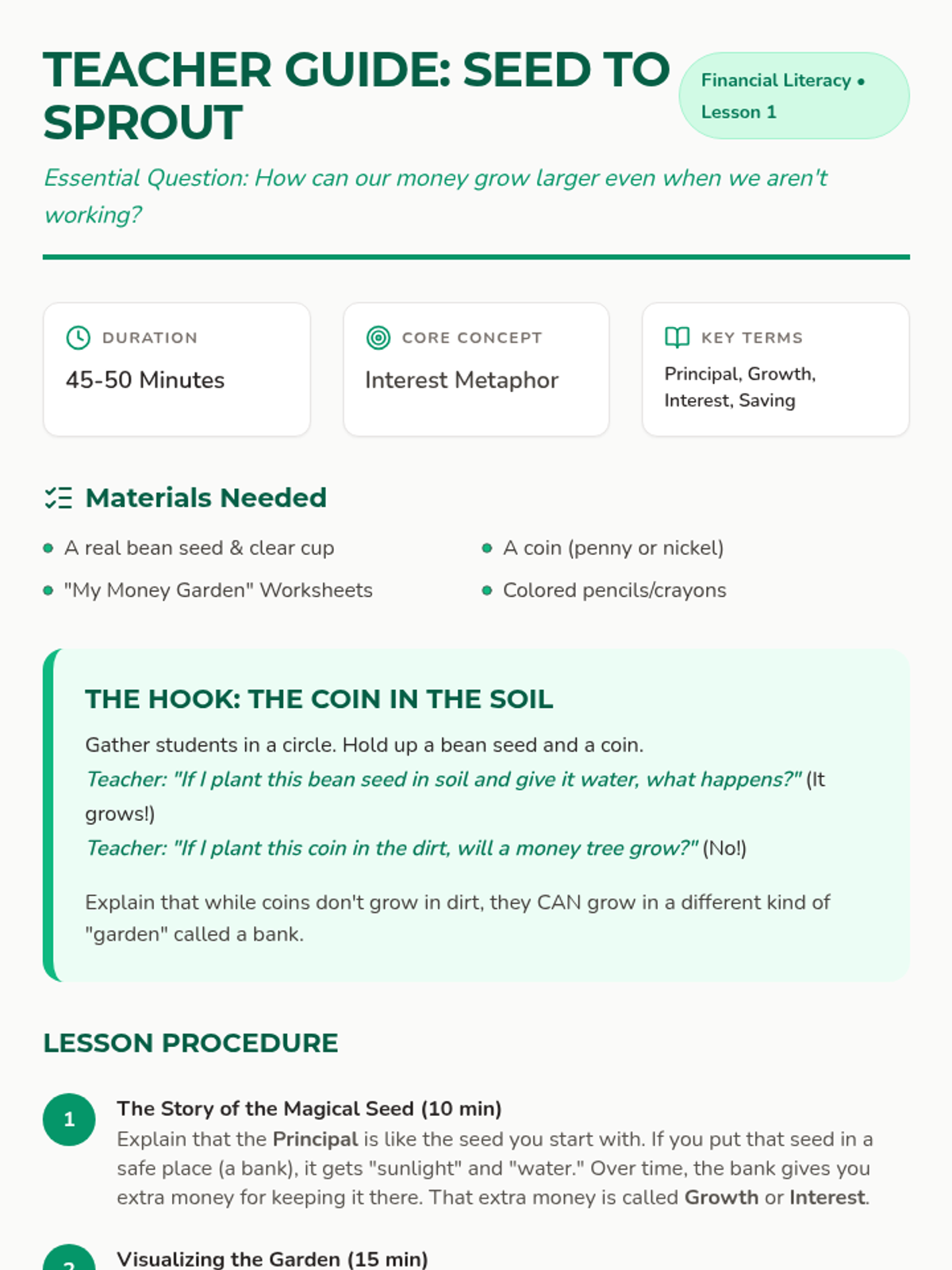
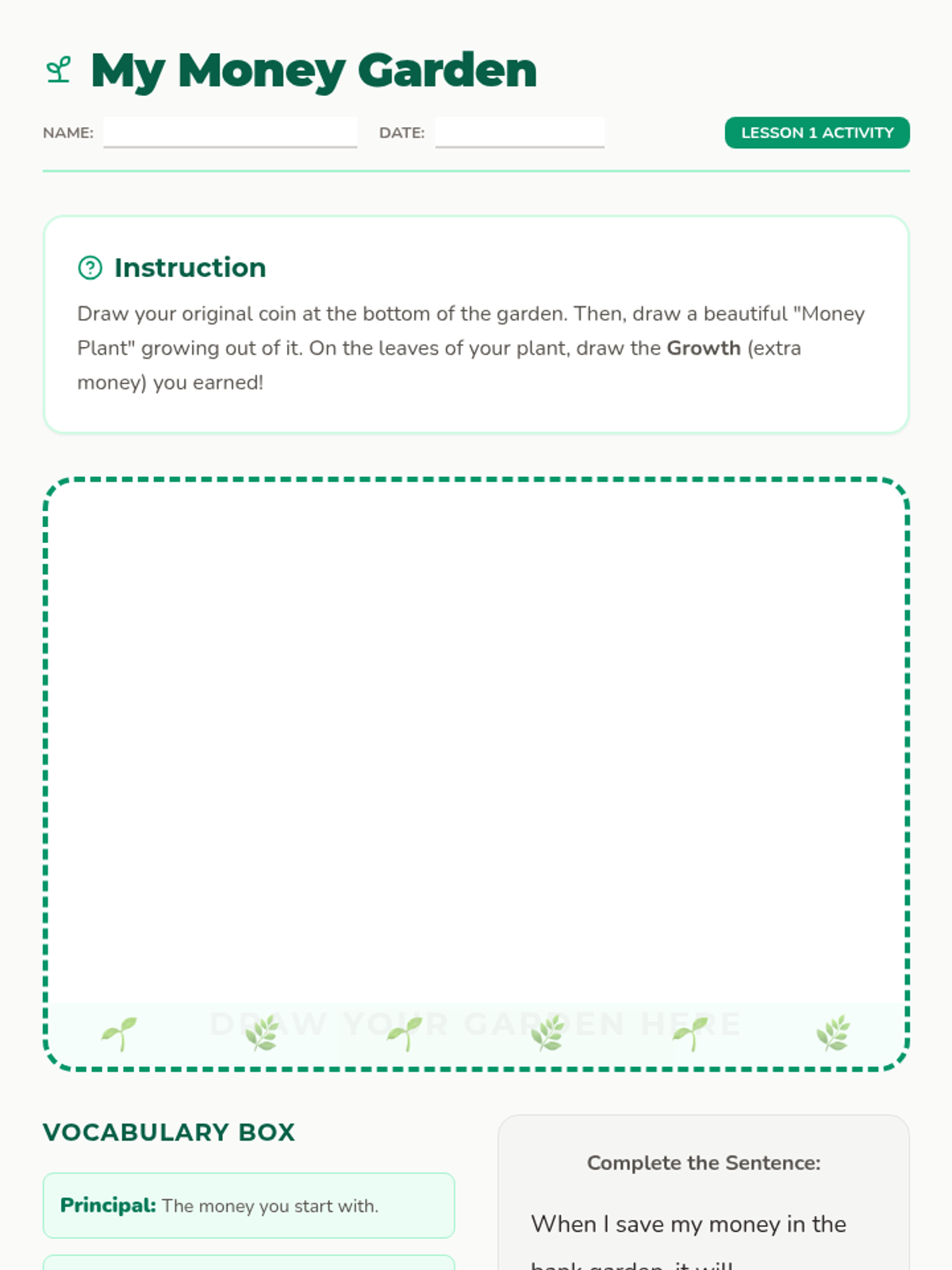
This sequence introduces 2nd-grade students to the concept of interest and money growth using a garden metaphor. Students explore how saving money in a bank leads to growth over time through simulations and hands-on activities.
A comprehensive introduction to currency, banking, and basic financial concepts for 2nd grade students, focusing on the safety and growth of money in financial institutions.
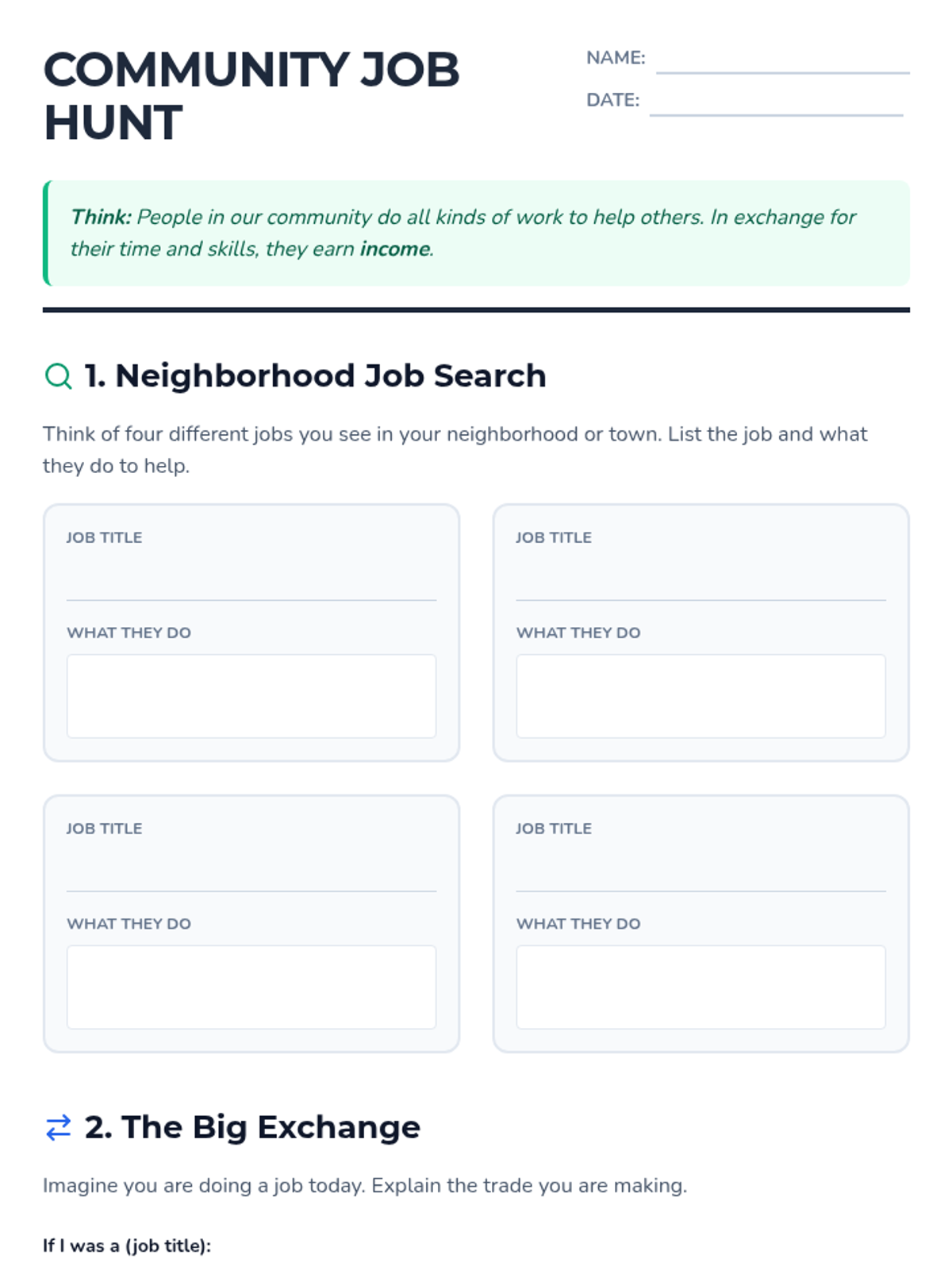
This sequence explores the relationship between education, jobs, and income. Students learn about budgeting, the impact of unexpected expenses, and the intrinsic value of all community work, addressing economic inequality through practical simulations and reflection.