Budgeting, saving, and investment strategies alongside practical skills for managing credit, taxes, and banking. Addresses insurance needs, employment income, and major purchase decisions to support comprehensive long-term financial planning.
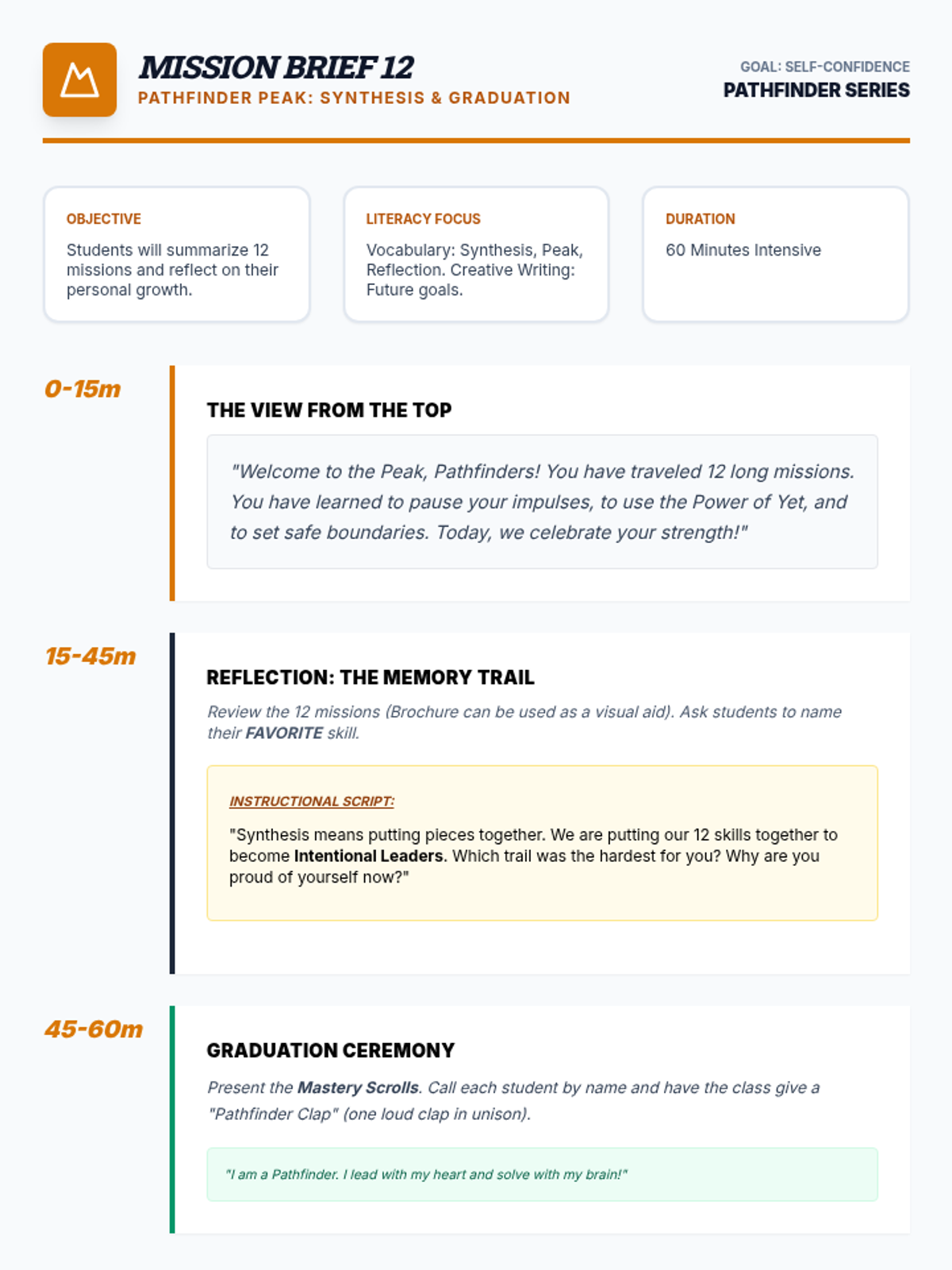
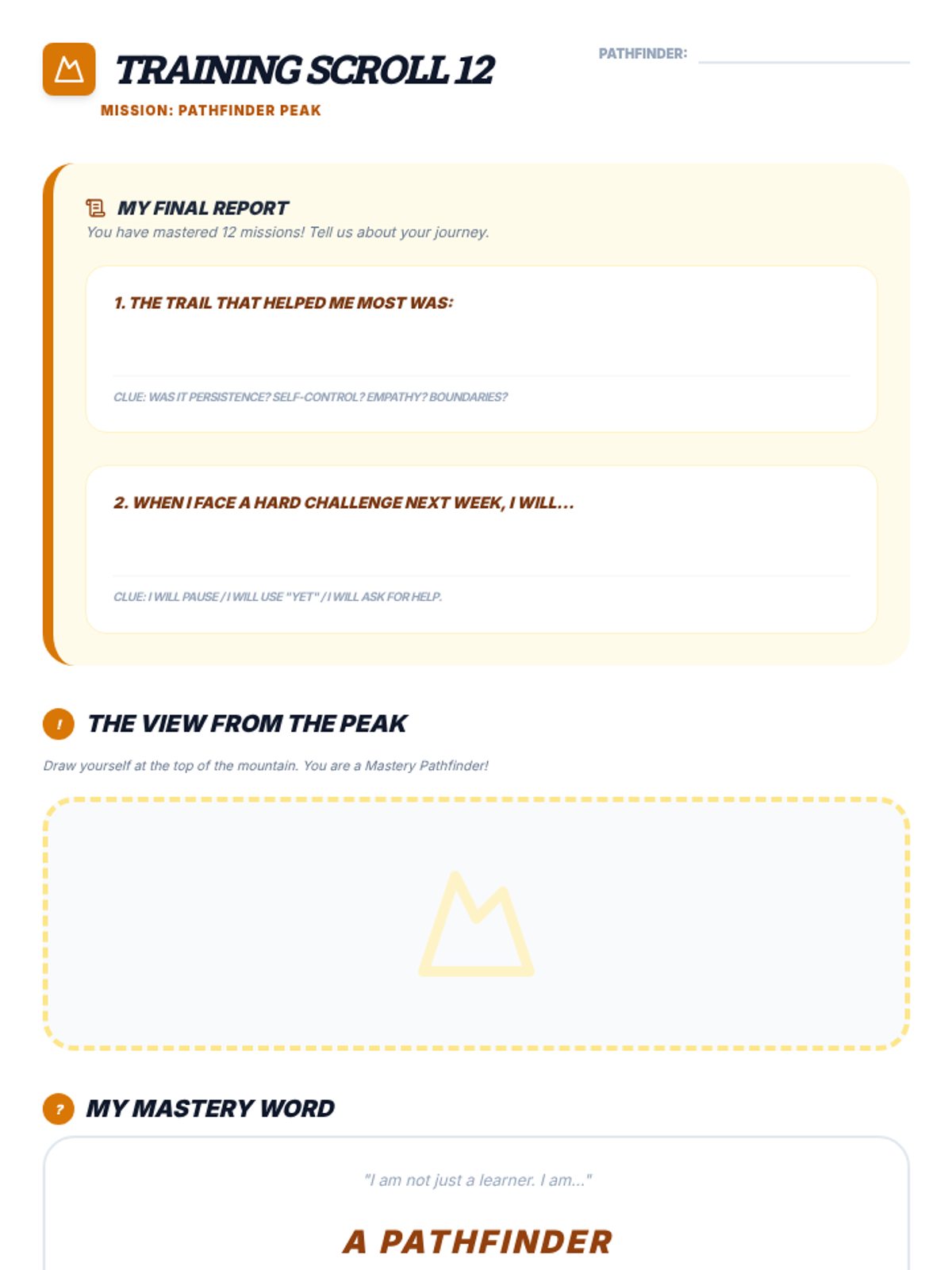
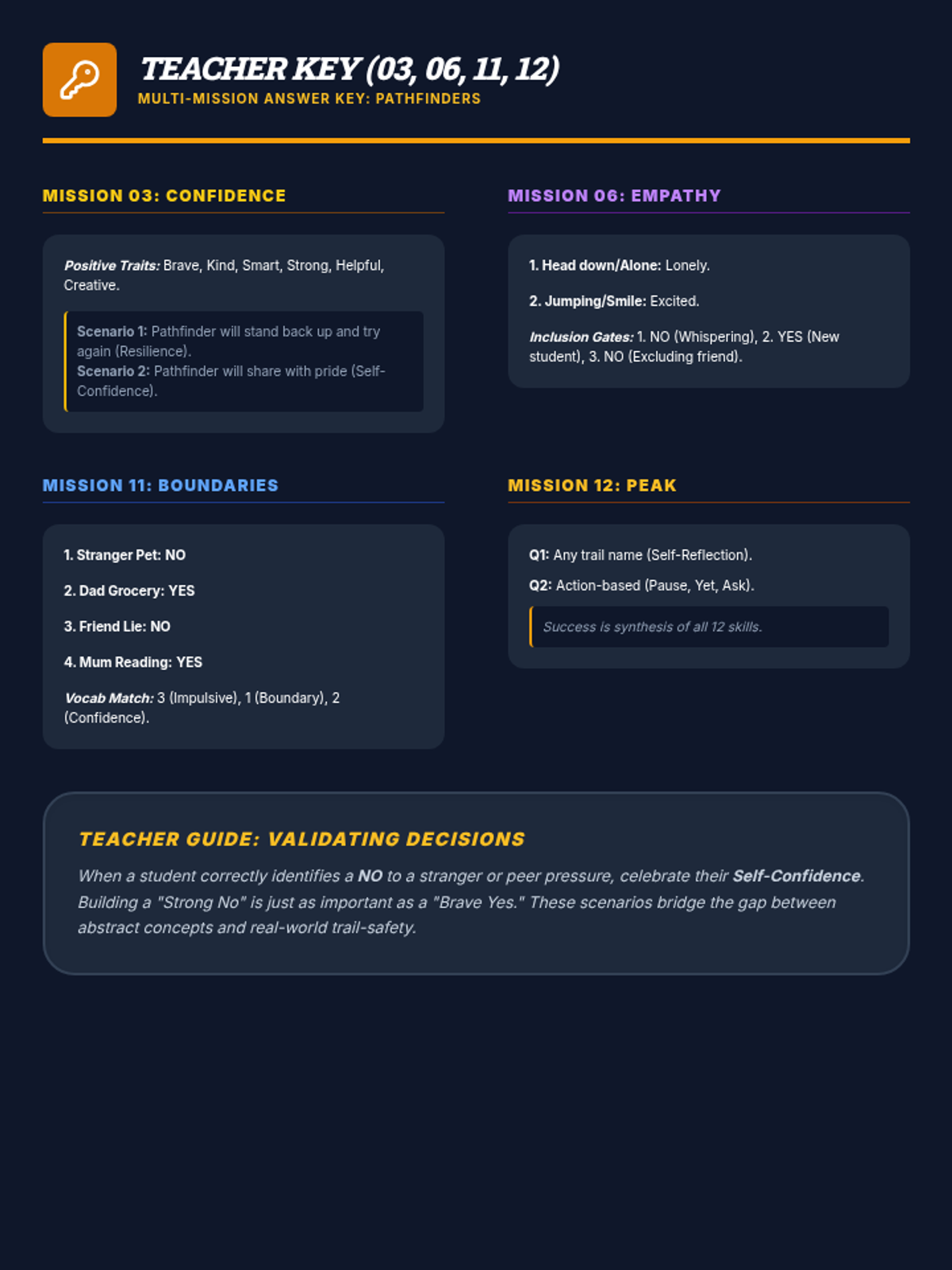
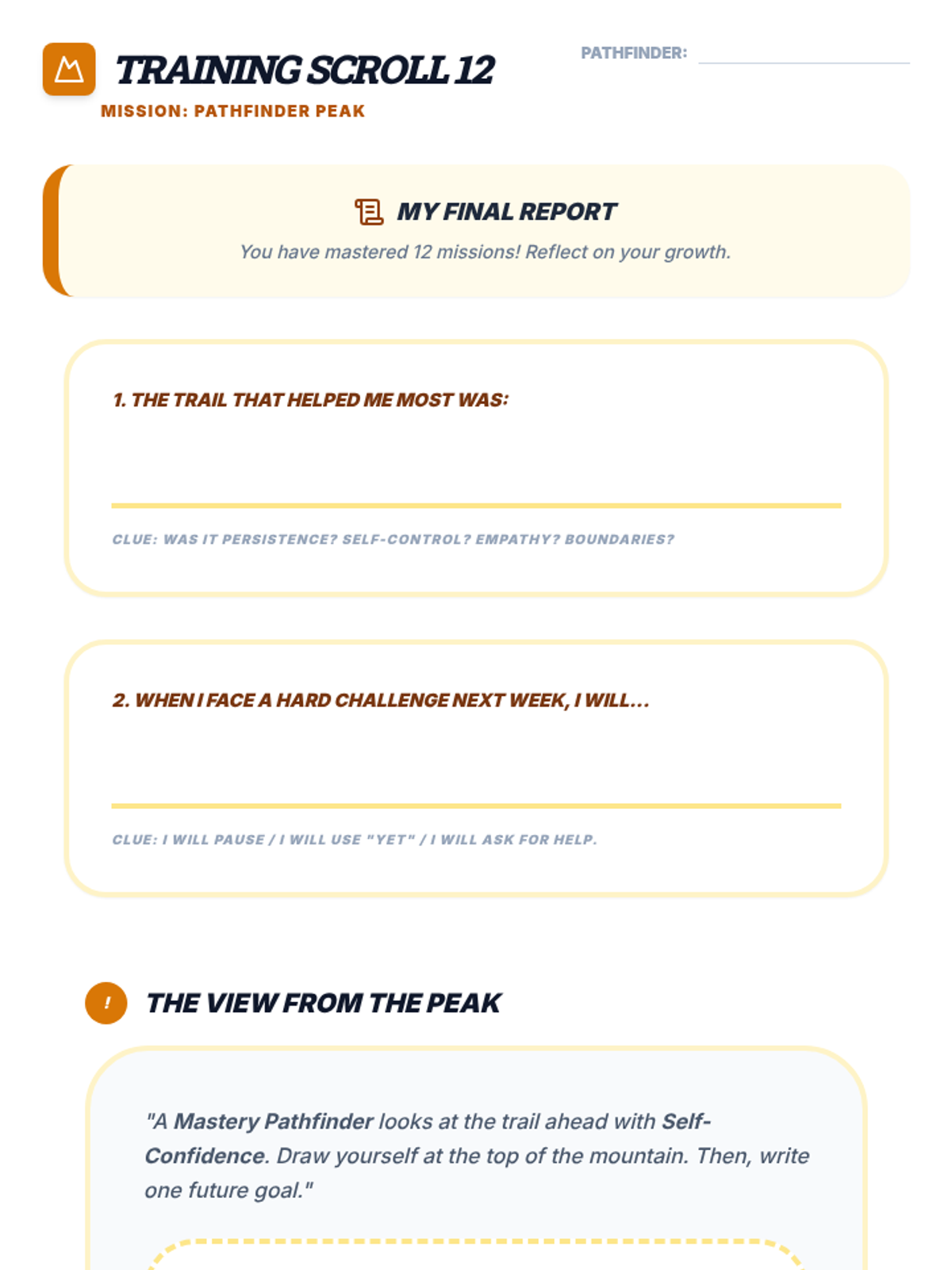
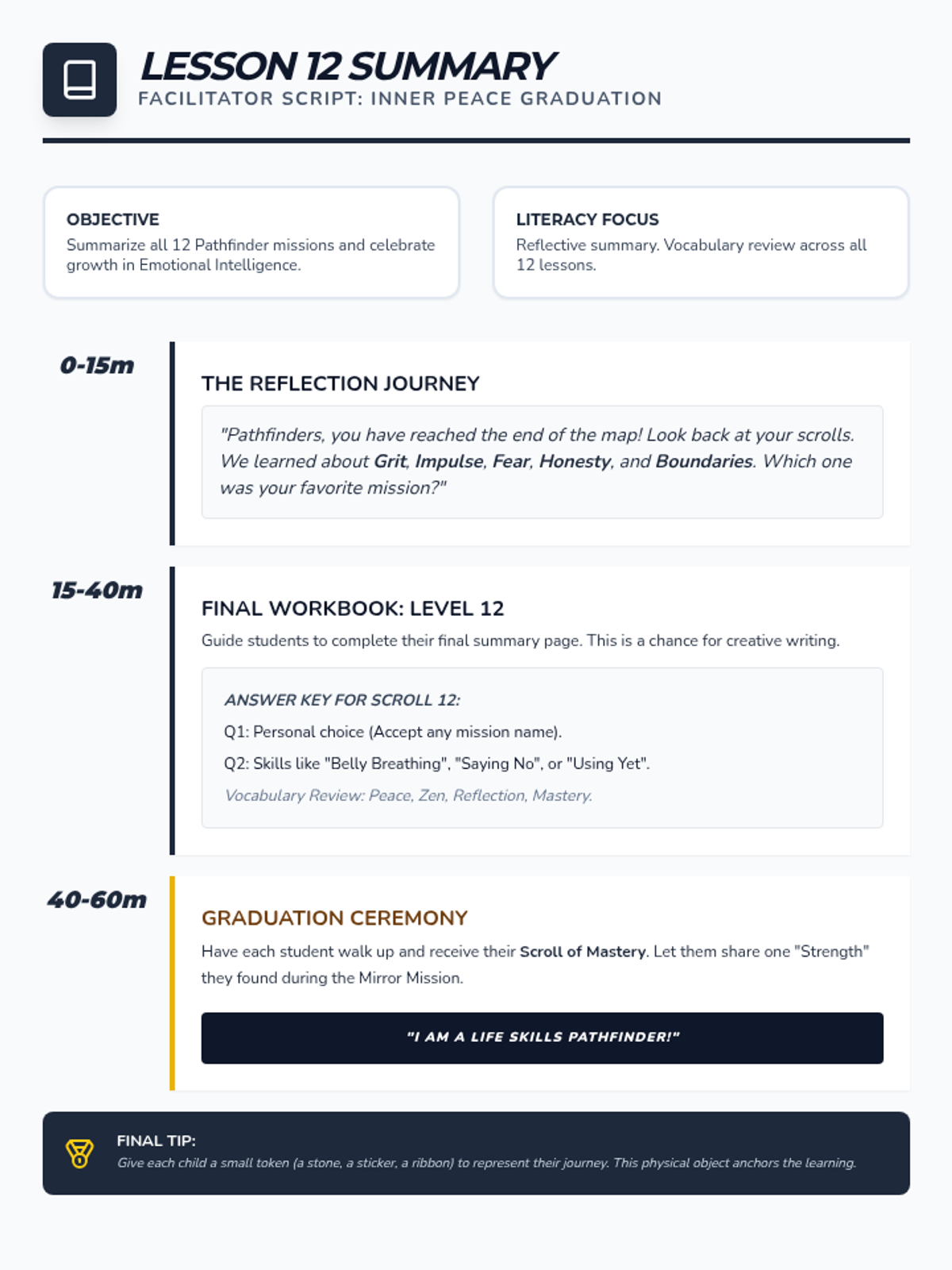
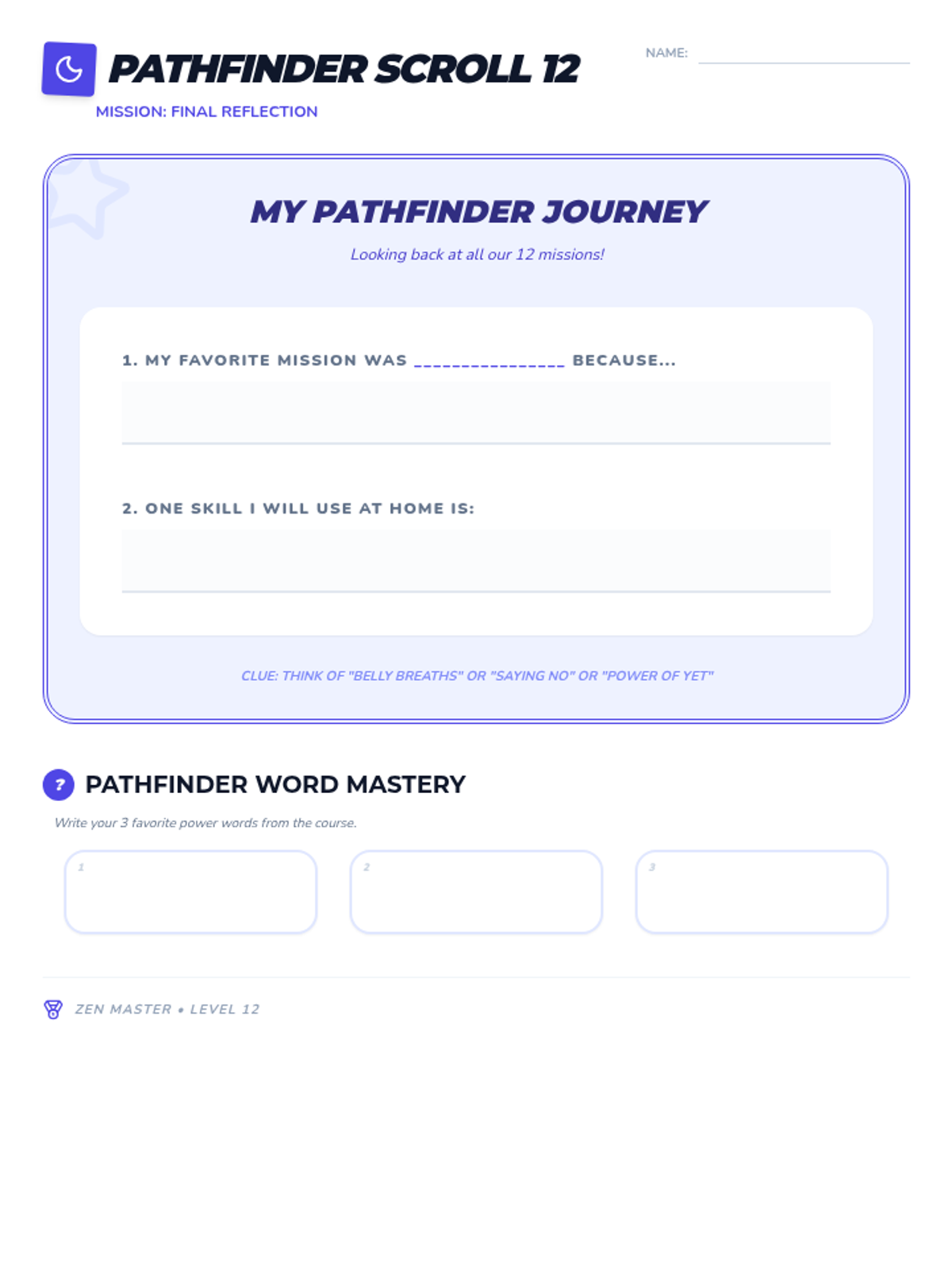
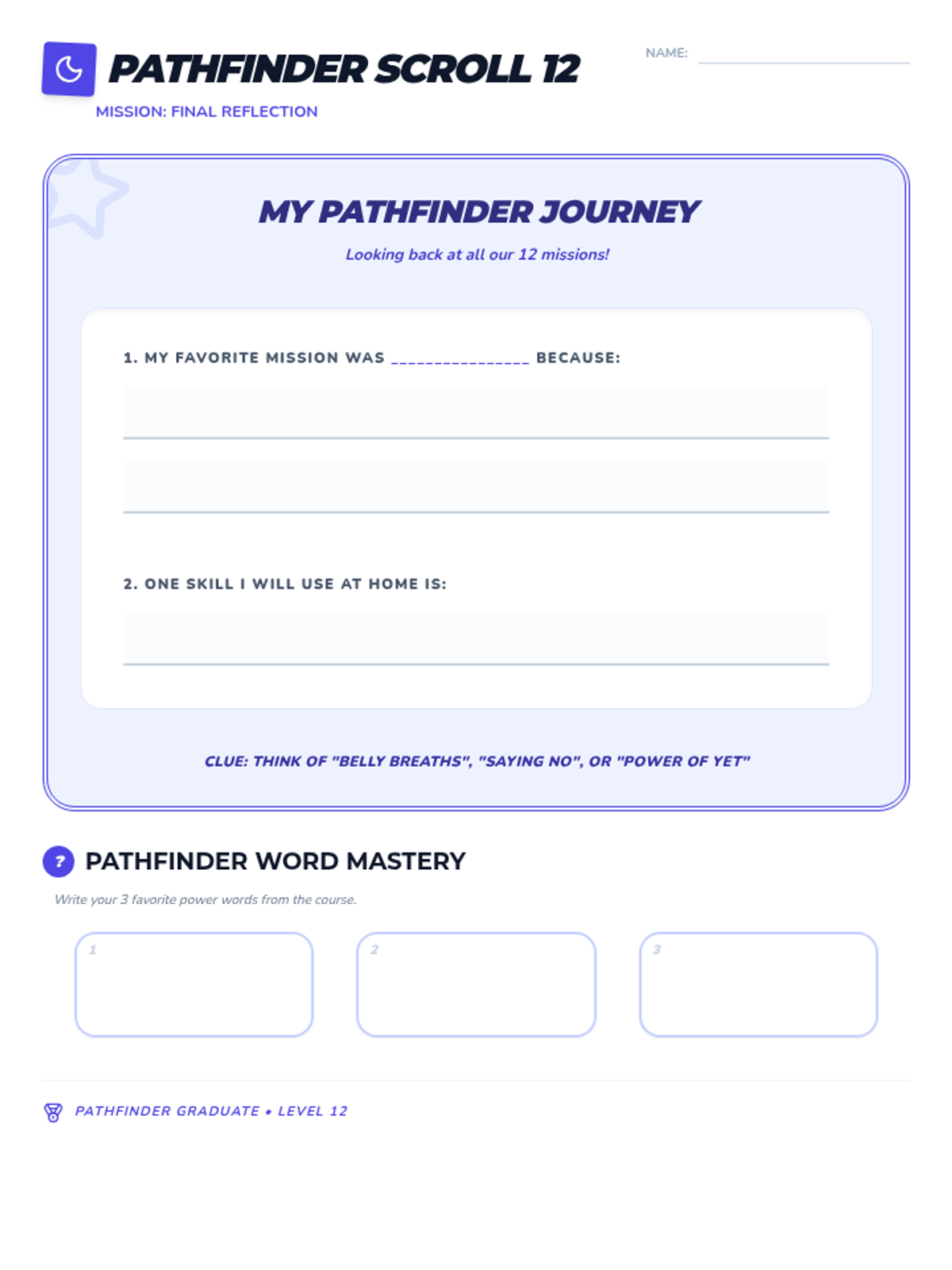
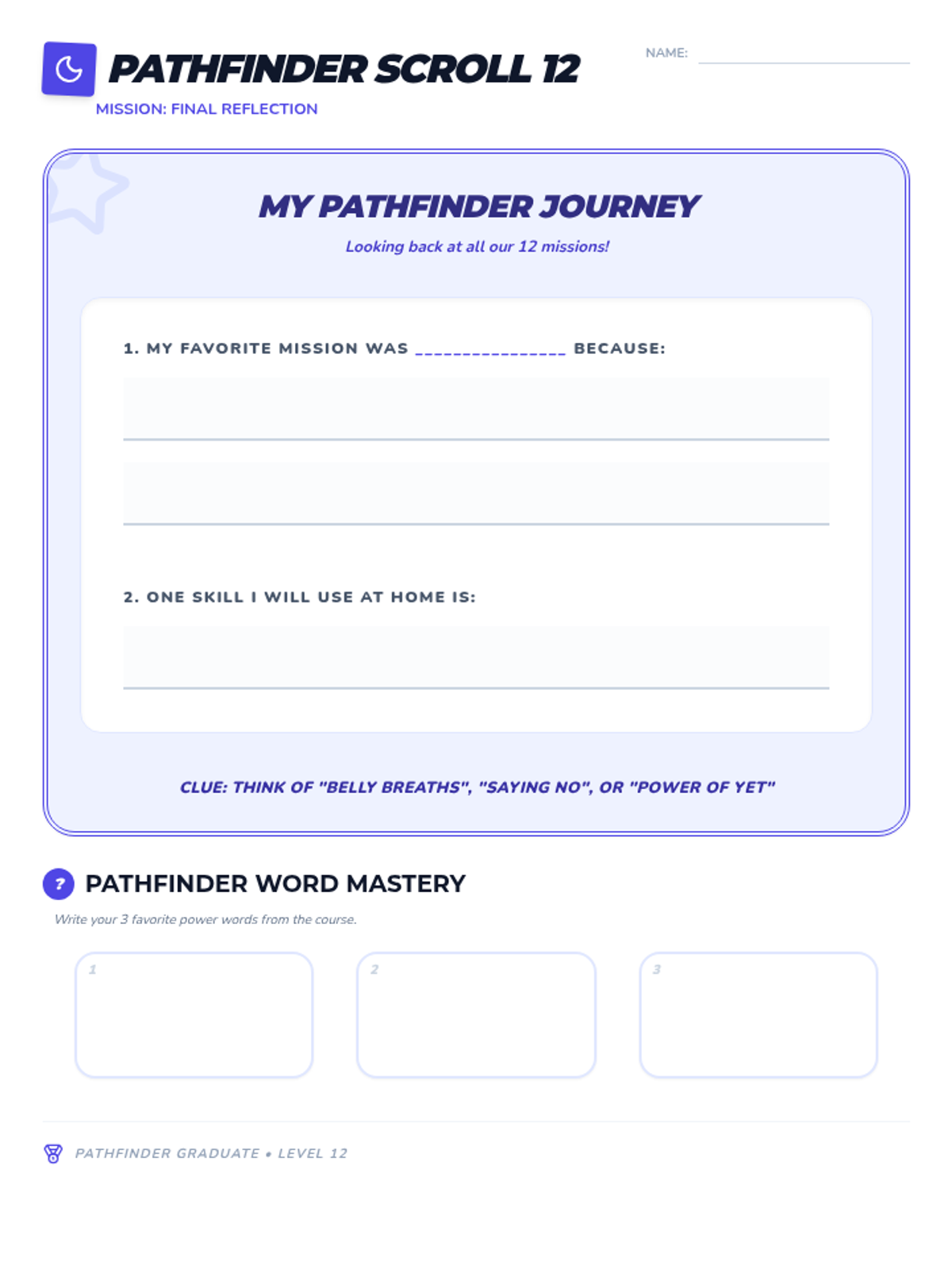
Course synthesis and graduation. Reflecting on the journey from impulsive to intentional Pathfinder.
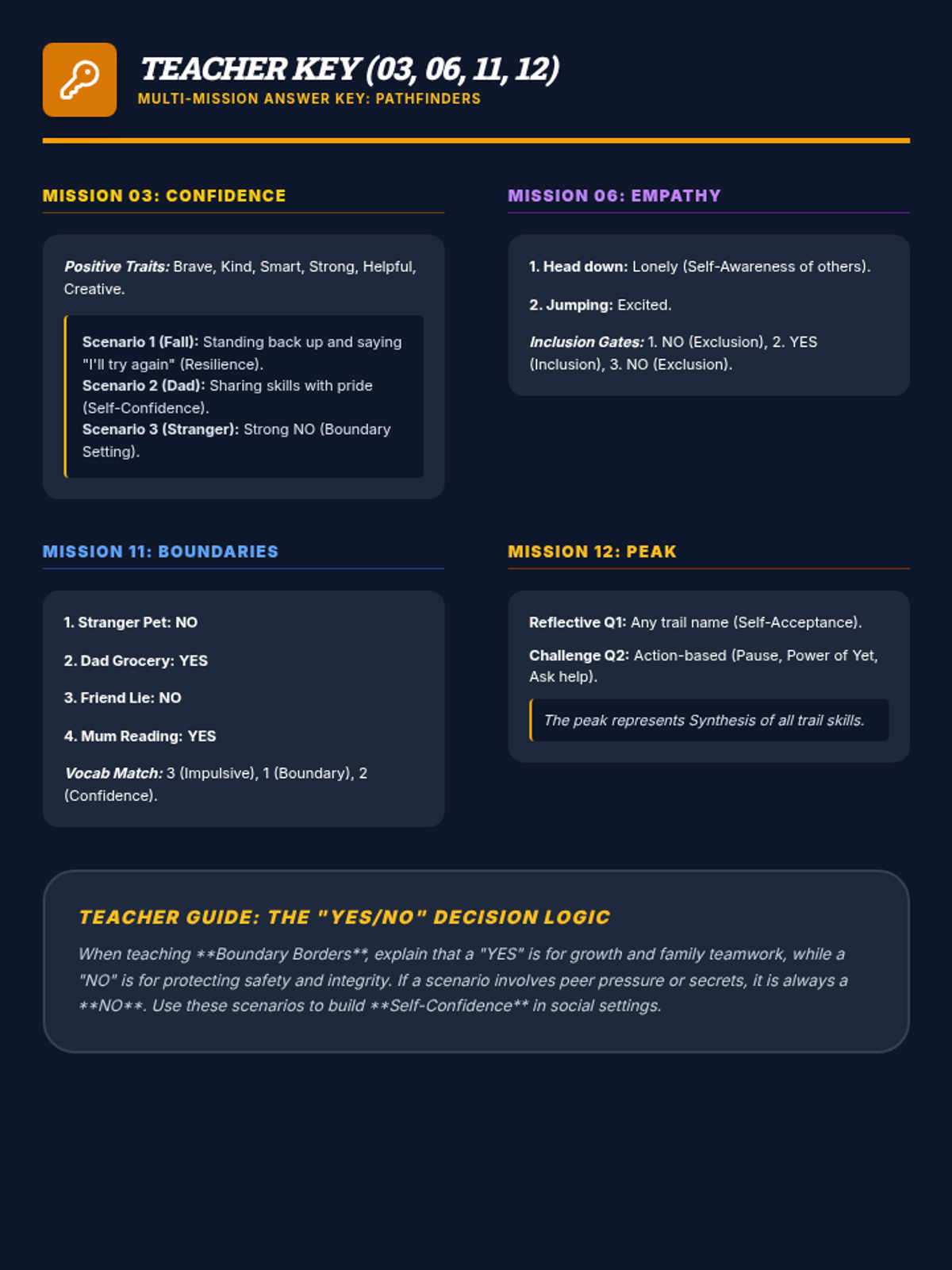
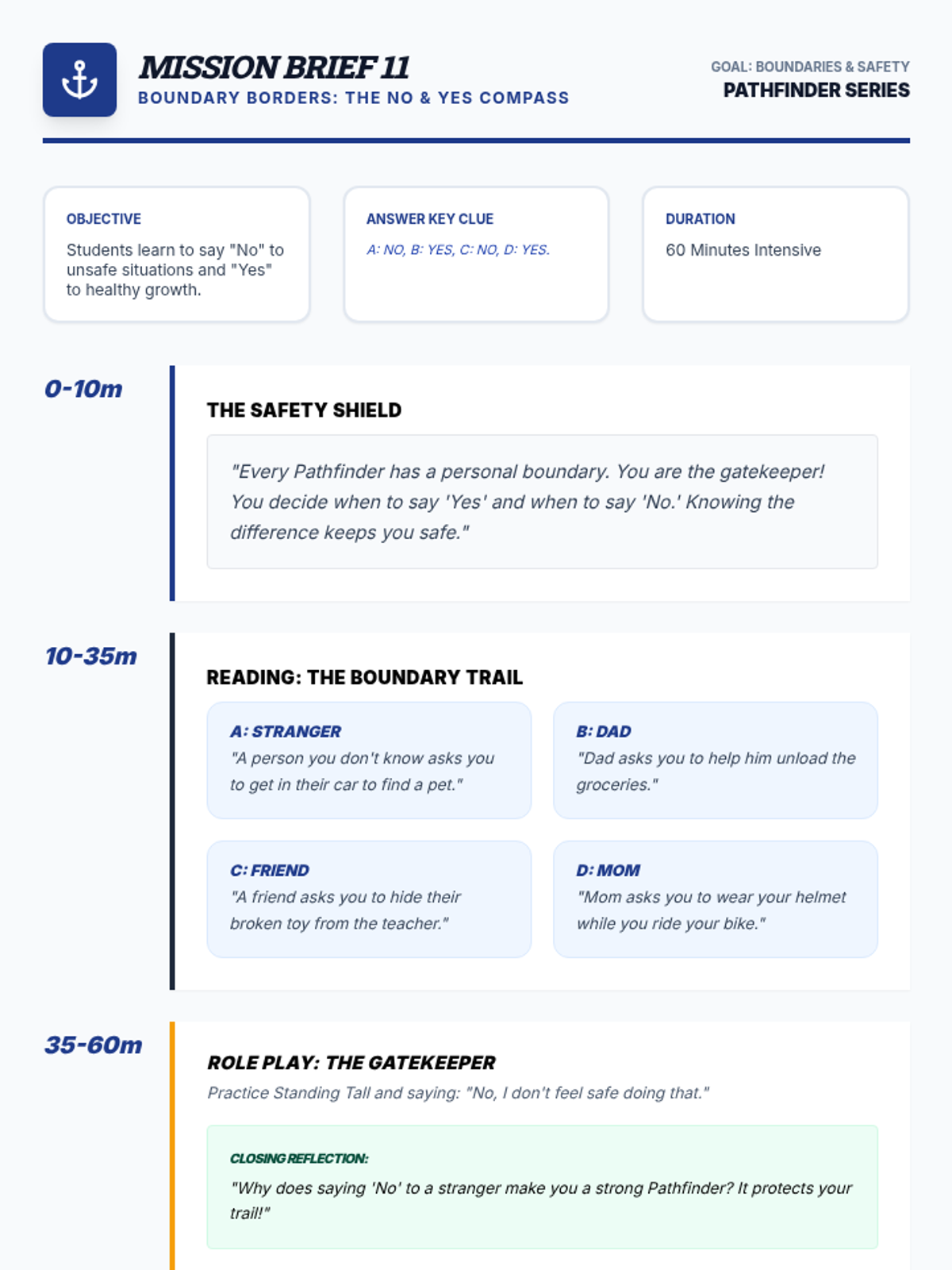
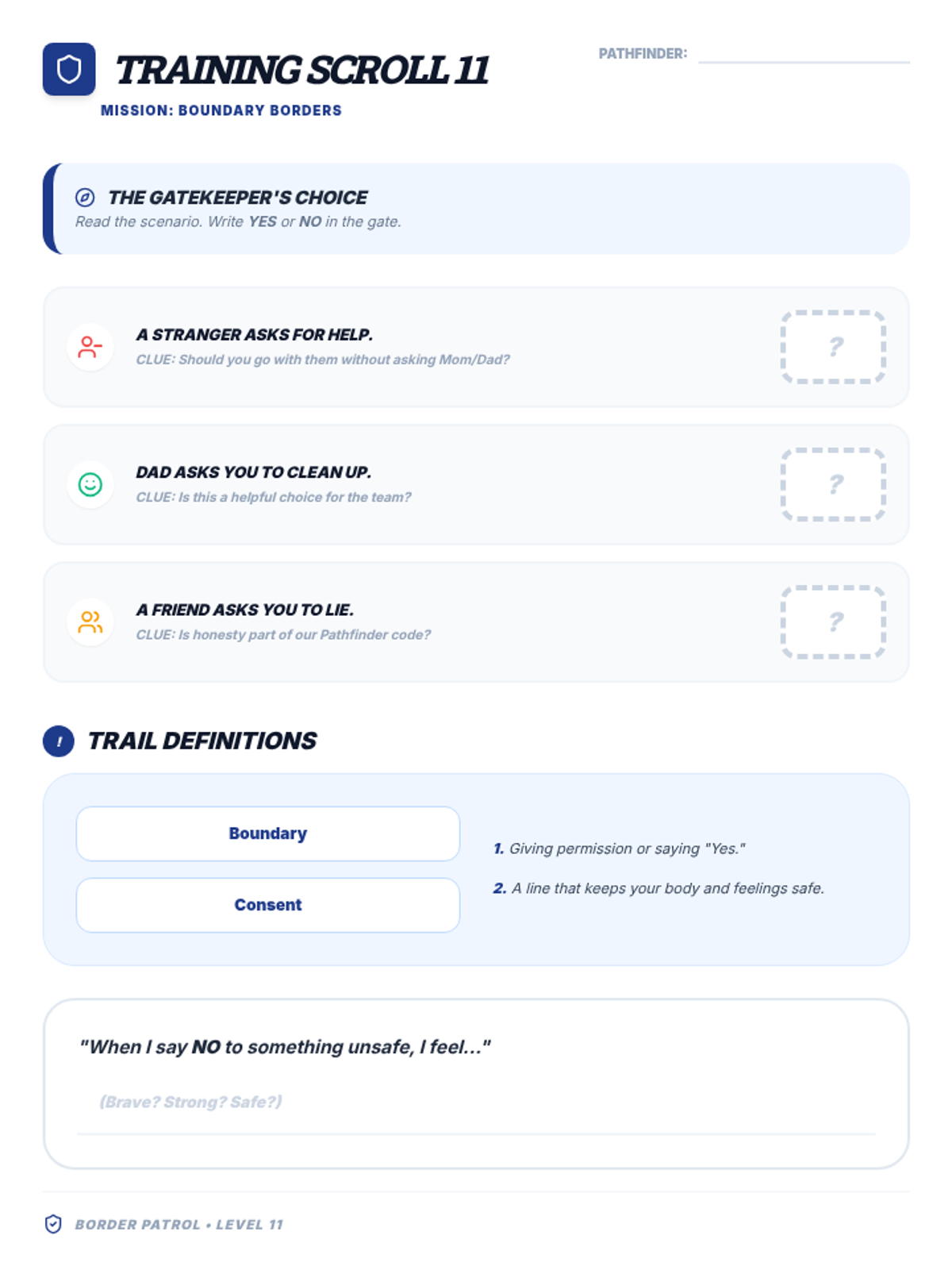
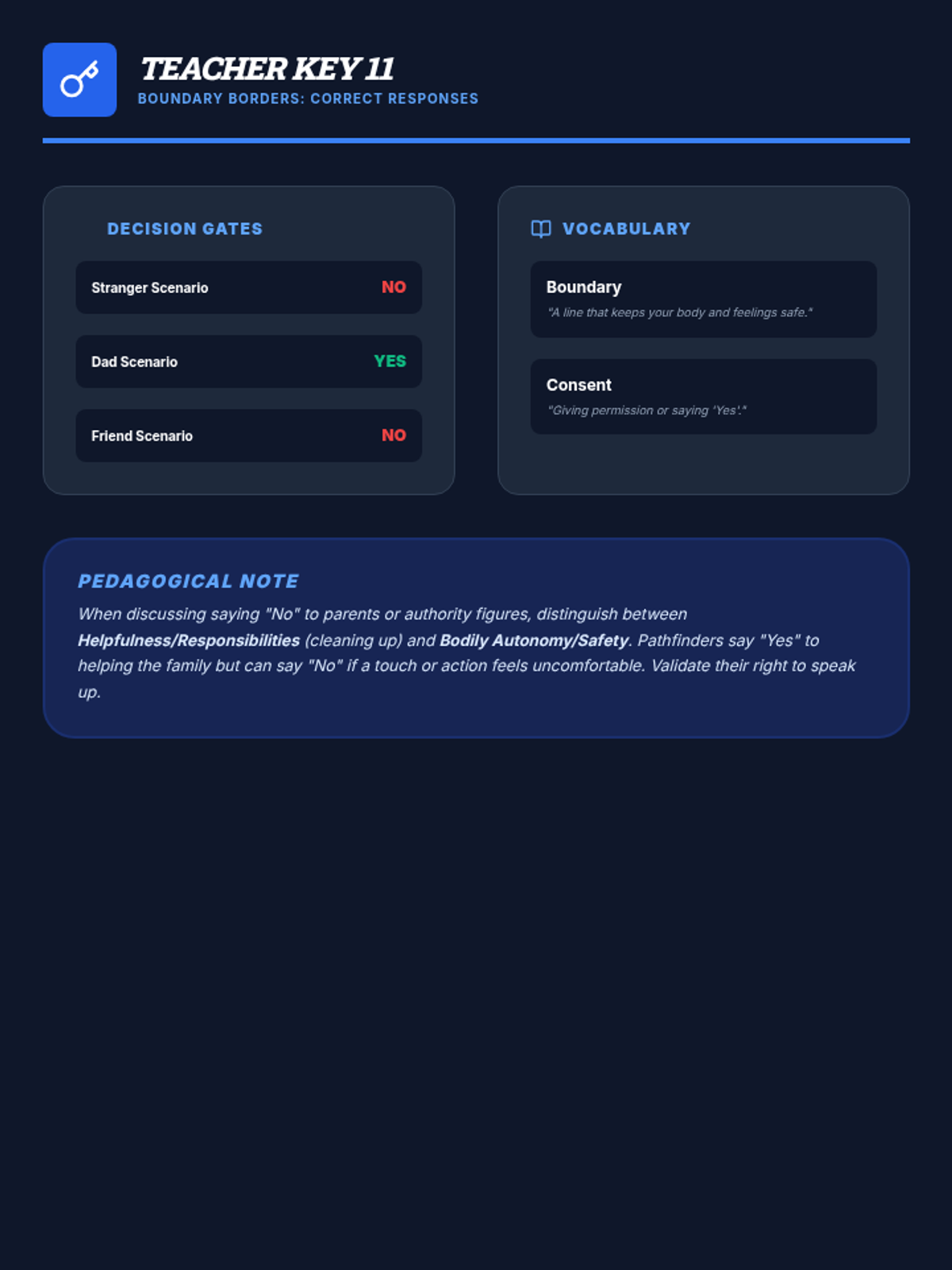
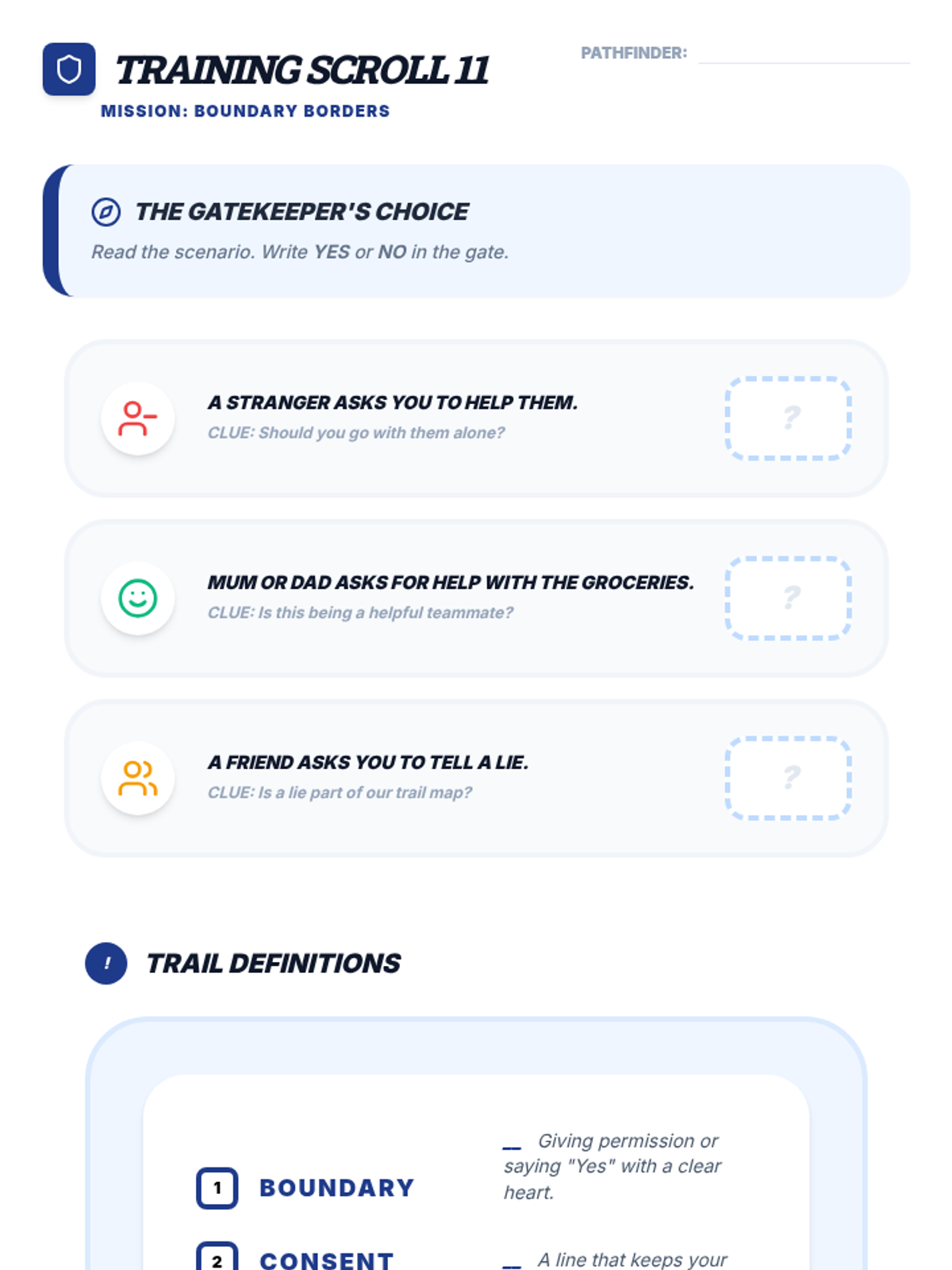
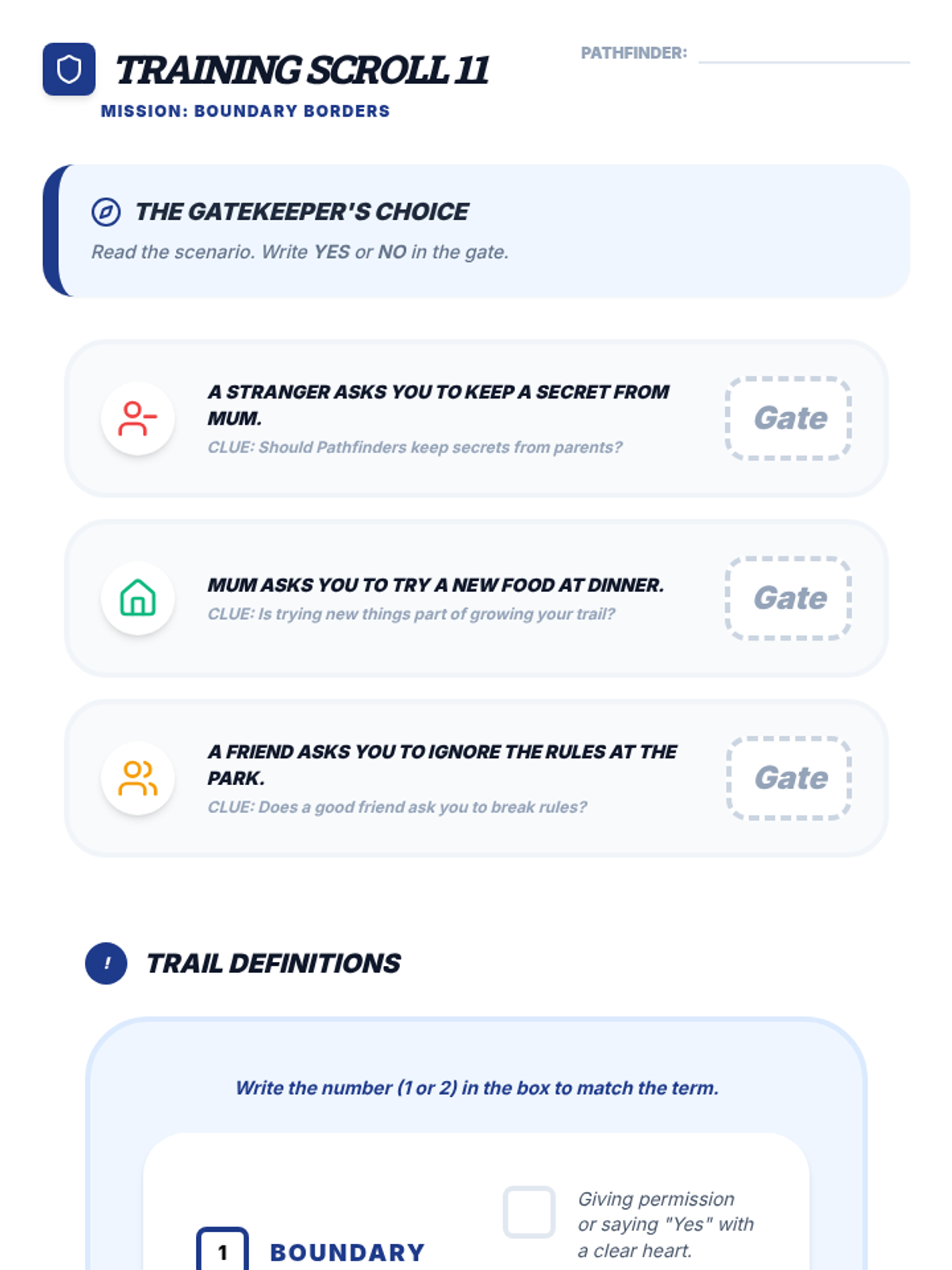
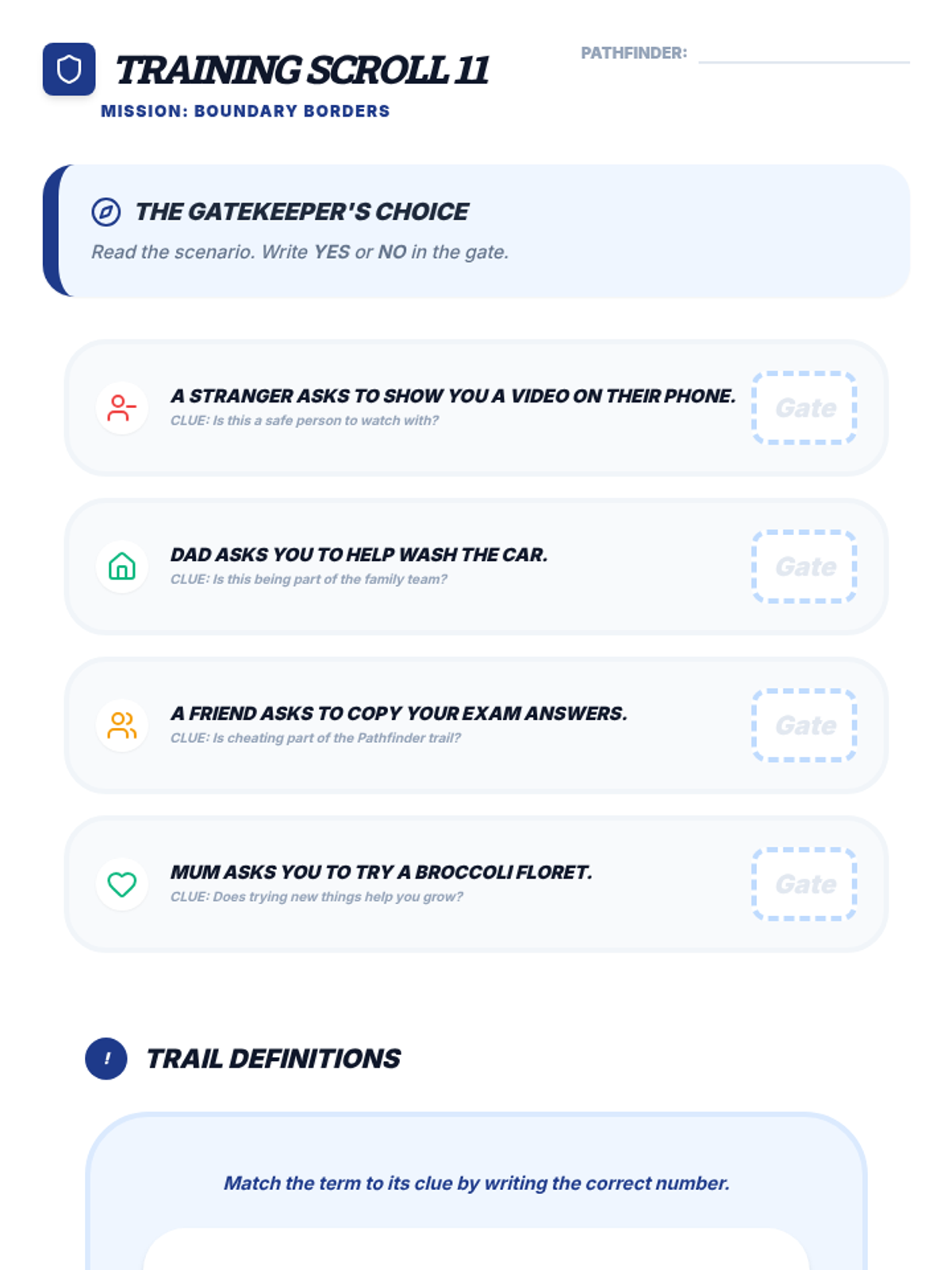
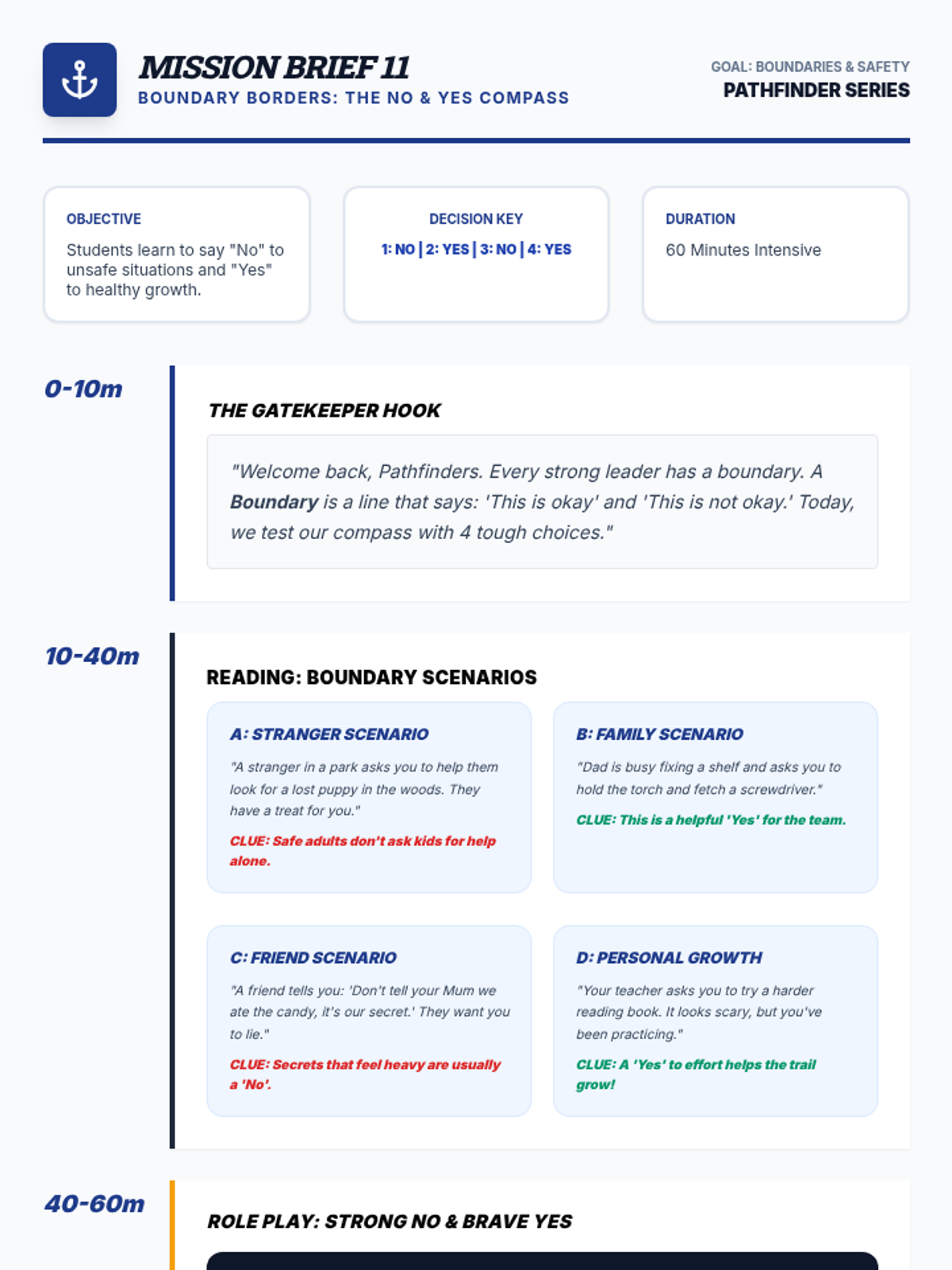
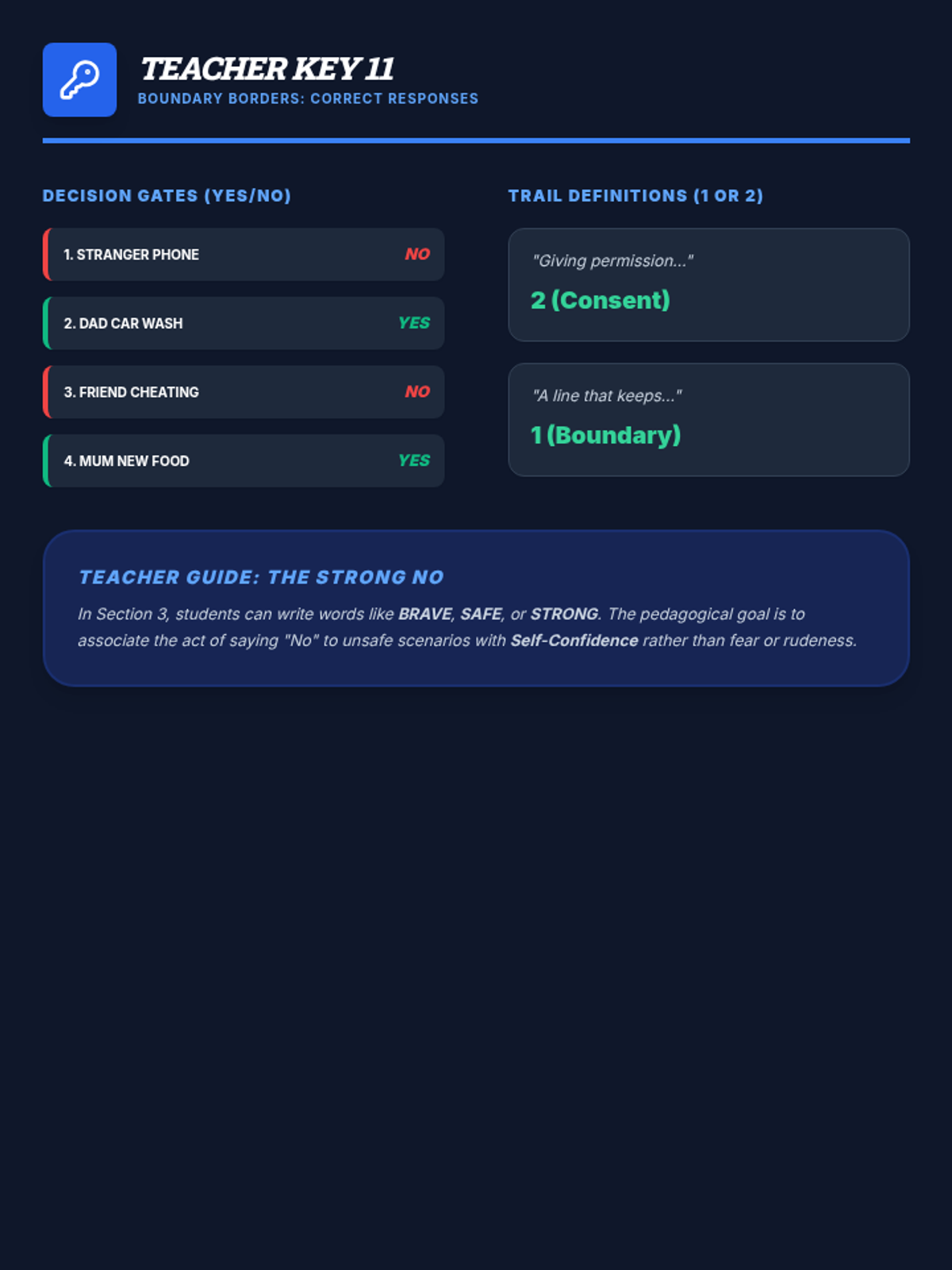
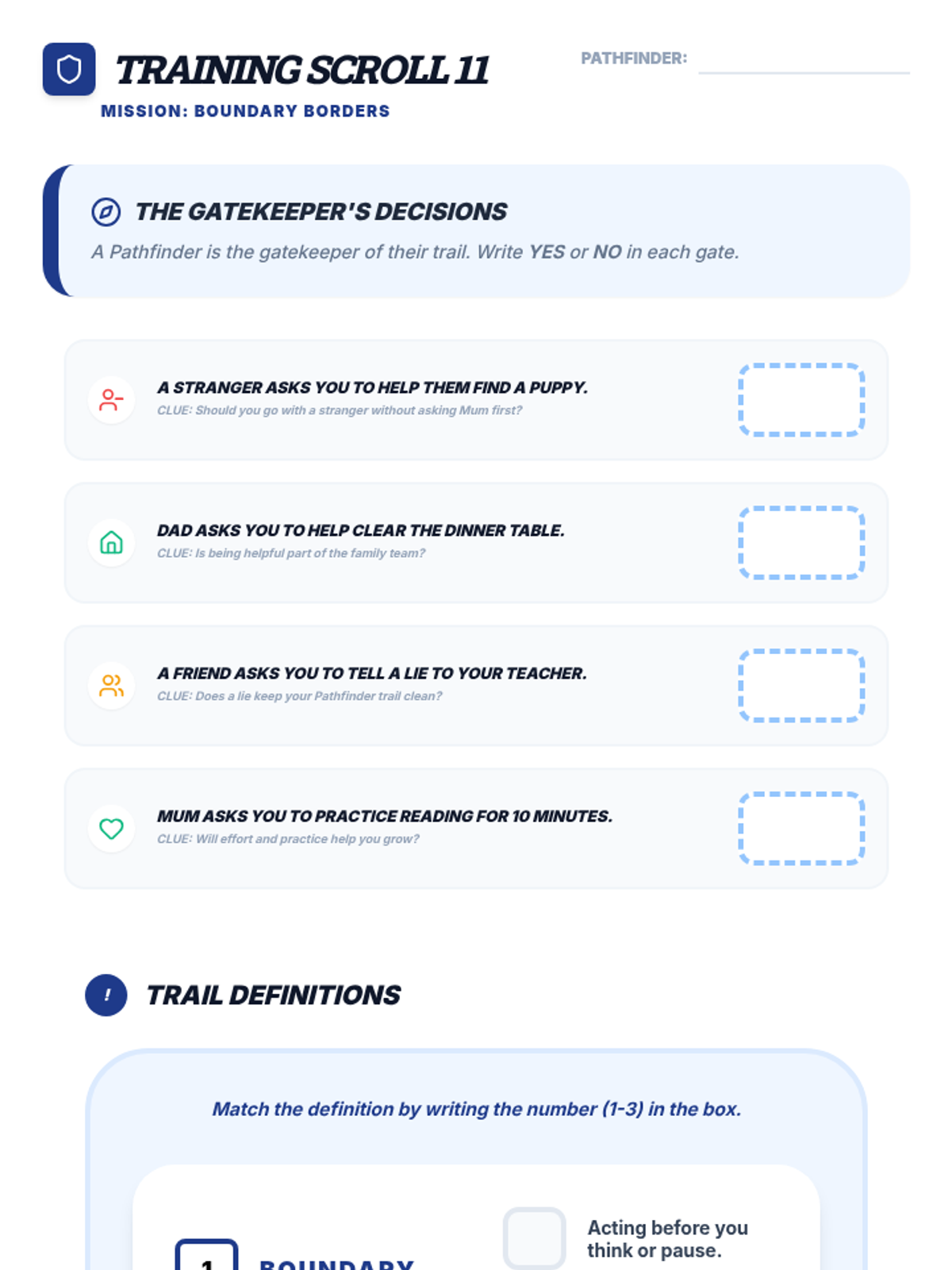
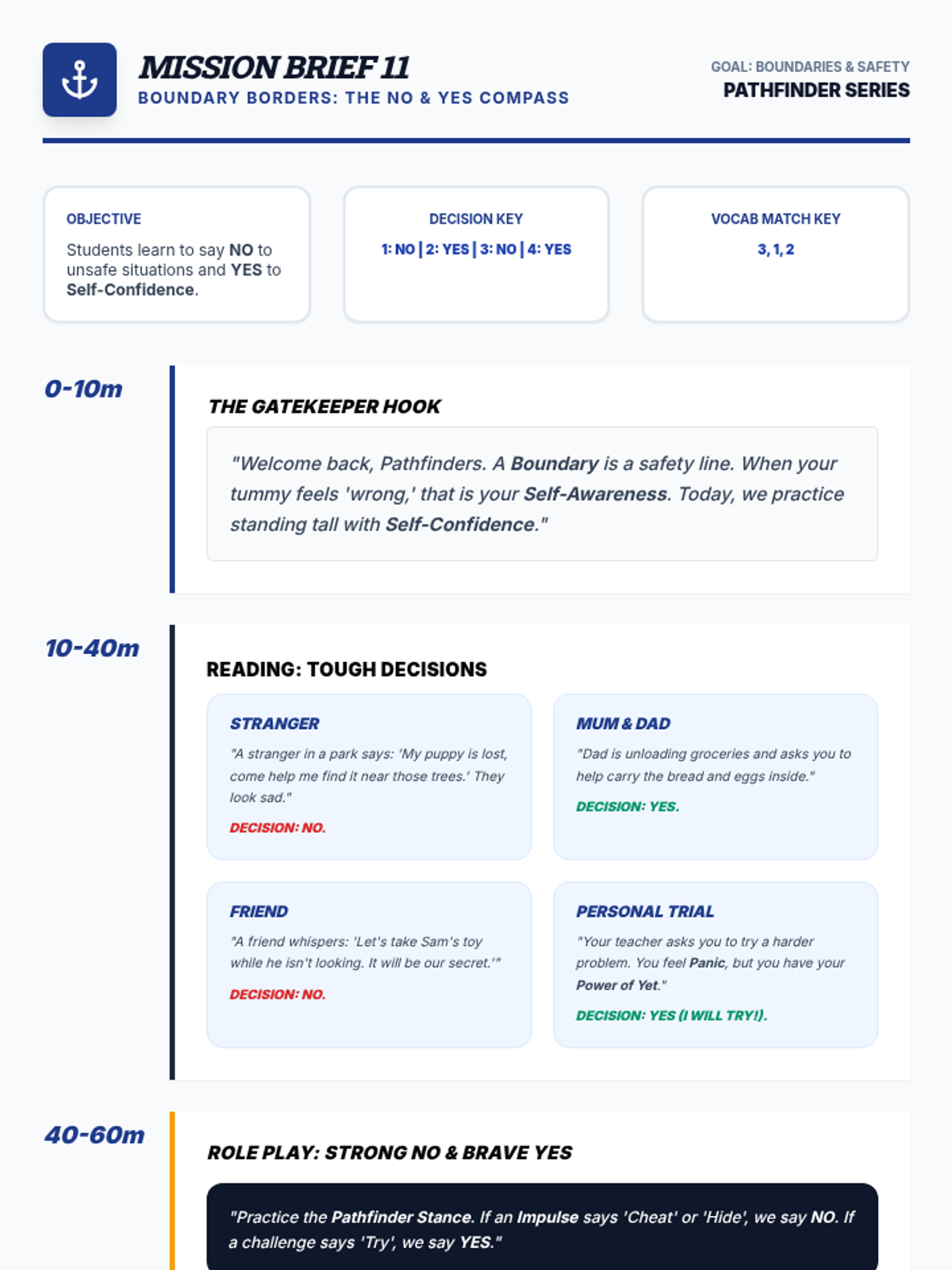
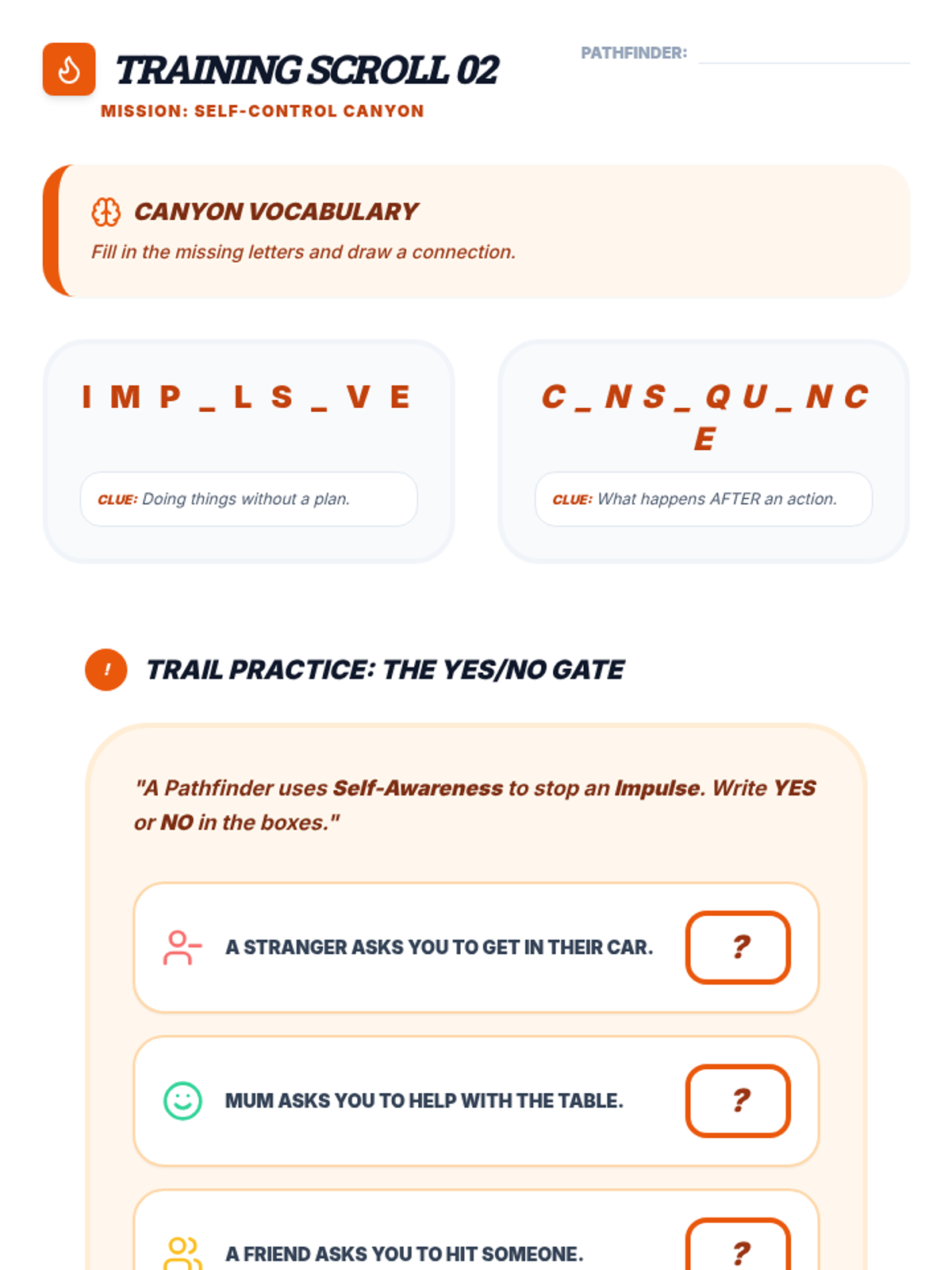
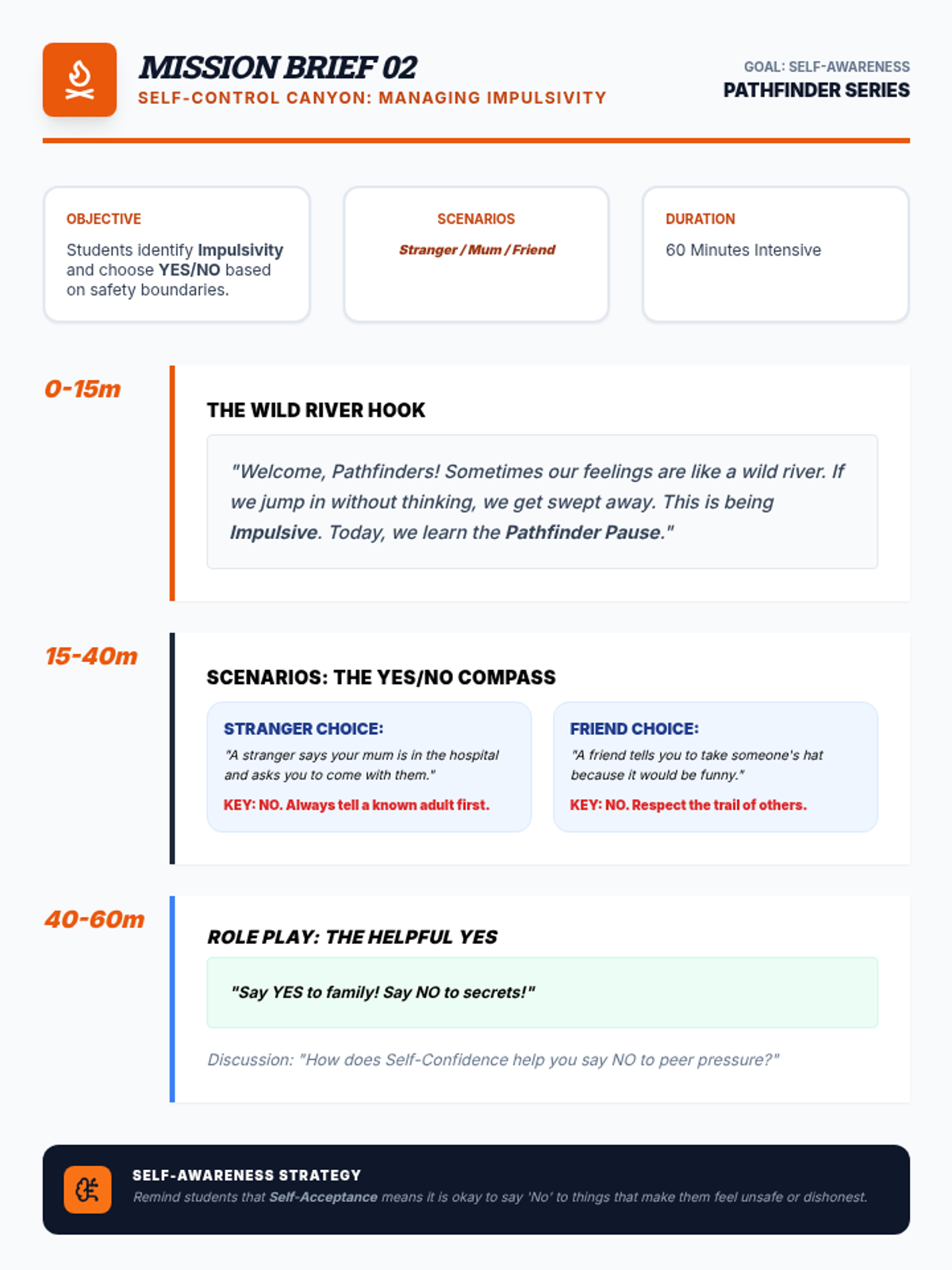
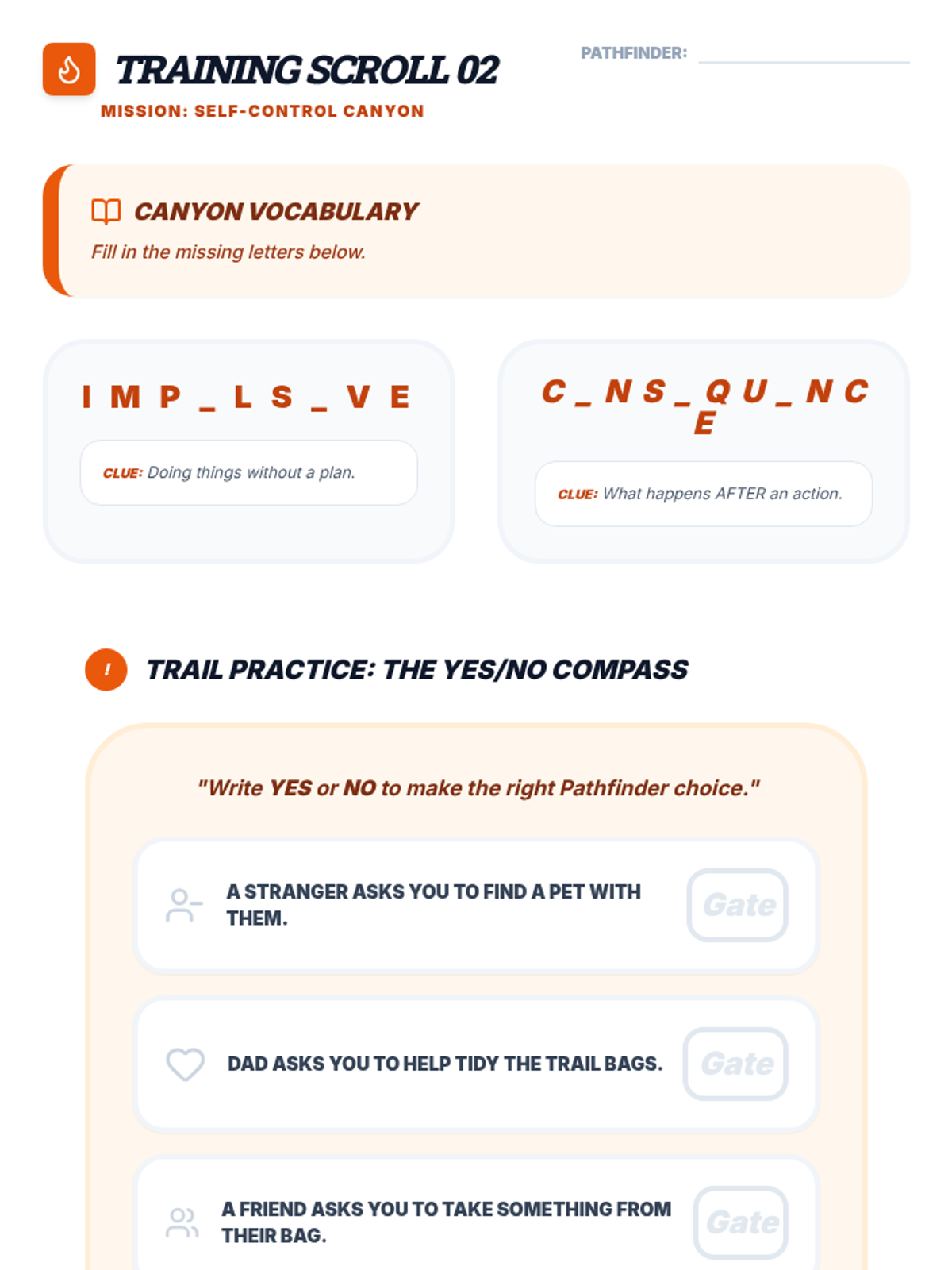
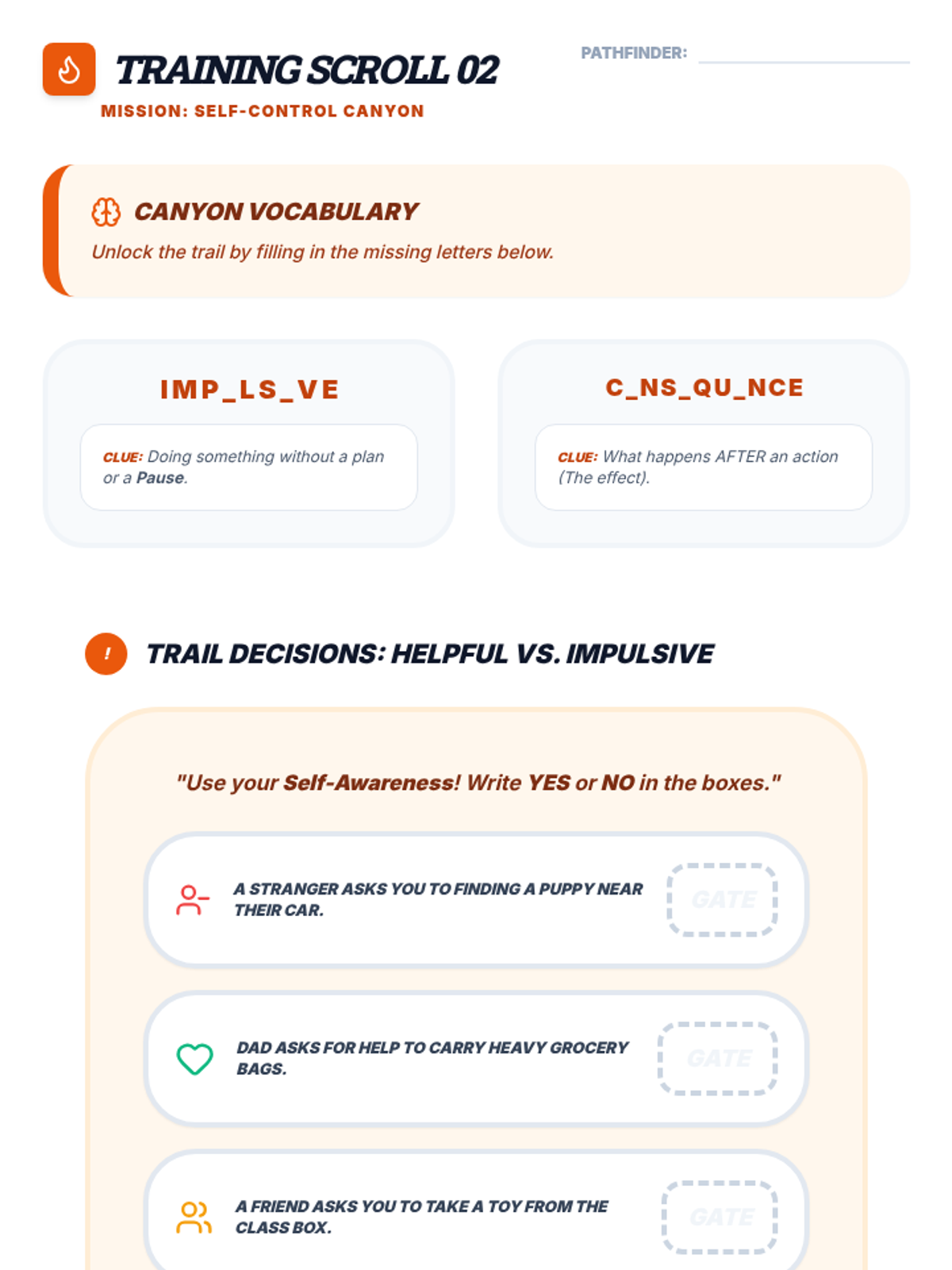
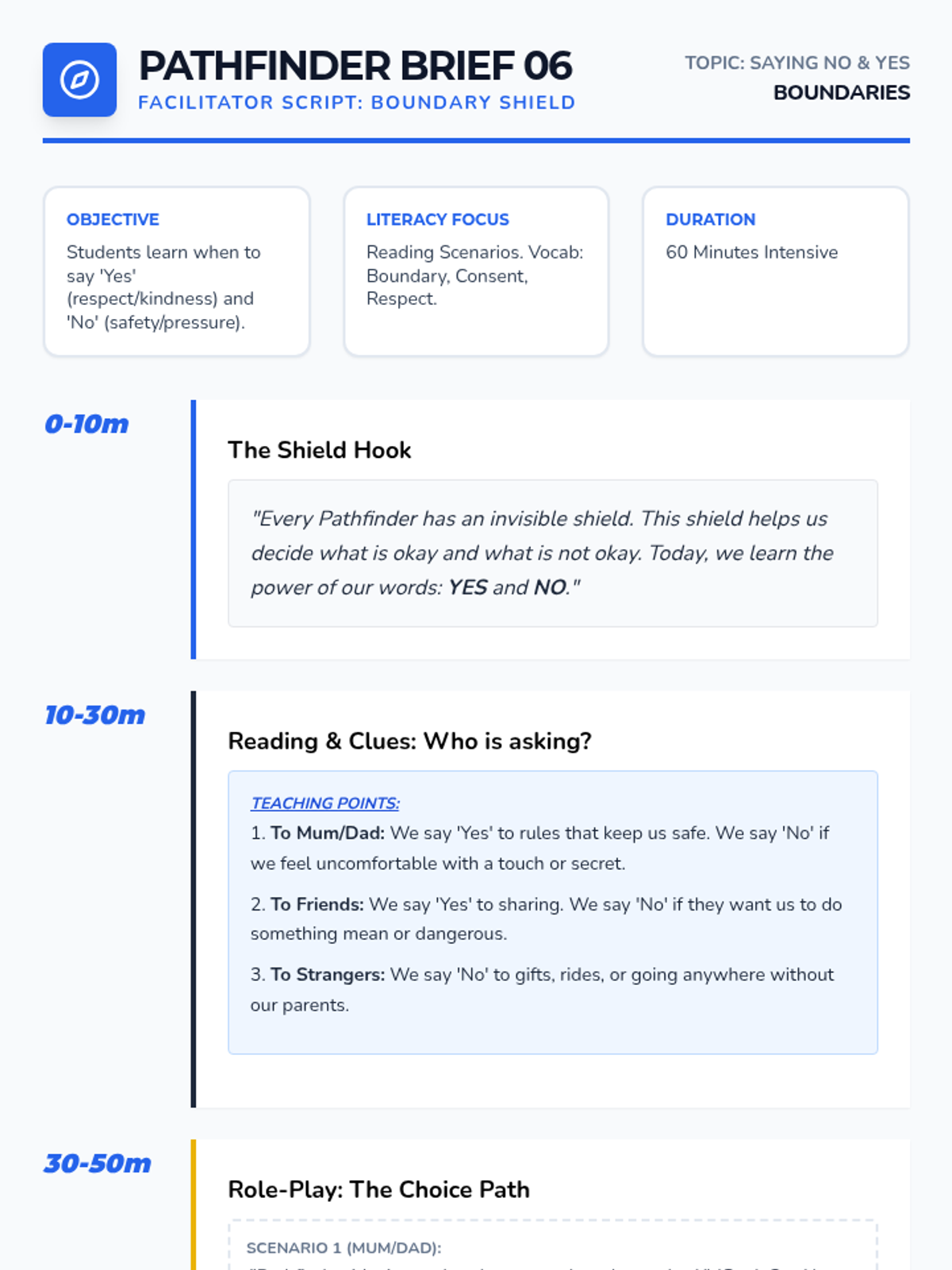
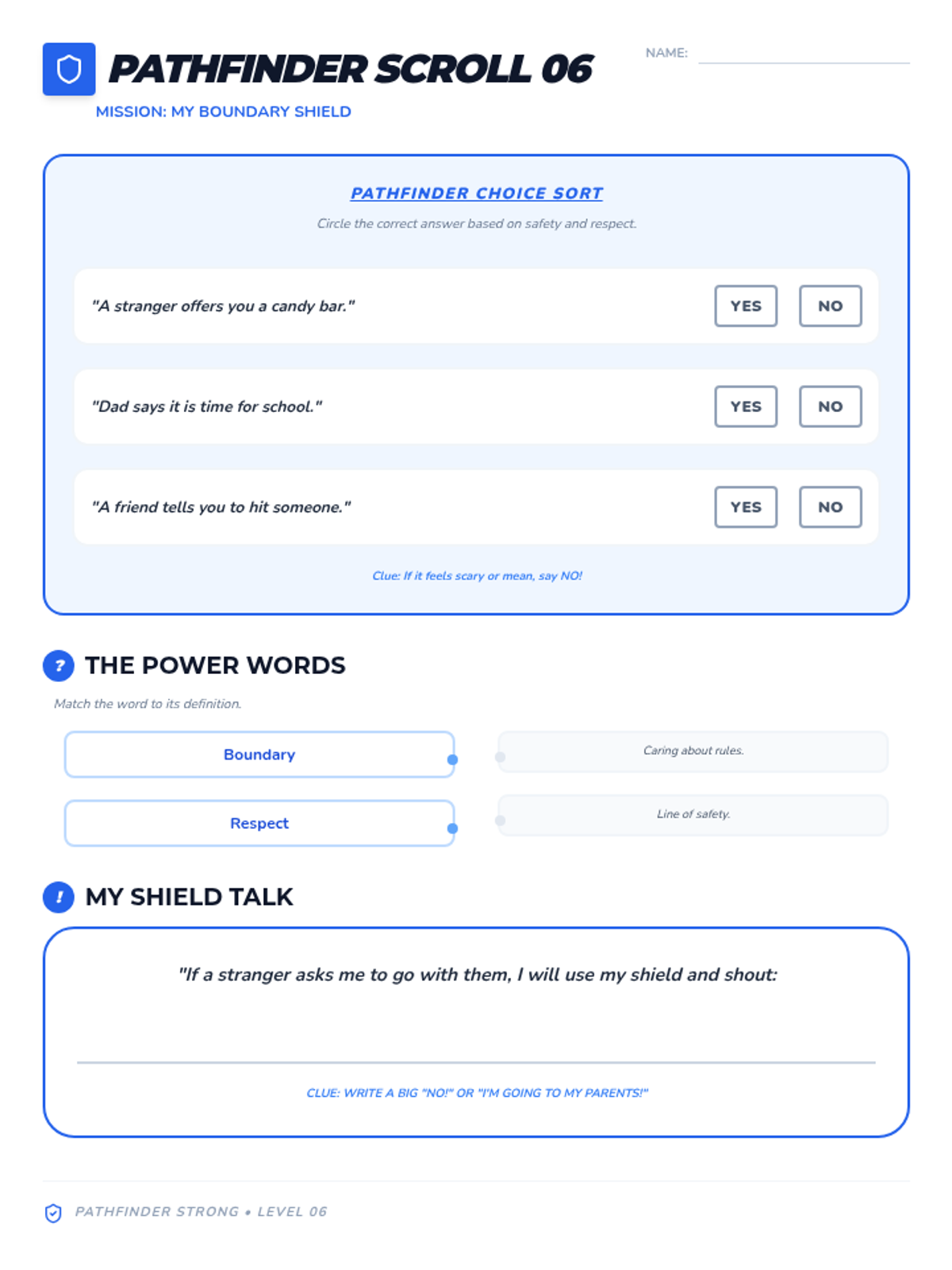
Mastering boundaries. Learning when and how to say 'No' or 'Yes' to family, friends, and strangers.
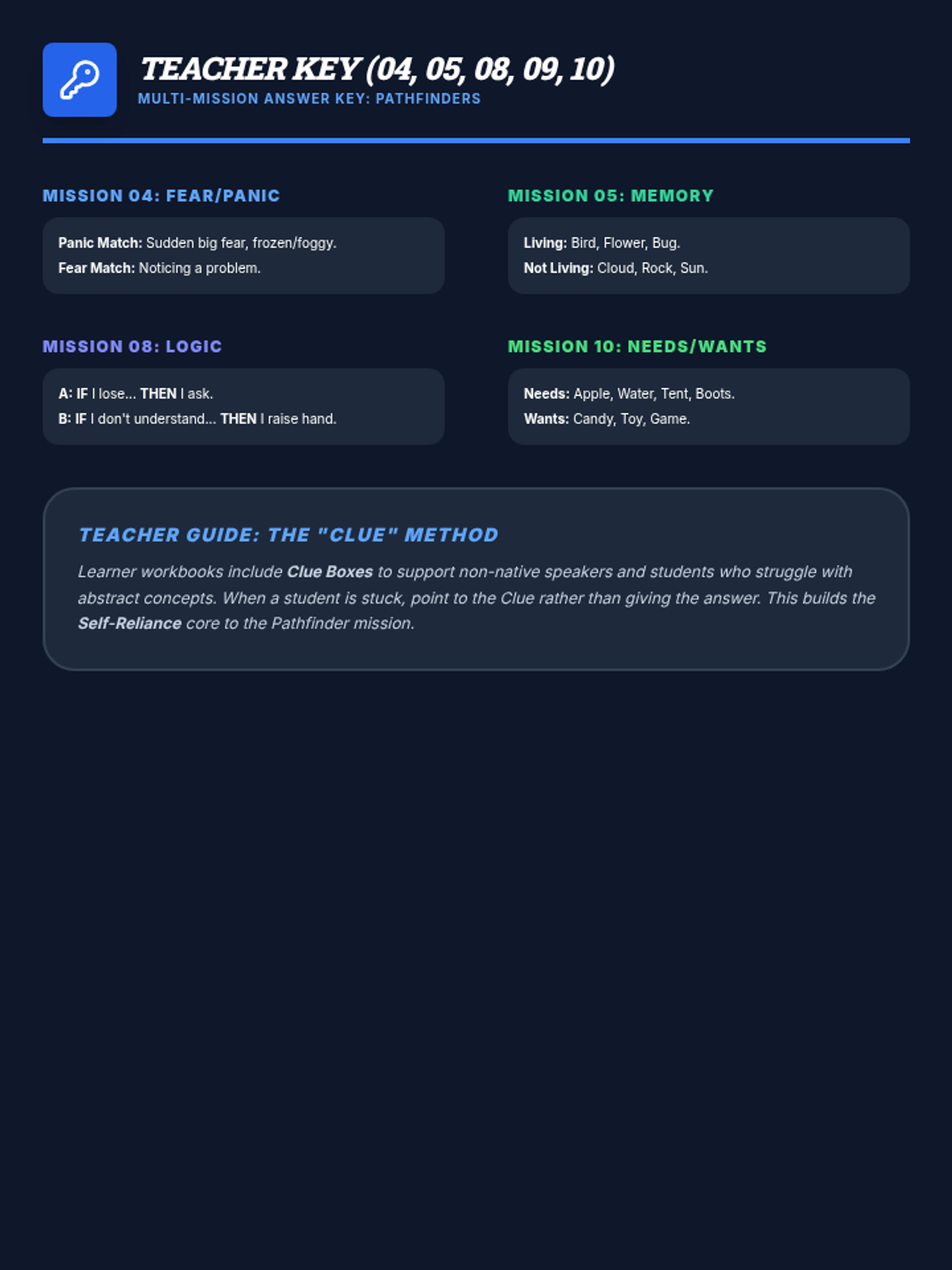
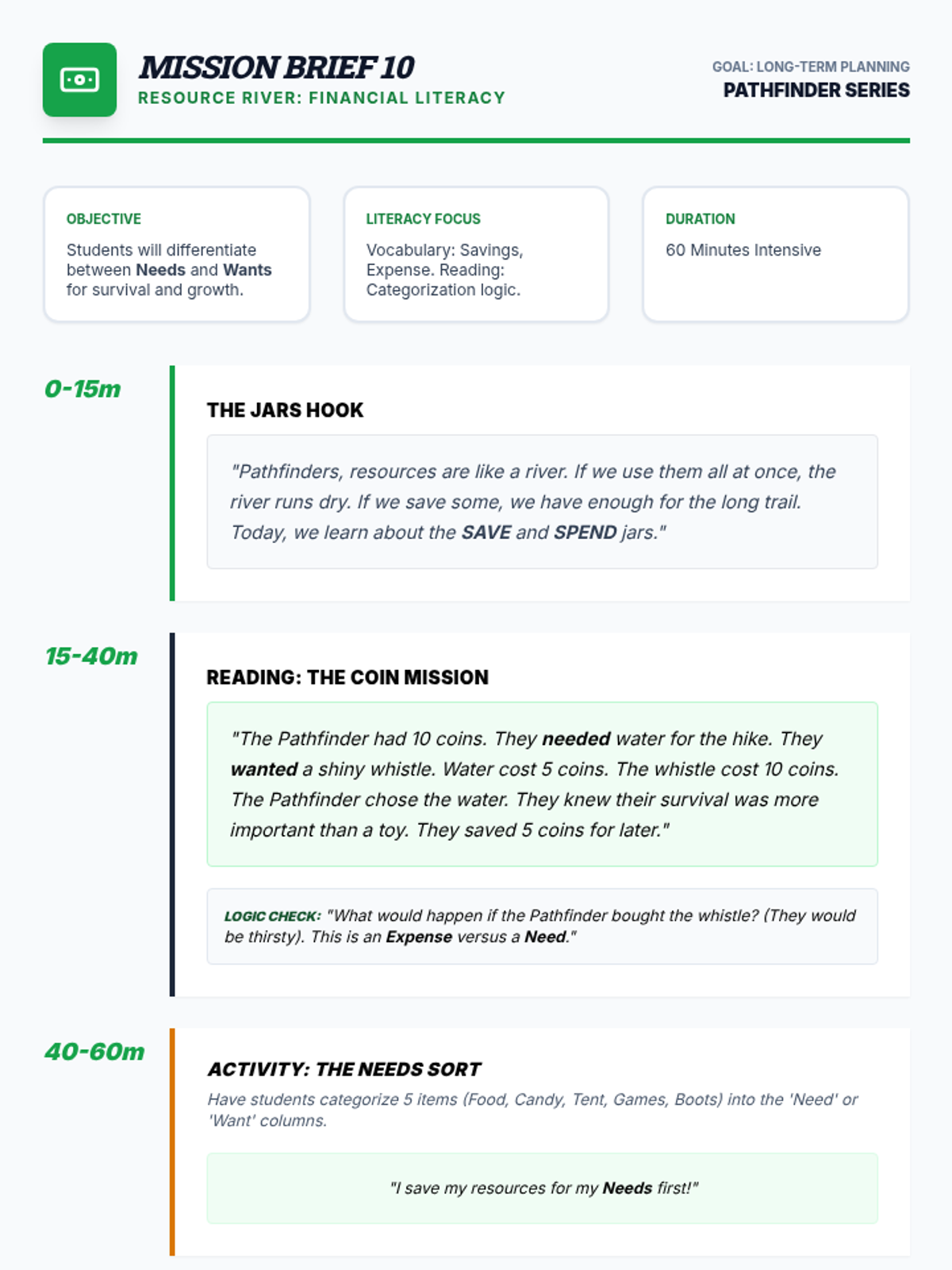
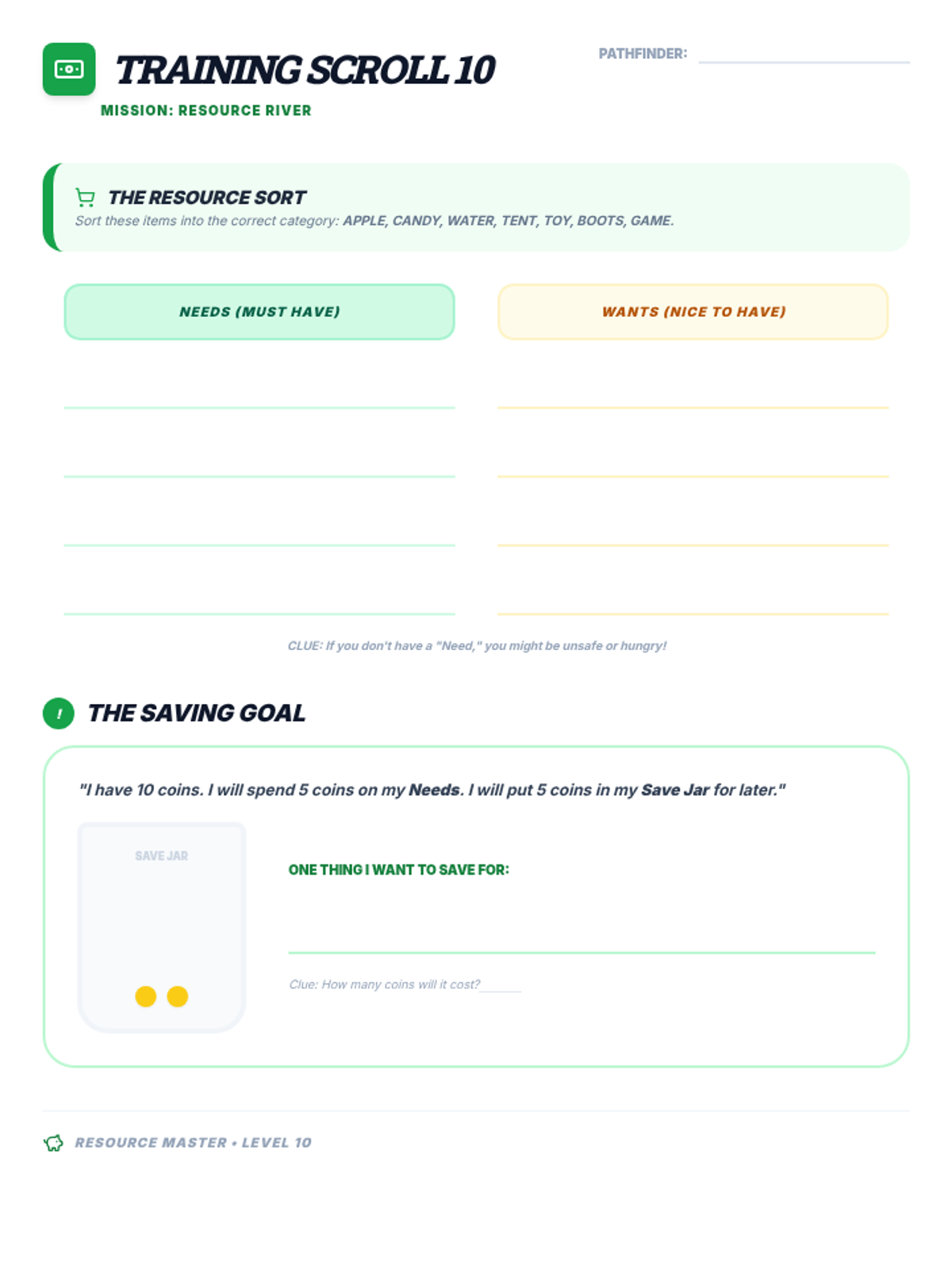
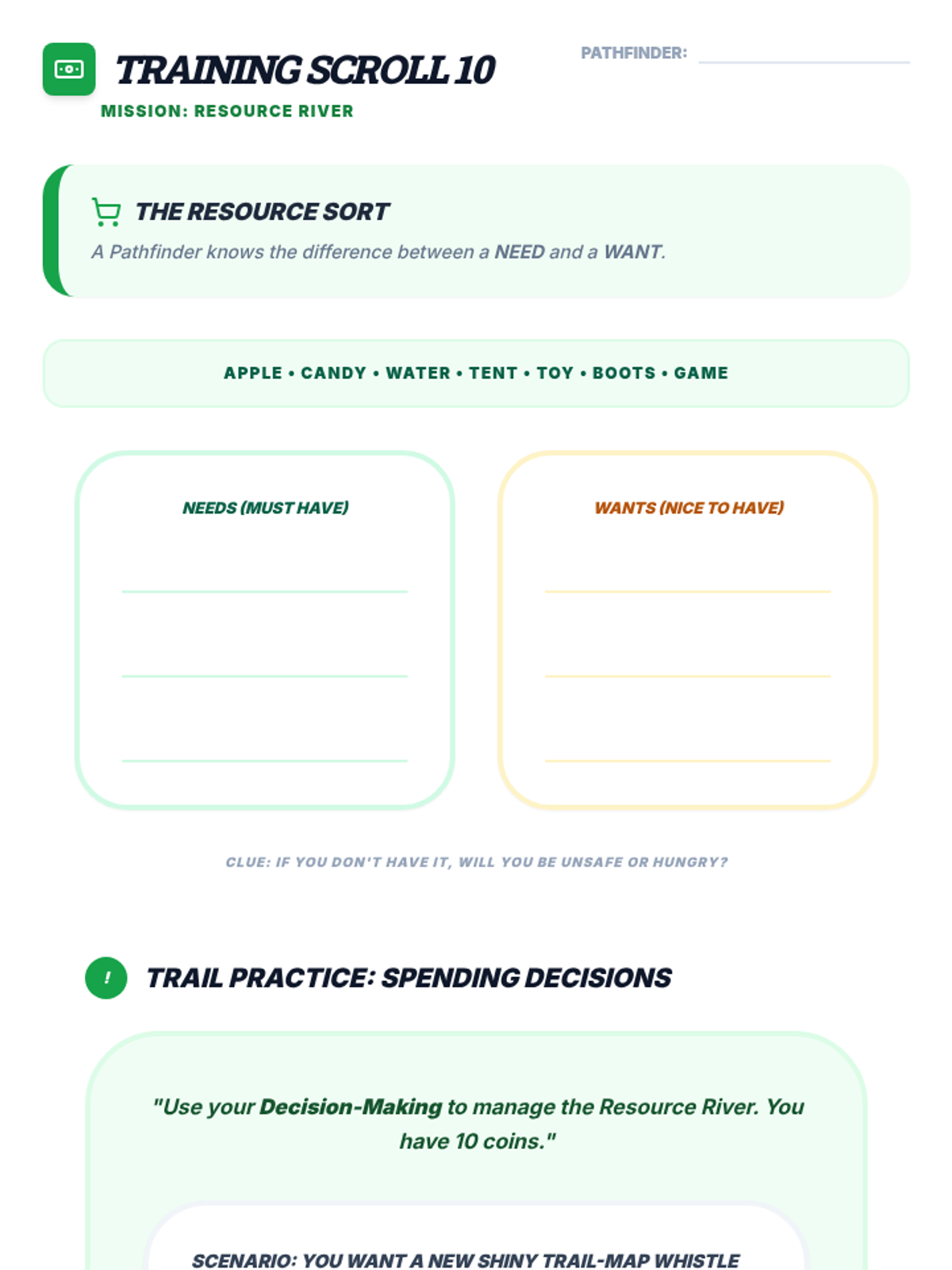
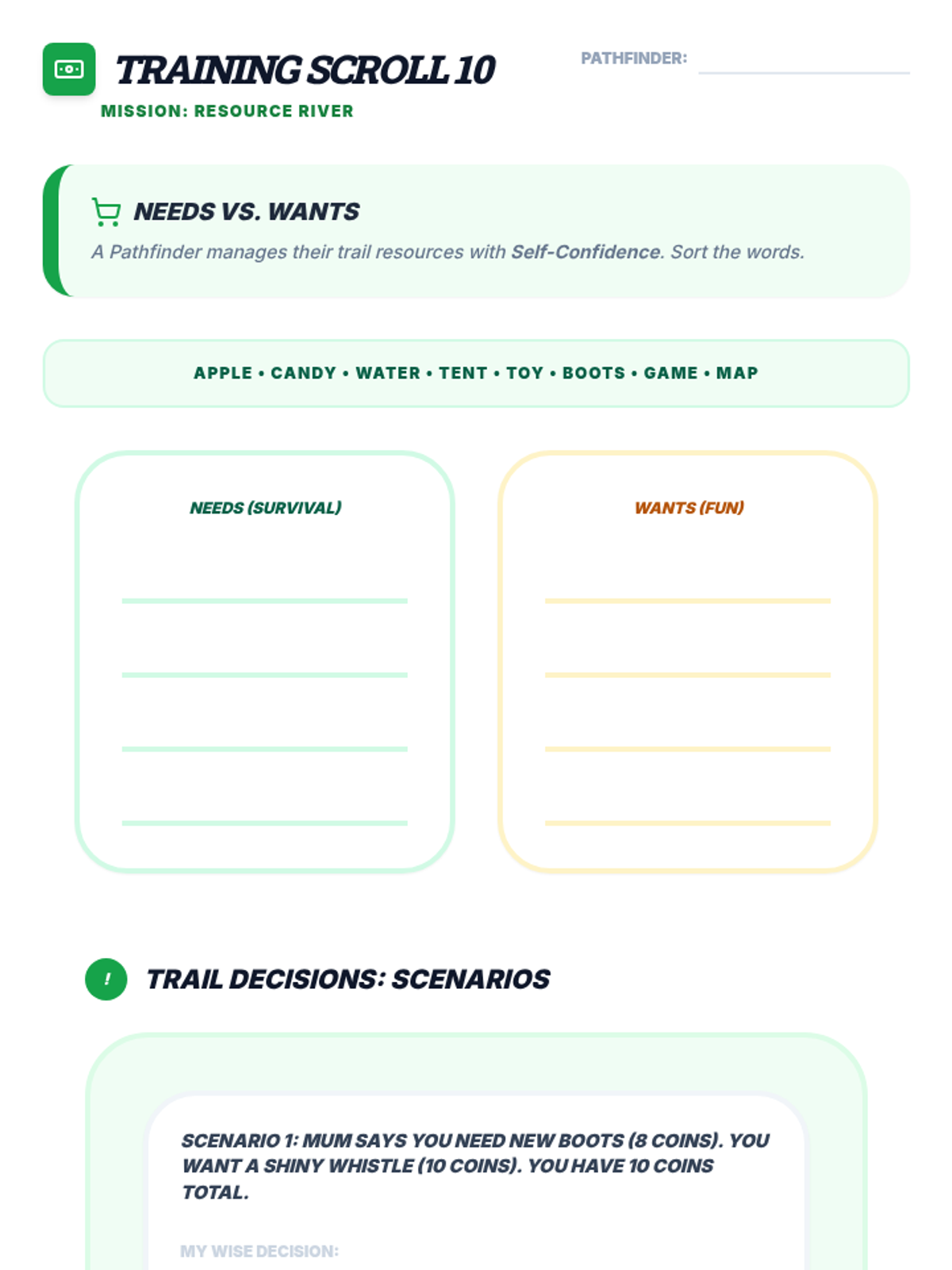
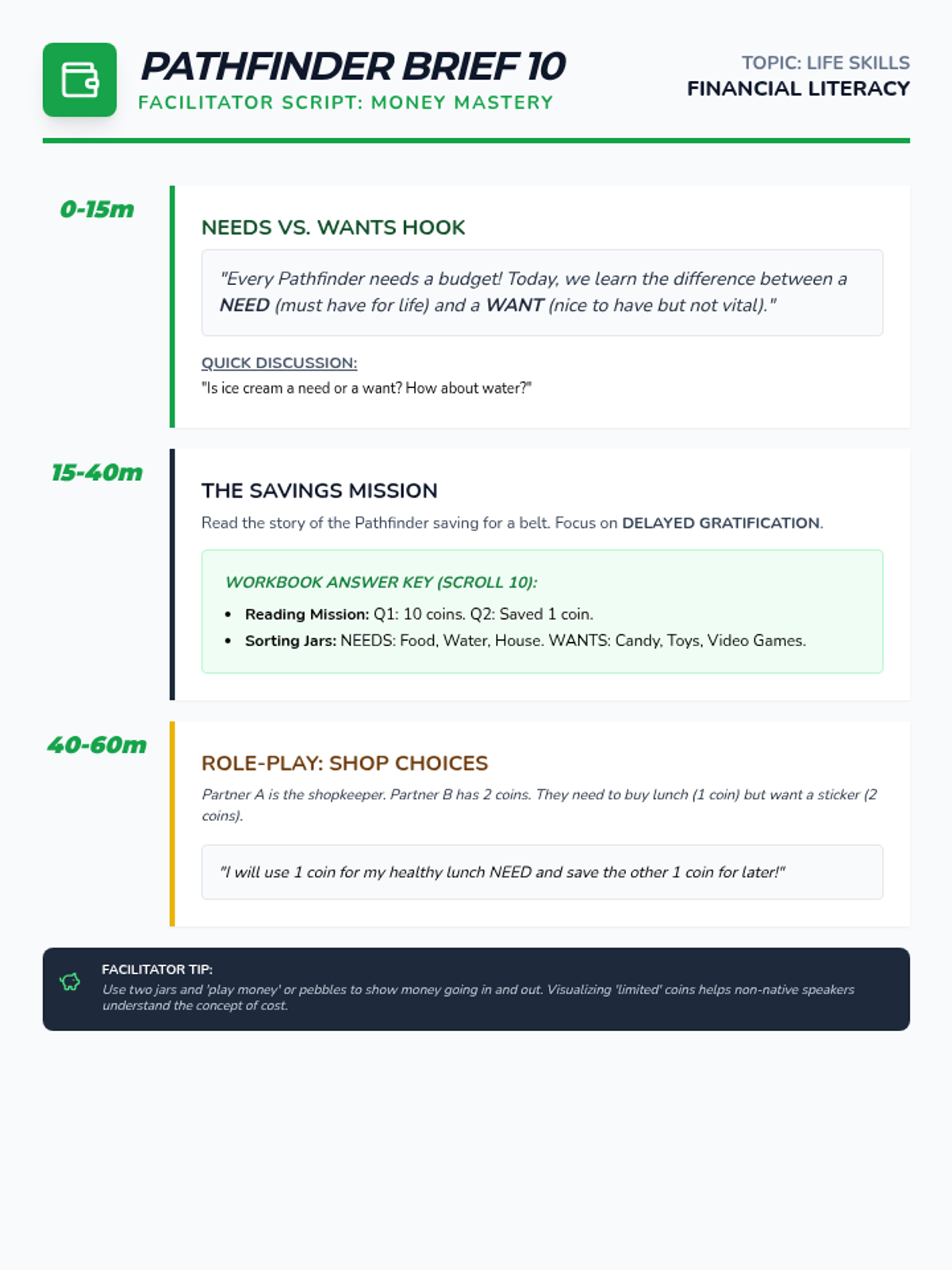
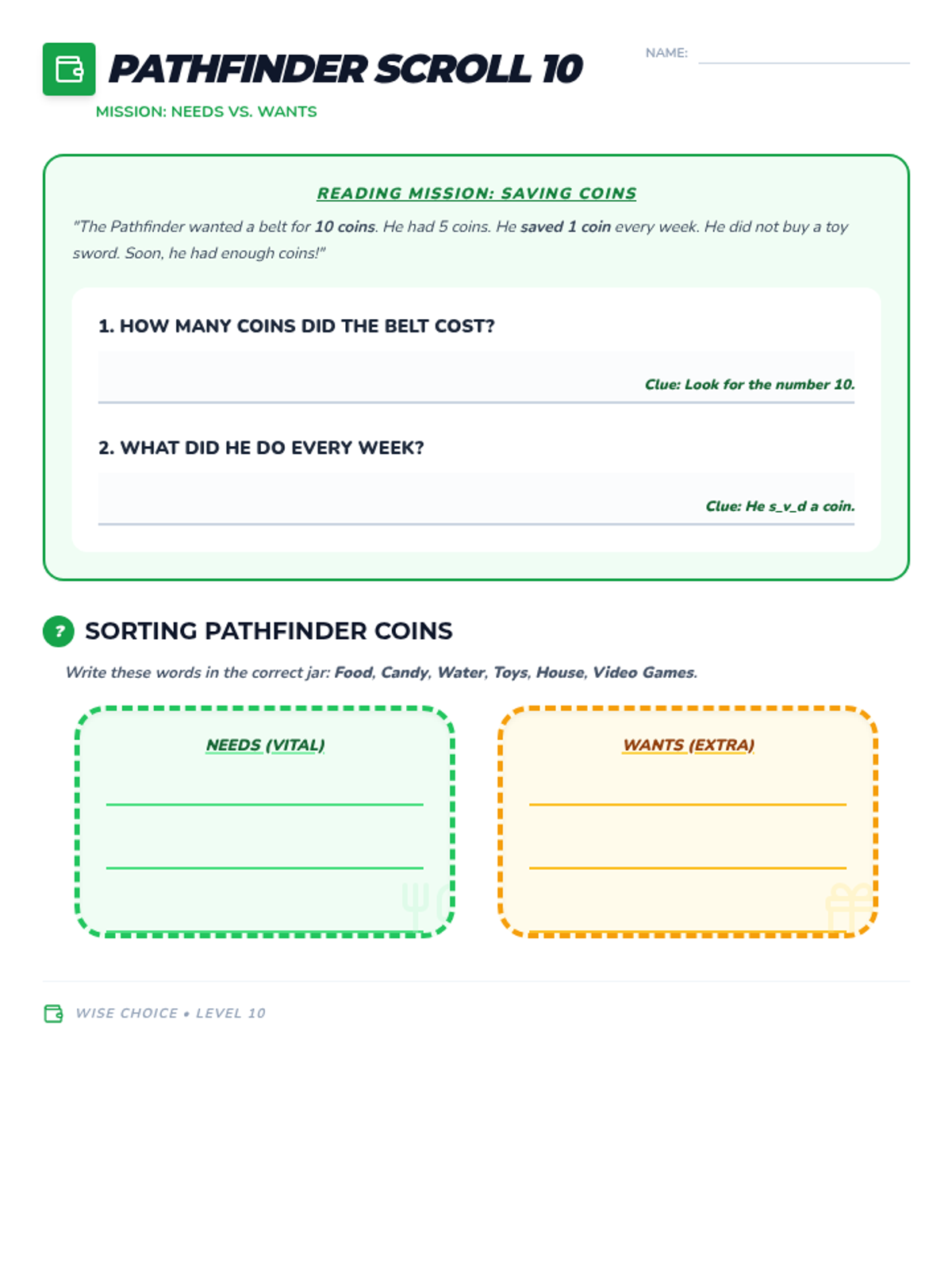
Financial literacy basics. Categorizing needs vs. wants to build long-term planning skills.
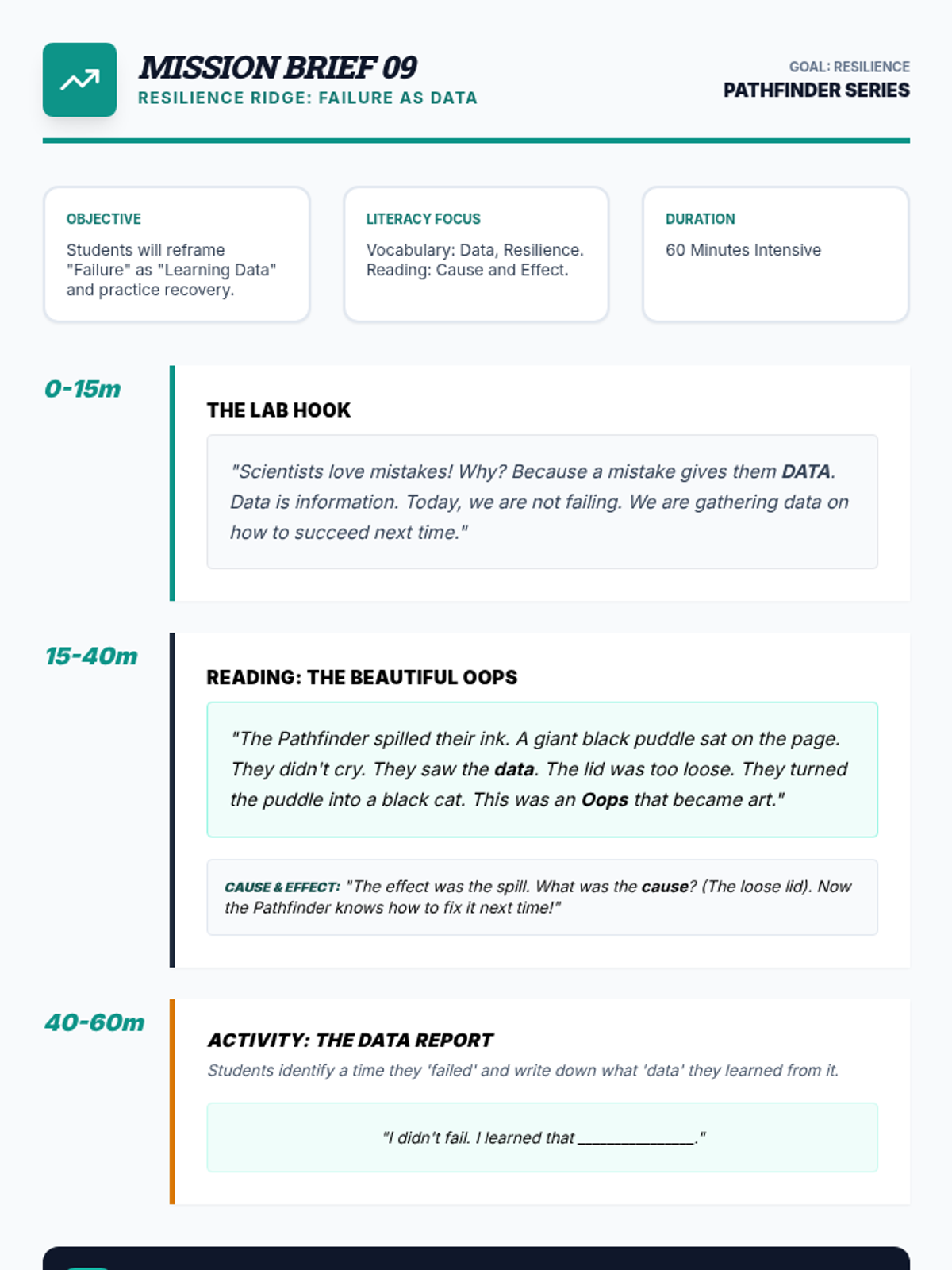
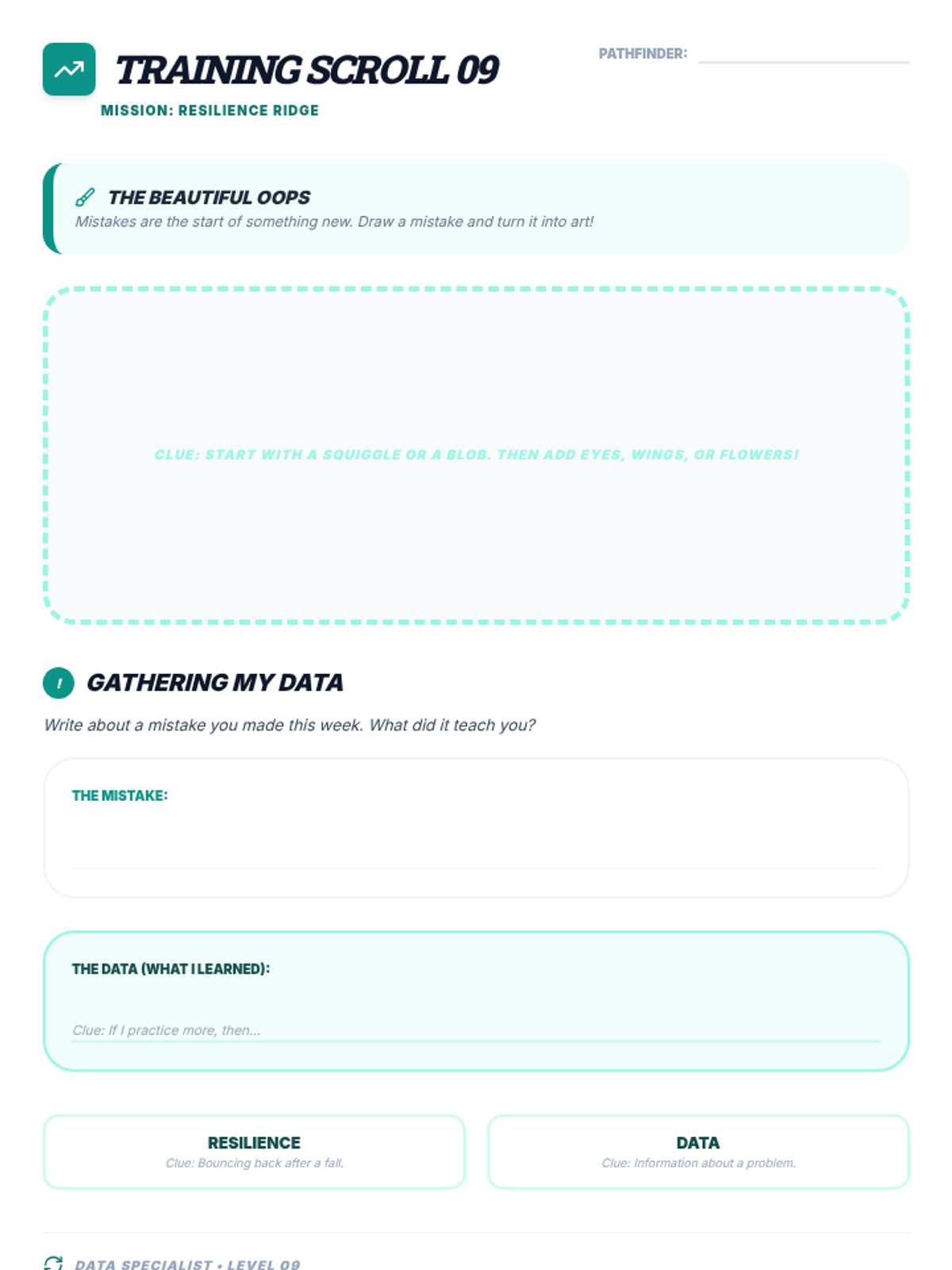
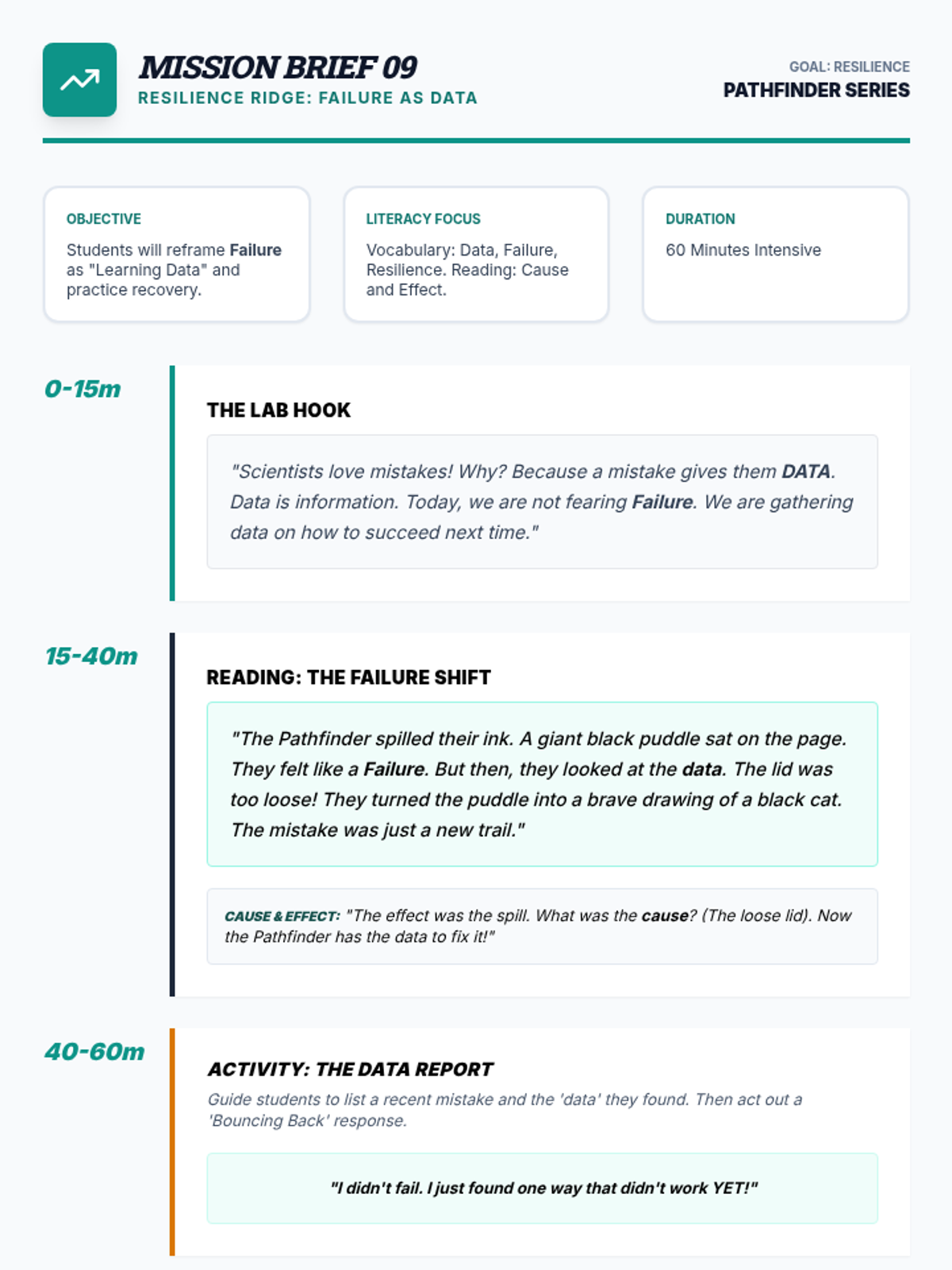
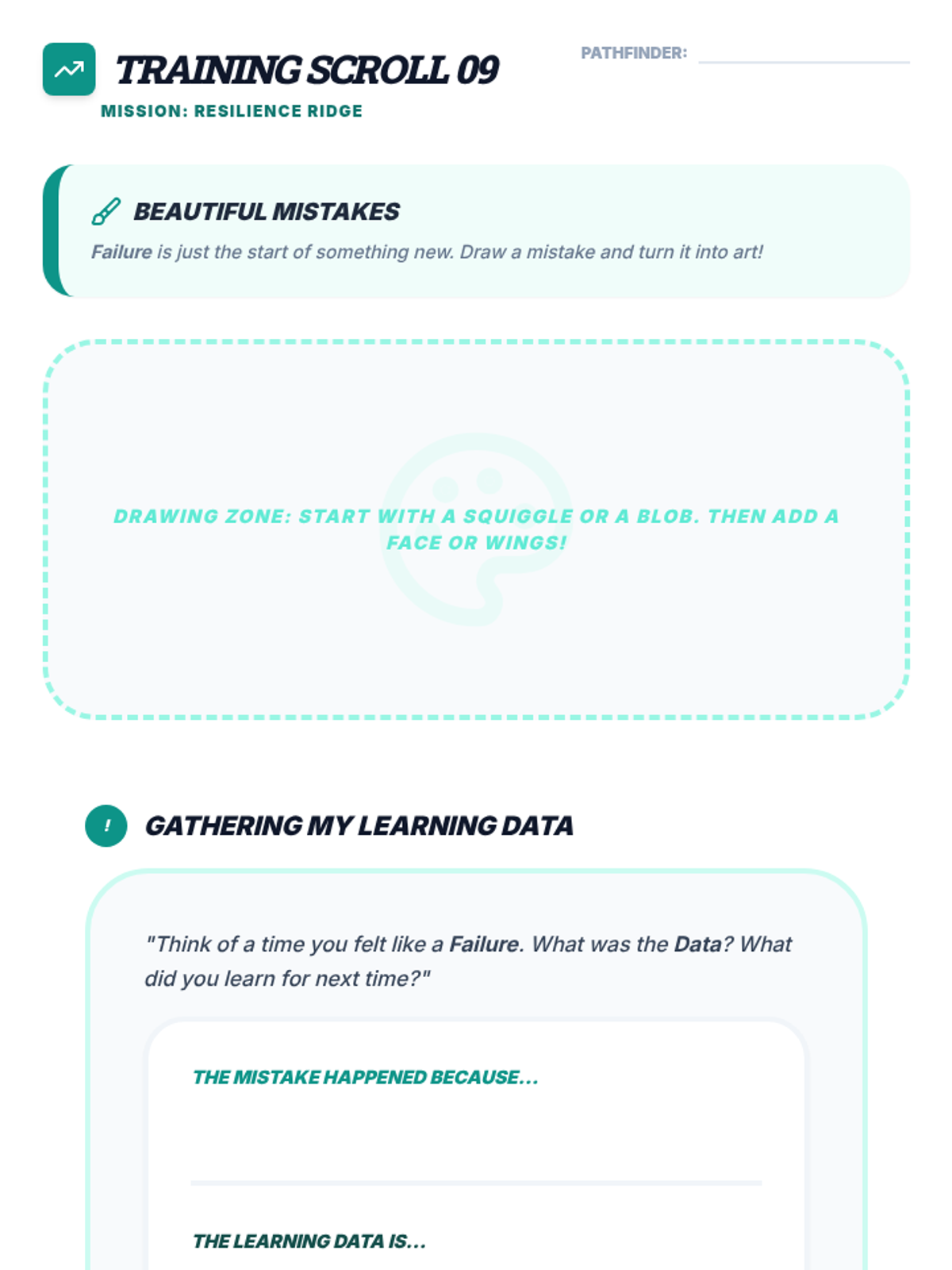
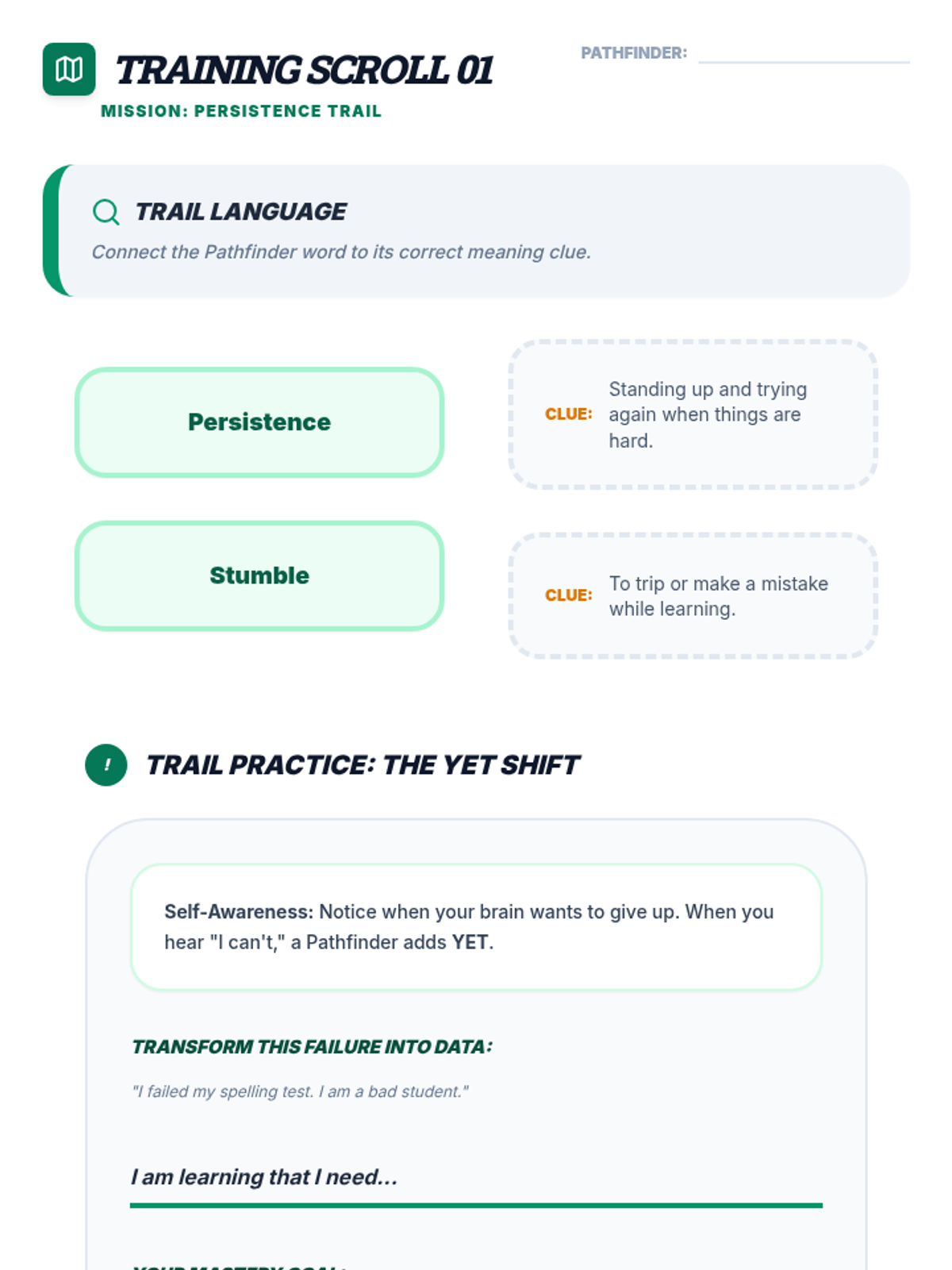
Learning to see failure as data. Celebrating 'Beautiful Oops' moments and messy progress.
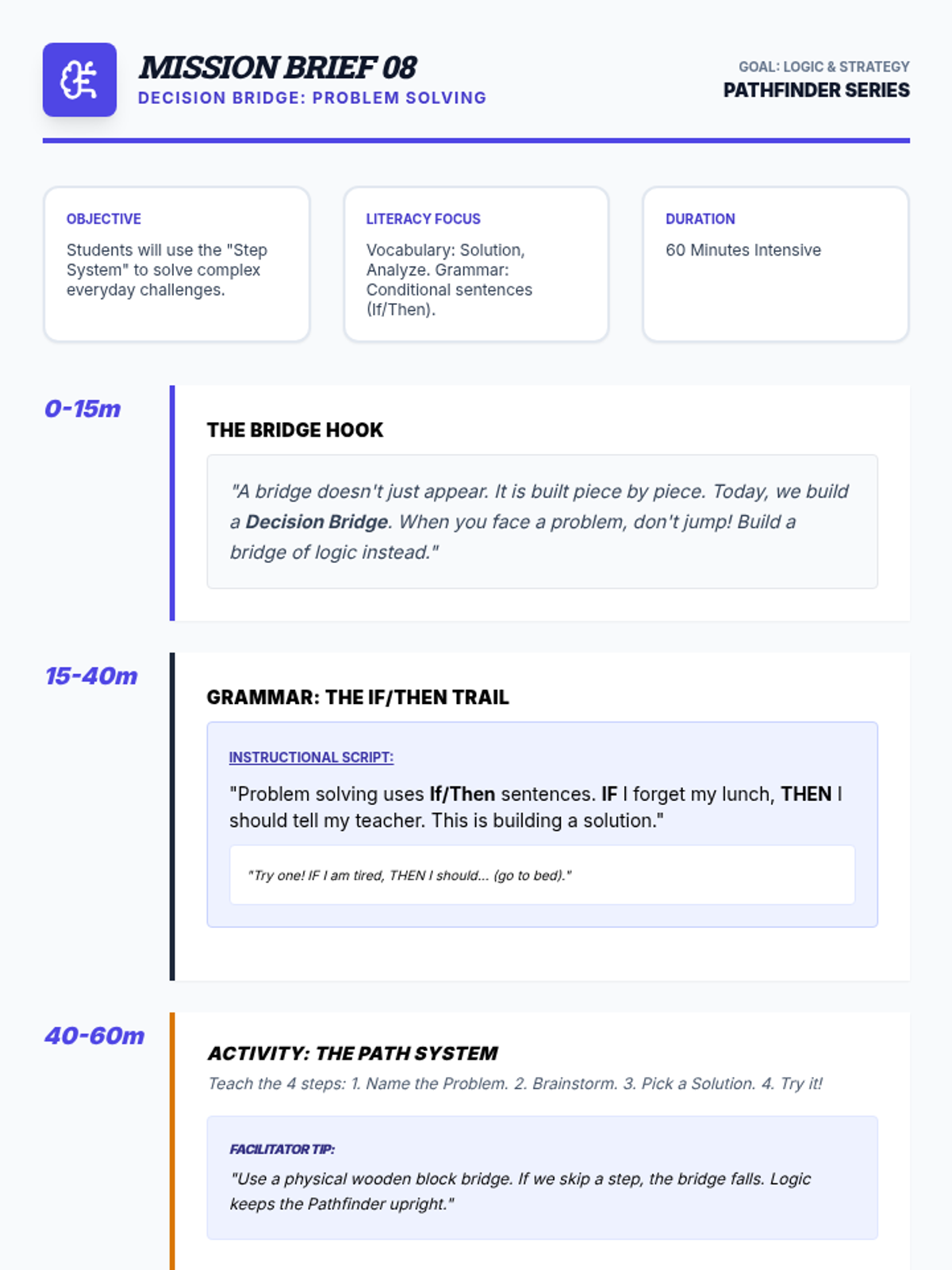
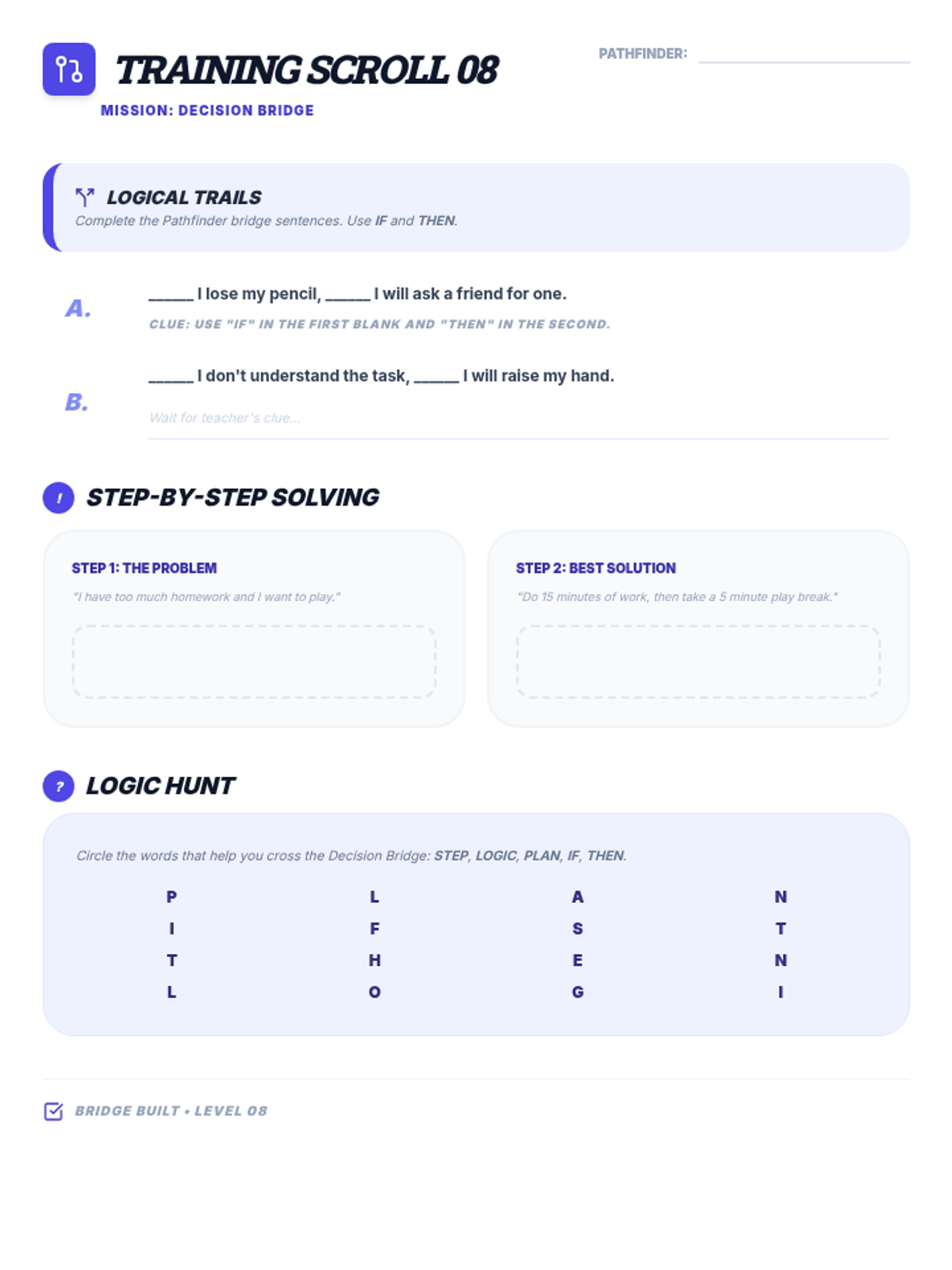
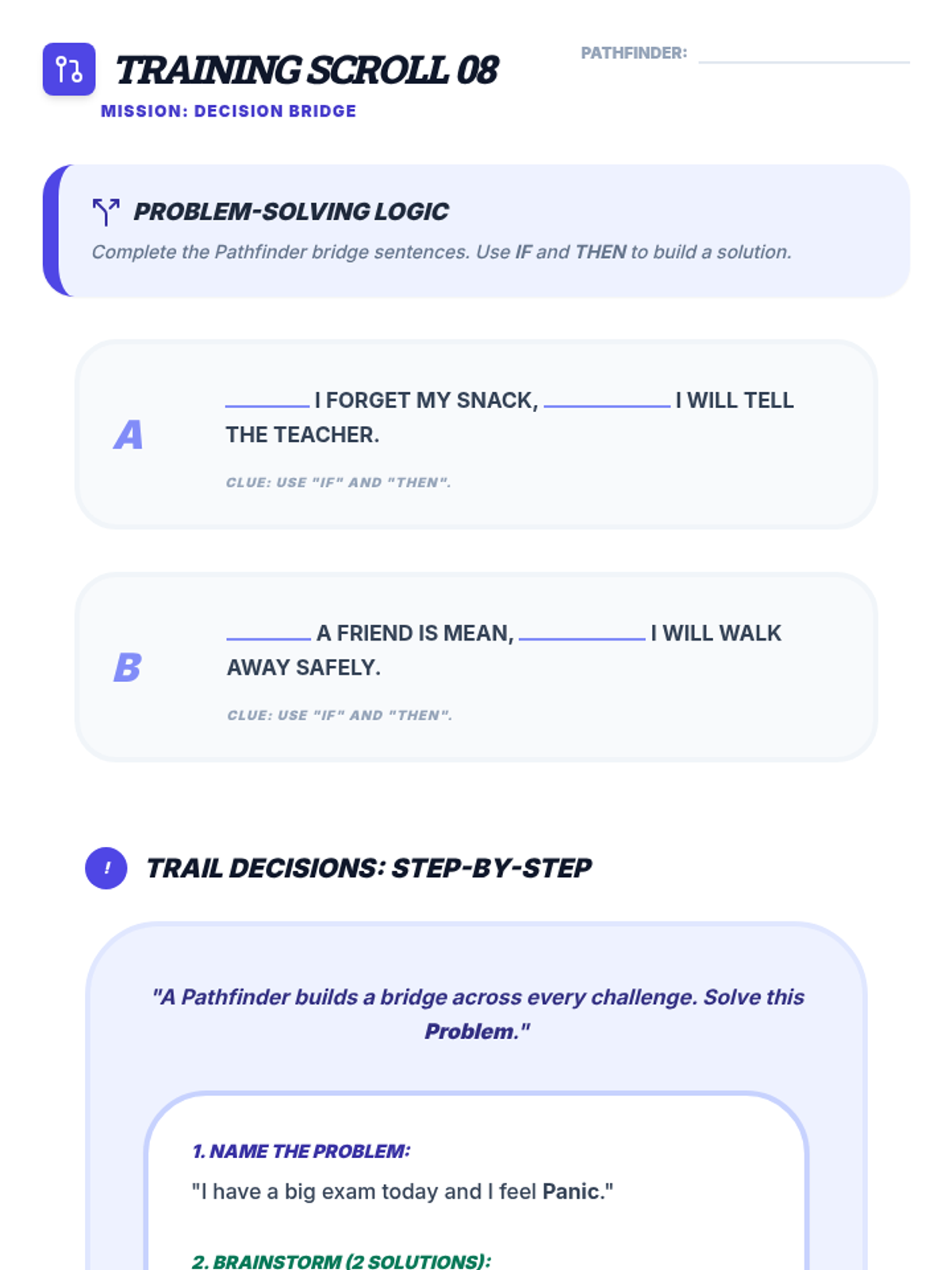
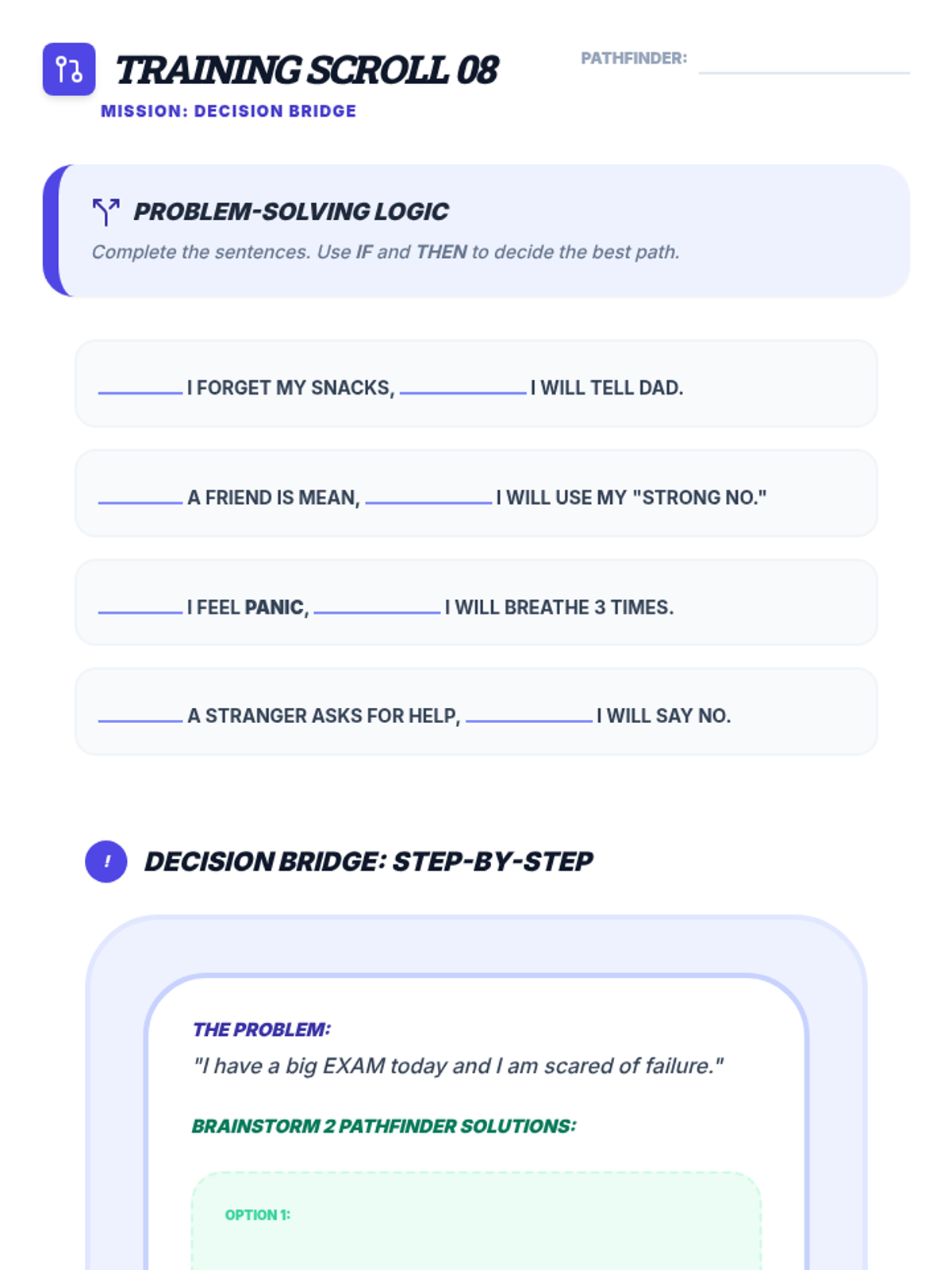
Applying logic to everyday challenges. The 'Pathfinder Step System' for making thoughtful choices.
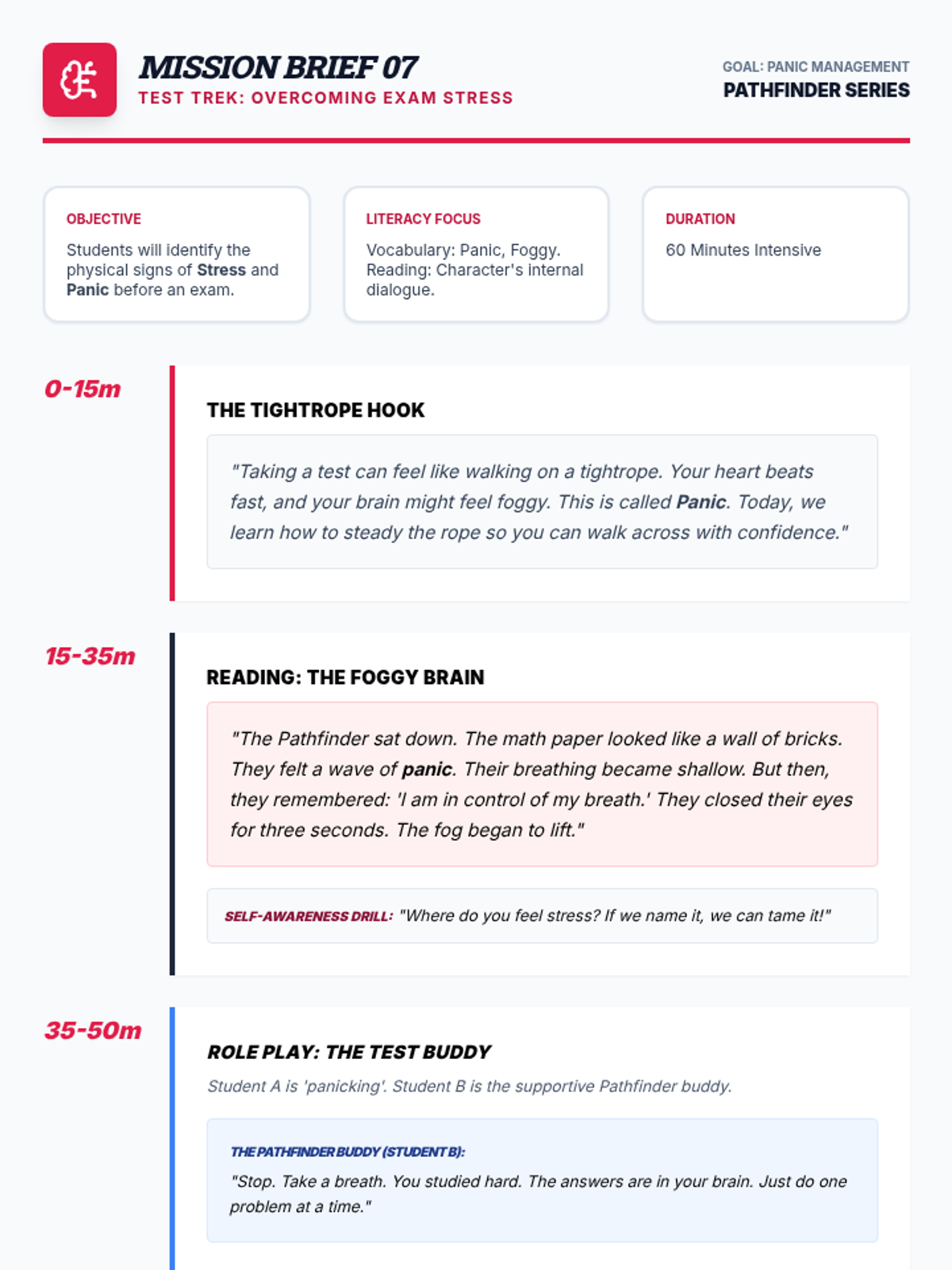
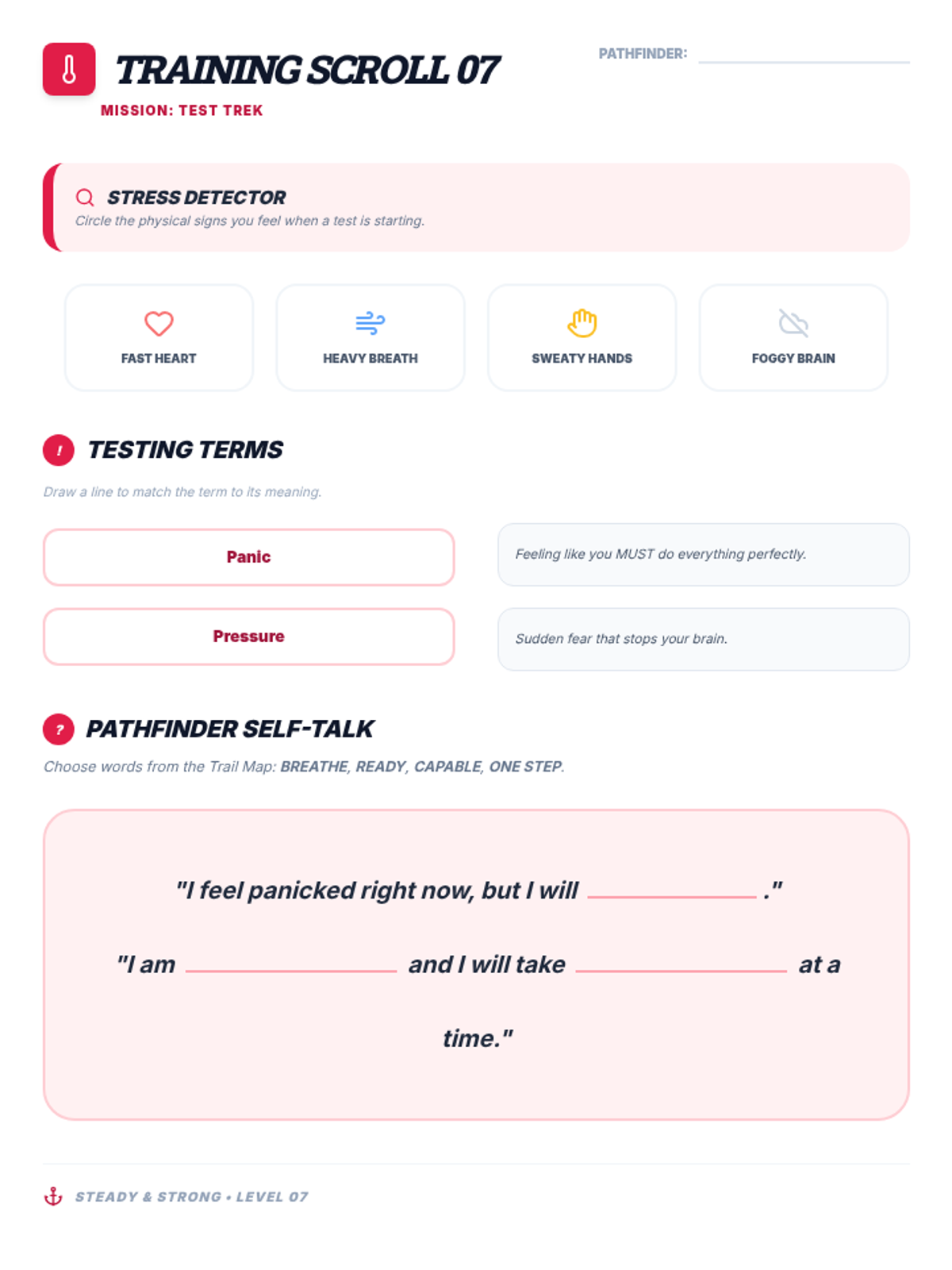
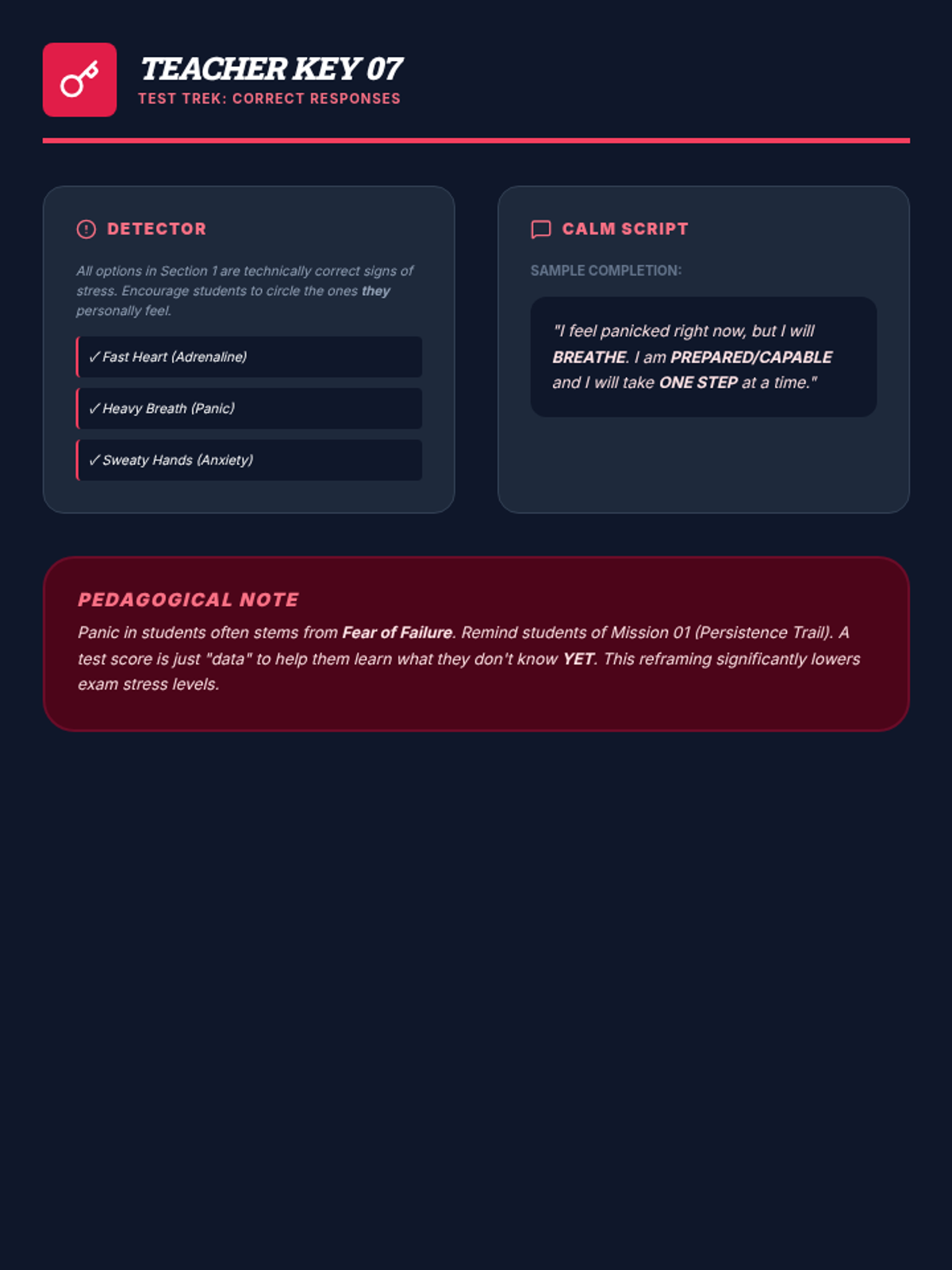
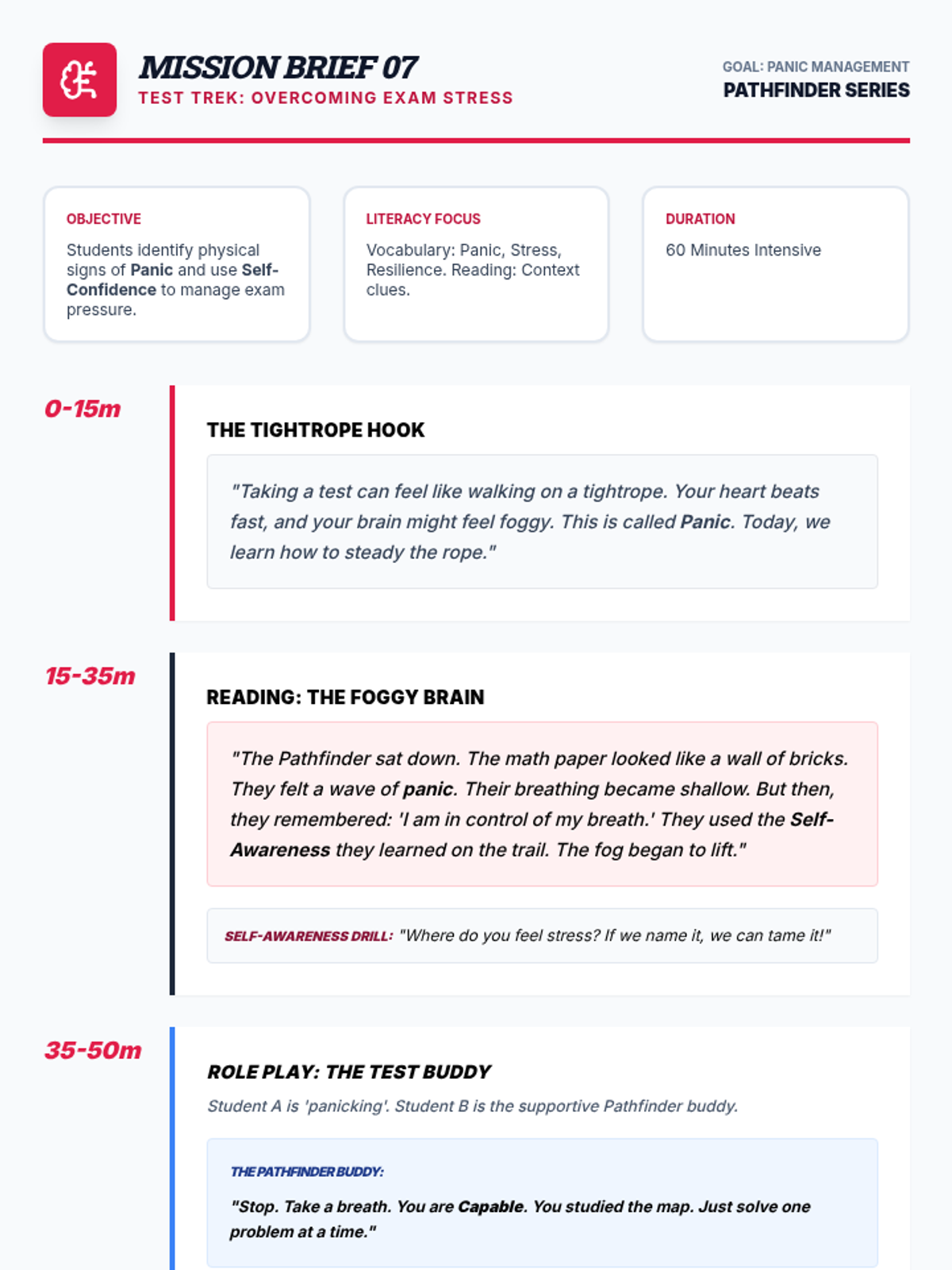
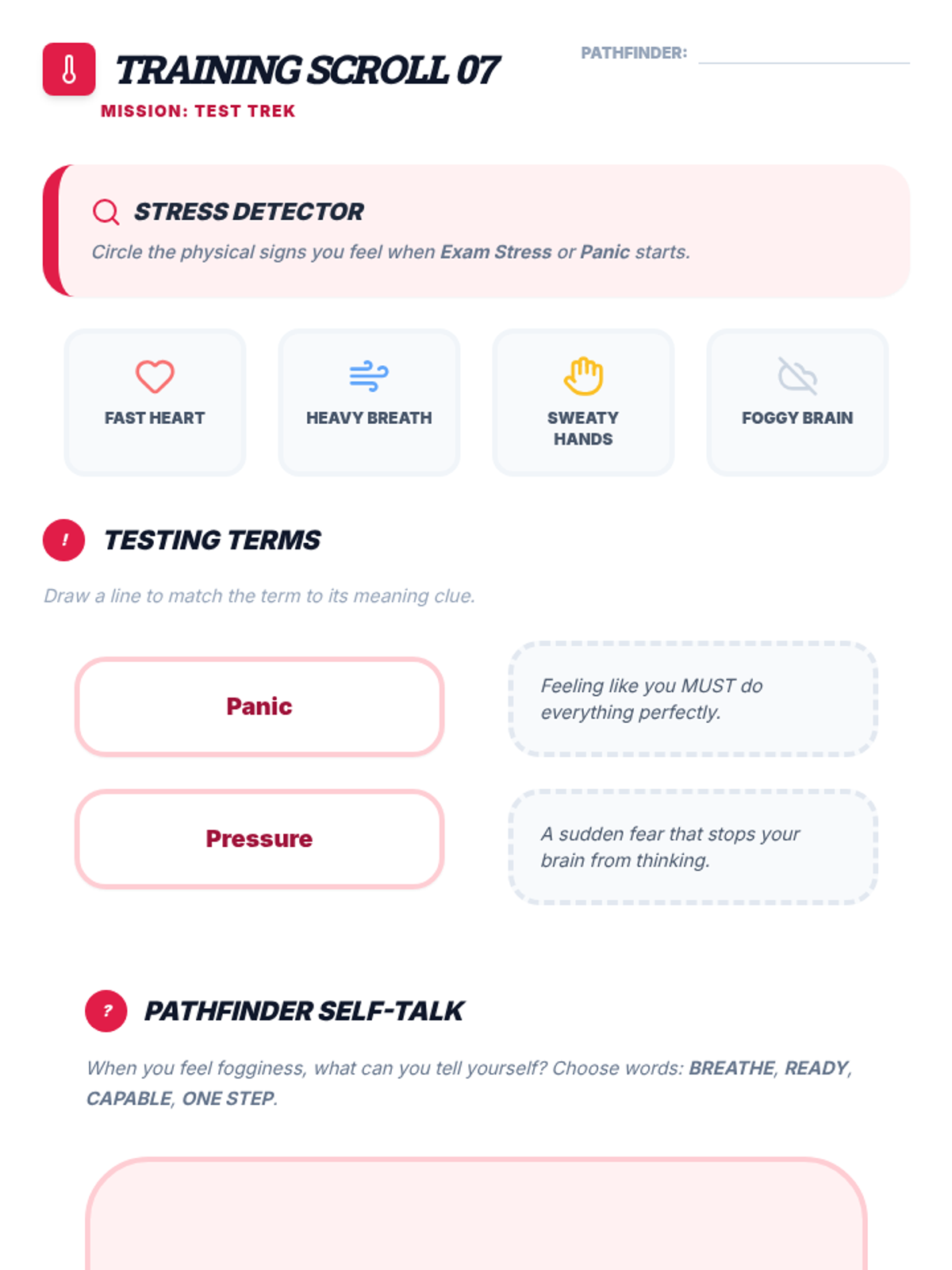
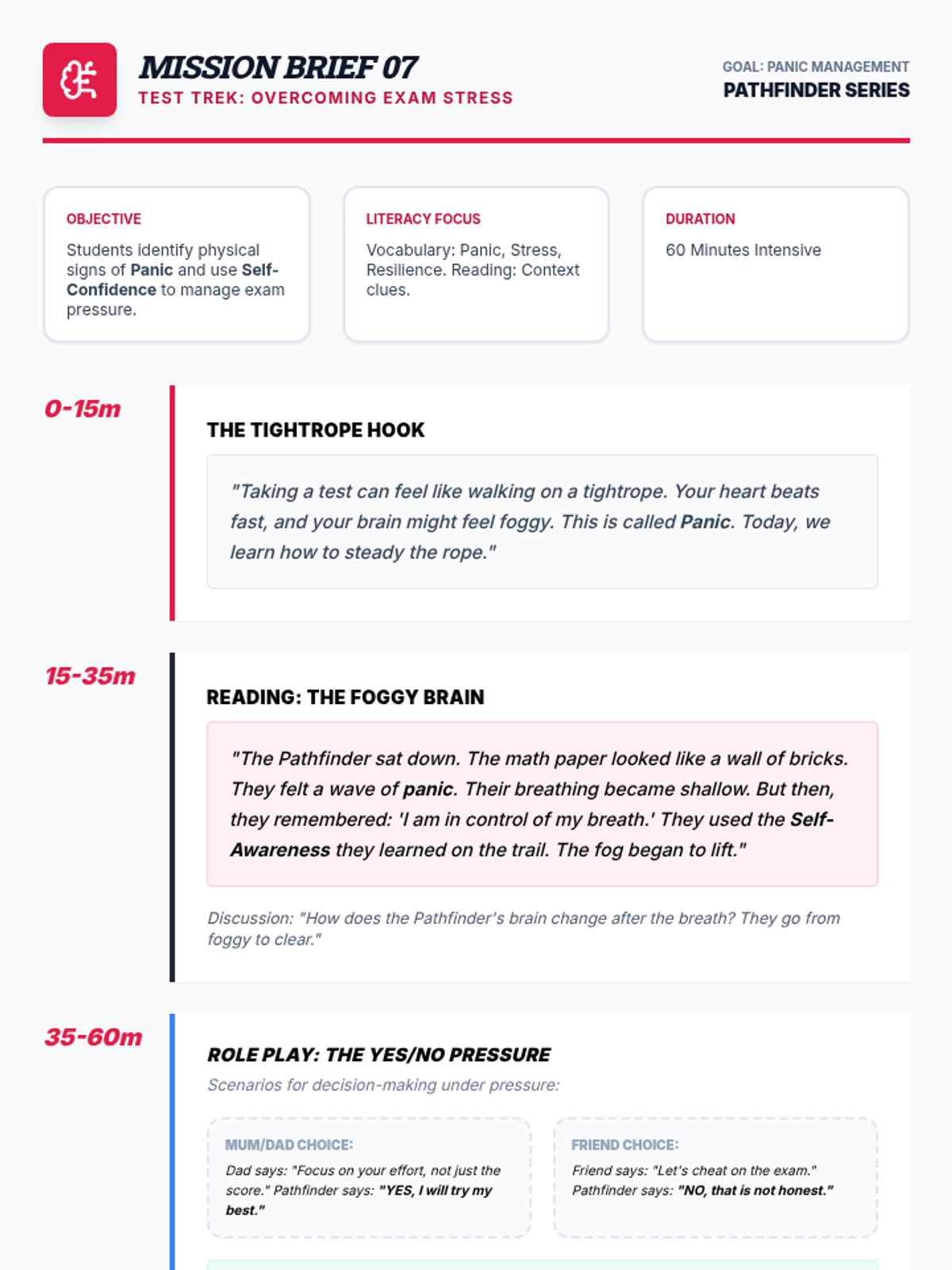
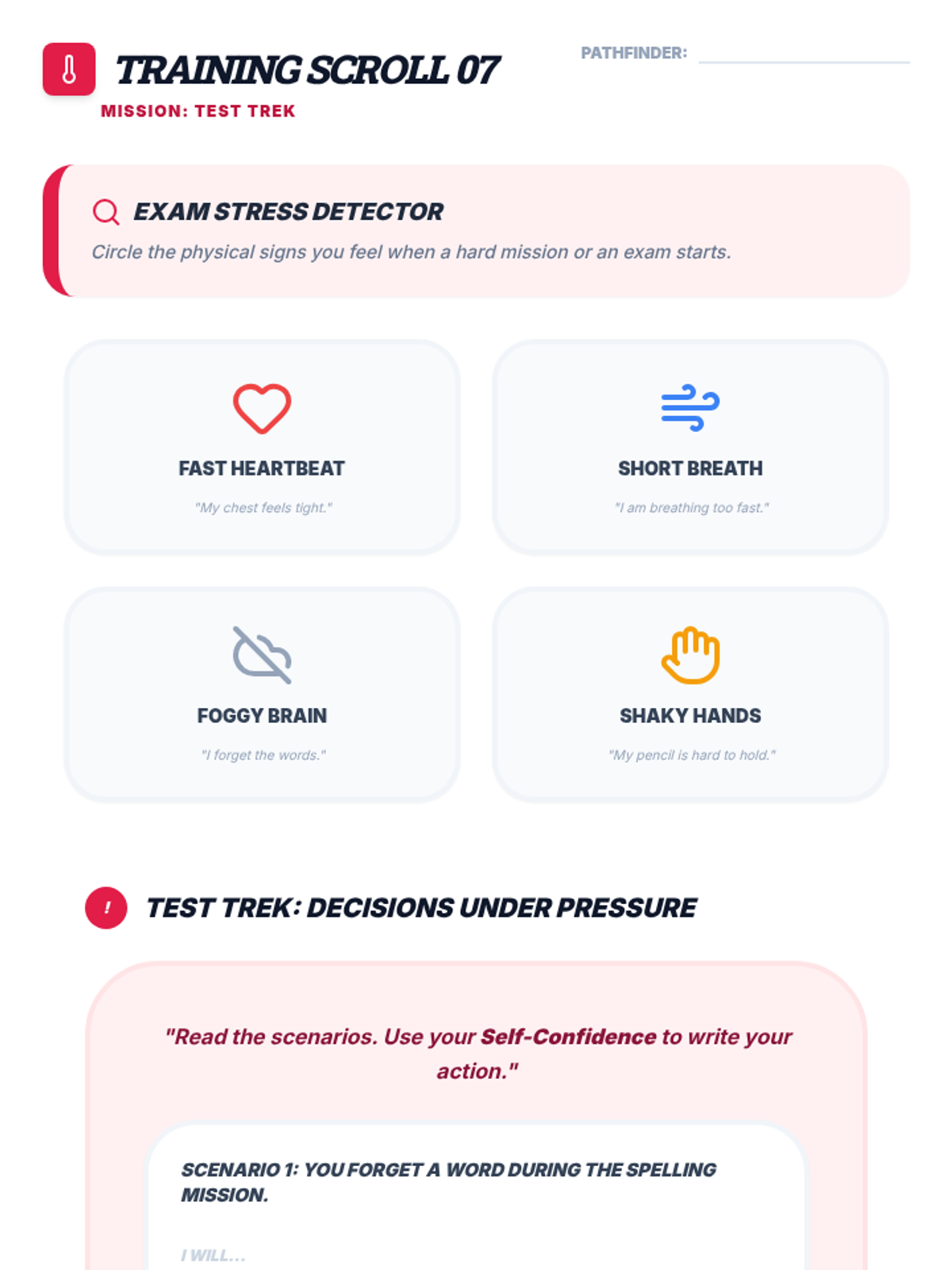
Practical tools for managing exam stress and academic pressure. Transitioning from panic to self-awareness.
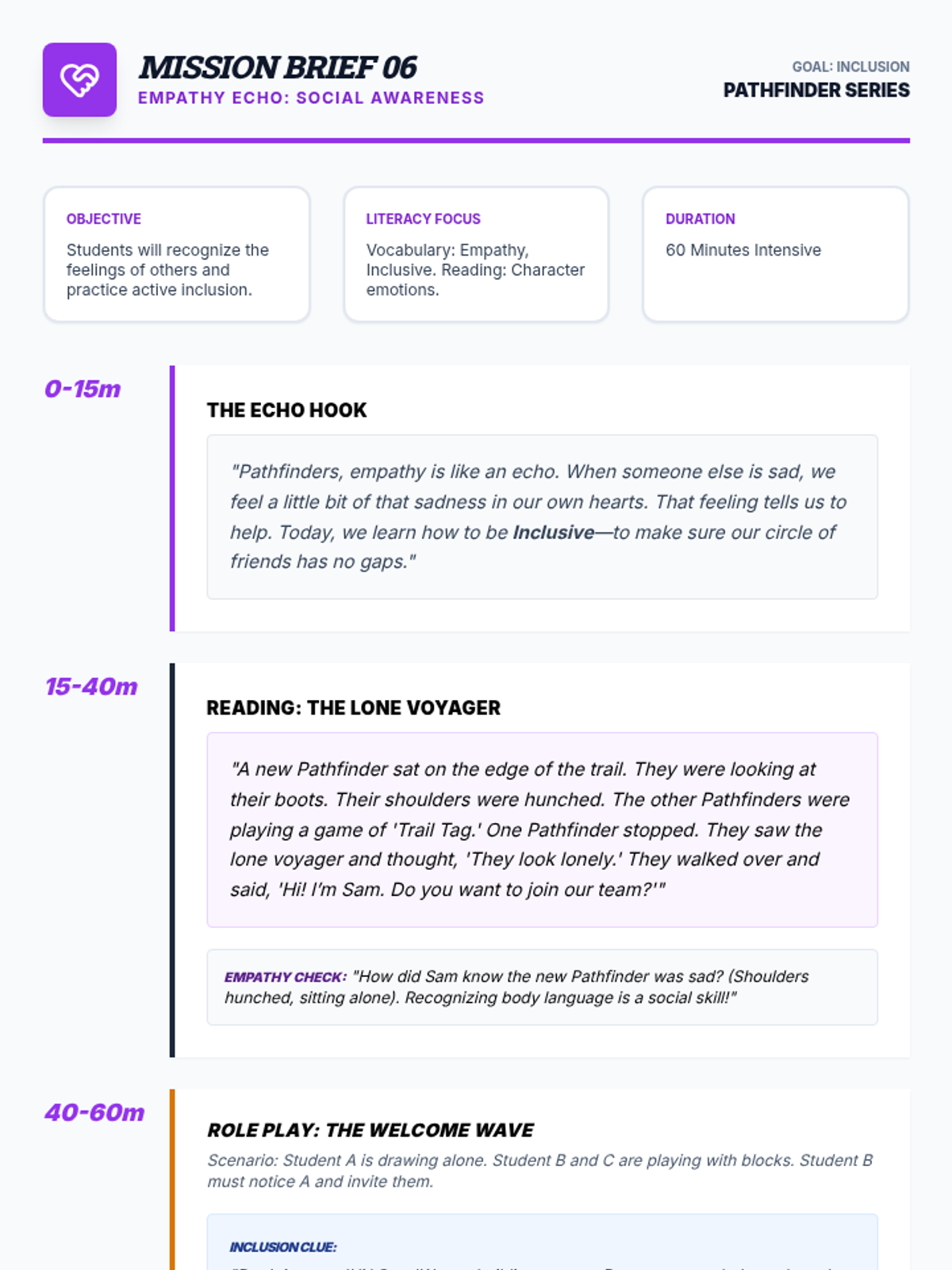
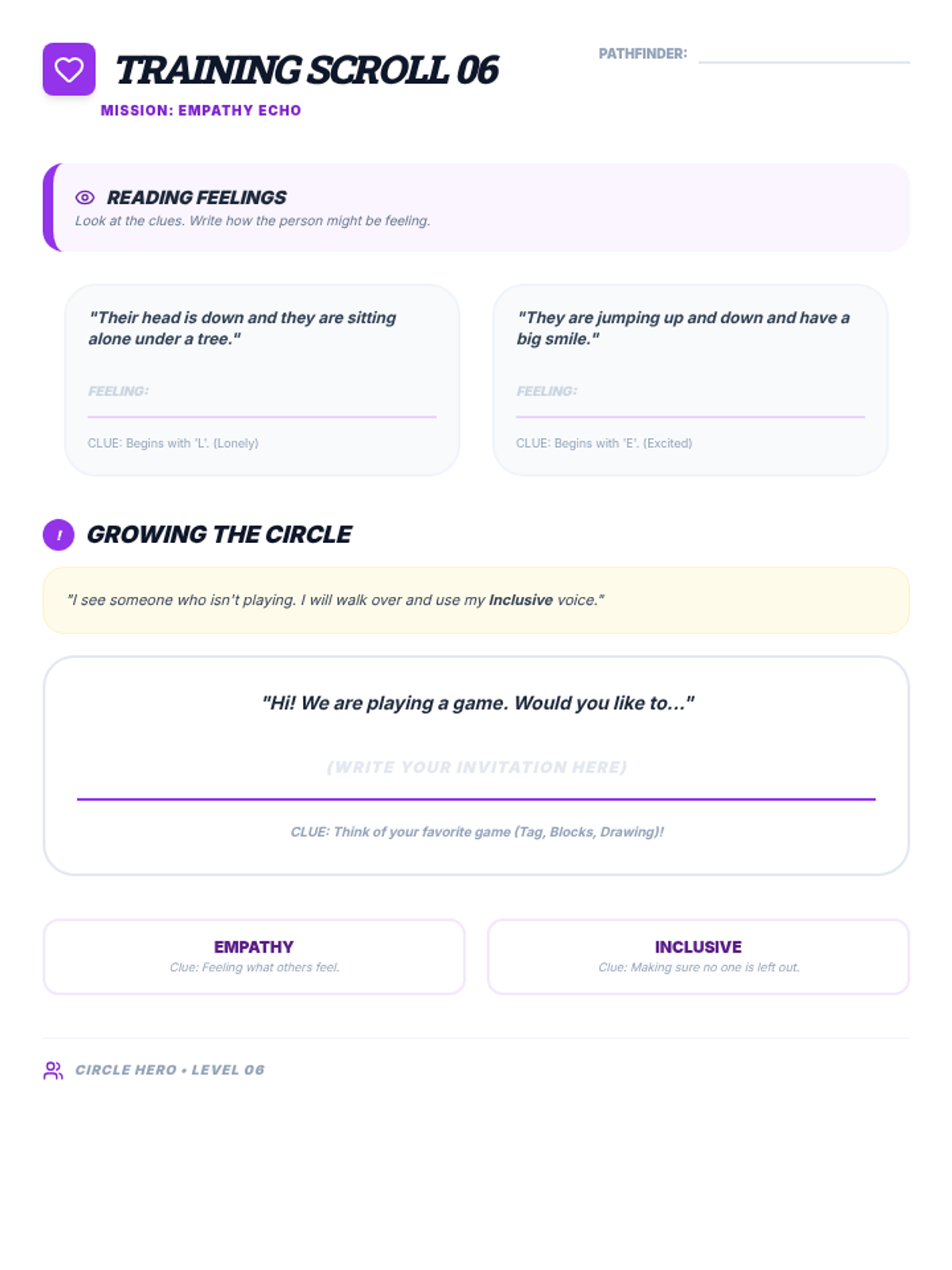
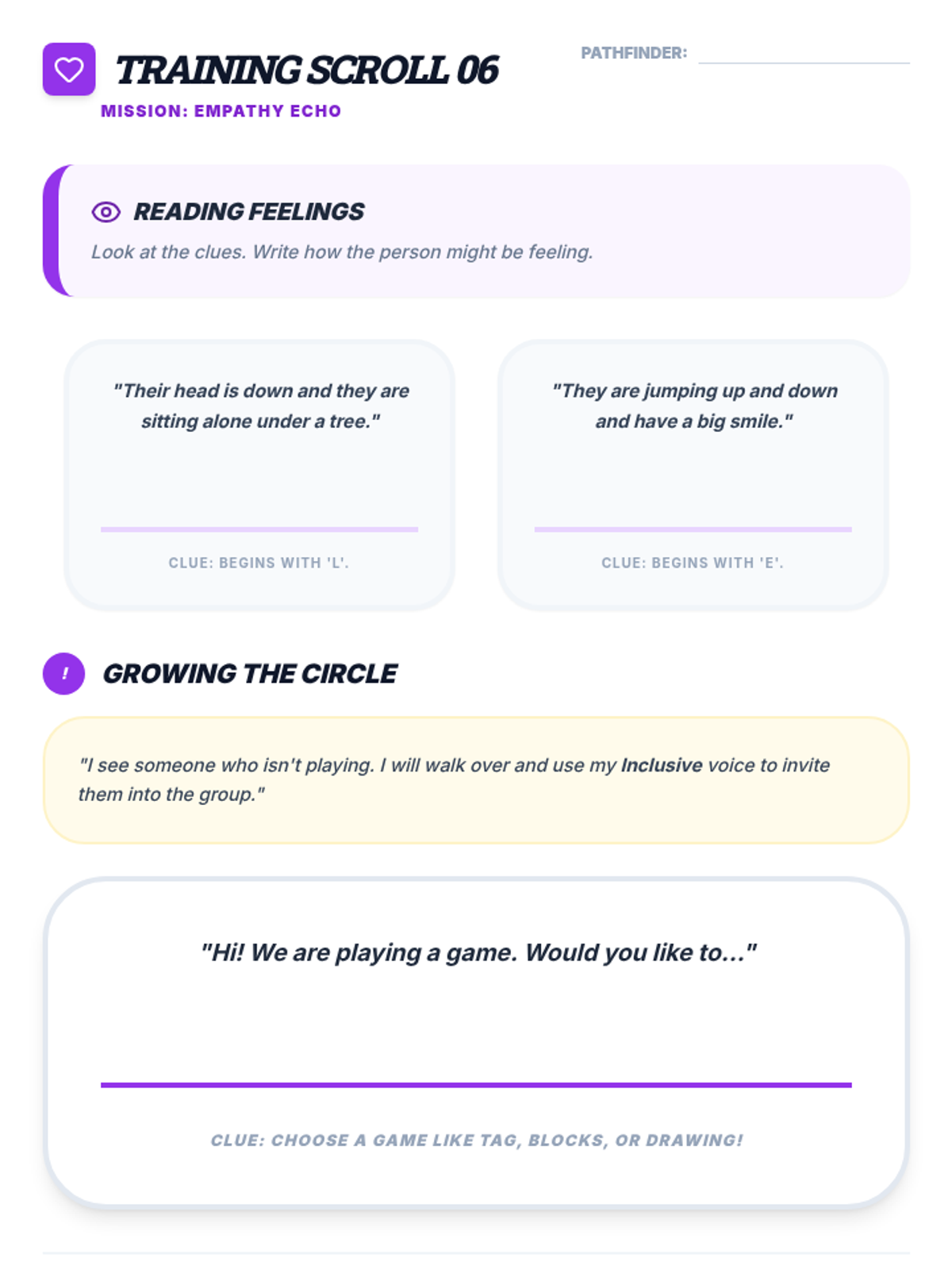
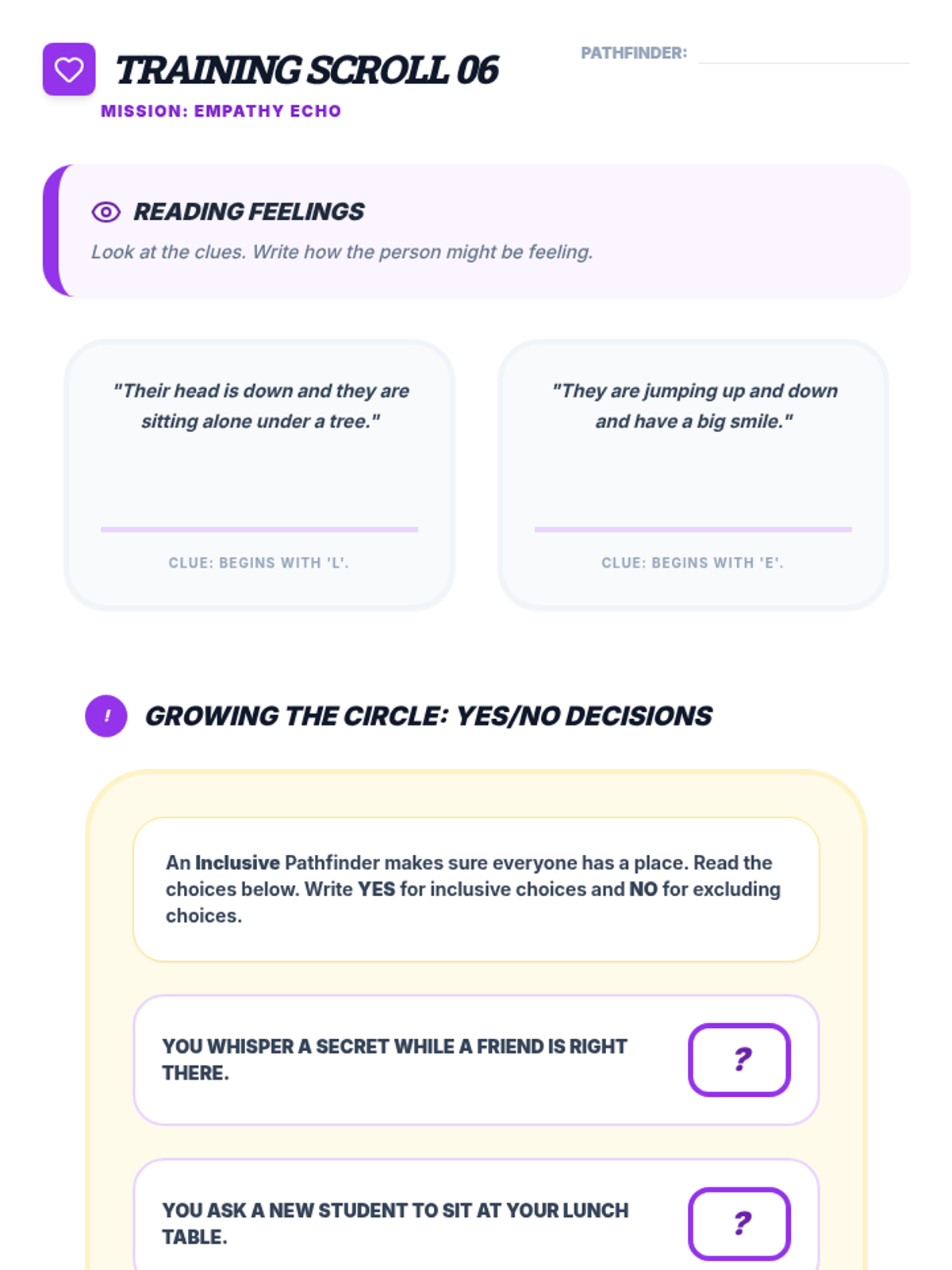
Developing empathy and social awareness to build an inclusive community.
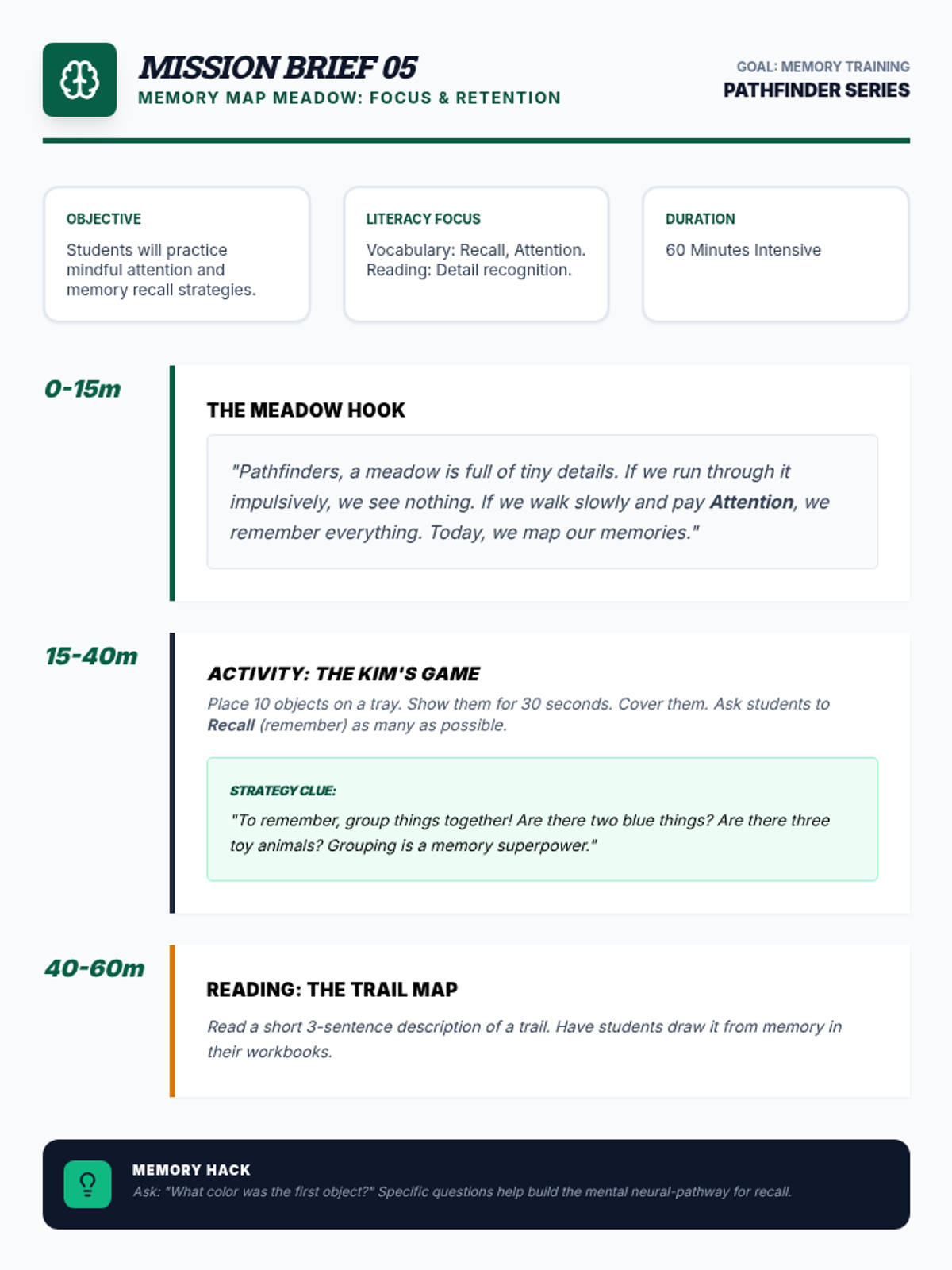
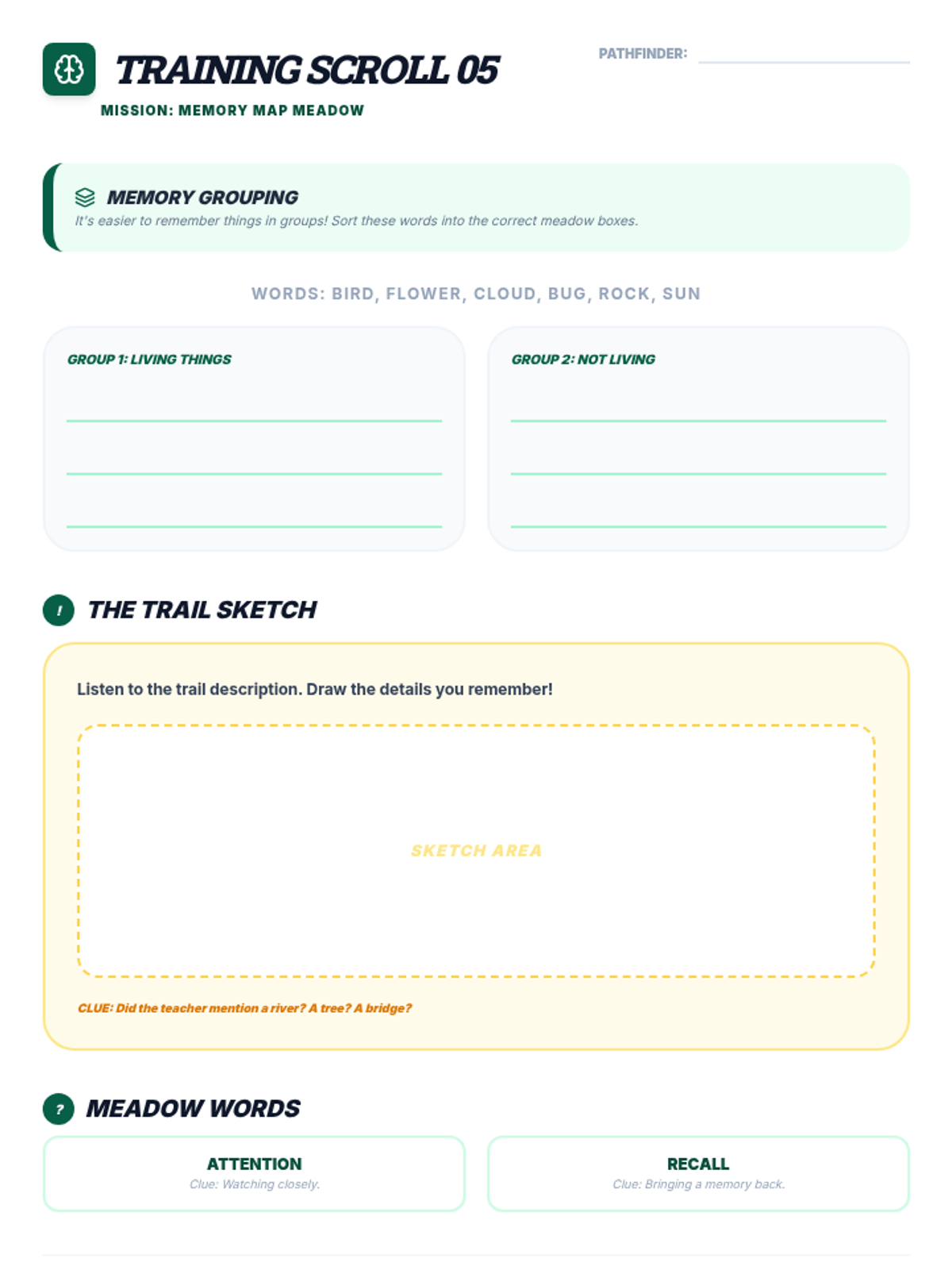
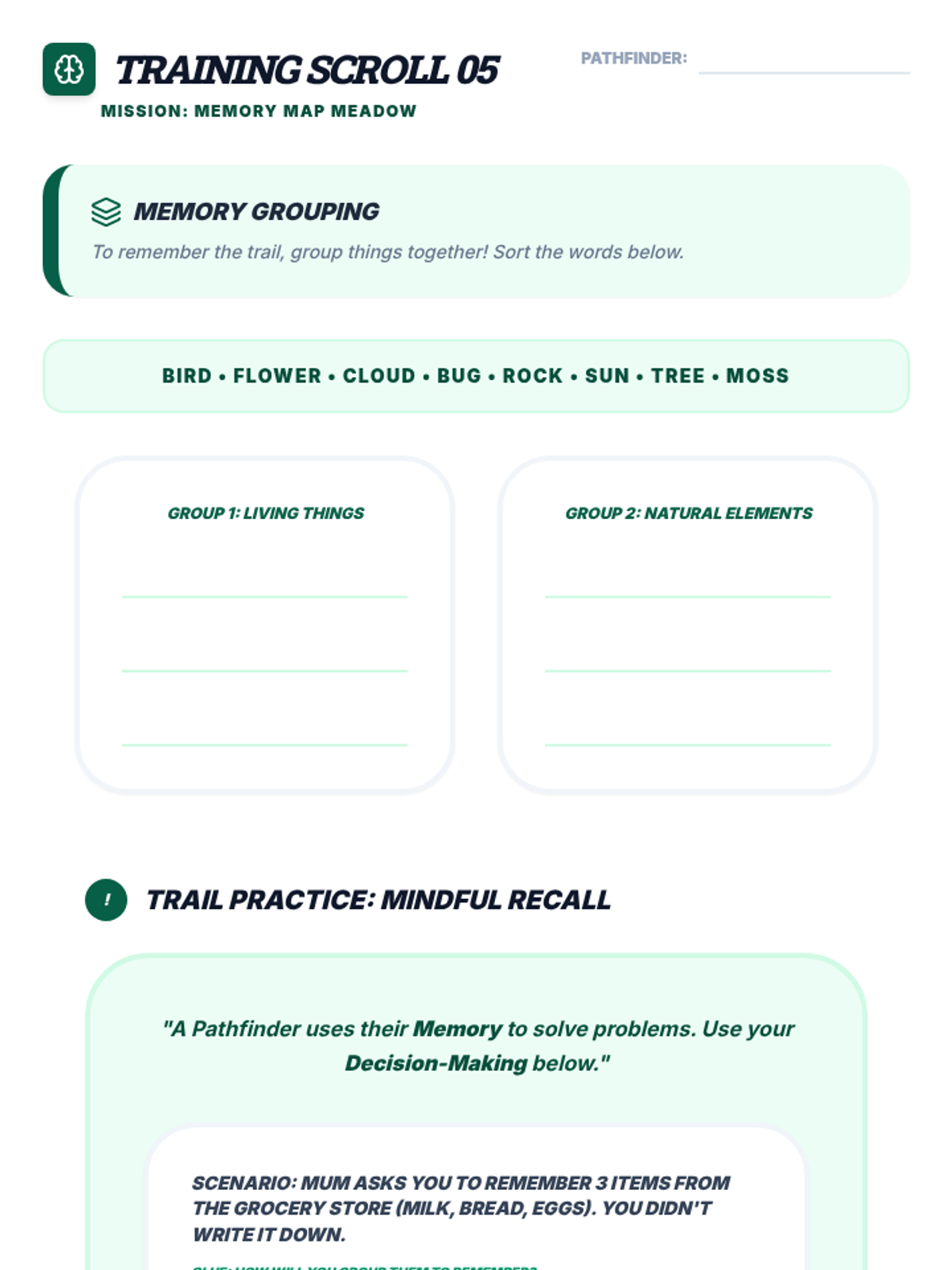
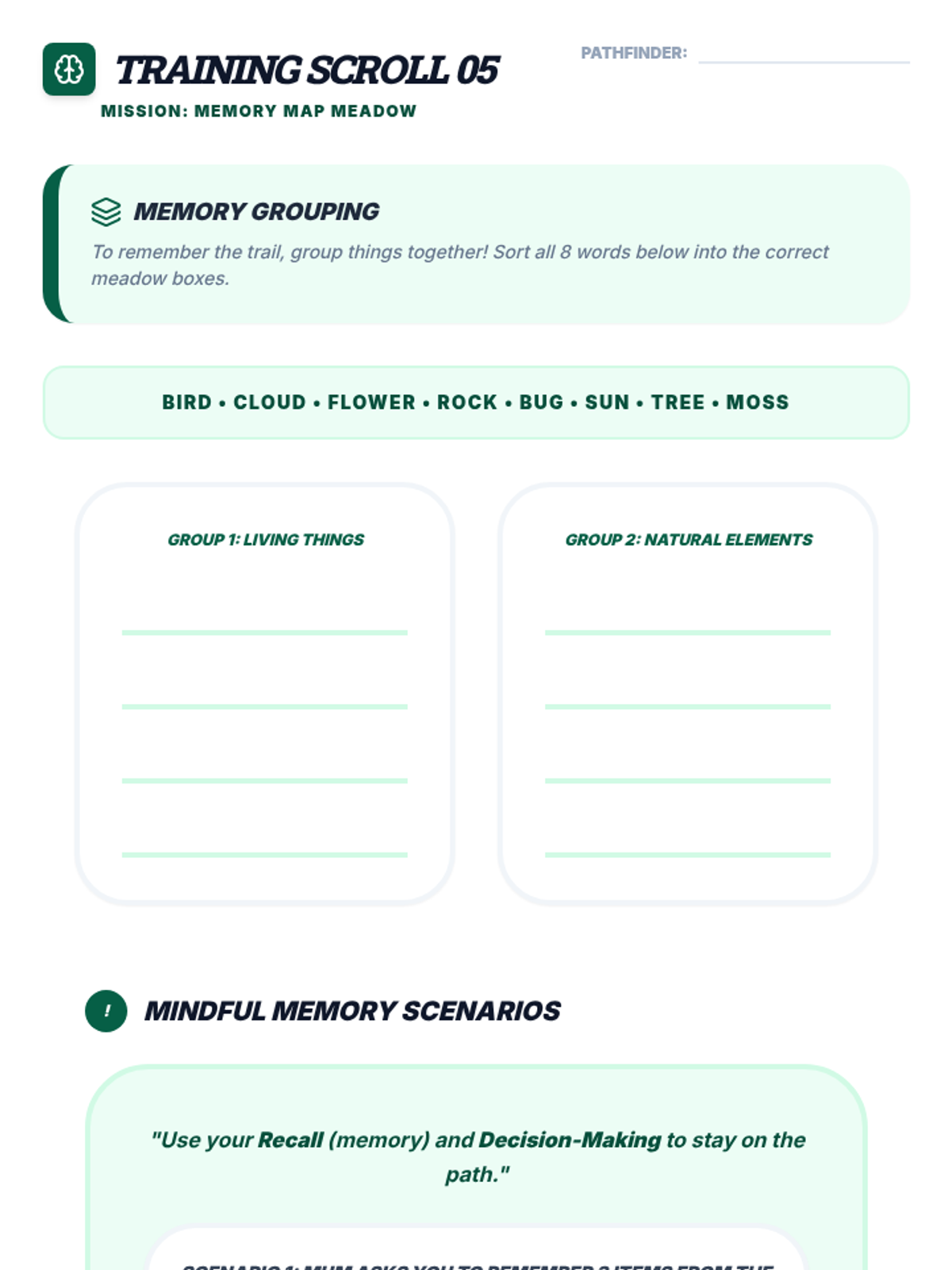
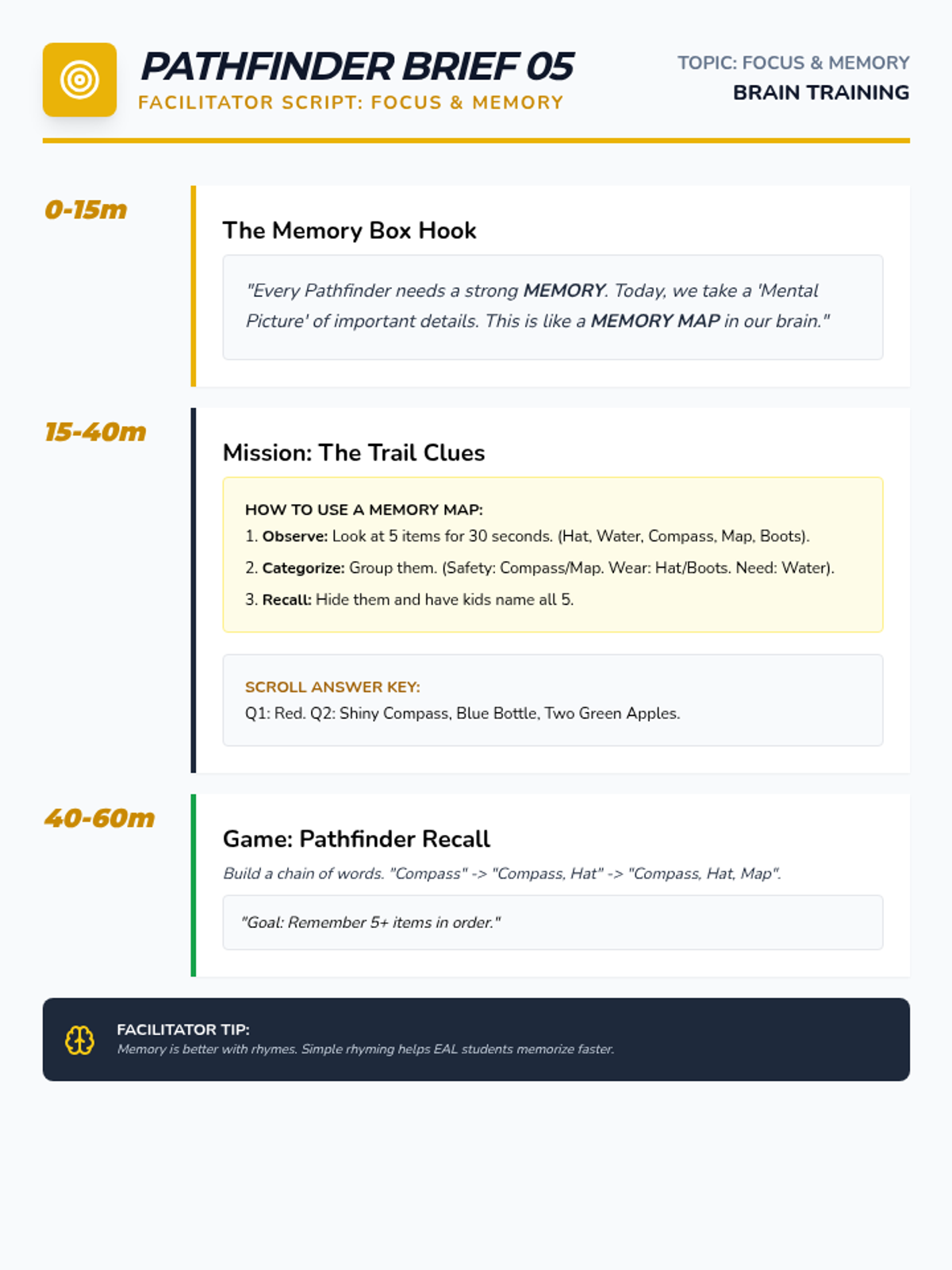
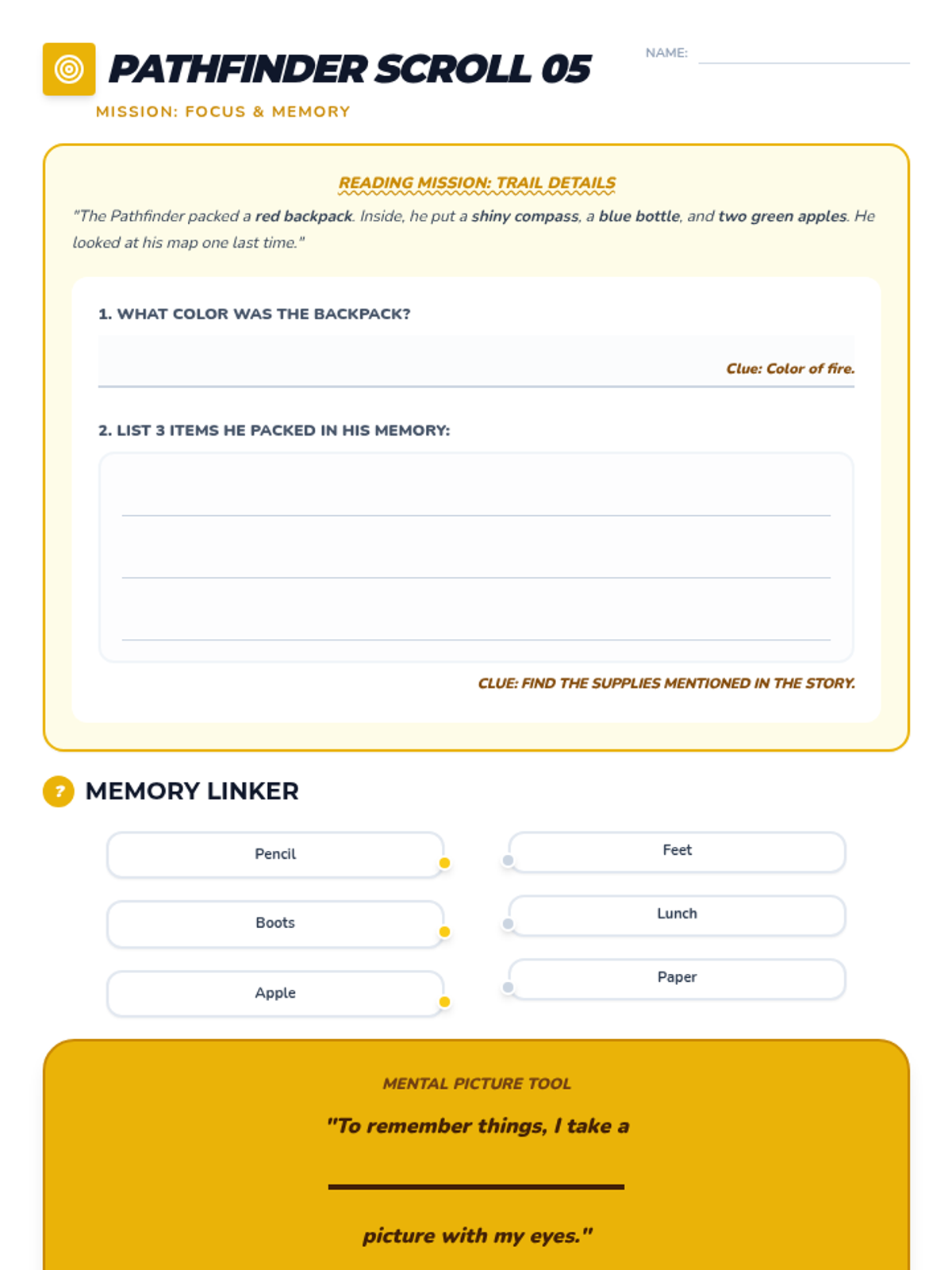
Training the brain for better focus and memory retention. Strategies for mindful attention.
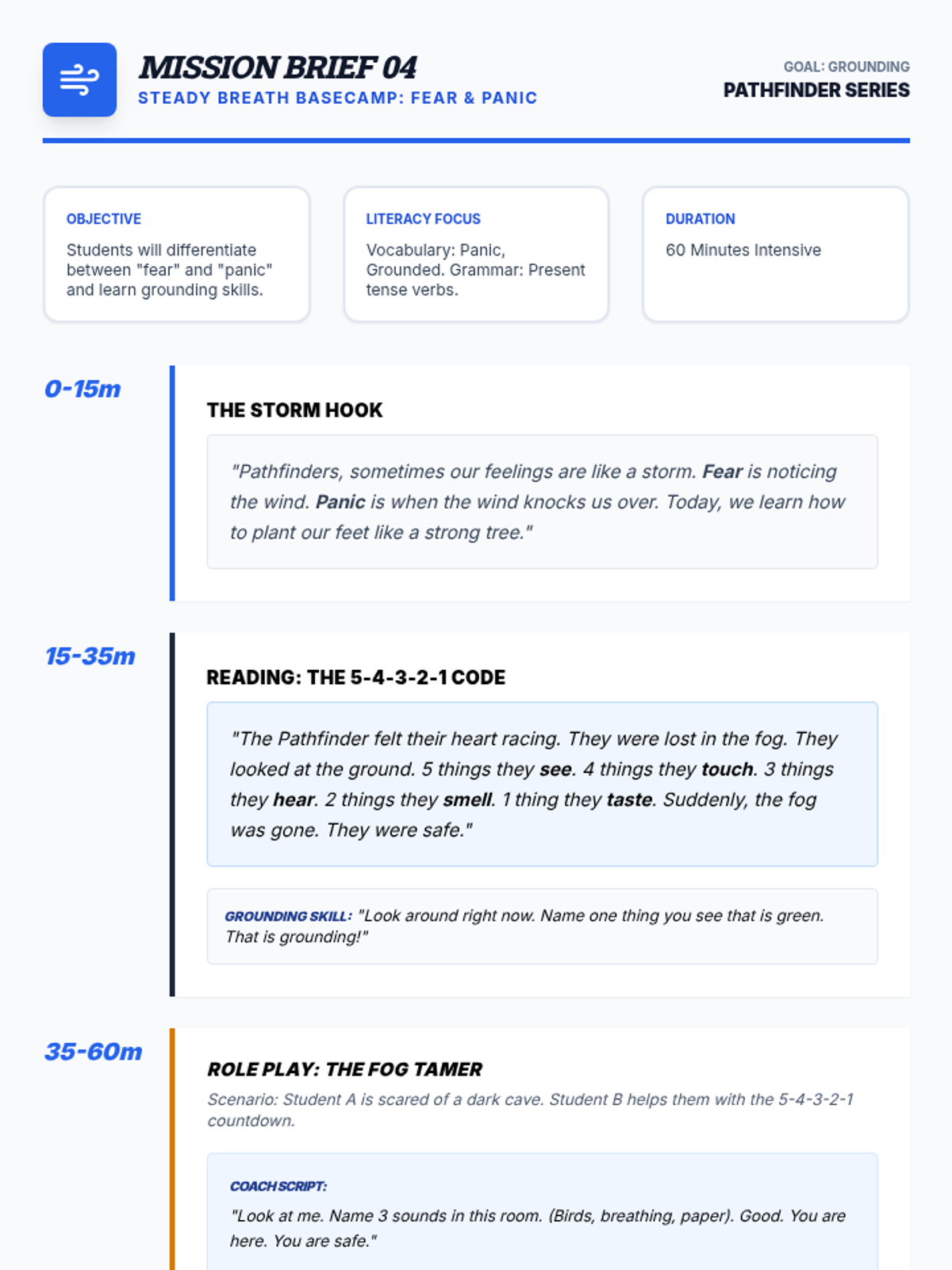
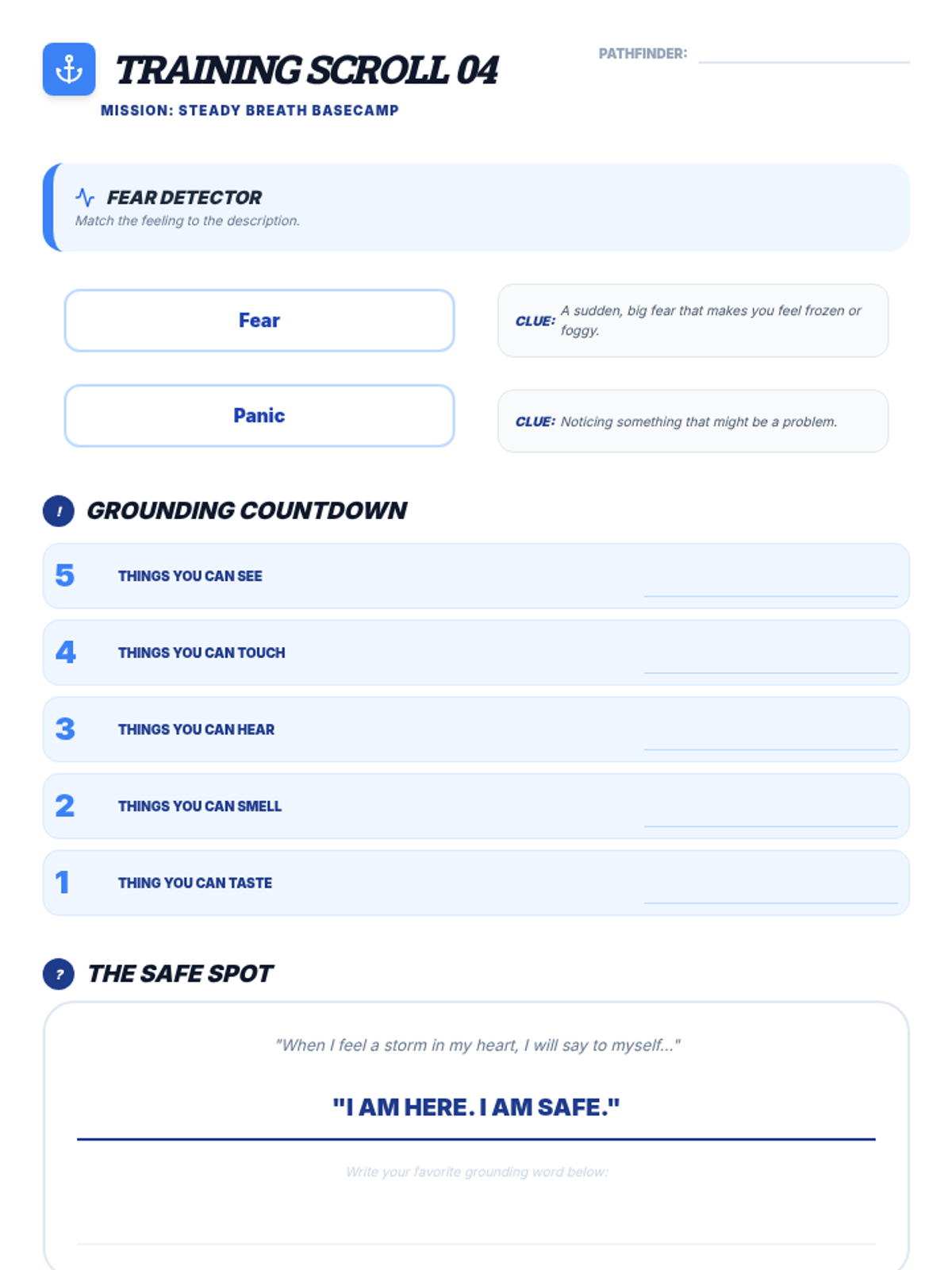
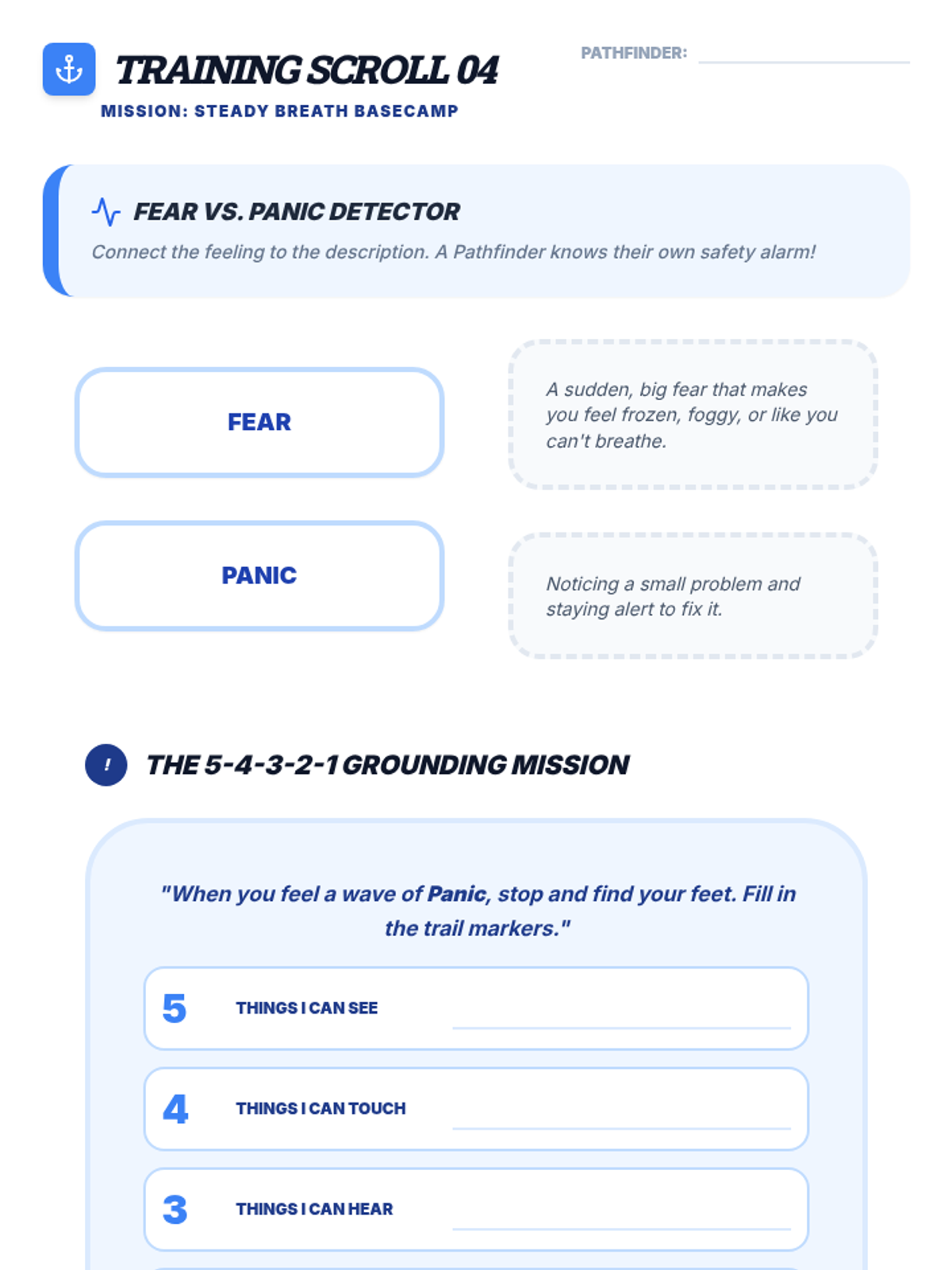
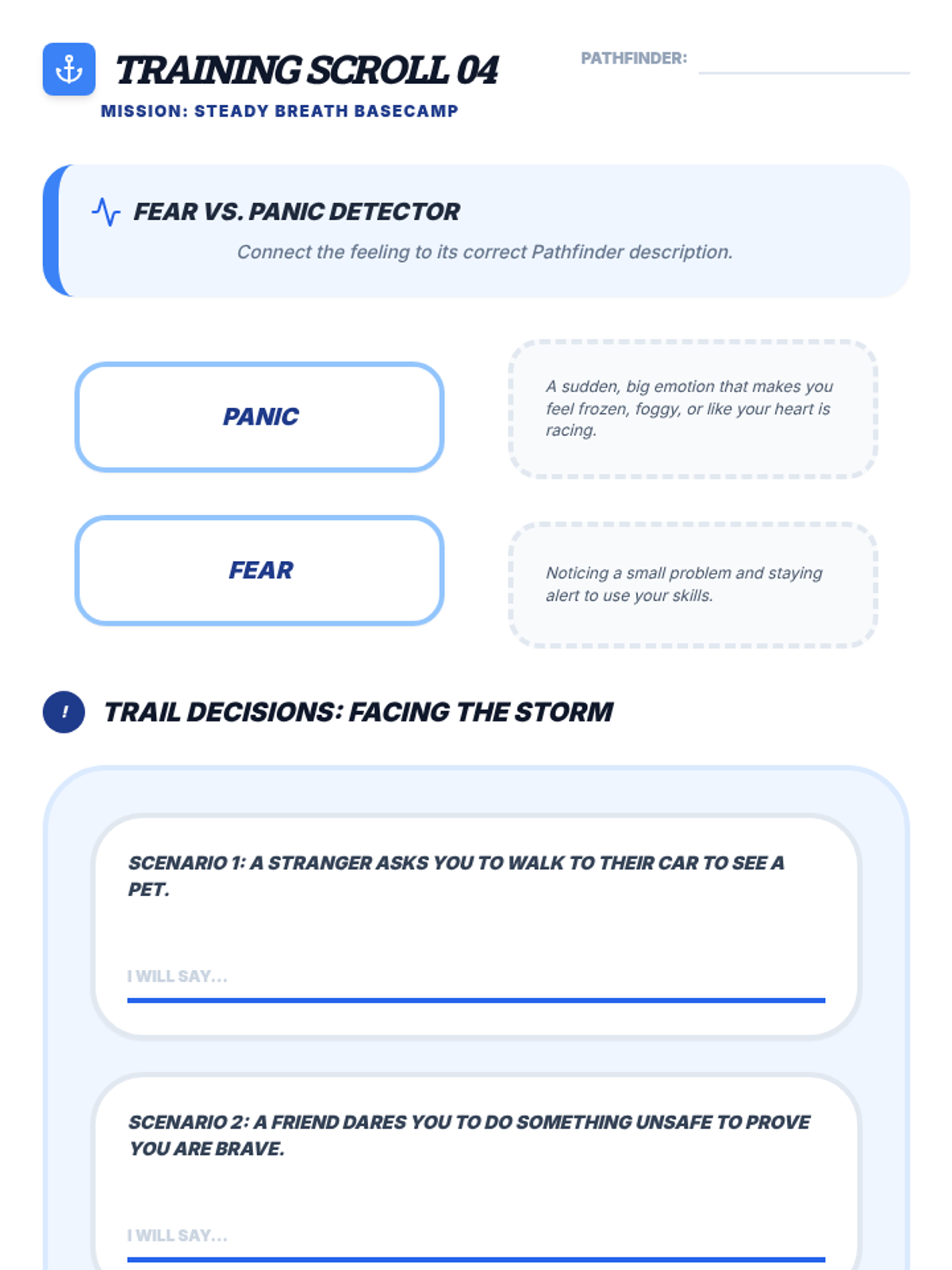
Recognizing physical signs of fear and panic. Grounding strategies for high-stress situations.
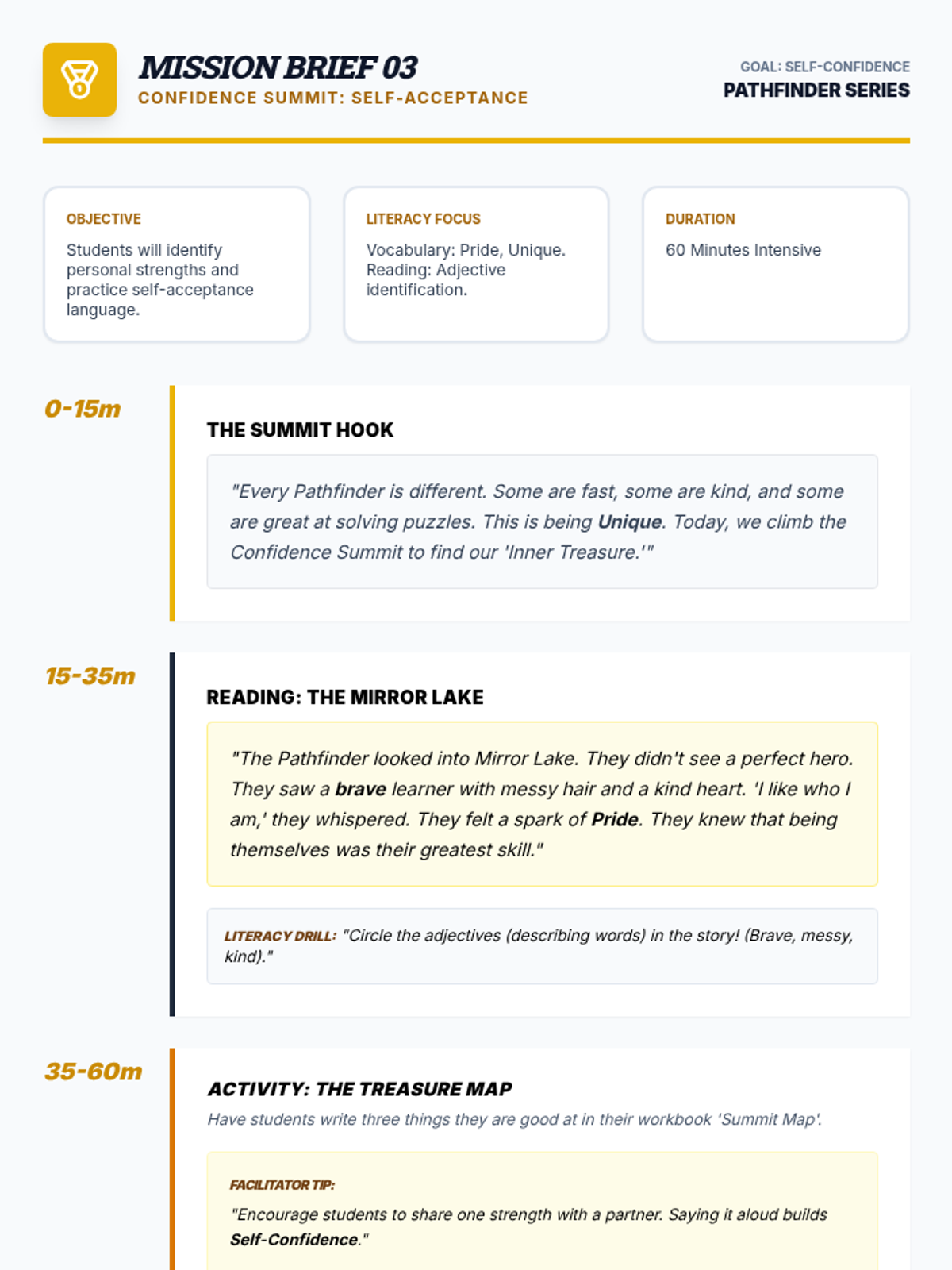
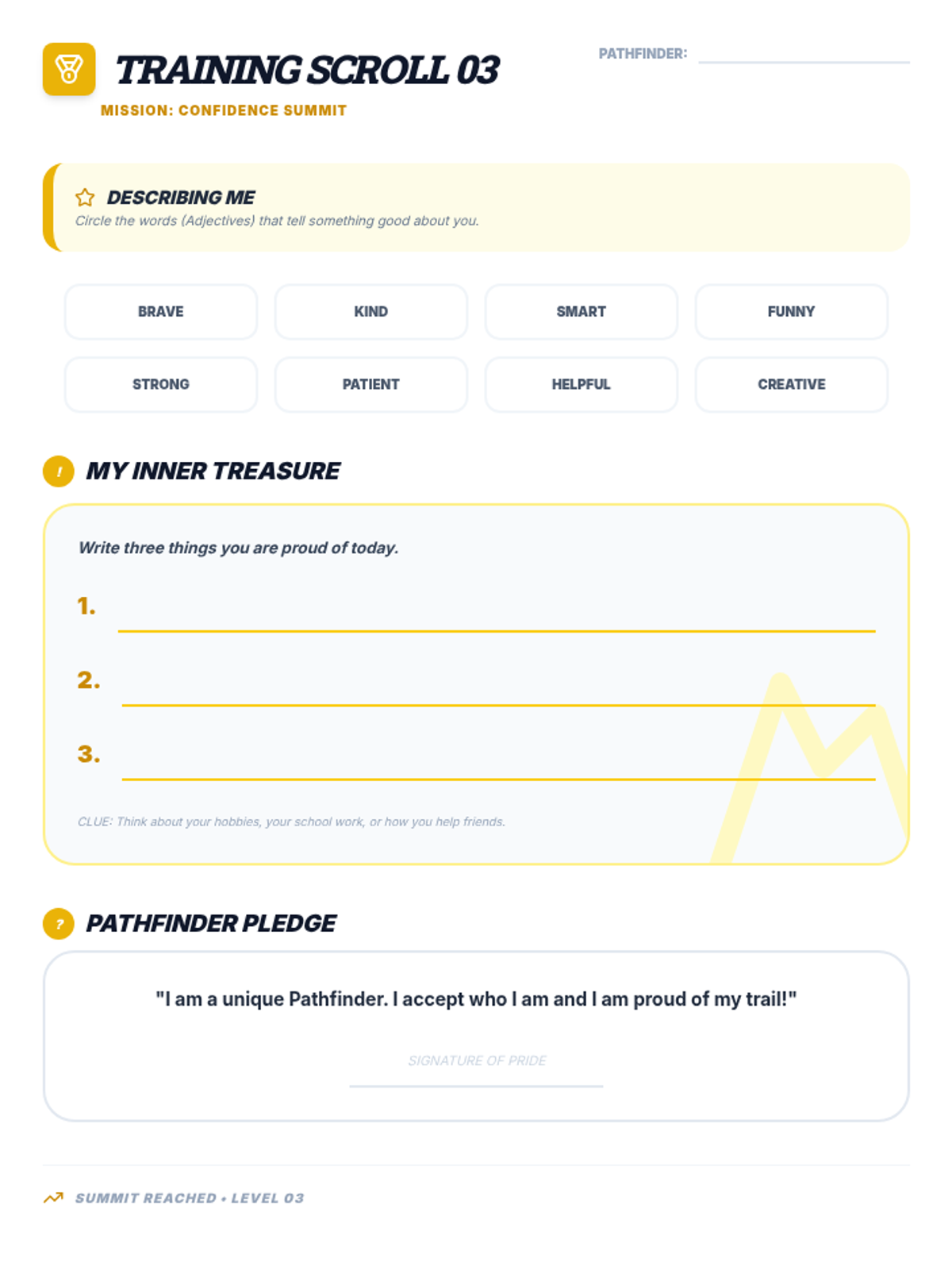
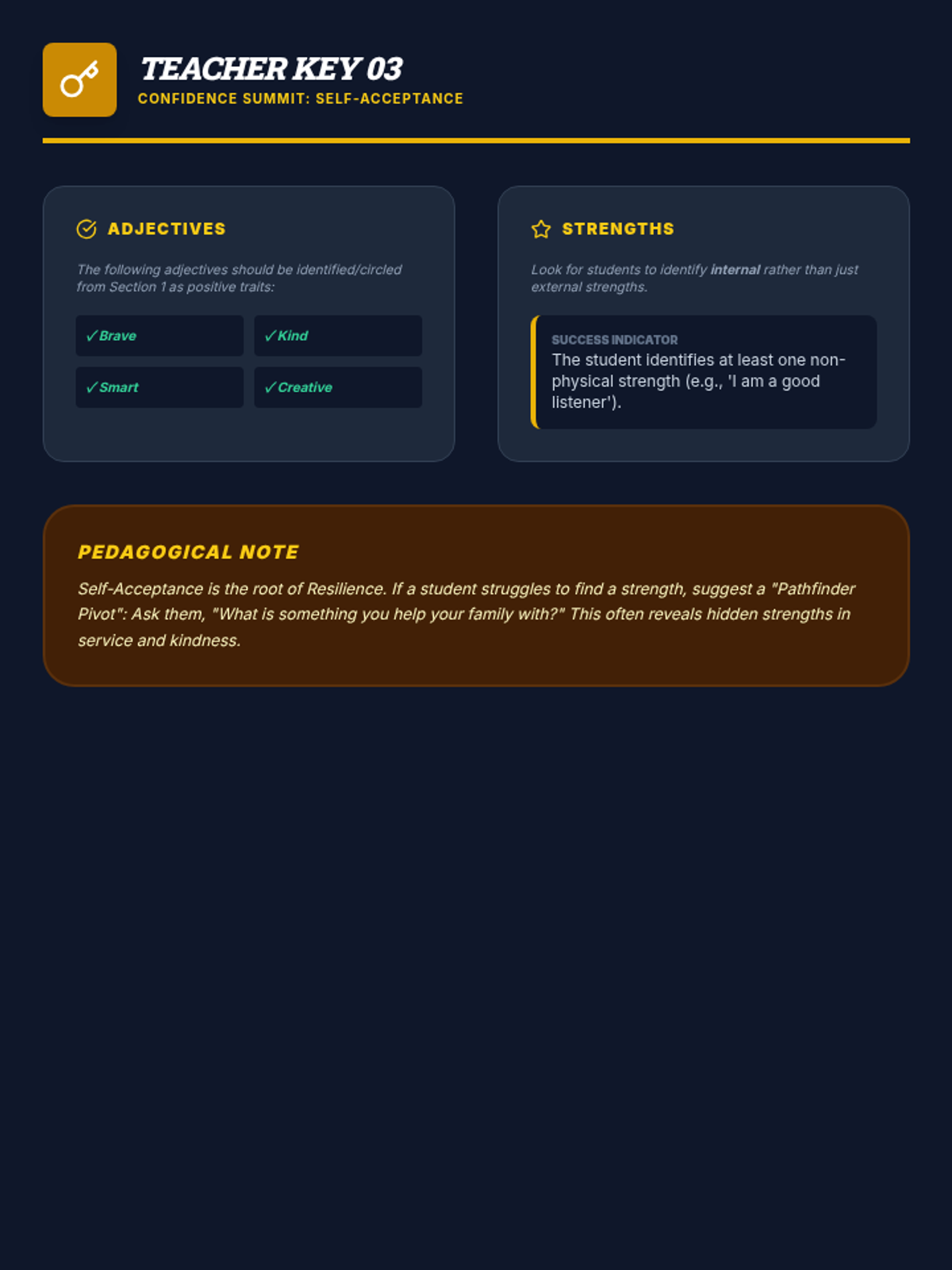
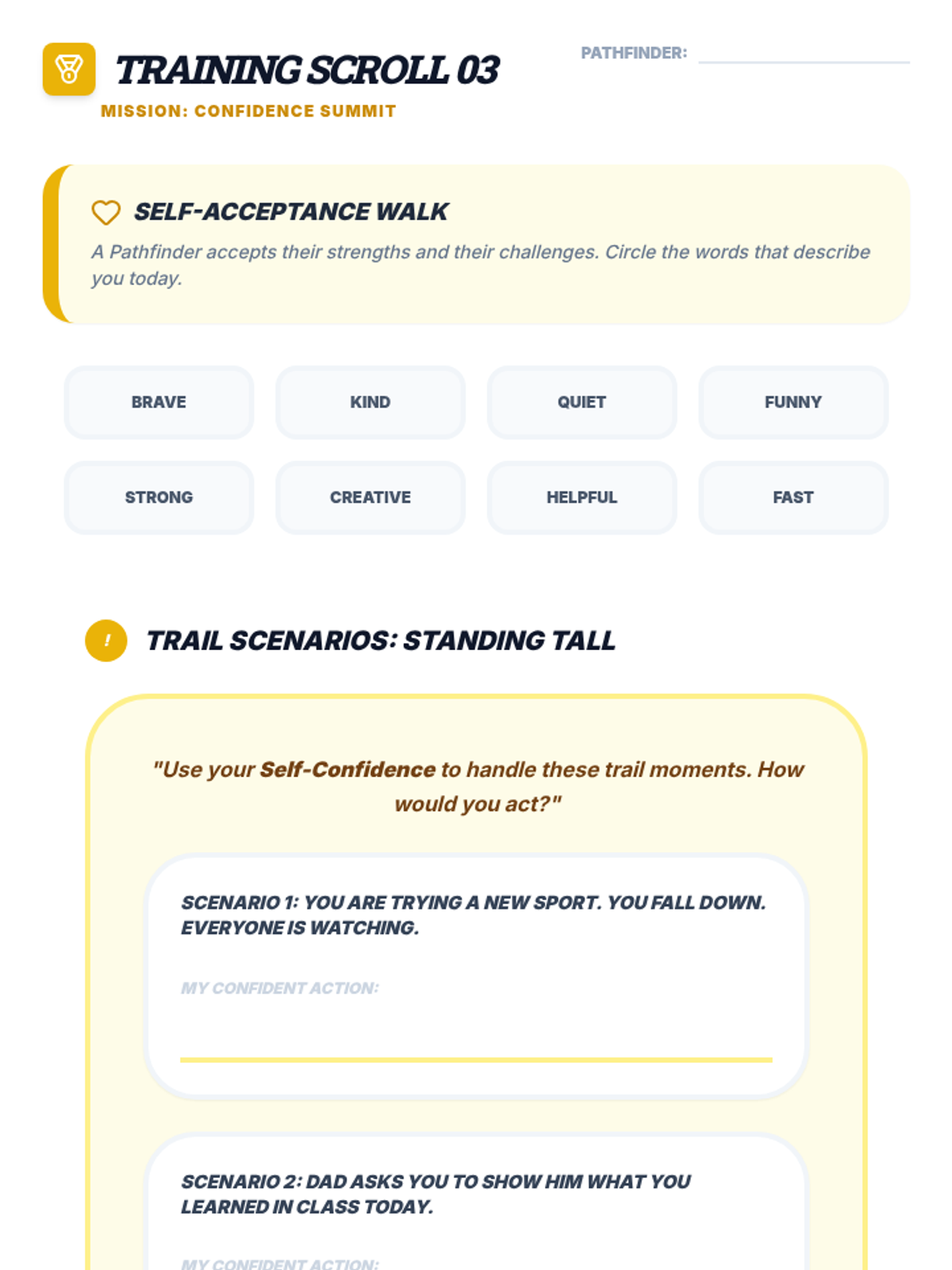
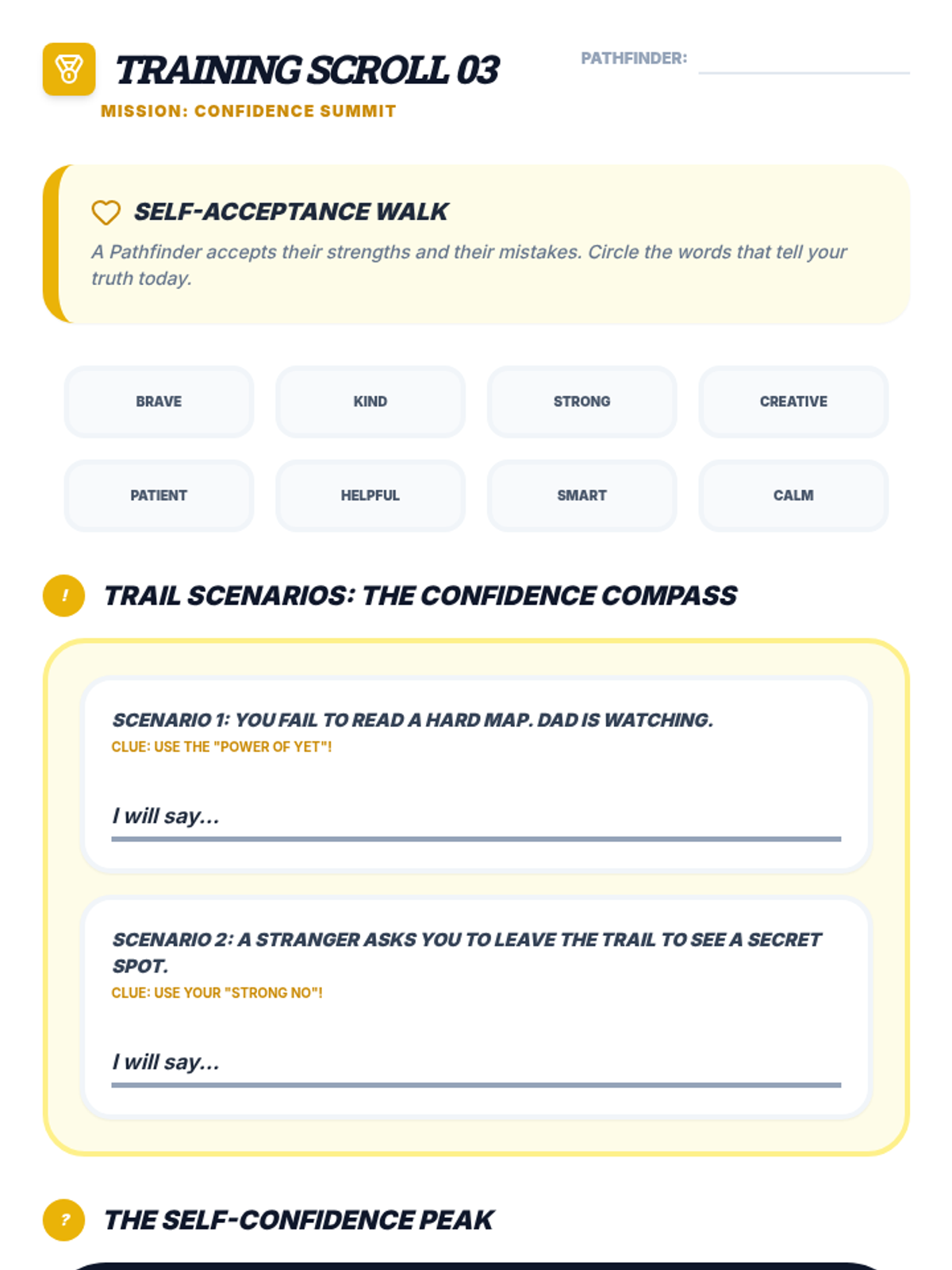
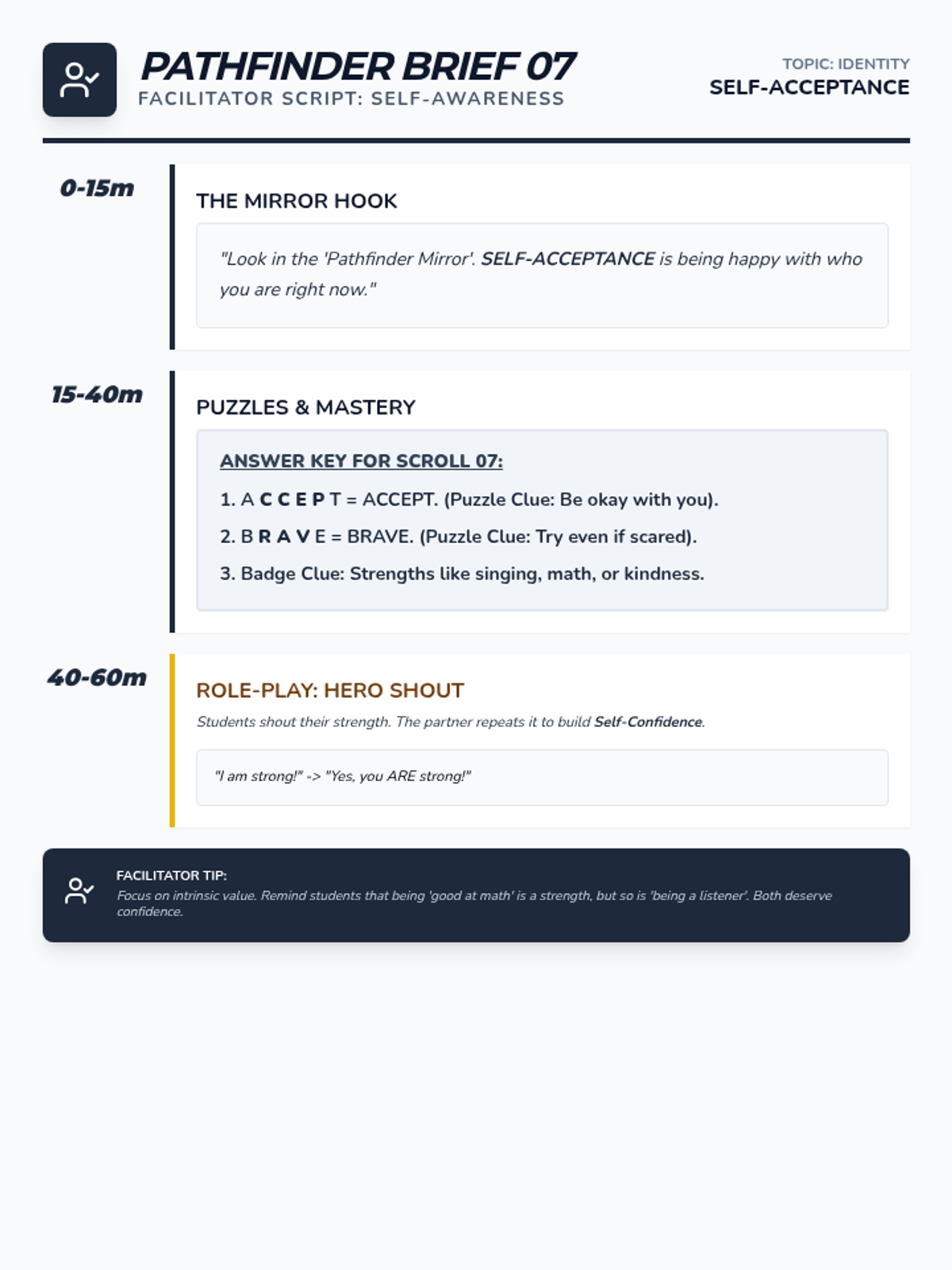
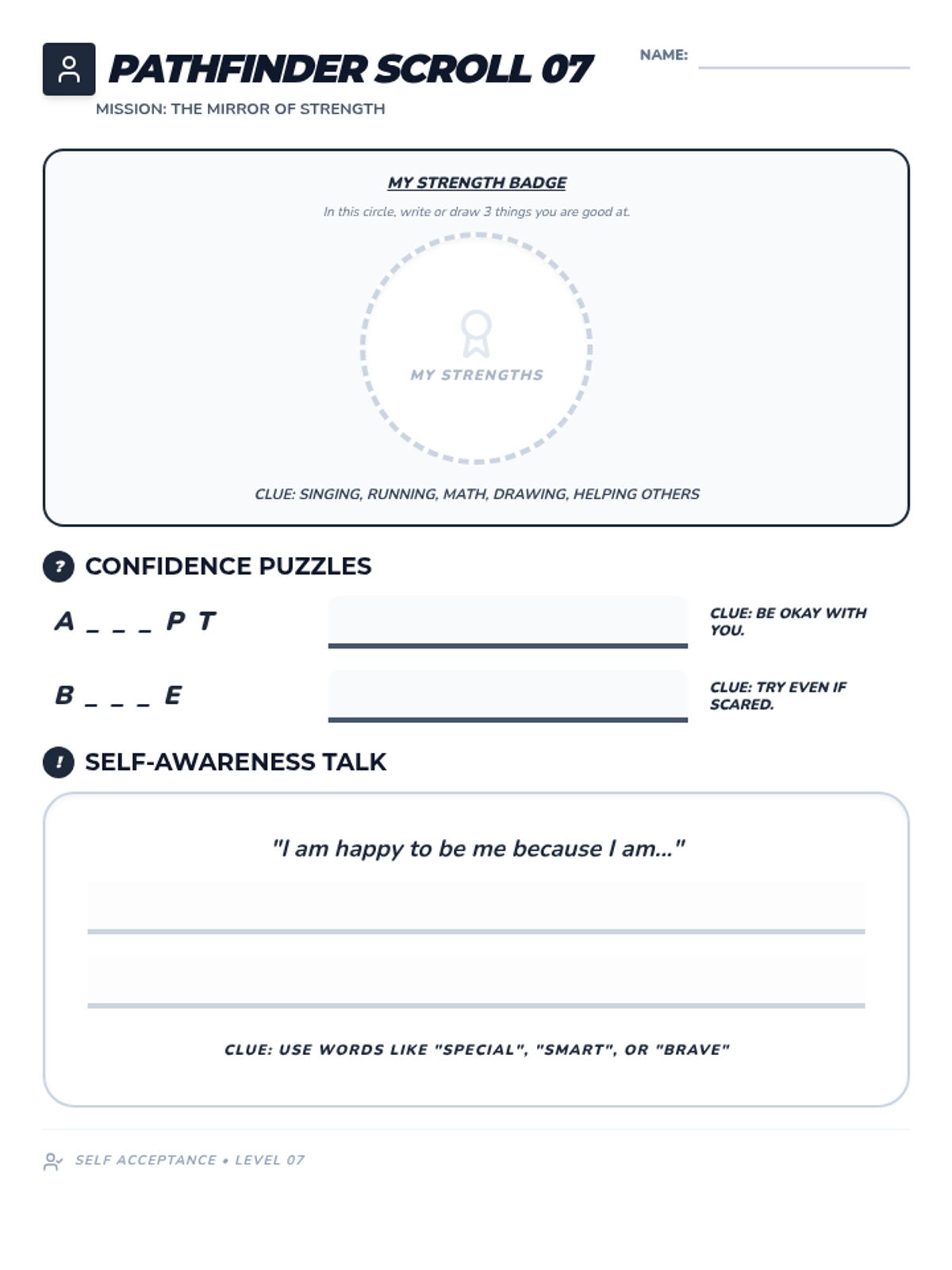
Exploring self-acceptance and building self-confidence by celebrating individual strengths.
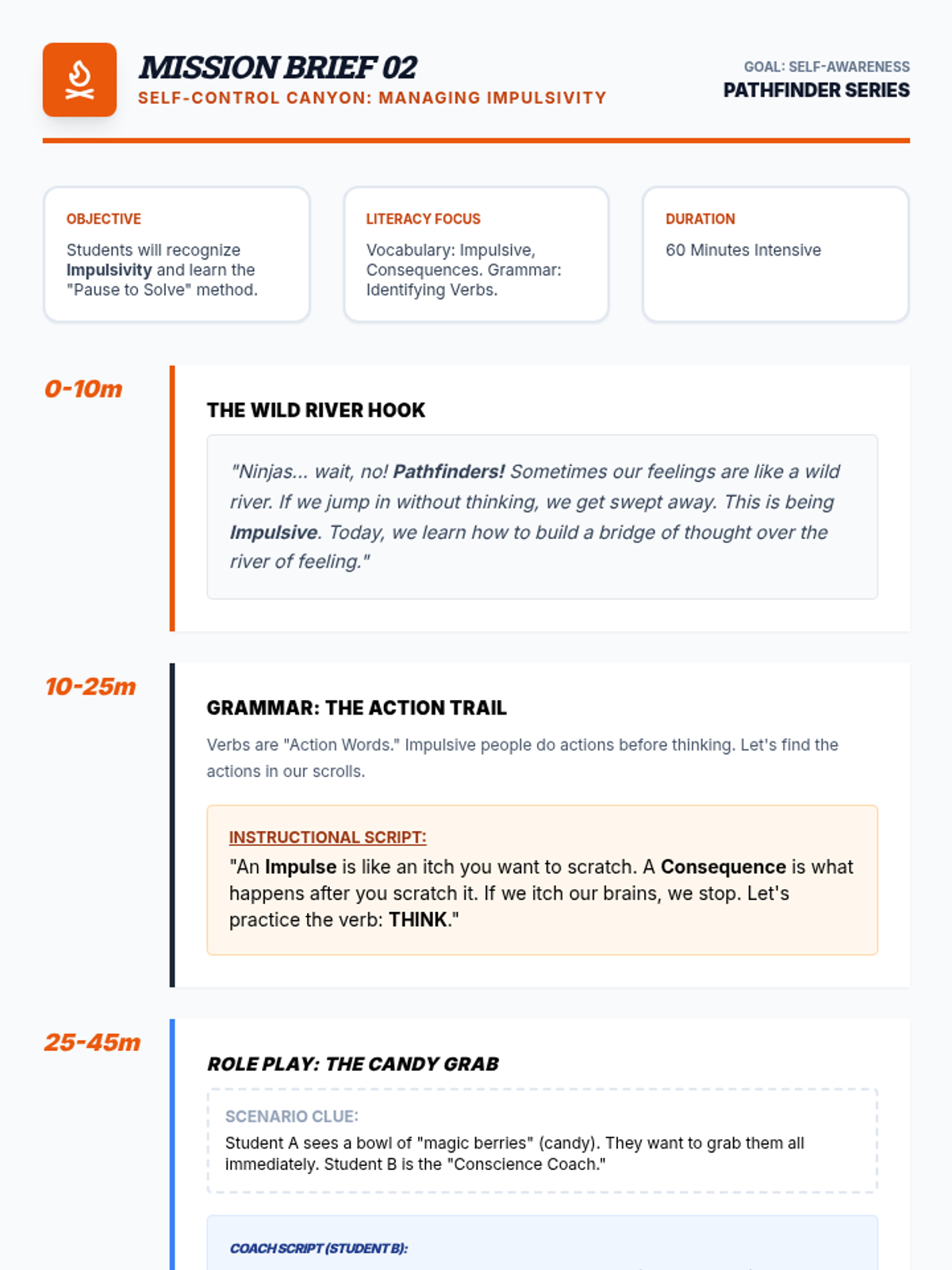
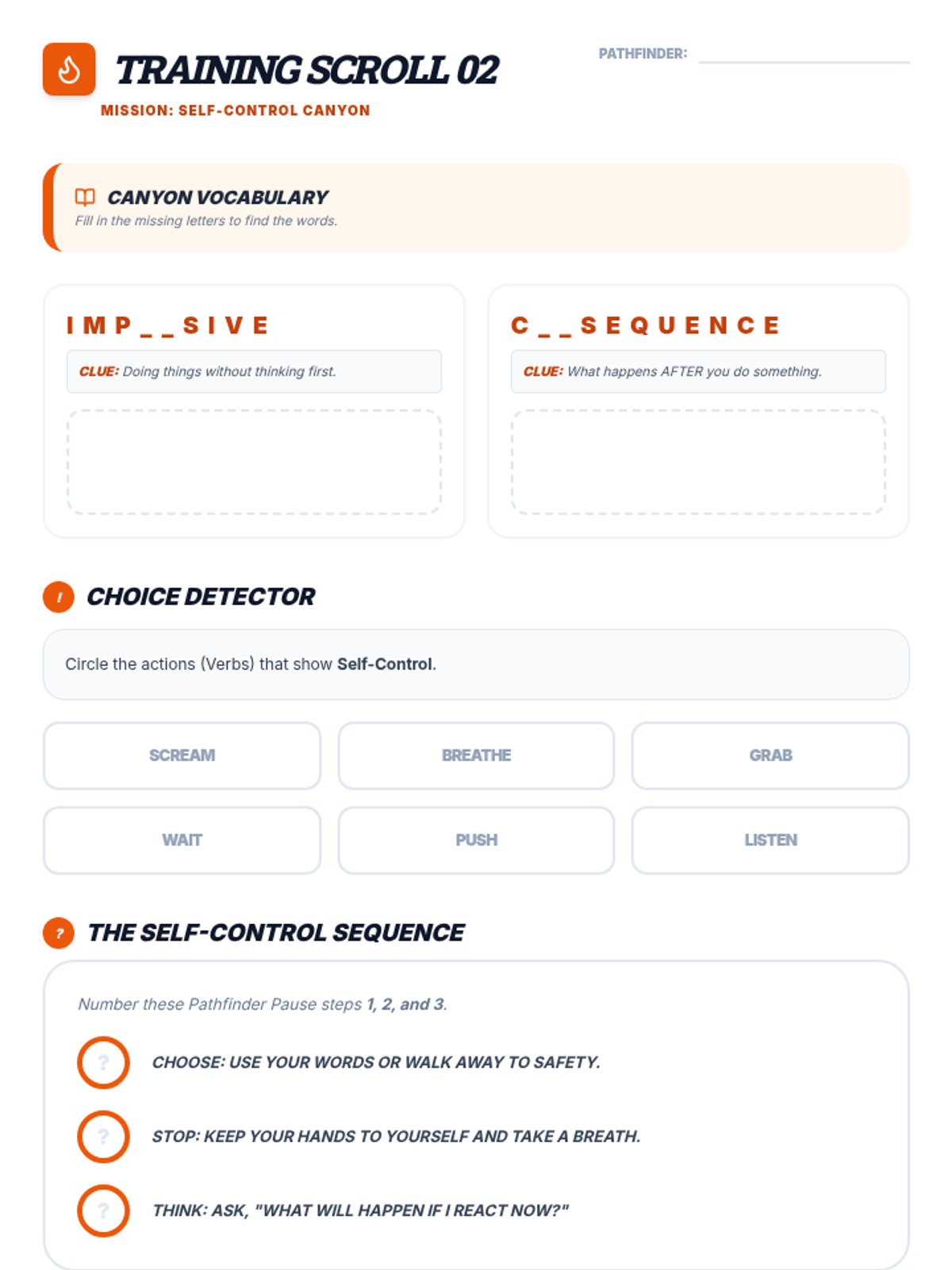
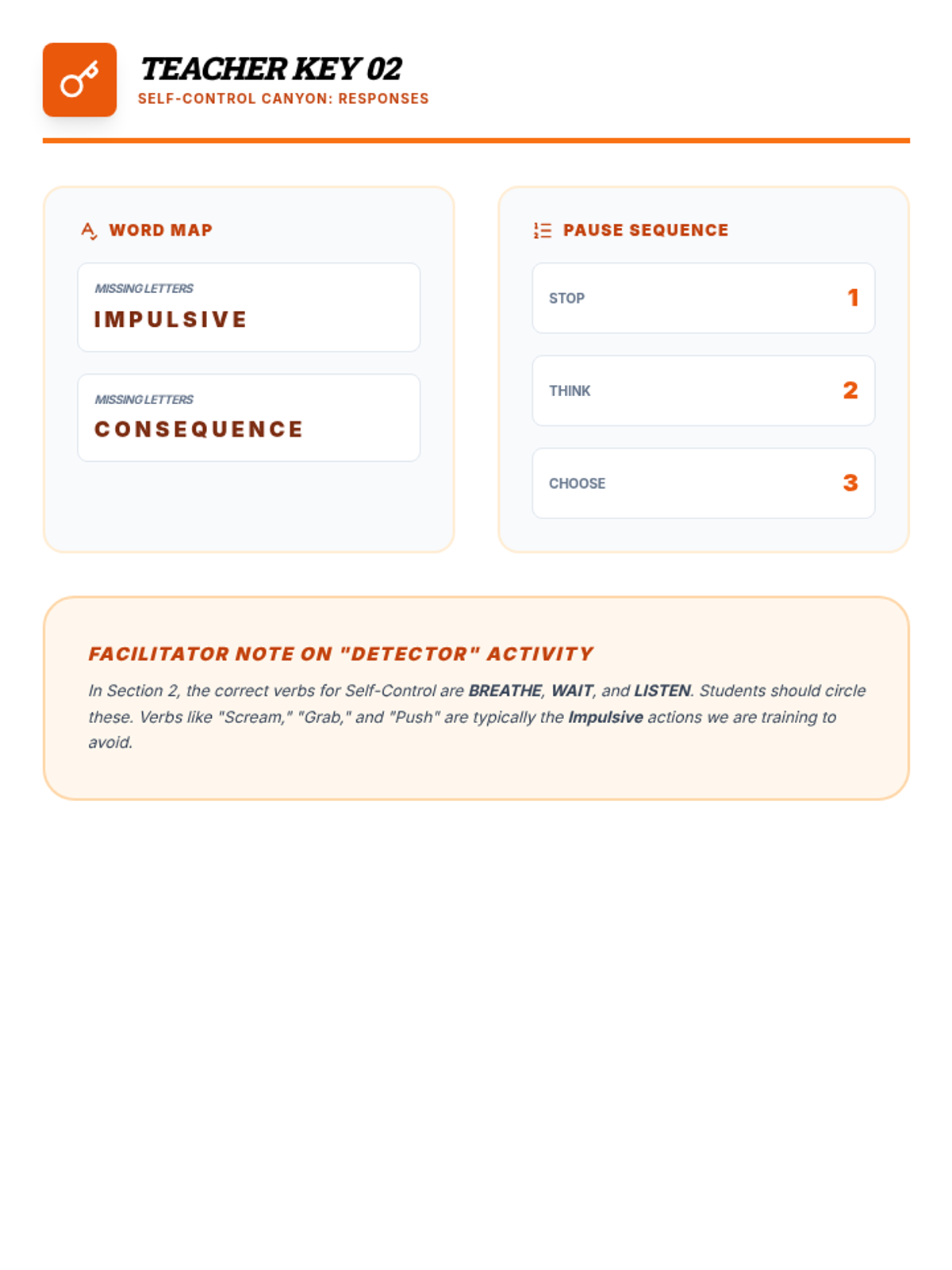
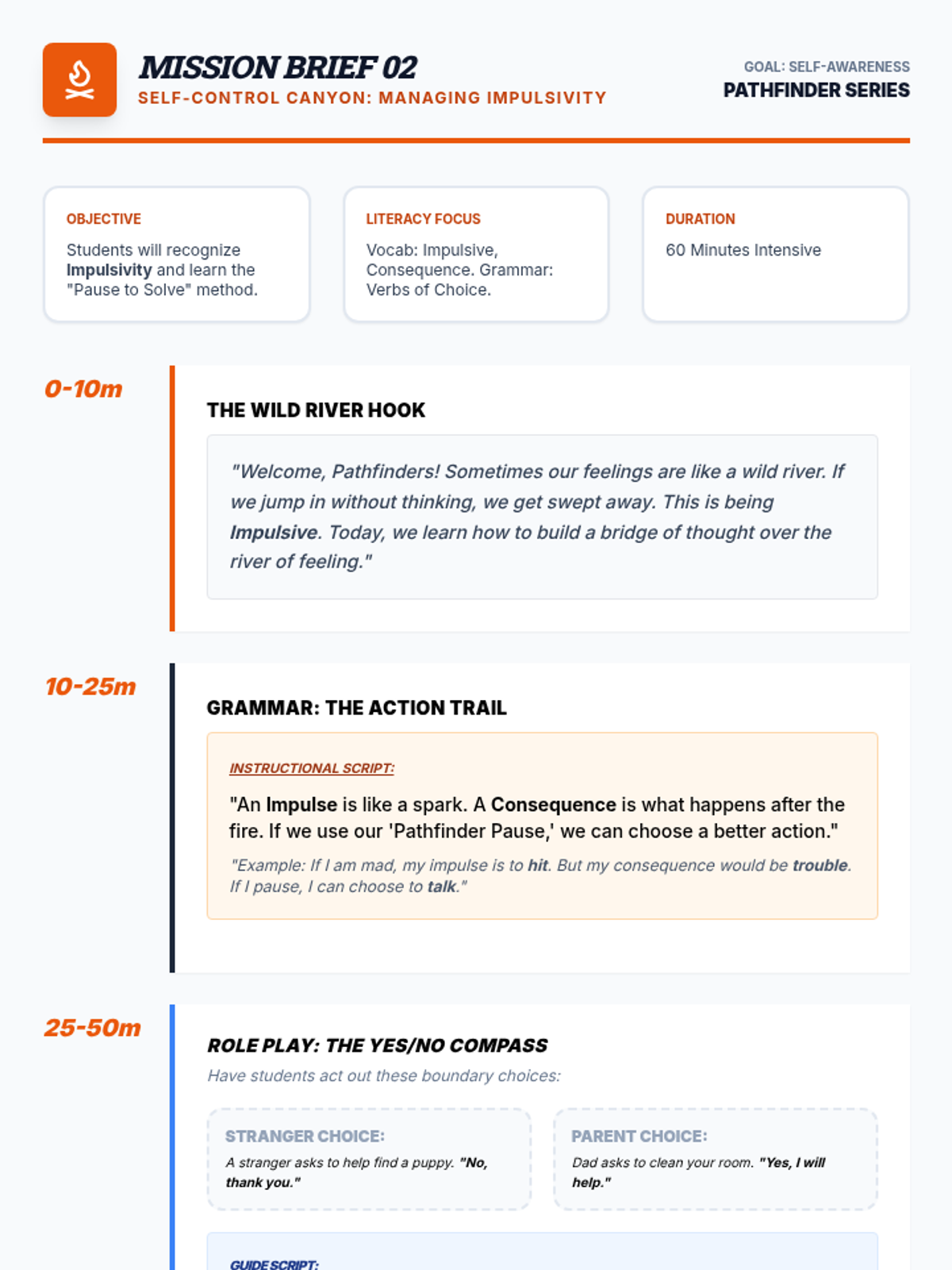
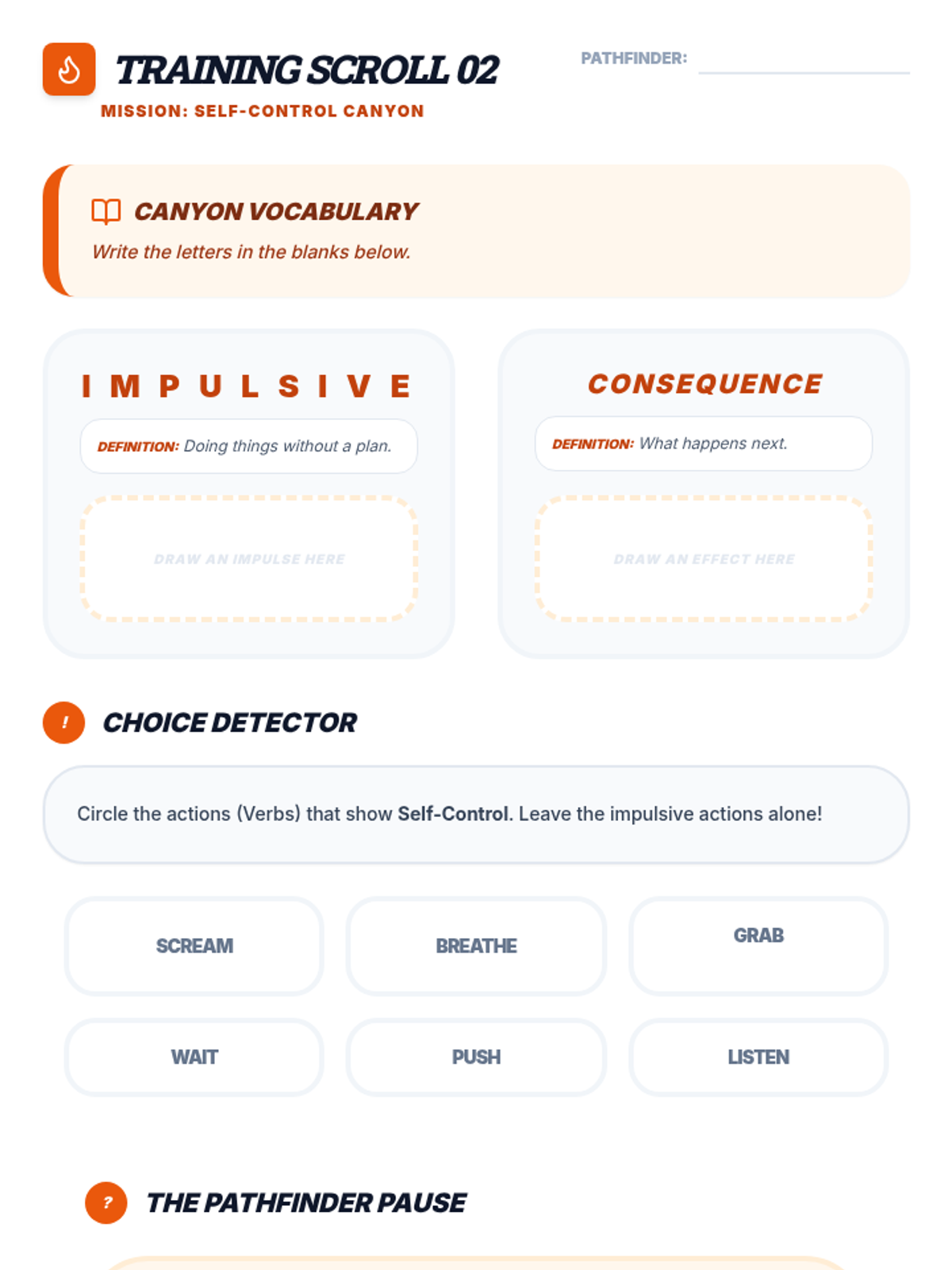
Managing big emotions and stopping impulsive reactions. Techniques for cooling down when feeling fear or anger.
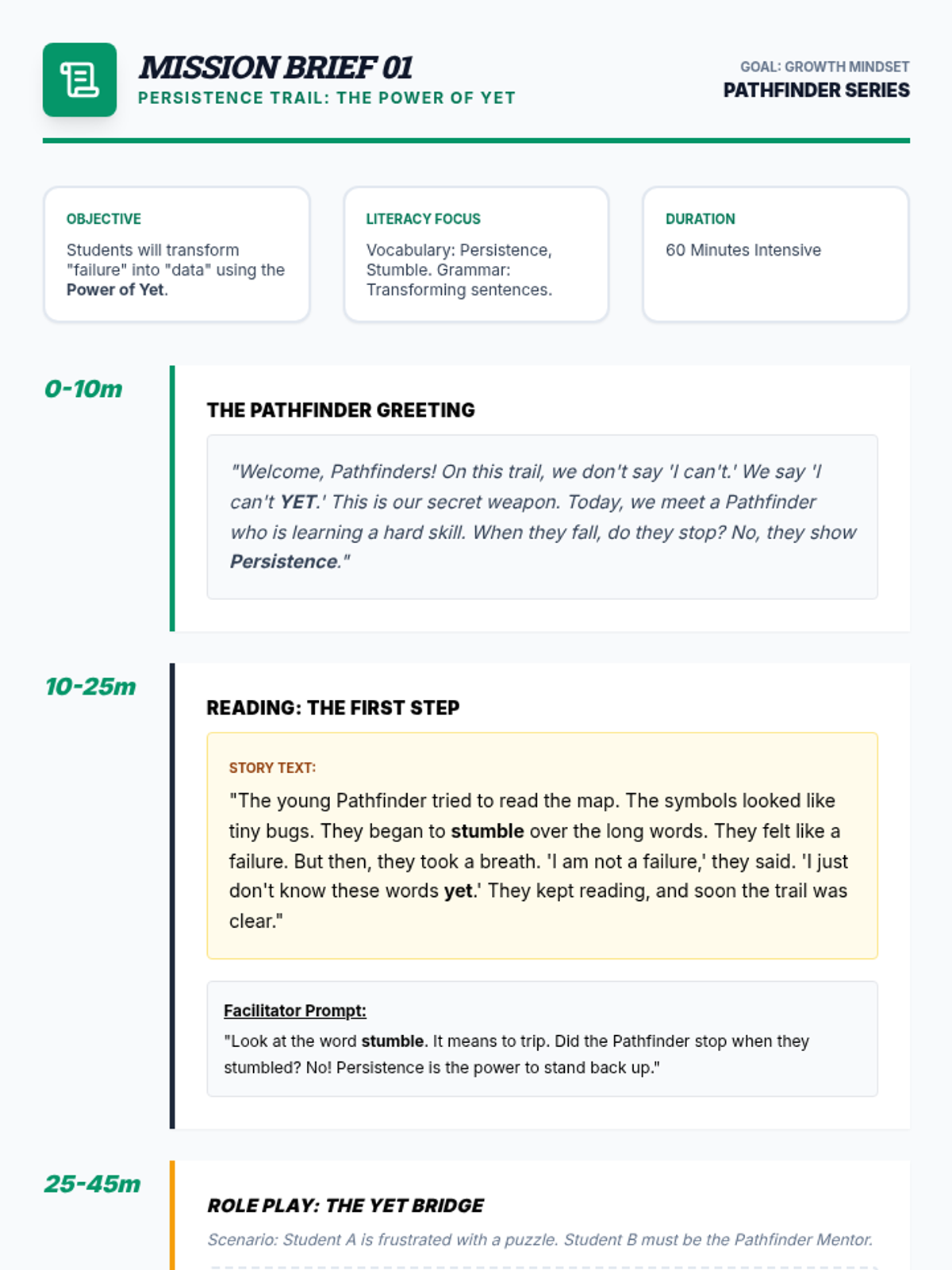
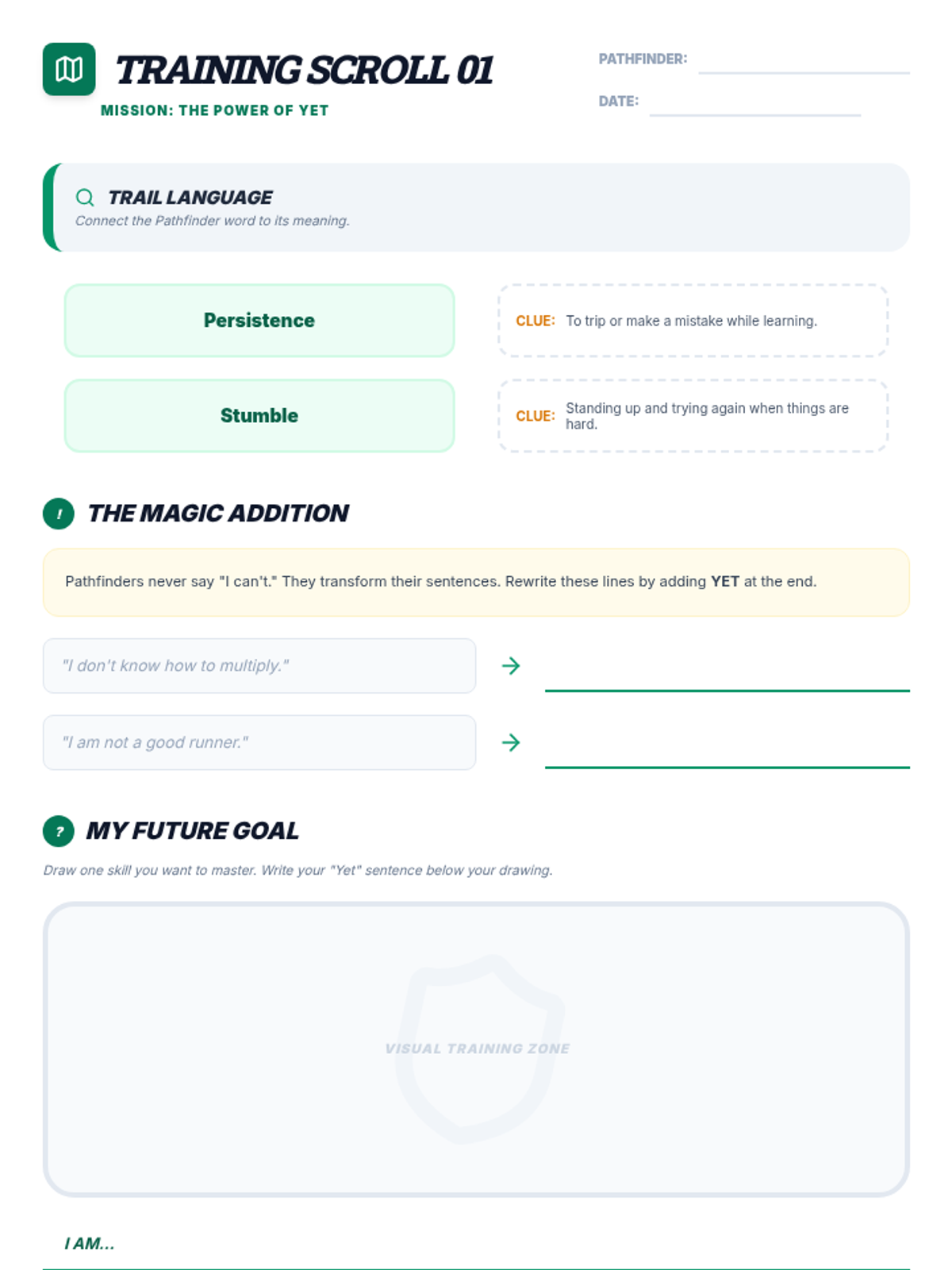
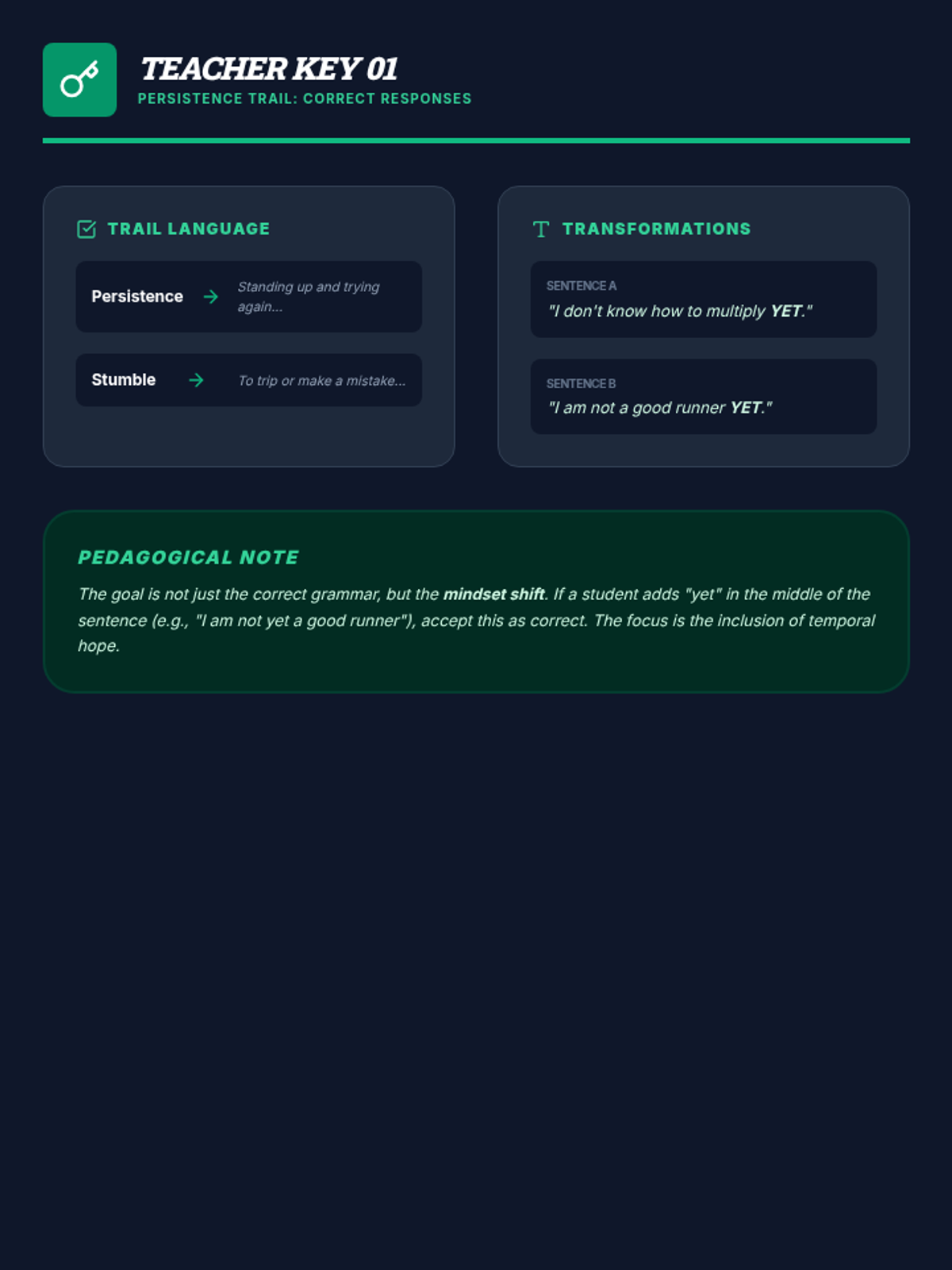
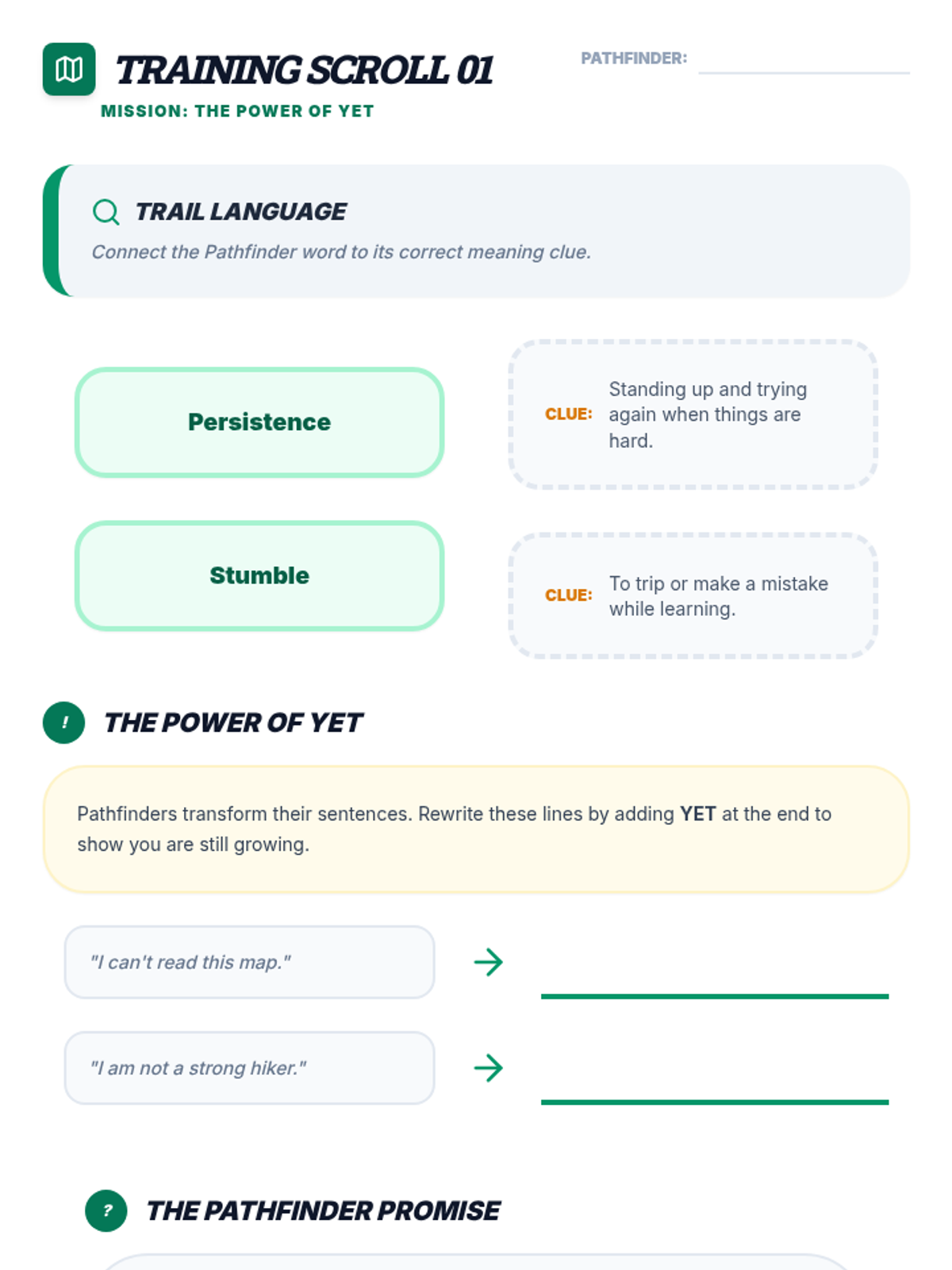
Introduction to the growth mindset. Focus on the 'Power of Yet' and building resilience when facing initial failure.
Achieving inner peace and summarizing the EQ journey for graduation.
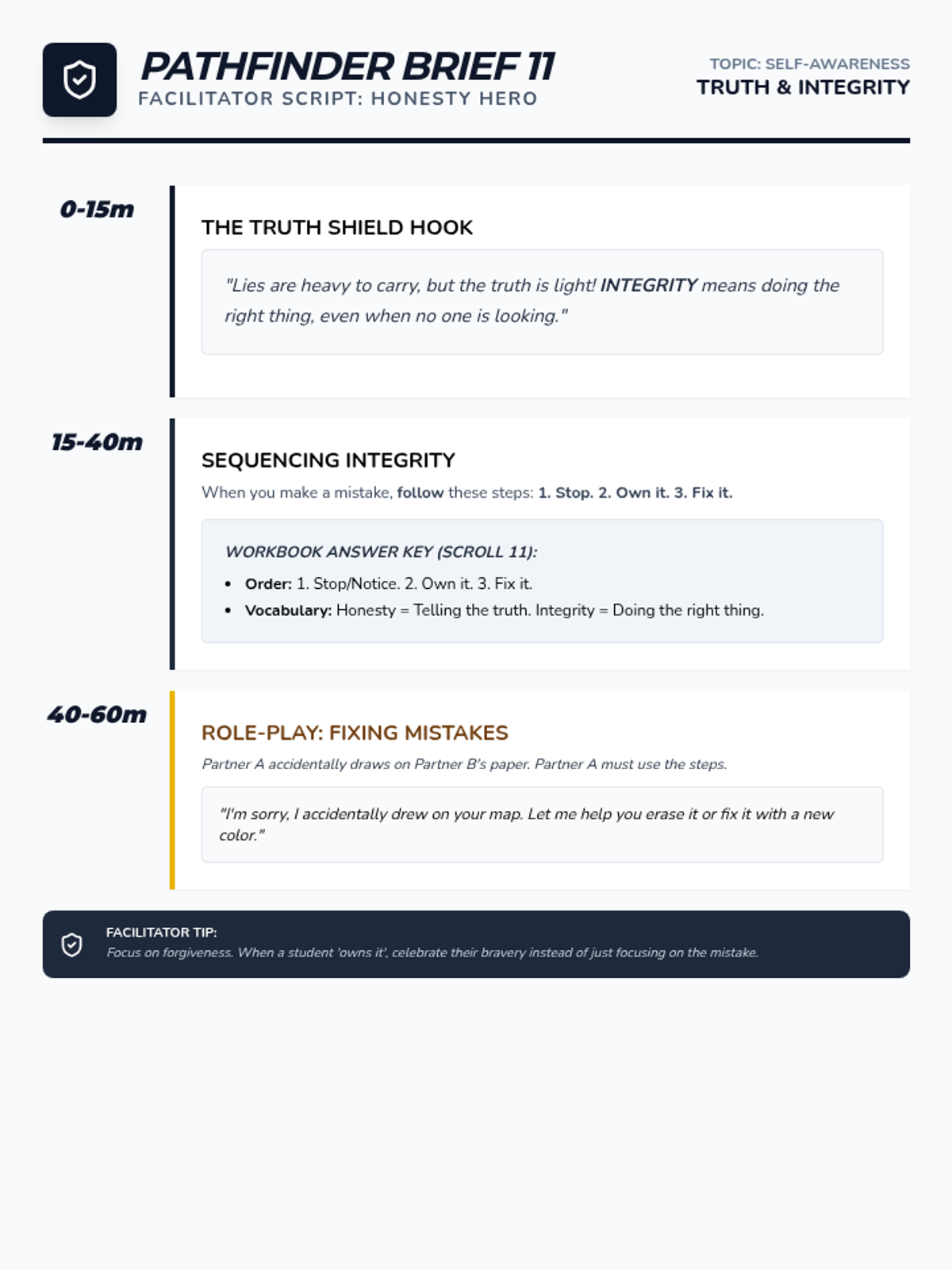
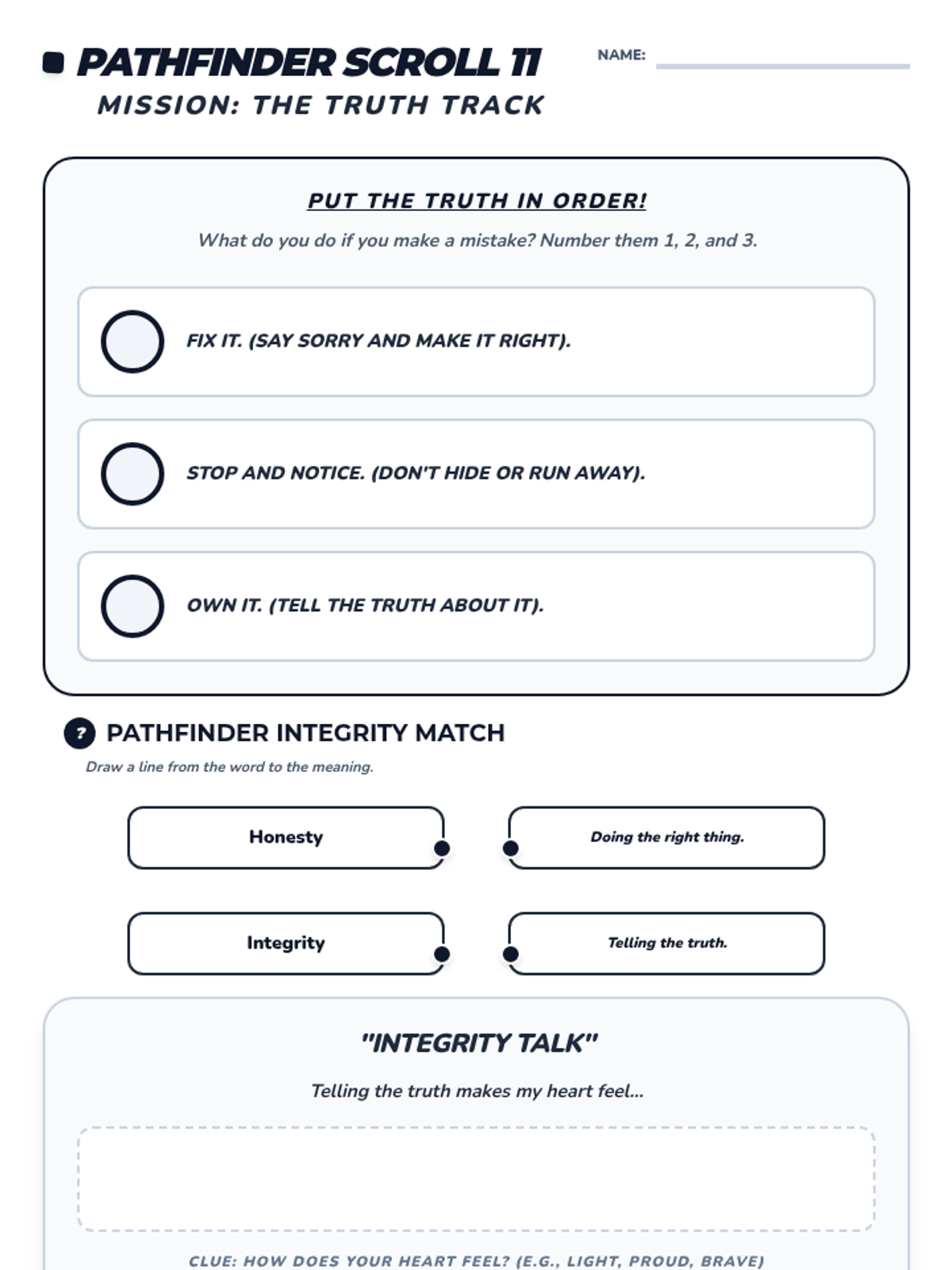
The importance of honesty and taking responsibility for one's actions.
Basic financial literacy: needs vs. wants and the value of saving.
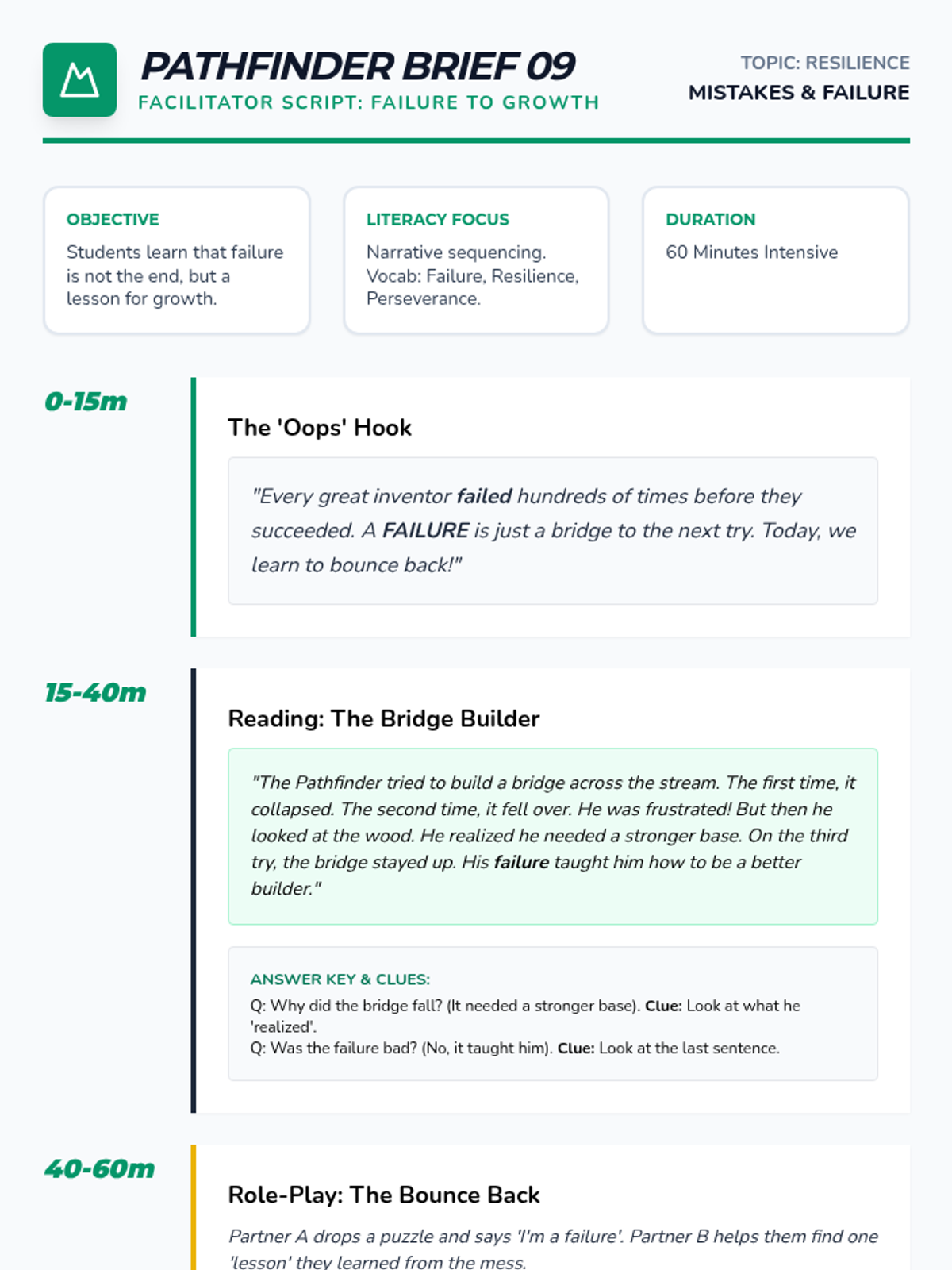
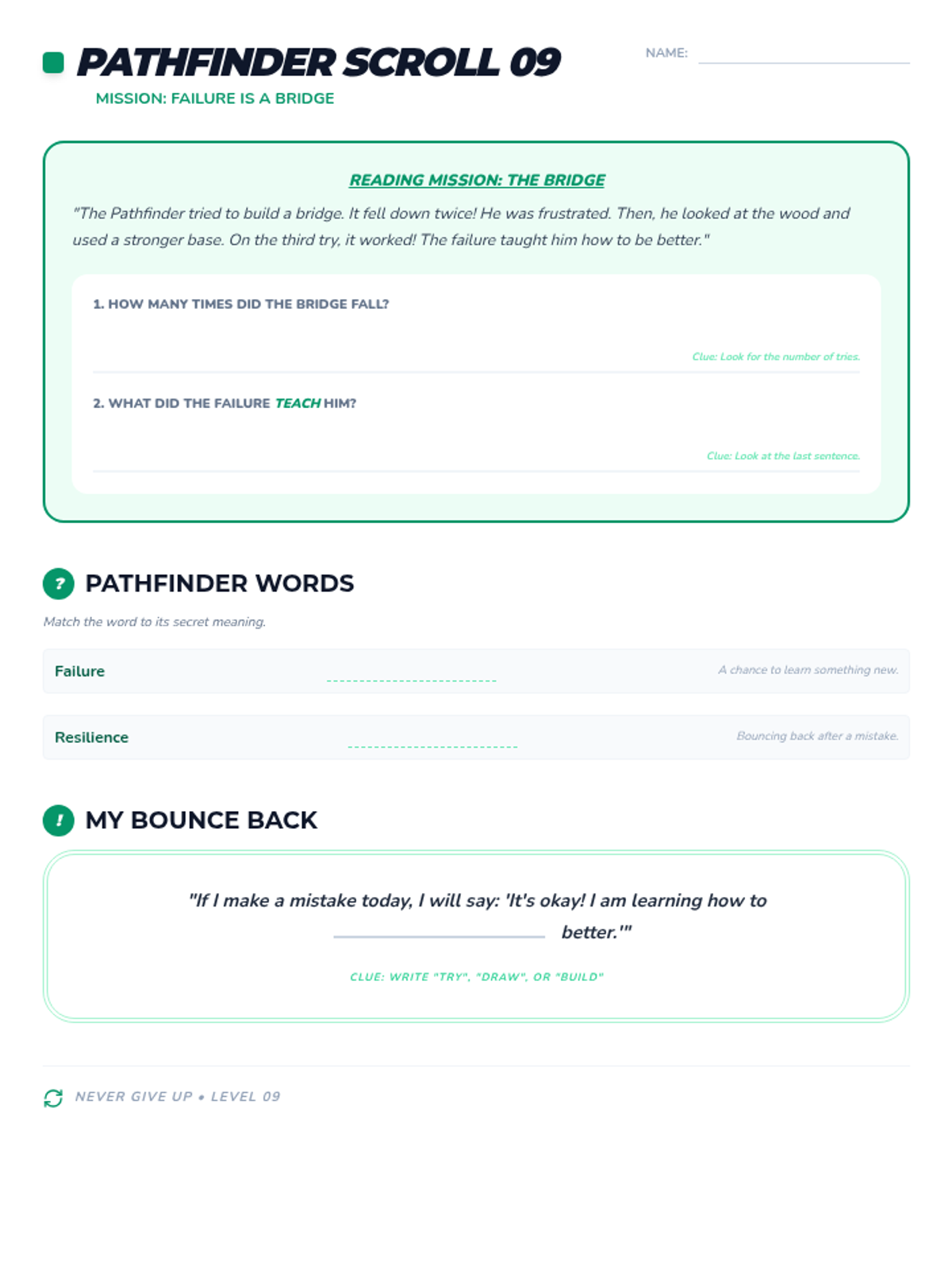
Viewing failure as a bridge to success and building resilience.
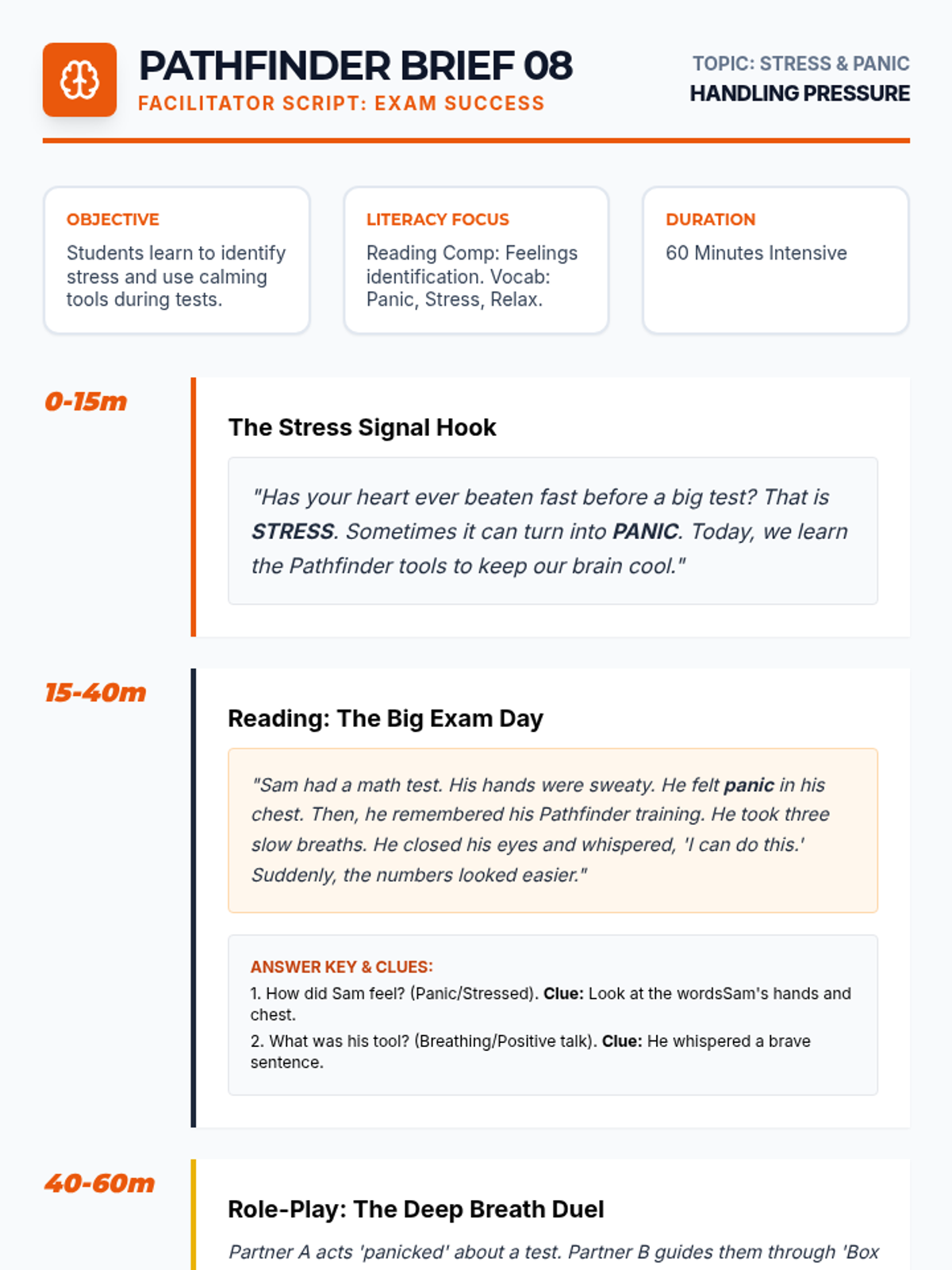
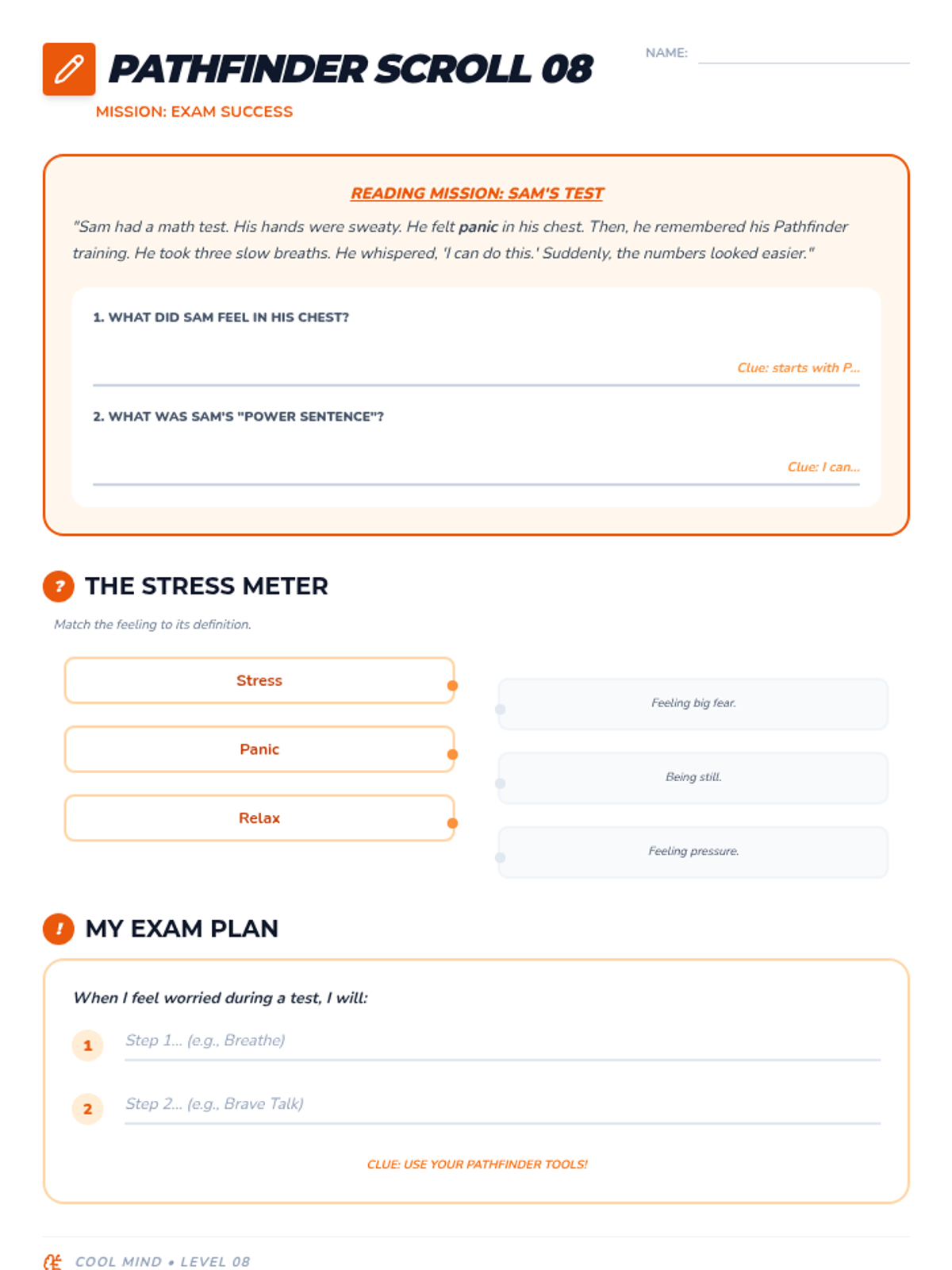
Managing the stress of exams and performance pressure through relaxation and planning.
Developing self-awareness and self-acceptance through identifying personal strengths.
Learning boundaries and when to say Yes or No to parents, friends, and strangers.
Boosting focus and memory skills for better learning and organizational habits.
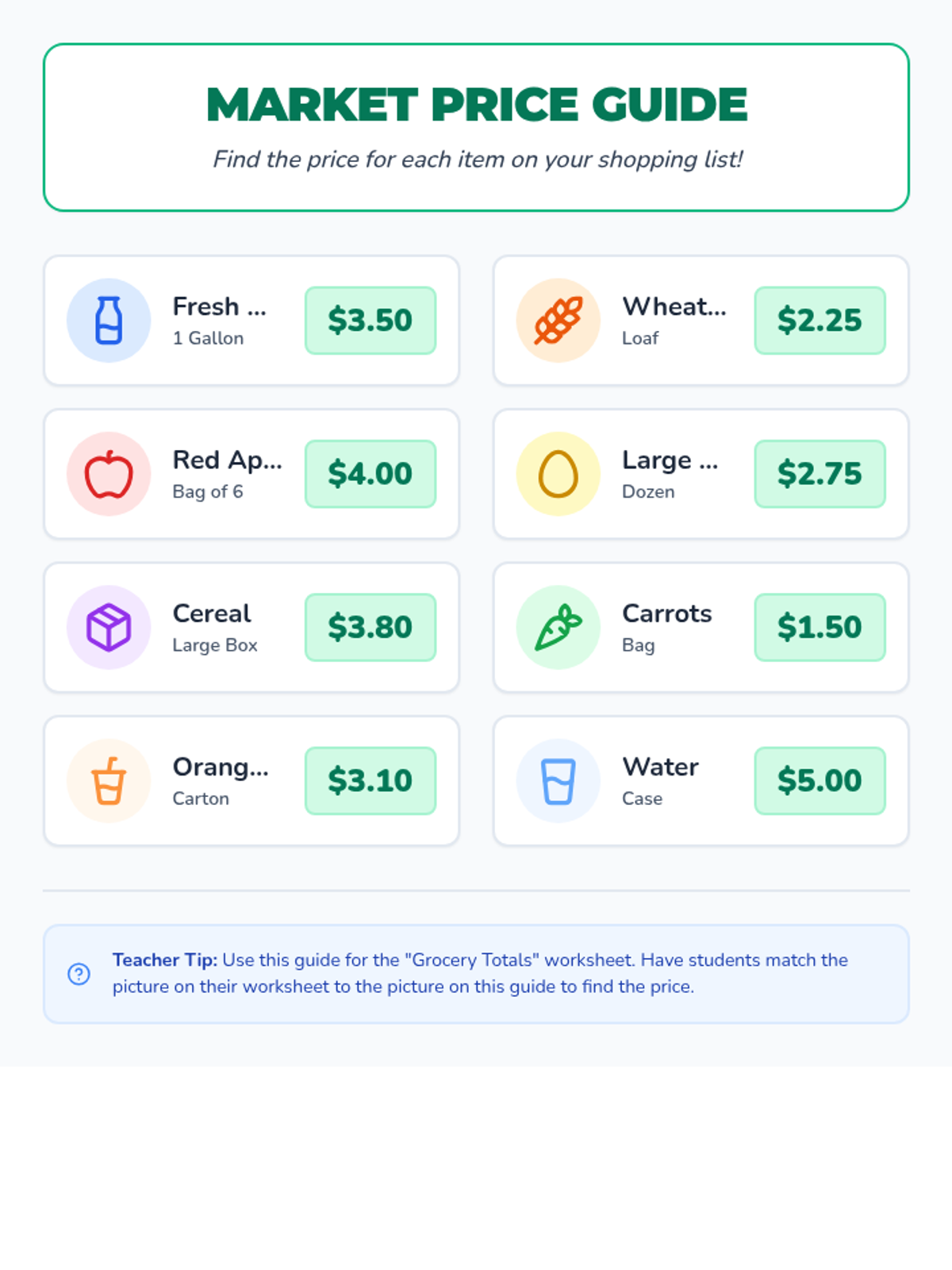
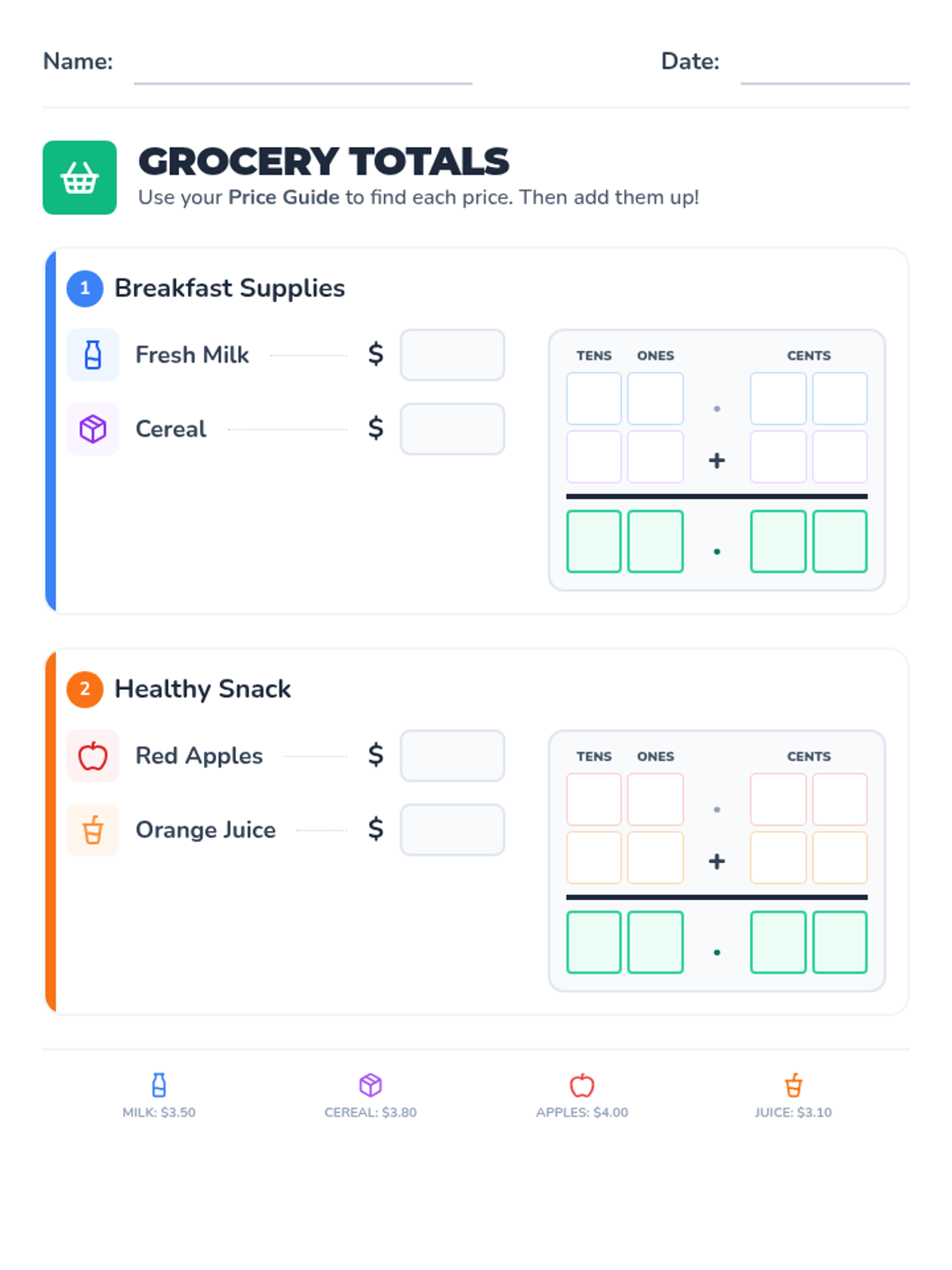
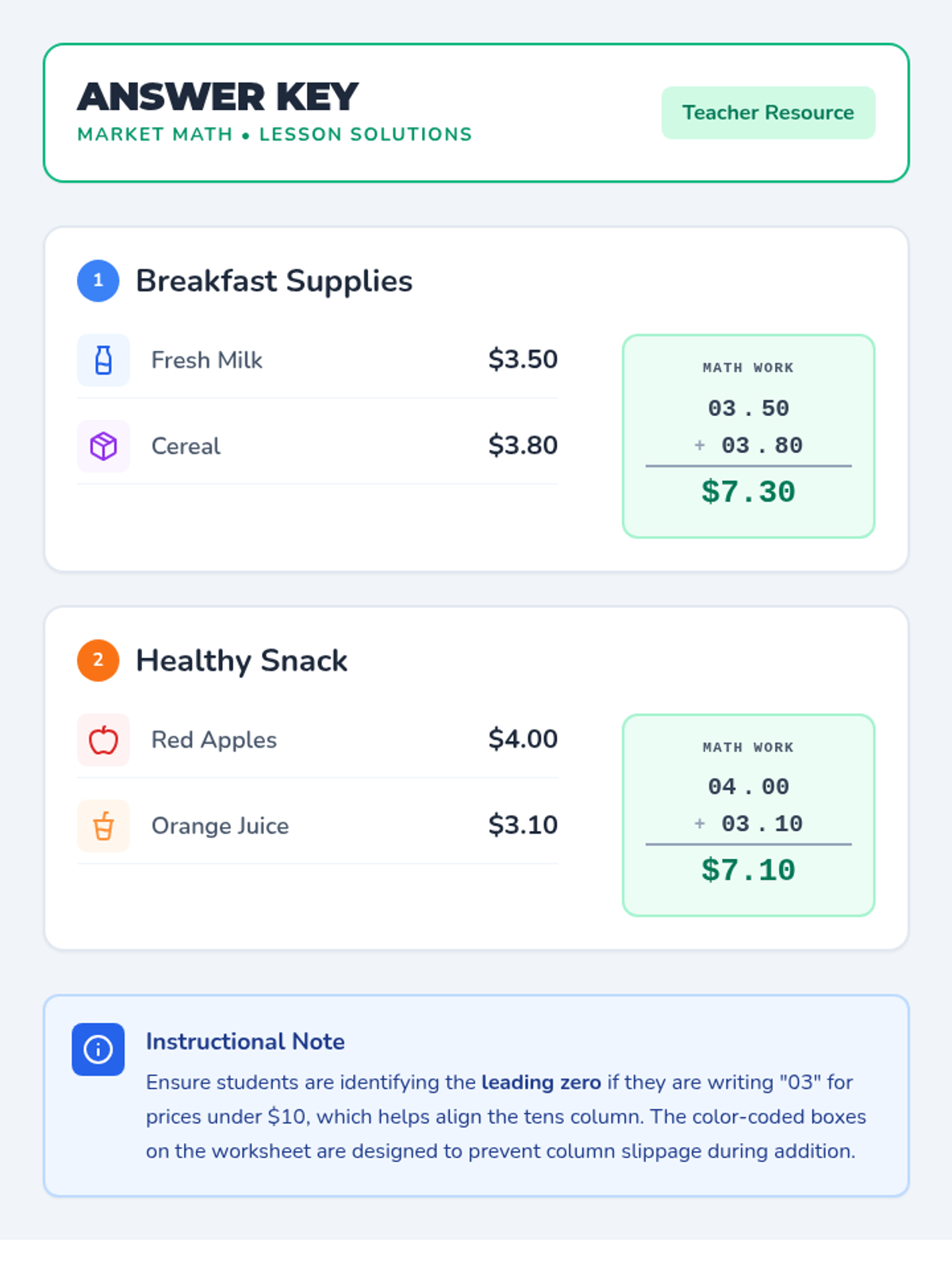
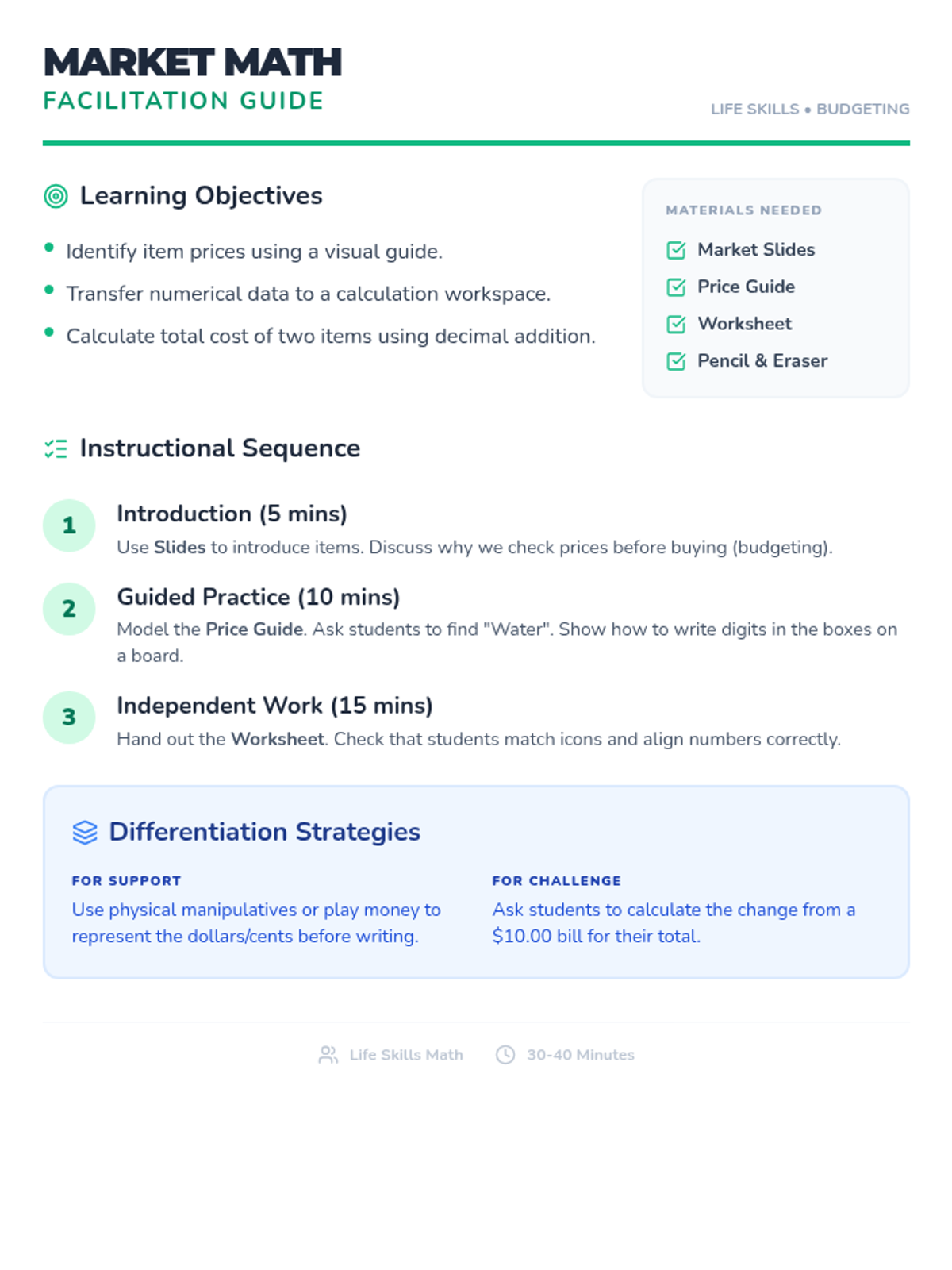
A life skills math lesson focused on identifying prices from a reference guide and calculating the total cost of grocery items using visual supports and color-coded place value columns.
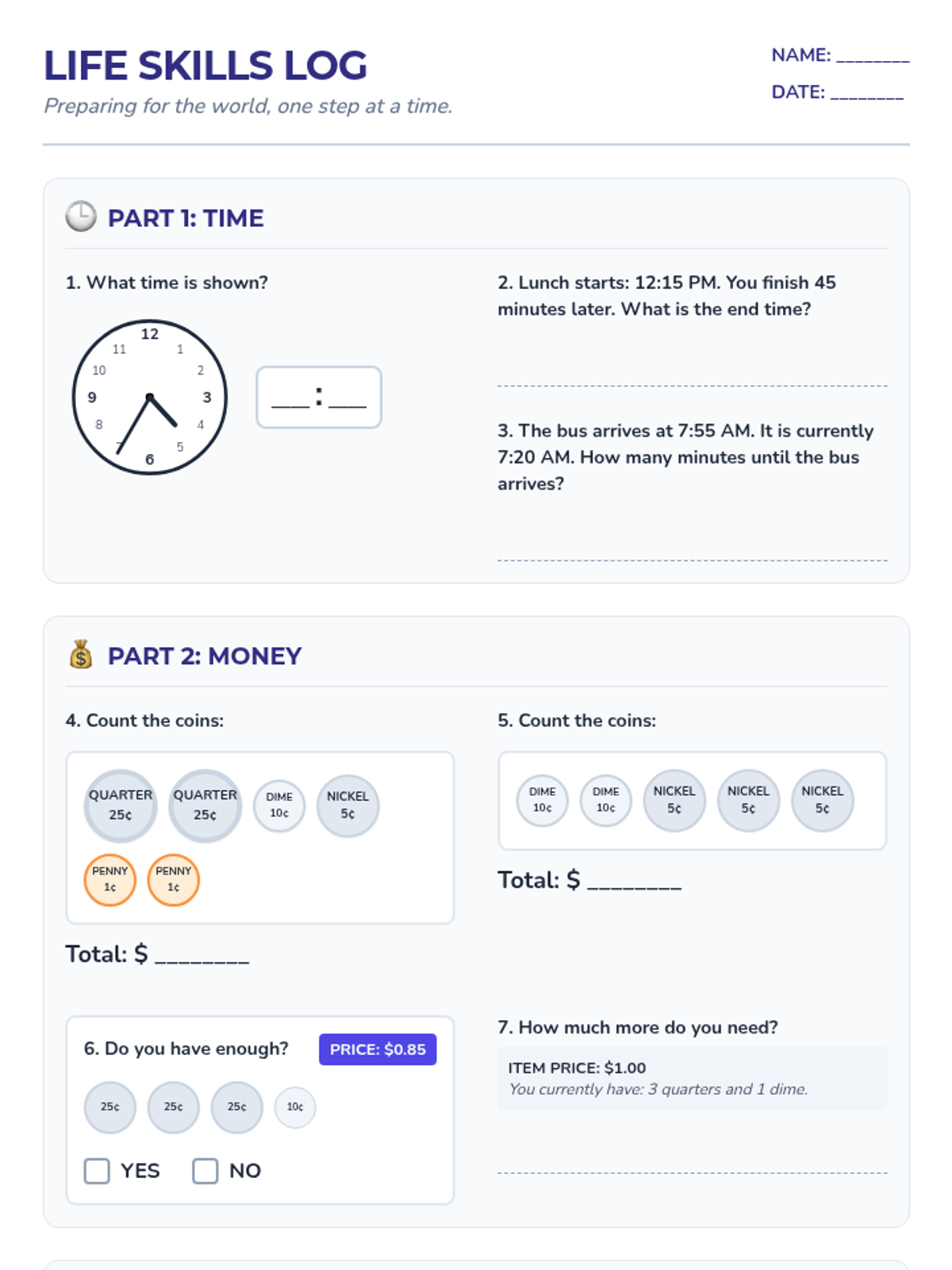
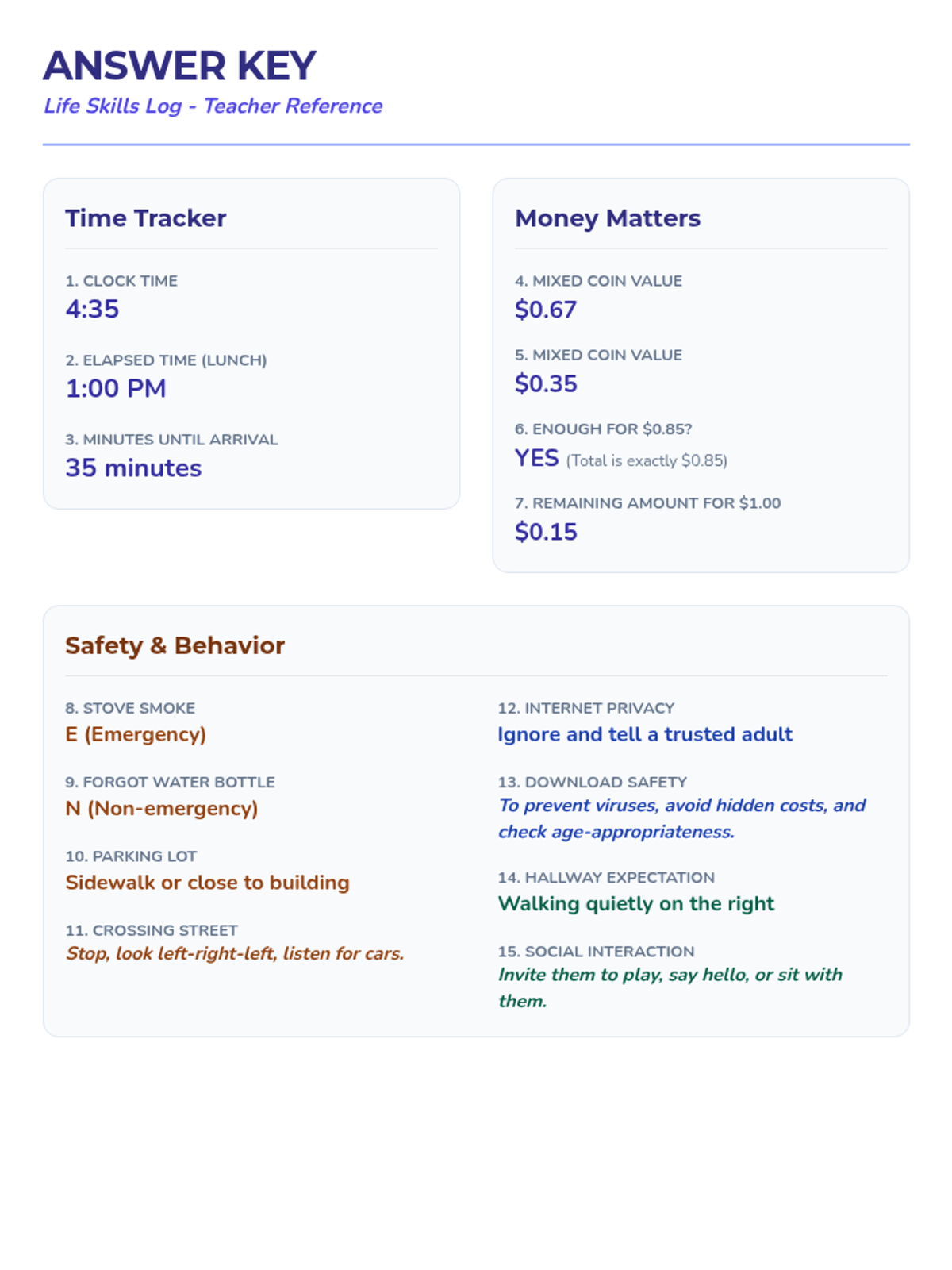
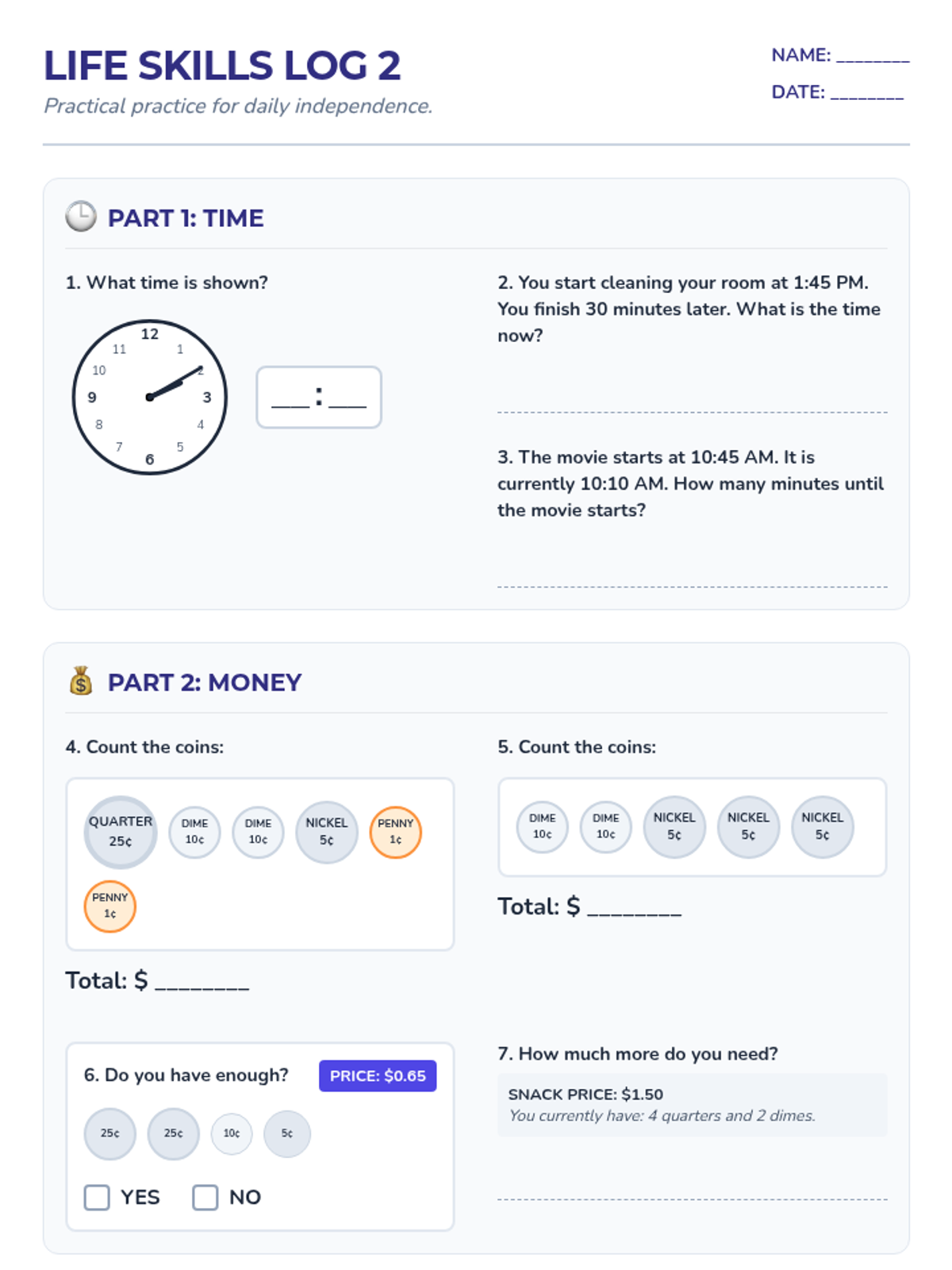
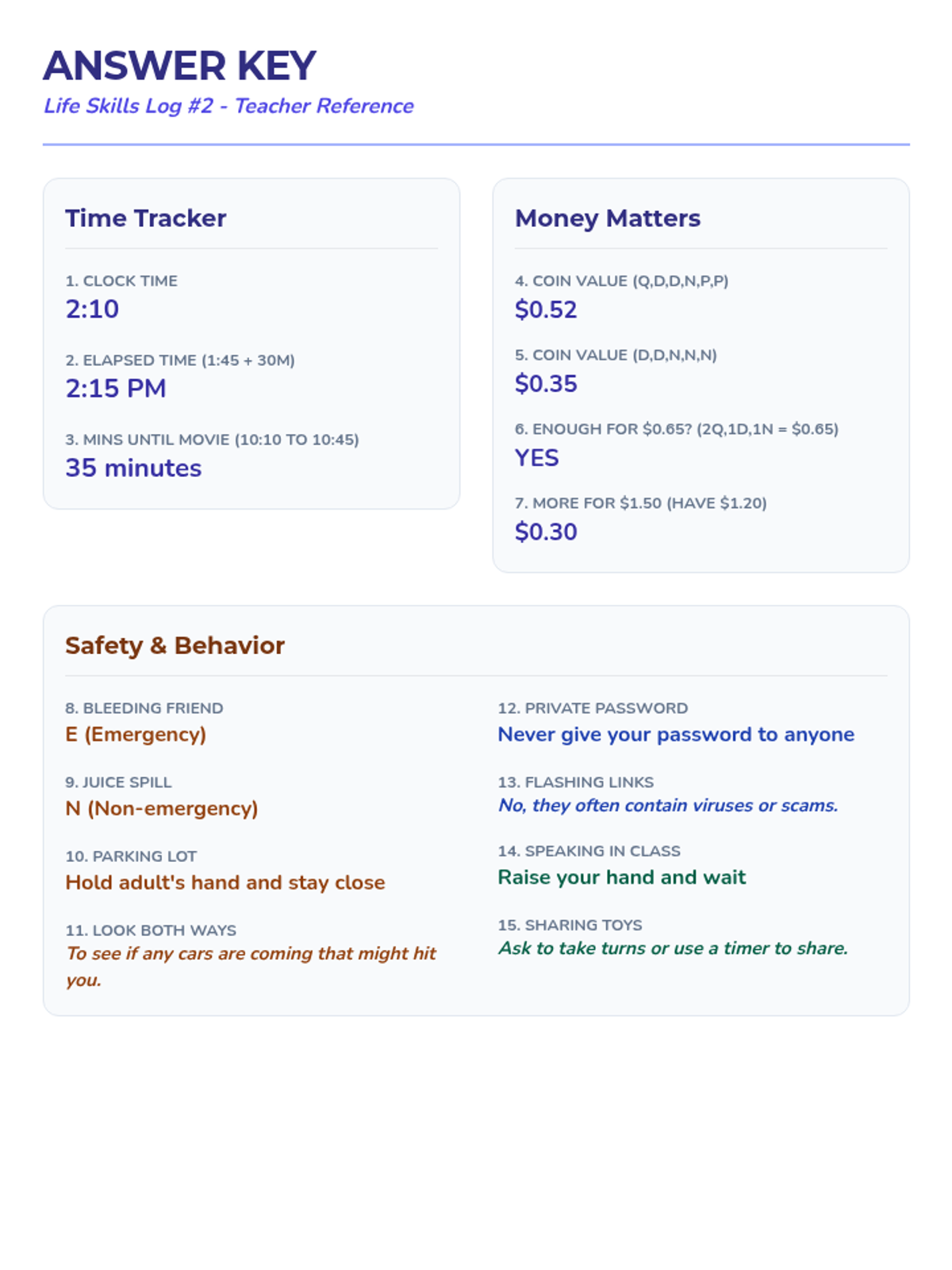
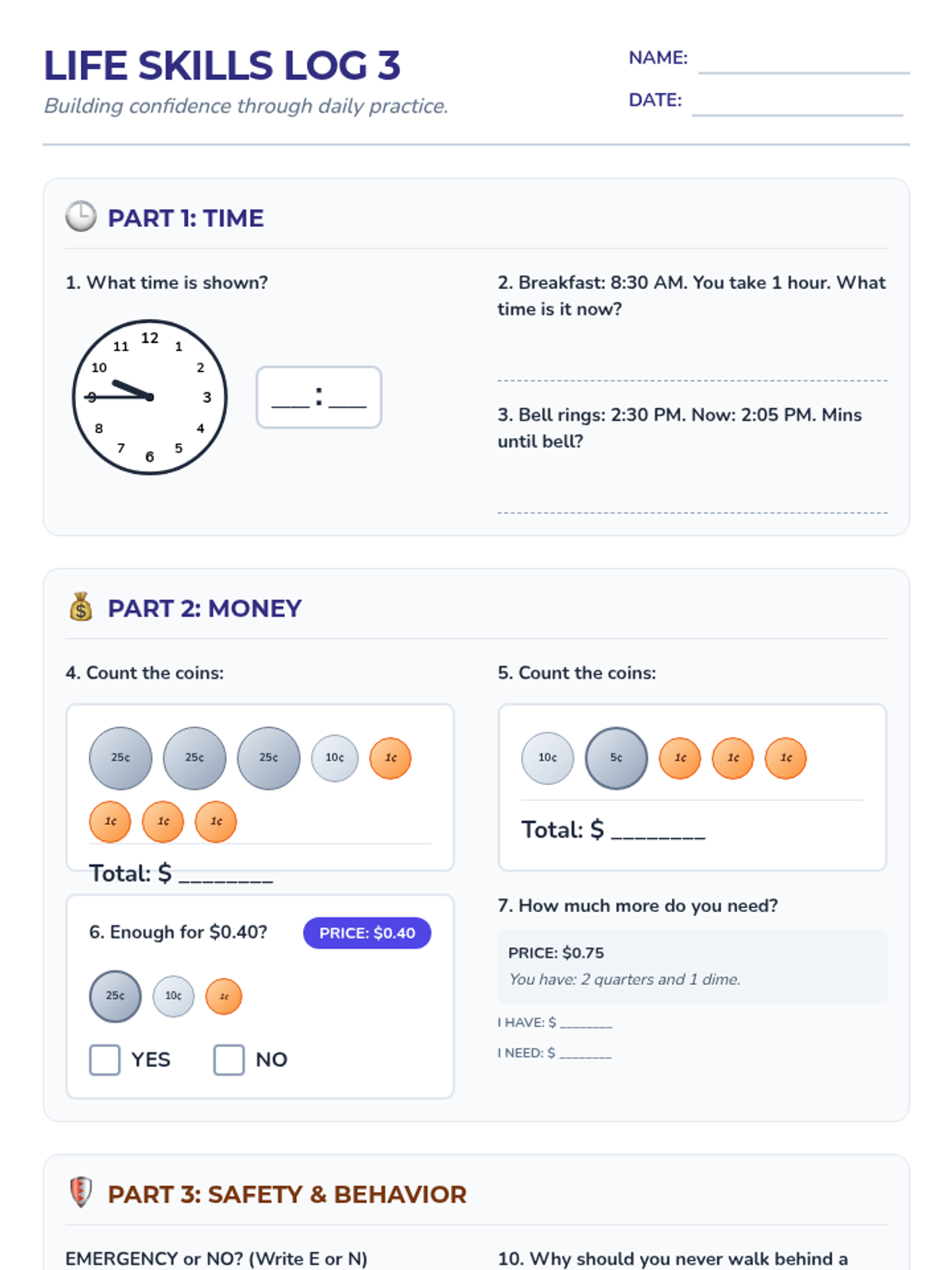
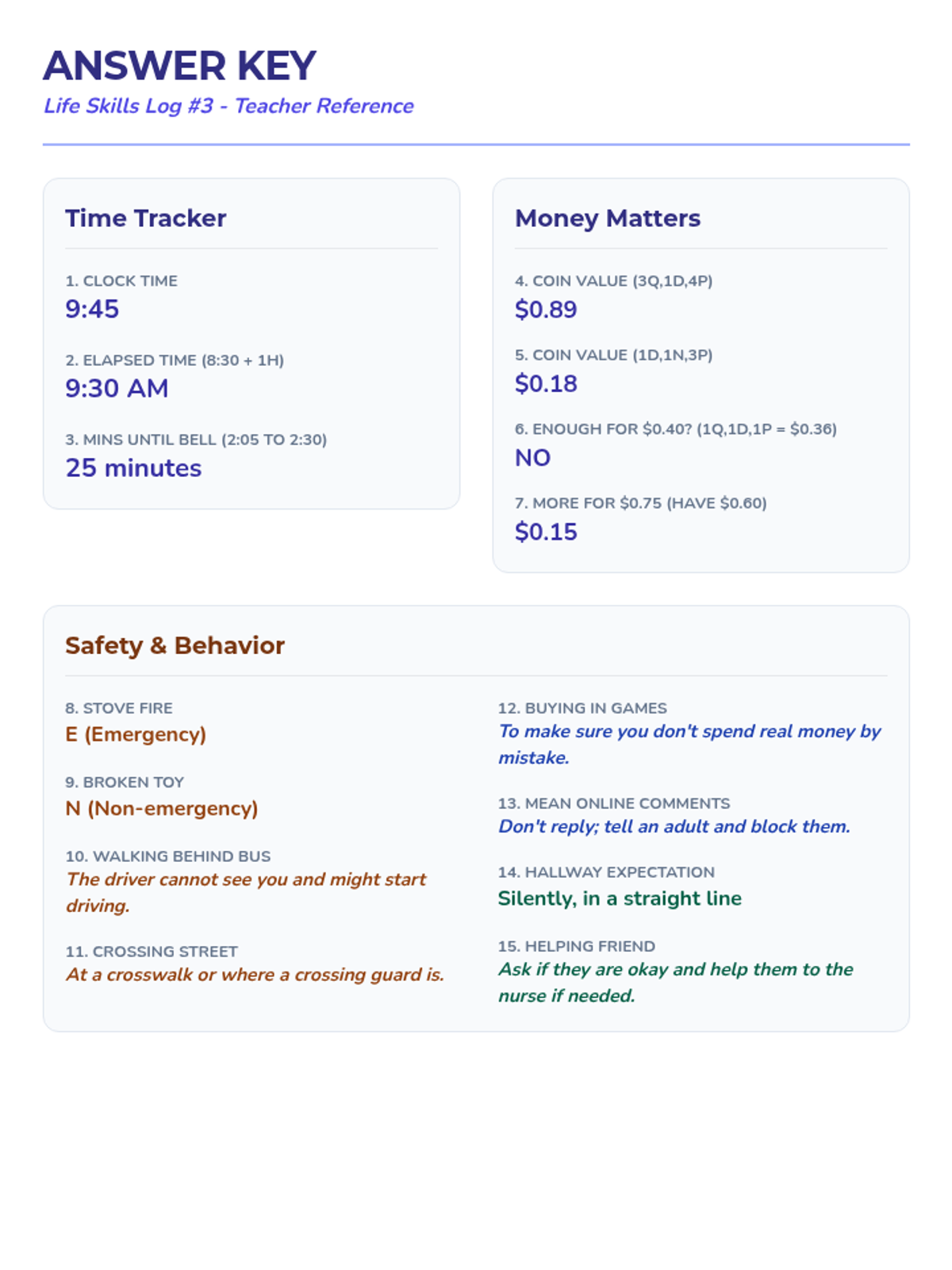
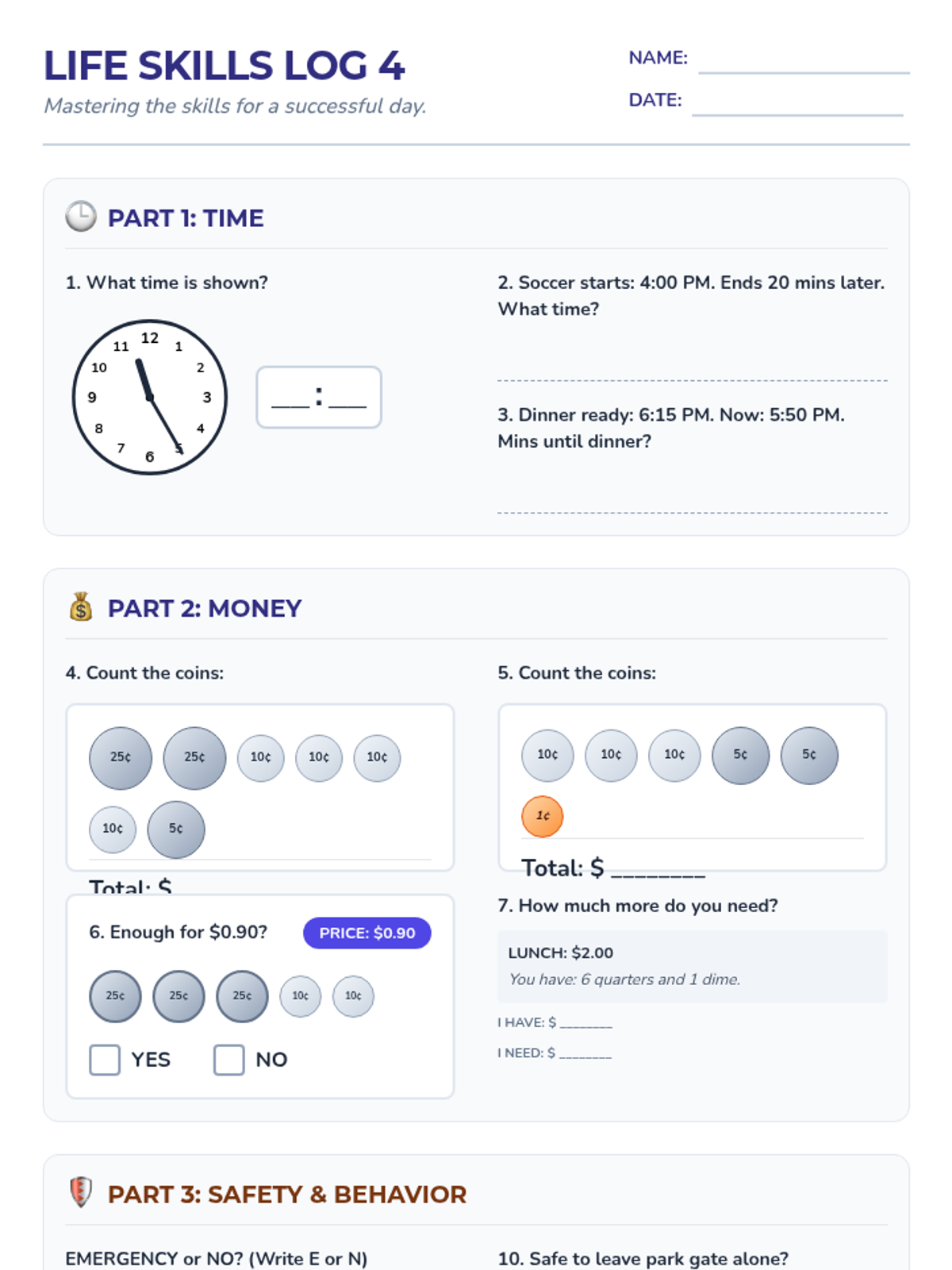
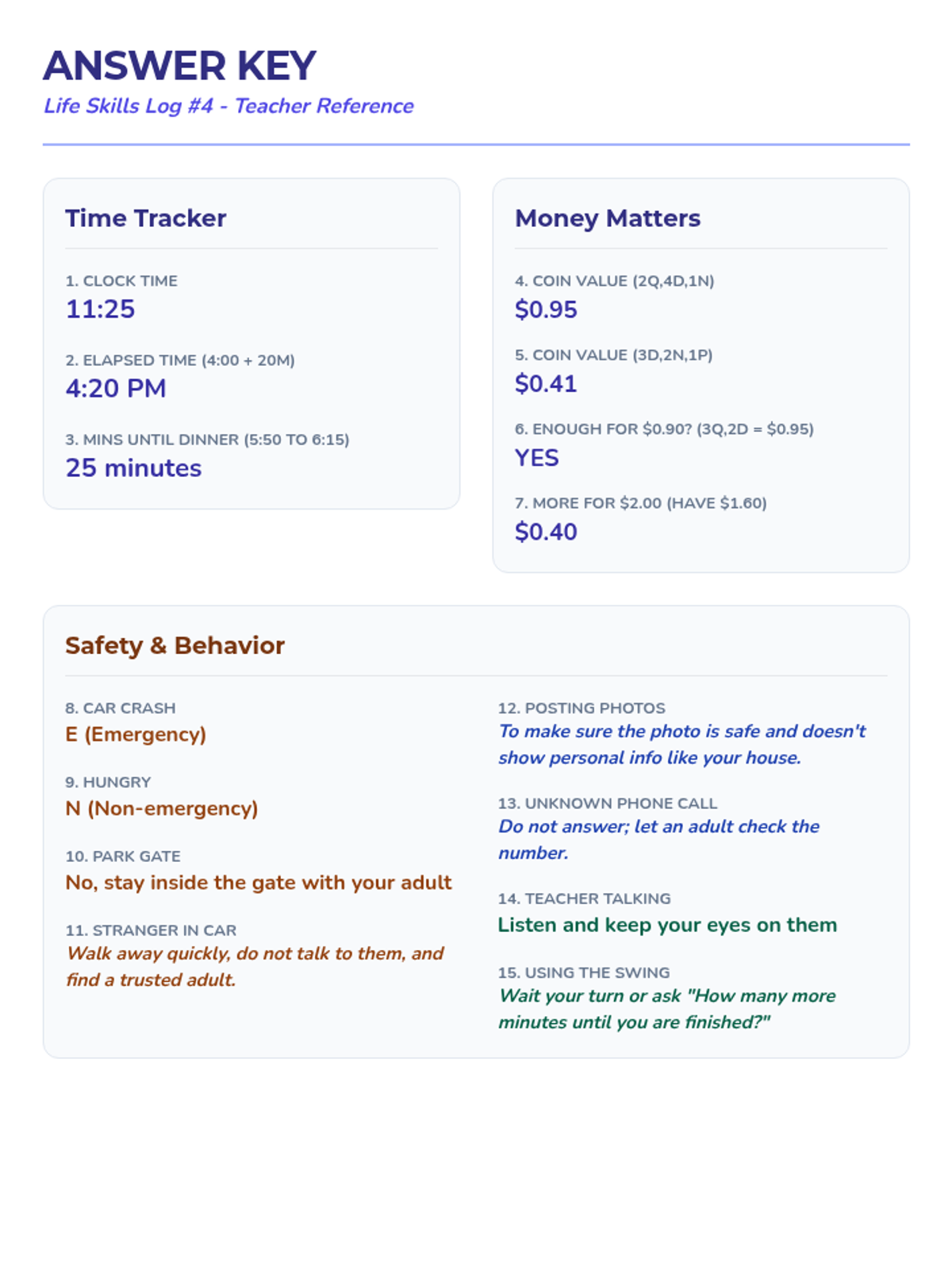
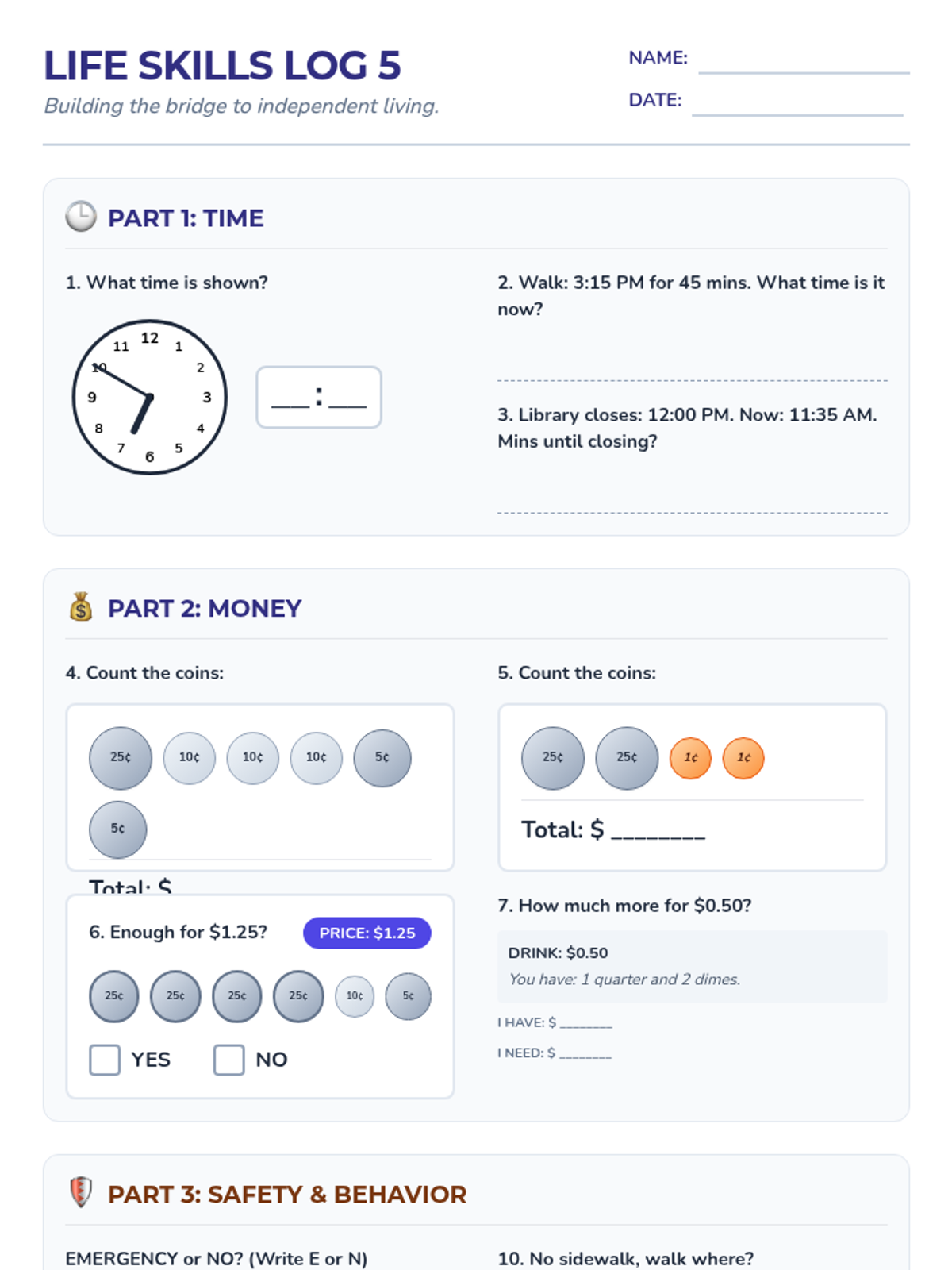
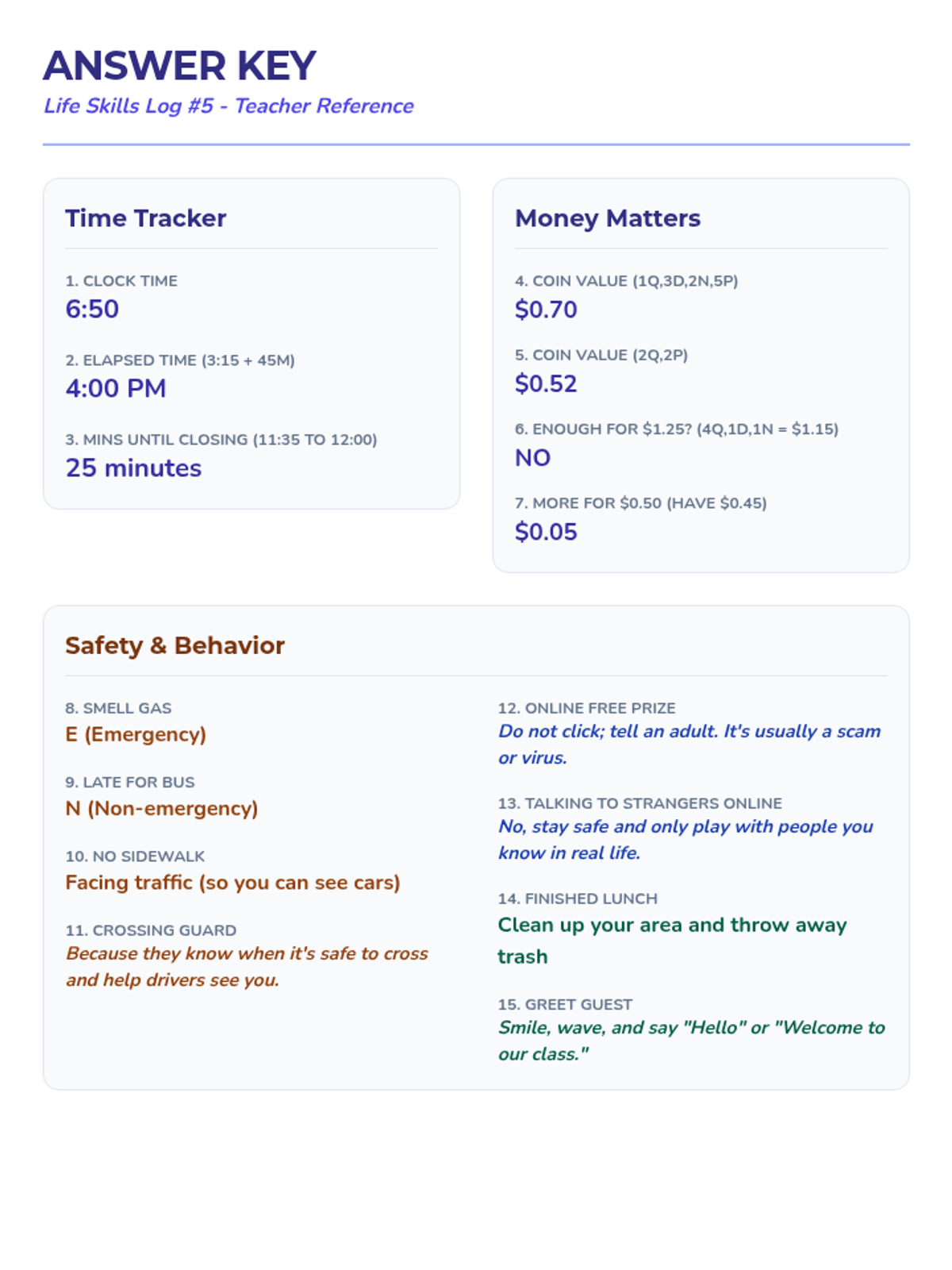
A comprehensive morning work session focusing on essential life skills including financial literacy, time management, personal safety, and digital citizenship. Students practice counting mixed coins, calculating elapsed time, and identifying appropriate behaviors in various social and safety scenarios.
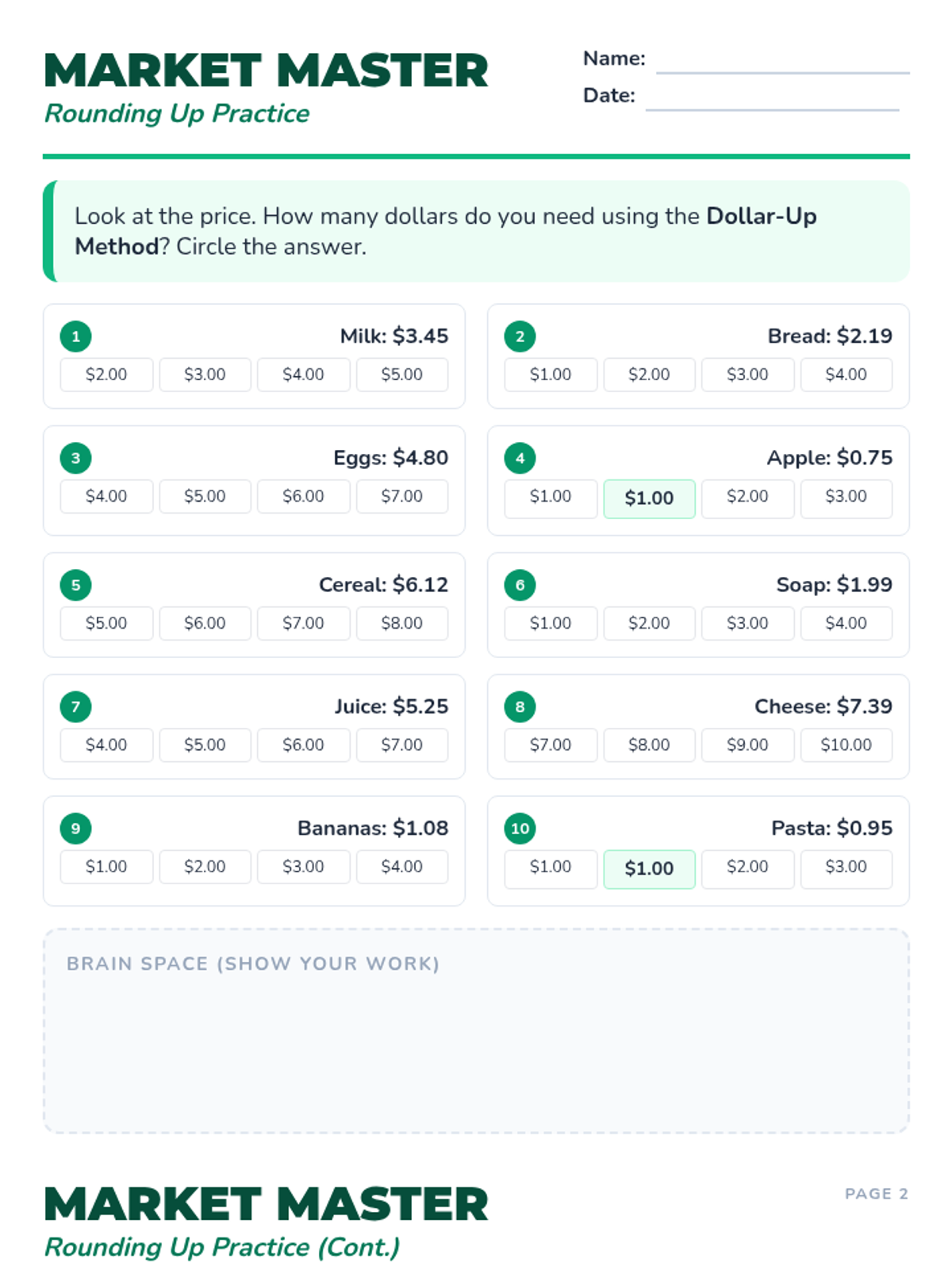
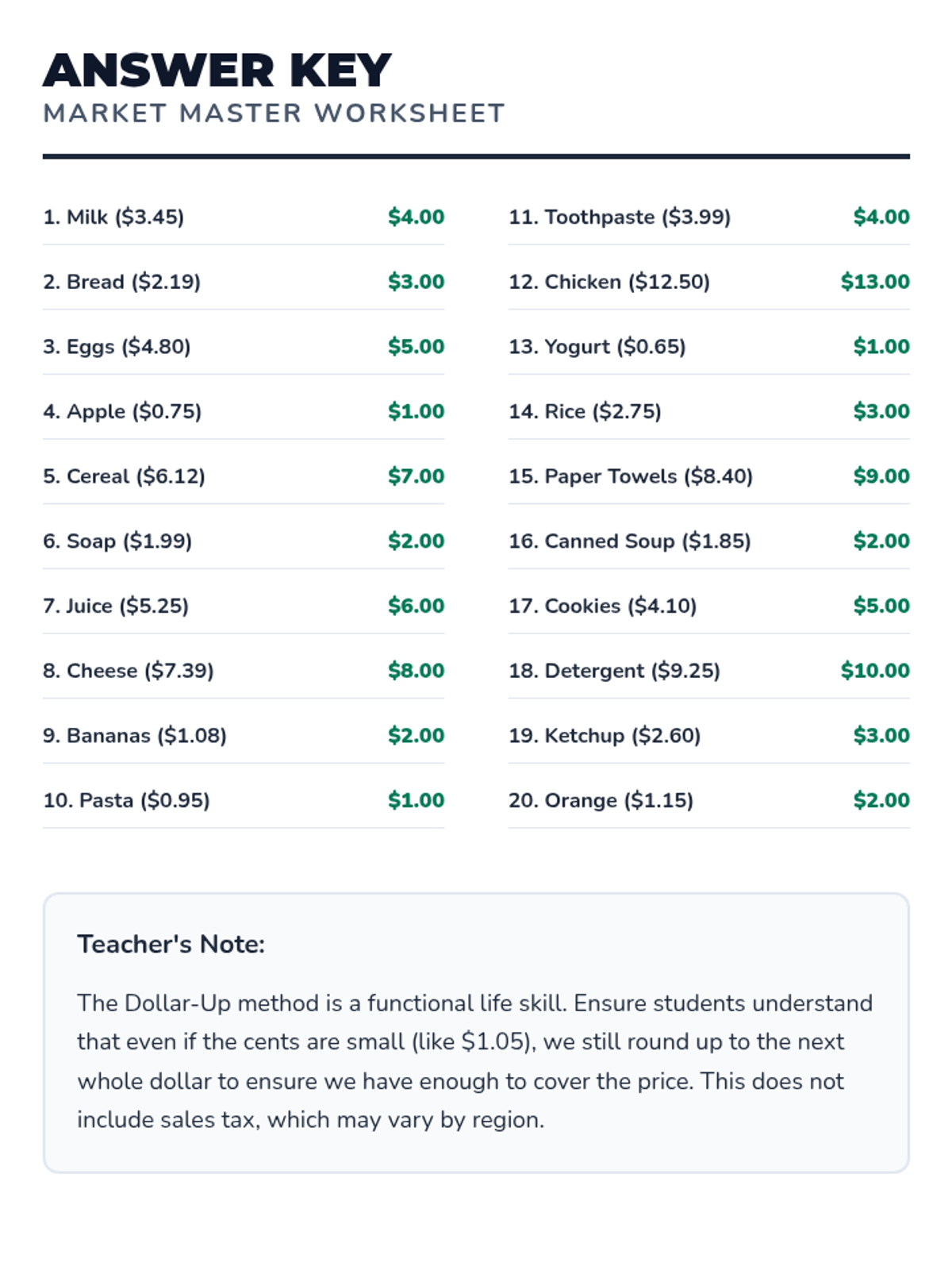
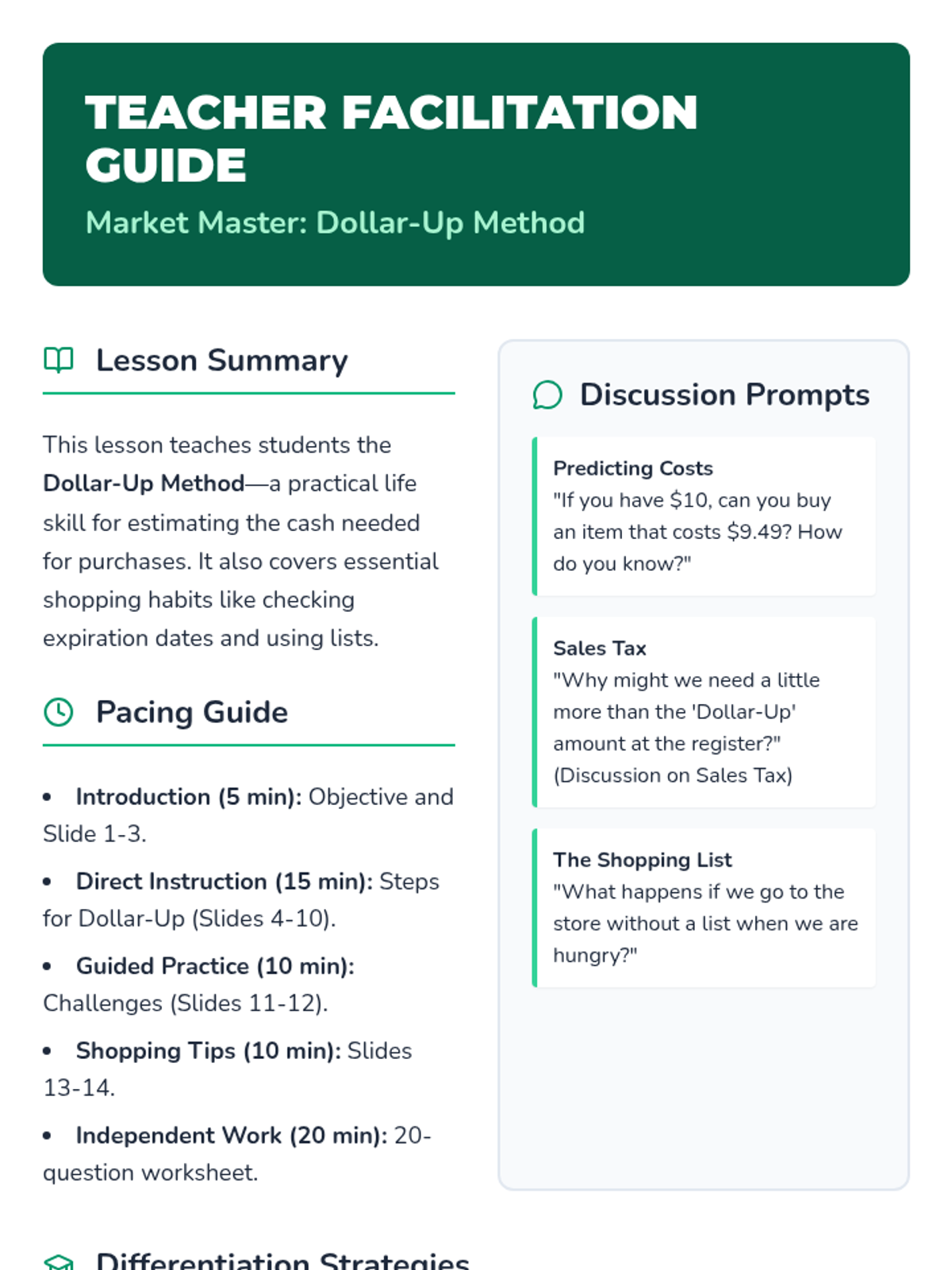
A practical math lesson focused on the 'dollar-up' method for making purchases at a grocery store, including shopping tips and rounding practice.
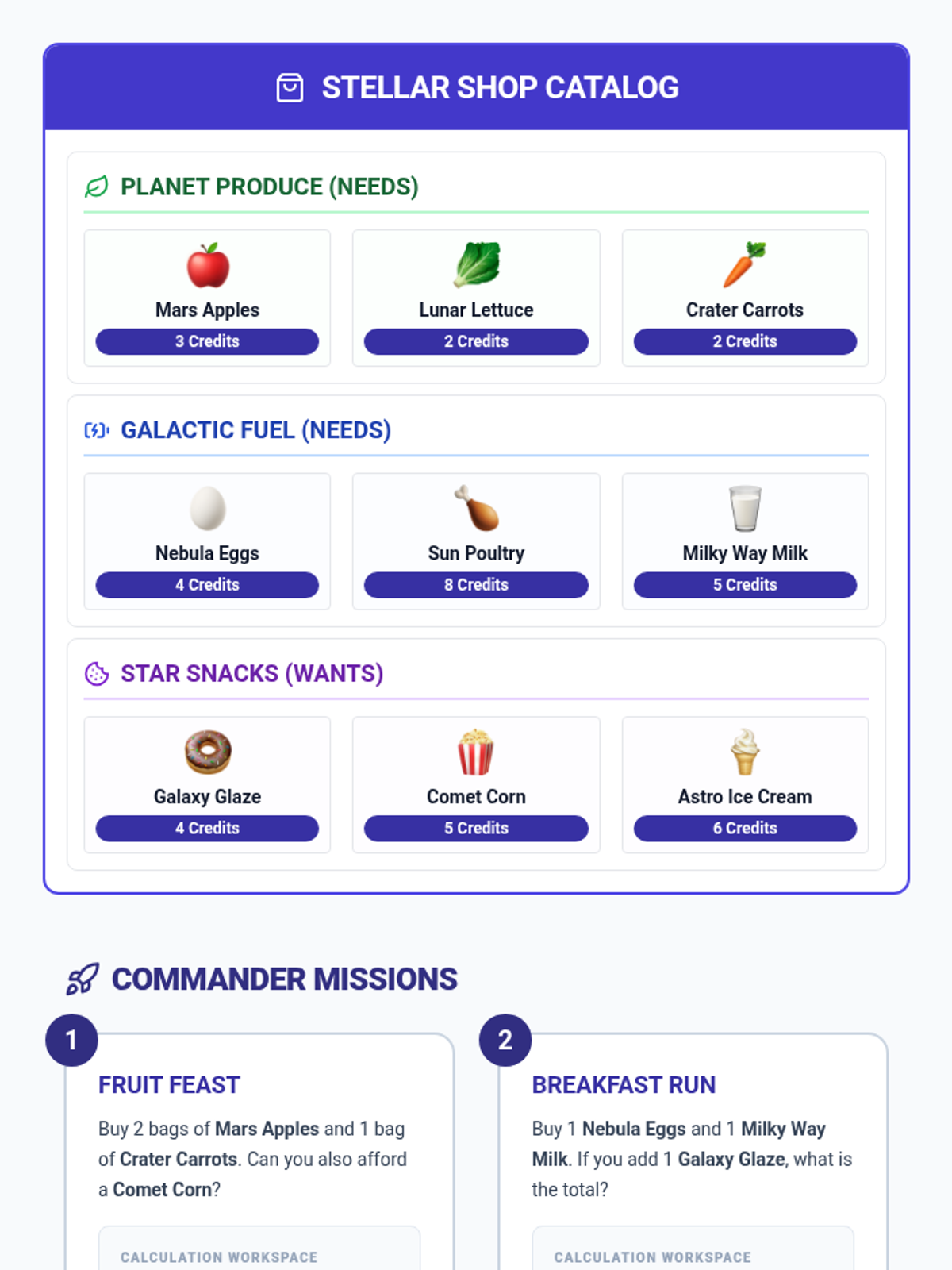
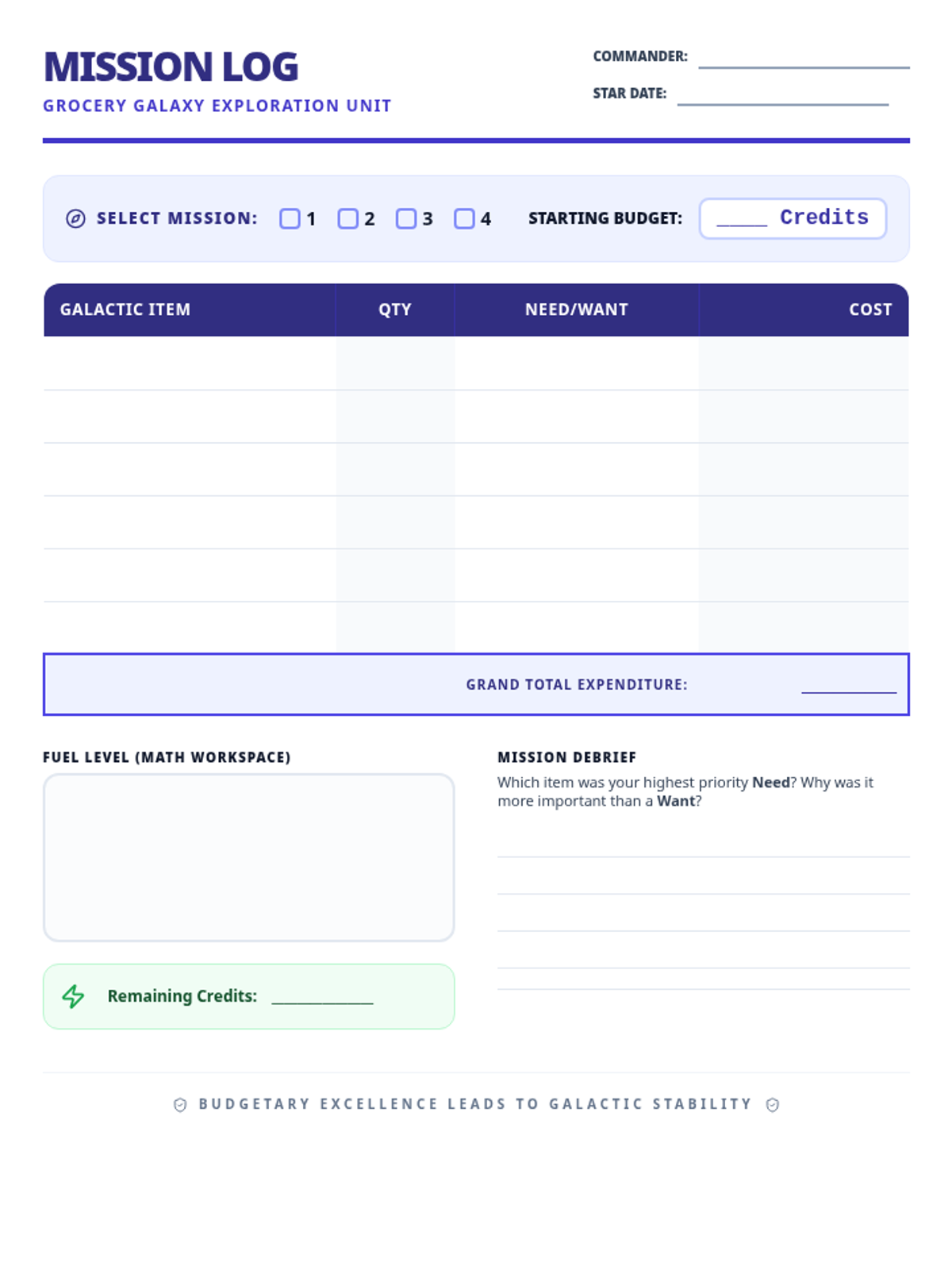
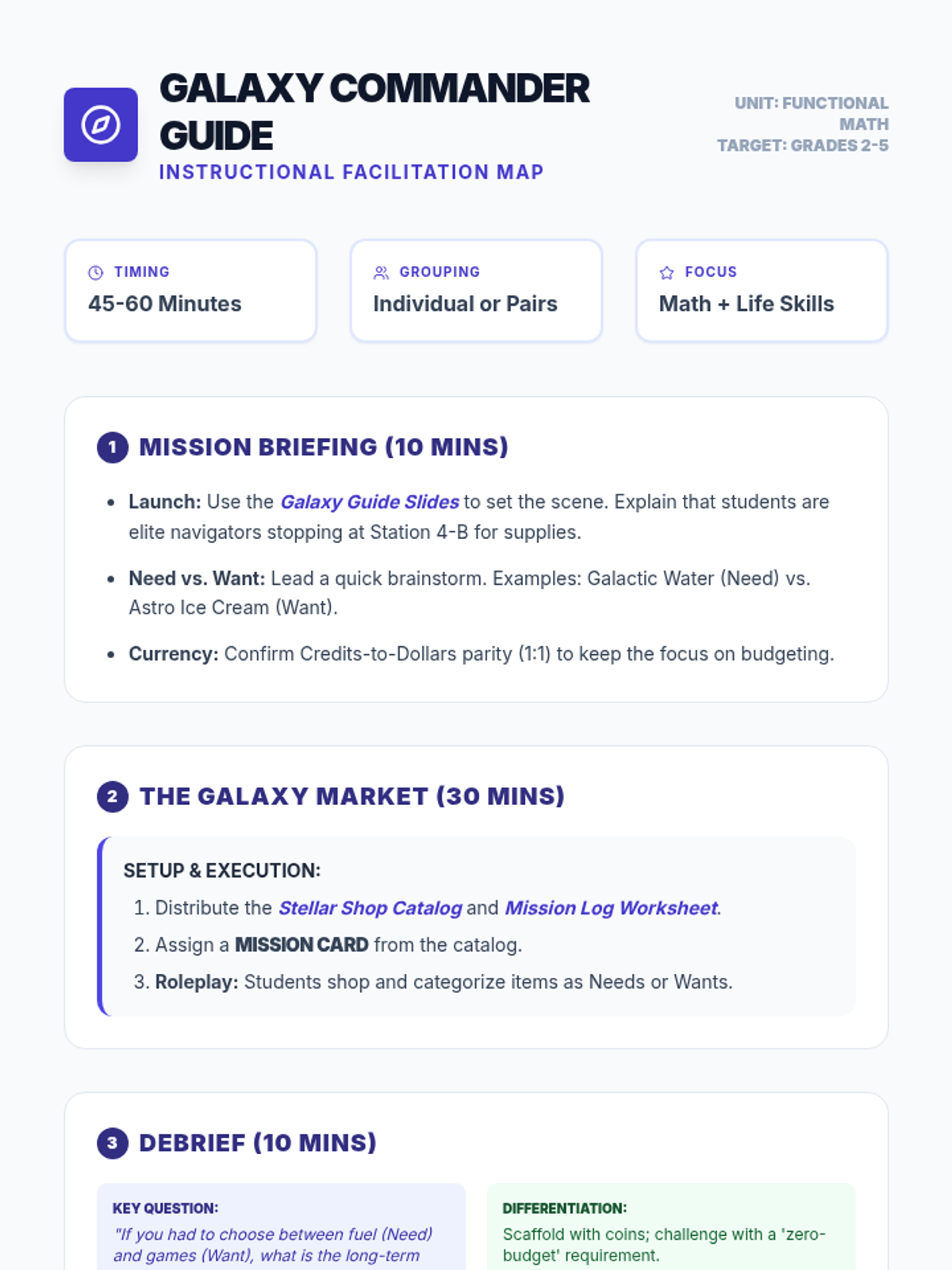
A functional math and life skills simulation where students navigate a space-themed market to practice budgeting, currency management, and categorizing needs versus wants.
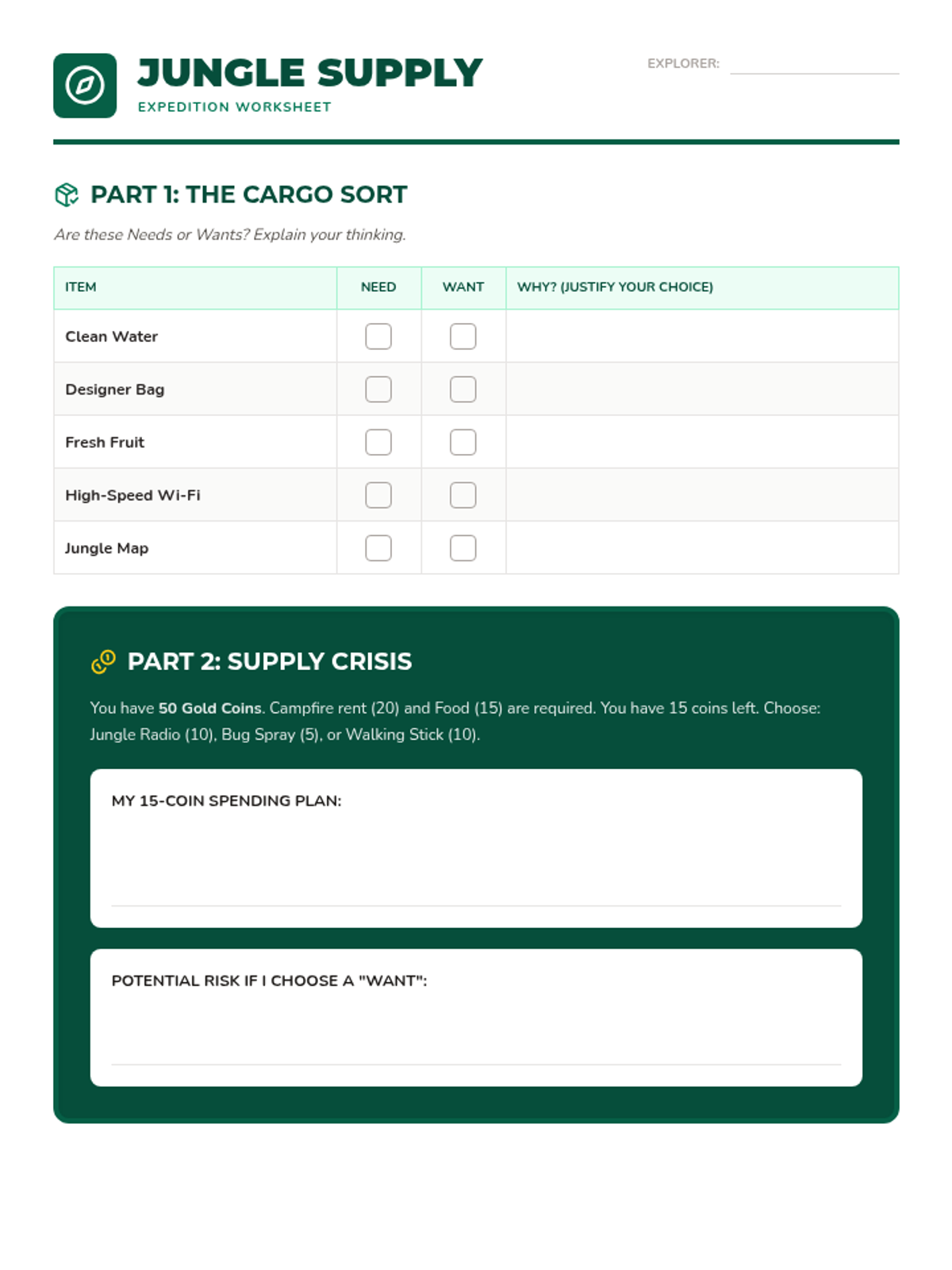
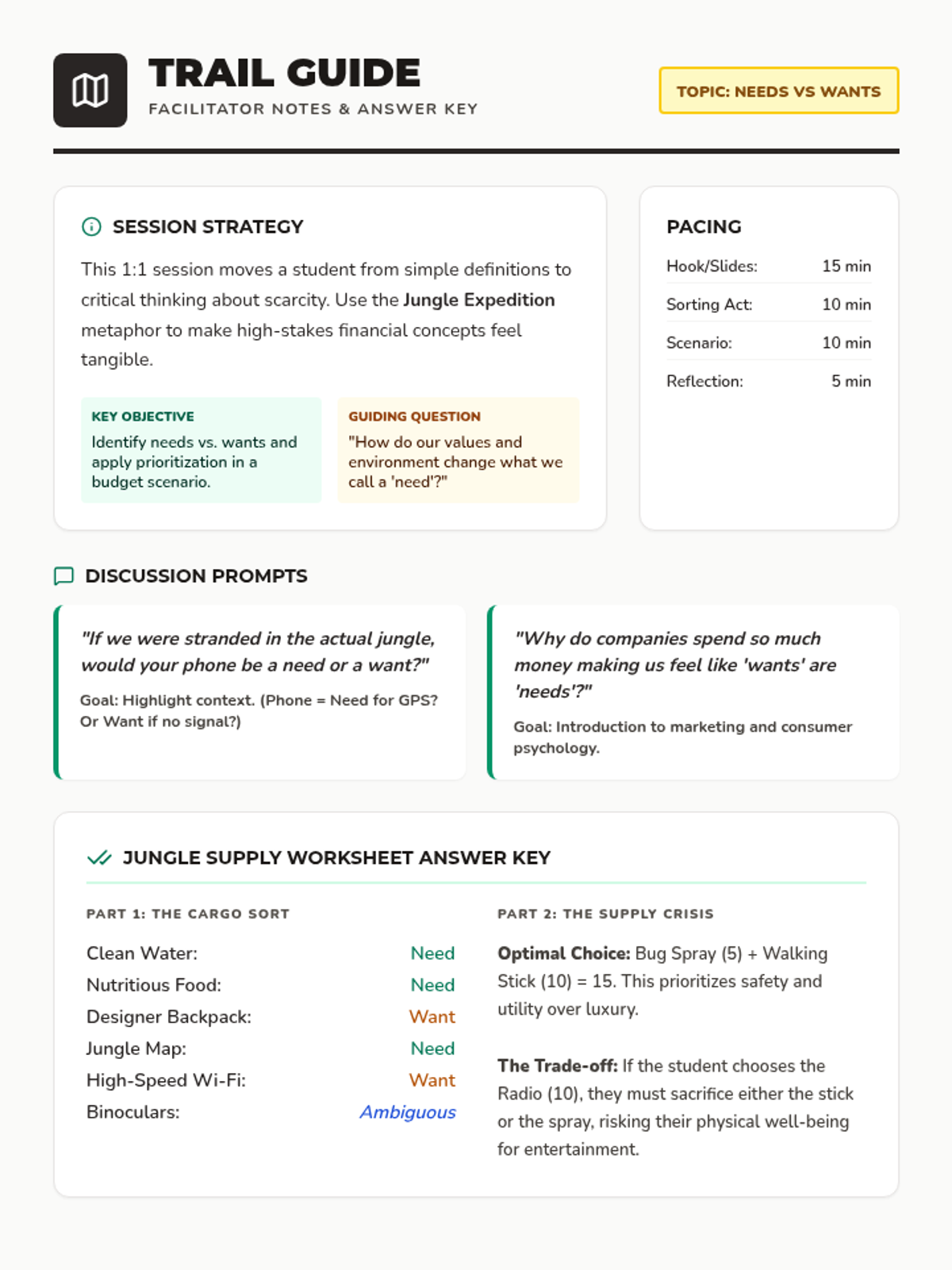
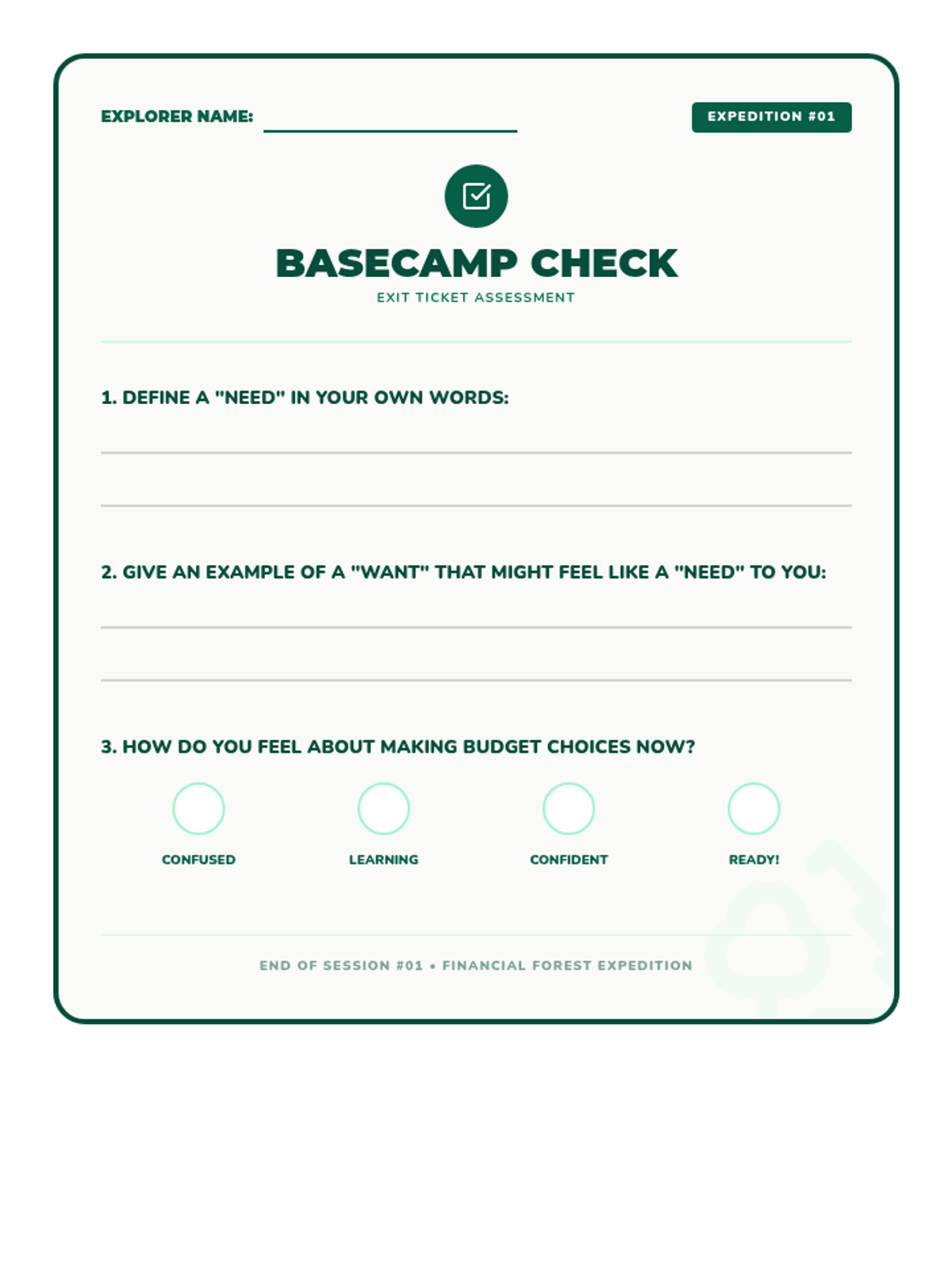
A 1:1 instructional session exploring the fundamental difference between needs and wants, focusing on prioritization and budgeting within a jungle expedition theme.