A 45-minute middle school science lesson introducing the concept of work in physics, distinguishing it from everyday effort through interactive sorting and visual demonstrations.
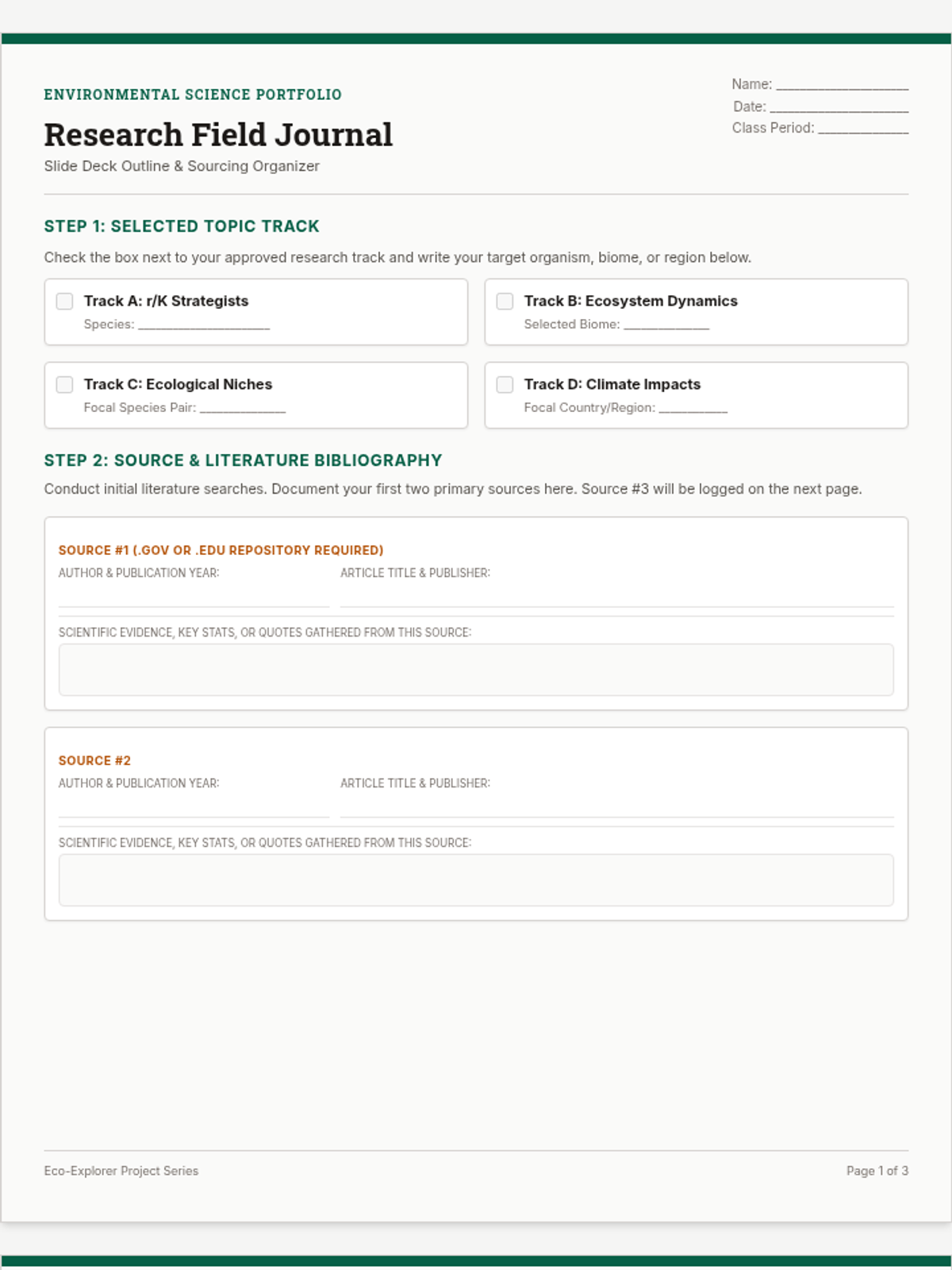
A series of visual anchor charts designed for reference during laboratory investigations into plant vascular systems, photosynthesis, and transpiration.
A high-energy, movement-based review activity where students solve 'medical cases' by identifying body systems and their functions. This lesson includes task cards for a classroom scavenger hunt and a structured recording sheet for students.
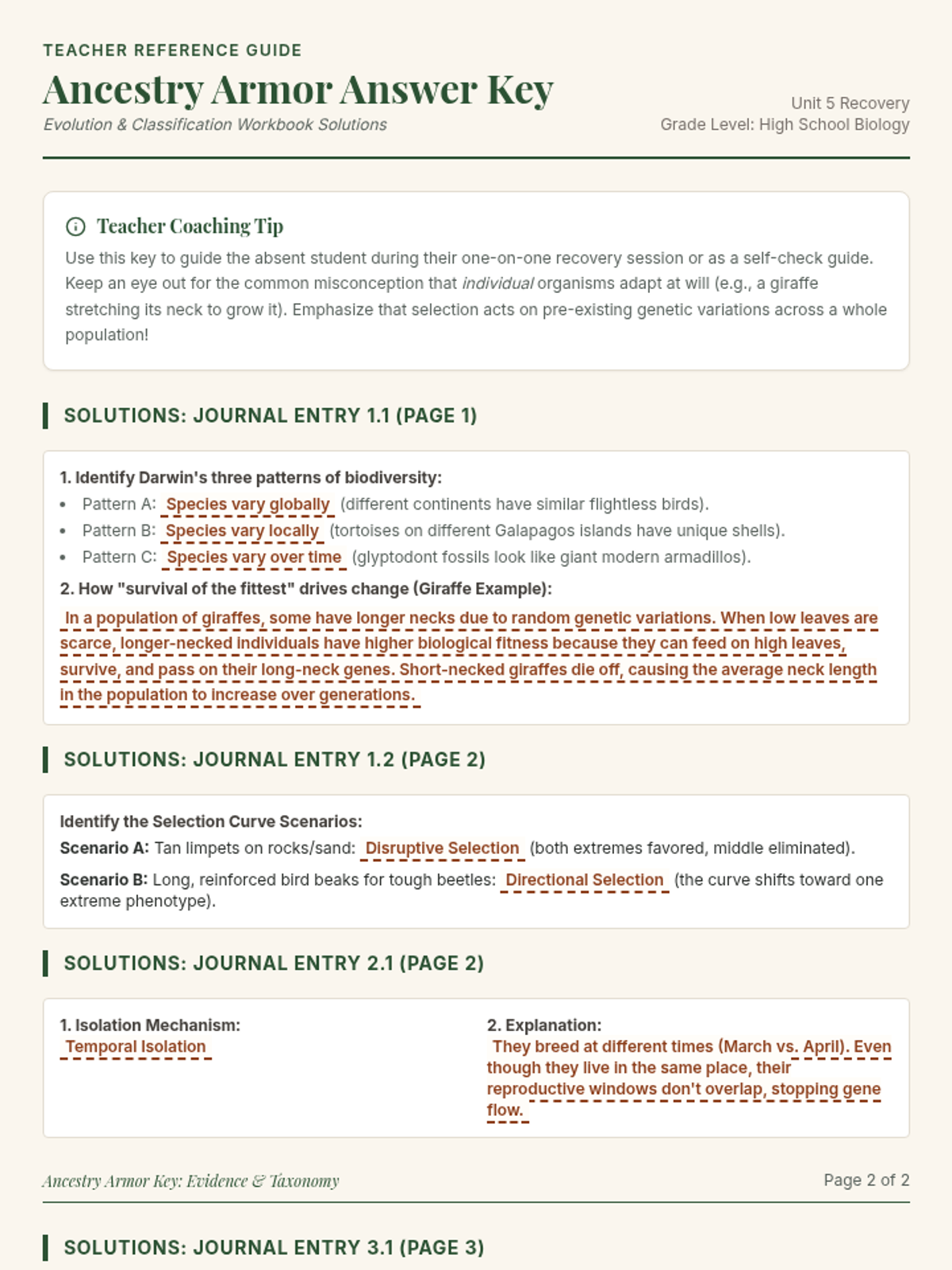
A two-block exploration of animal systems, focusing on homeostasis, nutrient absorption, reproduction, and defense mechanisms.
A two-block investigation into plant tissue systems, vascular transport, reproductive adaptations, and environmental responses.
A lesson exploring the symbiotic relationship between humans and gut bacteria, focusing on the gut-brain connection and the impact of nutrition on mood. Students create metaphors for their microbiome and identify ways to support beneficial bacteria.
Students analyze the relationship between chemical structure, mode of delivery, and addiction potential using the 'Speed of Delivery' concept. The lesson features a comparative analysis of substances like heroin vs. morphine and vaping vs. nicotine patches to understand the biological 'why' behind addiction.
This lesson connects behavioral symptoms of schizoaffective disorder to neurotransmitter imbalances and explores the pharmacological mechanisms of antipsychotics and mood stabilizers through research and diagramming.
A middle school science lesson exploring neuroplasticity through medical recovery case studies. Students investigate how the brain 'reroutes' neural pathways after injury using adaptation and recovery strategies.
A 6th-8th grade science and health lesson exploring neuroplasticity through a hands-on yarn simulation and a video-based discussion. Students learn how neural pathways strengthen through use and dissolve through neglect.
Students investigate the intersection of neurobiology and external substances, analyzing how drugs and hormones alter neurotransmitter function to change a person's perception of reality.
A comprehensive biology lesson for 9th-10th grade students exploring the biological feedback loops between the endocrine and nervous systems during stress, focusing on the role of corticosteroids, the amygdala, and the prefrontal cortex in memory.
A lesson for 7th-8th grade science focusing on the biological and genetic foundations of autism. Students debunk common myths, analyze brain development through video, and research how the brain interacts with other body systems in co-occurring conditions.
A high-level genetics lesson exploring how environmental factors like maternal care and stress trigger epigenetic modifications that influence gene expression across generations. Students analyze the classic Meaney rat study to understand the molecular mechanisms beyond DNA sequences.
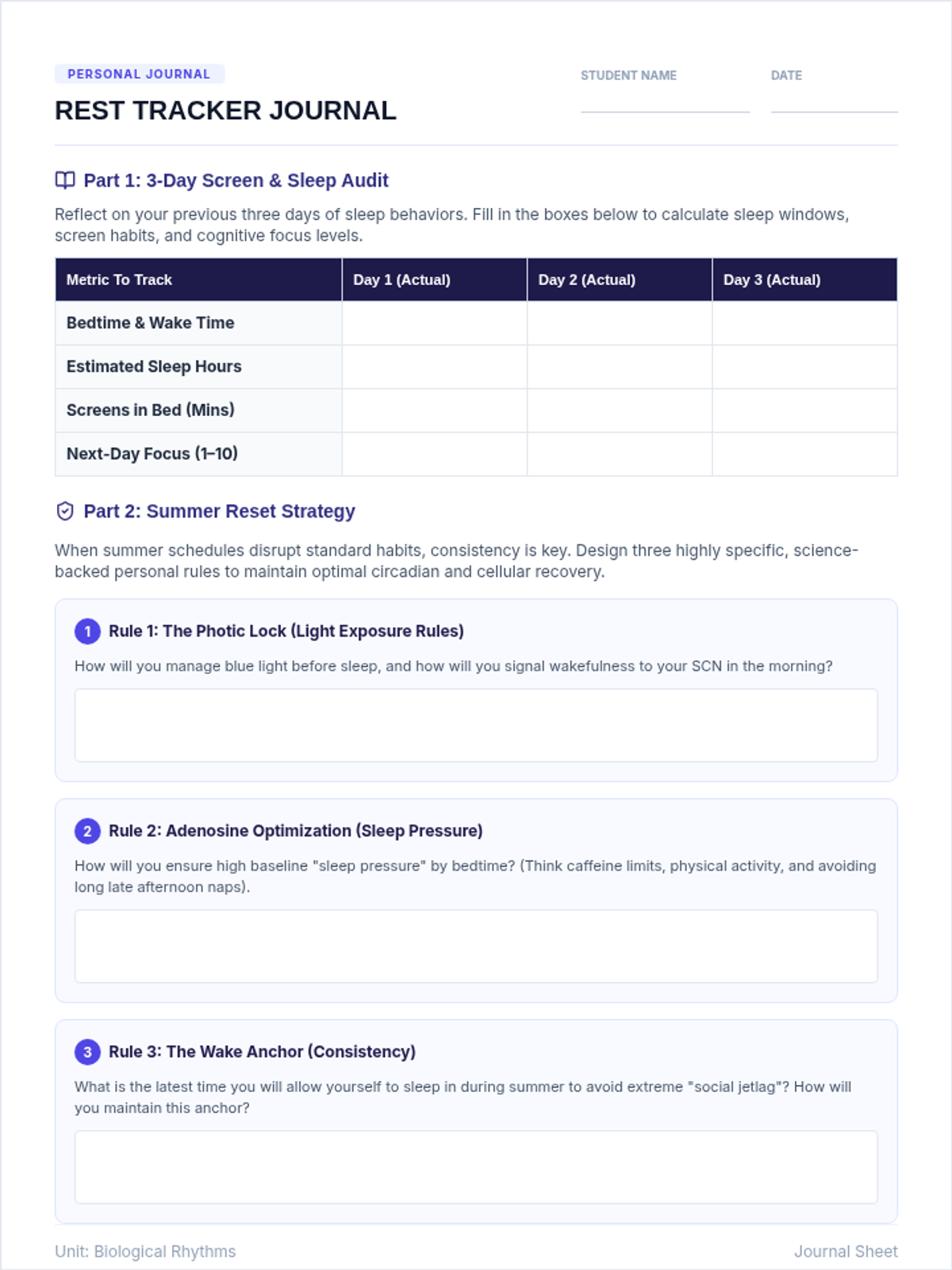
A high school psychology lesson exploring the physiological impact of chronic stress on brain structures like the amygdala, hippocampus, and prefrontal cortex, featuring a video analysis and case study application.
A high school biology lesson exploring the endocrine system's stress response via the HPA axis, the physiological role of cortisol, and the impact of chronic stress on brain structure and homeostasis. Students analyze feedback loops and the brain's neuroplasticity through video analysis and diagramming.
A comprehensive lesson exploring the evolution of hunting from ancient survival to modern conservation, including economic impacts and ethical debates surrounding biodiversity.
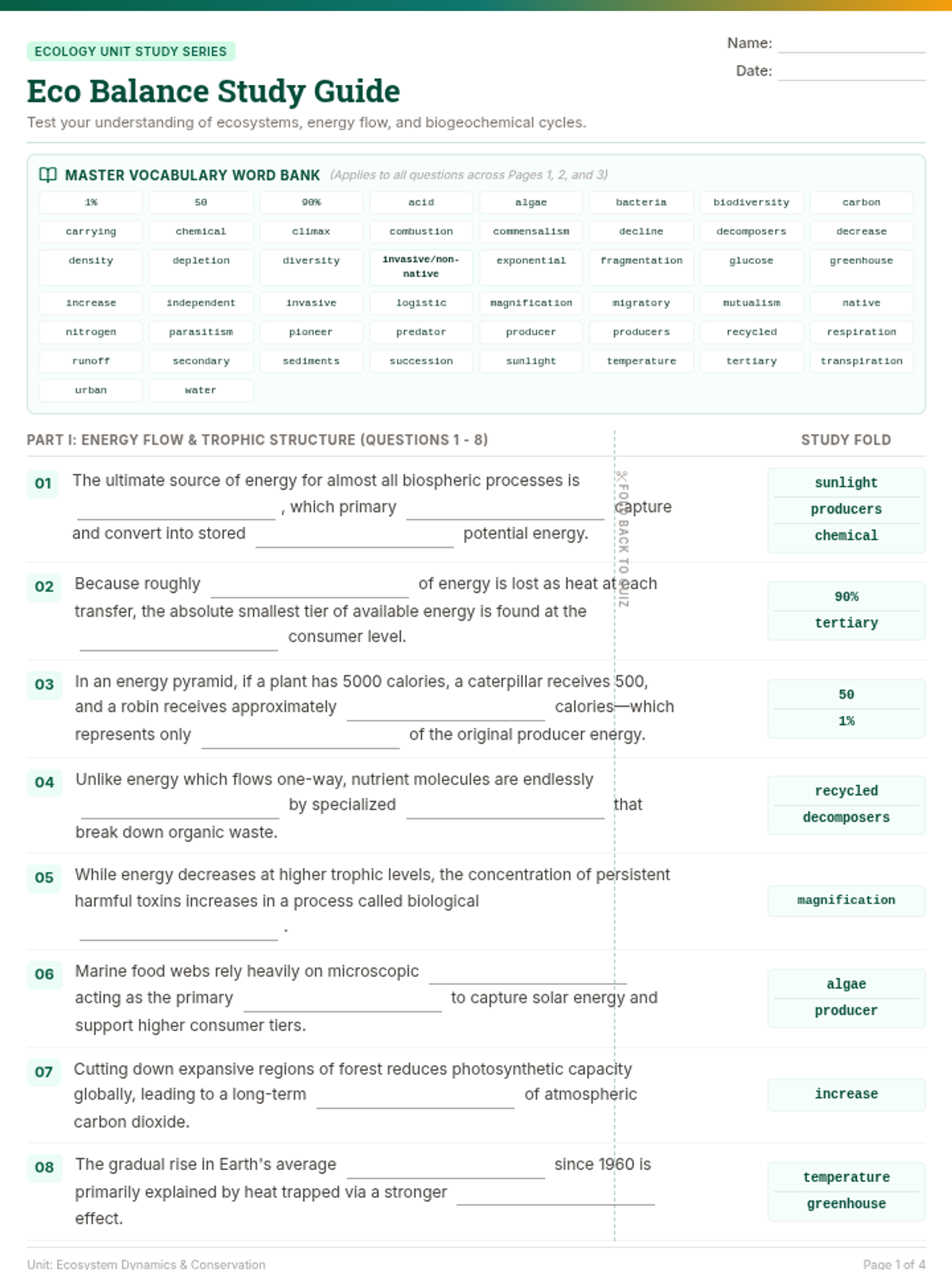
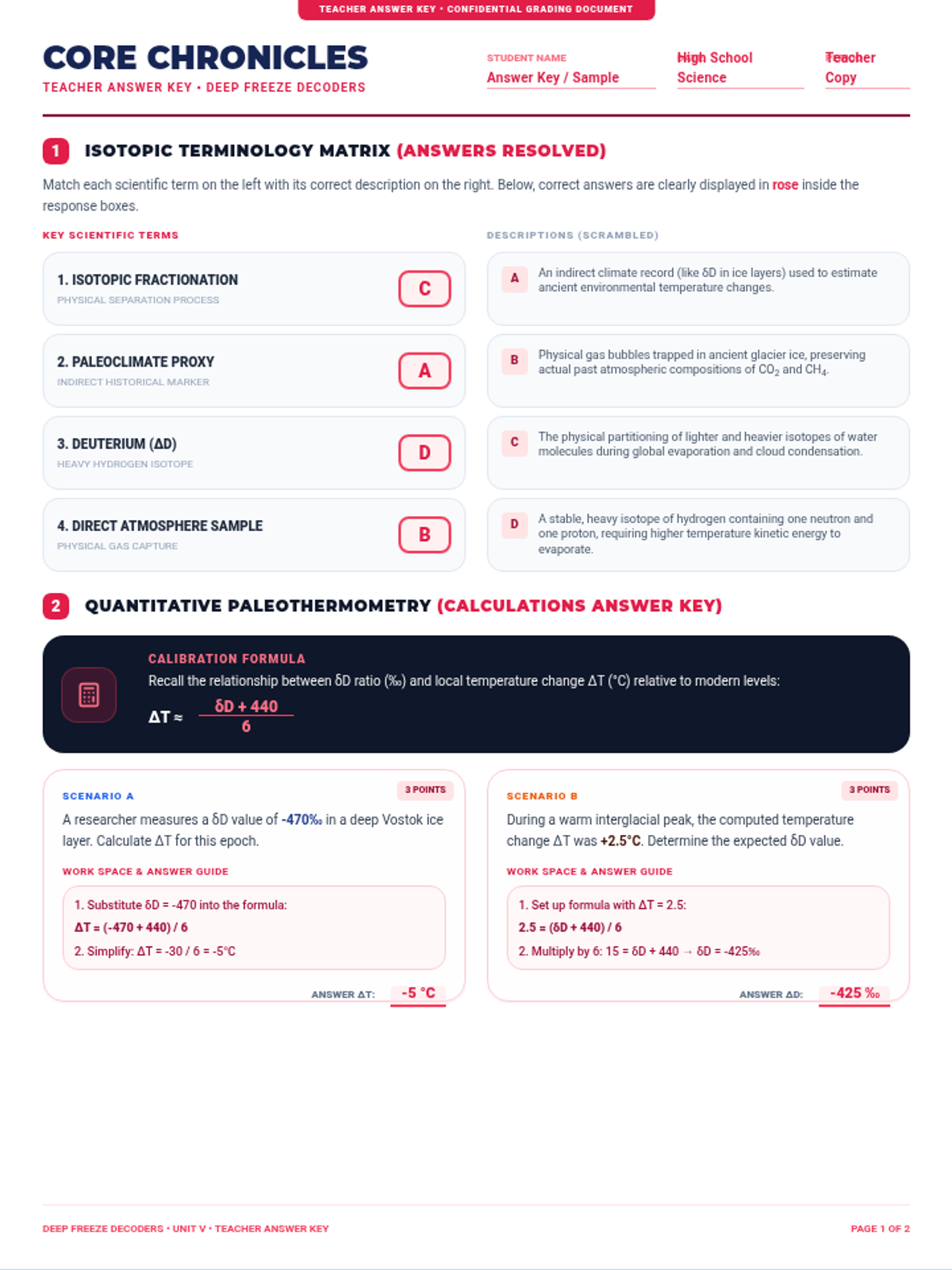
Explore how plants and other organisms capture solar energy to build life-sustaining sugars while comparing the process to cellular respiration.
Focuses on reading security logs, understanding time formats (24h vs 12h), and using logic to follow a suspect's movement through keycard data.
Focuses on descriptive language, memory reliability, and the 'mugshot' process. Students learn to describe suspects and identify inconsistencies in witness stories.
A simplified murder mystery investigation. Students use a detective dossier with B1-level text to solve the crime of Professor Thorne. Includes sentence frames for final accusations.

Students explore how fingerprints and DNA help identify people. The lesson uses clear, visual steps to explain identification techniques and Locard's Exchange Principle.
Students learn essential crime-solving vocabulary (alibi, evidence, suspect) and practice categorizing physical vs. testimonial clues using simplified English and visual supports.
An exploration of specialized forensic techniques, focusing on fingerprint classification, DNA profiling basics, and the microscopic analysis of hair and fibers to connect suspects to a scene.
Students master the foundational vocabulary of forensic science, including terms like alibi, chain of custody, and trace evidence, while learning to categorize different types of physical and testimonial evidence.
A 90-minute immersive murder mystery experience where students apply forensic techniques to solve the death of a prominent professor. They will analyze evidence, evaluate witness statements, and build a case based on deductive reasoning.
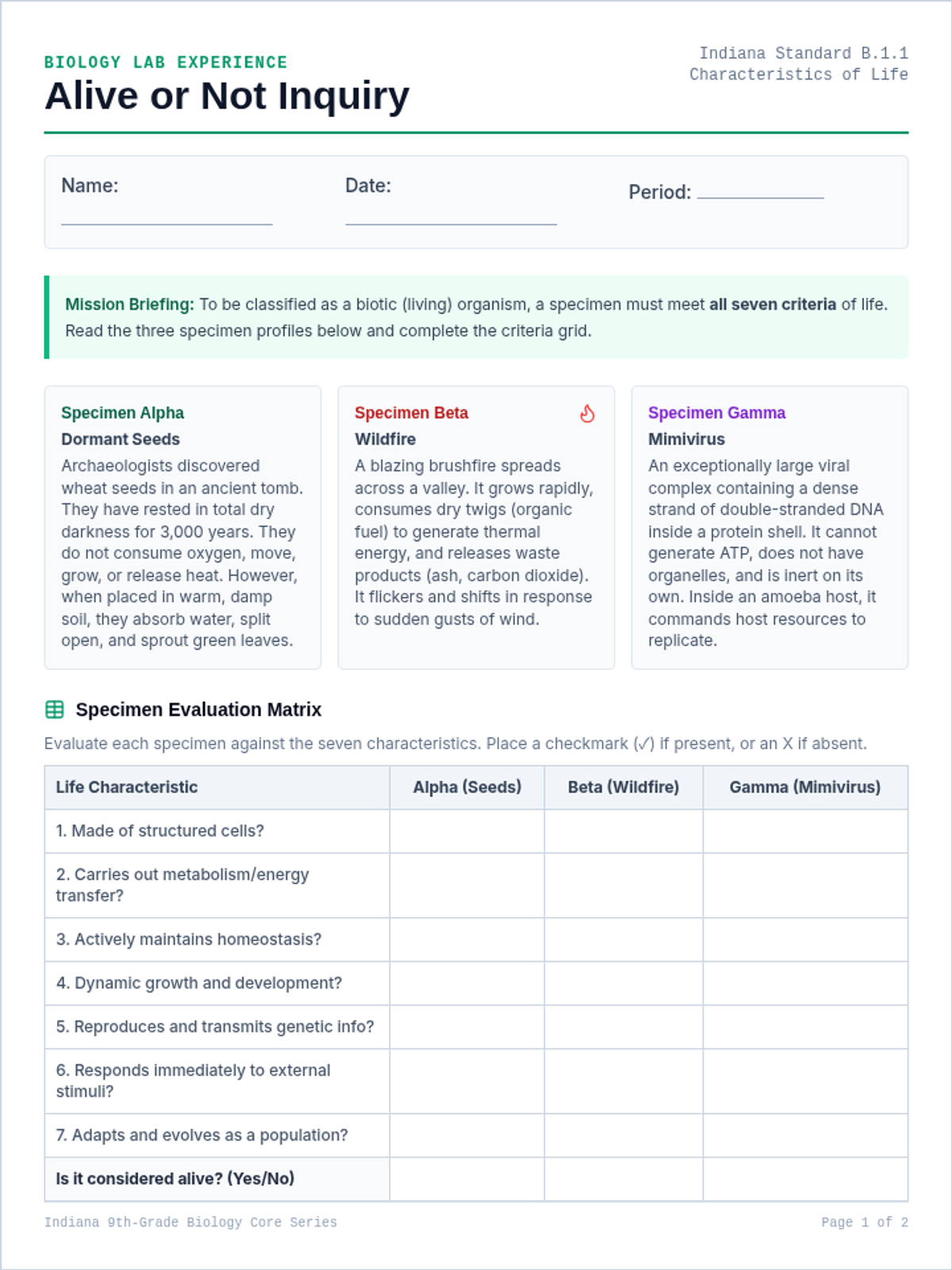
A hands-on science lab using crackers, water, and plastic bags to simulate the digestive process, with differentiated materials for various learner needs.
This lesson covers the fundamental principles of Shielded Metal Arc Welding (SMAW), including equipment operation, safety protocols, and core welding techniques for beginners.
A lesson focused on the properties of periodic motion, including frequency, period, and phase relationships in oscillators like pendulums and tuning forks.
Students explore the neuroscience of neural pruning, simulating how the brain maintains efficient networks and investigating how disruptions in this process contribute to the symptoms of bipolar disorder.
Students explore the neuroscience of panic attacks, mapping the sympathetic and parasympathetic nervous system responses. They will identify the roles of the amygdala, prefrontal cortex, adrenaline, and acetylcholine in the body's 'false alarm' stress response.
A high school biology lesson exploring the physiological and chemical basis of clinical depression, focusing on brain structures, neurotransmitters, and the medical validity of the disorder.
A 90-minute chemistry lab focused on the precipitation reaction between copper (II) chloride and sodium hydroxide, featuring a complete lab guide and instructional slides.
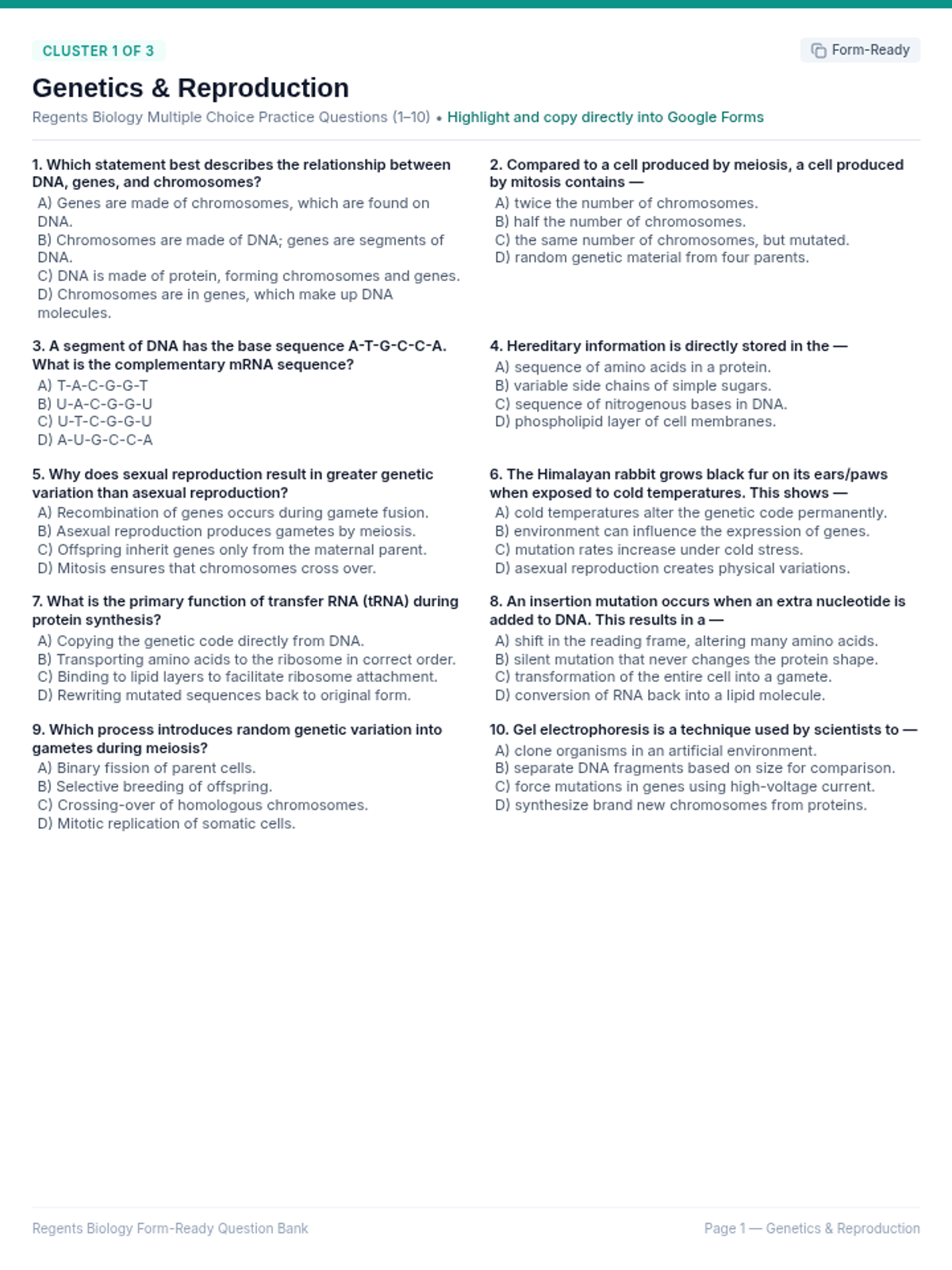
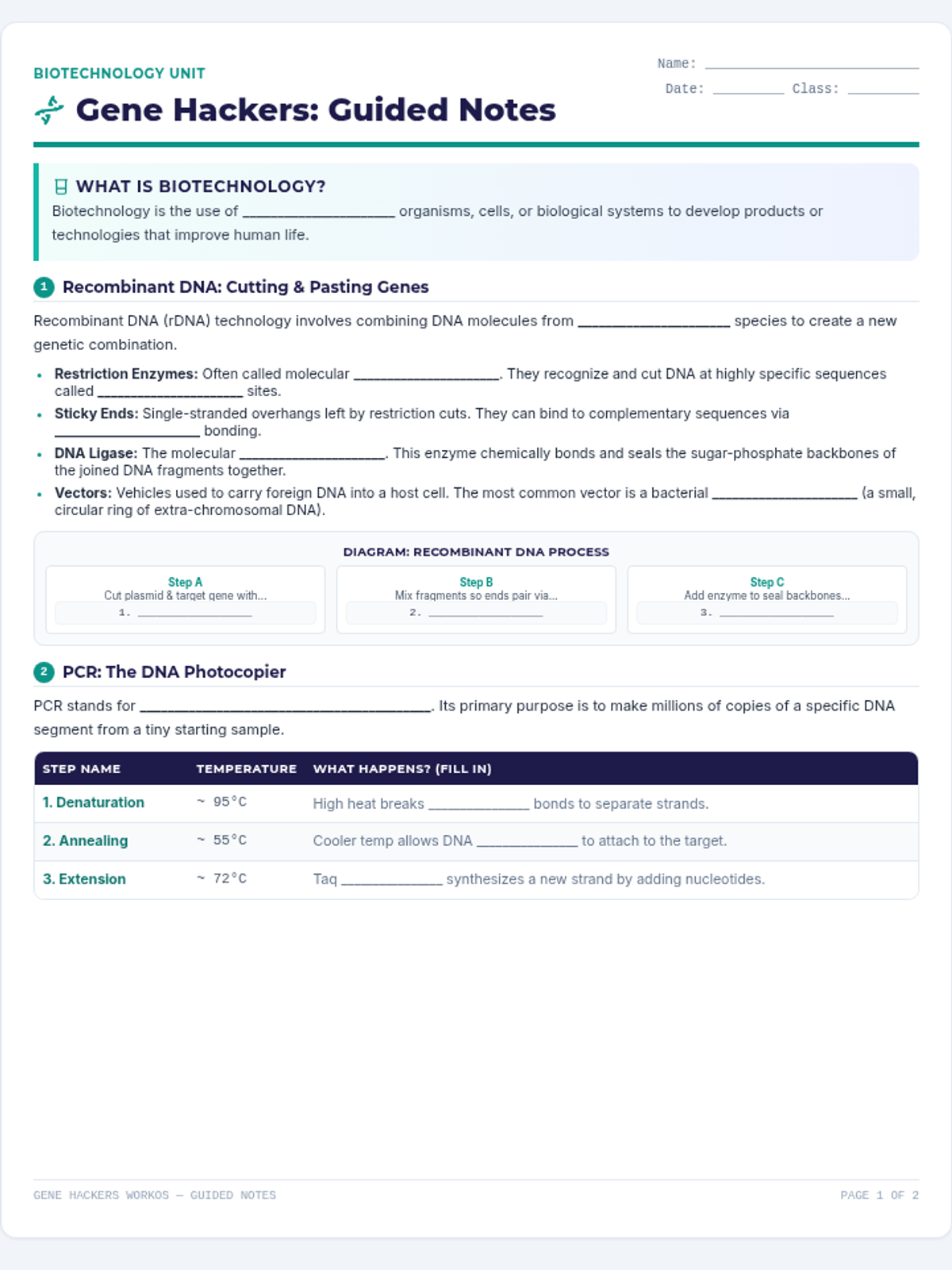
Students explore the relationship between gene versions, proteins, and physical traits, focusing on heterozygous and homozygous genotypes using the context of muscle proteins in runners.
A comprehensive exploration of mechanical vibrations, simple harmonic motion, and the mathematical relationships between frequency, period, and amplitude.
A lesson where students learn how gene versions provide instructions for proteins that determine traits, specifically exploring spider silk flexibility and human running ability. Adjusted for a 3rd-grade reading level while maintaining 6th-grade vocabulary.
A comprehensive lesson exploring how the five senses collect data and how the brain processes that information to create our perception of the world. Students will map the neural pathways from organ to brain and identify specific brain regions responsible for each sense.
A comprehensive introduction to web application security, teaching students to identify and mitigate common vulnerabilities like SQL injection and cross-site scripting through hands-on detective scenarios.
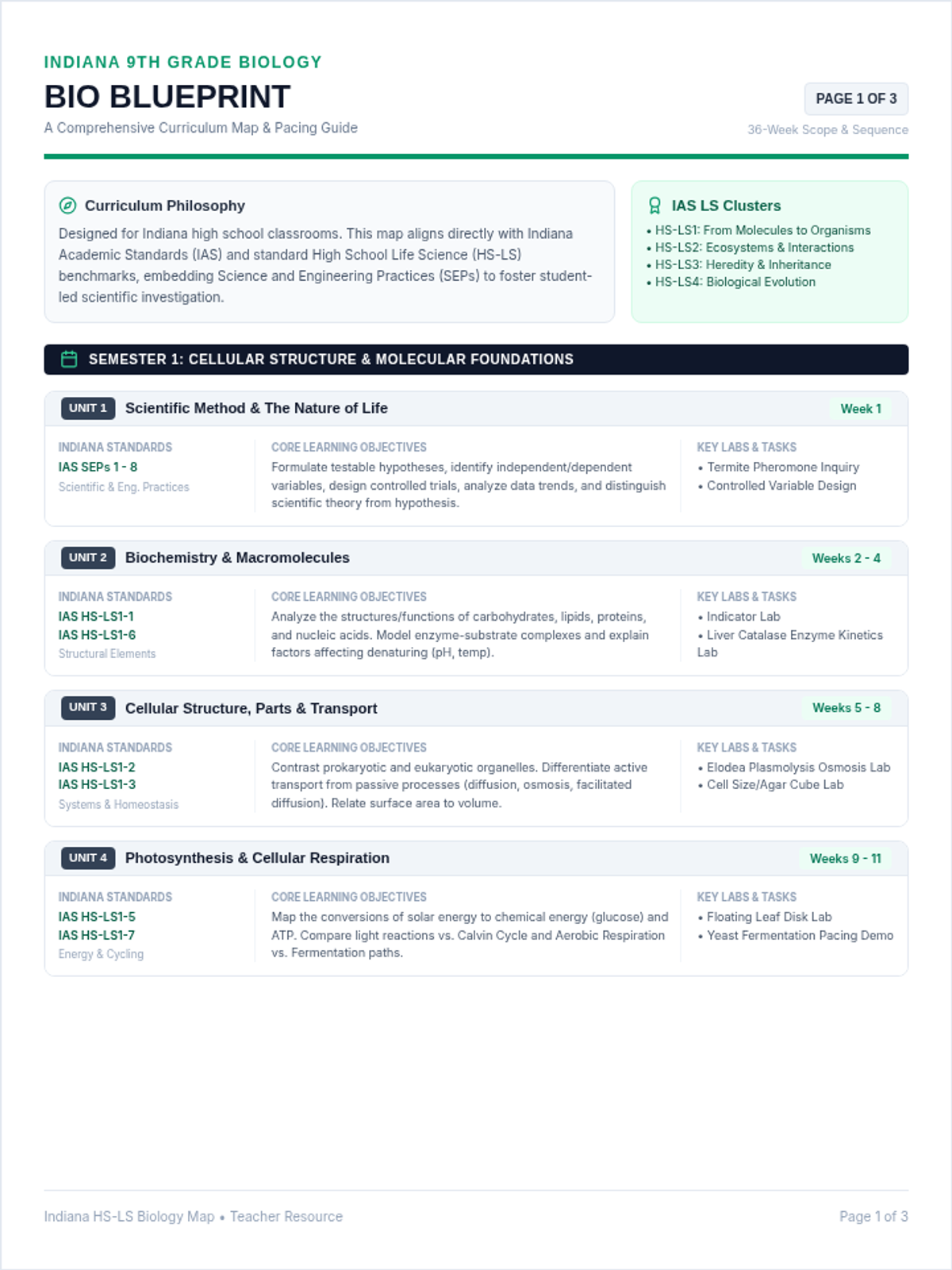
A 10-session unit covering Virginia Standards 6.6 and 6.8, beginning with a water filter engineering challenge and progressing through water chemistry and watershed systems.
A comprehensive lesson investigating aquatic ecosystems through leaf pack analysis. Students identify macroinvertebrates, explore their specialized adaptations, and evaluate how human activities impact water quality and biodiversity.
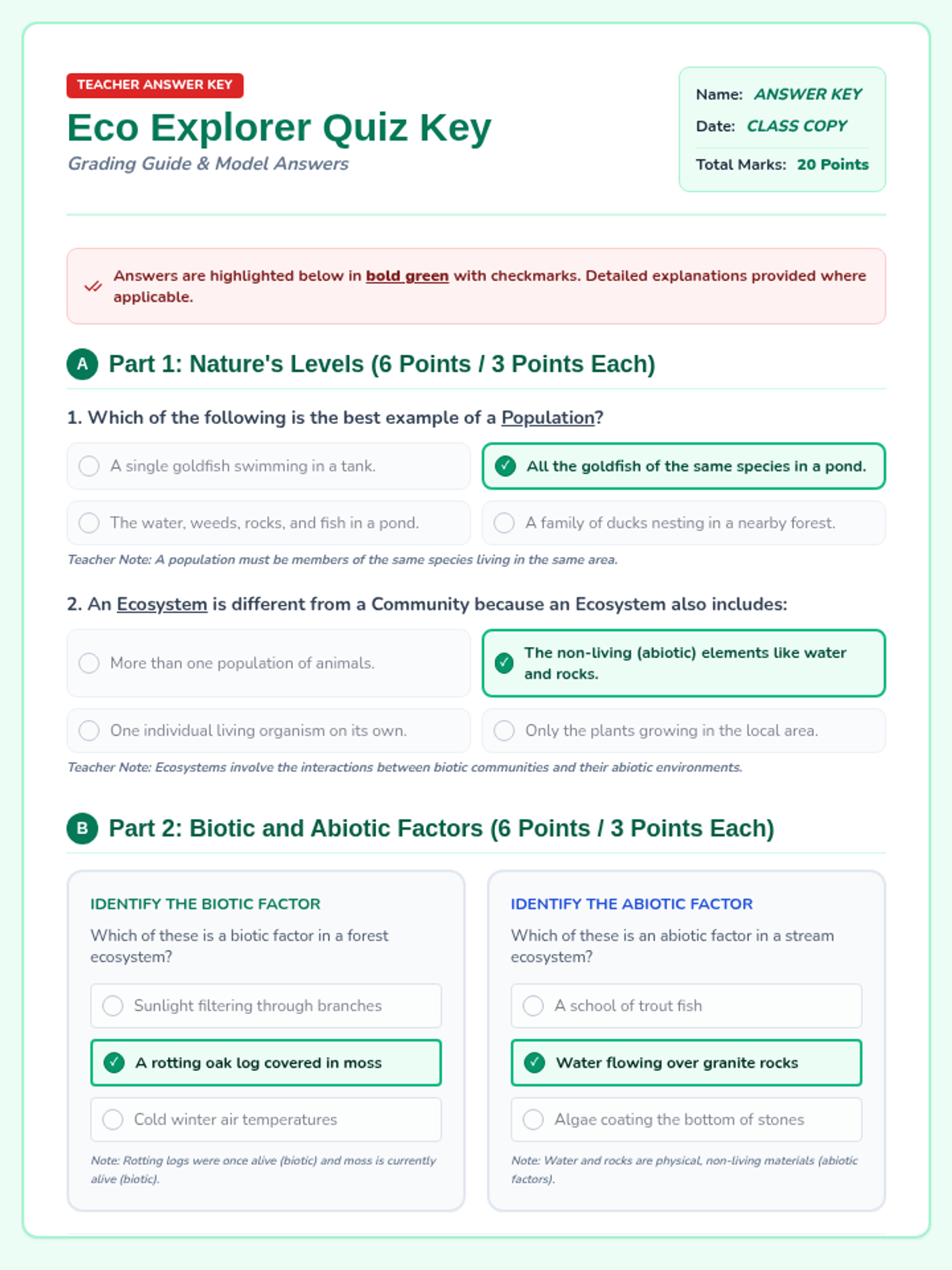
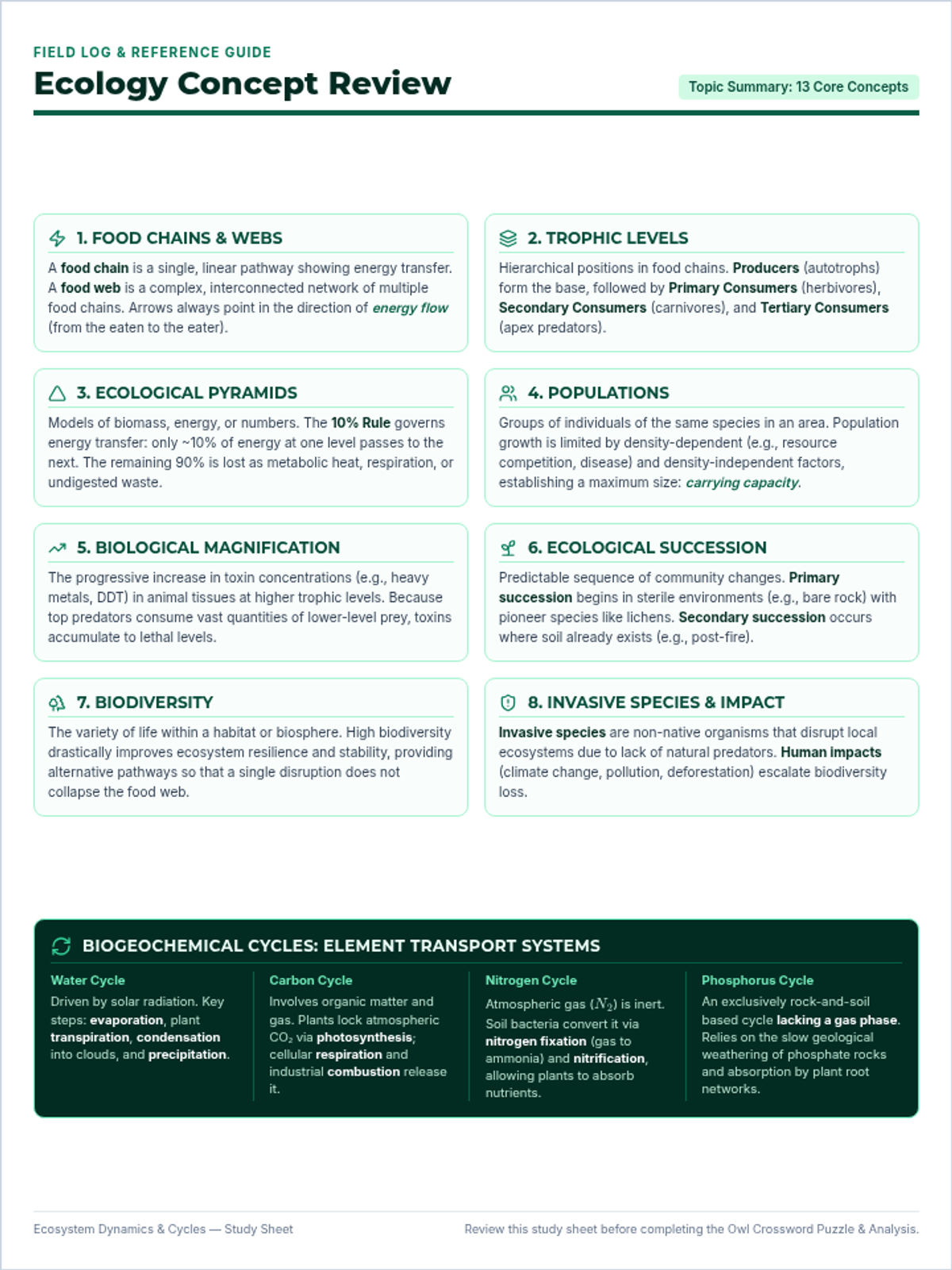
A post-dissection lesson focused on analyzing owl pellet data to understand ecological relationships and energy flow, with materials specifically designed for both 9th grade (quantitative analysis) and 5th grade (qualitative observation and basic food chains).
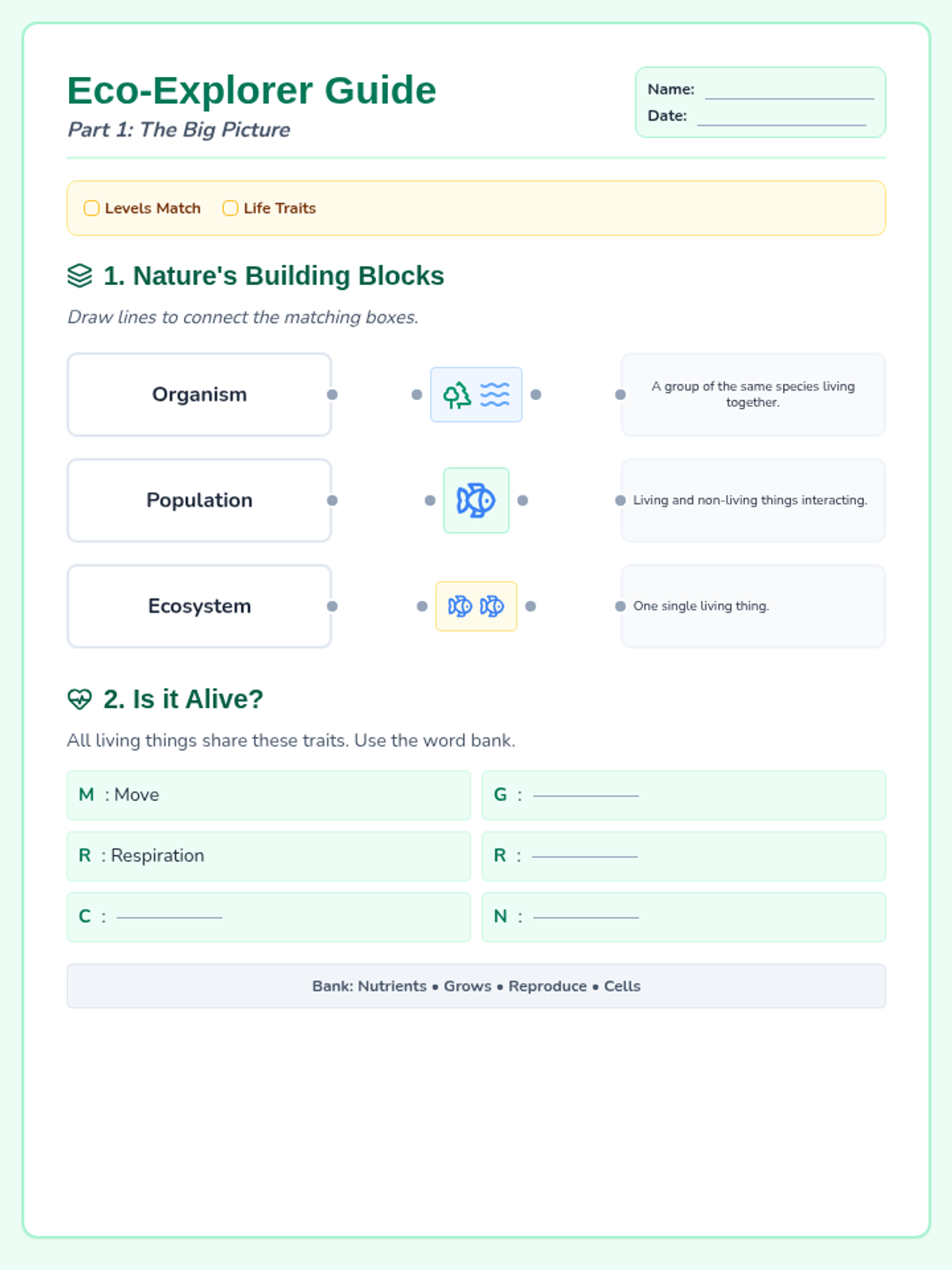
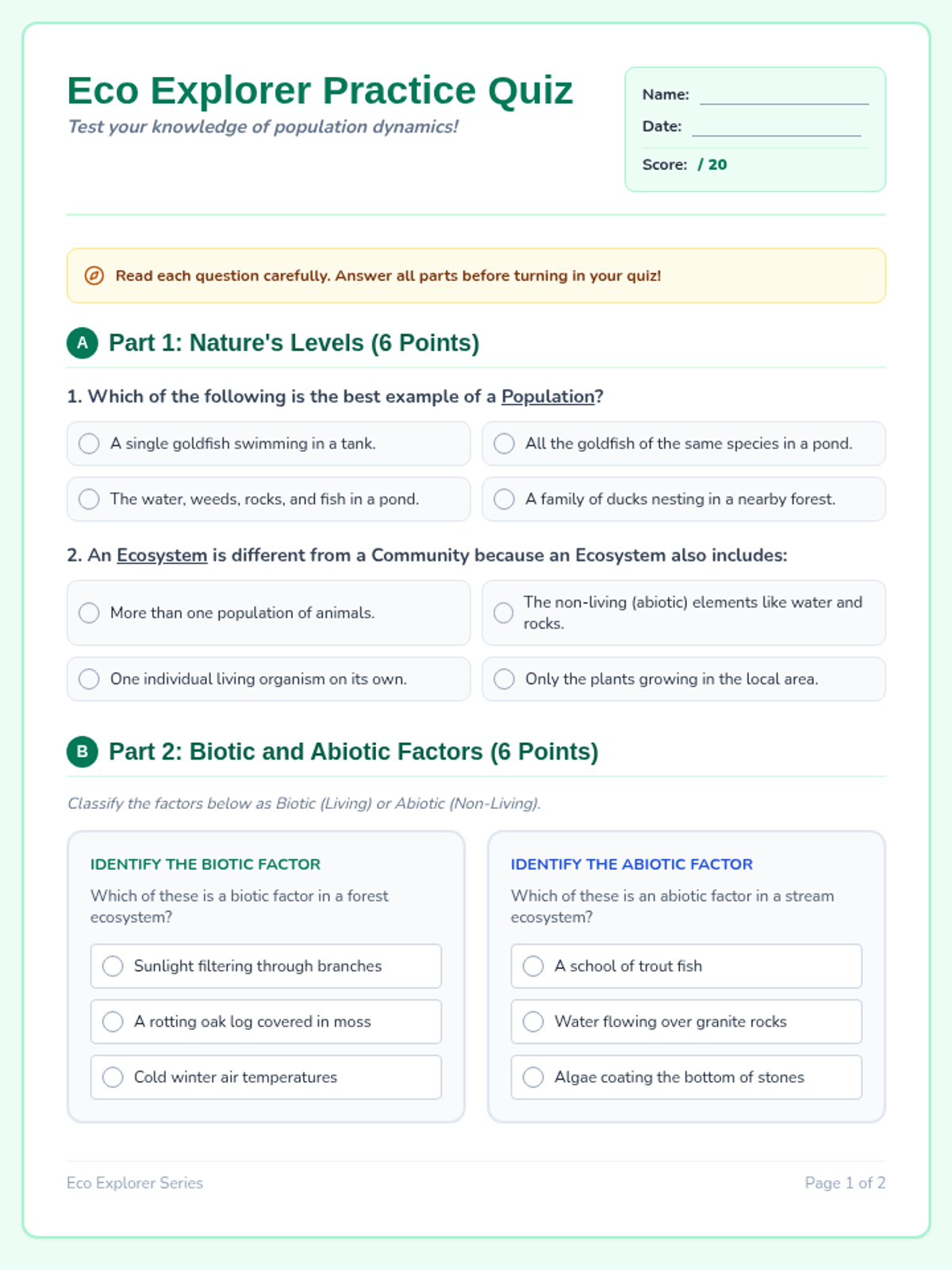
A comprehensive introduction to terrestrial and aquatic ecosystems, exploring the unique characteristics, abiotic factors, and specialized adaptations of organisms within various global habitats including sand dunes.
A comprehensive lesson on forensic toxicology focusing on alcohol, covering metabolism, BAC calculations, impairment, and sample preservation according to TEKS 10A-D.
A cross-curricular lesson where students blend narrative arts with physical computing. Students use microcontrollers to create tangible interfaces that trigger digital story events, bridging the gap between physical objects and digital logic.