A targeted visual intervention lesson designed for 4th-6th grade struggling readers to master key prefixes and suffixes. Students learn to dismantle complex words into their core components using an engaging garage workshop theme.
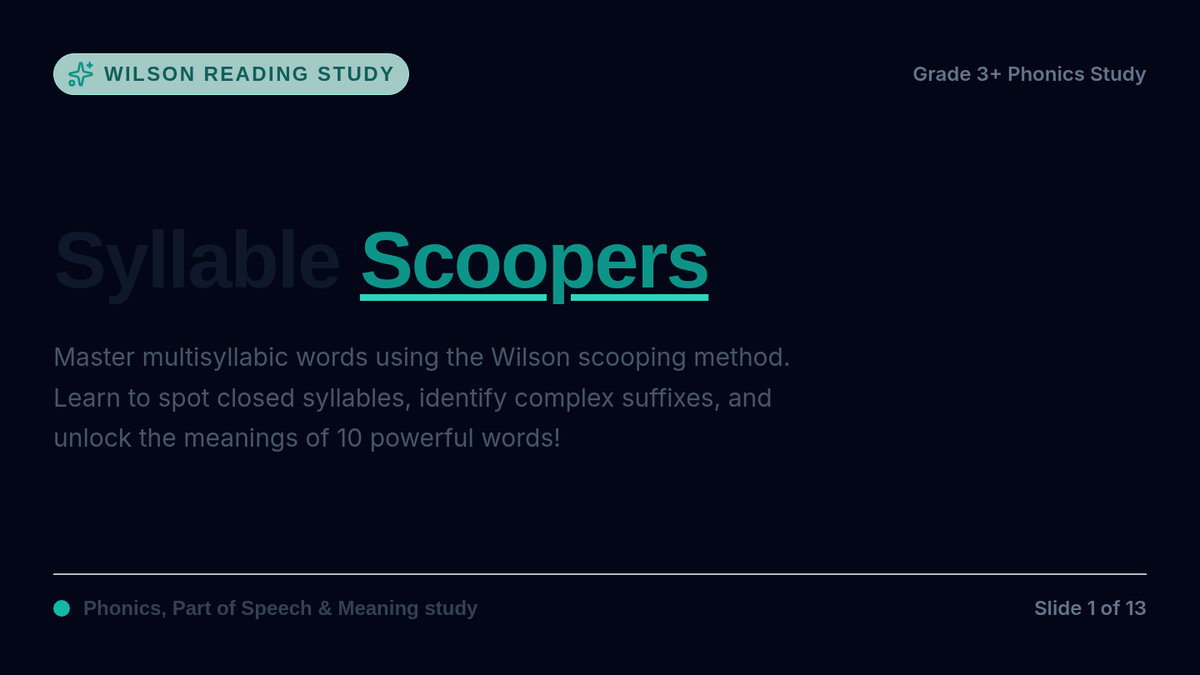
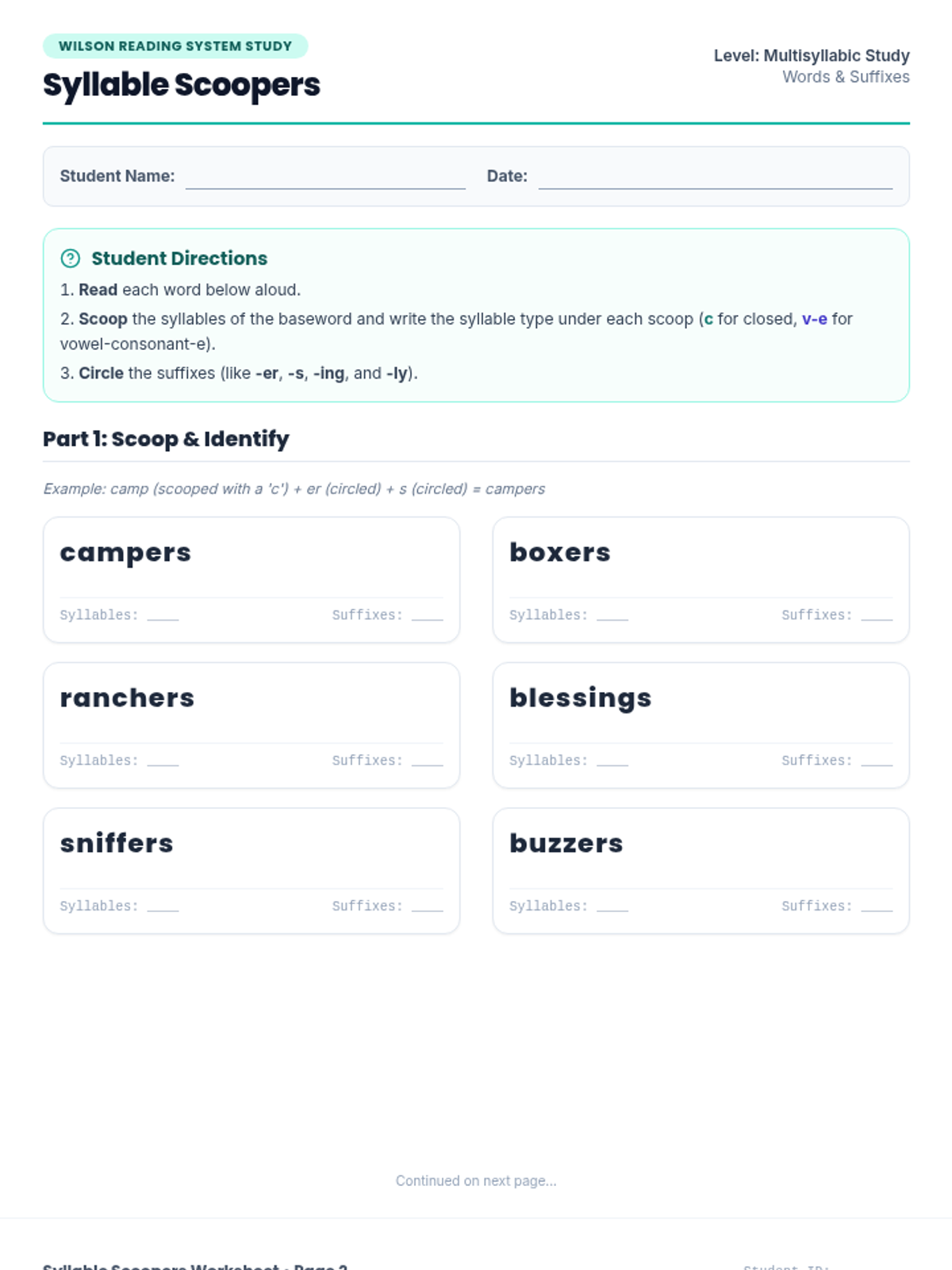
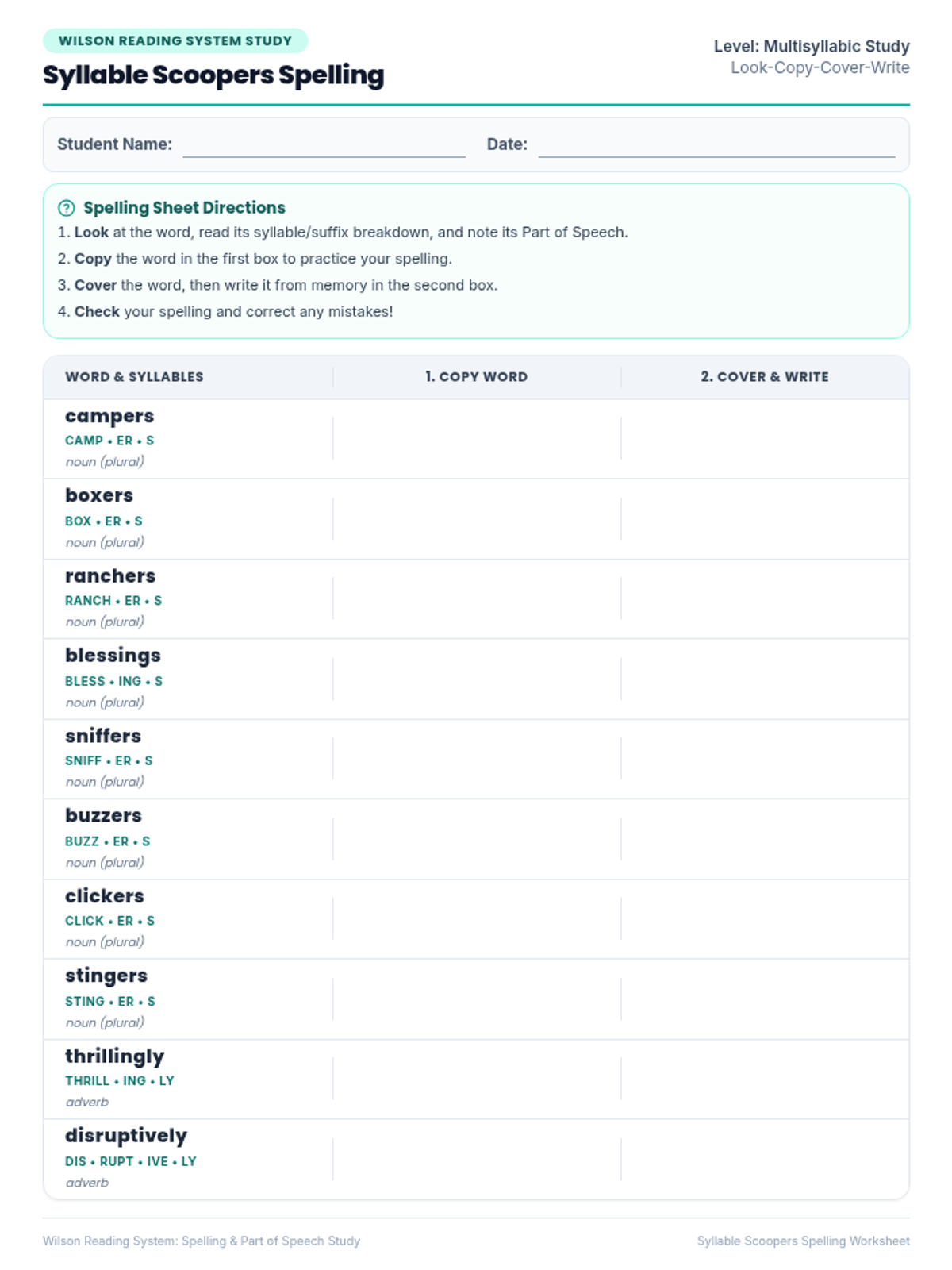
A comprehensive Wilson-aligned study of multisyllabic words and suffixes. Students practice syllable division using visual scooping and explore word meanings.
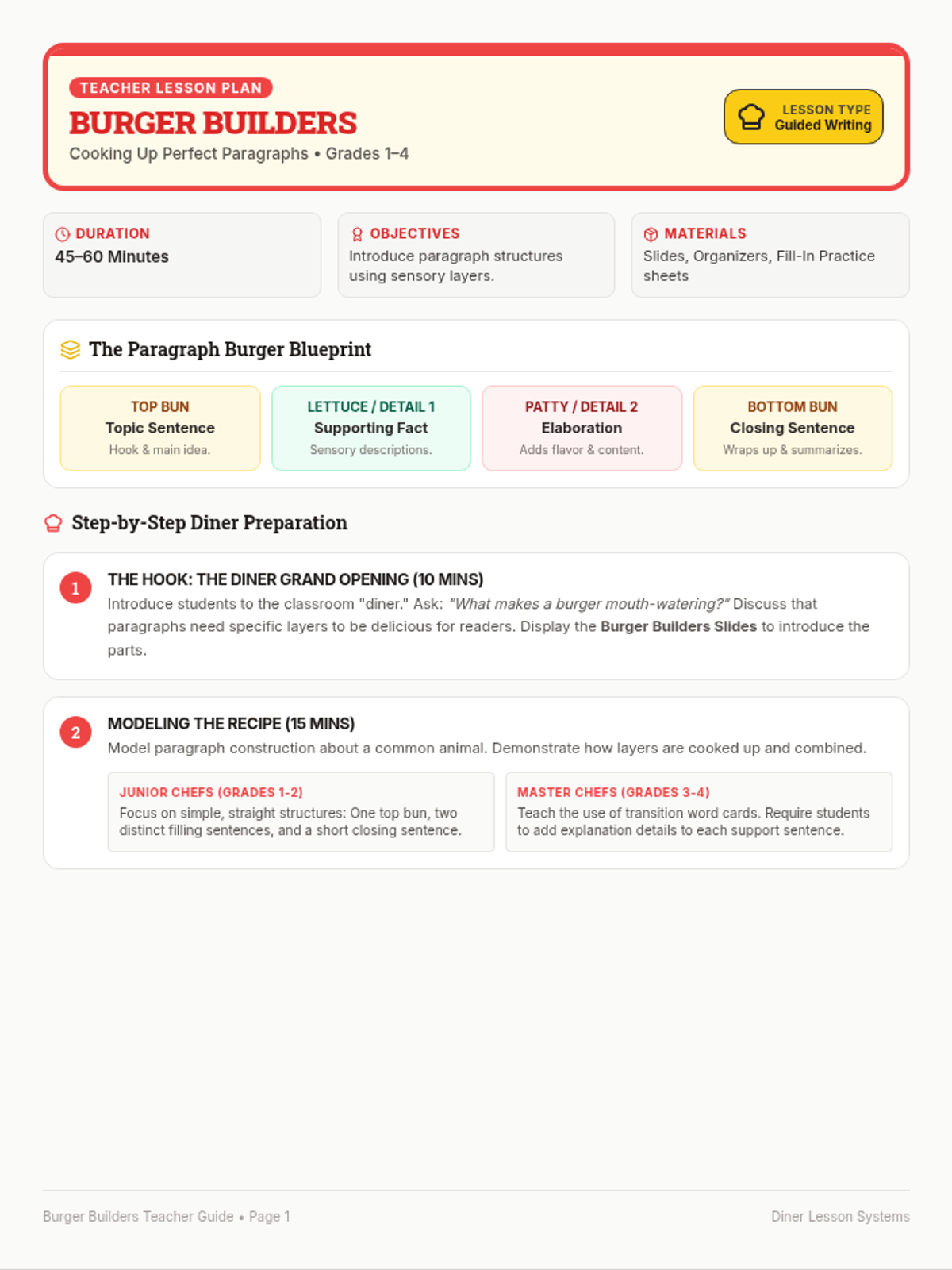
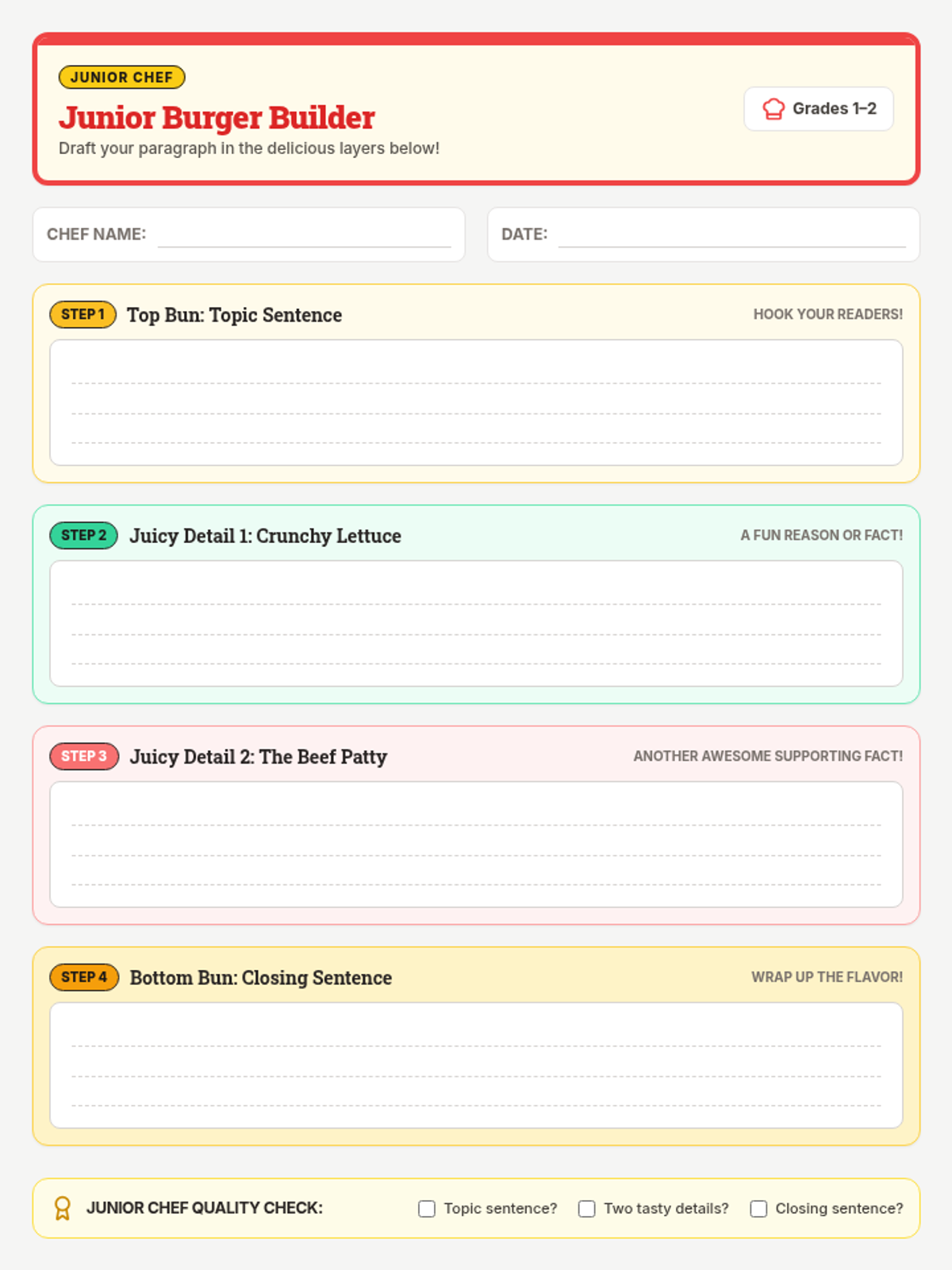
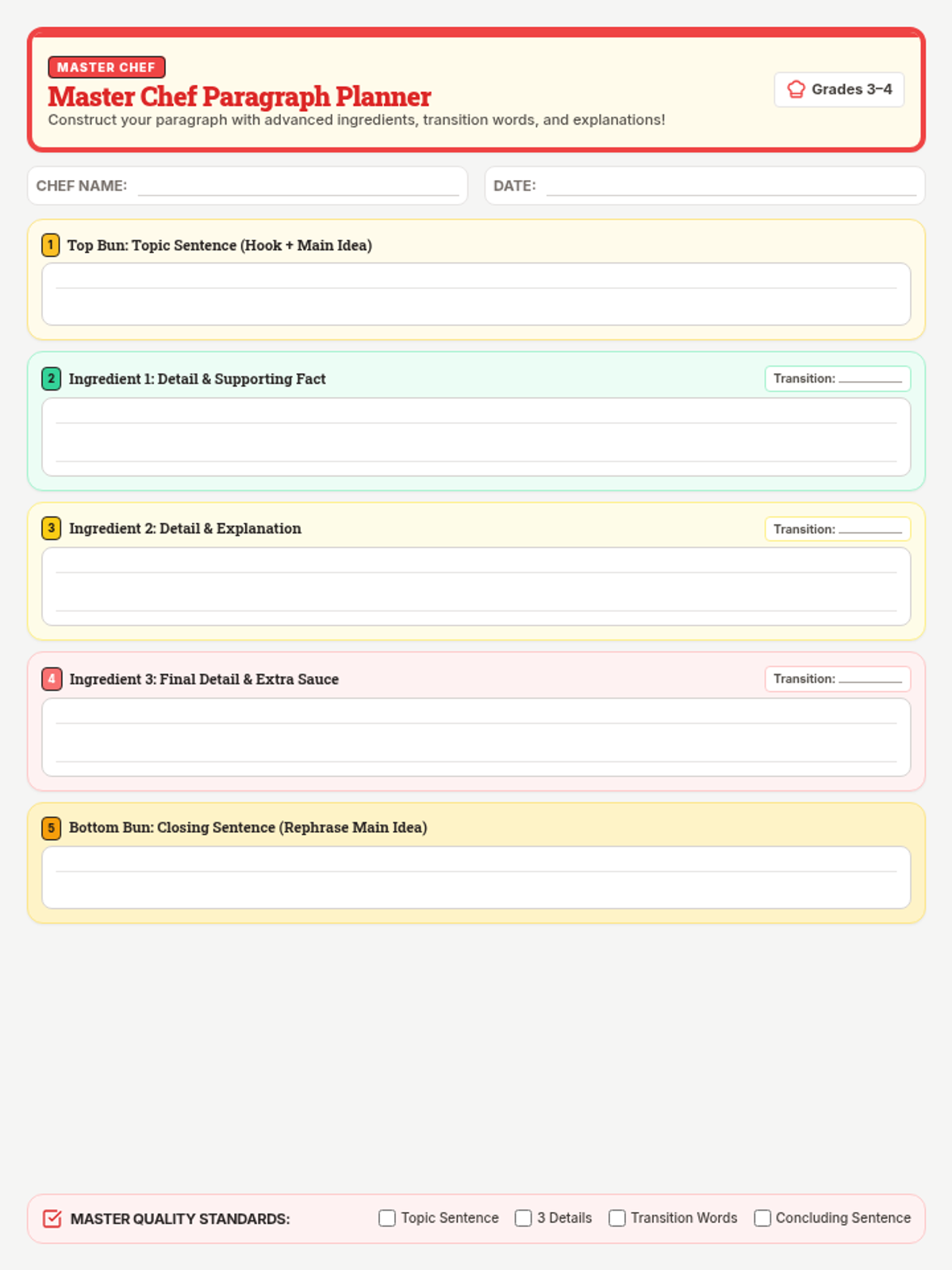
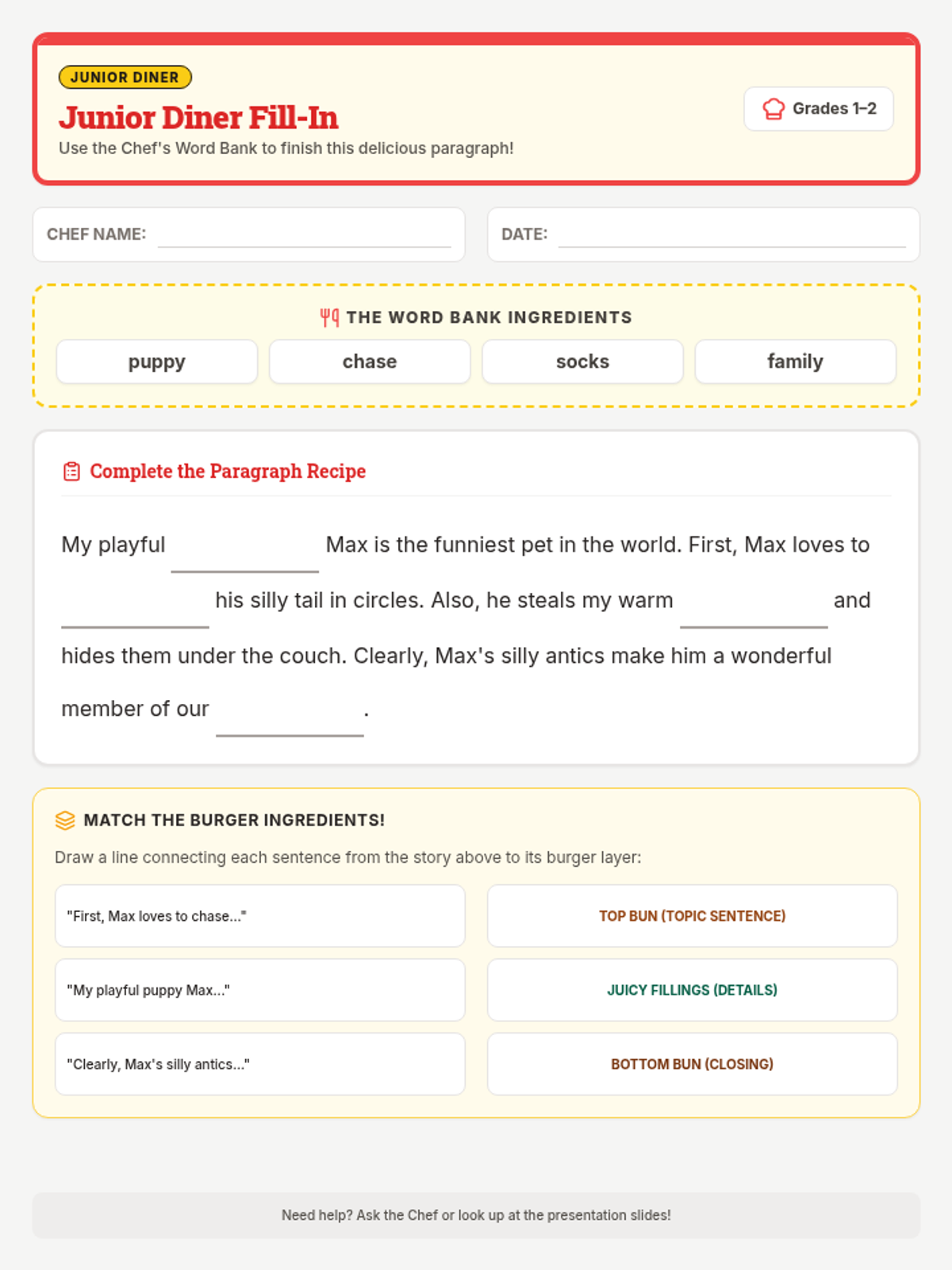
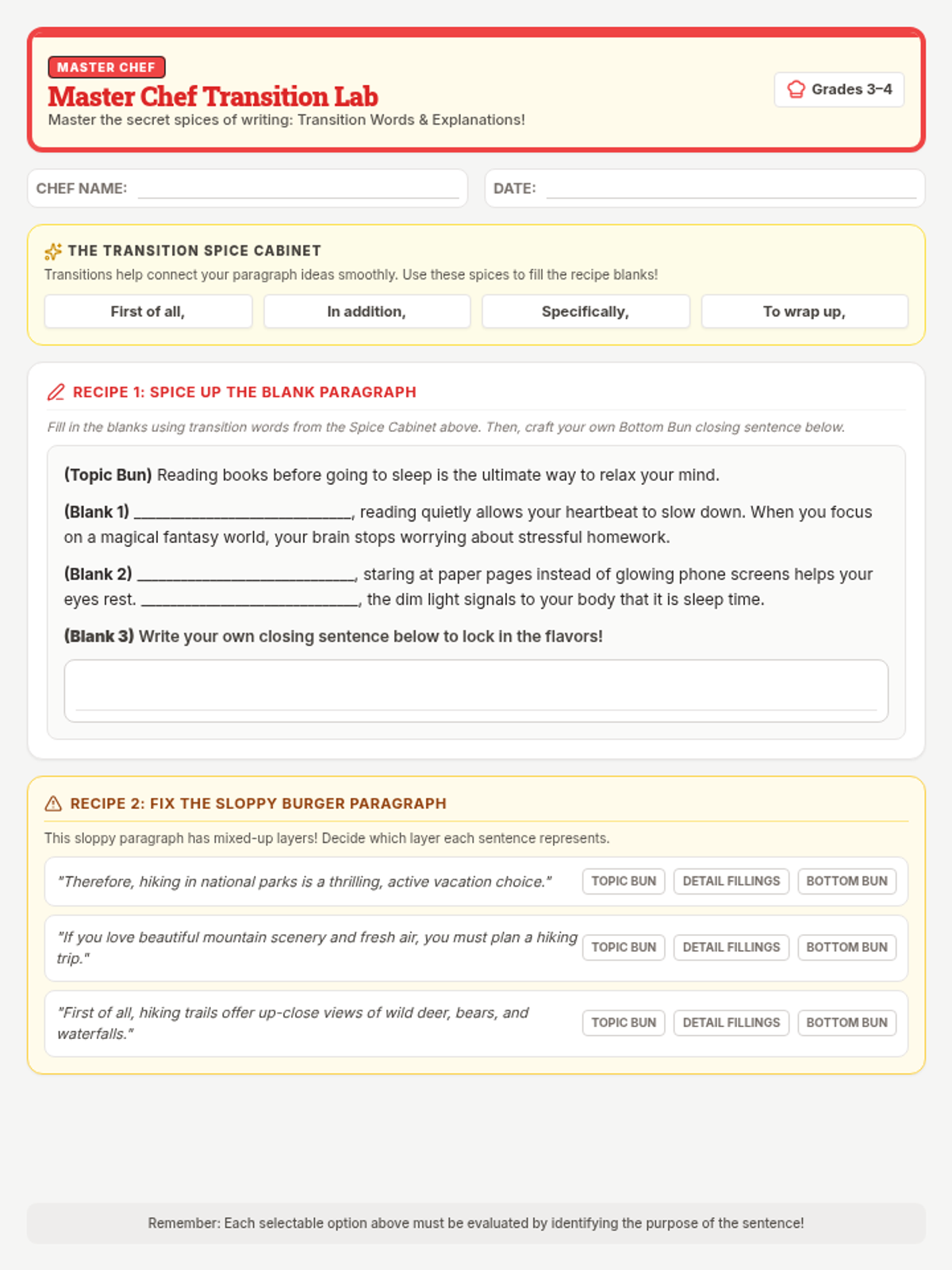
A mouth-watering introduction to paragraph writing using the classic Hamburger Model. Students learn to cook up perfect paragraphs with top buns (topic sentences), juicy fillings (supporting details), and bottom buns (concluding sentences), differentiated for grades 1-2 and 3-4.
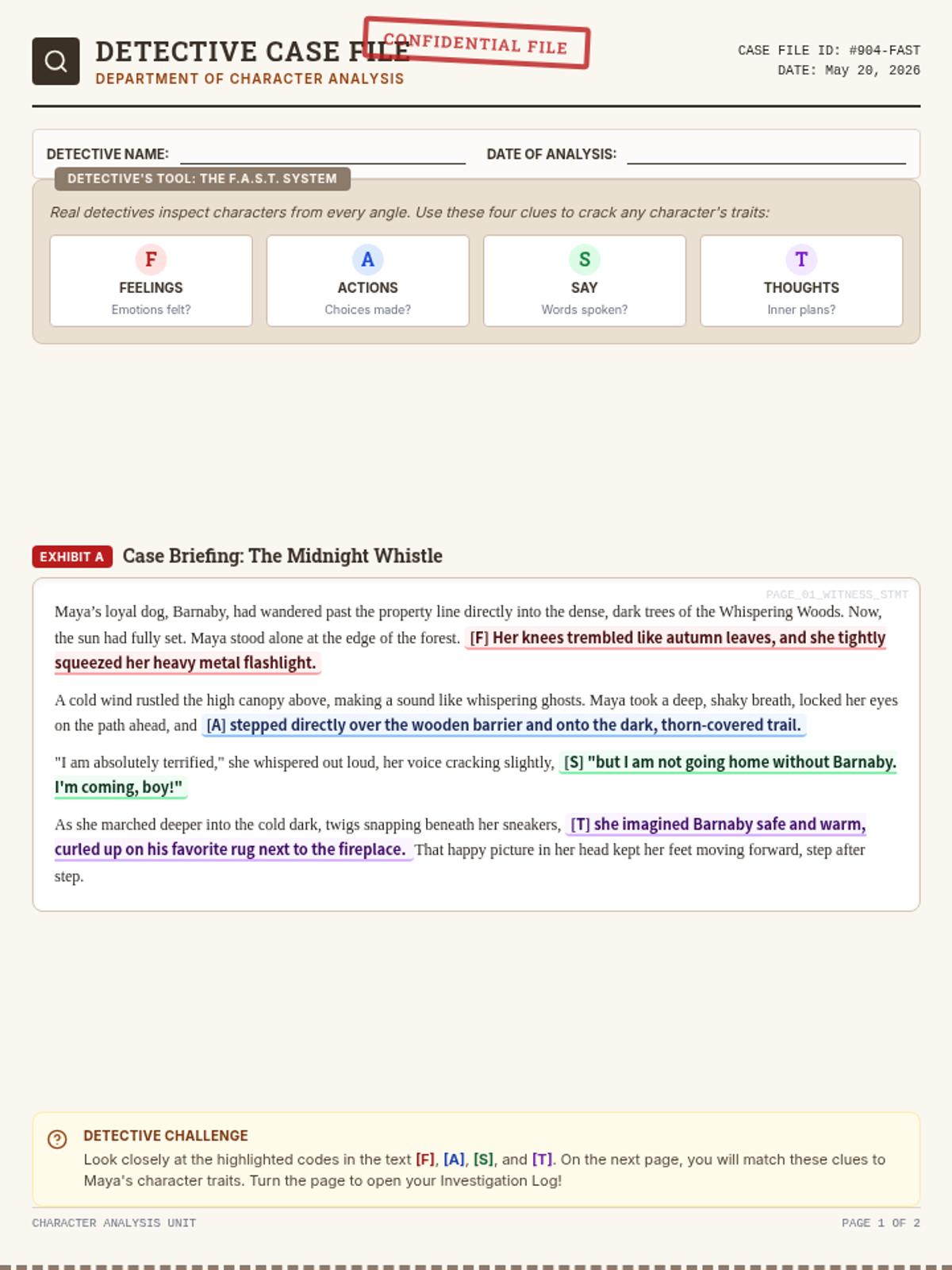
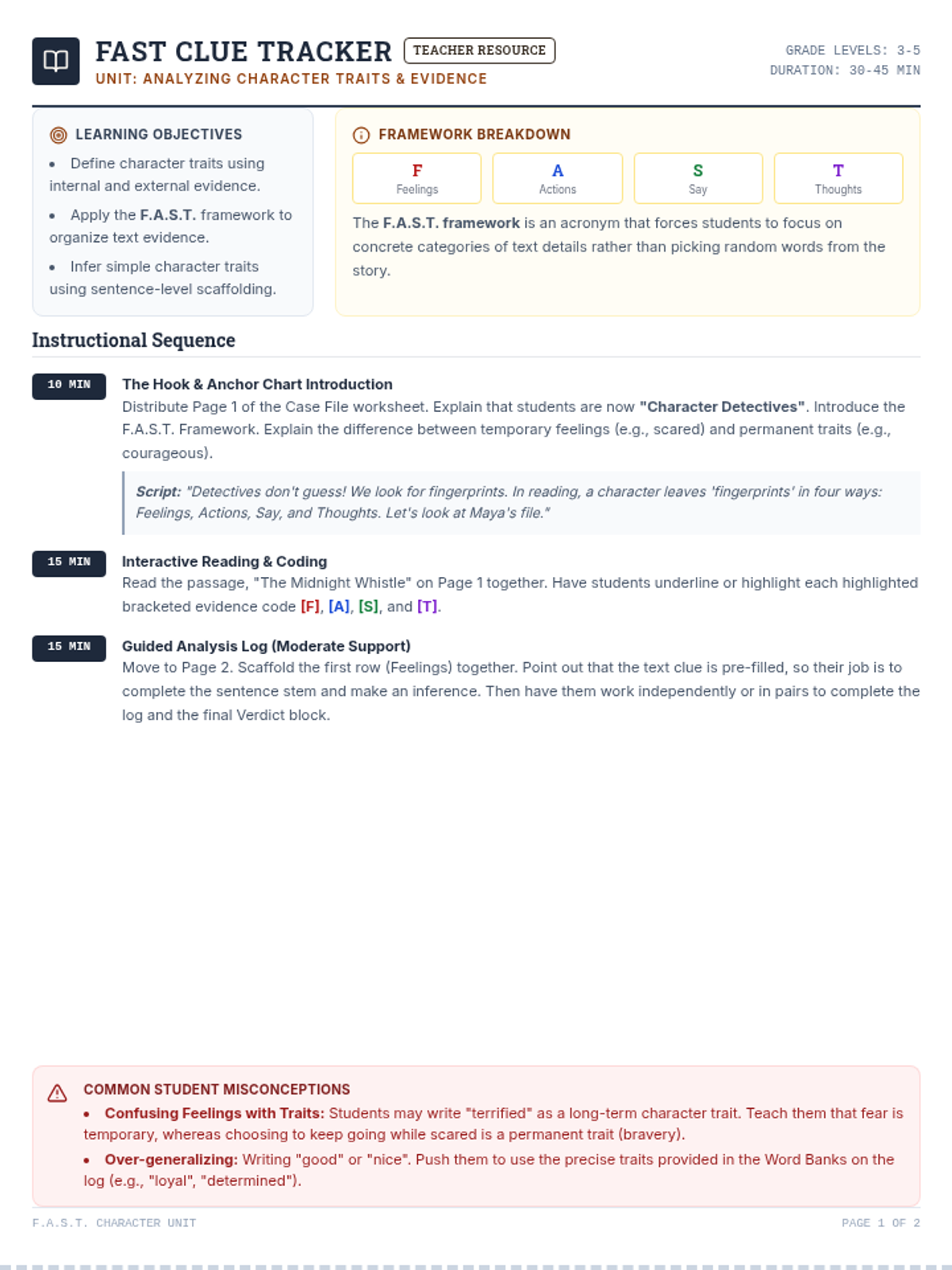
A structured mini-lesson teaching students to identify character traits using the FAST framework (Feelings, Actions, Say, Thoughts). Includes a student-facing Case File graphic organizer with moderate support and a teacher guide with an exemplar key.
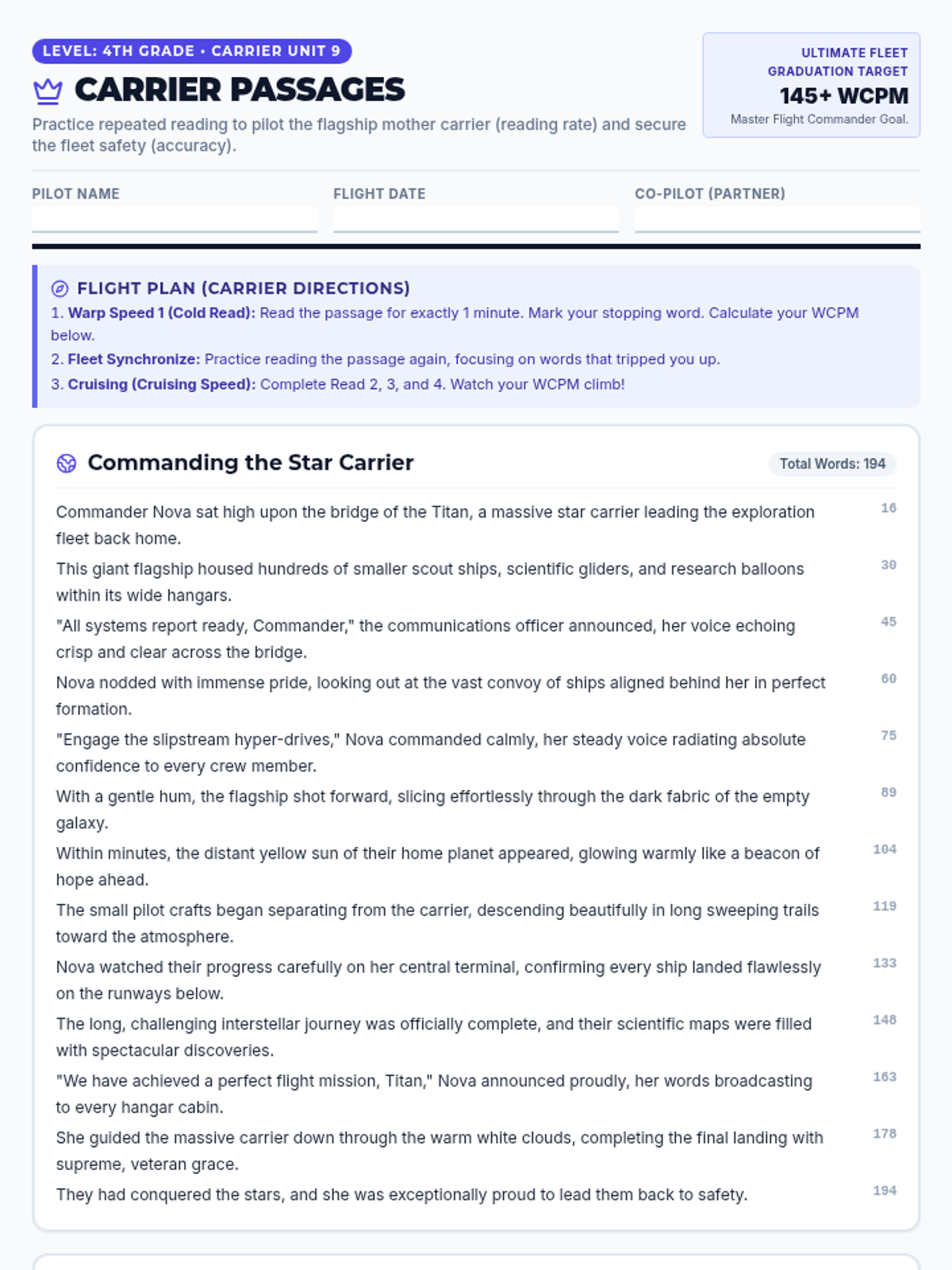
The final level of the Fluency Flight Program, piloting the massive mothership. Focuses on ultimate fluency, expressive speech prose, and elite standard delivery to reach 145+ WCPM.
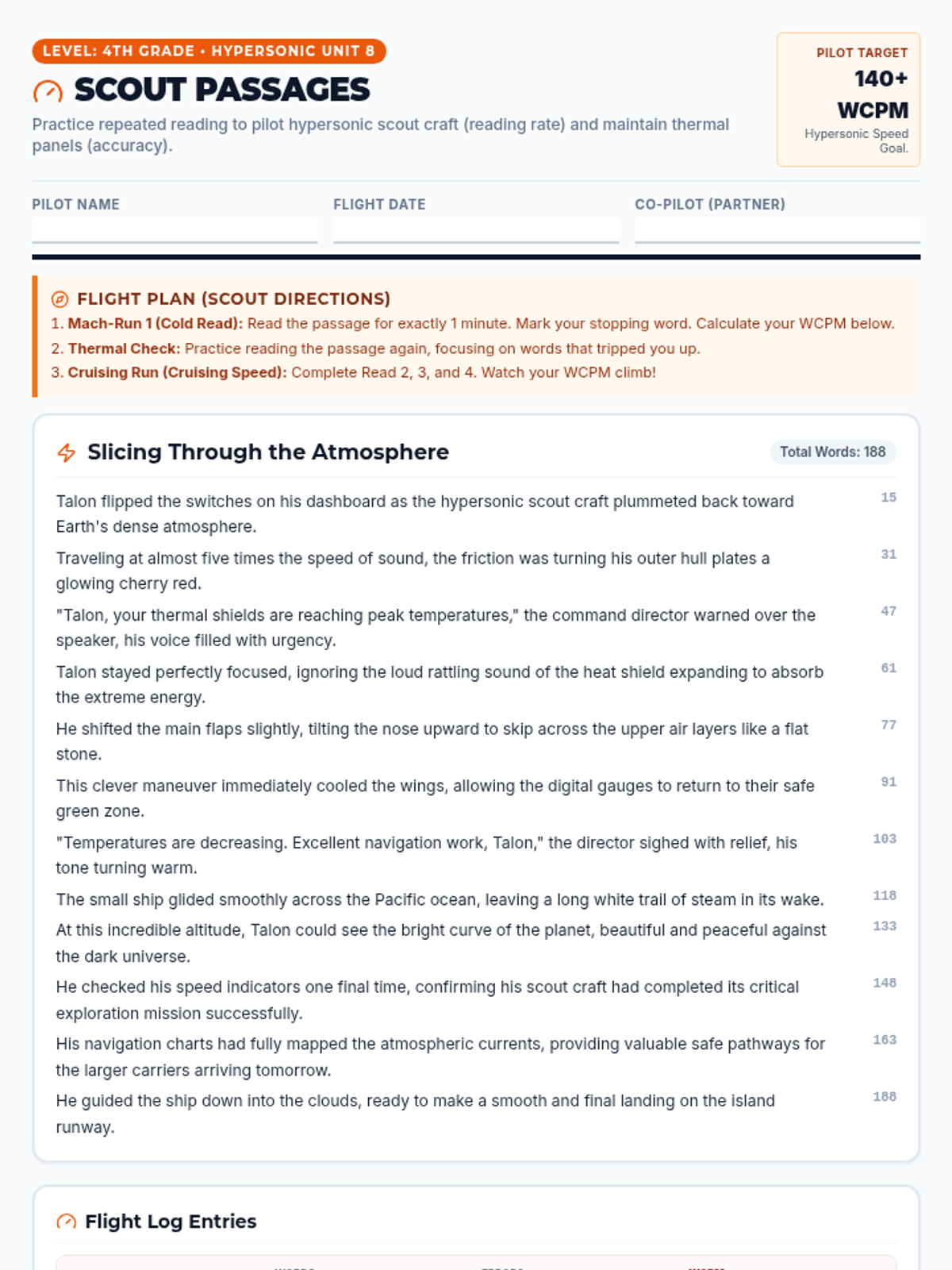
Level 8 of the Fluency Flight Program, testing experimental hypersonic scout crafts. Focuses on processing technical vocabulary and making rapid phrasing adjustments under heavy pressure to reach 140 WCPM.
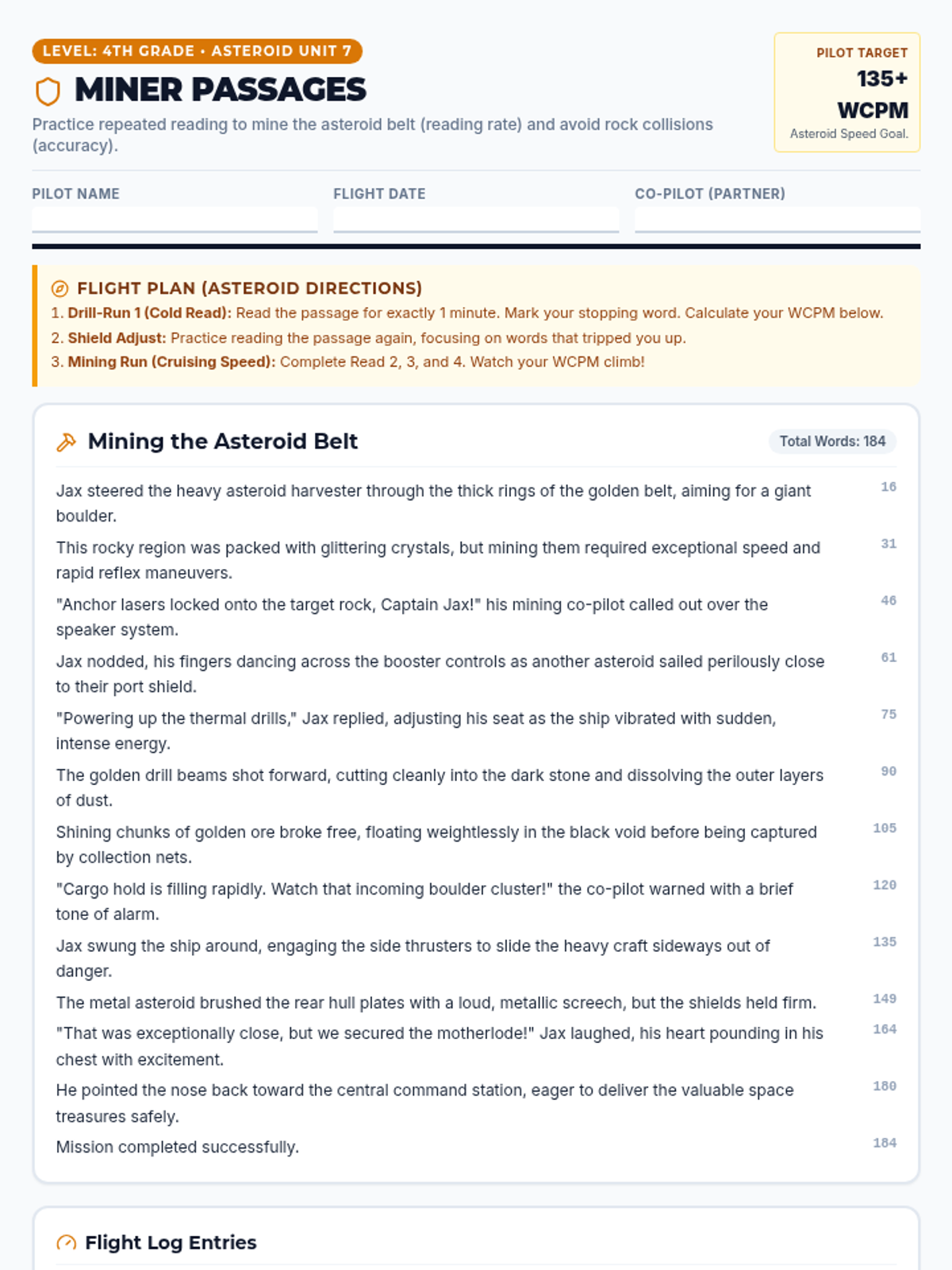
Level 7 of the Fluency Flight Program, set on a fast-paced asteroid mining mission. Emphasizes rapid self-correction and fast processing of challenging consonants and consonant blends to reach 135 WCPM.
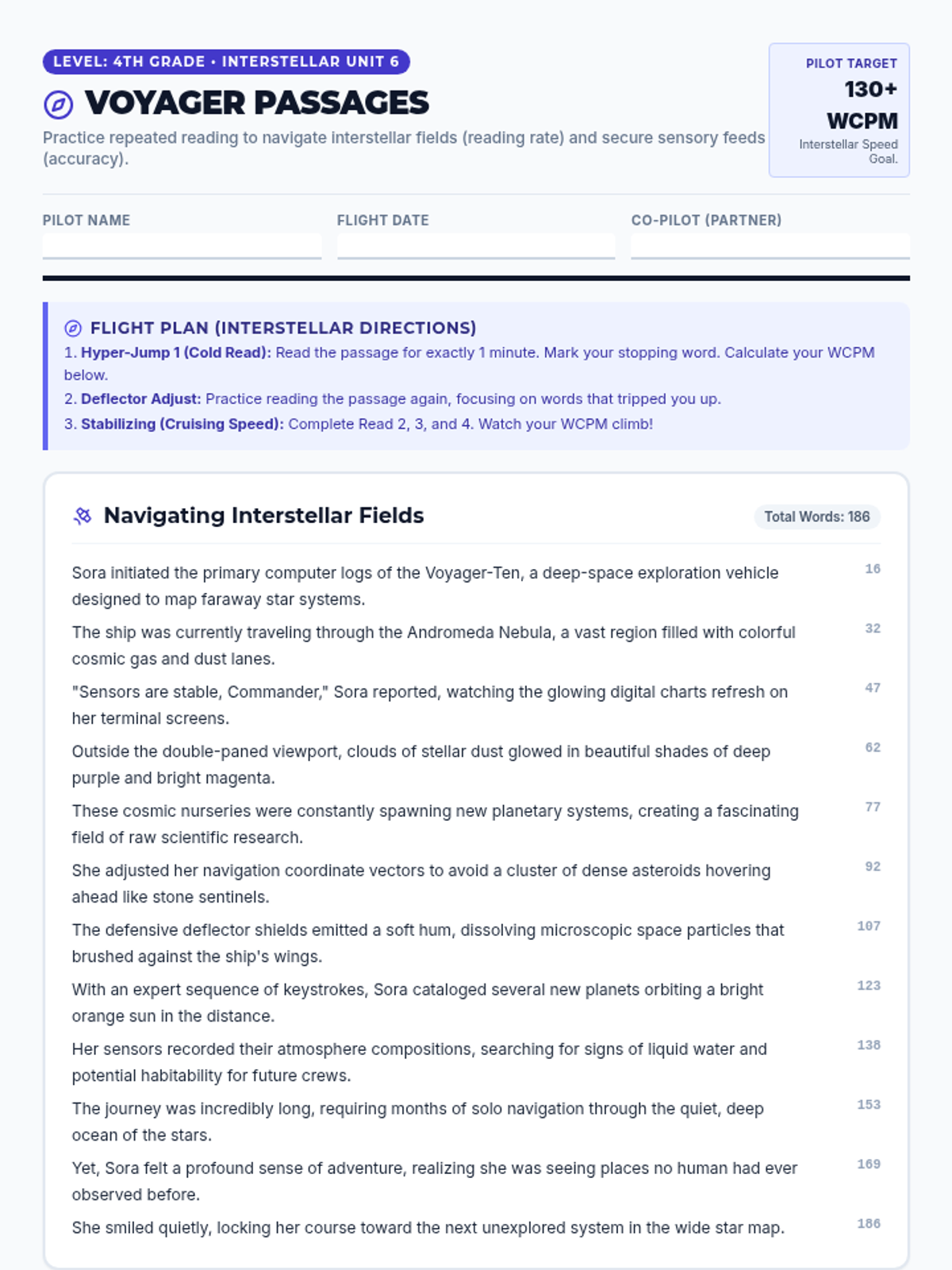
Level 6 of the Fluency Flight Program, exploring deep interstellar frontiers. Focuses on parsing dense noun phrases, complex multi-syllable vocabulary, and long phrasing patterns to reach 130 WCPM.
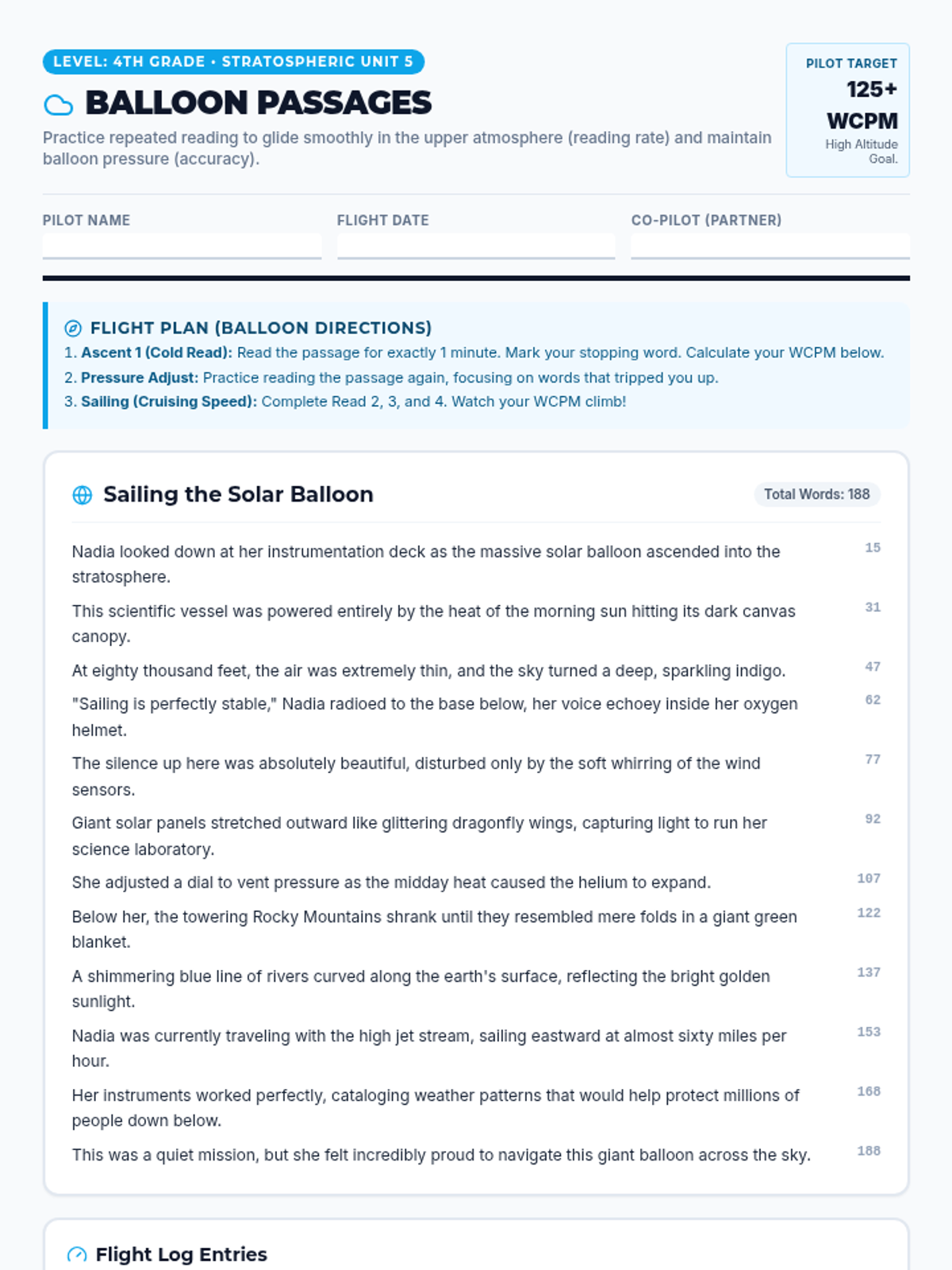
Level 5 of the Fluency Flight Program, focusing on high-altitude stratospheric solar balloons. Focuses on breathing rhythm, long descriptive paragraphs, and dramatic pauses to reach 125 WCPM.
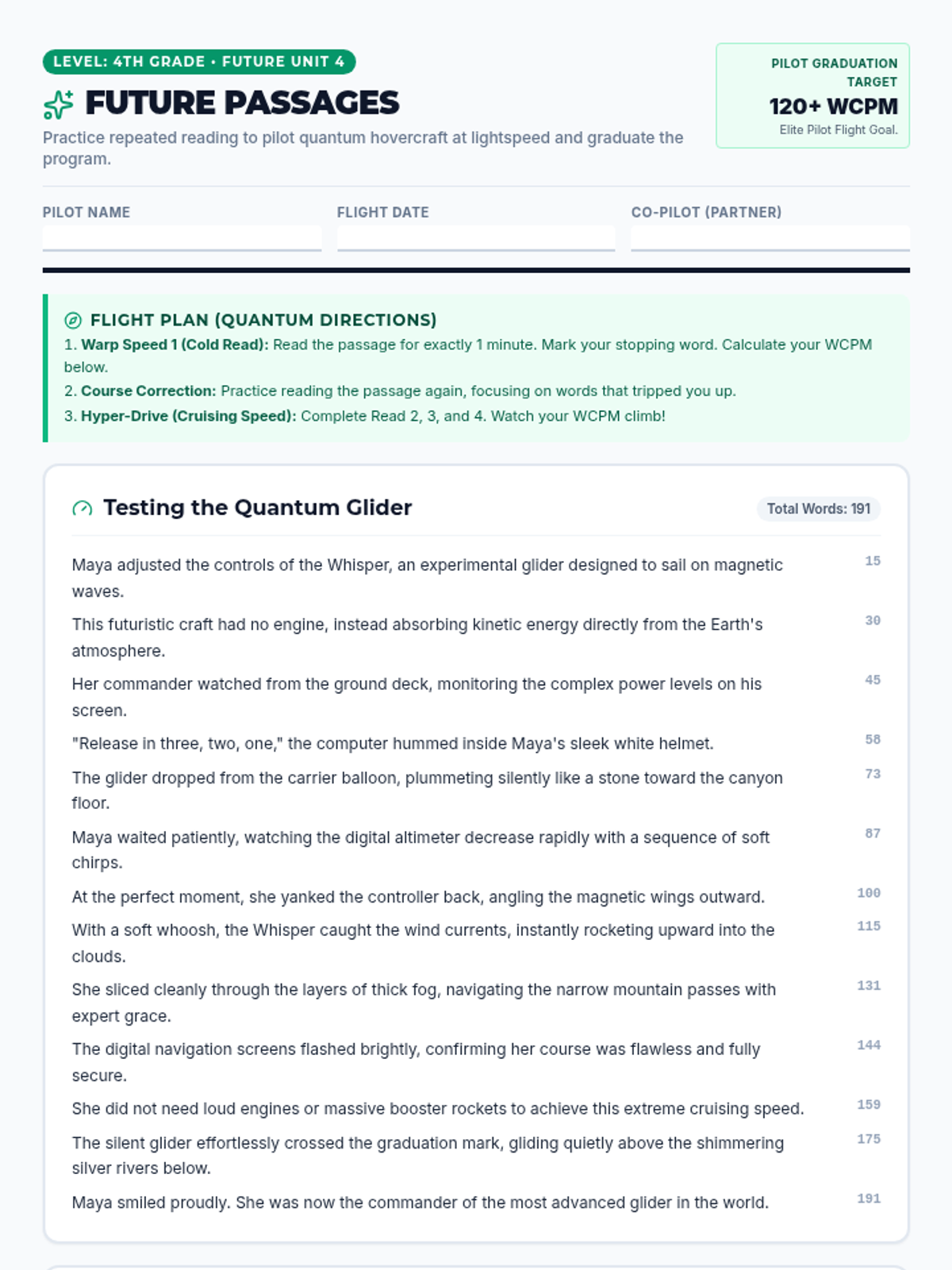
The advanced fourth level of the Fluency Flight Program, themed around experimental future hovercraft and quantum gliders. Focuses on parsing complex sentence structures, technical vocabulary, and peak precision to reach the 120+ WCPM graduation milestone.
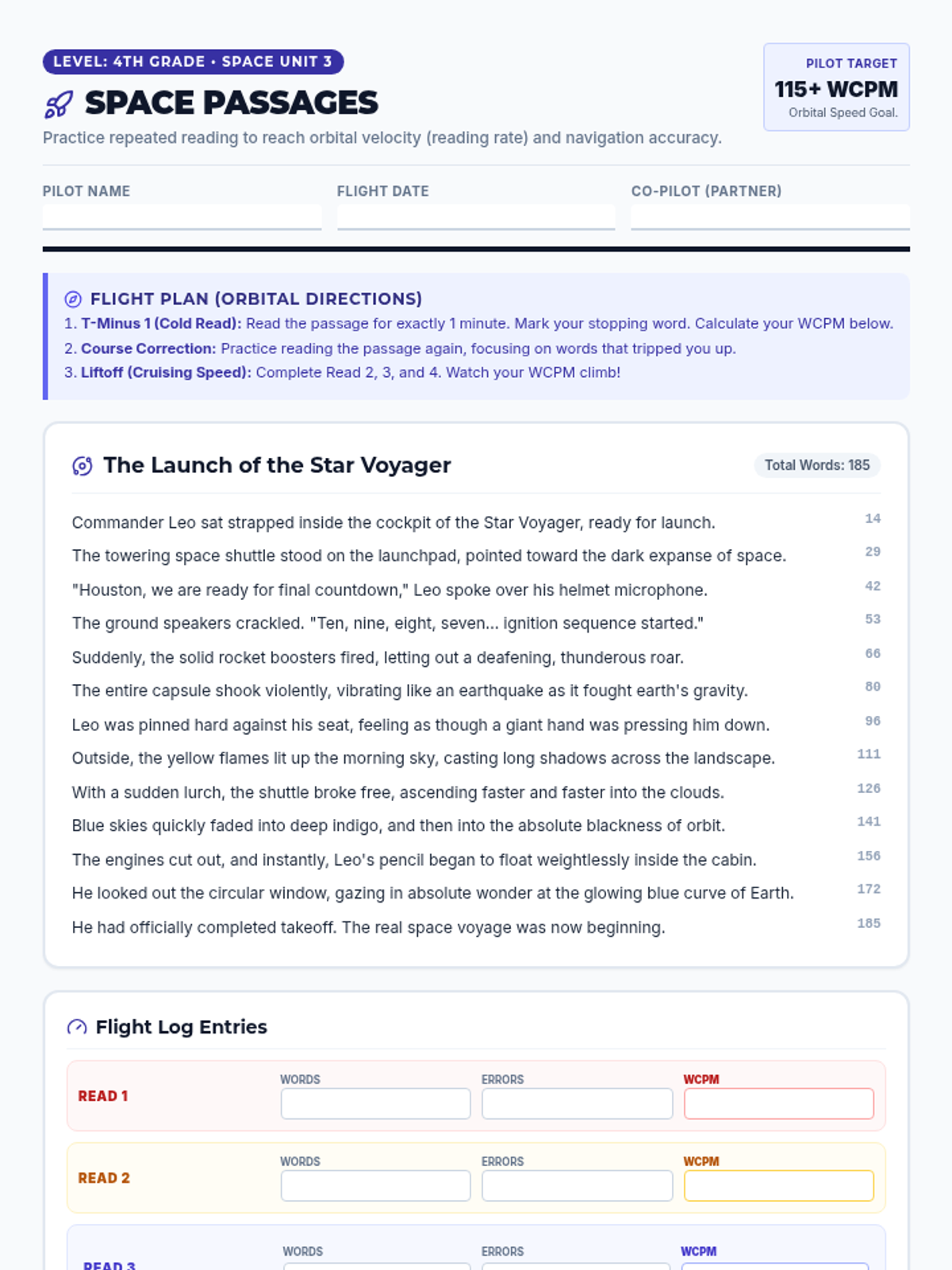
The third level of the Fluency Flight Program, themed around space shuttles and rockets. Focuses on technical multi-syllabic vocabulary, complex multi-clause sentences, and dramatic expression under pressure to reach 115+ WCPM.
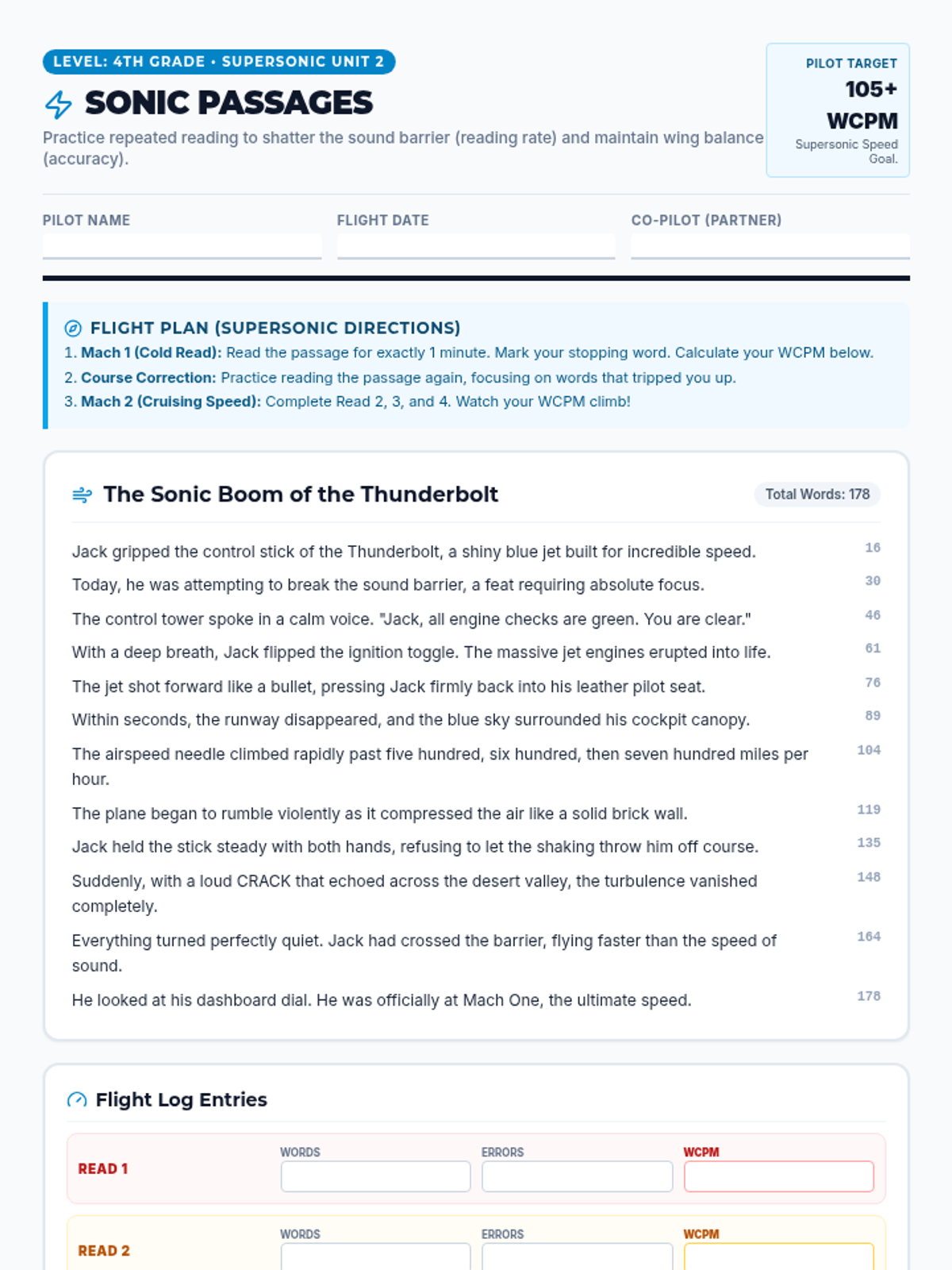
The second level of the Fluency Flight Program, themed around high-speed supersonic jets. Focuses on rapid processing, advanced suffix combinations, and expressive phrasing to build reading rates toward 105+ WCPM.
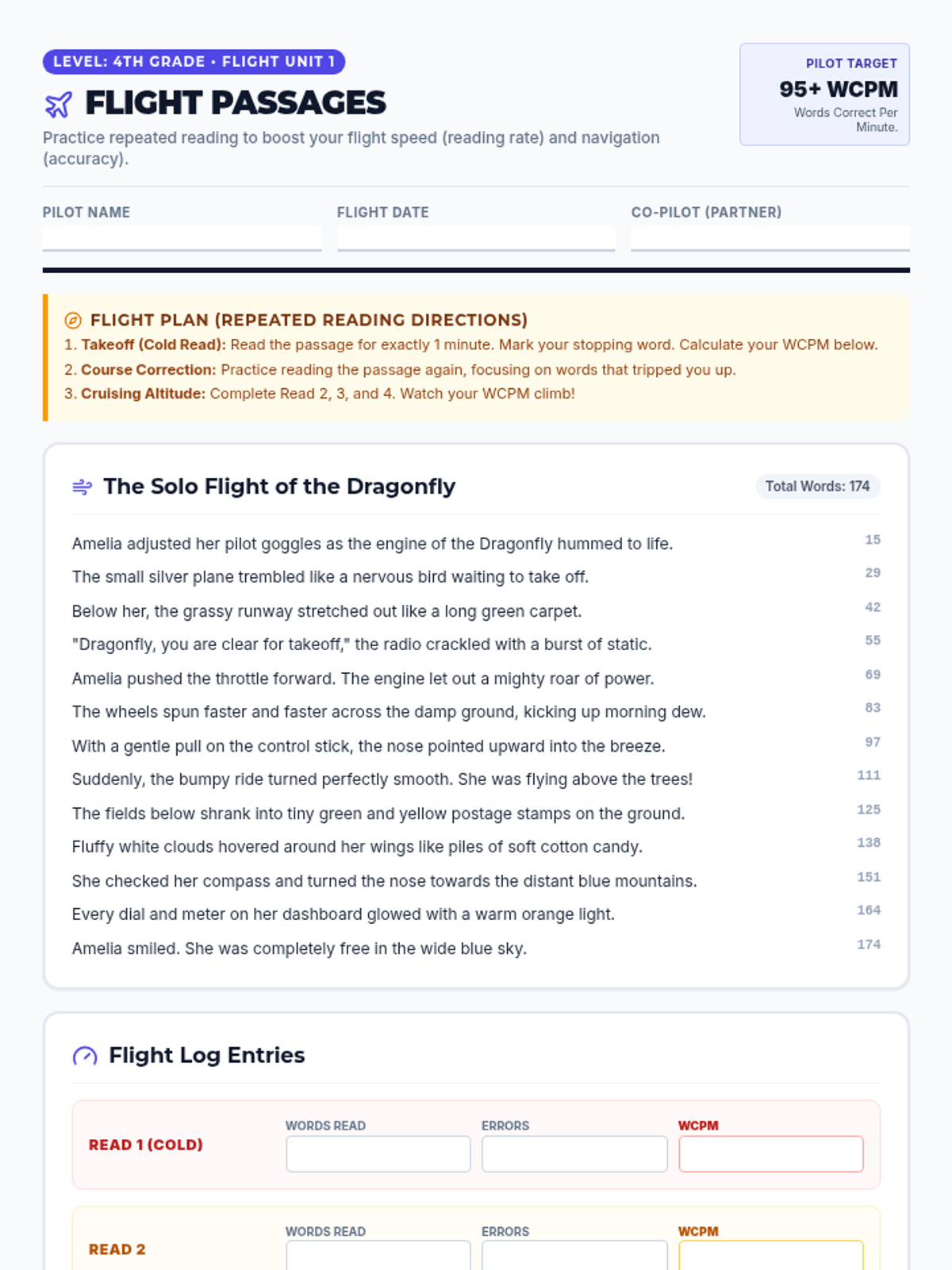
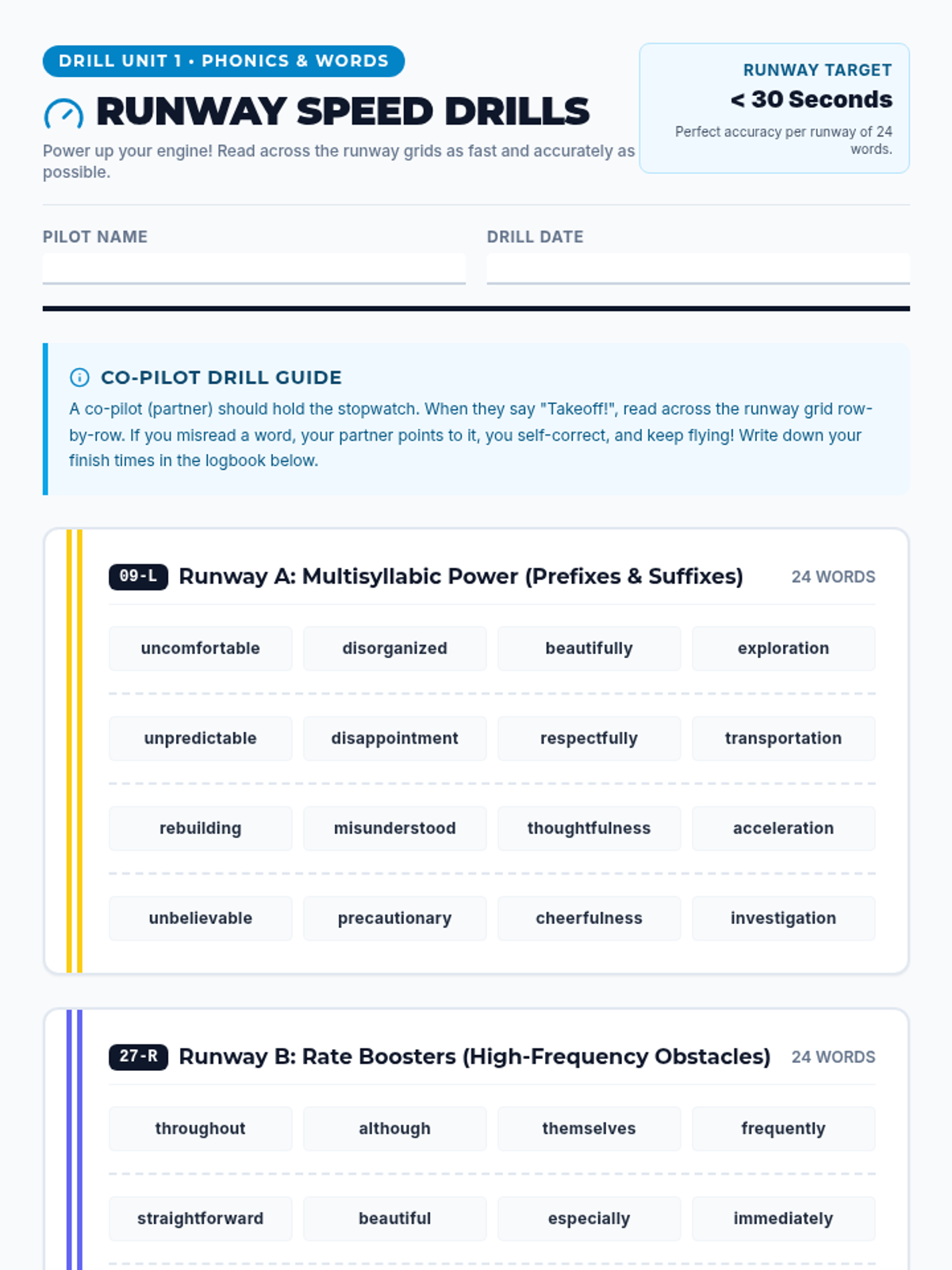
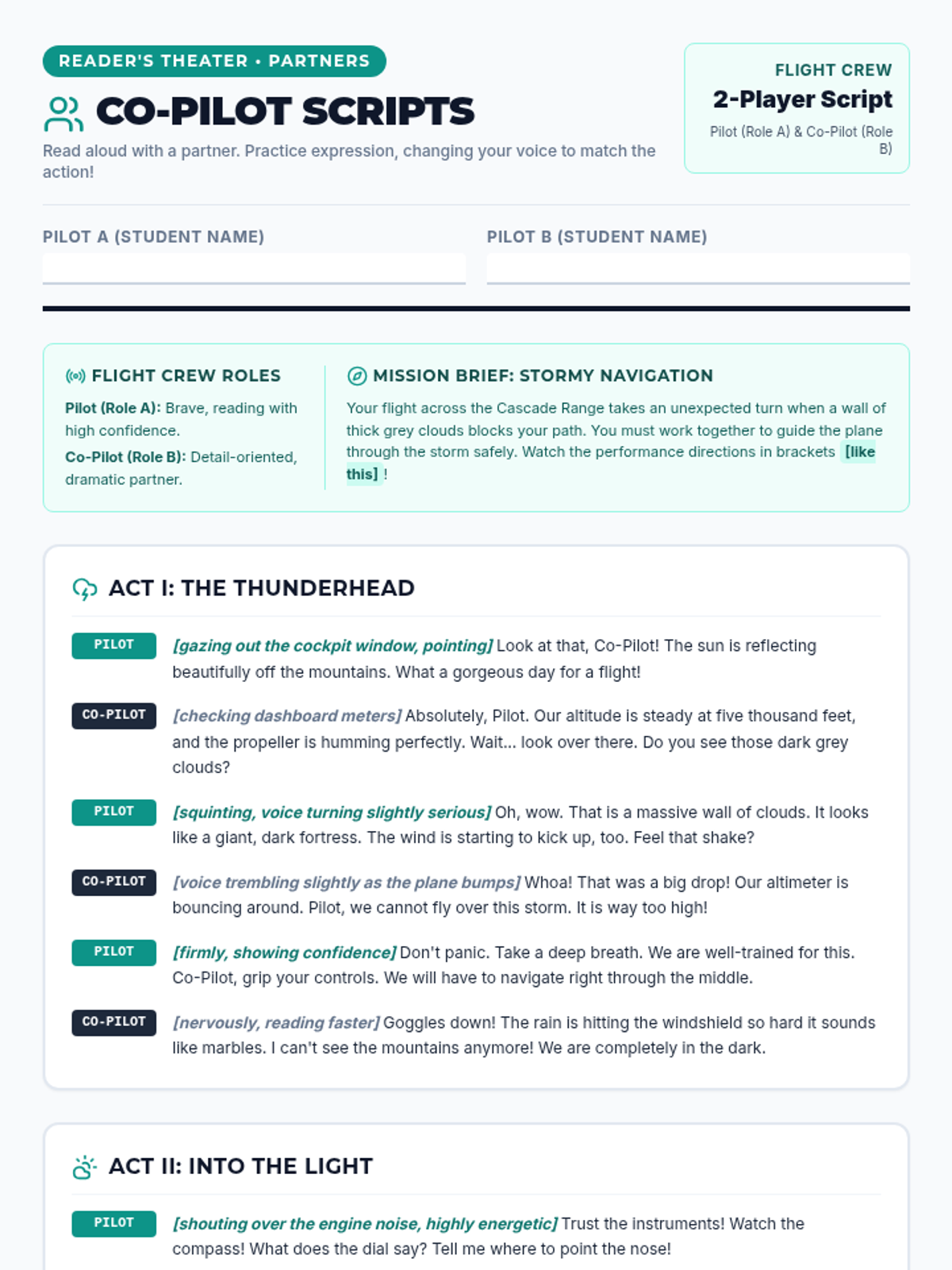
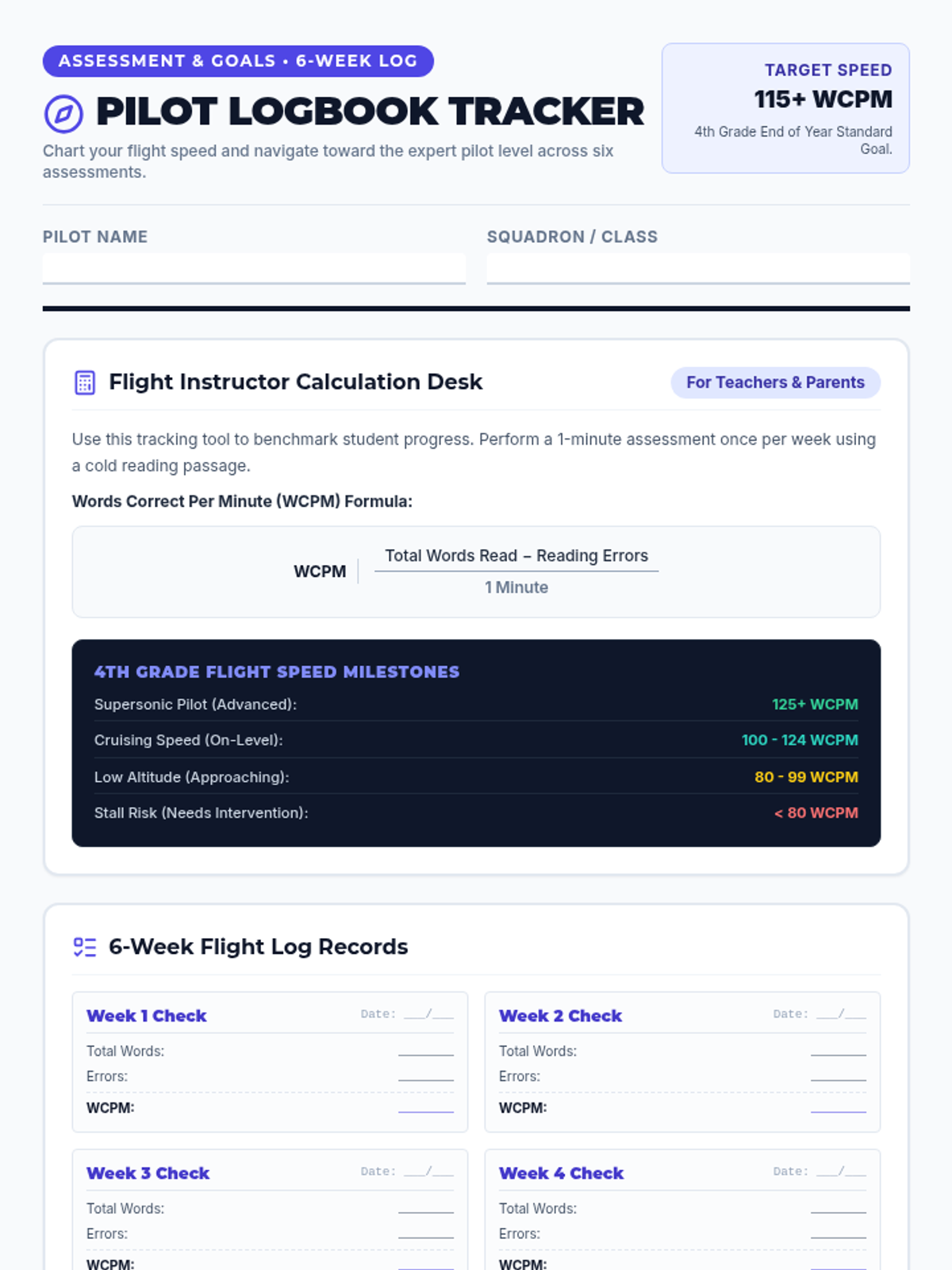
A comprehensive 4th-grade reading fluency intervention program themed around aviation. It includes repeated reading passages with tracking charts, high-frequency runway drills, partner scripts, and pilot progress logbooks to boost reading rate, accuracy, and expression.
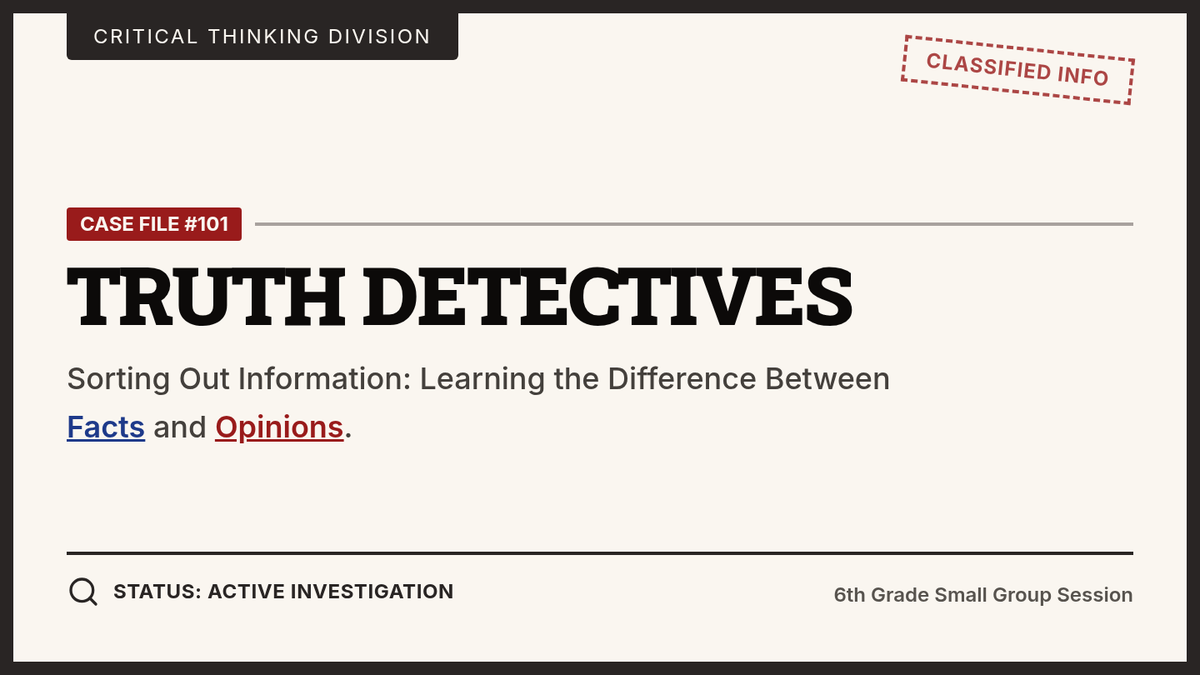
A 6th-grade small-group lesson that teaches students to distinguish between objective facts and subjective opinions, using a 'Truth Detectives' retro agency theme. Includes standard academic and social-emotional examples.
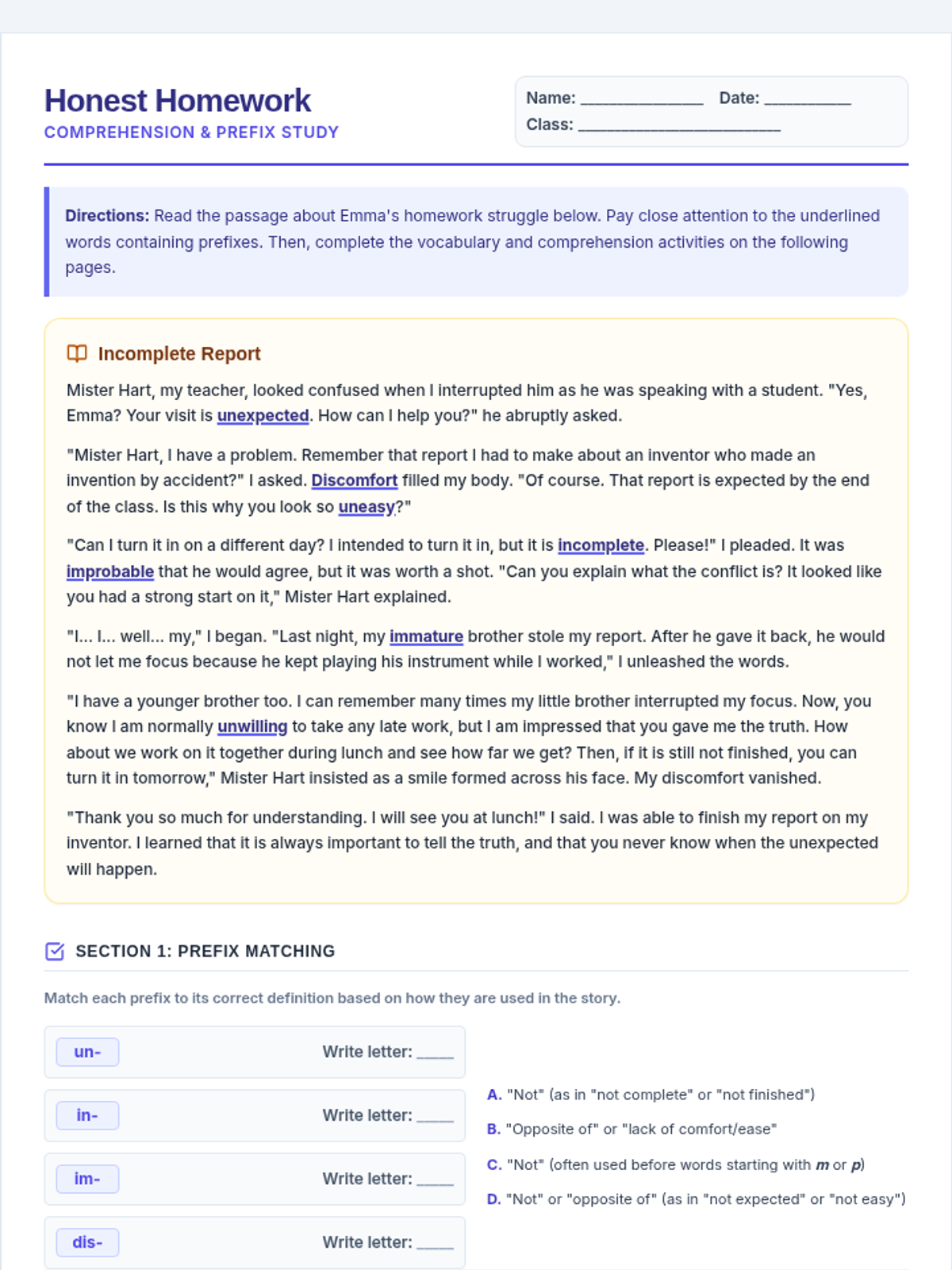
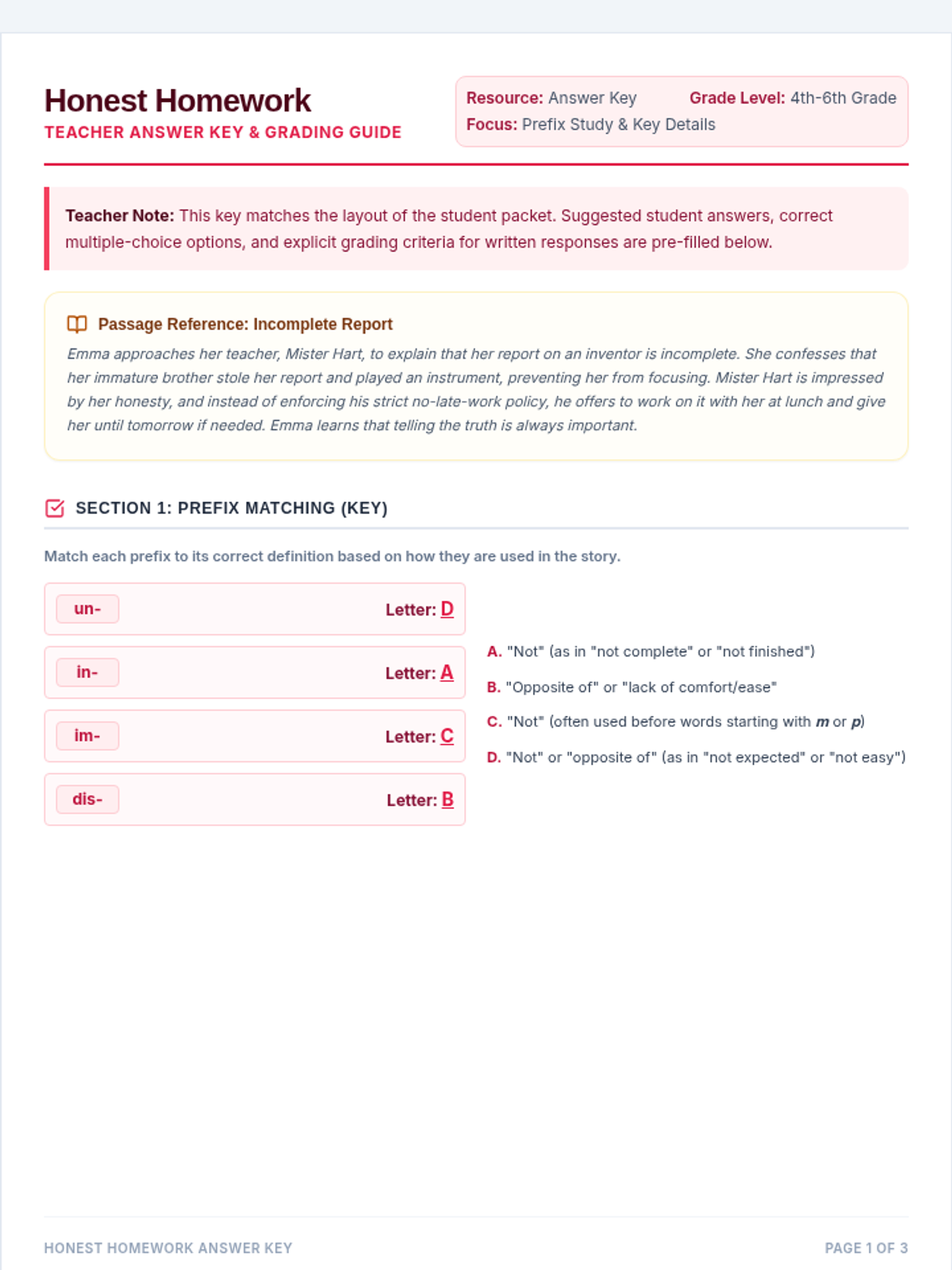
A comprehensive reading comprehension and vocabulary study focused on the short story "Incomplete Report". Students will analyze key details, practice target prefix vocabulary (un-, in-, im-, dis-), and write evidence-based short responses.
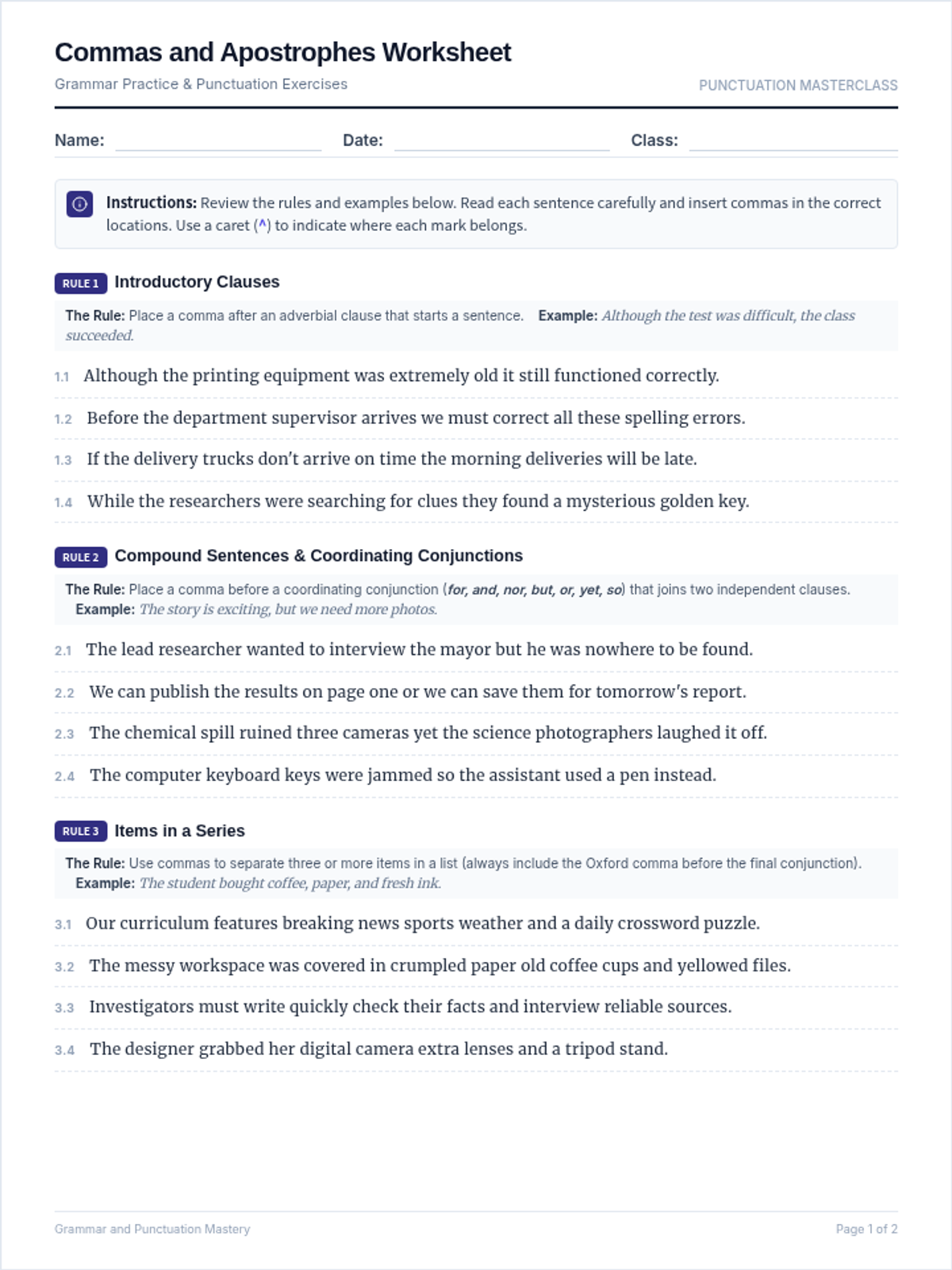
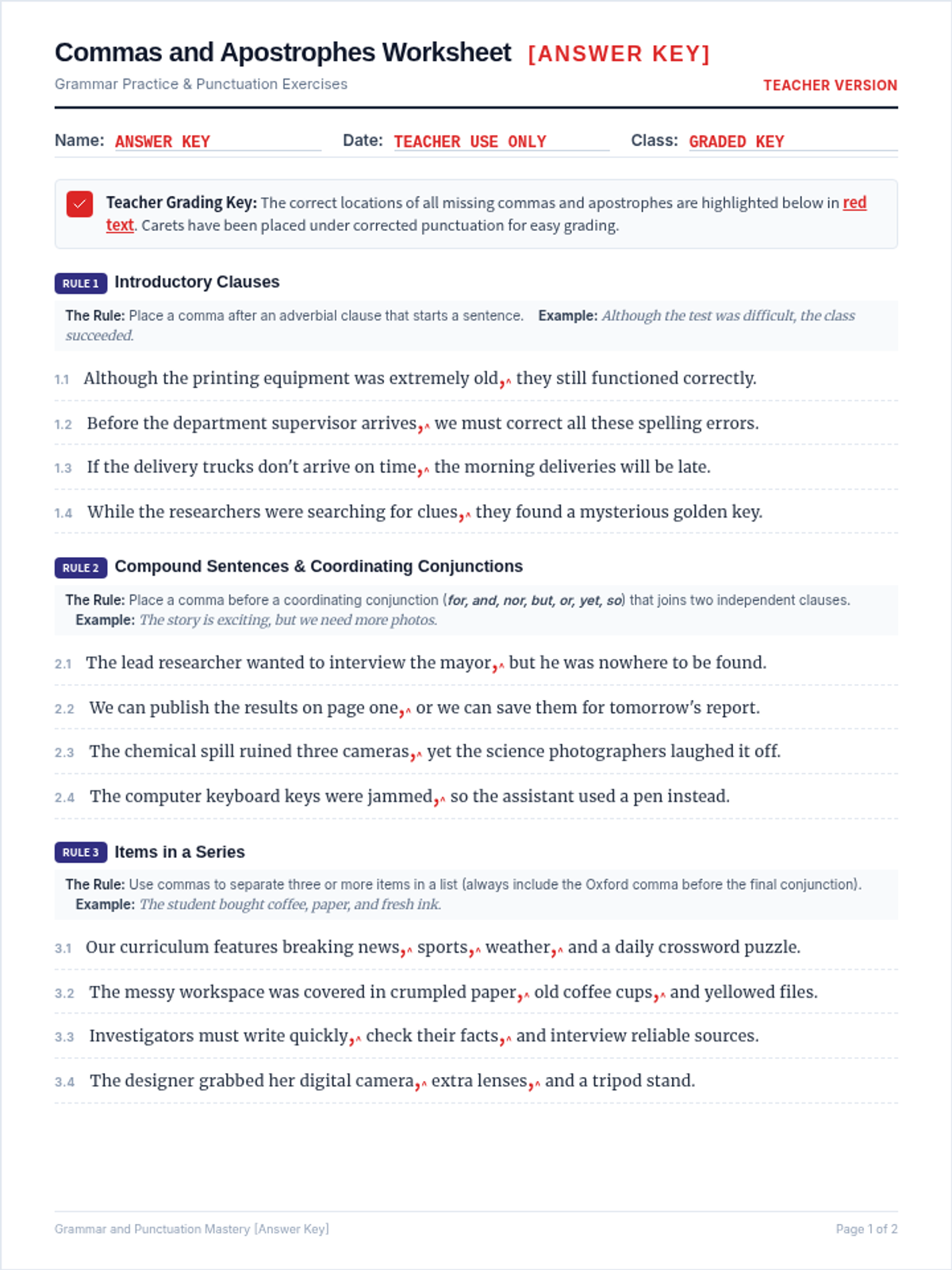
A comprehensive grammar lesson designed to help students master commas and apostrophes through structured style guides, model exercises, and active text-editing tasks.
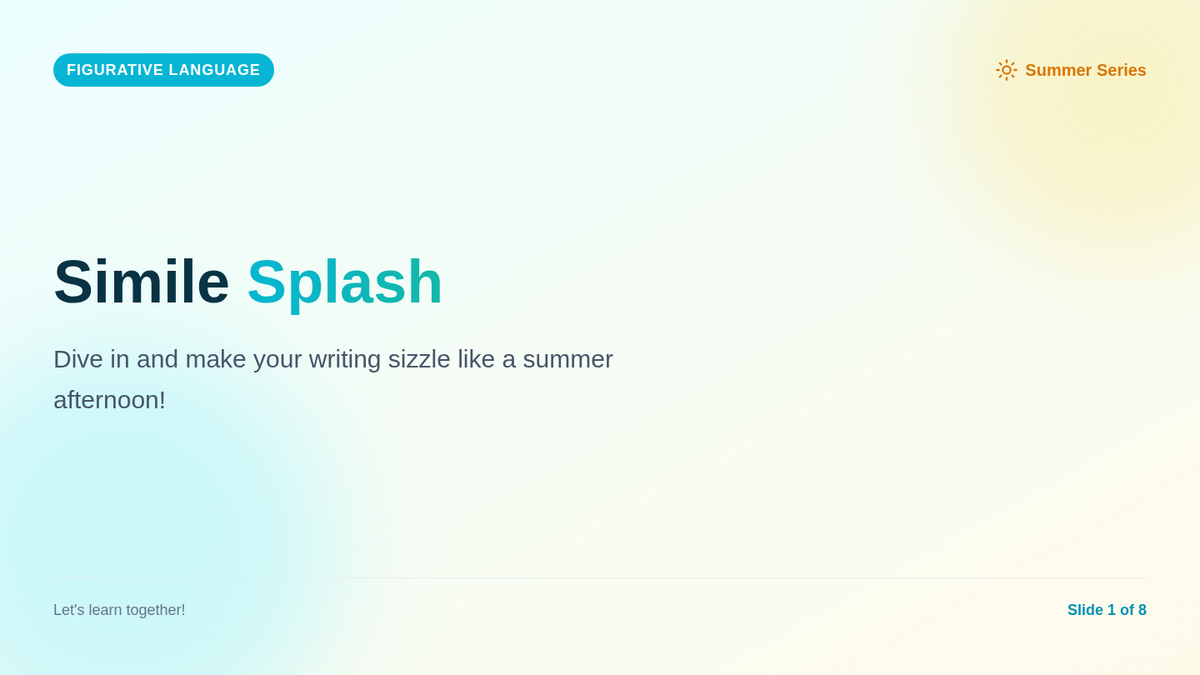
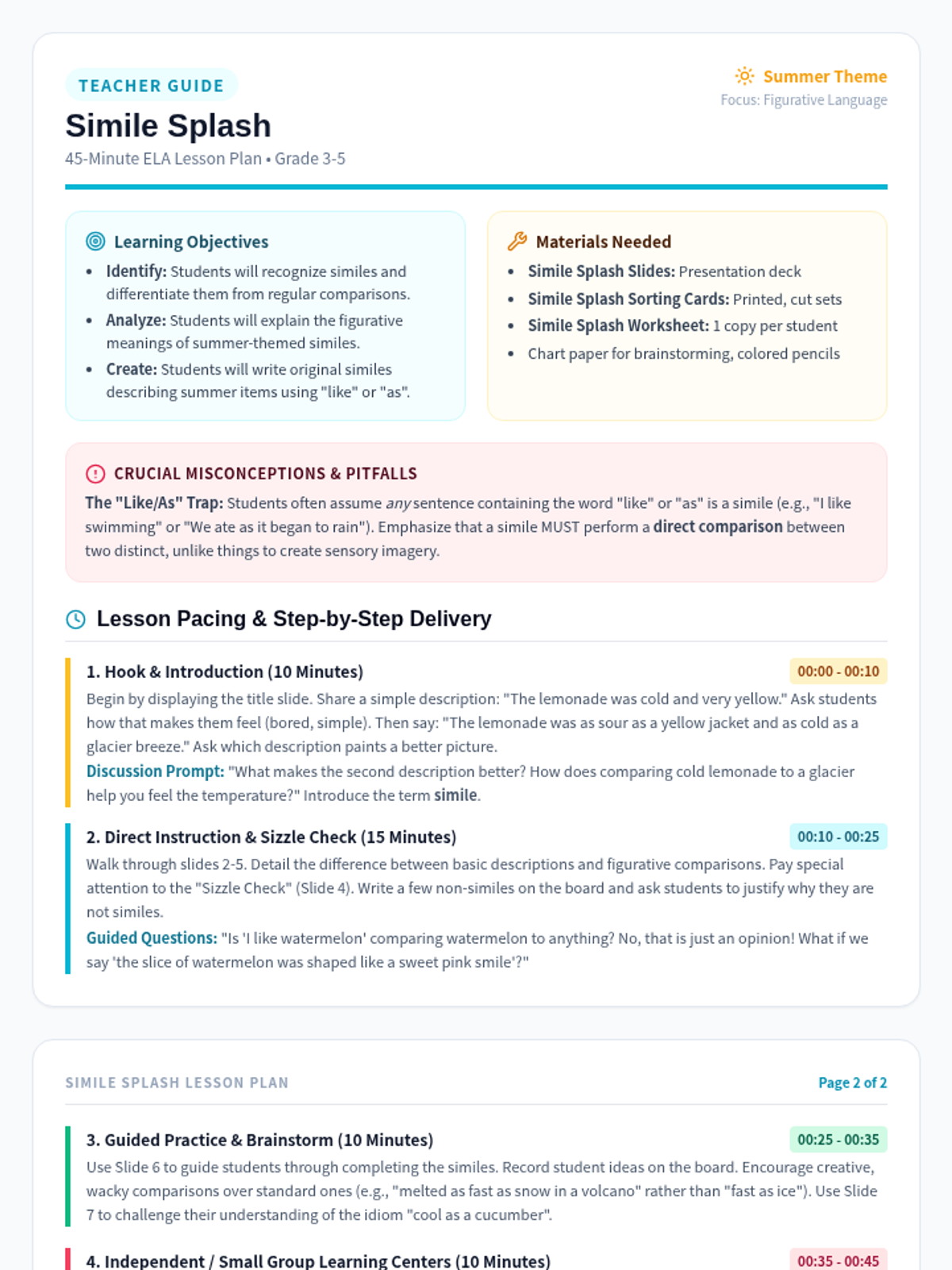
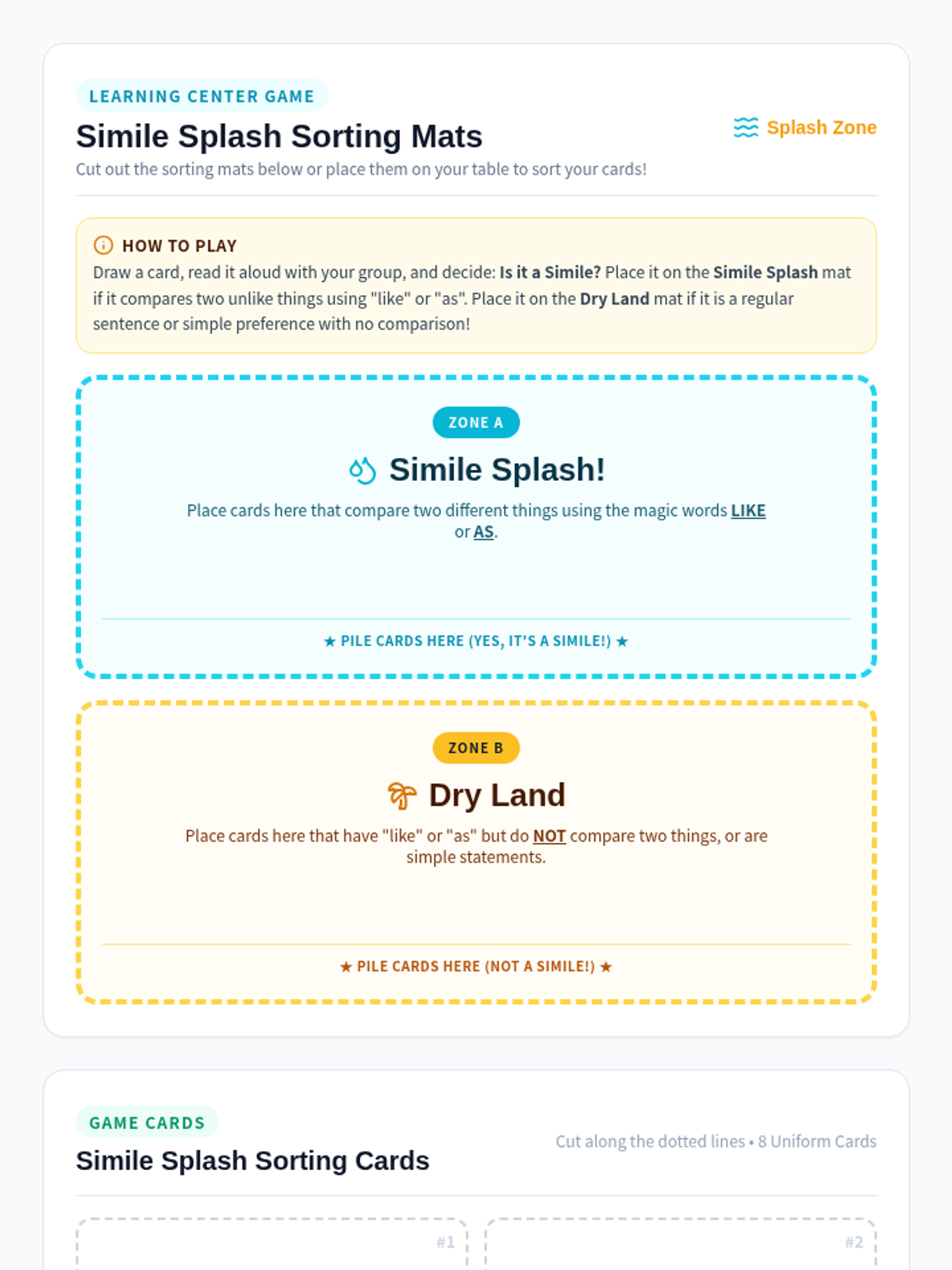
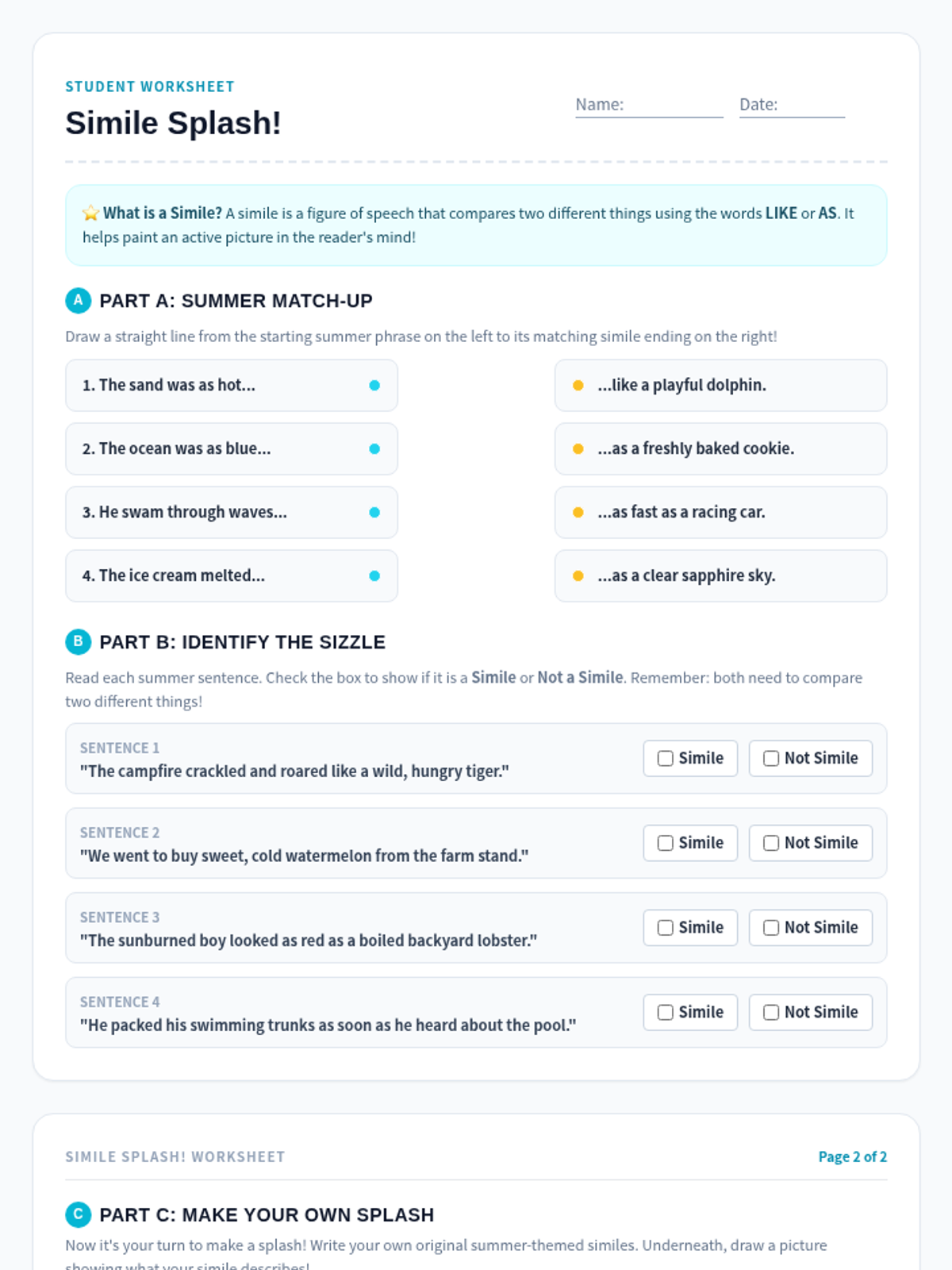
An immersive, summer-themed lesson where students dive into figurative language by exploring and creating similes. This lesson includes an interactive slide deck, a detailed 45-minute lesson plan, a hands-on learning center sorting game, and a guided practice worksheet.
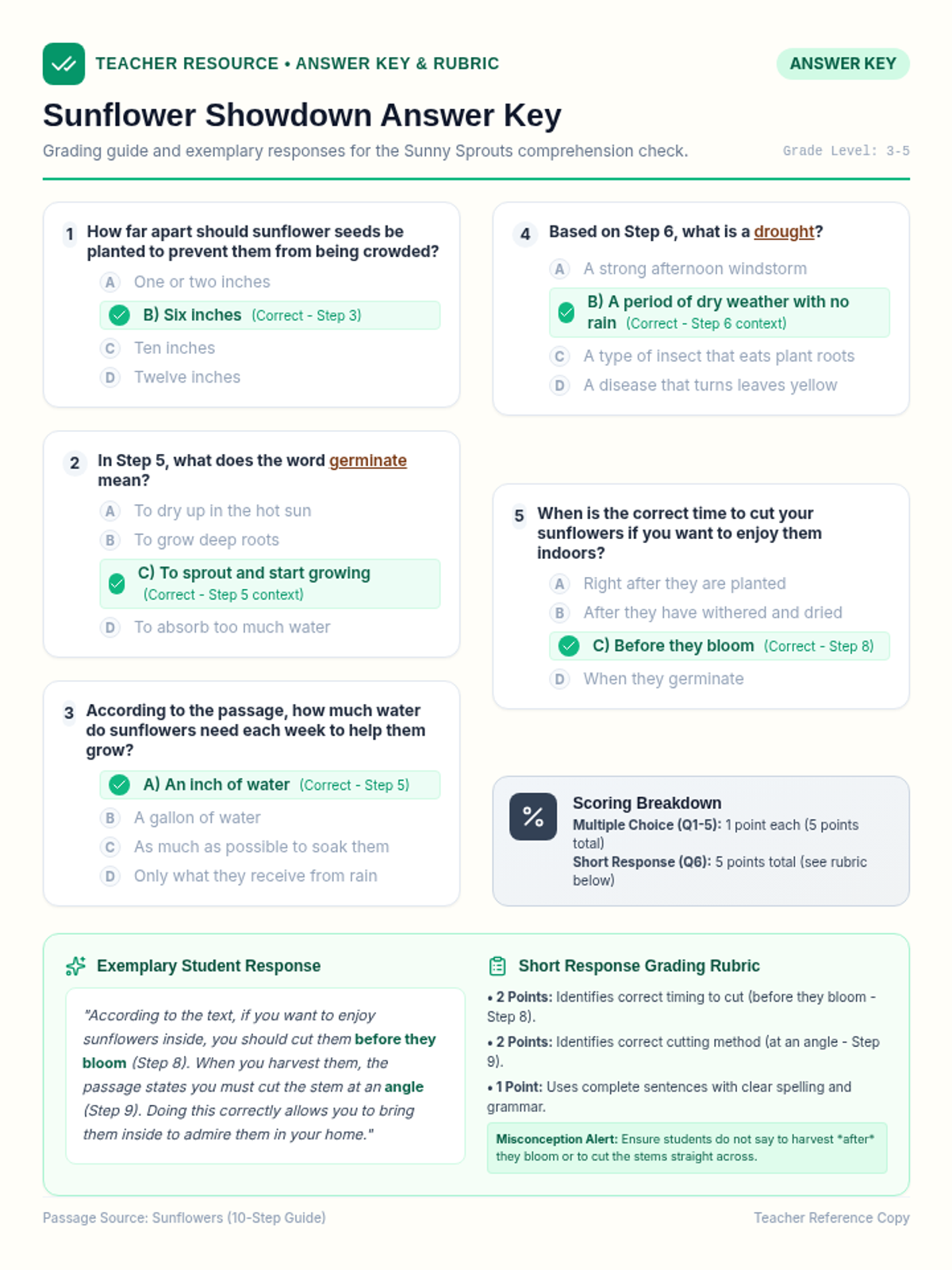
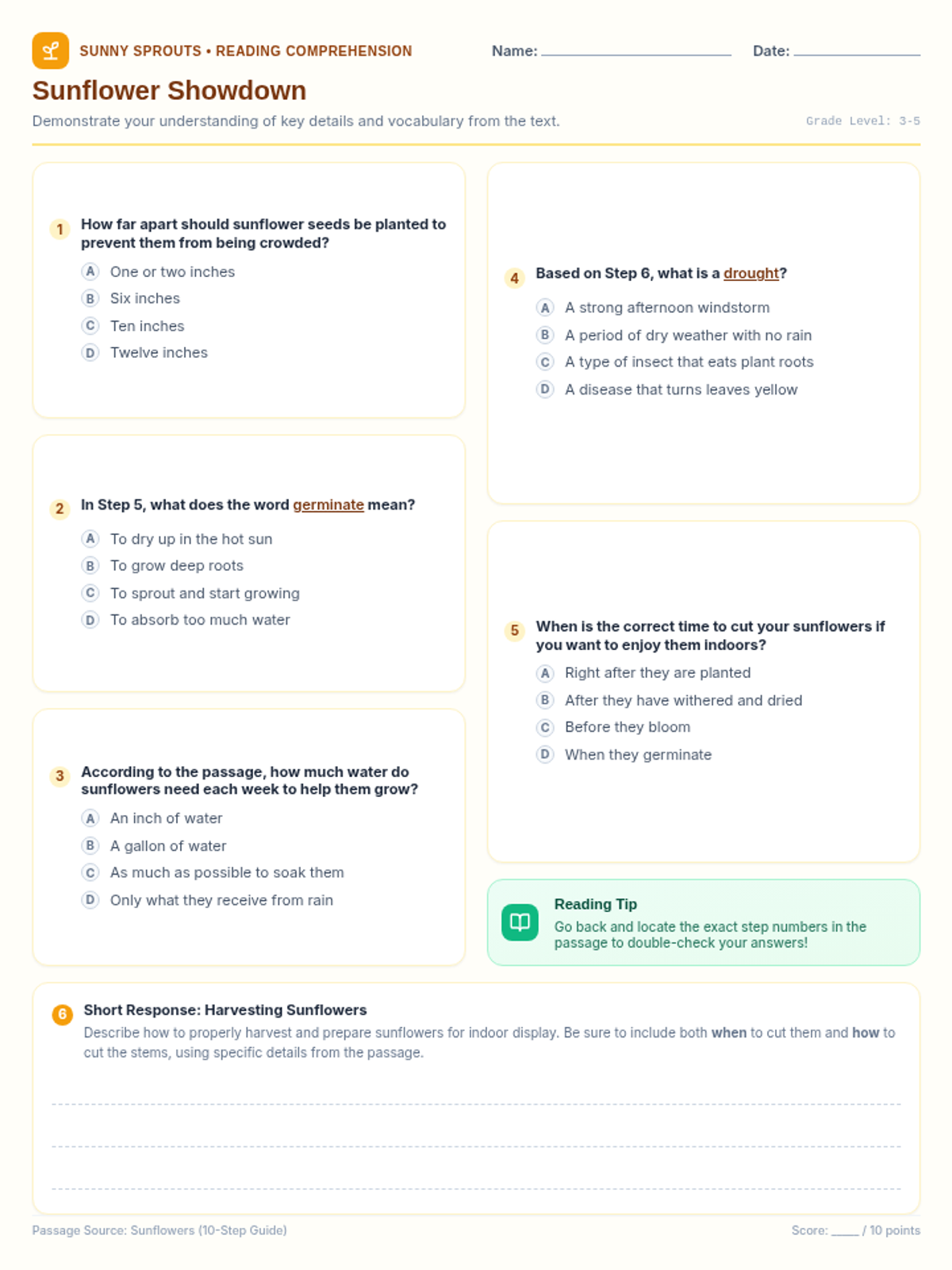
A comprehension check lesson based on an instructional text about planting, growing, and harvesting sunflowers. Students will practice identifying key details and defining text-dependent vocabulary.
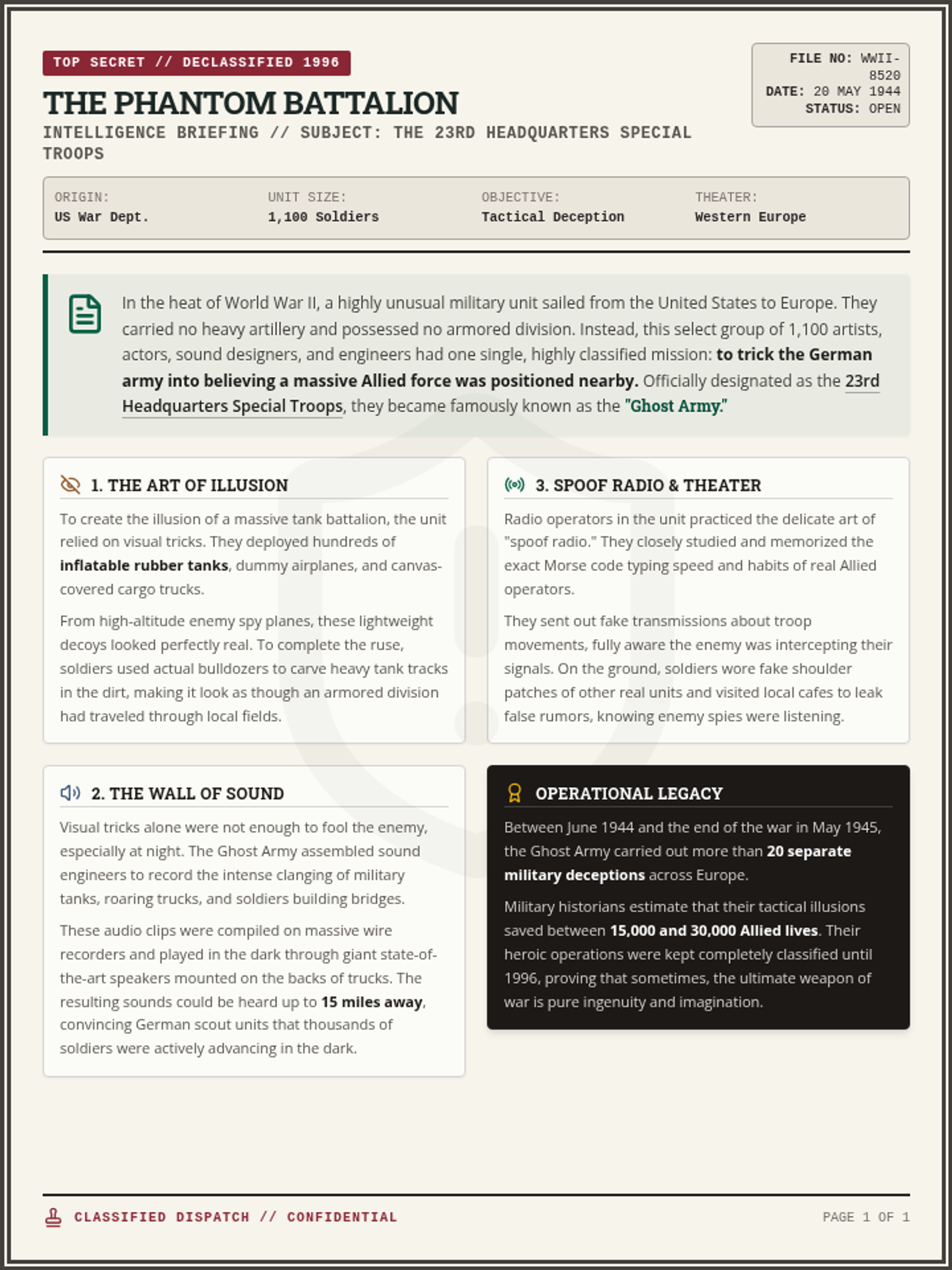
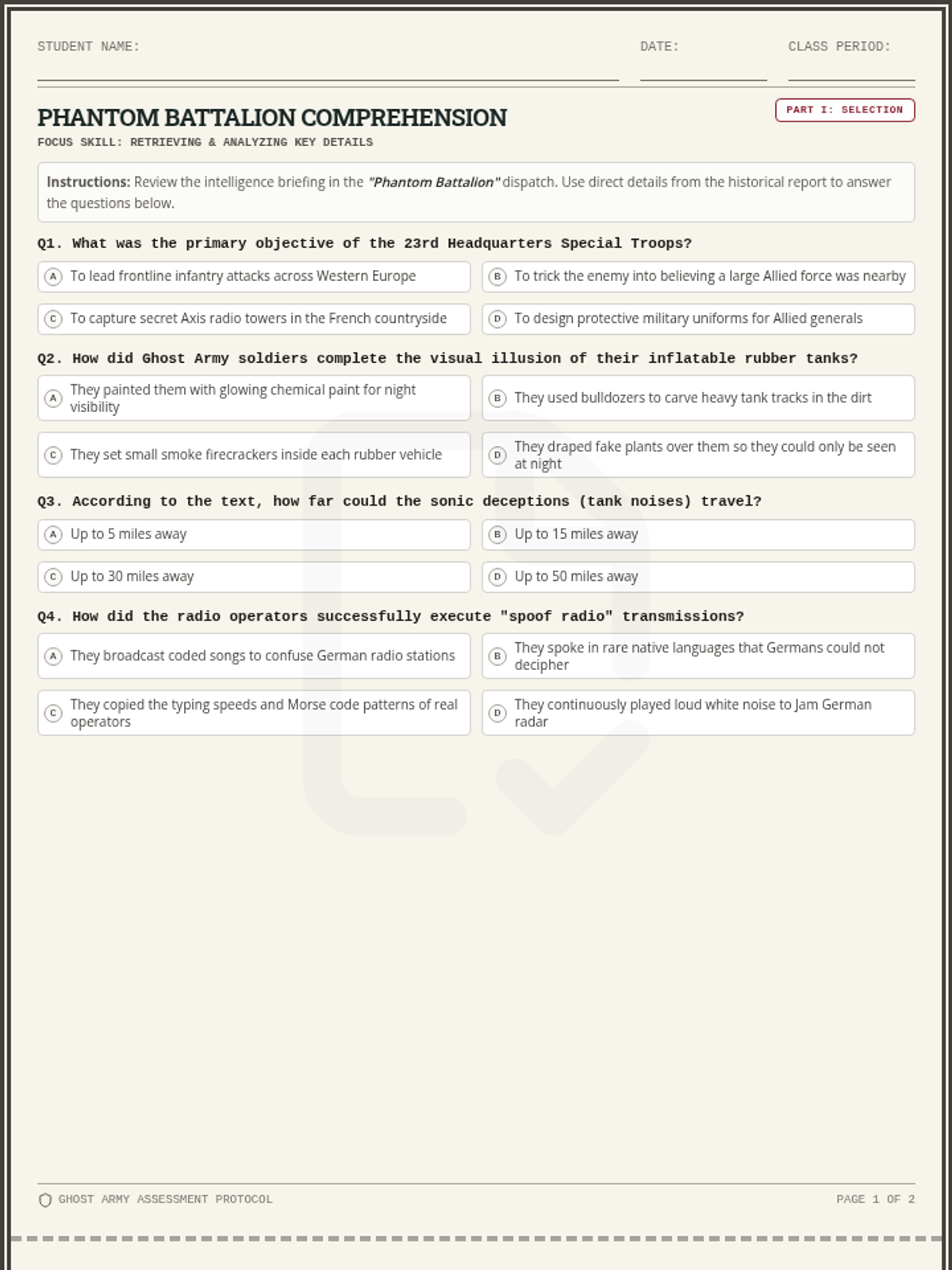
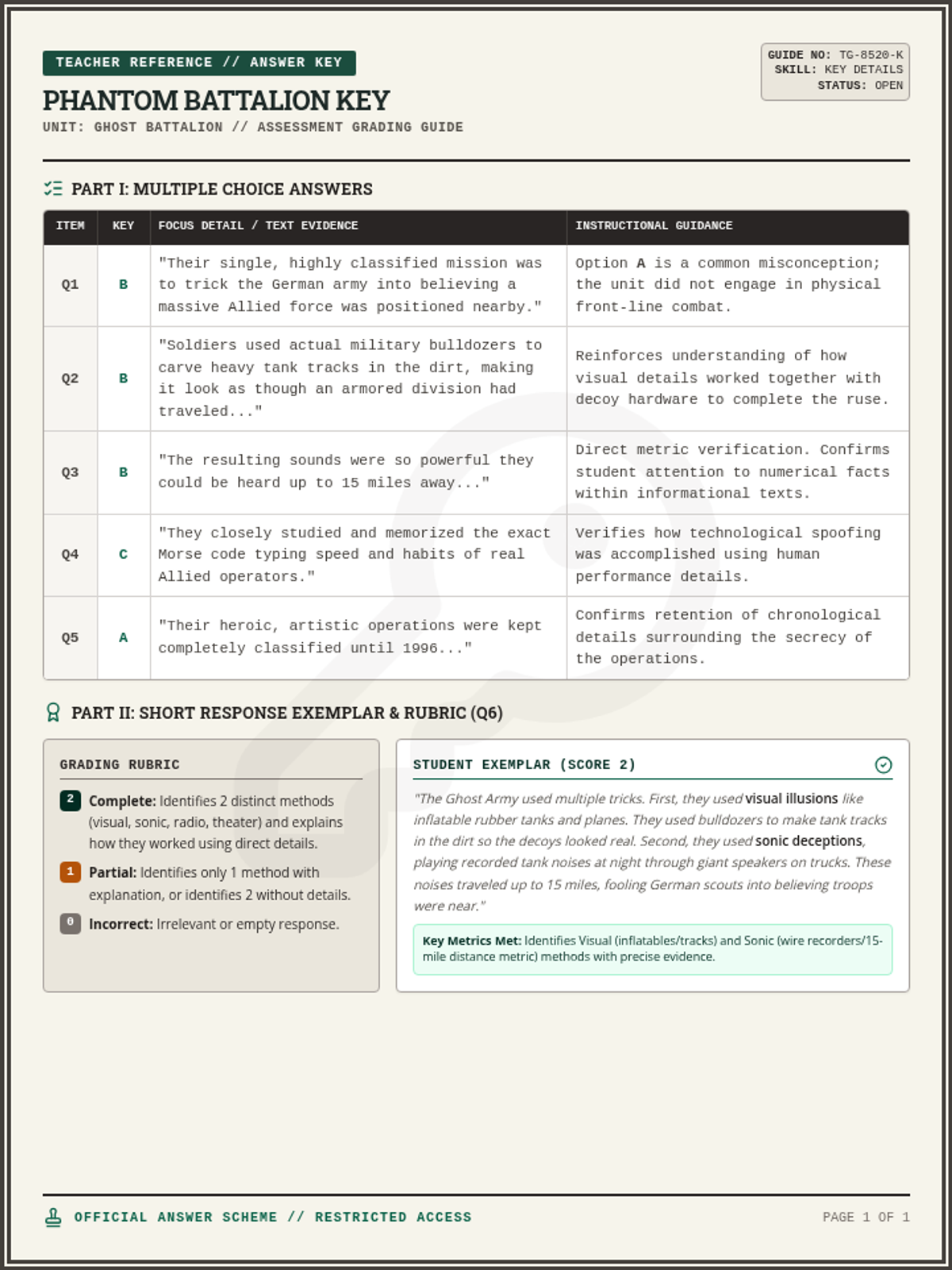
A reading comprehension unit about the 23rd Headquarters Special Troops (the "Ghost Army") of World War II, focusing on analyzing key details in historical texts.
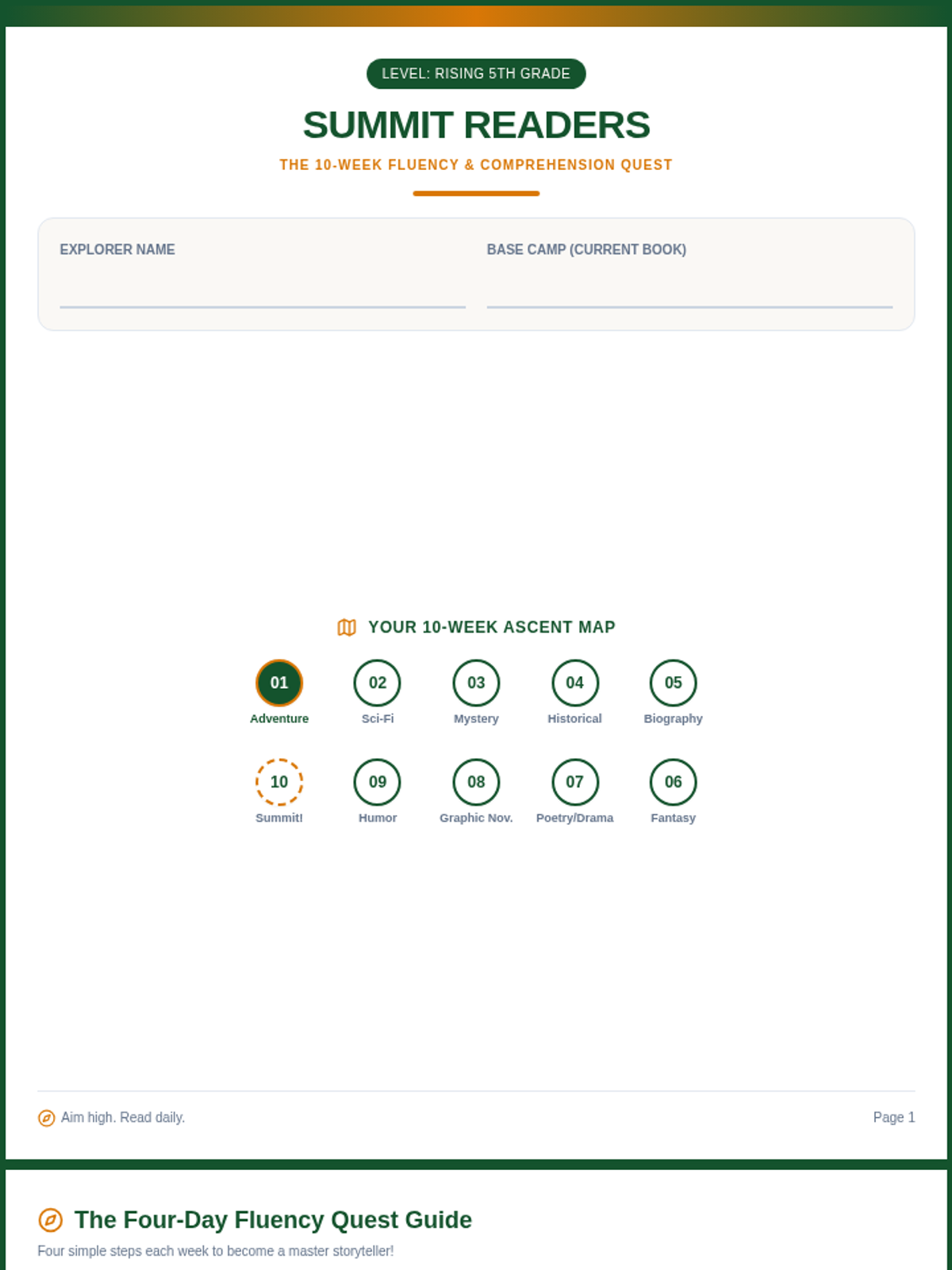
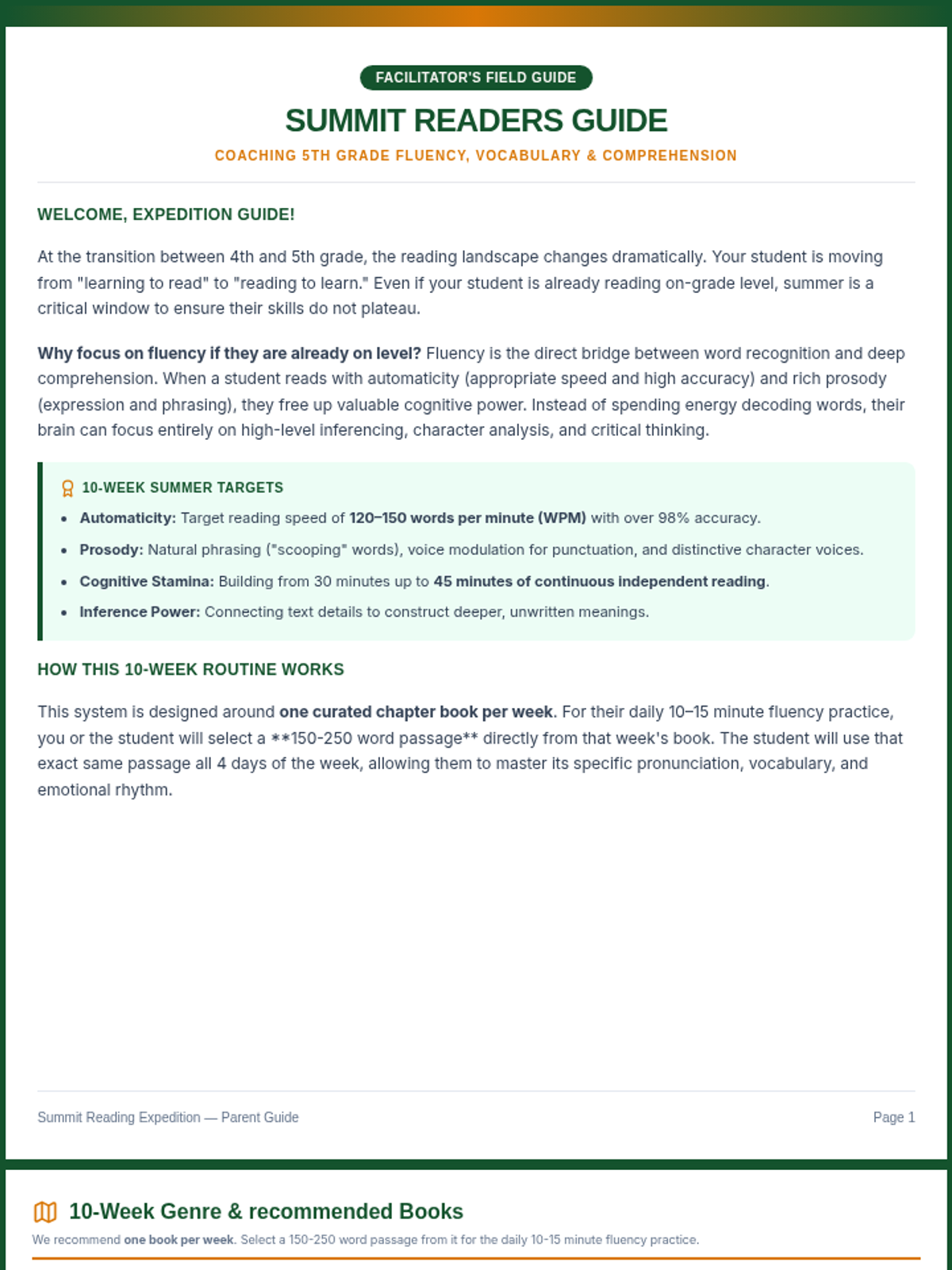
A comprehensive 10-week summer reading program designed for a rising 5th grader to maintain reading levels, boost fluency, and deepen comprehension through a 4-day-a-week structured routine.
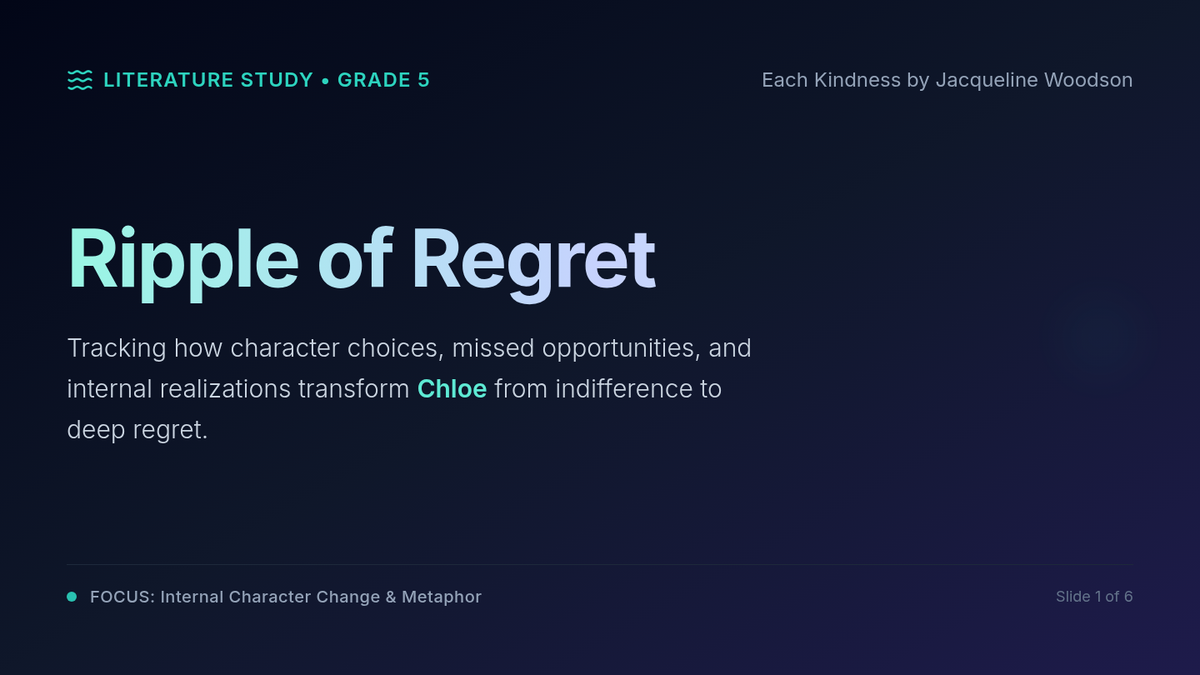
A literature study lesson for 5th grade focused on analyzing character changes in Jacqueline Woodson's masterpiece Each Kindness. Students examine Chloe's transition from apathy to deep regret through textual evidence, thematic metaphors, and guided discussion.
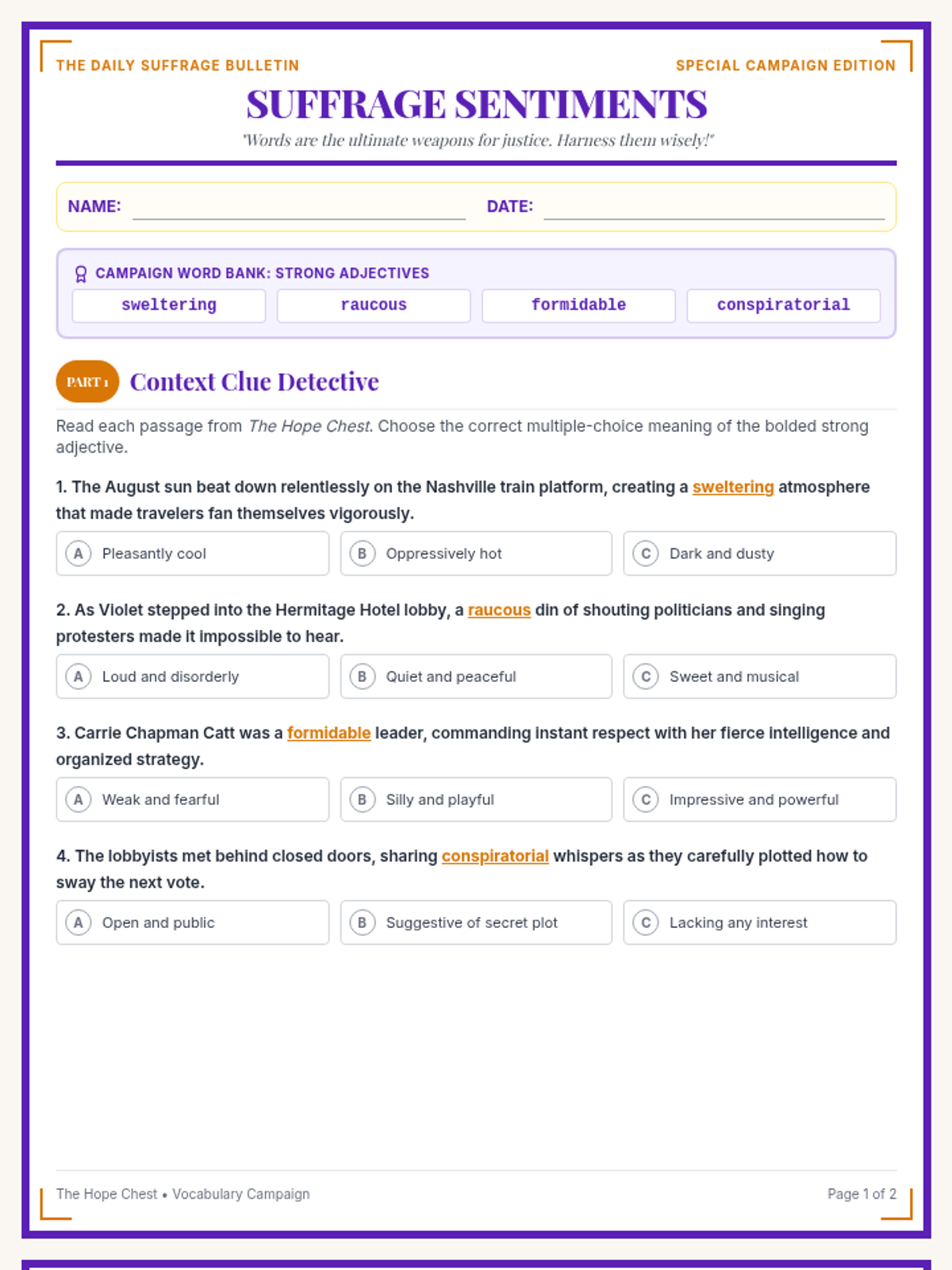
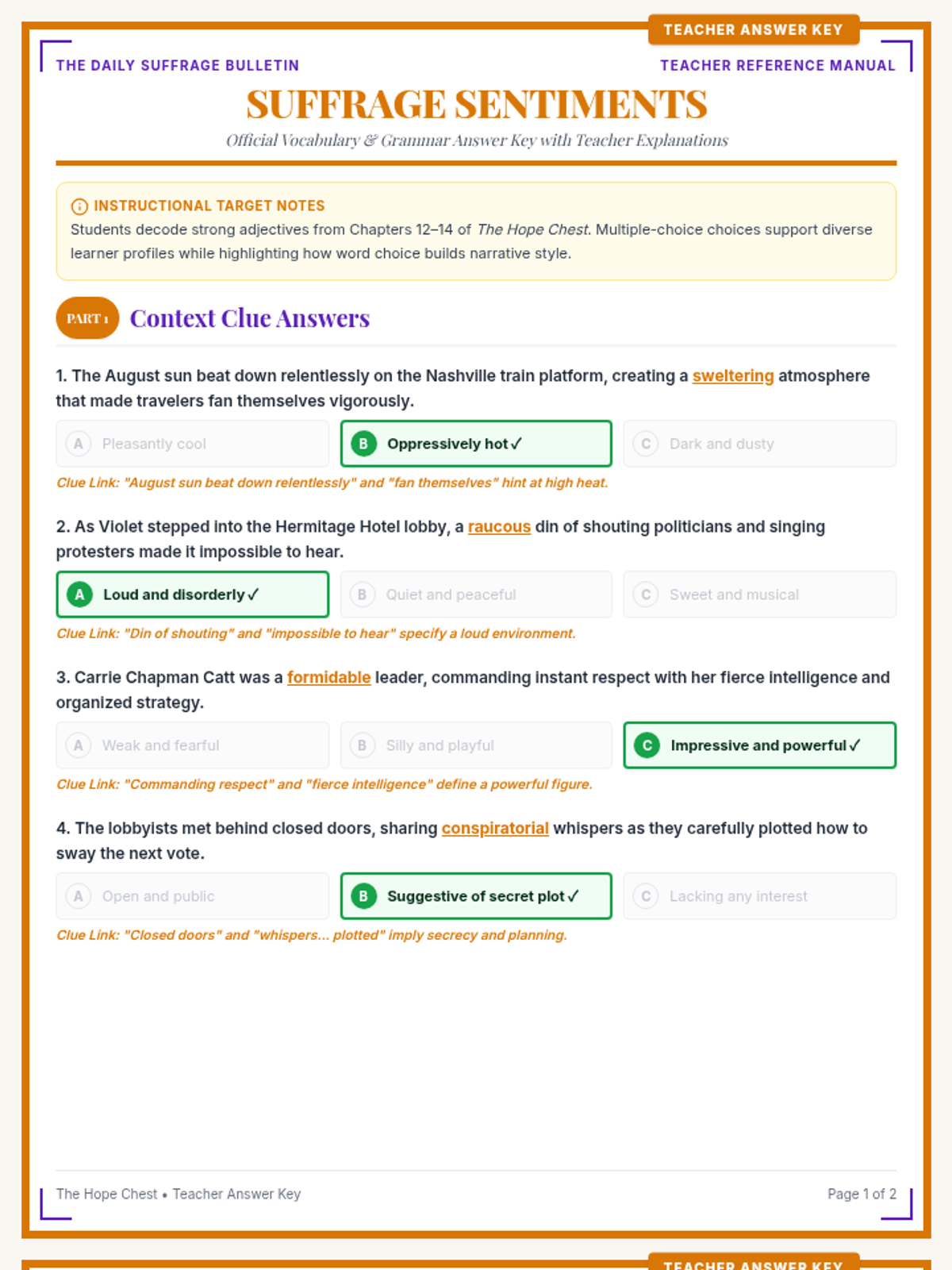
A vocabulary and grammar lesson based on Chapters 12-14 of The Hope Chest. Students analyze strong adjectives (sweltering, raucous, formidable, conspiratorial) using context clues, multiple-choice options, and a review of descriptive language in historical fiction.
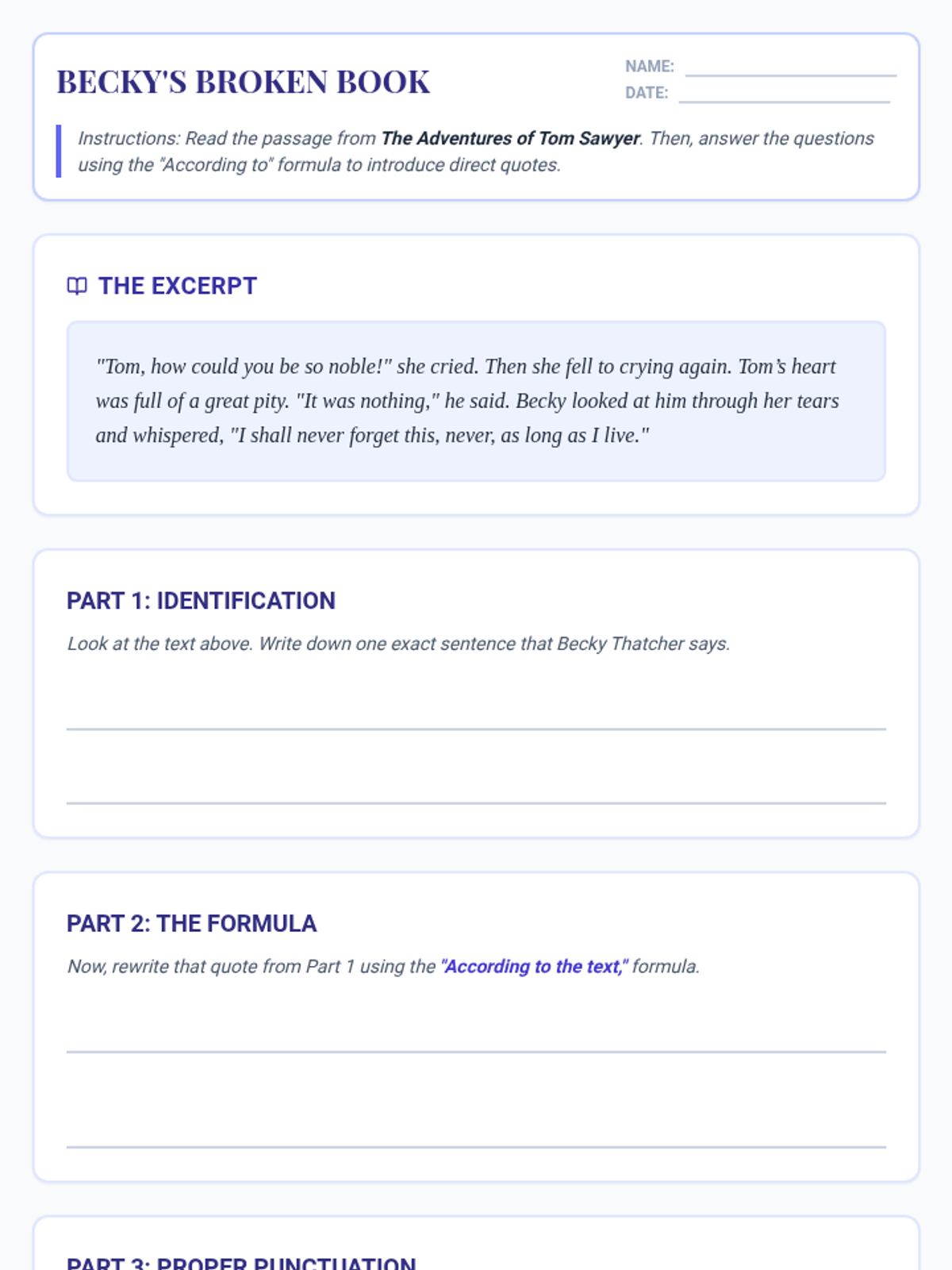
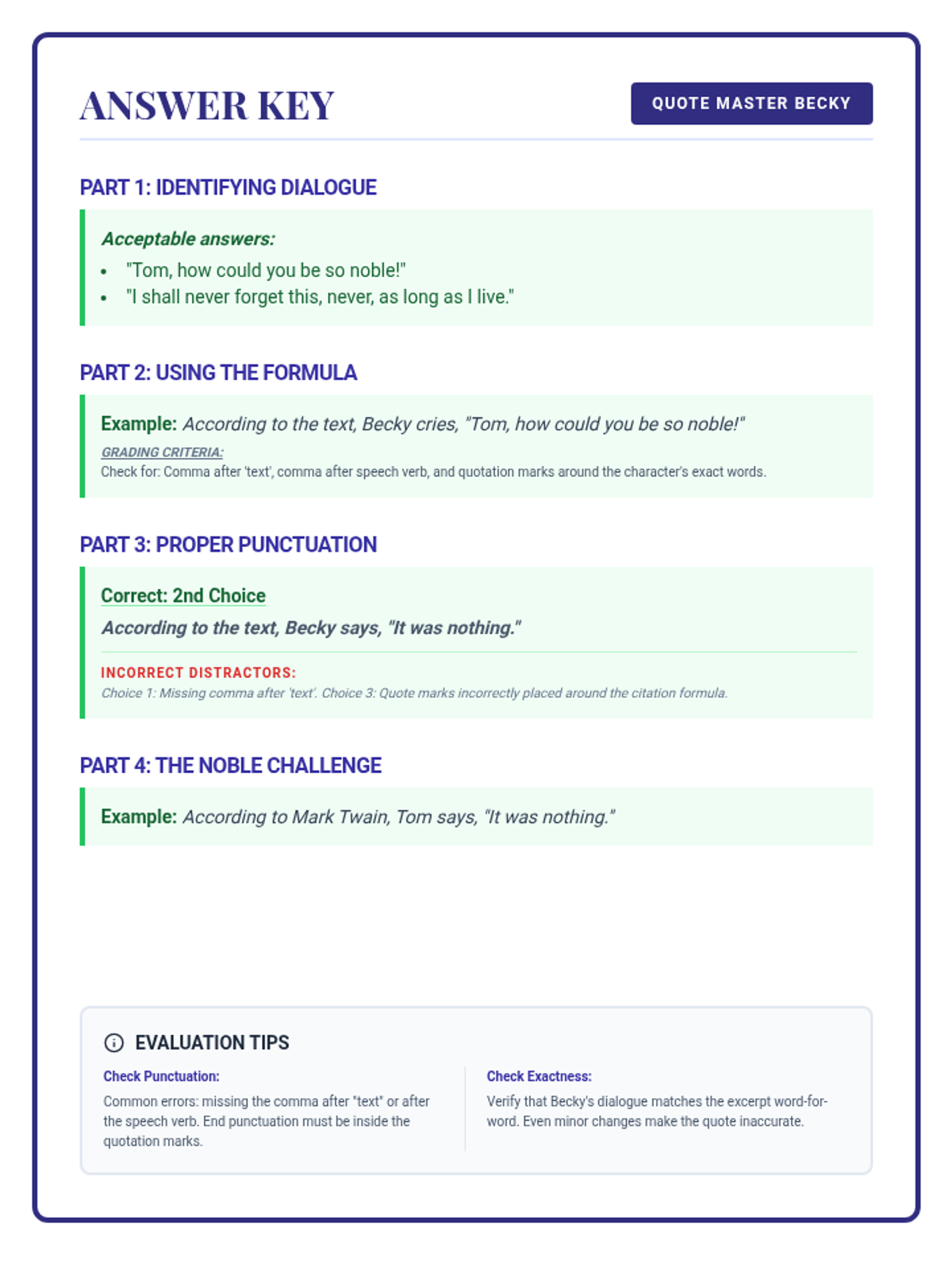
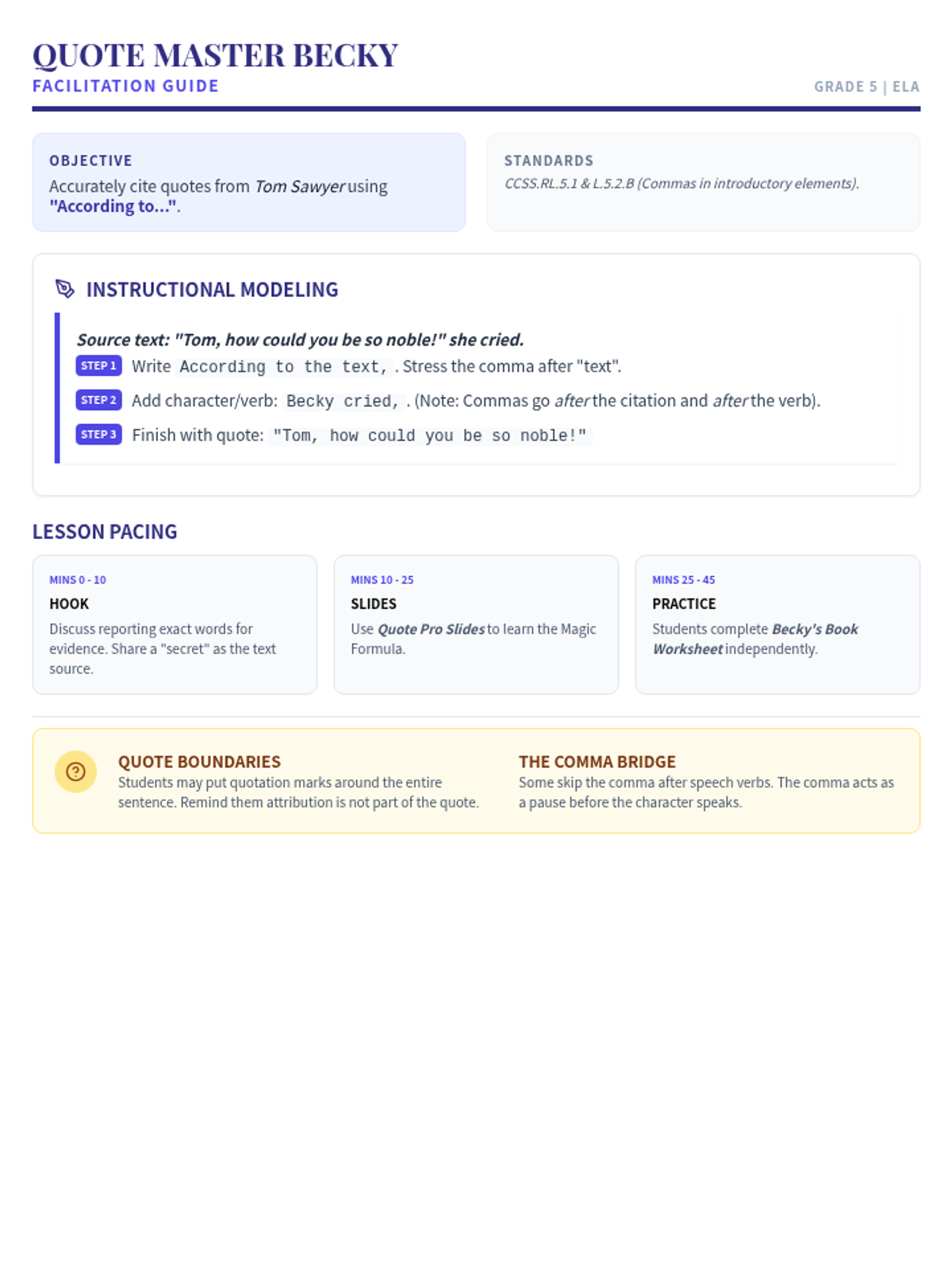
A 5th-grade lesson on mastering direct quotes using the 'According to' introductory phrase, featuring an excerpt from Mark Twain's The Adventures of Tom Sawyer.
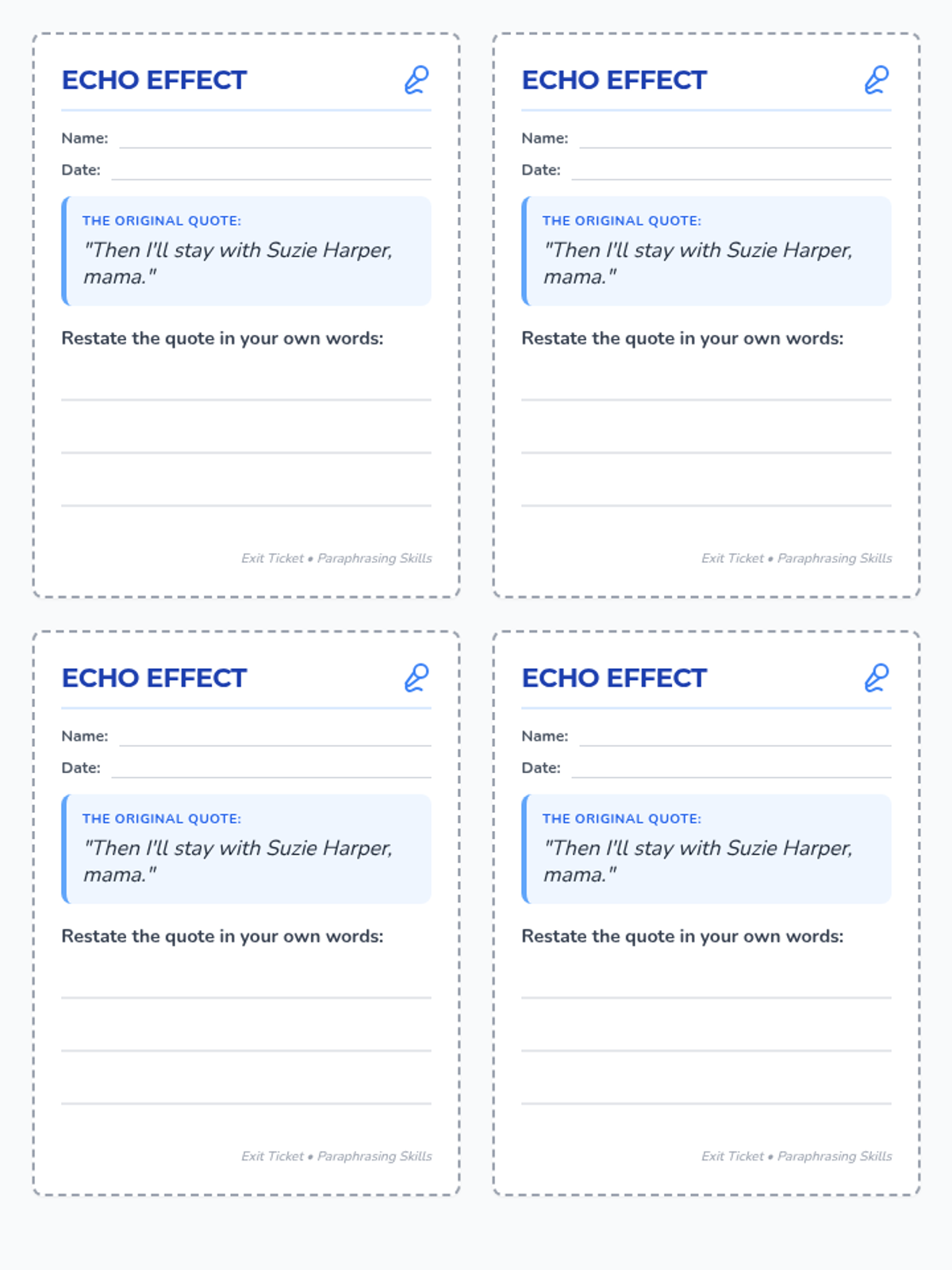
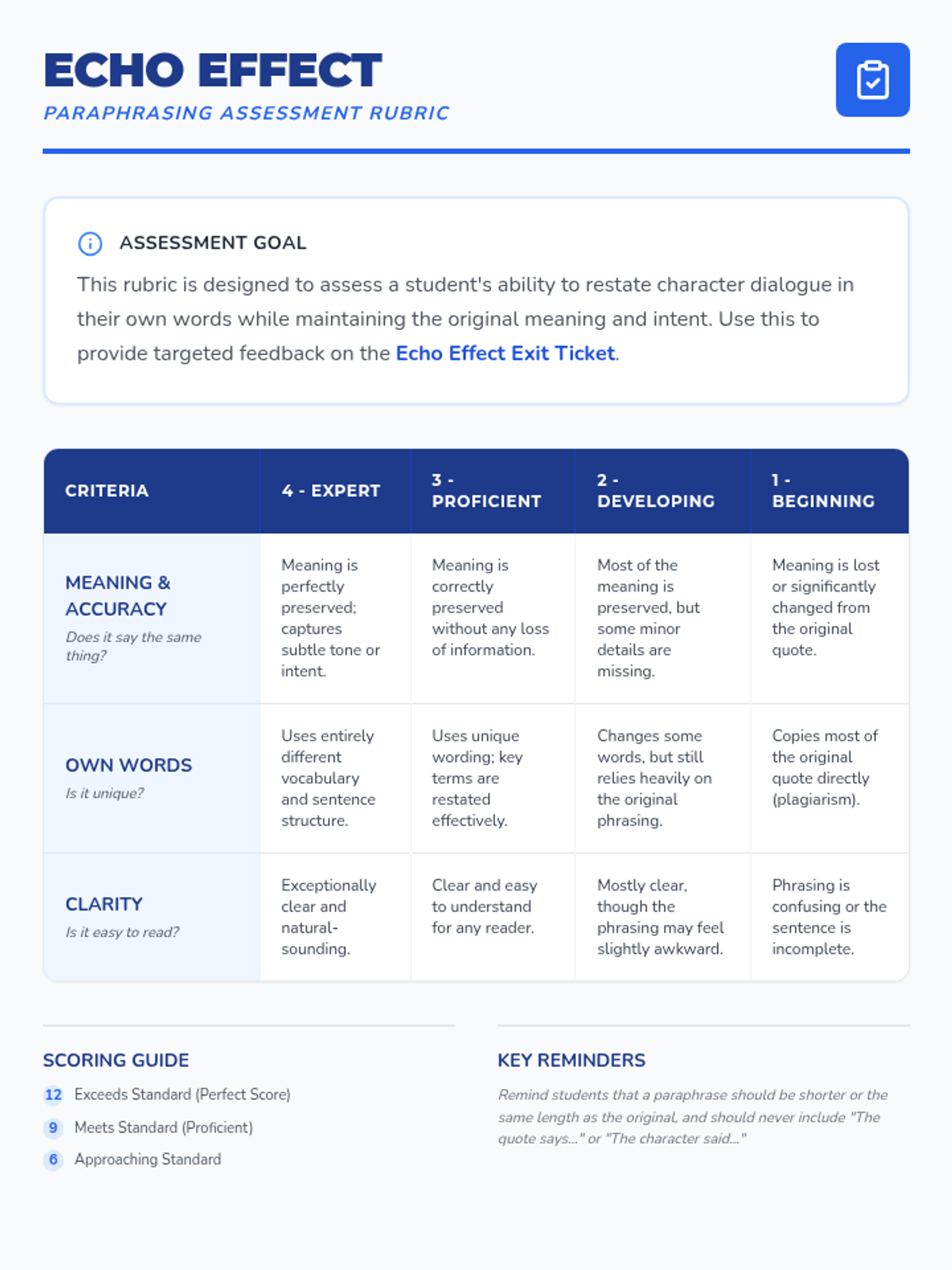
A focused lesson on the skill of paraphrasing, specifically centered on restating character dialogue in simpler terms. Includes a quartet of exit tickets designed for quick assessment.
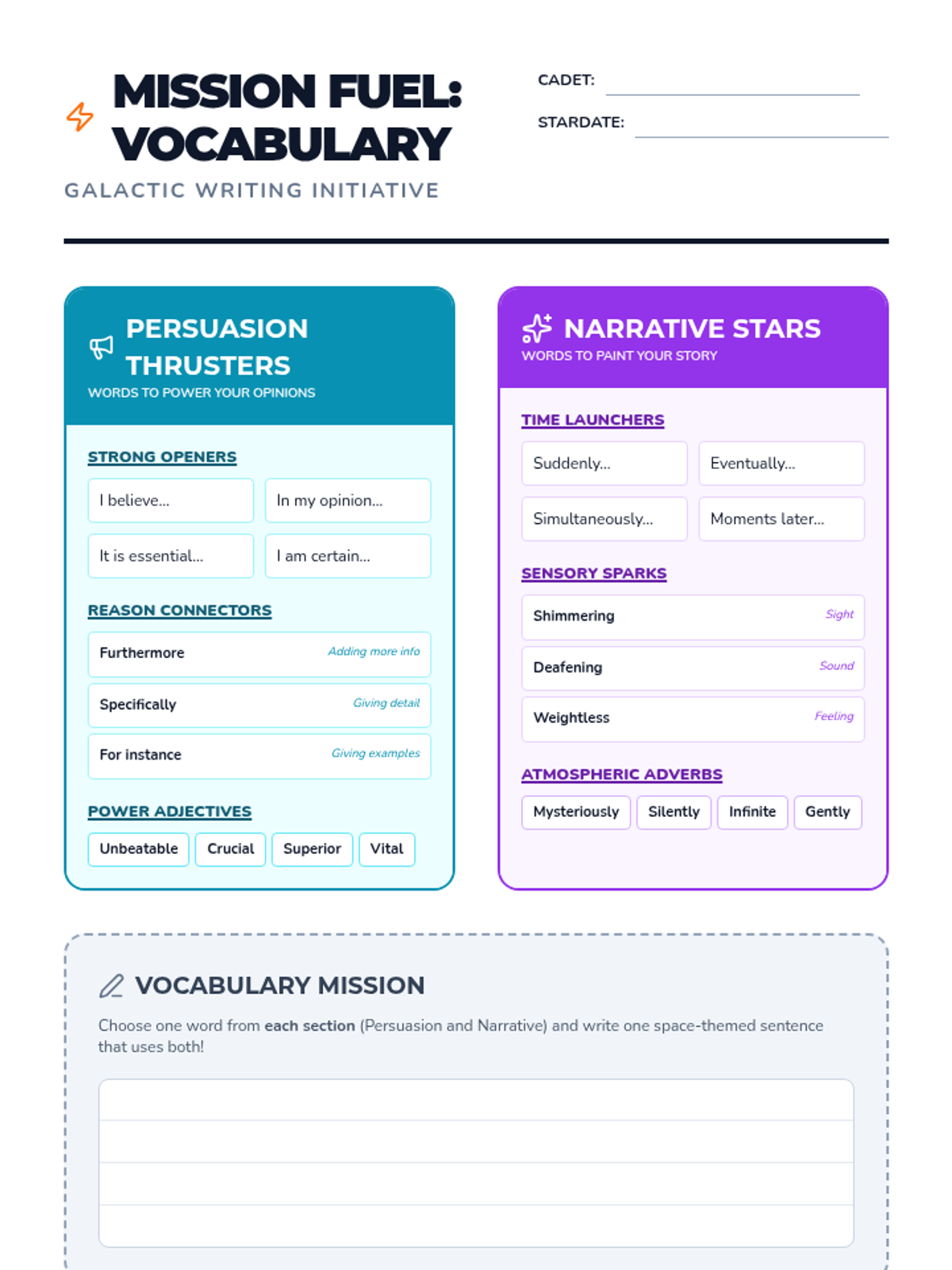
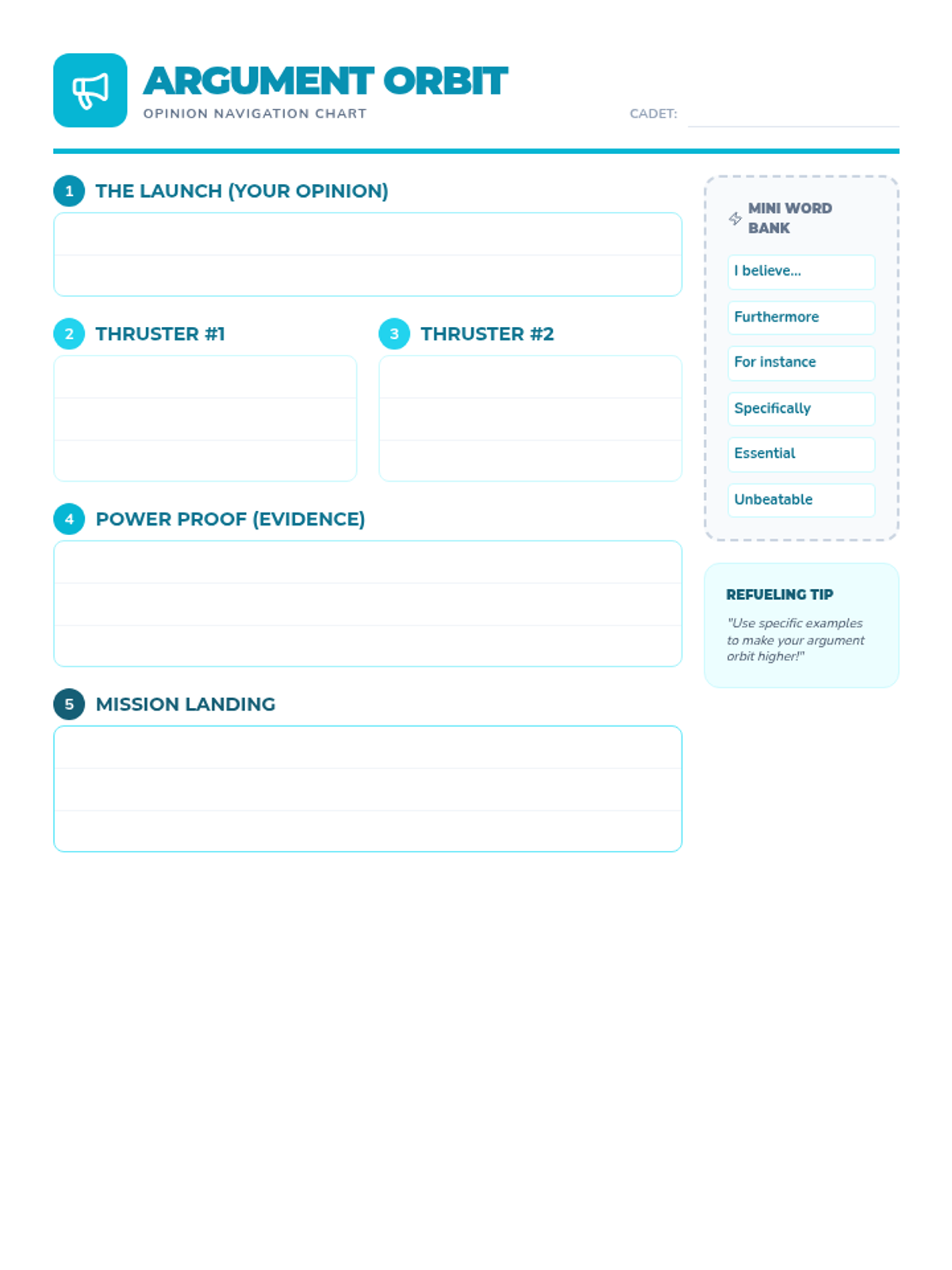
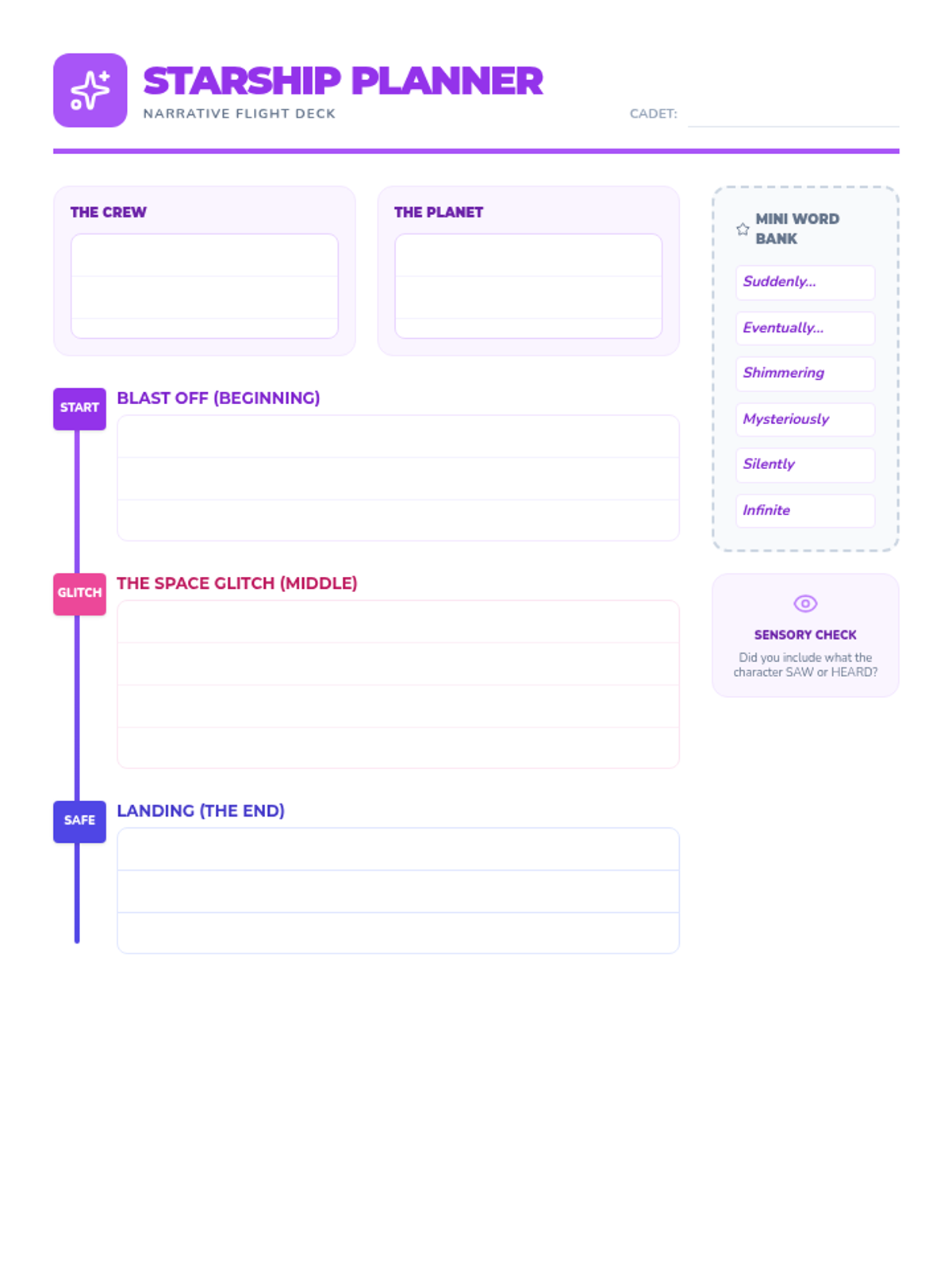
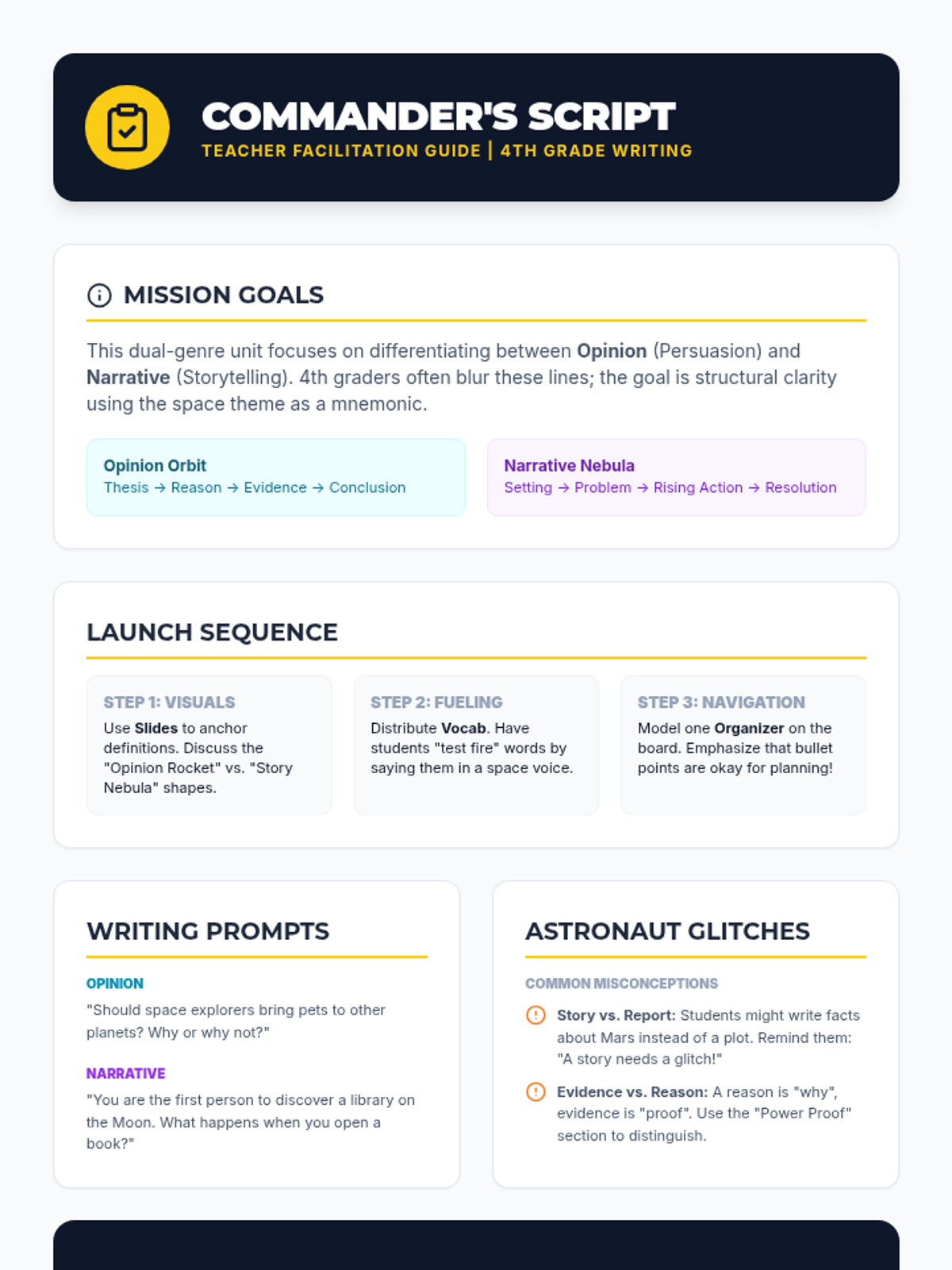
Students embark on a writing mission to master both persuasive arguments and imaginative storytelling through a space-exploration lens. They will use specialized navigation charts to plan their missions and high-octane vocabulary to power their prose.
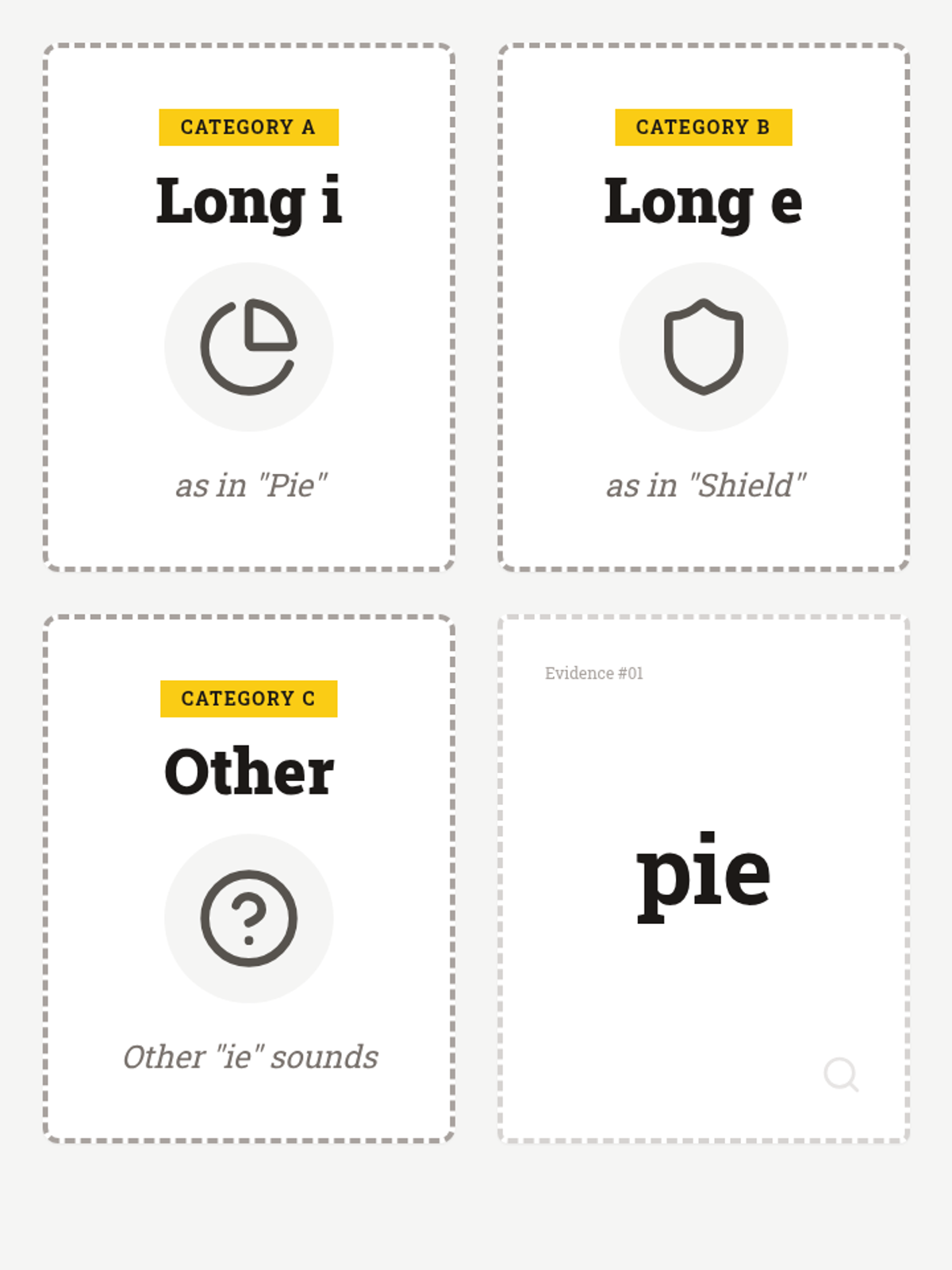
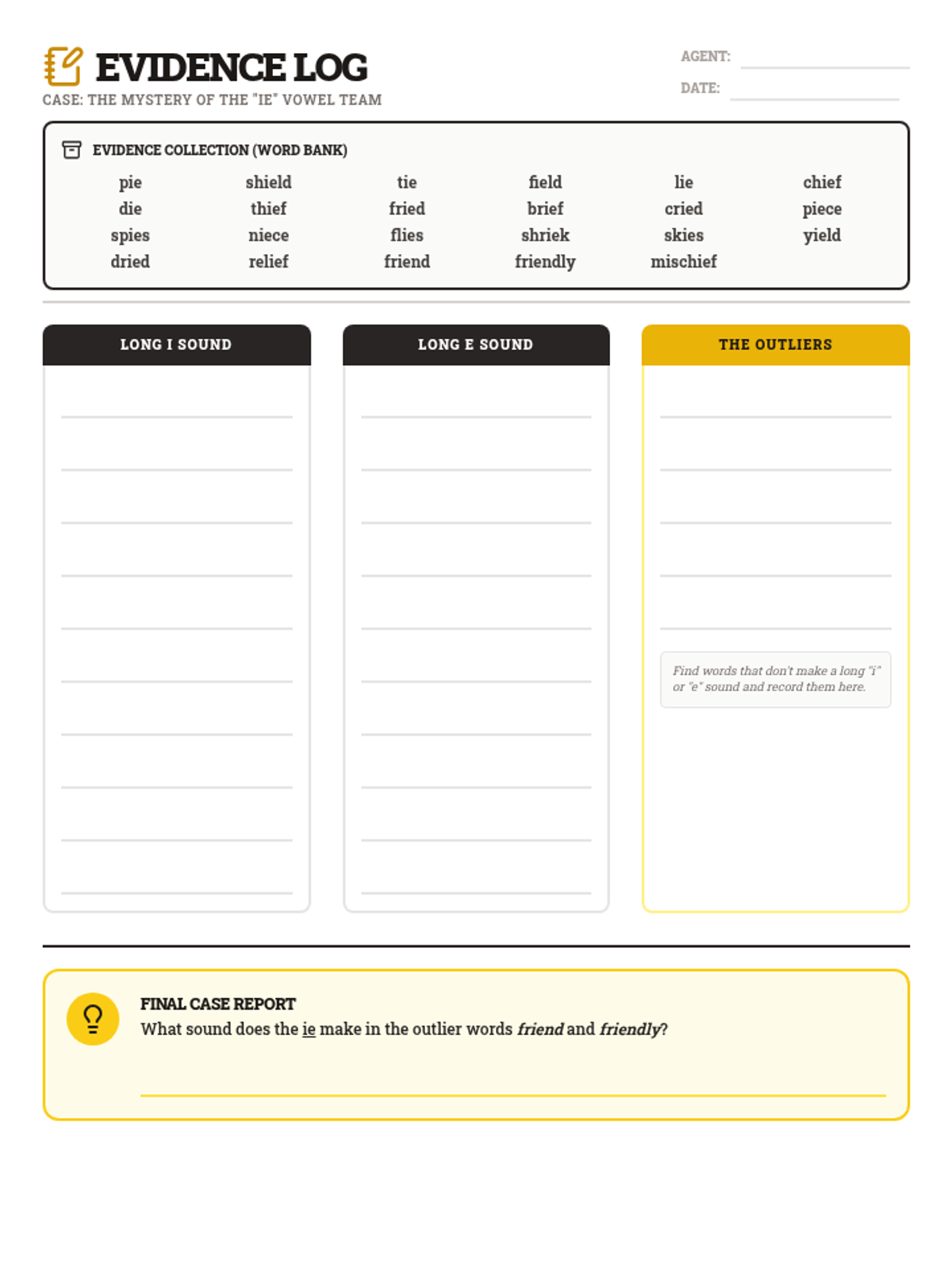
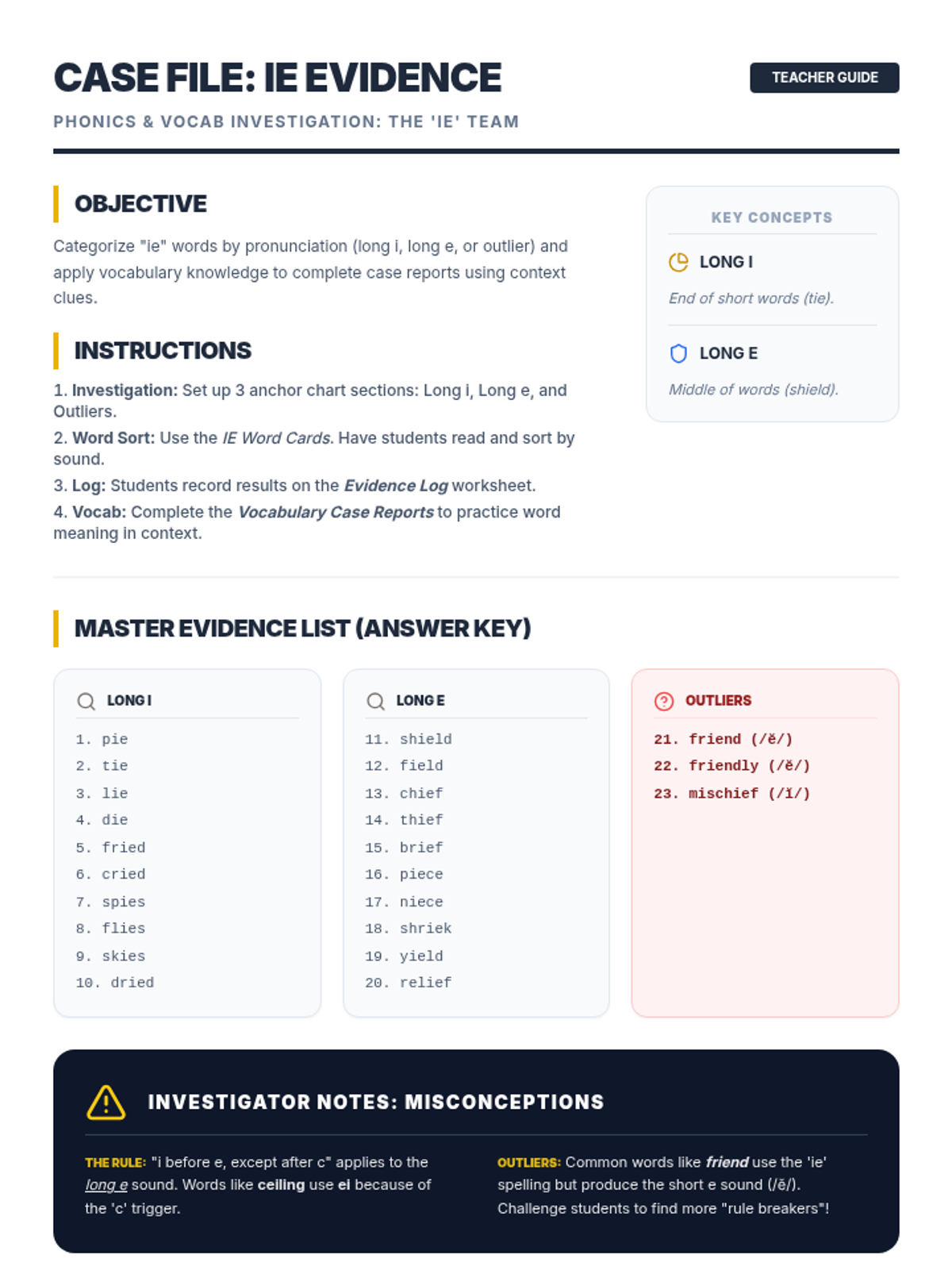
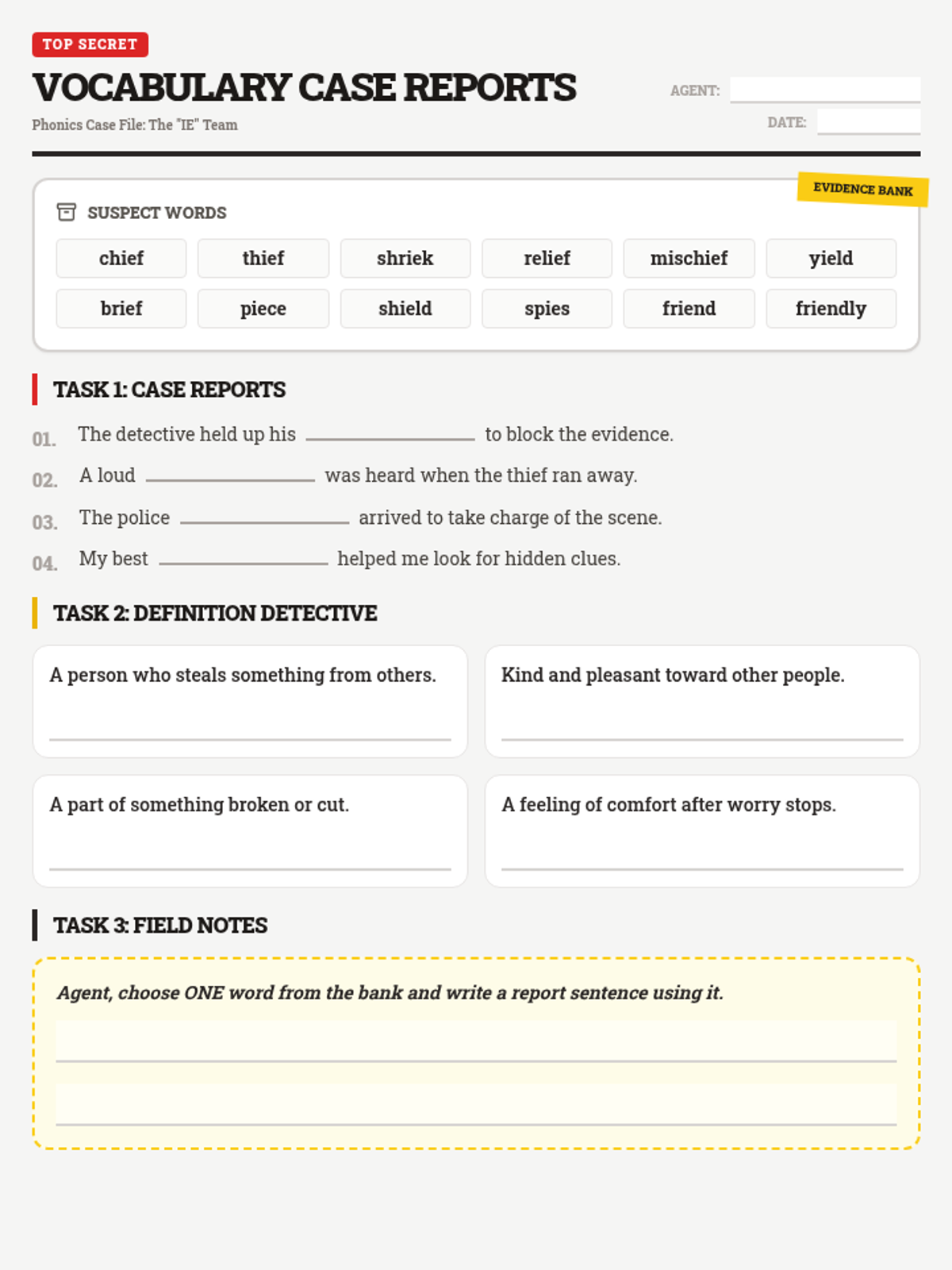
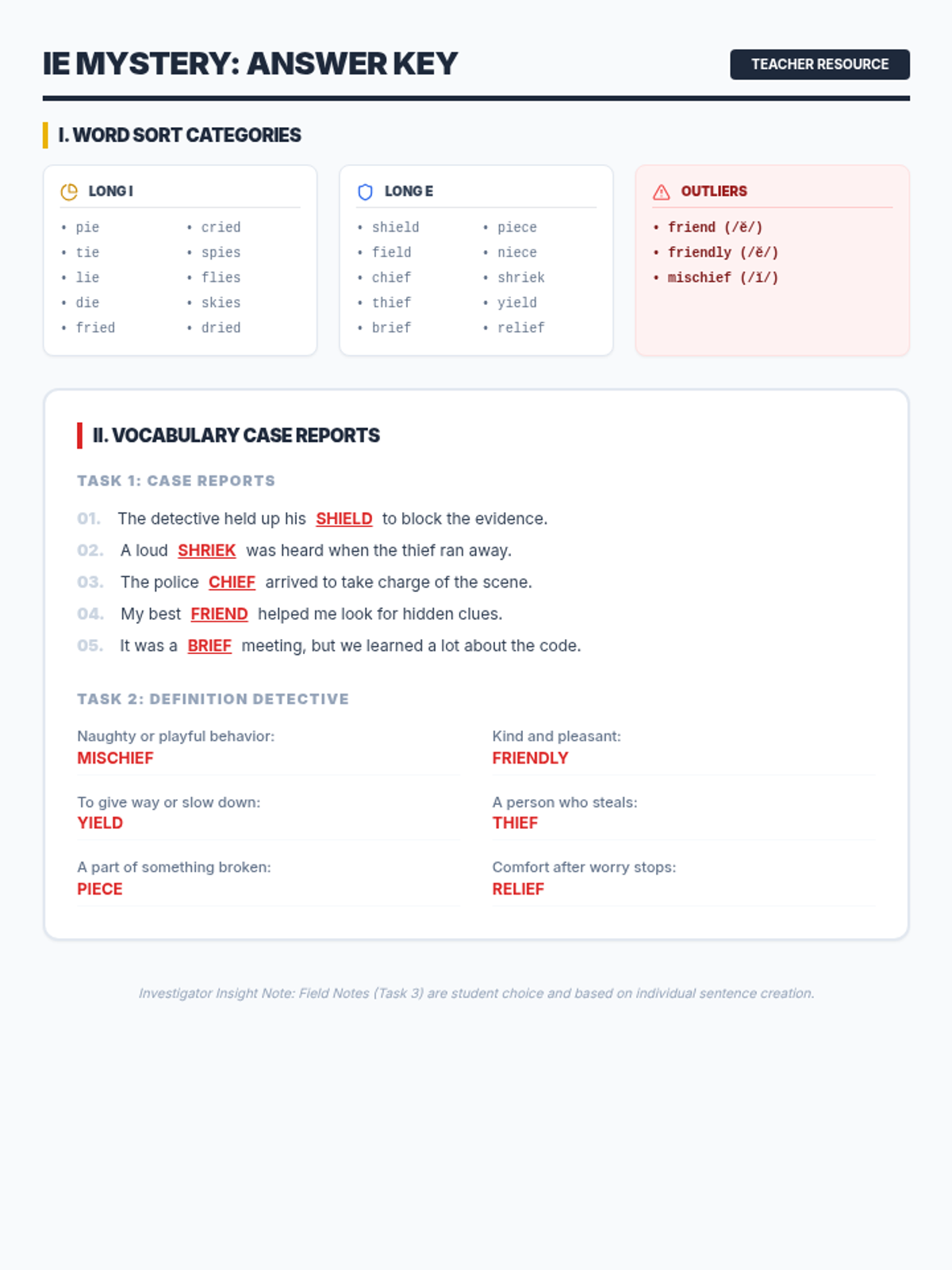
A detective-themed lesson focusing on the 'ie' vowel team, where students investigate and sort words based on whether 'ie' makes a long i or long e sound.
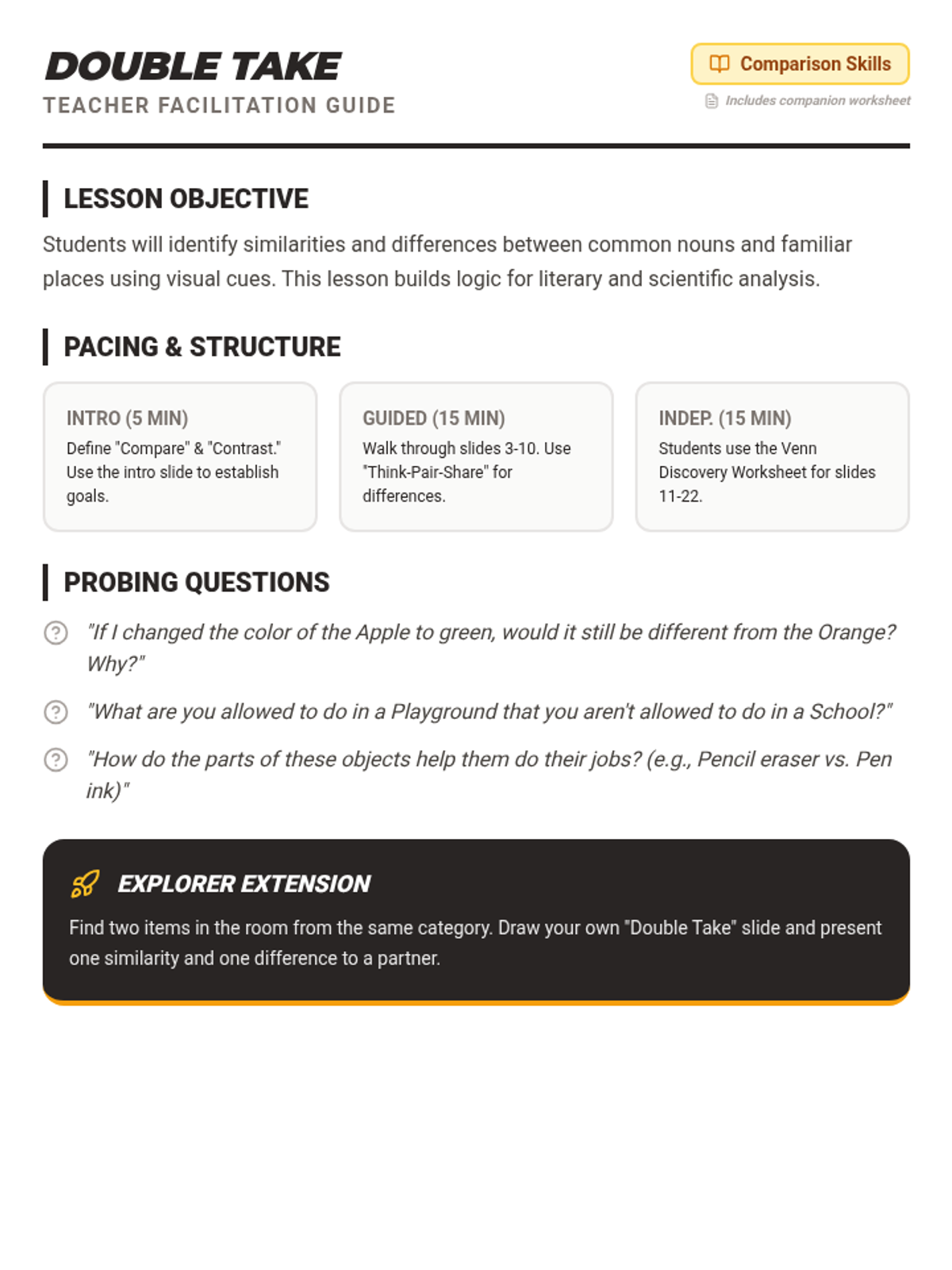
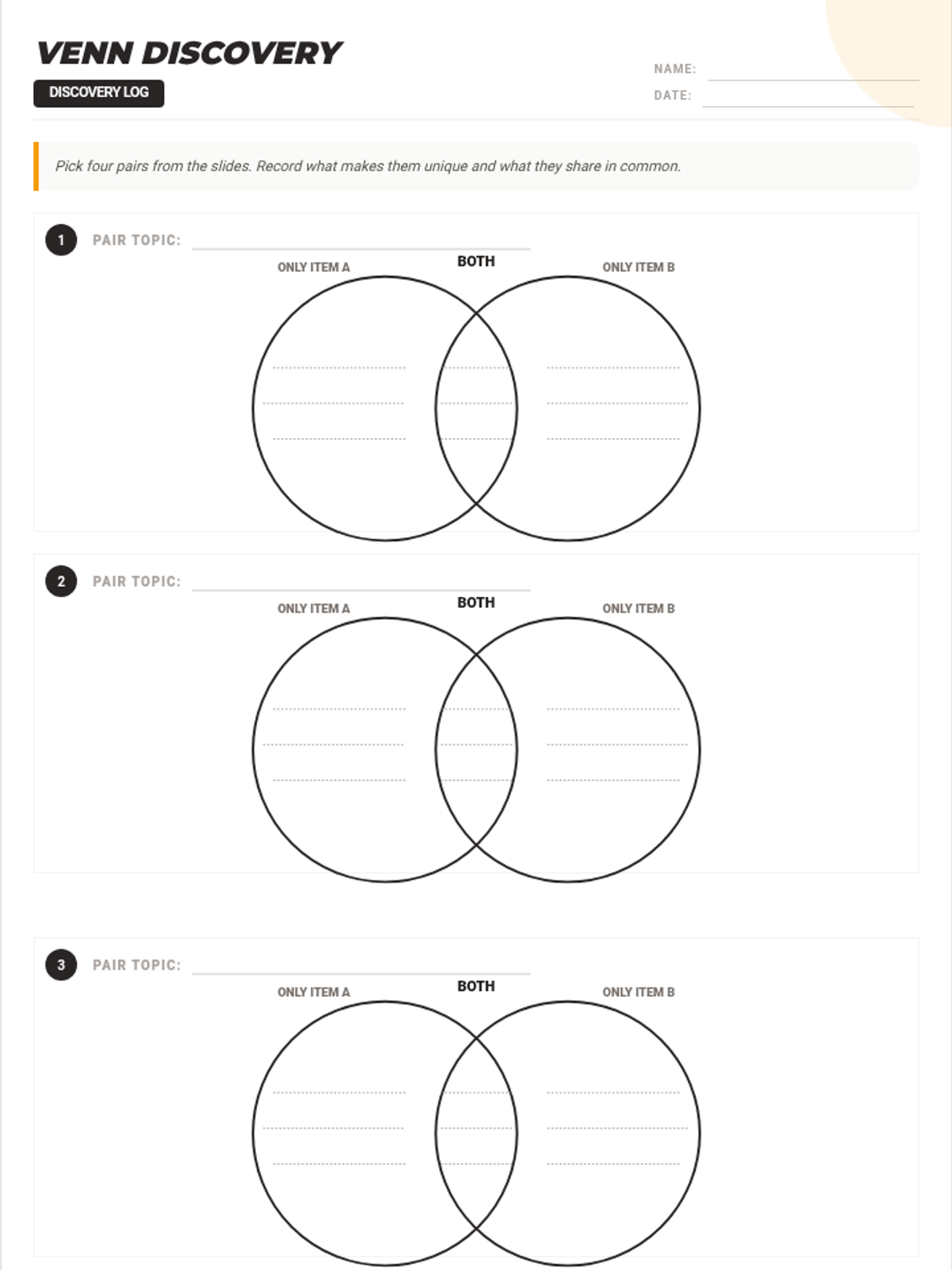
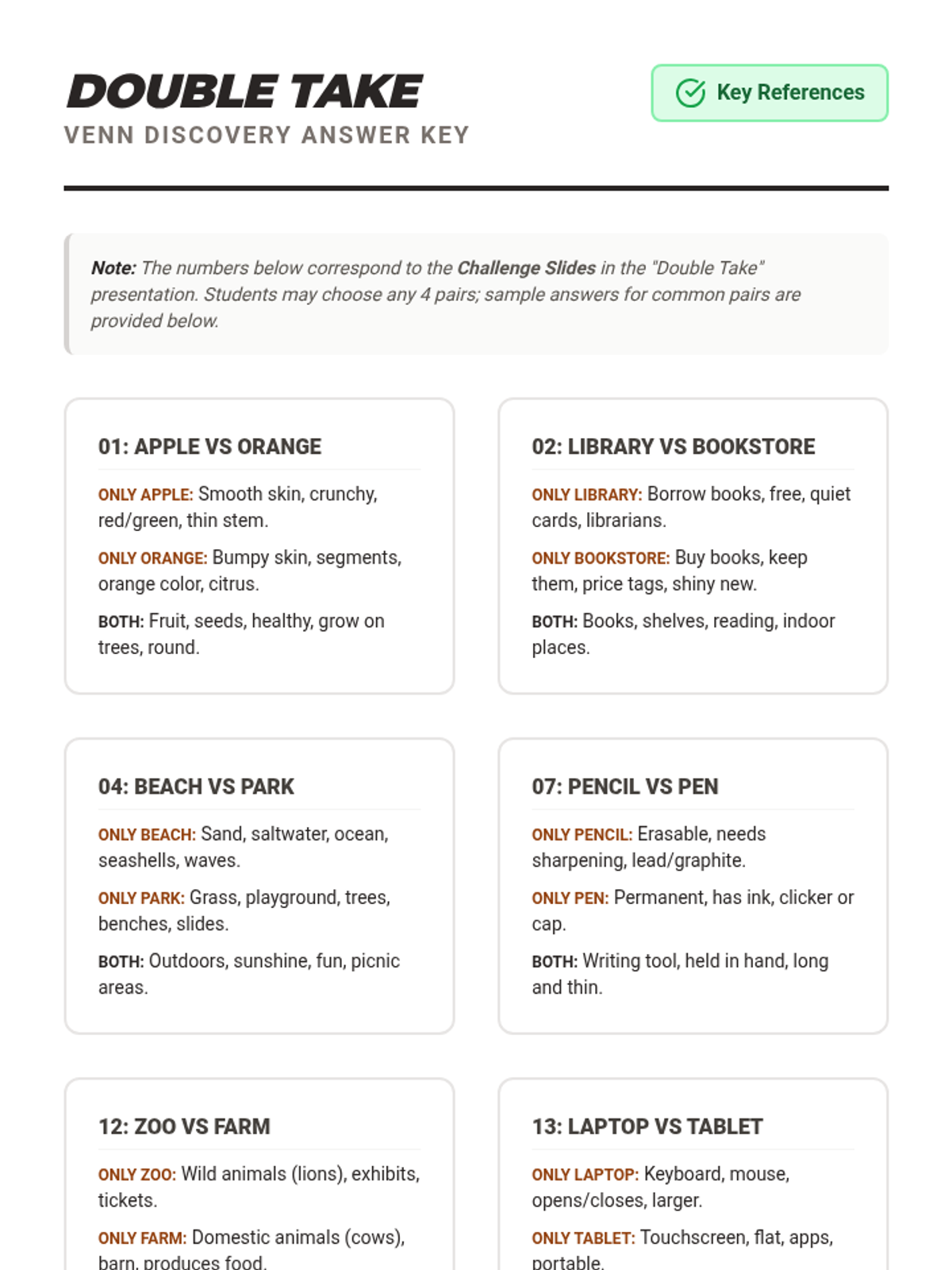
A visual-heavy lesson focused on developing compare and contrast skills using common objects and locations. Students analyze pairs of images to identify similarities and differences in characteristics, functions, and settings.
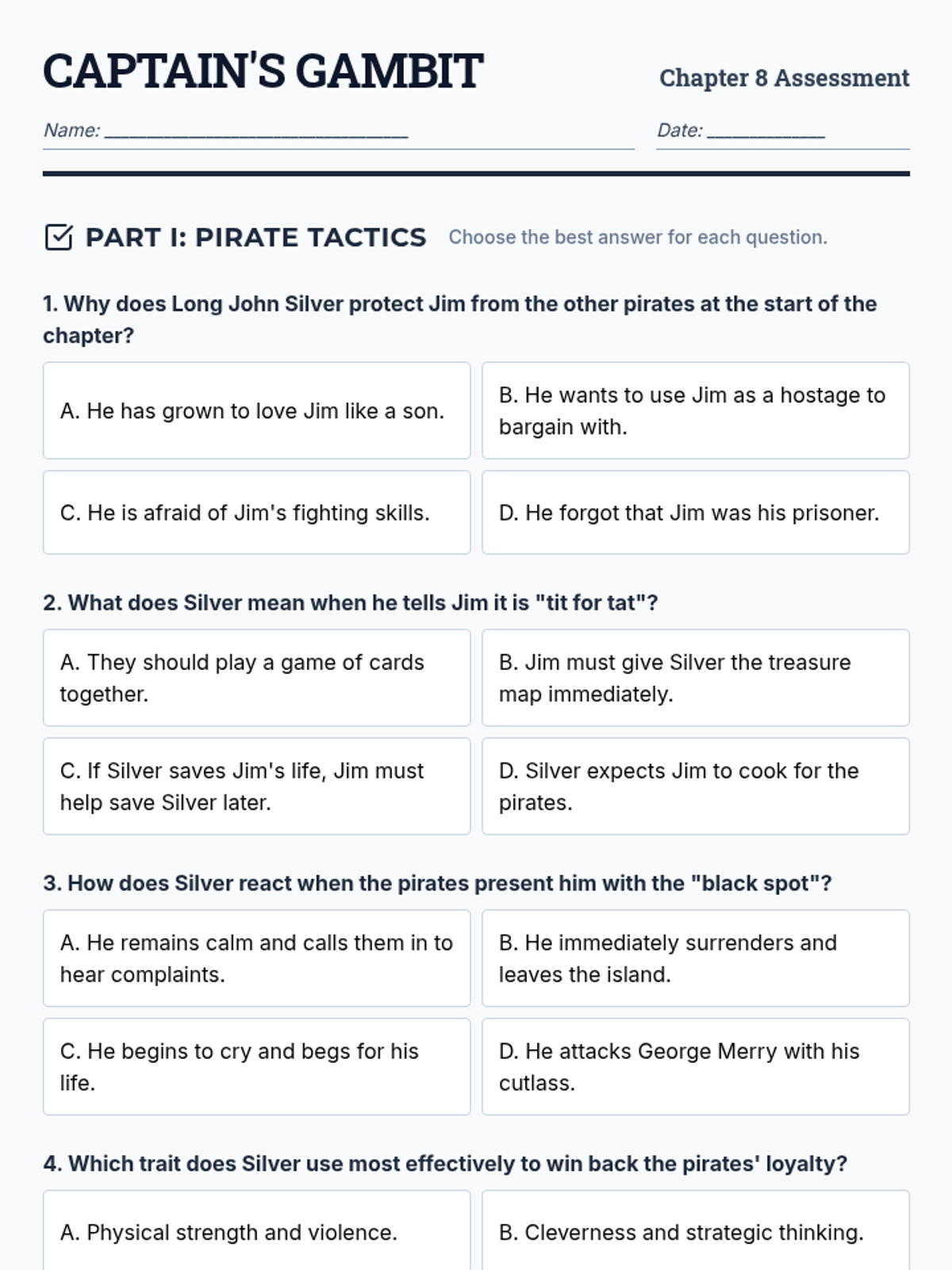
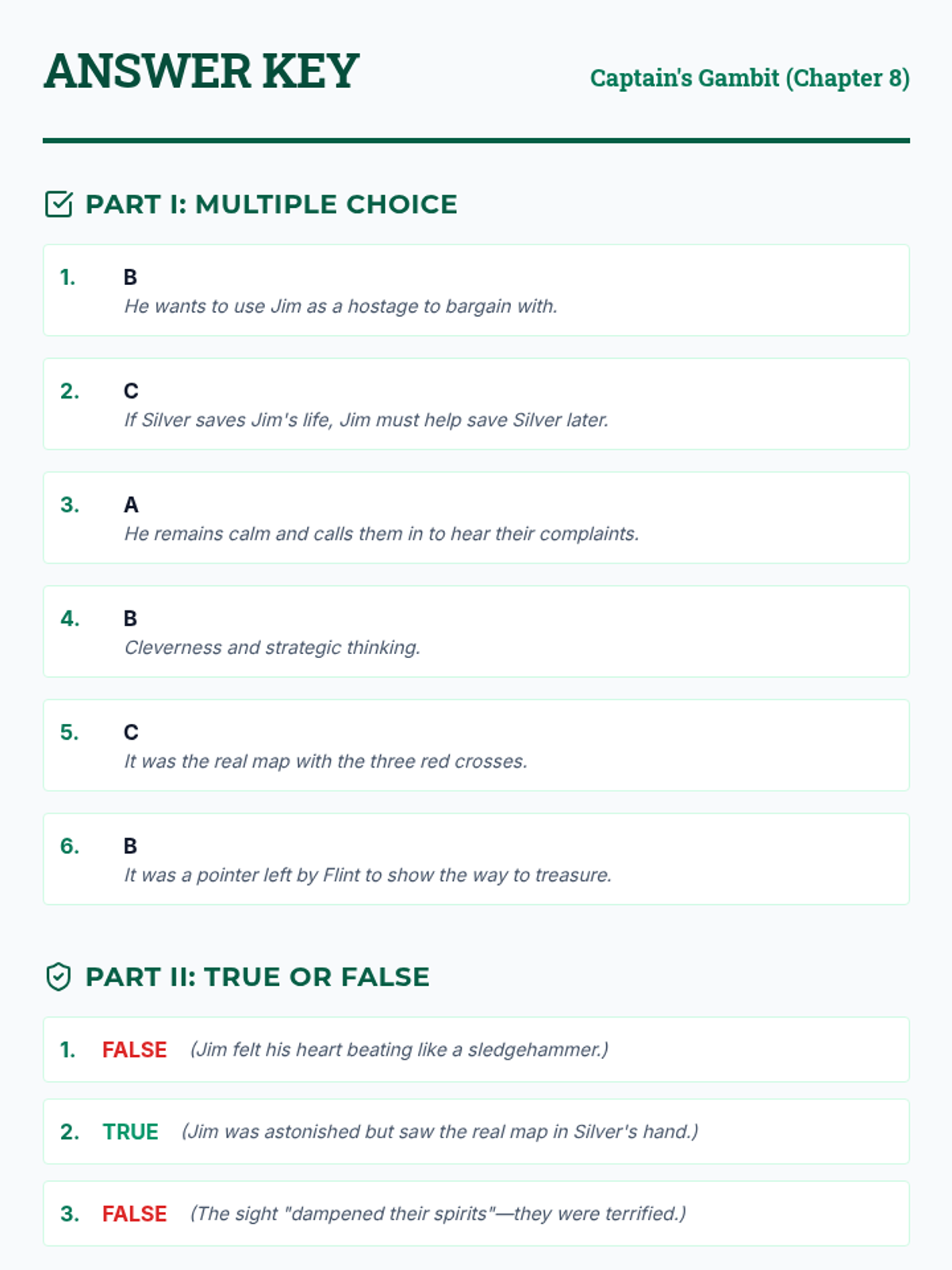
A lesson focused on Chapter 8 of Treasure Island, exploring Long John Silver's strategic leadership and Jim Hawkins' observations during a tense pirate mutiny.
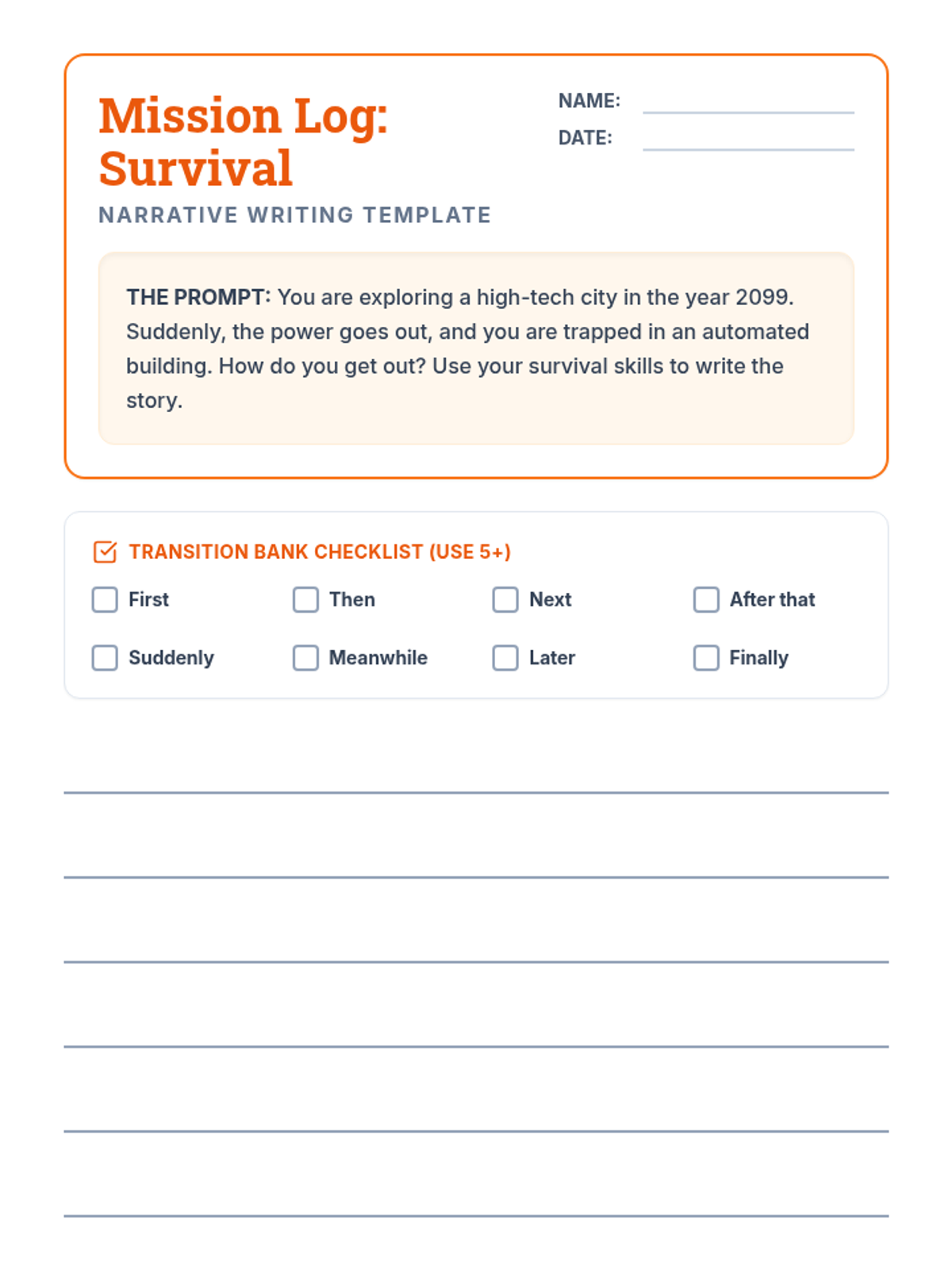
Craft compelling survival narratives using specific transition words to guide the reader through a sequence of events.
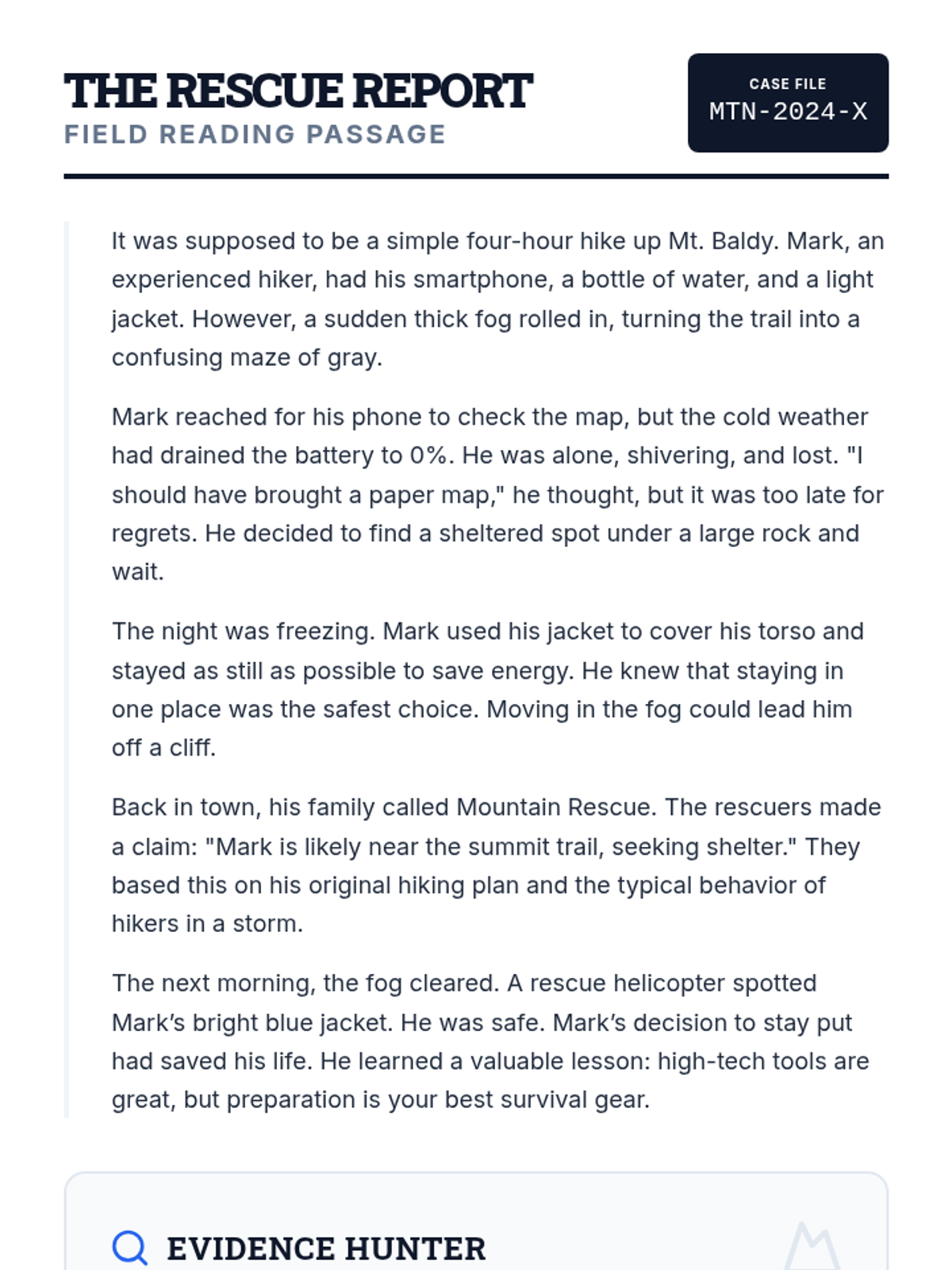
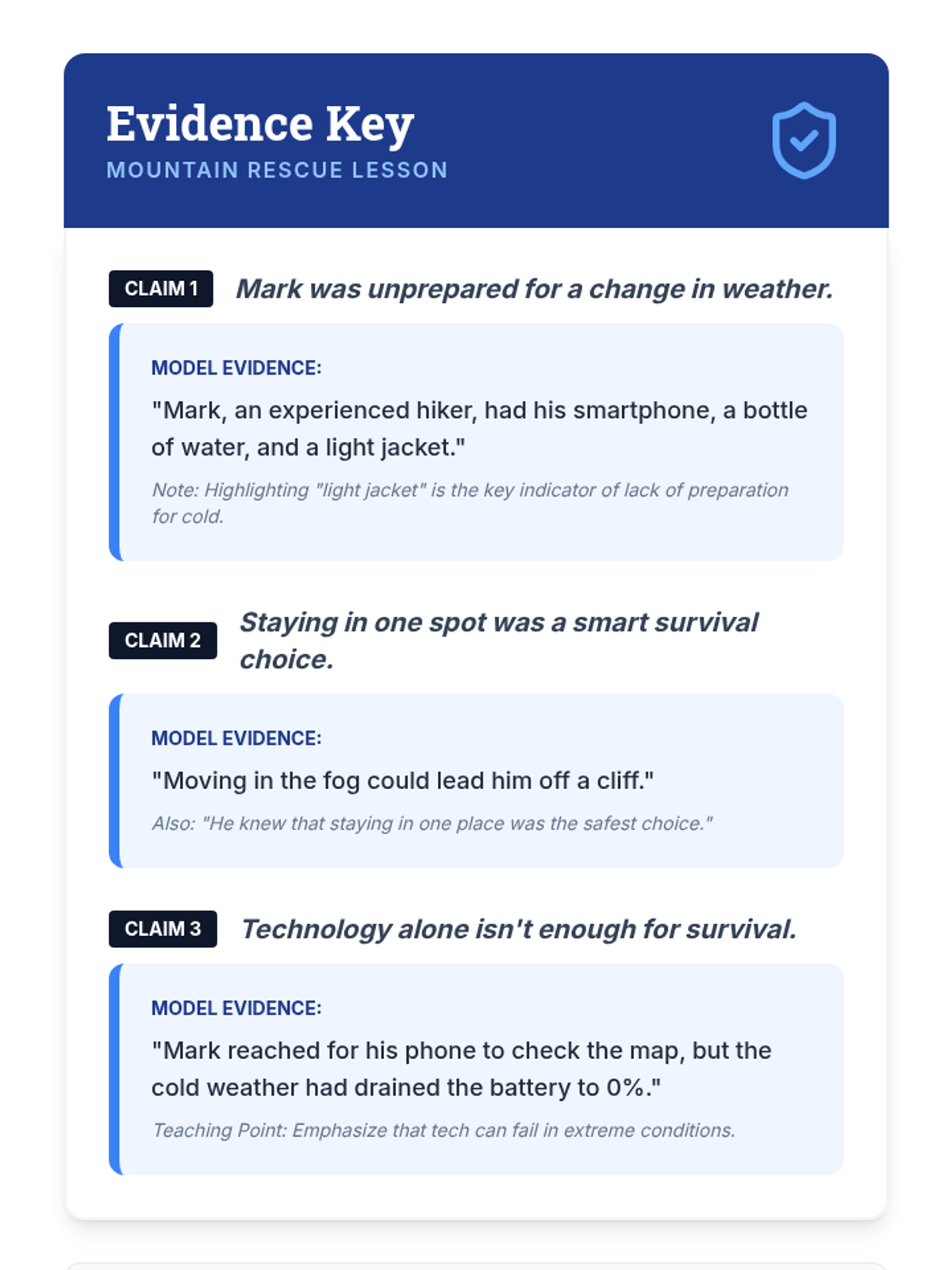
Analyze high-interest survival stories to identify claims and locate textual evidence that supports them.
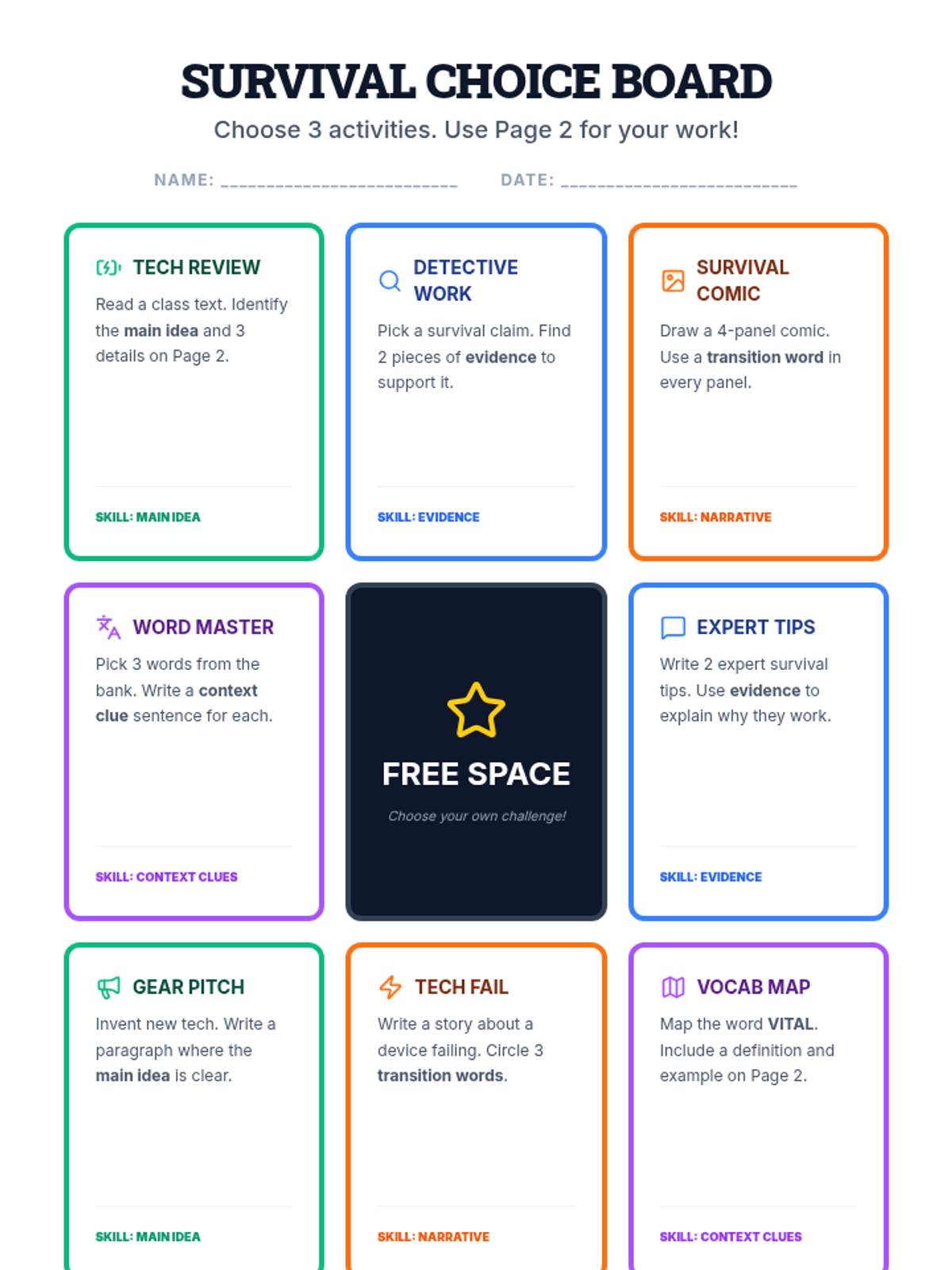
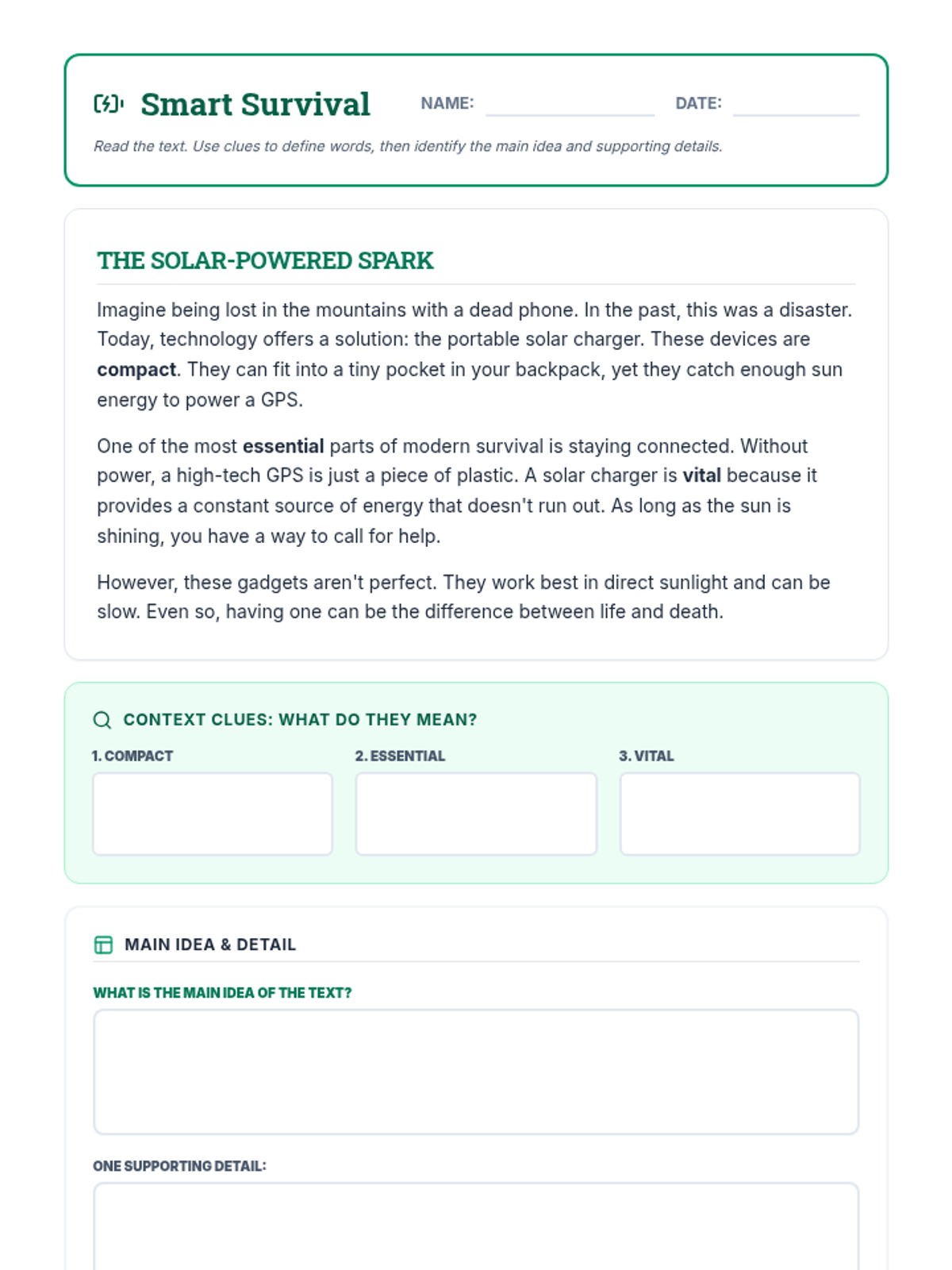
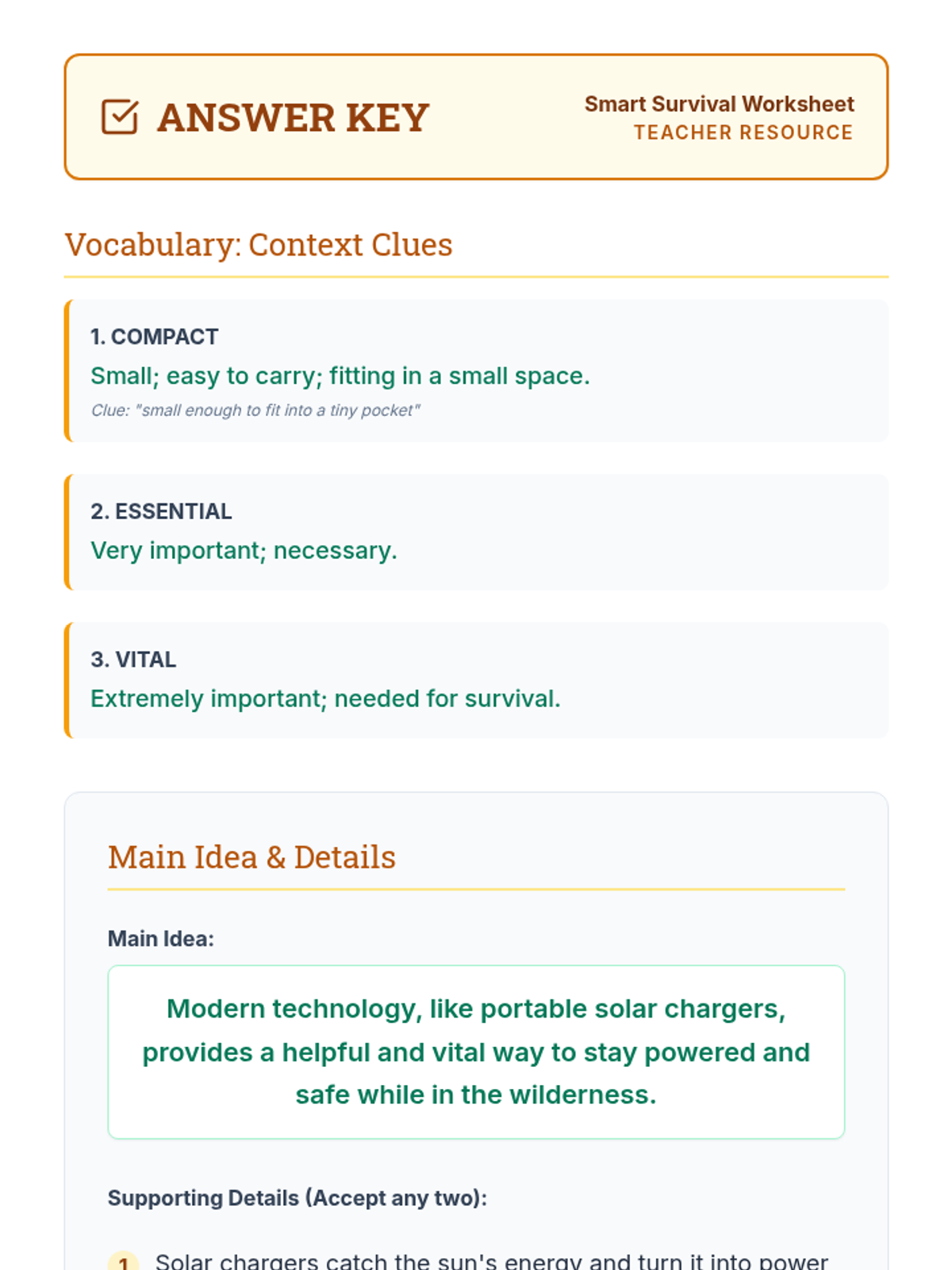
Explore modern survival technology while practicing identifying main ideas and using context clues to decode technical vocabulary.