A fourth-grade math lesson focused on solving multi-operation word problems using multi-digit numbers, featuring a wilderness expedition theme and a keyword decoder scaffold.
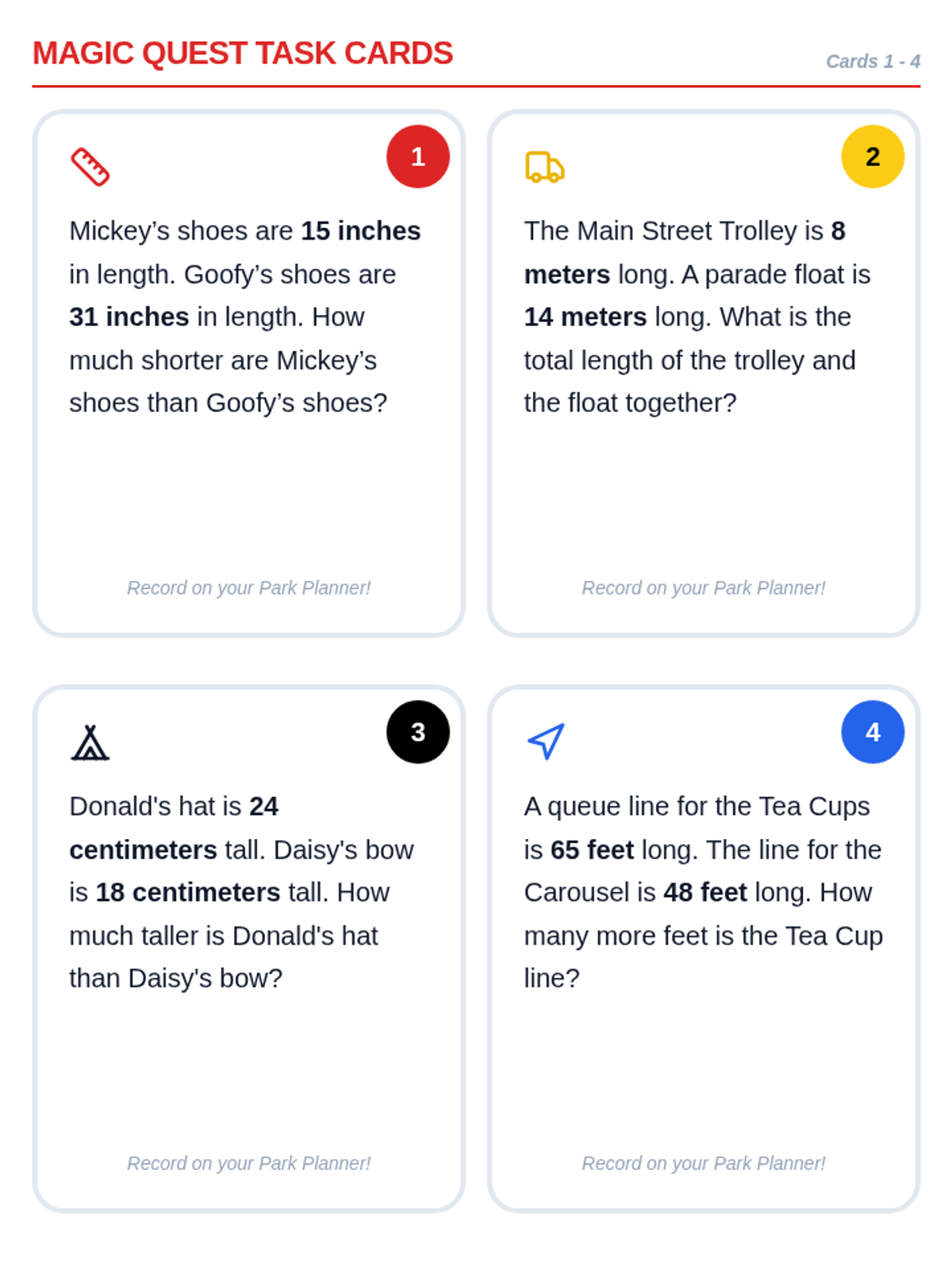
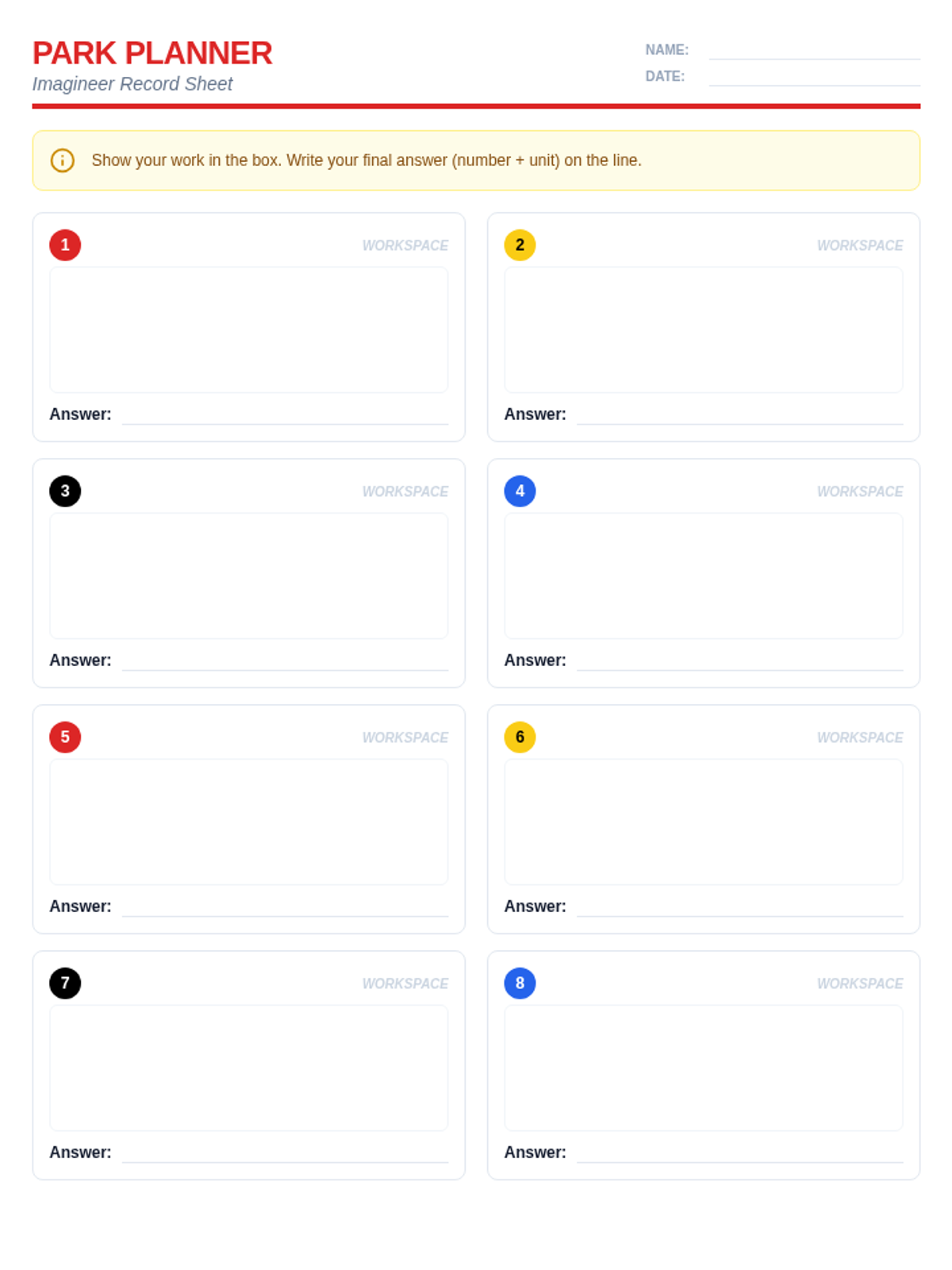
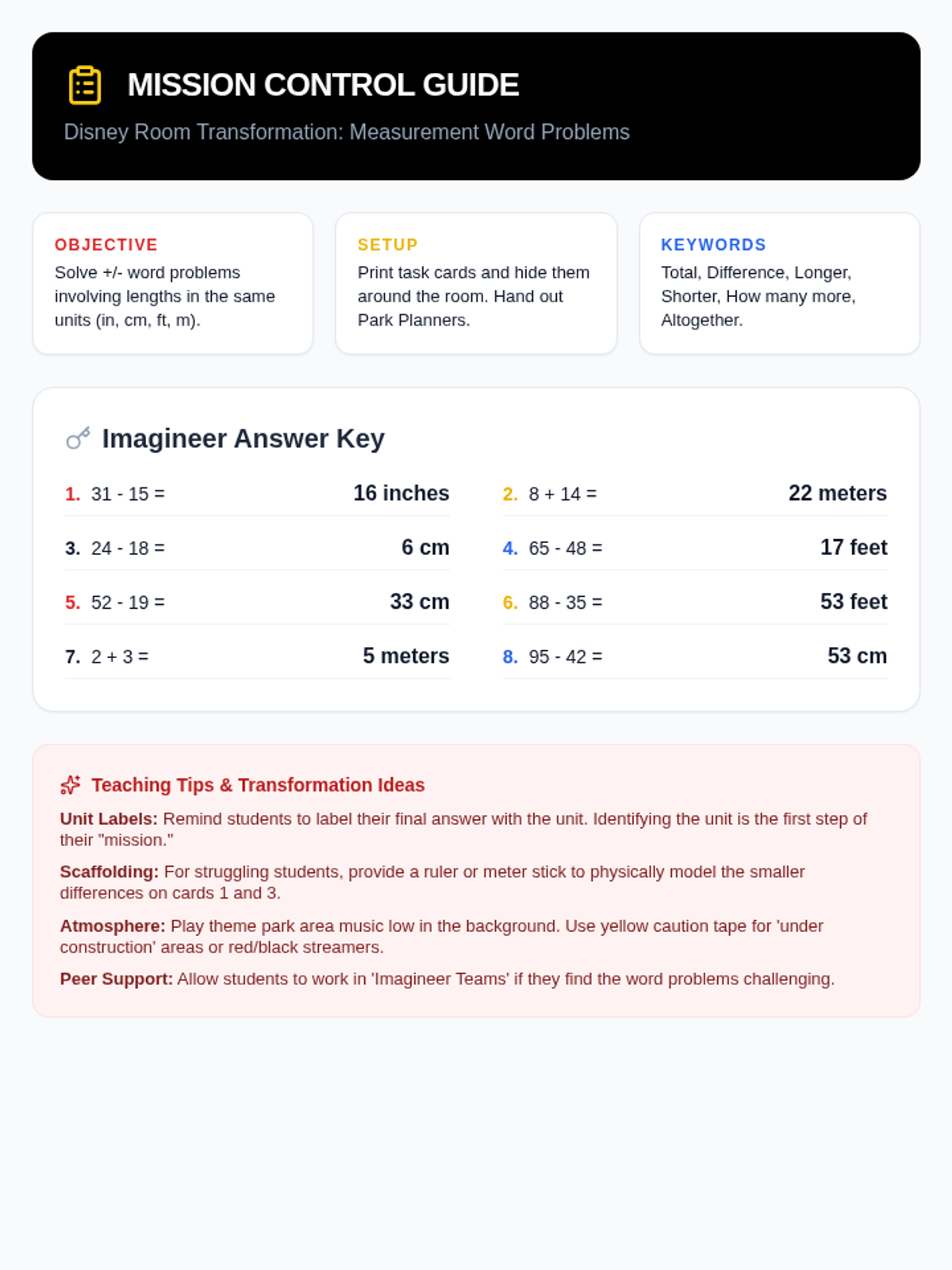
A high-energy measurement word problem lesson set in a magical theme park, designed for a room transformation experience. Students solve length comparison and addition problems using inches, centimeters, feet, and meters.
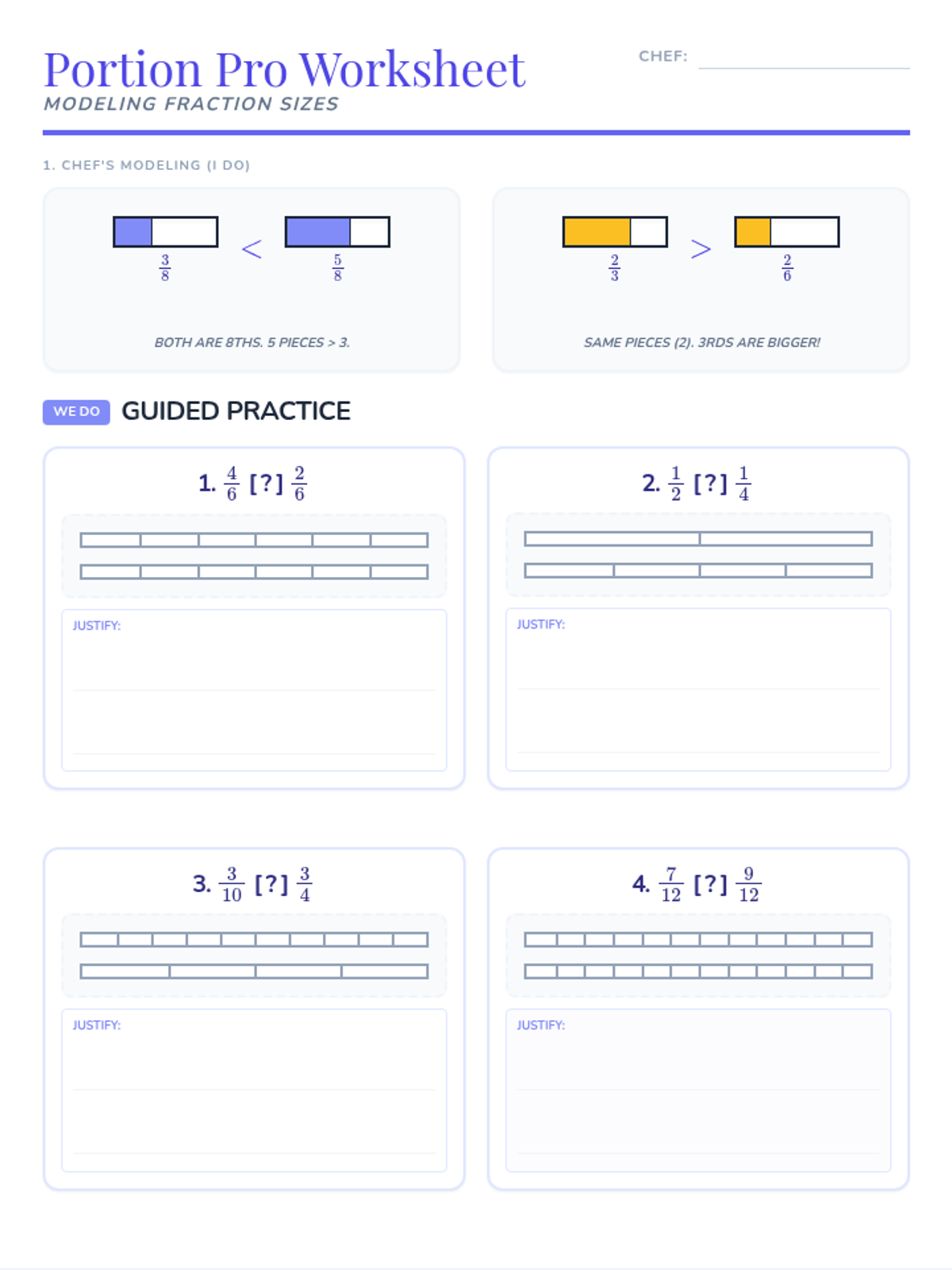
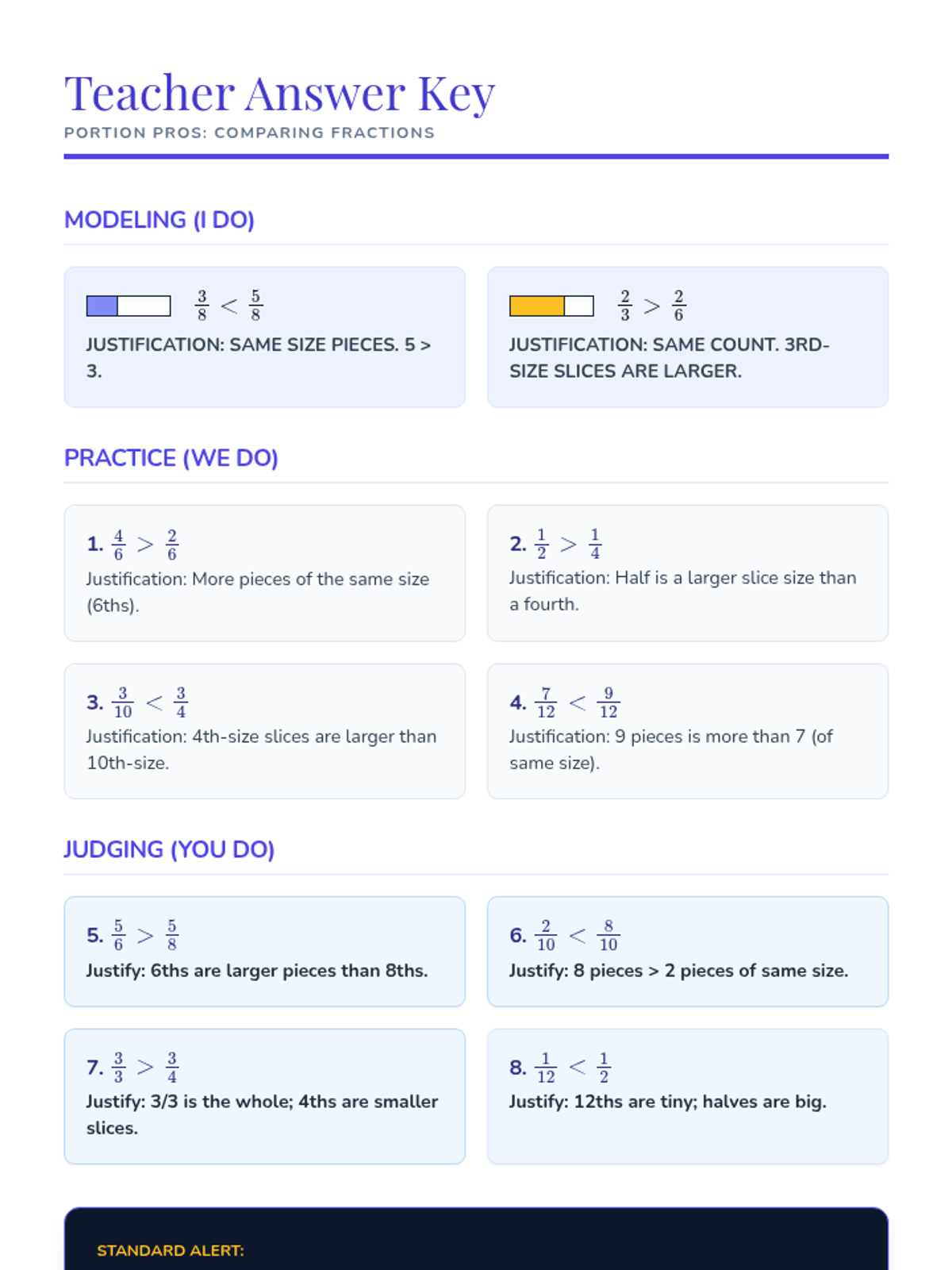
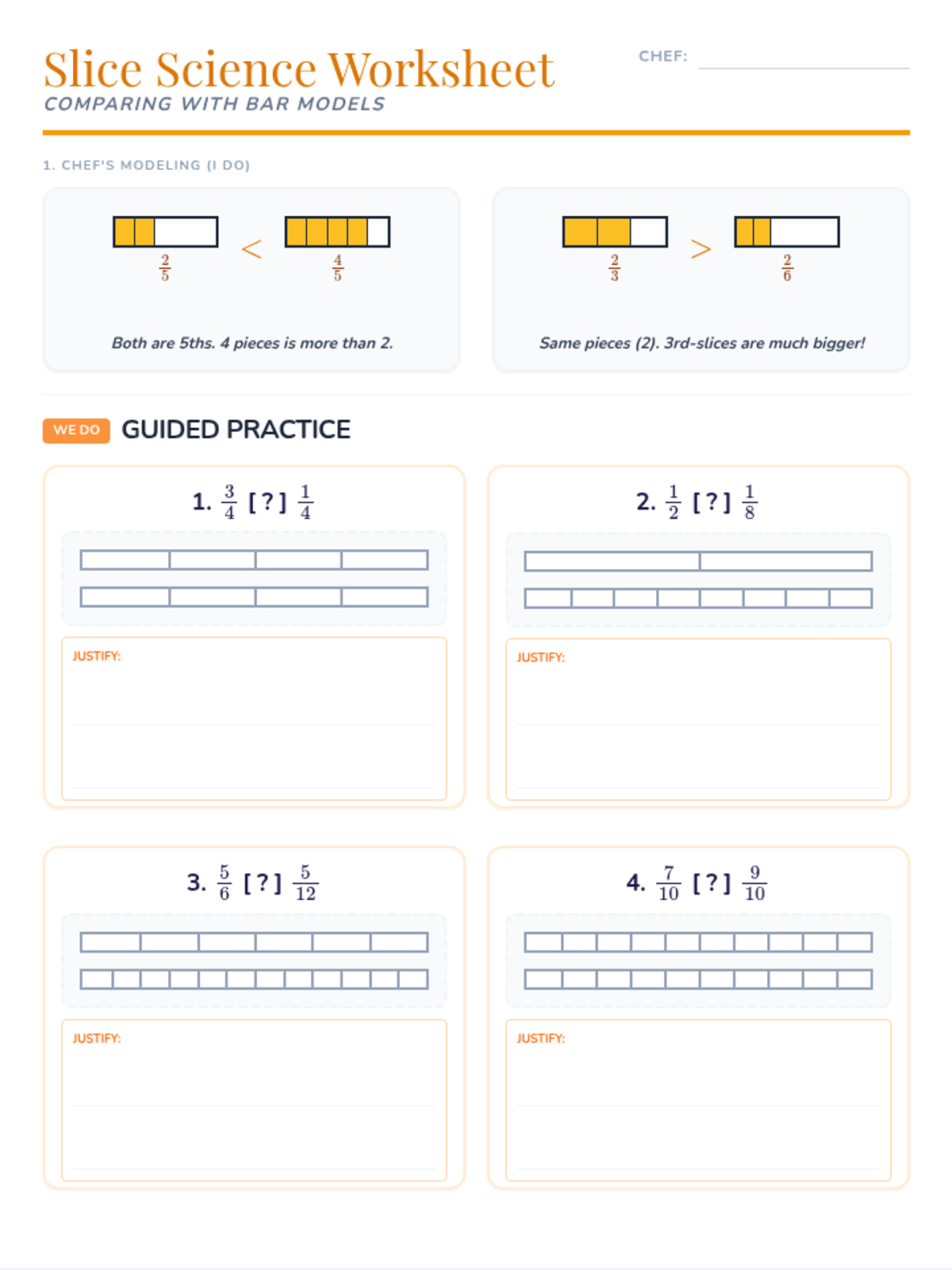
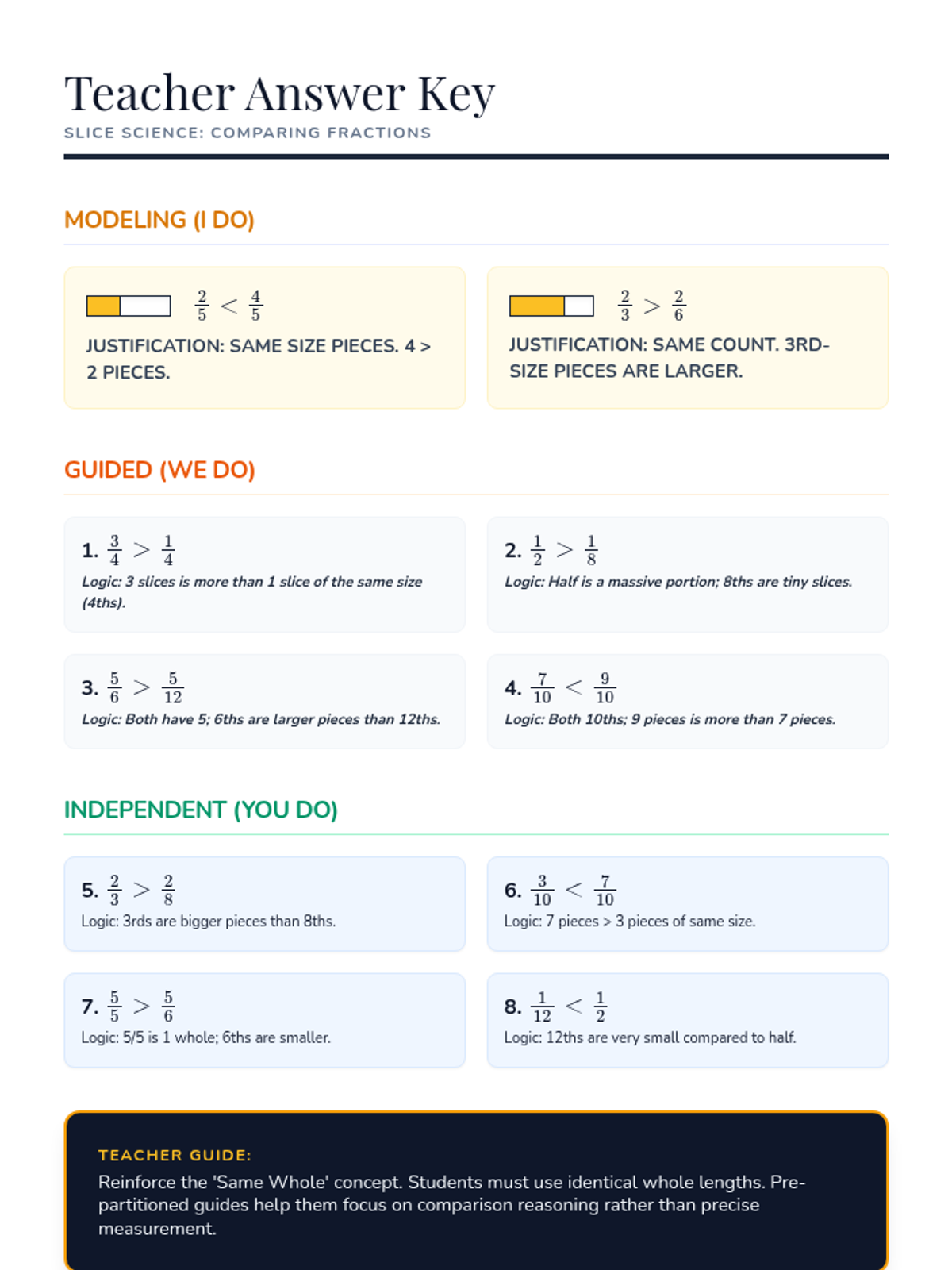
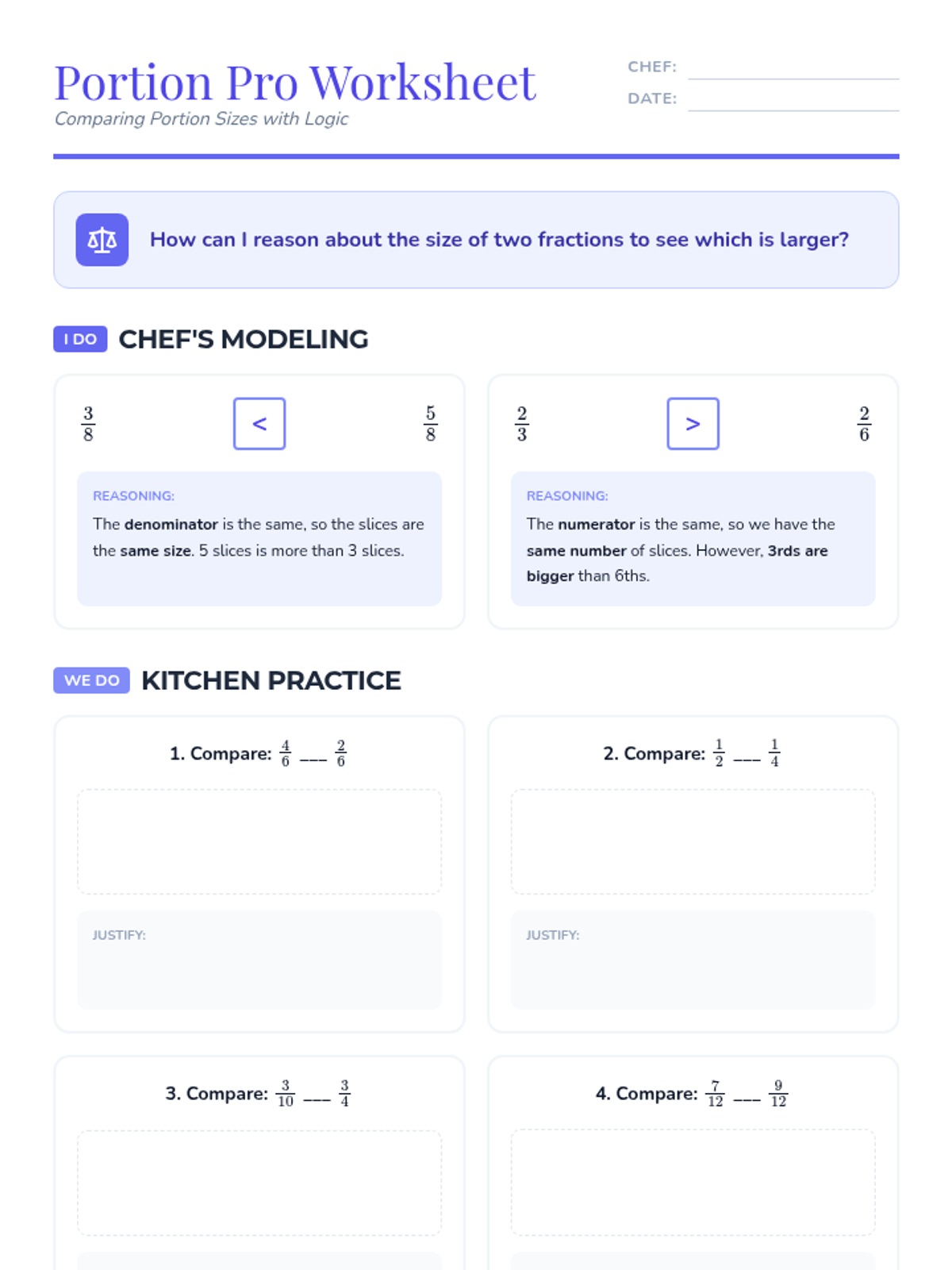
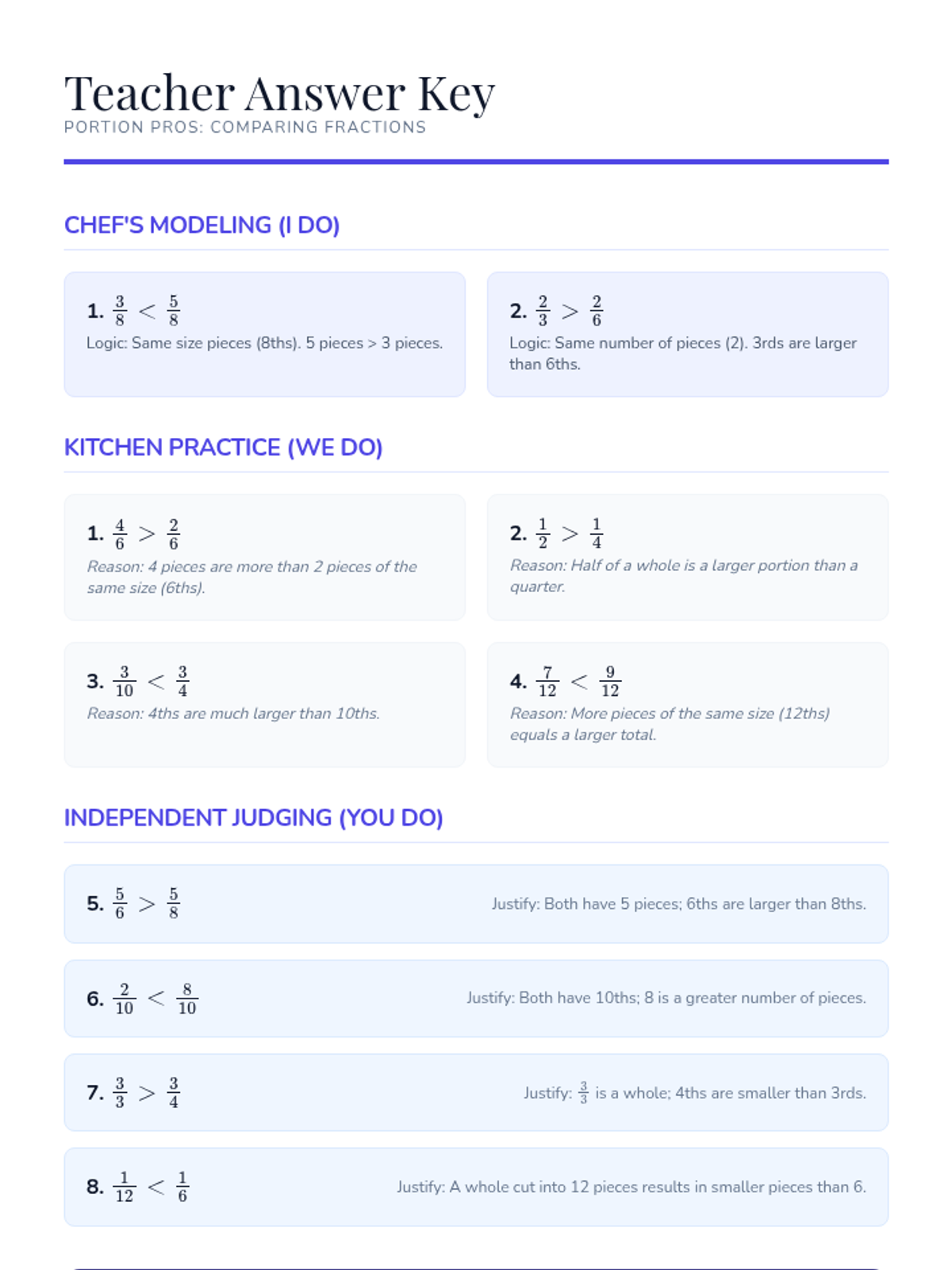
A 16:9 slide deck for teaching fraction comparison. Covers comparing fractions with common numerators and denominators using the Portion Pros bakery theme and visual bar models.
A comprehensive lesson on equivalent fractions using a bakery theme, featuring teacher modeling, guided practice, and independent student work.
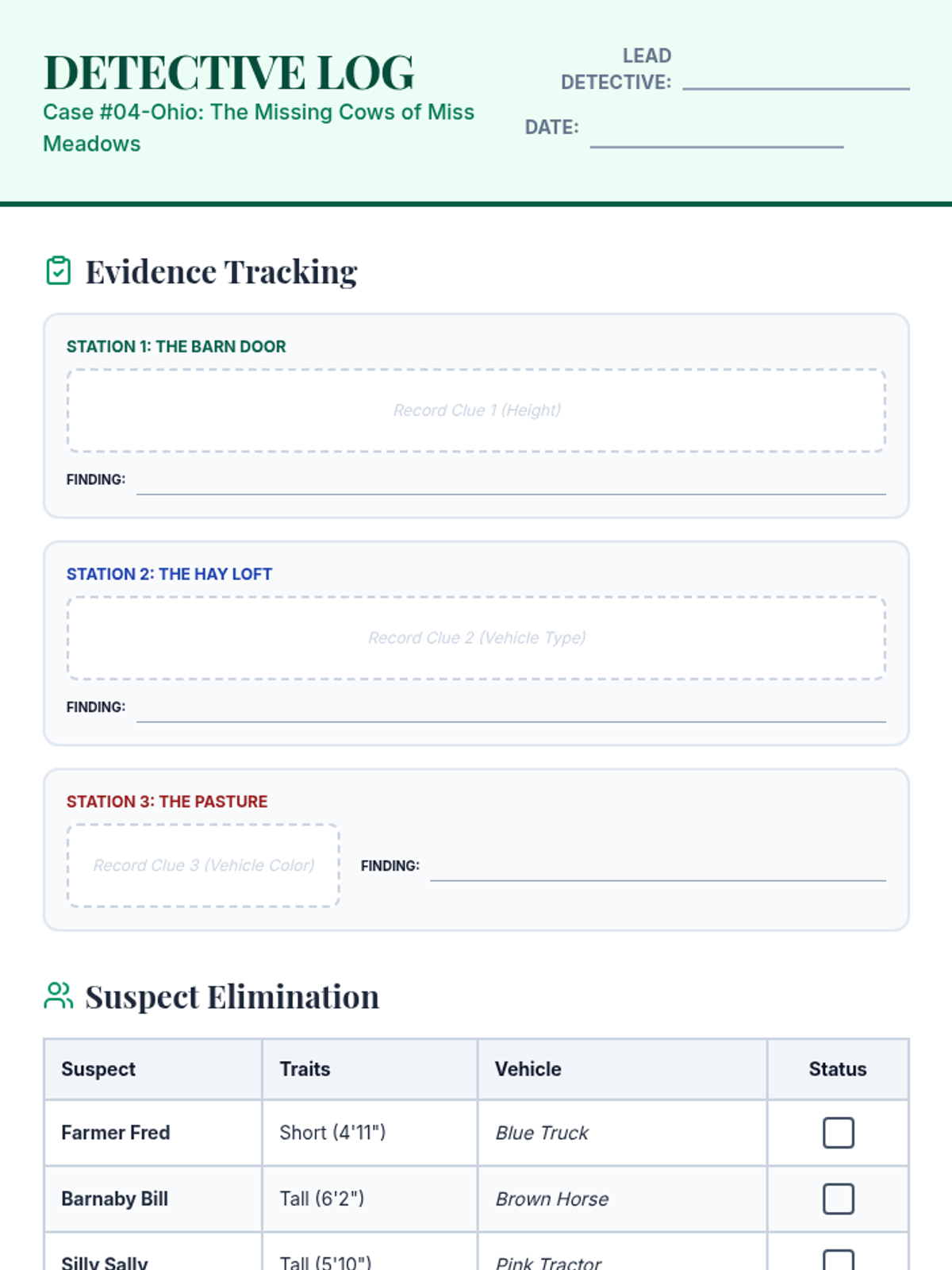
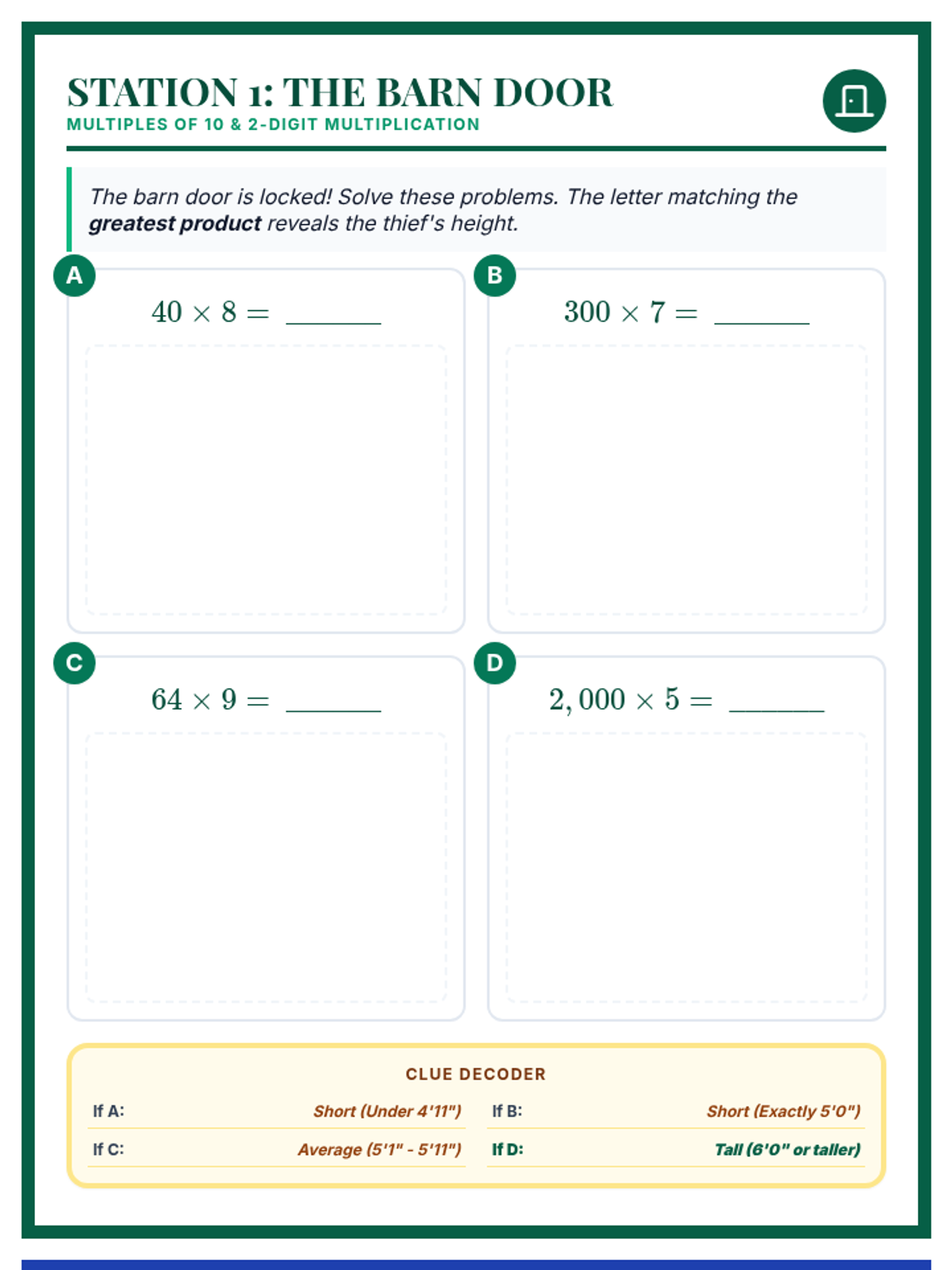
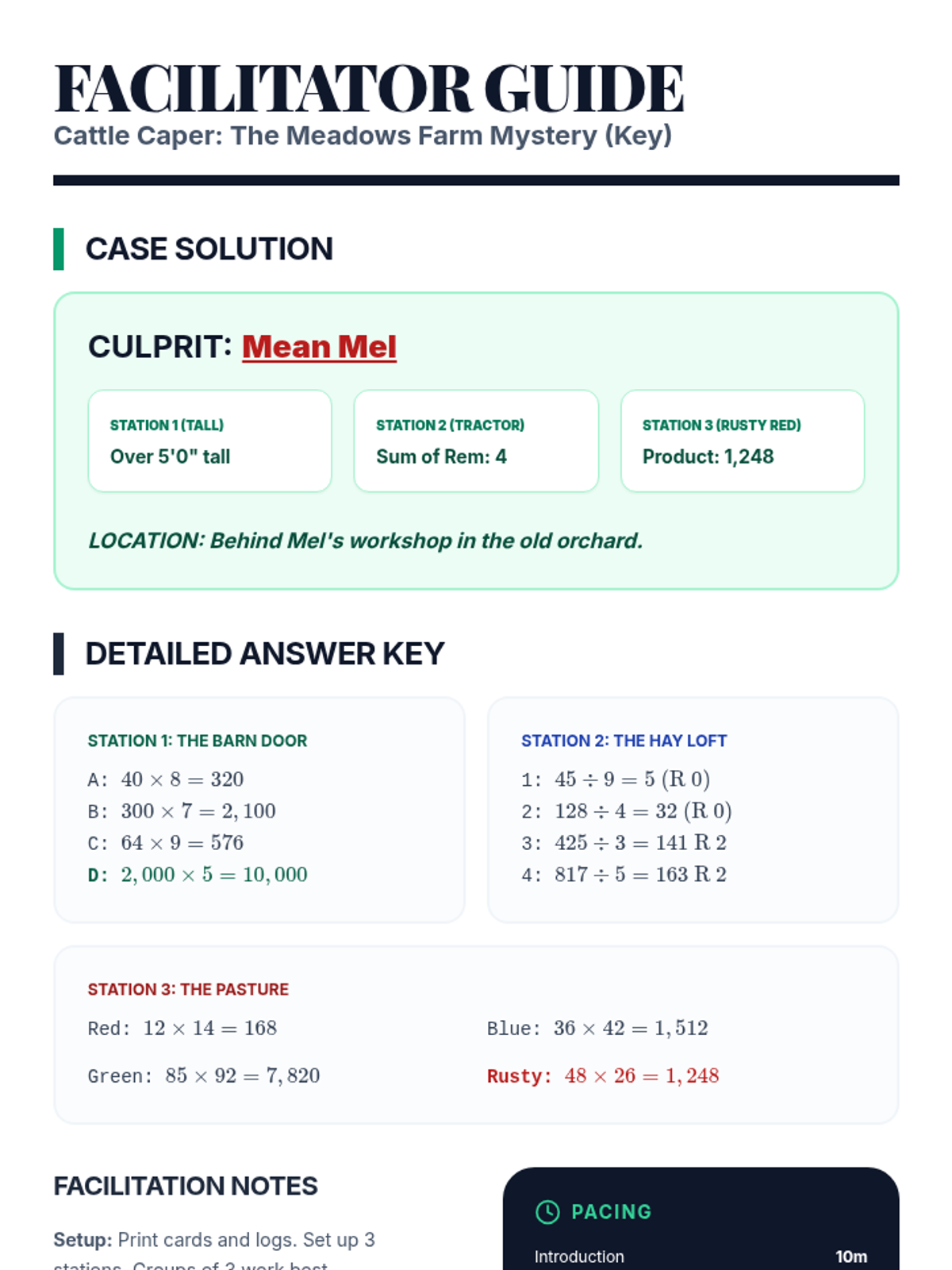
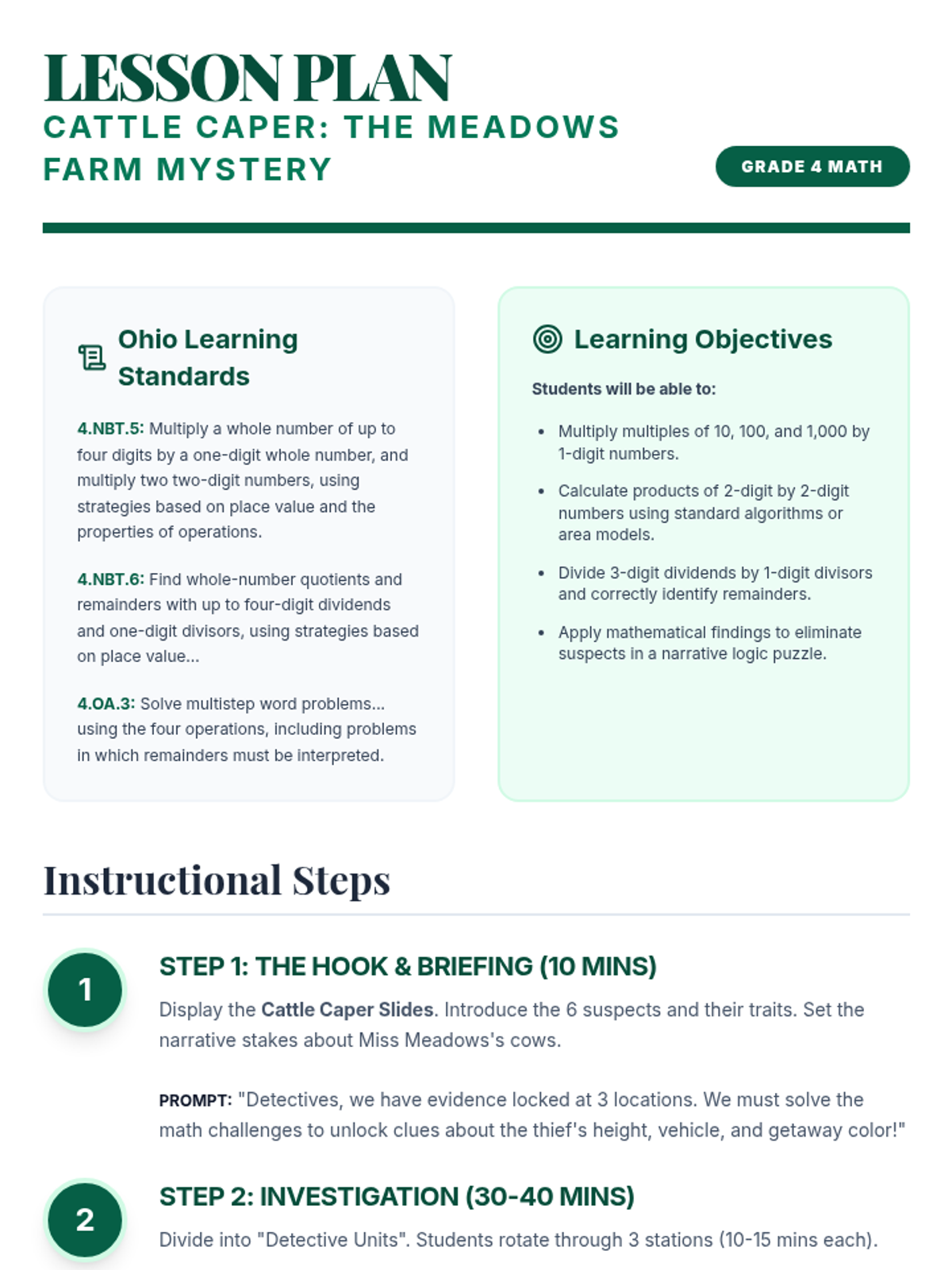
The core escape room lesson where students solve multiplication and division challenges to identify the thief of Miss Meadows's cows. includes 2-digit multiplication and 3-digit division with remainders.
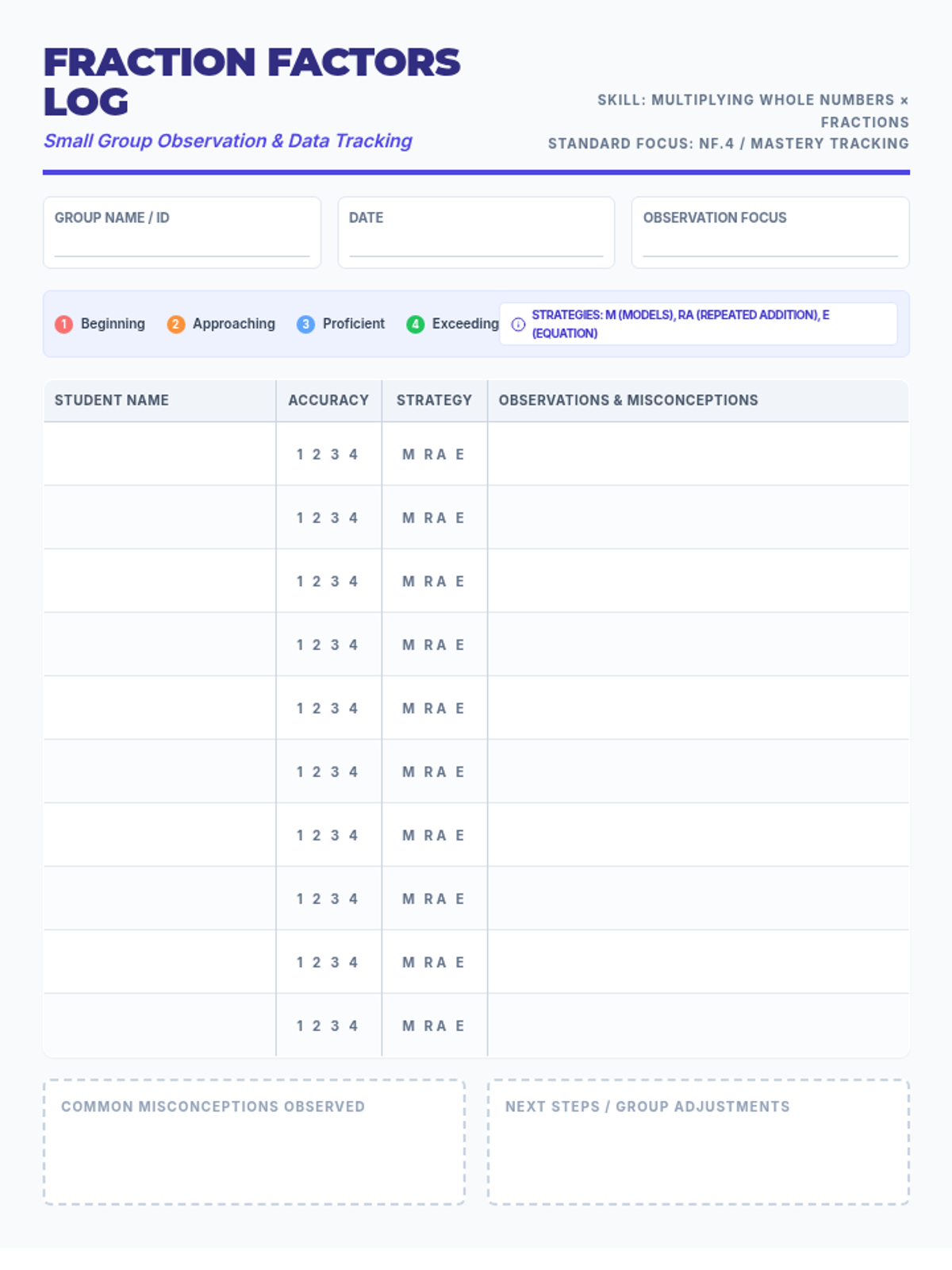
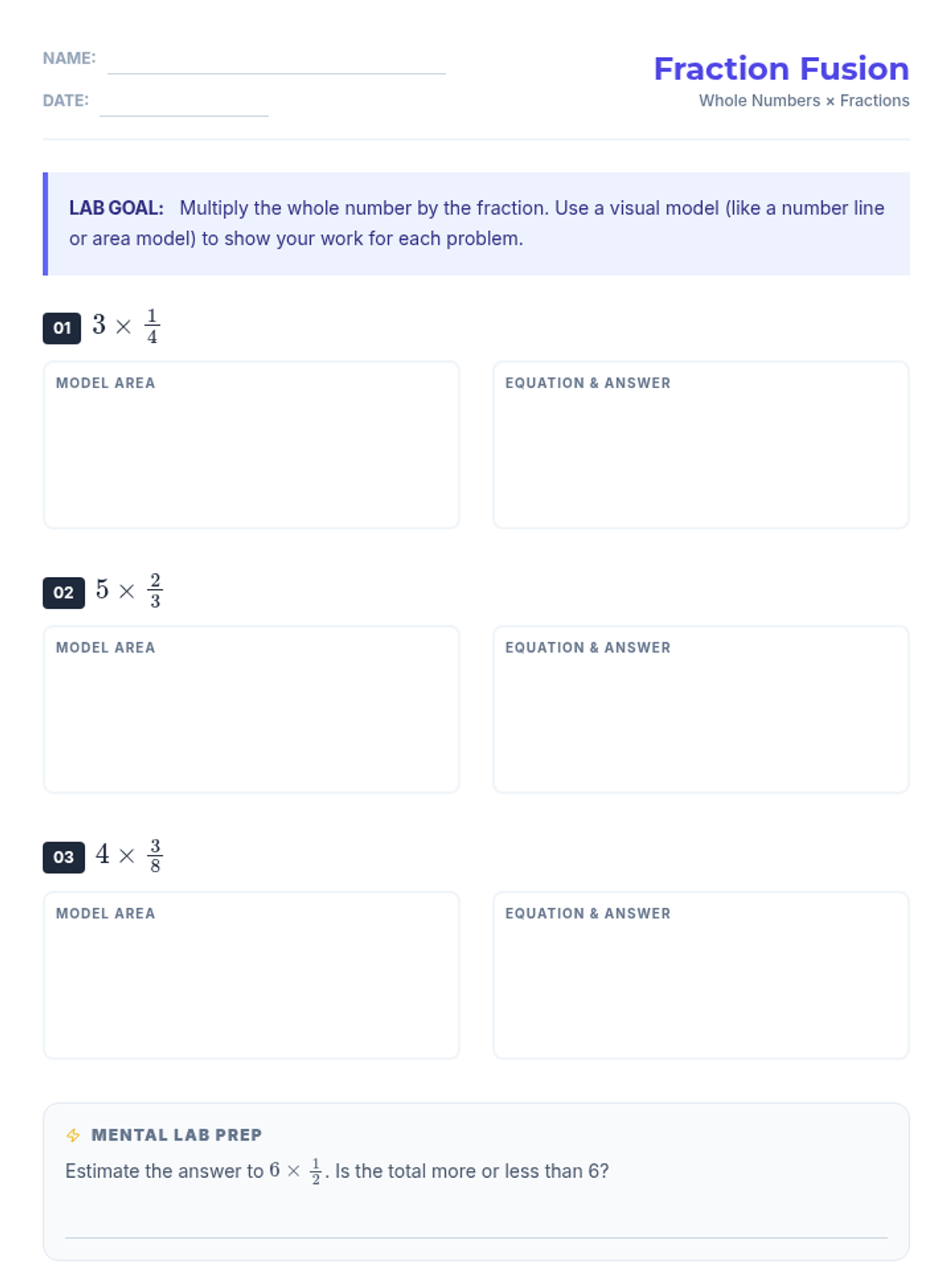
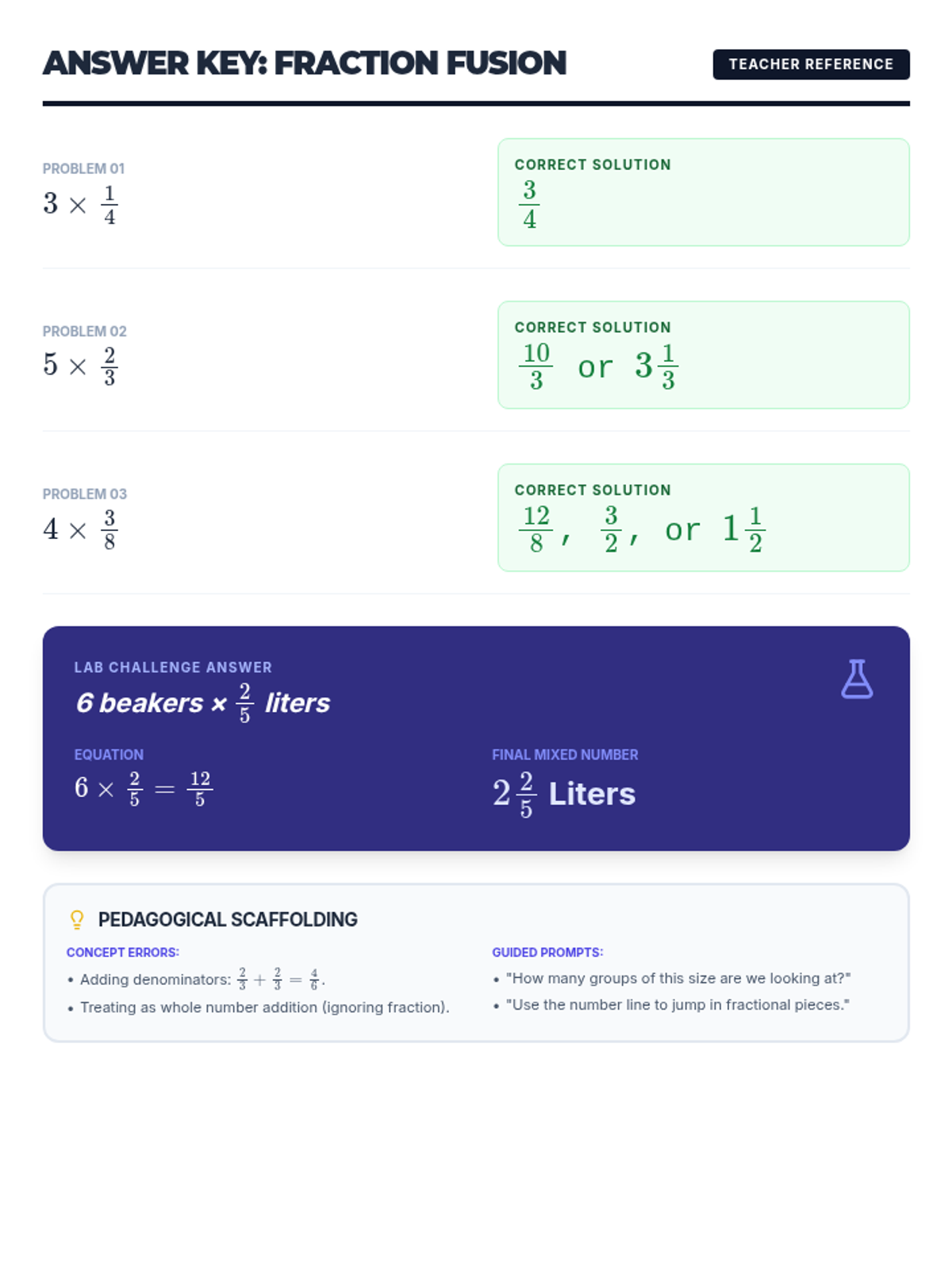
A focused session on multiplying whole numbers by fractions using visual models and equations, including data tracking for small group instruction.
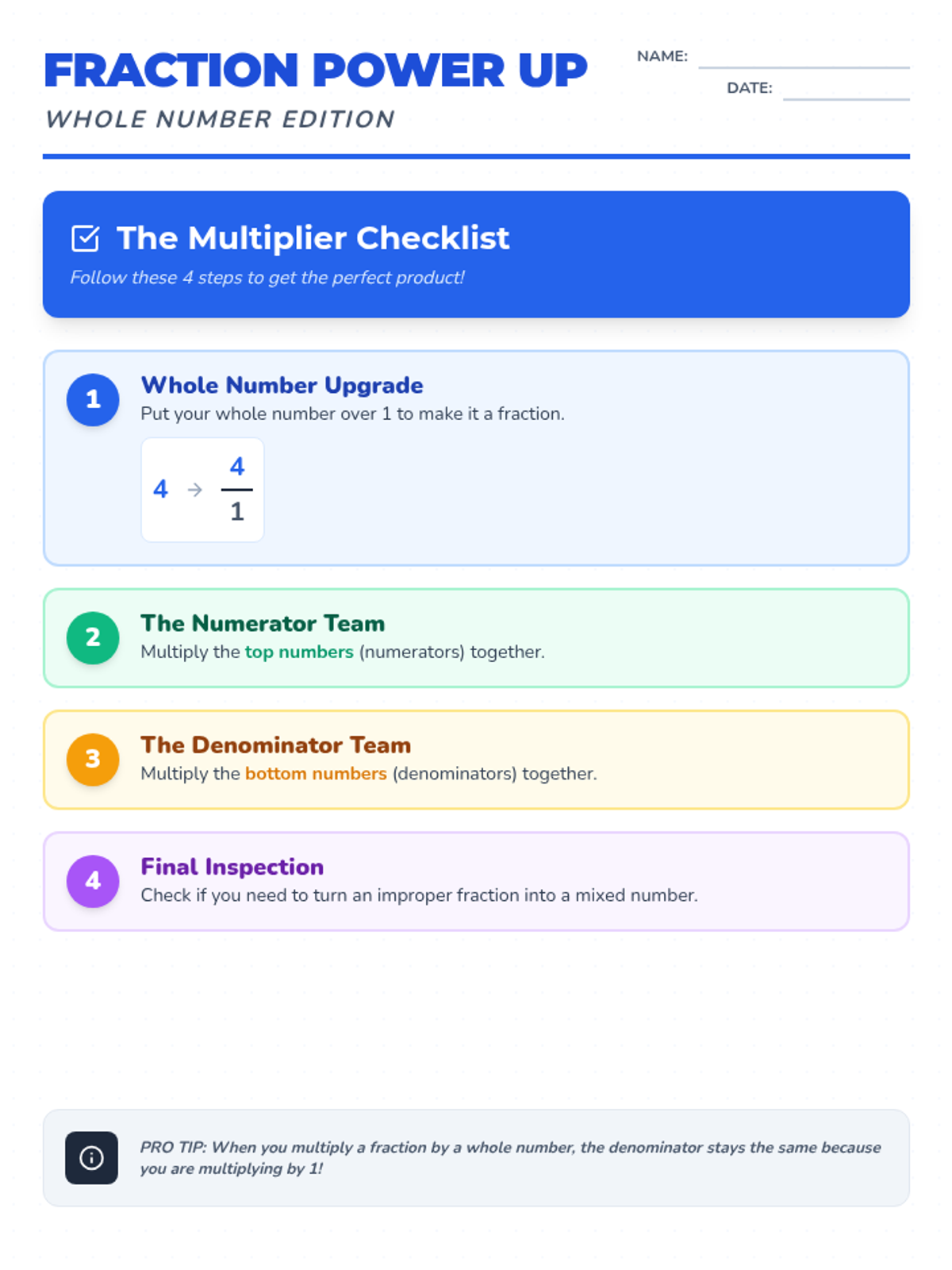
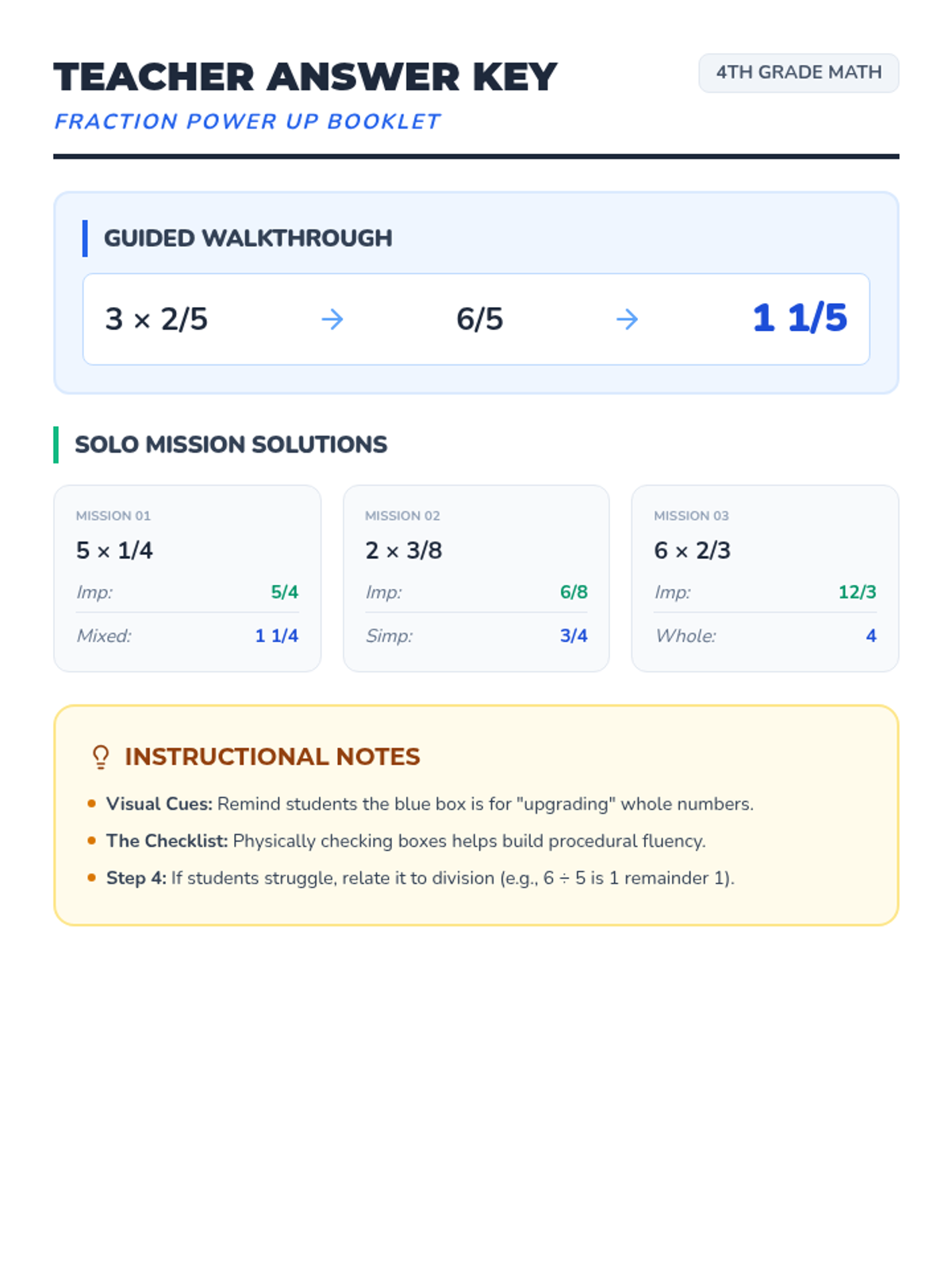
A comprehensive guide and practice set for 4th-grade students to master multiplying fractions by whole numbers using a structured checklist and color-coded visual aids.
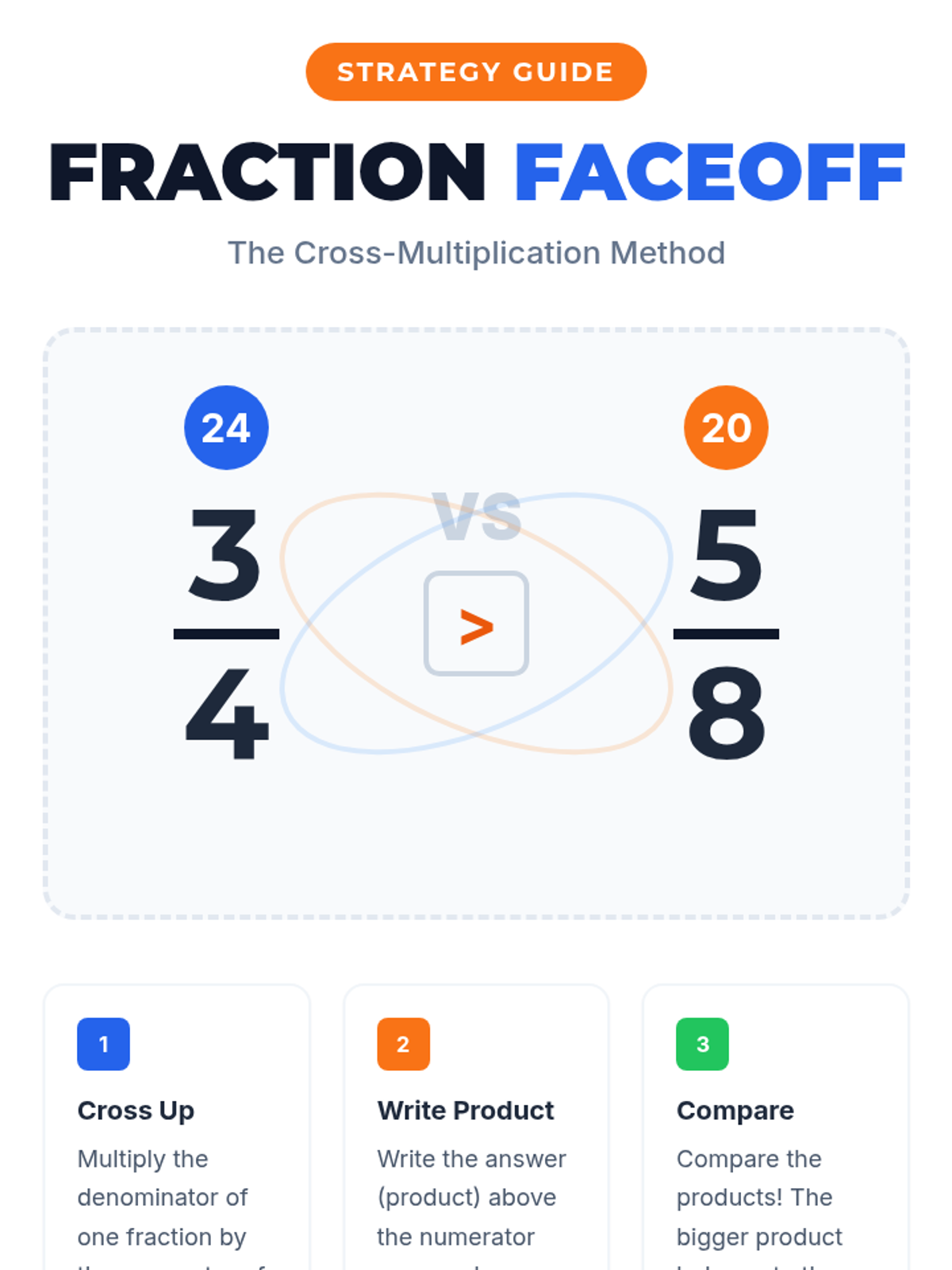
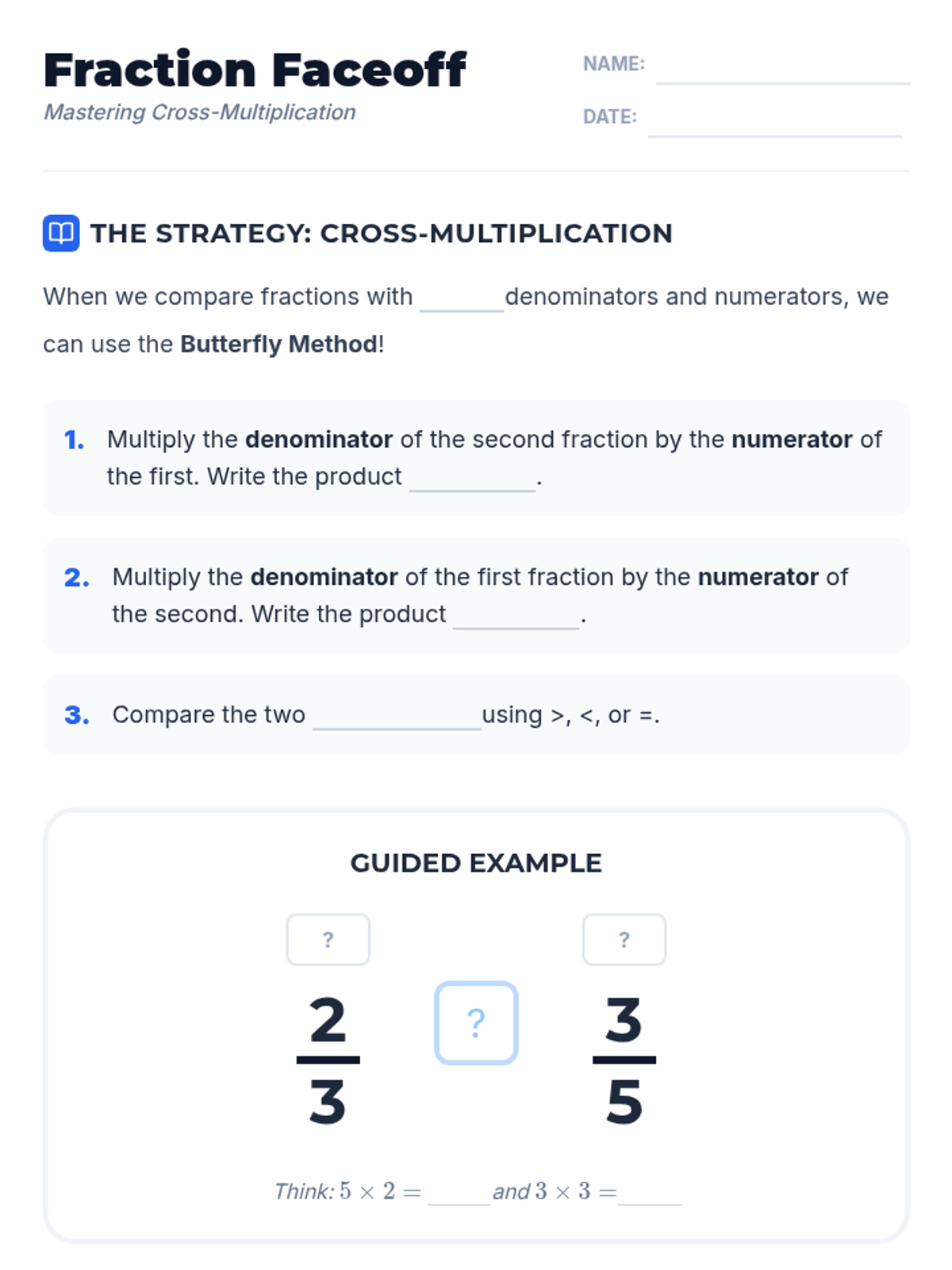
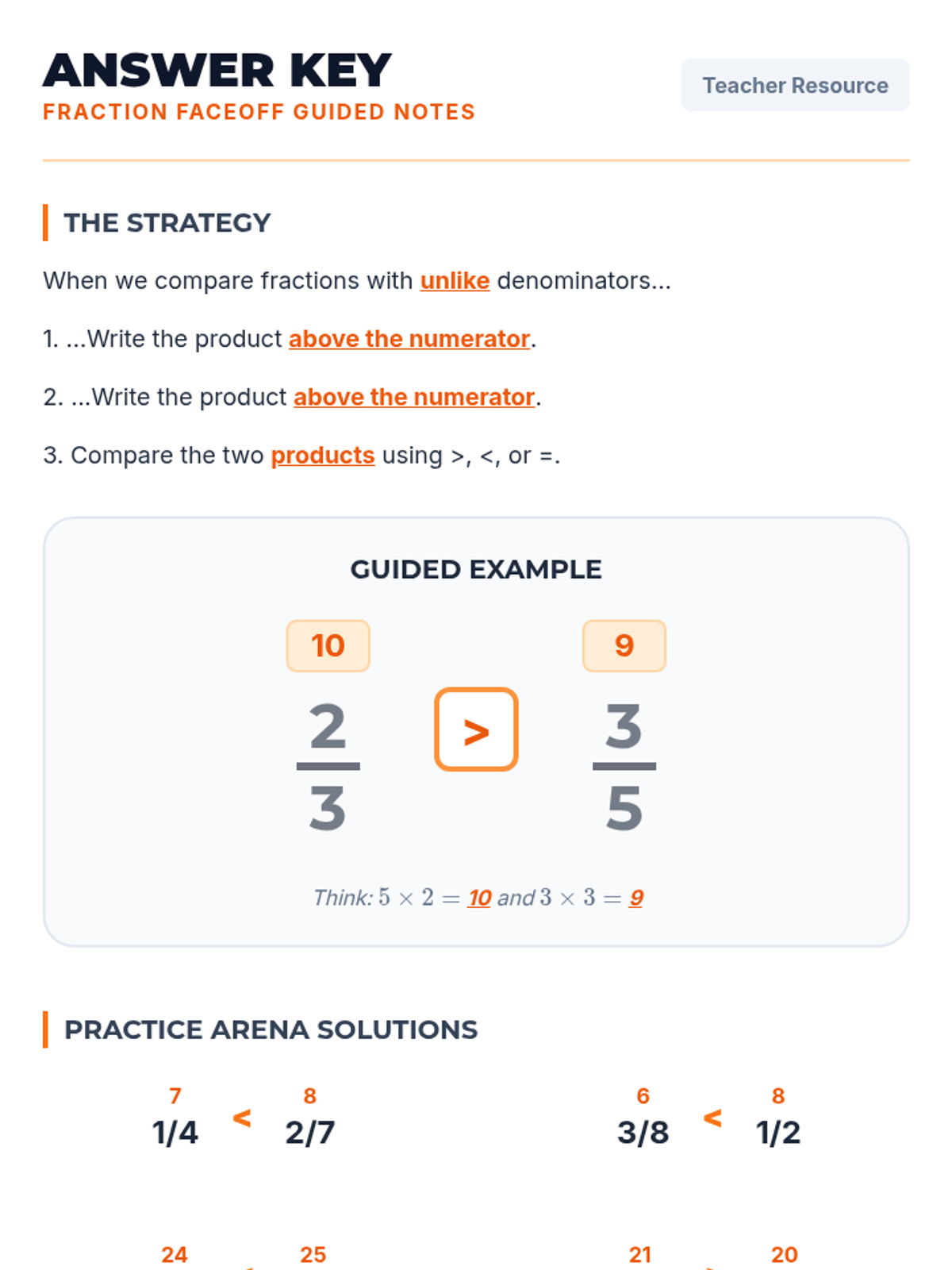
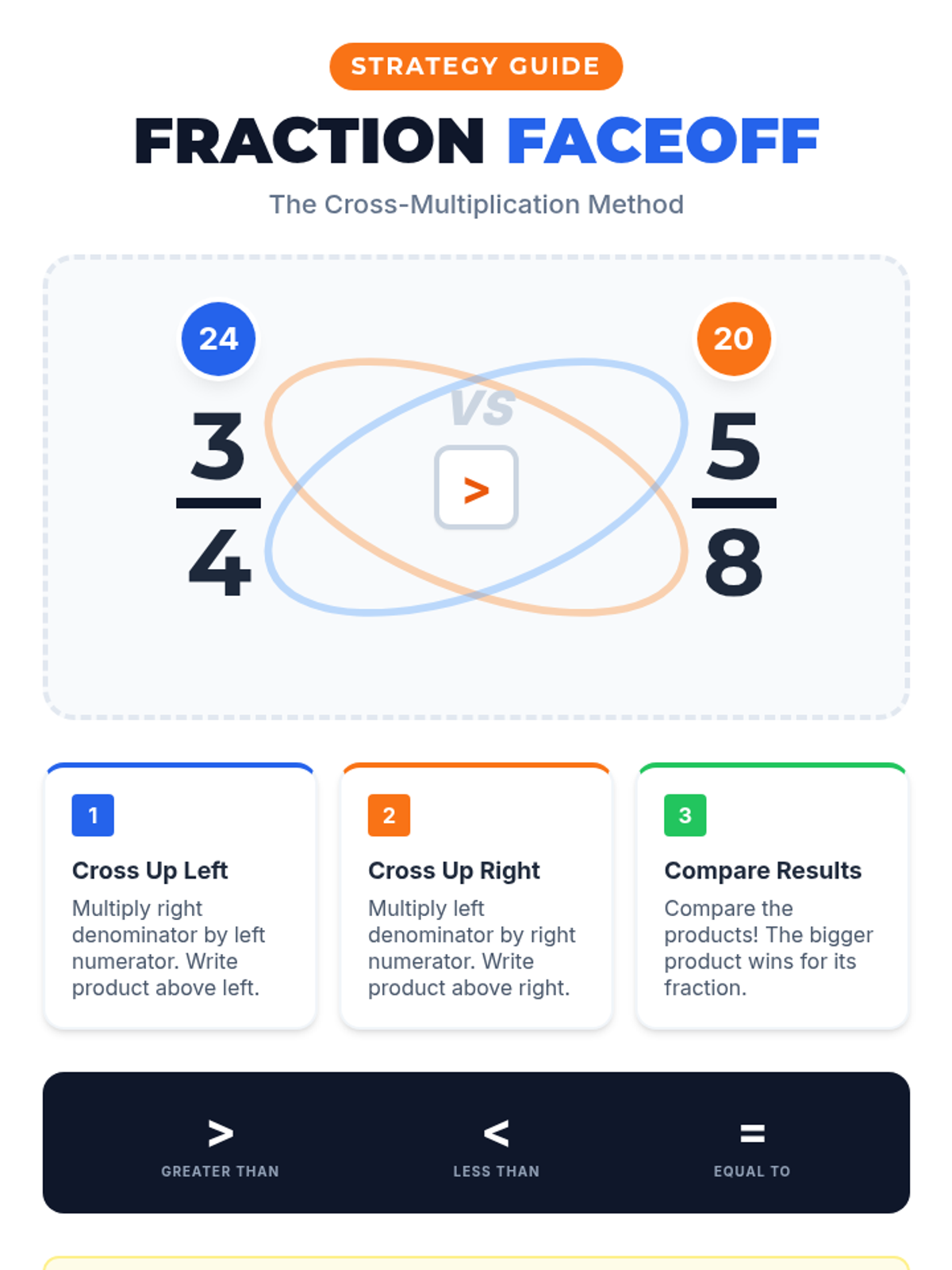
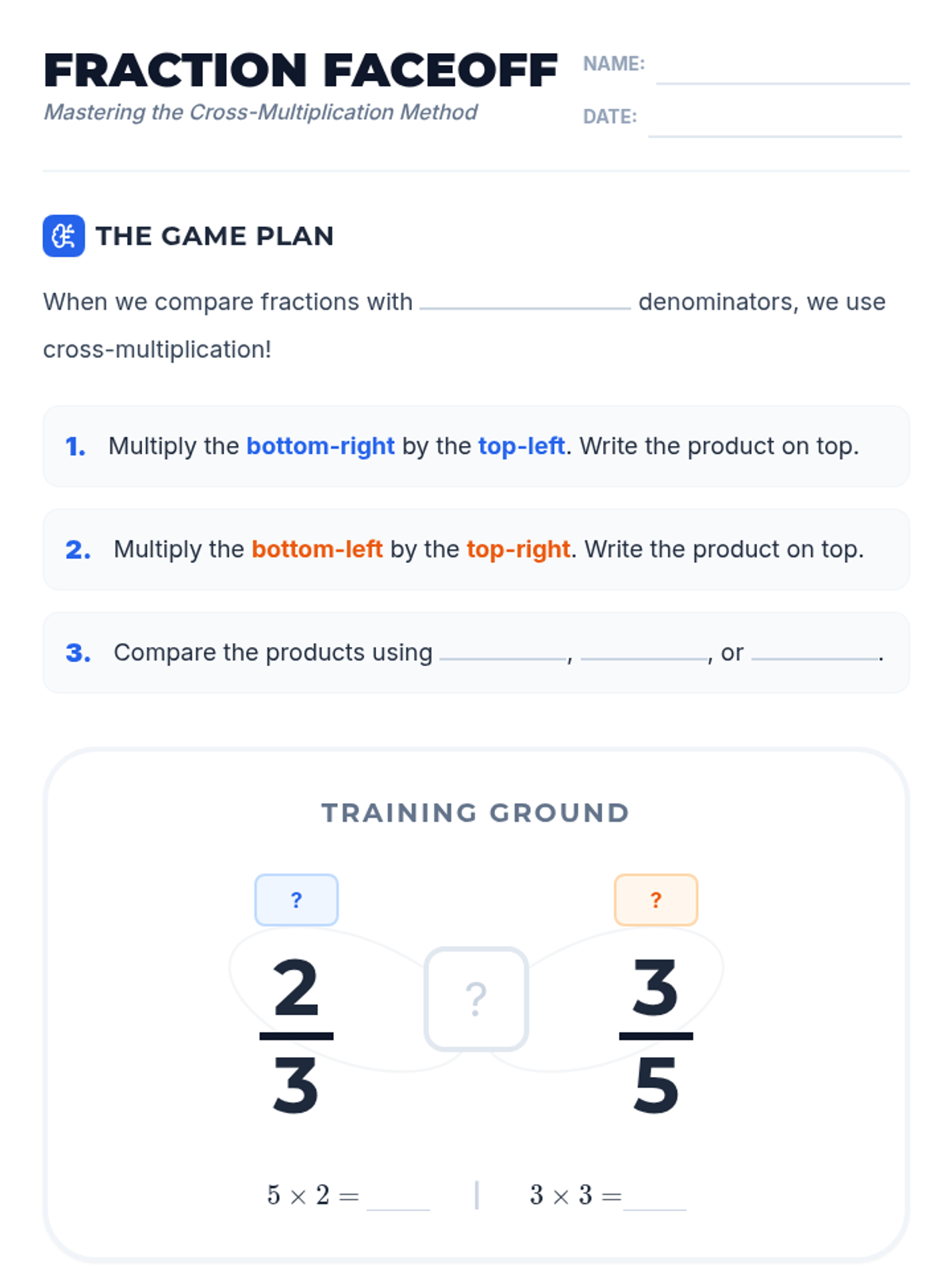
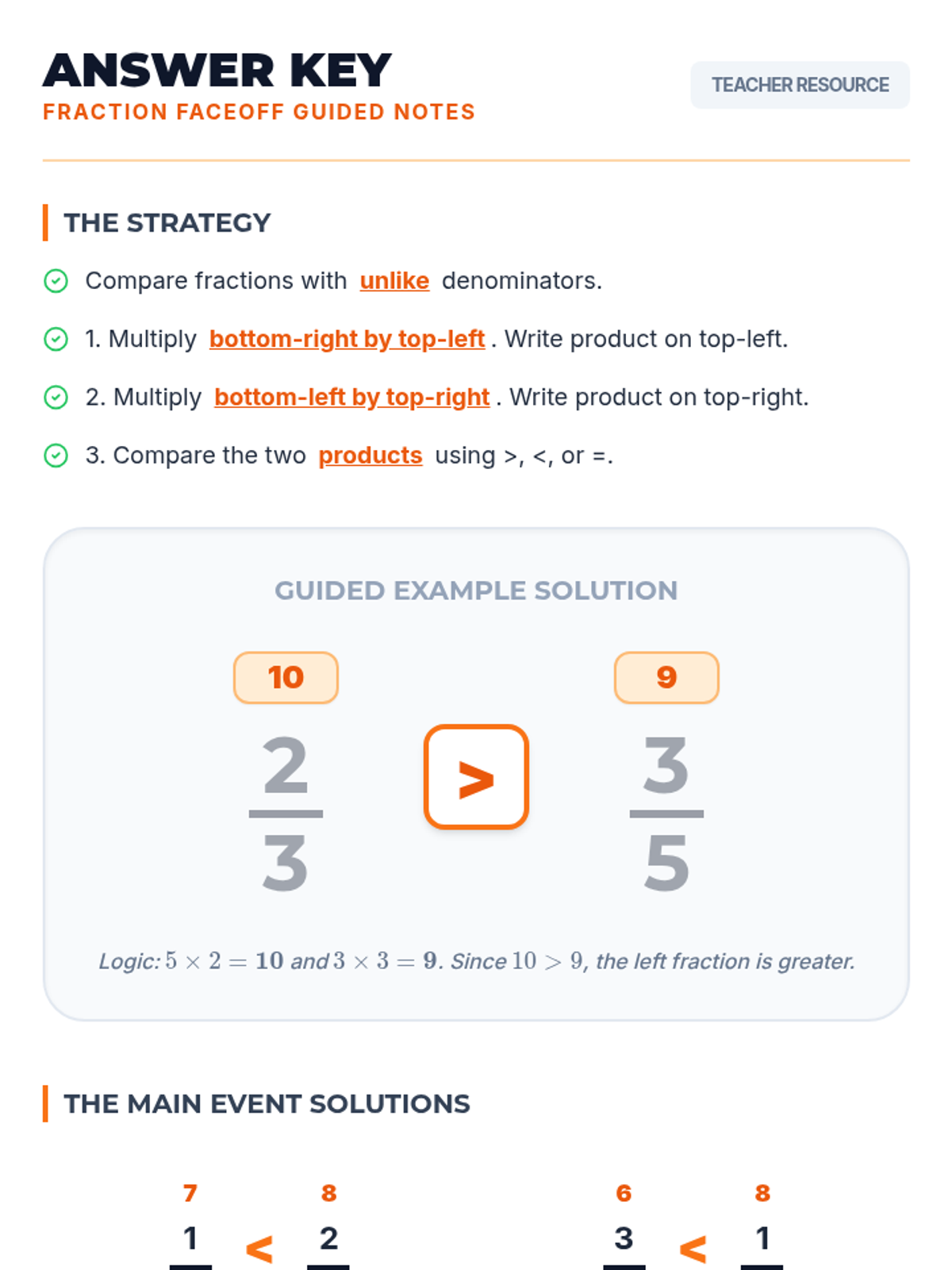
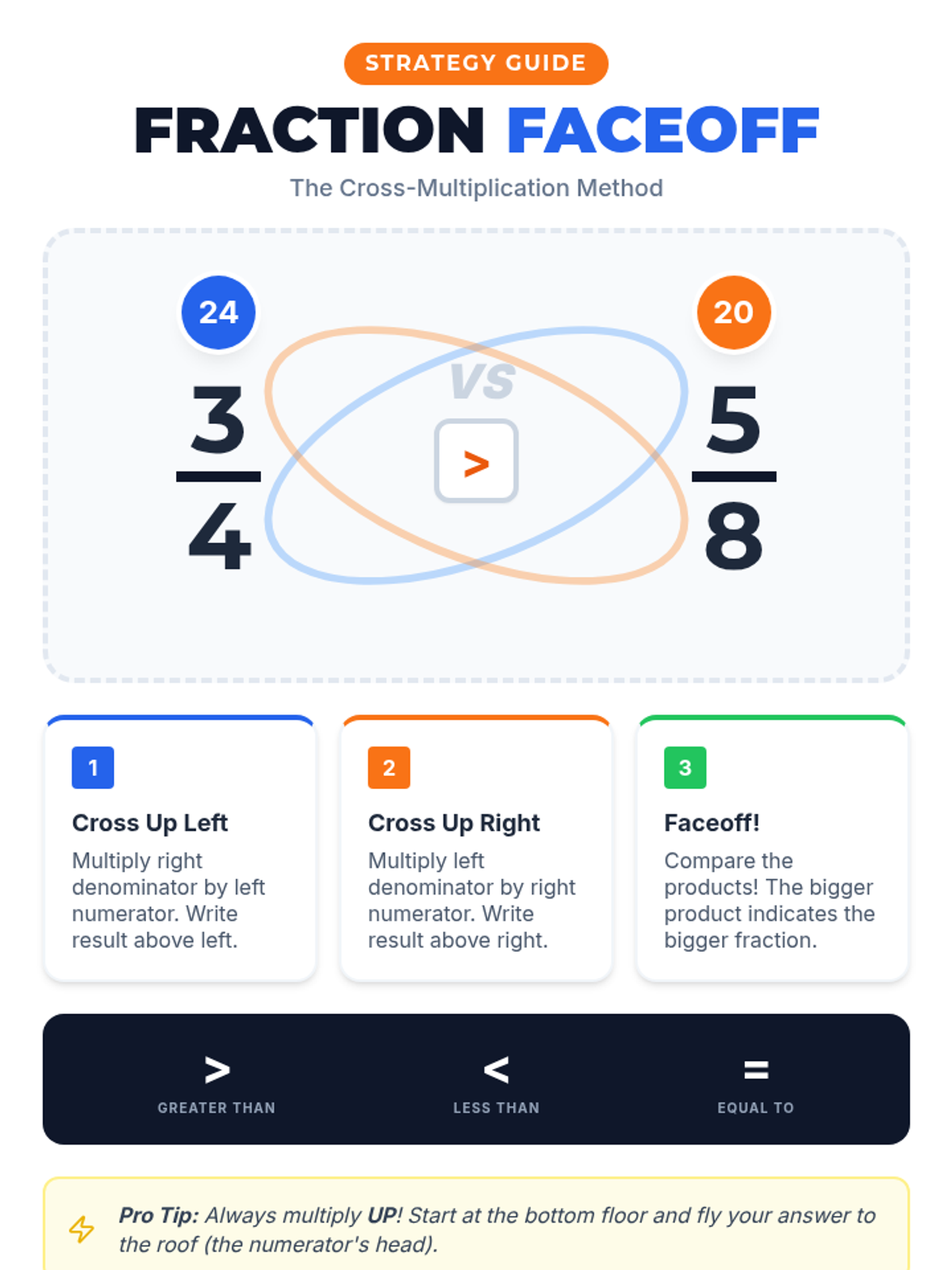
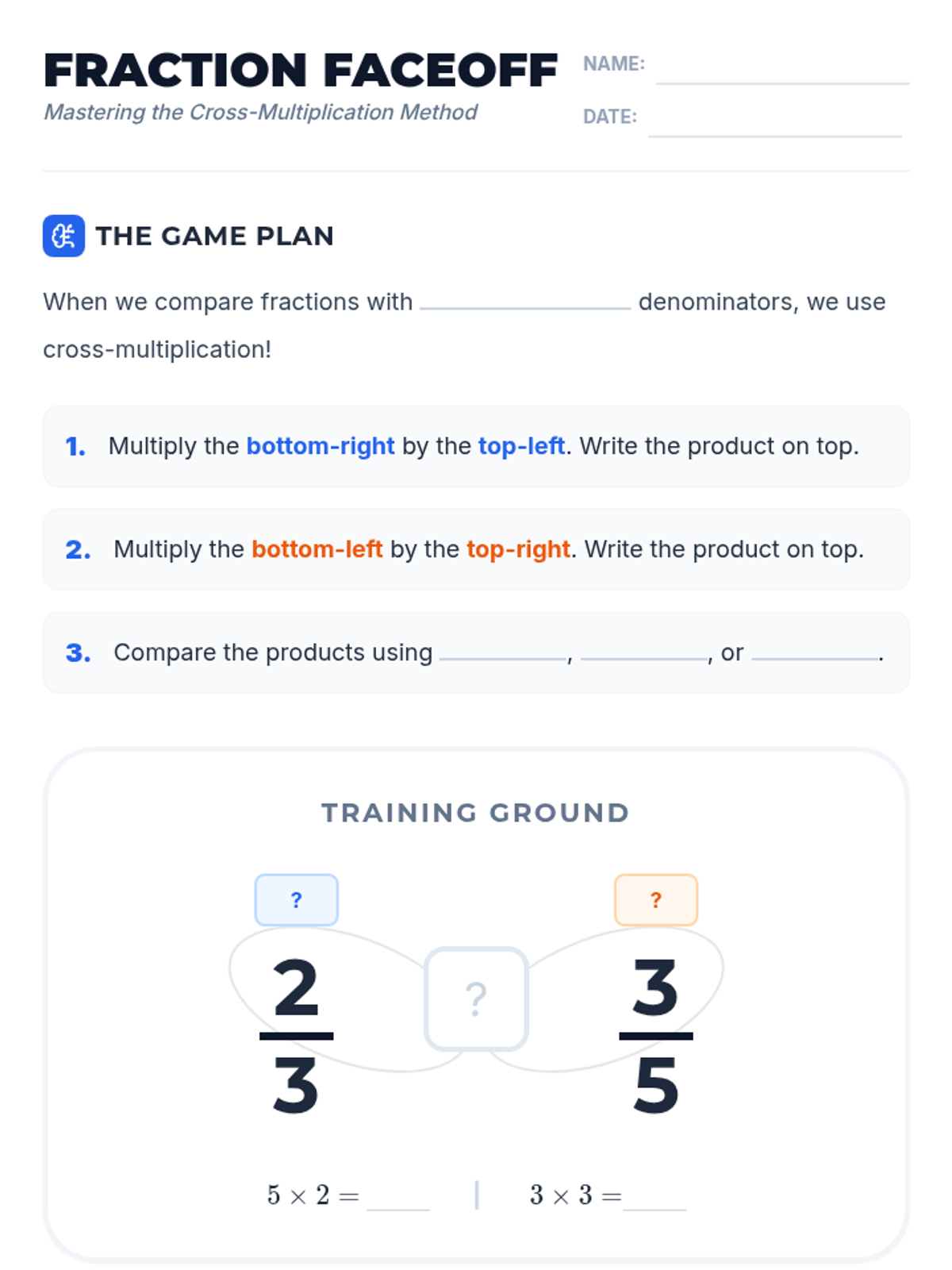
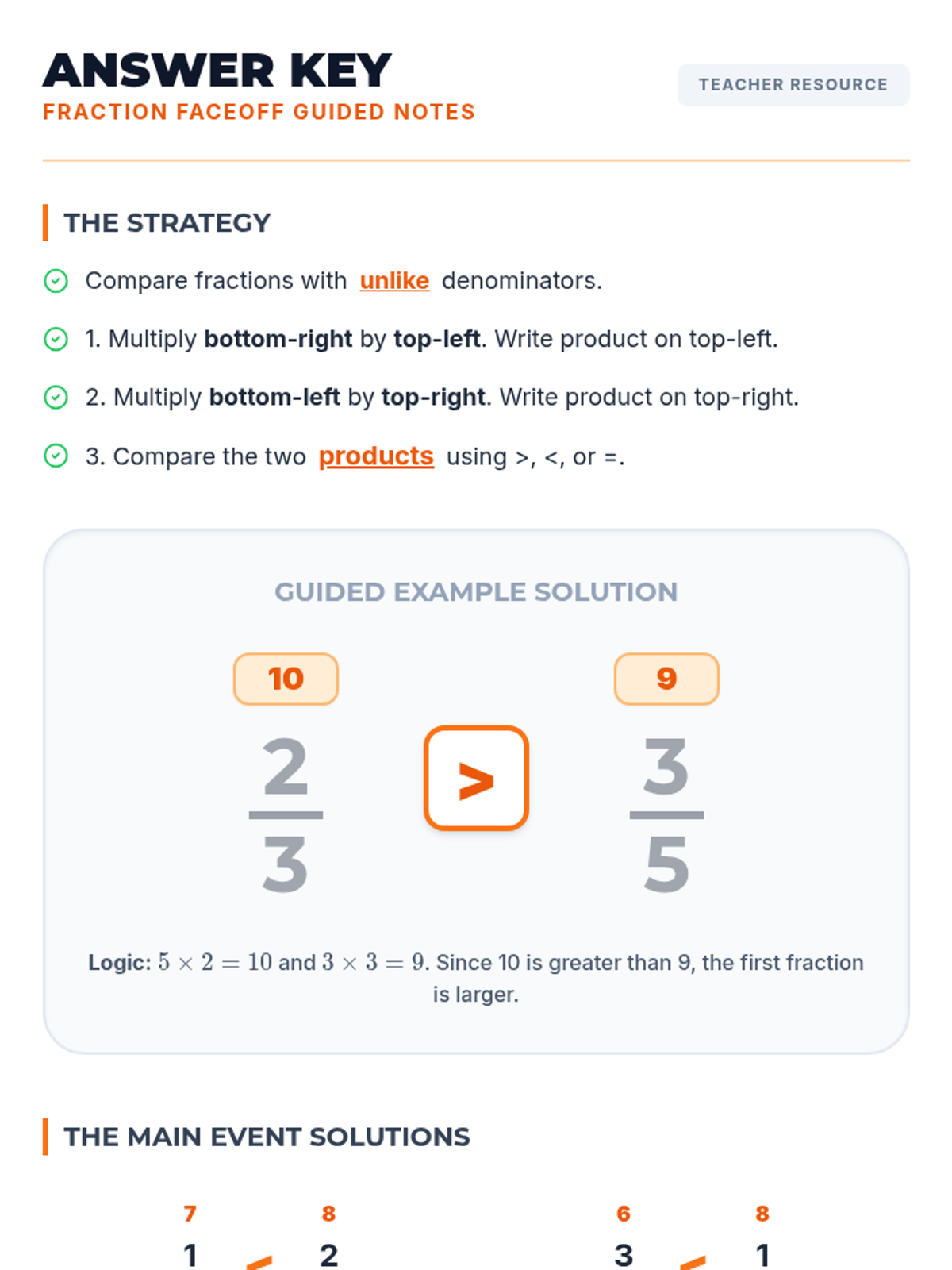
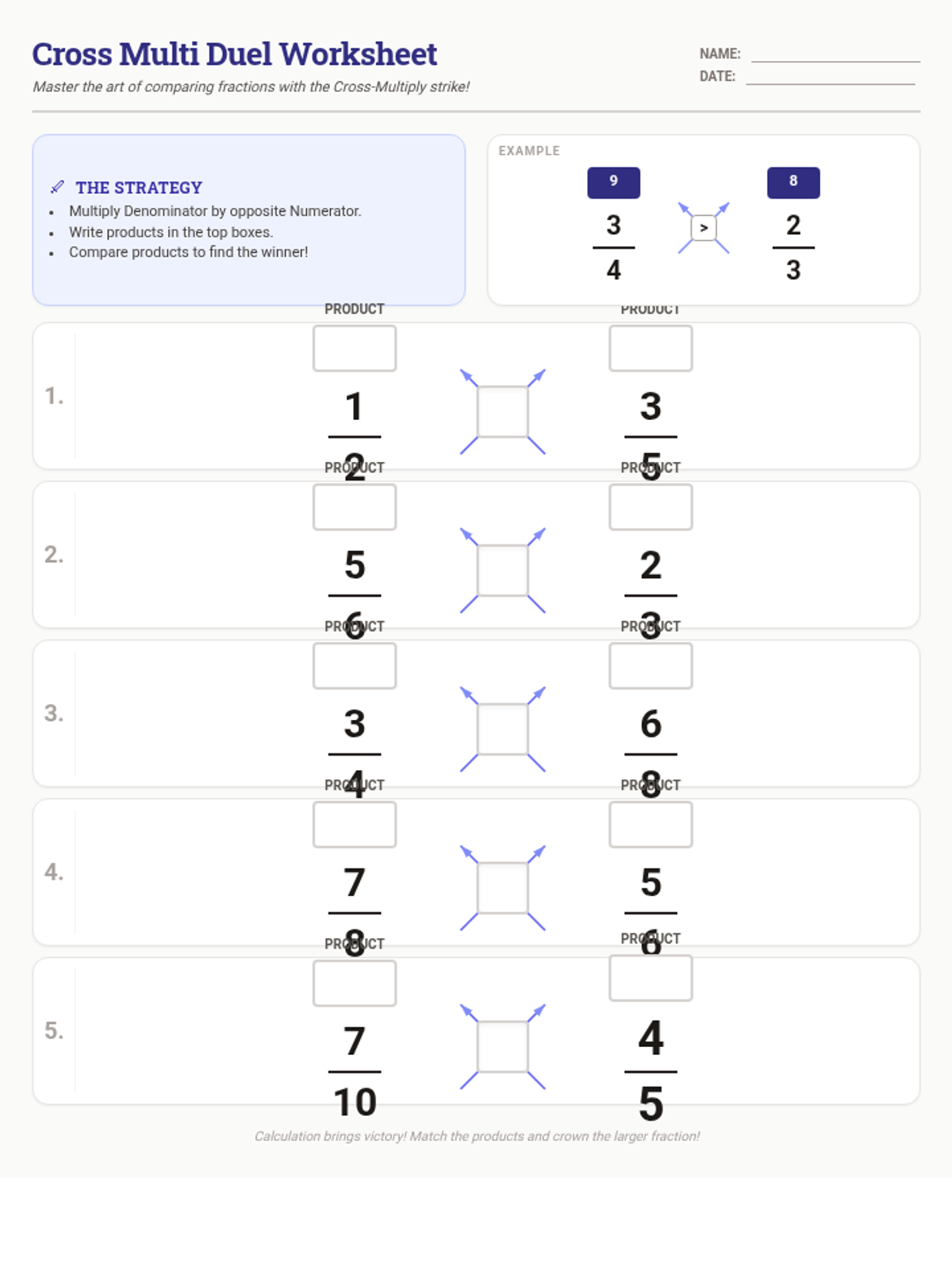
A lesson focused on comparing fractions with unlike denominators and numerators using the cross-multiplication (butterfly) strategy. Students will learn to visualize the process and use comparison symbols accurately.
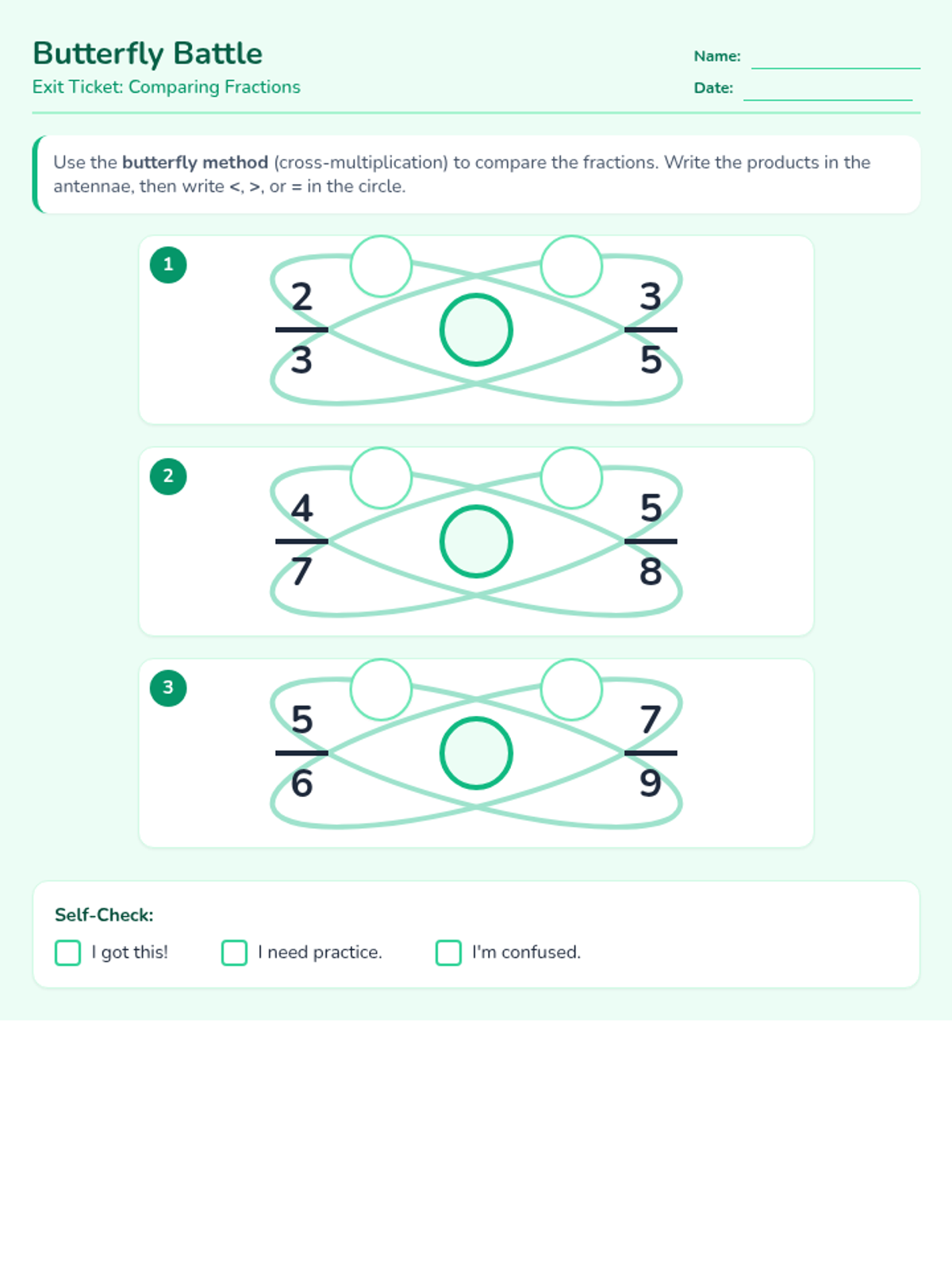
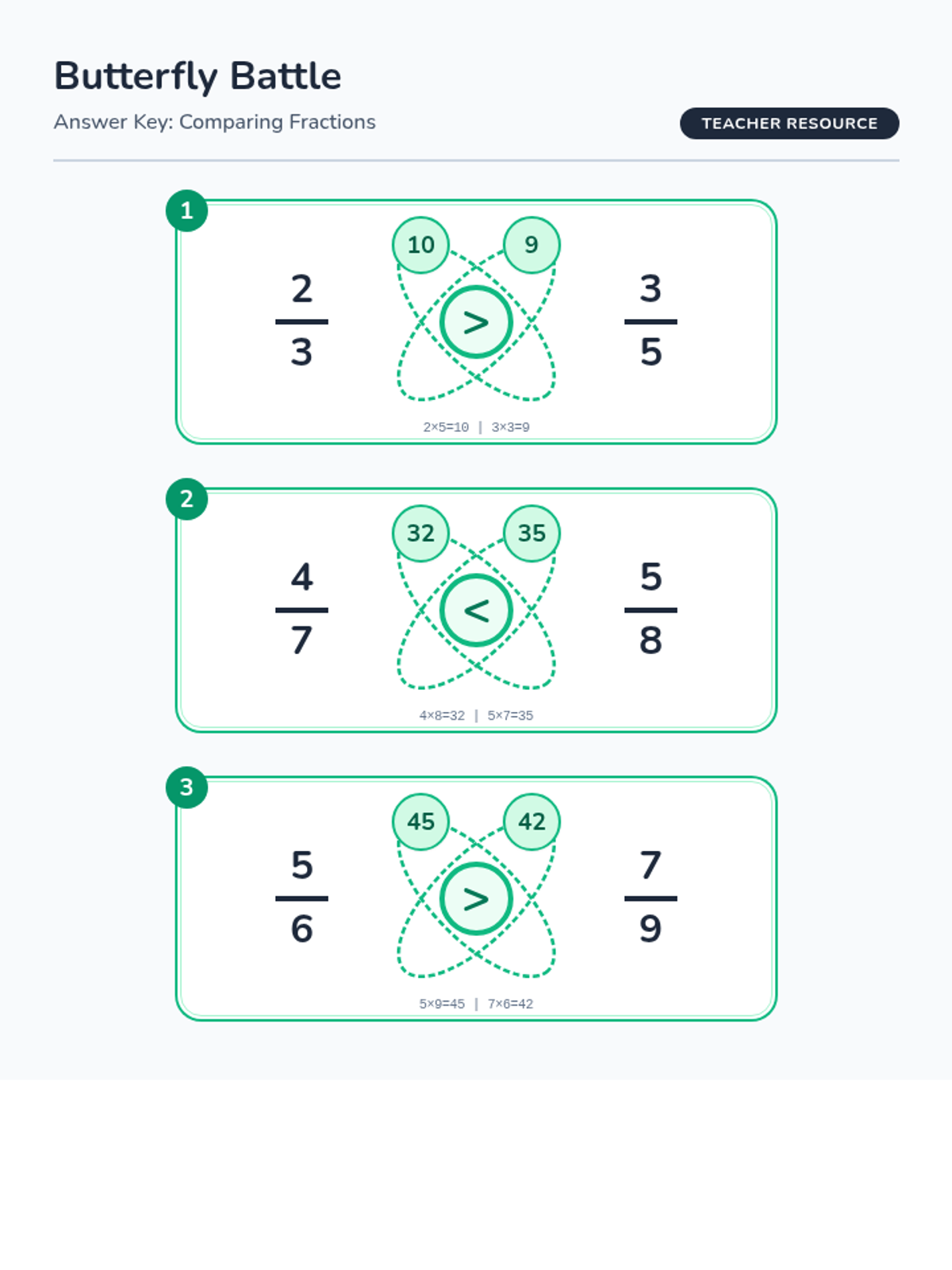
A quick assessment on comparing fractions with unlike denominators using the butterfly cross-multiplication method.
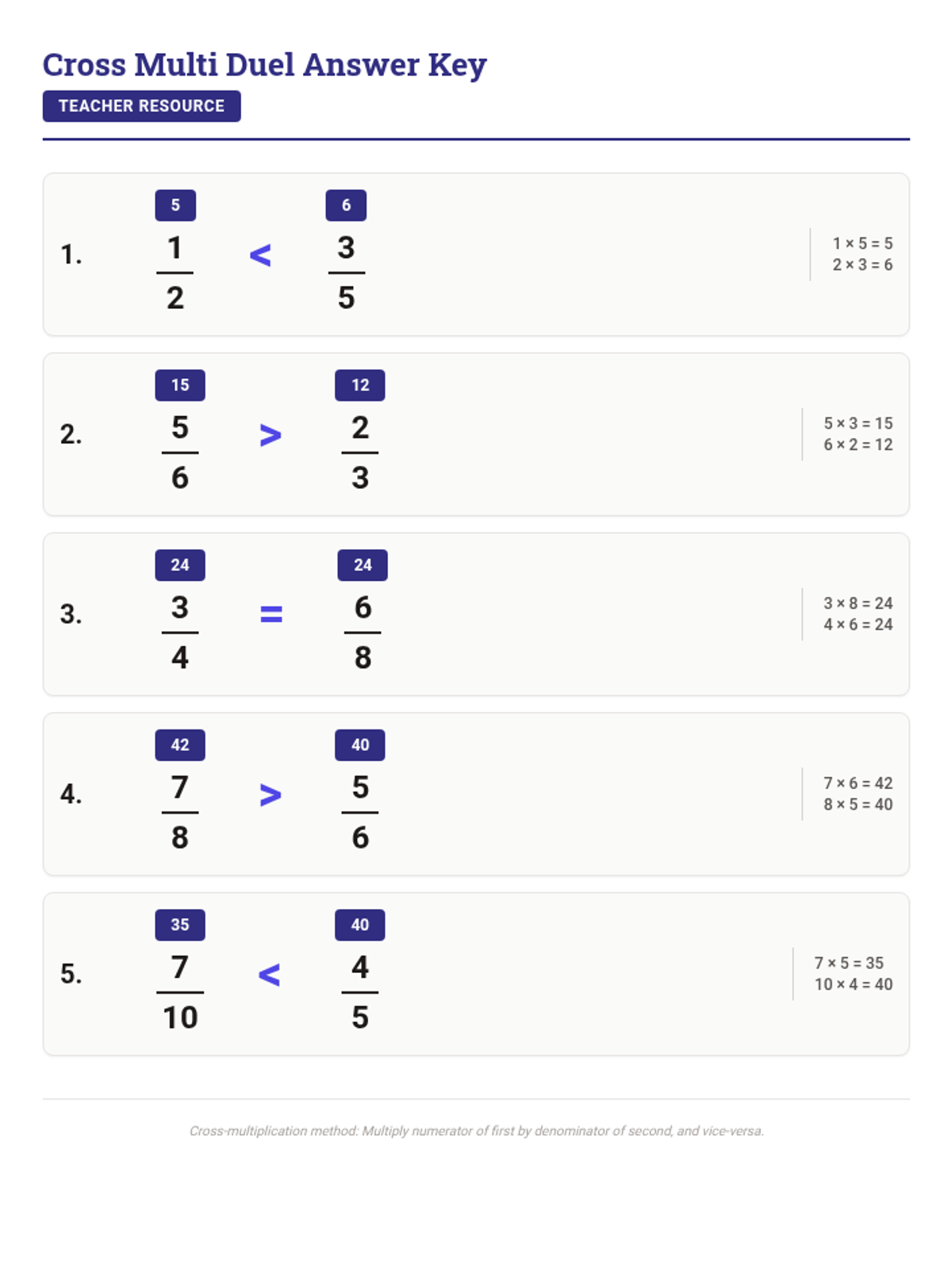
This lesson introduces the cross-multiplication (Butterfly Method) strategy for comparing fractions with unlike denominators and numerators. Students will follow a step-by-step checklist to find cross-products and determine which fraction is greater.
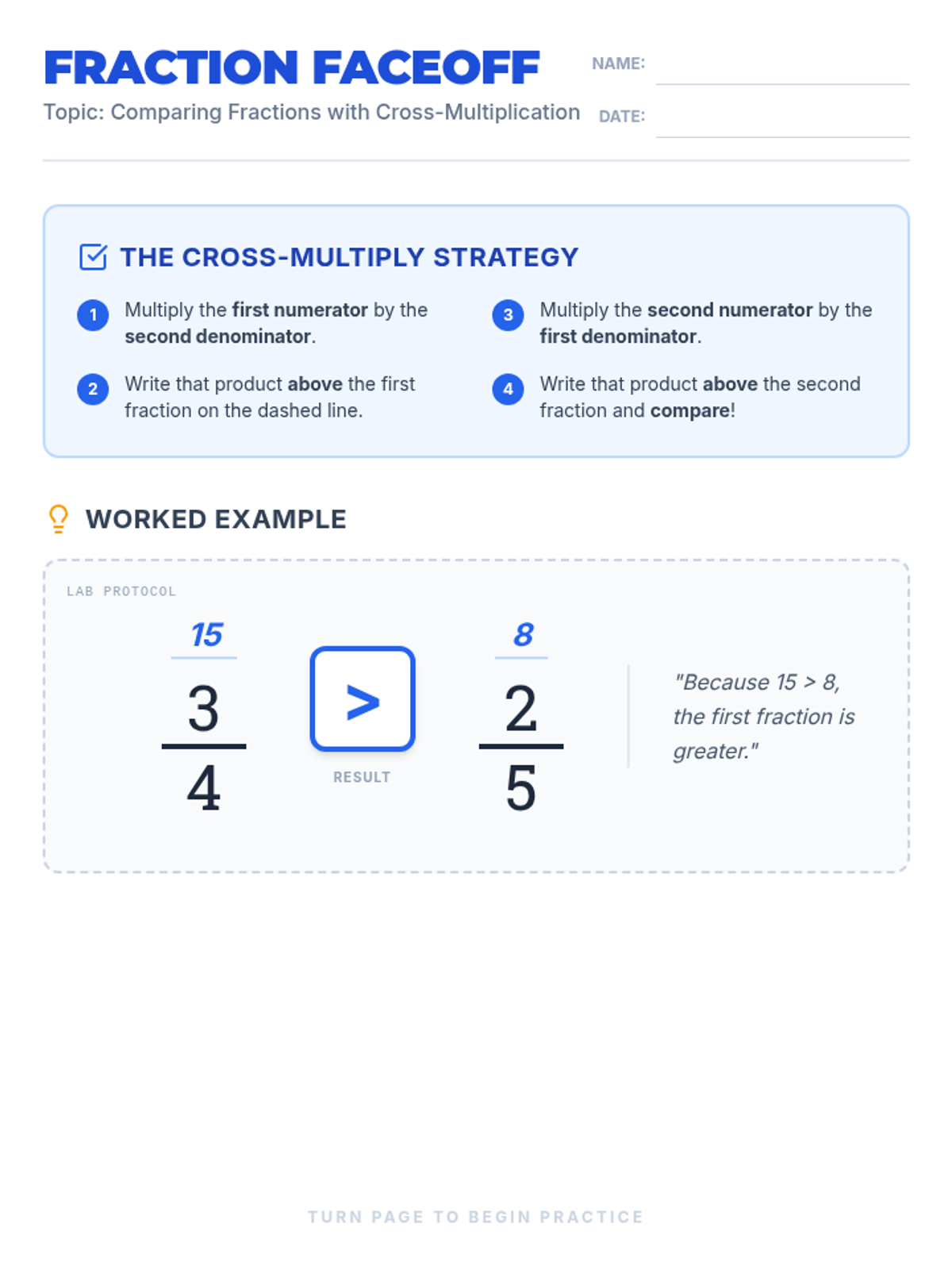
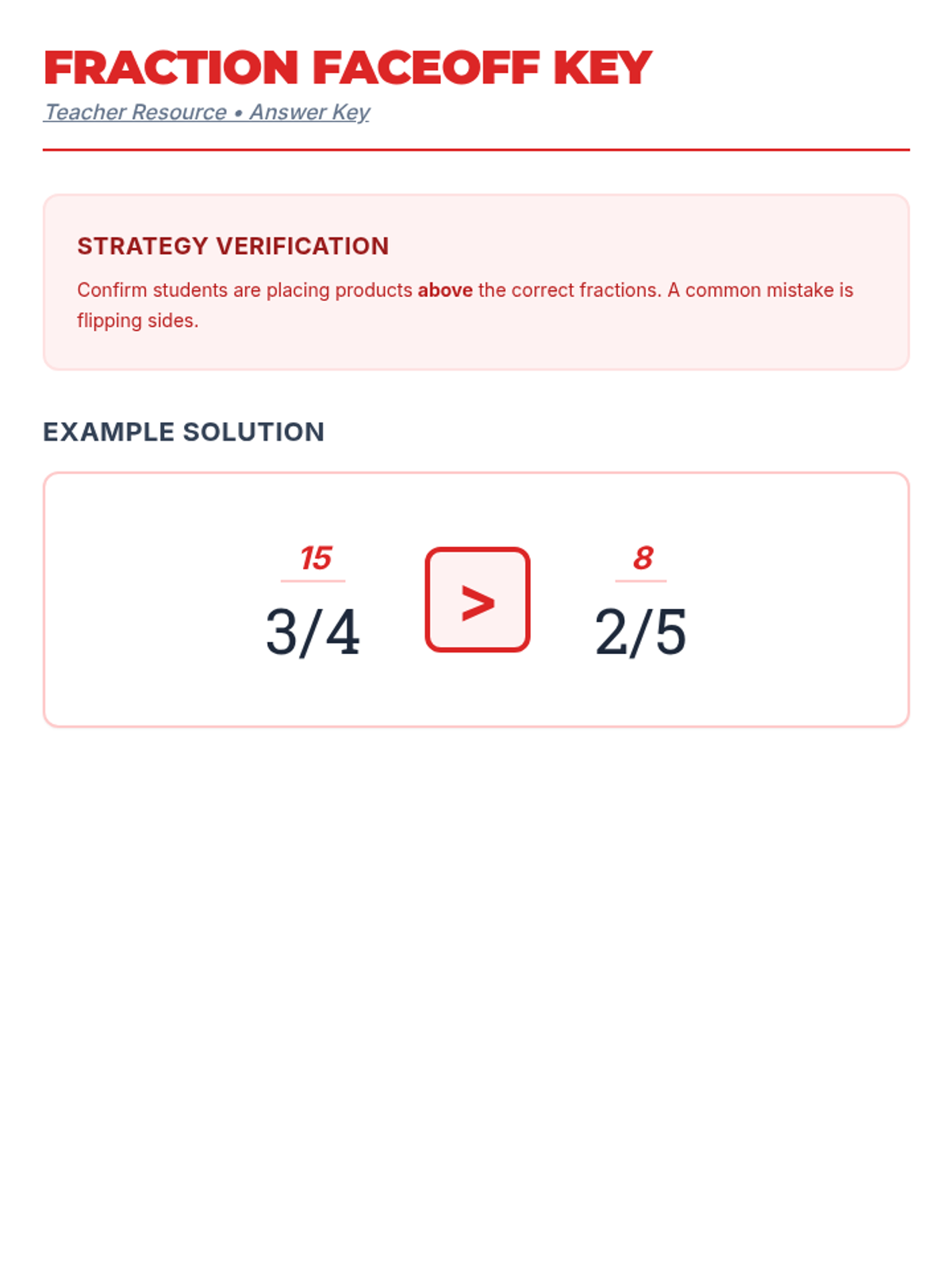
A focused lesson on comparing fractions with unlike denominators using the cross-multiplication method, featuring a medieval dueling theme.
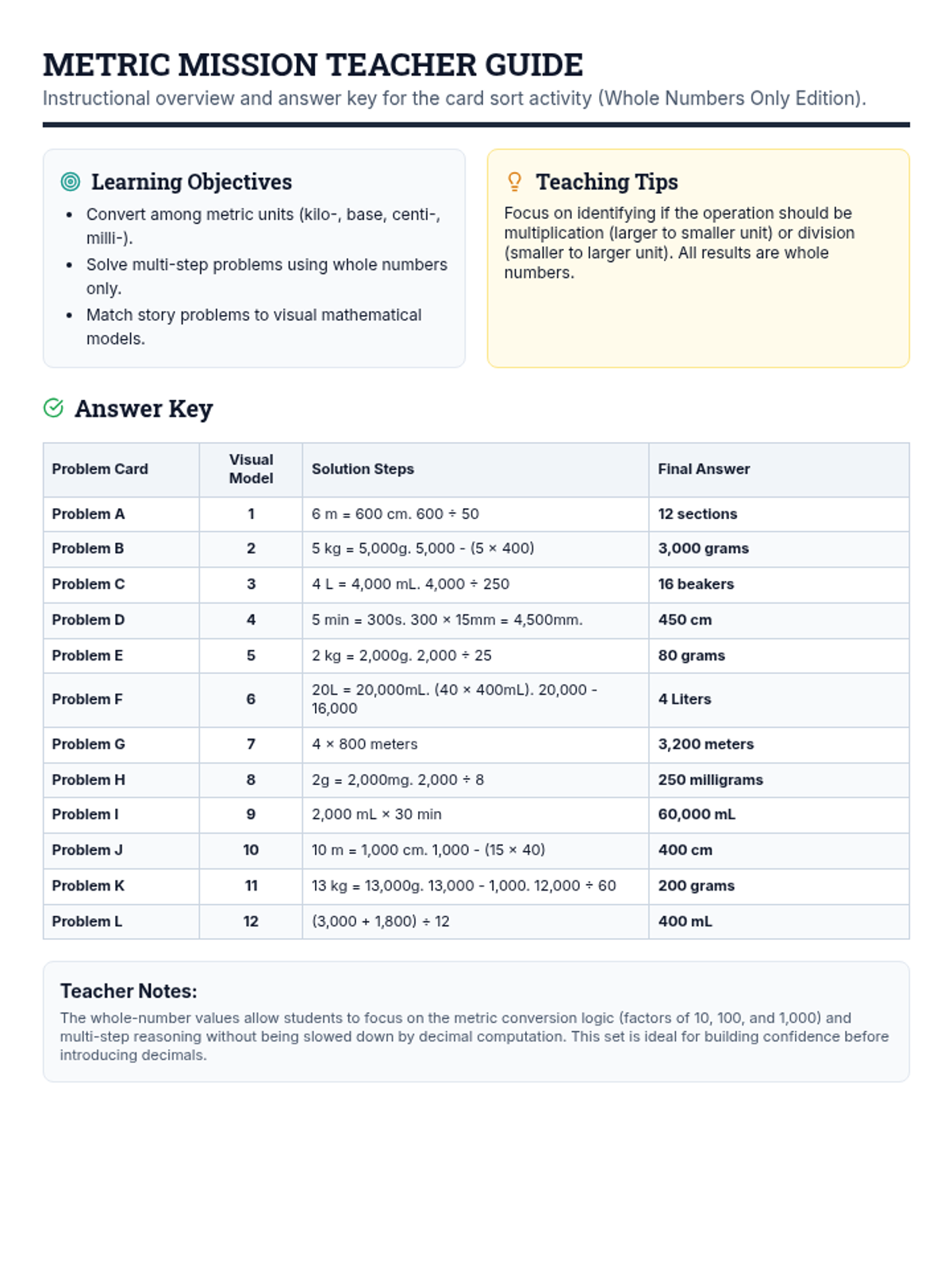
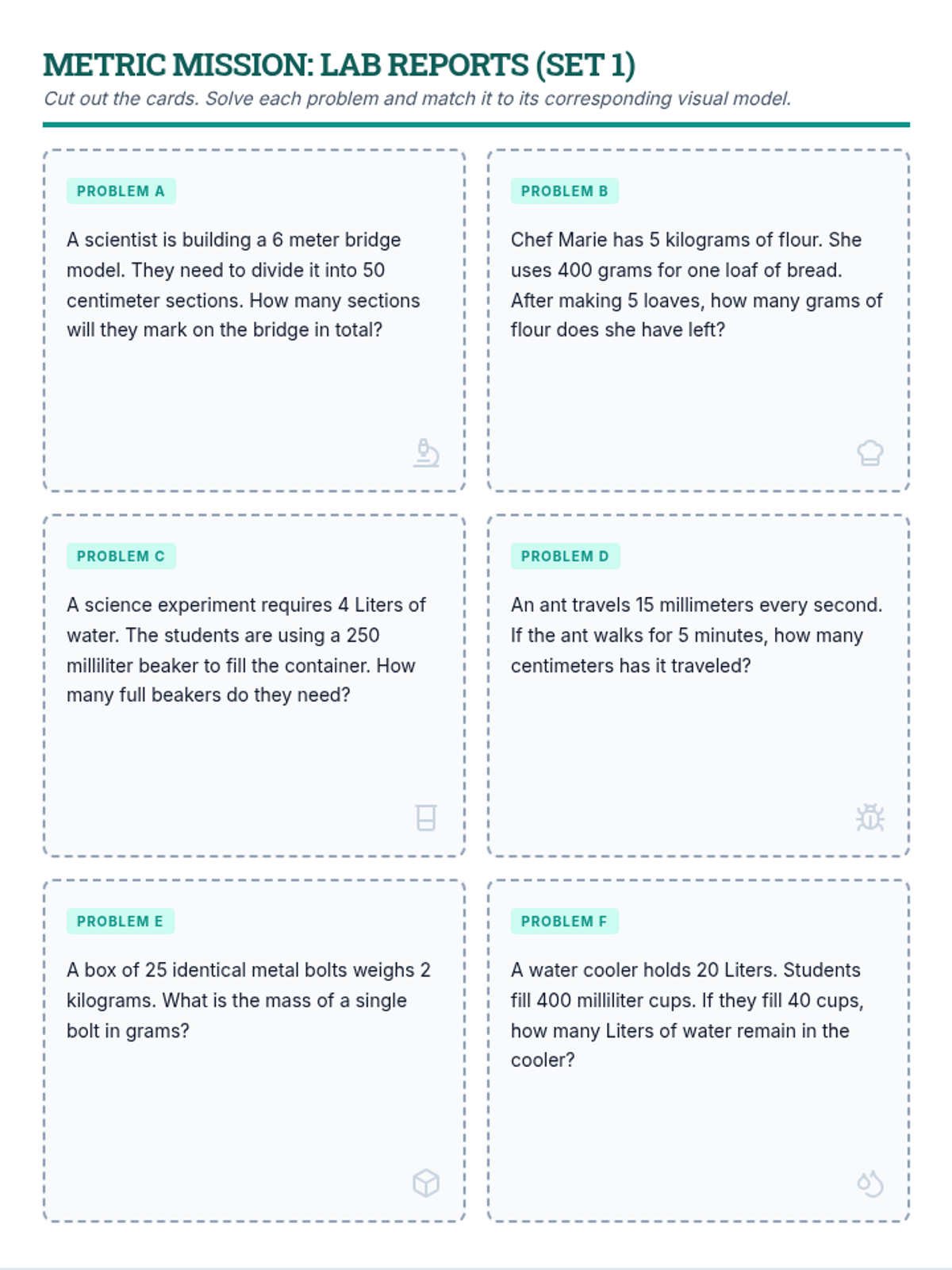
A hands-on lesson where students solve real-world metric conversion problems and match them with visual models. students will apply multiplication and division strategies to convert between units of length, mass, and capacity.
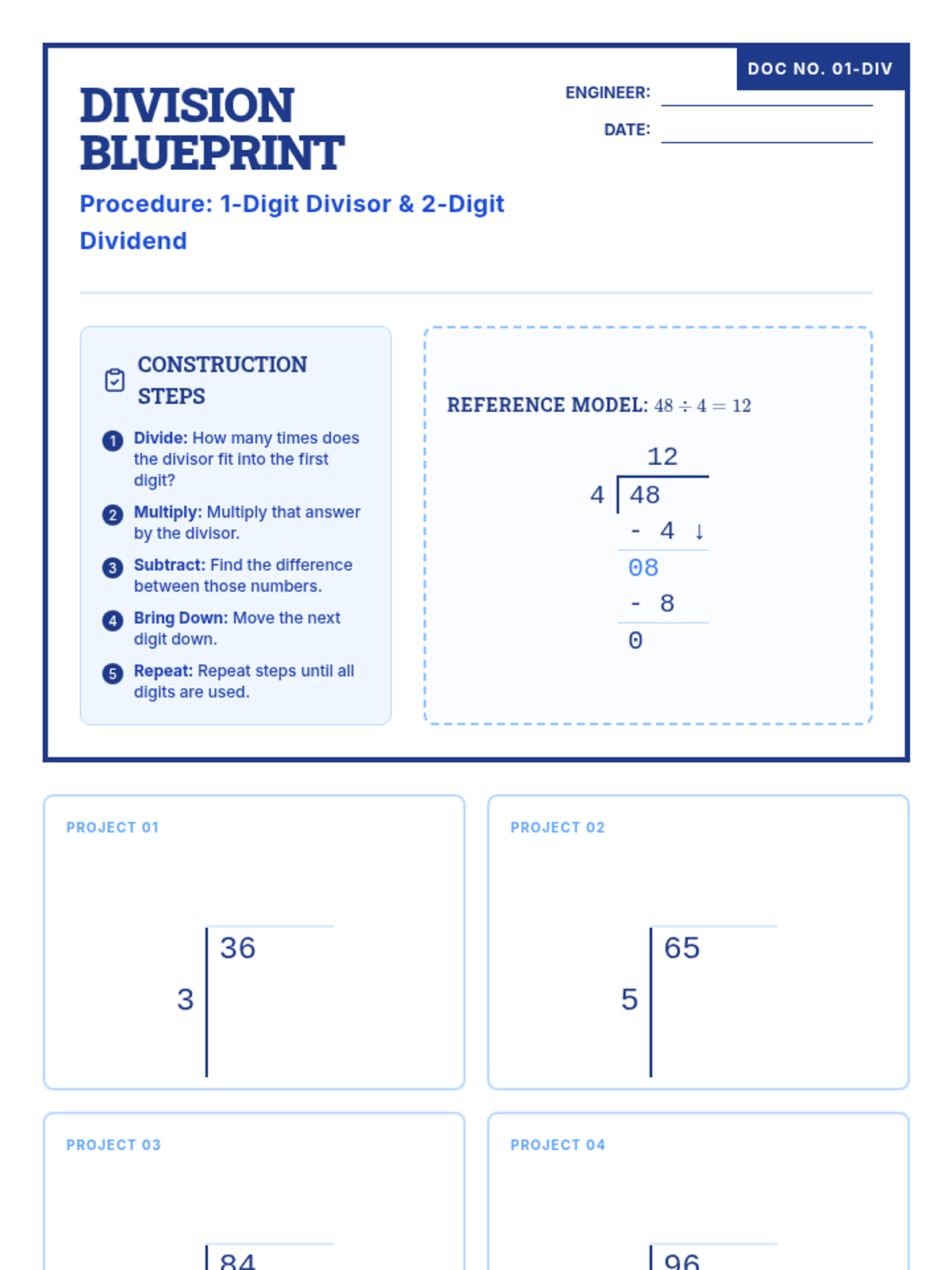
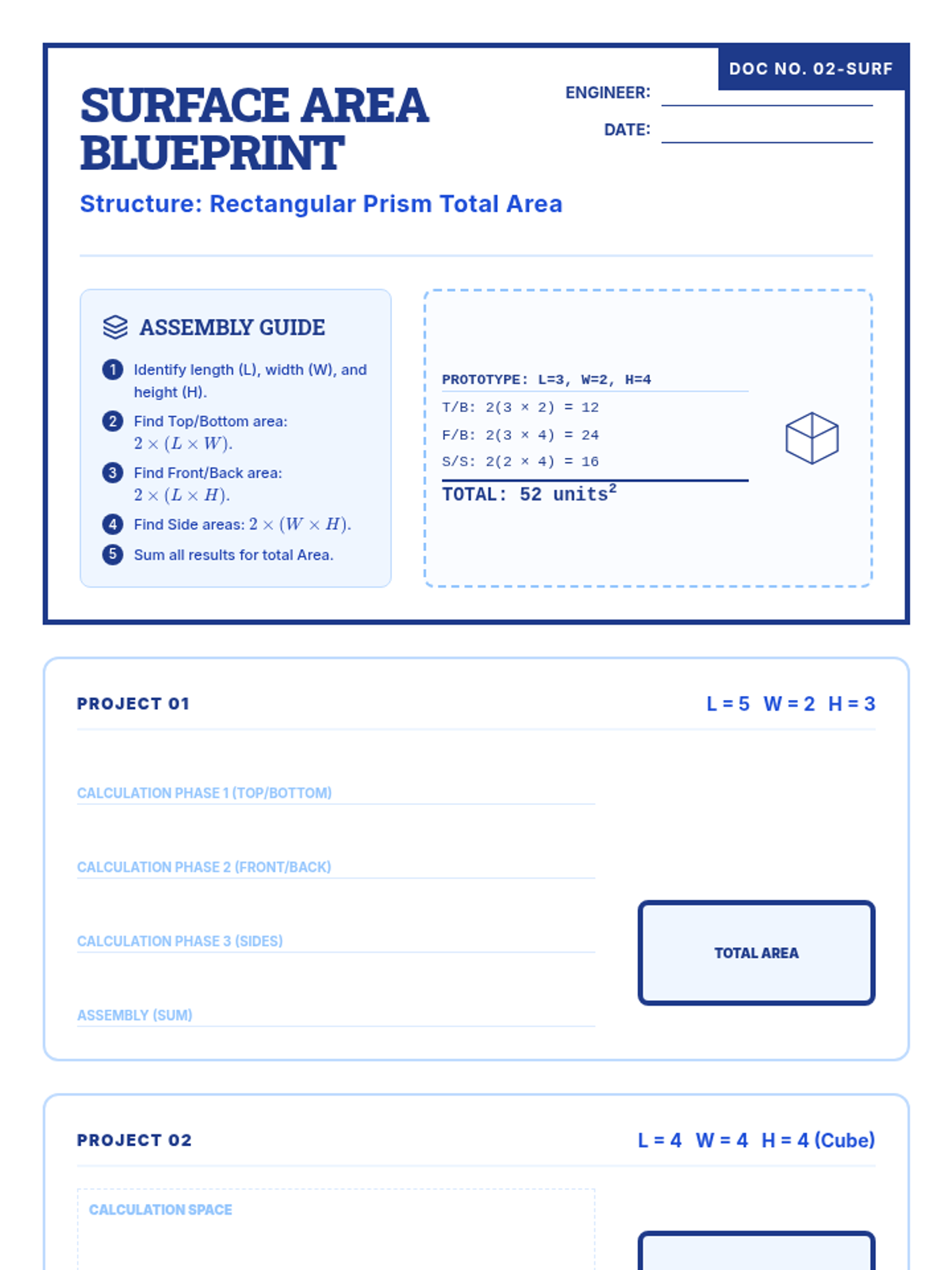
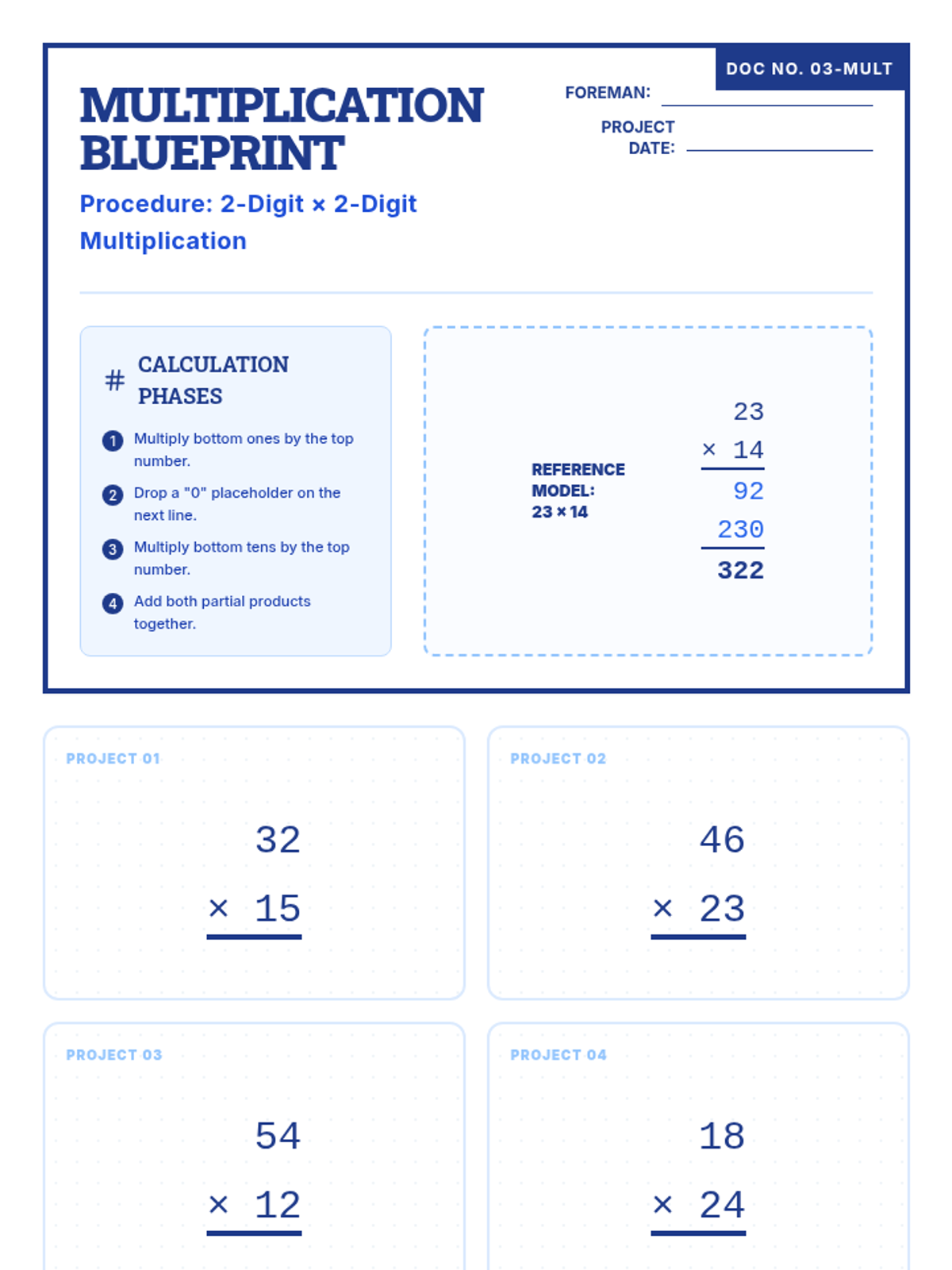
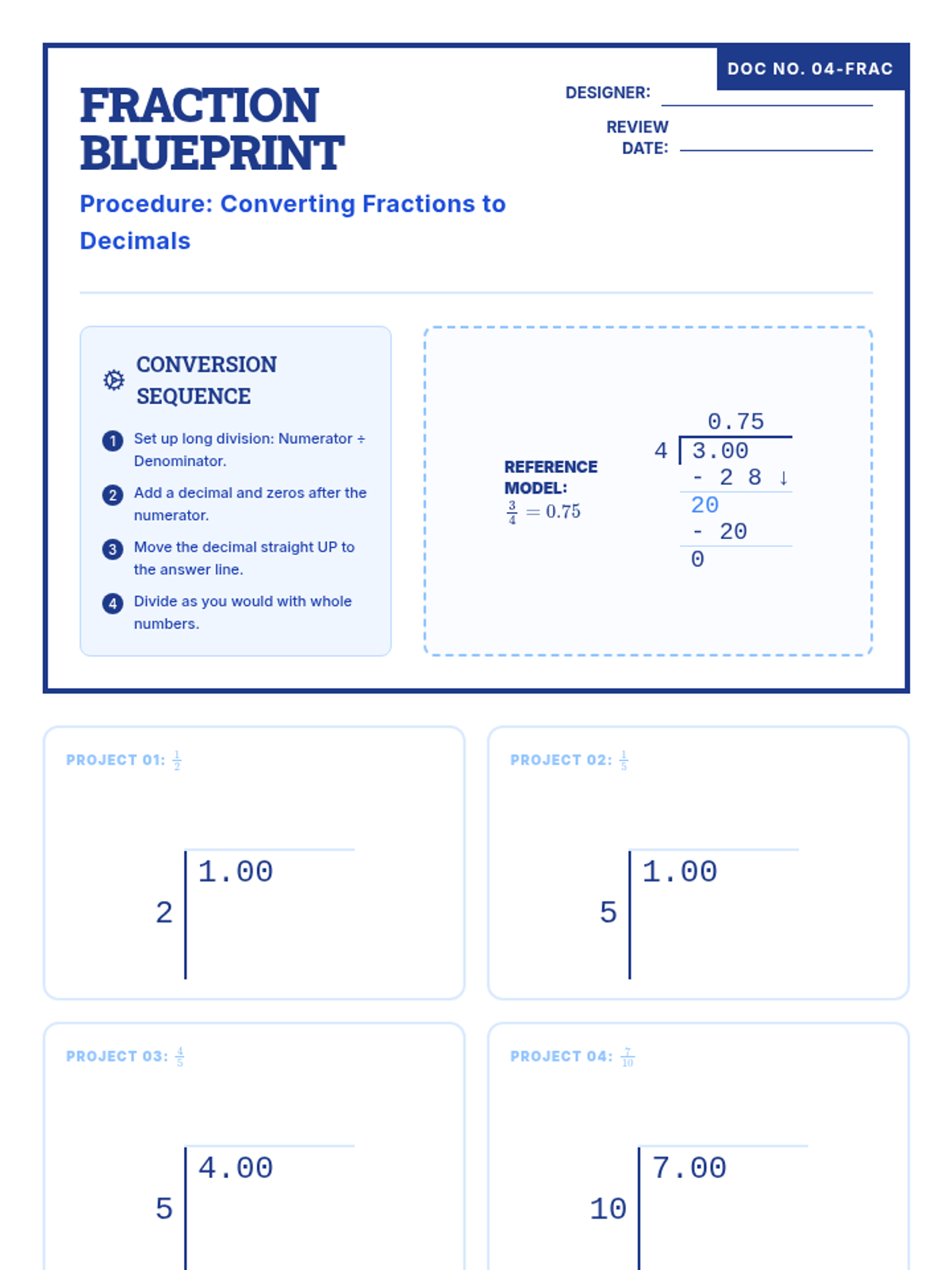
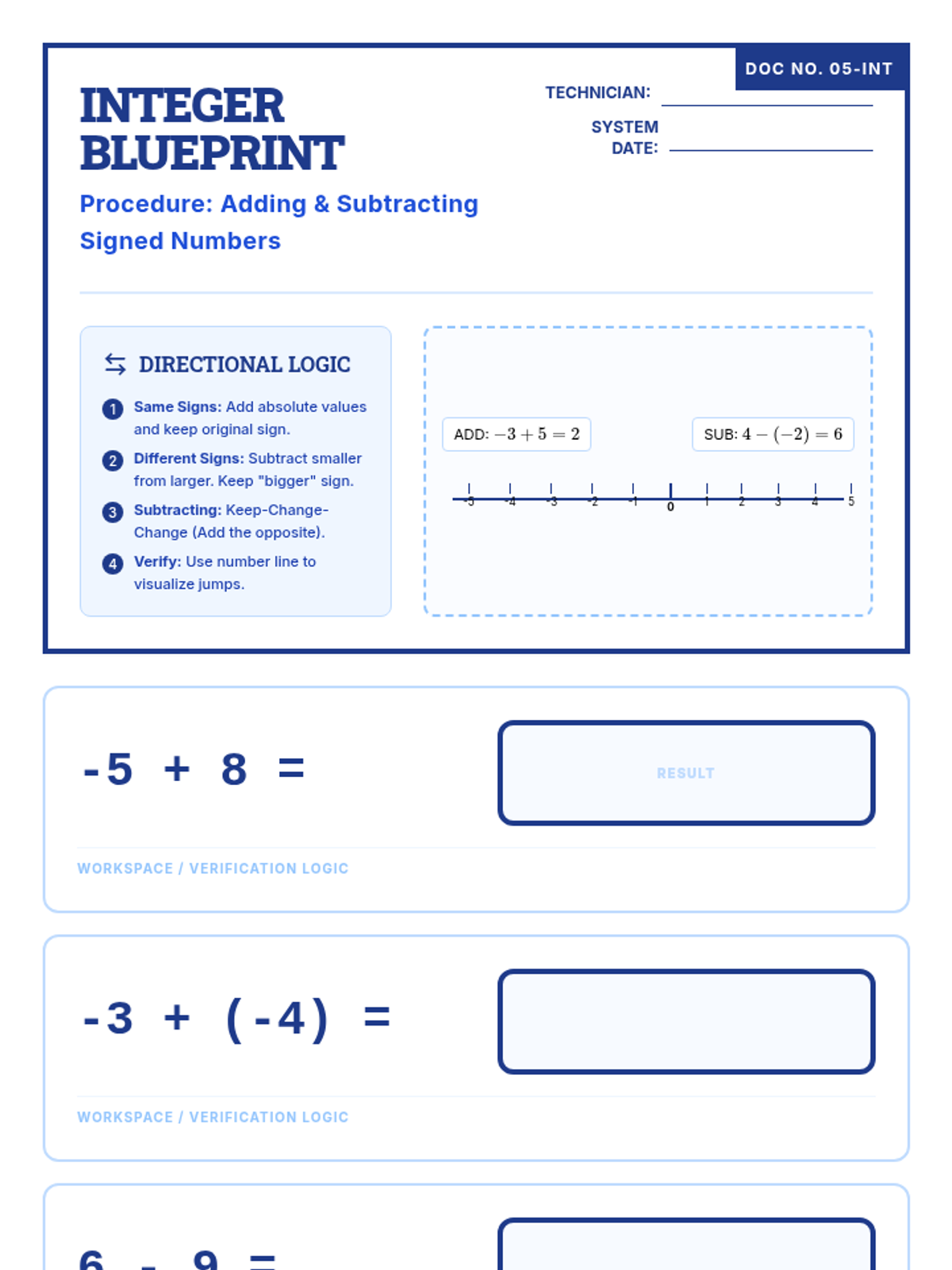
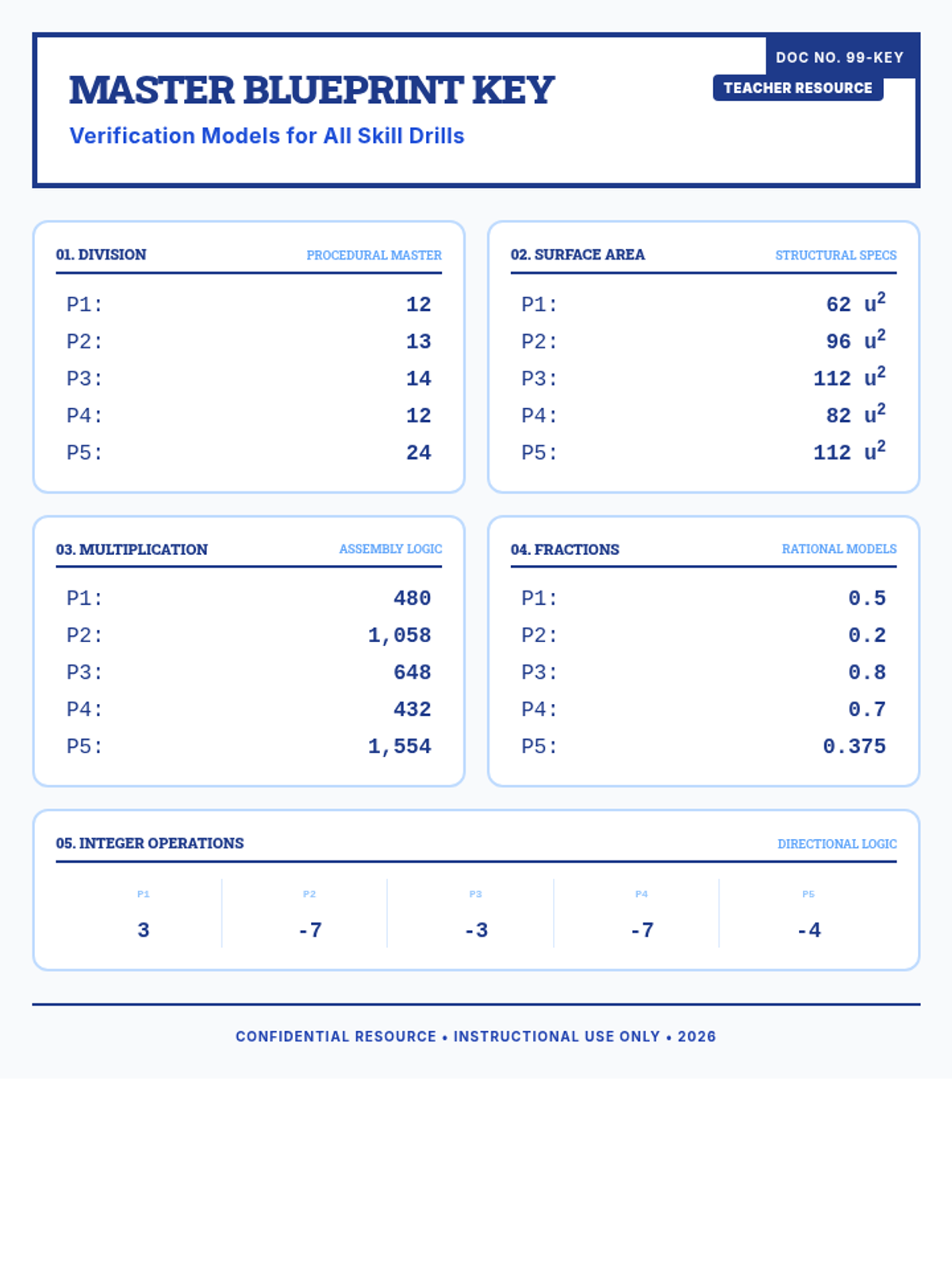
A collection of 5 foundational math worksheets focused on procedural mastery in division, surface area, multi-digit multiplication, fraction-decimal conversion, and integer arithmetic. Each sheet includes a step-by-step checklist and a worked example.
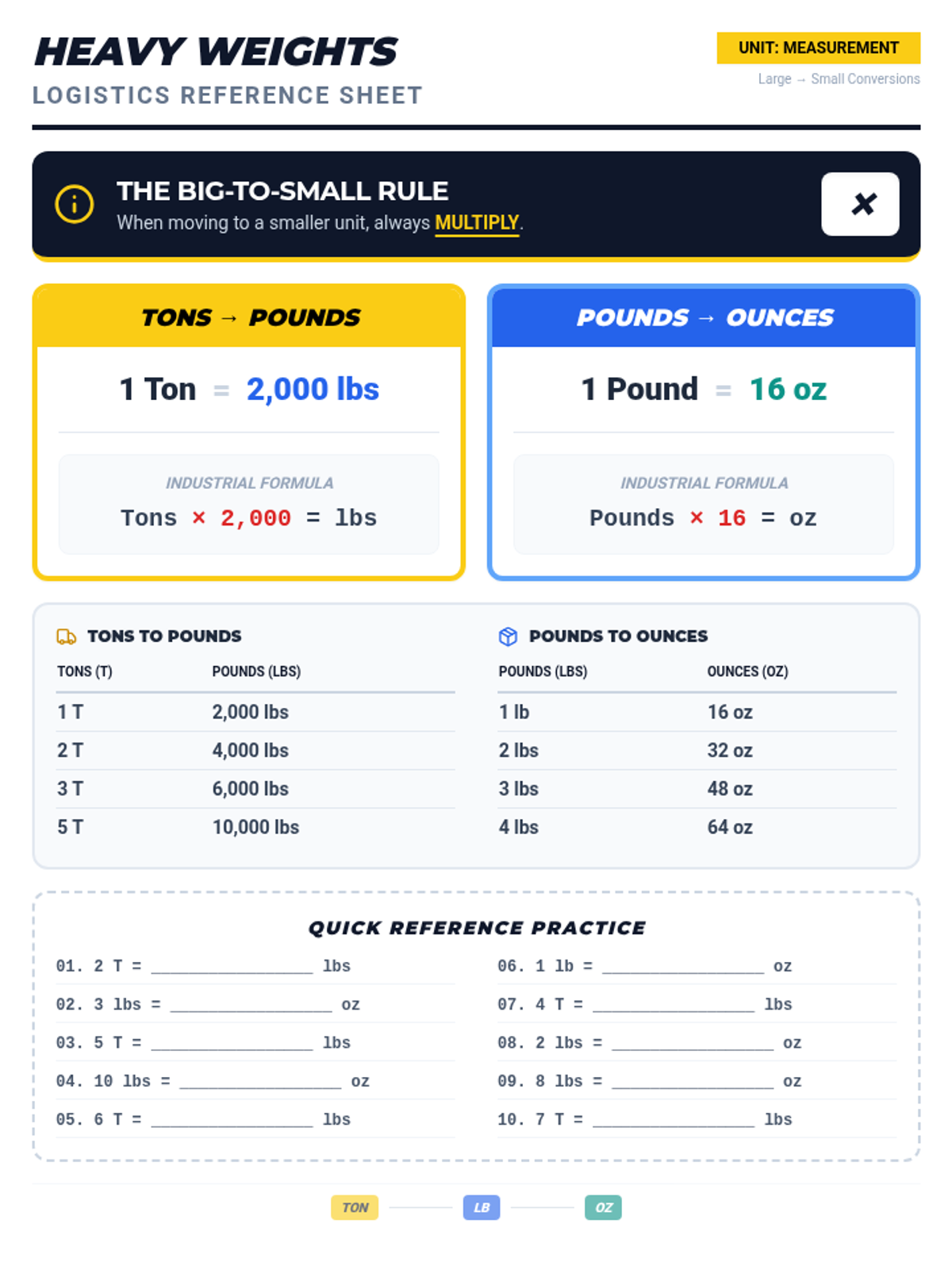
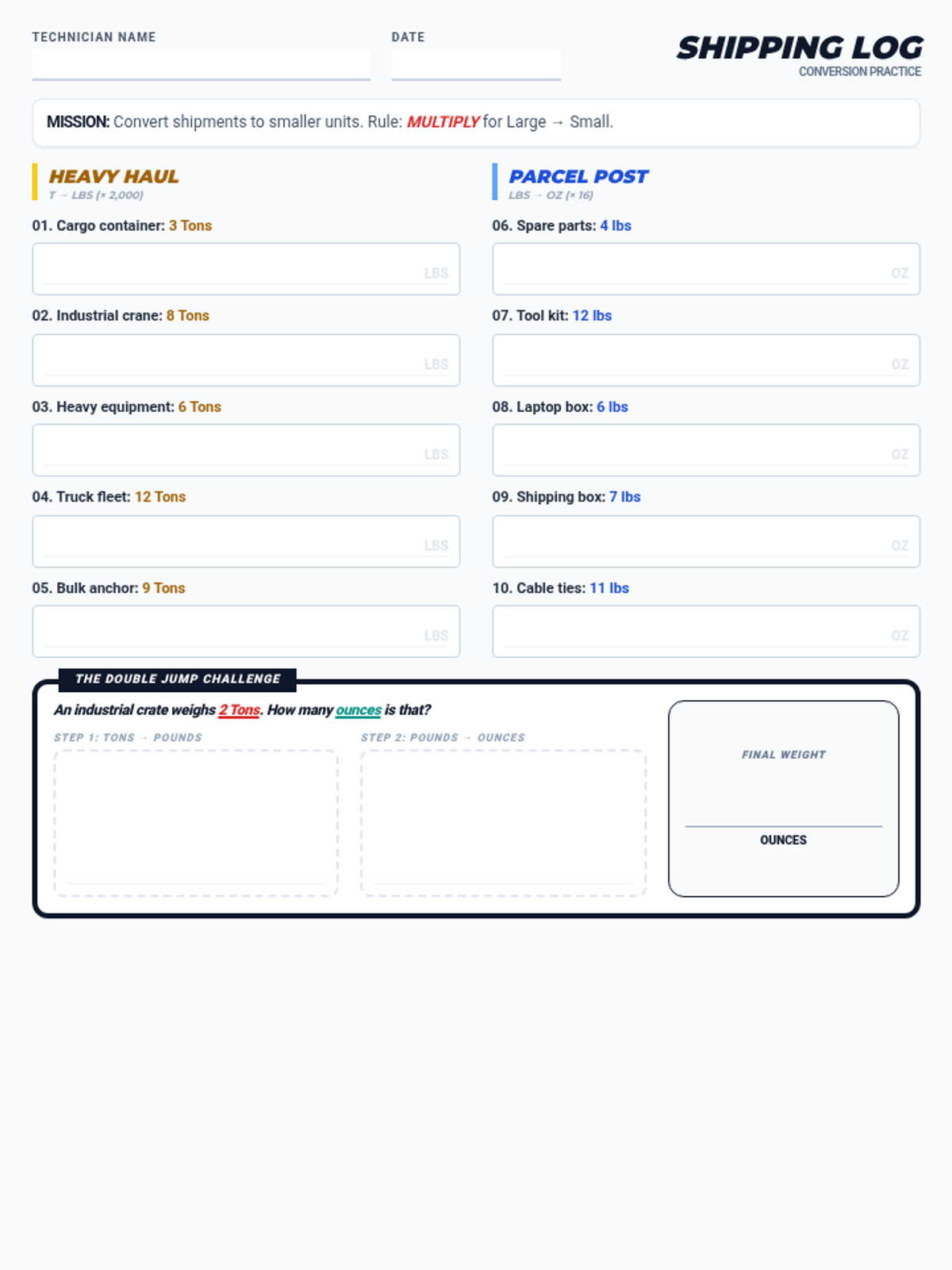
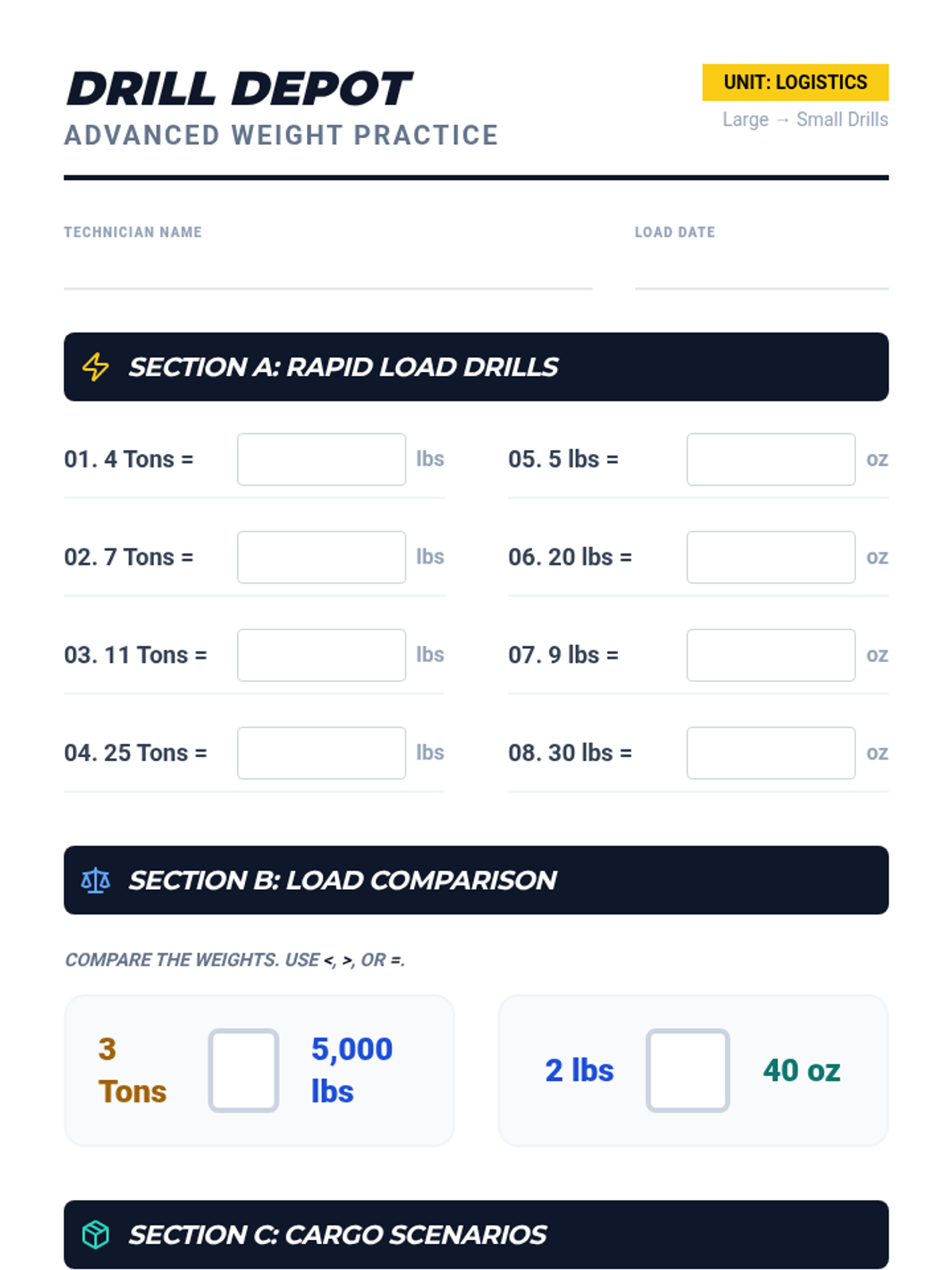
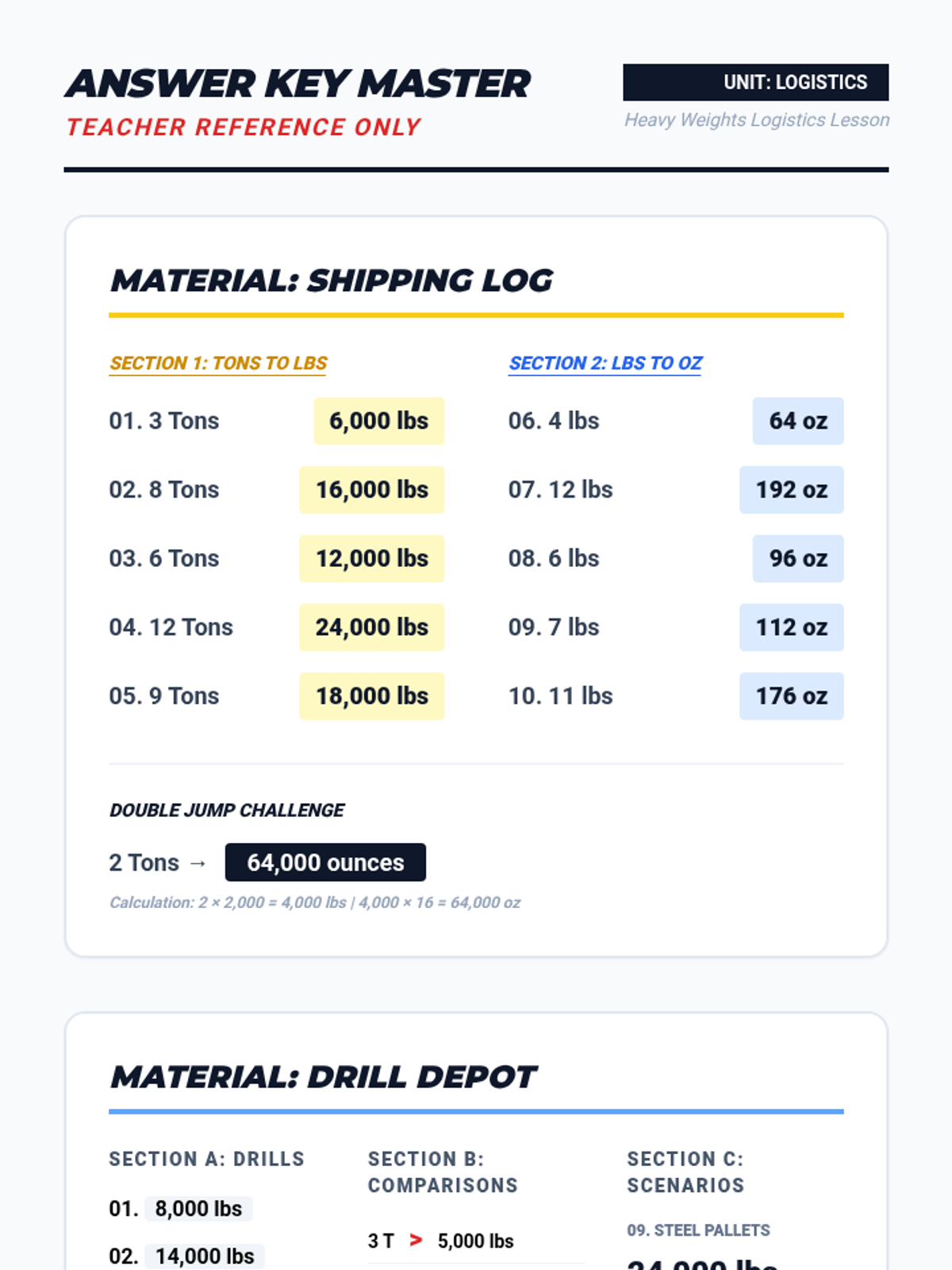
A focused lesson on converting weight units (tons, pounds, and ounces) from larger to smaller units using multiplication, featuring industrial-themed visuals and color-coded conversion guides.
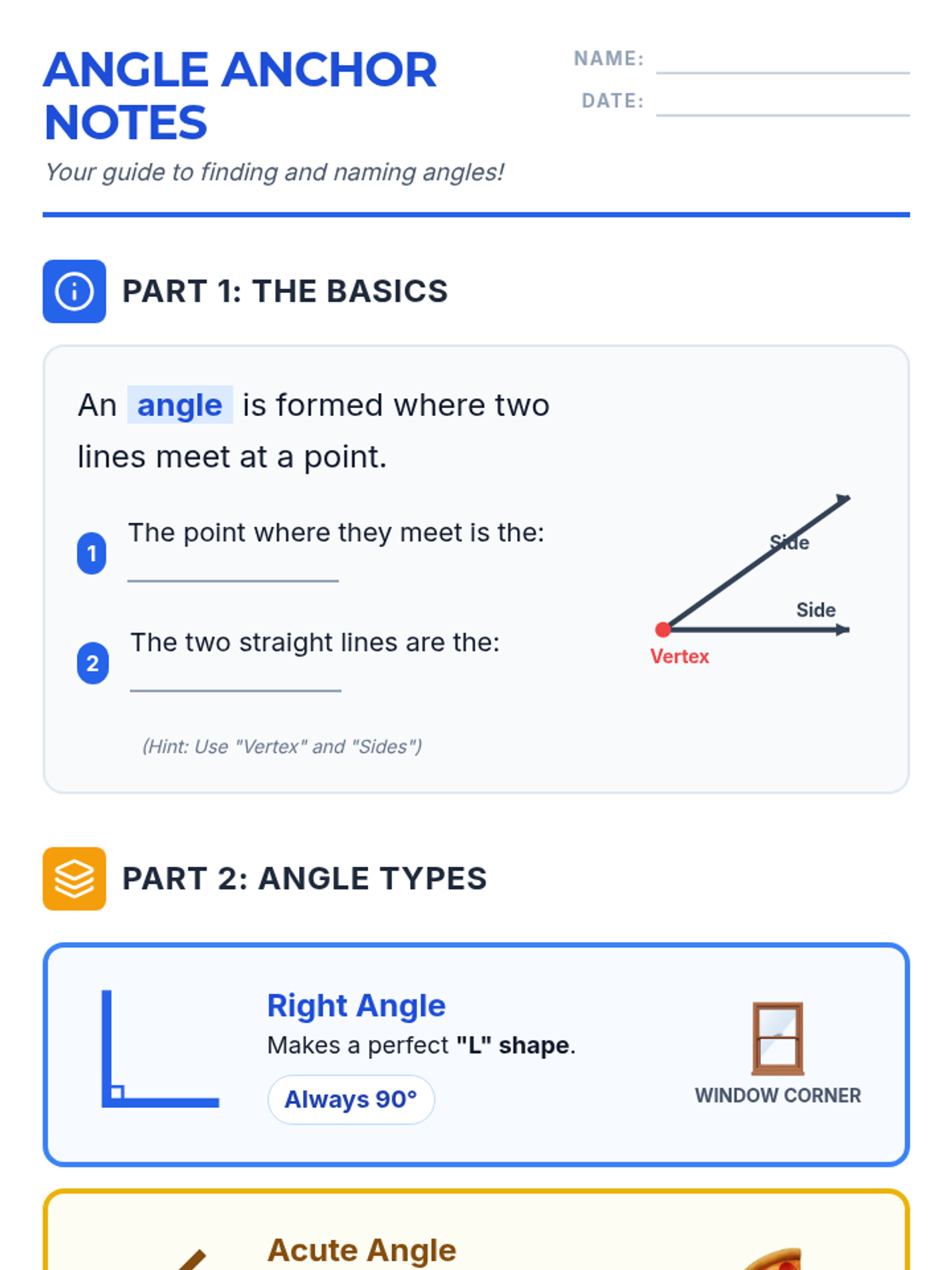
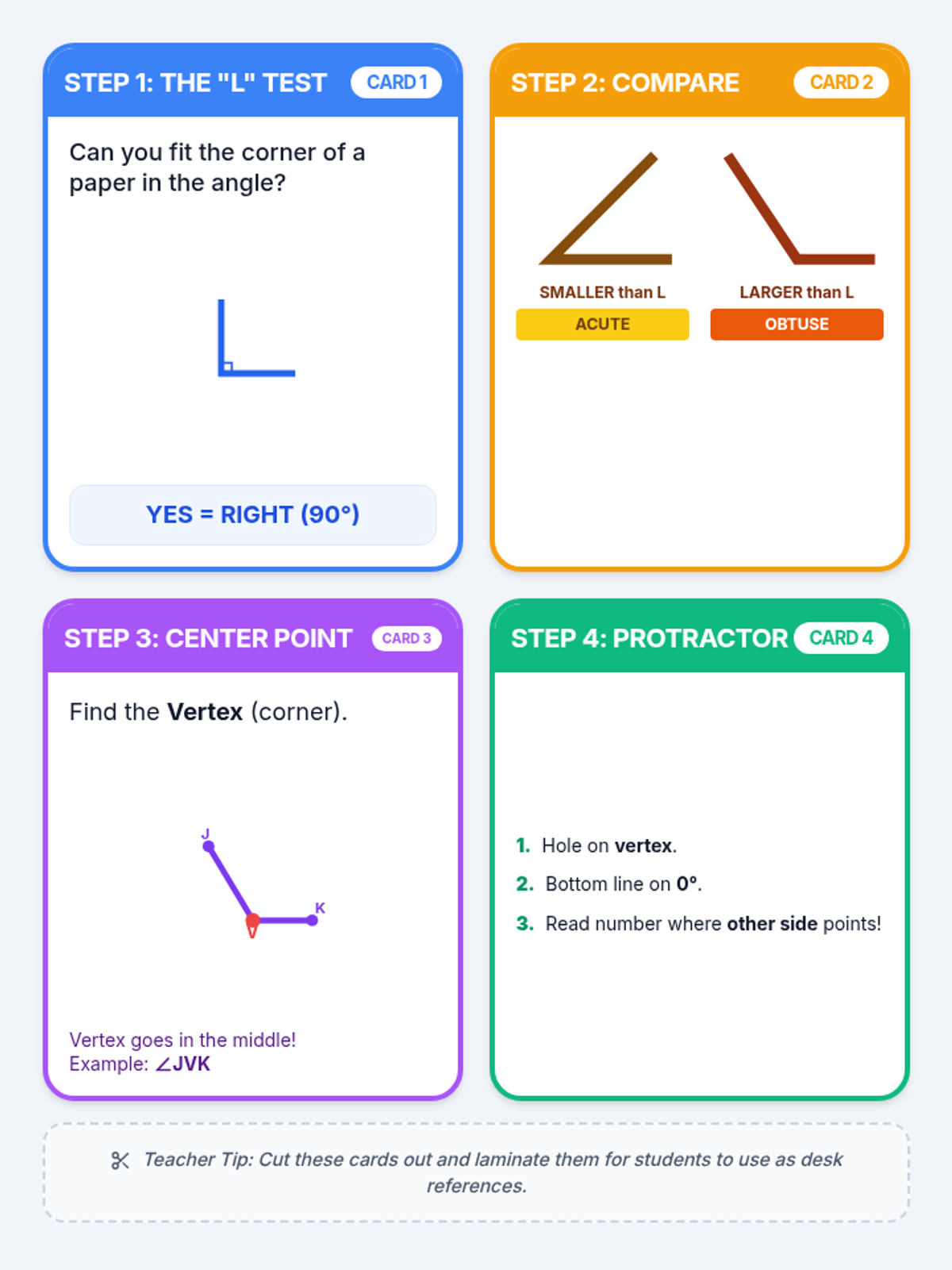
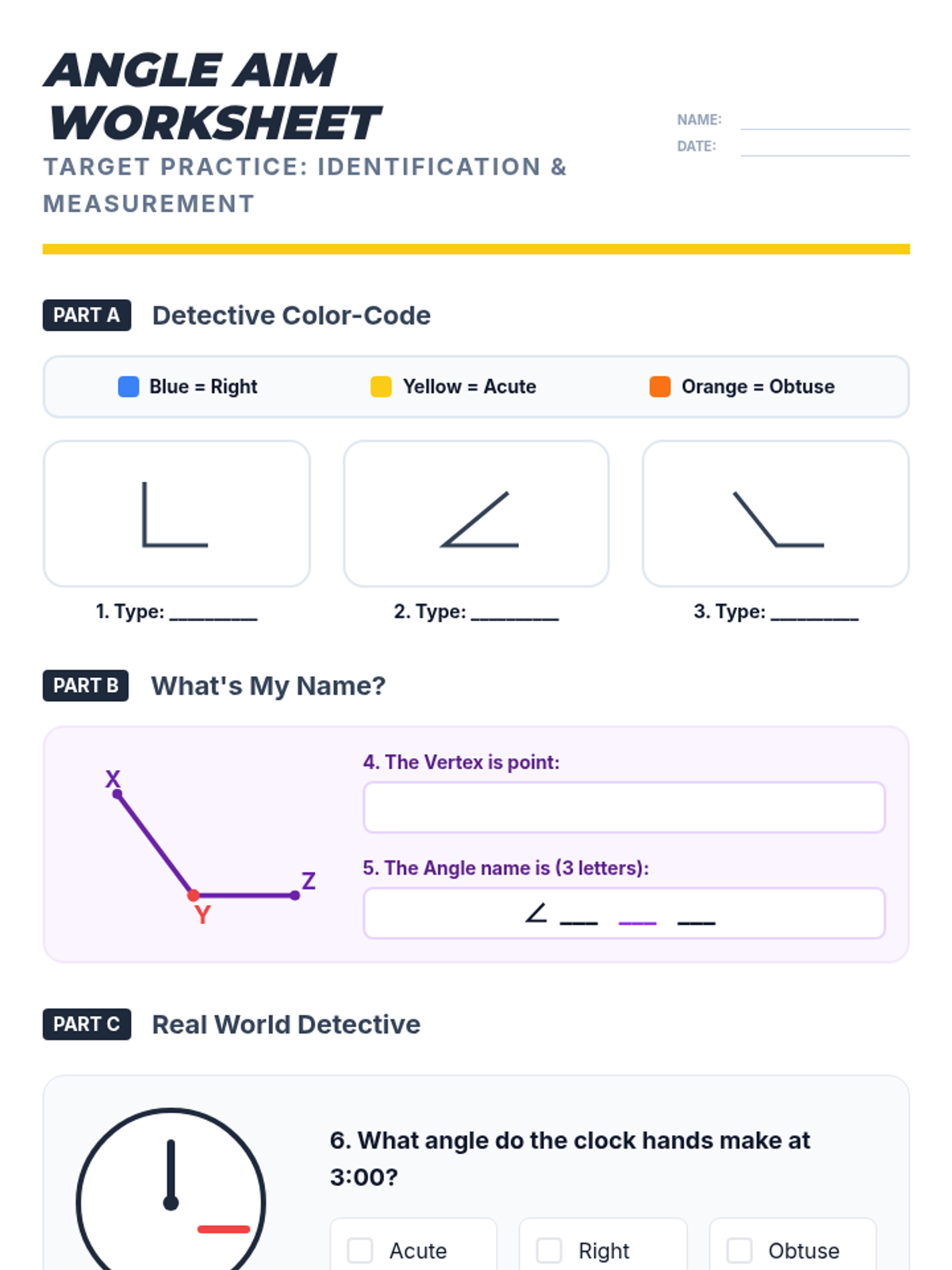
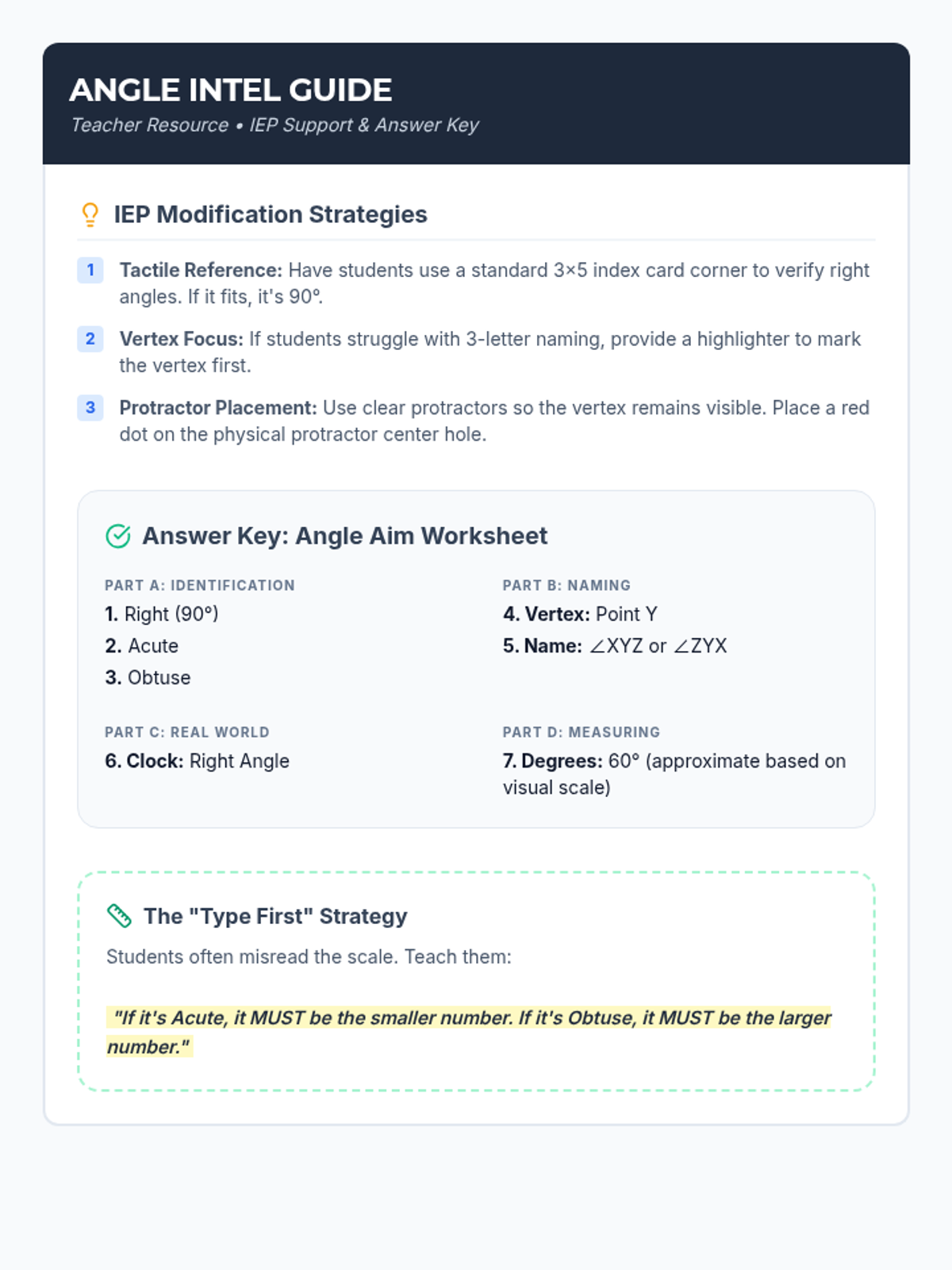
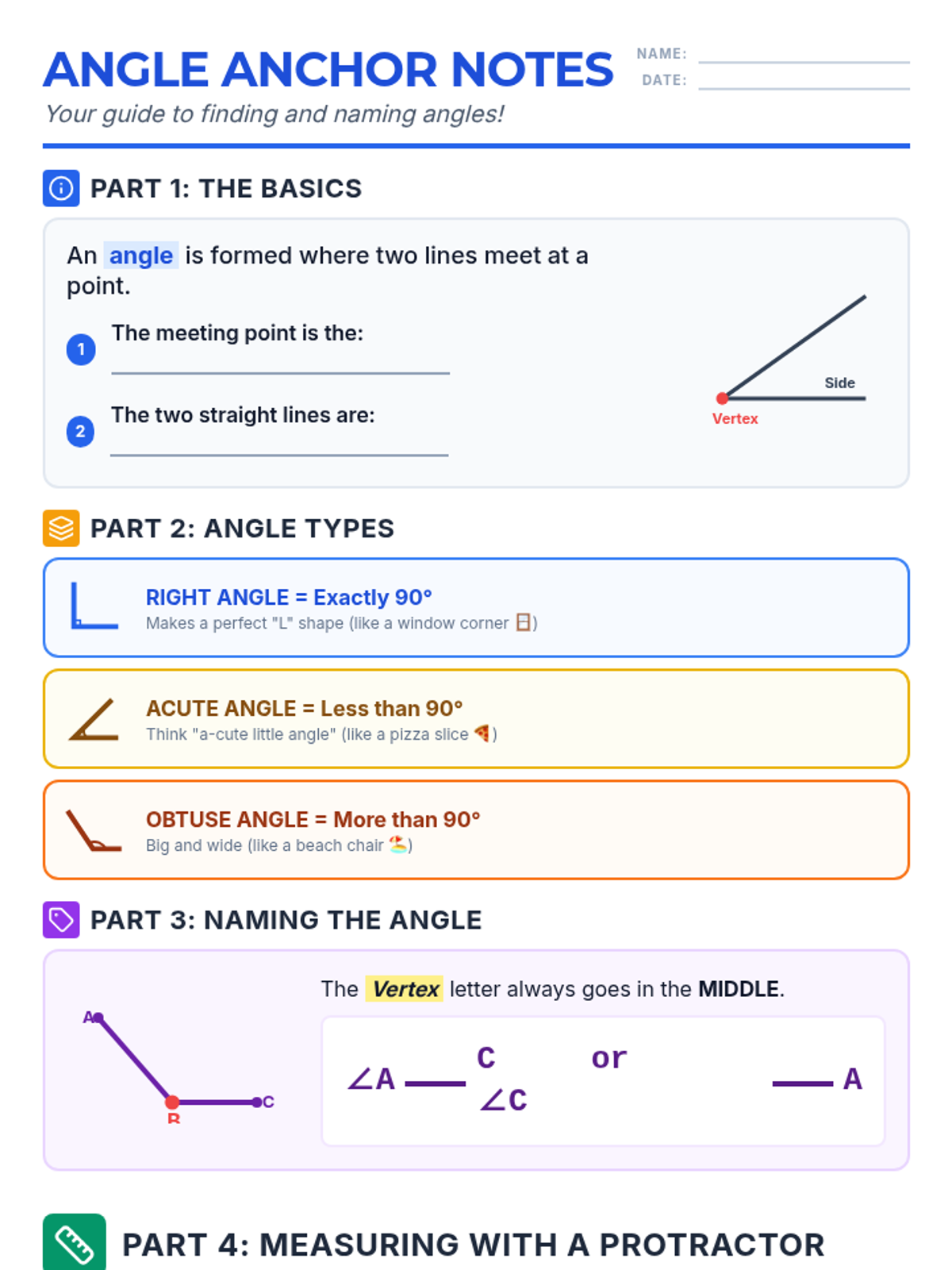
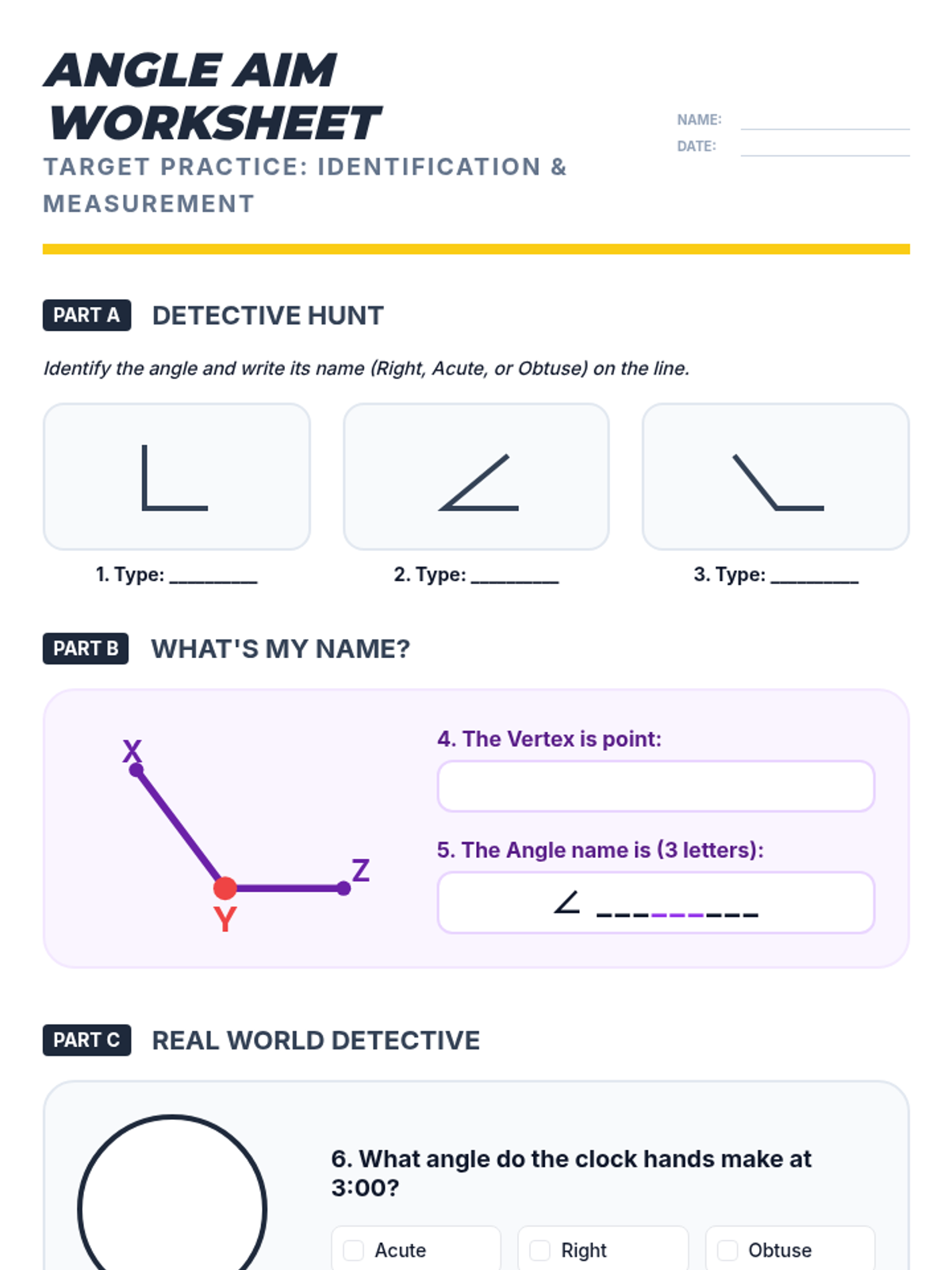
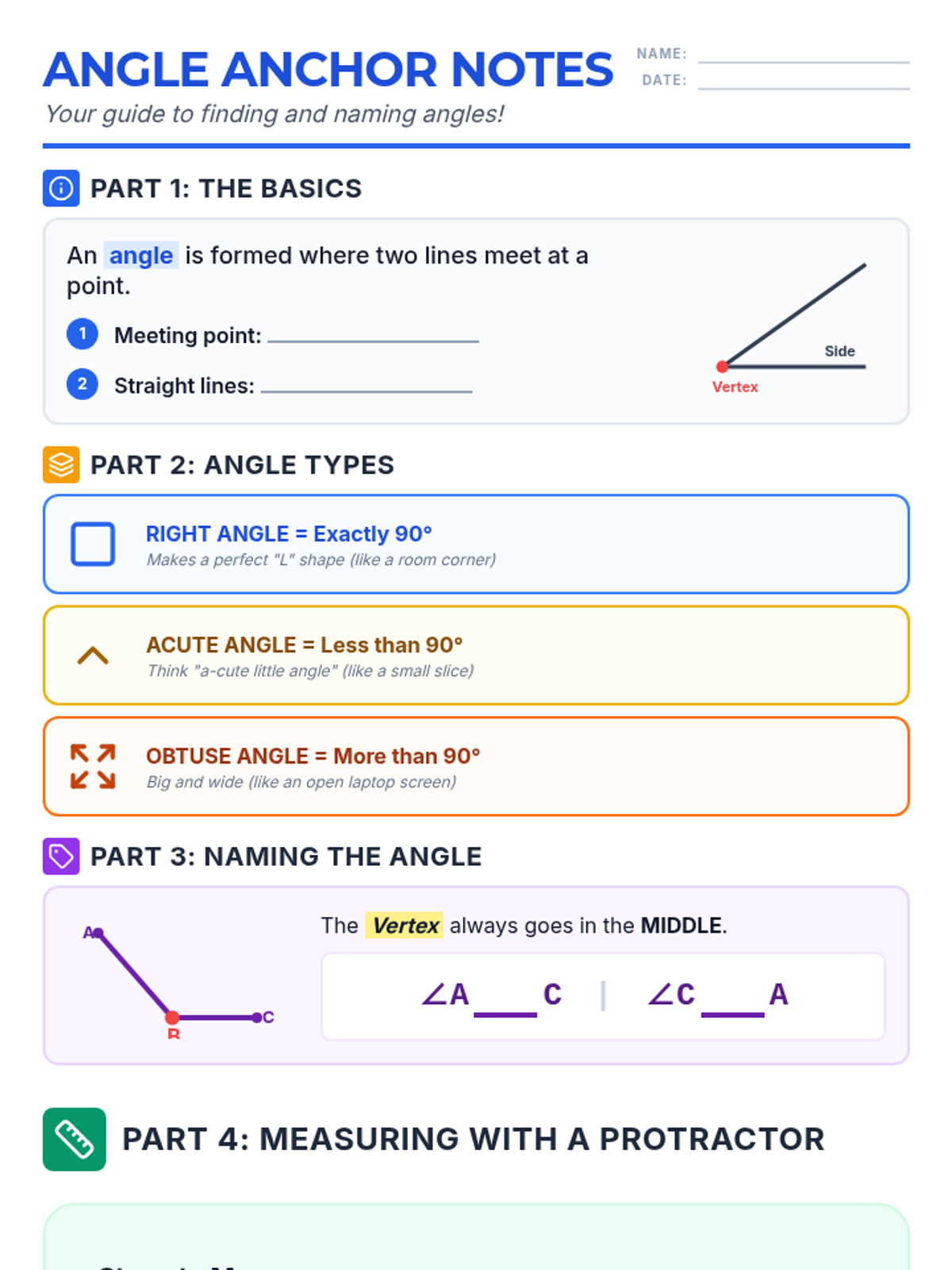
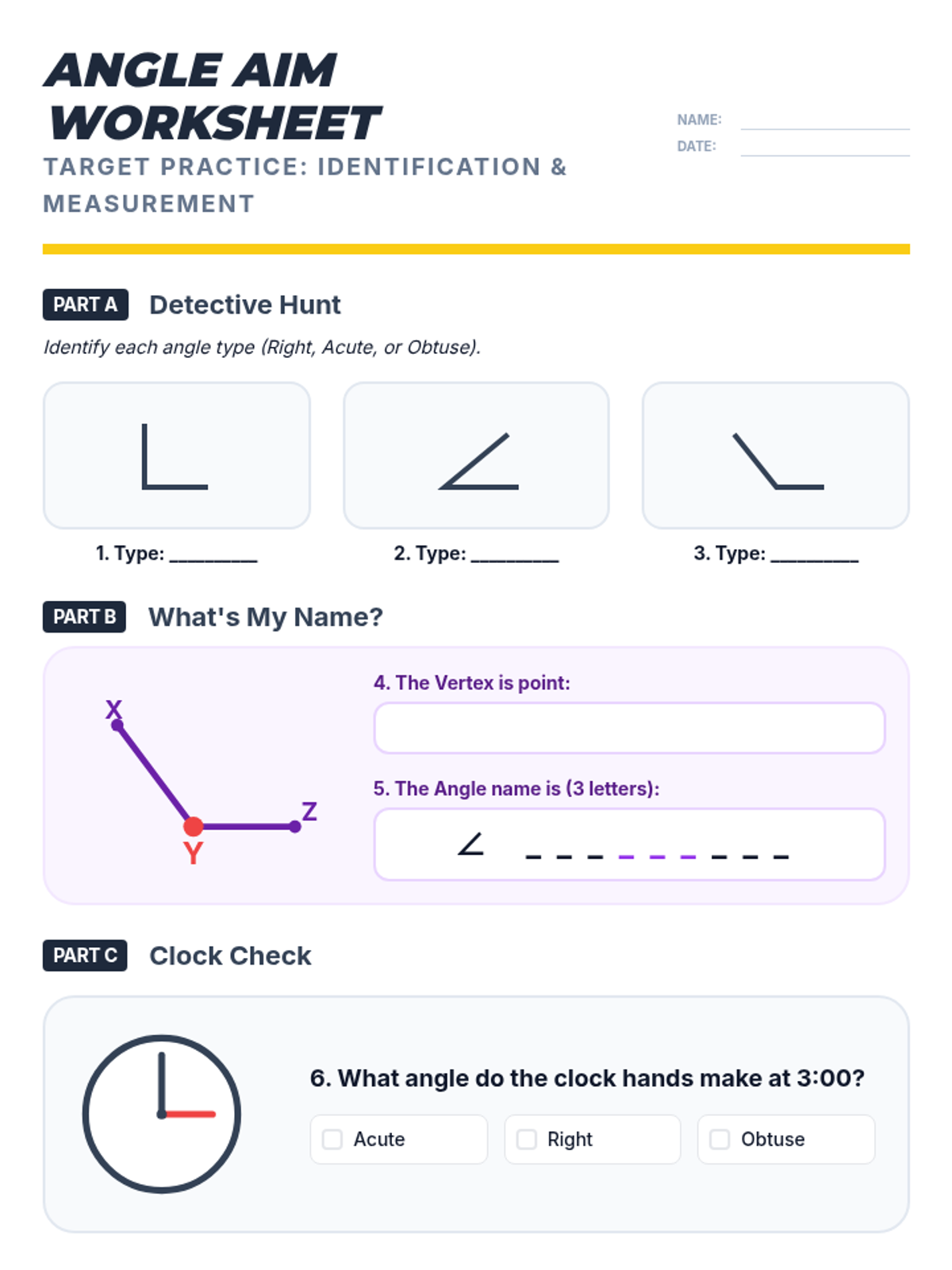
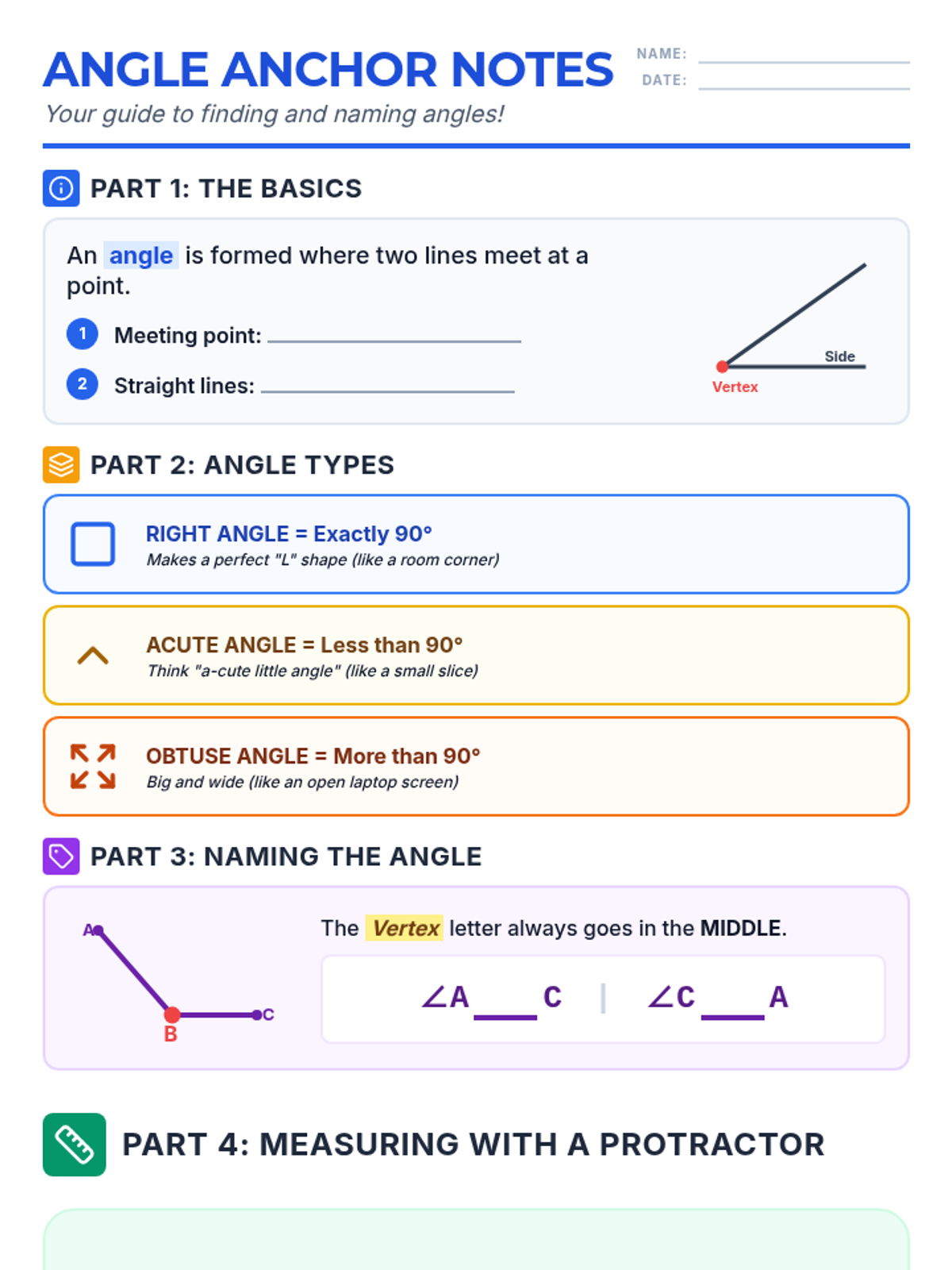
A foundational lesson on identifying, naming, and measuring angles, specifically designed with high-visual support and modified layouts for IEP students.
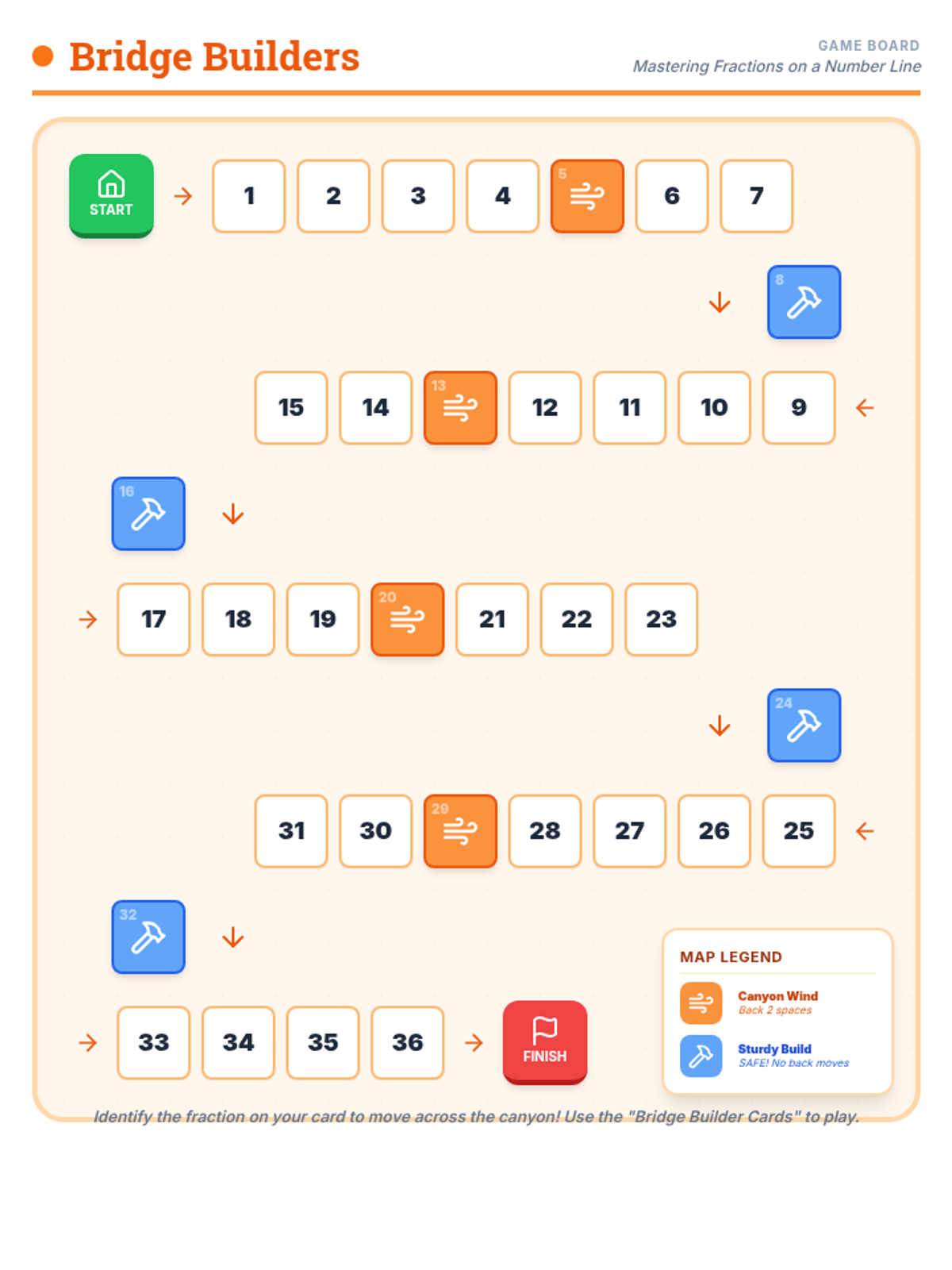
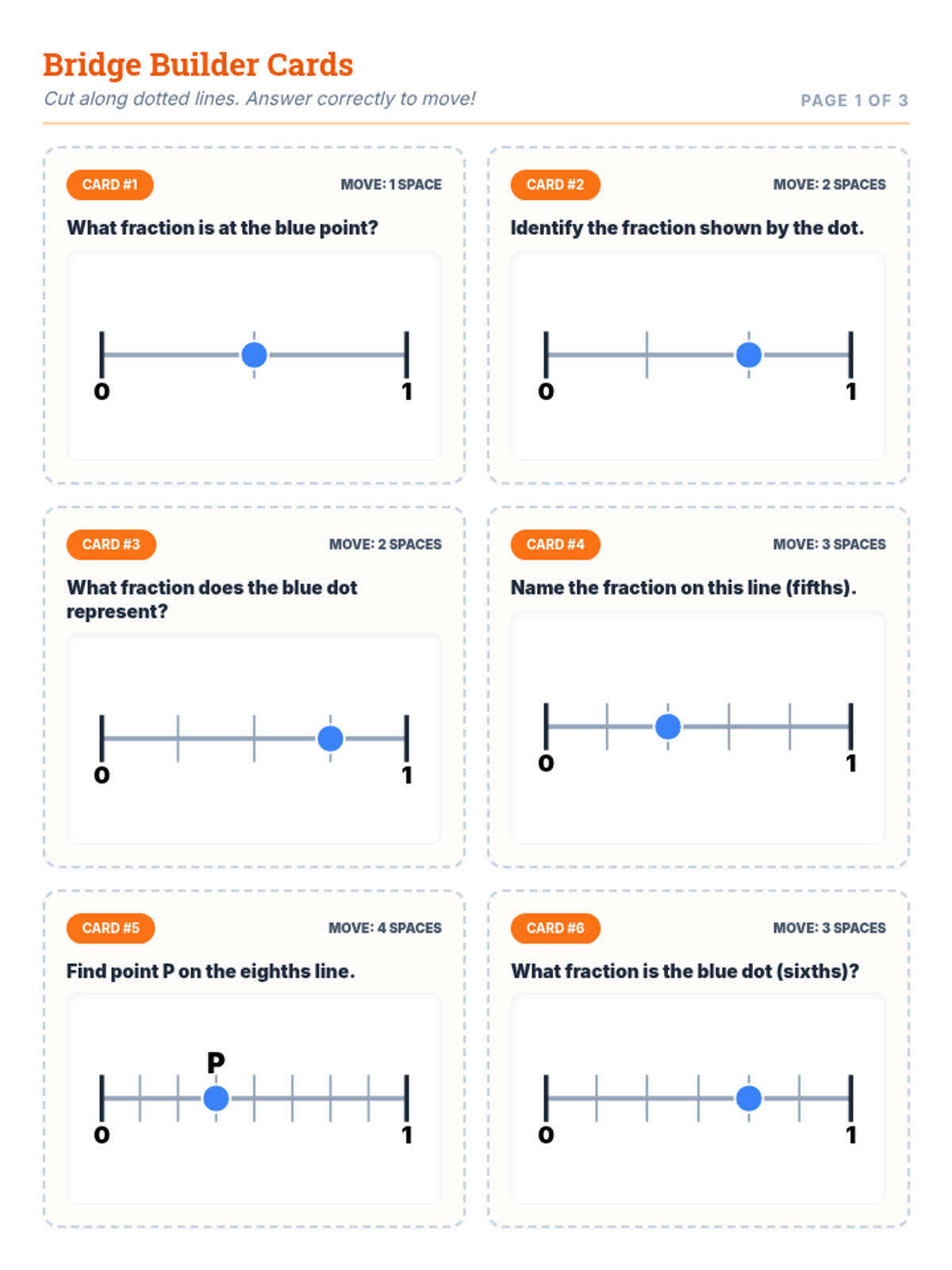
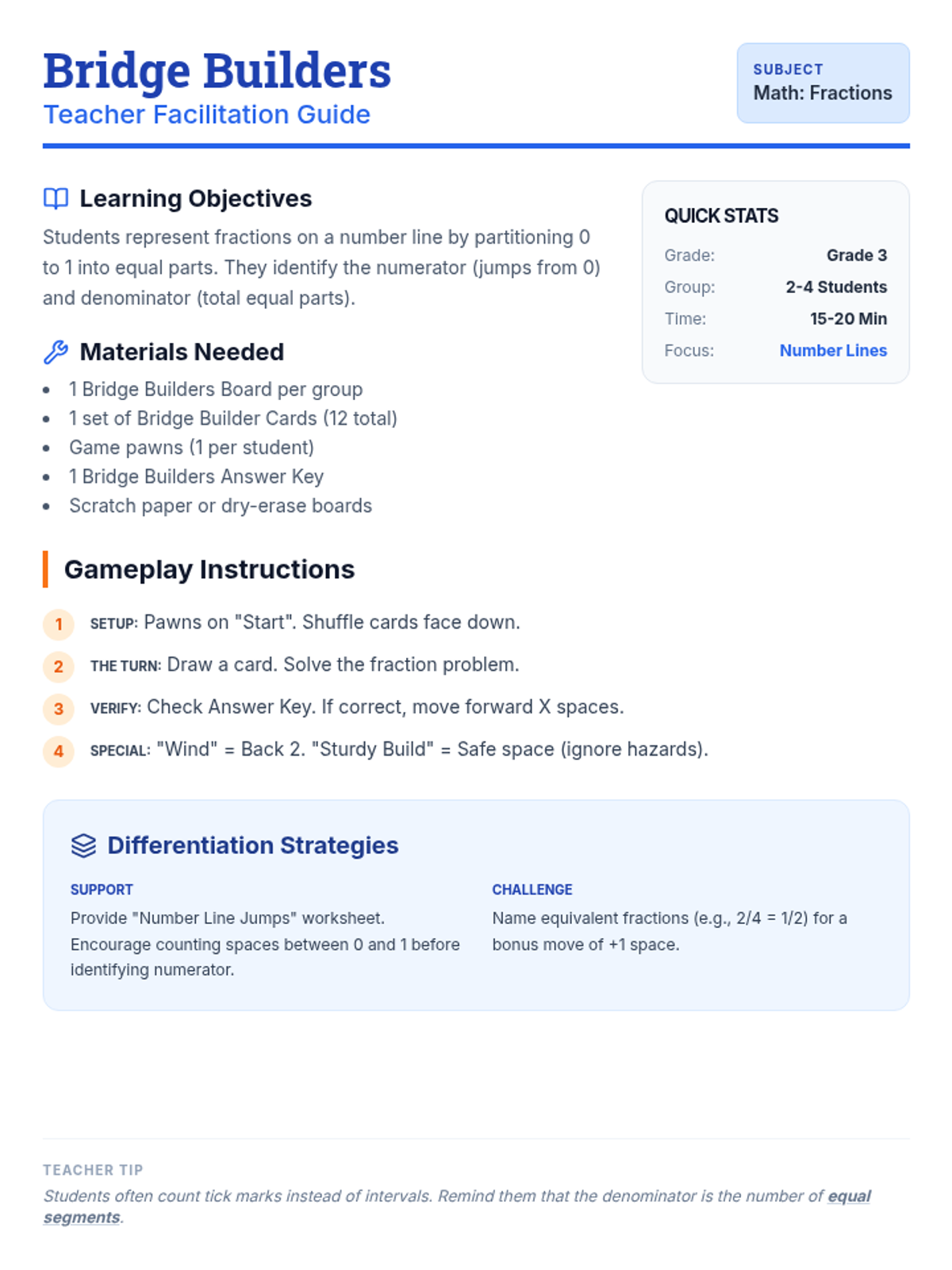
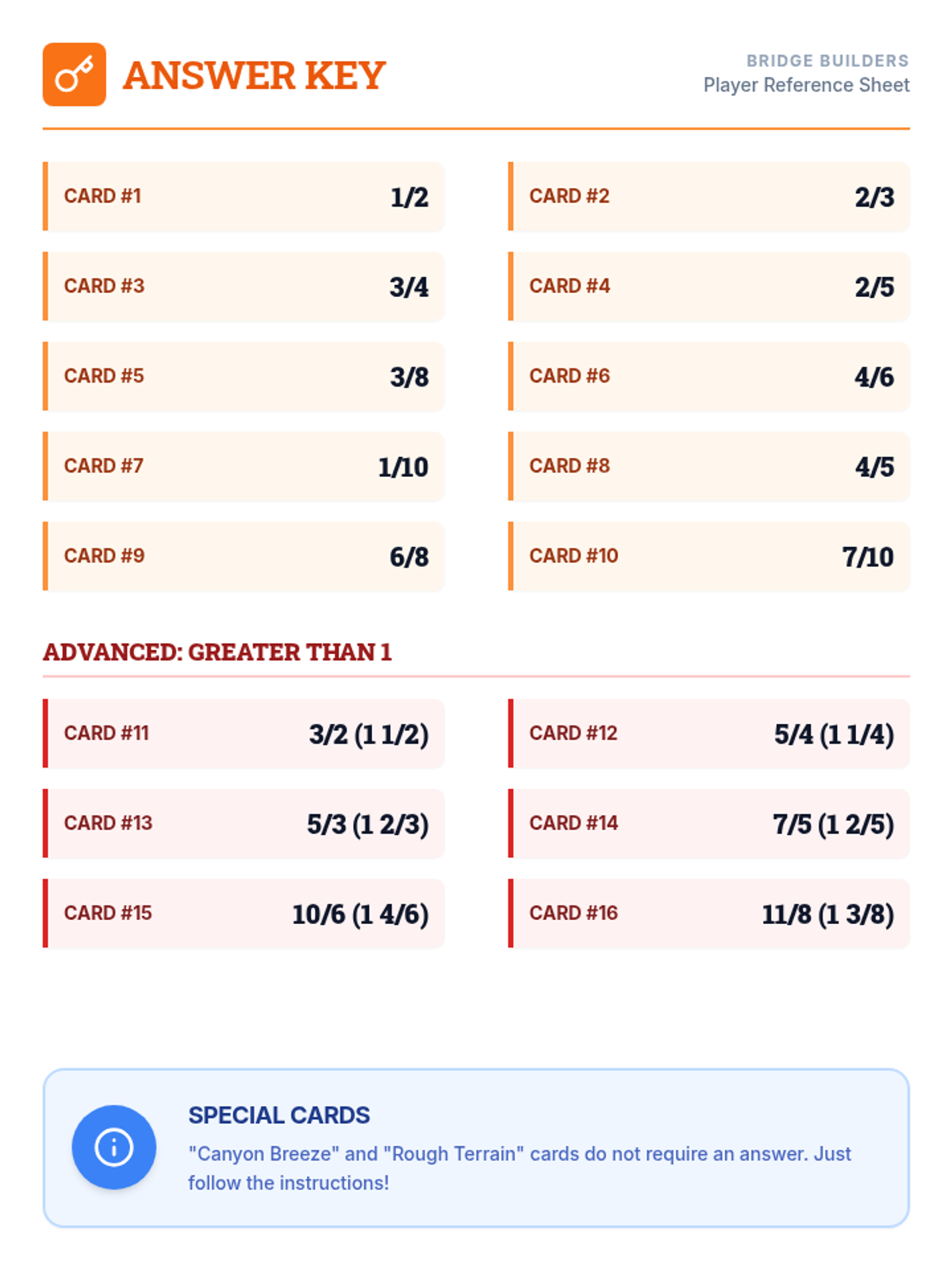
A hands-on board game where students practice identifying and placing fractions on a number line to build bridges across a canyon.
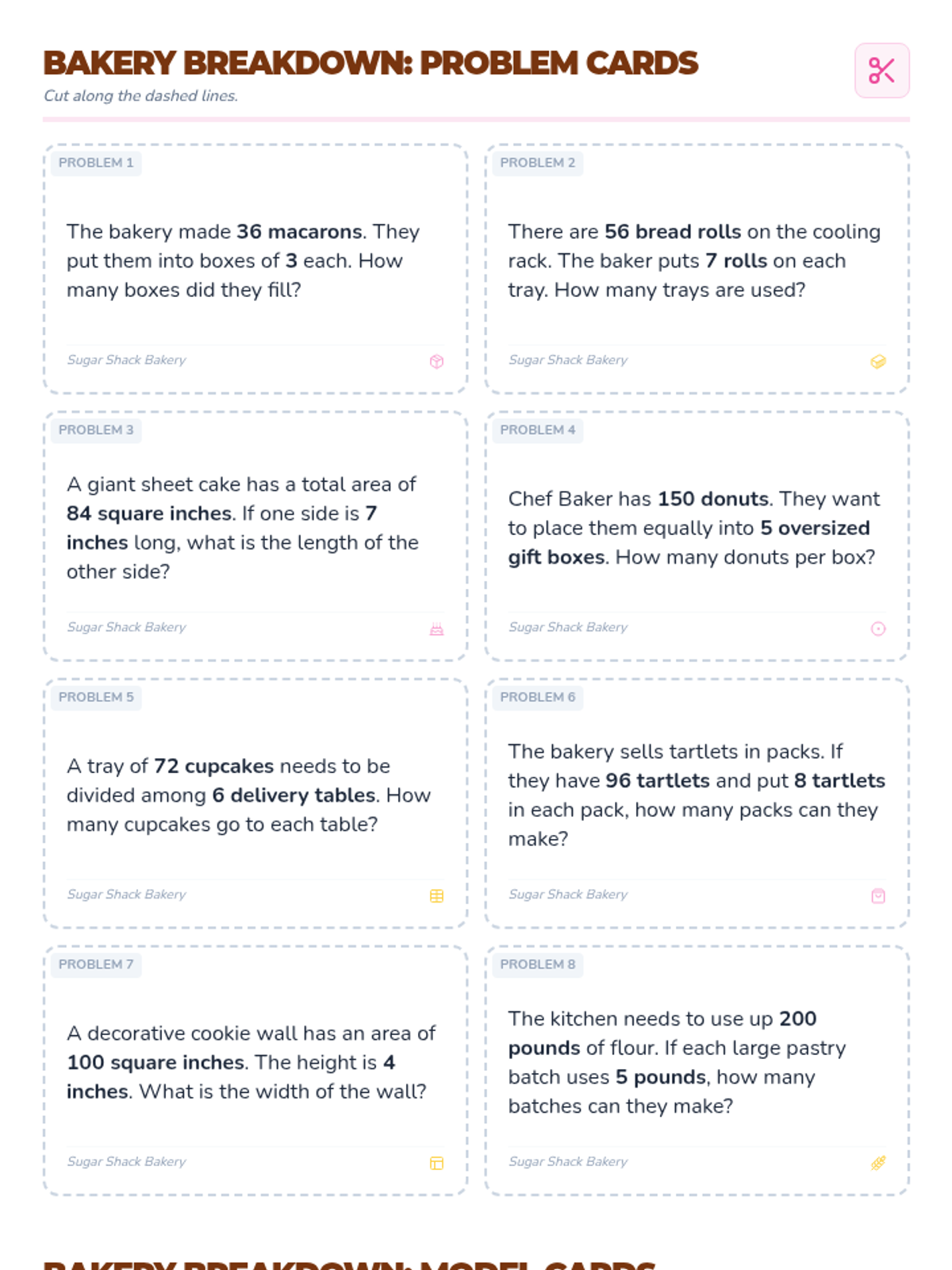
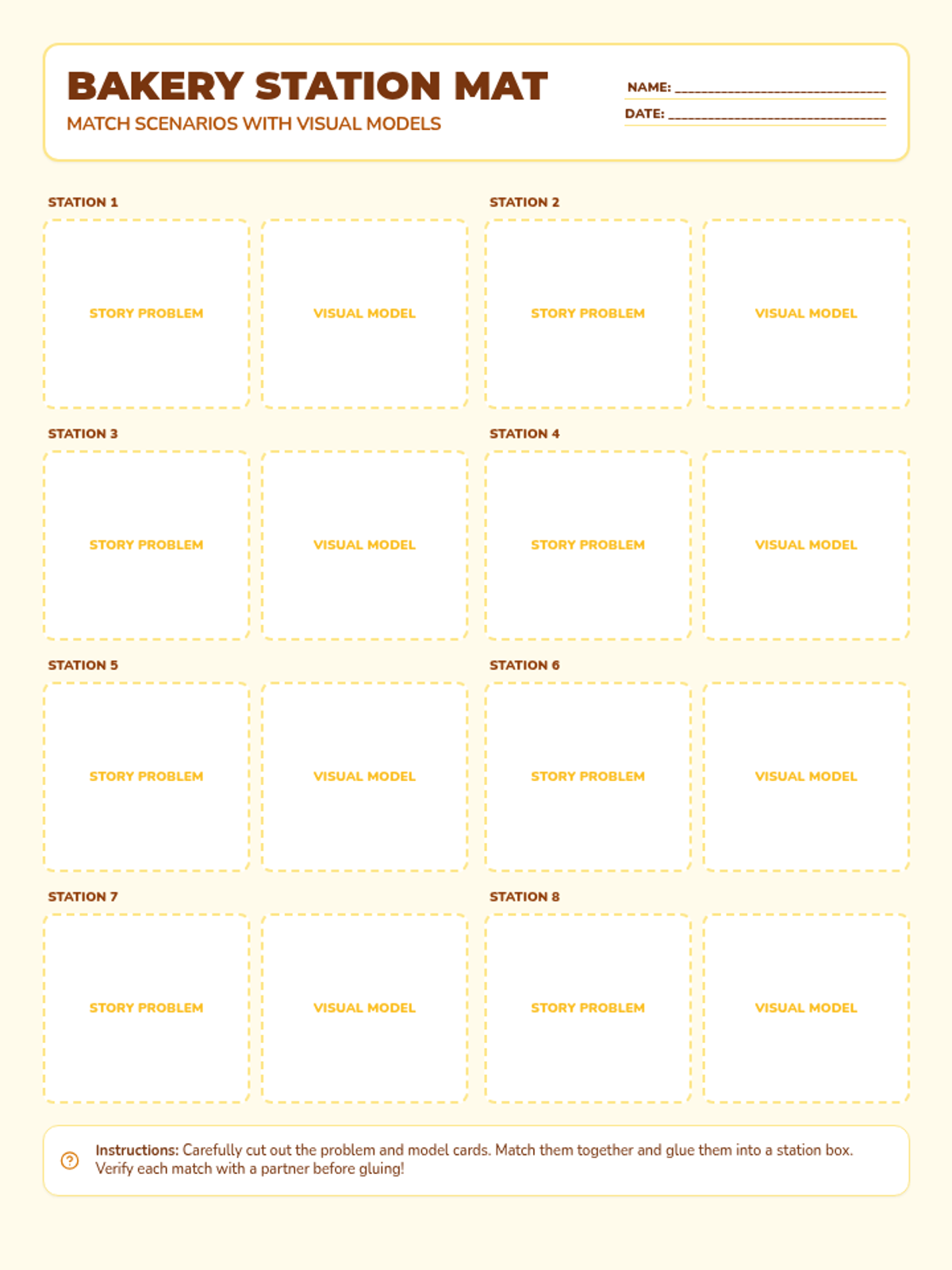
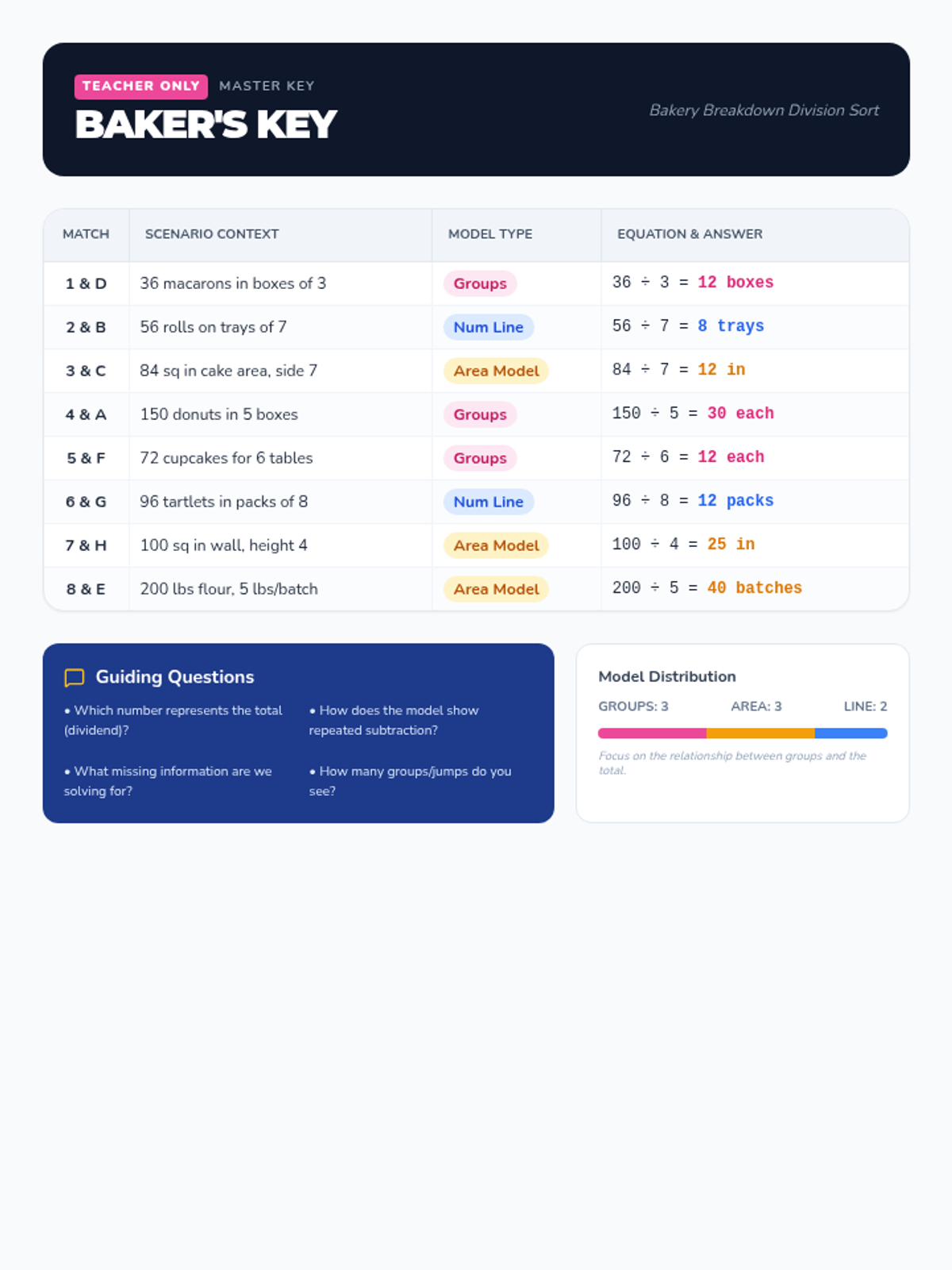
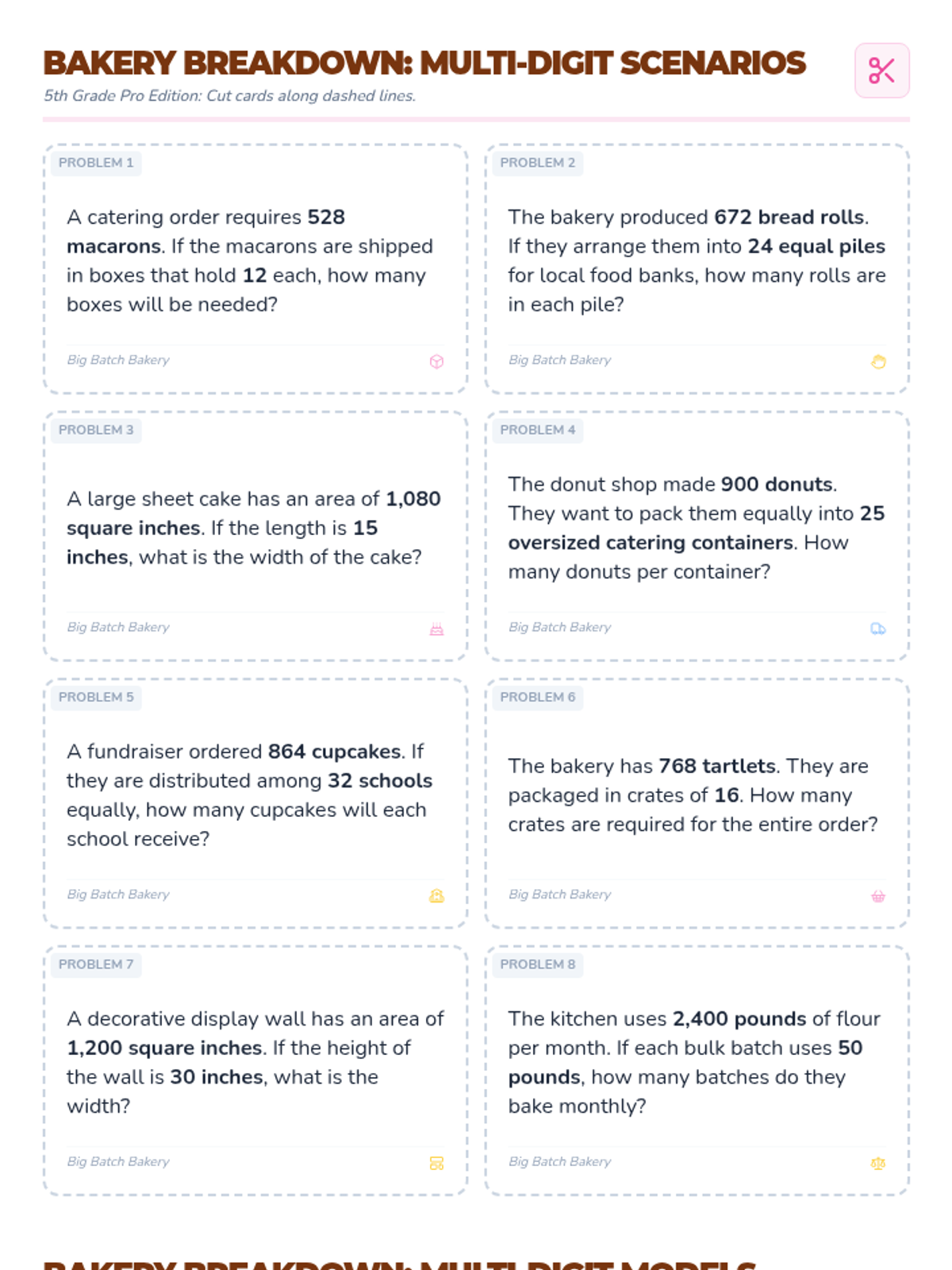
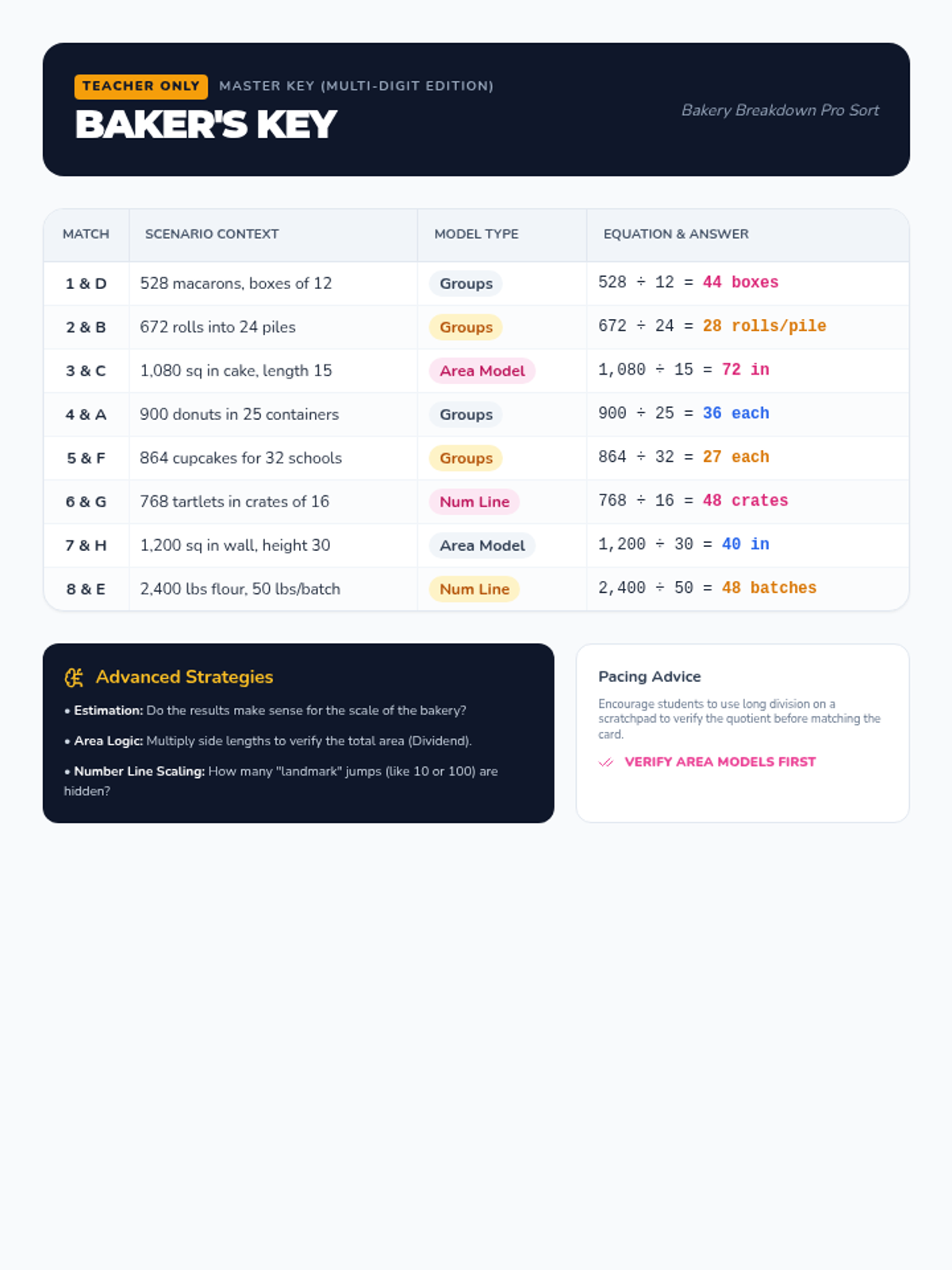
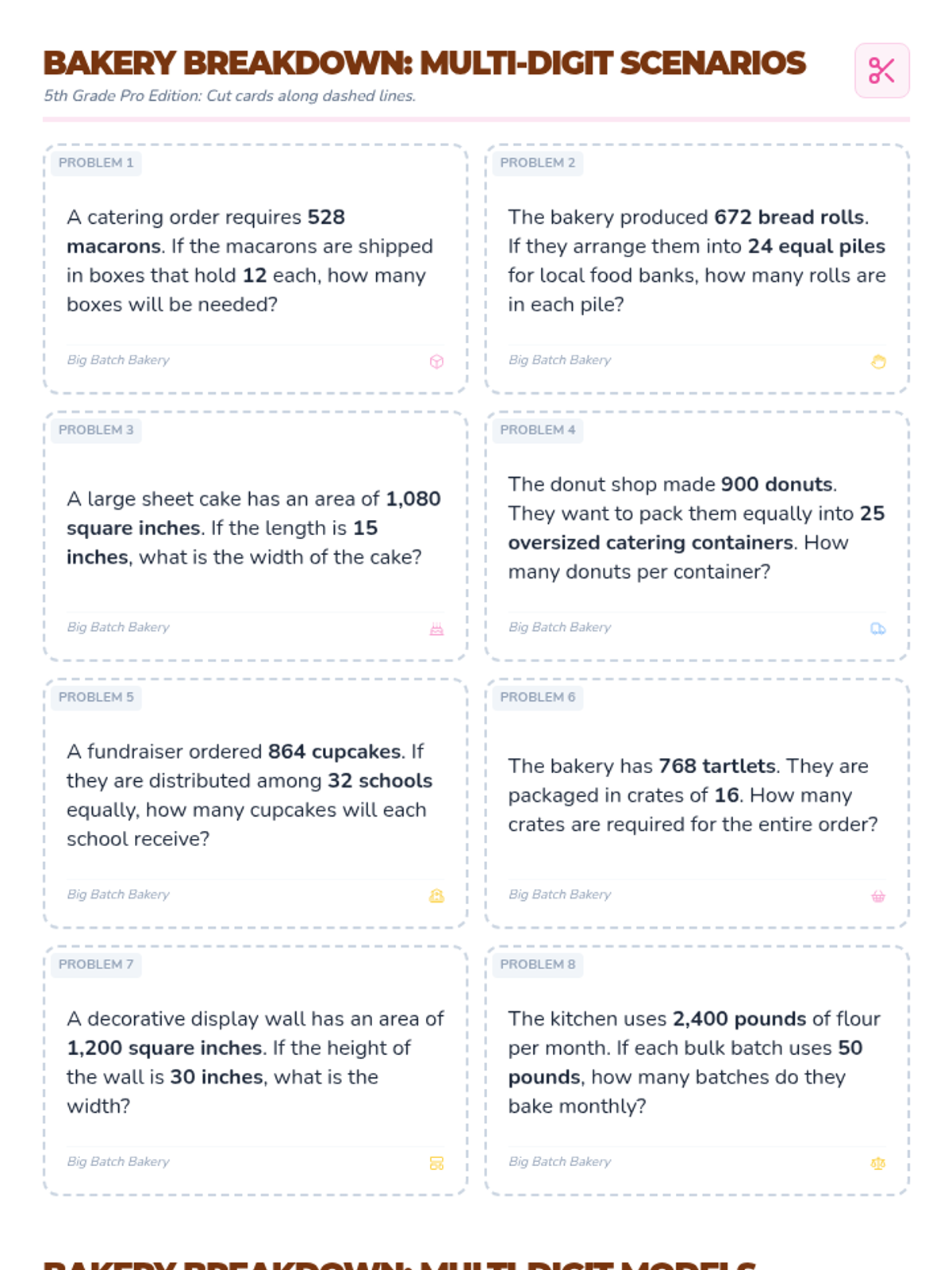
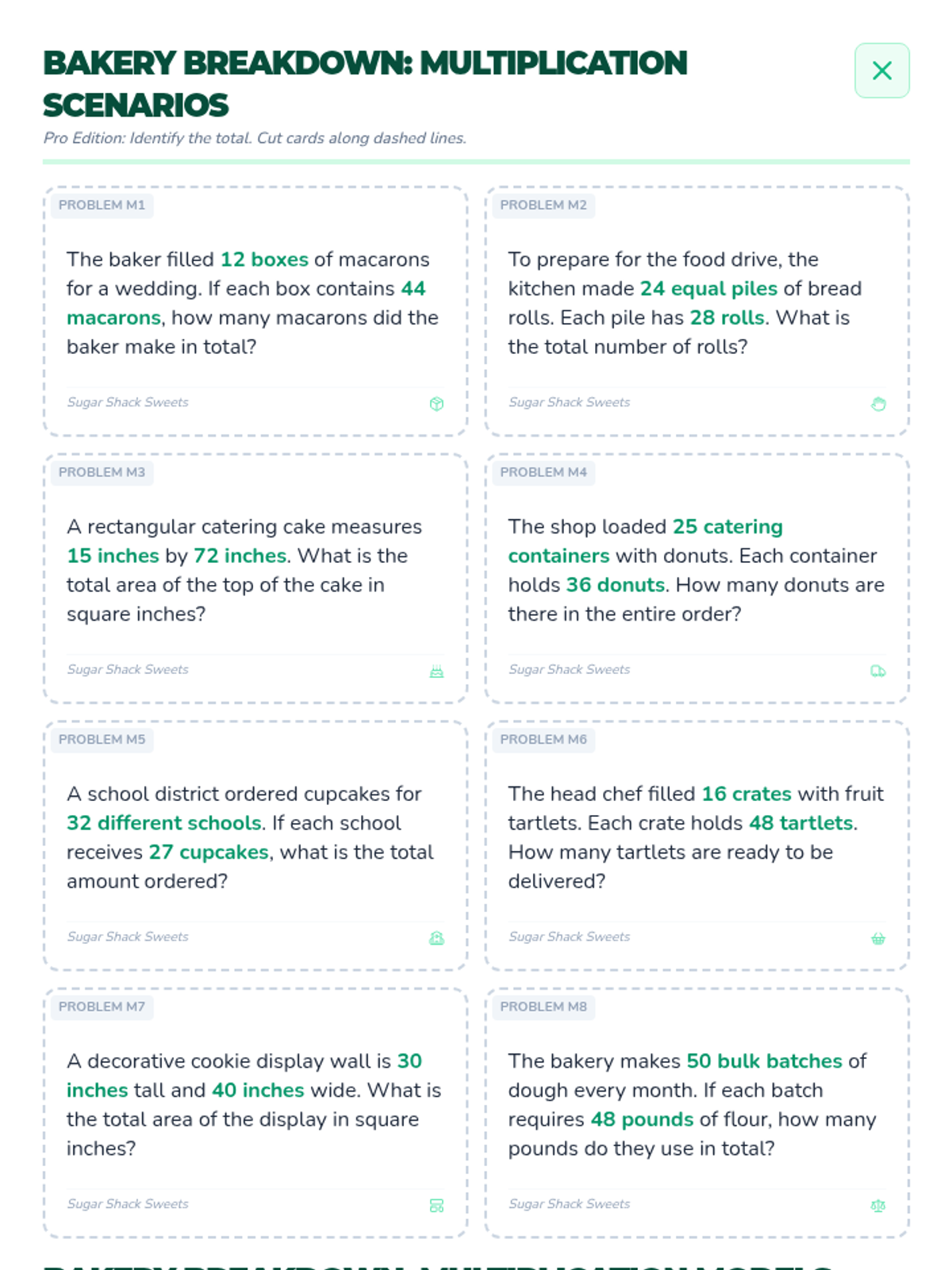
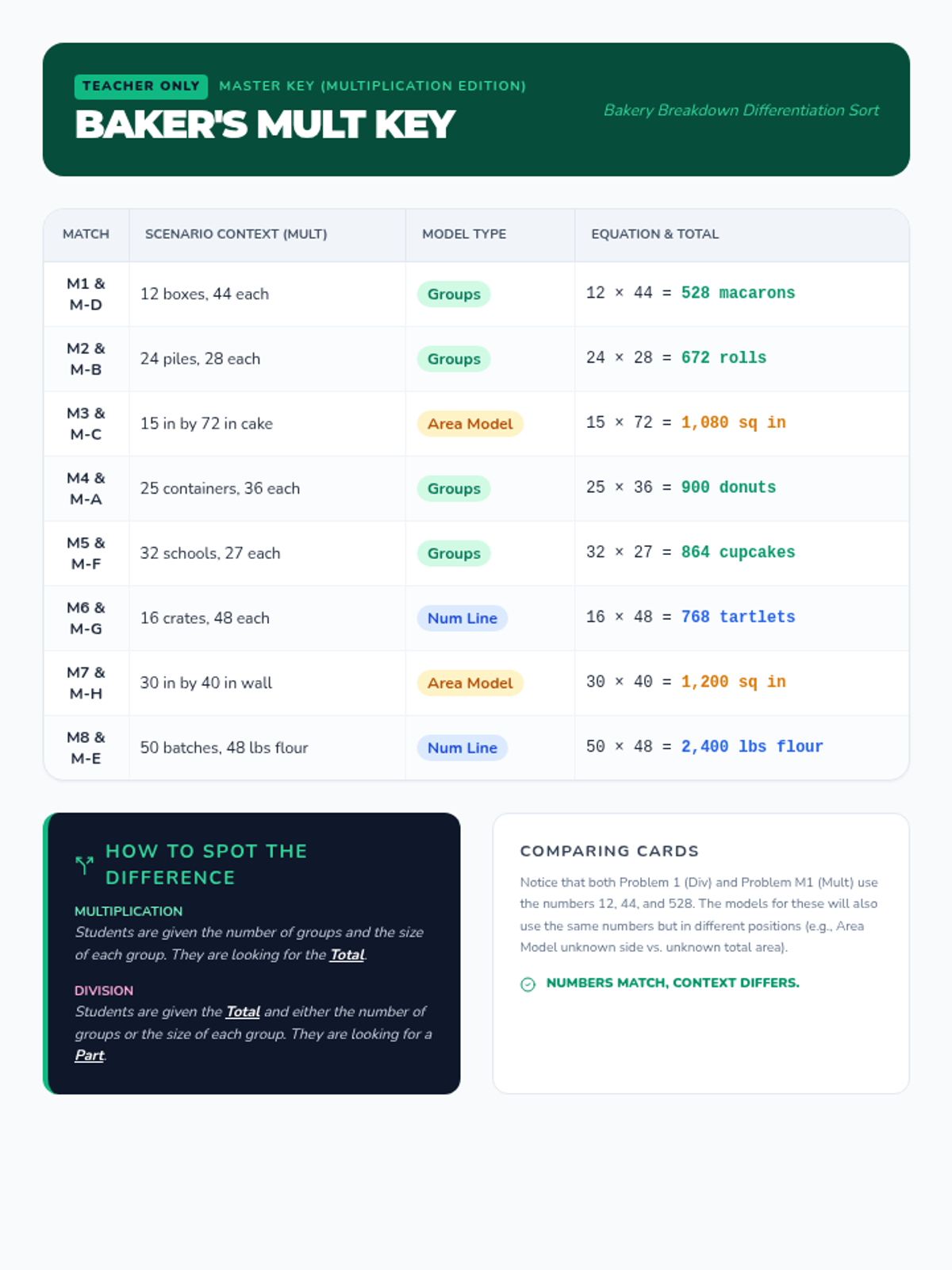
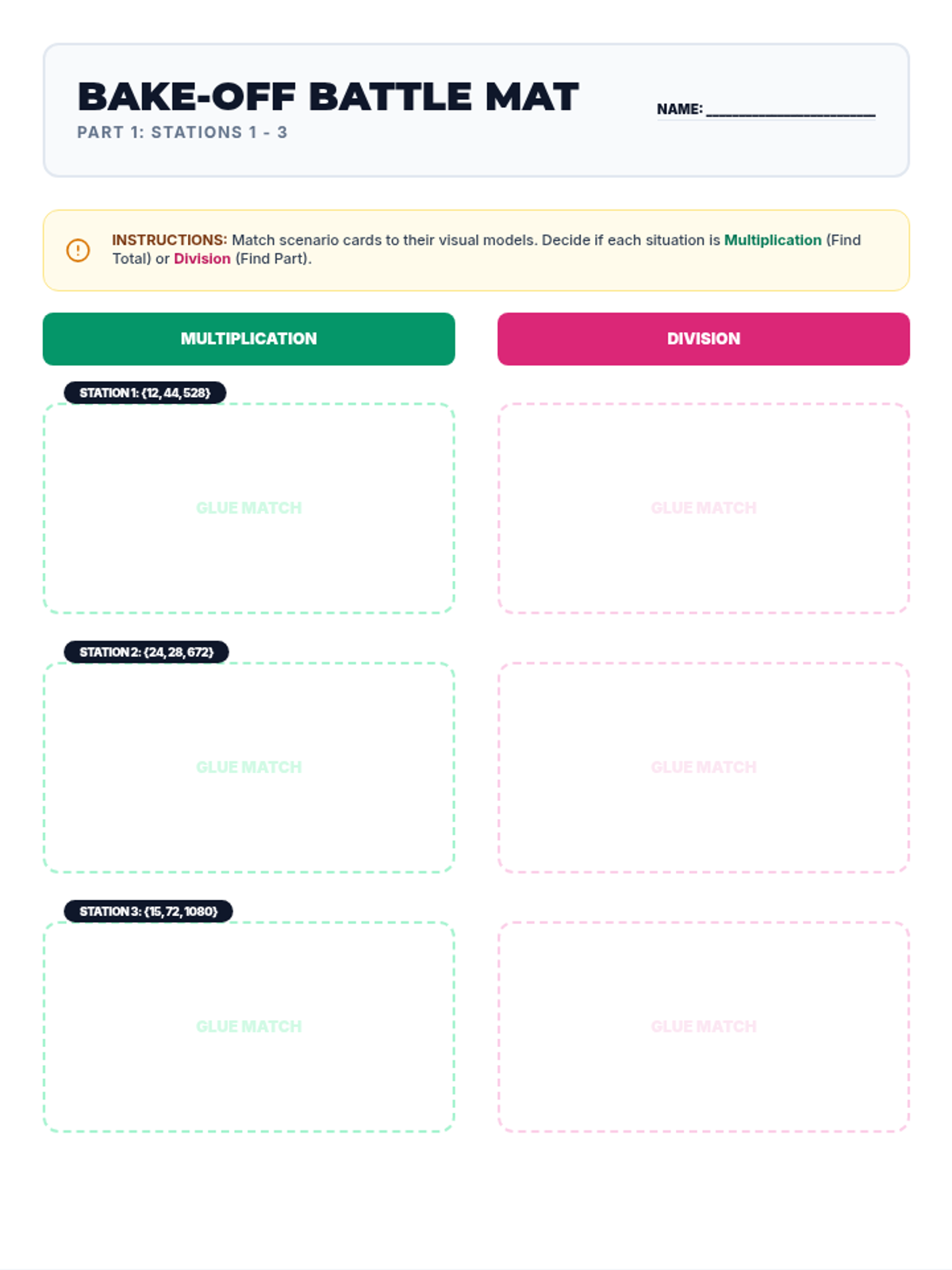
A hands-on division lesson where students match real-world bakery scenarios with visual representations including area models, number lines, and grouping sets.
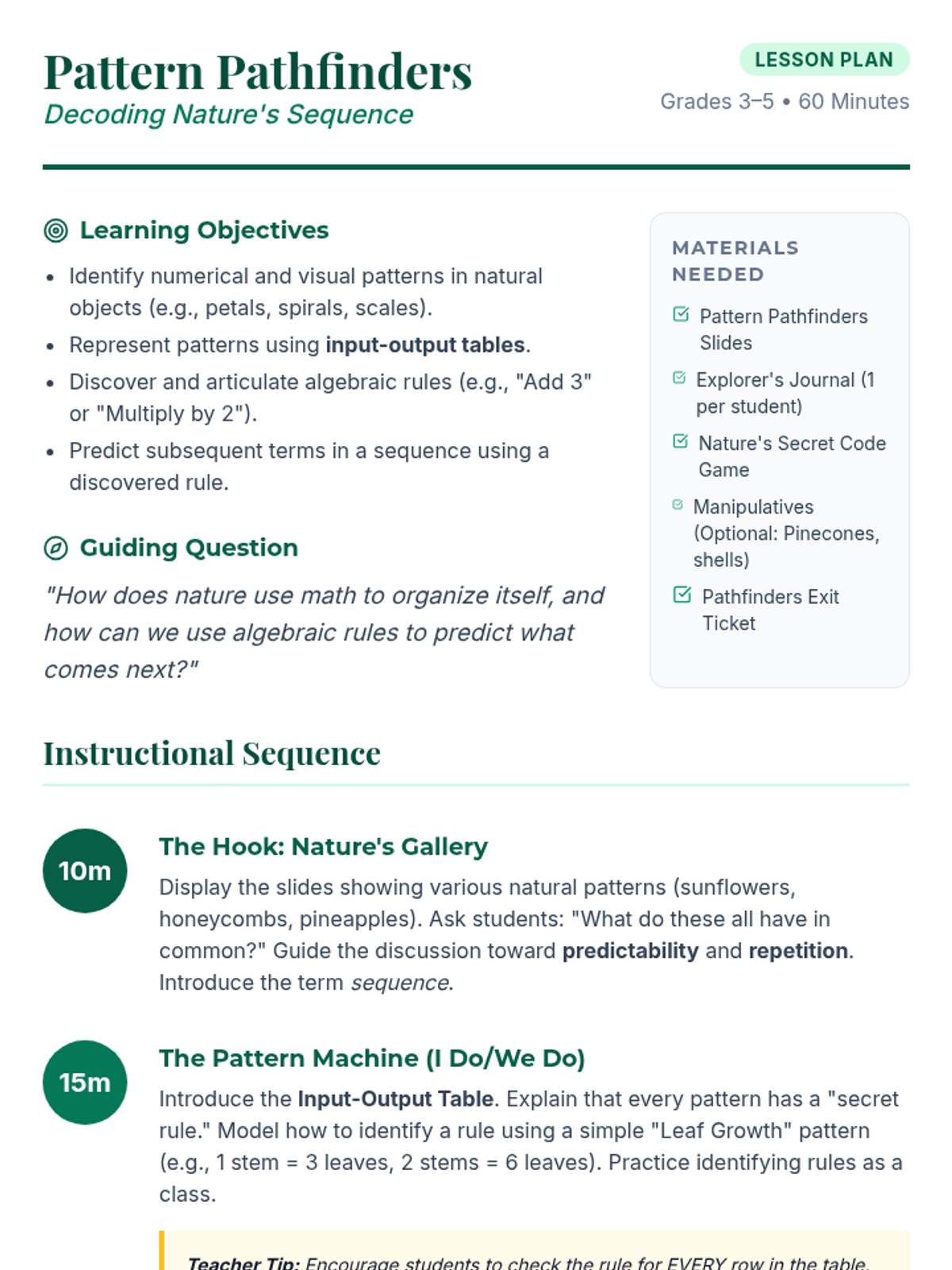
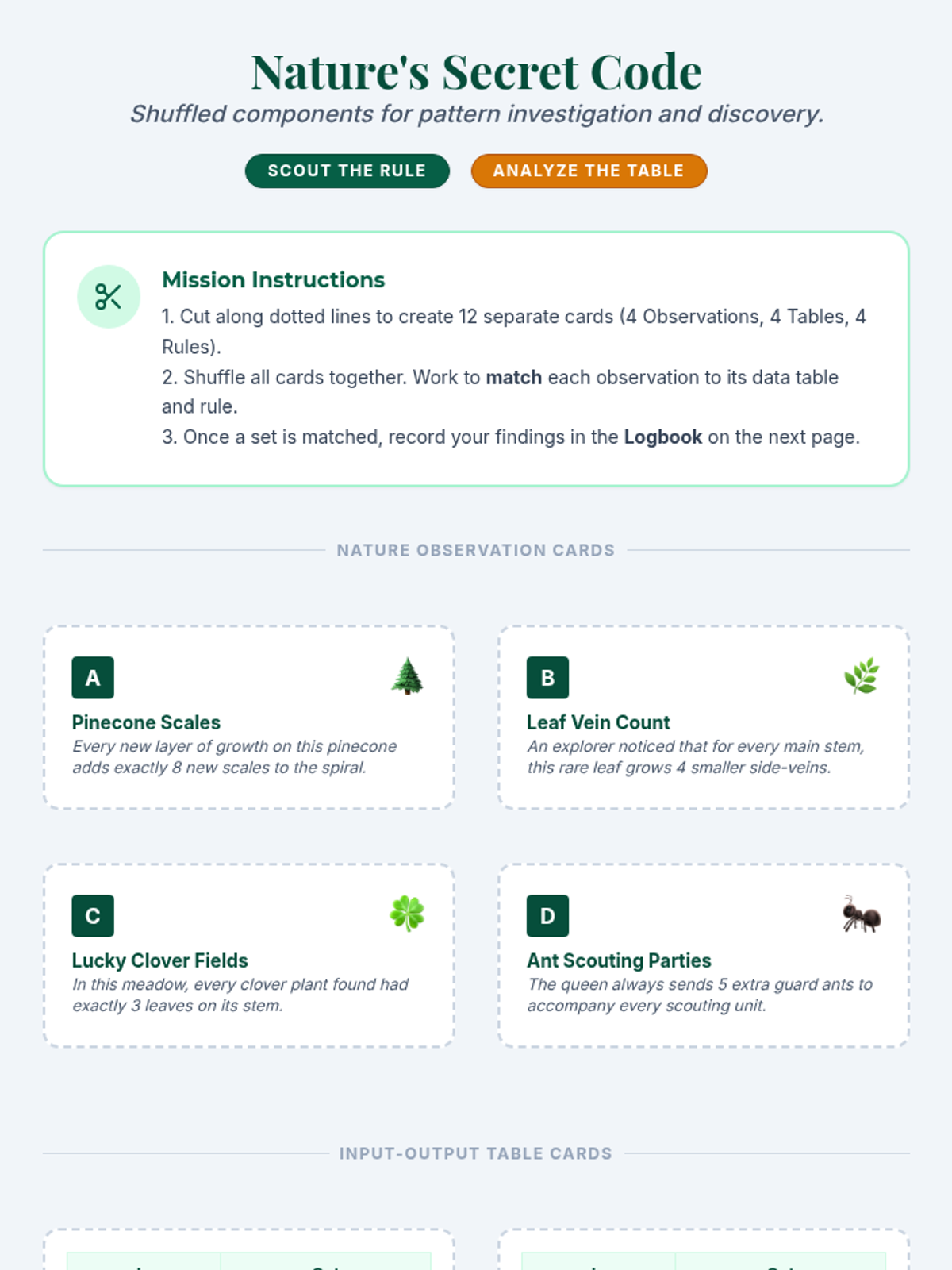
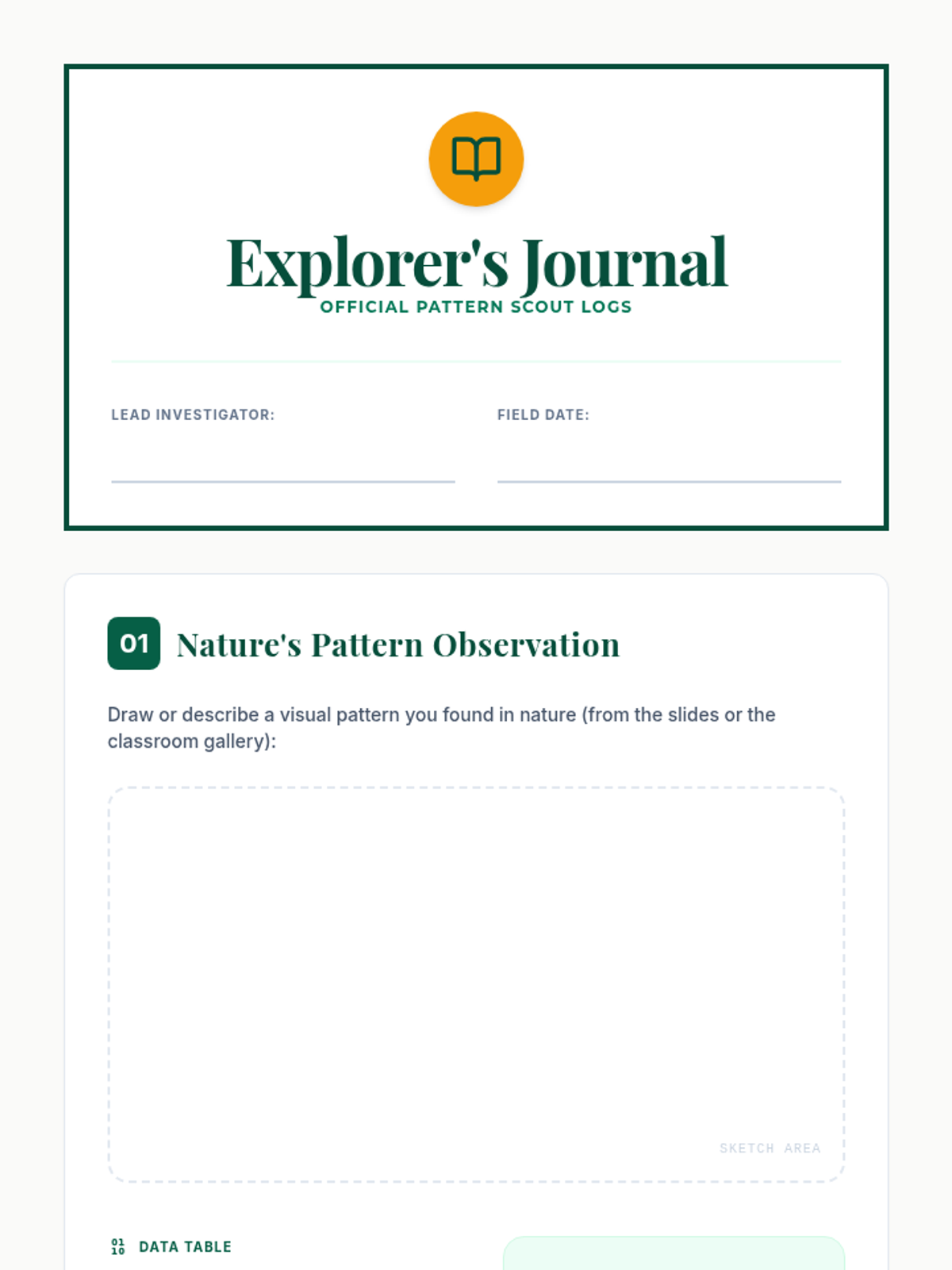
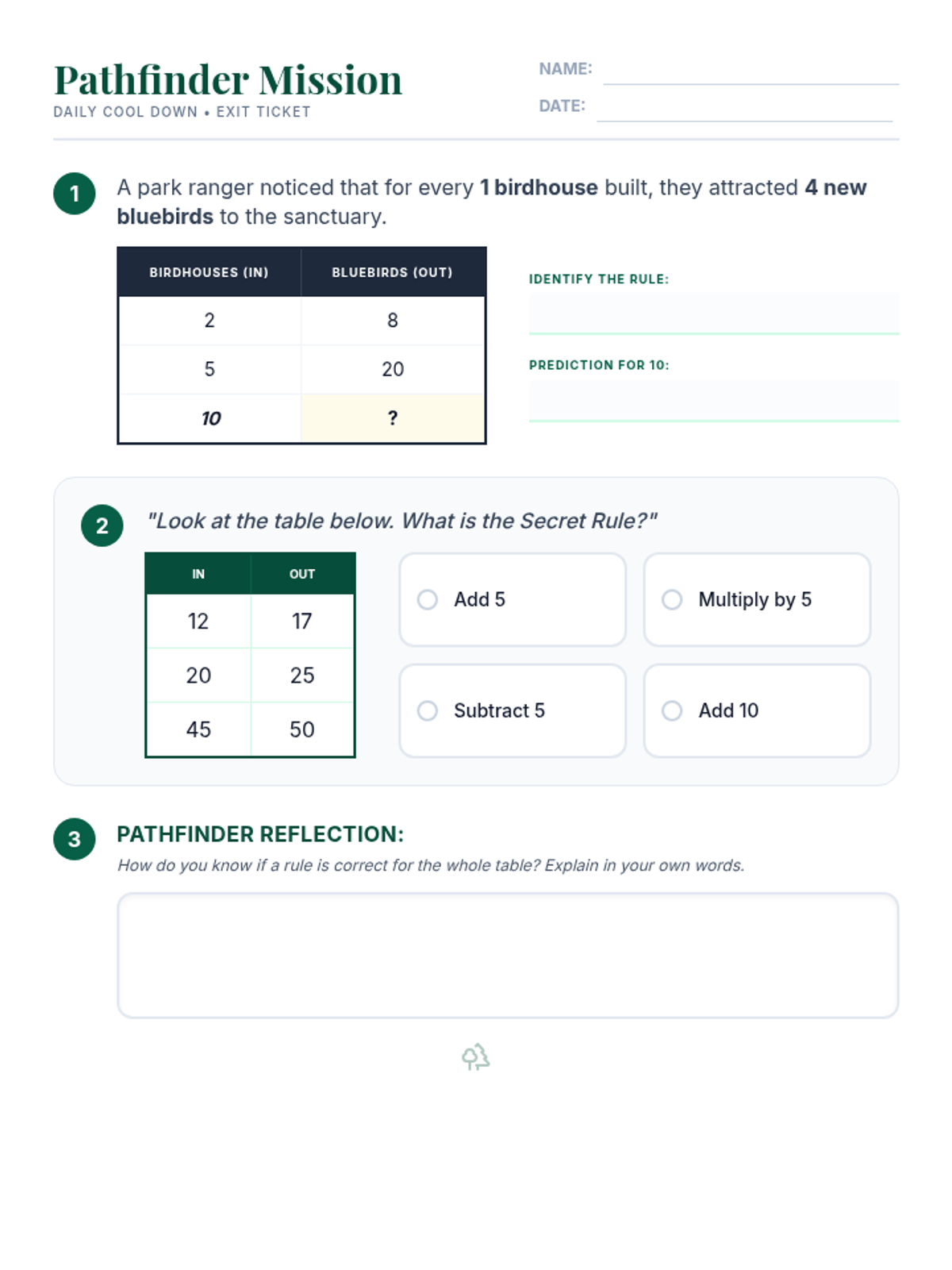
Students become mathematical explorers, discovering algebraic rules hidden in nature's patterns. They will use input-output tables to decode sequences found in shells, leaves, and honeycombs.
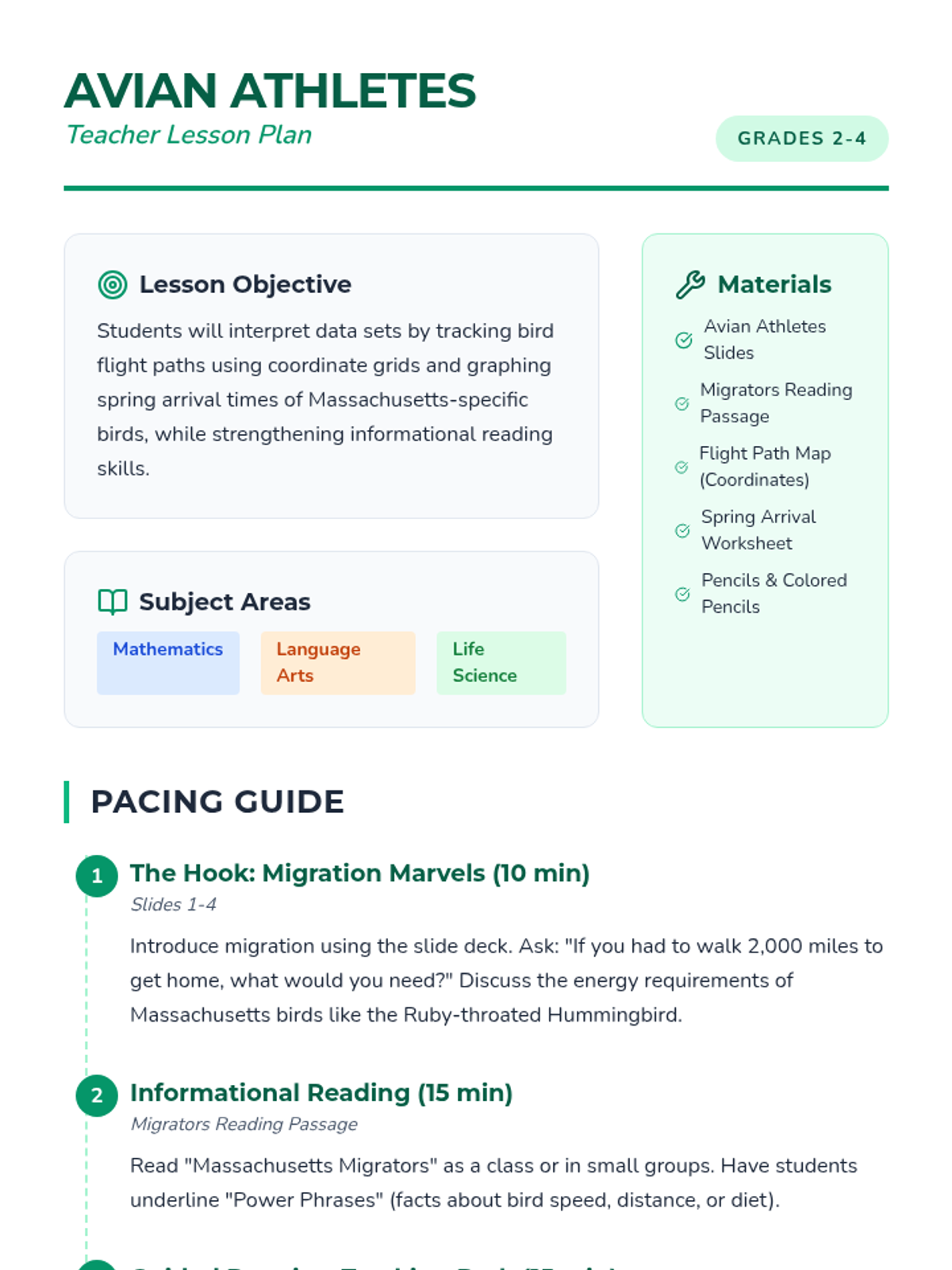
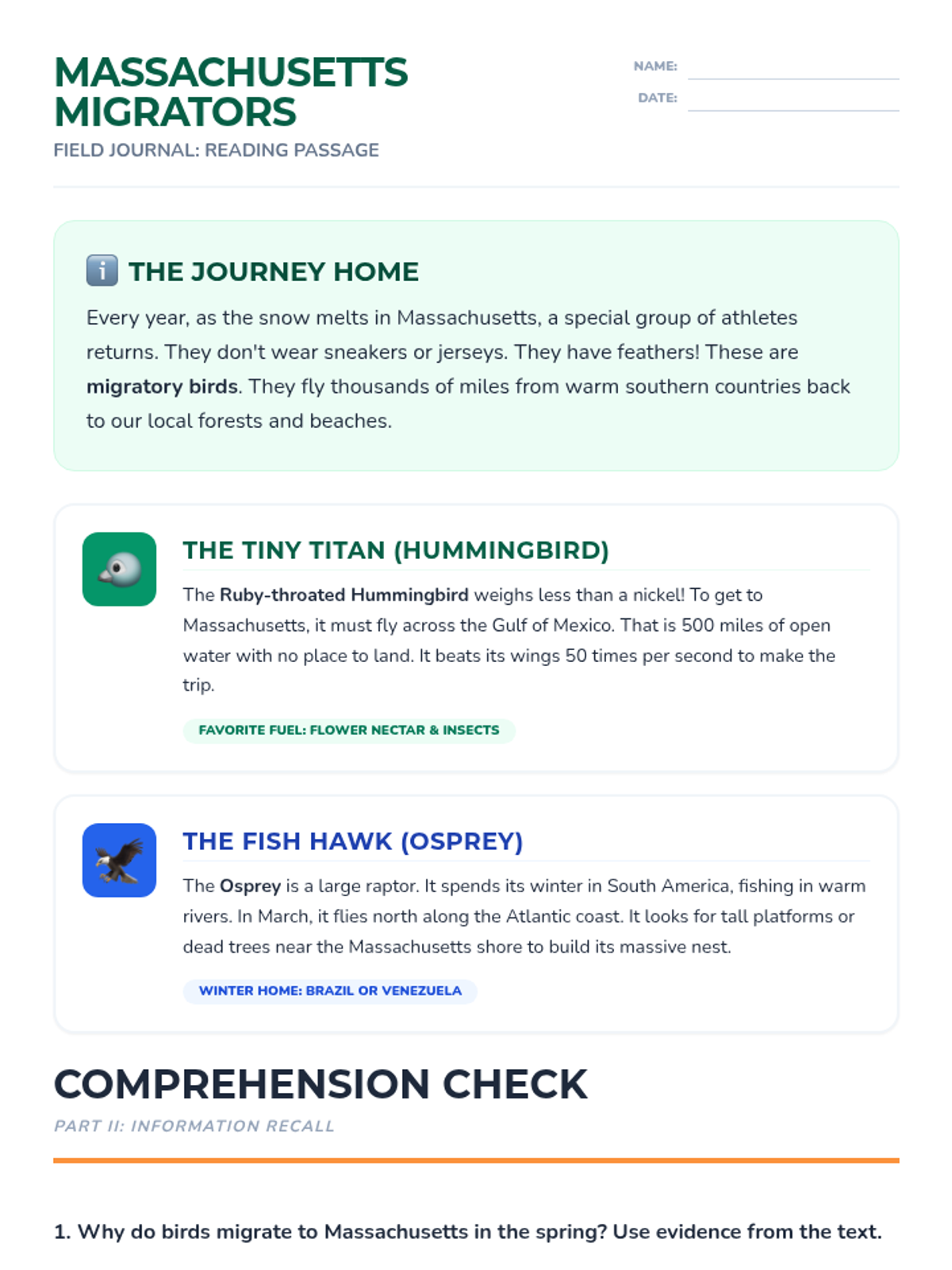
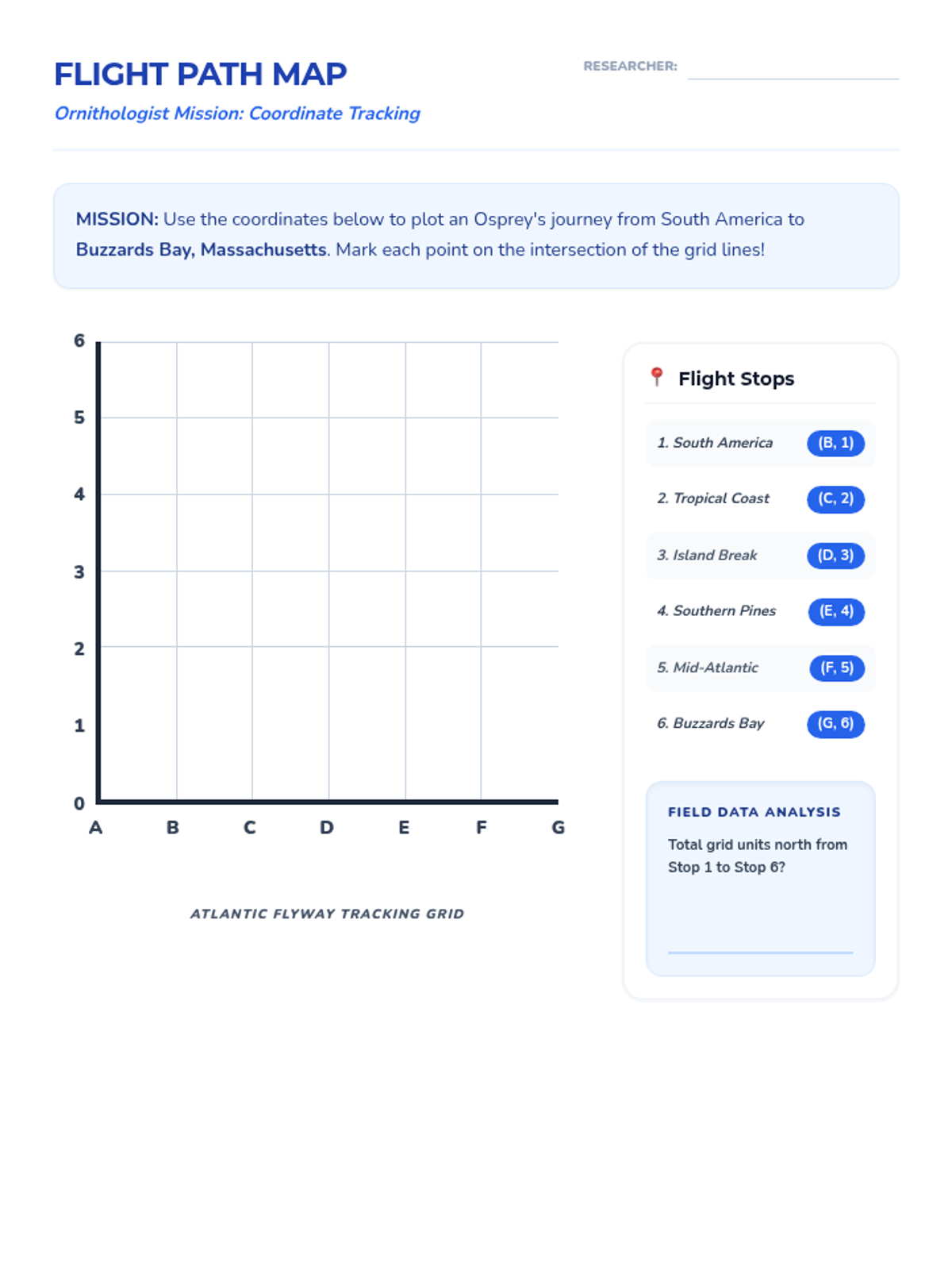
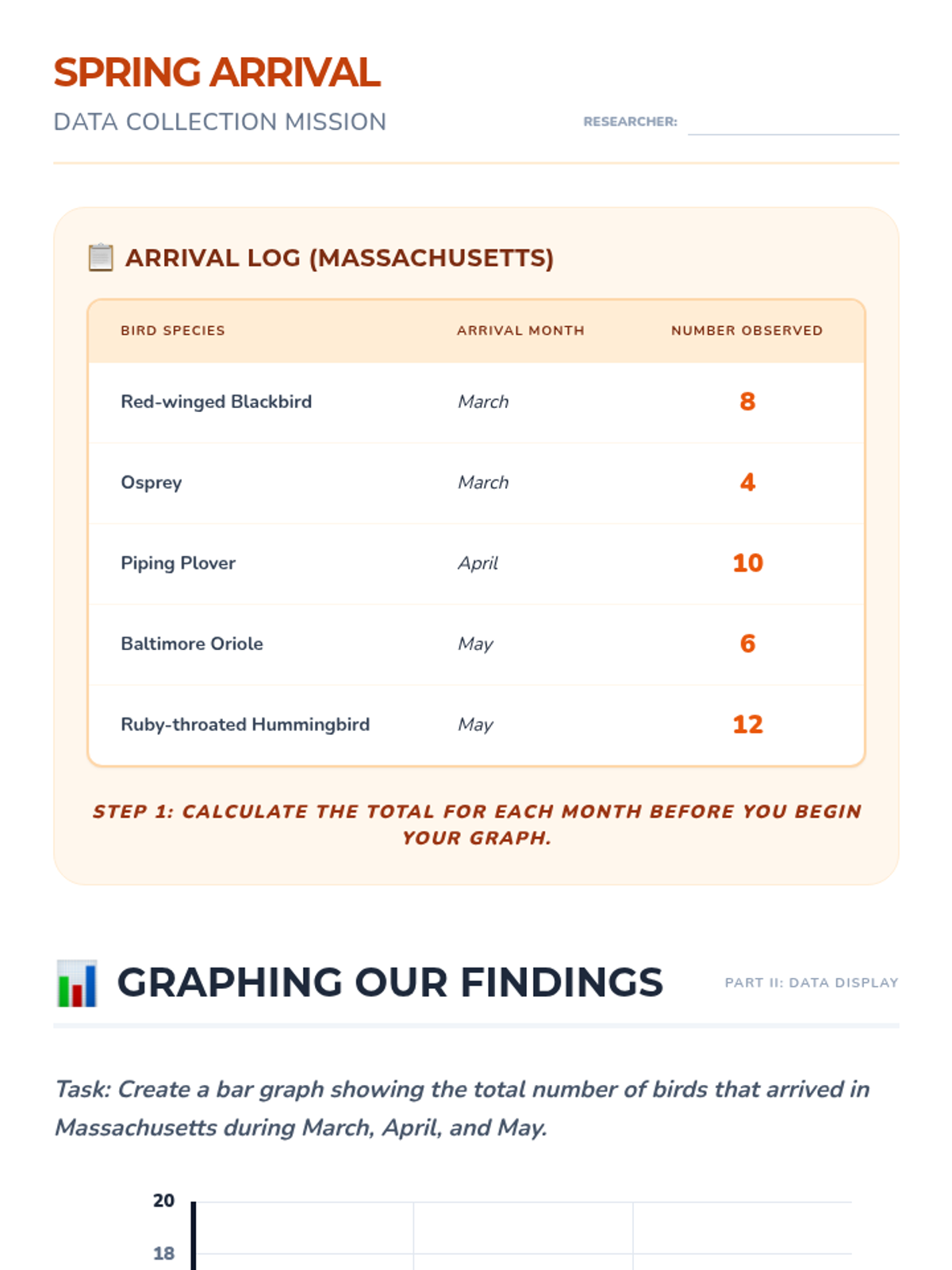
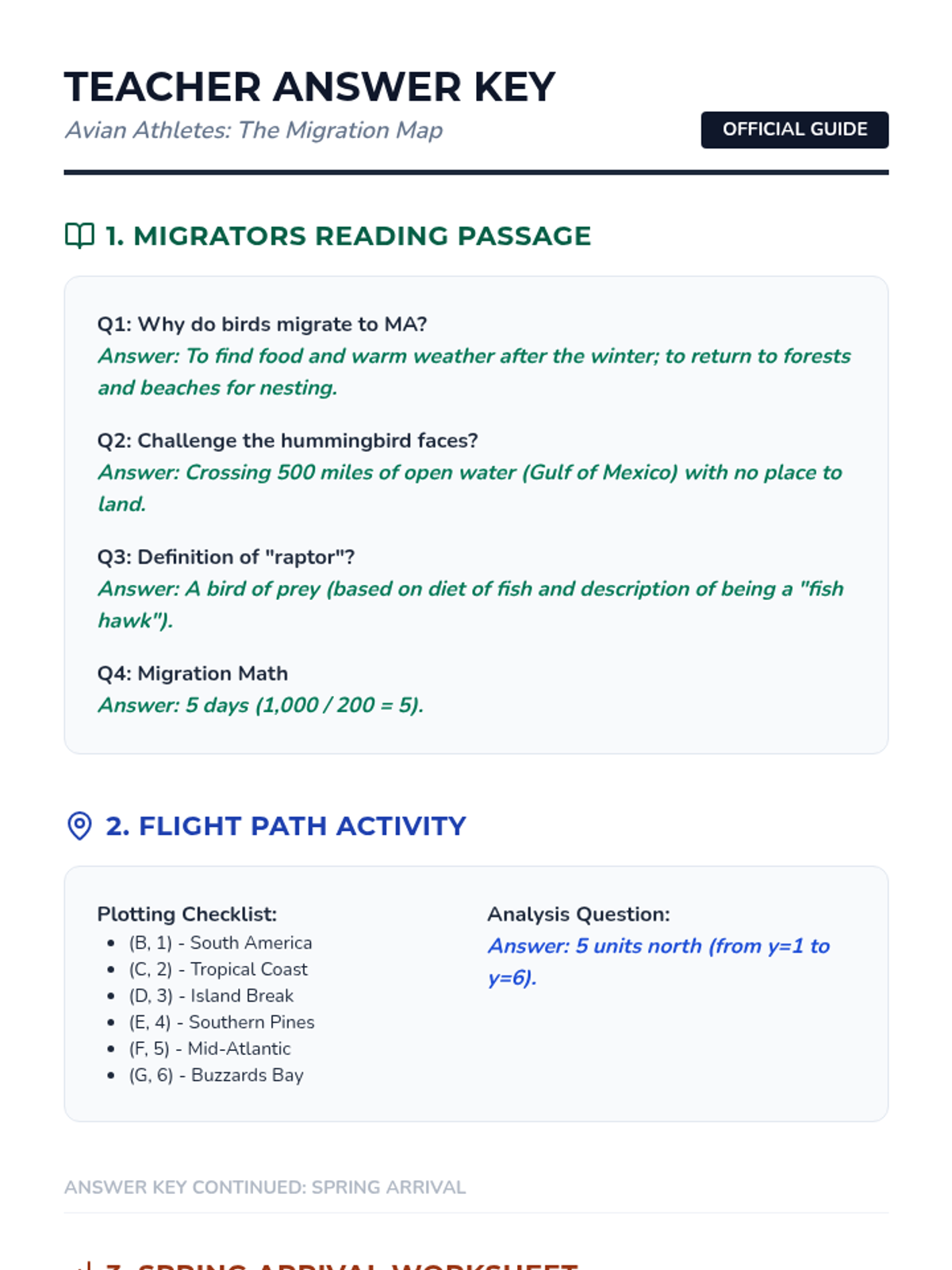
This lesson connects local Massachusetts bird migration to math and ELA standards. Students will use coordinate grids to track flight paths, graph arrival data, and read informational texts about native species like the Osprey and Piping Plover.
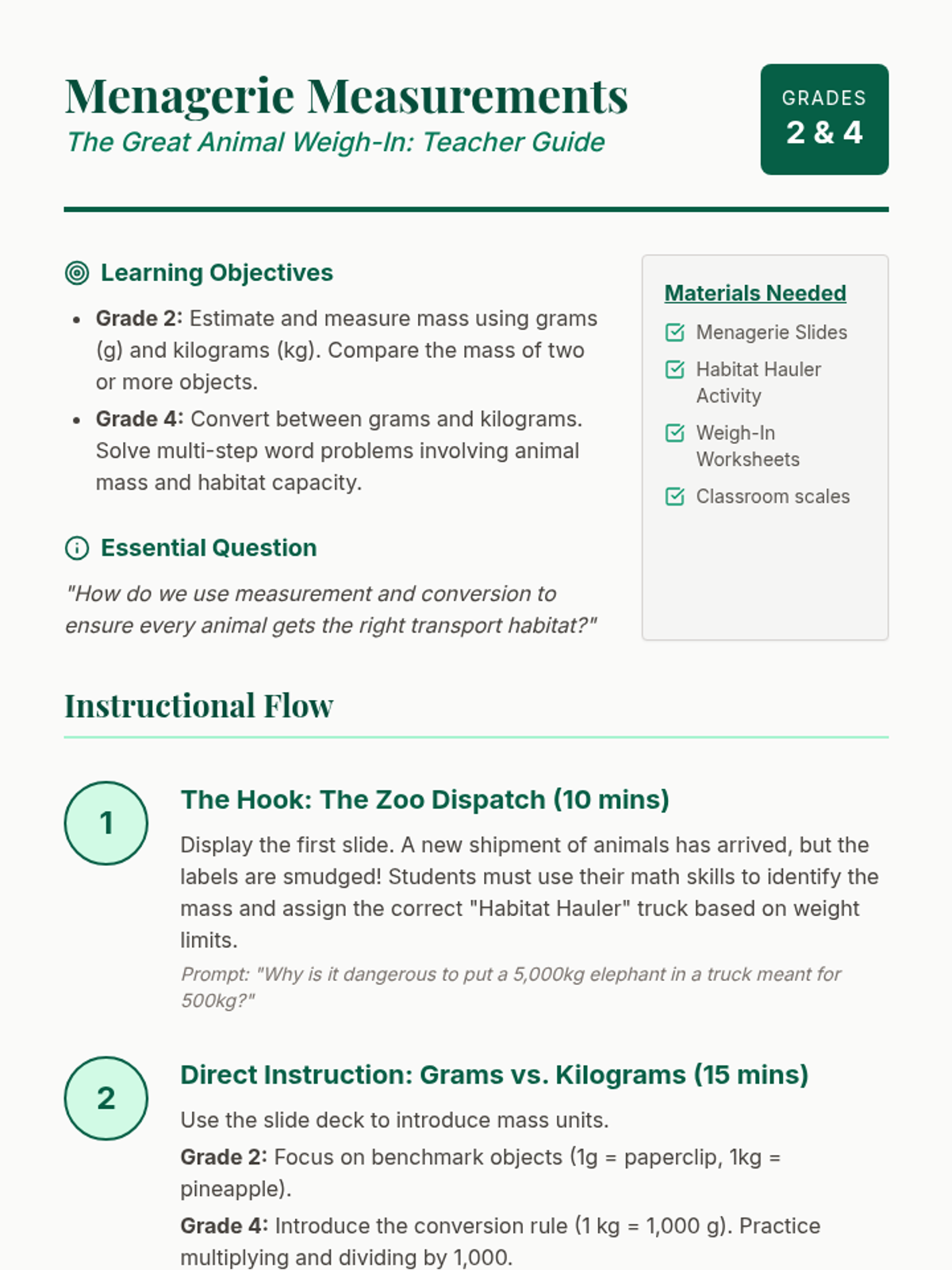
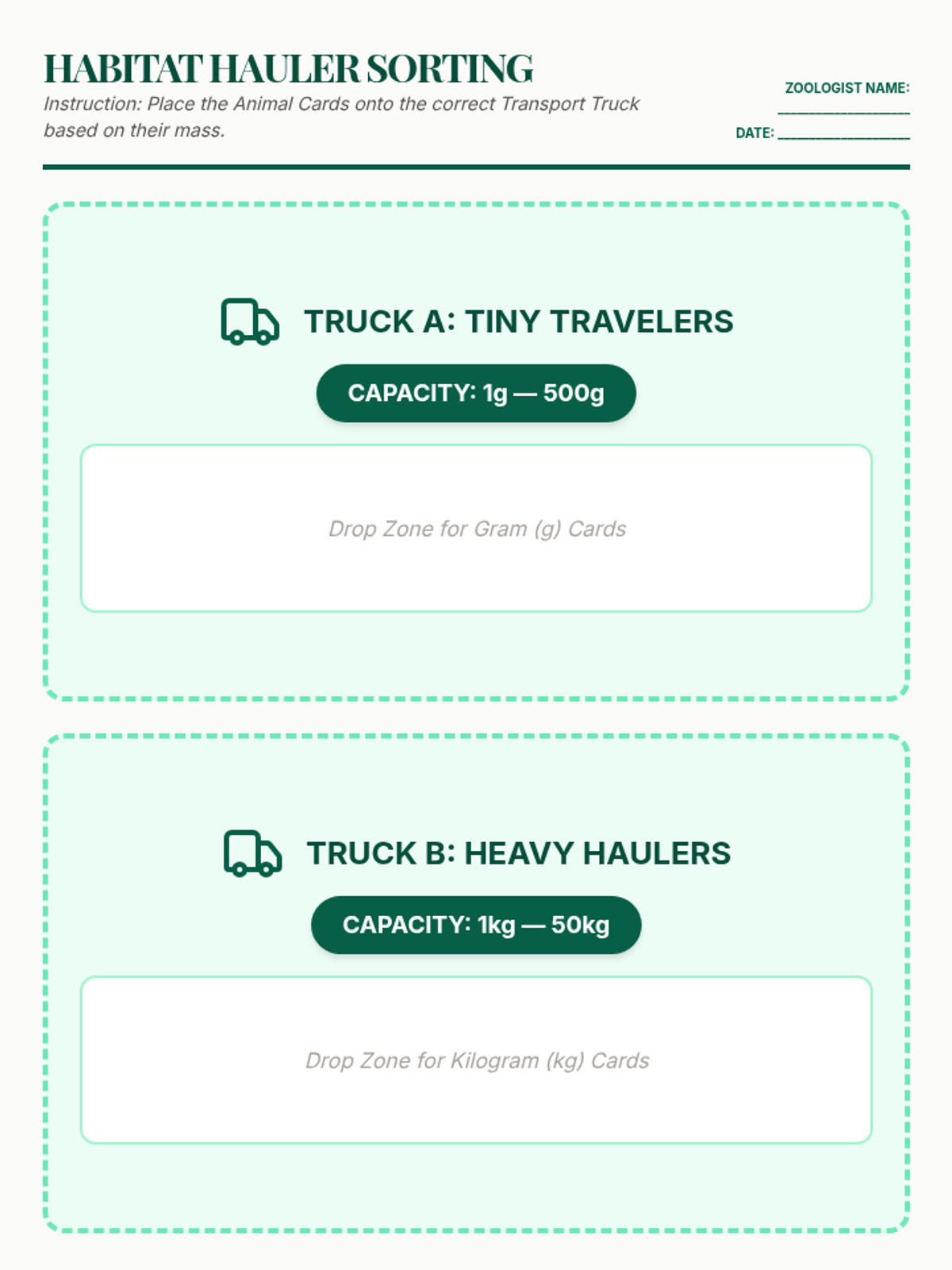
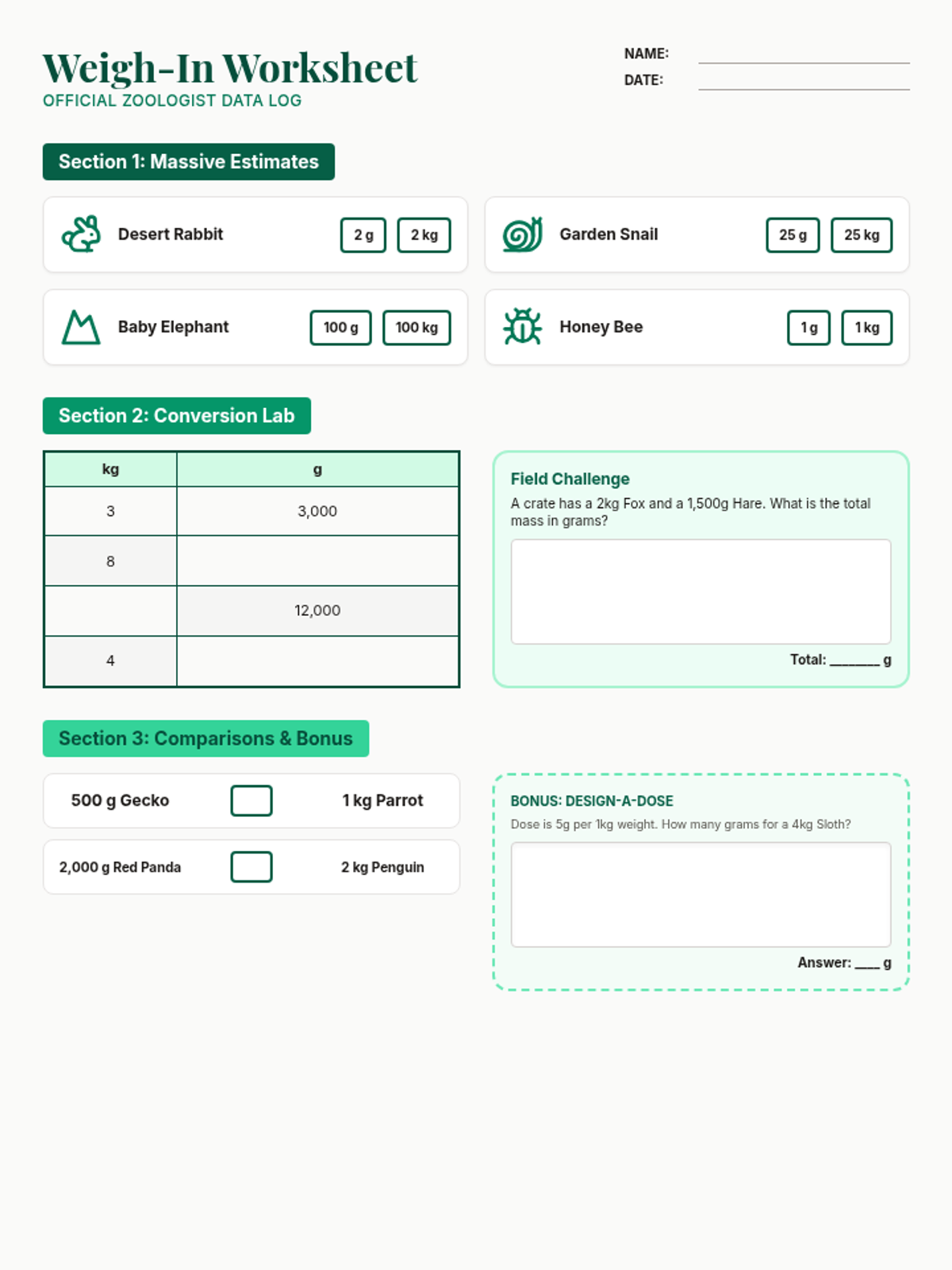
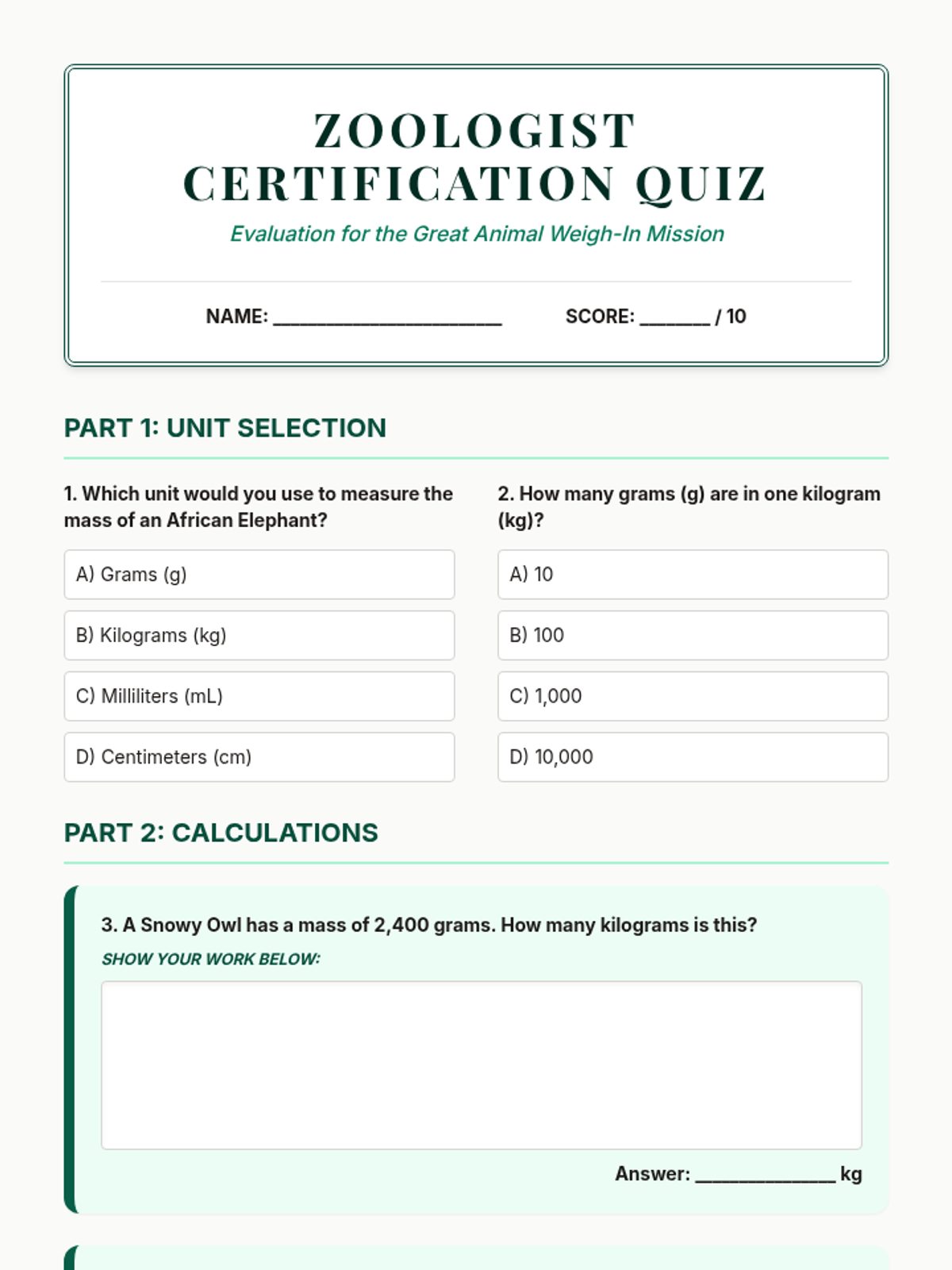
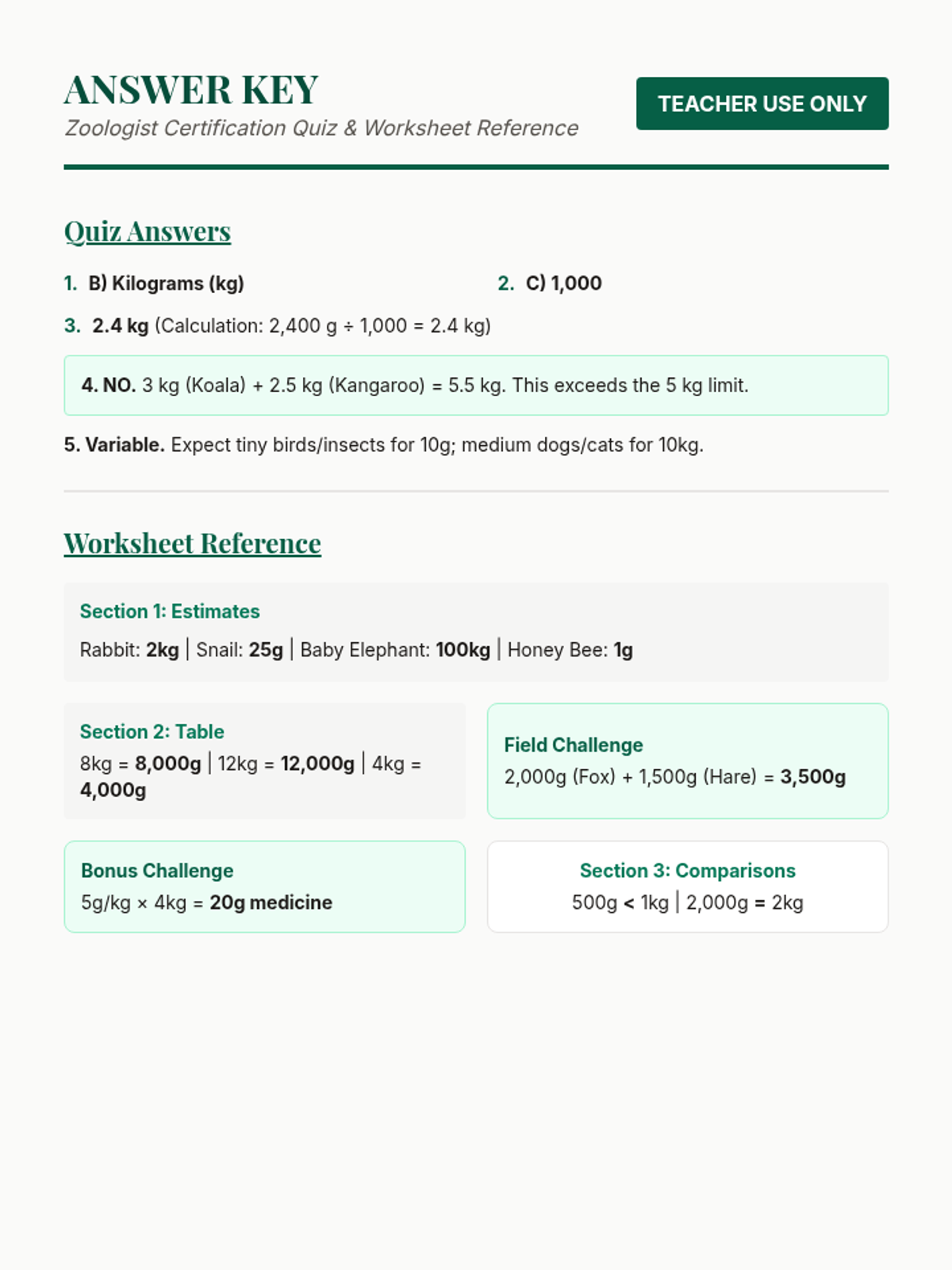
A math and science integrated lesson where students become zoologists, measuring and comparing the mass of animals to ensure safe transport. This lesson covers grams and kilograms with metric conversions for differentiated 2nd and 4th-grade learning.
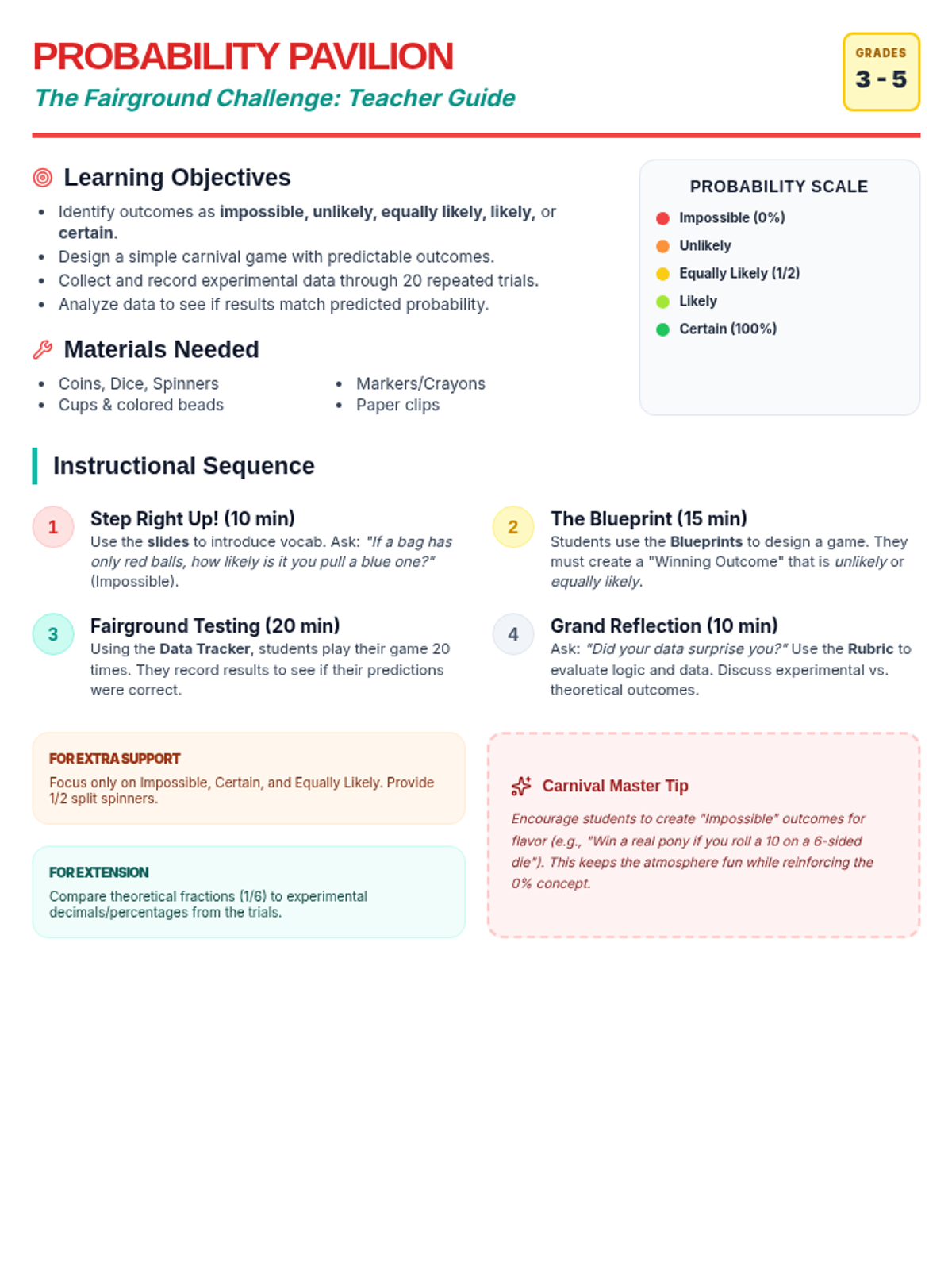
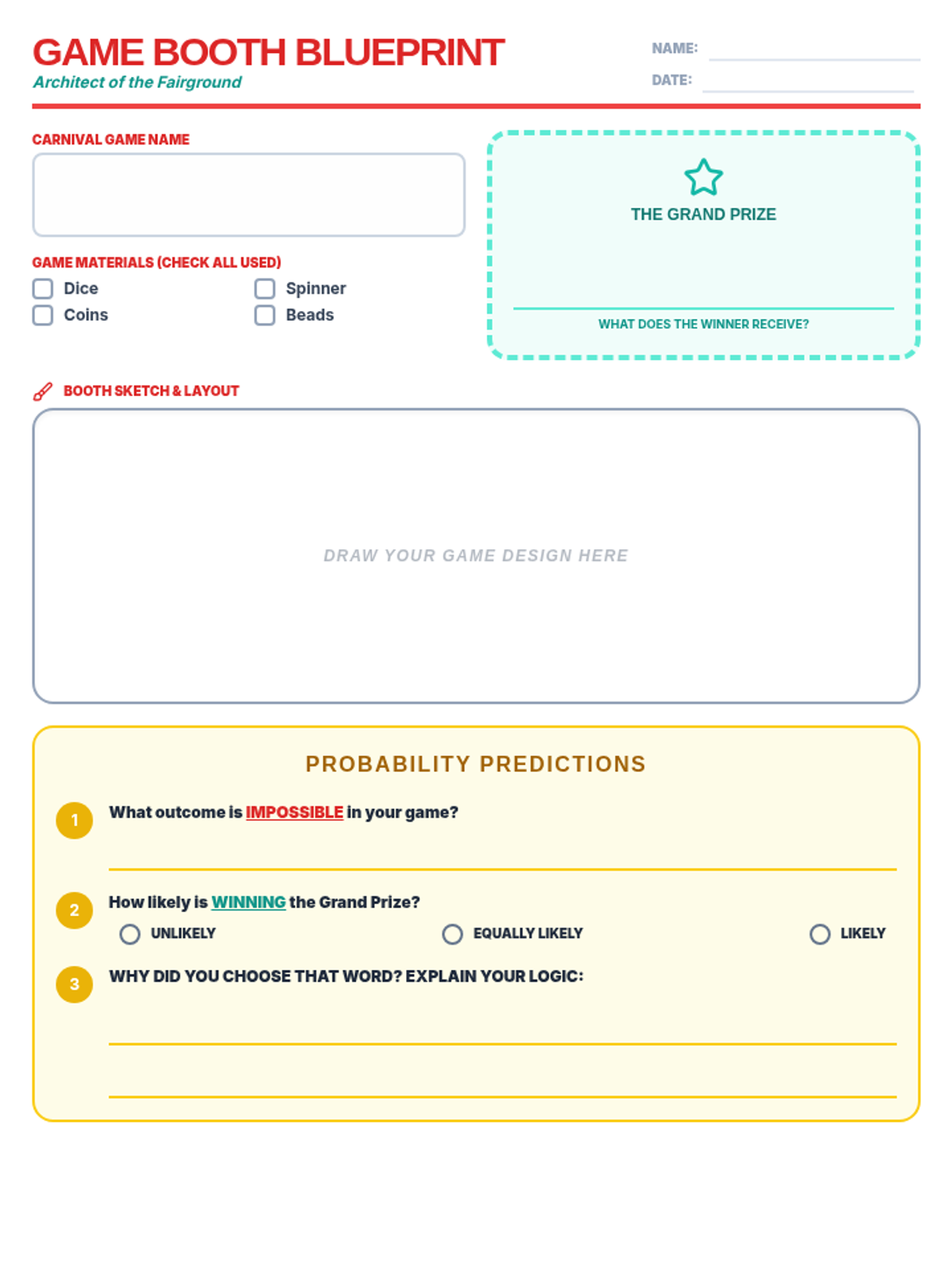
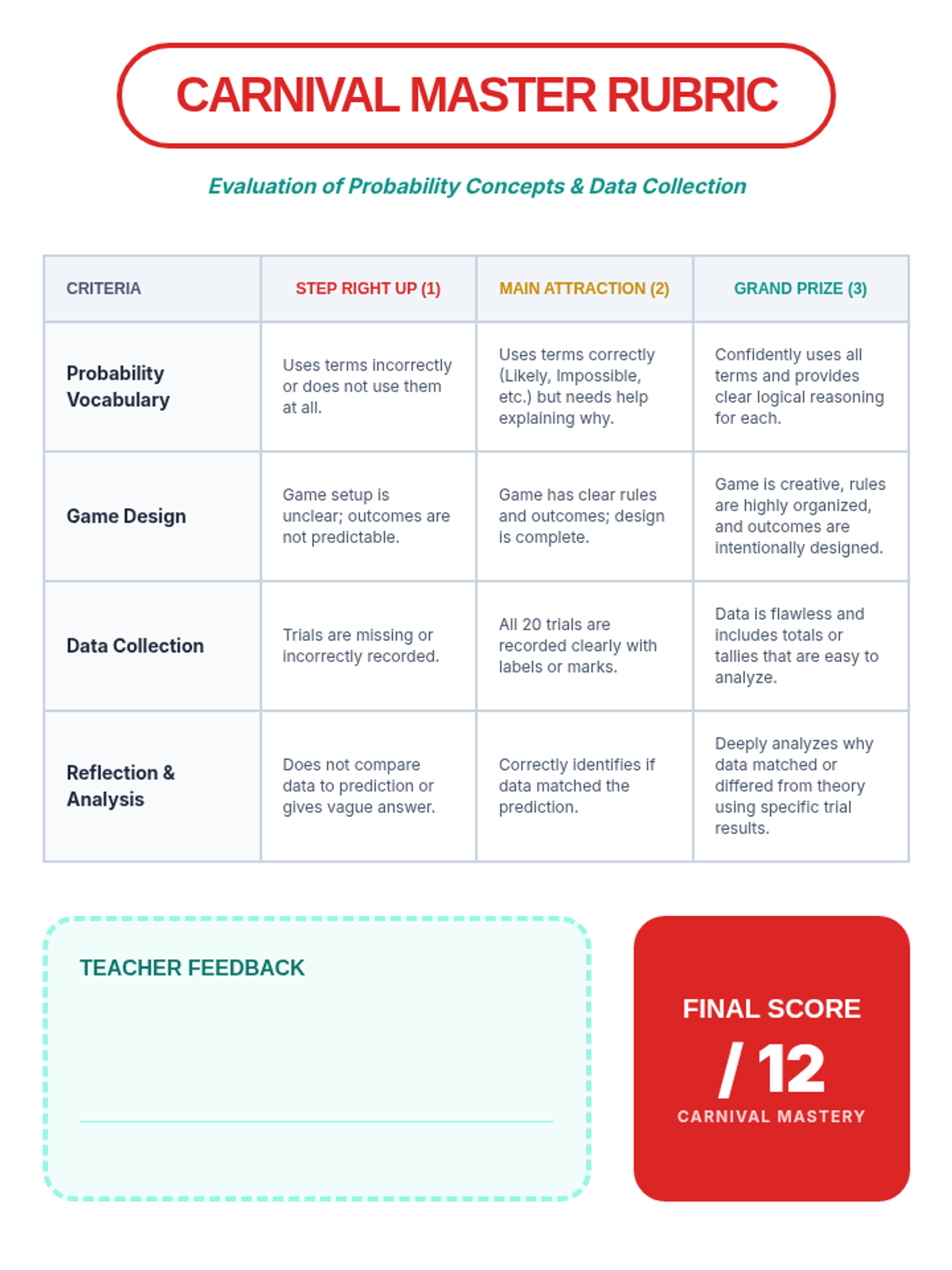
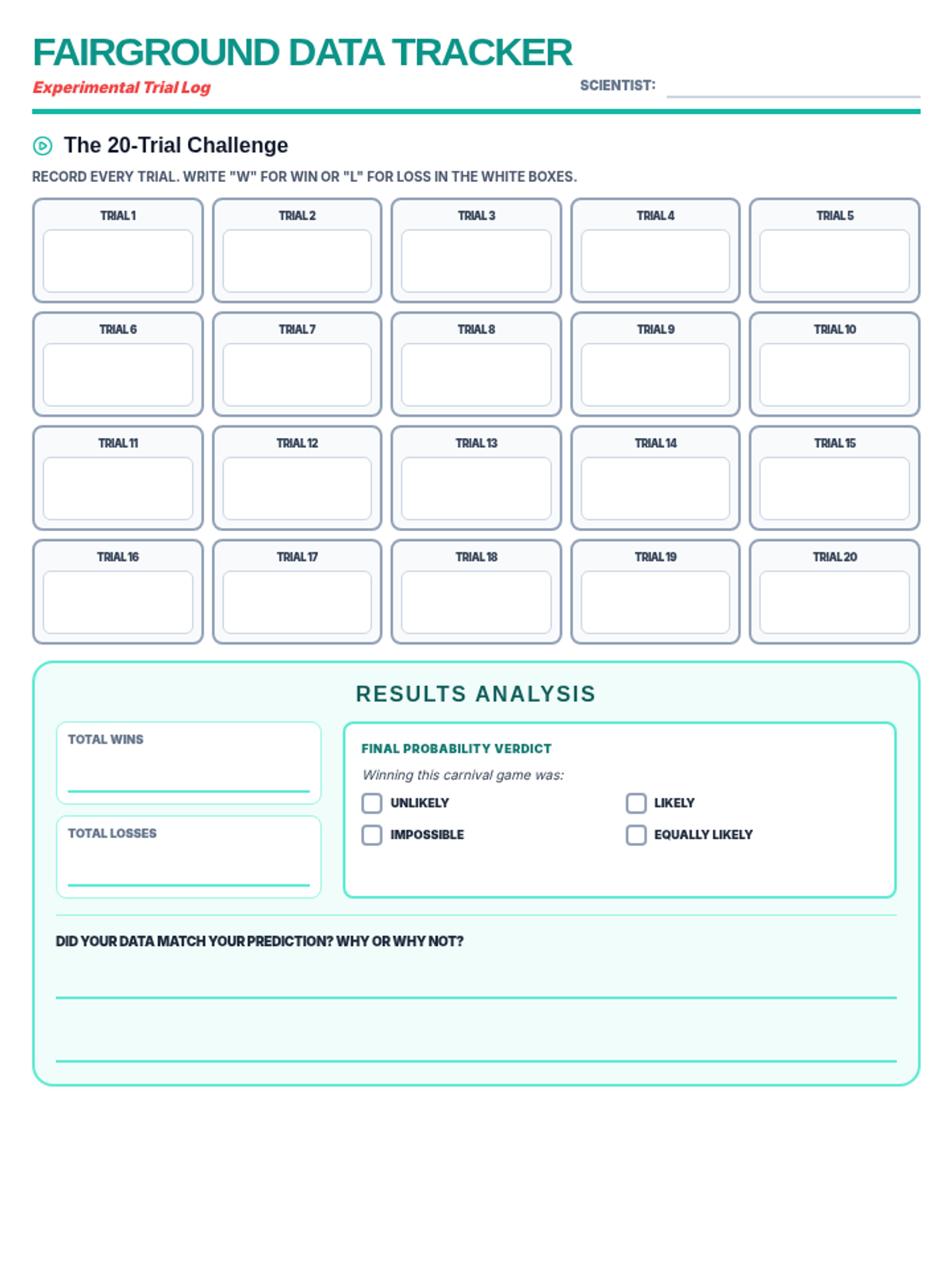
A hands-on exploration of probability where students design carnival games to test outcomes and classify events as certain, likely, equally likely, unlikely, or impossible.
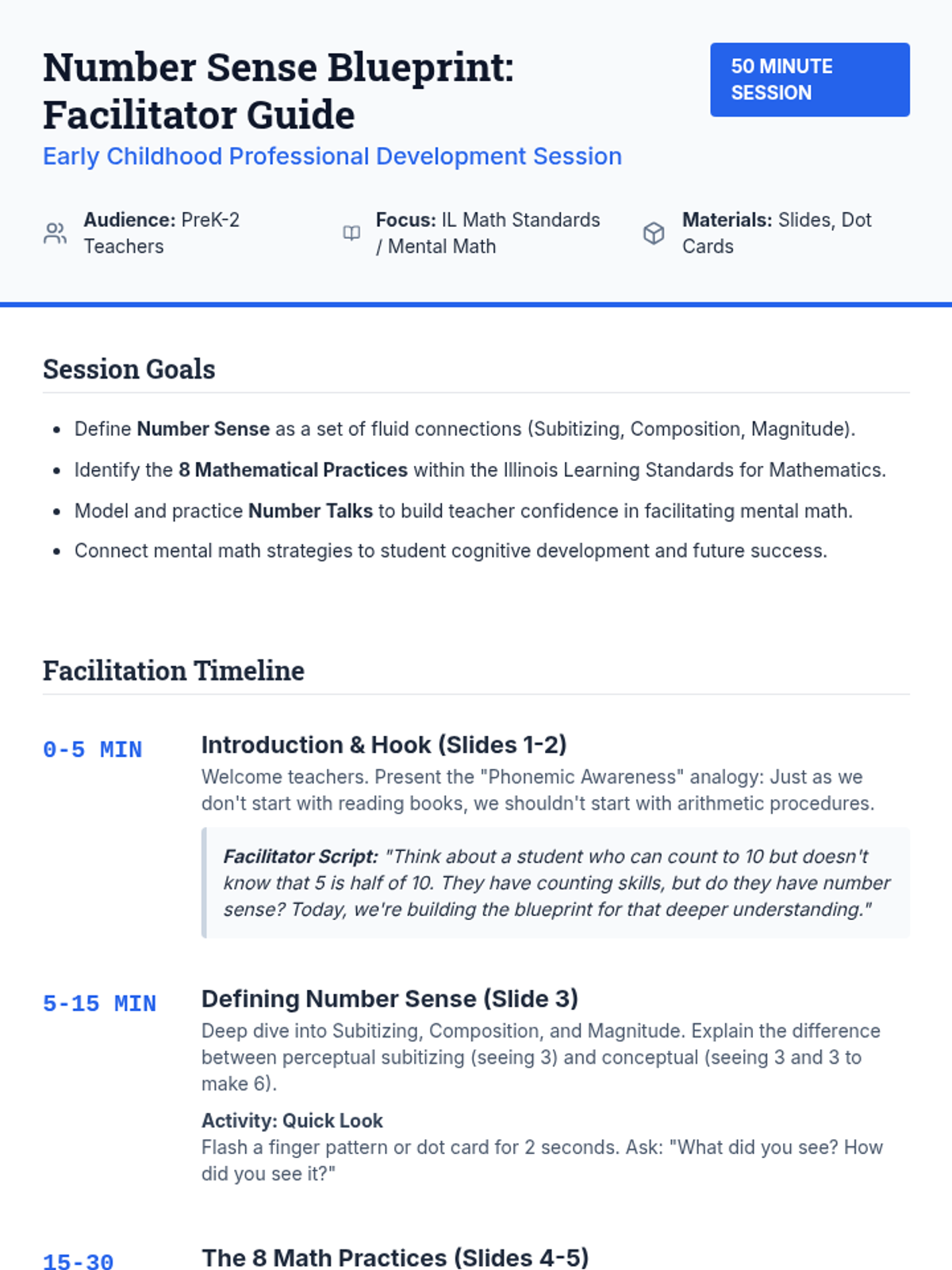
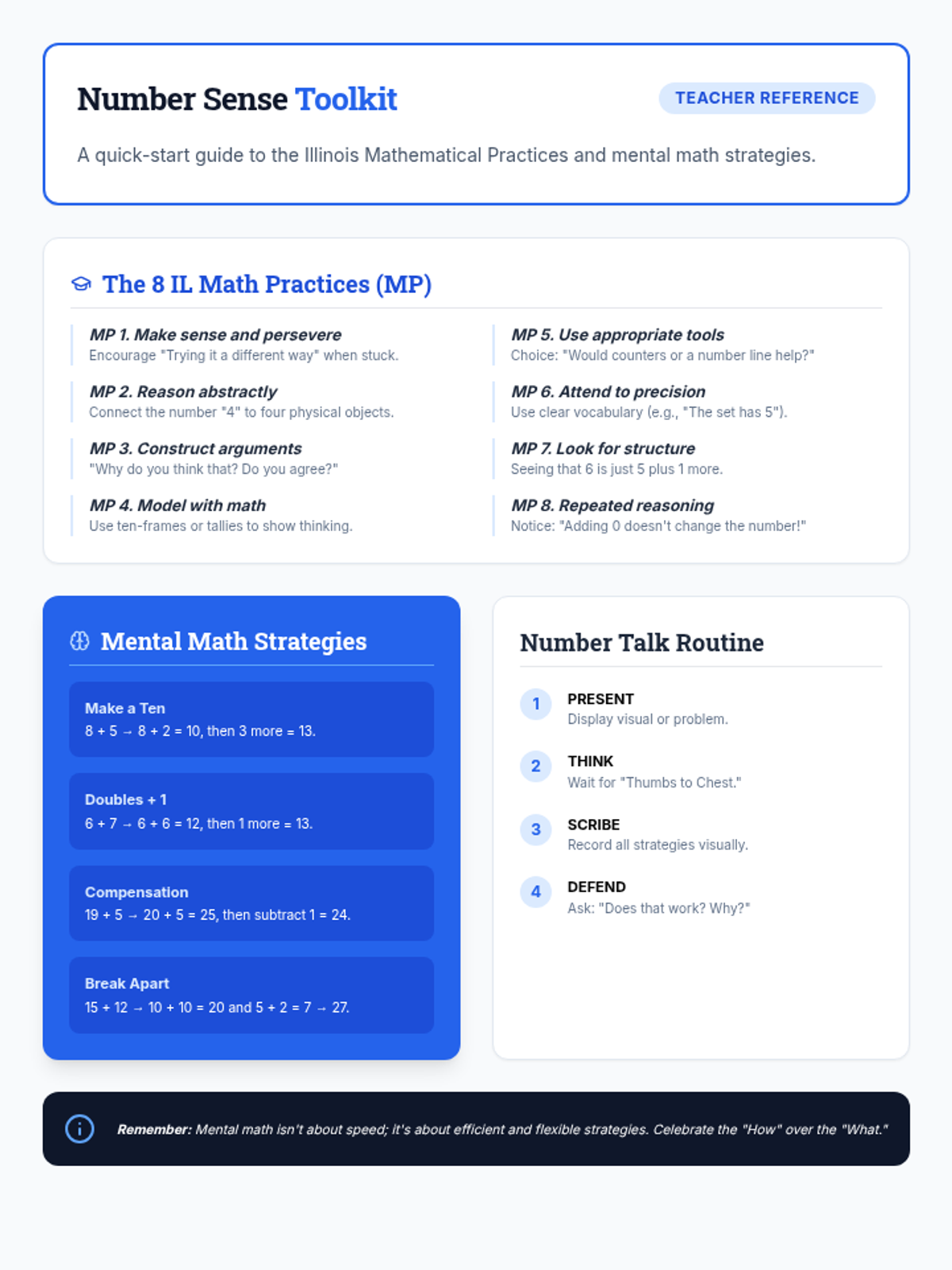
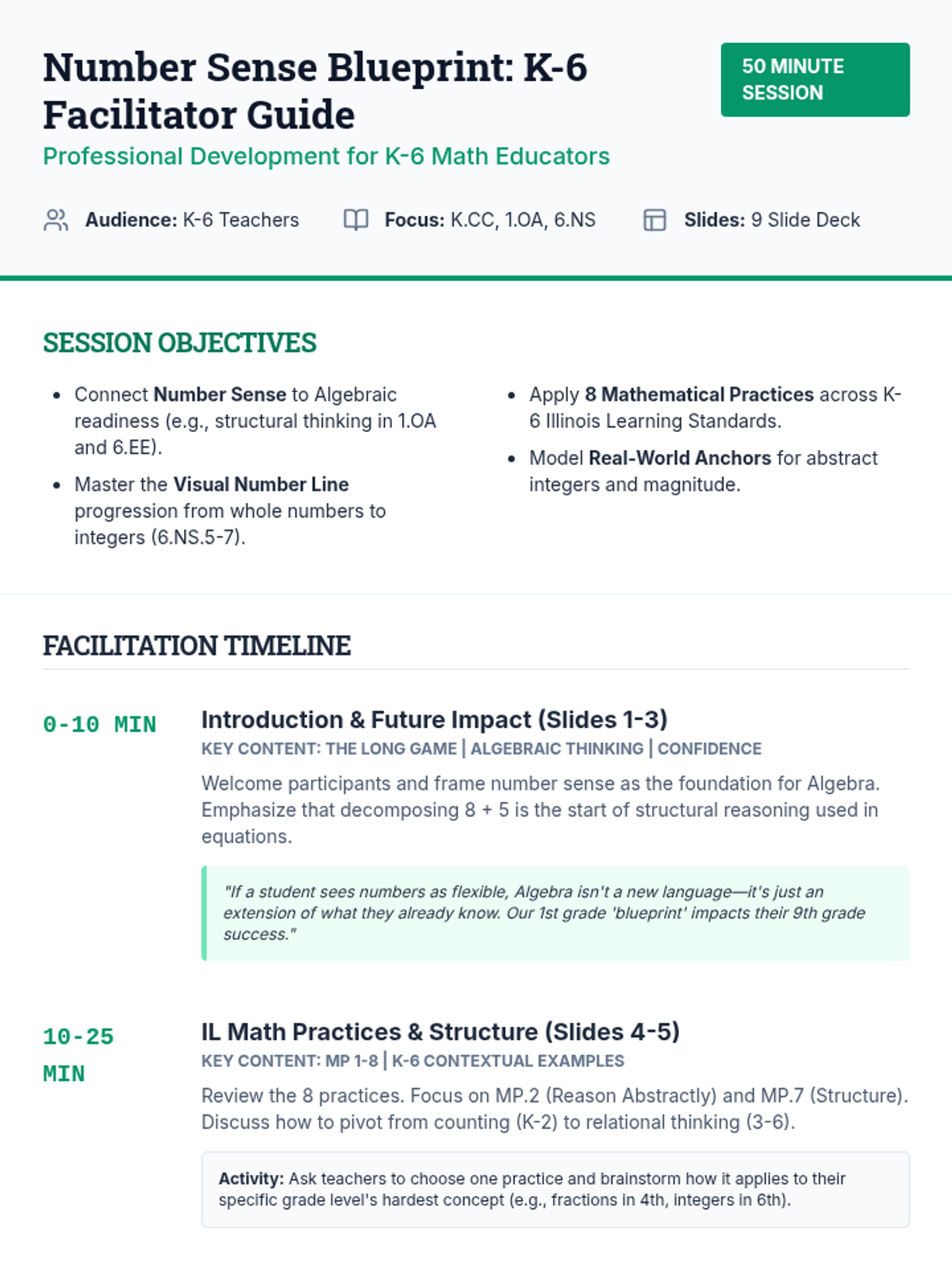
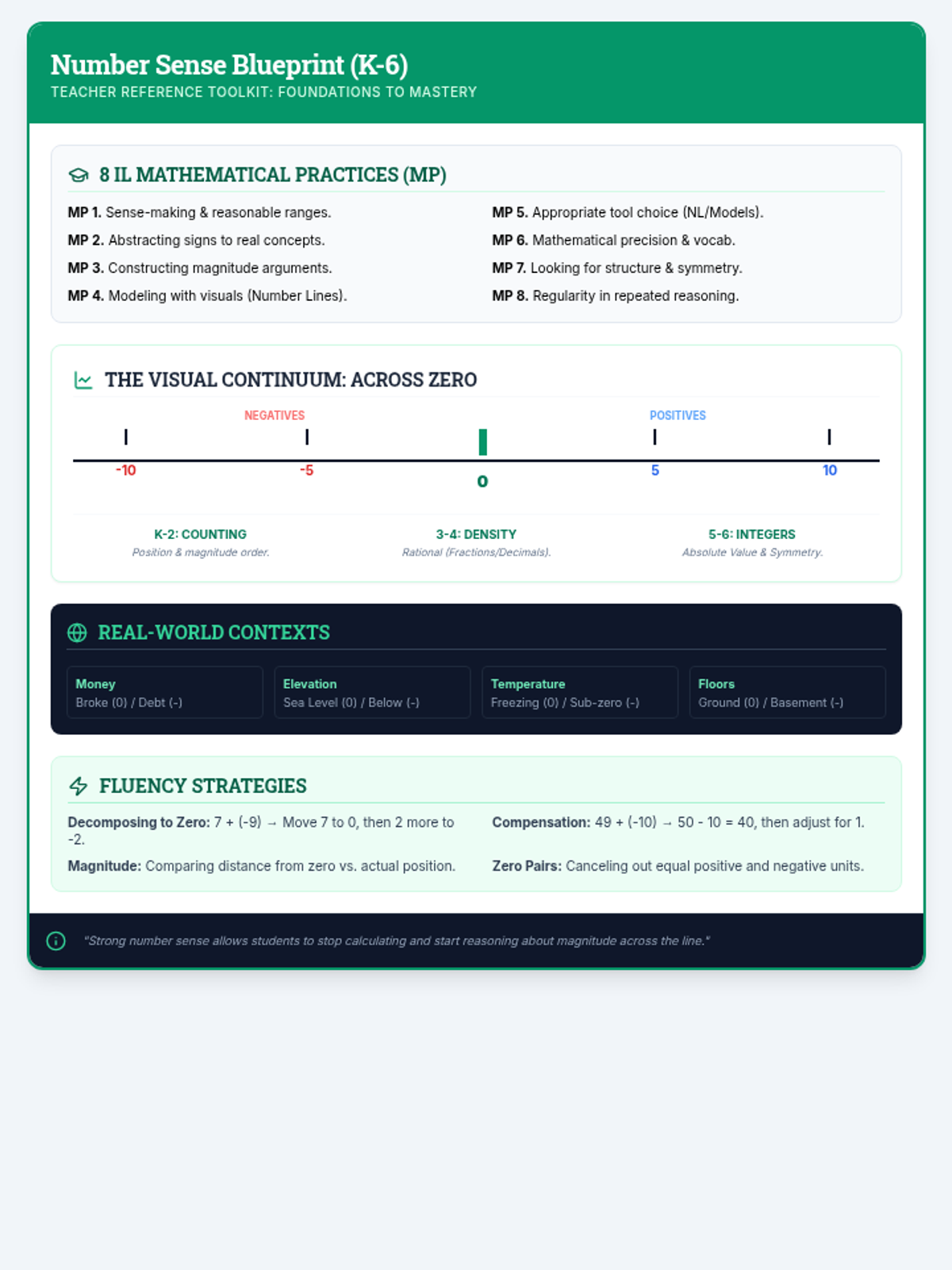
A 50-minute professional development session for K-6 educators focusing on number sense, the visual number line (positive and negative), real-world applications, and the 8 IL Mathematical Practices.
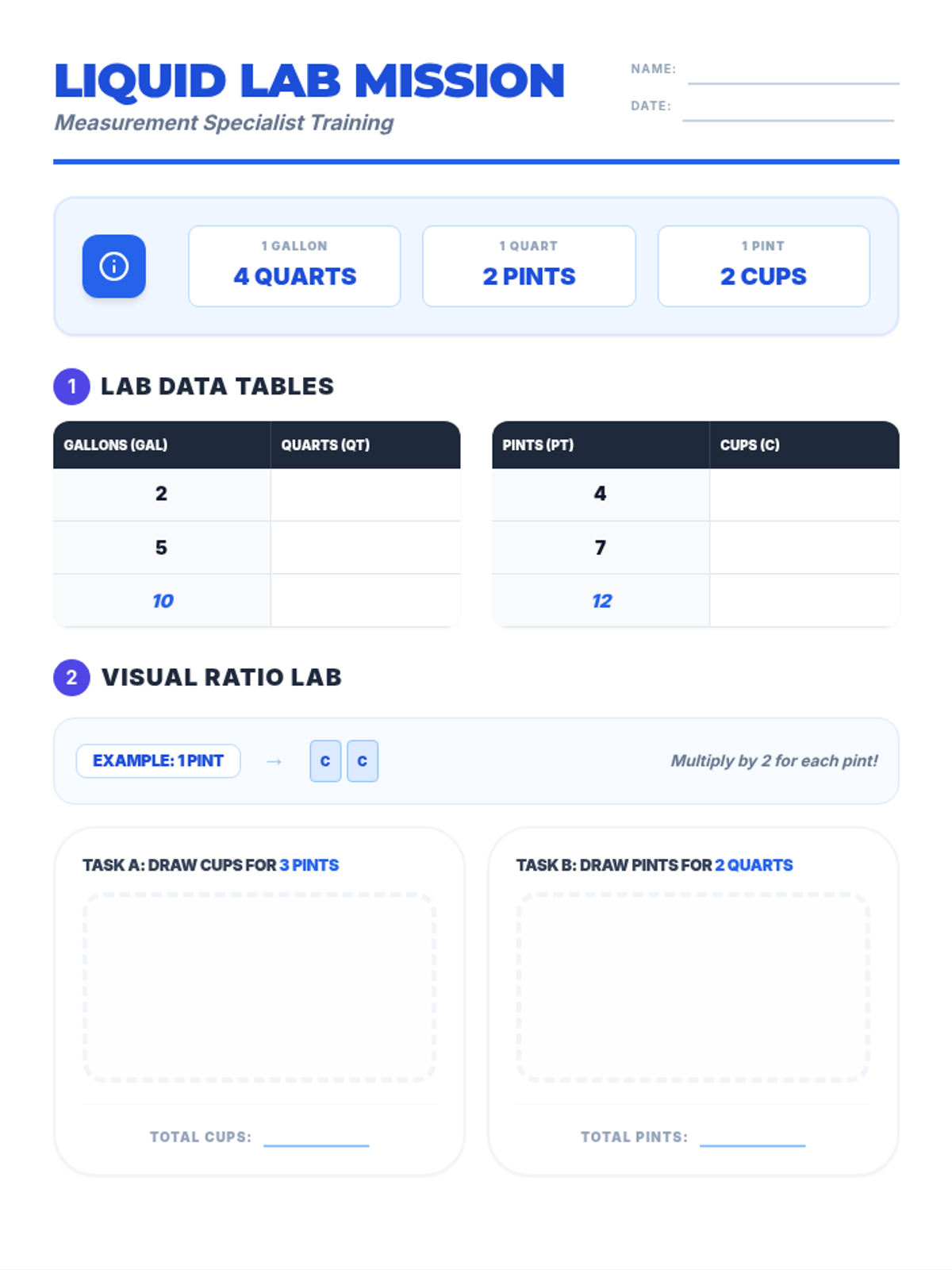
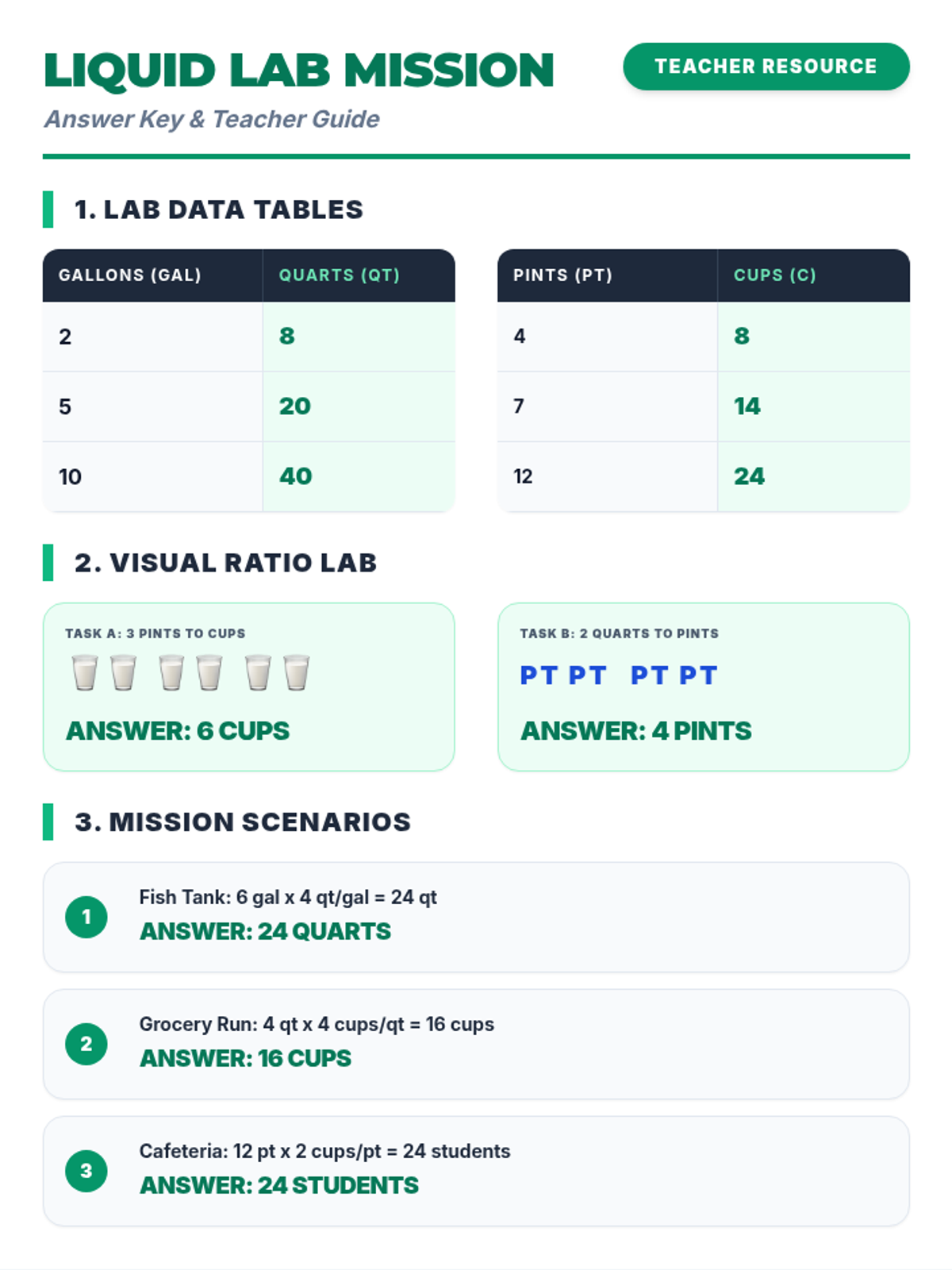
A lesson focused on converting liquid volume units (gallons, quarts, pints, cups) from larger to smaller units using visual ratios and step-by-step conversion tables. Students will apply these skills to real-world scenarios like cooking, grocery shopping, and school life.