An introduction to using 'who' and 'whom' based on their grammatical case, using the he/him substitution method.
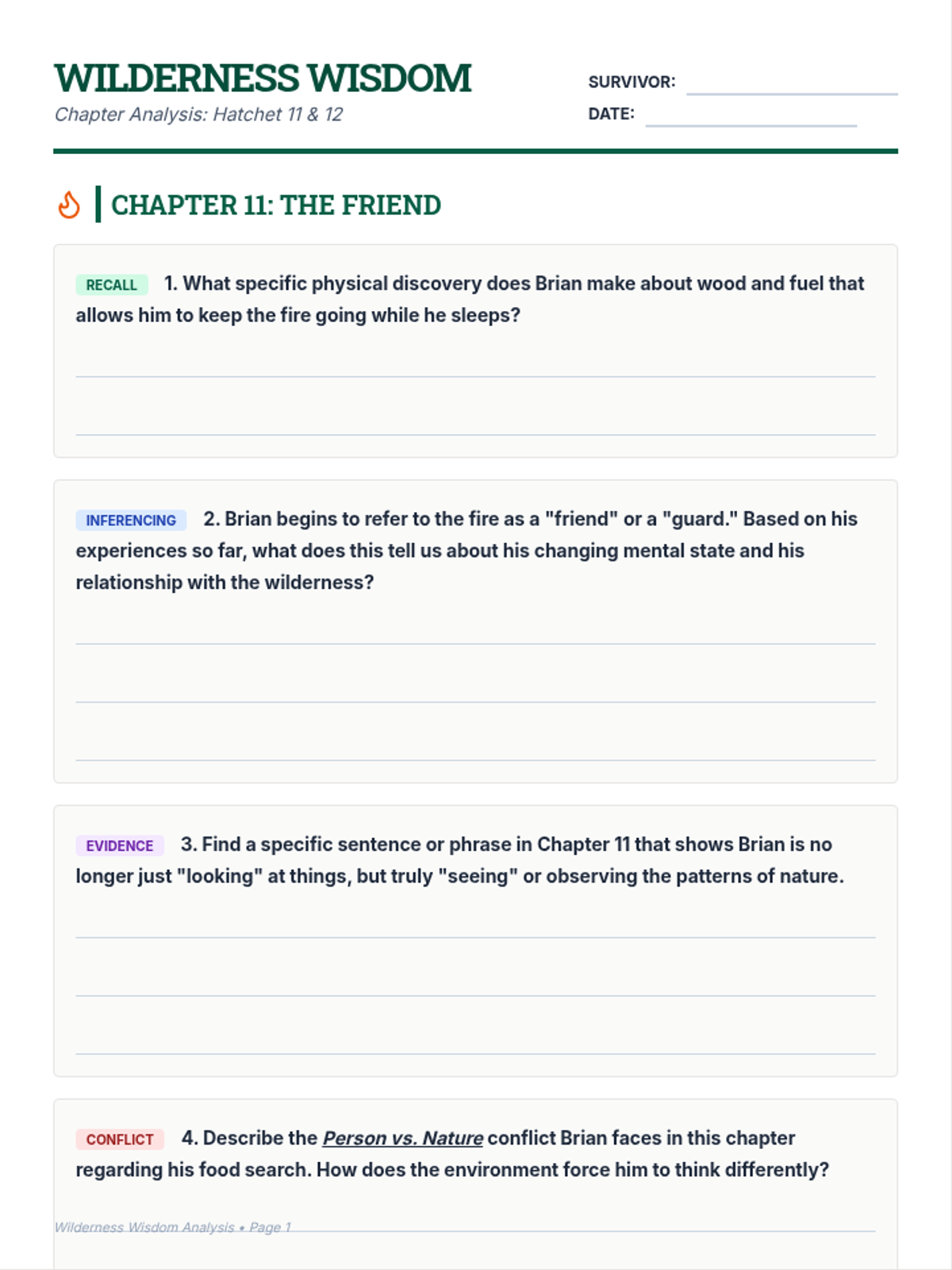
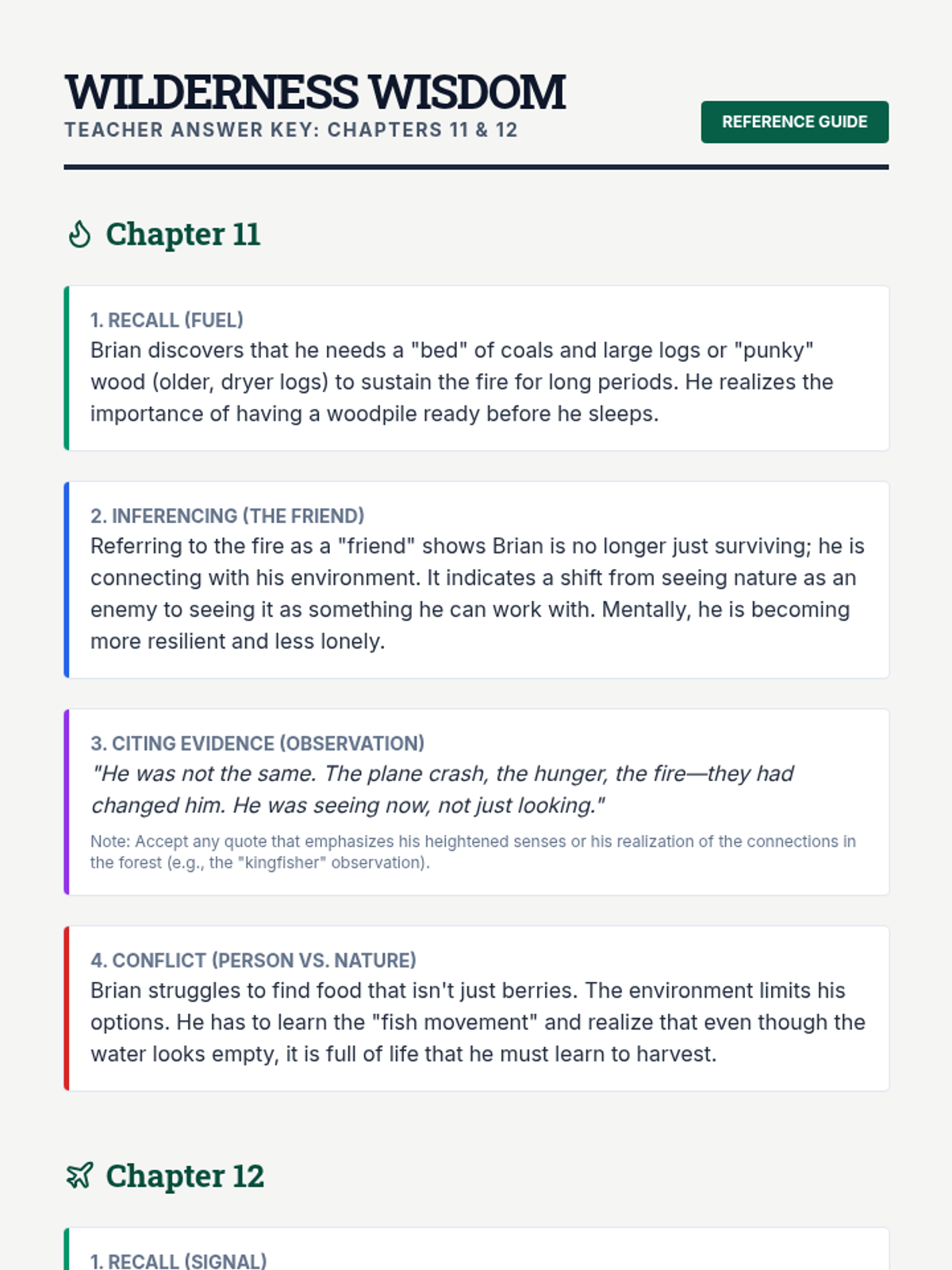
A focused study of Chapters 11 and 12 of Hatchet, examining Brian's deepening relationship with fire and his internal struggle following the missed rescue opportunity. Students will analyze text evidence and identify various forms of conflict.
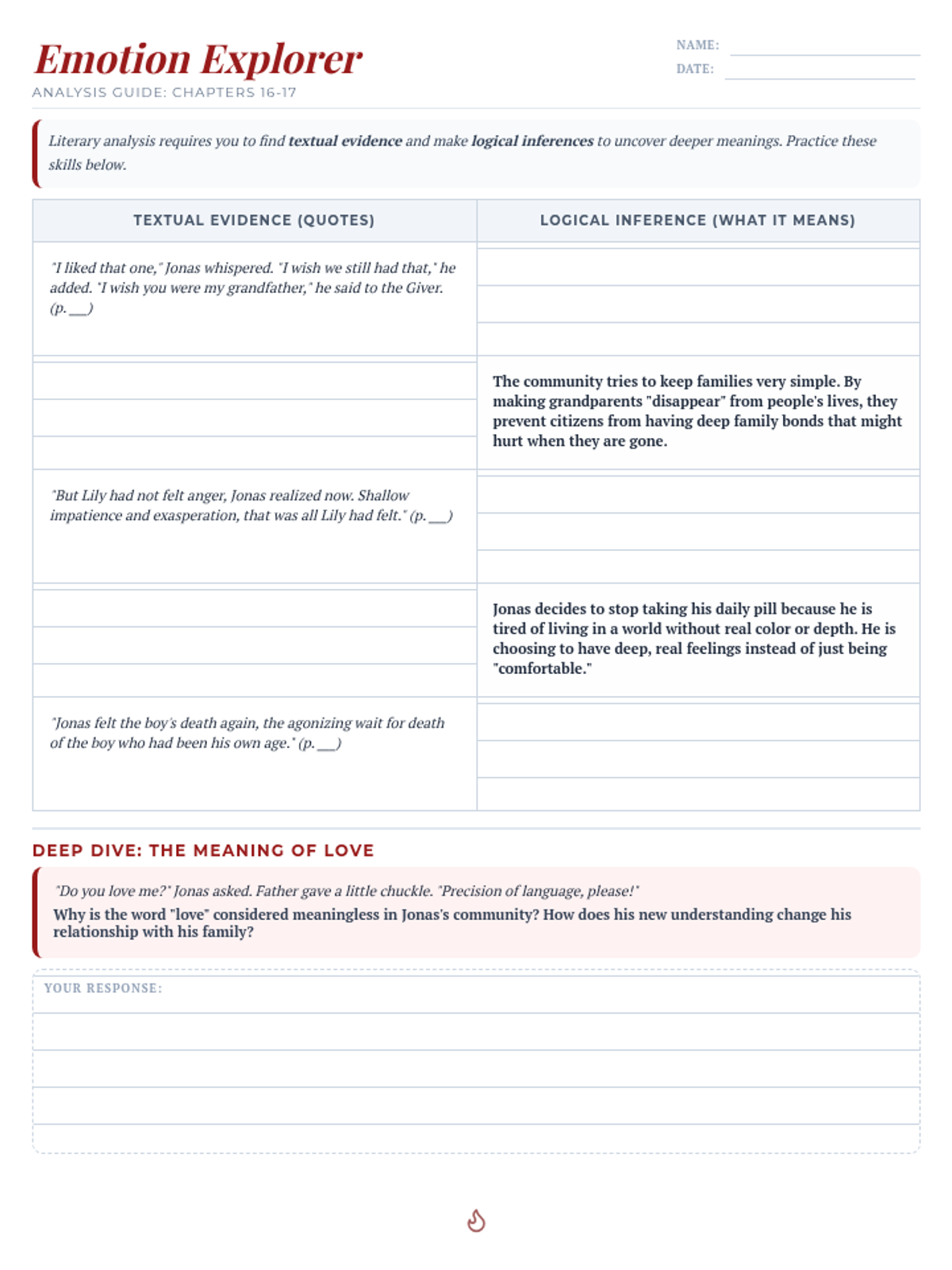
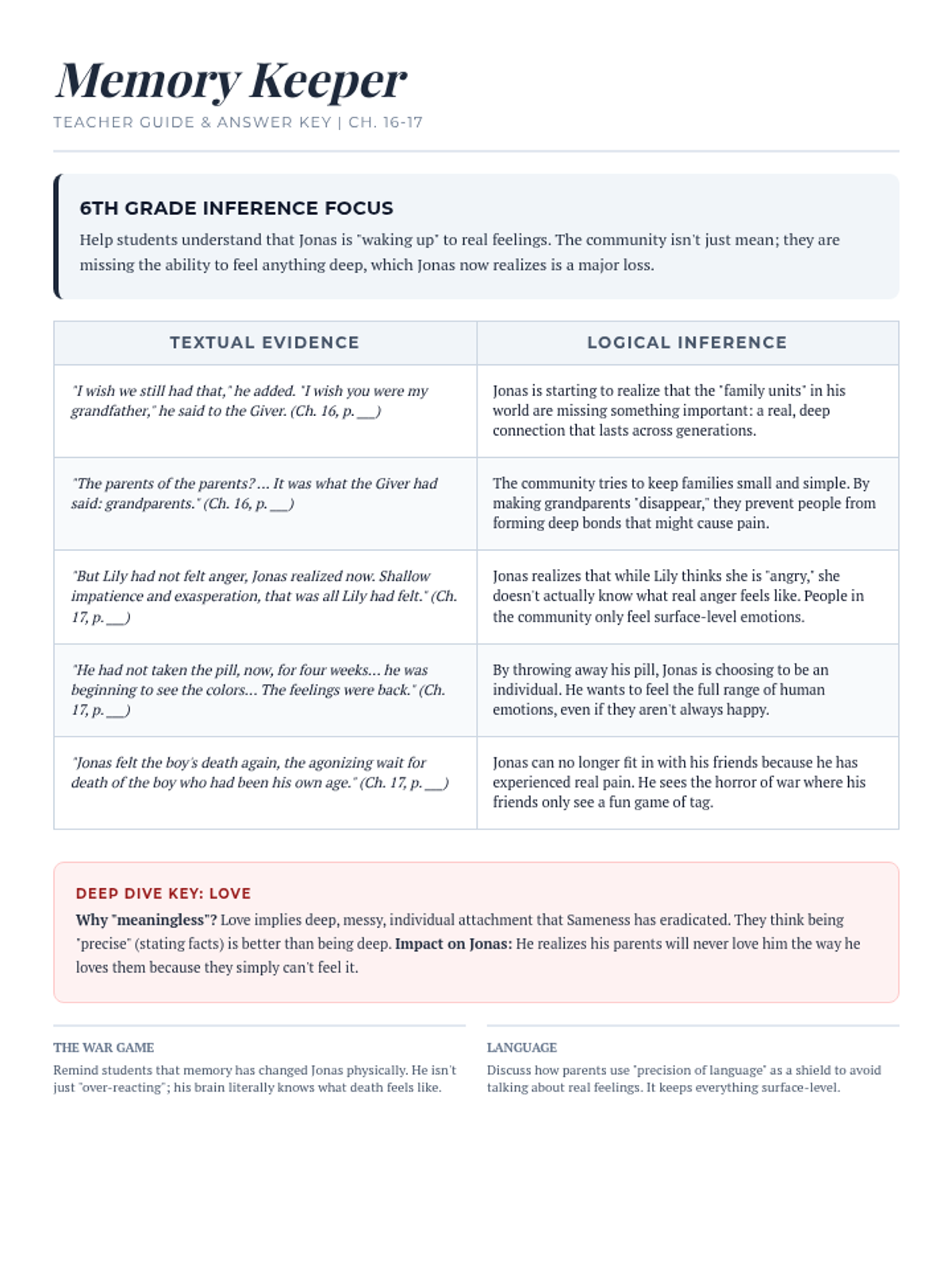
A literary analysis lesson for Chapters 16-17 of *The Giver*, focusing on the depth of human emotion, the concept of 'Love', and the skill of making evidence-based claims.
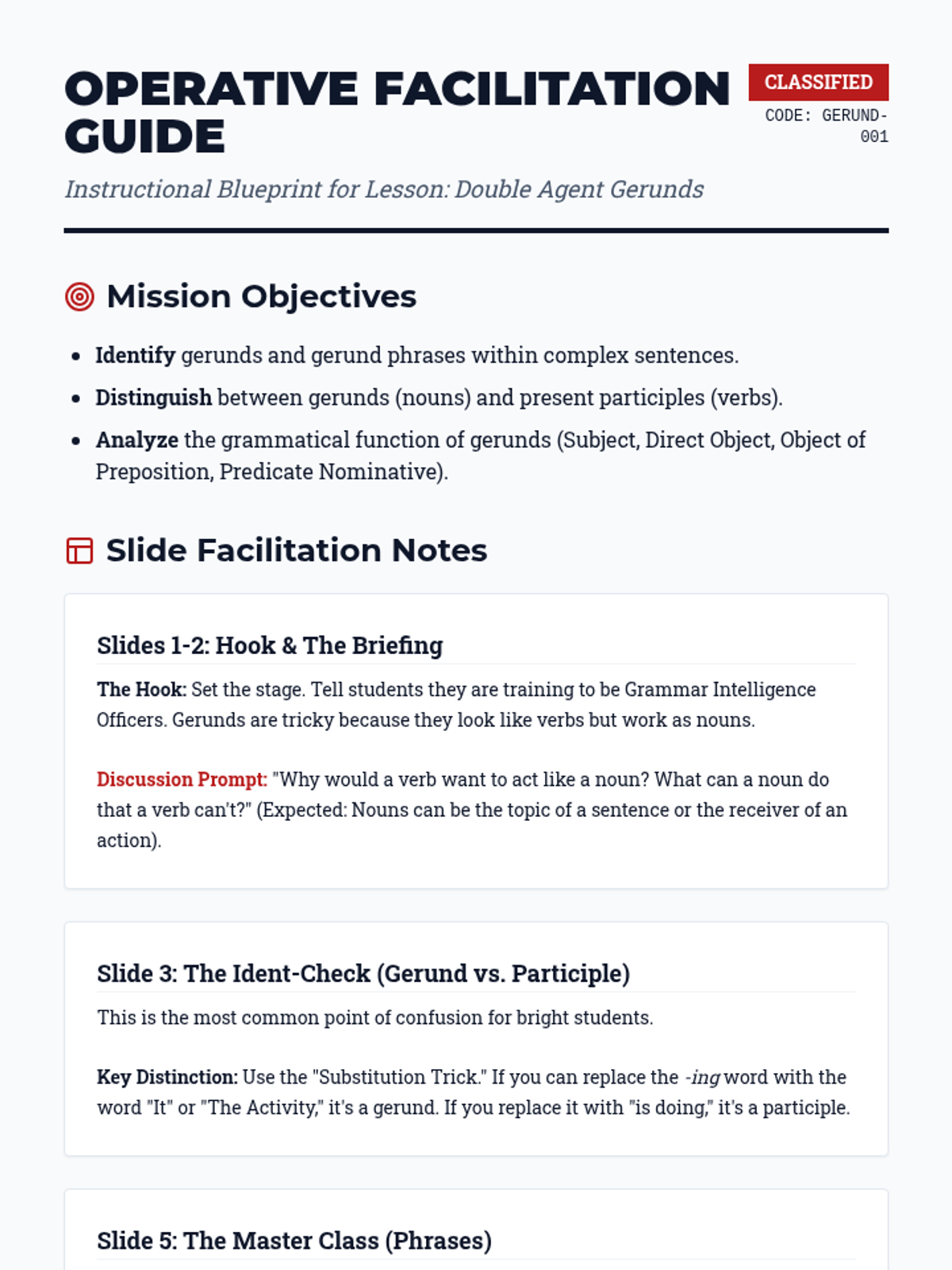
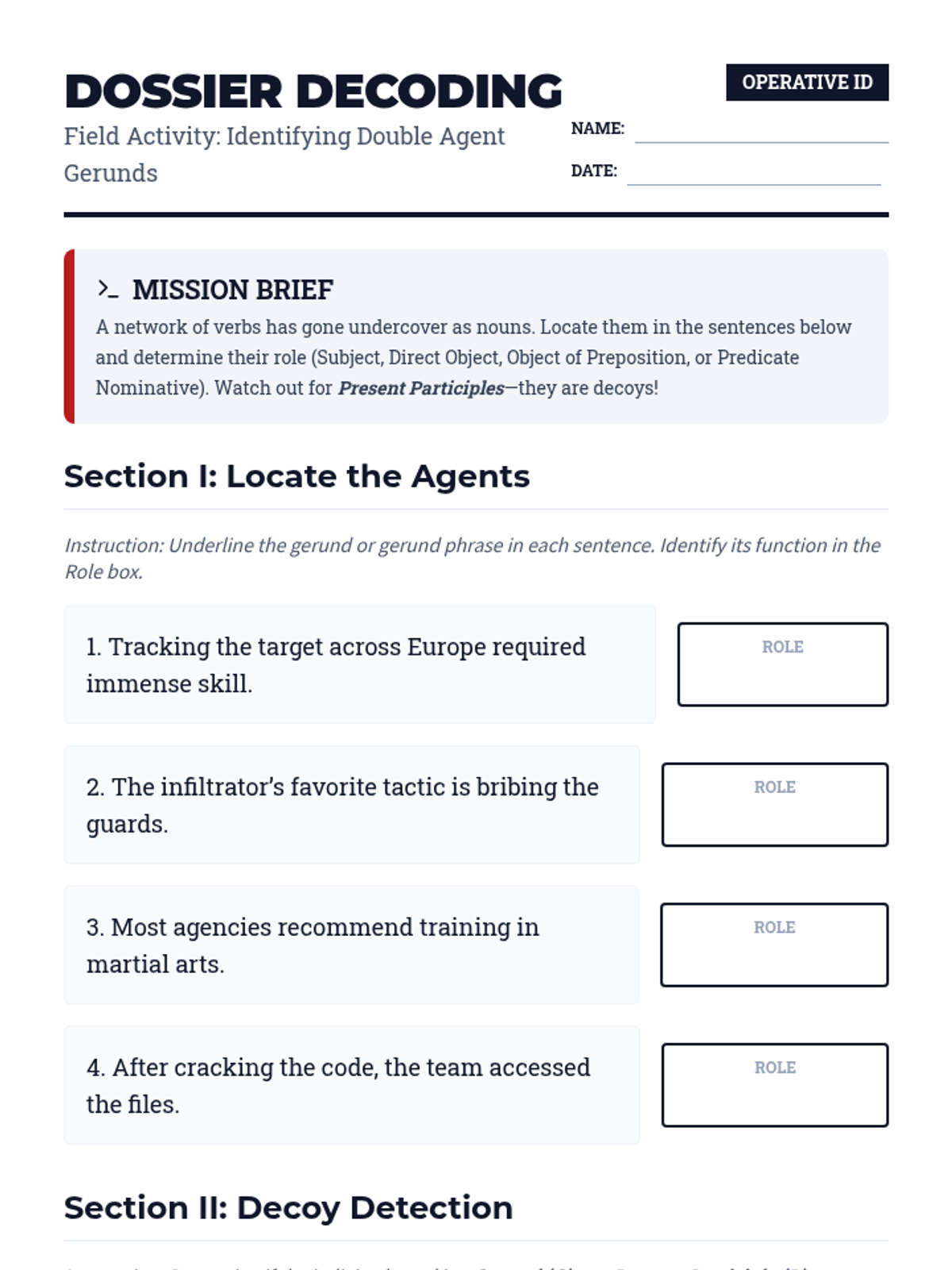
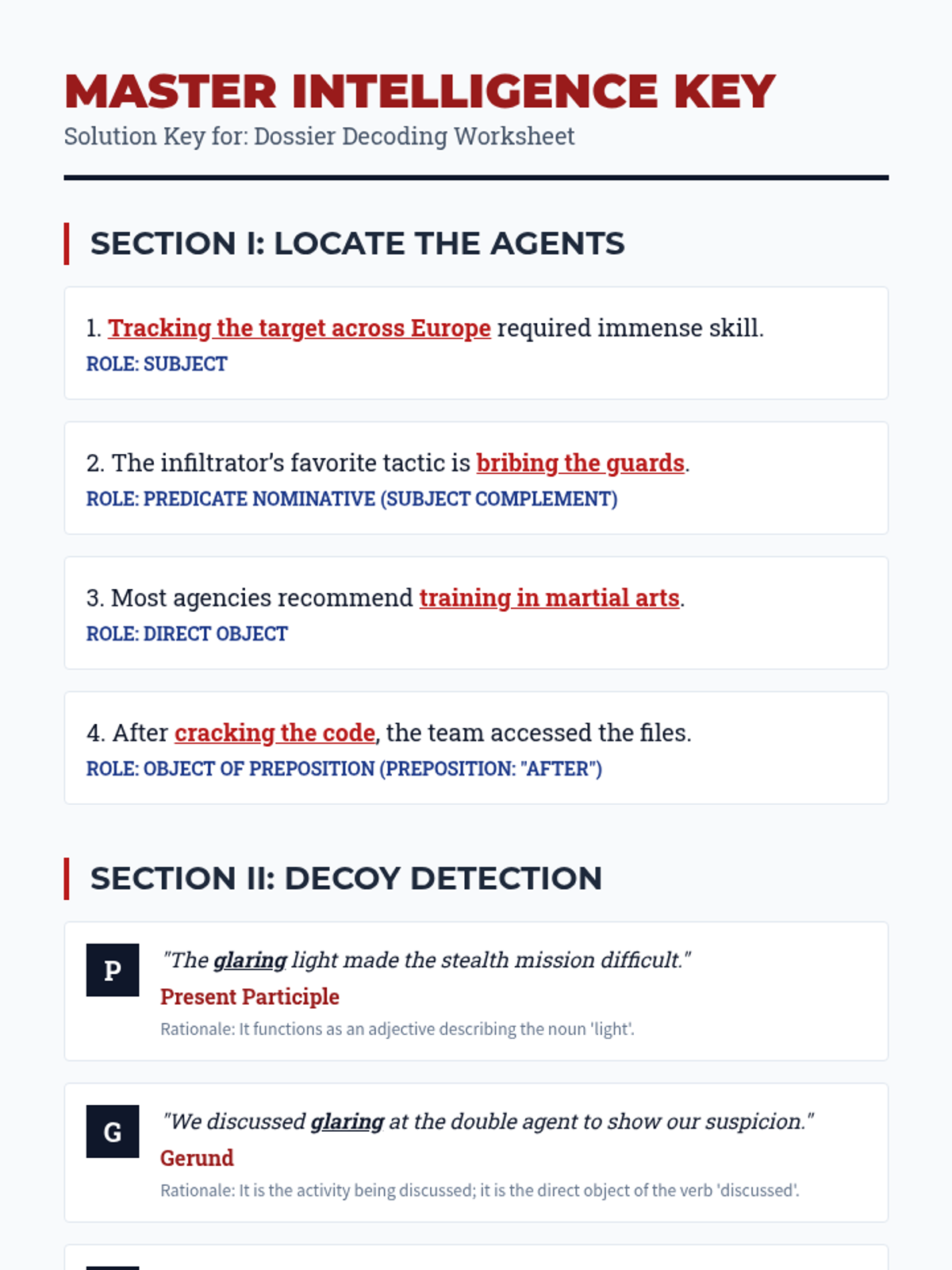
A high-energy, detective-themed lesson exploring how gerunds function as nouns while maintaining their verb-like properties. Designed for advanced students to master identification and usage in various sentence roles.
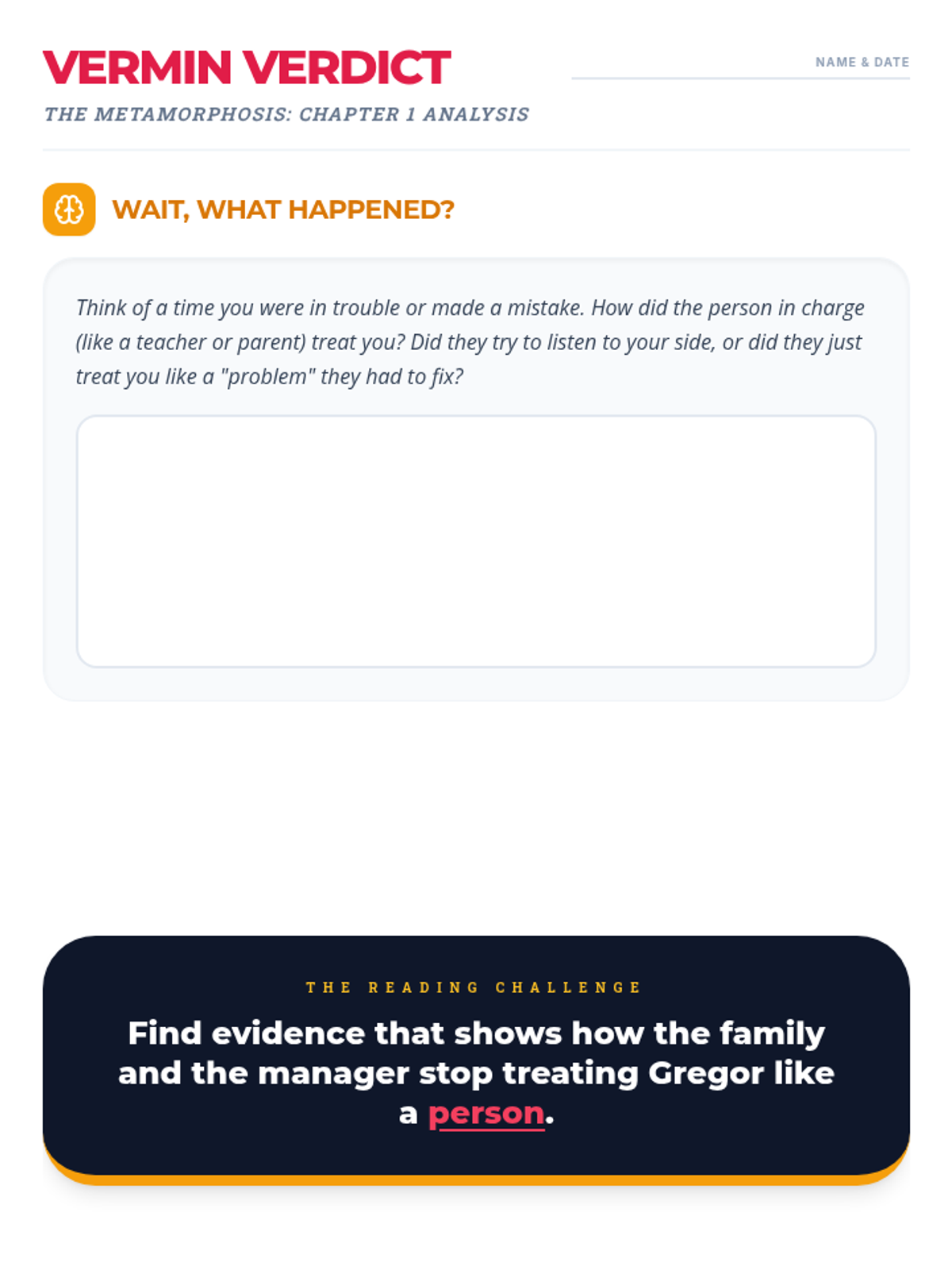
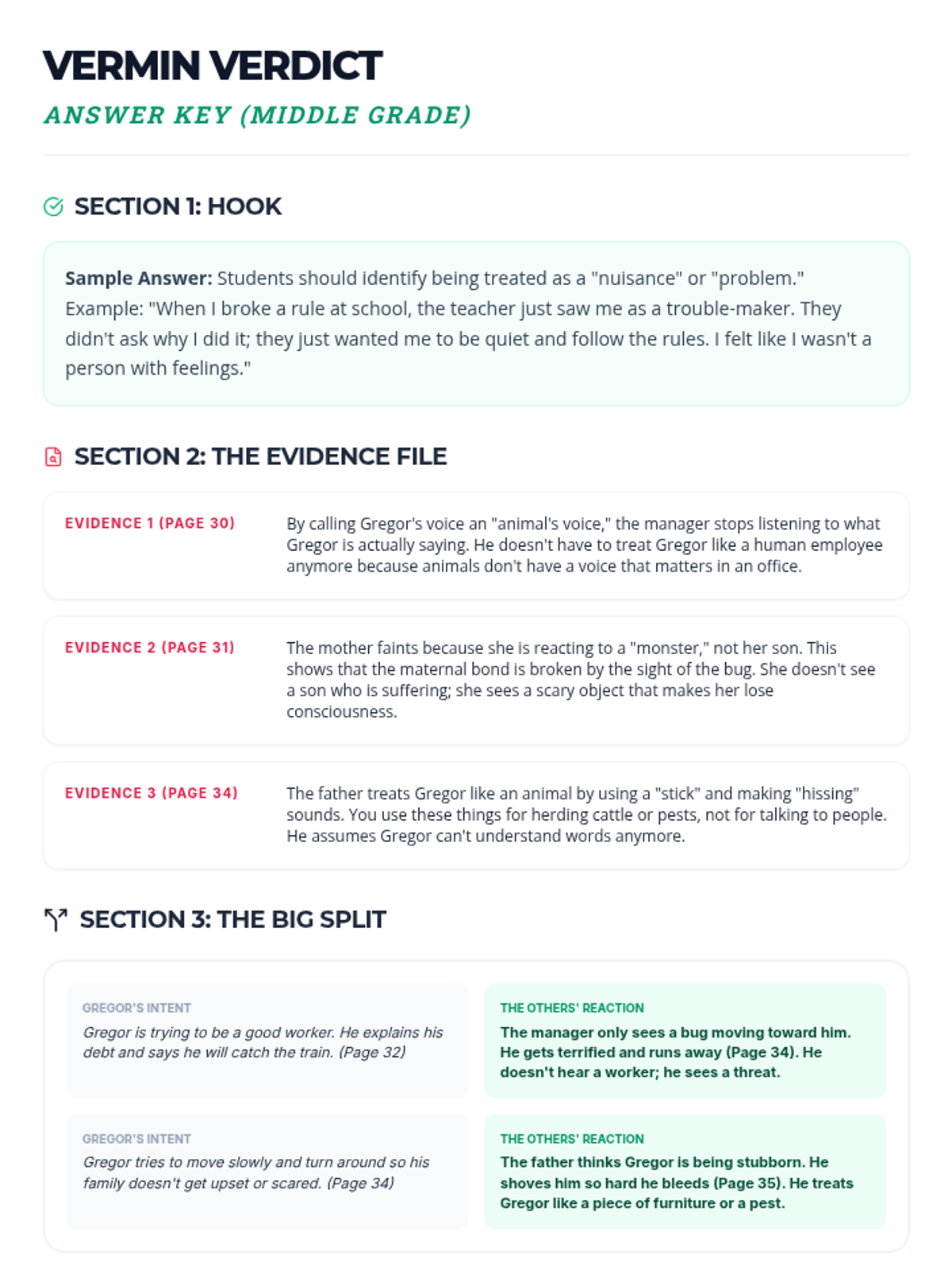
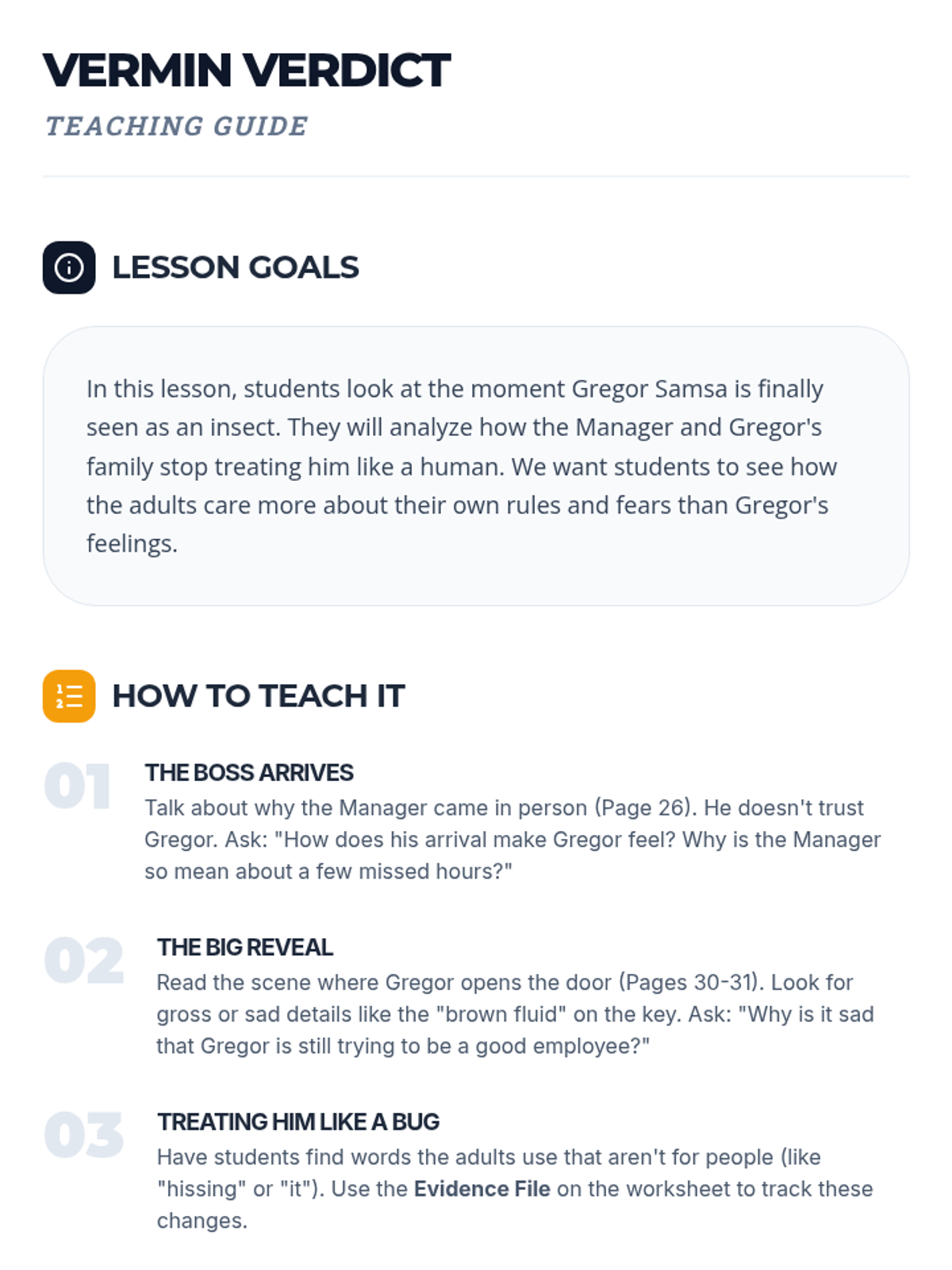
A lesson exploring the arrival of the Manager in Chapter 1 of 'The Metamorphosis'. Students analyze the immediate dehumanization of Gregor by his family and superiors, focusing on word choice and the conflict between individual humanity and bureaucratic authority.
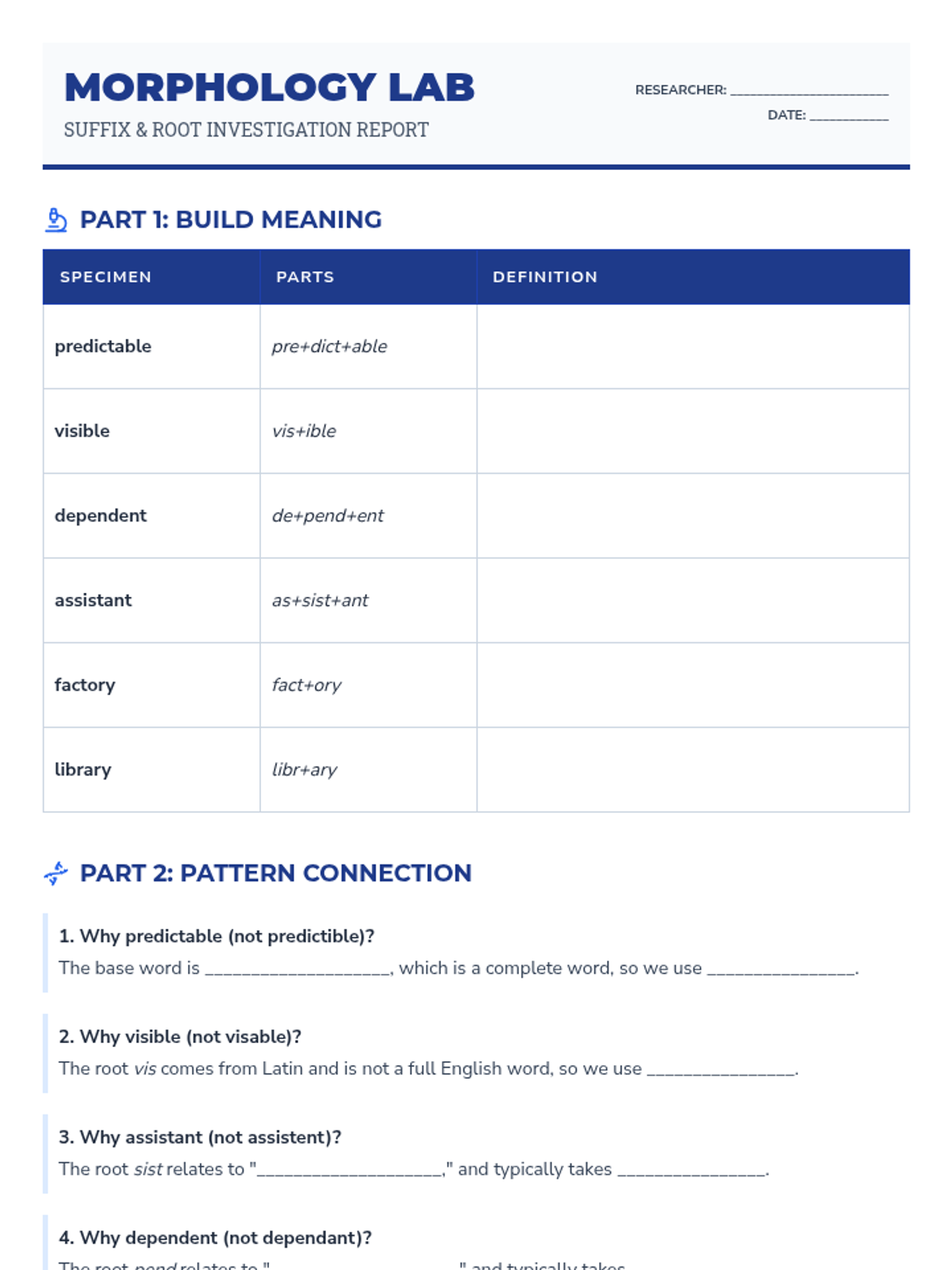
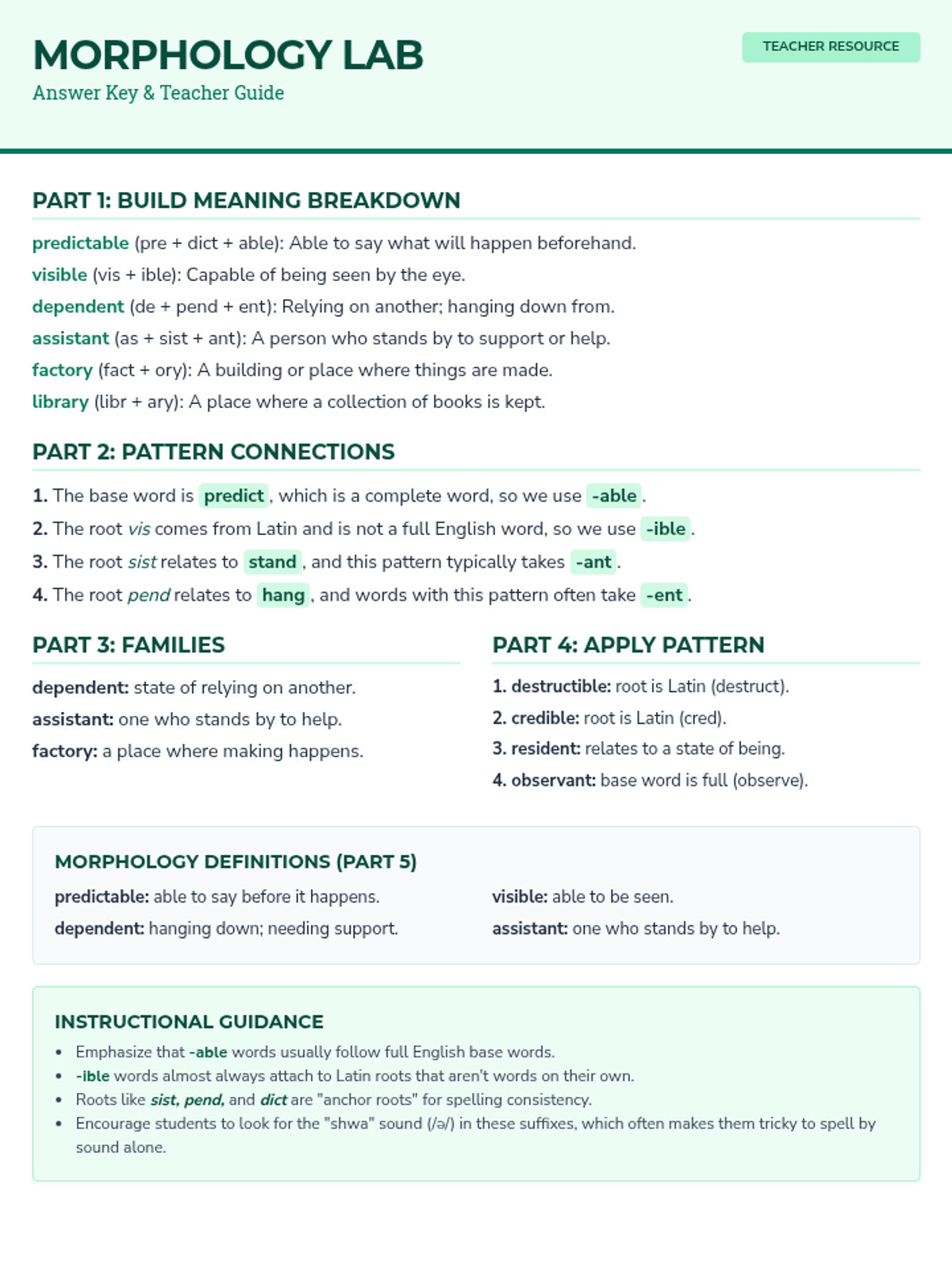
A deep dive into morphology and common word endings (-able, -ible, -ary, -ery, -ory, -ant, -ent), focusing on how Latin roots and base words determine spelling patterns.
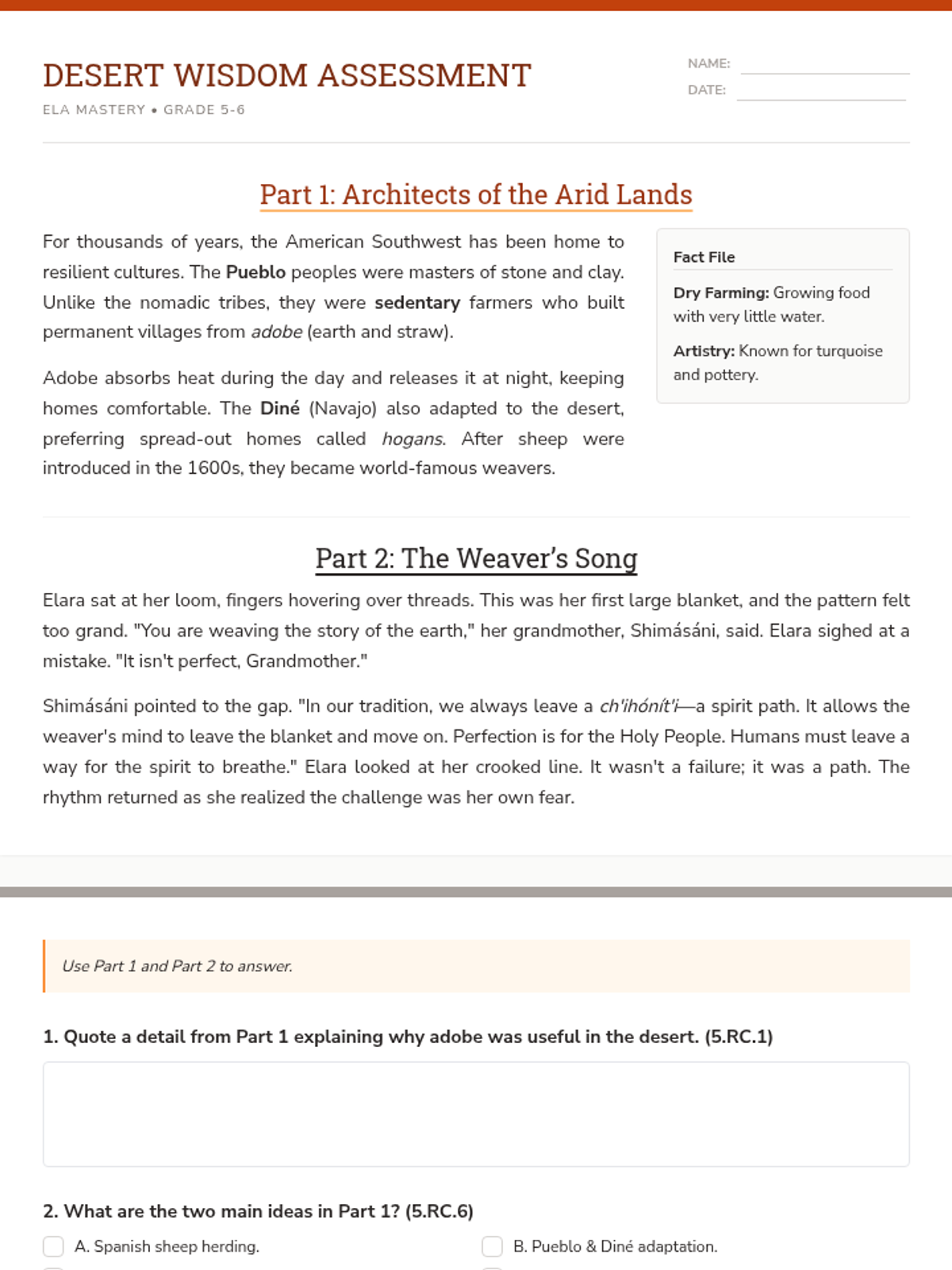
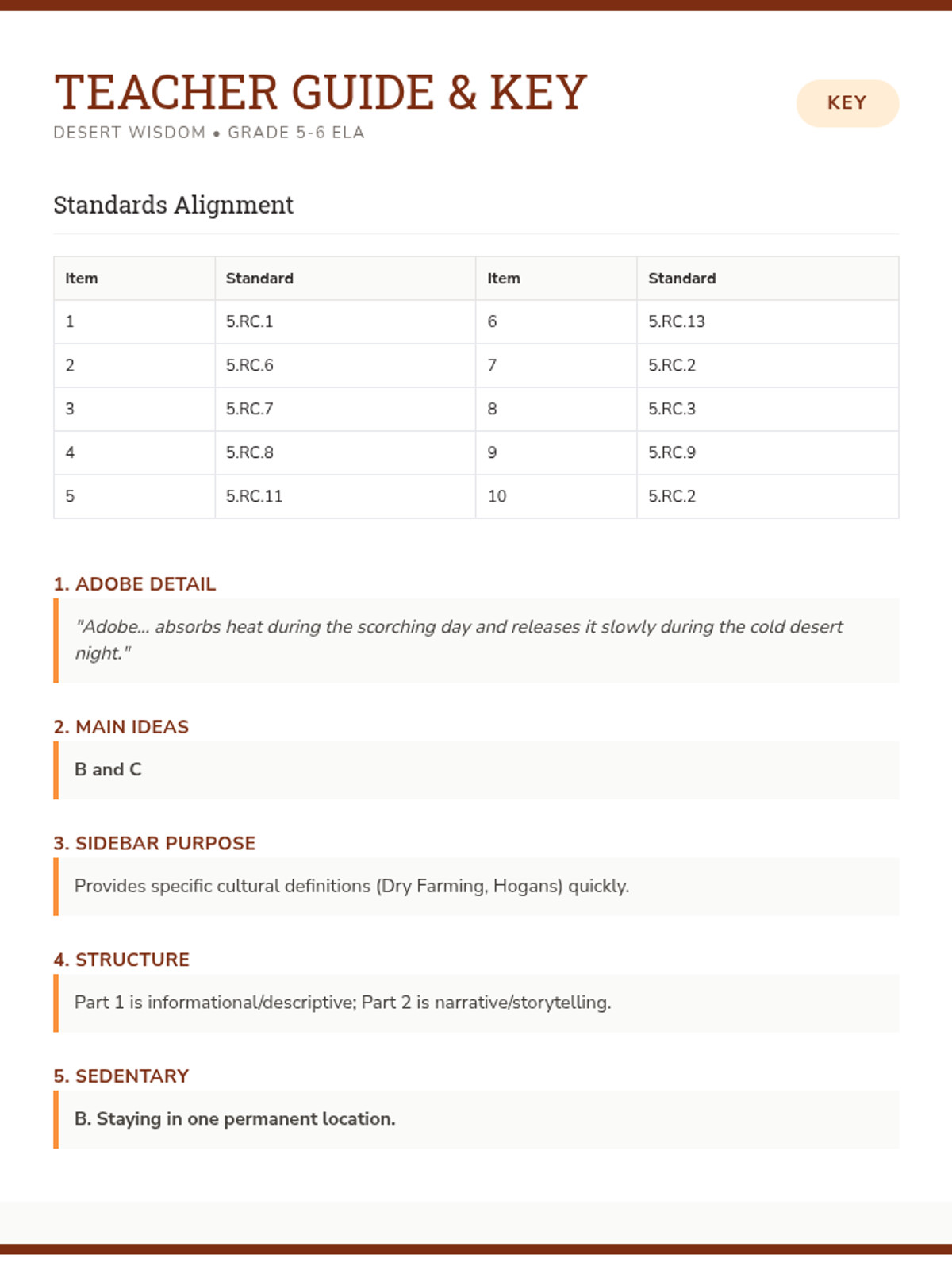
A comprehensive ELA assessment featuring informational and literary texts about Southwest Native American tribes, aligned to 5th-6th grade standards. Students will analyze text structure, theme, and main ideas while exploring the cultures of the Pueblo and Diné people.
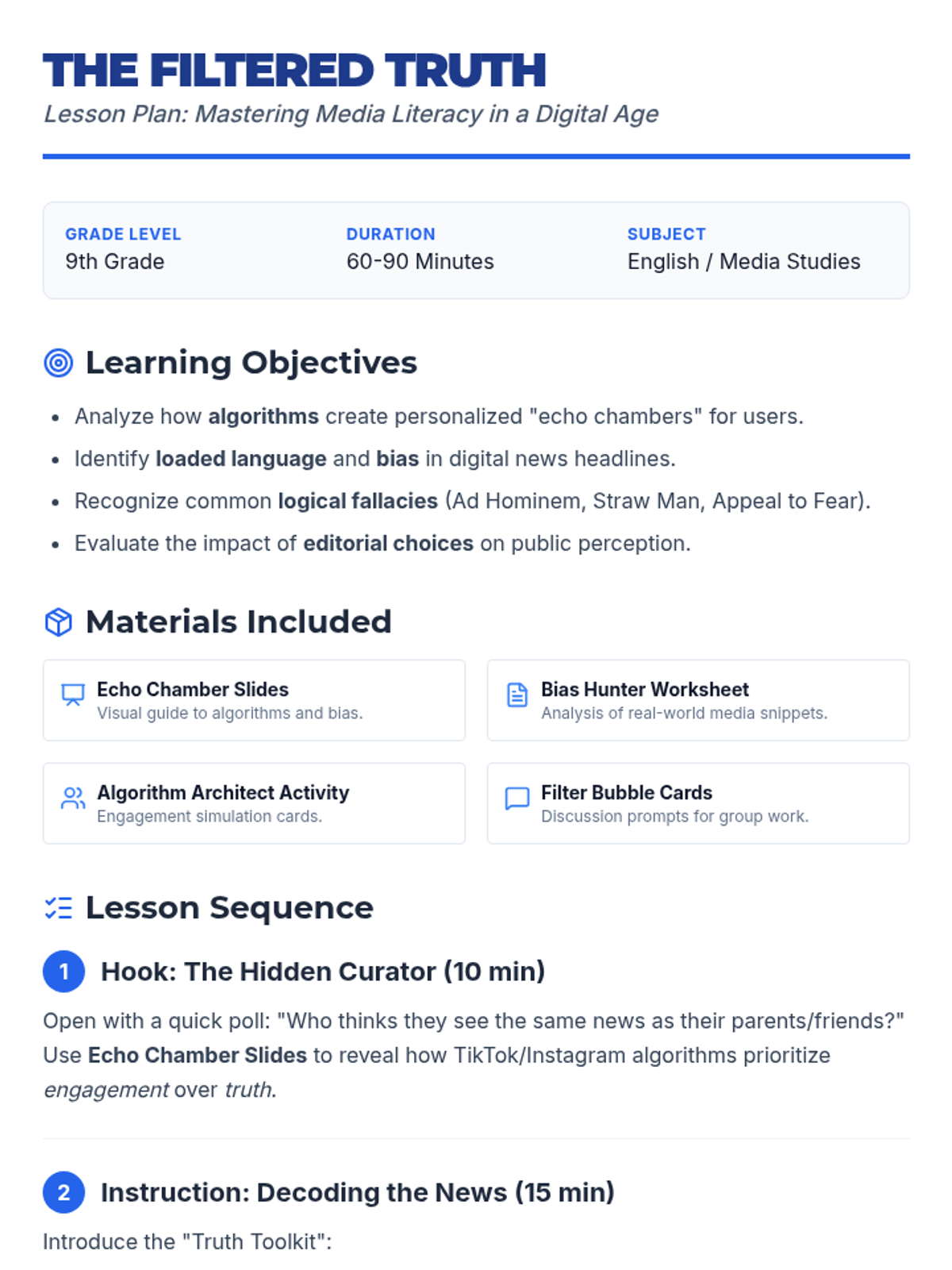
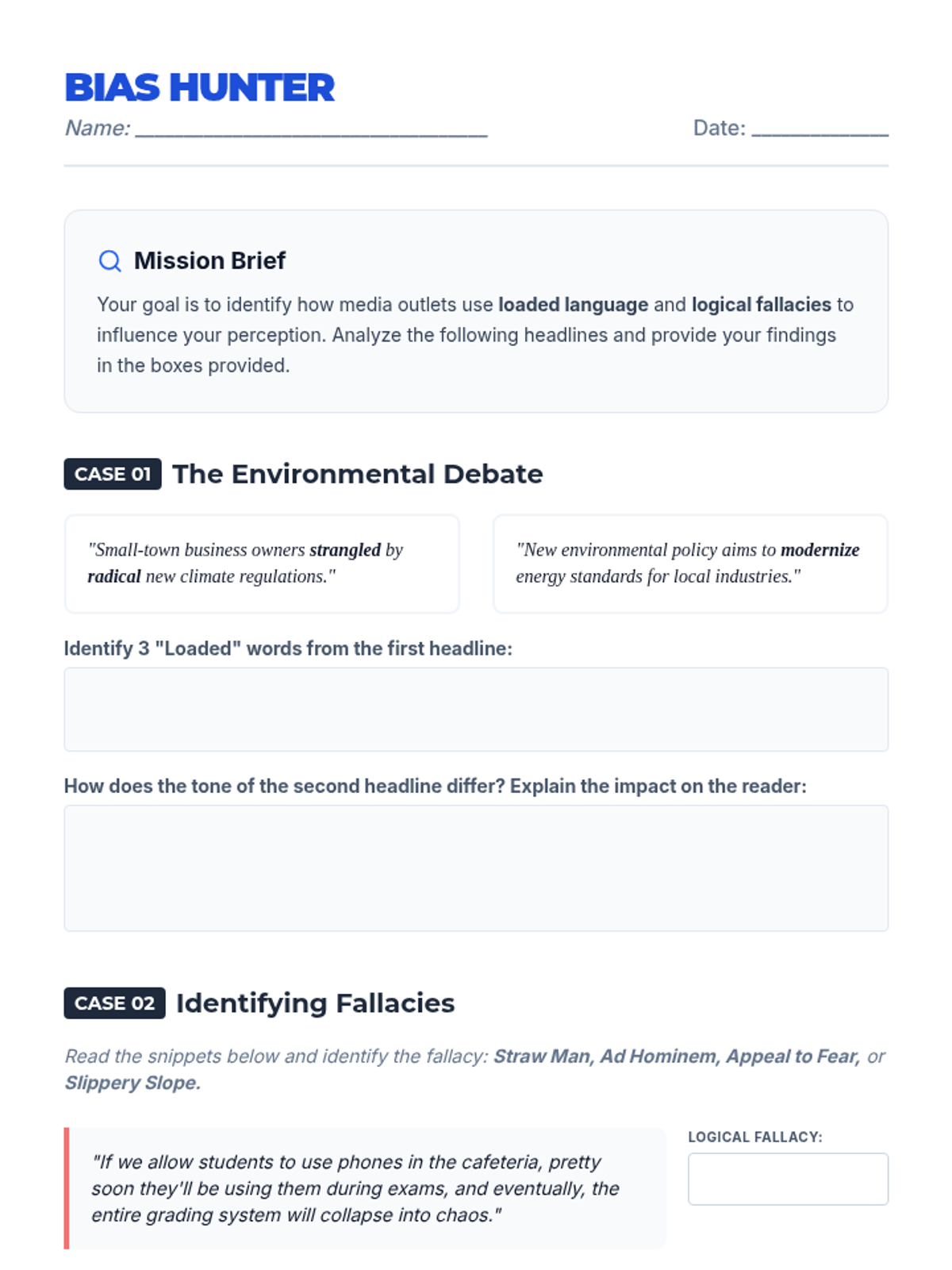
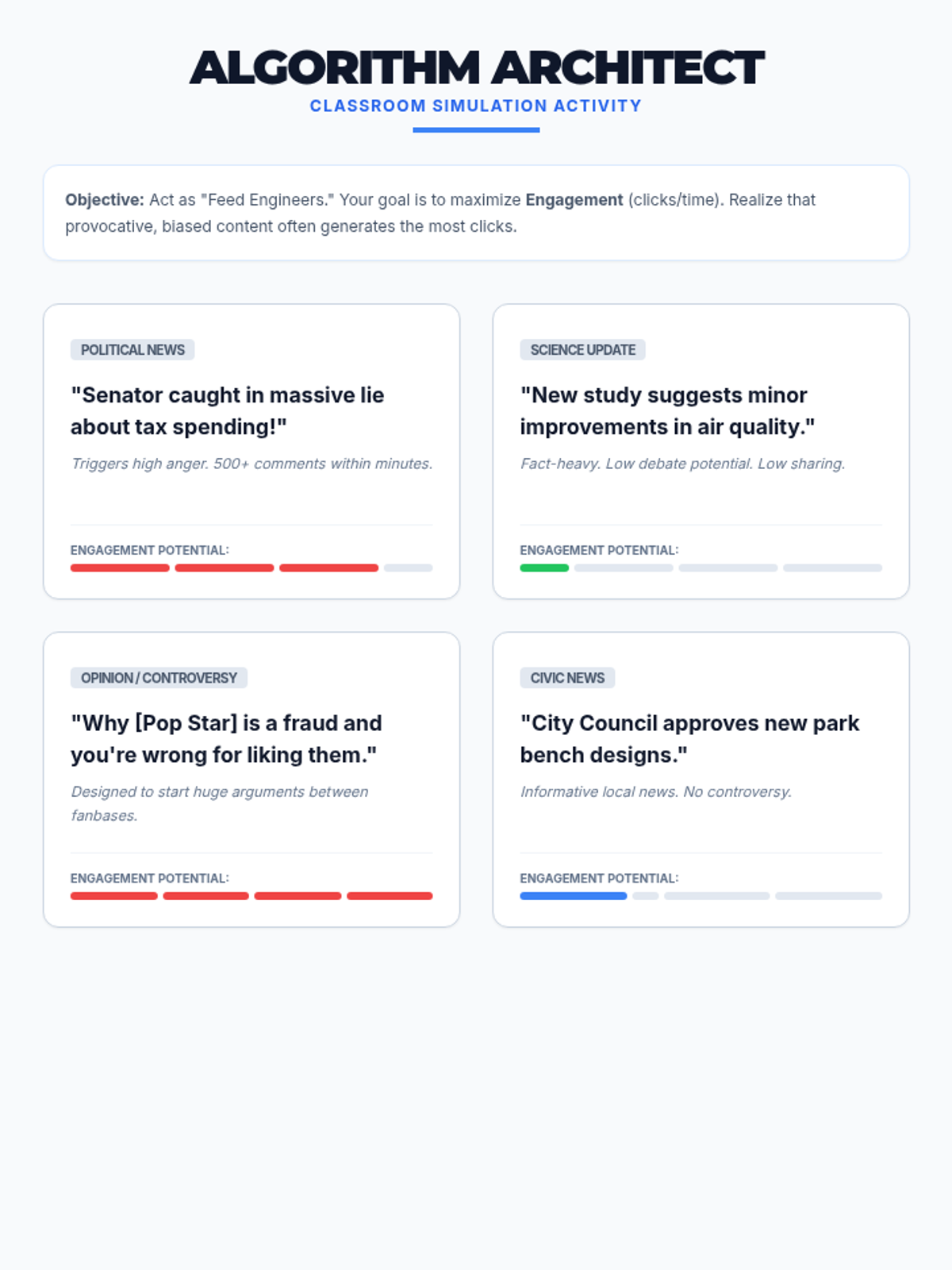
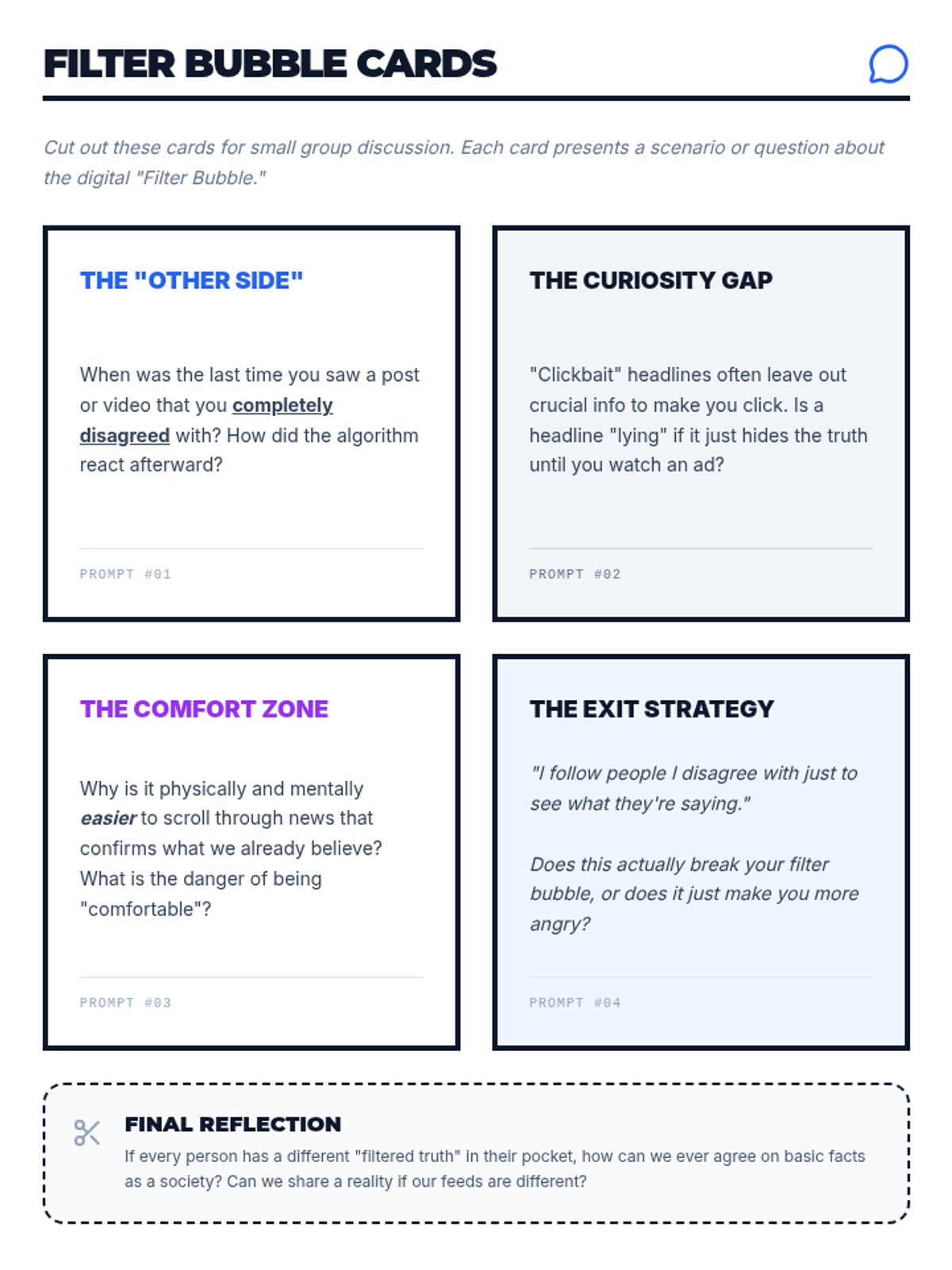
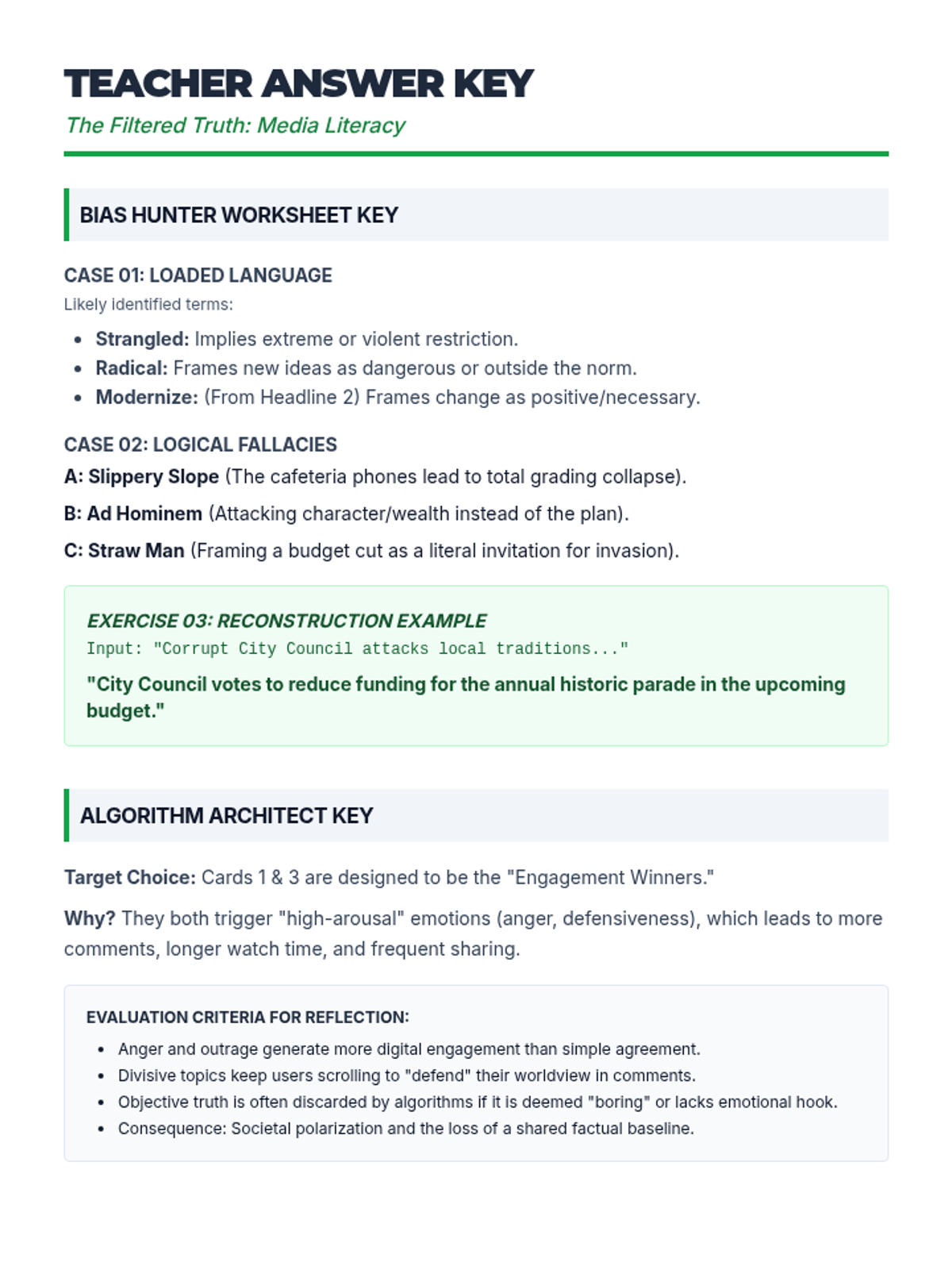
Students will investigate how social media algorithms and editorial bias shape their understanding of reality. Through headline analysis and a simulation activity, 9th graders will develop the critical thinking skills needed to navigate a digital information landscape.
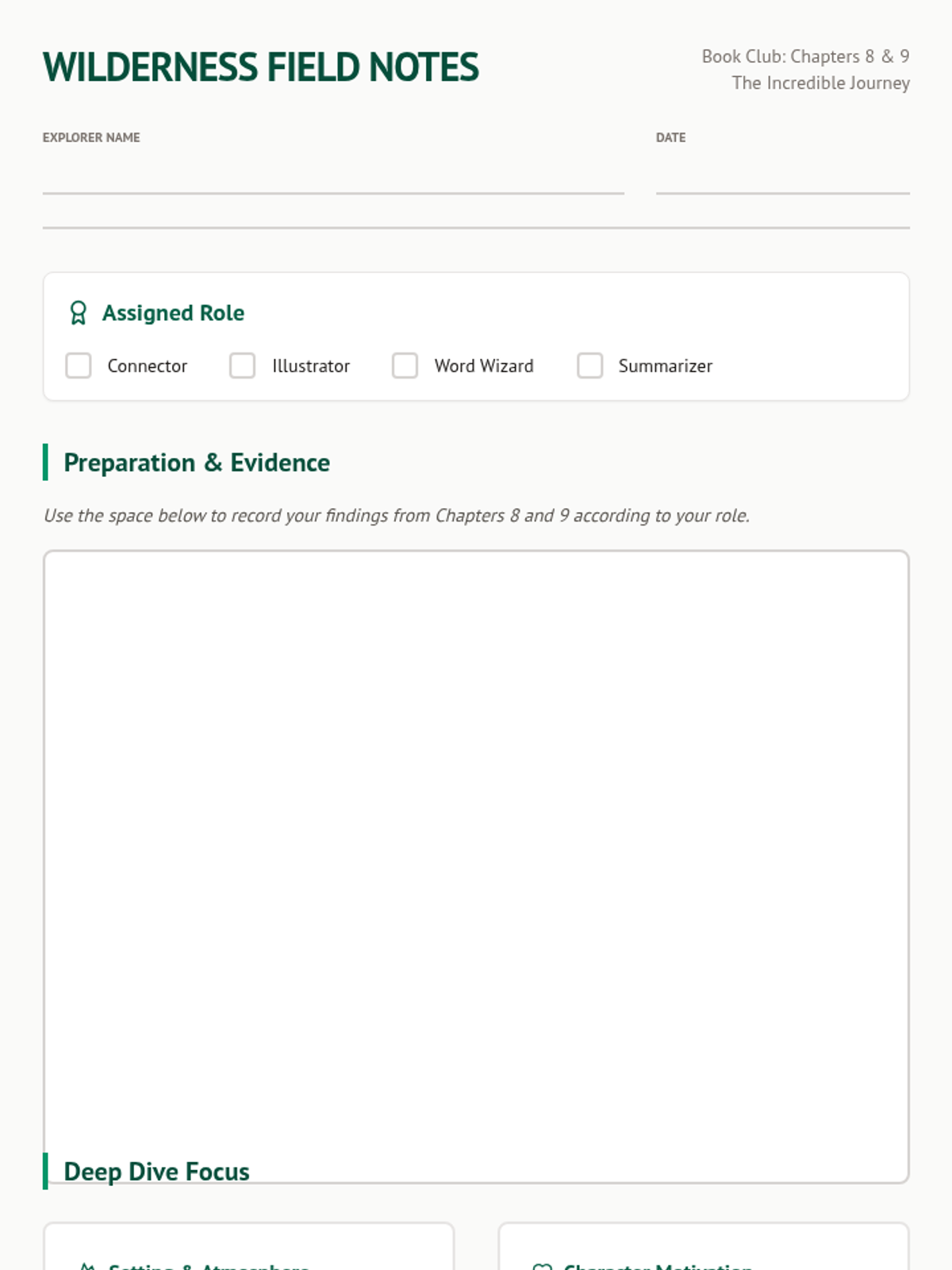
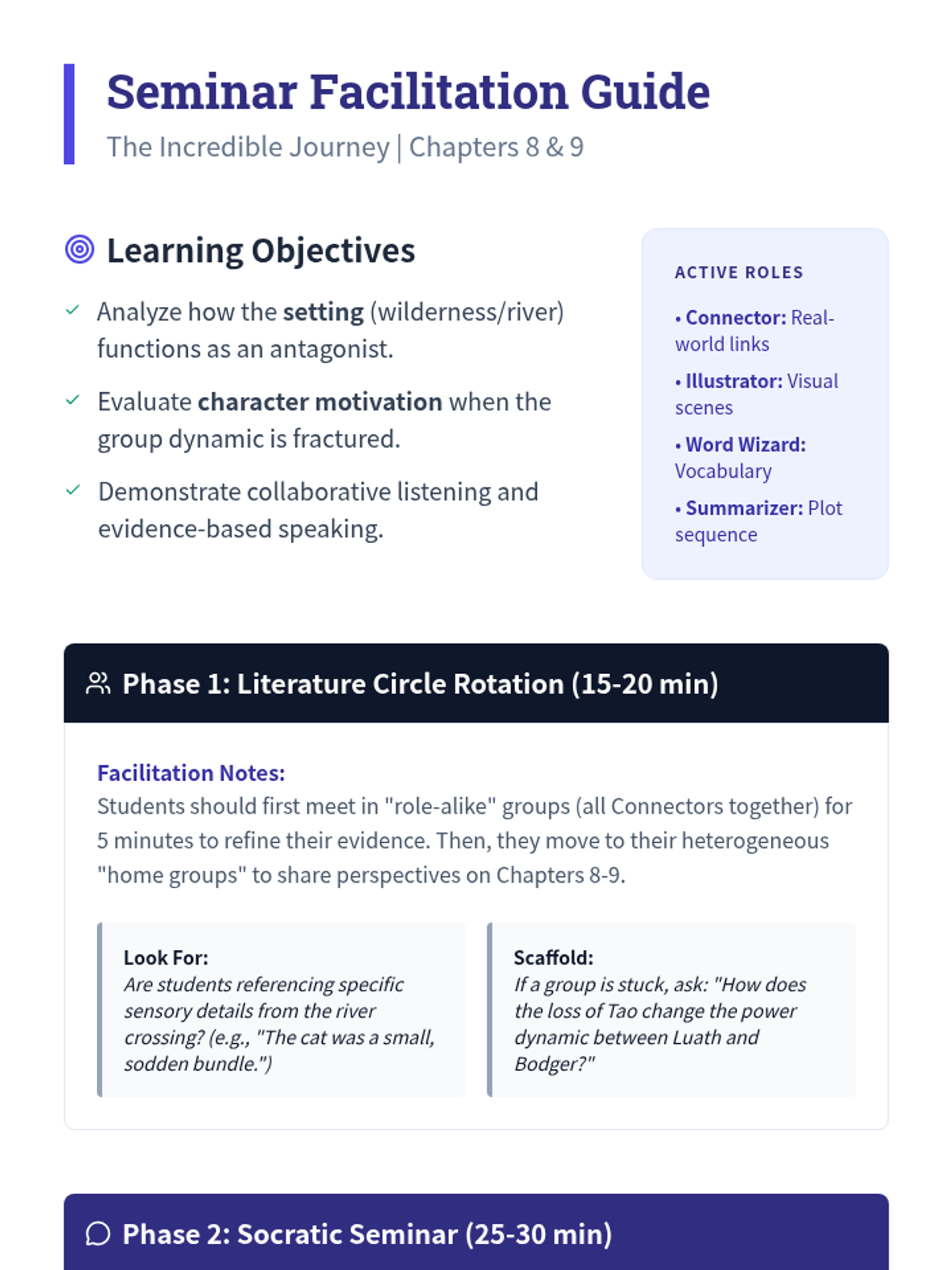
A deep dive into Sheila Burnford's classic adventure, focusing on the trio's survival through the Canadian wilderness. Students explore character motivations, analyze the atmospheric setting, and practice collaborative discussion techniques.
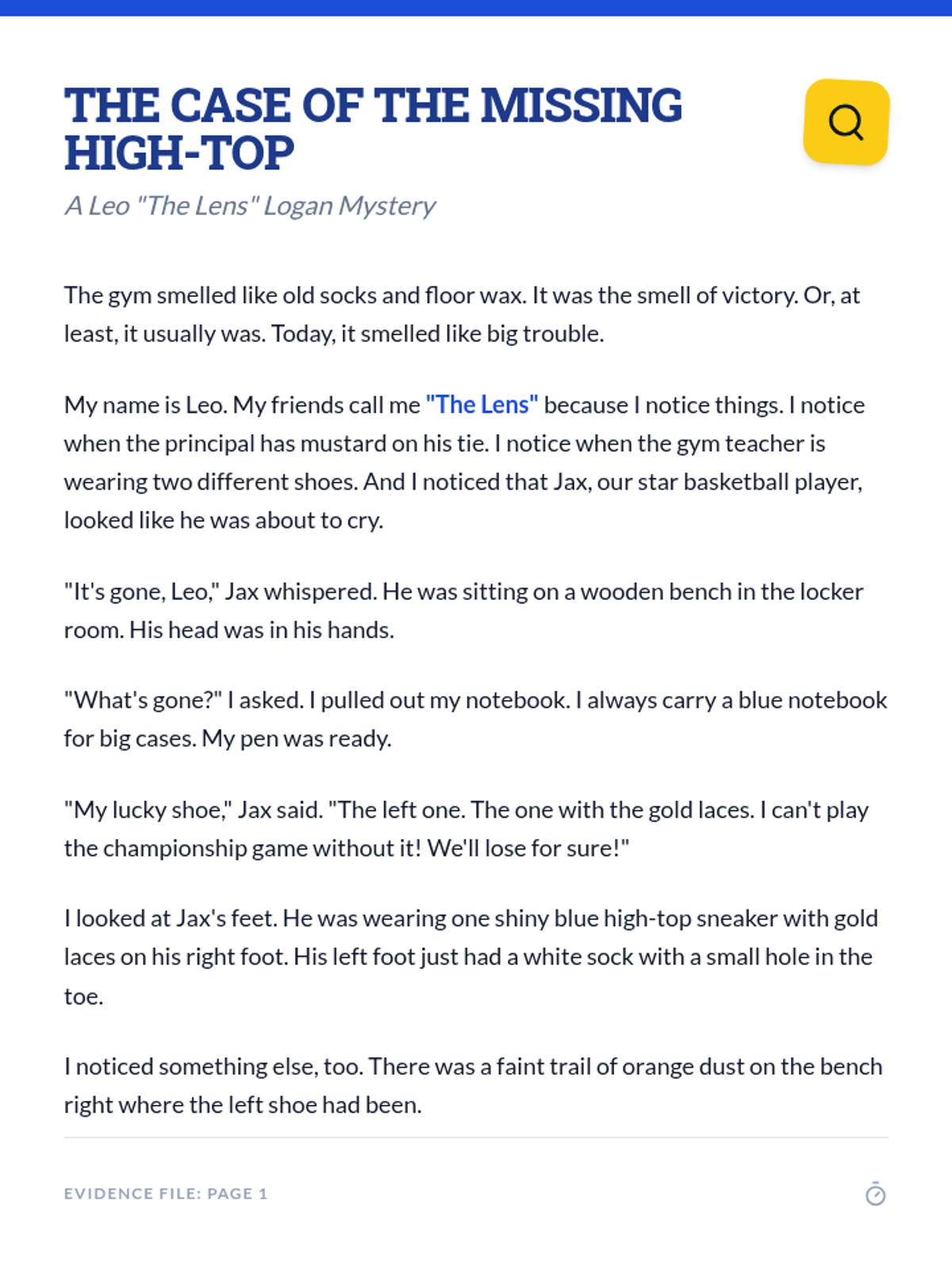
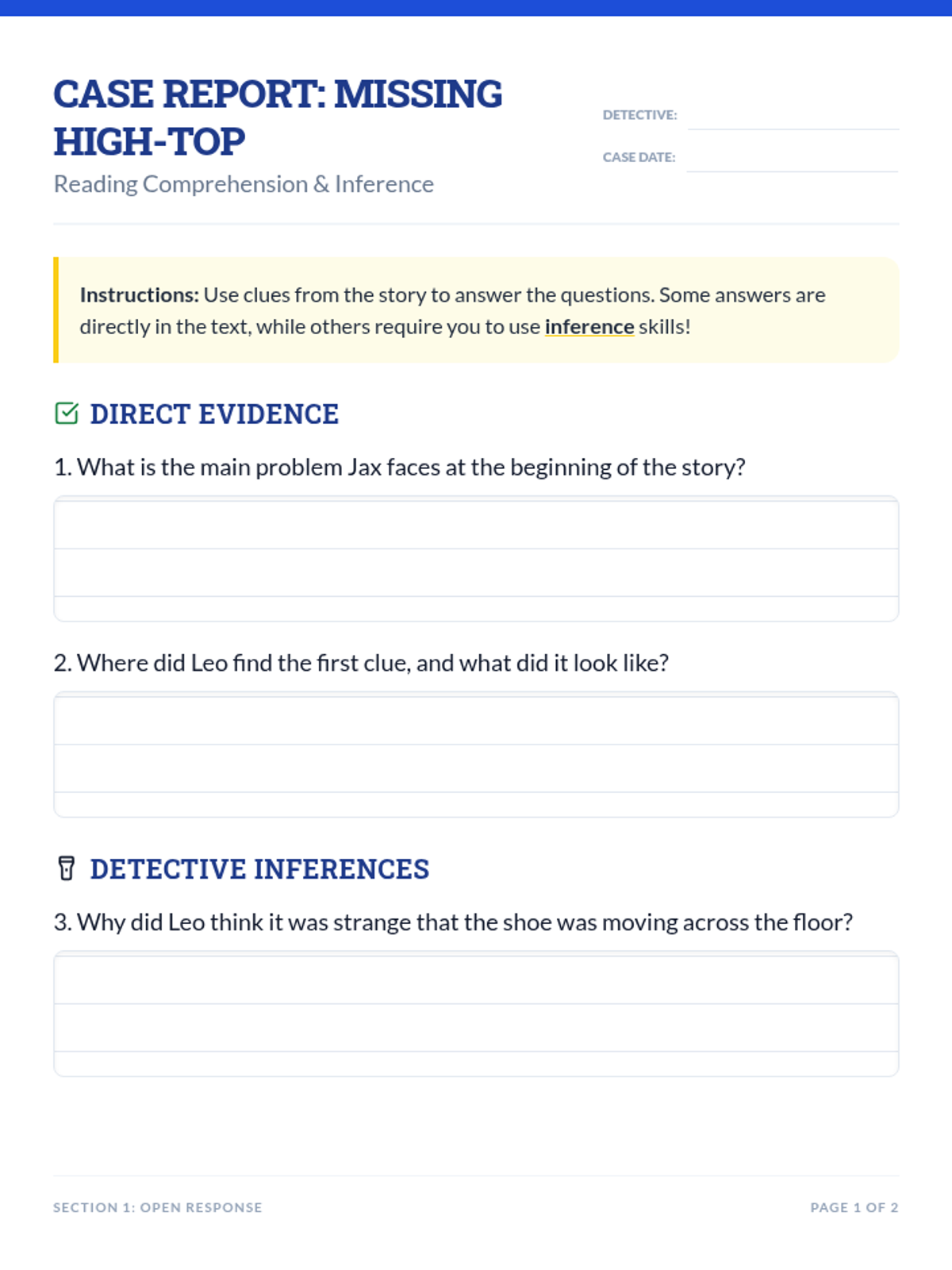
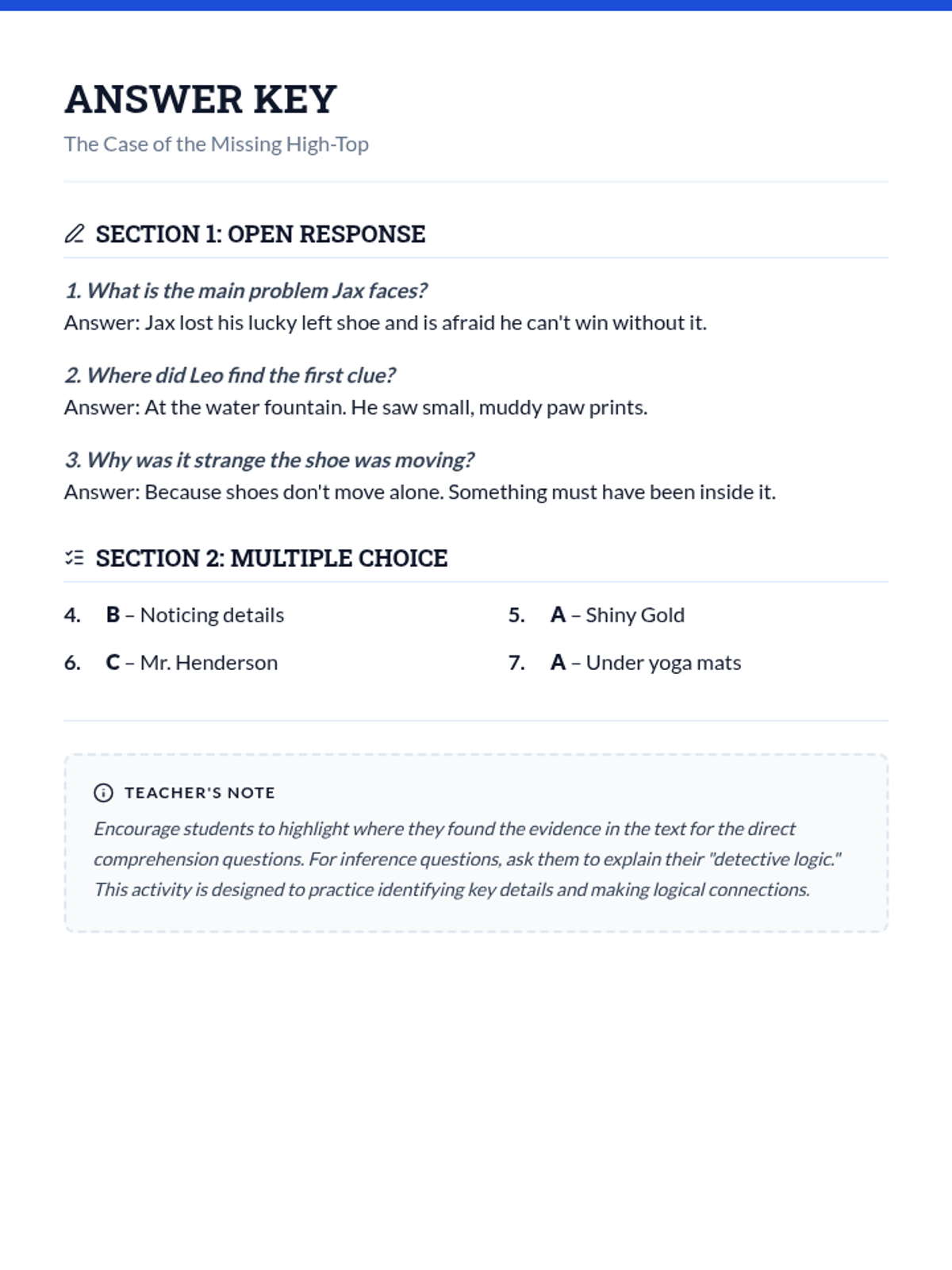
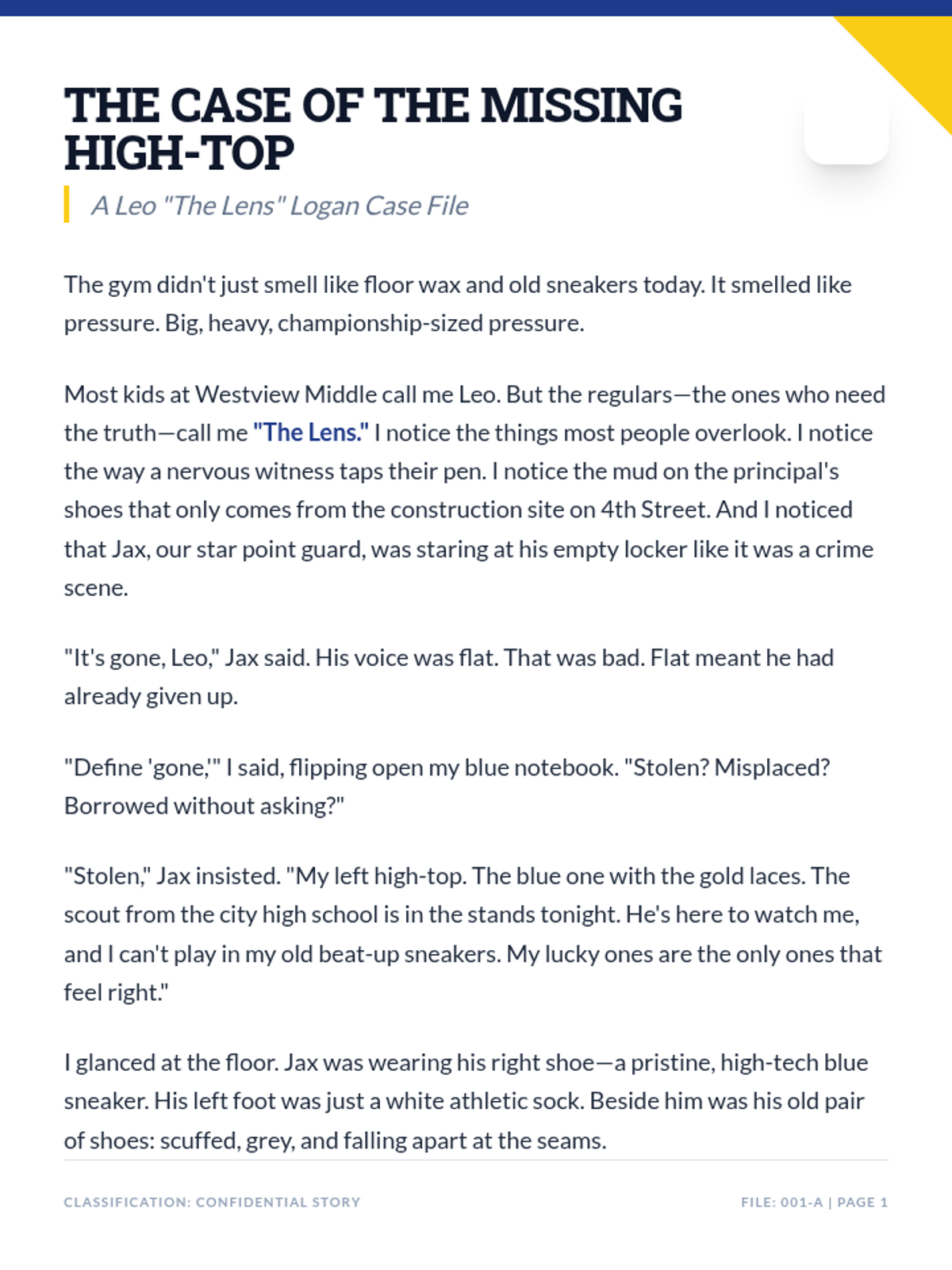
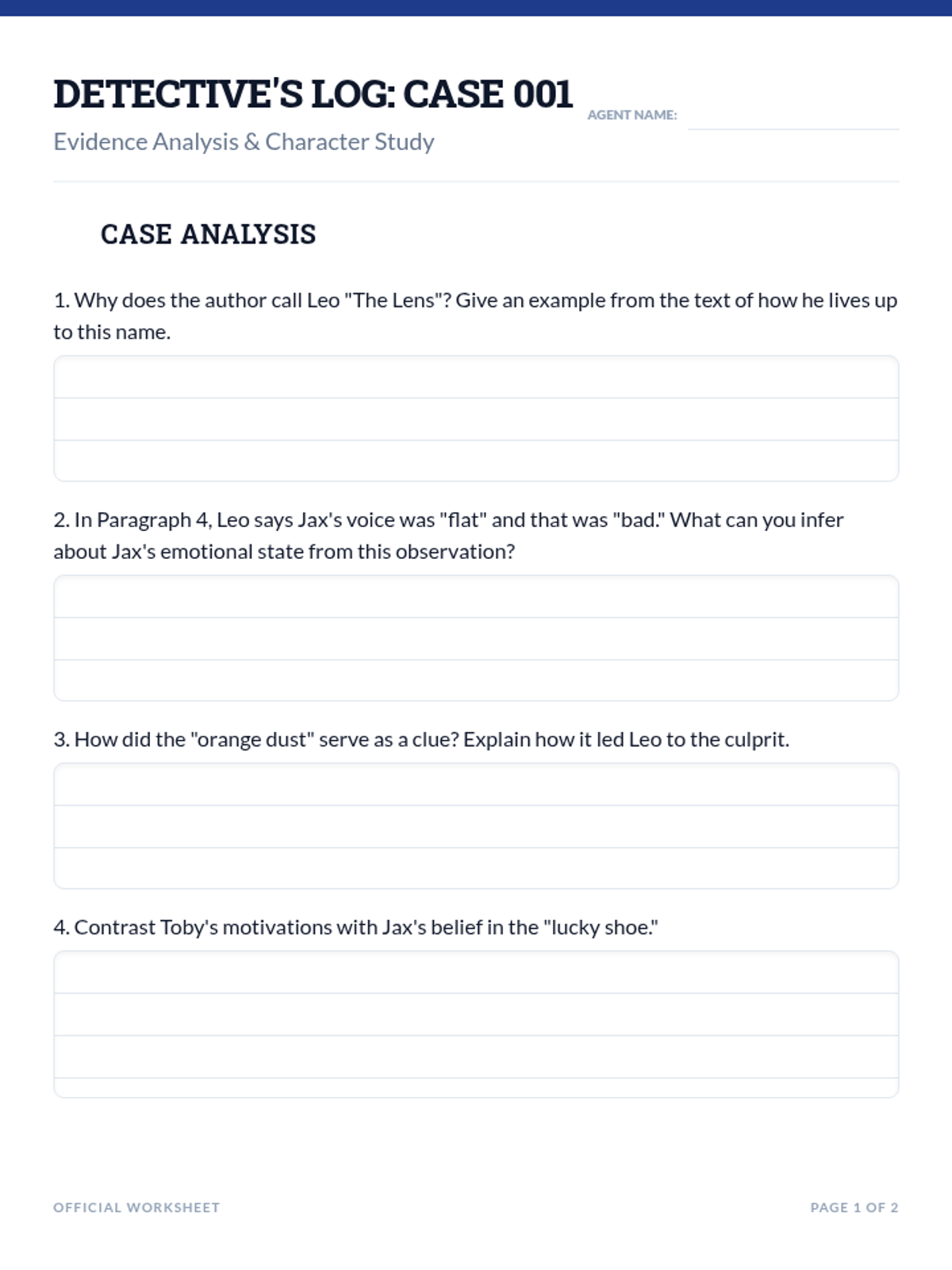
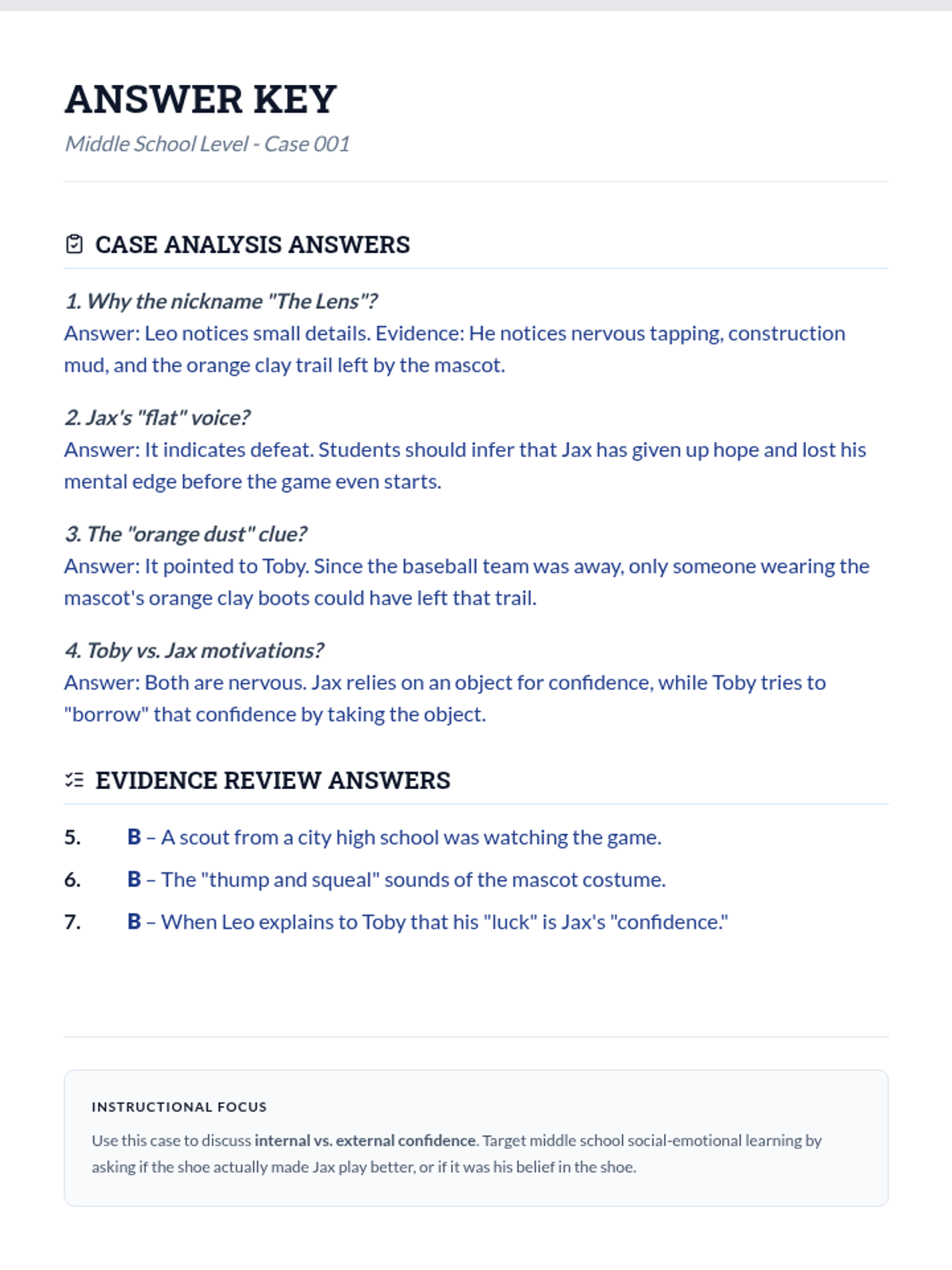
A sports-themed mystery story and comprehension activity designed for 3rd-4th grade reading levels, focusing on making inferences and identifying key details.
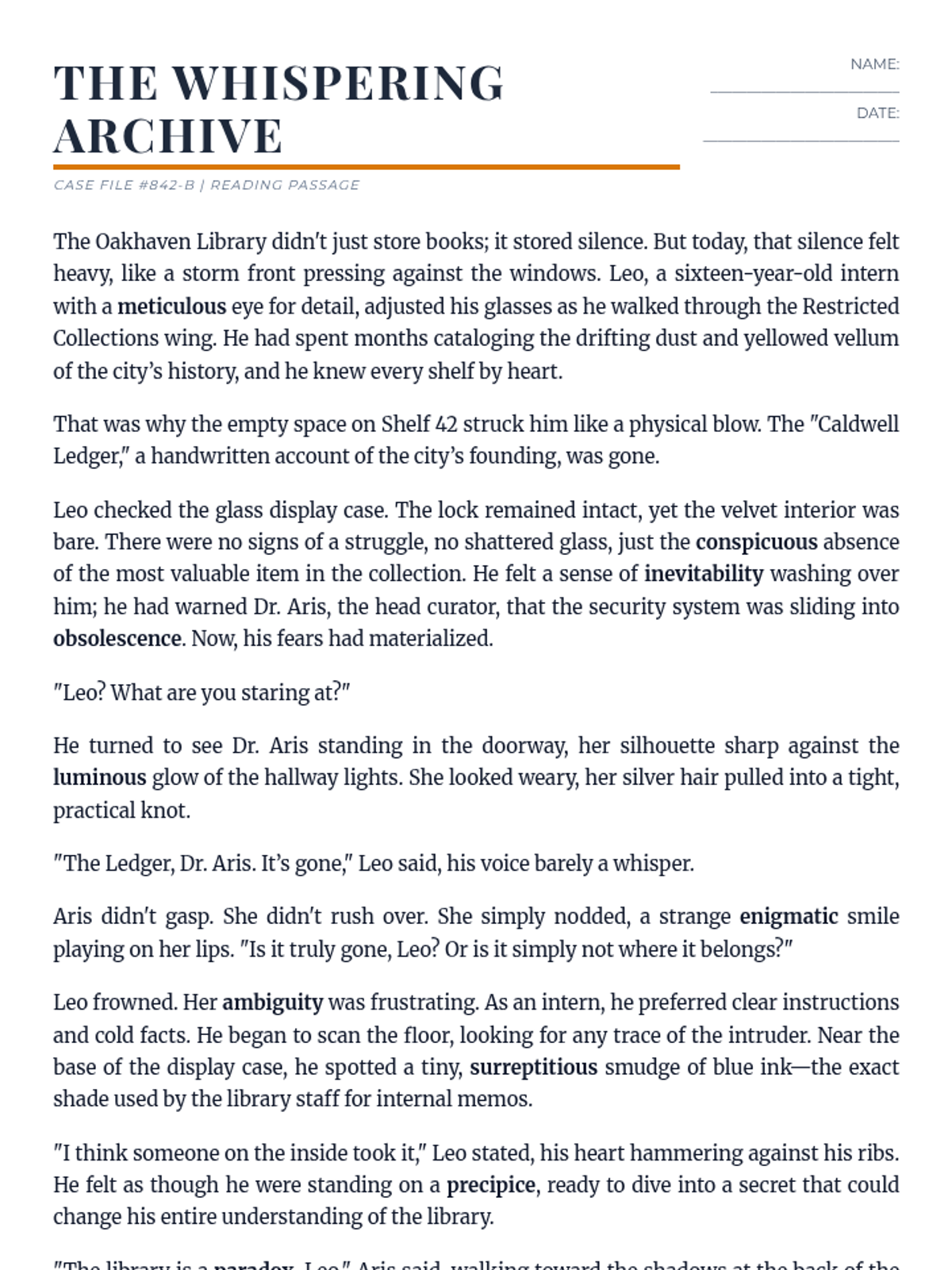
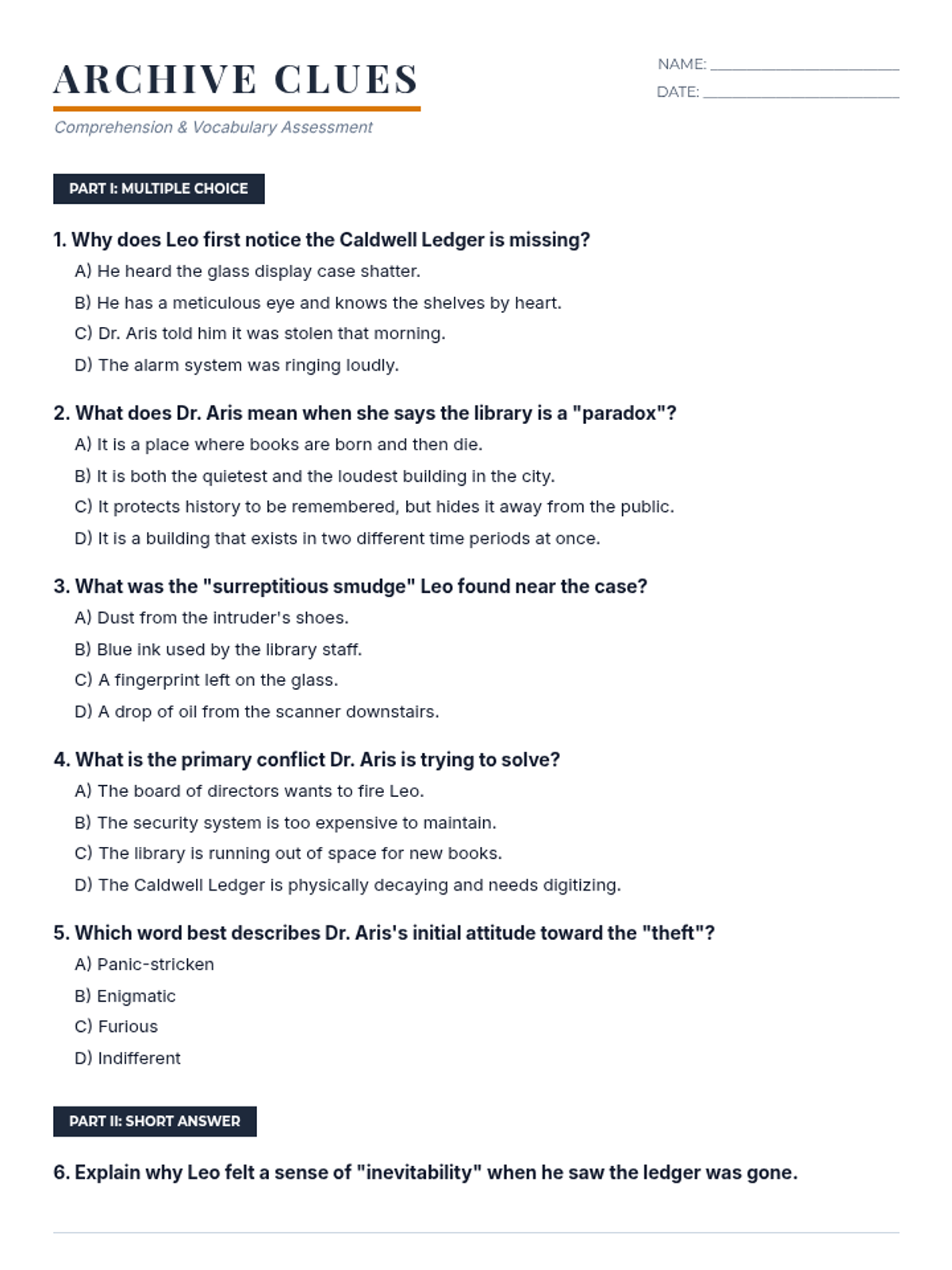
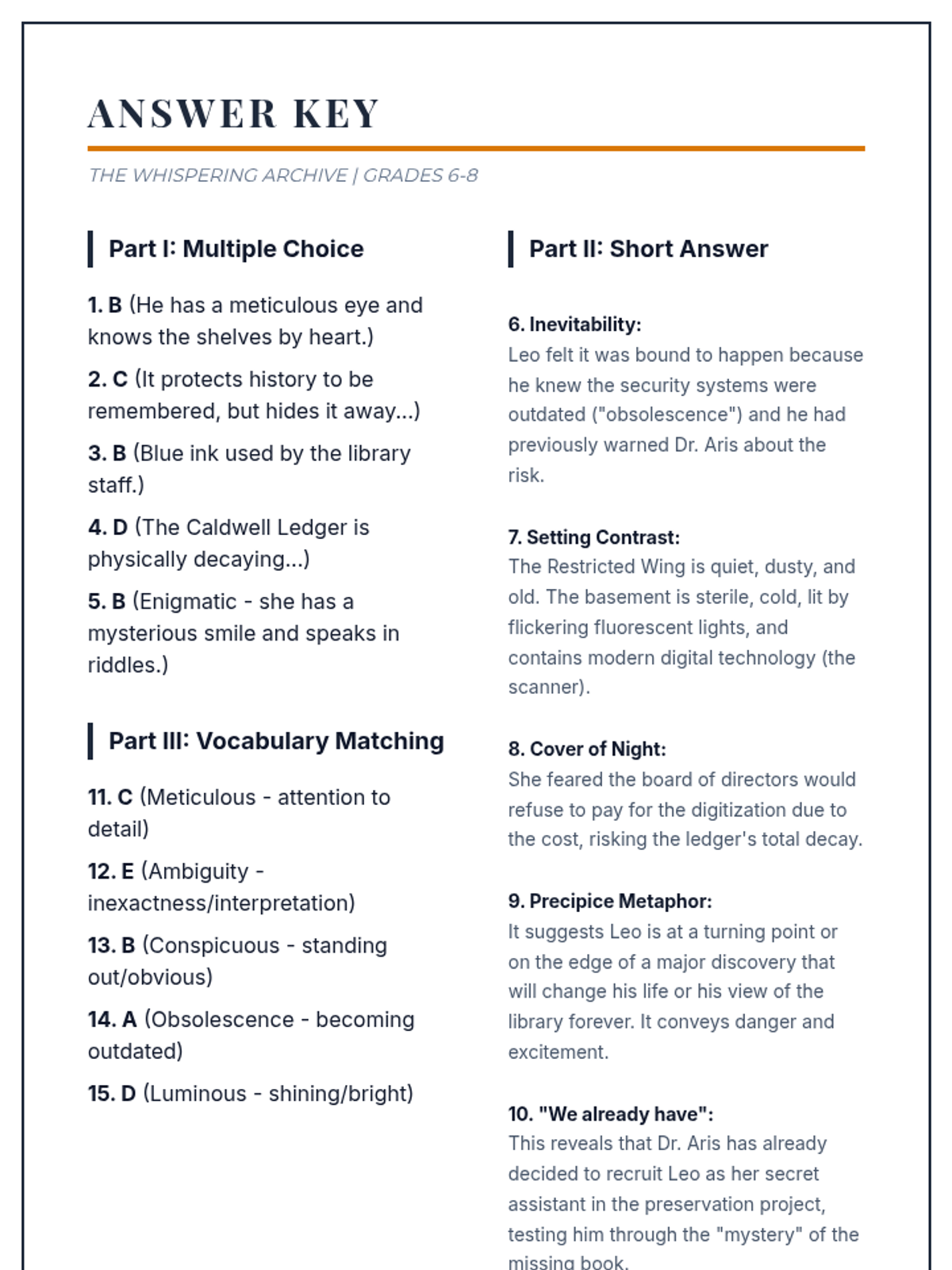
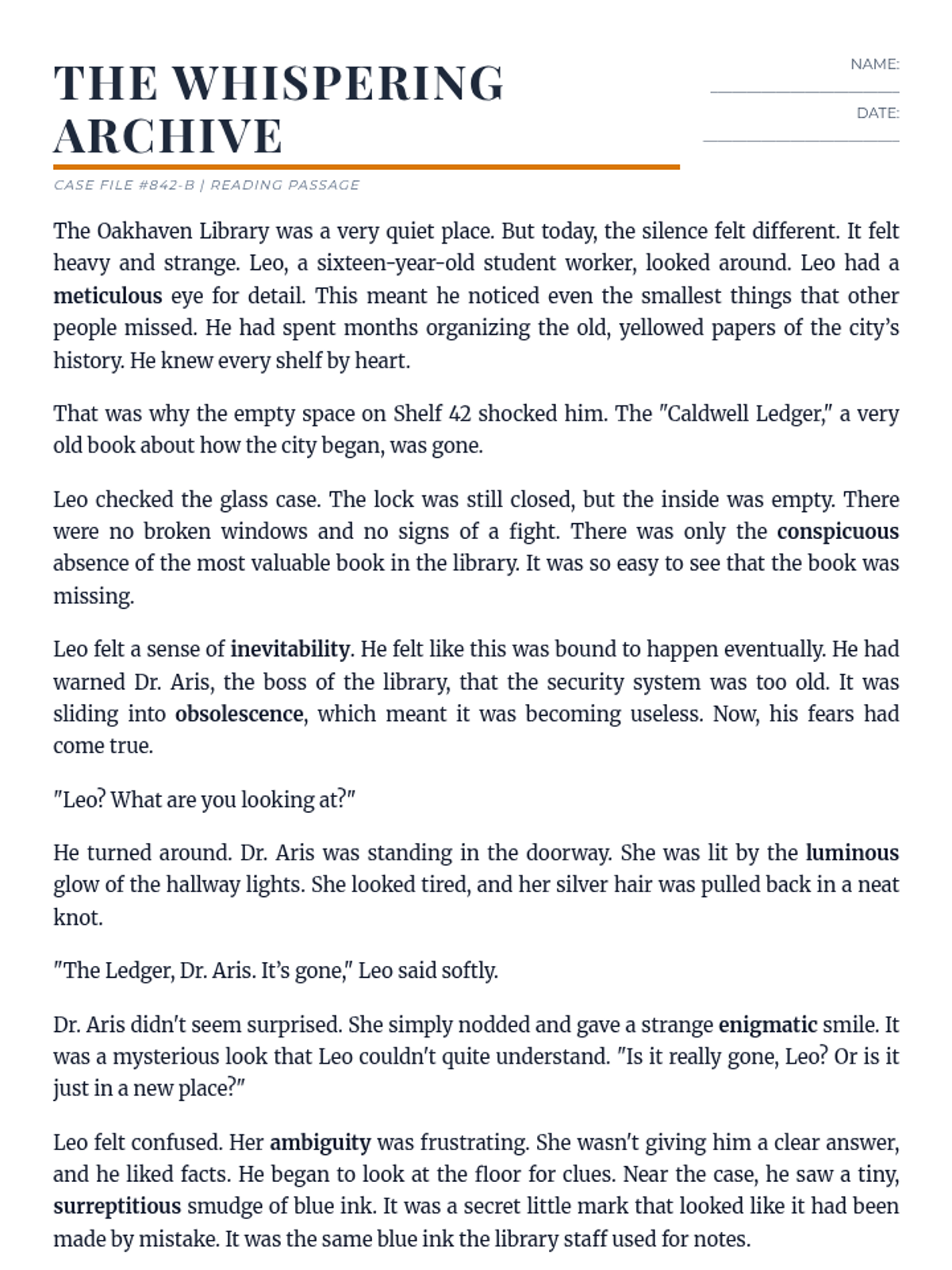
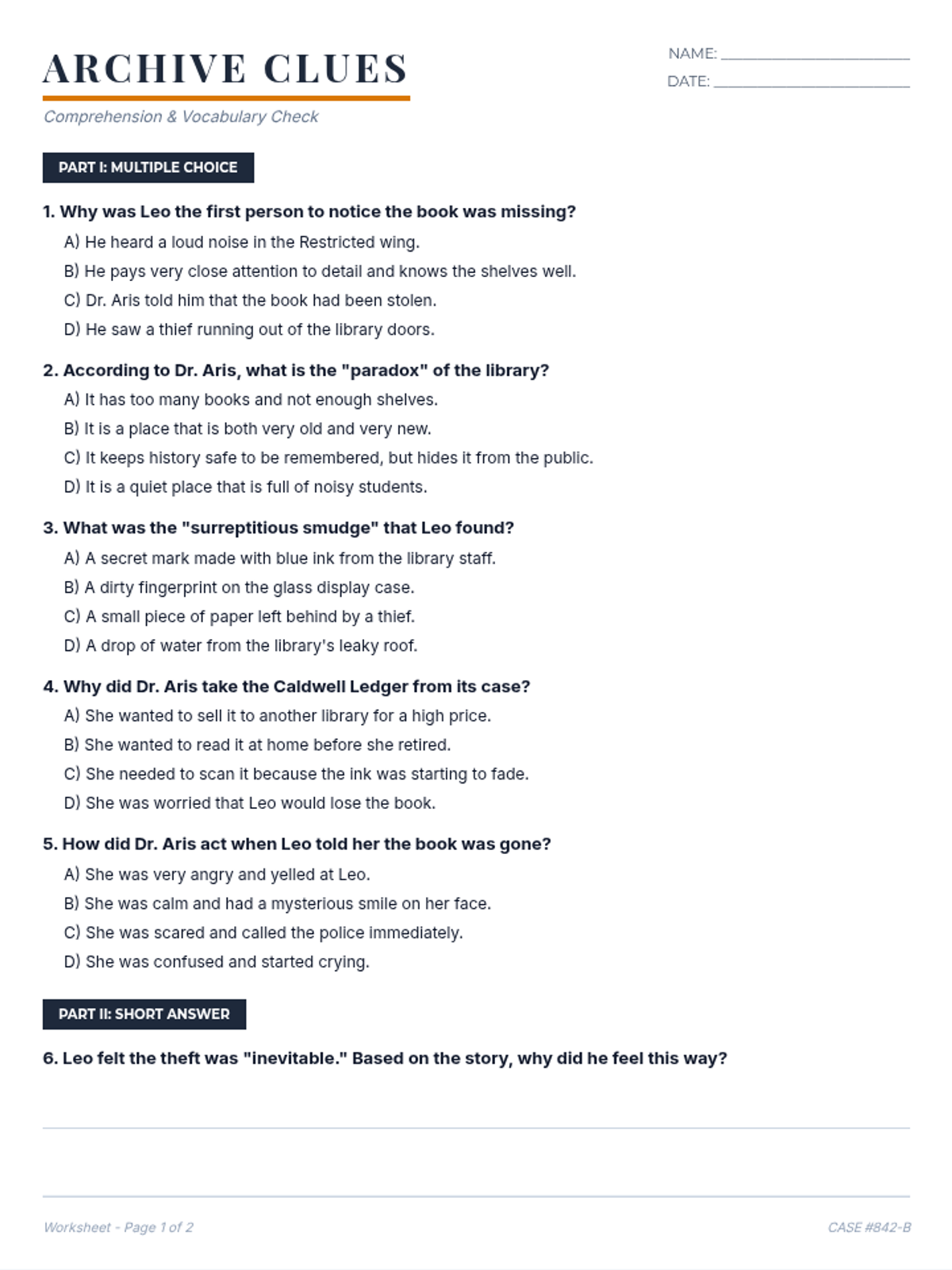
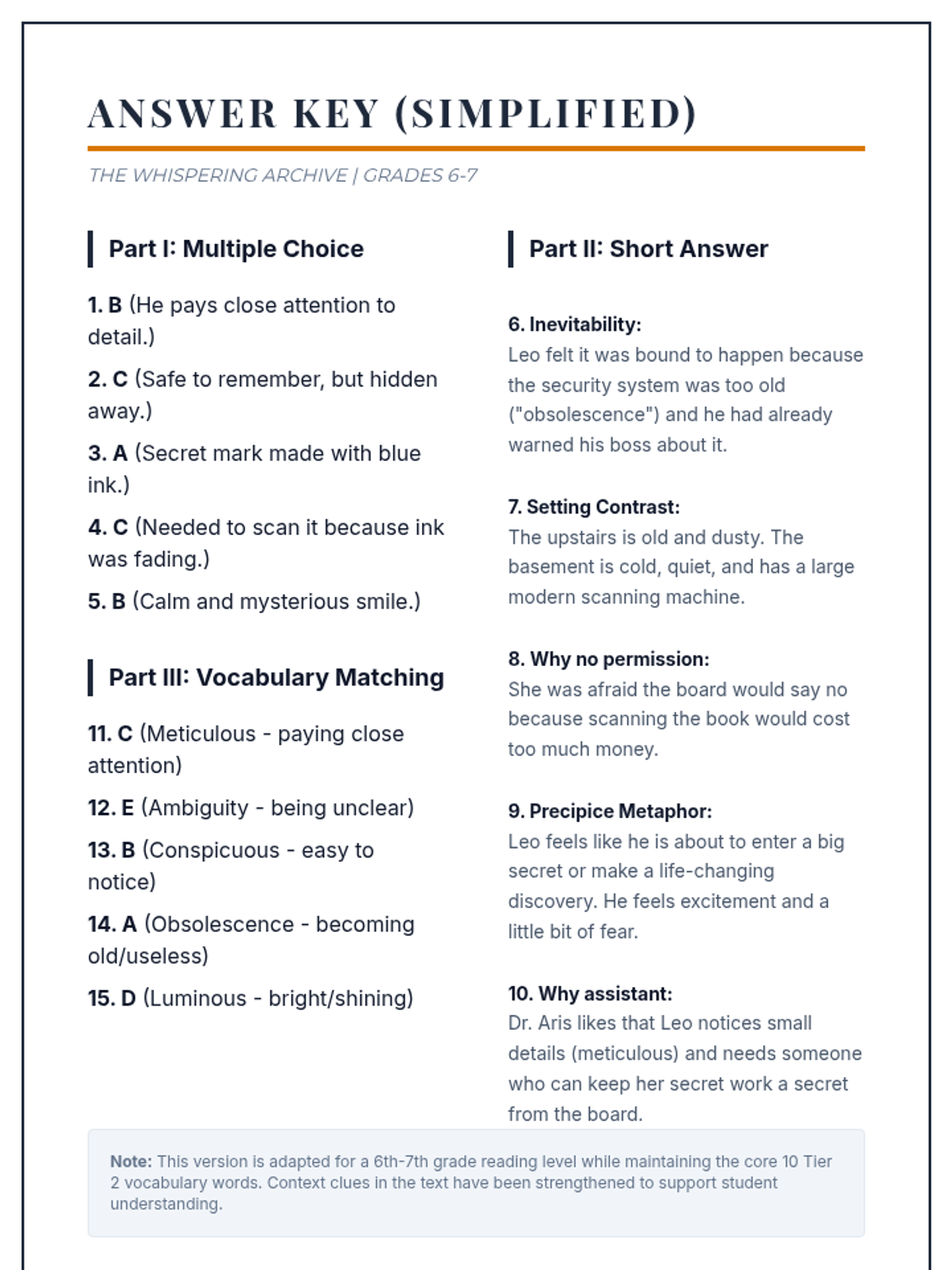
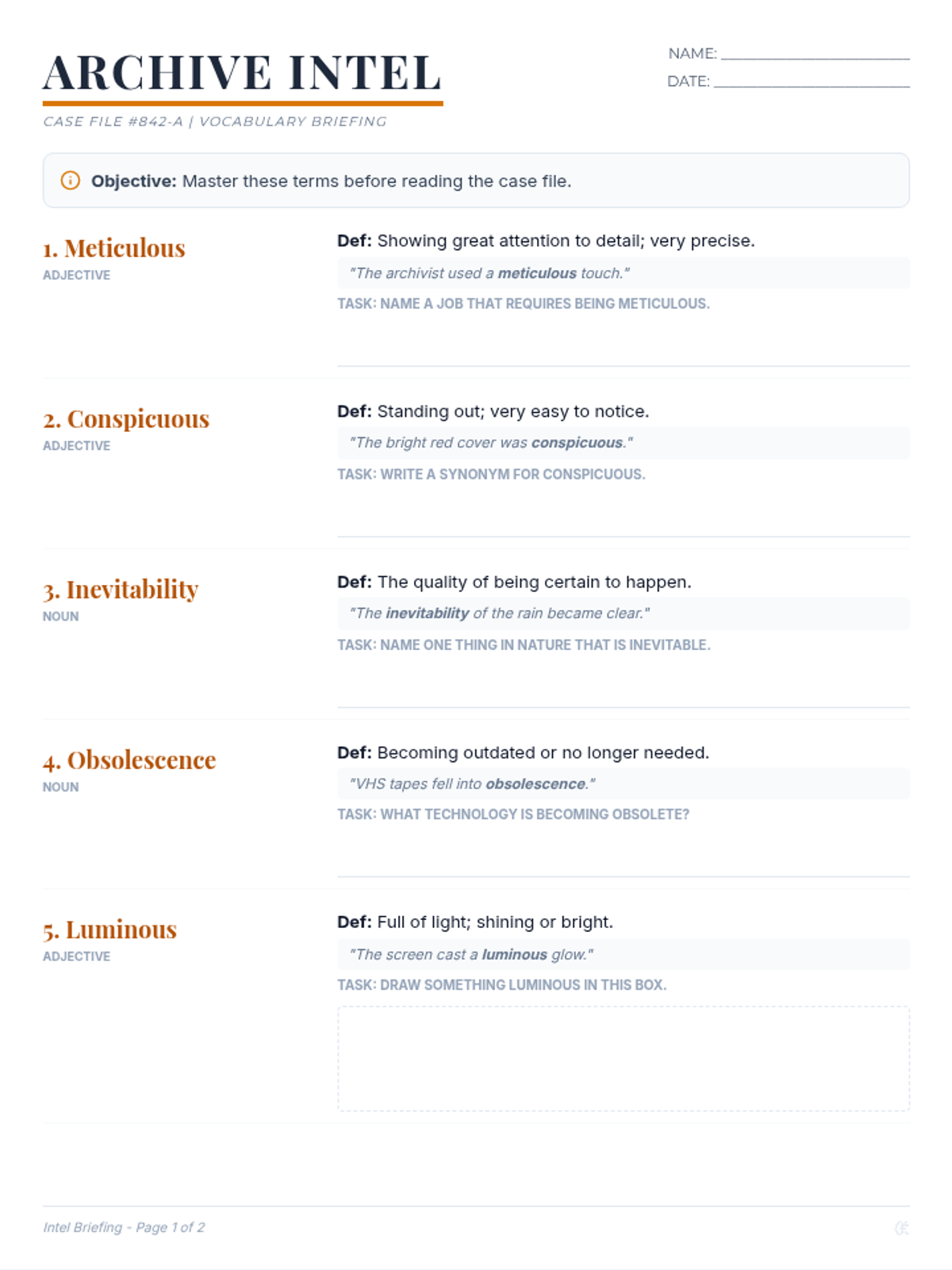
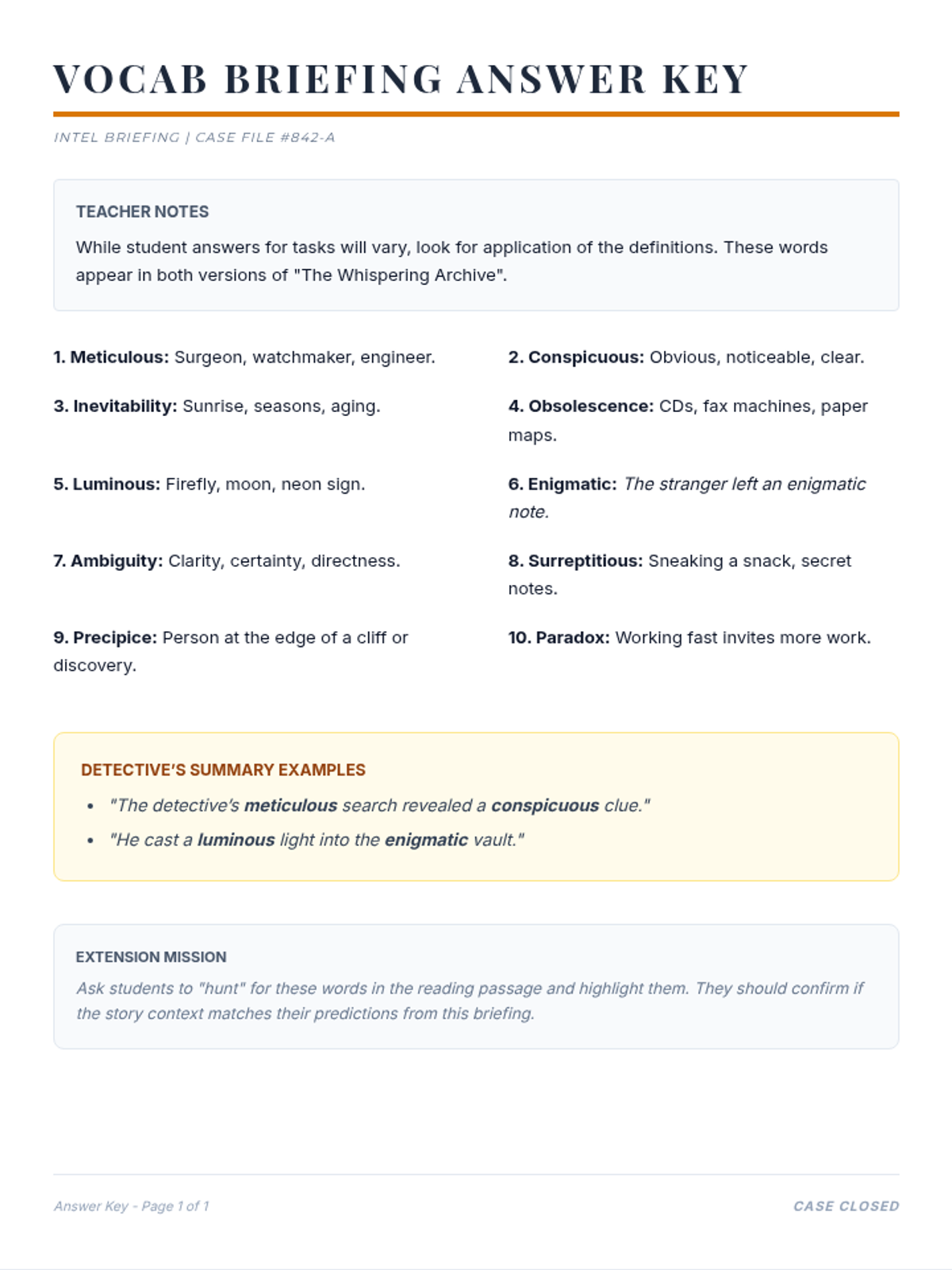
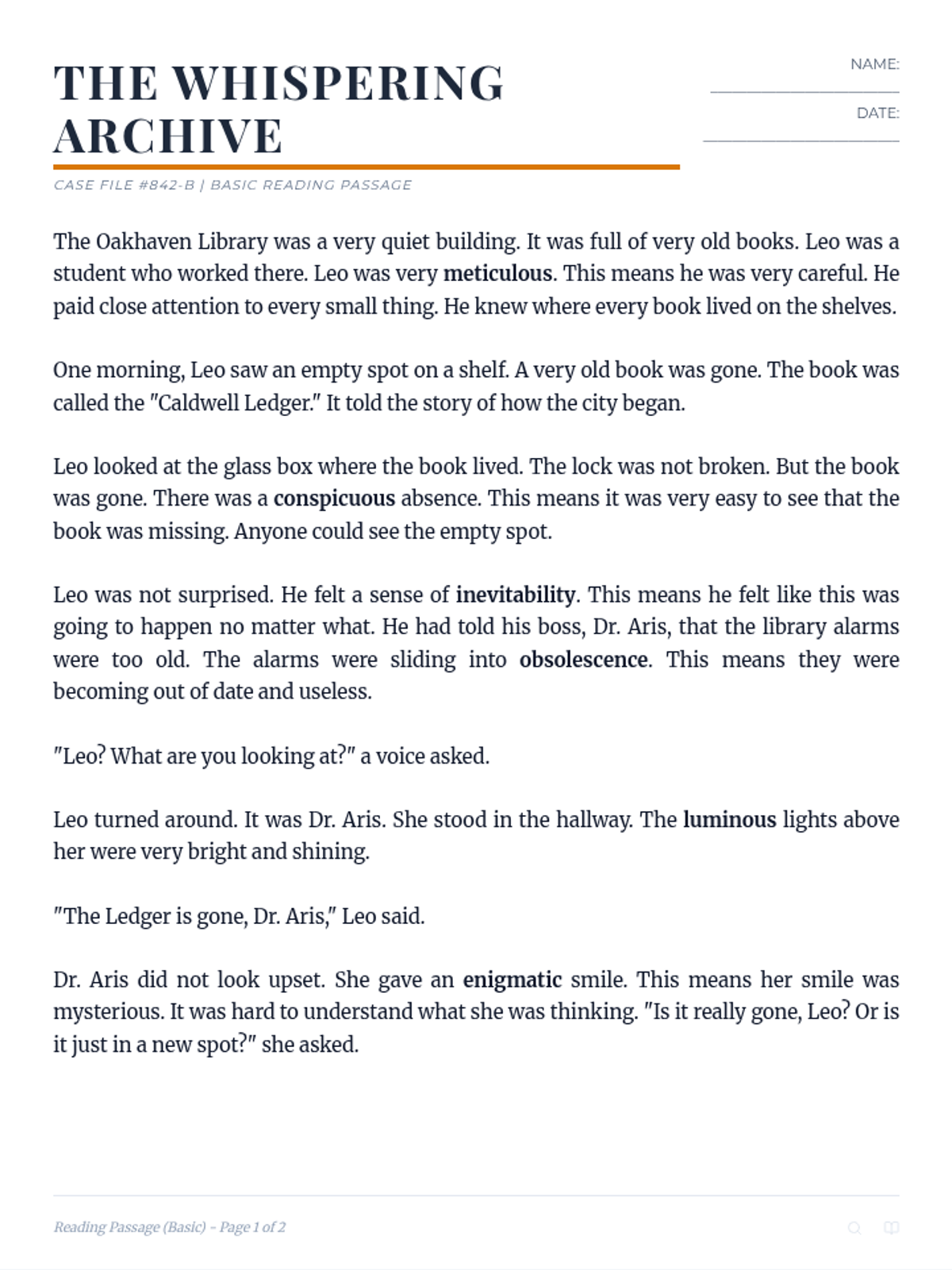
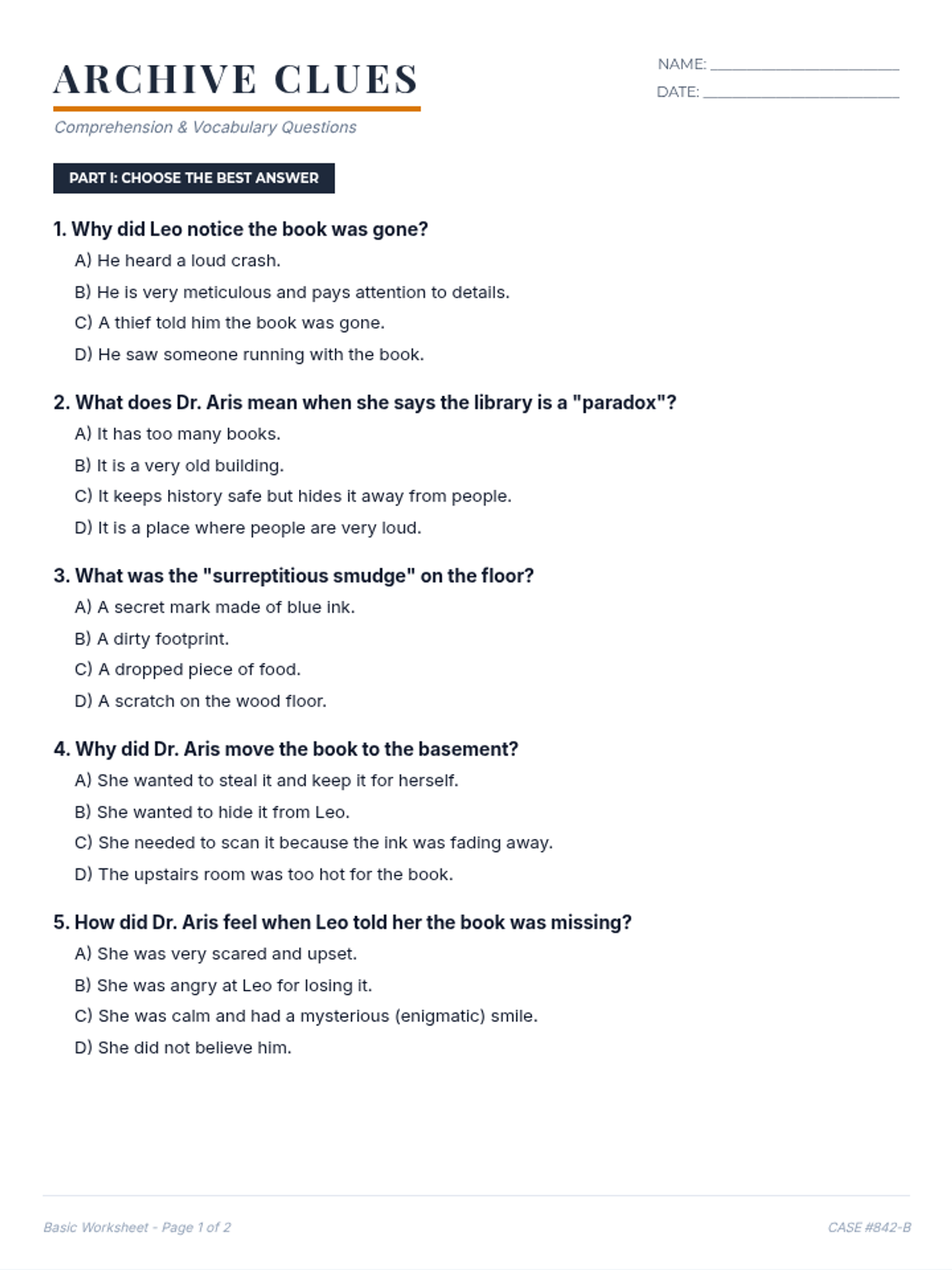
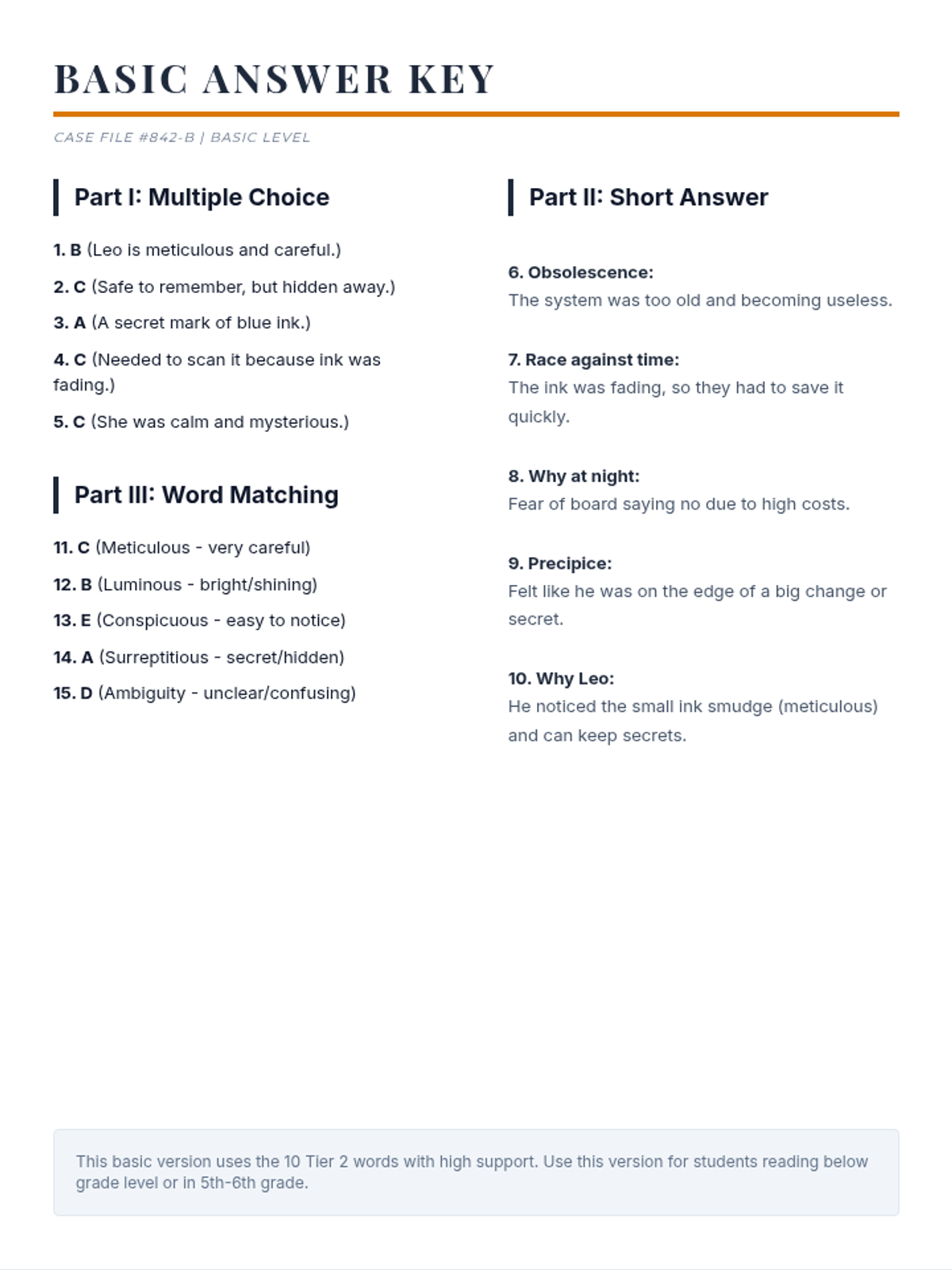
A mystery-themed reading comprehension lesson featuring a 2-page original fiction story and a comprehensive assessment focused on Tier 2 vocabulary and analytical skills.
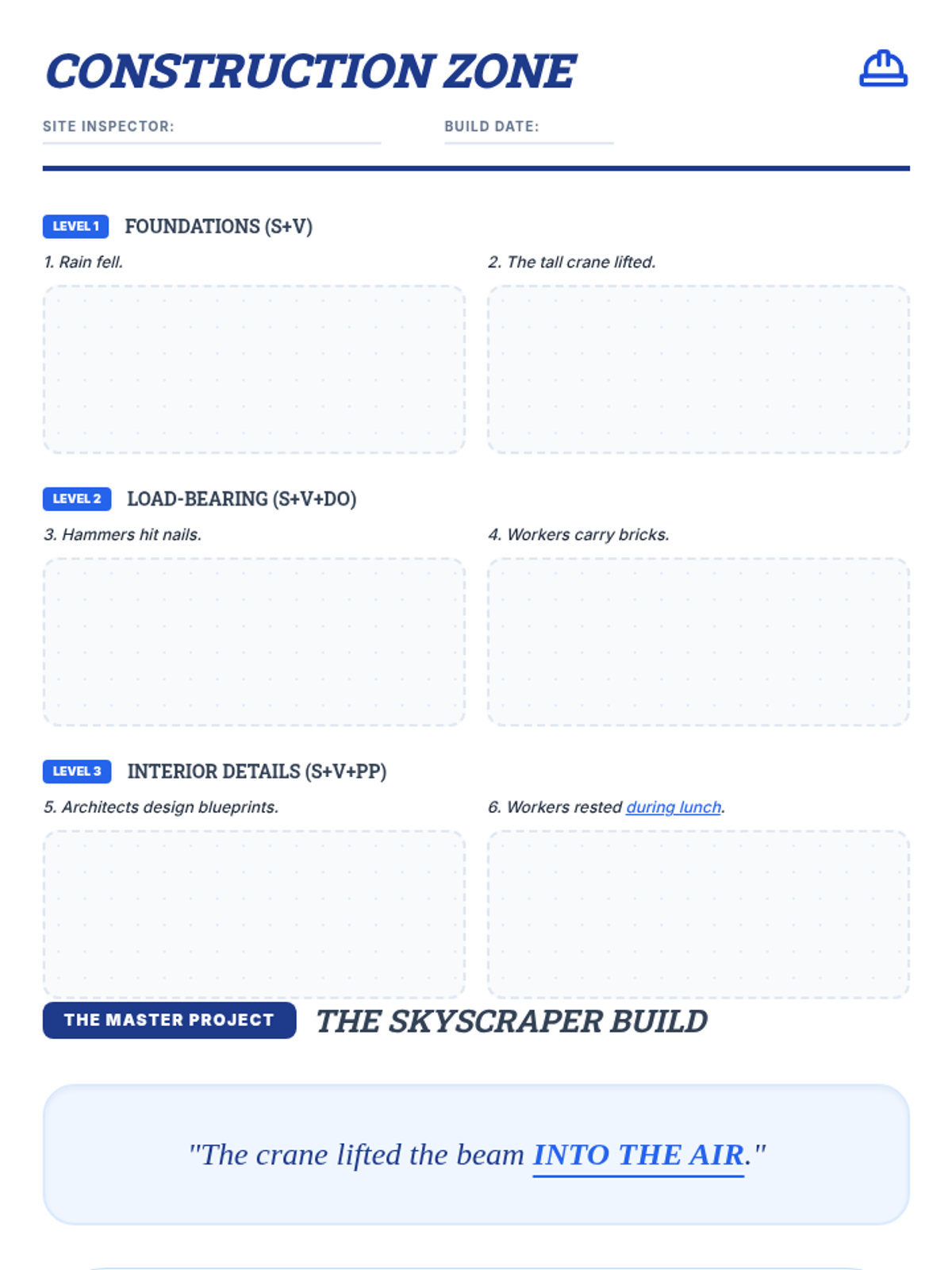
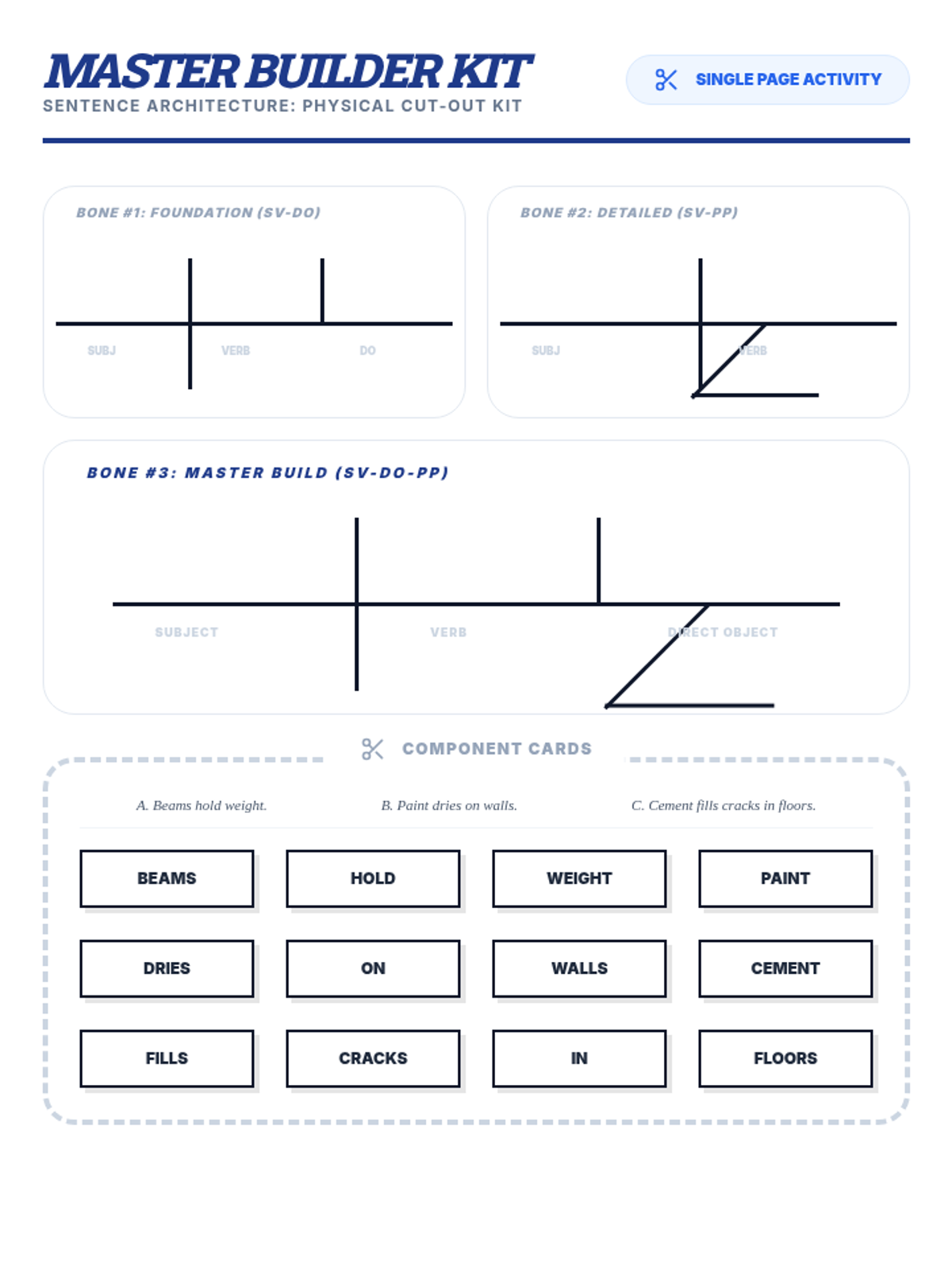
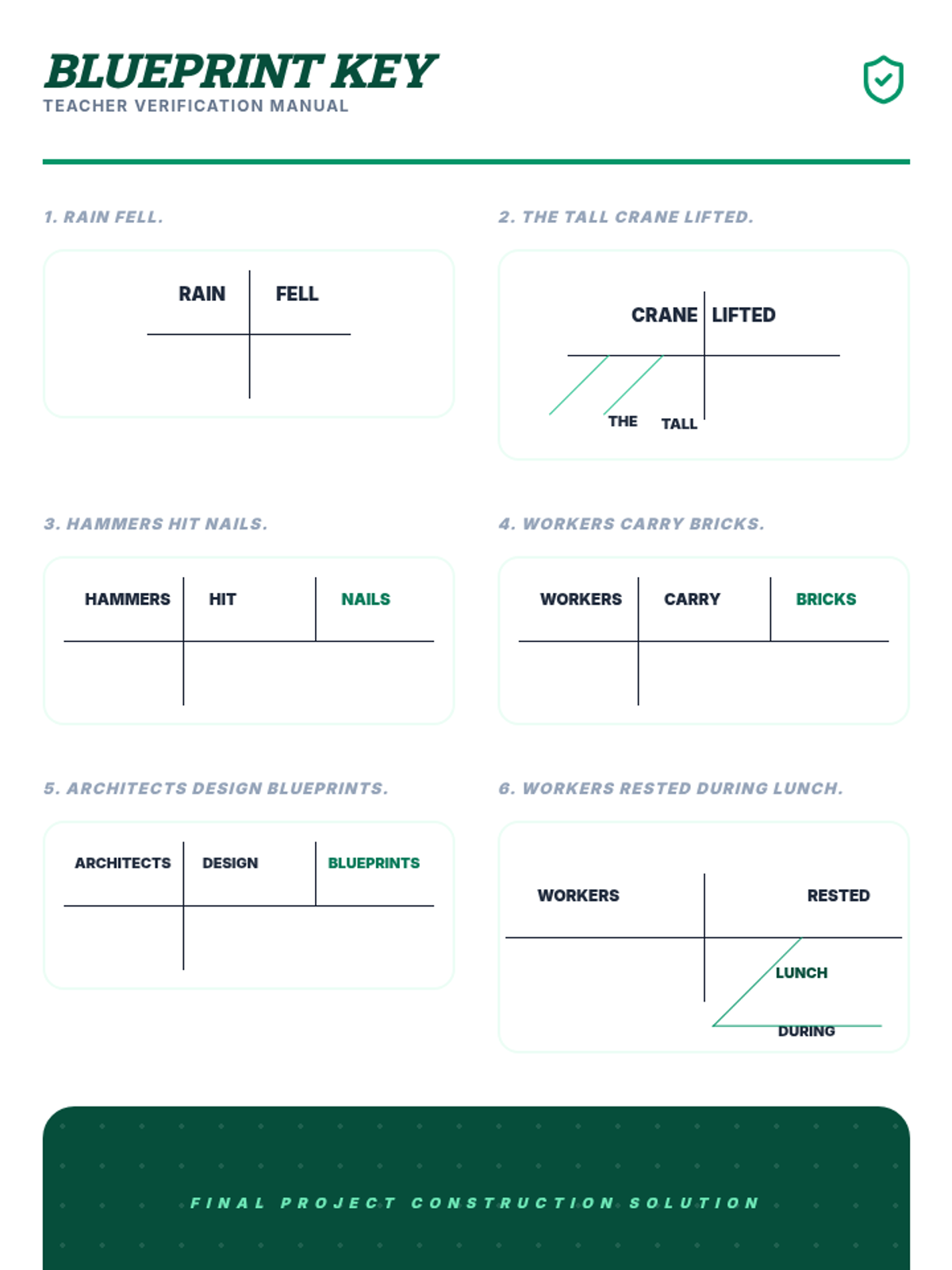
A comprehensive introduction to Reed-Kellogg sentence diagramming, covering subjects, verbs, direct objects, and prepositional phrases through a structural engineering lens.
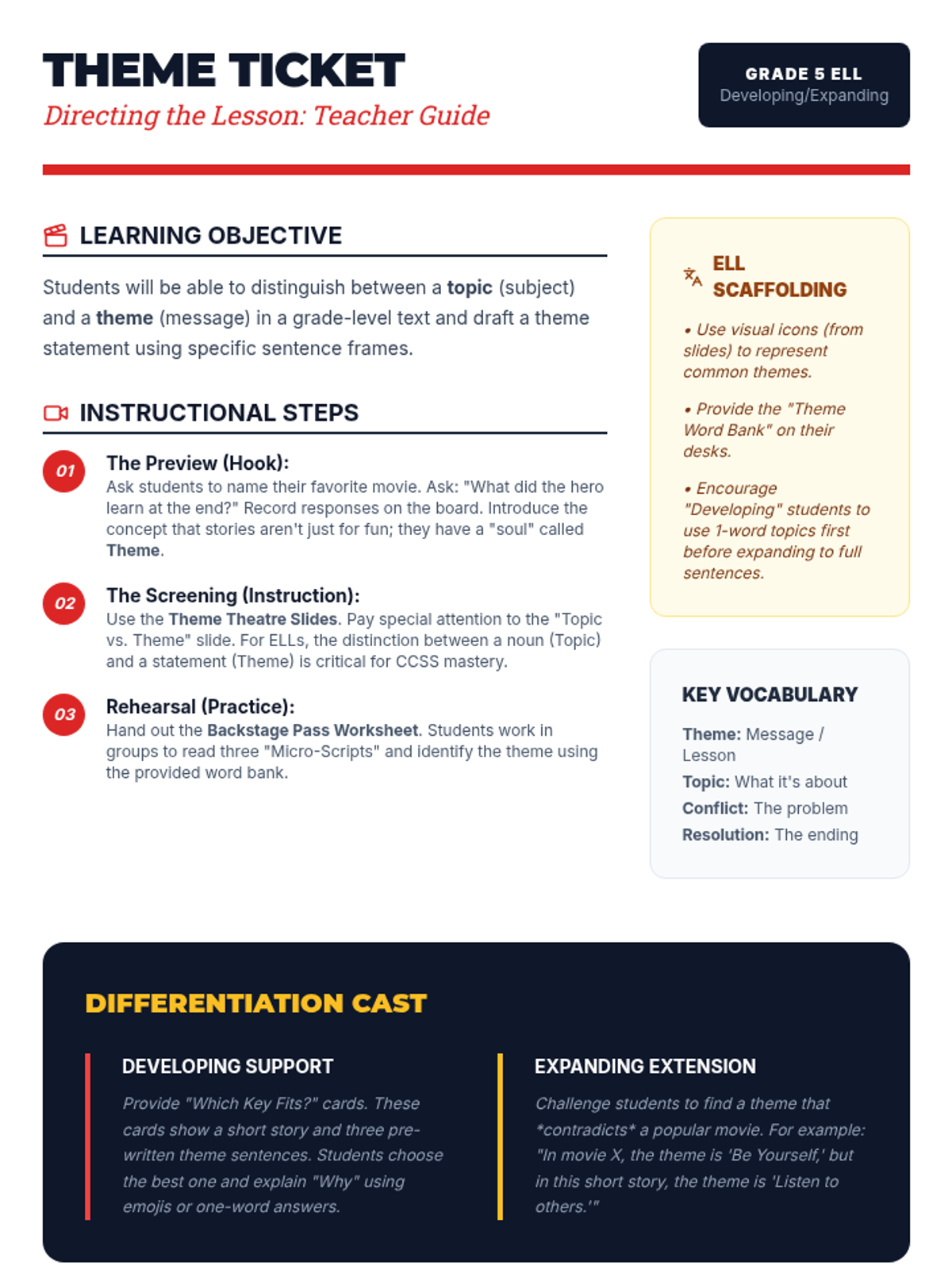
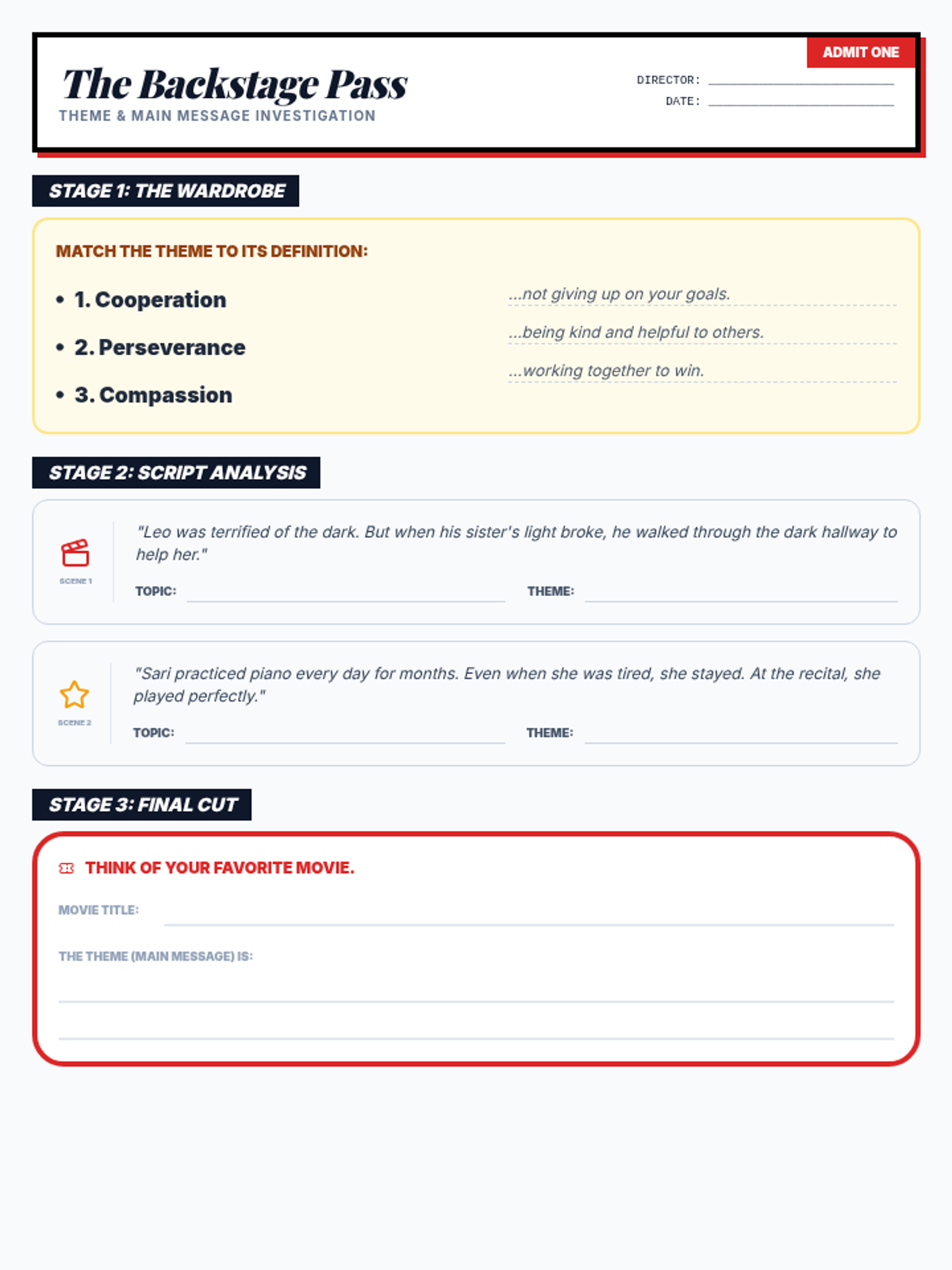
Students learn to identify the theme or main message of a story by analyzing character choices and outcomes, framed through a "Cinema" or "Movie Theatre" lens to help ELL students distinguish between topic and theme.
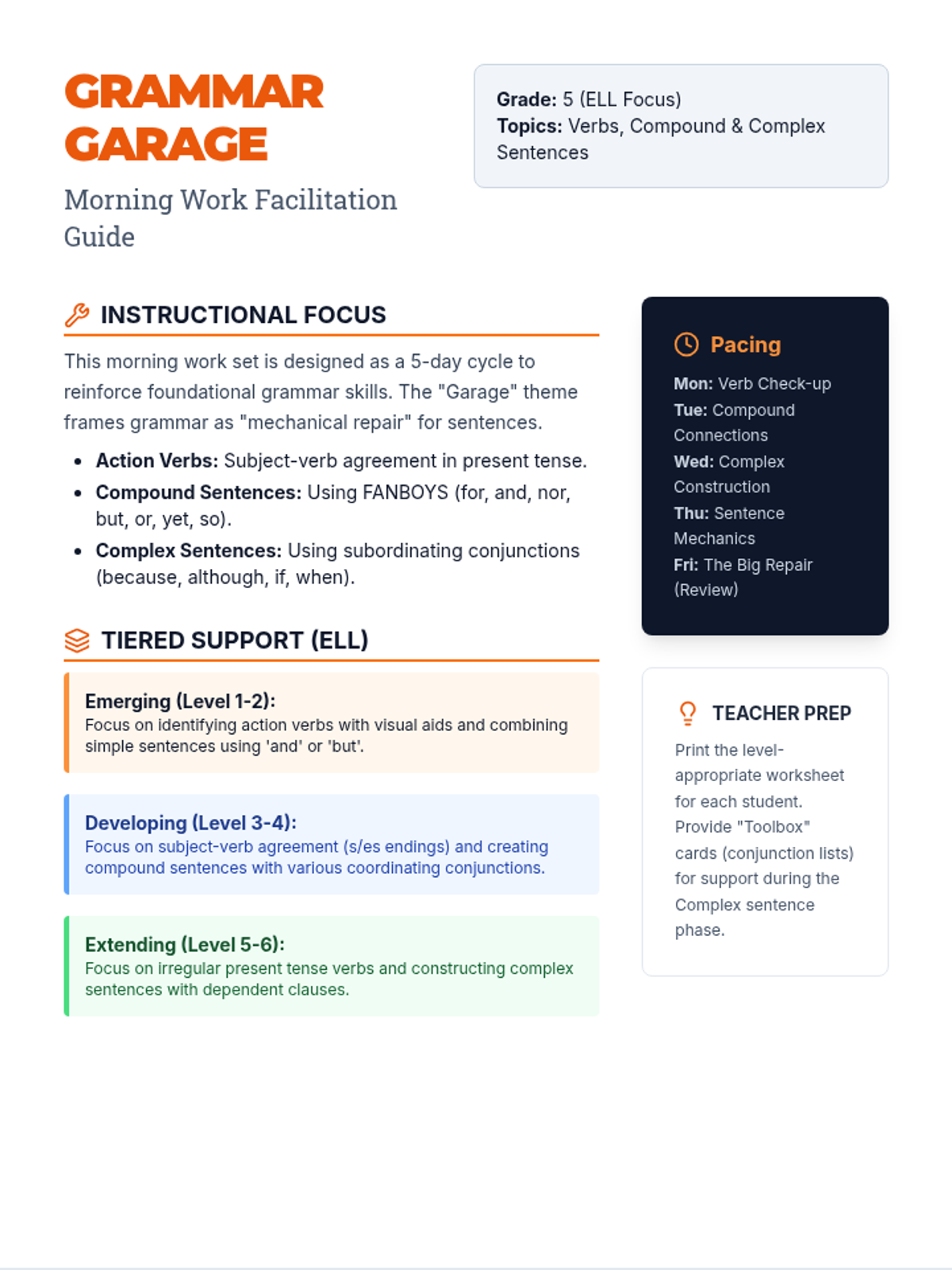
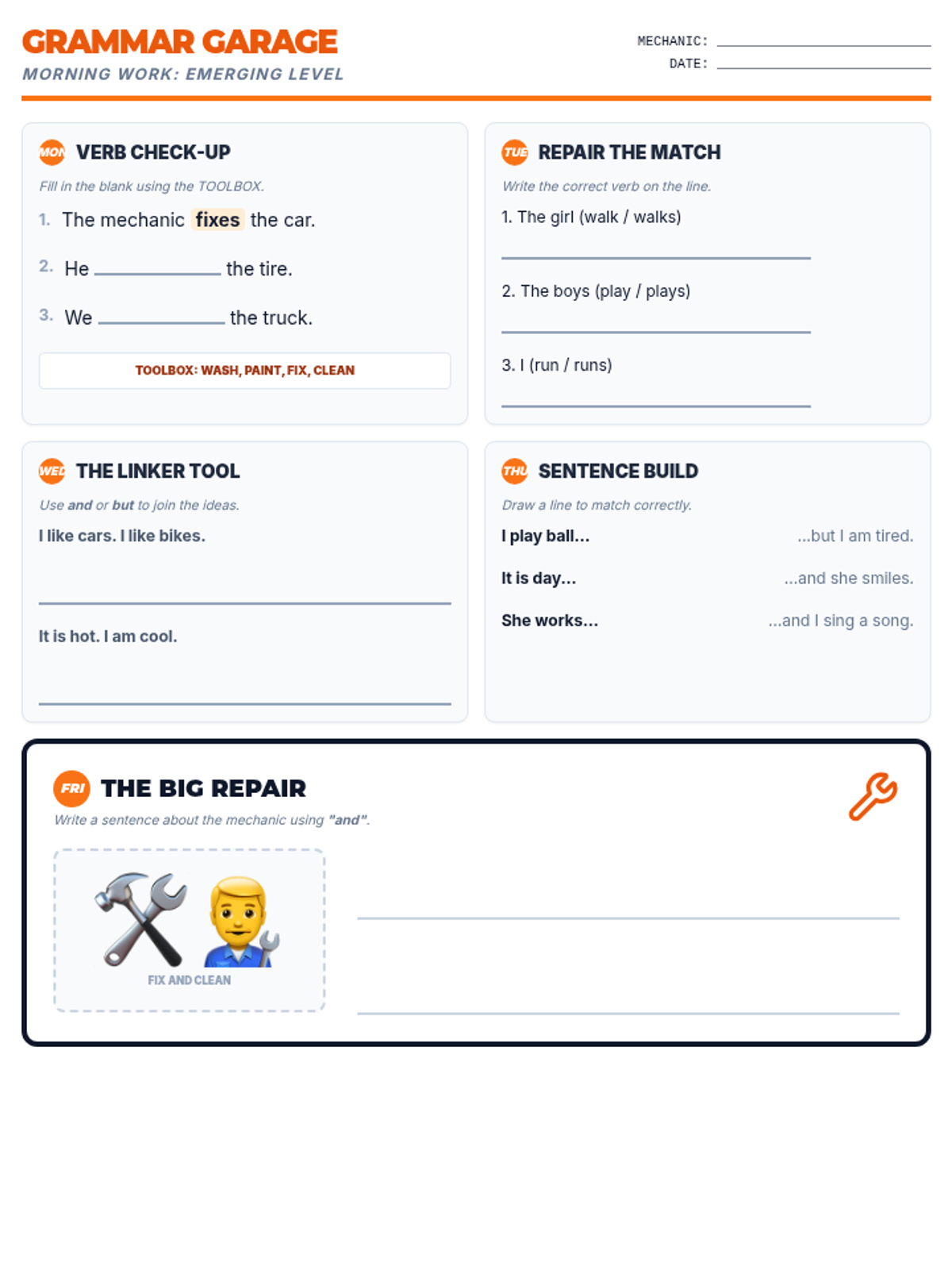
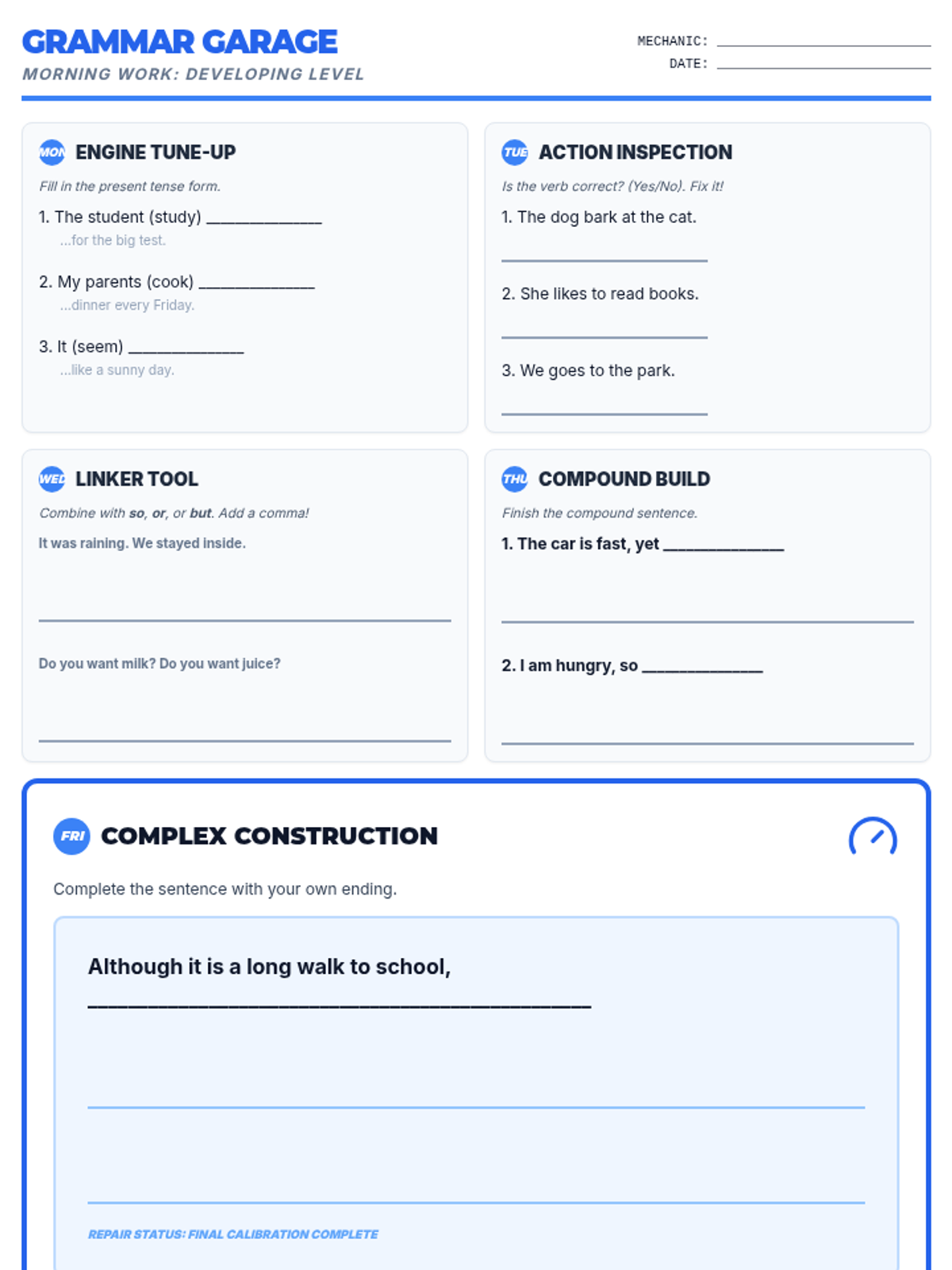
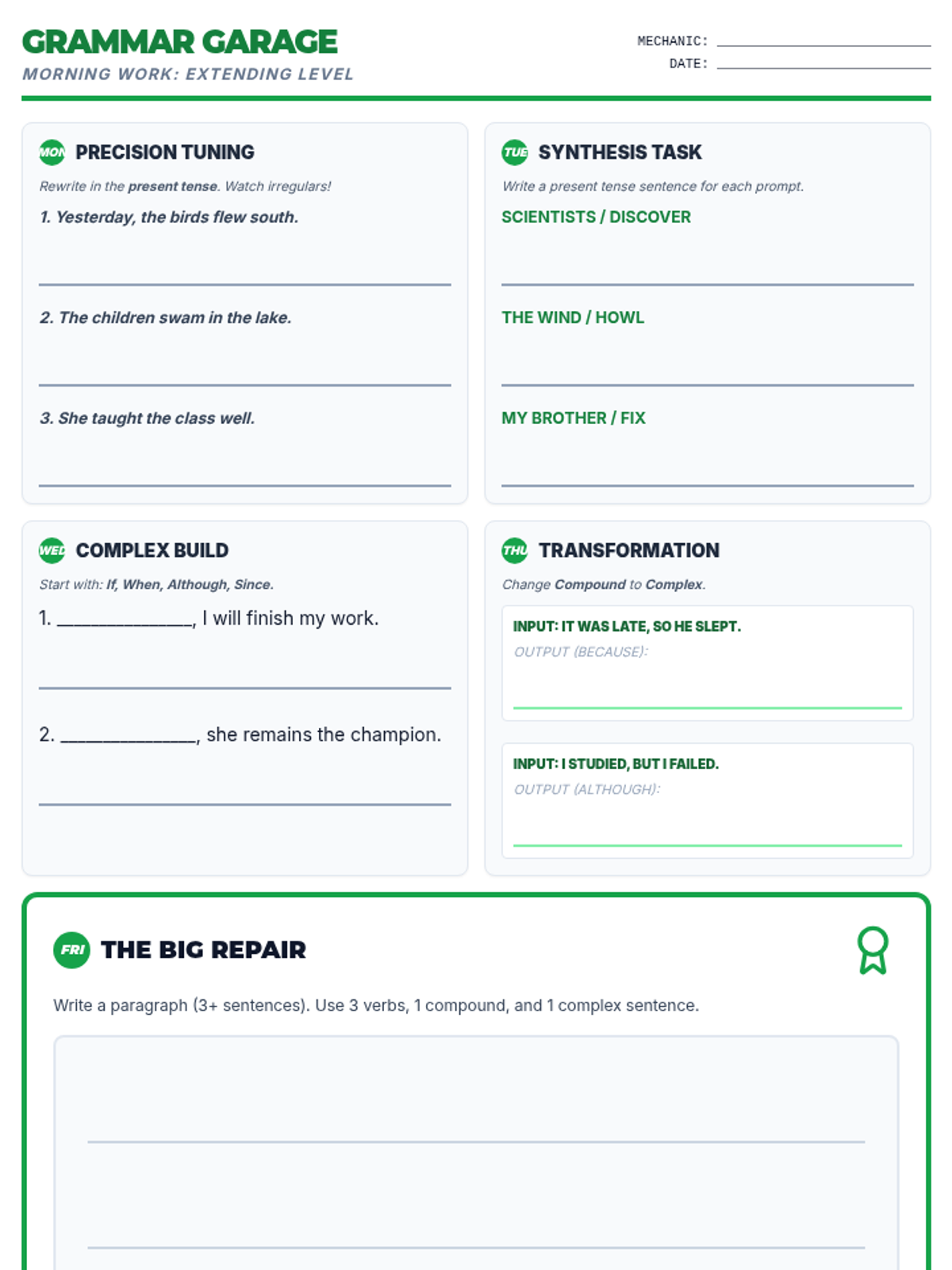
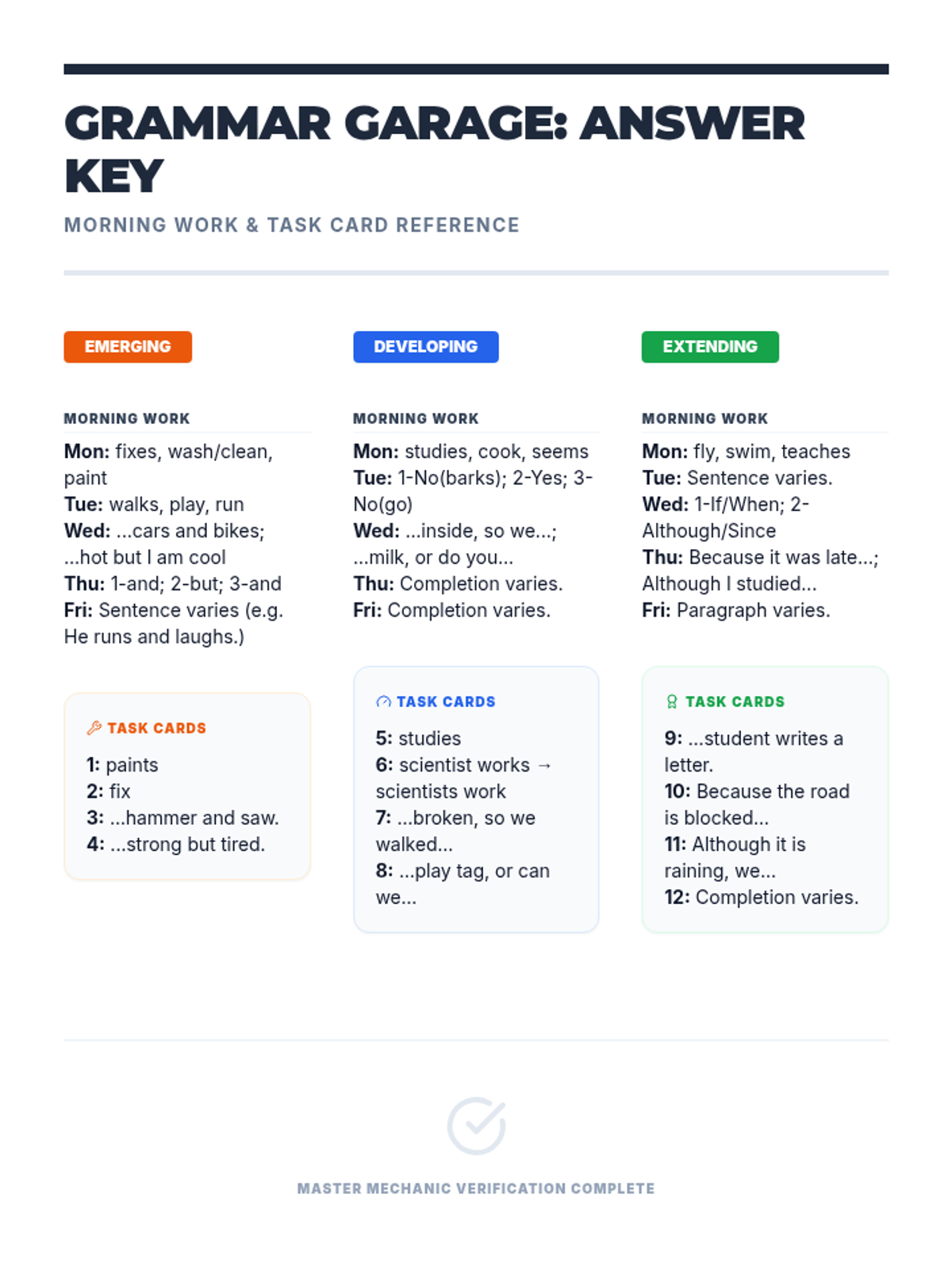
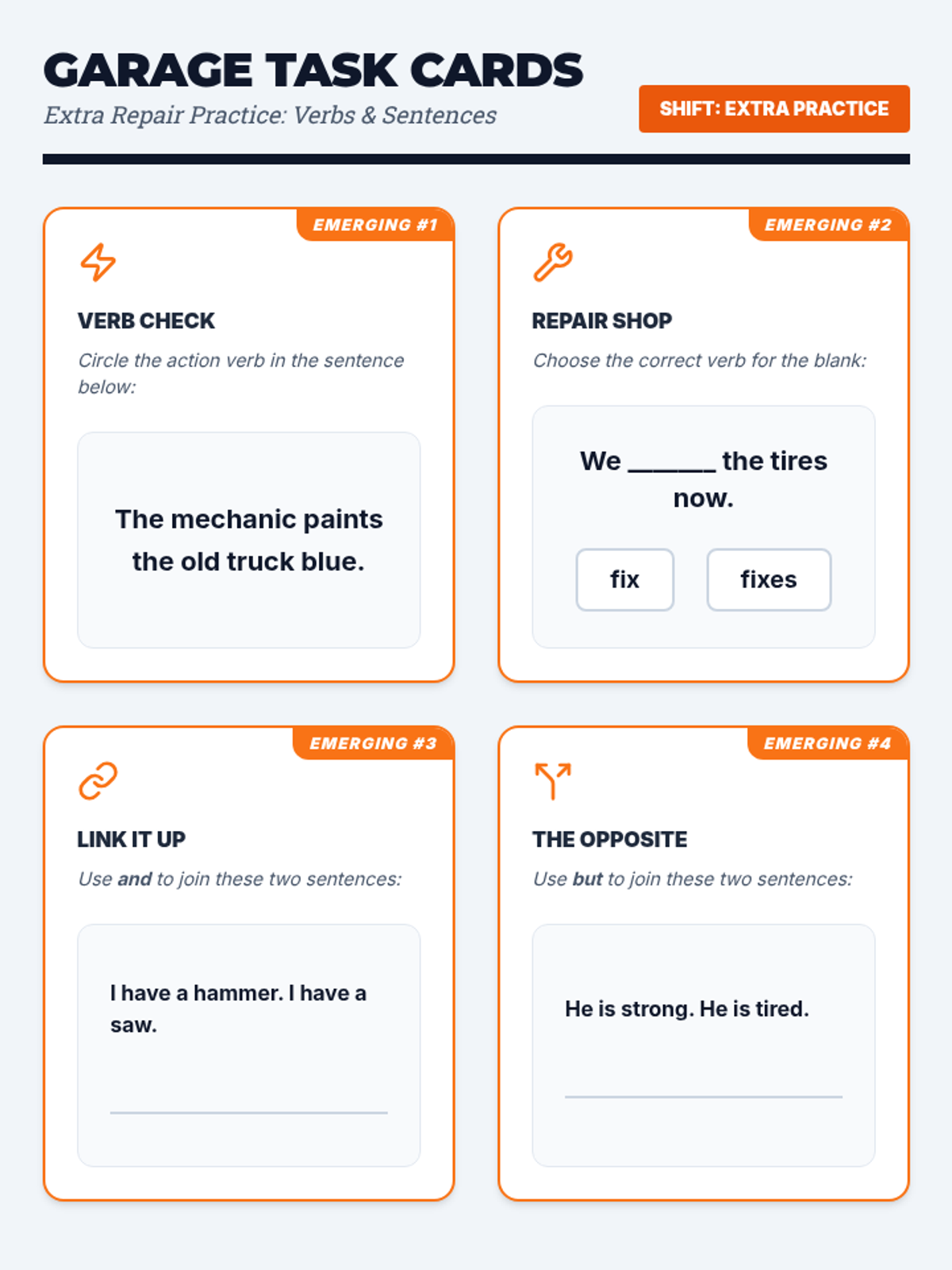
A series of tiered morning work activities designed to review present tense action verbs, compound sentences, and complex sentences for 5th-grade ELL students.
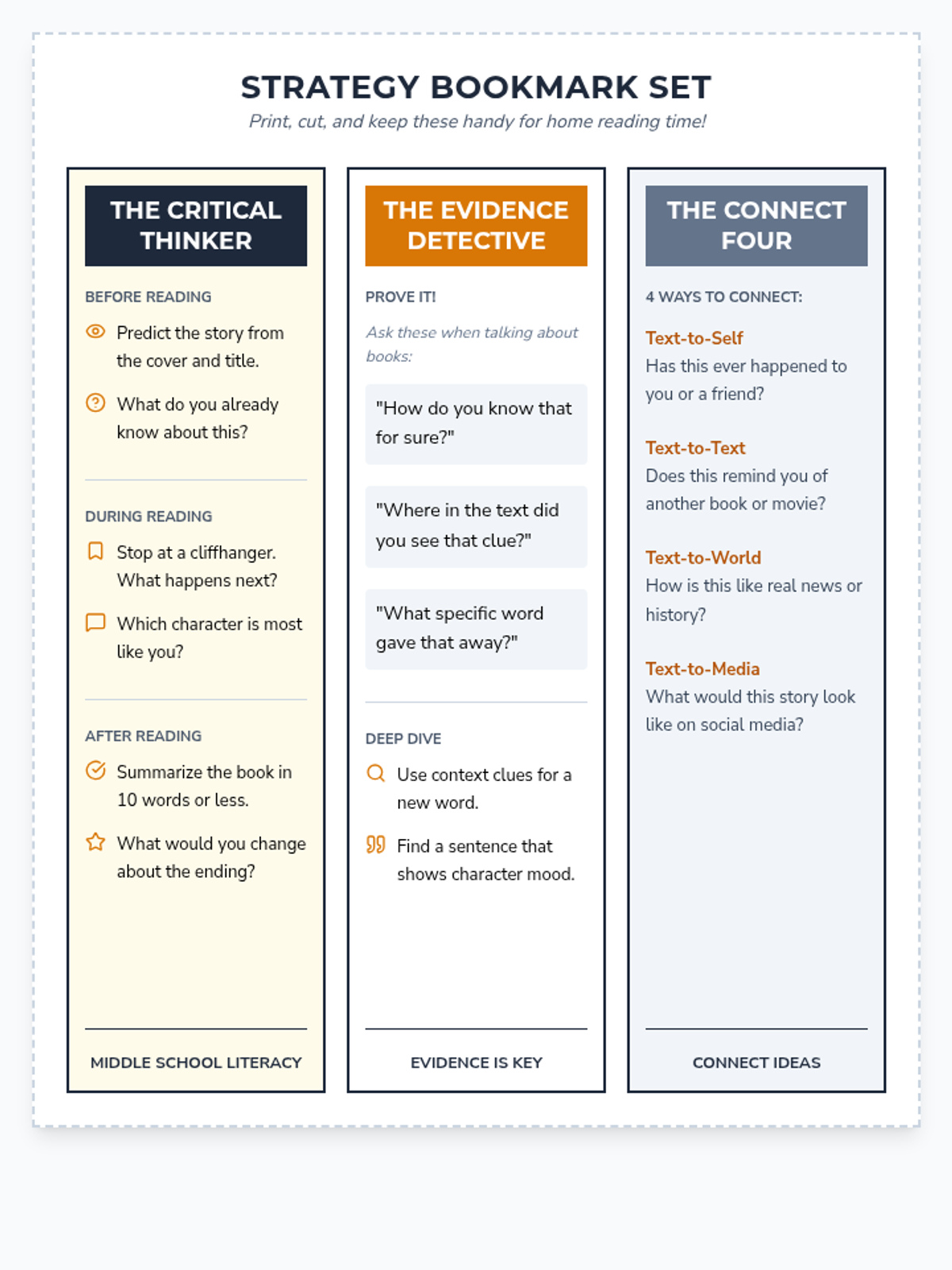
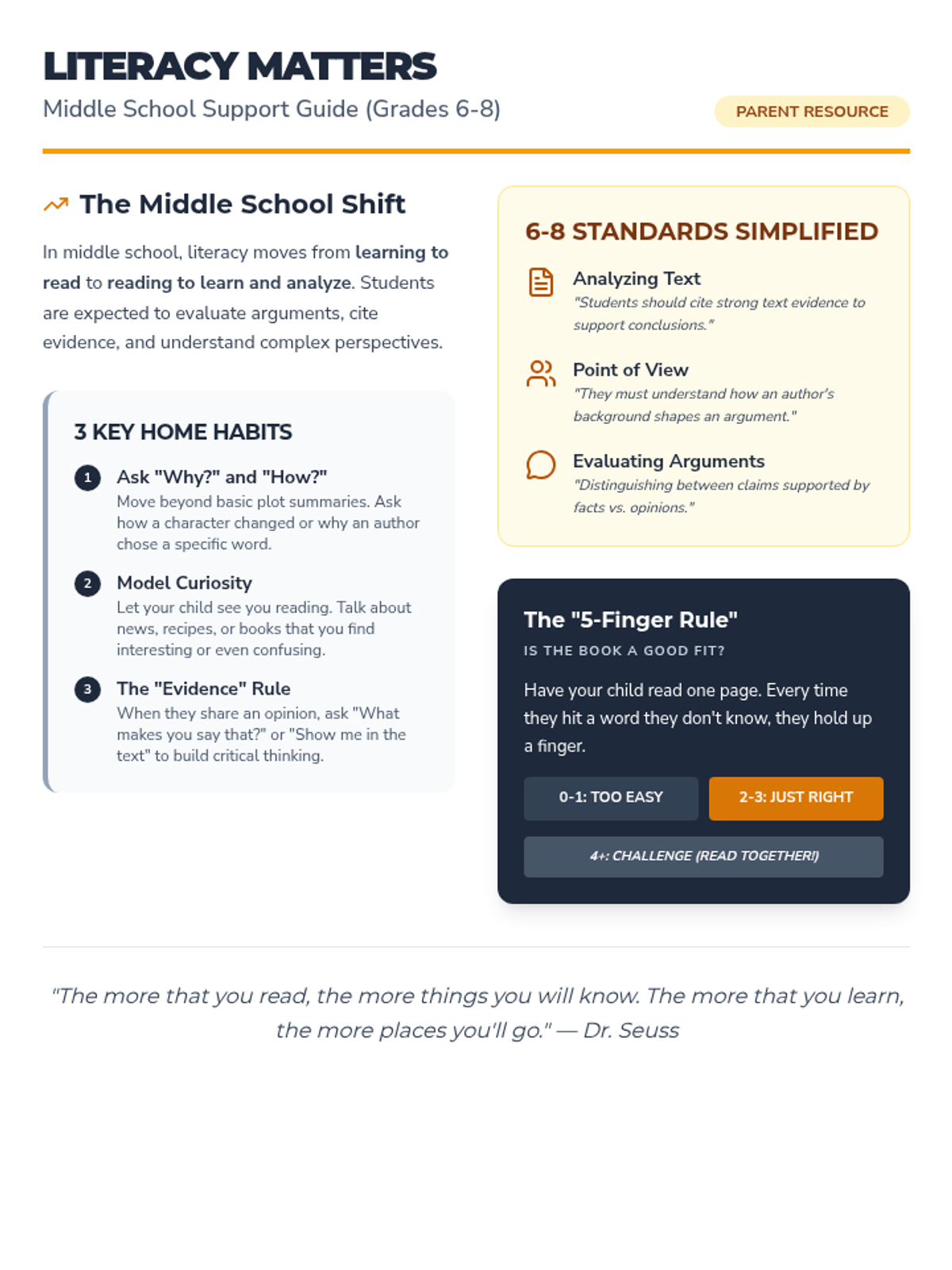
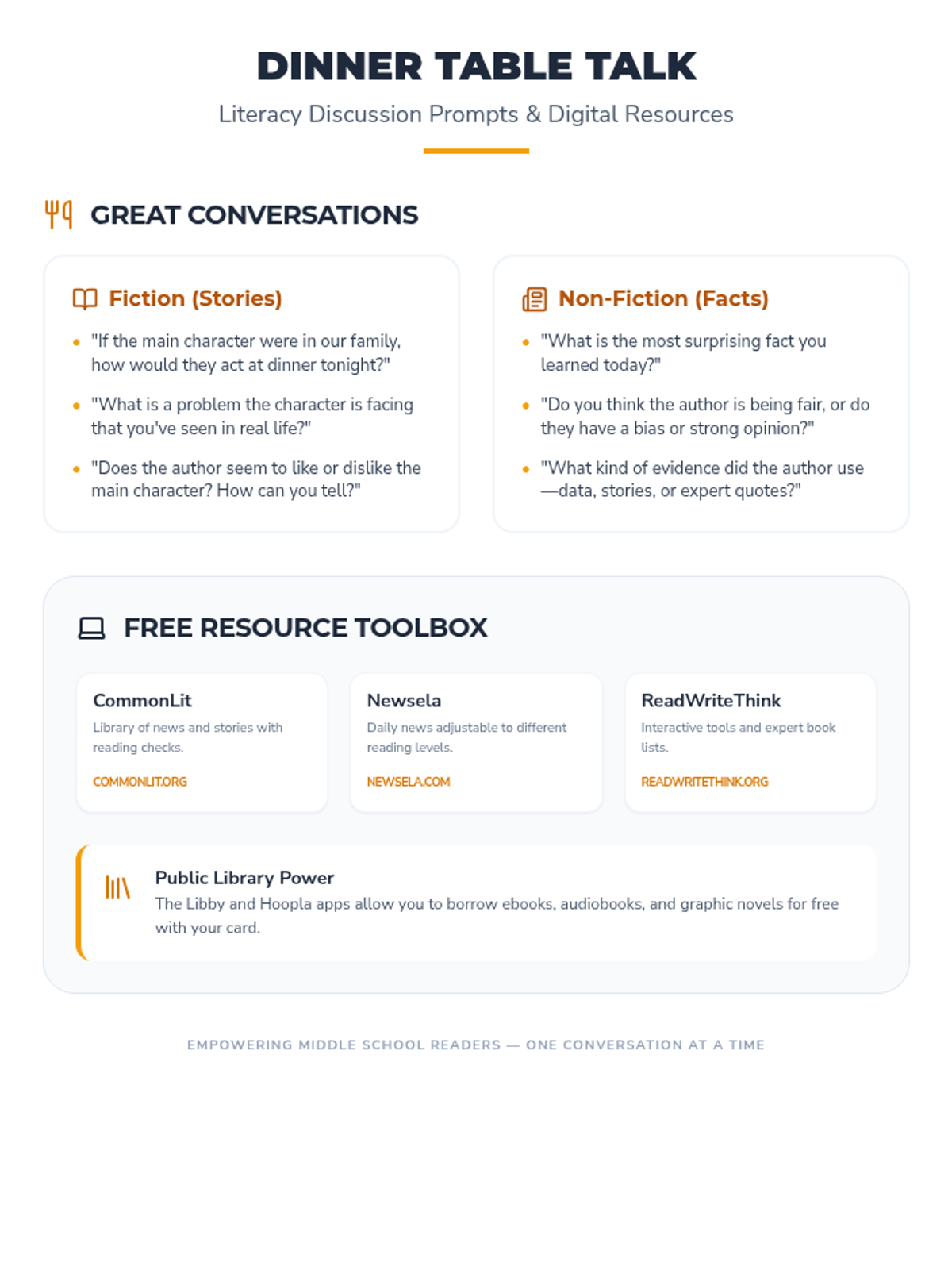
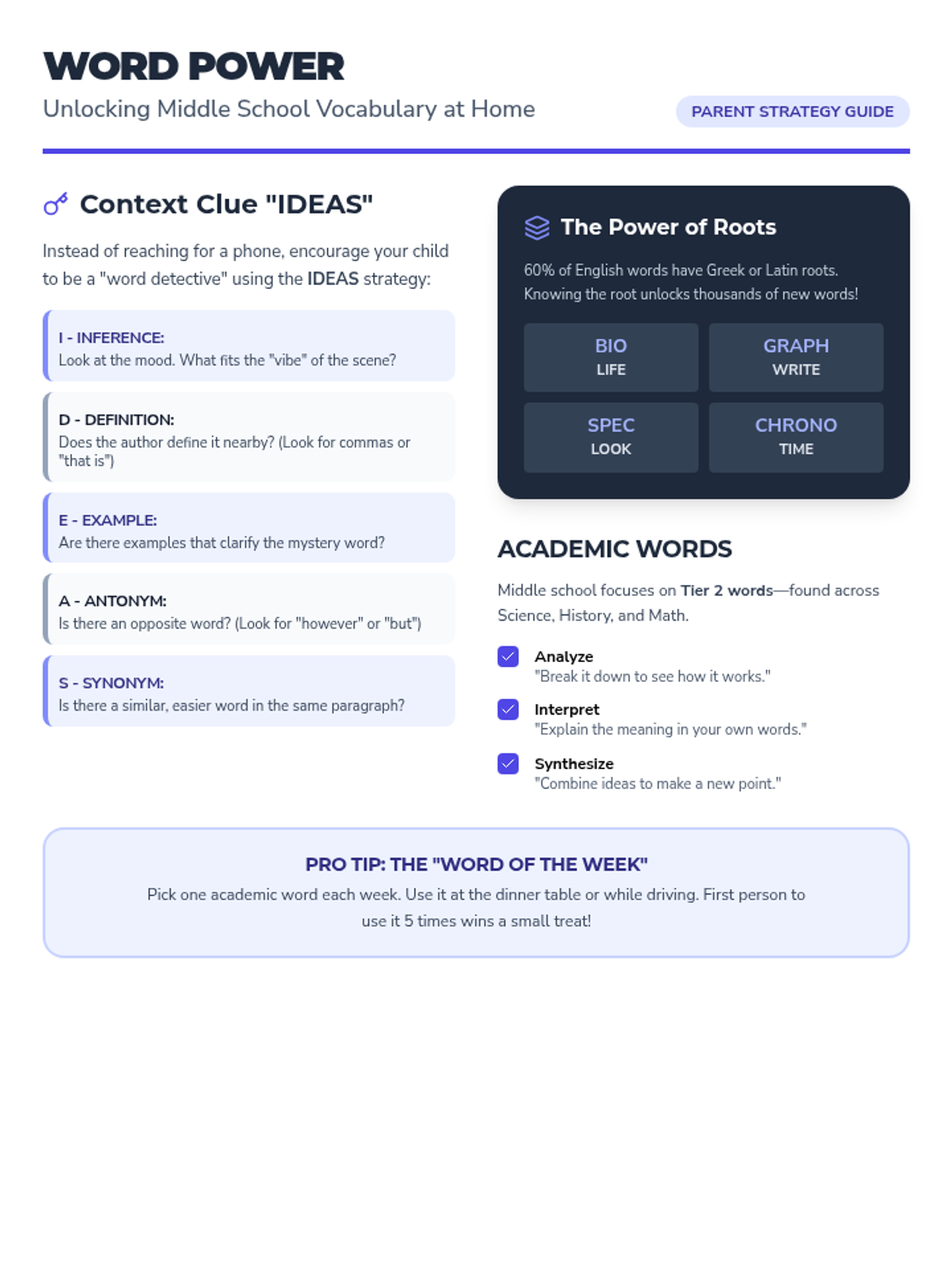
A comprehensive set of resources for middle school parents to support literacy development at home, covering reading comprehension, critical thinking, and discussion strategies aligned with 6-8 standards.
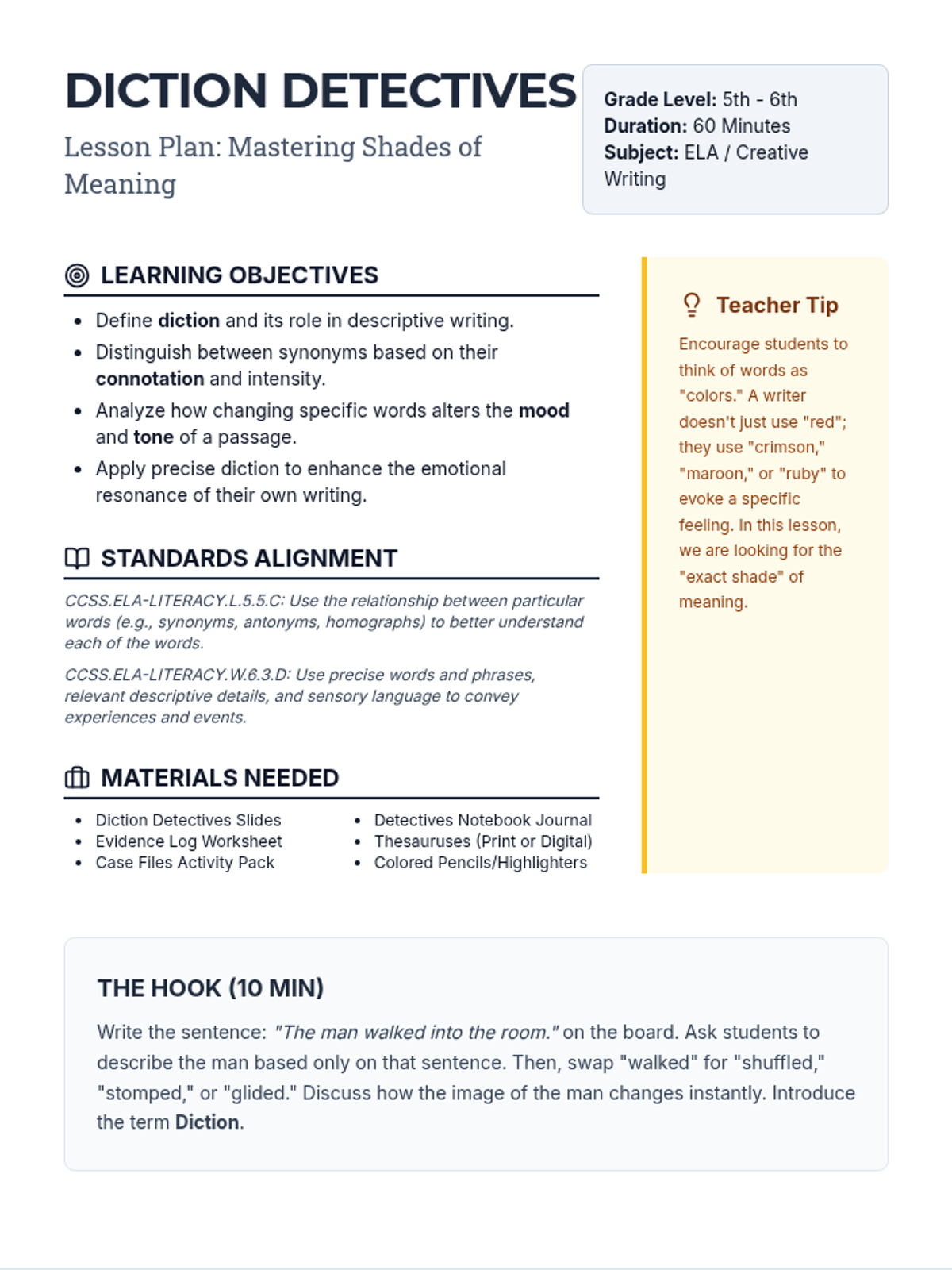
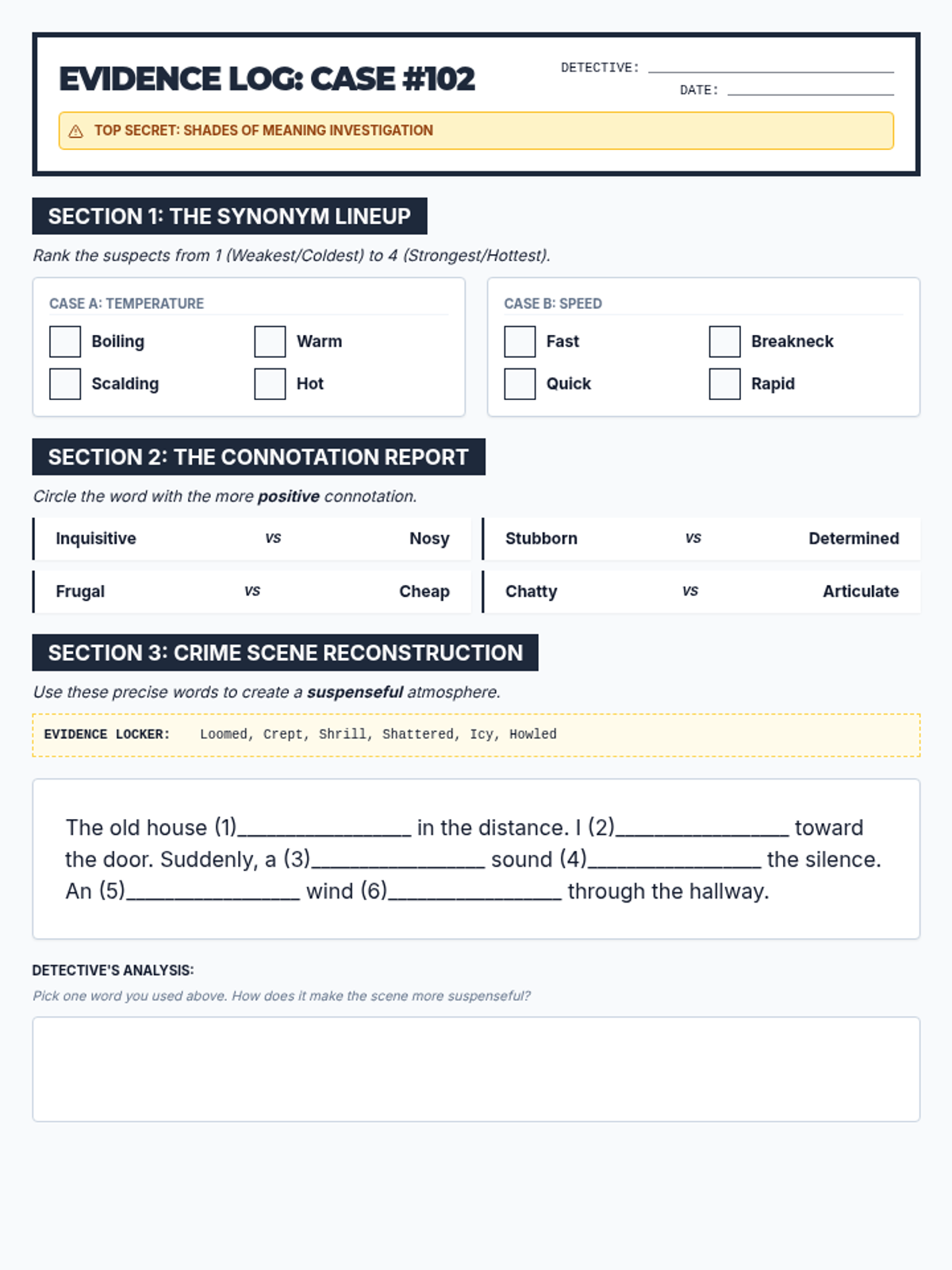
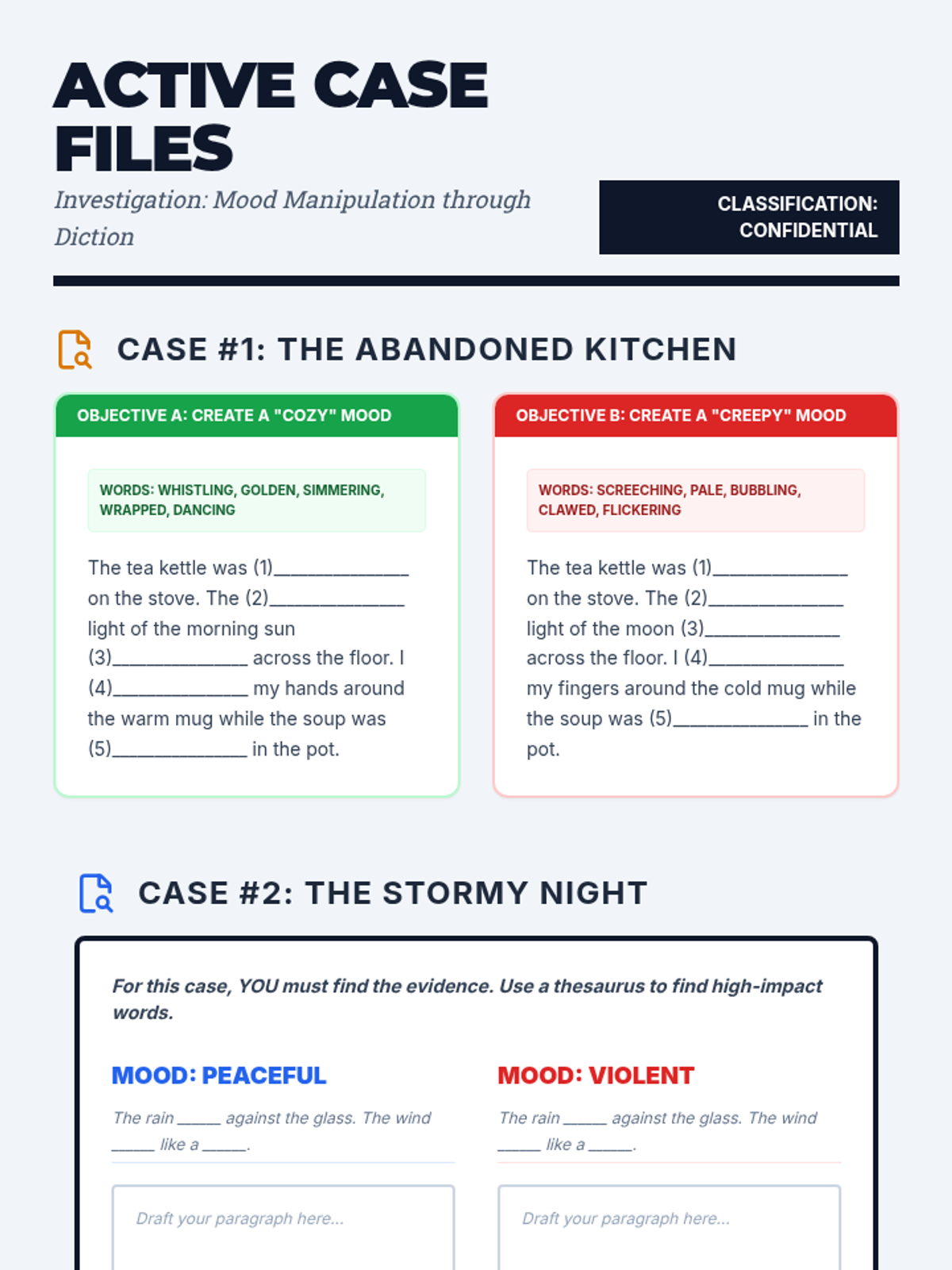
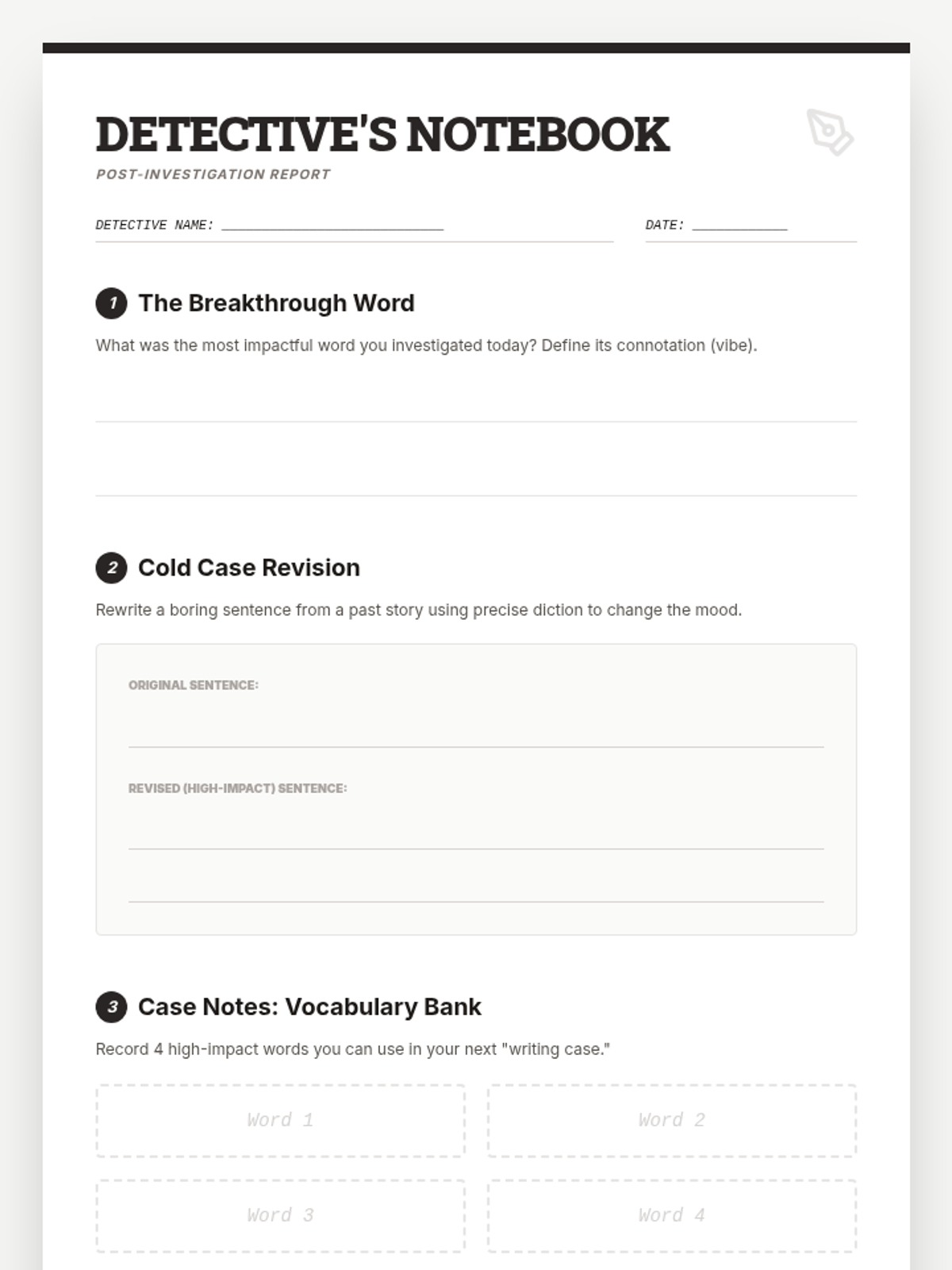
Students investigate how precise word choices (diction) influence the mood and tone of a story through a detective-themed exploration of synonyms and shades of meaning.
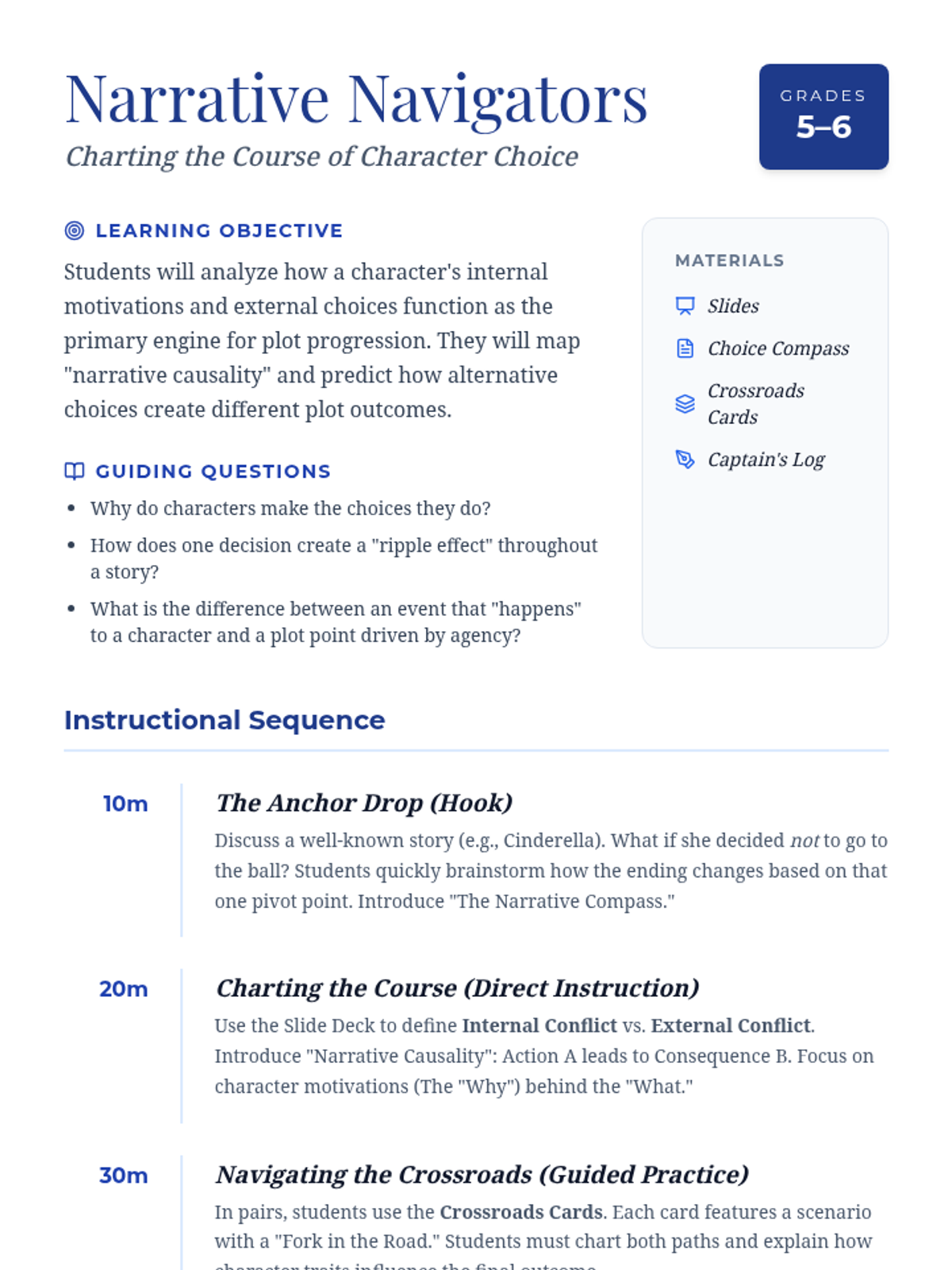
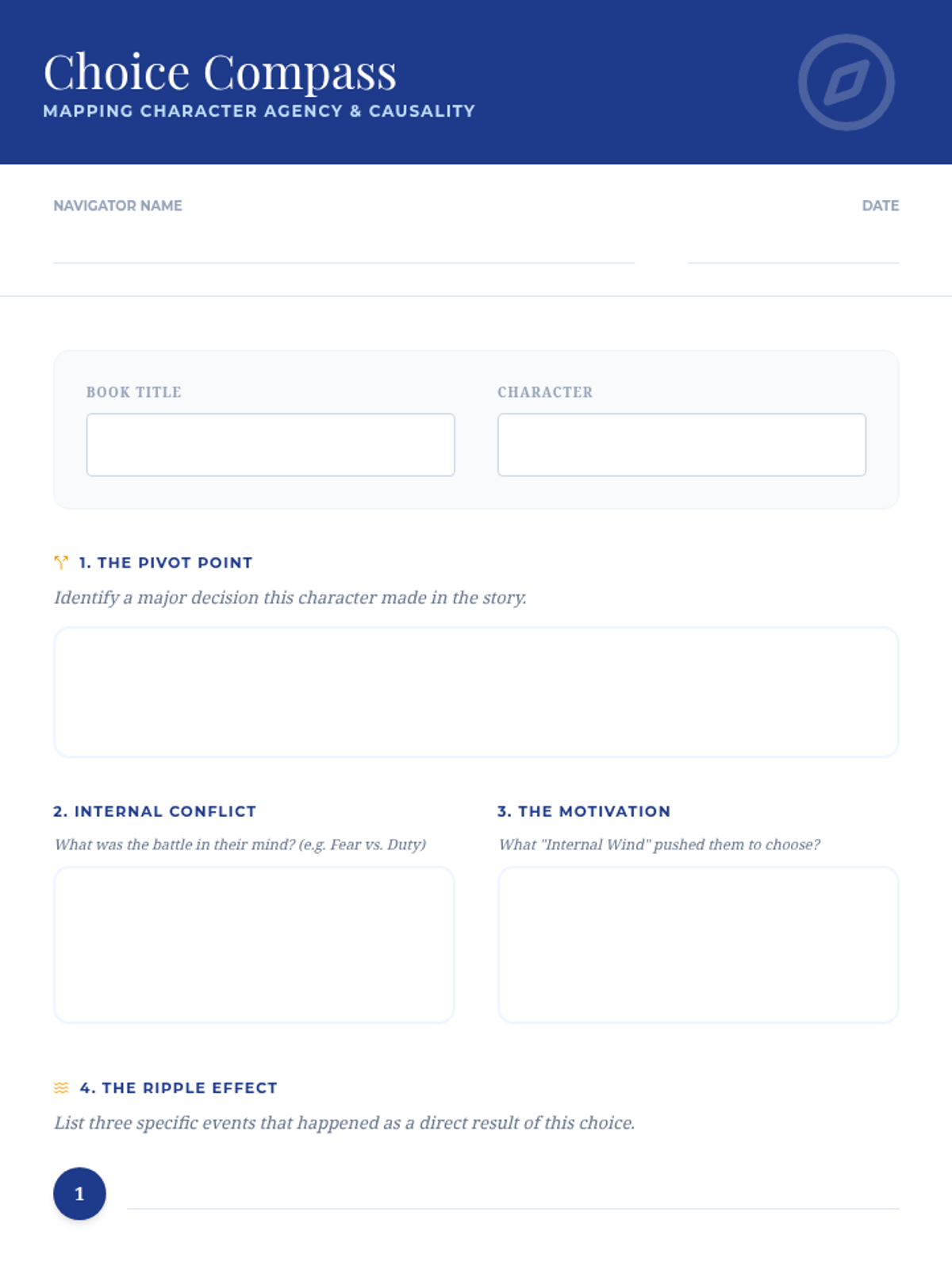
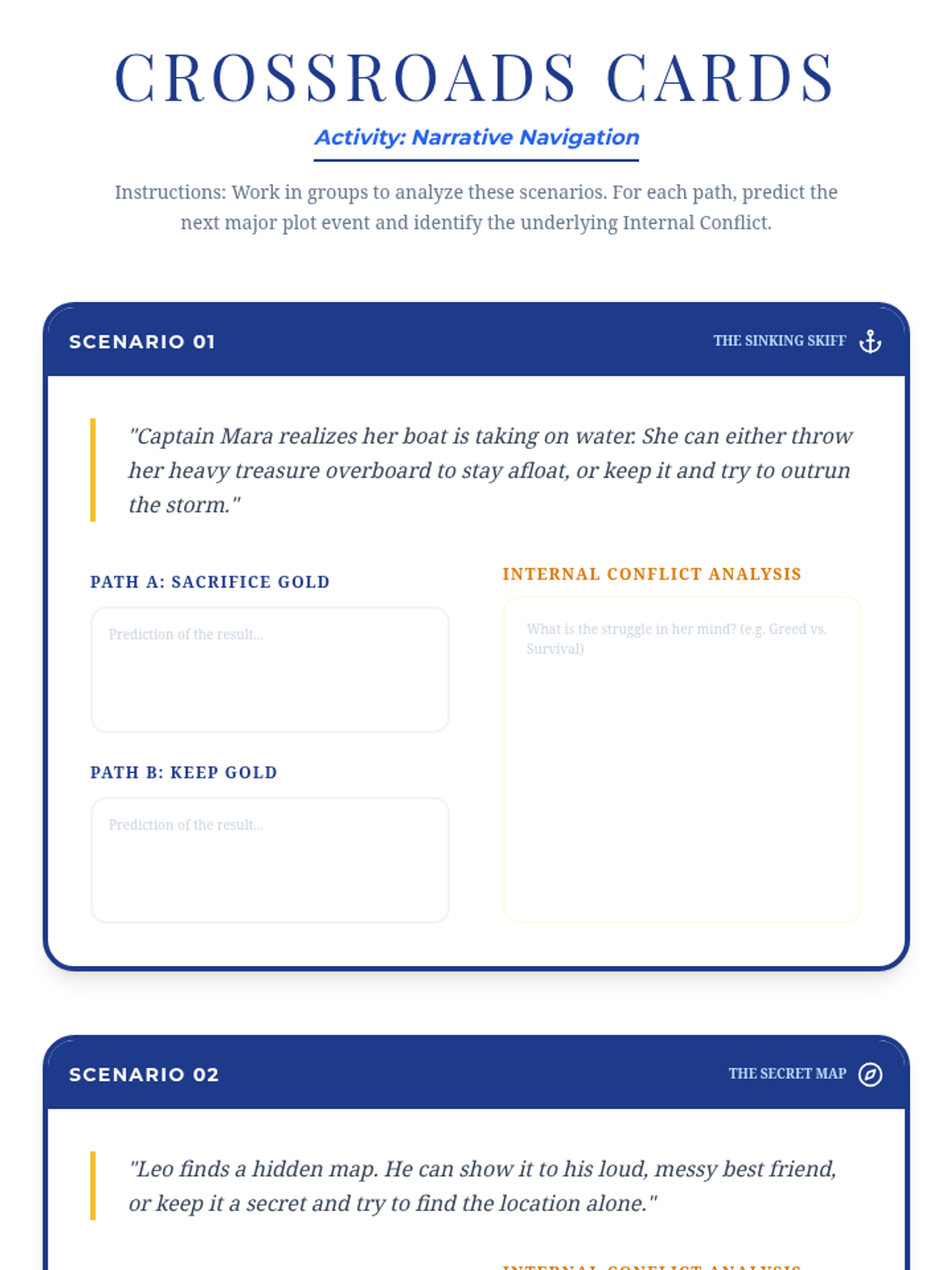
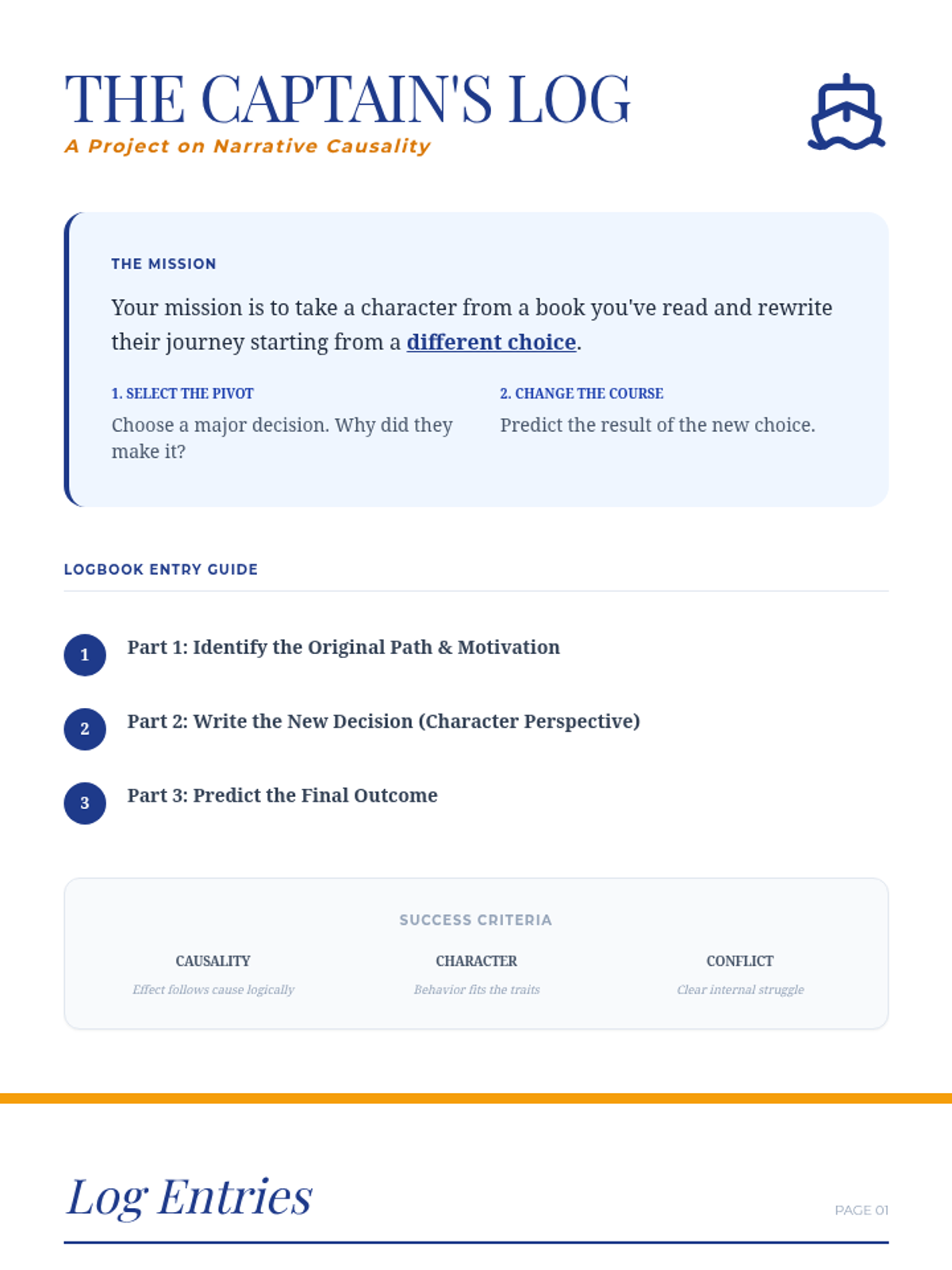
Students explore narrative causality by analyzing how character choices drive plot development, mapping alternative consequences, and understanding the role of internal conflict in 5th and 6th-grade literature.
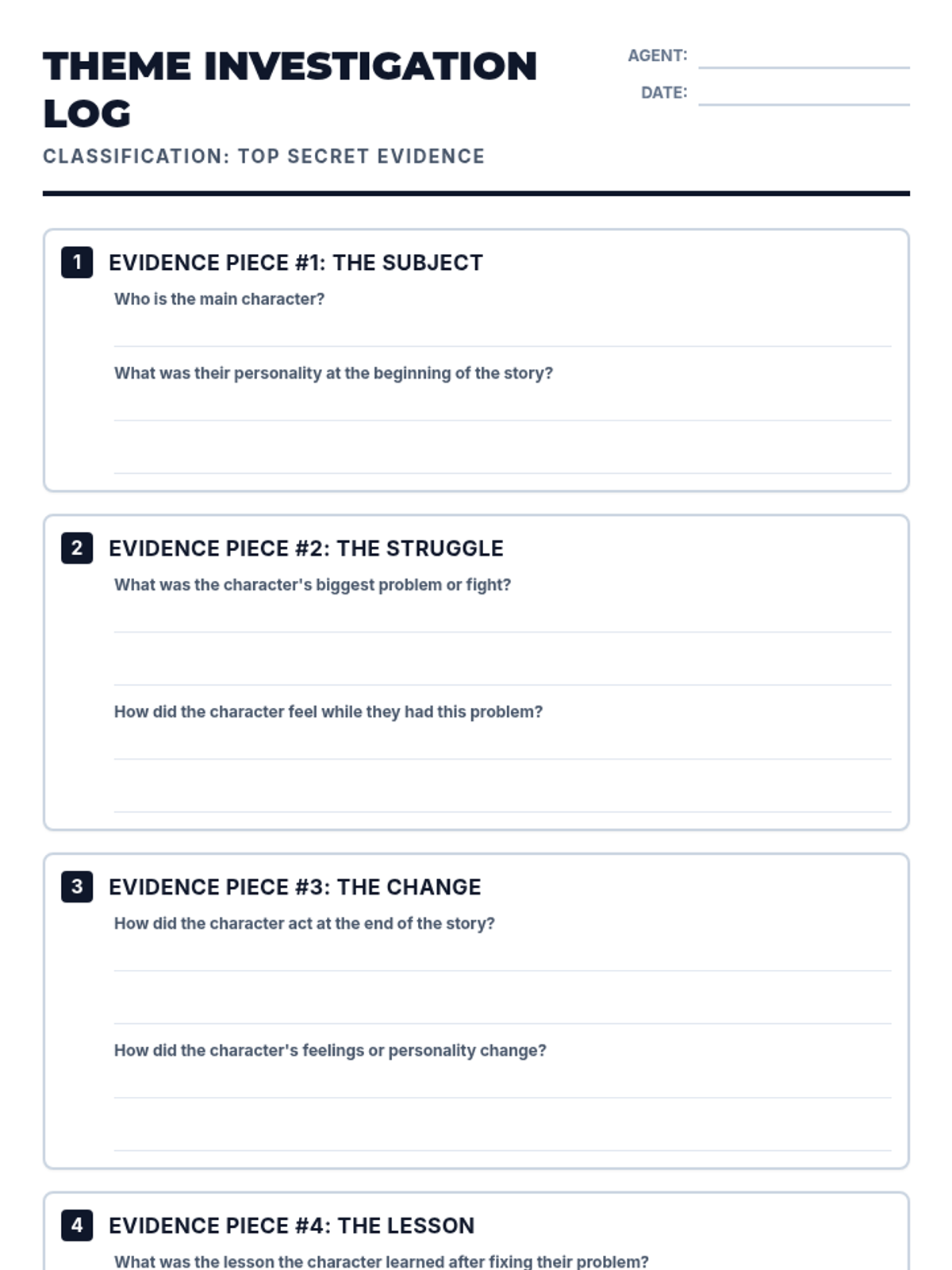
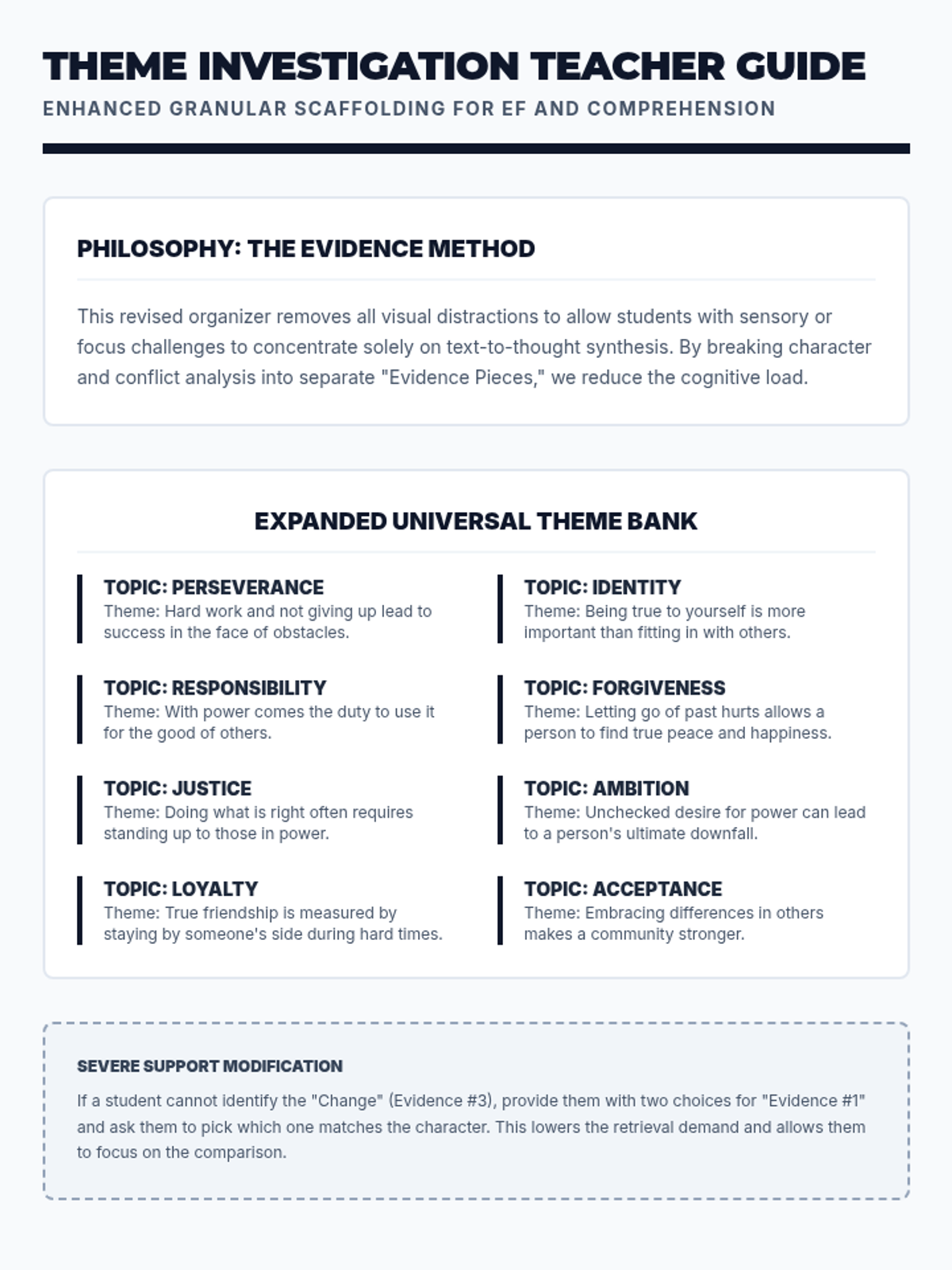
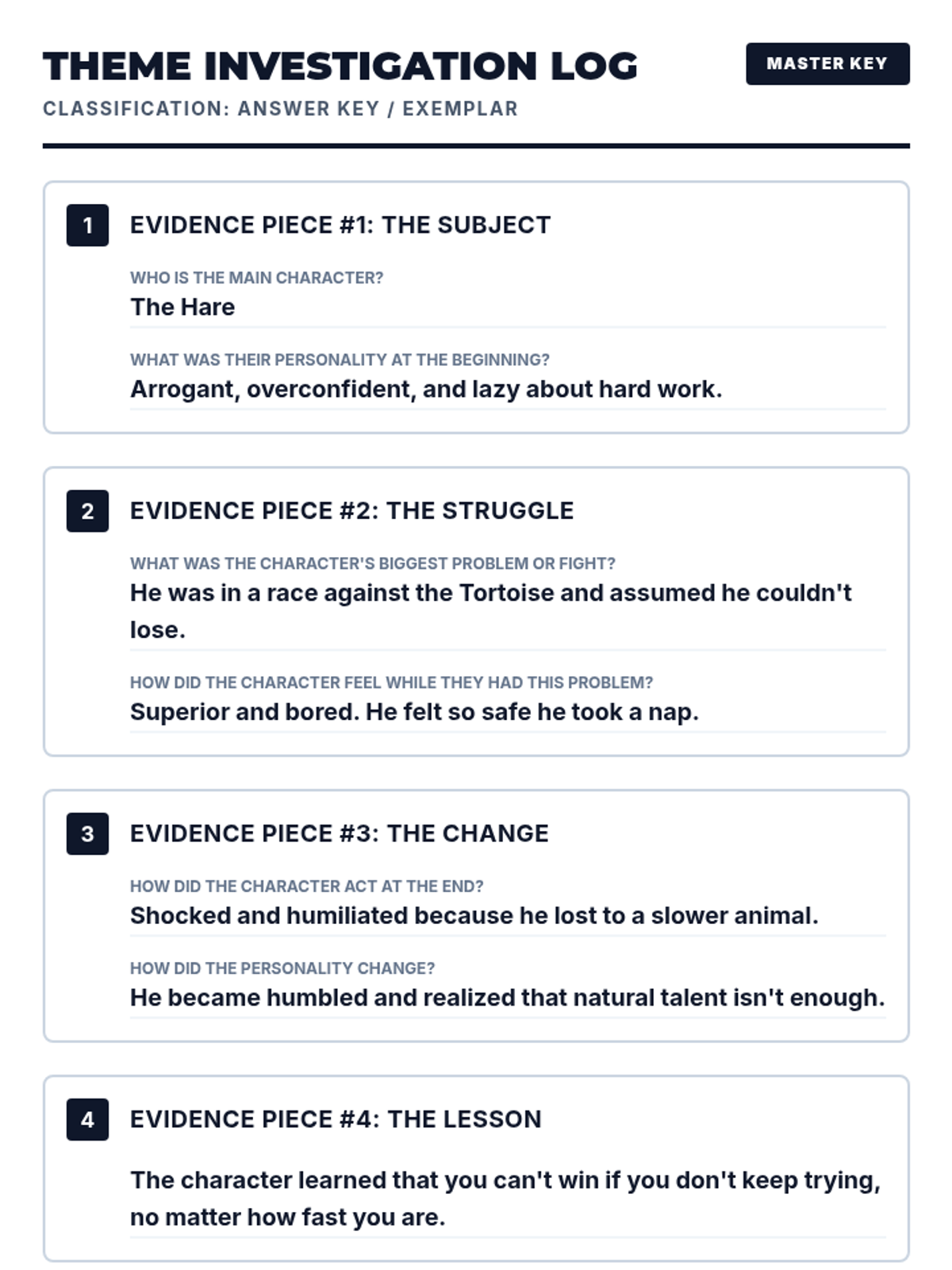
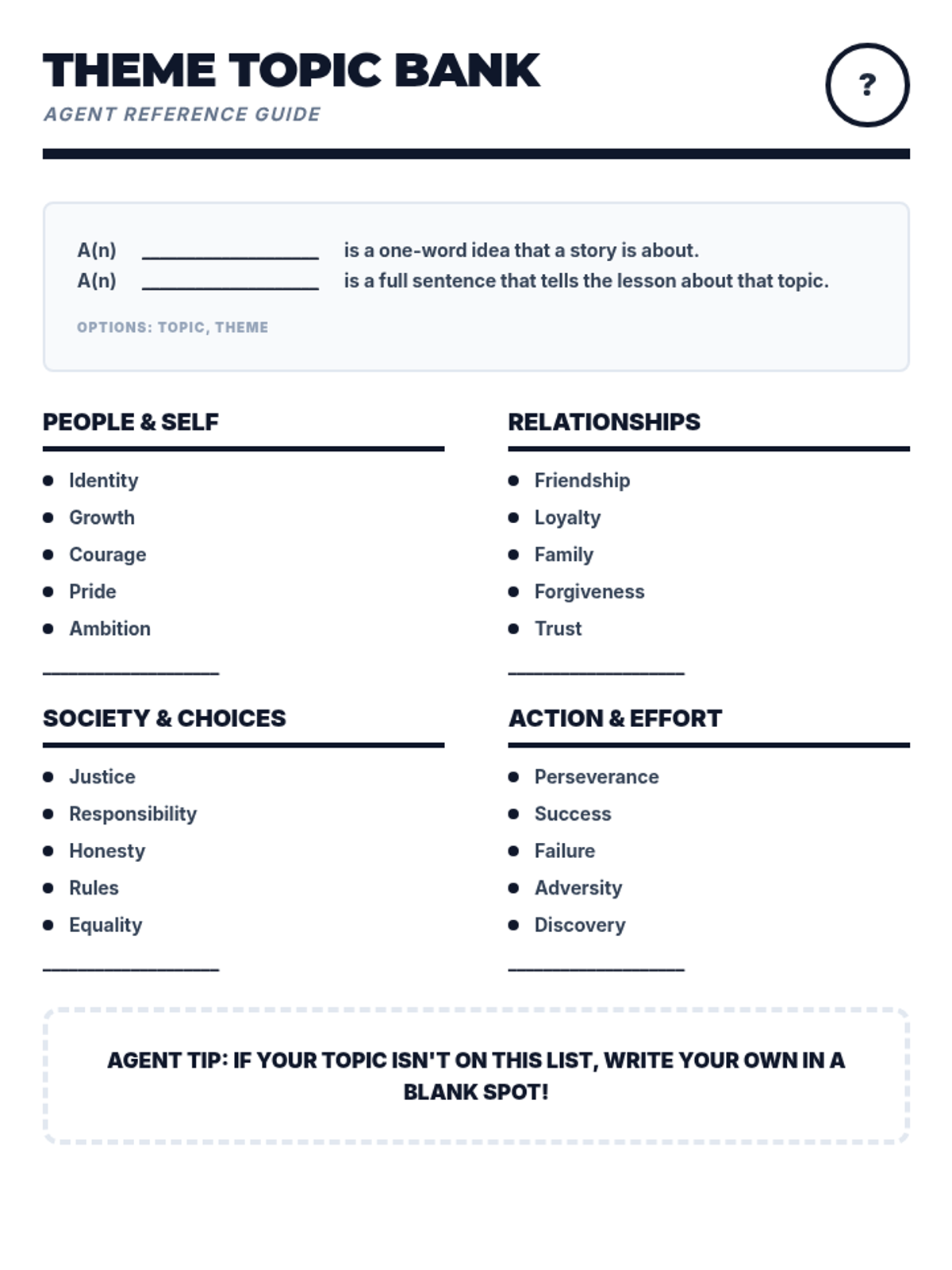
A structured approach to identifying themes in literature using a detective-themed graphic organizer designed for students with executive function and comprehension challenges.
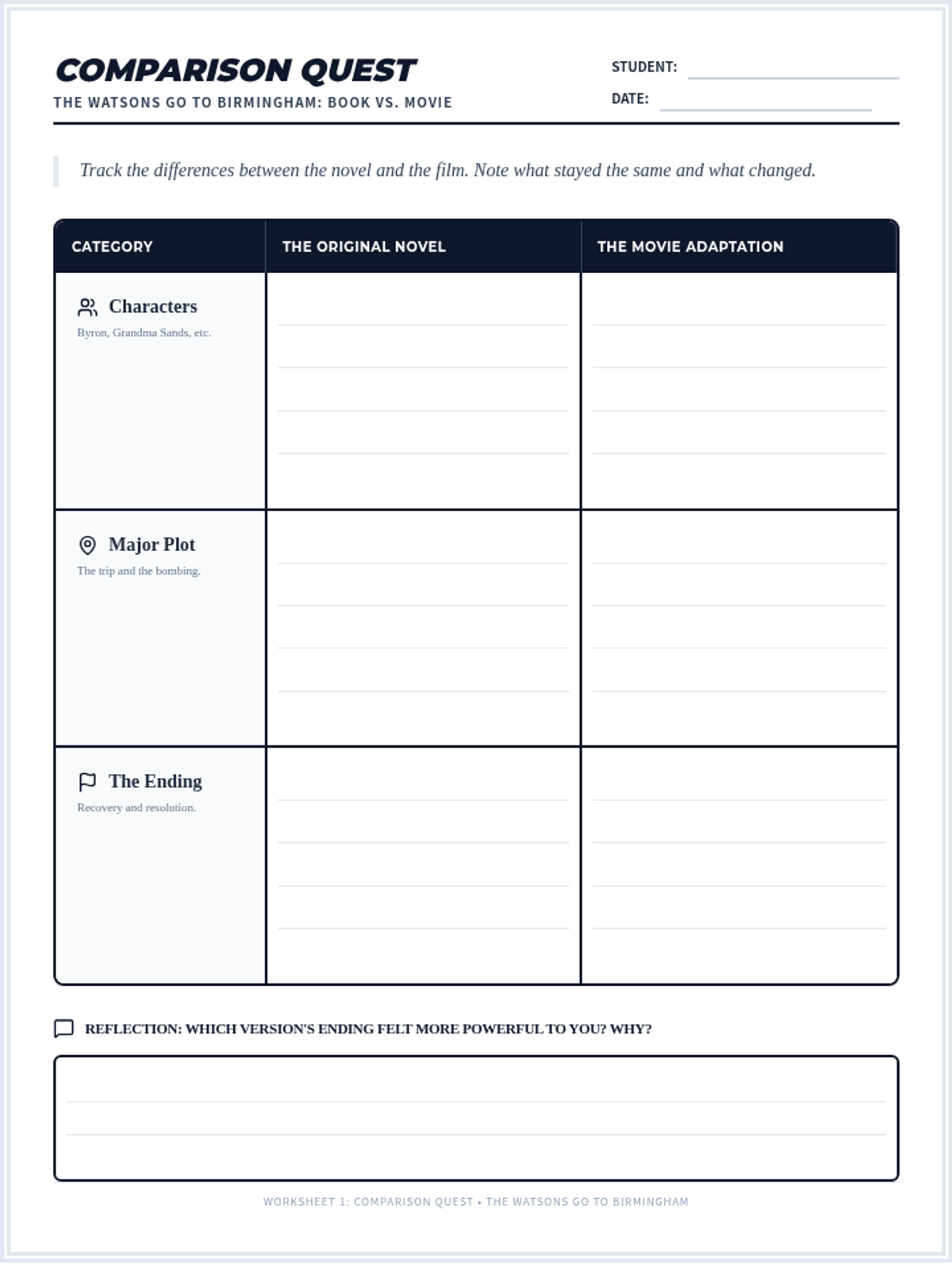
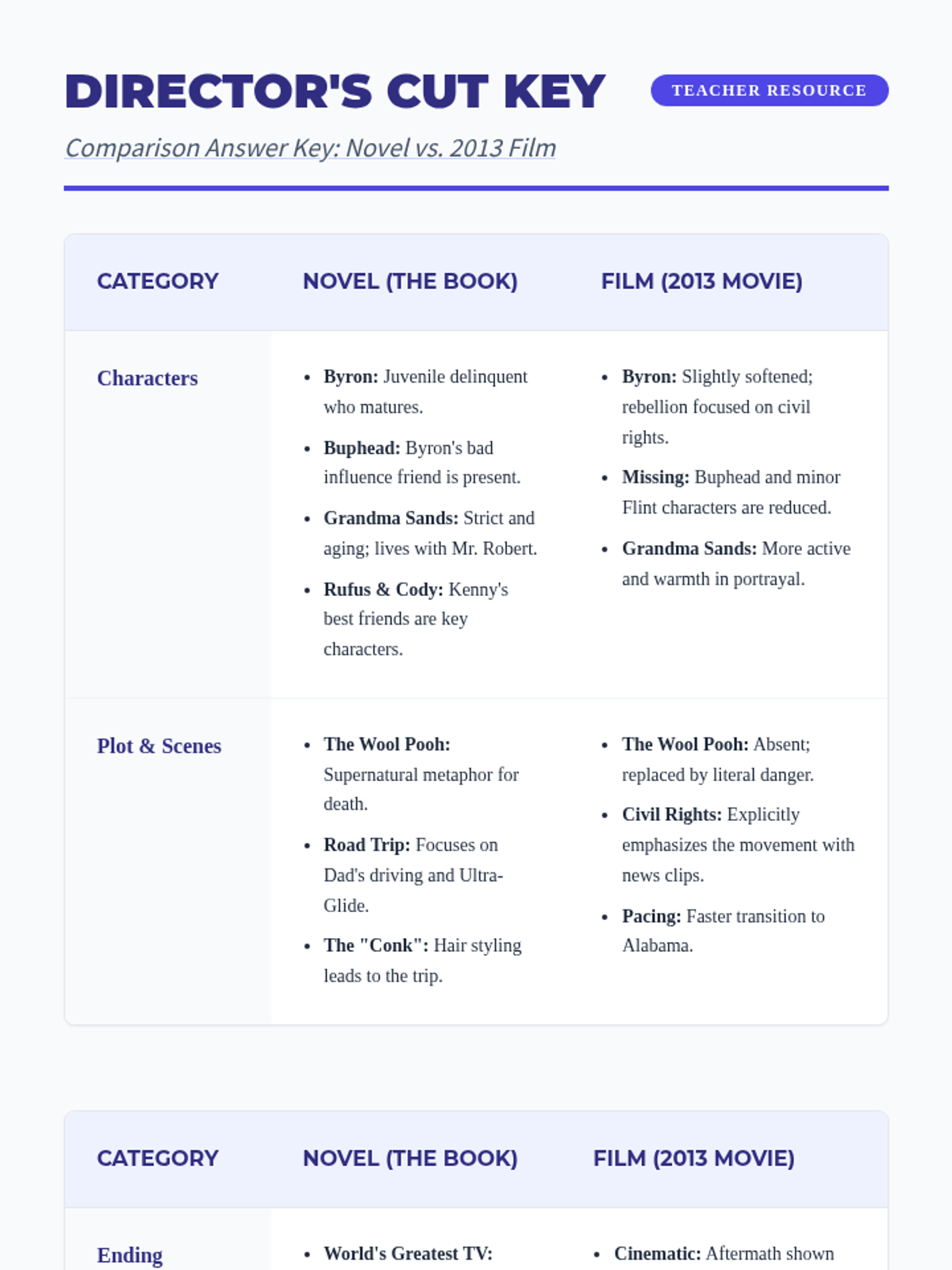
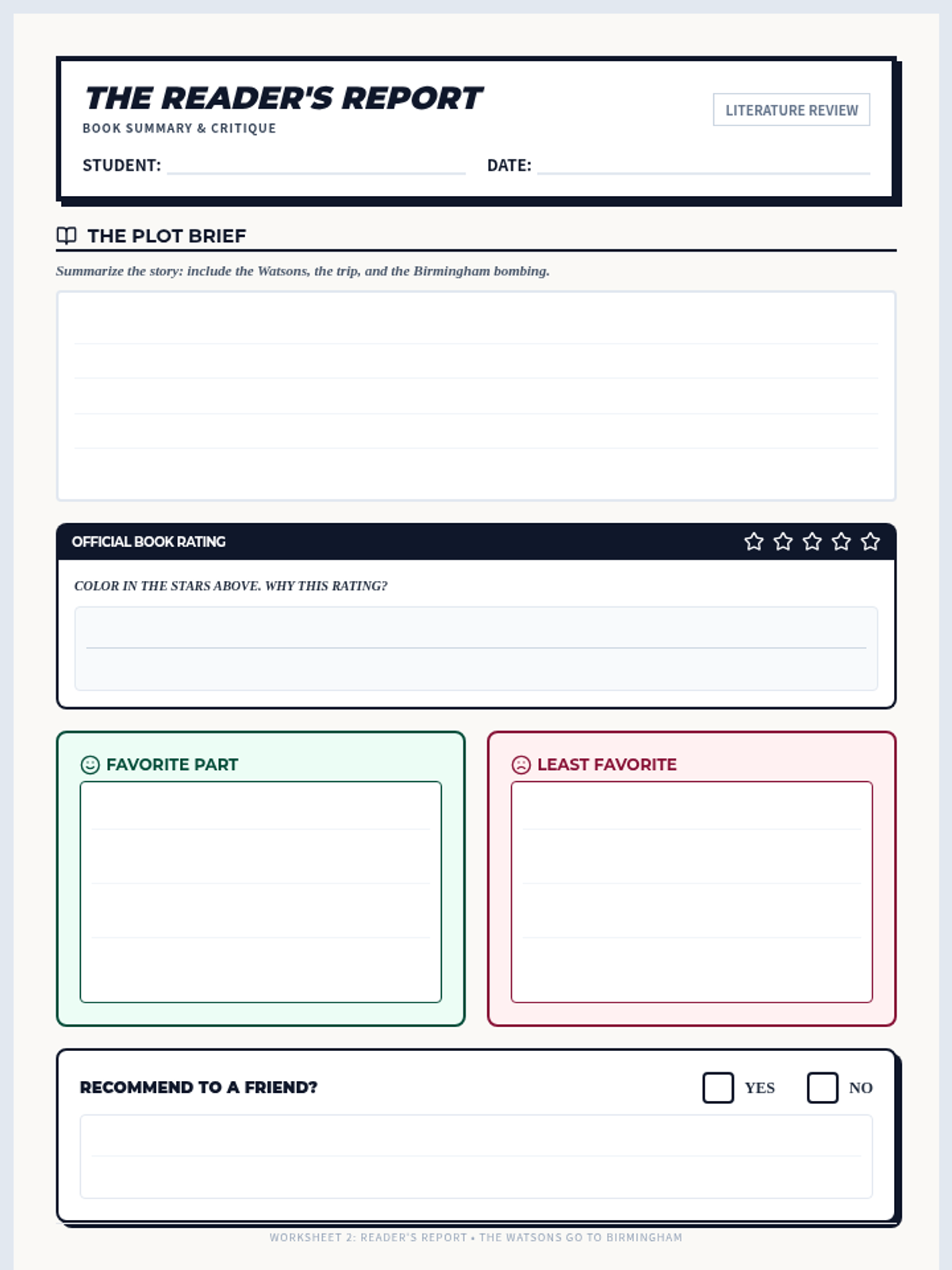
A comprehensive look at the classic novel 'The Watsons Go to Birmingham – 1963', including a complete plot summary and a comparative analysis between the book and its film adaptation.
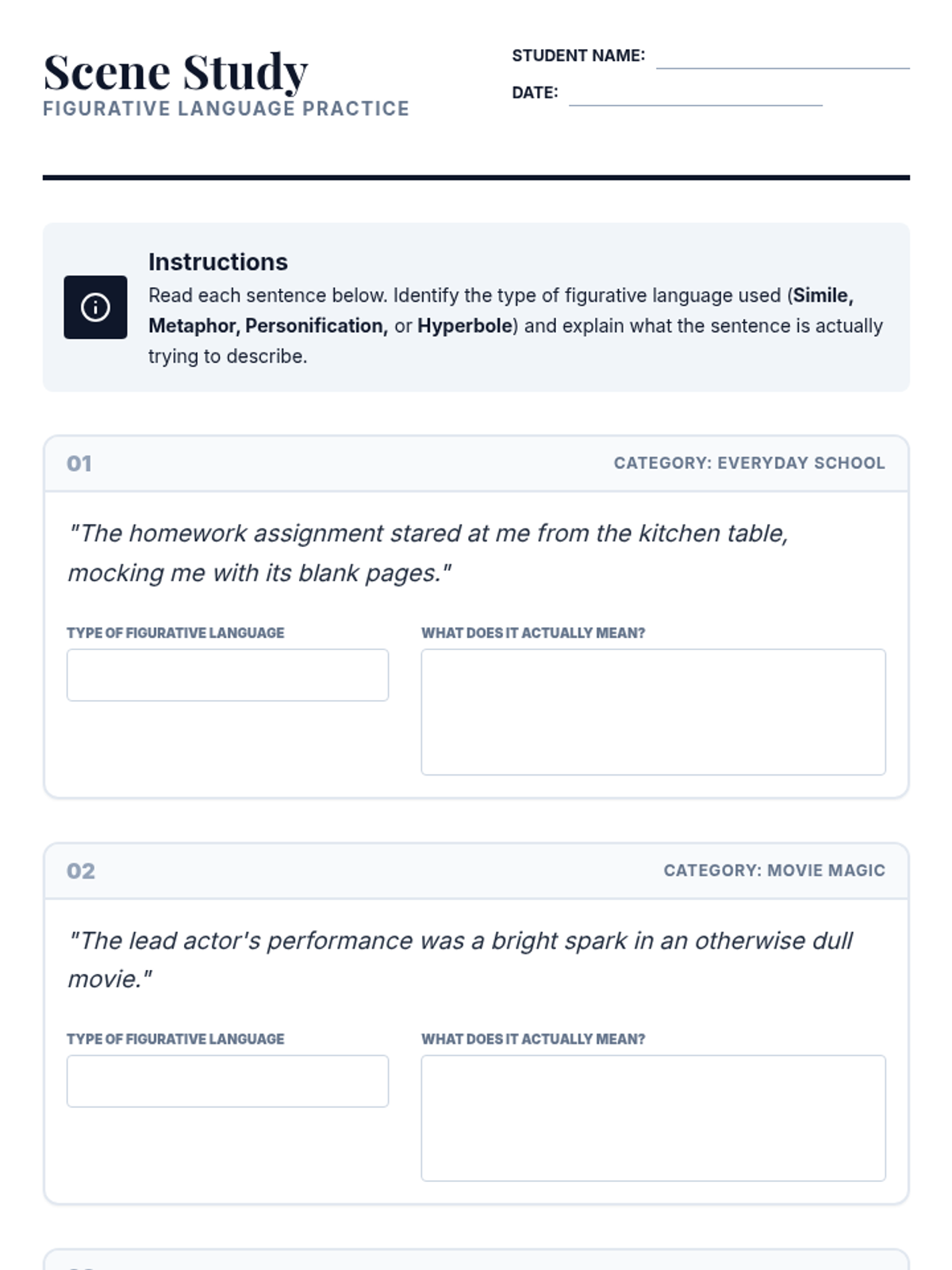
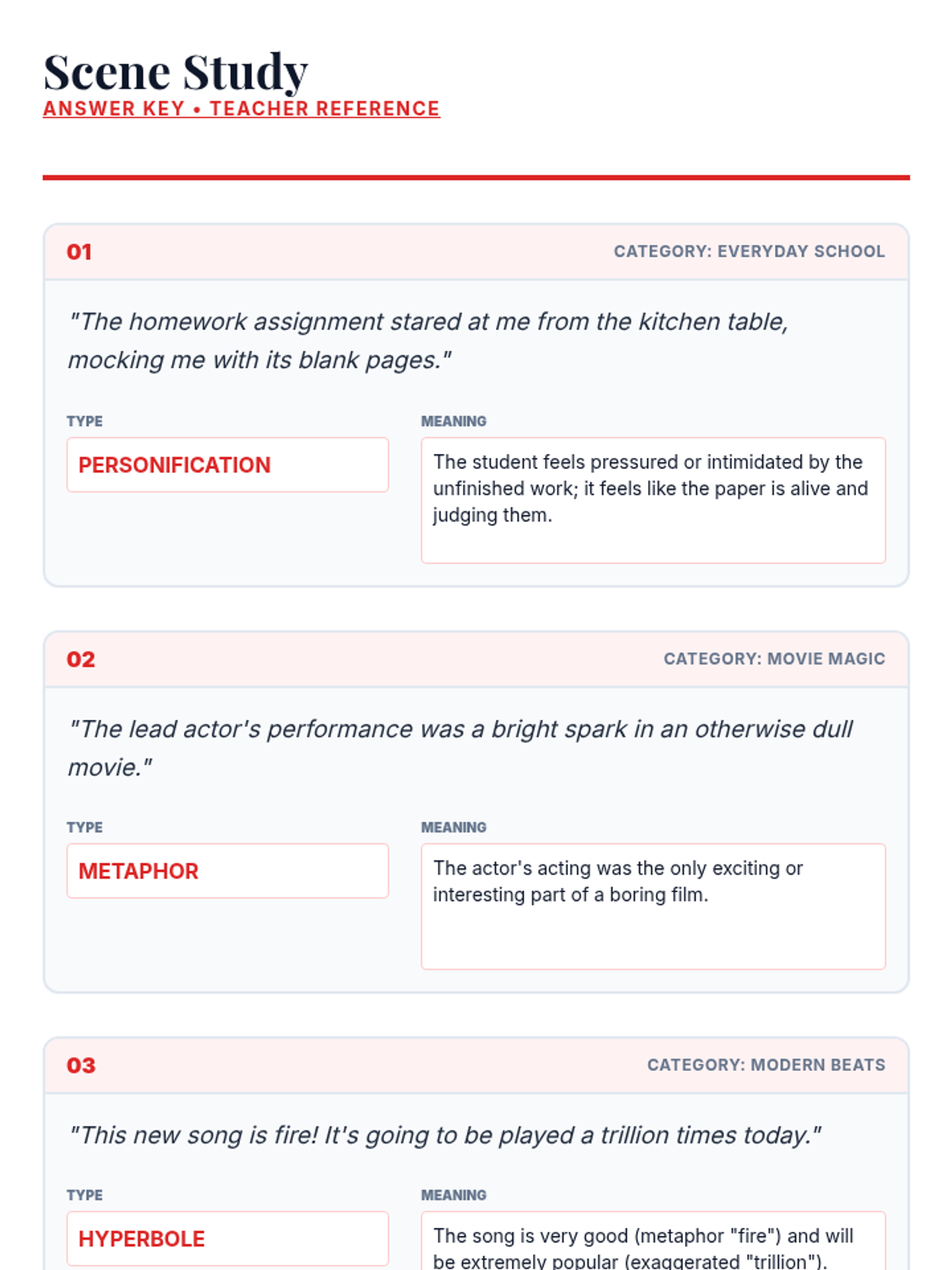
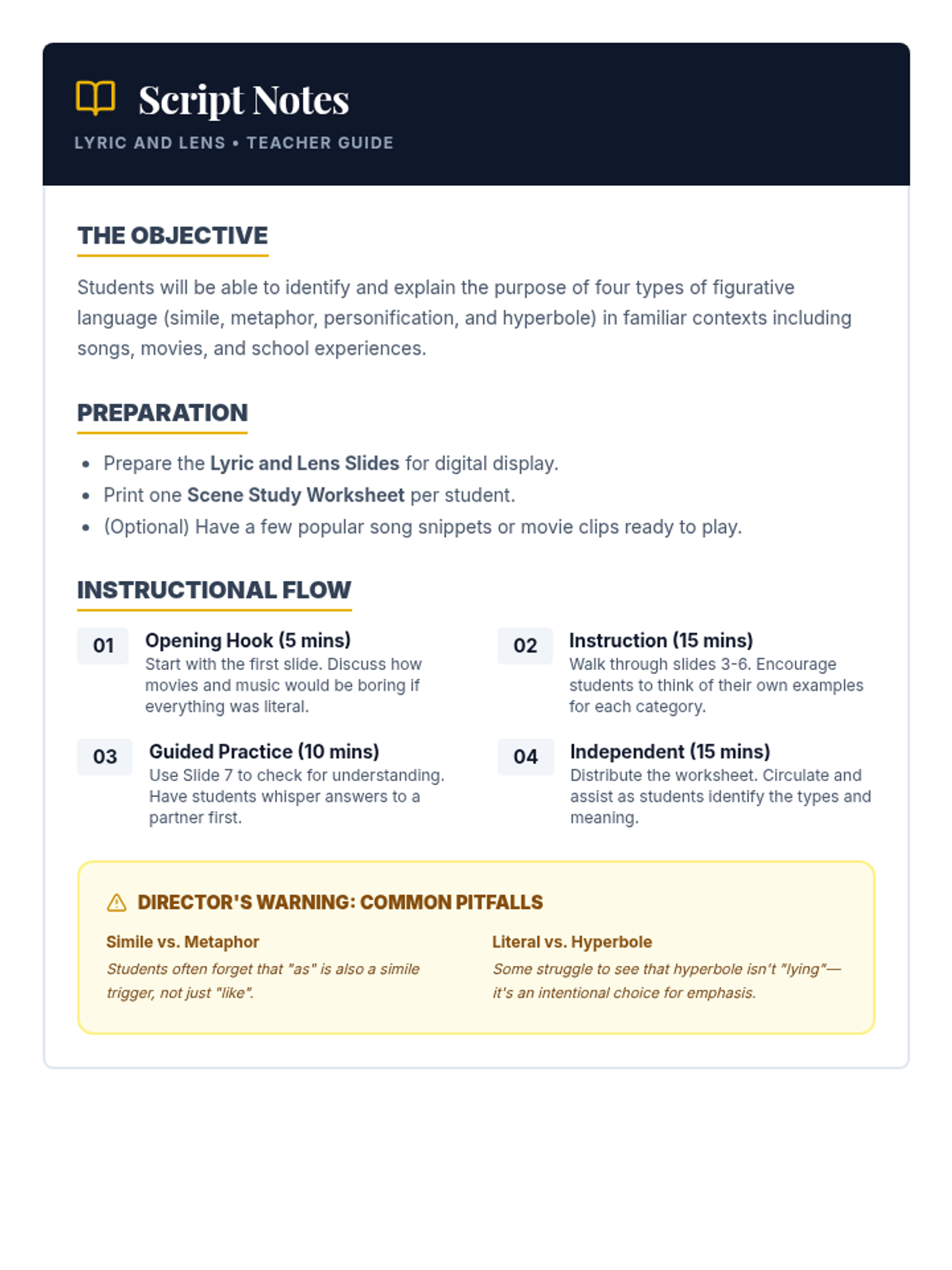
A lesson exploring simile, metaphor, personification, and hyperbole through the lens of popular media and everyday school experiences. Students identify and analyze figurative language in familiar contexts.
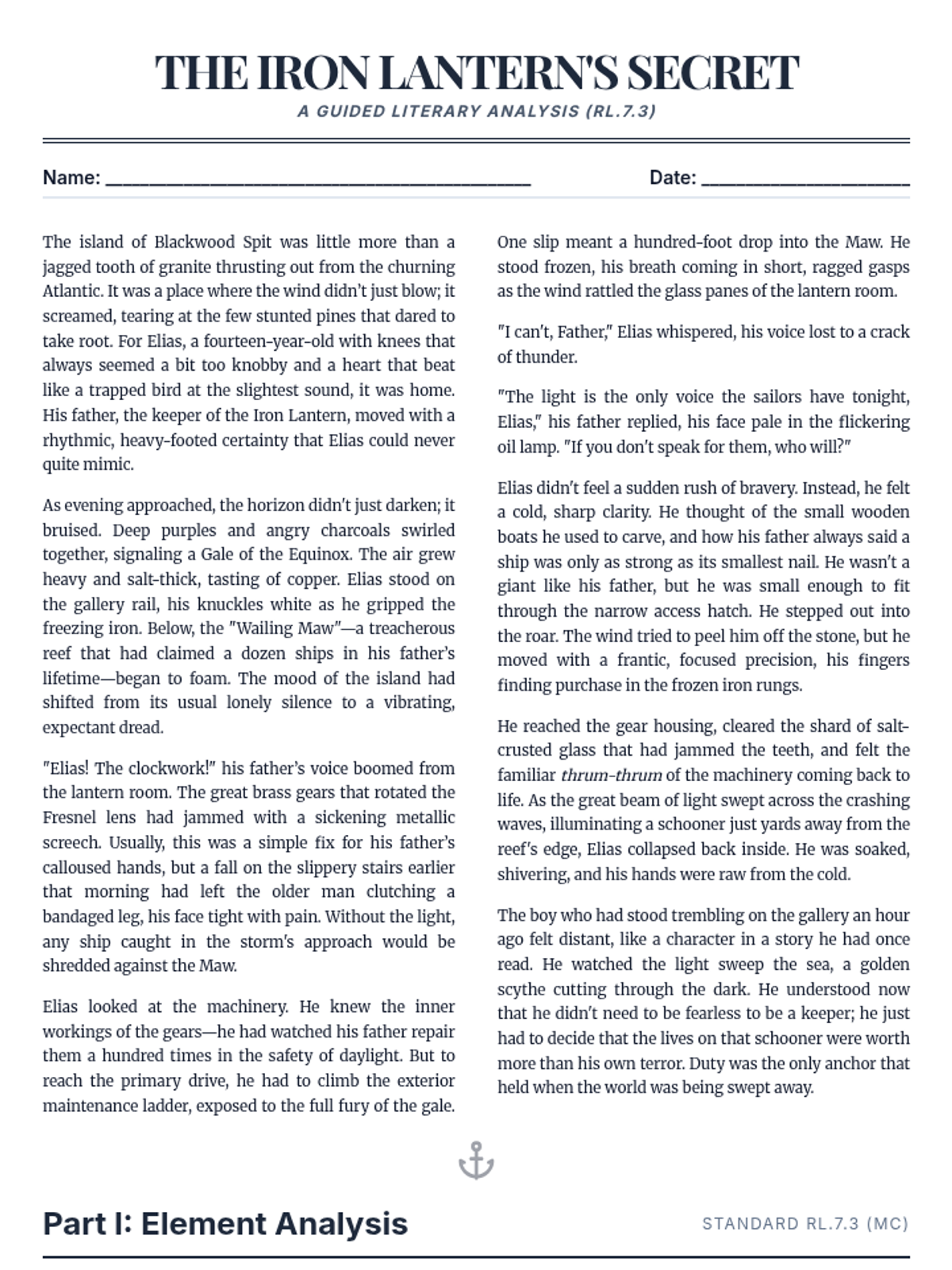
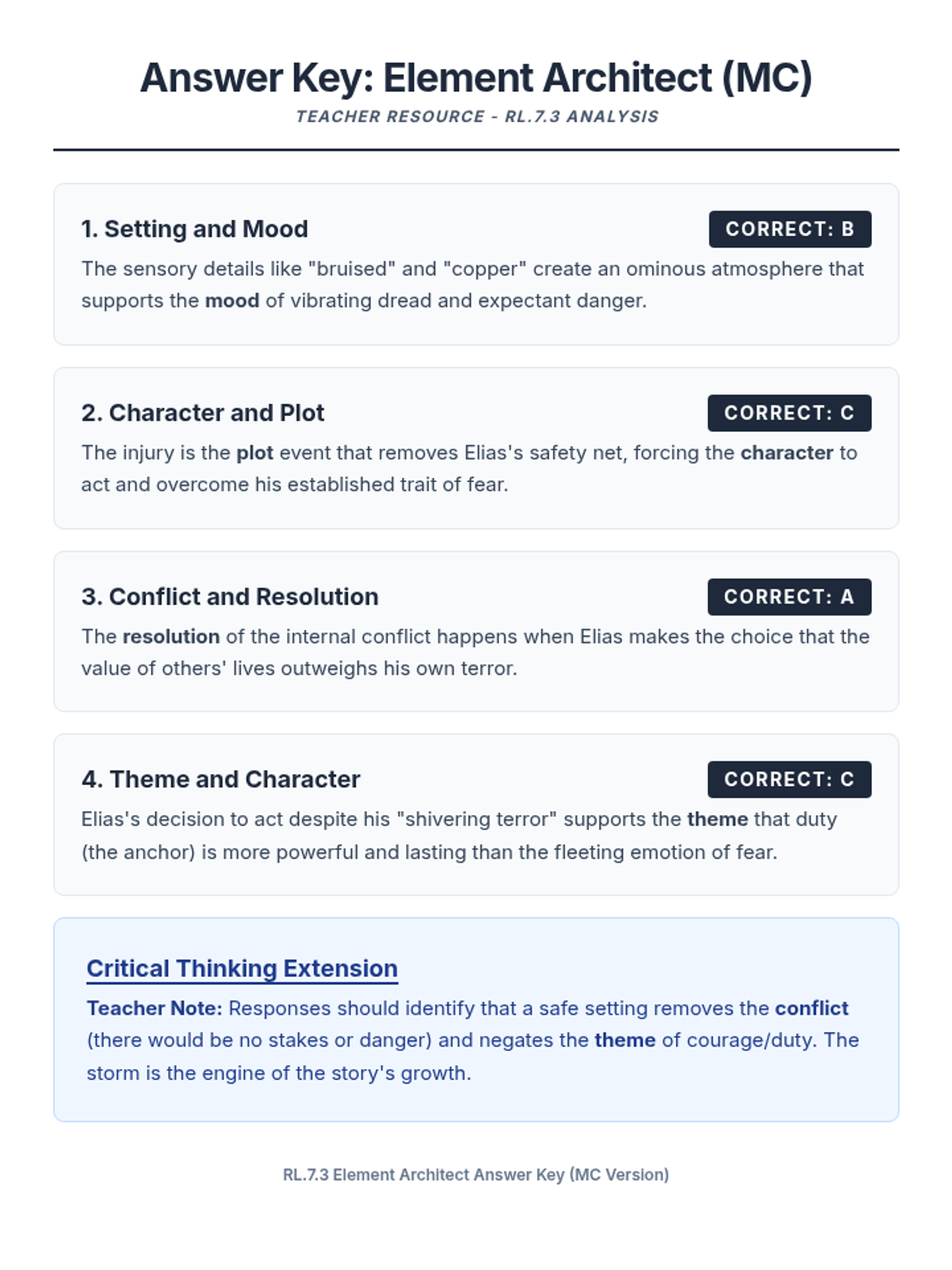
A lesson focused on RL.7.3, analyzing how literary elements like setting, character, and plot interact to shape a narrative. Students will read a complex passage and identify these interactions.
A comprehensive data analysis presentation for administrators, tracking student growth across Grade 6 NC Check-In cycles with a focus on vocabulary, informational text mastery, and overall test trends.
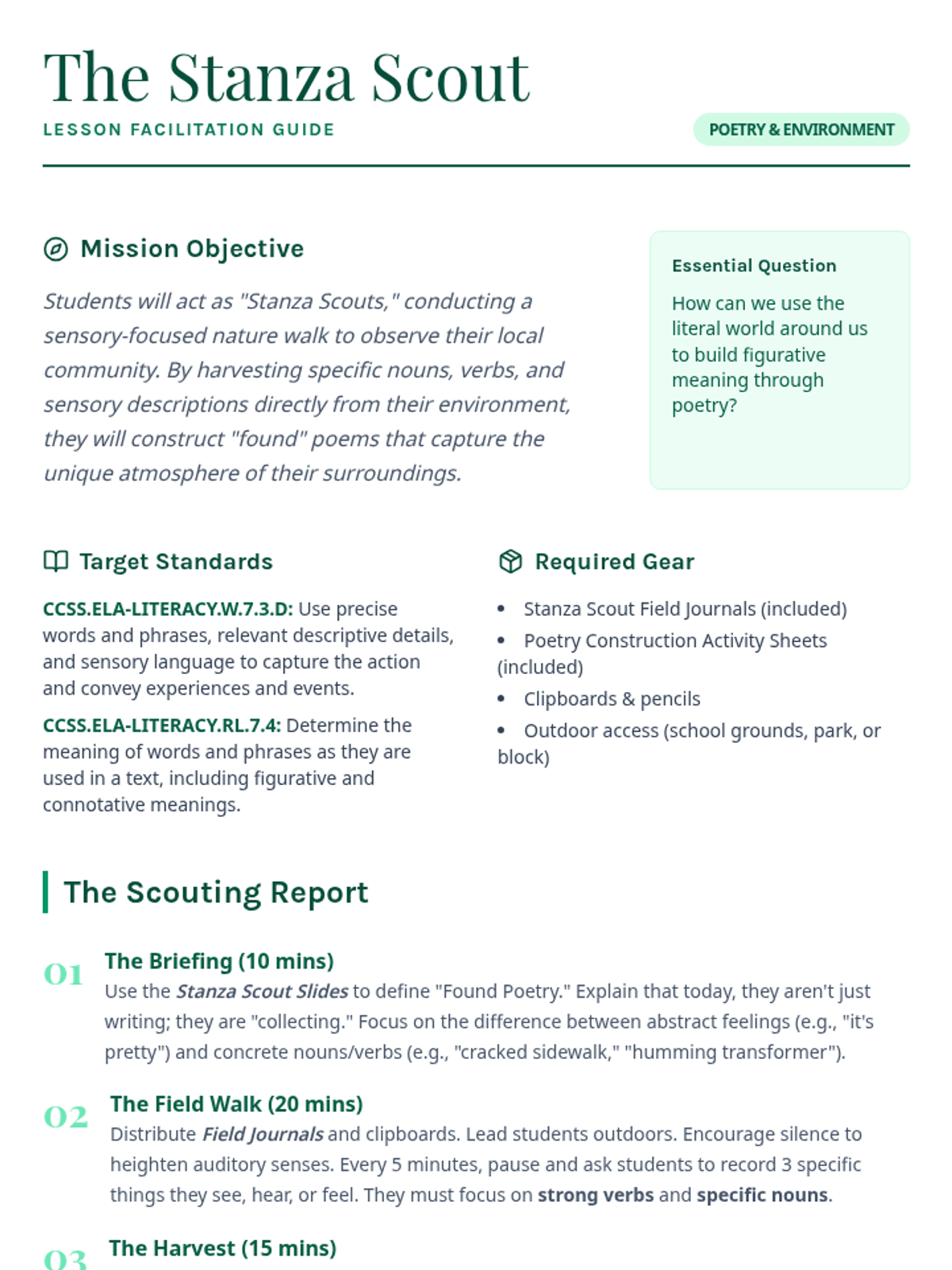
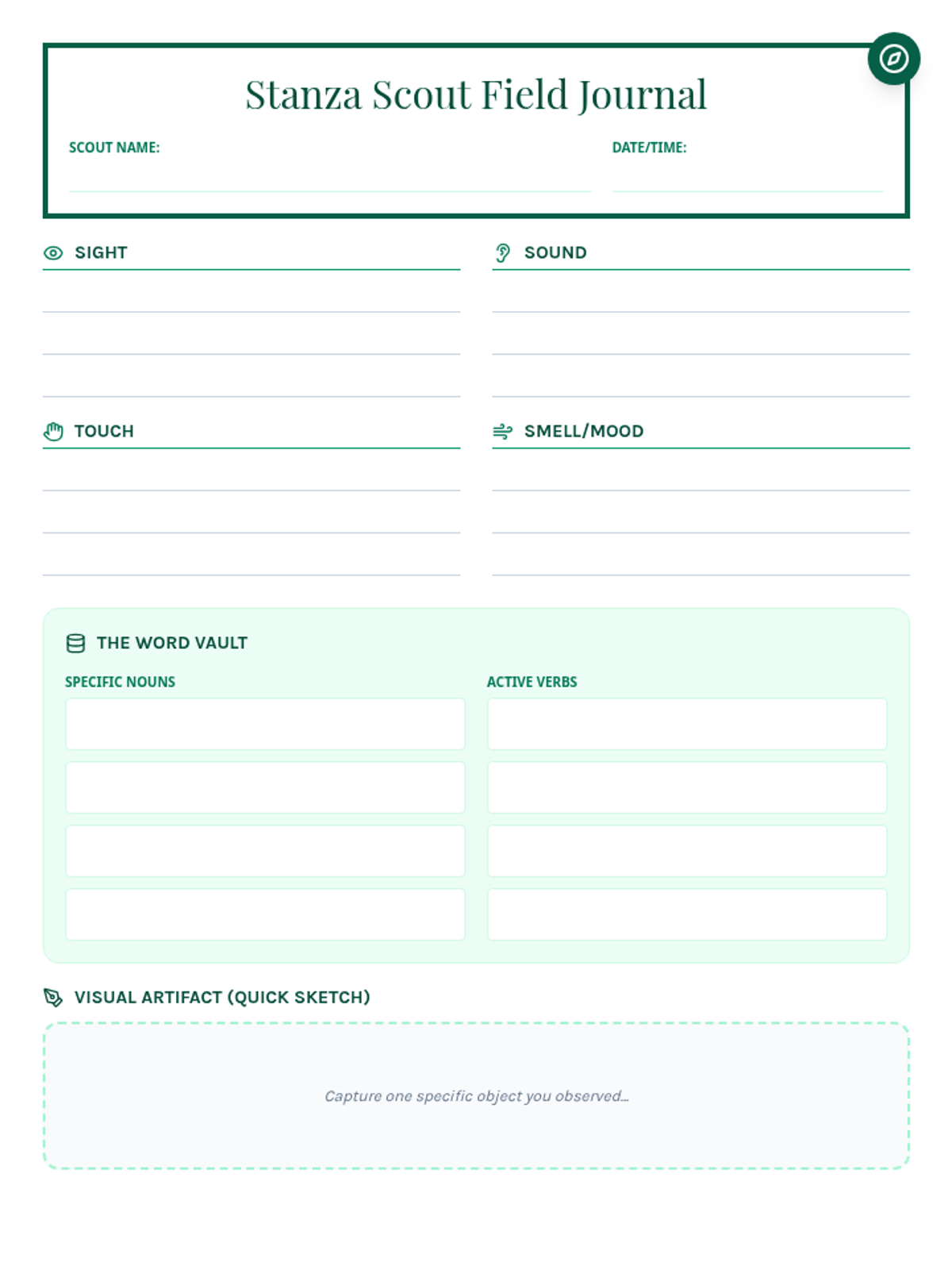
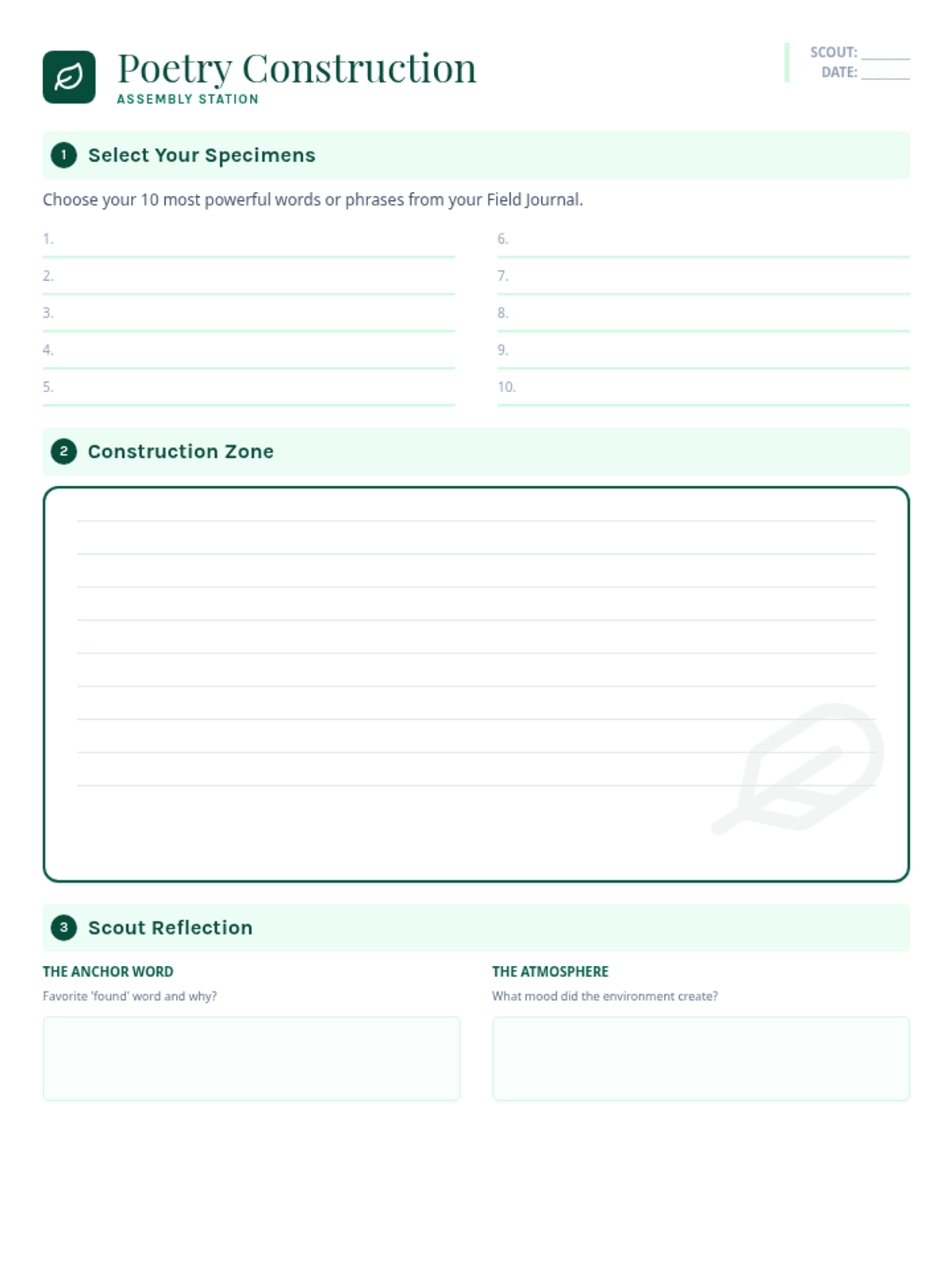
A middle school English Language Arts lesson where students conduct a sensory nature walk to collect 'found' words and transform them into original environmental poetry.