A comprehensive 55-minute lesson for 7th graders exploring soil composition, texture, and its critical role in plant growth through hands-on testing and analysis.
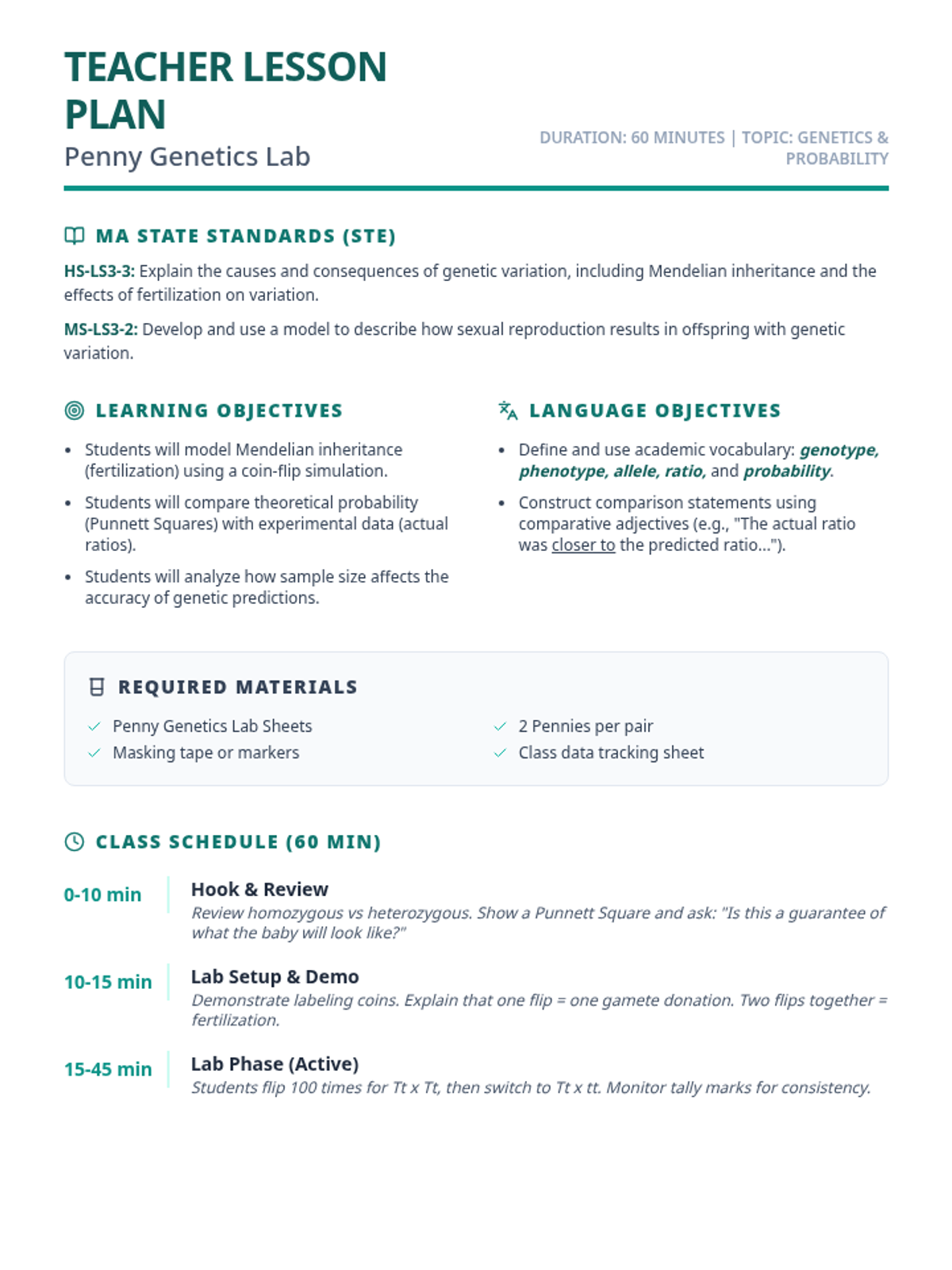
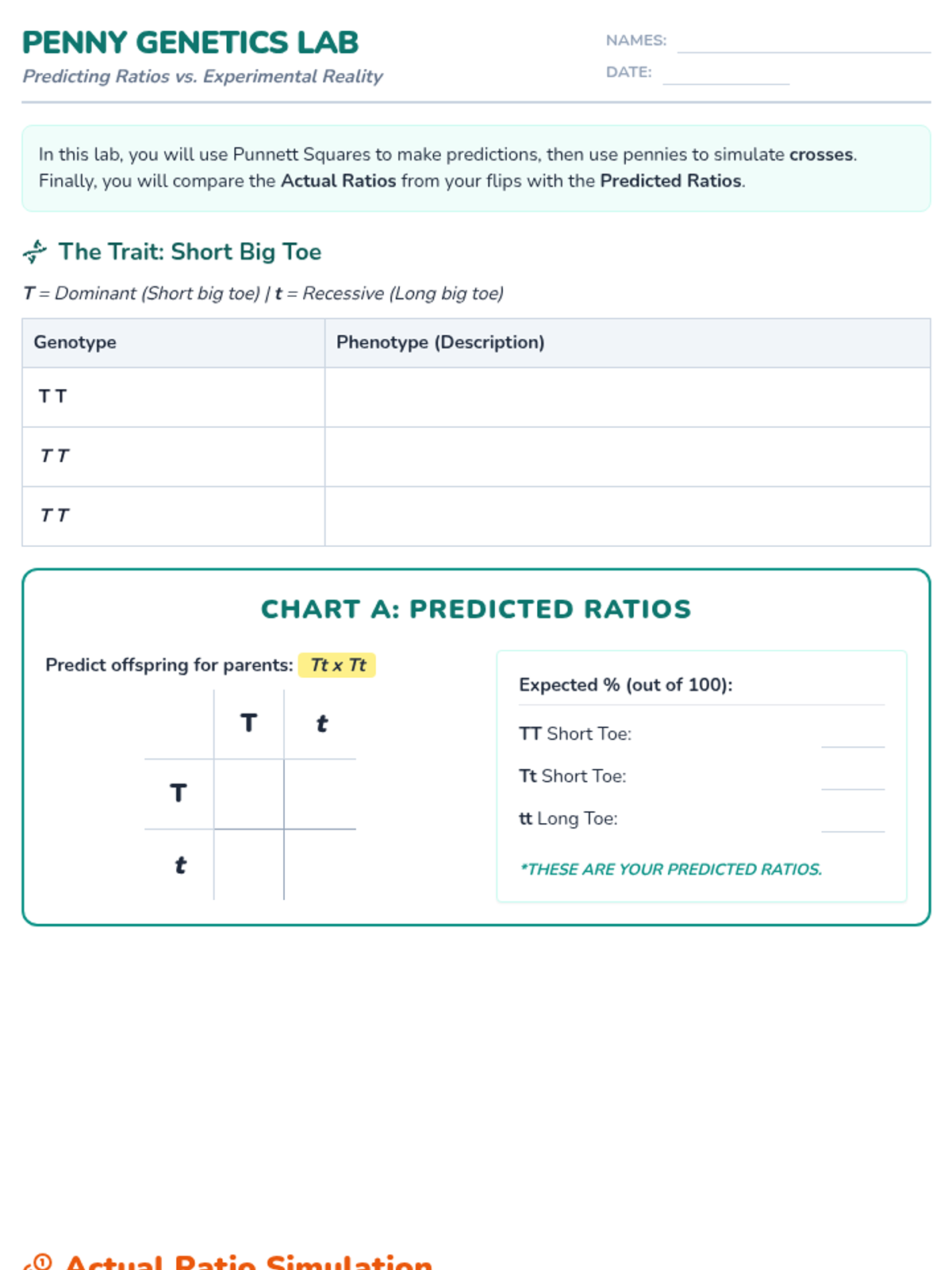
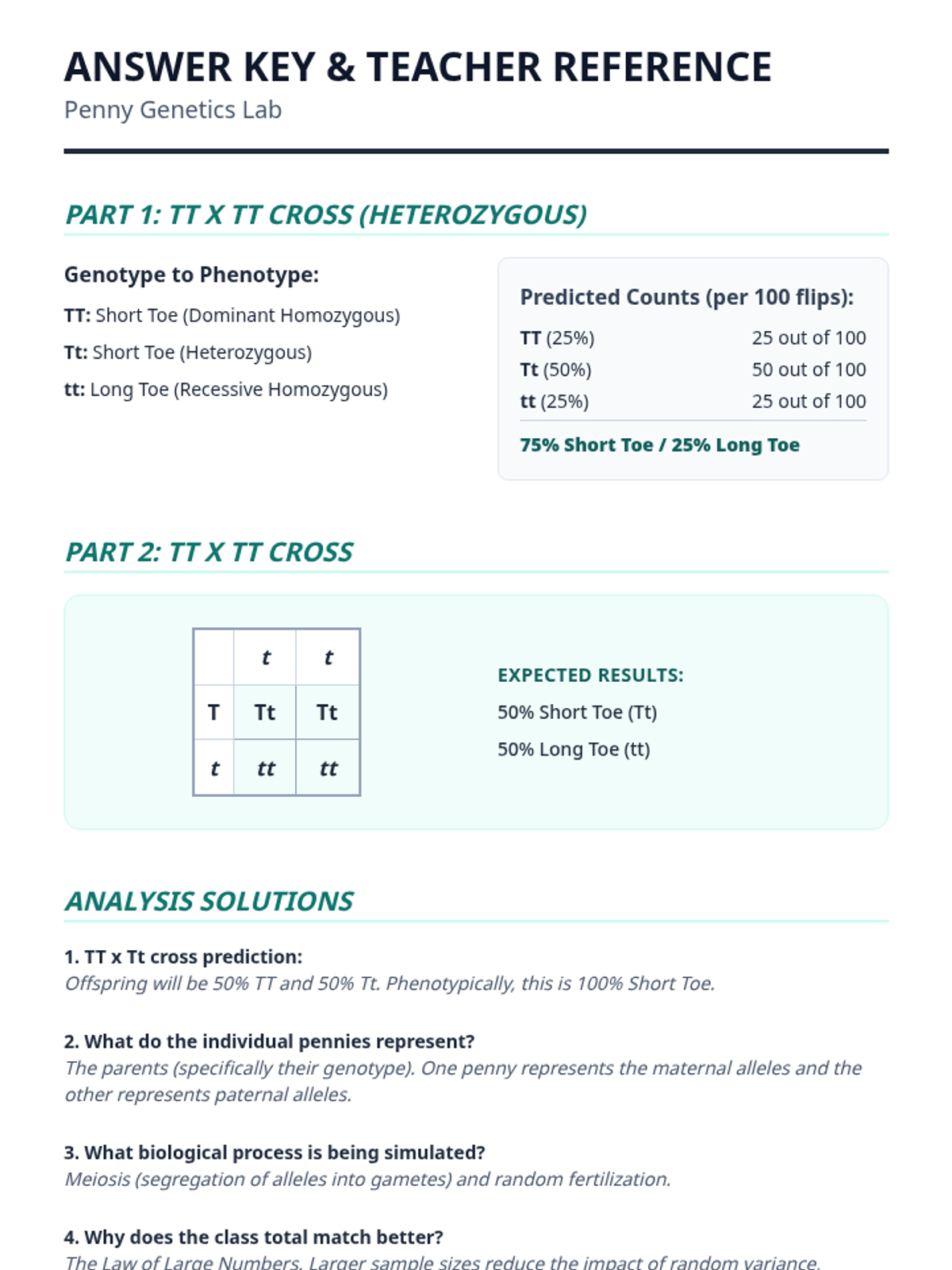
A 60-minute hands-on lab exploring the relationship between Punnett square predictions and actual genetic outcomes using coin-flip simulations. Students compare theoretical probability with experimental data to understand how fertilization works.
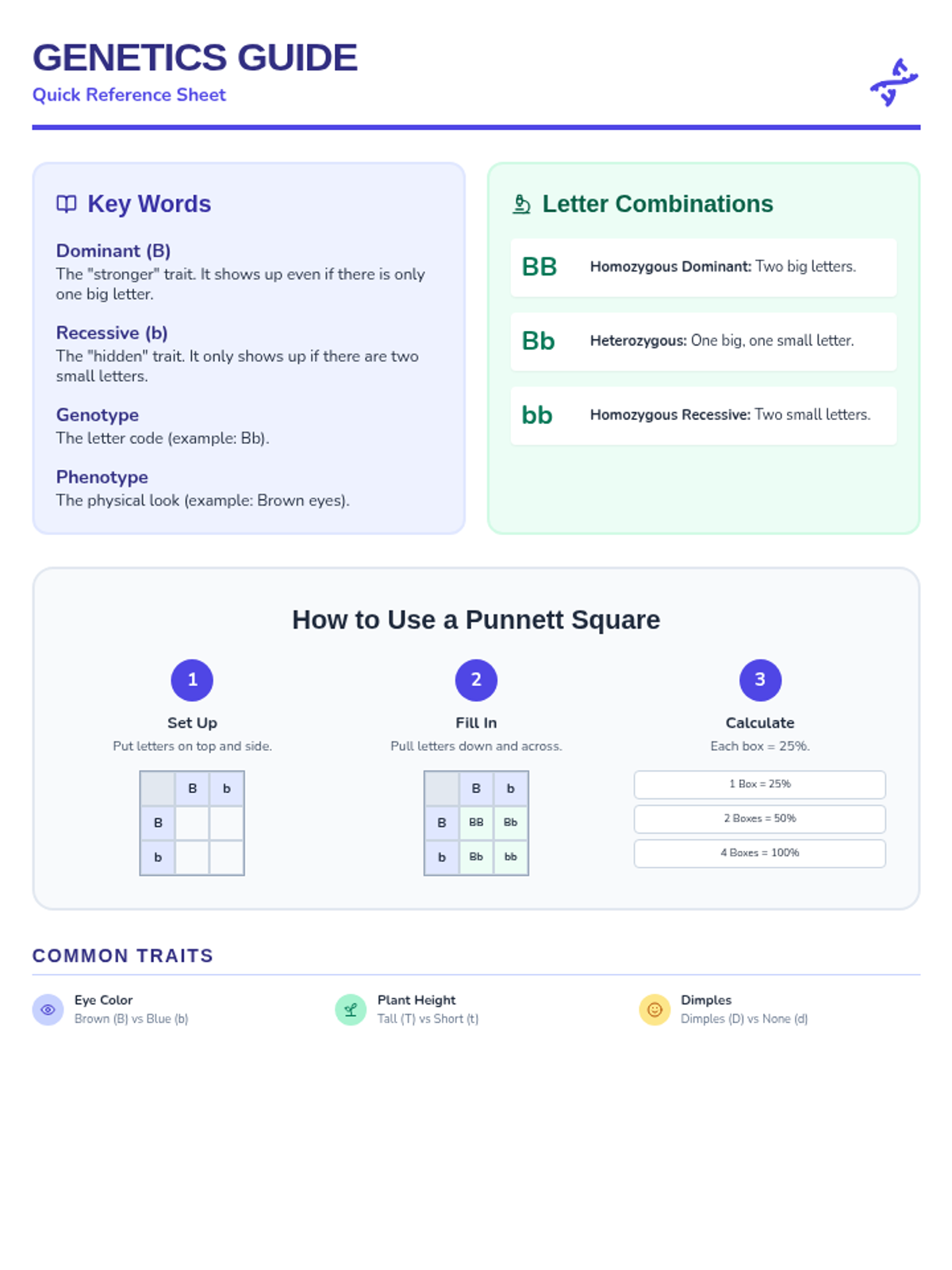
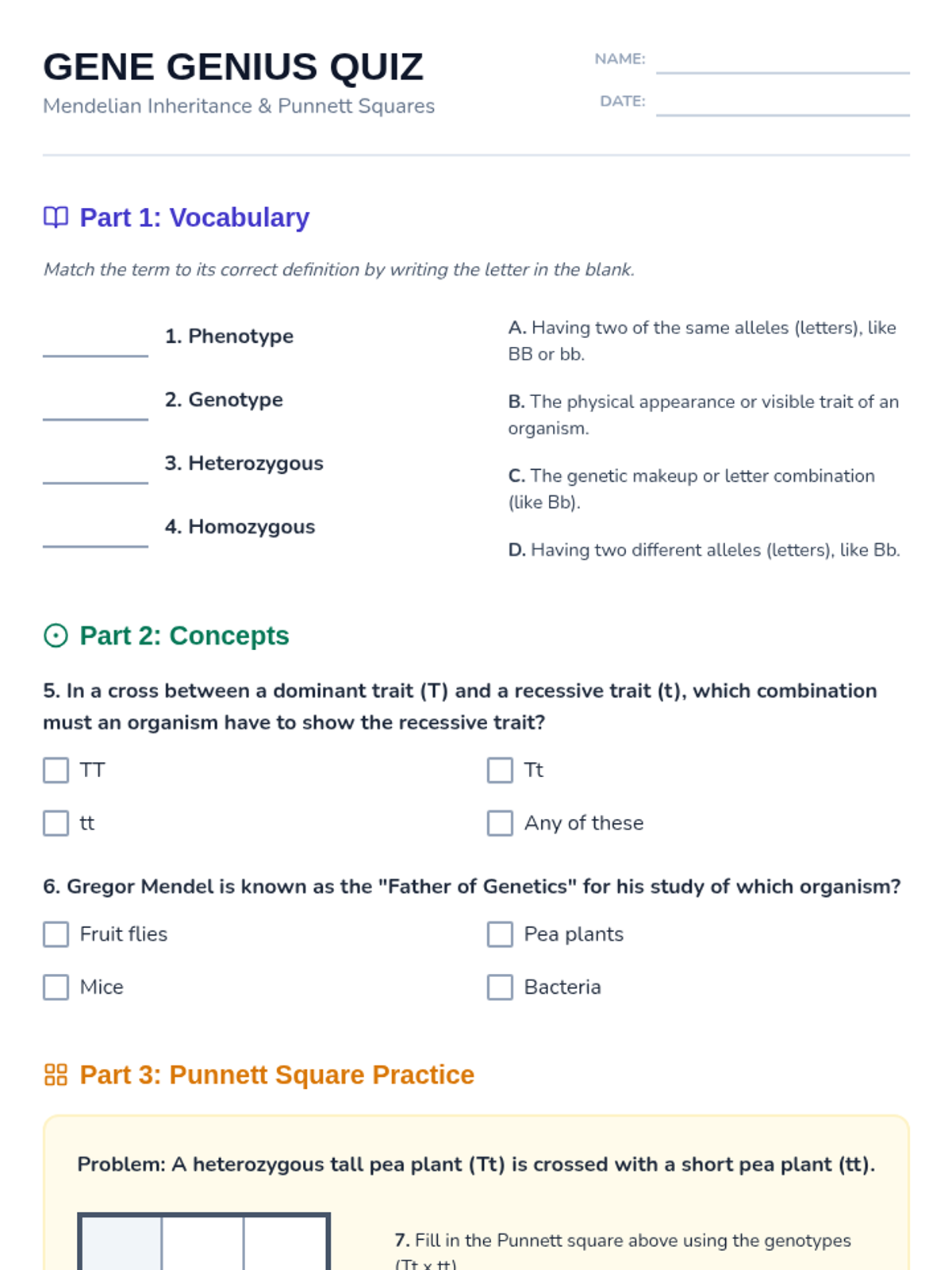
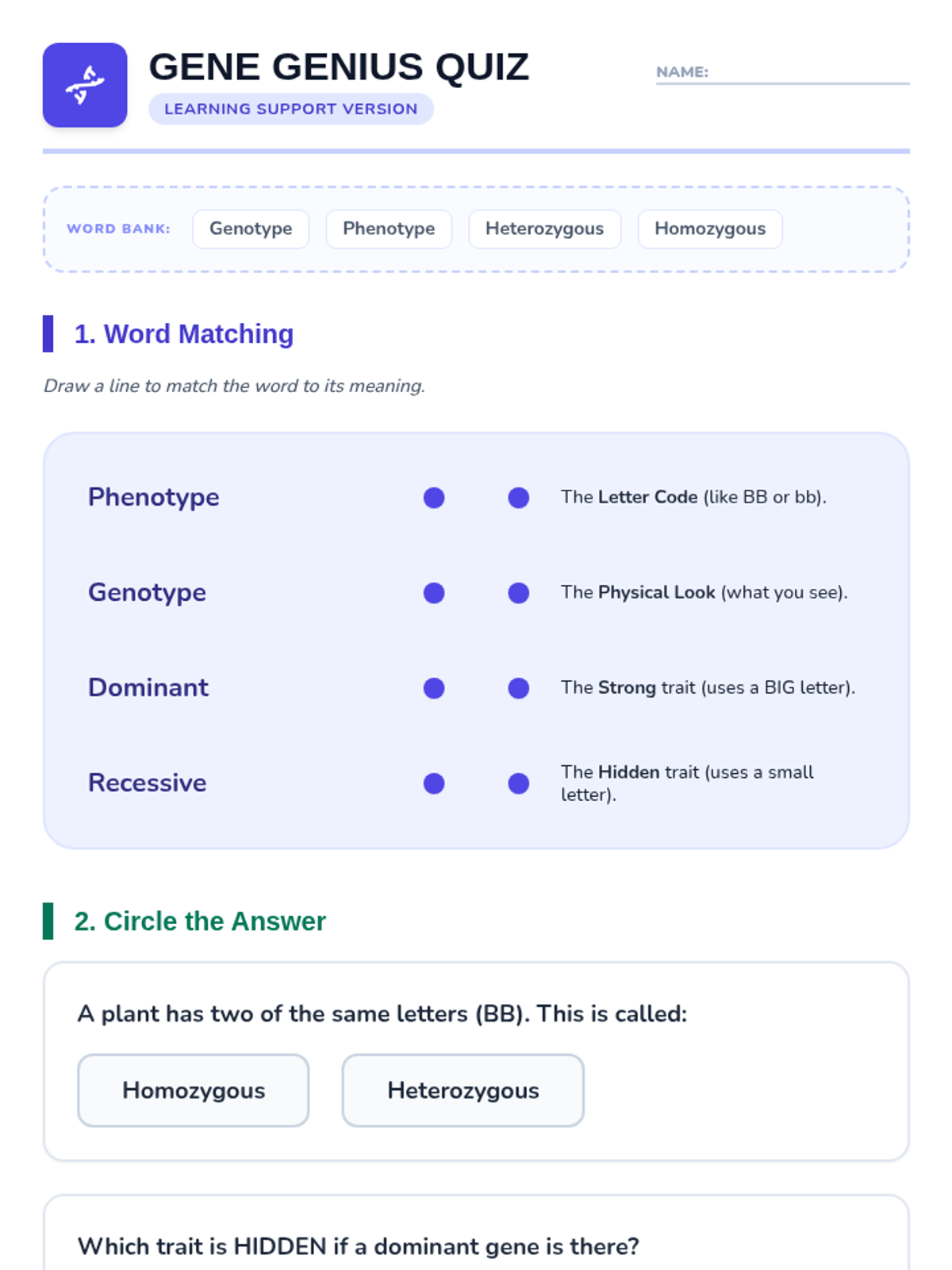
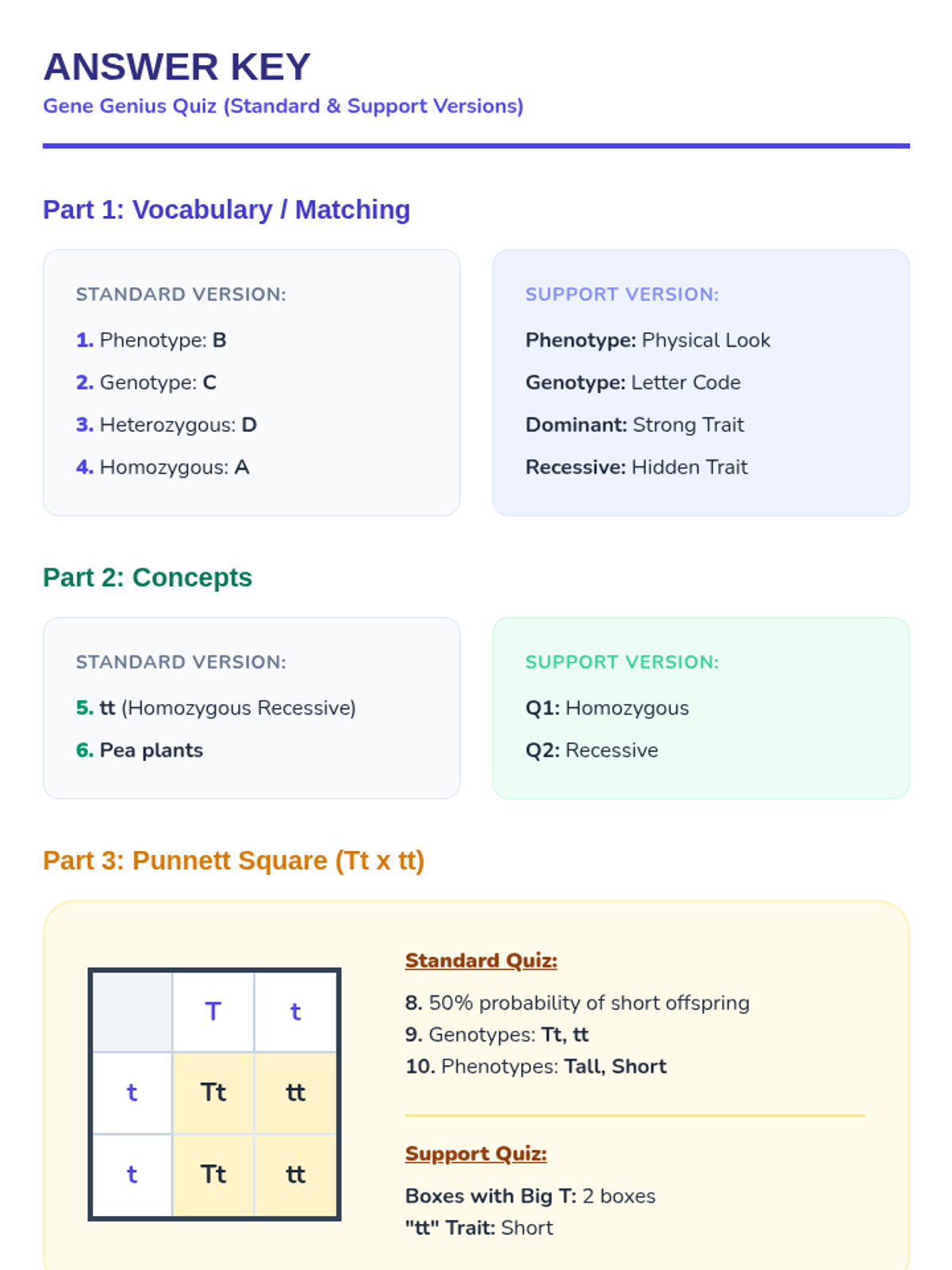
A focused lesson on Mendelian inheritance and Punnett squares, featuring visual-heavy materials and differentiated assessments for varying learner needs.
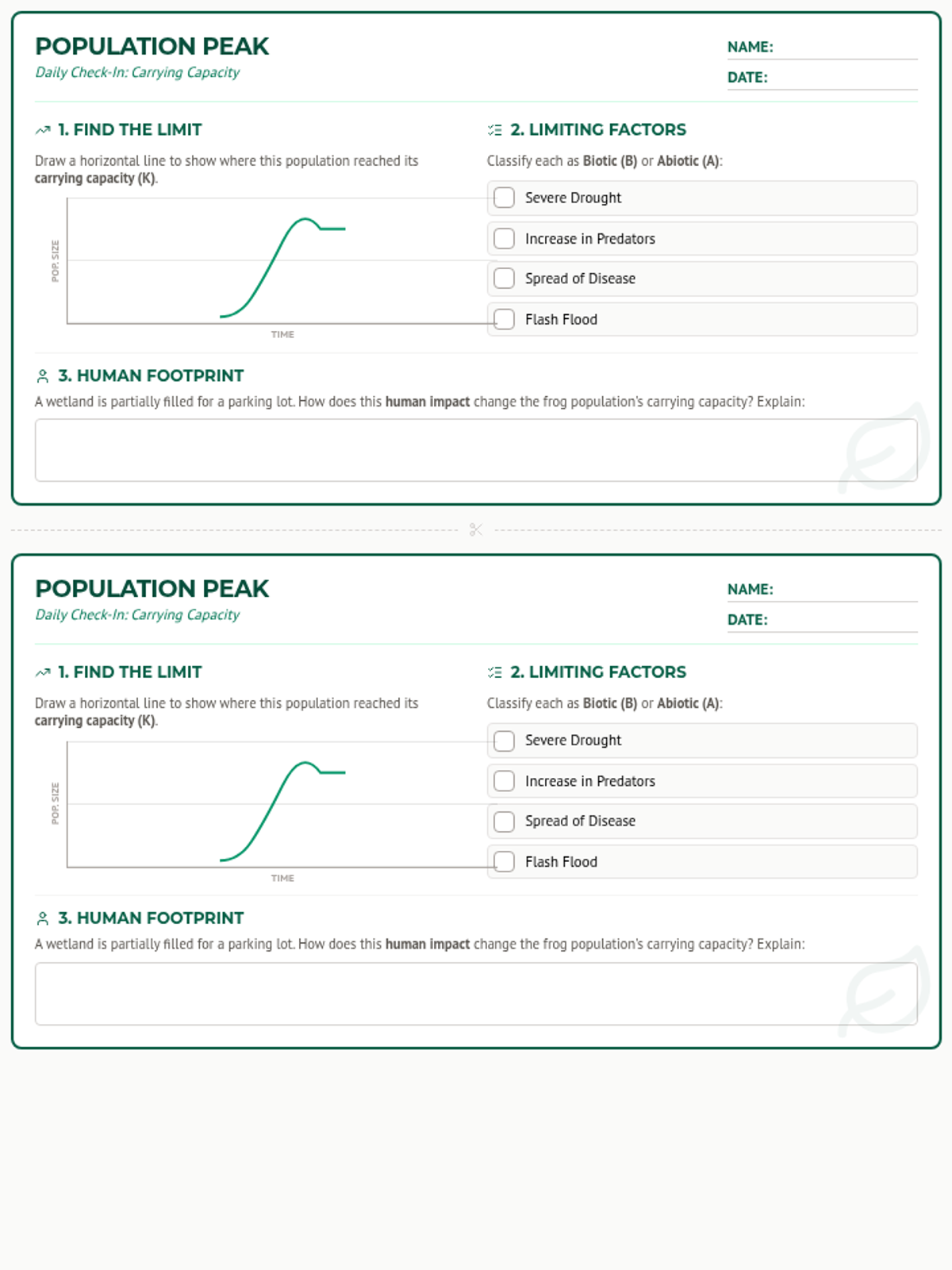
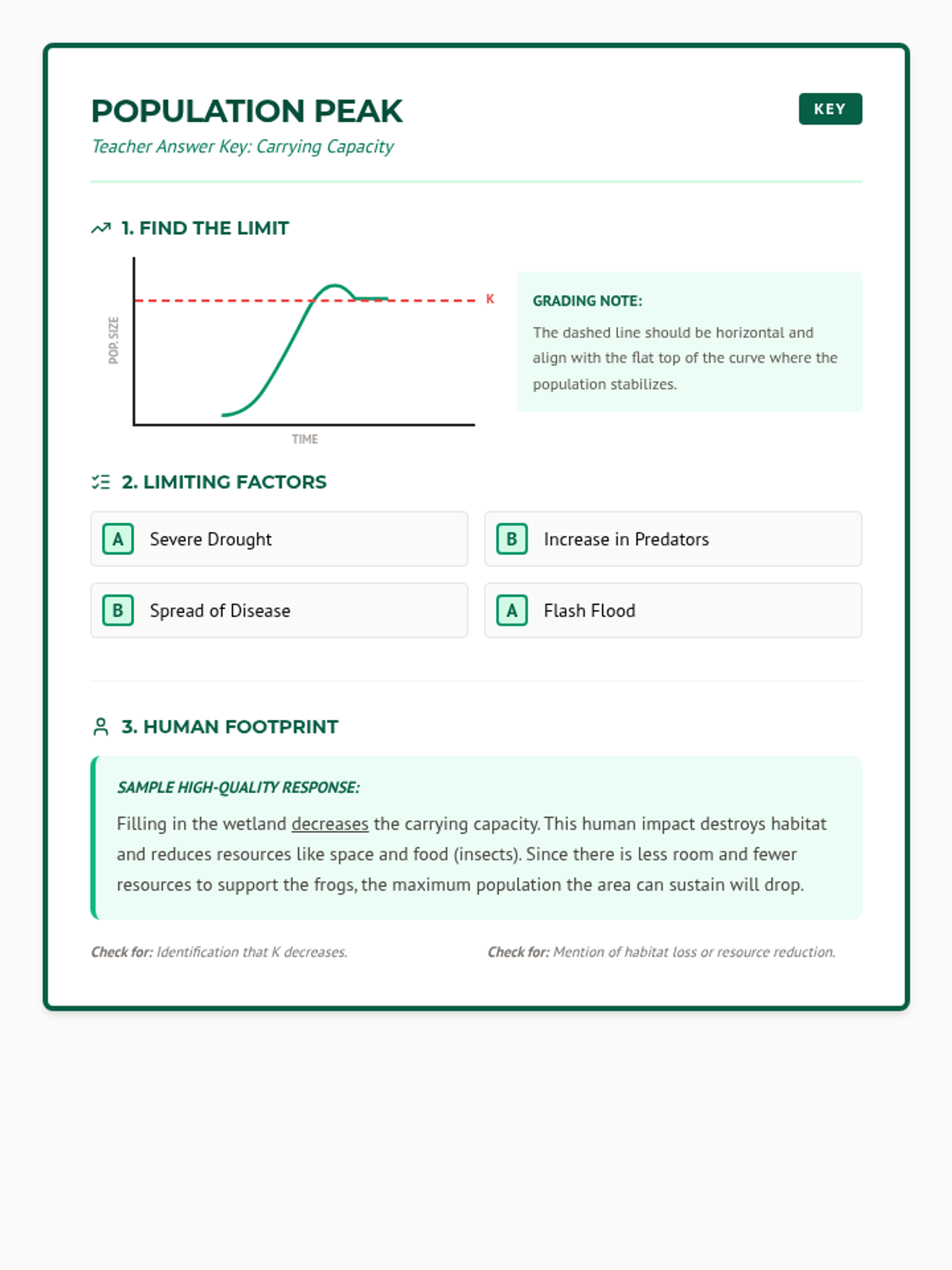
A quick review session focused on population carrying capacity, identifying biotic and abiotic limiting factors, and examining human environmental impacts. Includes a visual presentation for review and printable assessment tools.
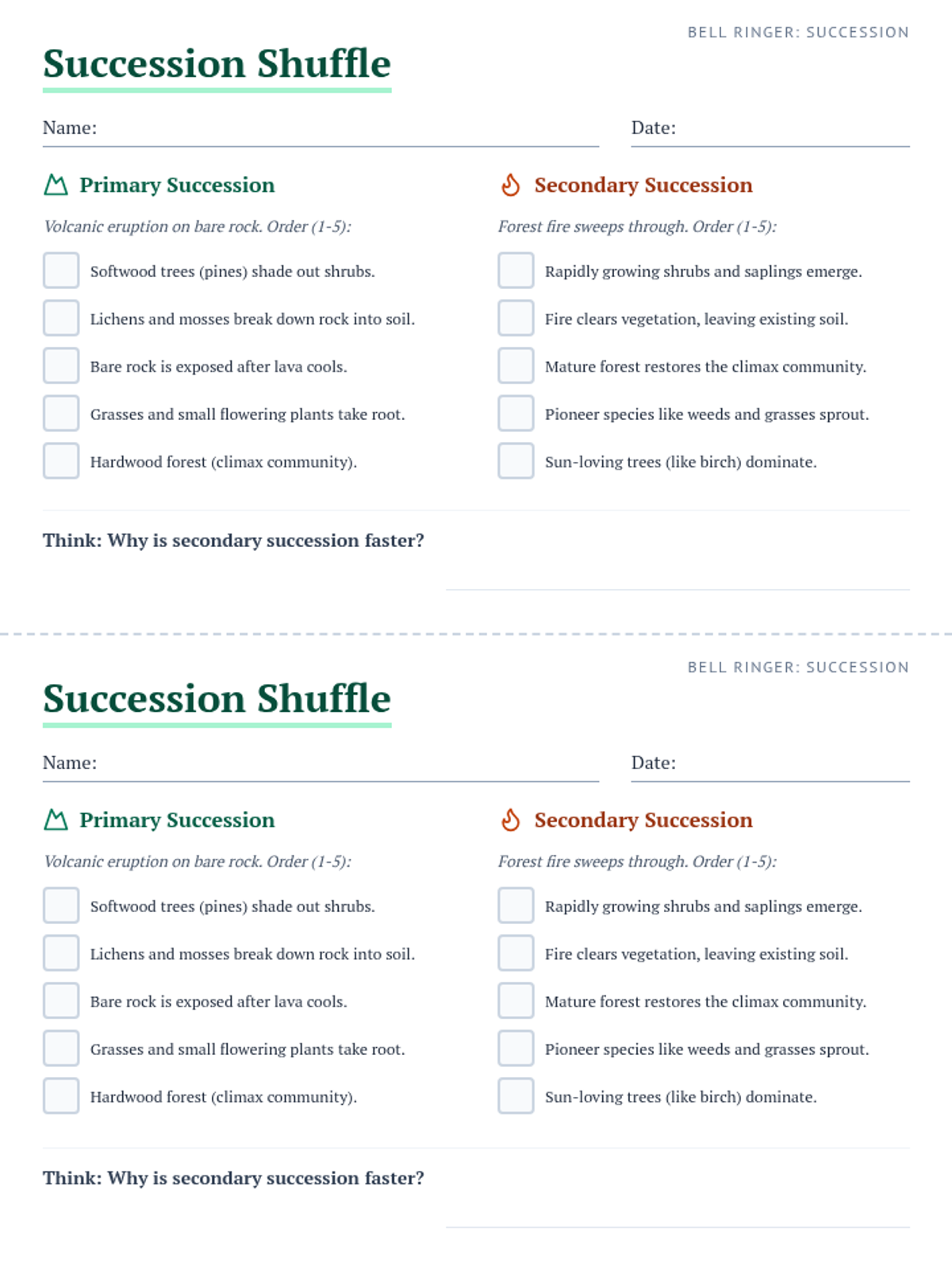
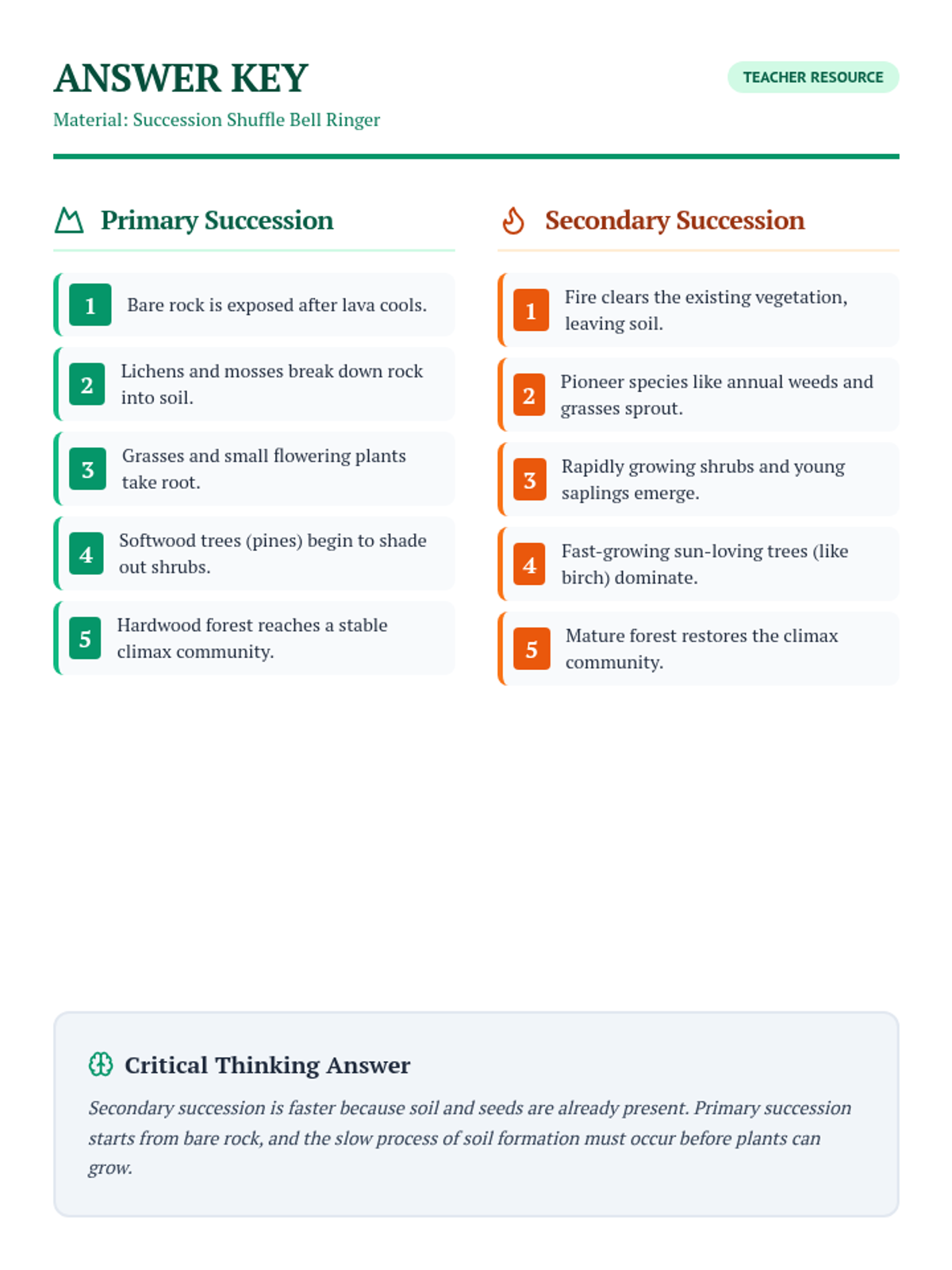
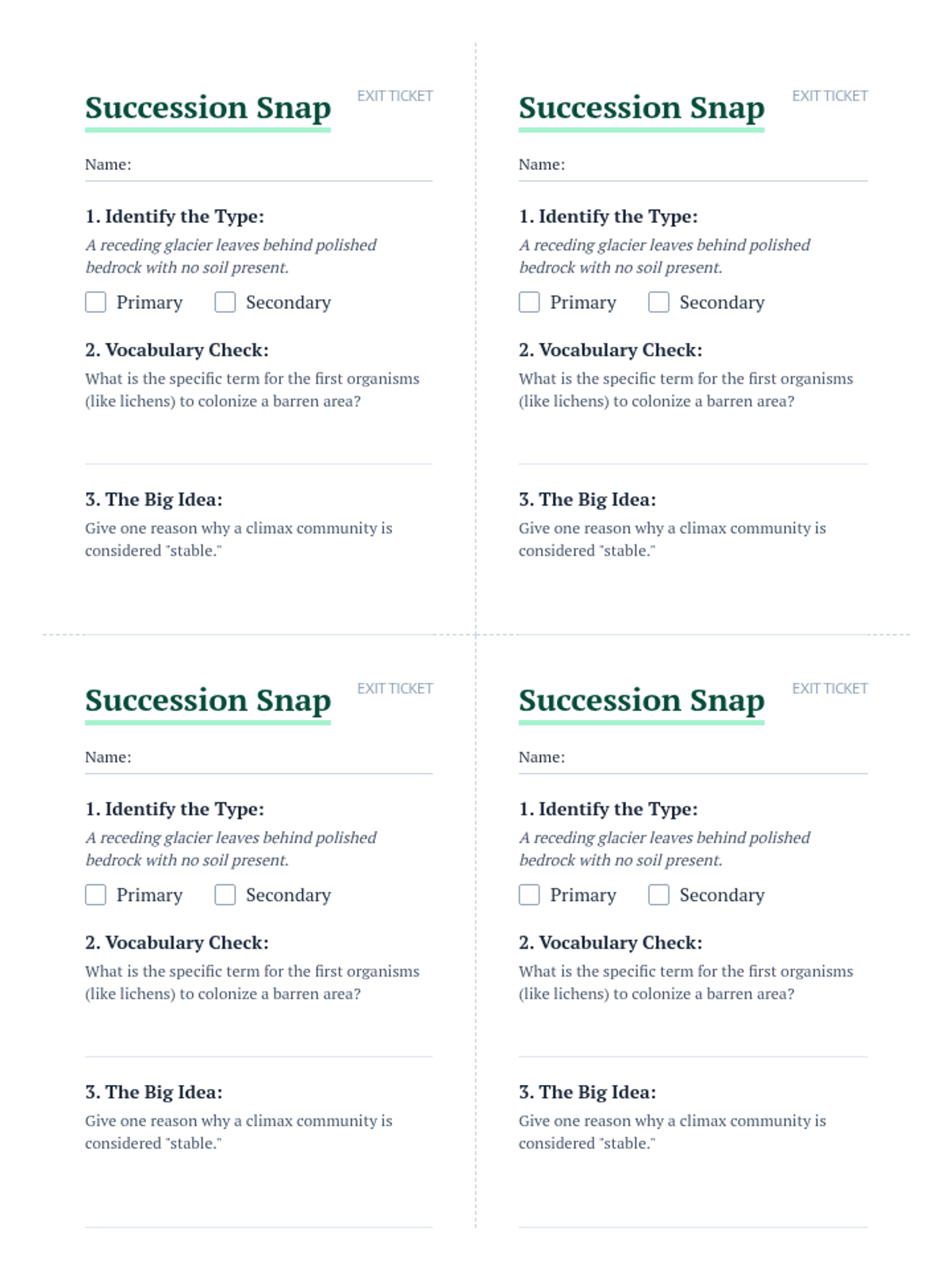
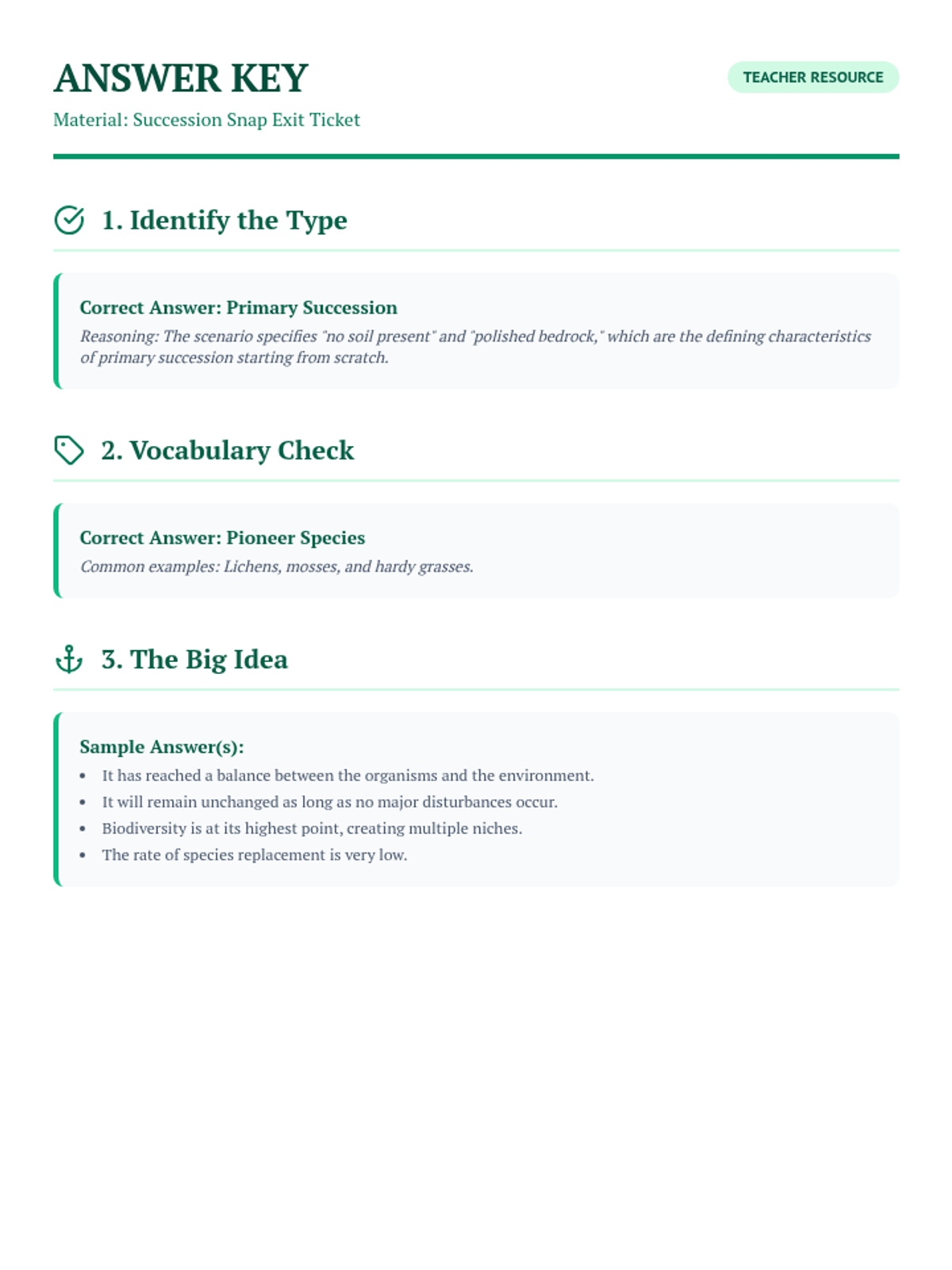
A quick, engaging bell ringer activity designed to review the stages of primary and secondary ecological succession through a sequence ordering task.
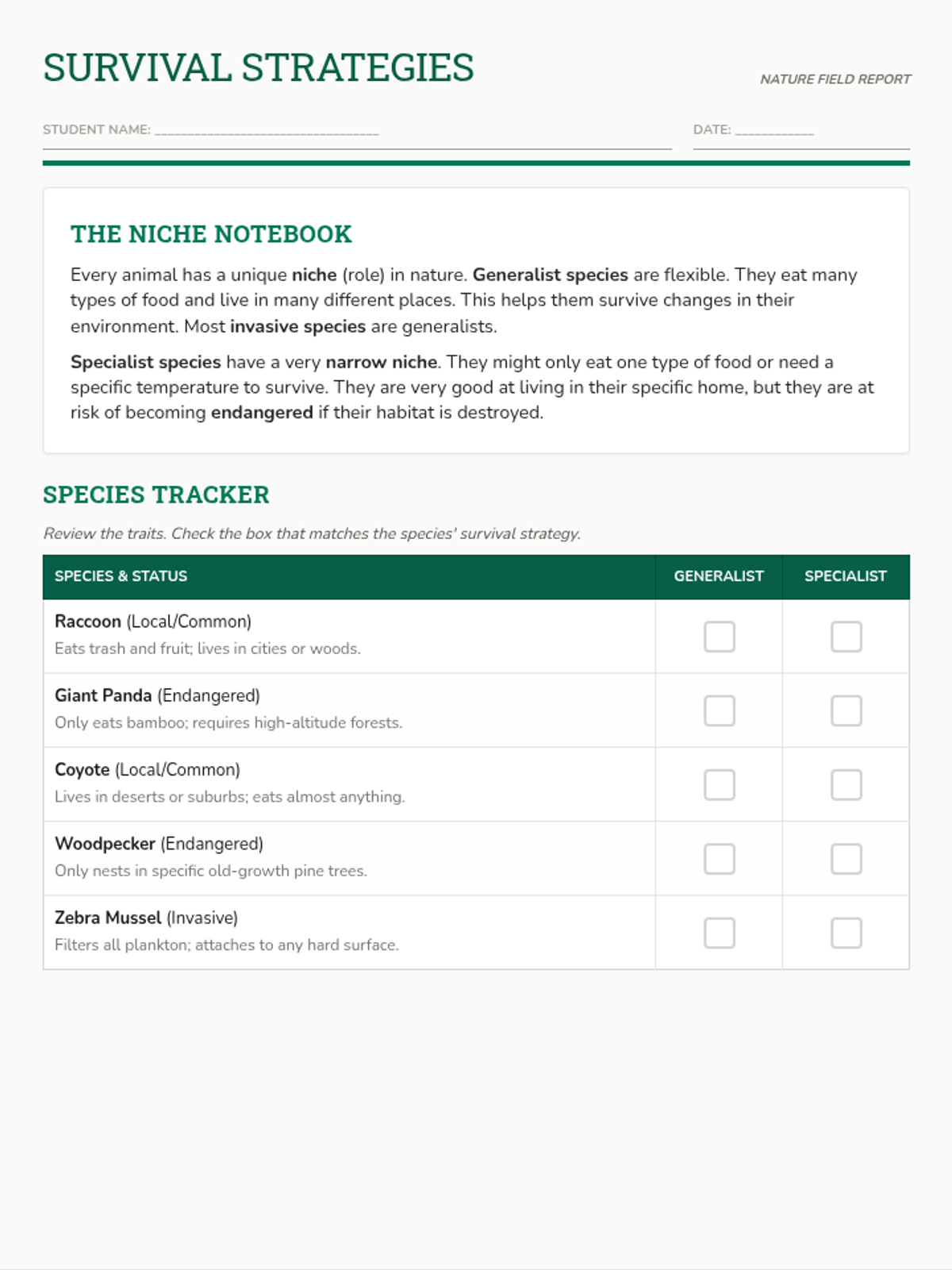
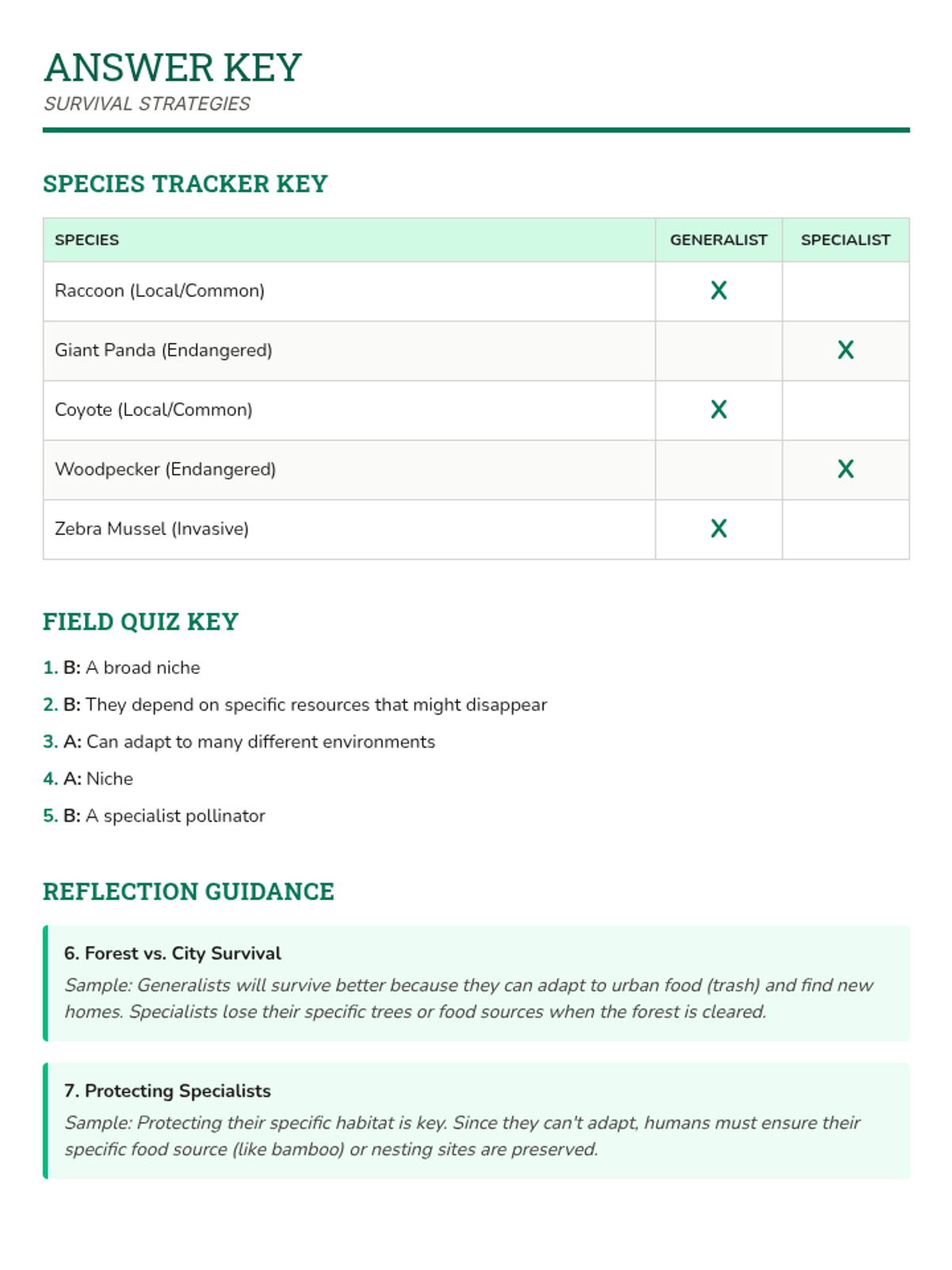
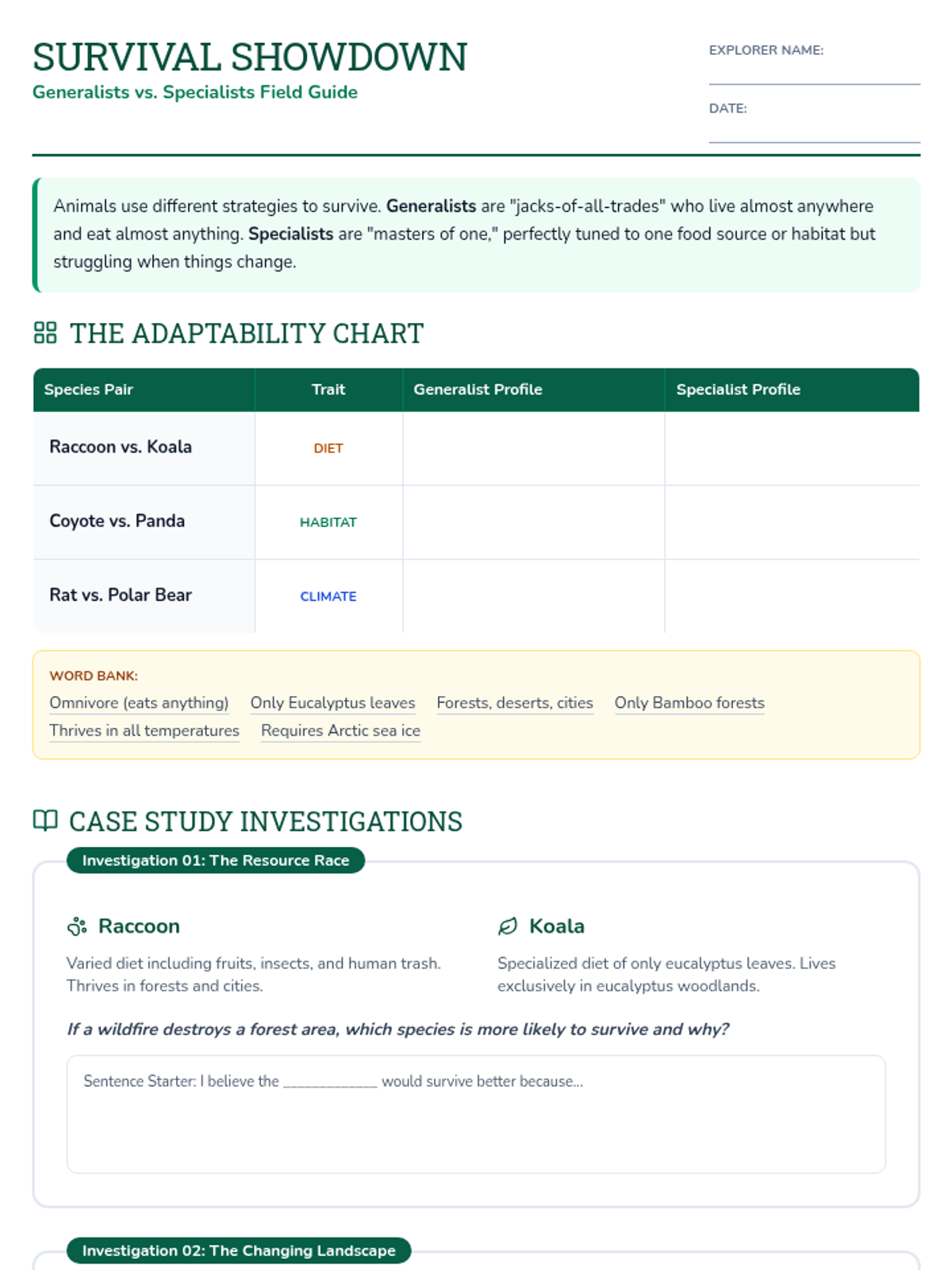
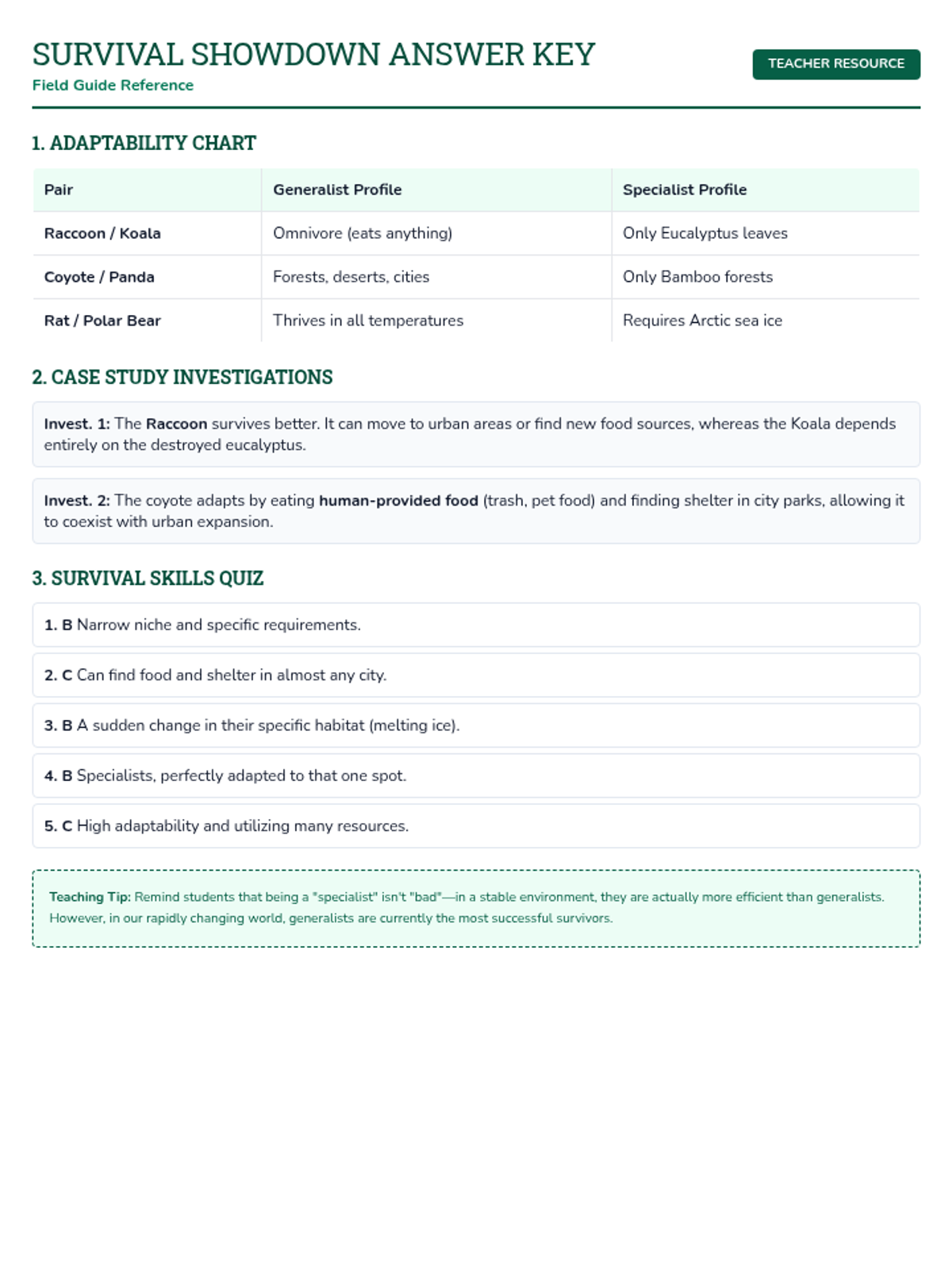
A lesson exploring the differences between generalist and specialist species, focusing on how their niches affect their survival and impact on ecosystems.
Explore the survival strategies of generalist and specialist species through case studies of raccoons, koalas, pandas, and more. Students analyze diet, habitat, and adaptability to understand how different species thrive or struggle in changing environments.
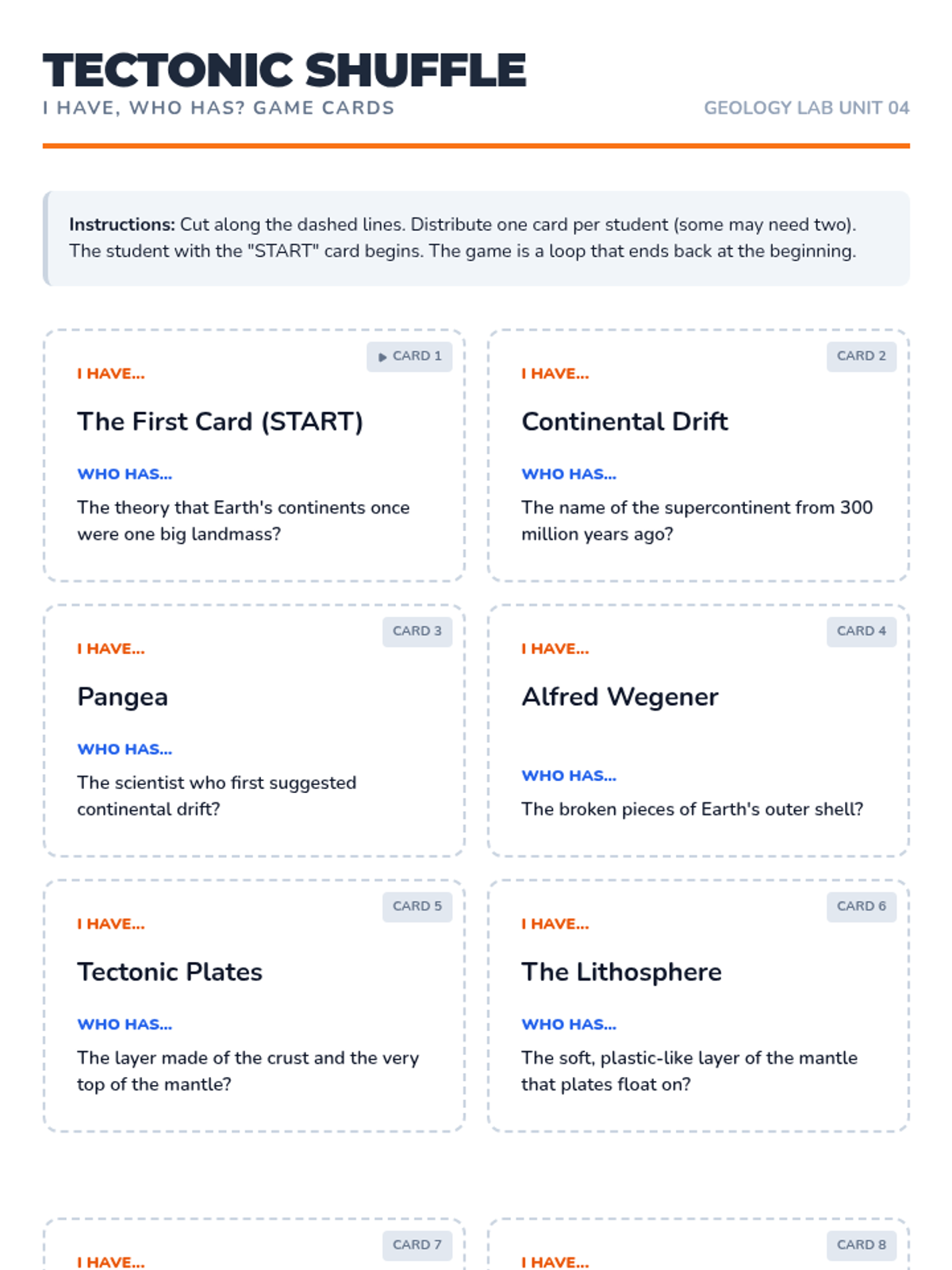
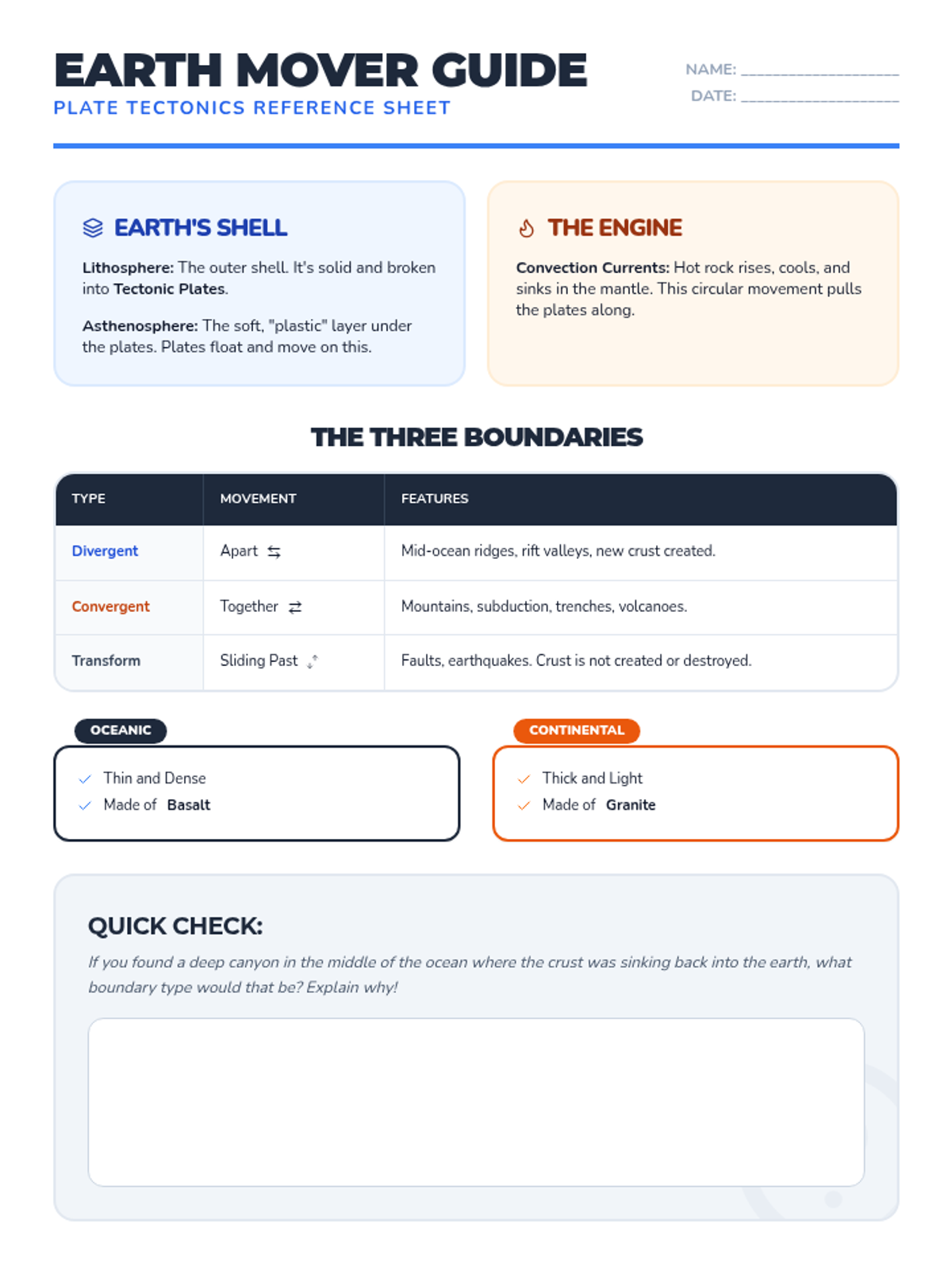
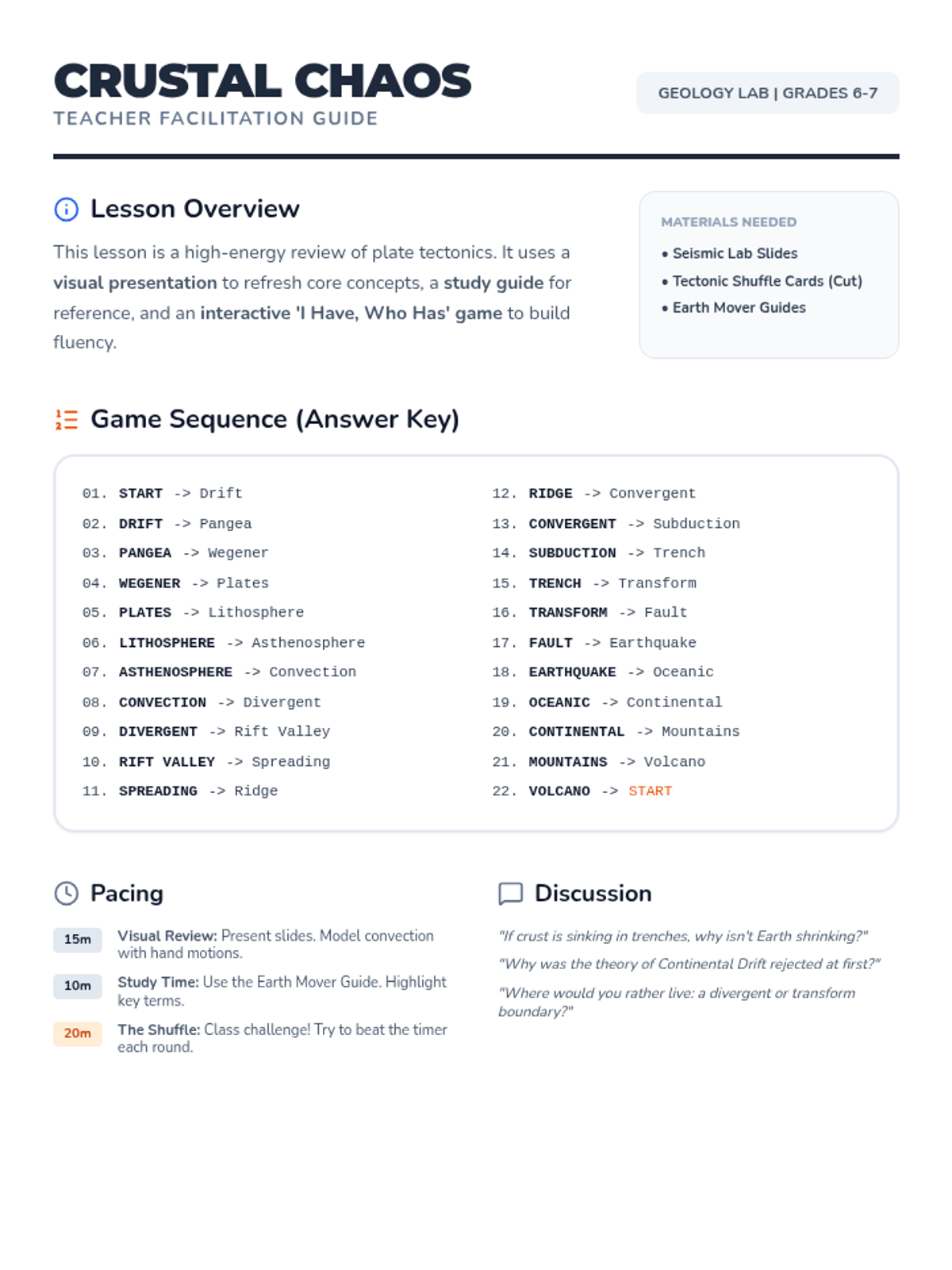
A comprehensive review of plate tectonics concepts through a visual presentation, a guided study sheet, and an interactive 'I Have, Who Has' game. Students will explore boundaries, crust types, and the forces driving Earth's movement.
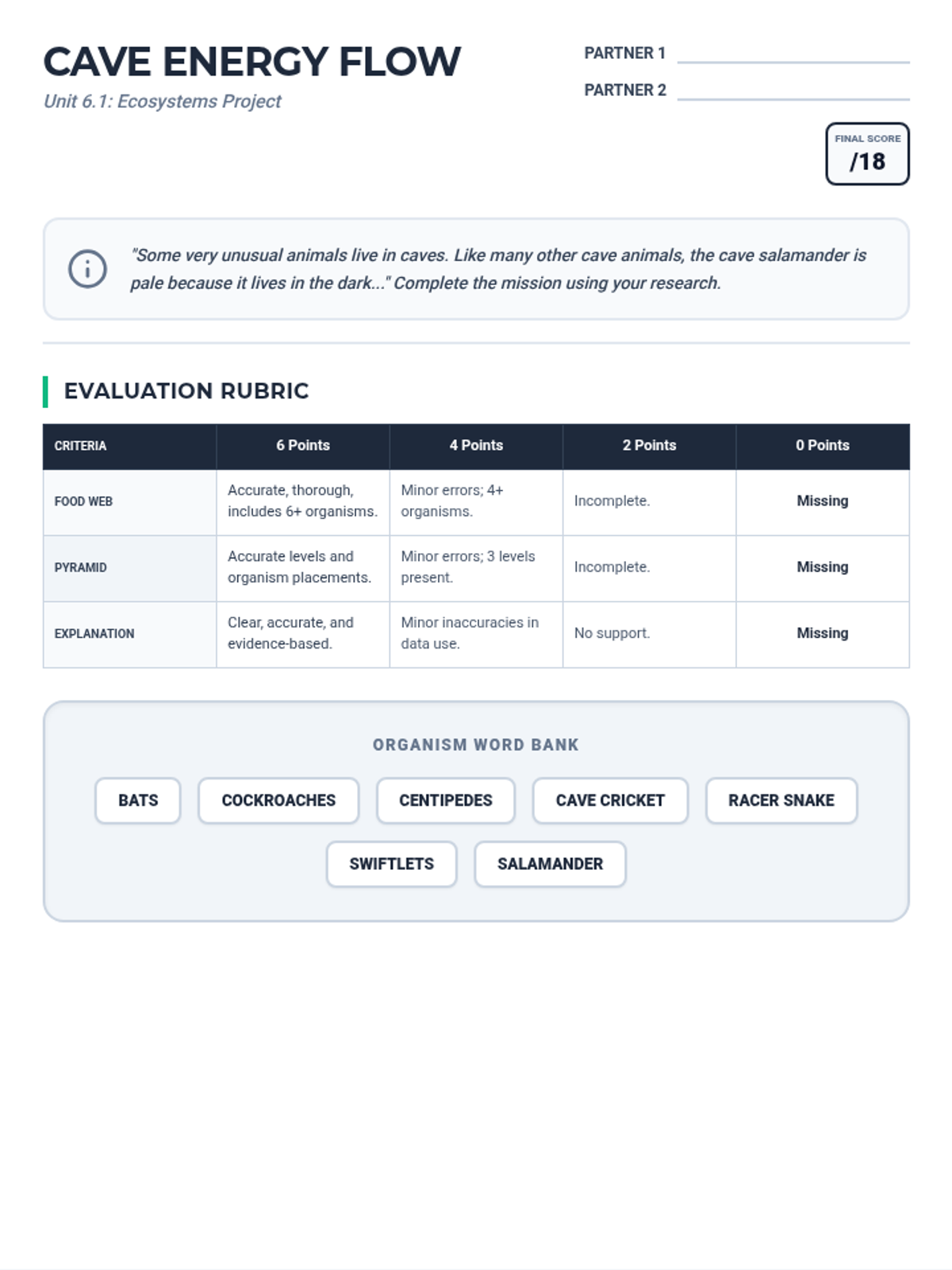
A middle school STEM project focusing on energy flow, food webs, and energy pyramids within unique cave ecosystems, featuring data analysis on bat-centipede relationships.
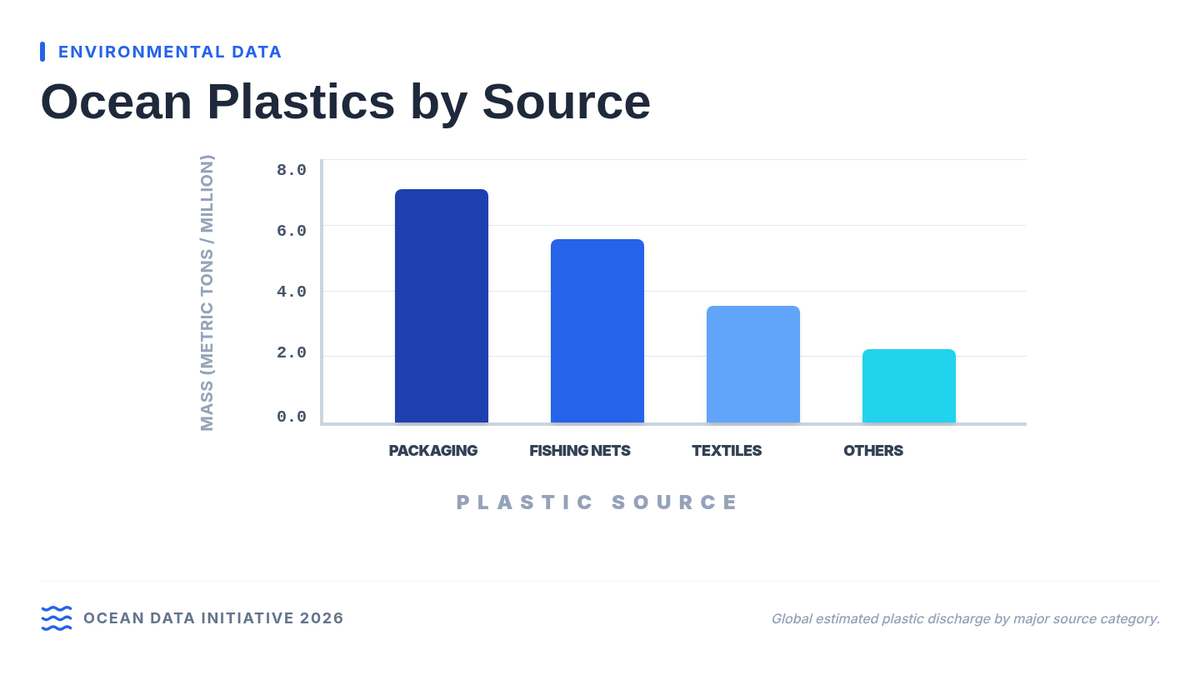
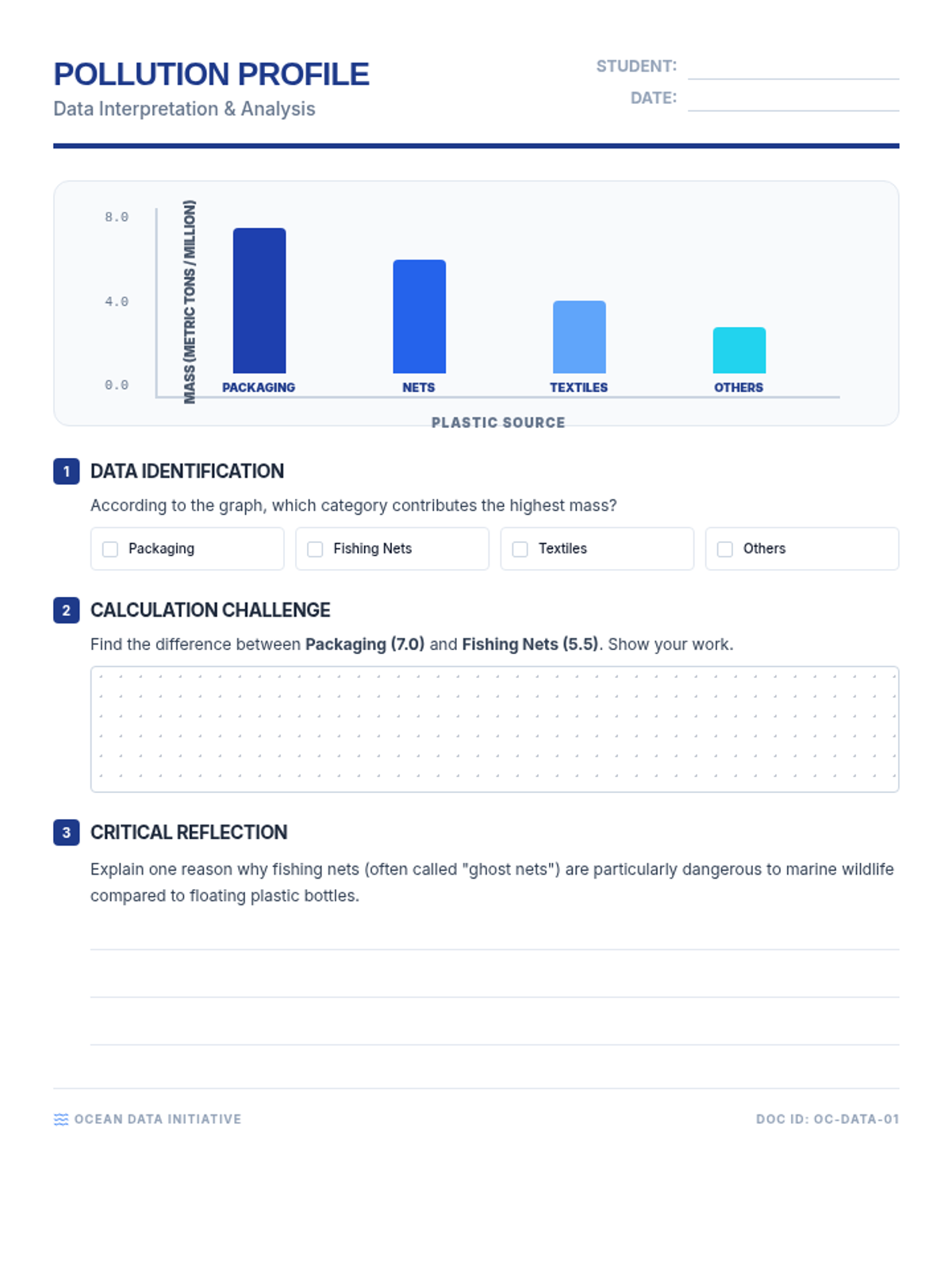
A lesson exploring the impact of plastic pollution on our oceans, featuring data analysis and identification of primary waste sources.
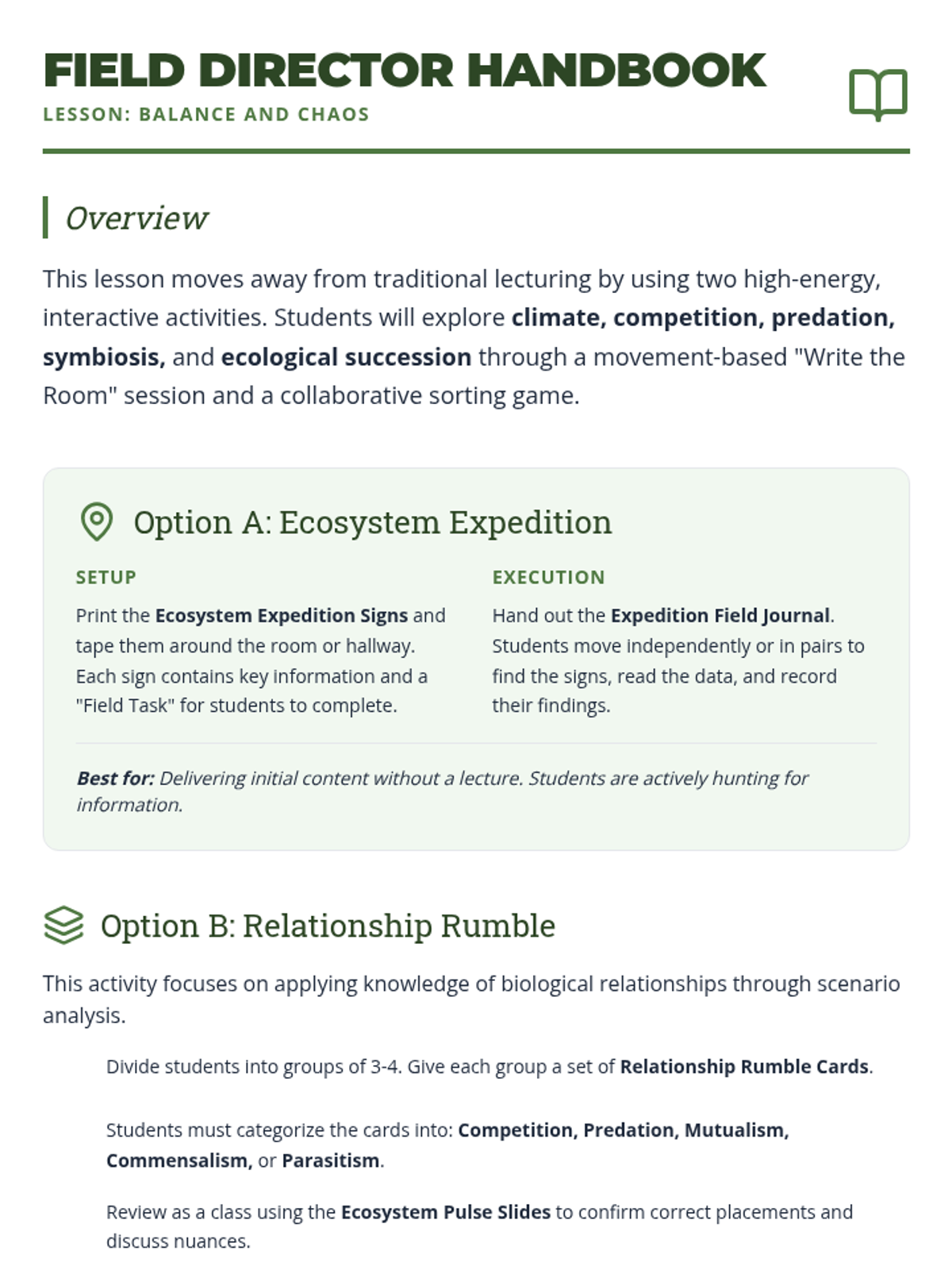
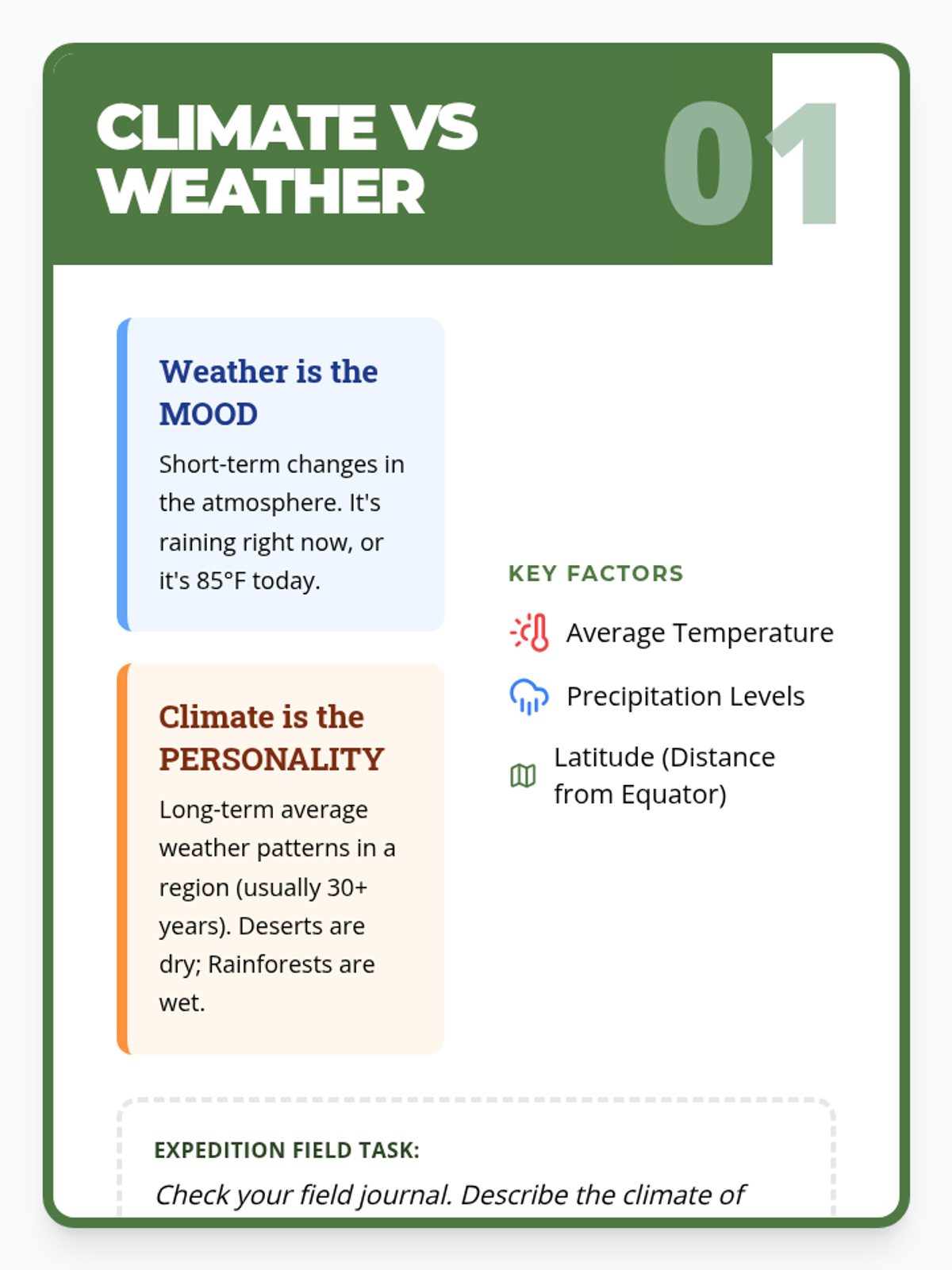
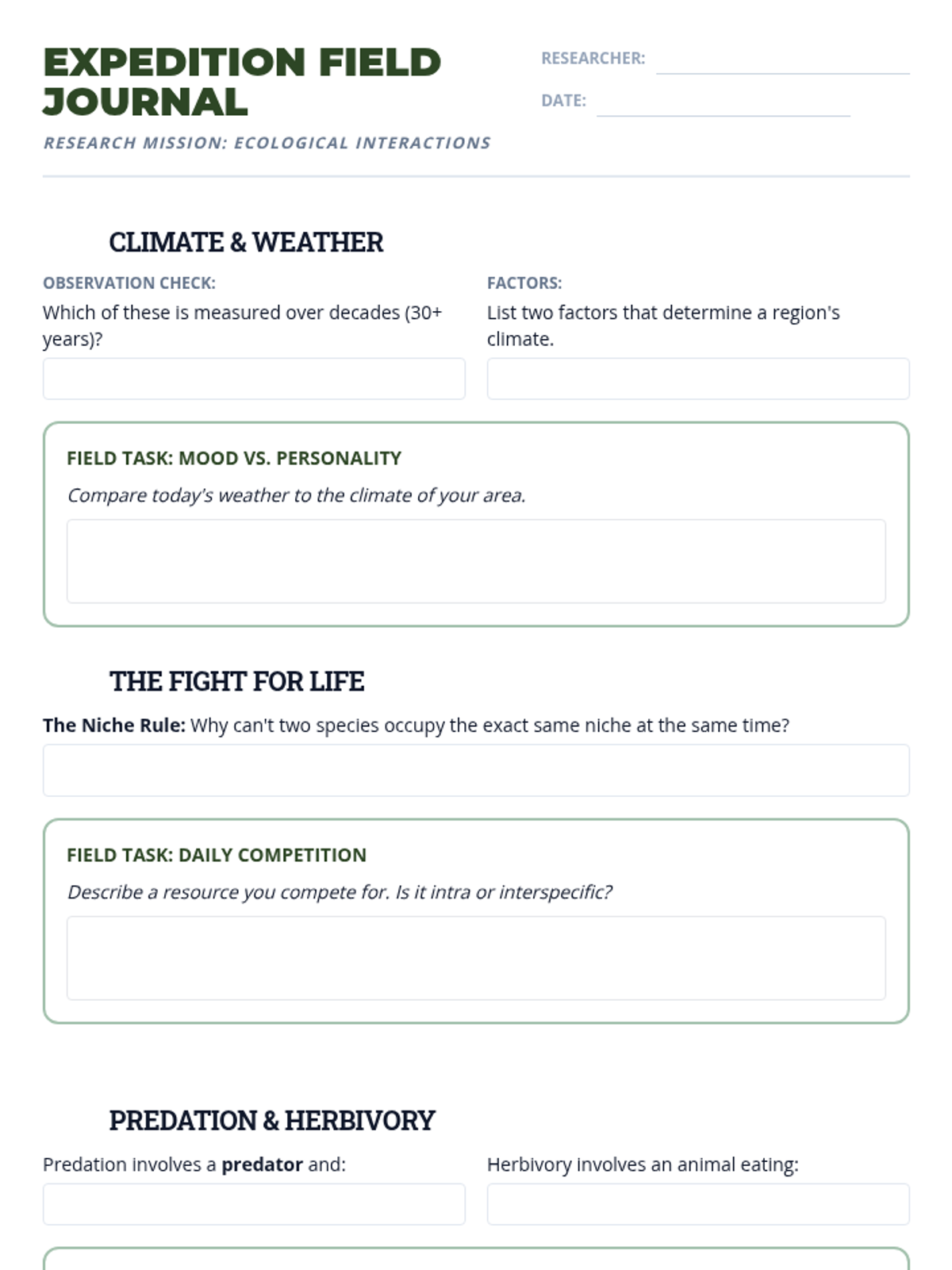
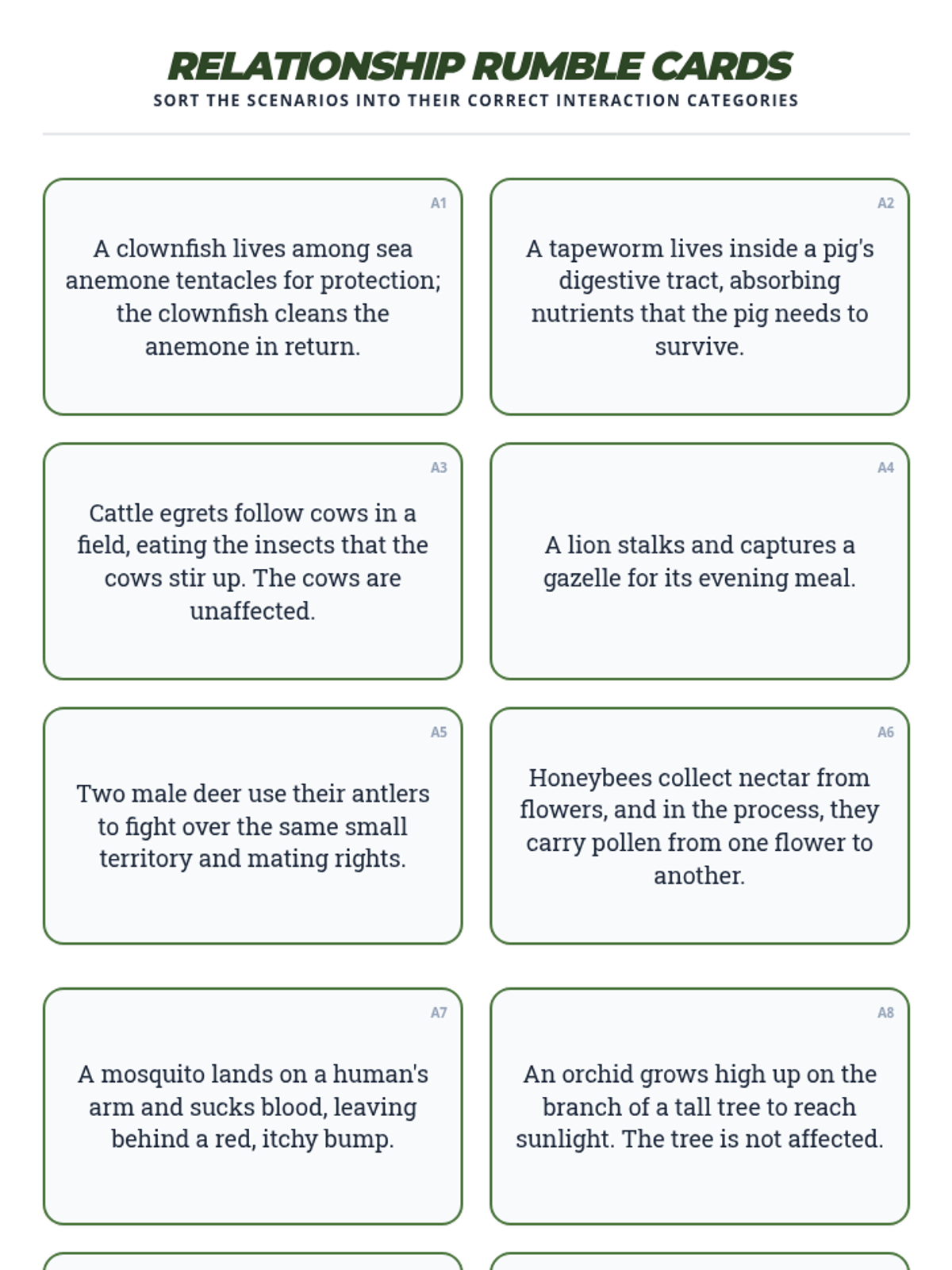
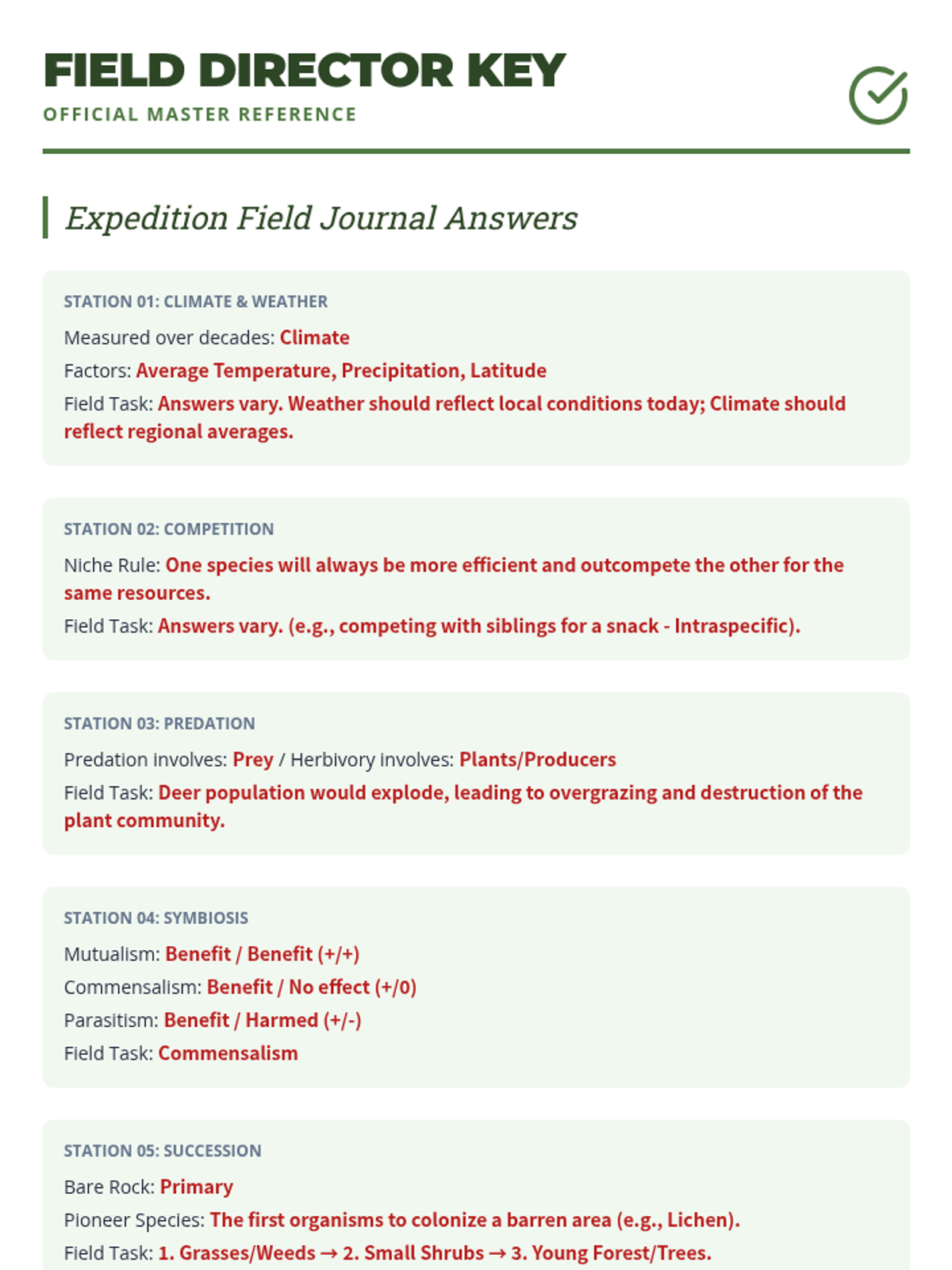
A deep dive into how organisms interact with each other and their environment through climate, competition, symbiosis, and succession.
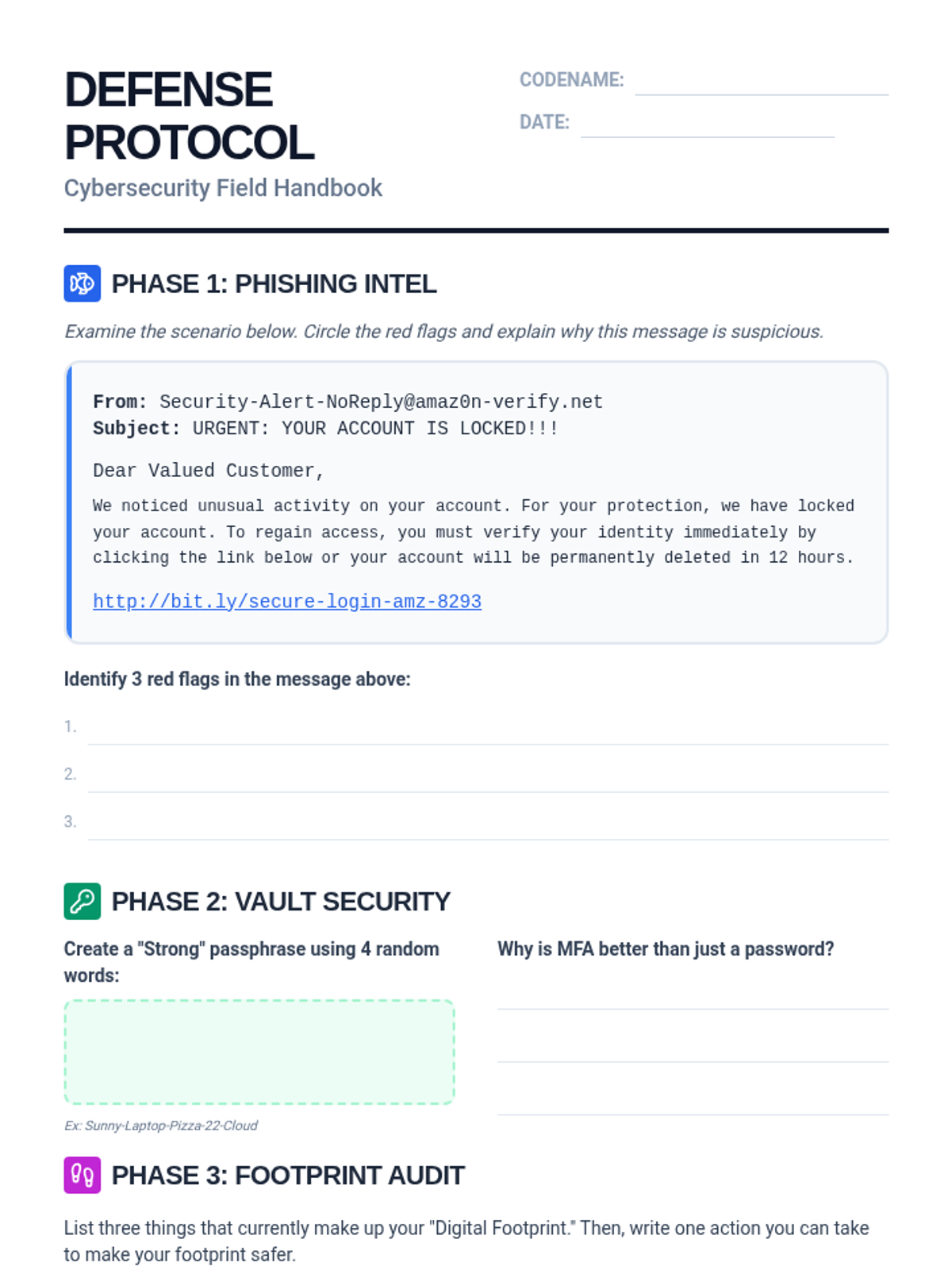
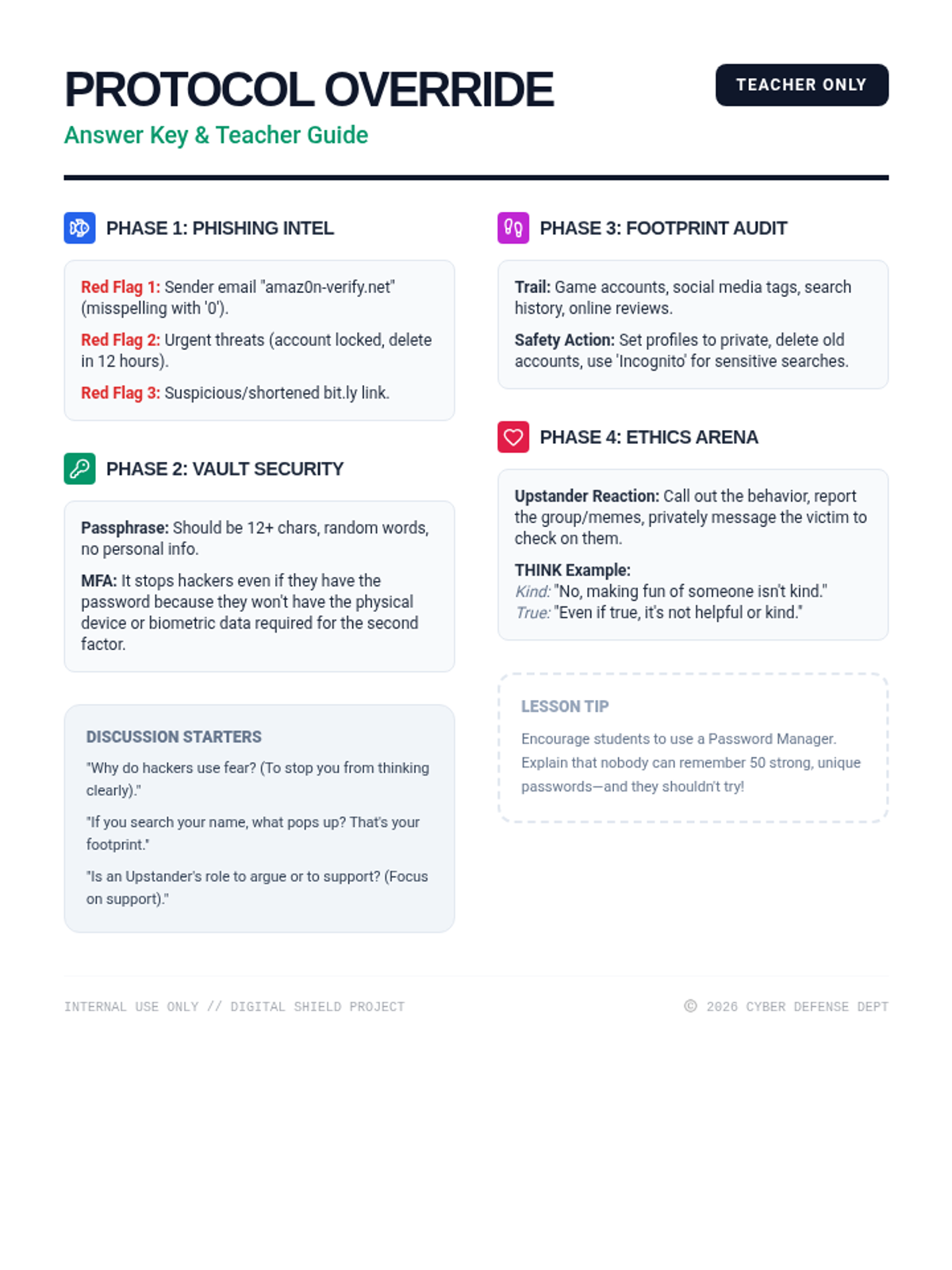
A comprehensive introduction to cybersecurity essentials, covering phishing, password security, digital footprints, and online ethics. Students learn to protect themselves and act responsibly in the digital world.
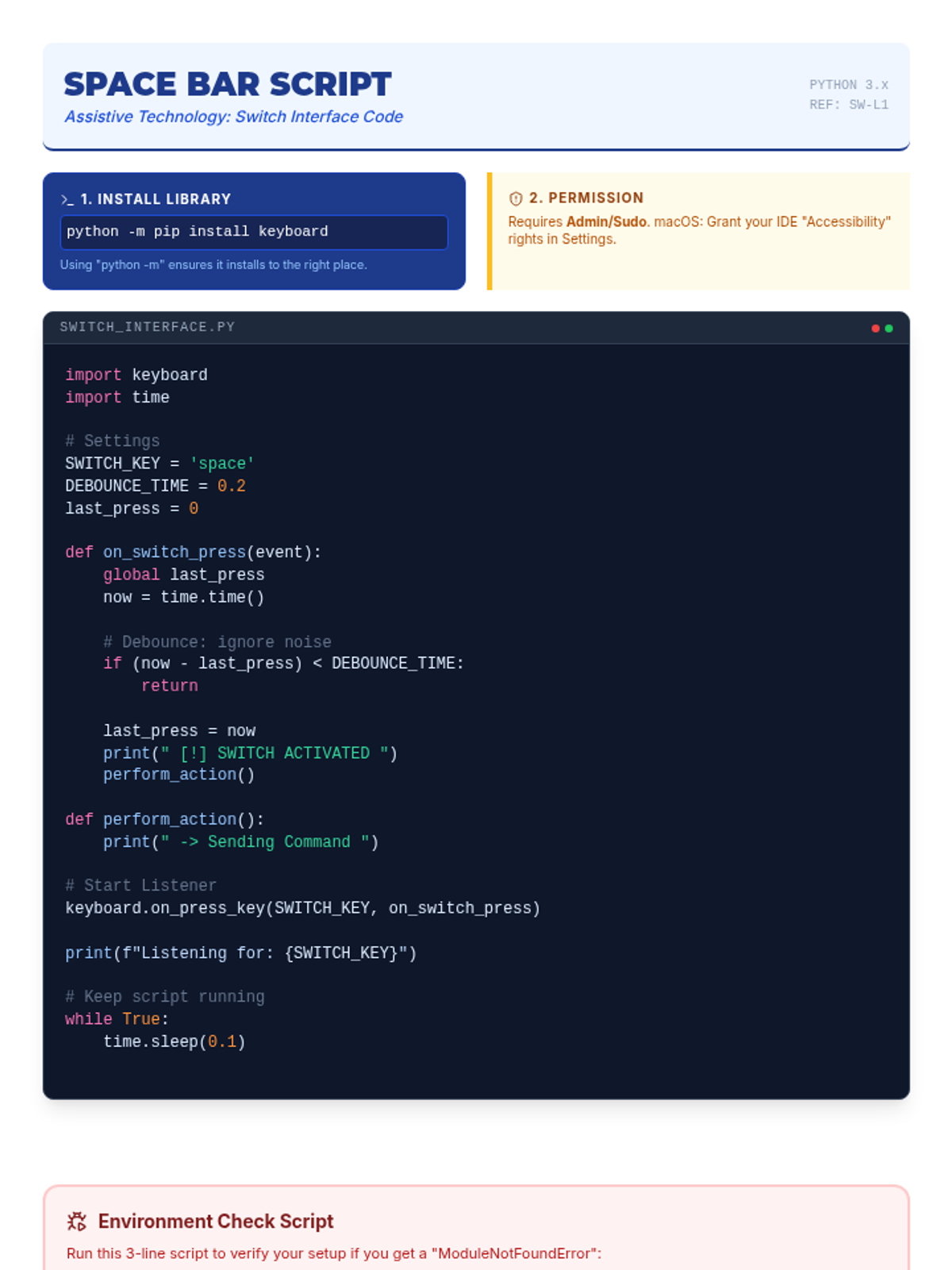
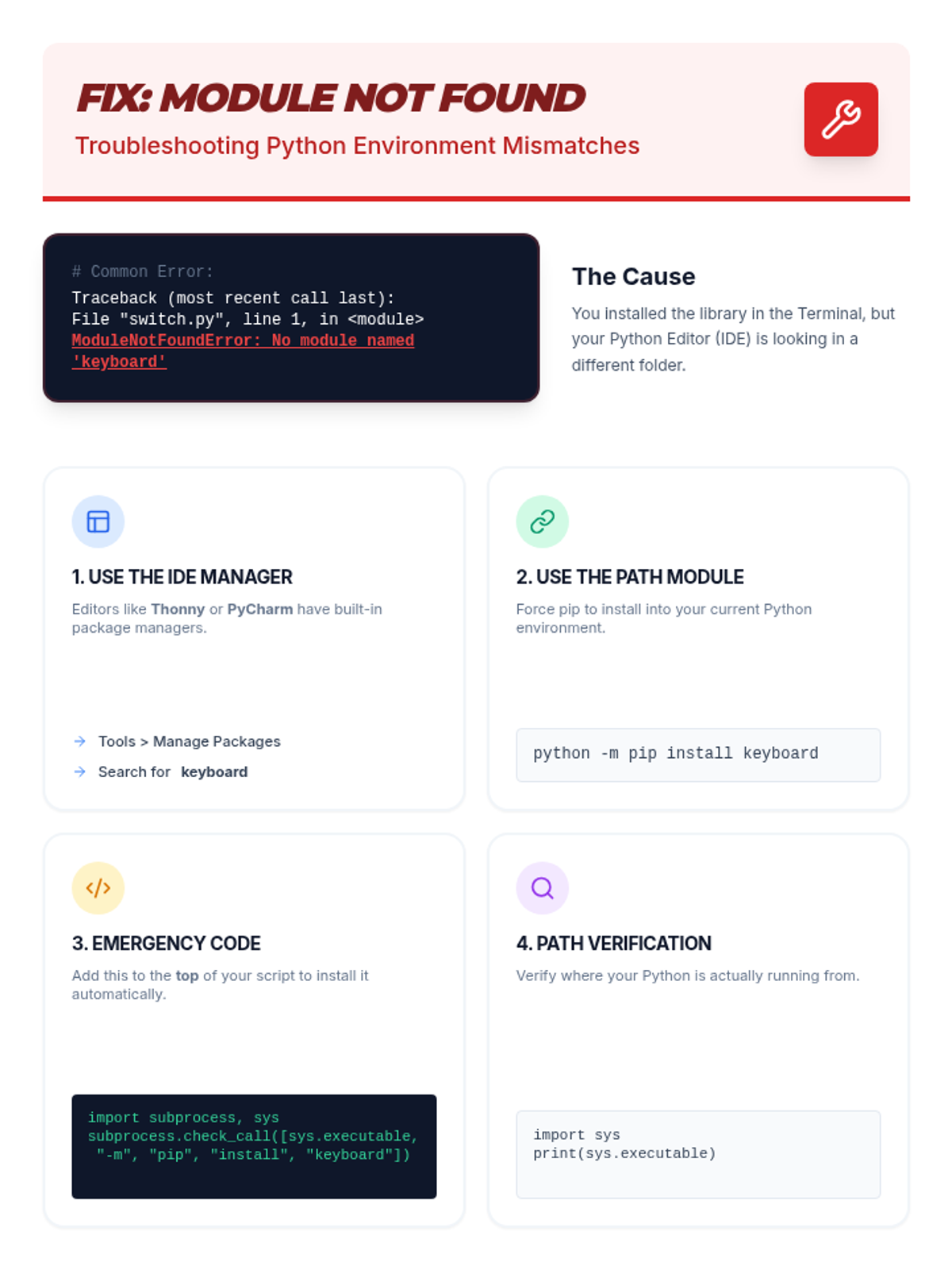
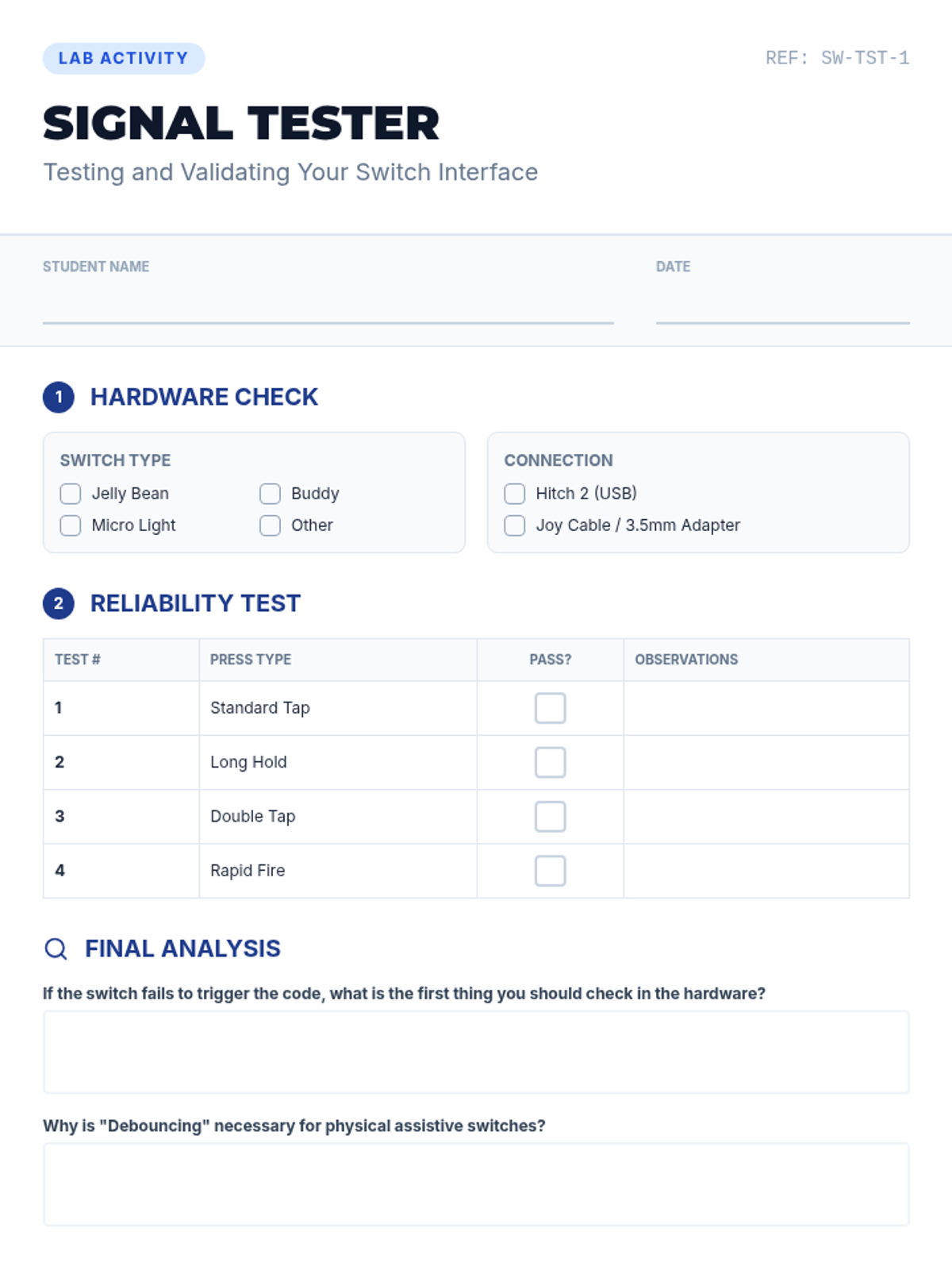
This lesson covers the logic and programming required to create a digital switch interface using Python, focusing on key bindings and signal processing.
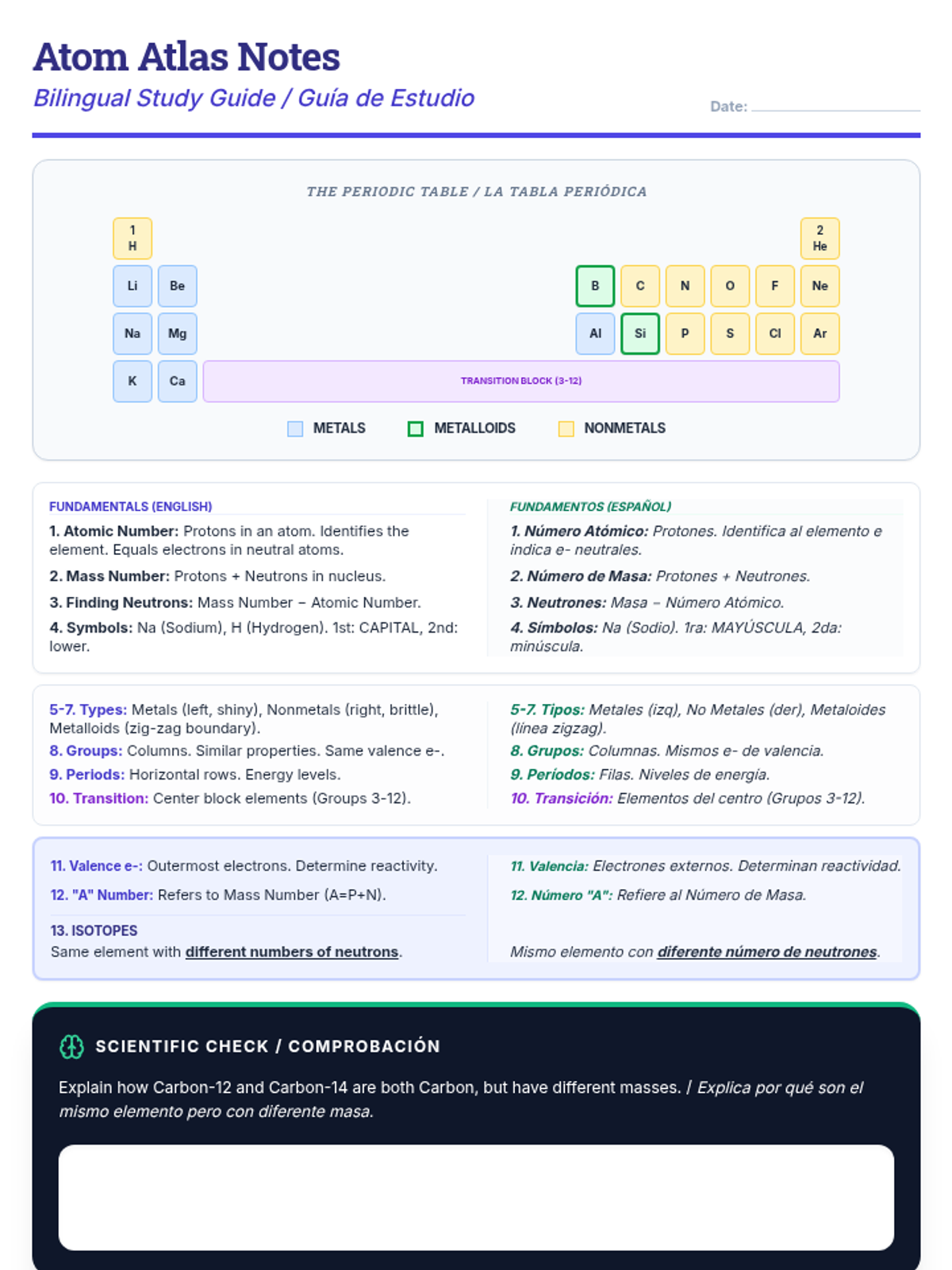
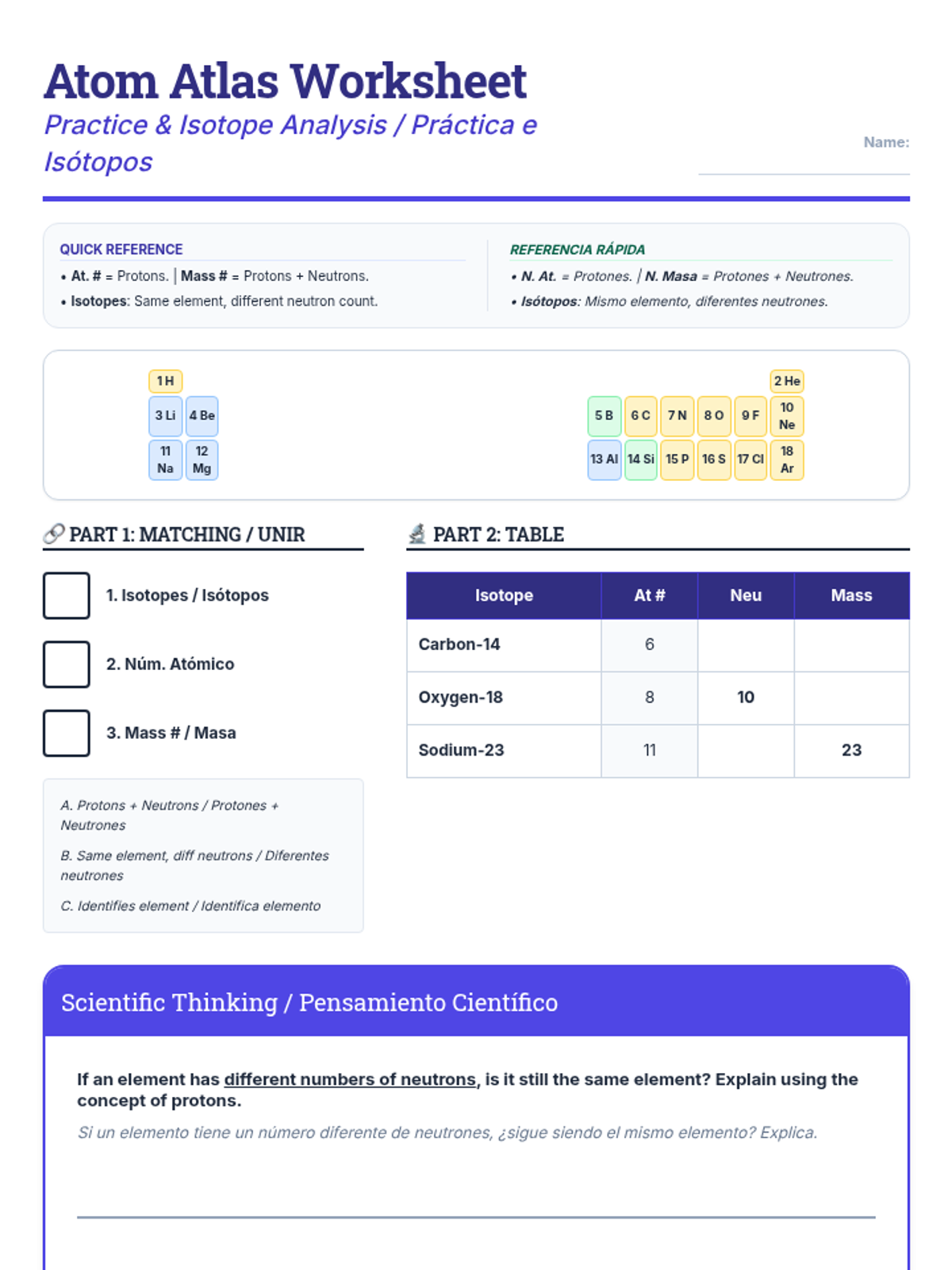
An introductory lesson on how the periodic table is organized, covering atomic numbers, mass, types of elements, and periodic trends.
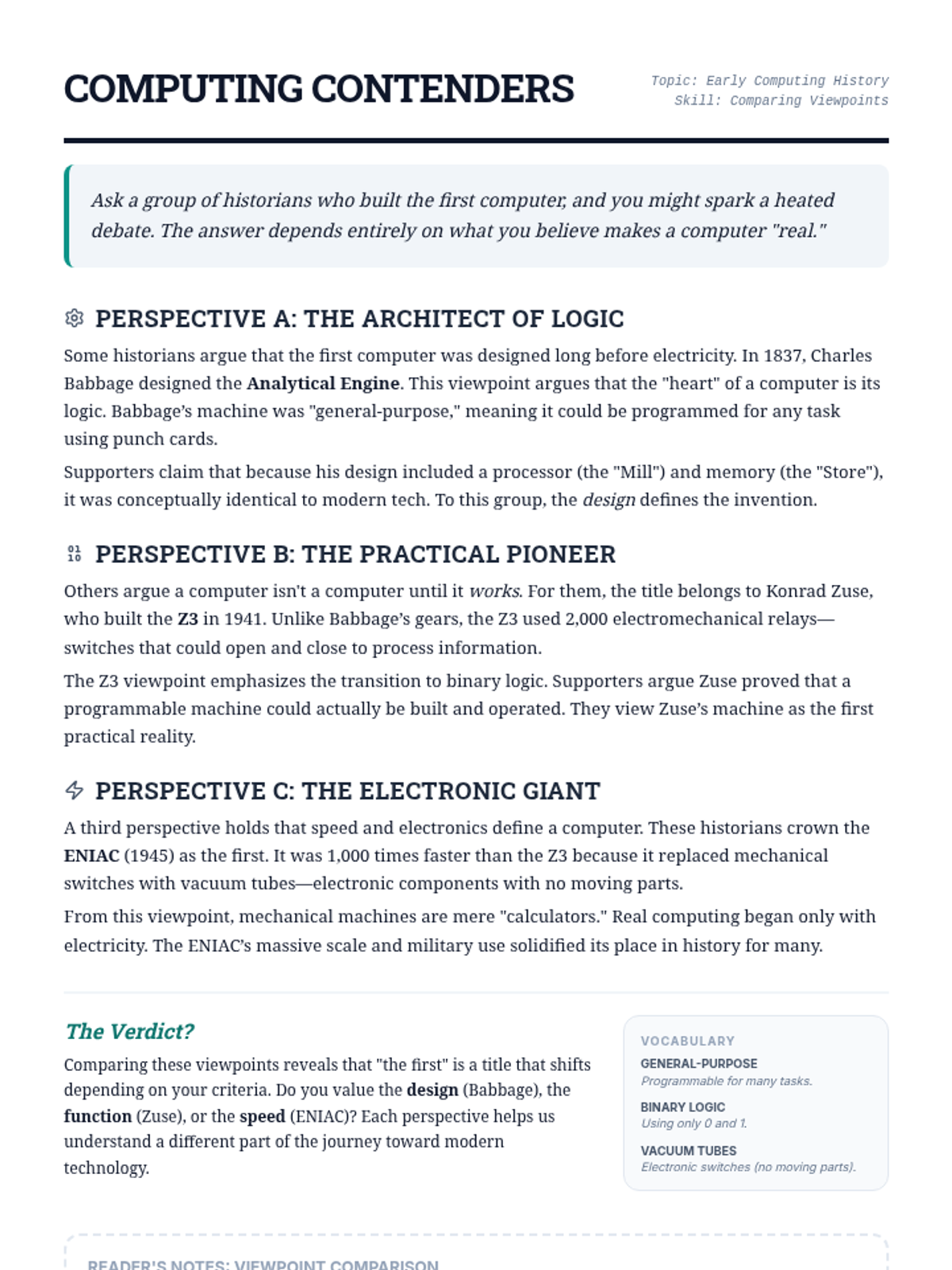
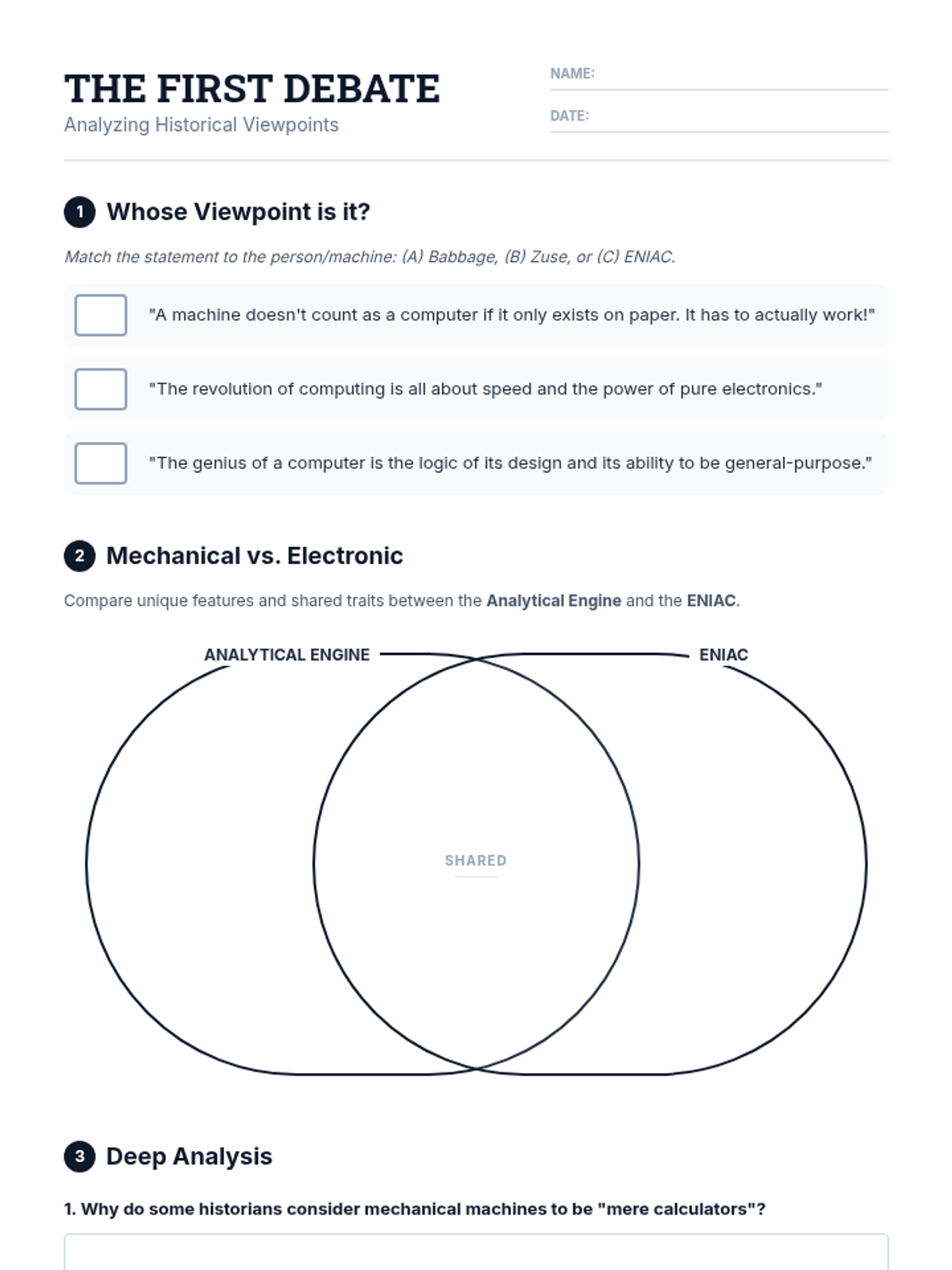
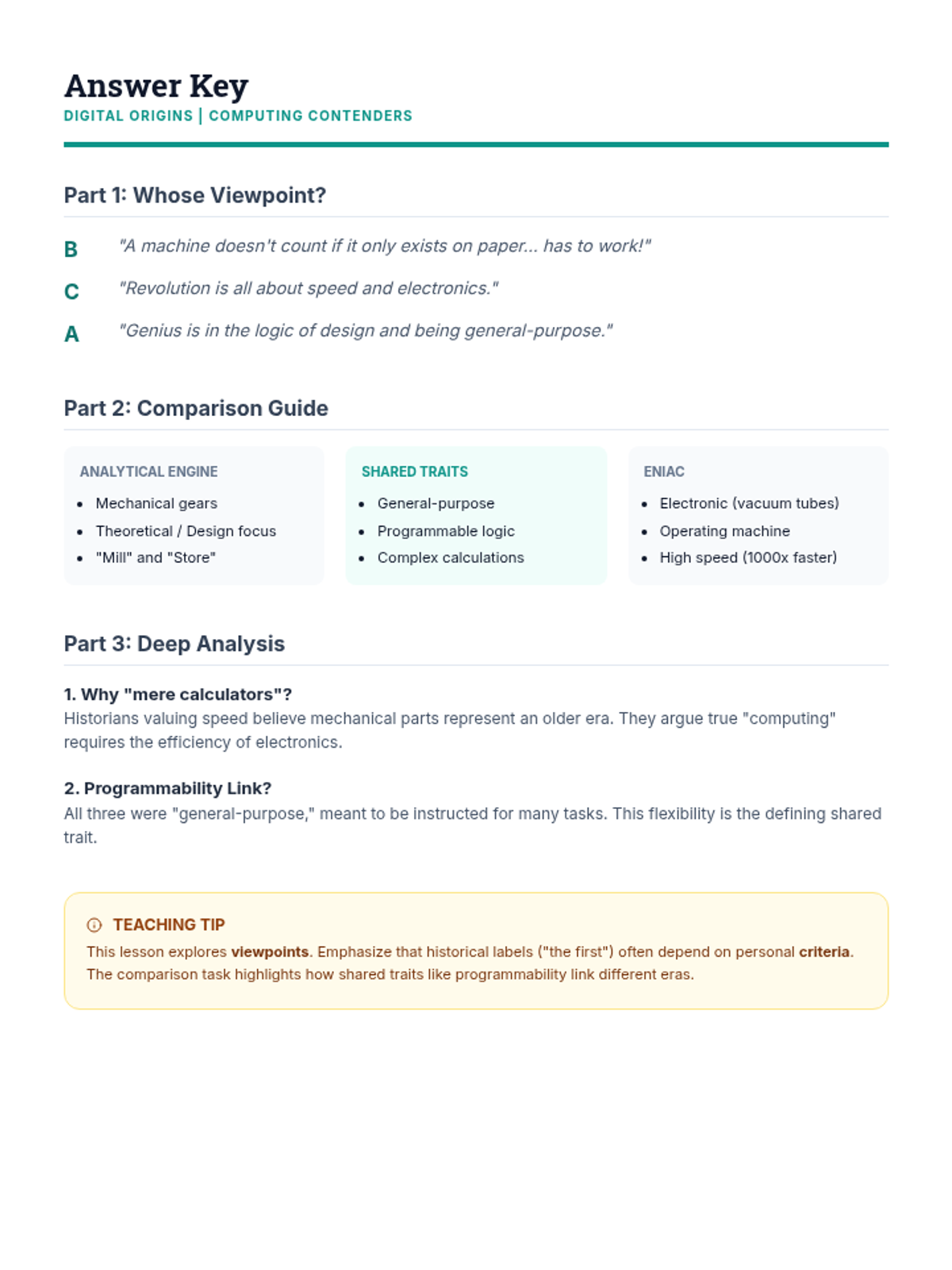
A lesson exploring the evolution of early computing machines and the varying historical perspectives on which machine deserves the title of the 'first' computer. Students will analyze different viewpoints based on technical criteria like programmability, electronics, and logic.
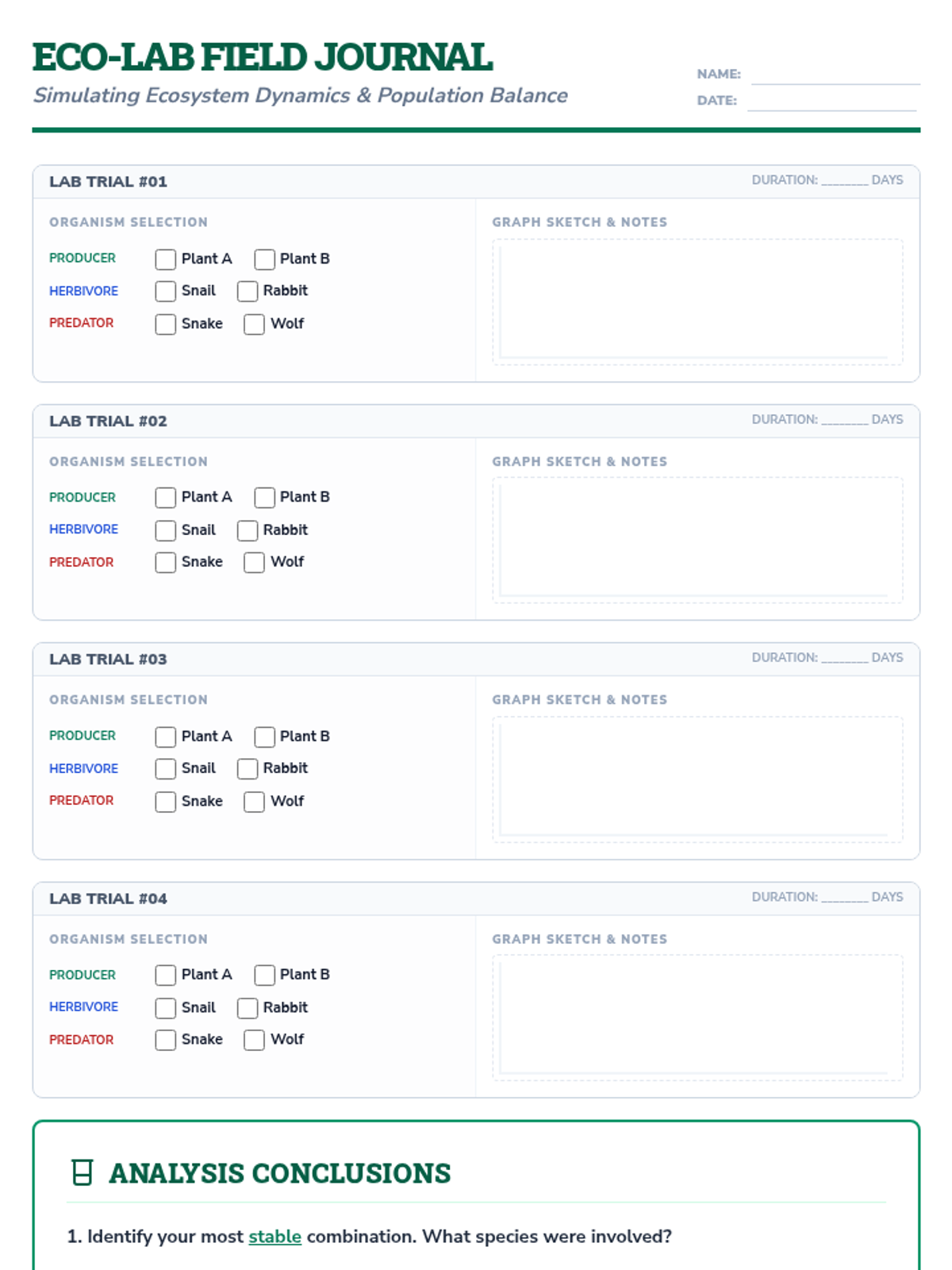
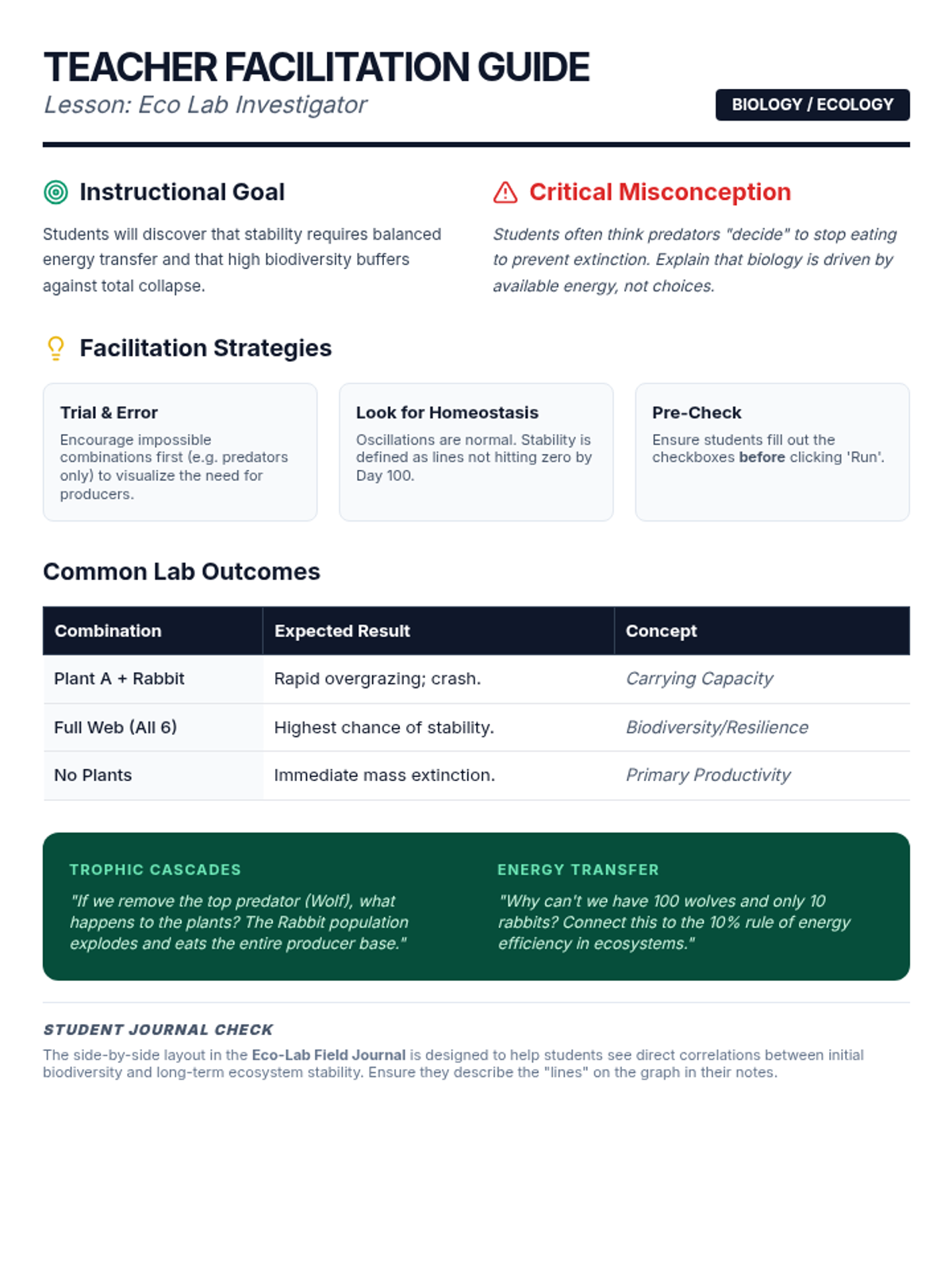
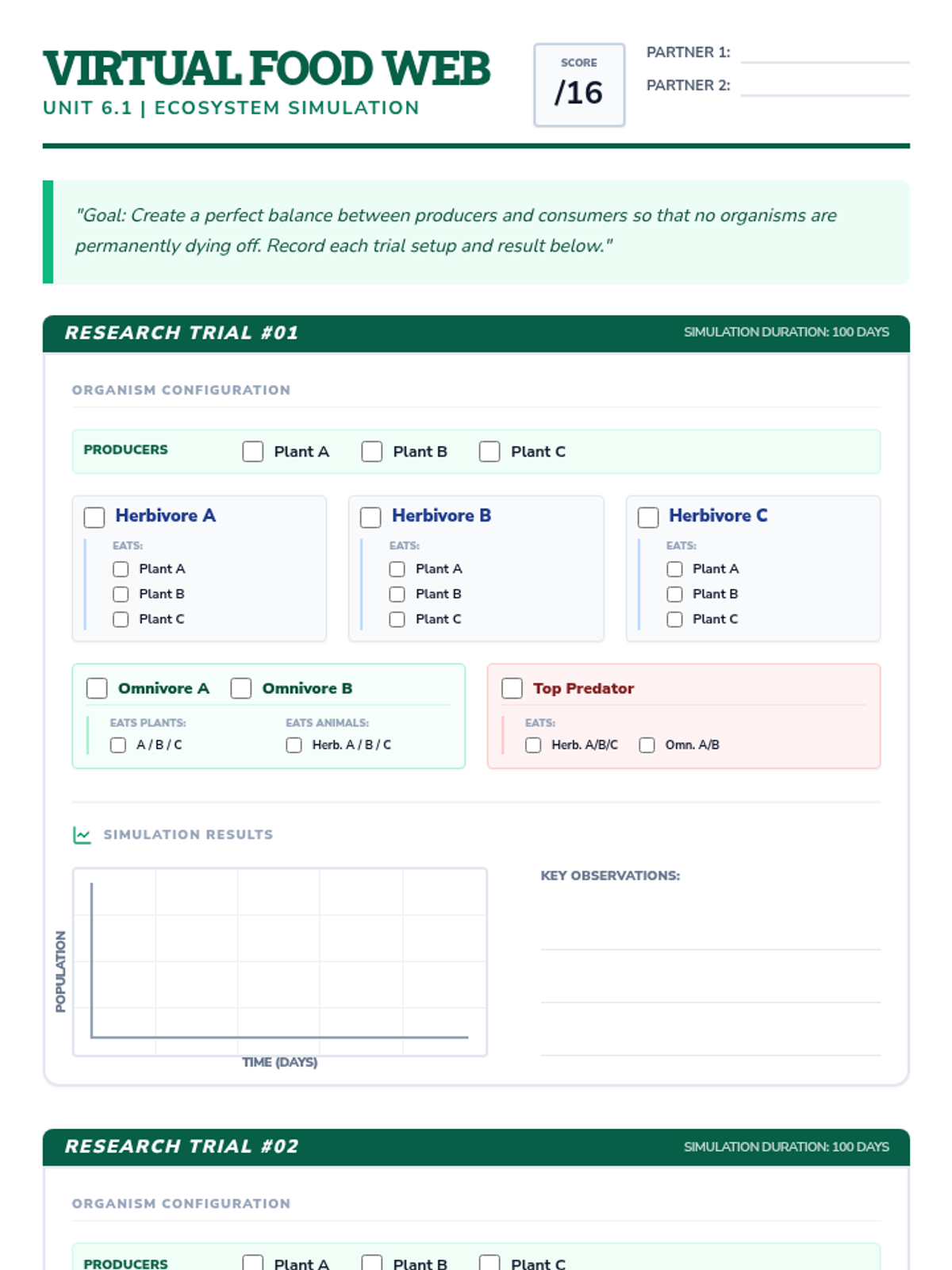
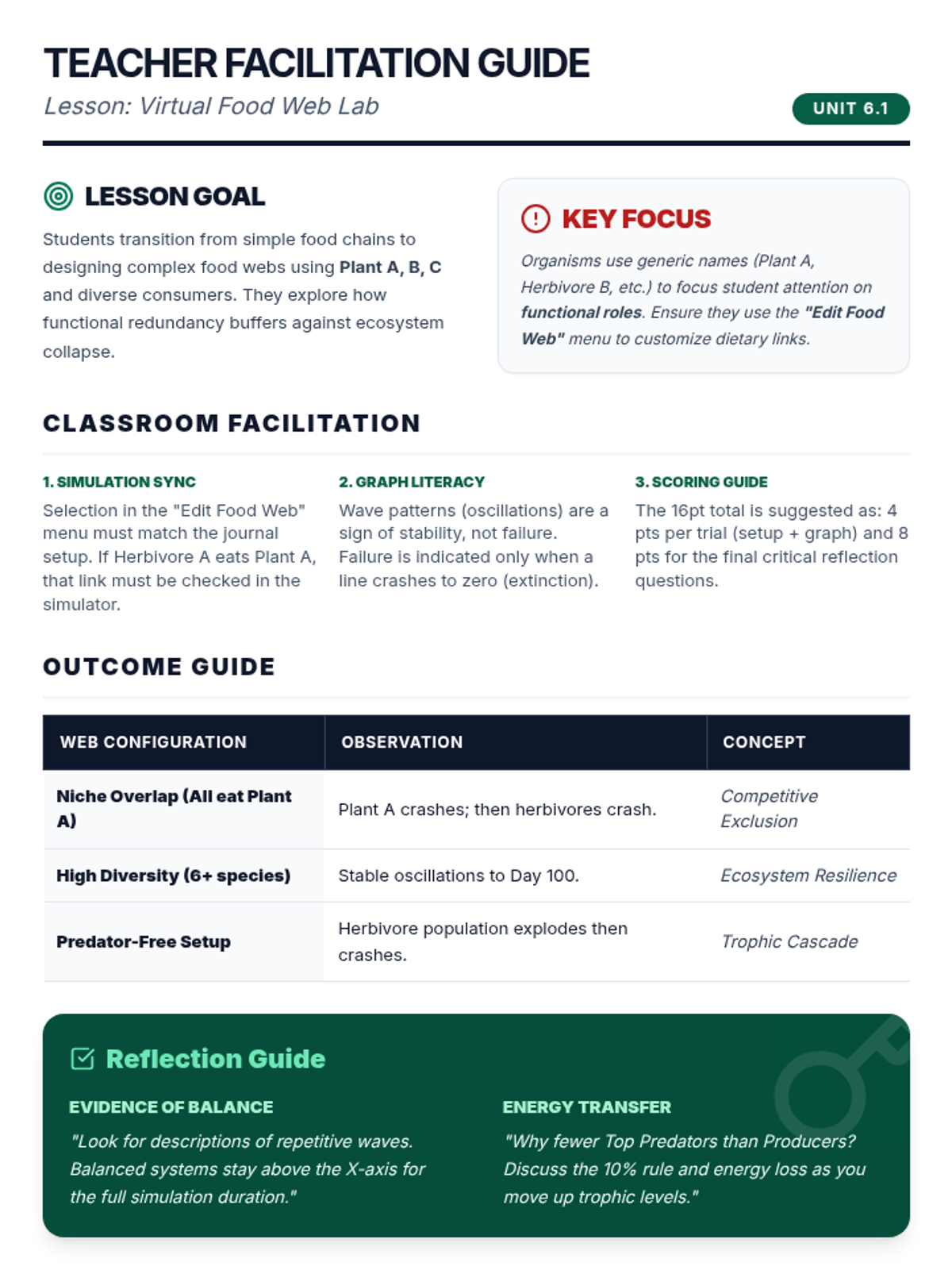
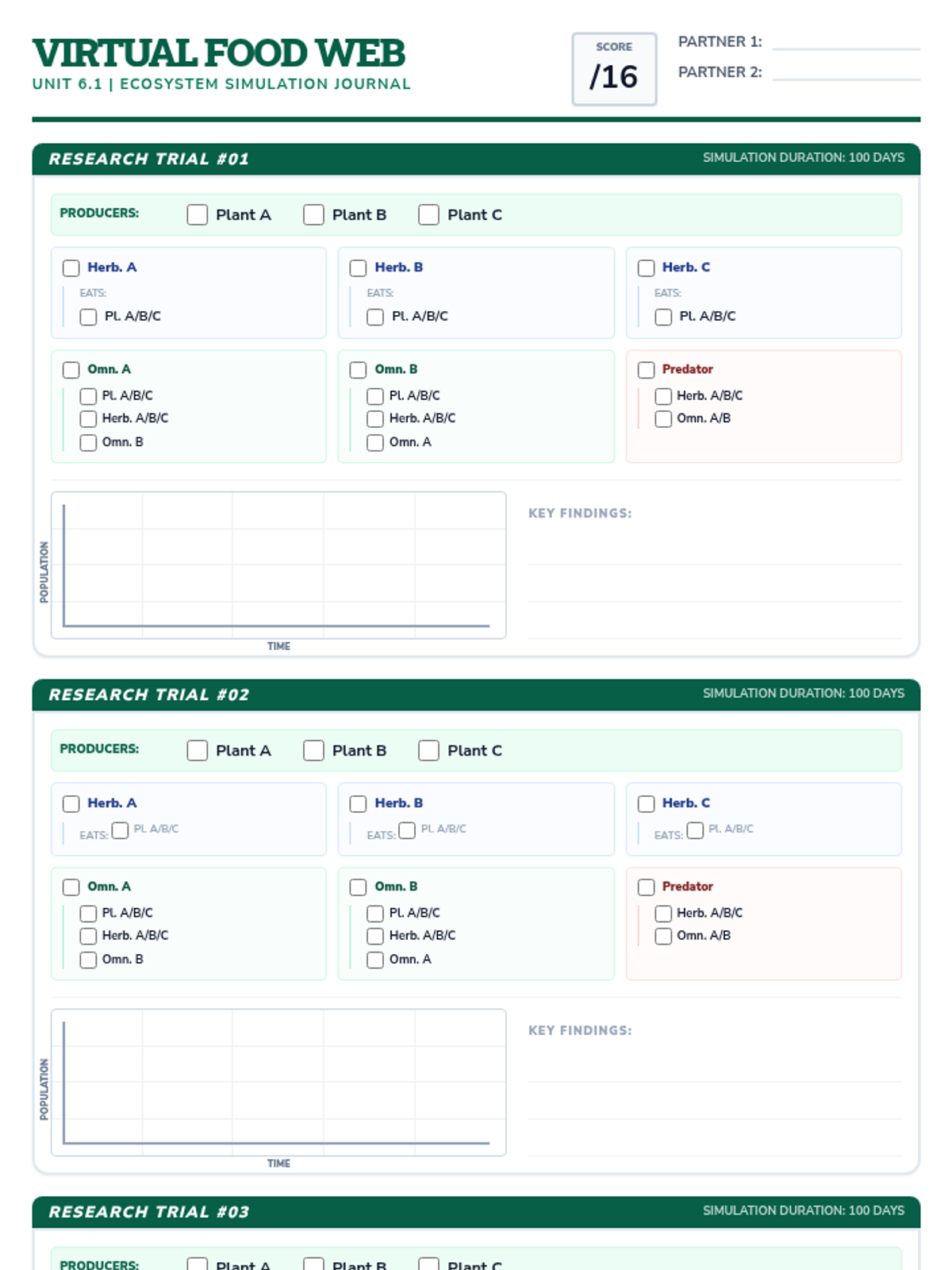
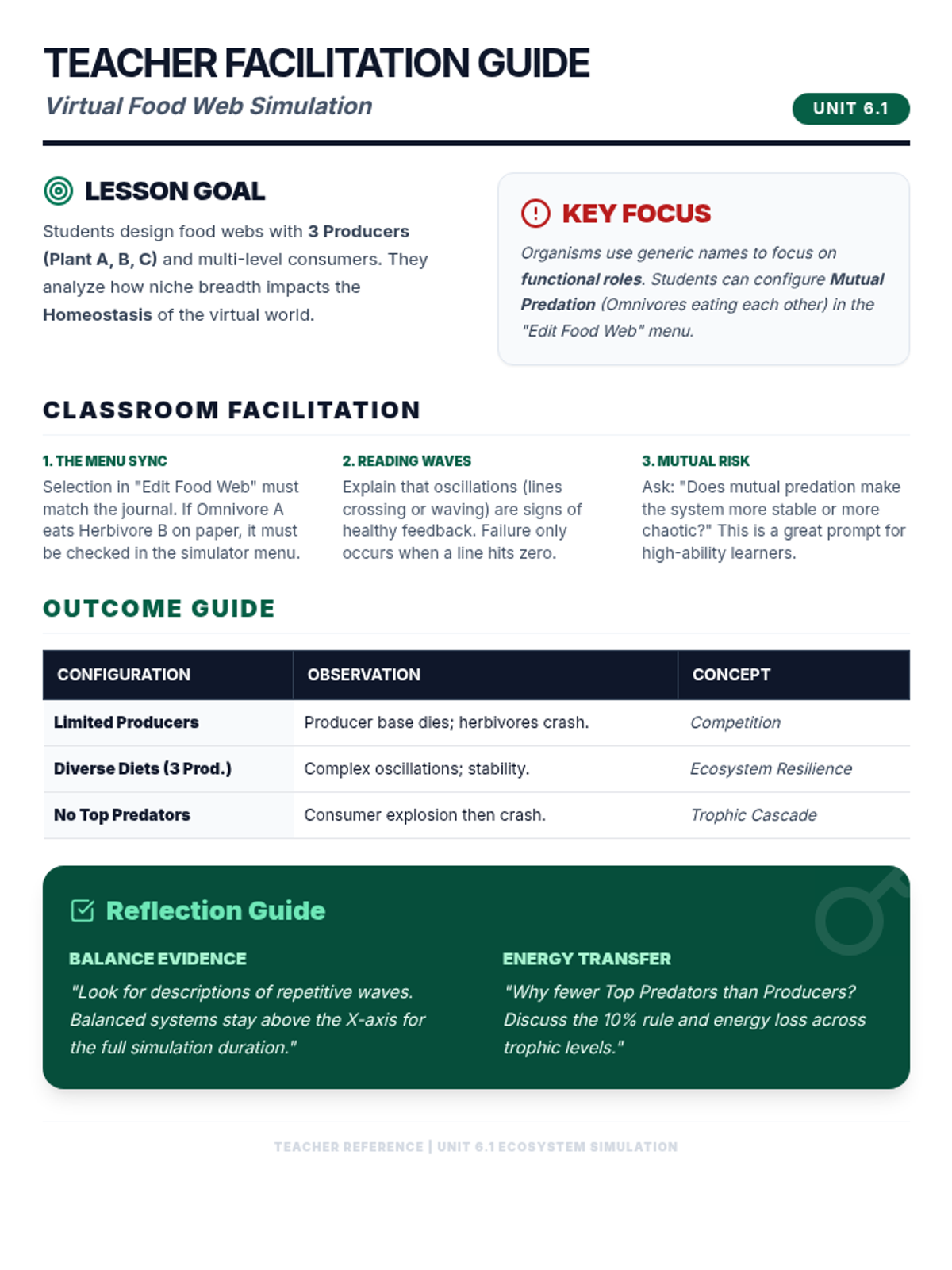
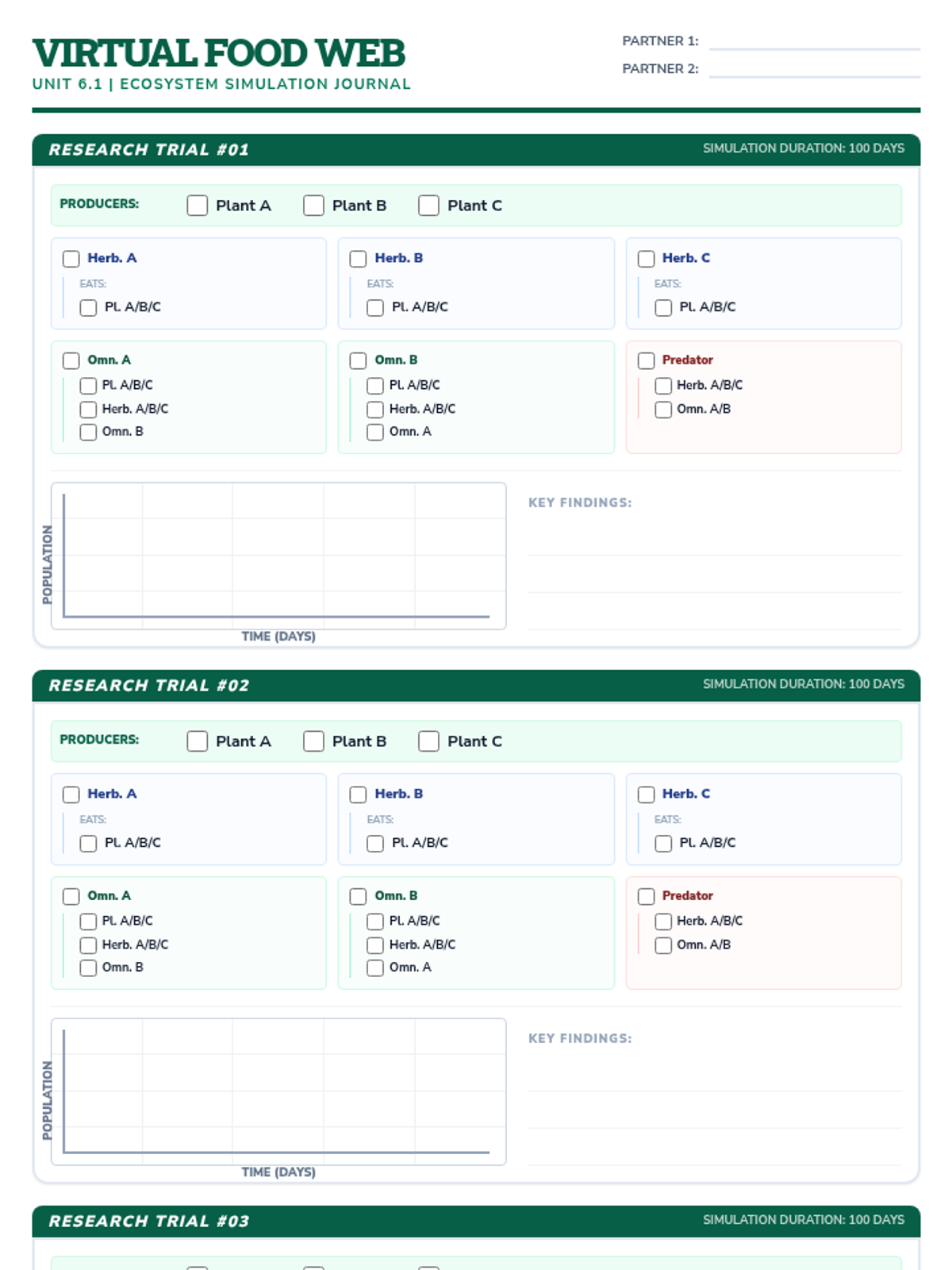
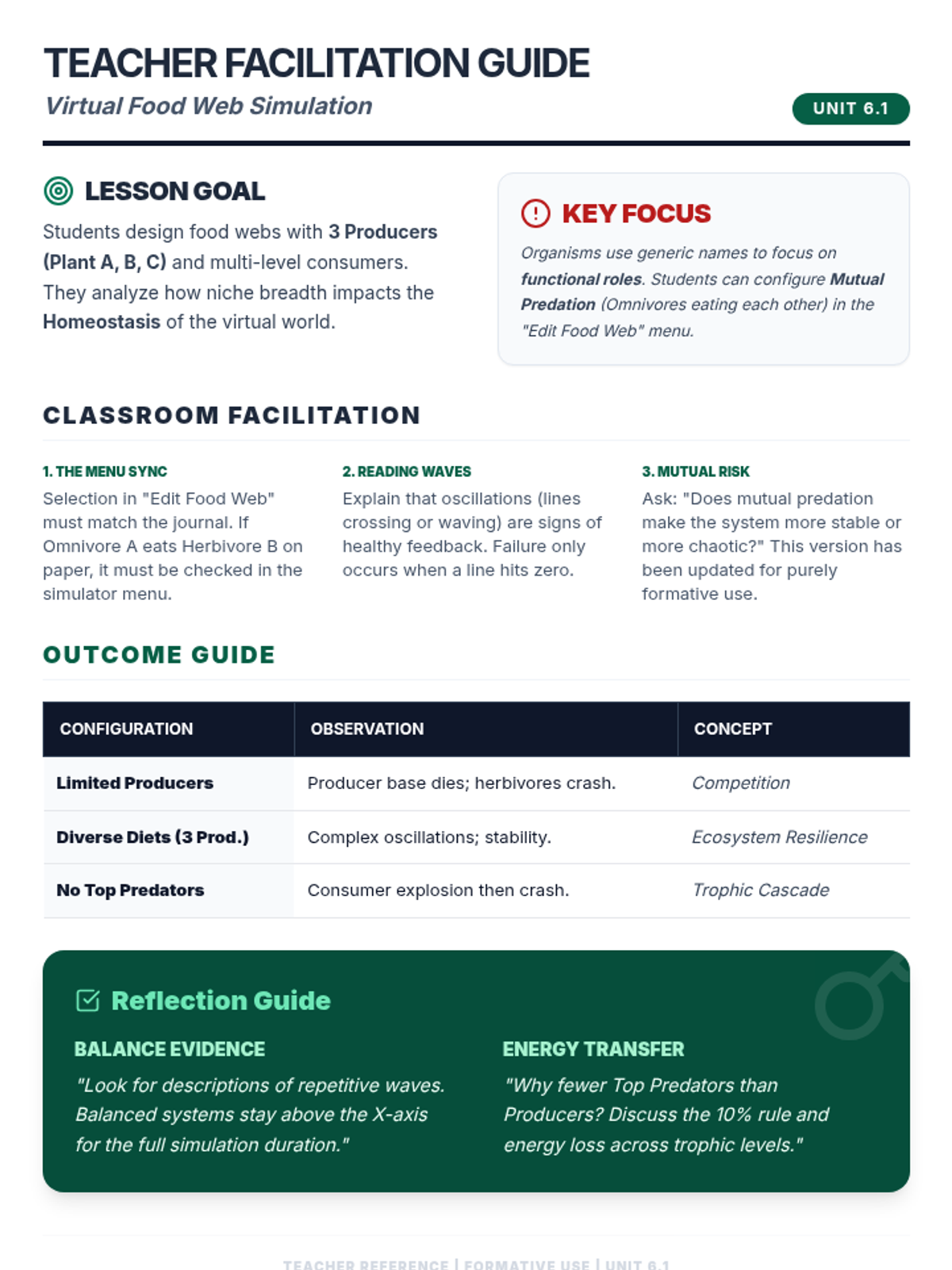
Students use an interactive ecology simulator to explore population dynamics by testing various combinations of producers, primary consumers, and secondary consumers. They record their findings in a structured field journal to identify patterns of stability and extinction.
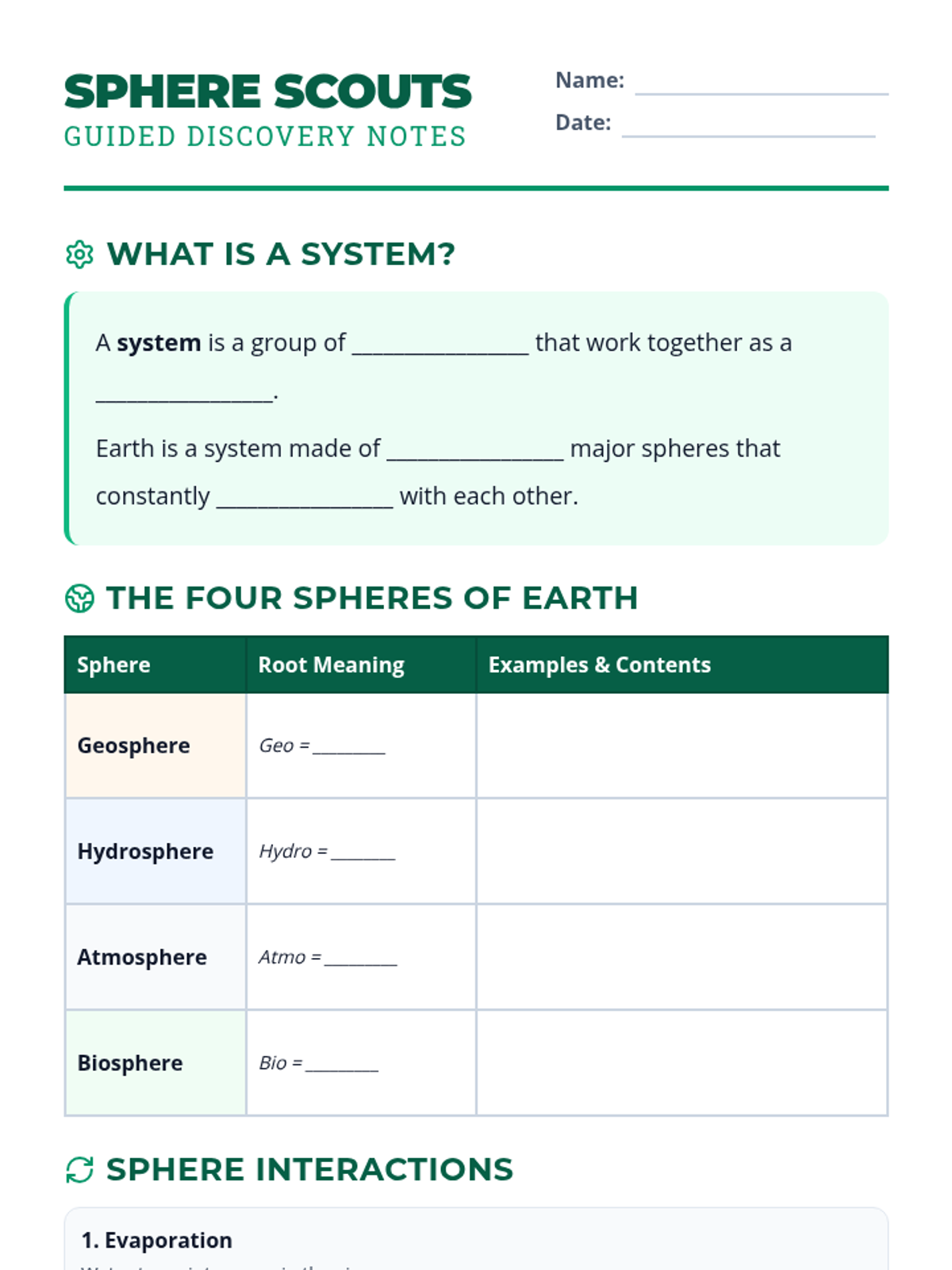
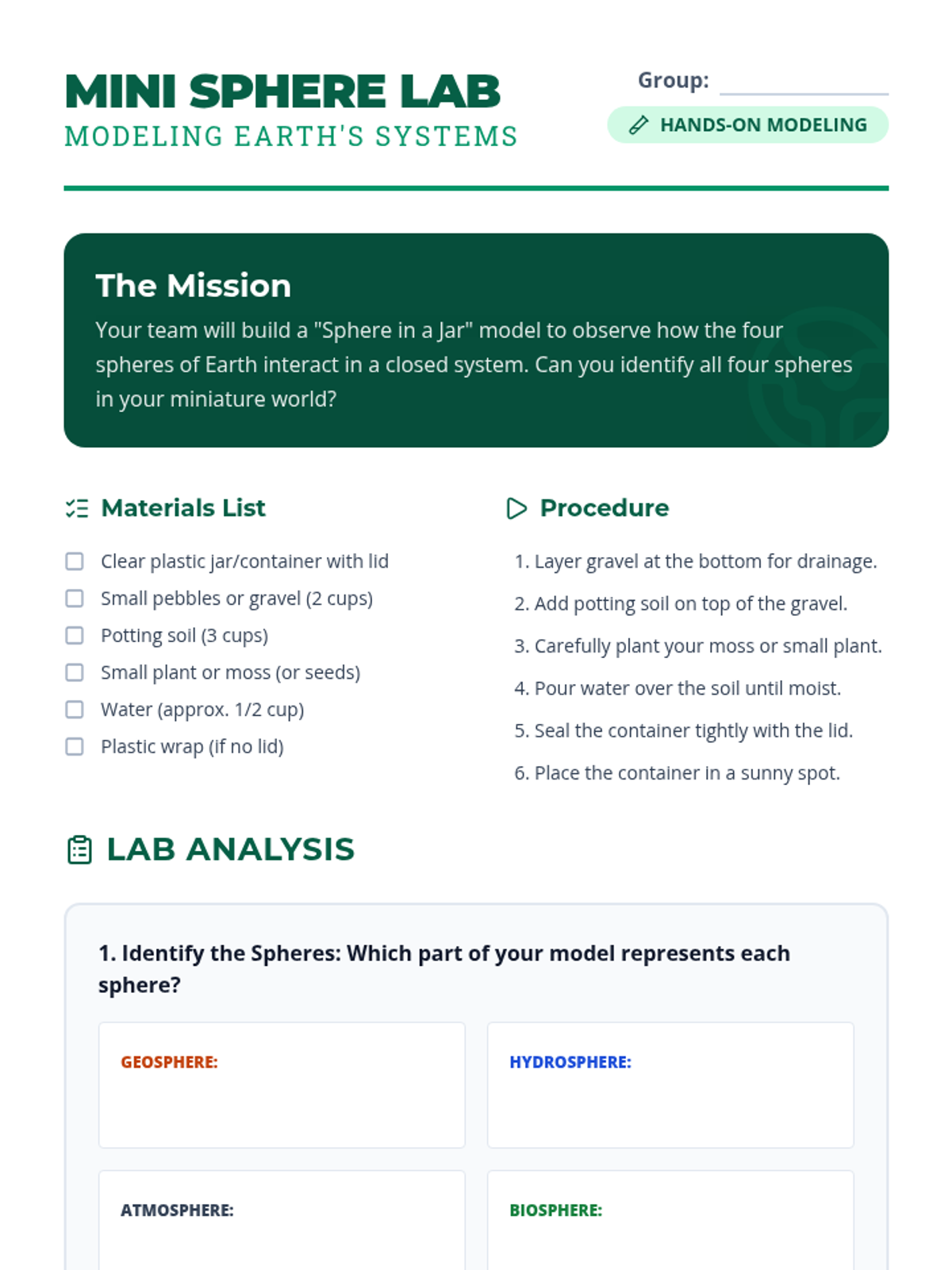
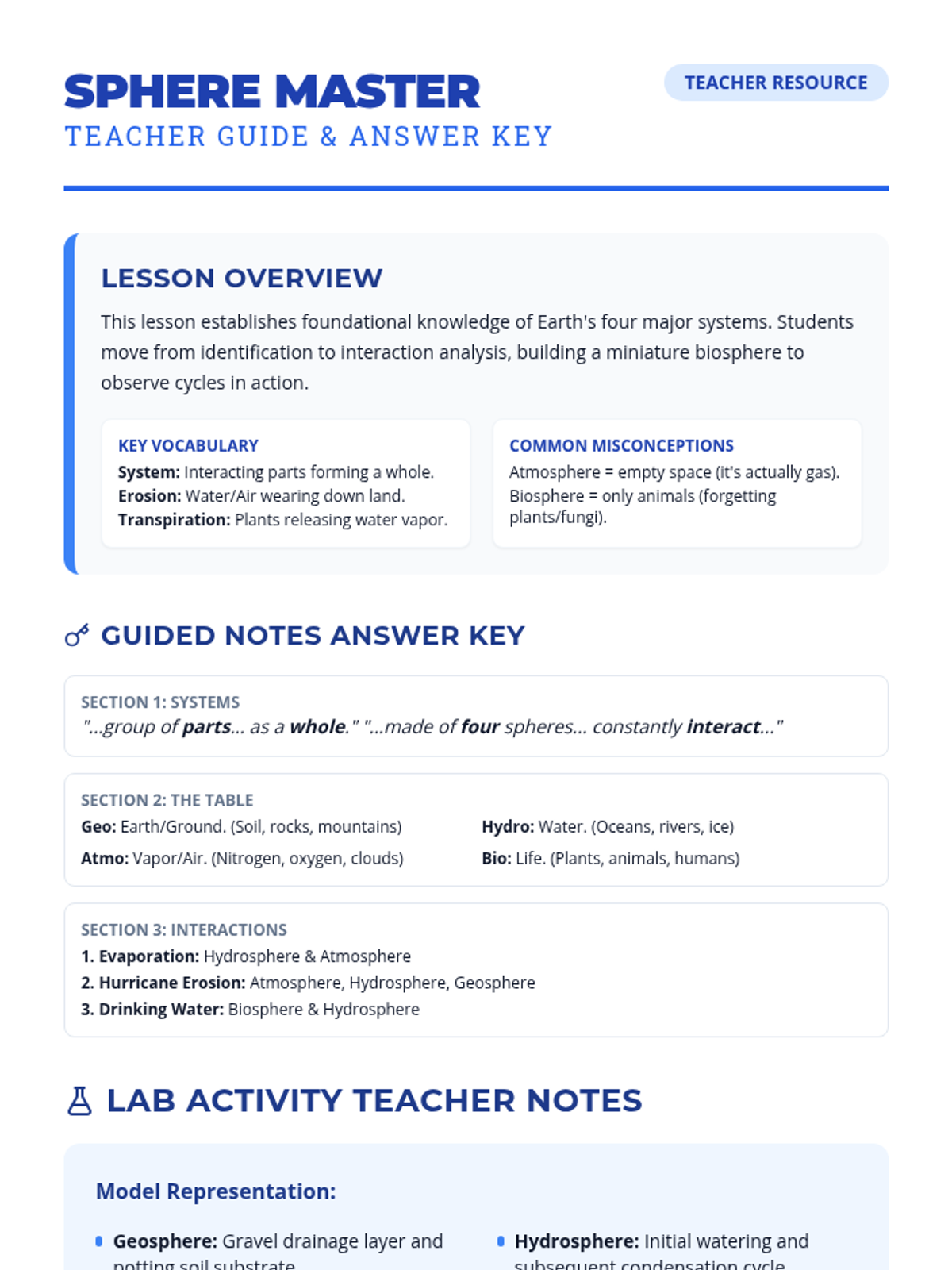
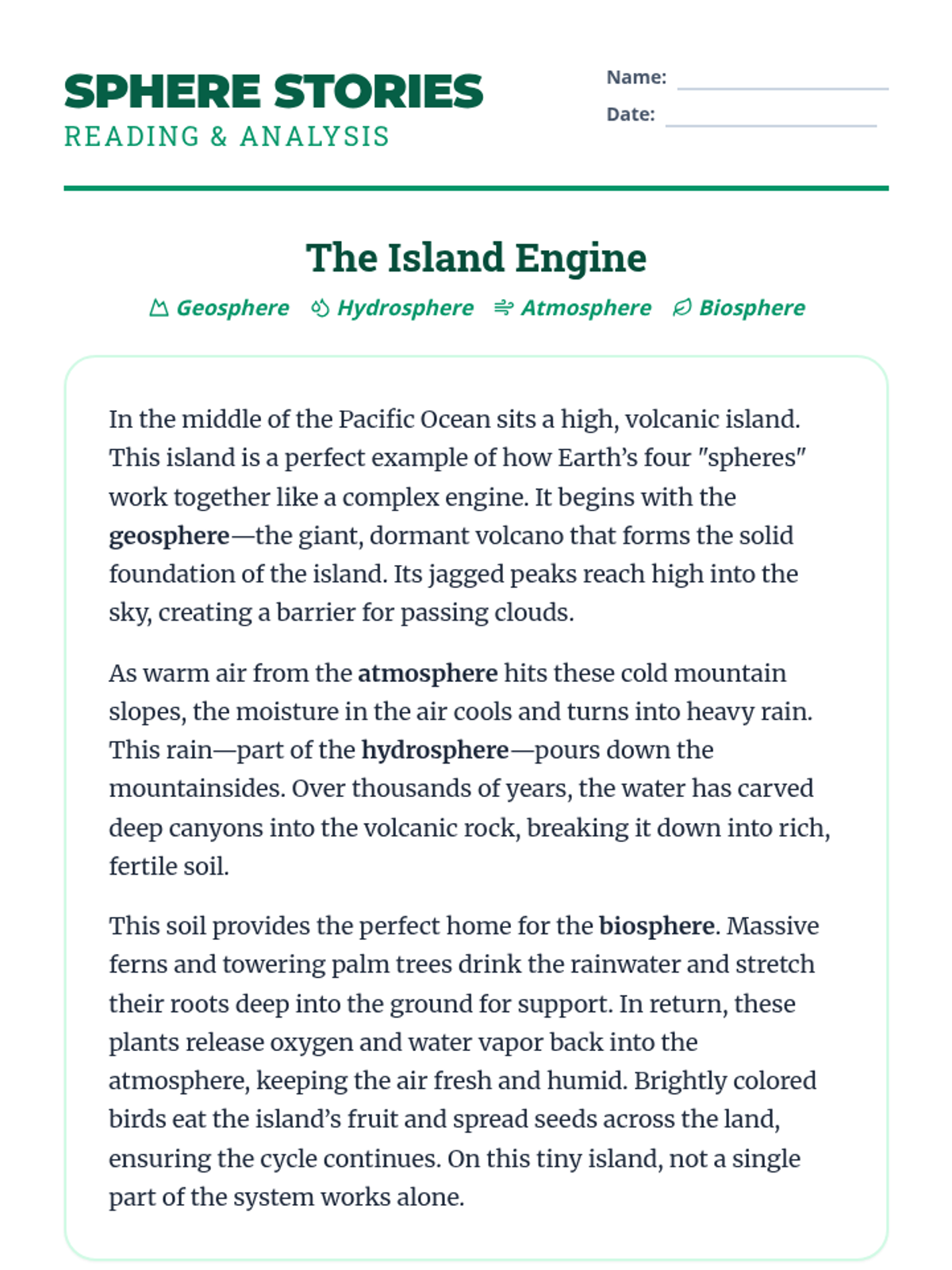
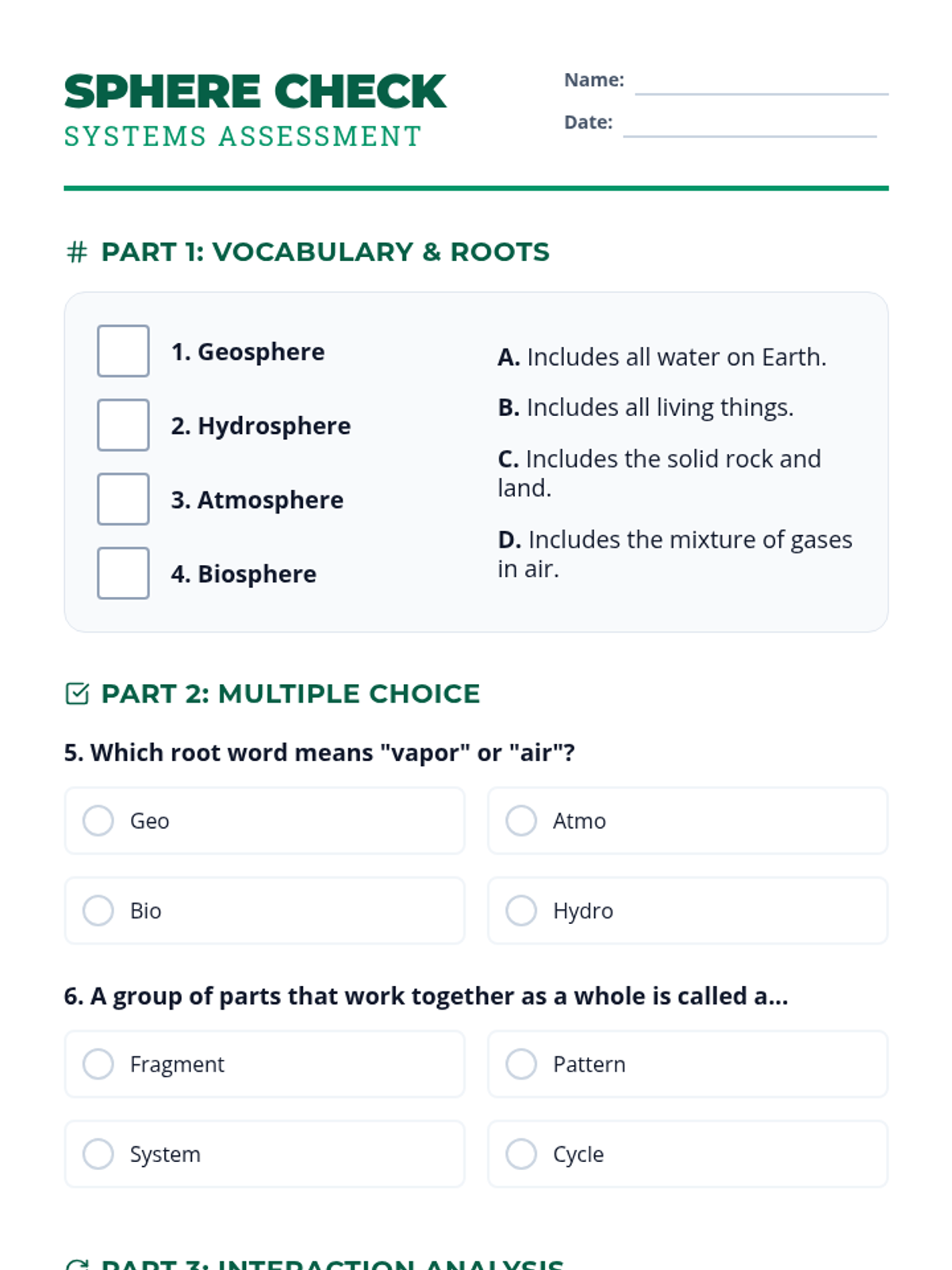
A comprehensive lesson exploring Earth's four major systems: the geosphere, hydrosphere, atmosphere, and biosphere. Students will learn to identify each sphere and describe the complex ways they interact to sustain life and shape the planet.
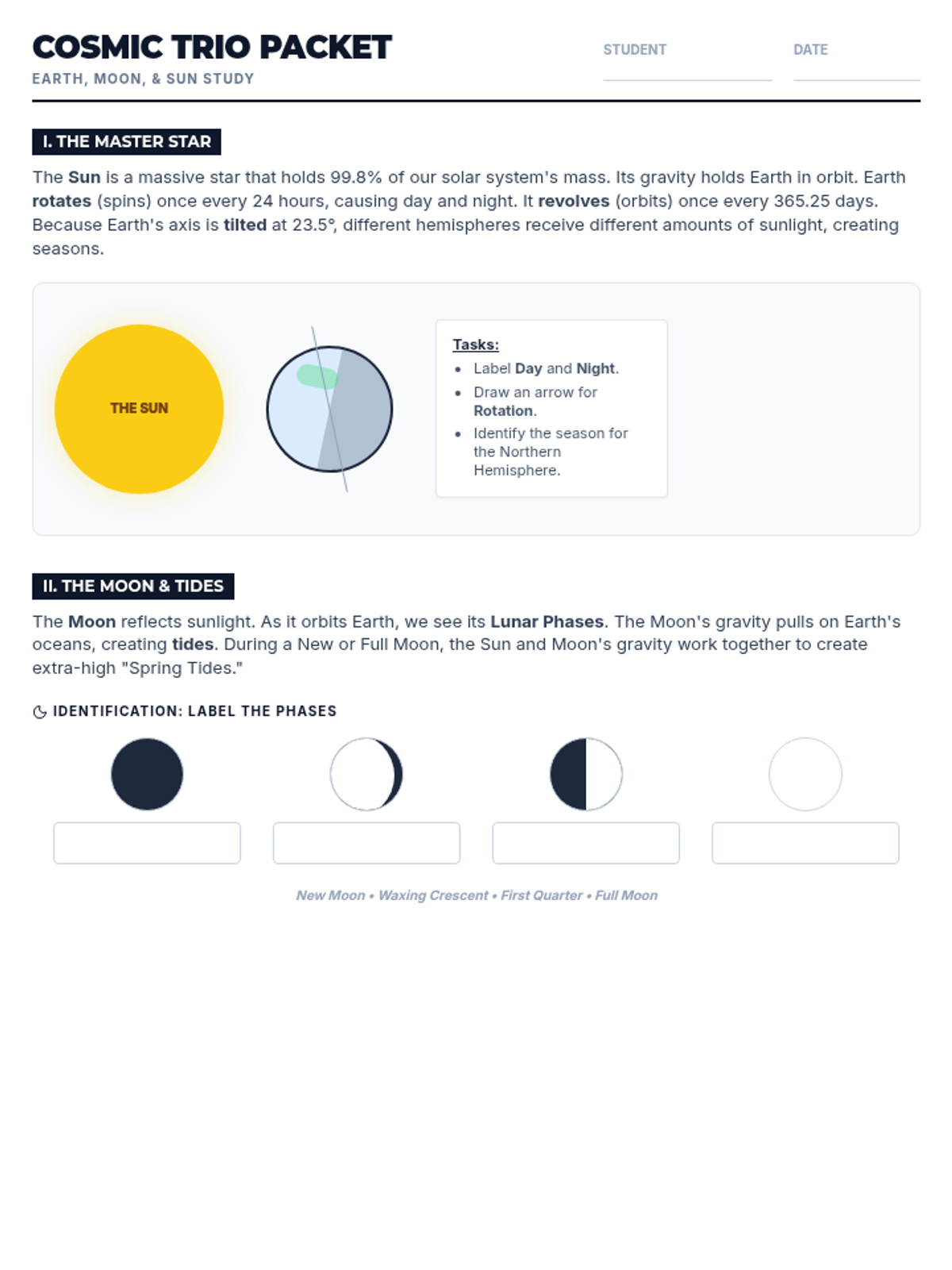
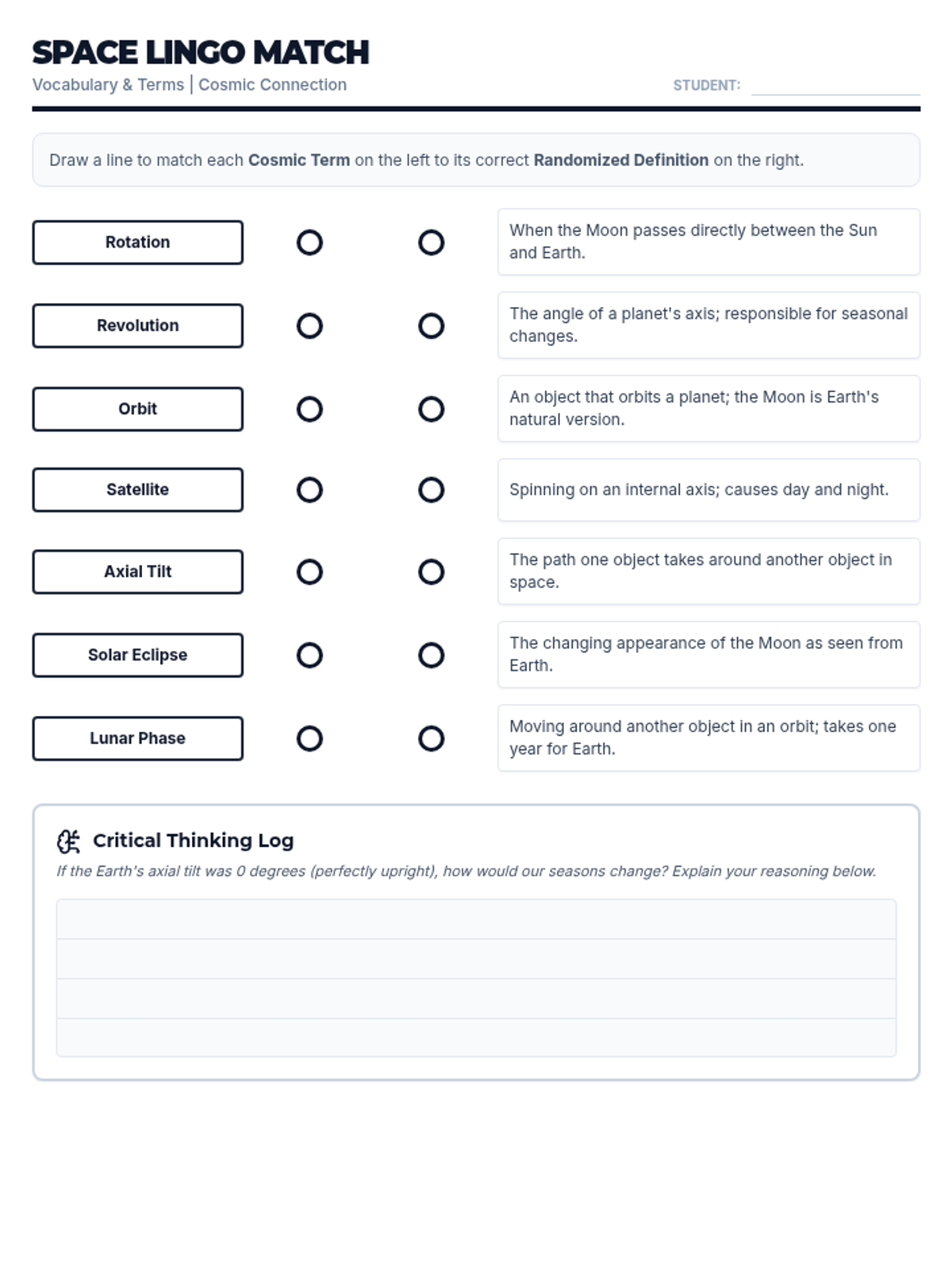
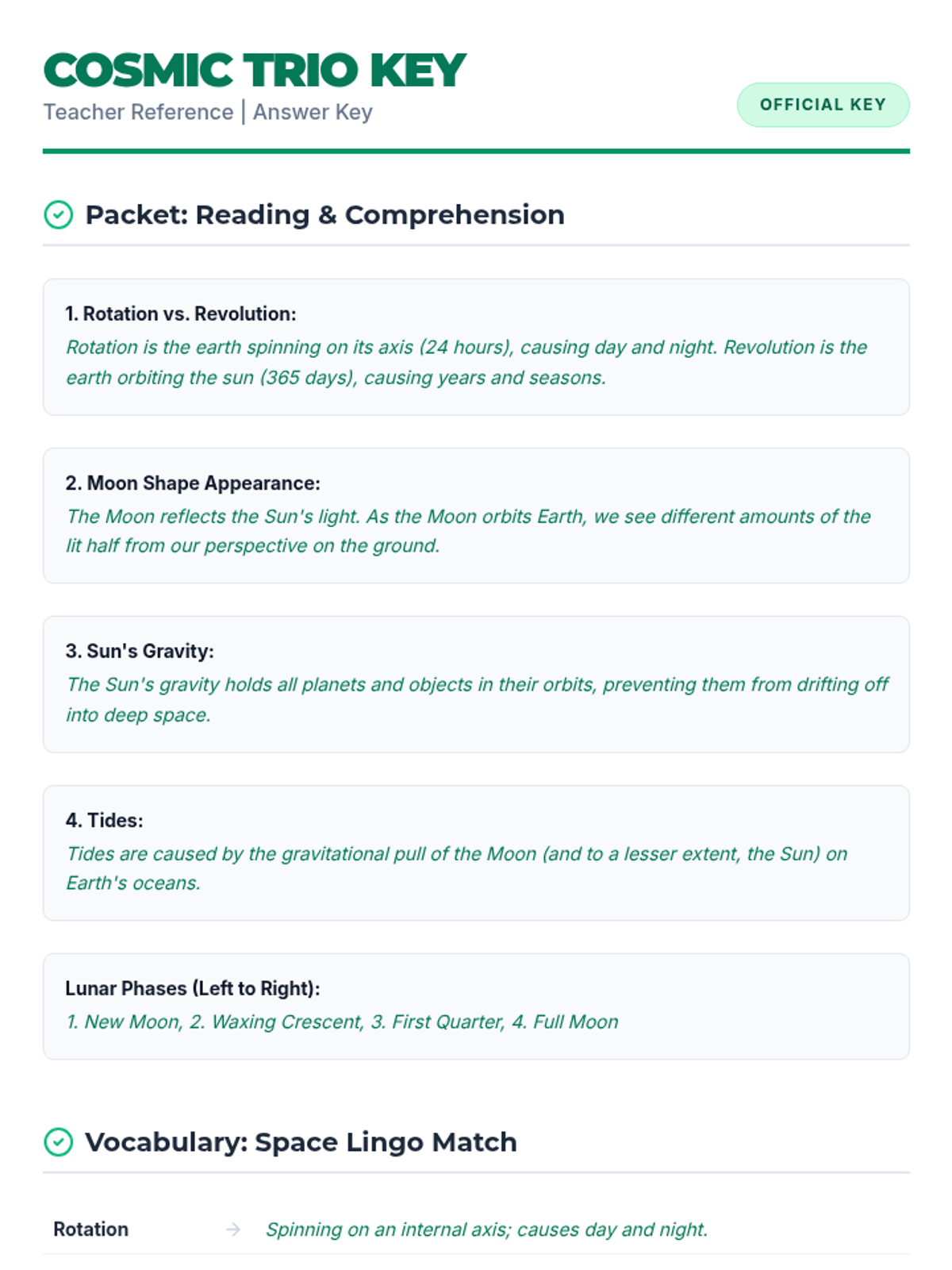
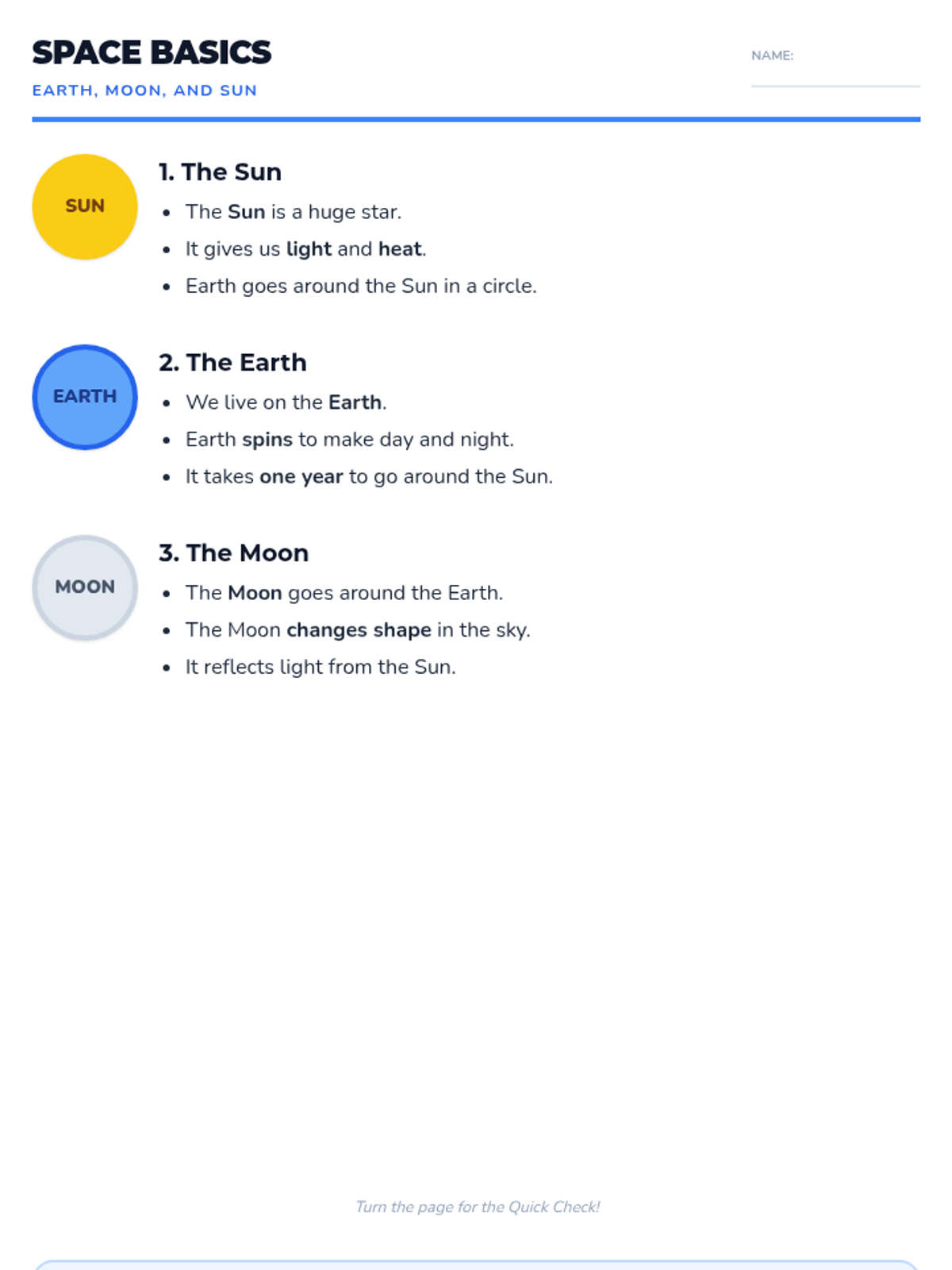
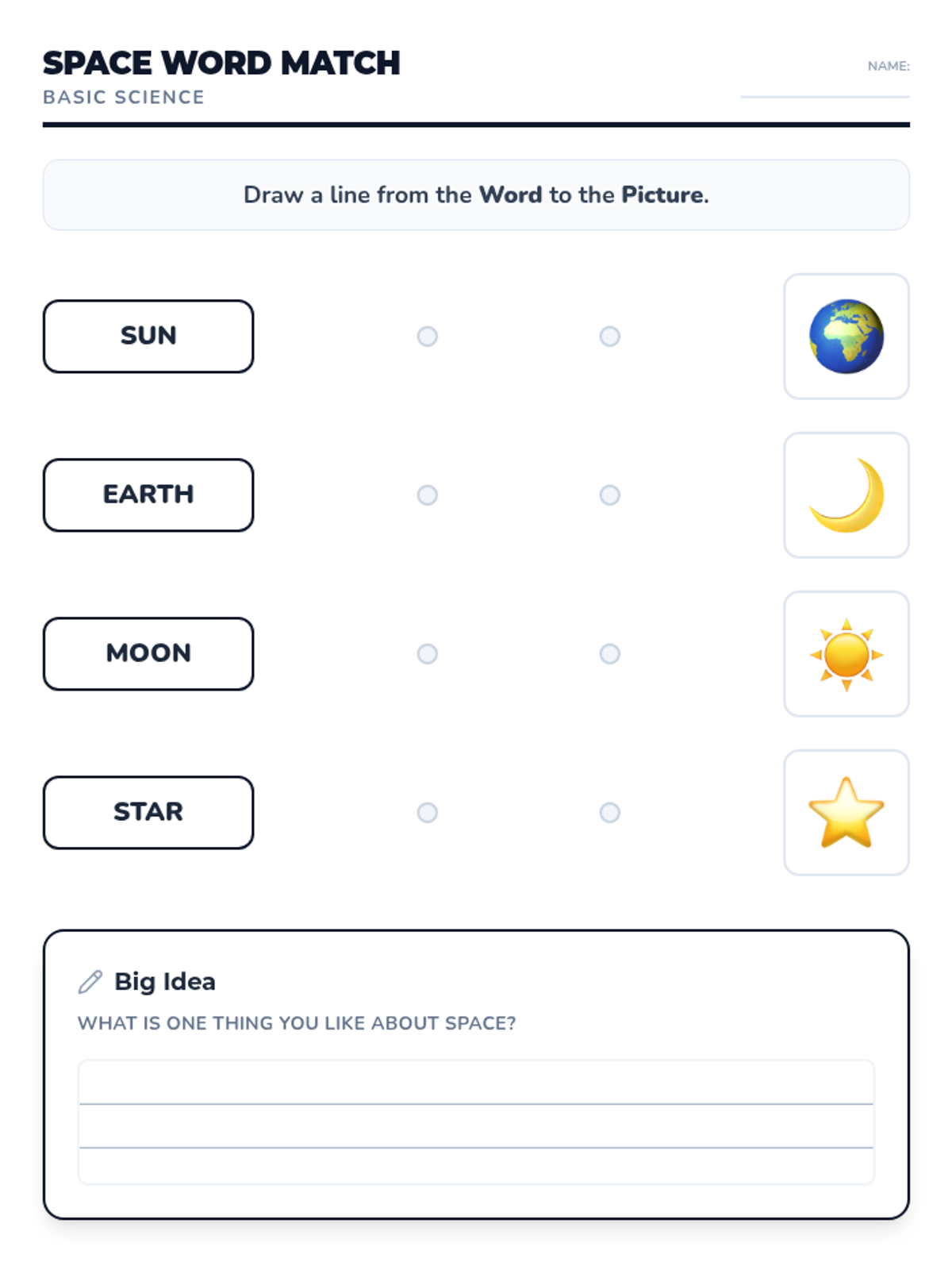
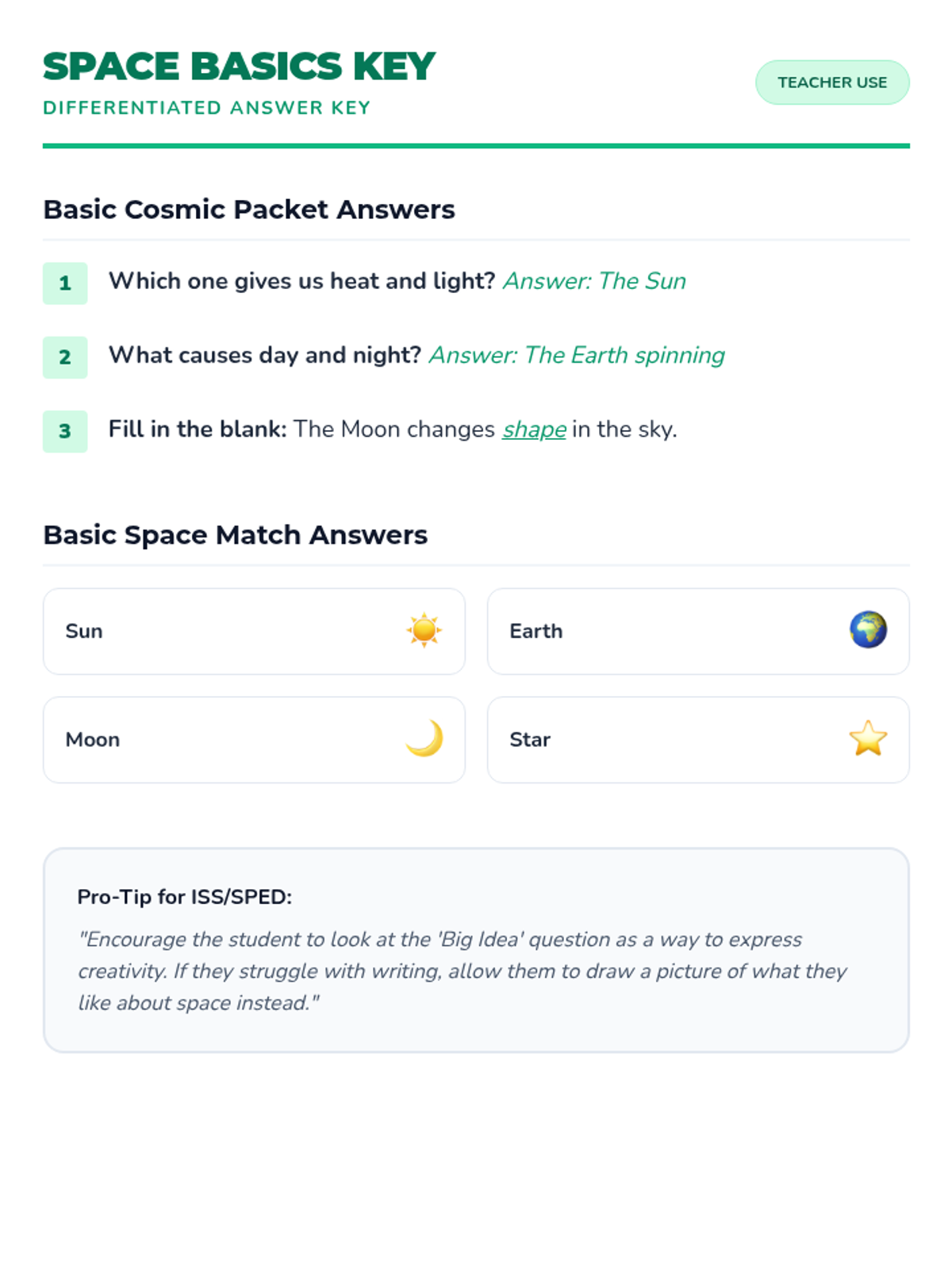
An independent study unit exploring the relationships between the Earth, Moon, and Sun, covering rotation, revolution, moon phases, and gravity.
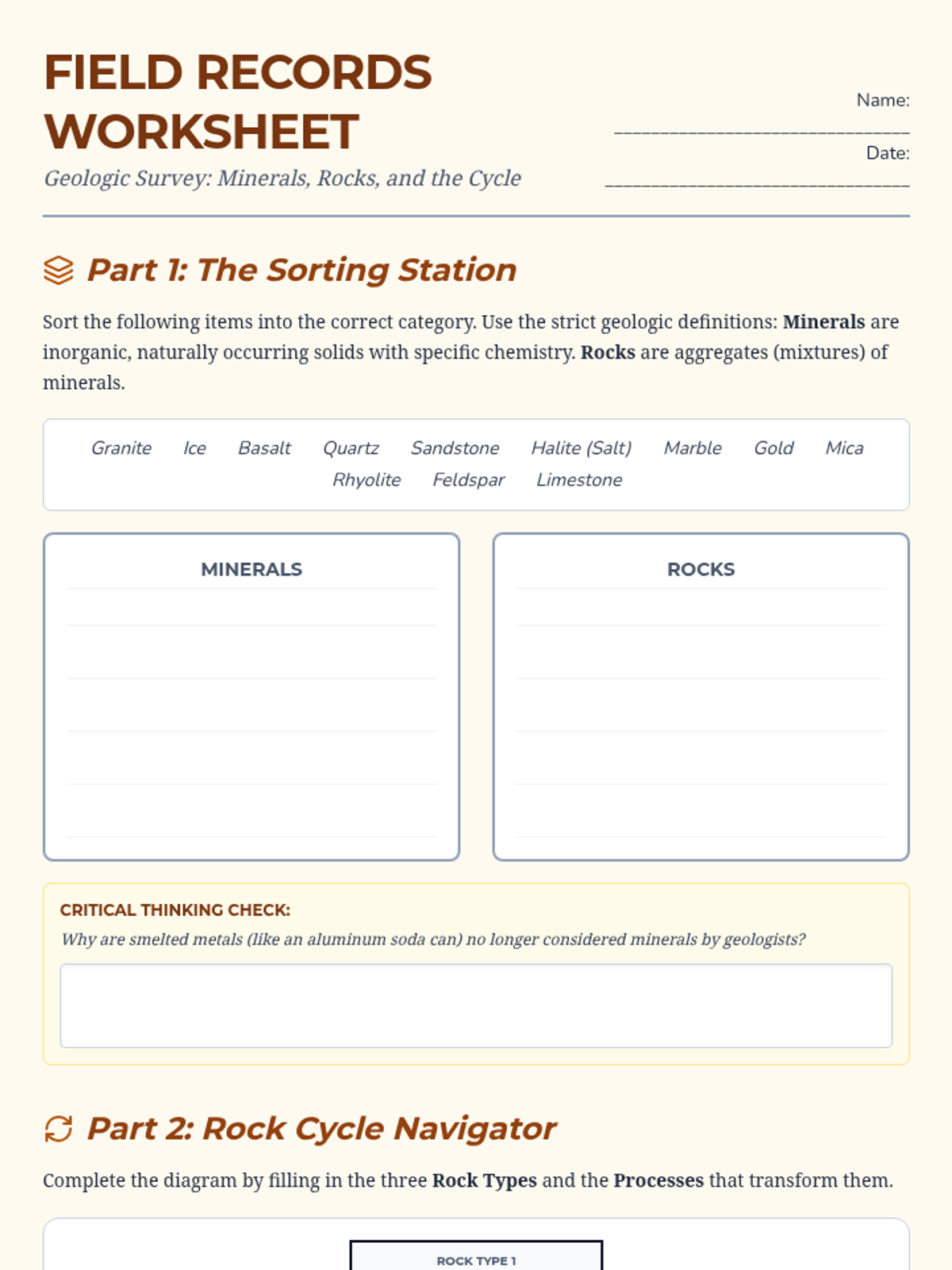
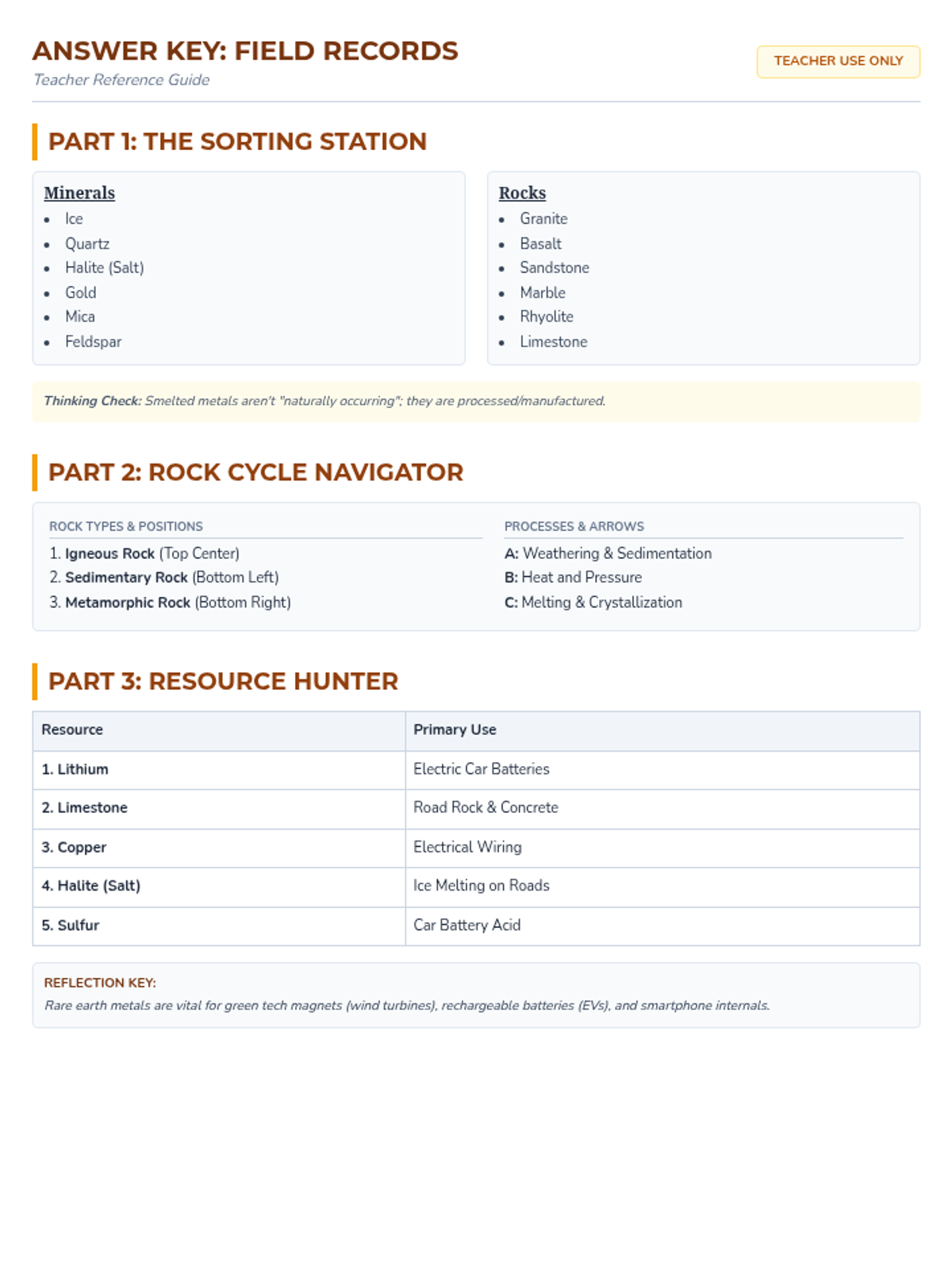
An exploration of the fundamental building blocks of Earth's crust, focusing on the differences between minerals and rocks, the dynamic processes of the rock cycle, and the economic importance of geologic resources.