Explore the mysteries of heredity in this middle school lesson. Students will learn about the structure of DNA, the role of genes, and how genetic information is passed down through hands-on modeling and personal trait reflection.
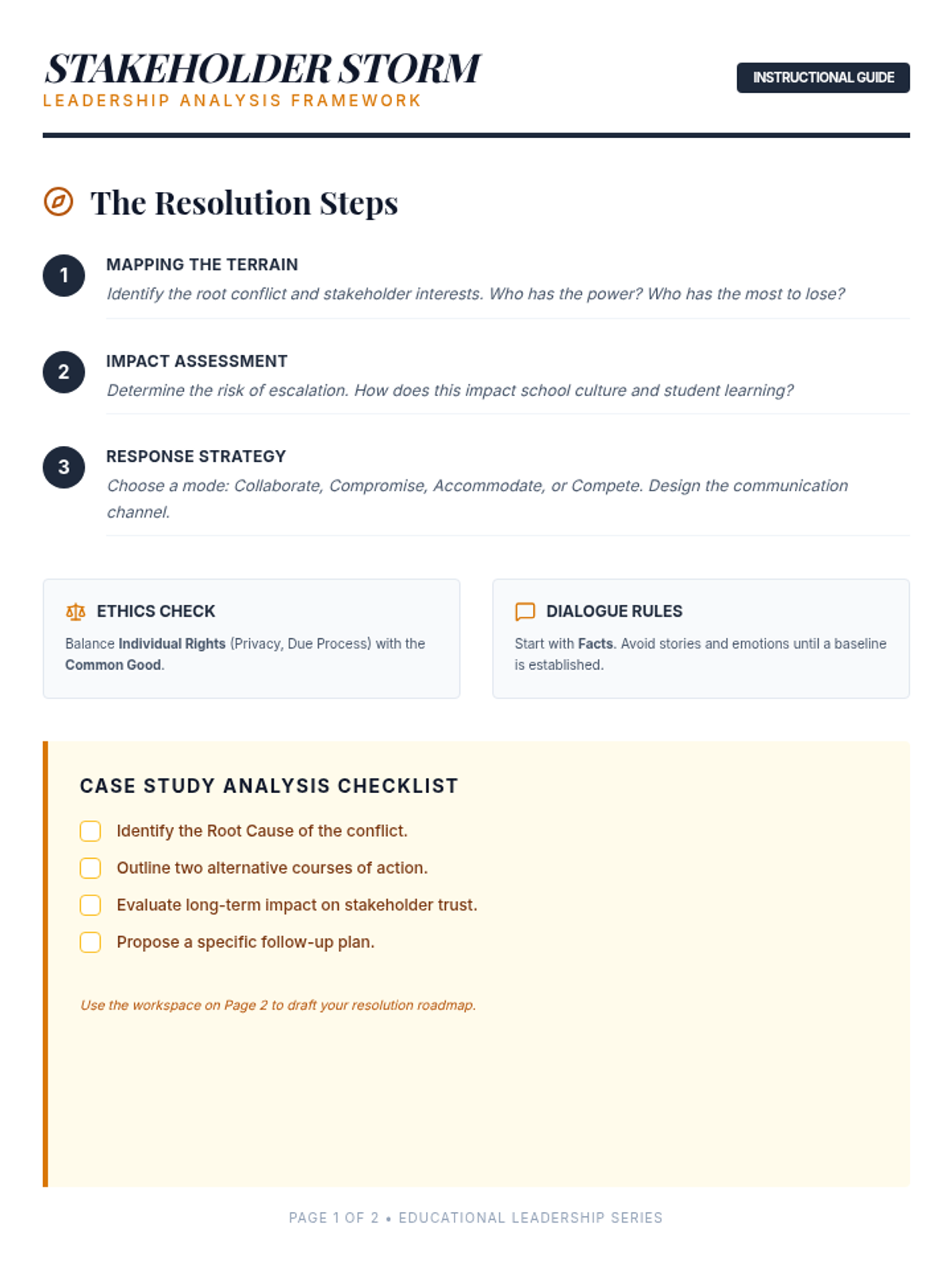
Master the art of resolving conflict with educational stakeholders through structured case study analysis frameworks.
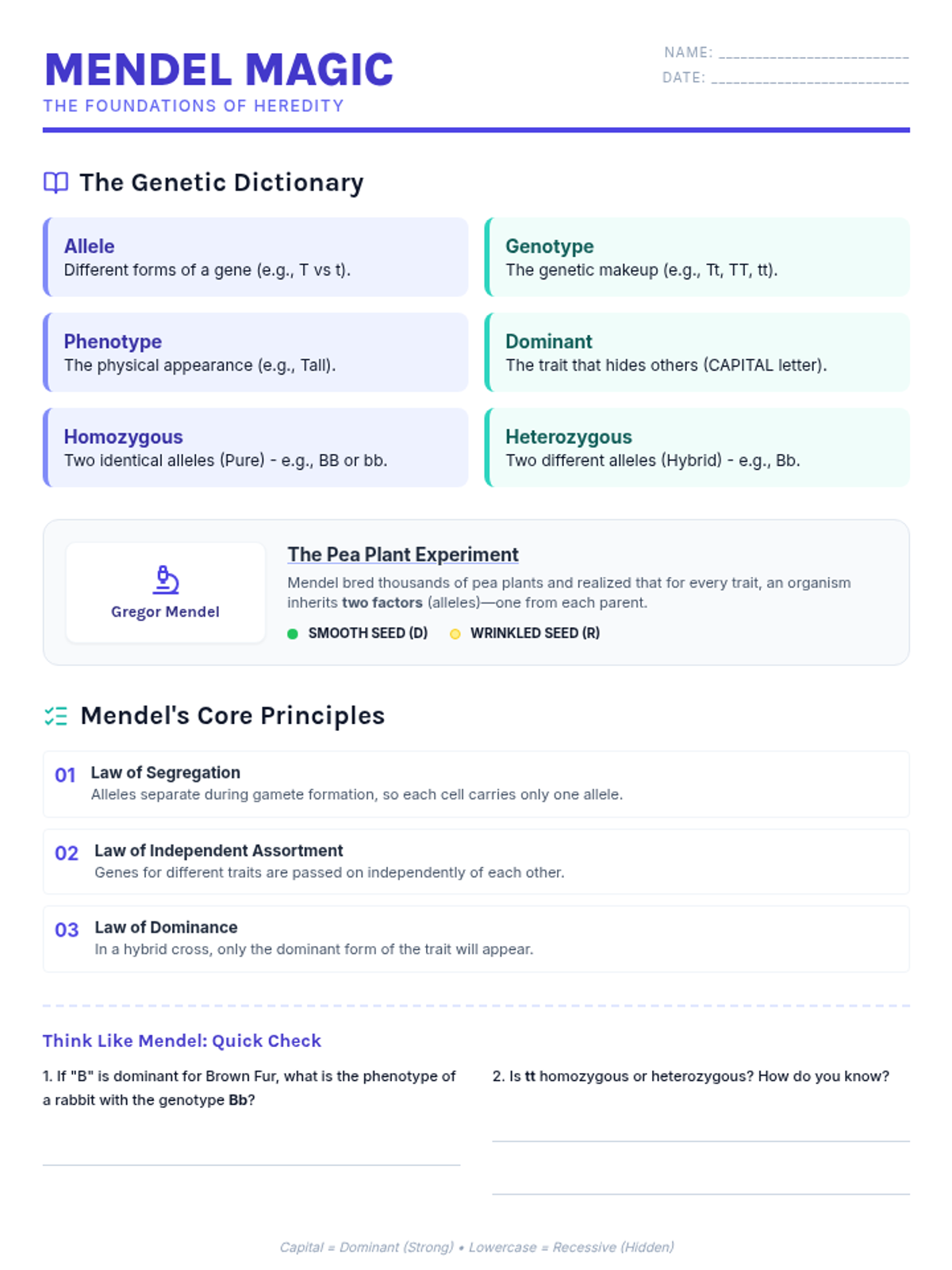
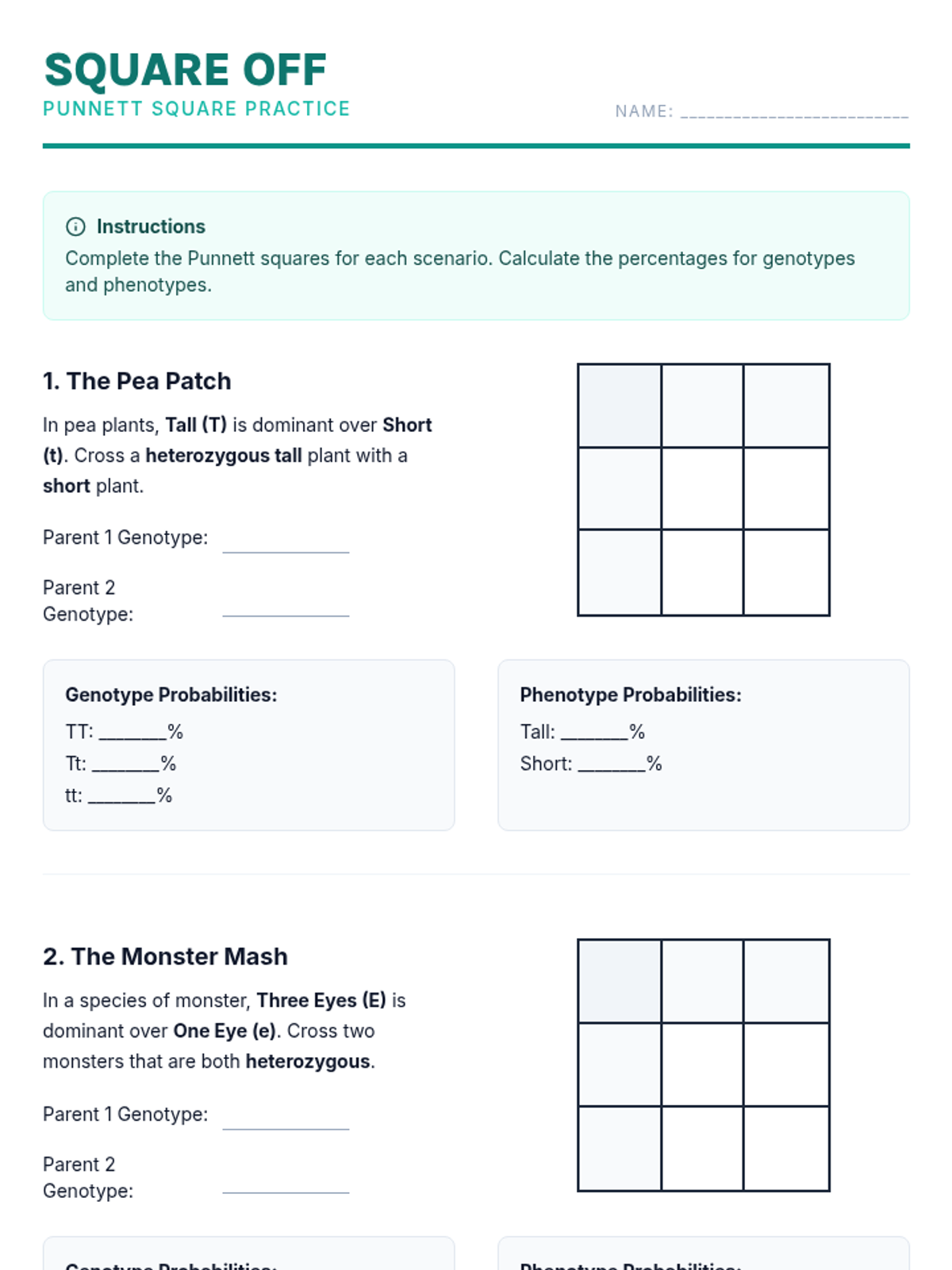
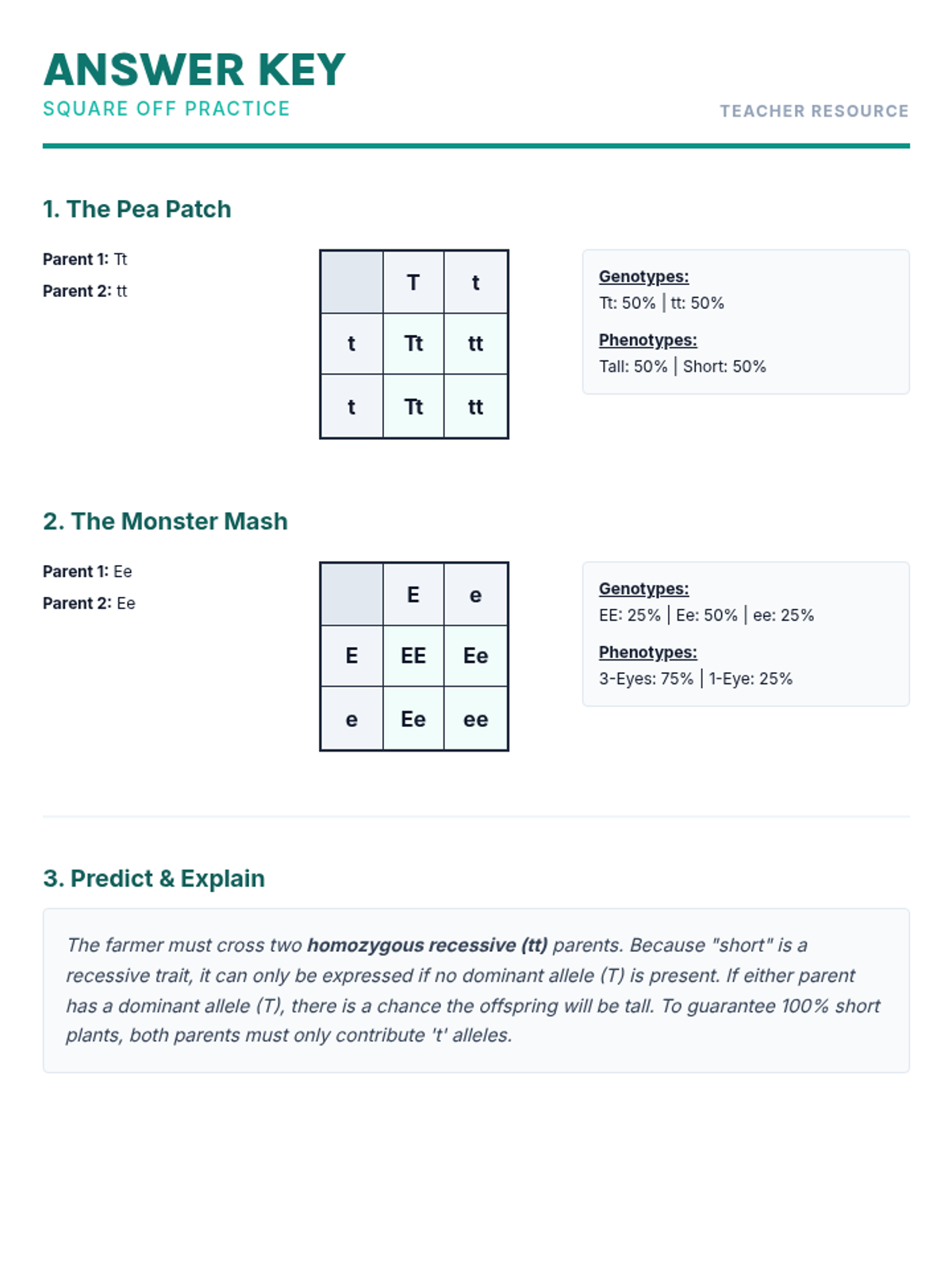
Explore Mendelian inheritance and master Punnett squares through interactive reference guides and practice problems.
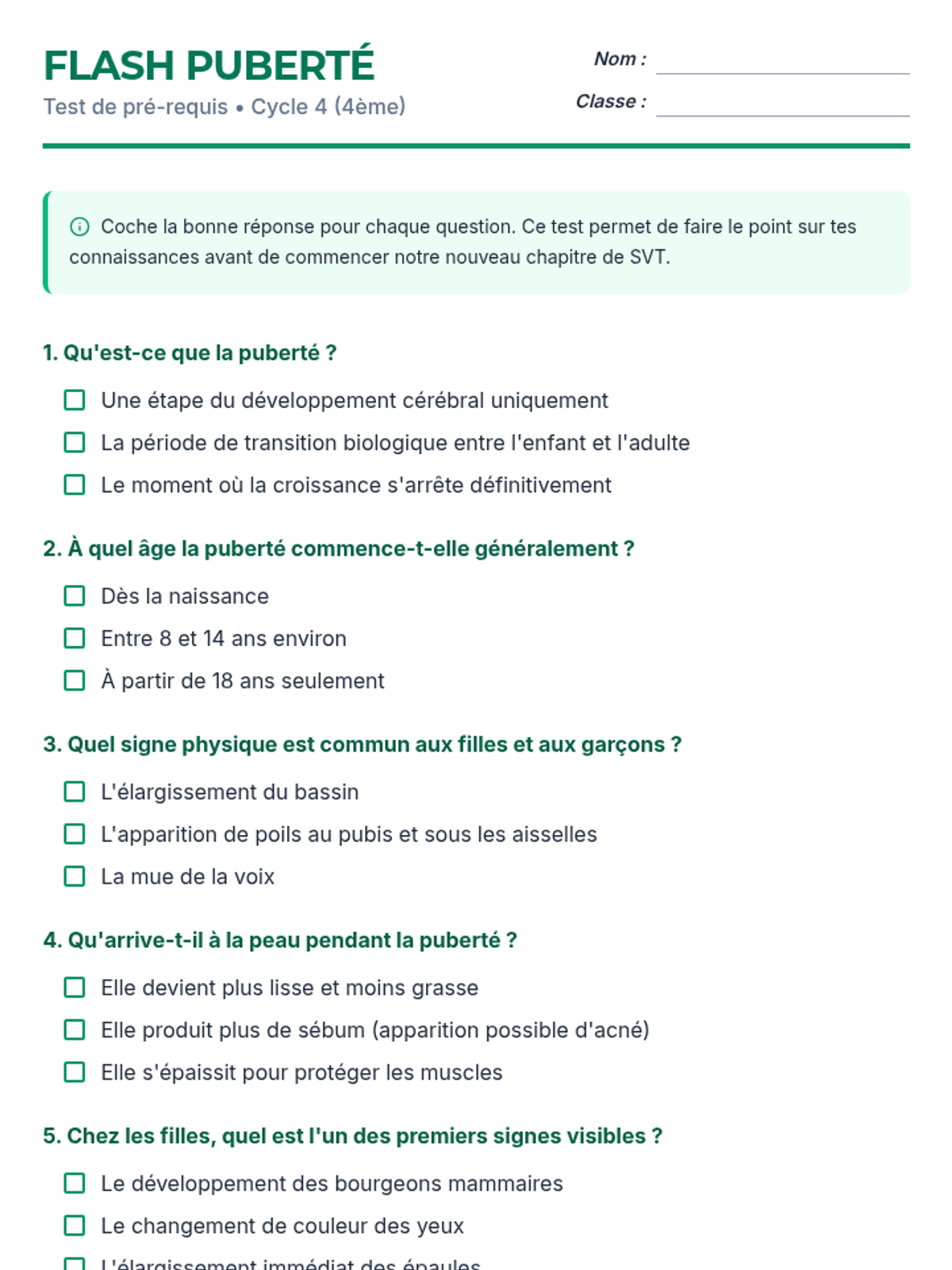
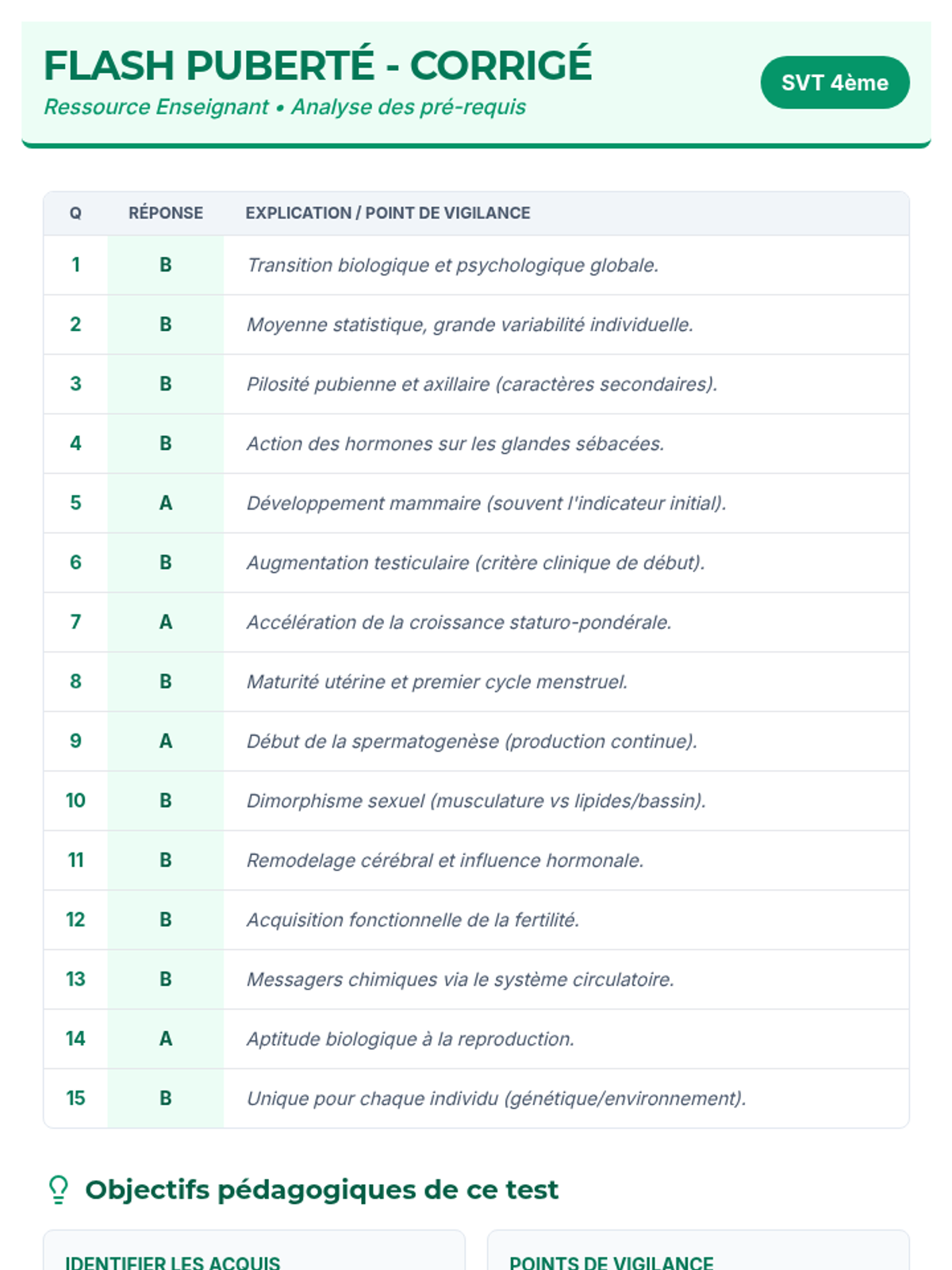
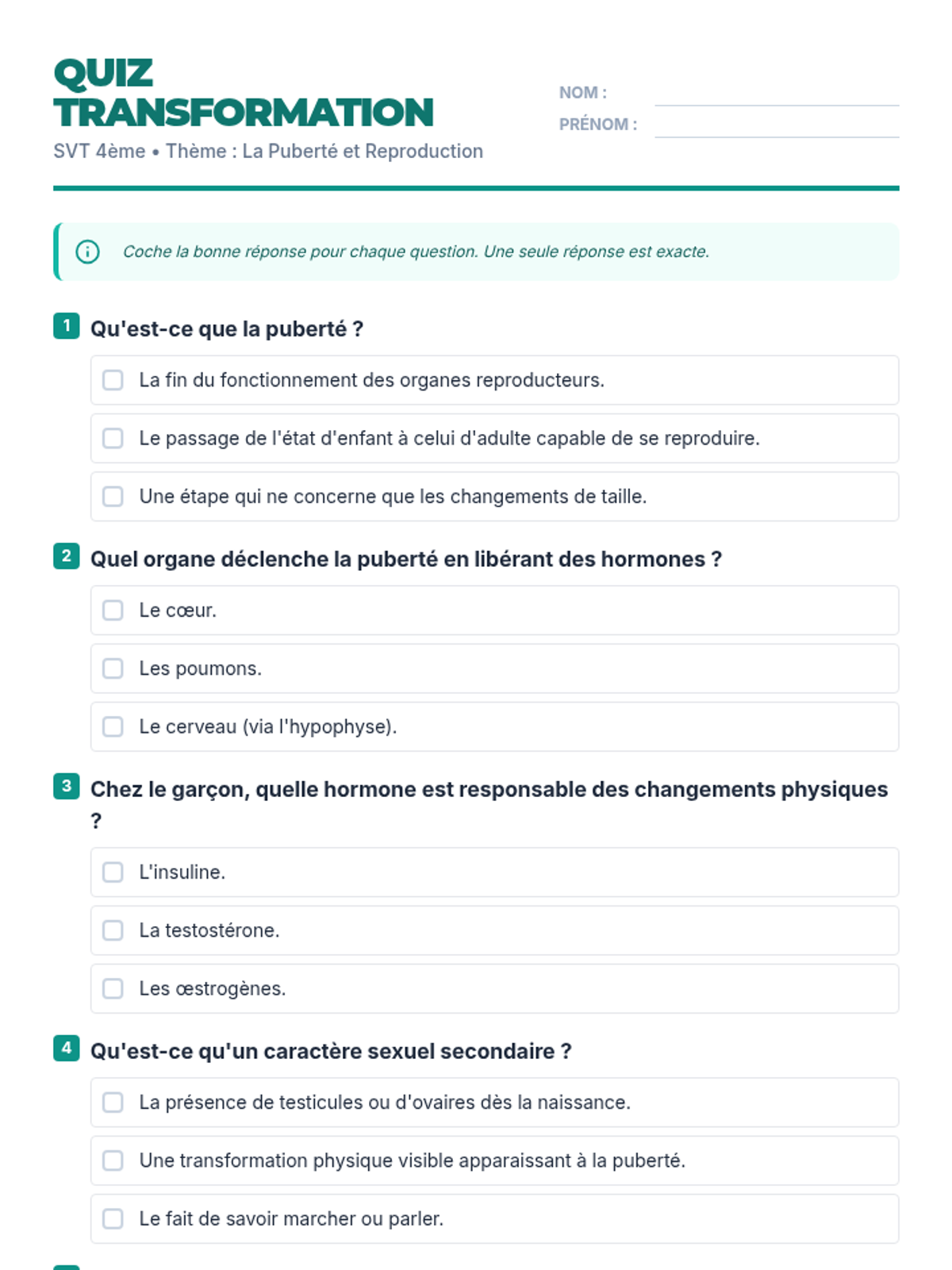
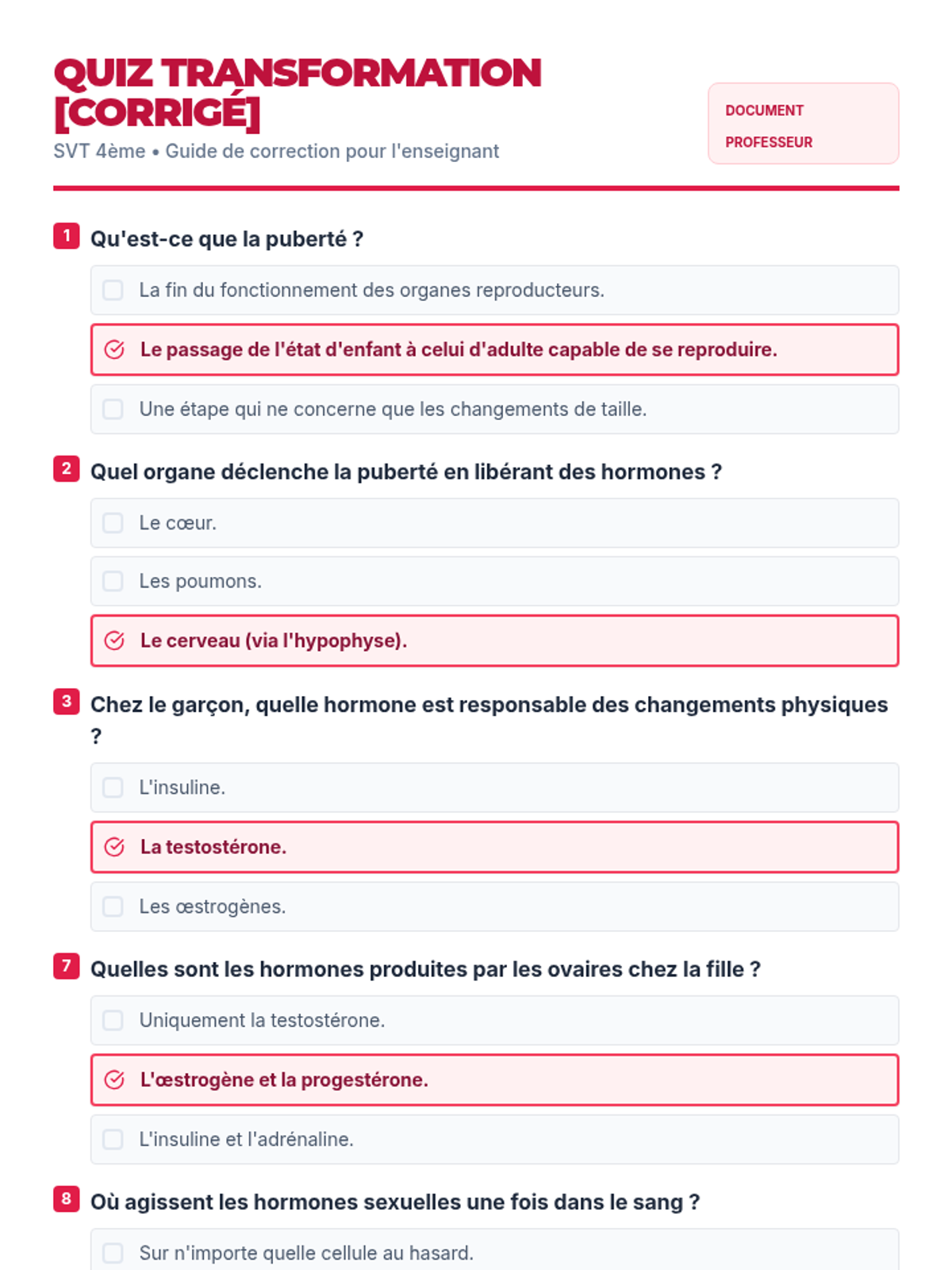
Une leçon d'introduction à la puberté pour les élèves de 4ème, se concentrant sur les transformations physiques et le passage de l'enfance à l'âge adulte.
Une leçon complète sur les transformations physiques, physiologiques et hormonales lors de la puberté, adaptée au programme de SVT en 4ème.
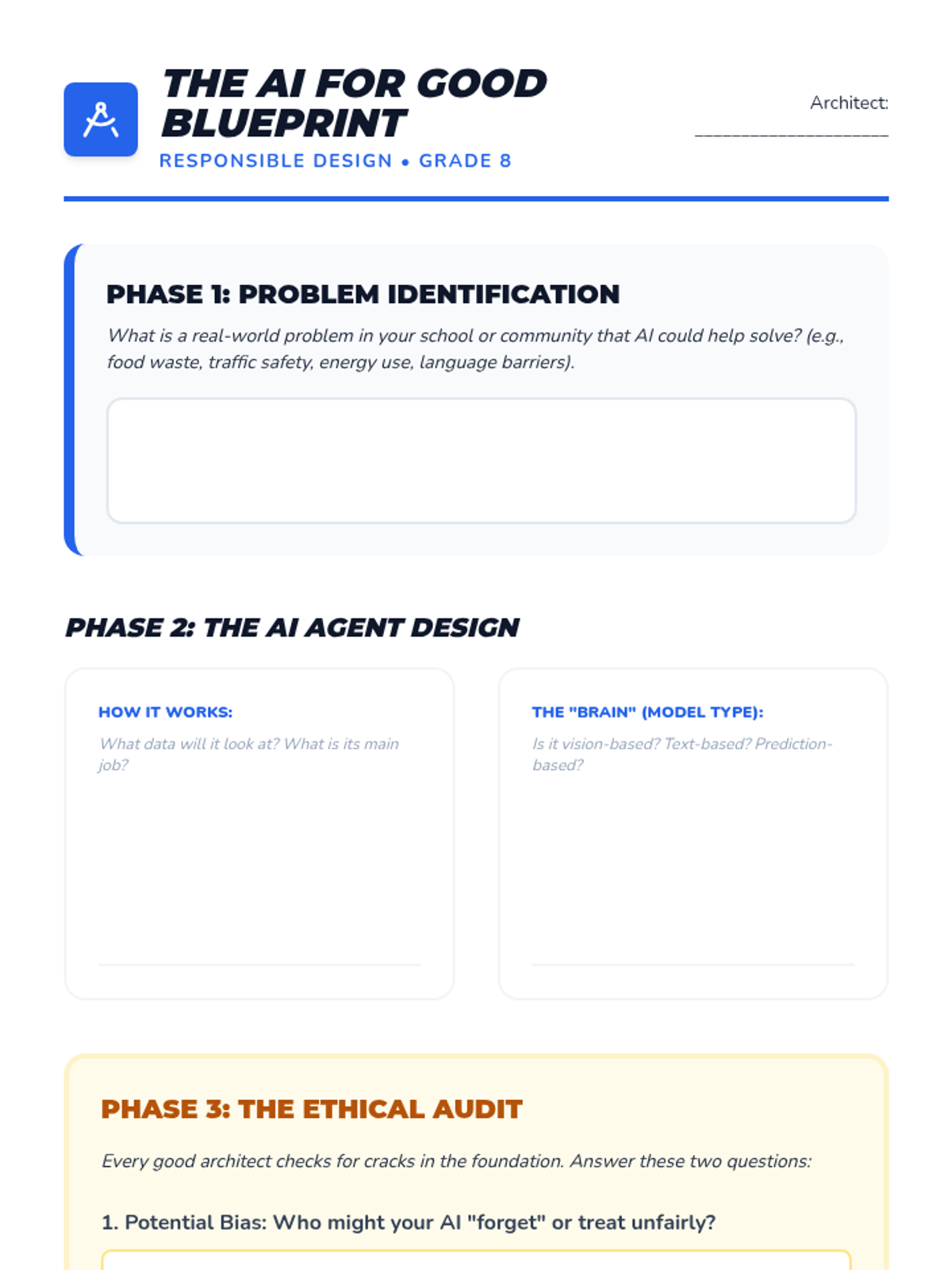
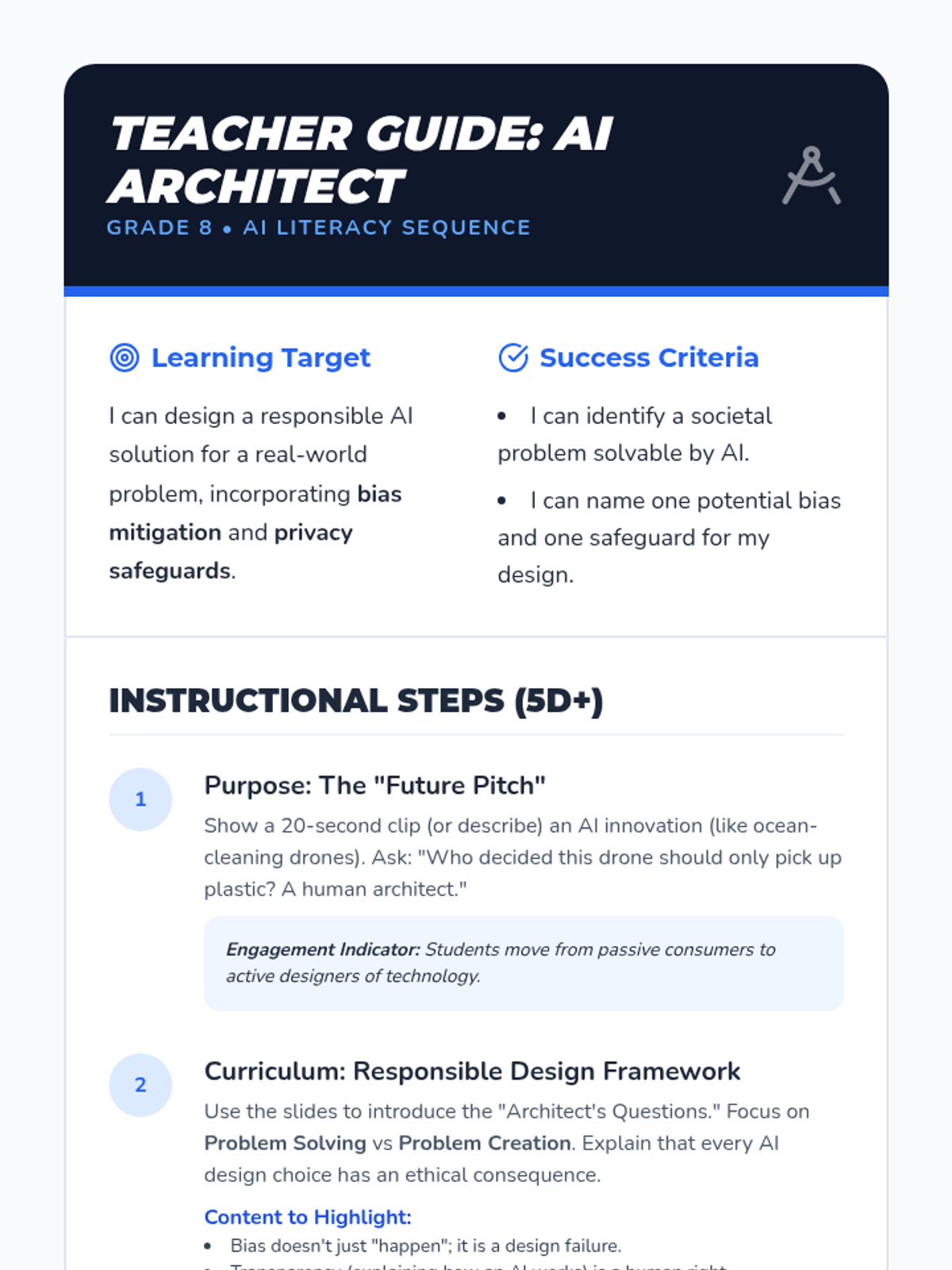
Students culminate their AI literacy journey by designing an AI solution for a real-world problem. They focus on responsible design, identifying potential biases, and ensuring societal benefit.
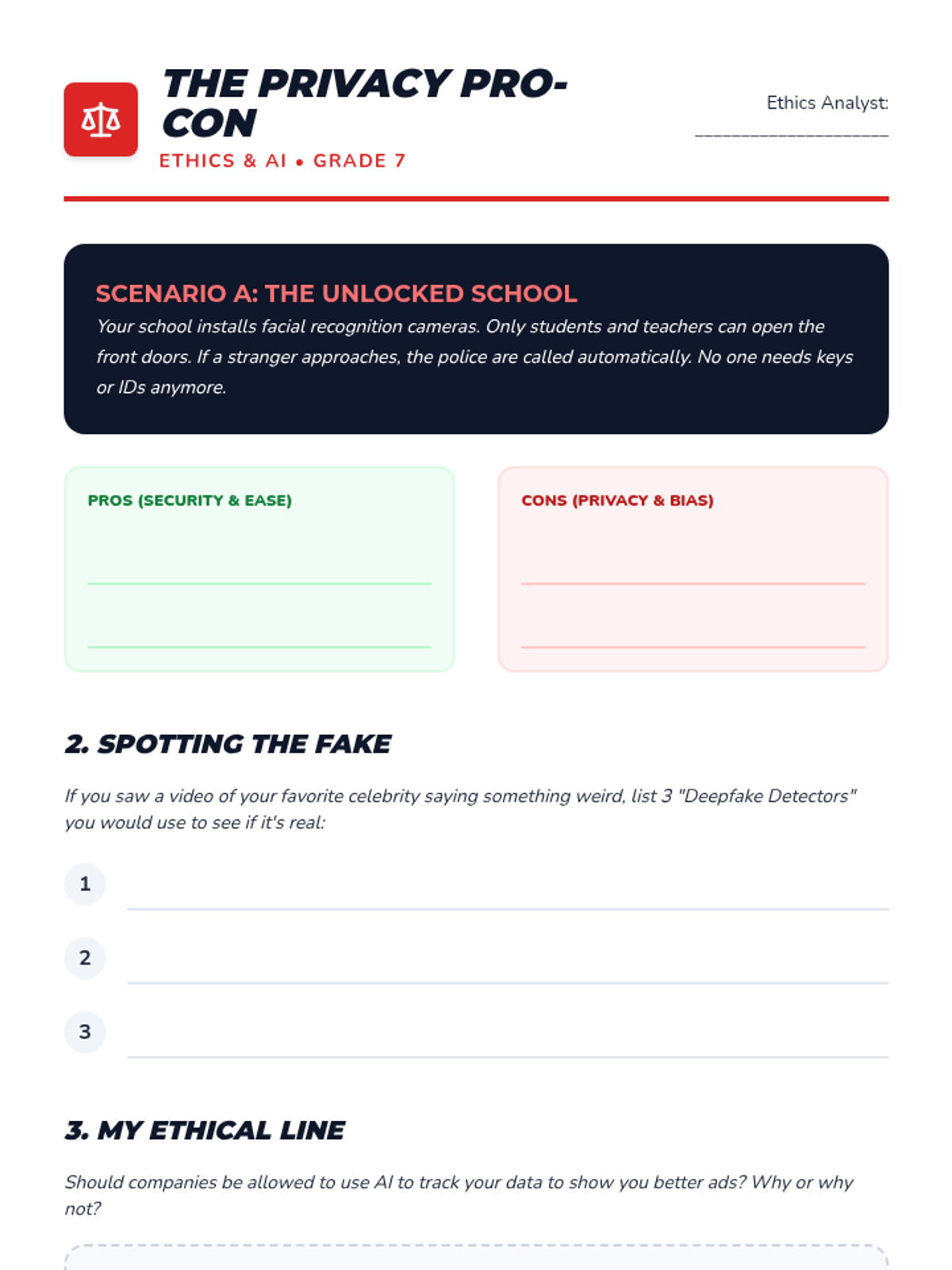
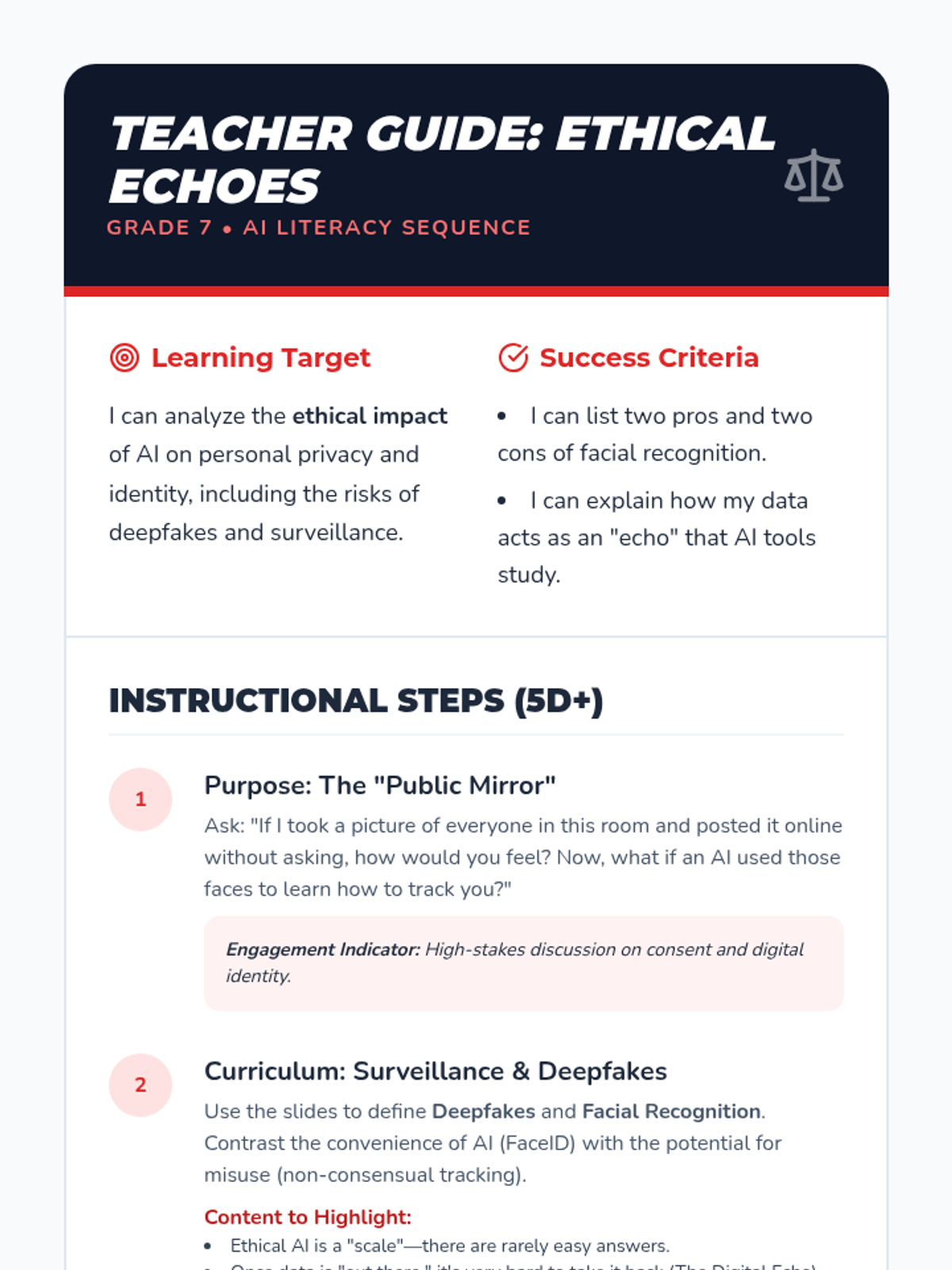
Students analyze the ethical implications of AI on privacy and identity. They explore deepfakes, facial recognition, and the balance between security and personal freedom.
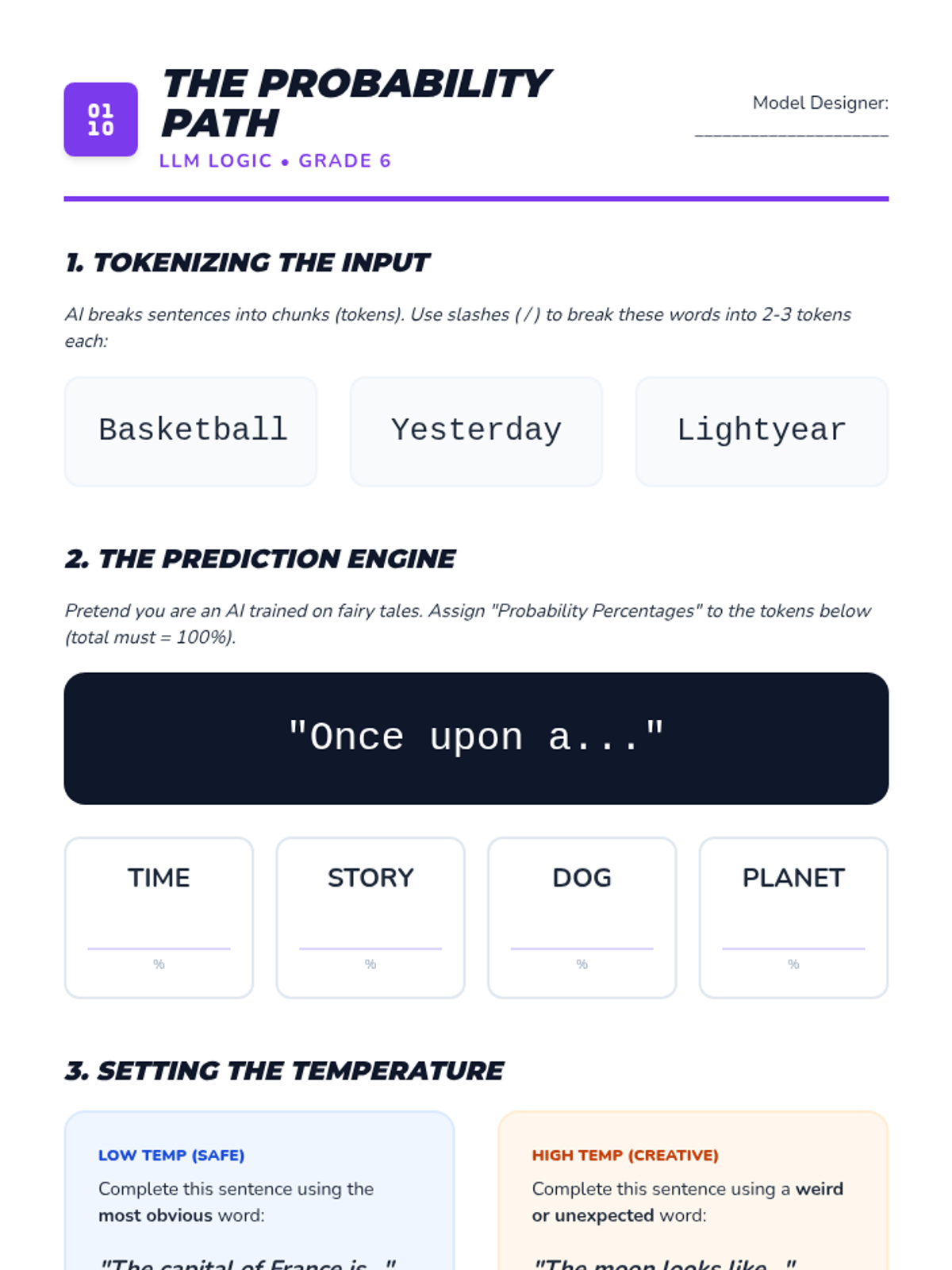
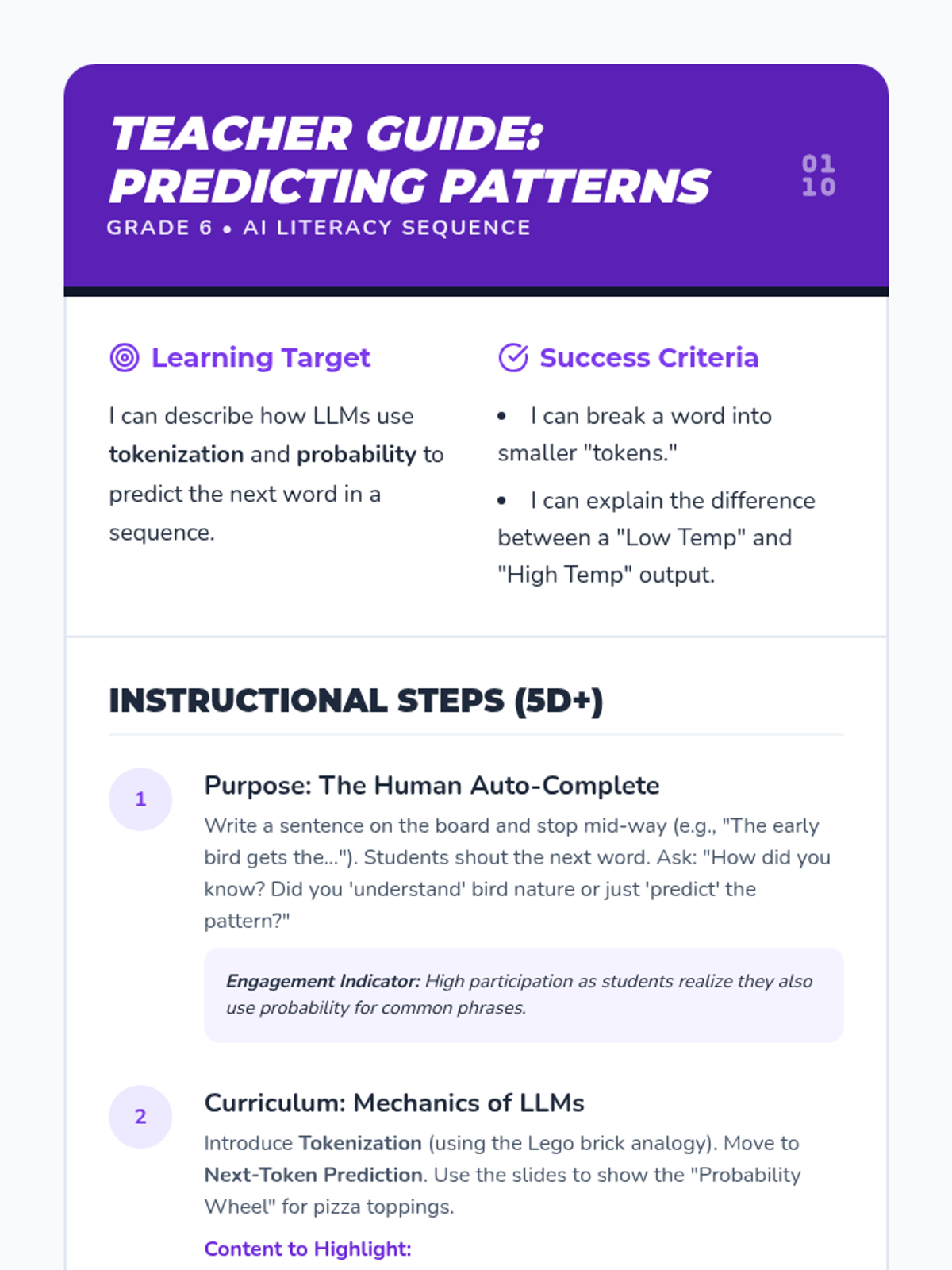
Middle school students dive into the mechanics of Large Language Models (LLMs). They learn about tokenization, probability, and how AI "predicts" the next word in a sequence.
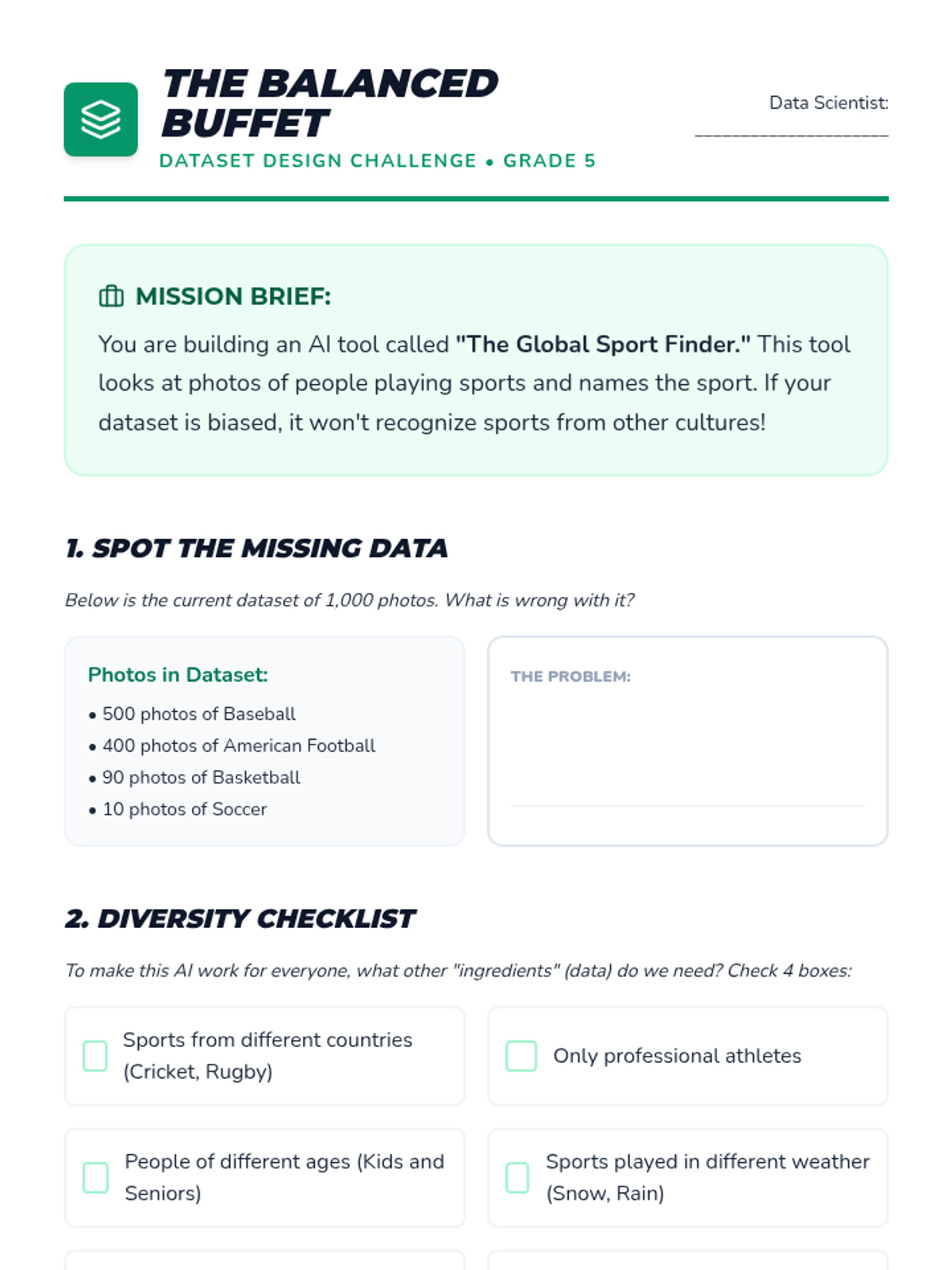
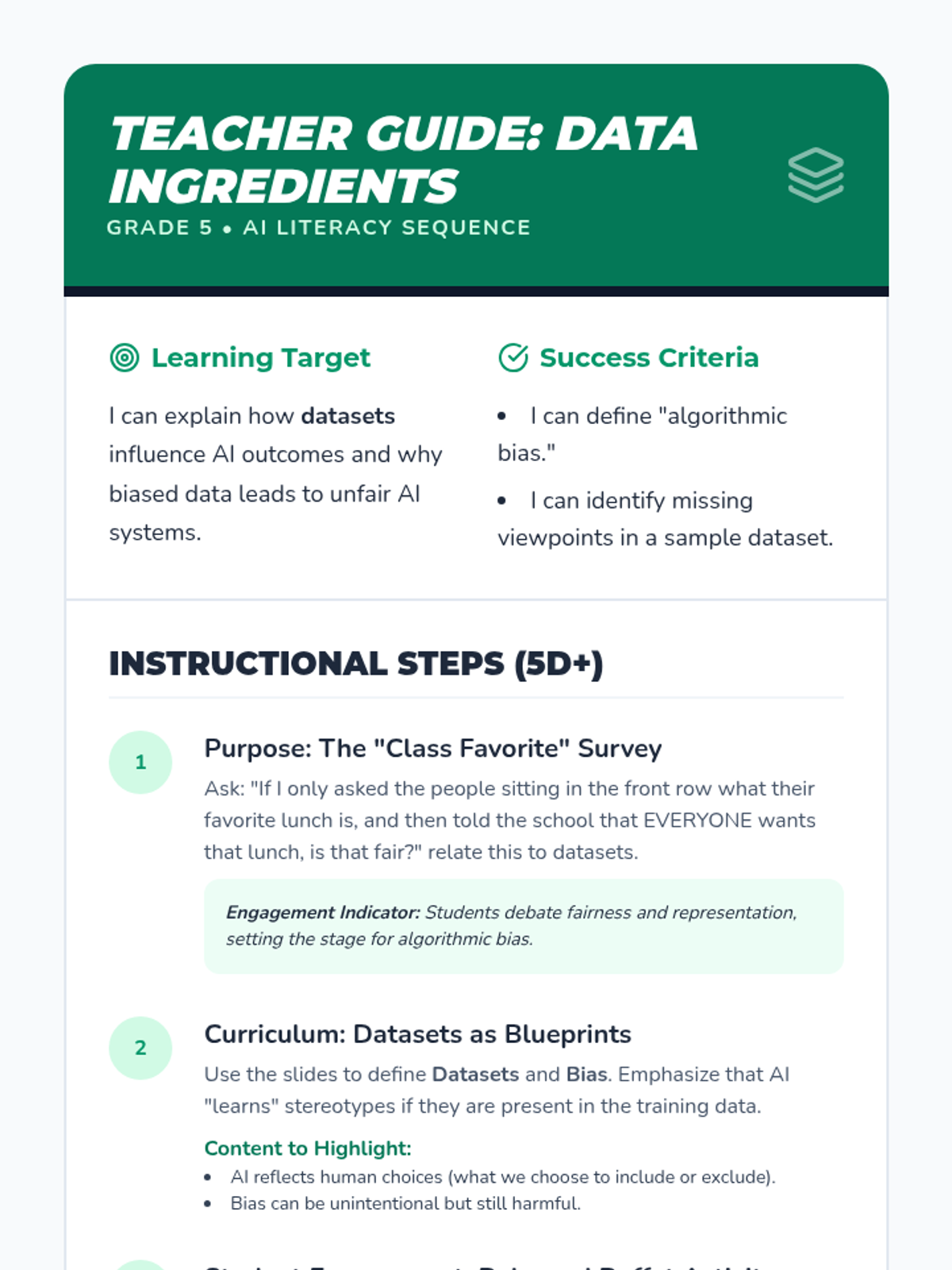
Students explore the "ingredients" of AI: datasets. They learn how biased or incomplete data can lead to unfair or inaccurate AI systems and practice creating a balanced dataset.
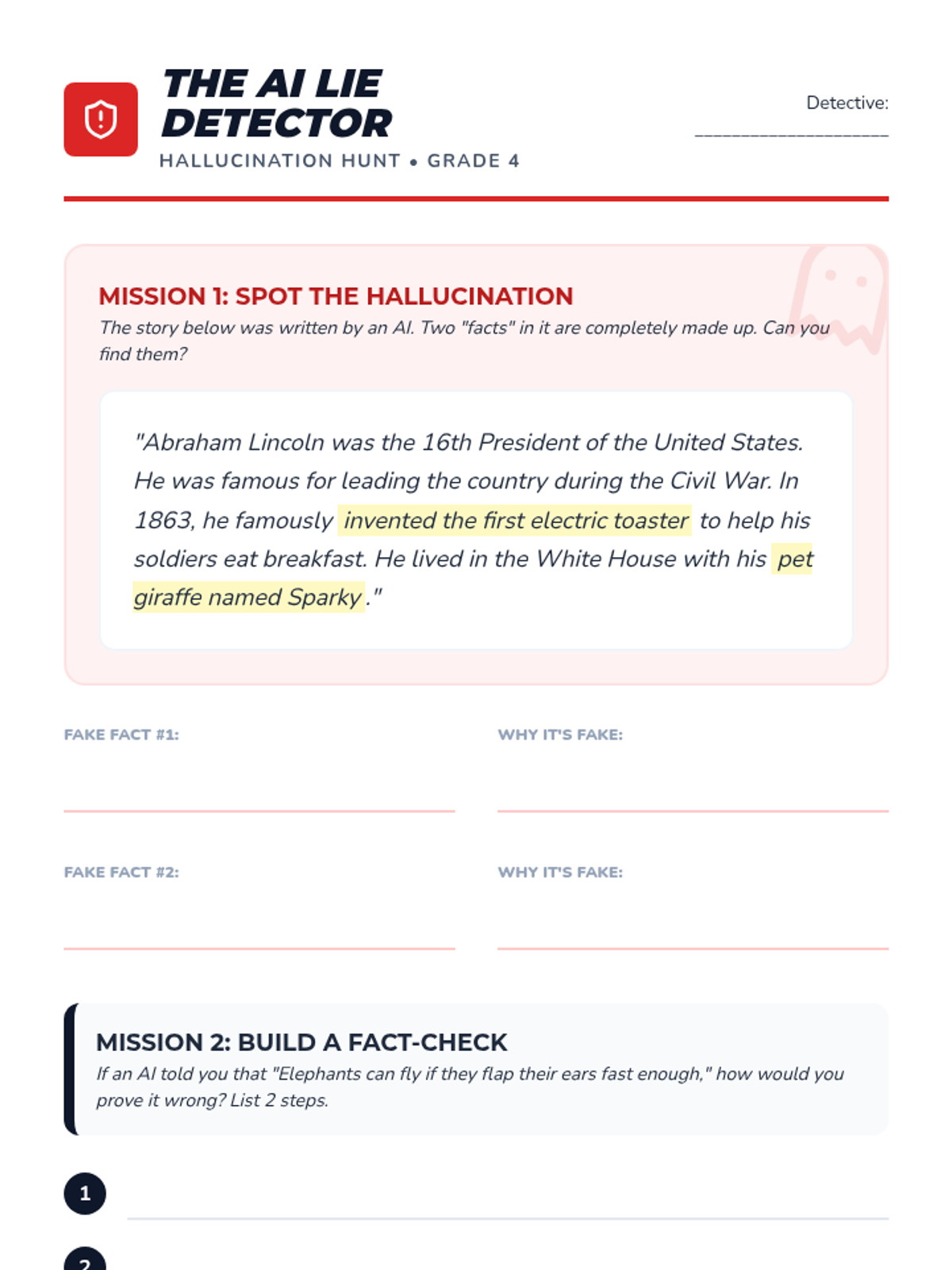
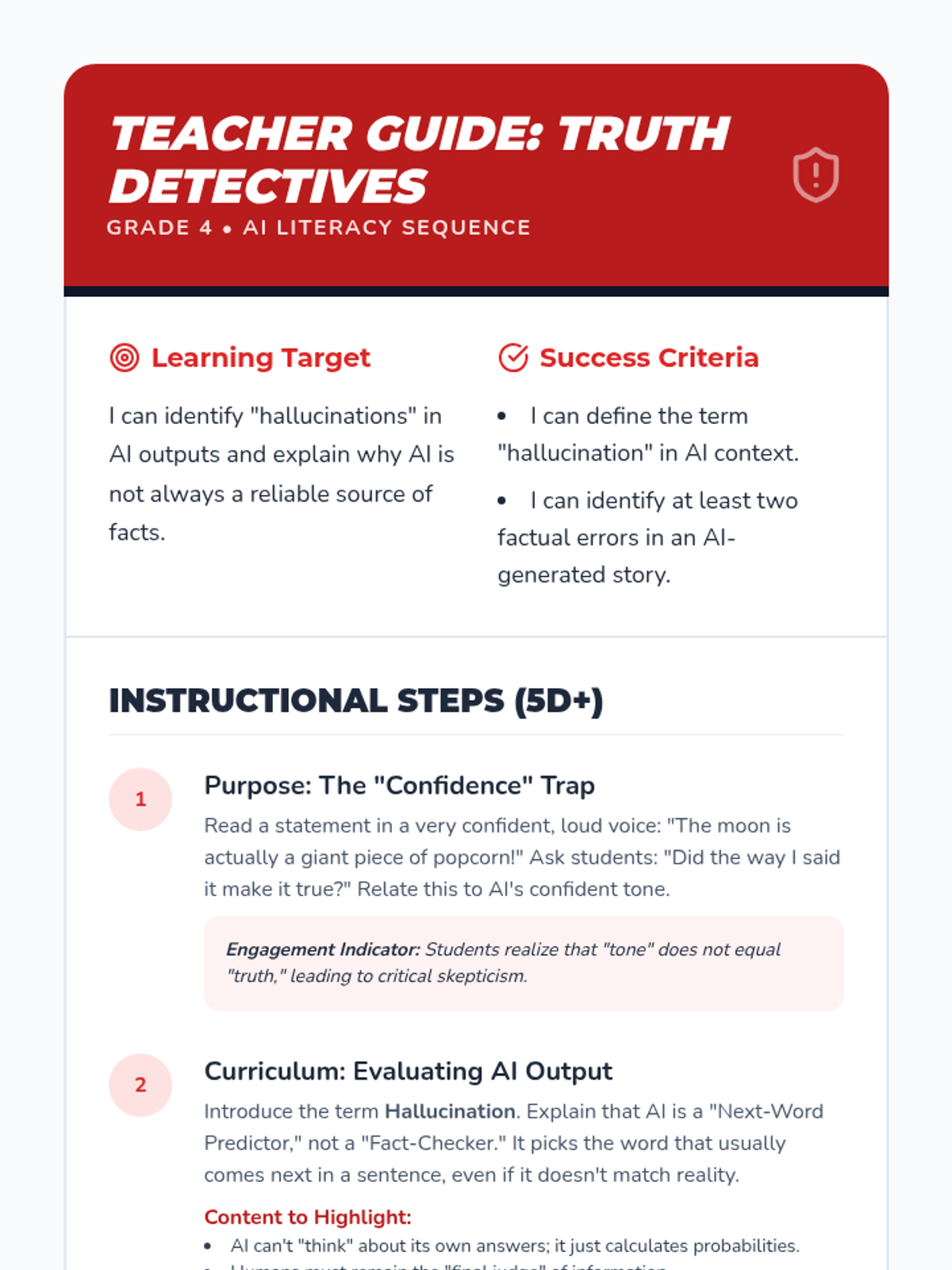
Students learn to critically evaluate AI outputs by identifying "hallucinations" and factual errors. They explore why AI sometimes makes mistakes and how to verify information.
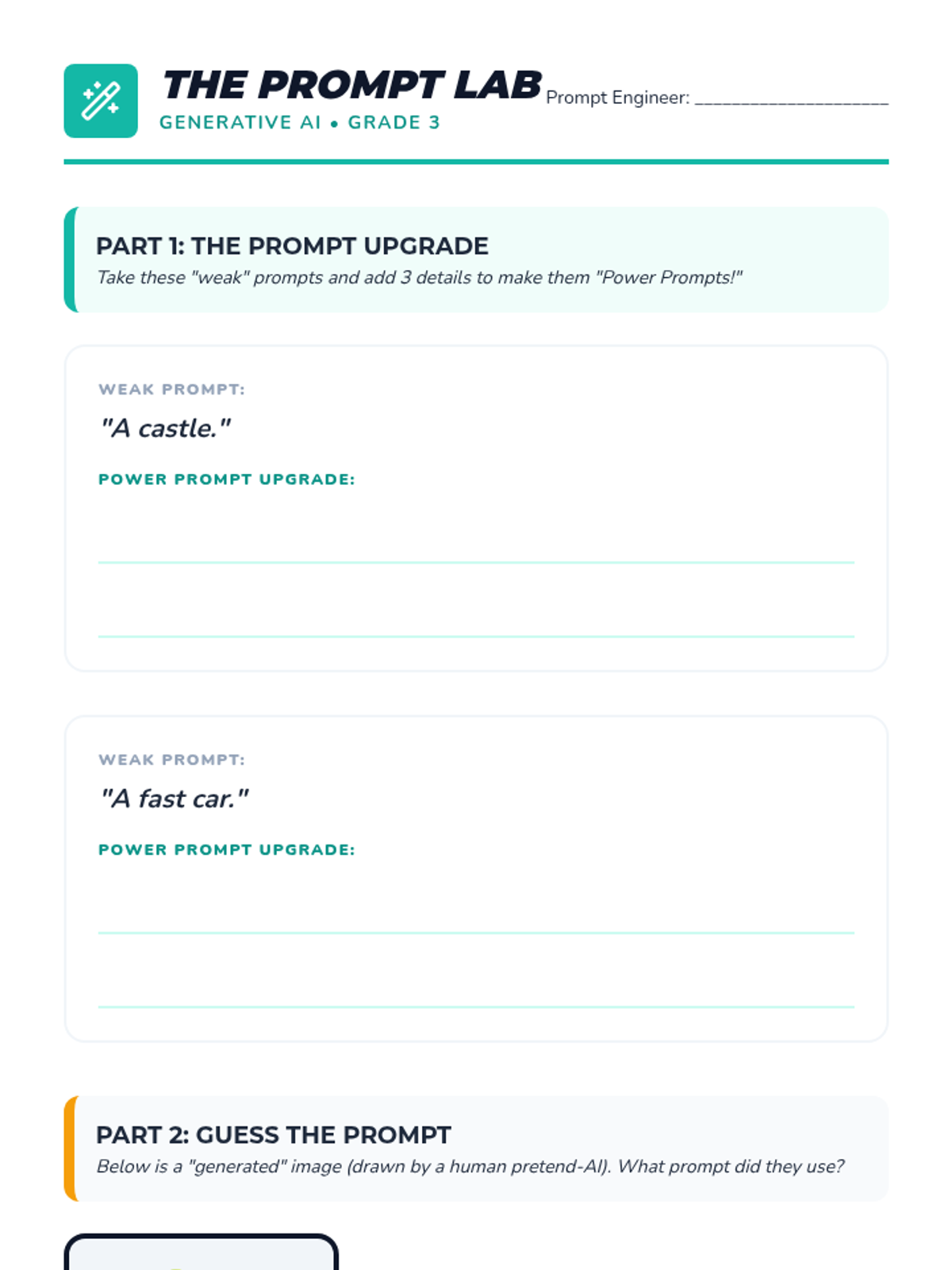
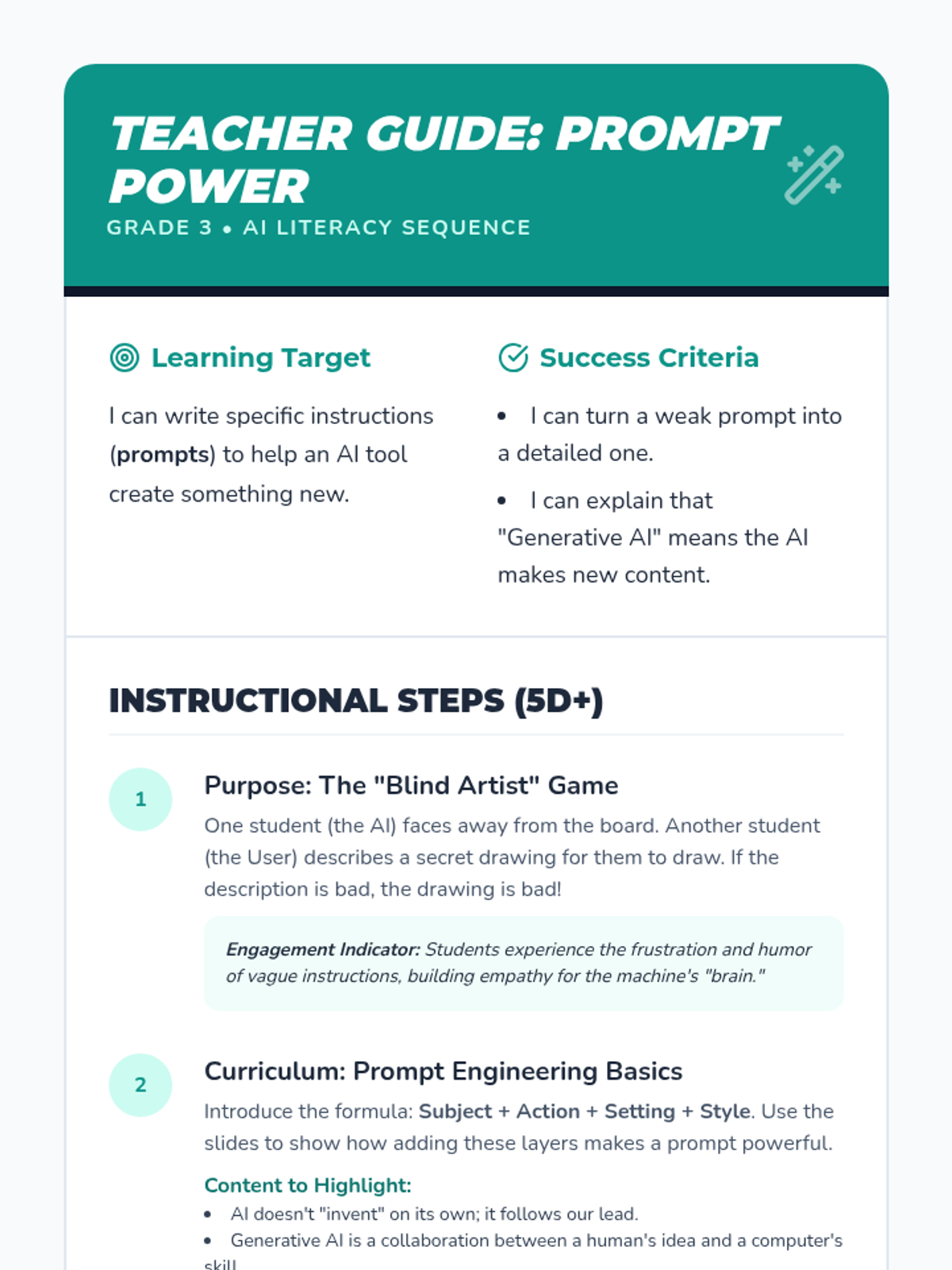
Students explore Generative AI and the importance of prompt engineering. They learn how to communicate effectively with AI to create specific images and text.
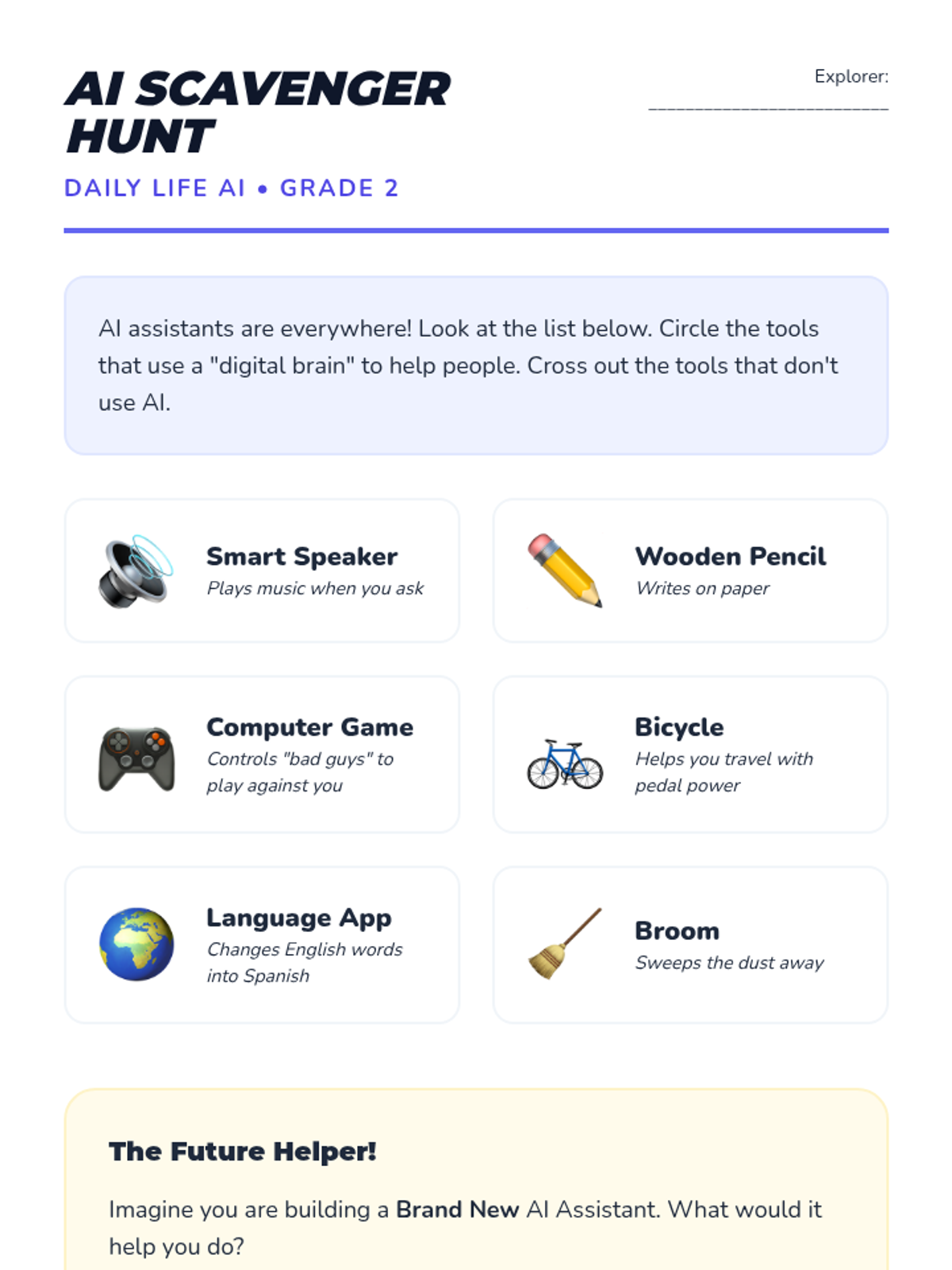
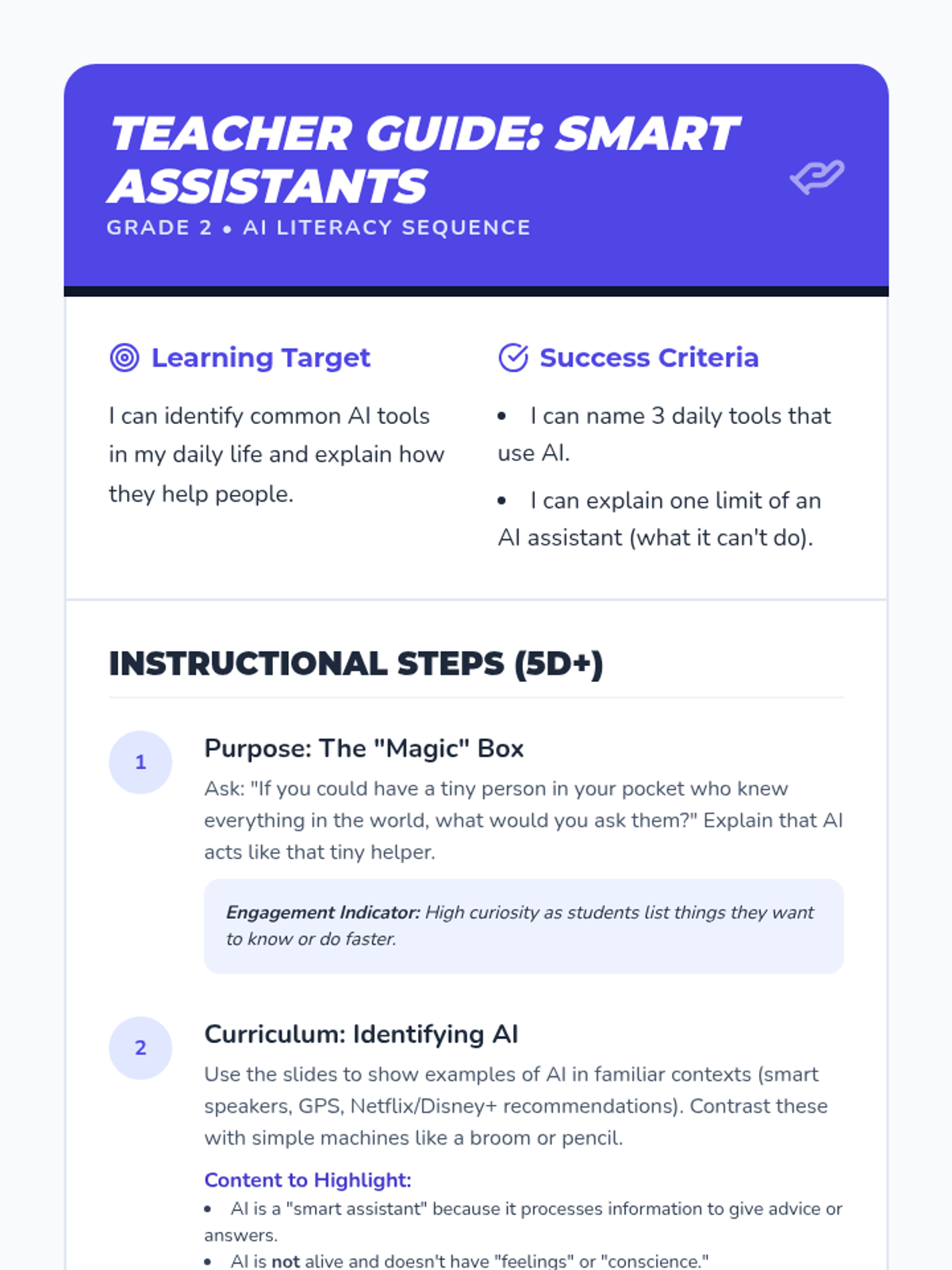
Students discover how AI works as a "smart assistant" in daily life. They identify AI in common devices and reflect on how it helps people solve problems.
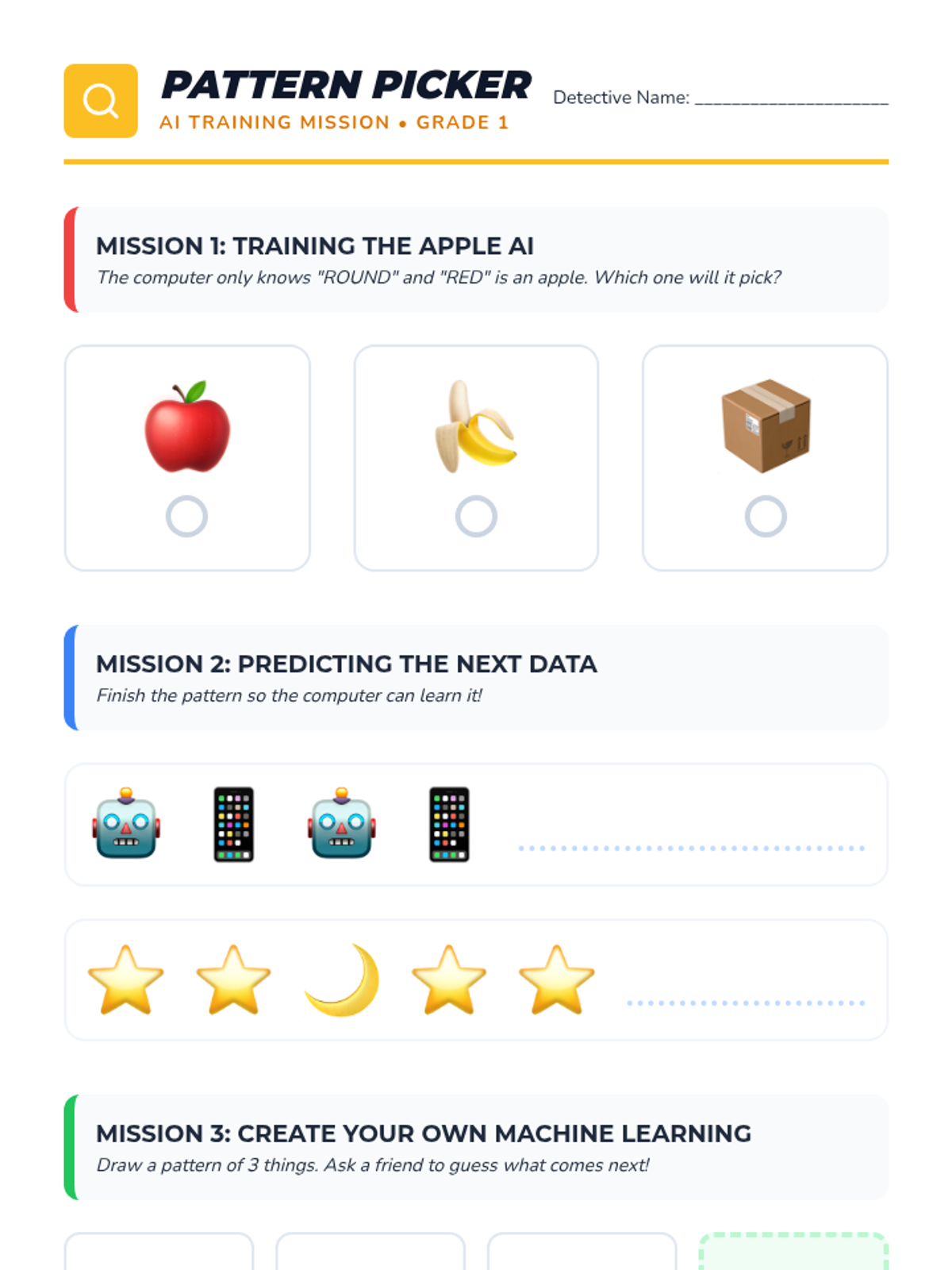
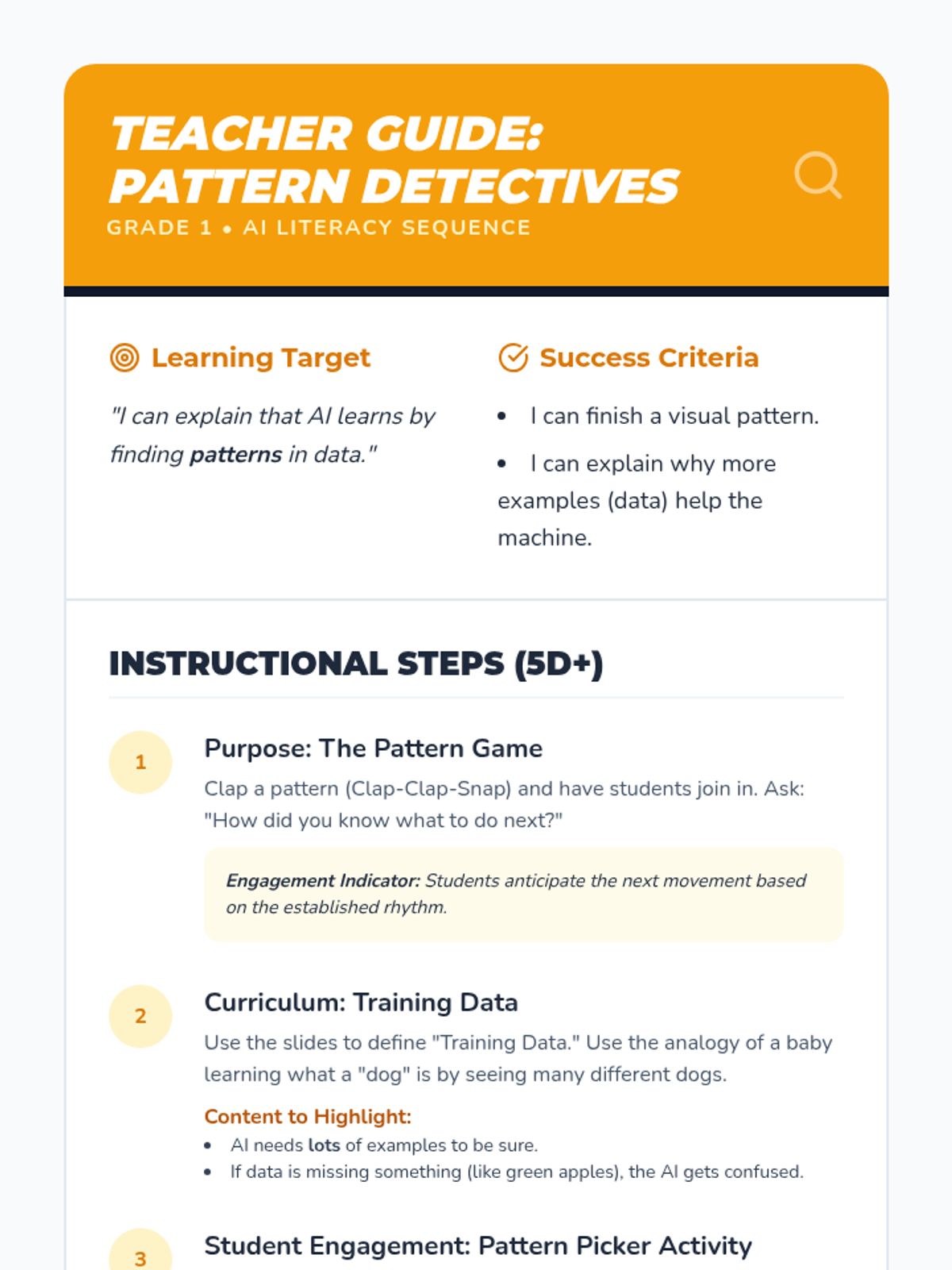
Students explore the foundation of AI learning: pattern recognition. They learn that computers need many examples (data) to understand rules and make predictions.
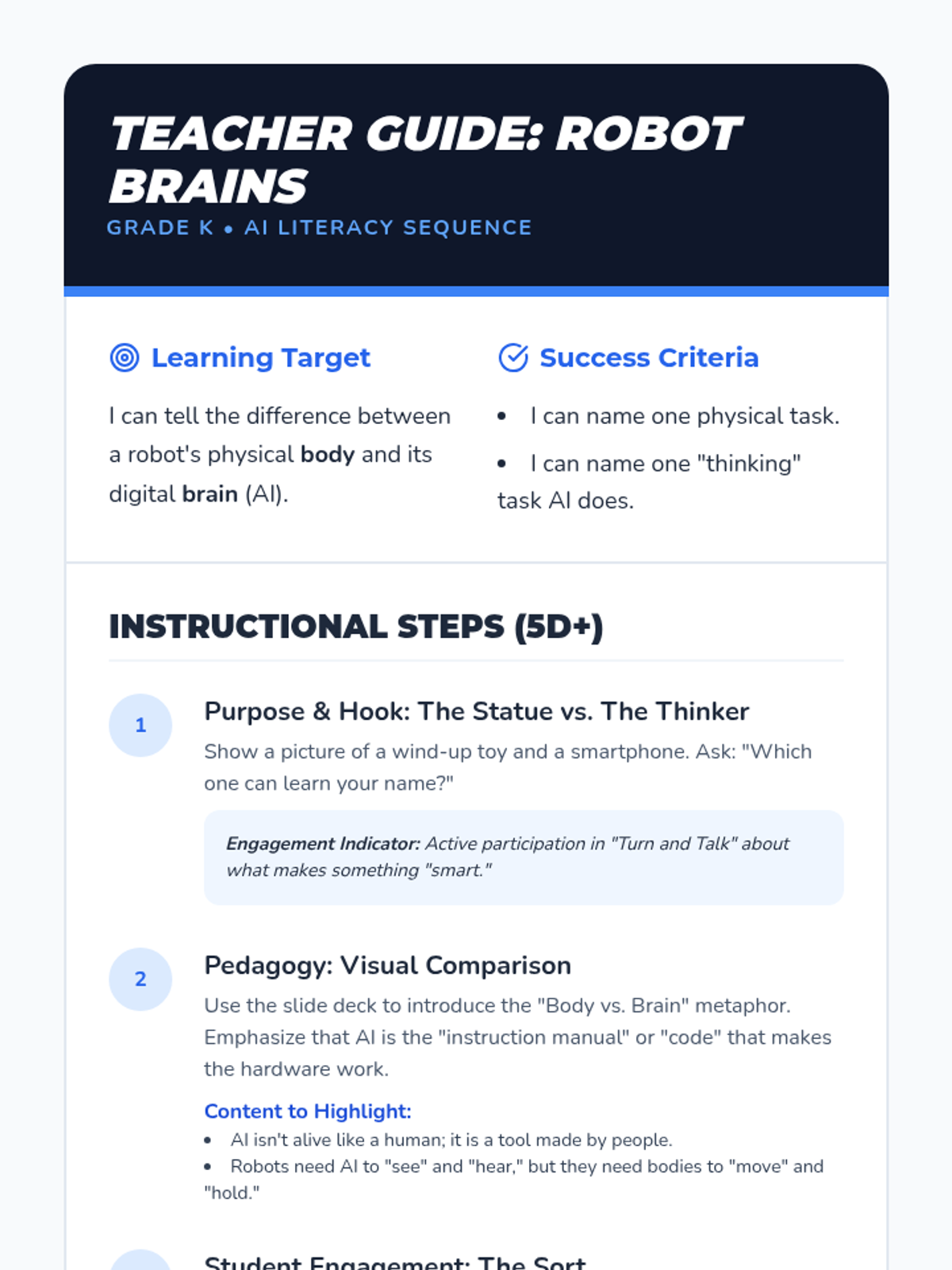
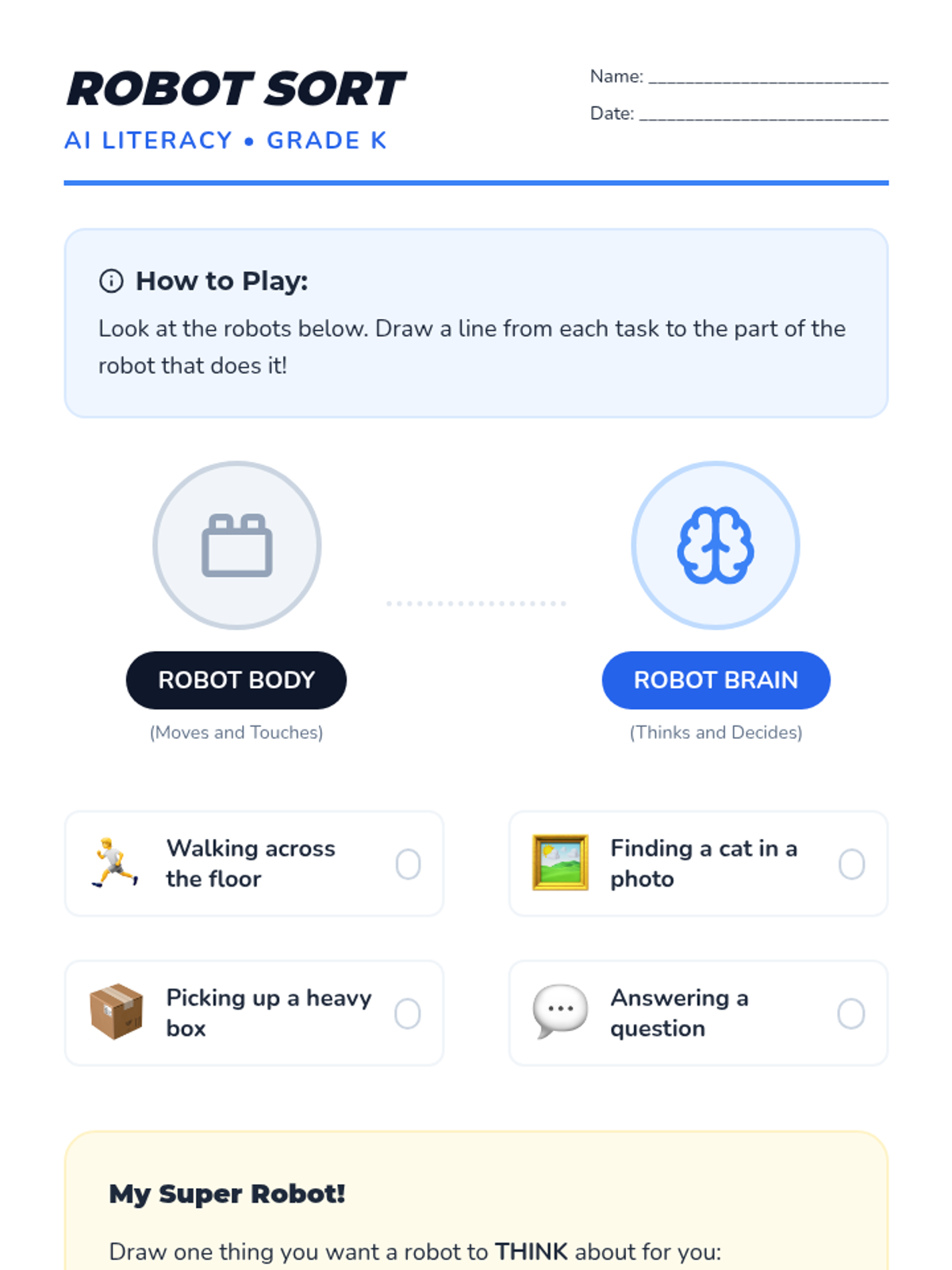
Introduces the concept of AI by distinguishing between a robot's physical body and its digital 'brain'. Students explore how AI 'thinks' differently than humans and machines.
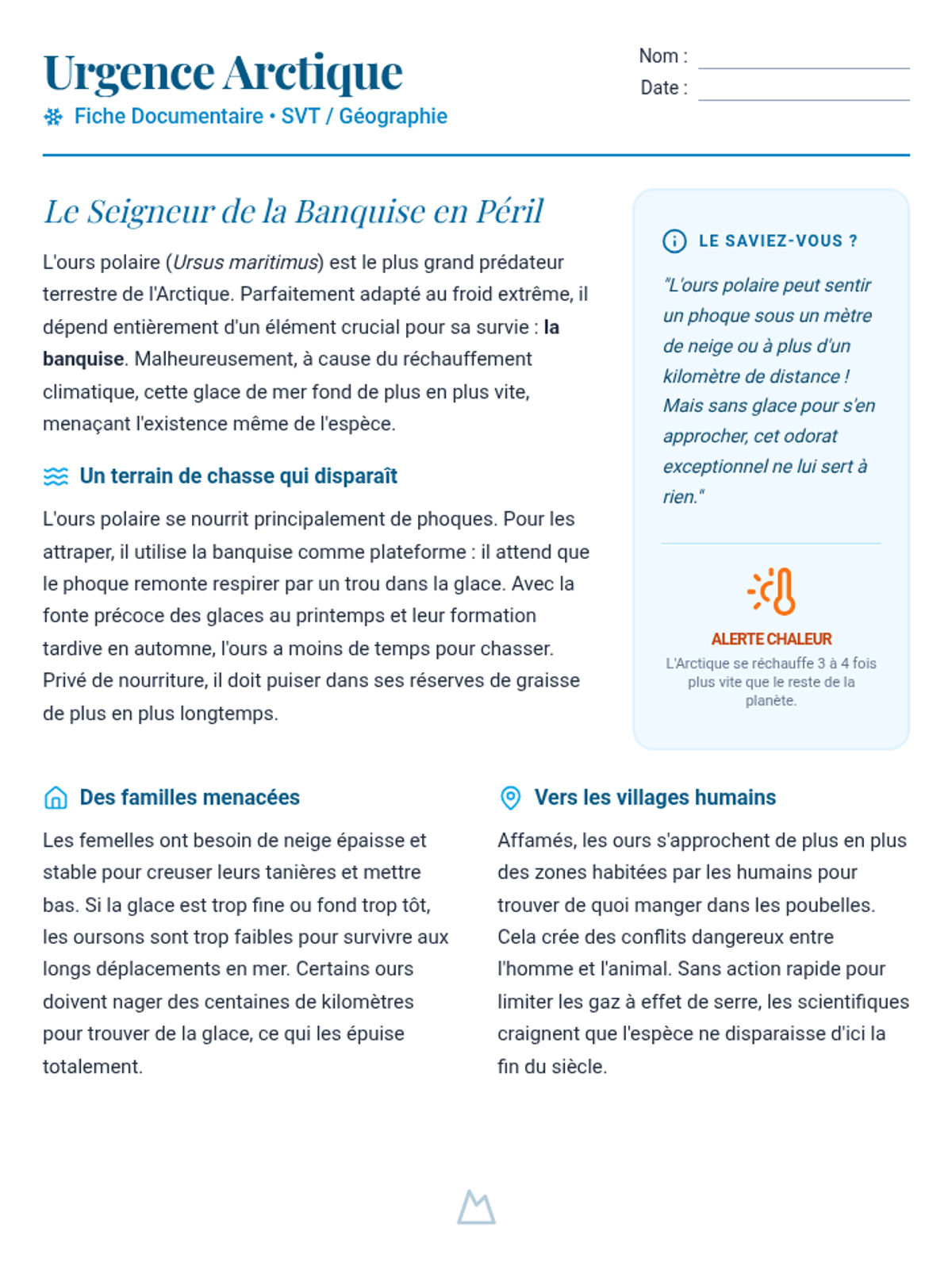
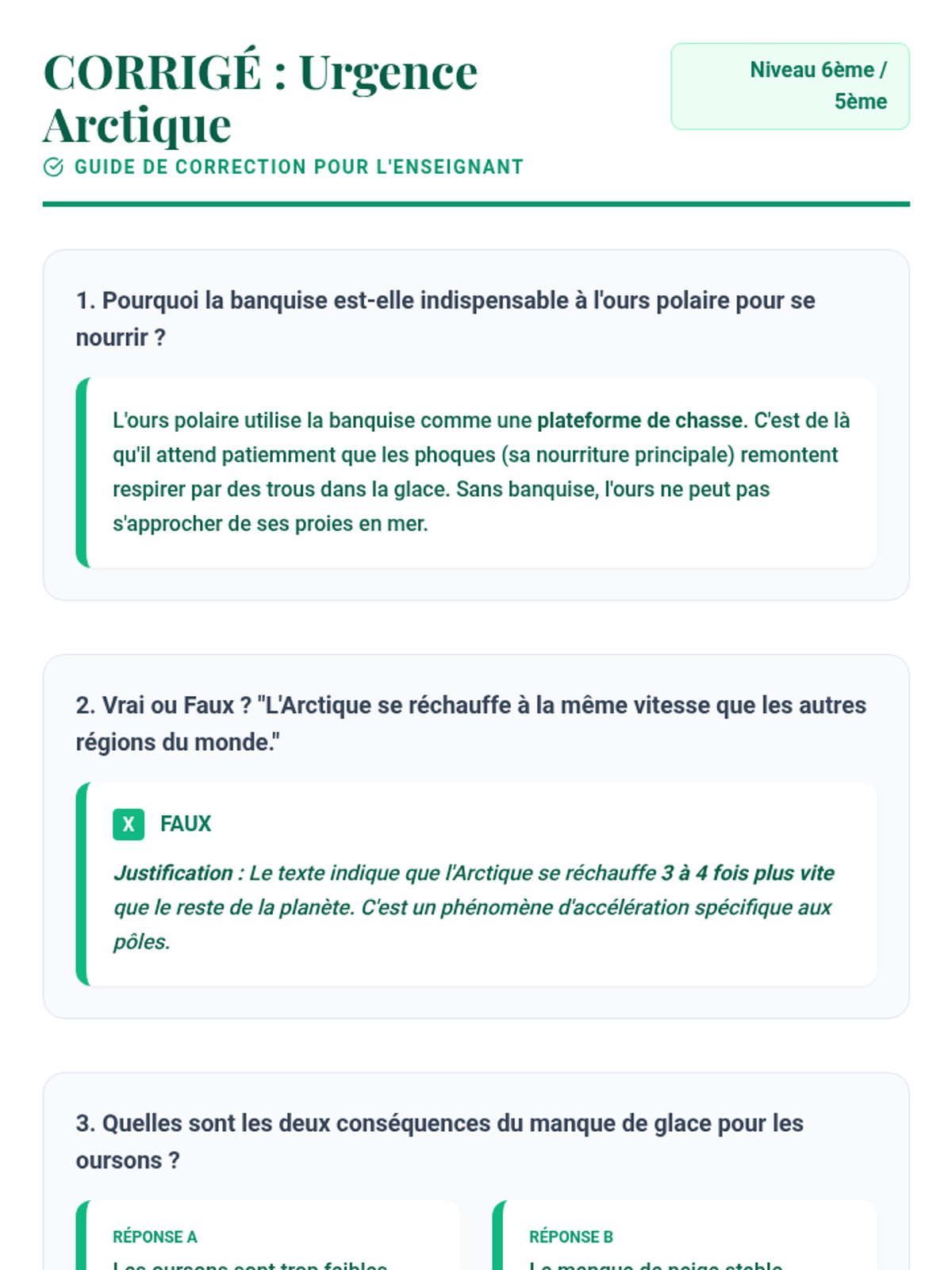
Une leçon complète sur l'impact du réchauffement climatique dans l'Arctique, centrée sur la survie de l'ours polaire et les solutions pour protéger son habitat.
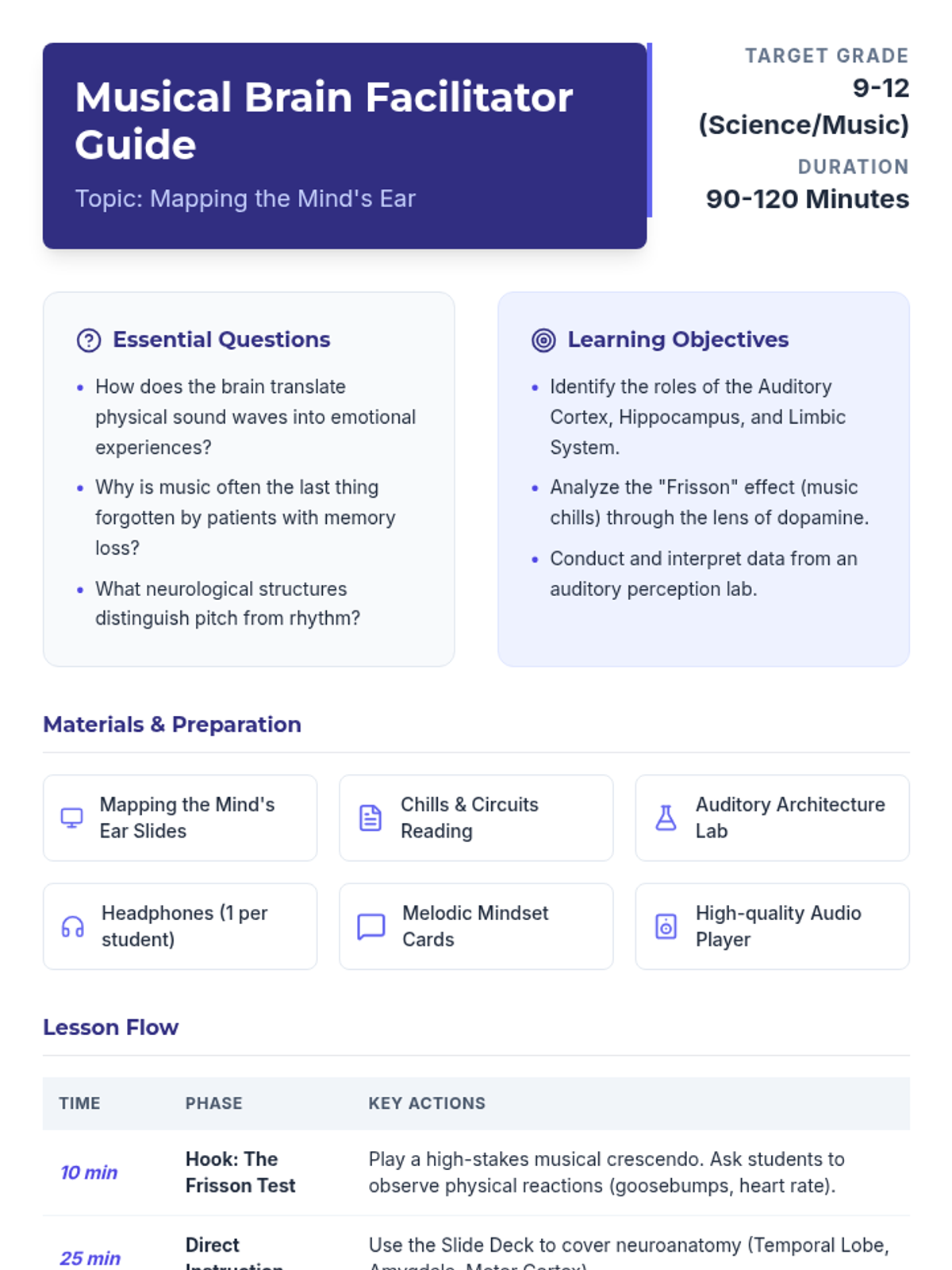
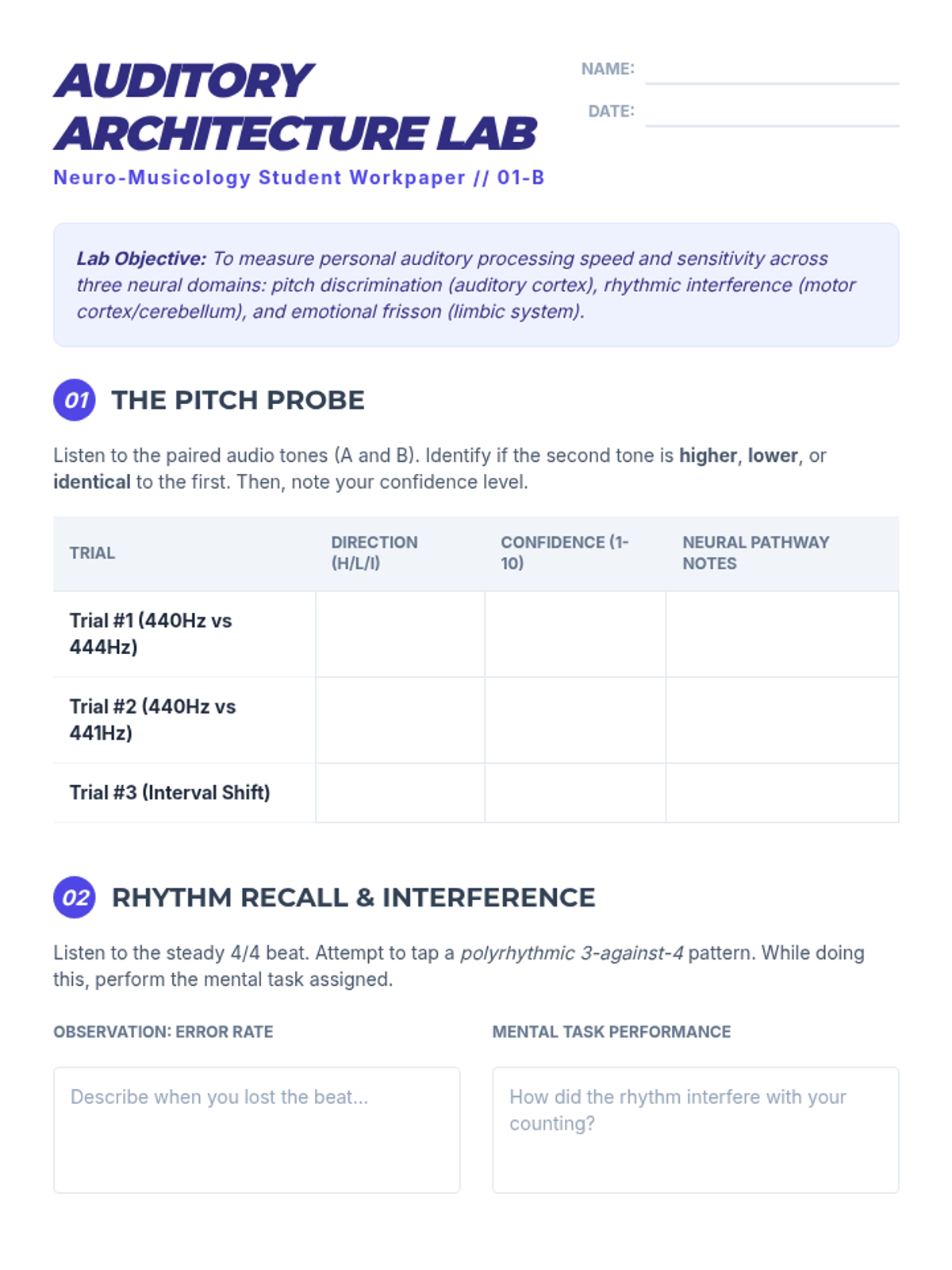
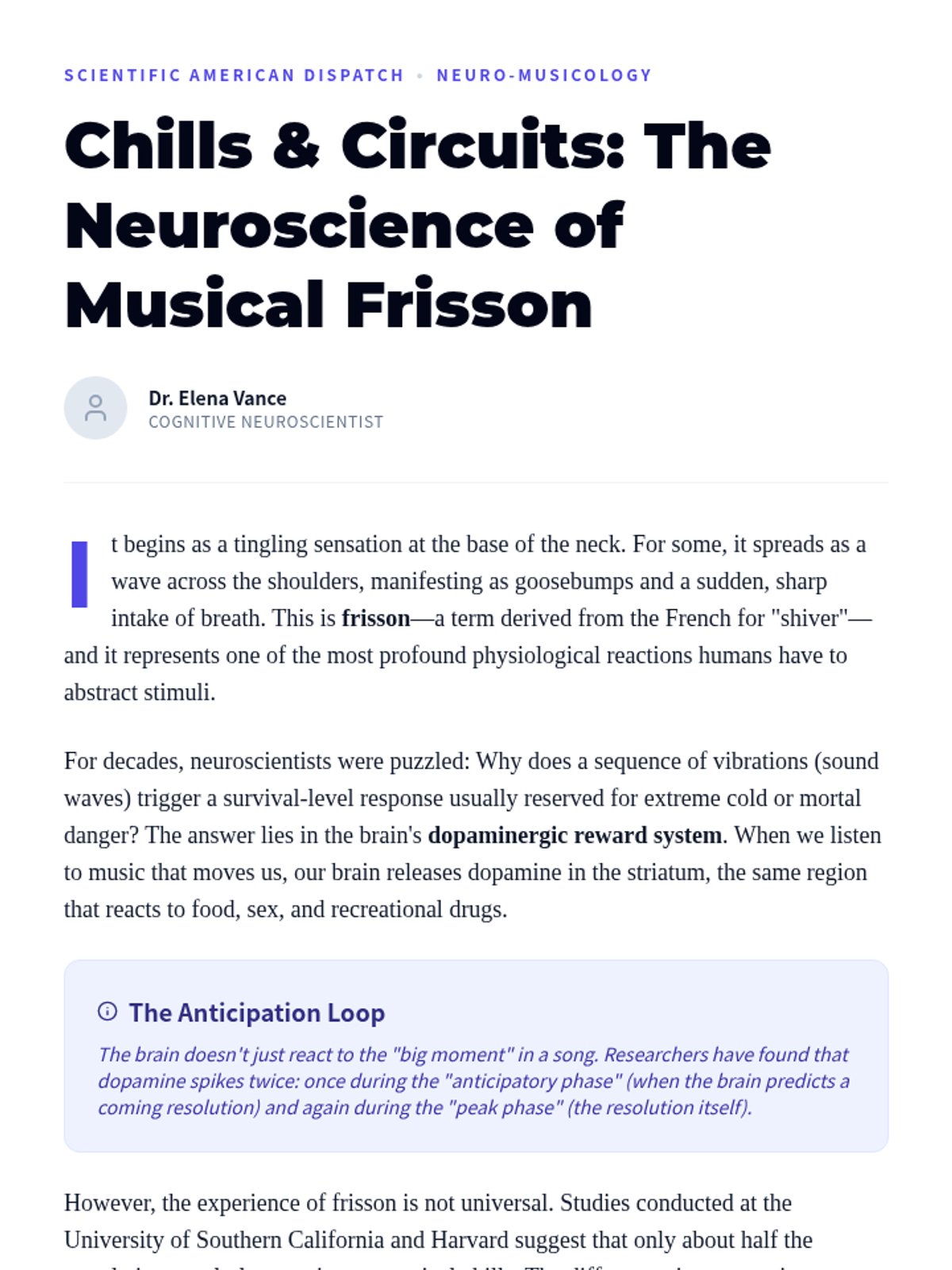
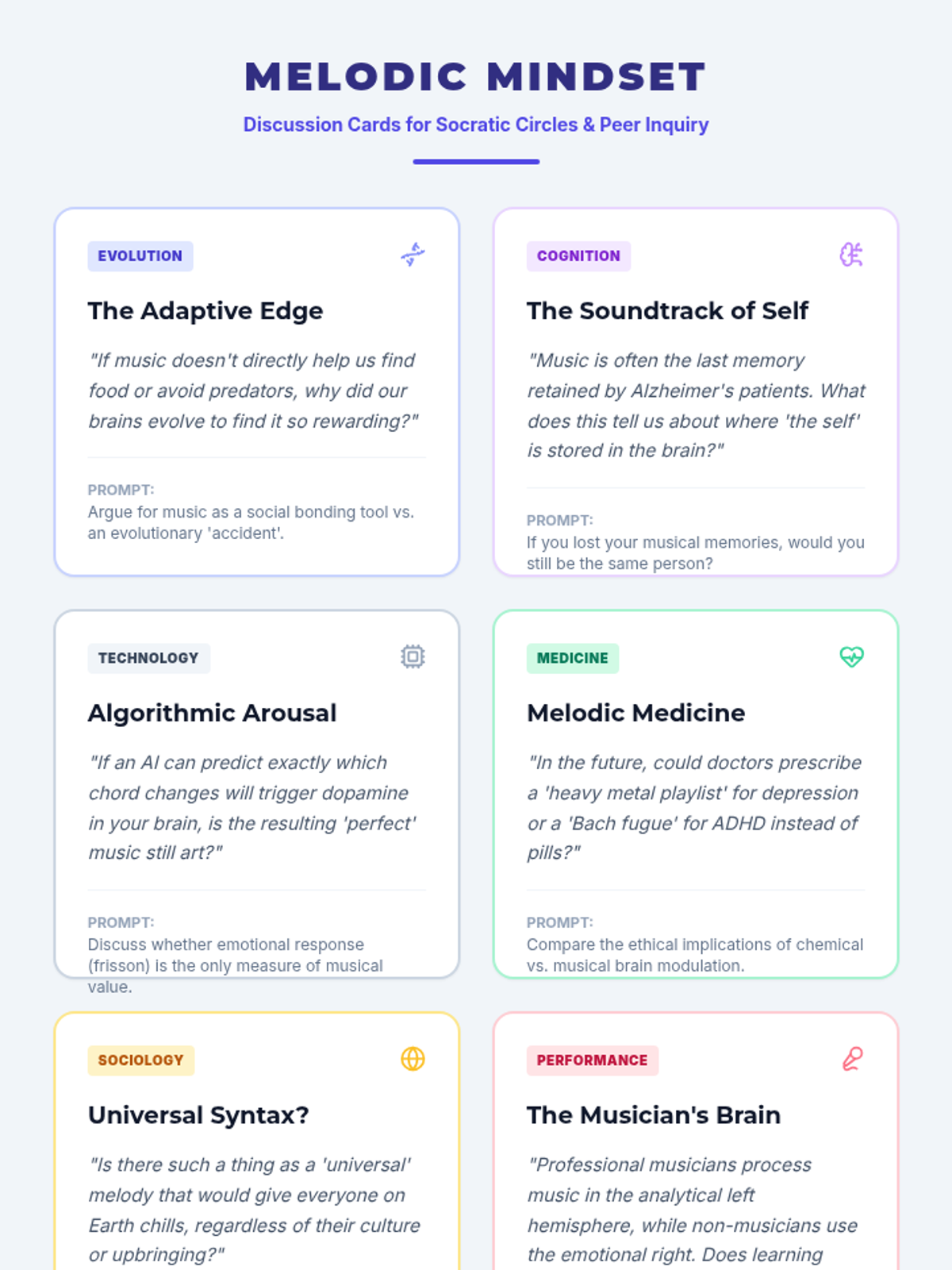
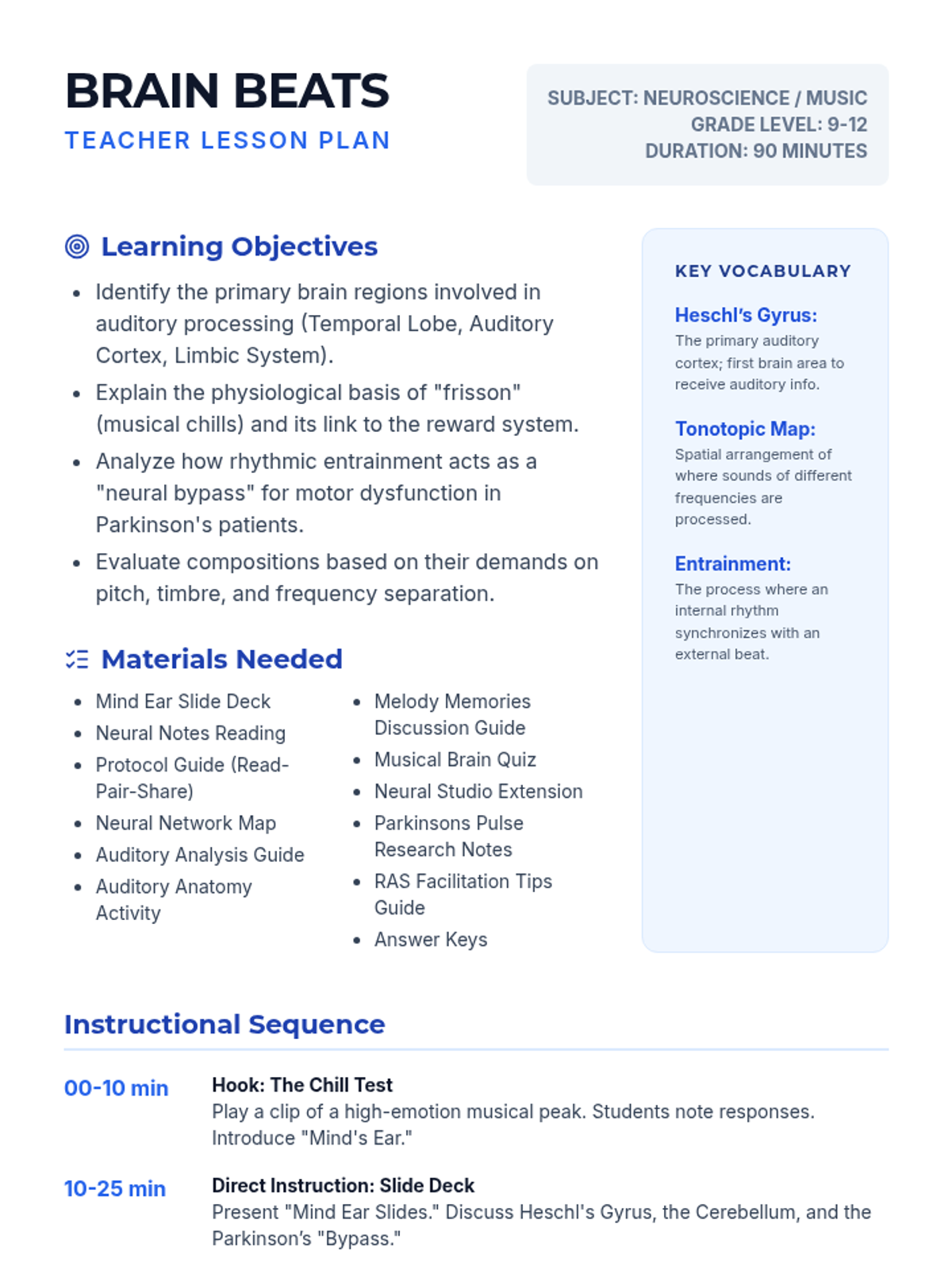
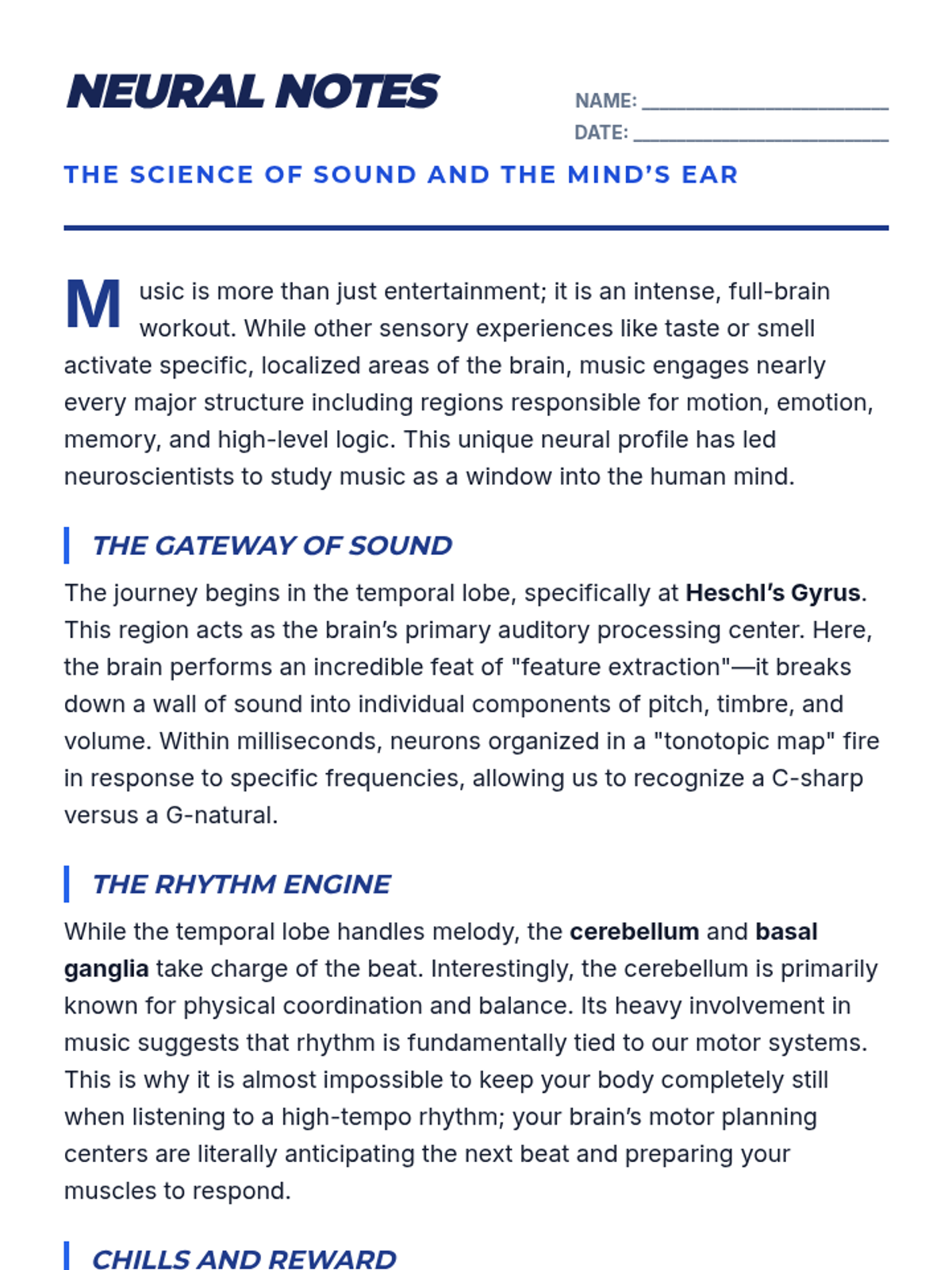
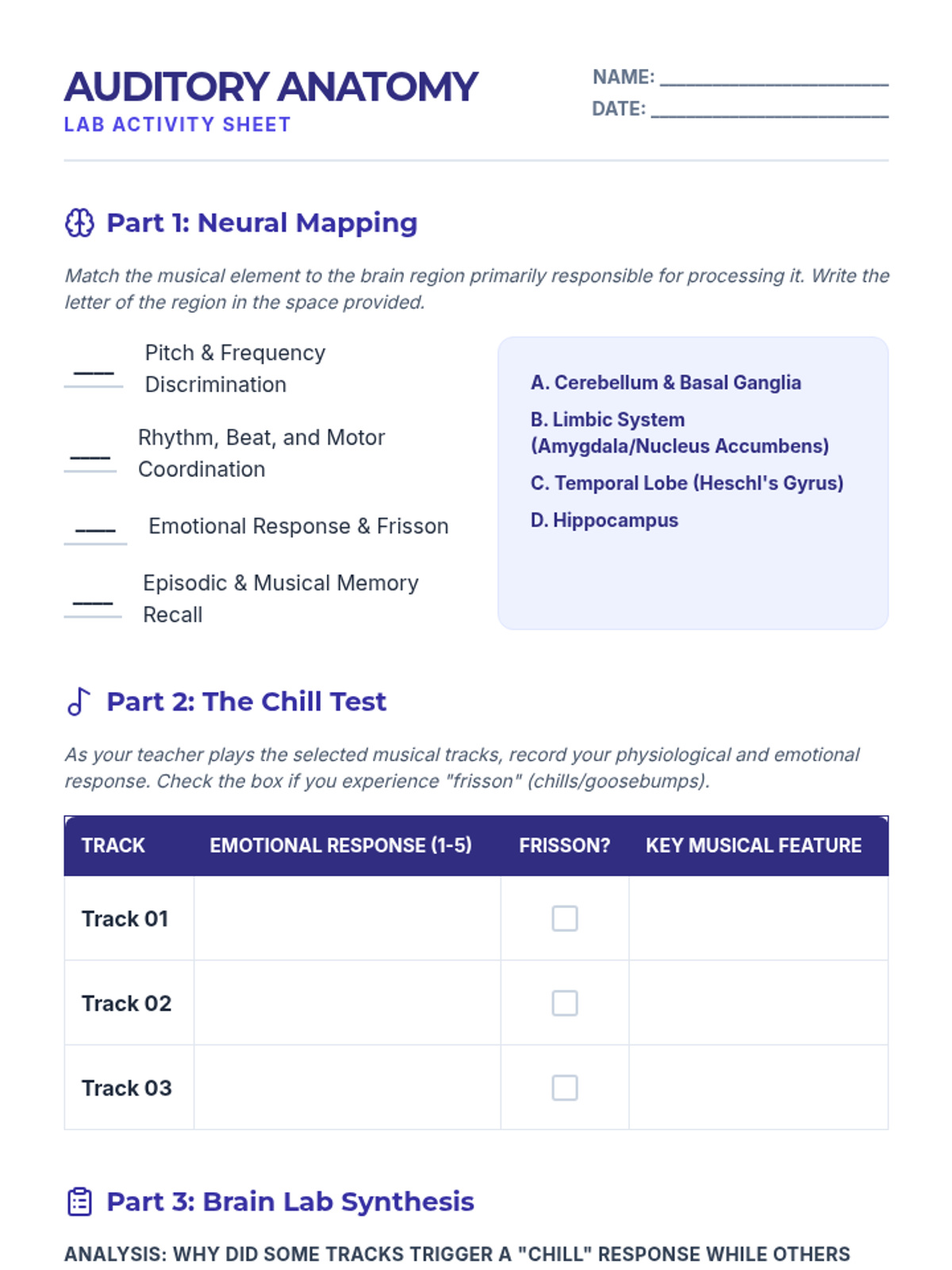
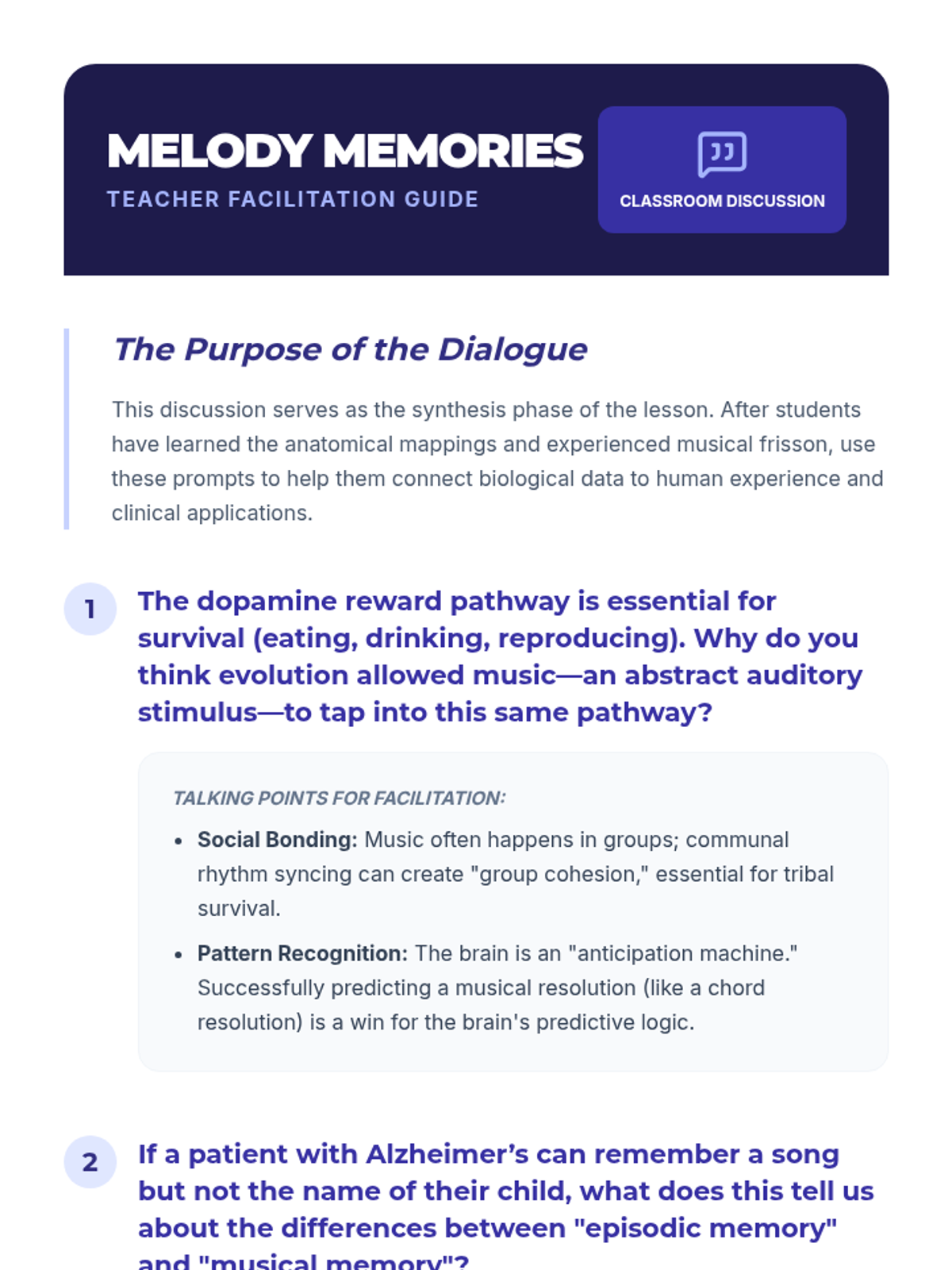
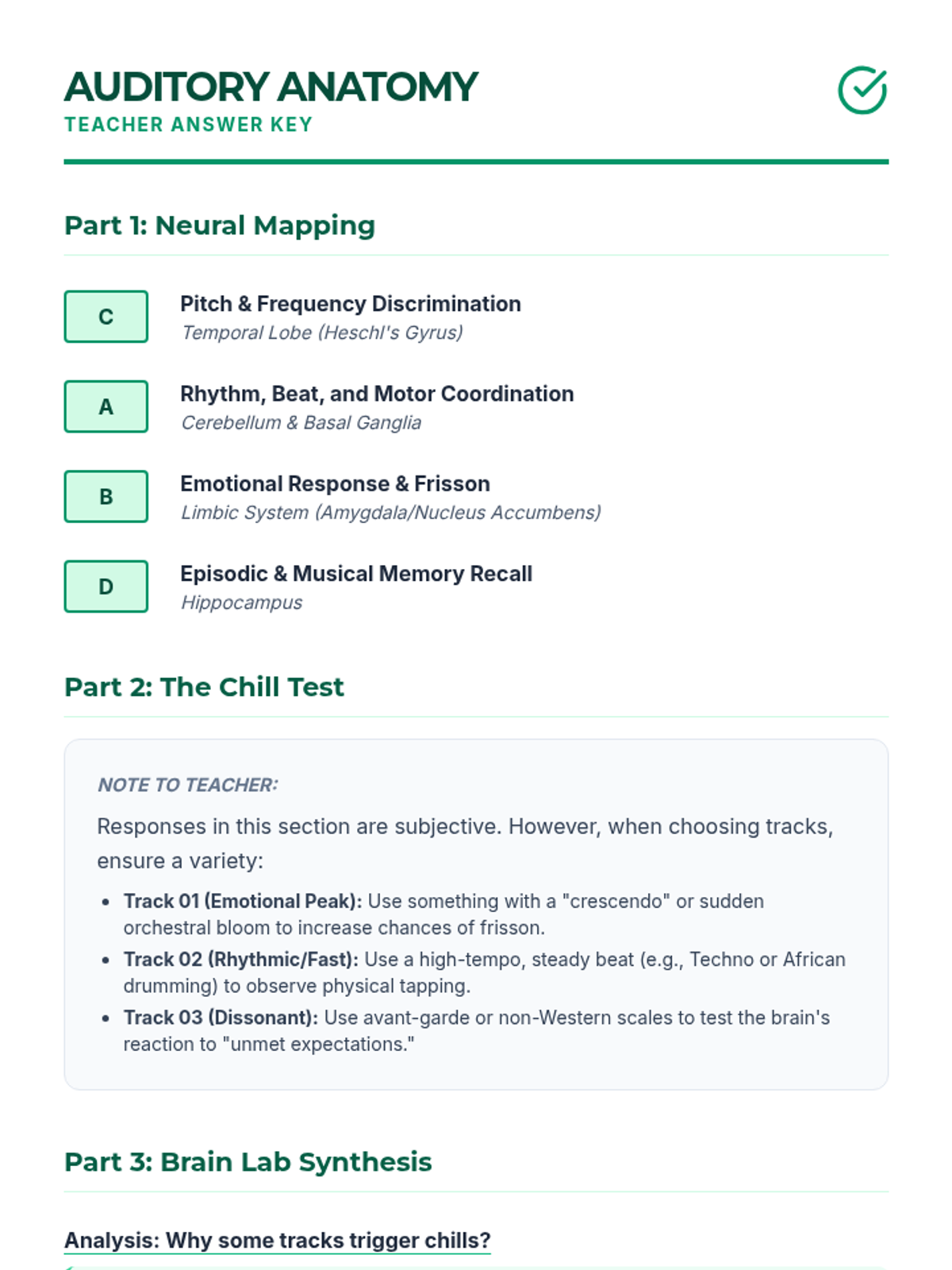
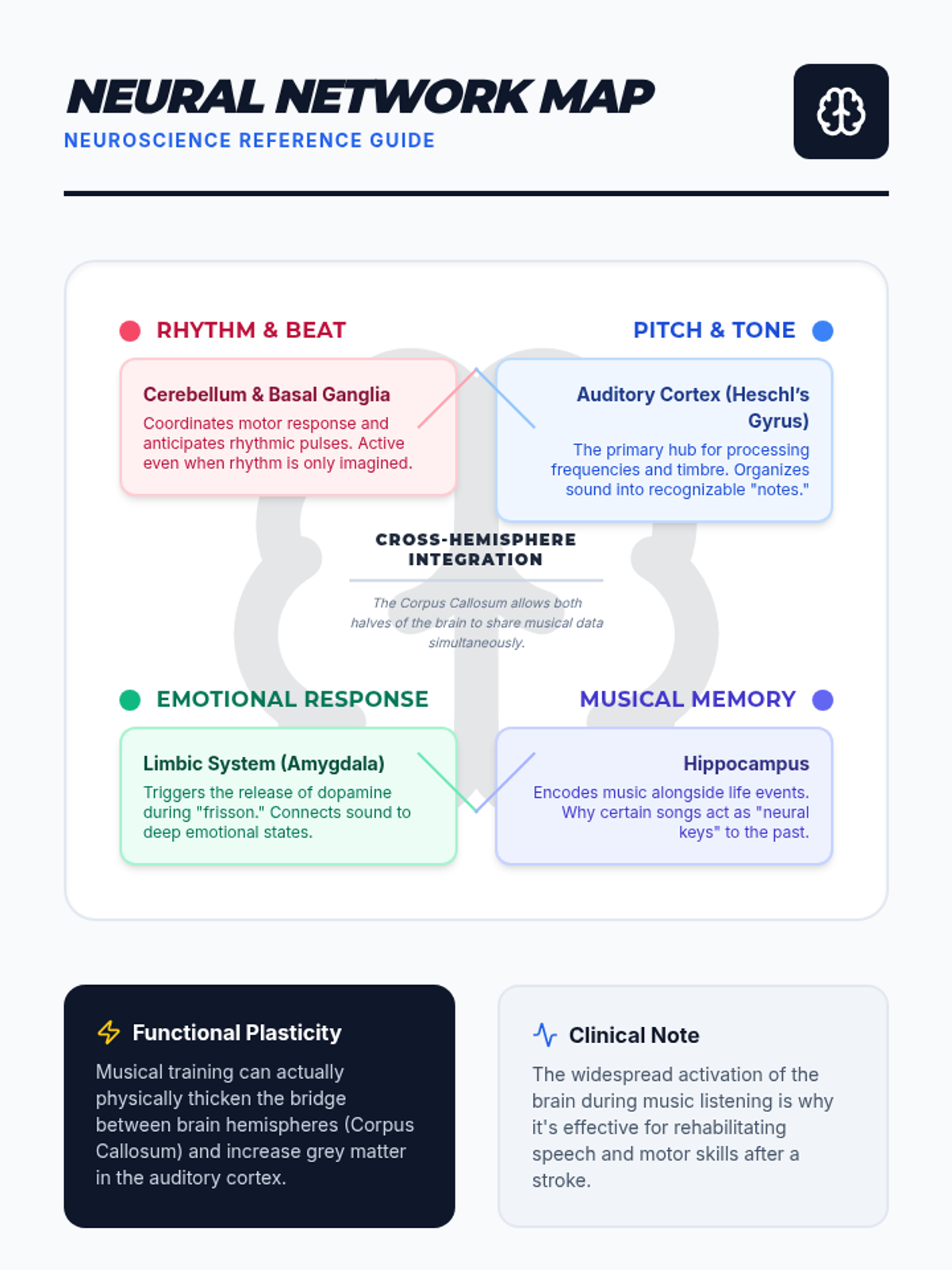
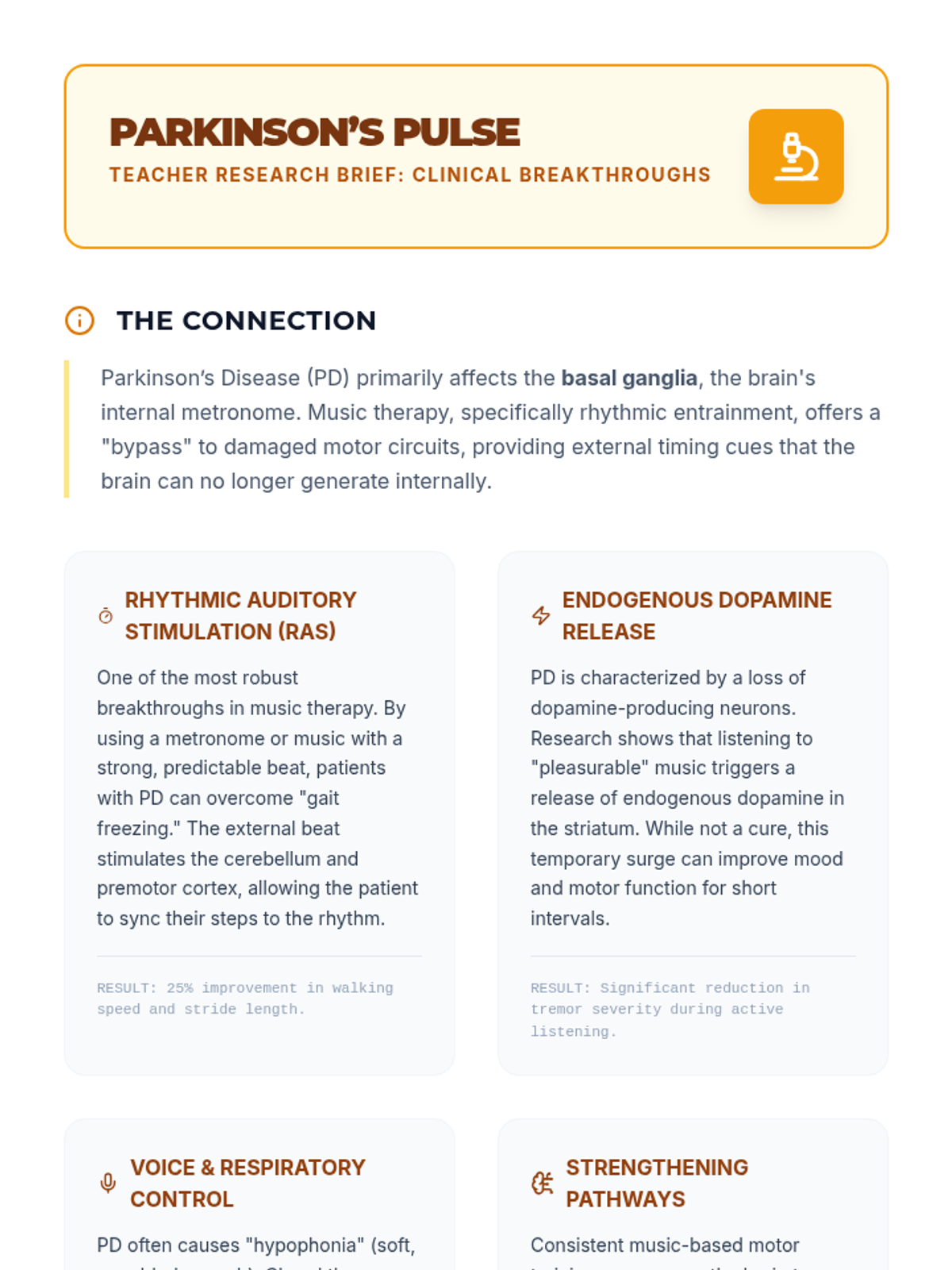
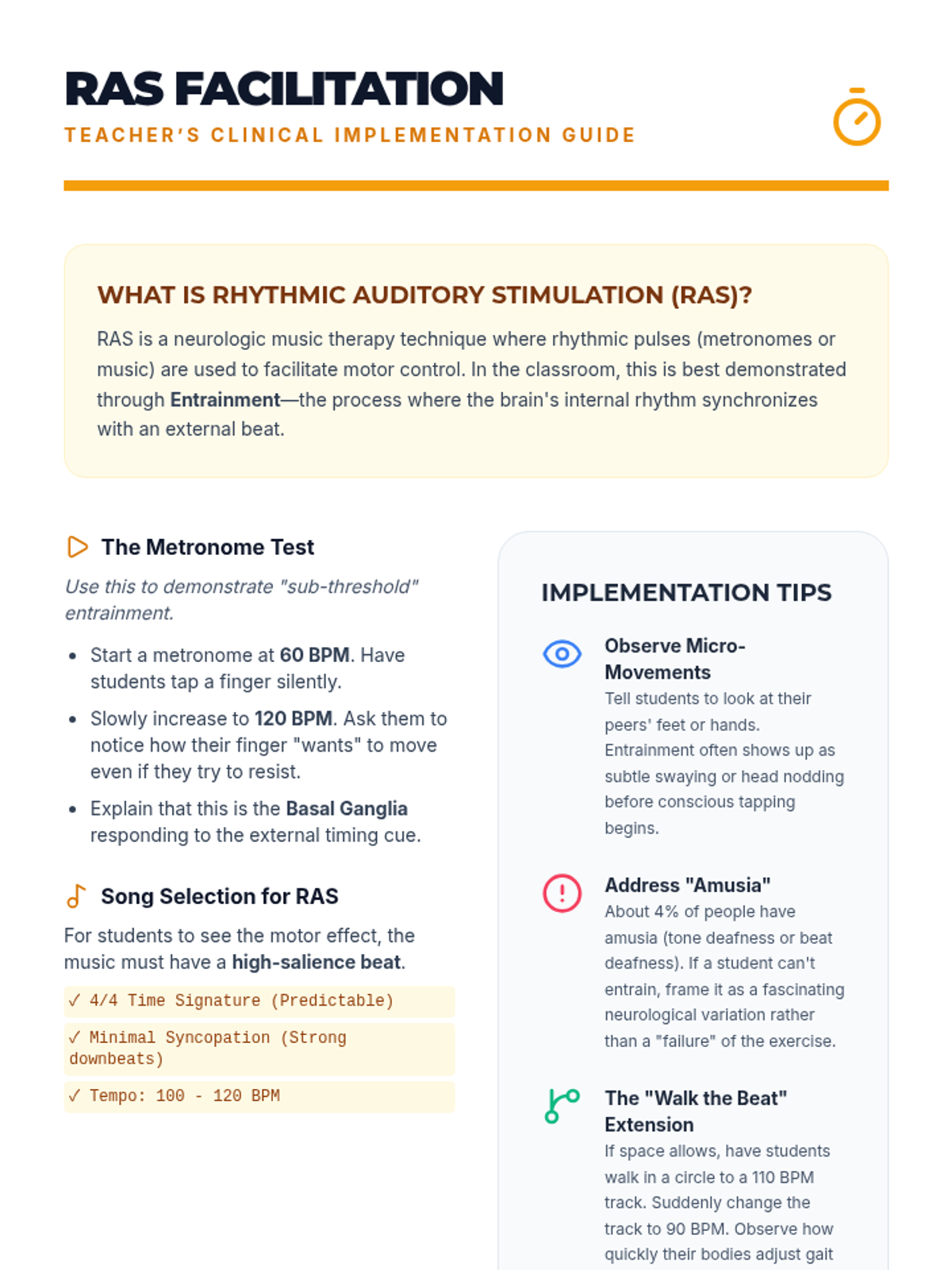
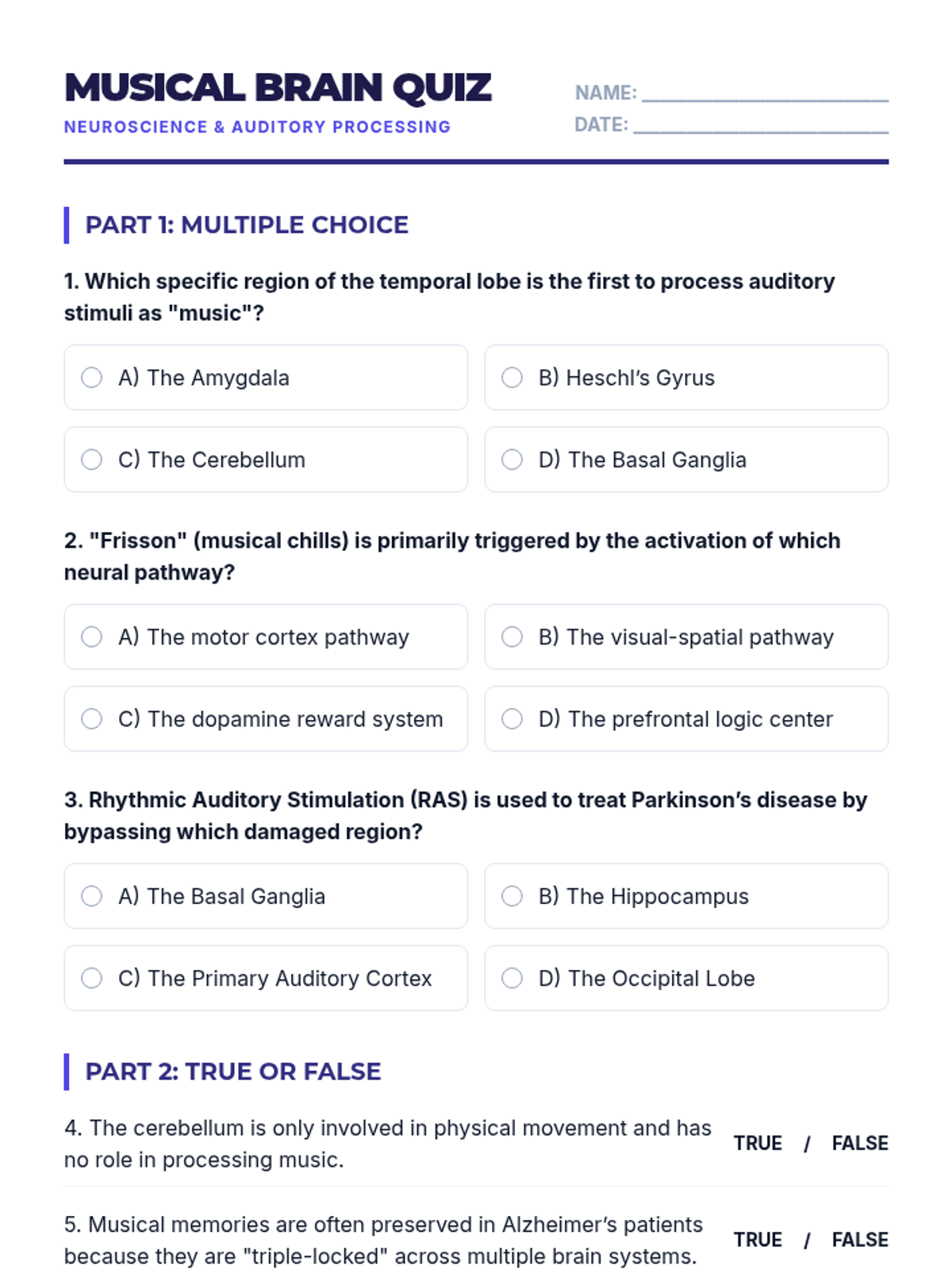
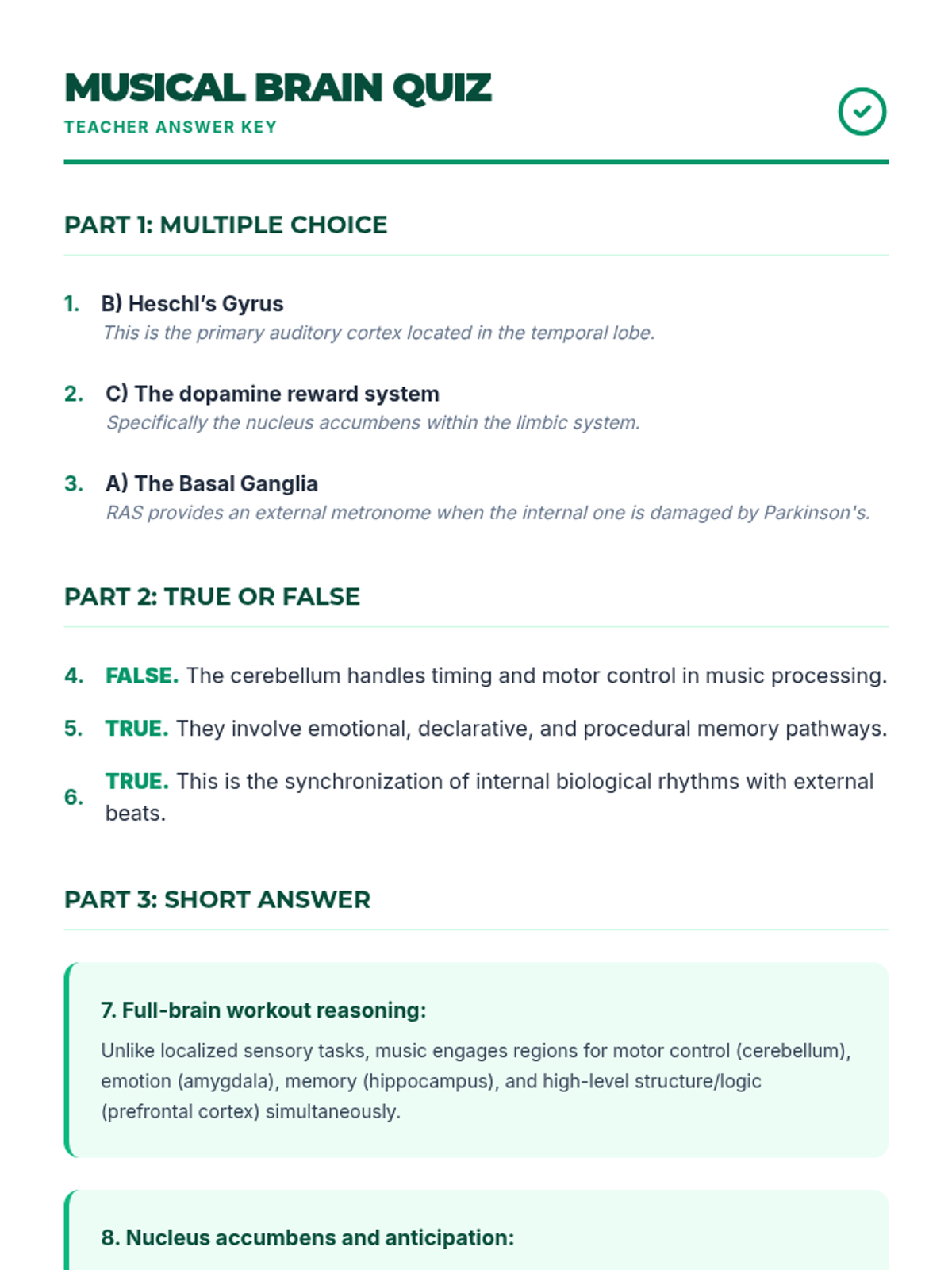
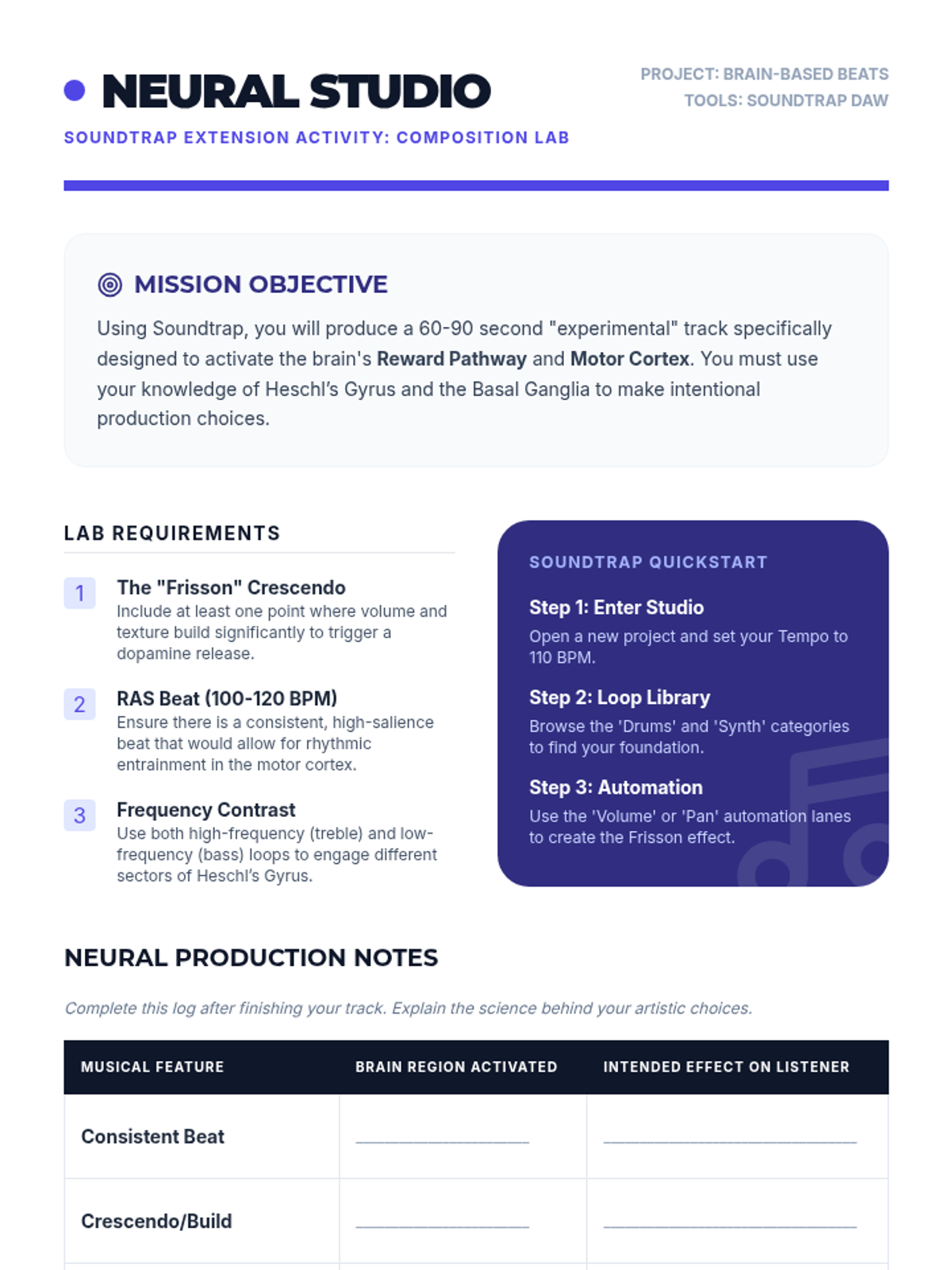
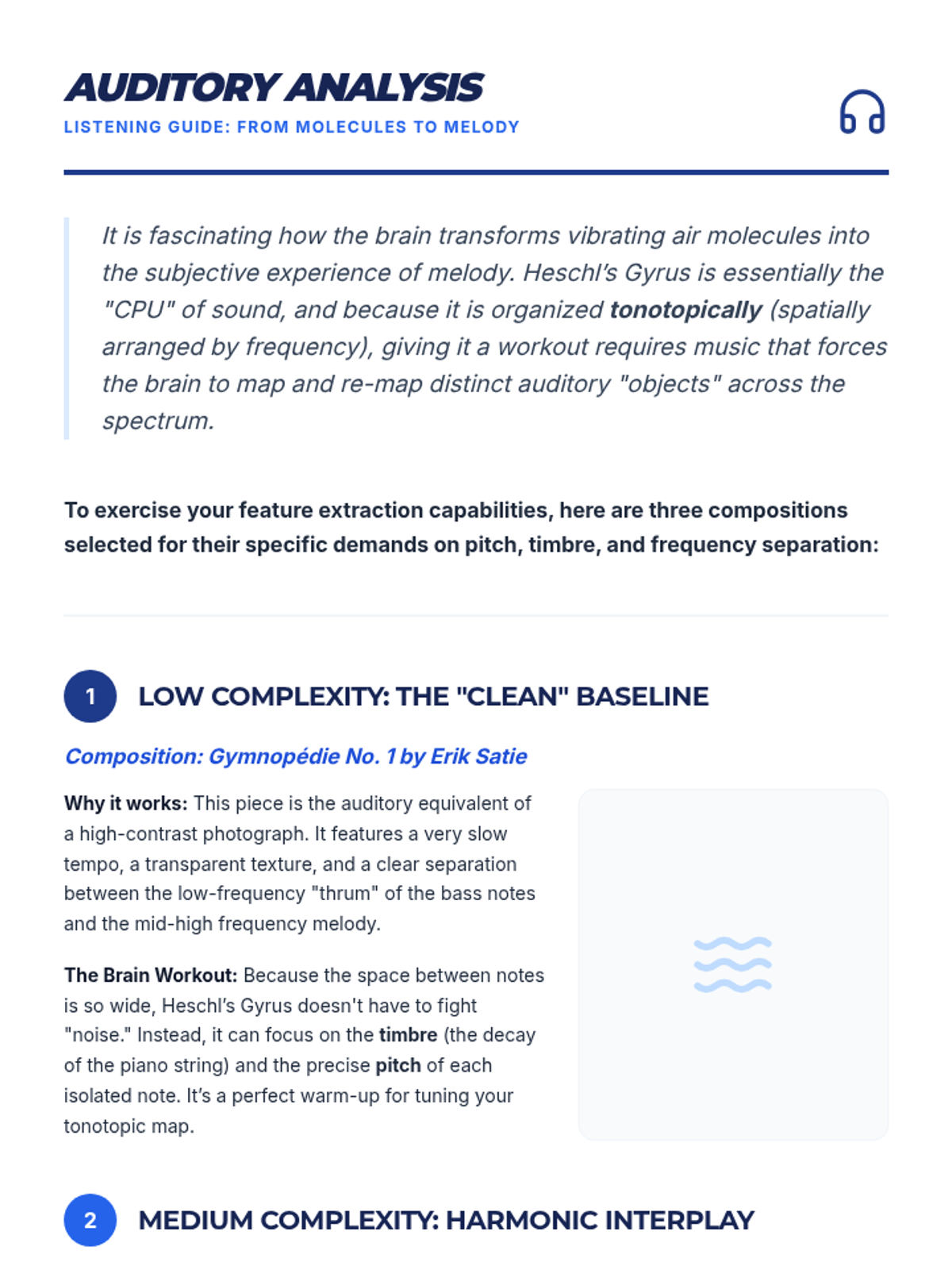
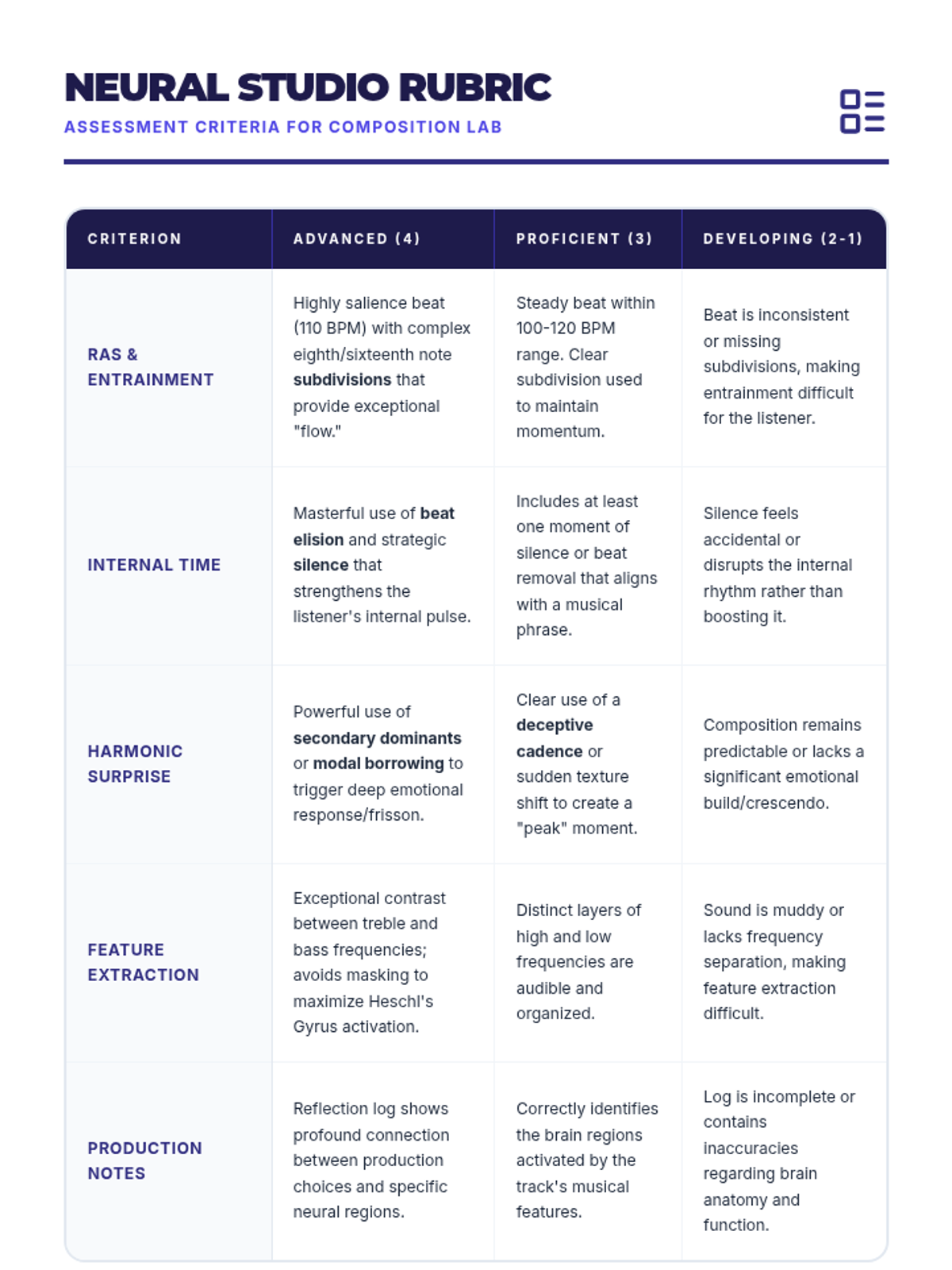
A high-school level exploration of how the human brain processes music, focusing on the neurological pathways for pitch, rhythm, and the emotional responses that trigger memory and physiological sensations like 'chills'. Students engage in scientific analysis and auditory testing to map the mind's ear.
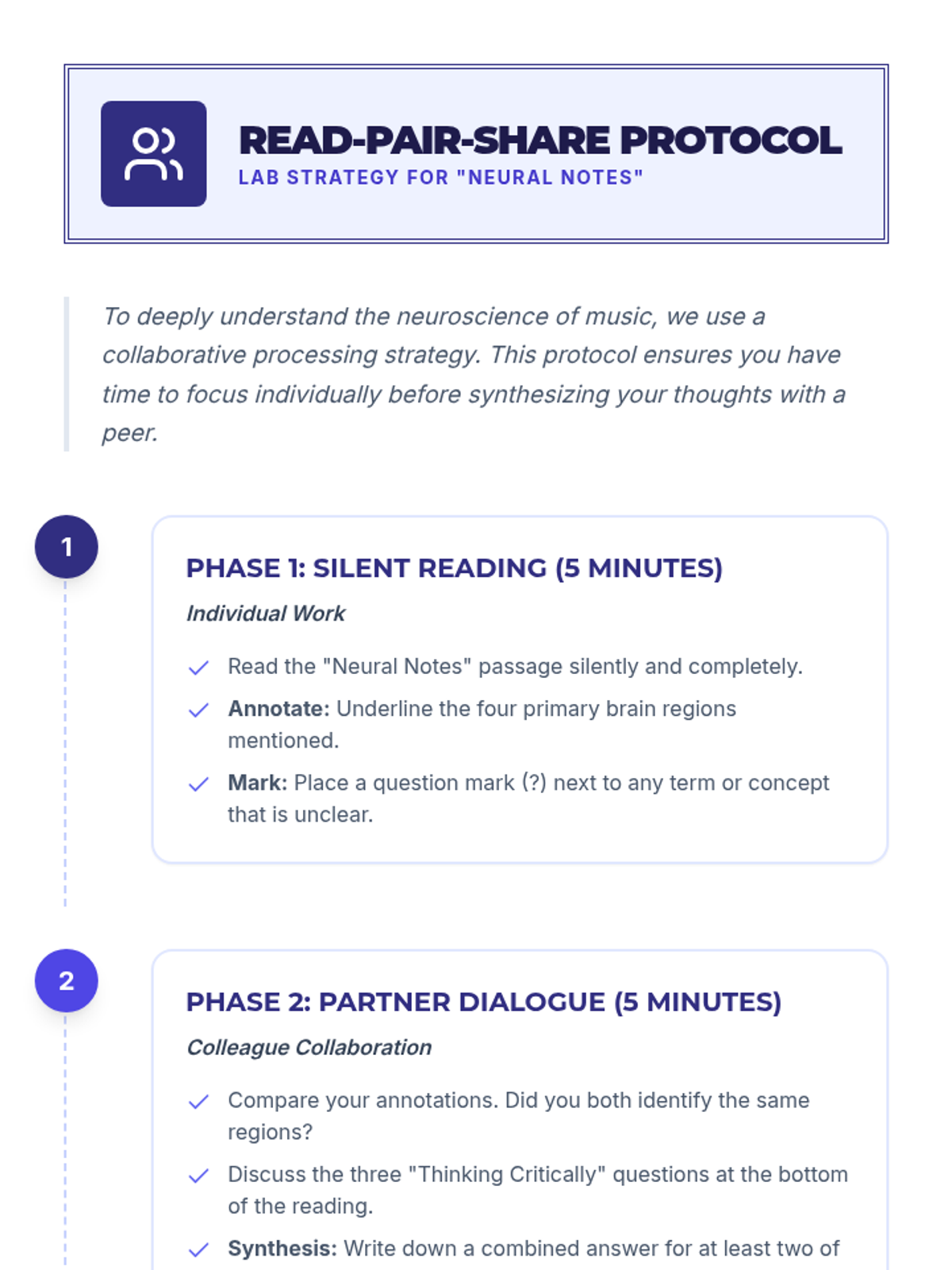
A high school lesson exploring the neuroscience of music, investigating how the brain processes auditory stimuli, triggers emotions, and encodes memories through melodies.
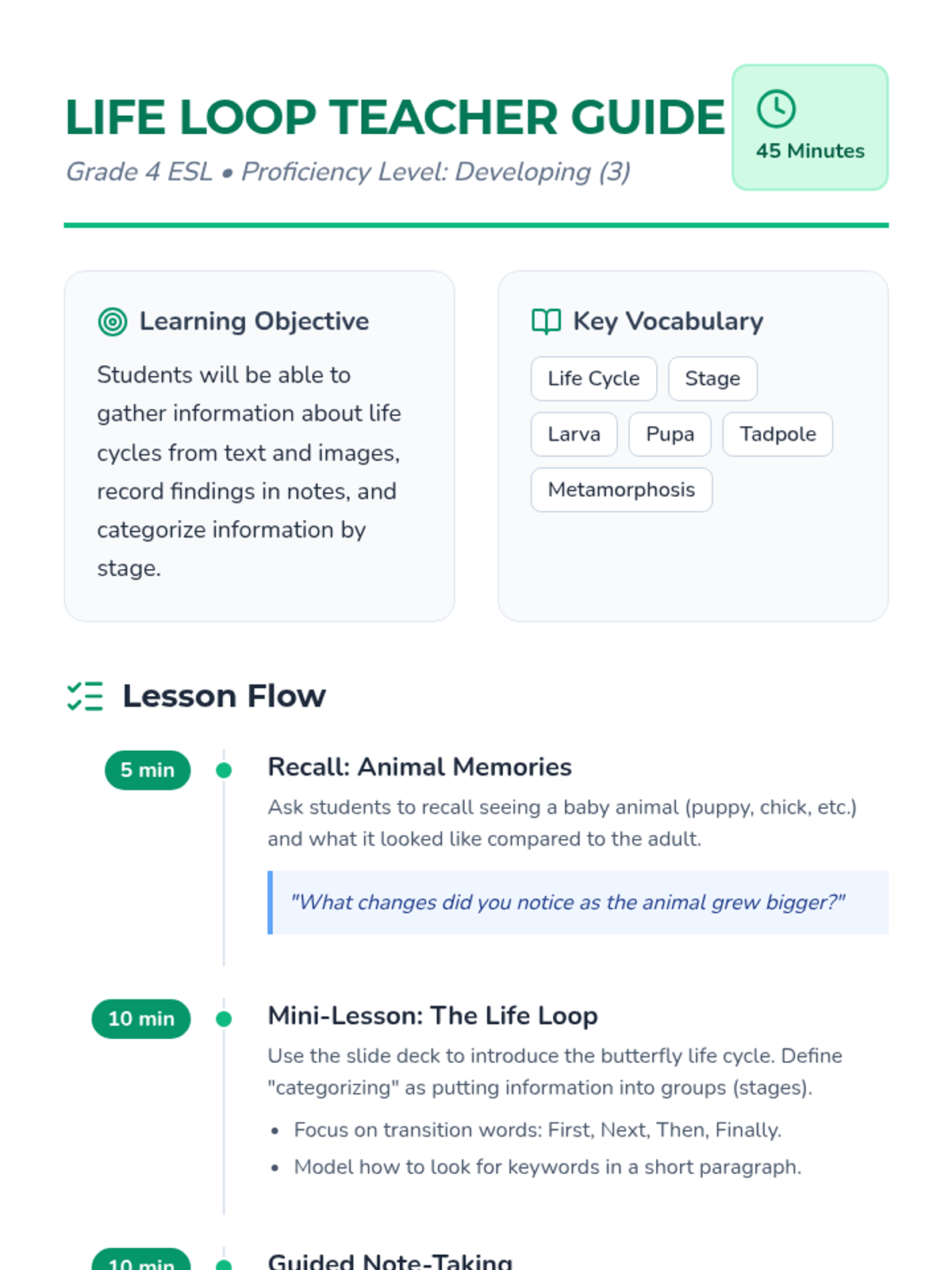
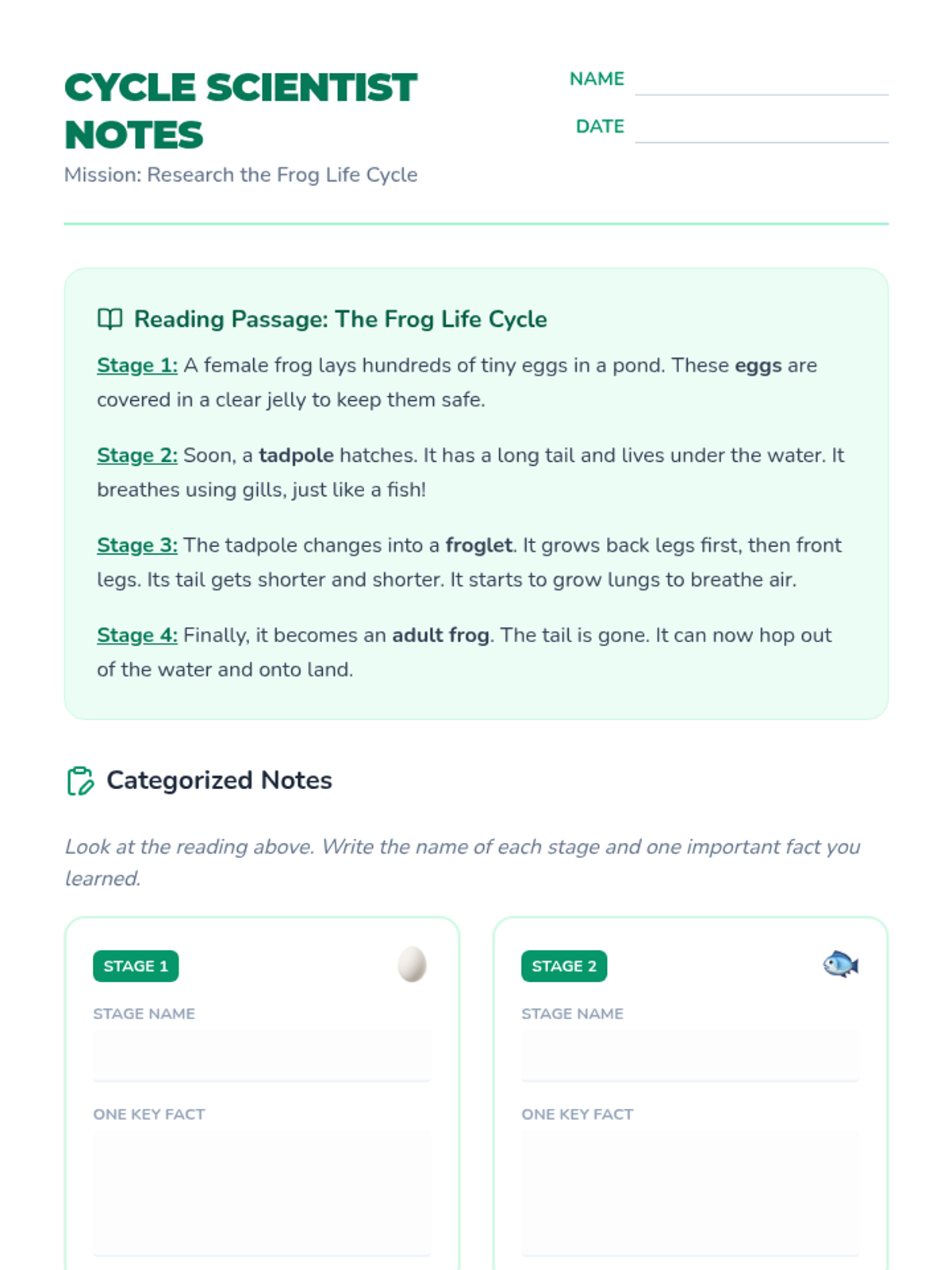
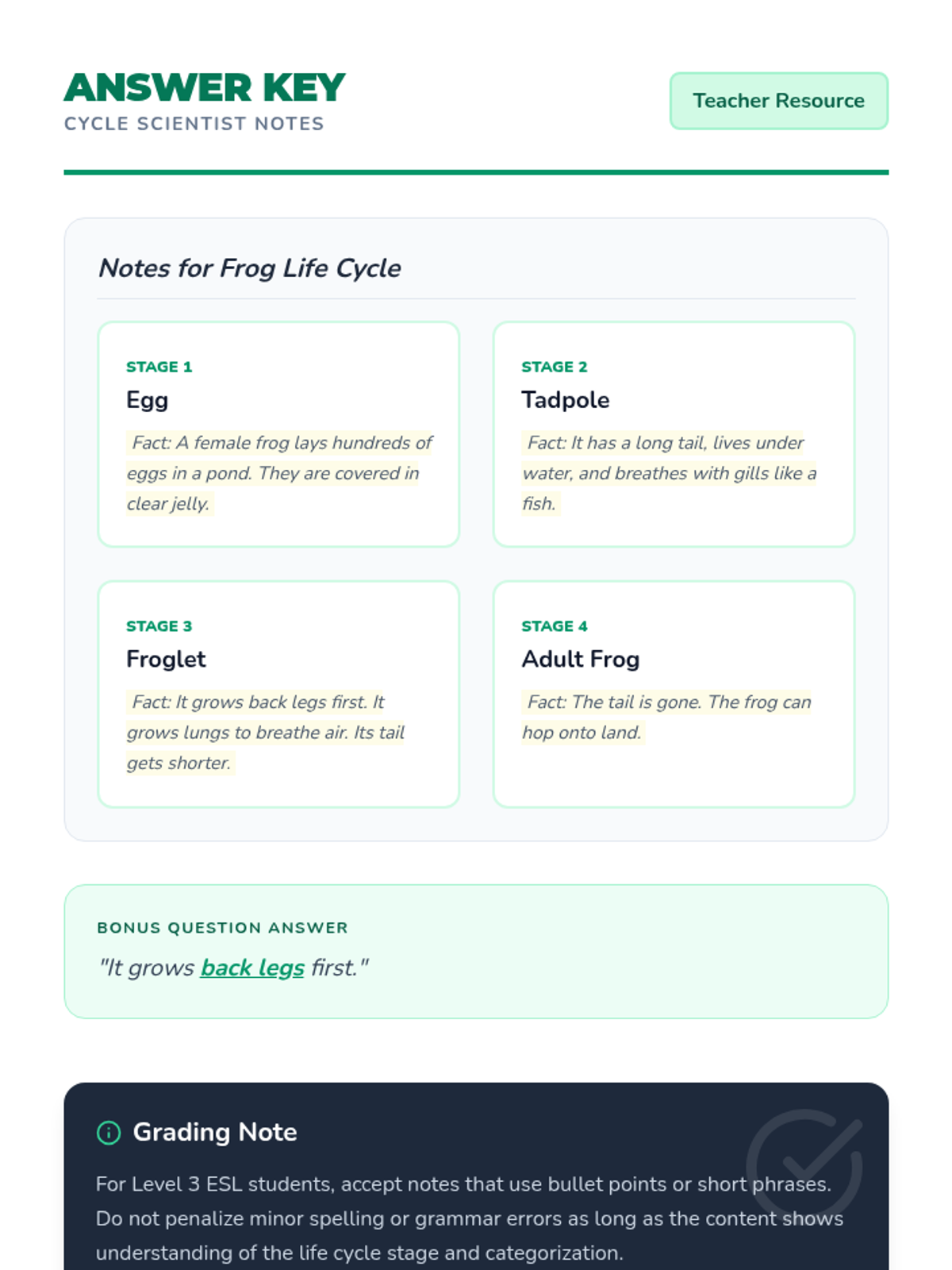
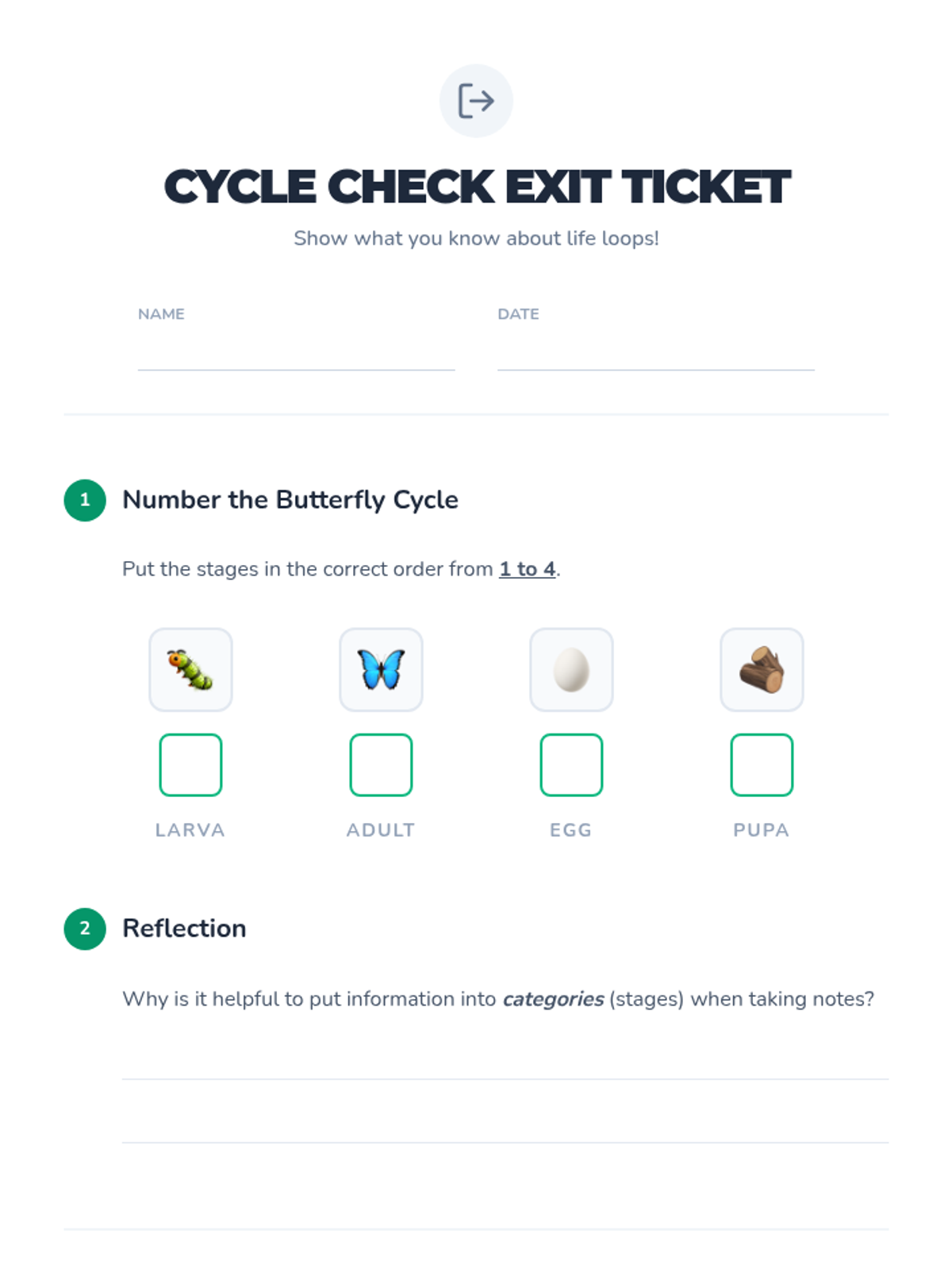
A 45-minute ESL lesson for grade 4 students at the Developing (Level 3) proficiency level. Students will explore life cycles, practice gathering information from texts, and learn to take notes and categorize data using graphic organizers.
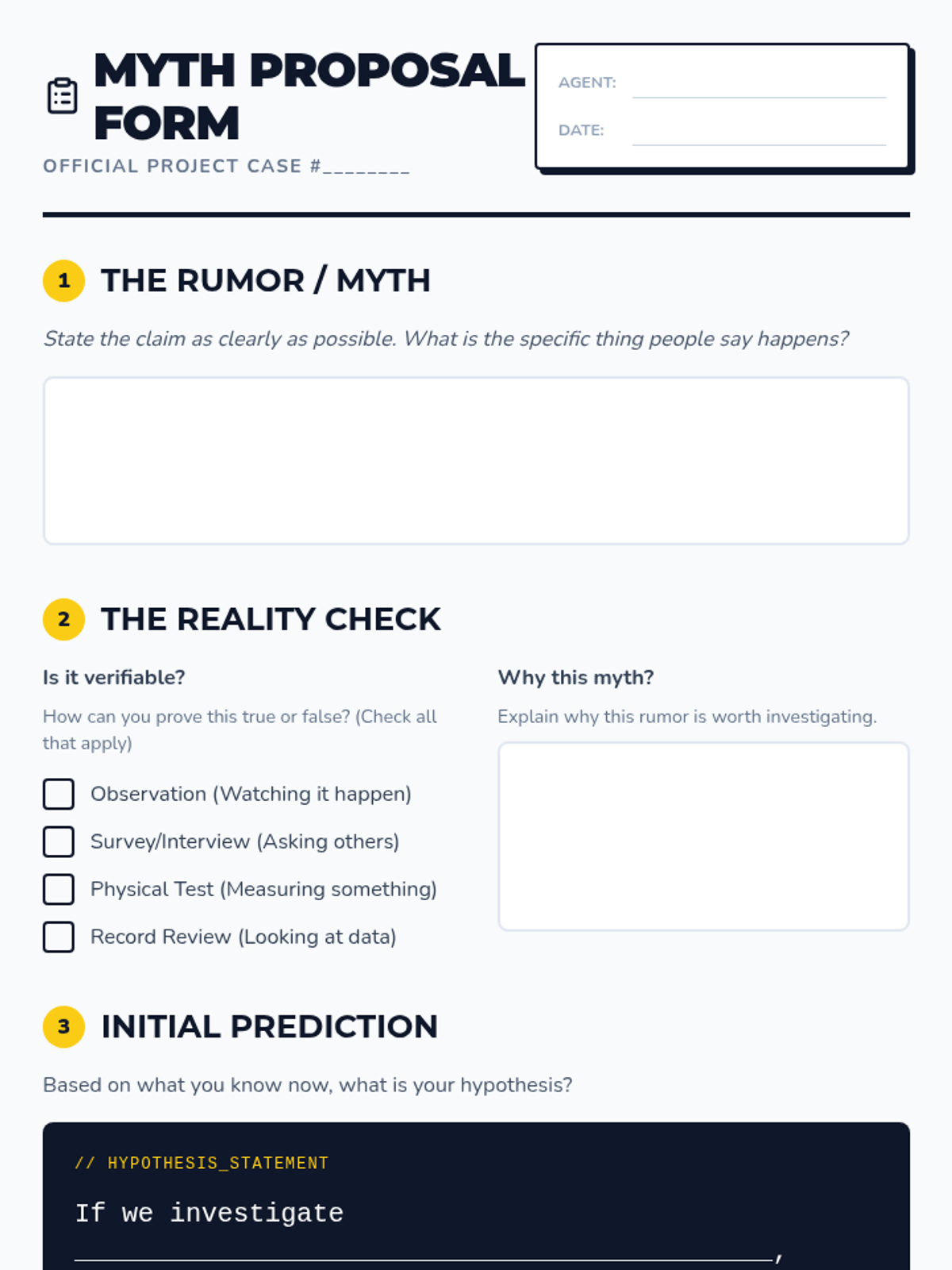
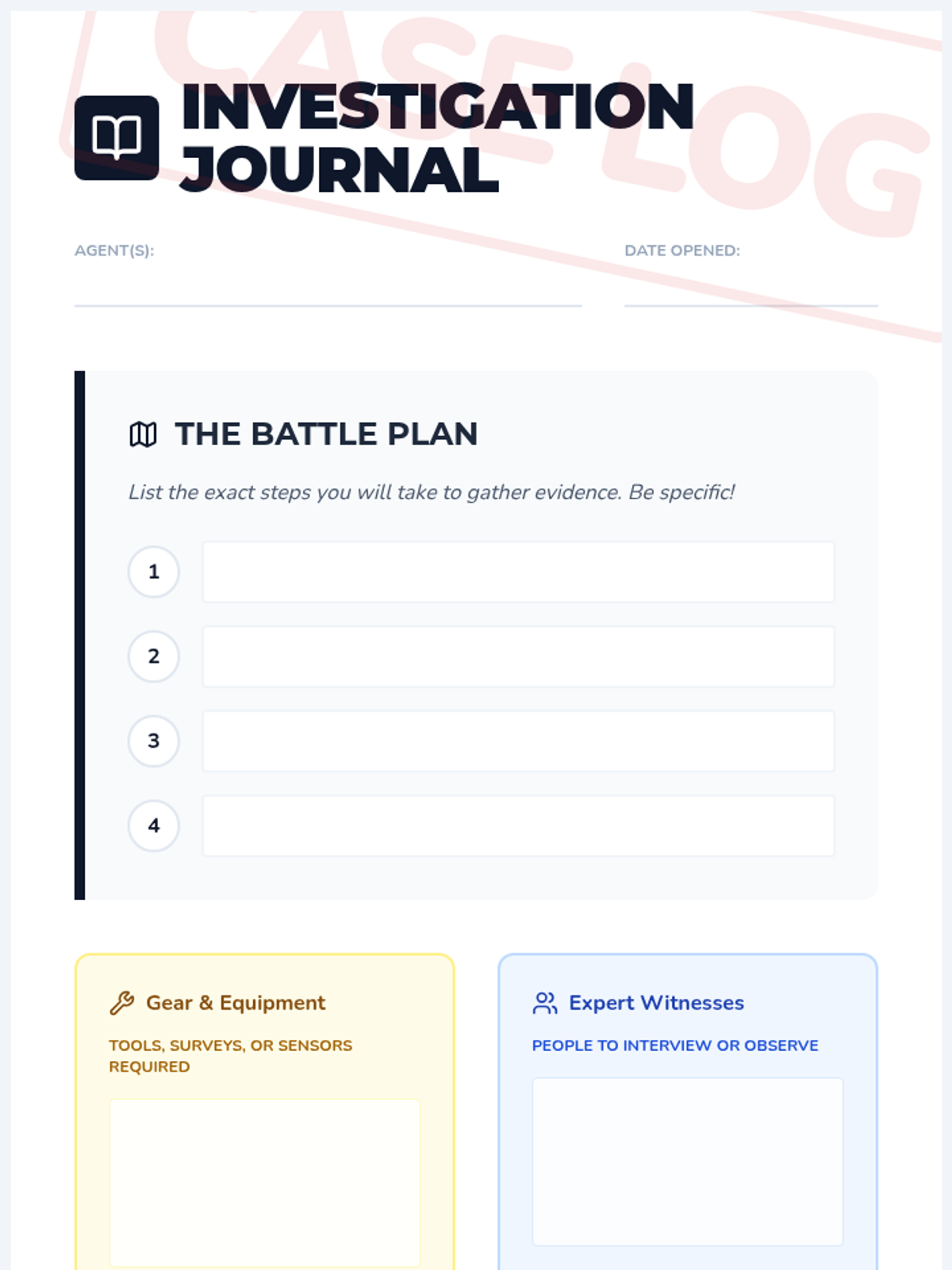
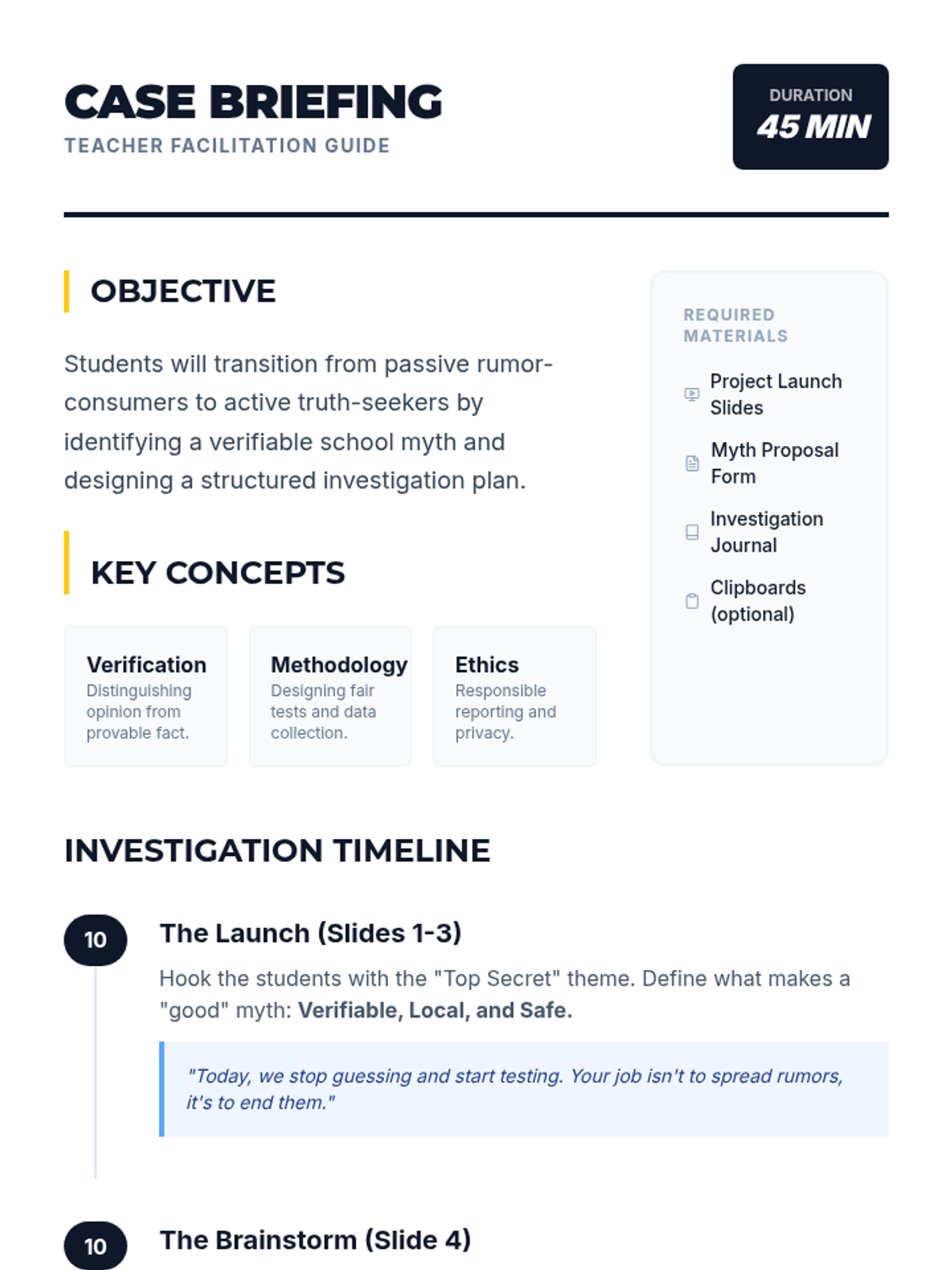
A 6th-grade lesson where students transition from passive rumor-consumers to active investigators by identifying a school-based myth and designing a scientific or journalistic plan to verify it.
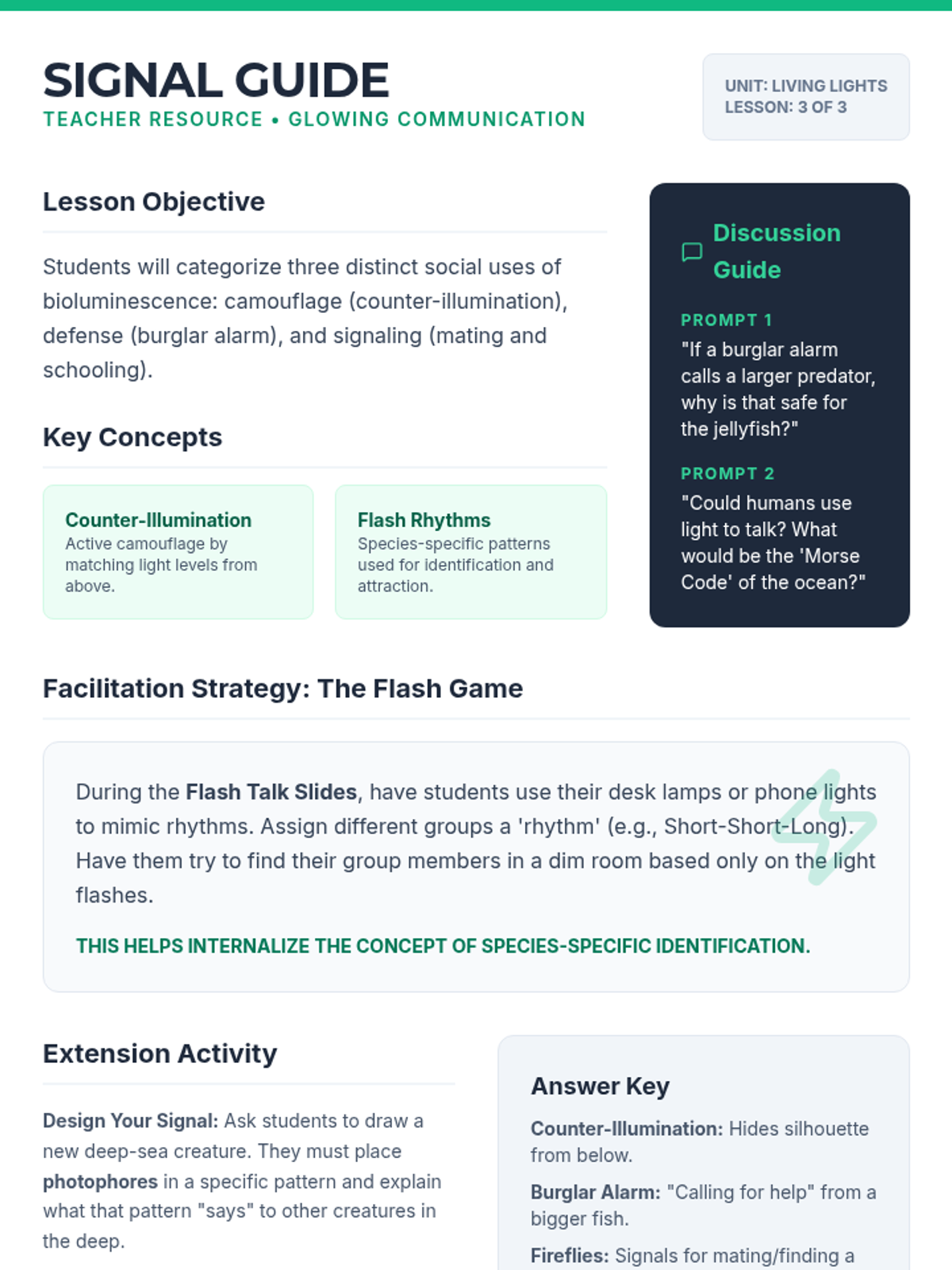
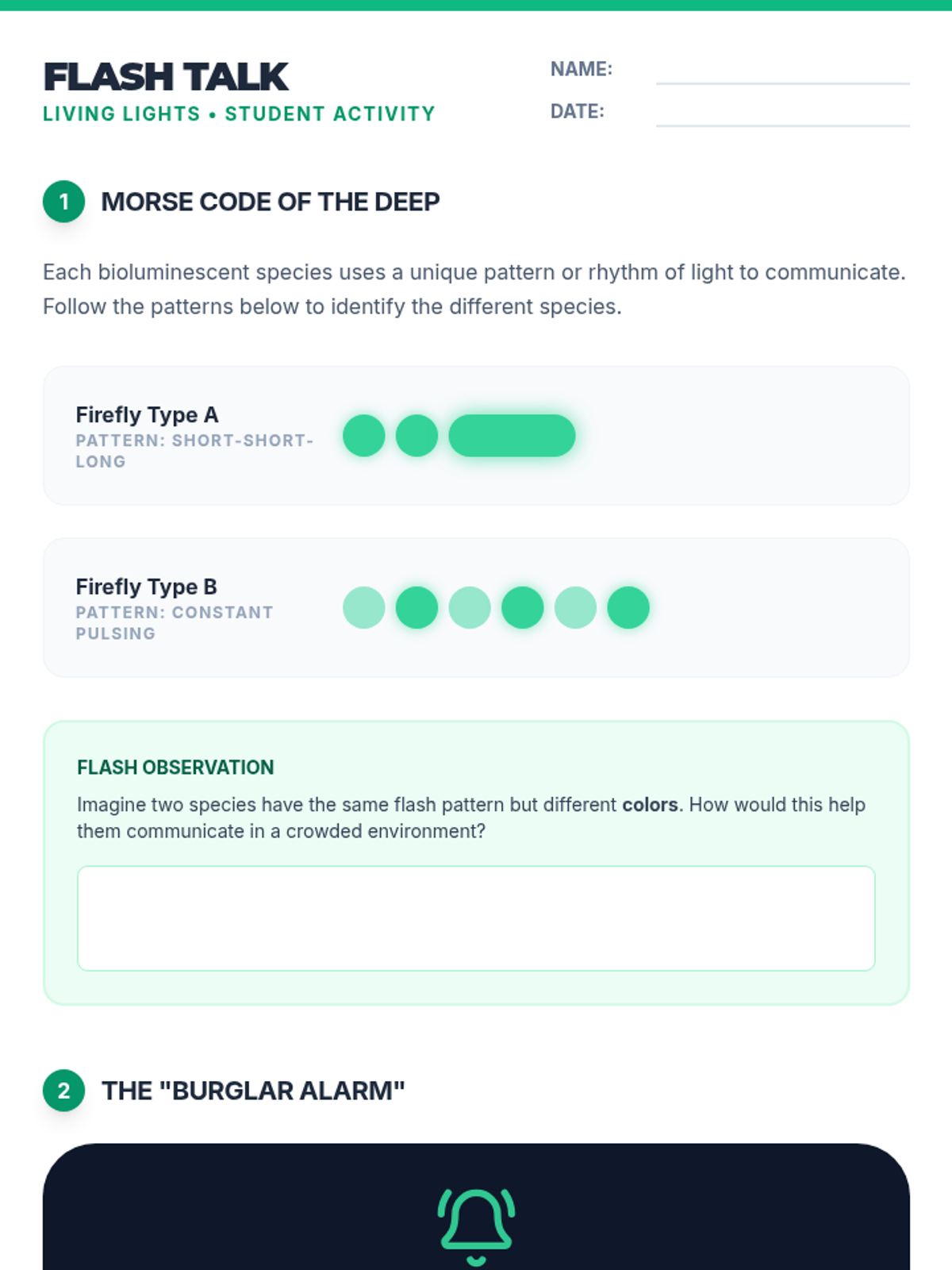
How and why organisms use light for social interactions, communication, and complex behaviors. Students explore strategies like counter-illumination and burglar alarms.
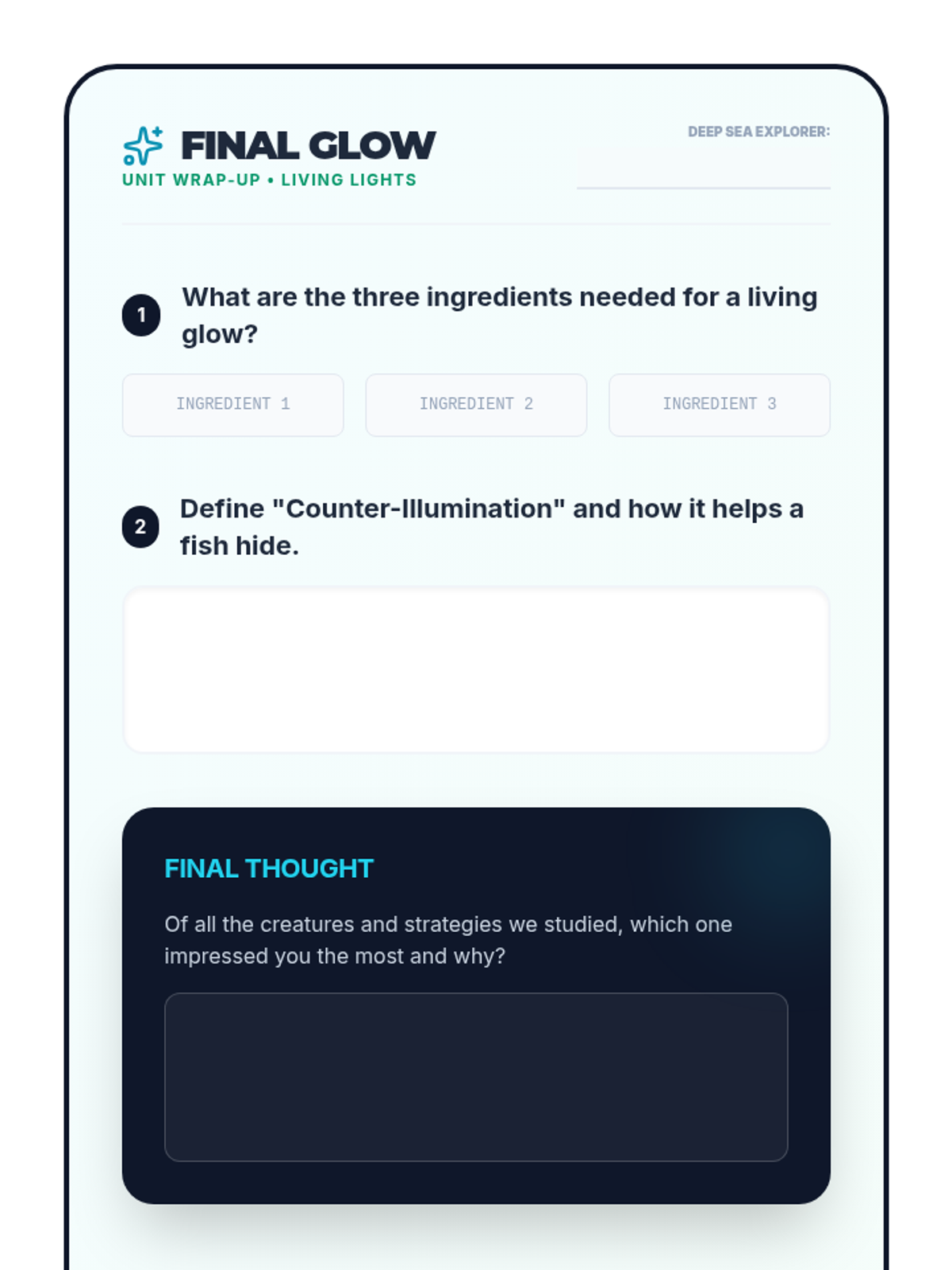
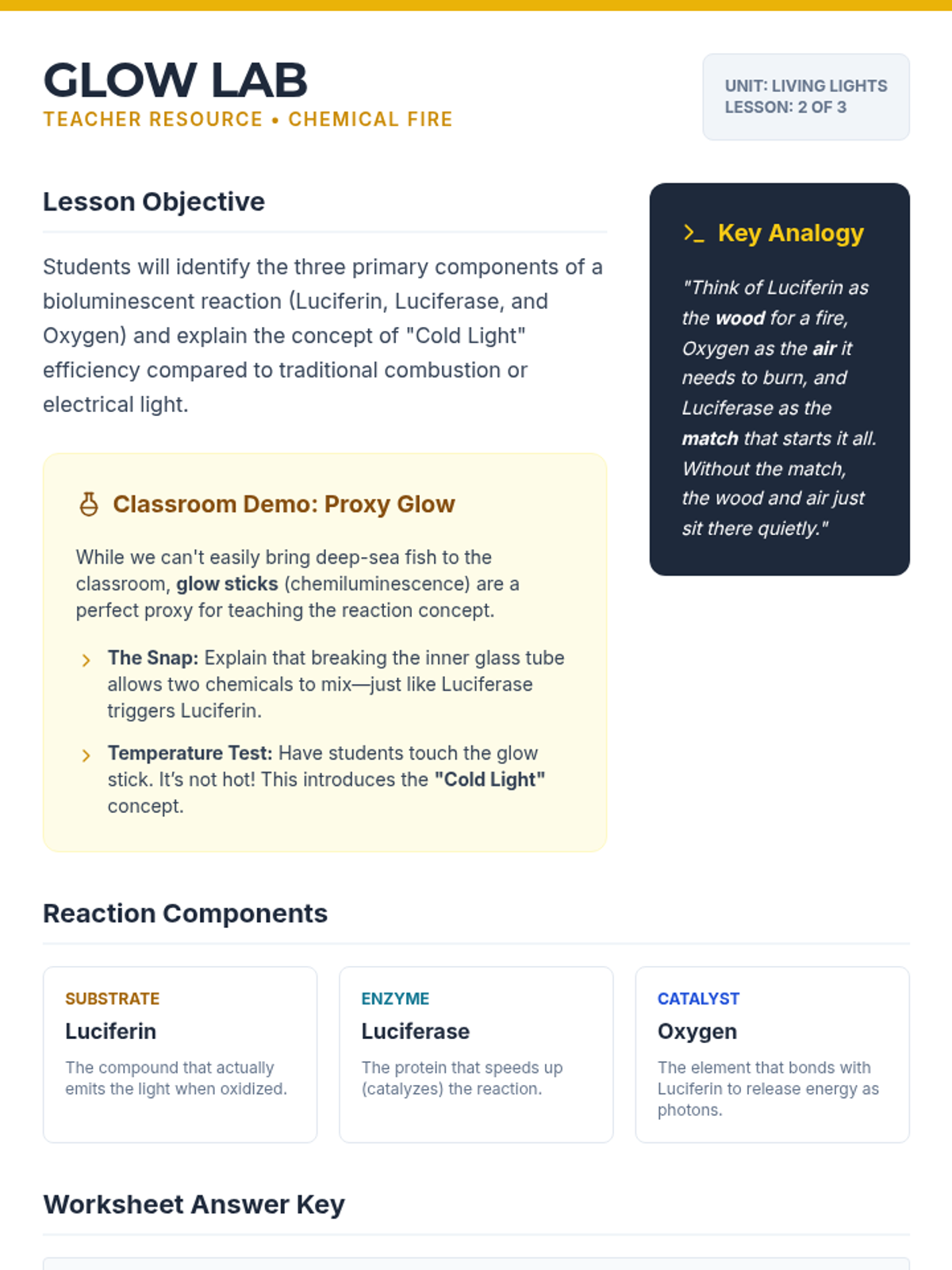
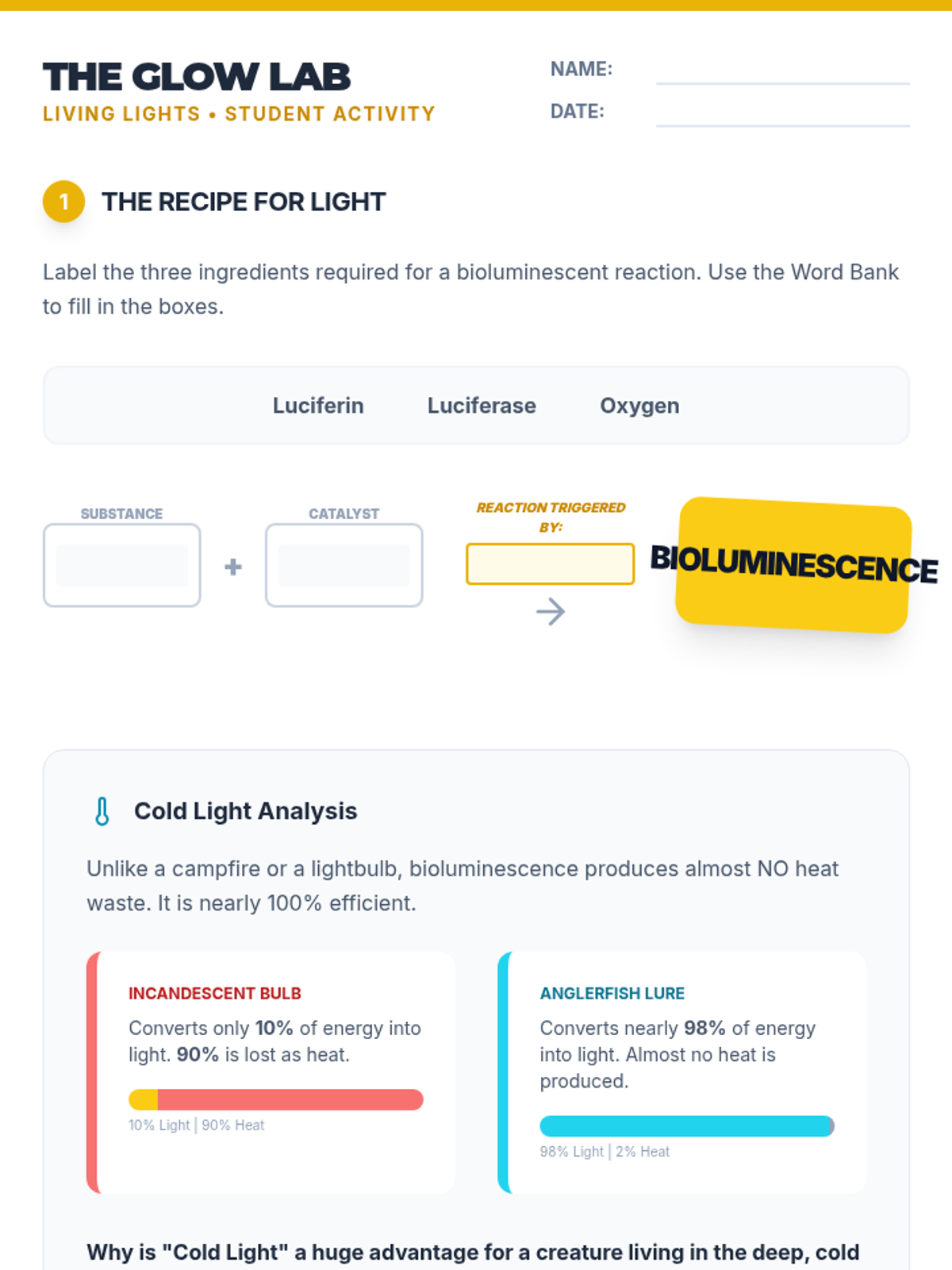
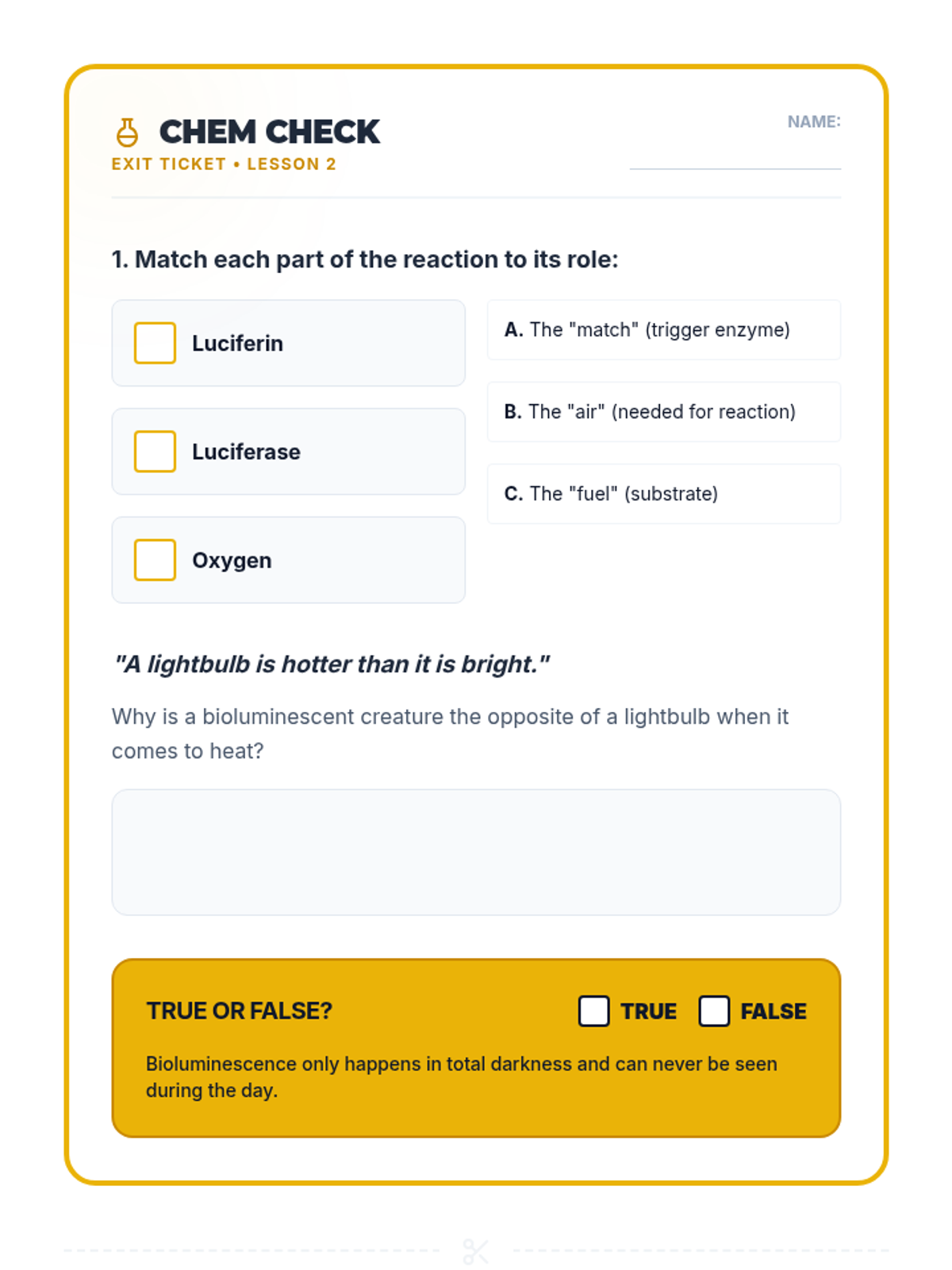
How is light made? Students break down the chemical reaction of bioluminescence, exploring the interaction between luciferin, luciferase, and oxygen.

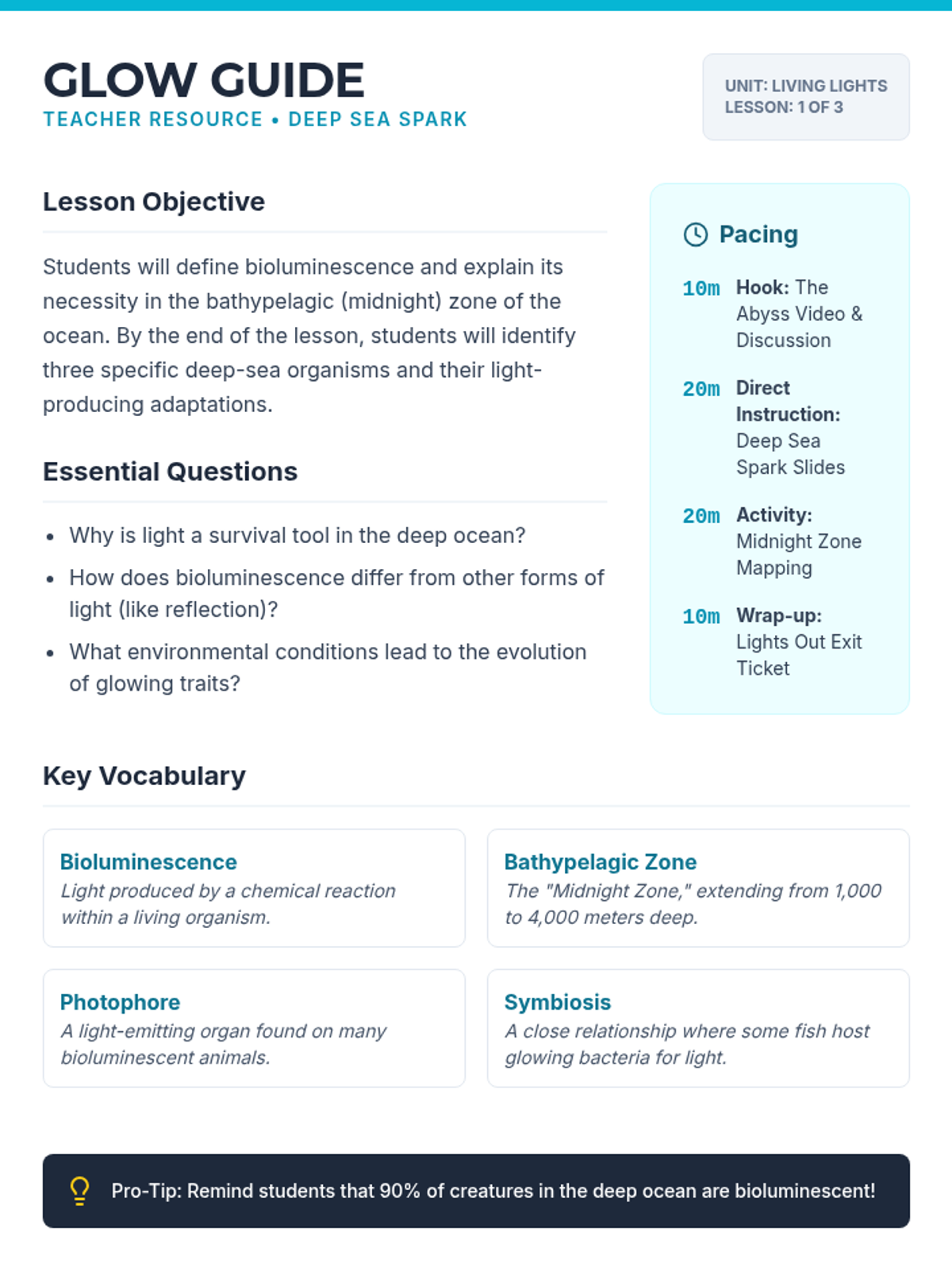
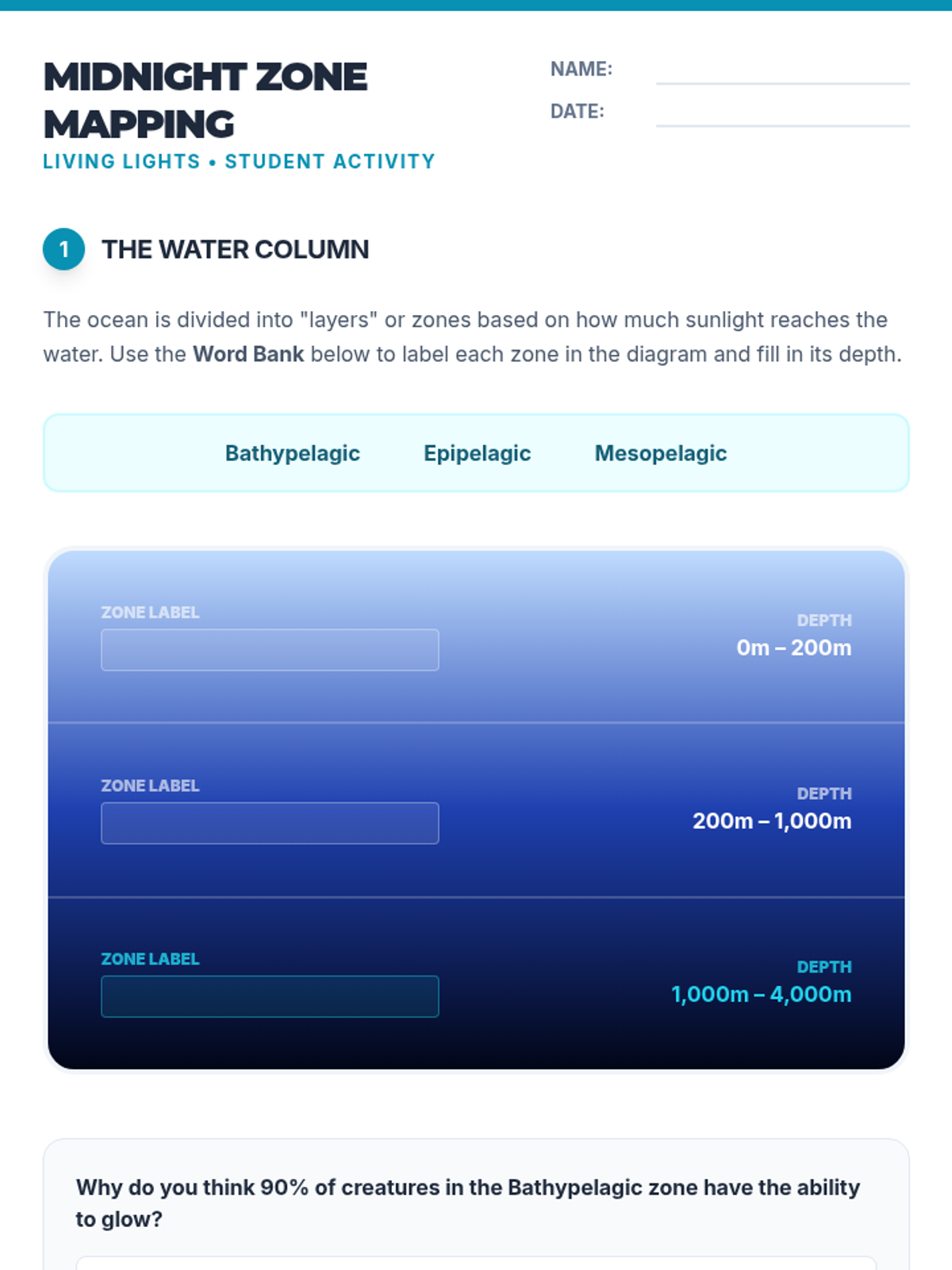
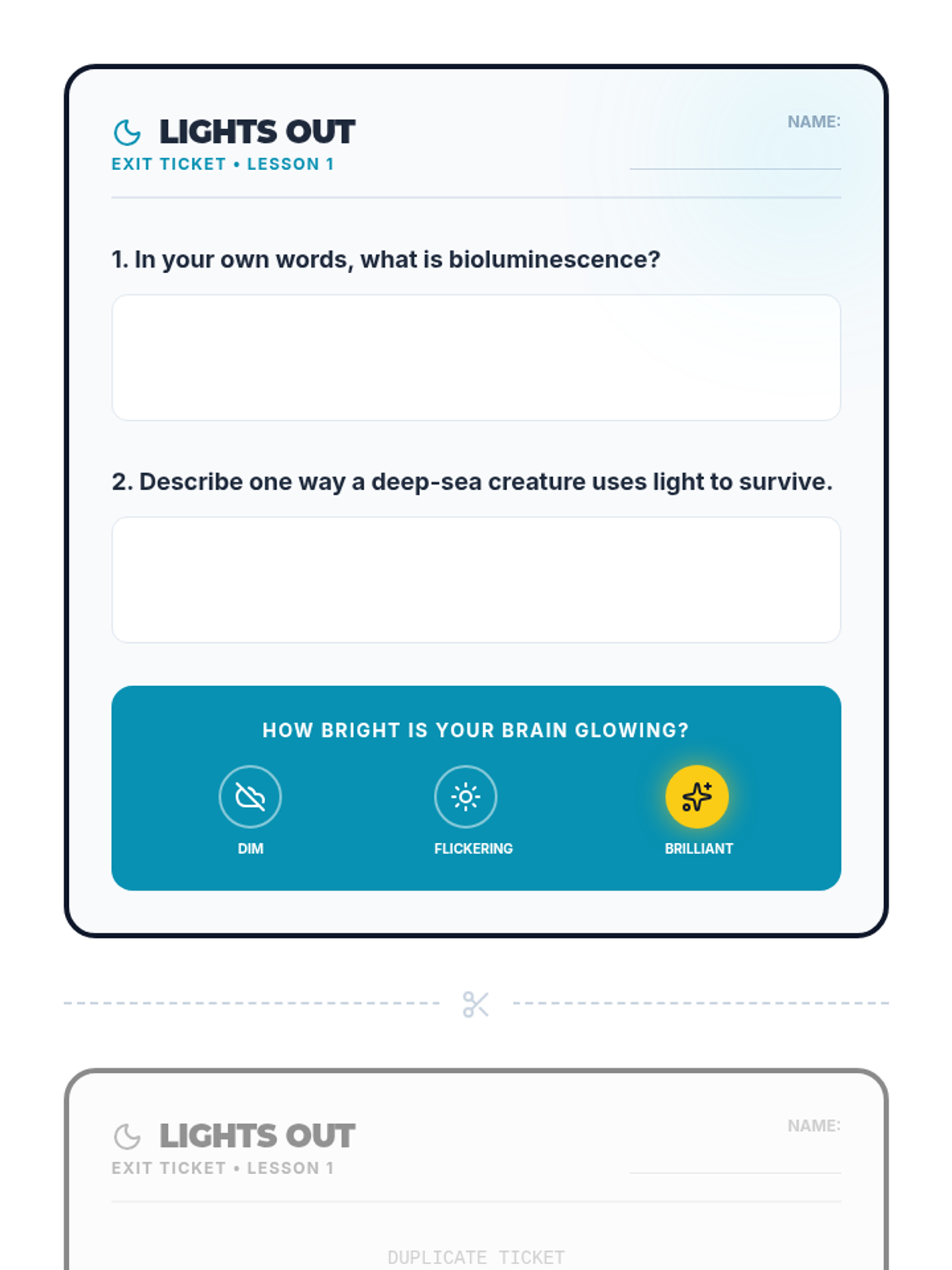
Discover the mysterious world of the deep ocean's midnight zone. Students explore how creatures create light in total darkness and identify the physical adaptations of bioluminescent marine life.