A concise introductory session for Grade 7 parents to explore the ELA curriculum, classroom expectations, and required materials through an interactive presentation and Q&A.
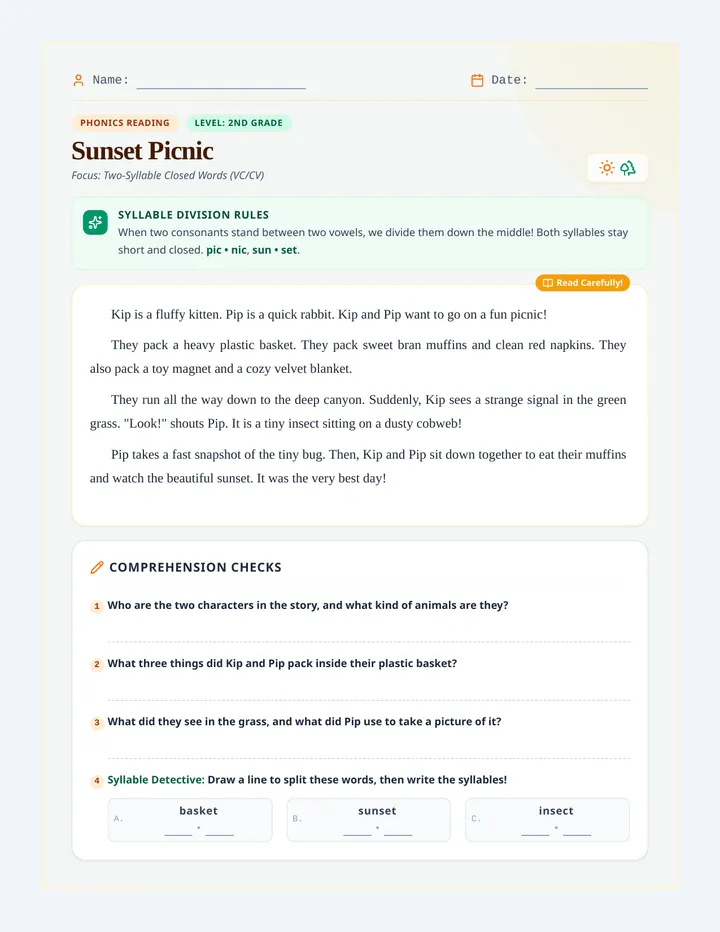
Cumulative review of all consonant-le patterns through mixed word lists, sentence reading, and a final fluency passage.
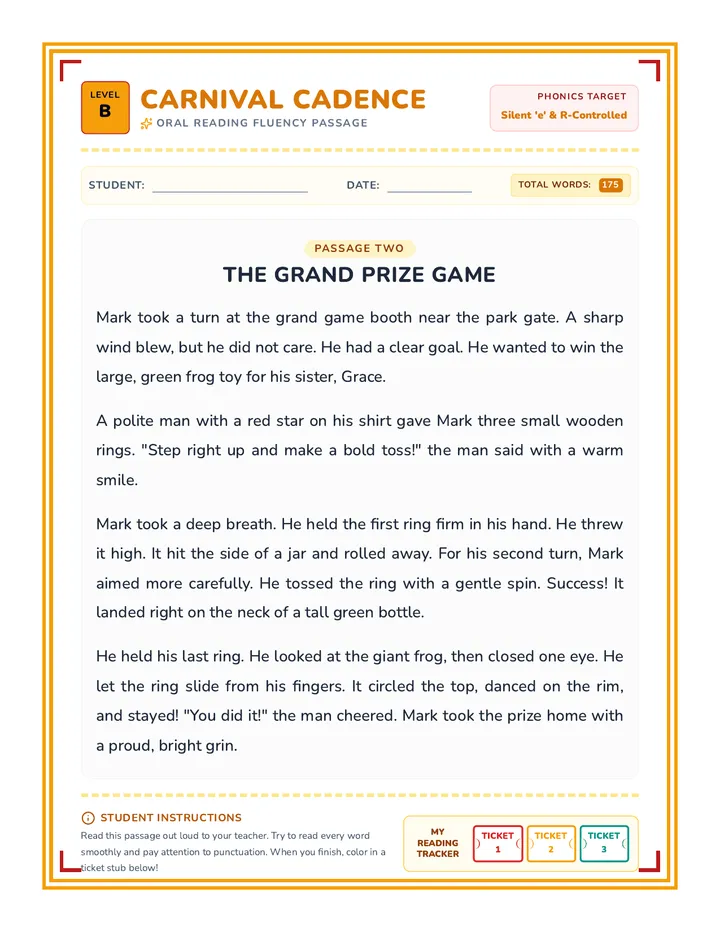
Practice decoding and encoding consonant-le words that include r-controlled or magic e syllables, such as 'purple' and 'beetle'.
Explore how the first syllable (open or closed) determines the vowel sound in consonant-le words, contrasting pairs like 'apple' and 'maple'.
Introduce the consonant-le syllable type and the 'count back 3' rule for dividing words. Focus on words with closed first syllables like 'bubble' and 'candle'.
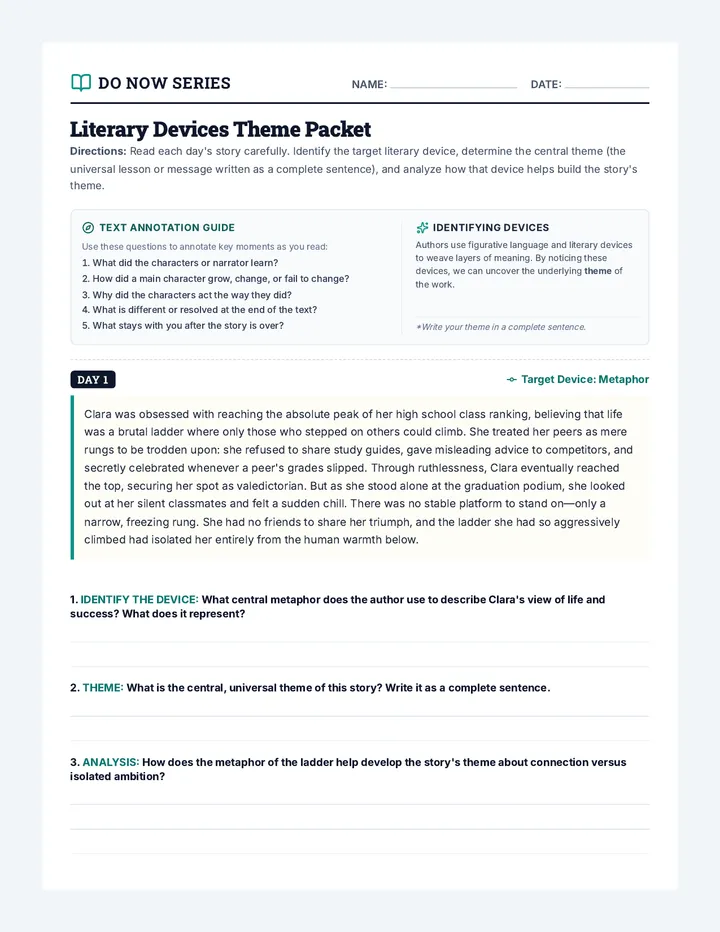
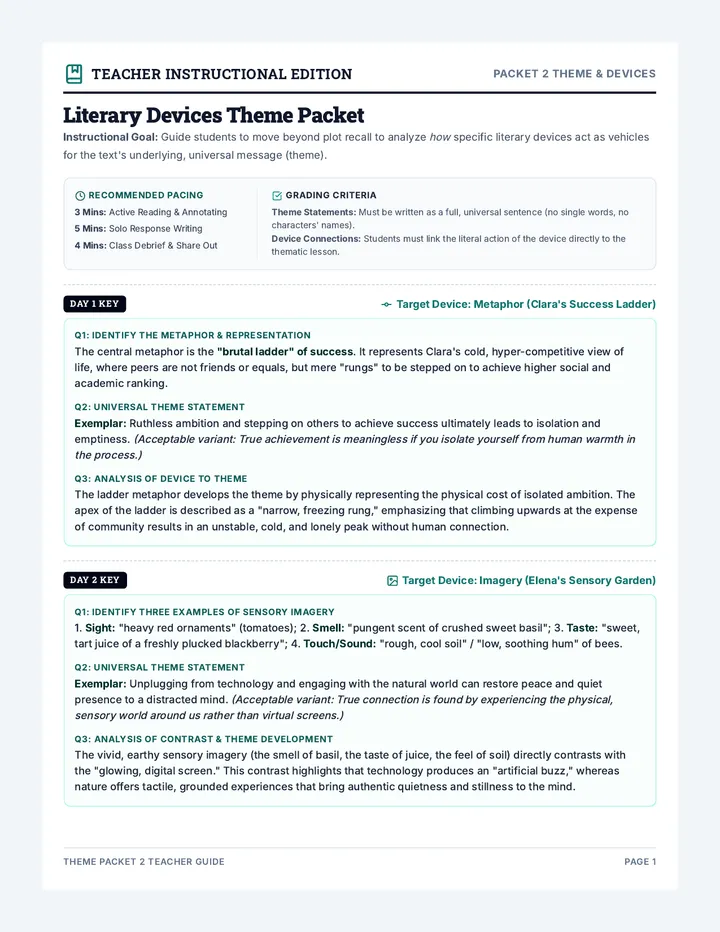
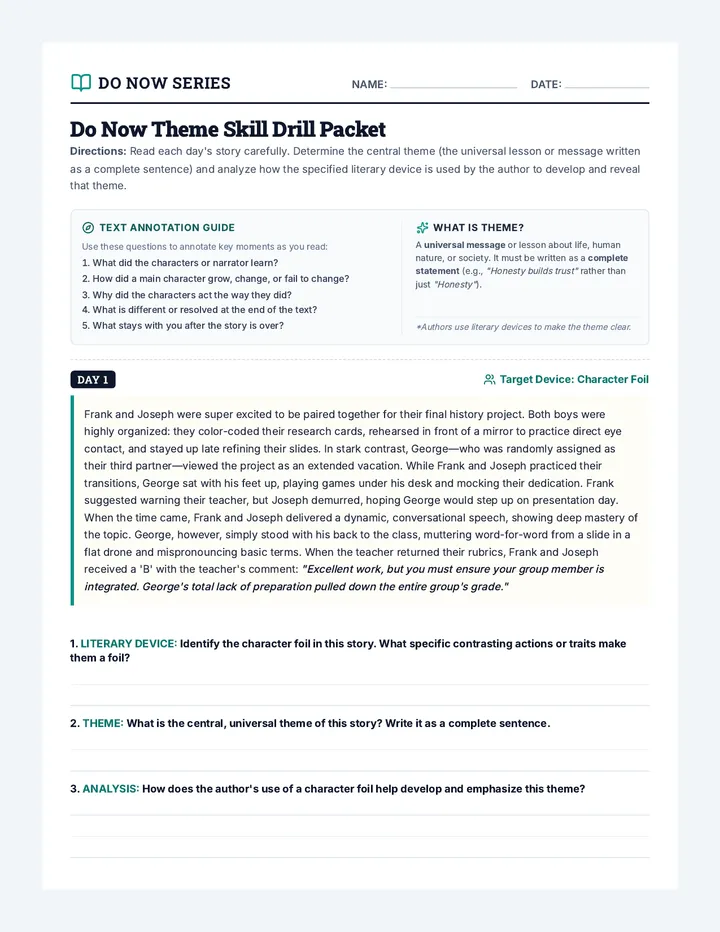
An introductory lesson exploring various types of figurative language through clear examples and integrated practice questions.
This lesson introduces nine key figurative language devices through interactive slides and practice. Students identify definitions, analyze examples, and create their own original phrases while reviewing previous concepts.
A comprehensive lesson targeting 12 pairs/trios of commonly confused words through a "Grammar Lab" theme. Students will identify, define, and correctly apply homophones and tricky word pairs through direct instruction and a hands-on sorting game.
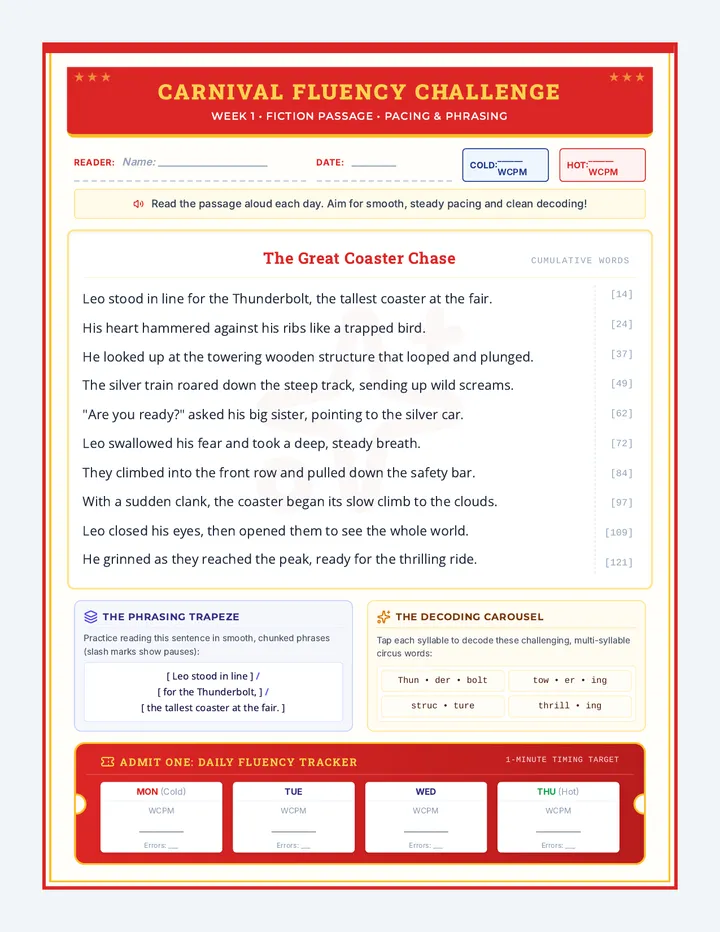
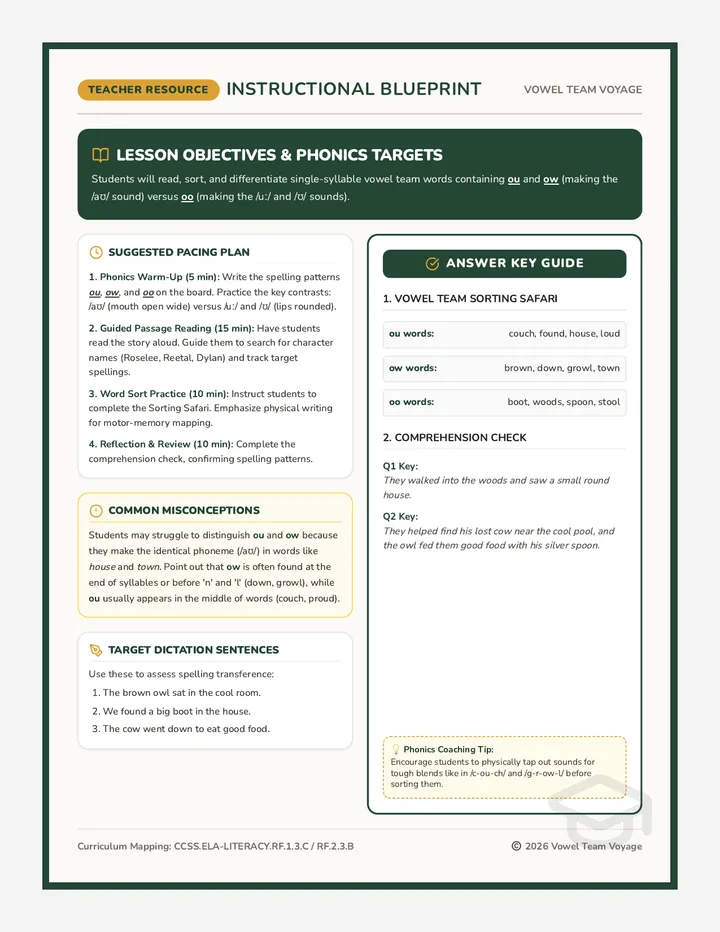
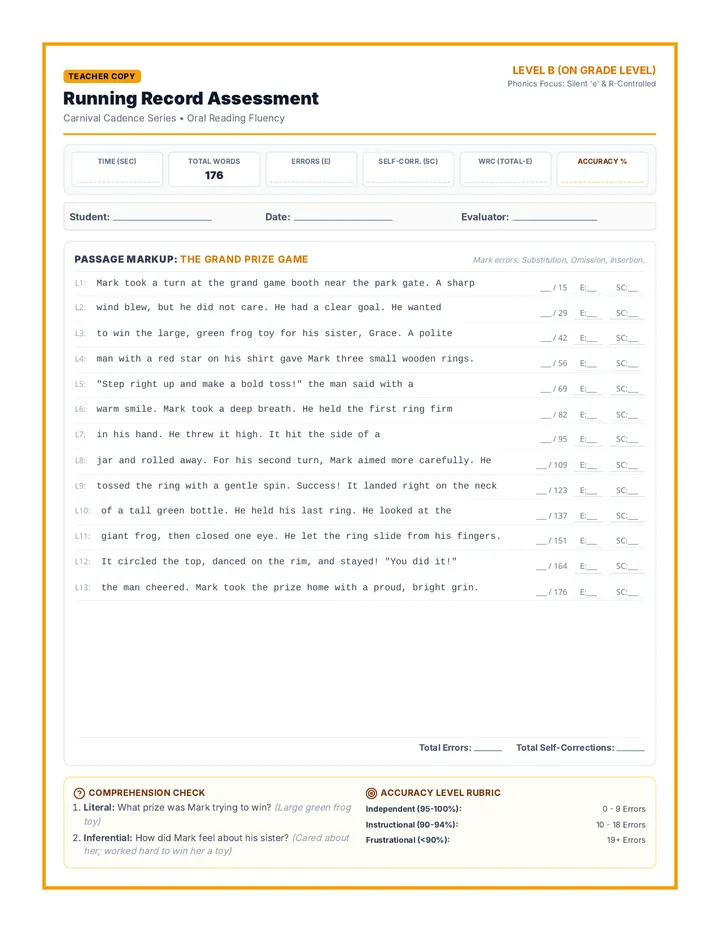
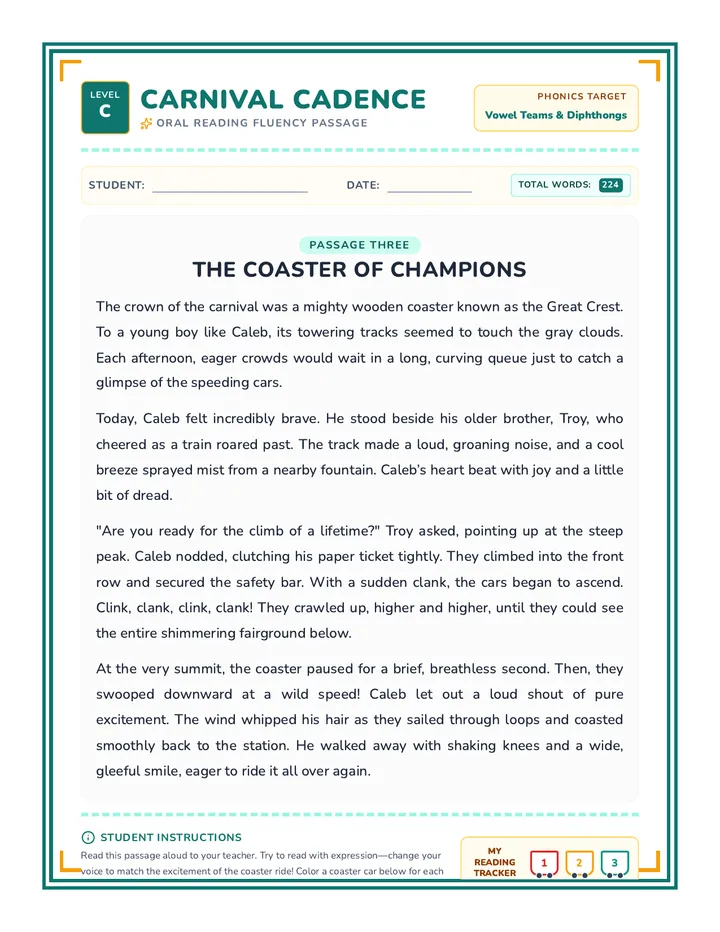
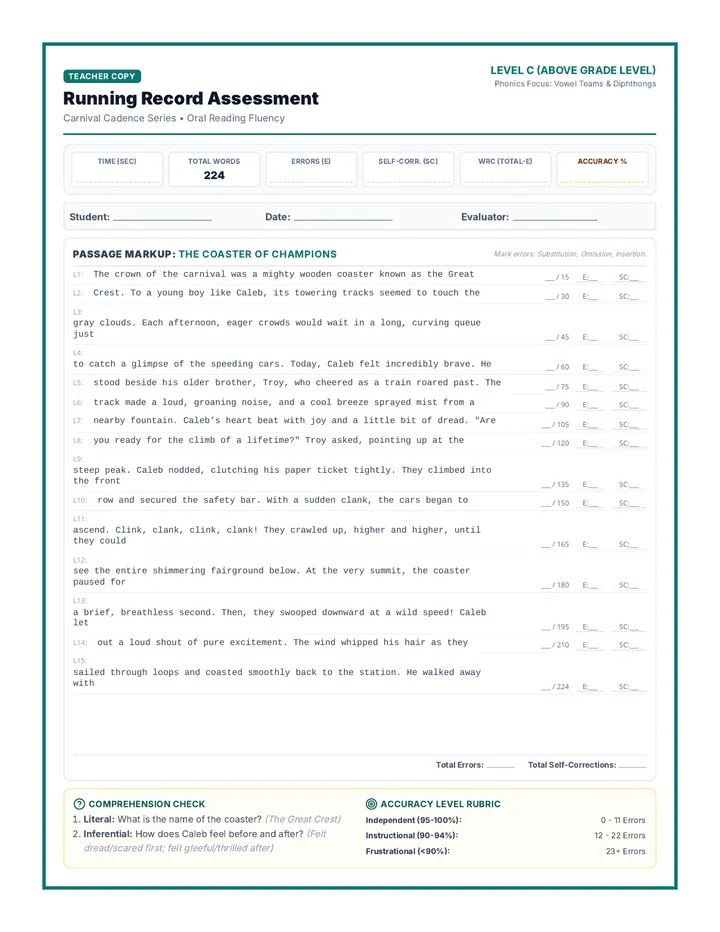
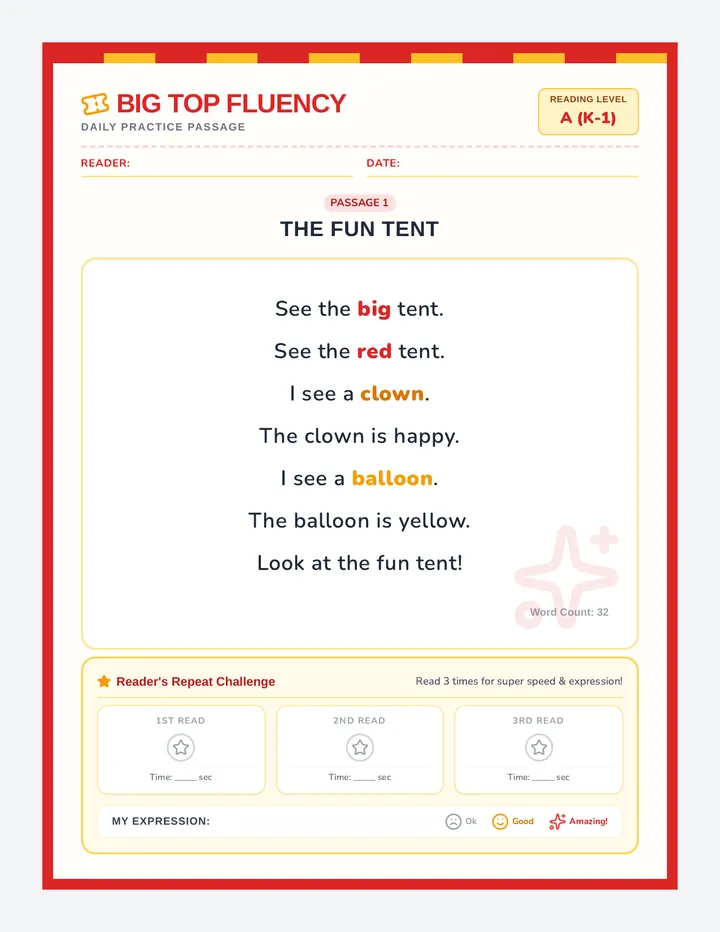
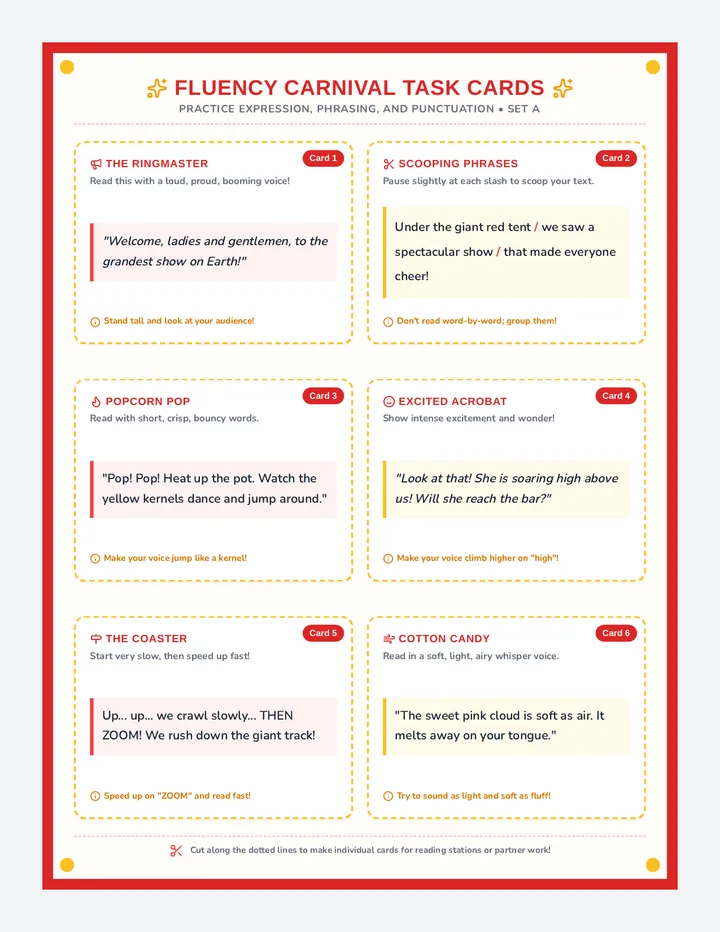
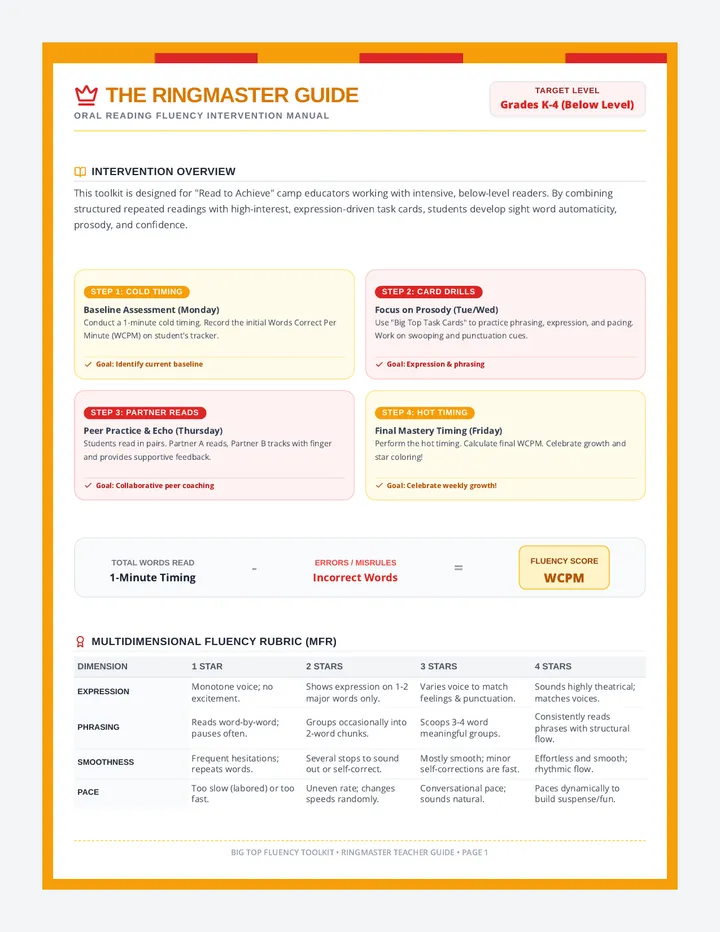
A bridge between decoding and fluent reading, this lesson focuses on mastering R-controlled vowels through speed drills, phrase scooping, and repeated reading of short, engaging passages. Students will shift from individual sound isolation to smooth, connected reading.
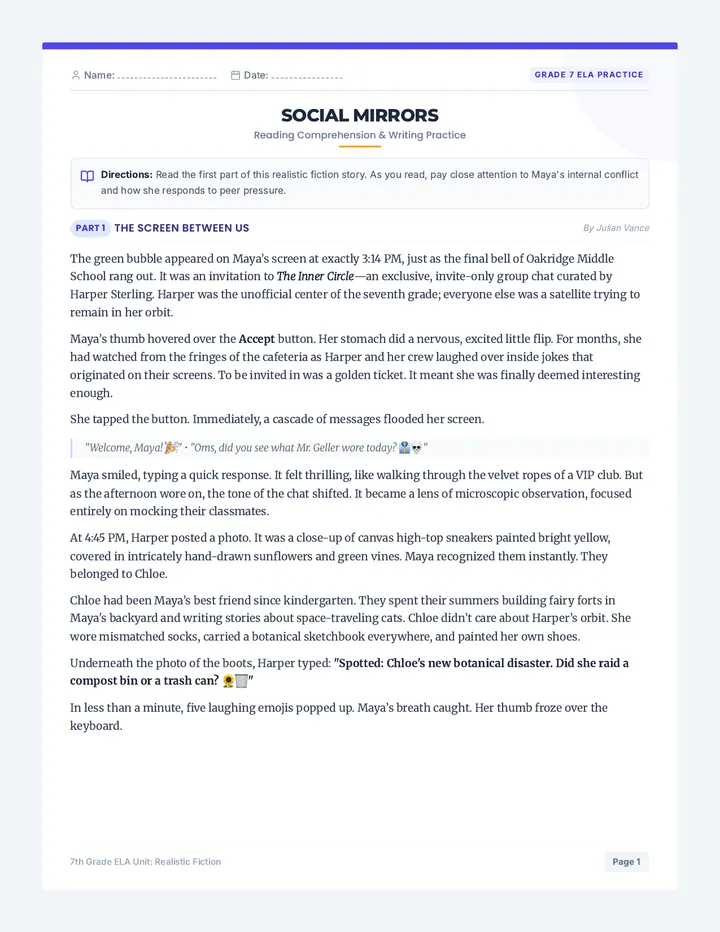
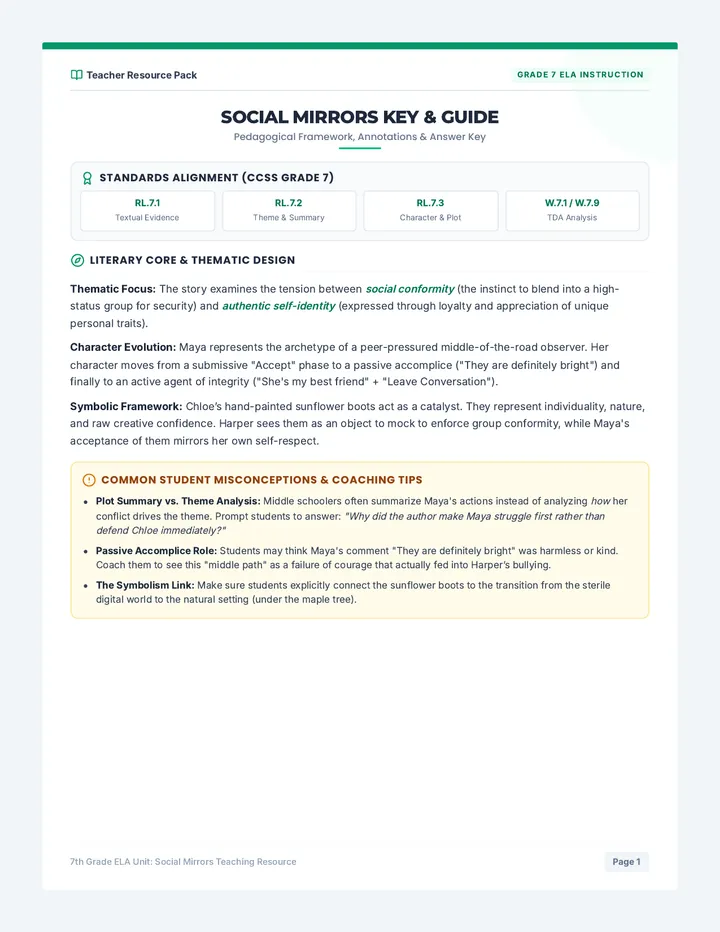
This lesson introduces 7th-grade students to the 'Show, Don't Tell' technique in personal narrative writing, focusing on using sensory details and internal dialogue to create immersive stories. Students will practice transforming flat statements into vivid scenes and apply these skills to original writing prompts.
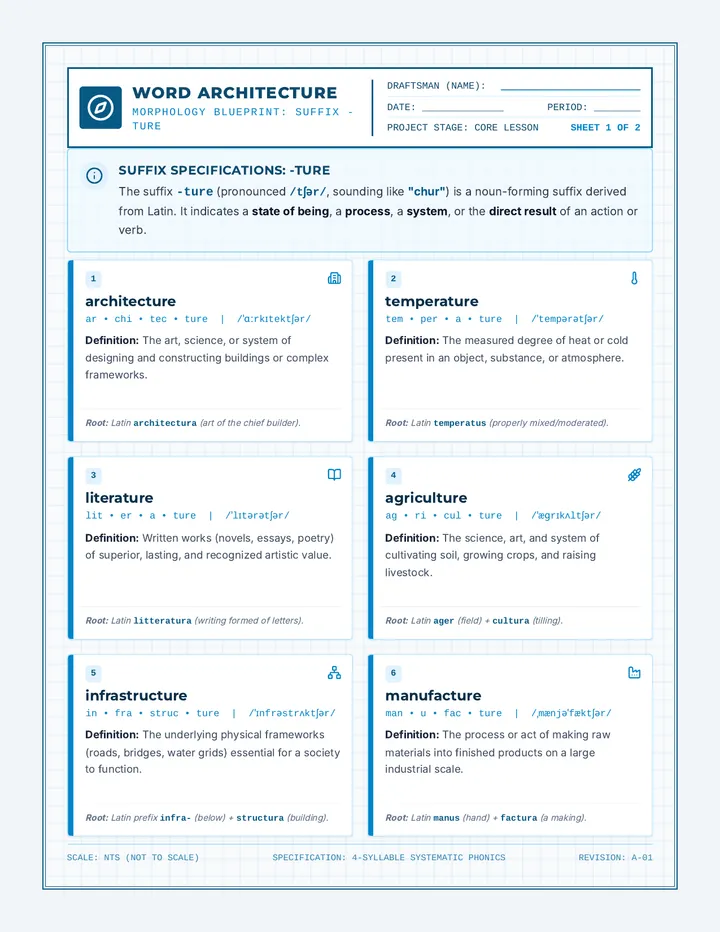
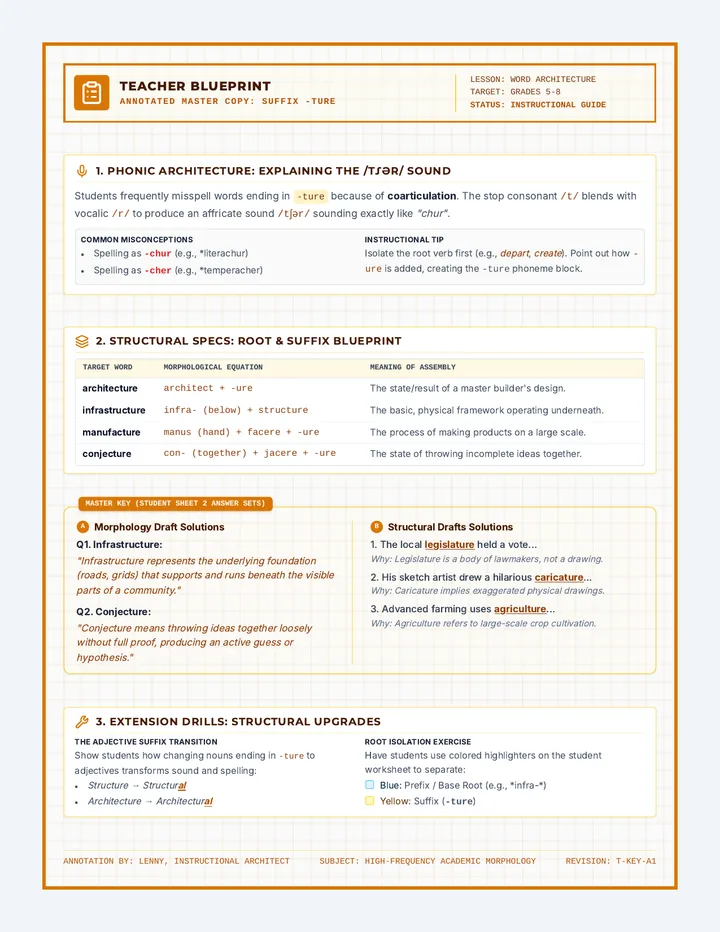
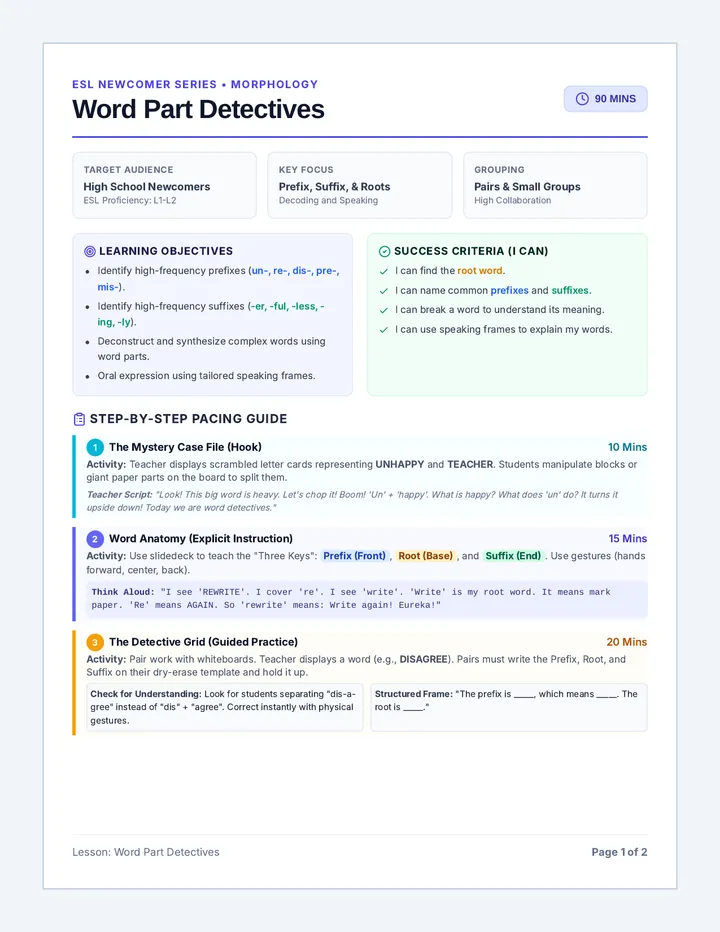
A deep dive into common Greek and Latin roots for 7th graders, using a word archaeology theme to explore how language is built and understood.
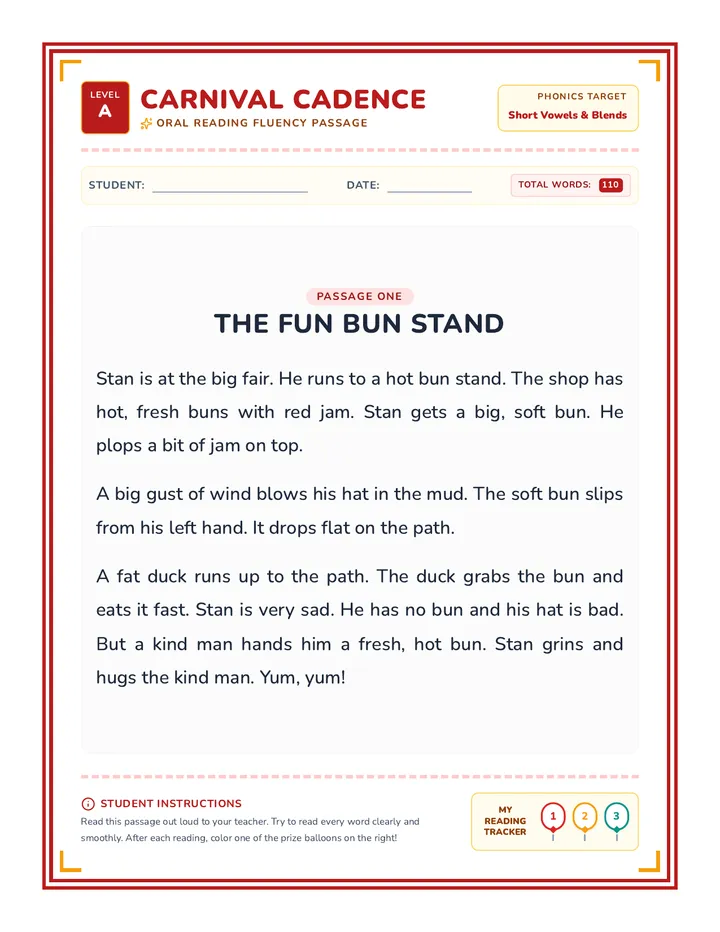
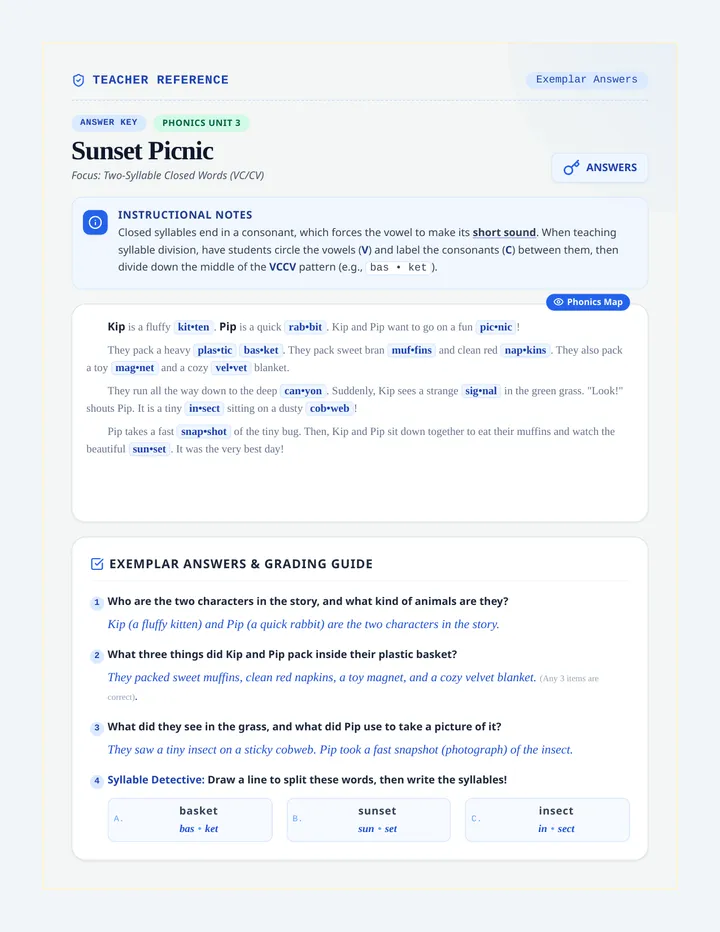
A collection of 10 short stories designed for beginning readers, focusing on CVC words and high-frequency sight words with visual comprehension support.
A lesson focused on mastering academic vocabulary used in reading comprehension questions. Students will learn to distinguish between common analytical verbs and concepts through a hands-on matching game and reference guides.
A 45-minute grade 5 ESL lesson focused on researching extreme weather using multiple sources. Students investigate tornadoes, hurricanes, or blizzards to build knowledge through structured investigation.
A 45-minute lesson where students showcase their media literacy investigations through screencasts, engage in peer evaluation using a professional rubric, and reflect on their growth as digital fact-checkers.
In this lesson, students step into the role of investigative journalists to create a screencast that documents their fact-checking process and final findings. They will learn to combine digital storytelling with technical screencasting skills to present evidence clearly and convincingly.
A 45-minute lesson where students become newsroom investigators, learning to distinguish between objective hard news reporting and subjective opinion pieces through hands-on analysis and writing practice.
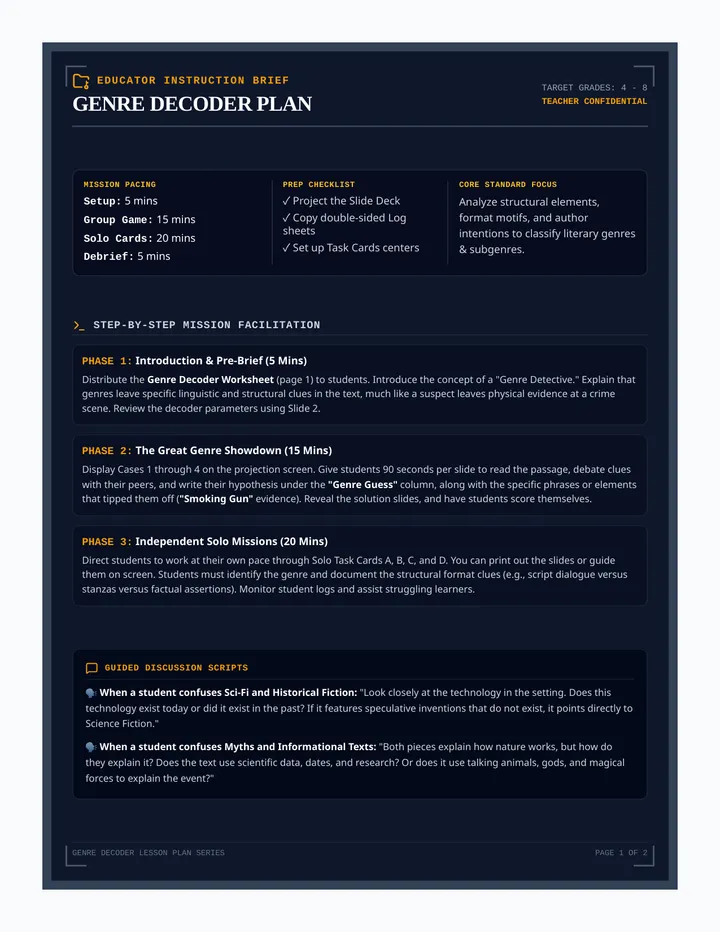
A 45-minute ESL lesson for 5th graders to analyze how point of view influences the description of events using the classic fable of The Three Little Pigs versus the Wolf's perspective.
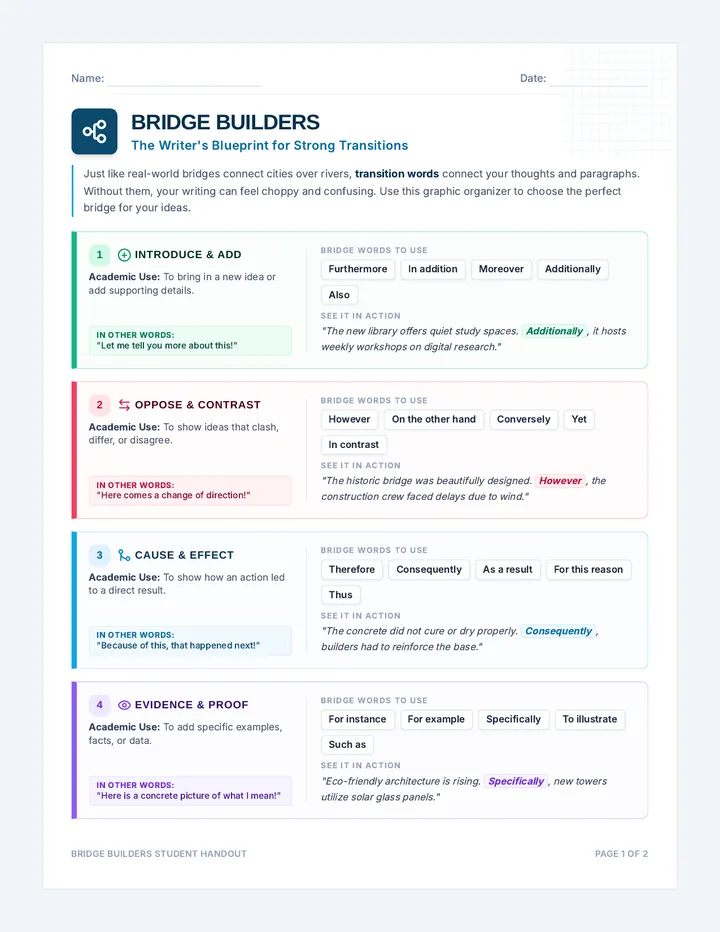
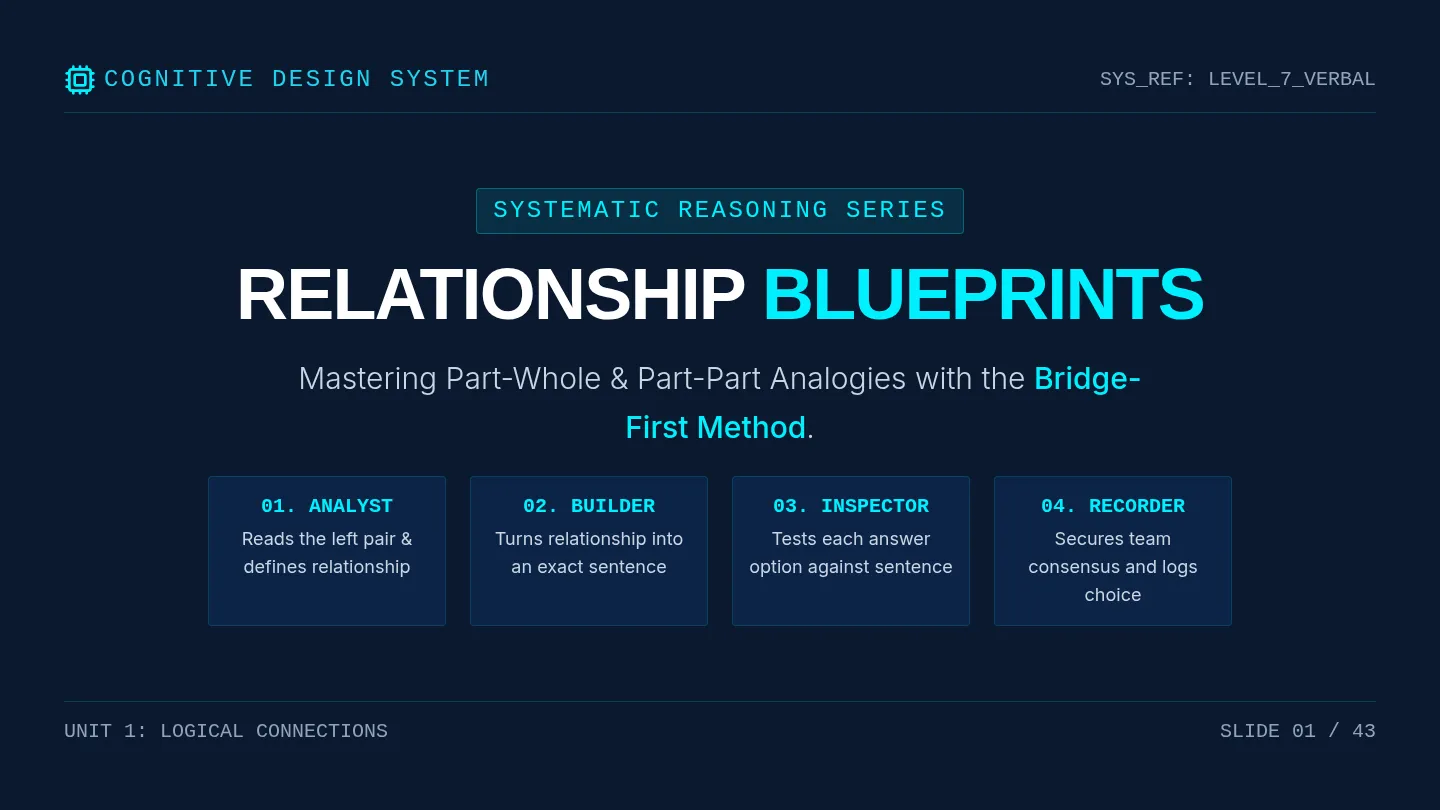
Students will identify and compare four major text structures: chronology, comparison, cause/effect, and problem/solution. Through an architectural 'blueprint' theme, ESL students will learn signal words and structural patterns to improve reading comprehension.
Students will learn to summarize narrative texts using the 'Somebody Wanted But So Then' (SWBST) framework. This lesson is designed for Grade 4 ESL students at the developing/intermediate level, focusing on identifying key plot elements and synthesizing them into a concise summary.