A kindergarten phonics lesson focused on identifying and sorting short vowel sounds through hands-on activities. Students will explore the sounds of a, e, i, o, and u in CVC words.
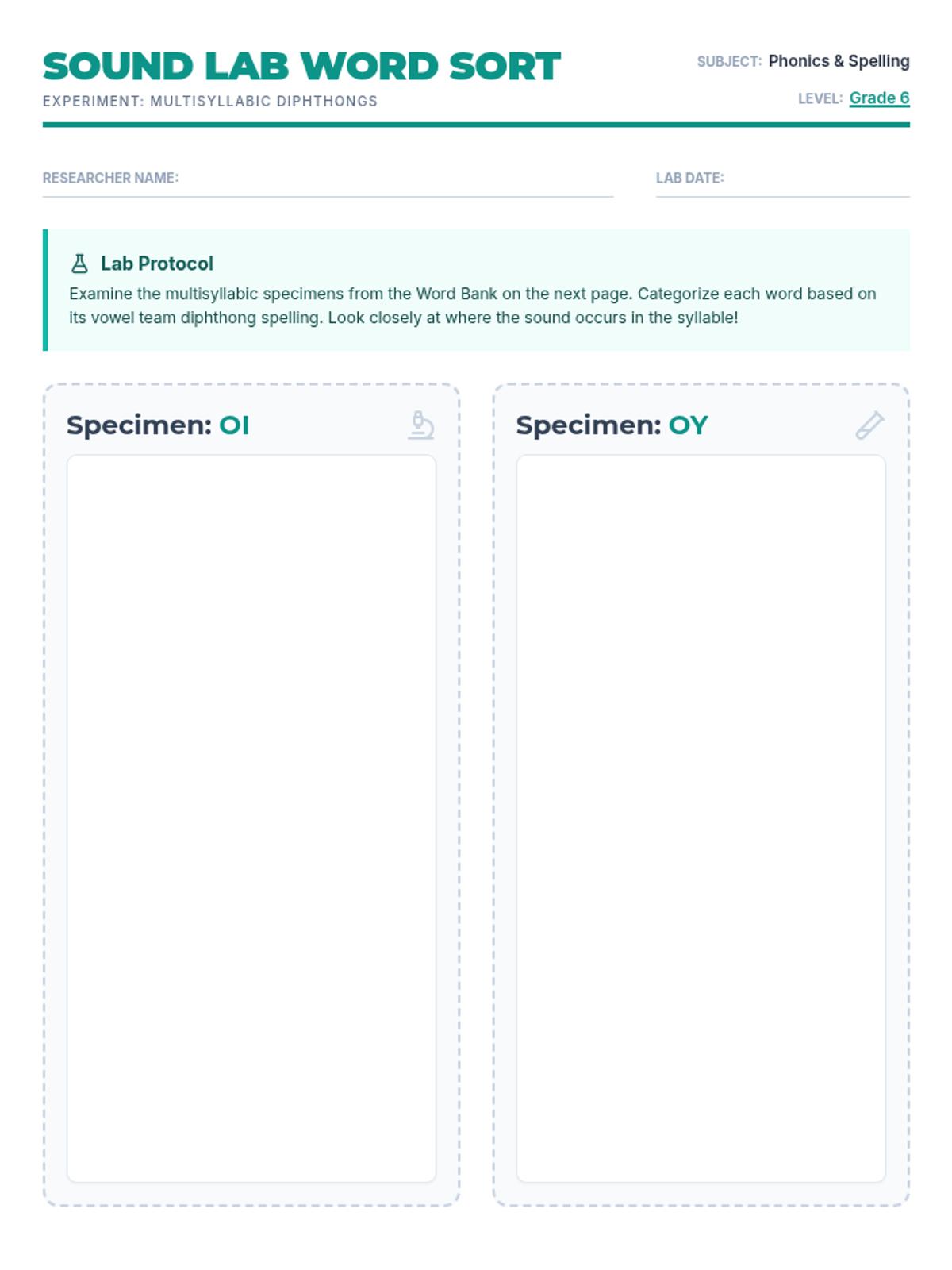
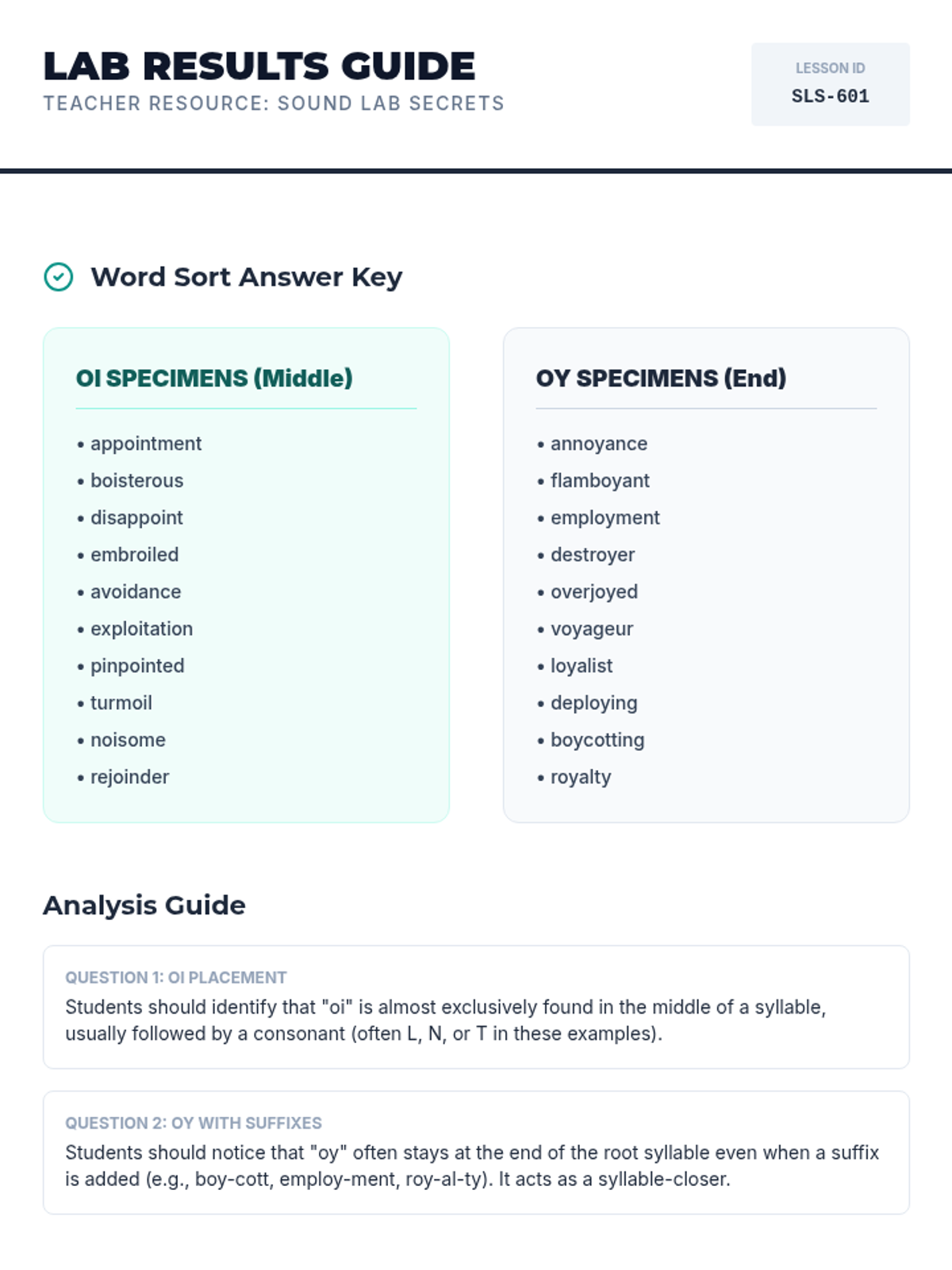
A lesson focused on mastering the 'oi' and 'oy' diphthongs in complex, multisyllabic words, featuring a systematic word sort and visual instruction.
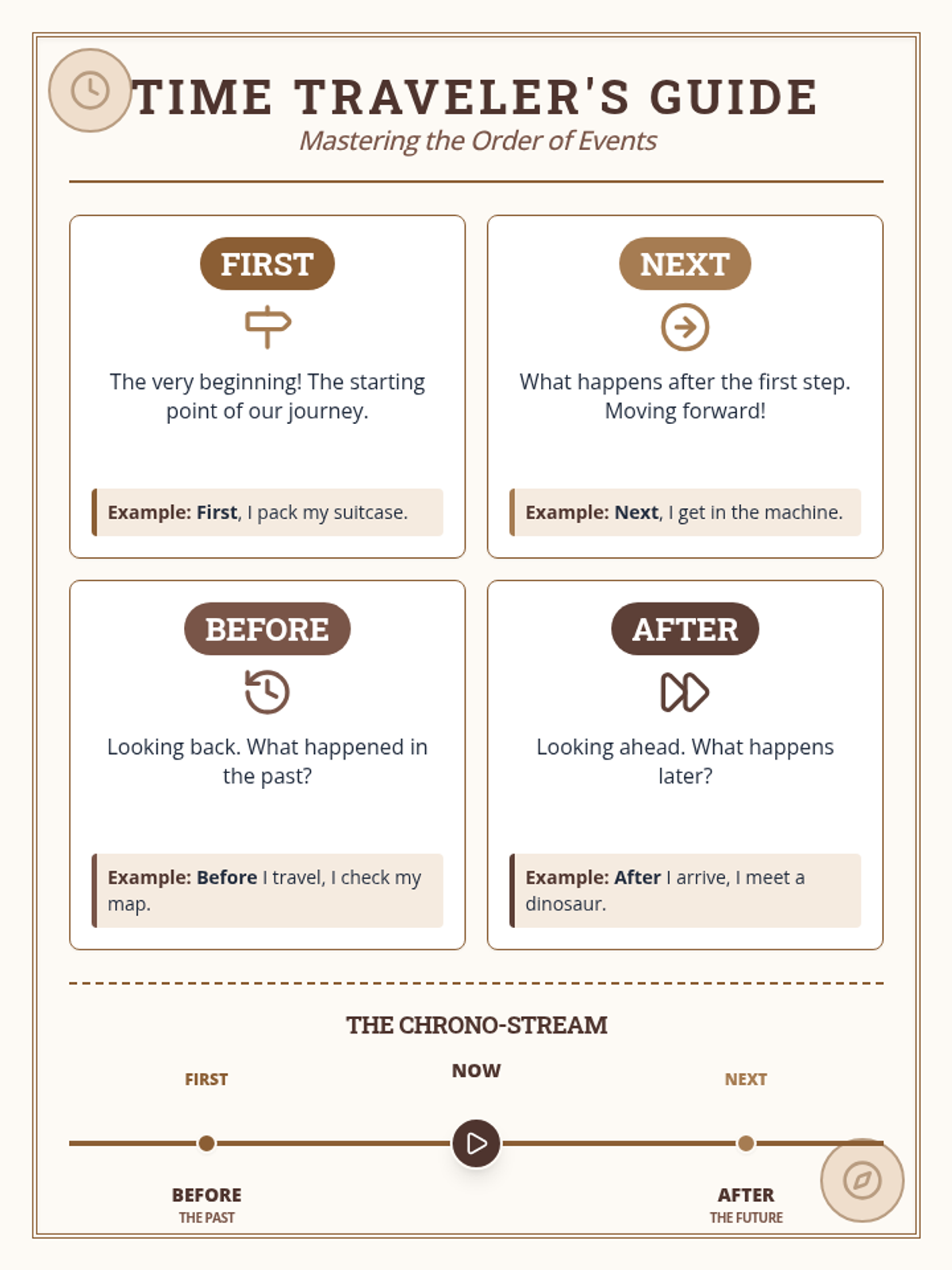
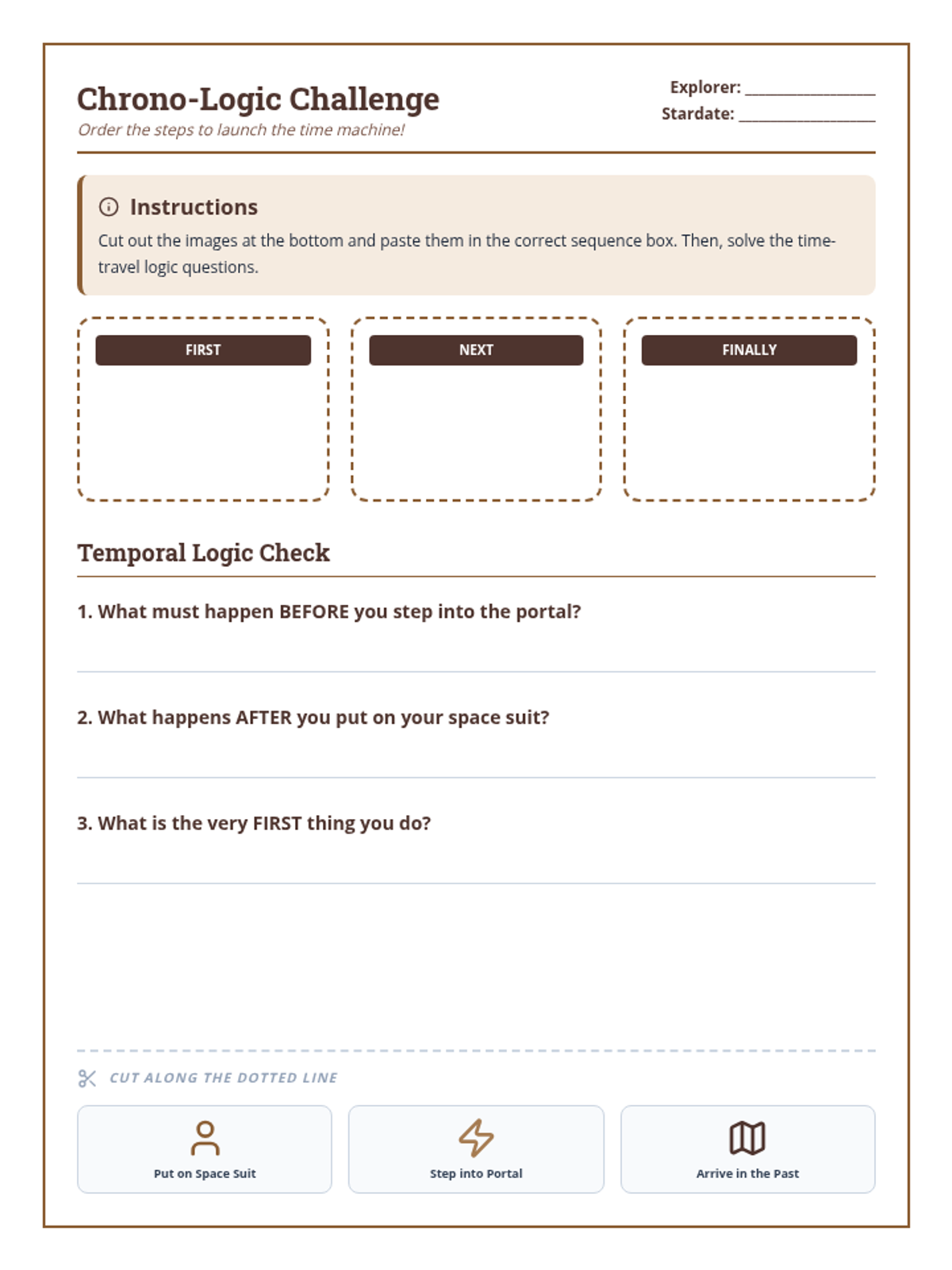
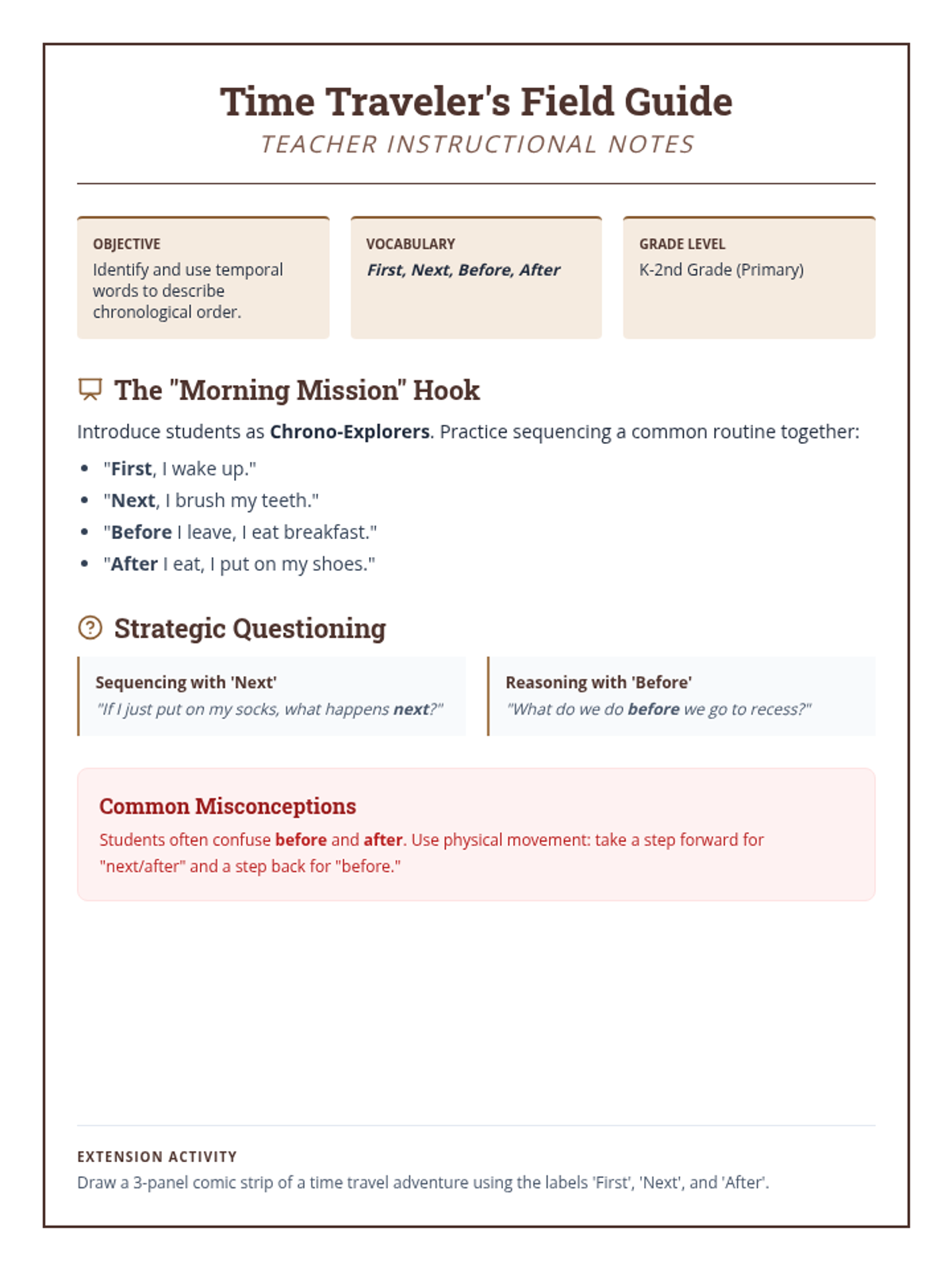
A foundational lesson on temporal sequencing words including 'first', 'next', 'before', and 'after' using a time-traveler theme to engage students in chronological order.
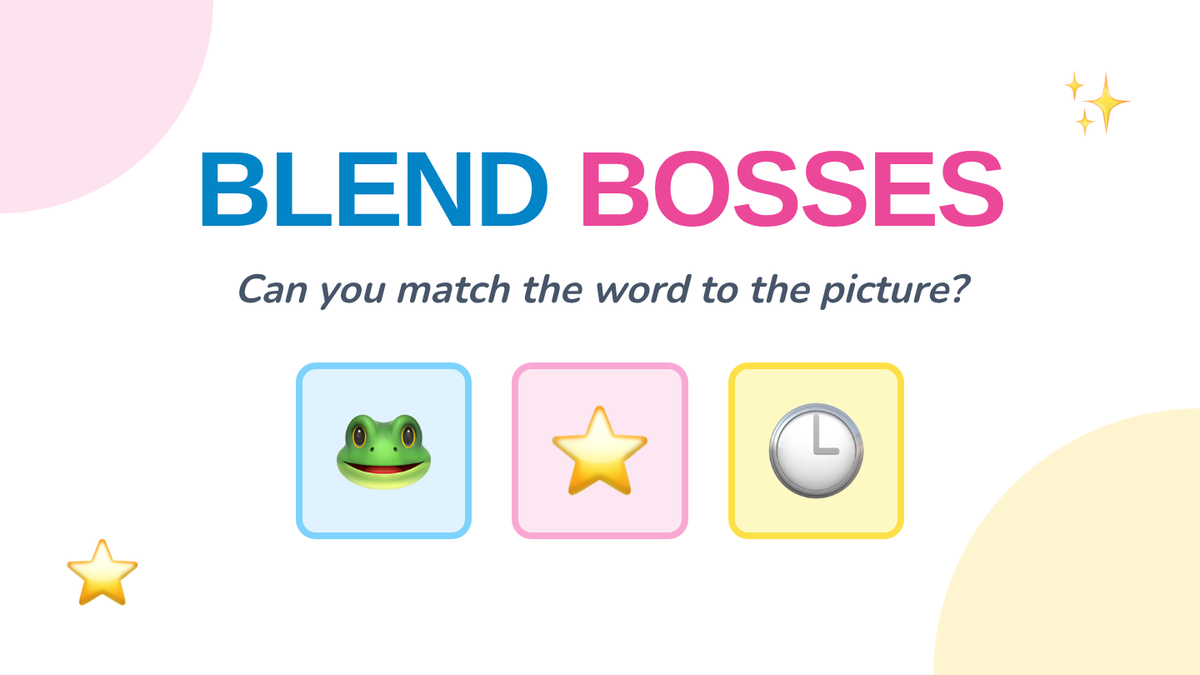
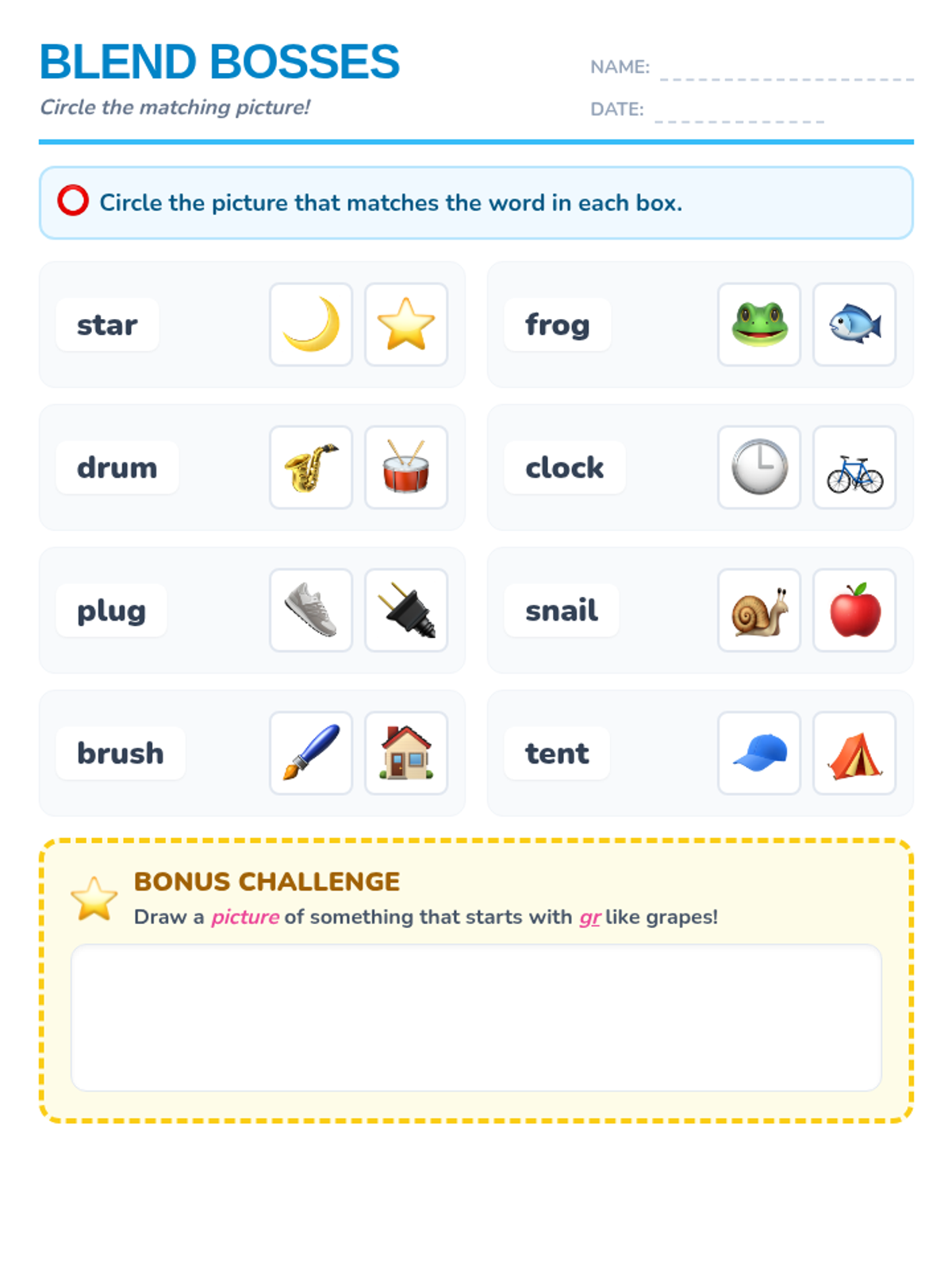
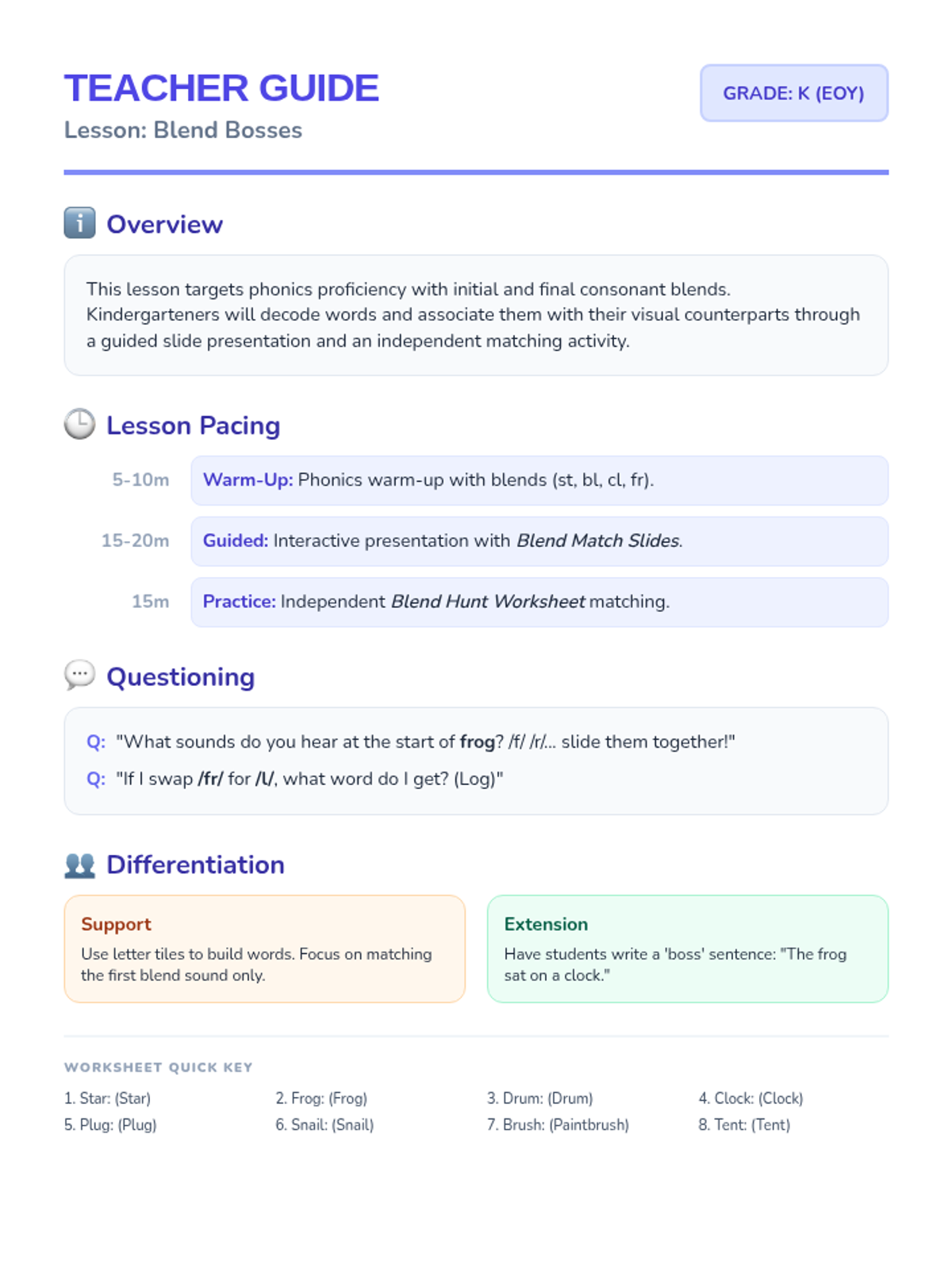
A fun, high-energy lesson for kindergarteners to master consonant blends by matching words to vibrant images. This lesson uses visual cues and phonics practice to solidify end-of-year reading skills.
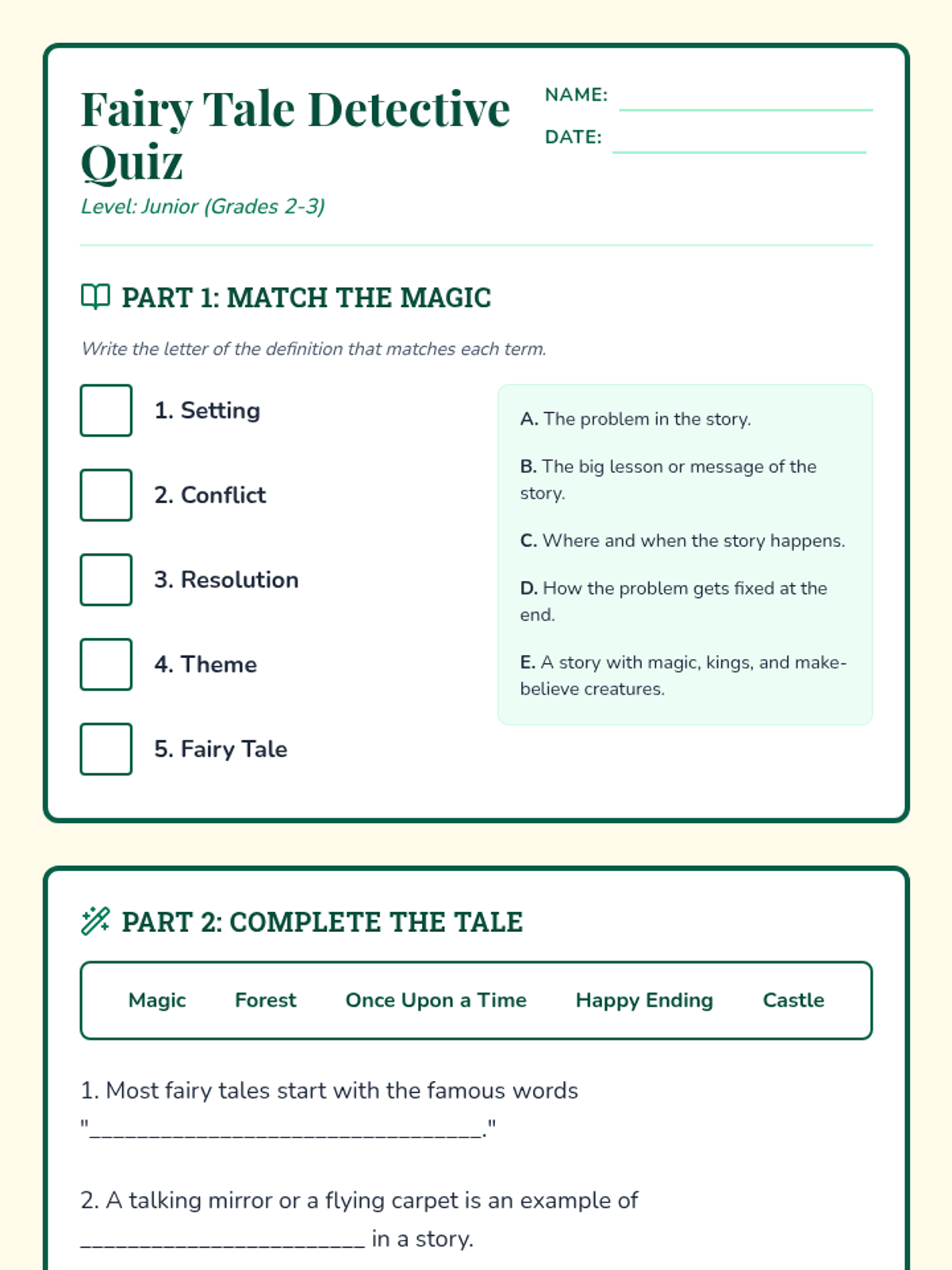
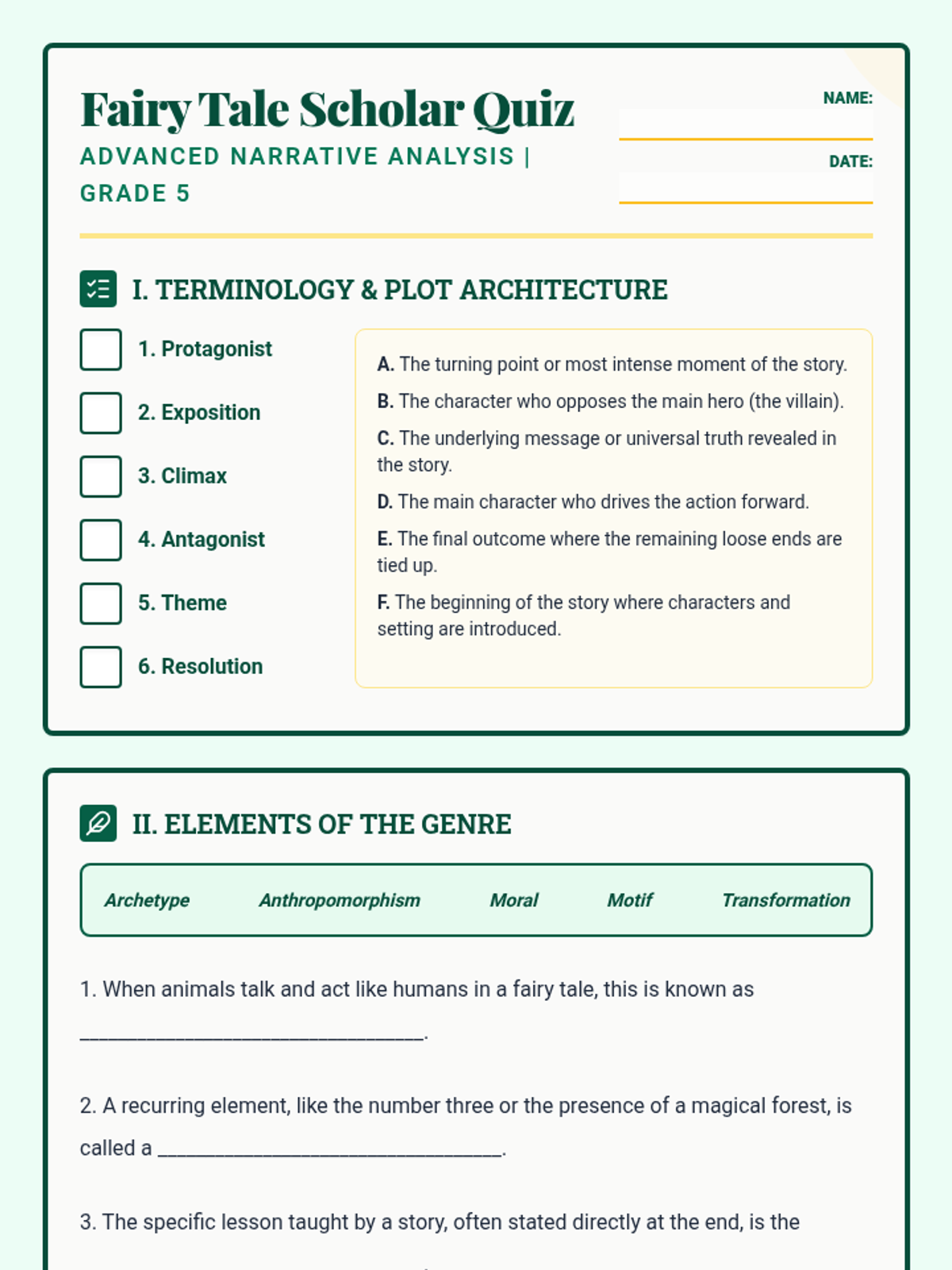
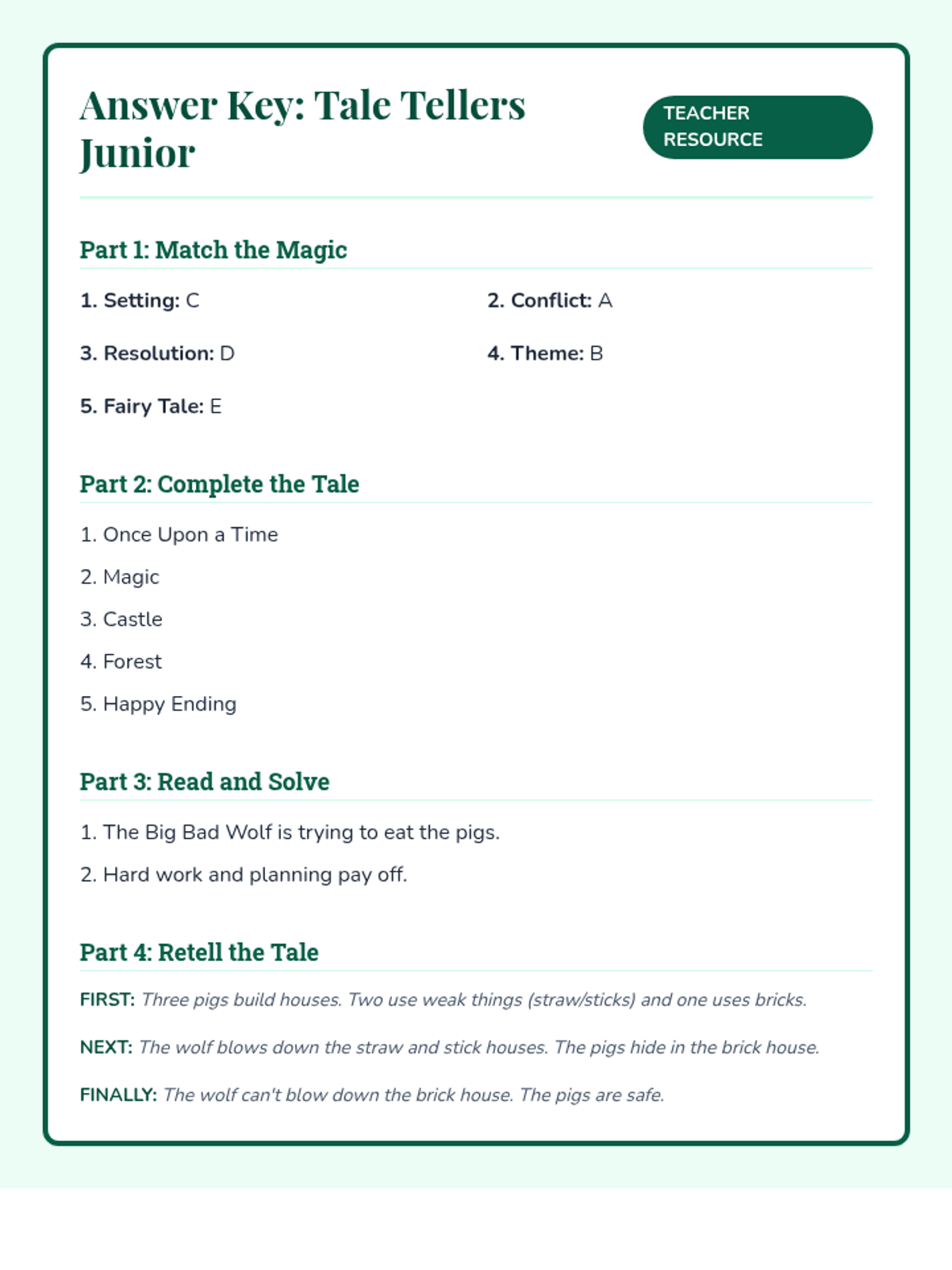
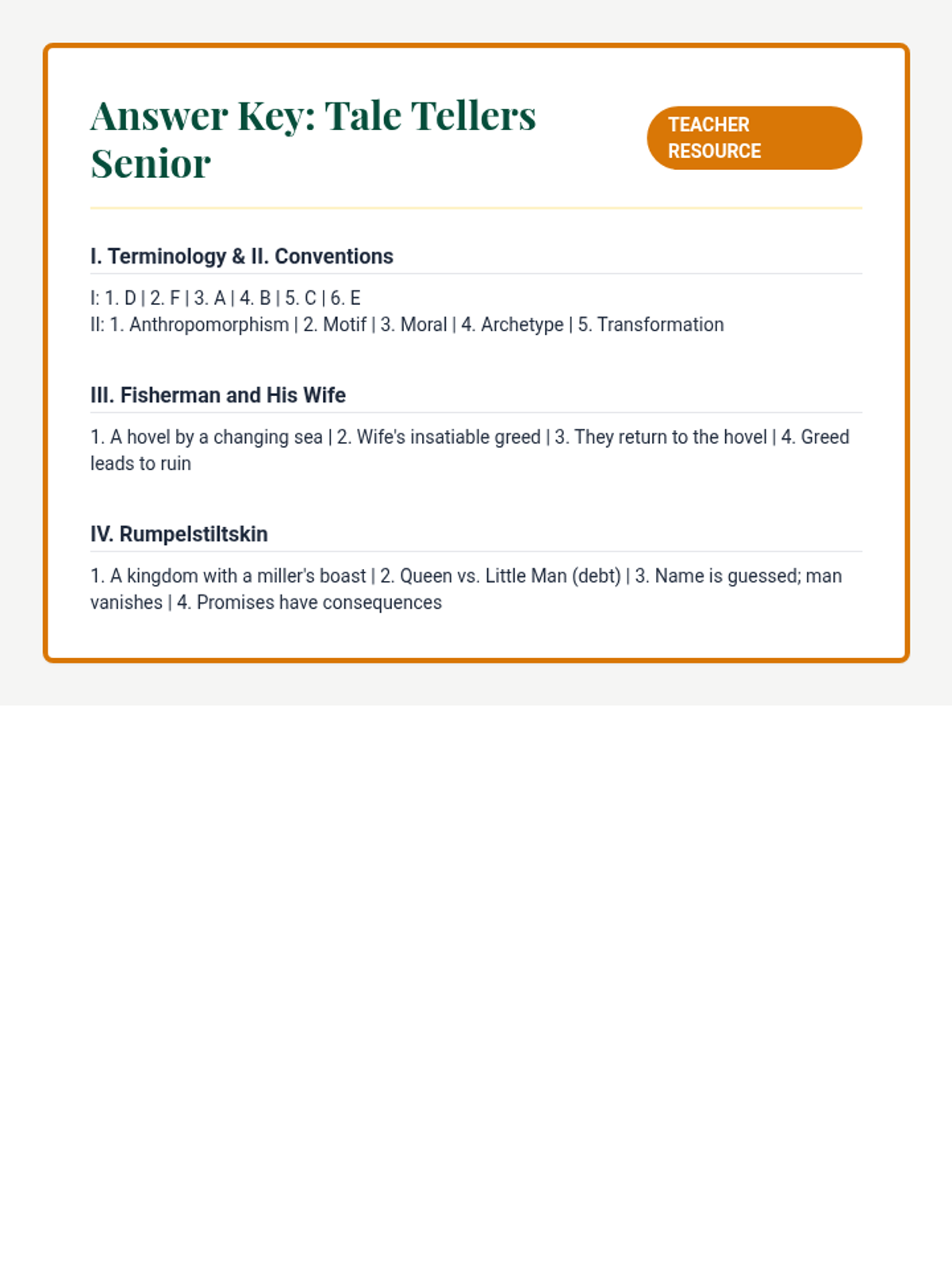
A comprehensive assessment on fairy tale elements and plot structures for elementary students, featuring two differentiated levels to meet specific grade-level standards.
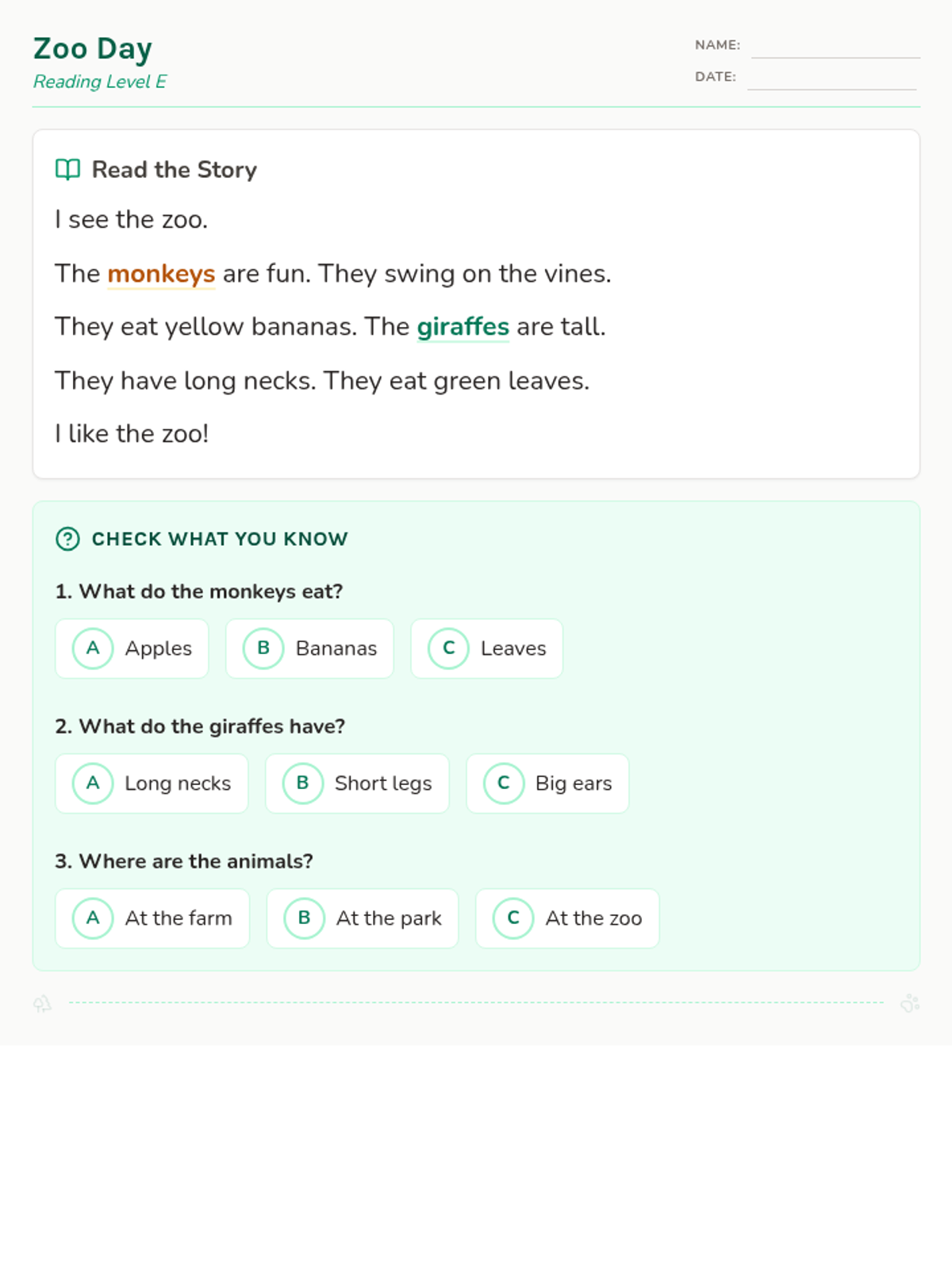
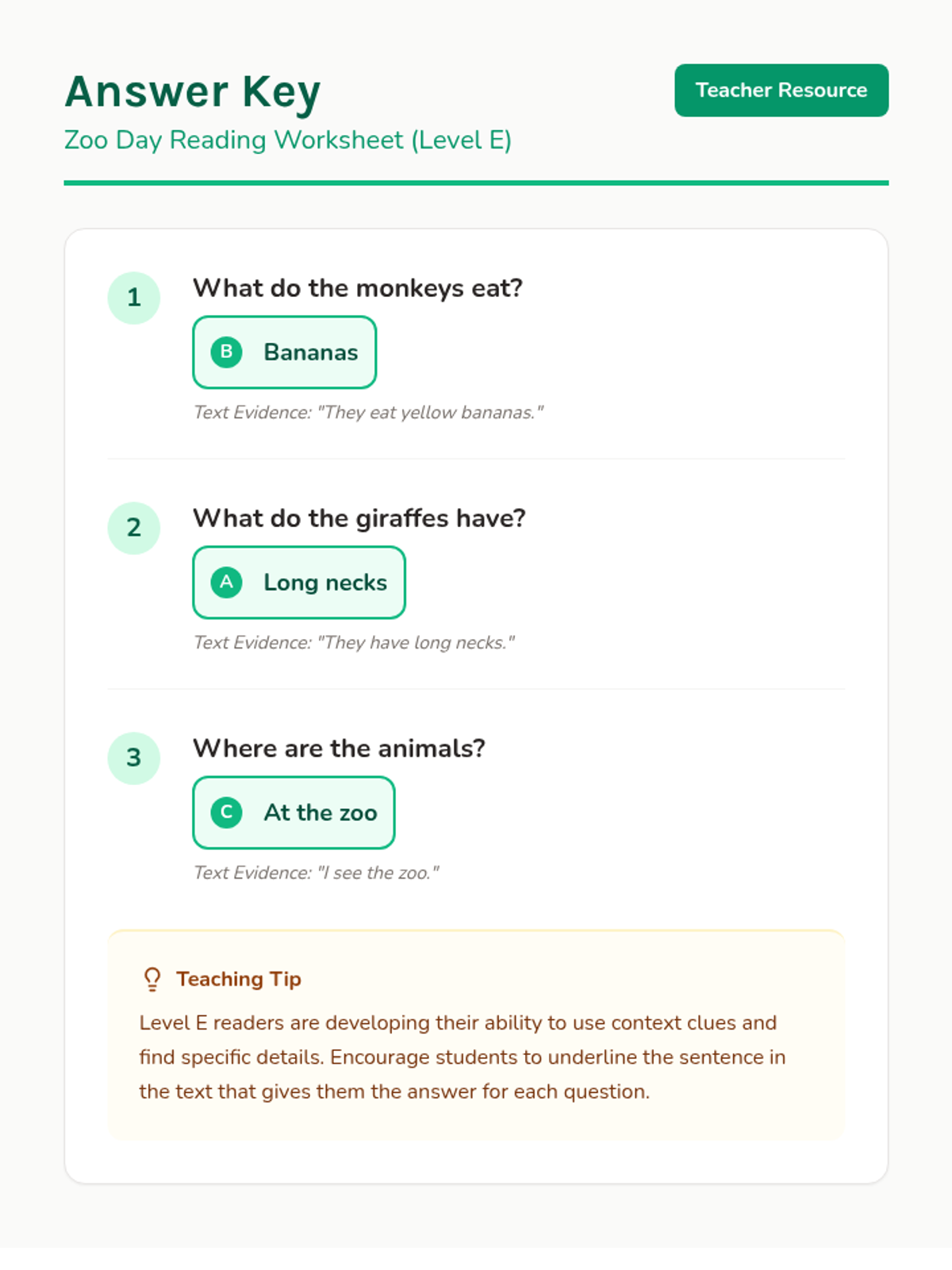
A beginner-level reading comprehension lesson focused on zoo animals, featuring simple sentences and key vocabulary for Level E readers.
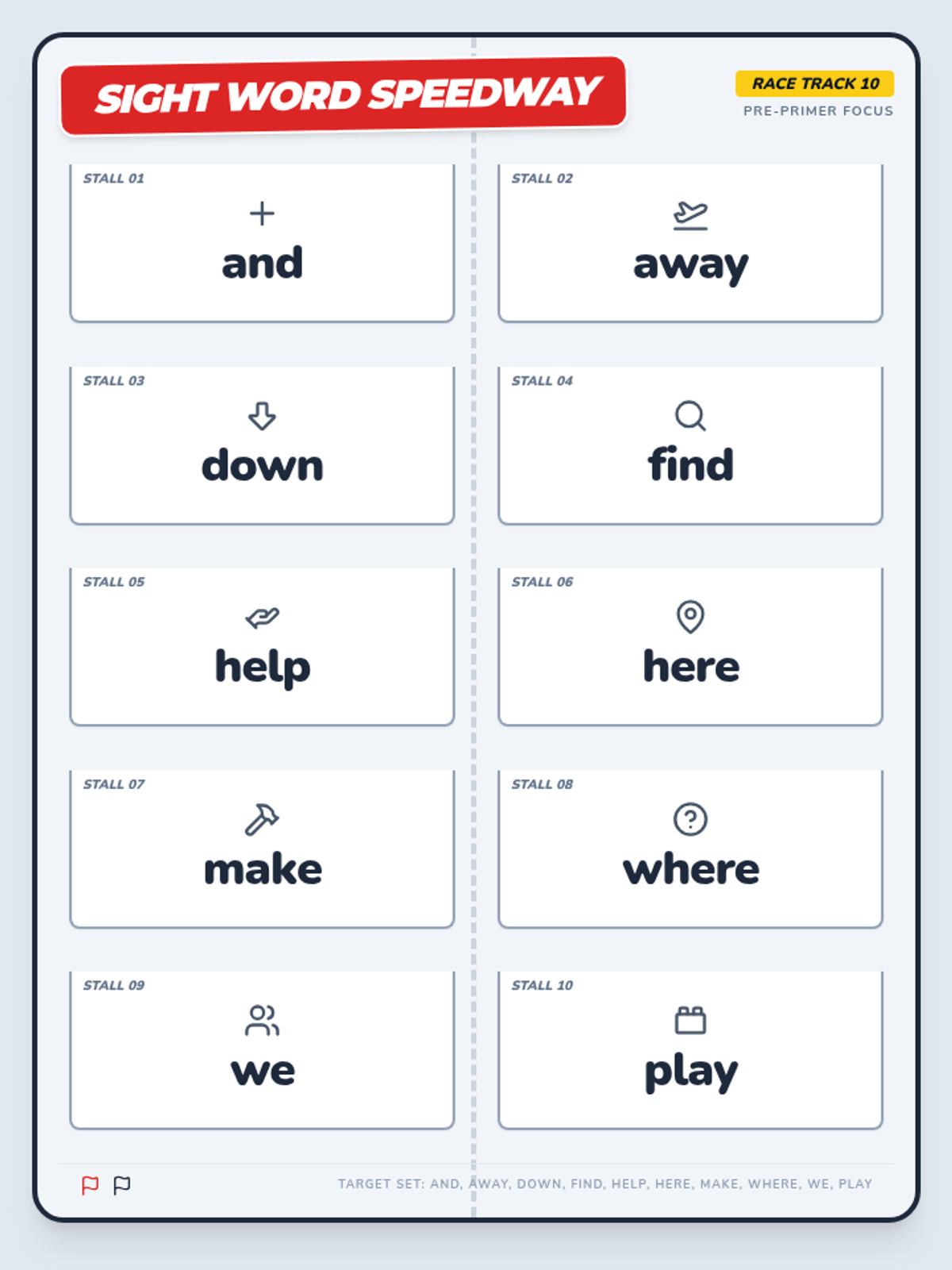
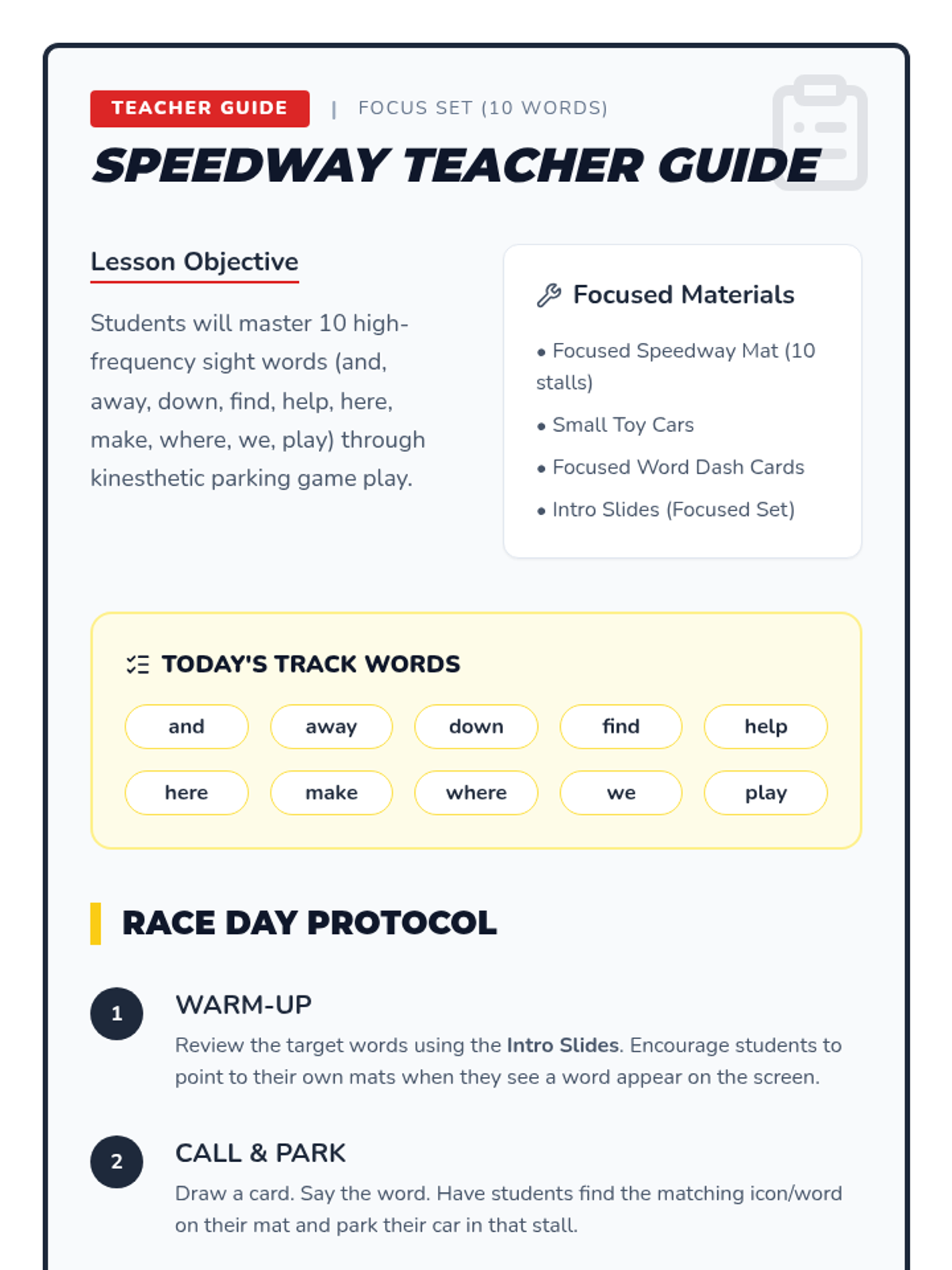
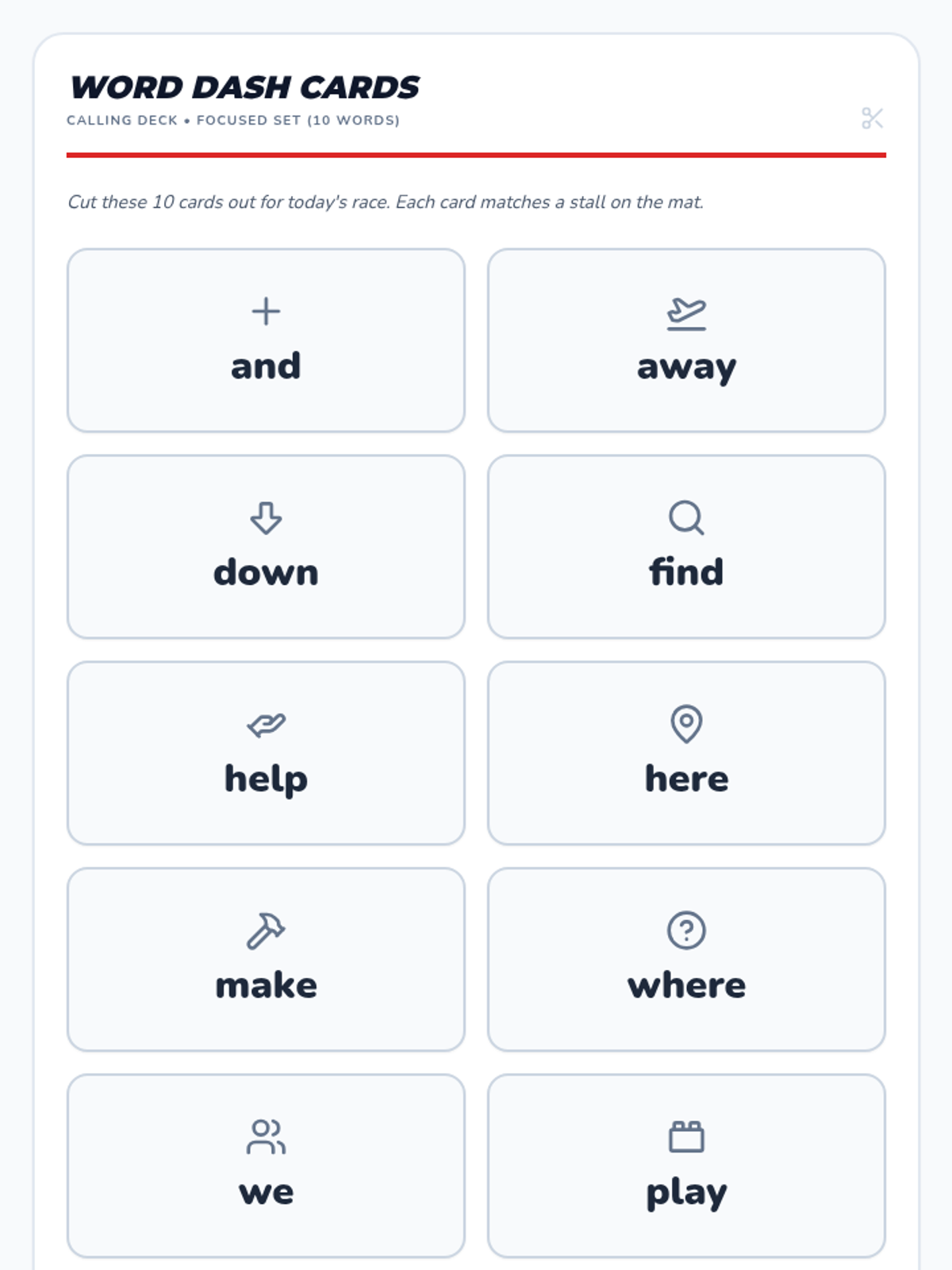
A high-octane sight word practice lesson where students park toy cars on matching word spots to build fluency with Pre-Primer Dolch words.
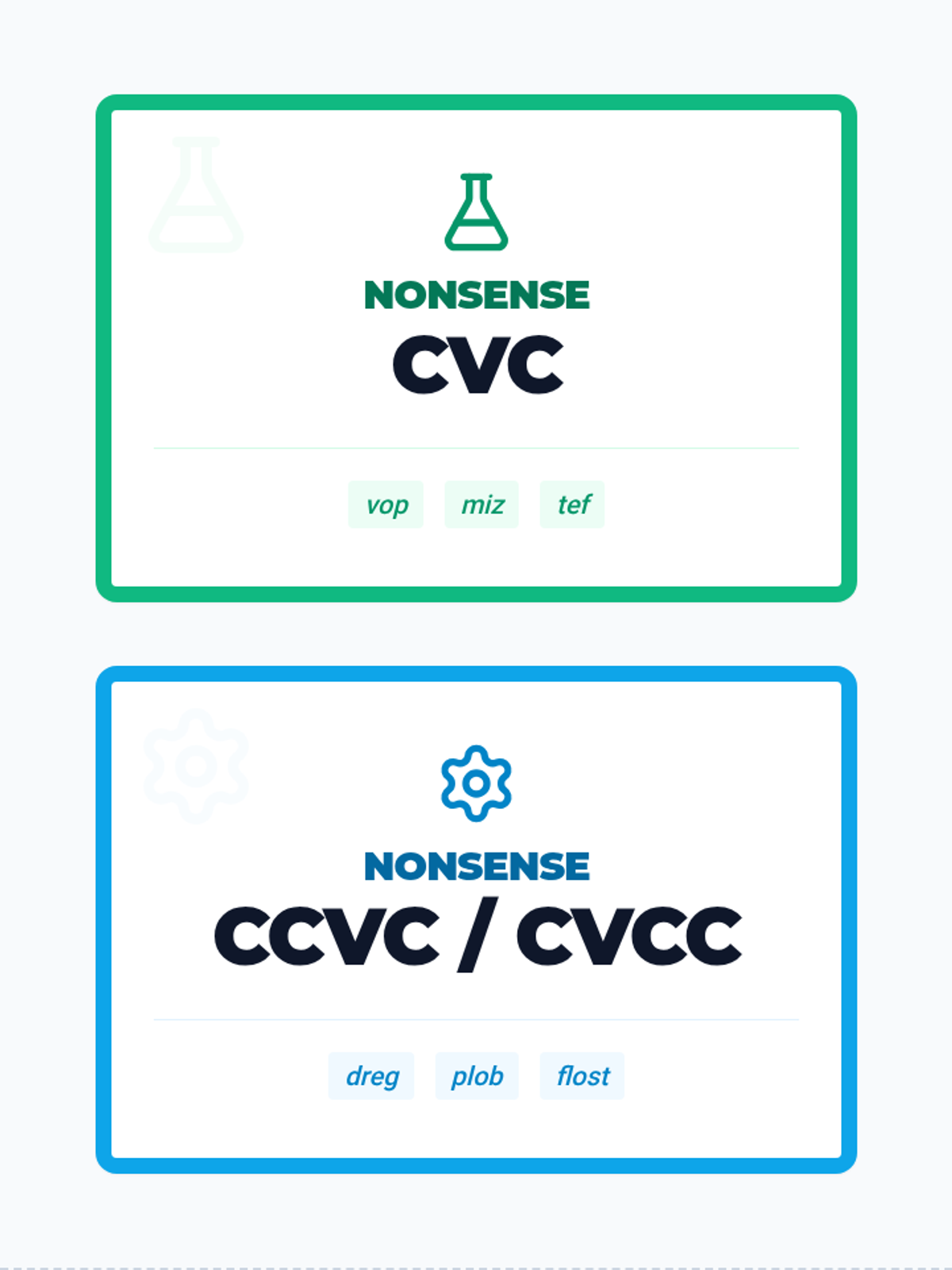
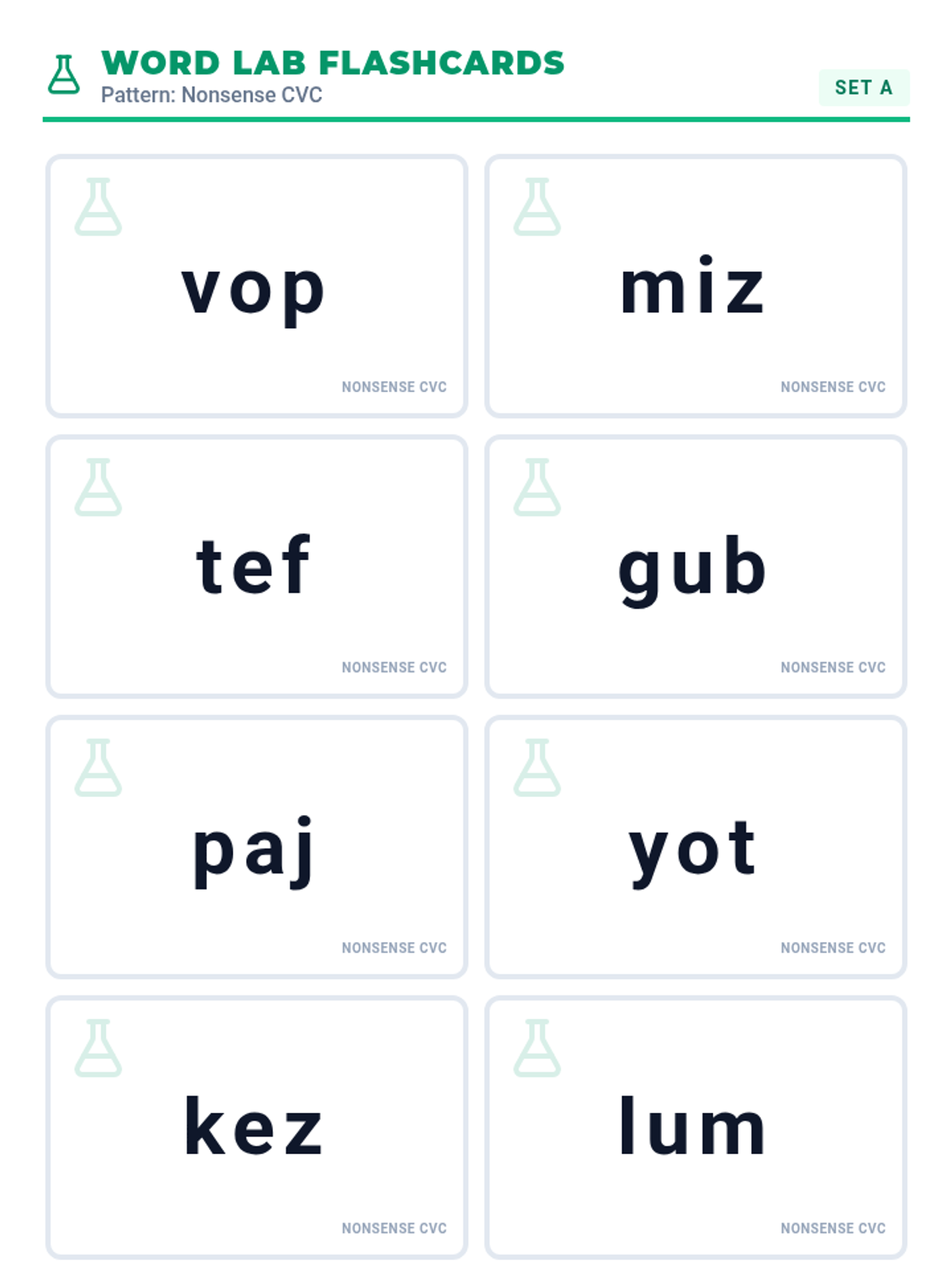
A collection of instructional resources and organizing tools for nonsense word fluency practice across various phonics patterns.
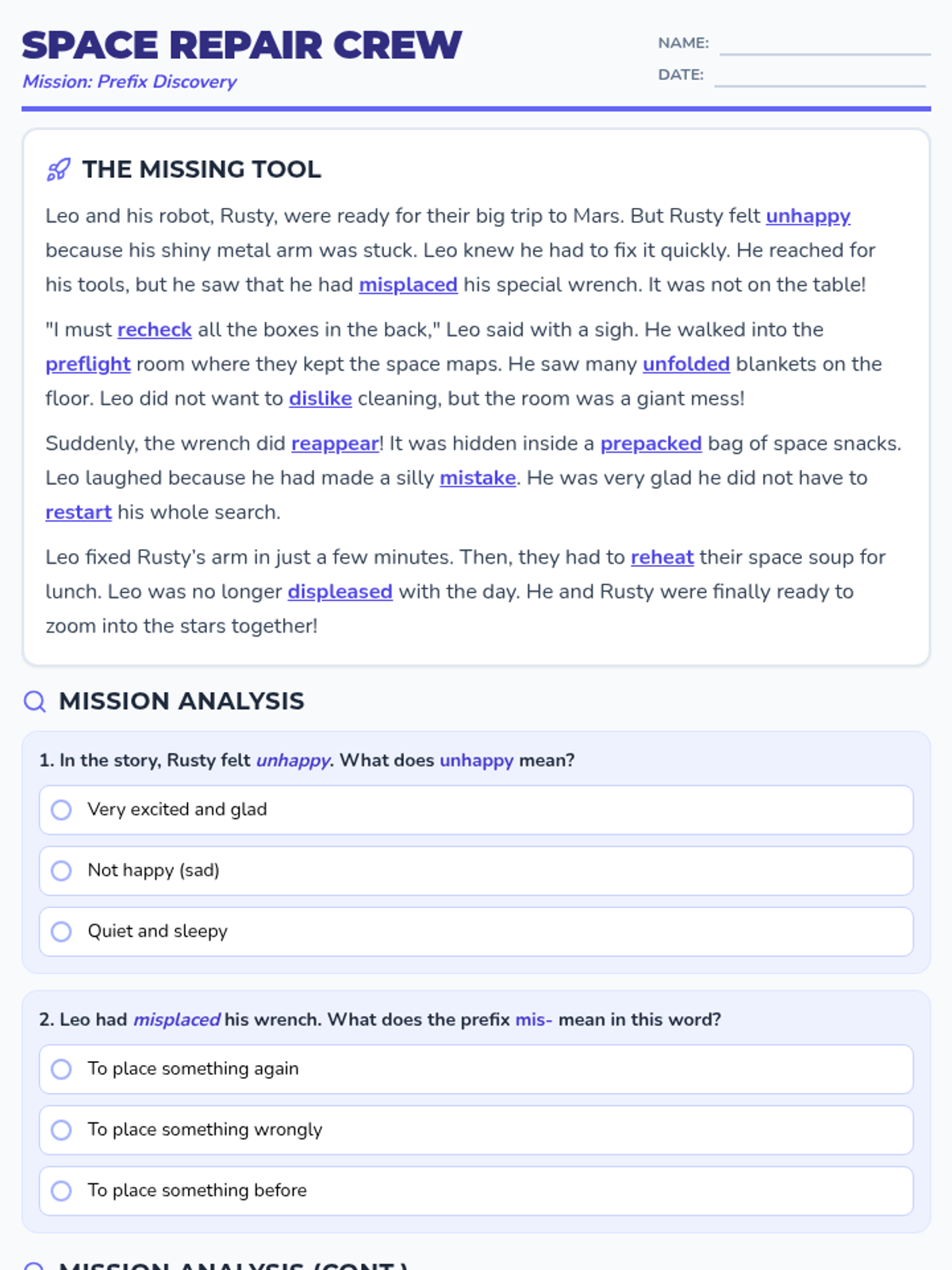
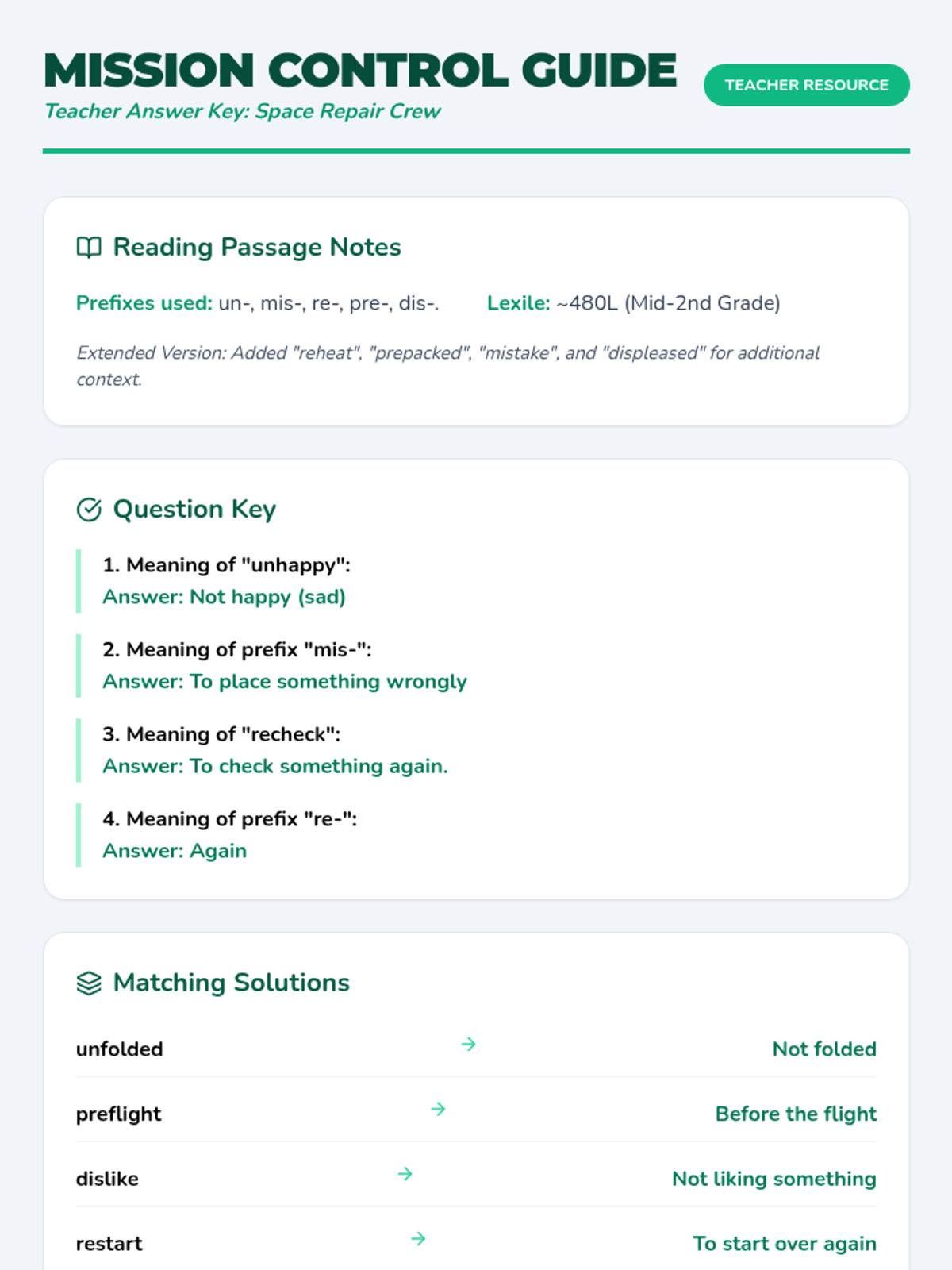
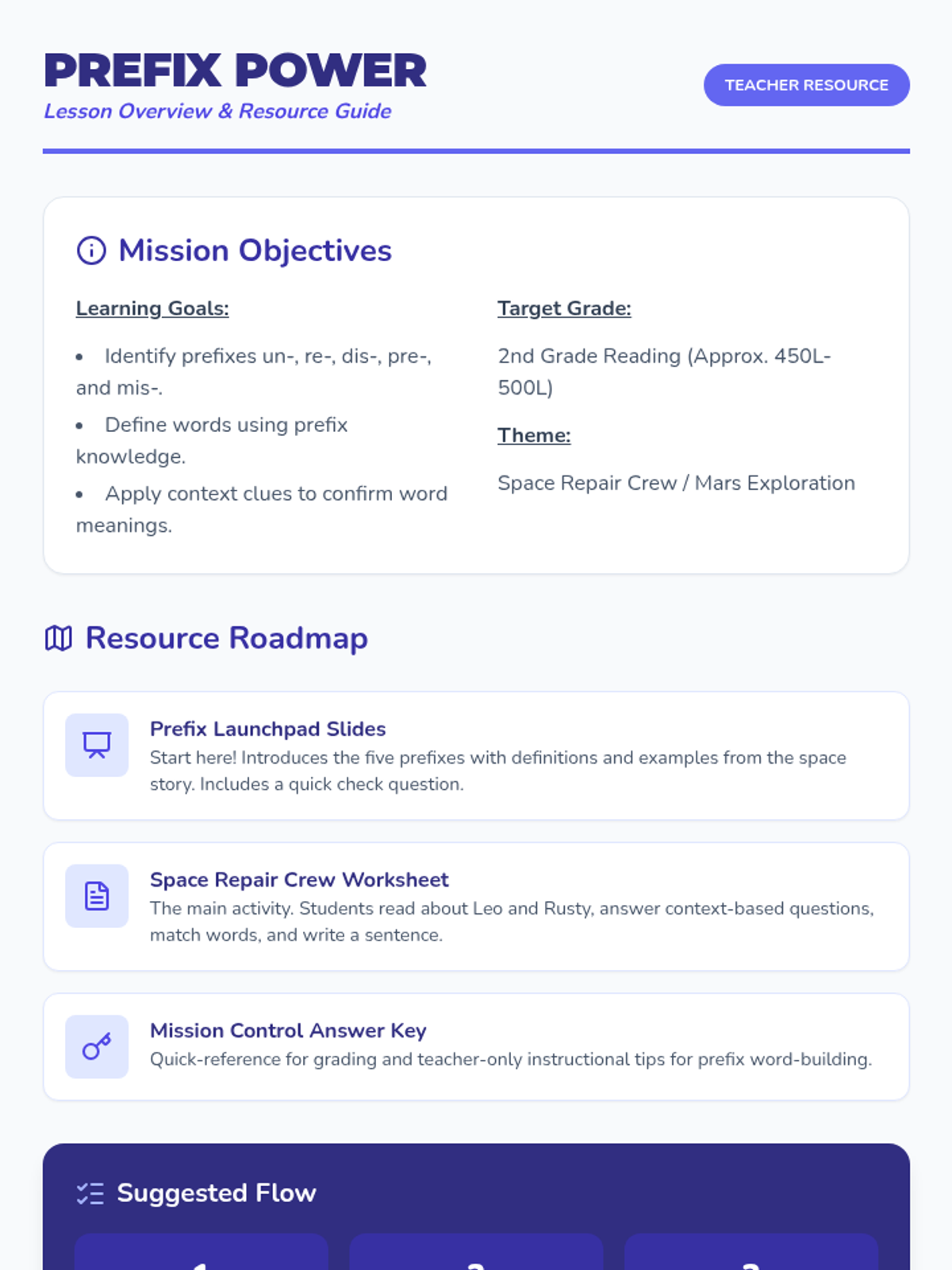
Students explore common prefixes (un-, re-, dis-, pre-, mis-) through an engaging space-themed story and practice activities. They will use context clues to determine the meanings of prefixed words.
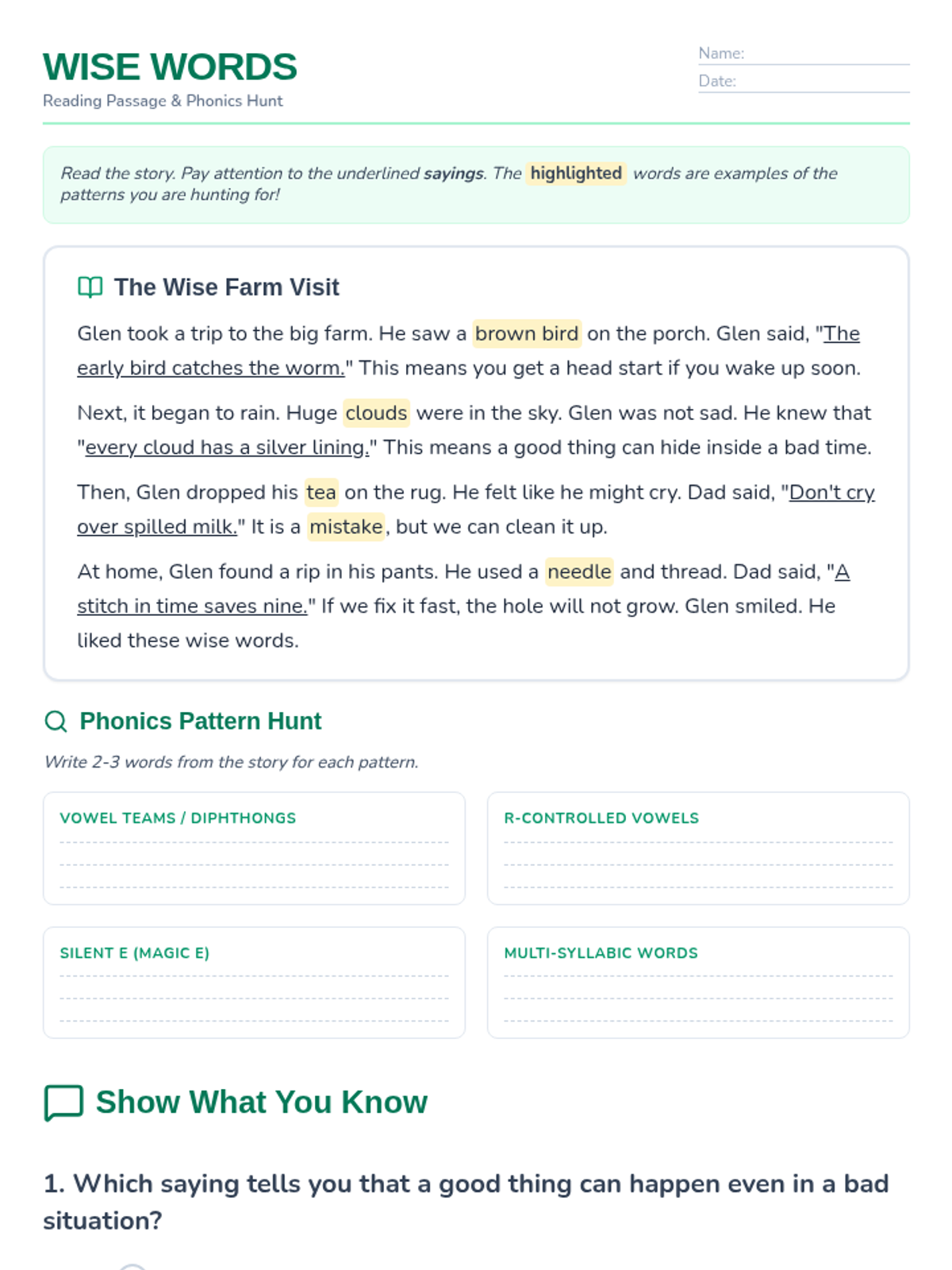
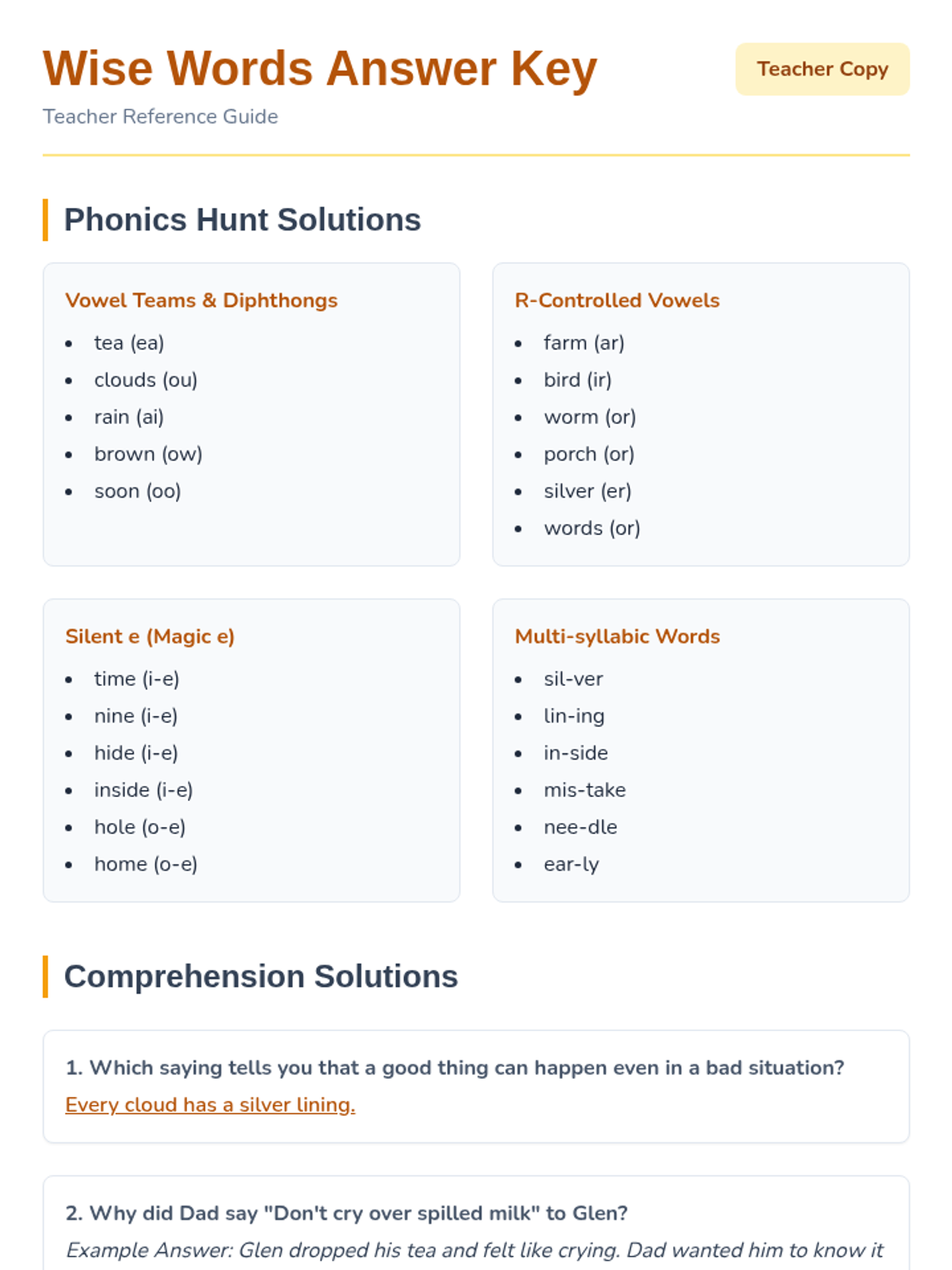
A lesson focused on decoding popular sayings using a variety of phonics patterns including CVC, blends, silent e, vowel teams, R-controlled vowels, and multi-syllabic words.
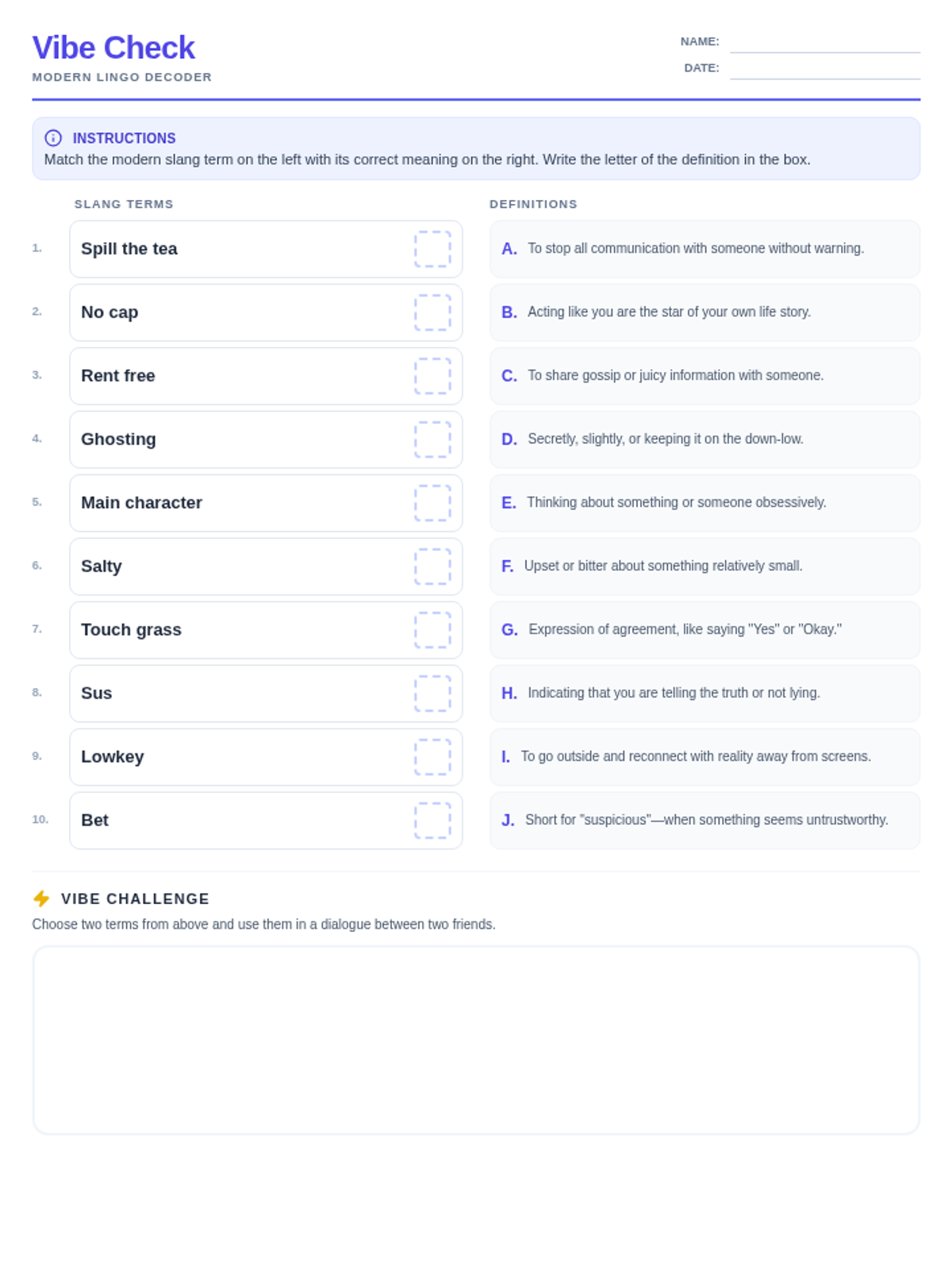
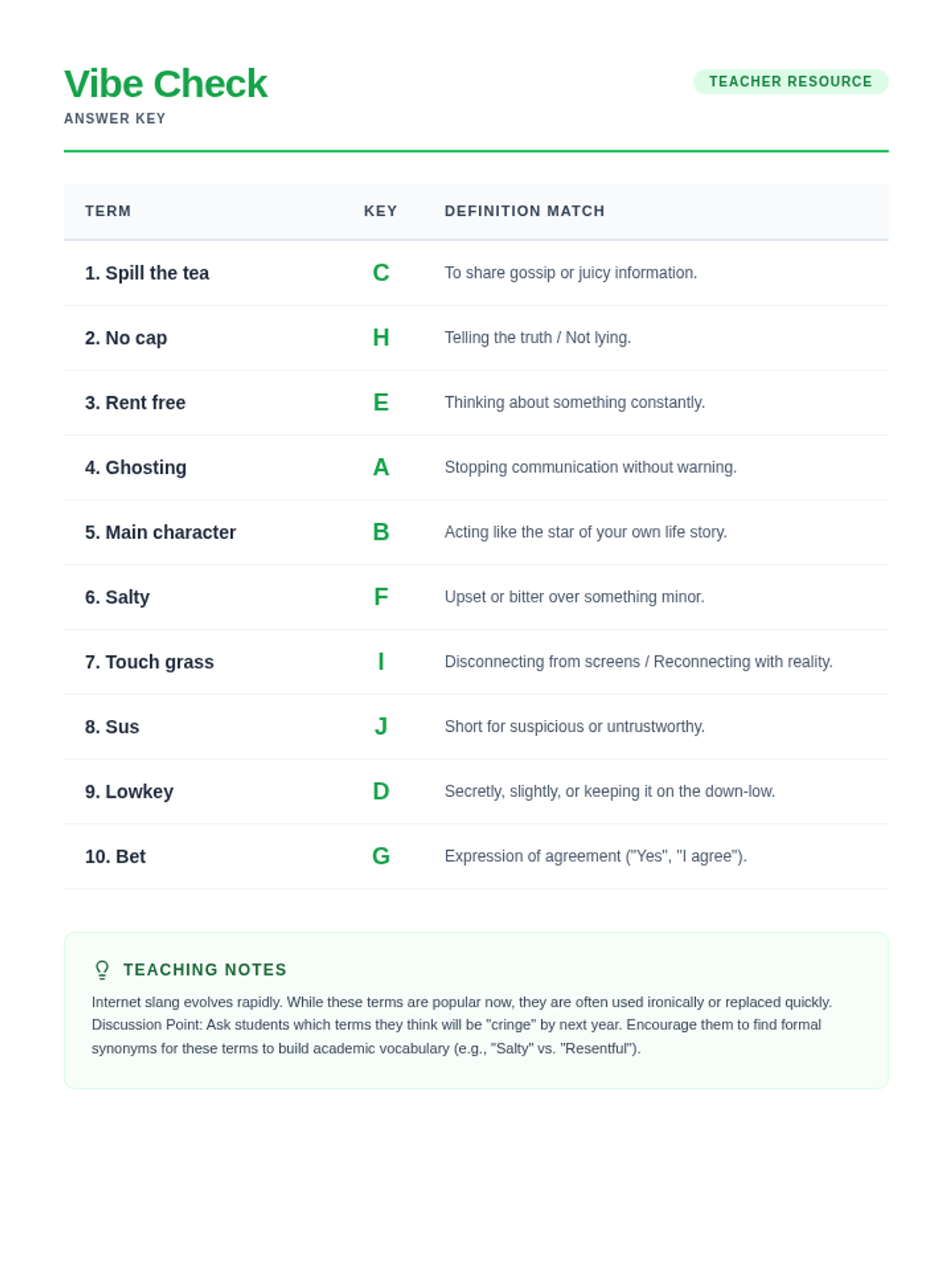
A guide to understanding and using modern teen slang and contemporary idioms in everyday conversation.
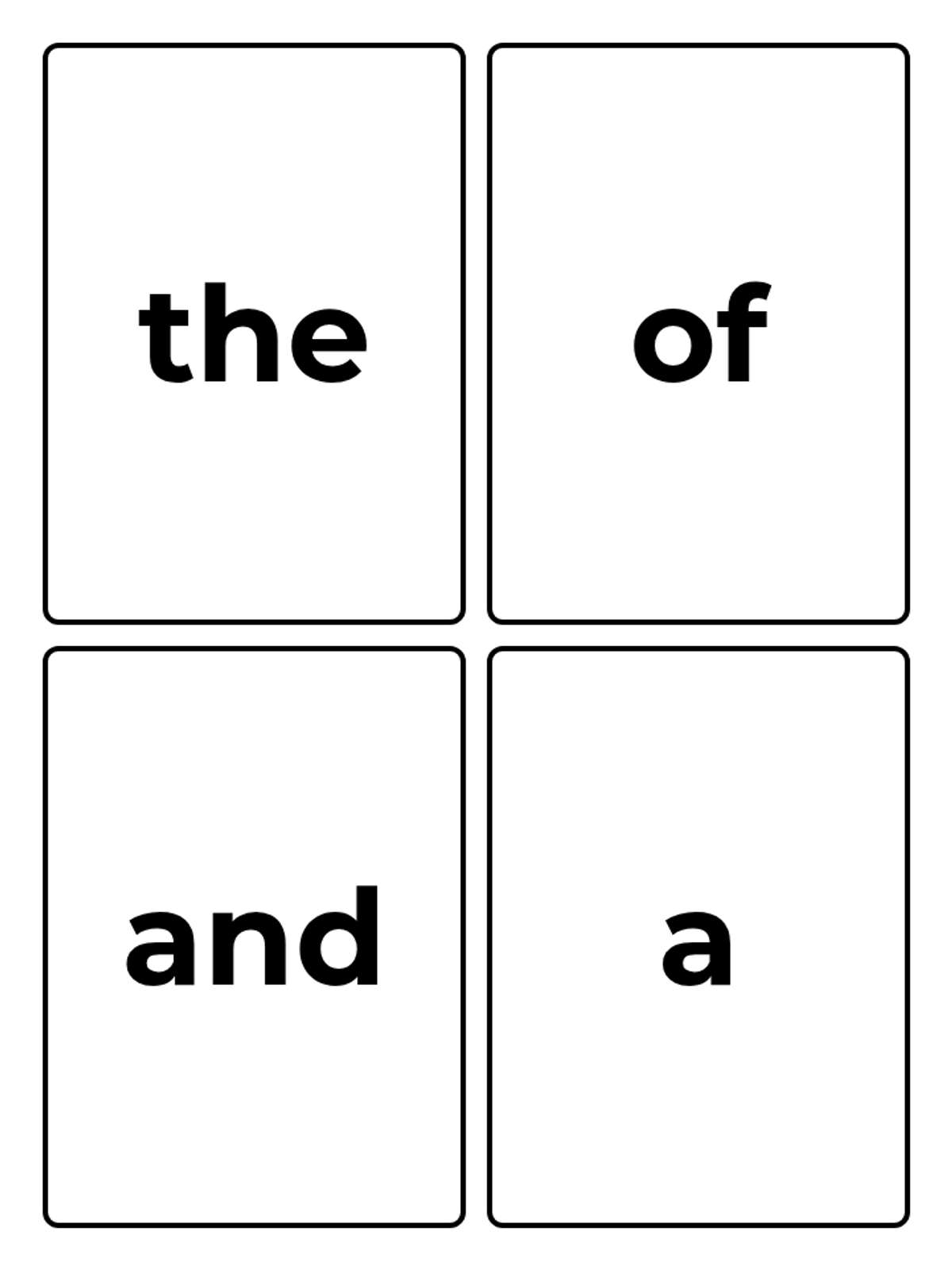
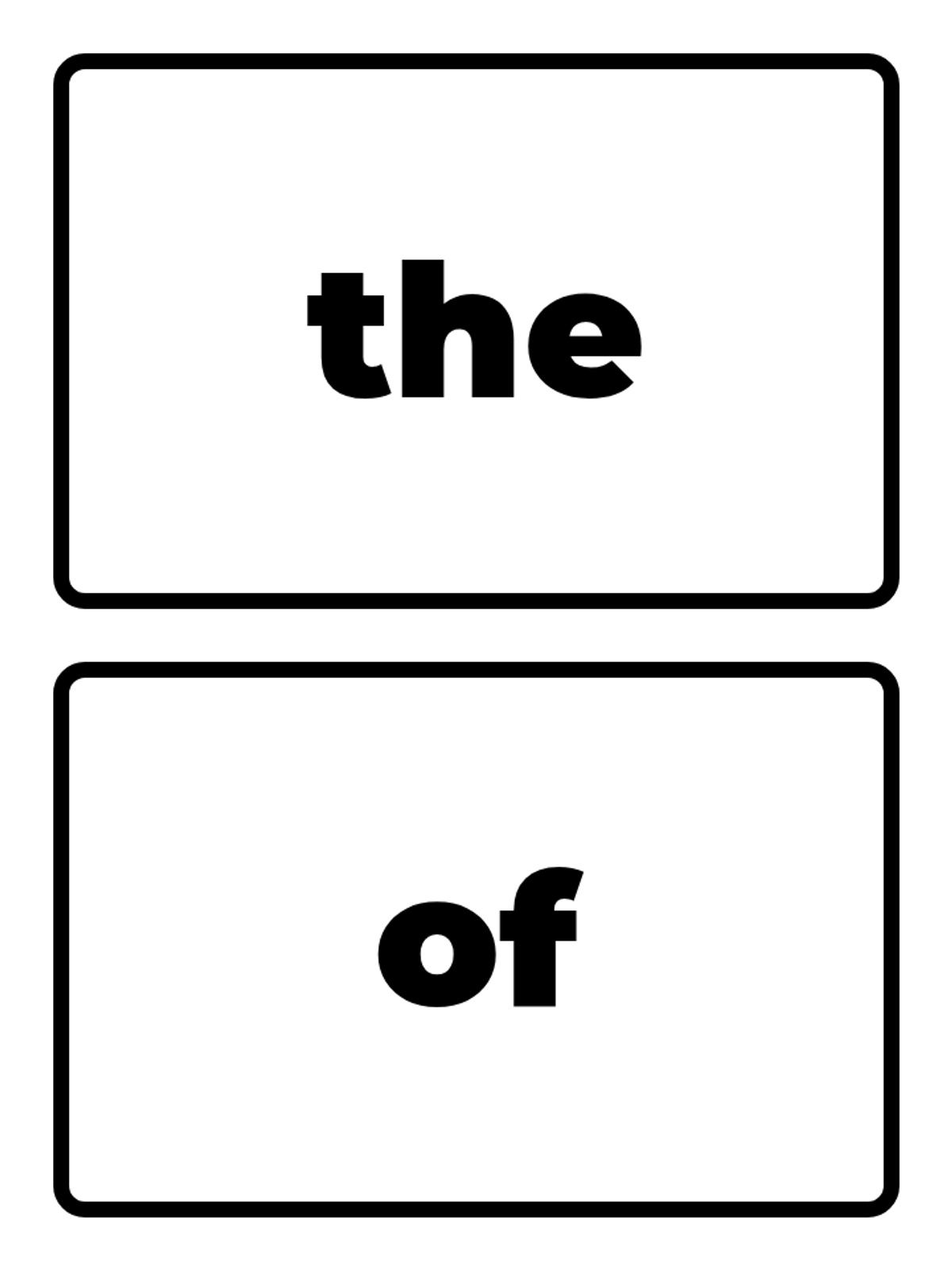
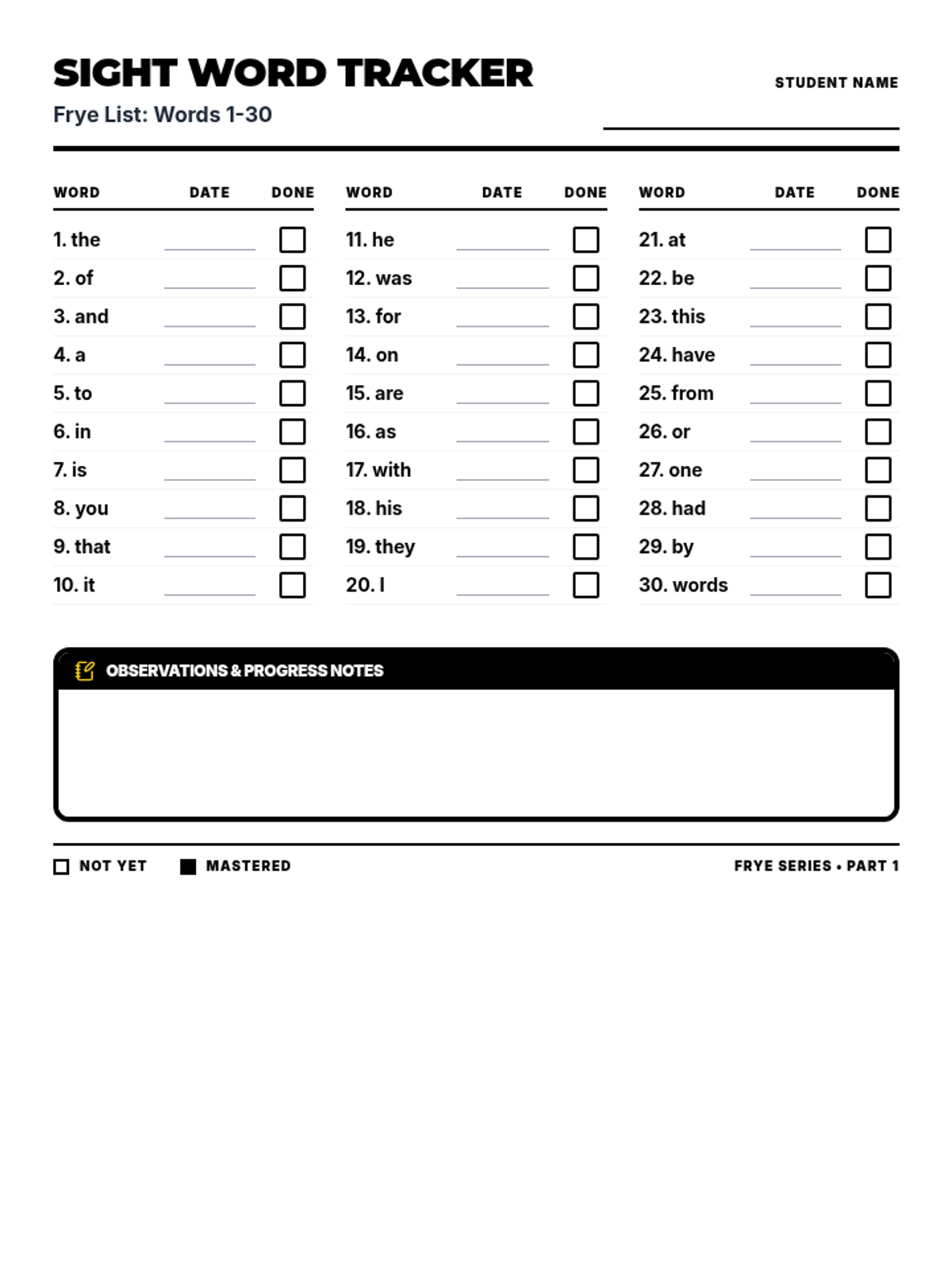
A collection of high-contrast visual resources for mastering the first 30 Fry sight words, designed for clarity and ease of use in flashcard drills and classroom displays.
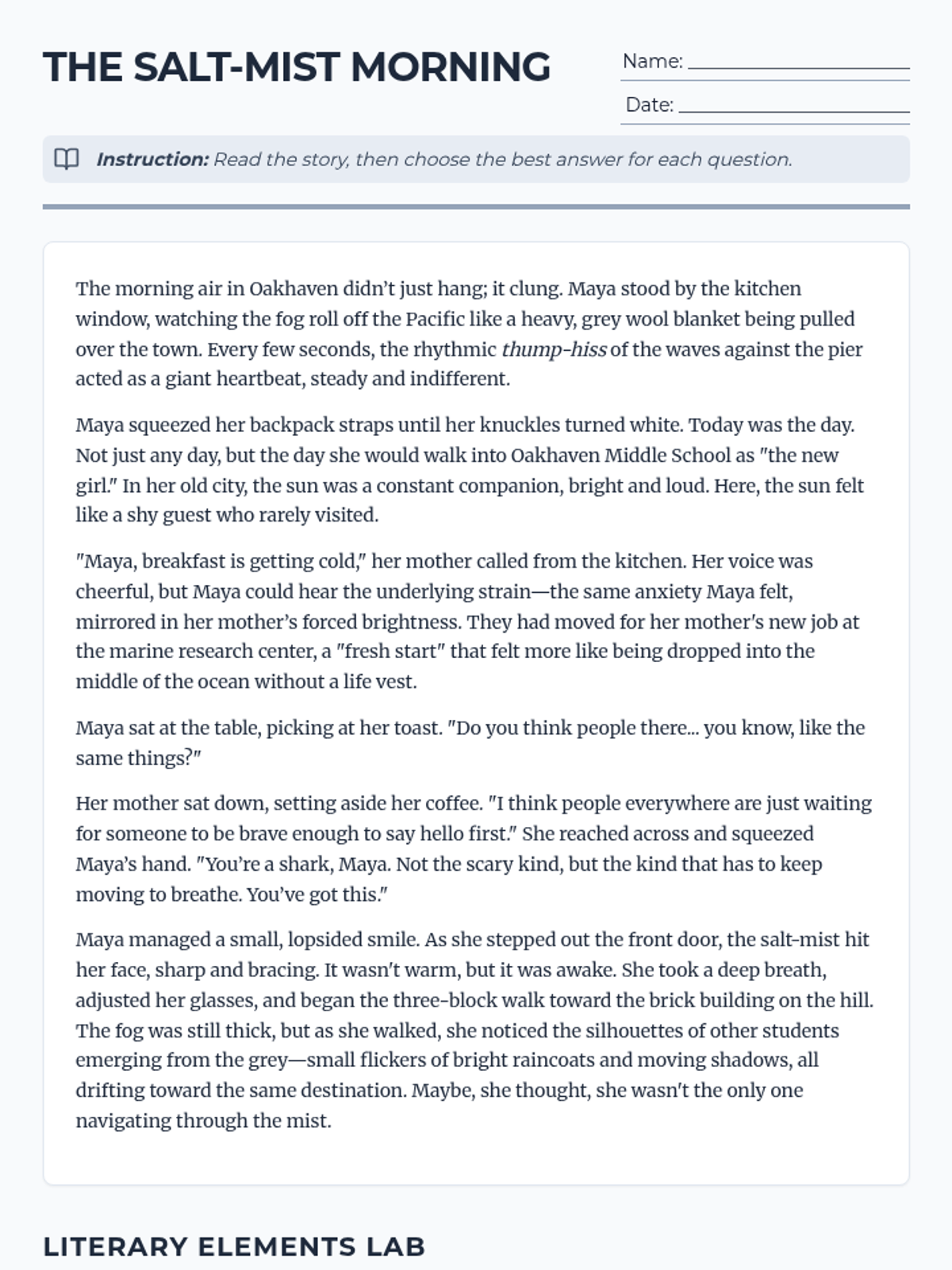
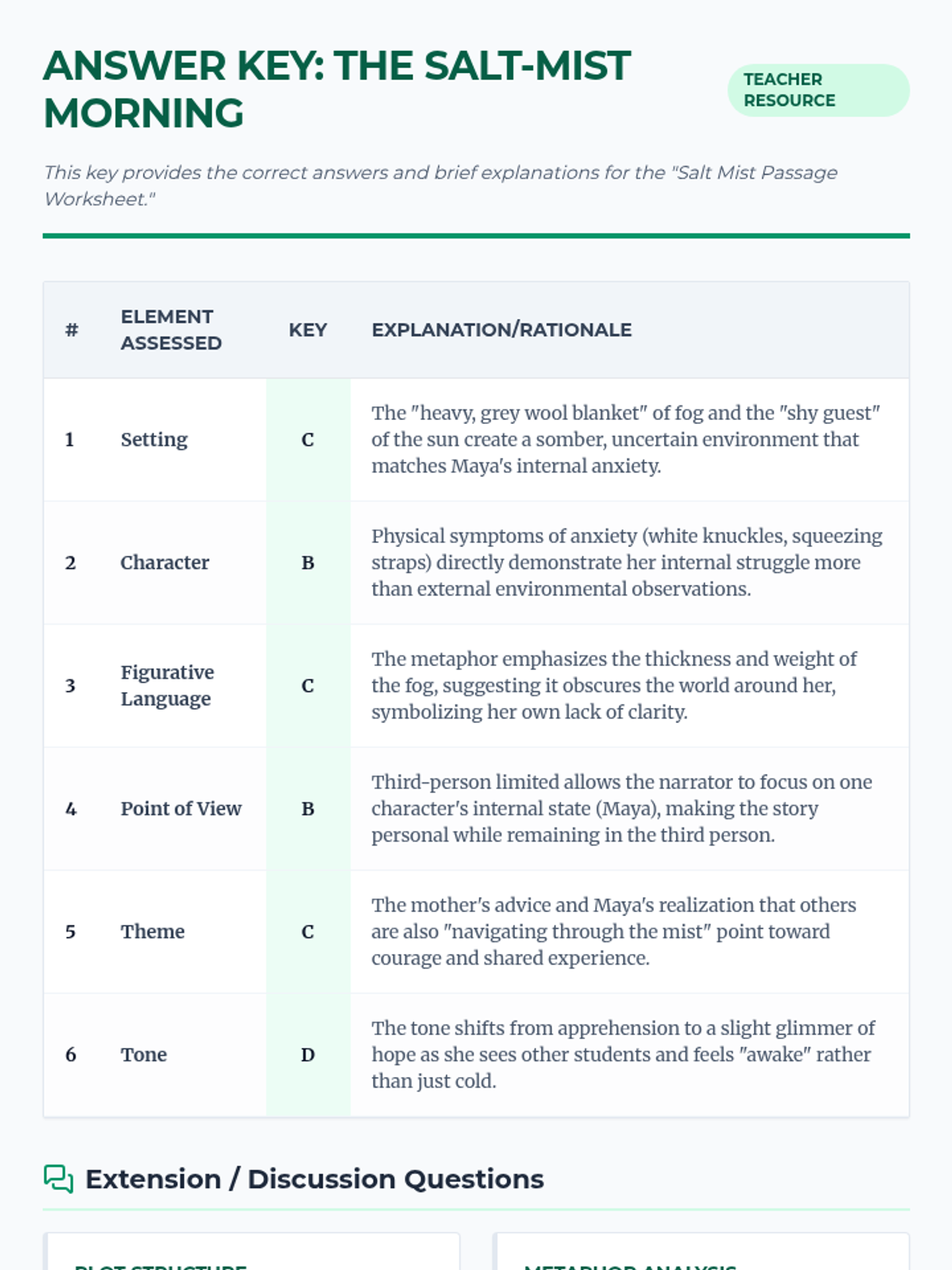
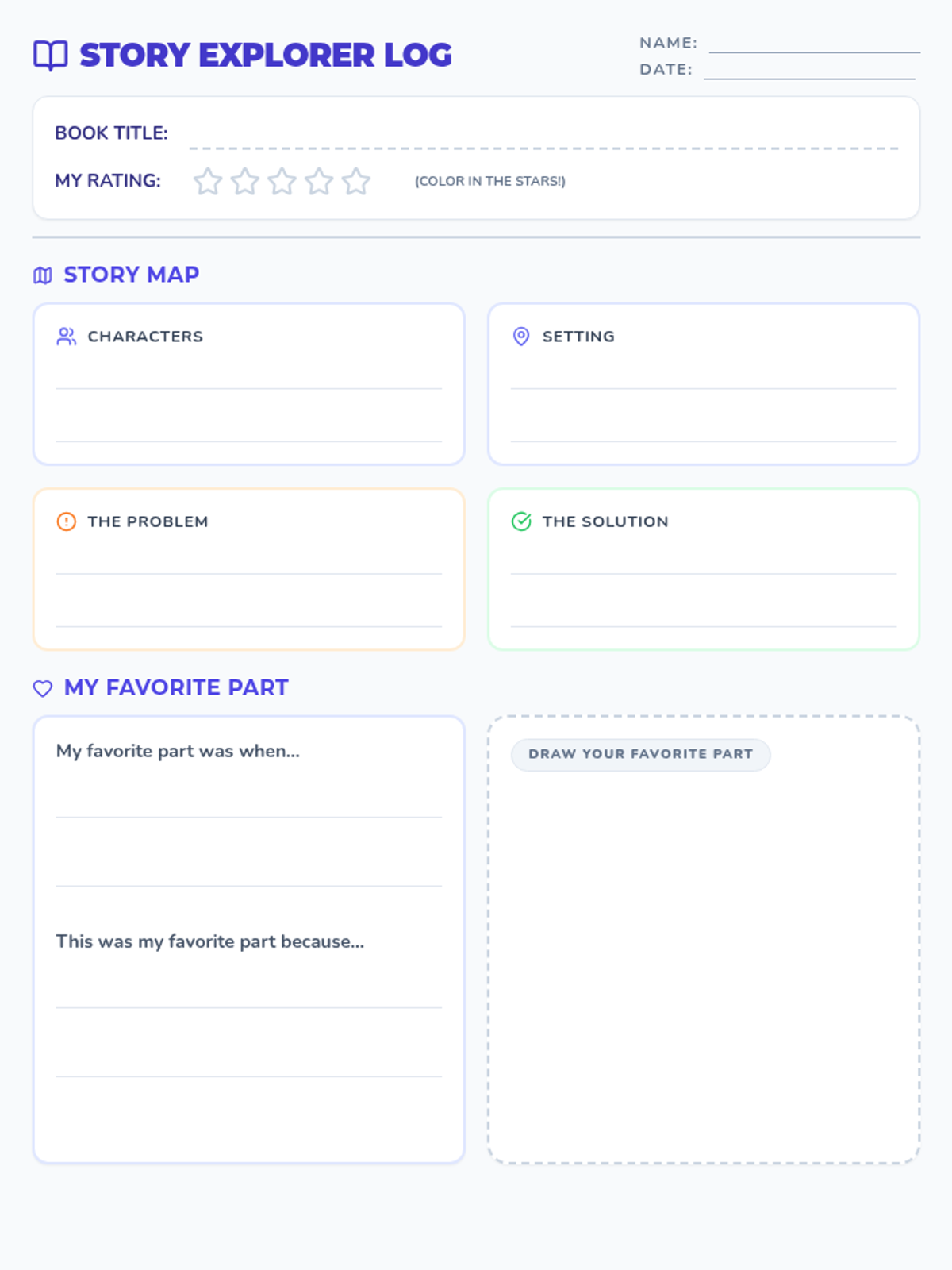
This lesson focuses on analyzing key literary elements—plot, character, setting, theme, point of view, tone, and figurative language—within a realistic fiction text. Students will read a short story and answer targeted comprehension questions to demonstrate their mastery of these elements.
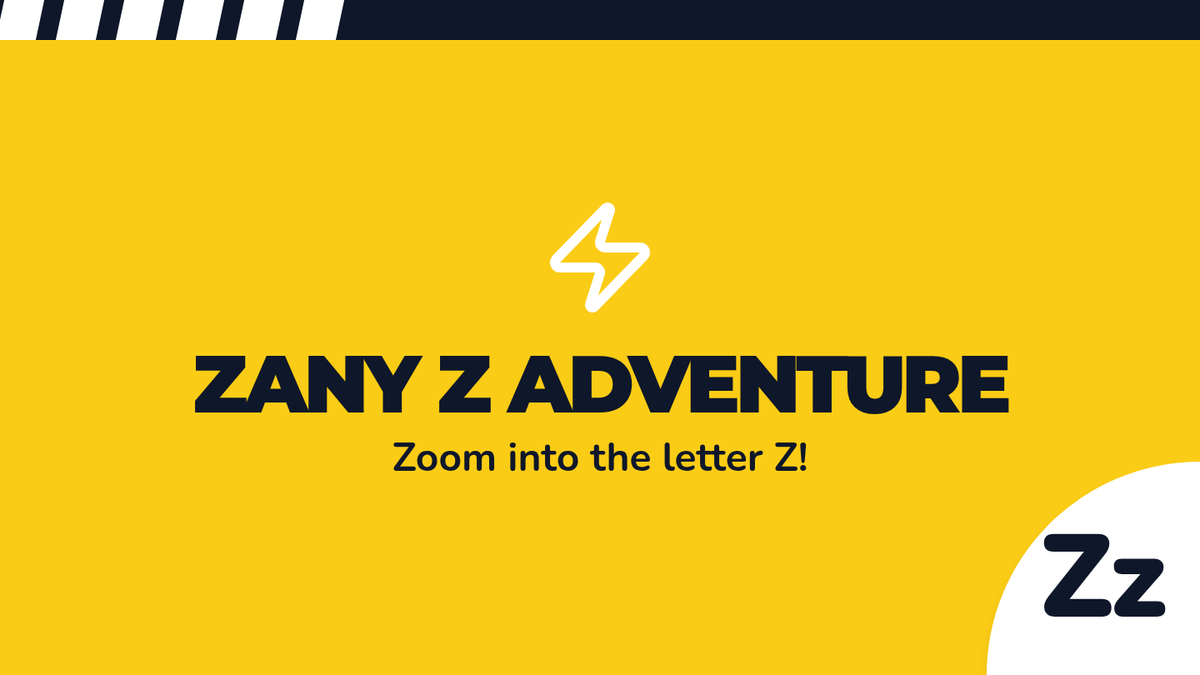
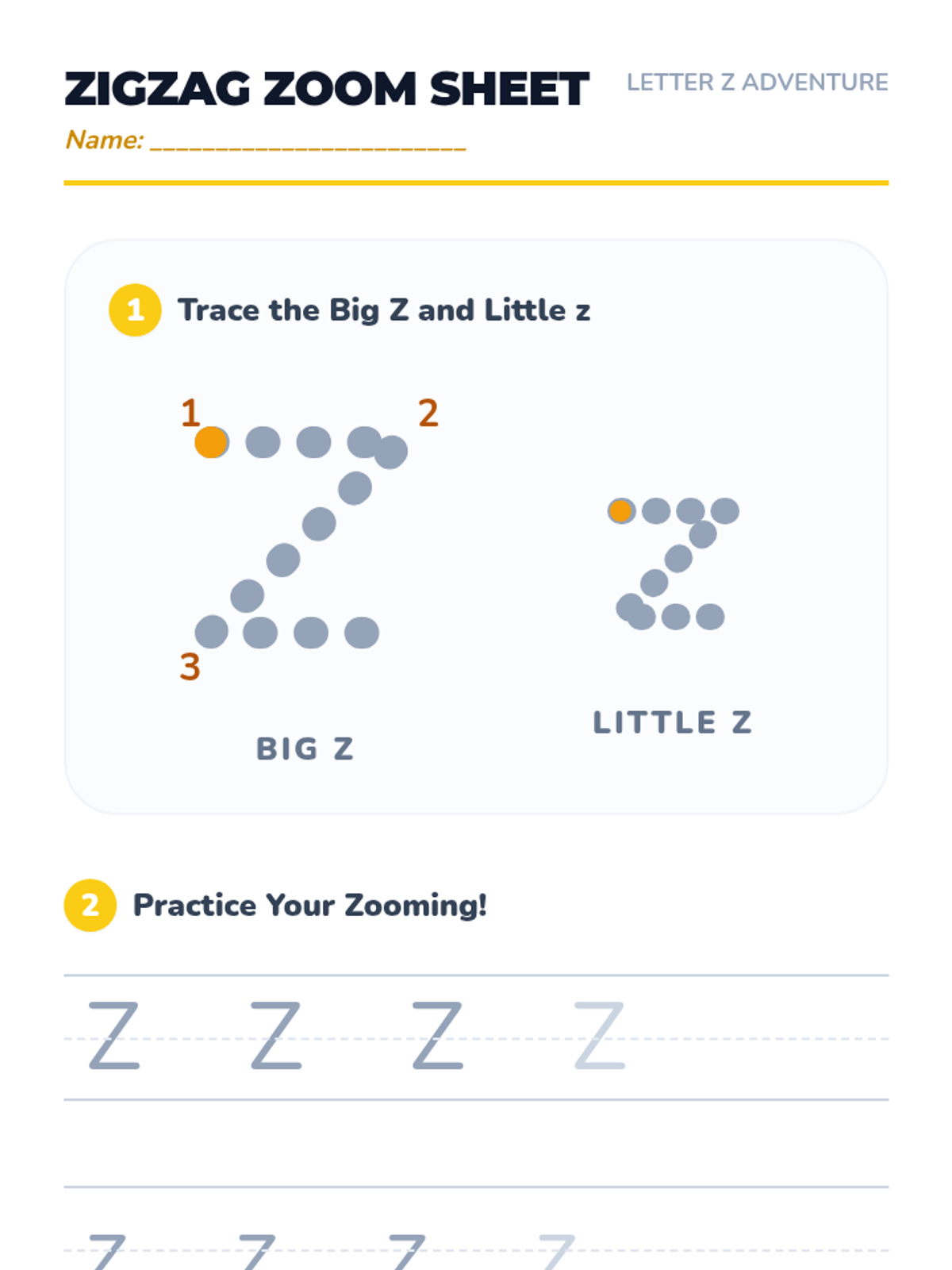
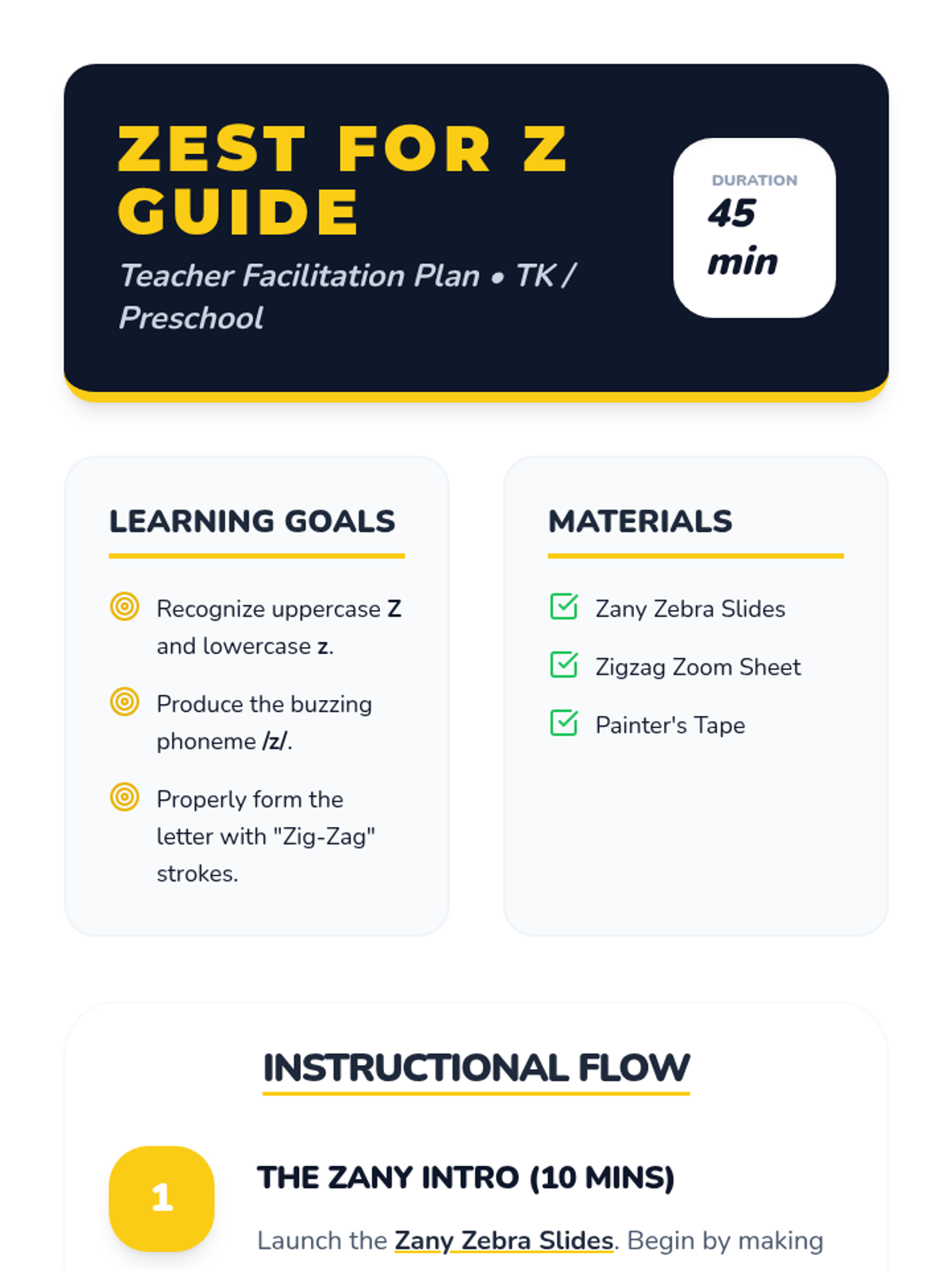
An interactive introduction to the letter Z for TK students, focusing on recognition, the /z/ sound, and formation through movement and play.
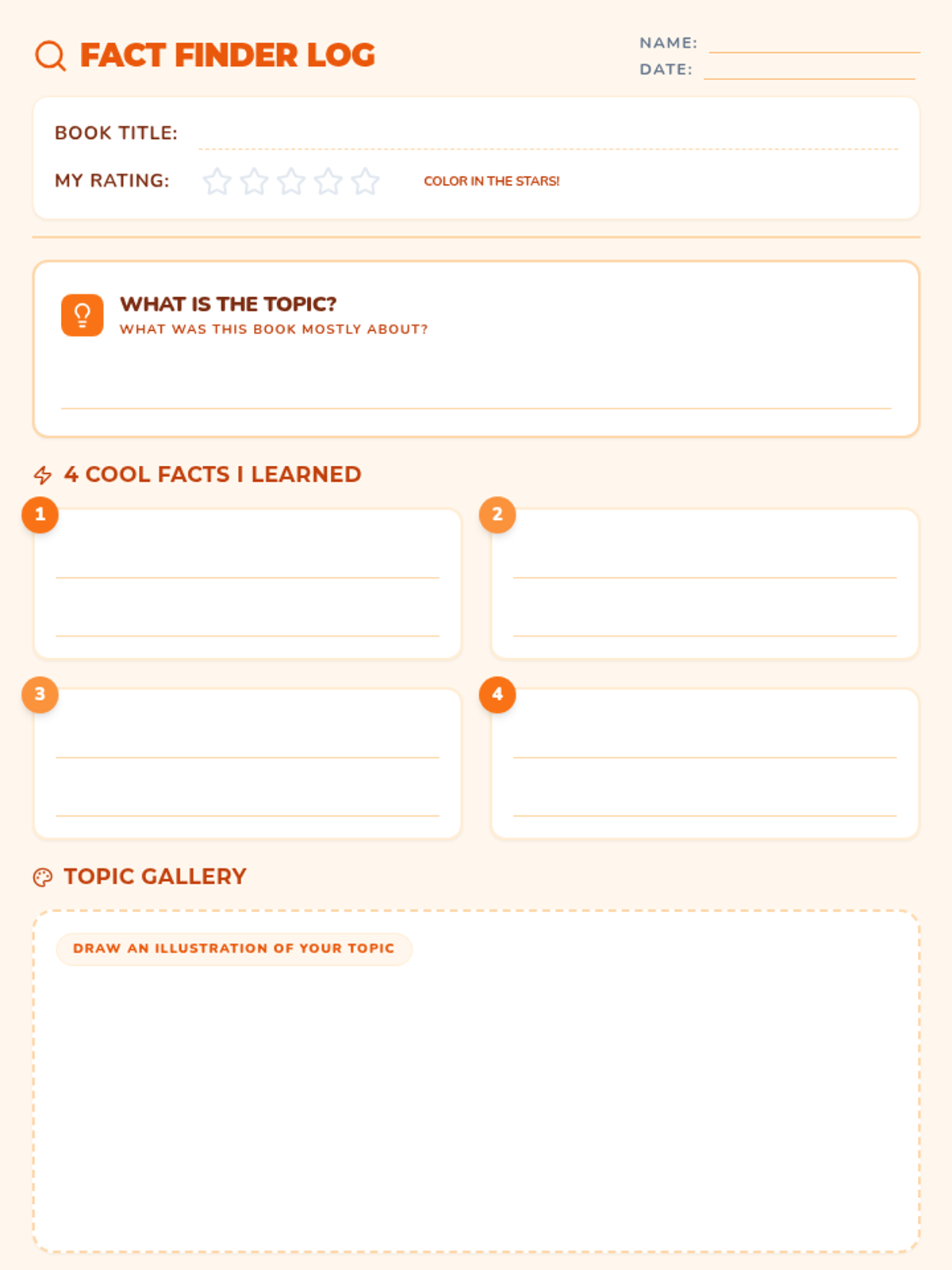
A pair of engaging recording sheets designed for students to track their reading on Epic!, featuring specific templates for both fiction and nonfiction texts.
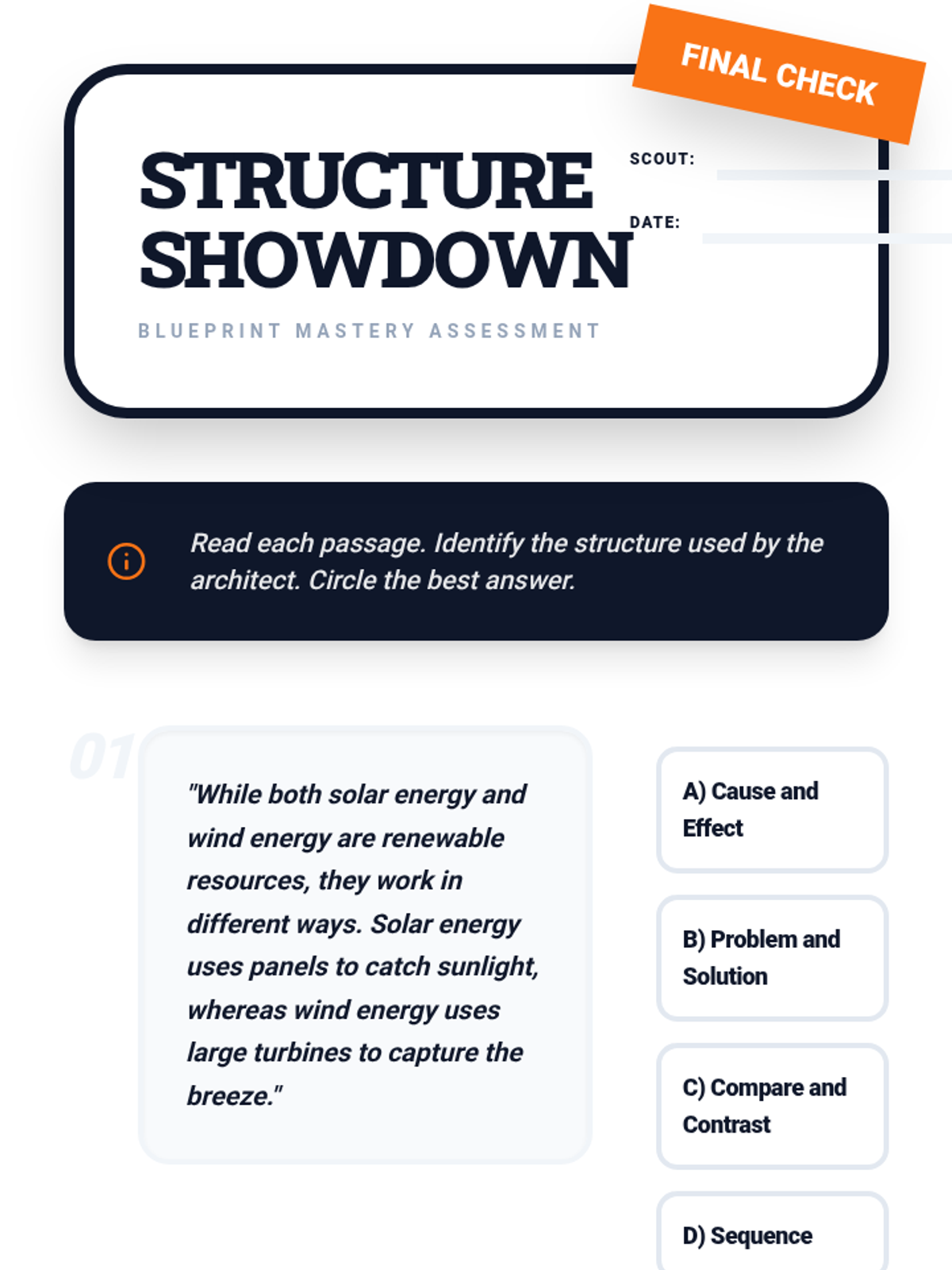
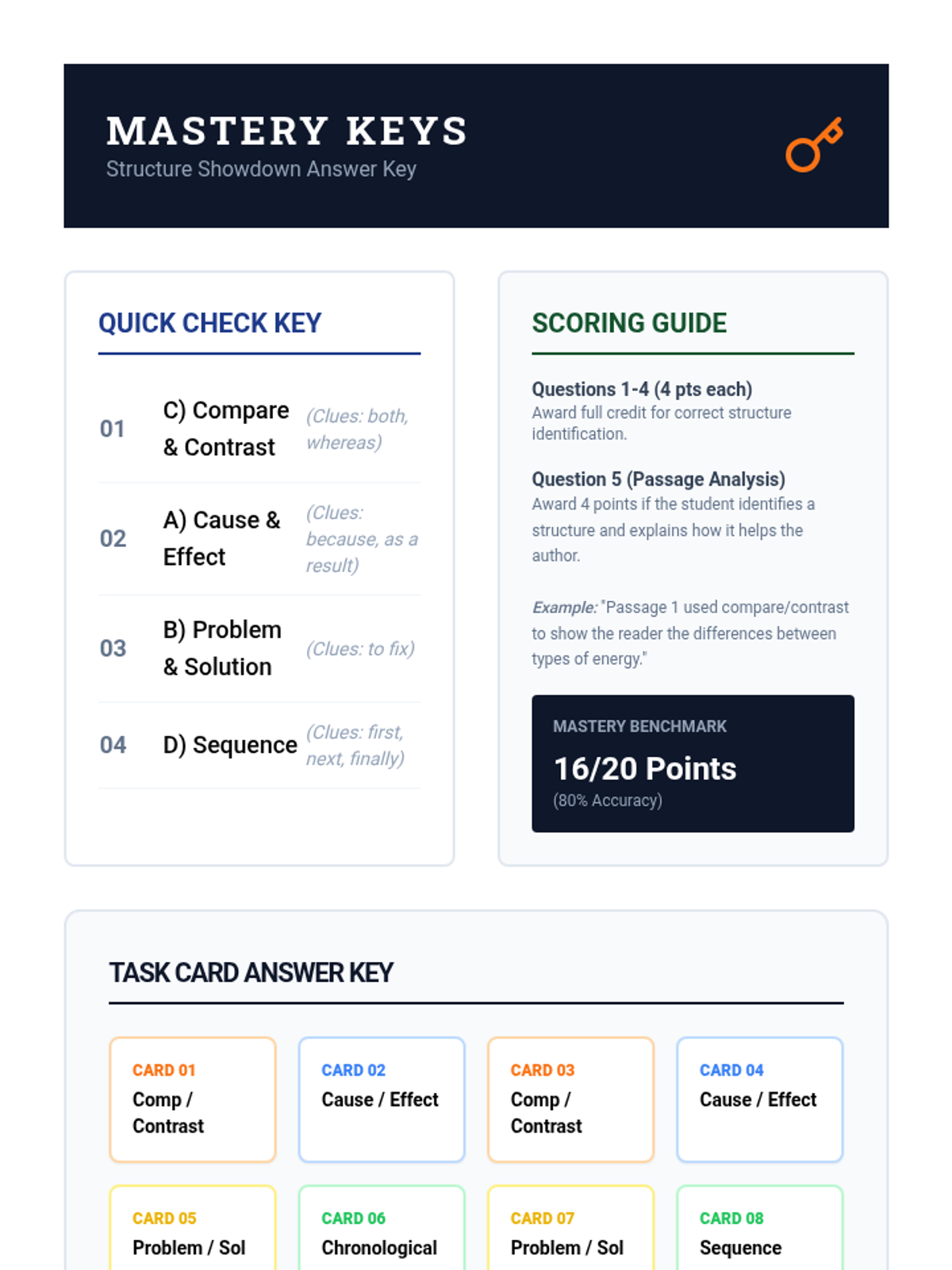
A final assessment and review day where students demonstrate their mastery of identifying and analyzing all four text structures through a quick check and center activities.
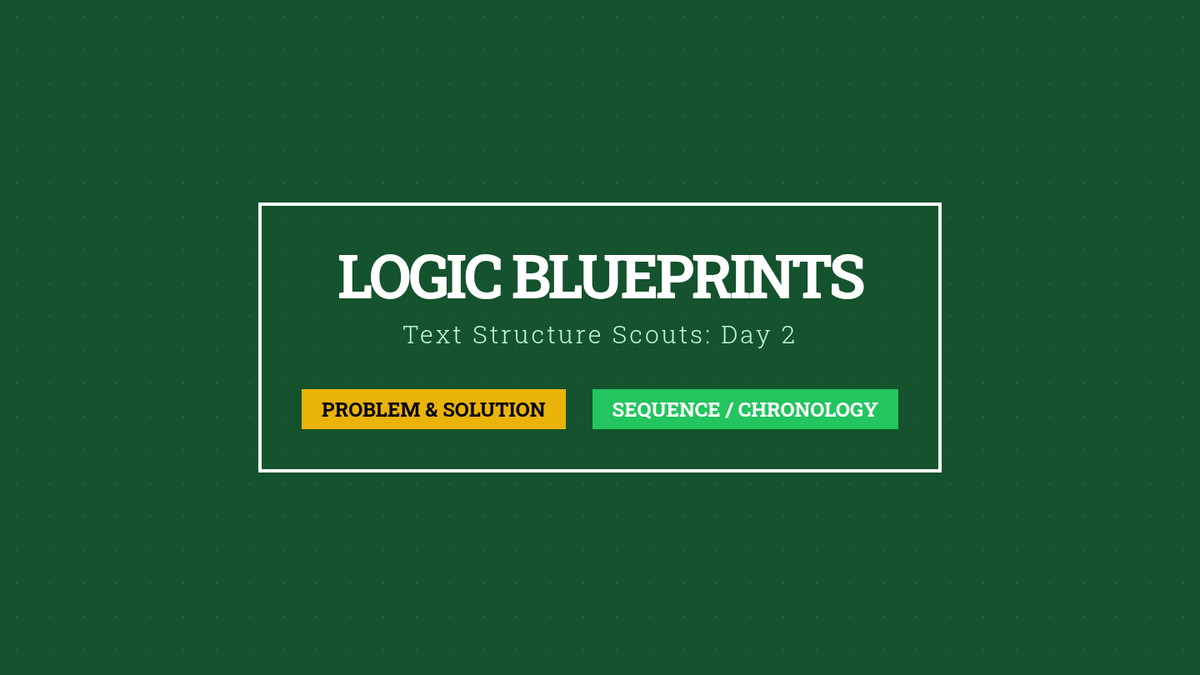
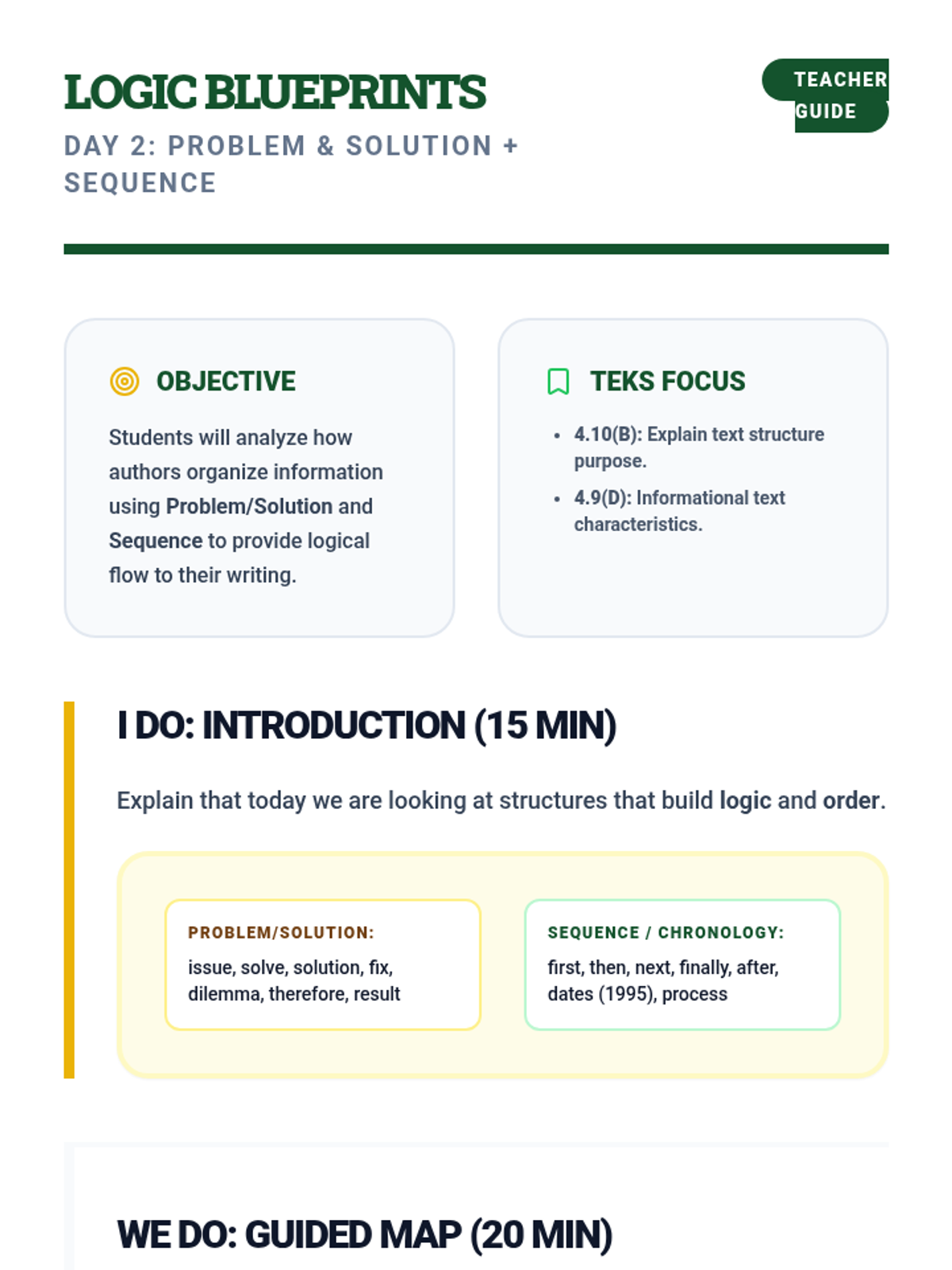
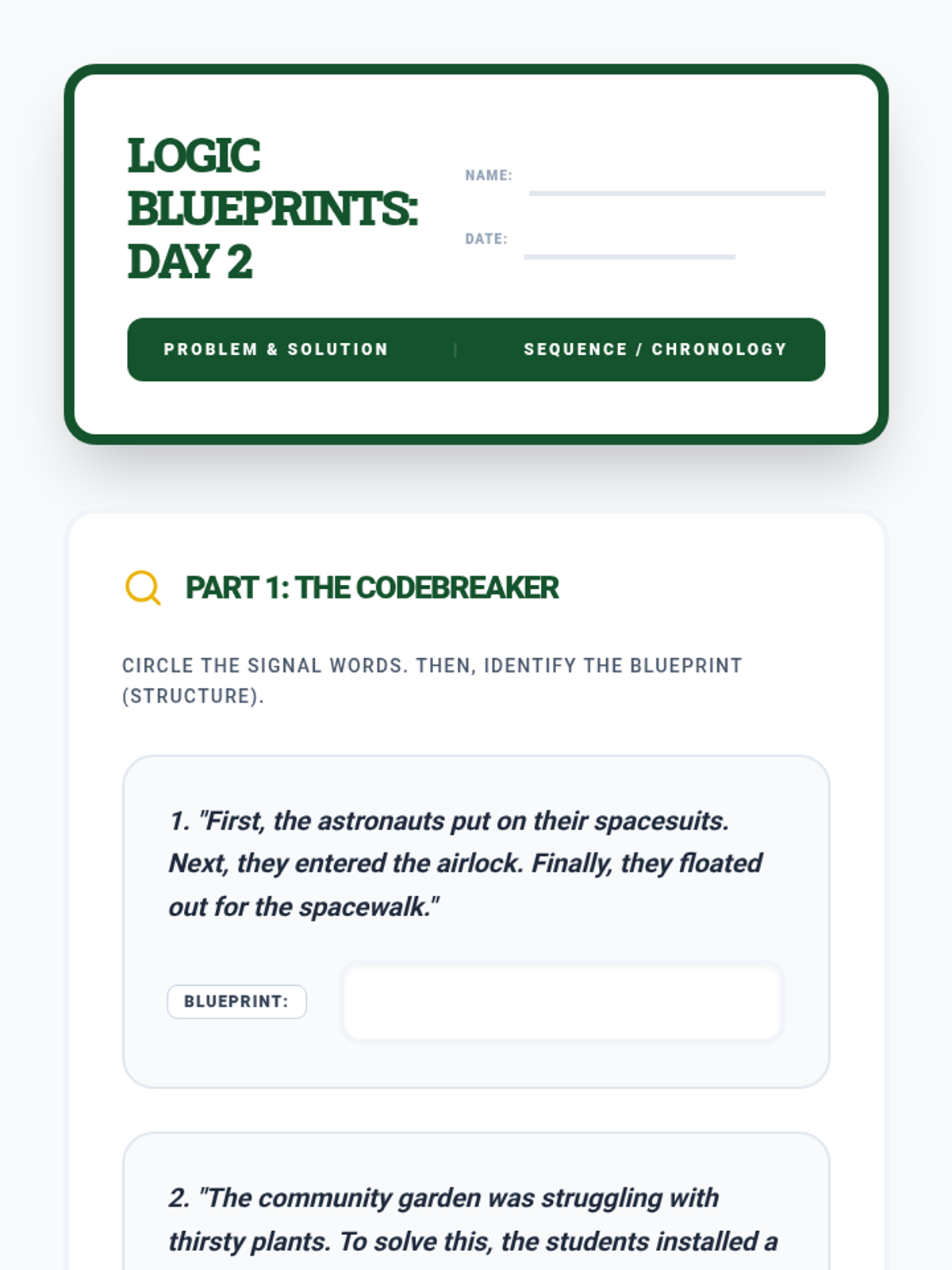
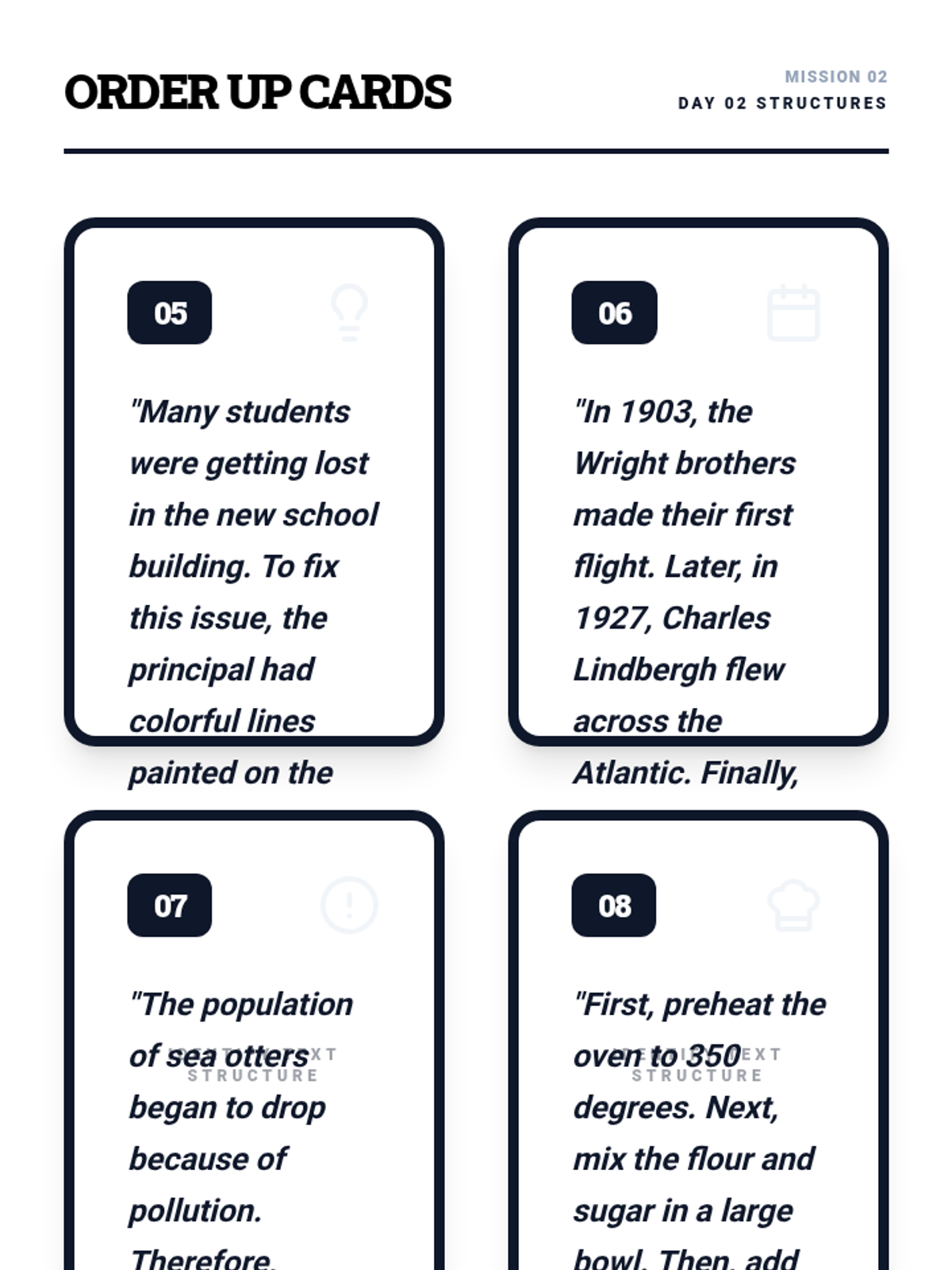
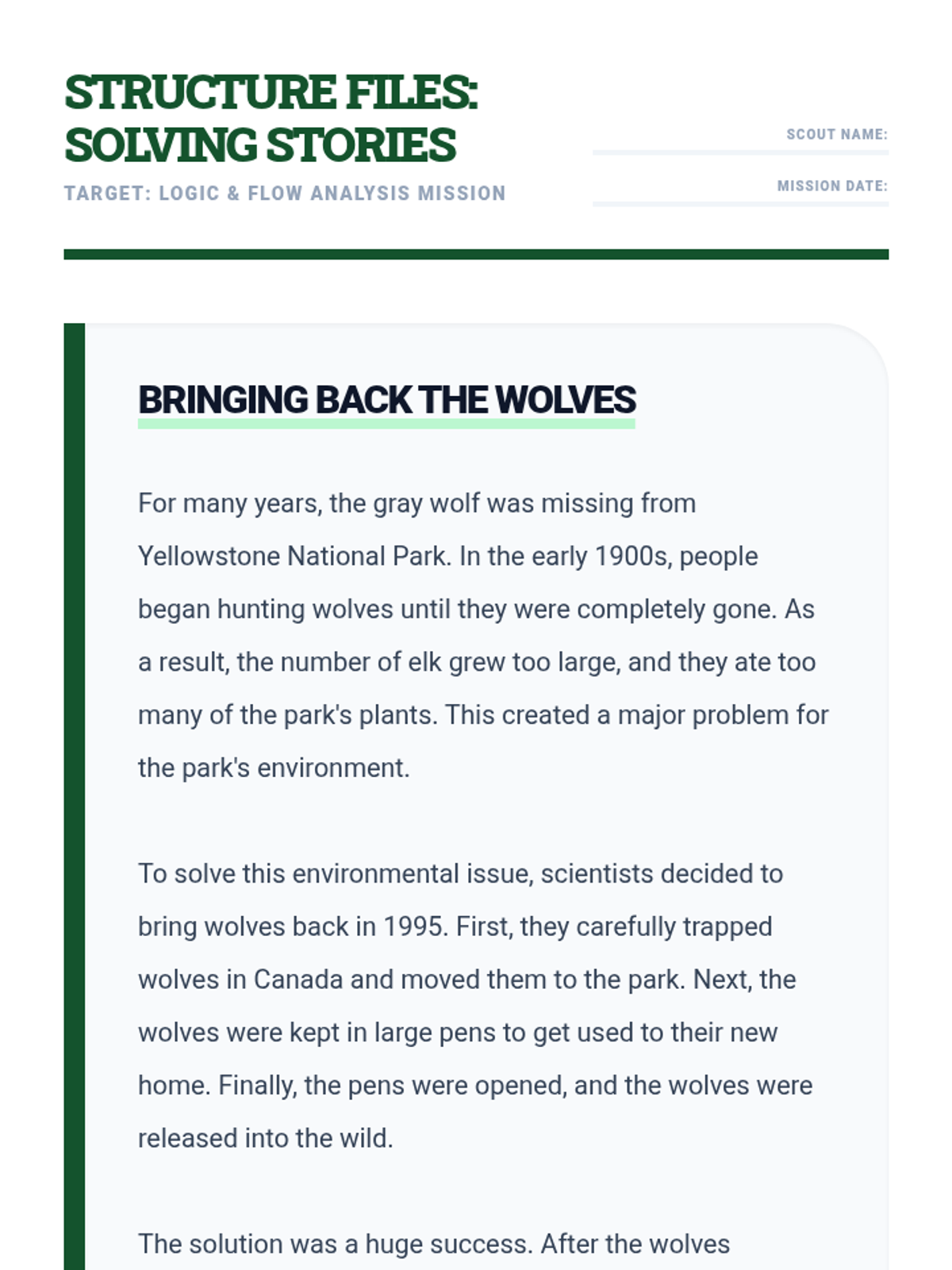
Students explore Problem/Solution and Sequence text structures, identifying key signal words and organizational patterns that authors use to build logical progression.
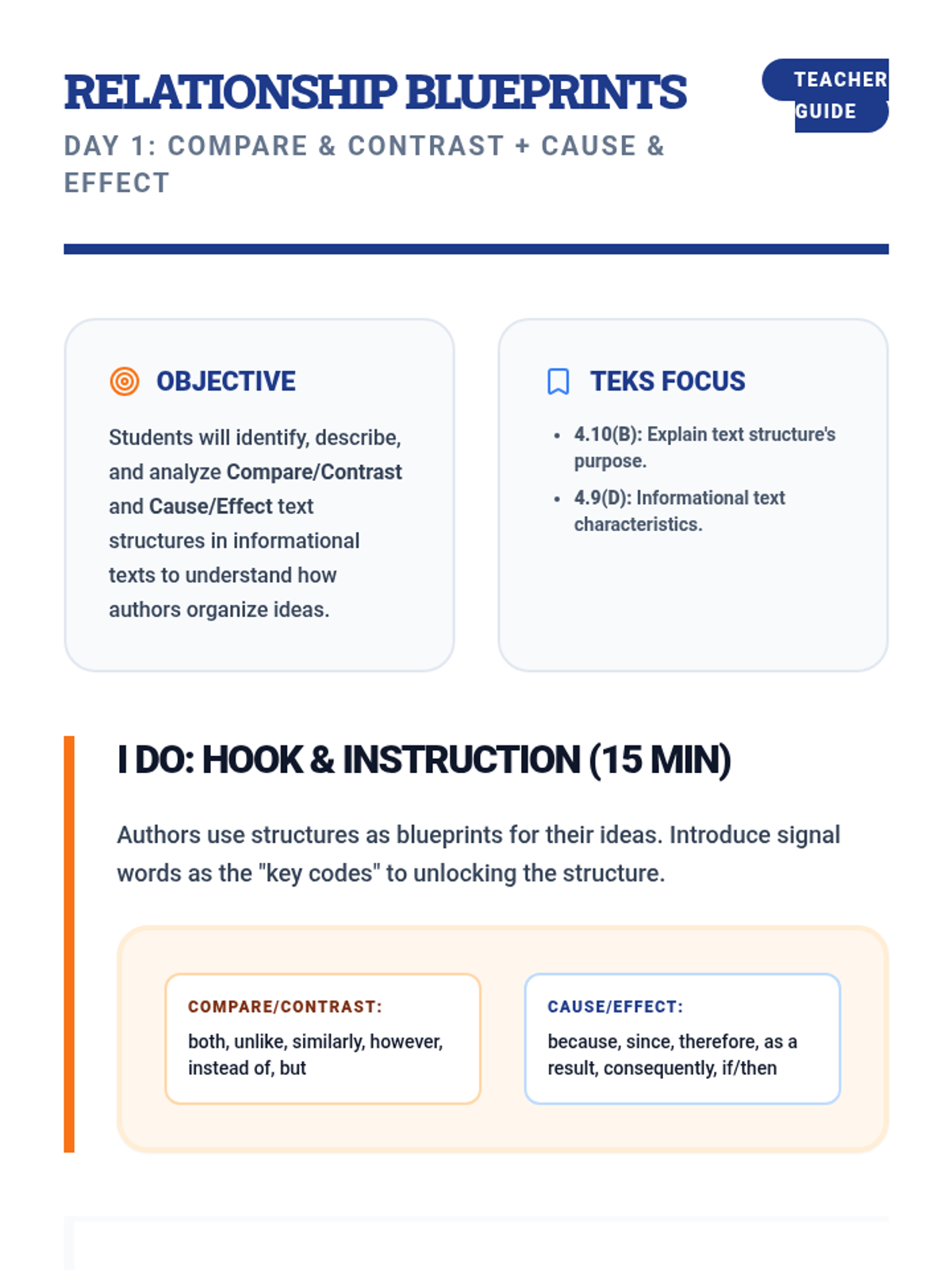
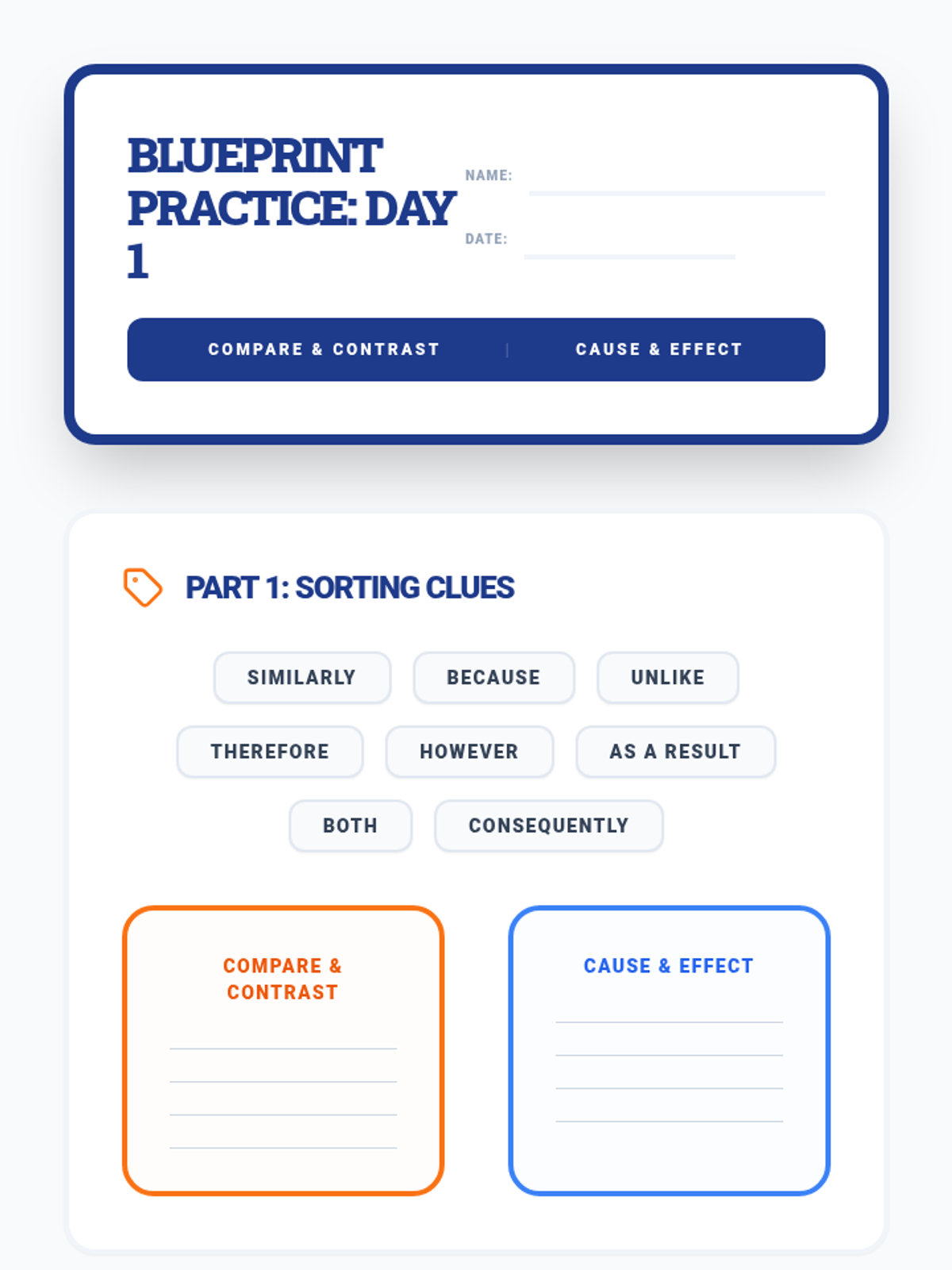
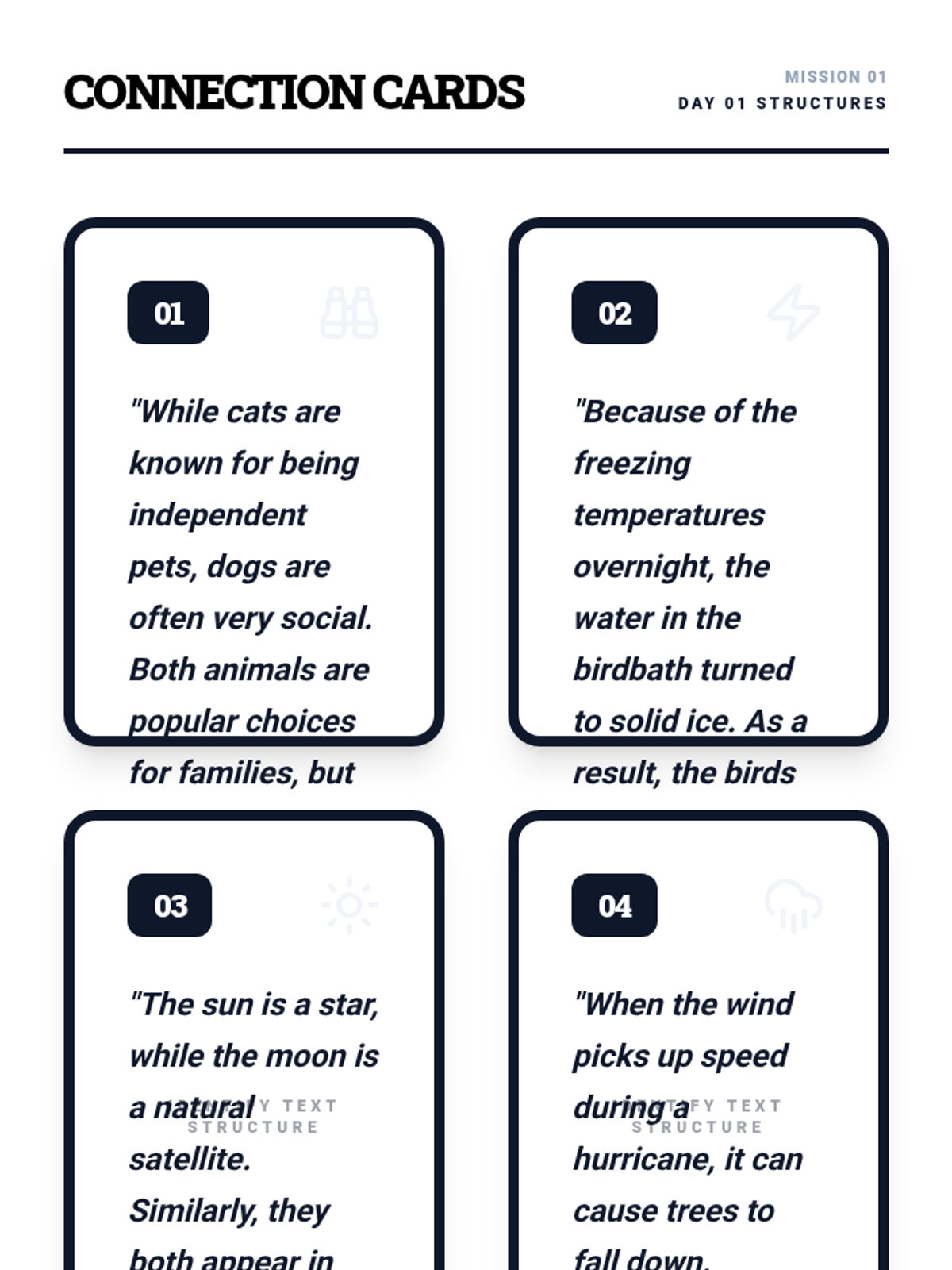
Students analyze Compare/Contrast and Cause/Effect text structures to understand how authors relate ideas and events in informational texts.
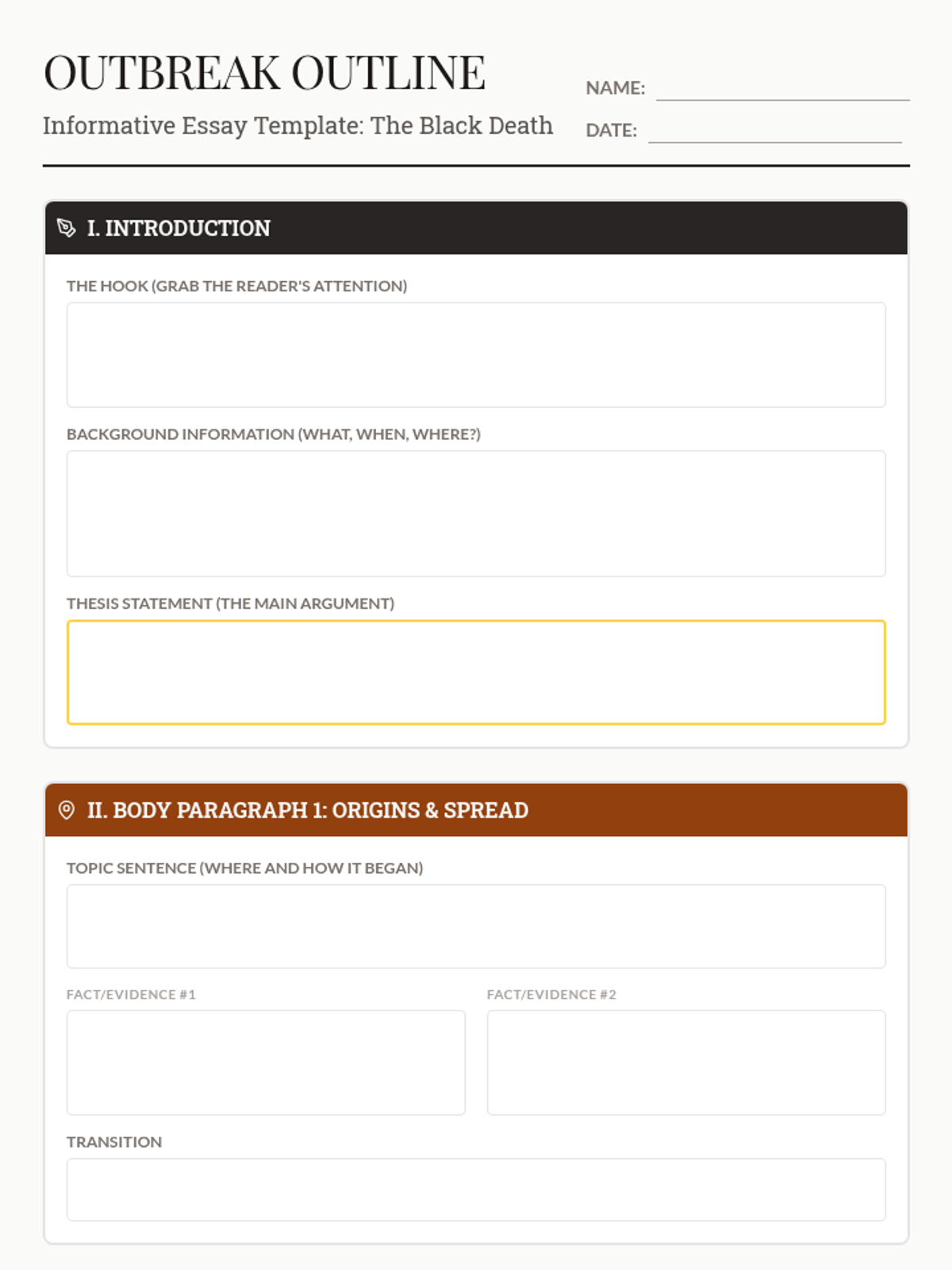
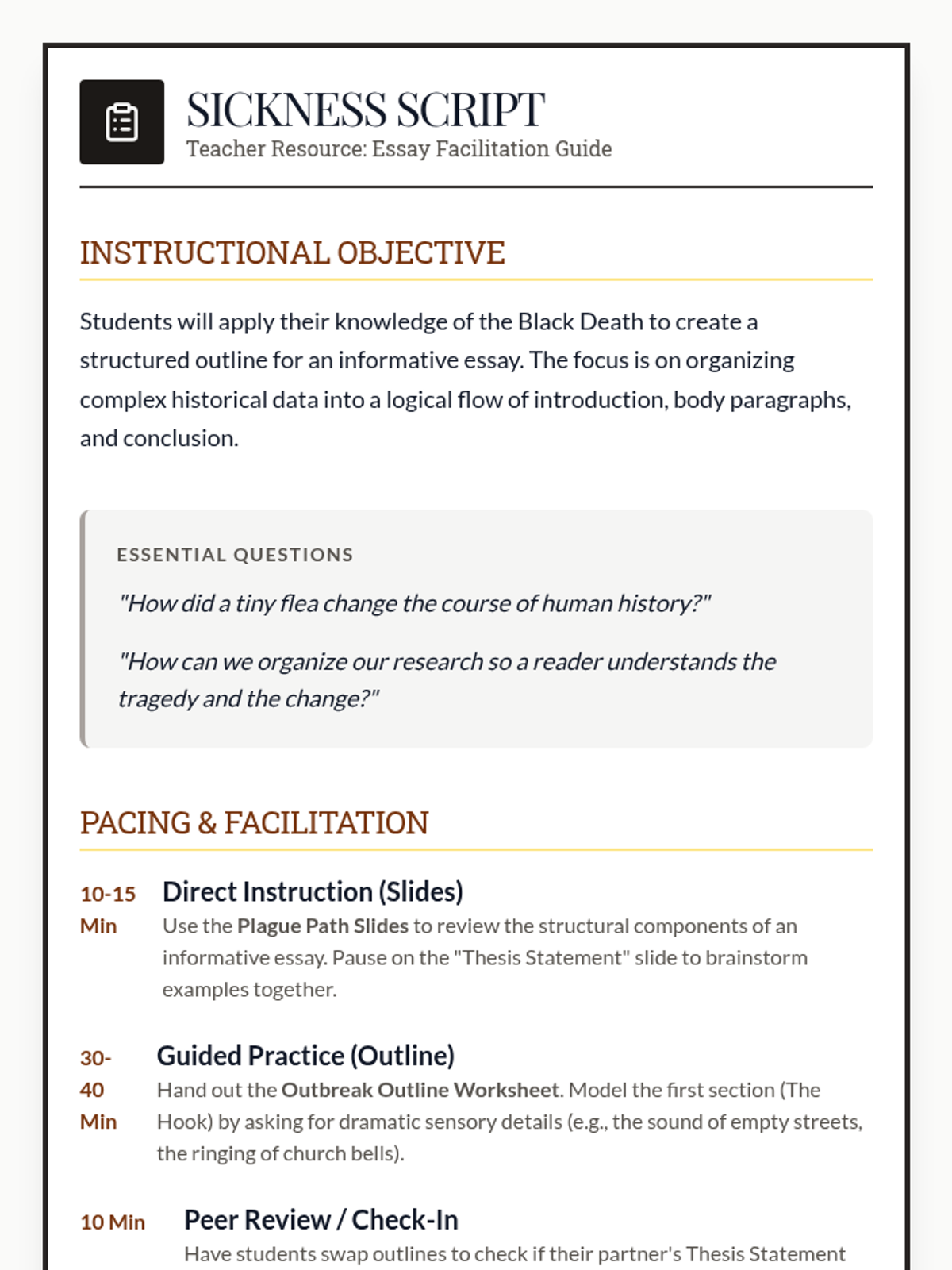
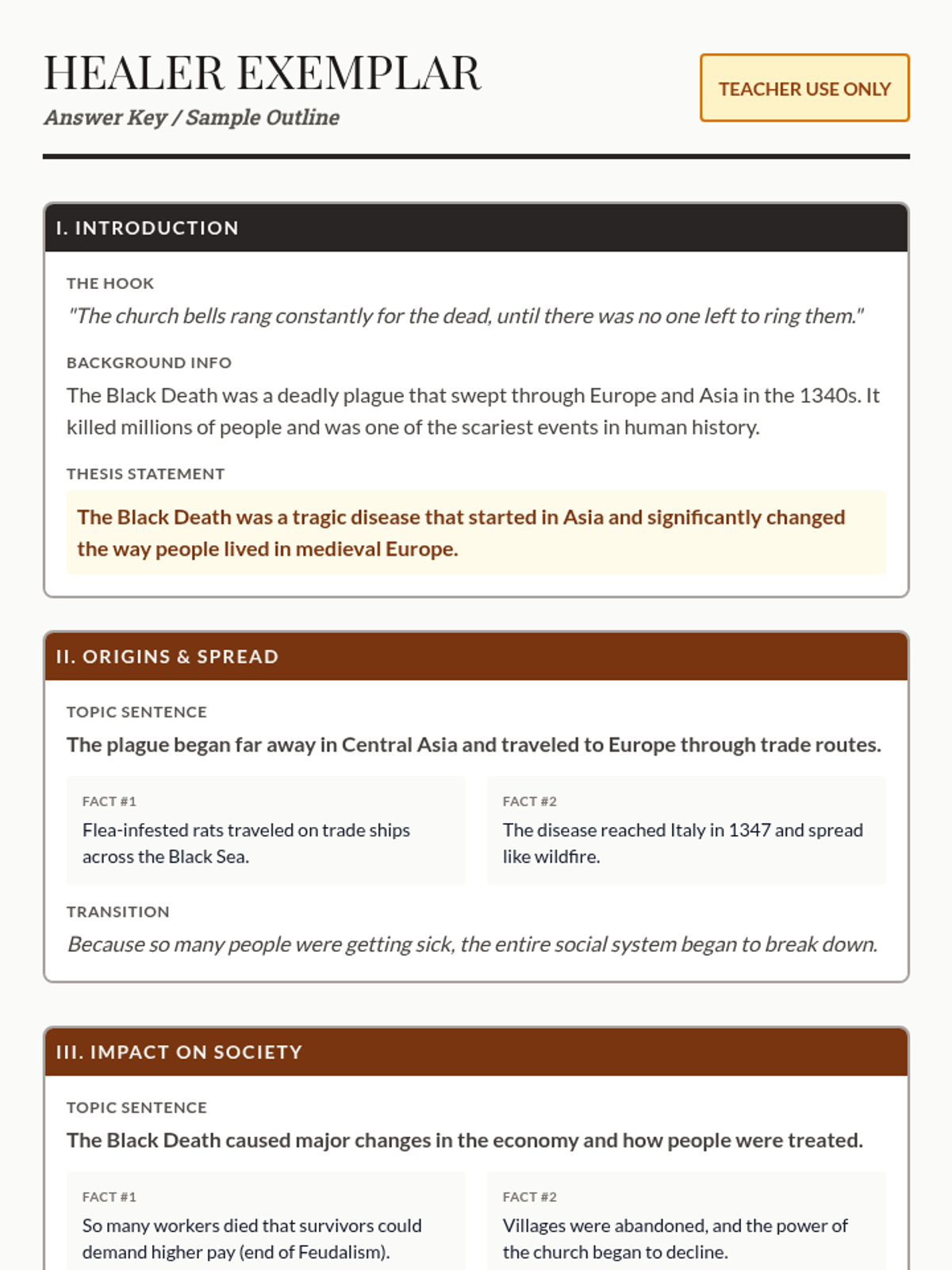
Students will learn how to structure an informative essay about the Black Death, focusing on its origins, spread, and impact on medieval society. This lesson provides a guided outline to help 5th graders organize their research into a cohesive multi-paragraph format.
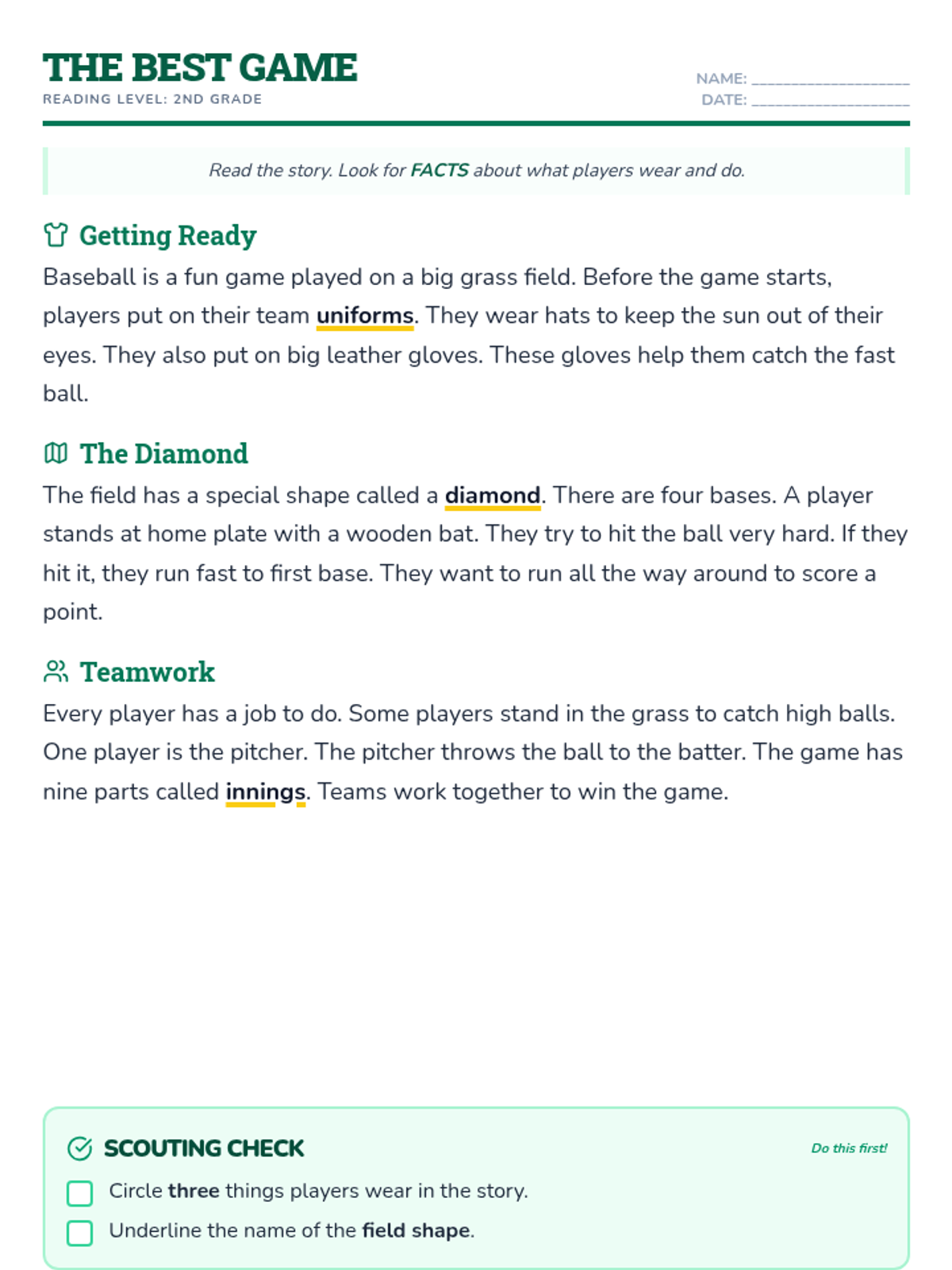
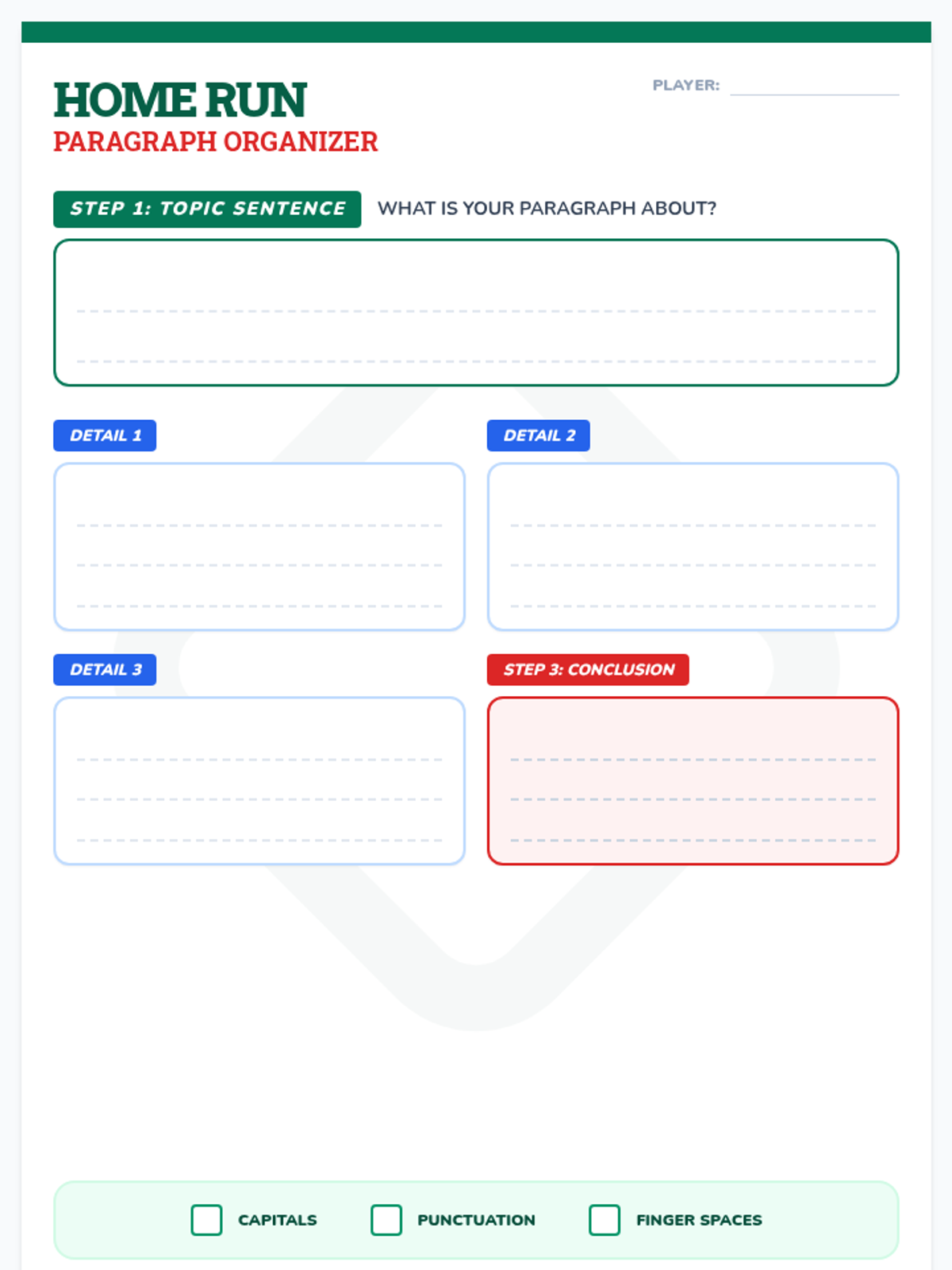
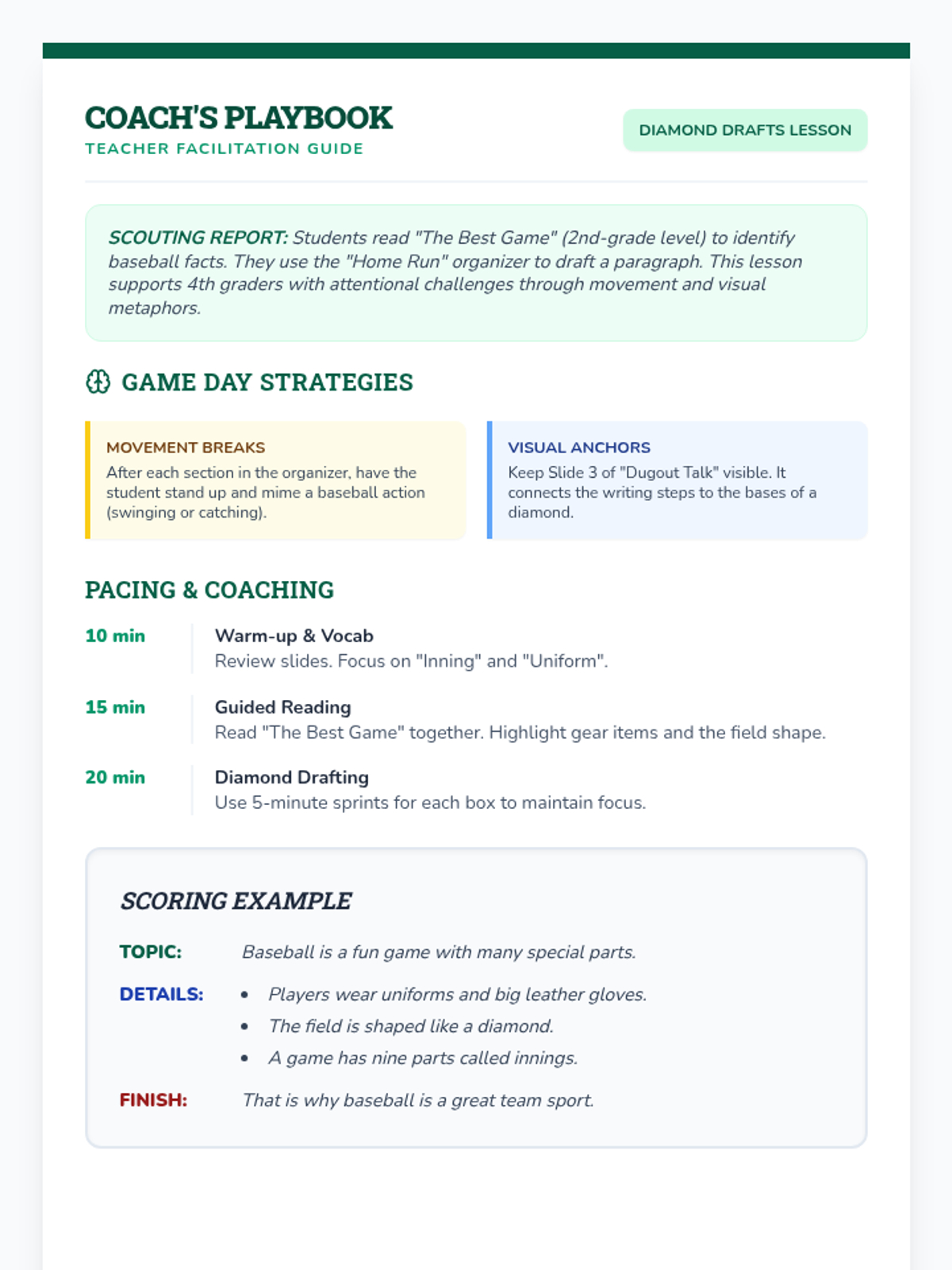
A baseball-themed reading and writing lesson designed for a 4th grader reading at a 2nd-grade level. The lesson focuses on identifying key details and organizing a paragraph using a topic sentence, three details, and a conclusion.
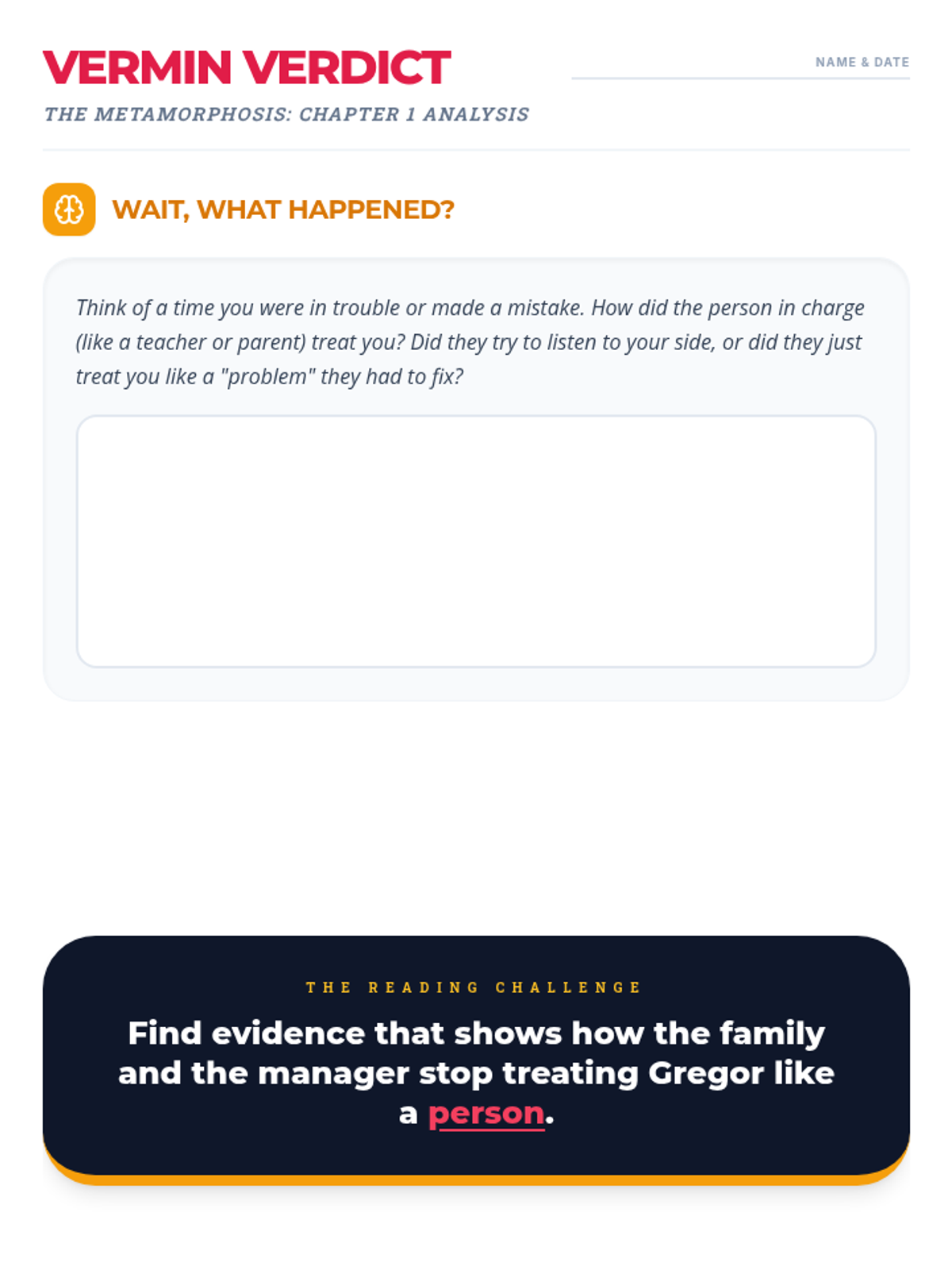
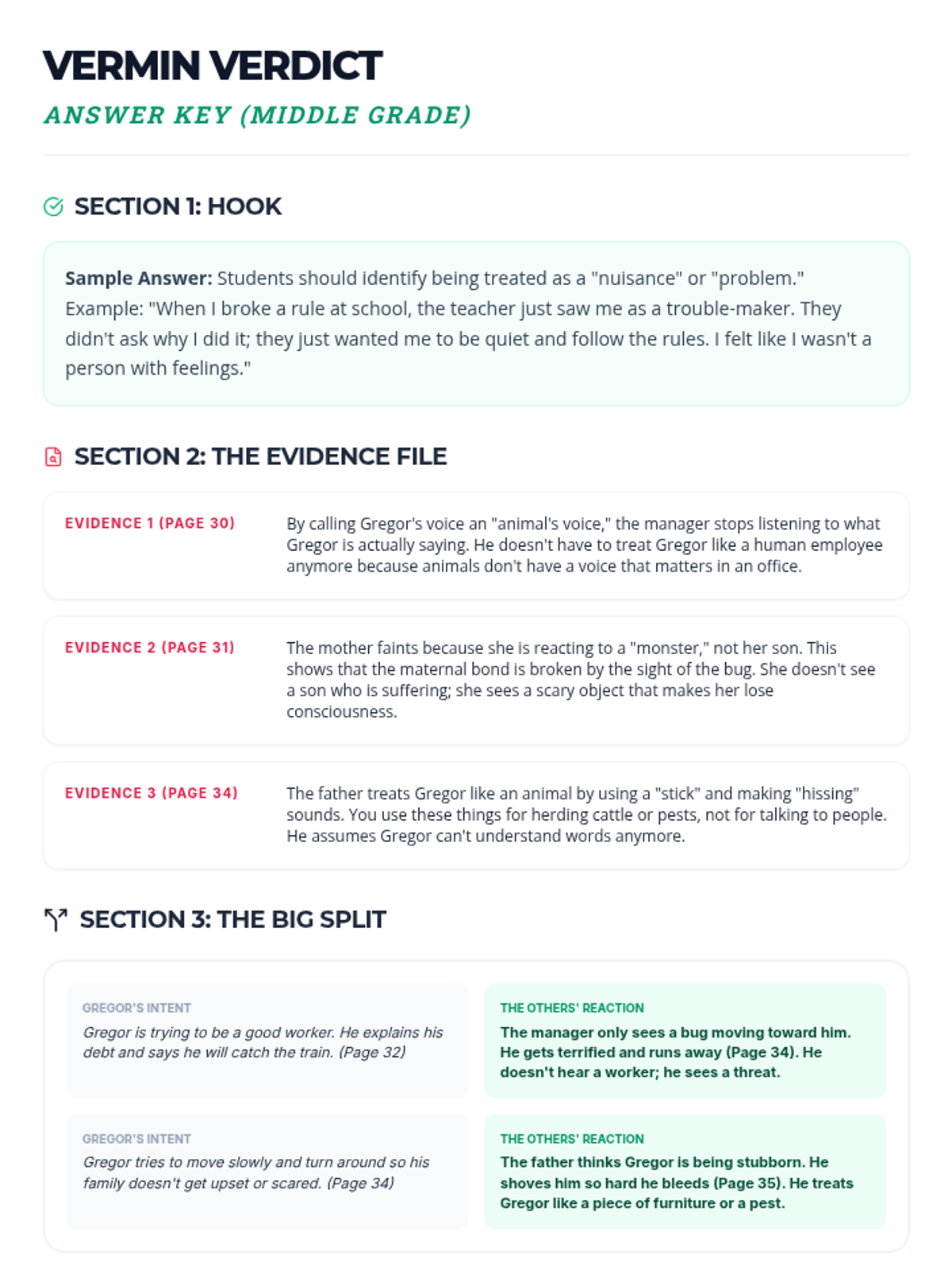
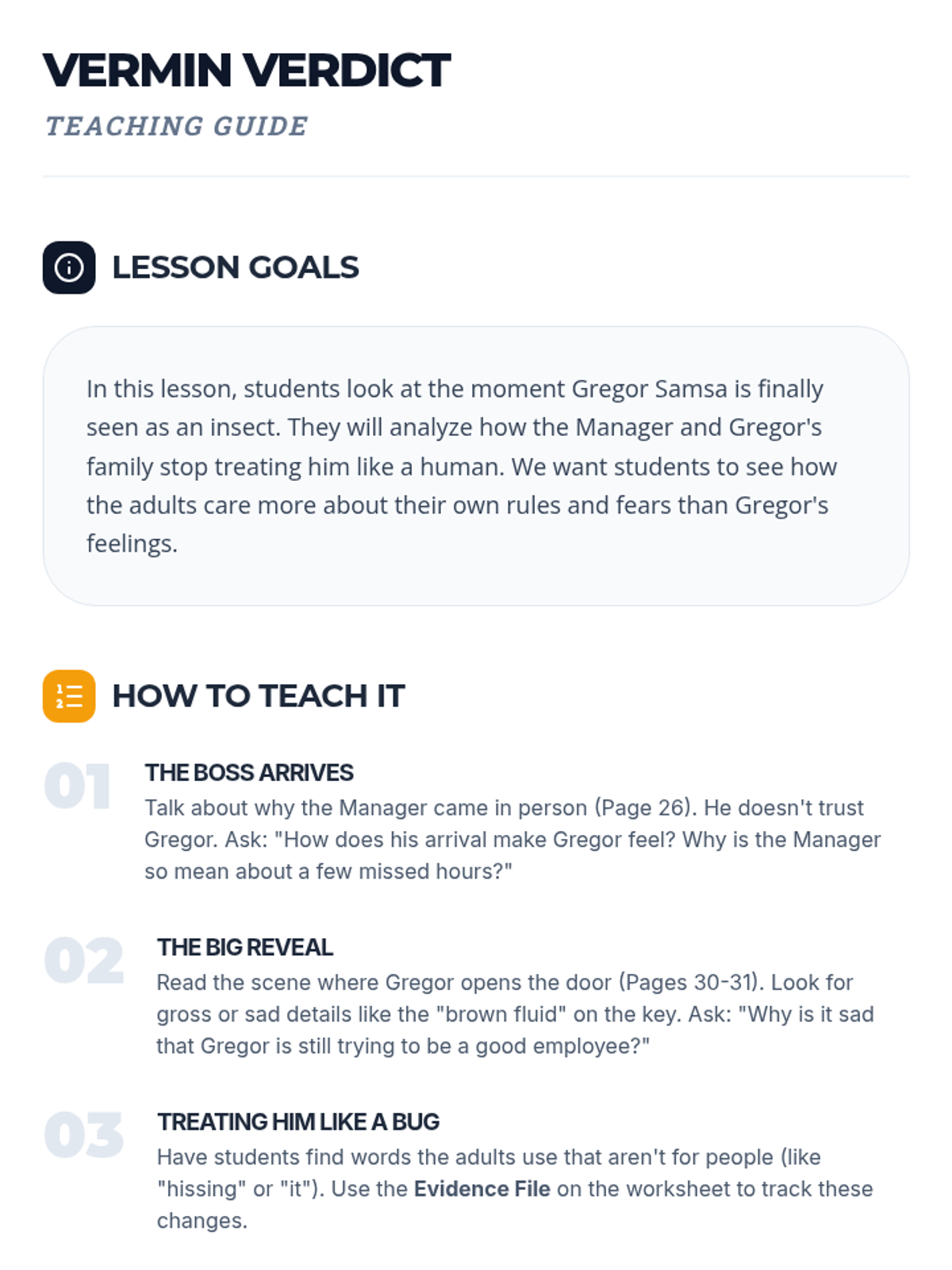
A lesson exploring the arrival of the Manager in Chapter 1 of 'The Metamorphosis'. Students analyze the immediate dehumanization of Gregor by his family and superiors, focusing on word choice and the conflict between individual humanity and bureaucratic authority.
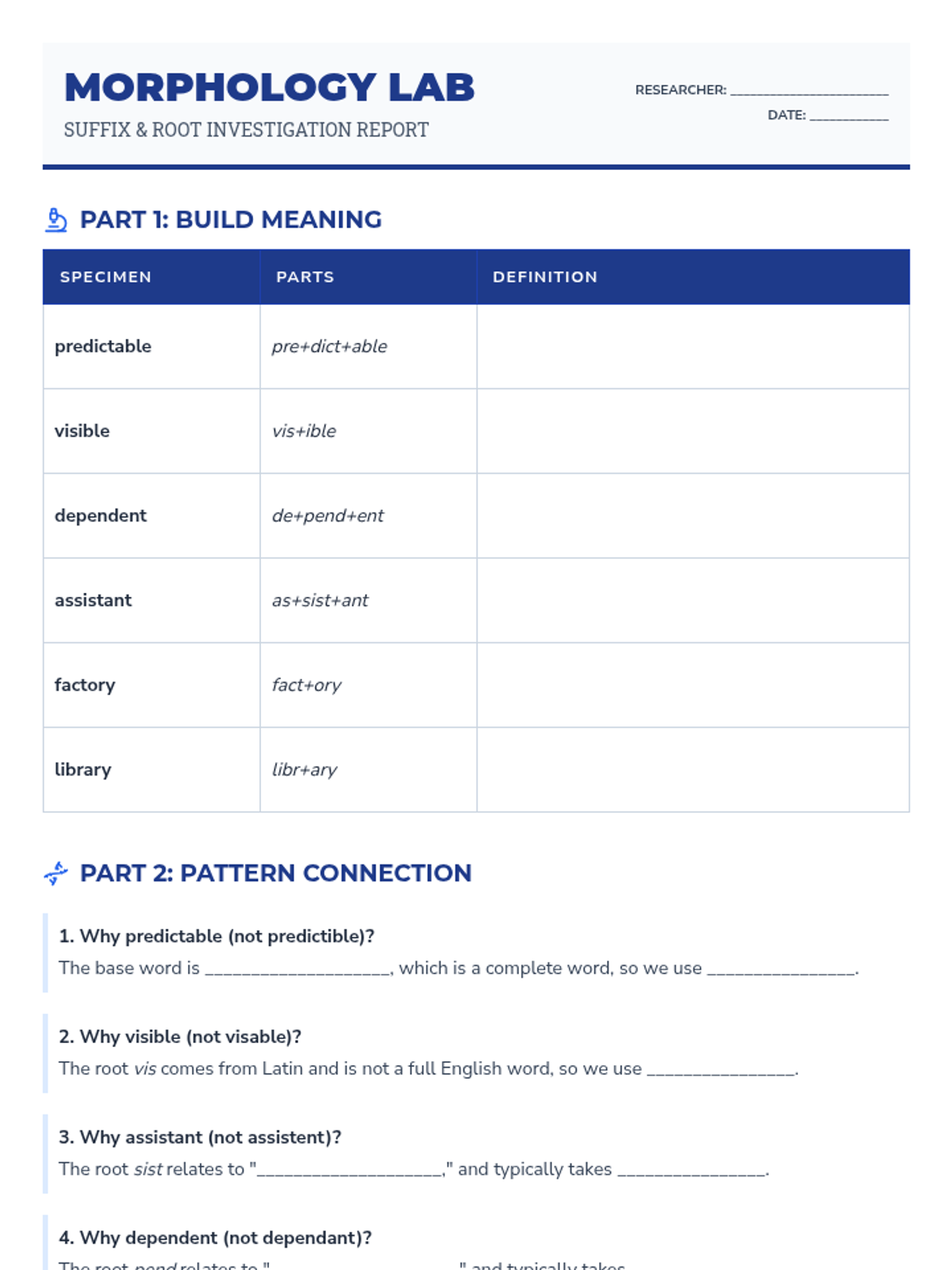
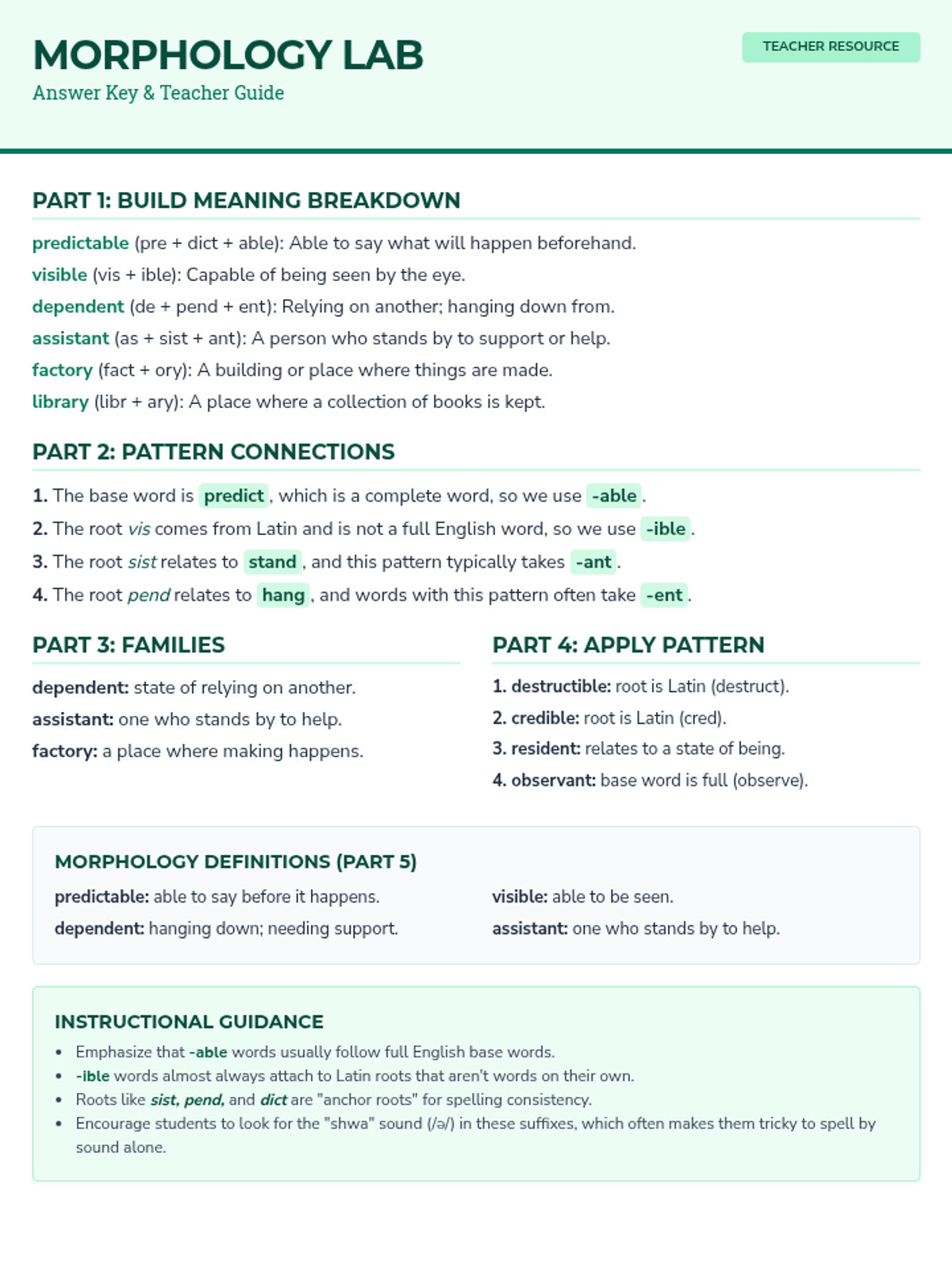
A deep dive into morphology and common word endings (-able, -ible, -ary, -ery, -ory, -ant, -ent), focusing on how Latin roots and base words determine spelling patterns.
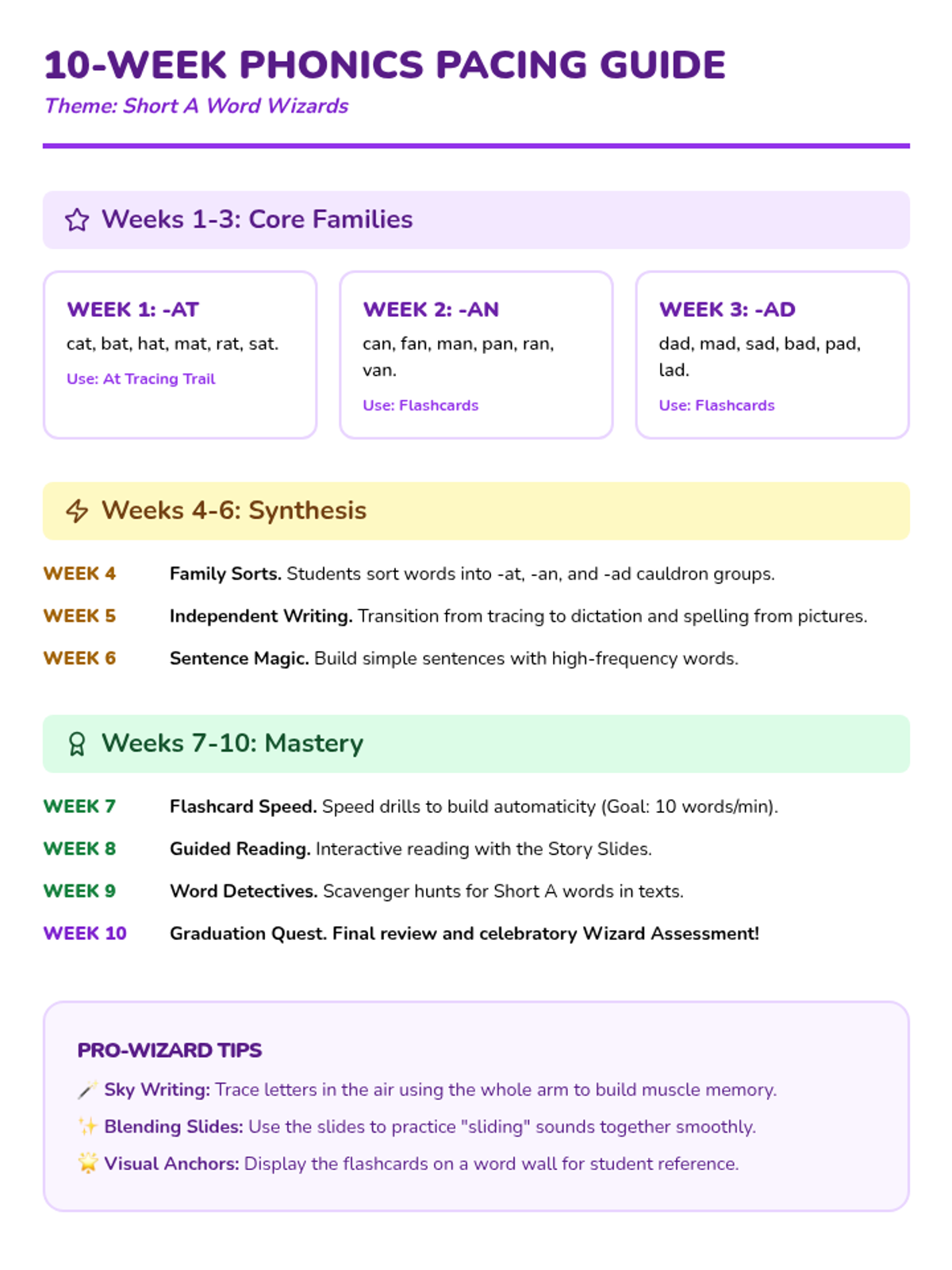
A final assessment and celebration of 10 weeks of learning.
Interactive games and word hunts to solidify phonological awareness.
Reading decodable short stories featuring characters from the -at, -an, and -ad families.