An introductory lesson on Viking history, culture, and exploration designed for 3rd-grade students. This 60-minute lesson covers who the Vikings were, their longships, and their daily lives.
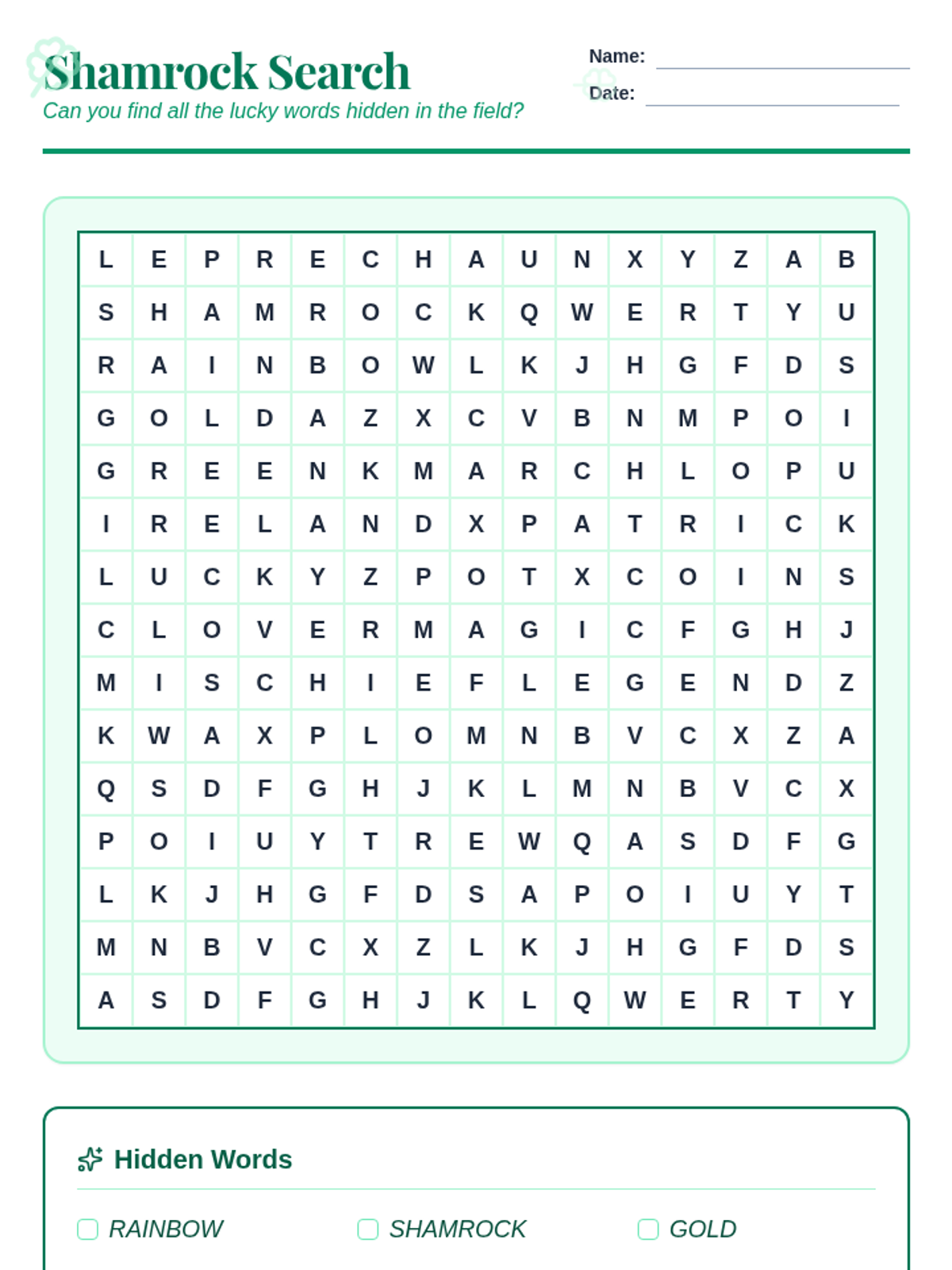
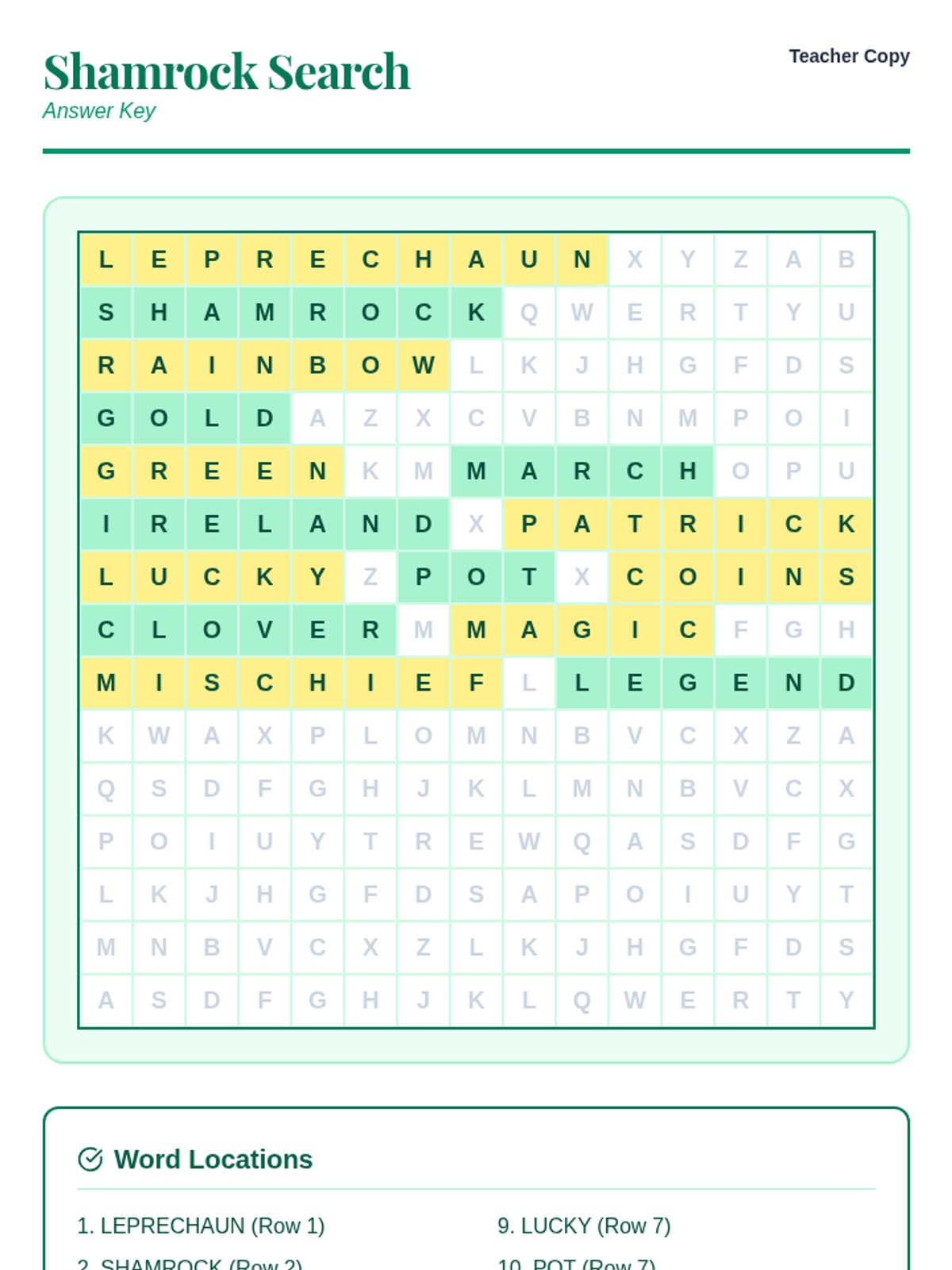
A festive collection of St. Patrick's Day activities focusing on vocabulary and Irish folklore.
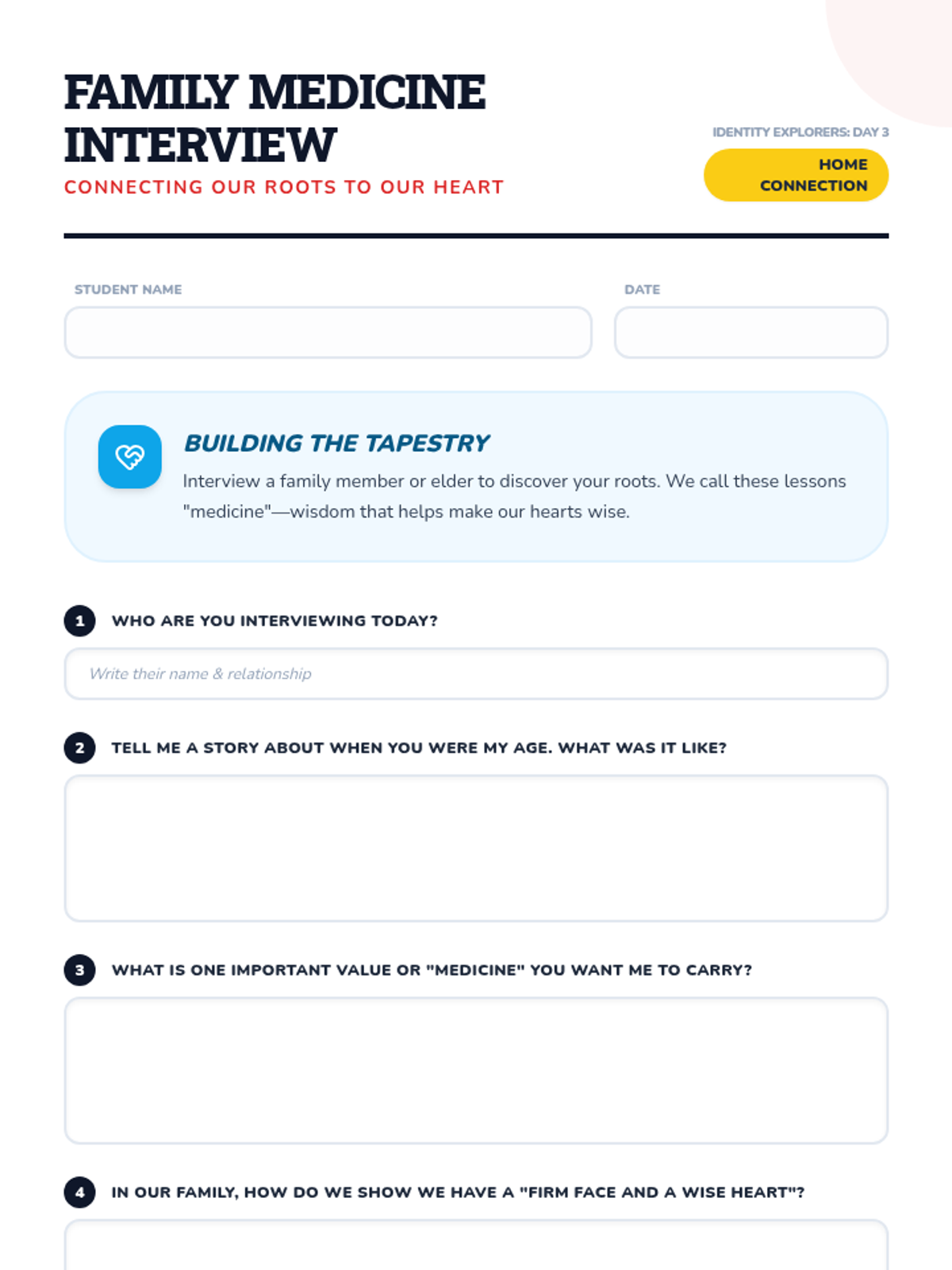
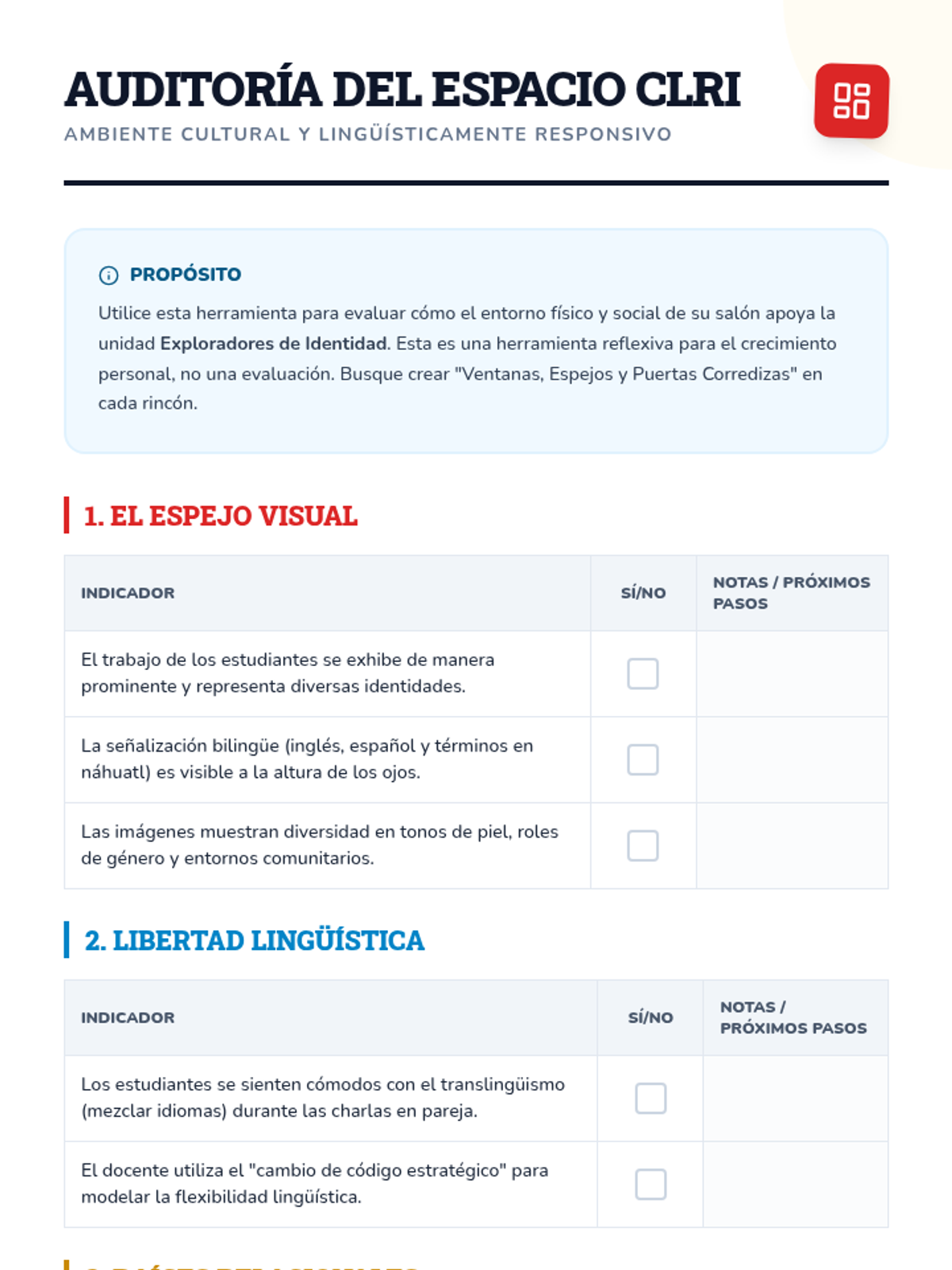
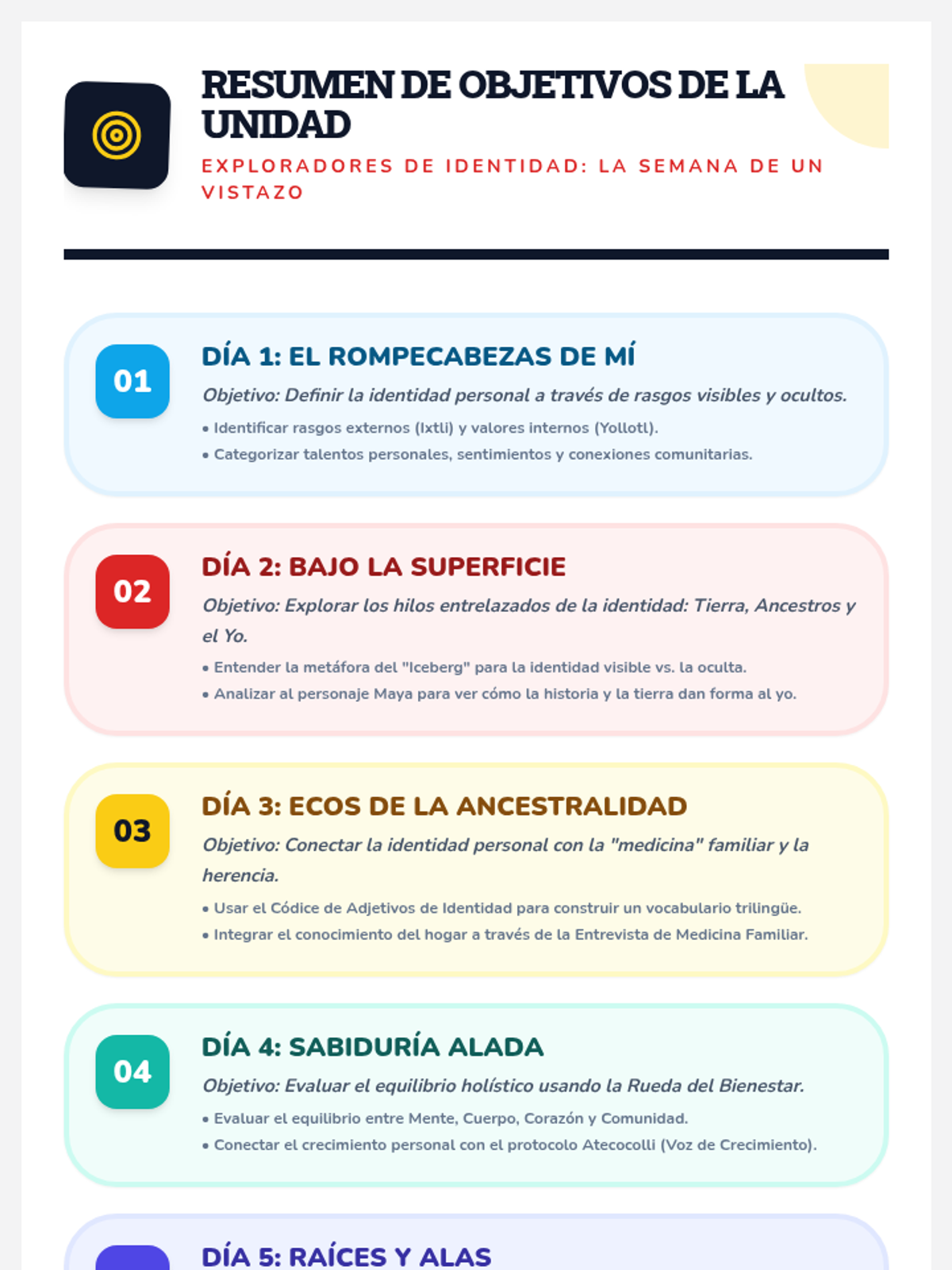
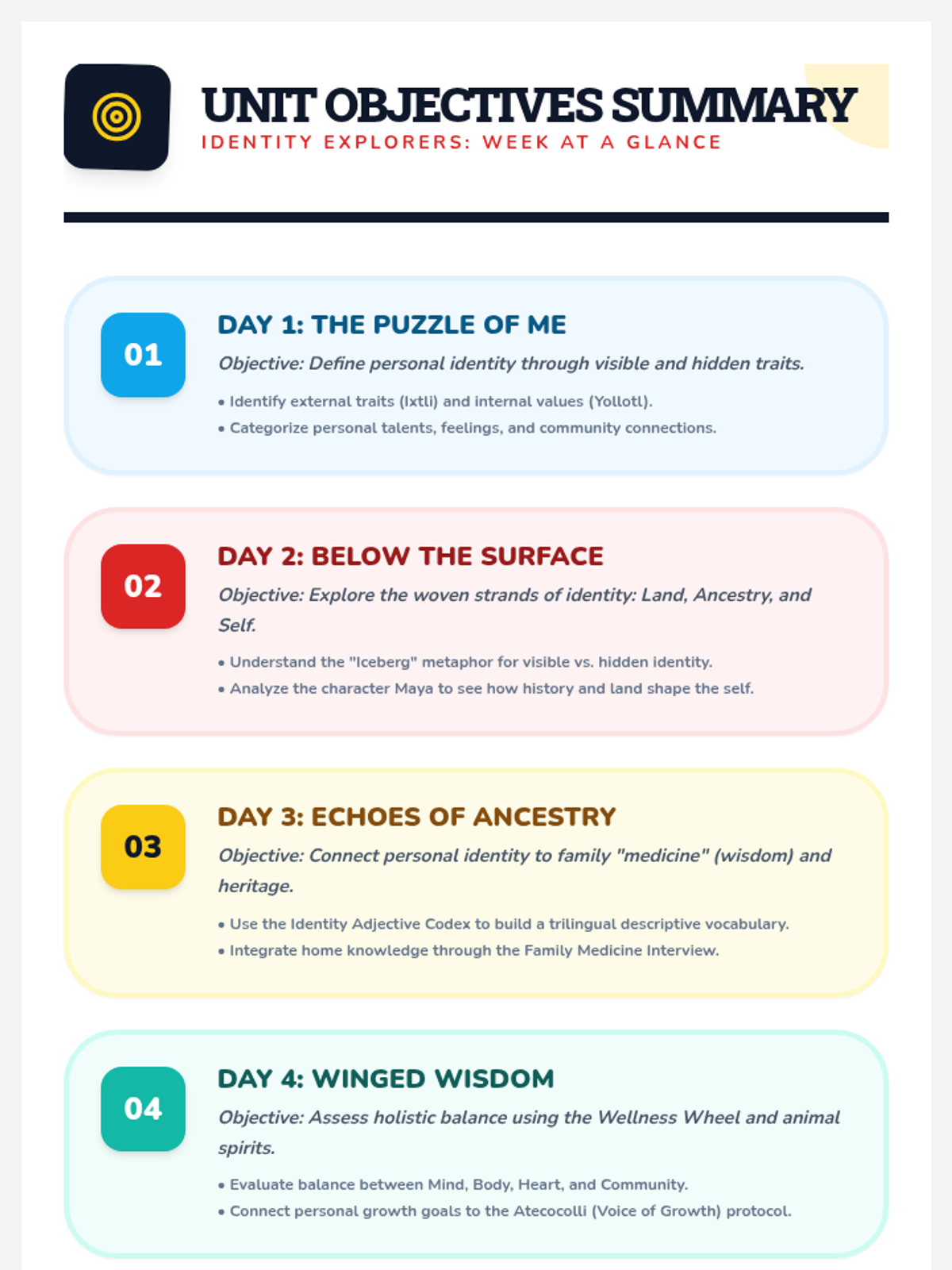
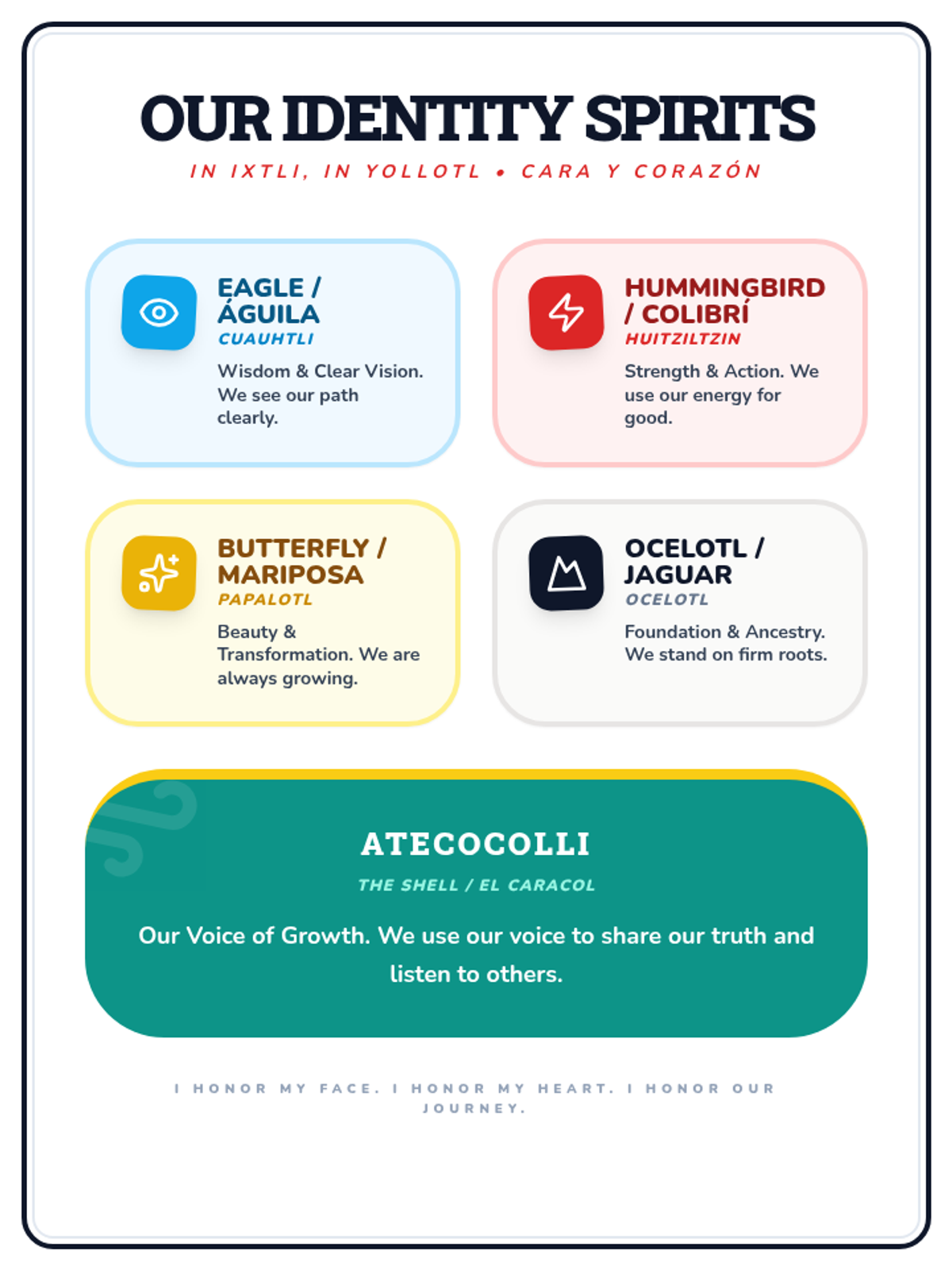
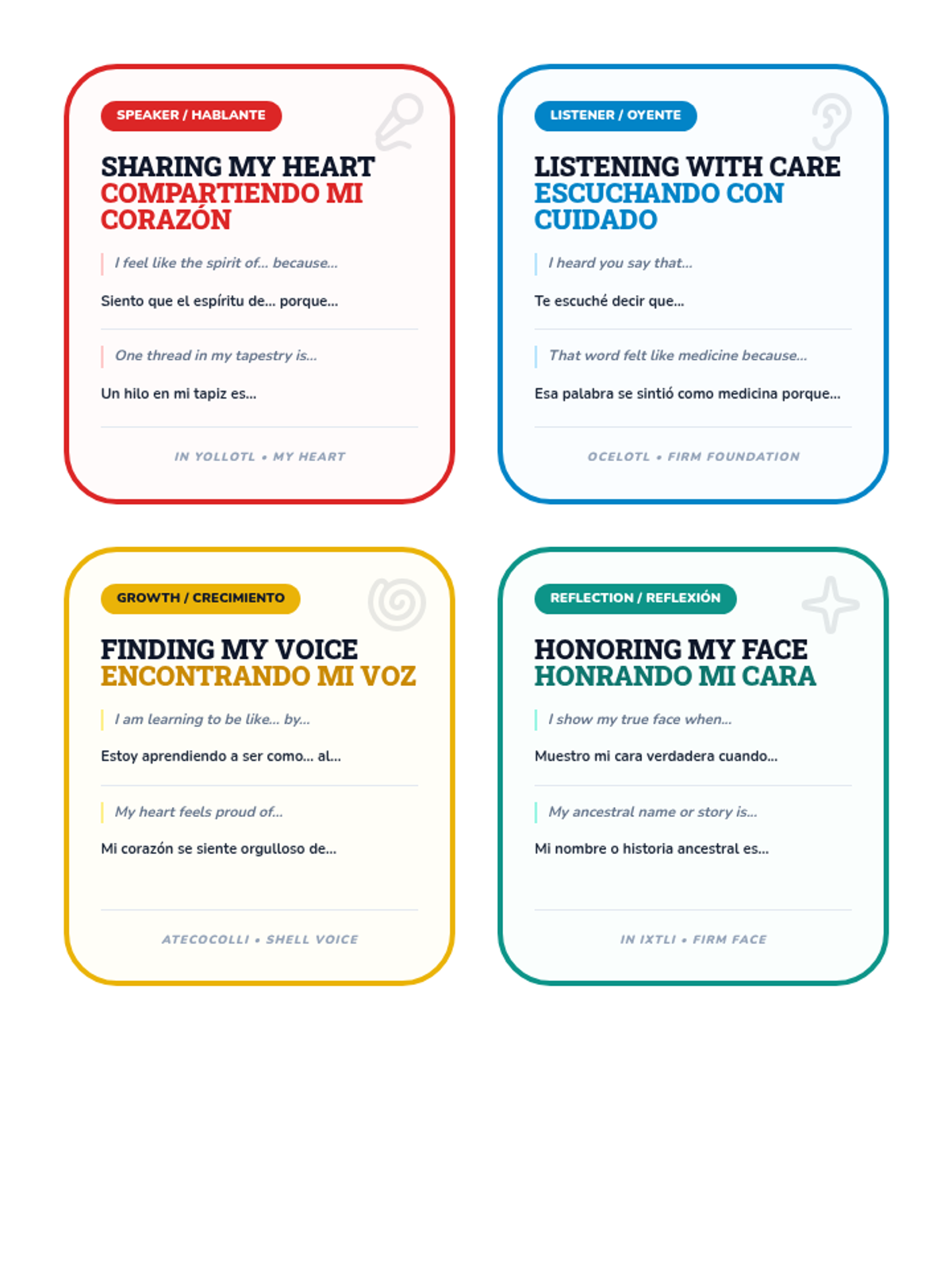
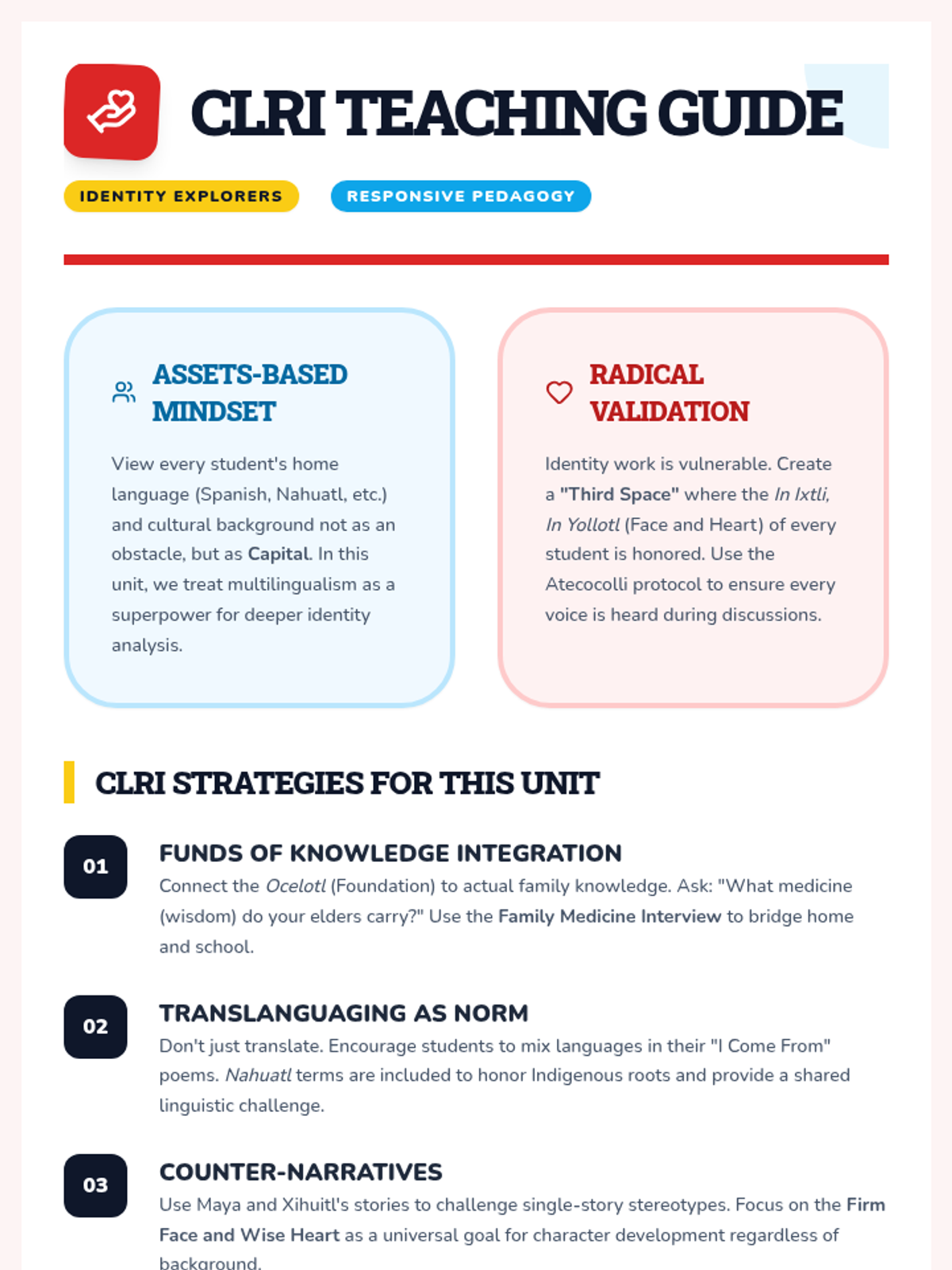
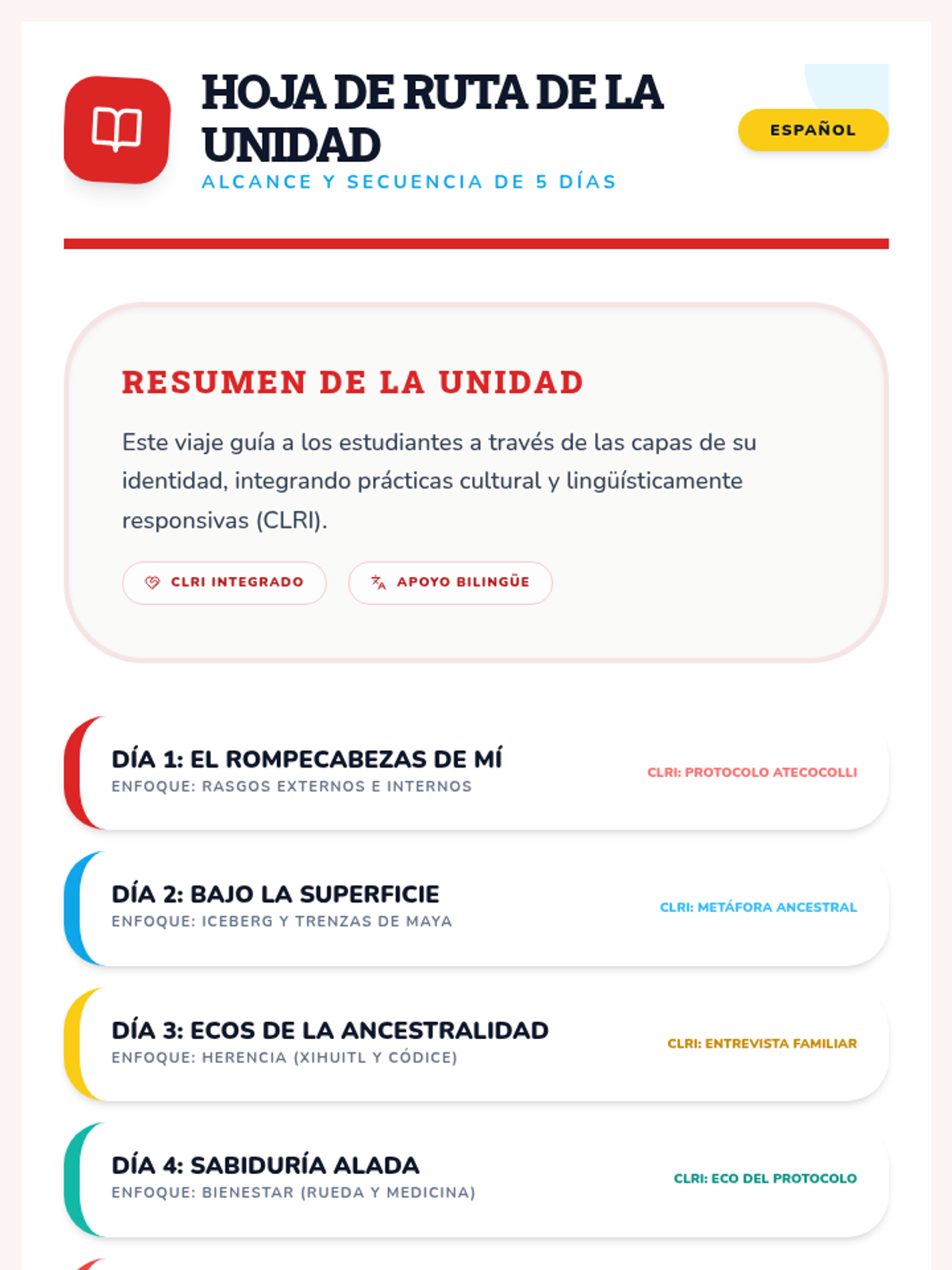
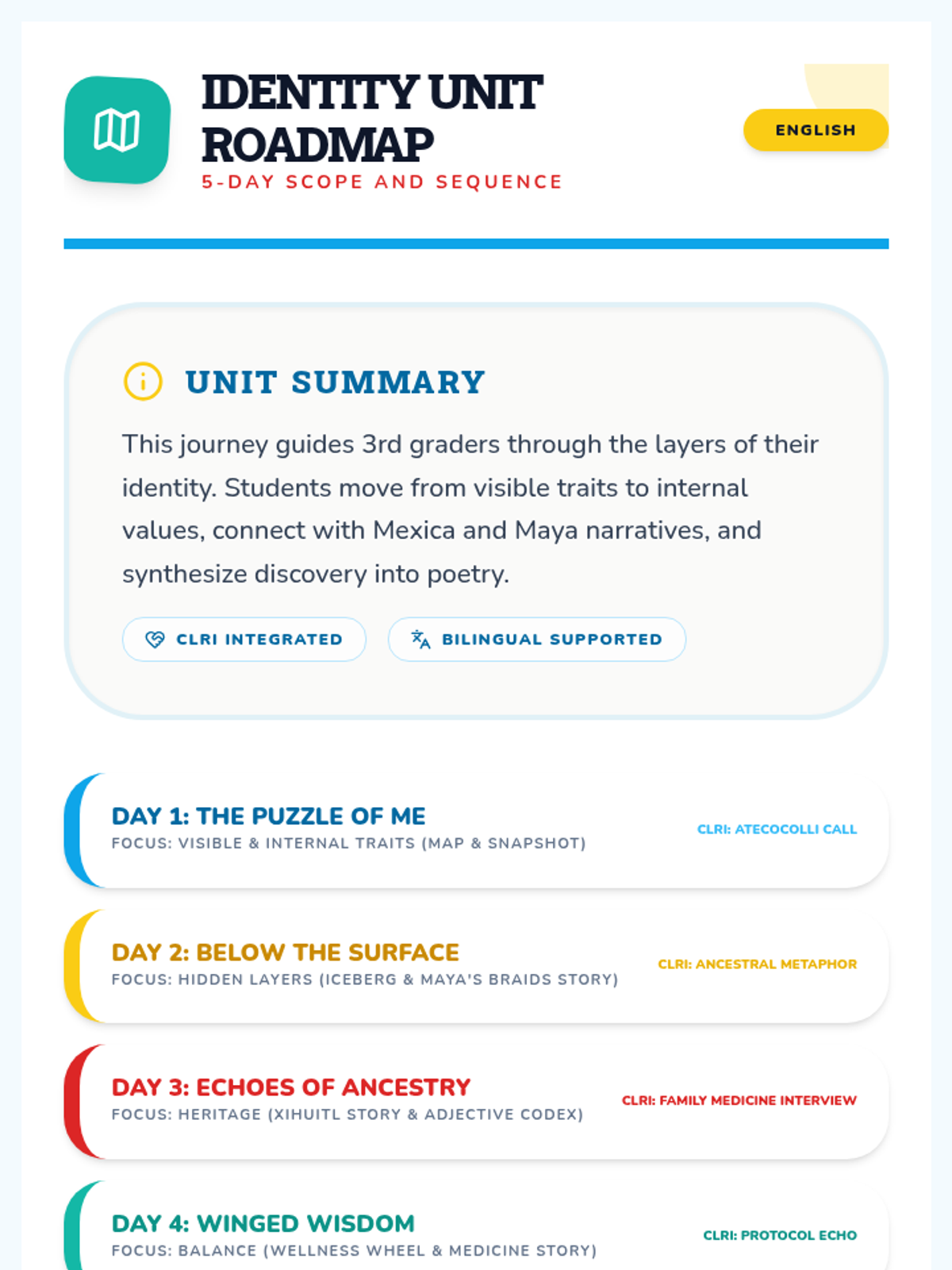
Day 3: Connecting personal identity to ancestry, heritage, and the land through the story of Xihuitl and the Identity Adjective Codex.
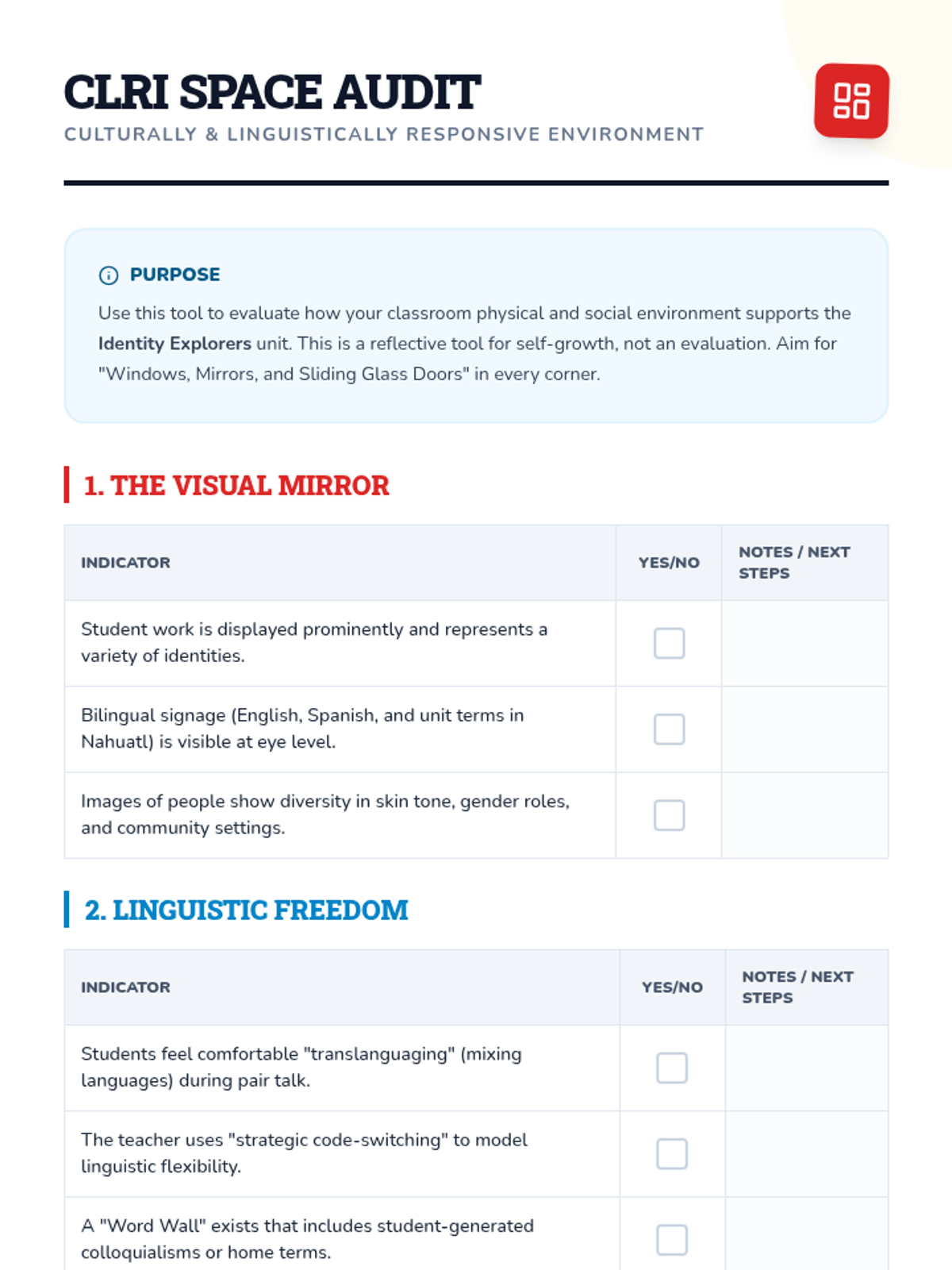
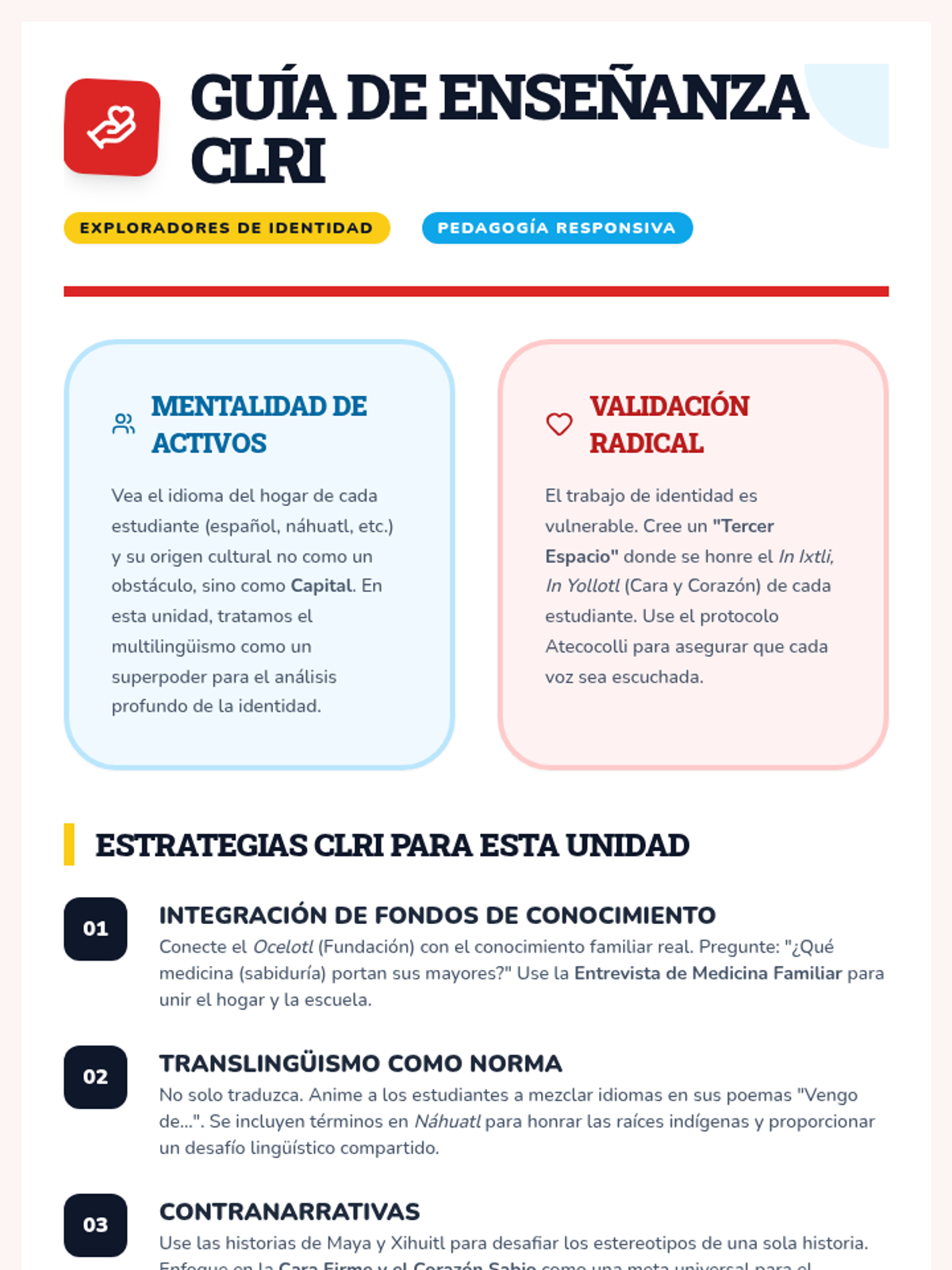
A collection of unit-wide resources including the main presentation slides, the teacher facilitation guide, and the comprehensive scope and sequence for the 5-day identity journey.
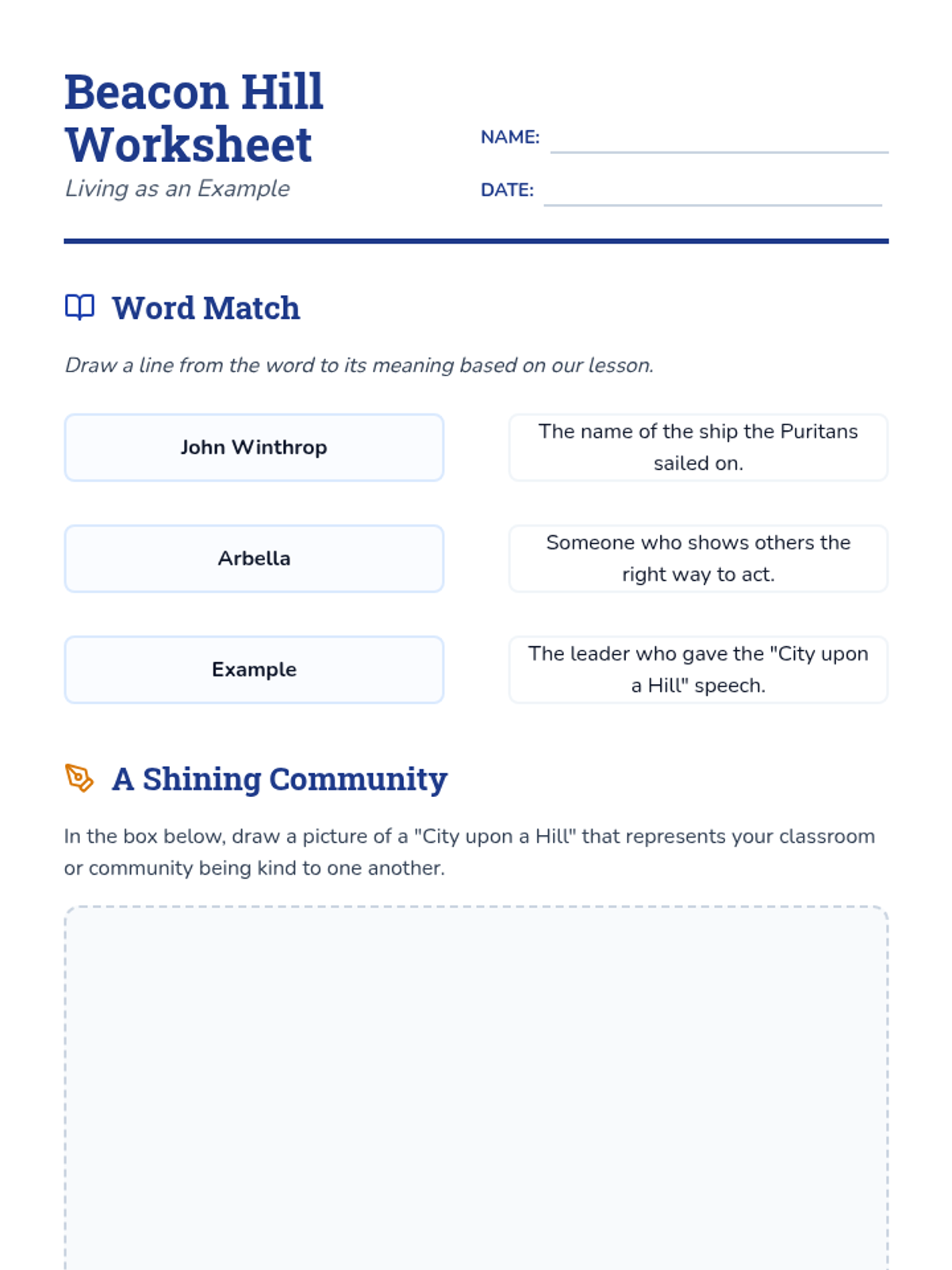
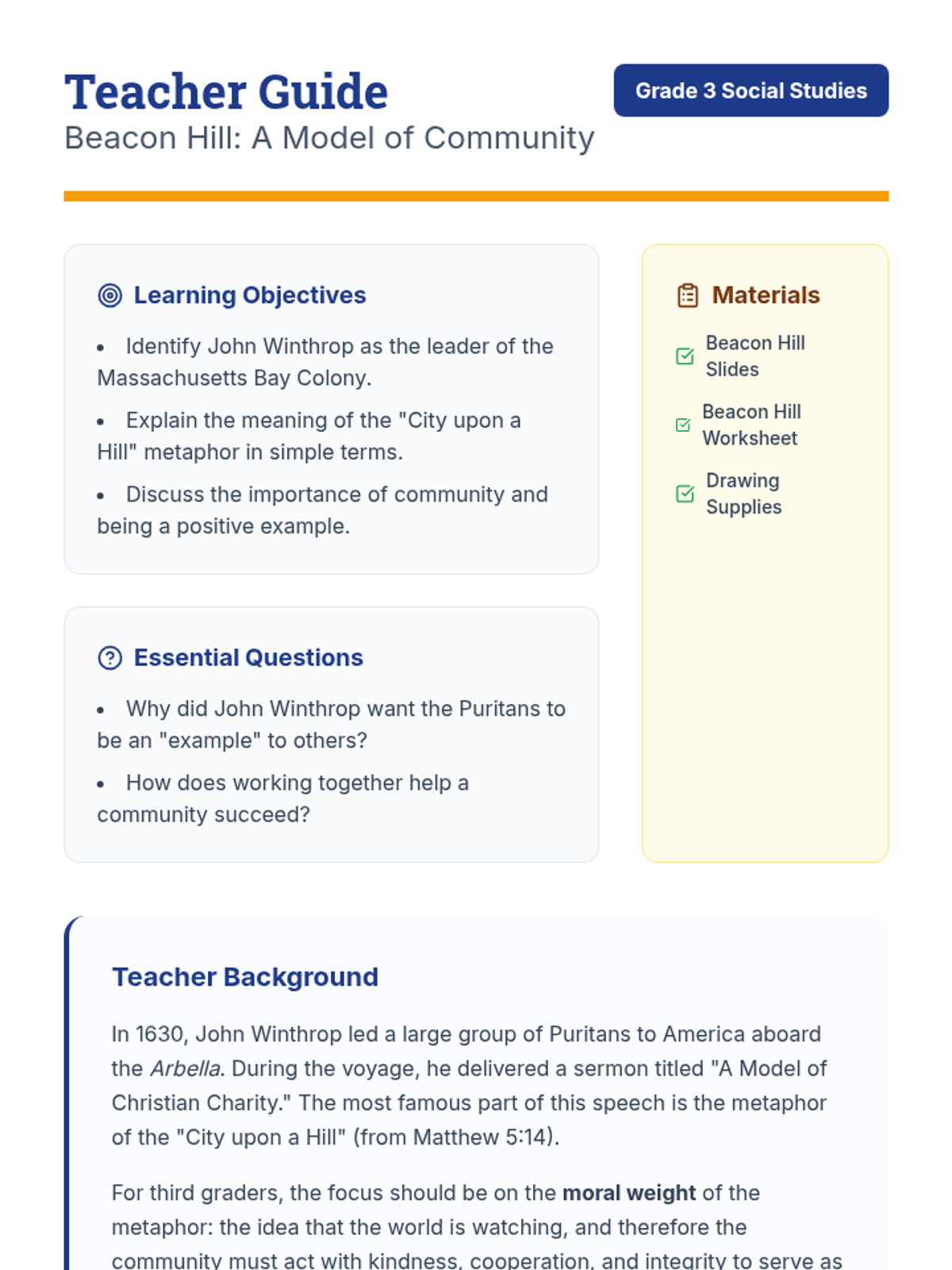
A social studies lesson for third graders exploring John Winthrop's 'City upon a Hill' sermon, focusing on the concepts of community, being a positive example, and the voyage of the Arbella.
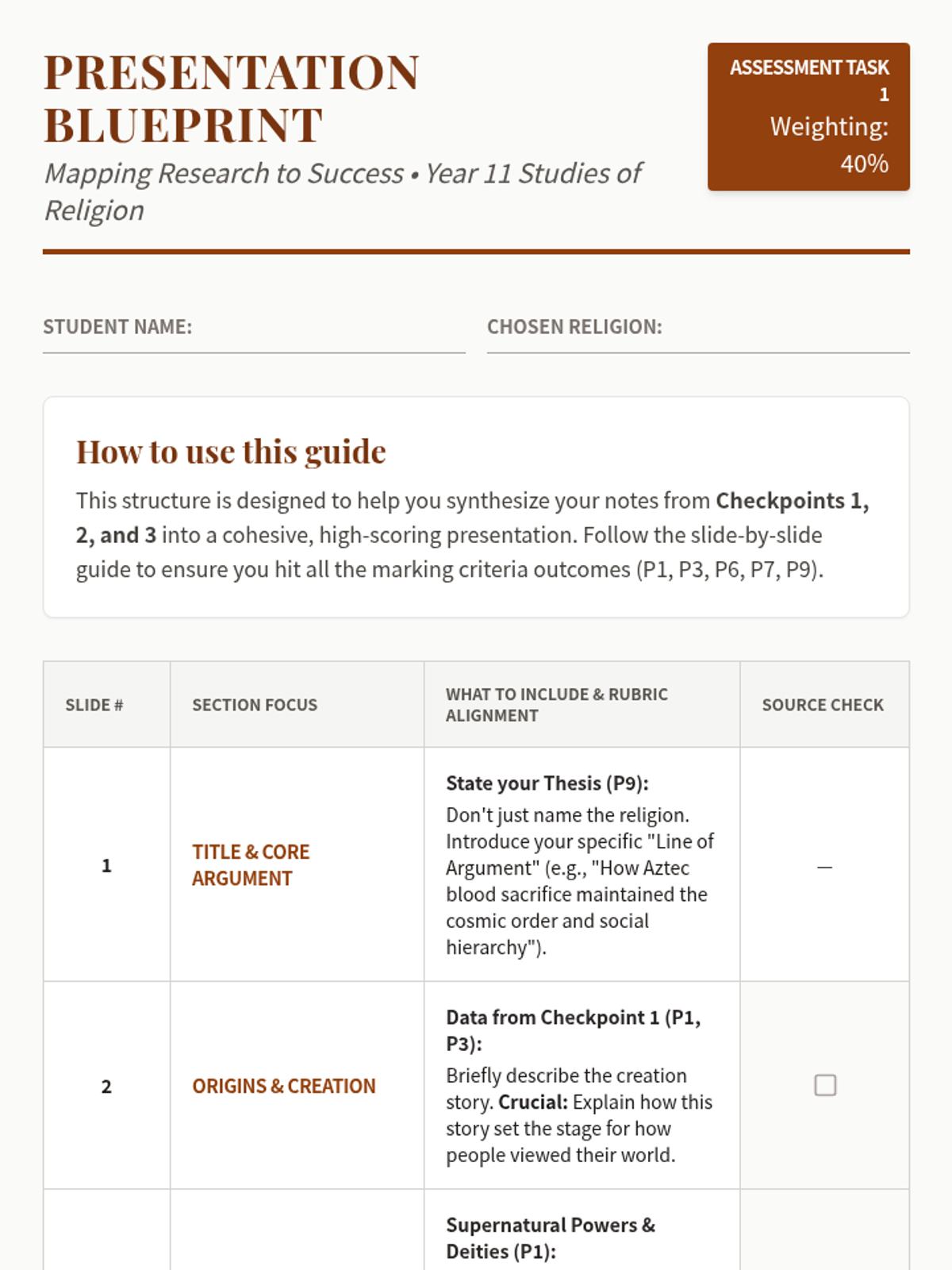
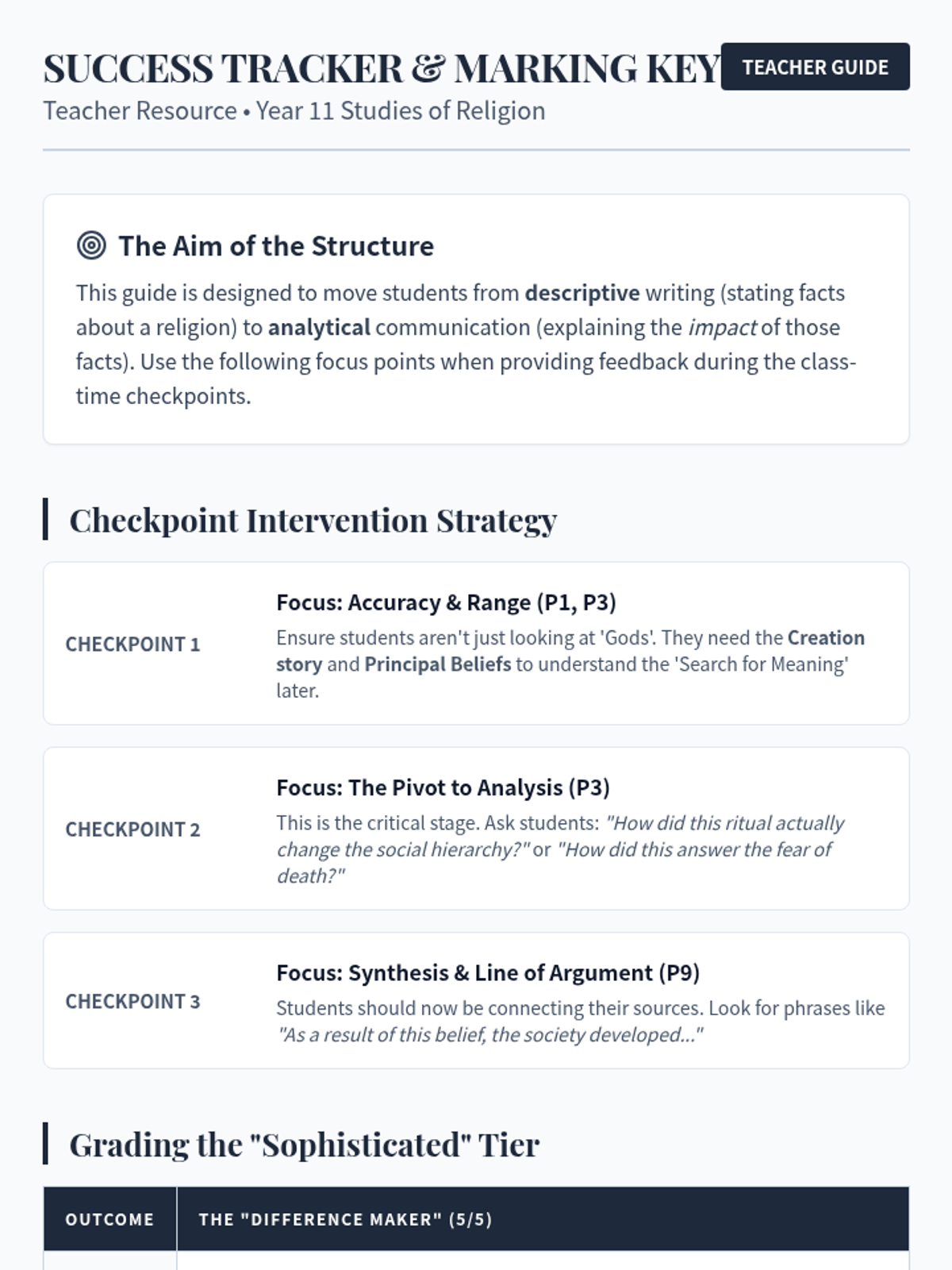
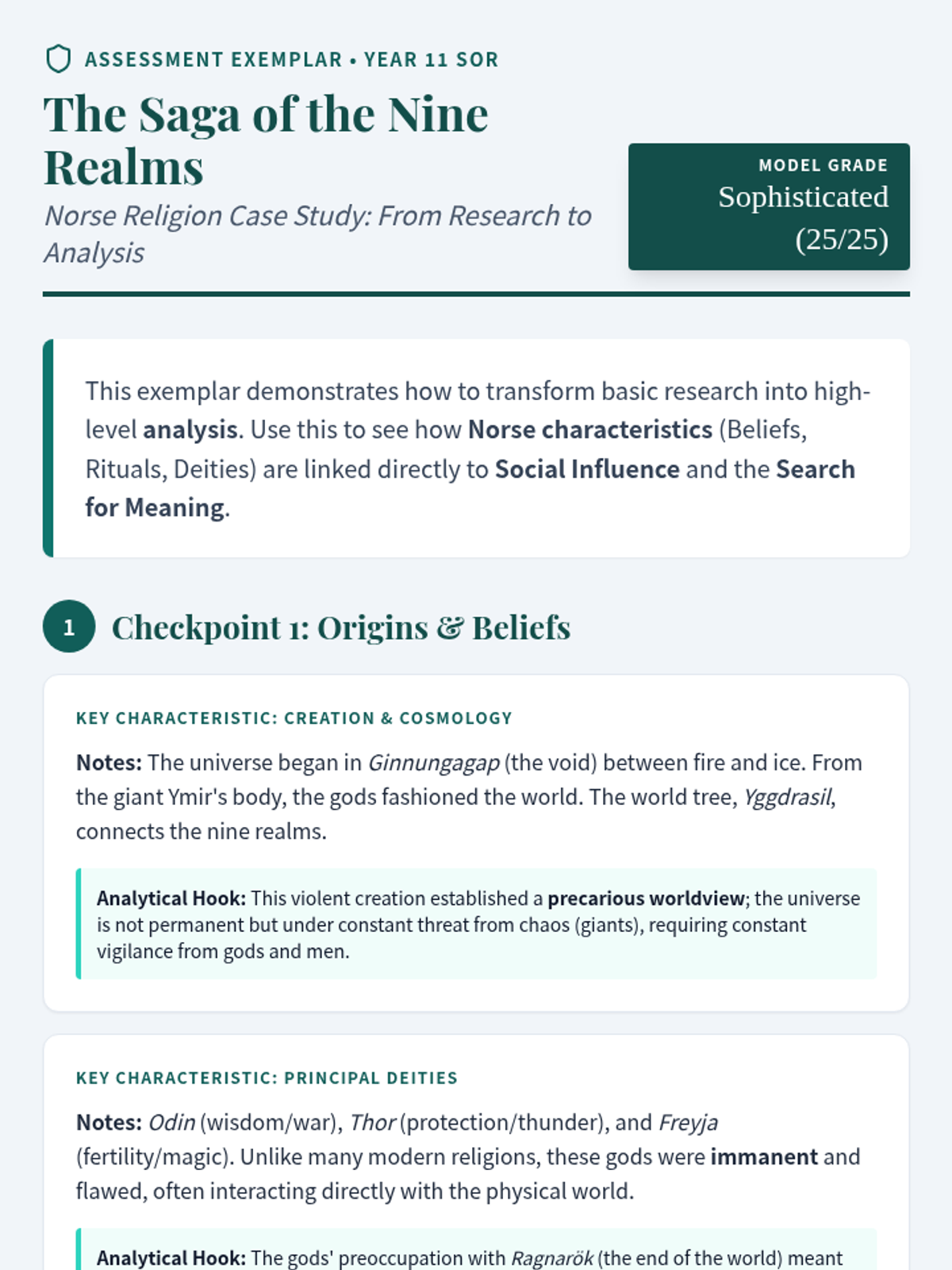
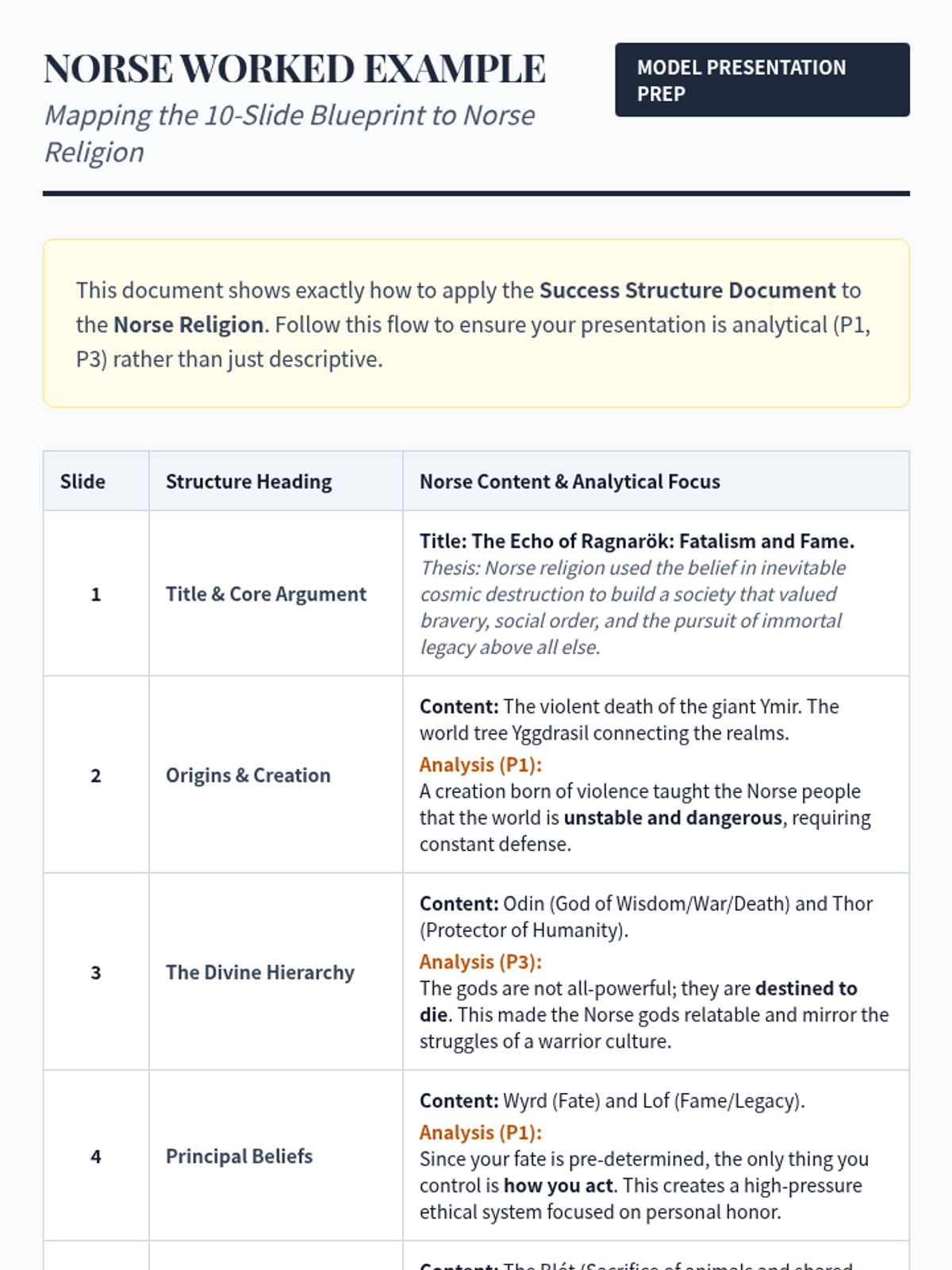
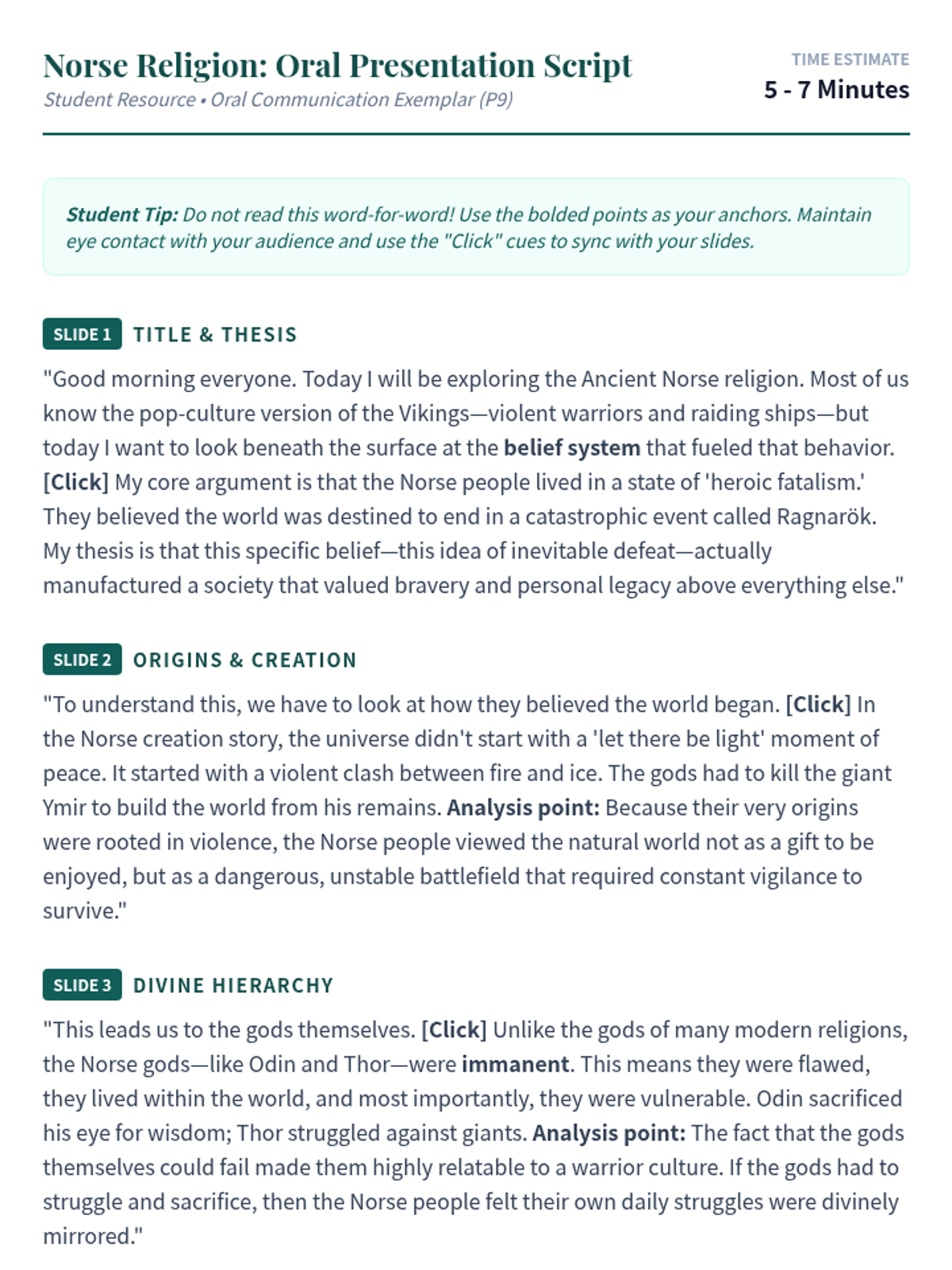
A comprehensive set of resources designed to help Year 11 Studies of Religion students structure their 'Nature of Religions' ancient religion presentation. The lesson provides a clear slide-by-slide blueprint that maps research checkpoints directly to the marking criteria, ensuring students move beyond description into sophisticated analysis.
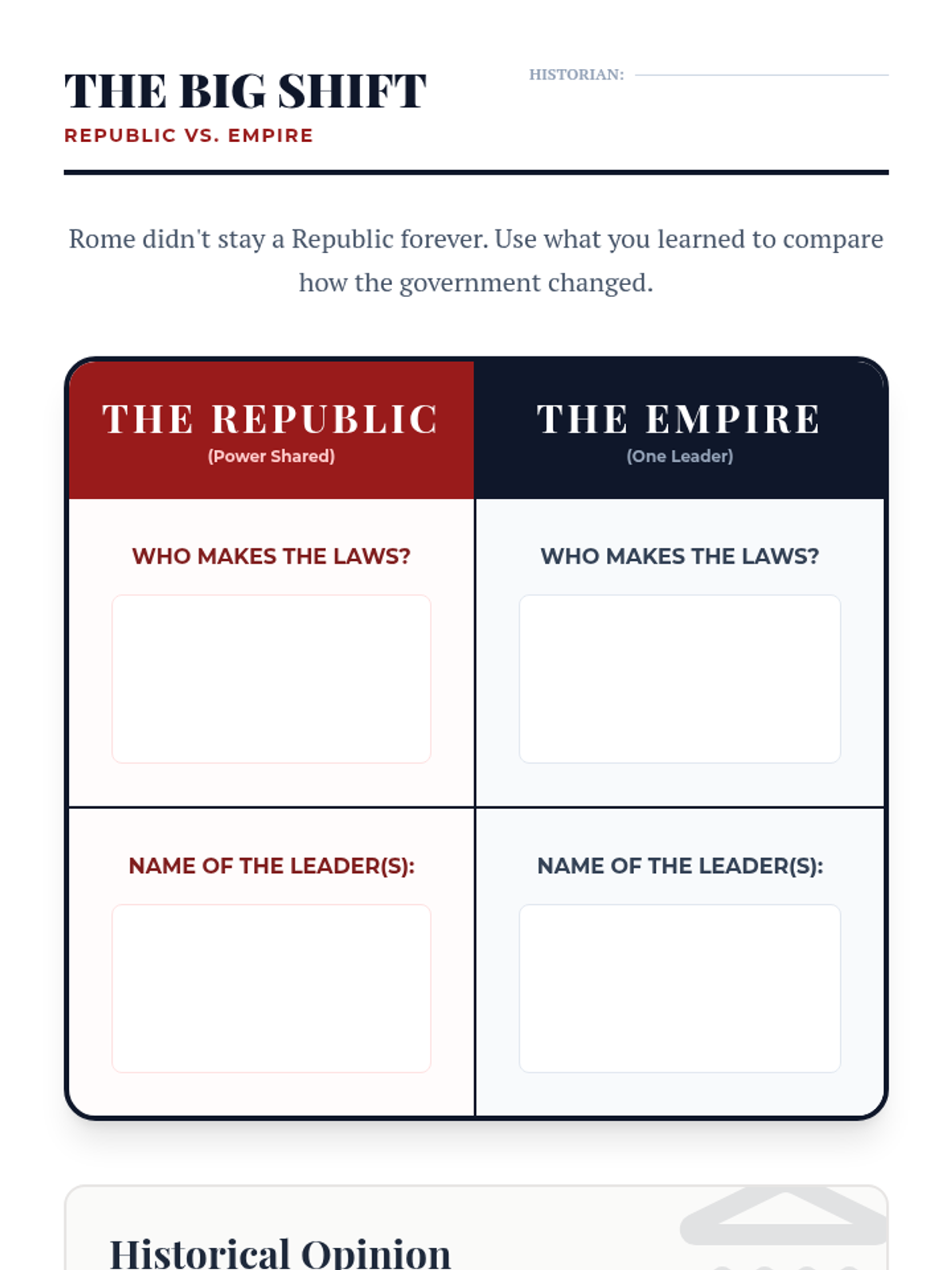
The final days of the Republic, the death of Julius Caesar, and the rise of Augustus as the first Emperor.
Students follow Rome's growth through trade and conquest, learning about the Punic Wars and the rise of Julius Caesar as a military leader.
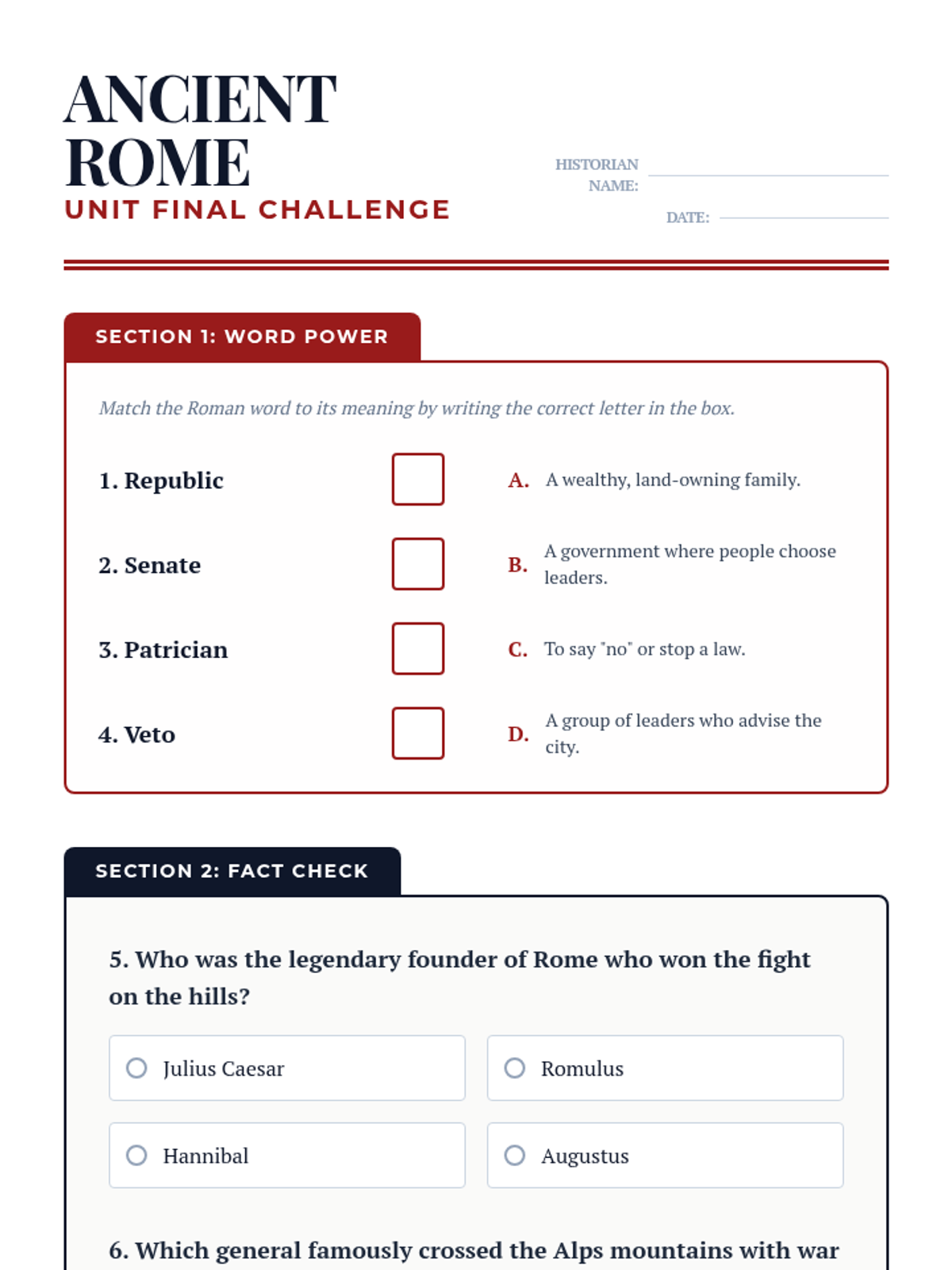
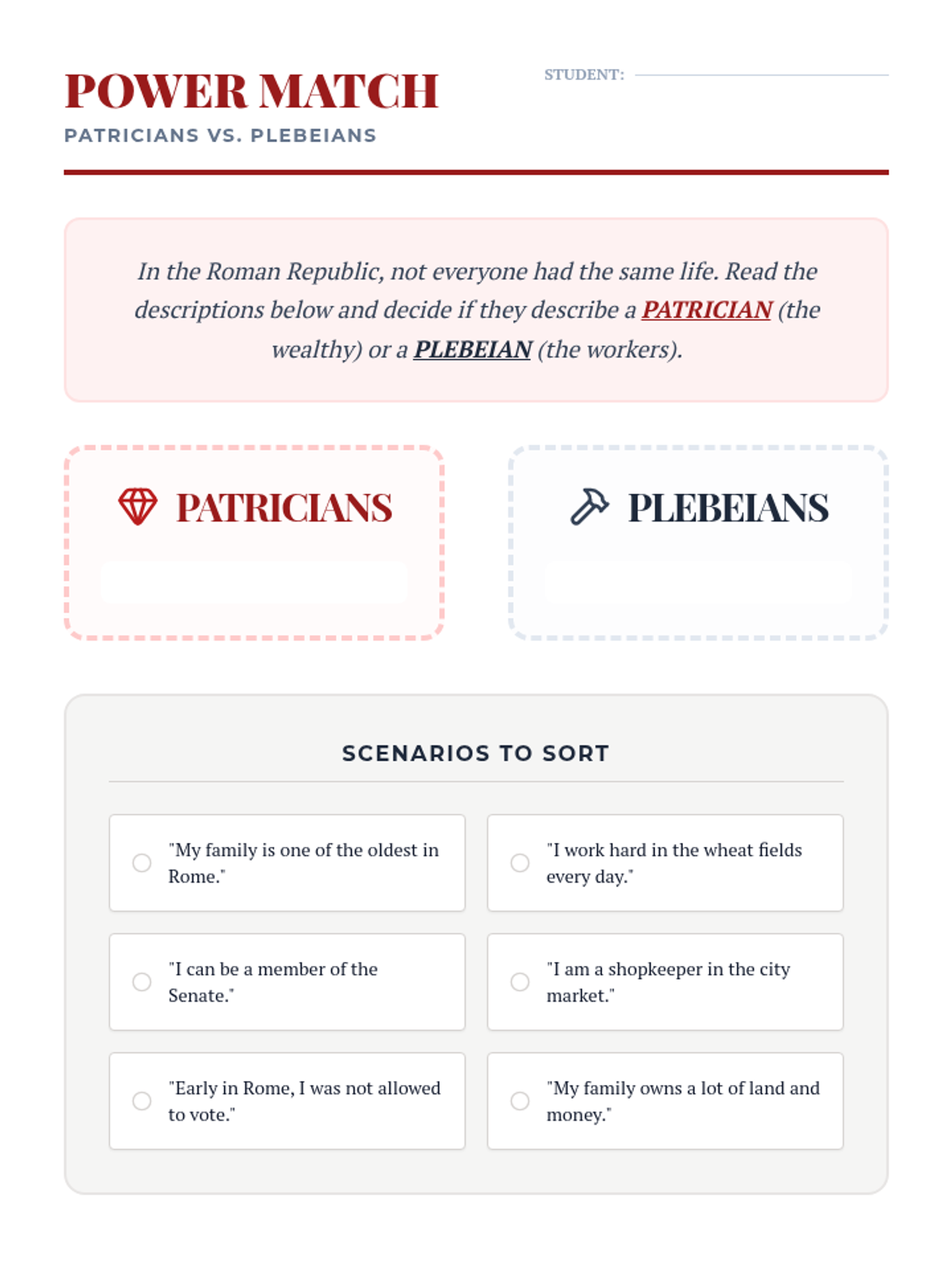
An introduction to the Roman Republic's government, focusing on the roles of the Senate, Consuls, and the struggle between Patricians and Plebeians.
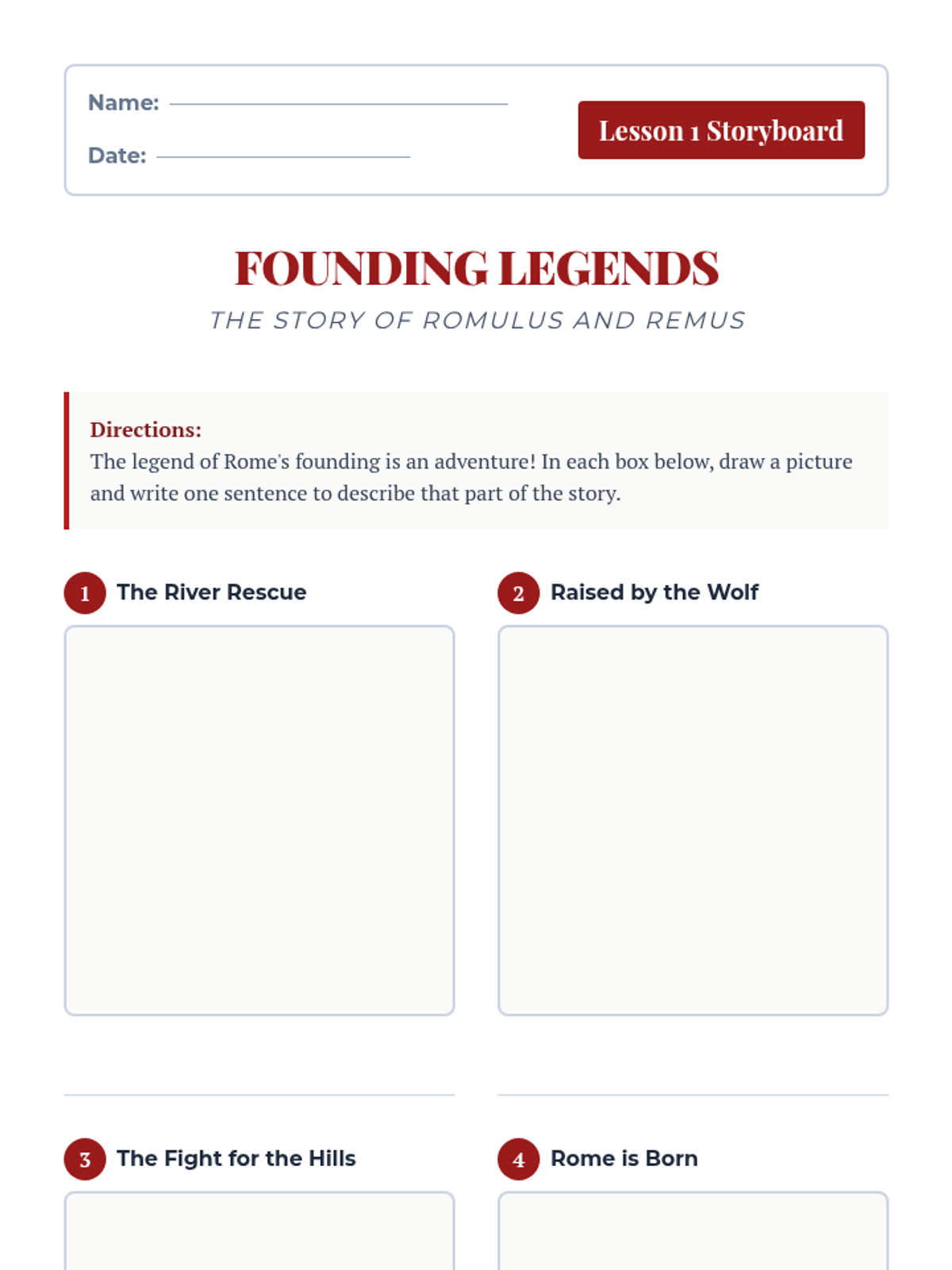
Students explore the mythical origins of Rome through the legend of Romulus and Remus and learn about the geography of the seven hills.
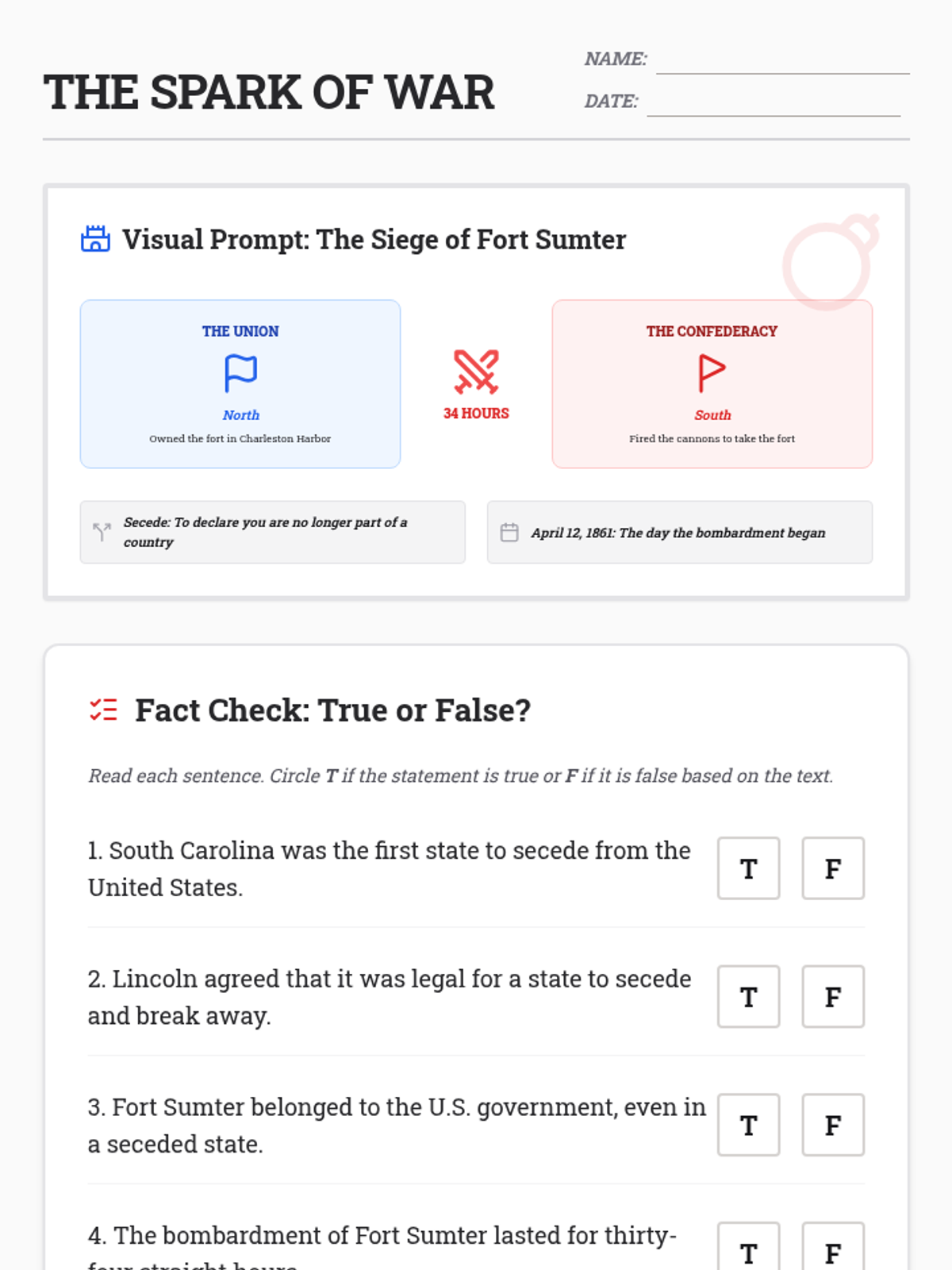
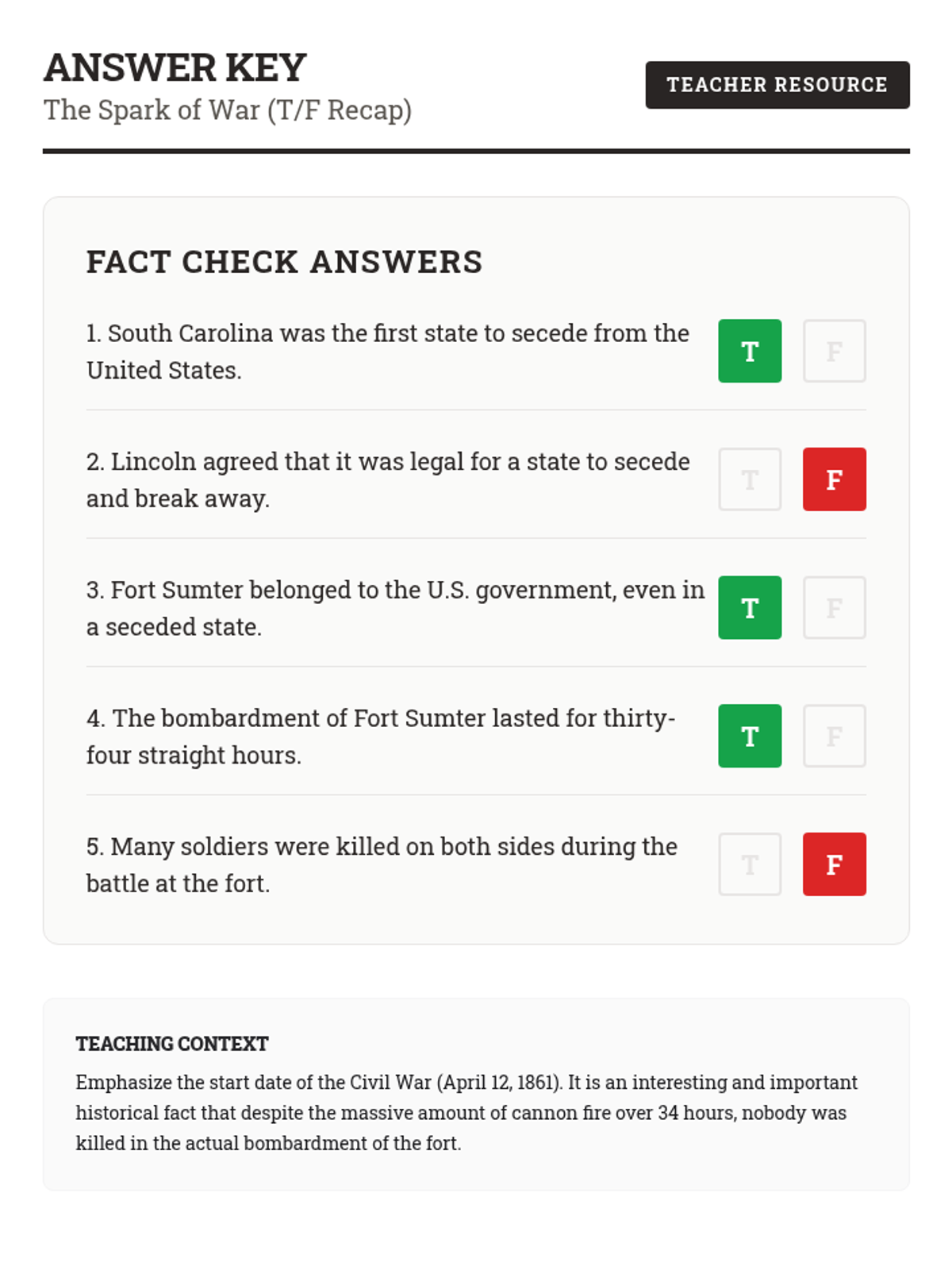
A lesson covering the secession of the Southern states, the formation of the Confederacy, and the opening battle of the Civil War at Fort Sumter. Students will explore the causes of the split and sequence the events that led to the bombardment.
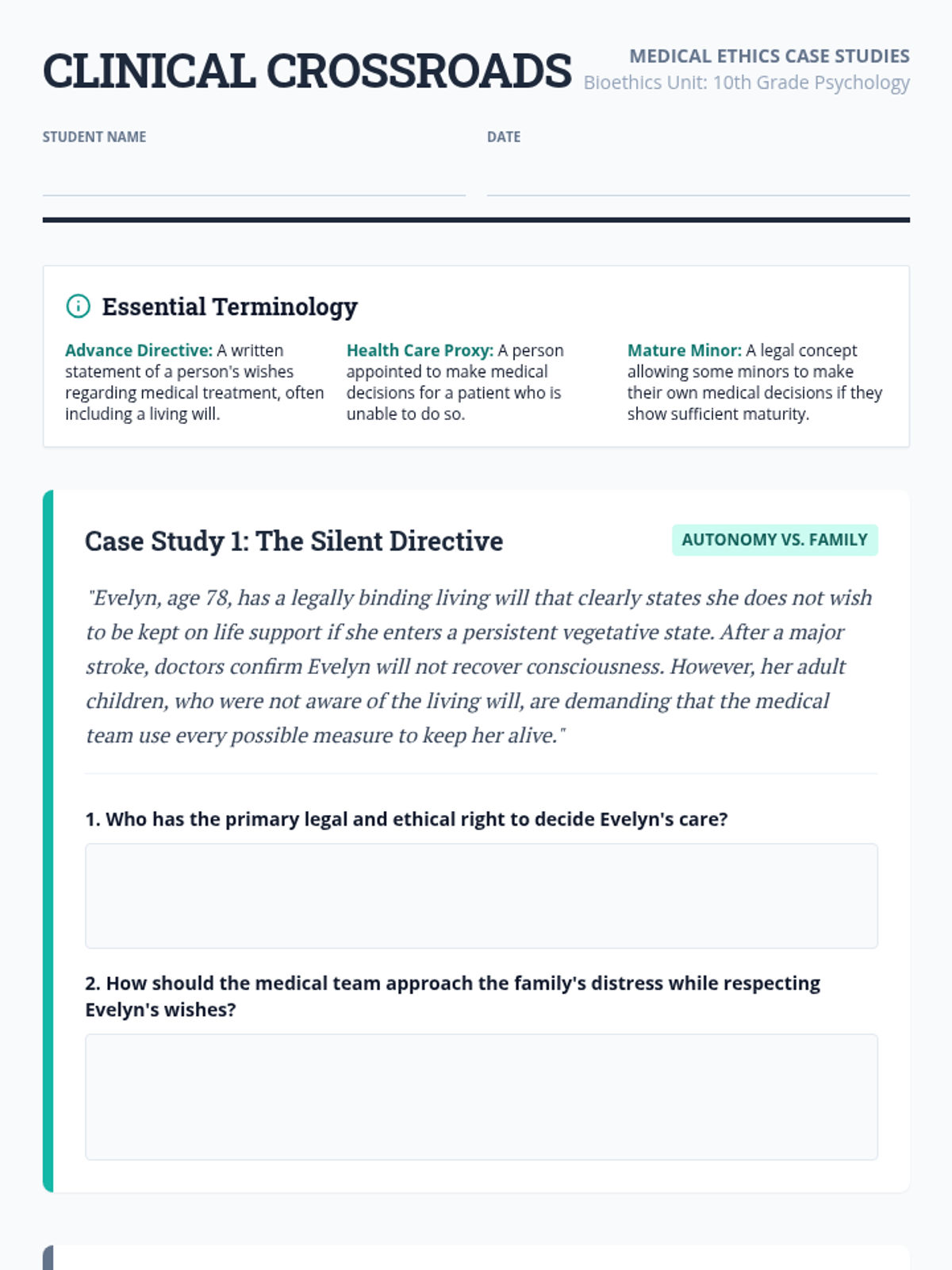
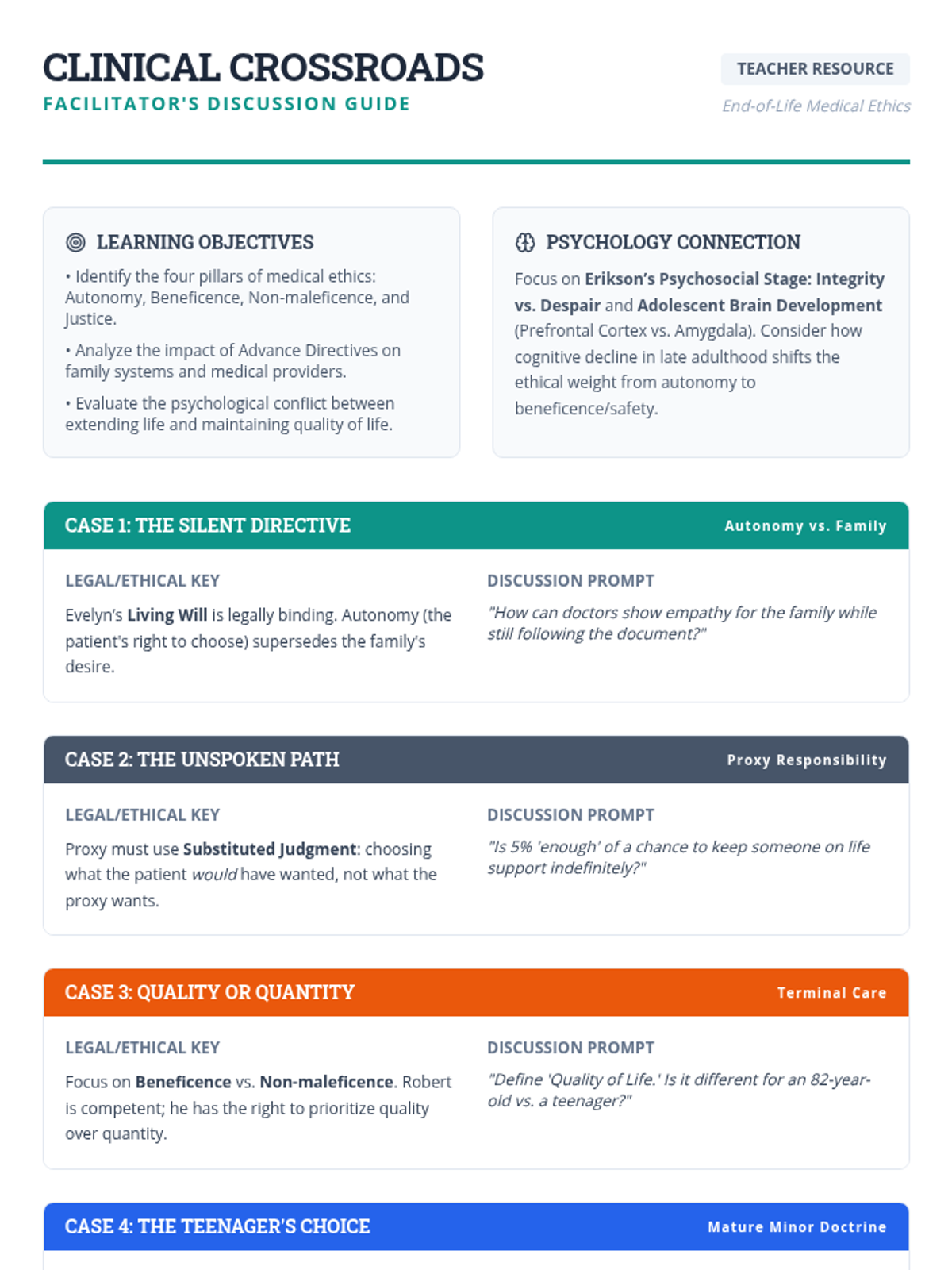
A lesson exploring the ethical complexities of end-of-life medical decisions through real-world case studies and discussion.
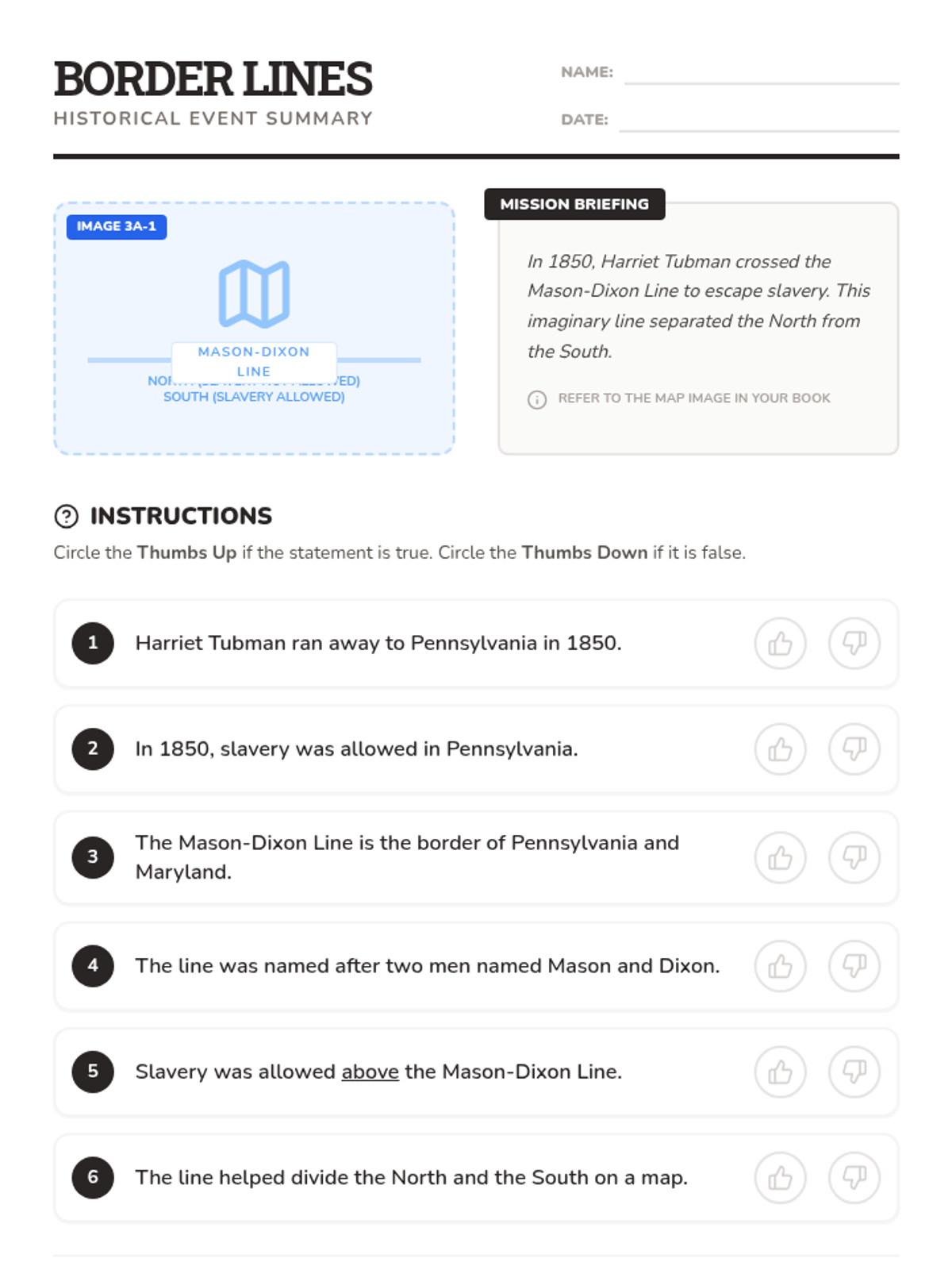
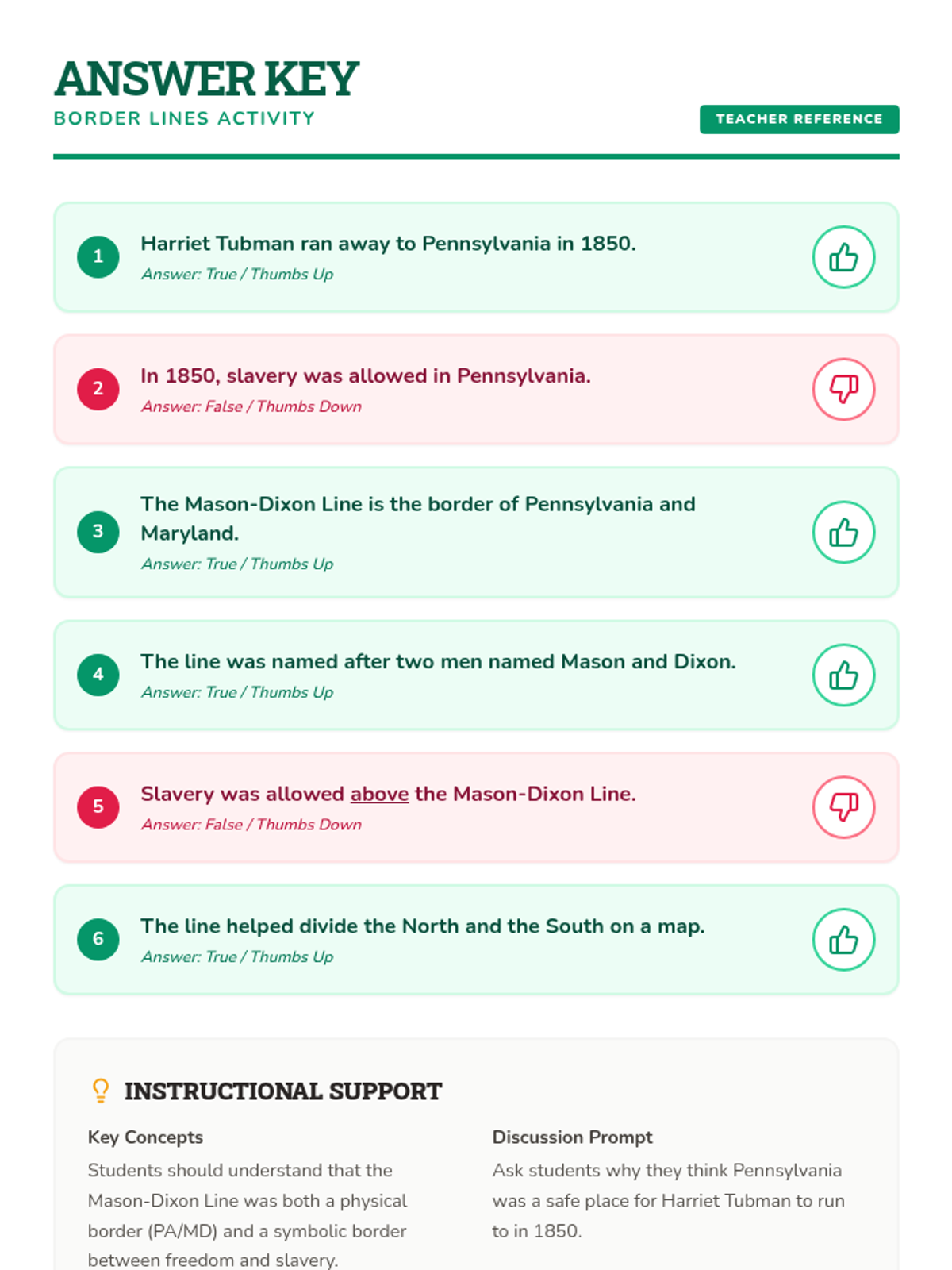
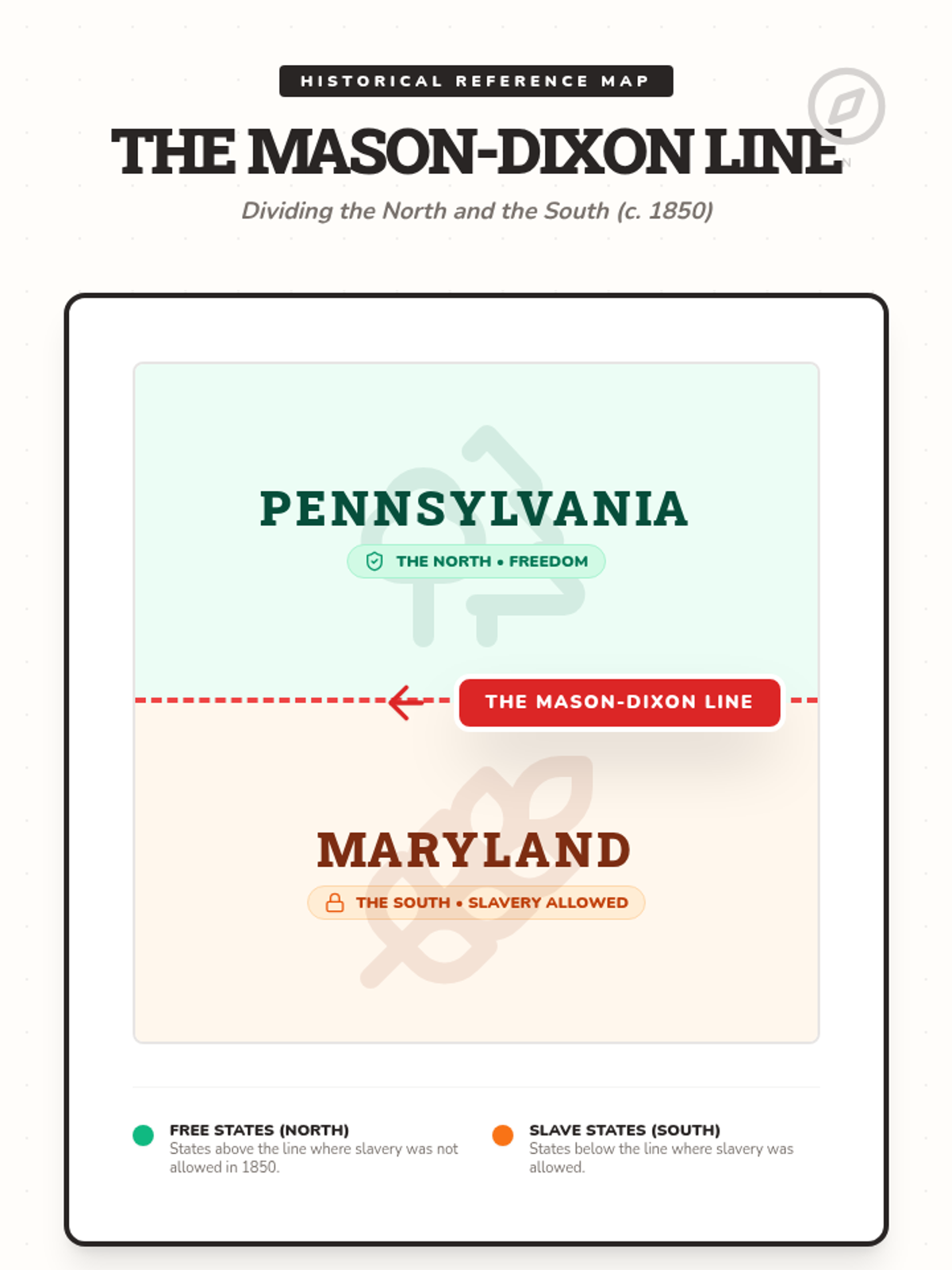
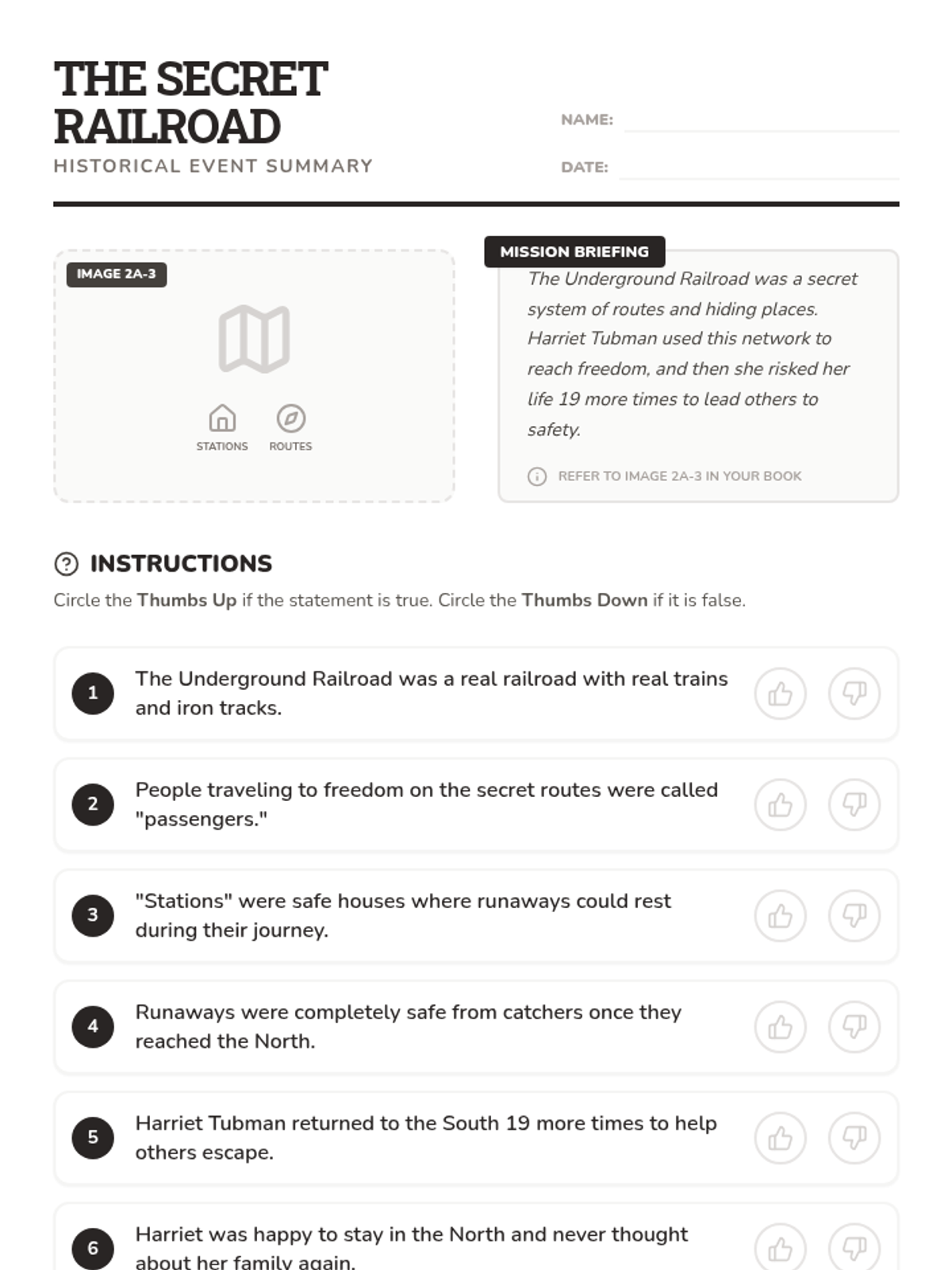
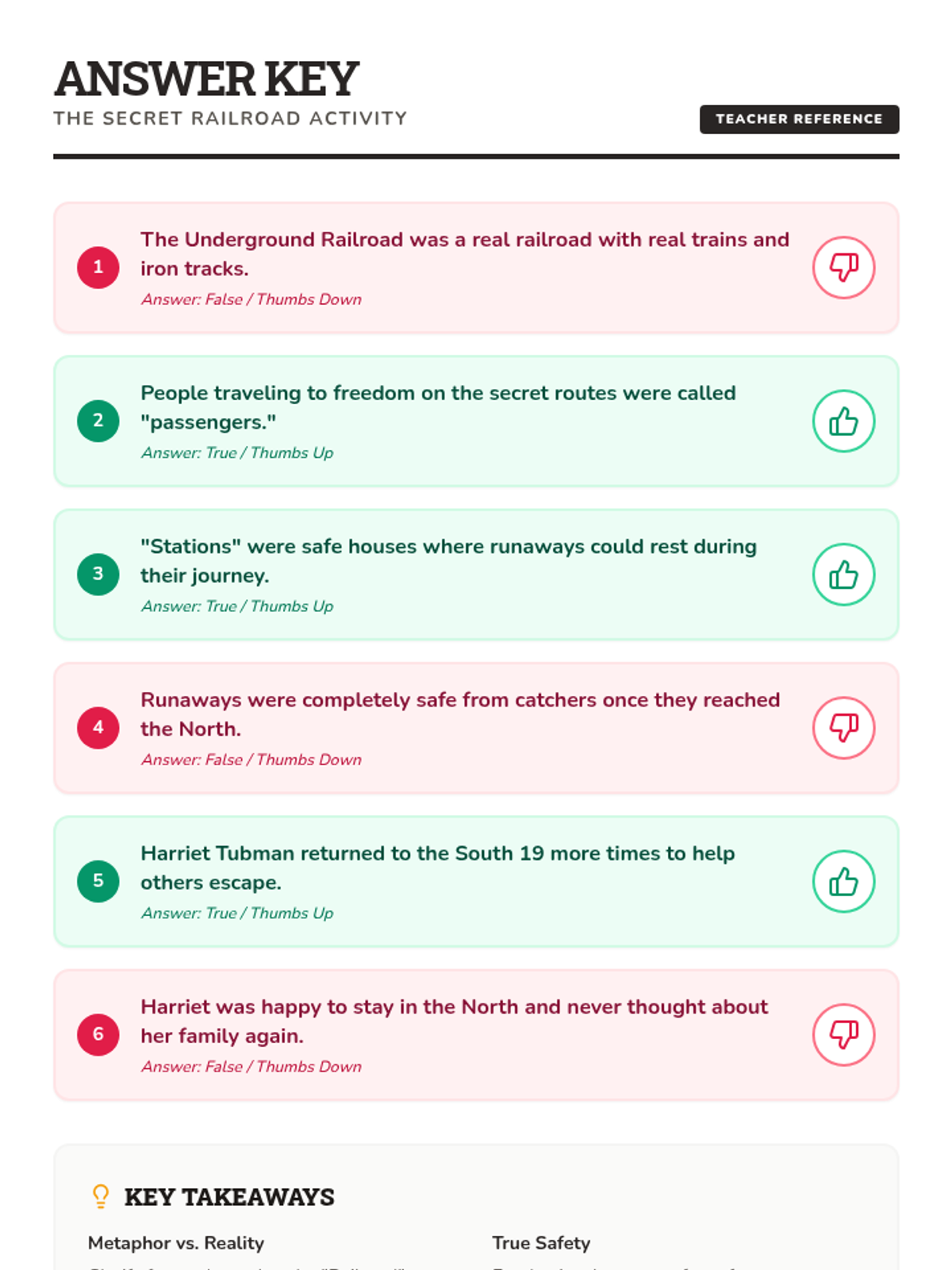
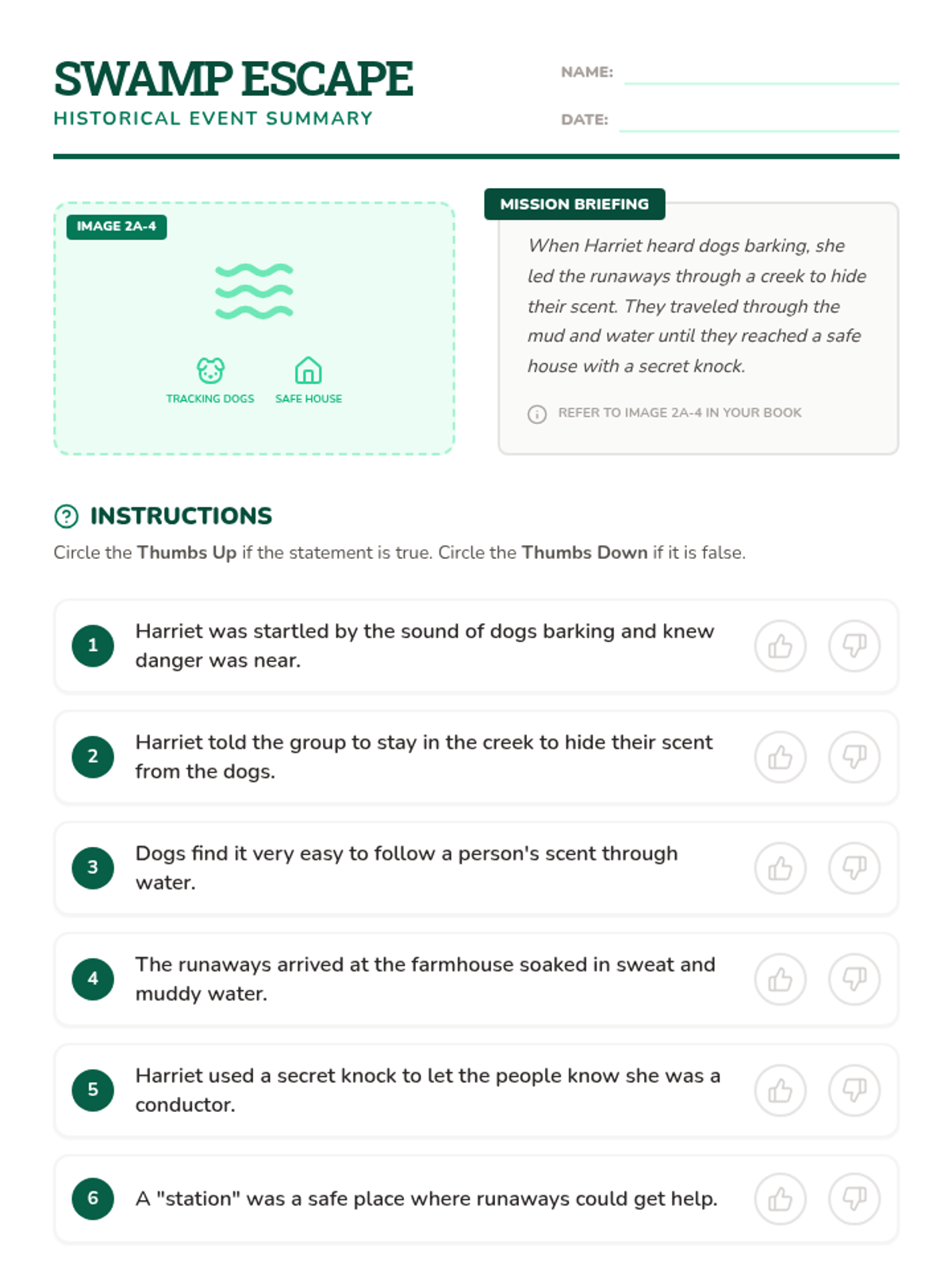
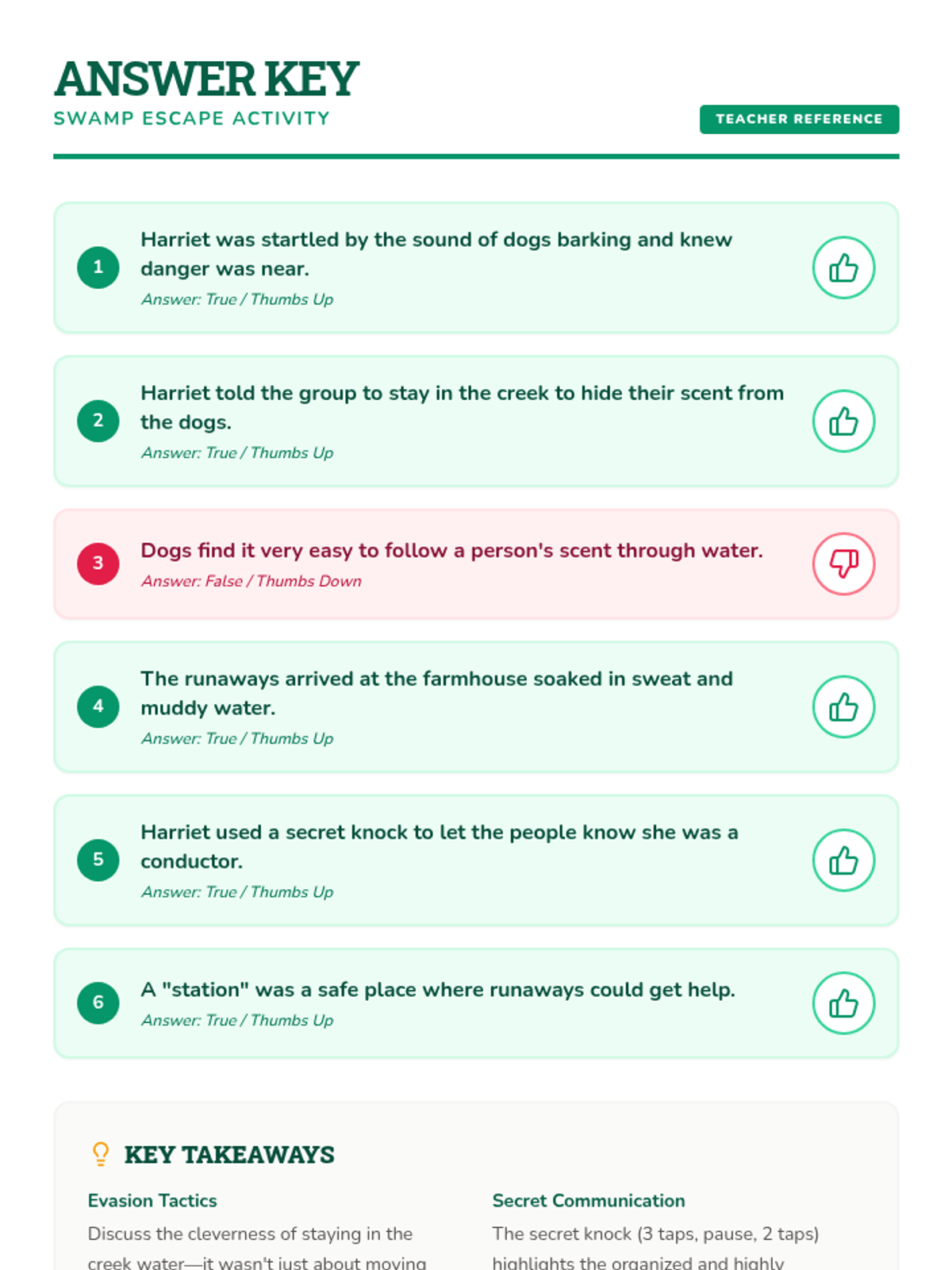
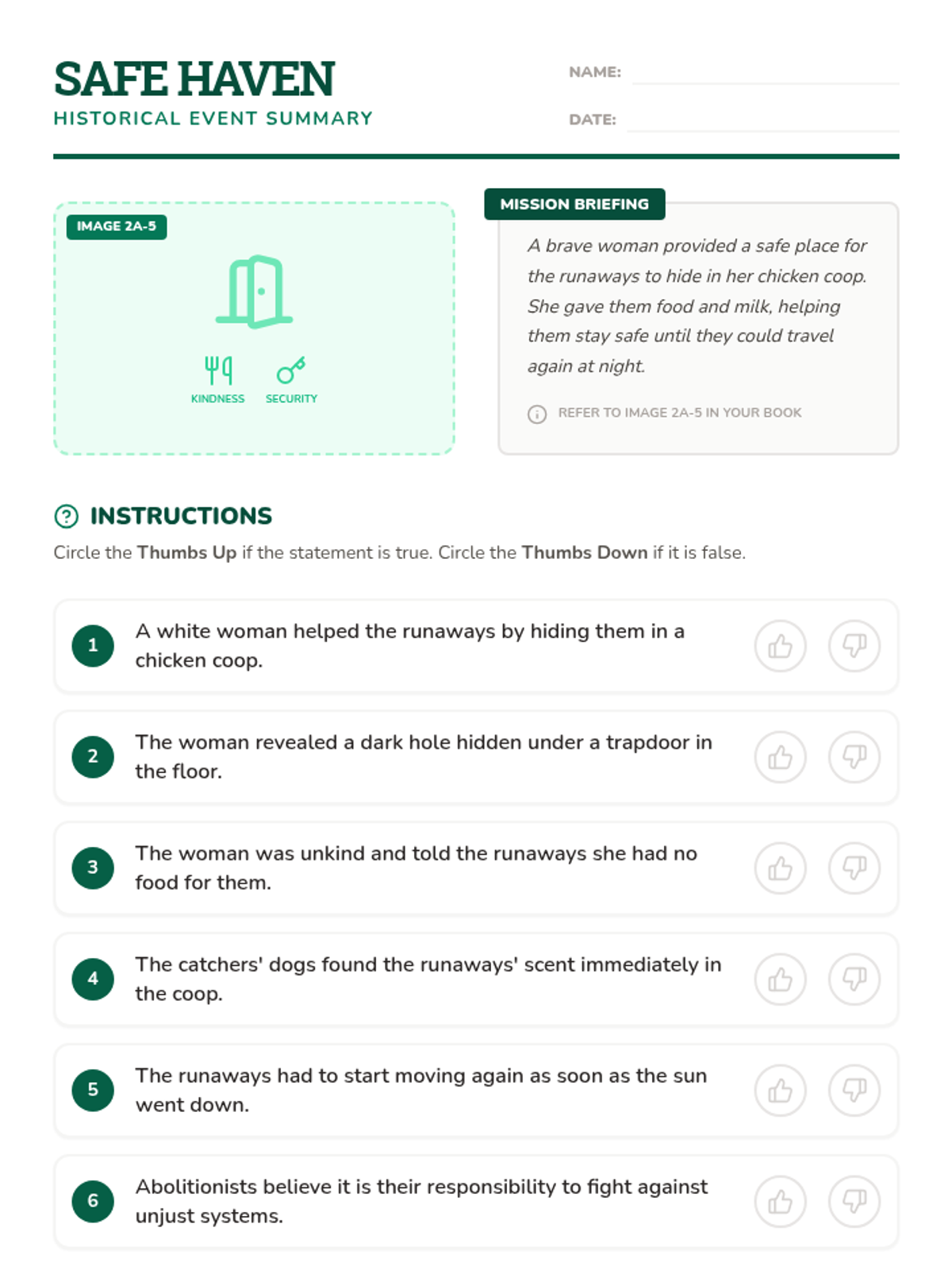
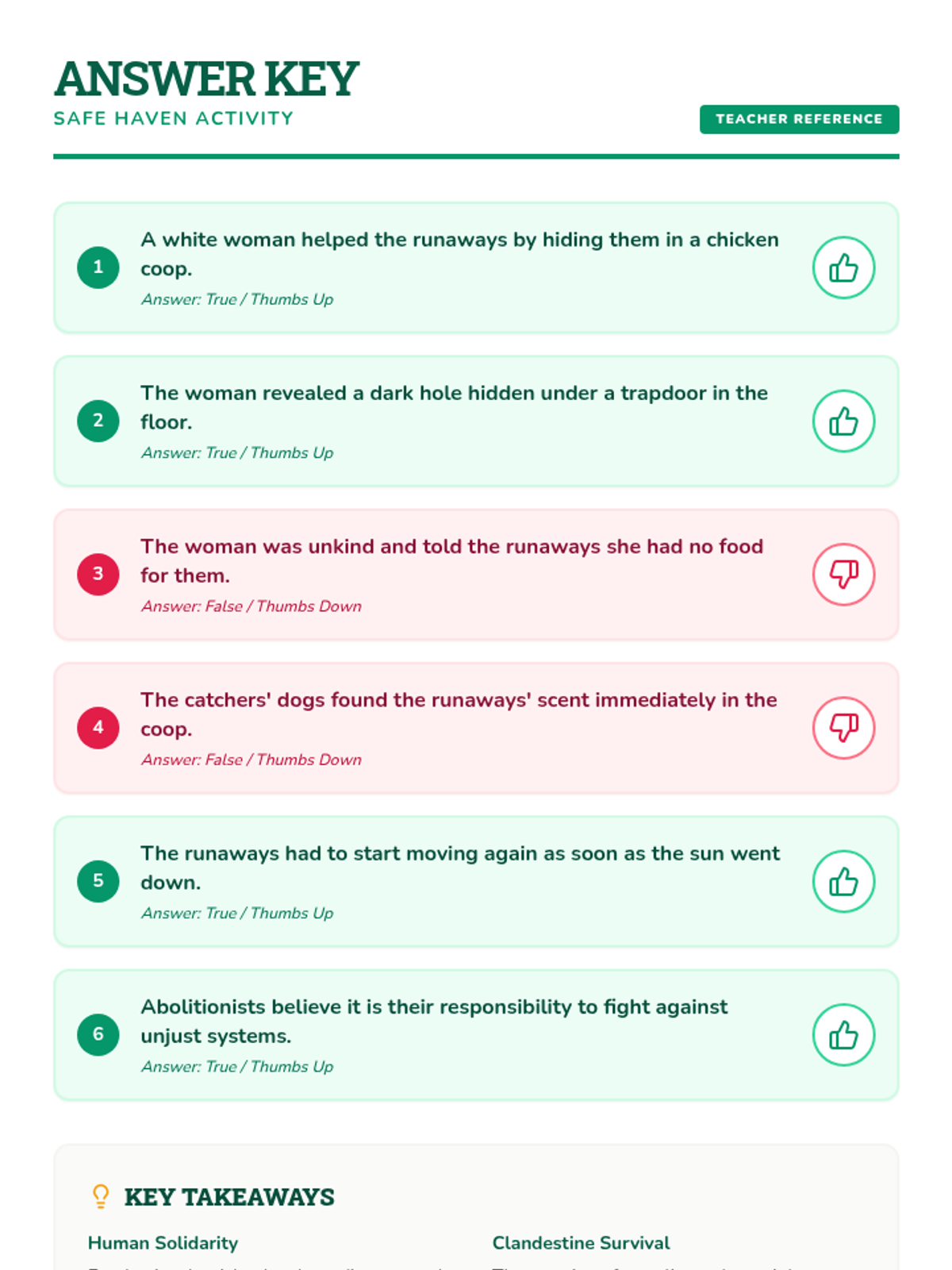
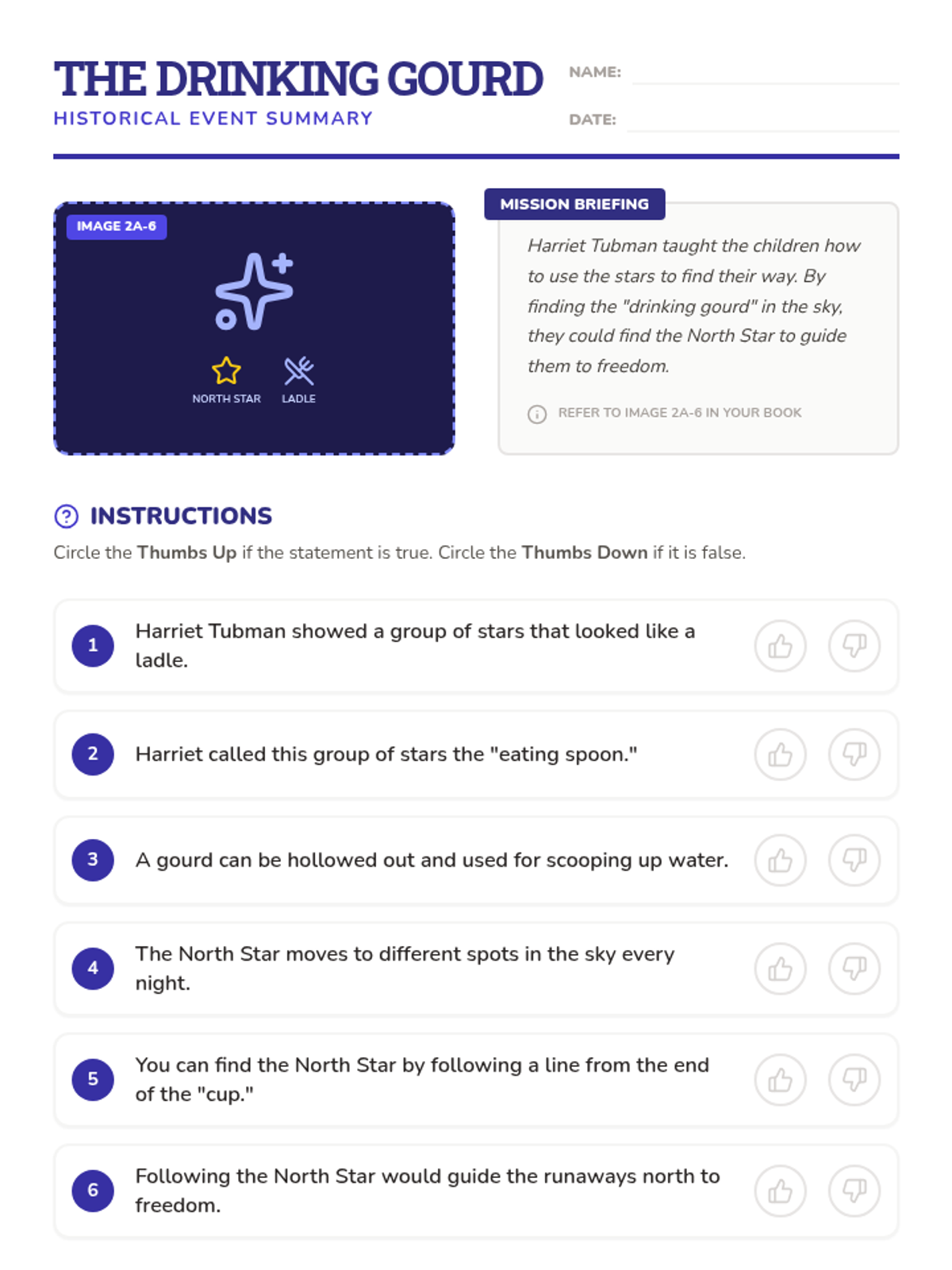
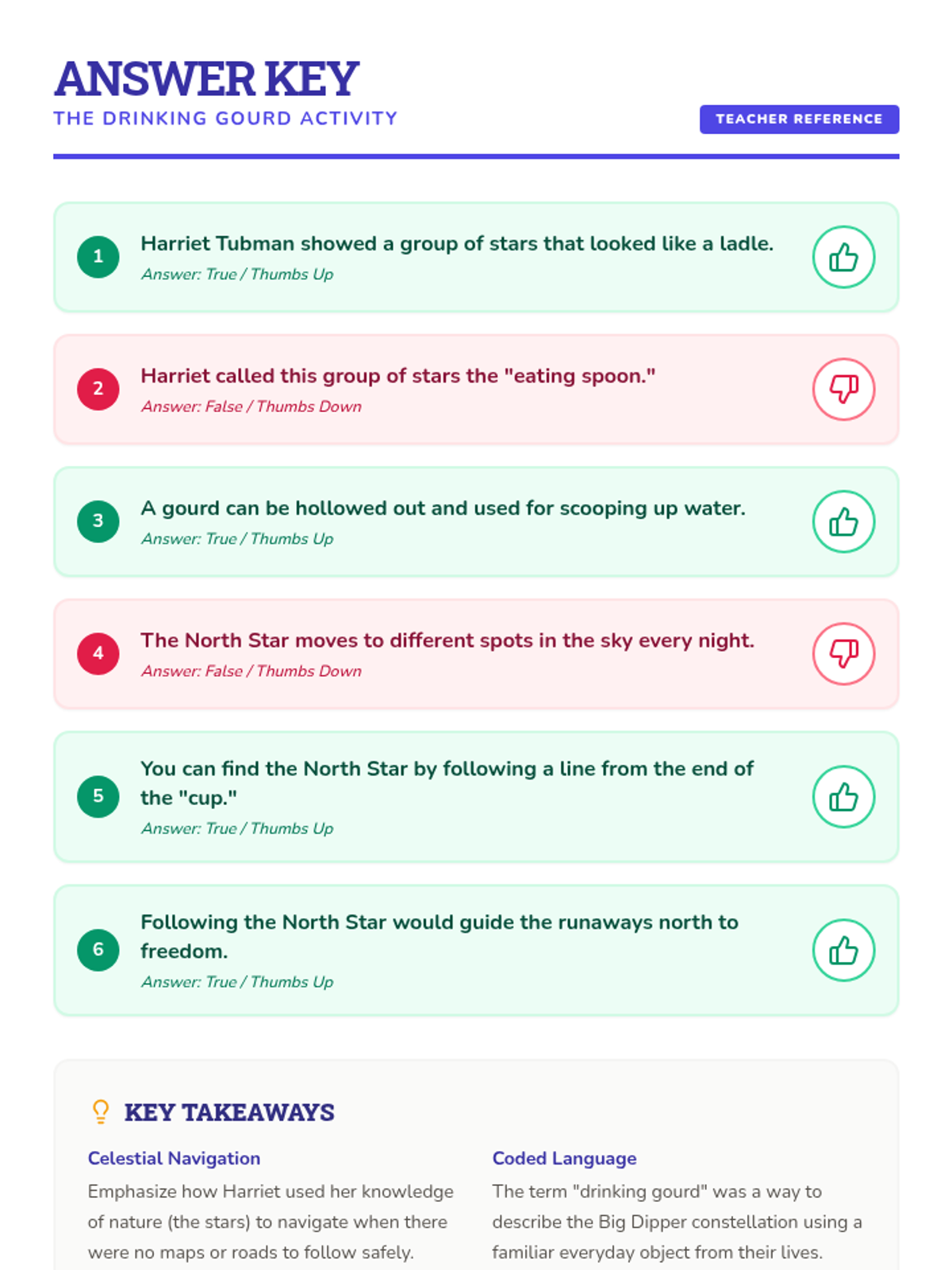
A lesson exploring Harriet Tubman's 1850 escape and the significance of the Mason-Dixon Line as a geographical and legal boundary in the pre-Civil War United States.
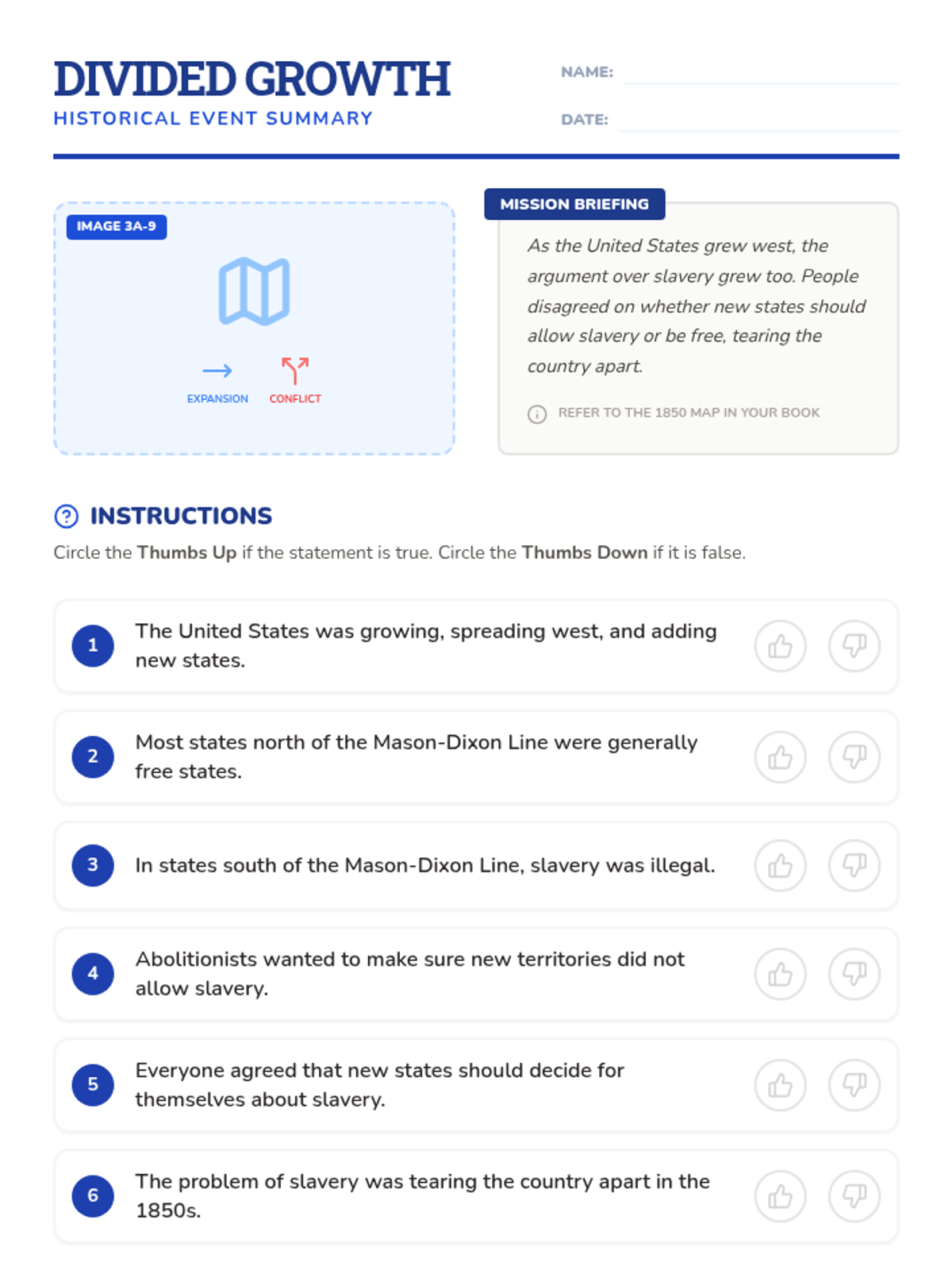
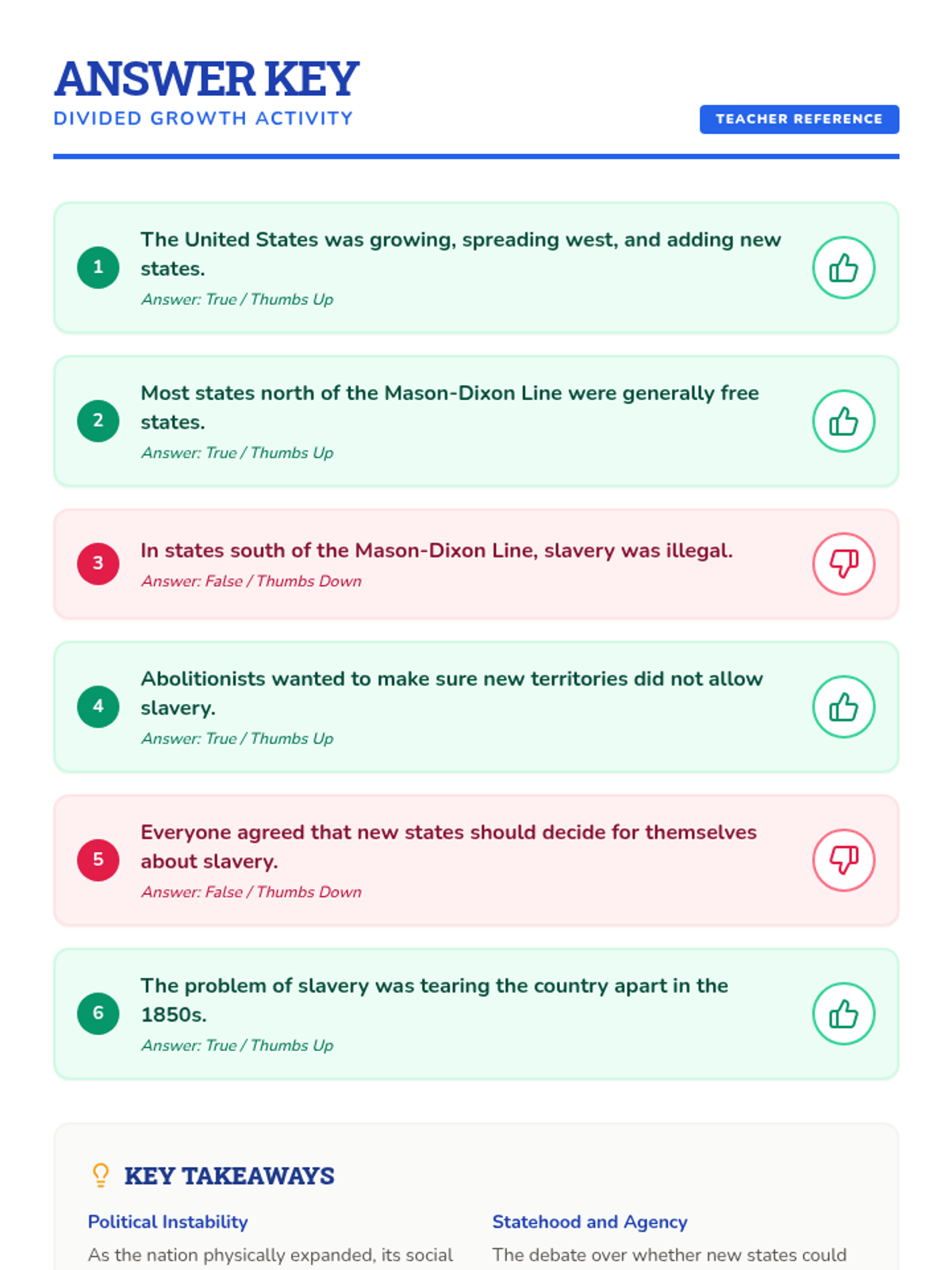
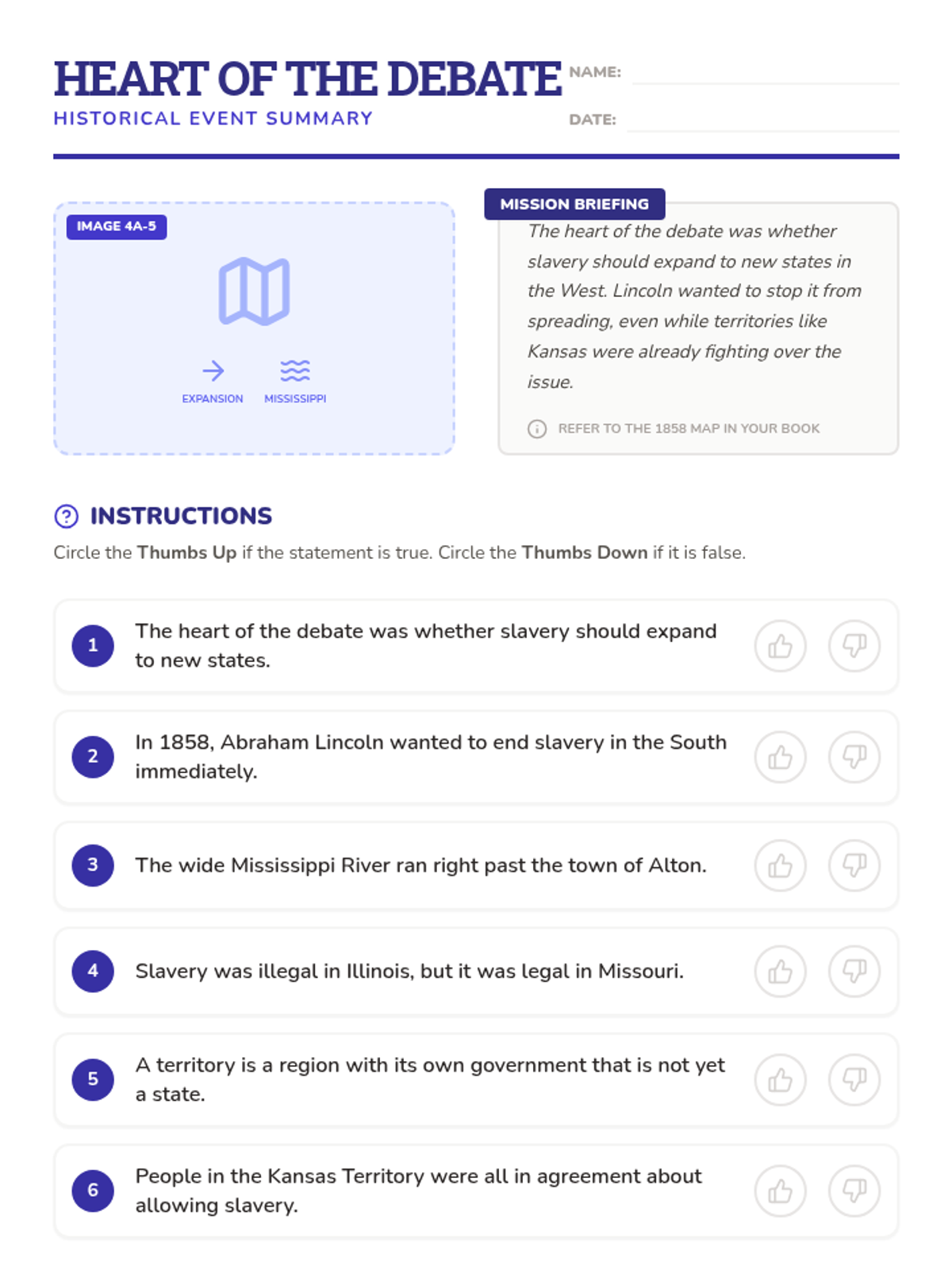
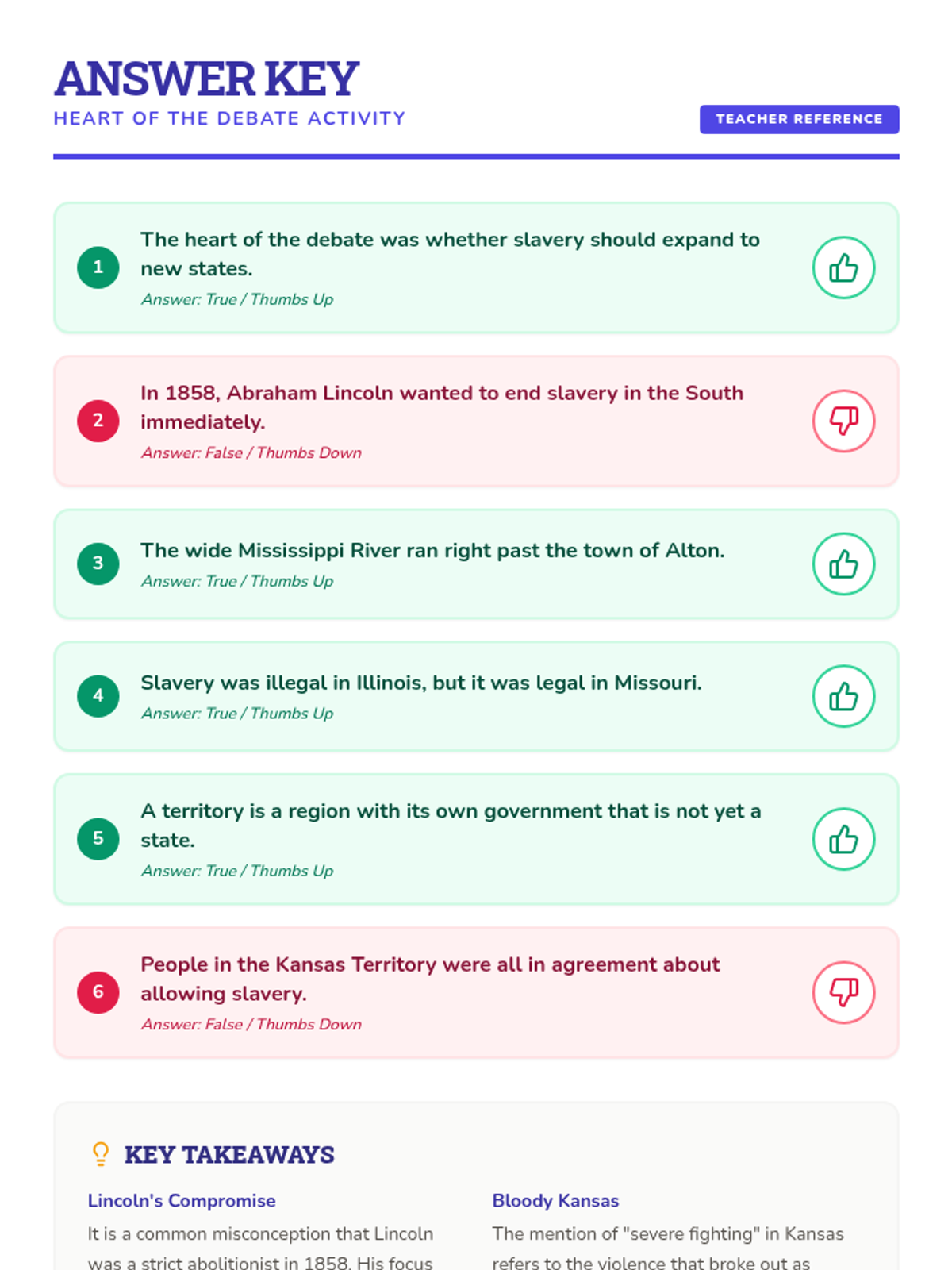
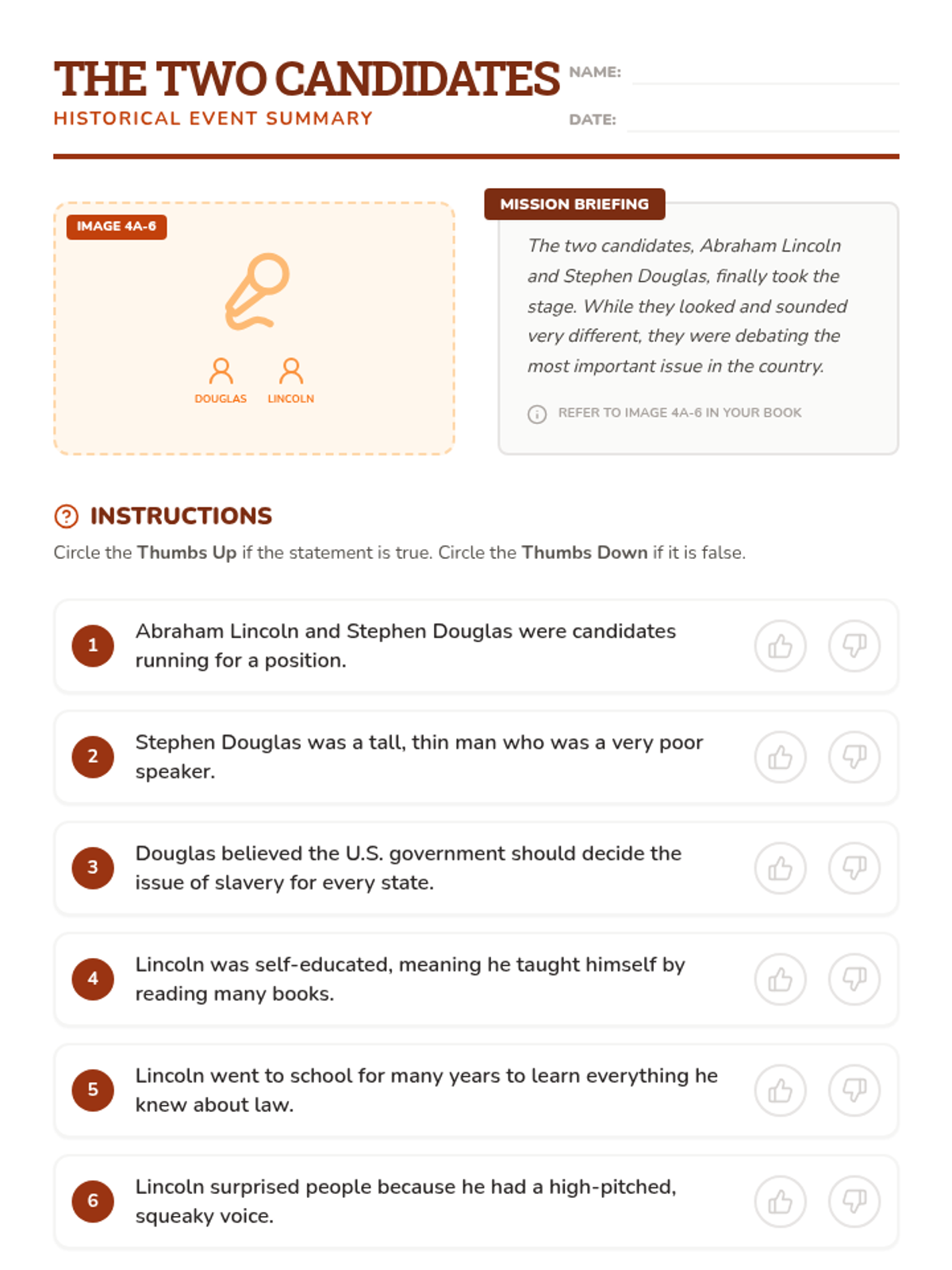
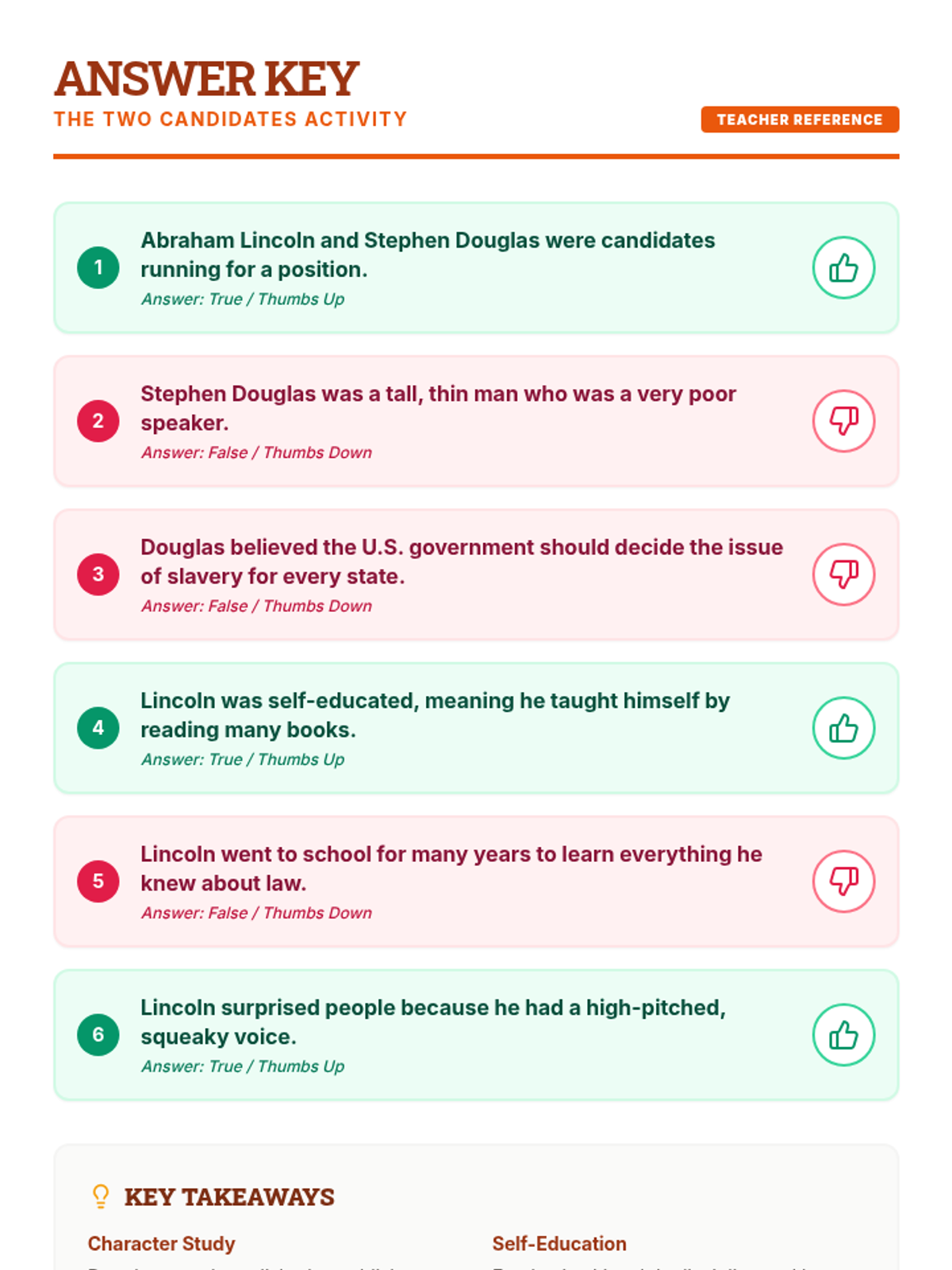
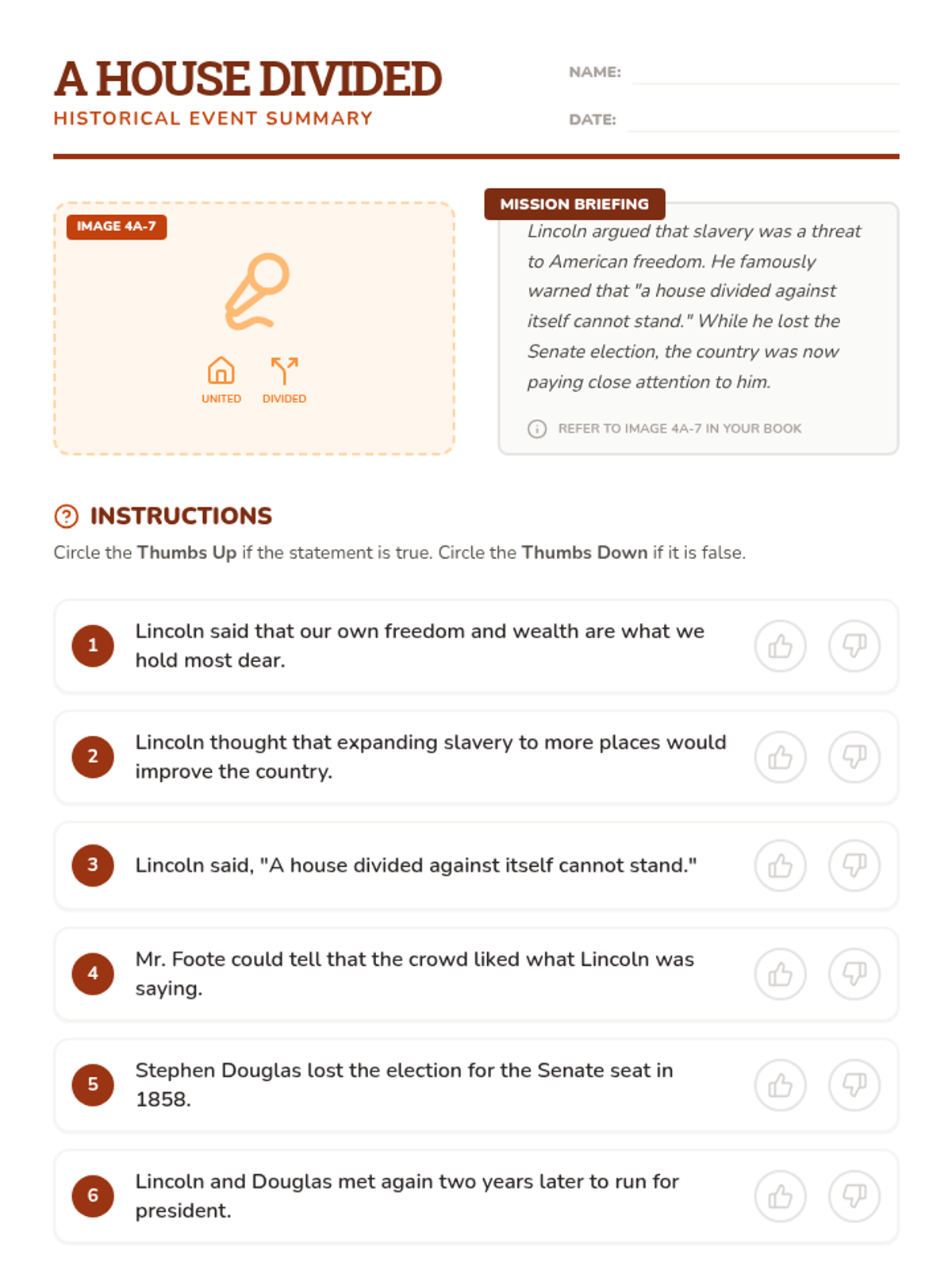
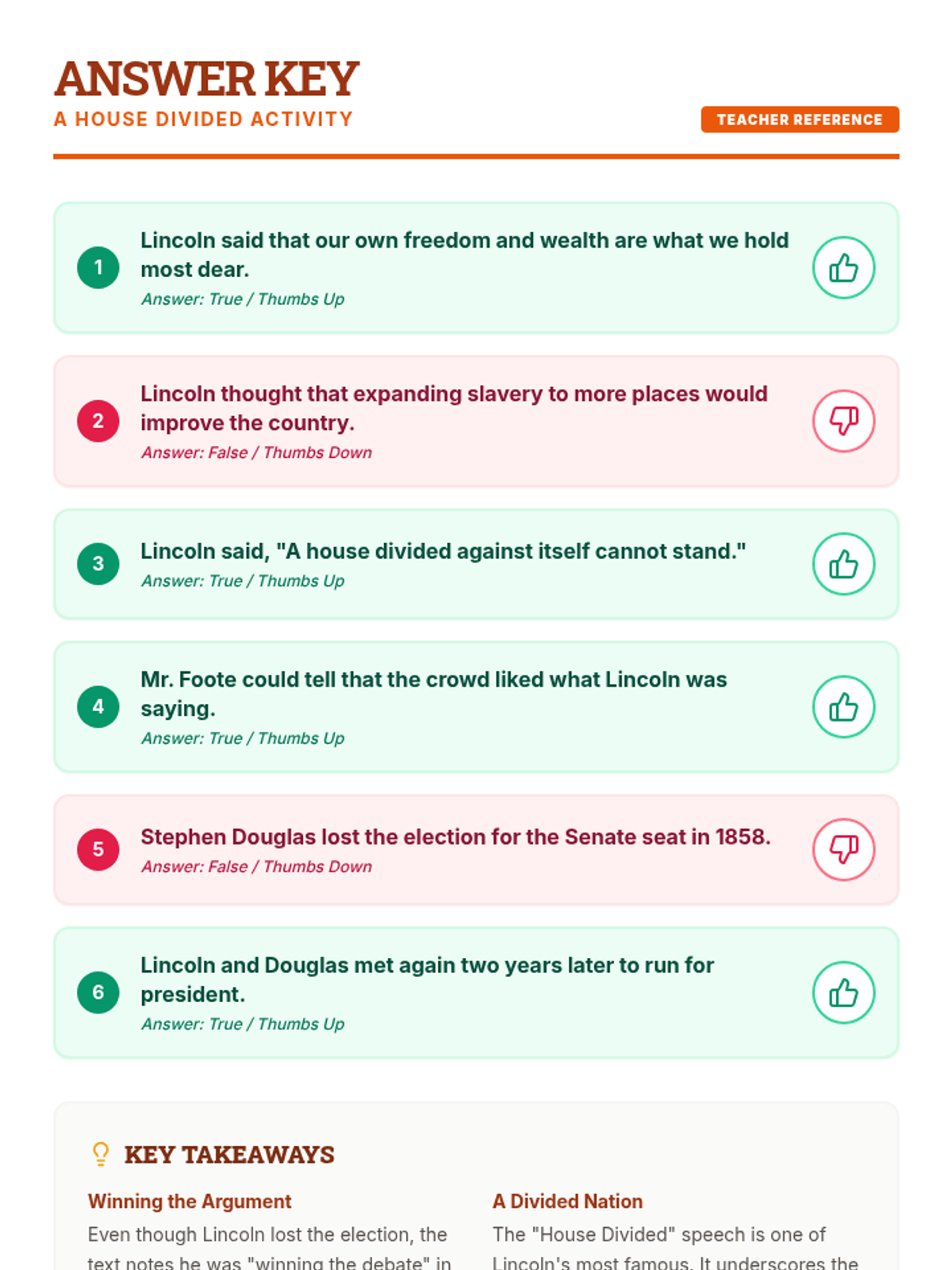
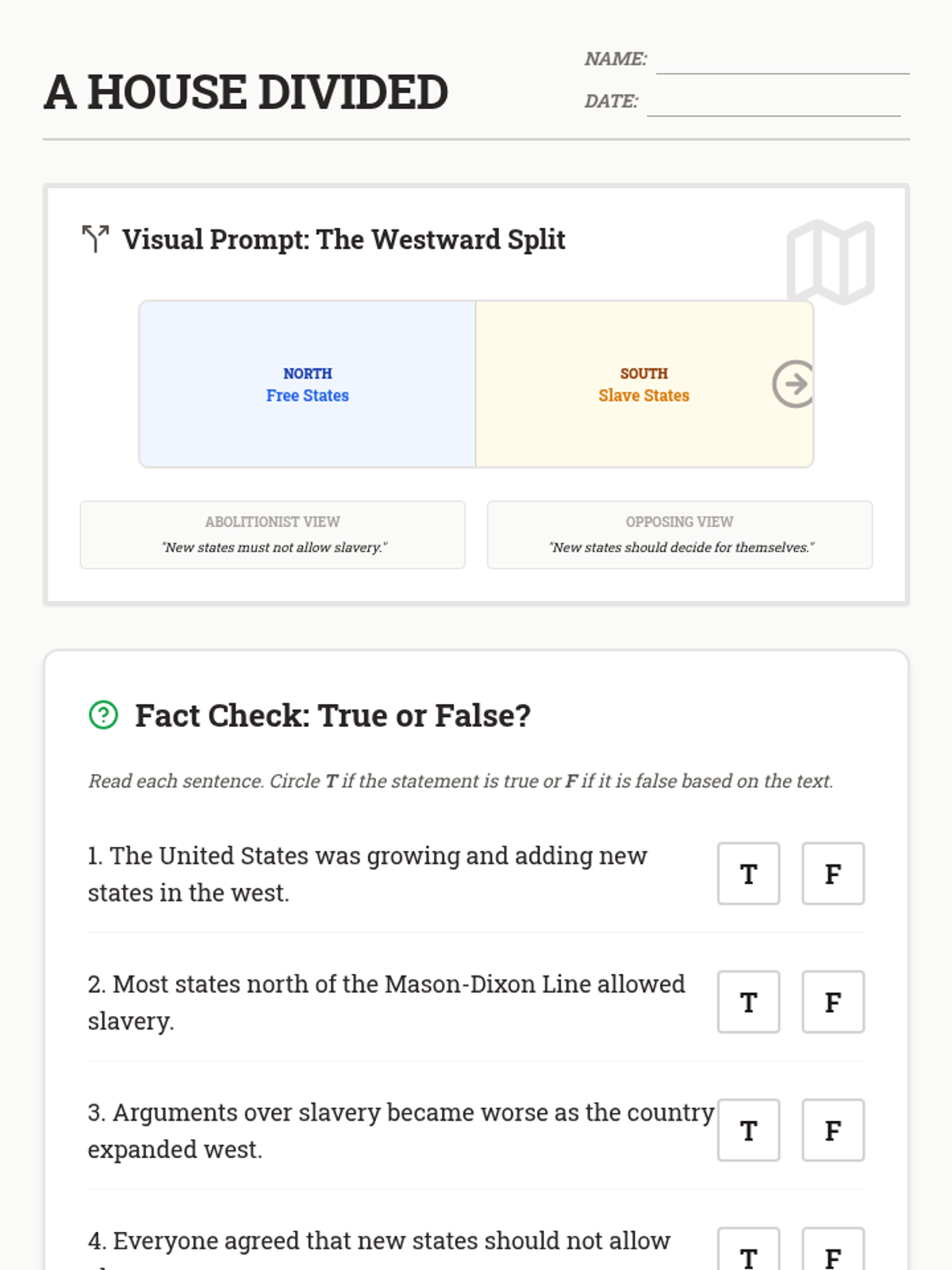
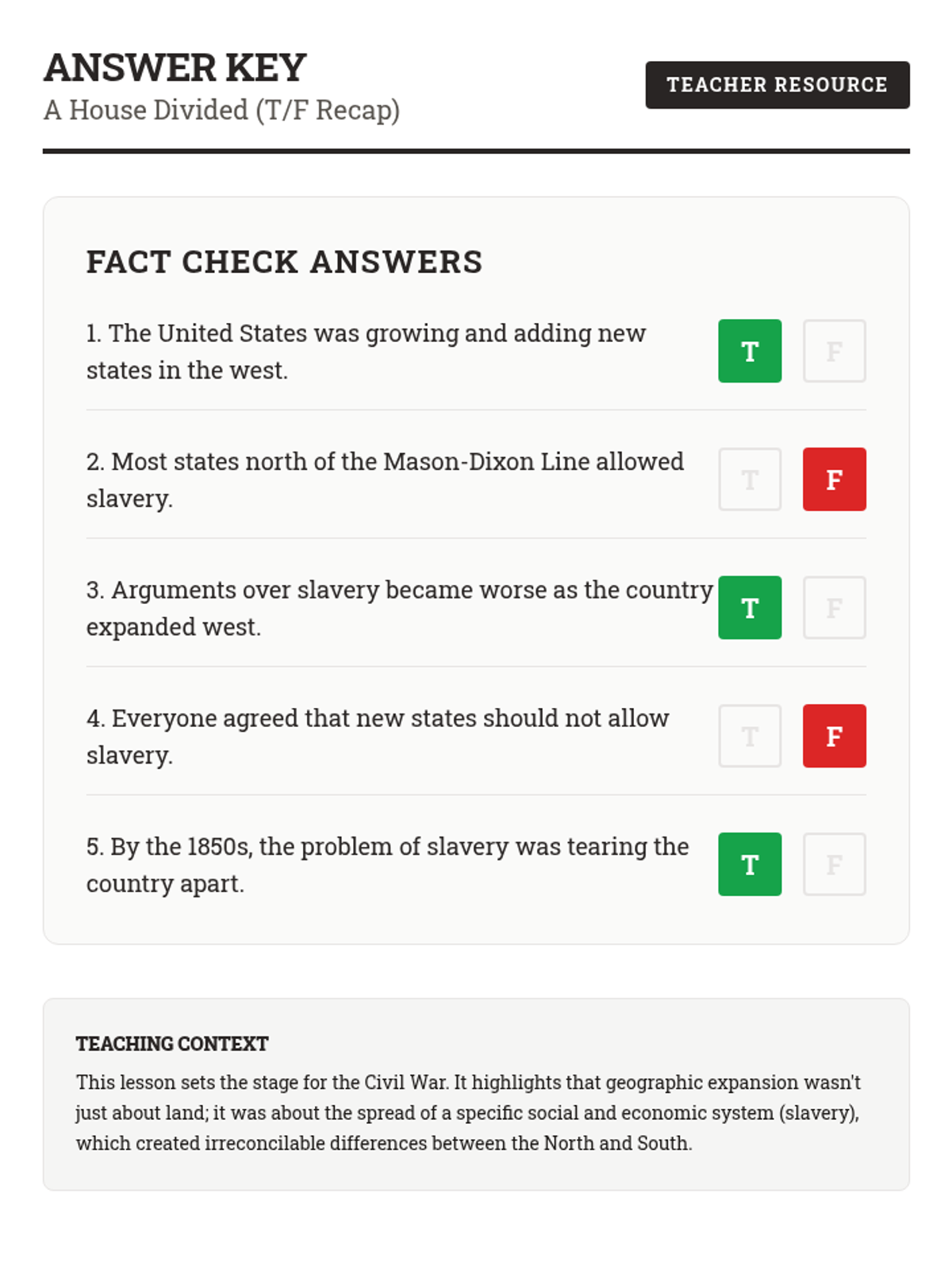
A lesson examining the expansion of the United States in the 1850s and the growing conflict over whether new territories should allow slavery. Students will explore how westward expansion pushed the country toward a breaking point.