A comprehensive lesson on the American anti-war movement during the Vietnam War, exploring the motivations, methods, and impact of peace protests. Students will analyze primary sources, music, and key events to understand how public opinion shifted.

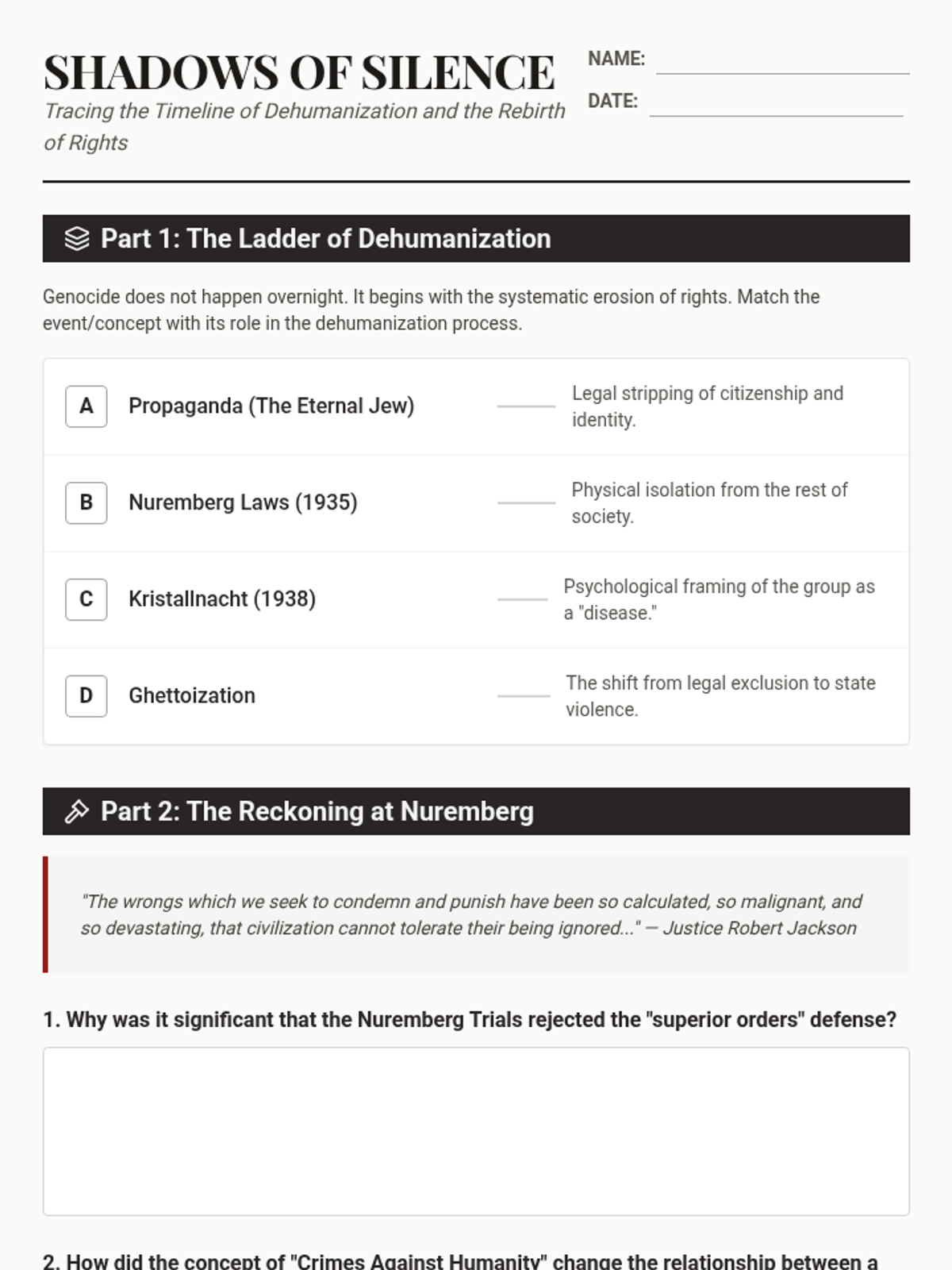
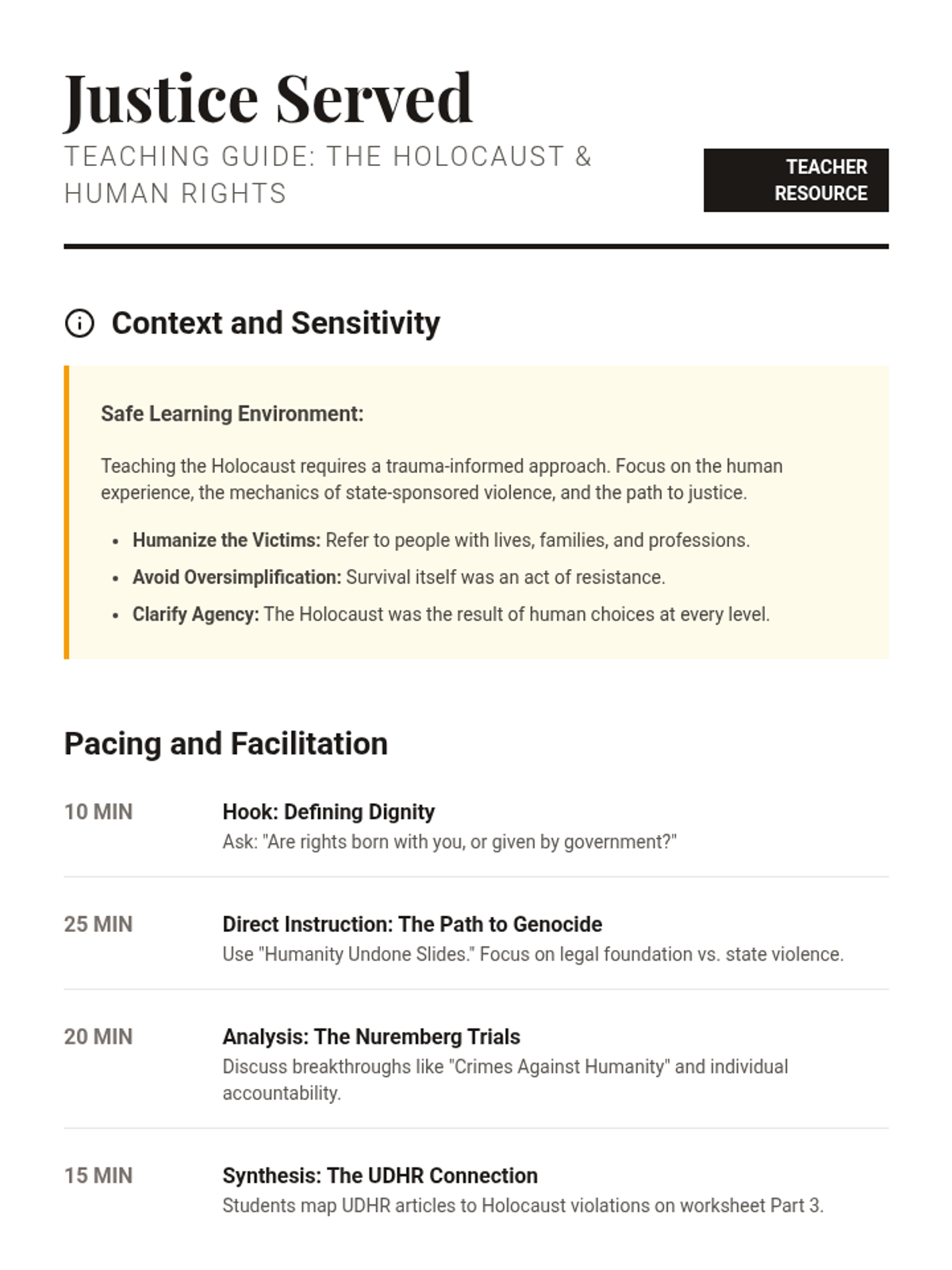
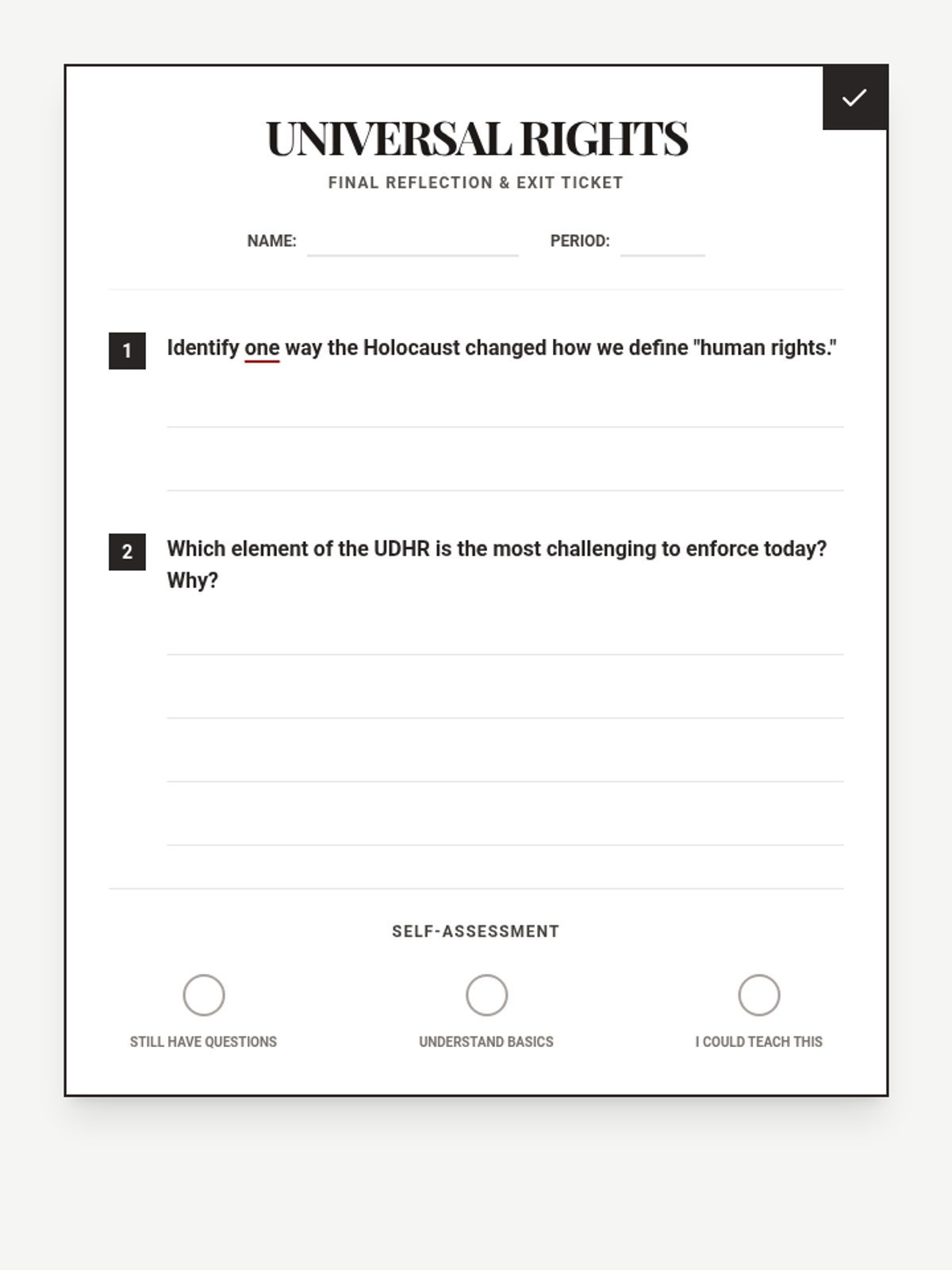
A comprehensive lesson exploring the systematic dehumanization of the Holocaust and its role in the birth of the modern international human rights movement. Students analyze primary documents, timelines of exclusion, and the legacy of the Nuremberg Trials.
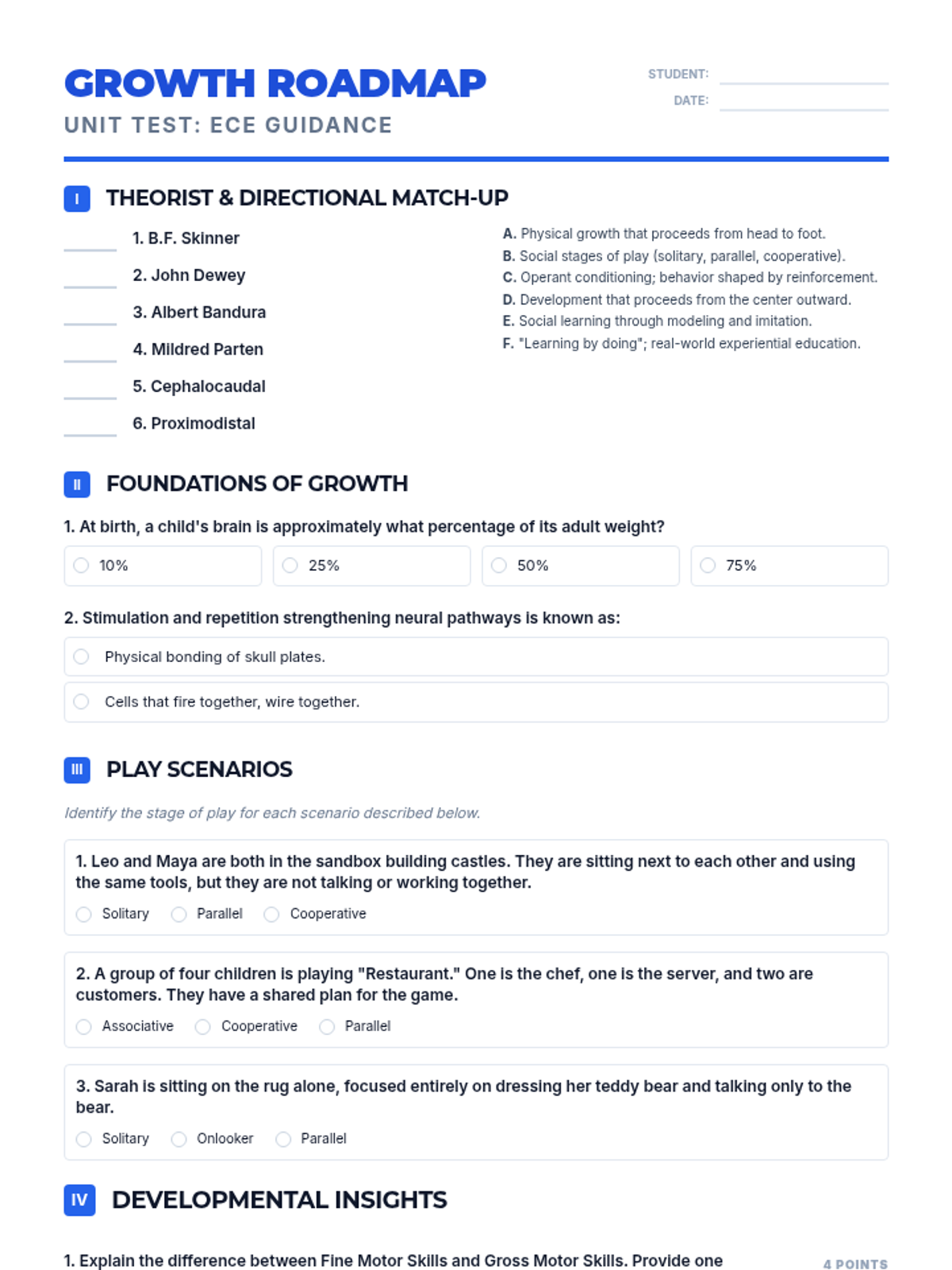
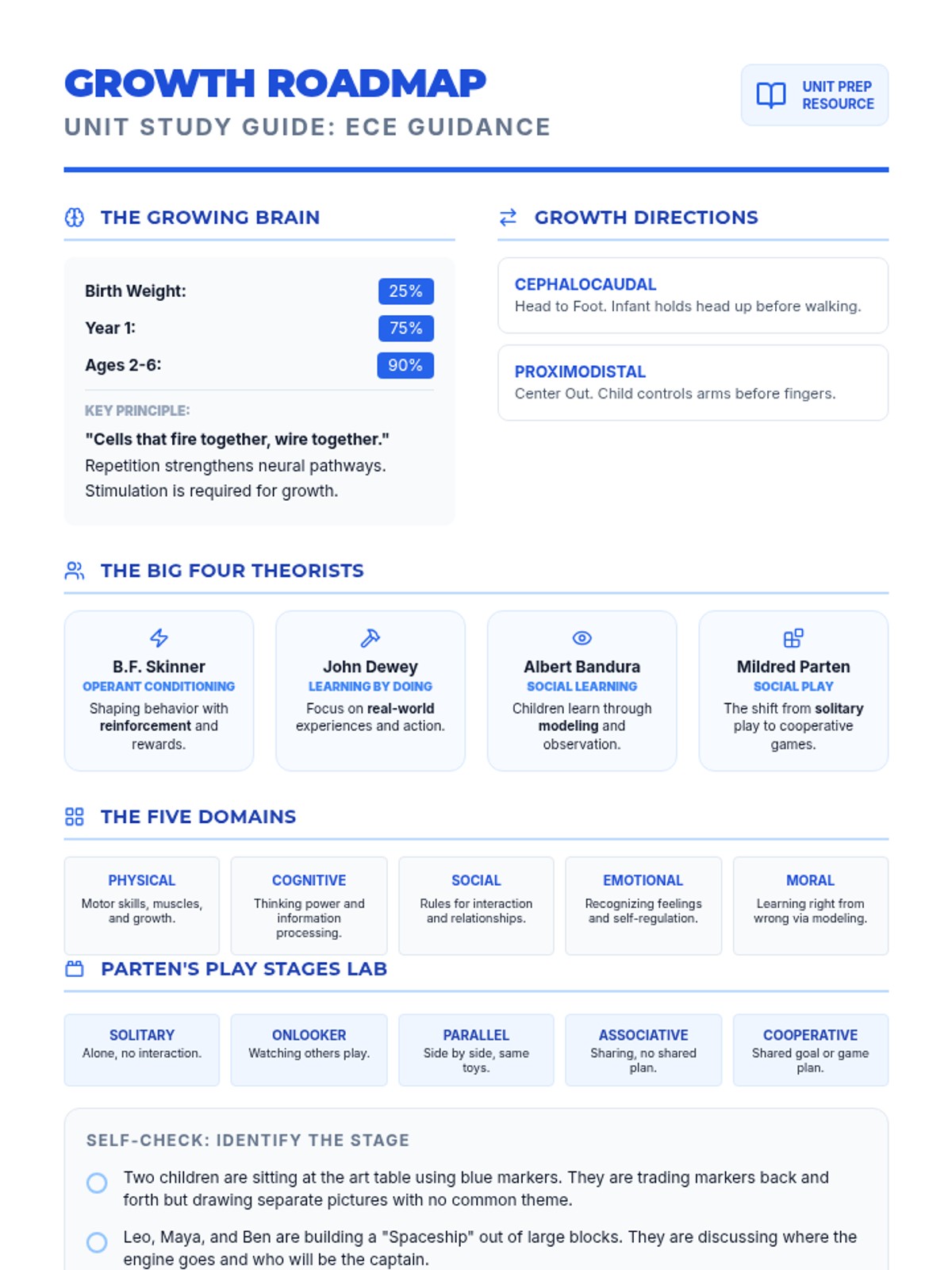
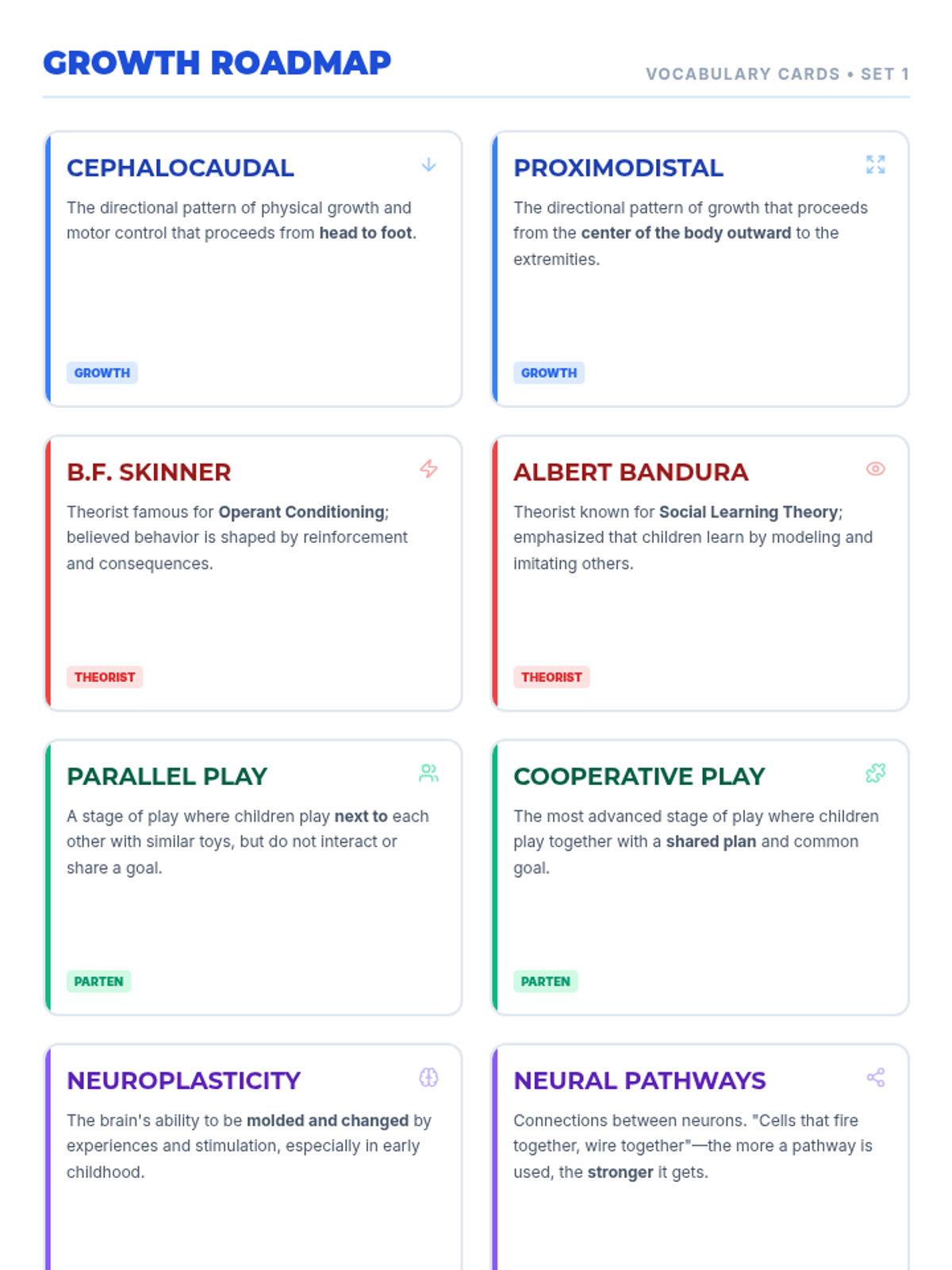
A comprehensive assessment covering developmental domains, brain growth, major ECE theorists, and strategies for supporting young children's self-concept and identity.
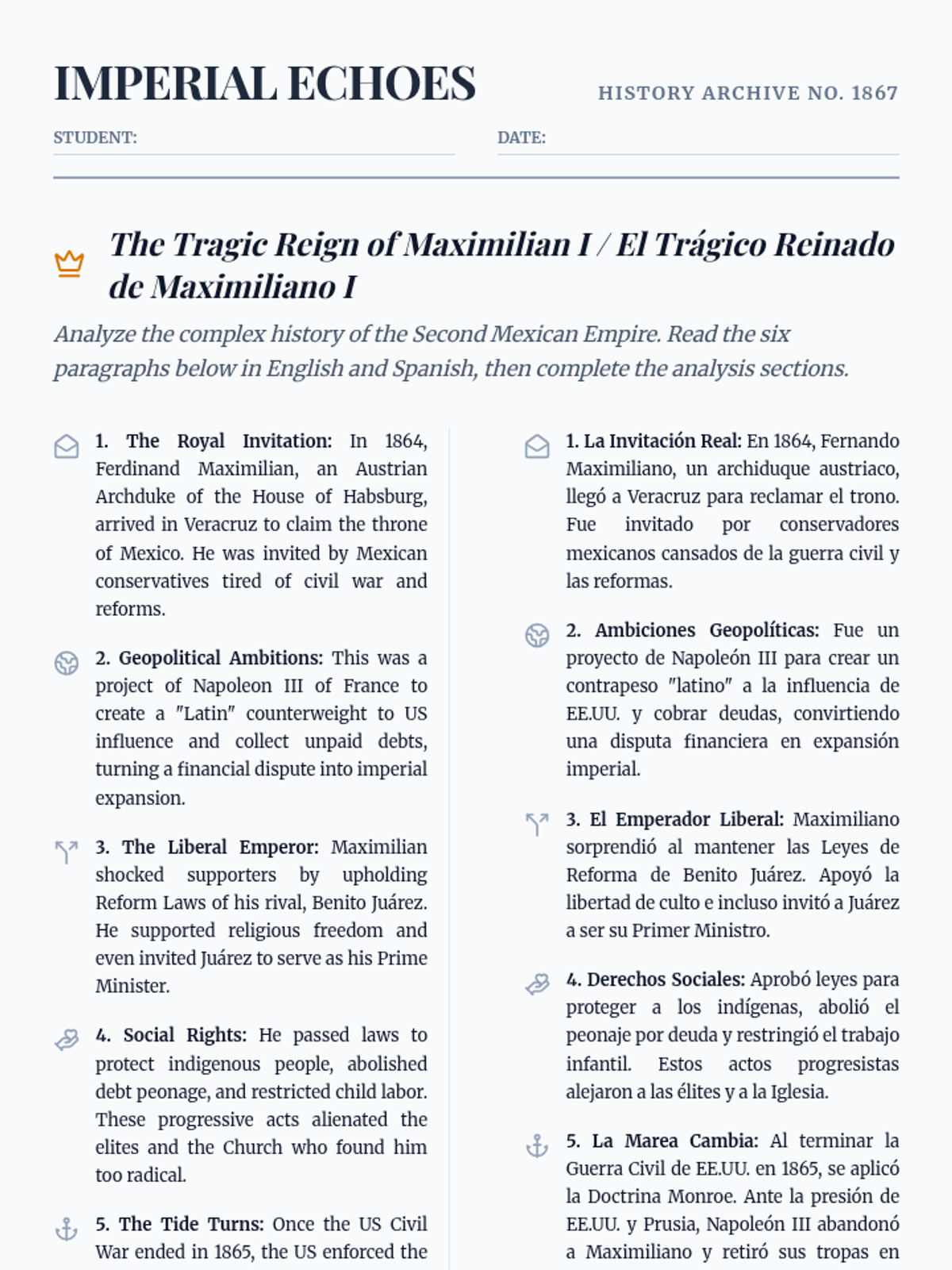
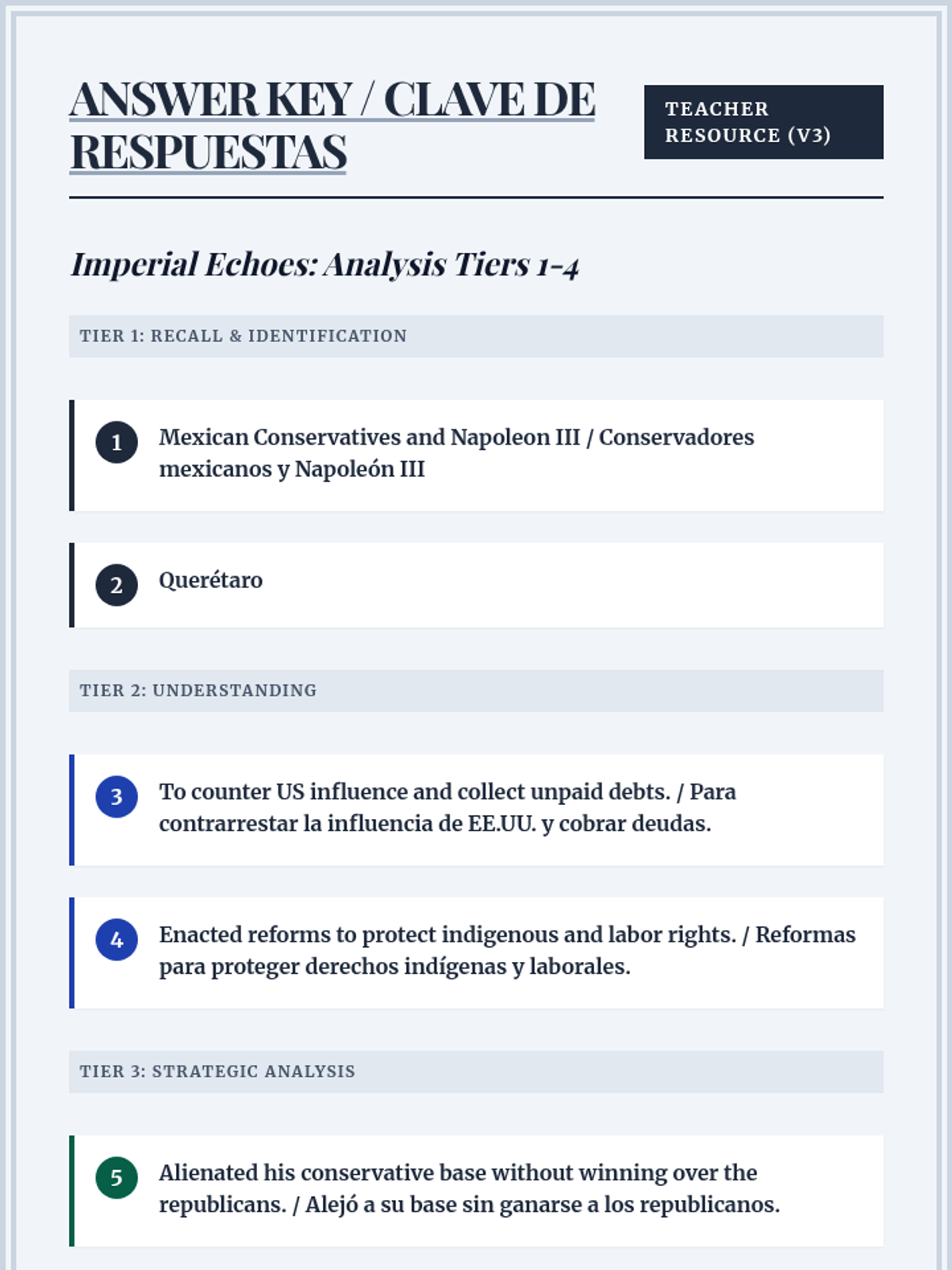
A comprehensive look at the rise and fall of Maximilian I of Mexico, exploring the French intervention and the clash between imperial dreams and republican reality.
A deep dive into the physical and human geography that shaped the rise of the Roman Empire, from the Tiber River to its expansion across three continents.
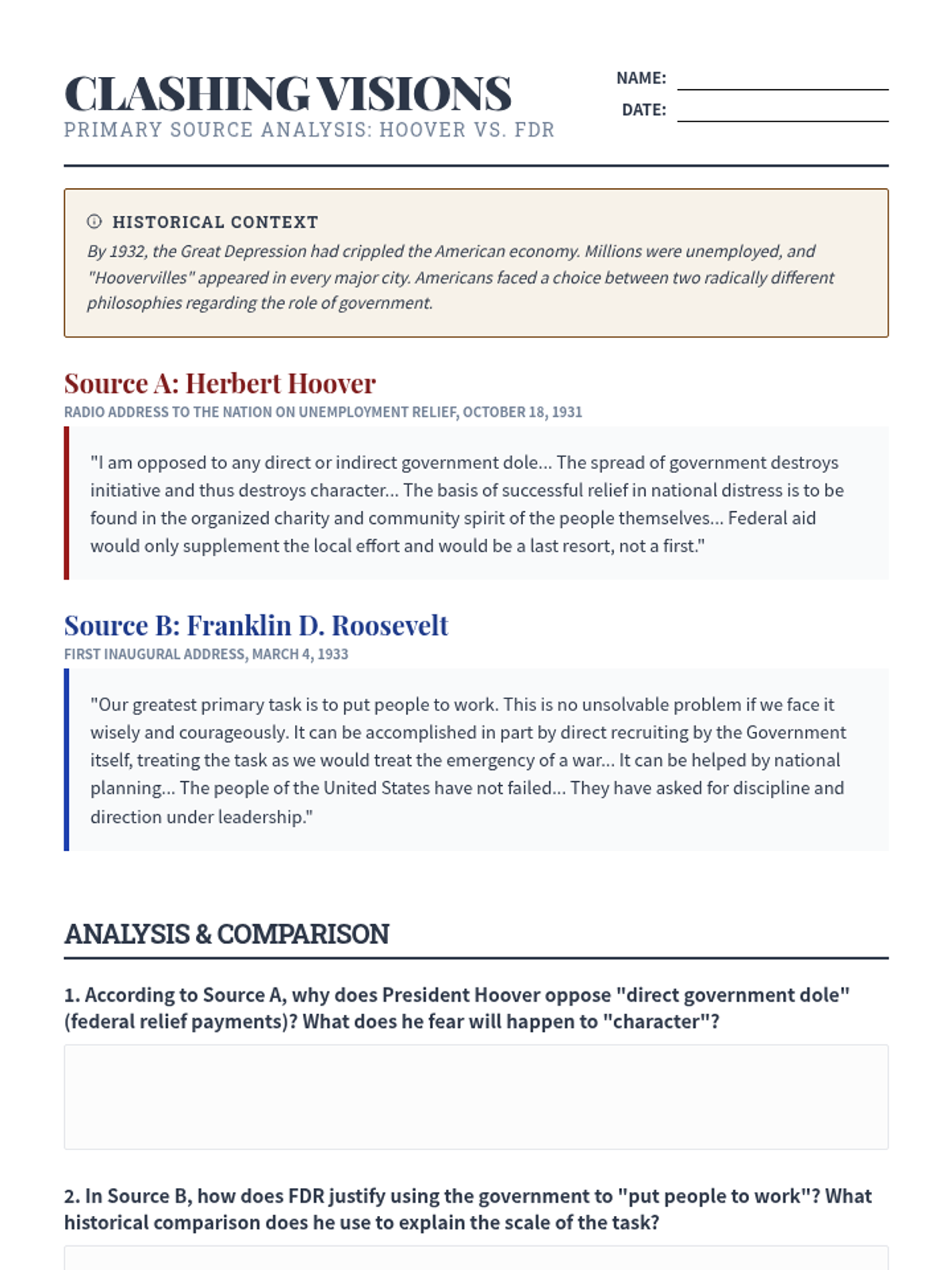
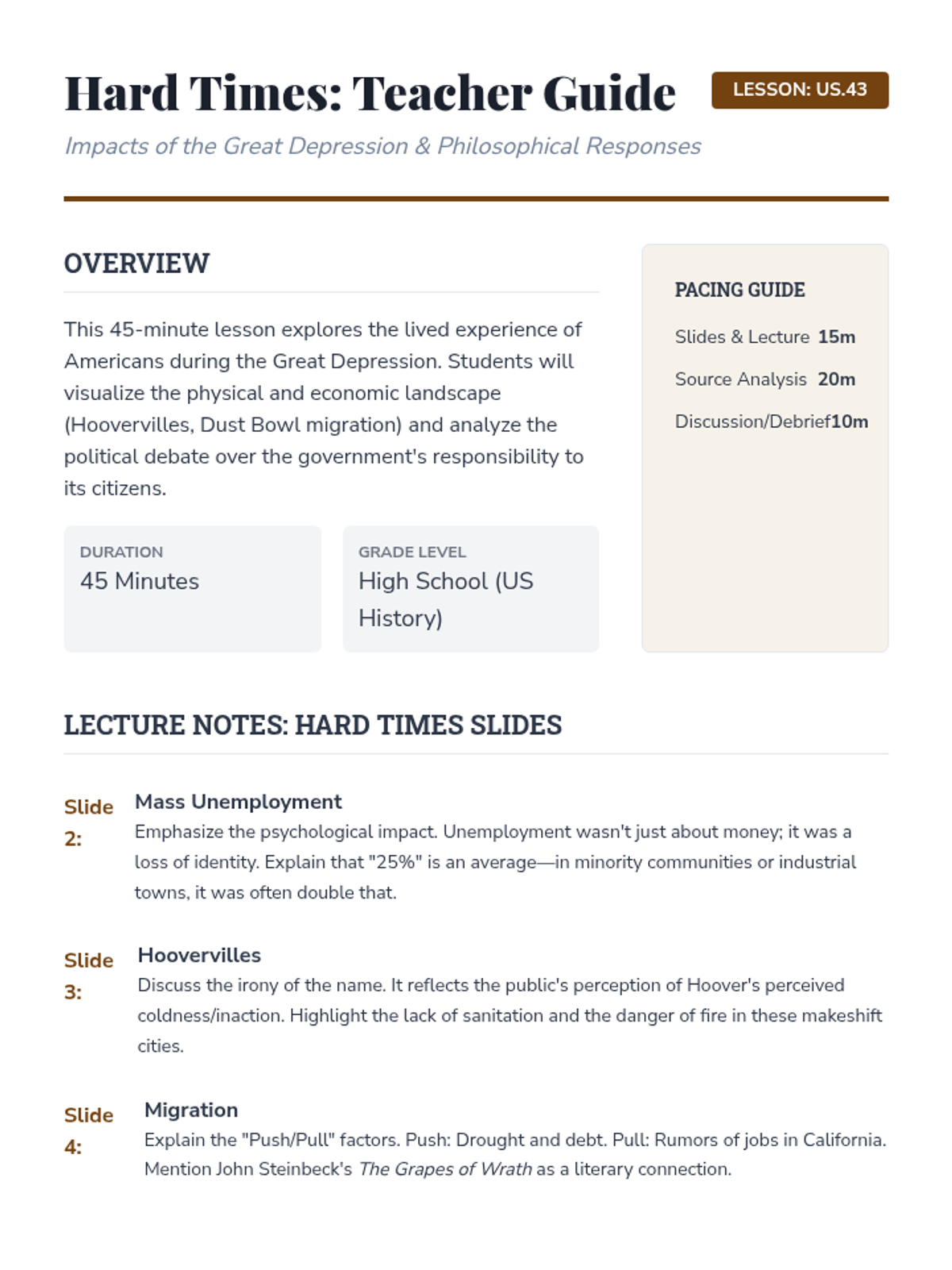
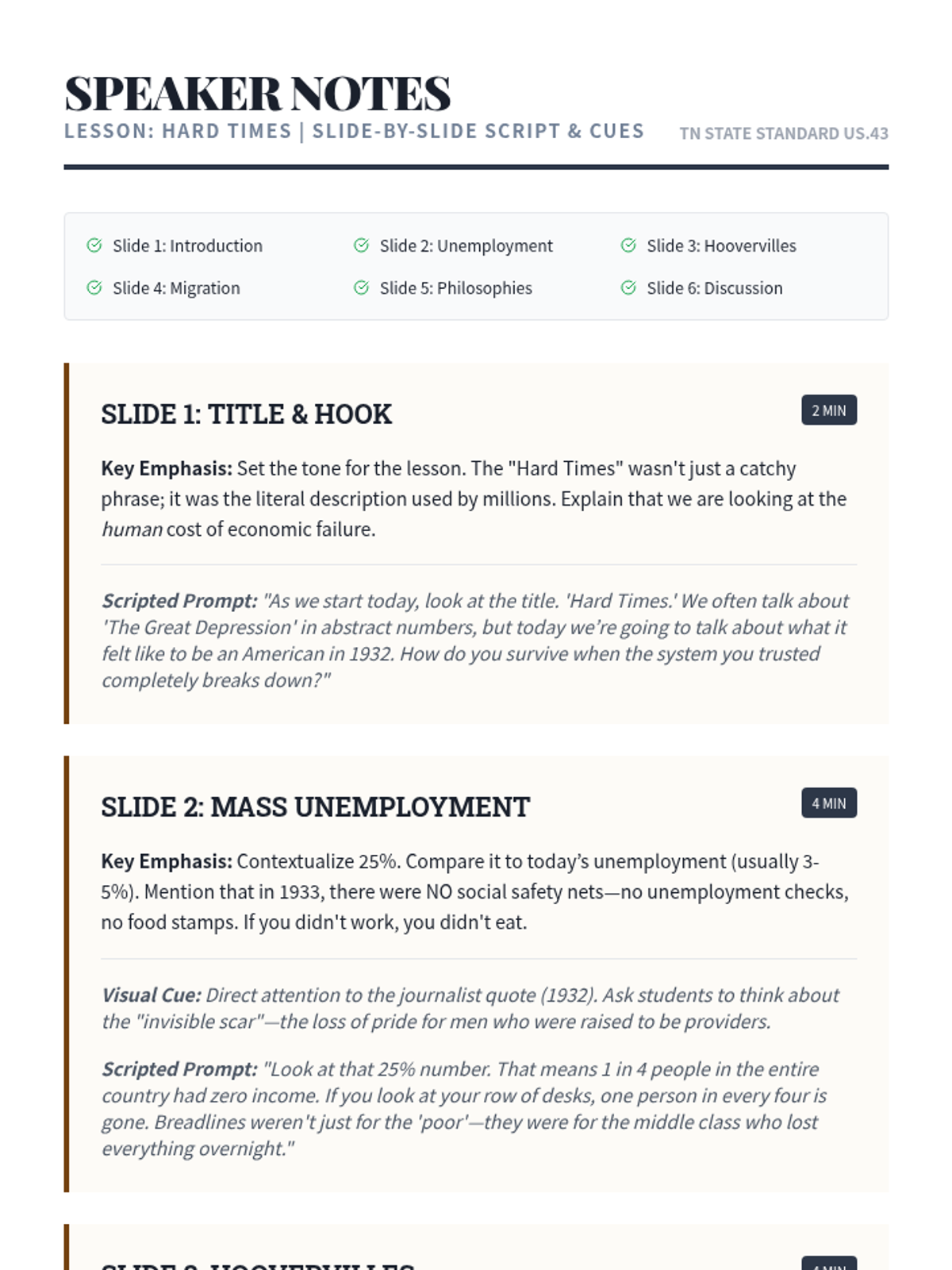
This lesson explores the devastating social and economic impacts of the Great Depression, focusing on unemployment, migration, and Hoovervilles, while challenging students to compare the contrasting philosophies of Presidents Hoover and FDR.
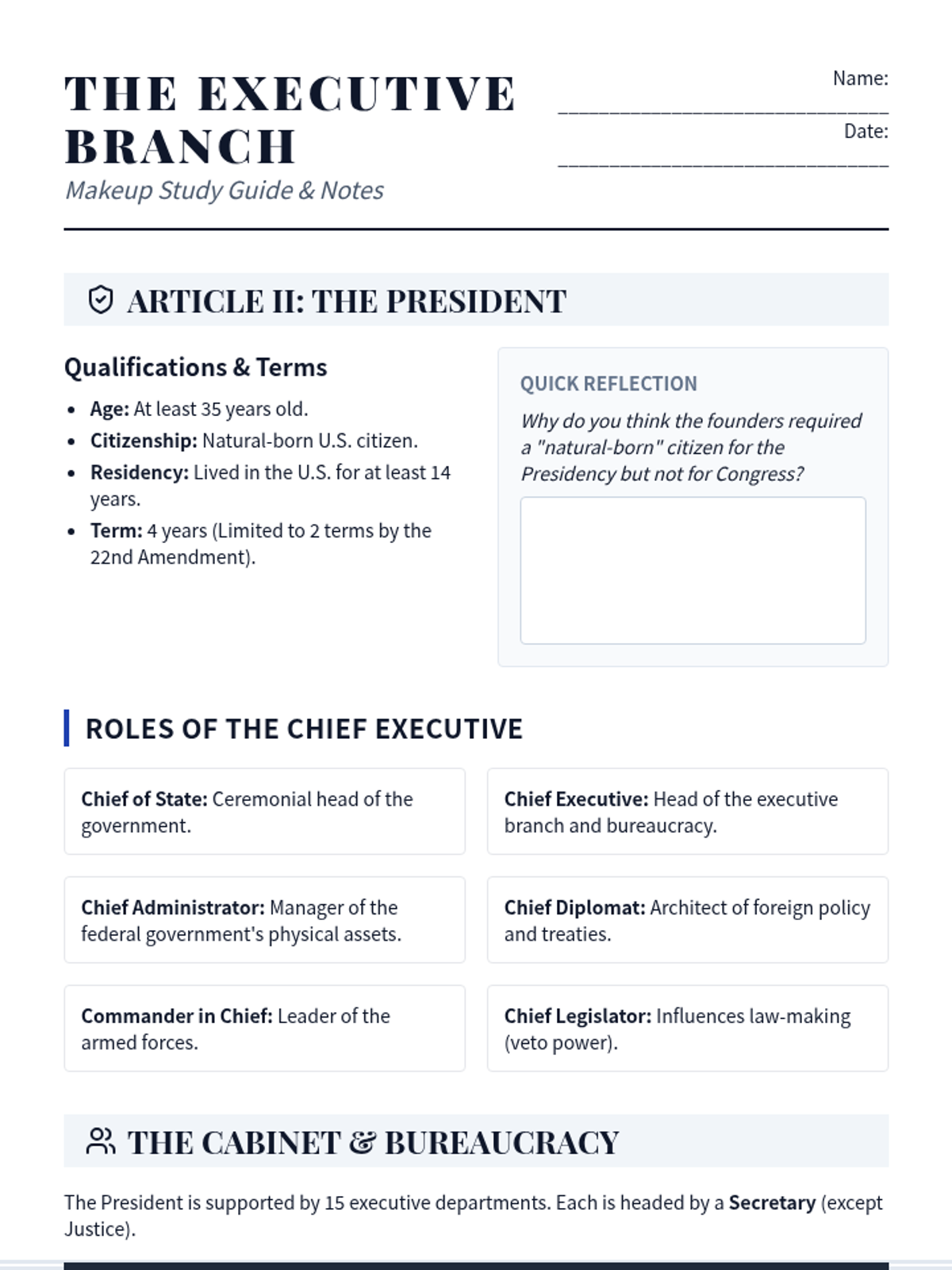
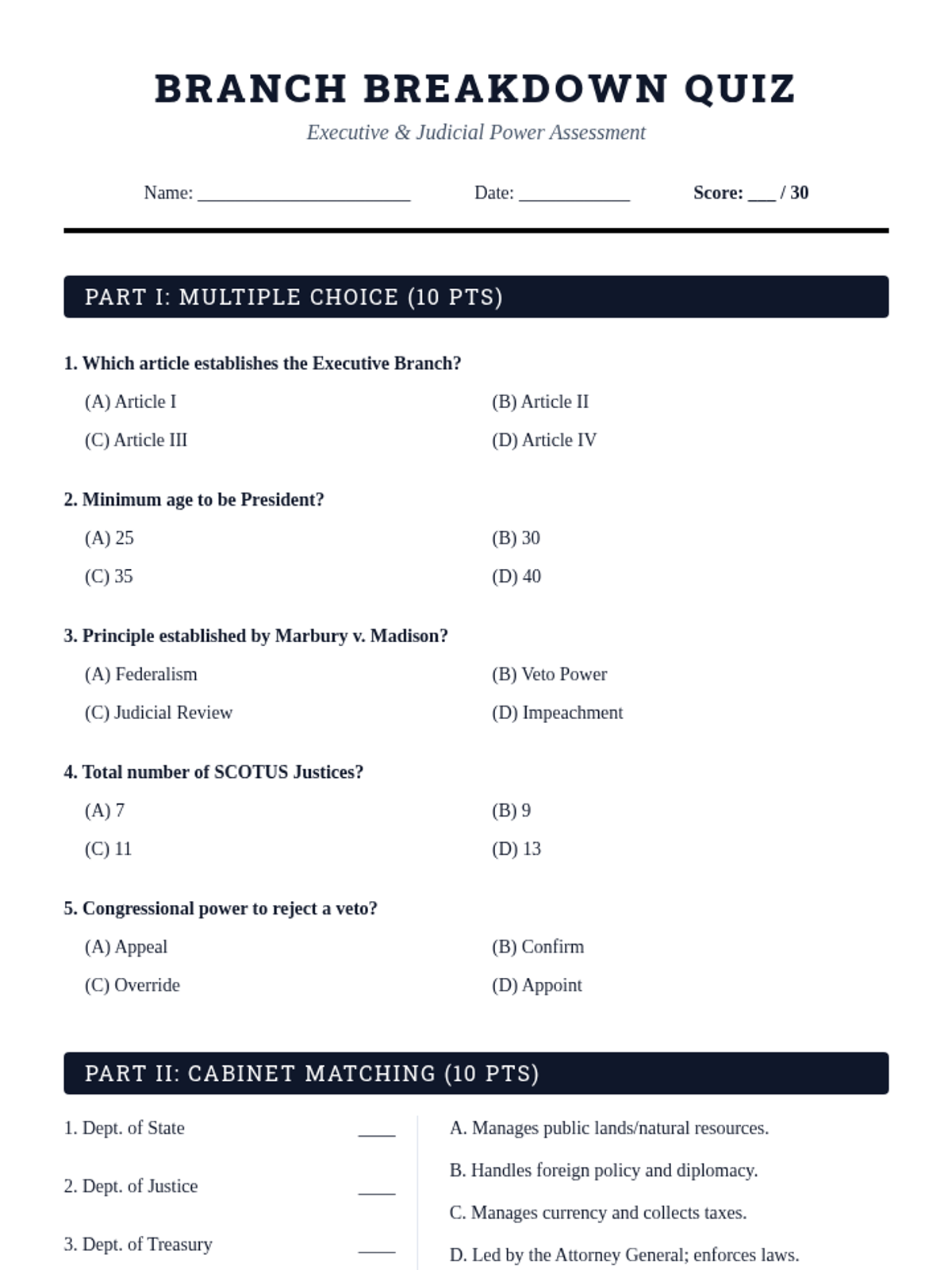
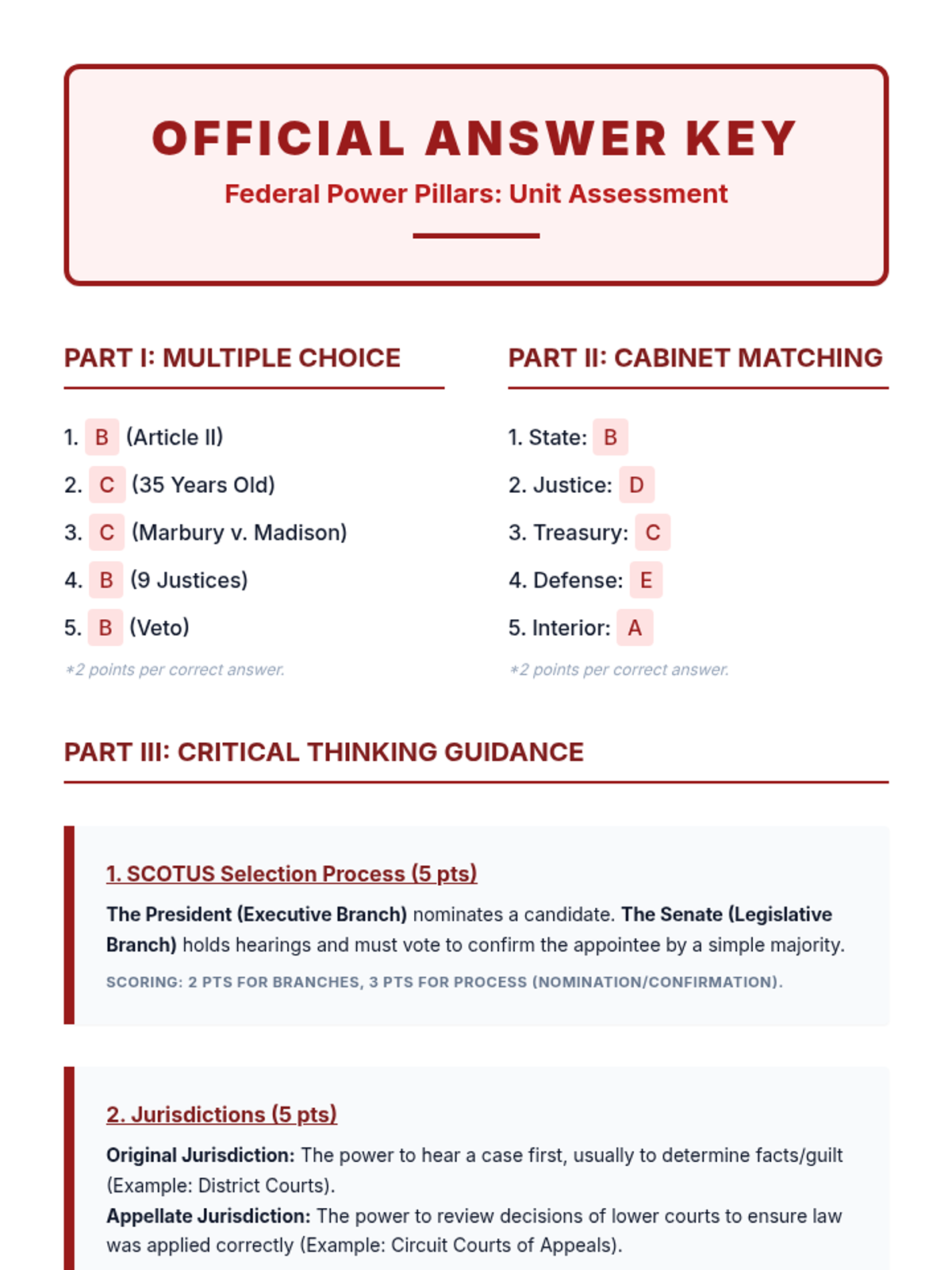
An intensive look at the President, the Cabinet, the Federal Court system, and the Supreme Court, providing all necessary materials for a student to catch up on missed instruction.
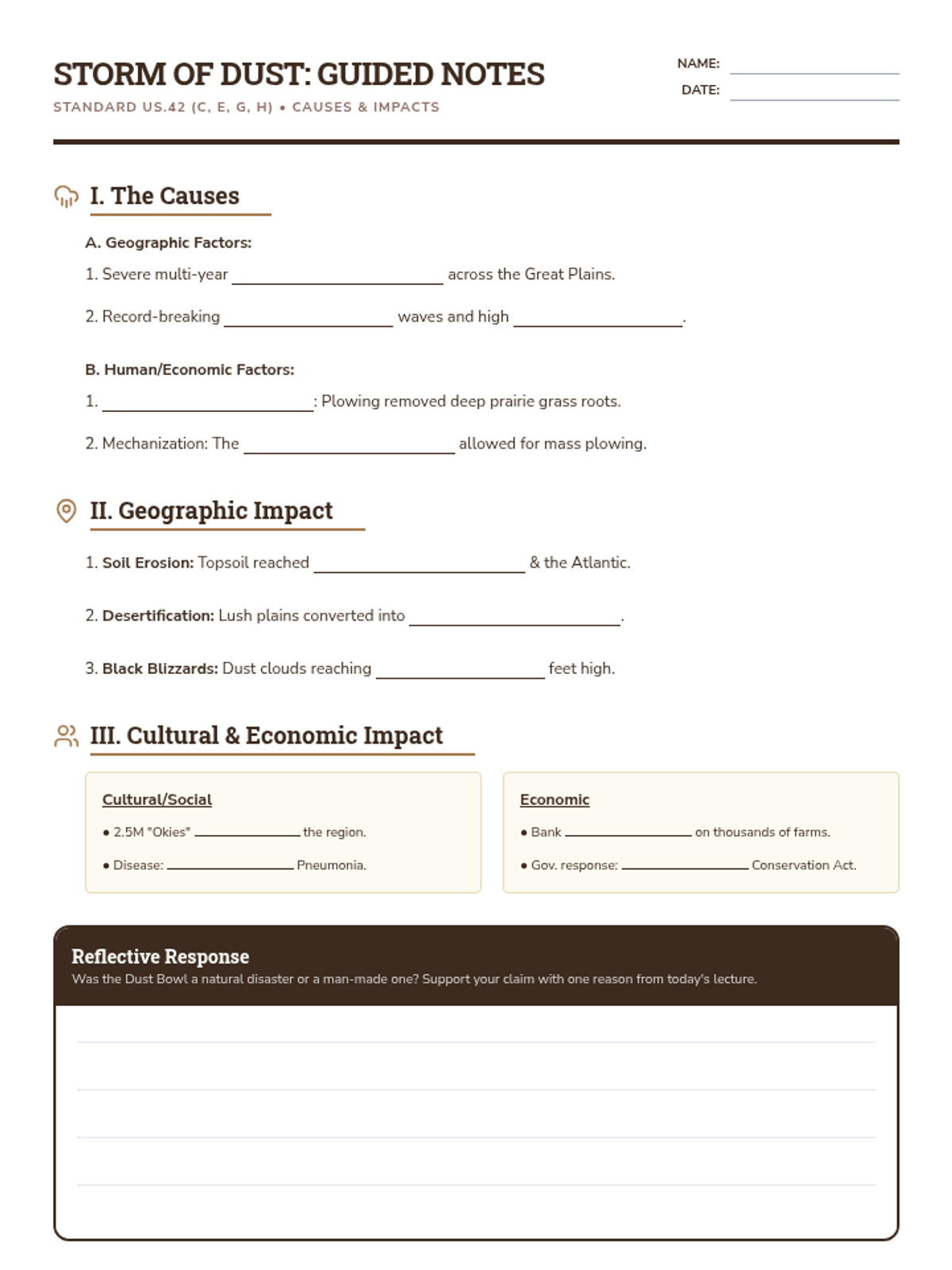
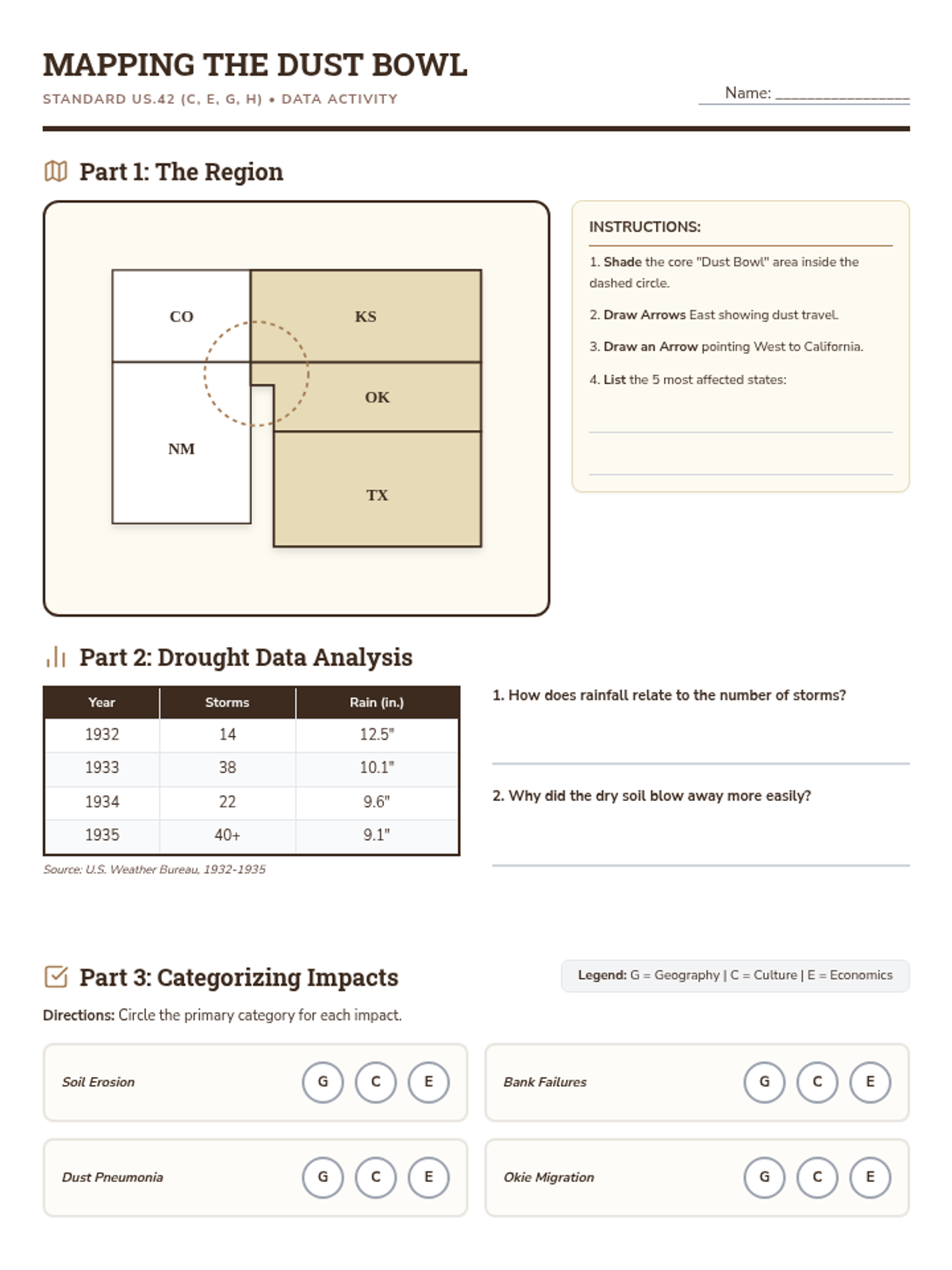
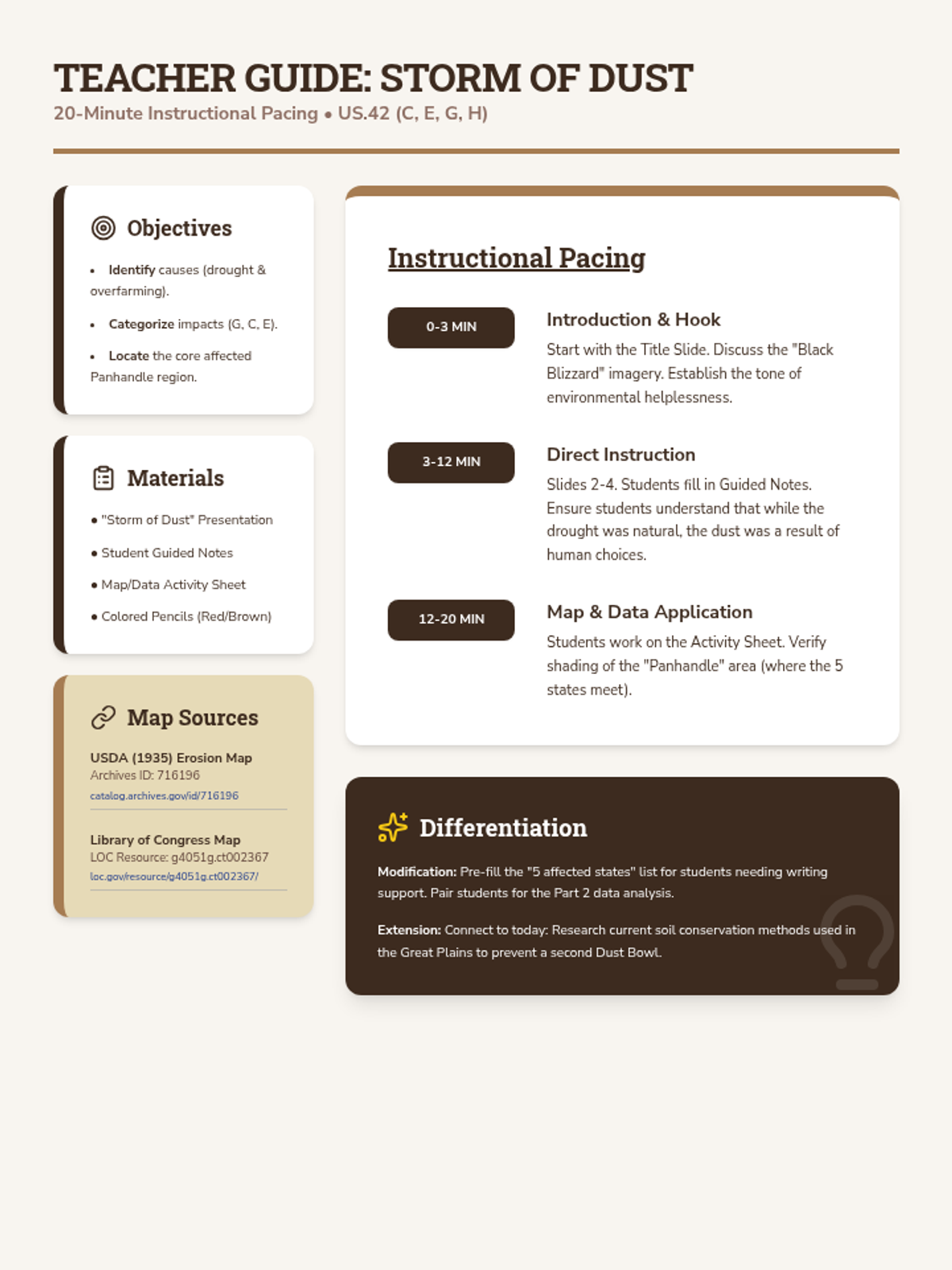
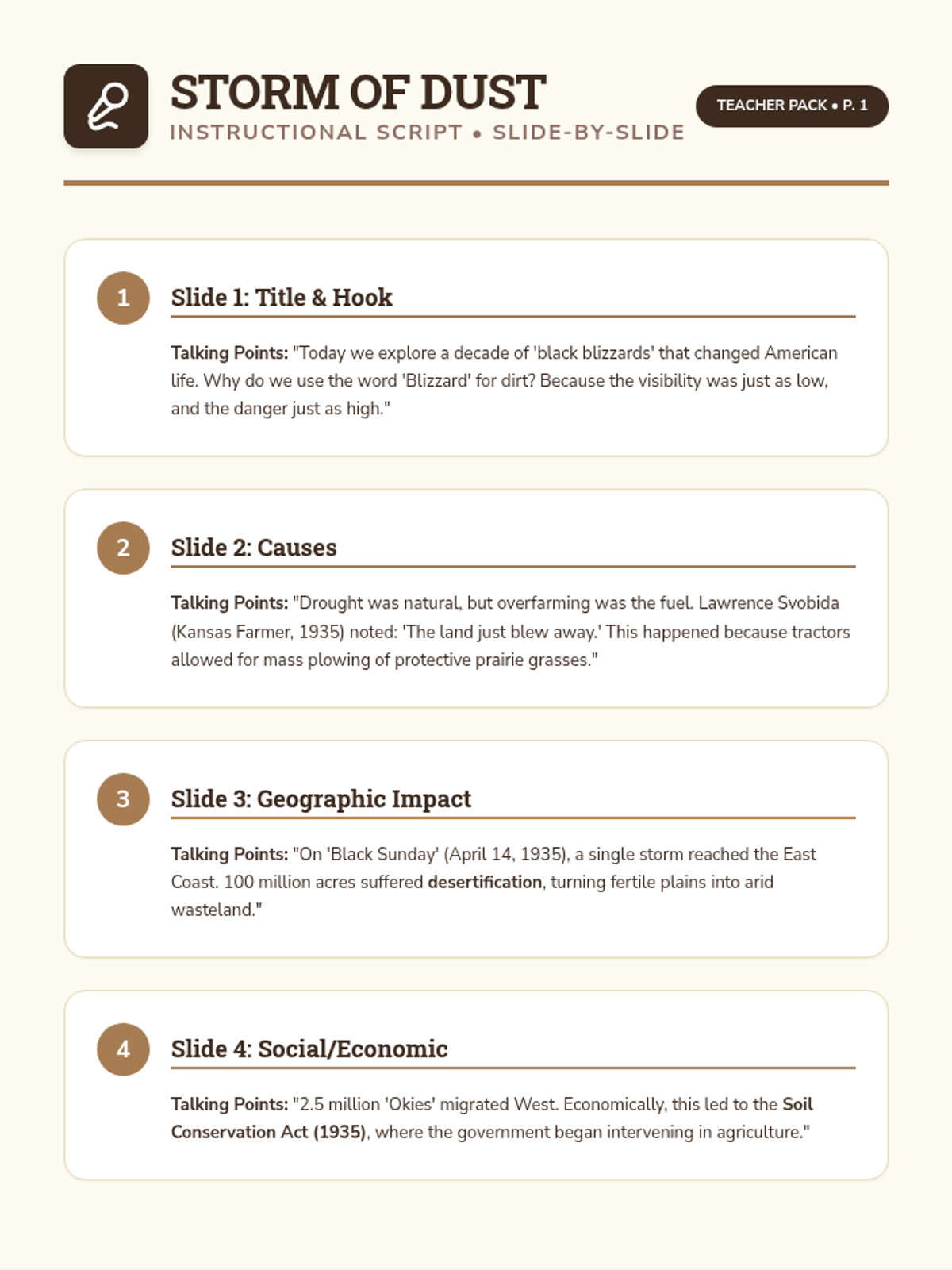
A concise 20-minute exploration of the Dust Bowl's causes and its multi-faceted impacts on American life during the 1930s. Students analyze geographic data and primary sources to understand the environmental and economic catastrophe.
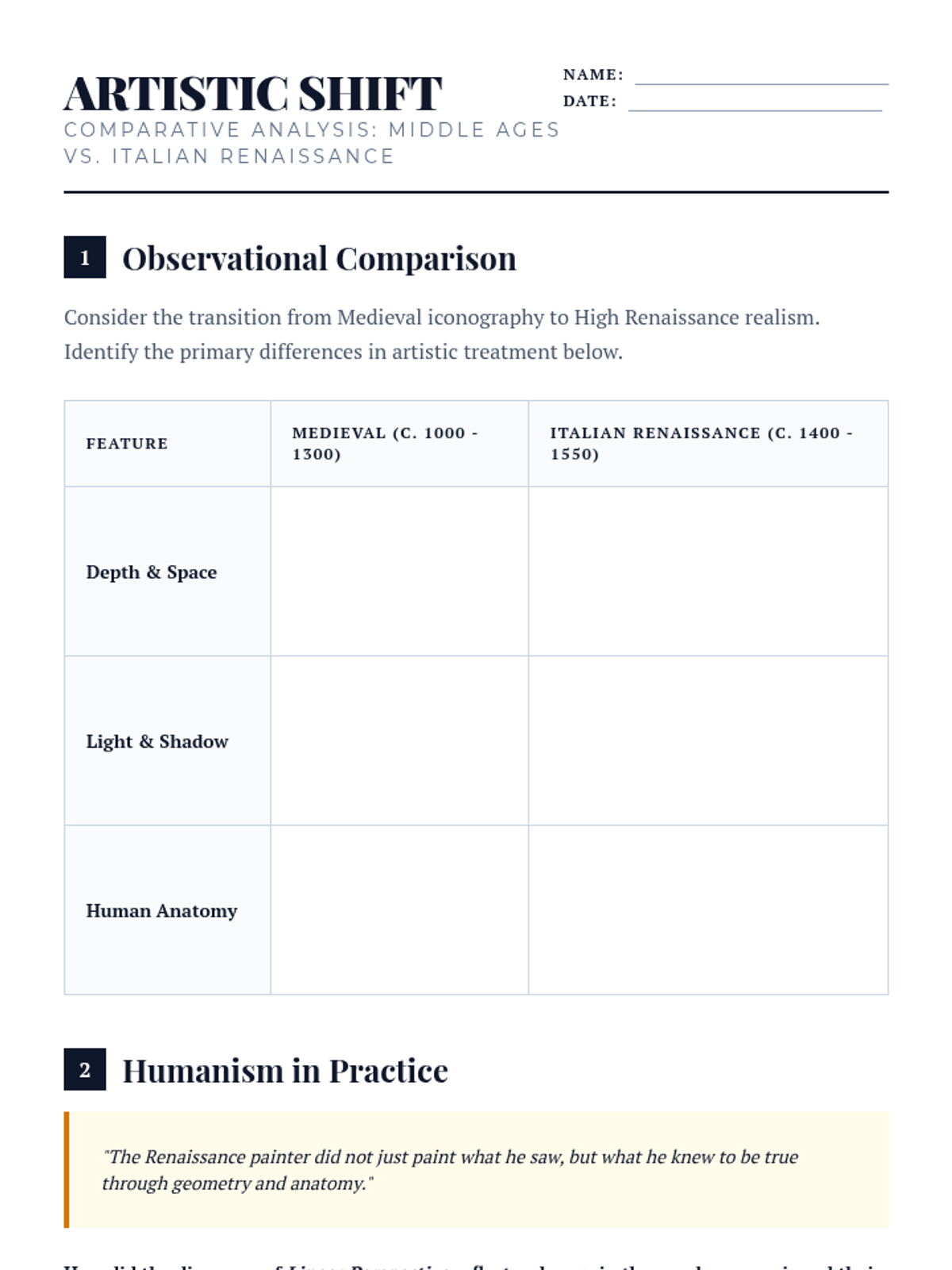
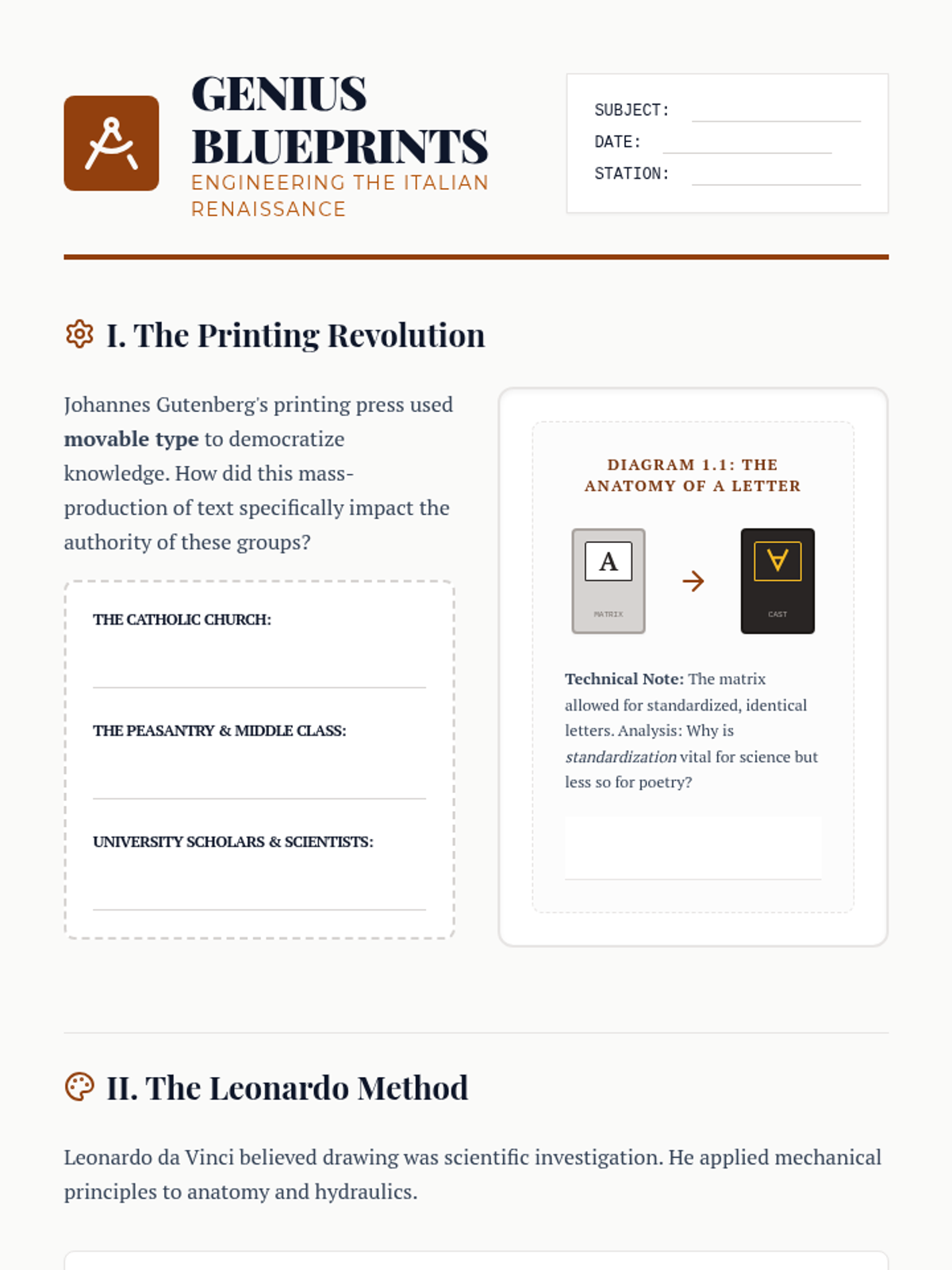
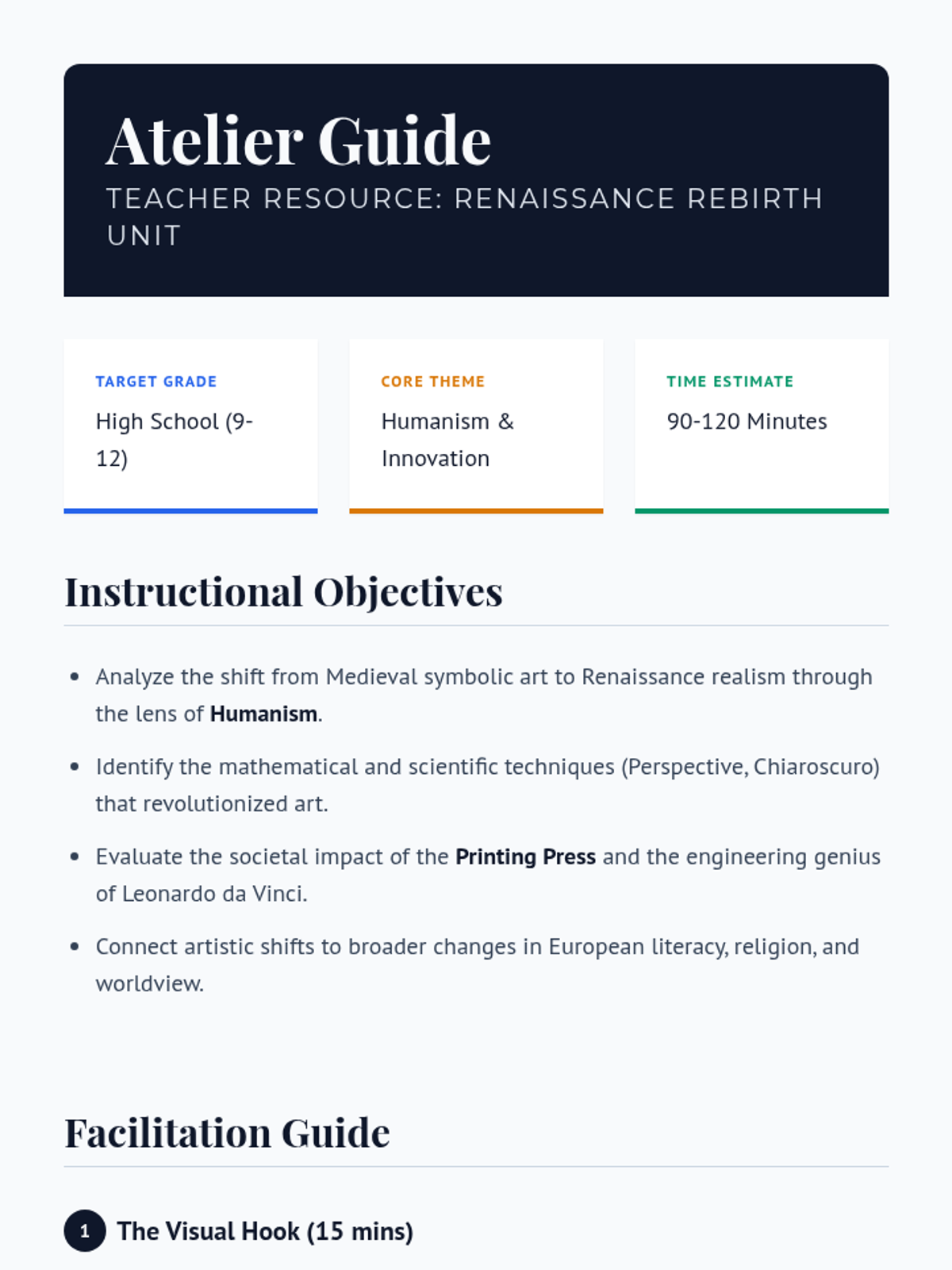
A comprehensive exploration of the transition from Medieval to Renaissance thought, focusing on the revolutionary shifts in artistic technique and the technological innovations that defined the Italian Renaissance.
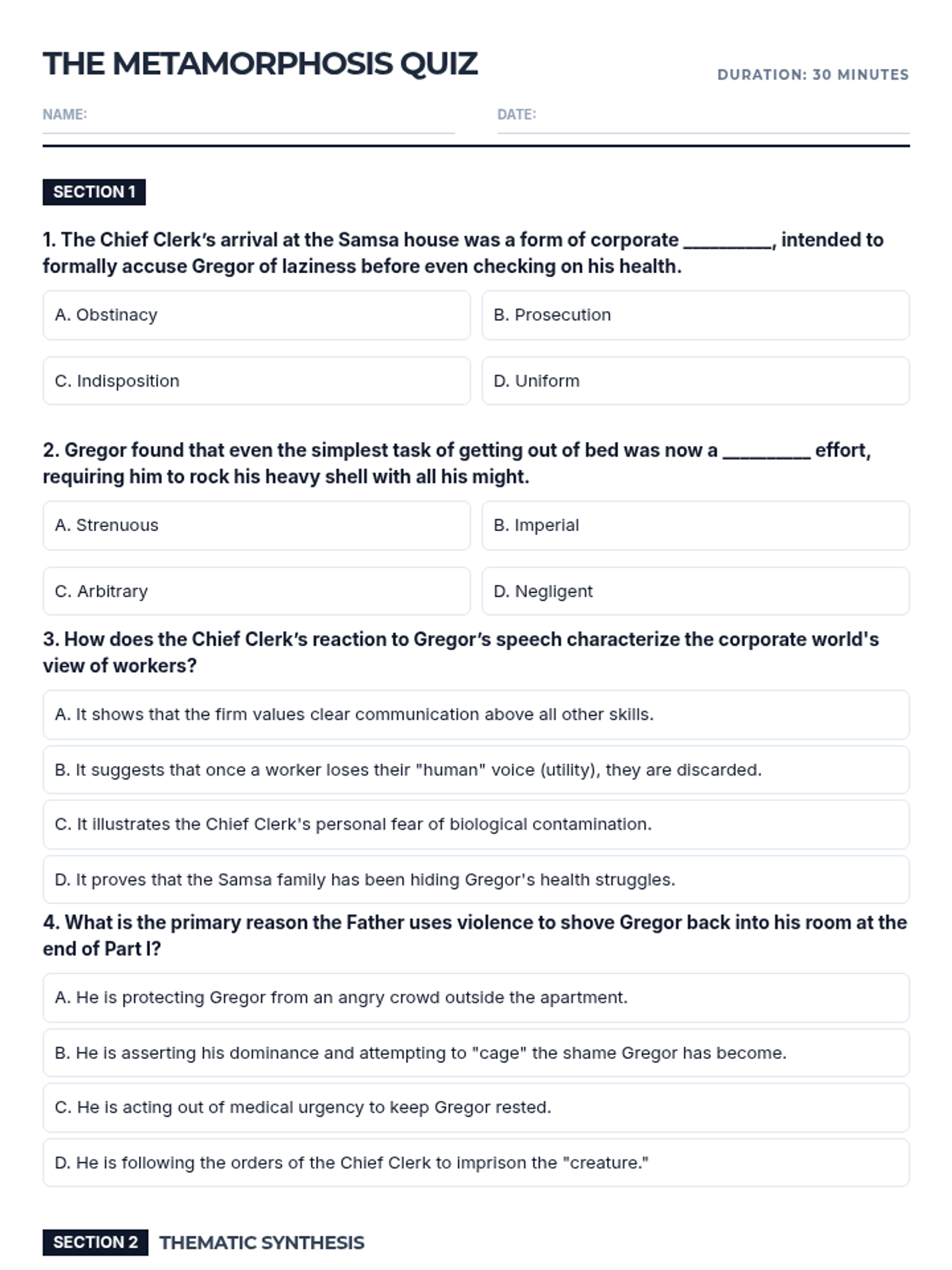
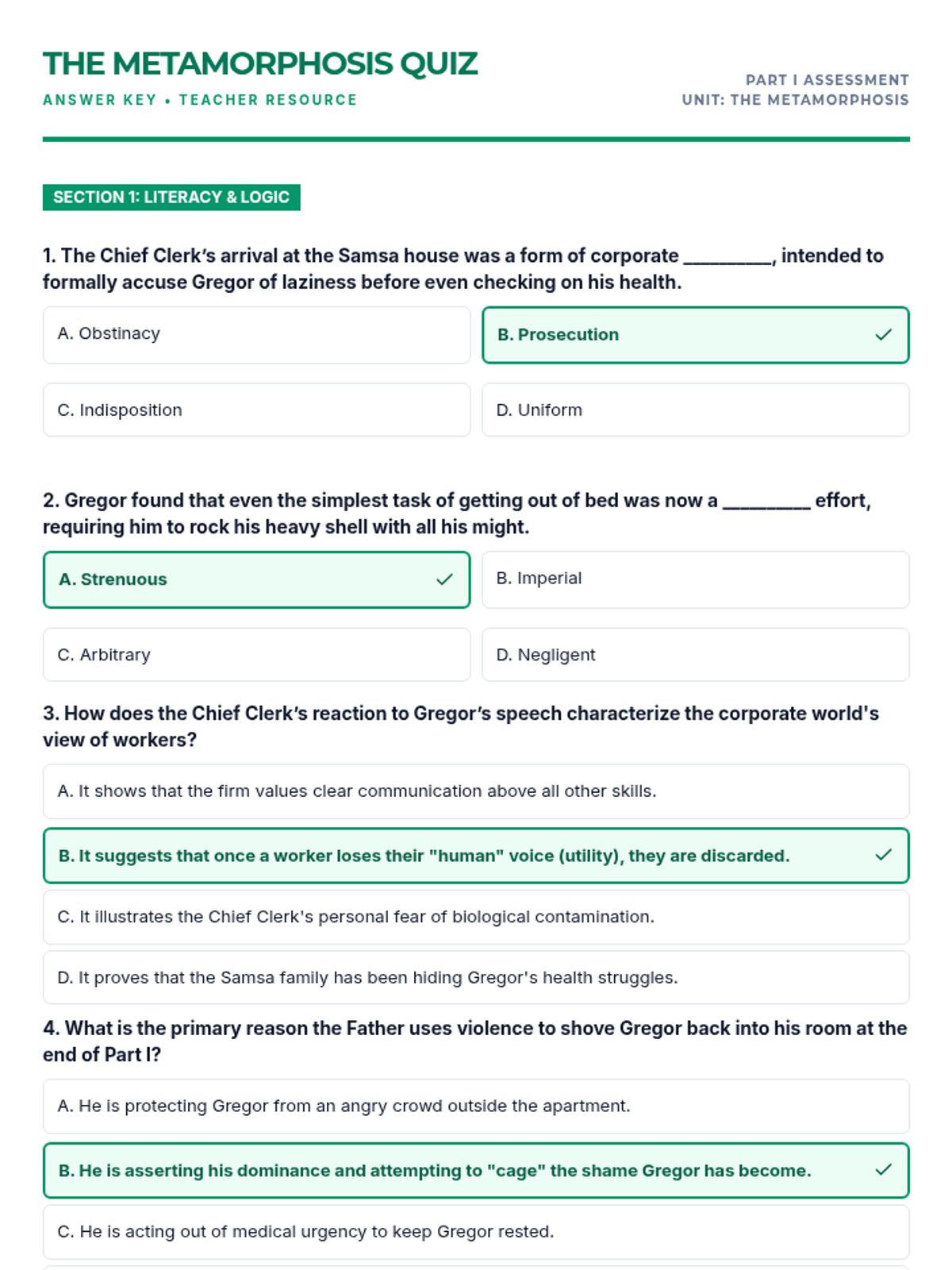
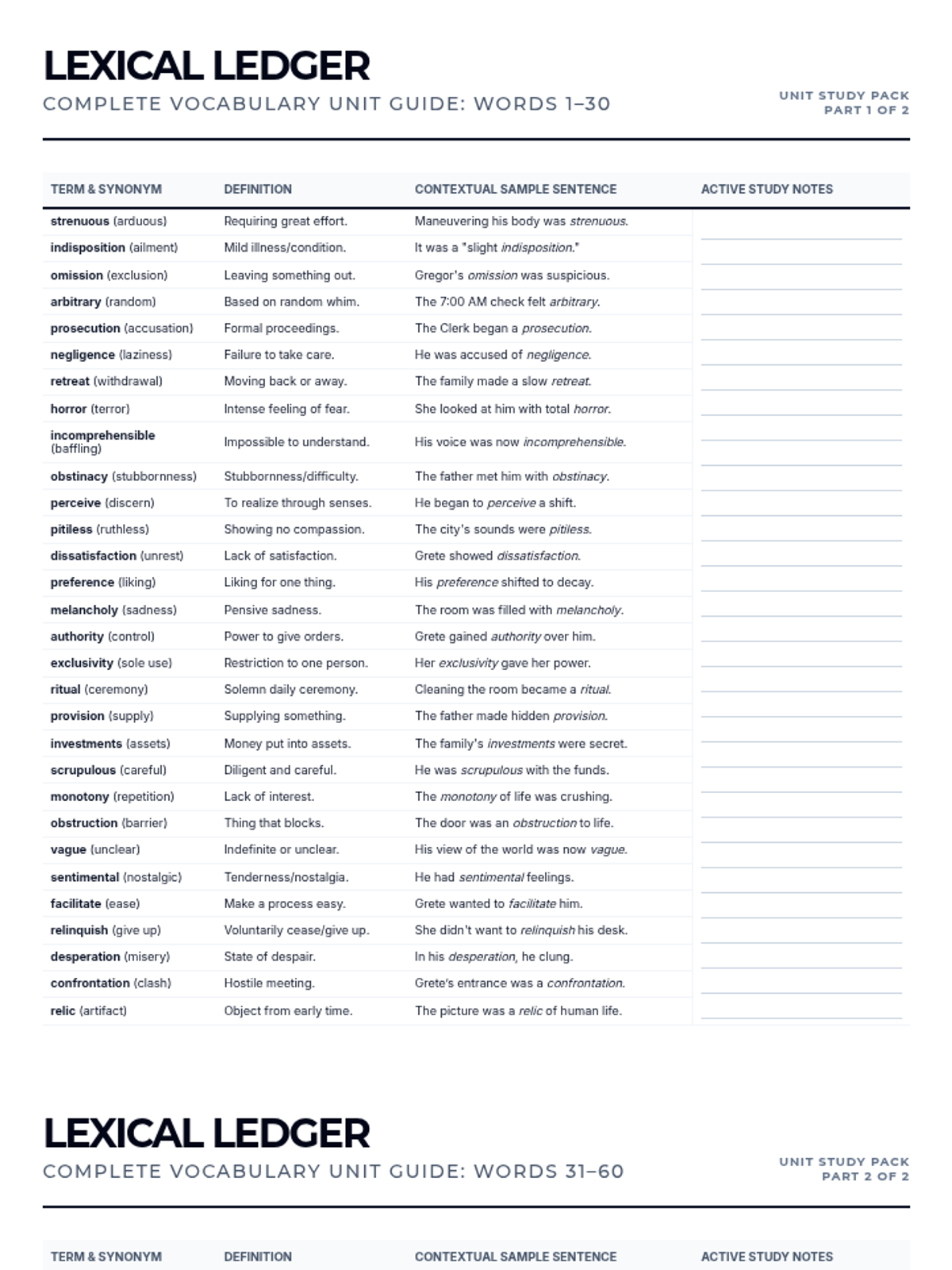
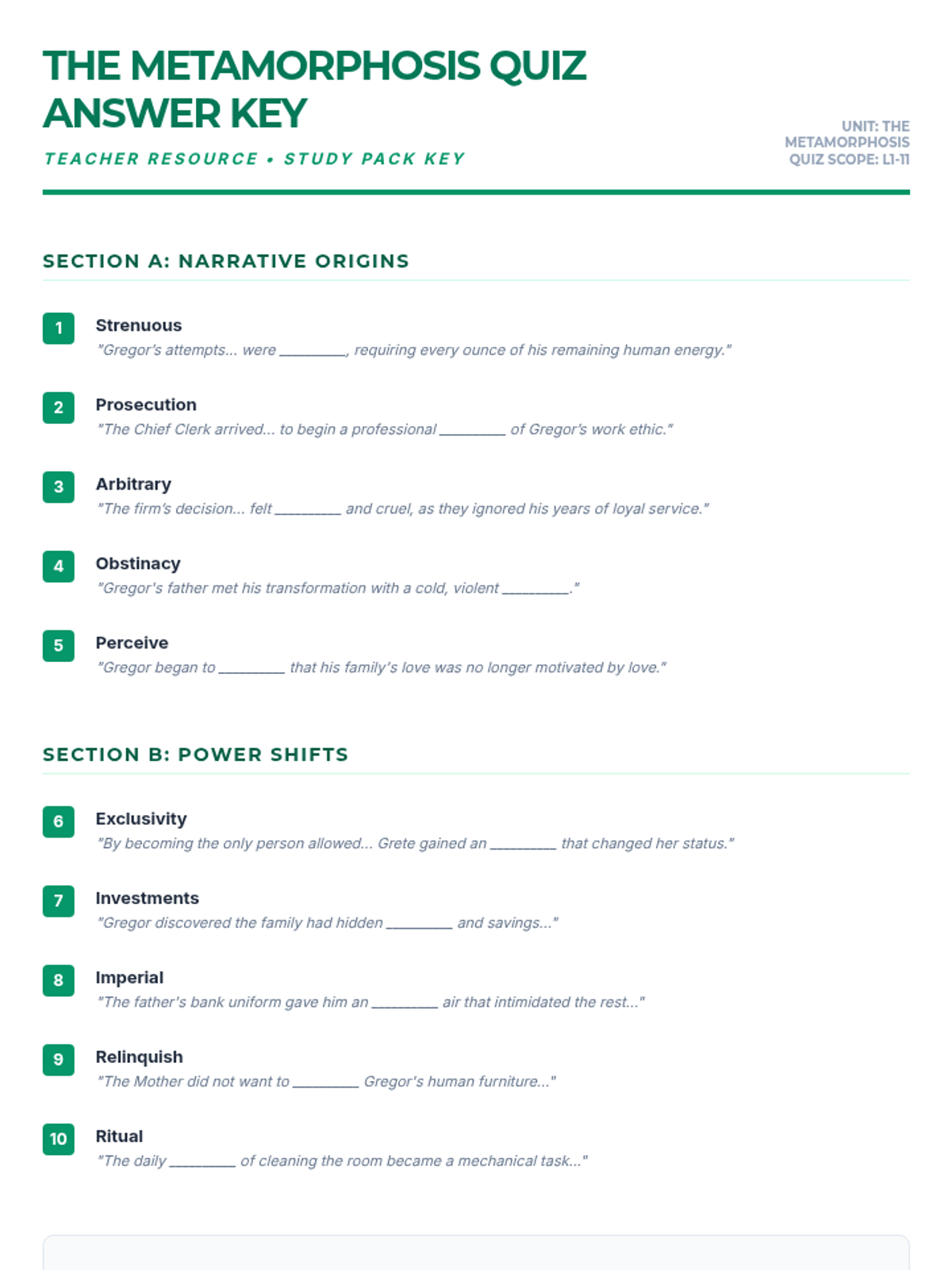
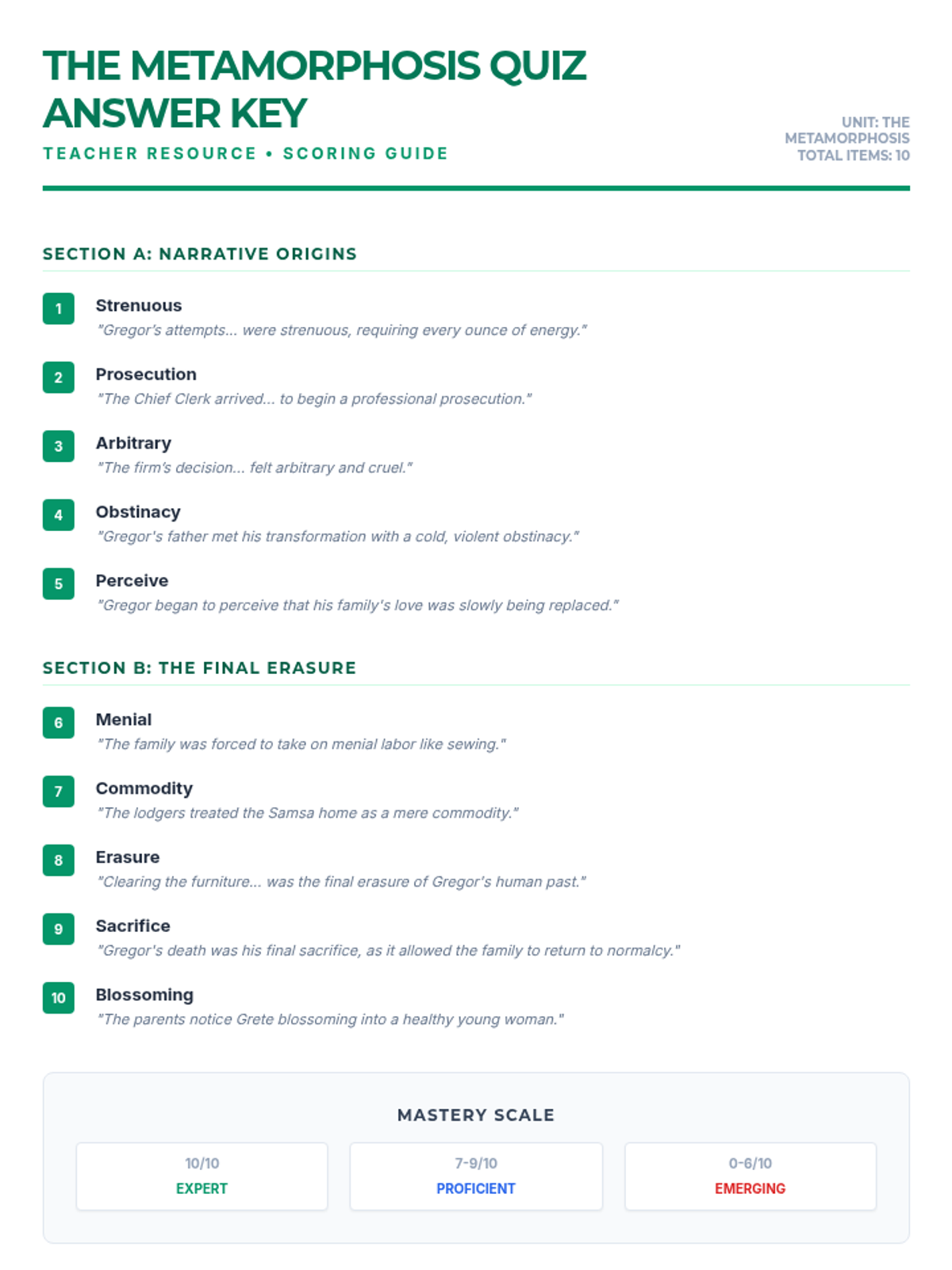
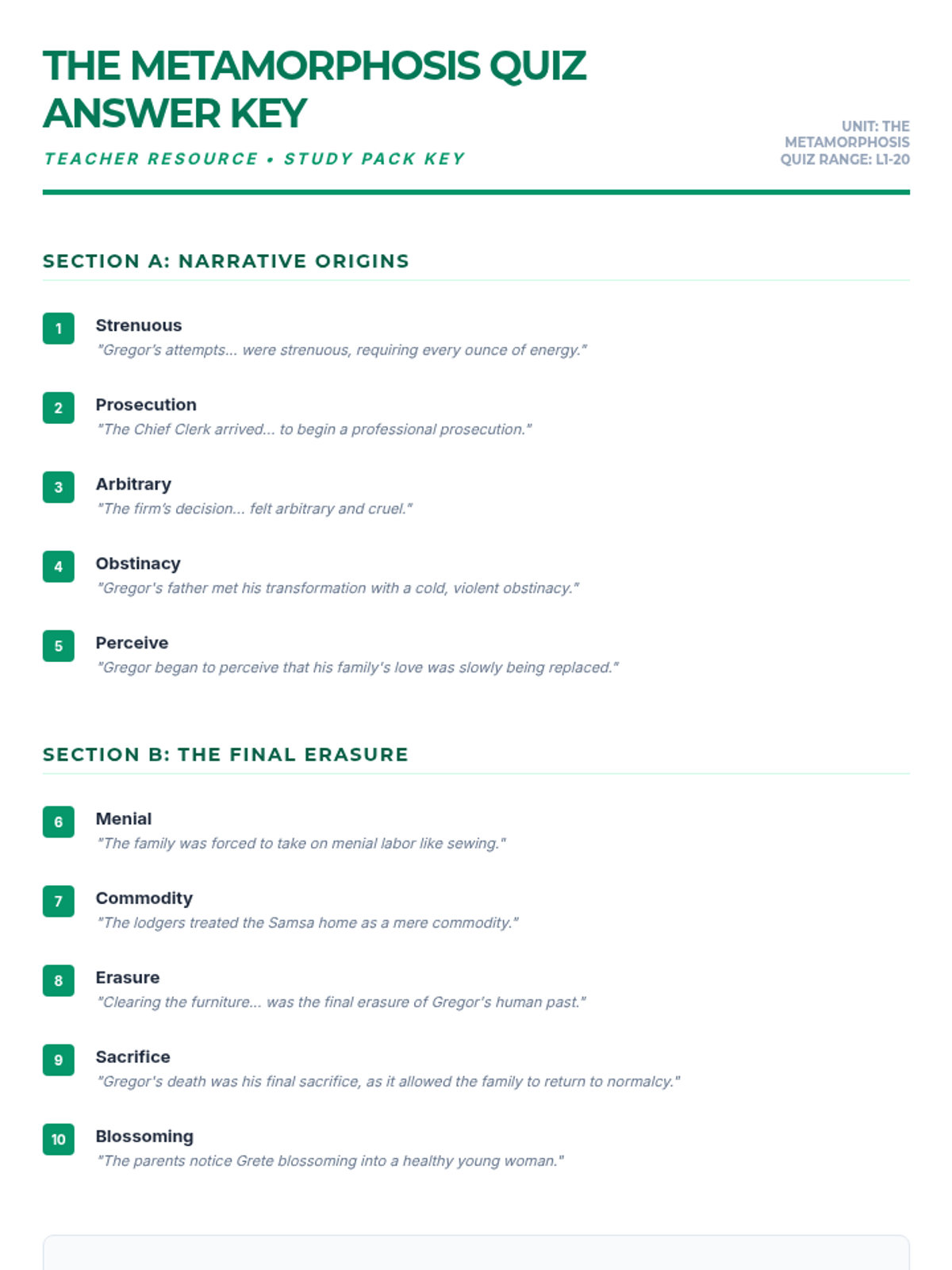
A summative assessment for the first third of the novel. Evaluates student mastery of vocabulary from Lessons 1-11, character motivation, and the central theme of corporate alienation through a mix of multiple choice, short answer, and a rigorous RACE response.
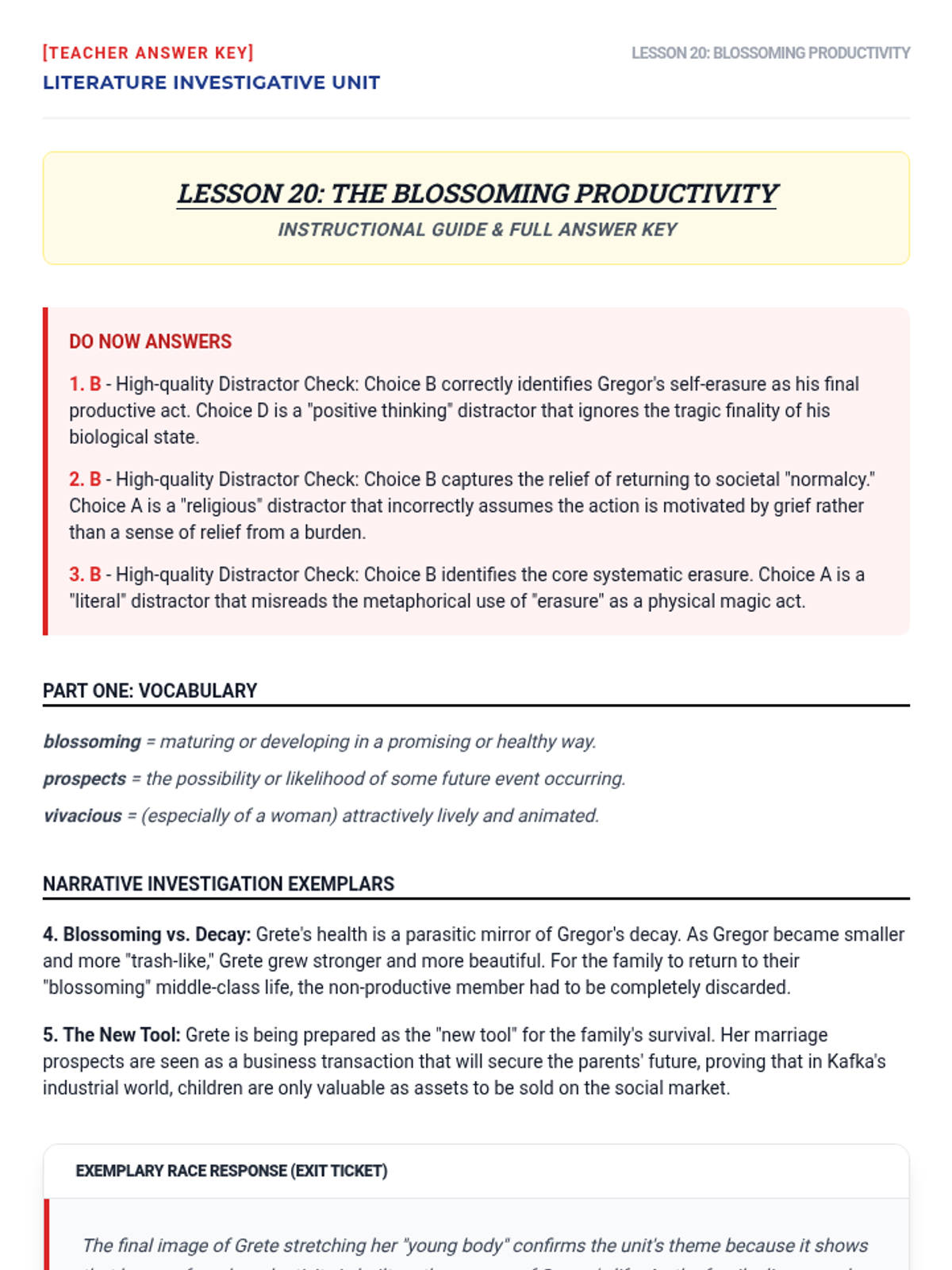
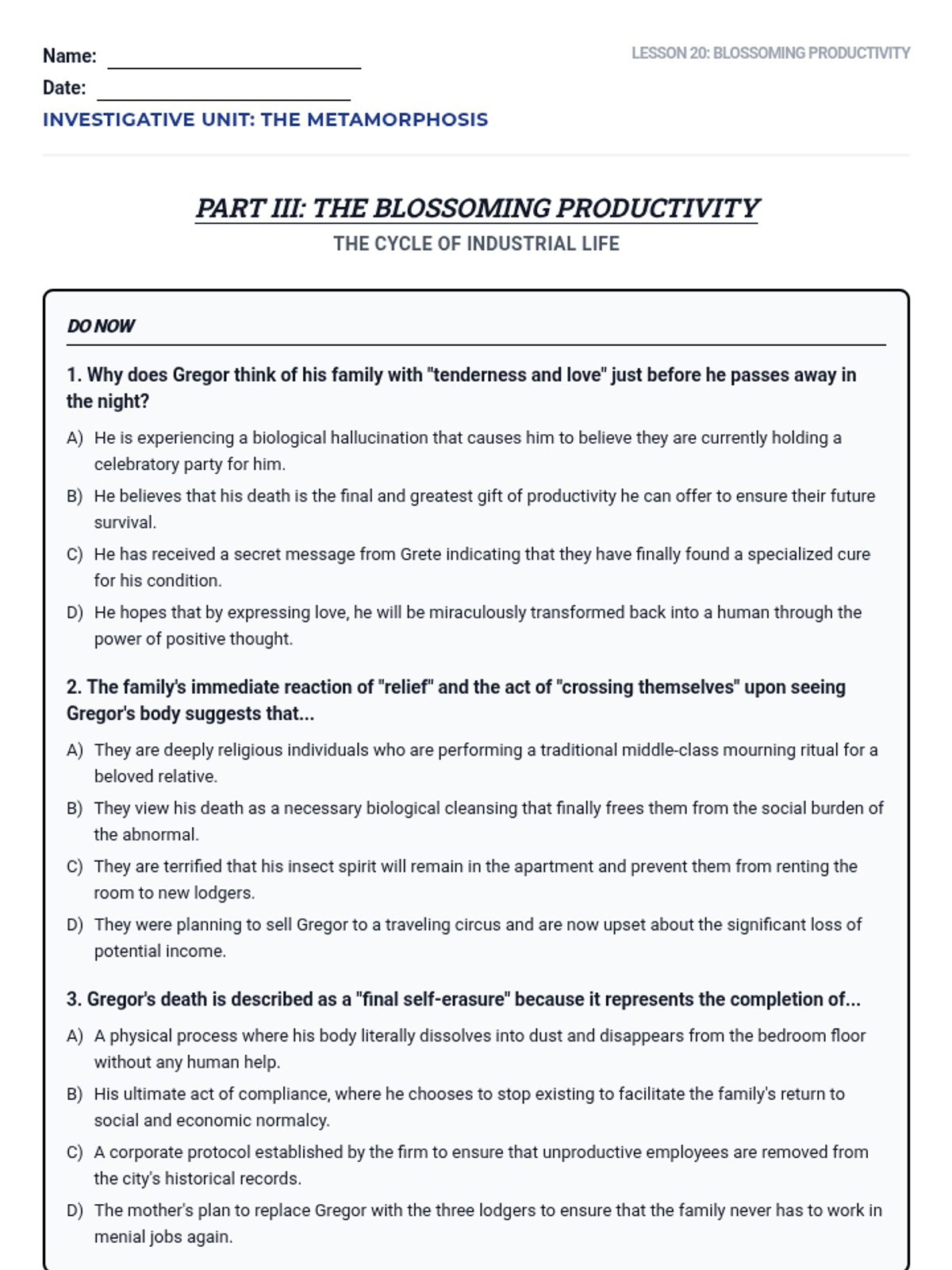
The family's recovery and the transition to a new source of productivity (Grete). Synthesis of the unit's themes.
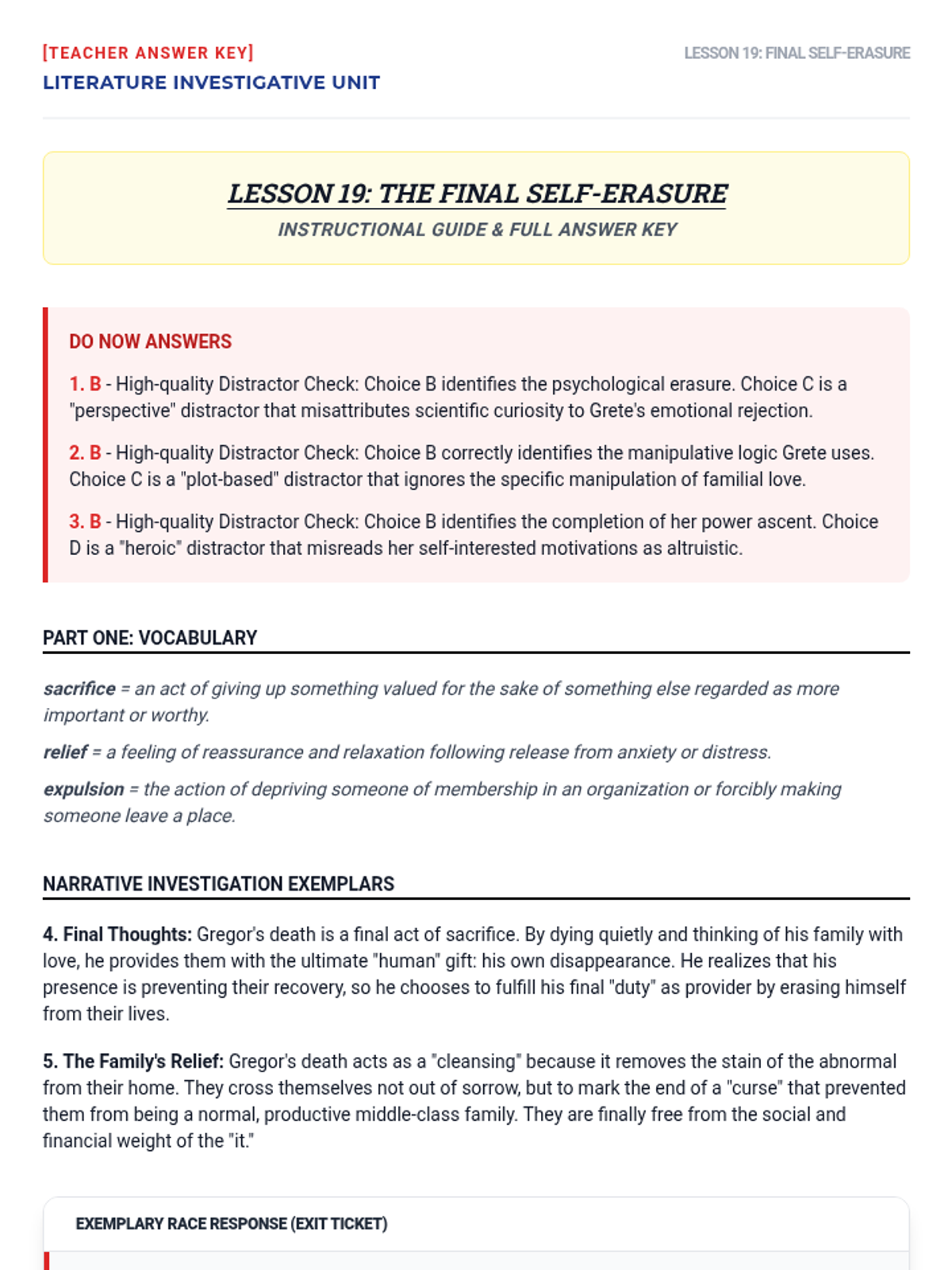
Gregor's death and self-sacrifice. Analysis of the relief of the family and the 'cleansing' of the home.
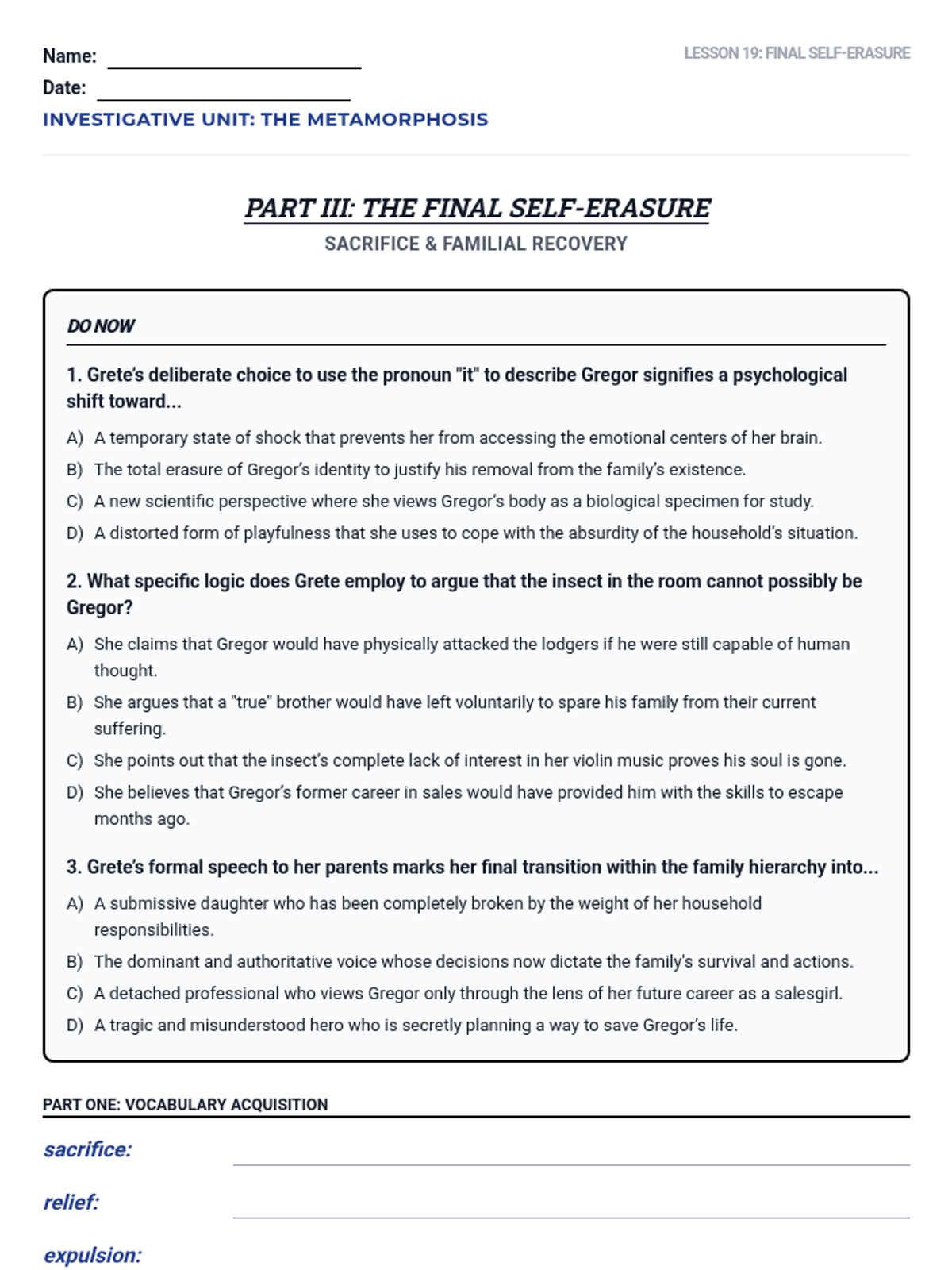
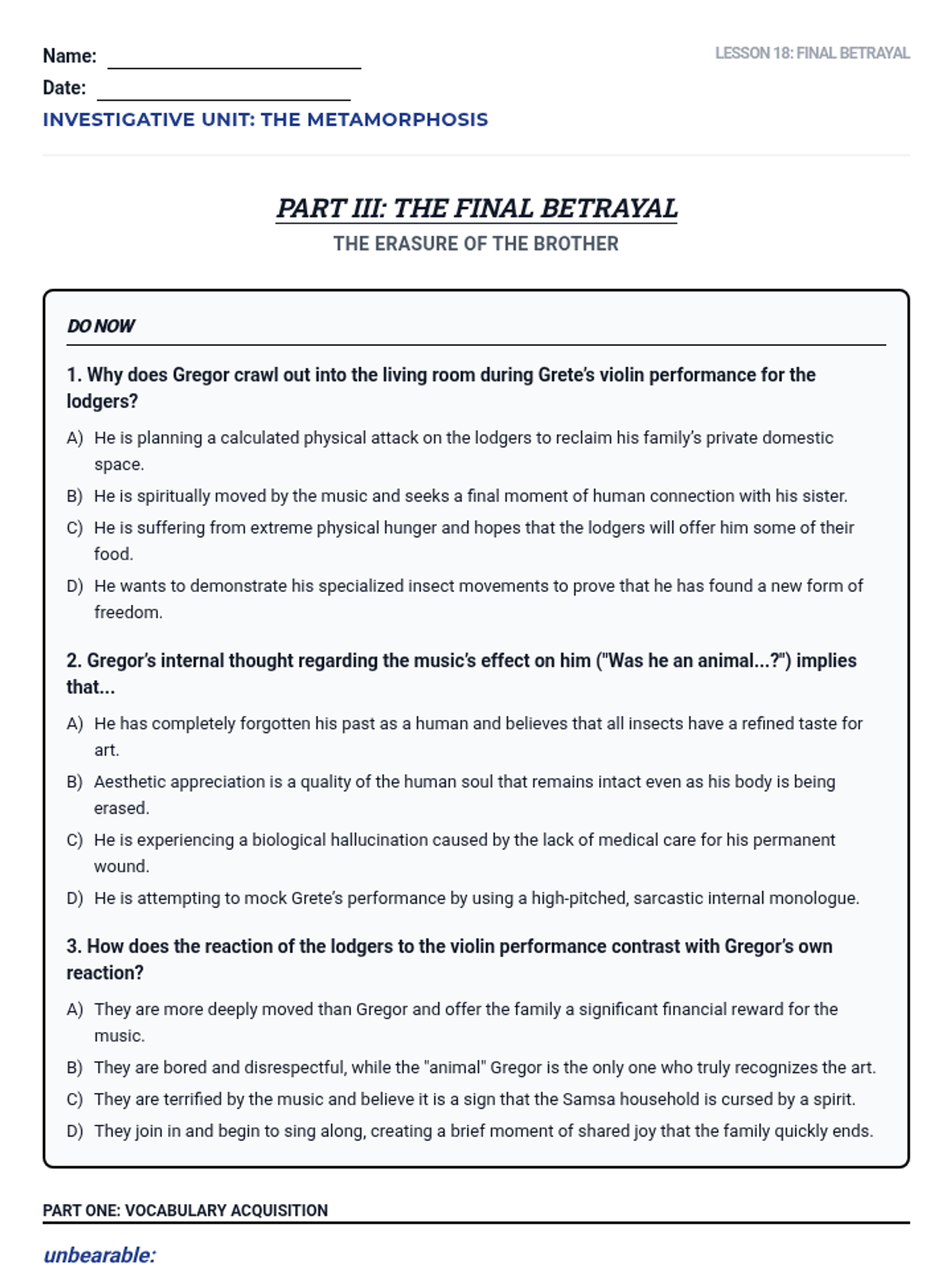
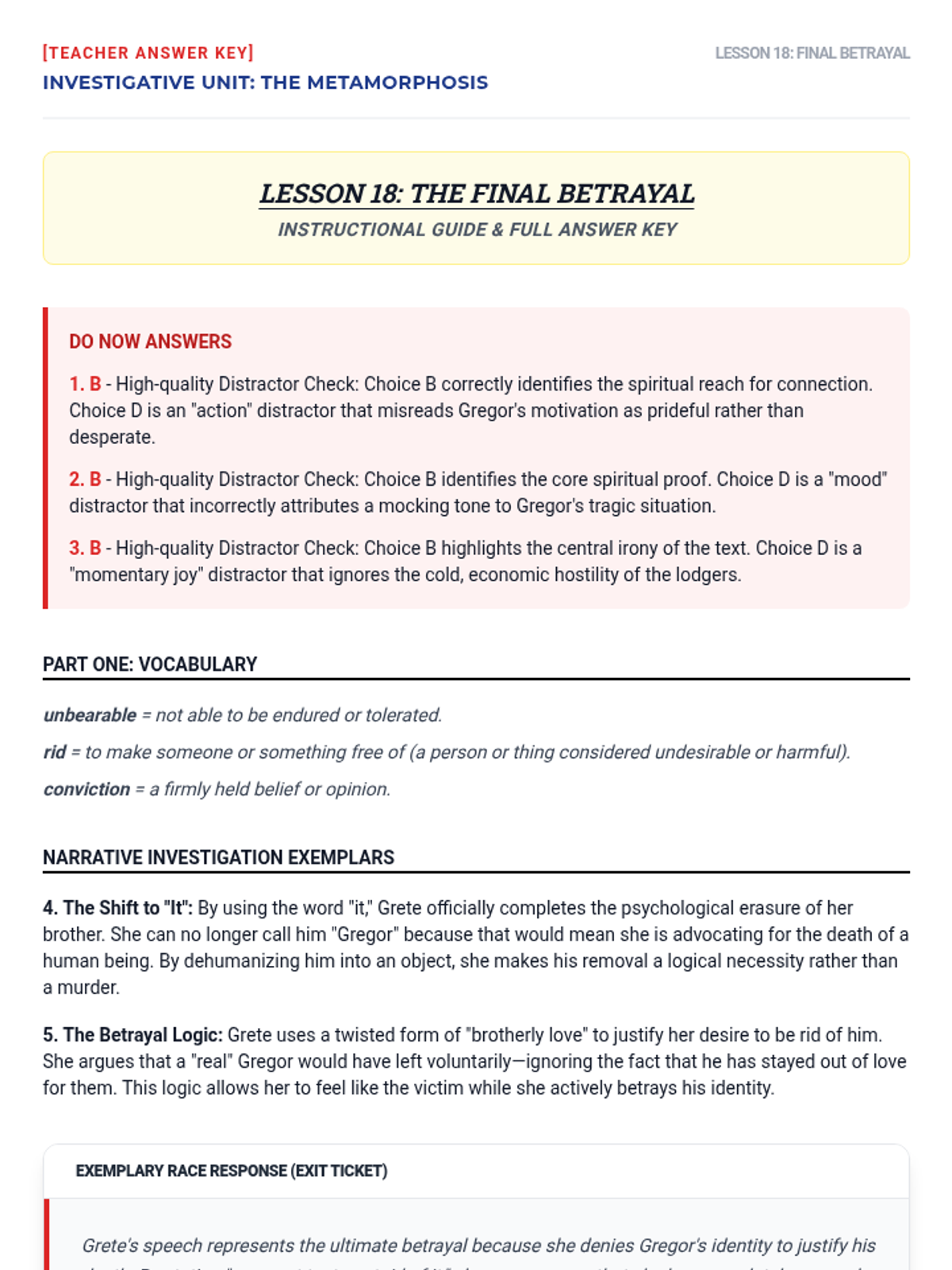
Grete's formal rejection of Gregor's identity. Analysis of the shift from sibling love to the necessity of his removal.