A series of vocational math activities focused on landscaping, plumbing, and tool rentals, featuring heavy visual modeling and step-by-step organizers for students interested in the trades.
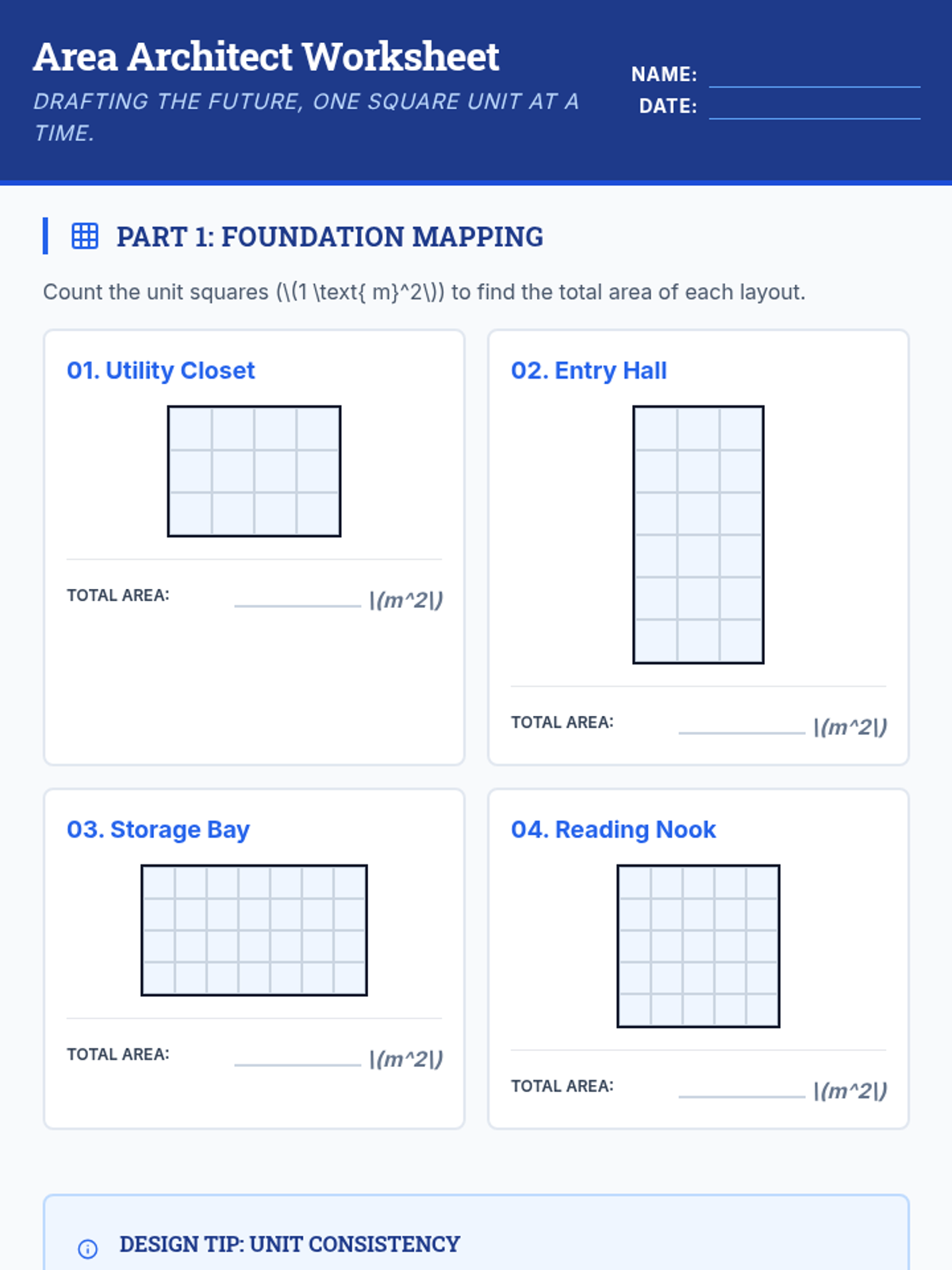
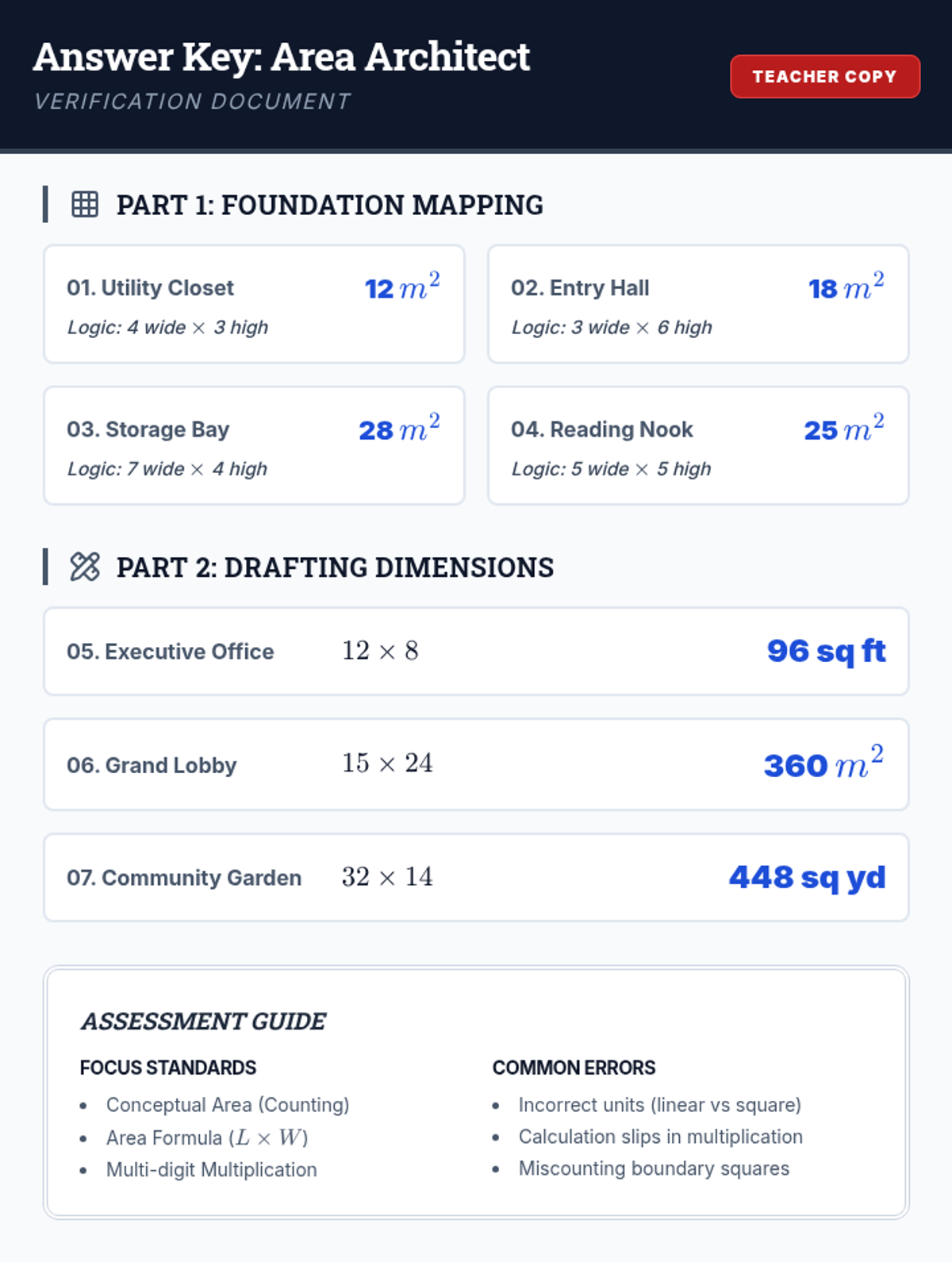
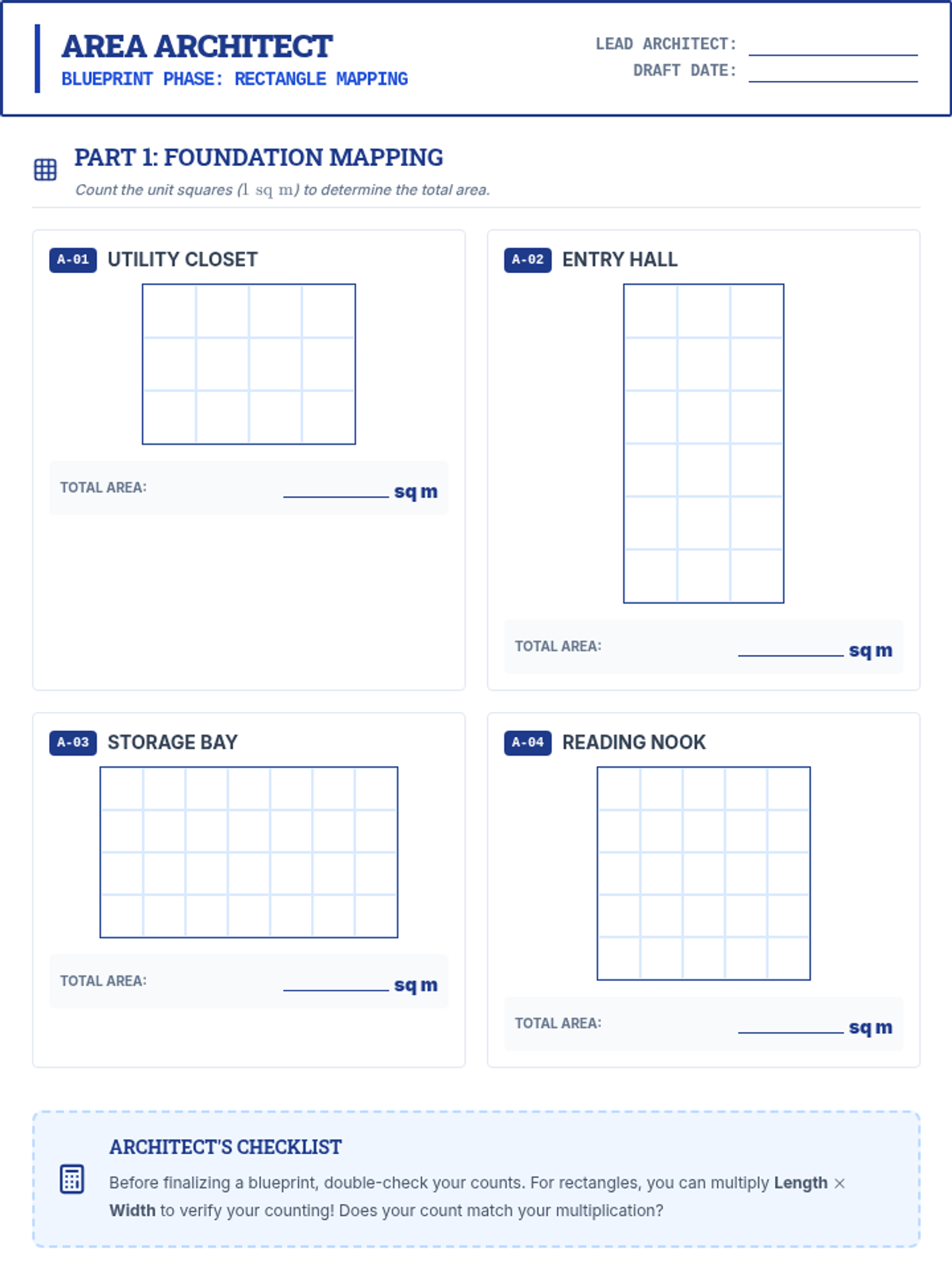
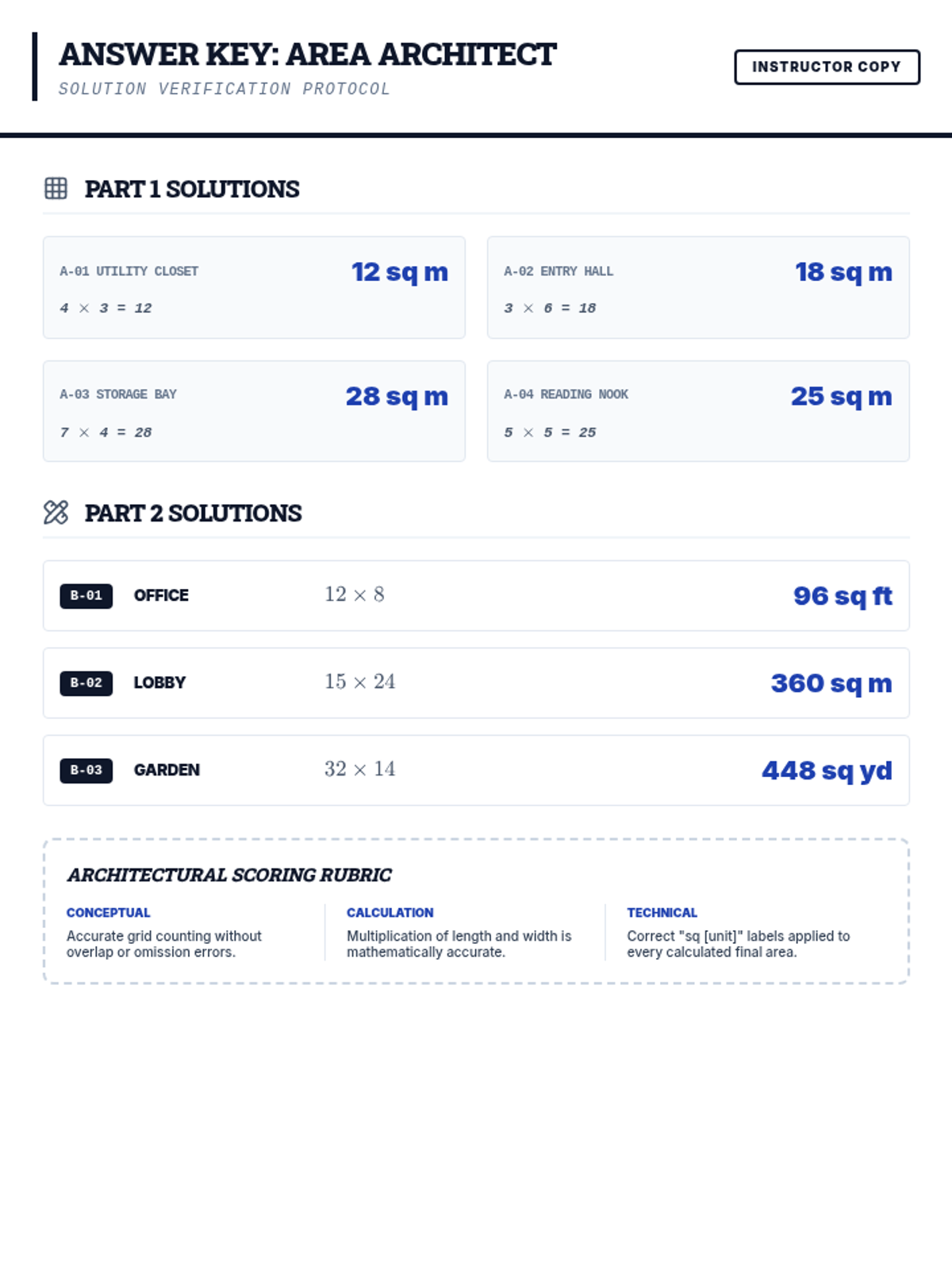
A lesson on calculating the area of rectangles using both grid counting and the area formula, themed around architectural blueprints.
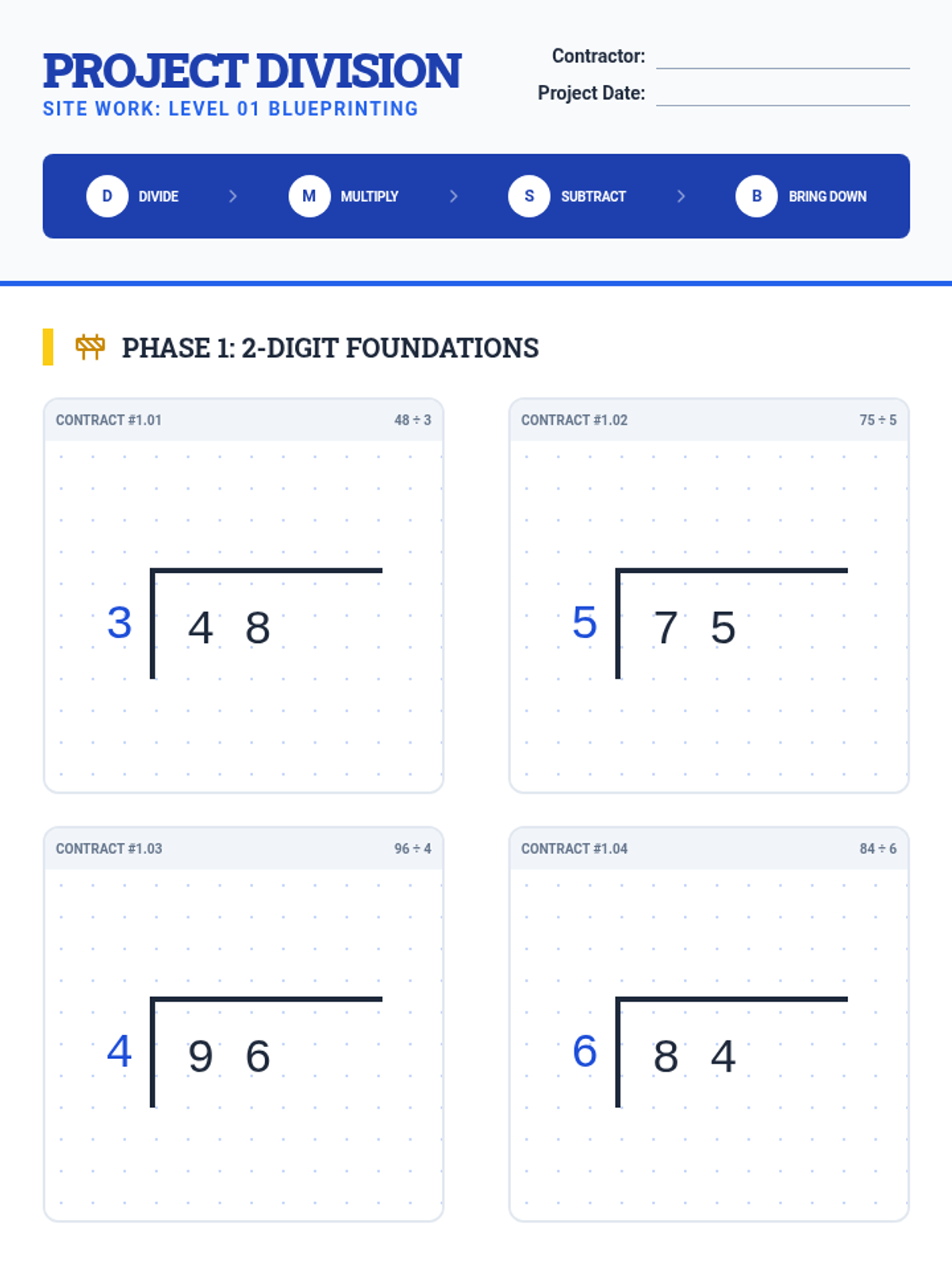
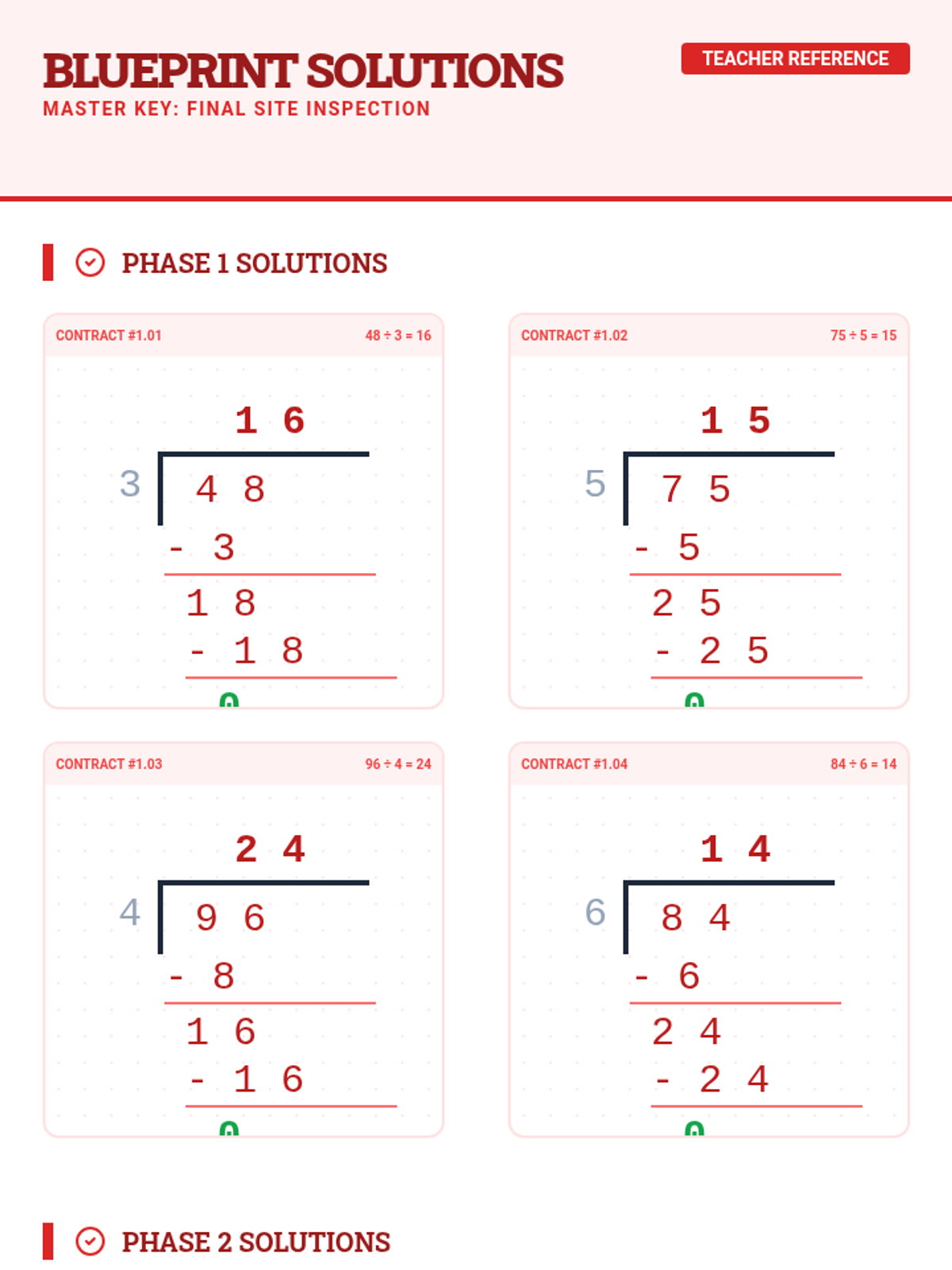
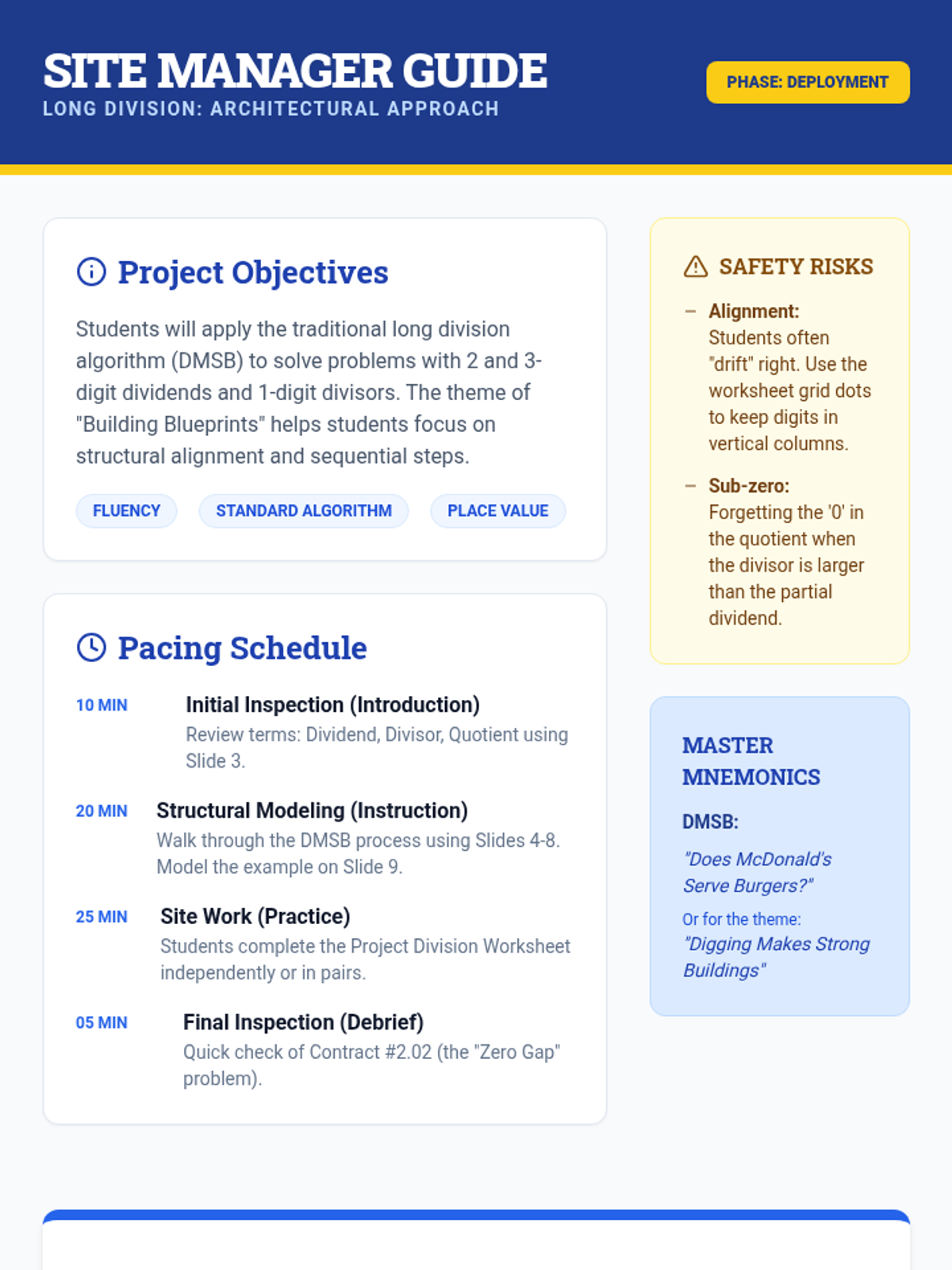
A comprehensive lesson on traditional long division for 2 and 3-digit dividends by 1-digit divisors, using an architectural blueprint theme to help students master the DMSB algorithm.
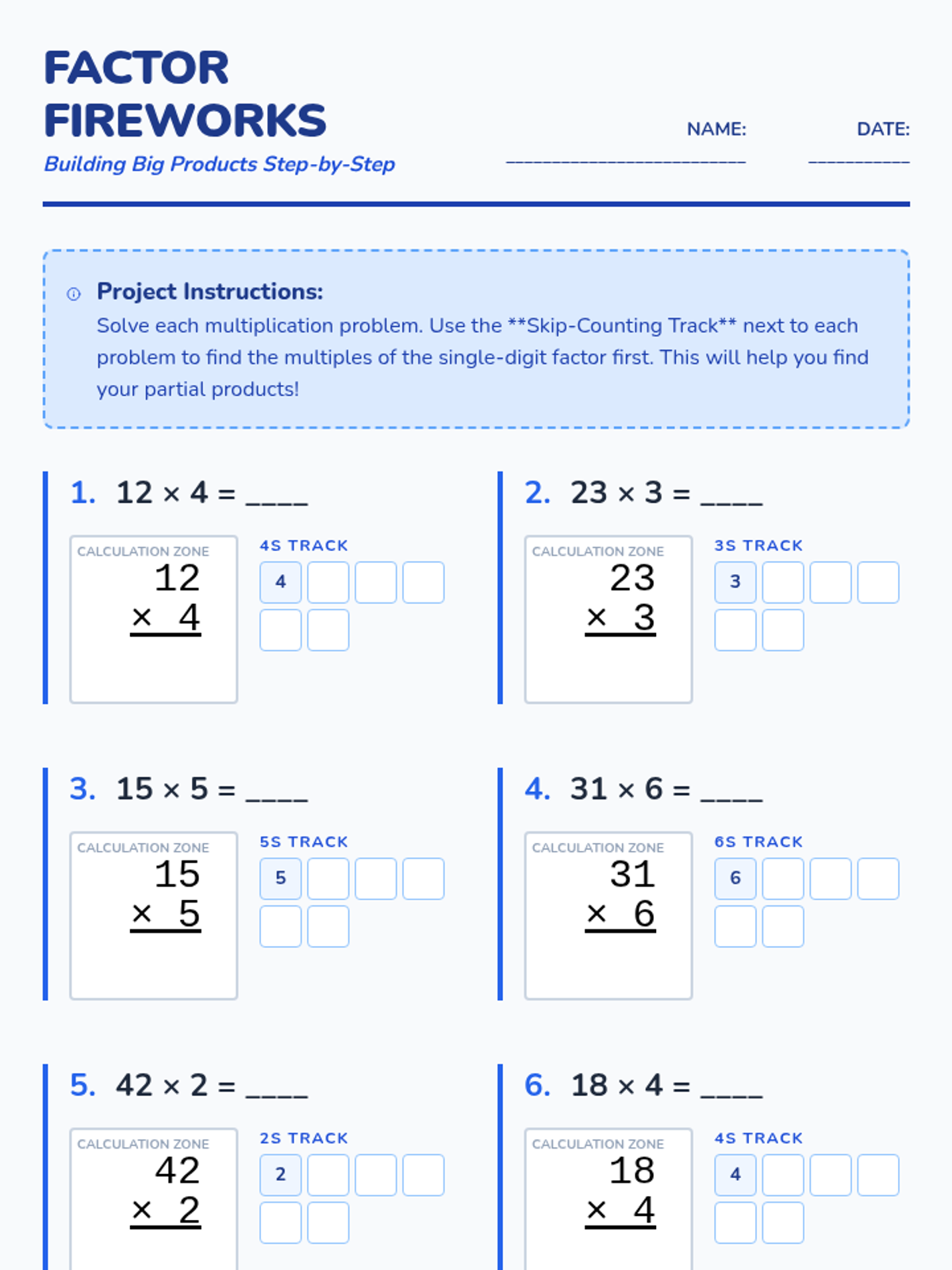
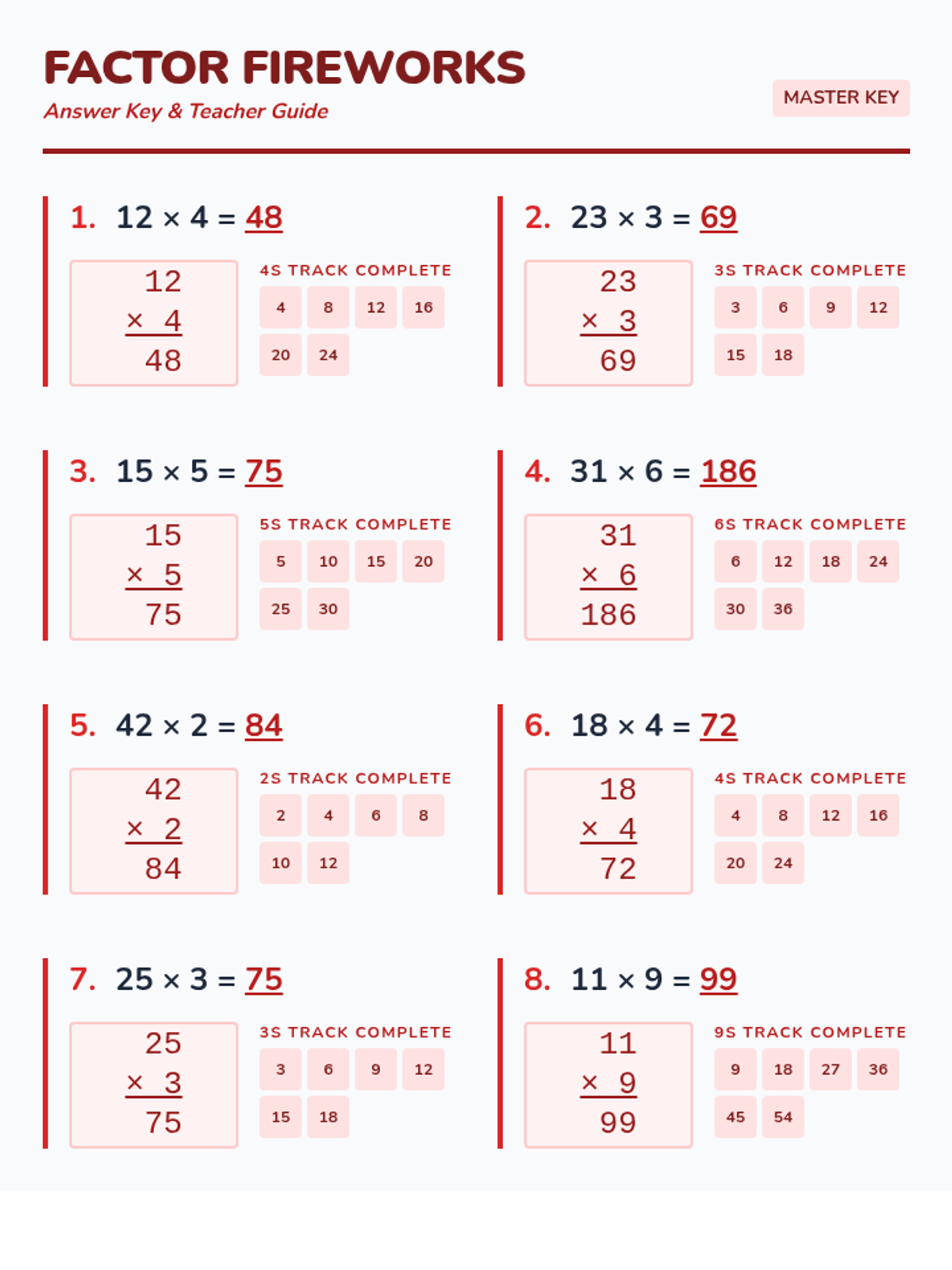
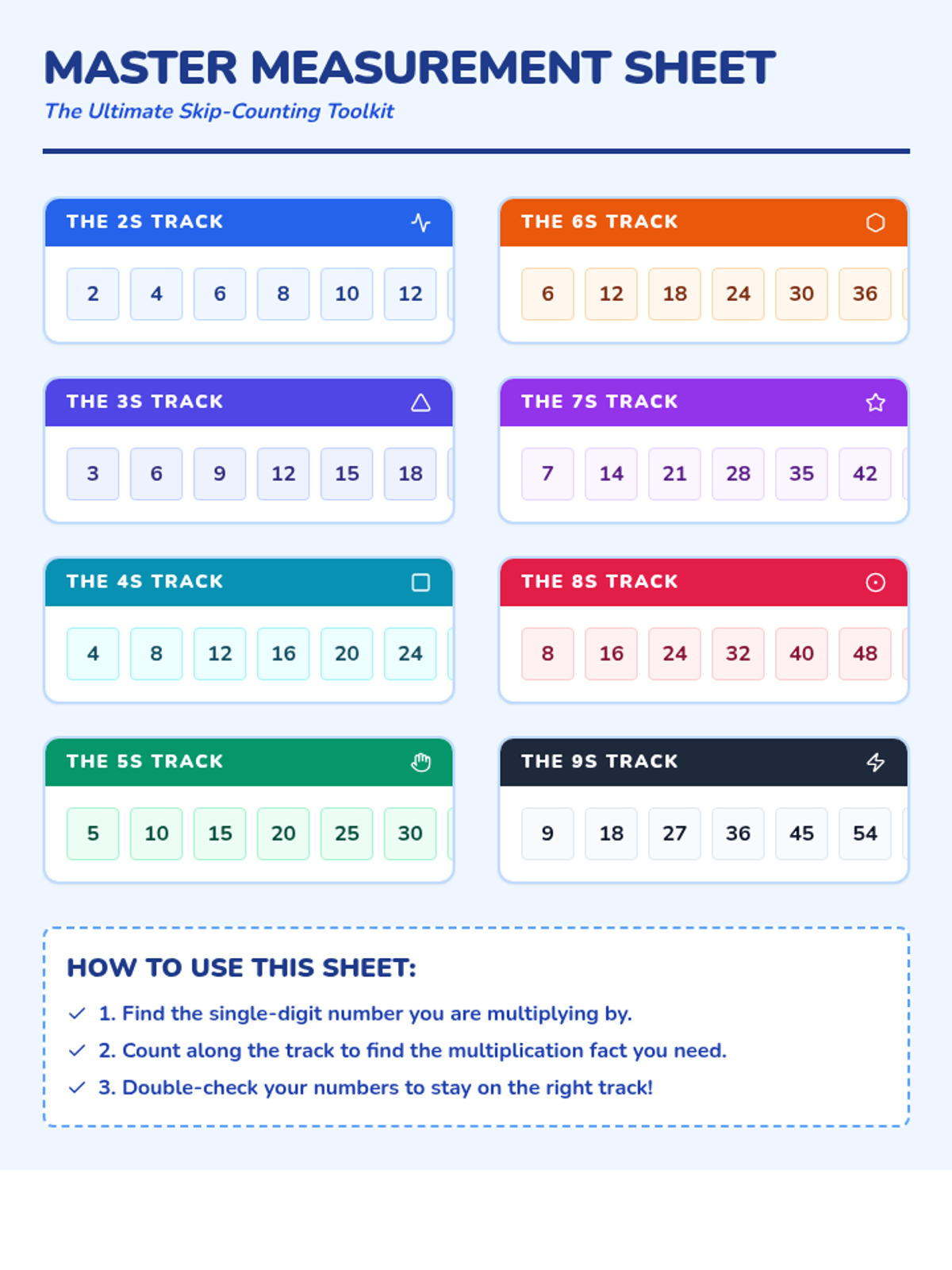
A focused lesson on multiplying double-digit numbers by single-digit numbers using skip-counting tracks and visual organizers to bridge the gap between basic facts and multi-digit algorithms.
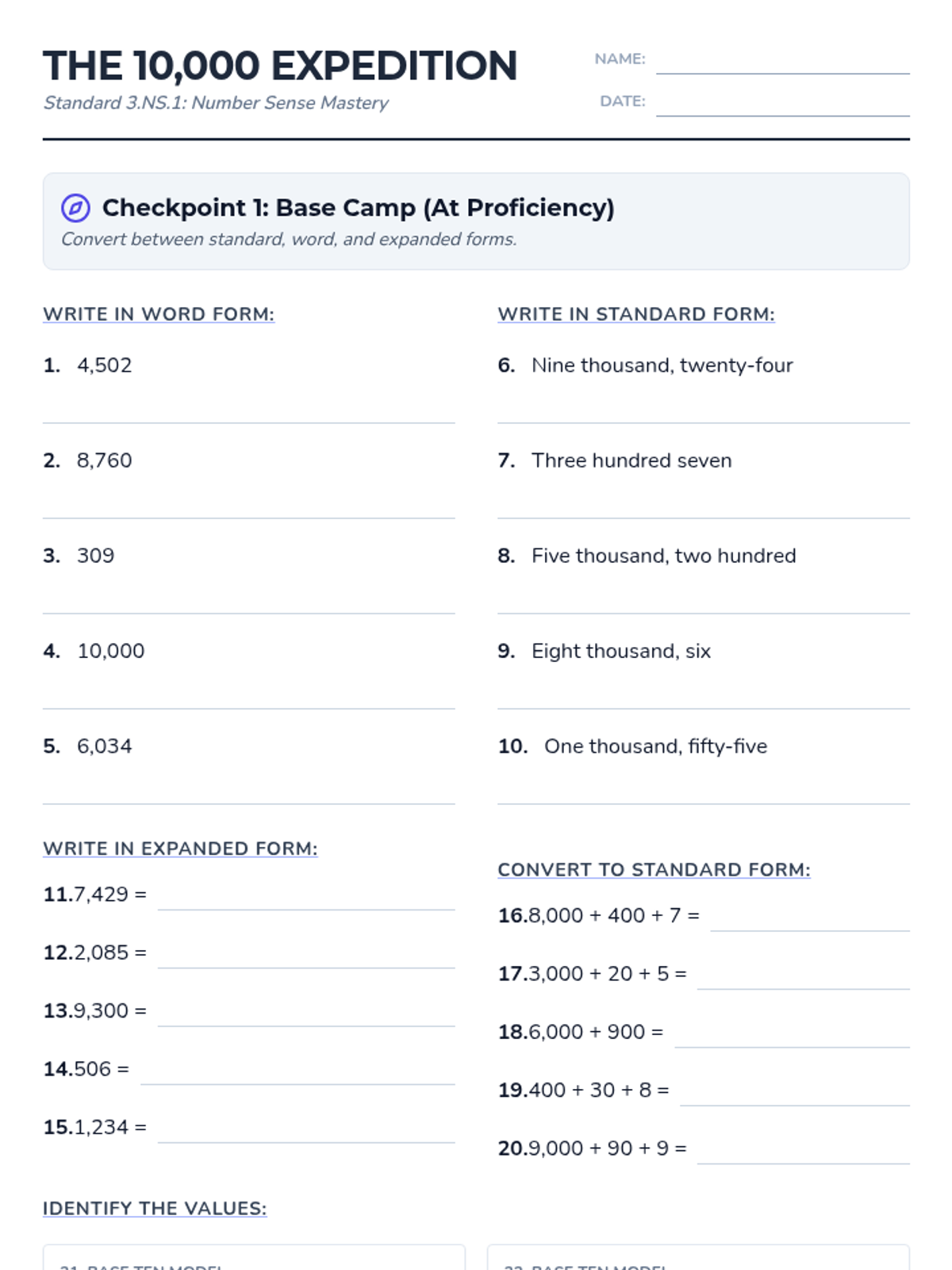
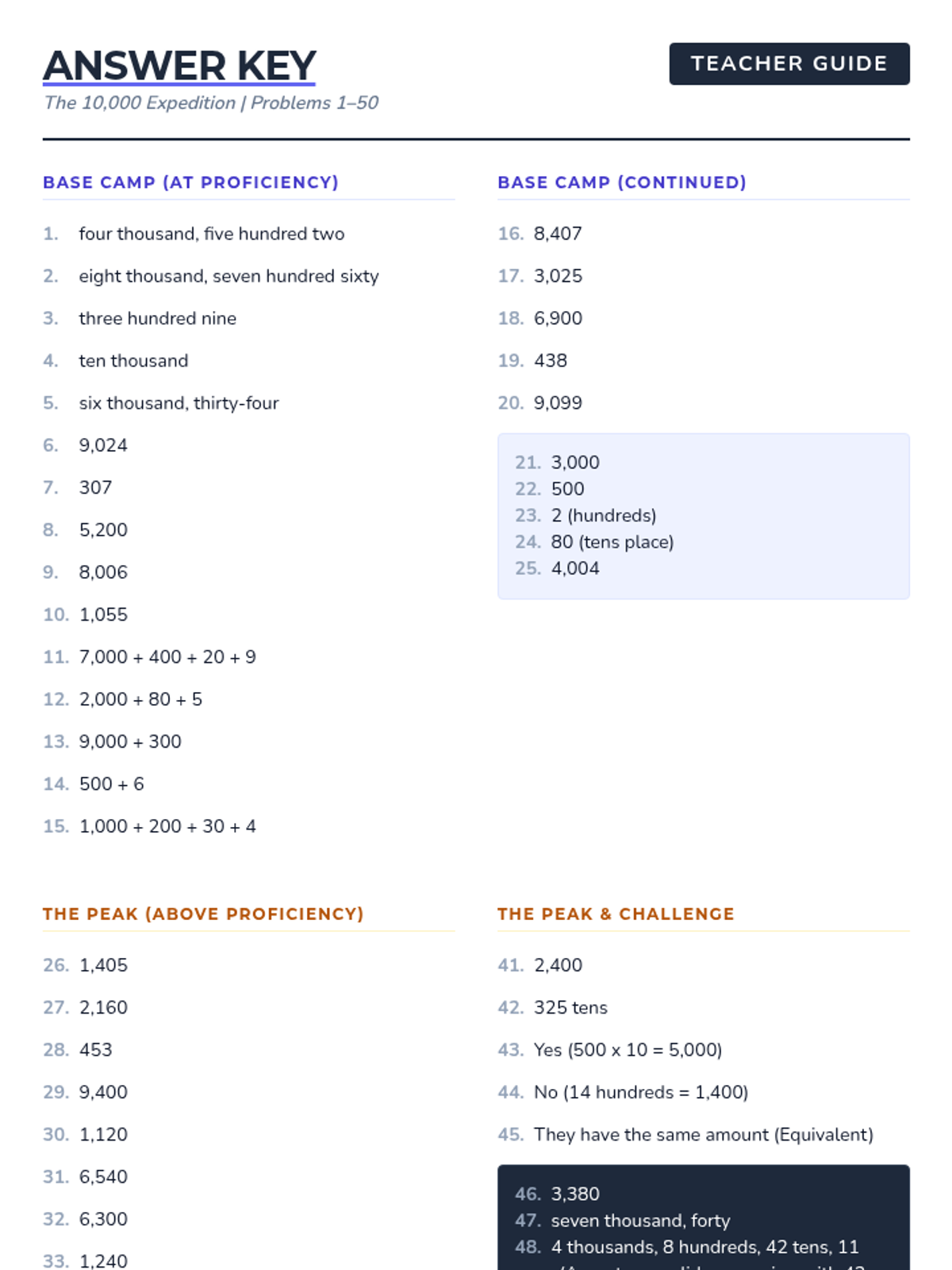
A practice-intensive lesson focused on mastering Indiana standard 3.NS.1, ranging from basic equivalence (At Proficiency) to complex non-standard place value groupings (Above Proficiency). Students will practice 50 problems to build fluency with numbers up to 10,000.
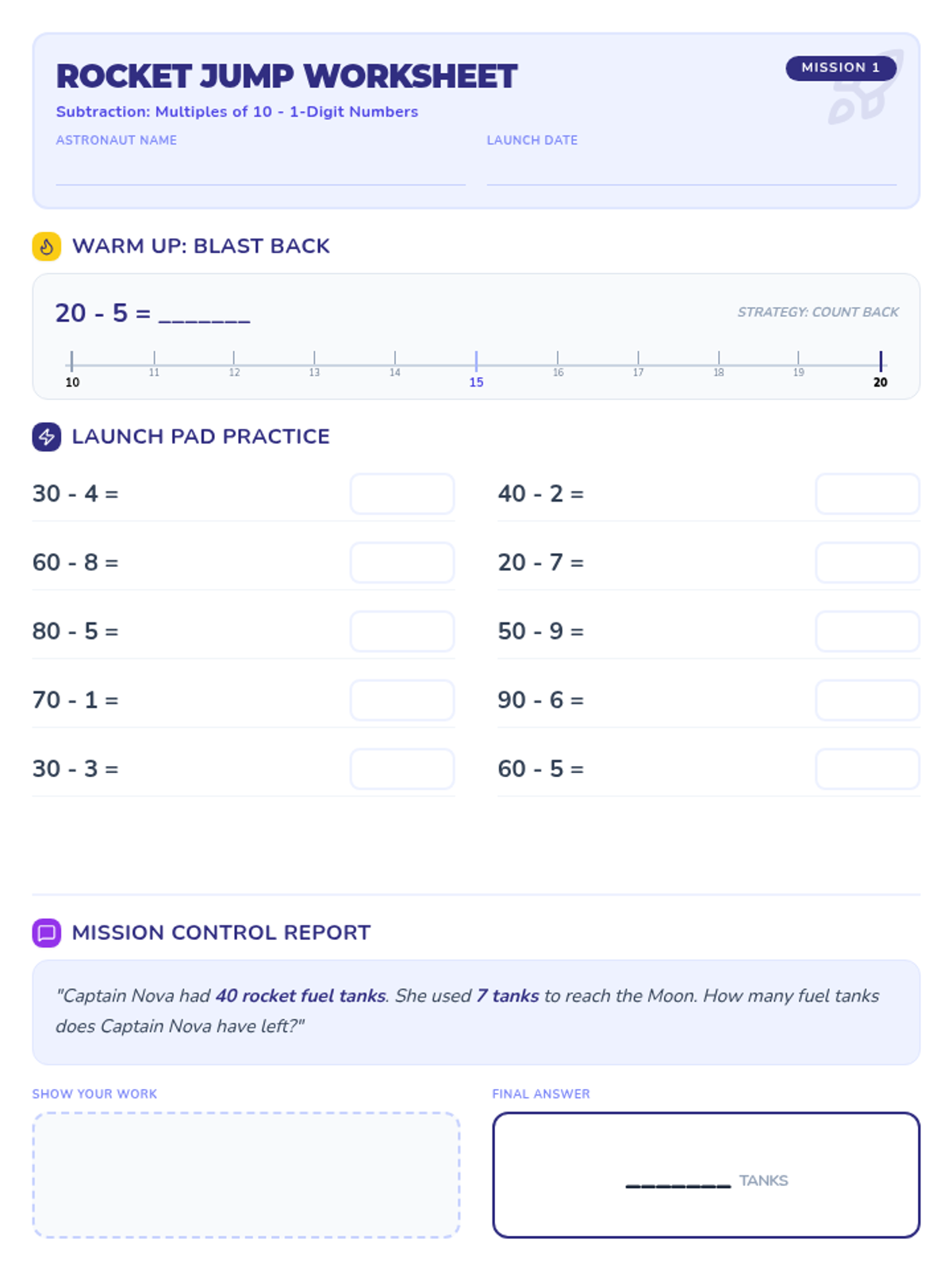
A lesson focused on subtracting 1-digit numbers from multiples of ten (20, 30, 40, etc.) using counting back and regrouping strategies. Includes a visual slide deck and a themed practice worksheet.
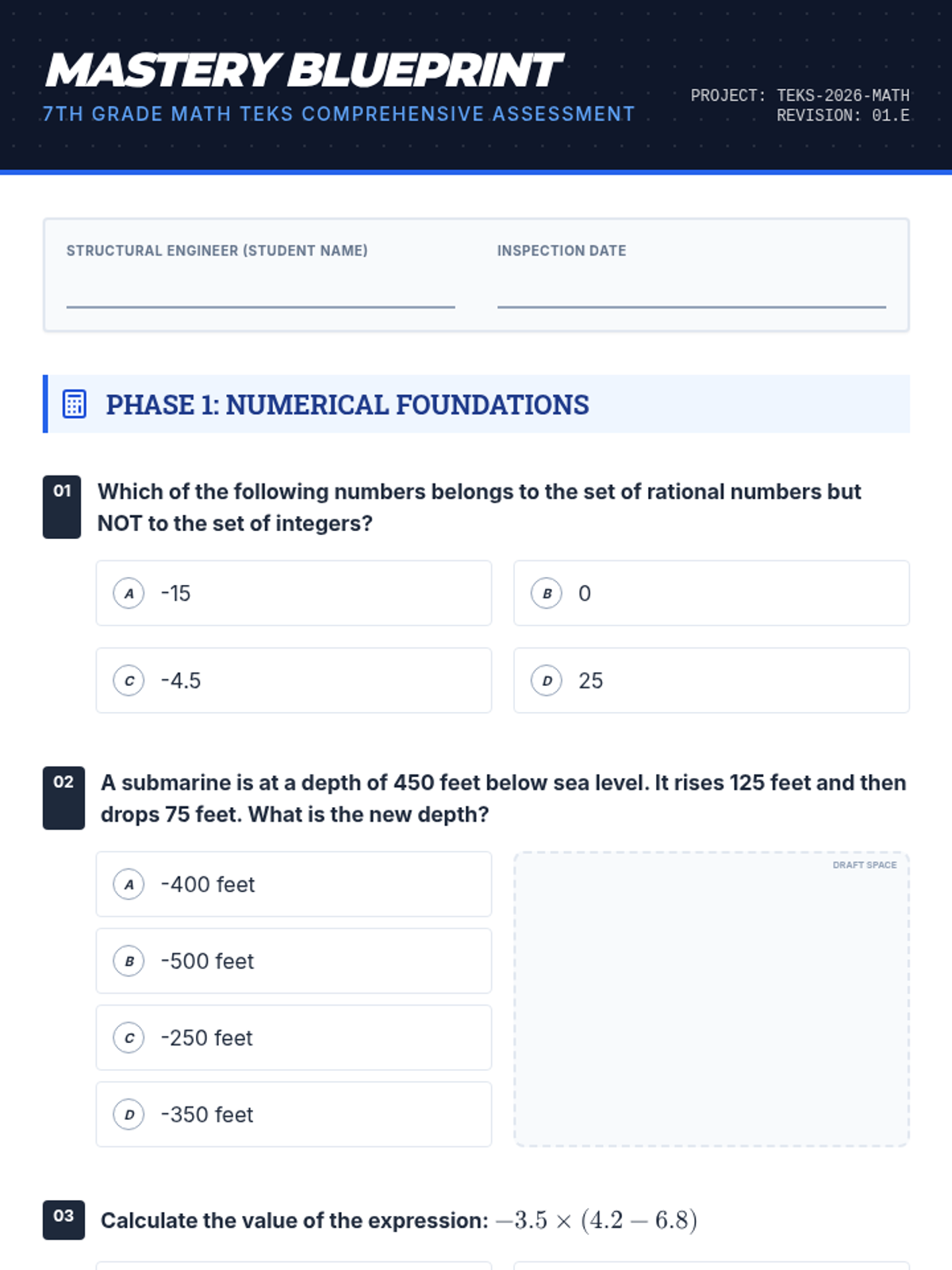
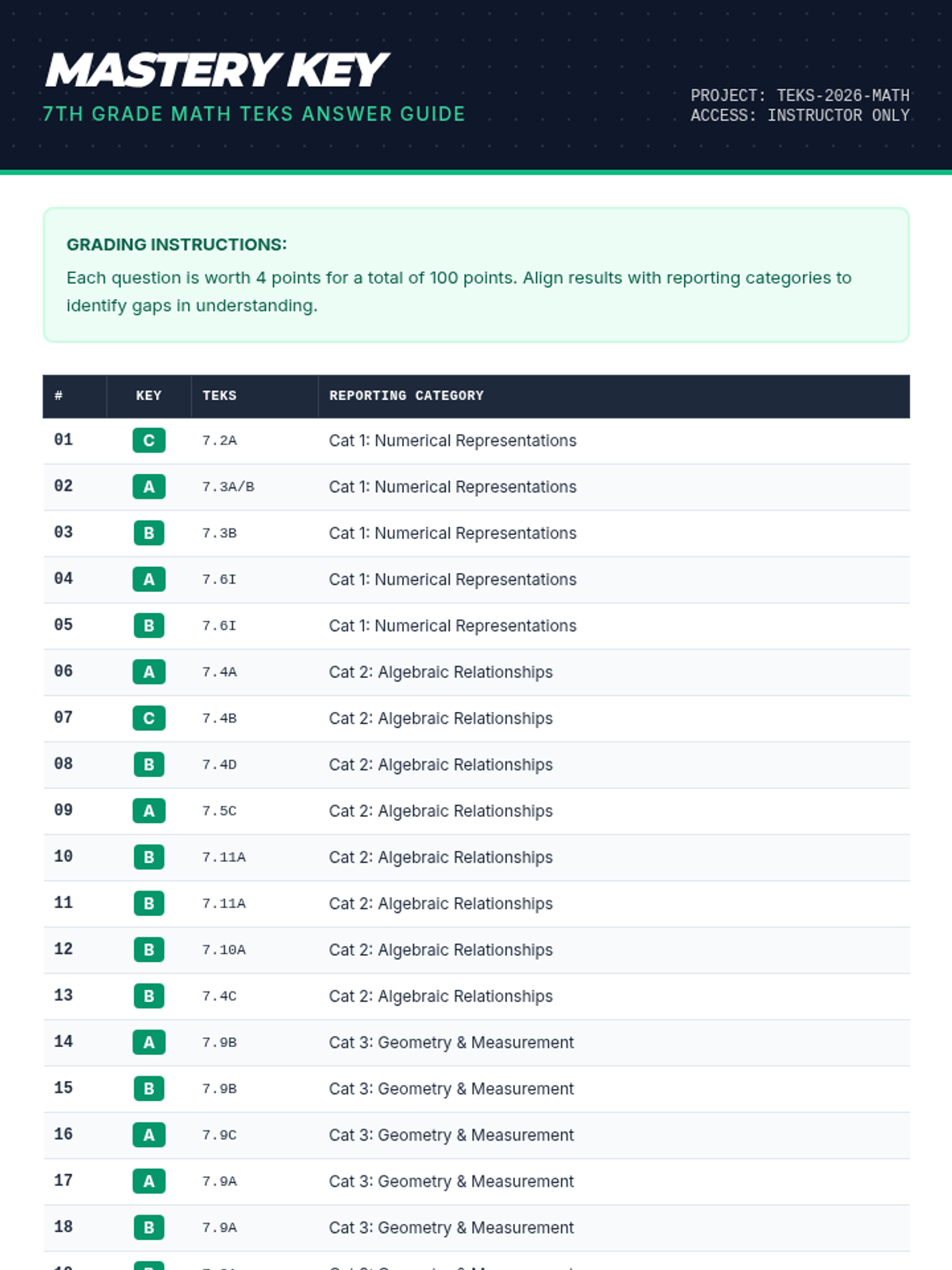
A comprehensive review of all 7th Grade Math TEKS reporting categories, featuring a 25-question cumulative assessment and detailed answer key.
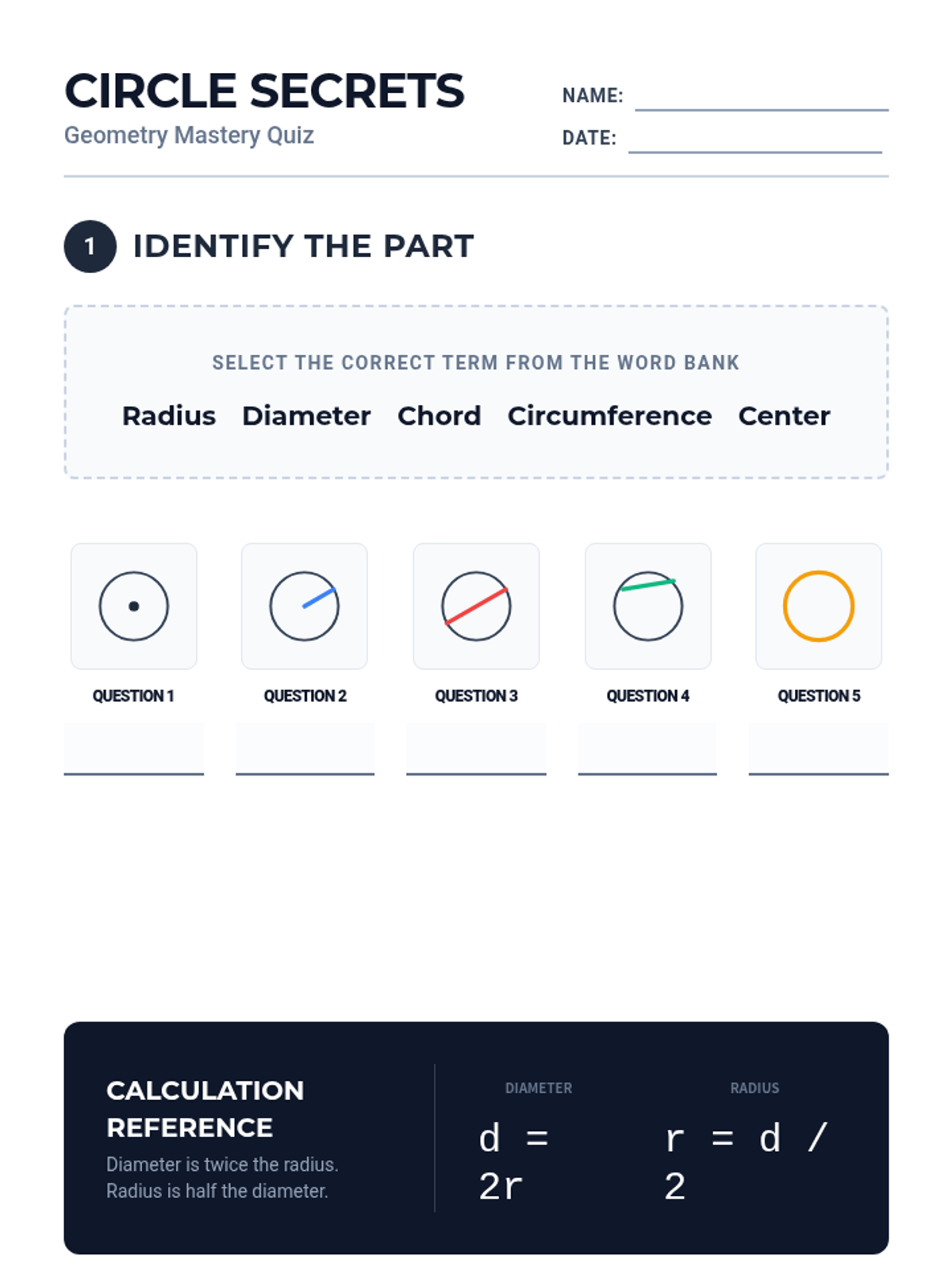
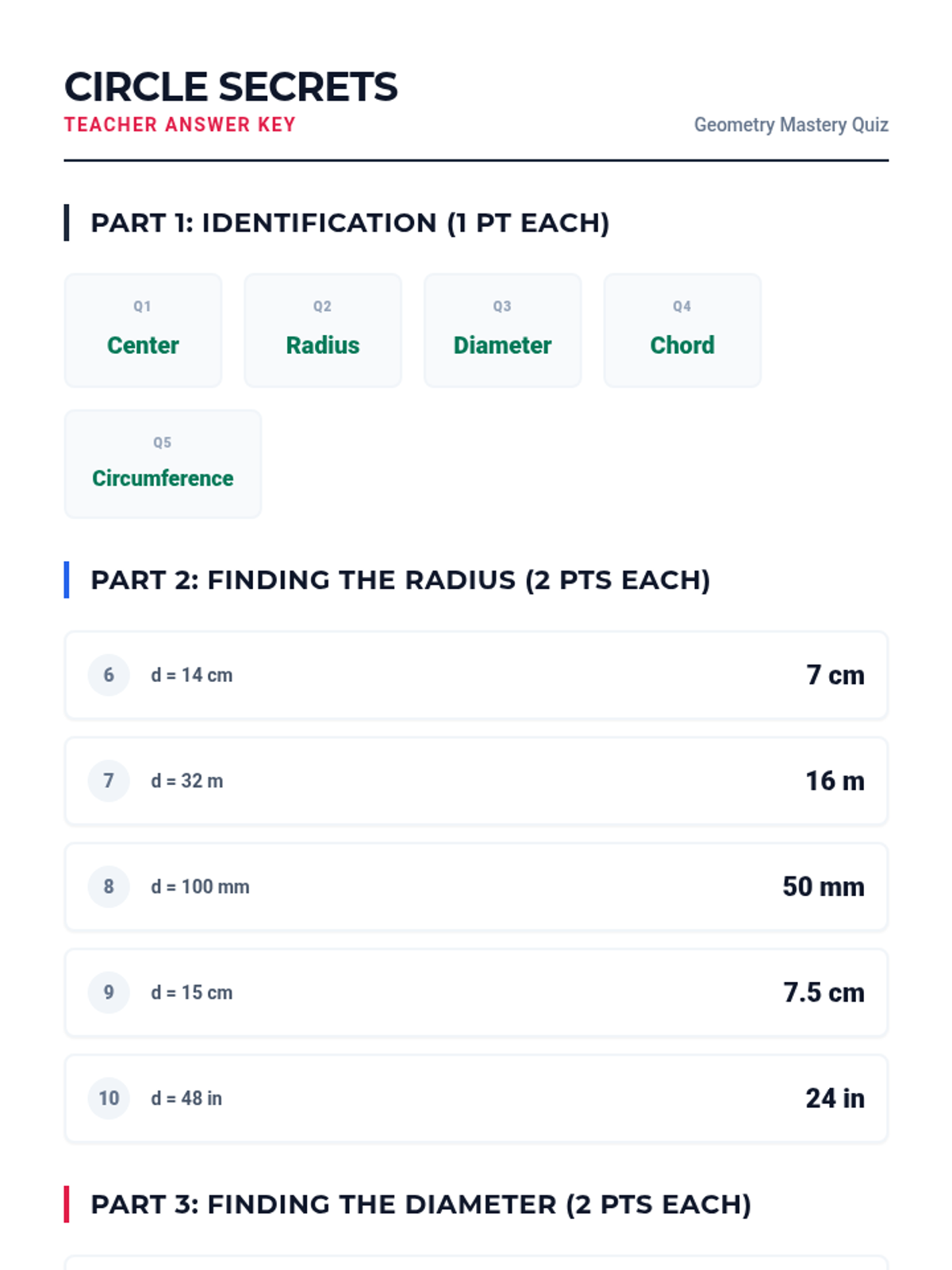
A comprehensive assessment on circle geometry, focusing on identifying key parts and calculating radius and diameter.
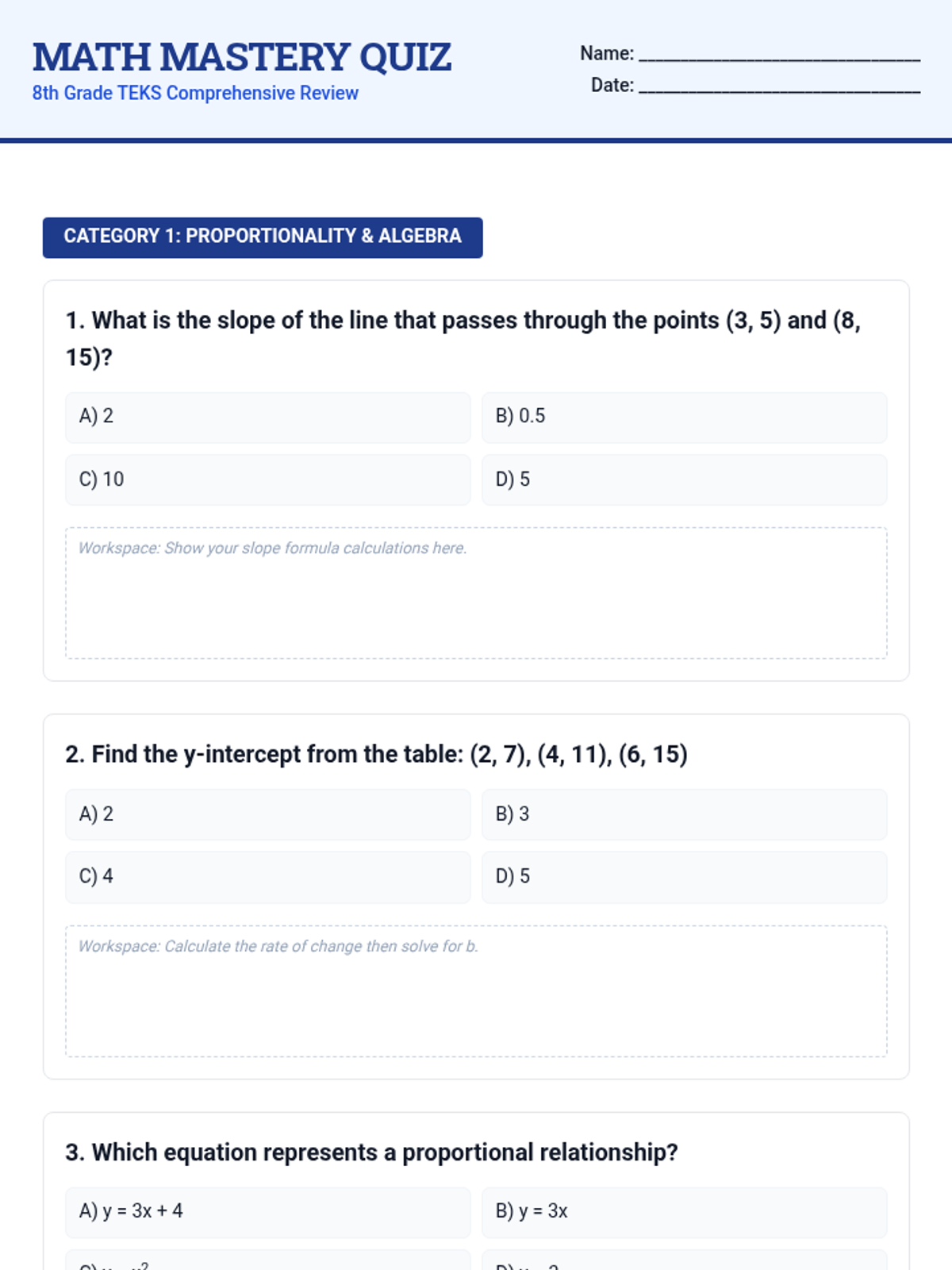
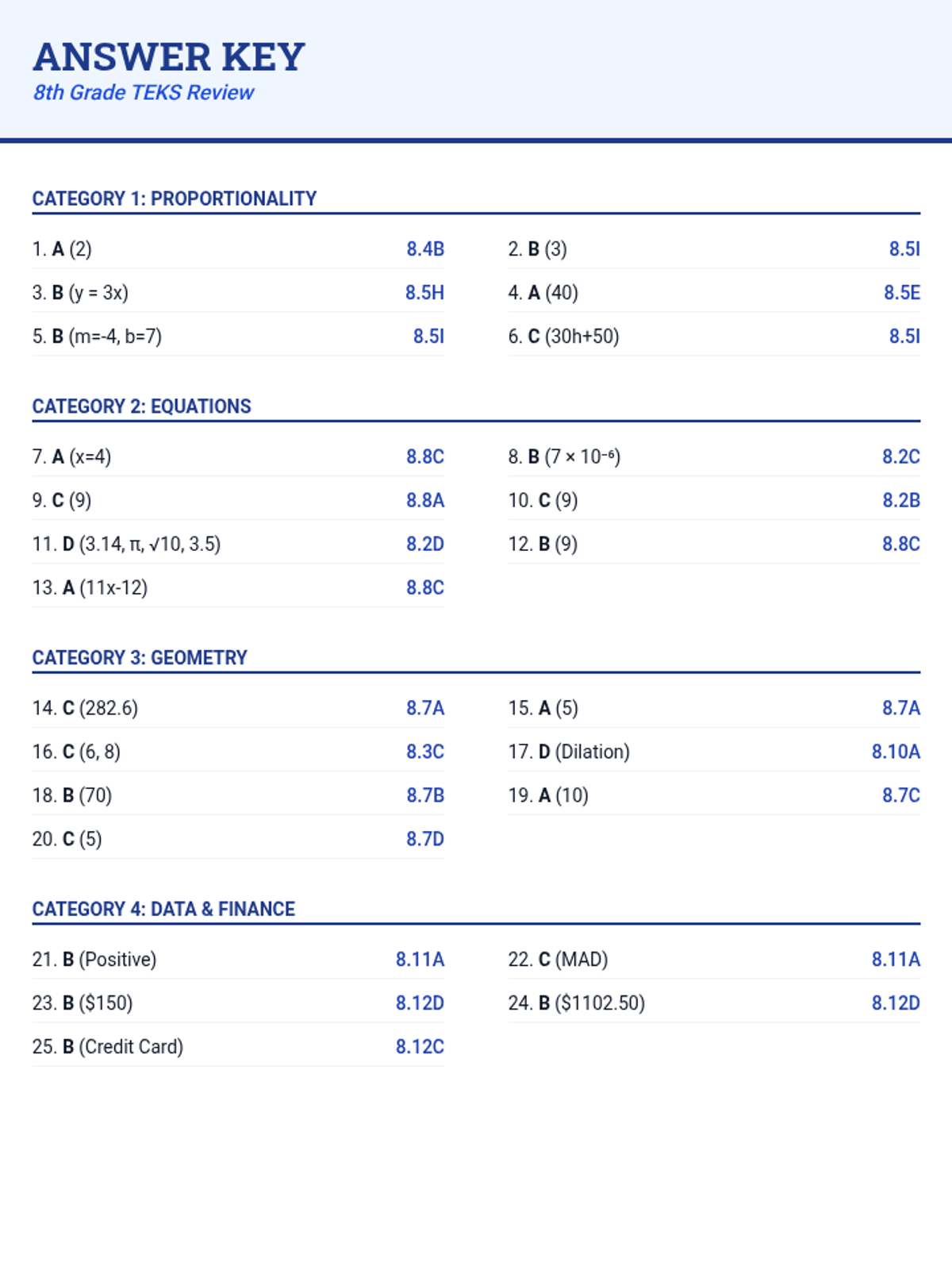
A comprehensive 8th-grade TEKS mathematics review focusing on Proportionality, Algebra, Expressions, Equations, Geometry, Measurement, and Data Analysis. This lesson includes a diagnostic quiz and a supporting presentation for classroom review.
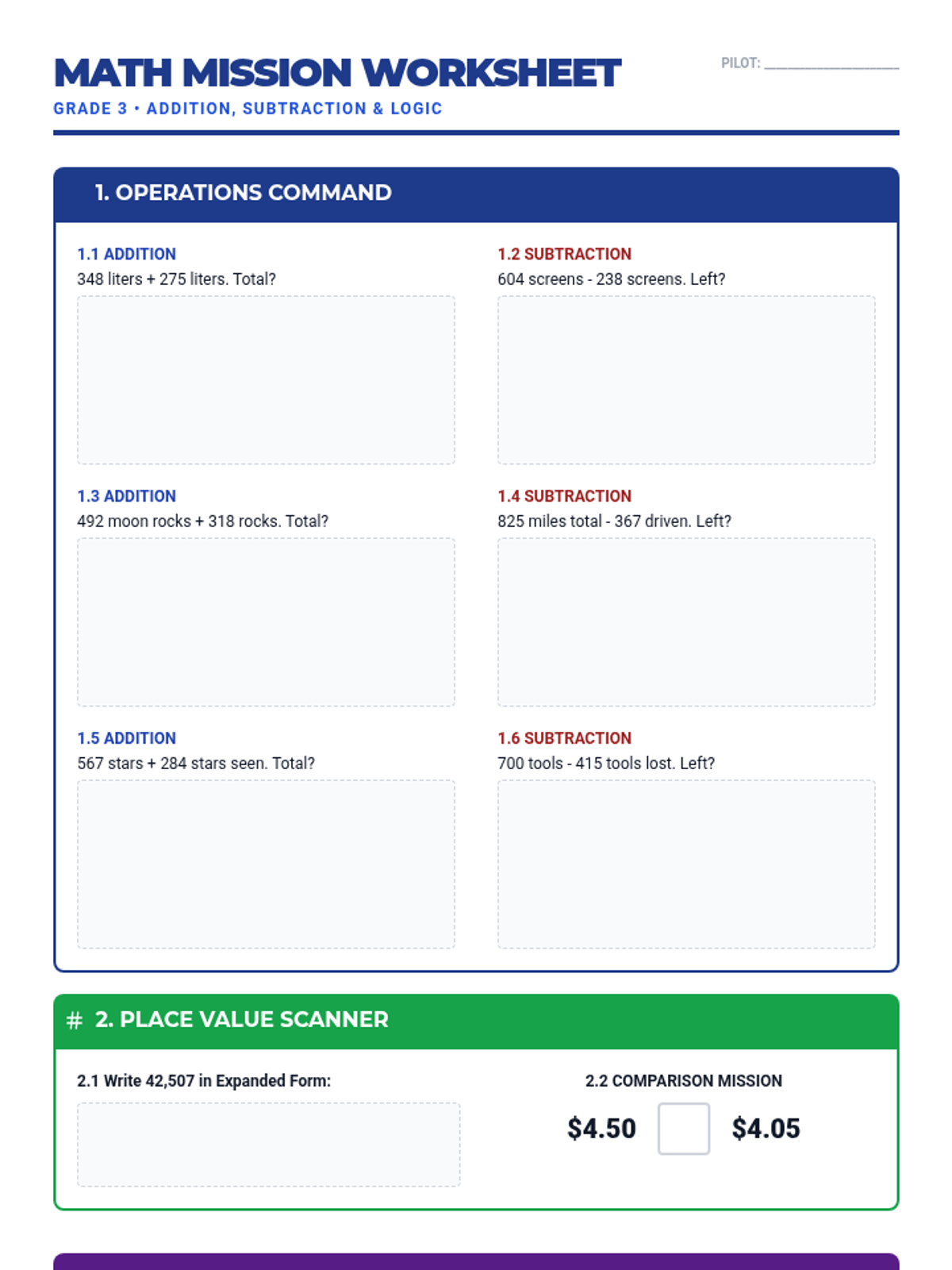
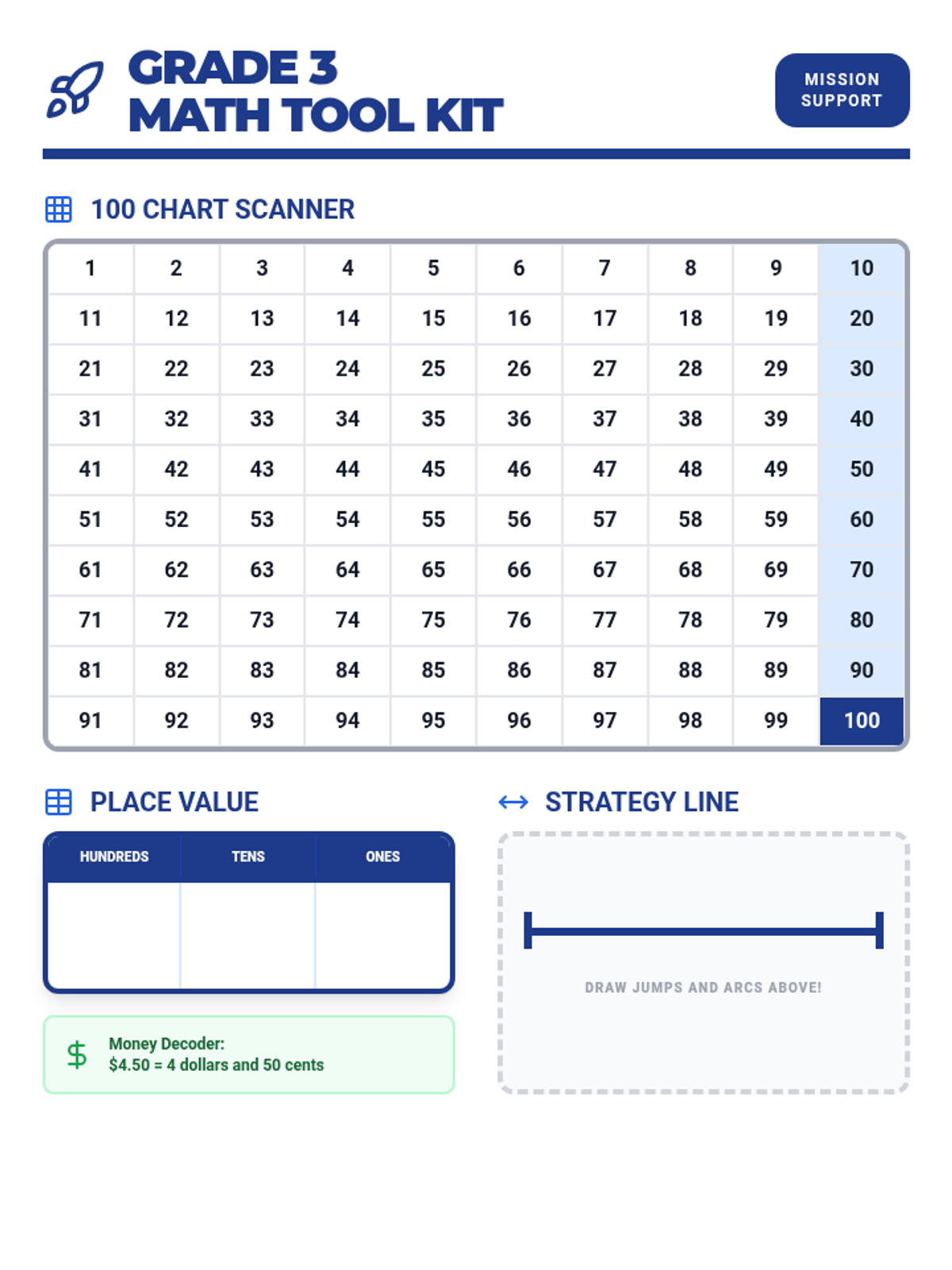
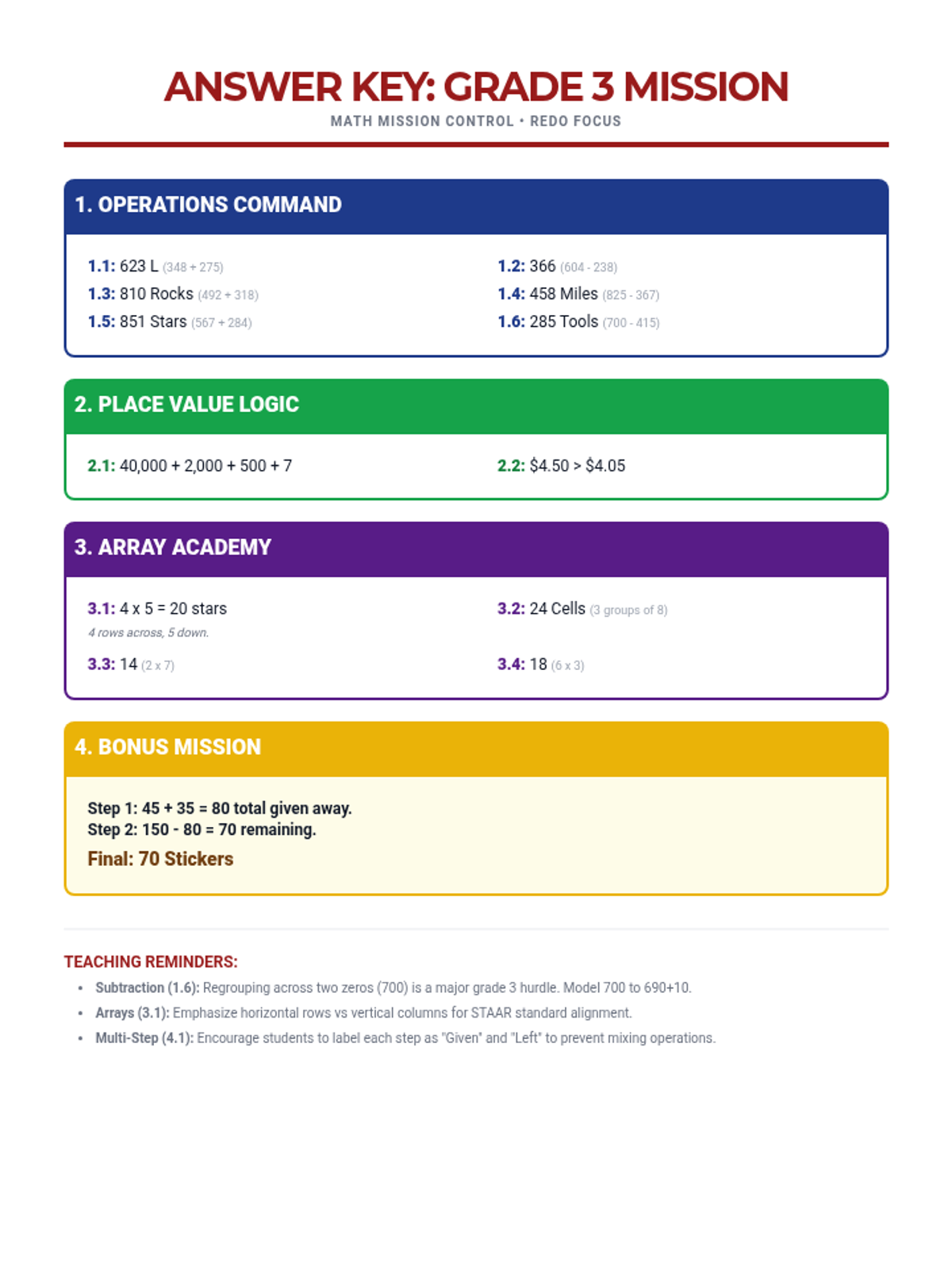
A targeted review lesson covering the core domains of the math STAAR assessment: addition/subtraction, geometry, decimals, and multiplication models.
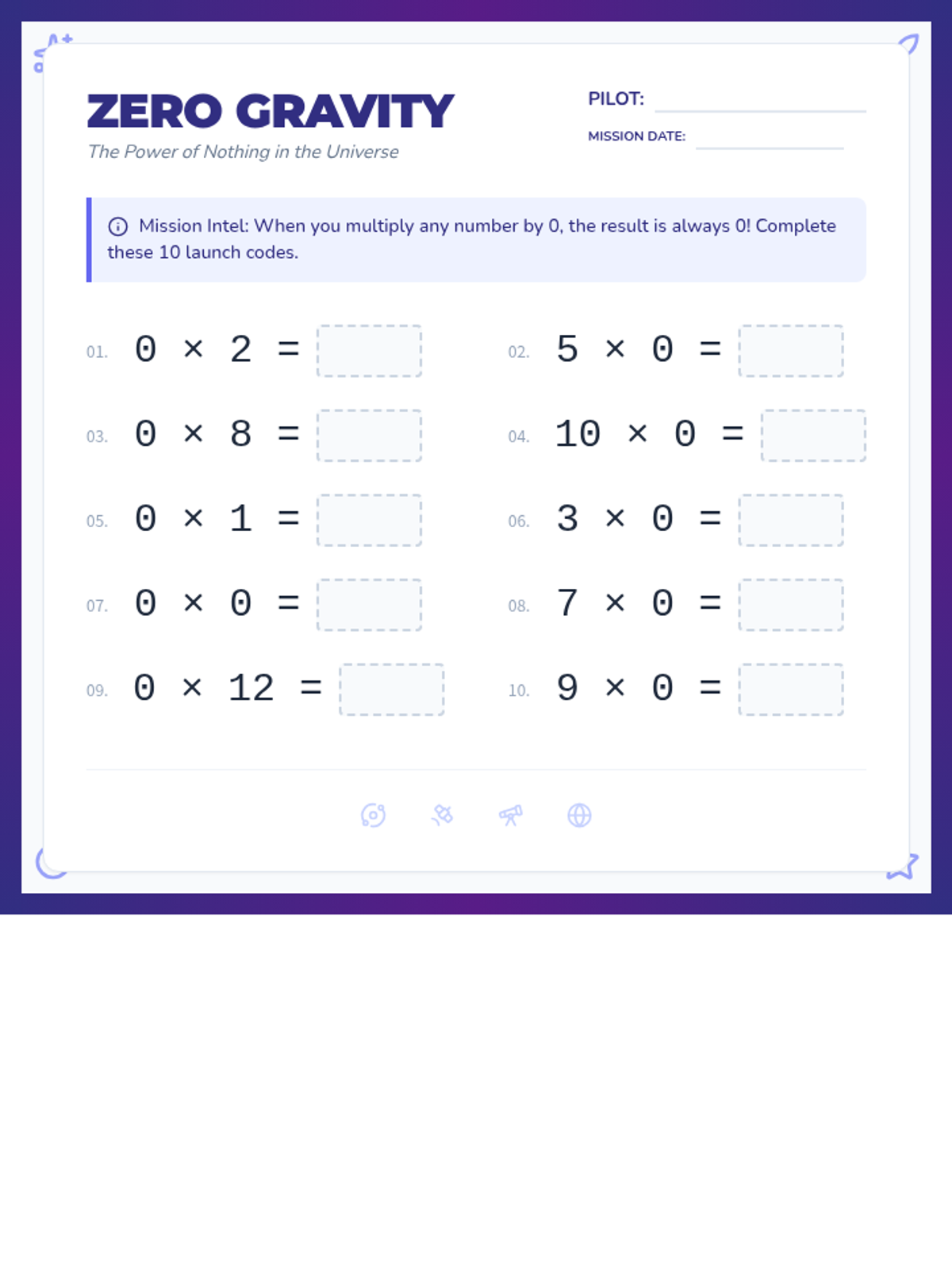
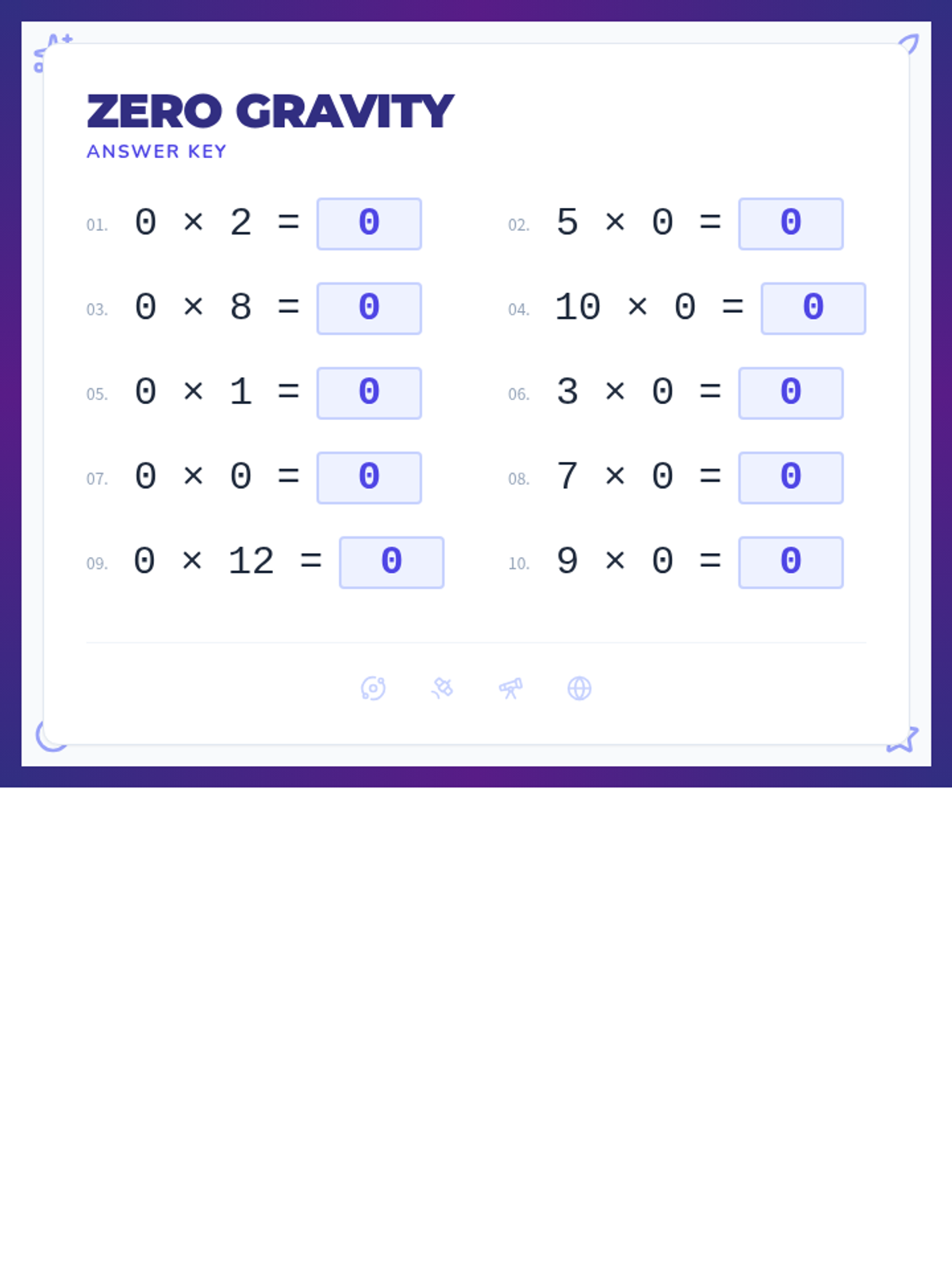
A foundational math lesson focusing on the property of zero in multiplication through space-themed practice.
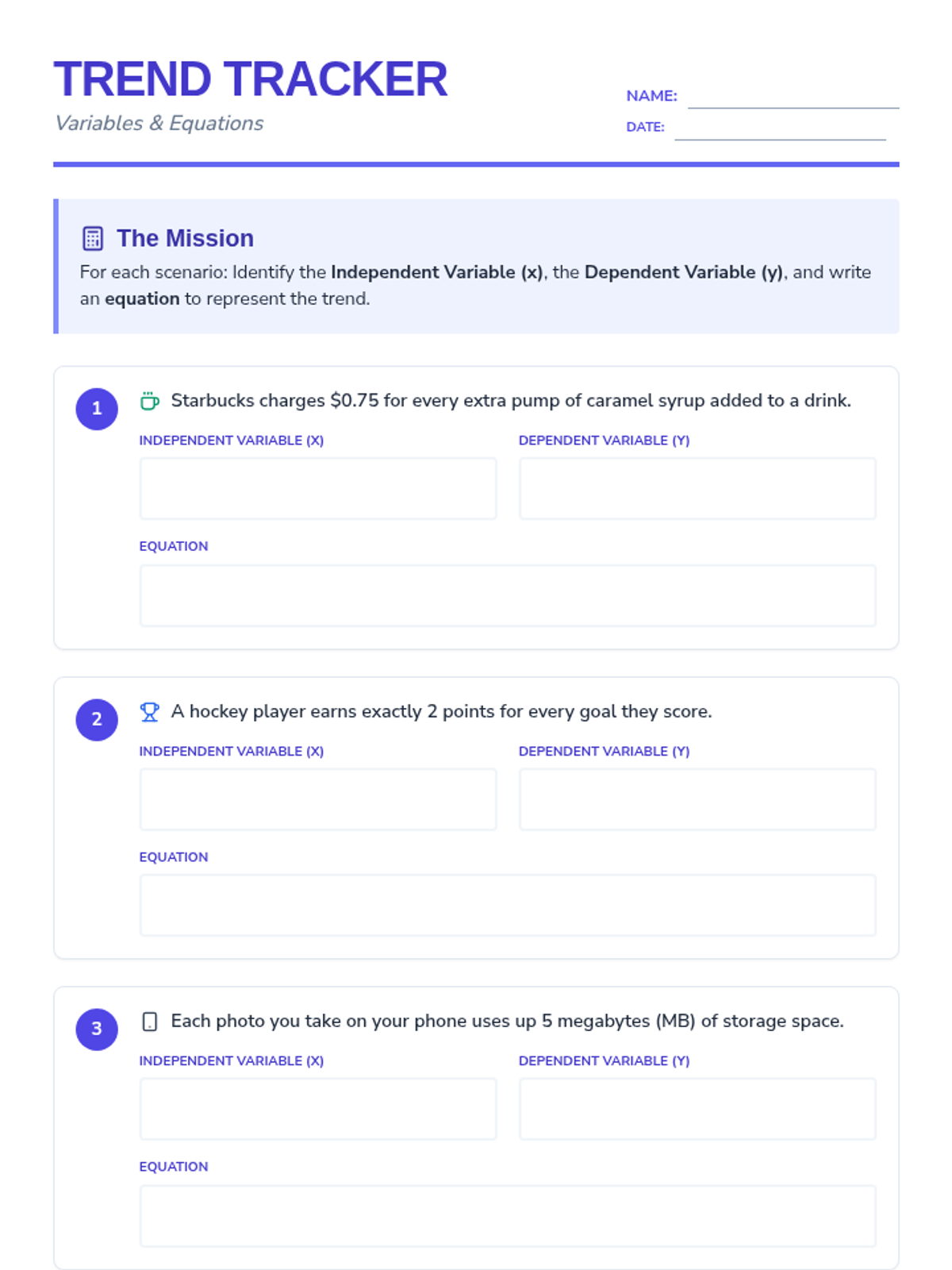
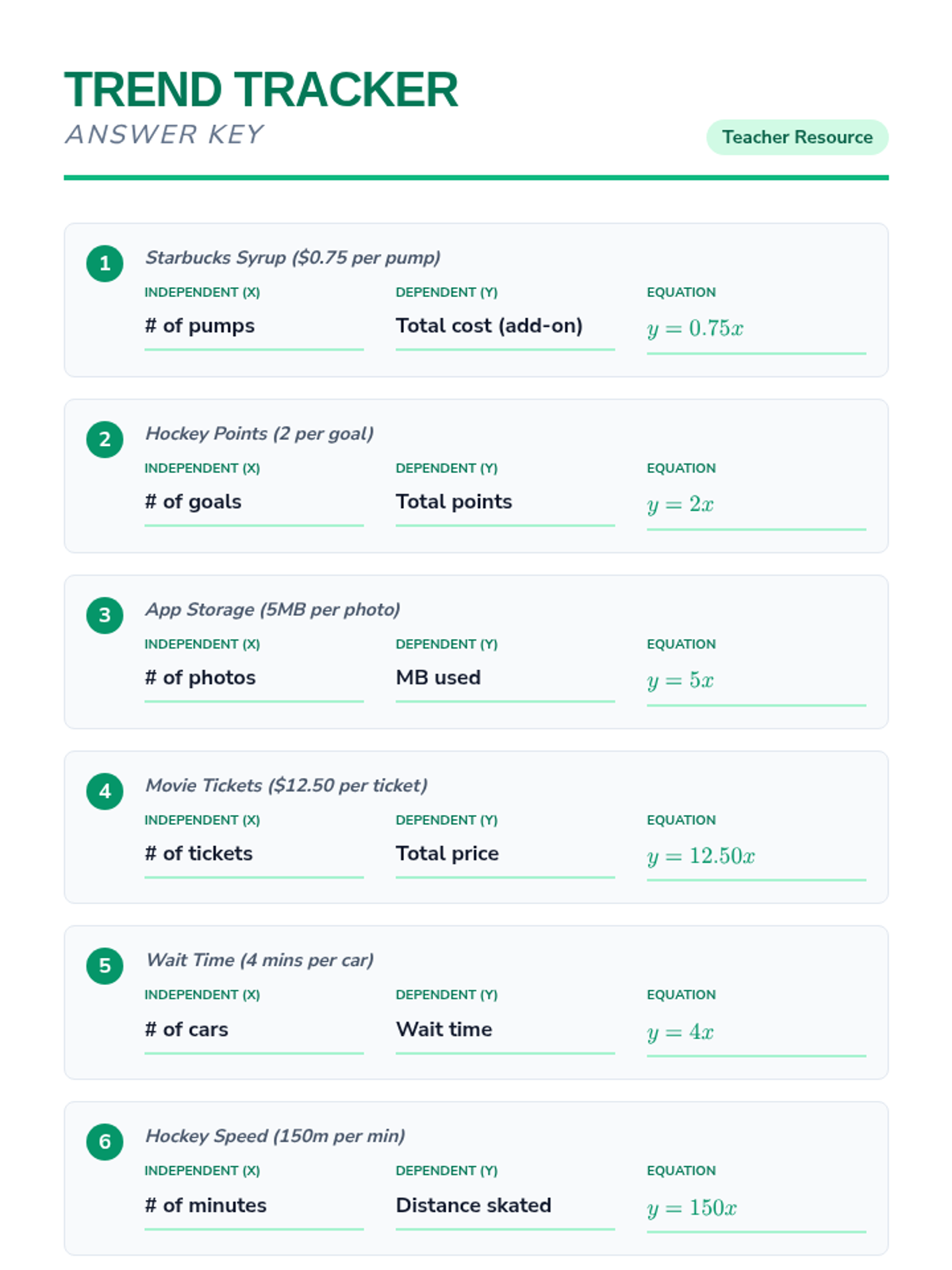
A practice-focused lesson where students identify independent and dependent variables in relatable, modern scenarios like sports, snacks, and technology.
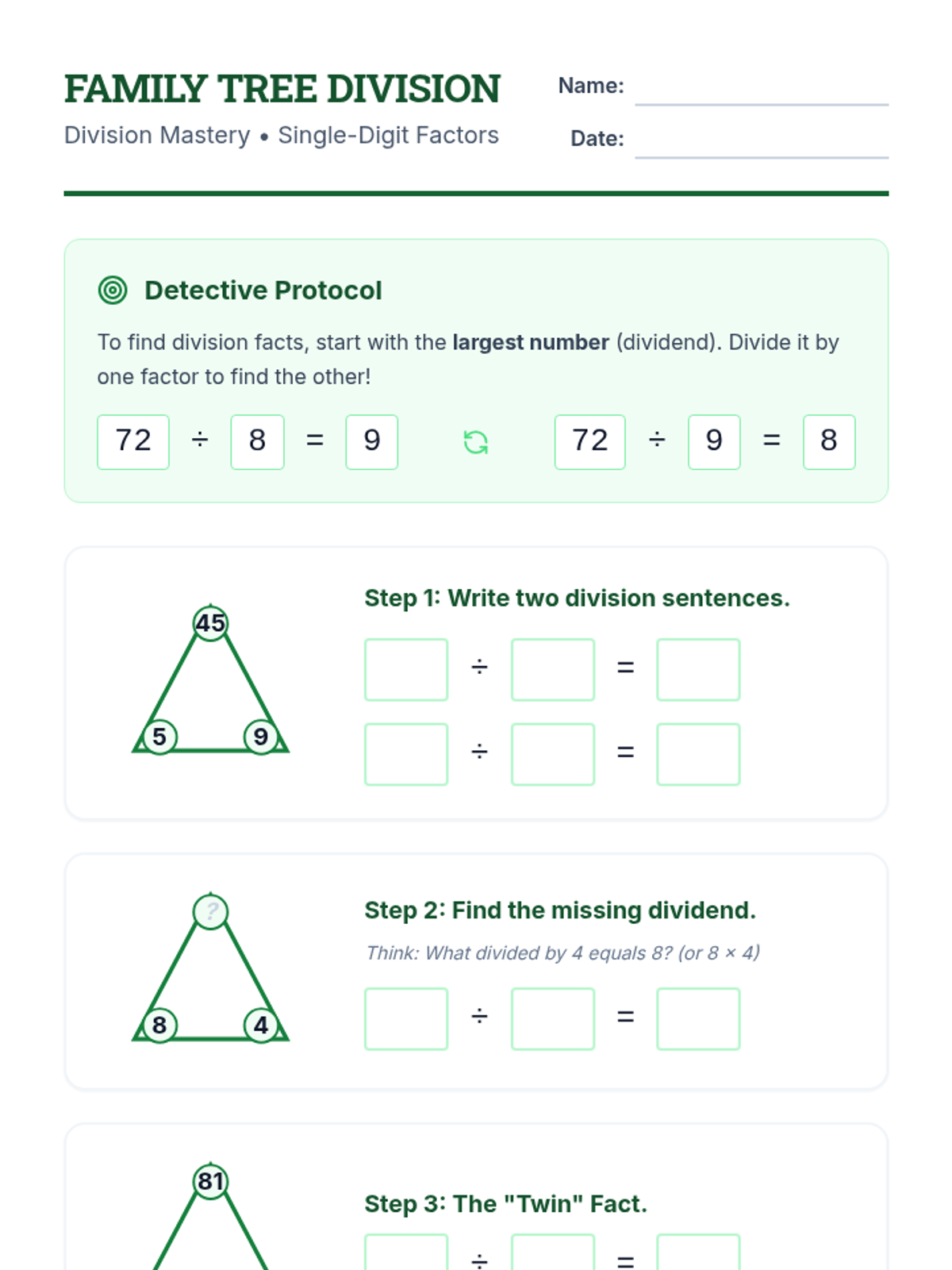
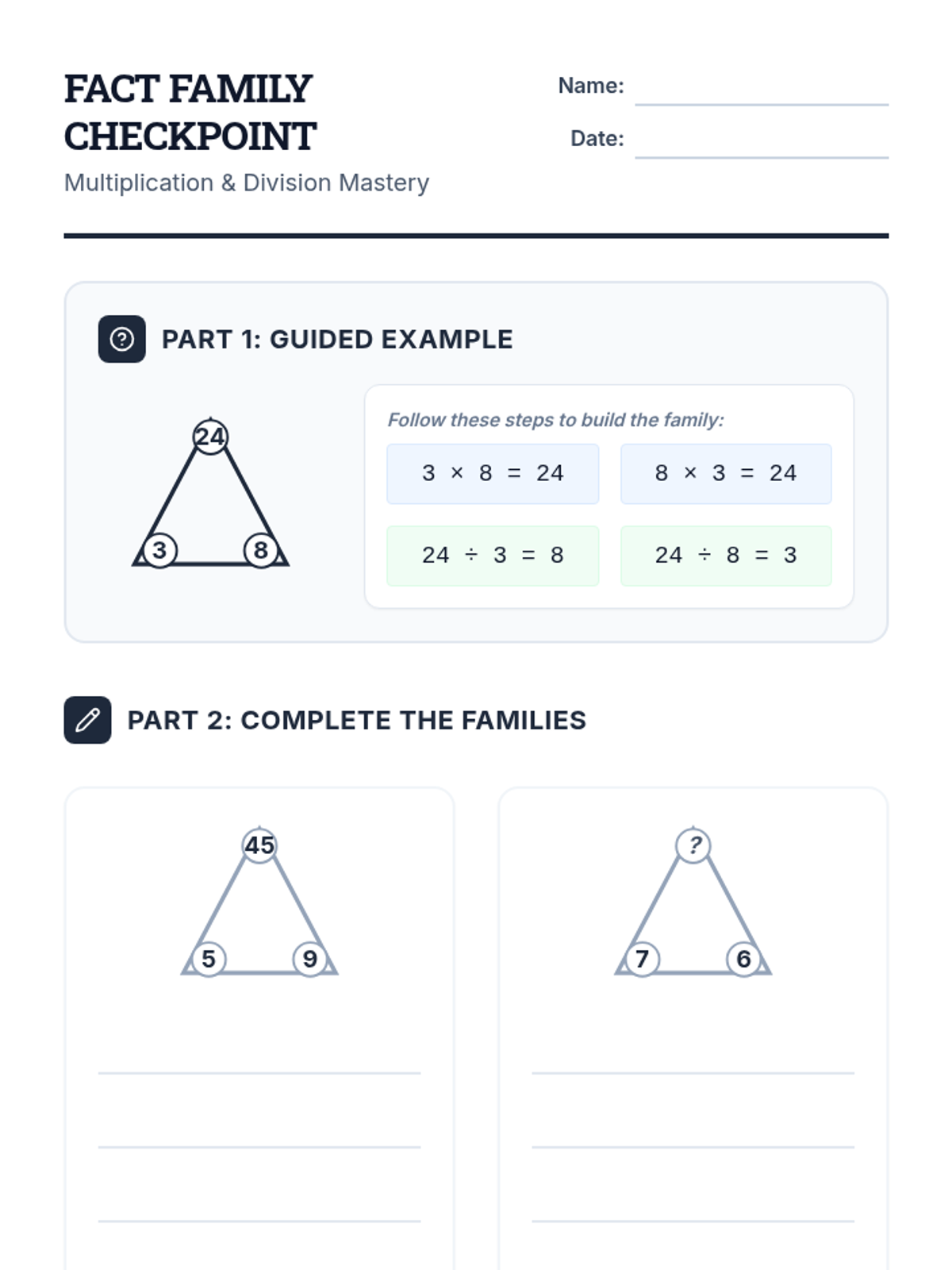
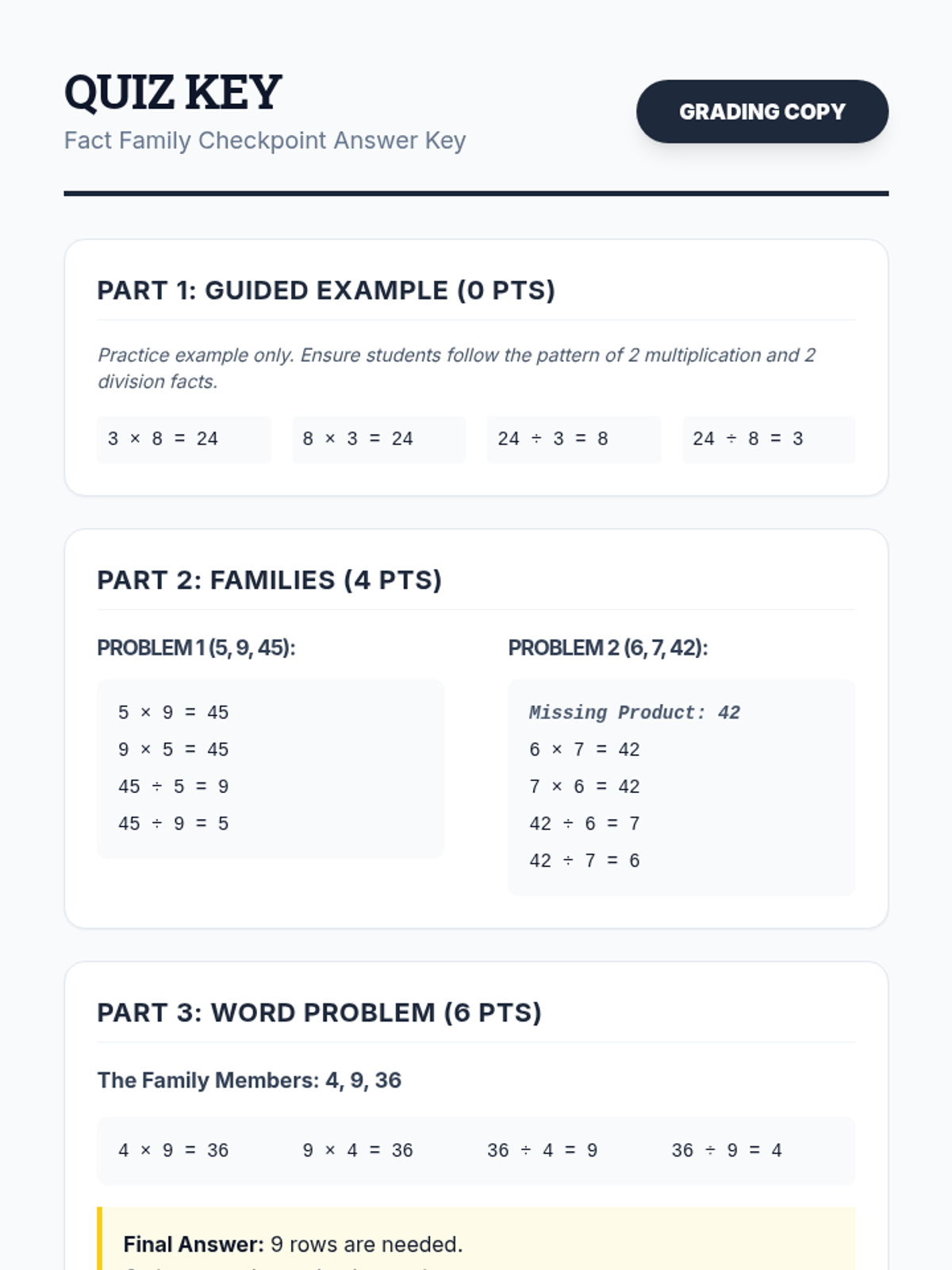
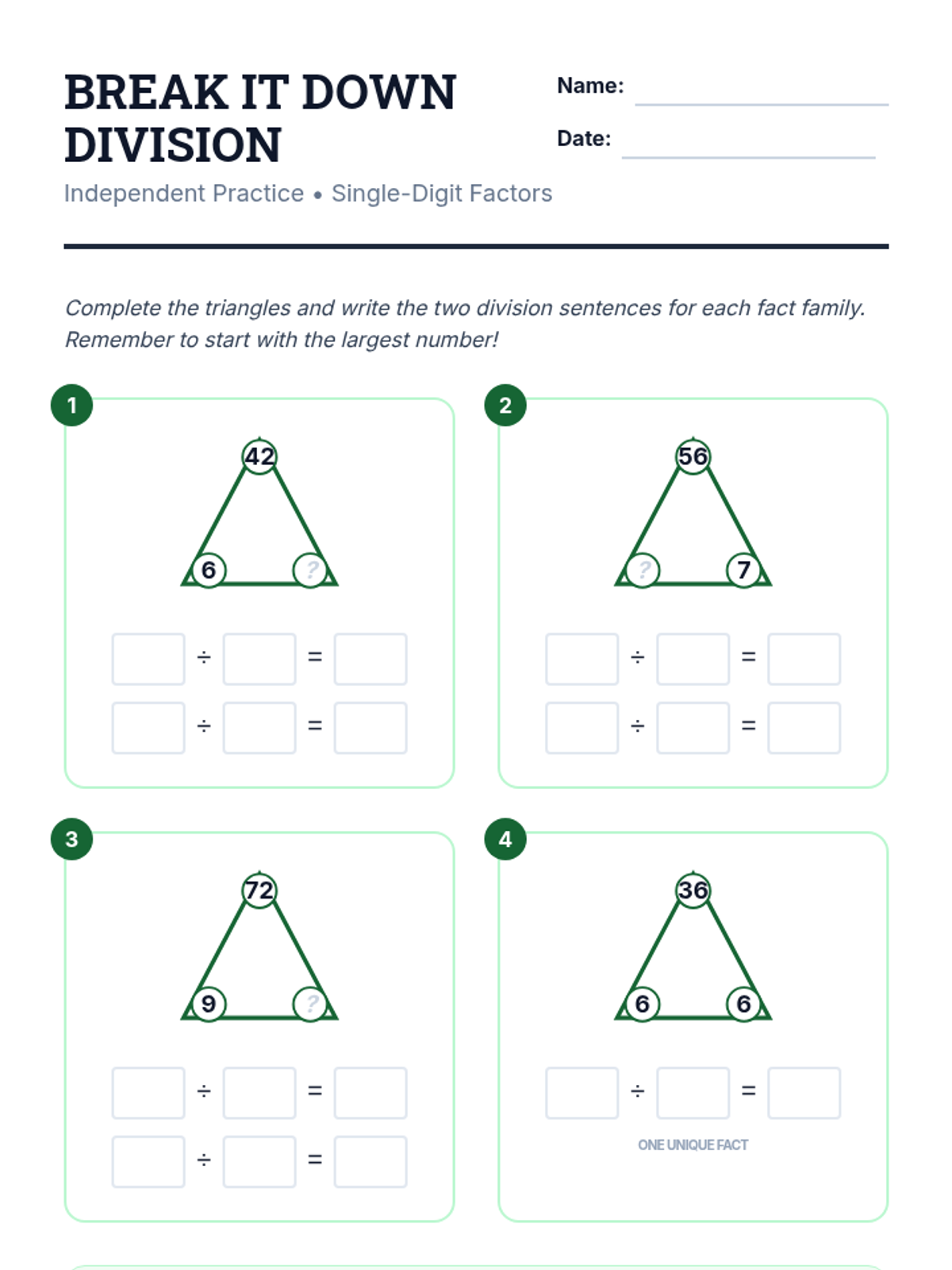
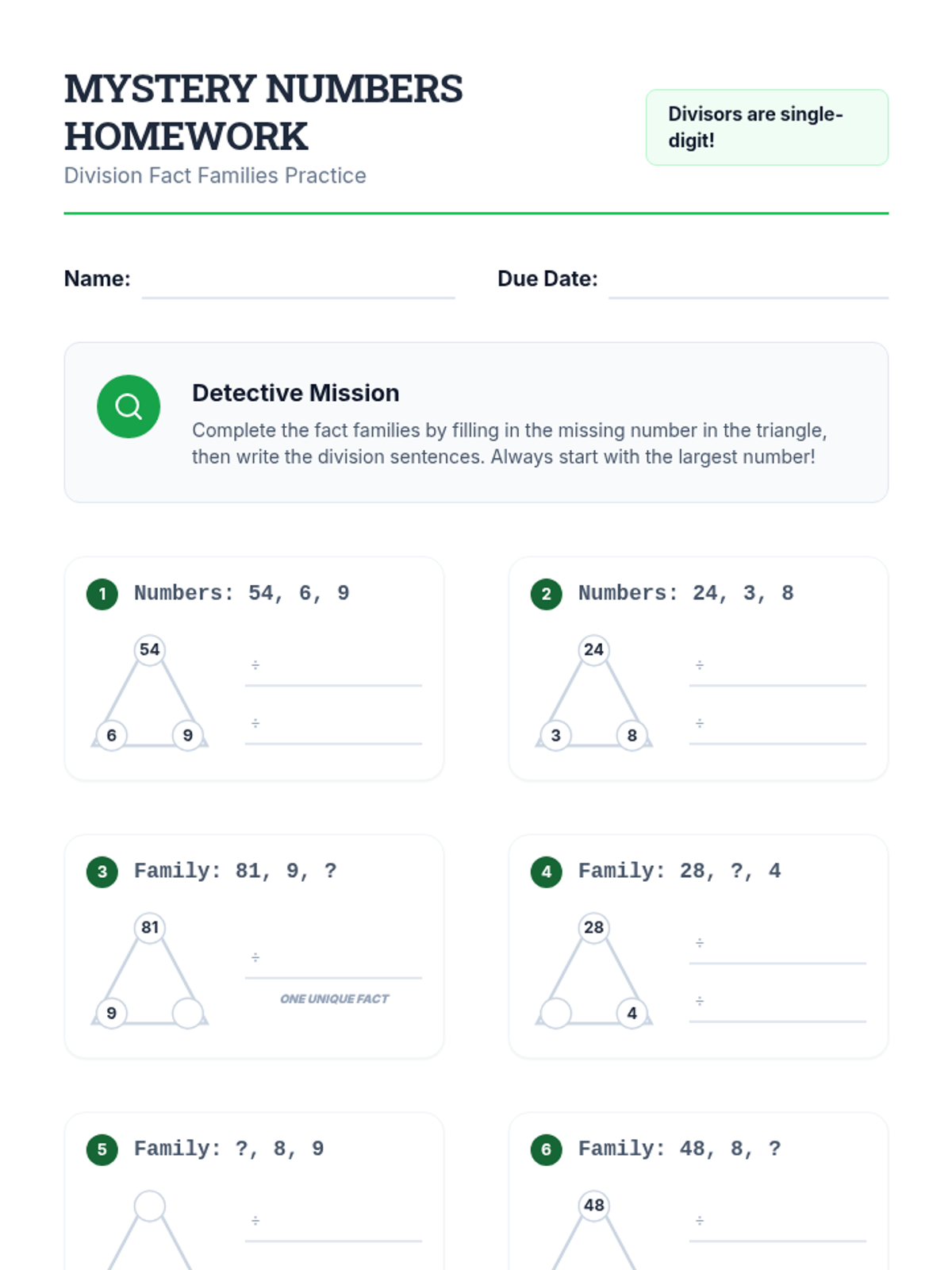
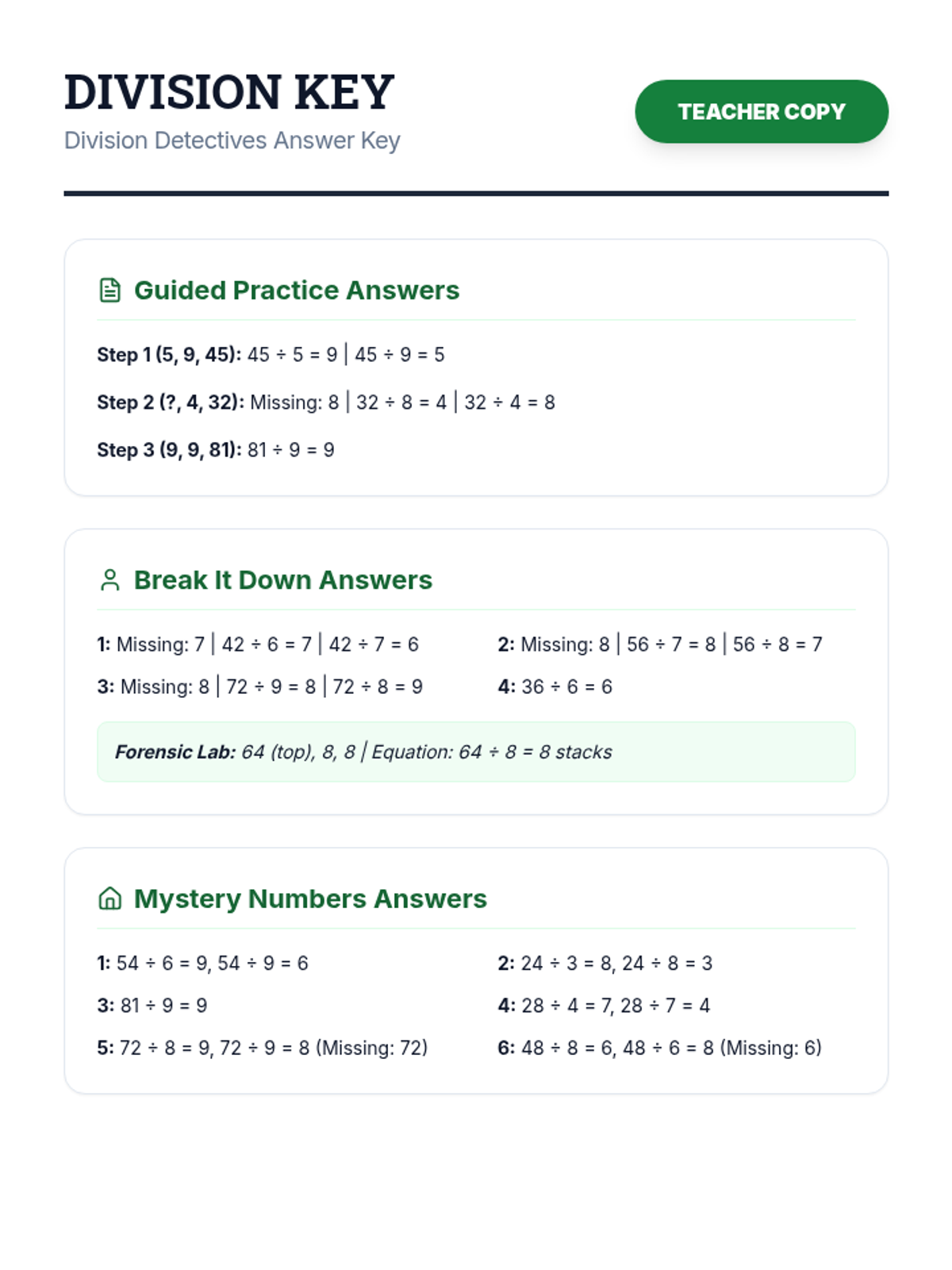
Students apply their knowledge of fact families to solve division problems, understanding division as the inverse of multiplication with single-digit divisors.