Students analyze graphs showing temperature averages and daylight hours to understand why seasons feel different and see a demonstration of Earth's tilt.
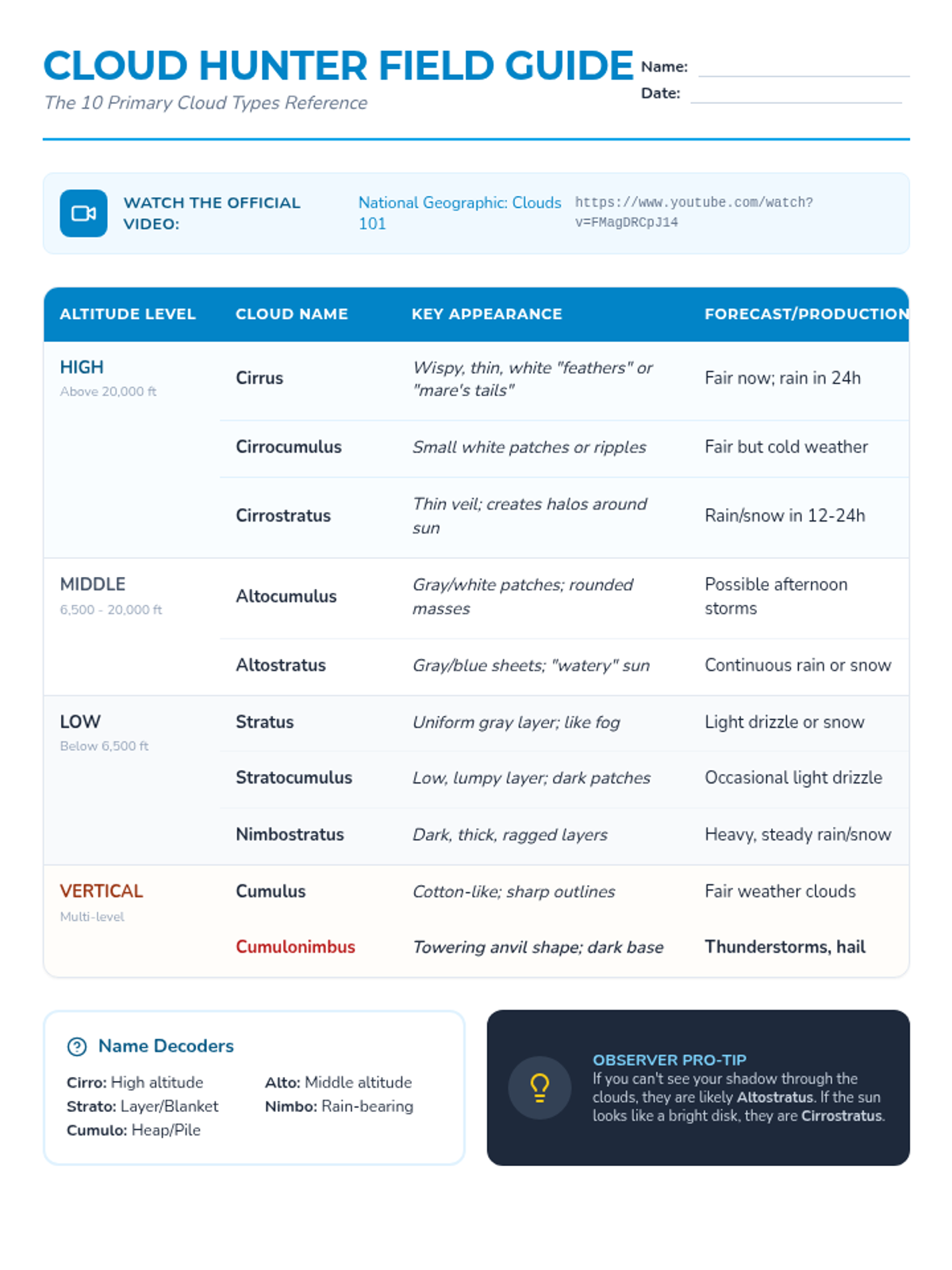
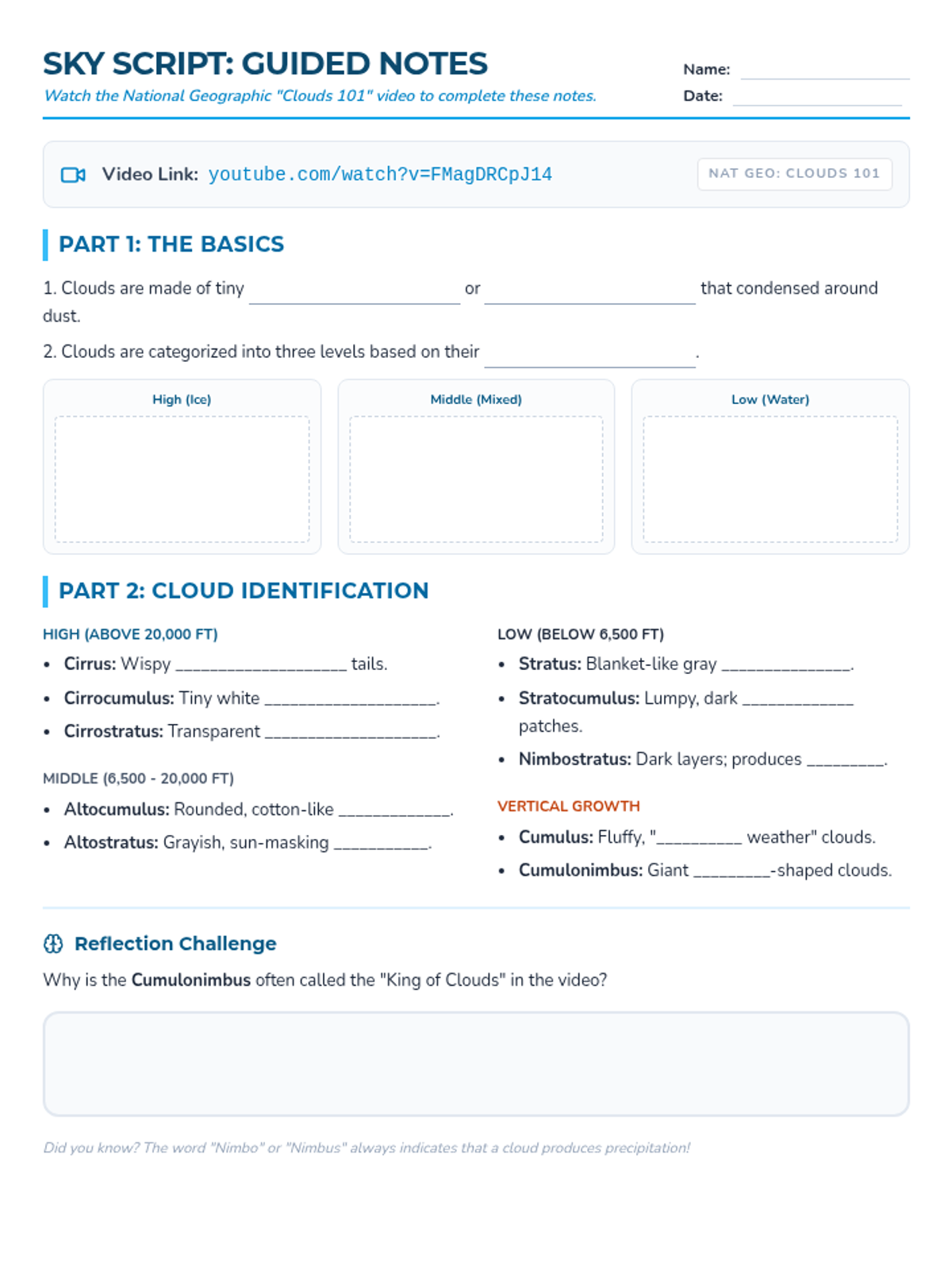
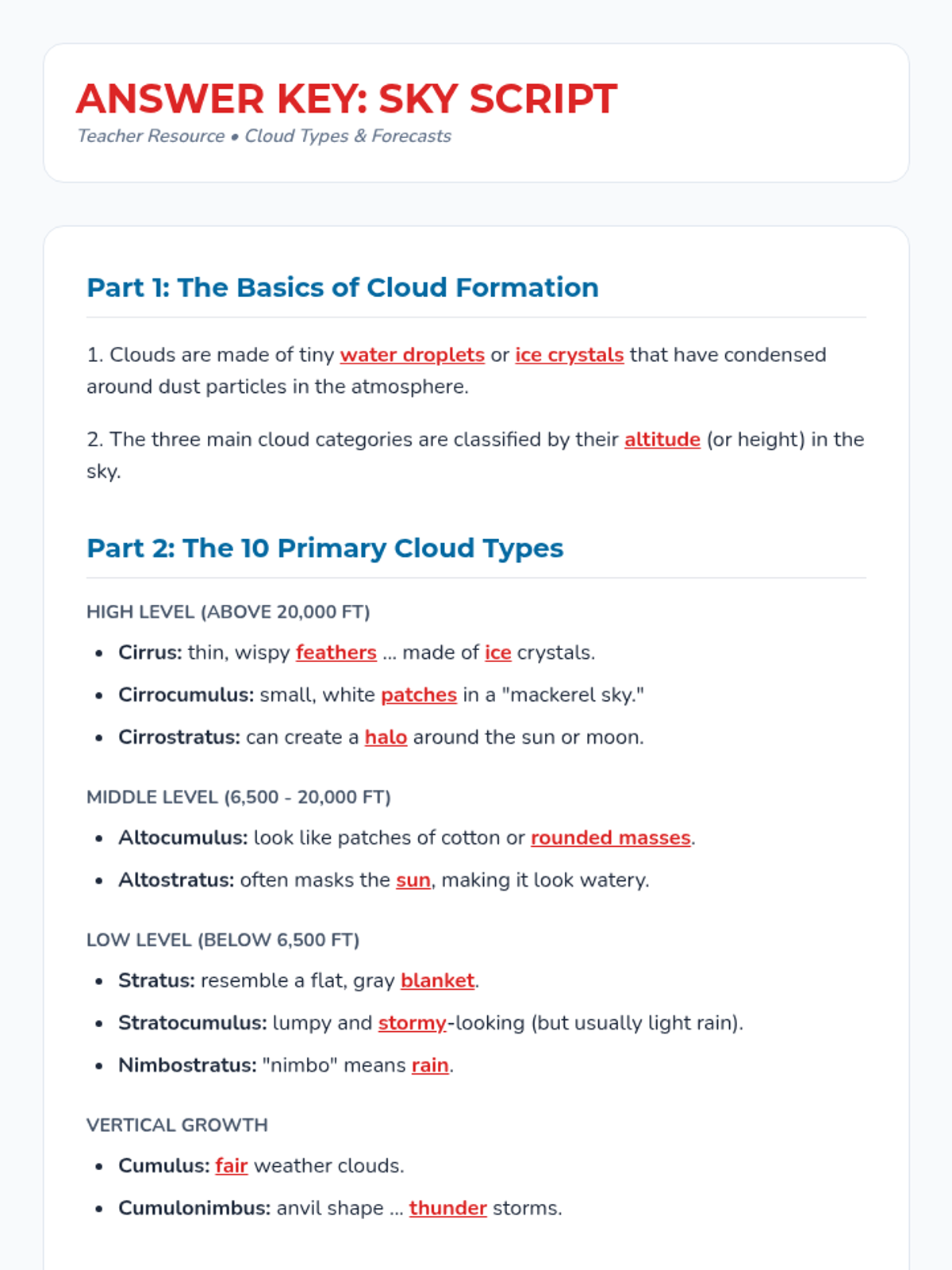
Students will learn to identify the ten primary cloud types, categorize them by altitude, and predict weather outcomes based on cloud formations.
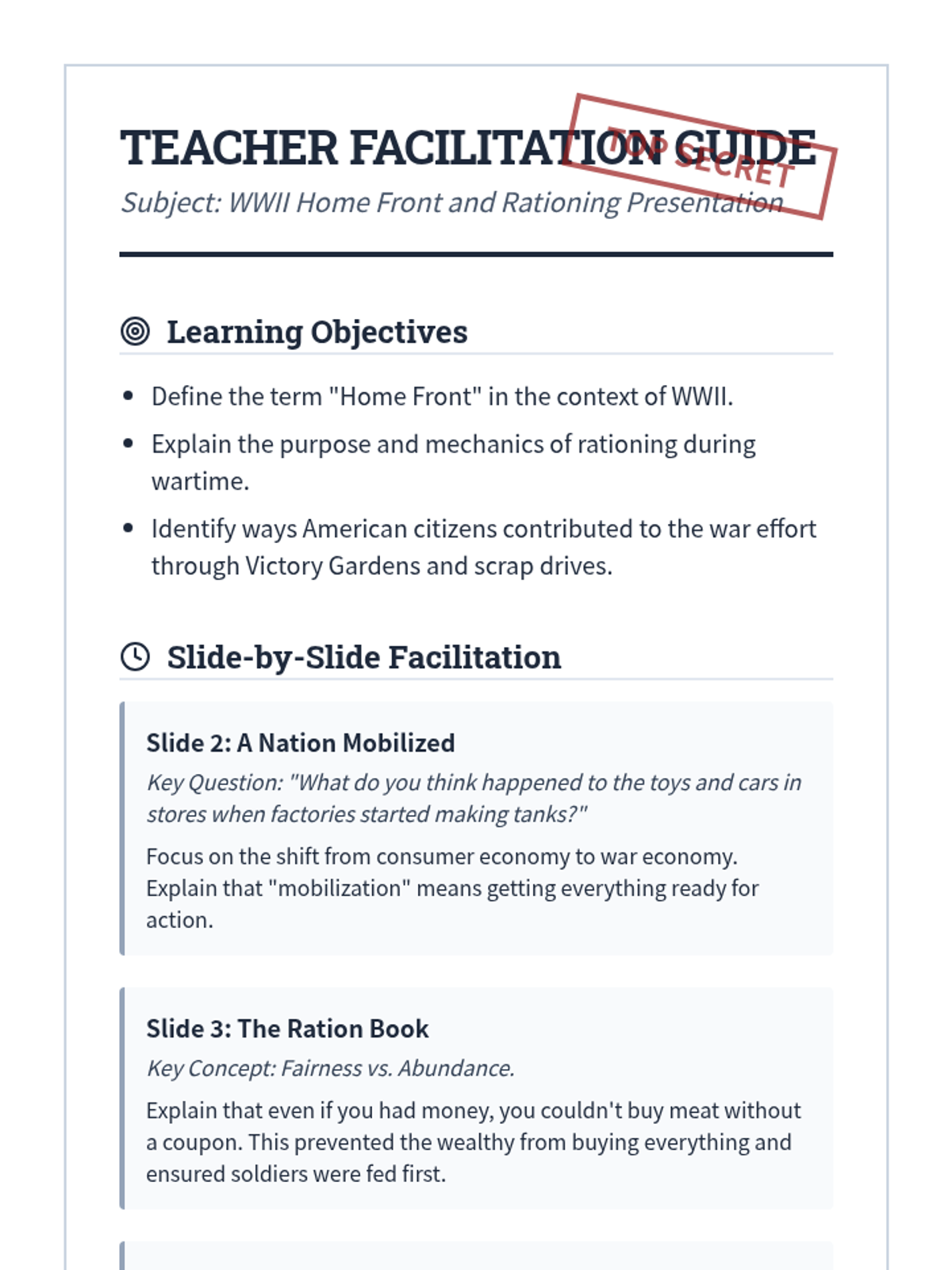
An exploration of life in America during World War II, focusing on how rationing, Victory Gardens, and community efforts supported the war from home.
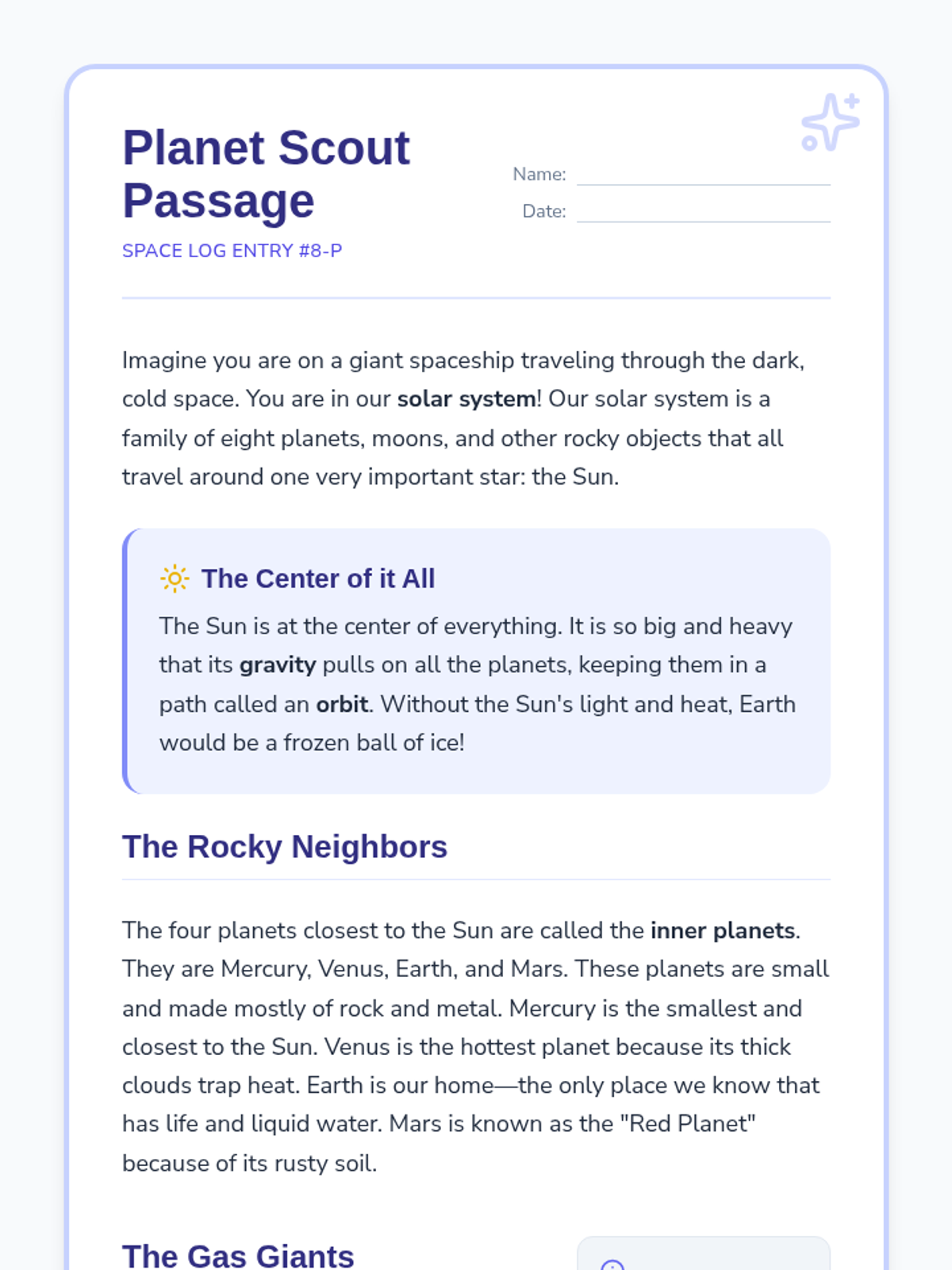
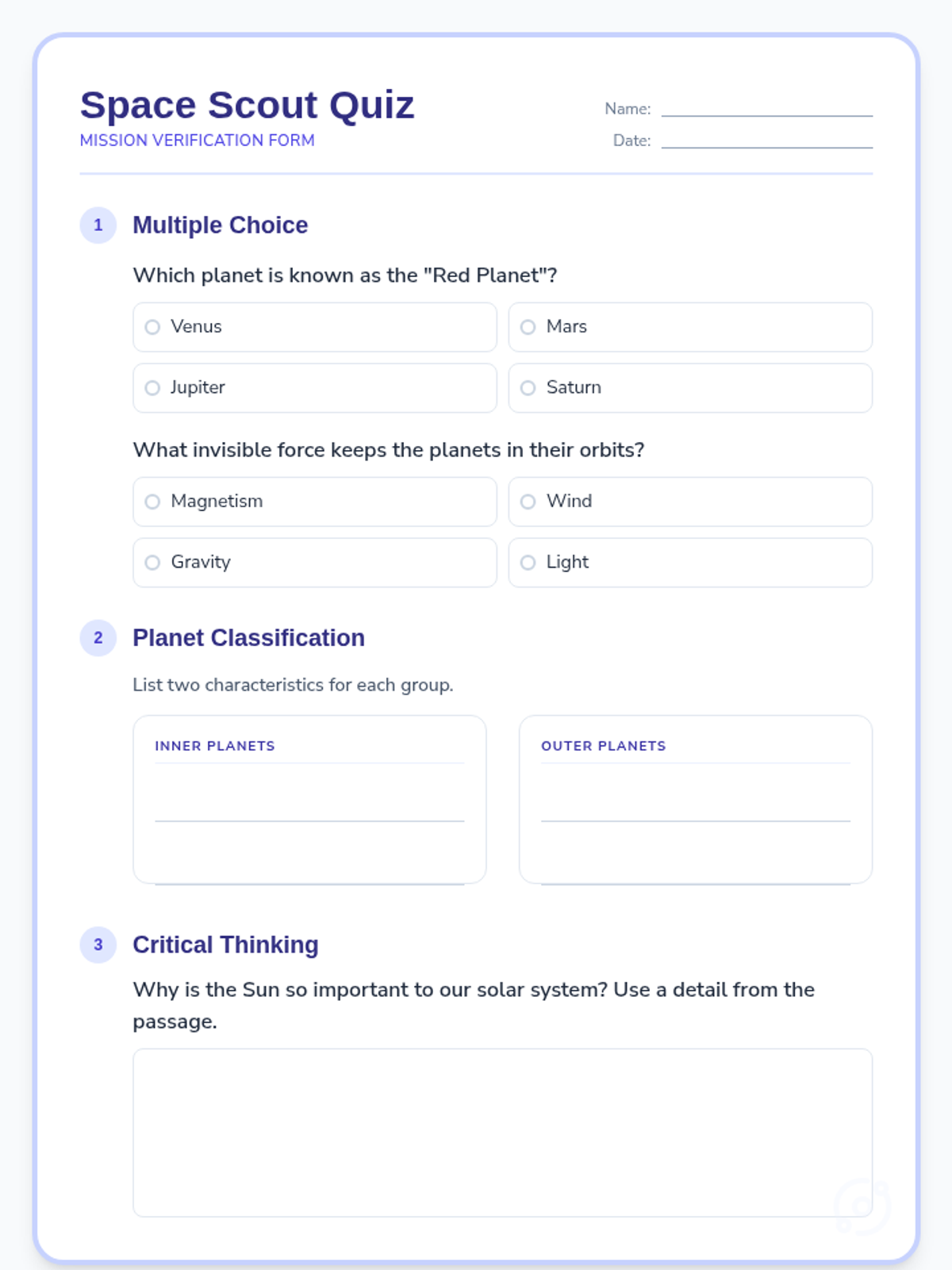
Students explore the eight planets of our solar system, learning about their unique characteristics and the forces that keep them in orbit.
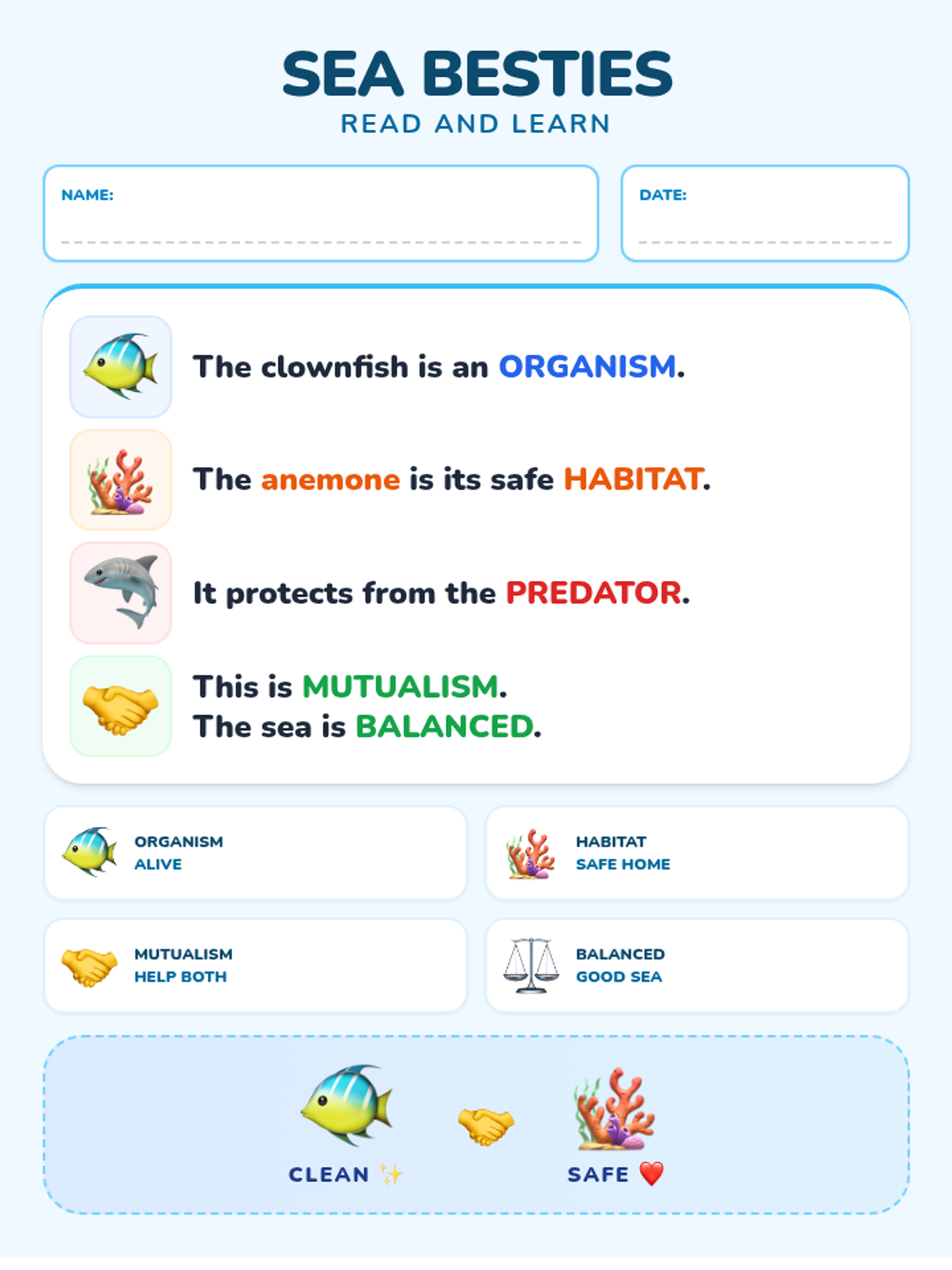
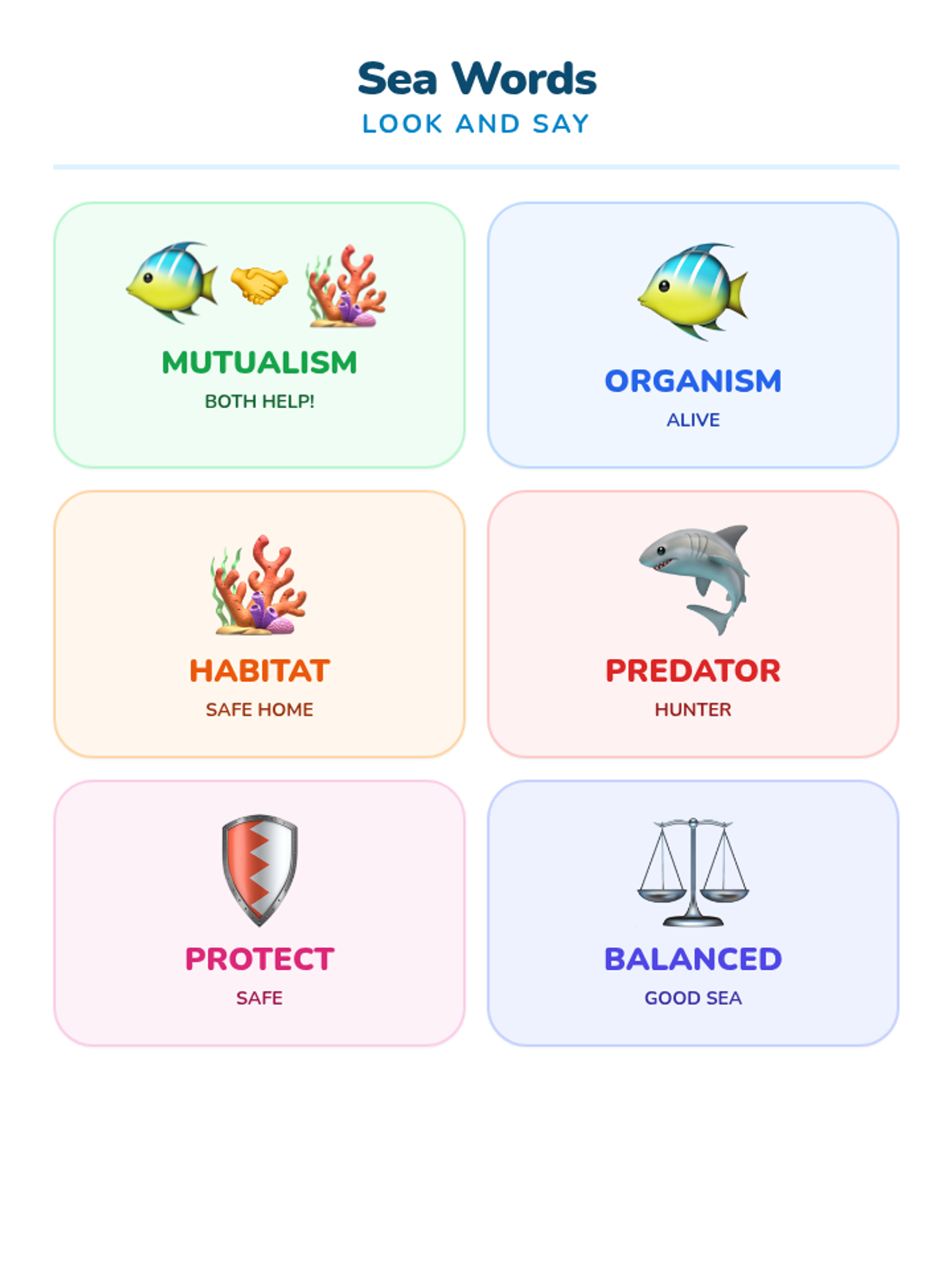
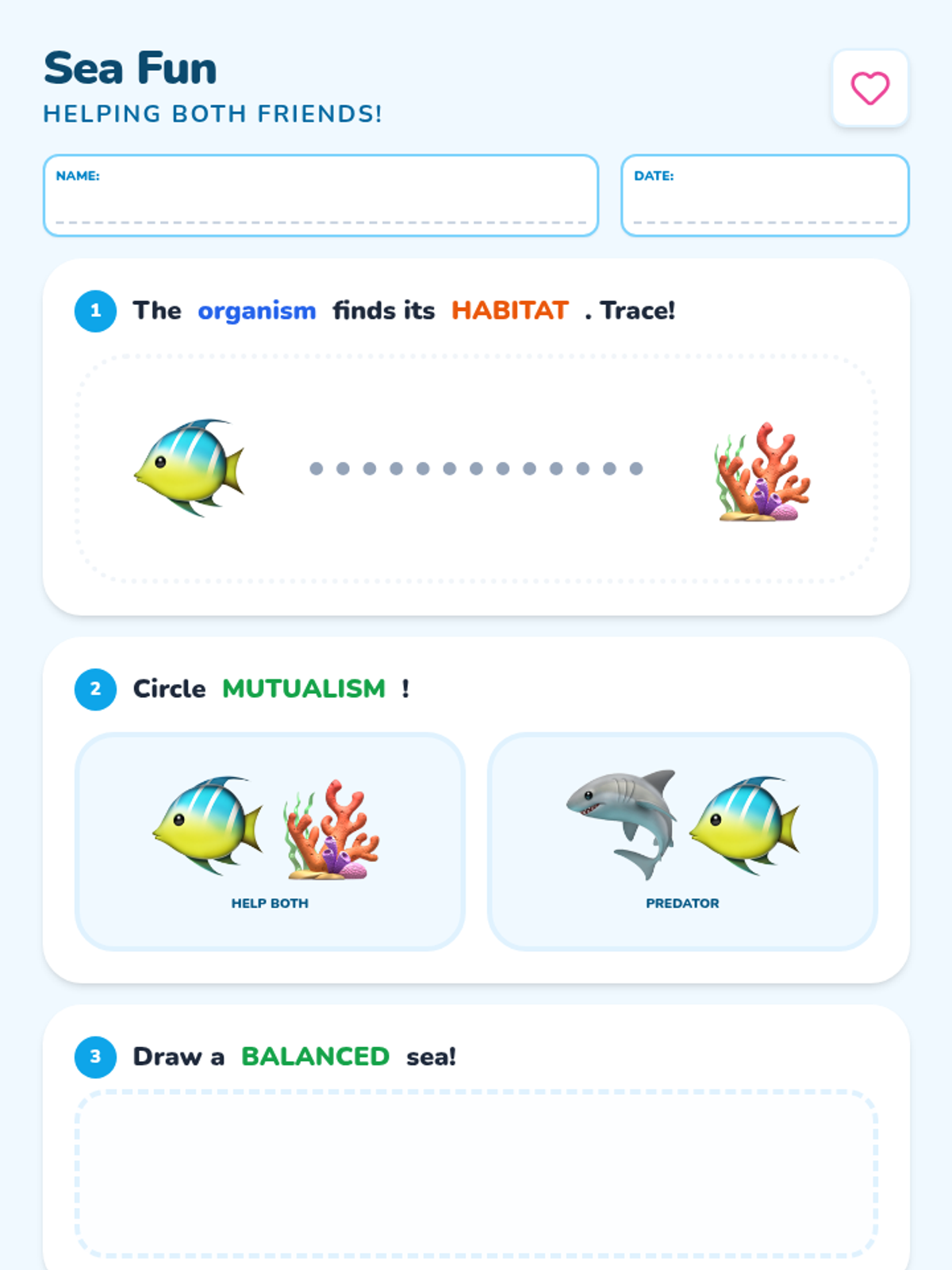
A simple introduction to the symbiotic relationship between clownfish and sea anemones, designed for Pre-K students with limited formal education (SLIFE). The lesson uses high-contrast visuals and basic vocabulary to explain how these ocean animals help each other.
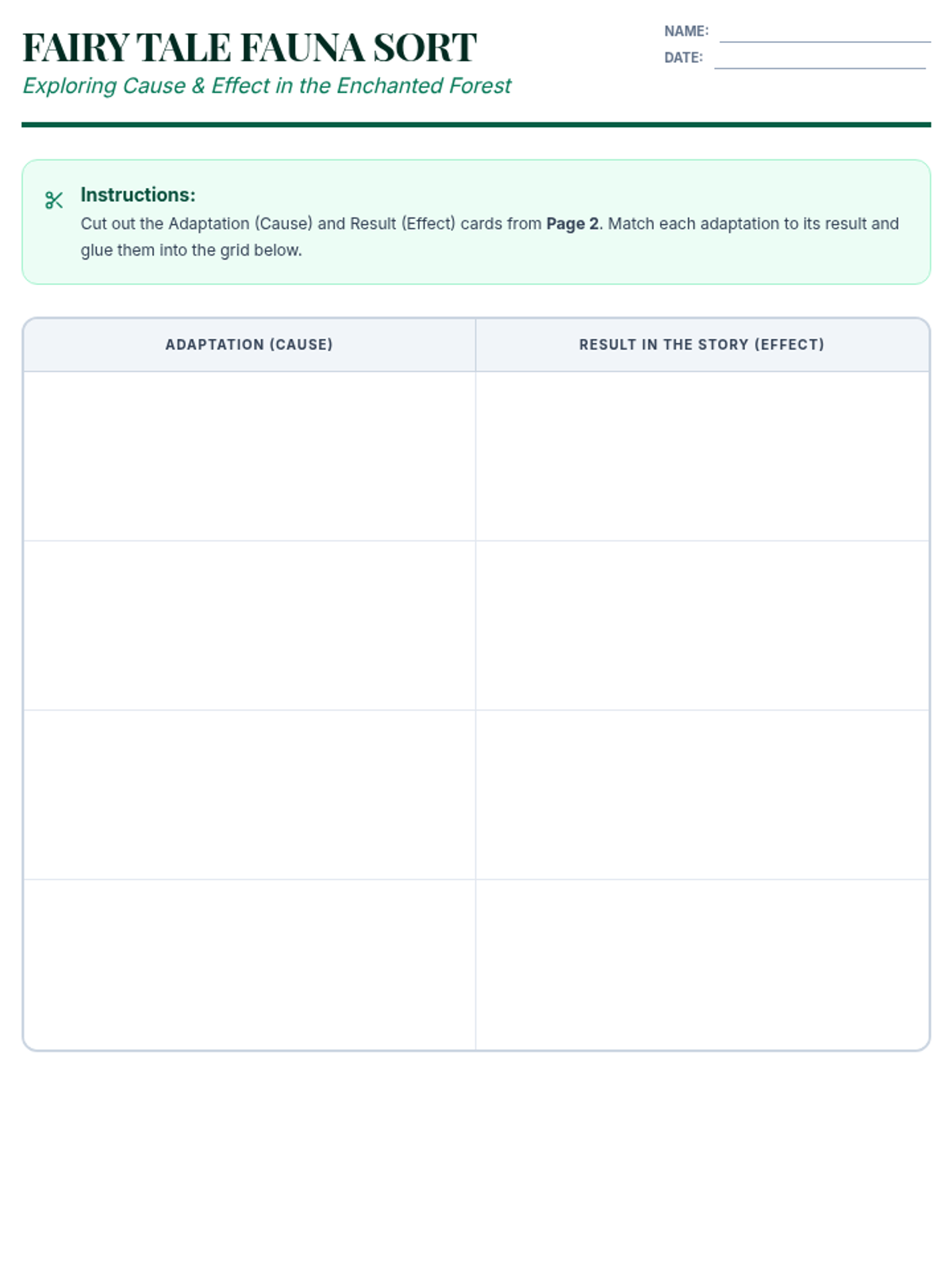
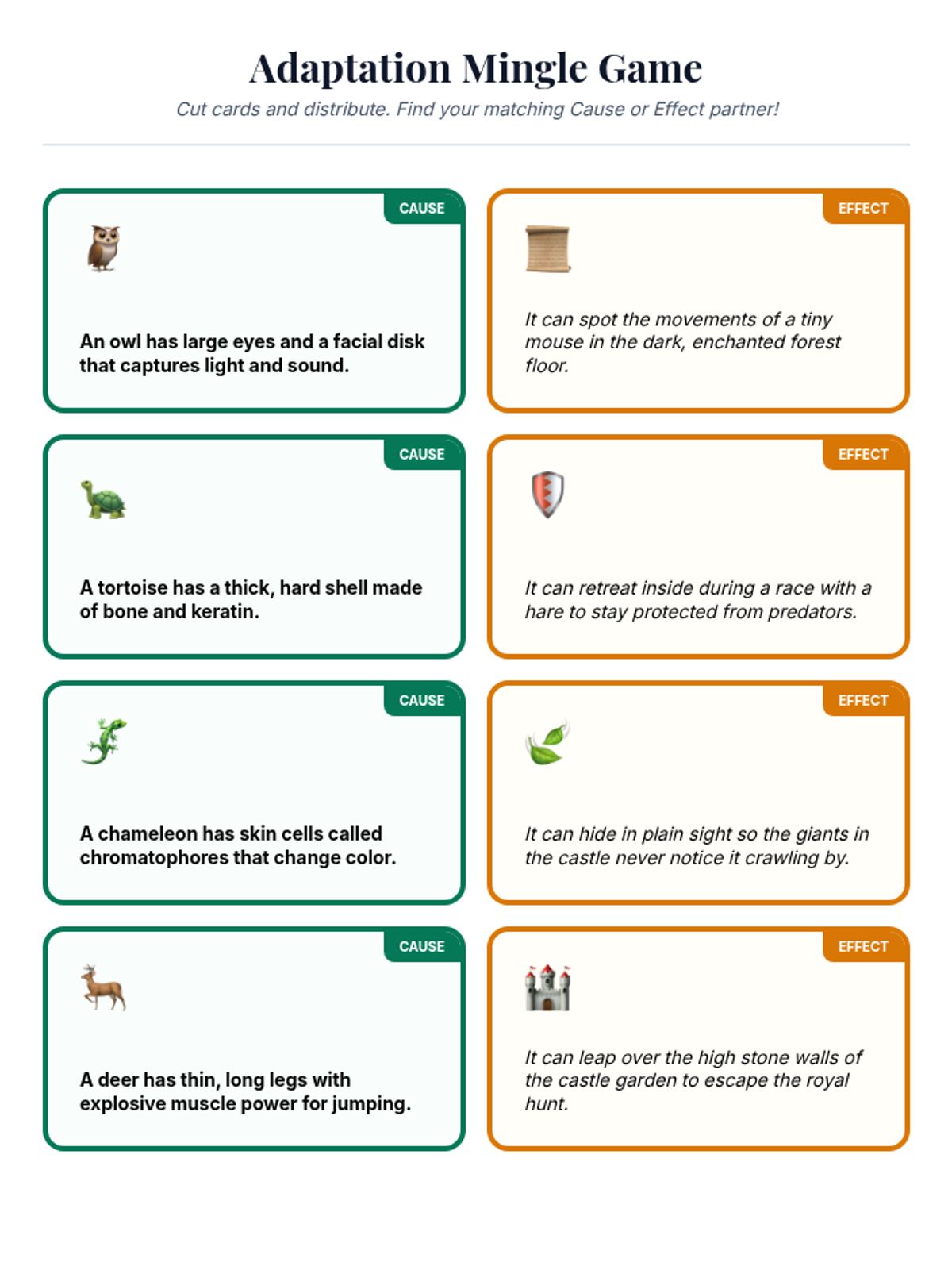
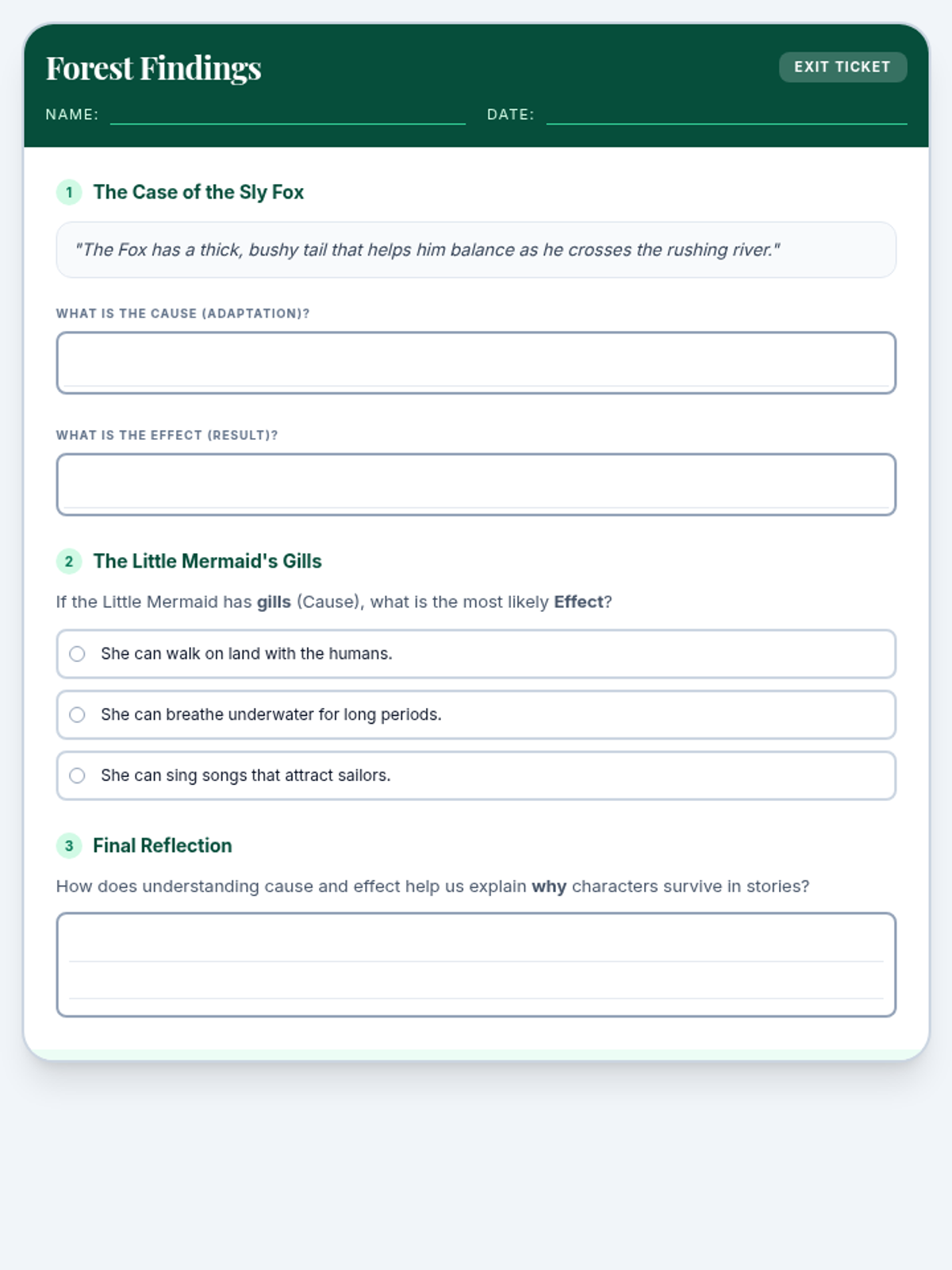
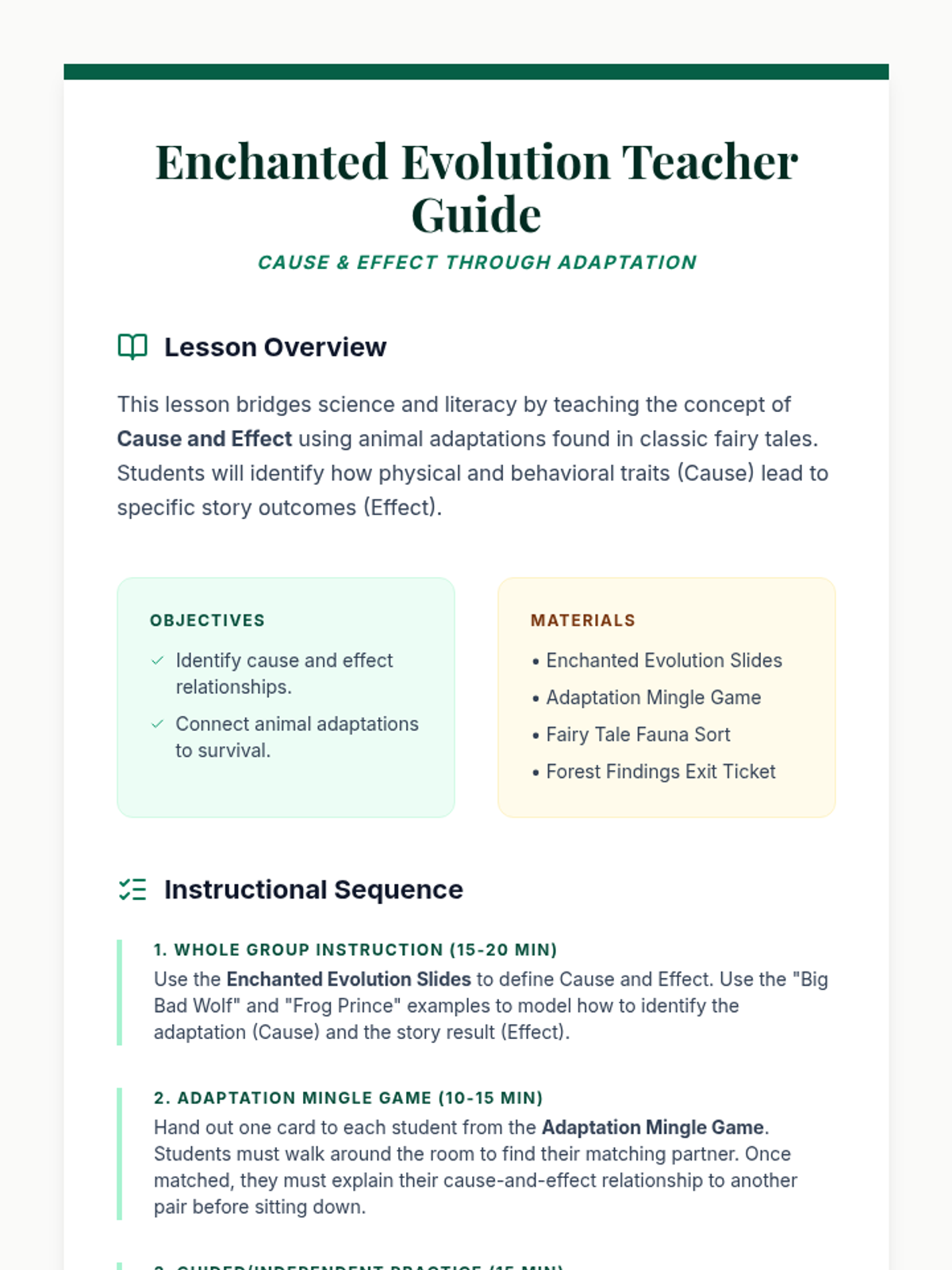
A whole-group lesson where students identify cause and effect relationships by analyzing how animal adaptations help fairy tale creatures survive their stories.
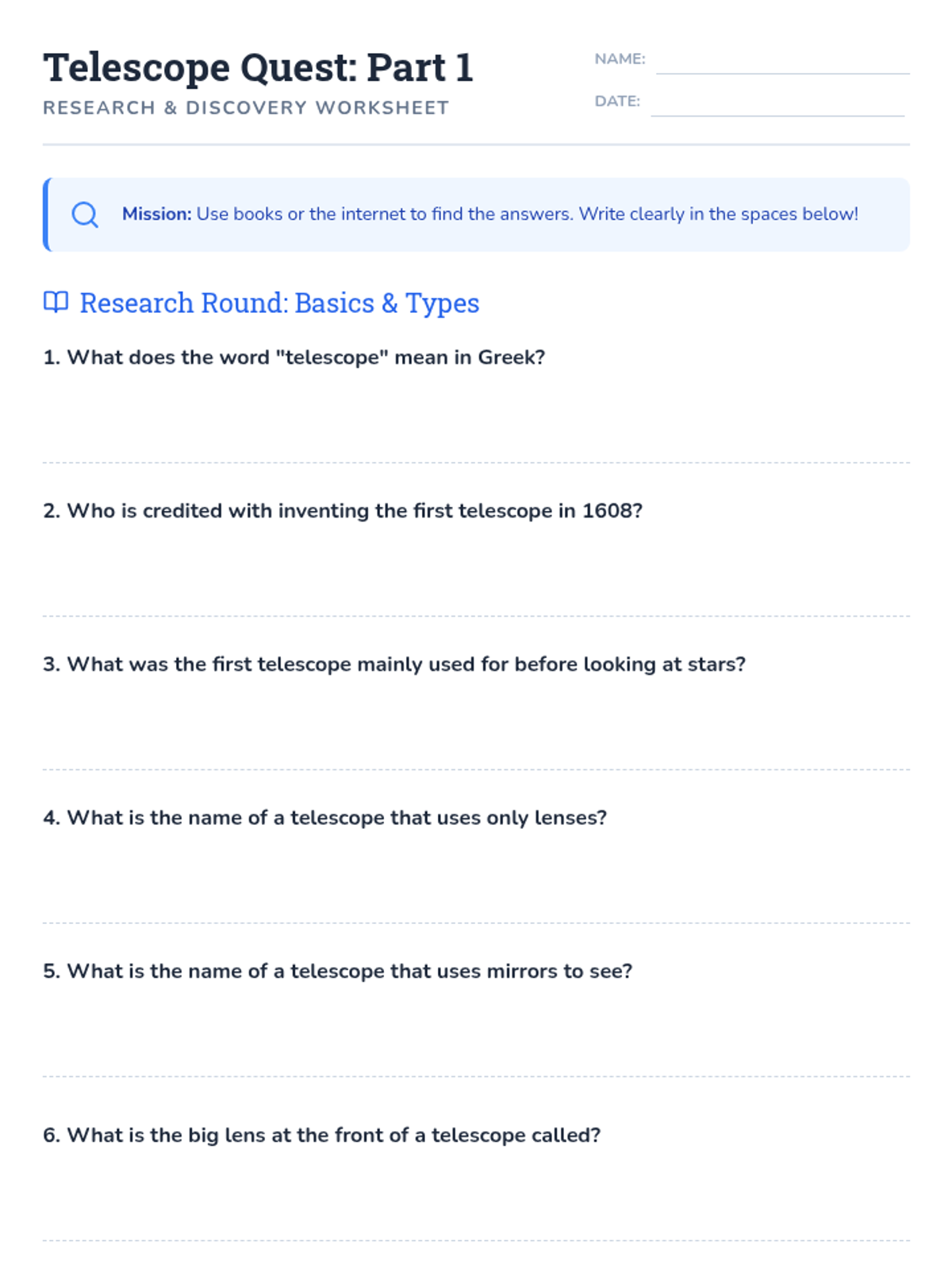
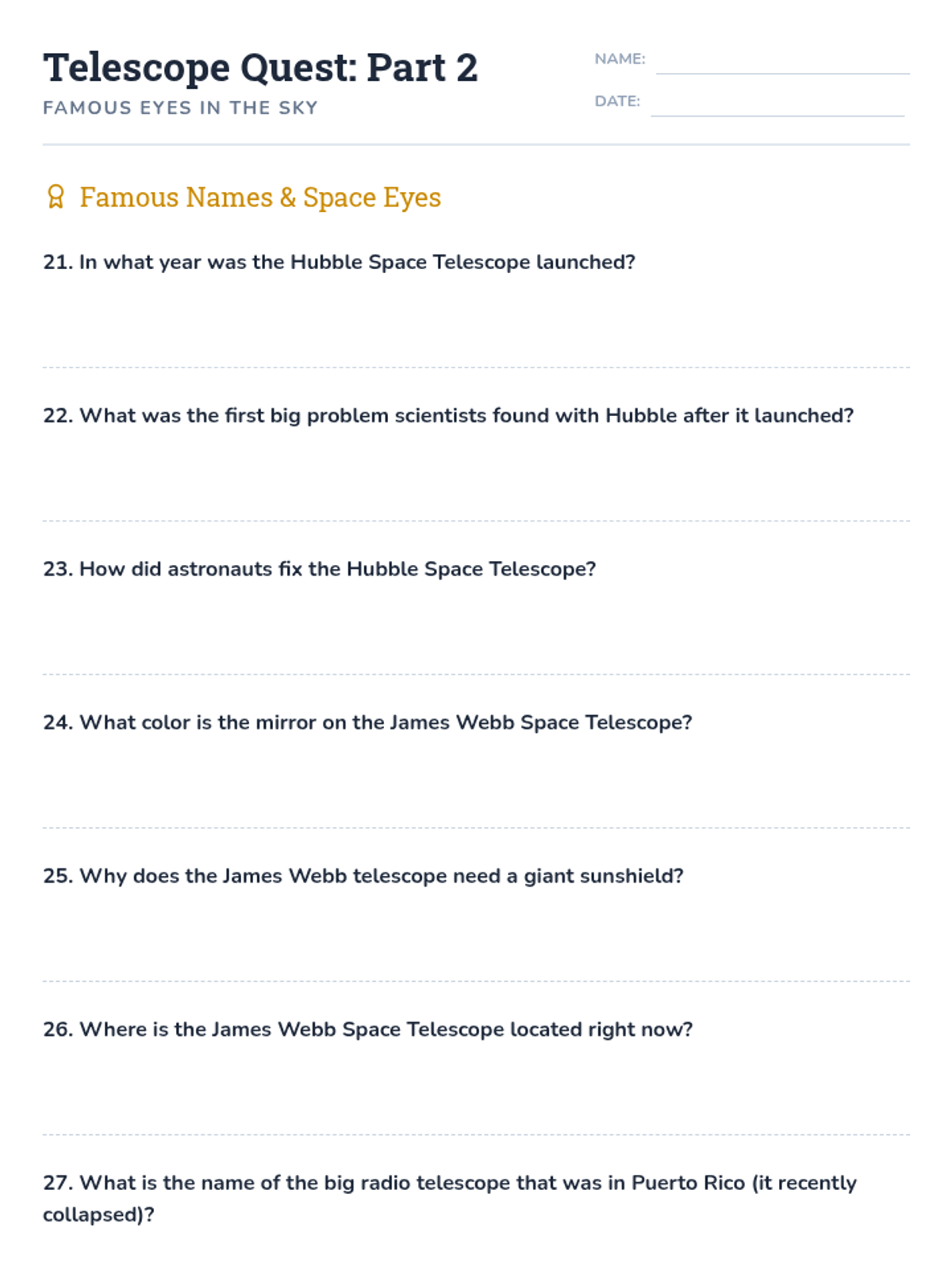
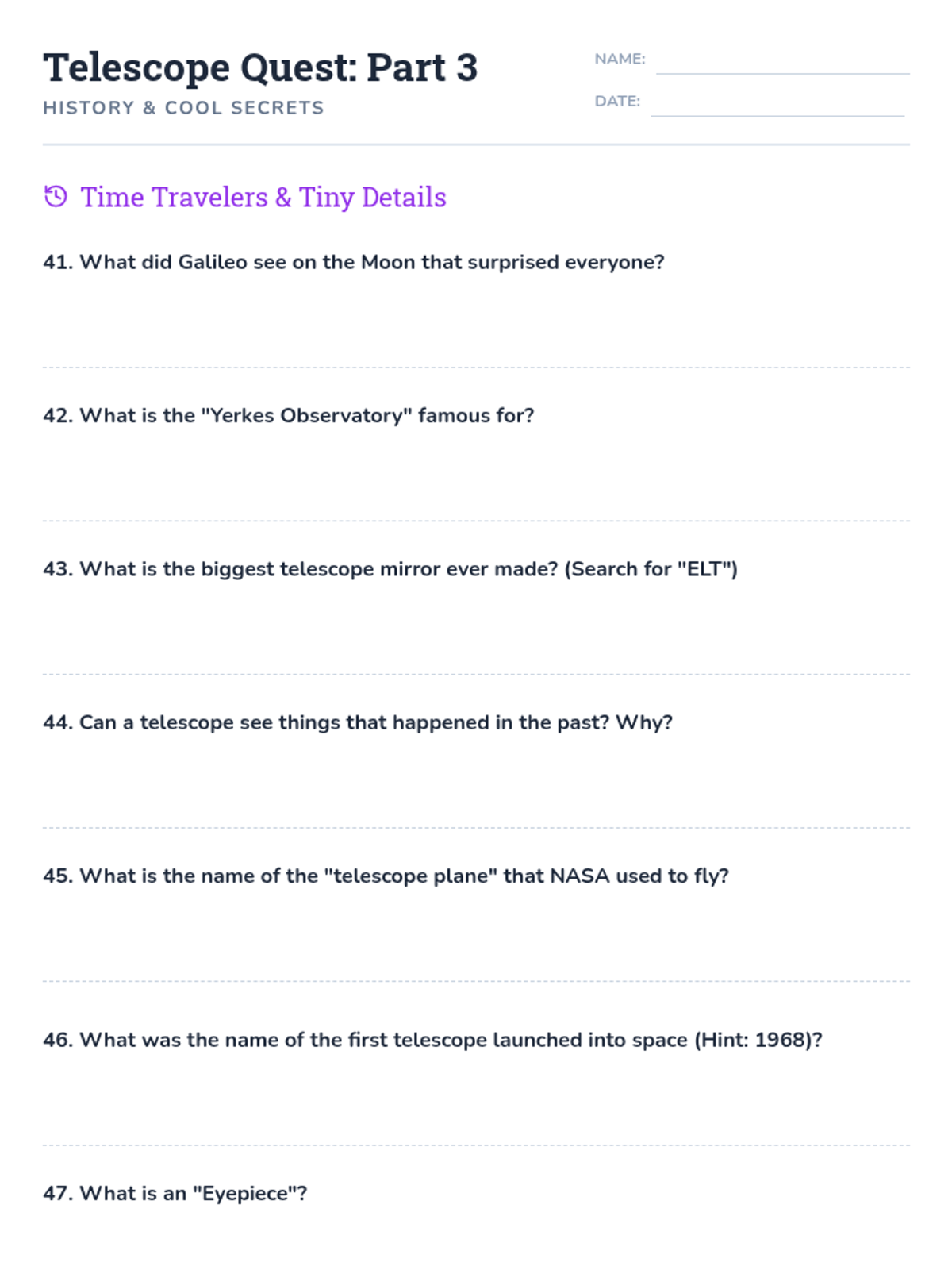
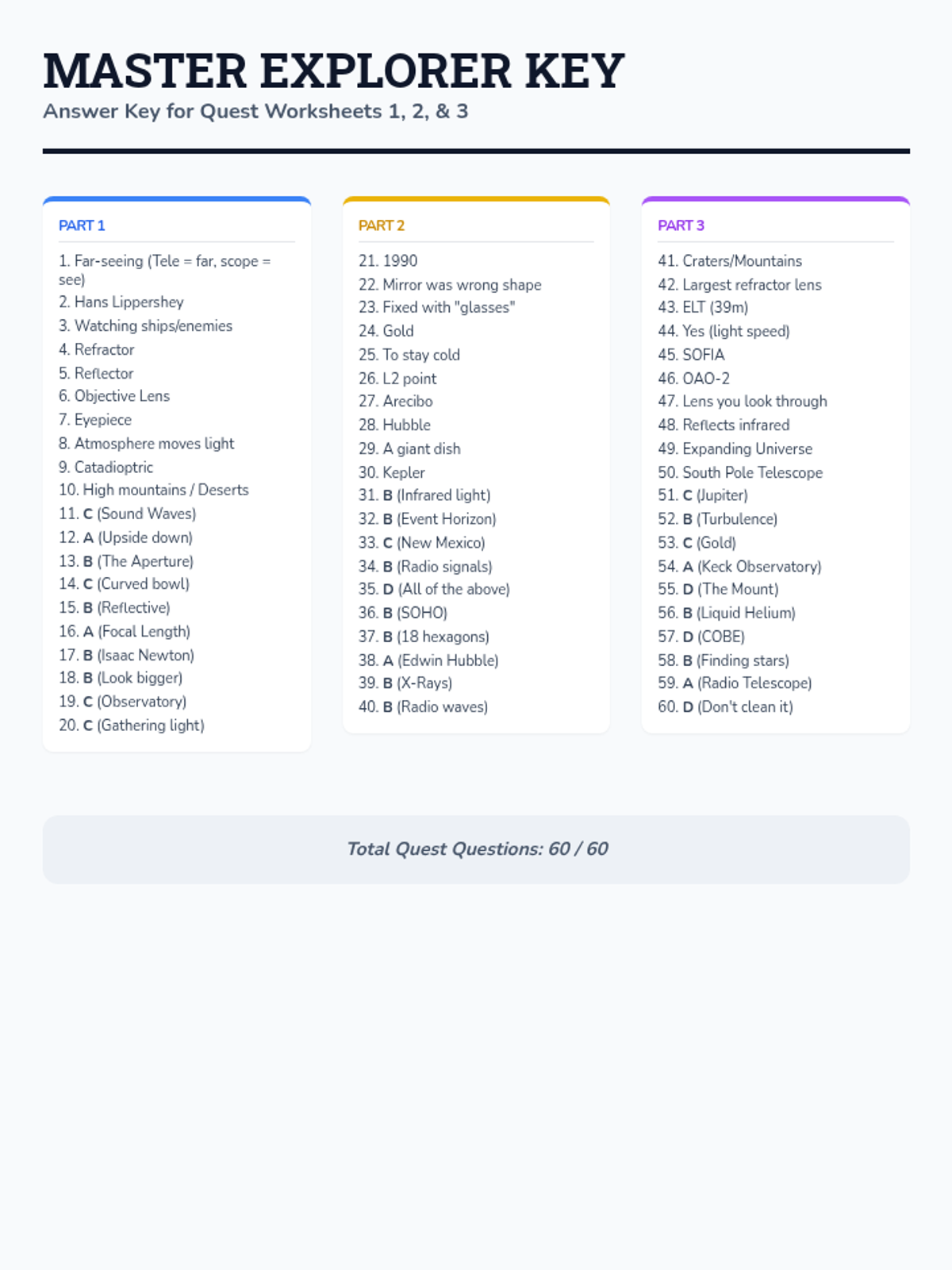
A comprehensive introduction to how telescopes work, their history, and the famous ones that help us see deep into space. Students will explore different types of telescopes through a massive research quest.
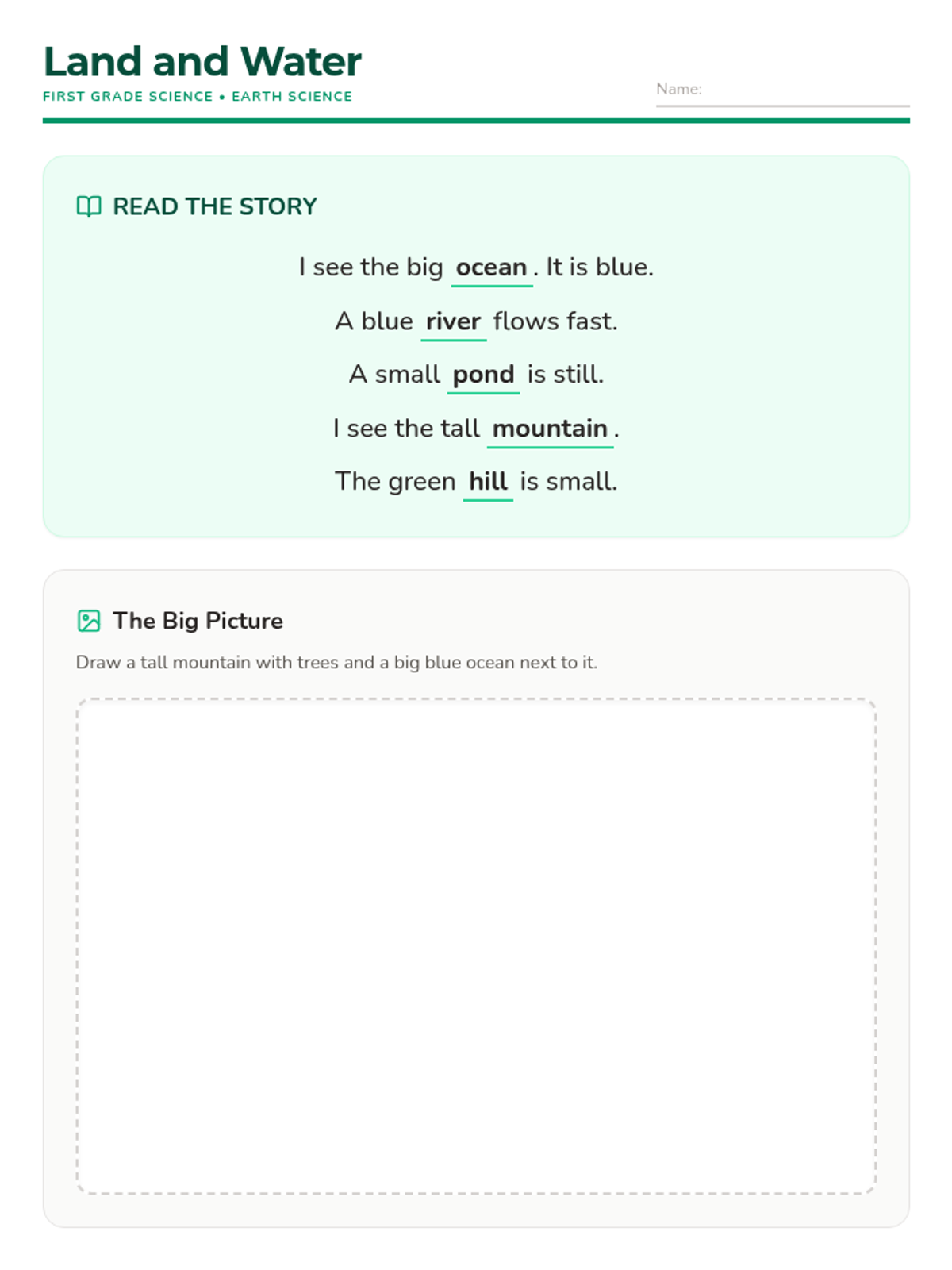
A geography-focused science lesson identifying different types of landforms and bodies of water on Earth.
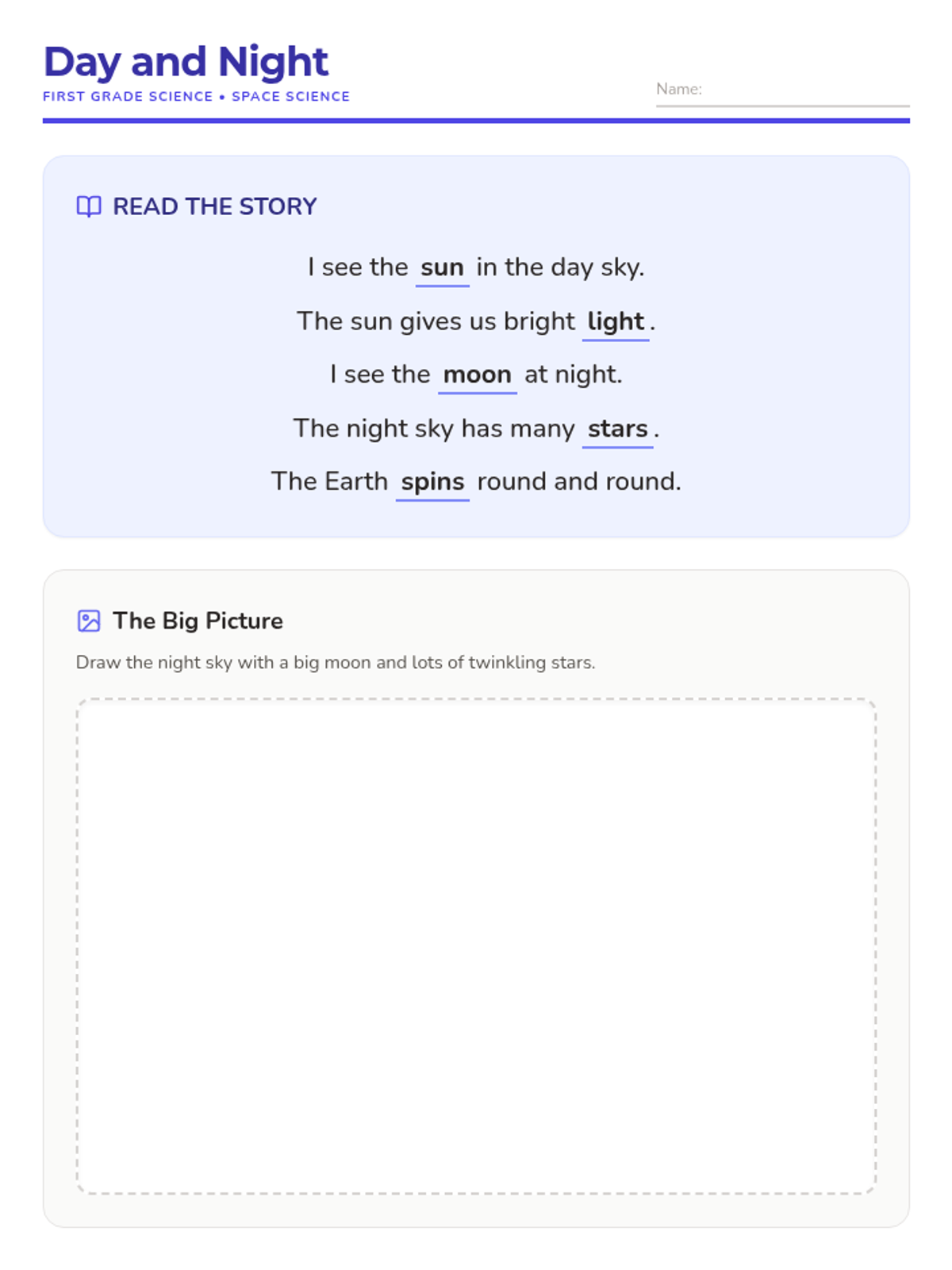
Students explore the concept of Earth's rotation through the visible patterns of day and night.
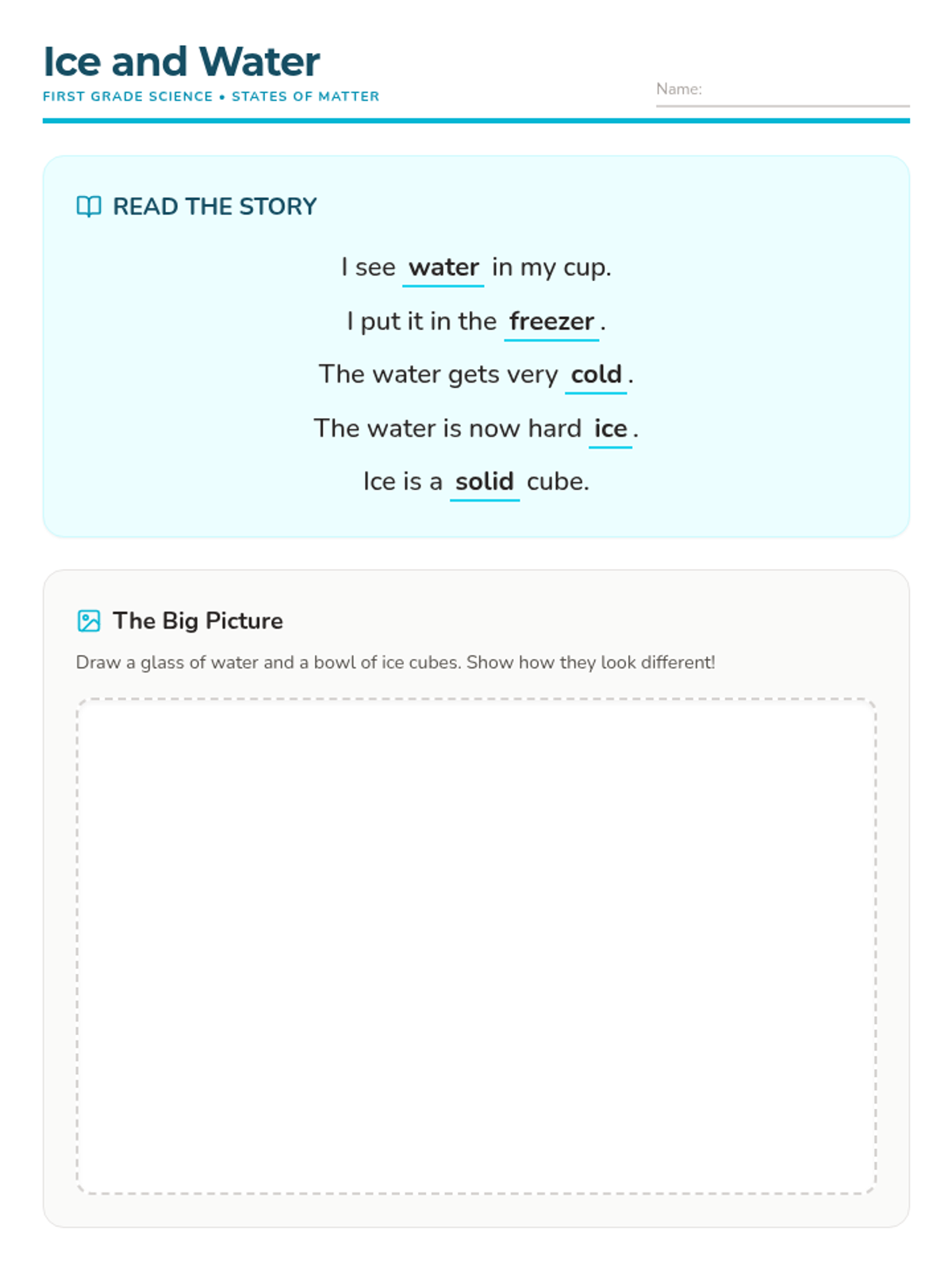
An introduction to the states of matter by observing how water changes from liquid to solid.
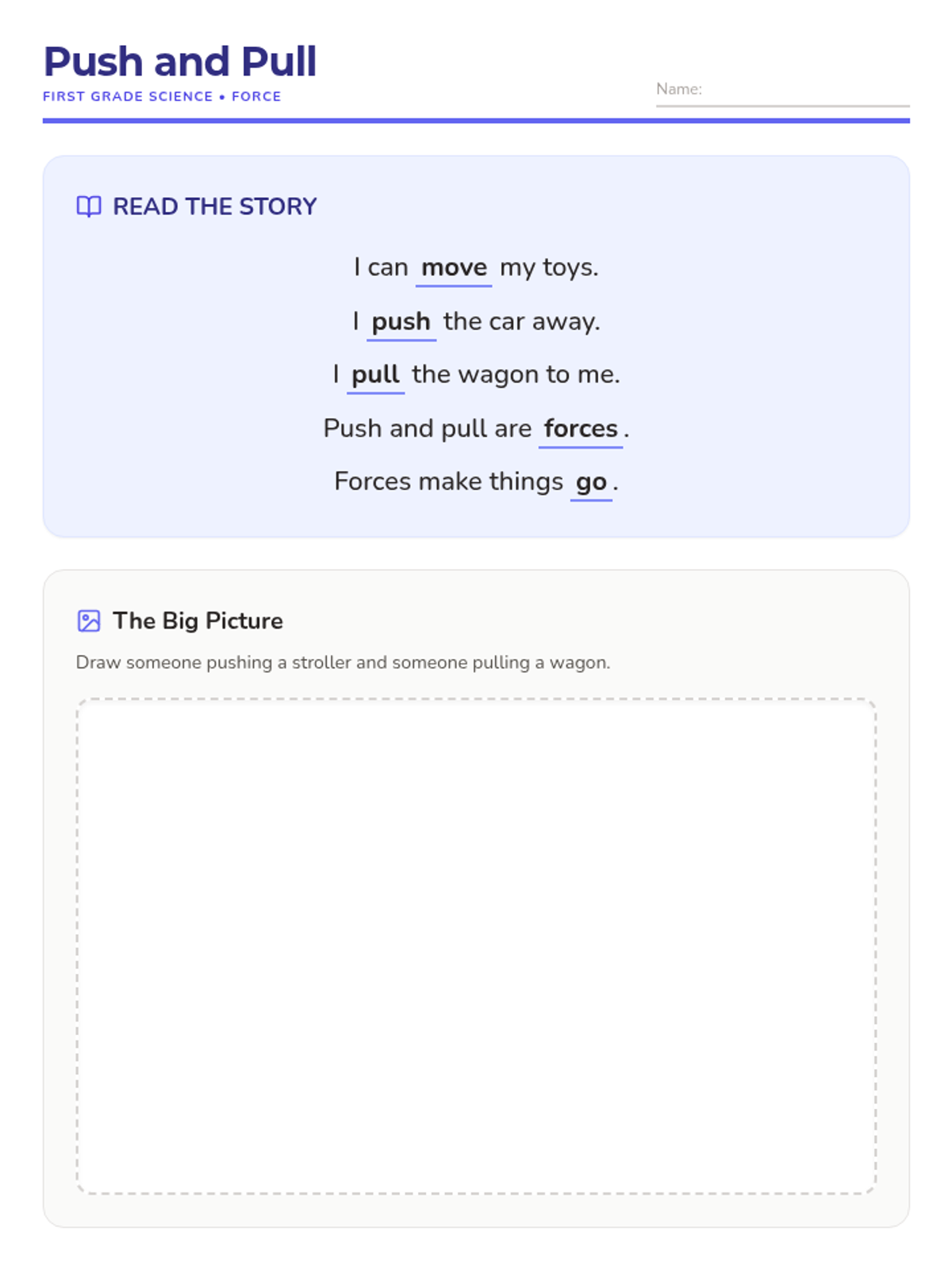
A basic physics lesson on force, teaching students about pushes and pulls using everyday objects.