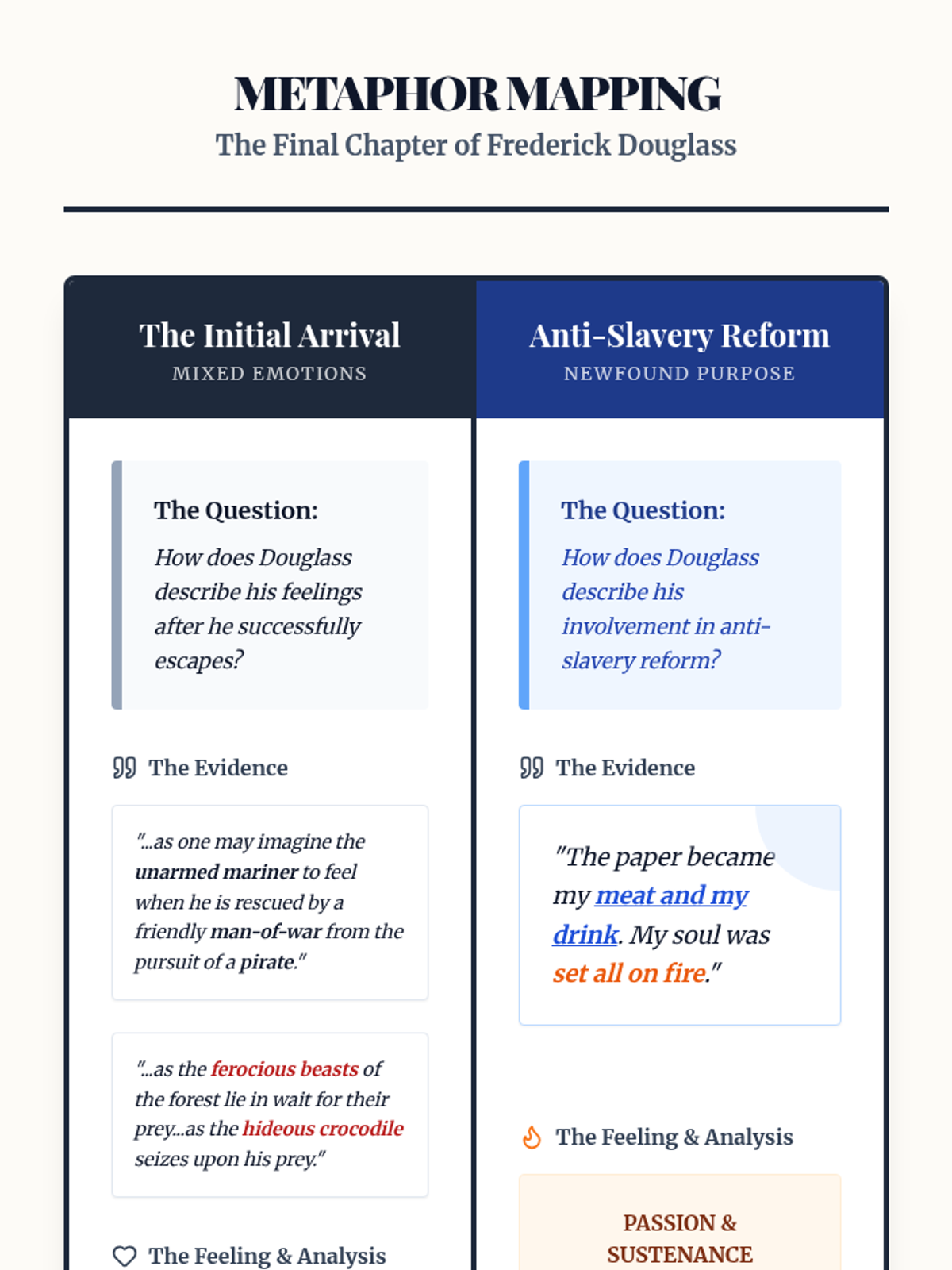
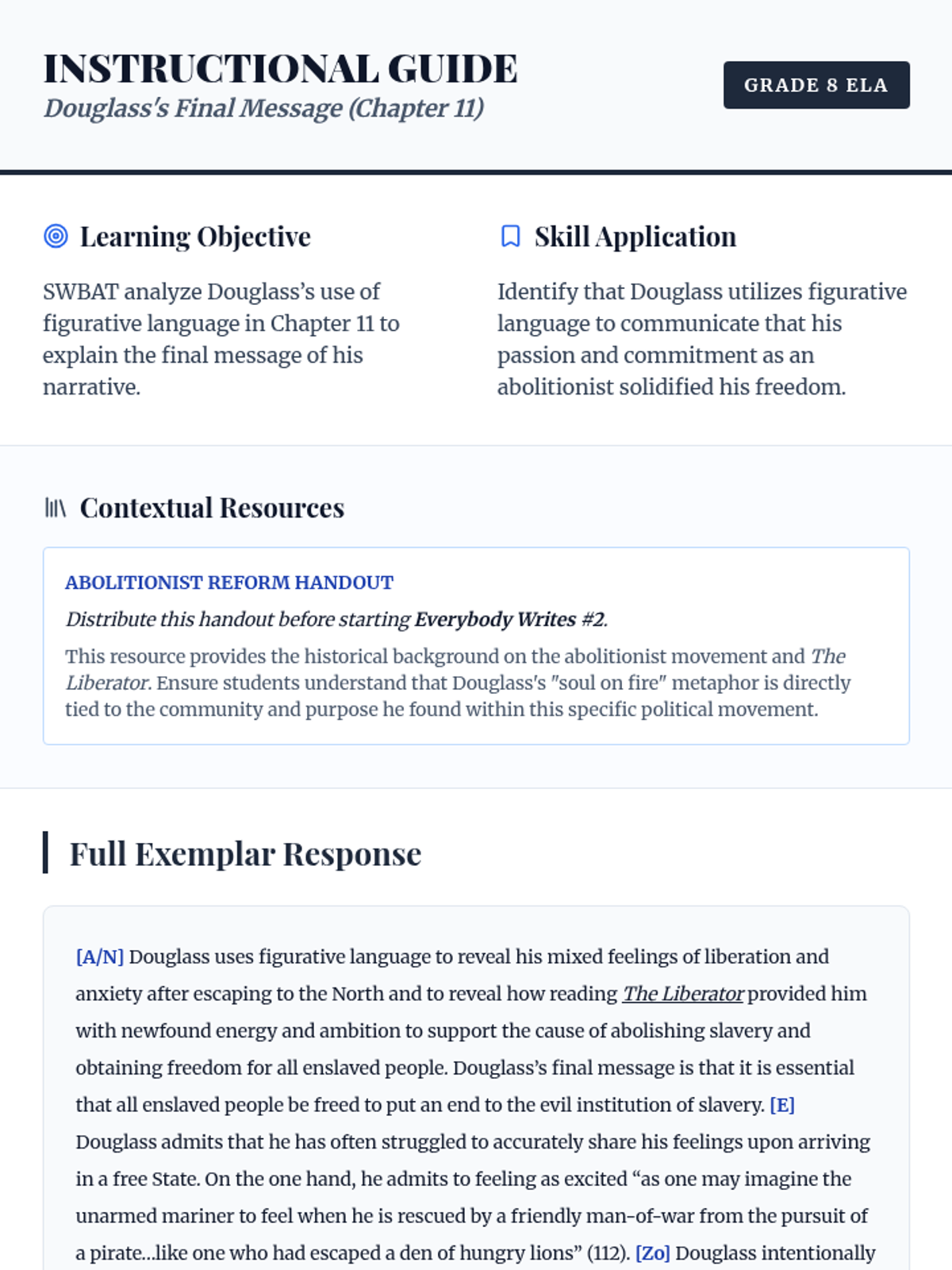
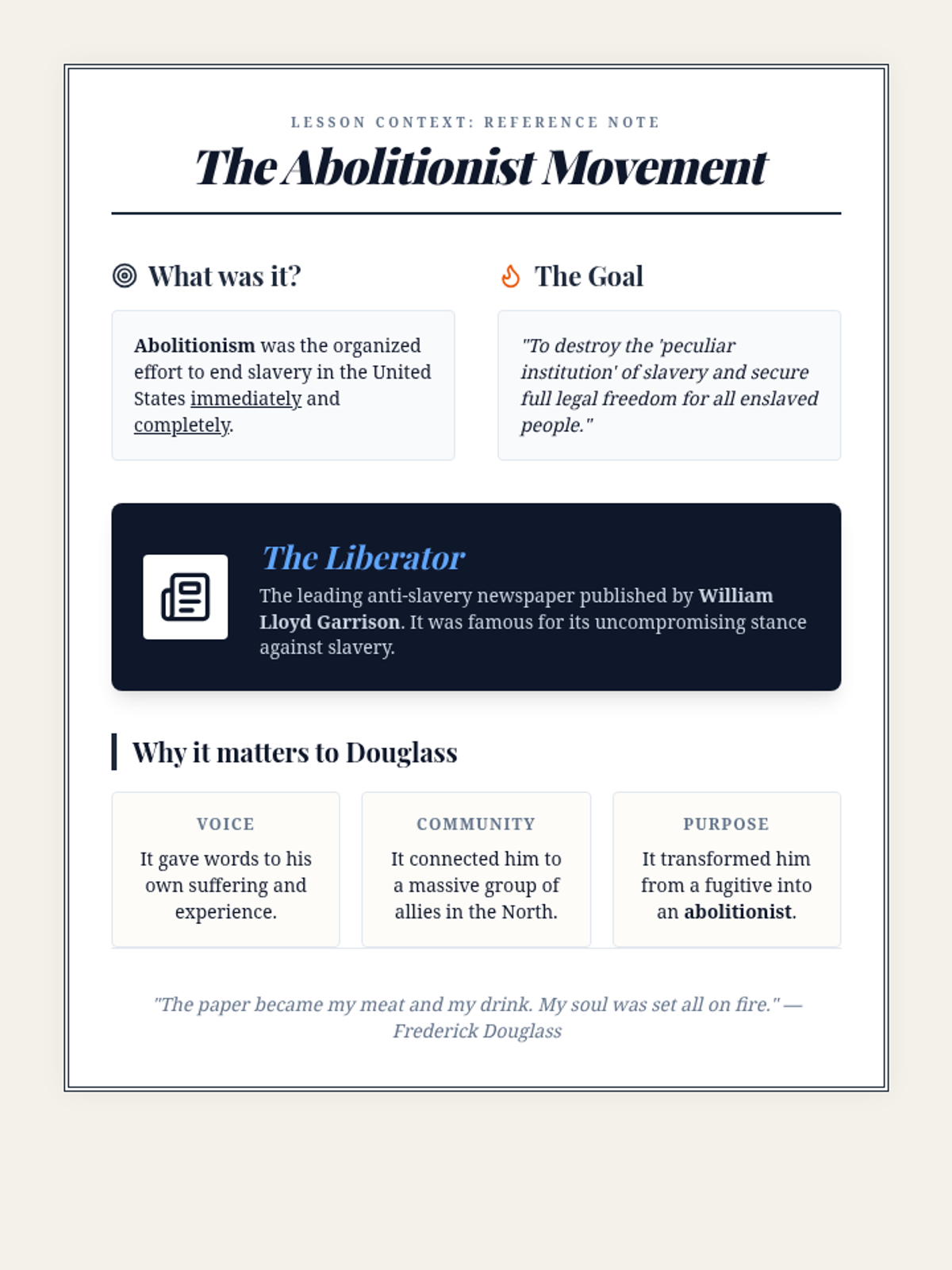
A lesson focused on identifying the main idea or theme of a story by analyzing character growth and turning it into a universal life lesson supported by evidence.
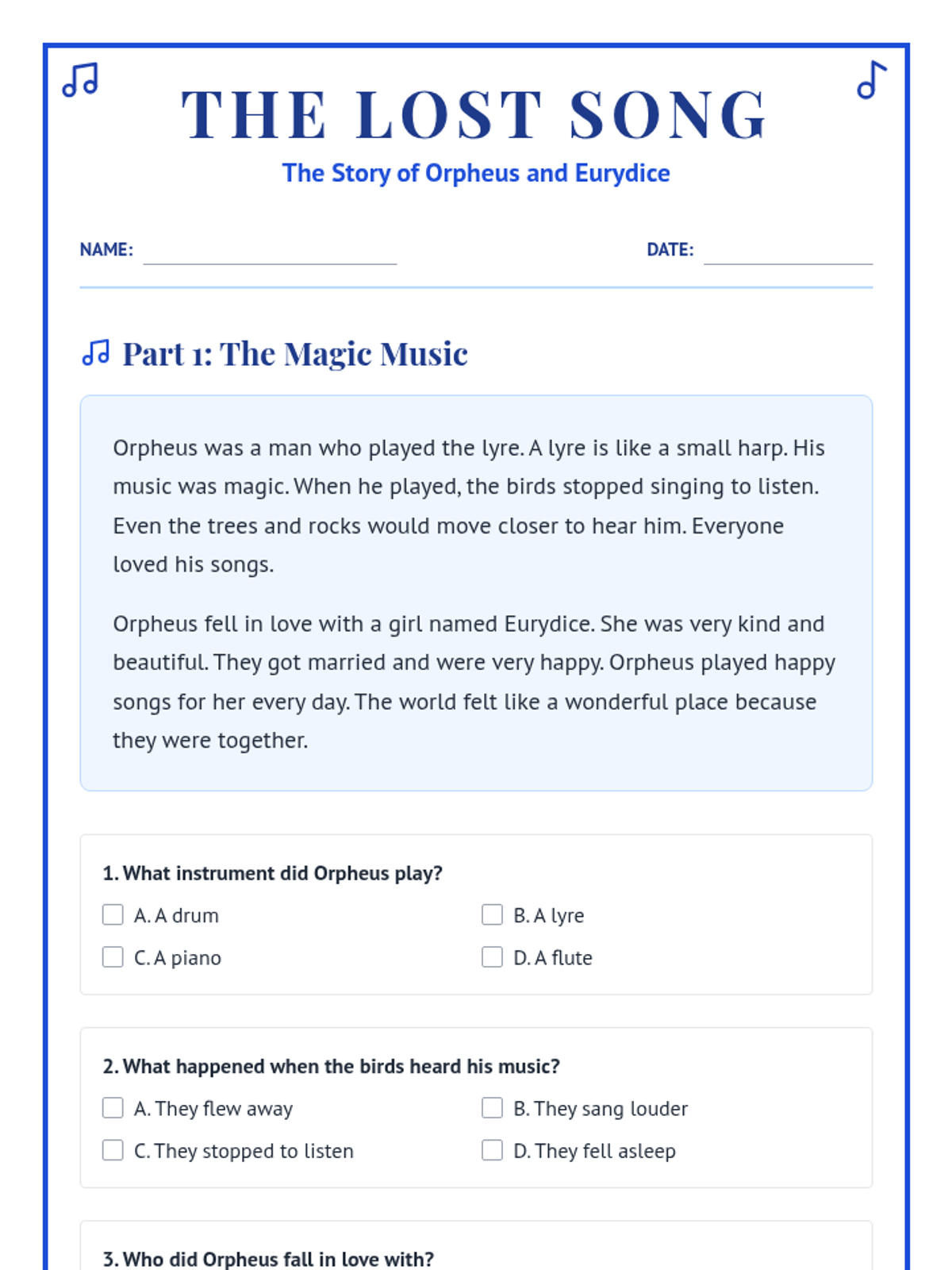
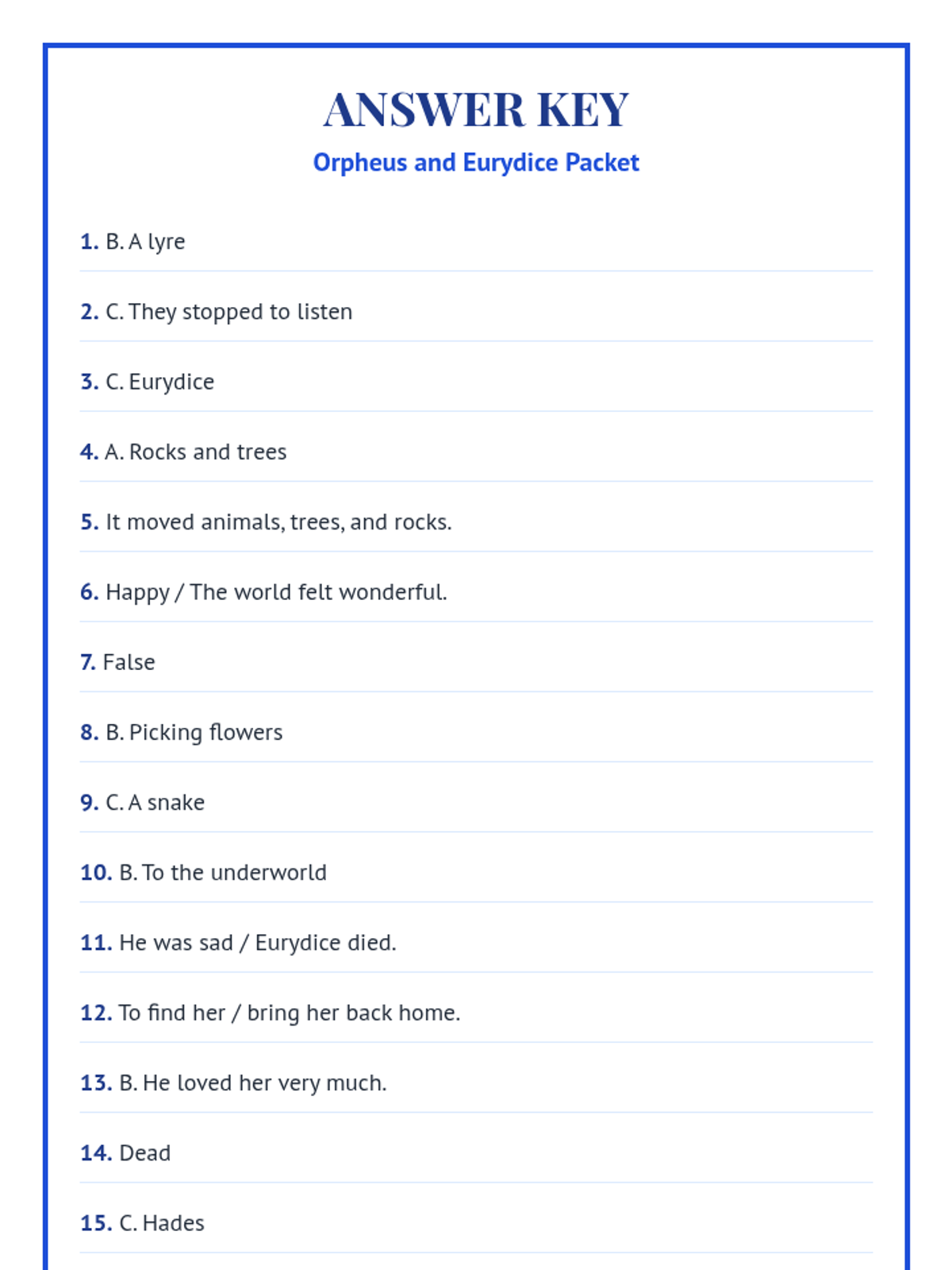
A simplified independent work packet about the myth of Orpheus and Eurydice, designed for middle school students at a second-grade reading level. The lesson explores the power of music, love, and the consequences of looking back through accessible texts and structured comprehension tasks.
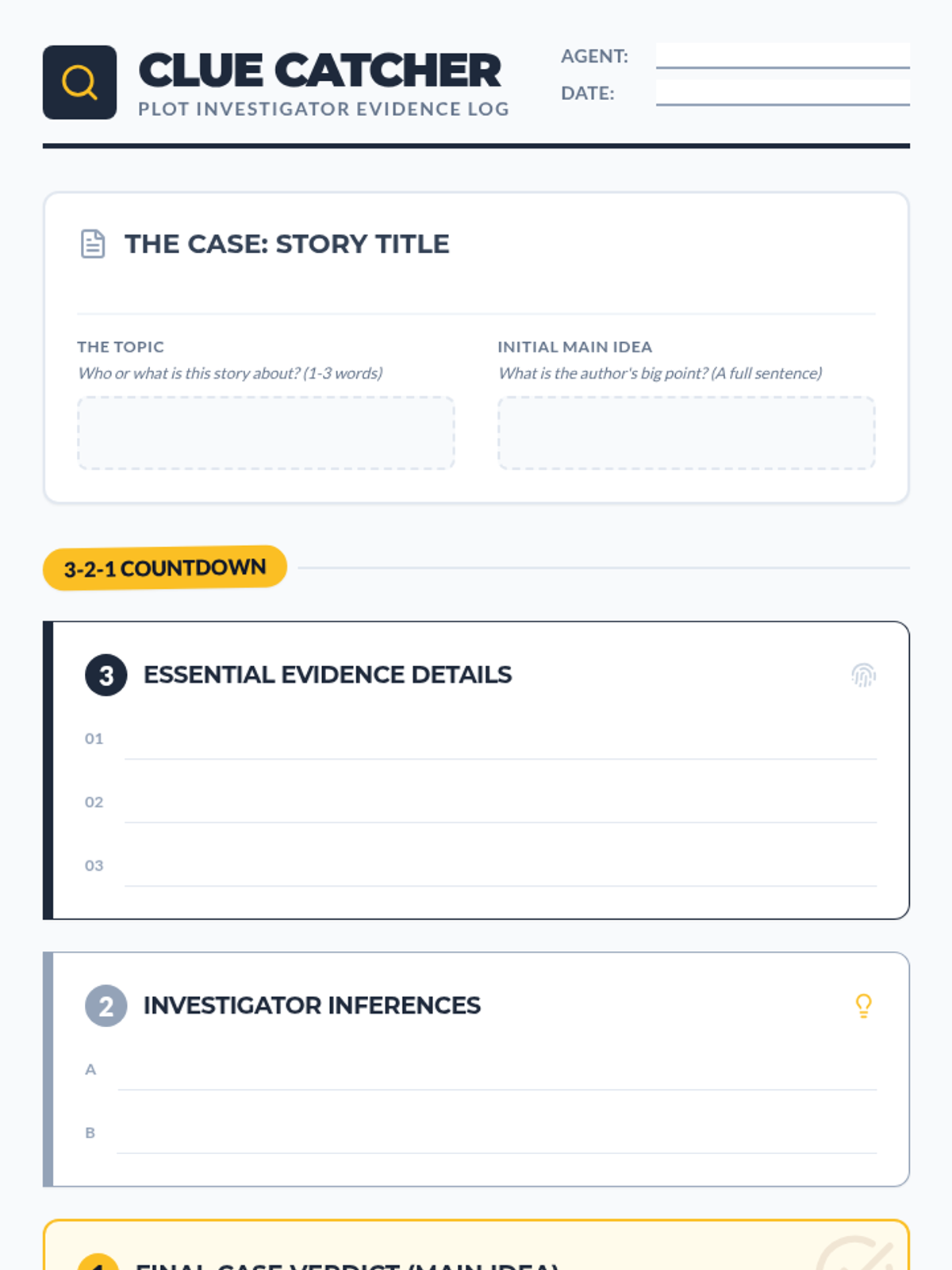
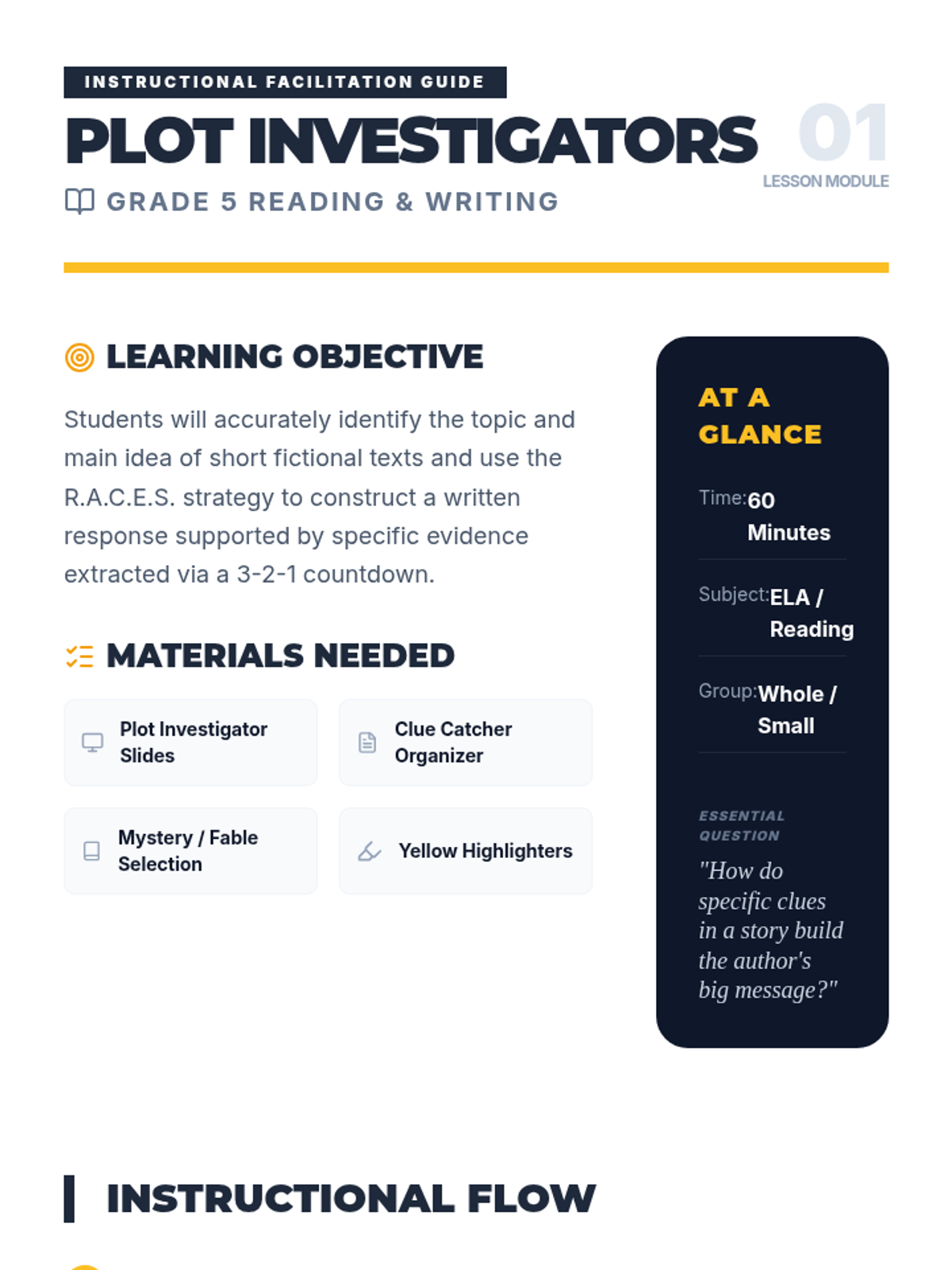
In this lesson, students become 'Plot Investigators' to distinguish between a story's topic and its main idea. Using mystery-themed tools like a 3-2-1 countdown and the RACES writing strategy, students will learn to extract key evidence from fables and short stories to construct well-supported thematic statements.
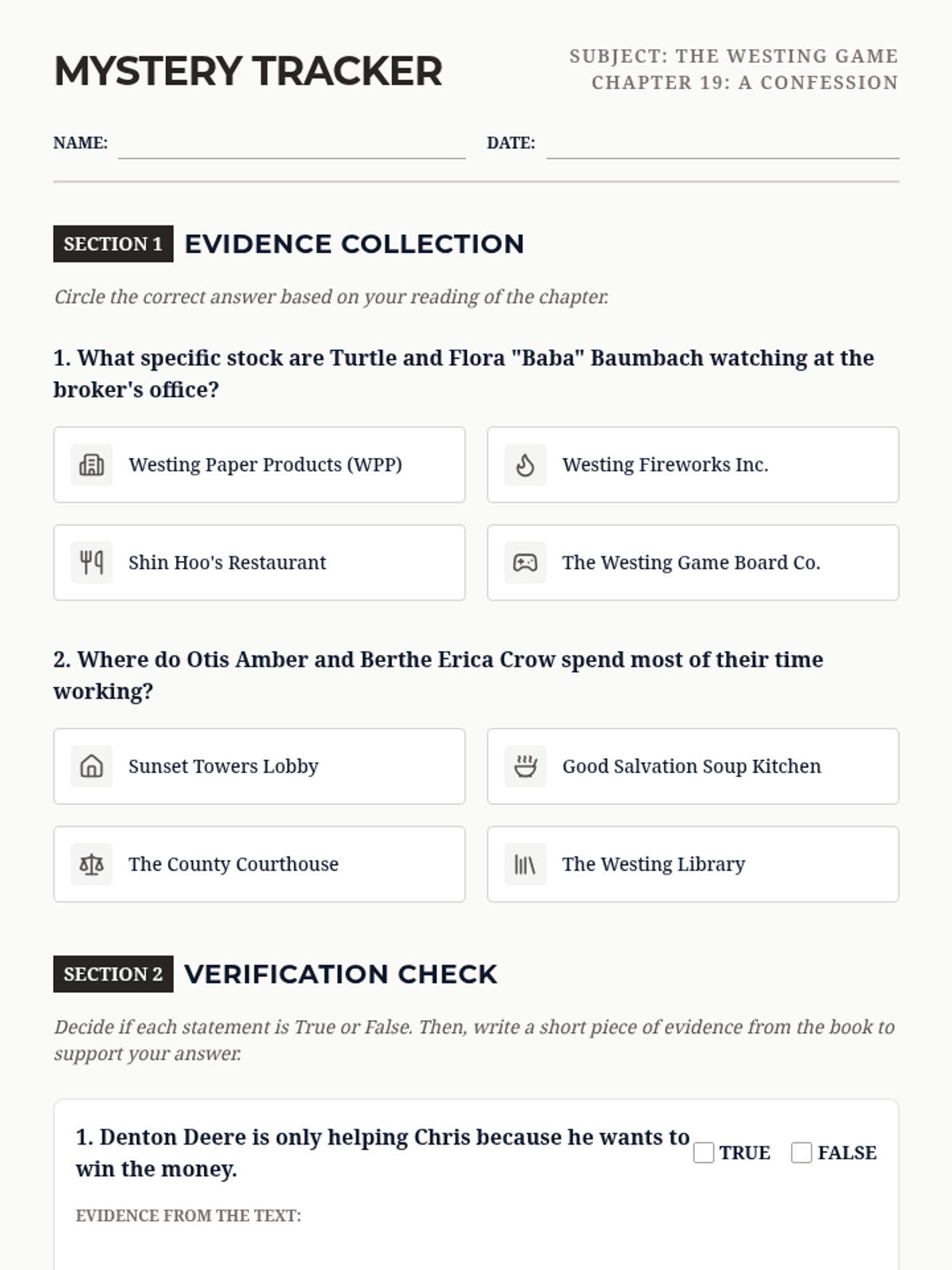
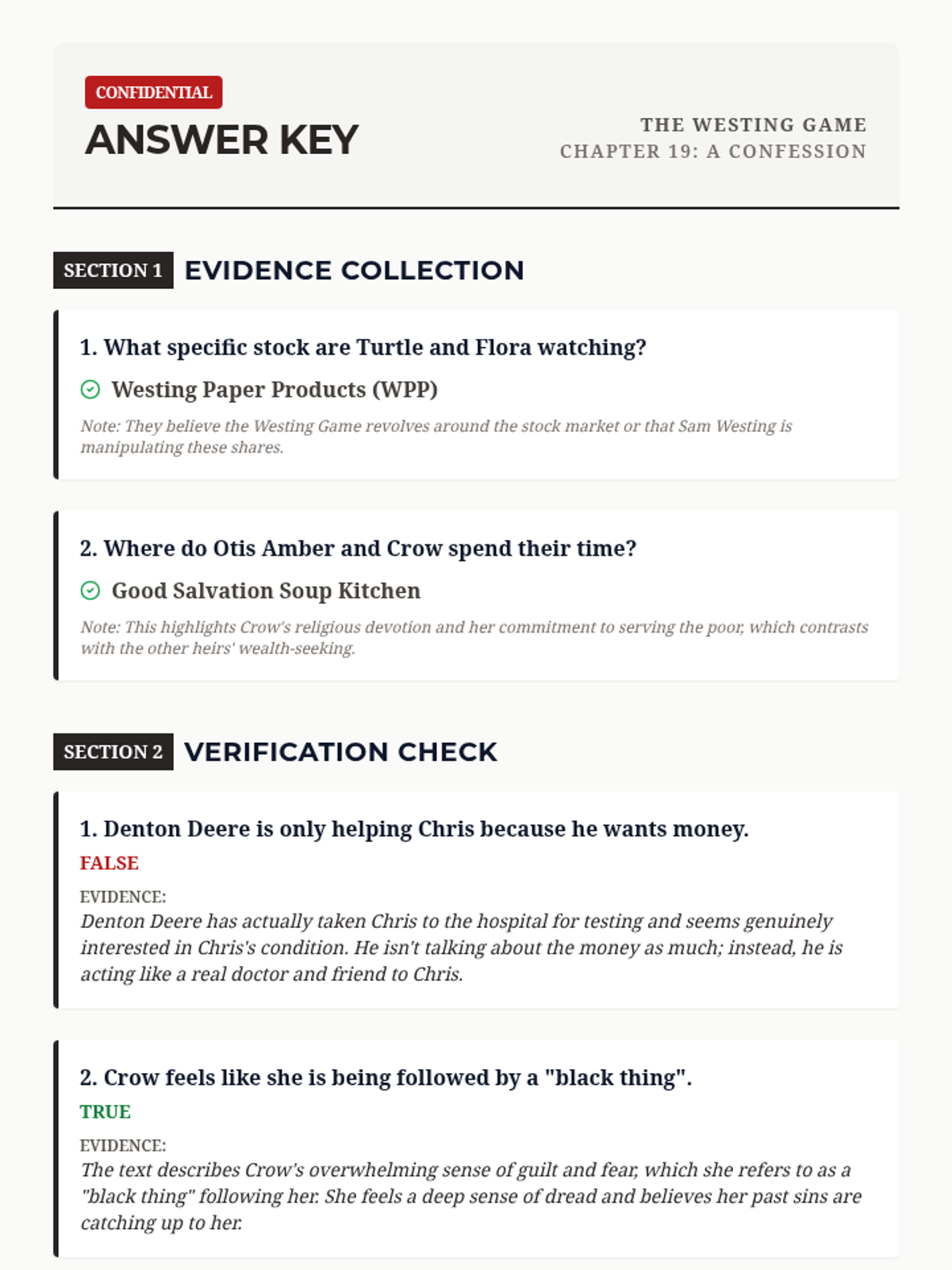
A focused look at Chapter 19 of The Westing Game, exploring Crow's internal struggle, the evolving partnership between Denton and Chris, and Turtle's stock market strategy.
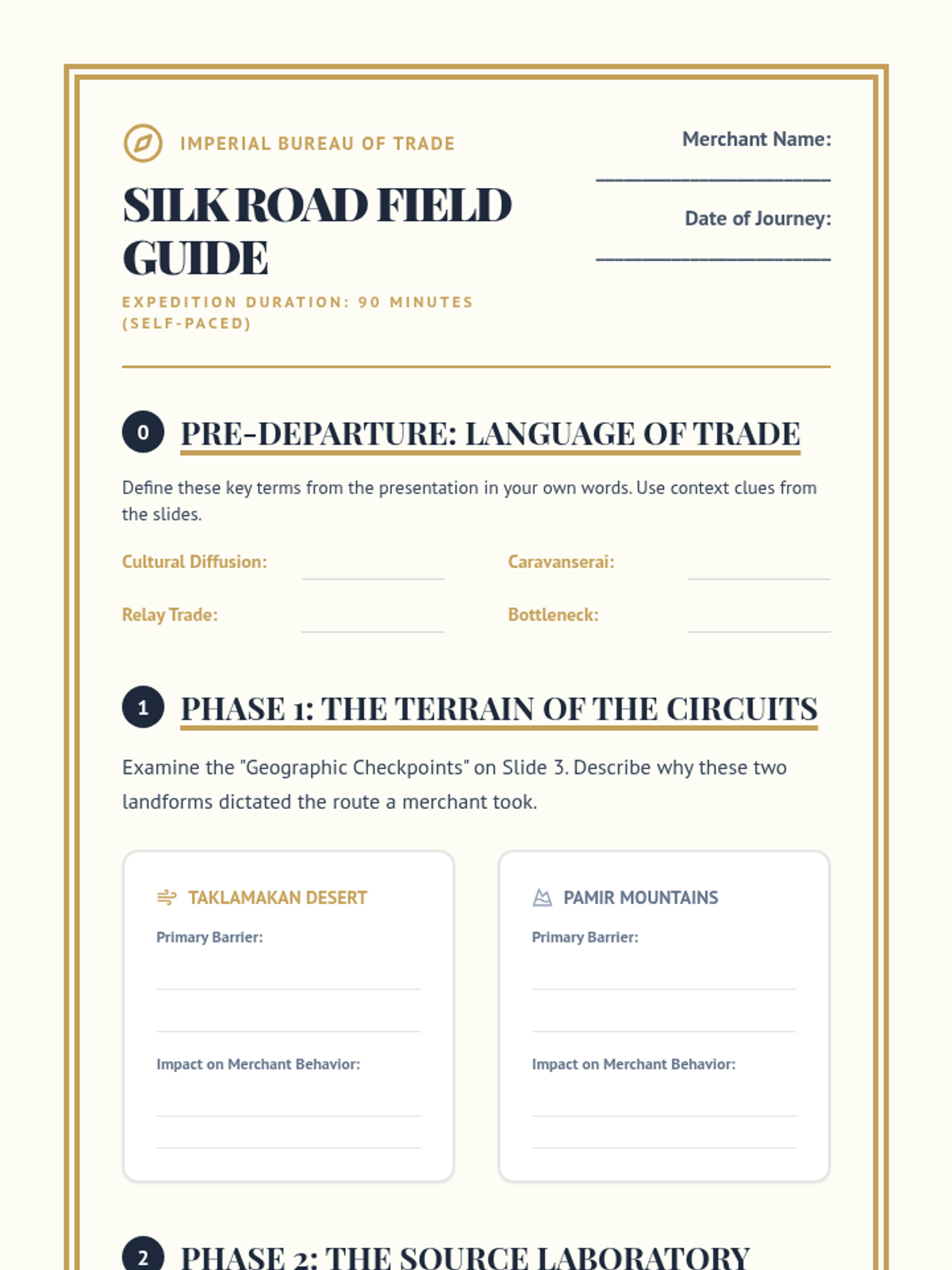
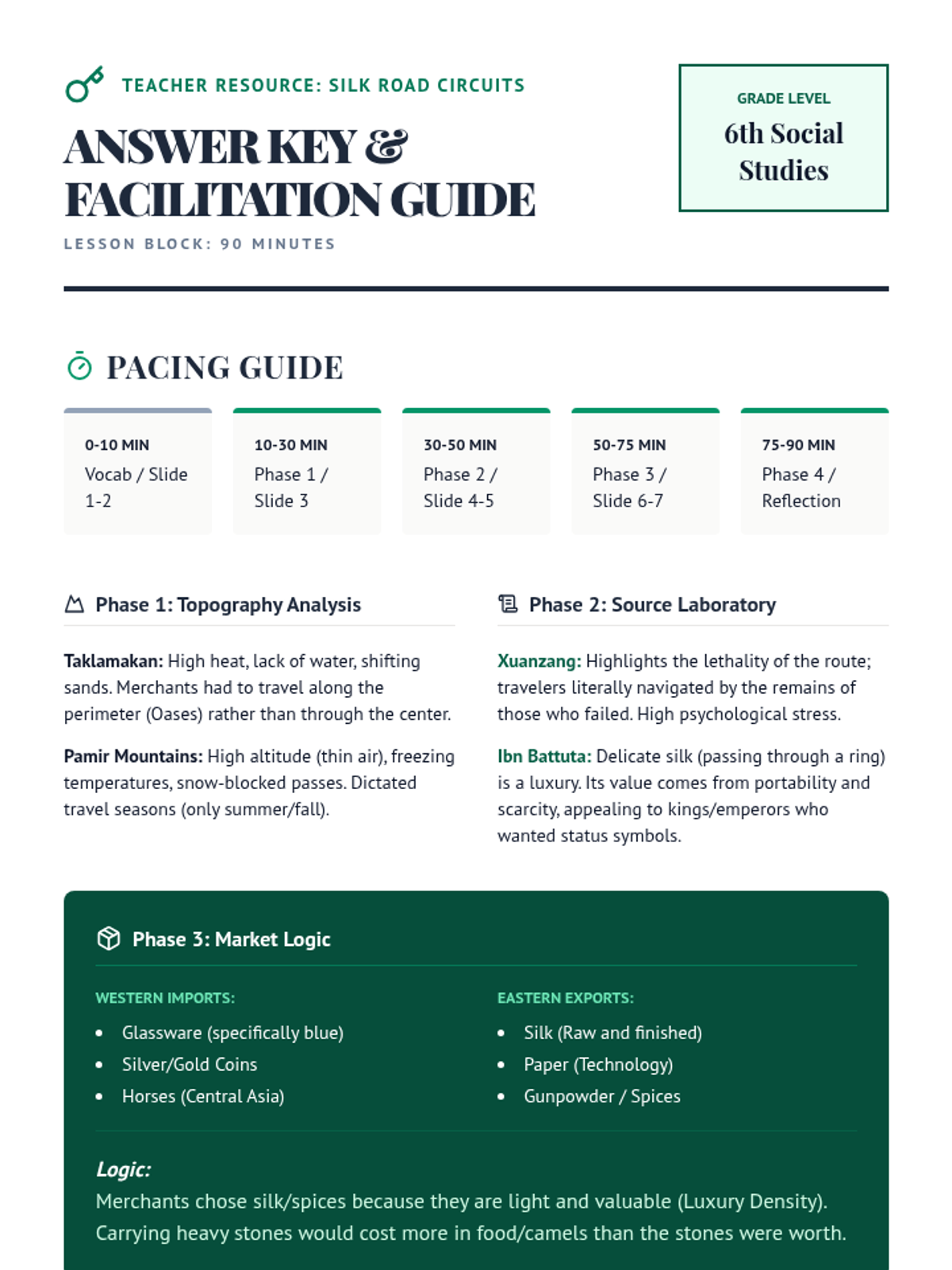
A self-paced Social Studies lesson for 6th grade focused on the Silk Road as an ancient global network, integrating rigorous primary source analysis and geography skills.
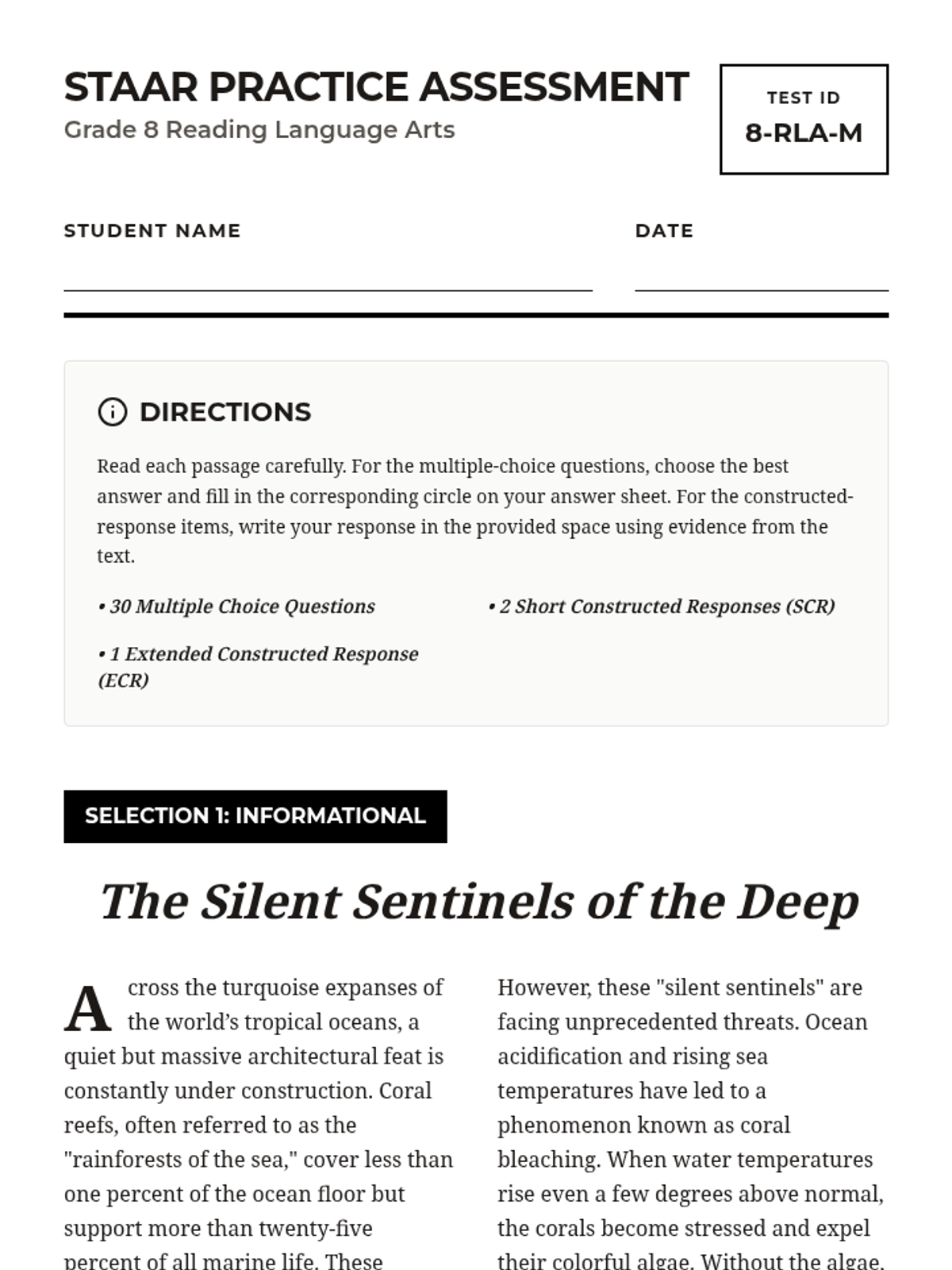
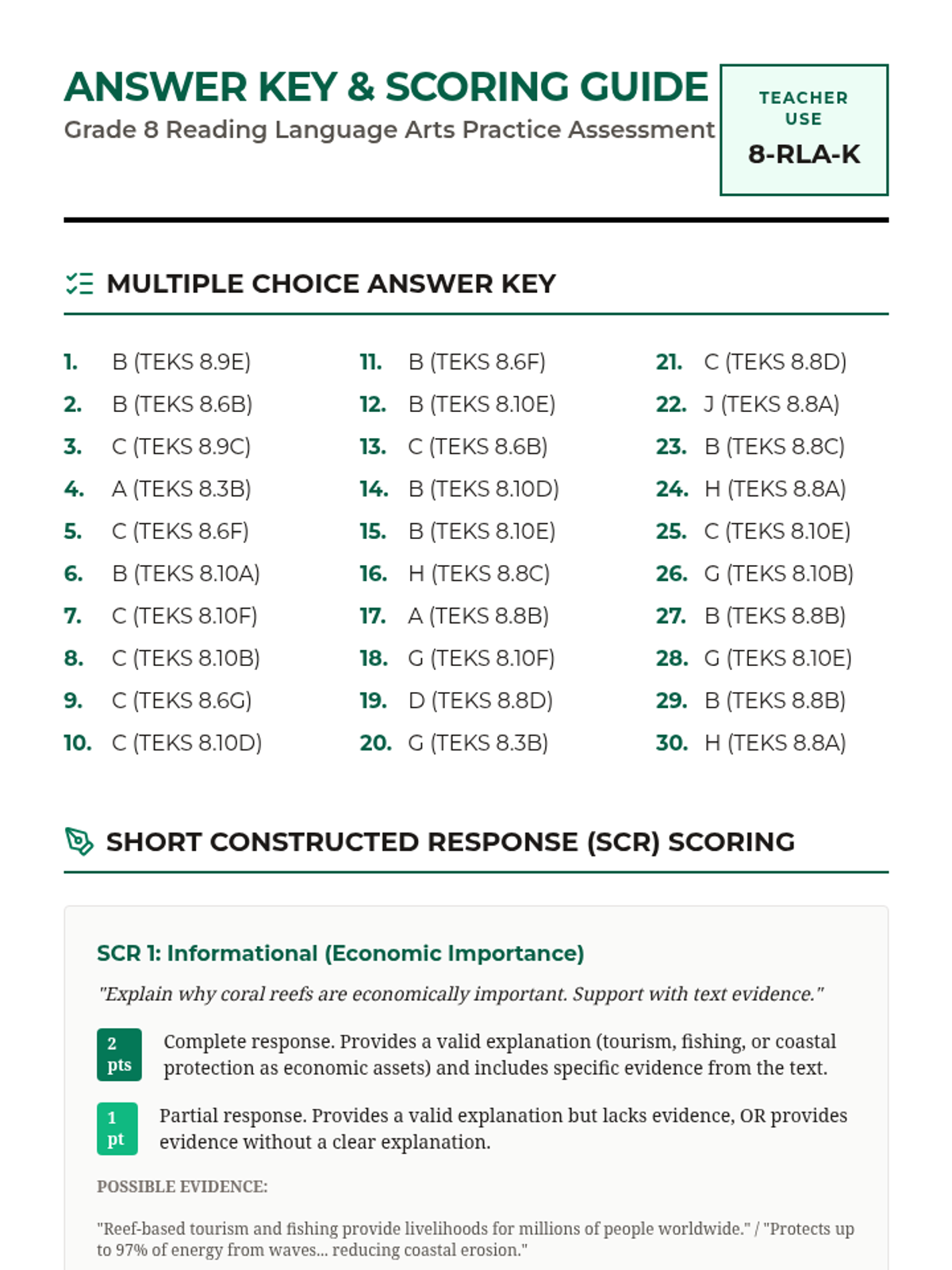
A full-length 8th-grade STAAR reading practice assessment, including 30 multiple-choice questions, two SCRs, and one ECR based on informational and fiction passages.
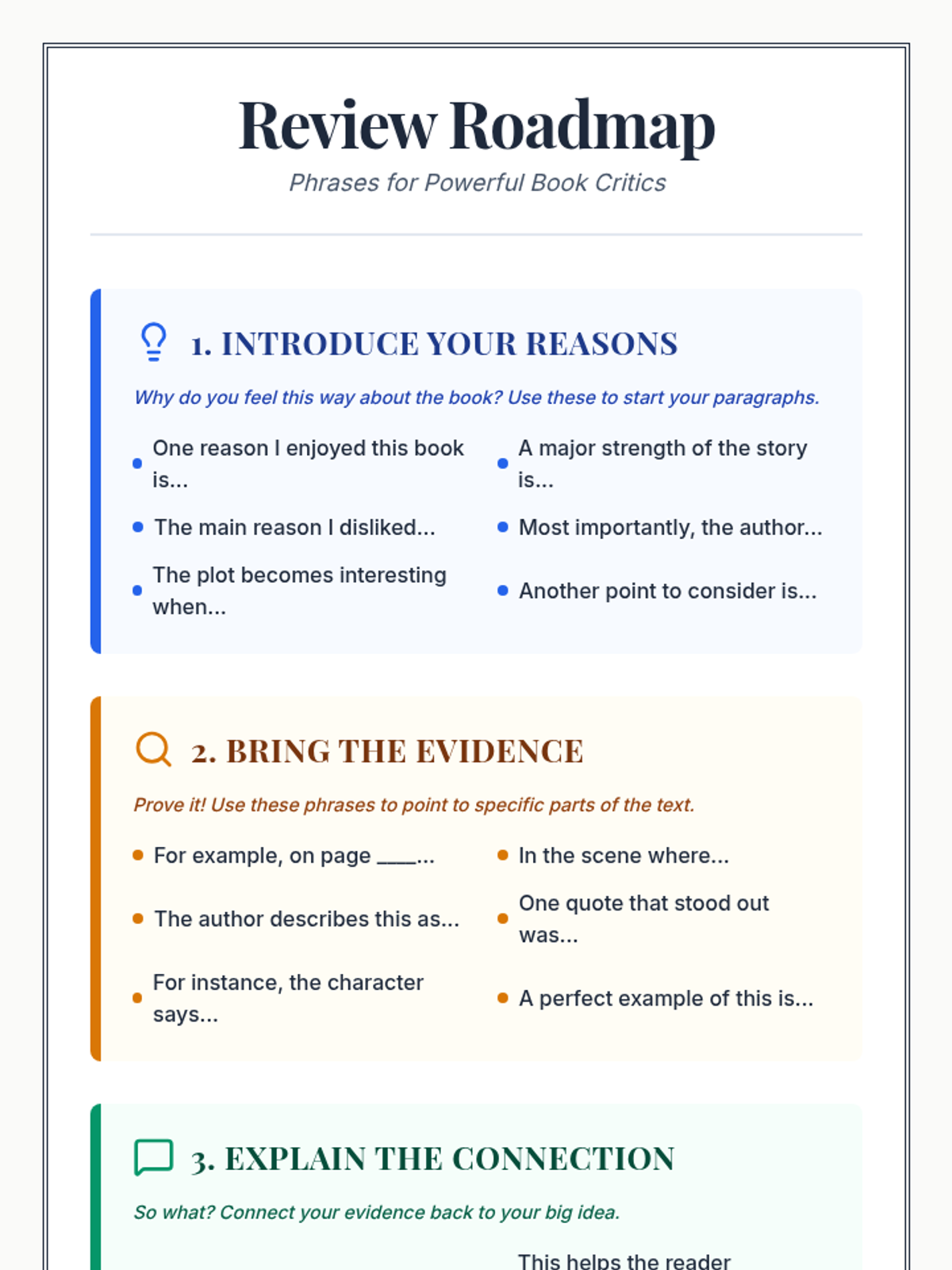
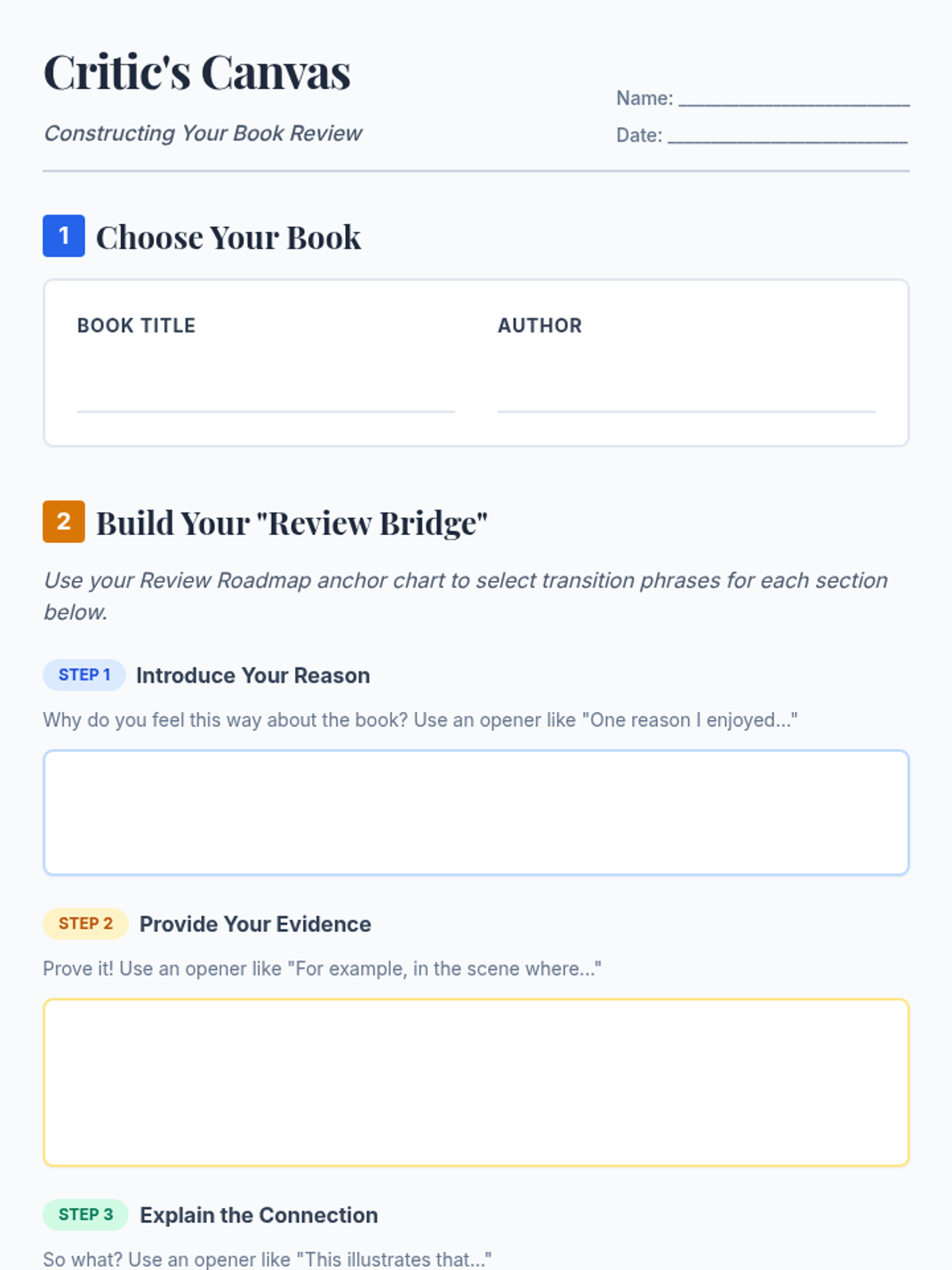
A lesson focused on teaching students how to write compelling book reviews by using specific transition phrases to connect their opinions with text-based evidence.
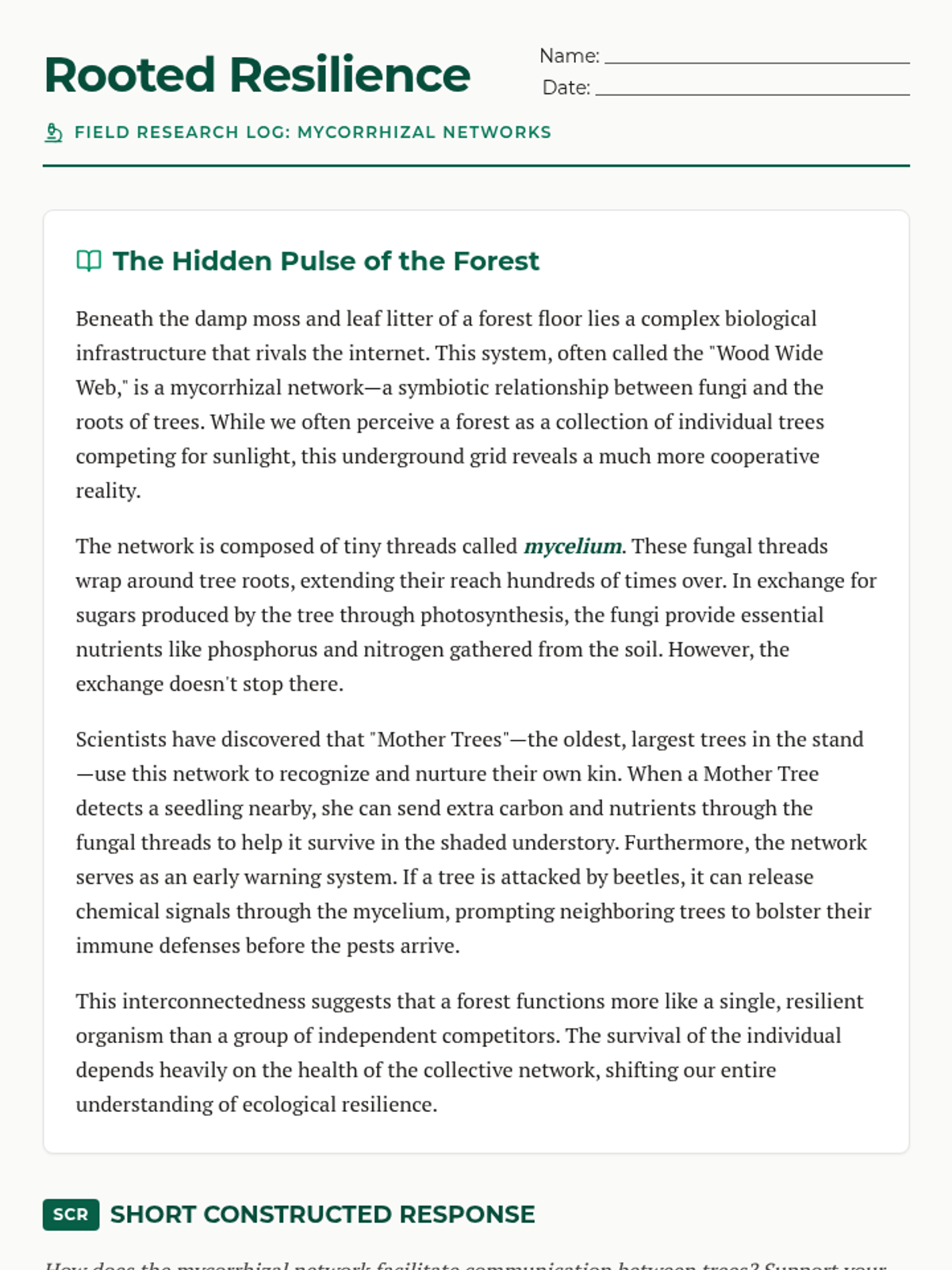
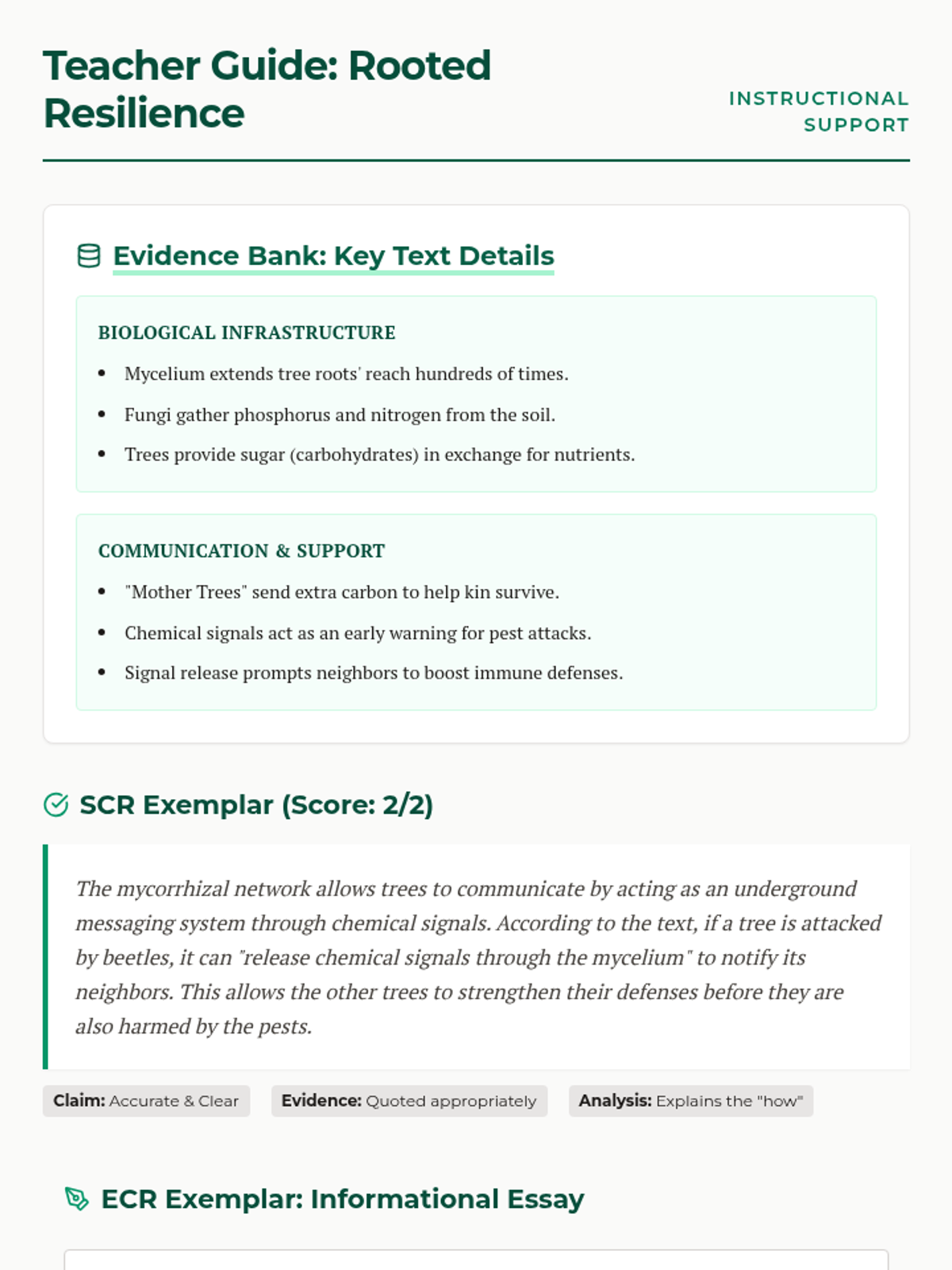
A rigorous informational reading and writing assignment focused on the mycorrhizal network, designed to practice SCR and ECR skills with an emphasis on organization, evidence, and sentence variety.
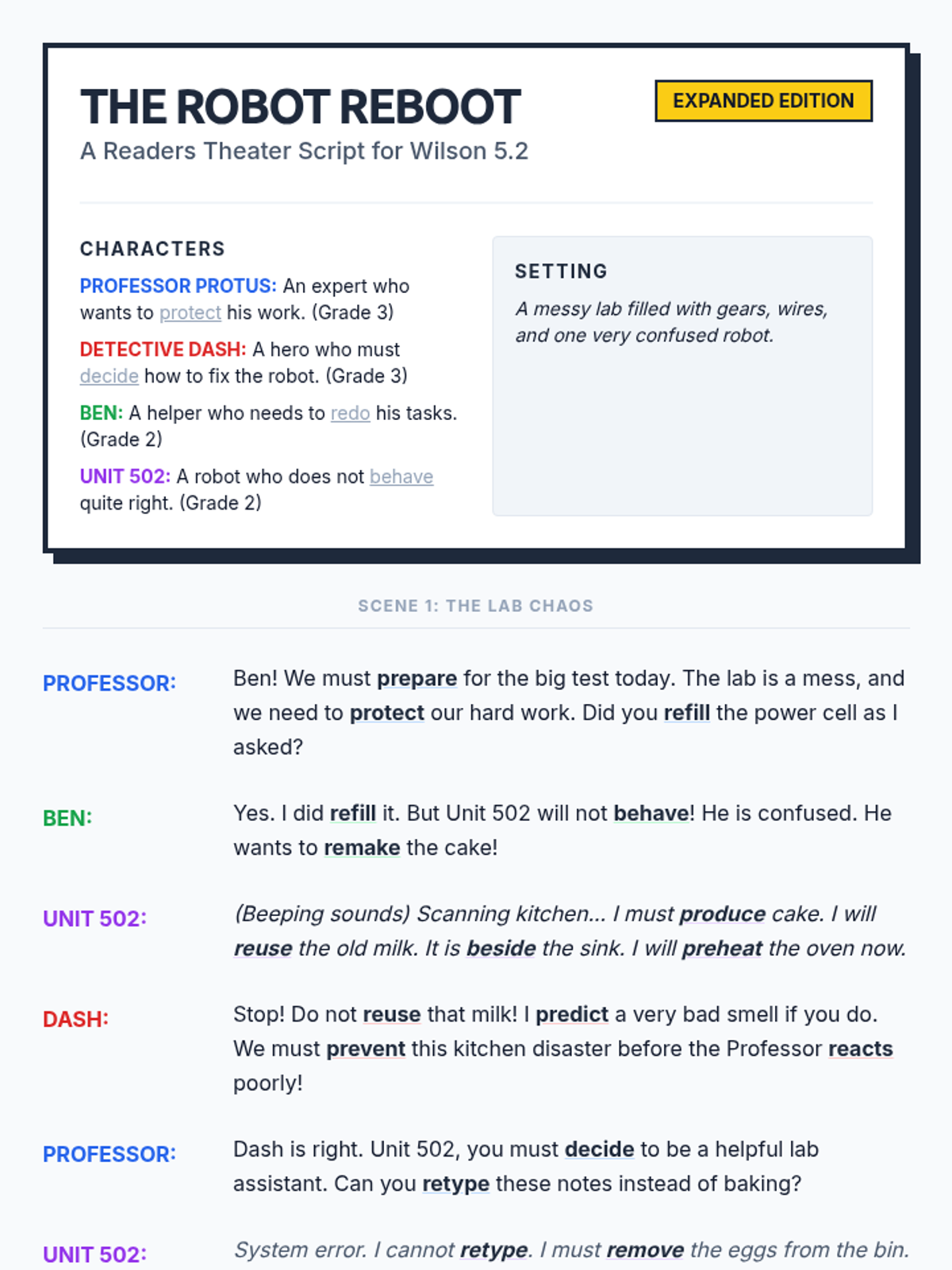
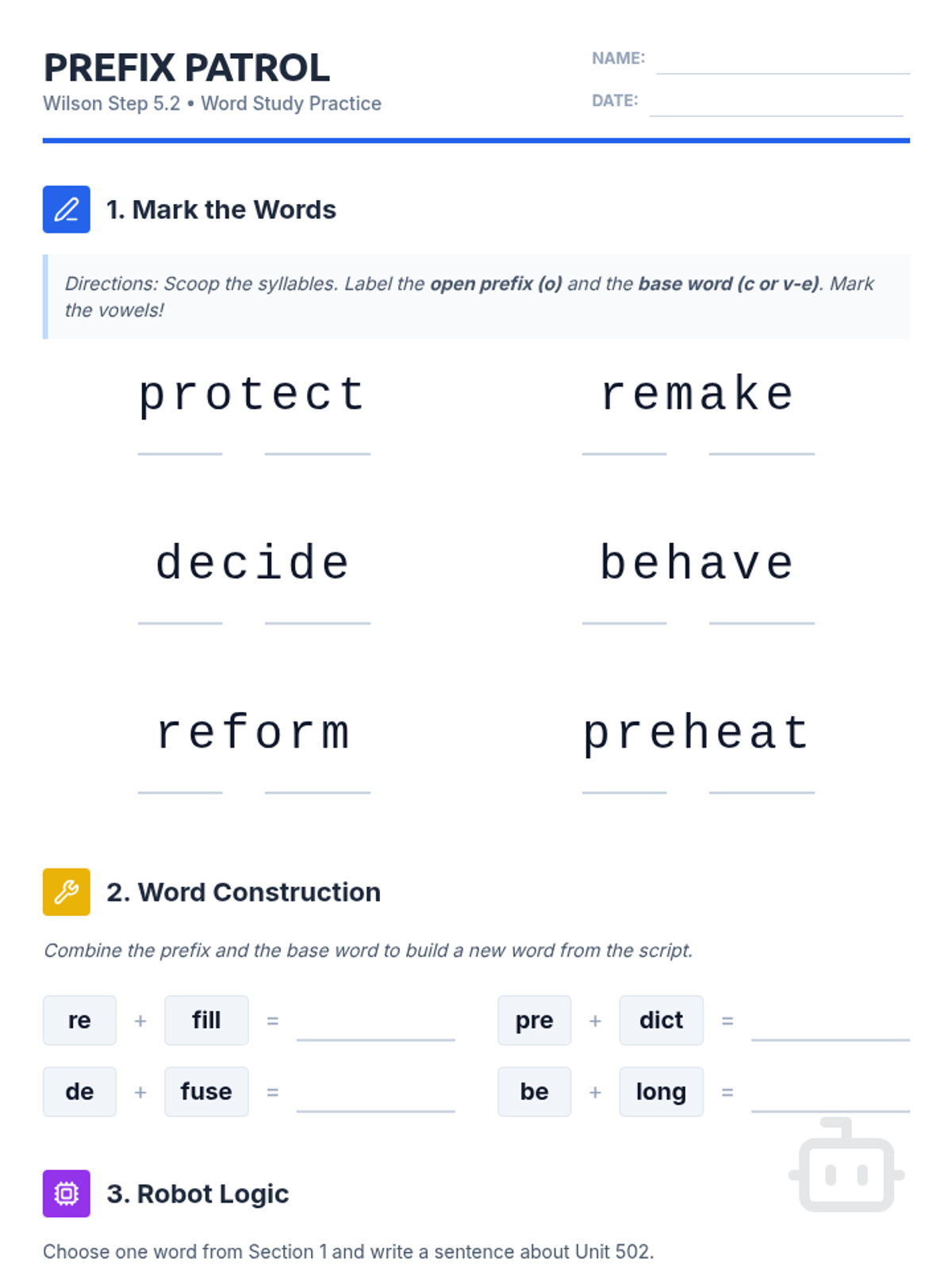
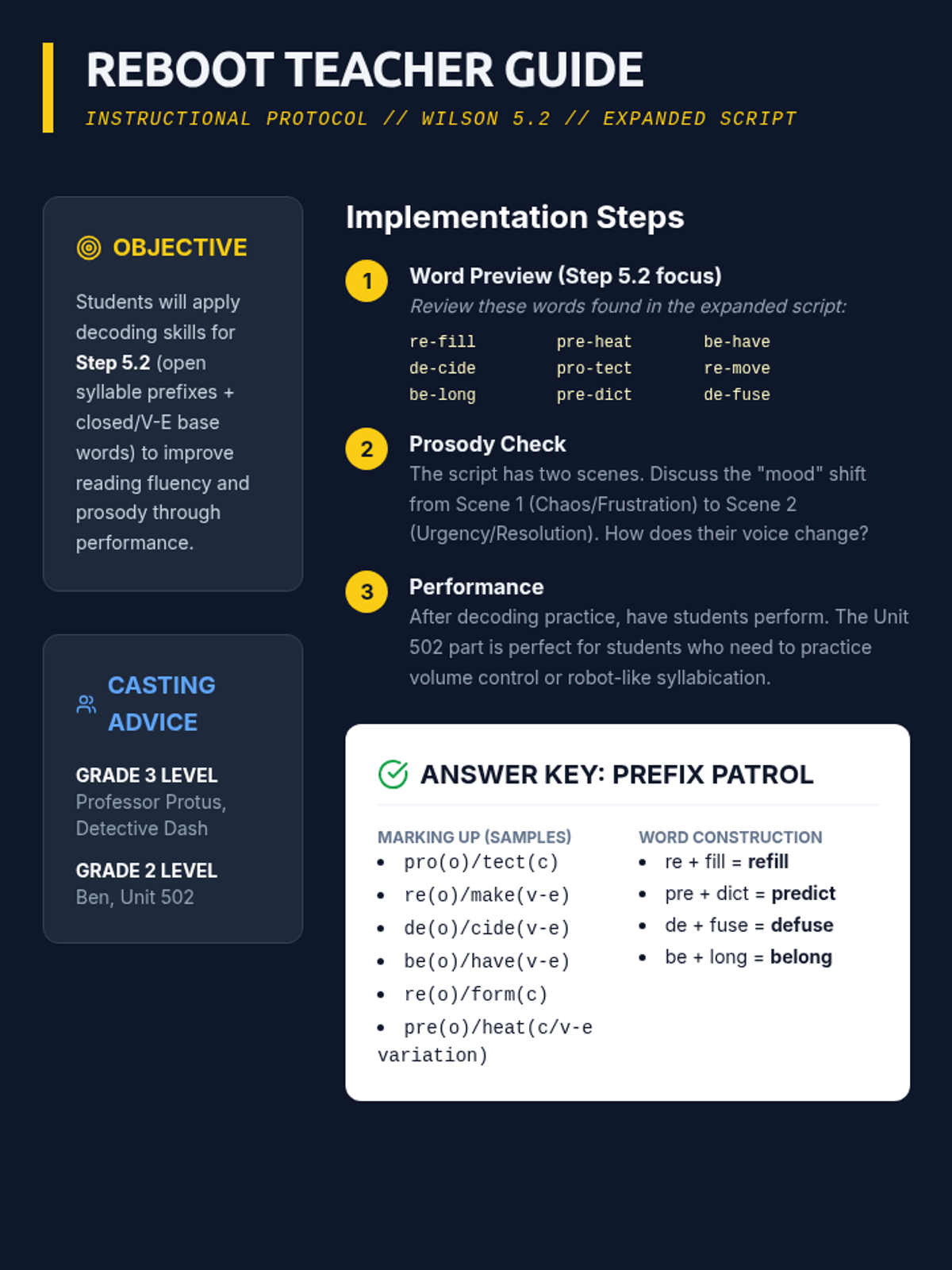
A Readers Theater lesson focusing on Wilson Step 5.2 concepts, including open syllable prefixes with closed and V-E base words. Students practice fluency and decoding through a robotic-themed script and word study activities.
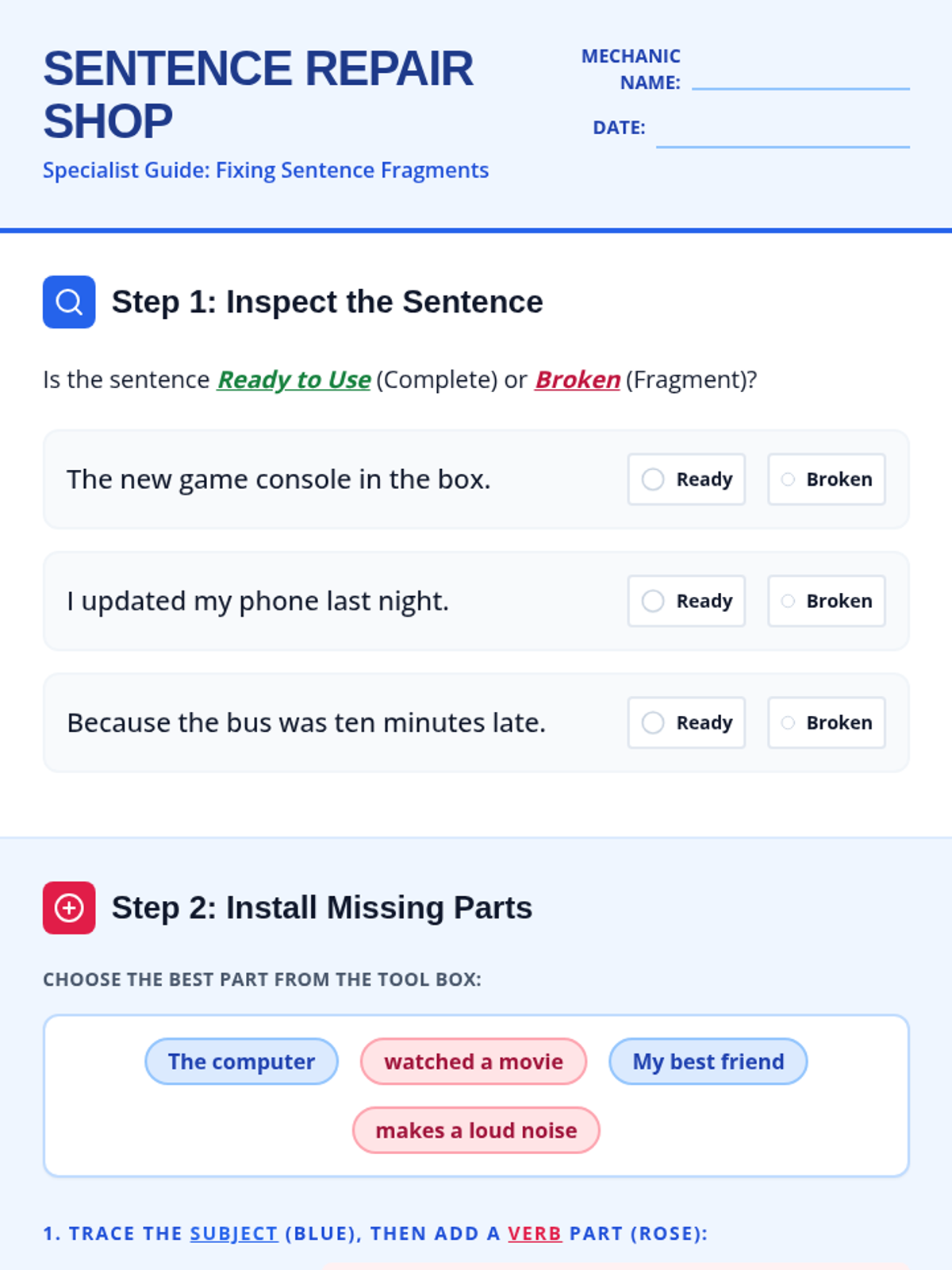
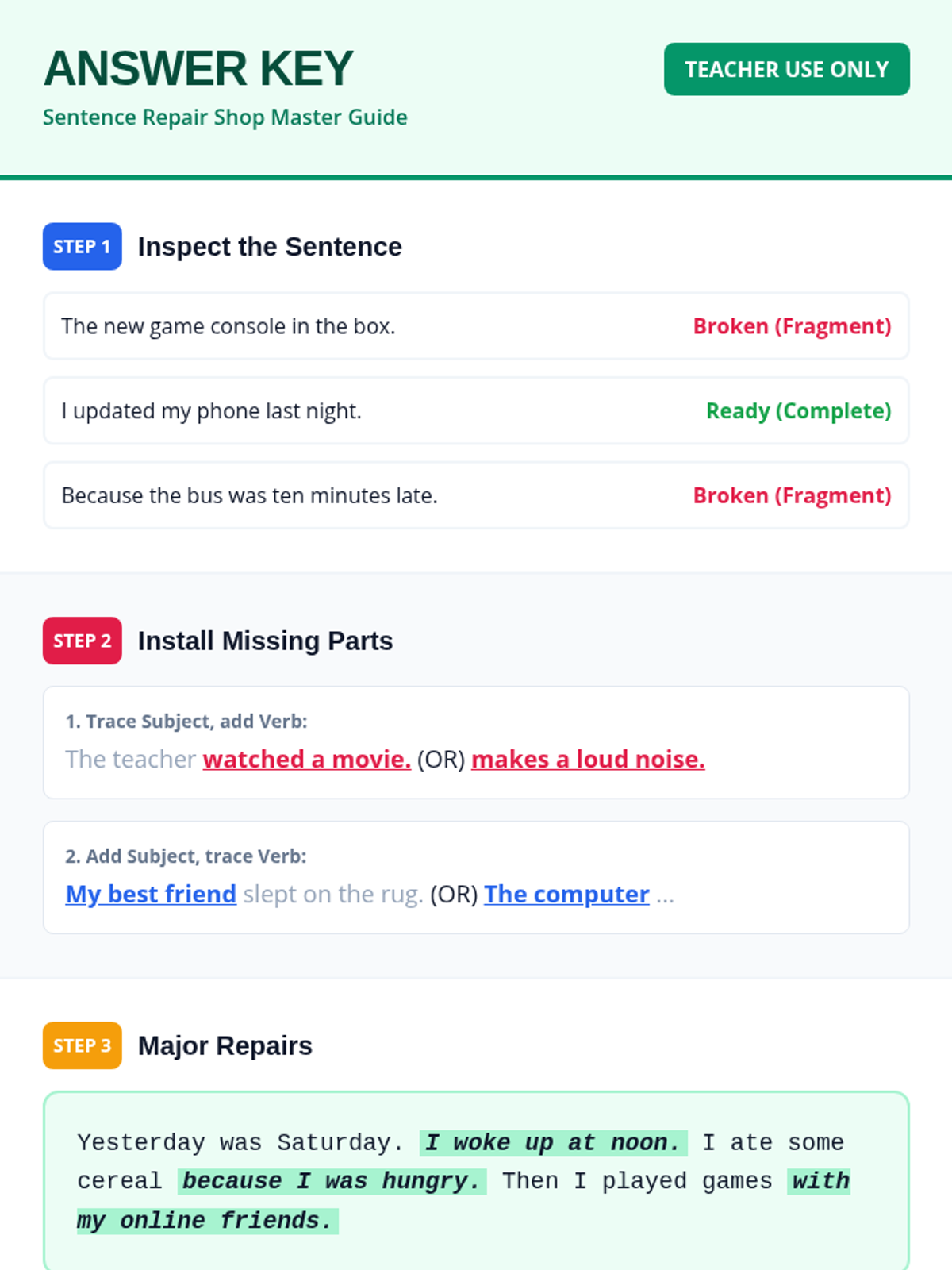
A comprehensive lesson on identifying and fixing sentence fragments using visual supports, color-coding, and step-by-step practice tailored for neurodivergent learners.
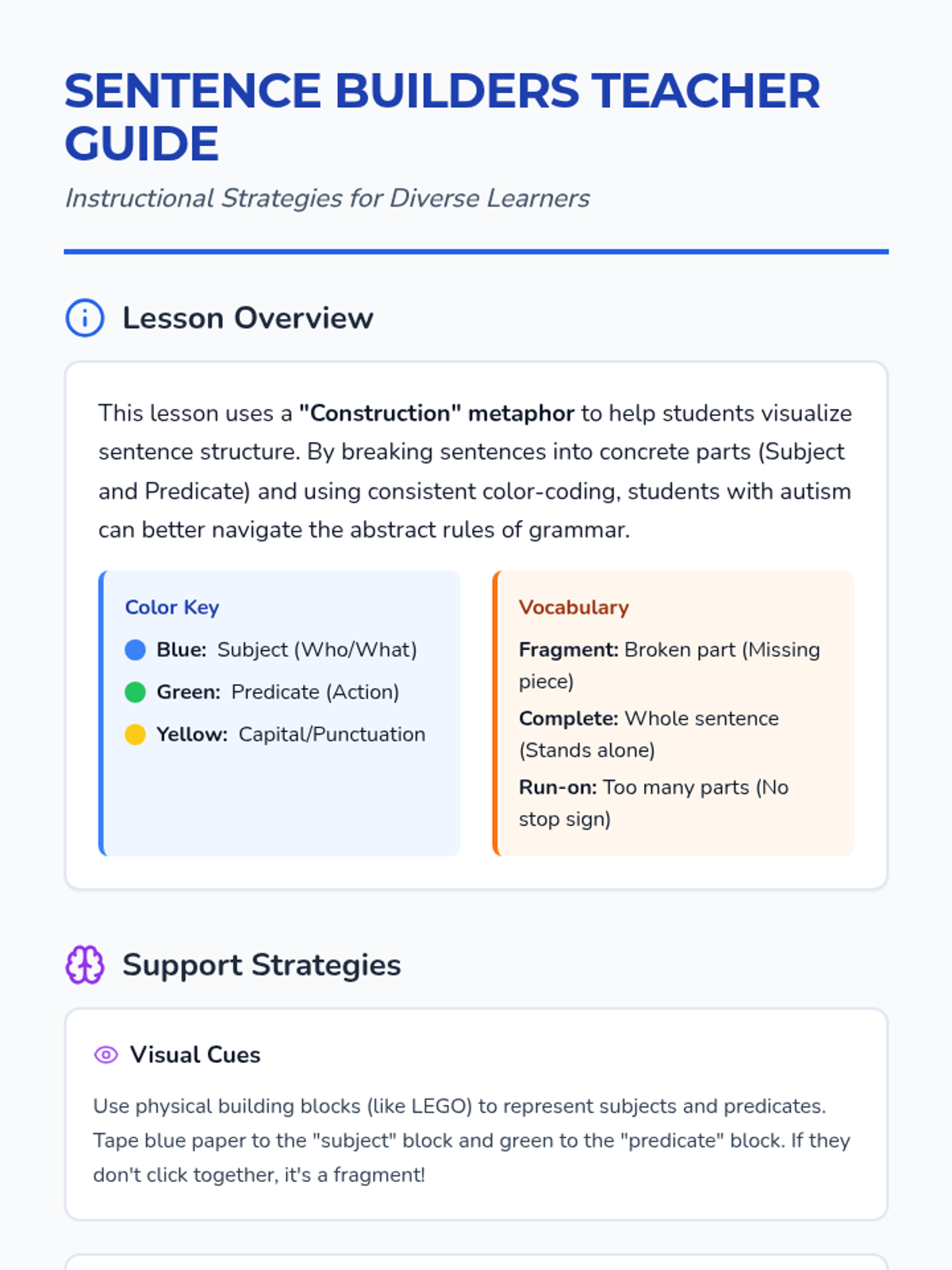
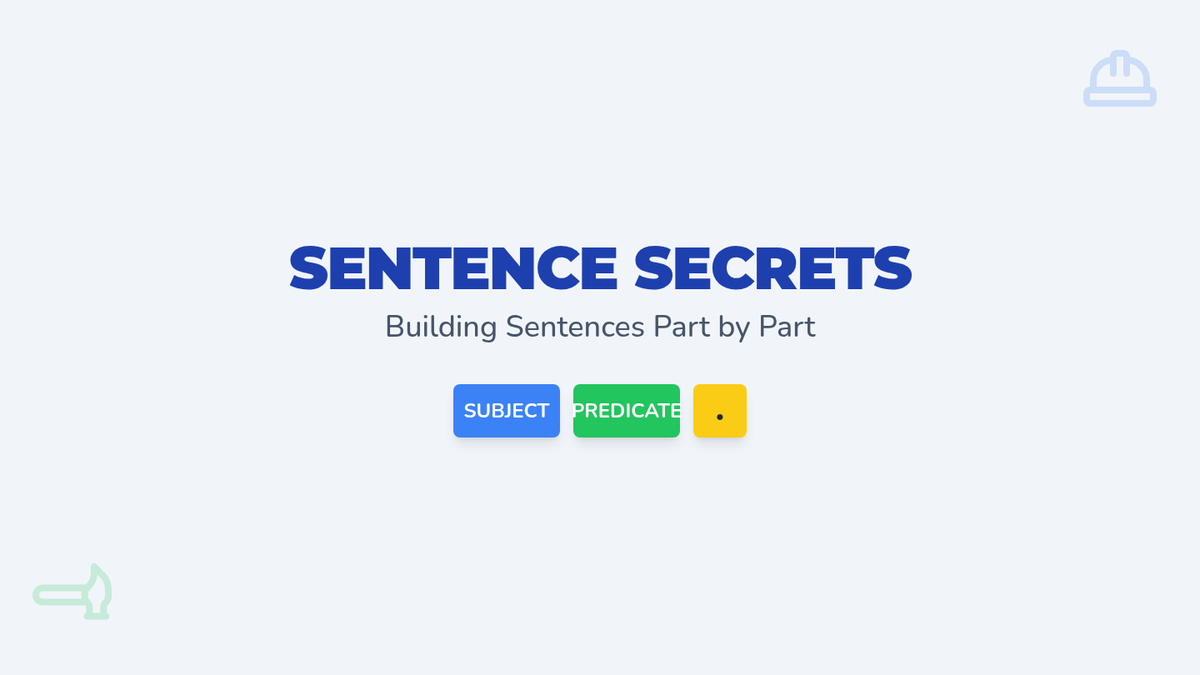
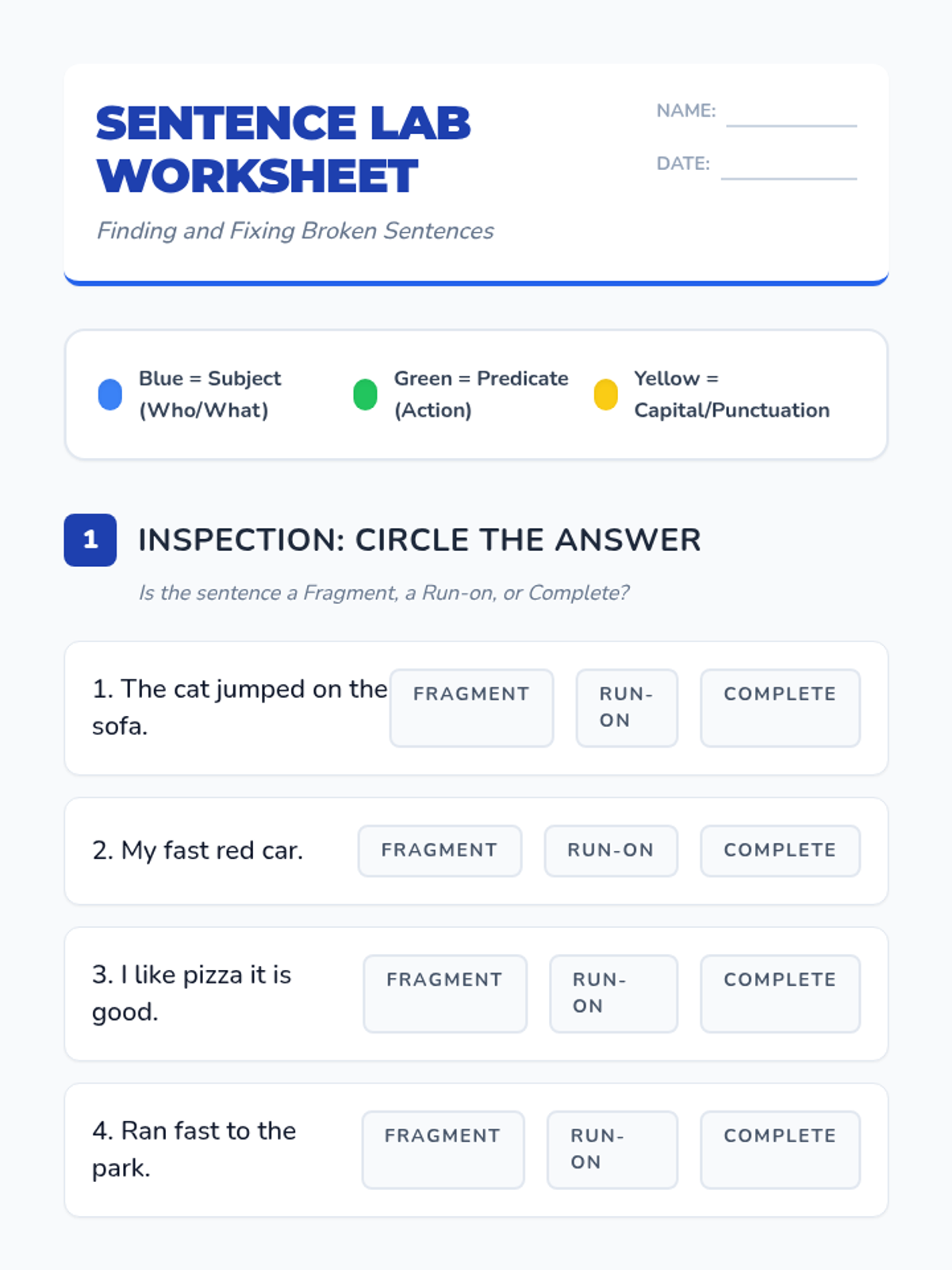
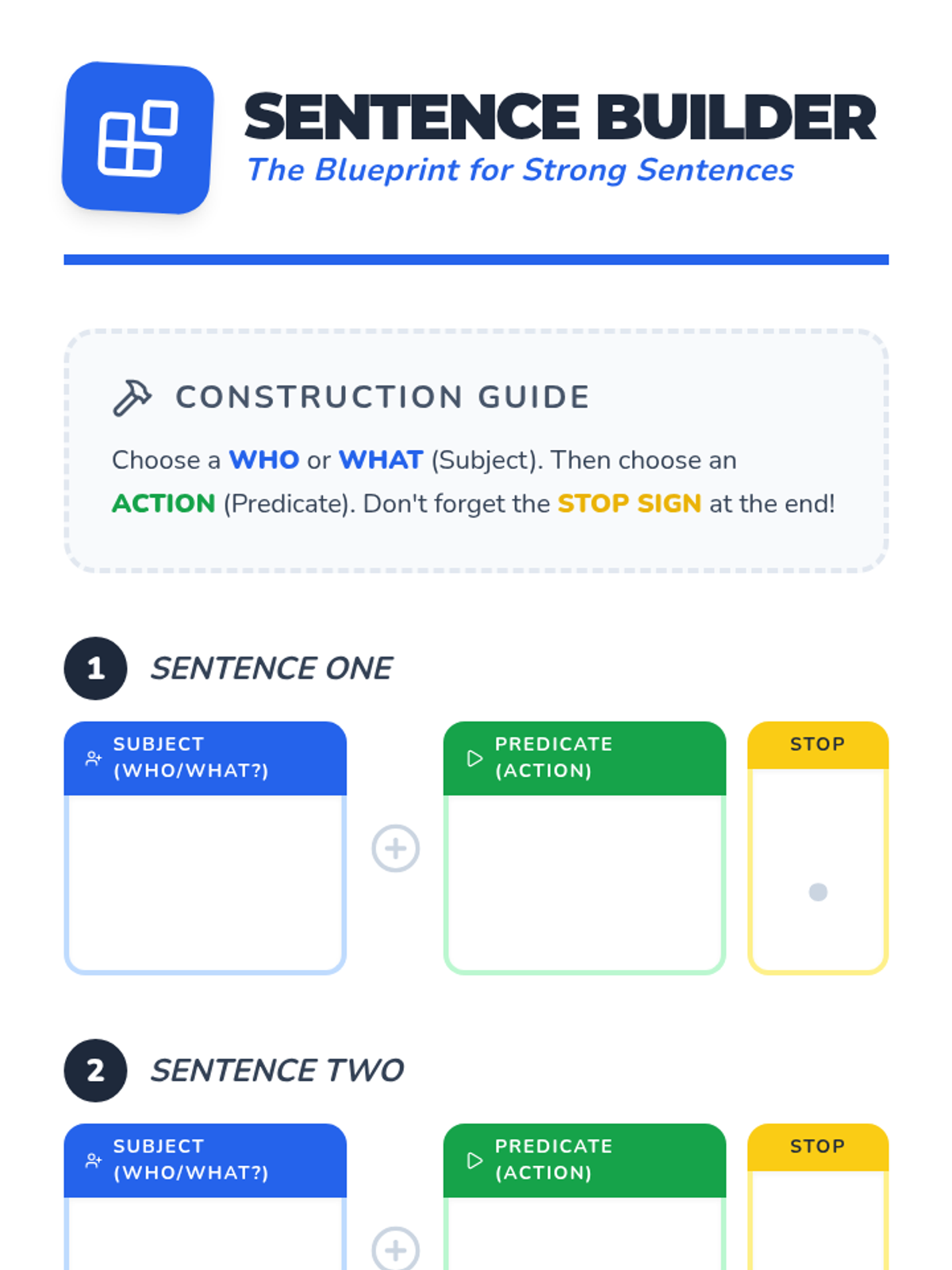
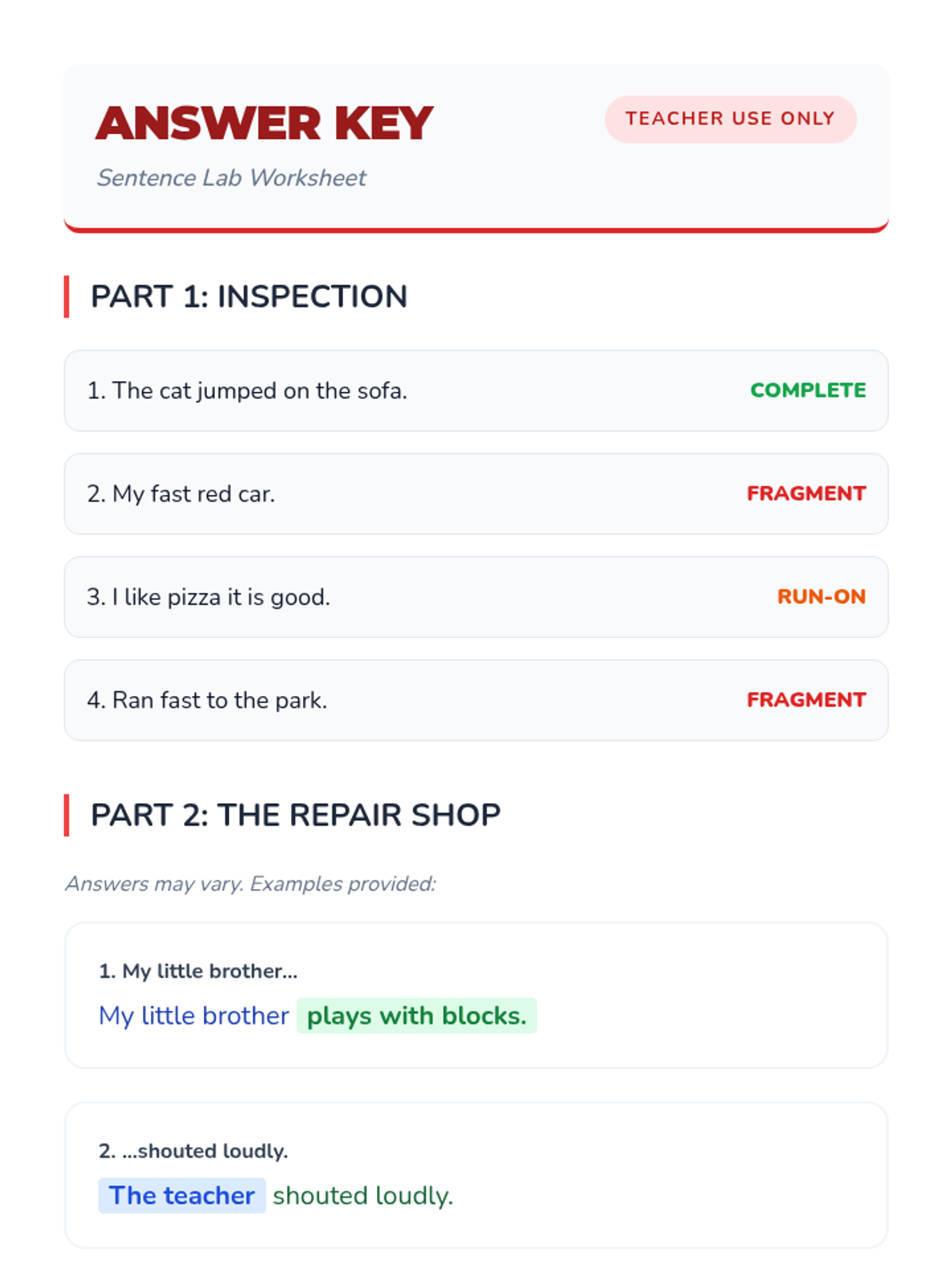
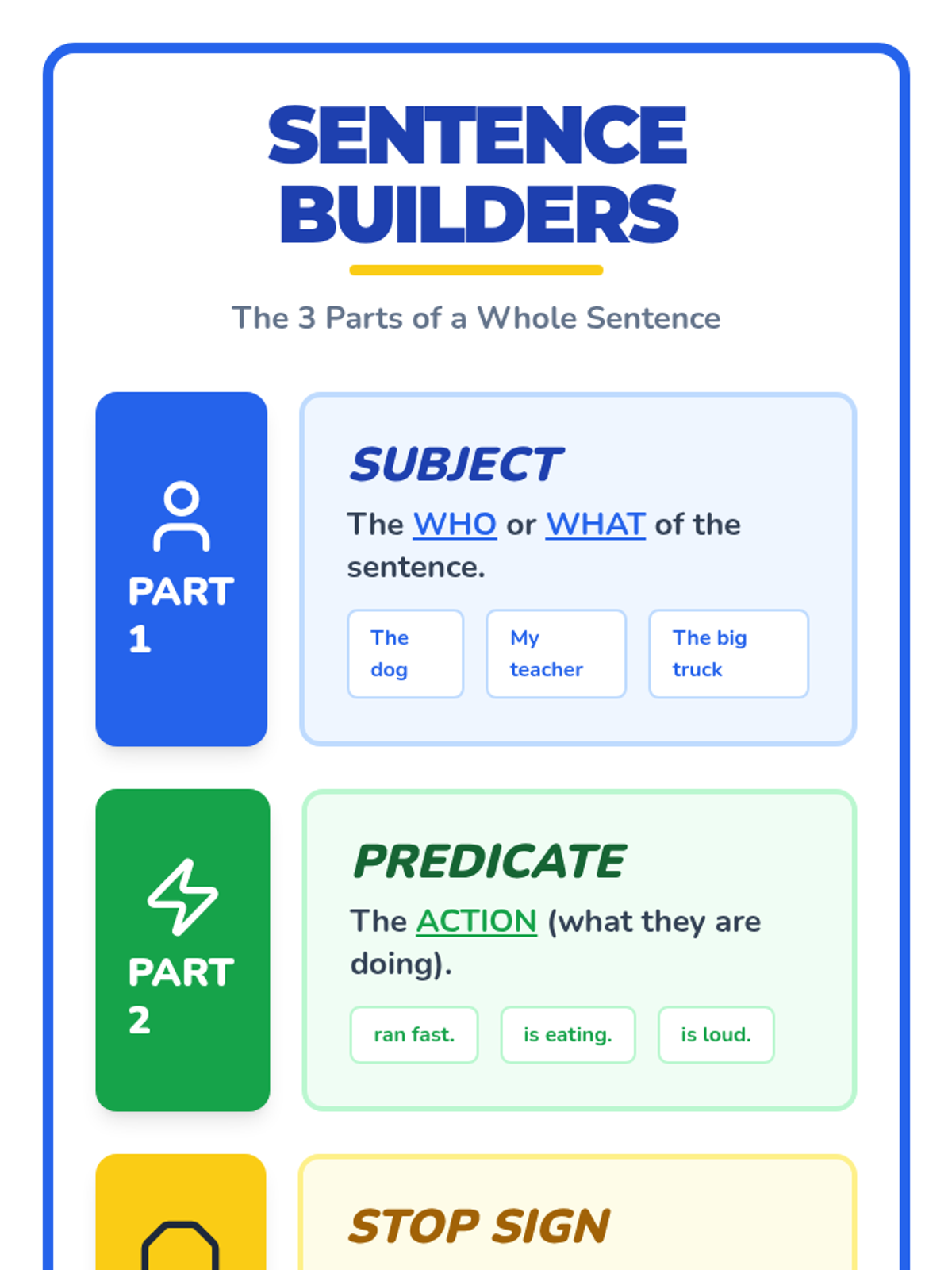
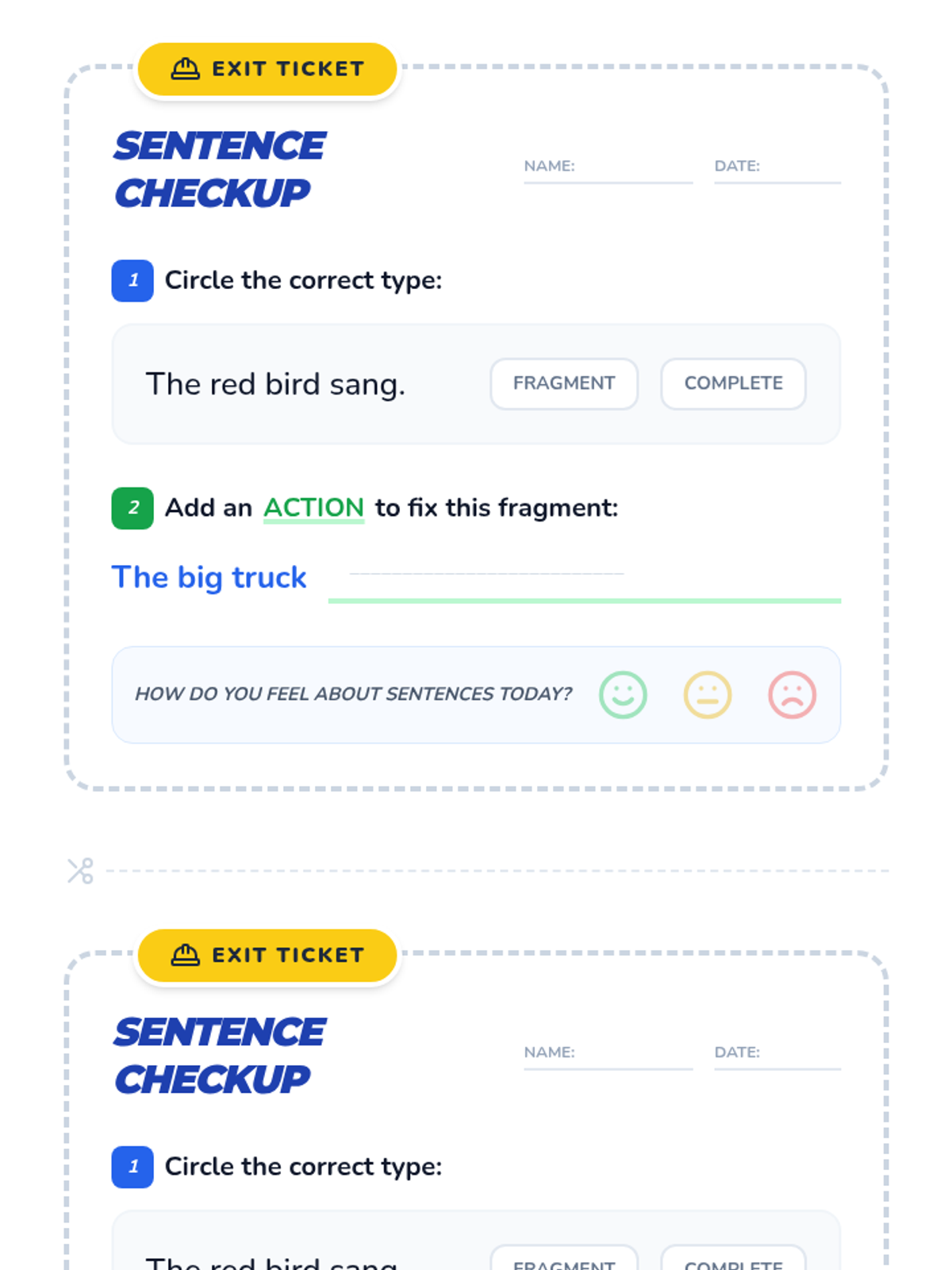
A foundational grammar lesson focusing on sentence structure through visual scaffolds and color-coding. Students learn to identify fragments, complete sentences, and run-ons using a 'Construction' metaphor.
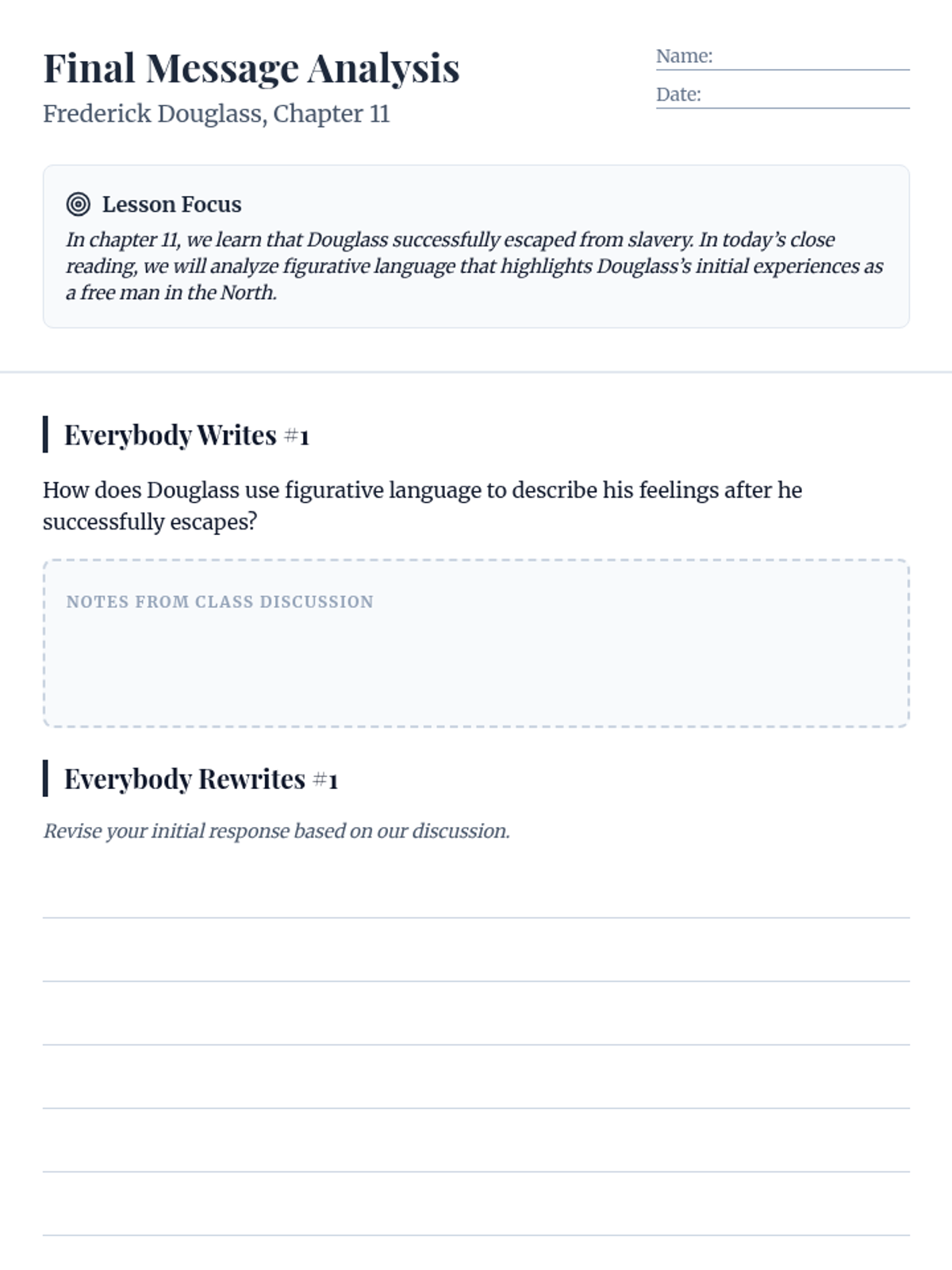
Students analyze Frederick Douglass's use of figurative language in Chapter 11 of his narrative to understand how he conveys his transition from a fugitive to a committed abolitionist and his final message regarding the necessity of ending slavery.