A comprehensive guide to identifying and articulating themes in literature for high school students. This lesson uses an architectural metaphor to help students build theme statements from character development, conflict, and symbolism.

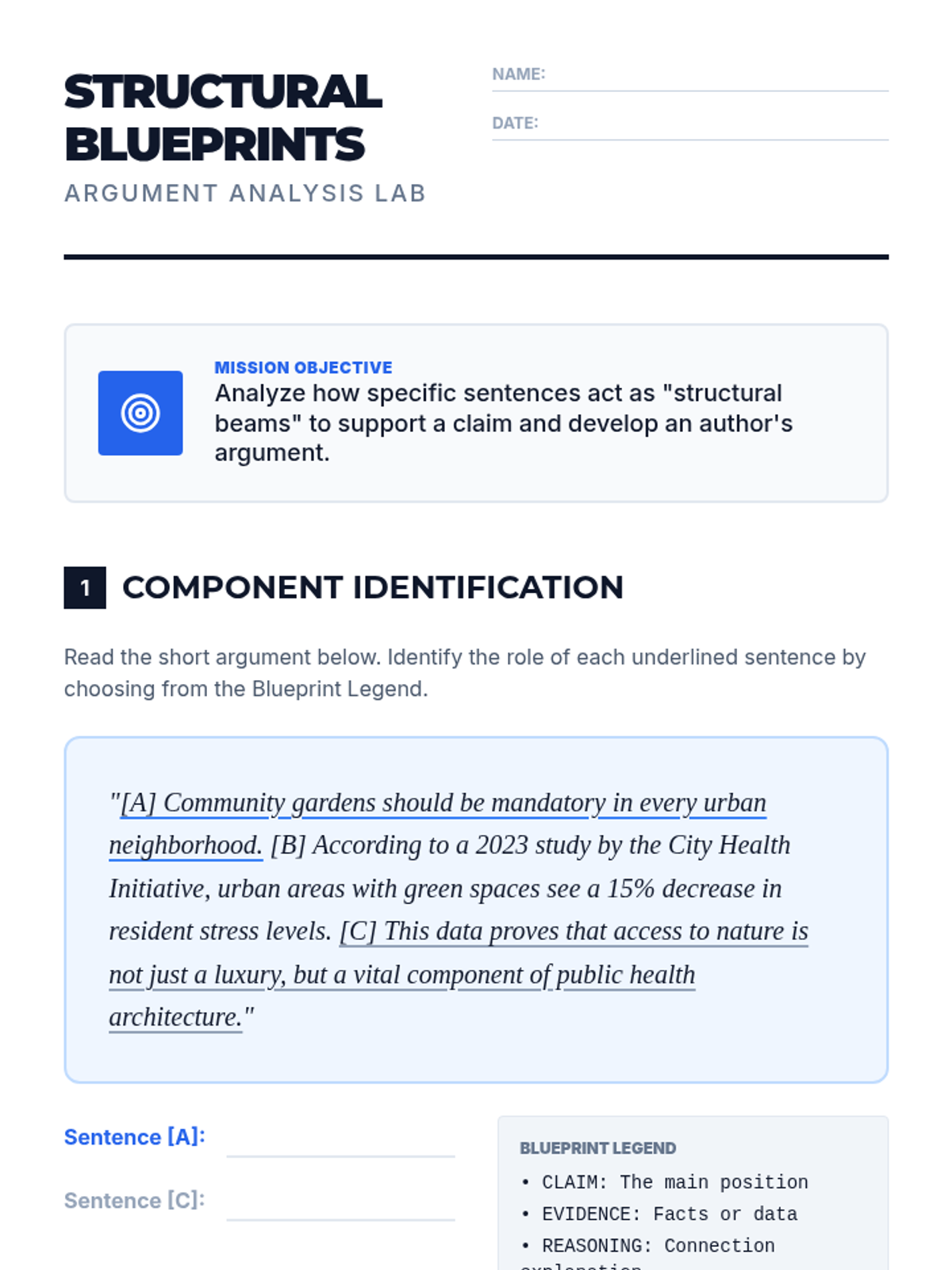
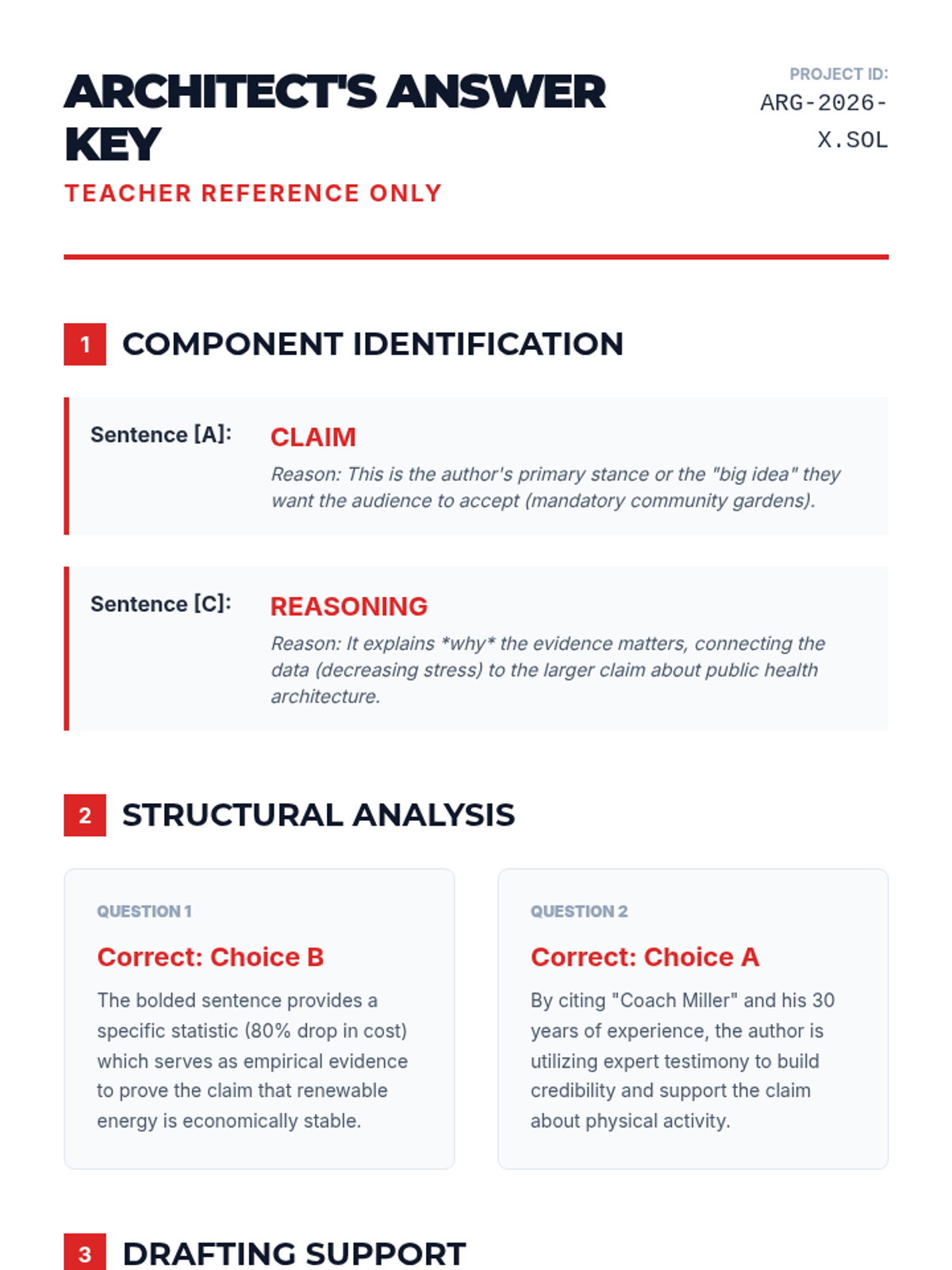
A lesson focused on analyzing how specific parts of a text contribute to the overall structure and the development of an argument through evidence. Students learn to see texts as 'blueprints' where every sentence serves a structural purpose.
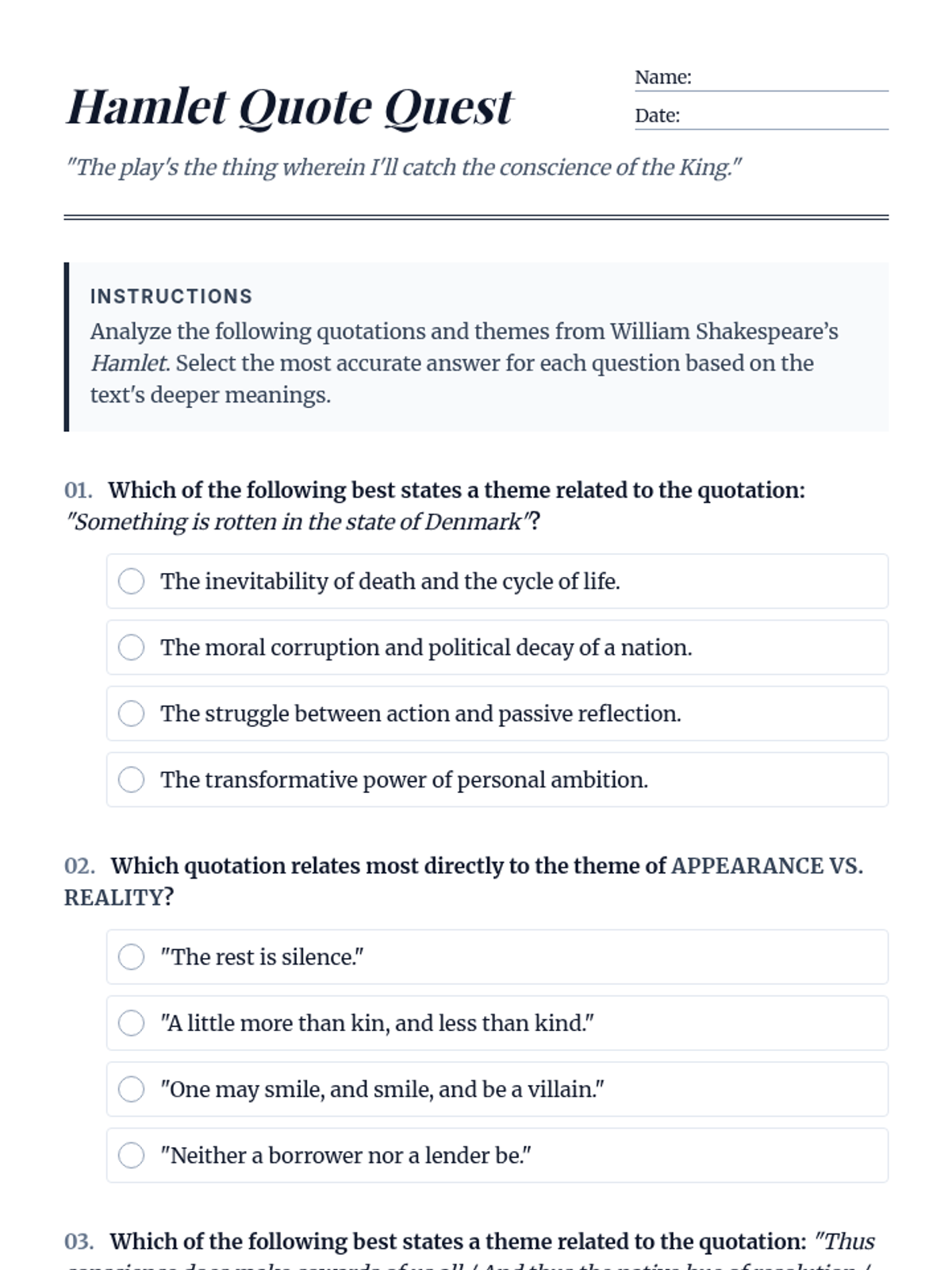
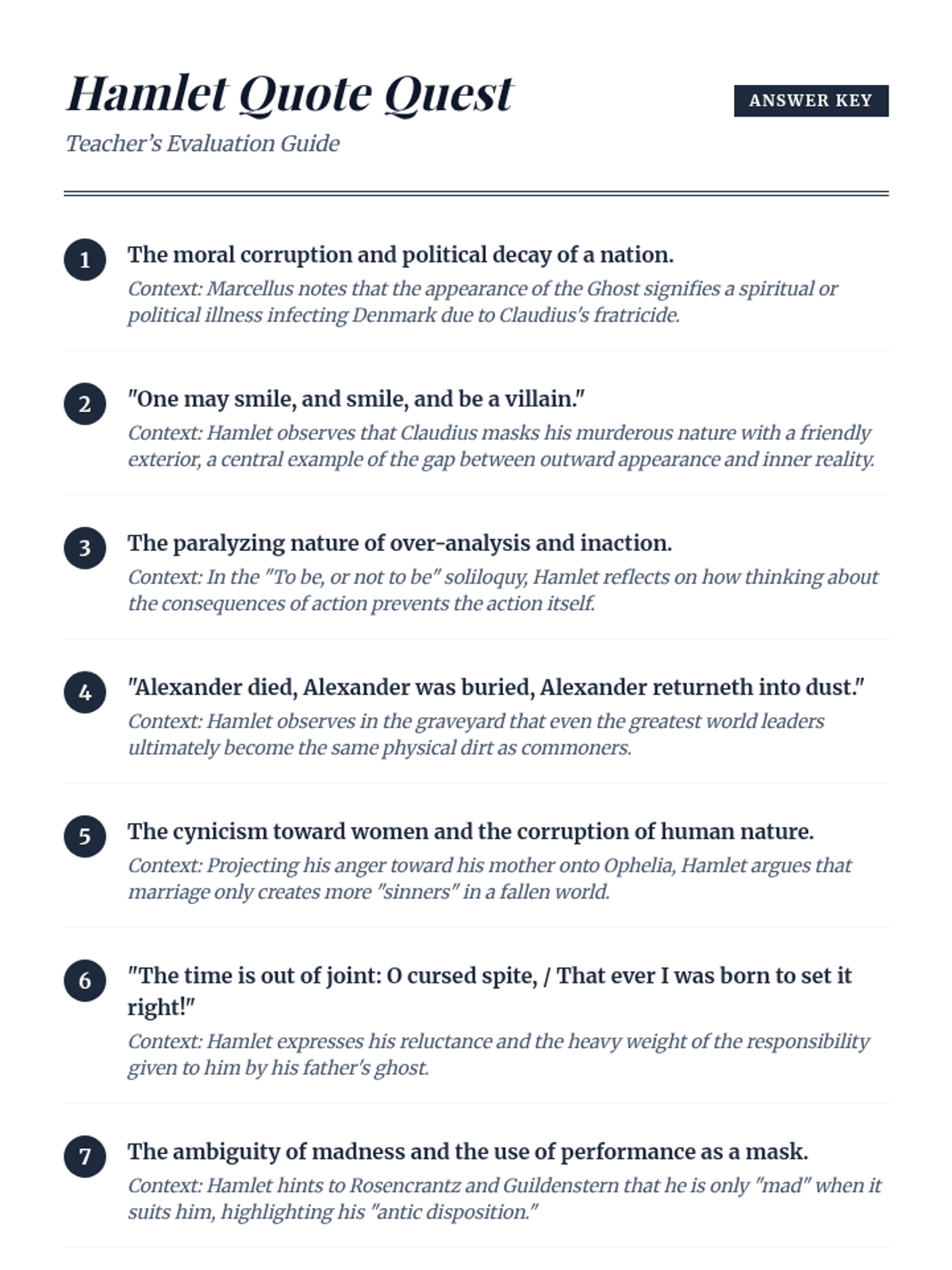
A focused lesson exploring the deep connections between Shakespeare's language and the core themes of Hamlet through quotation analysis.
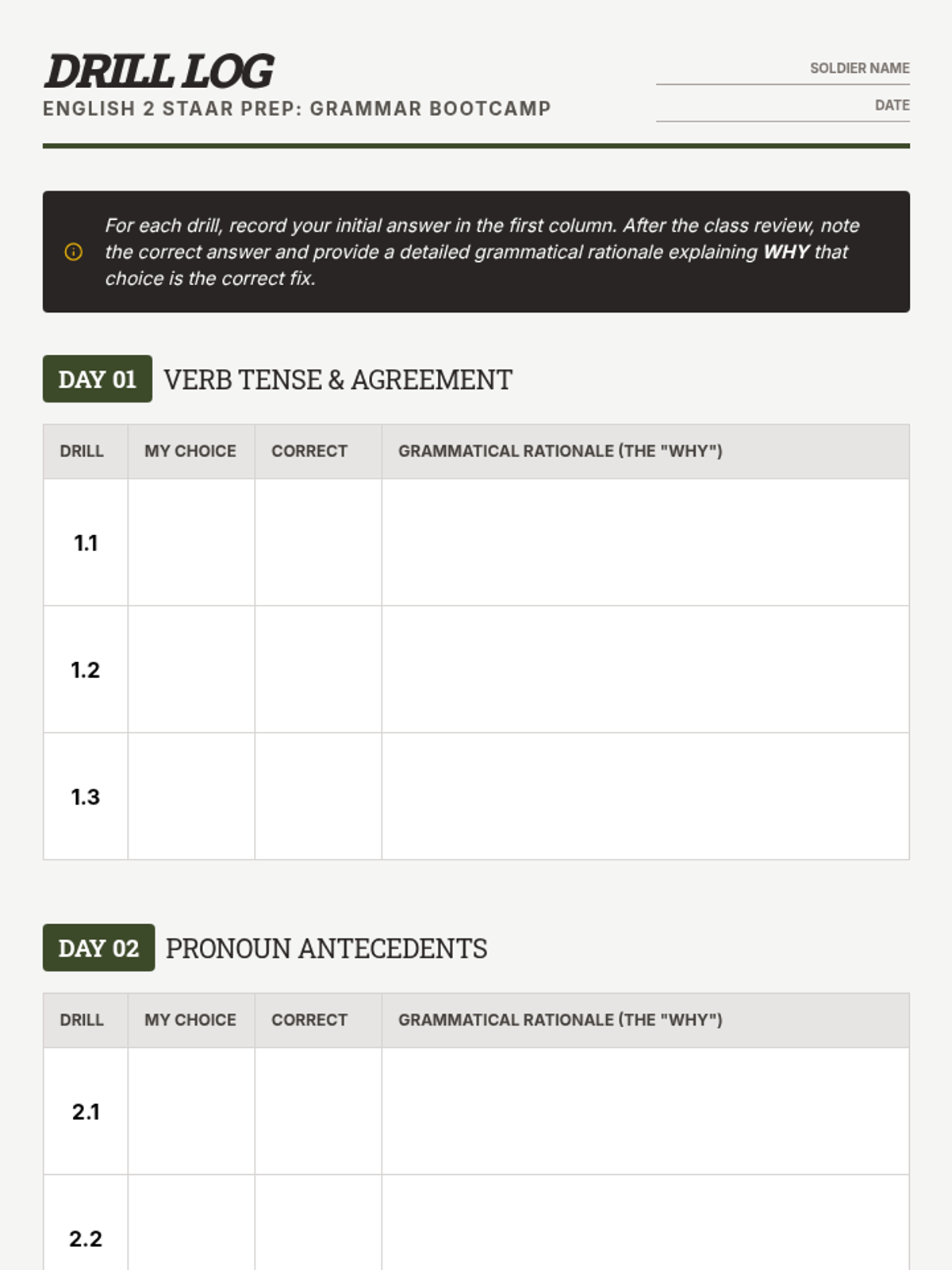
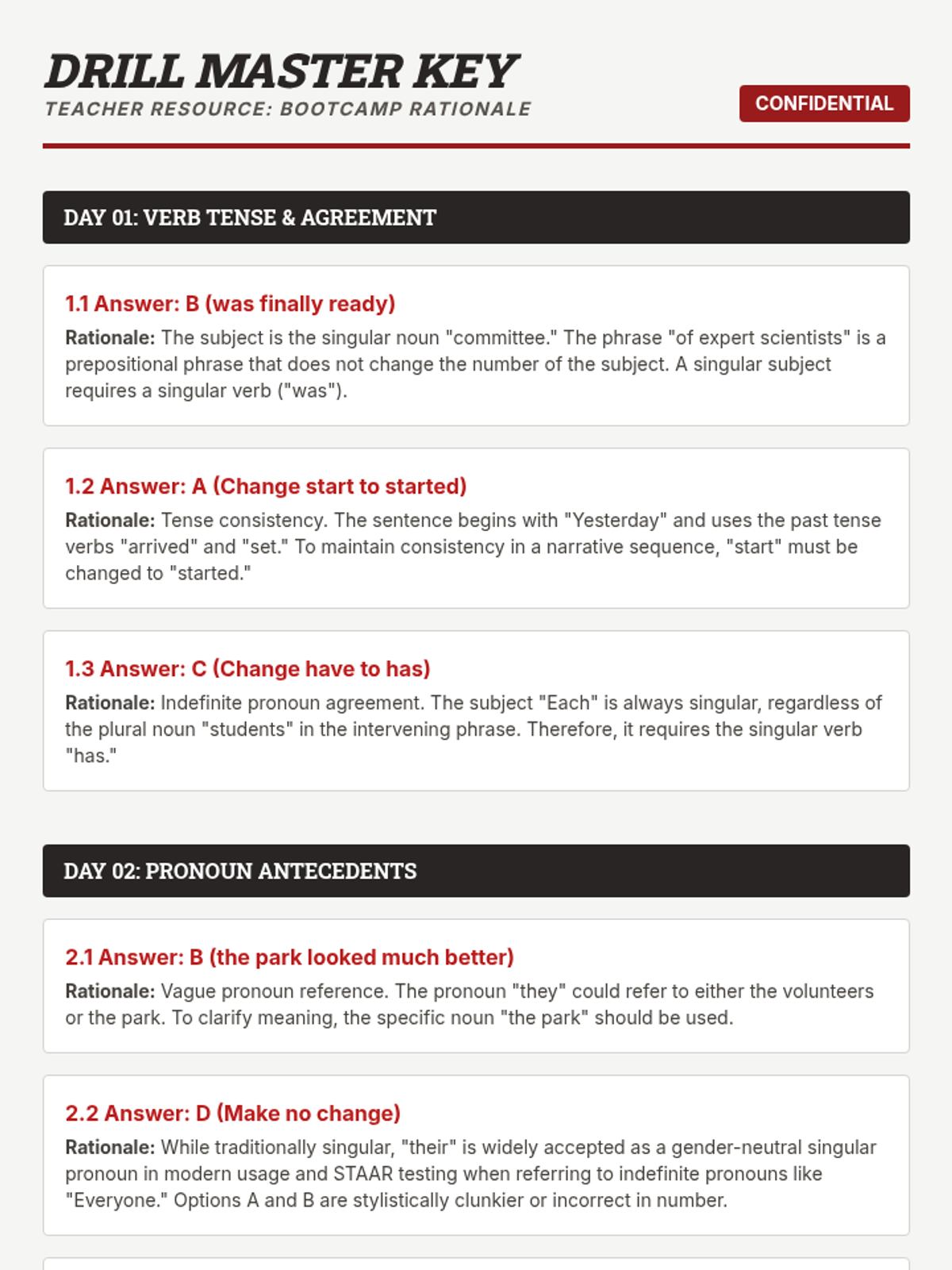
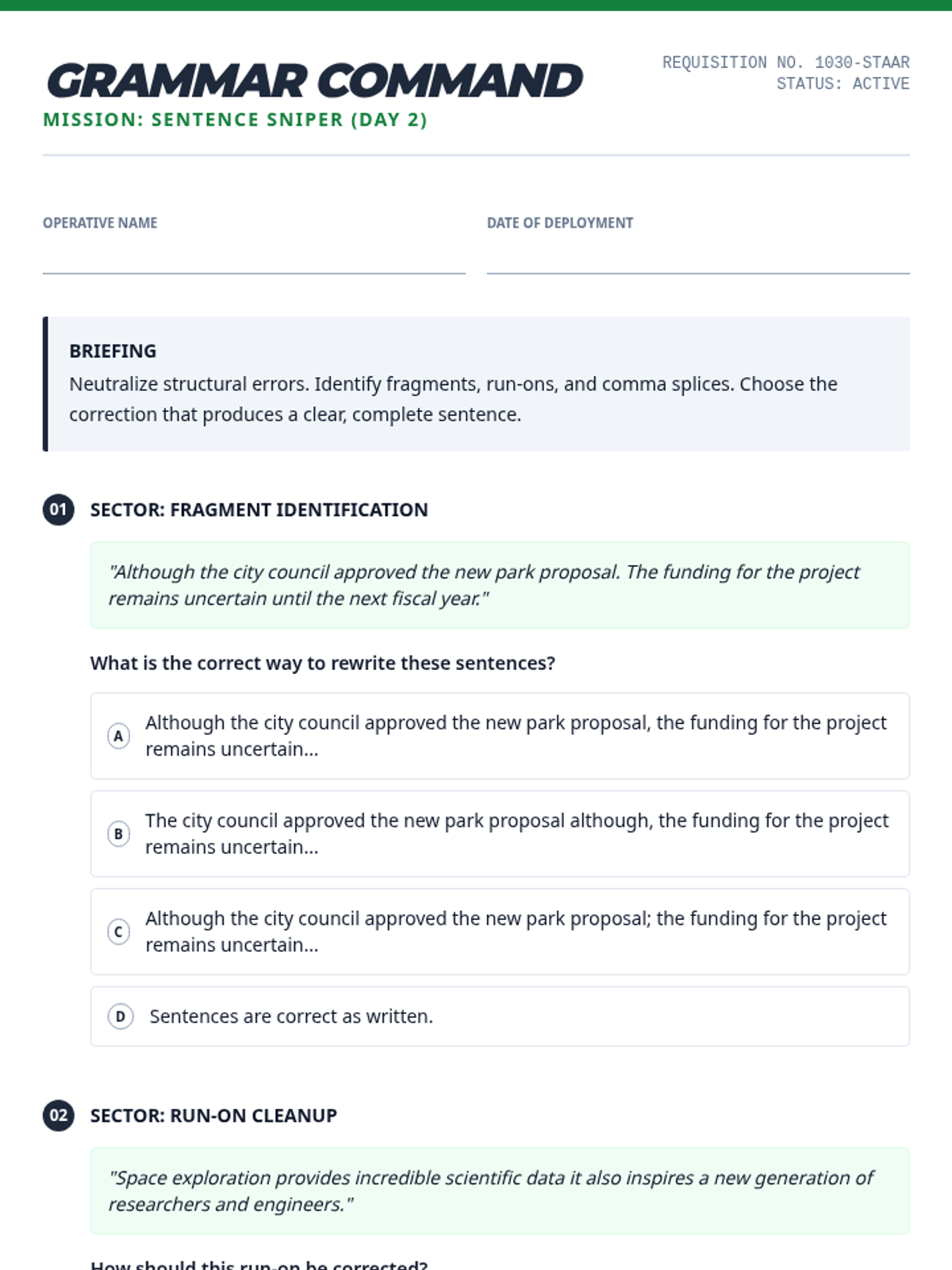
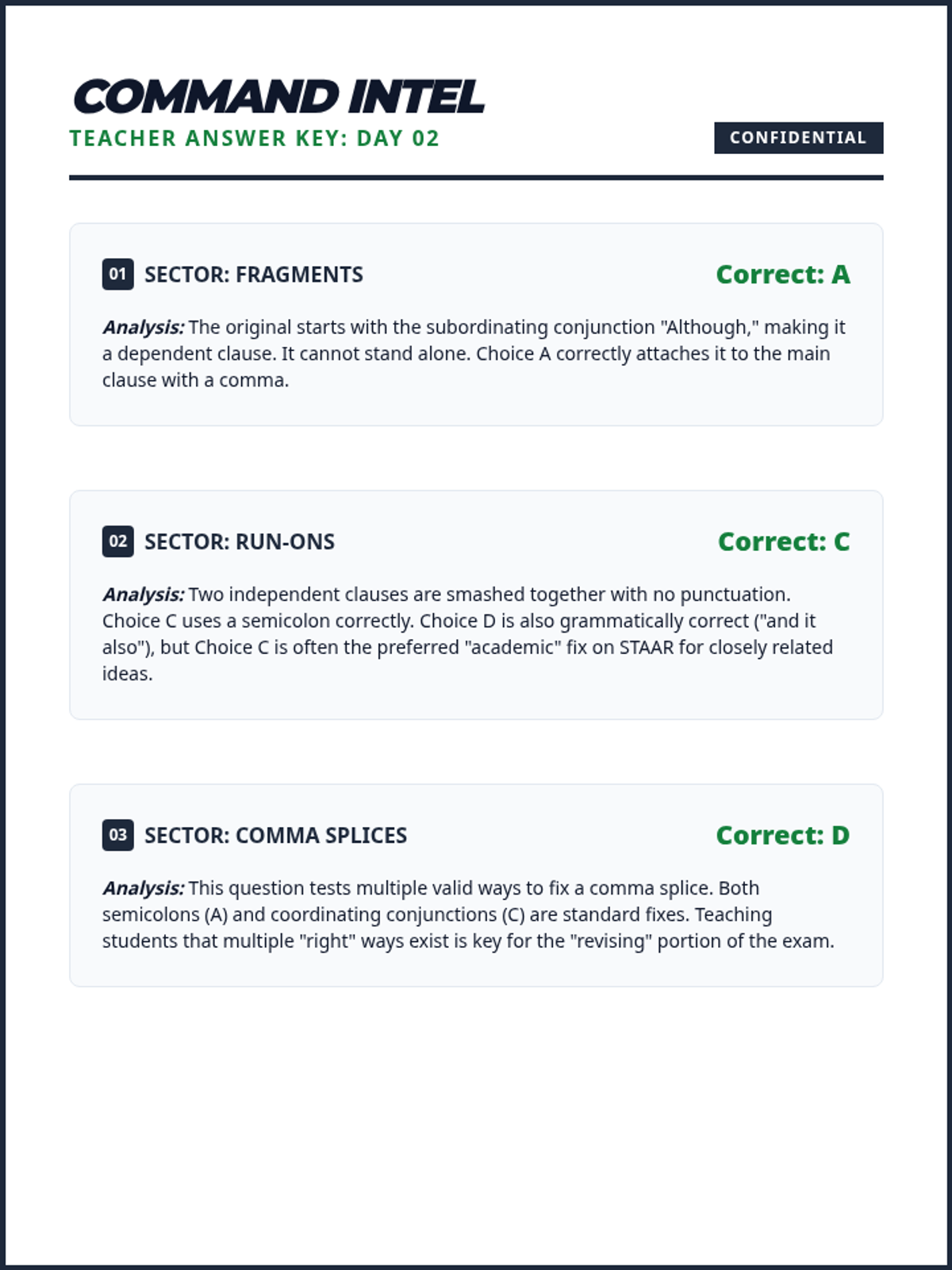
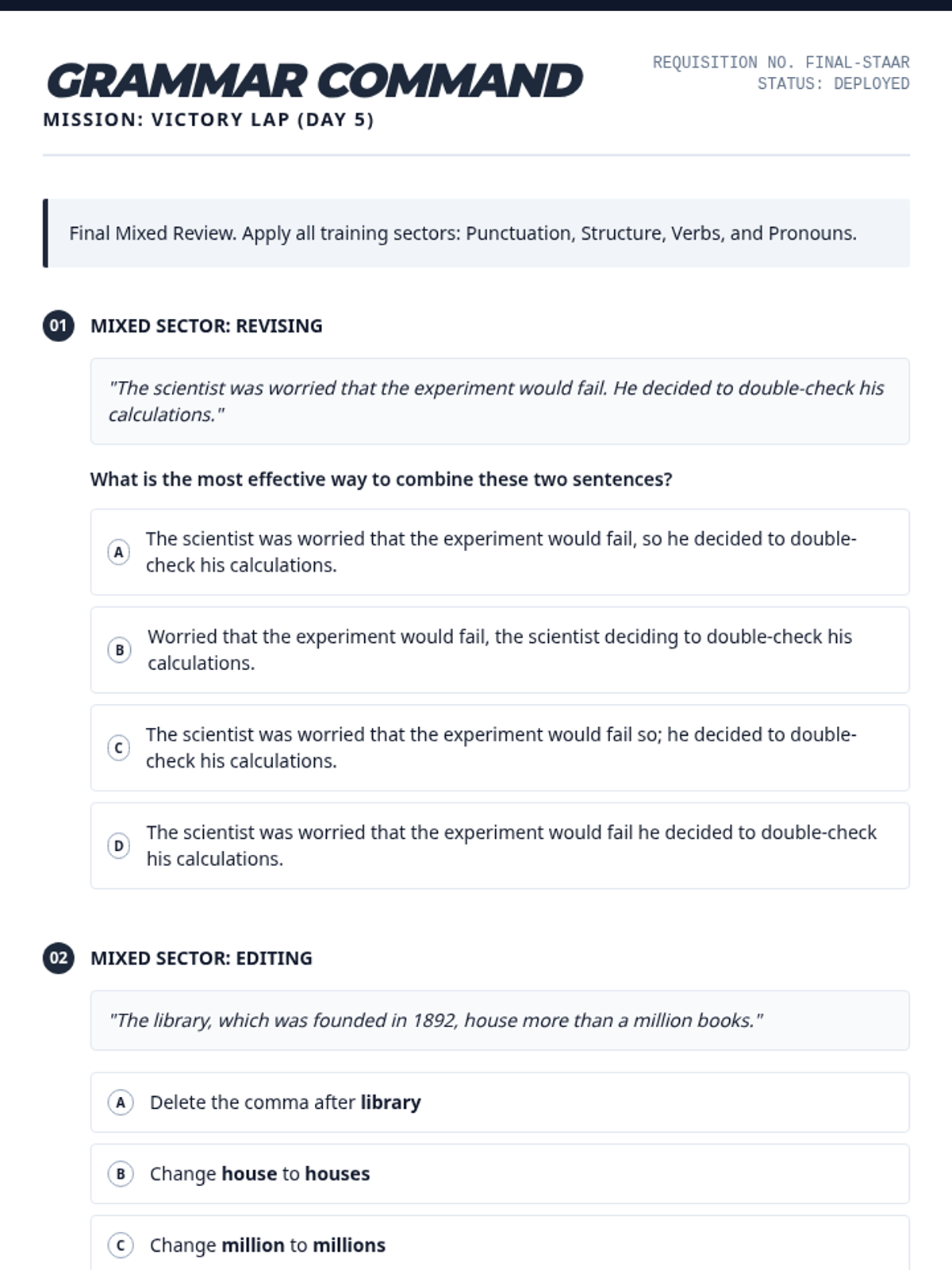
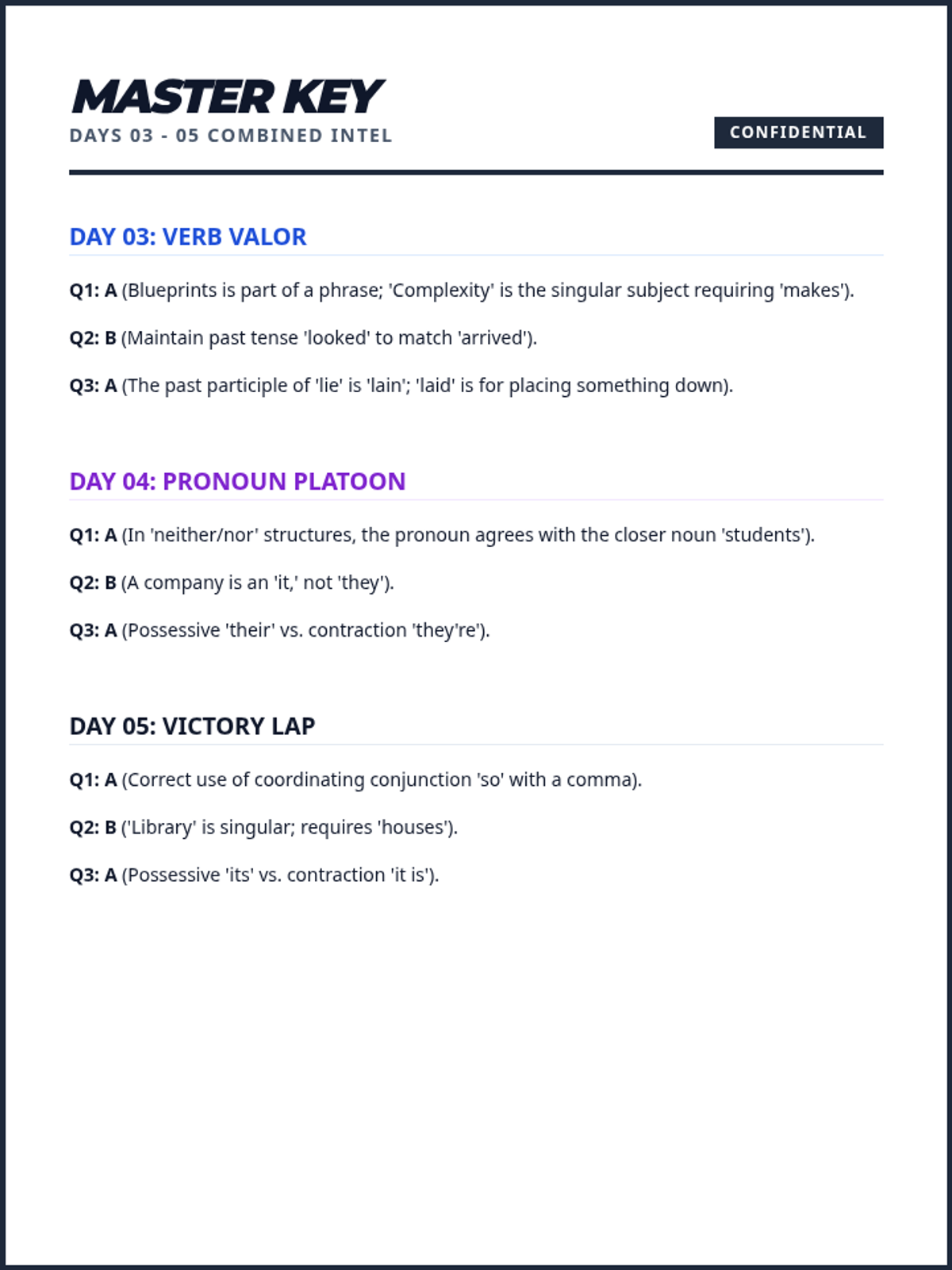
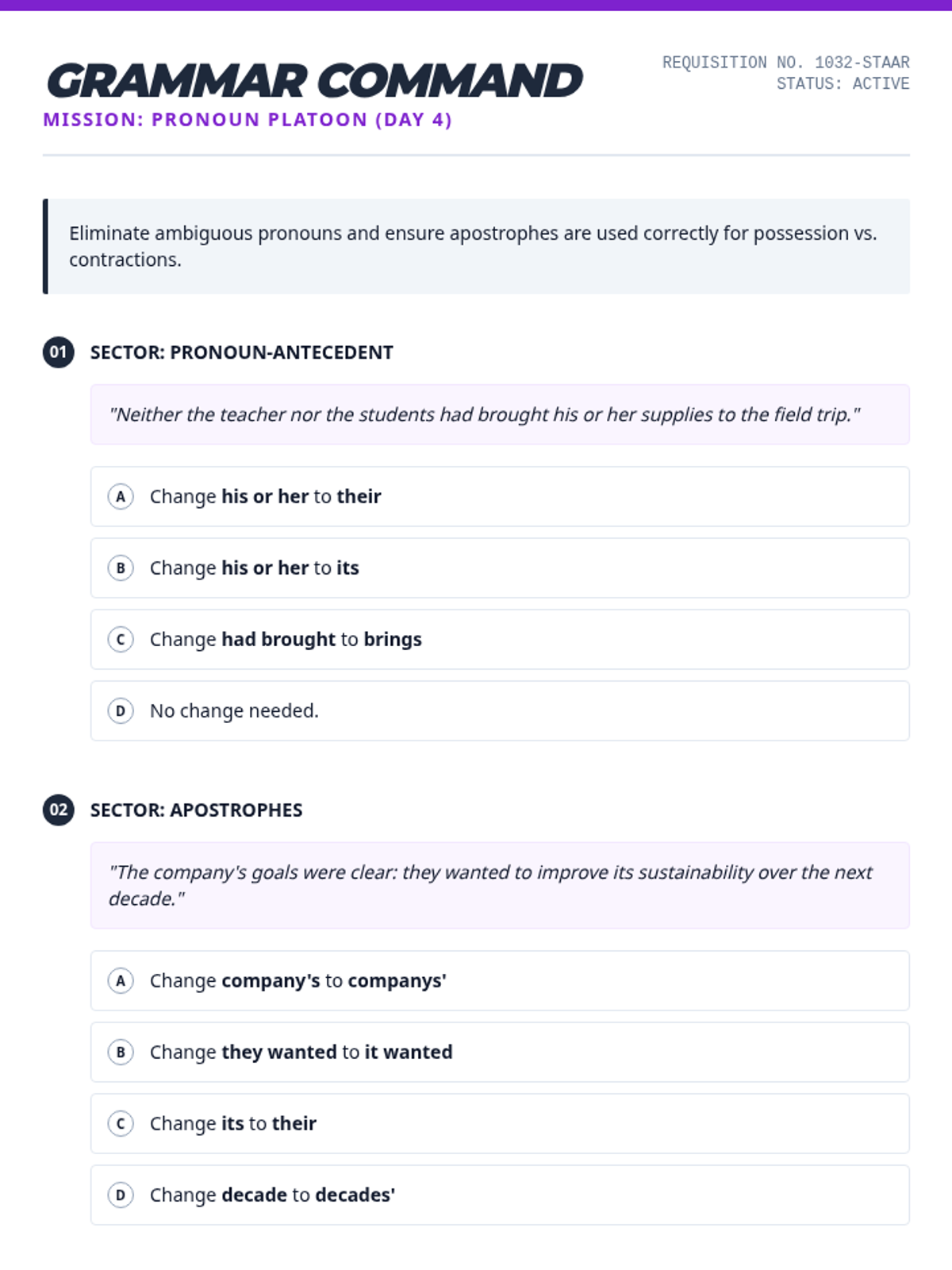
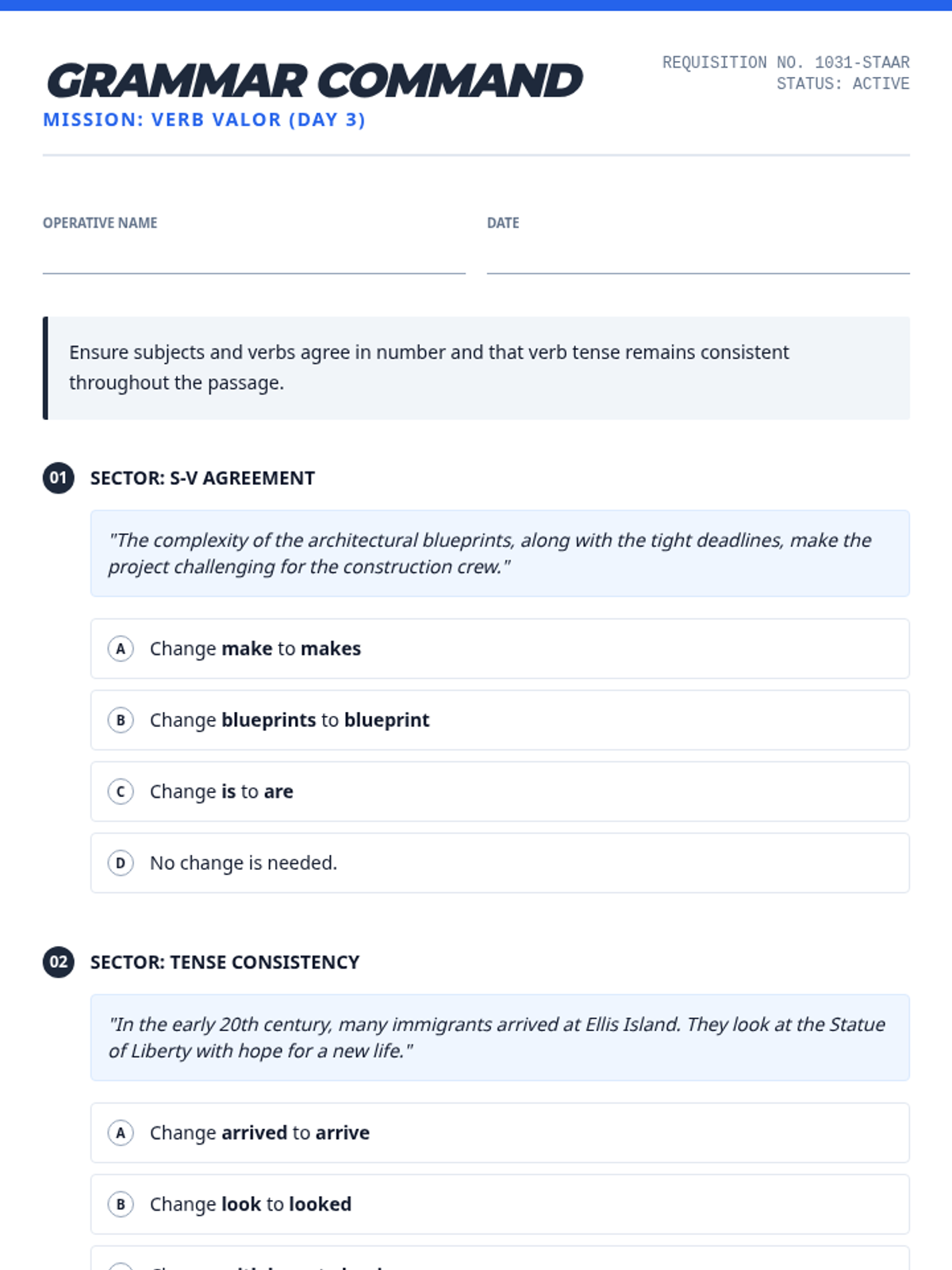
A series of daily editing drills targeting high-frequency STAAR grammar standards including verb agreement, pronoun-antecedent clarity, and complex punctuation.
Identifying and fixing fragments, run-ons, and comma splices in academic writing.
Mixed review and simulation of the STAAR editing/revising section.
Pronoun-antecedent agreement and possessive apostrophe usage.
Subject-verb agreement and consistent verb tense within academic passages.
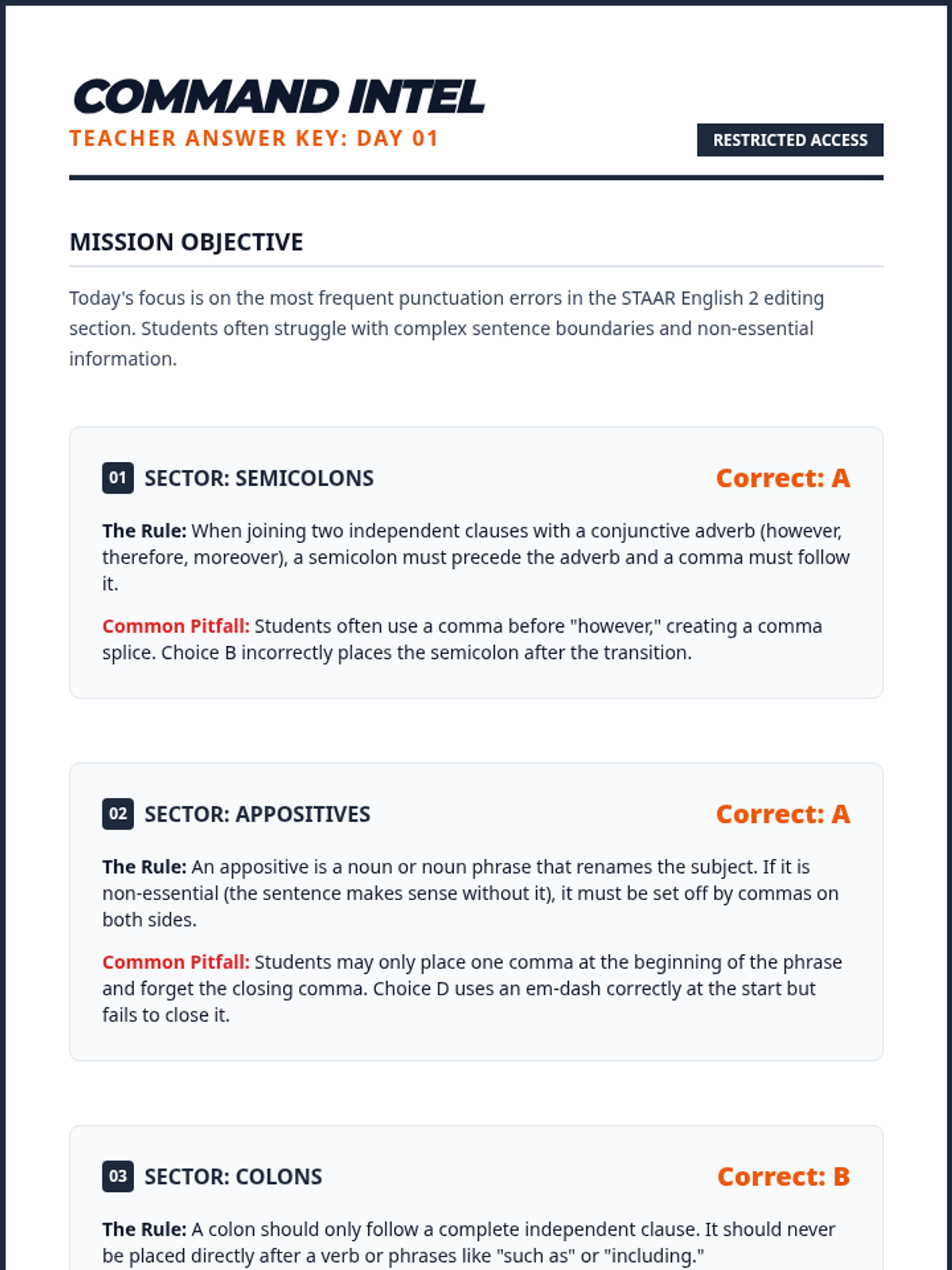
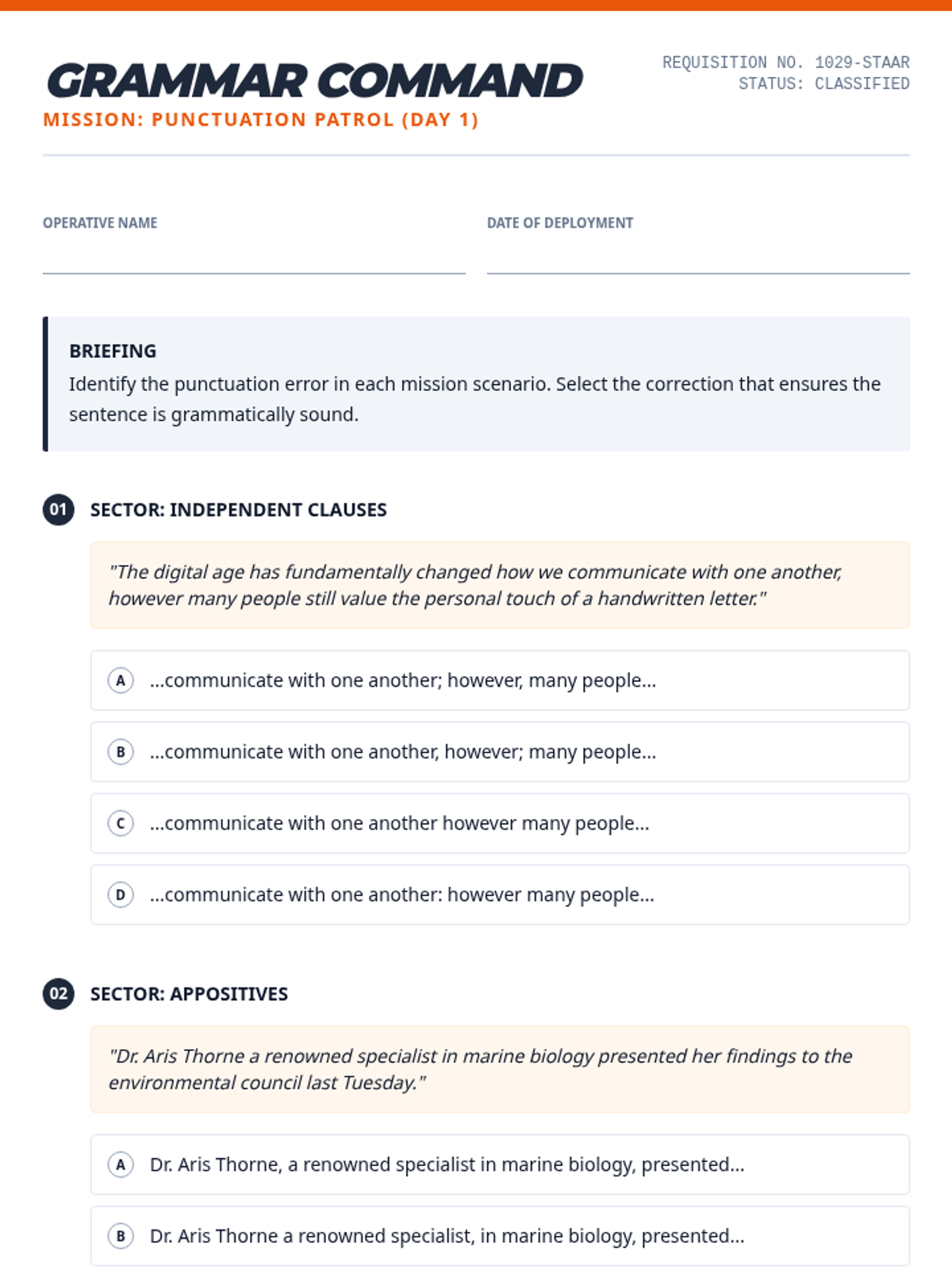
Focus on high-frequency punctuation errors: semicolons, appositives, and colon usage.
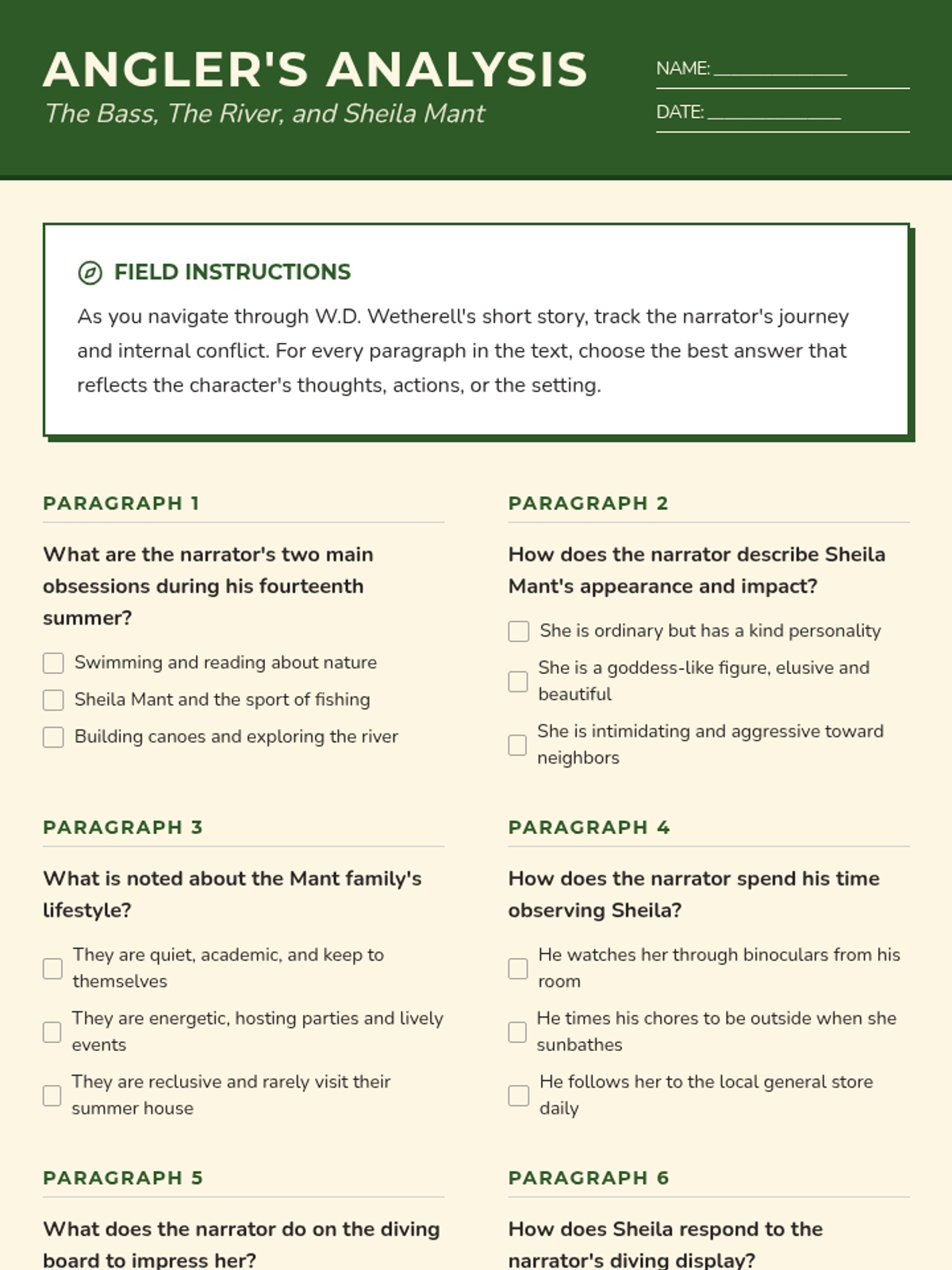
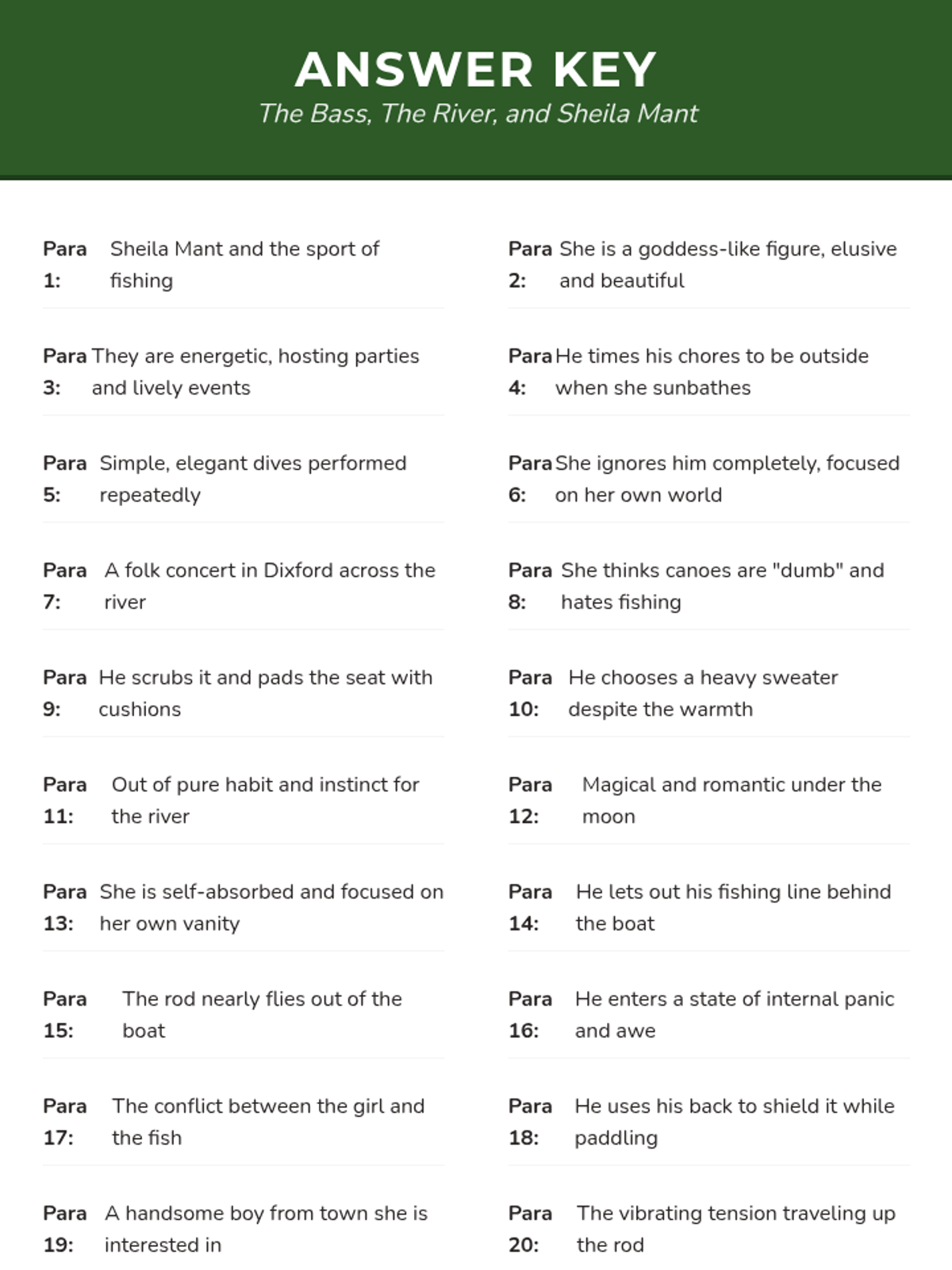
A focused study of W.D. Wetherell's short story 'The Bass, The River, and Sheila Mant,' examining character motivation and internal conflict through a paragraph-by-paragraph analysis.
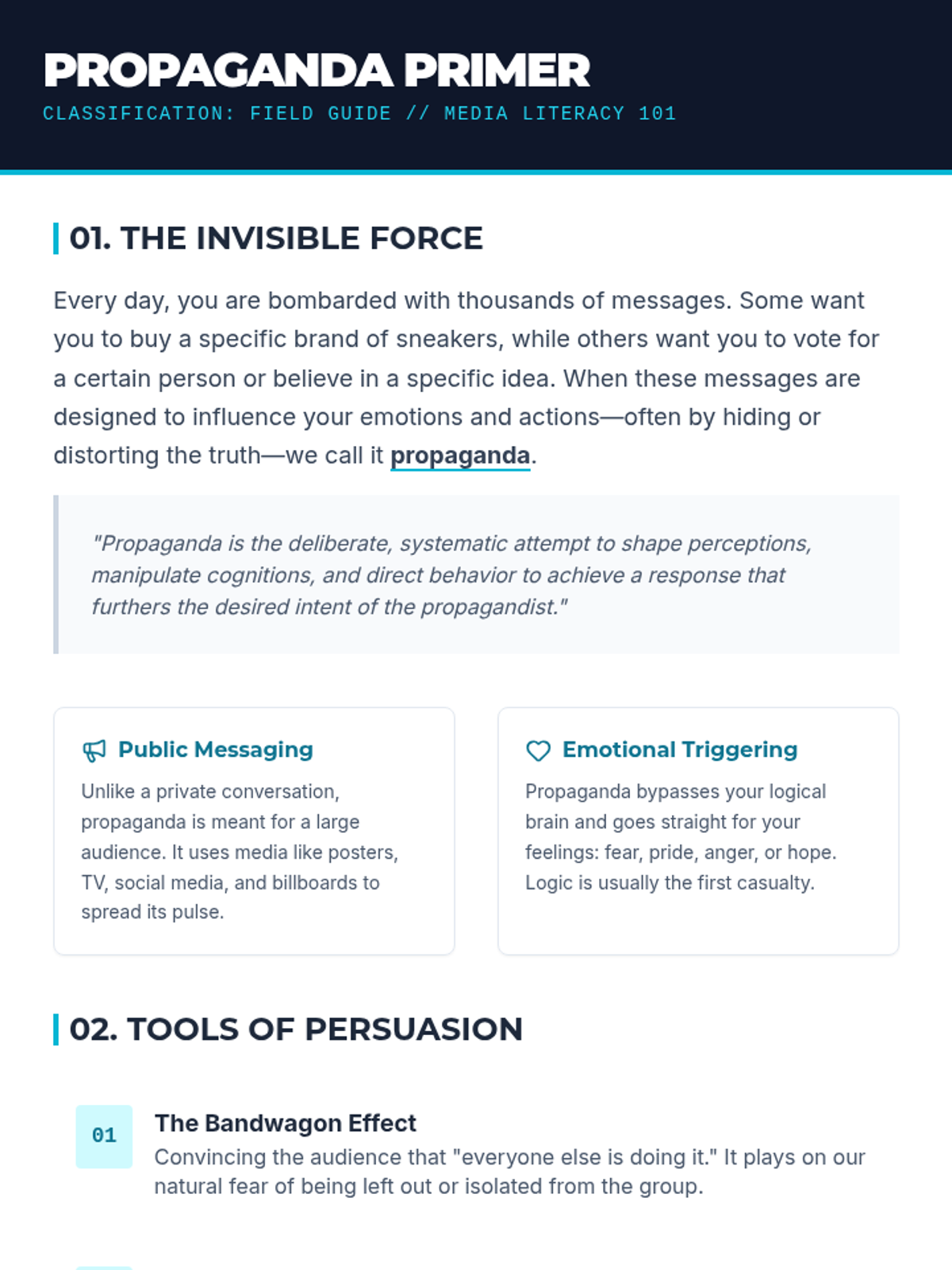
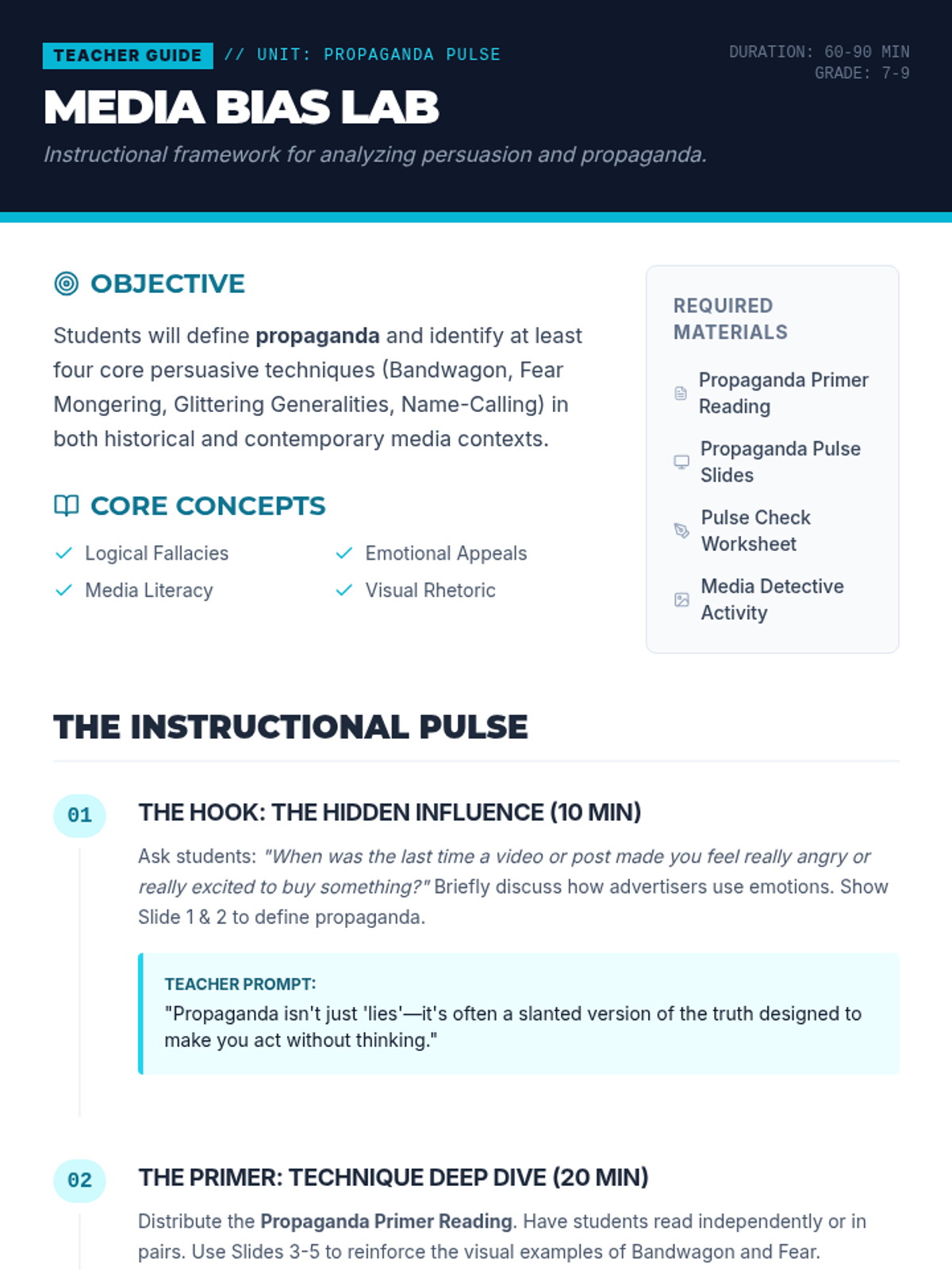
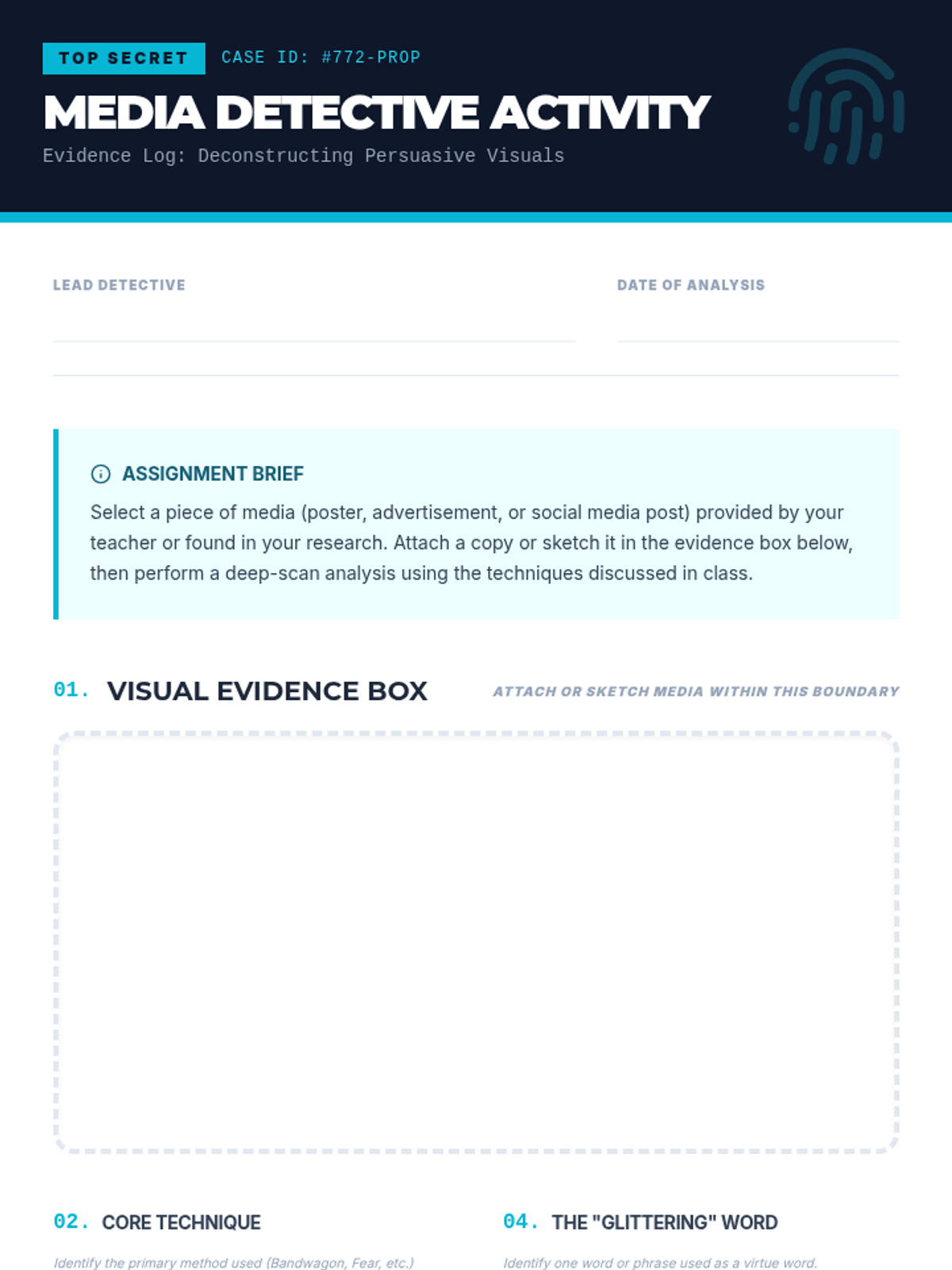
An introductory exploration into the world of propaganda, teaching students to identify bias and persuasive techniques in historical and modern media.
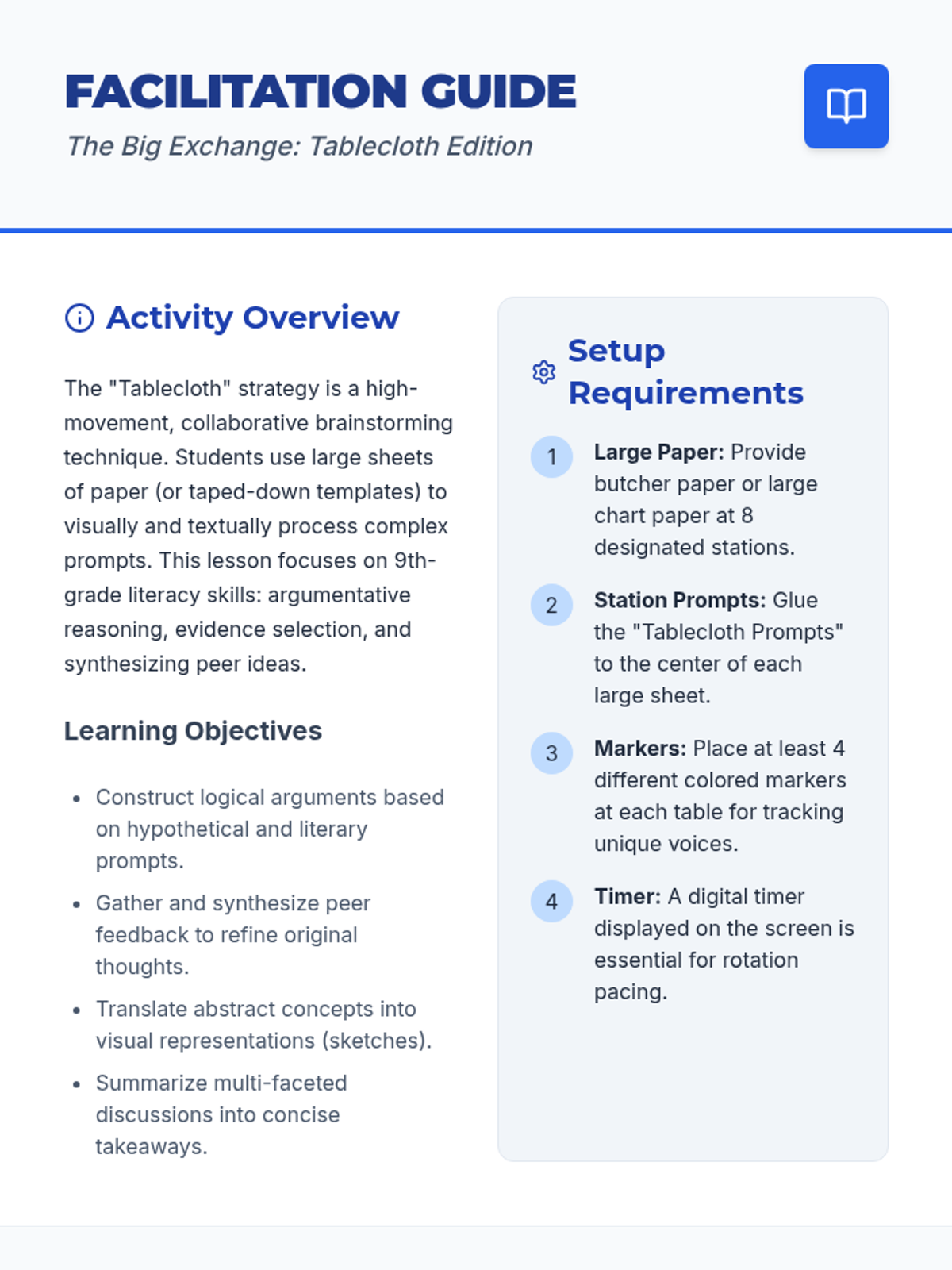
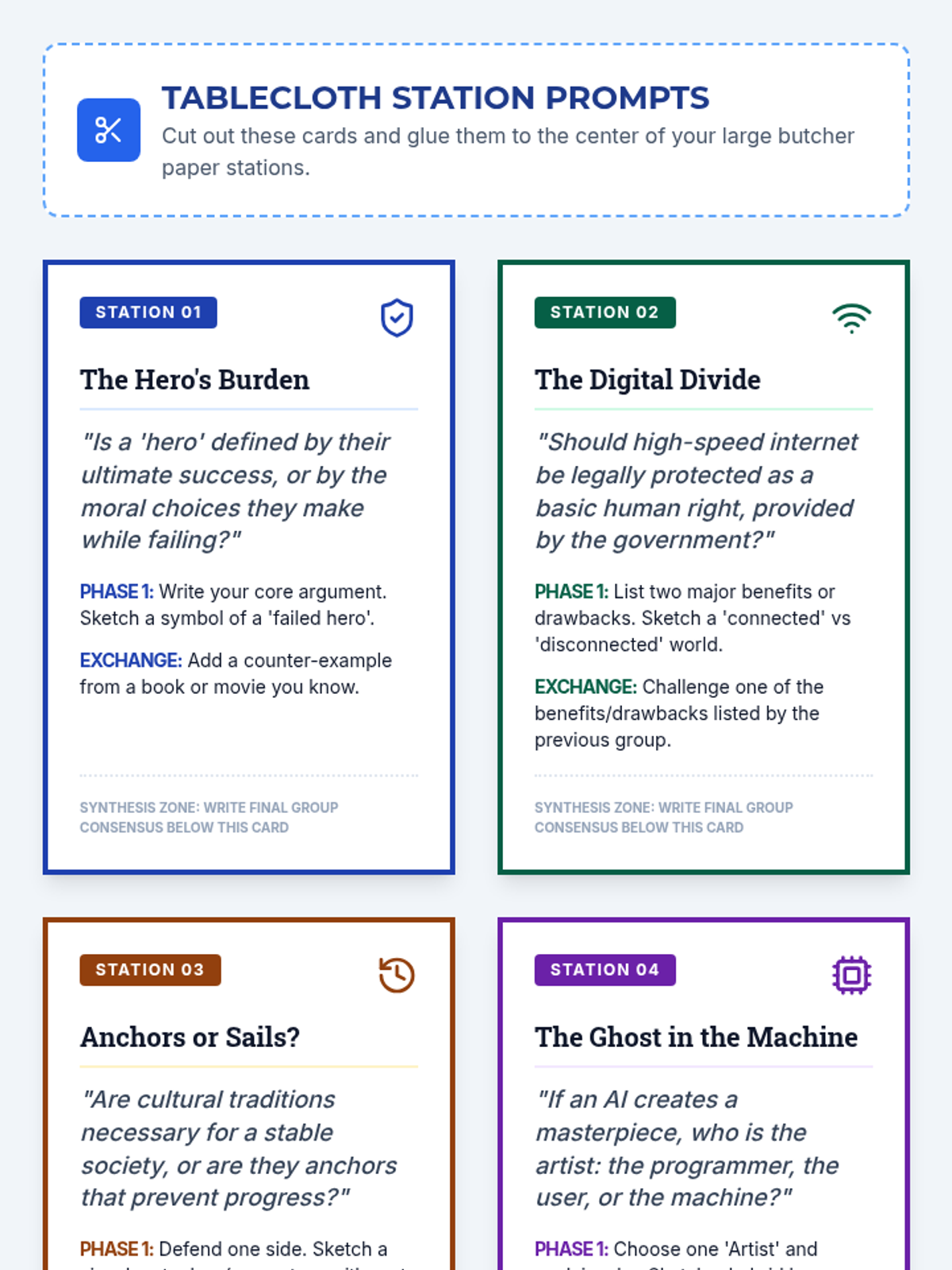
A high-energy, collaborative activity where students move between stations to engage in deep analysis, sketching, and argumentative debate on large 'tablecloth' papers.
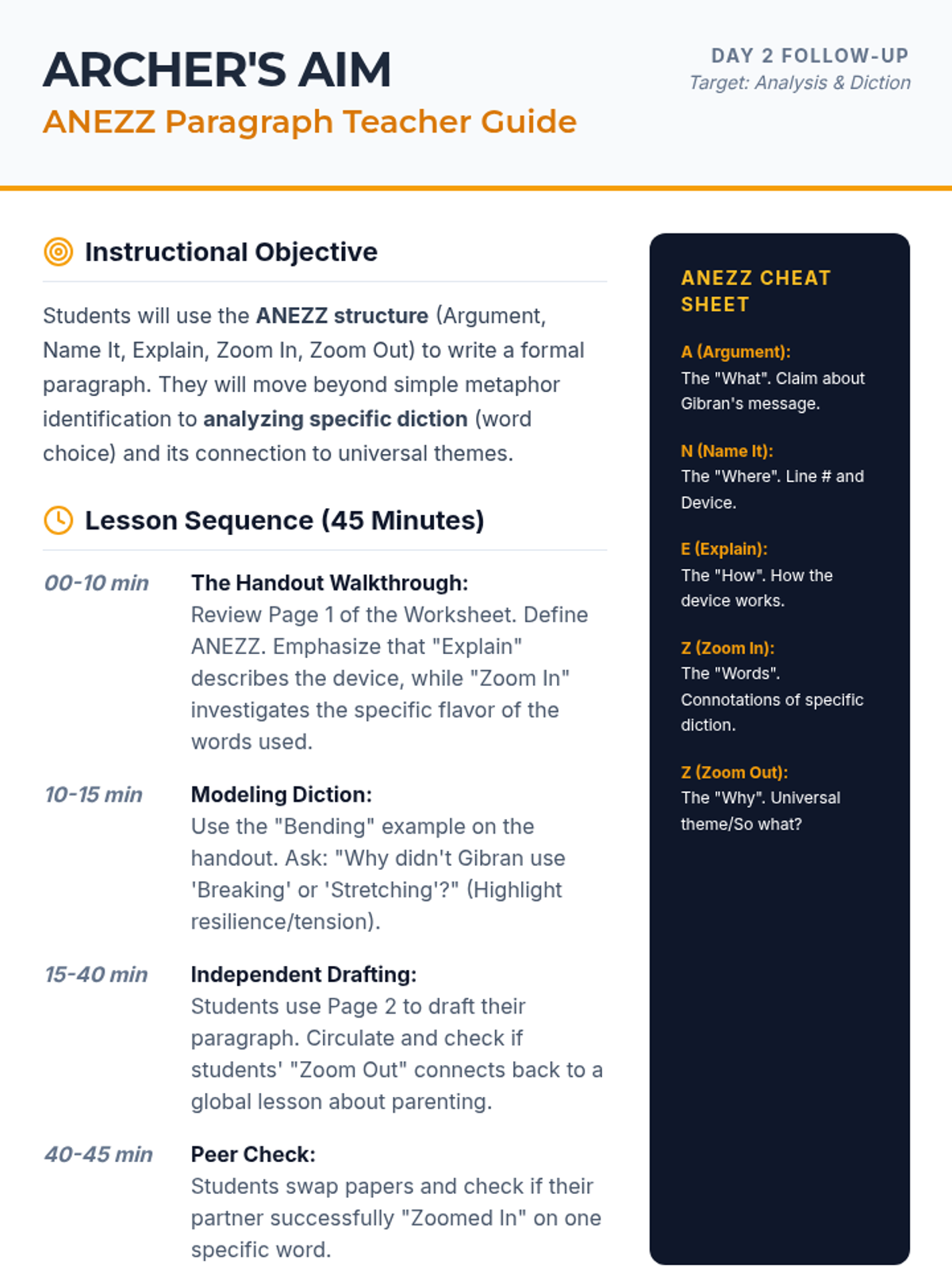
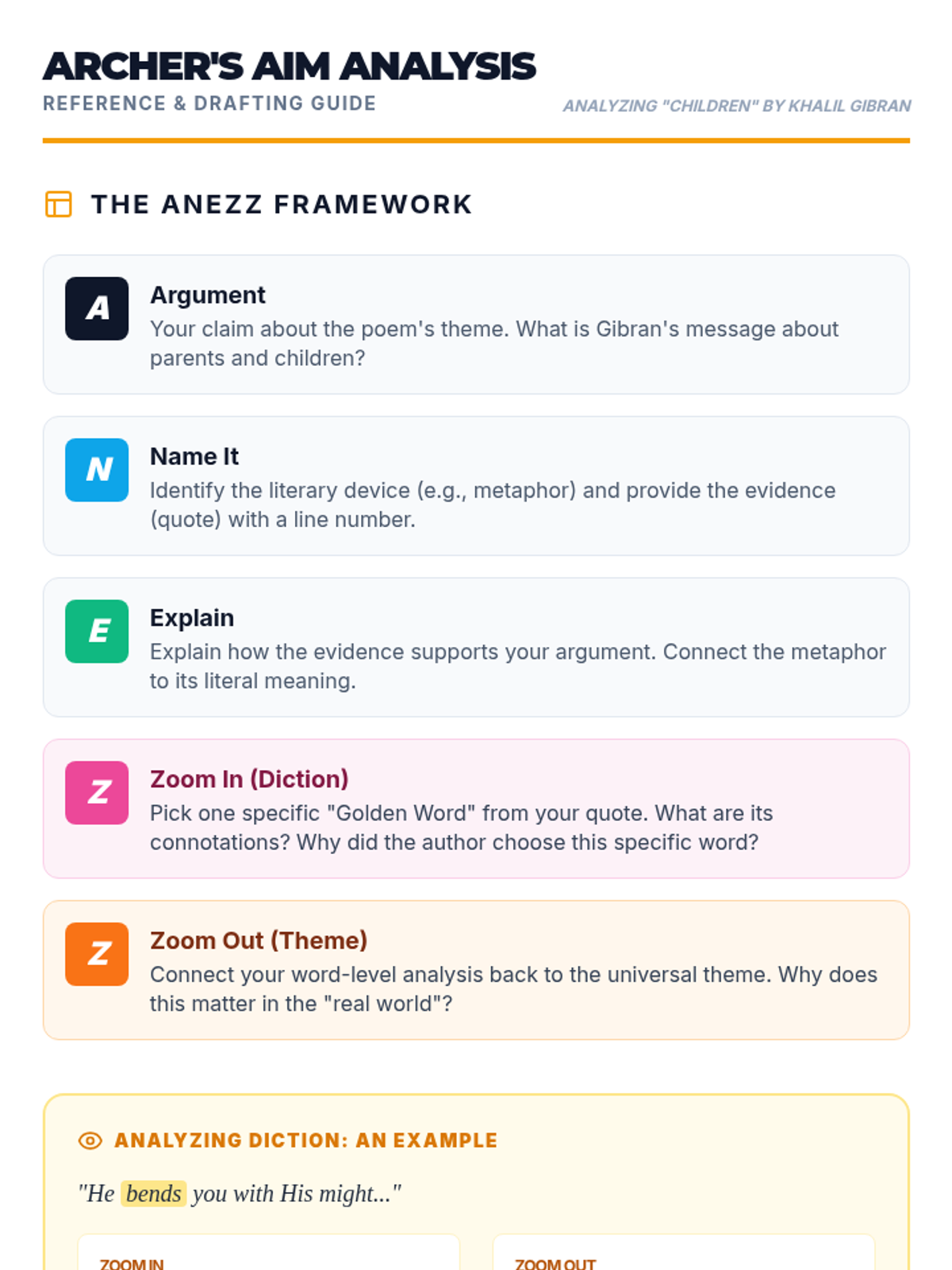
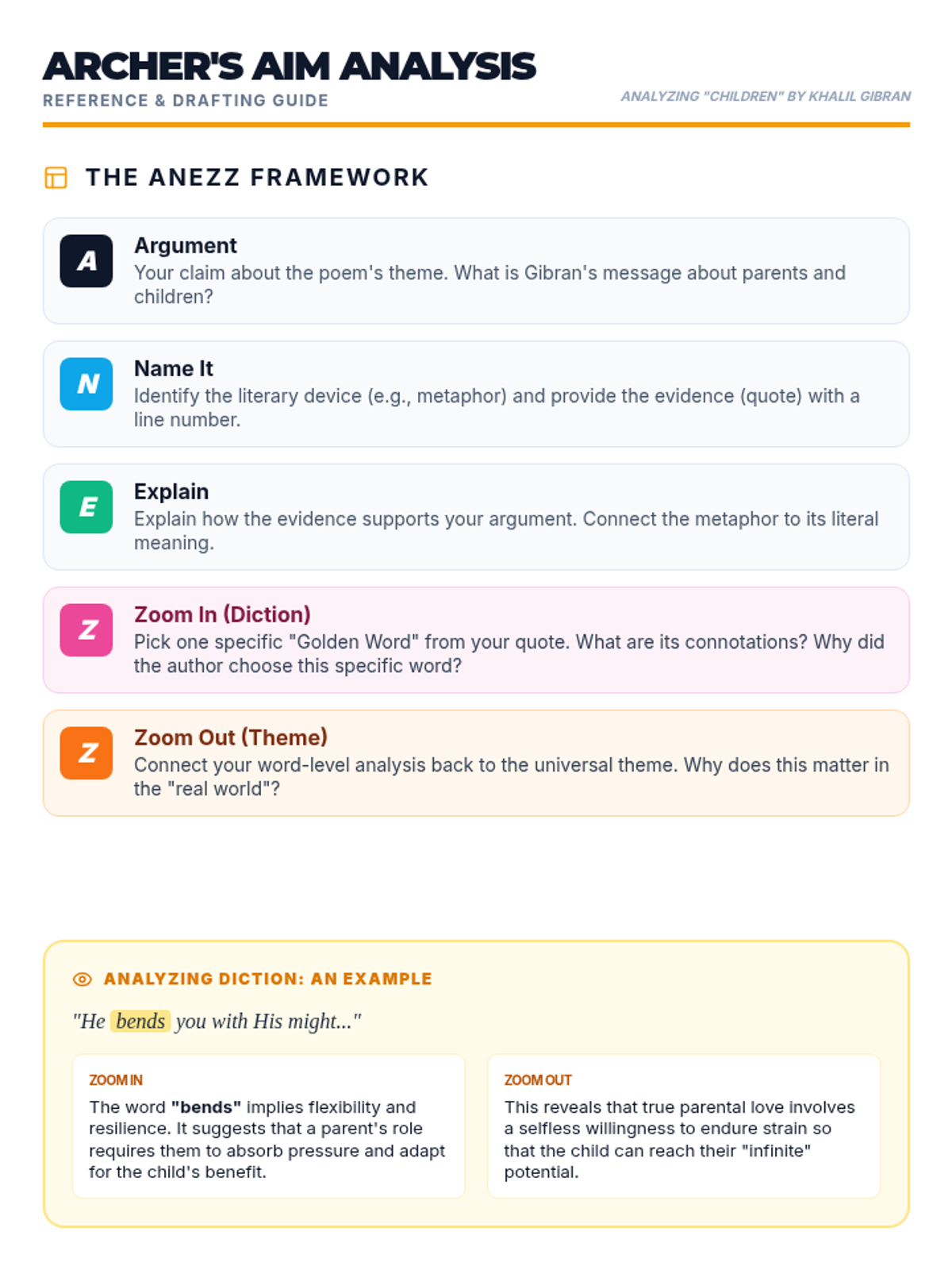
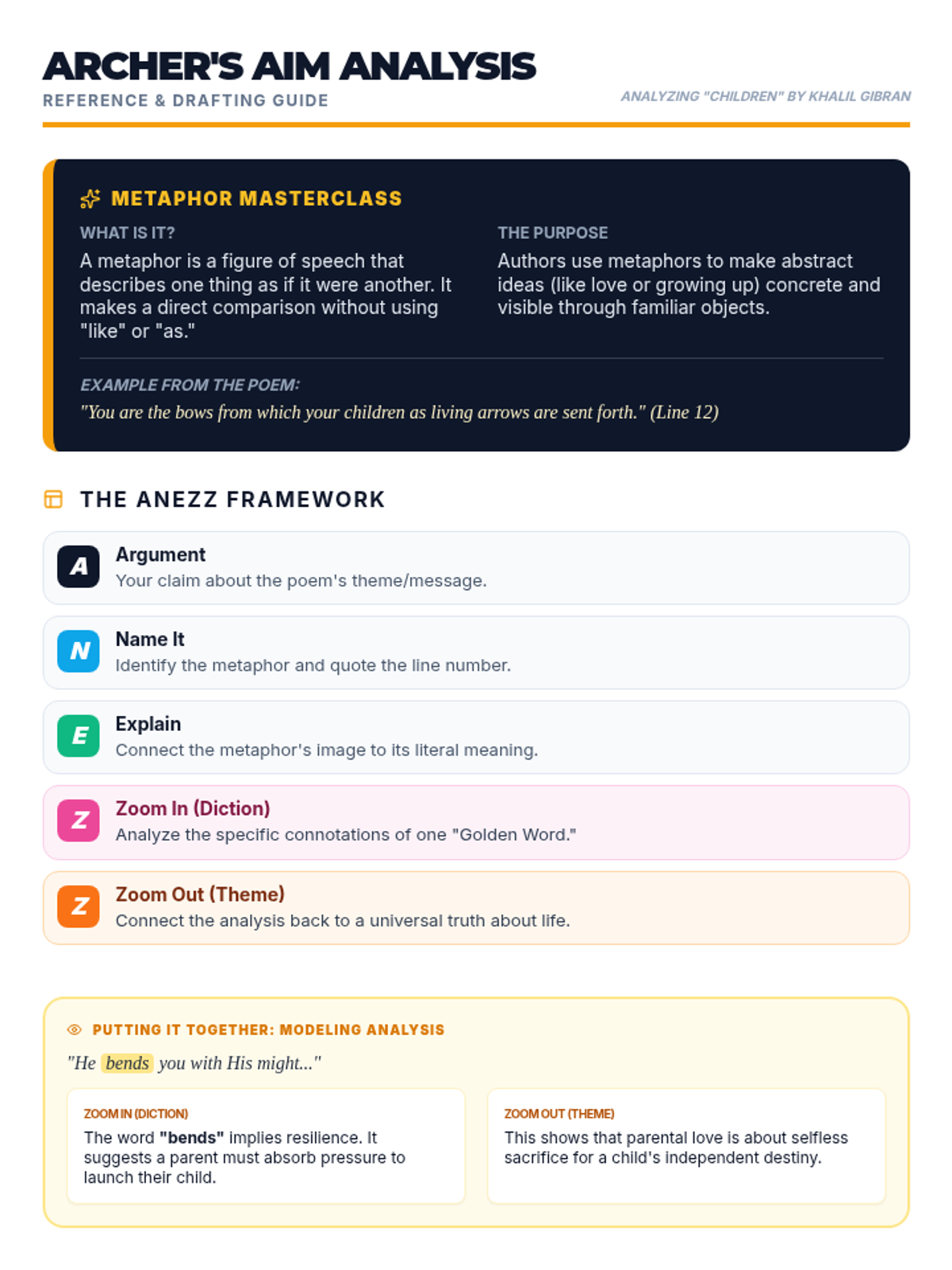
A follow-up lesson focused on mastering literary analysis through the ANEZZ paragraph structure, using Khalil Gibran's 'Children' to explore figurative language and theme.
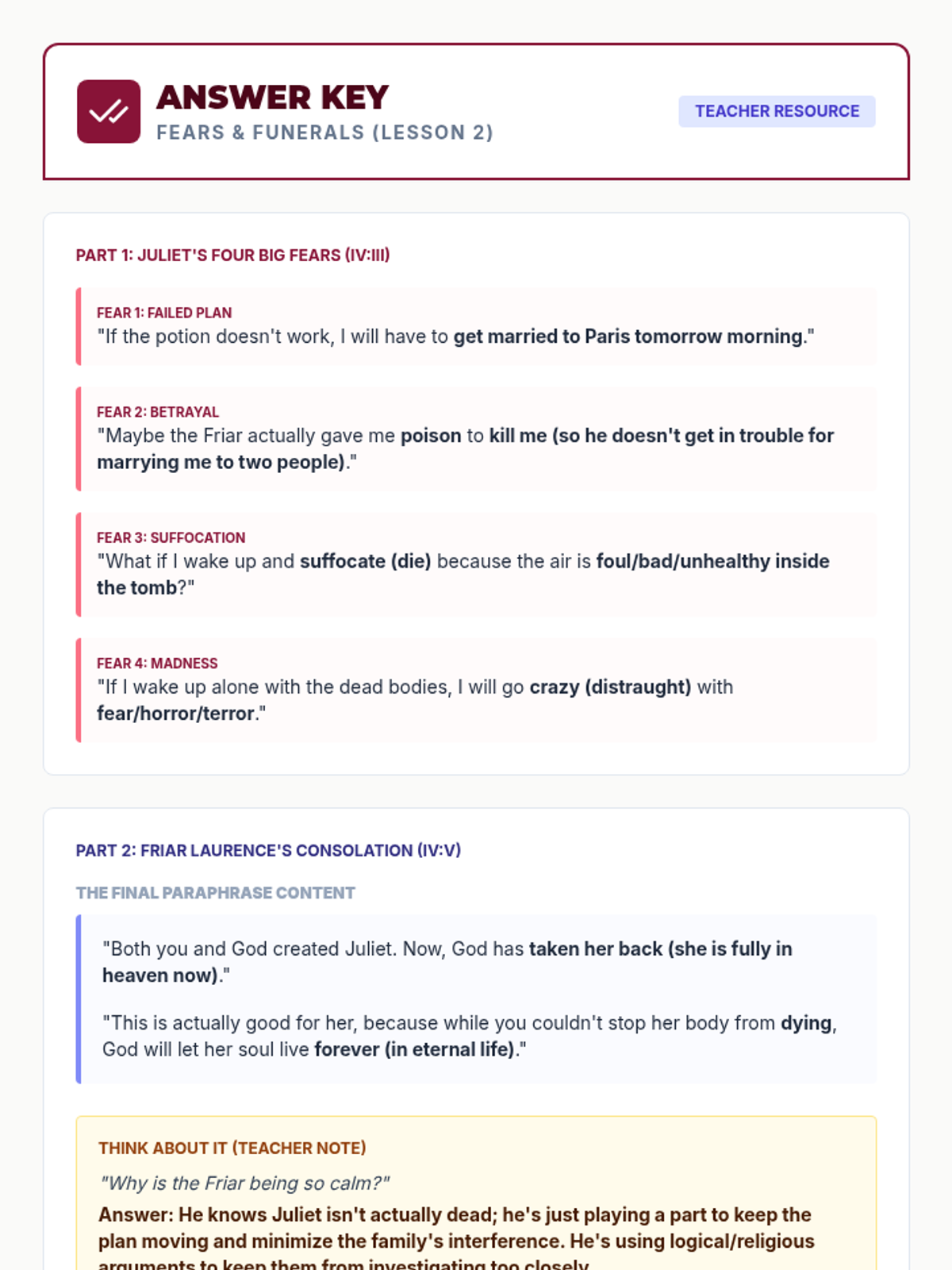
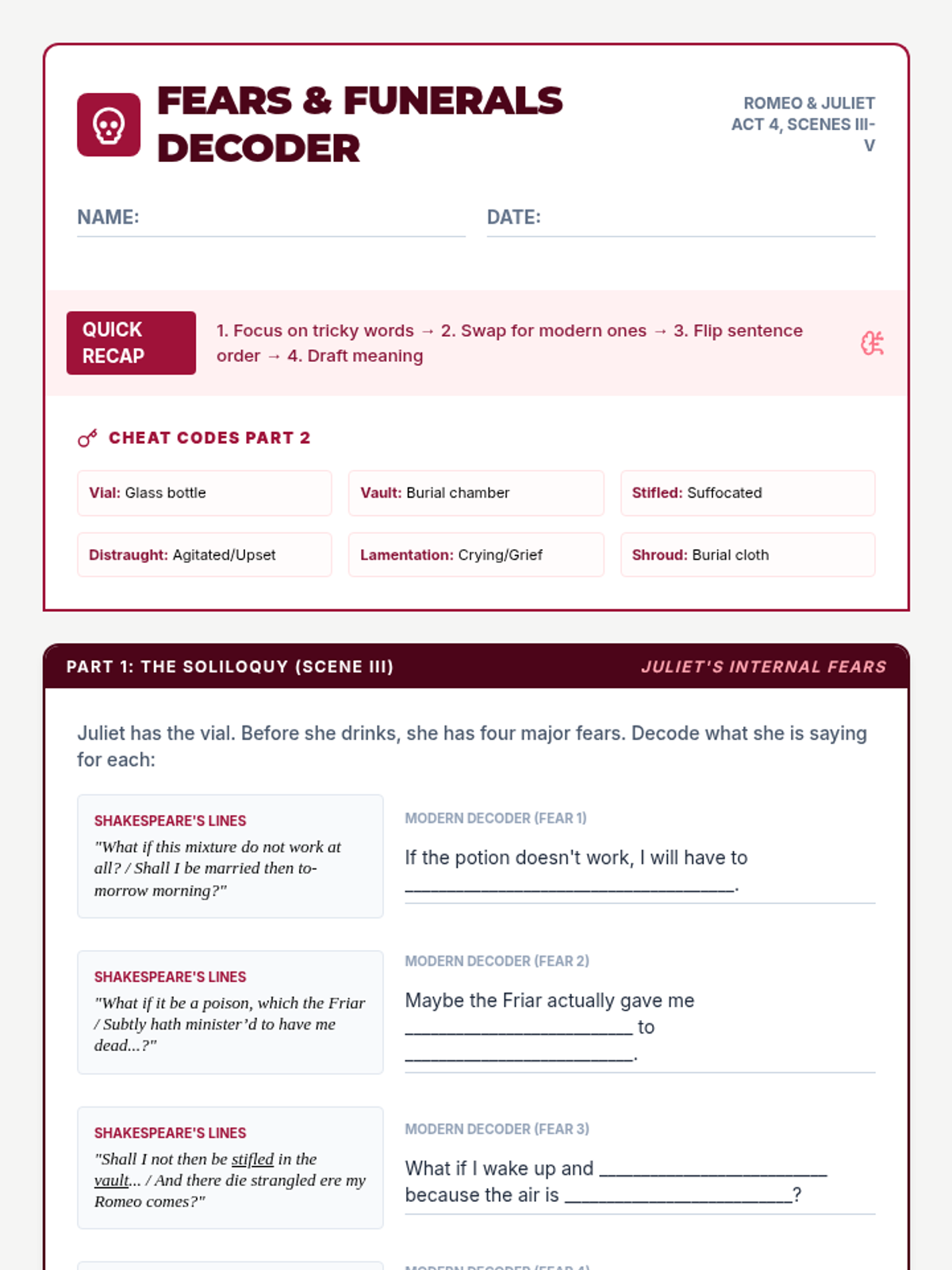
Students will analyze Juliet's internal fears before taking the potion and the Friar's words of comfort to the Capulets, using complex imagery to practice high-level paraphrasing.