A lesson exploring the tension between judicial principles like the Rule of Law and the historical/human realities of discrimination and bias, using the Bill of Rights as tools for redress.
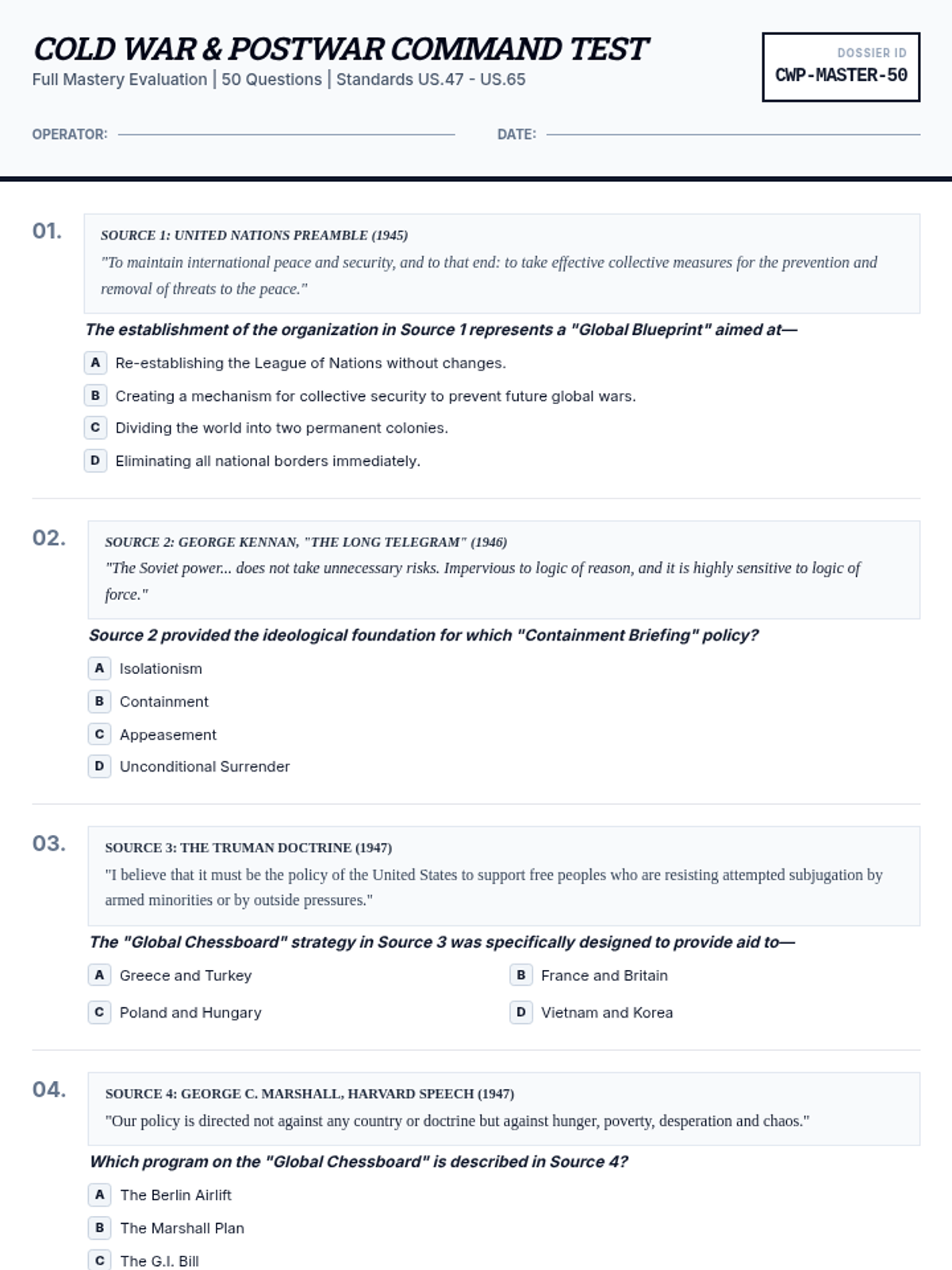
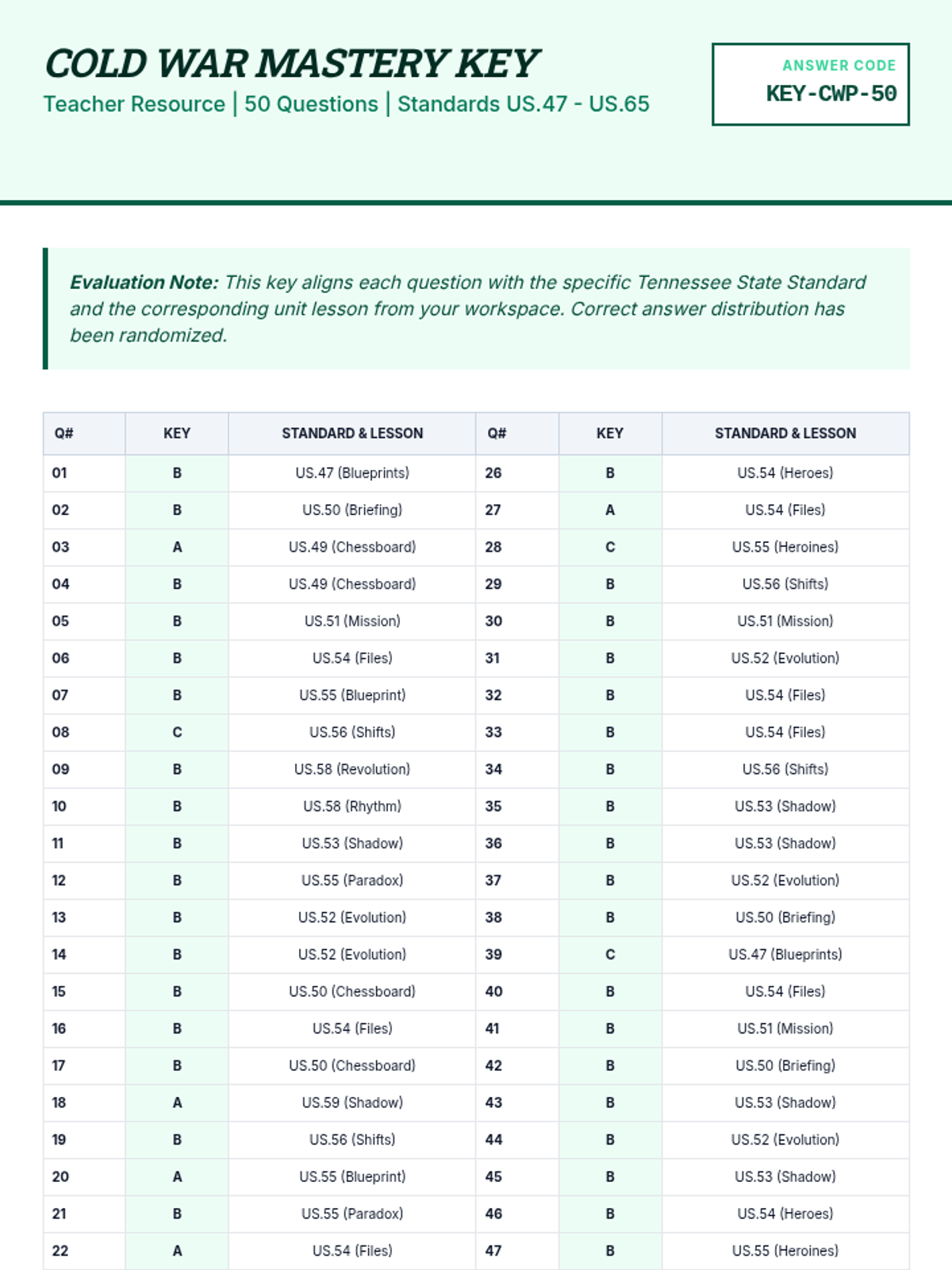
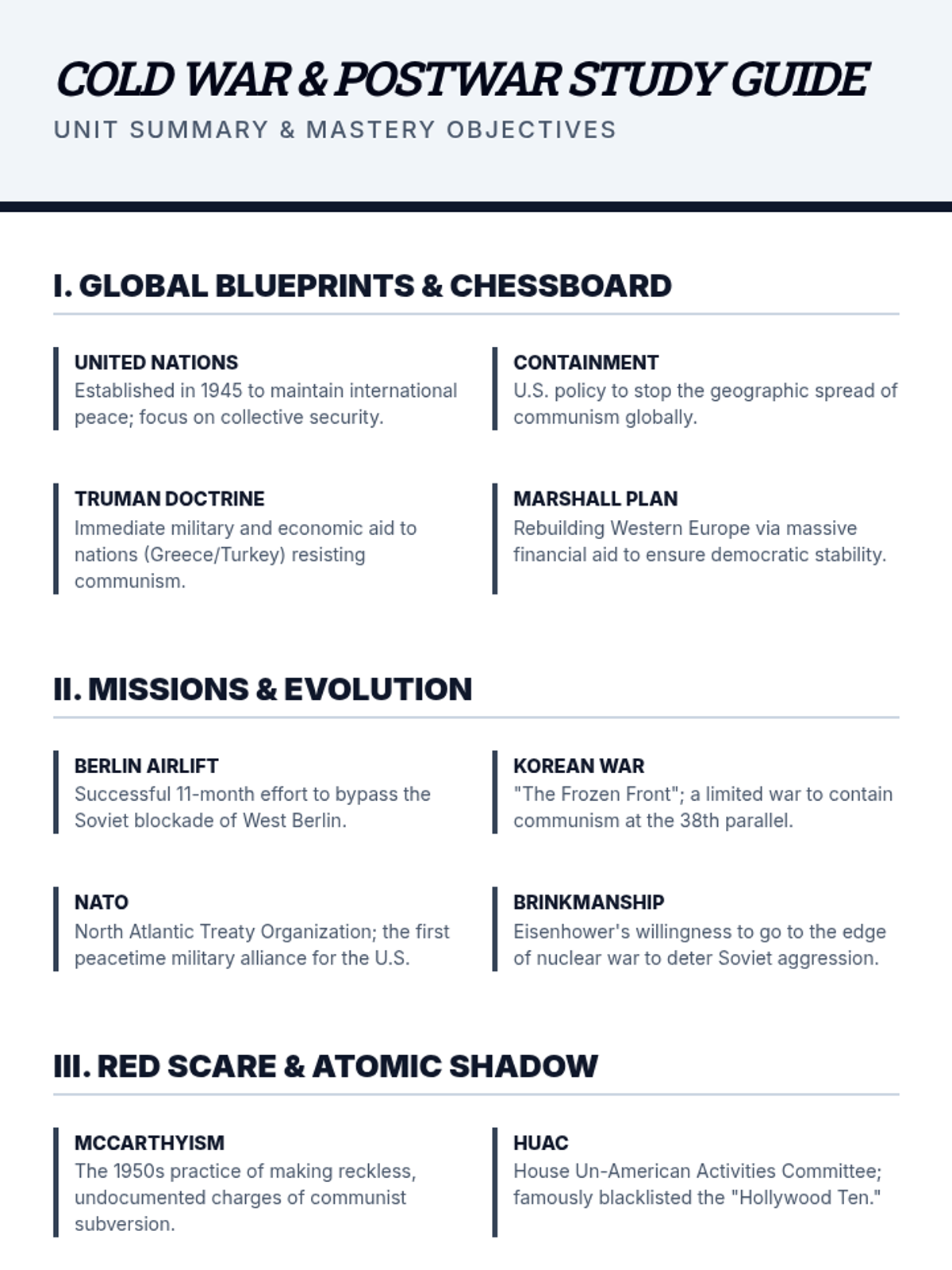
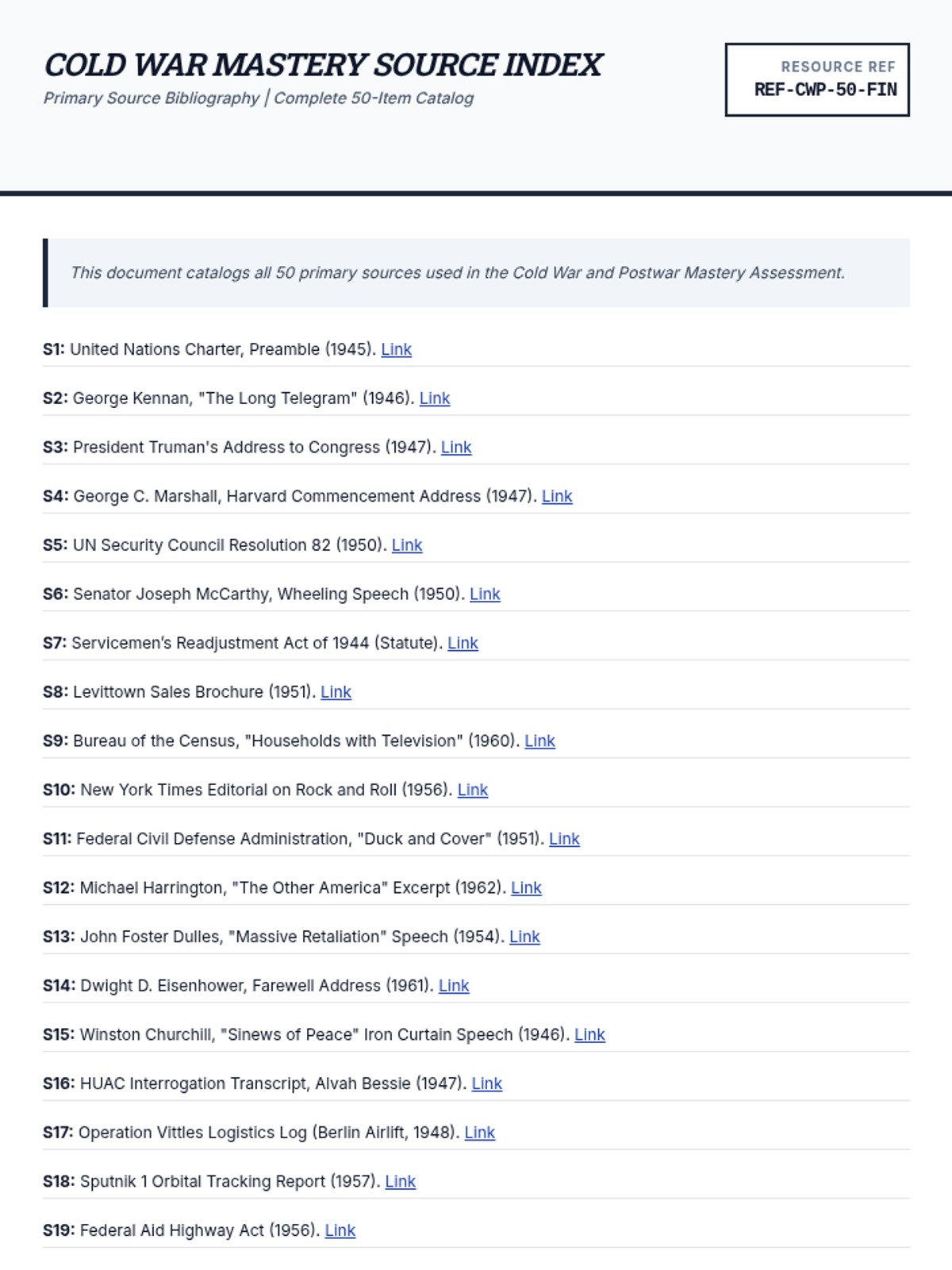
Global Blueprints, Global Chessboard, Containment Briefing, Frozen Front Mission, Containment Evolution, Red Scare Files, Prosperity Paradox, Boomer Blueprint, Suburban Shifts, Living Room Revolution, Rhythm Revolution, and Atomic Shadow.
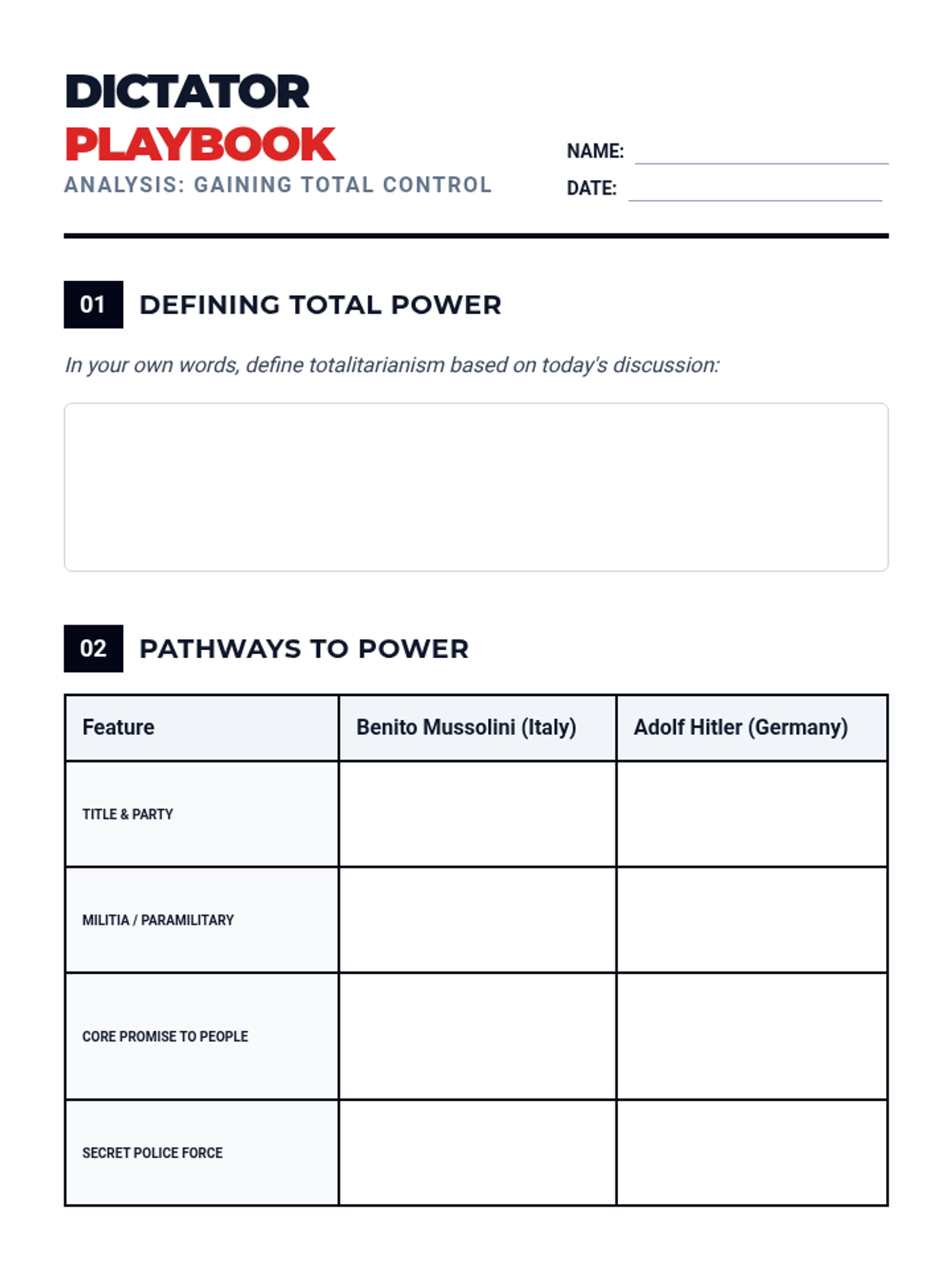
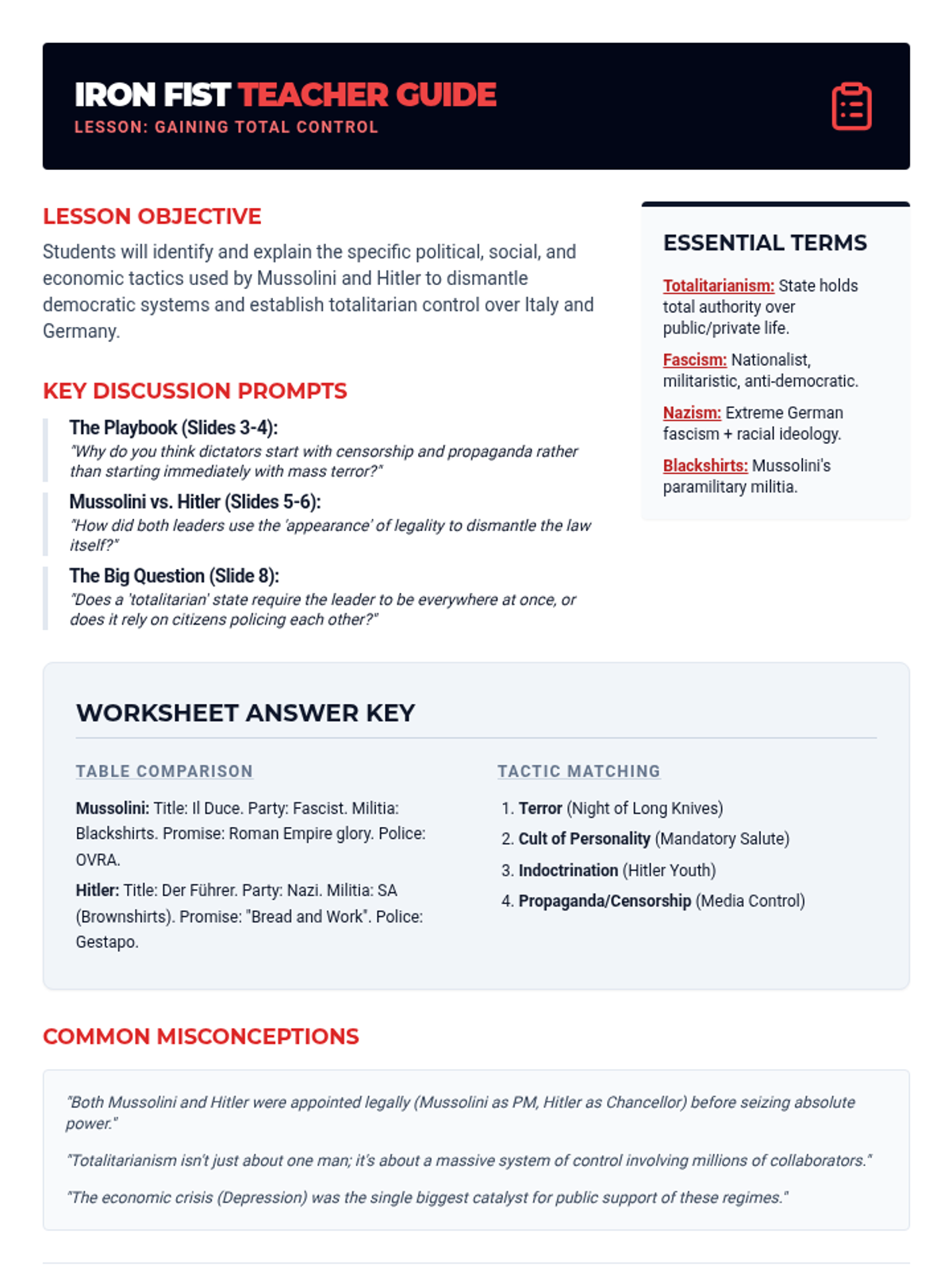
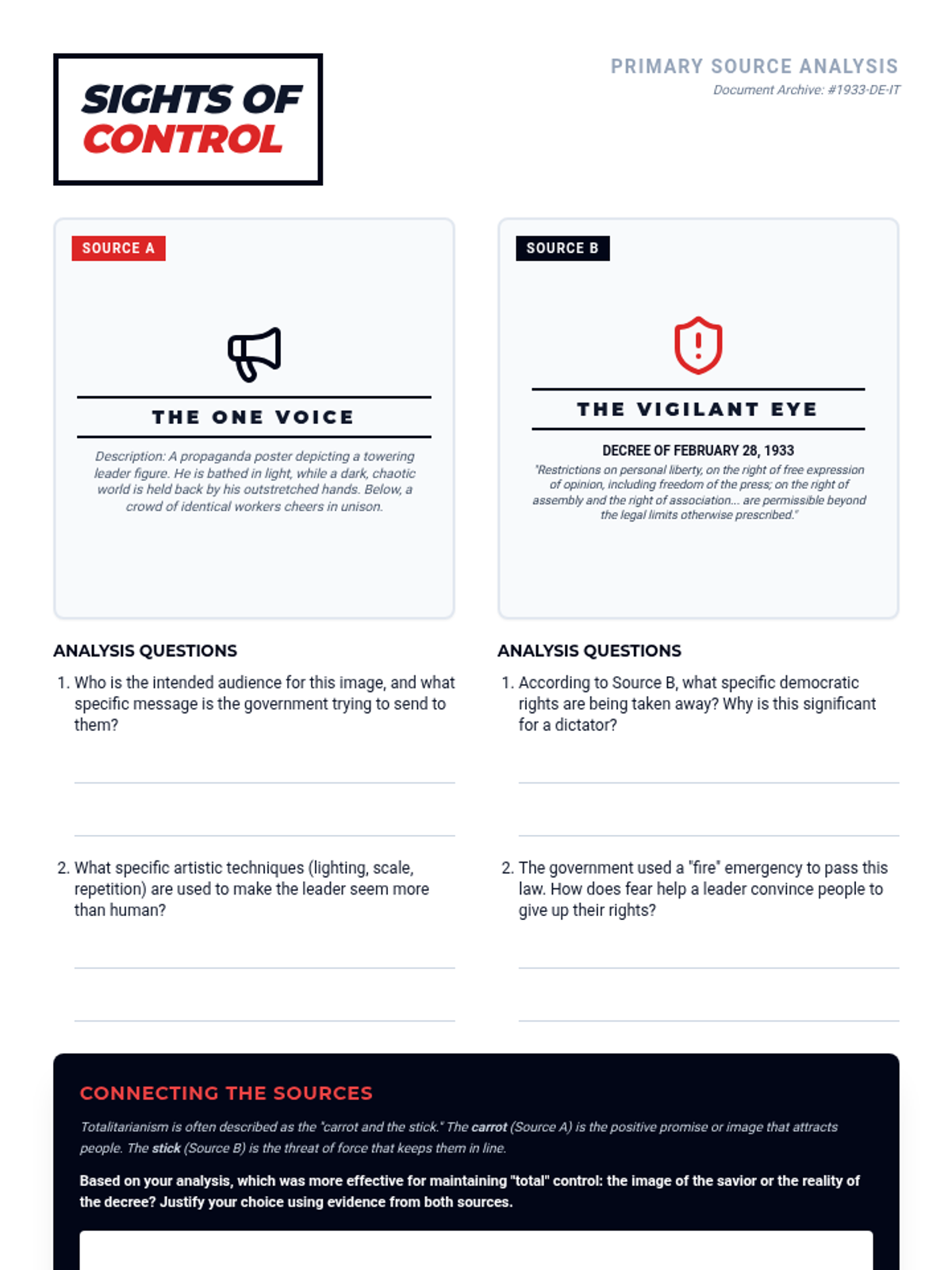
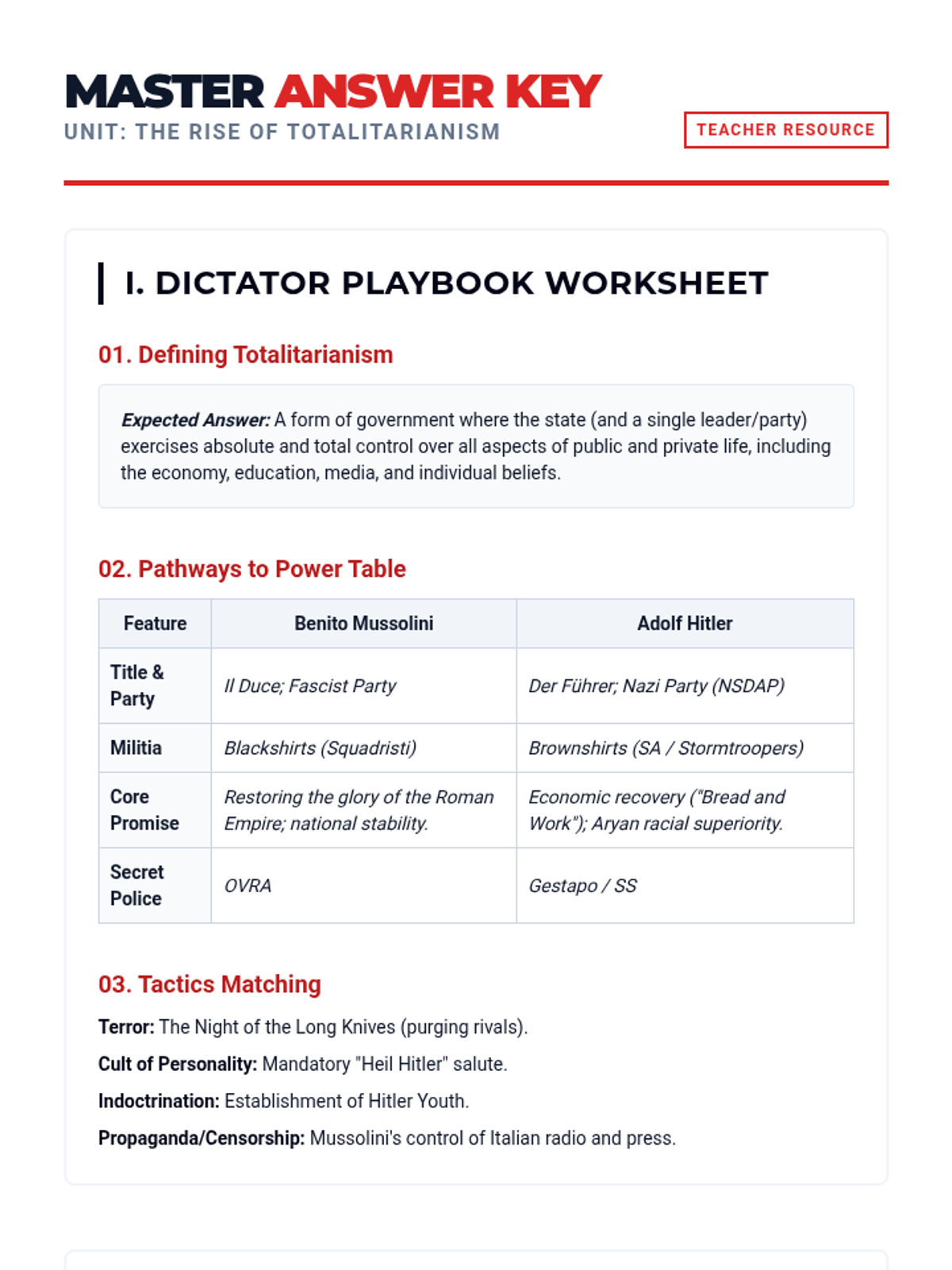
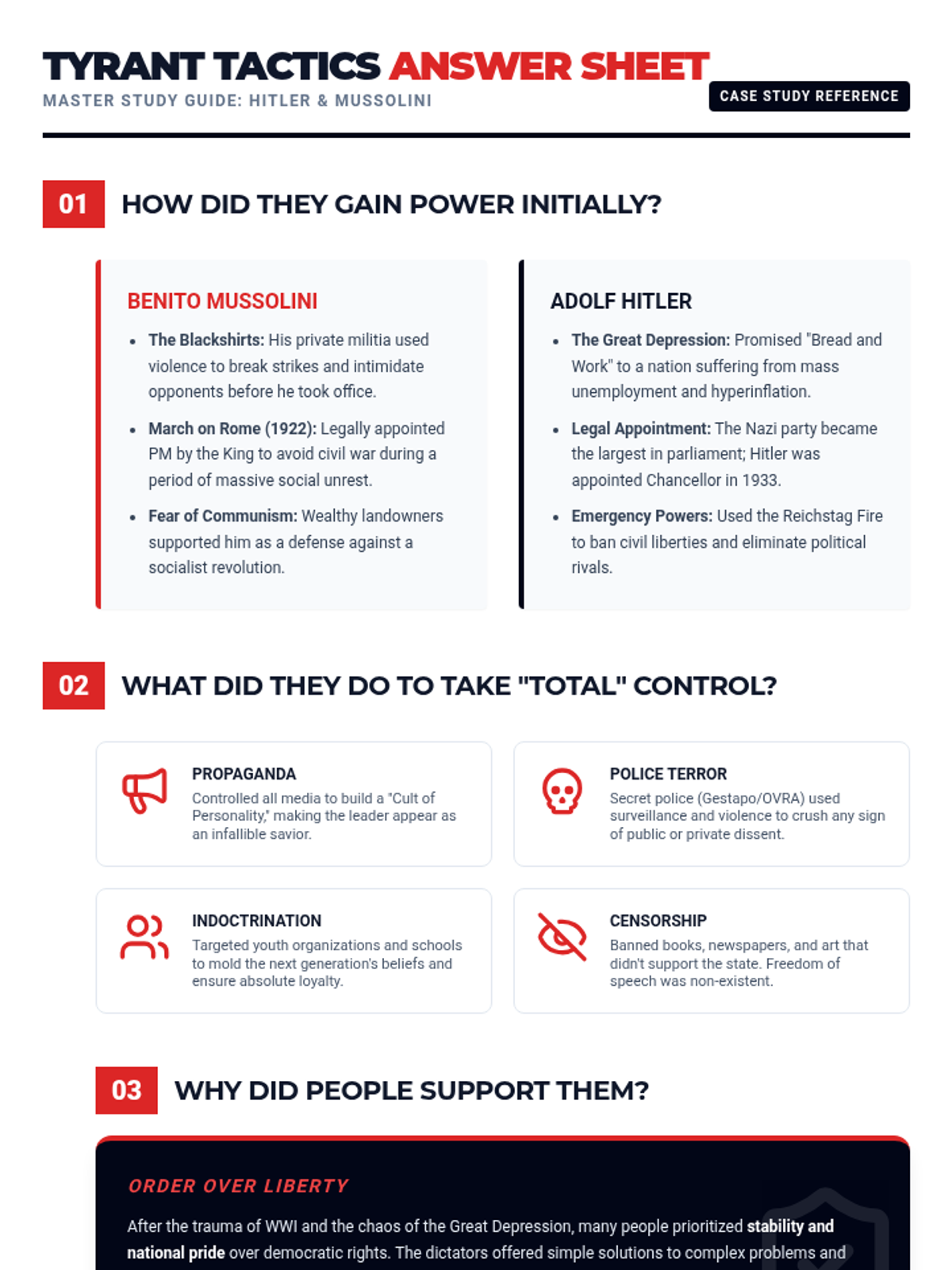
This lesson explores the methods used by Benito Mussolini and Adolf Hitler to establish totalitarian regimes in Italy and Germany. Students will analyze tactics such as propaganda, terror, economic manipulation, and cults of personality to understand how 'total' control was achieved.
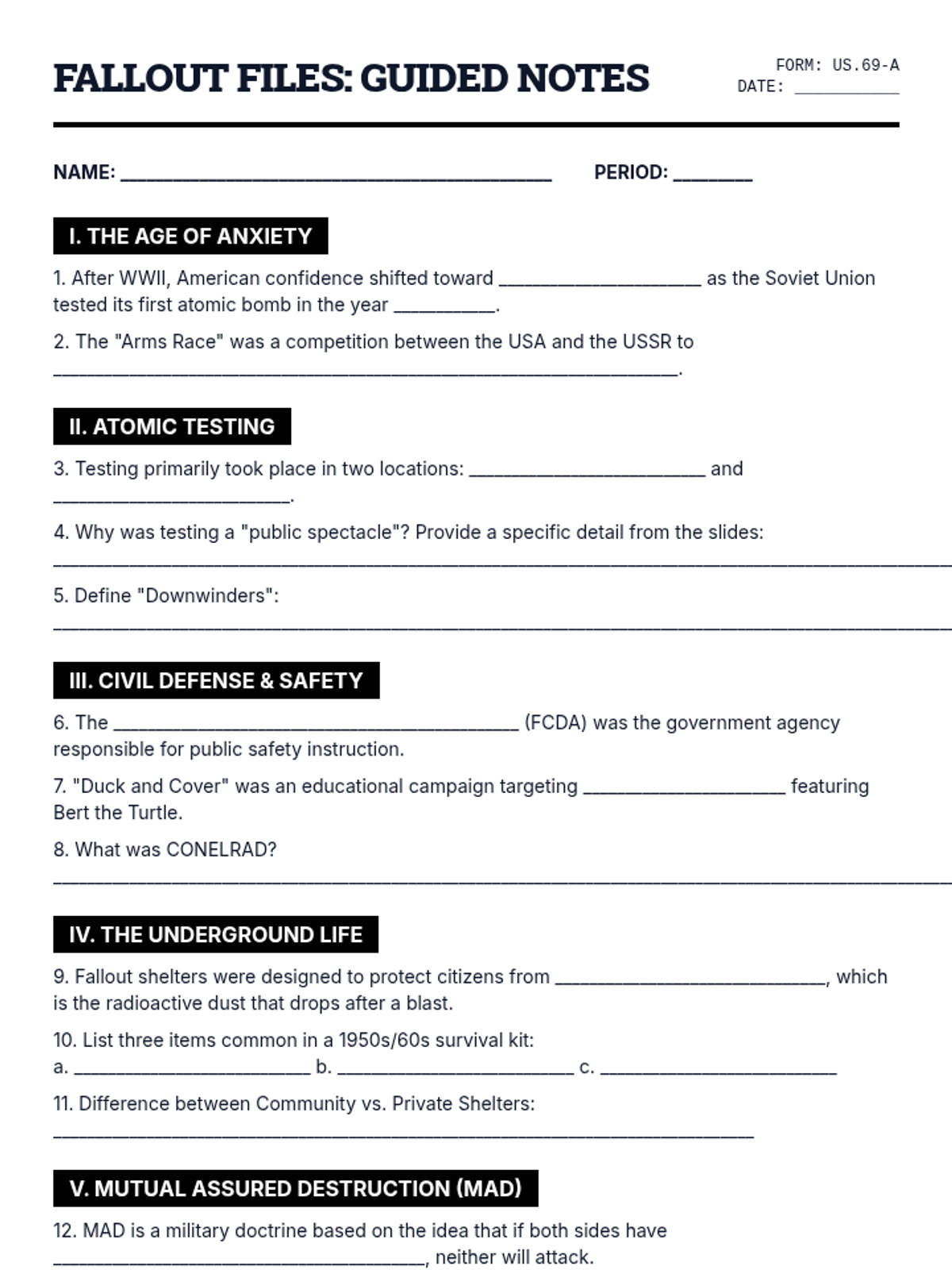
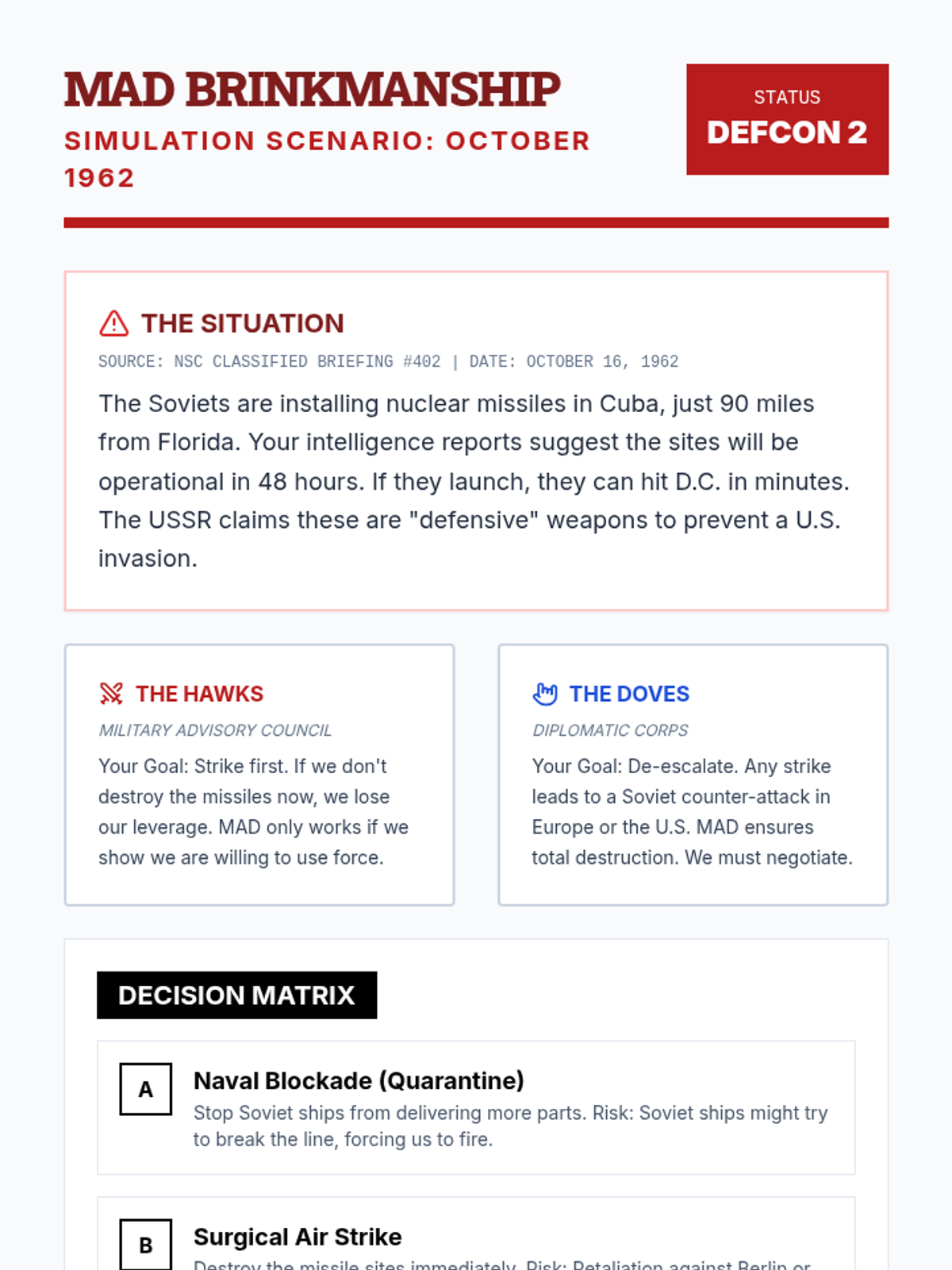
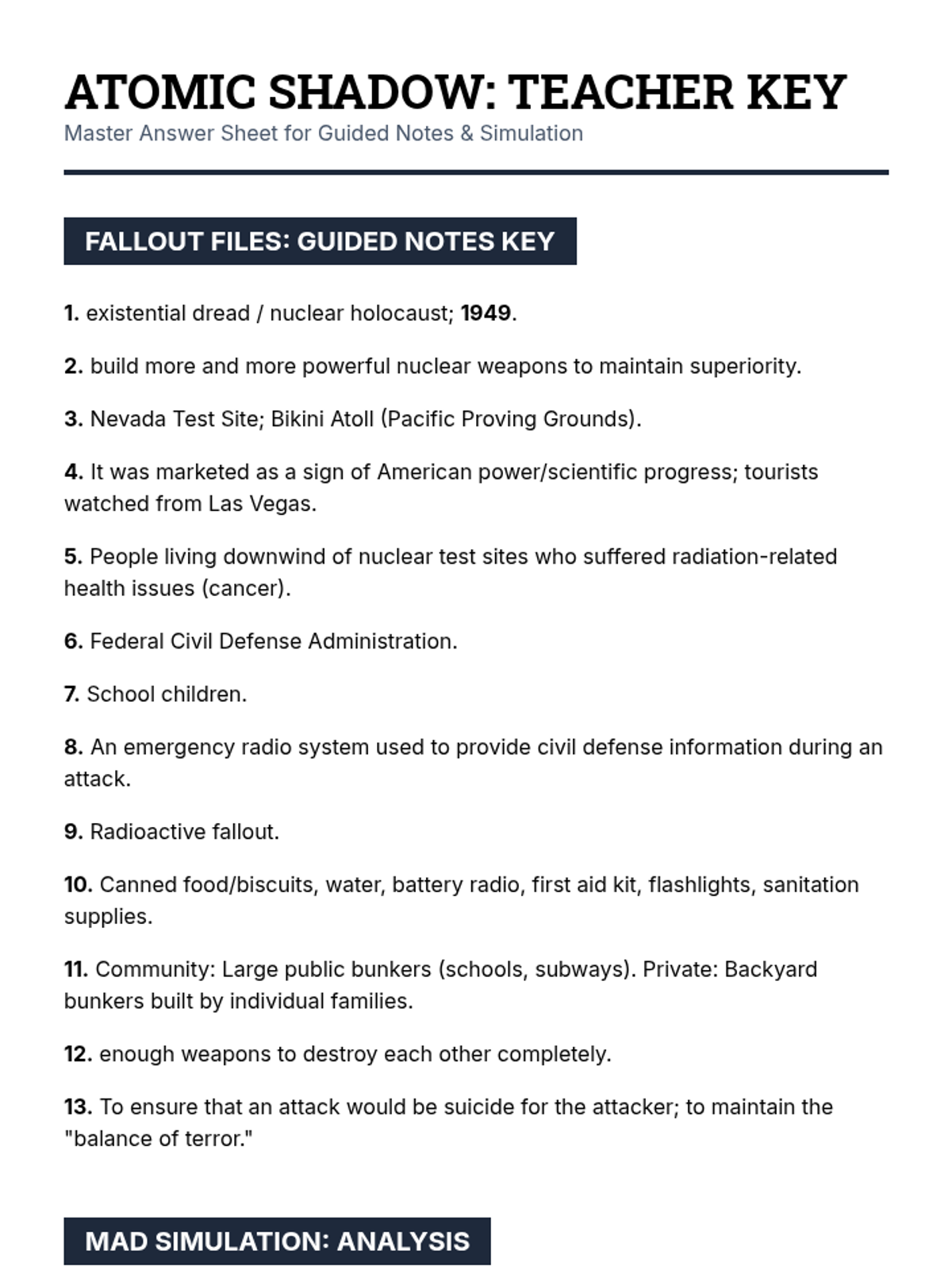
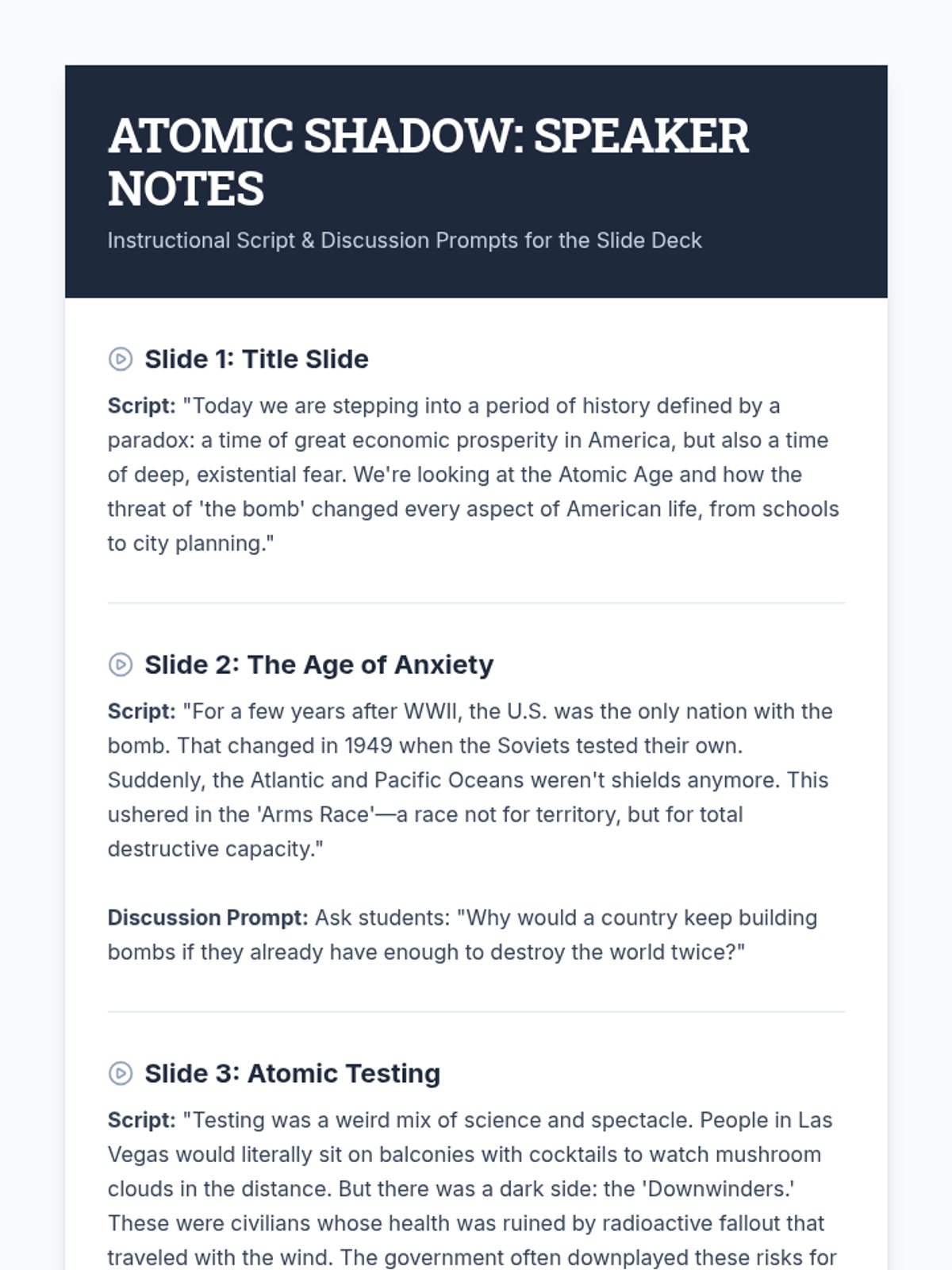
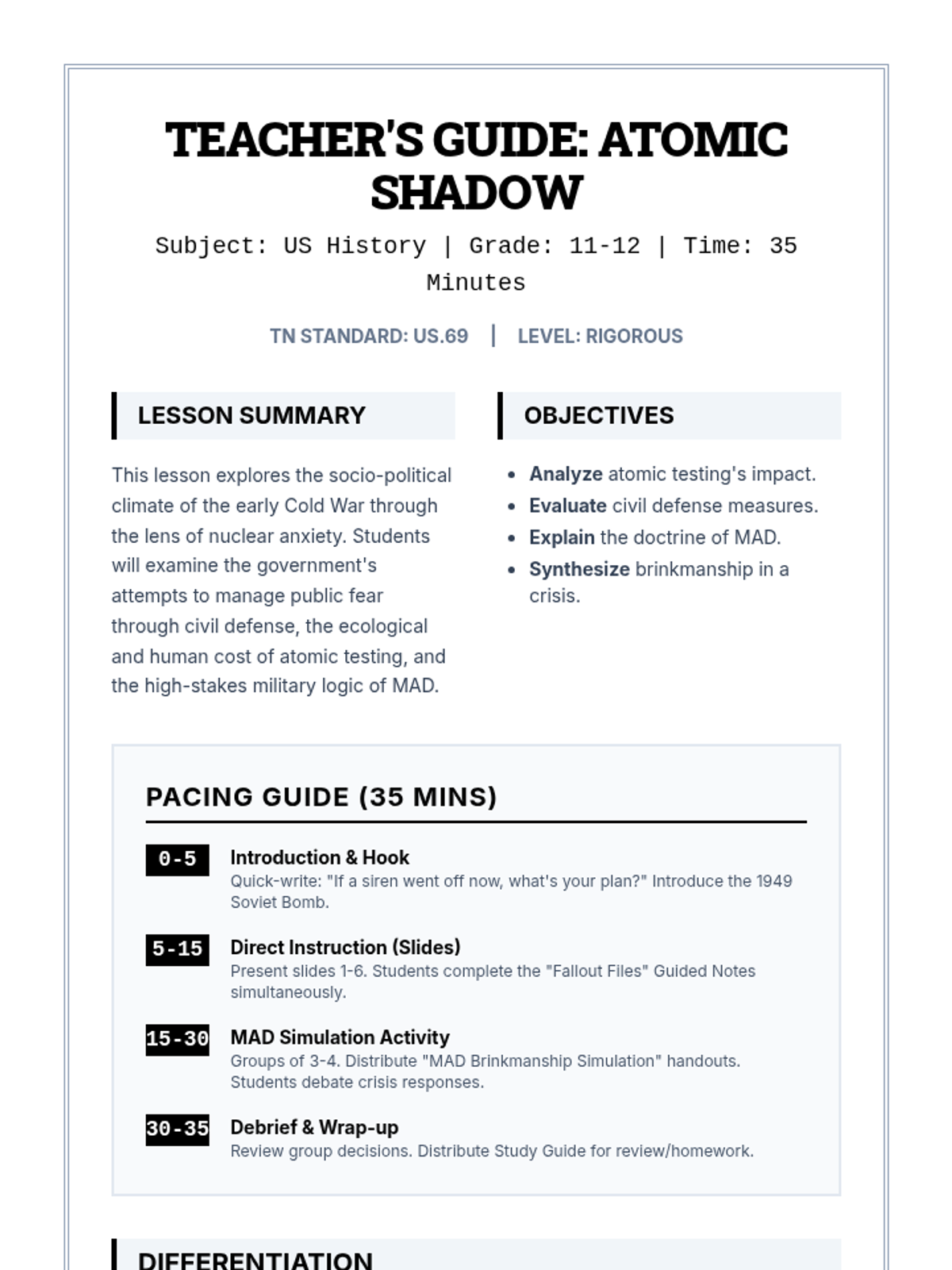
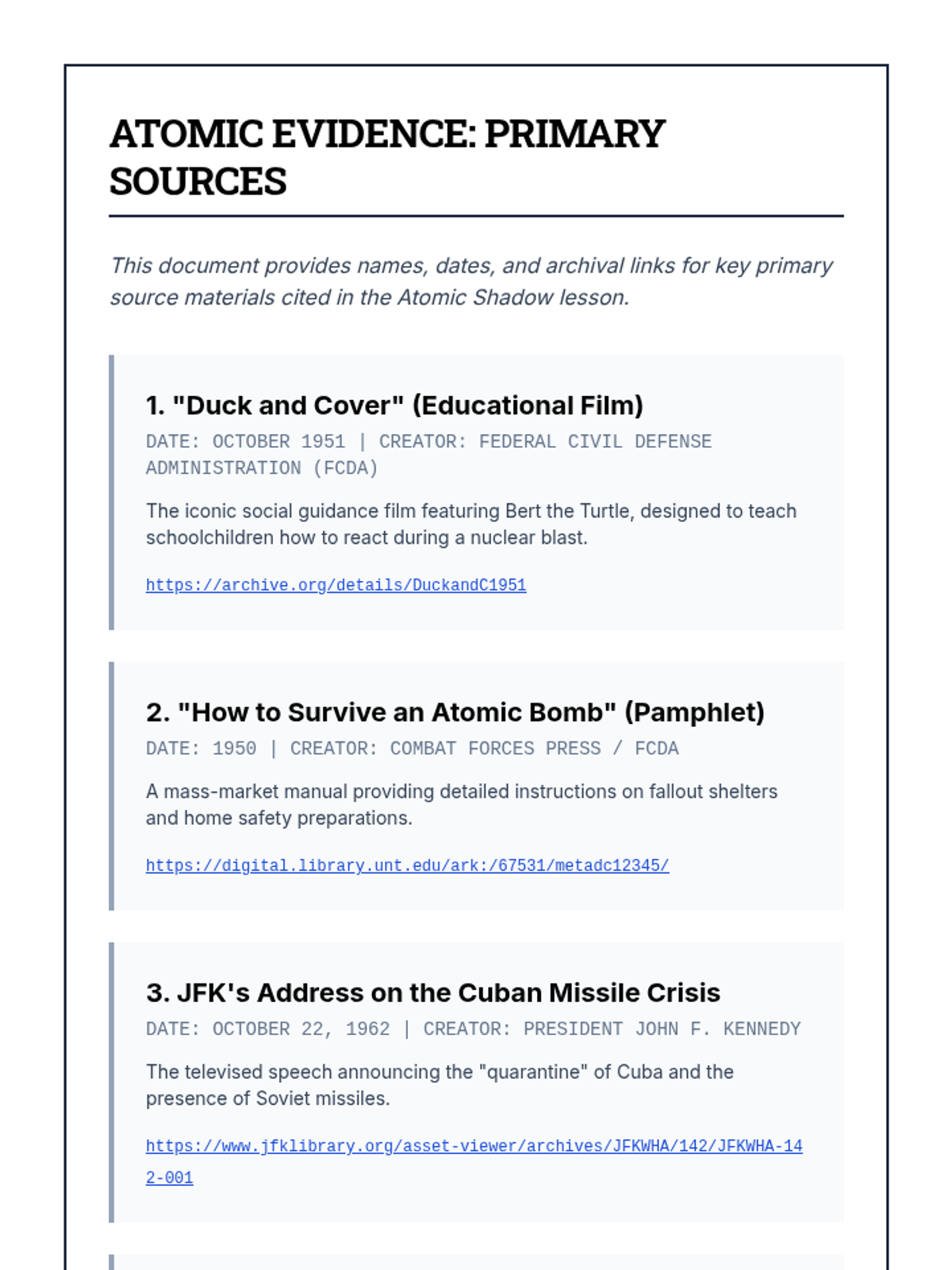
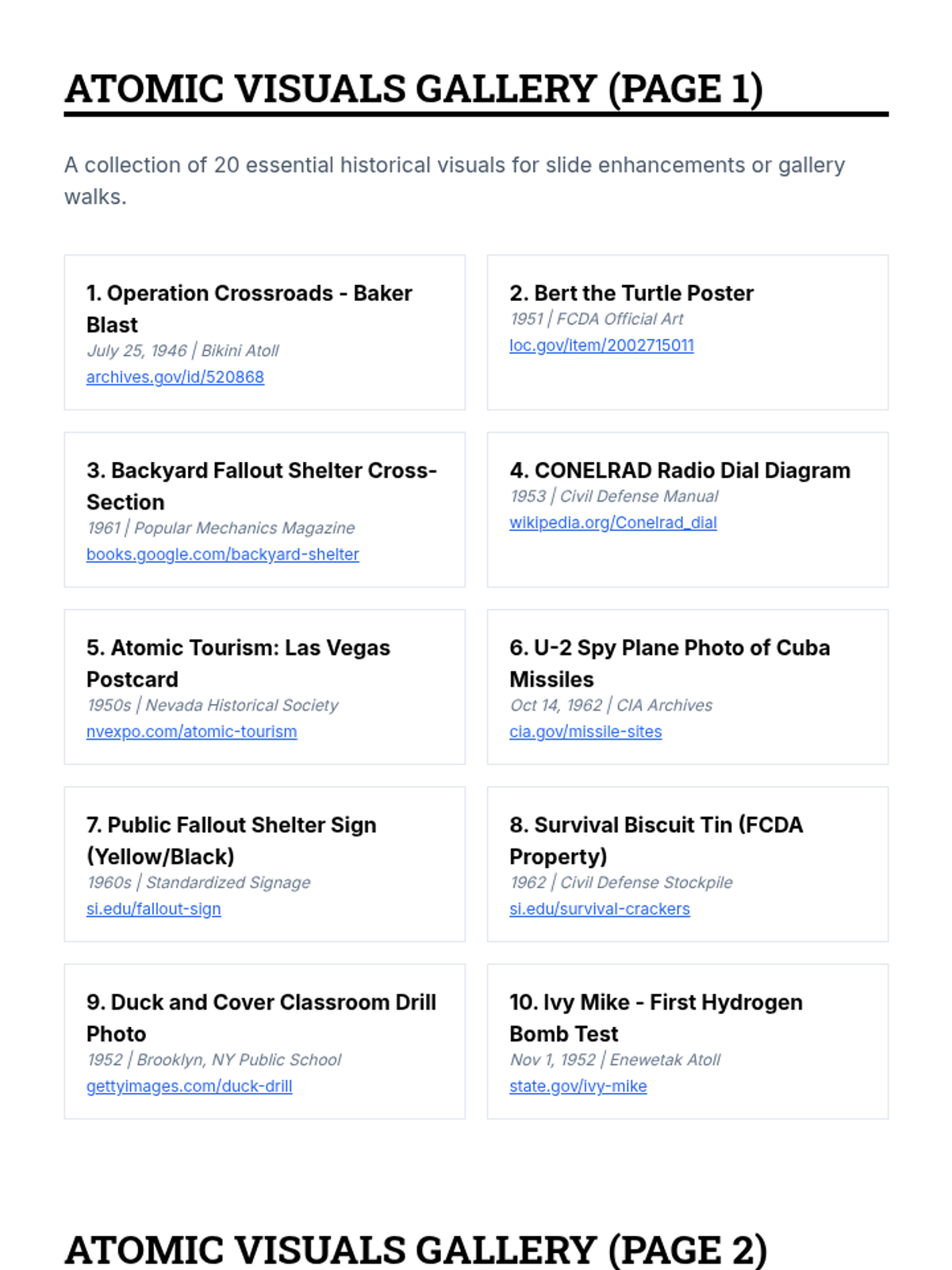
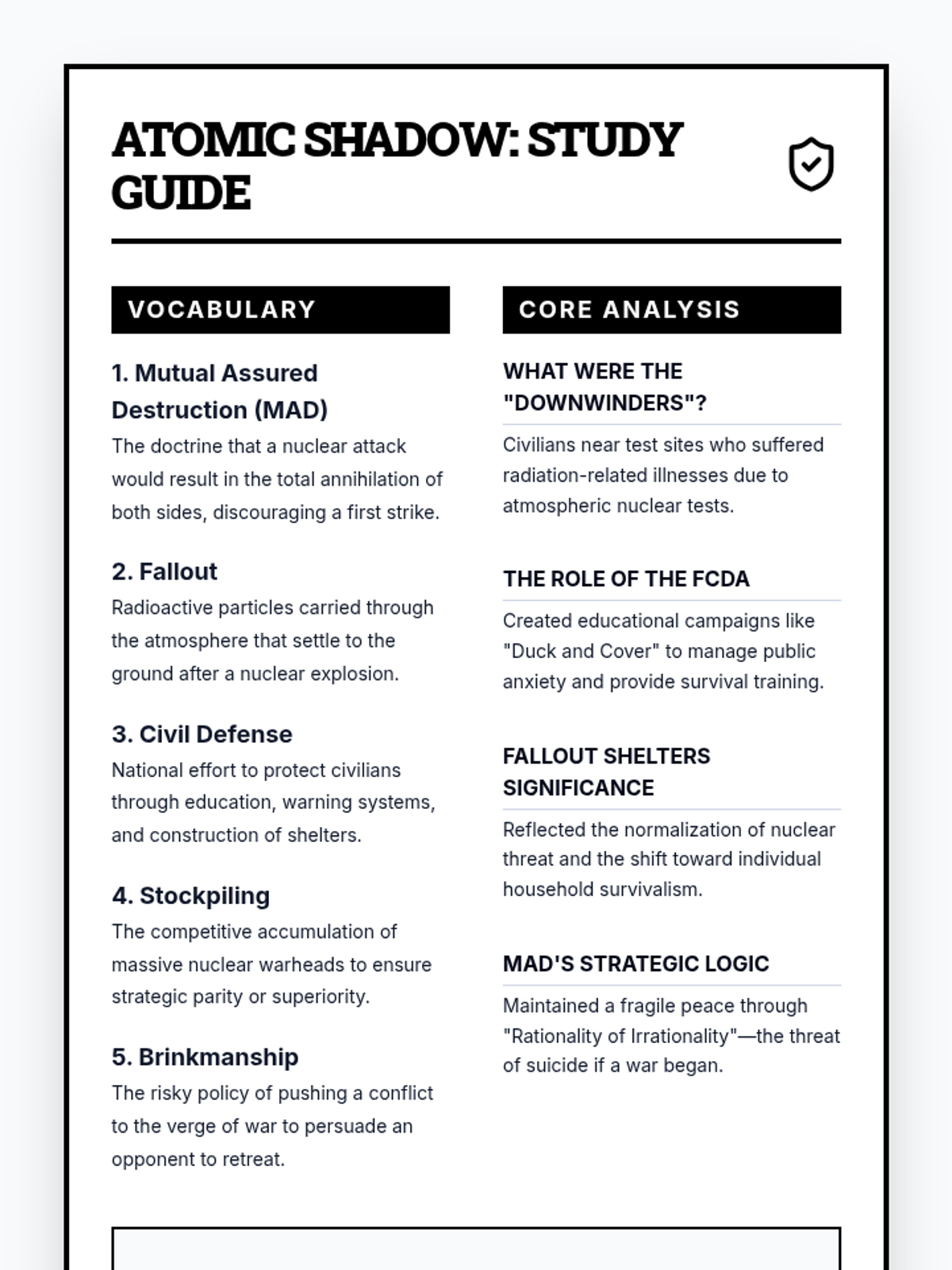
A comprehensive 35-minute lesson exploring the Cold War nuclear era, focusing on Tennessee State Standard US.69. Students will analyze the impact of atomic testing, civil defense strategies, and the logic of Mutual Assured Destruction.
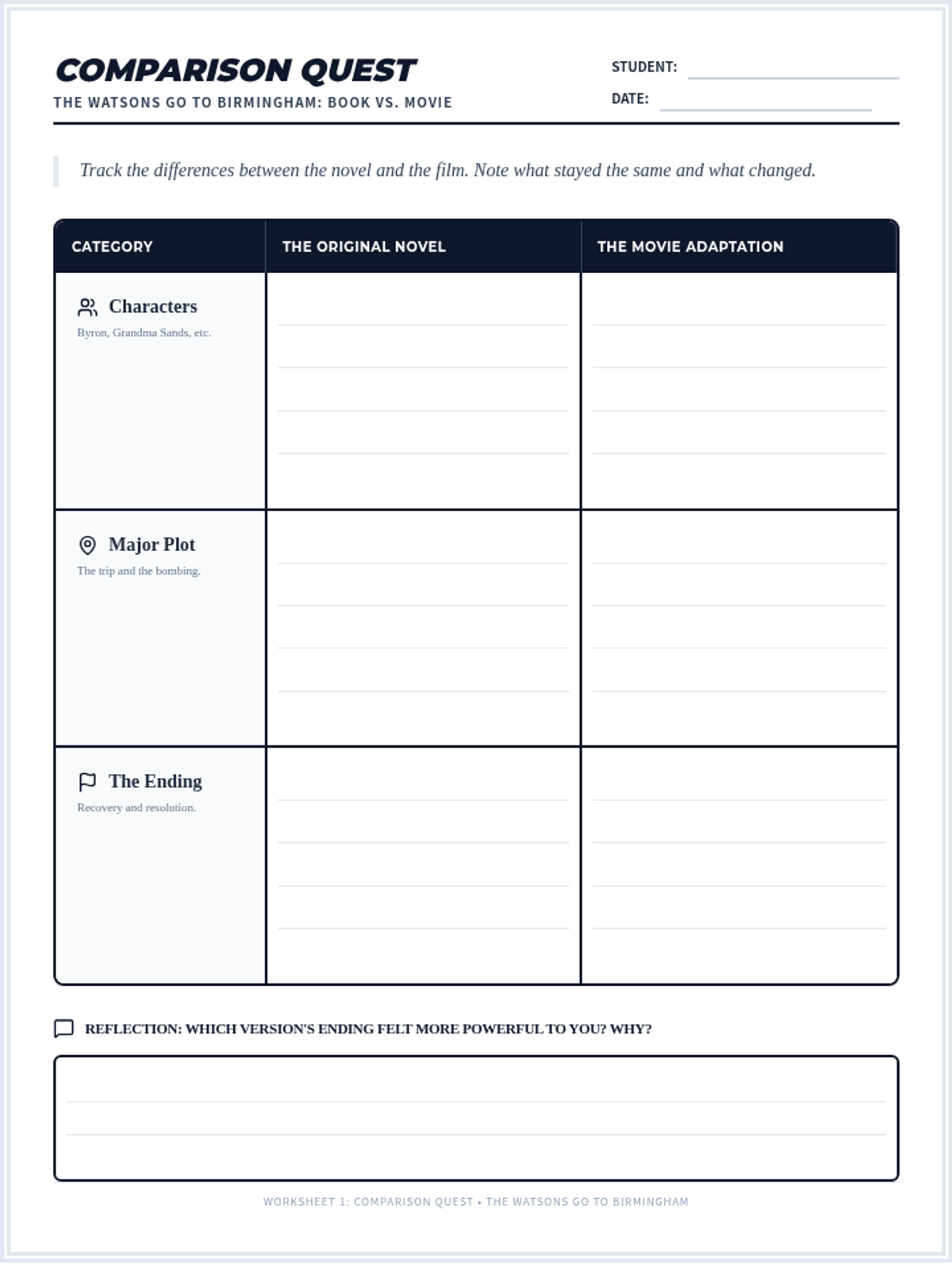
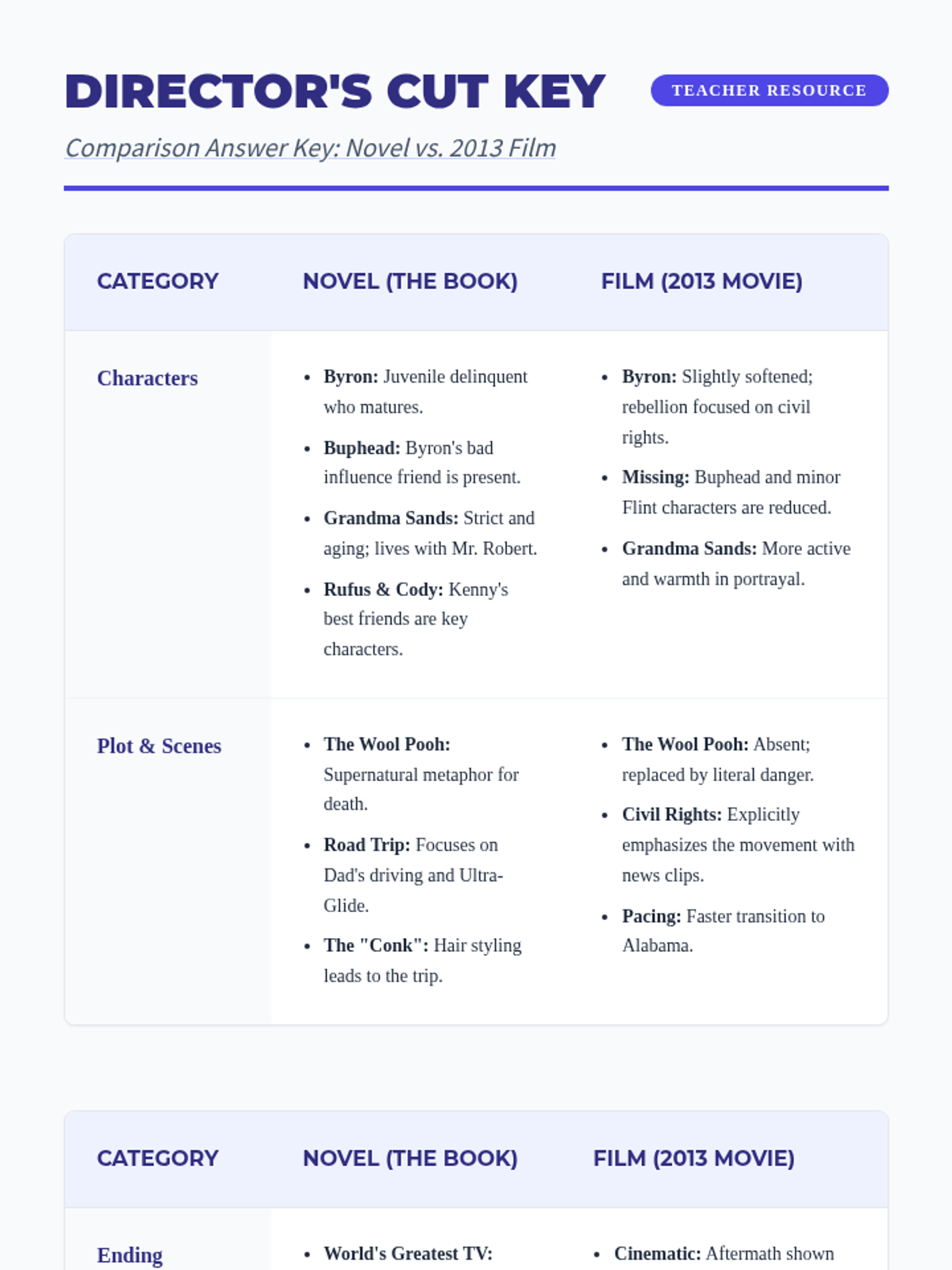
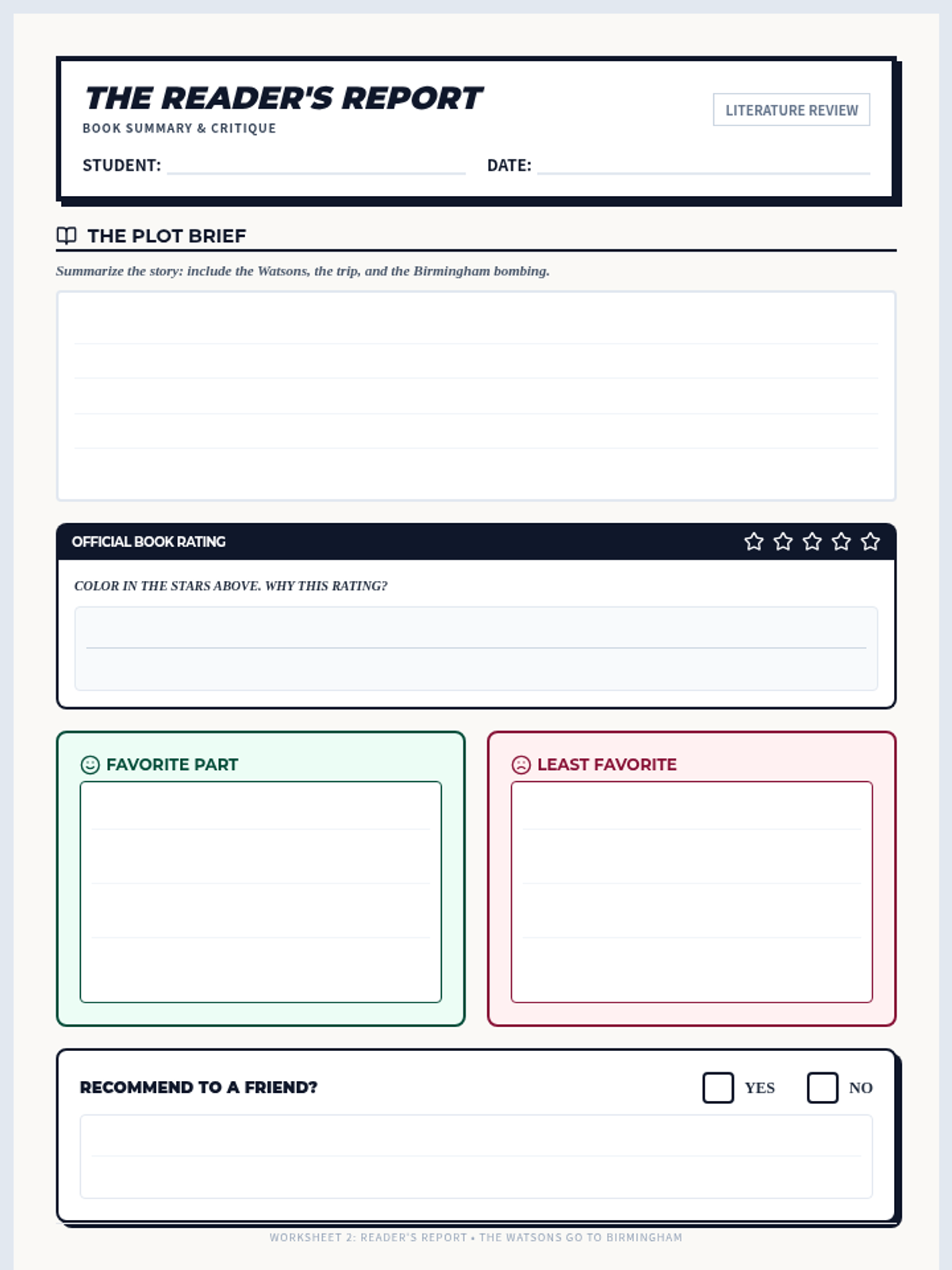
A comprehensive look at the classic novel 'The Watsons Go to Birmingham – 1963', including a complete plot summary and a comparative analysis between the book and its film adaptation.
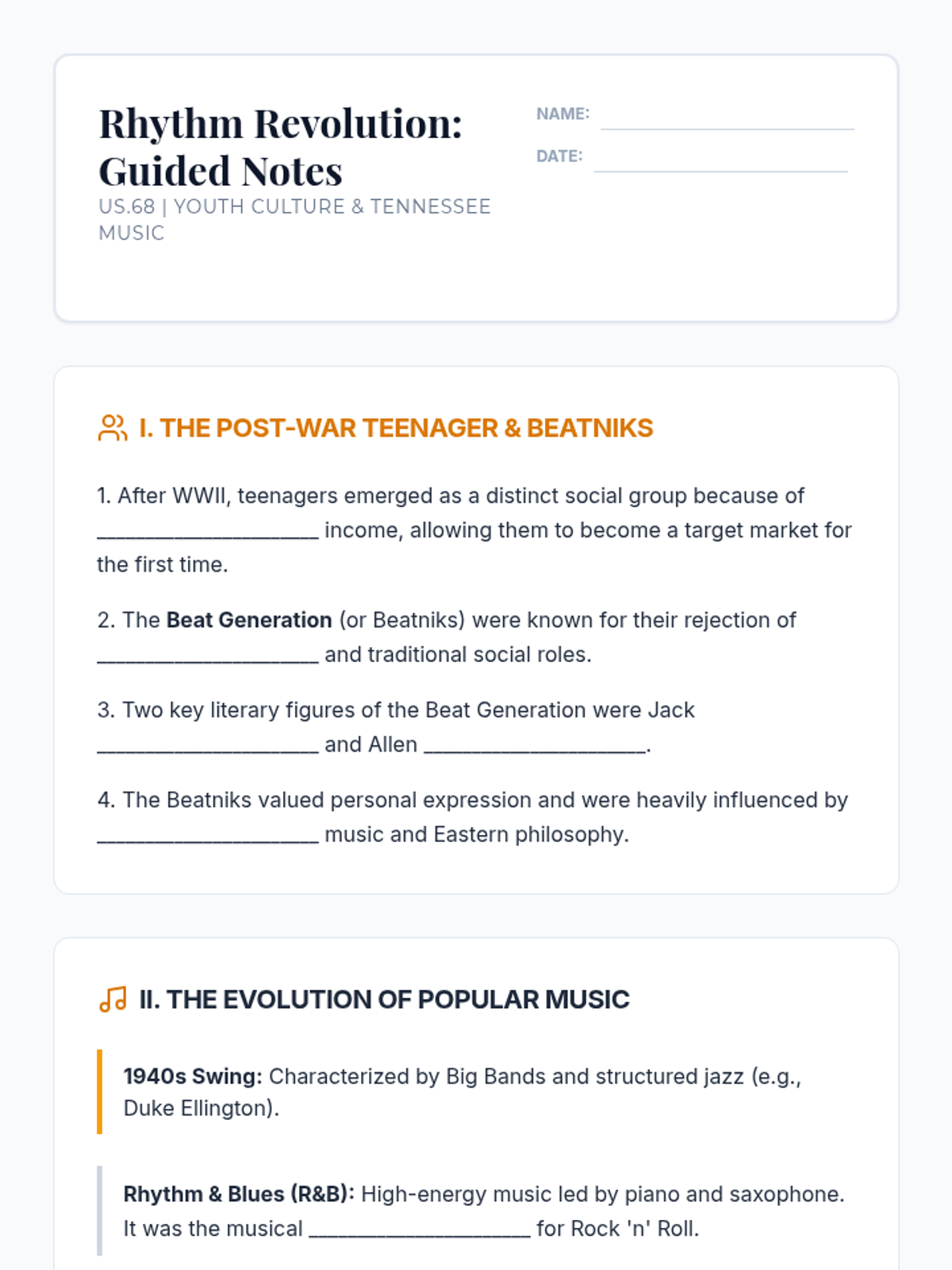
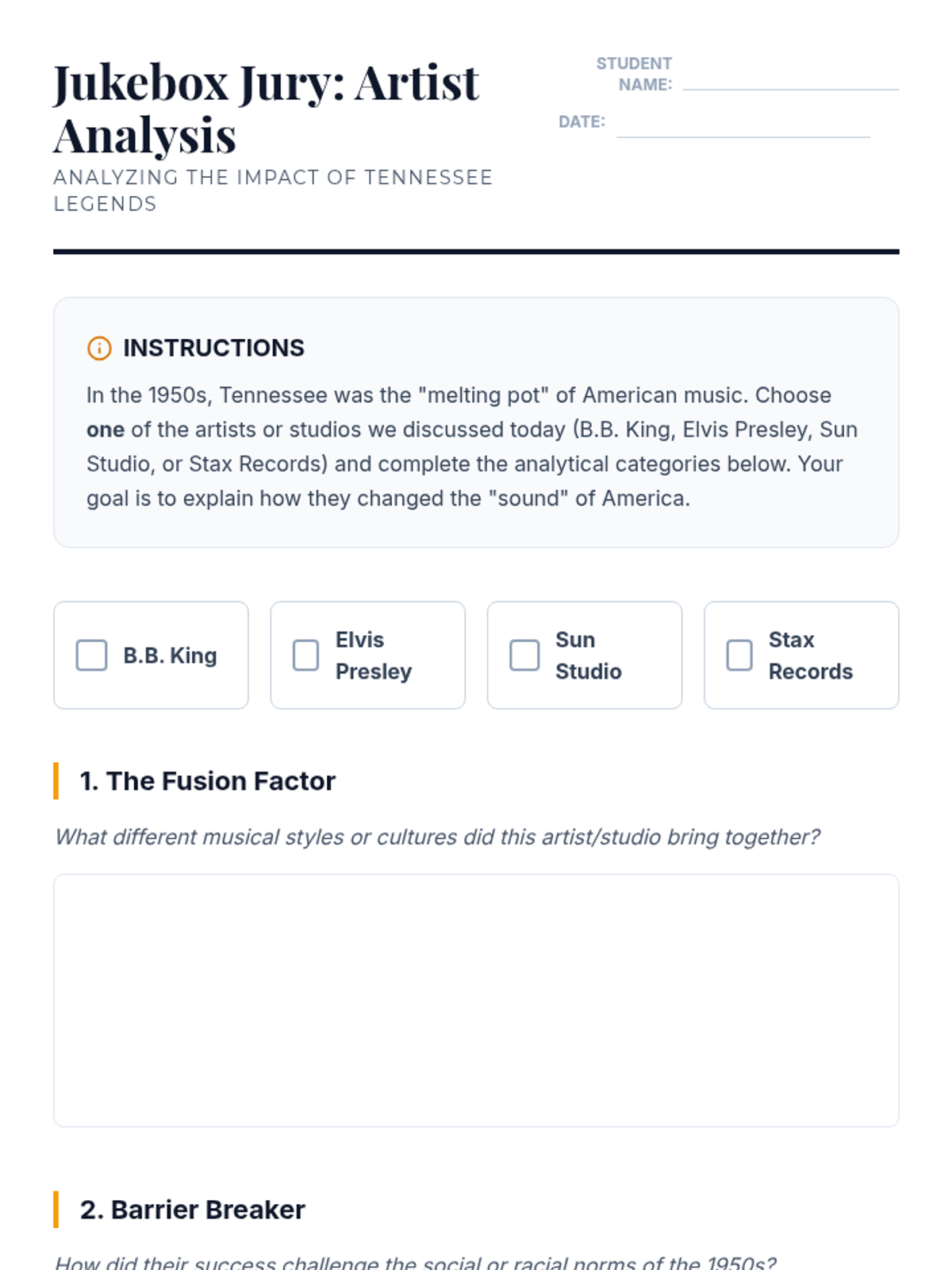
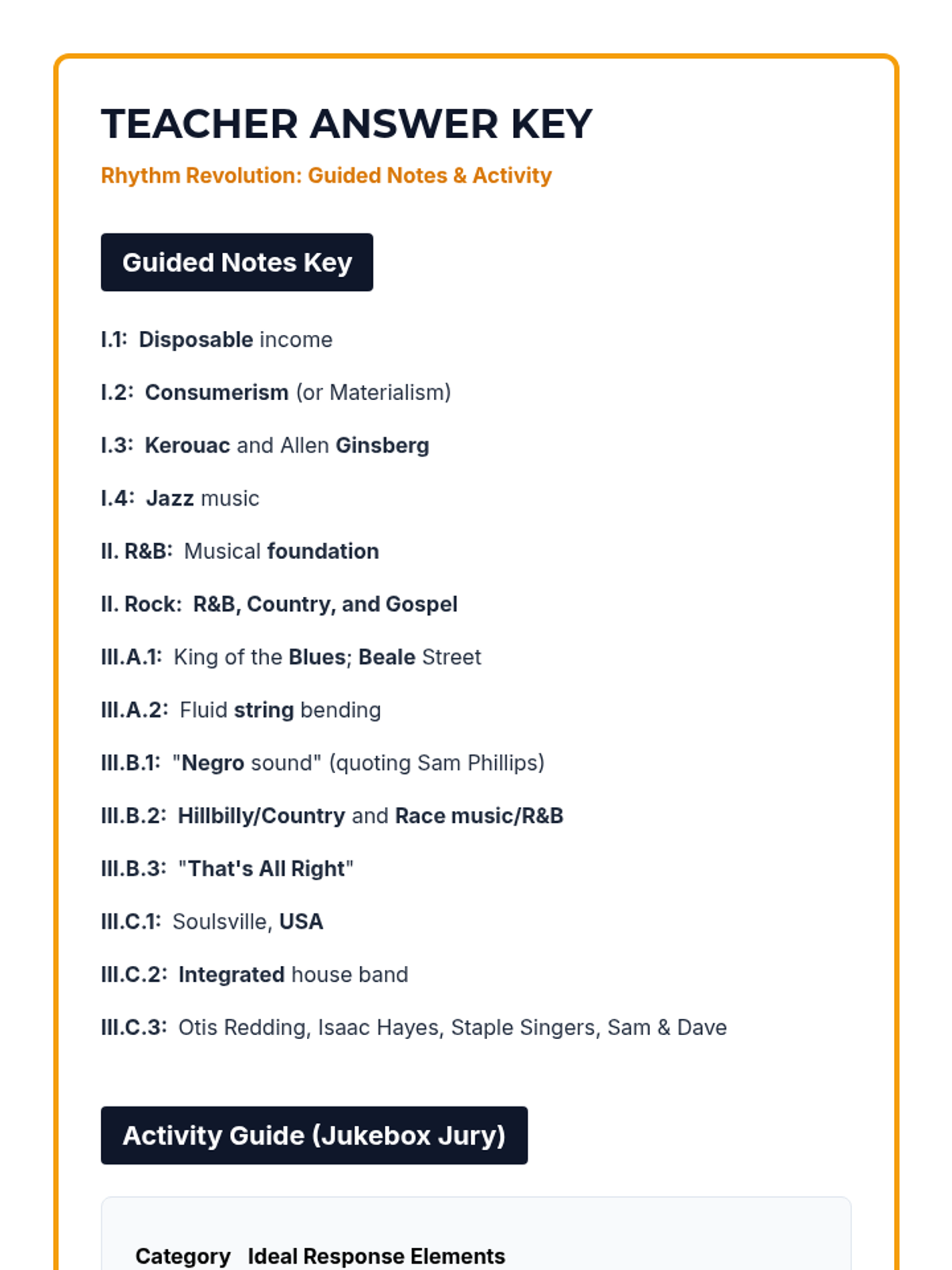
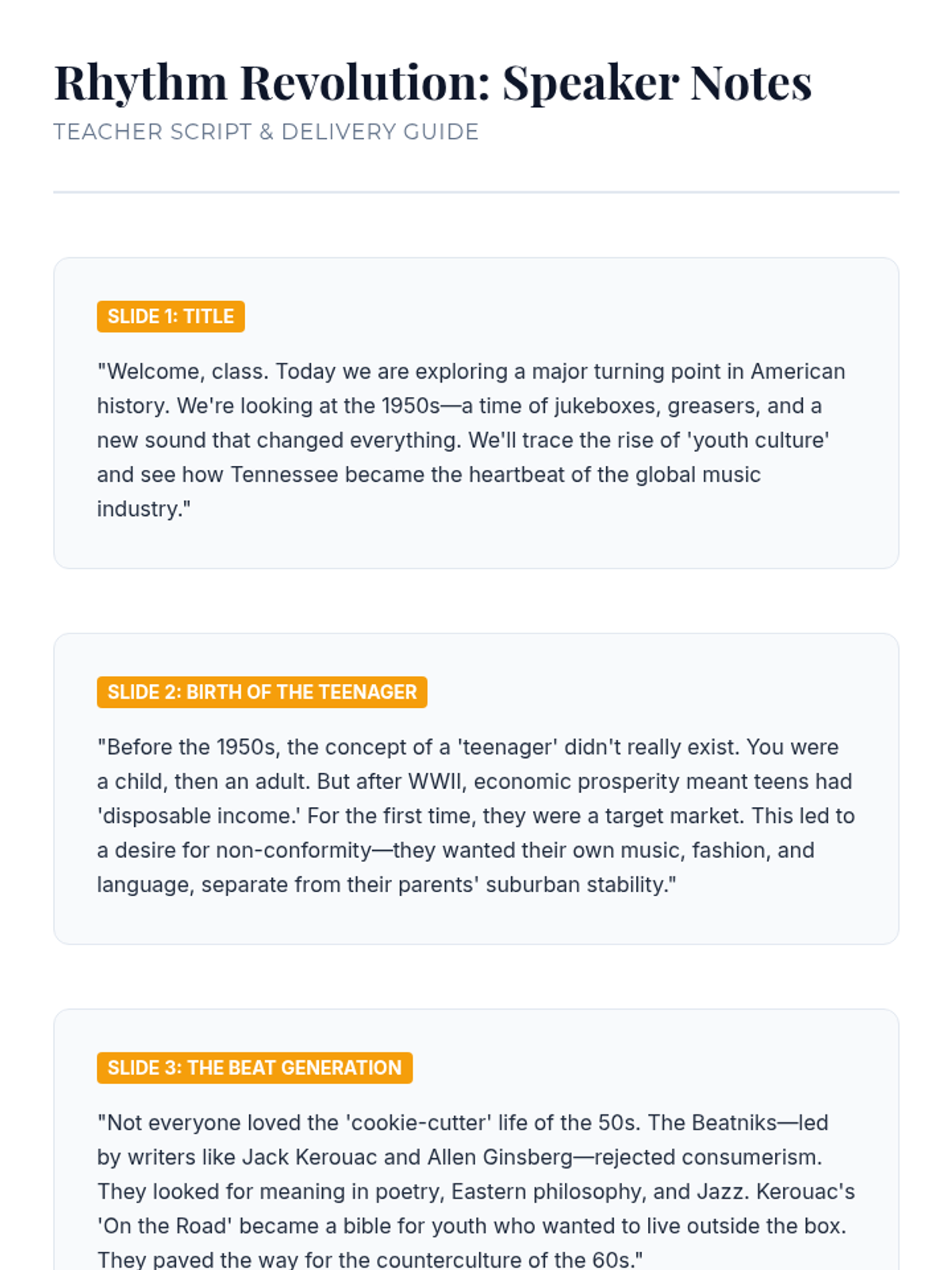
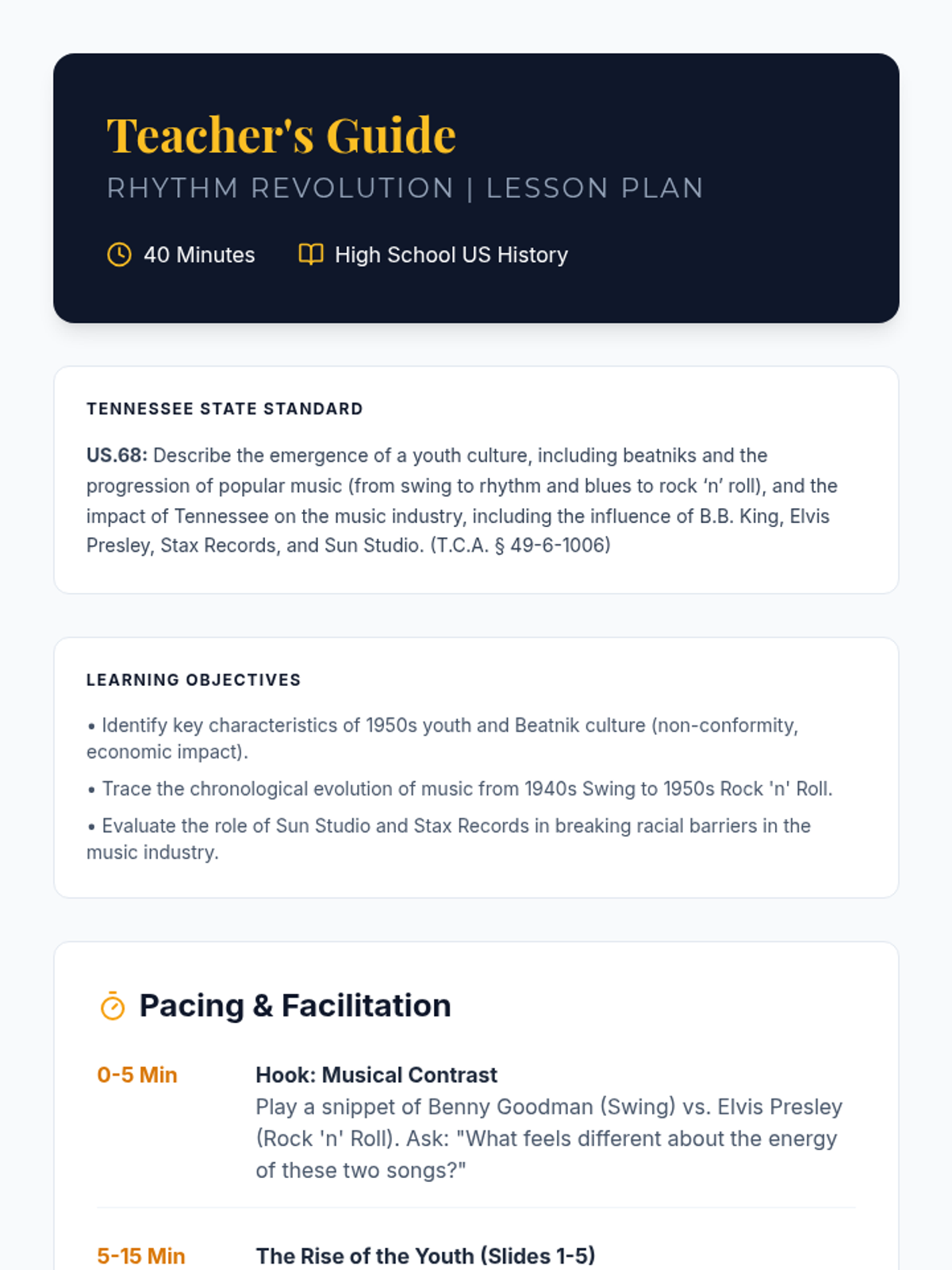
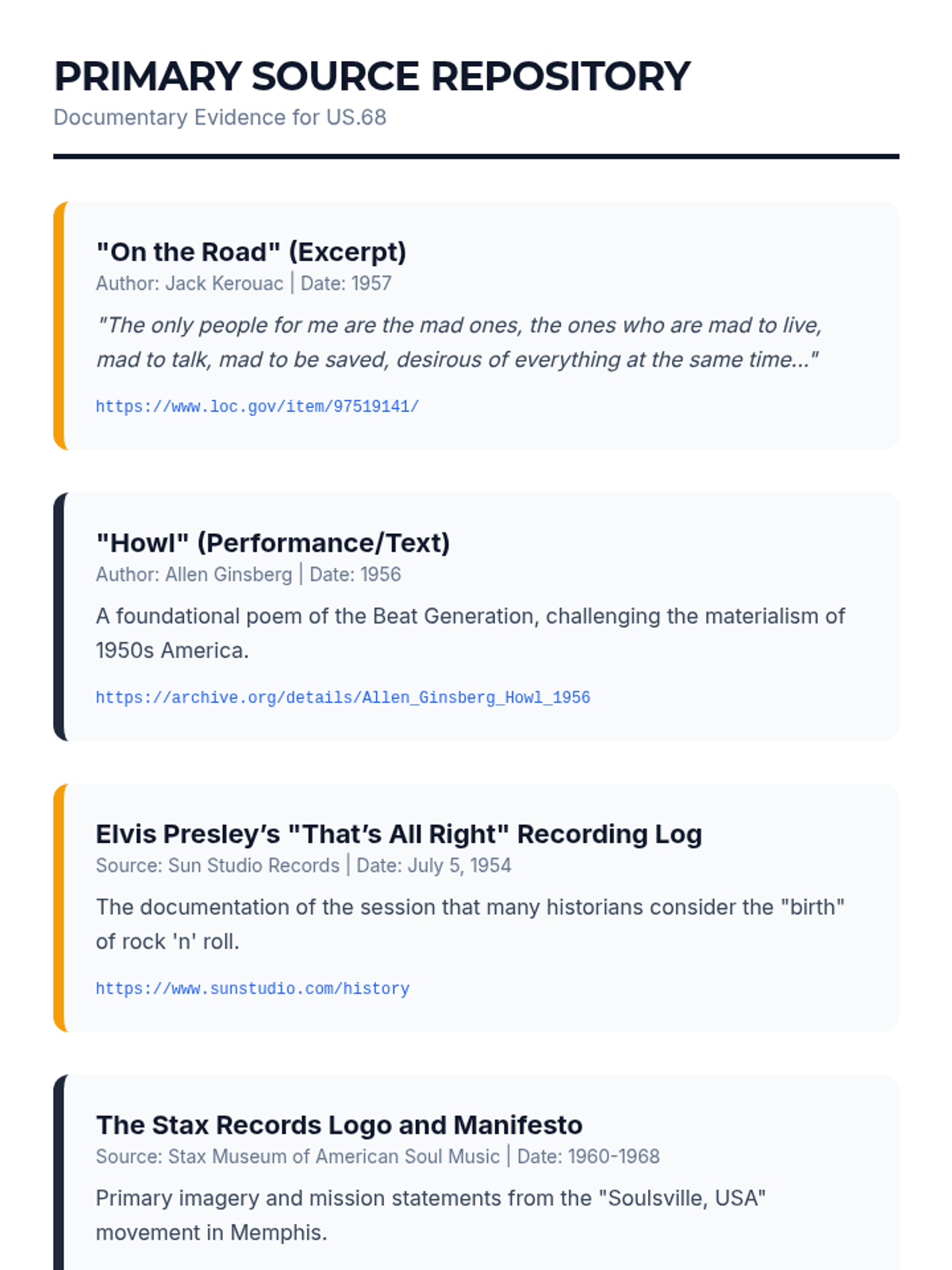
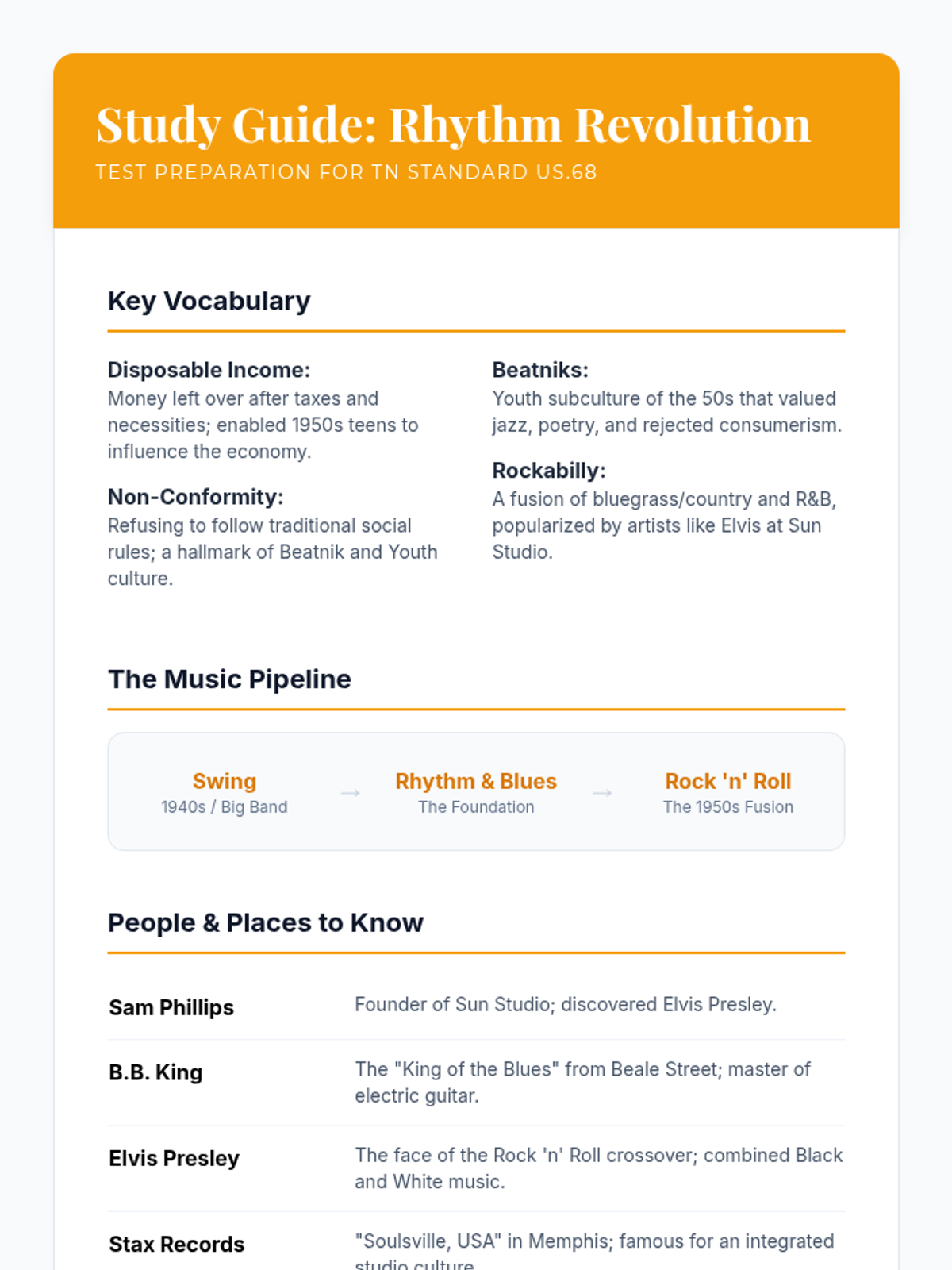
A 40-minute high school history lesson exploring the rise of 1950s youth culture, the evolution of popular music, and Tennessee's pivotal role in the global music industry through Sun Studio and Stax Records.
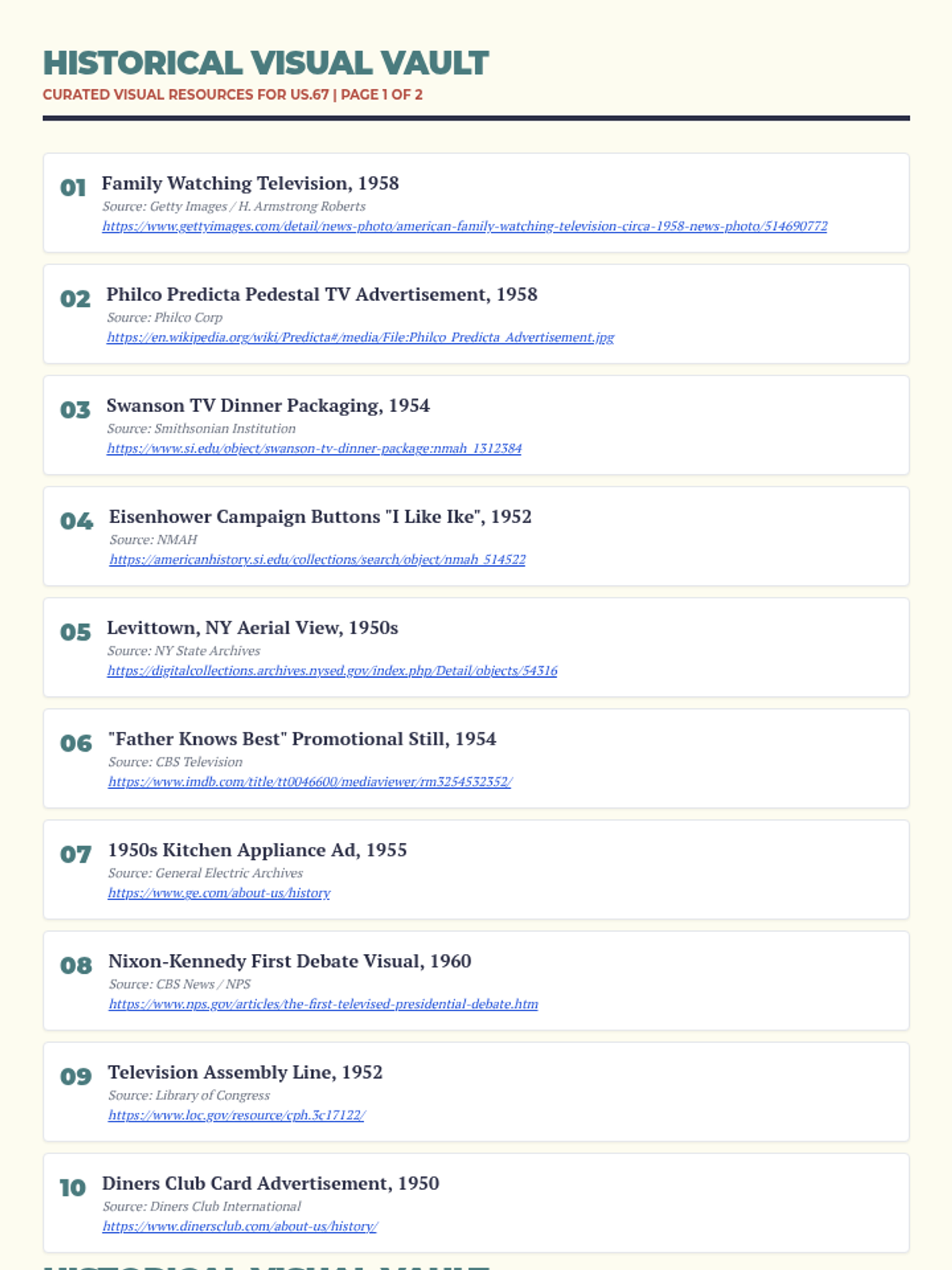
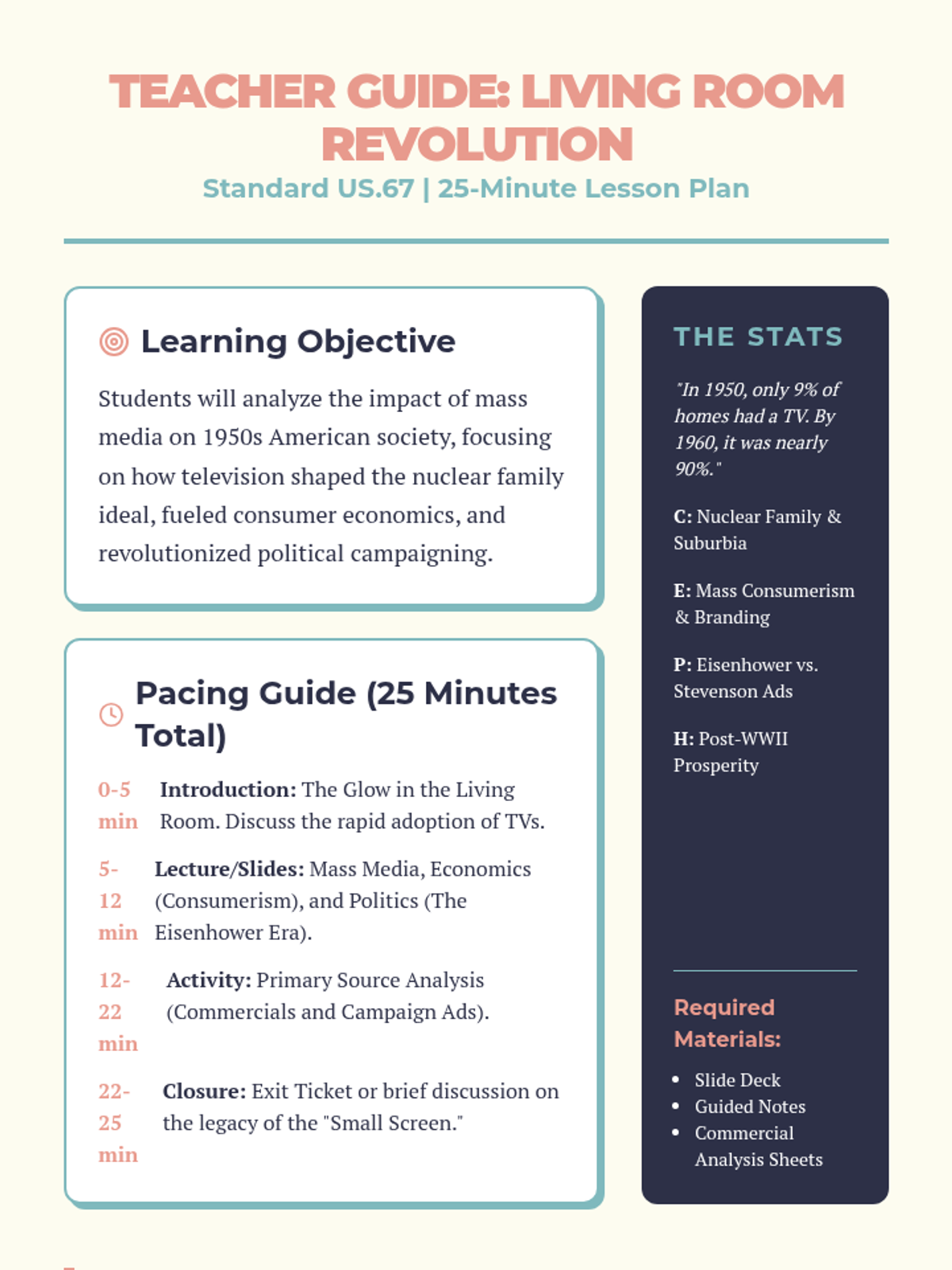
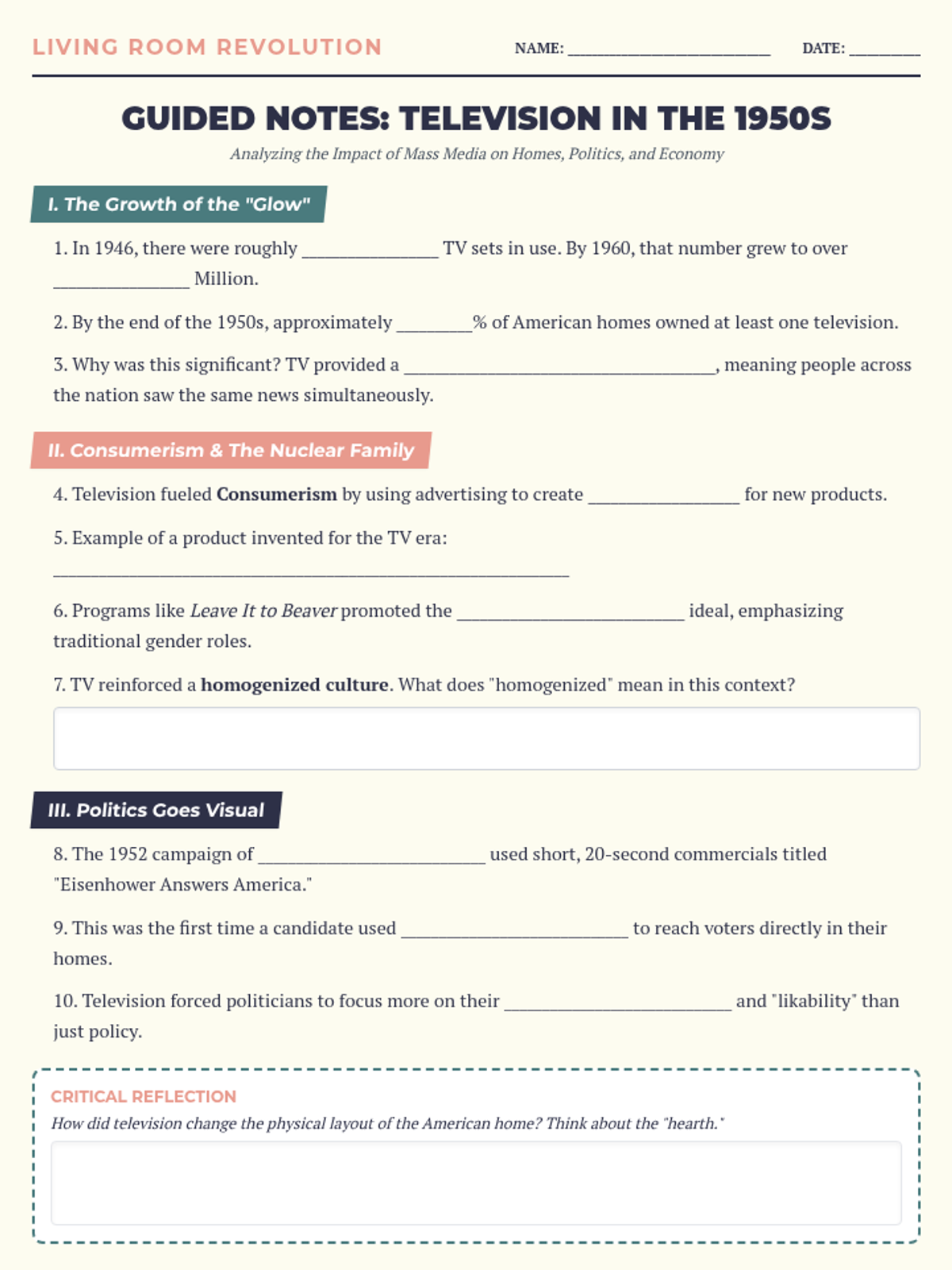
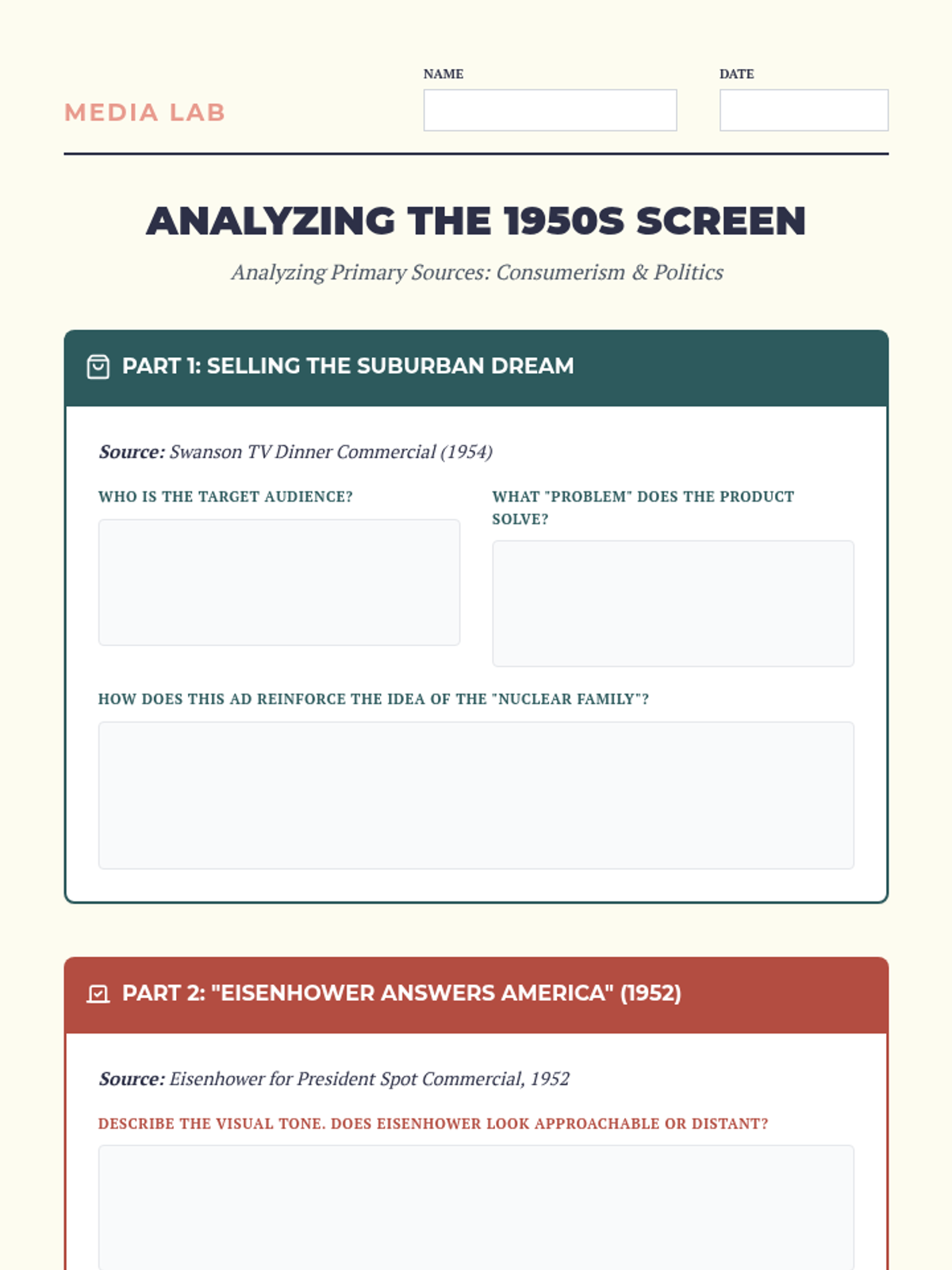
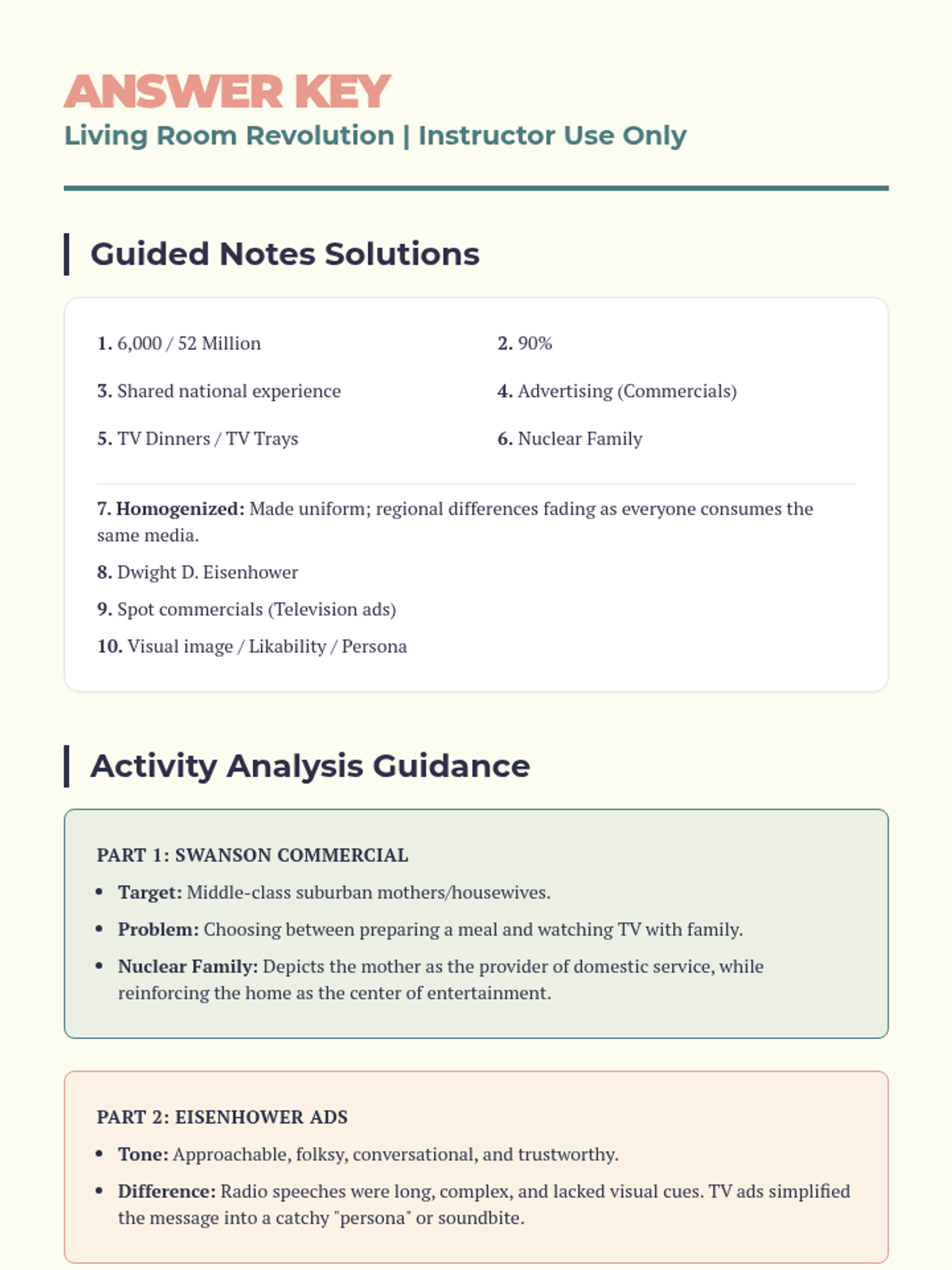
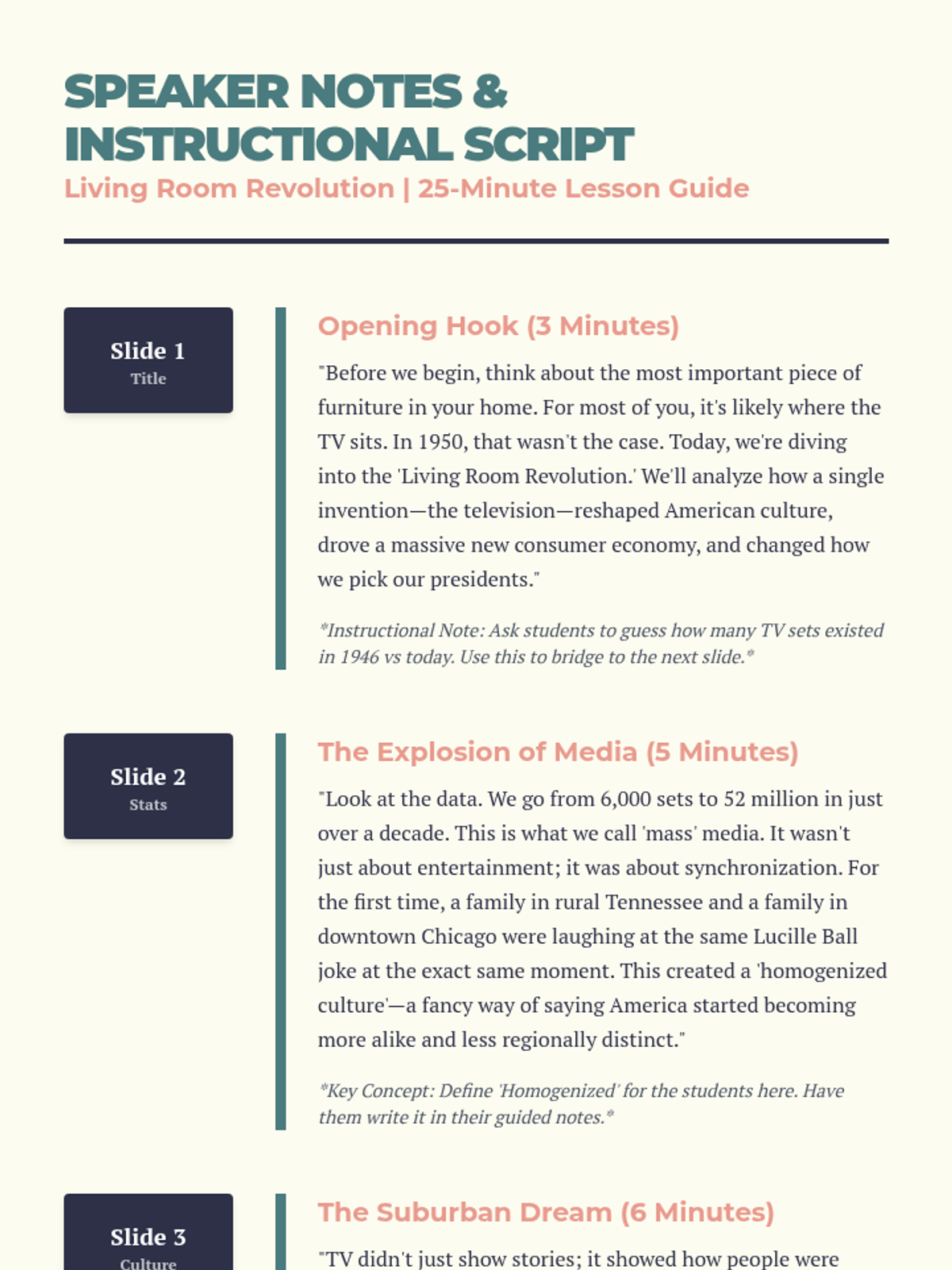
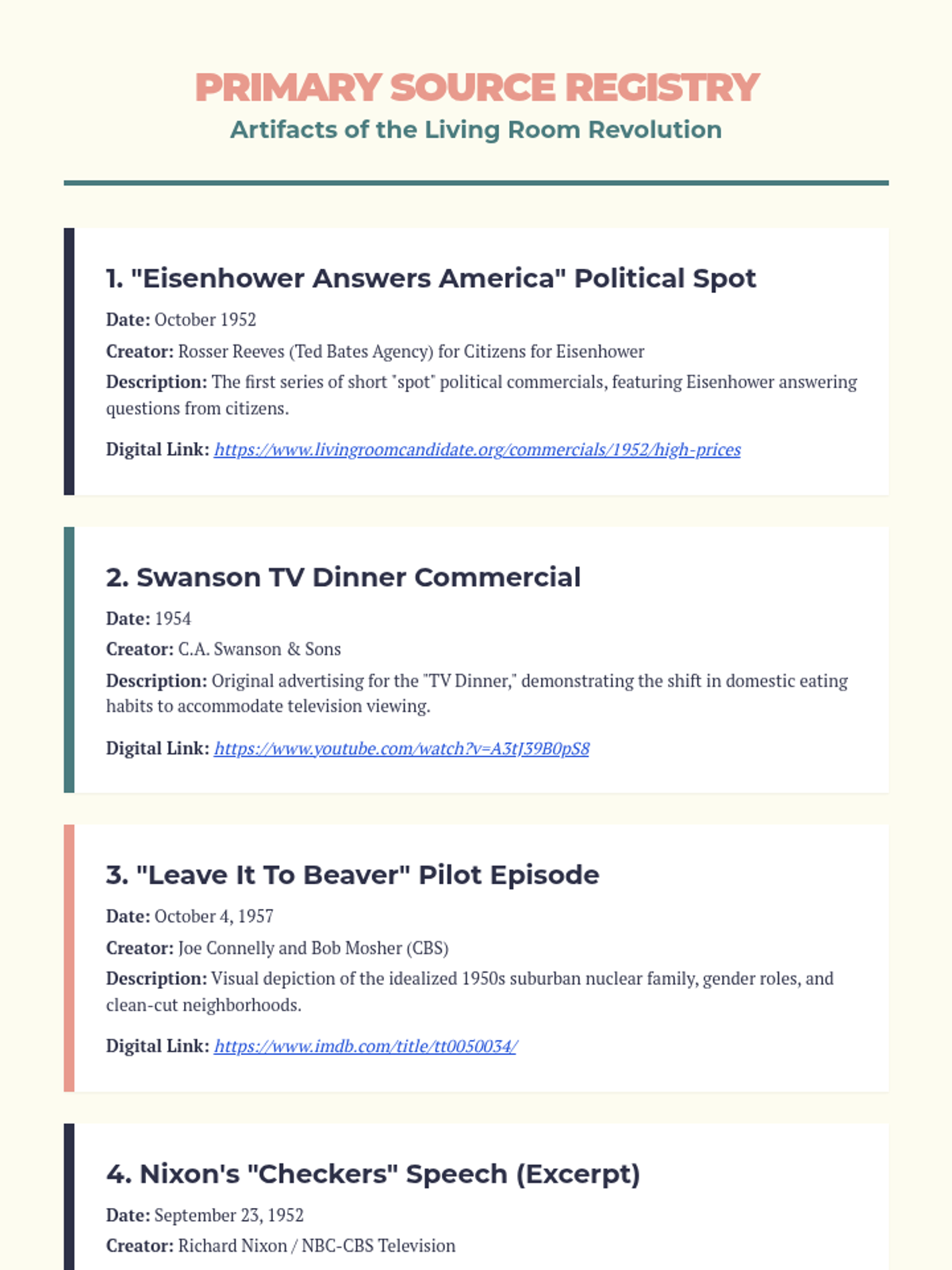
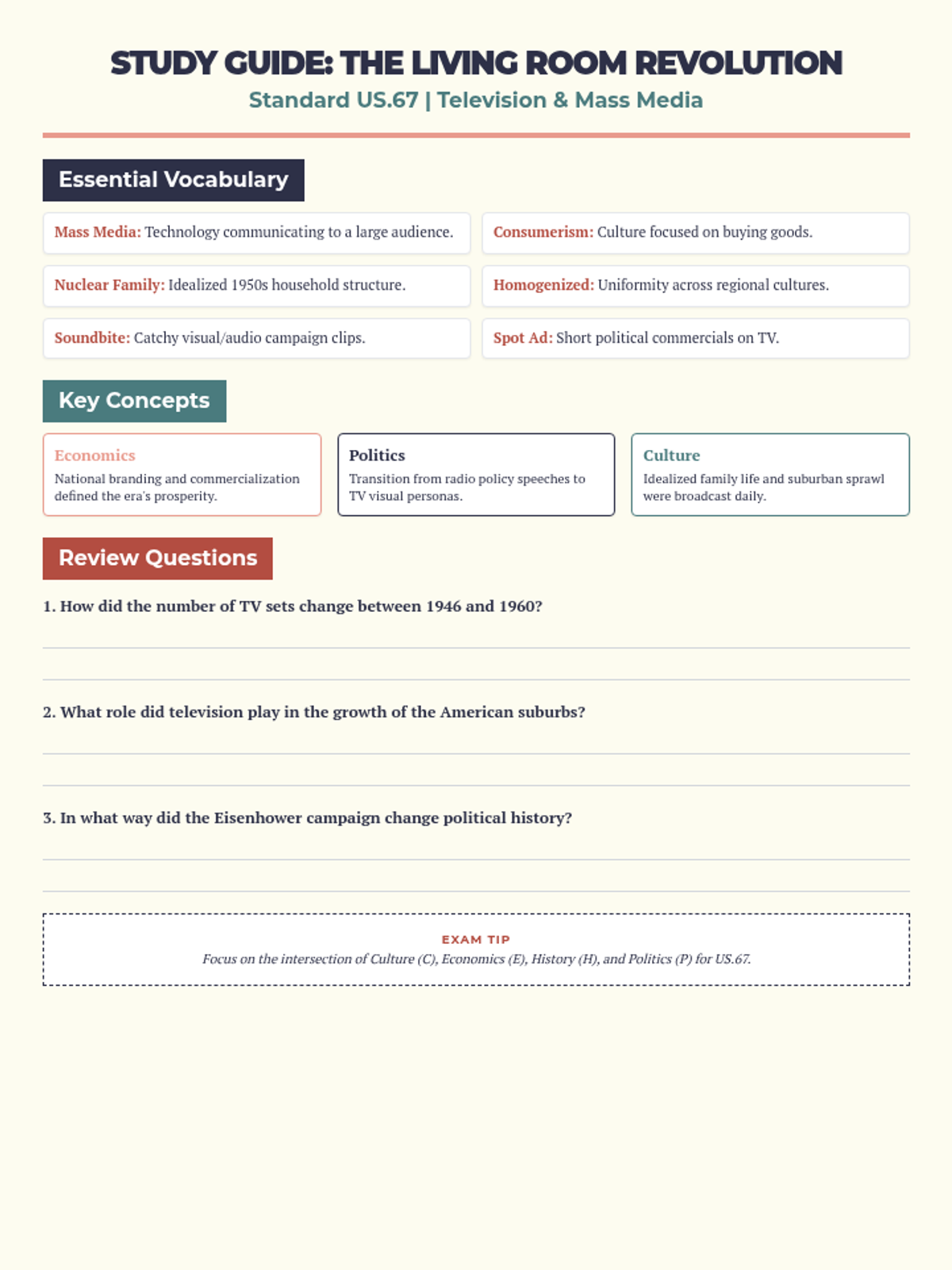
A 25-minute exploration of how television transformed American life in the 1950s, focusing on consumer culture, the nuclear family ideal, and the shift in political campaigning.
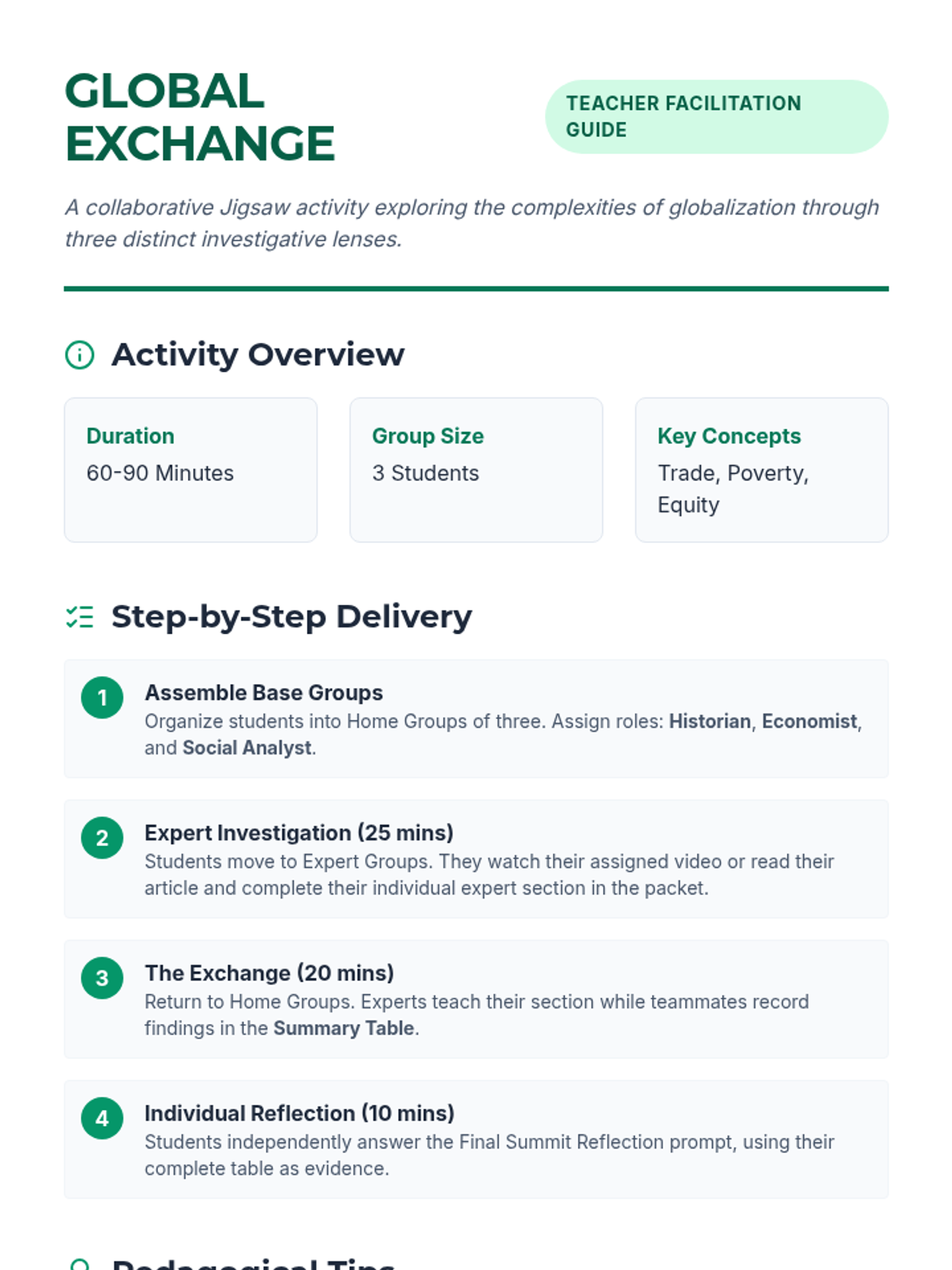
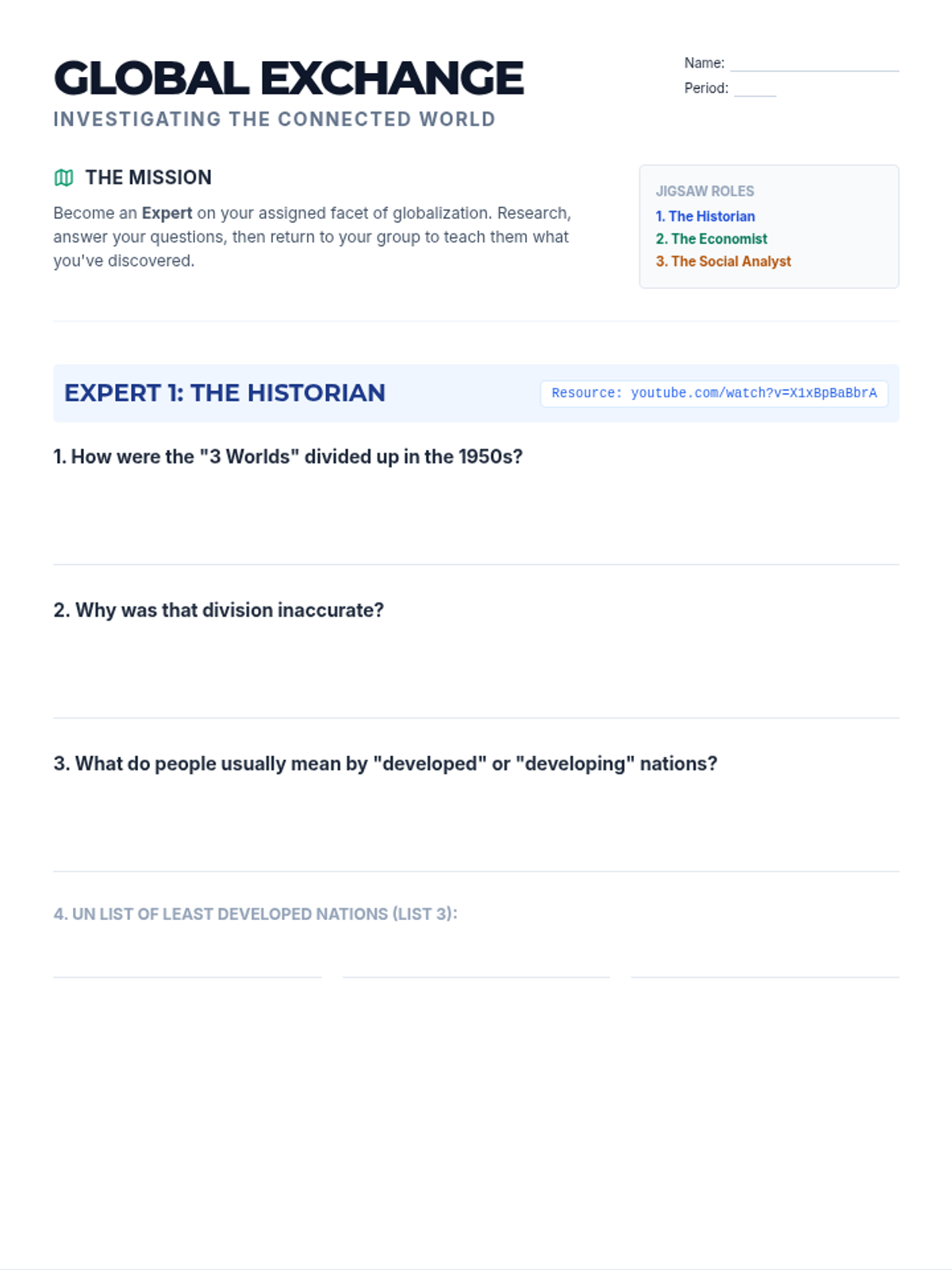
A jigsaw activity where students become experts on specific facets of globalization—definitions, drivers/impacts, and economic consequences—before sharing their findings with peers to form a complete understanding of the topic.
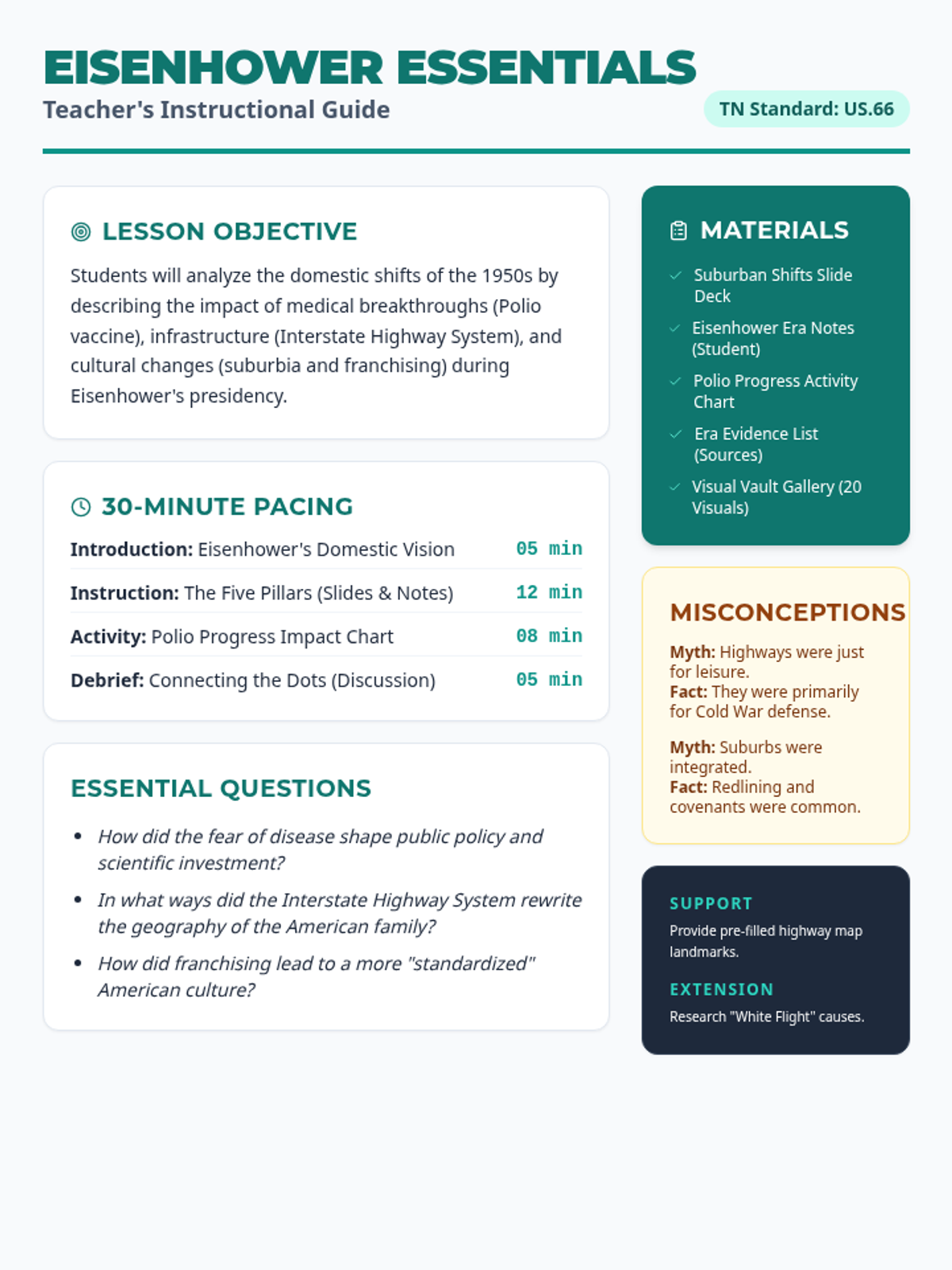
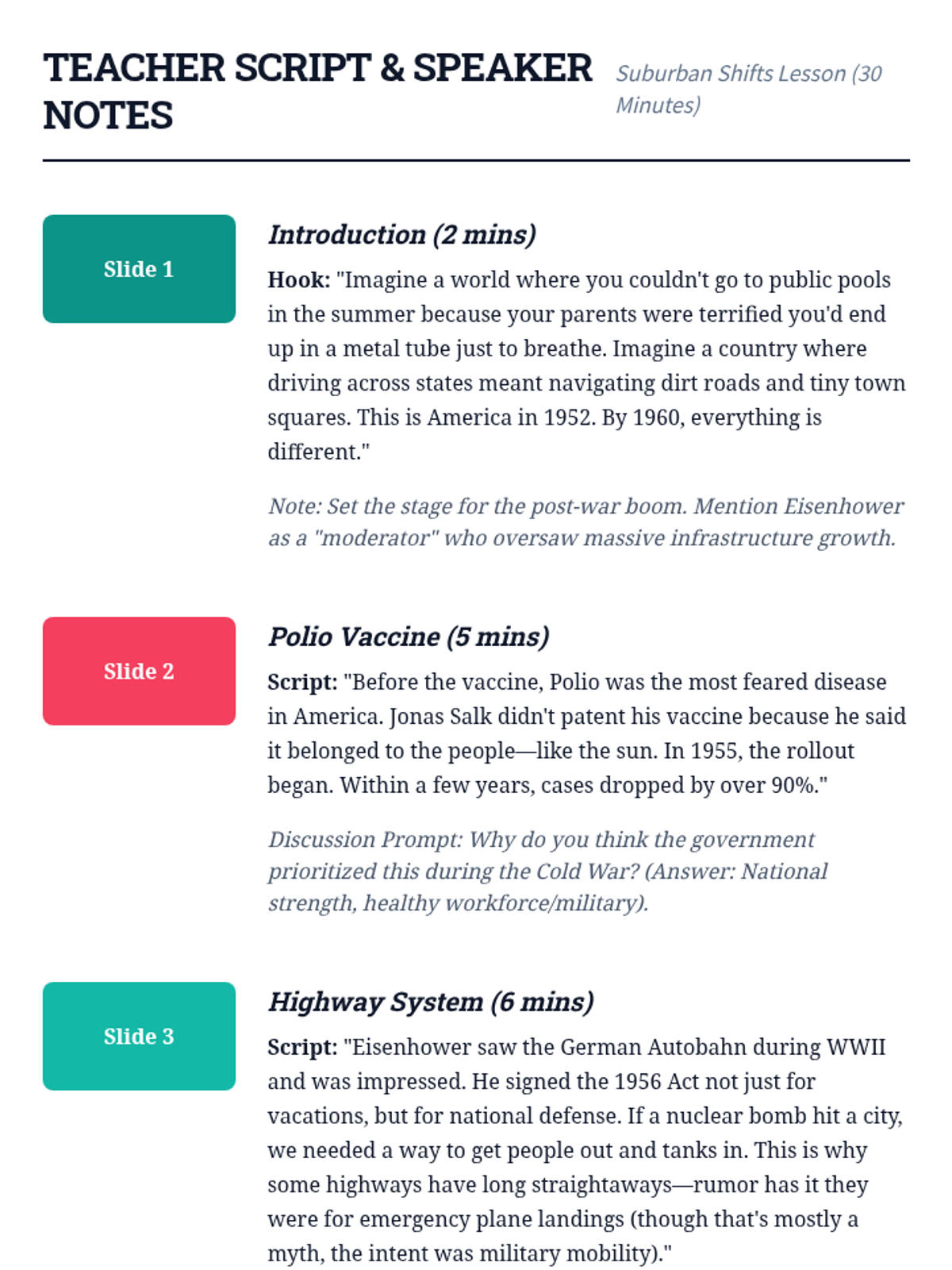
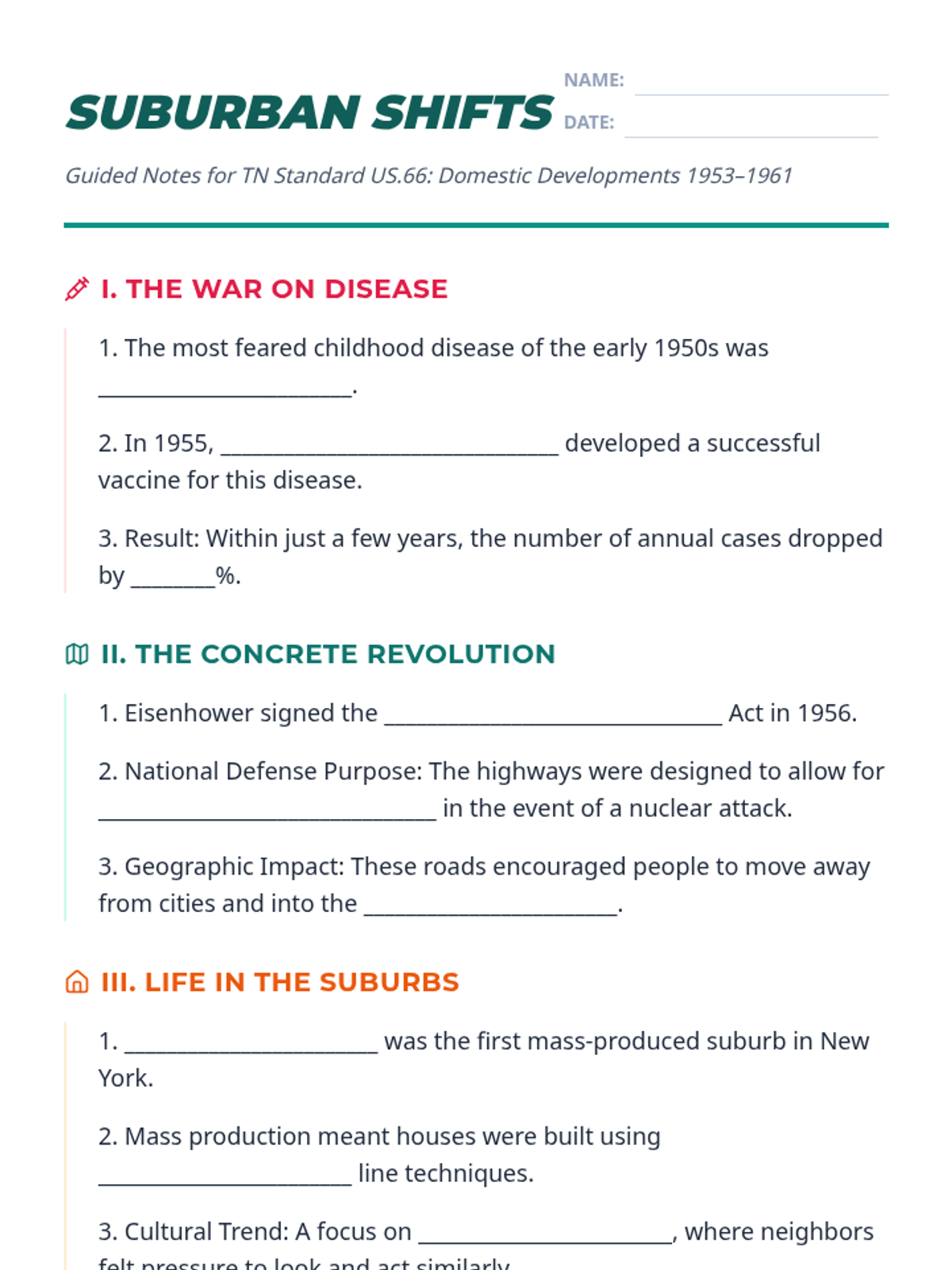
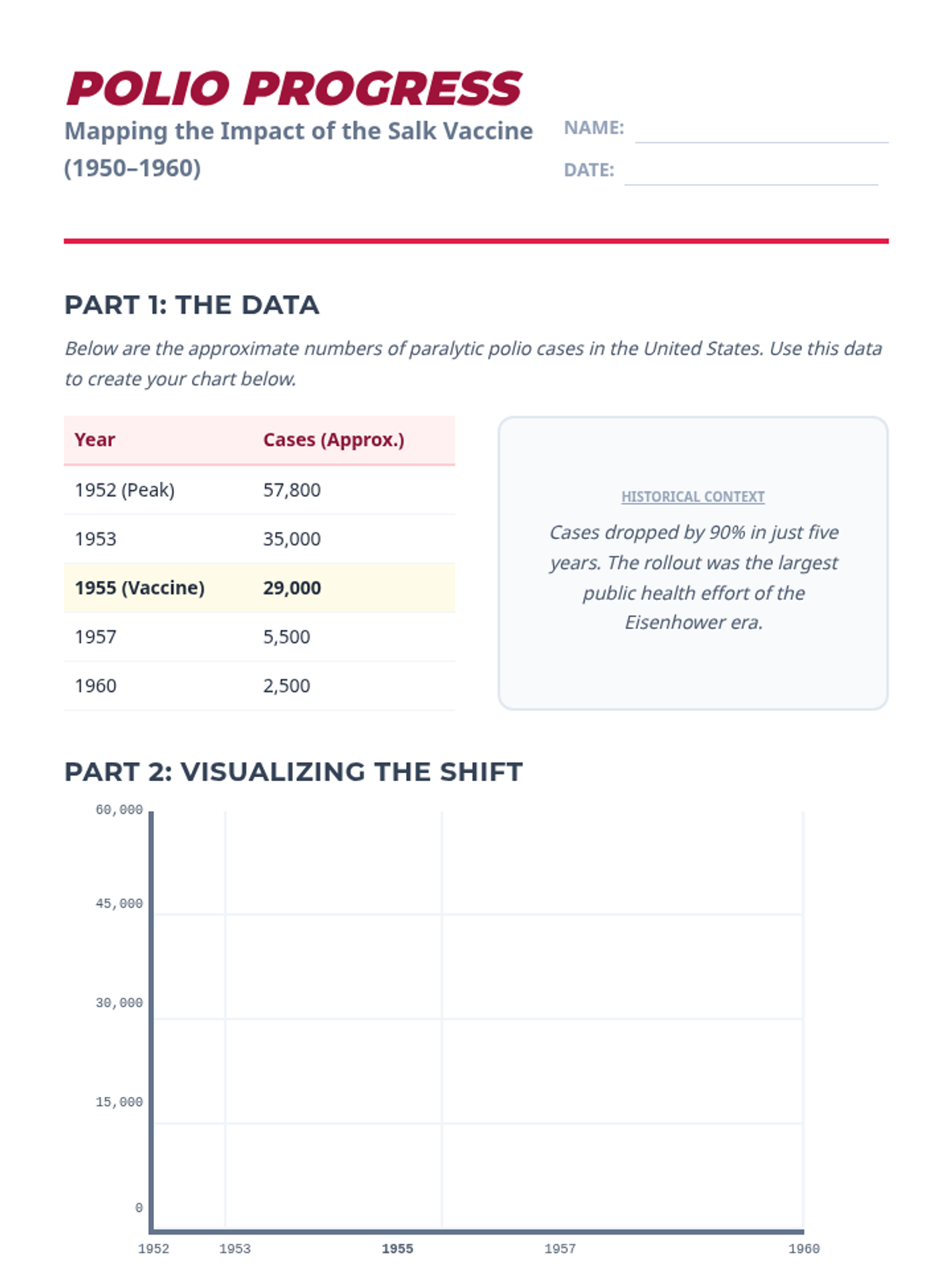
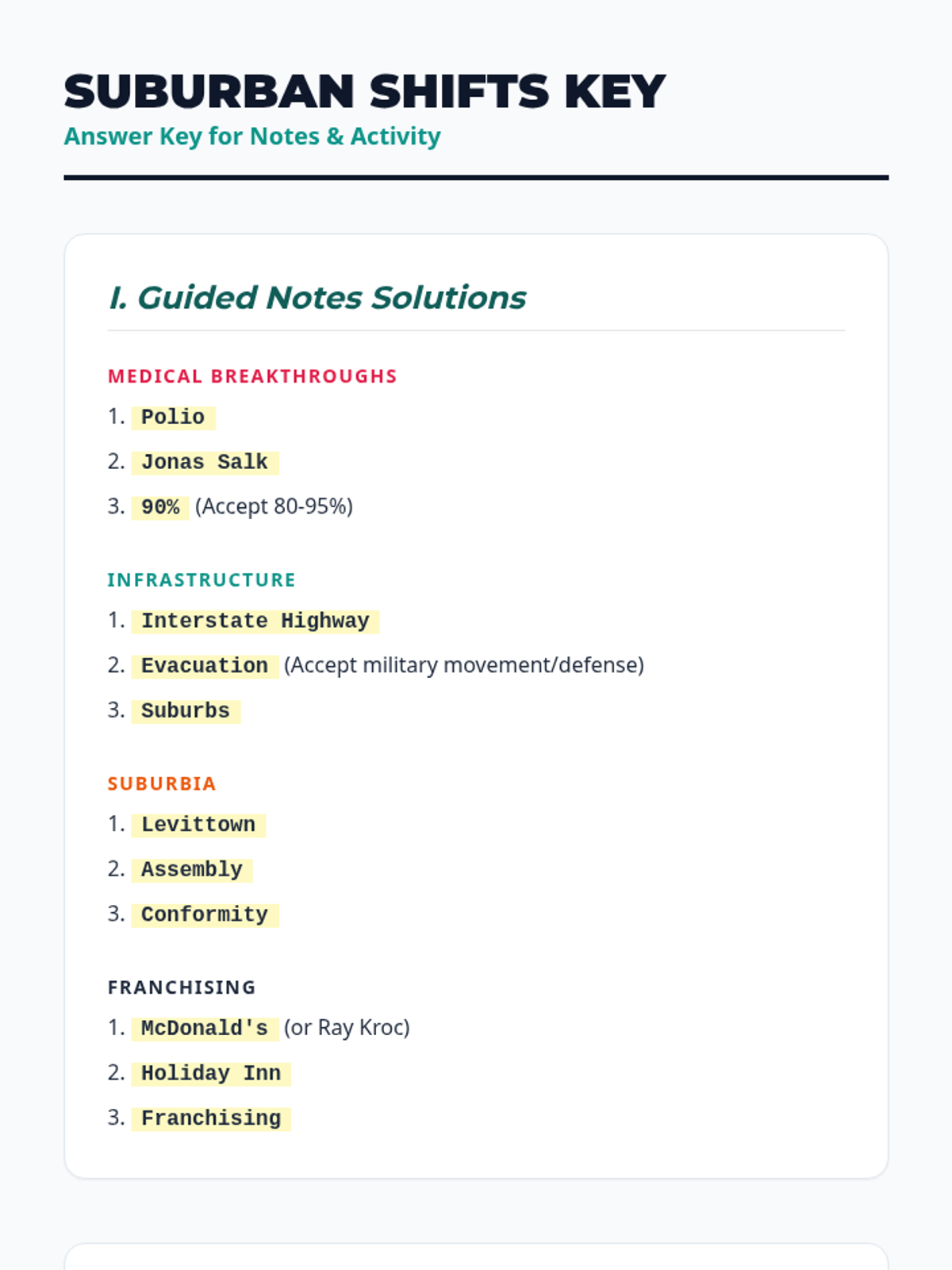
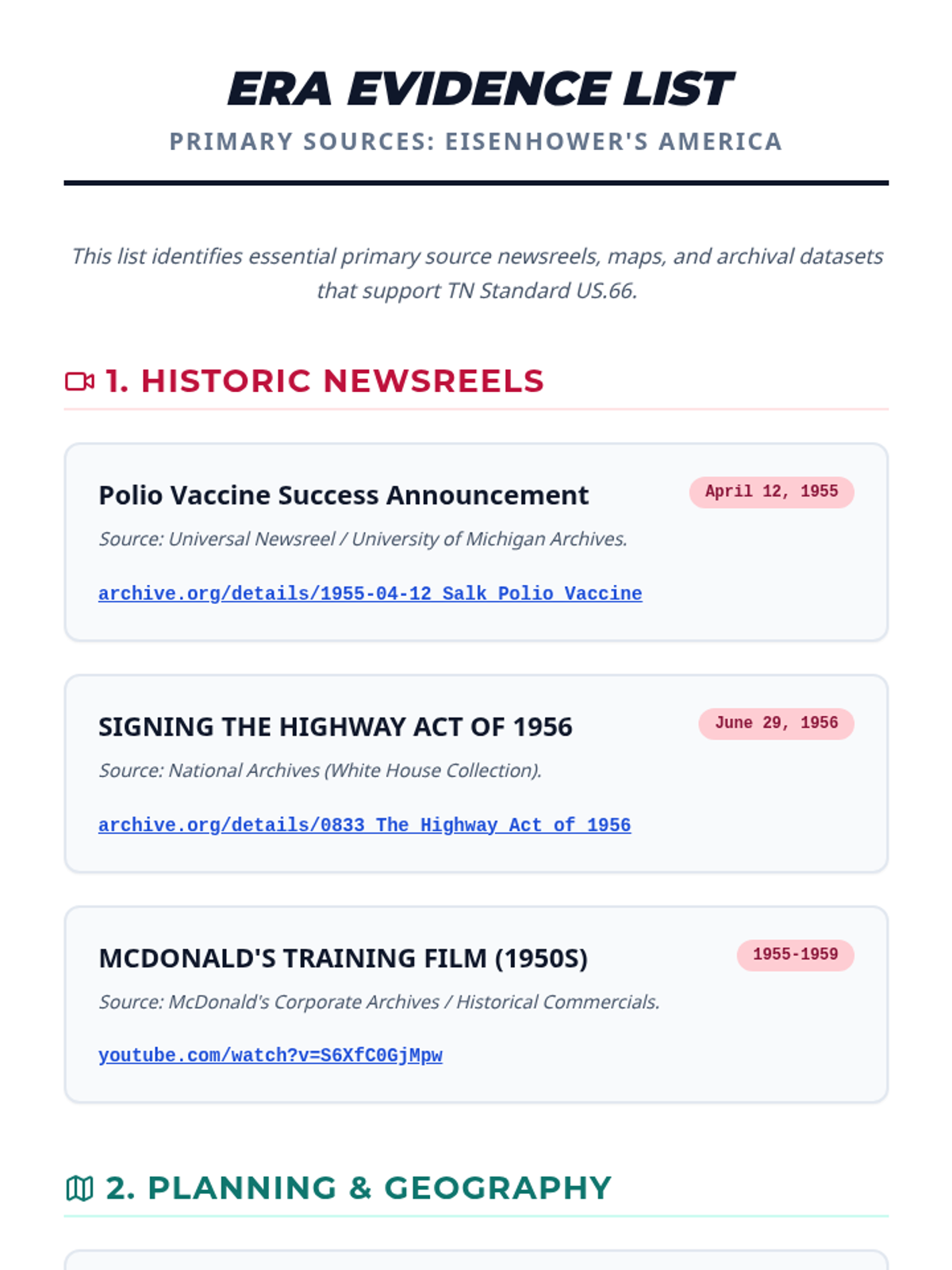
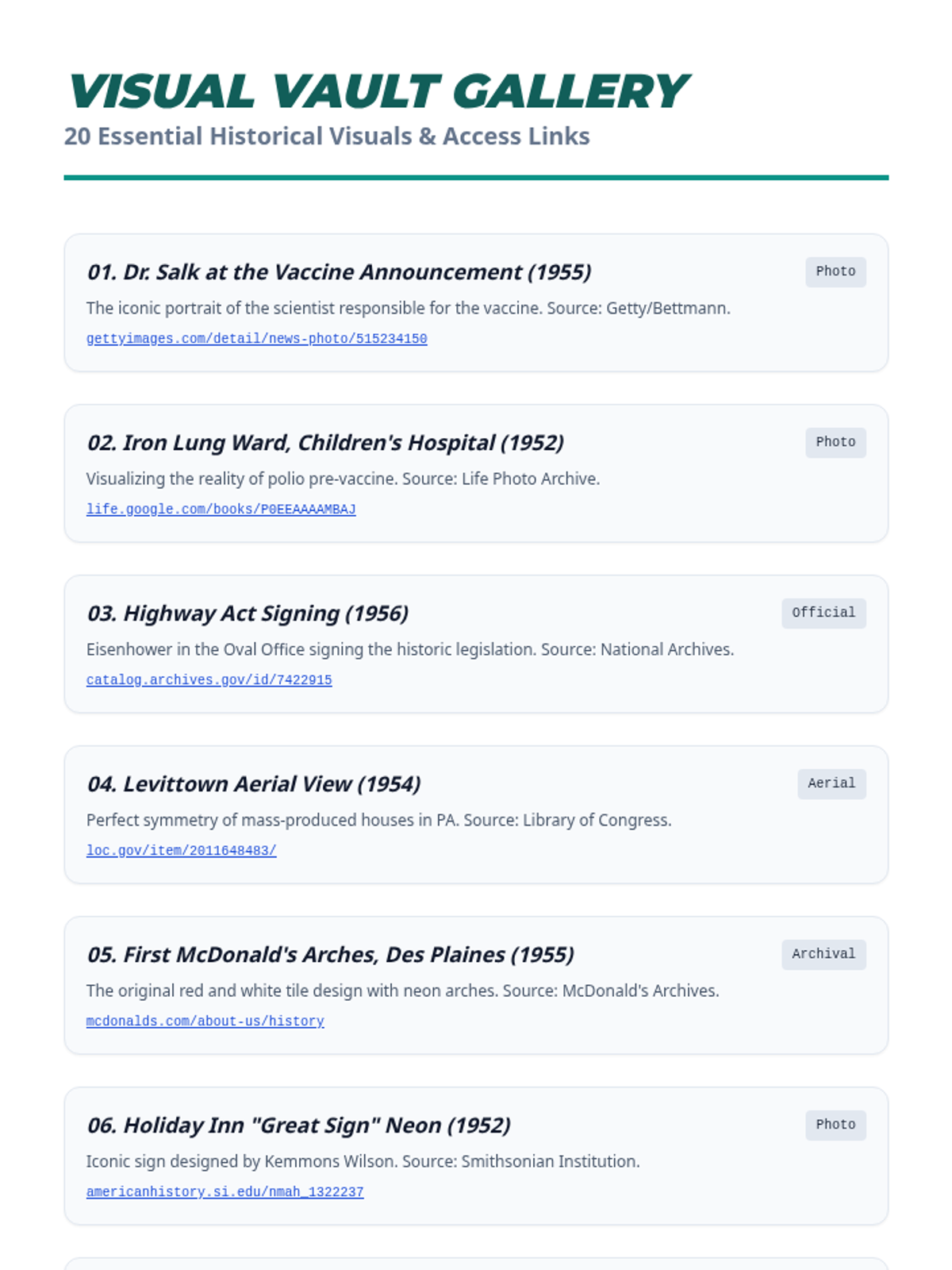
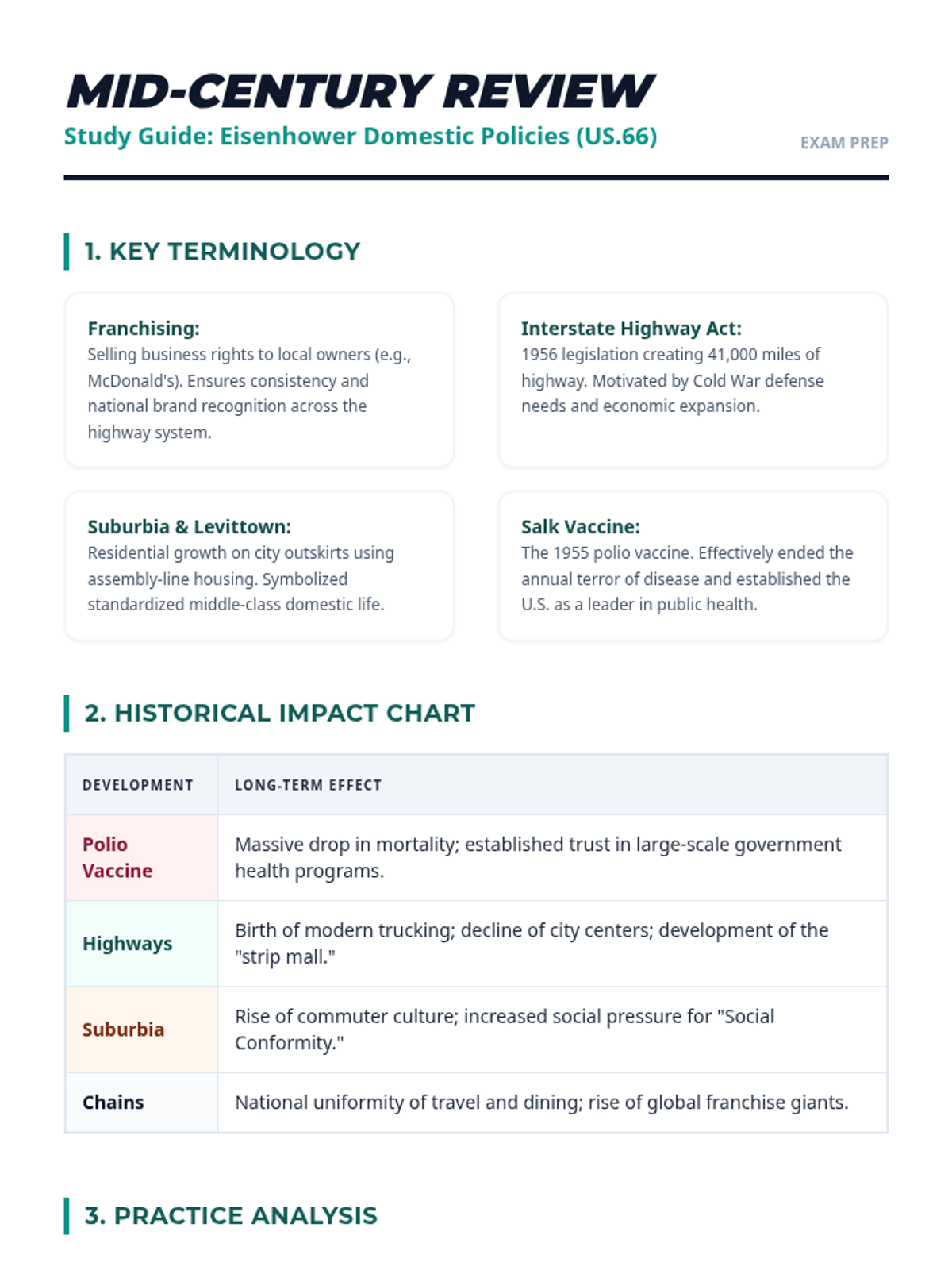
A comprehensive 30-minute lesson on domestic developments during the Eisenhower administration, covering the polio vaccine, interstate highways, suburbia, and the rise of franchising.
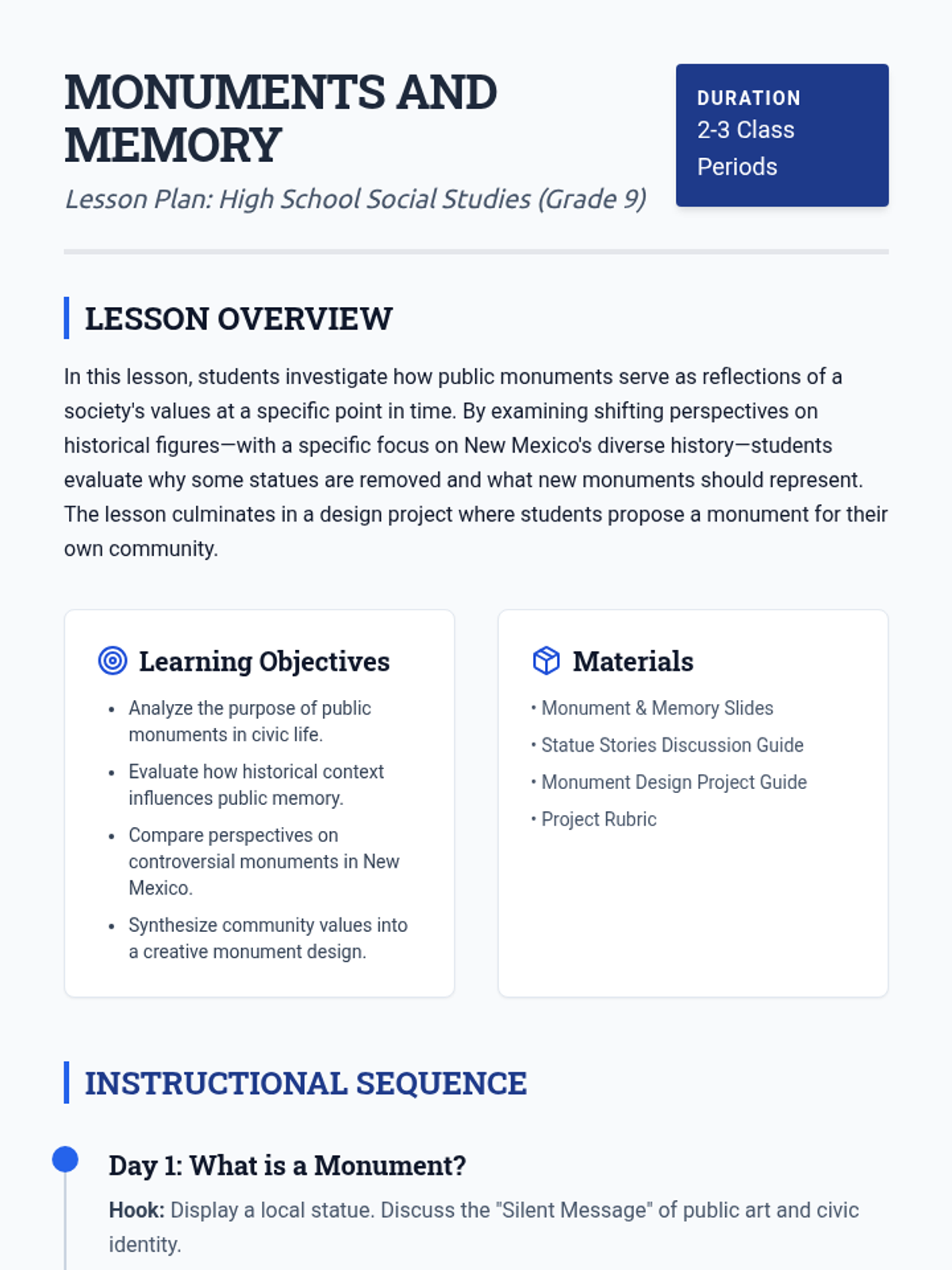
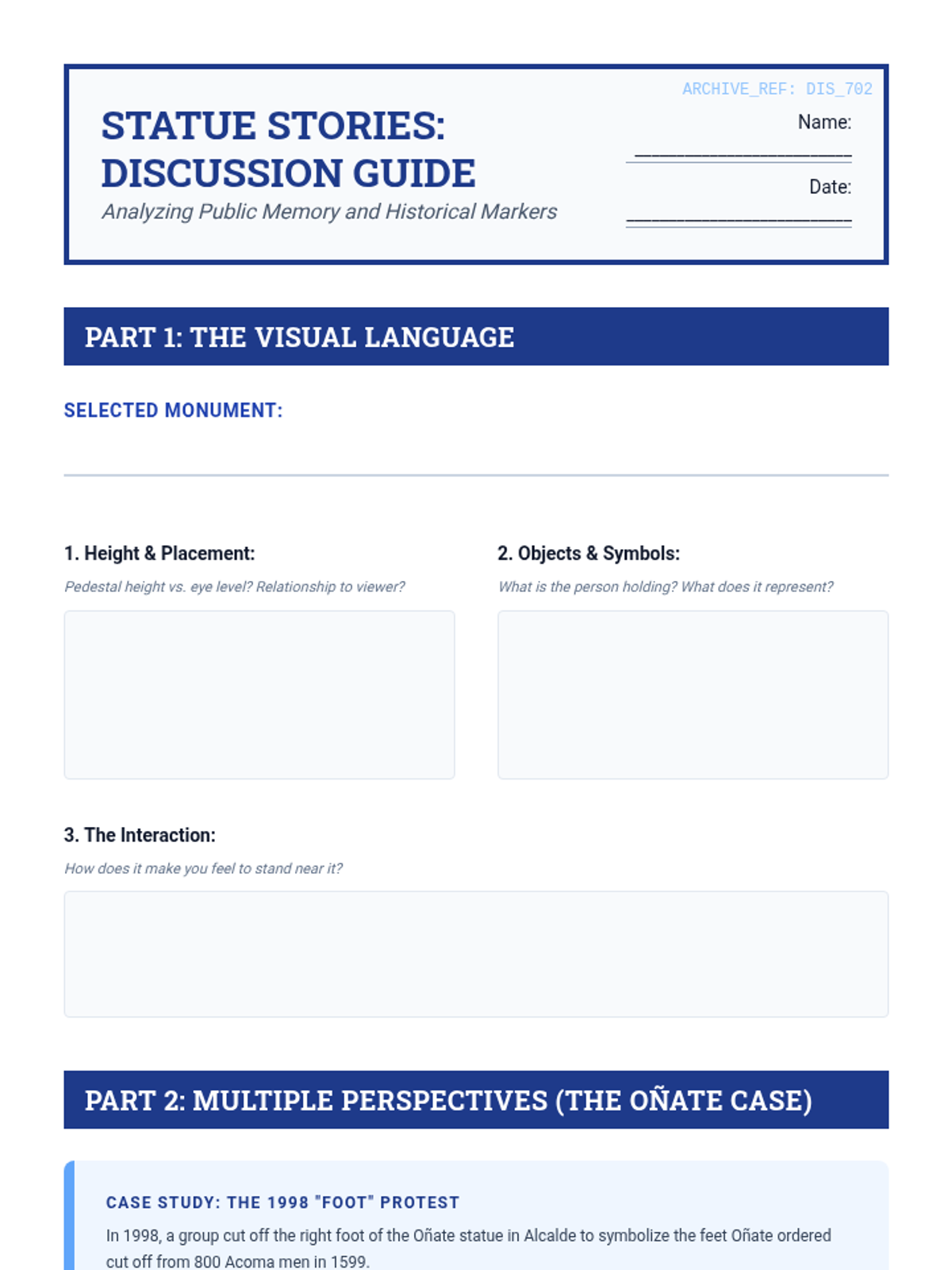
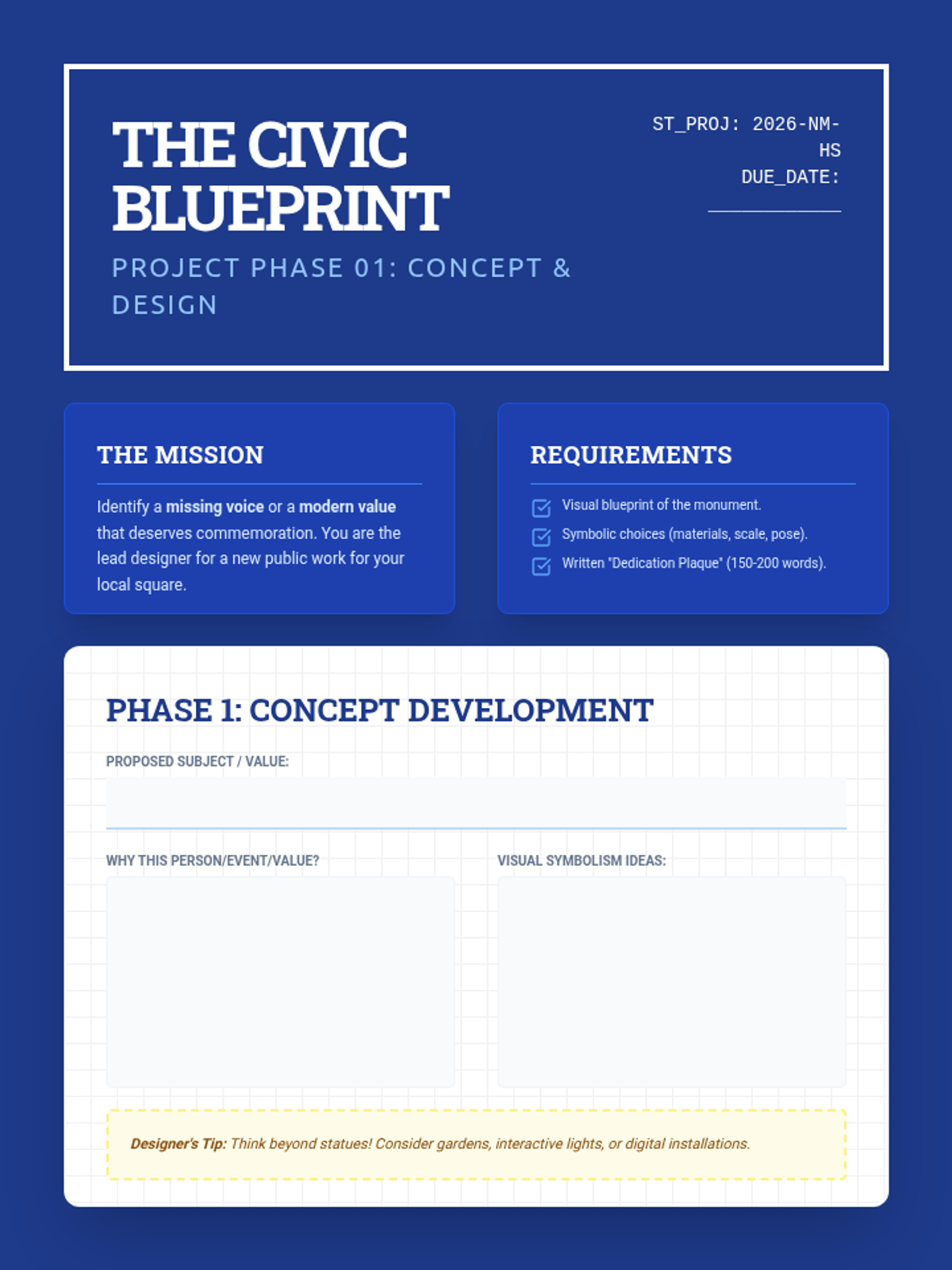
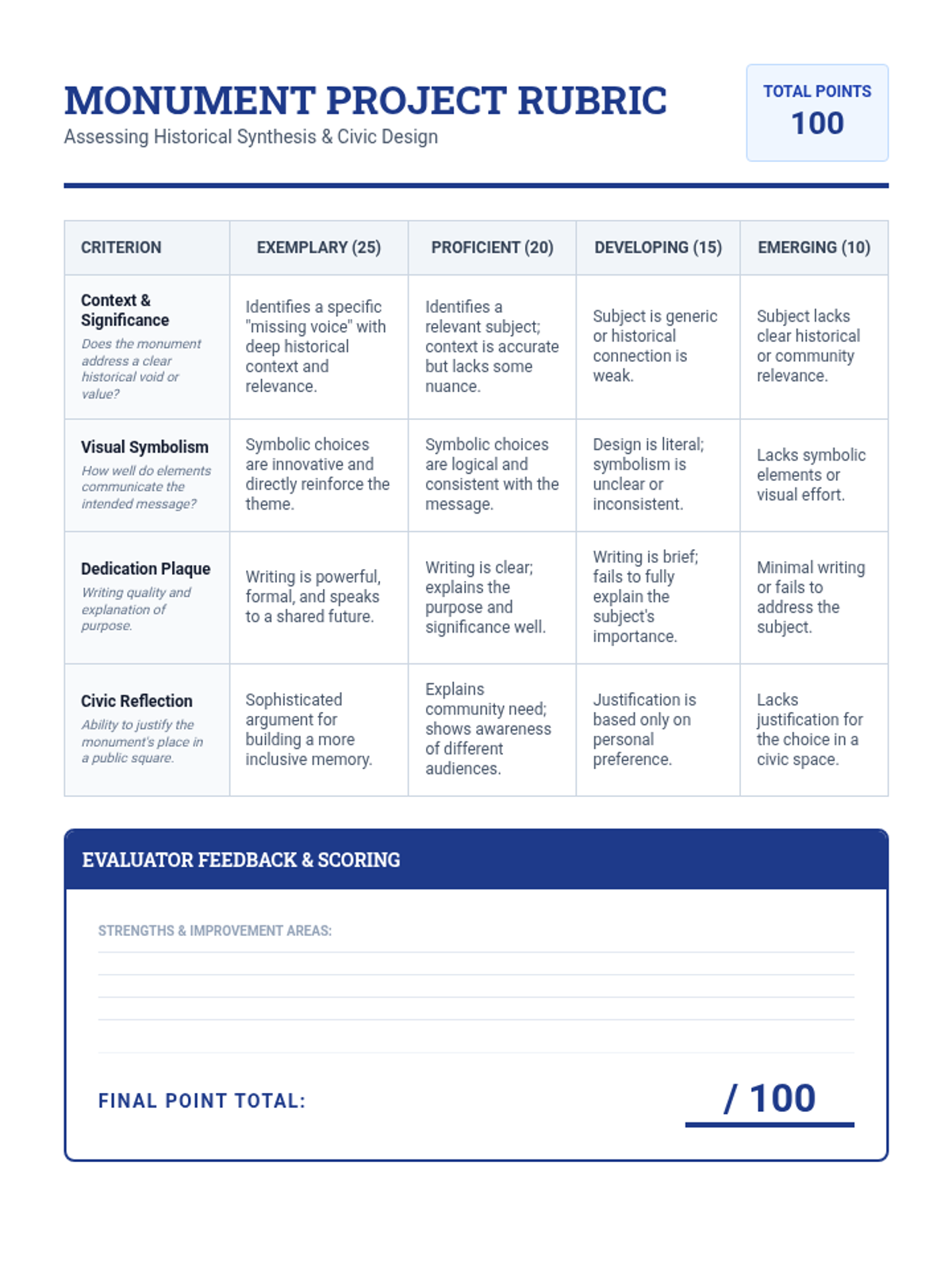
Students explore the intersection of history, art, and civic values by analyzing controversial monuments and designing their own commemorative public art. This lesson specifically looks at New Mexico's complex history and global movements to rethink public memory.
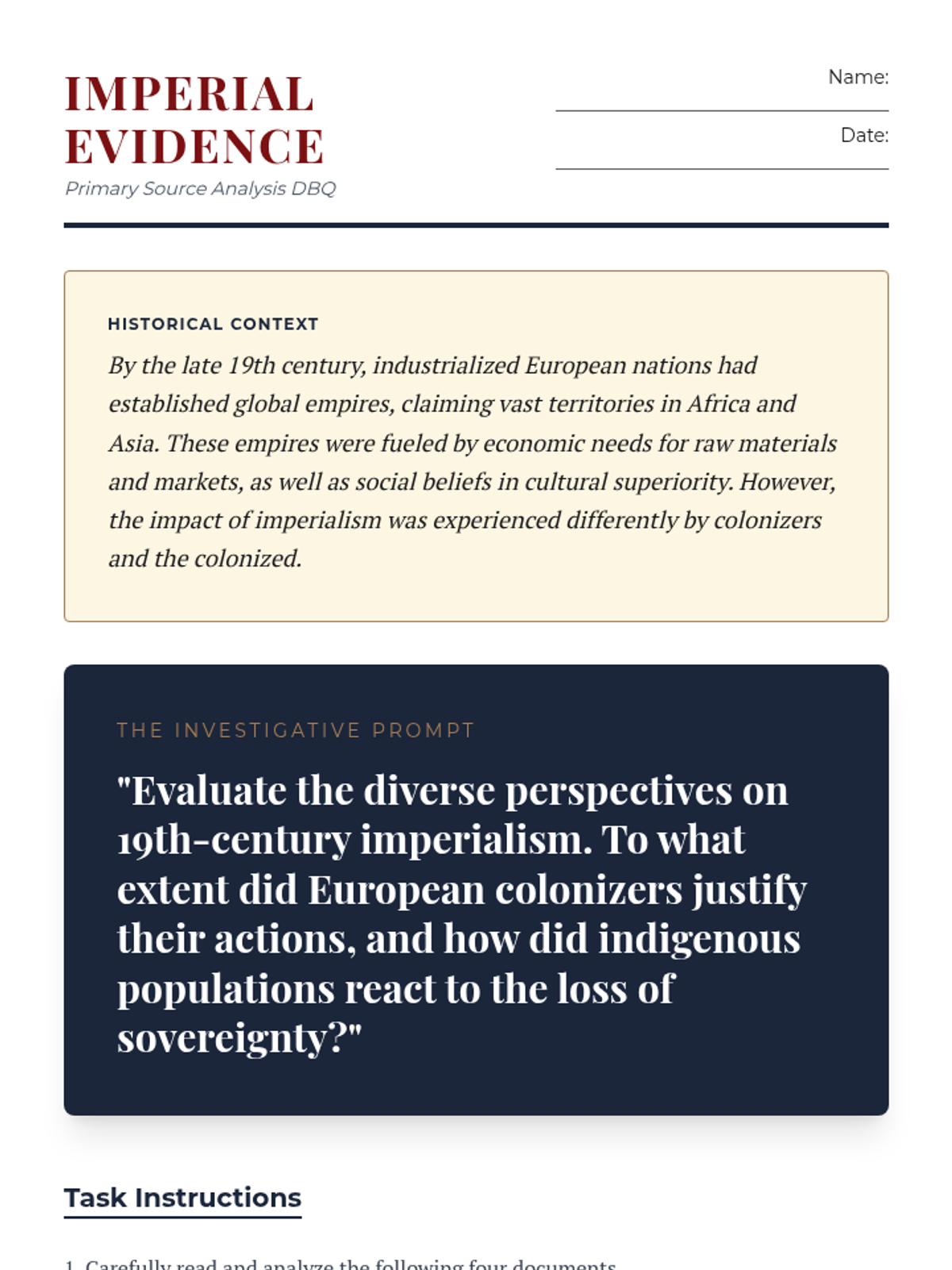
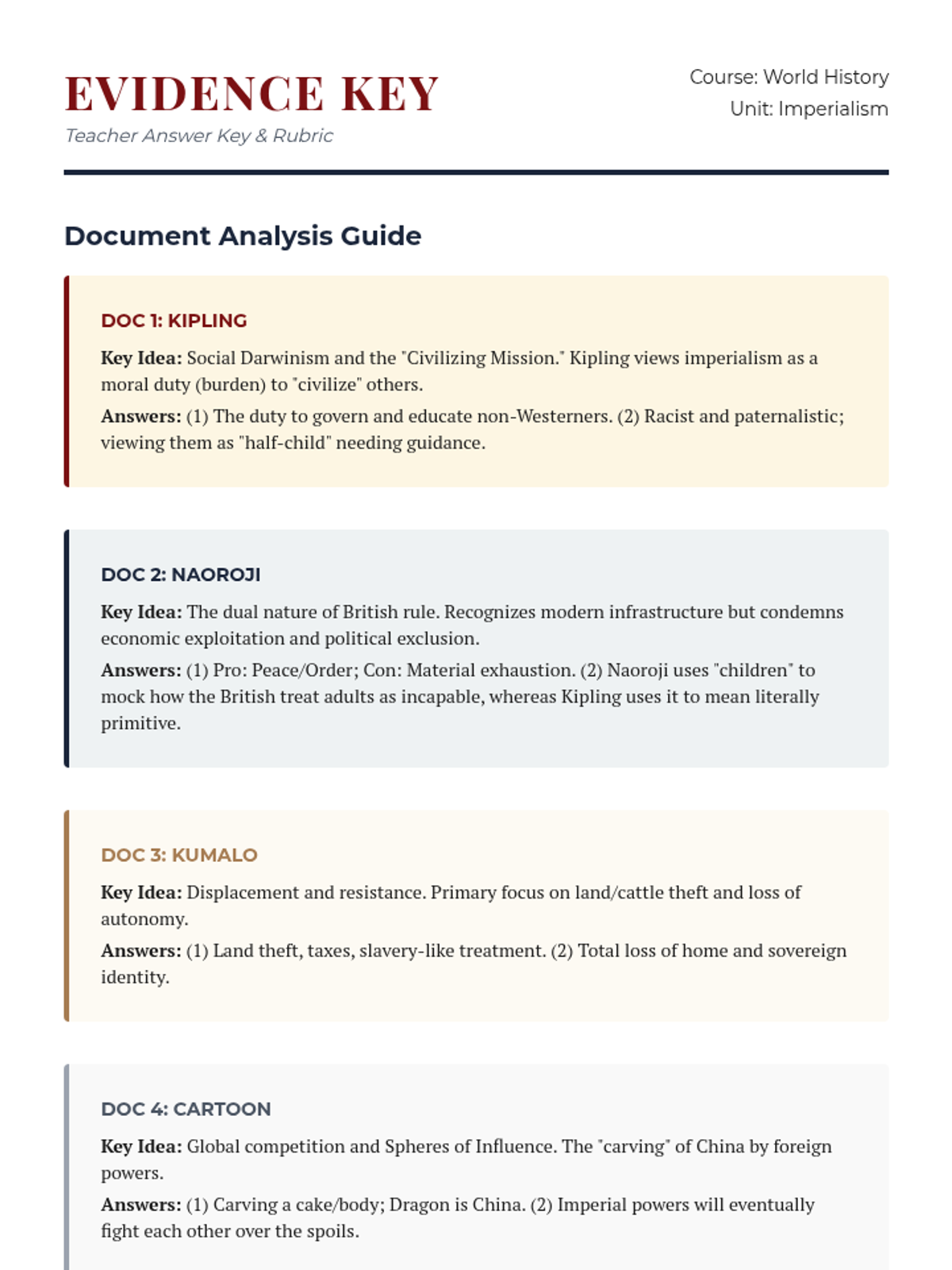
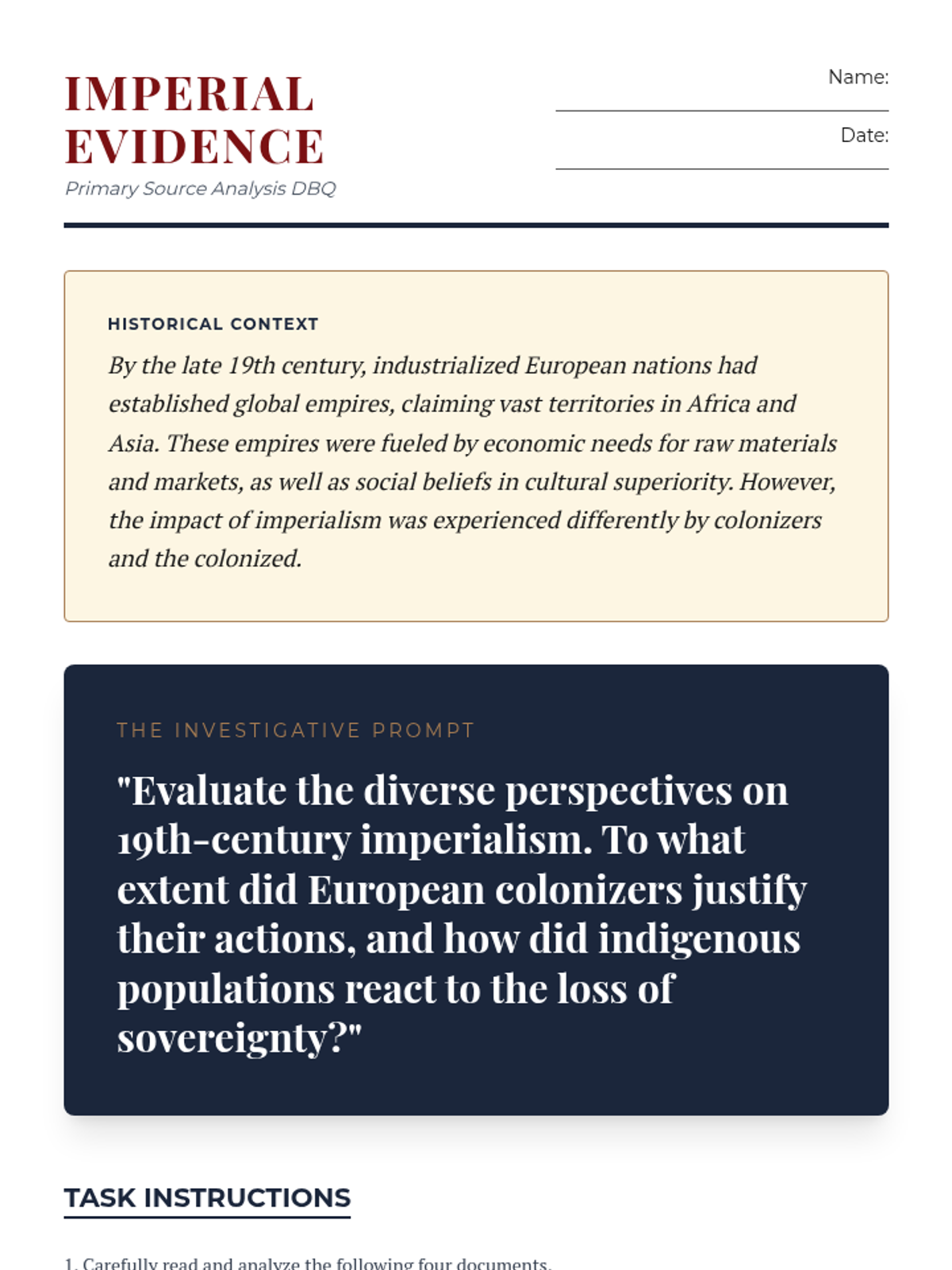
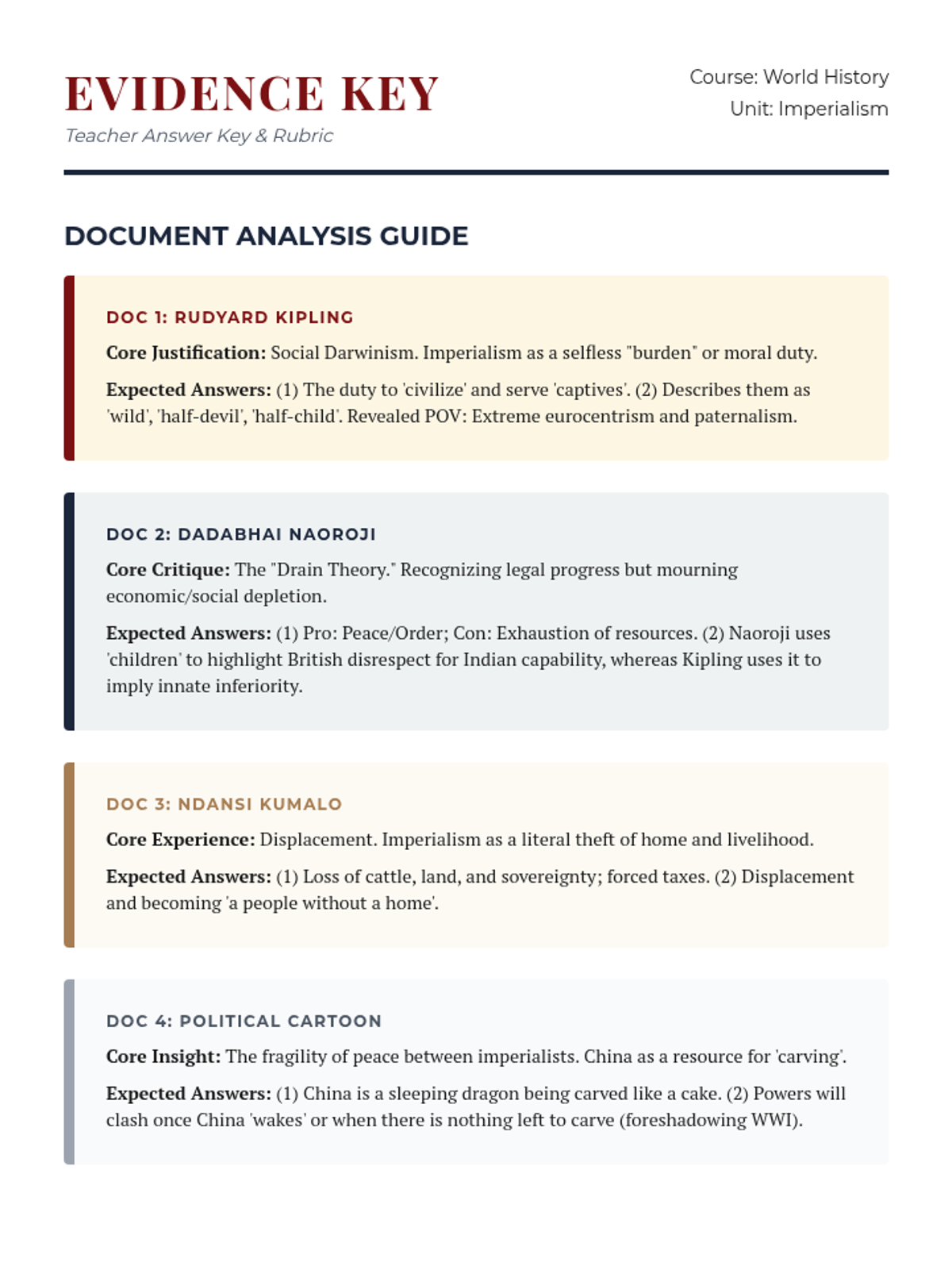
A culminating primary source analysis assessment covering the global impacts and perspectives of imperialism.
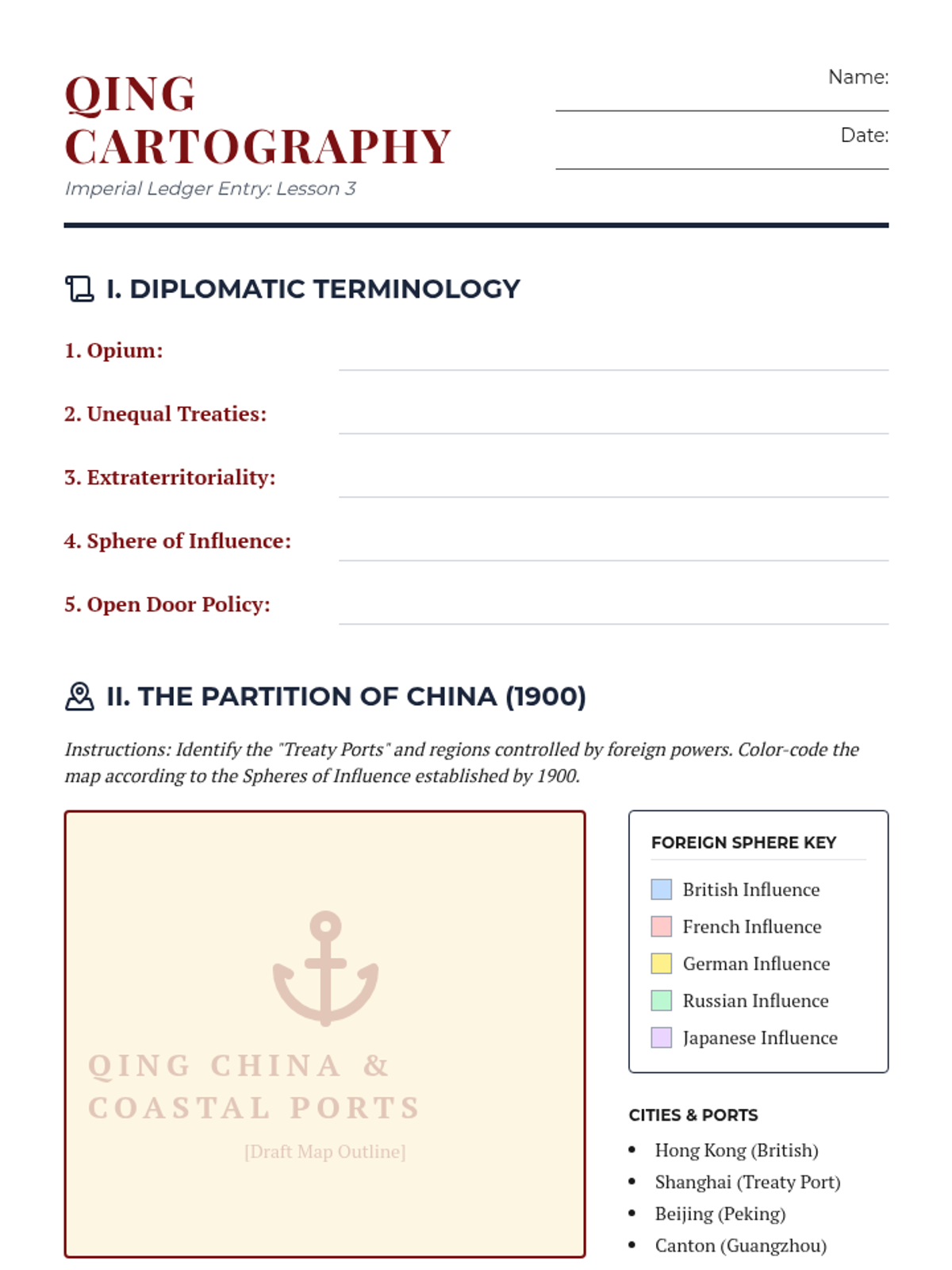
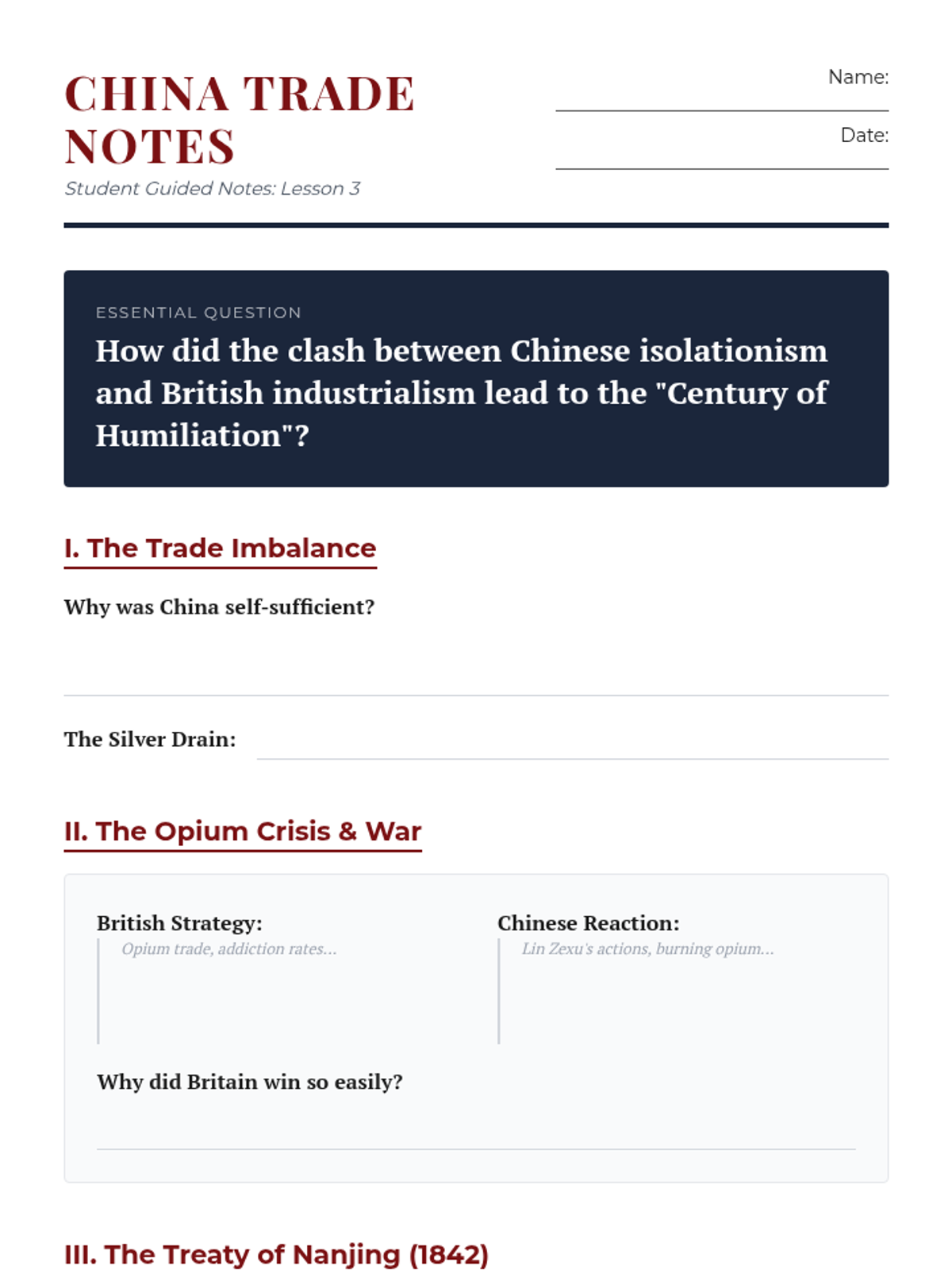
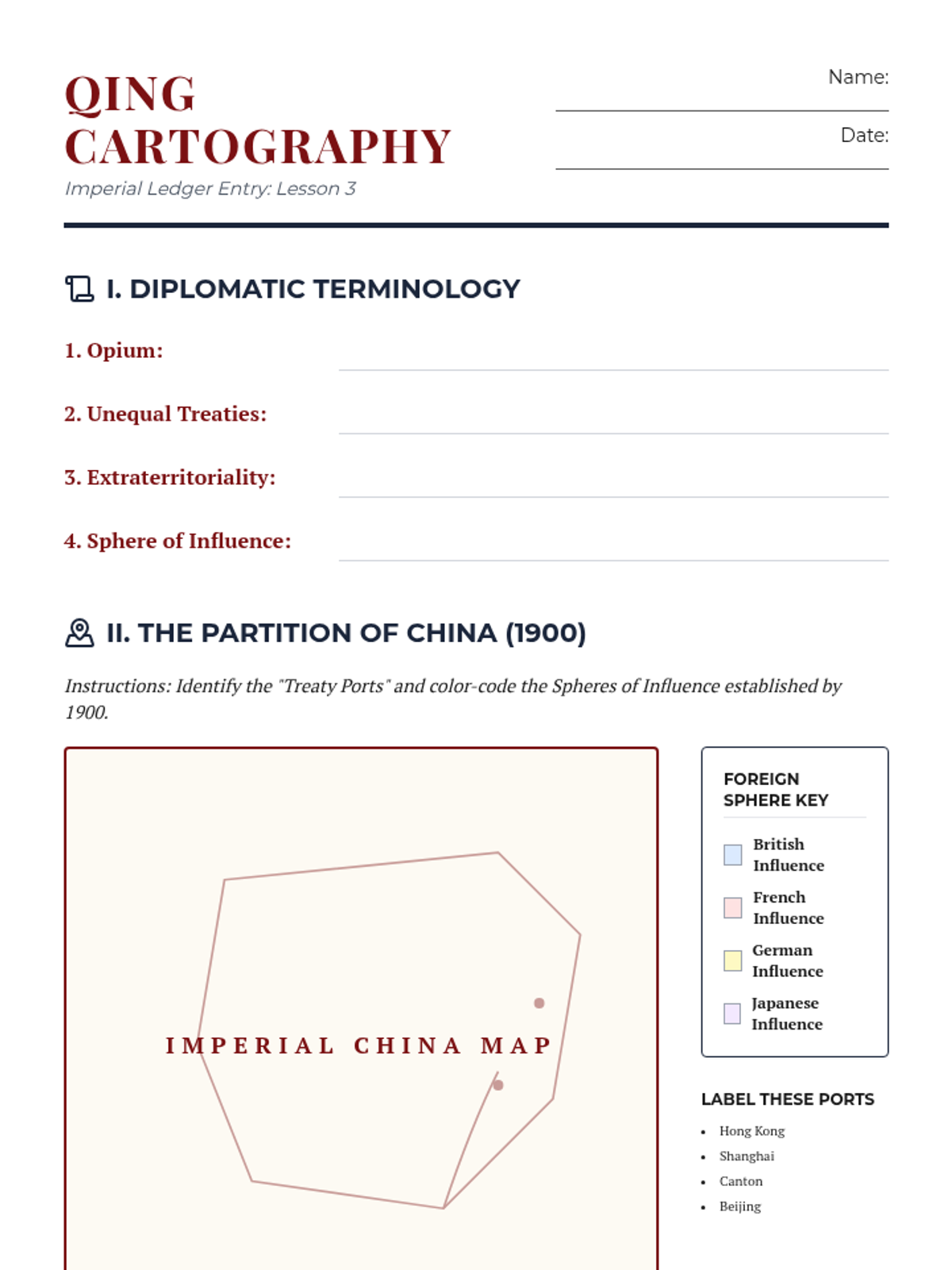
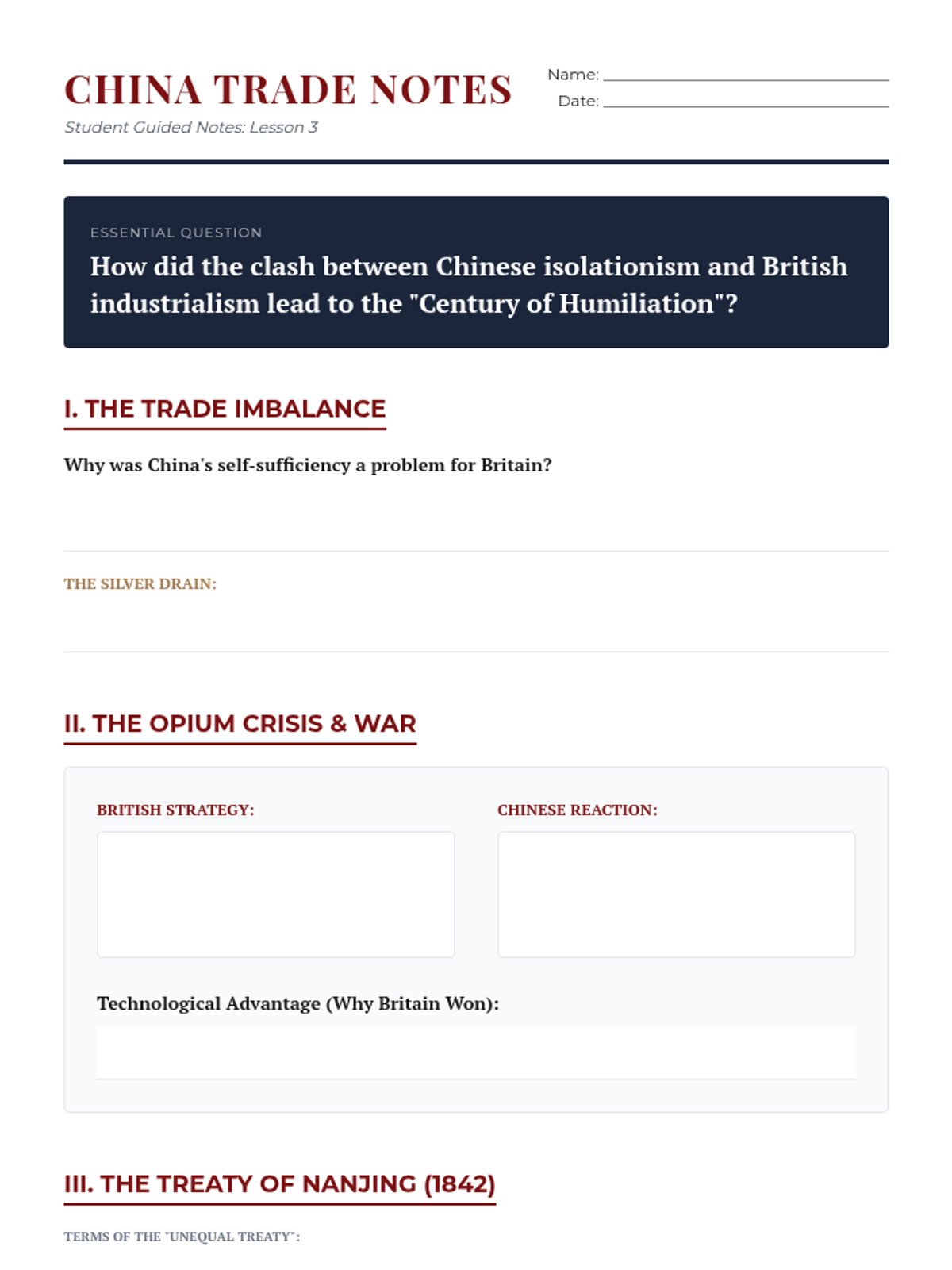
Explores the decline of the Qing Dynasty, the Opium Wars, and the impact of the Treaty of Nanjing on Chinese sovereignty.
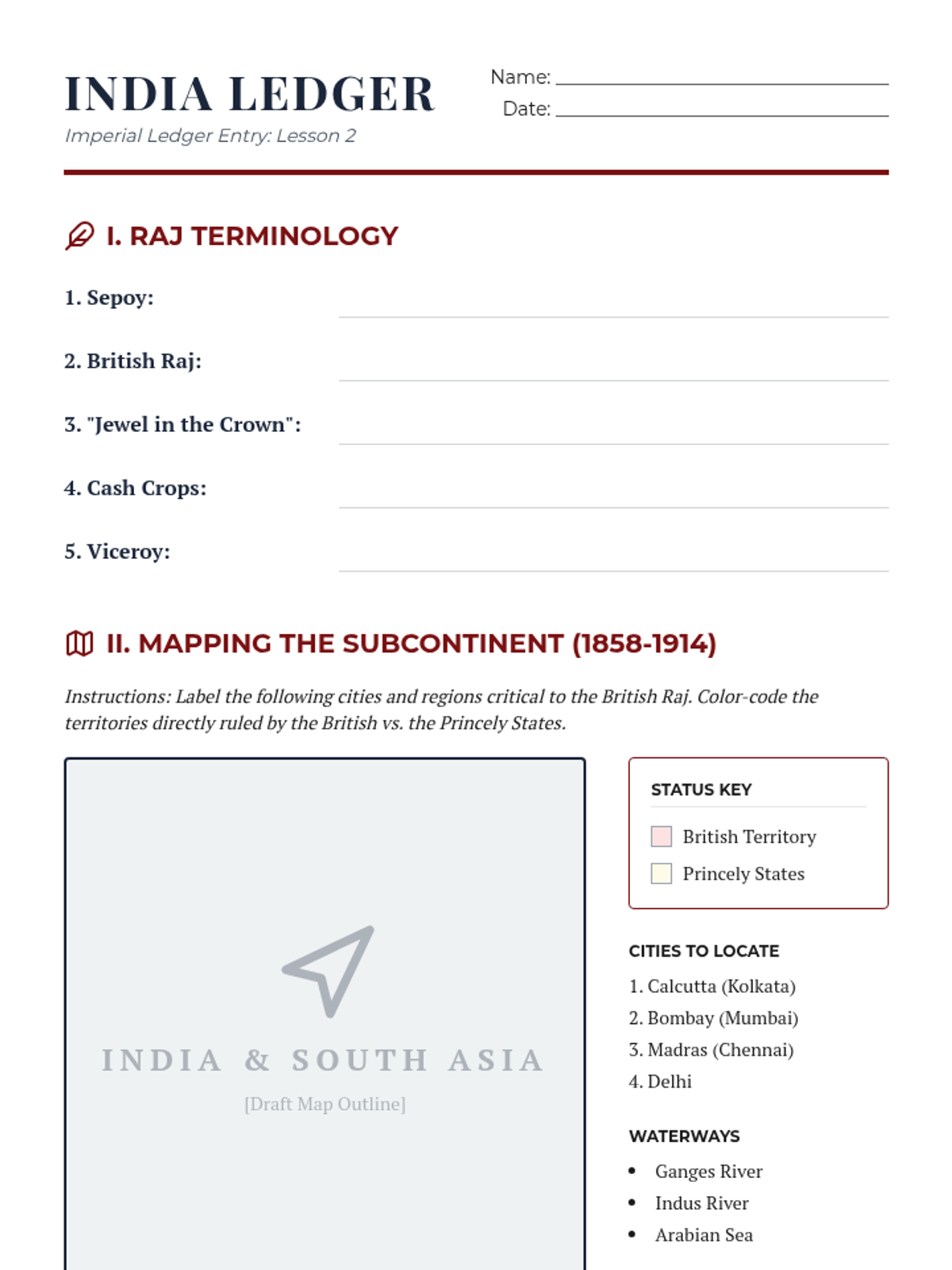
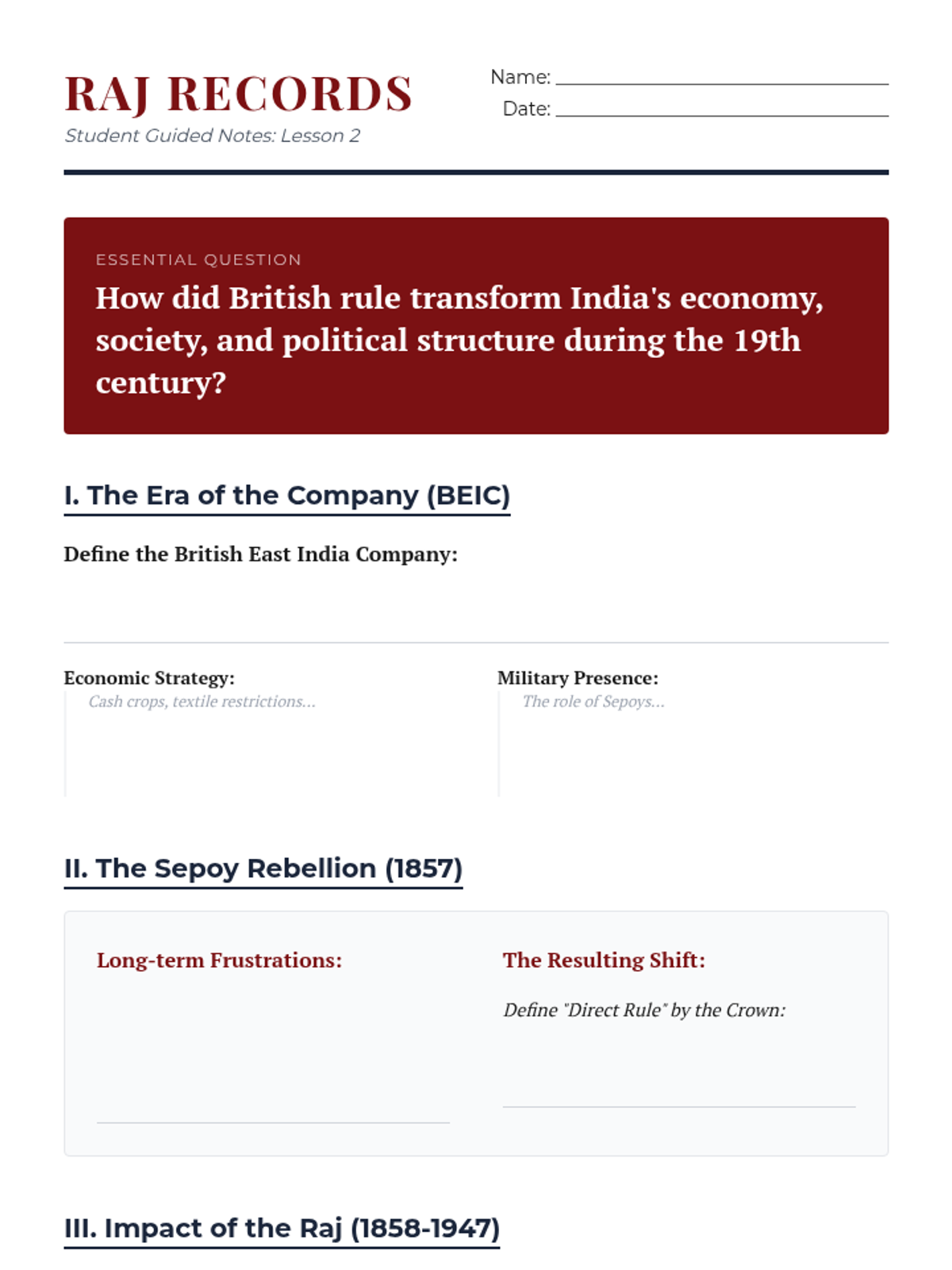
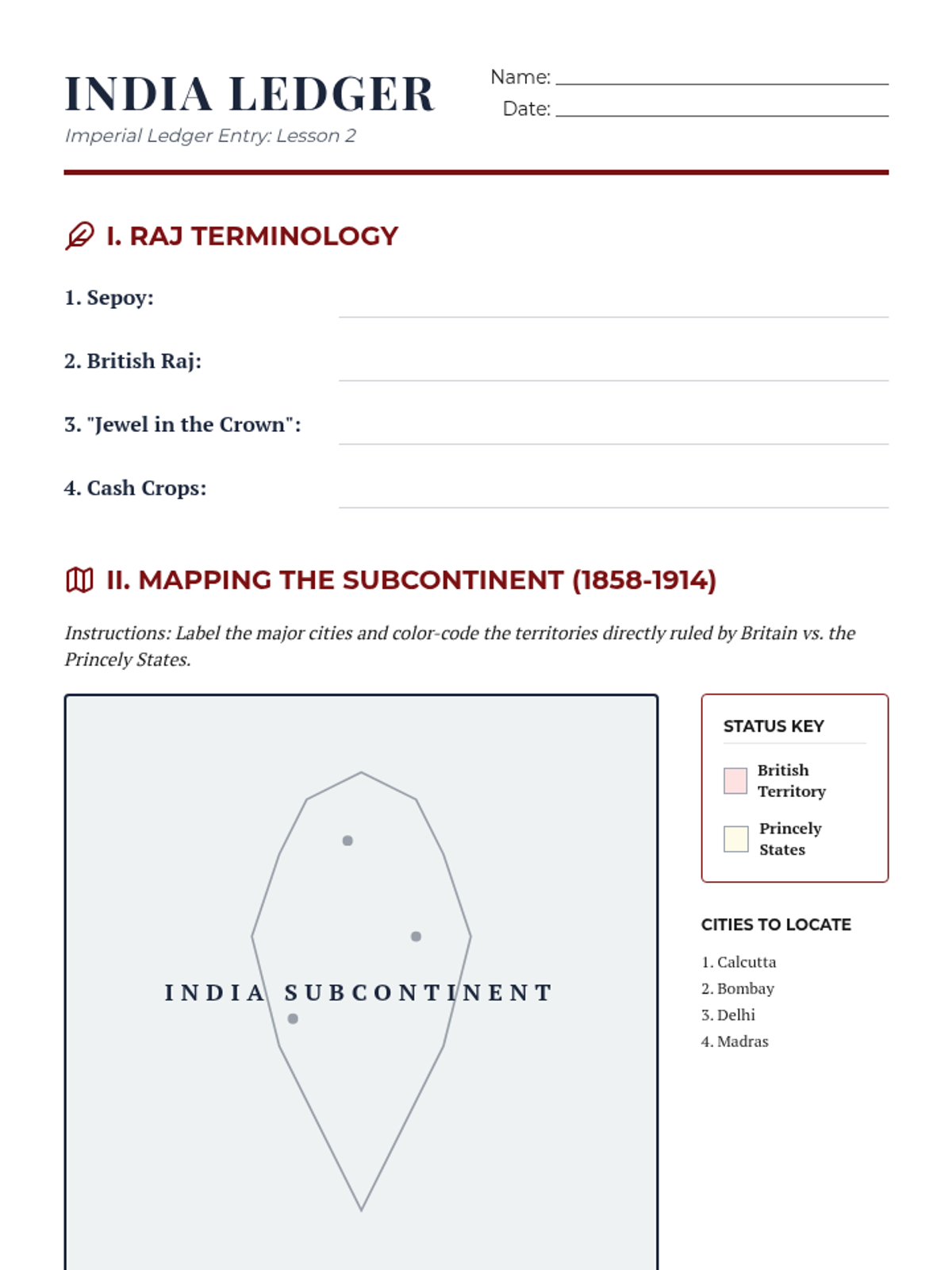
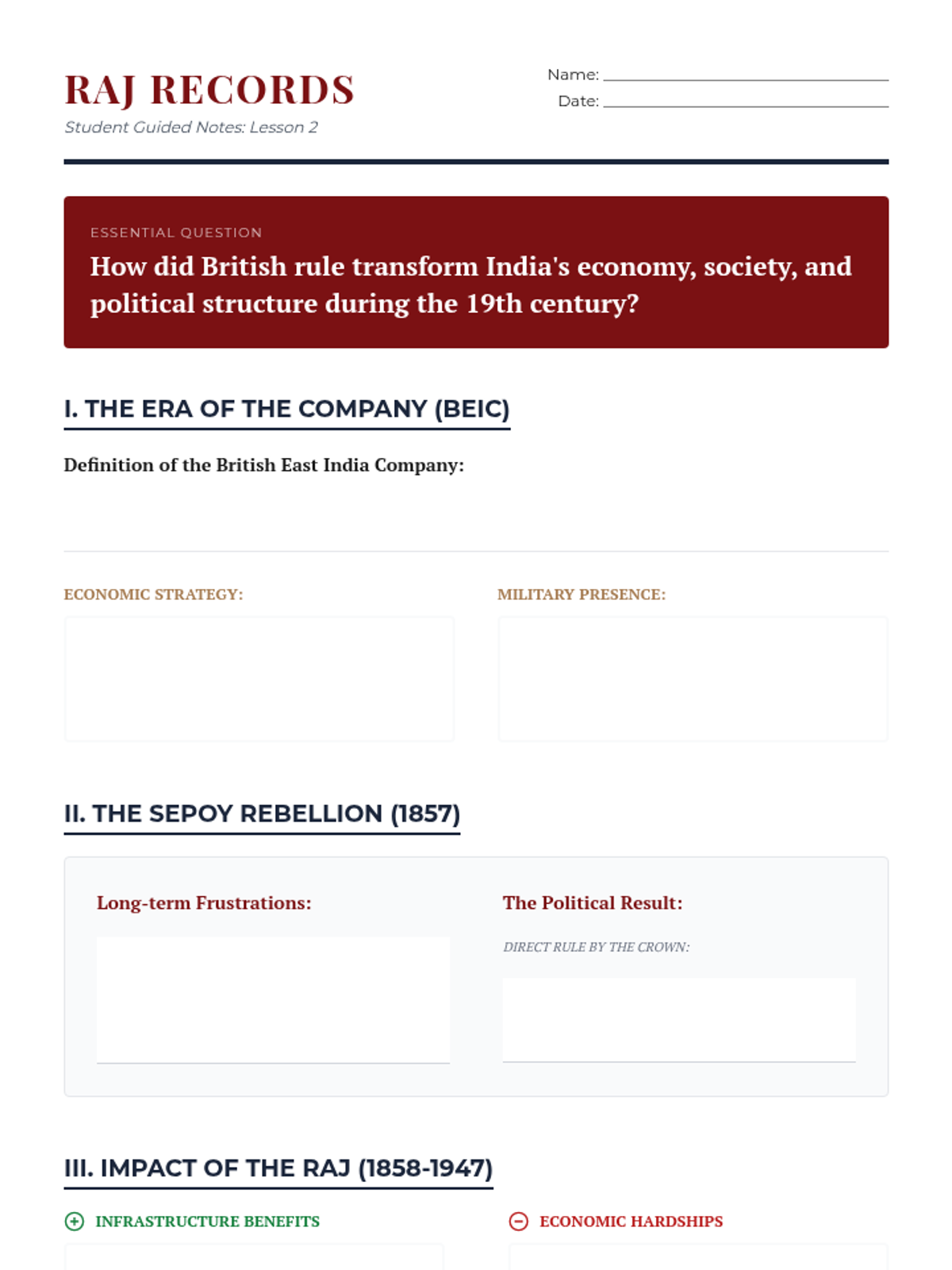
Investigates the rise of the British East India Company, the 1857 Rebellion, and the subsequent direct rule of the British Raj.
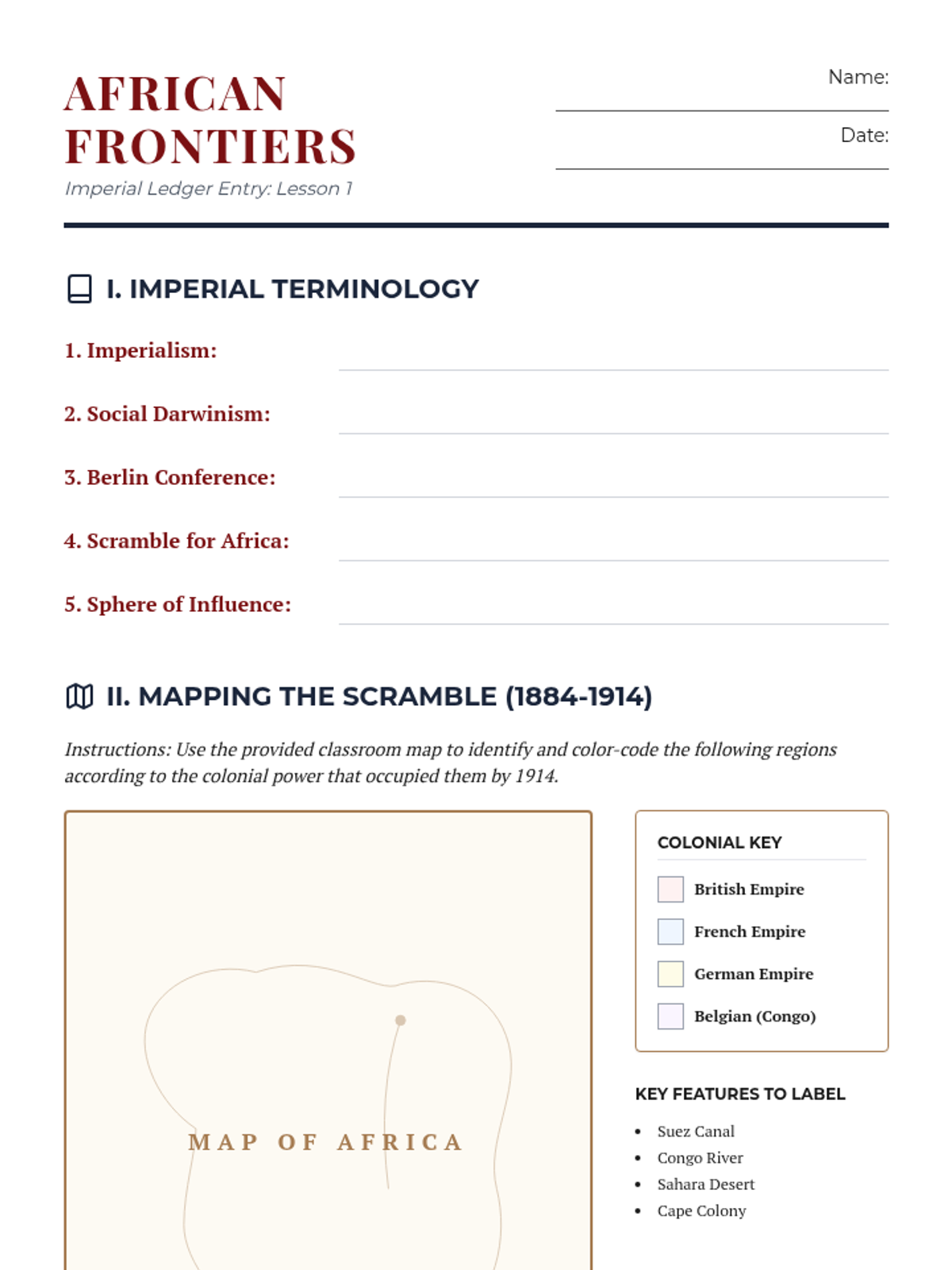
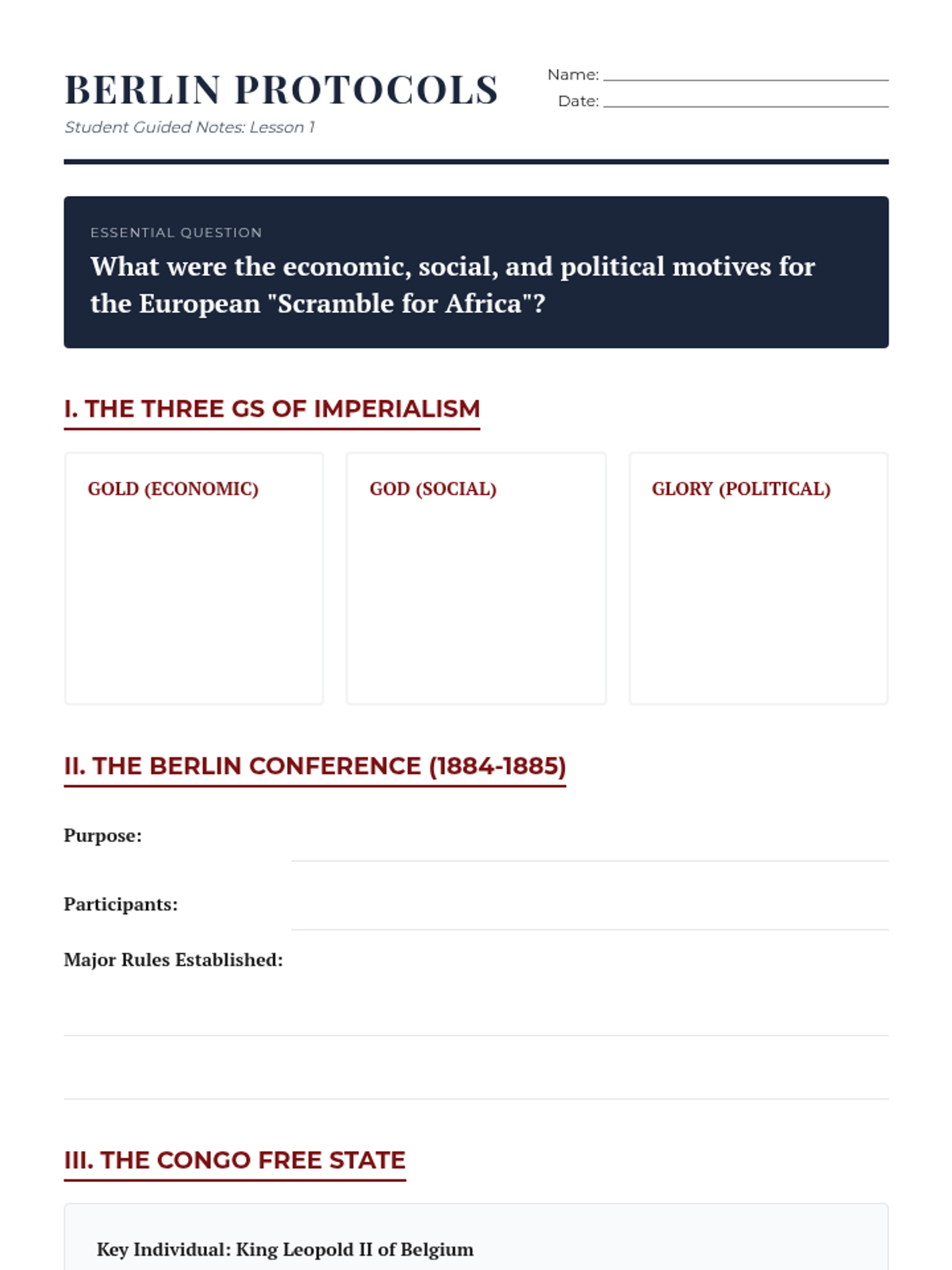
Examines the motives for European imperialism and the division of Africa following the Berlin Conference of 1884.
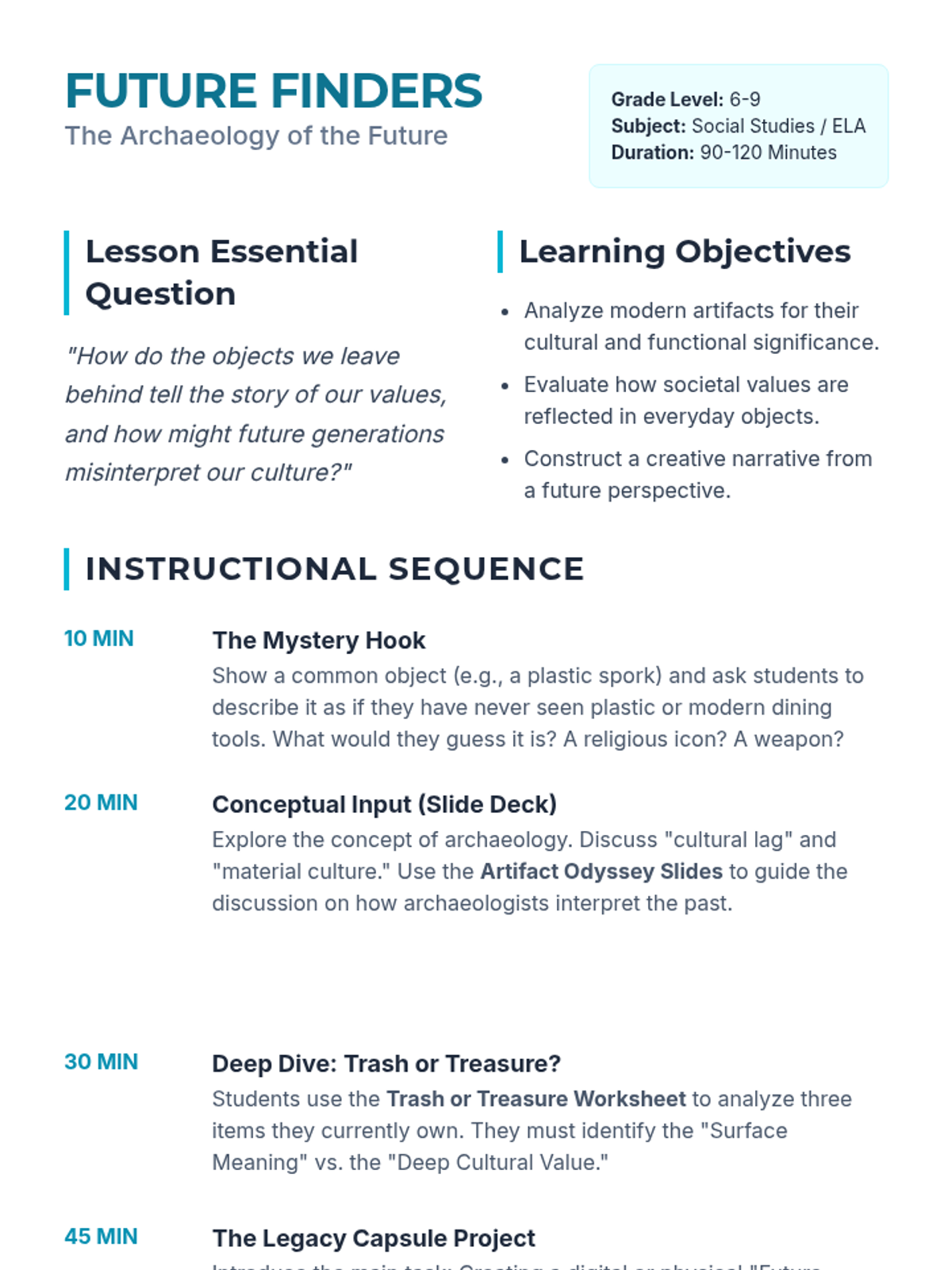
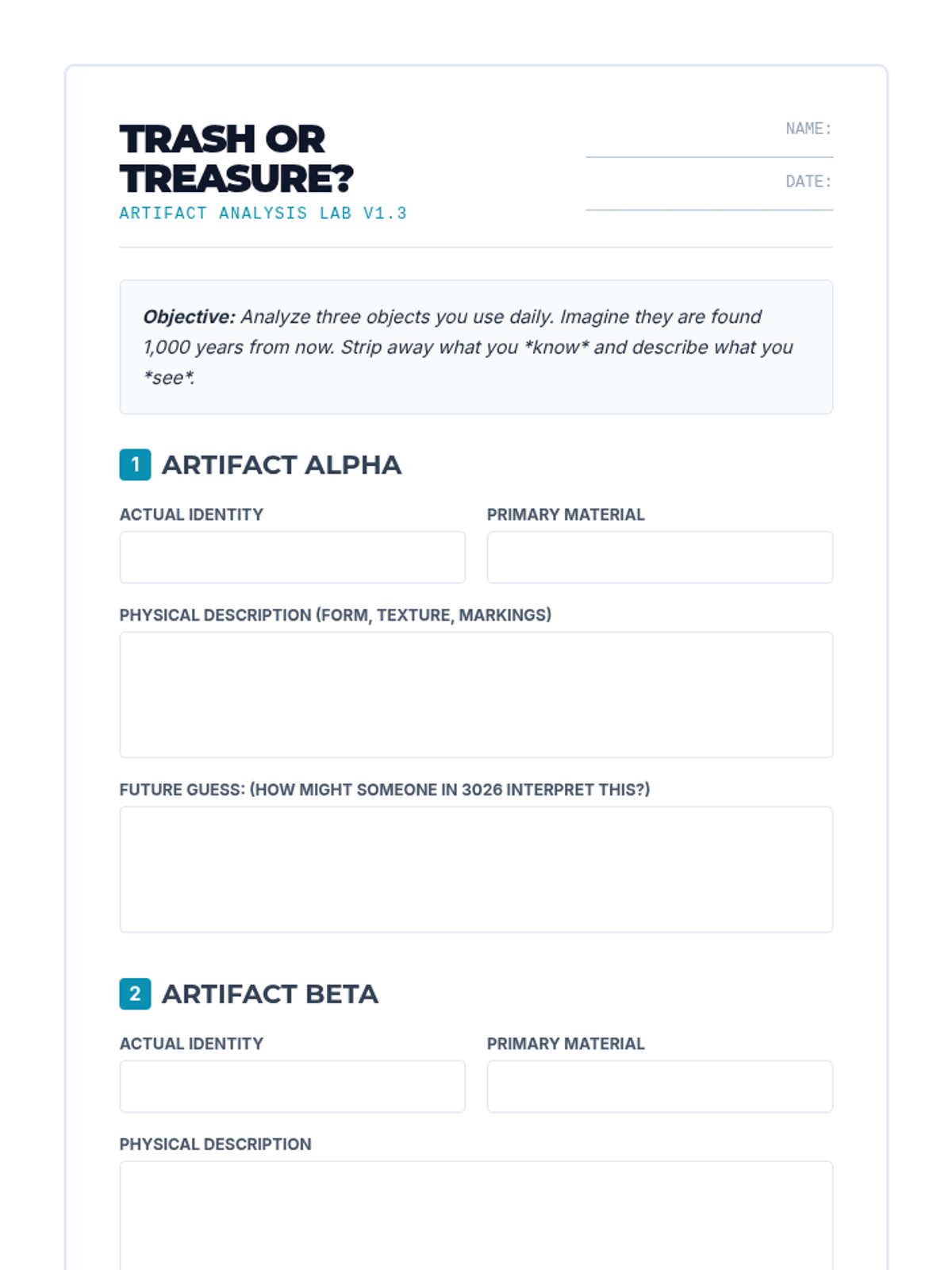
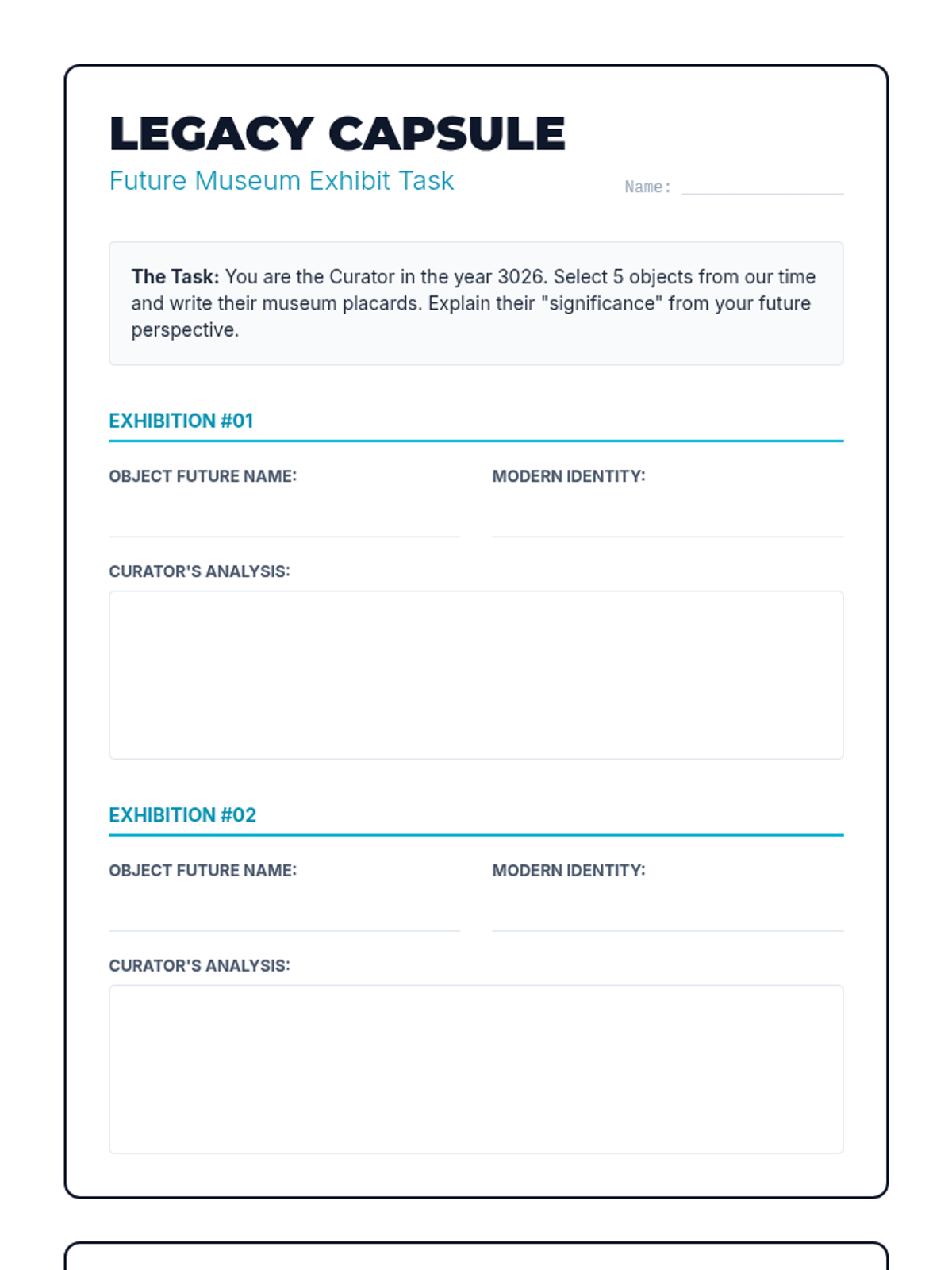
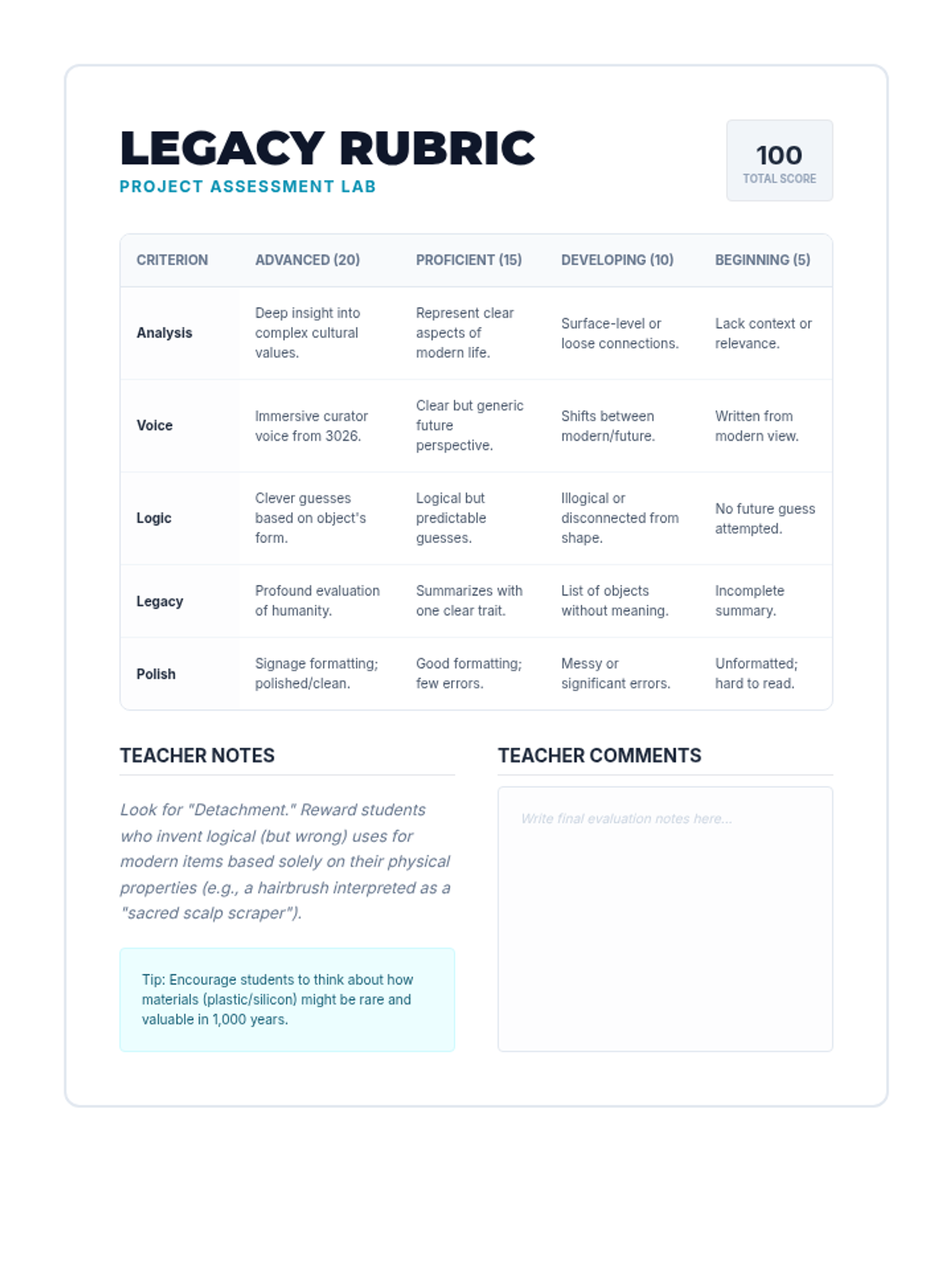
A Social Studies and Creative Writing lesson where students analyze modern cultural objects as future archaeological artifacts to evaluate societal values and legacy.
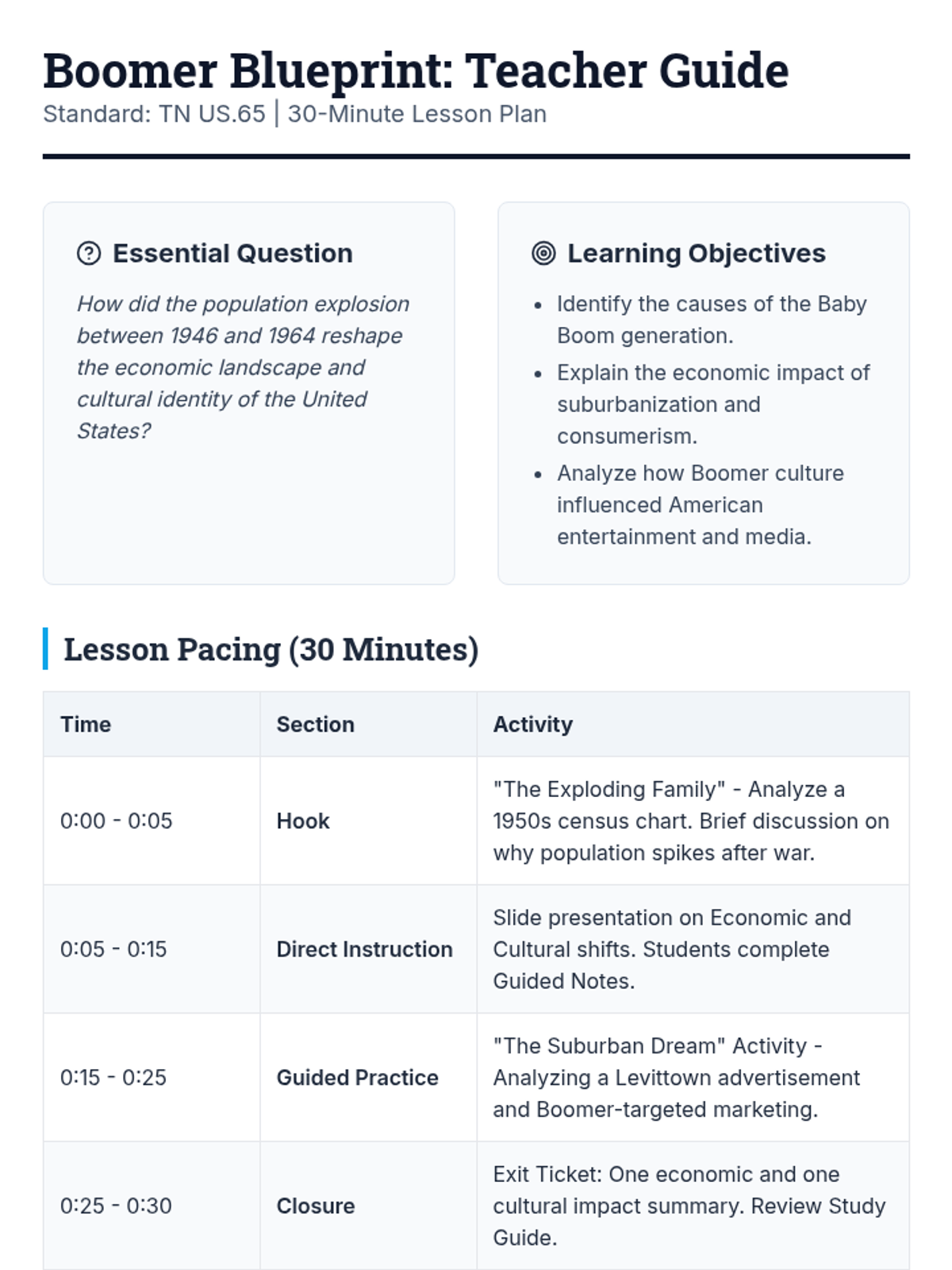
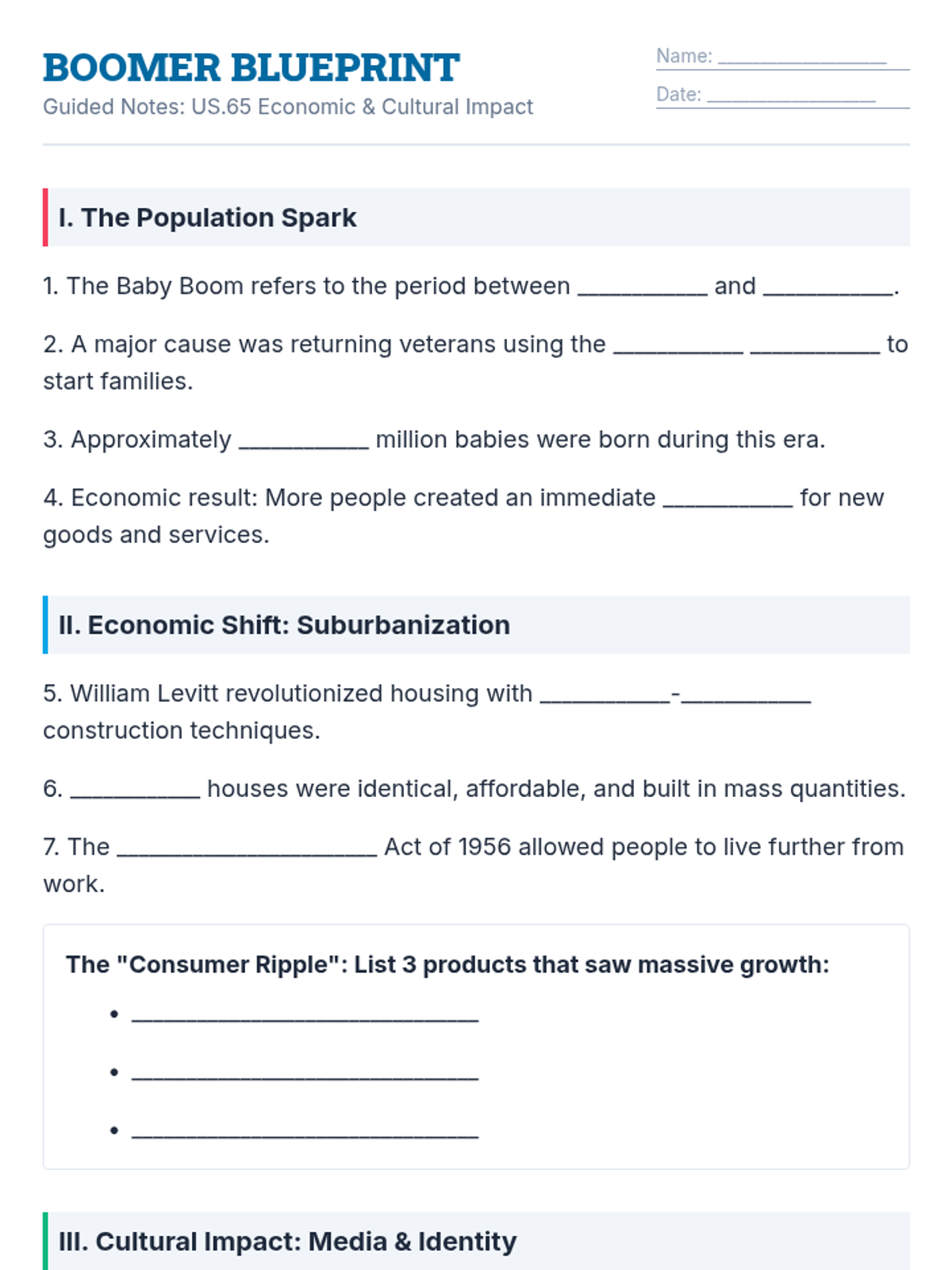
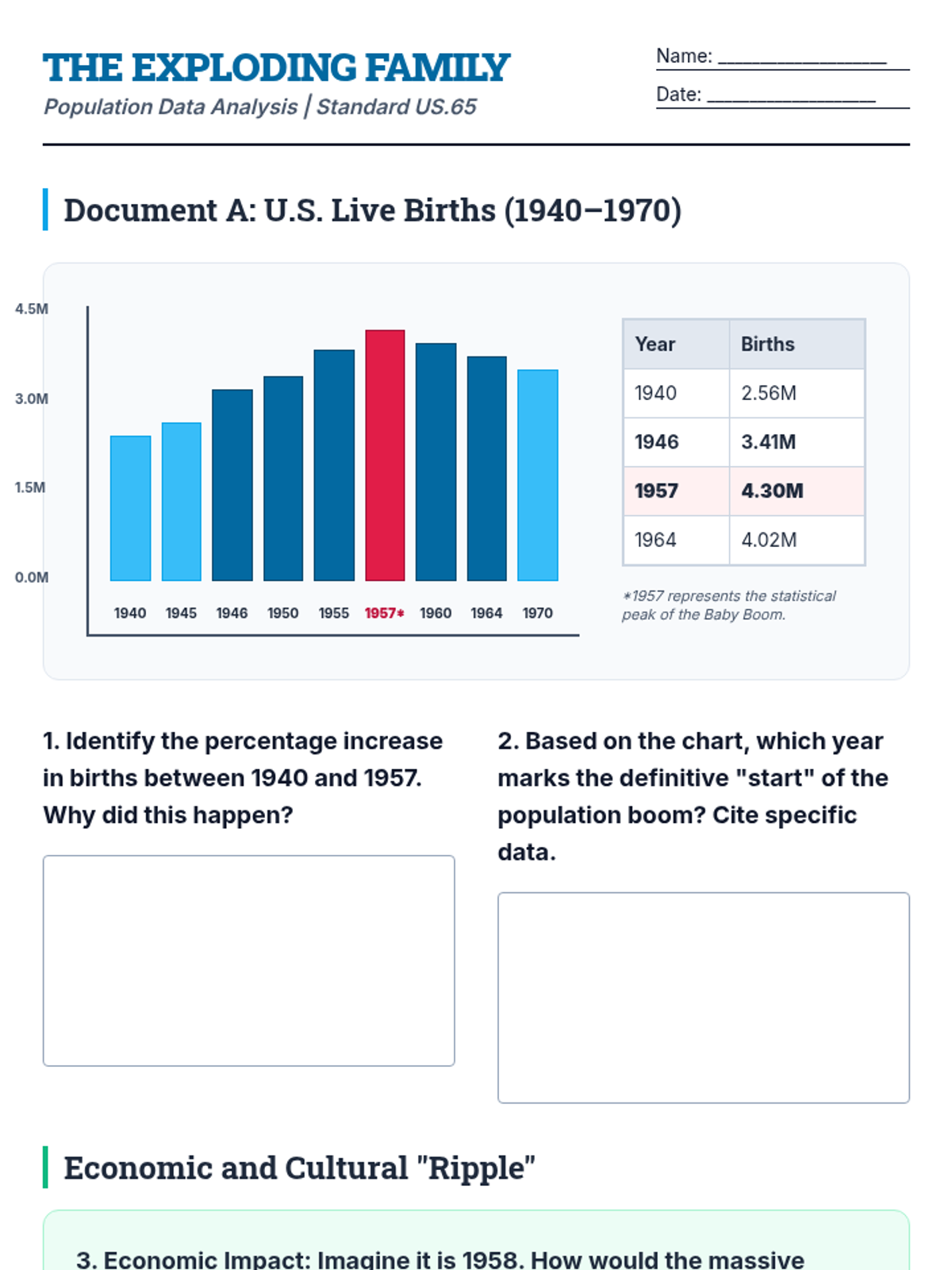
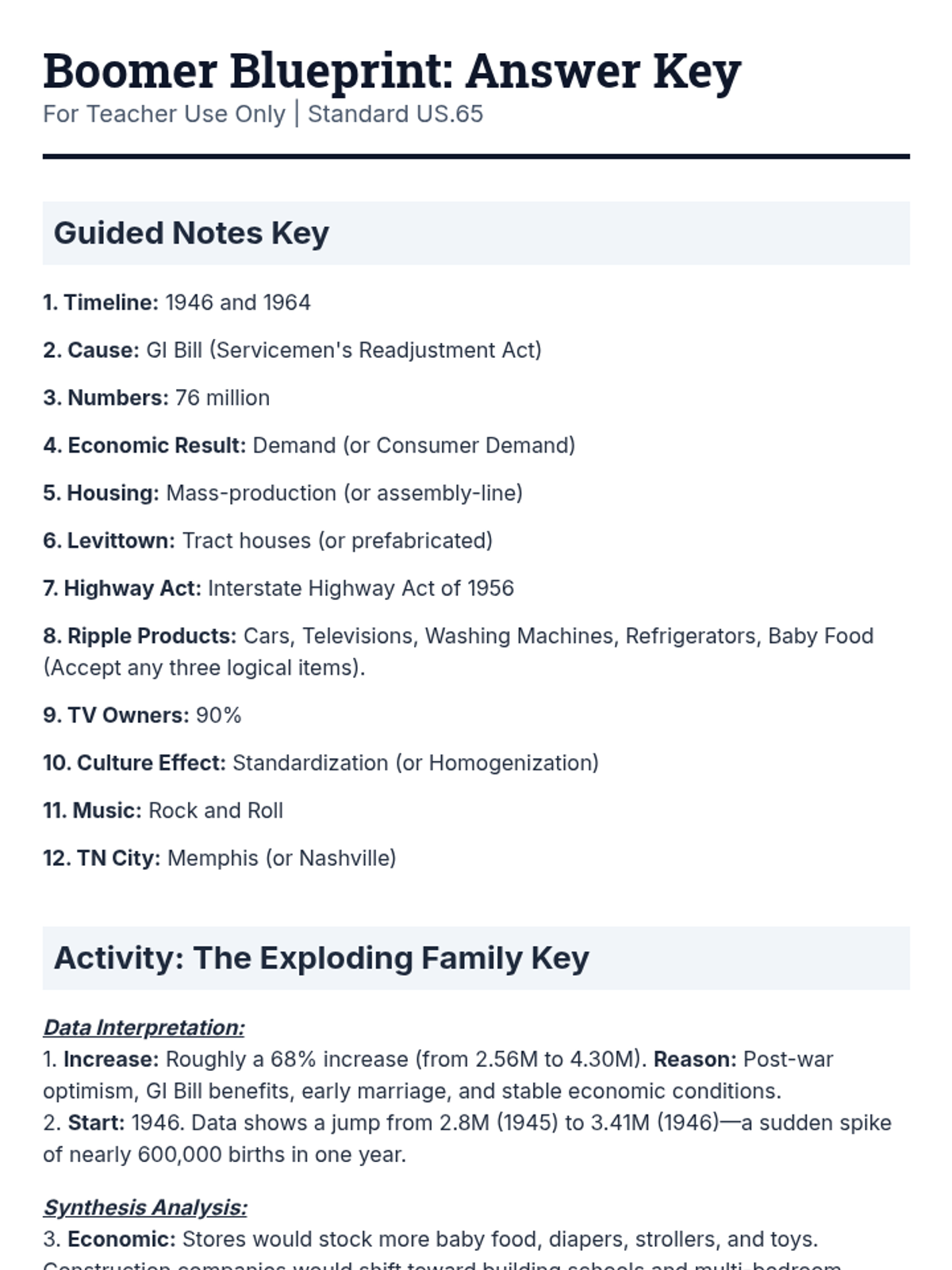
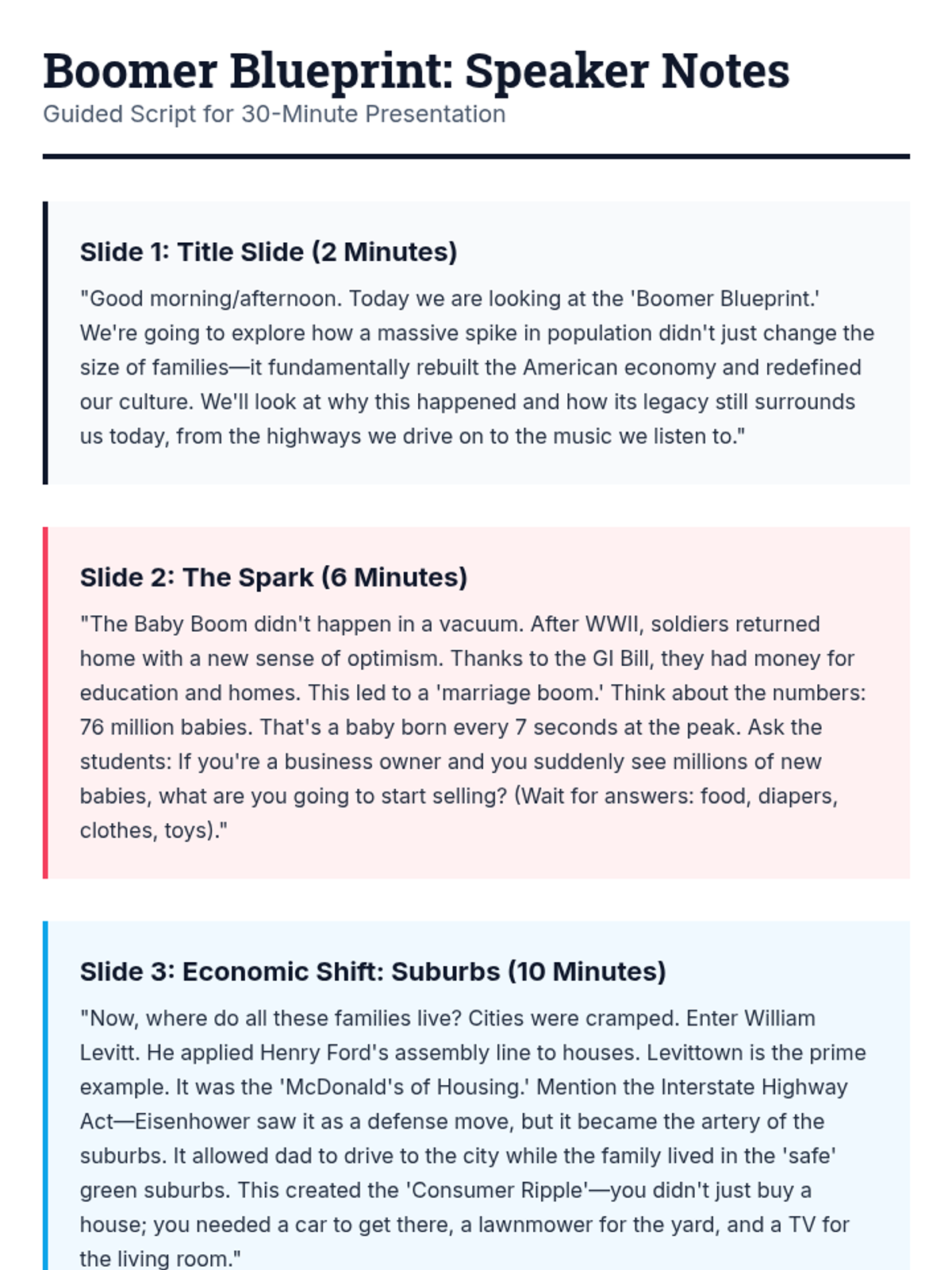
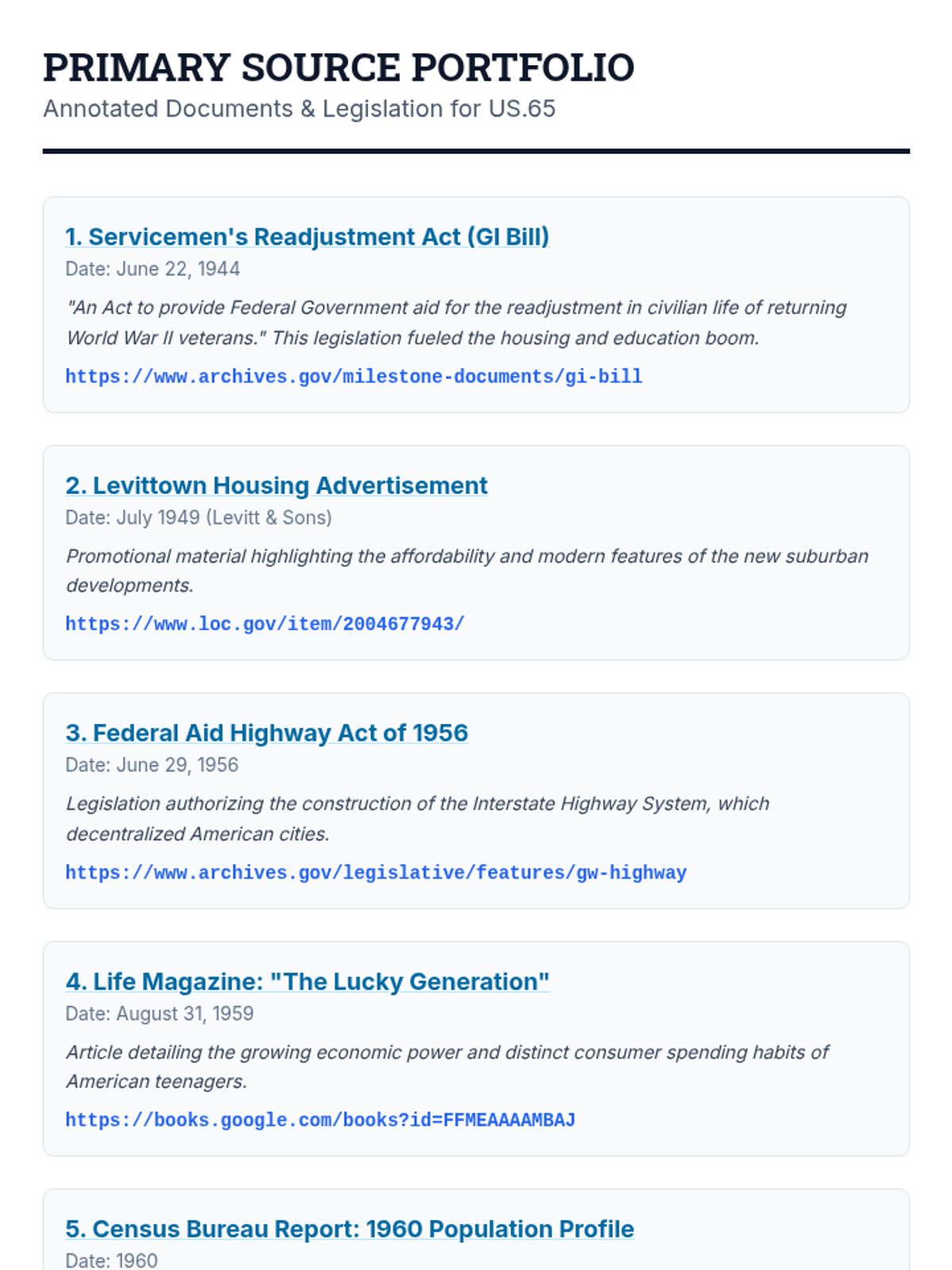
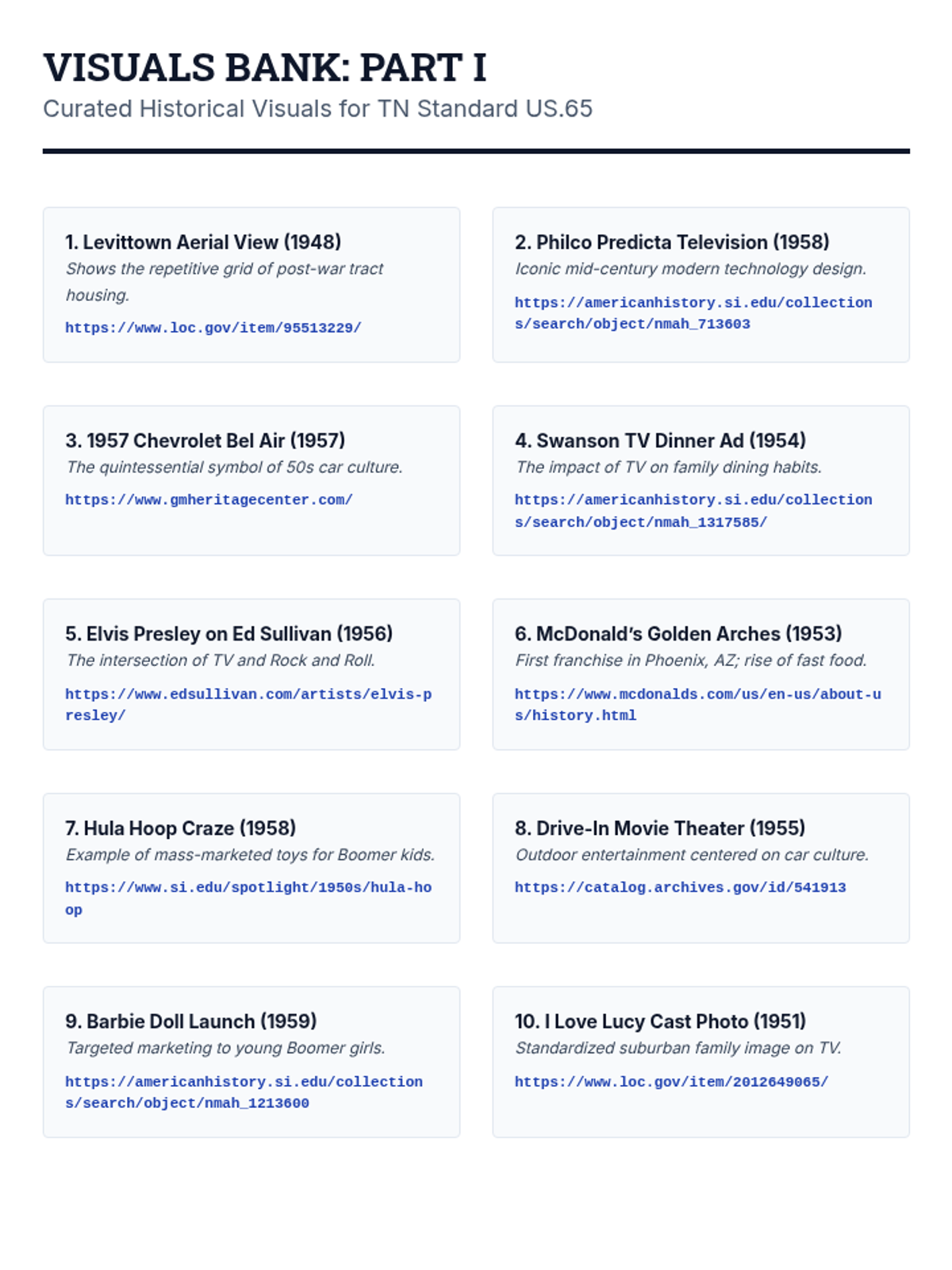
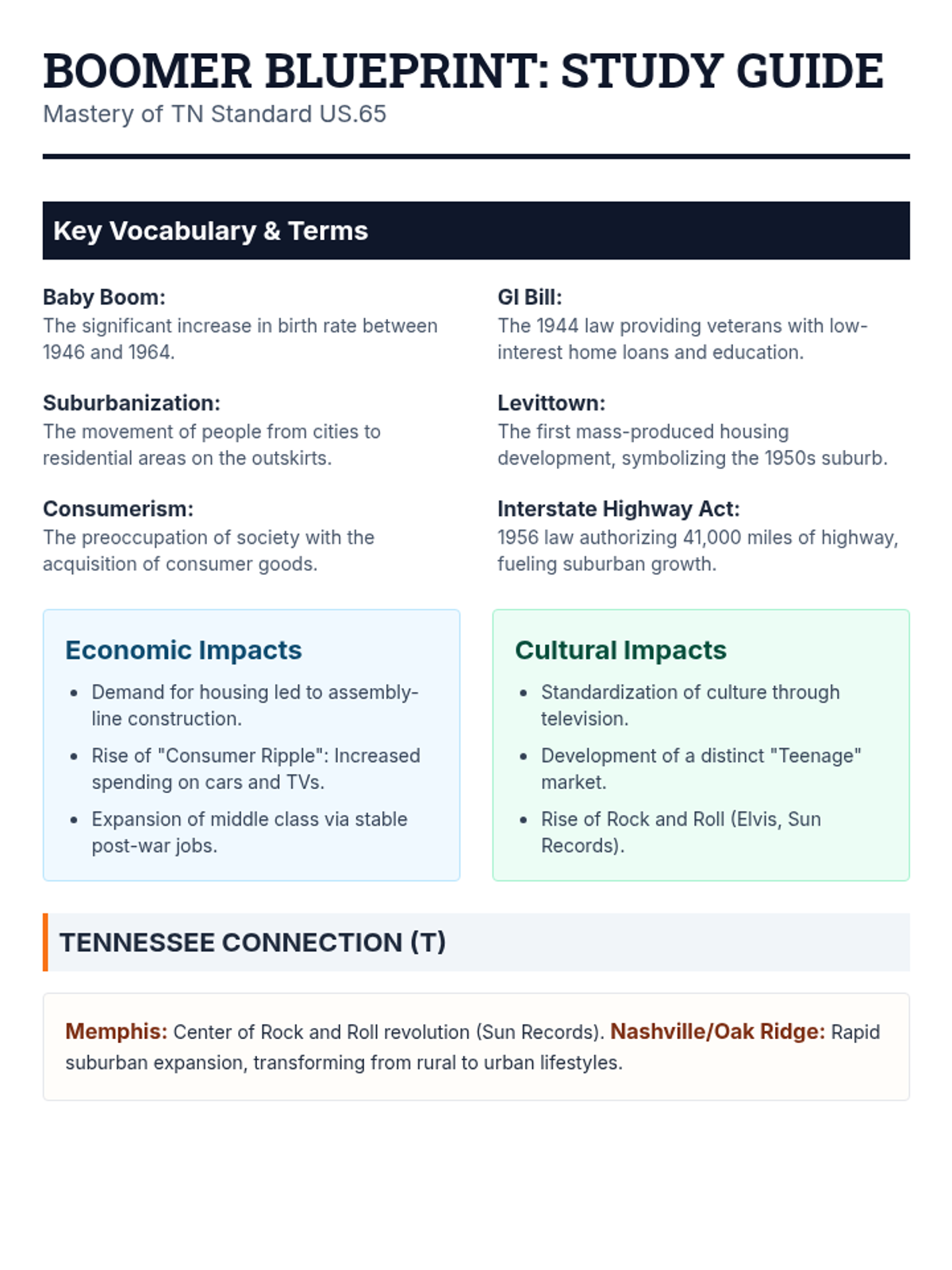
A comprehensive 30-minute lesson exploring the economic and cultural impact of the Baby Boomer generation on mid-century America, aligned with Tennessee US.65.
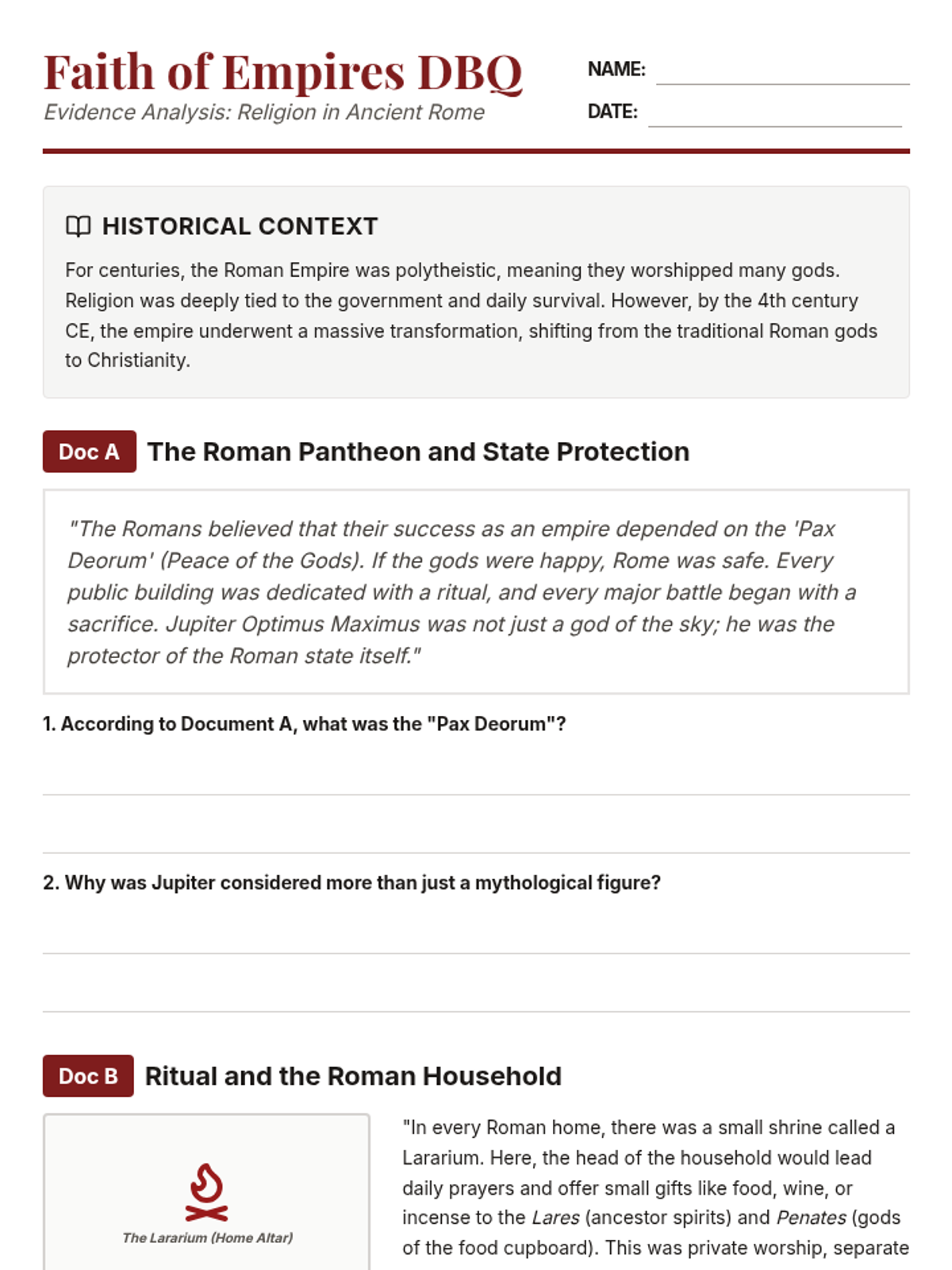
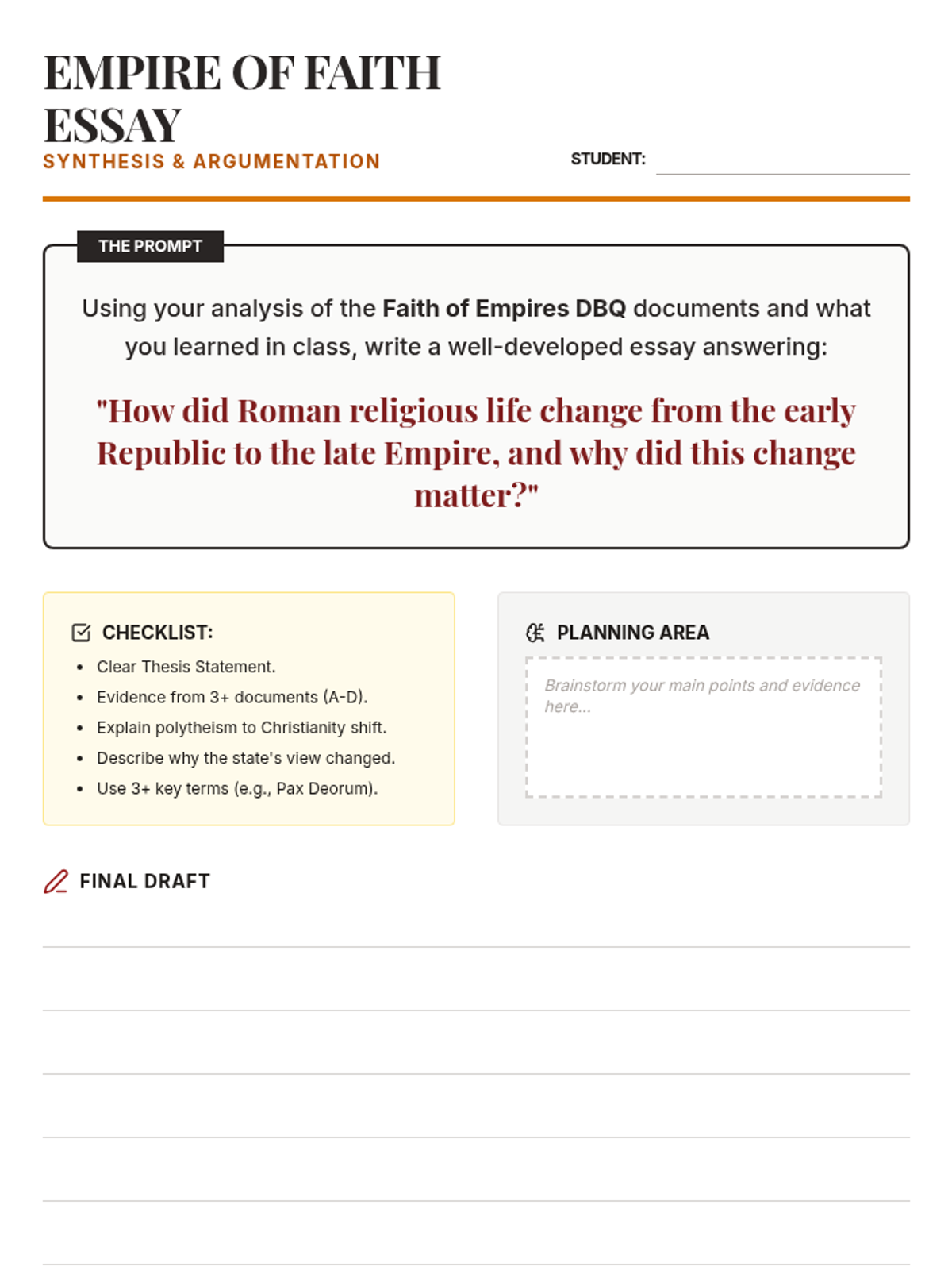
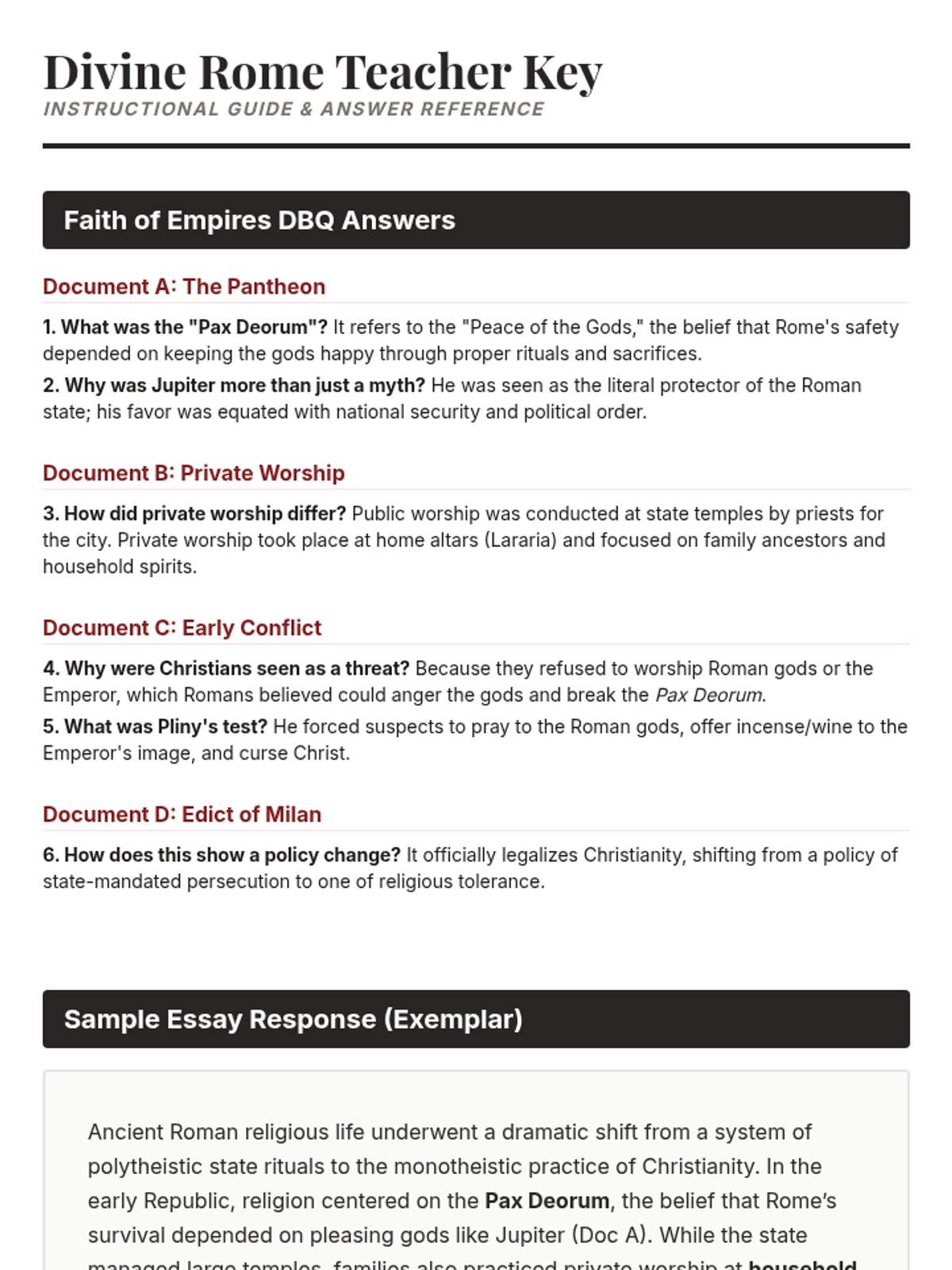
An exploration of Ancient Roman religion, from the polytheistic pantheon and state rituals to the historical transition toward Christianity.
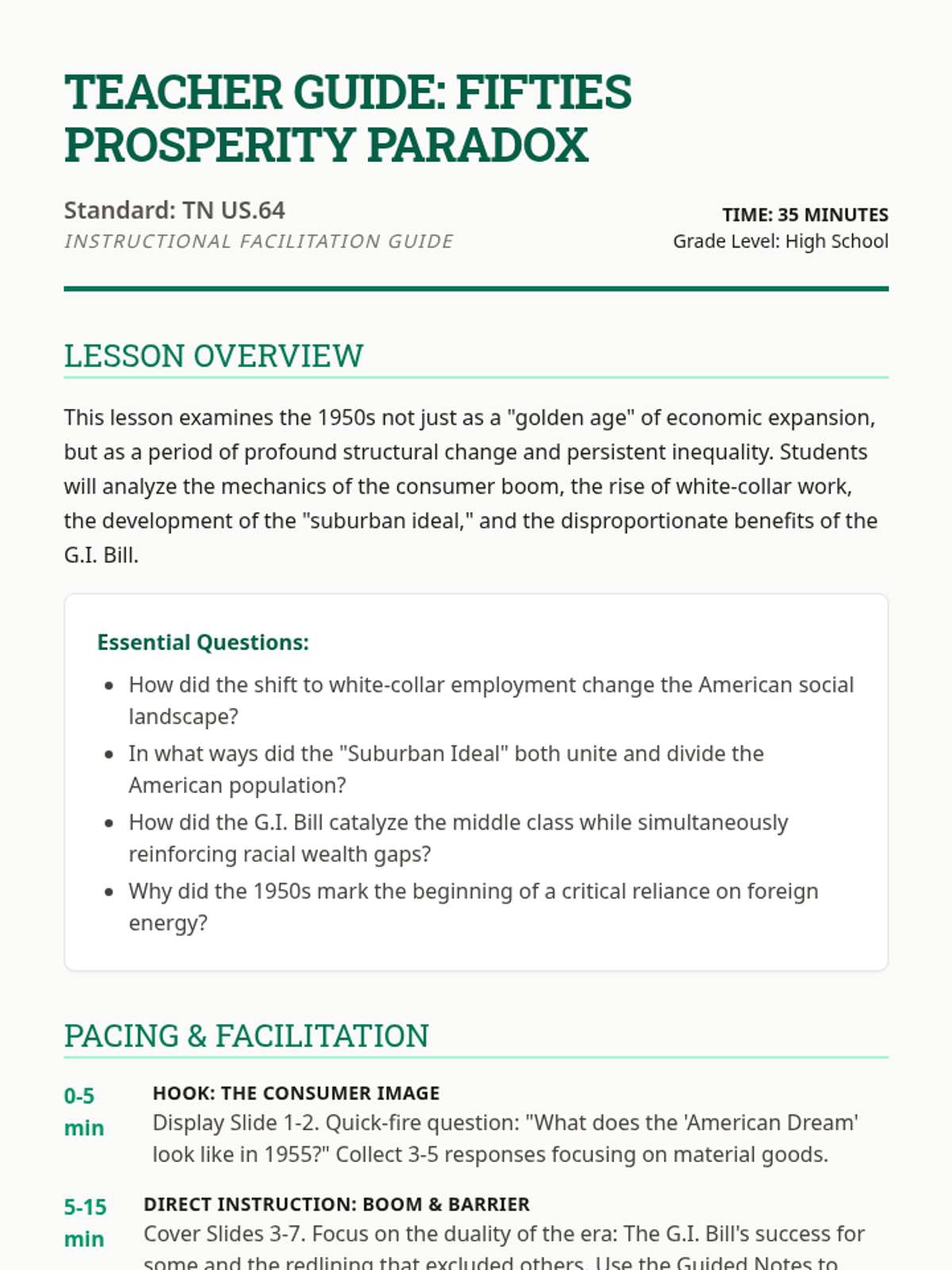
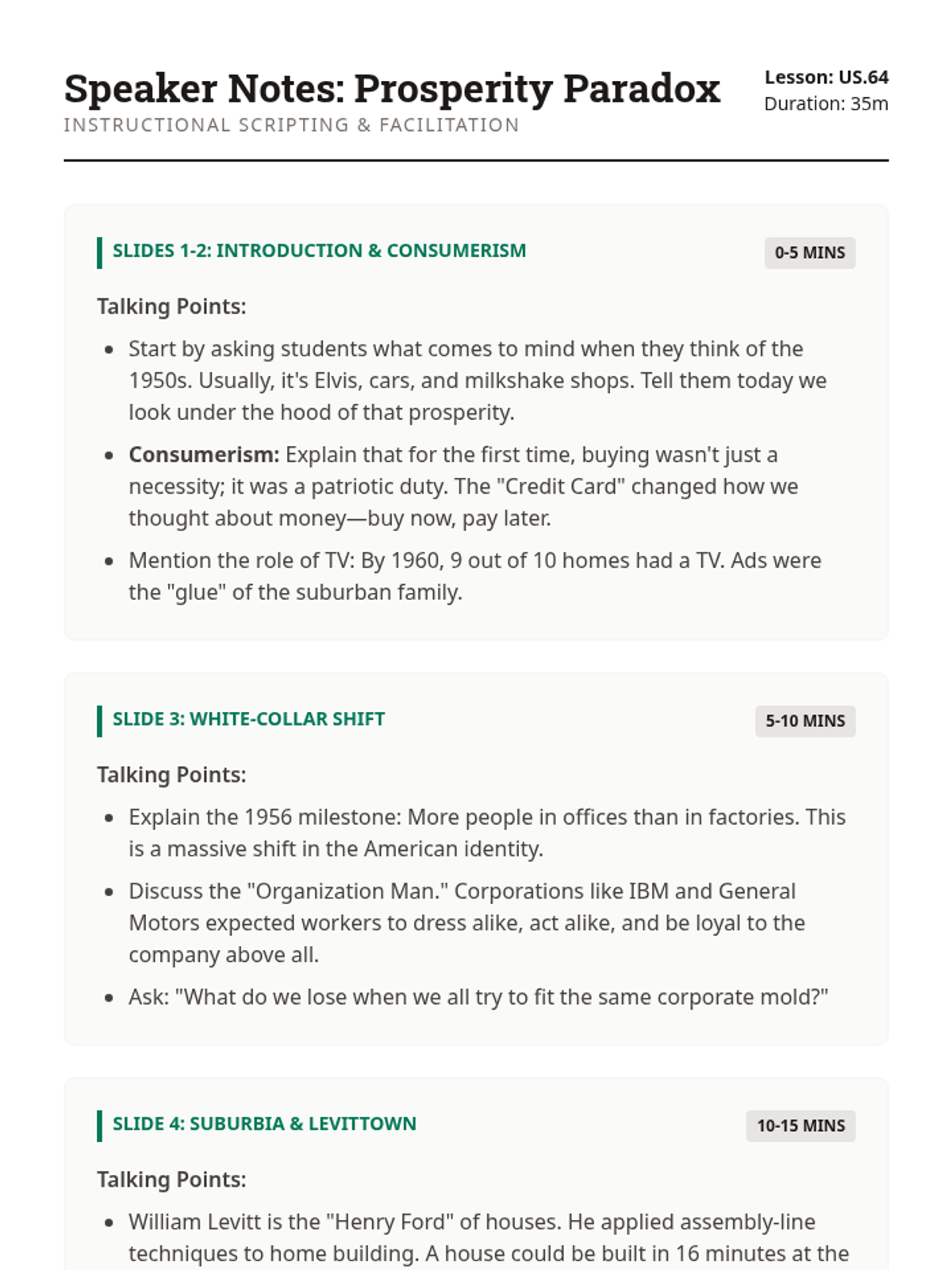
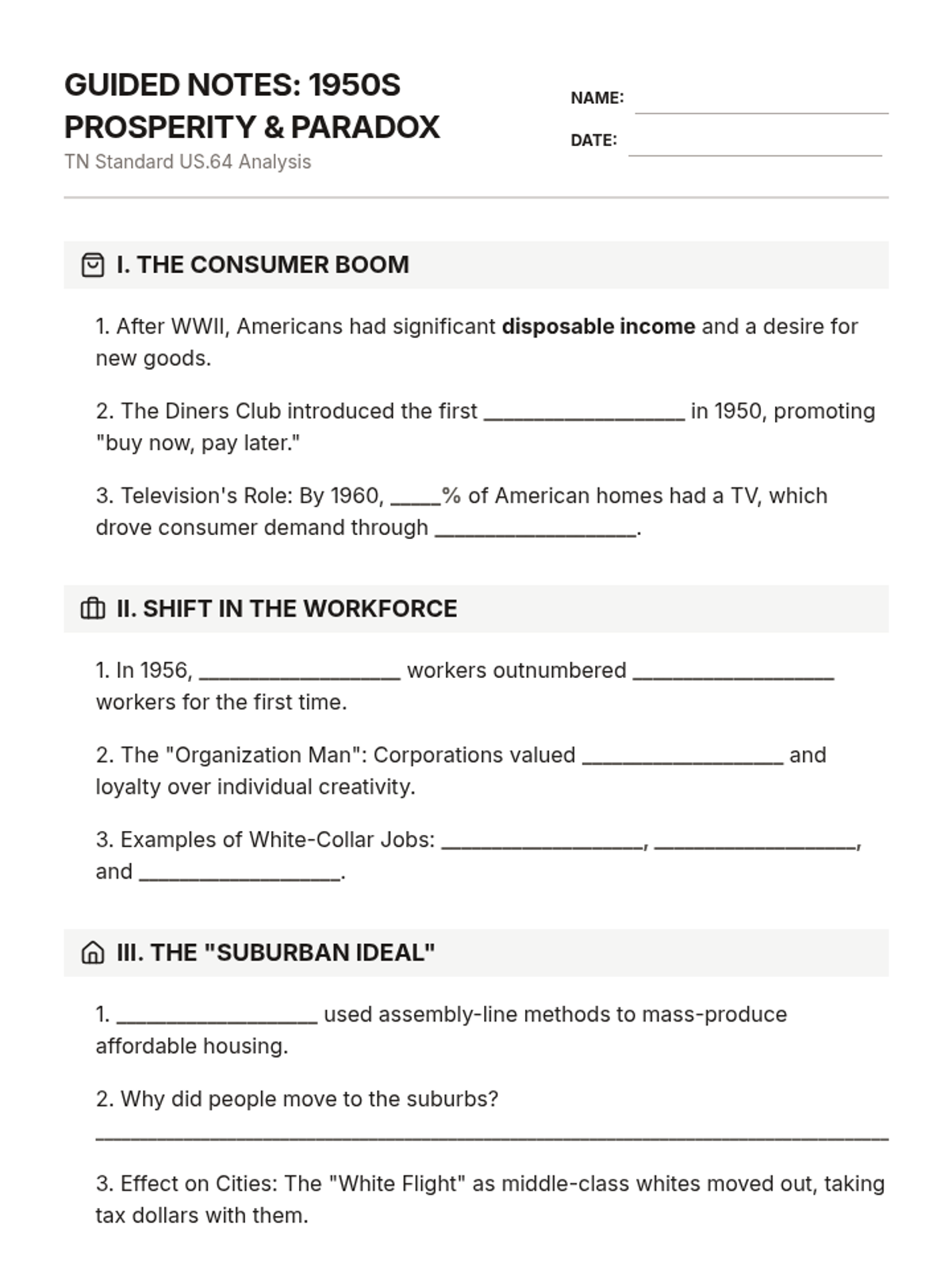
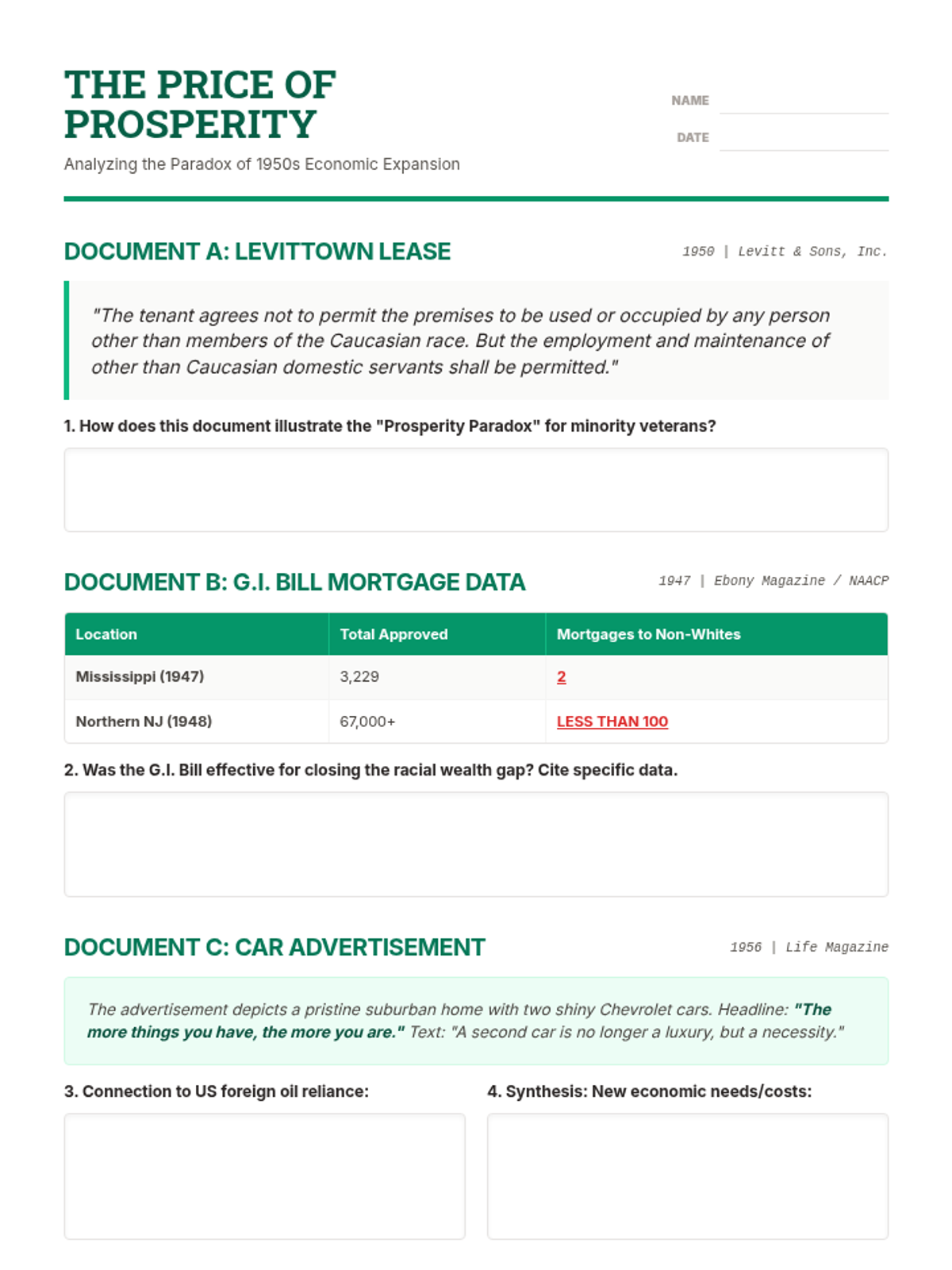
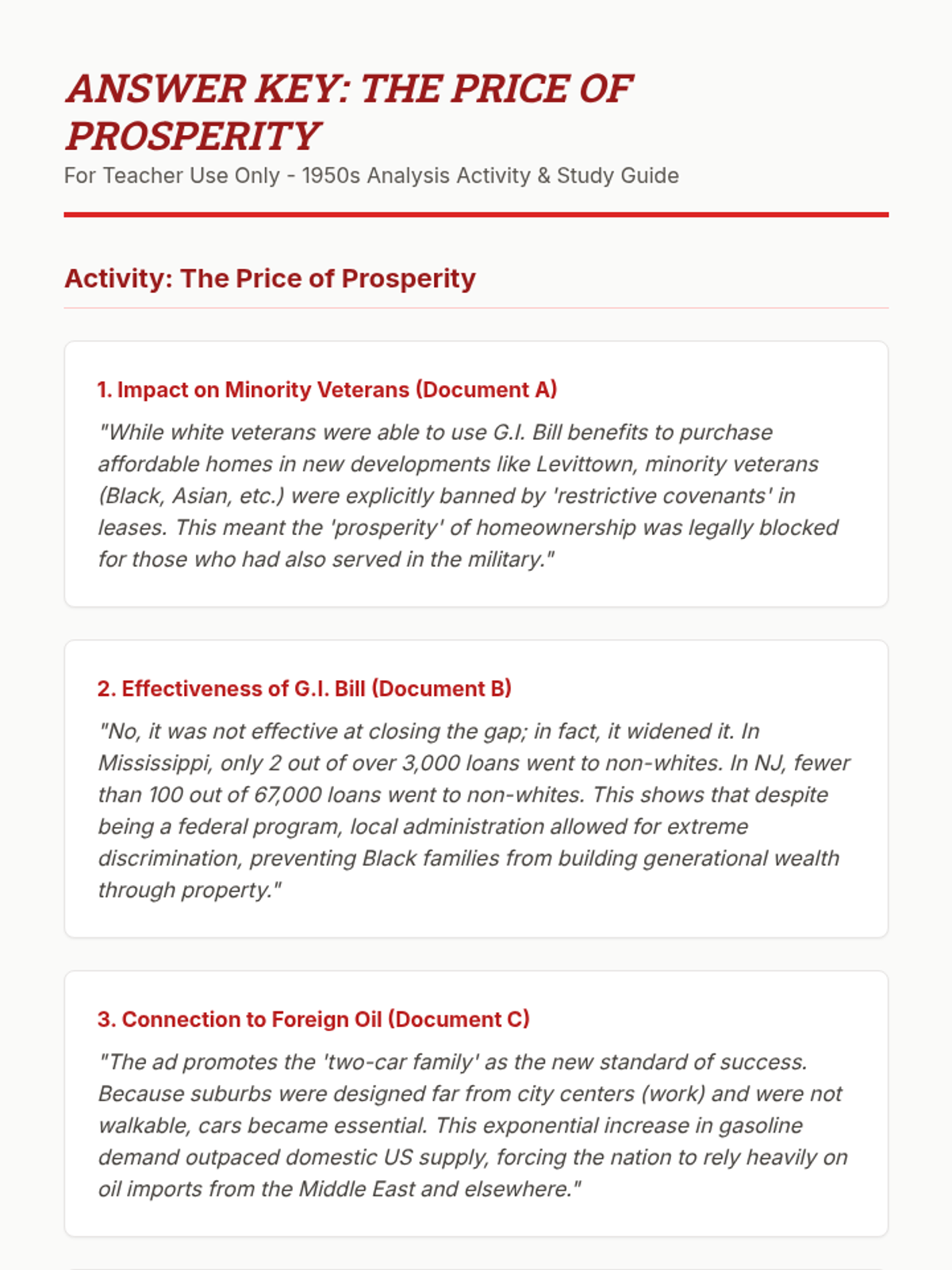
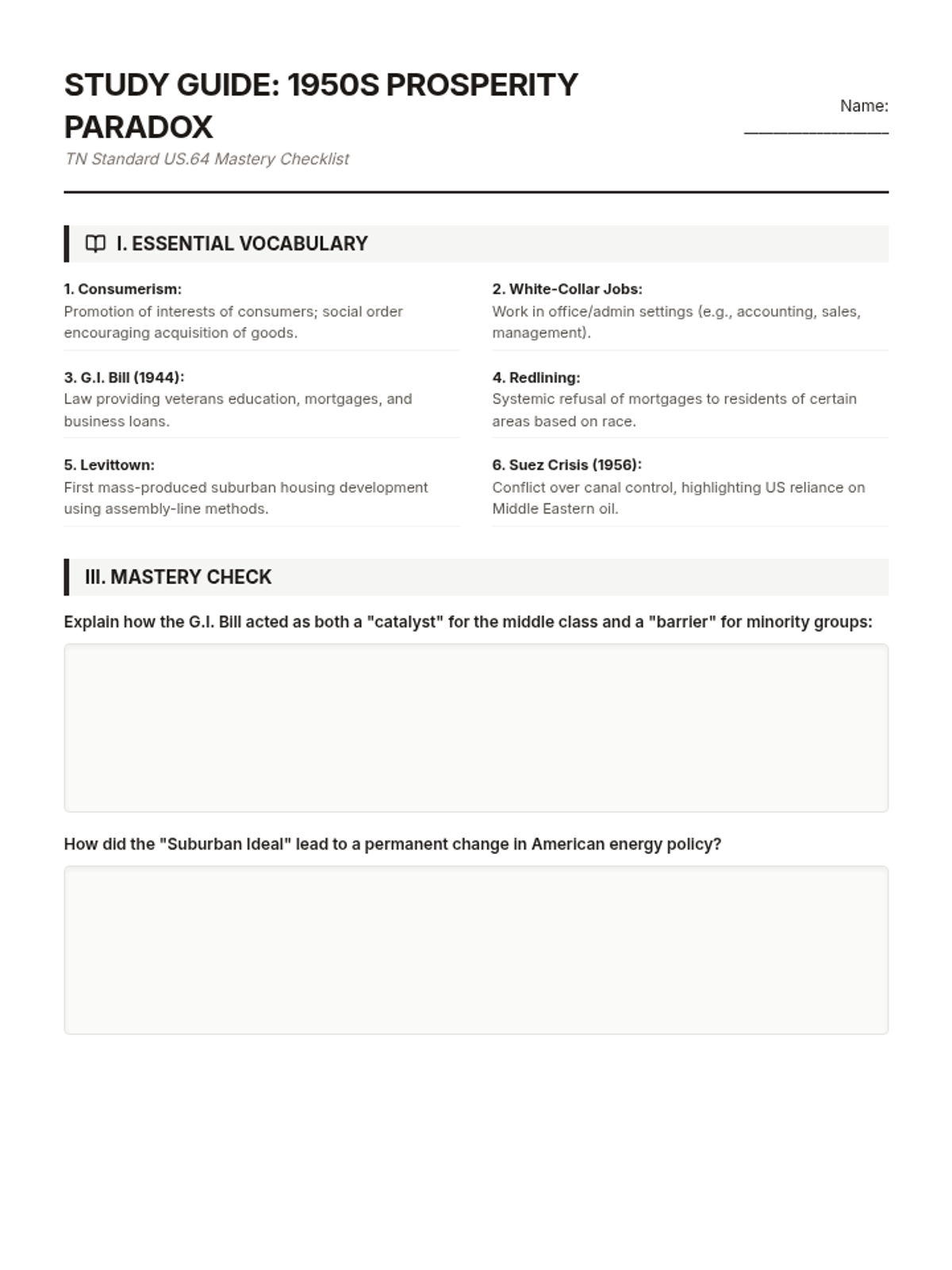
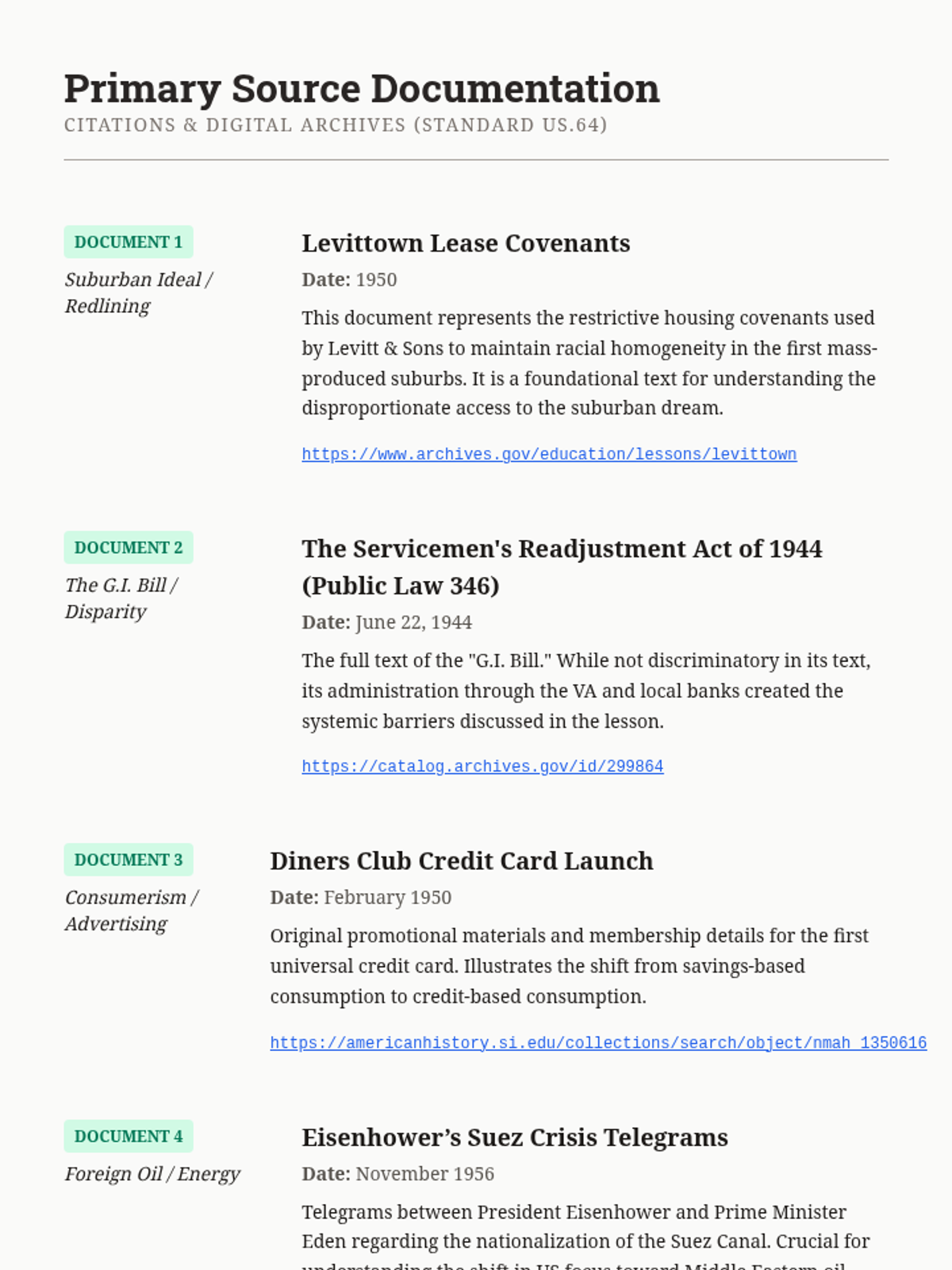
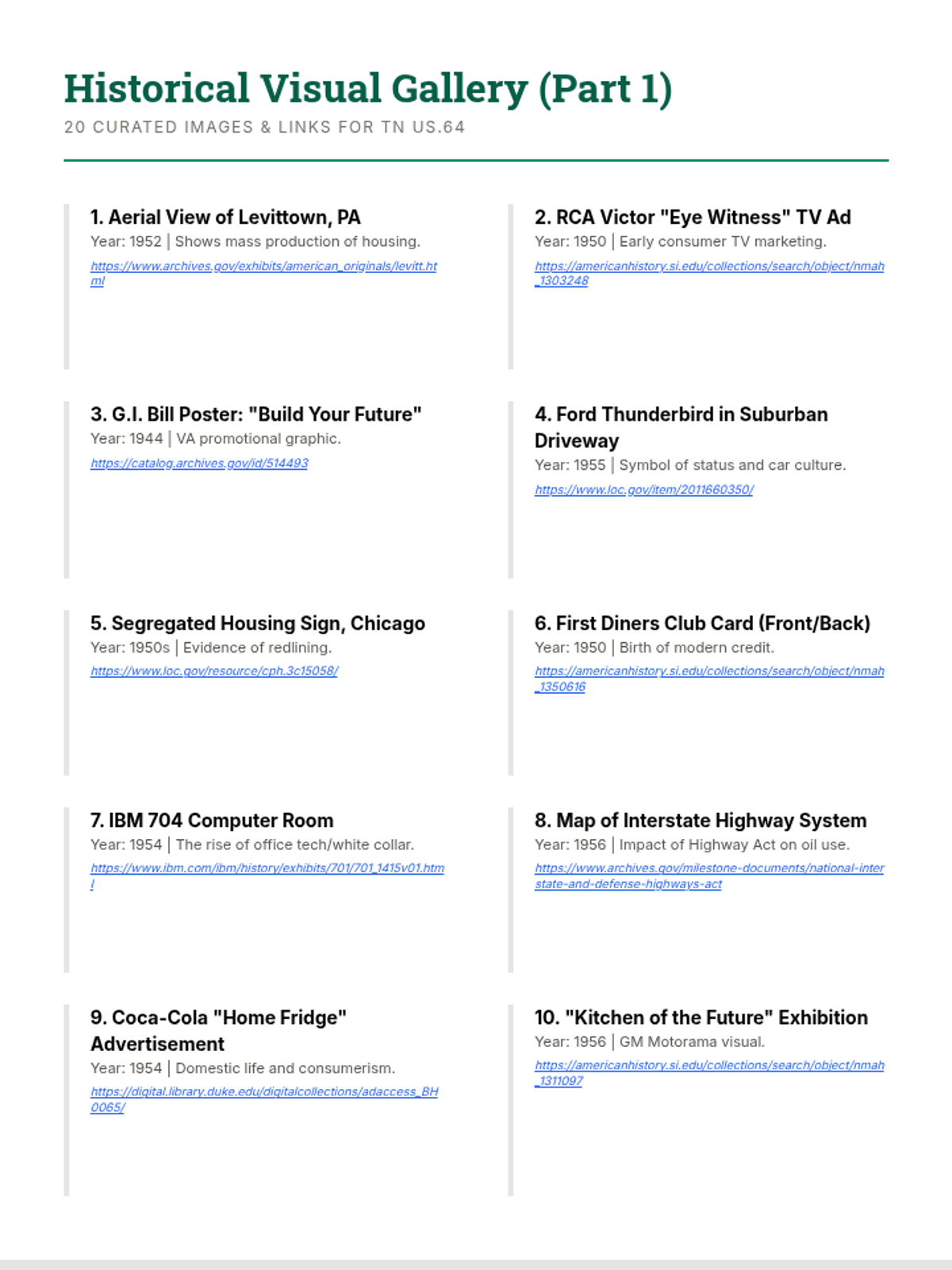
A comprehensive lesson exploring the economic boom, social shifts, and systemic inequalities of 1950s America, covering consumerism, suburbia, the G.I. Bill, and energy dependence.
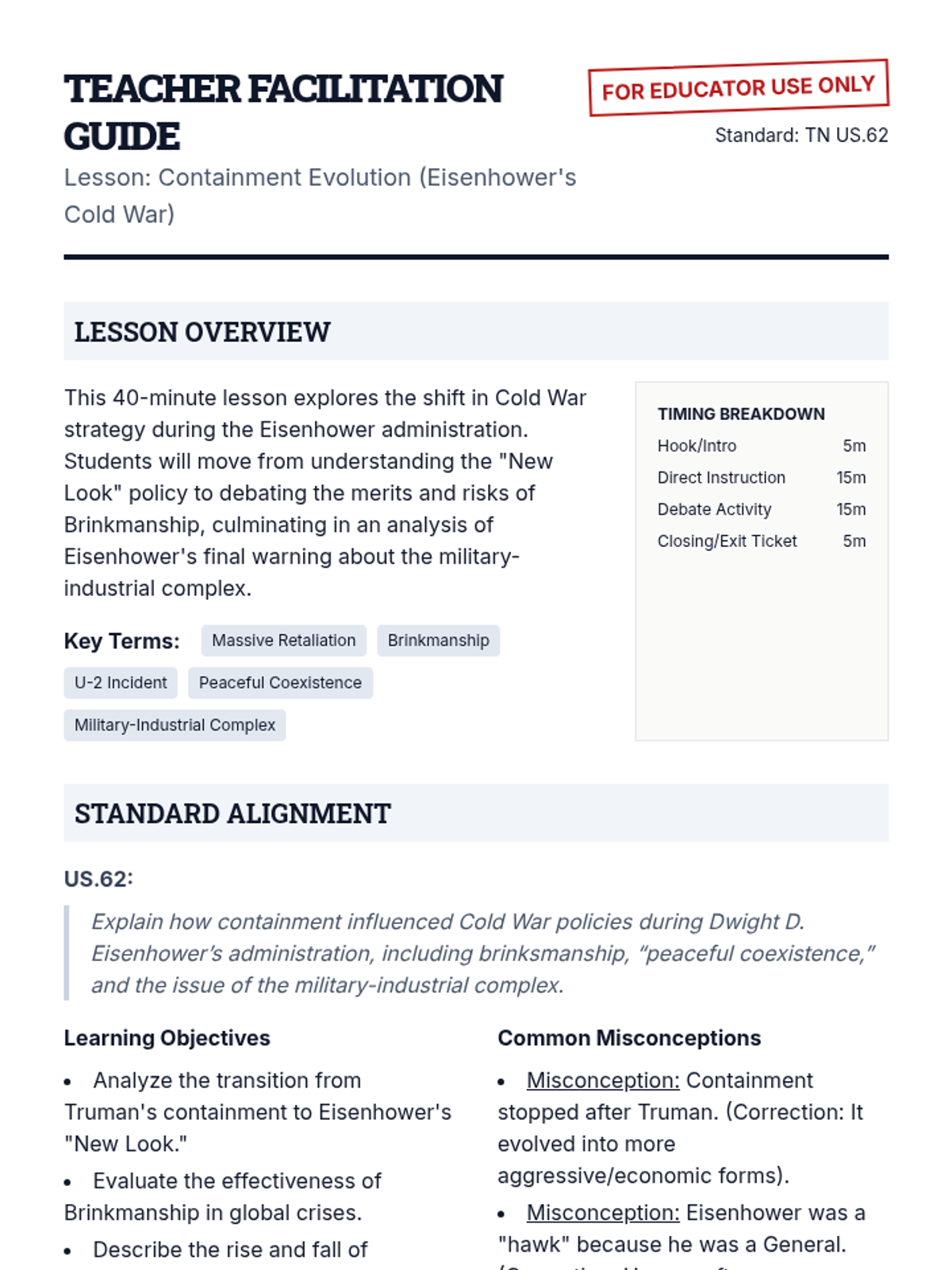
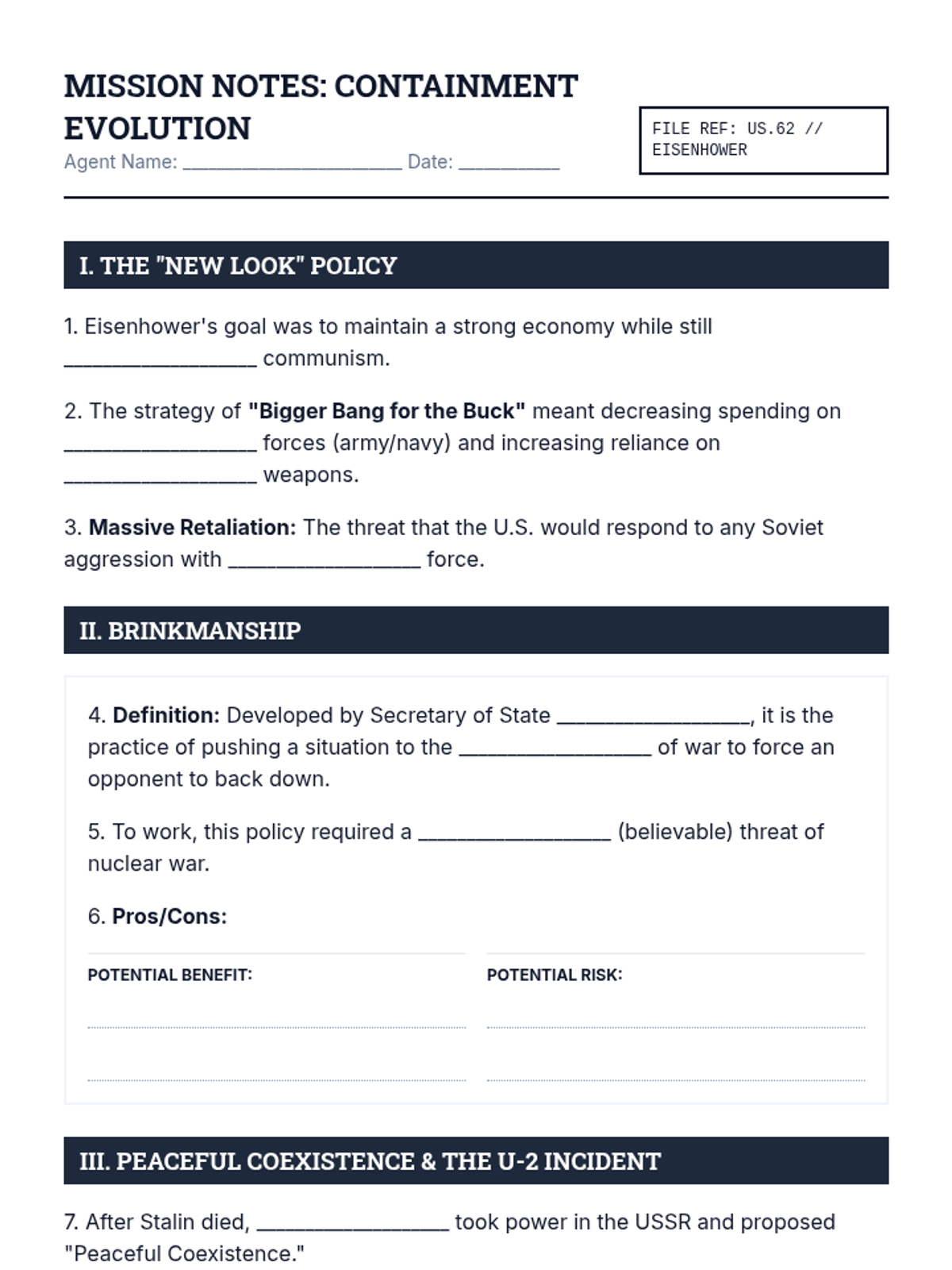
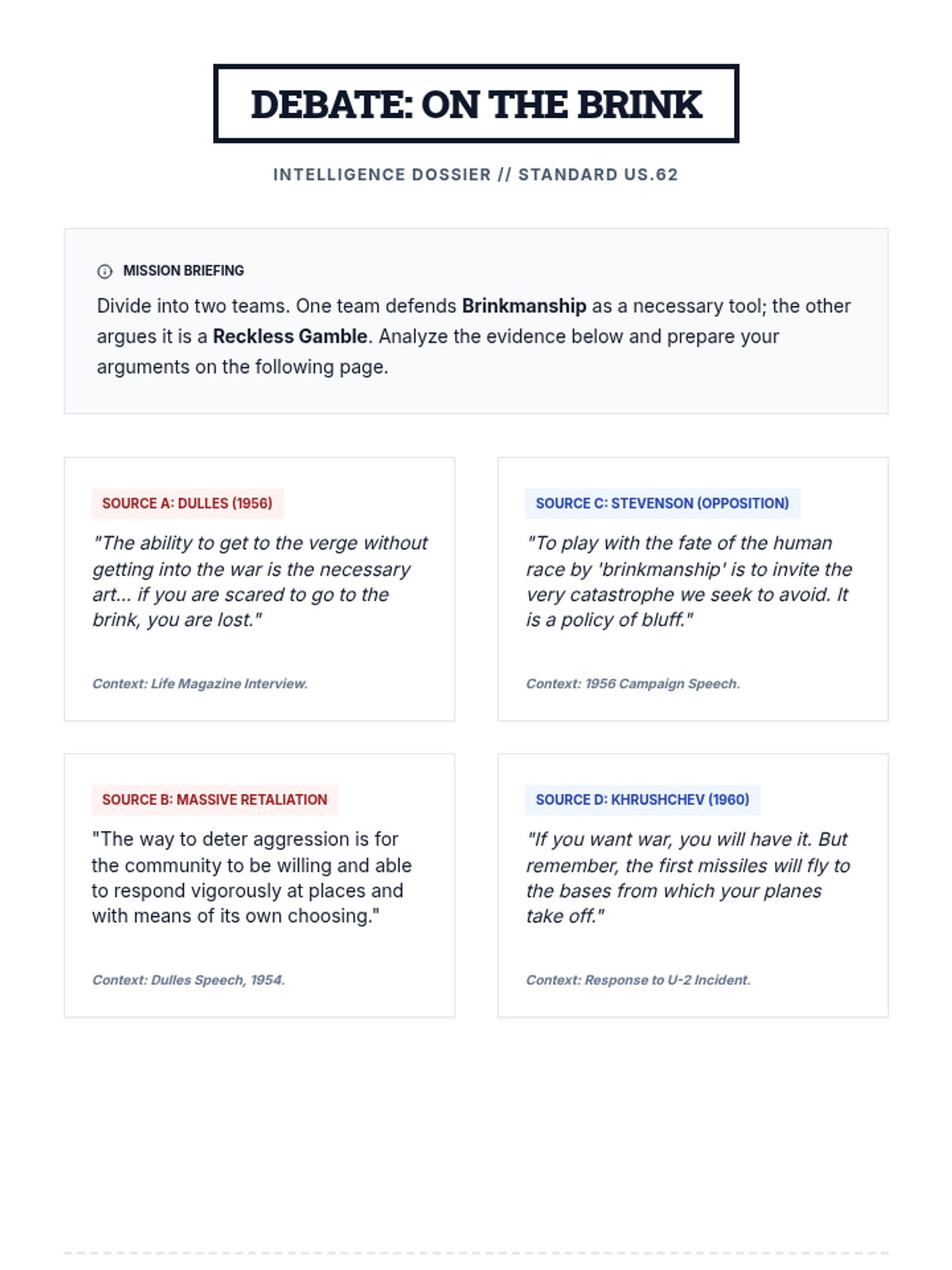
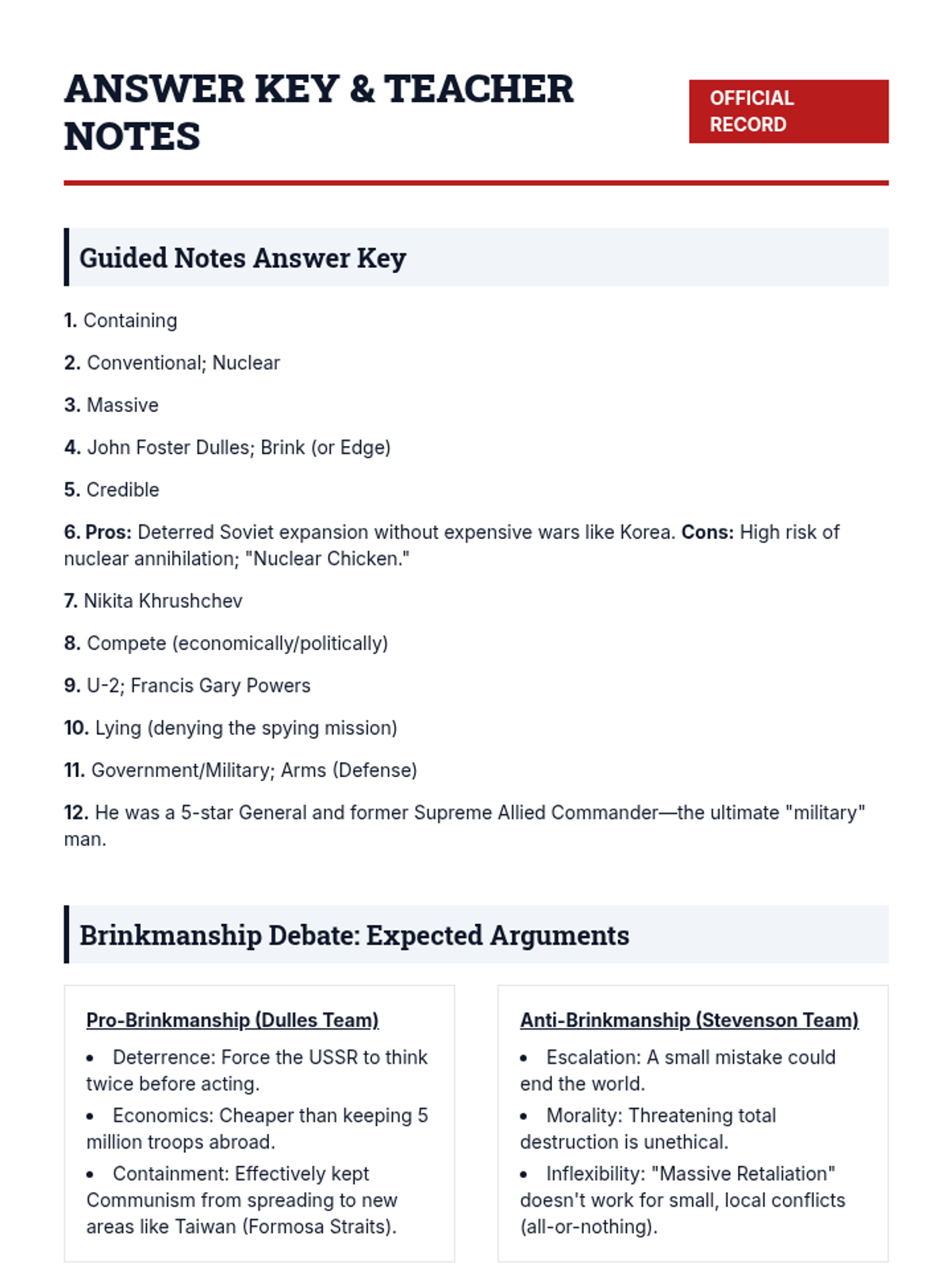
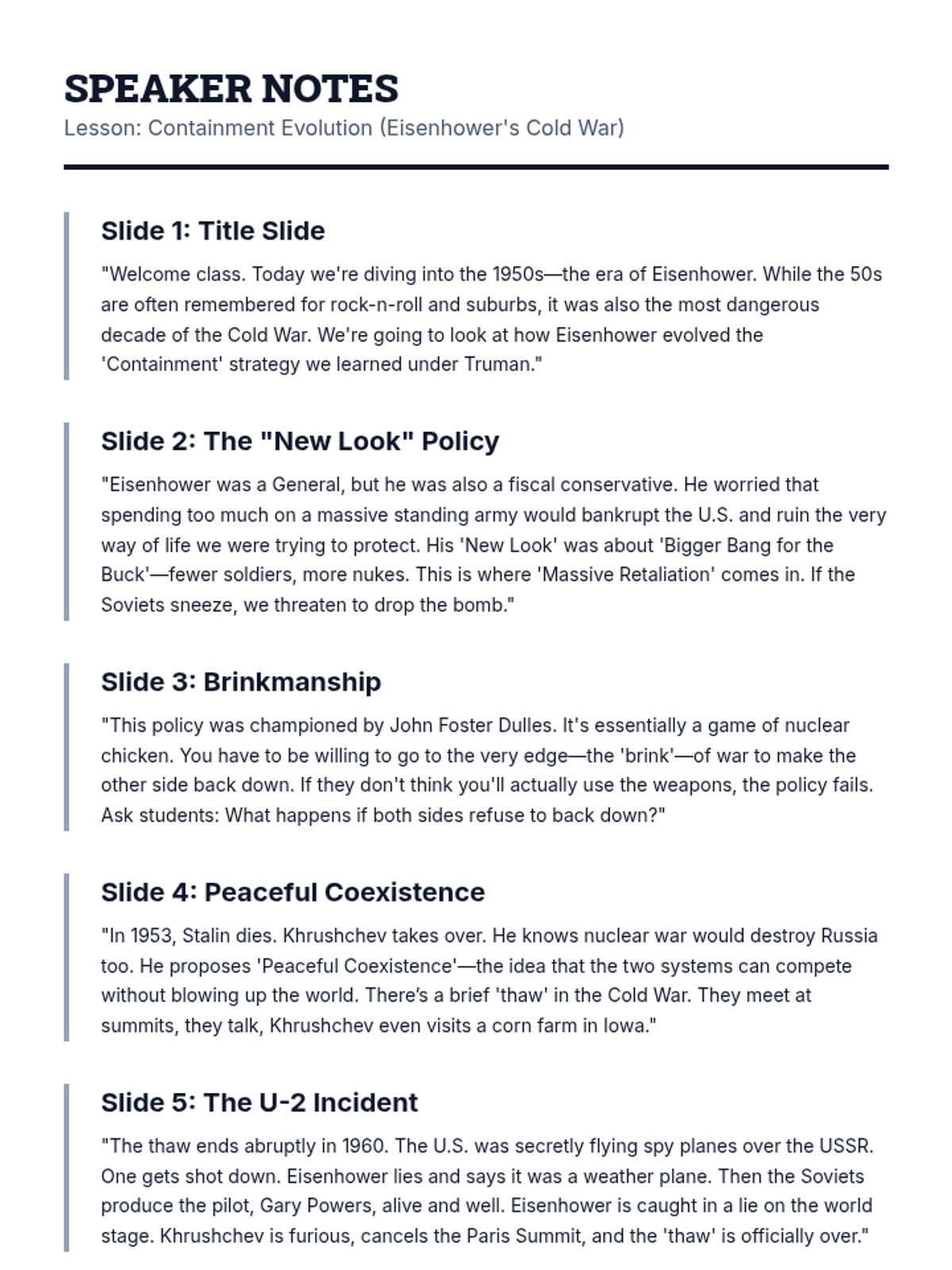
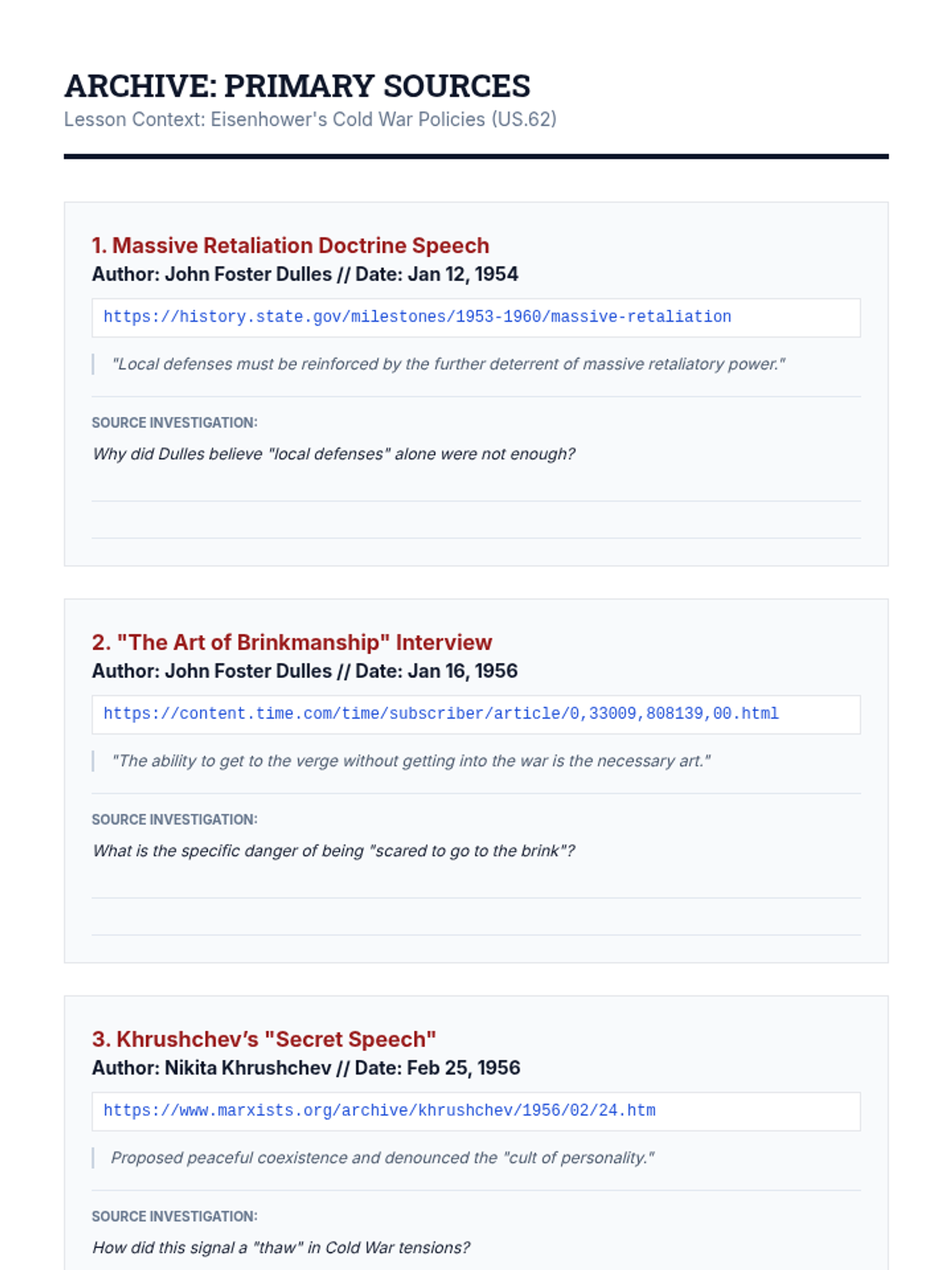
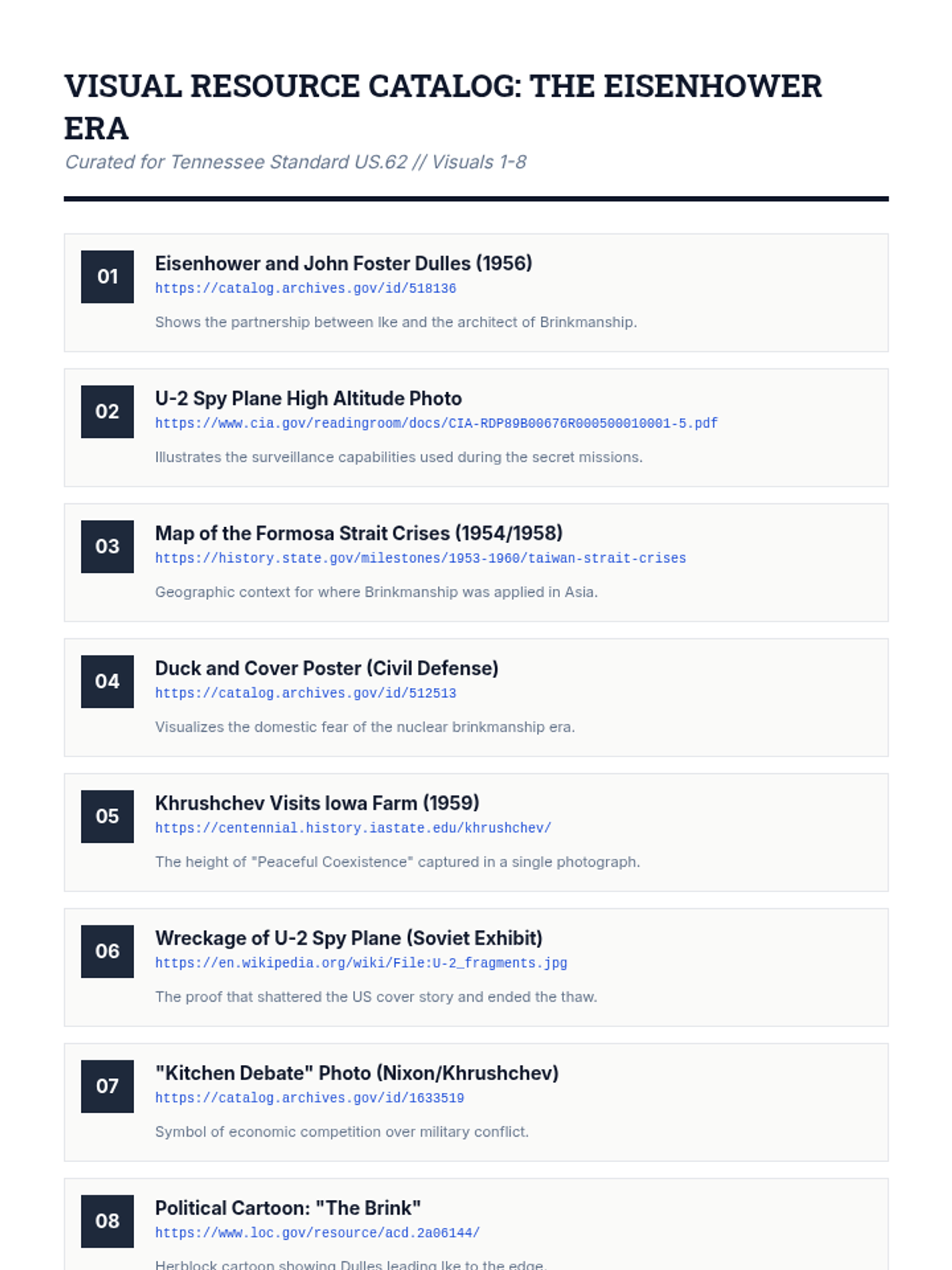
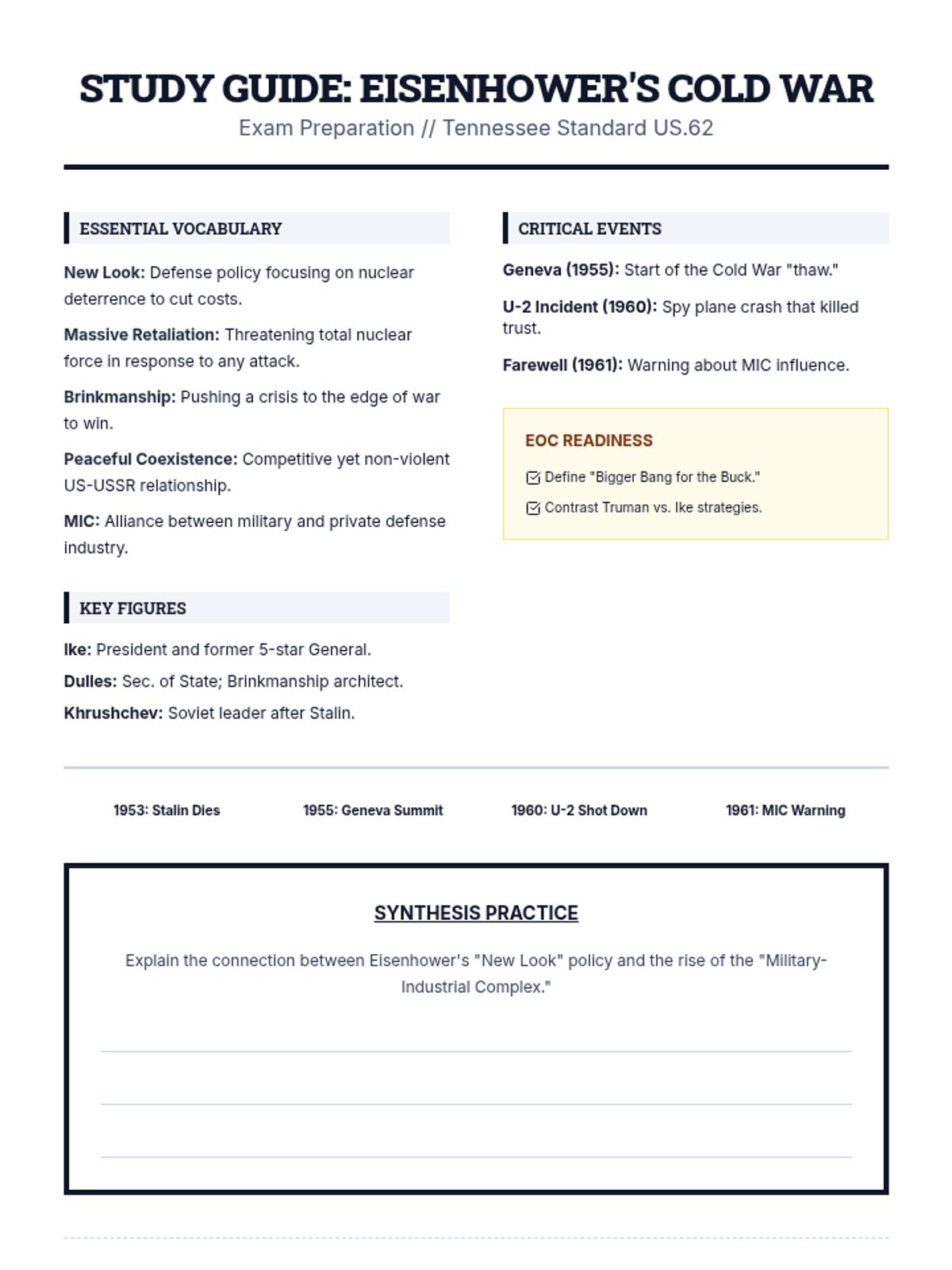
A comprehensive lesson on Eisenhower's Cold War policies, focusing on the evolution of containment through brinkmanship, peaceful coexistence, and the military-industrial complex. Designed for Tennessee US.62 standard and EOC preparation.
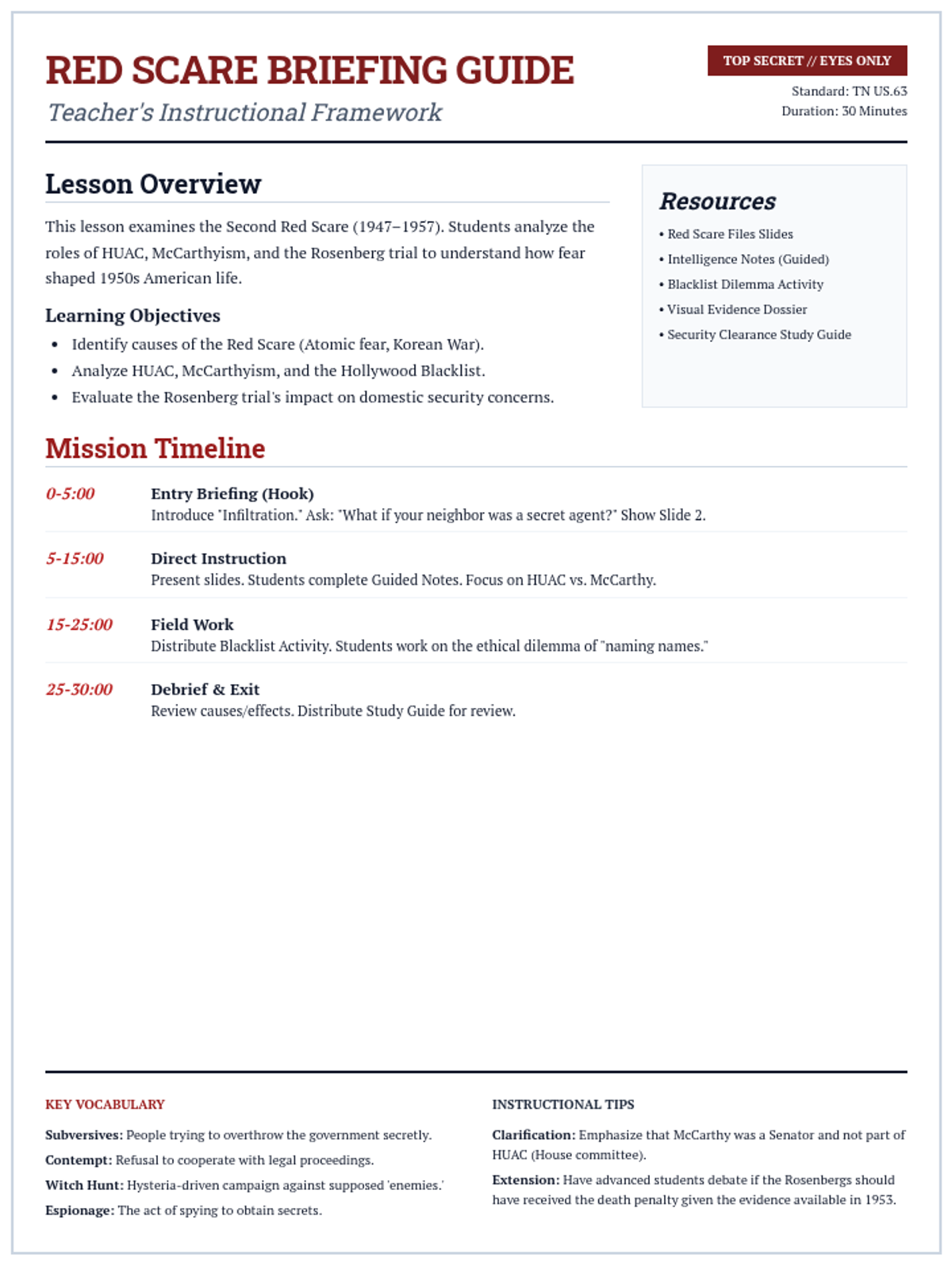
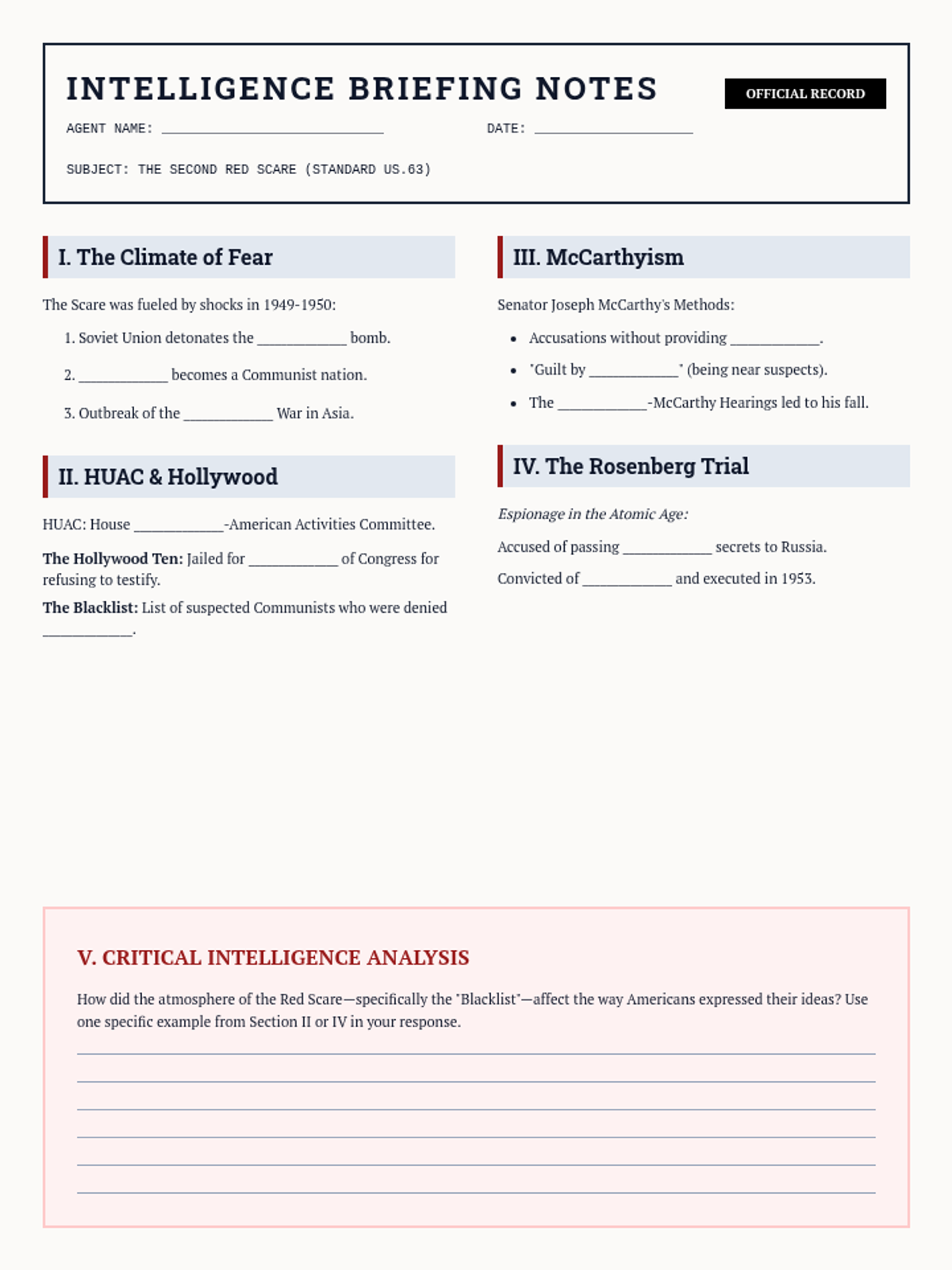
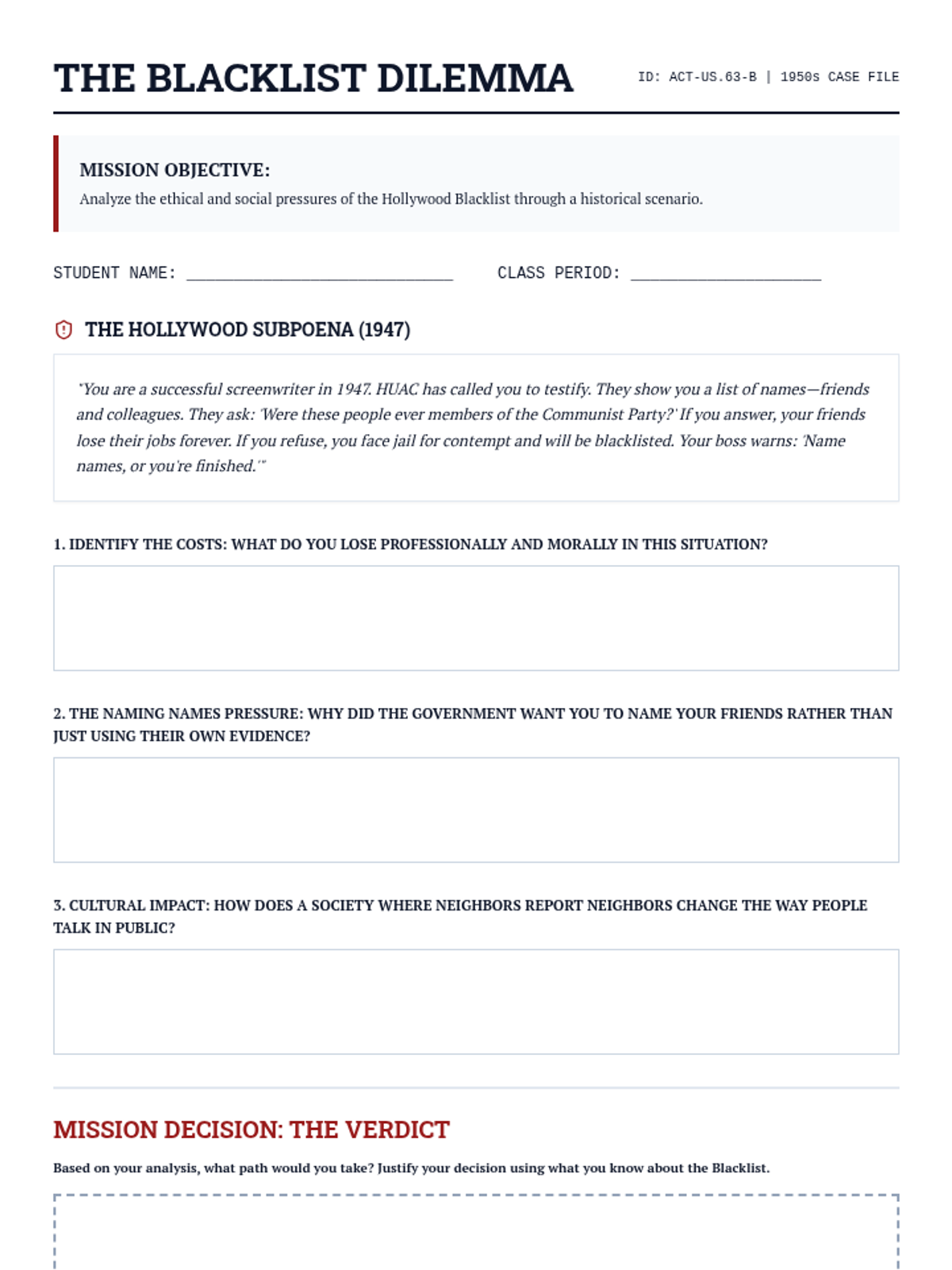
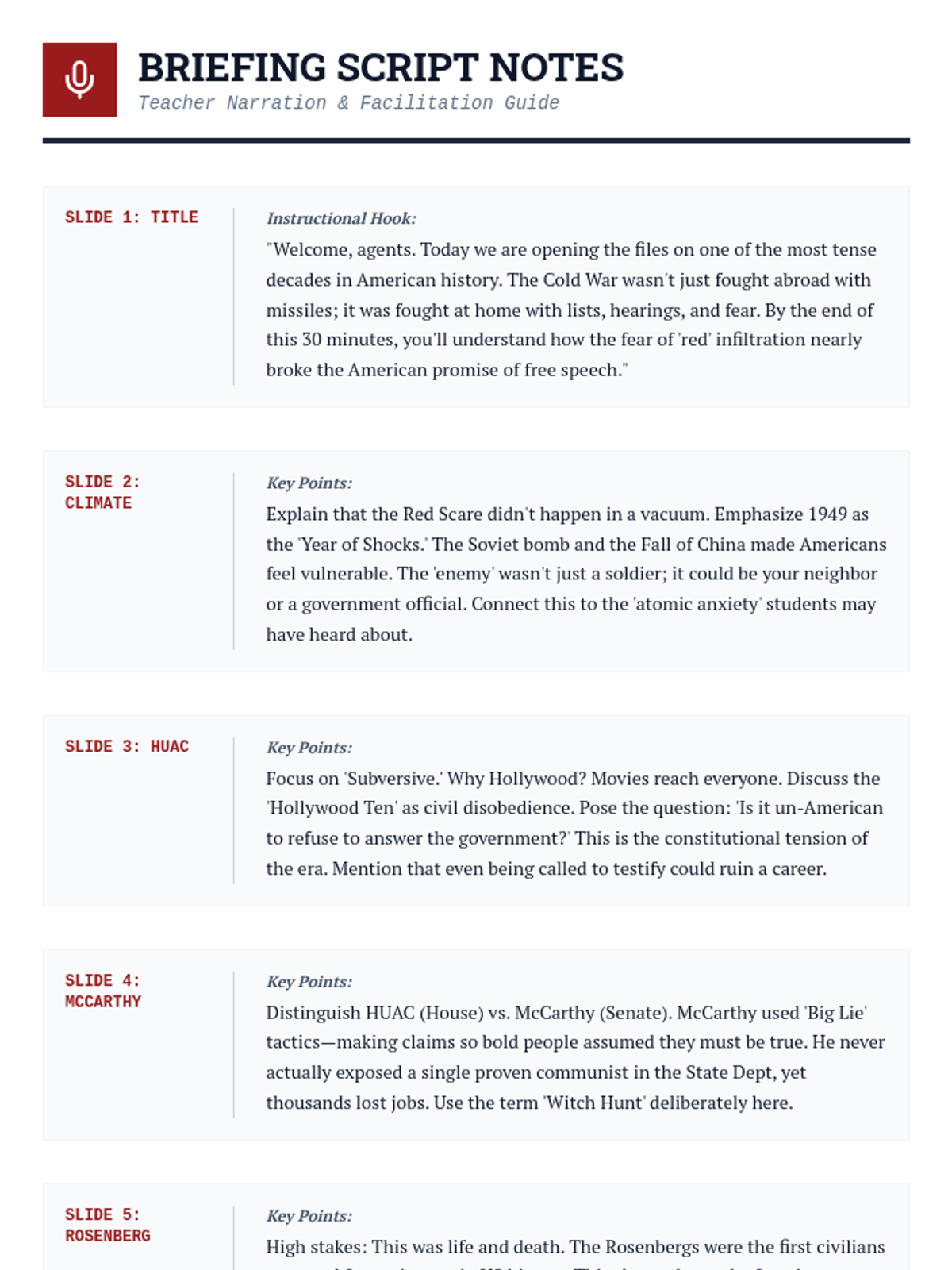
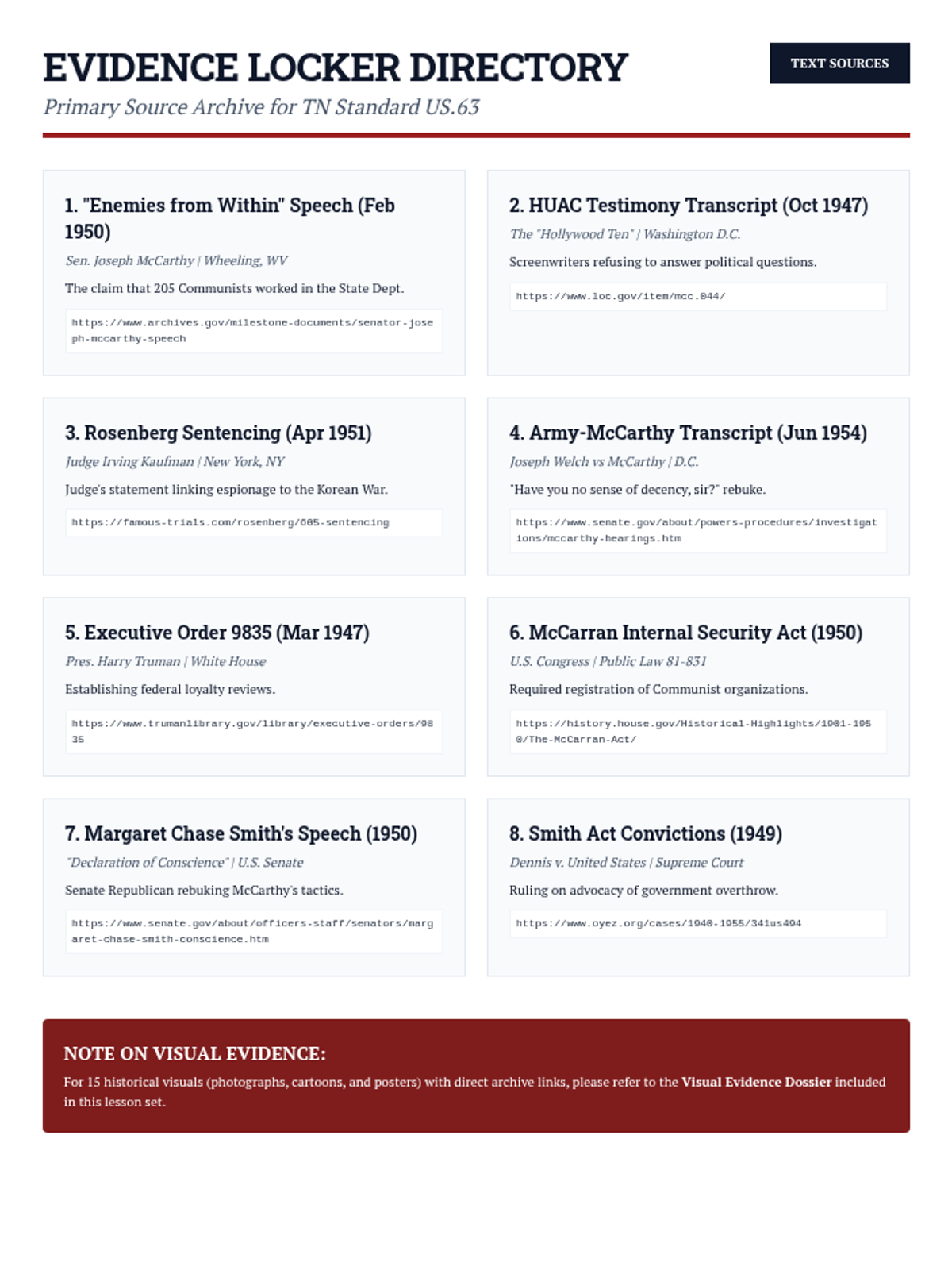
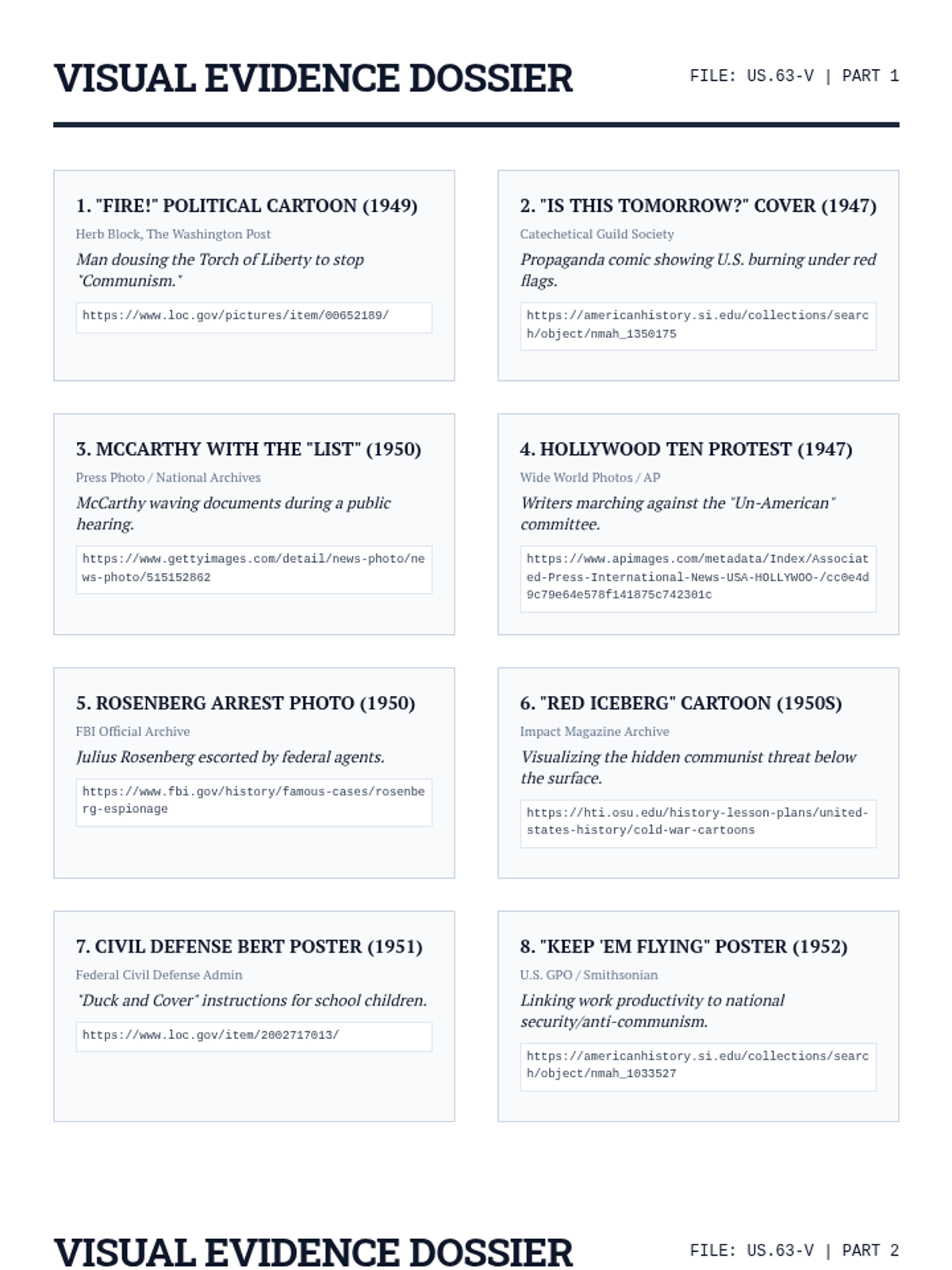
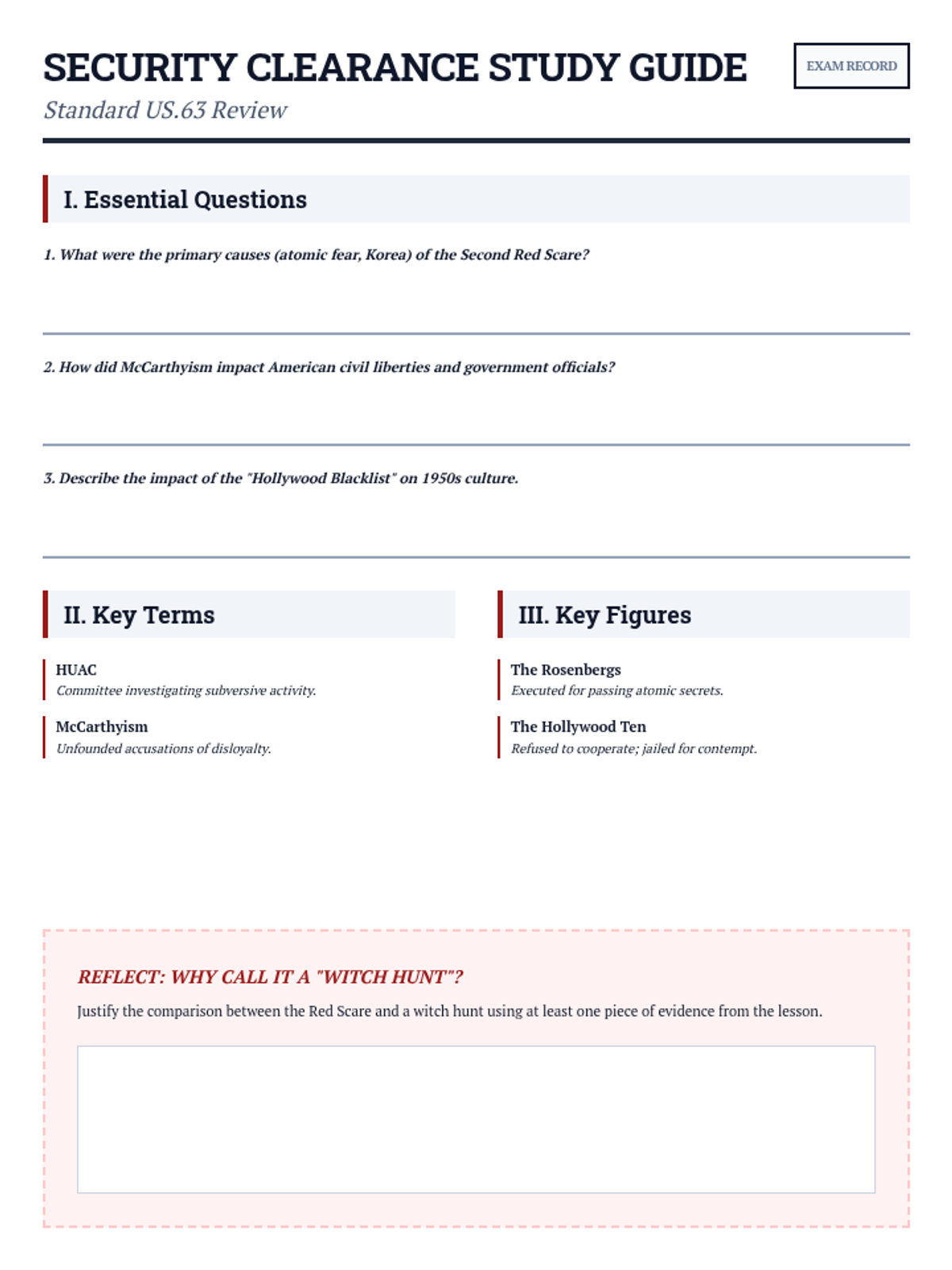
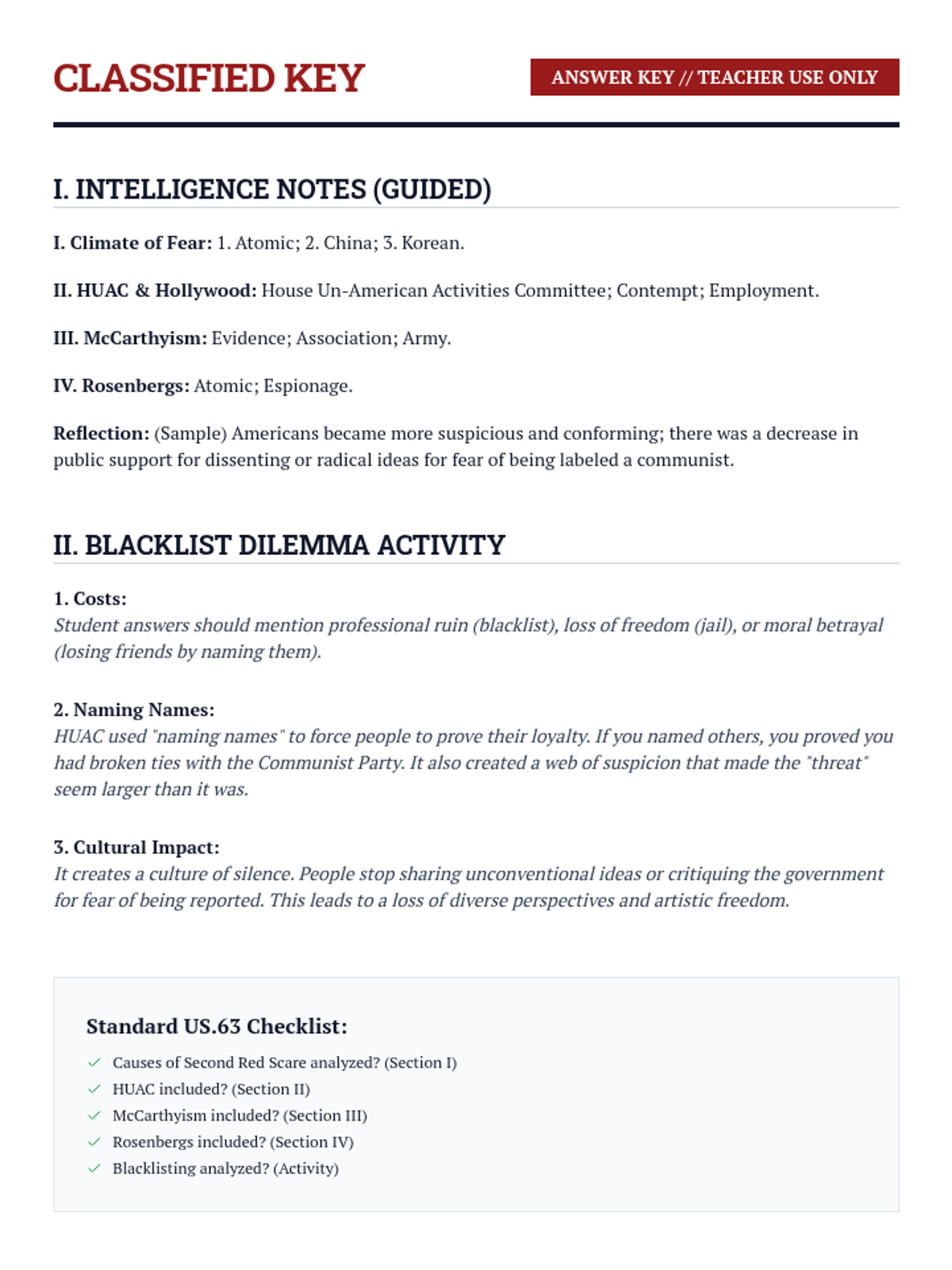
A comprehensive 30-minute lesson on the Second Red Scare, covering McCarthyism, HUAC, the Rosenbergs, and the cultural impact of anti-communist hysteria in 1950s America. Students will analyze primary sources and explore the ethical dilemmas of blacklisting.
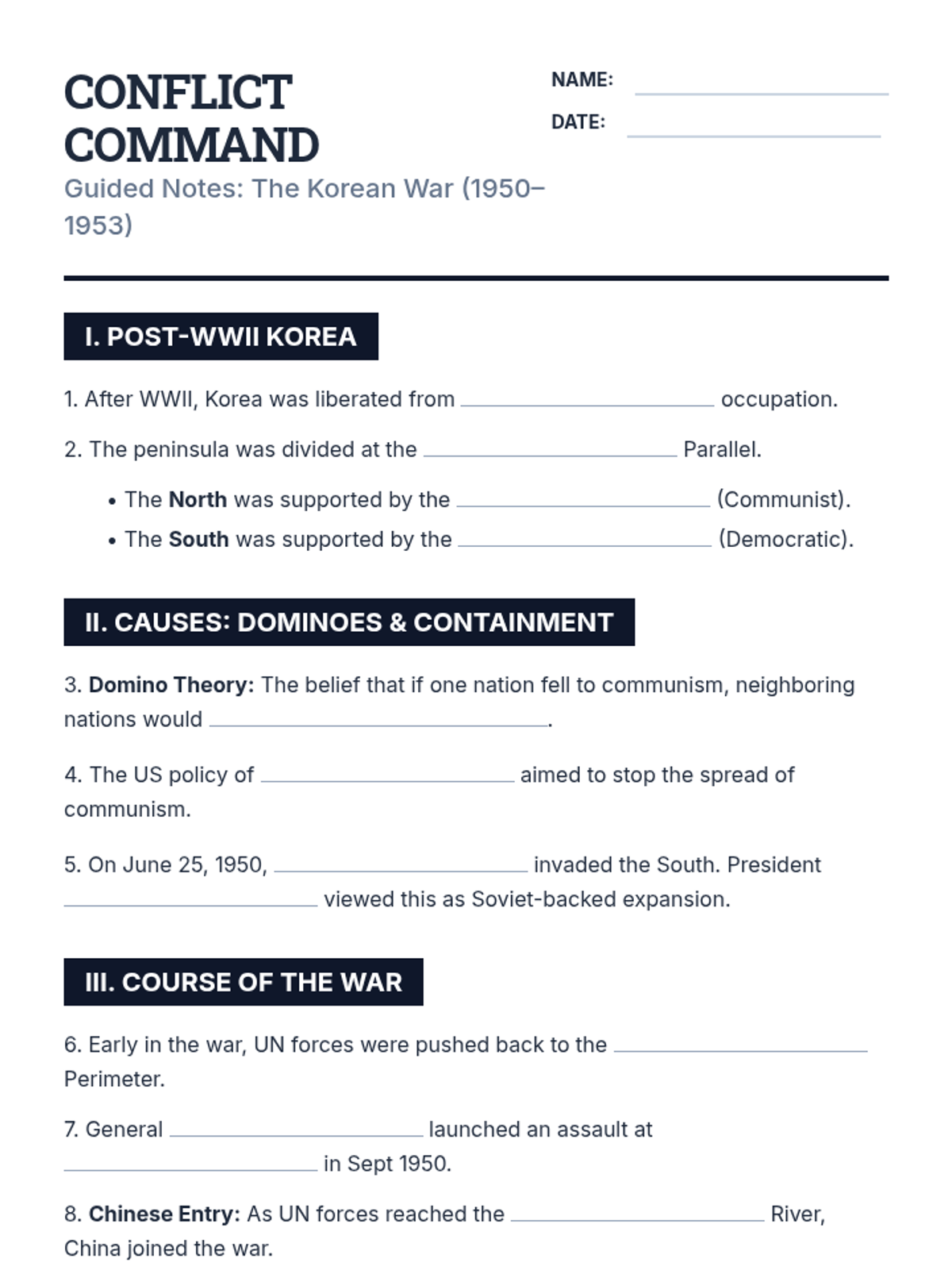
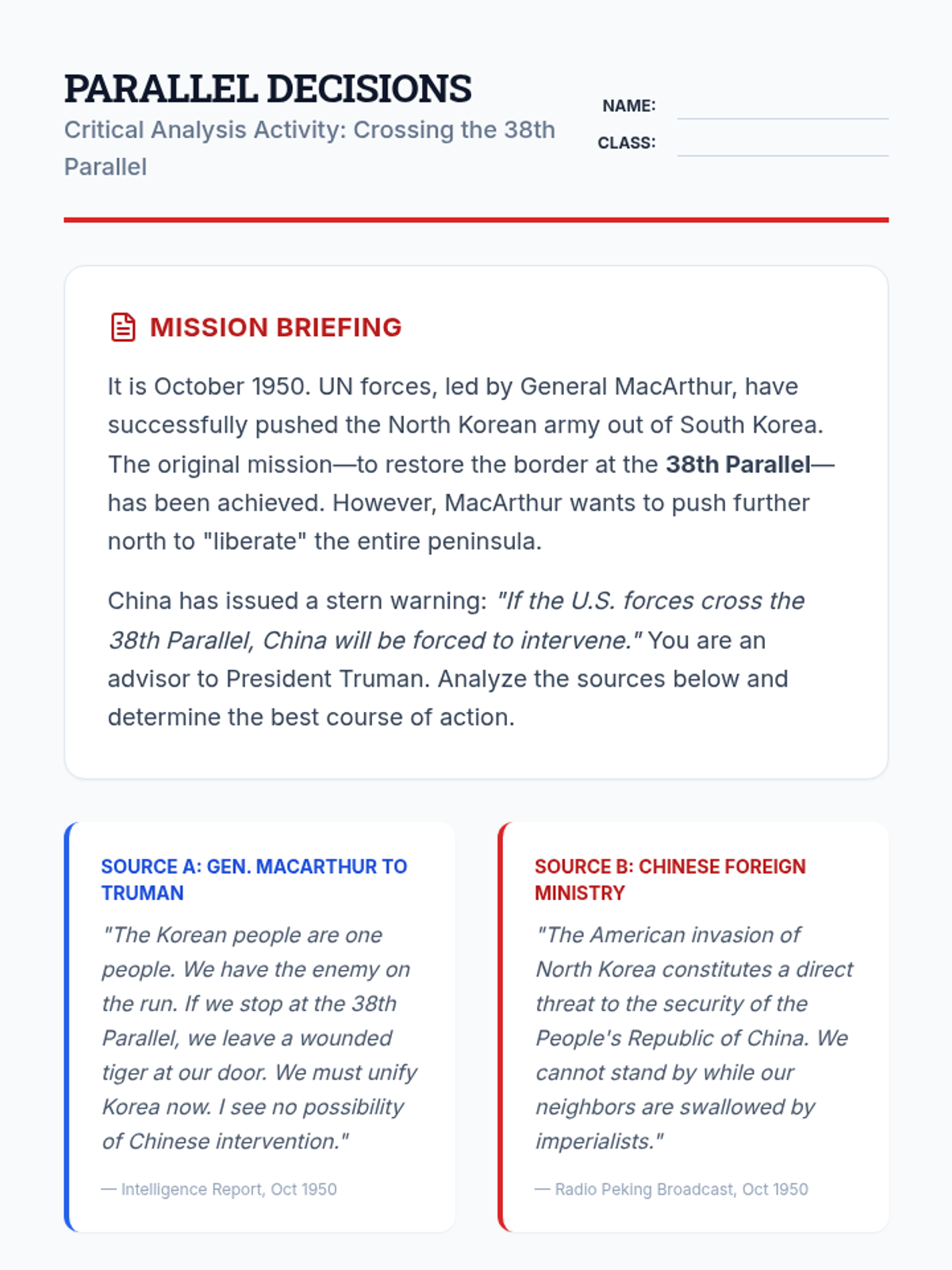
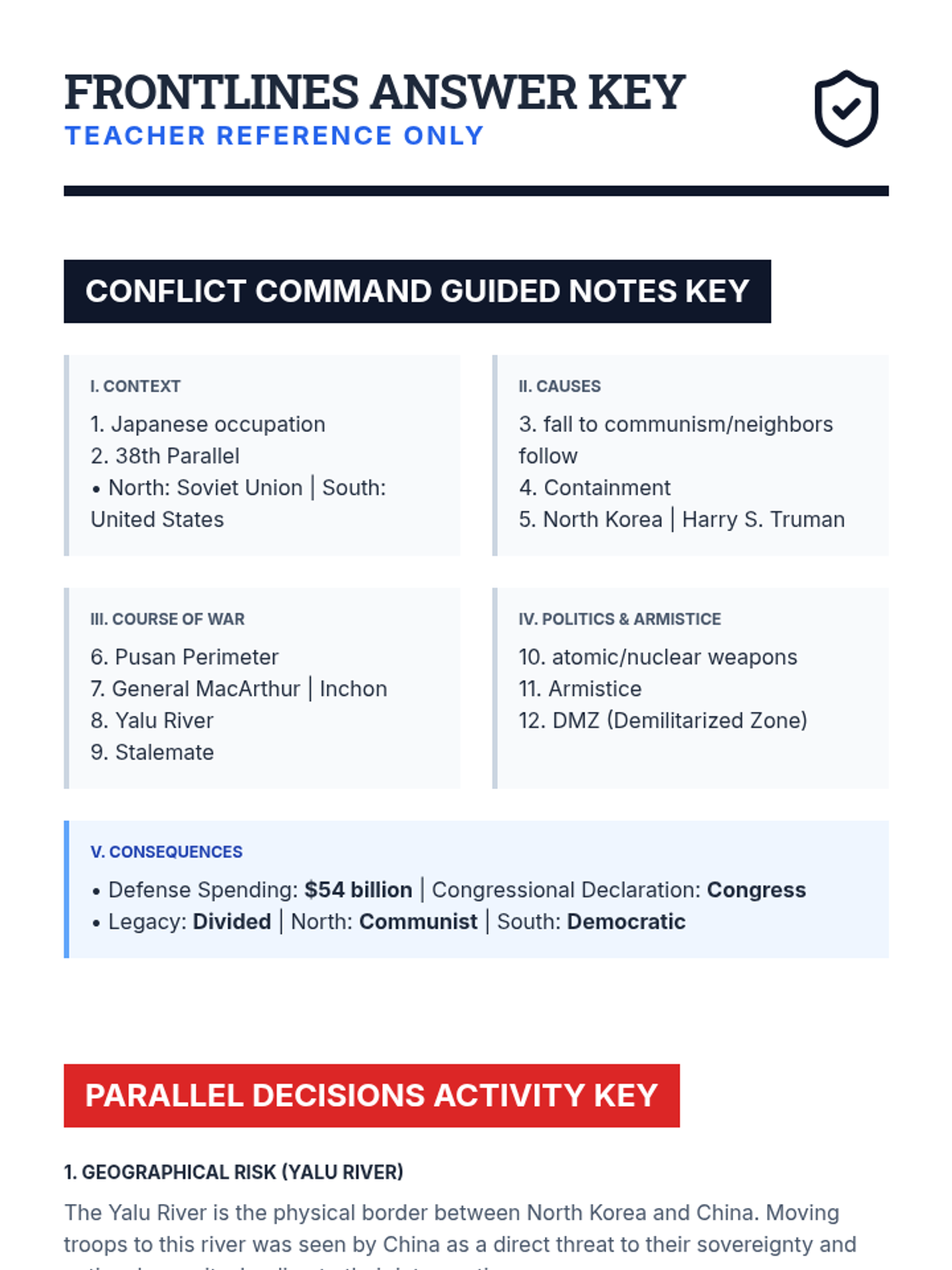
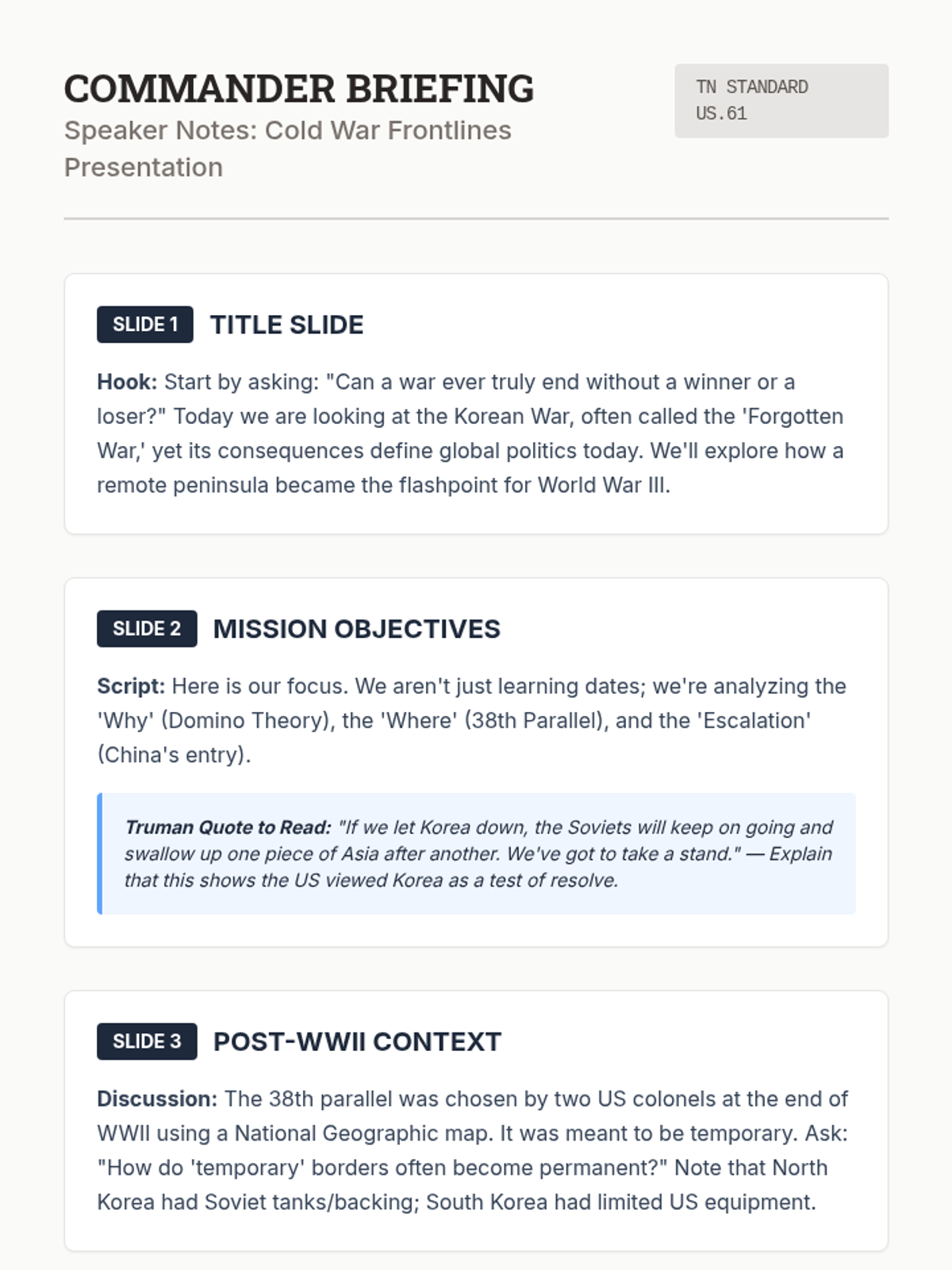
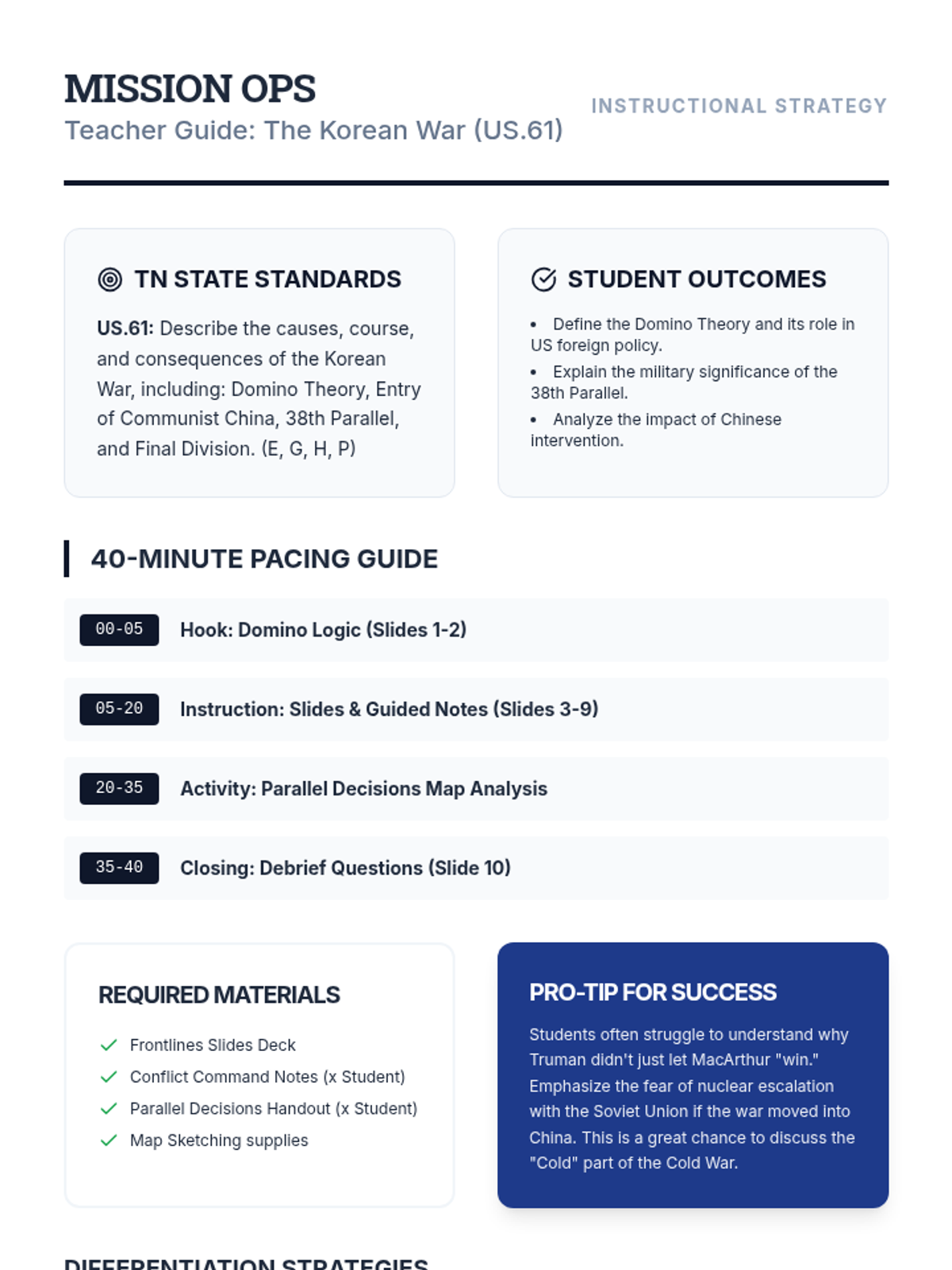
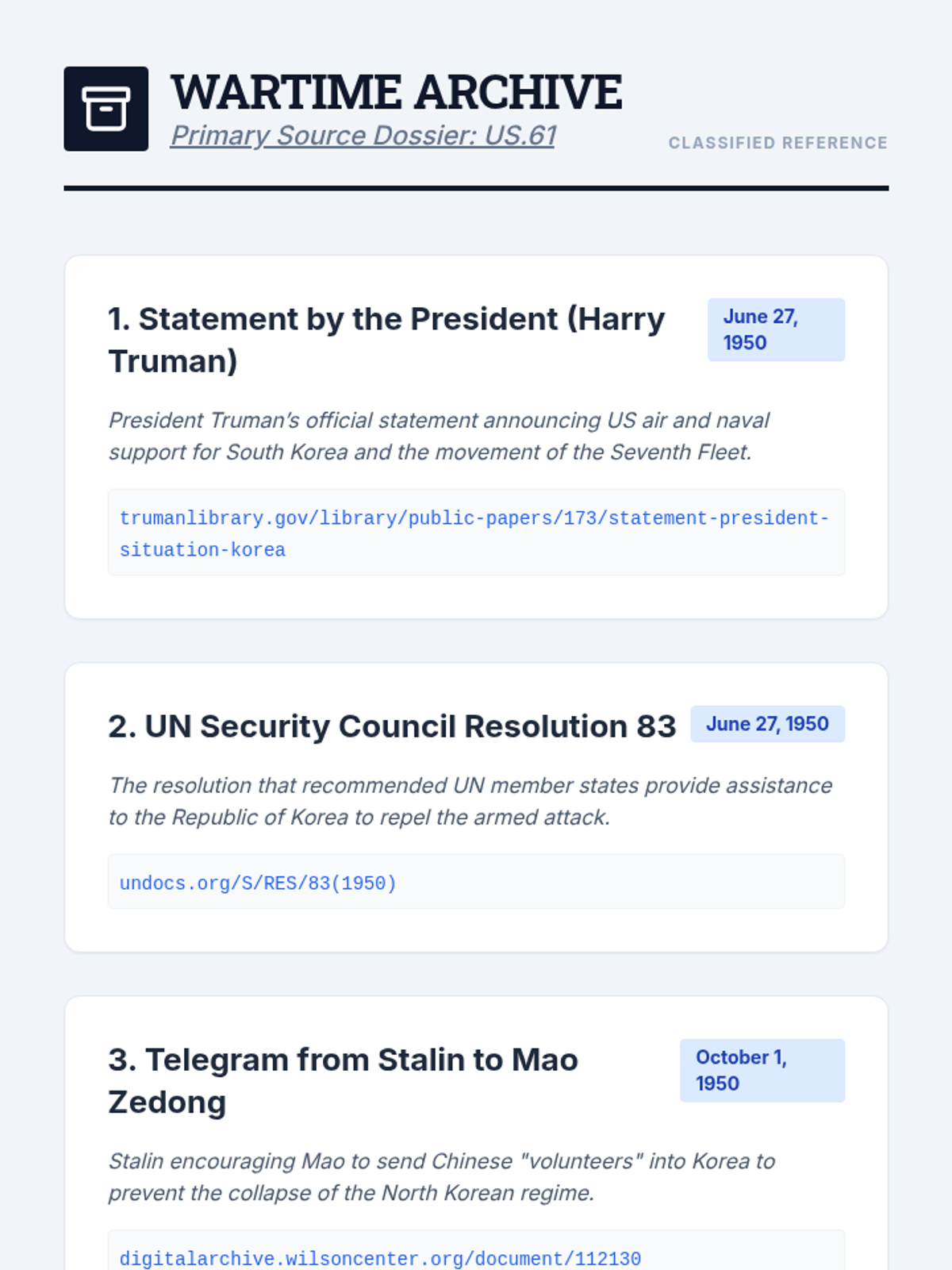
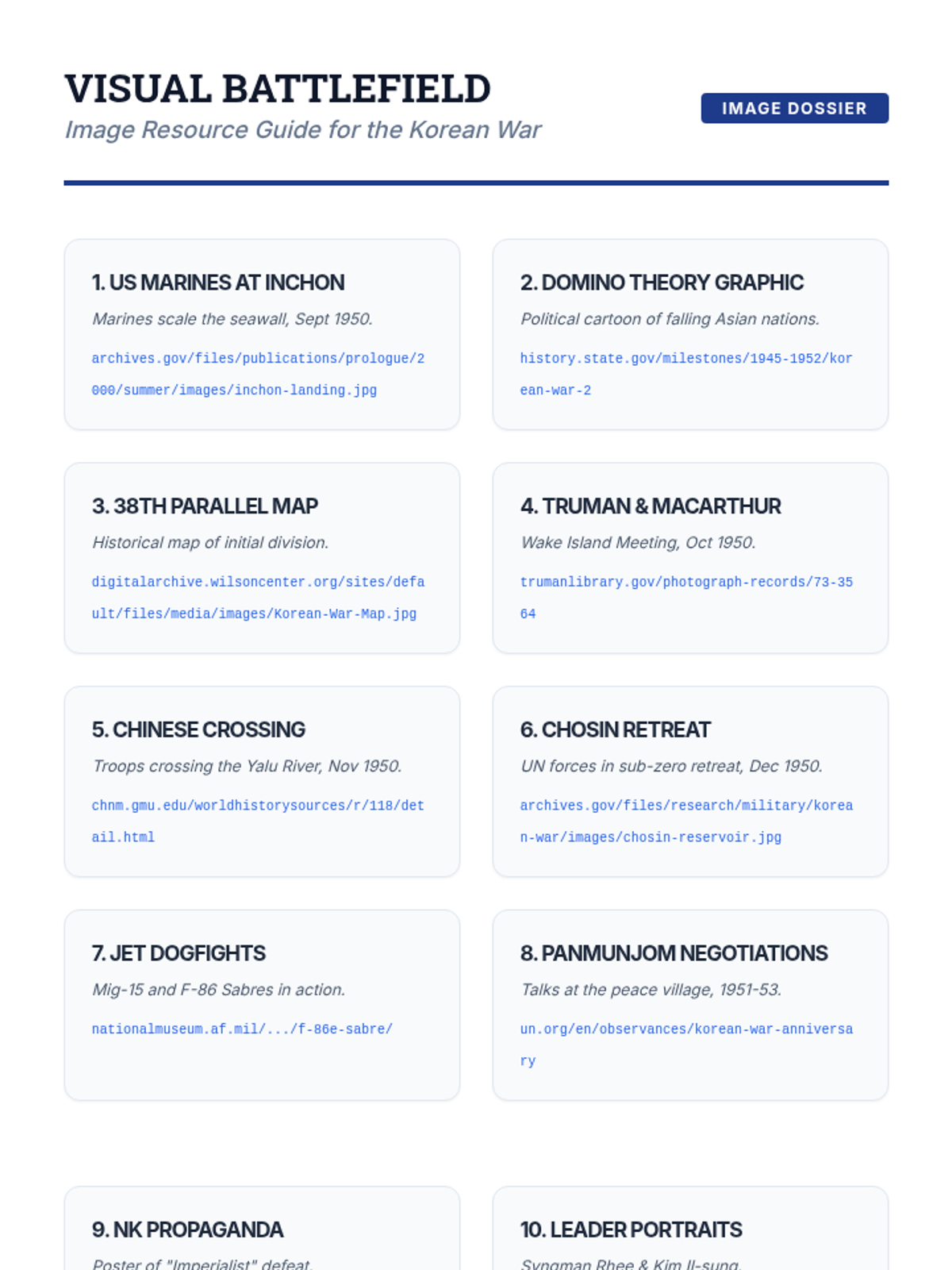
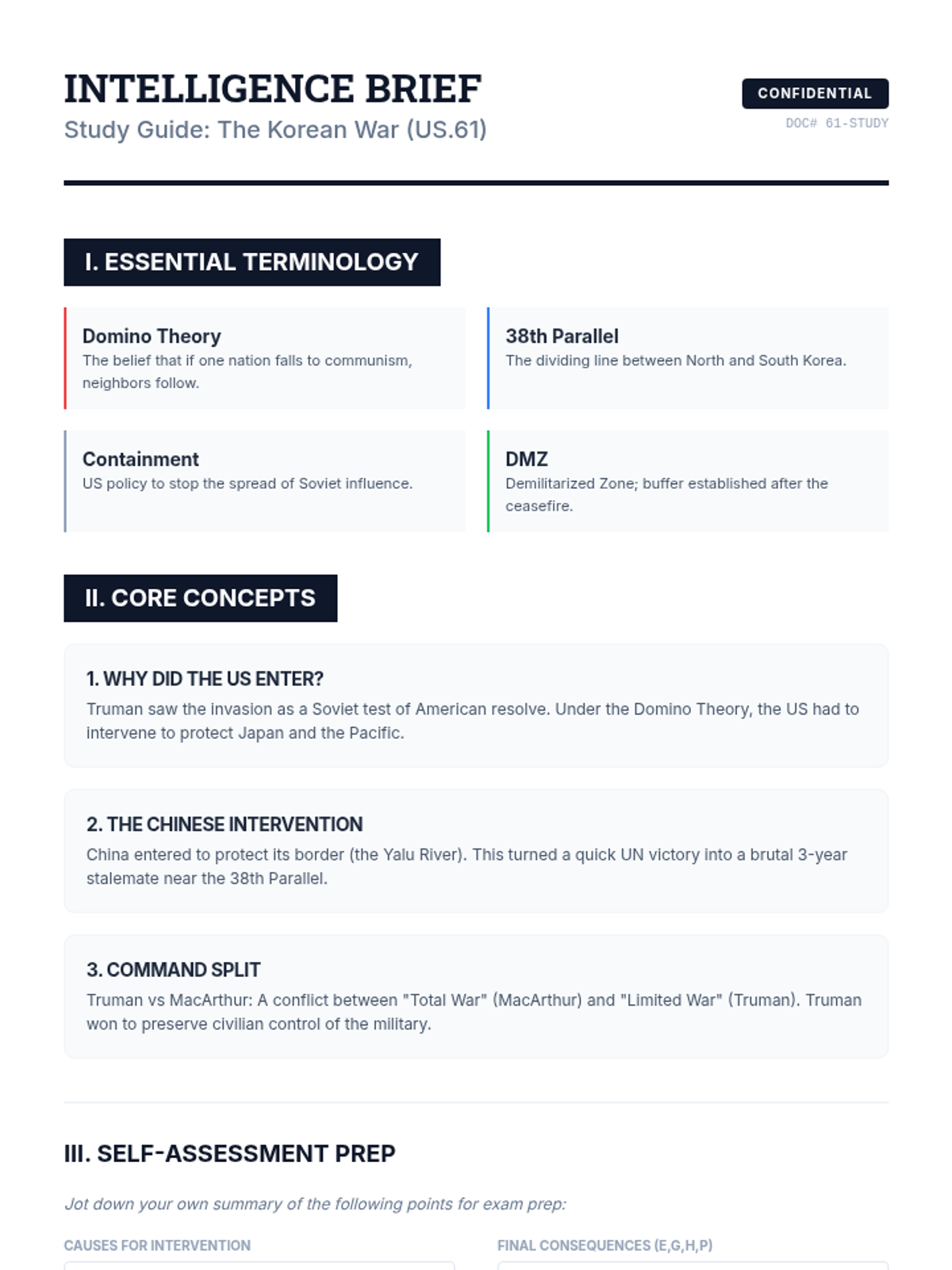
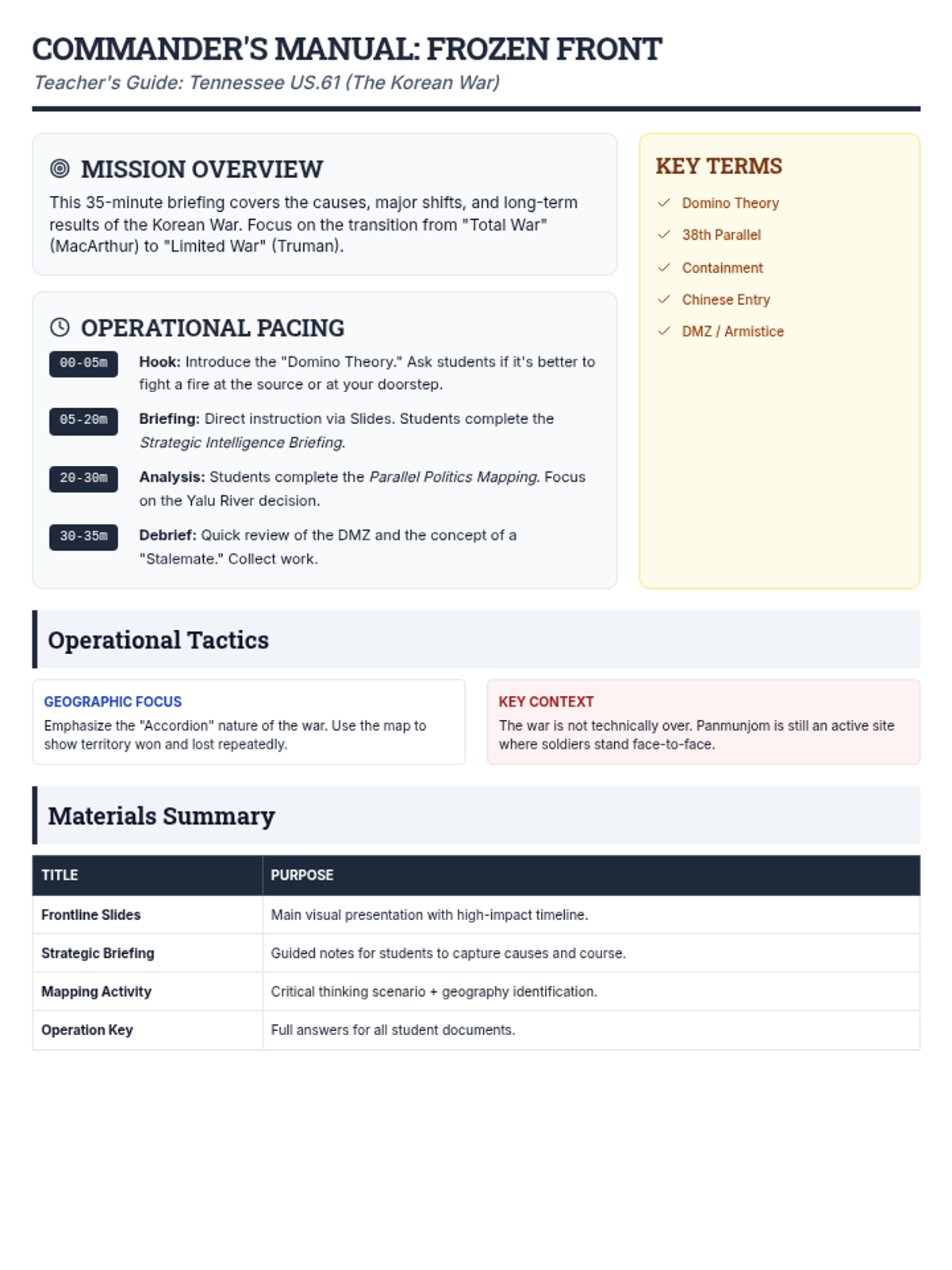
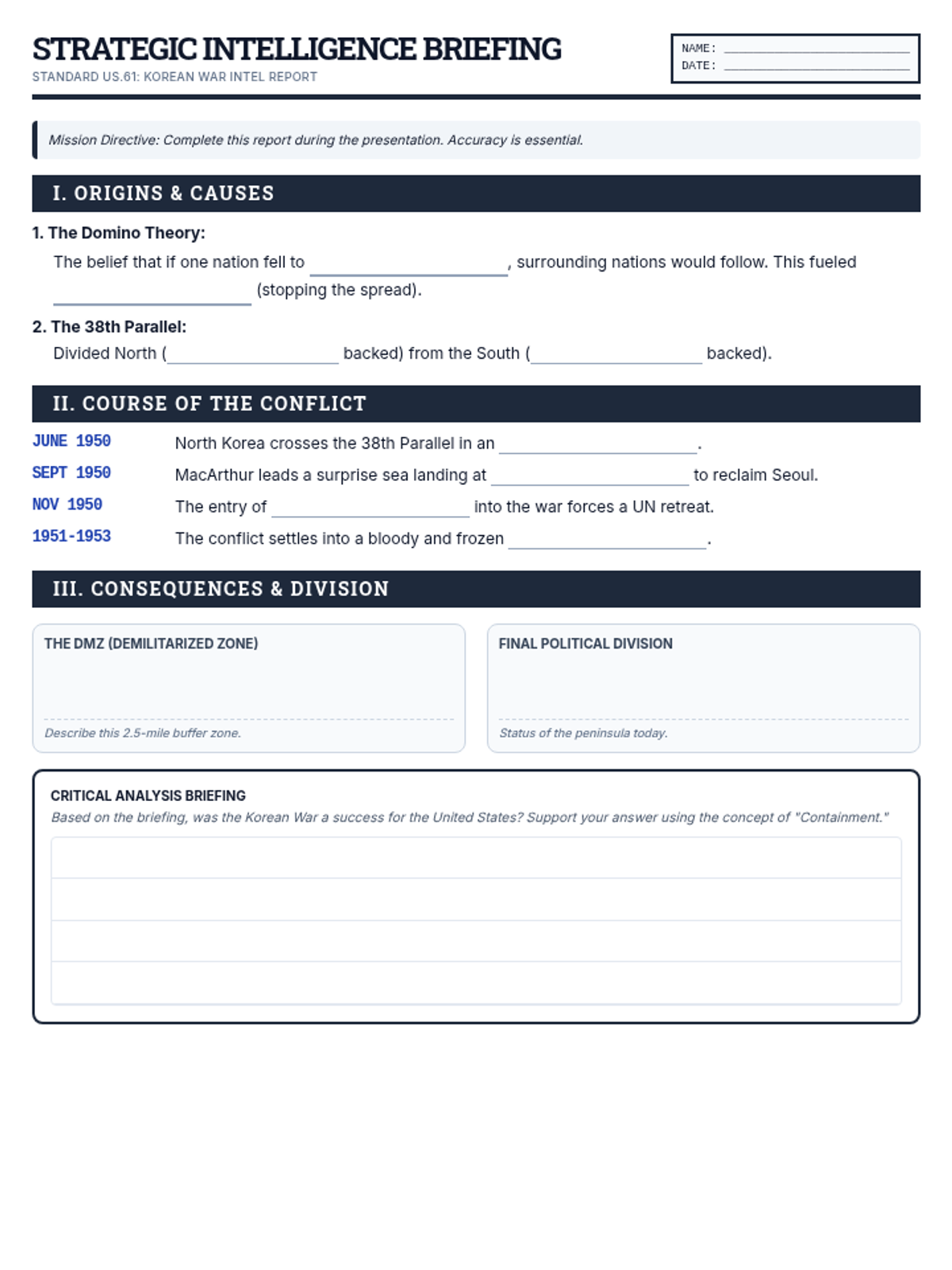
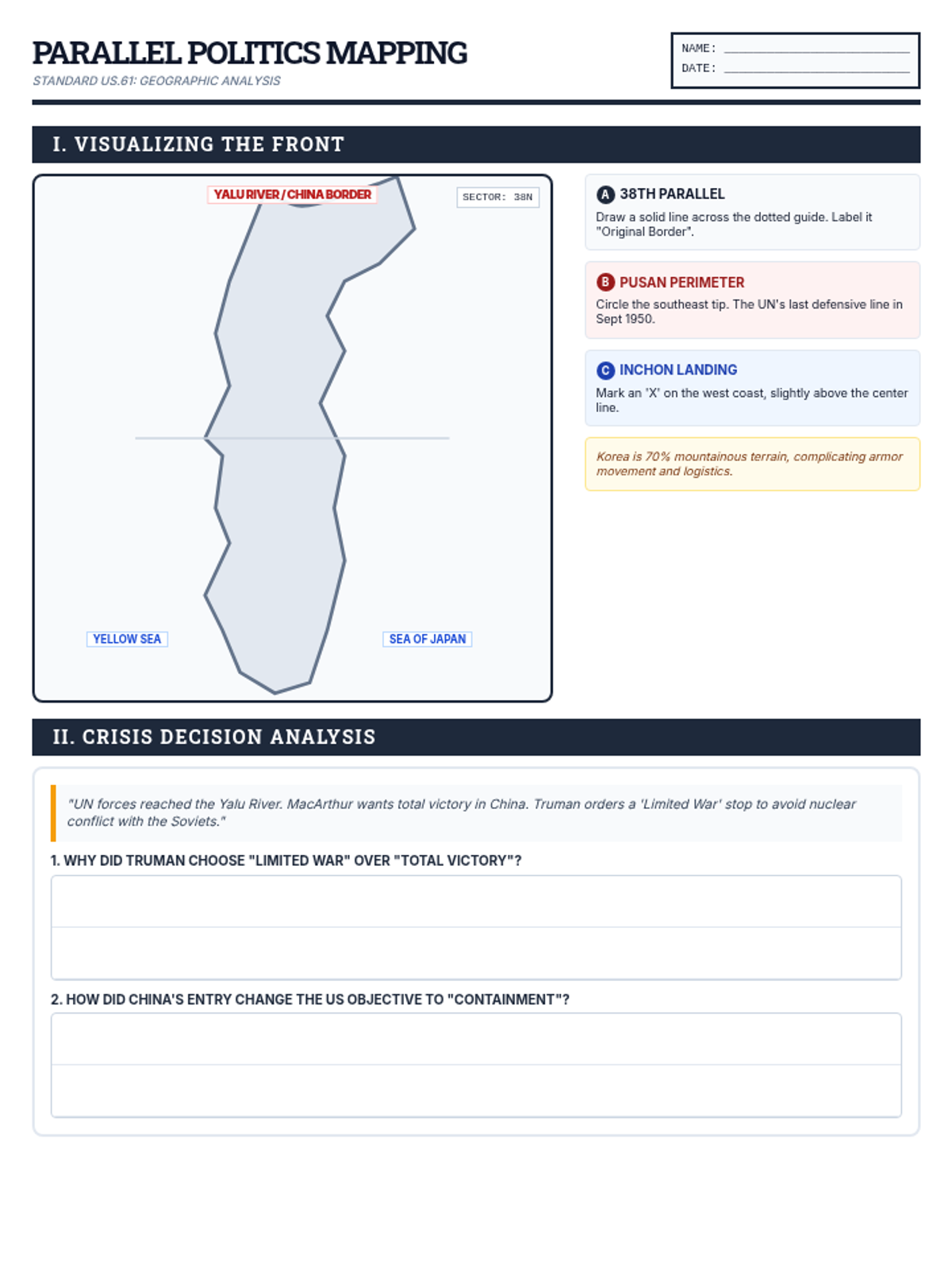
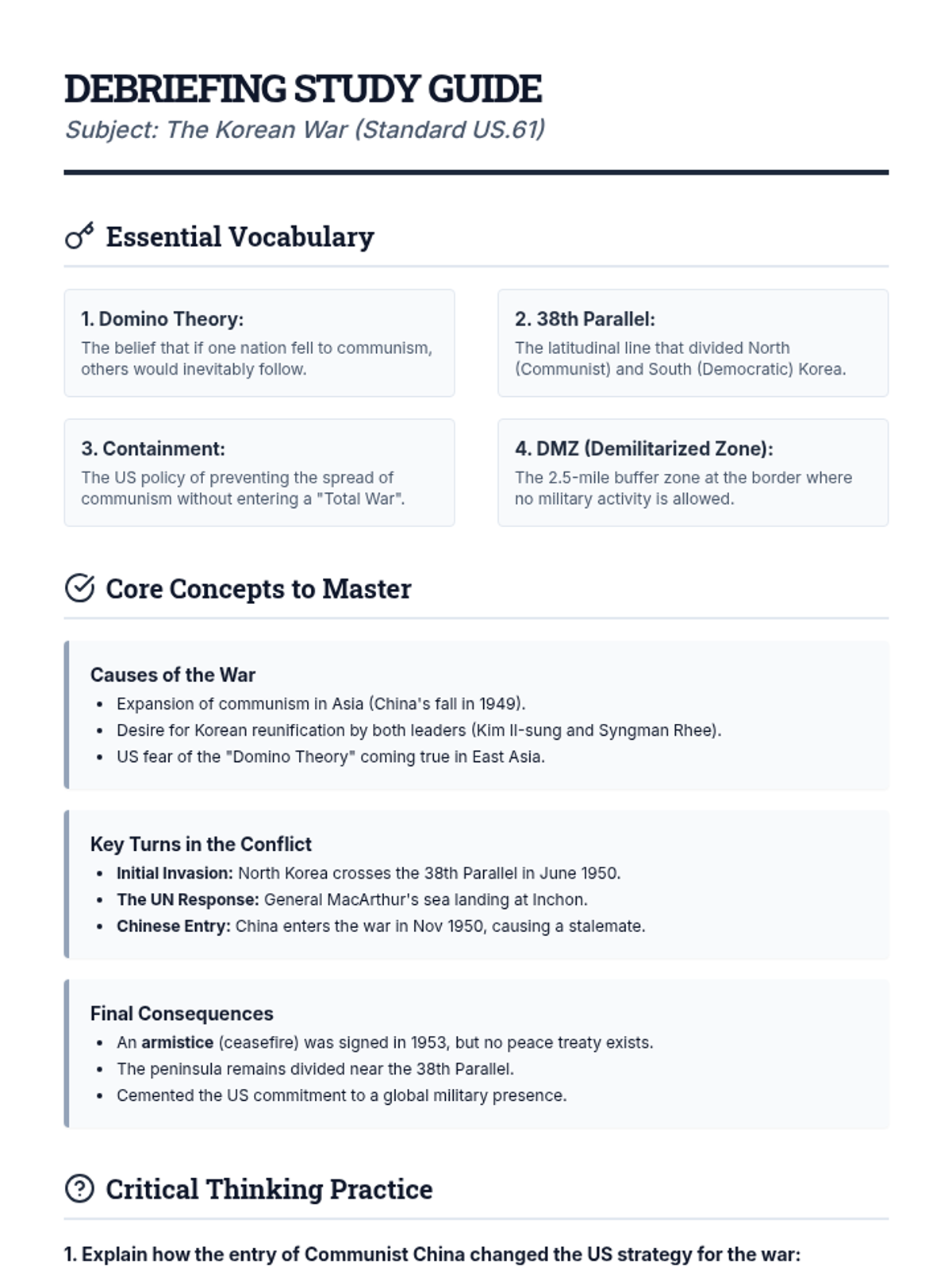
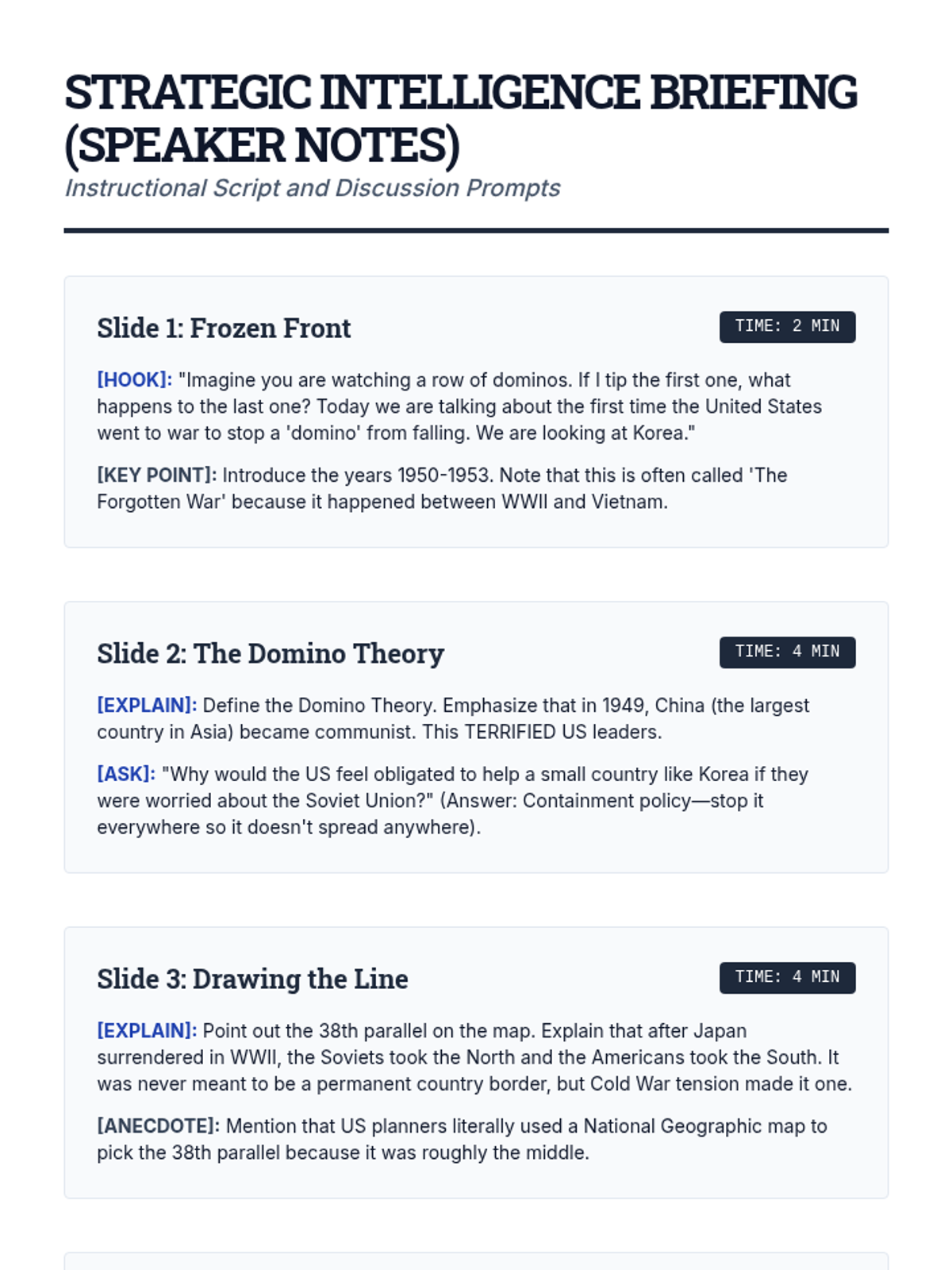
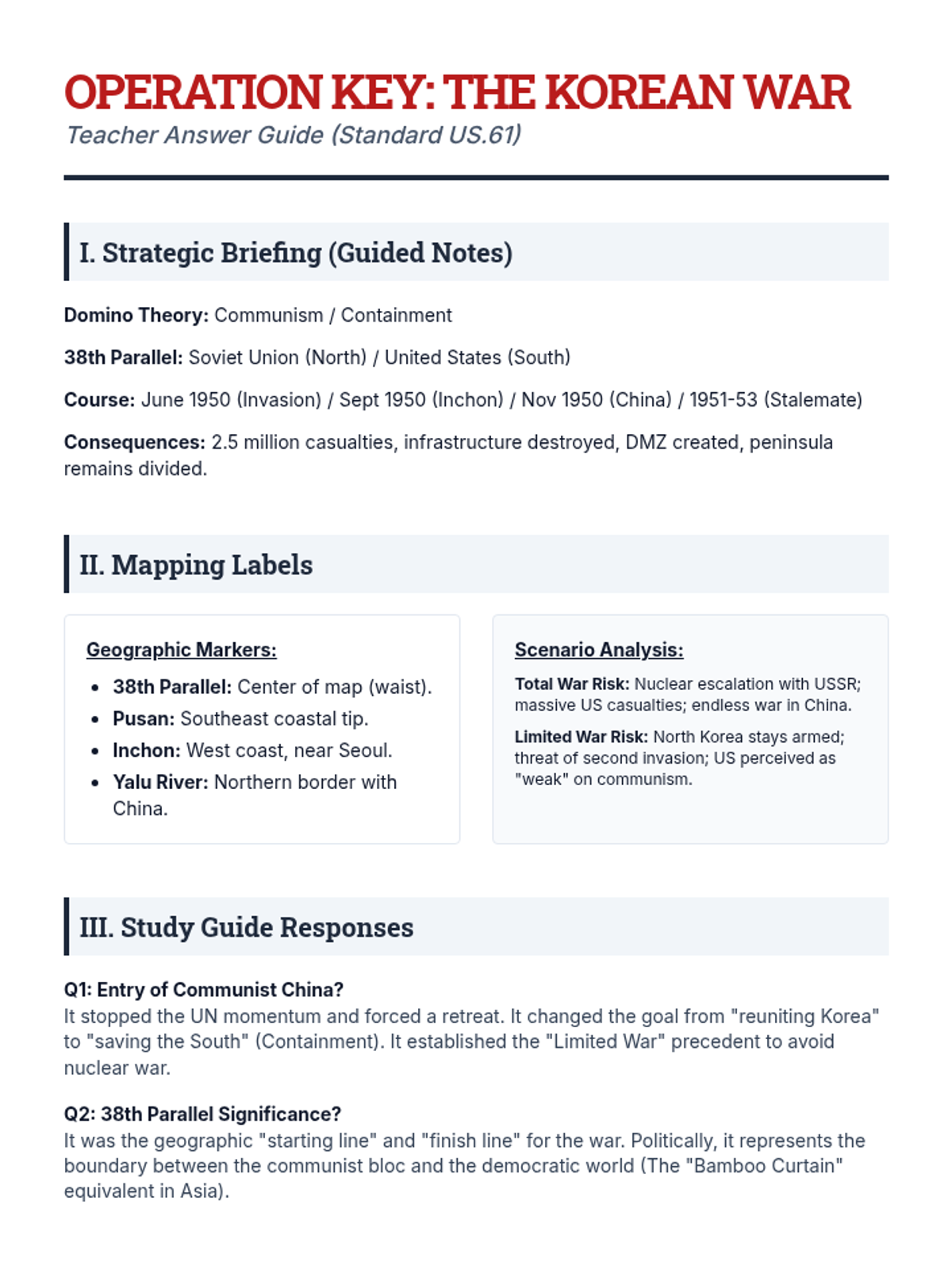
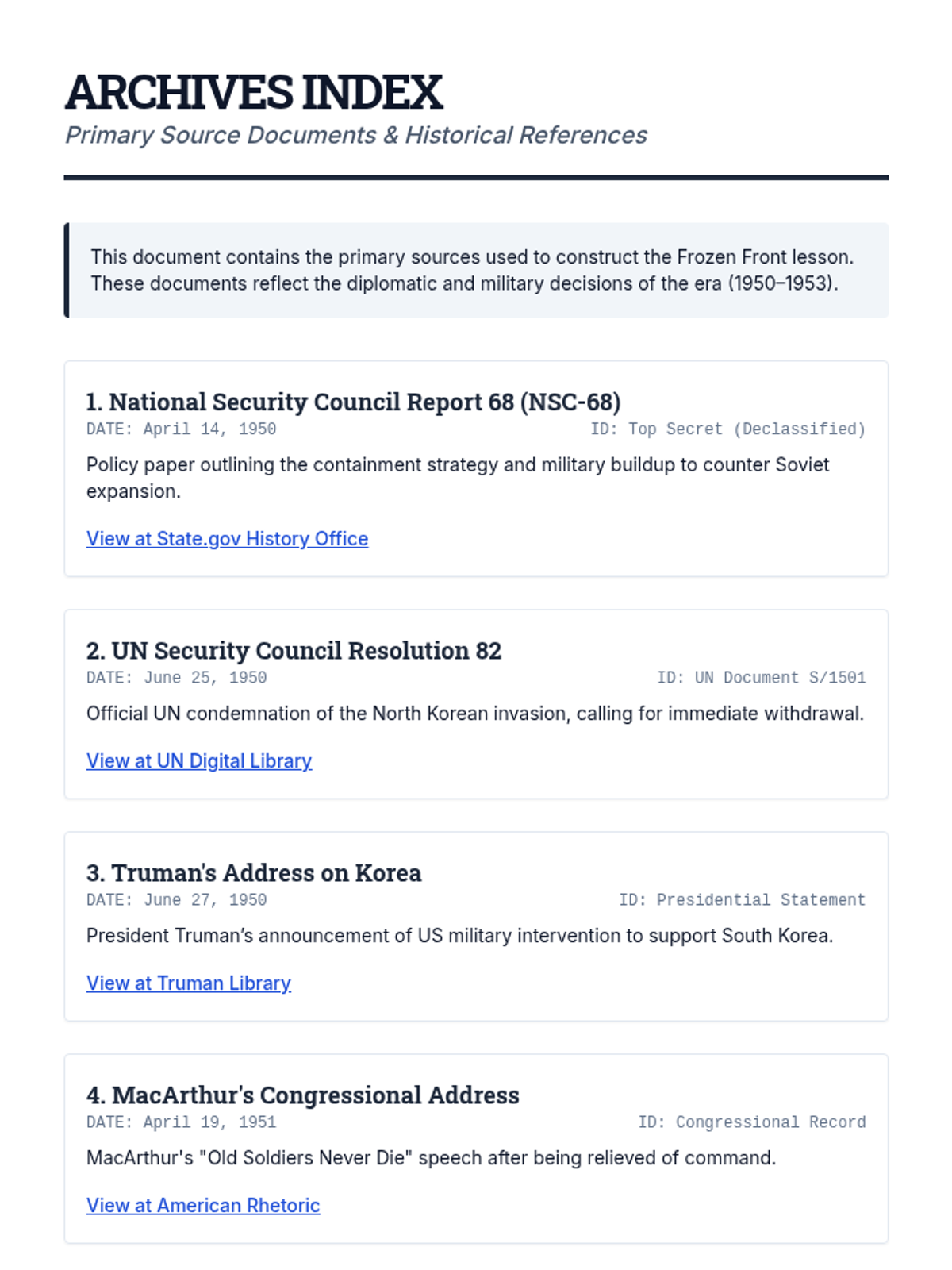
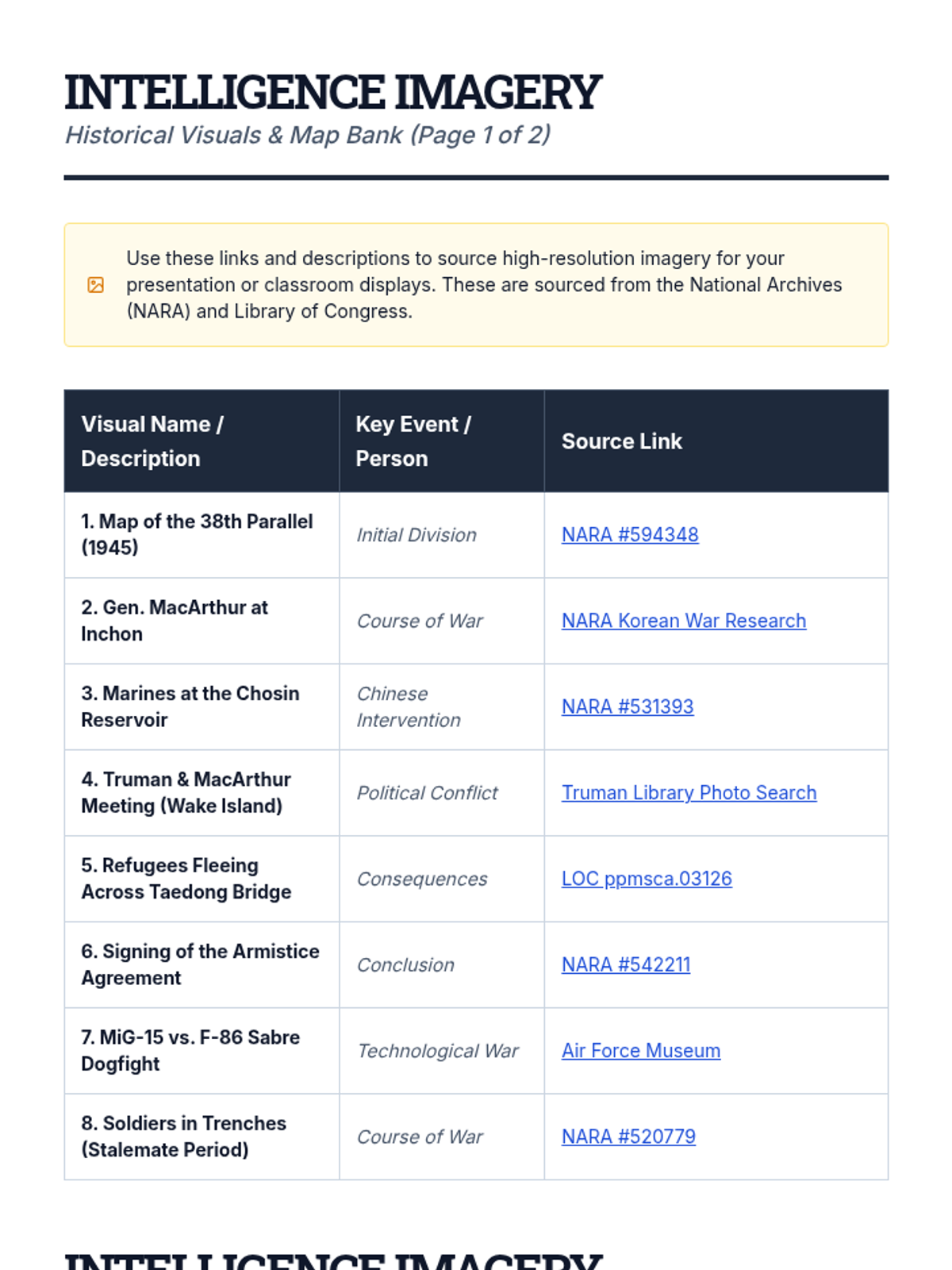
A comprehensive lesson on the Korean War (US.61) covering the Domino Theory, China's entry, the 38th parallel, and the peninsula's final division. This lesson includes a presentation, student handouts, primary source analysis, and teacher resources.
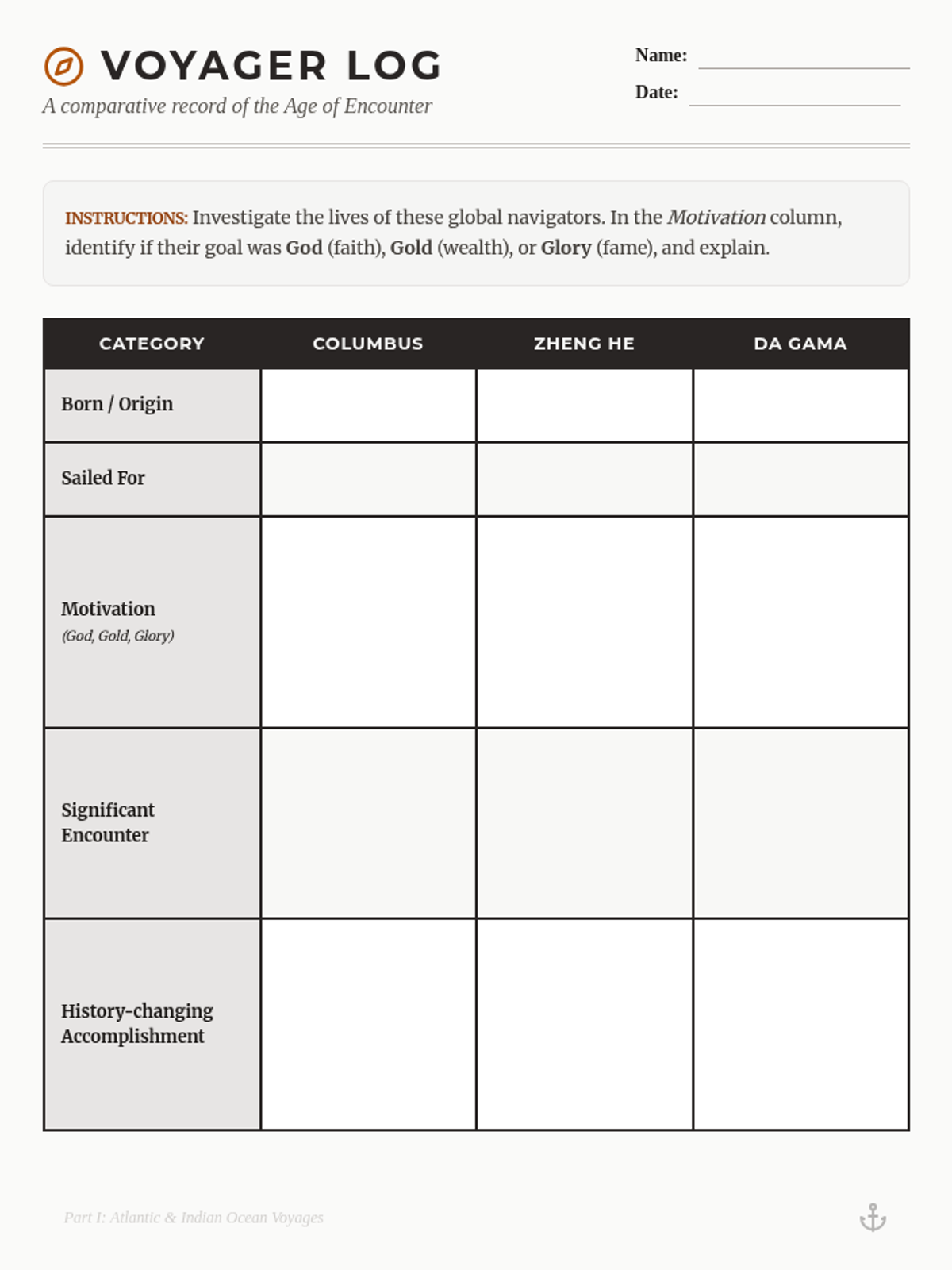
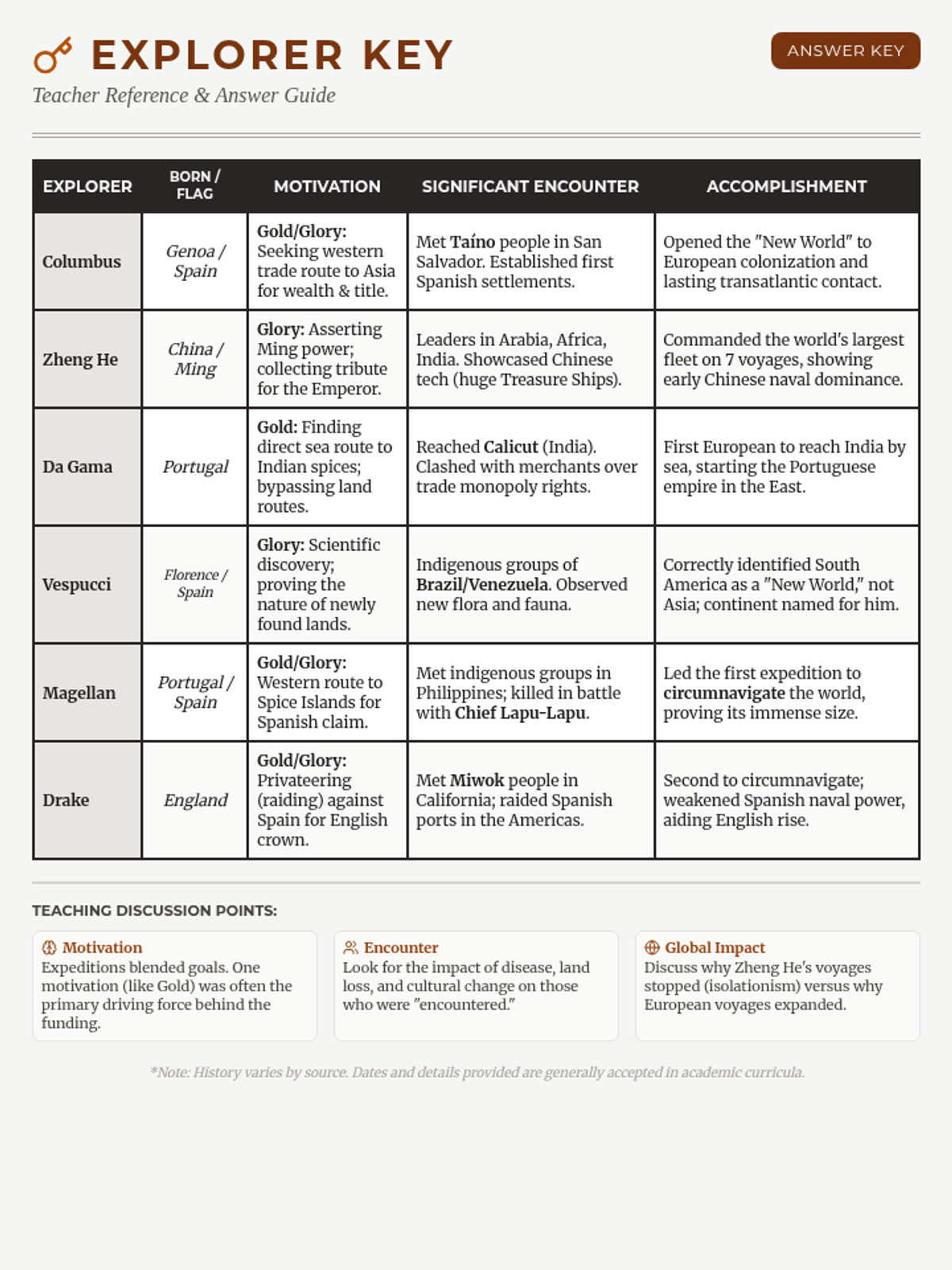
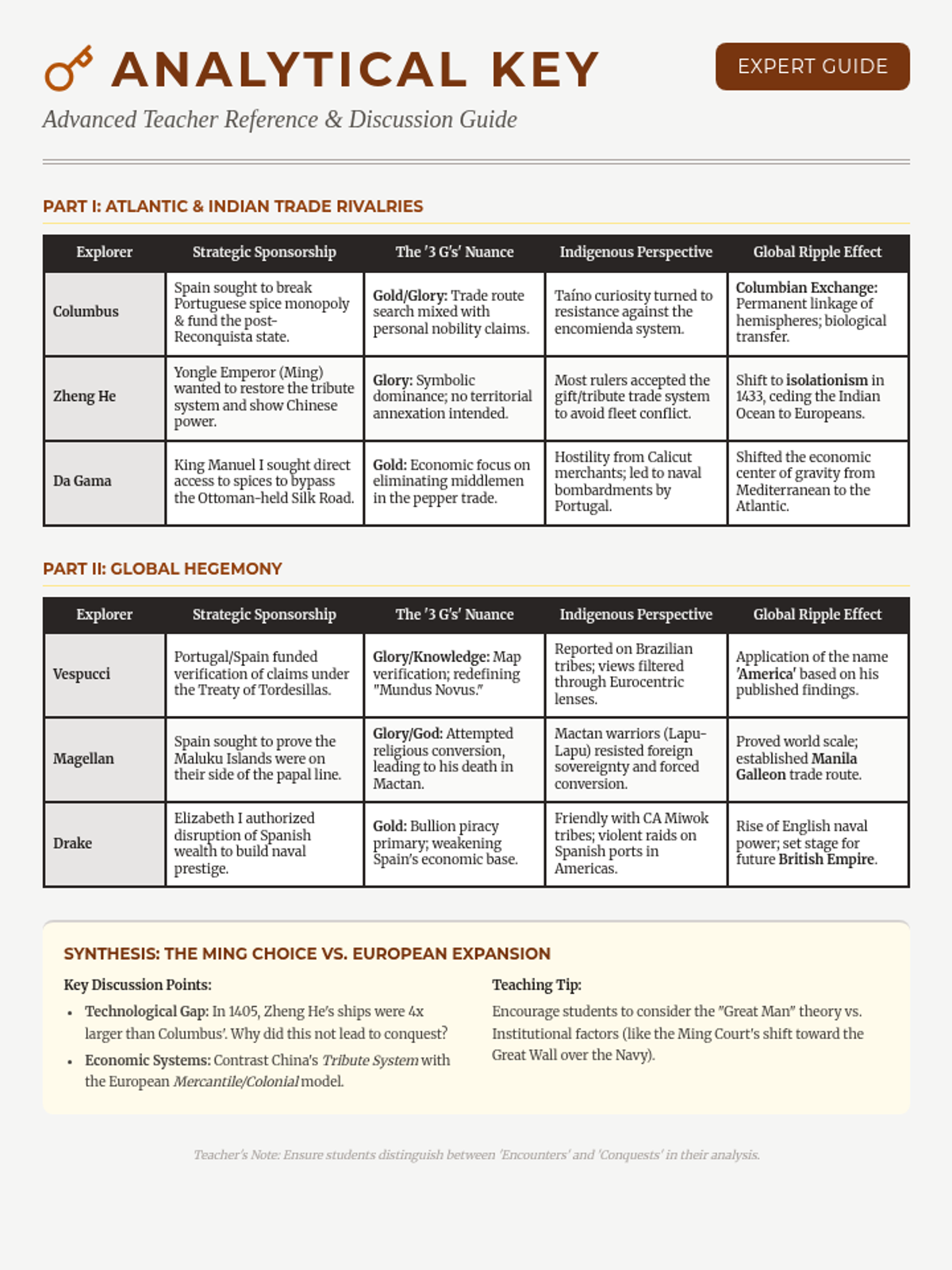
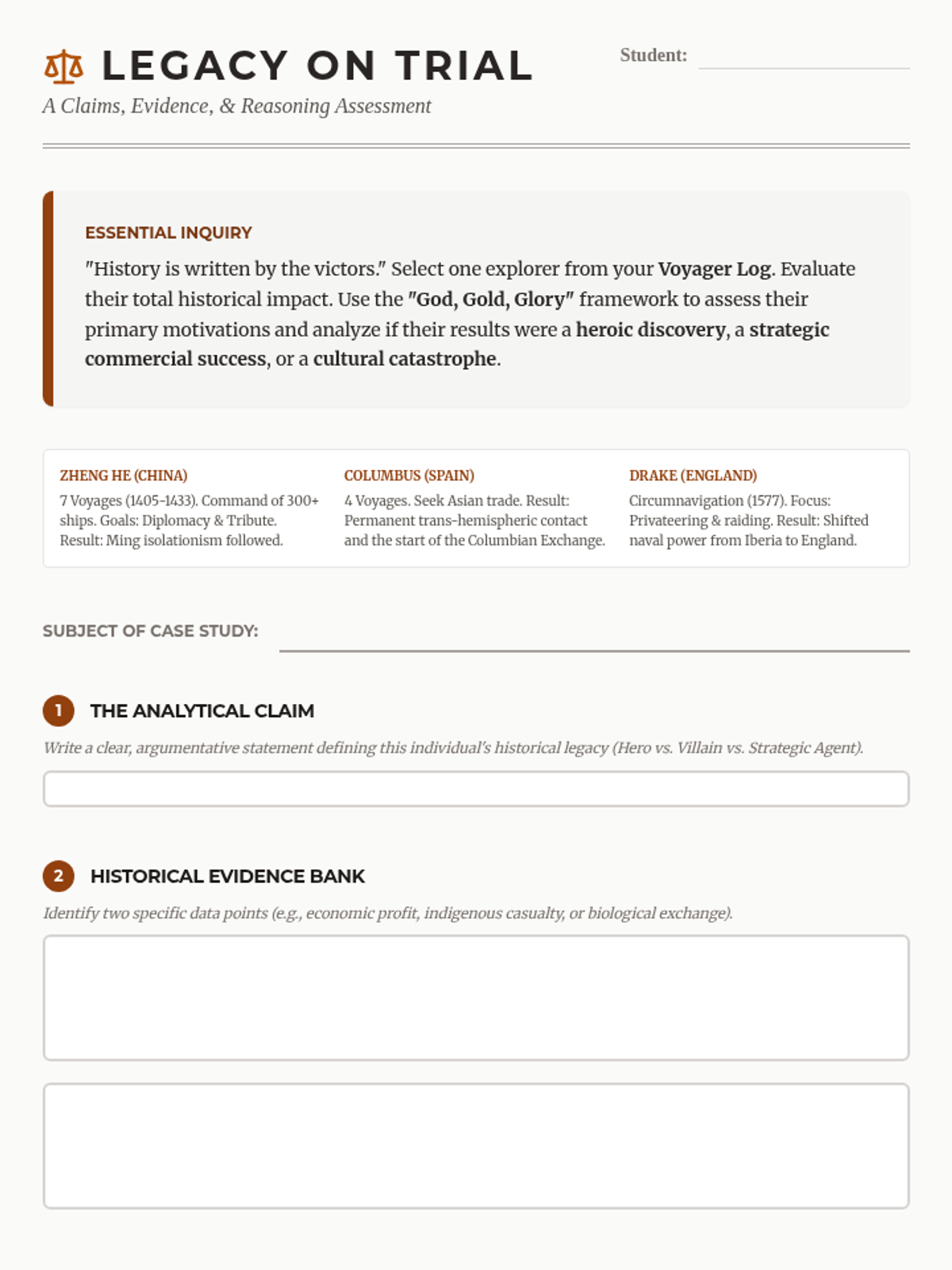
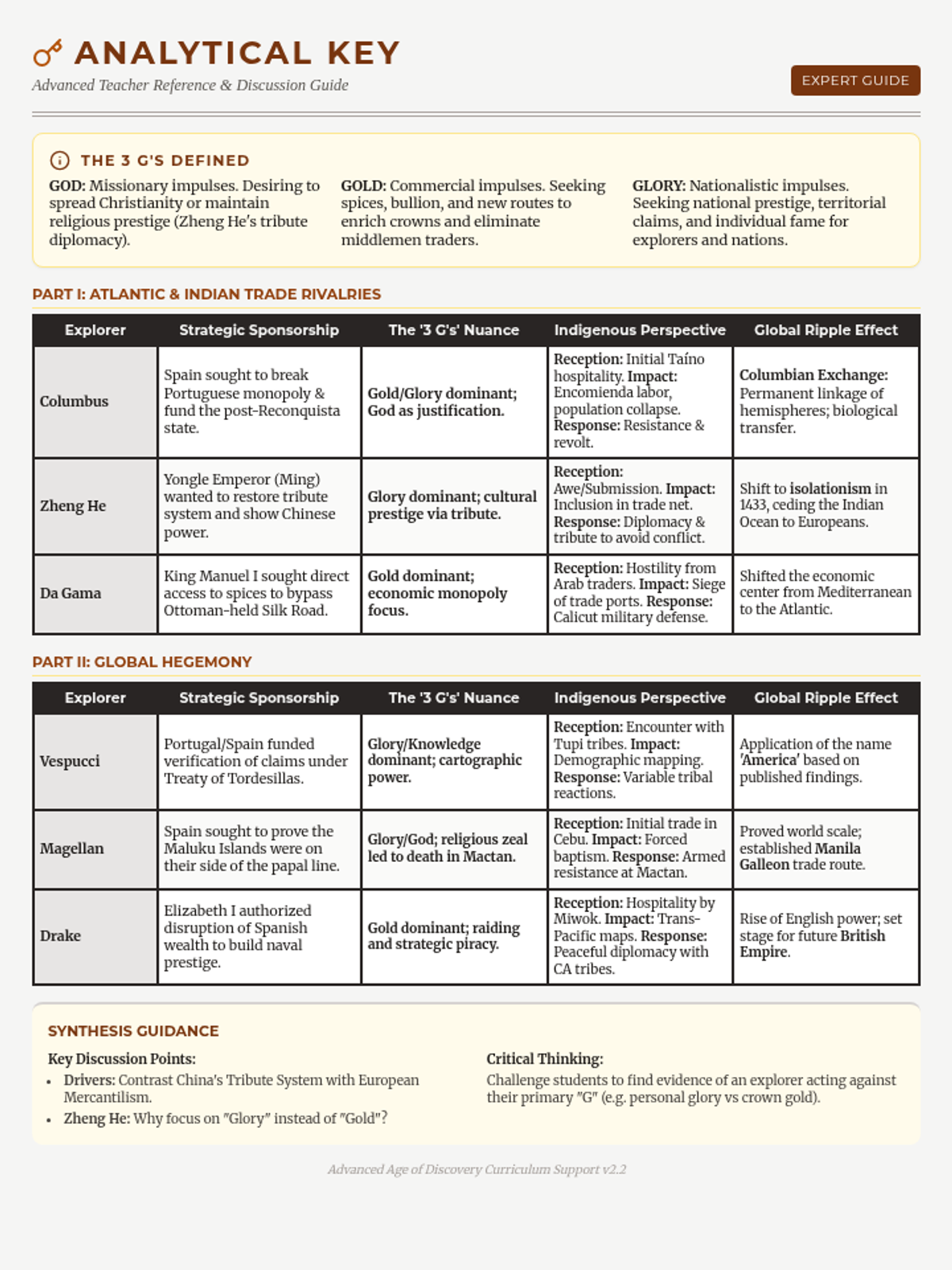
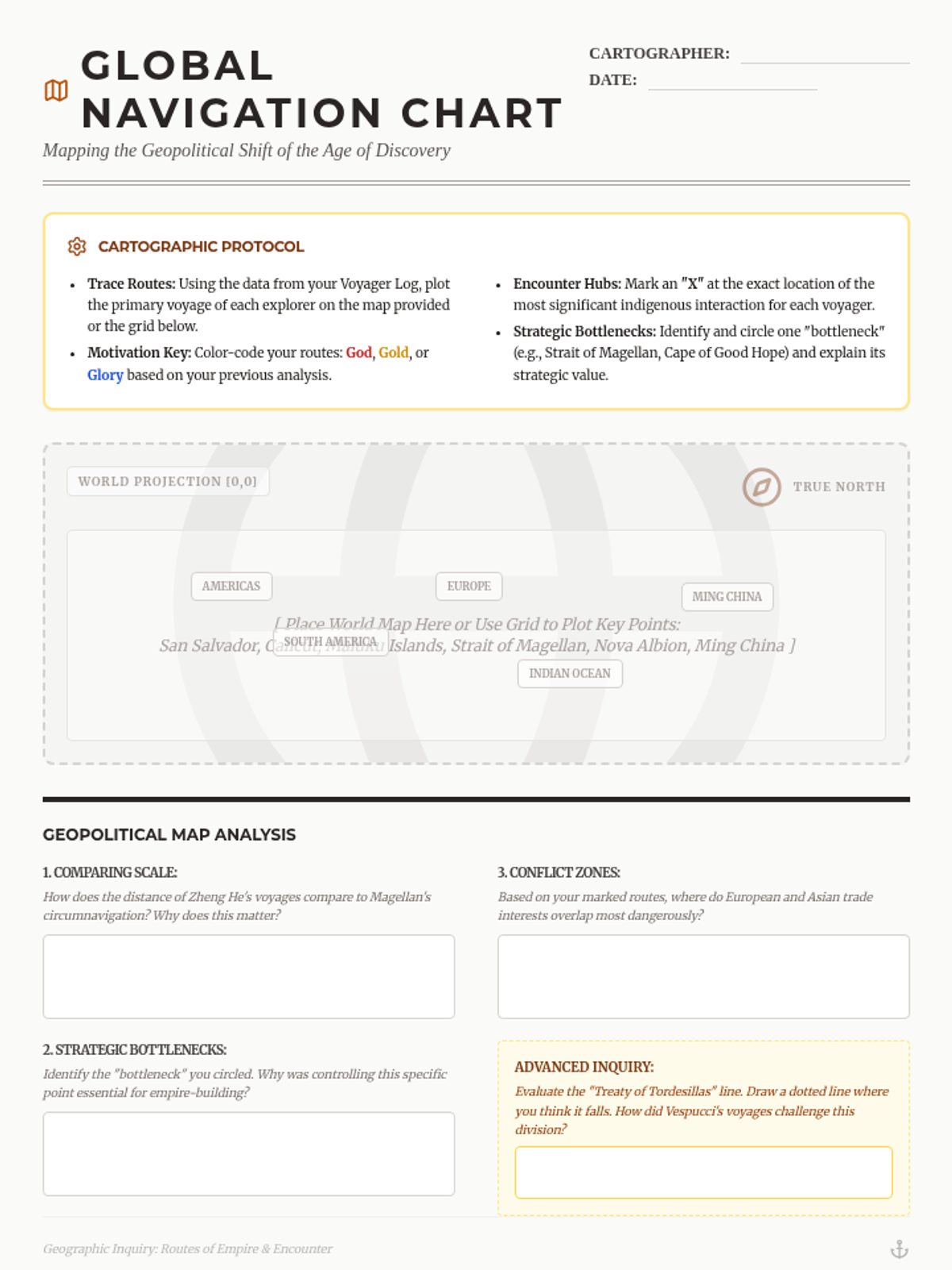
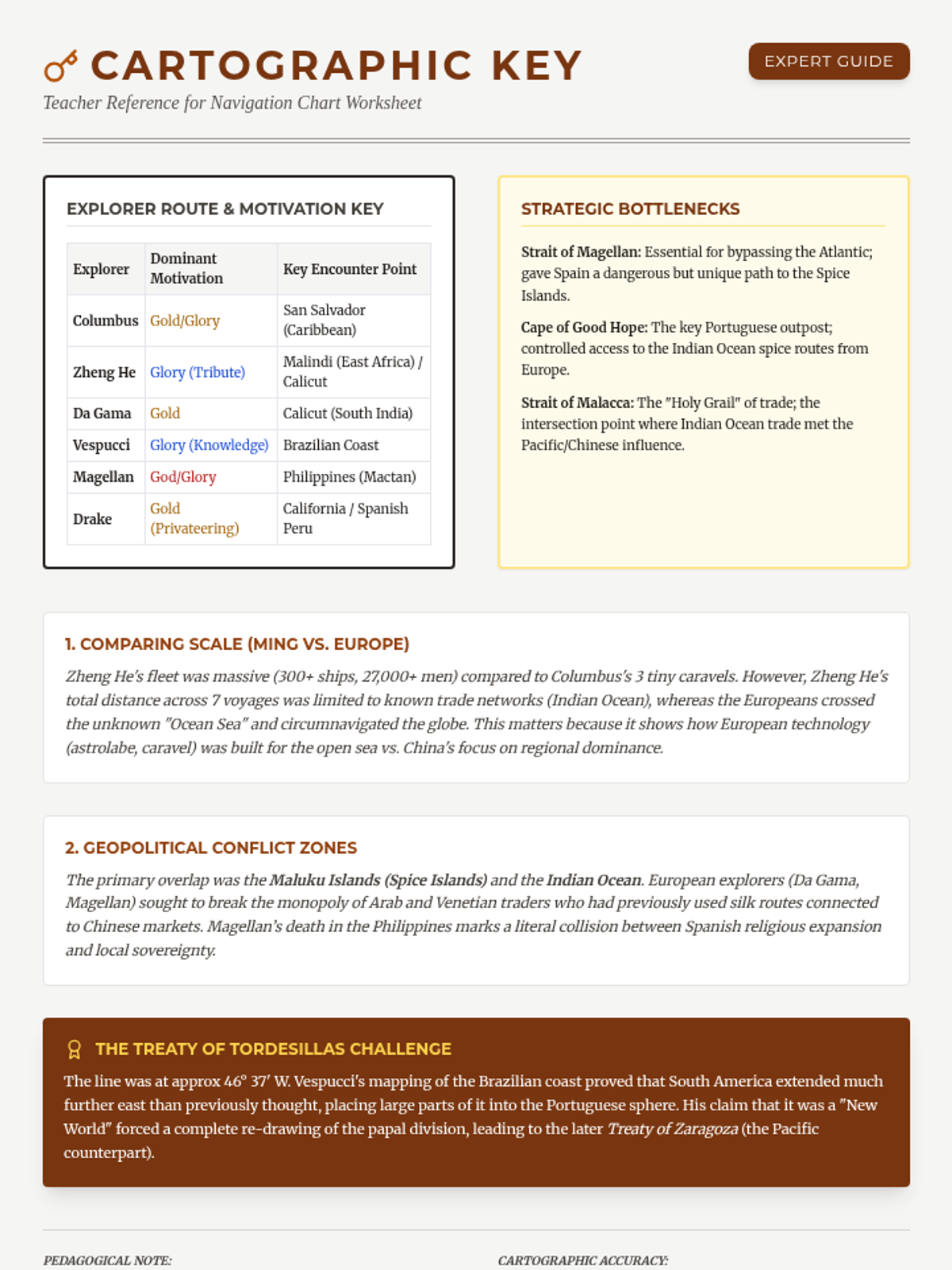
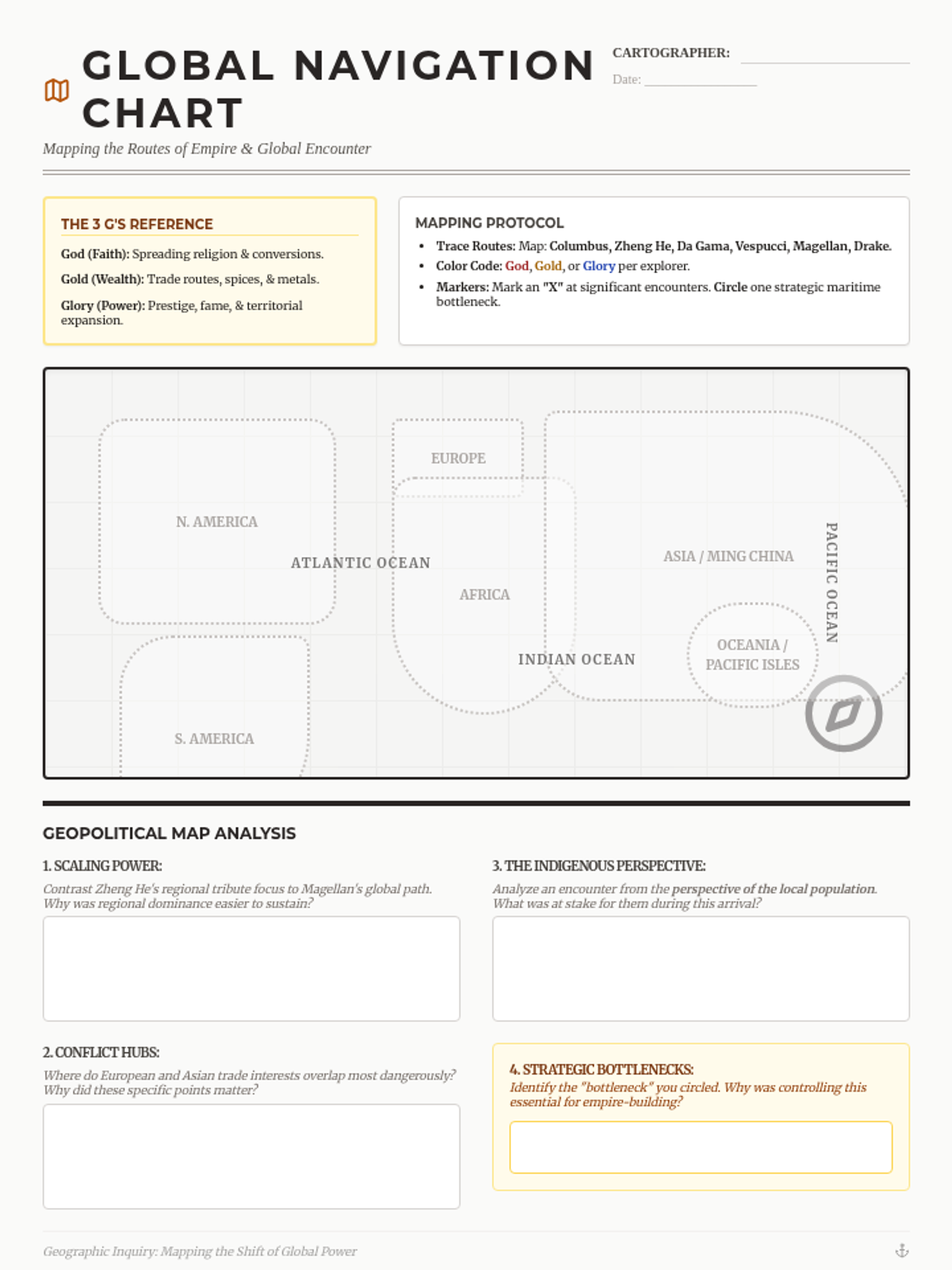
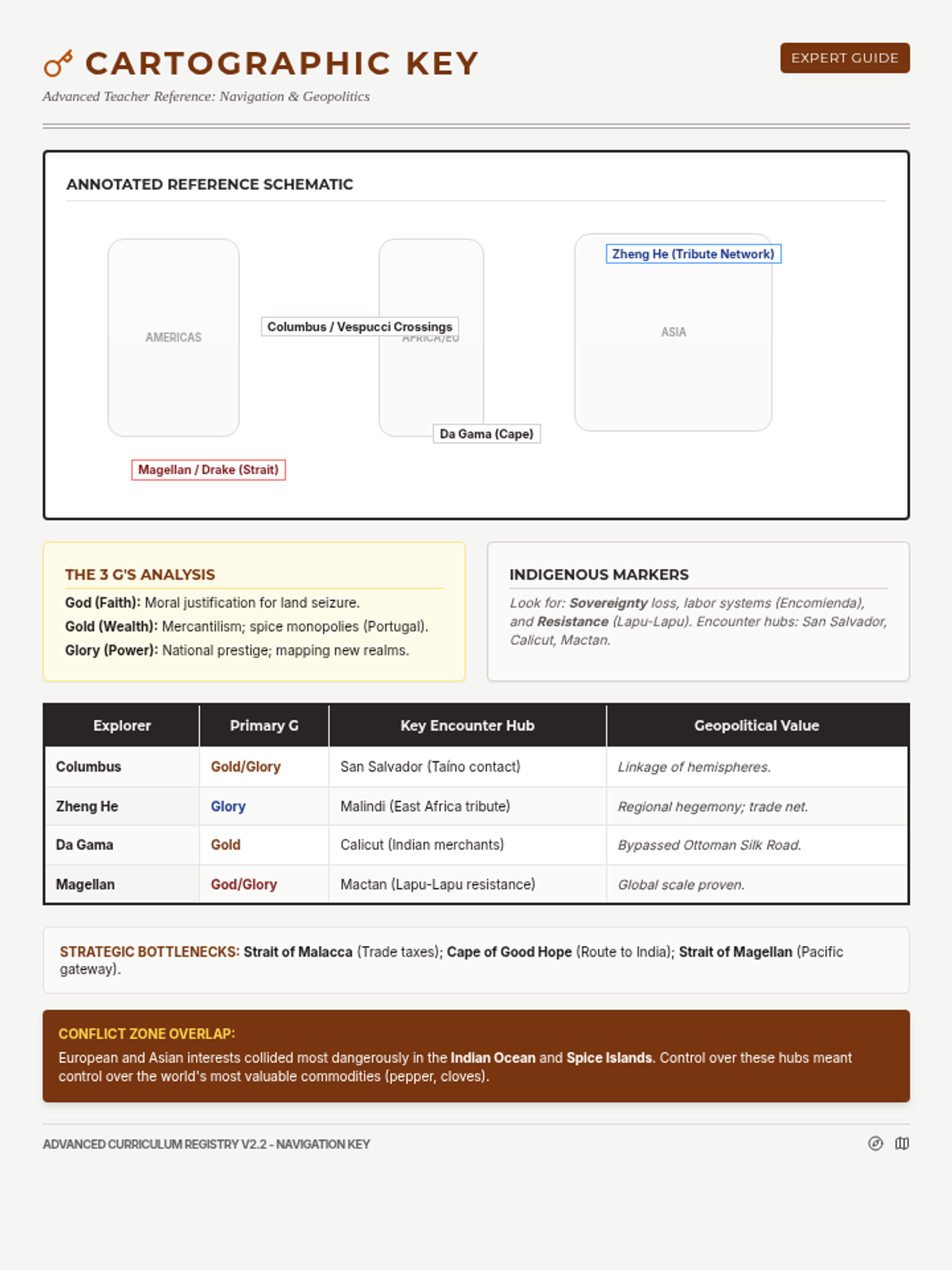
A deep dive into the Age of Exploration, comparing the motivations, encounters, and global impact of famous maritime explorers from around the world.
A comprehensive 35-minute lesson on the Korean War, covering its causes, major events, and long-term consequences as part of the Cold War. Students explore the Domino Theory, the 38th Parallel, and the impact of Chinese intervention.
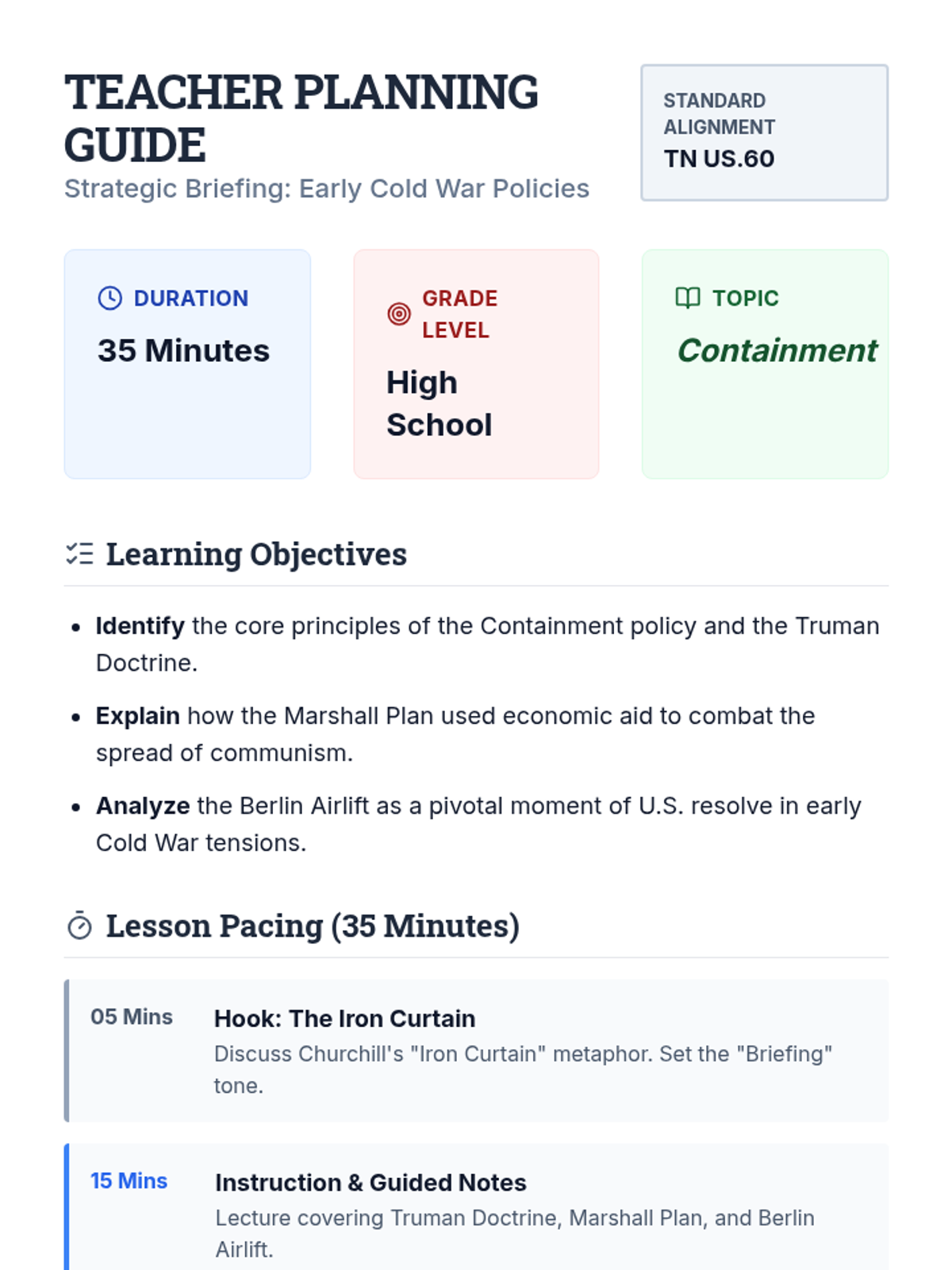
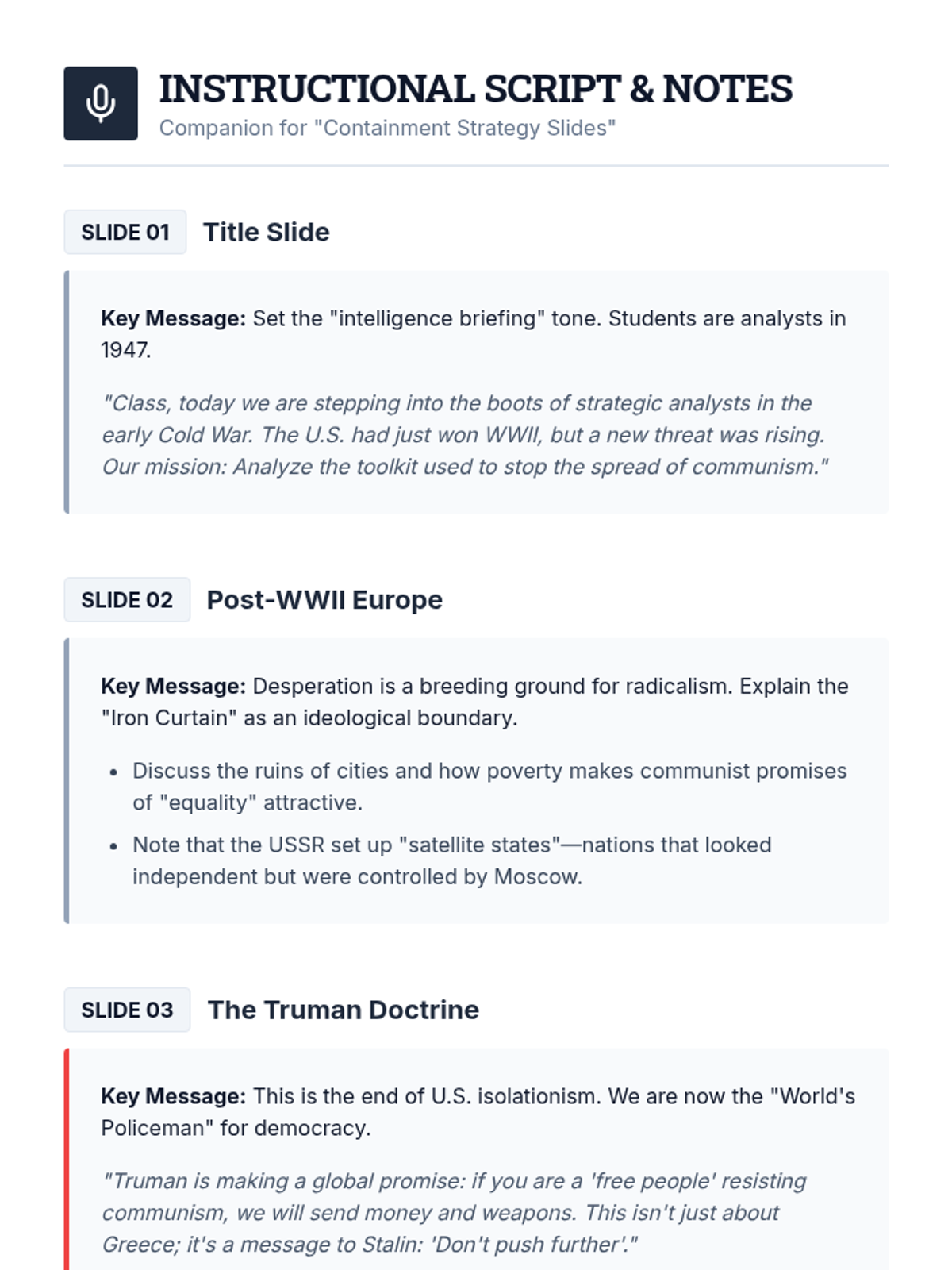
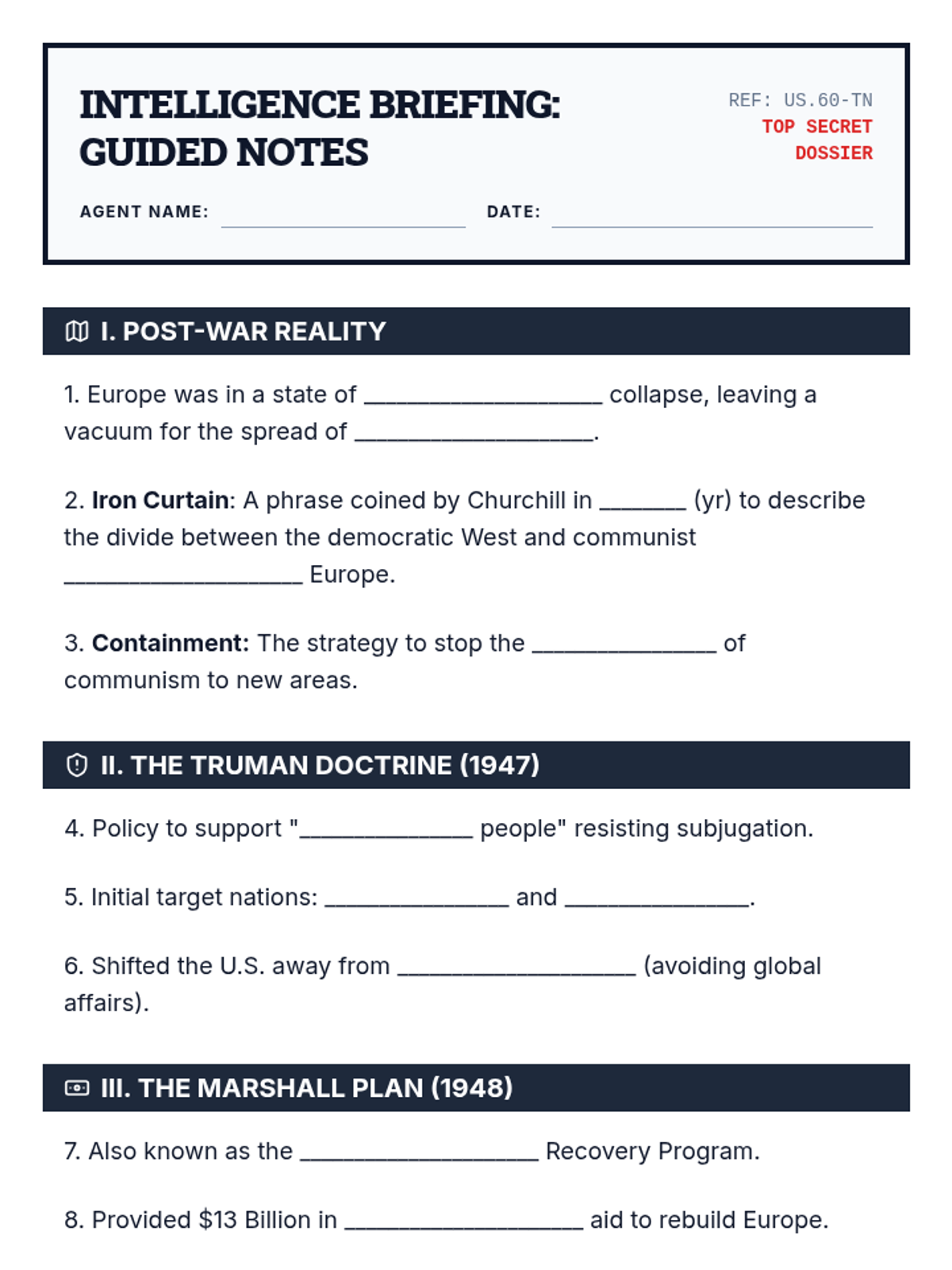
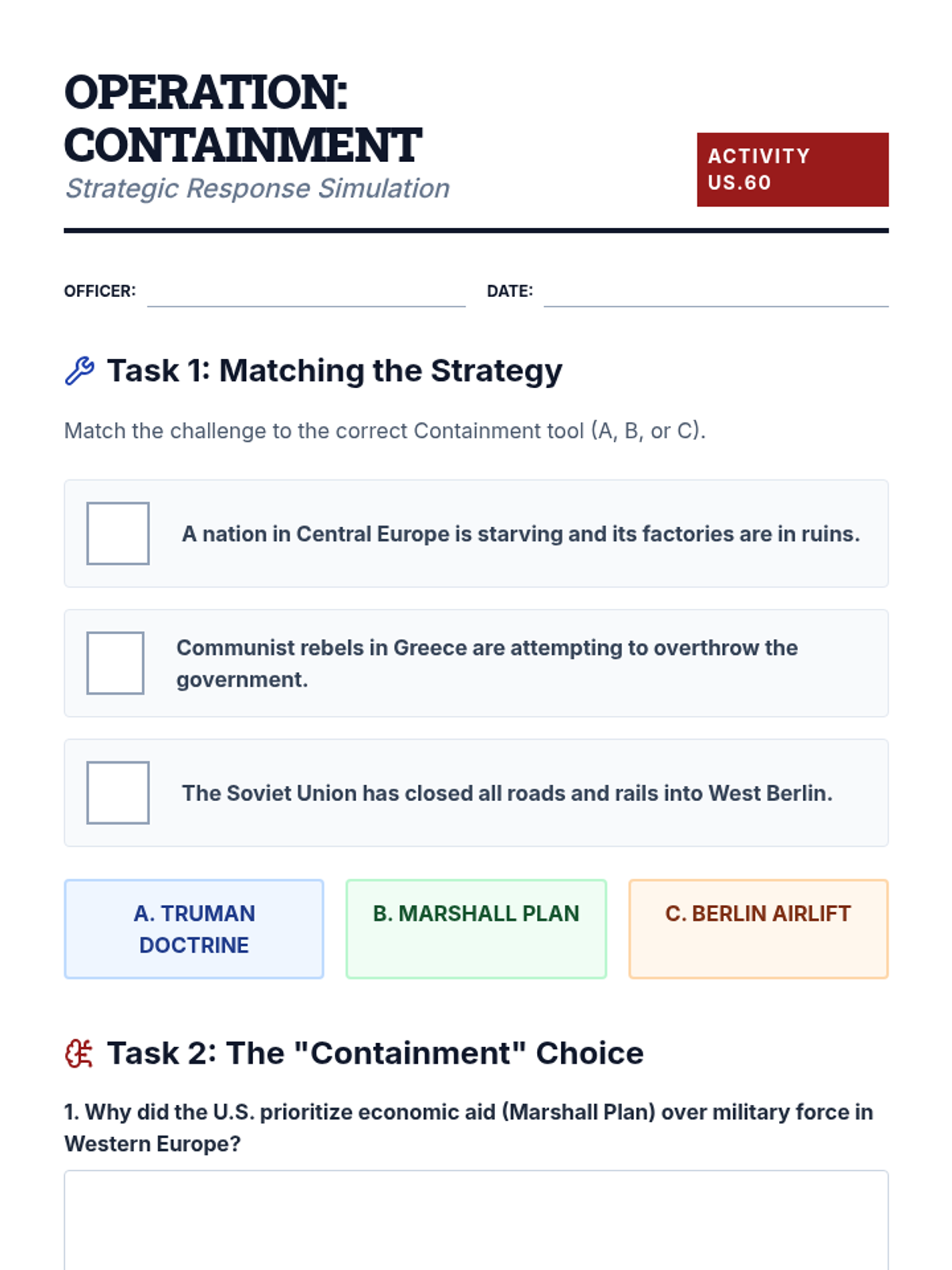
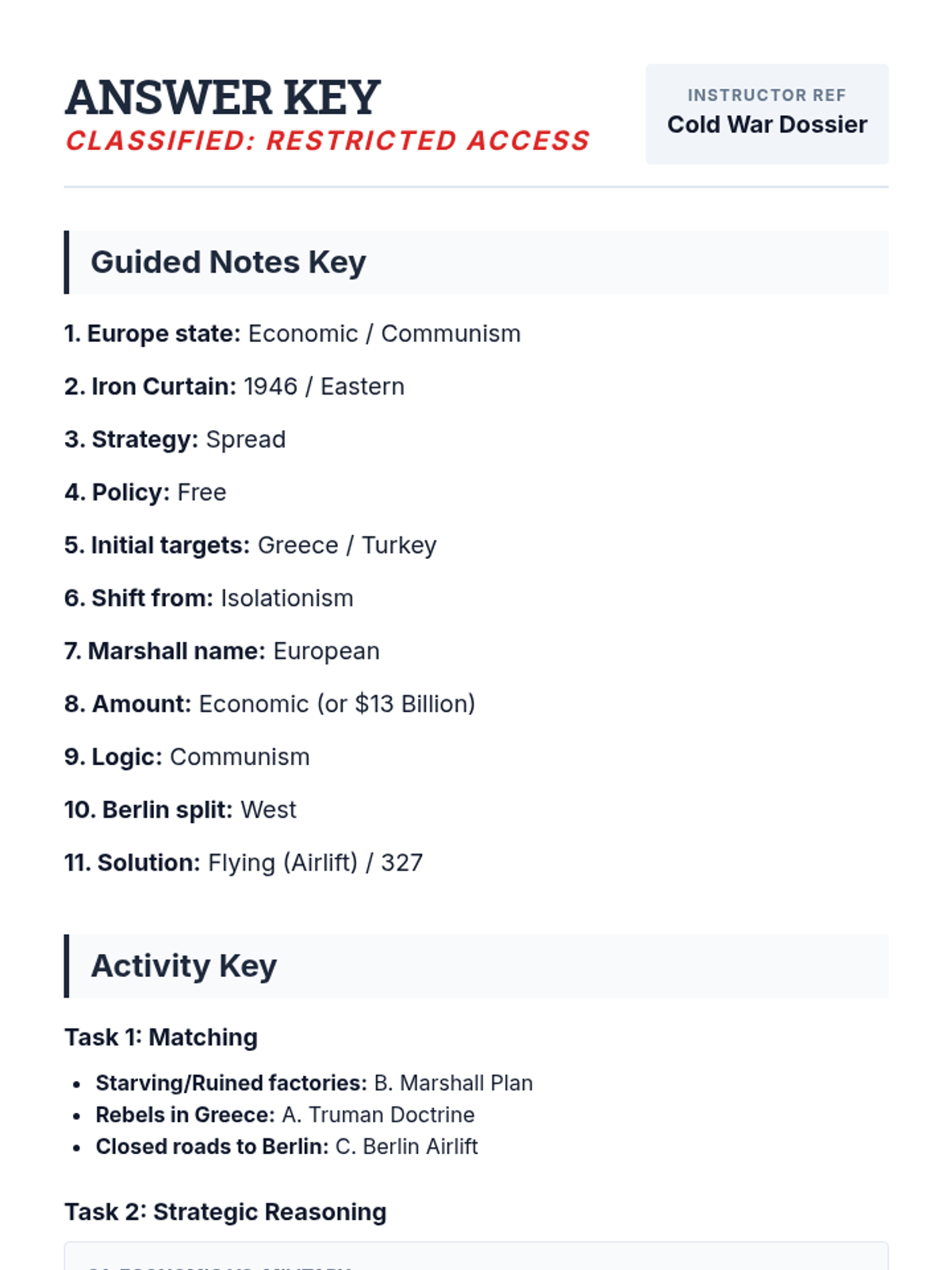
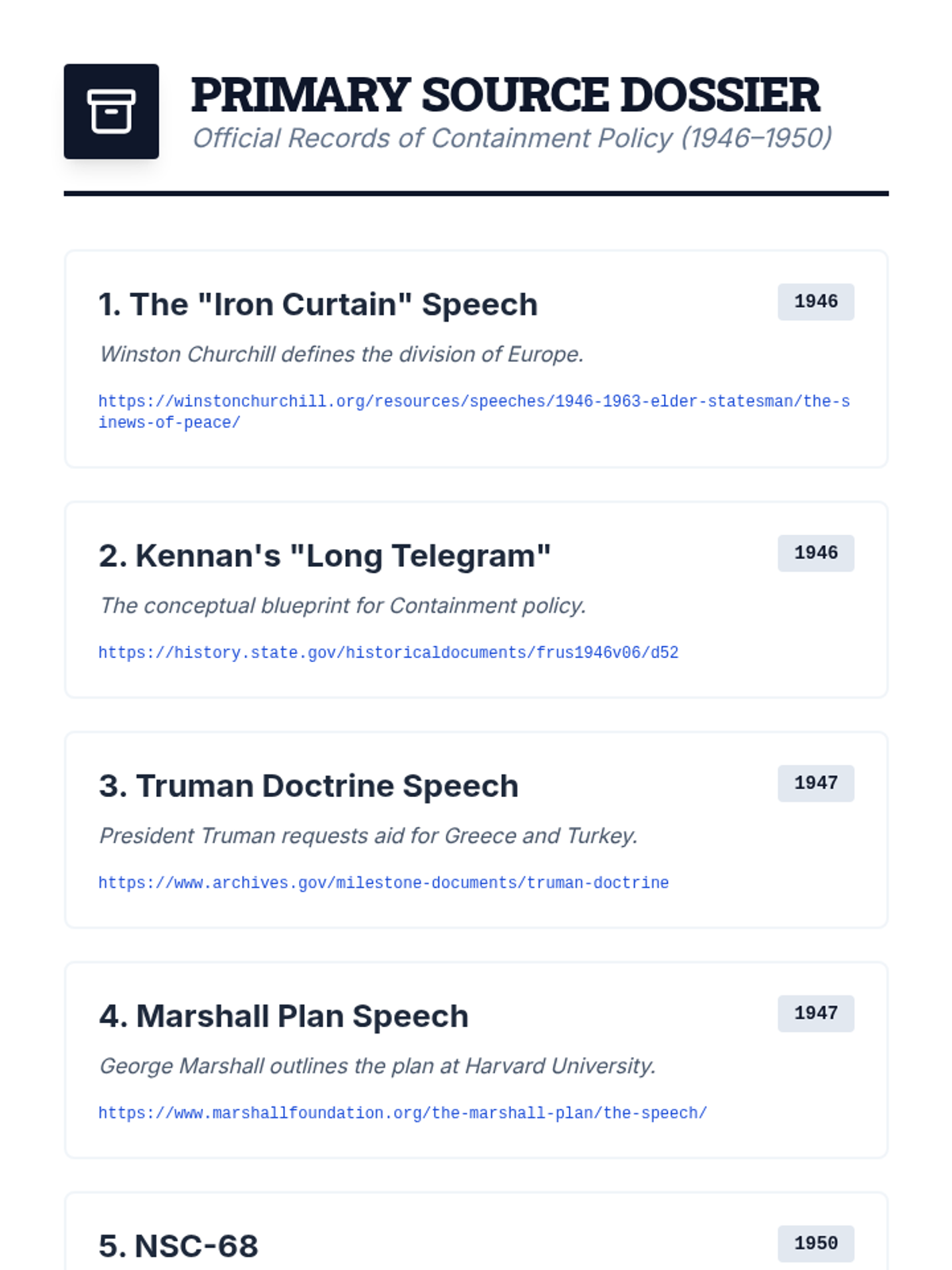
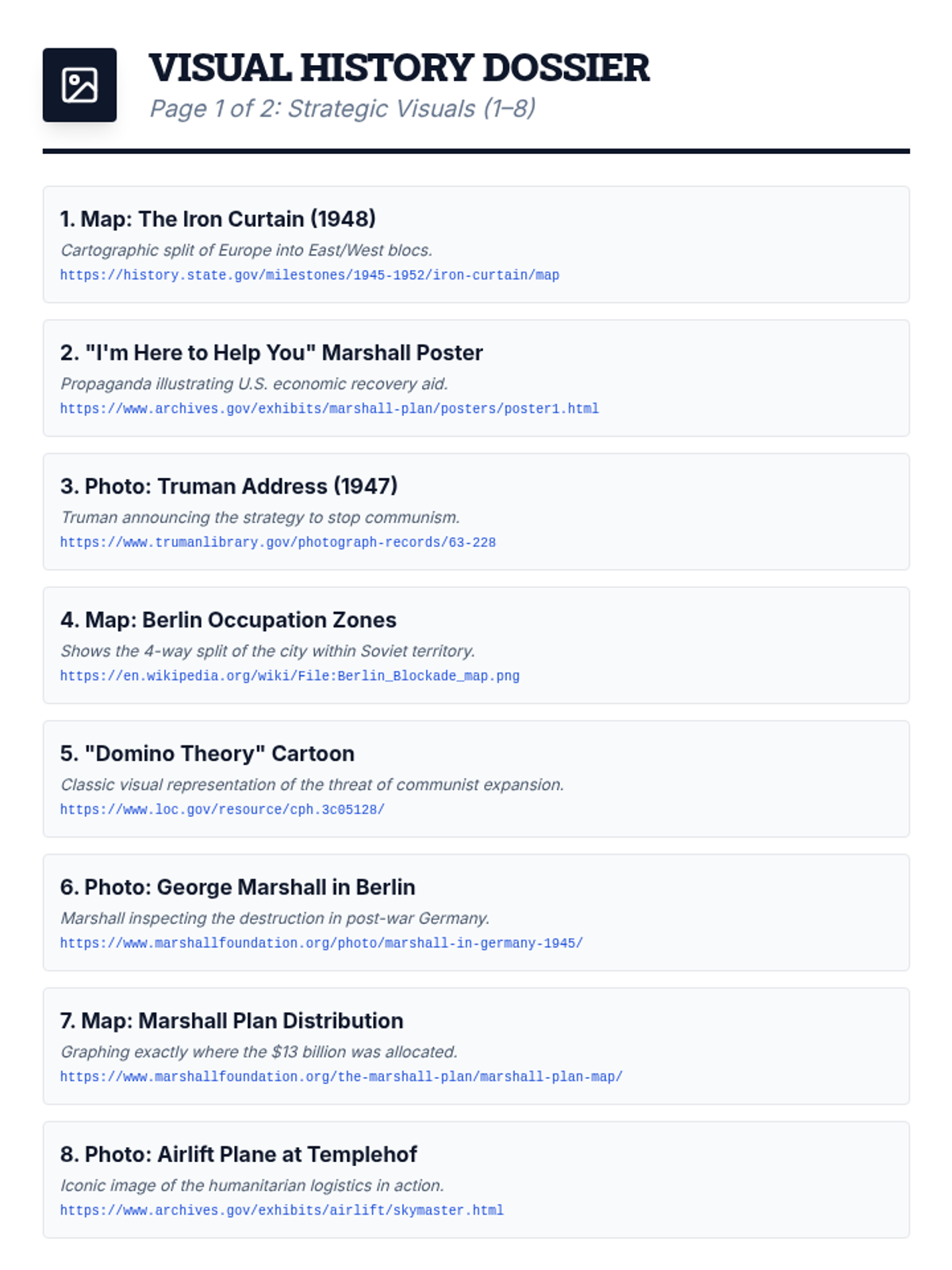
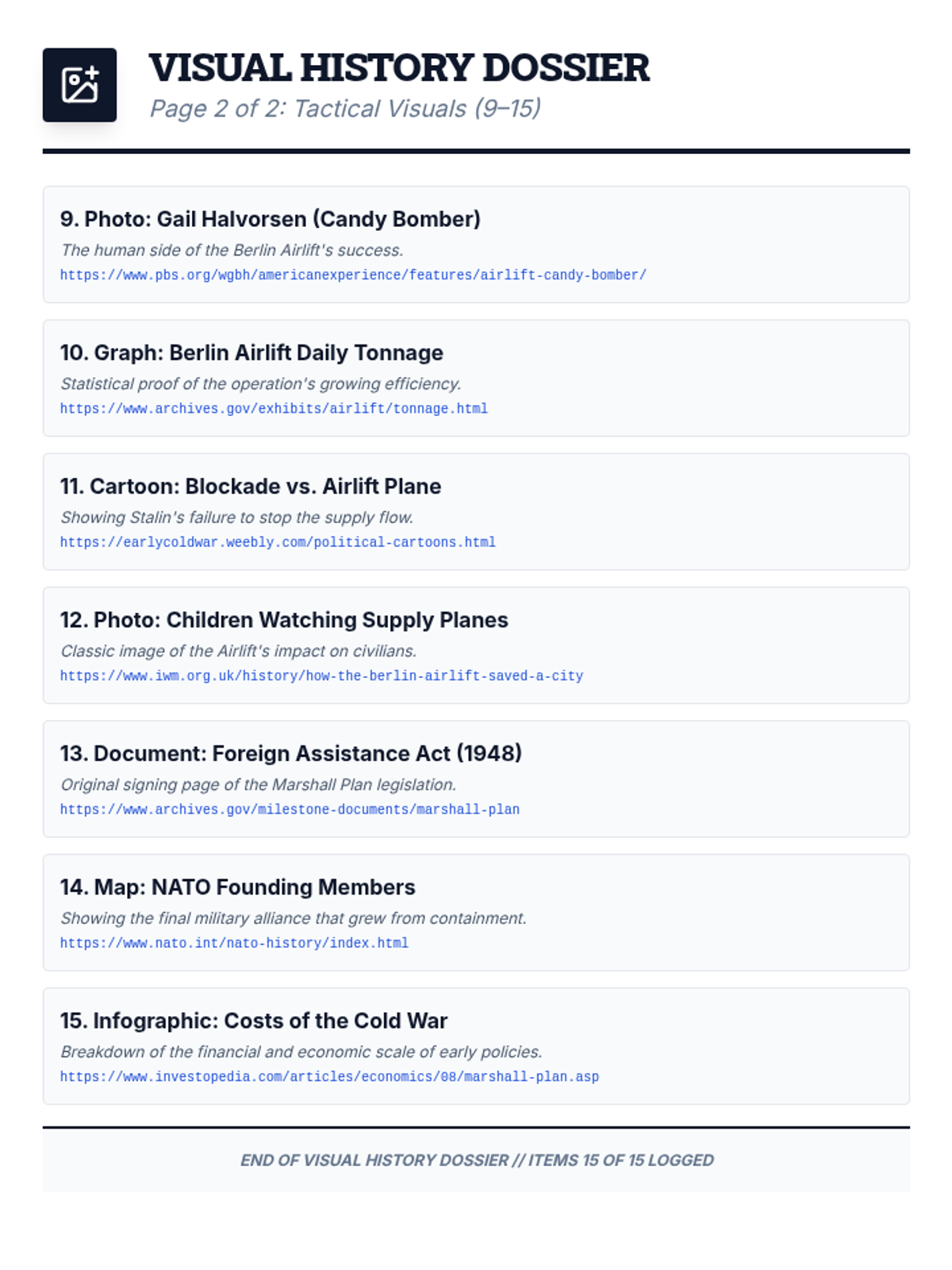
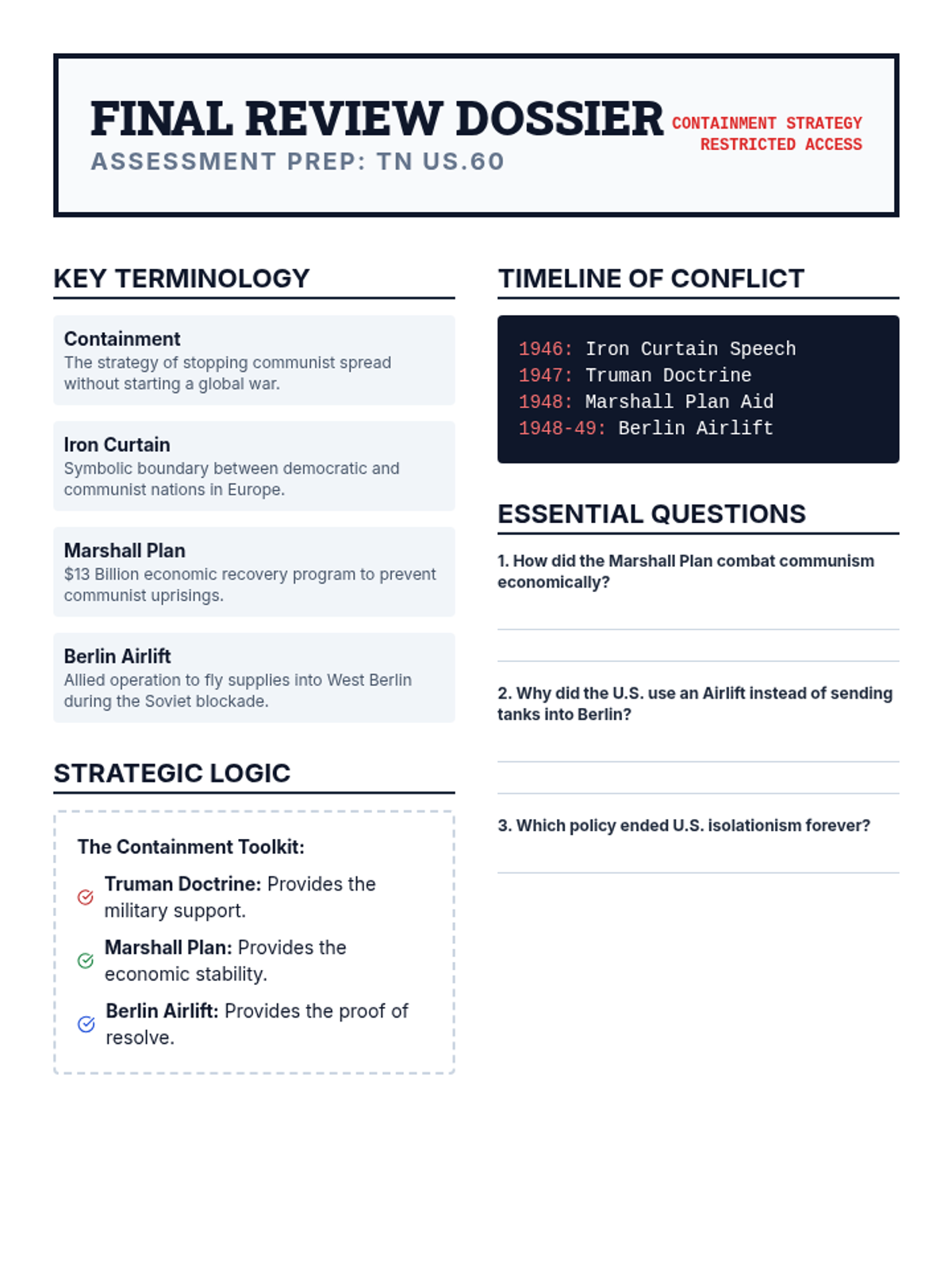
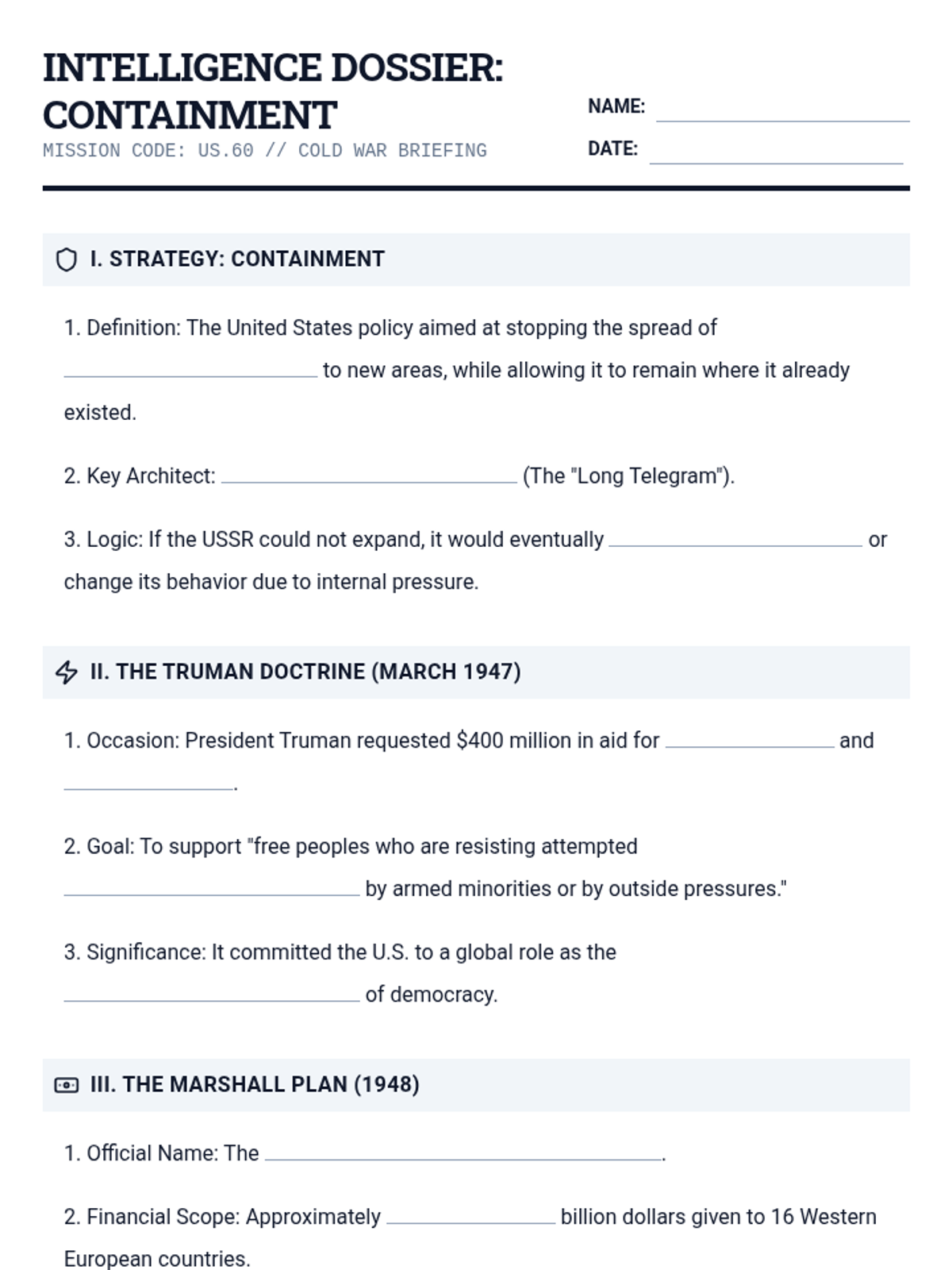
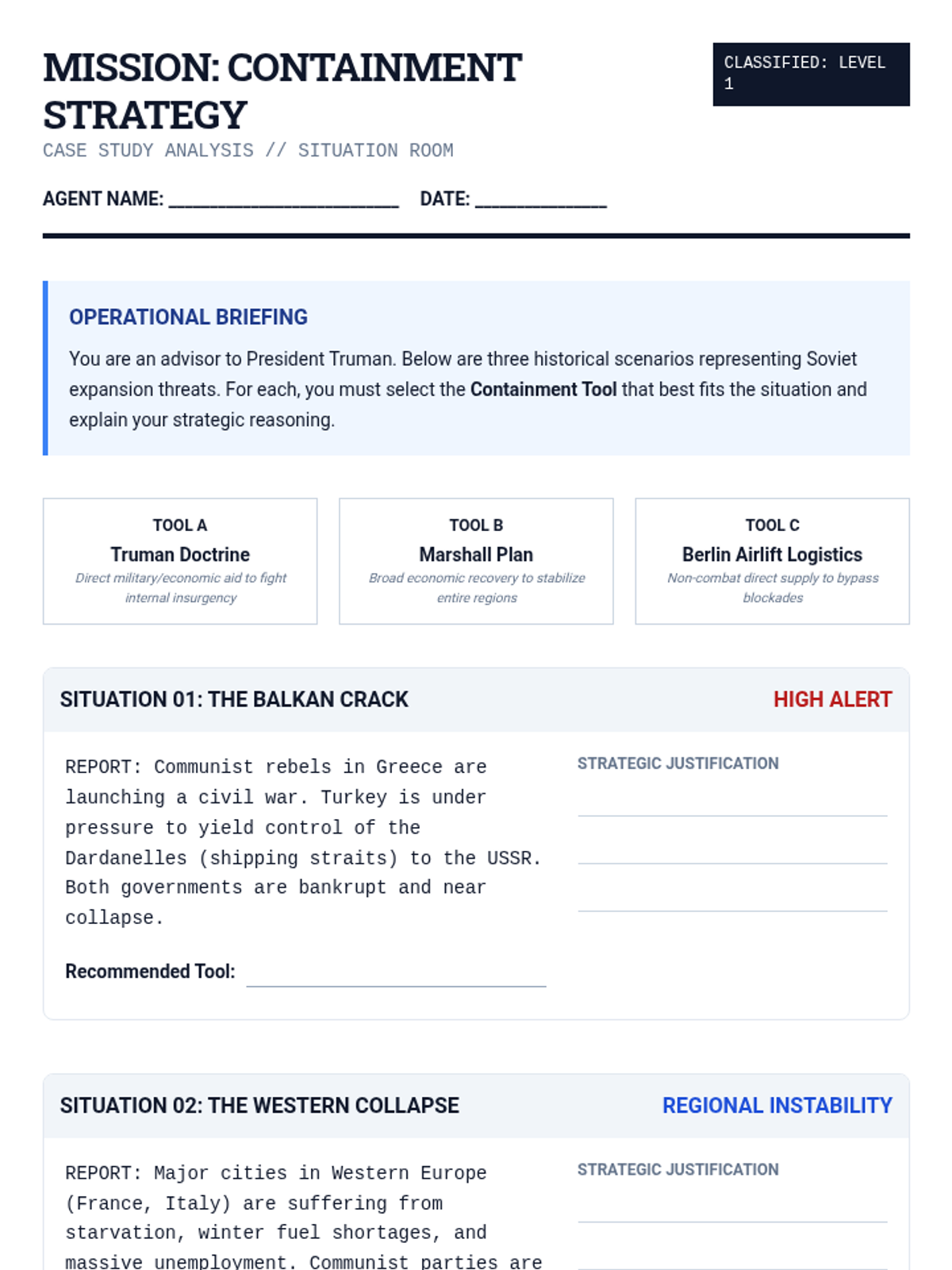
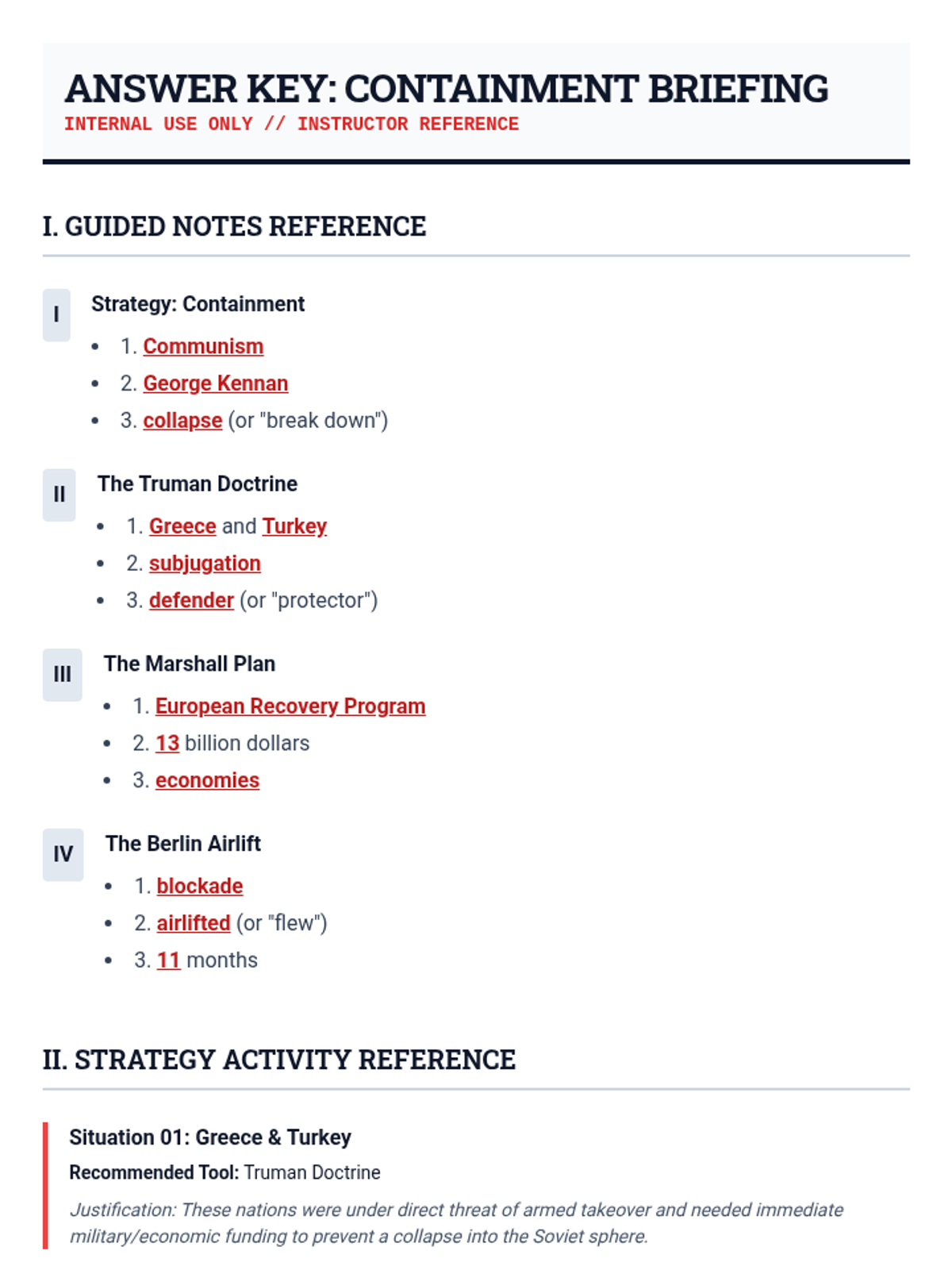
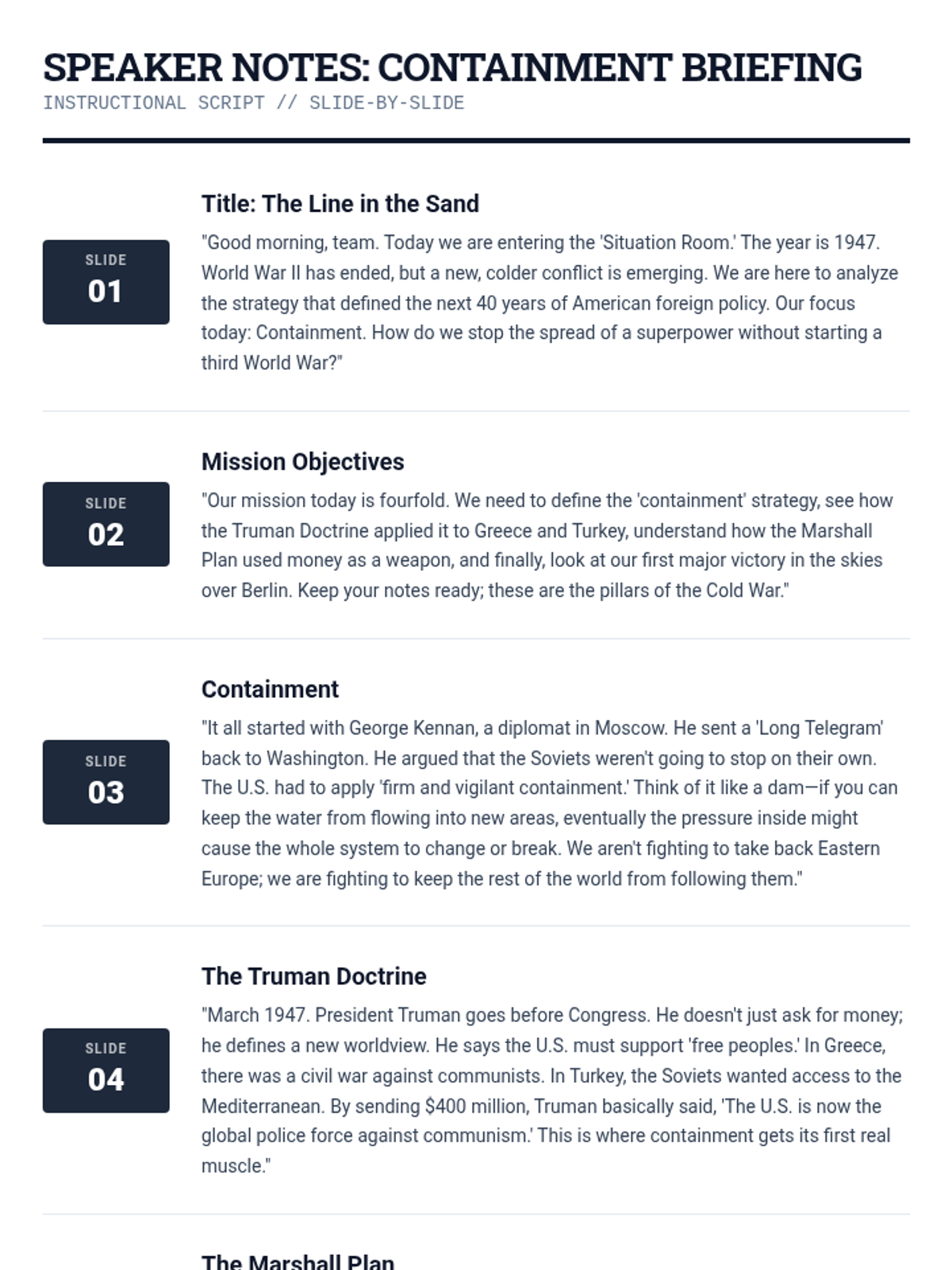
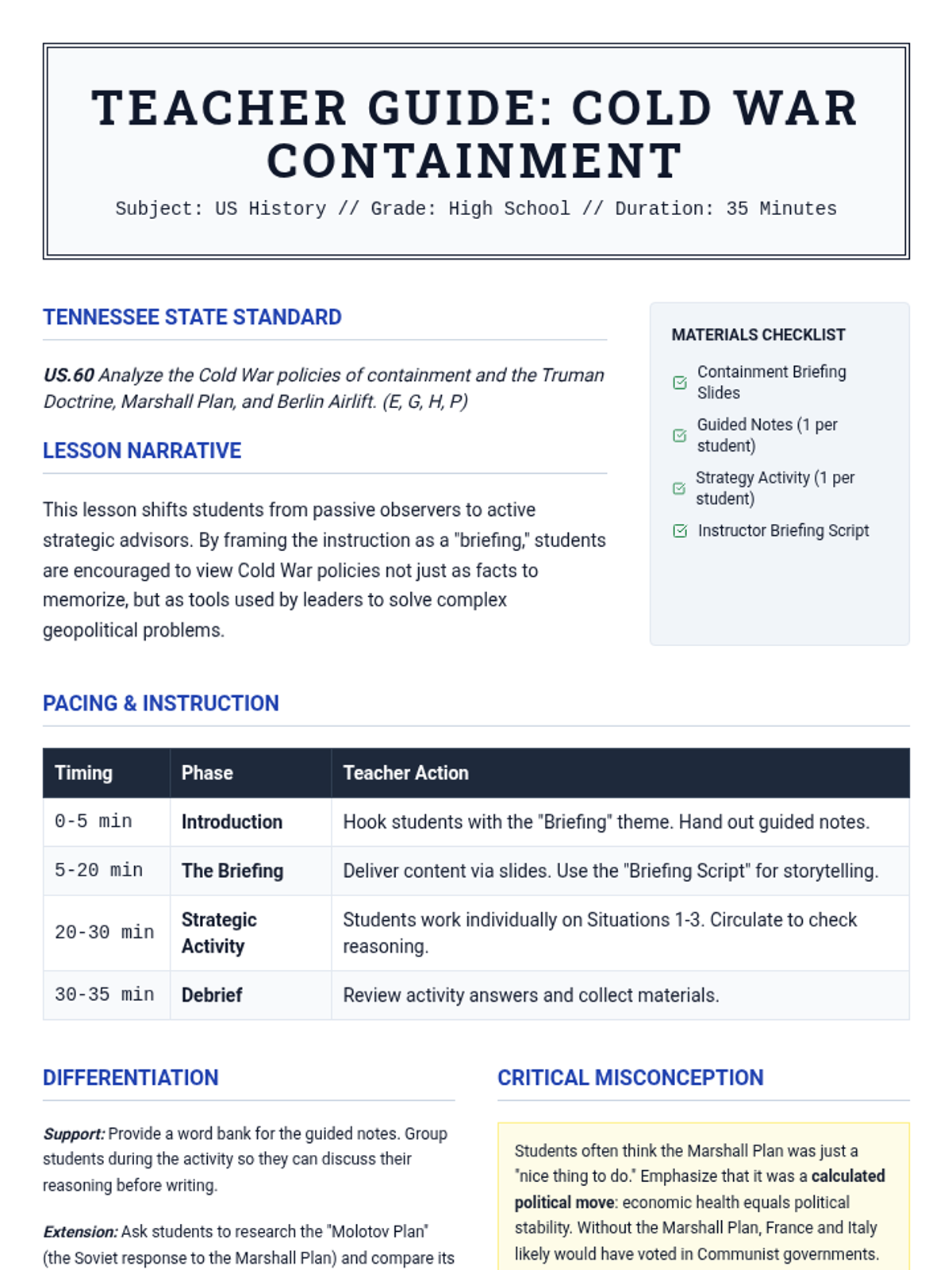
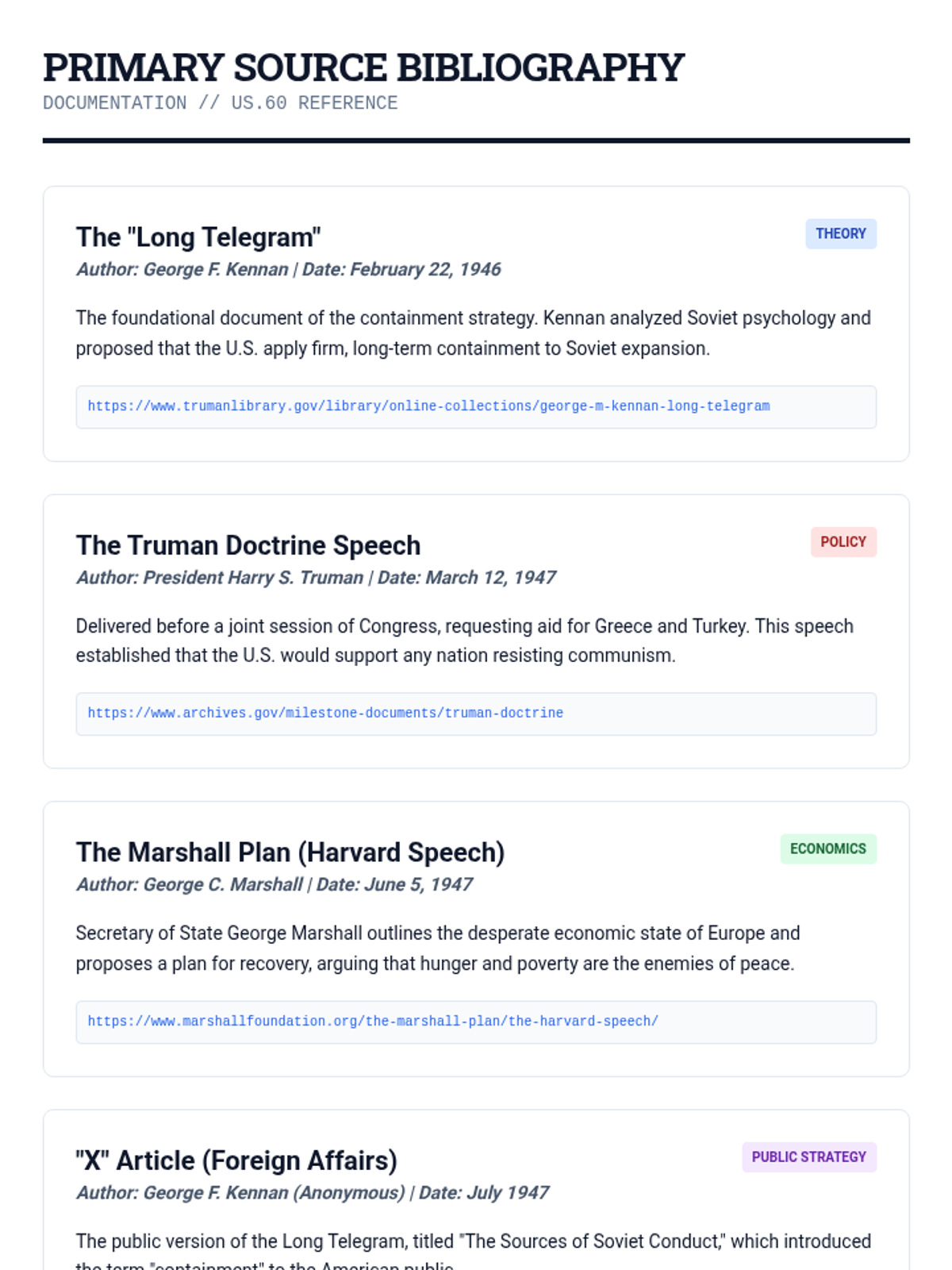
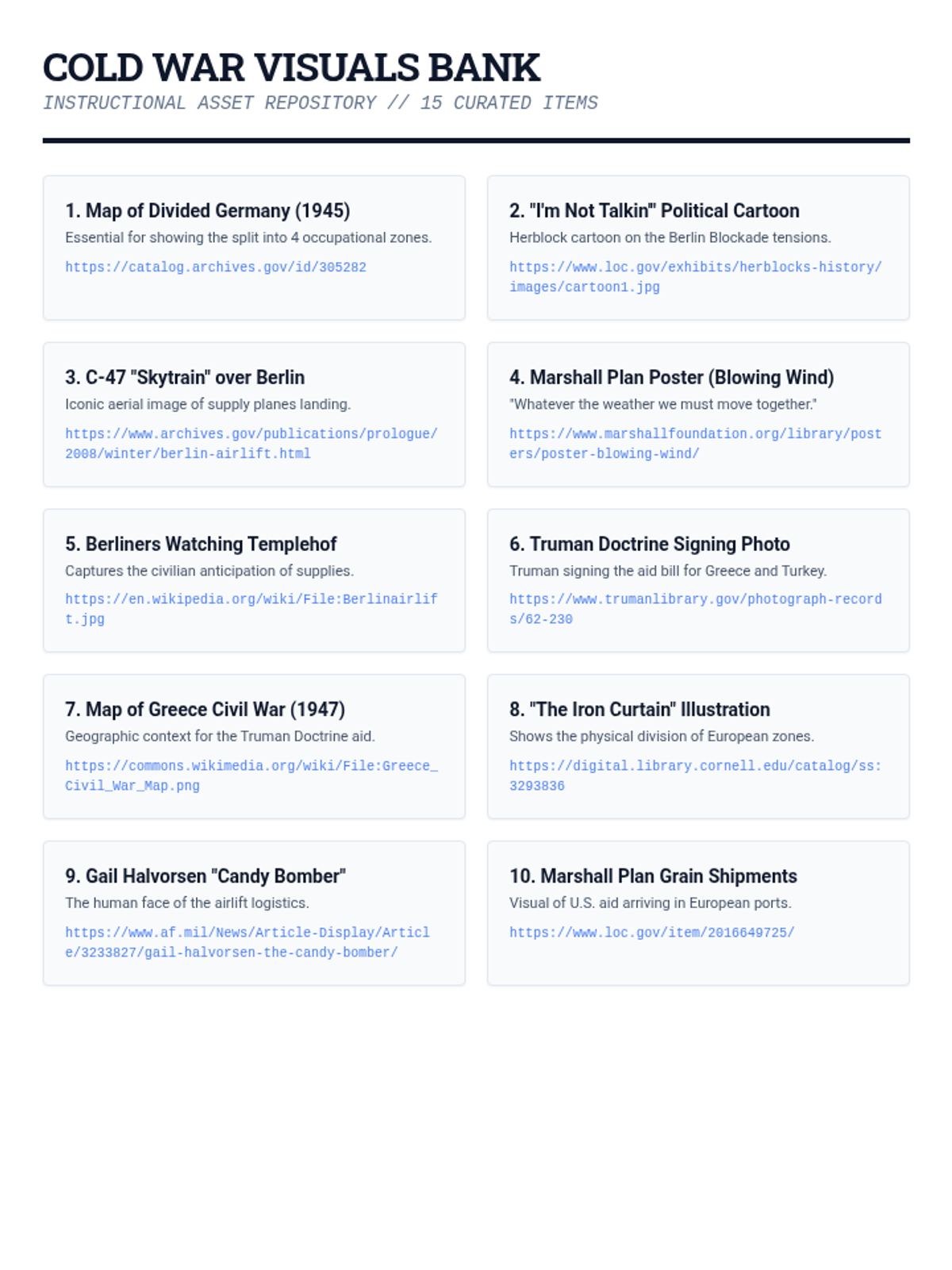
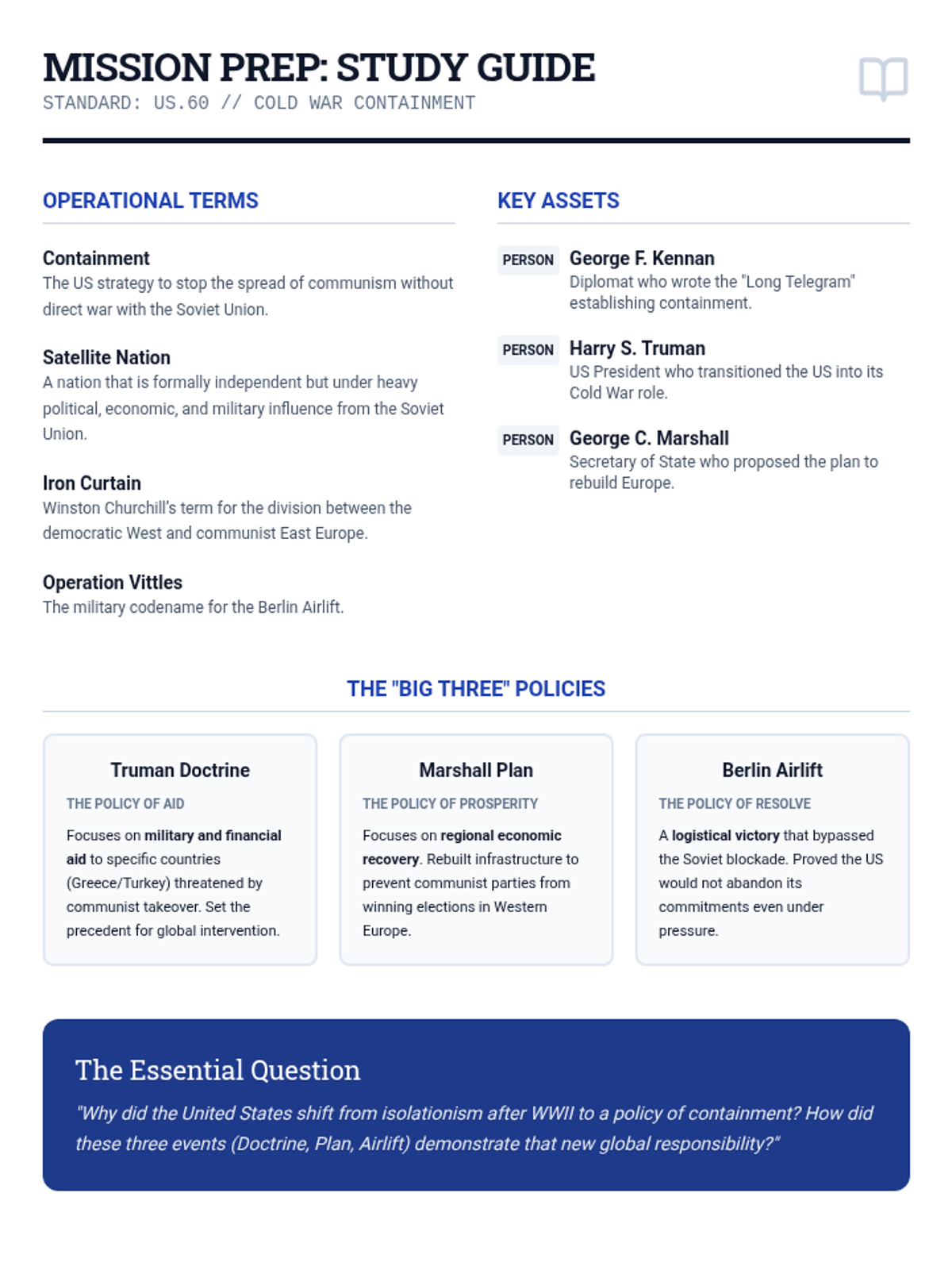
A high-speed strategic briefing on the early Cold War policies of containment, covering the Truman Doctrine, the Marshall Plan, and the Berlin Airlift. Students analyze how the U.S. attempted to stop the spread of communism through economic aid and military posturing.
A 35-minute lesson analyzing the Cold War policies of containment, the Truman Doctrine, the Marshall Plan, and the Berlin Airlift. This lesson uses a military-intelligence 'briefing' theme to engage students in strategic historical analysis.
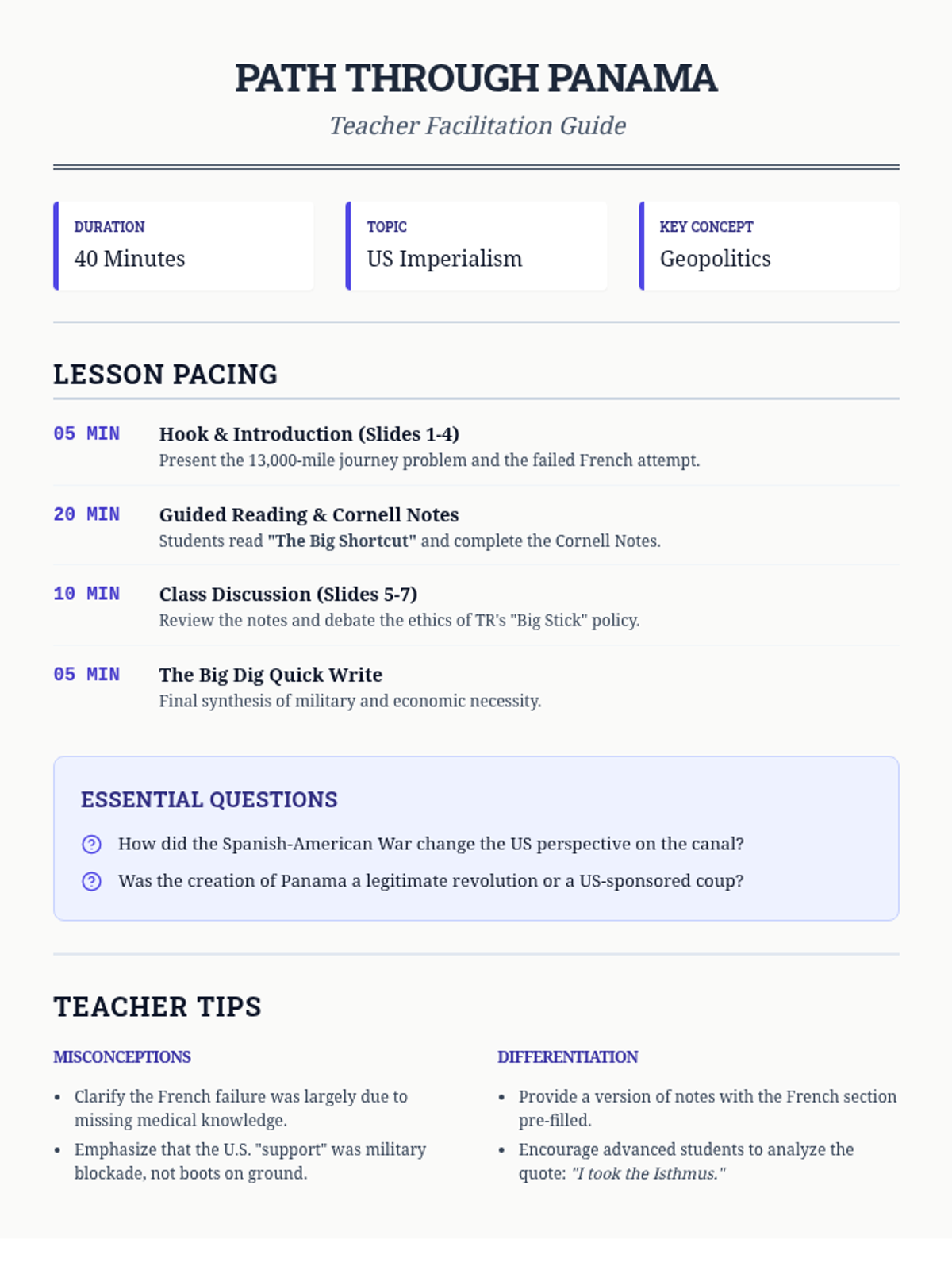
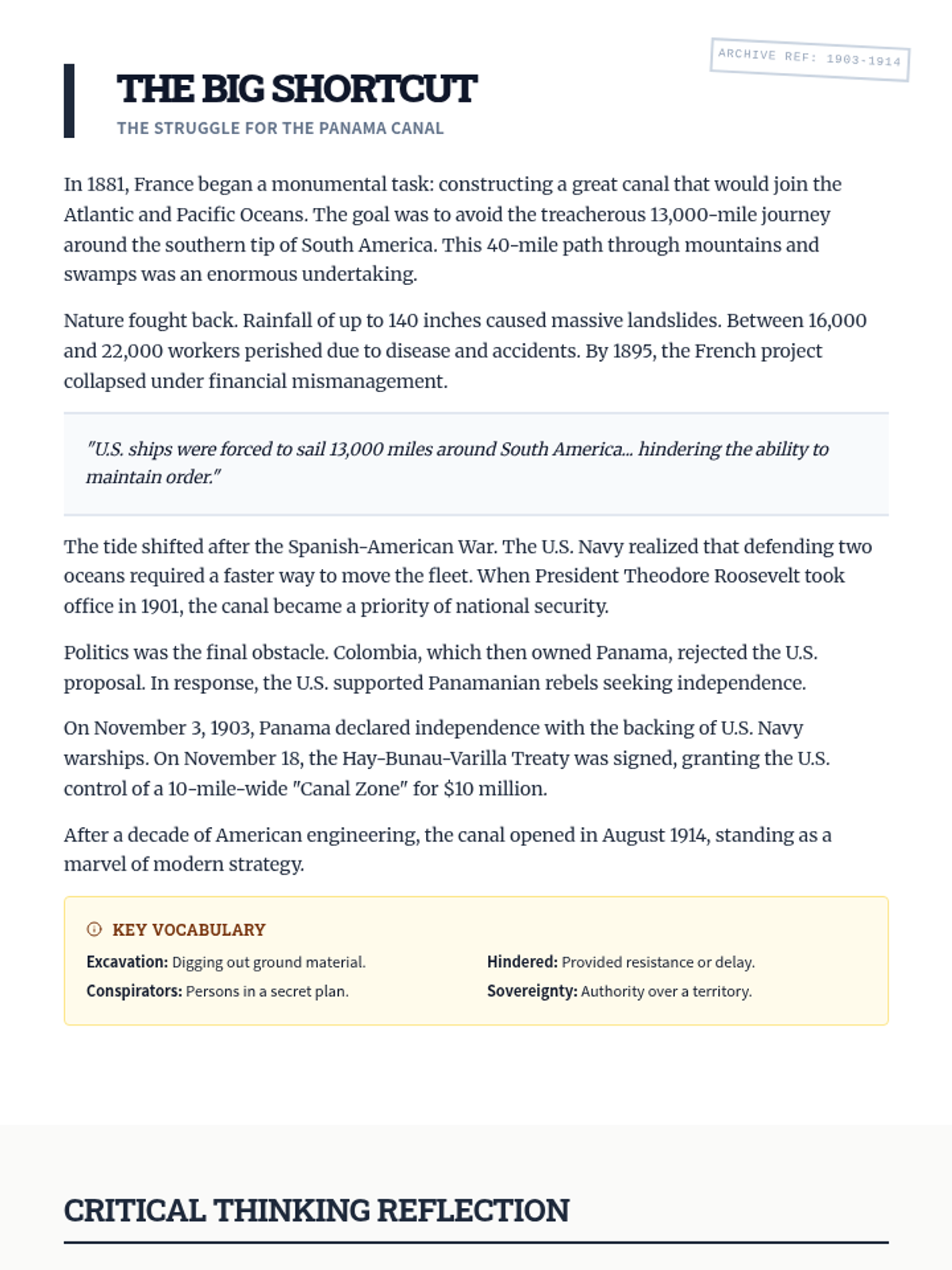
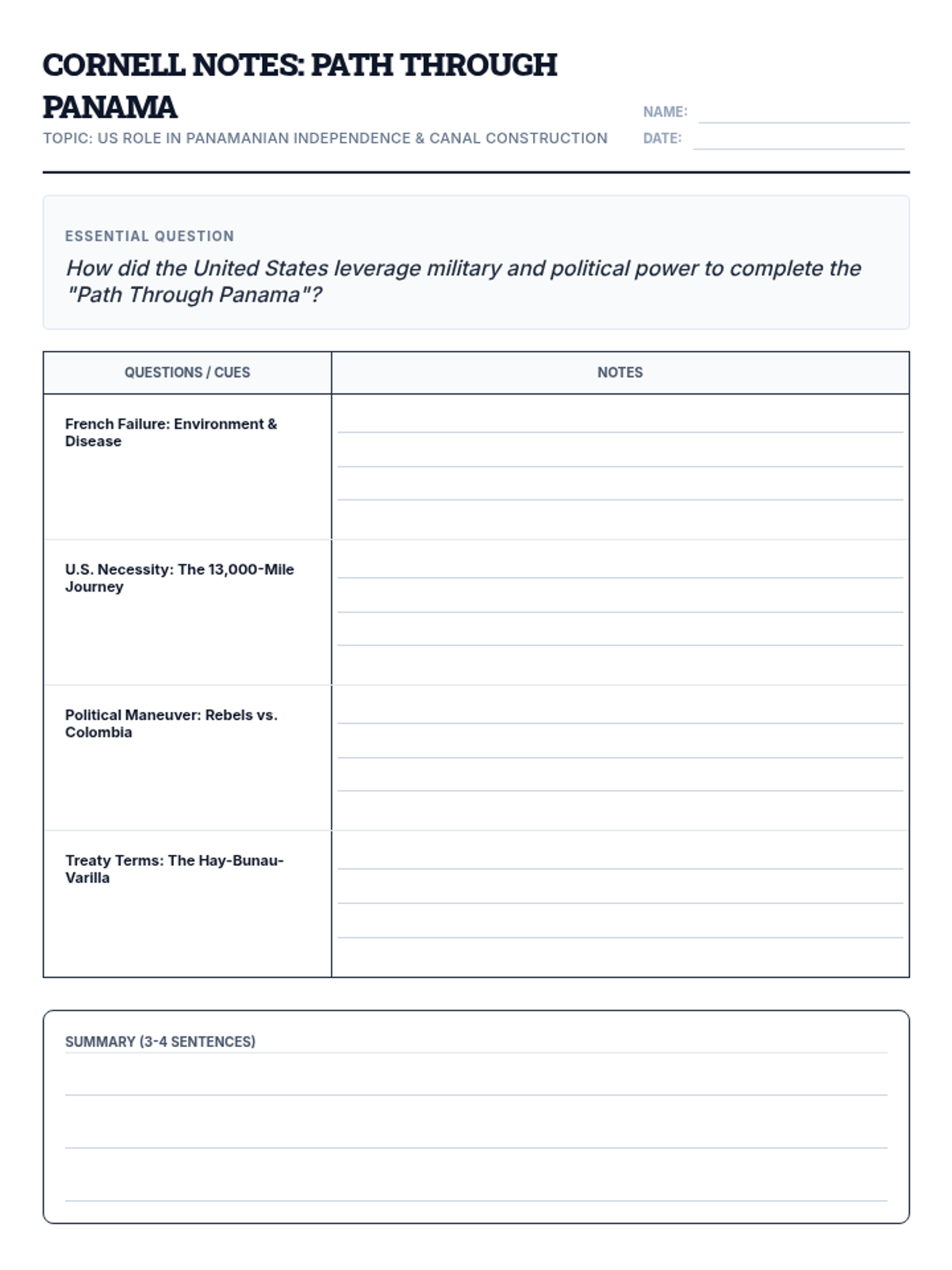
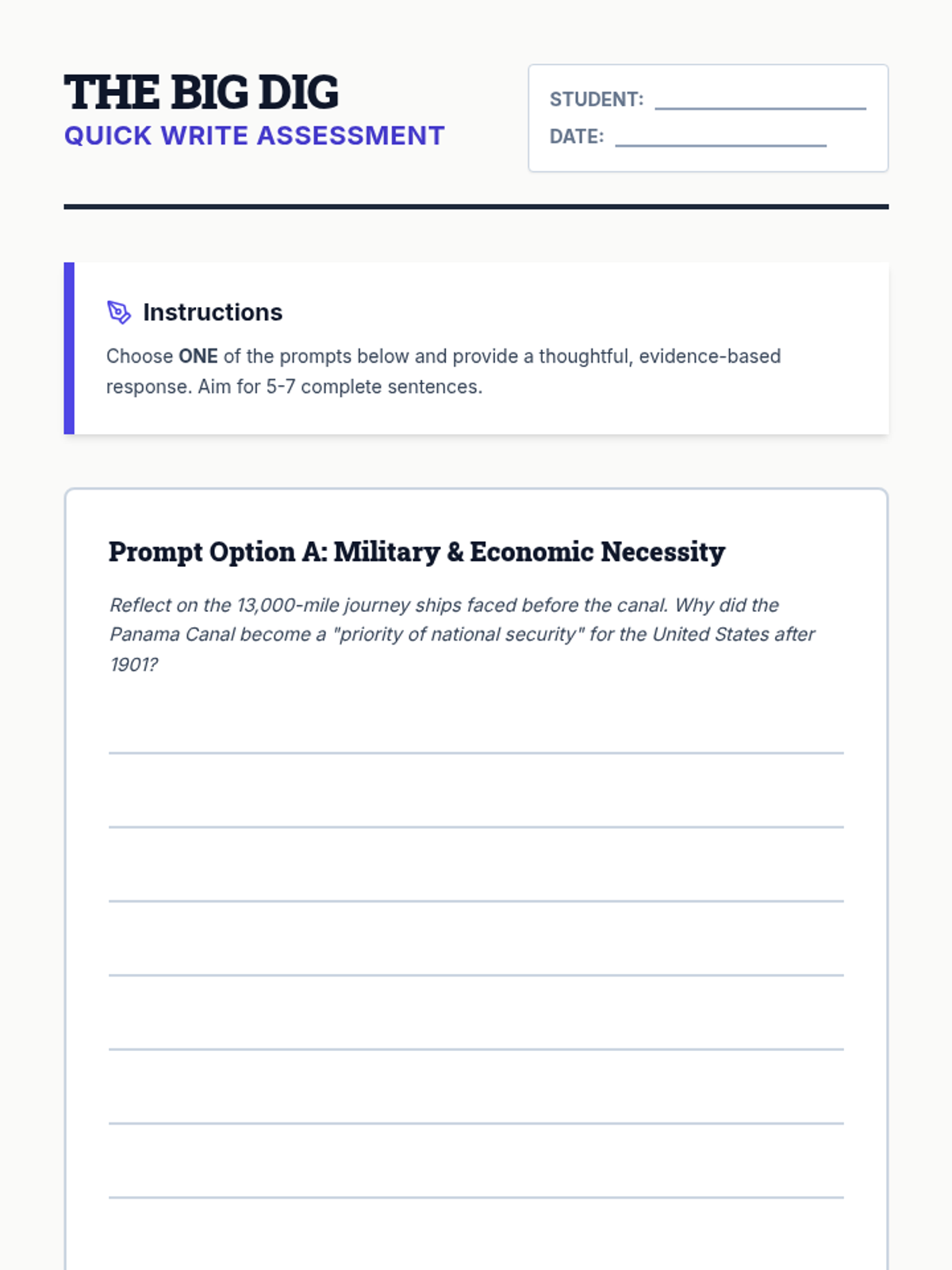
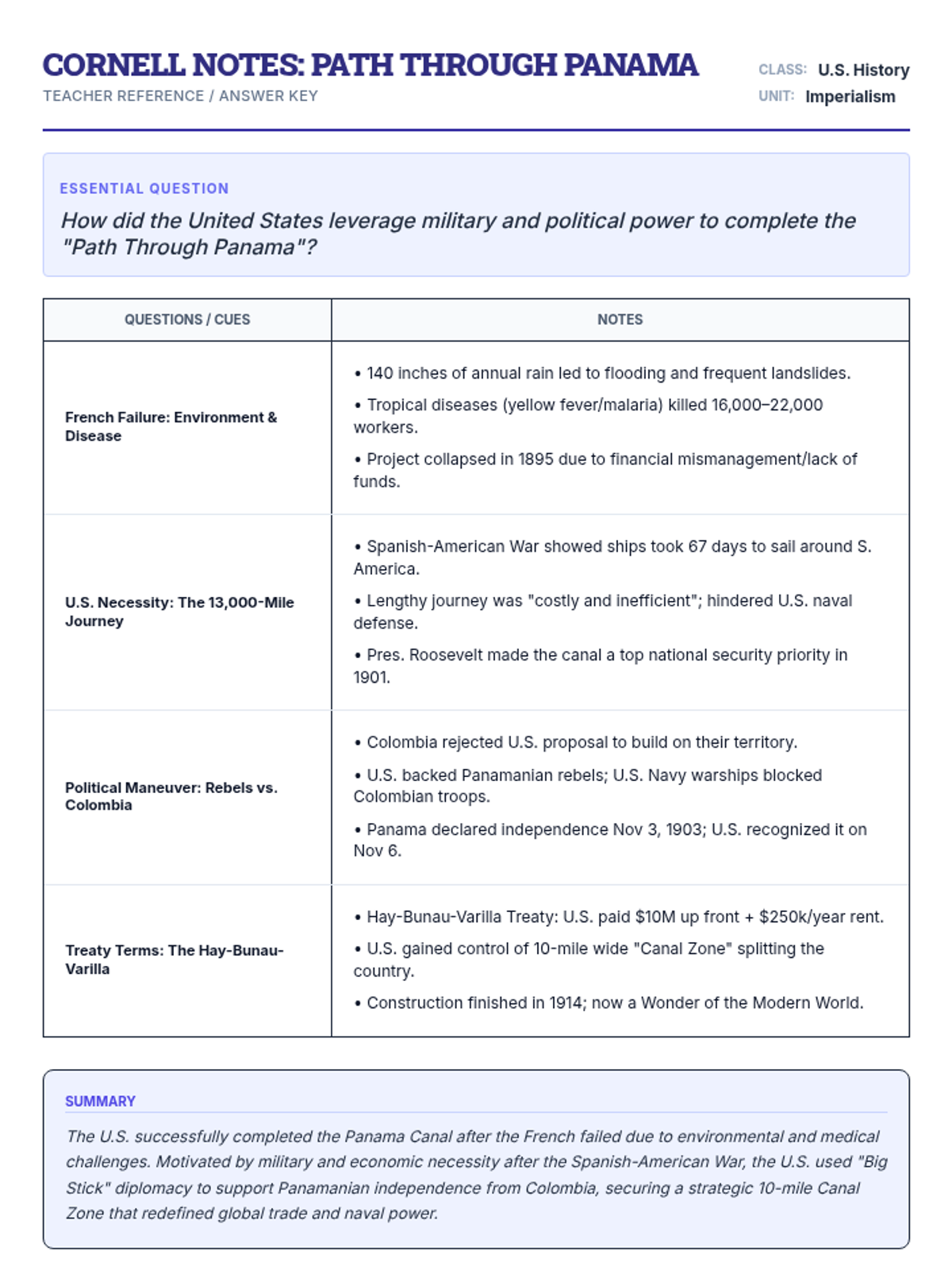
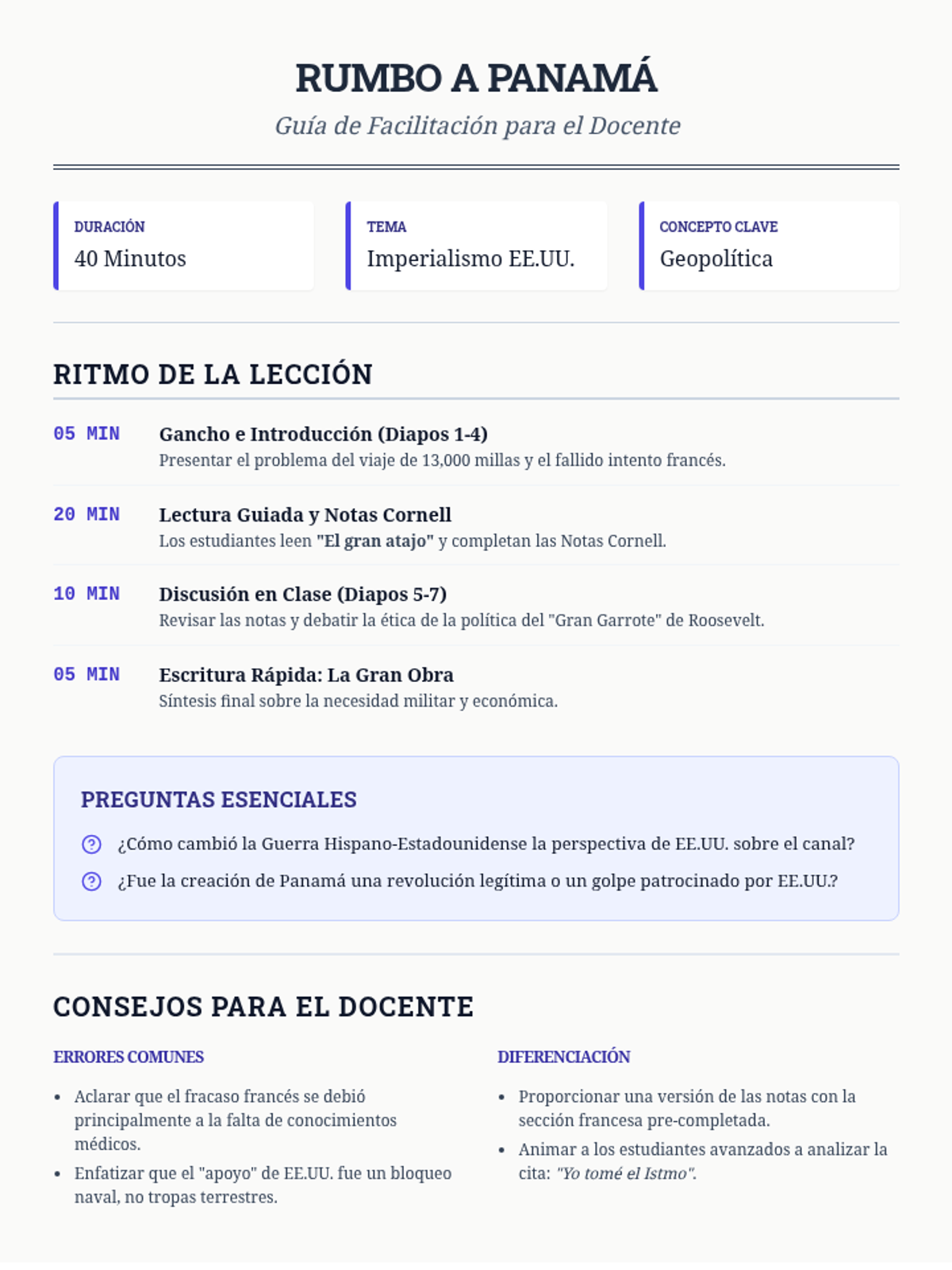
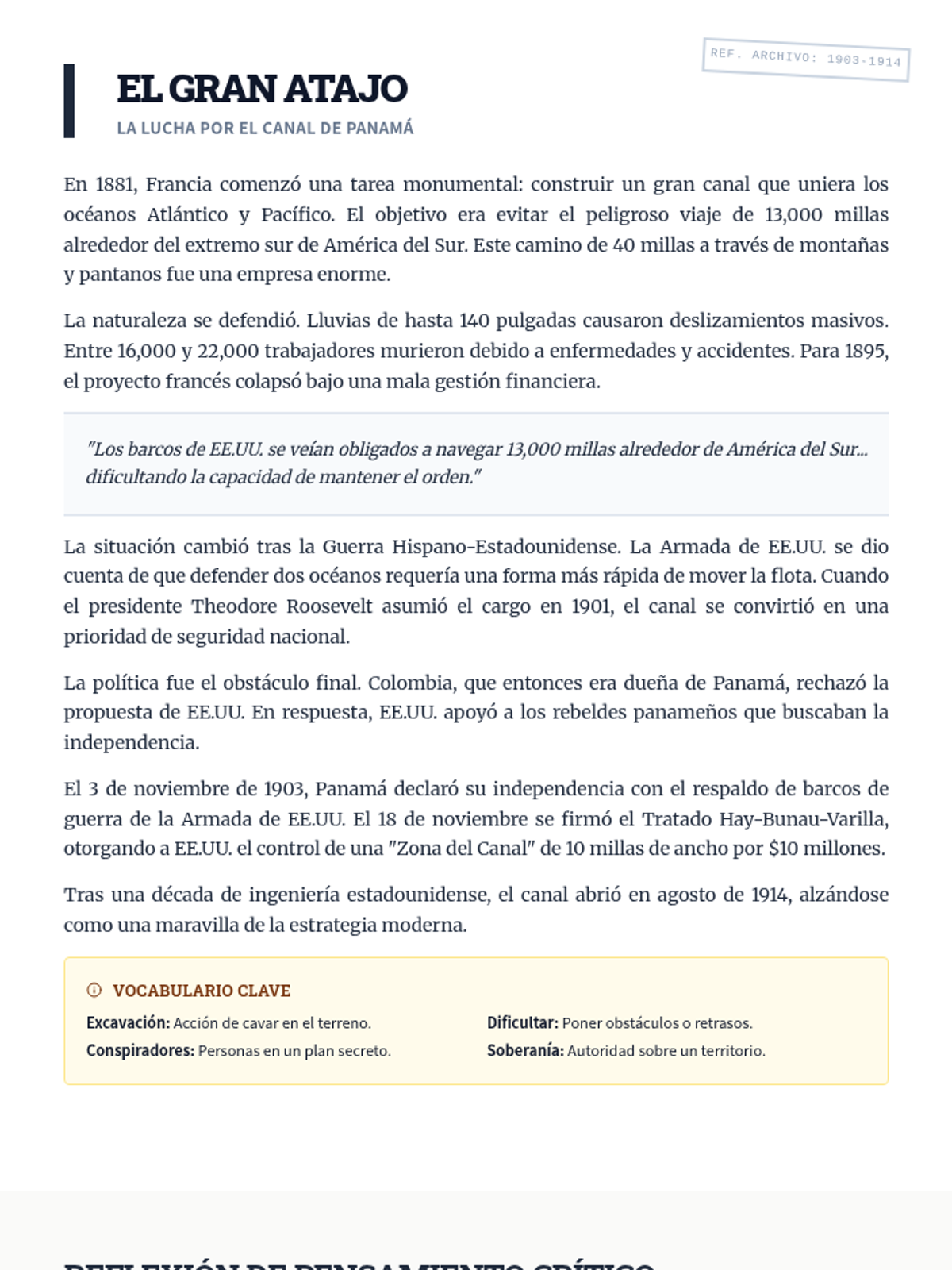
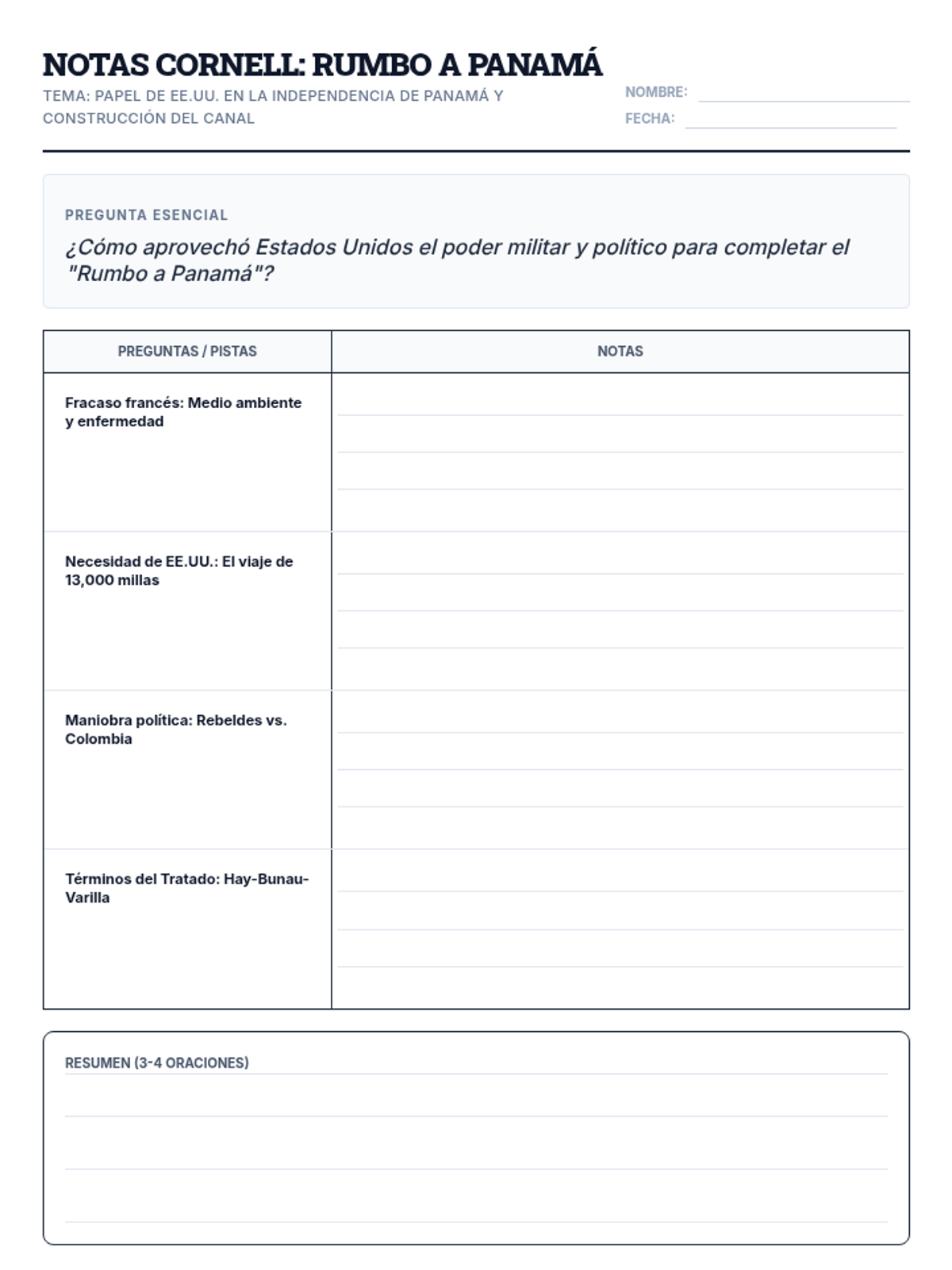
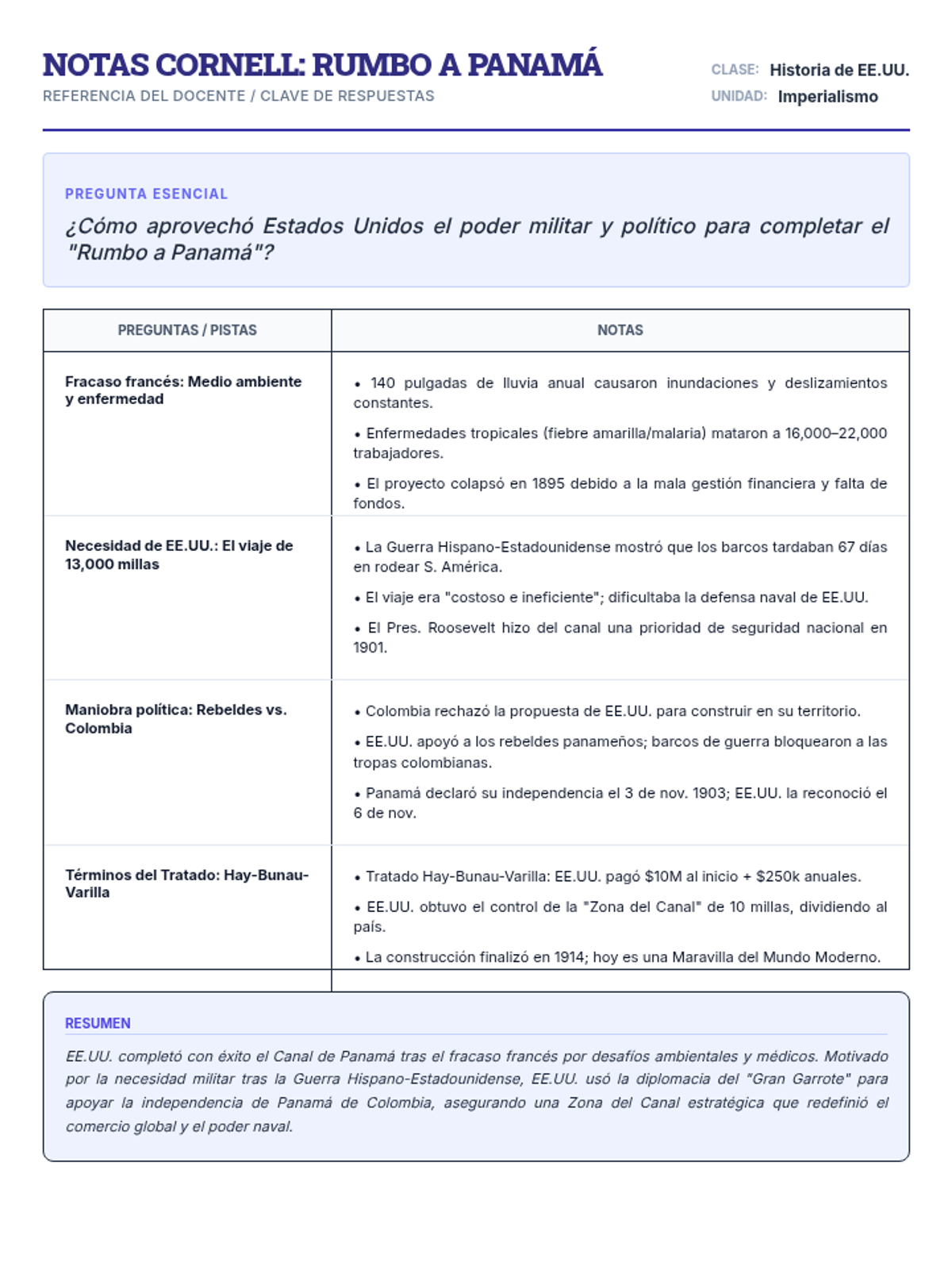
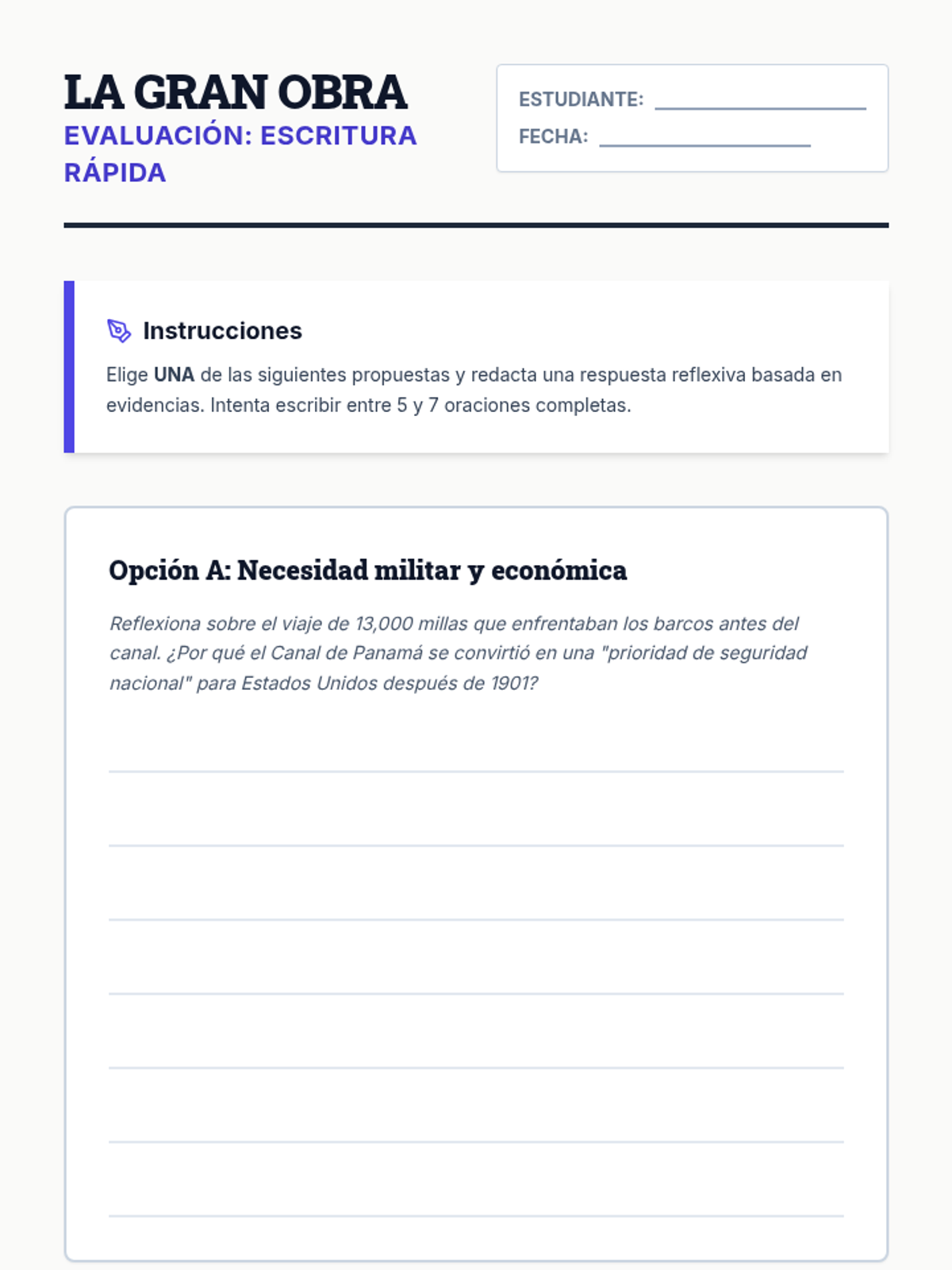
A 40-minute introductory lesson exploring the geopolitical, military, and economic motivations behind the US involvement in the Panama Canal's construction and Panamanian independence.
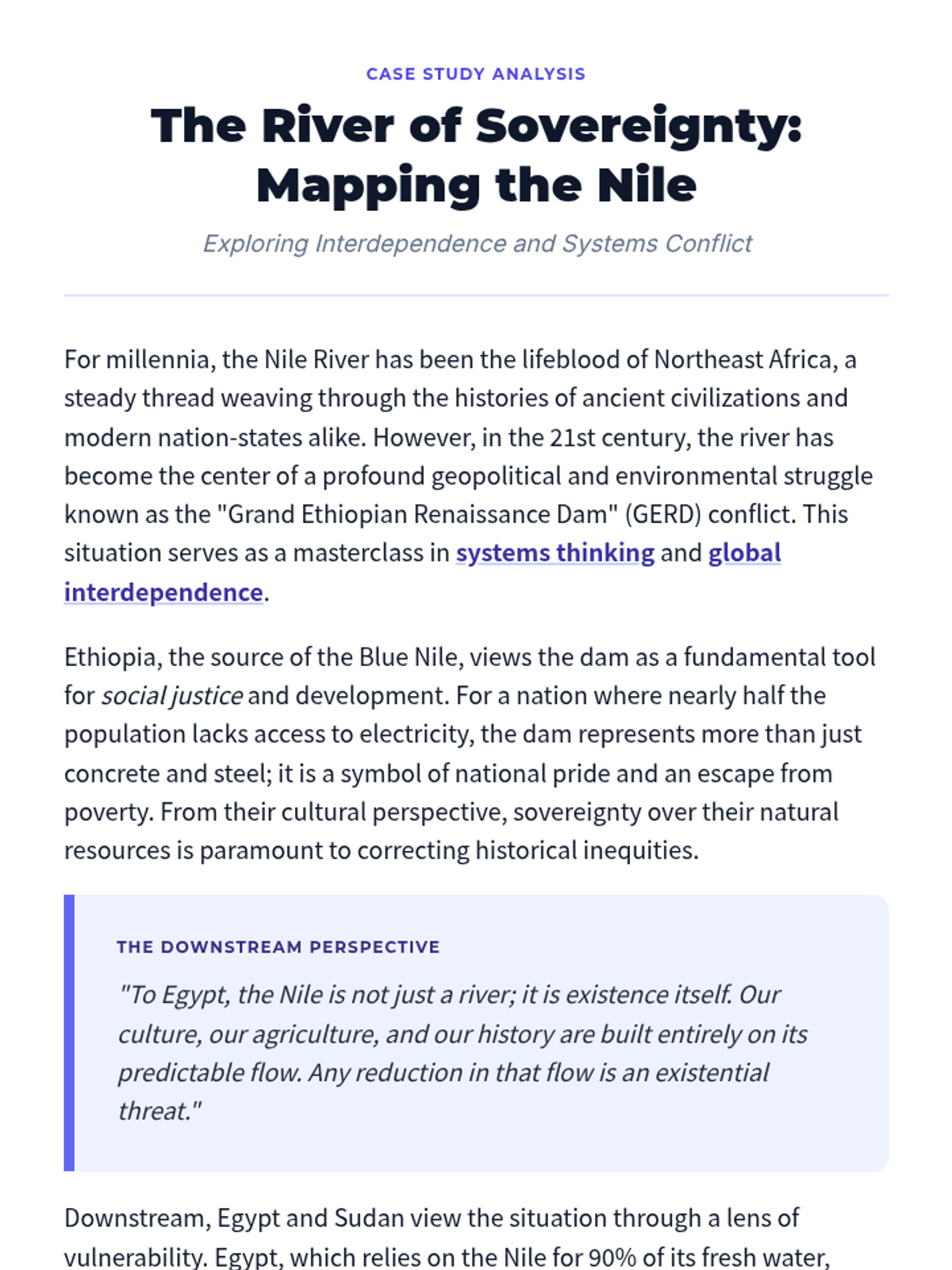
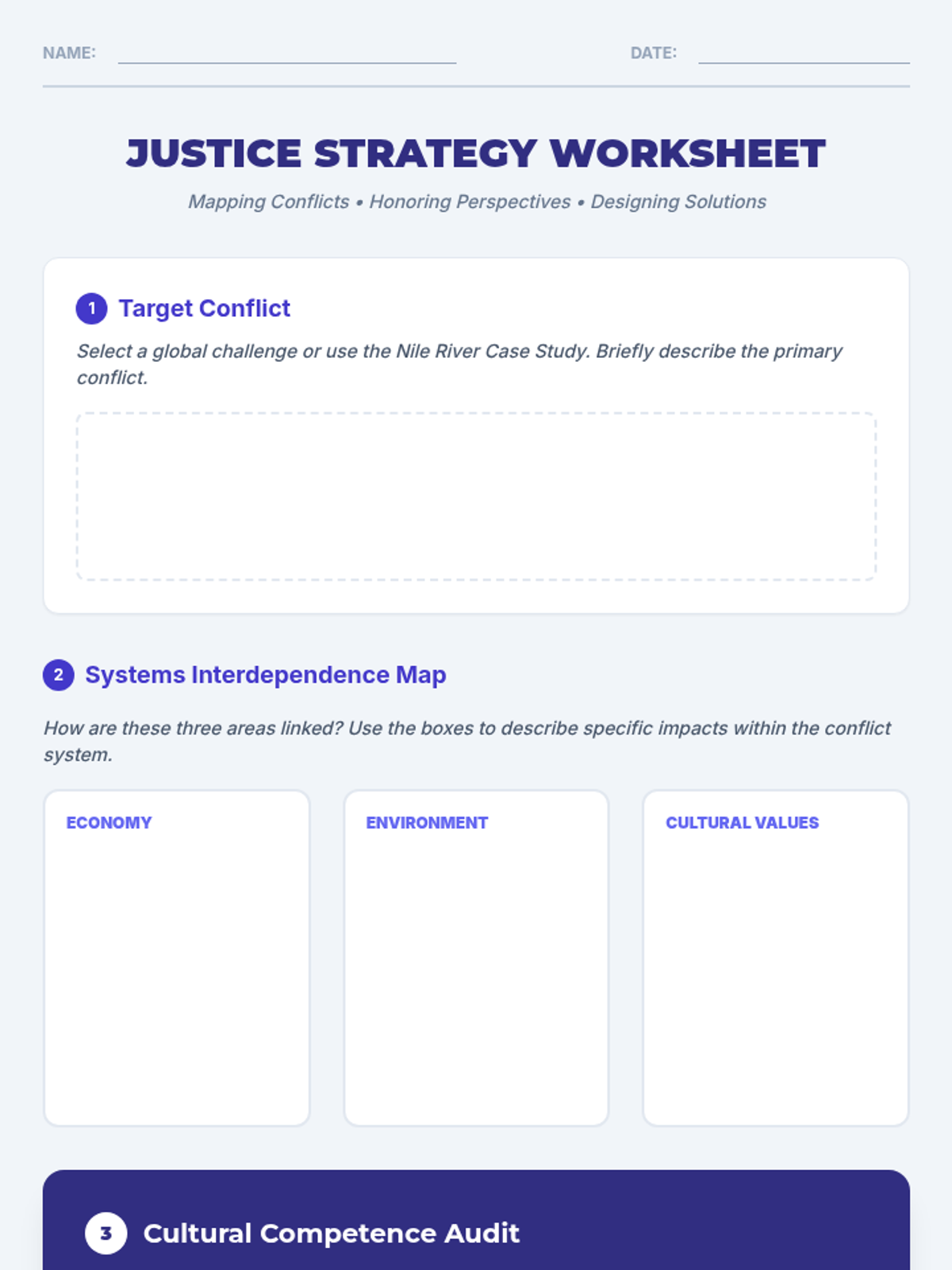
An advanced high school lesson focused on analyzing complex global challenges through cultural competence and systems thinking to promote social justice and interdependence.
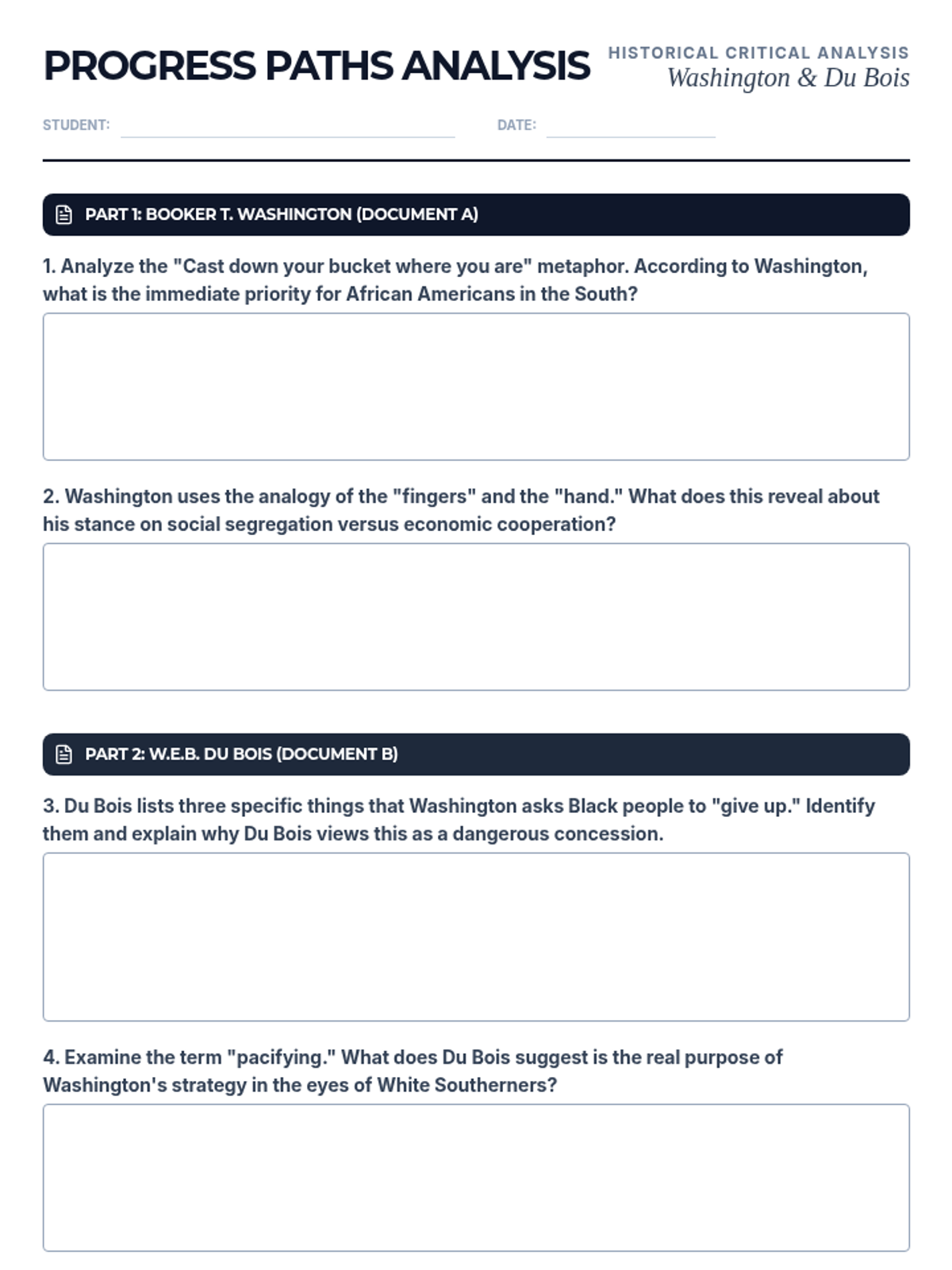
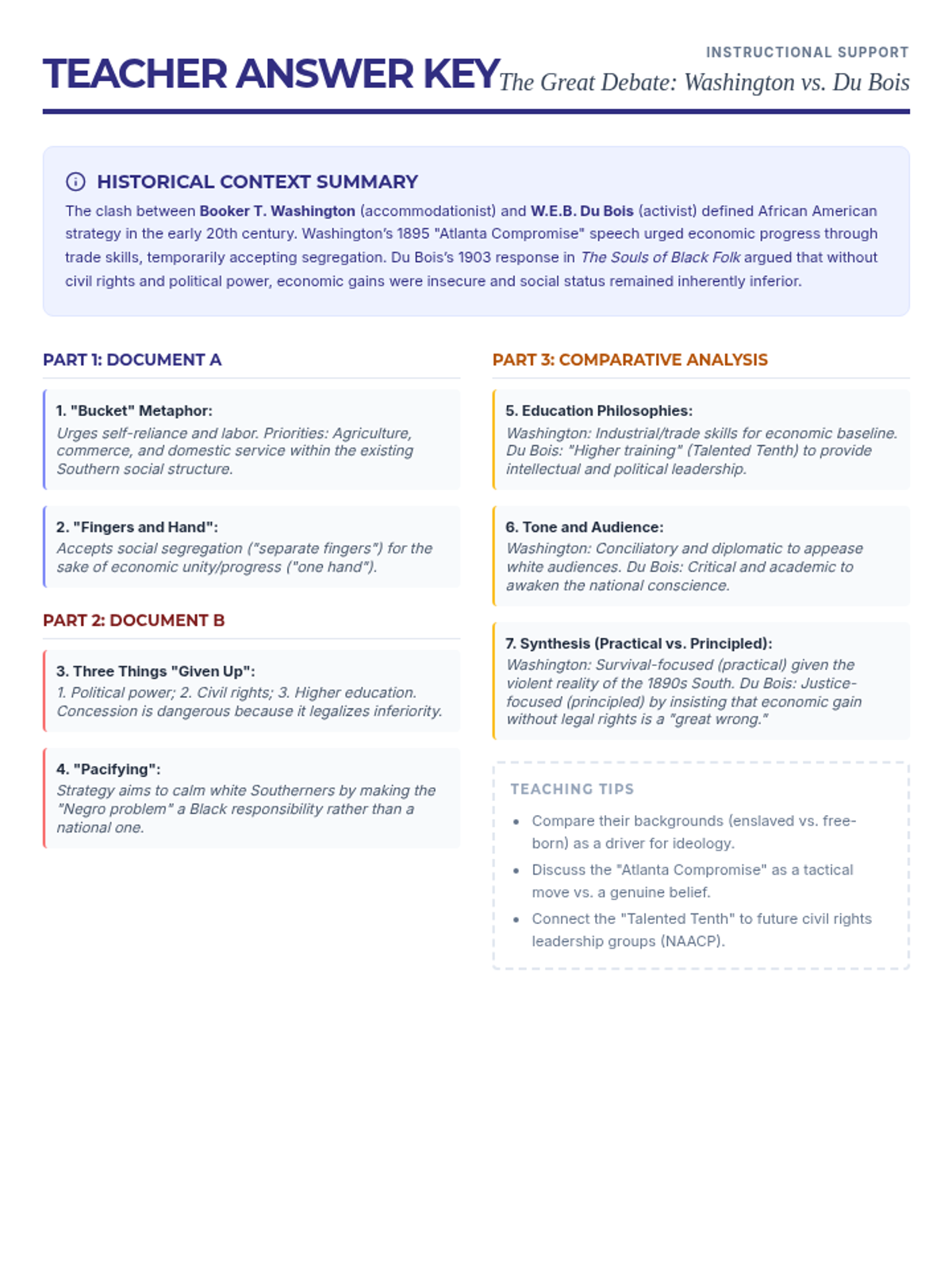
This lesson examines the ideological clash between Booker T. Washington and W.E.B. Du Bois regarding the best path for African American progress in the post-Reconstruction South. Students will perform a critical analysis of primary sources and compare their distinct strategies for civil rights, education, and social status.
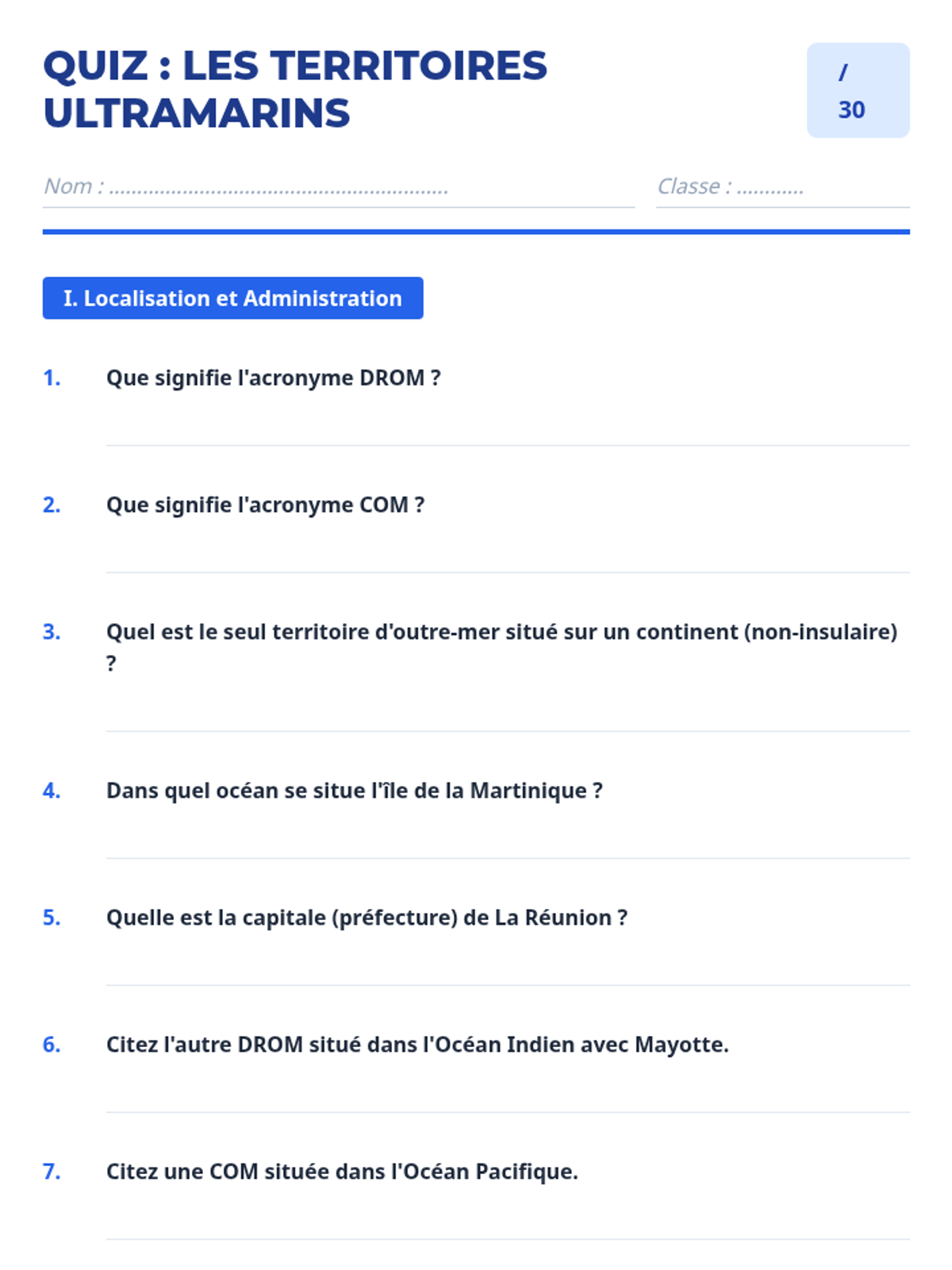
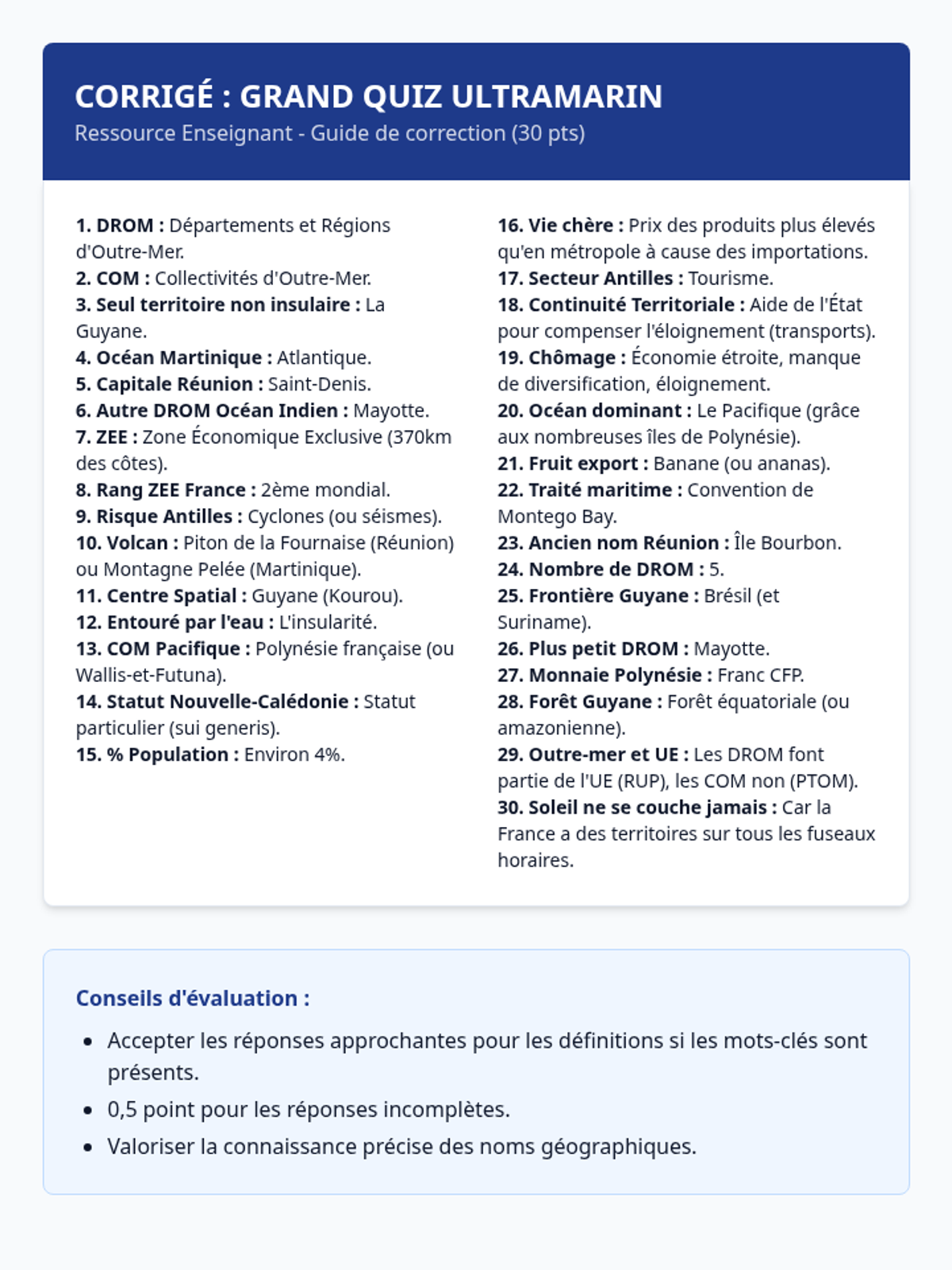
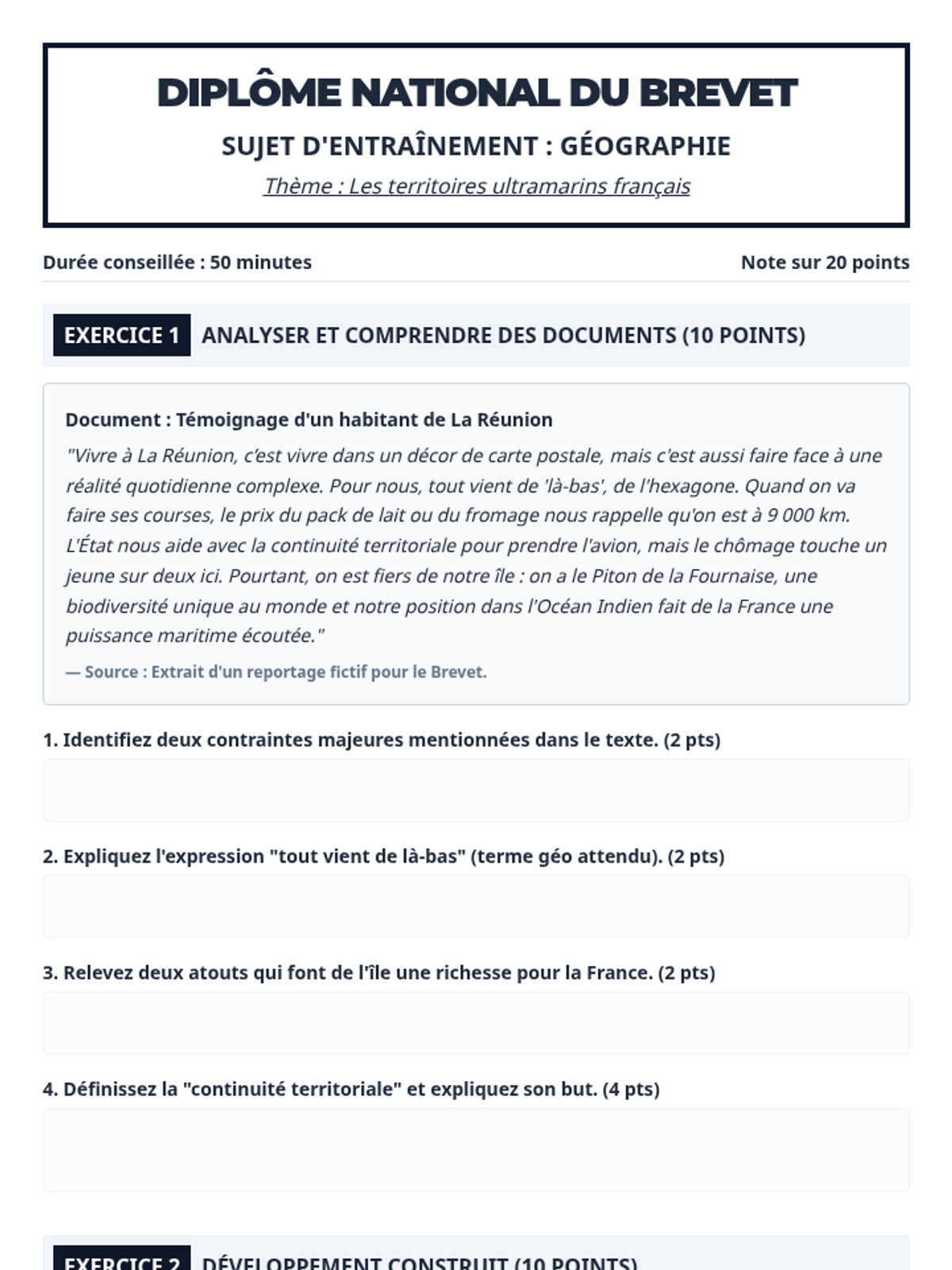
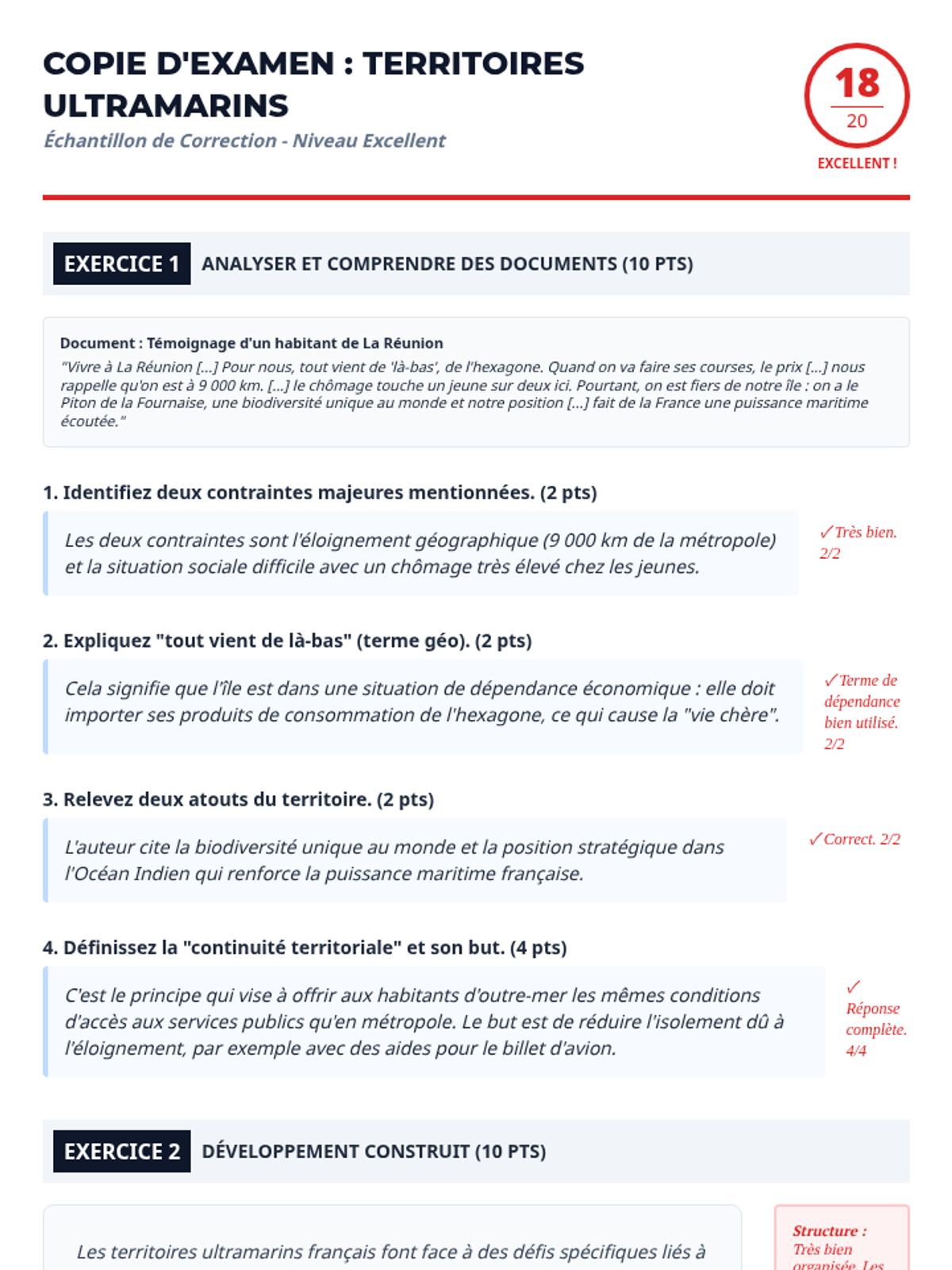
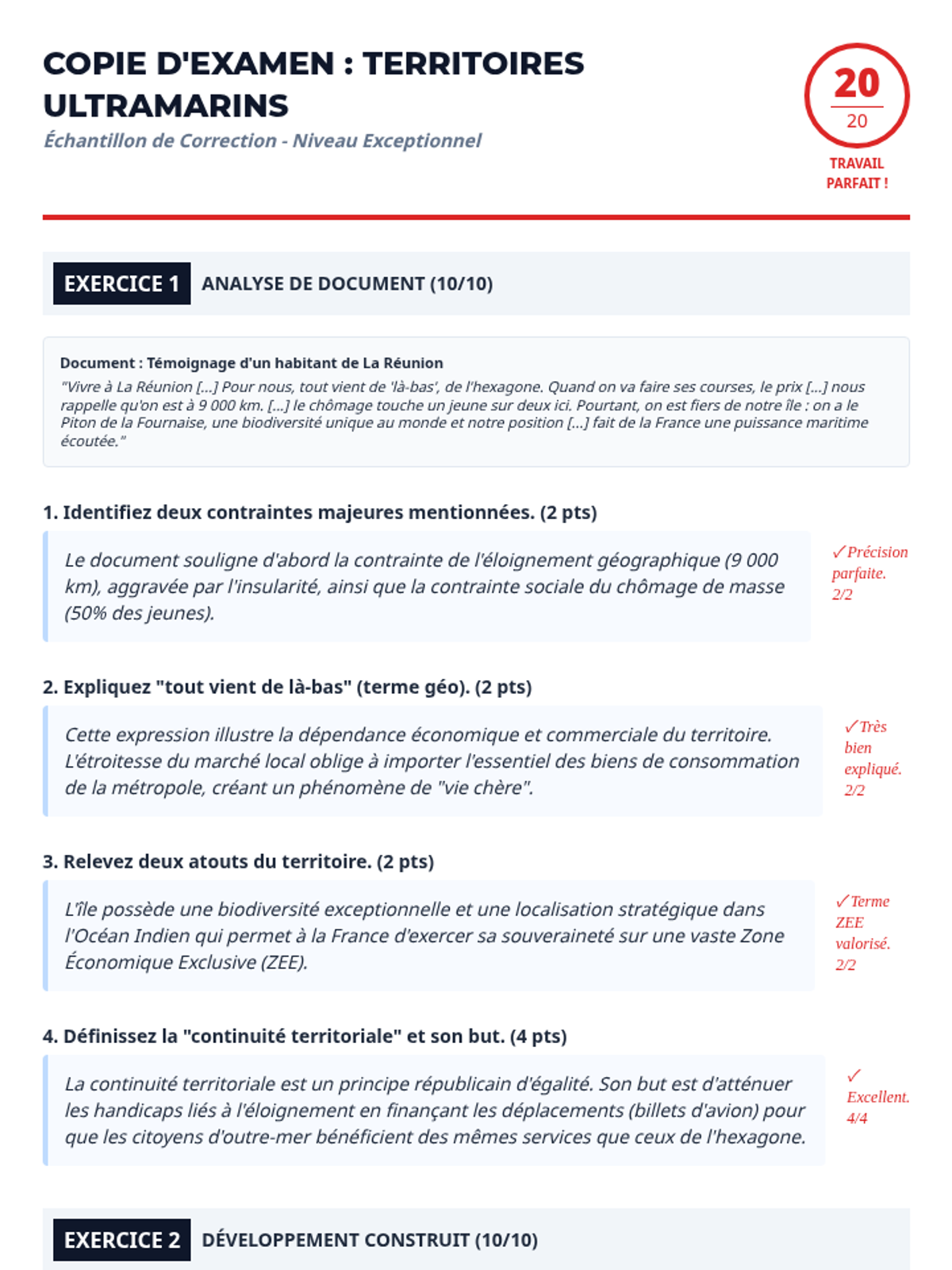
Une leçon complète sur les territoires ultramarins français, abordant leur géographie, leurs statuts (DROM et COM), leurs défis économiques et leur importance stratégique pour le Brevet.