A targeted 15-20 minute mini-lesson for 3rd grade RI.3.8 focusing on identifying text structures and logical connections using signal words, specifically designed for NC EOG preparation.
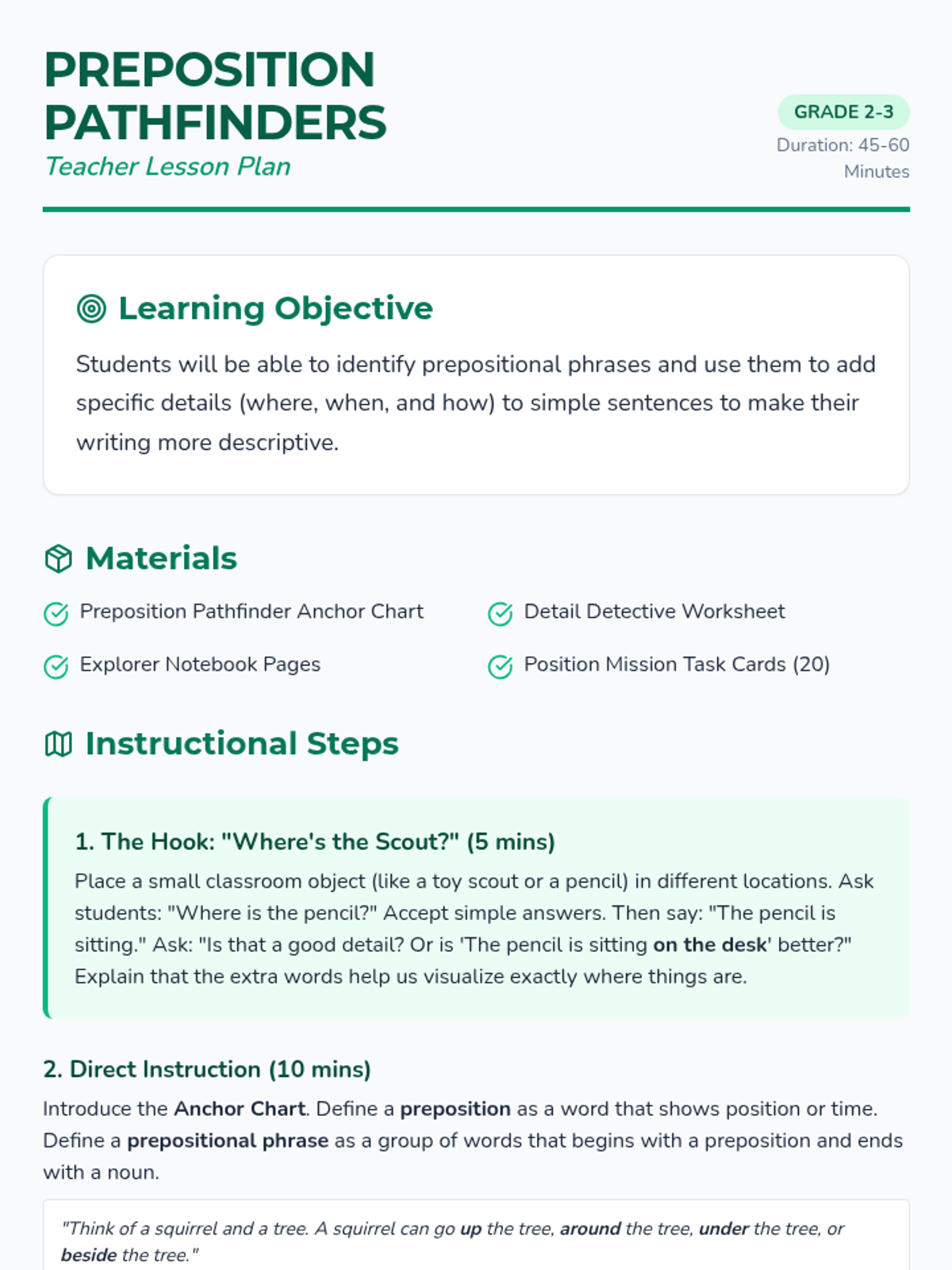
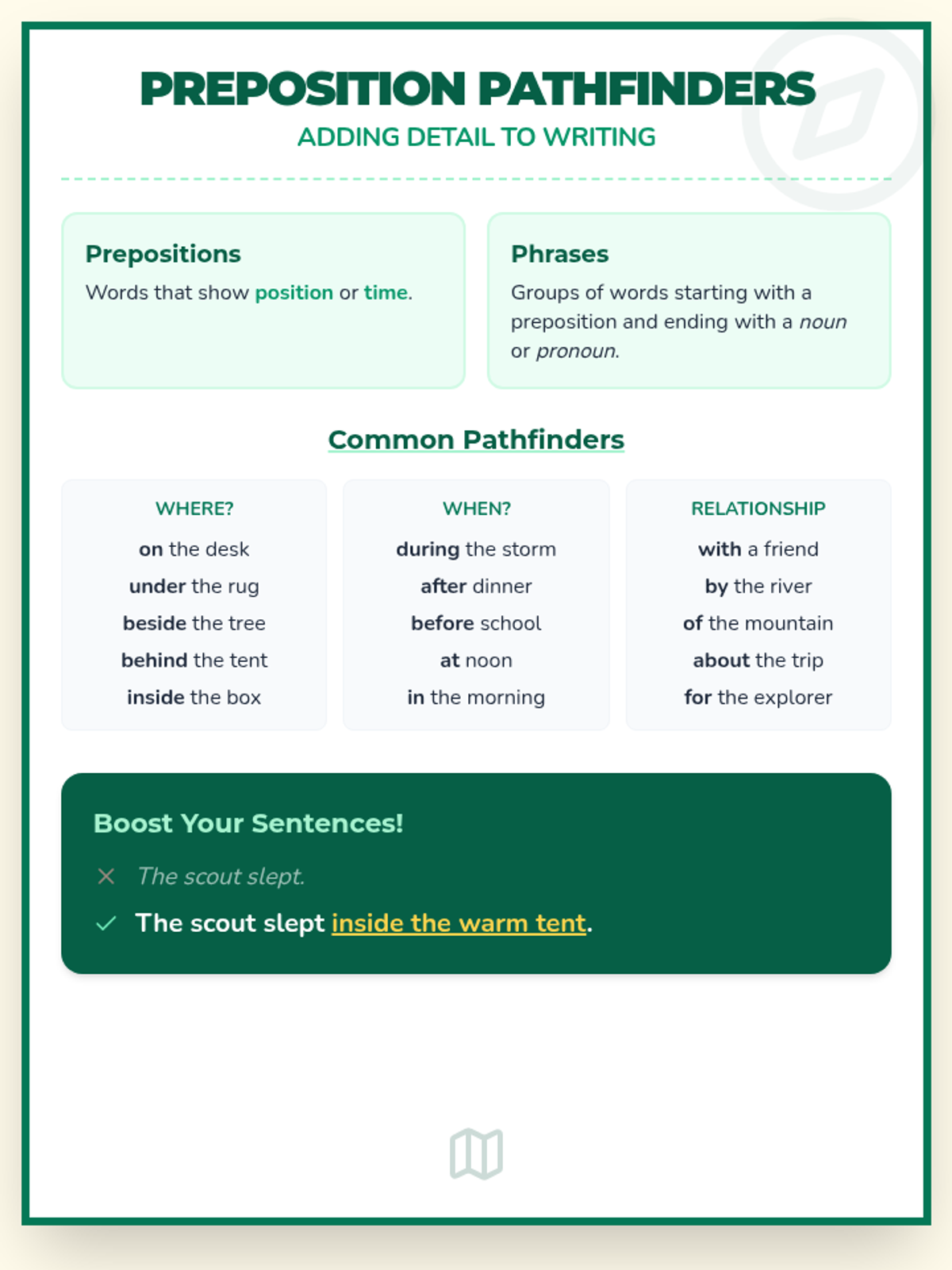
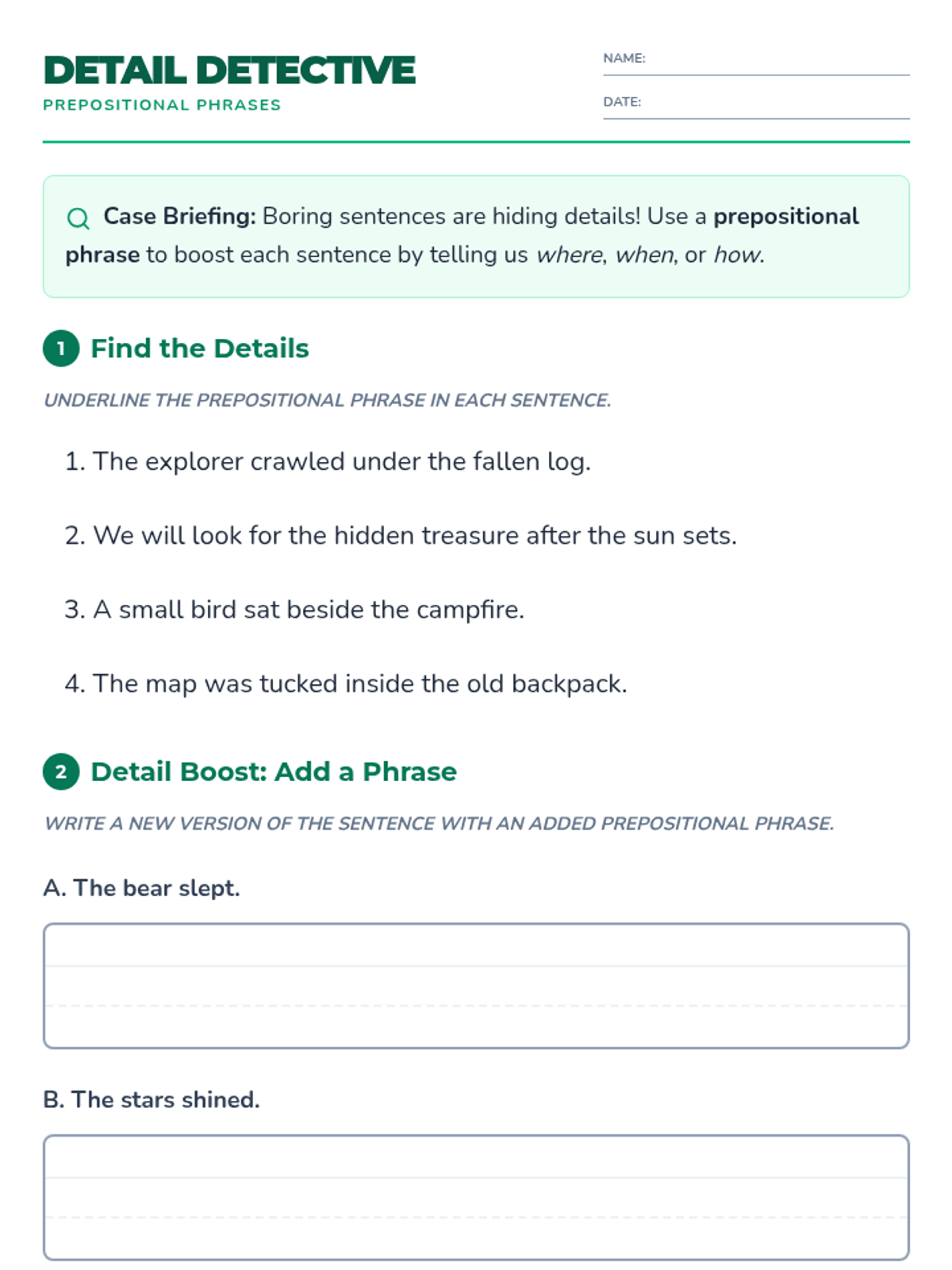
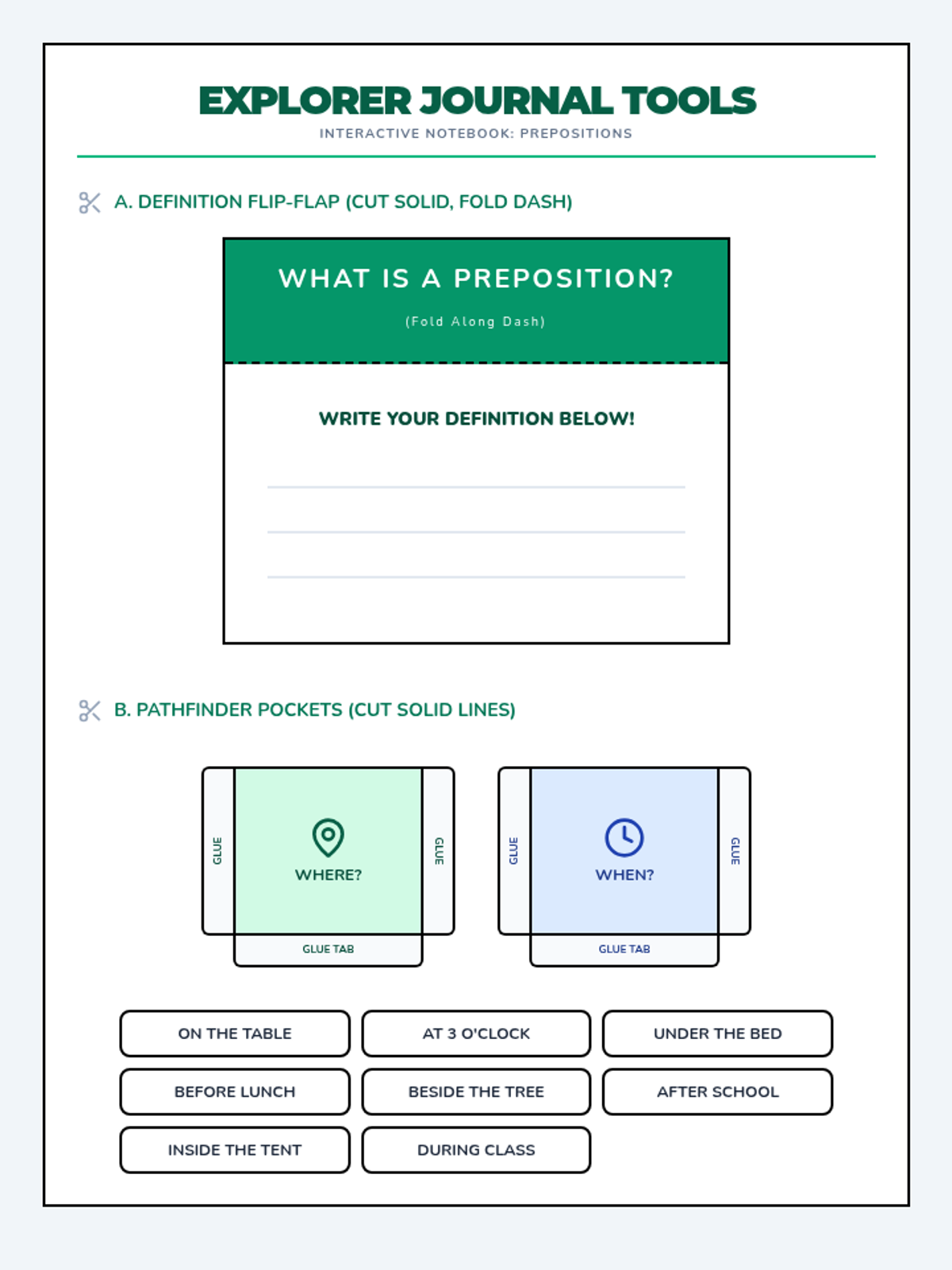
A grammar adventure where students learn to use prepositional phrases to add descriptive details about location, time, and relationship to their writing.
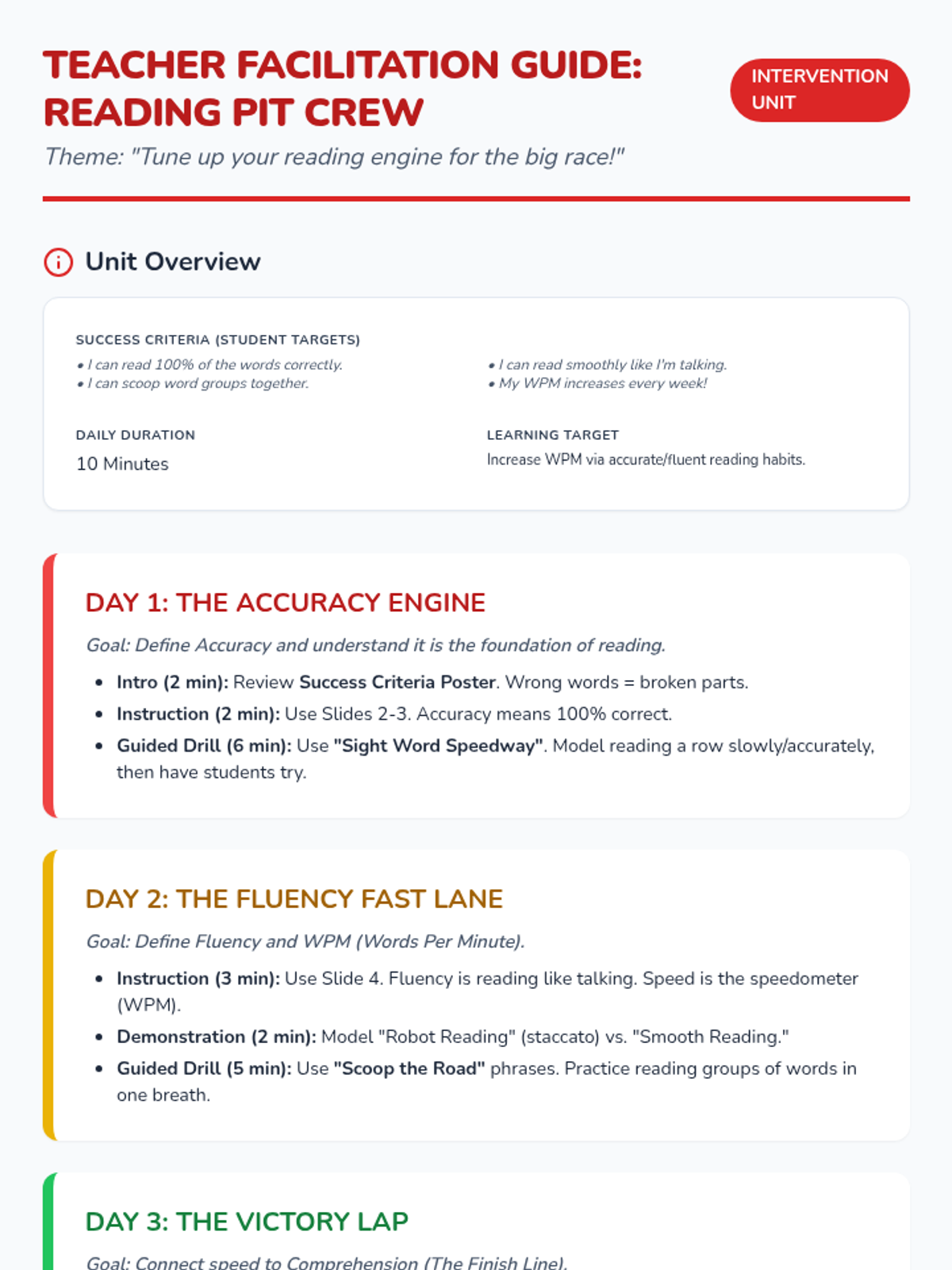
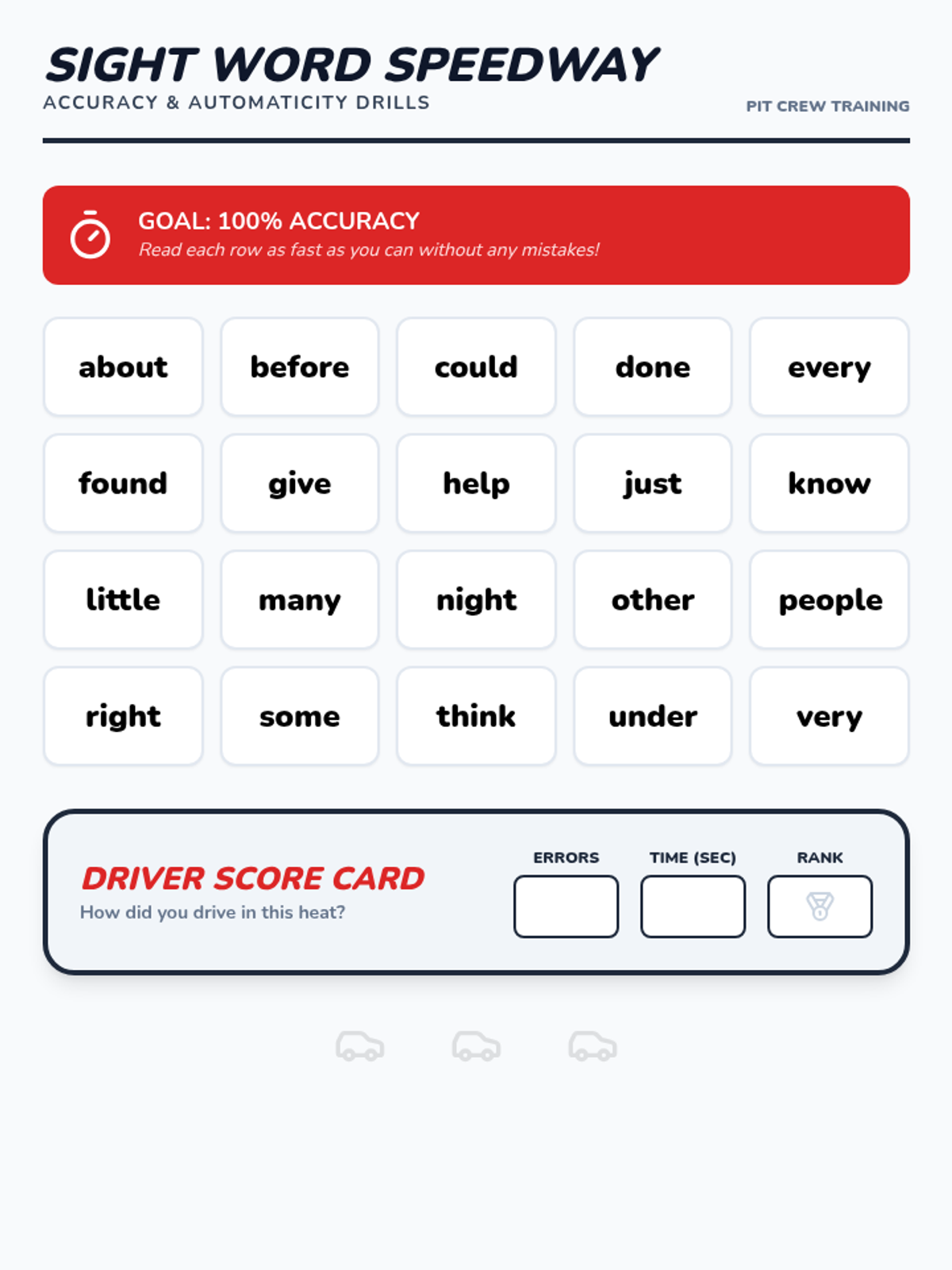
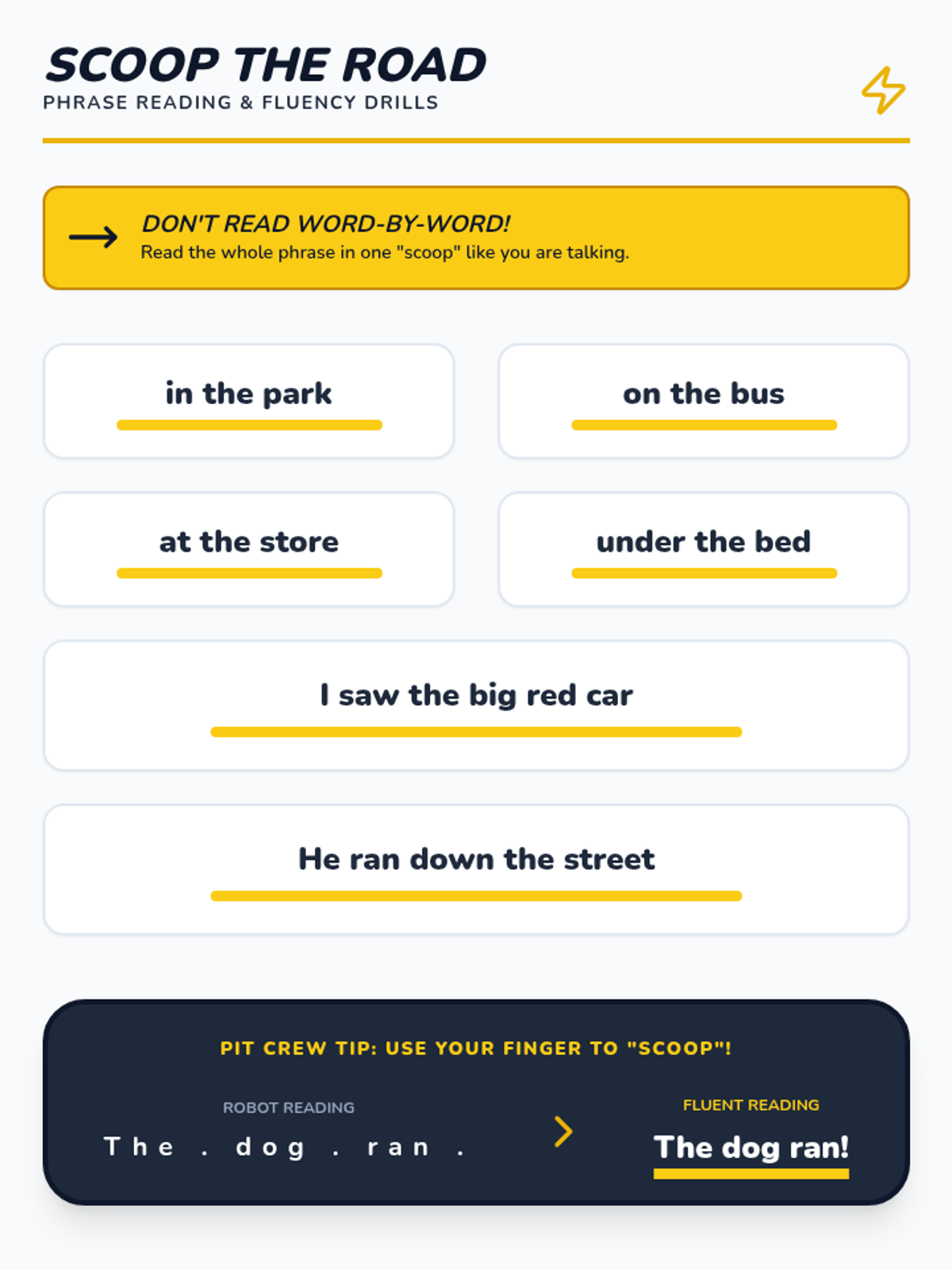
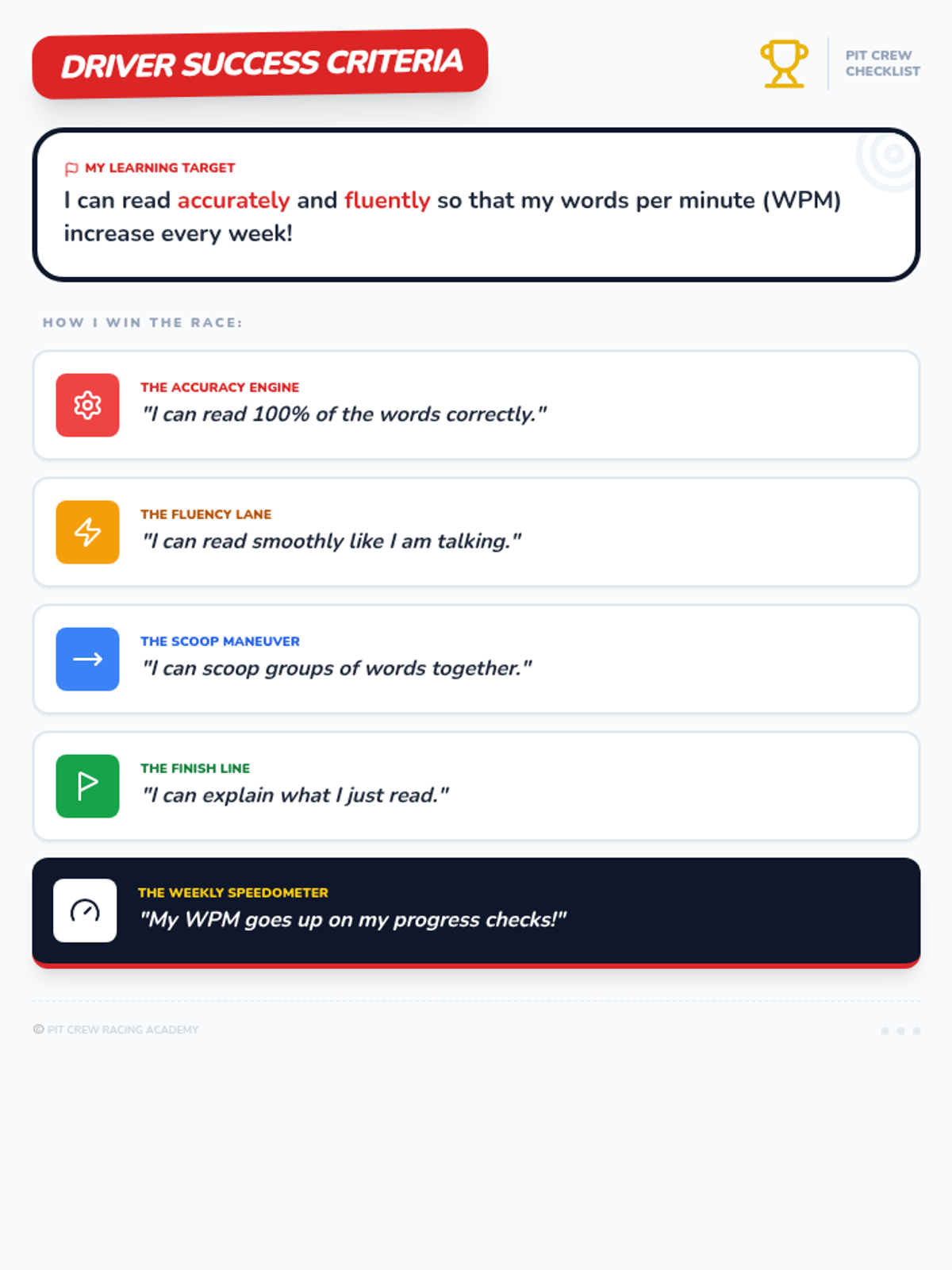
Focused on the definition of fluency, the relationship between accuracy and speed (WPM), and techniques for smoother reading.
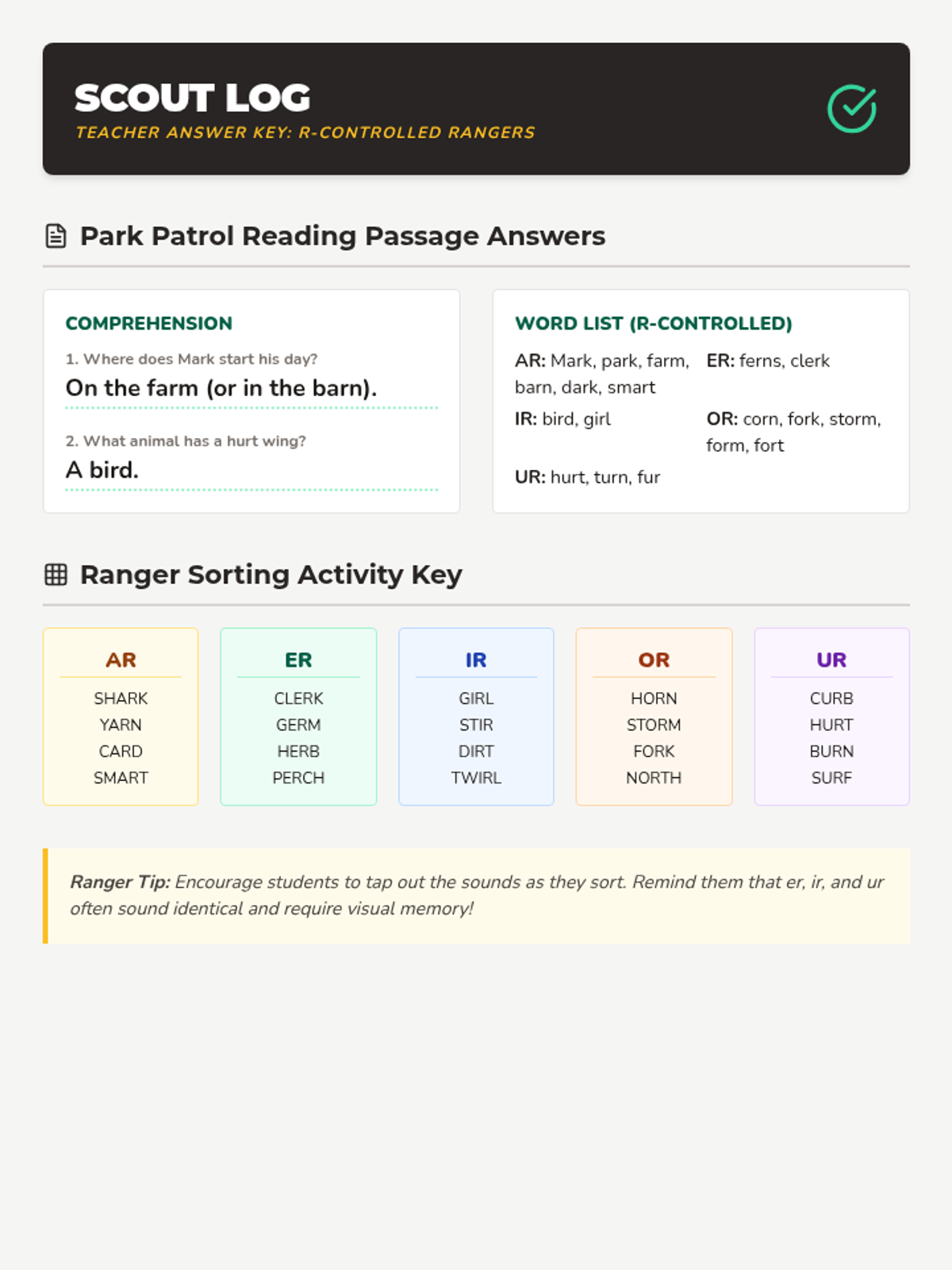
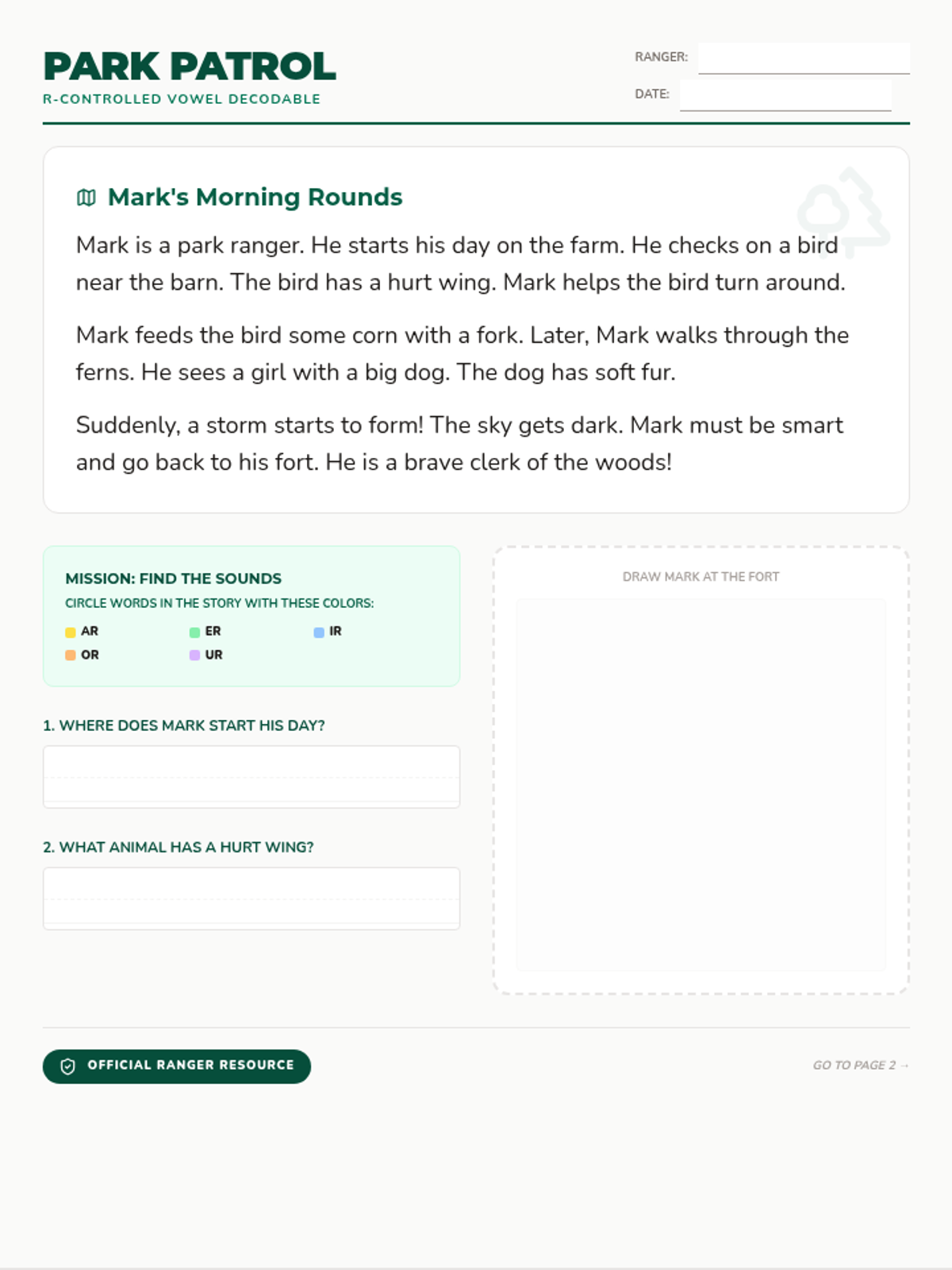
A set of phonics resources focused on R-controlled vowels (ar, er, ir, or, ur) using a forest ranger theme. Includes a decodable reading passage and a hands-on word sorting activity.
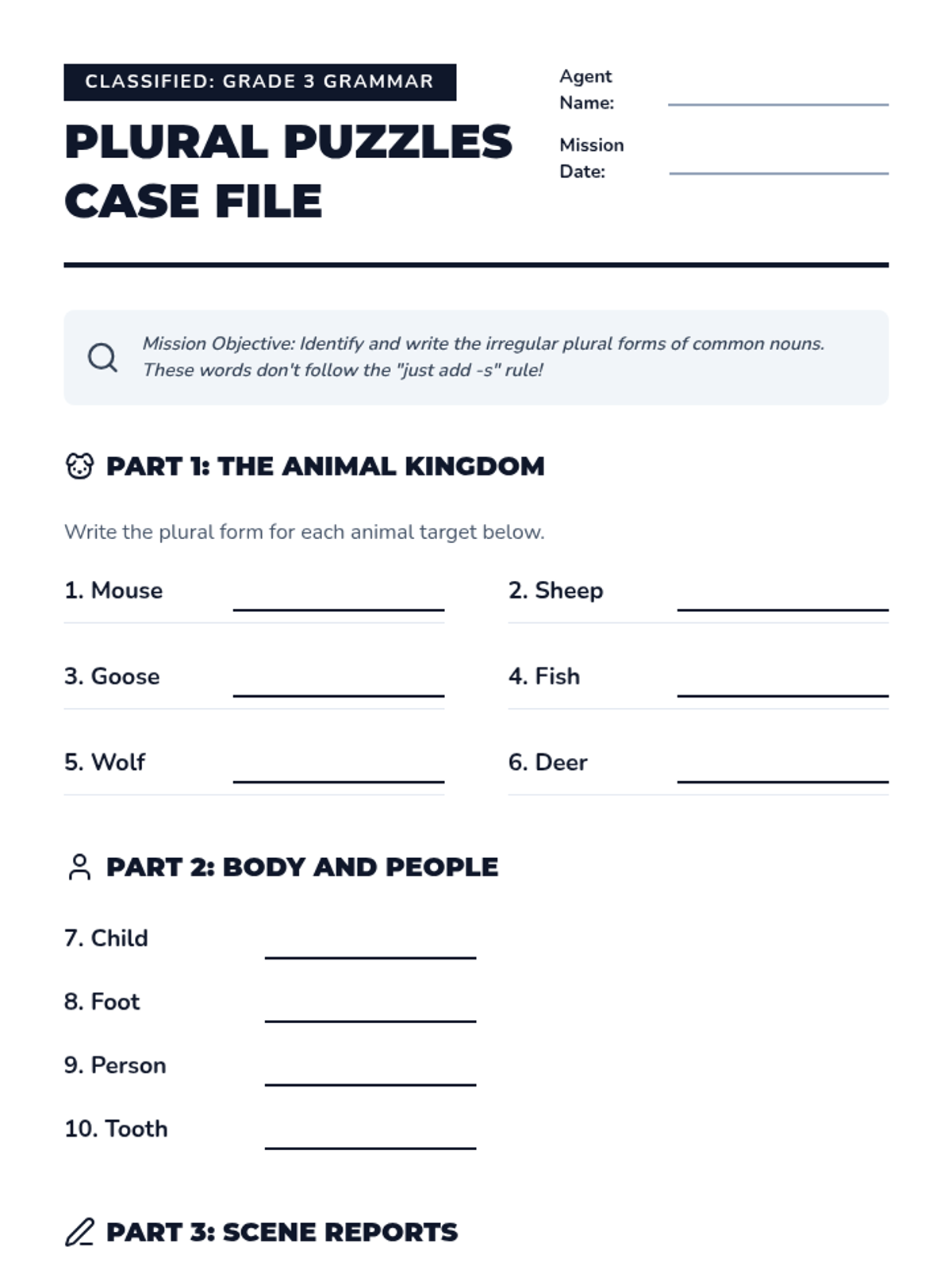
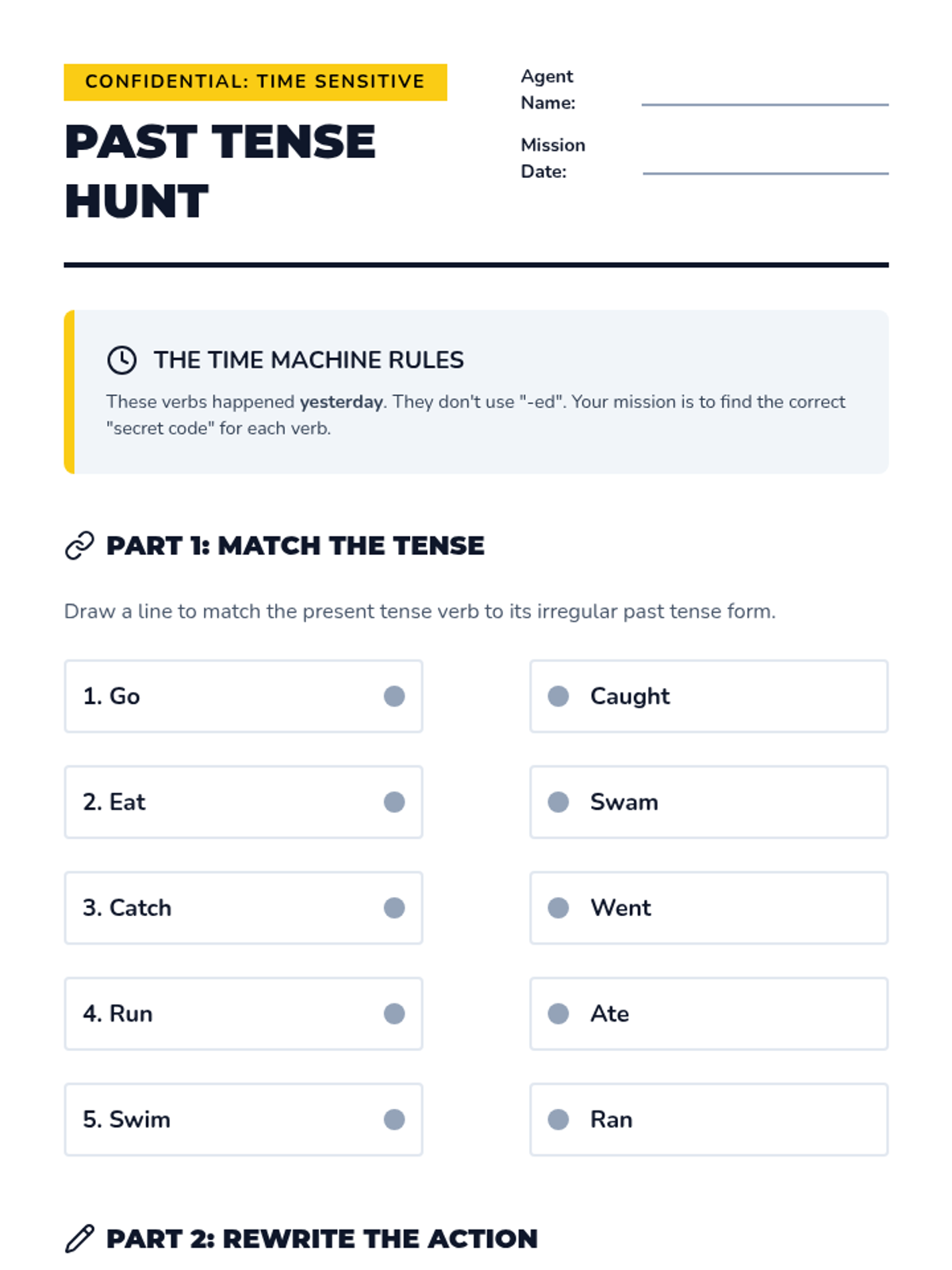
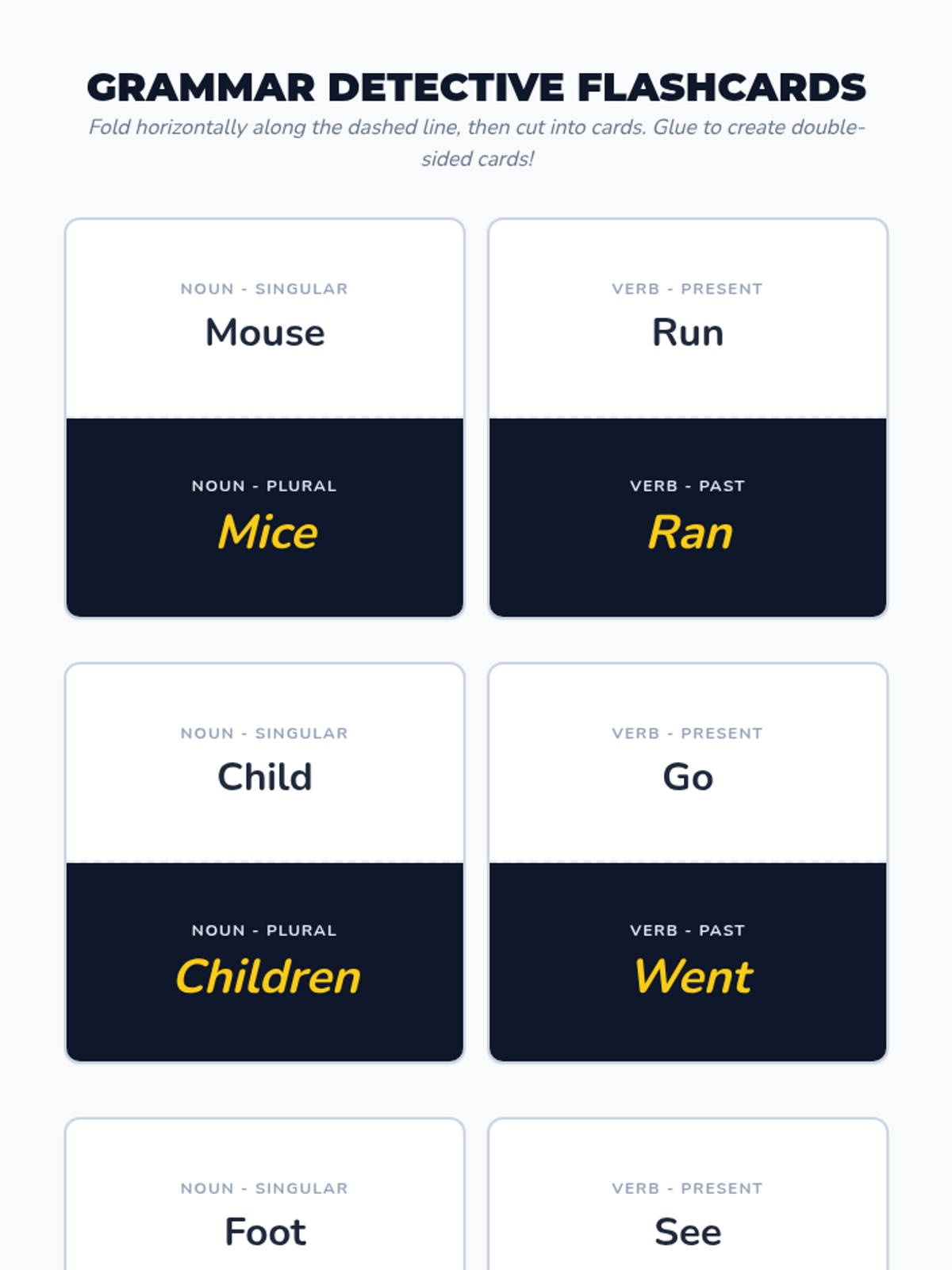
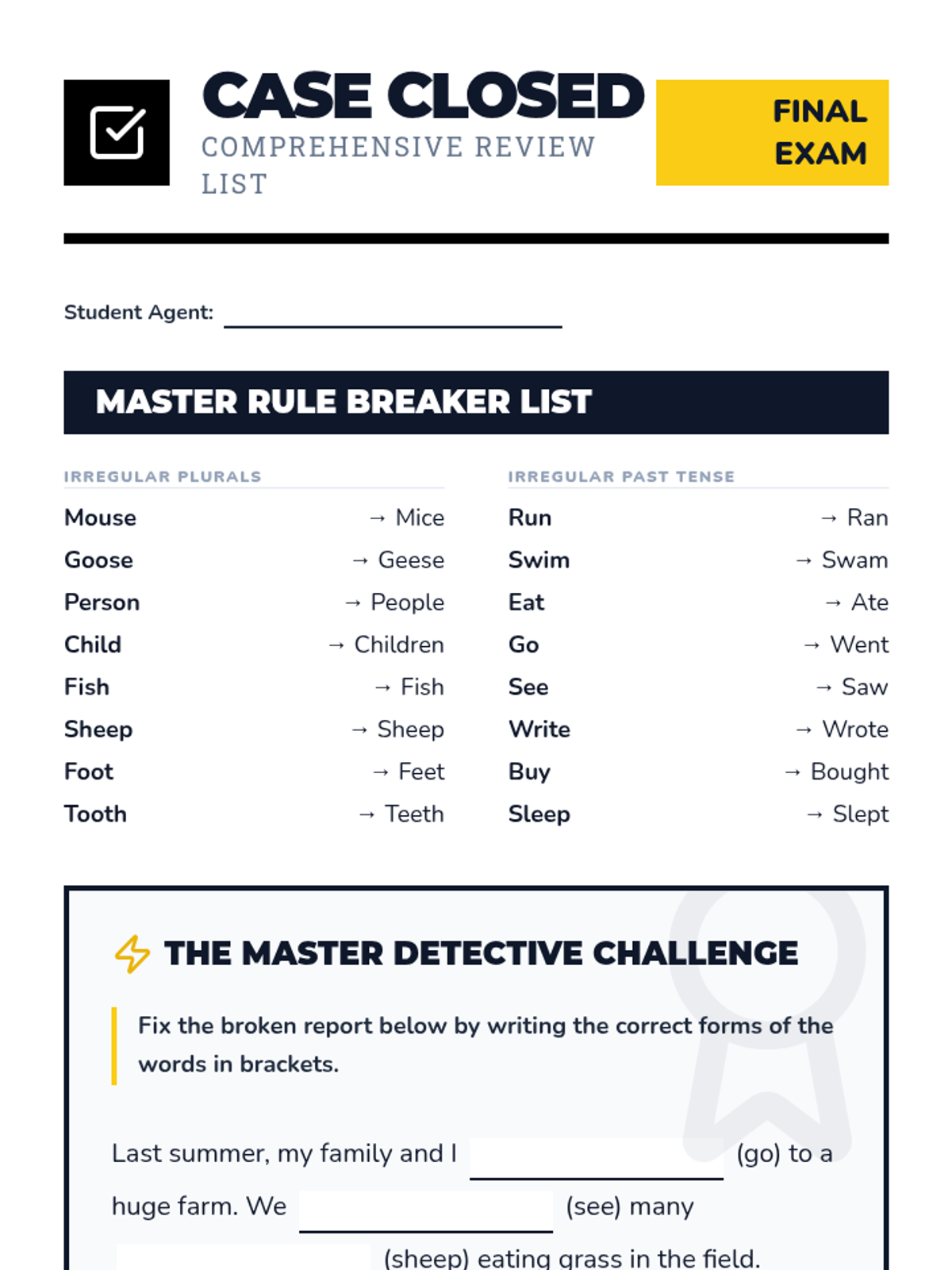
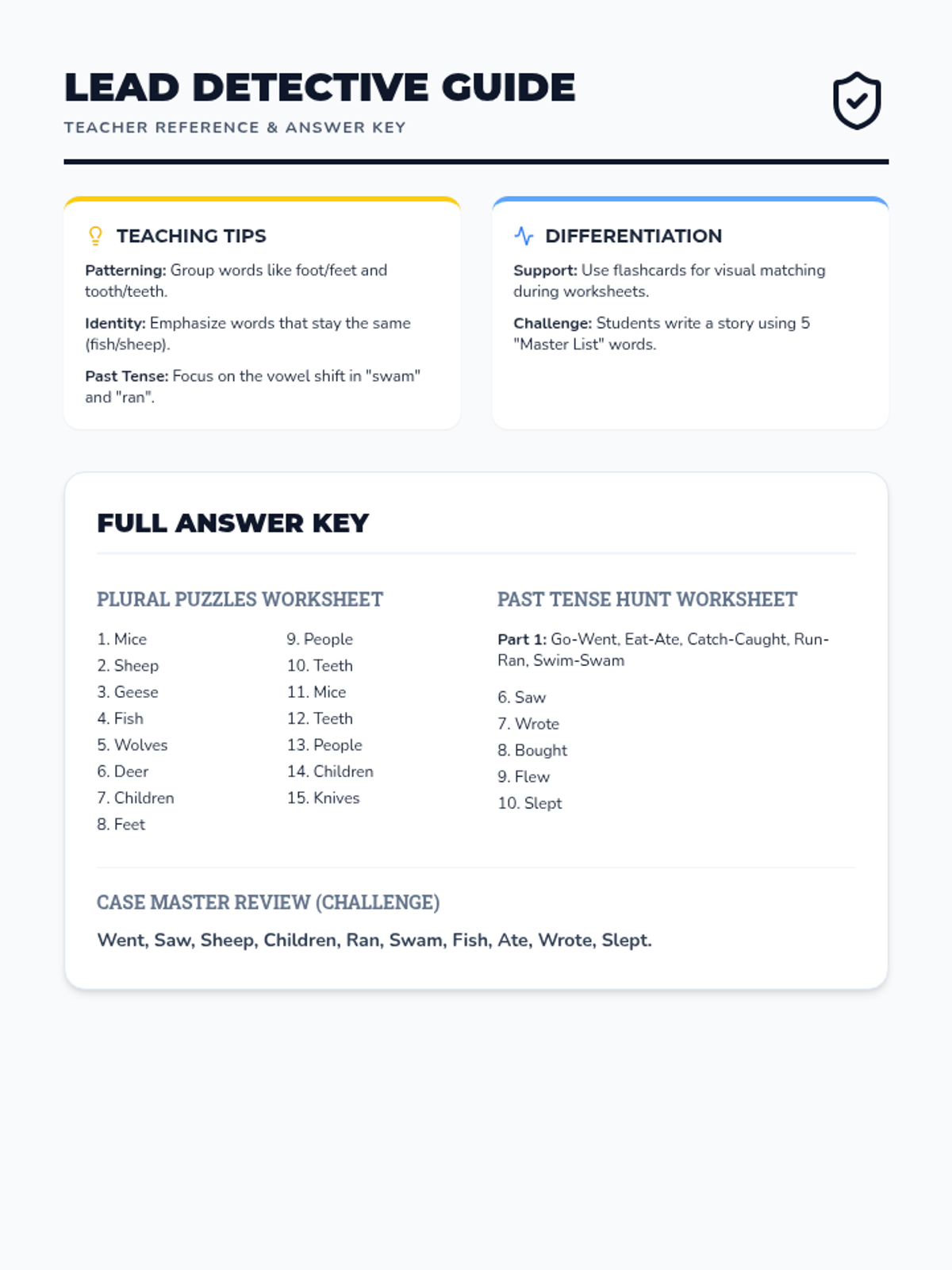
A comprehensive lesson on irregular plurals and irregular past tense verbs, themed around a 'Grammar Detective' investigation where students track down words that break the rules.
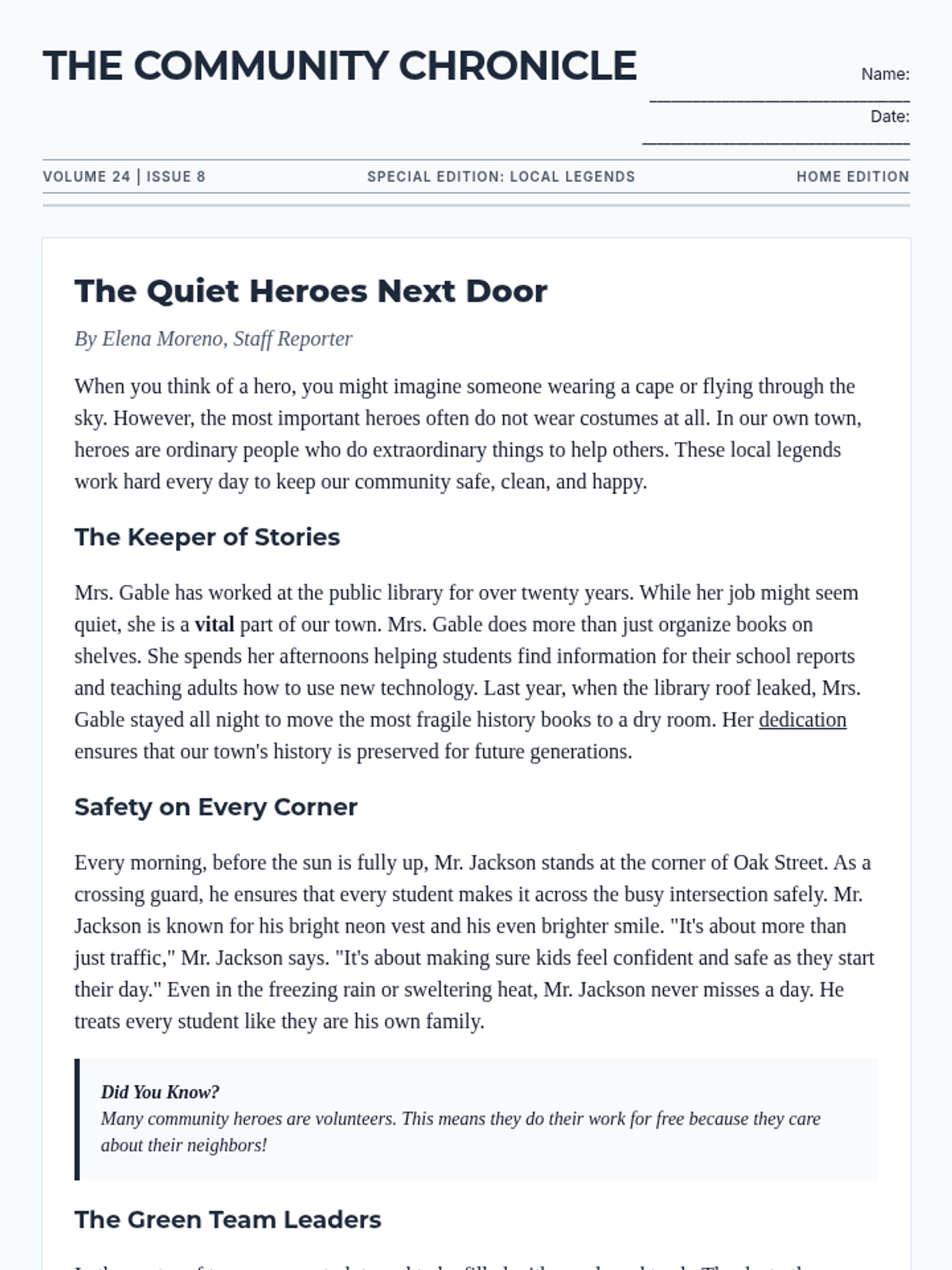
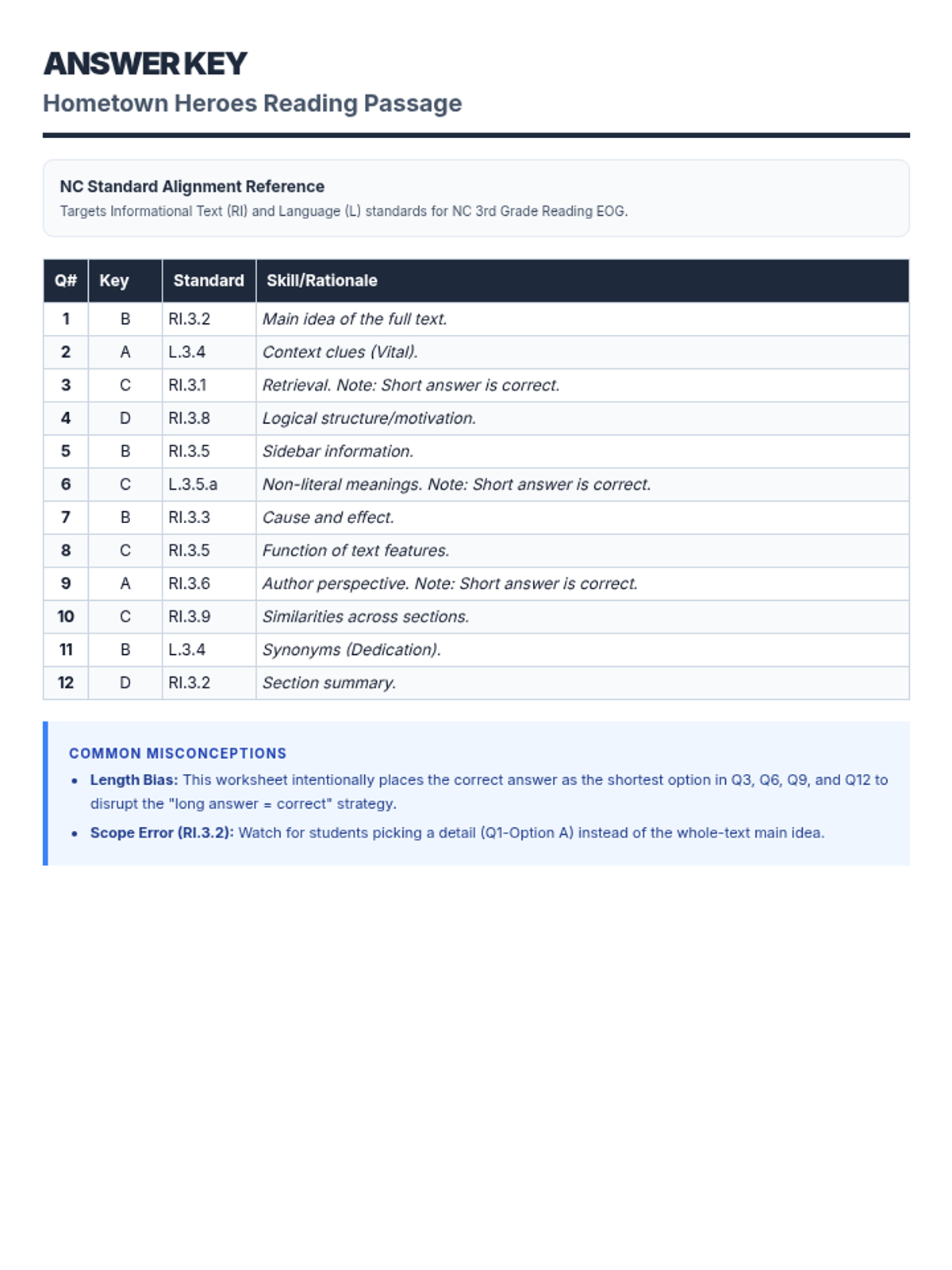
A high-rigor reading comprehension lesson focused on 3rd grade North Carolina Informational Text standards, exploring the roles of local community heroes.
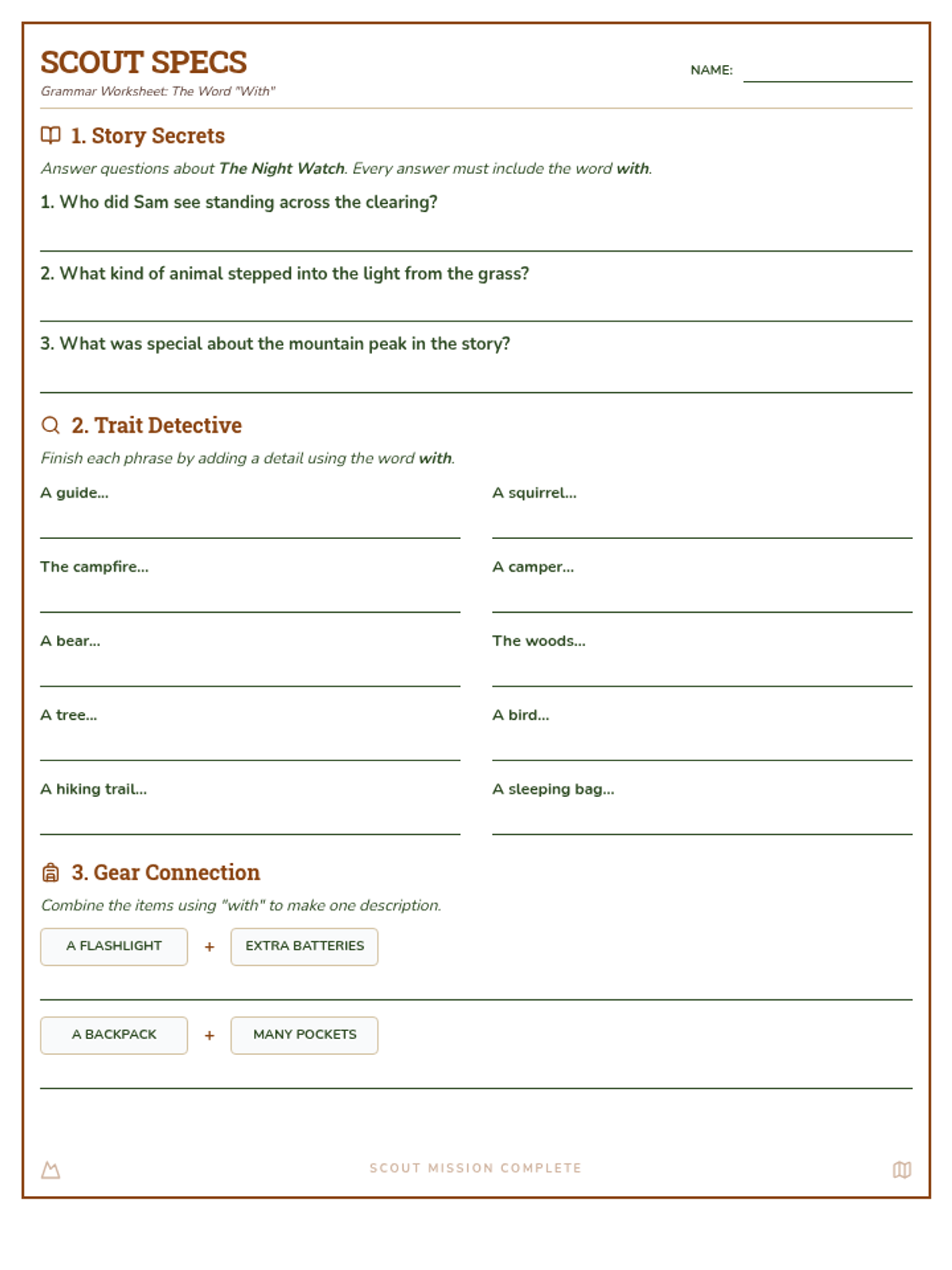
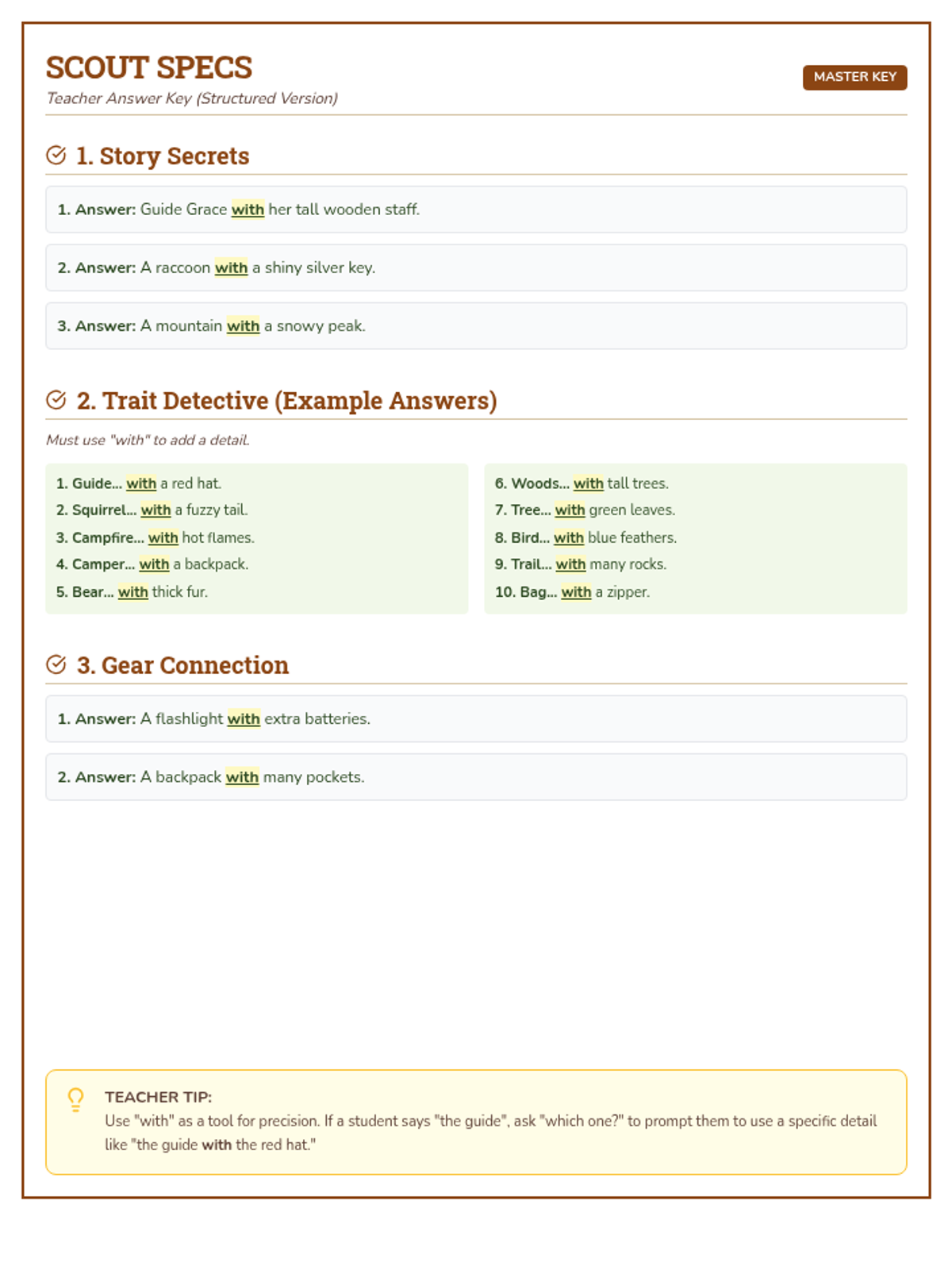
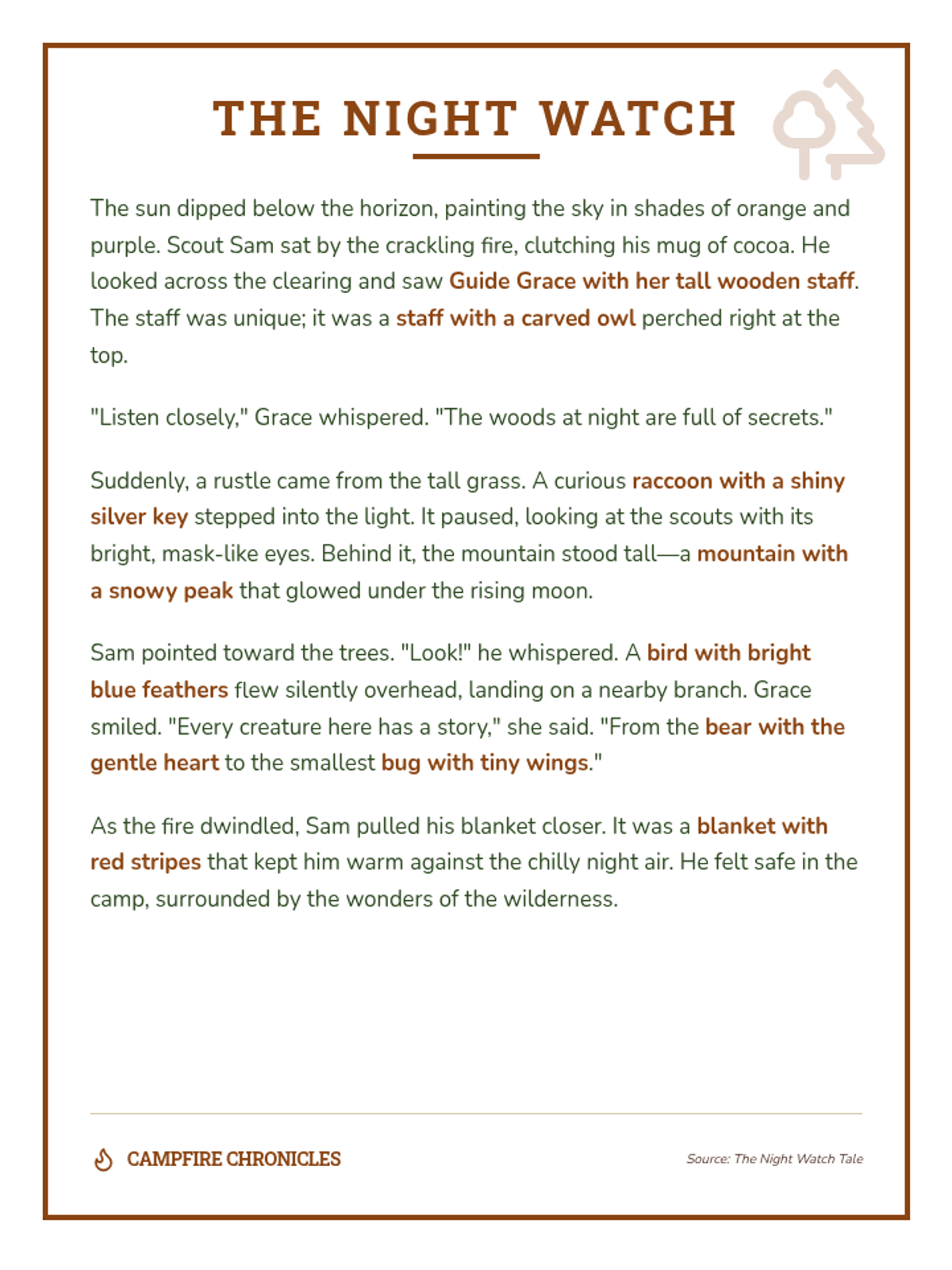
A series of outdoor-themed activities focused on mastering the function word 'with' through describing gear and character traits. Students progress from guided identification to independent sentence construction in a campfire setting.
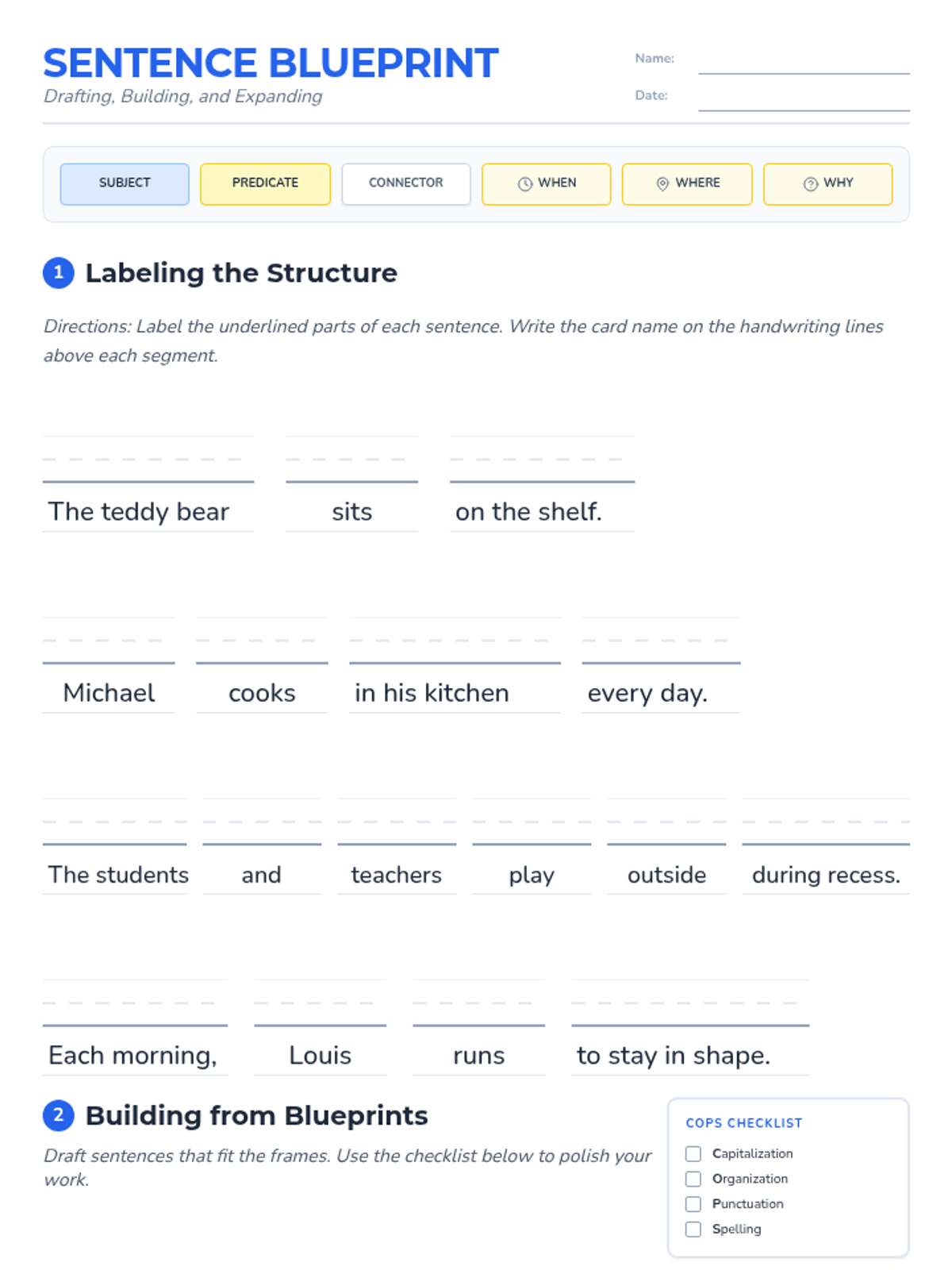
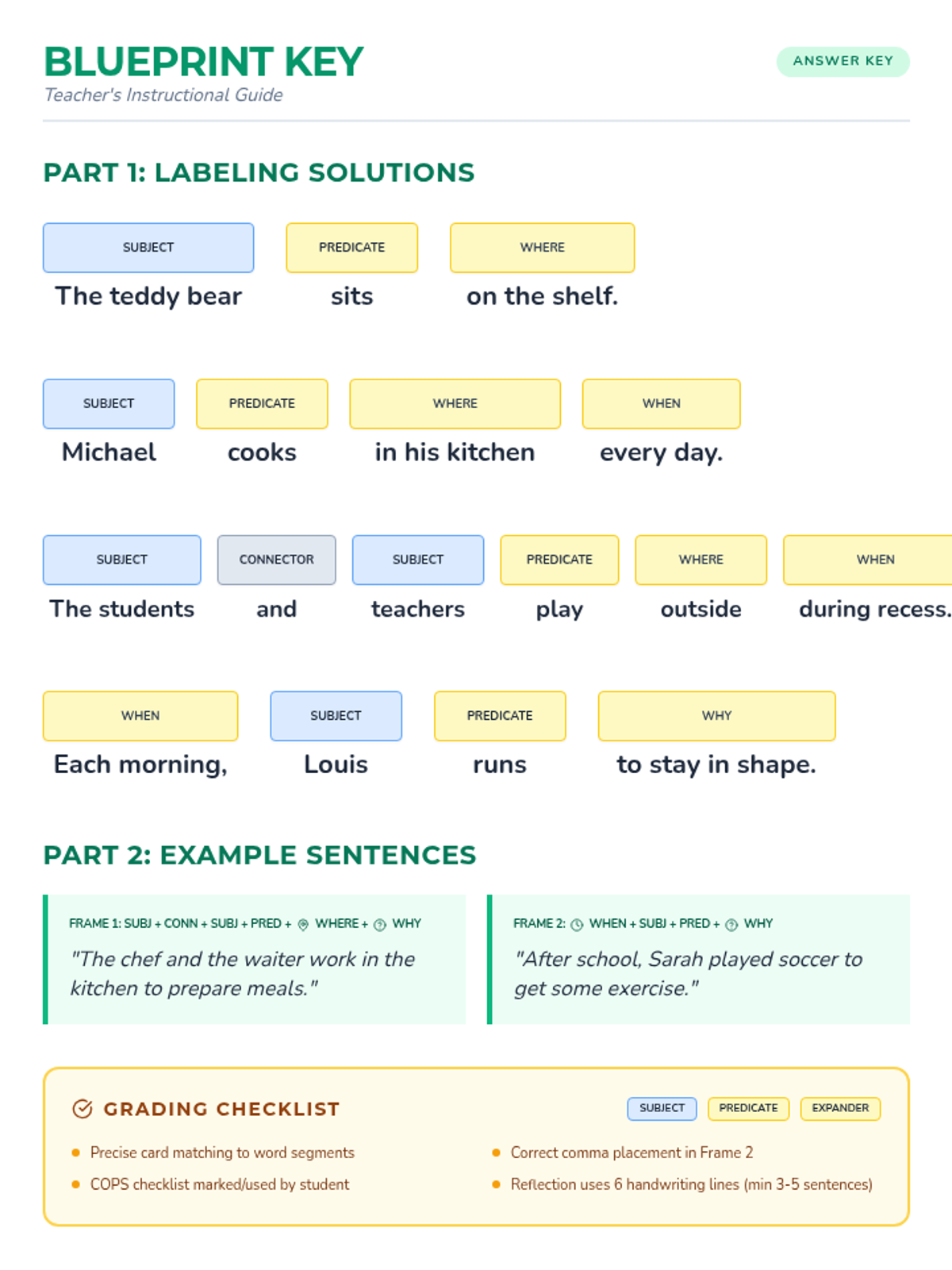
A hands-on lesson for mastering sentence structure using visual blueprint cards to label parts of speech and build complex sentences.
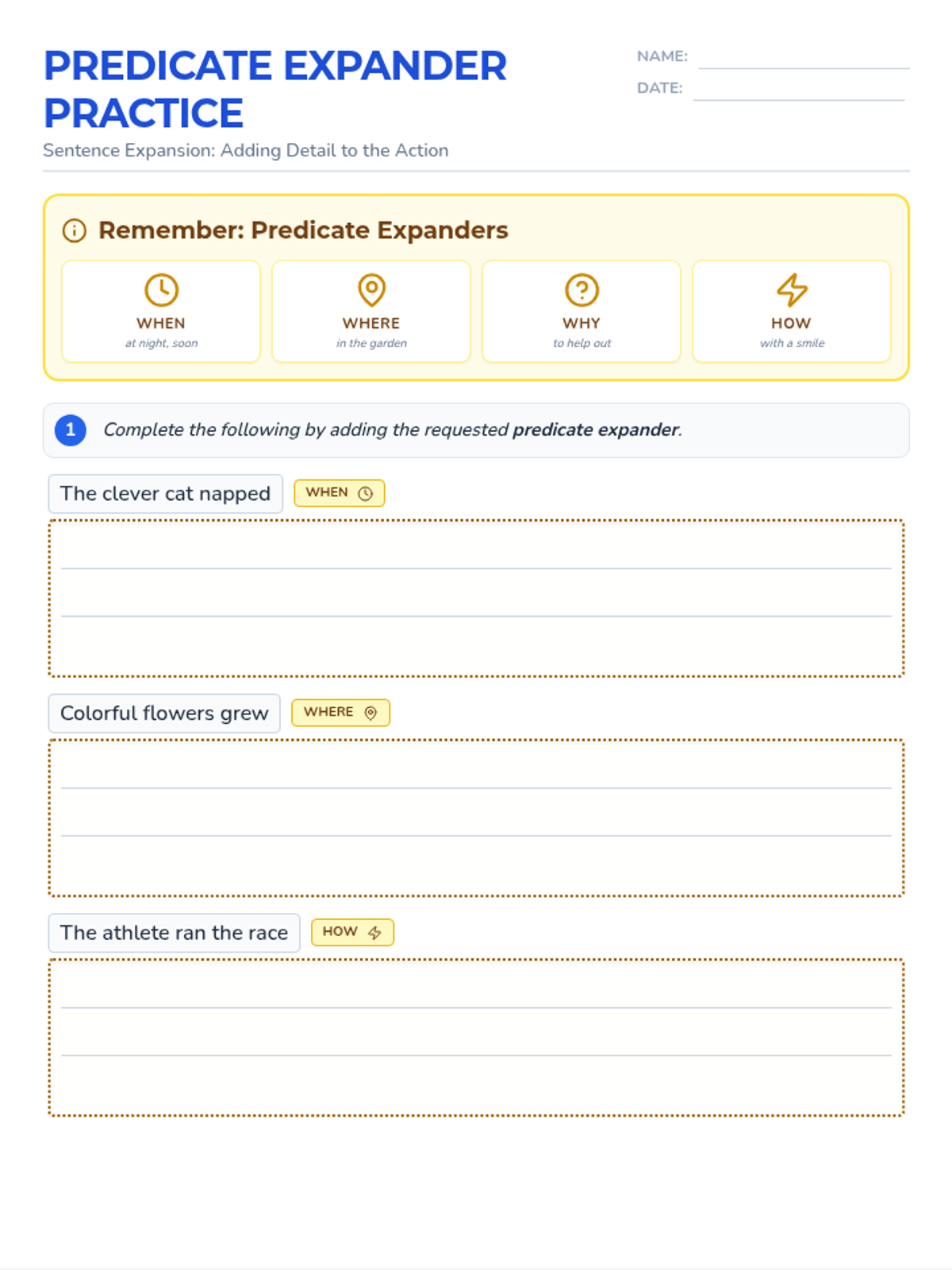
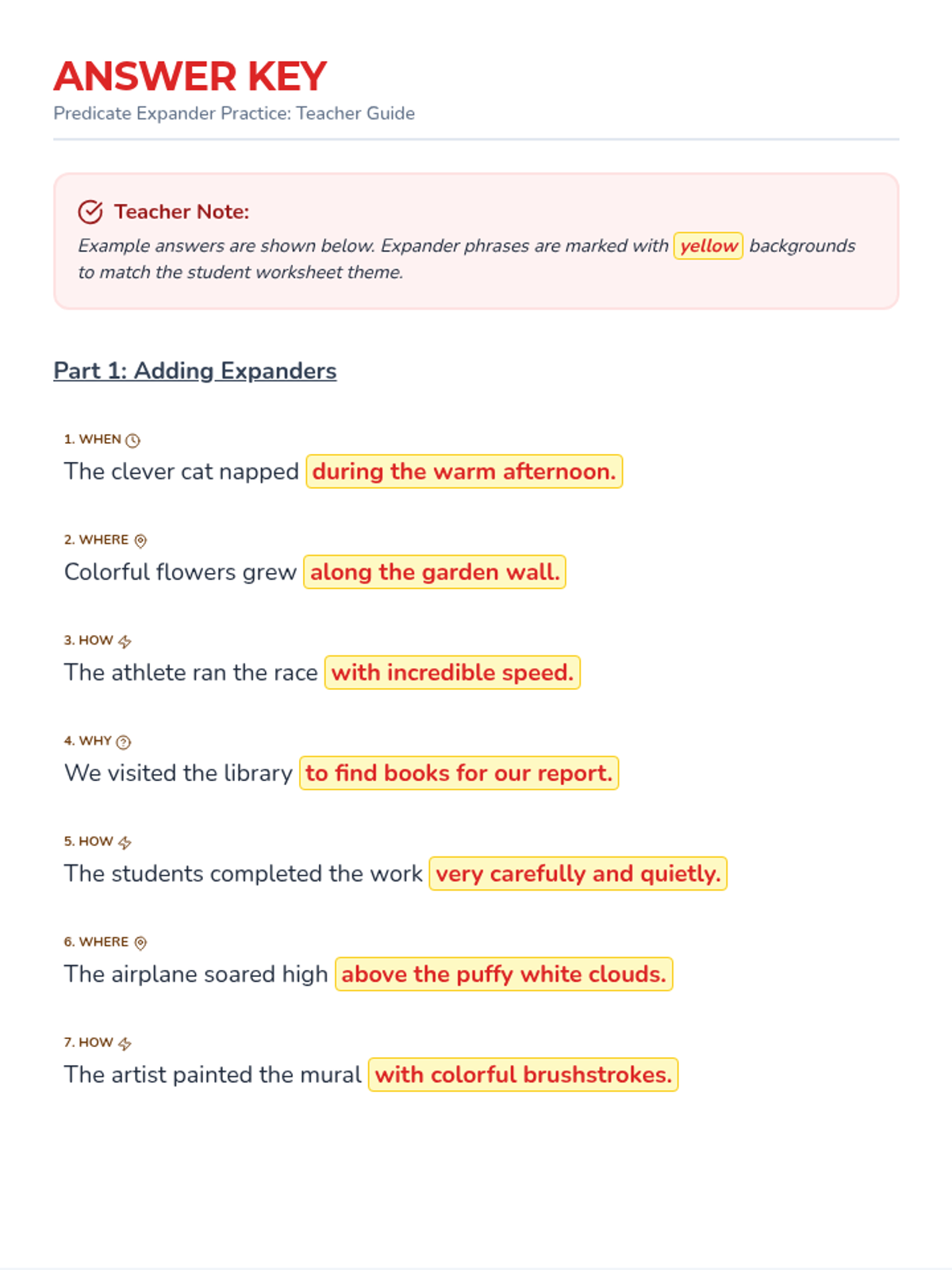
A practice lesson focusing on expanding sentences using 'where', 'why', 'when', and 'how' predicate expanders to add detail and variety.
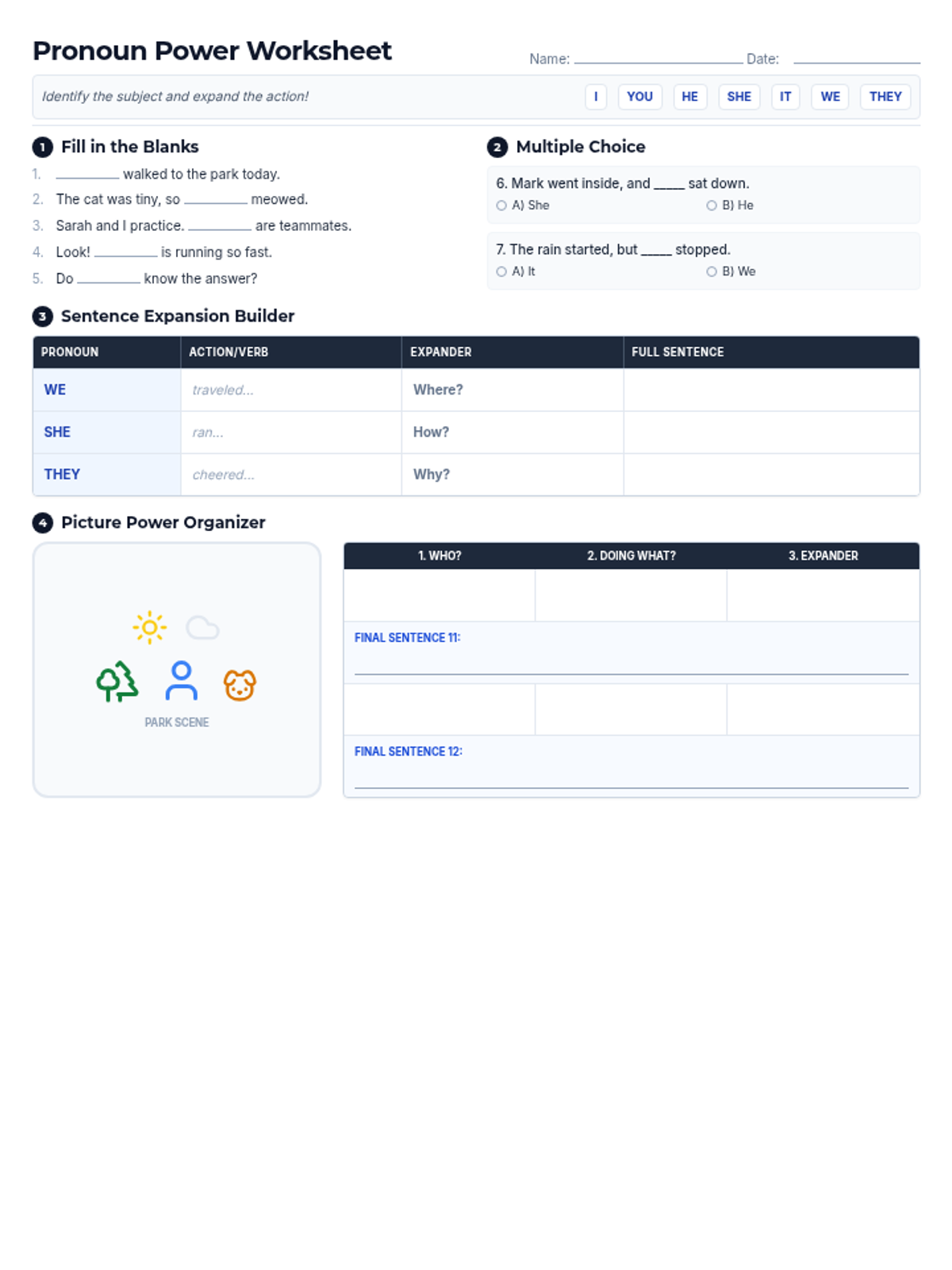
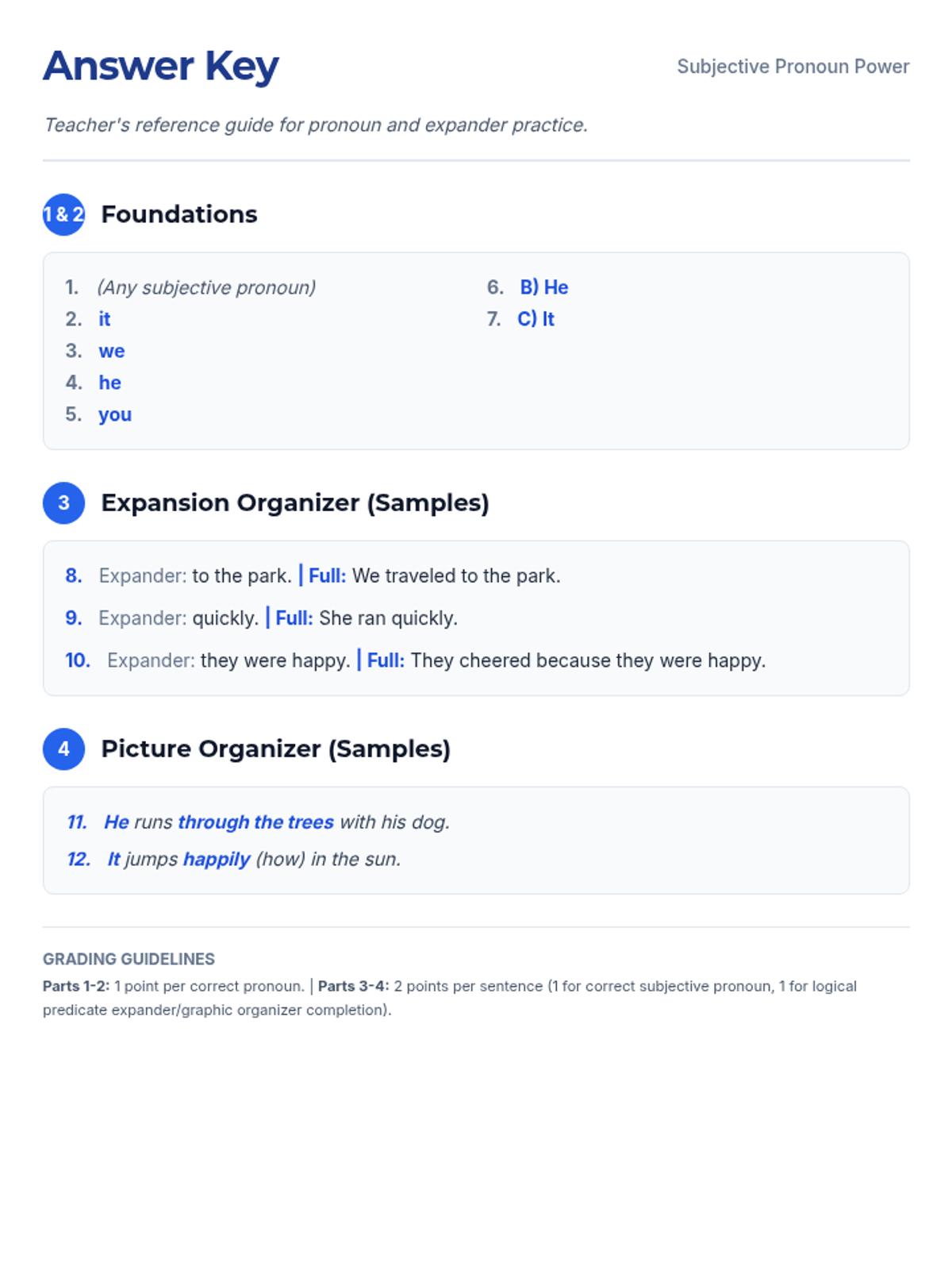
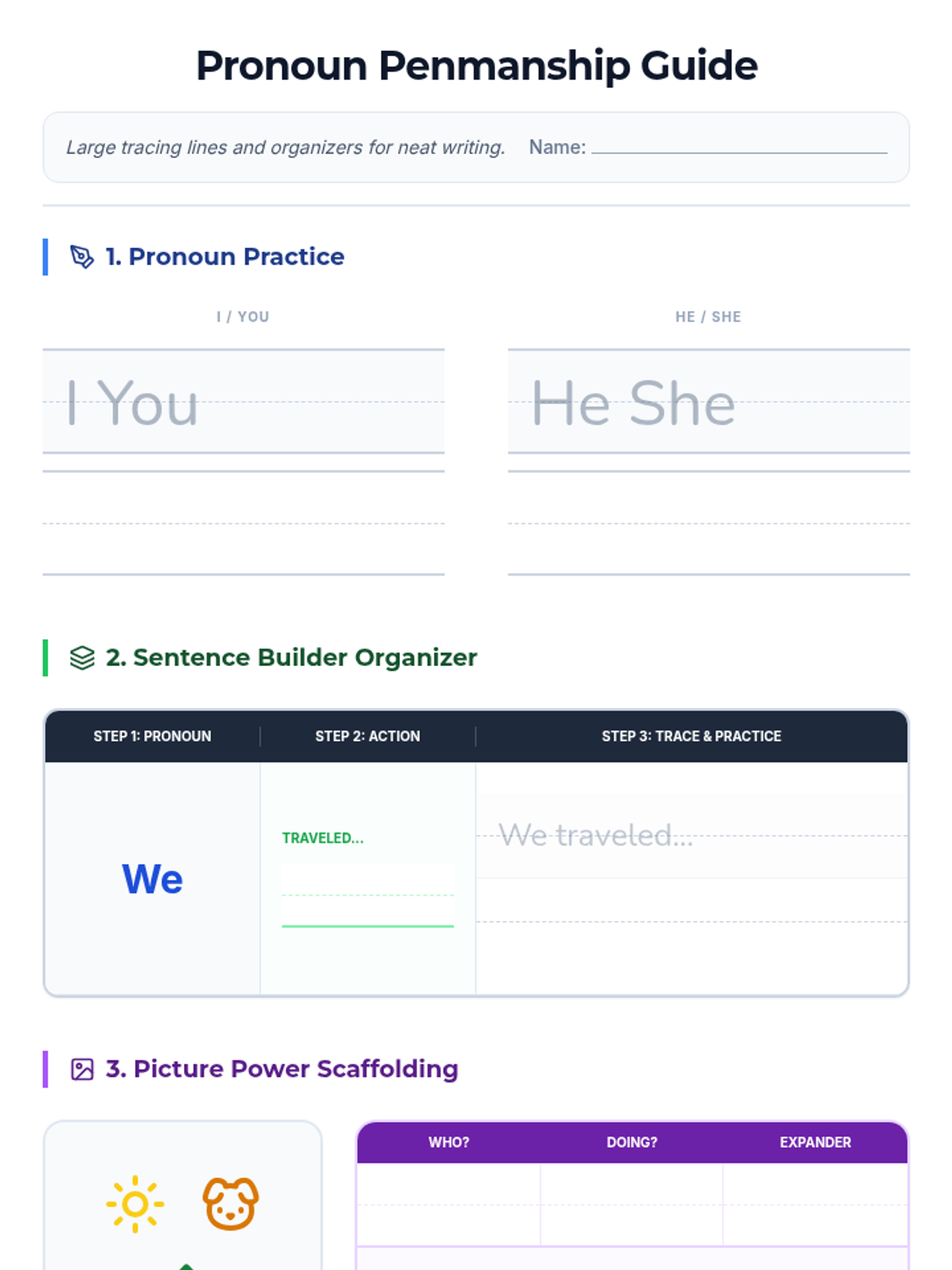
A lesson focused on mastering subjective pronouns within sentences enhanced by predicate expanders (where, when, how, and why). Students will identify pronouns and construct complex thoughts by adding detail to their actions.
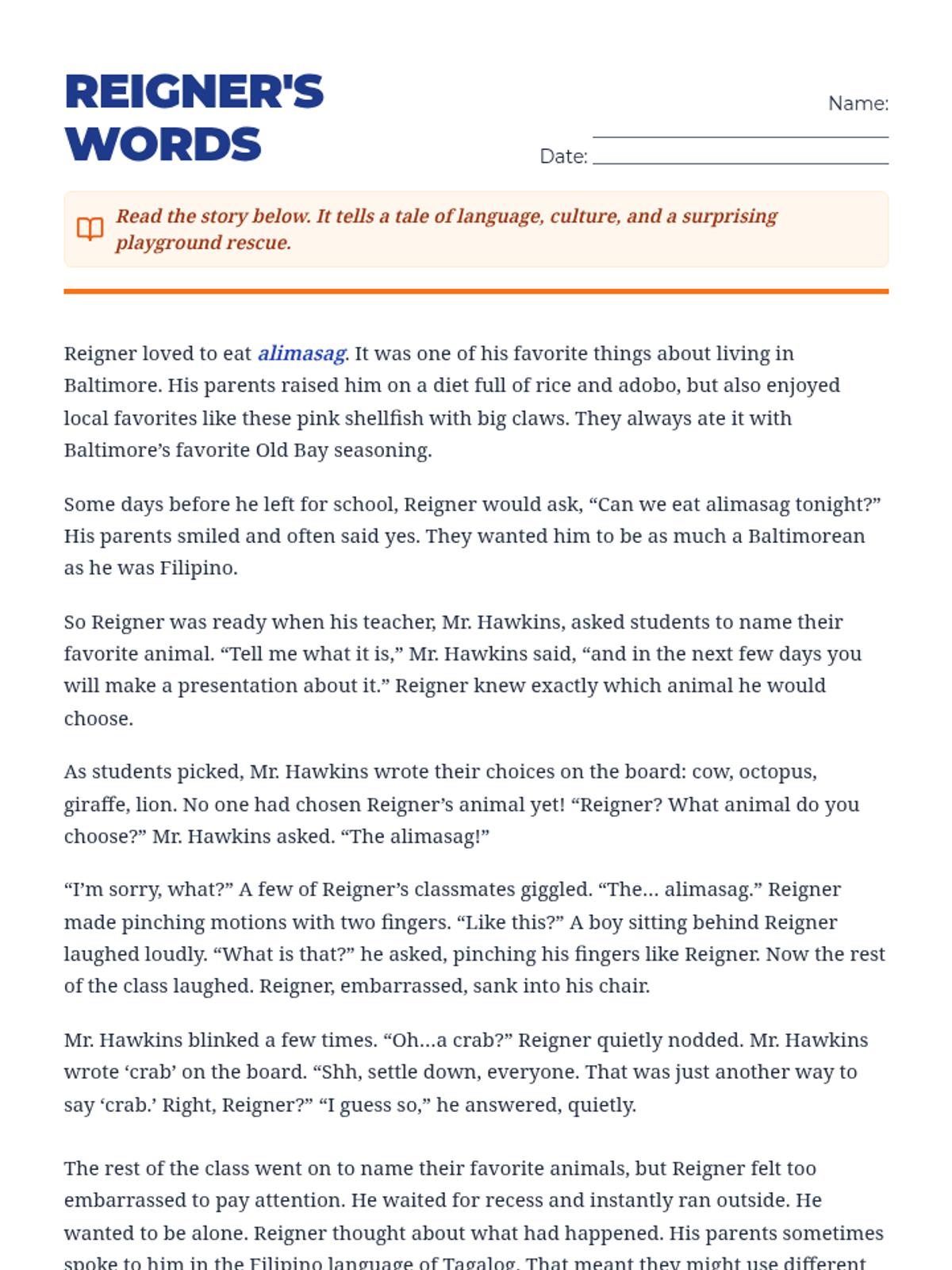
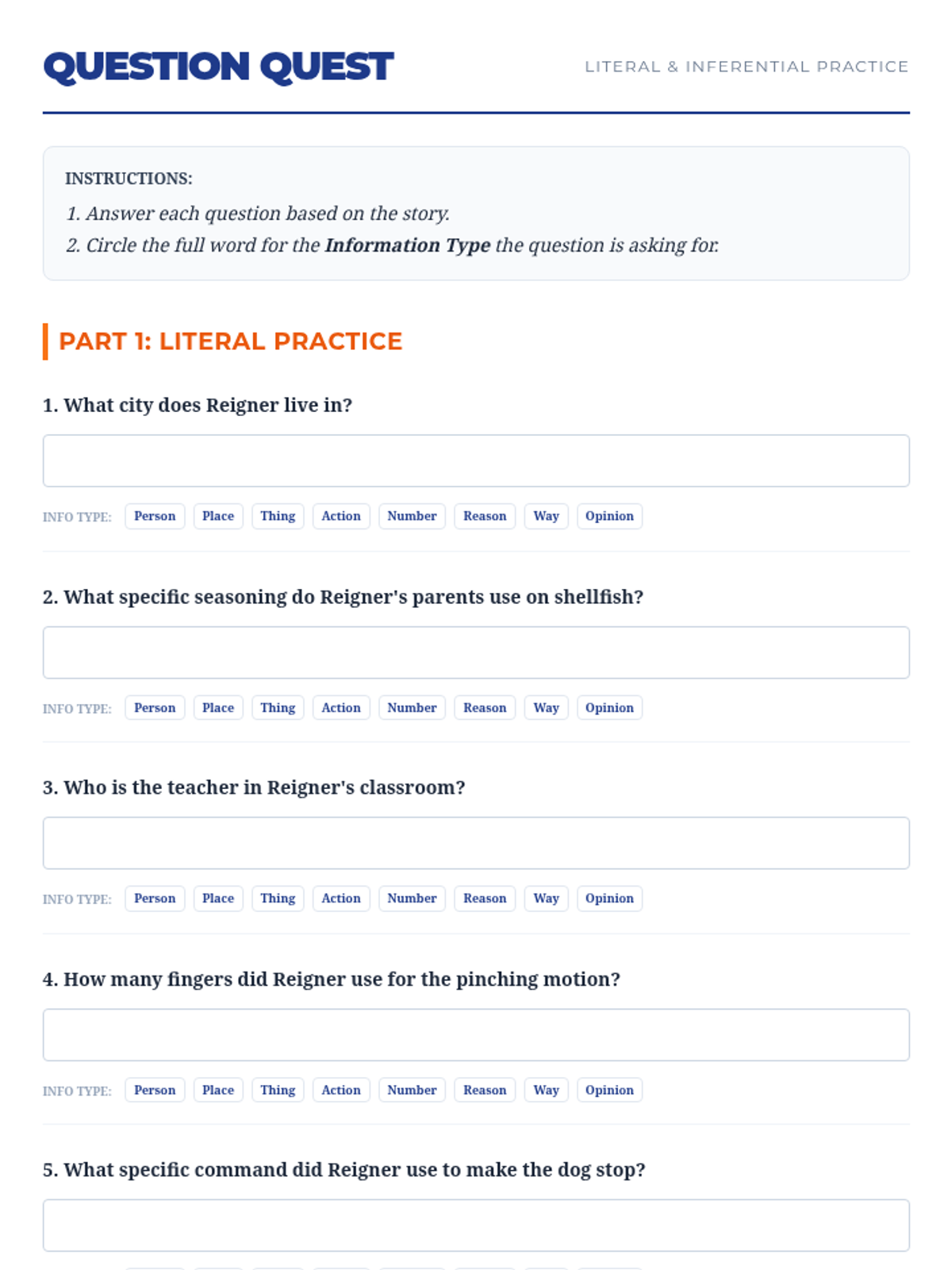
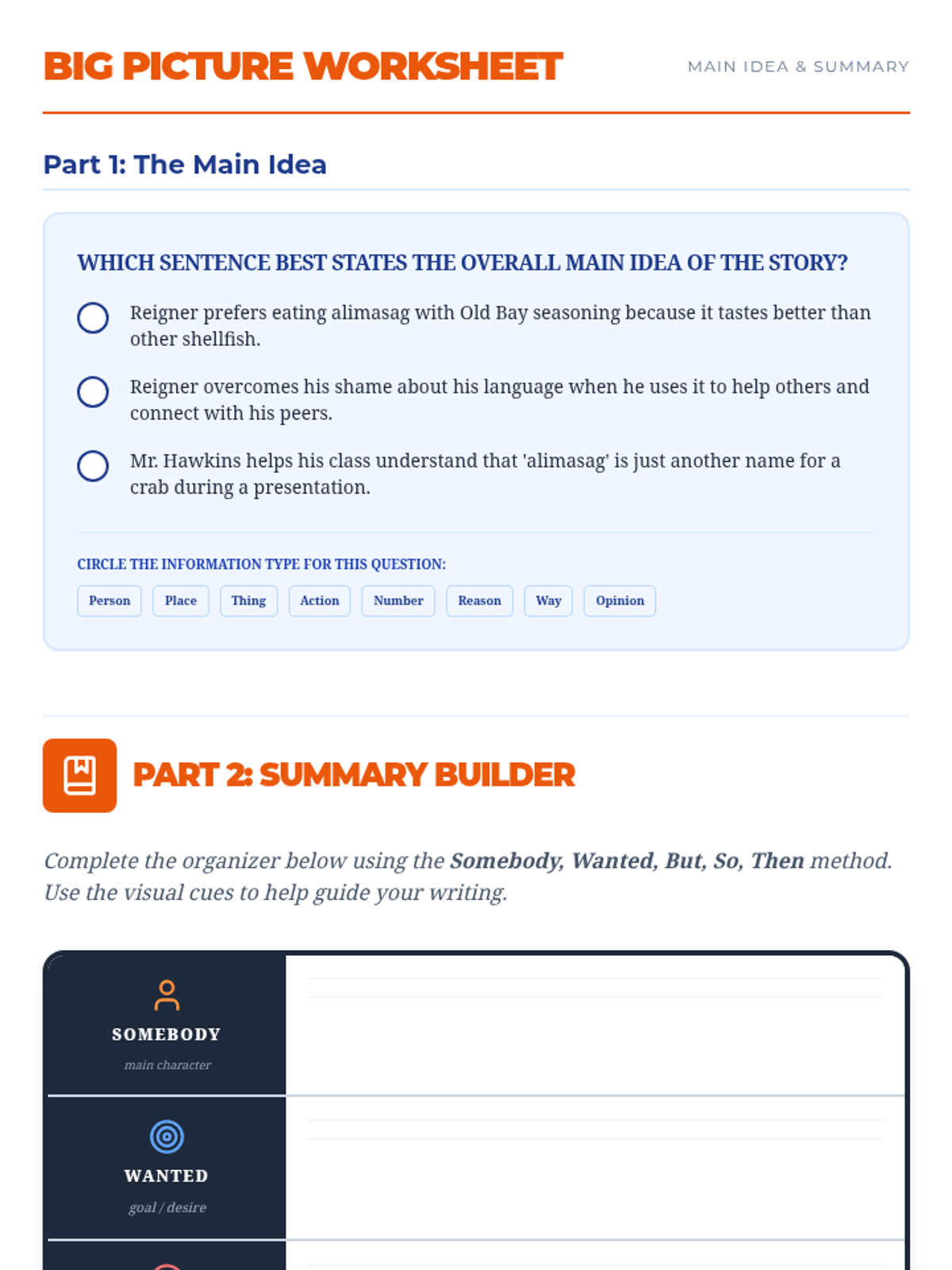
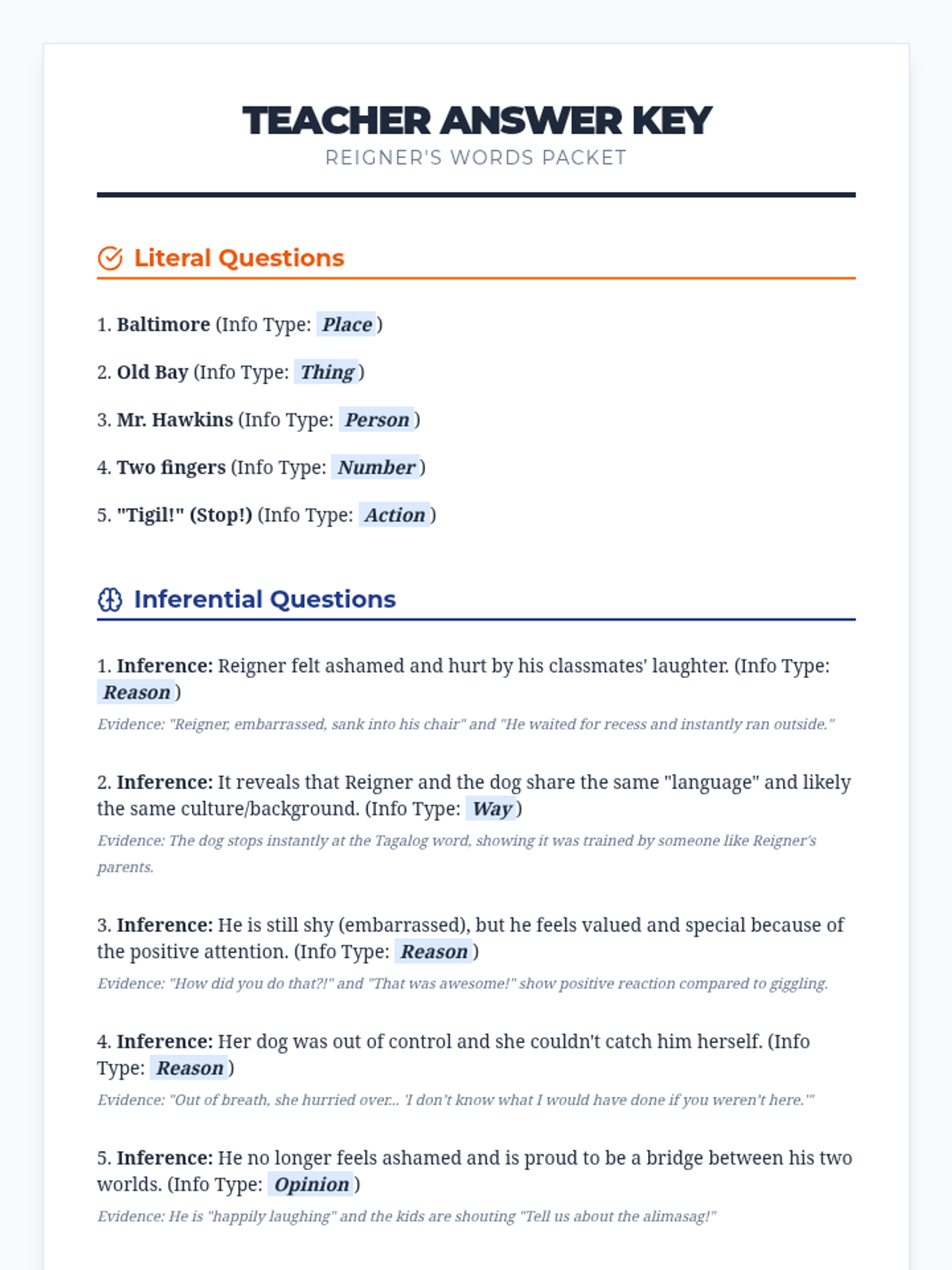
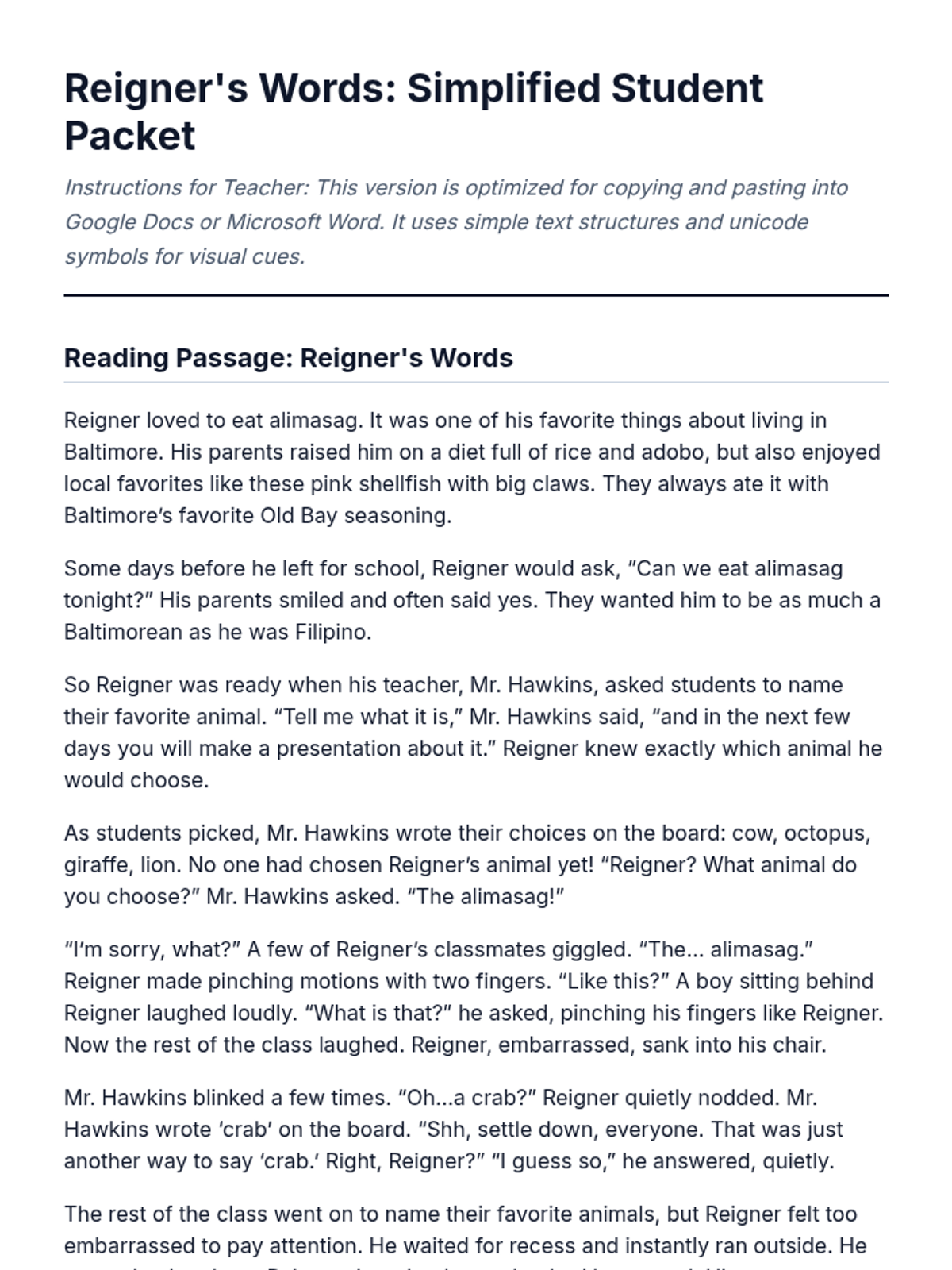
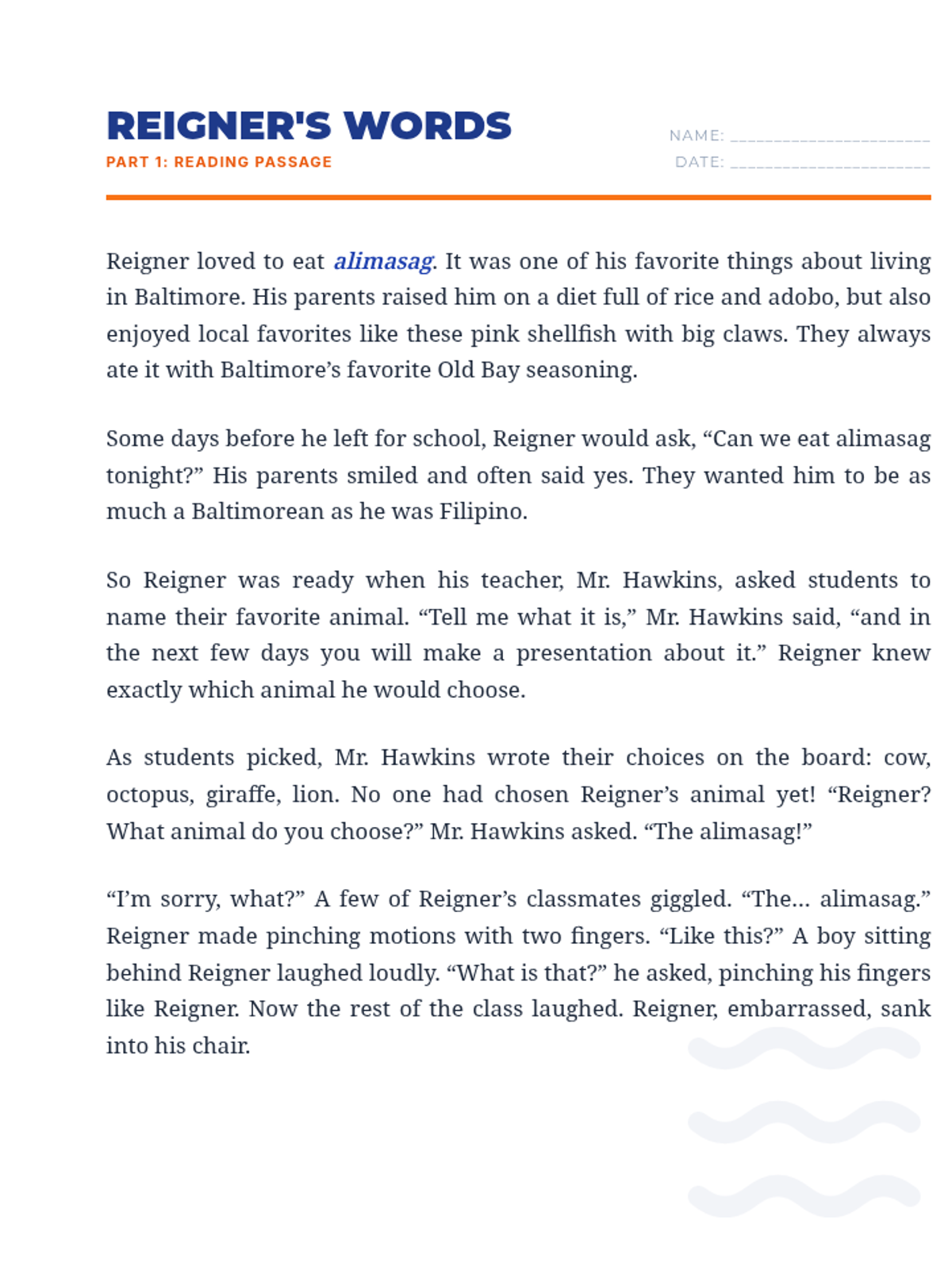
A reading comprehension lesson centered on 'The Alimasag Rescue', a story about cultural identity and language. Students practice literal and inferential comprehension, identifying main ideas, and synthesizing information into a summary.
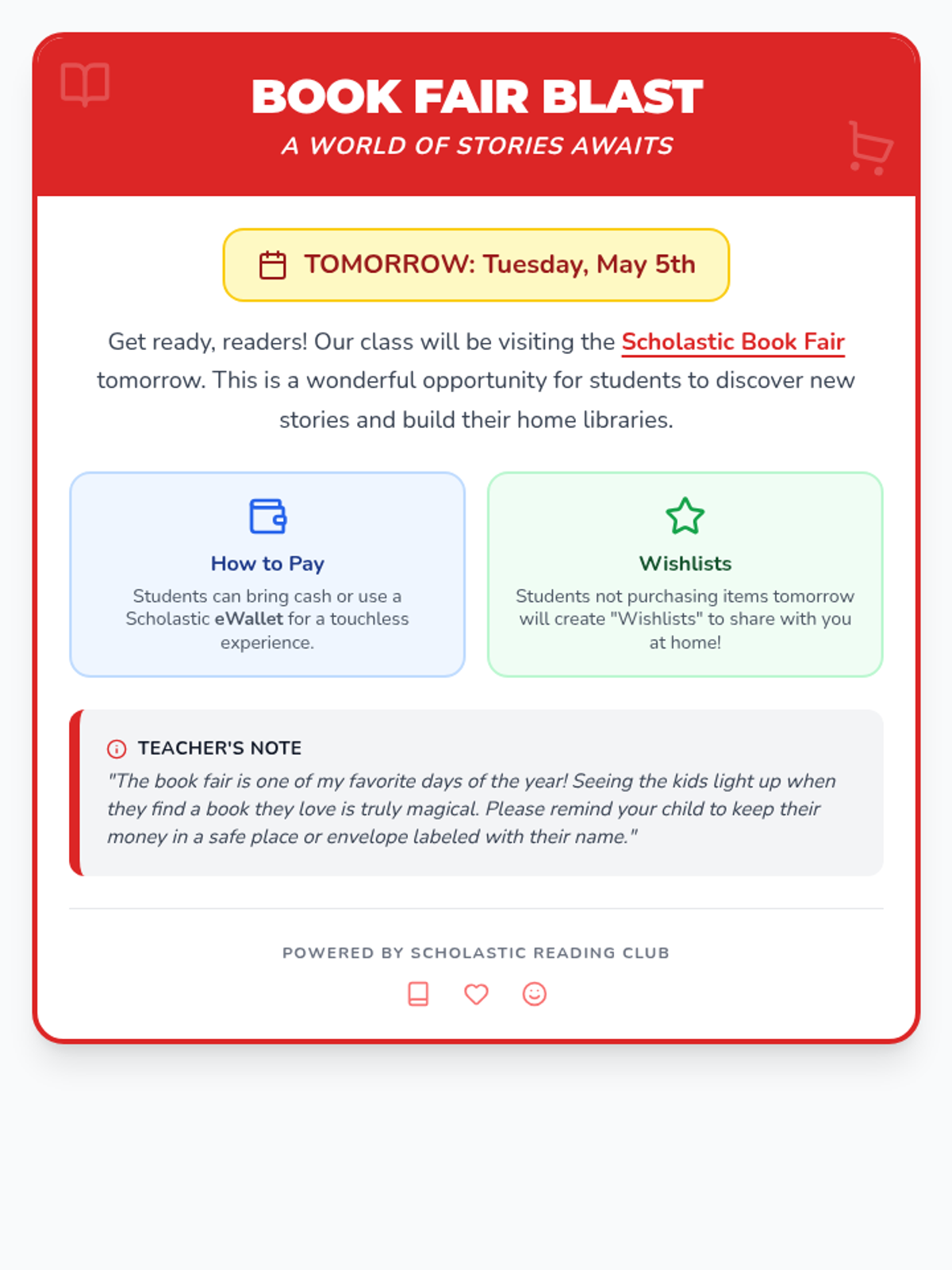
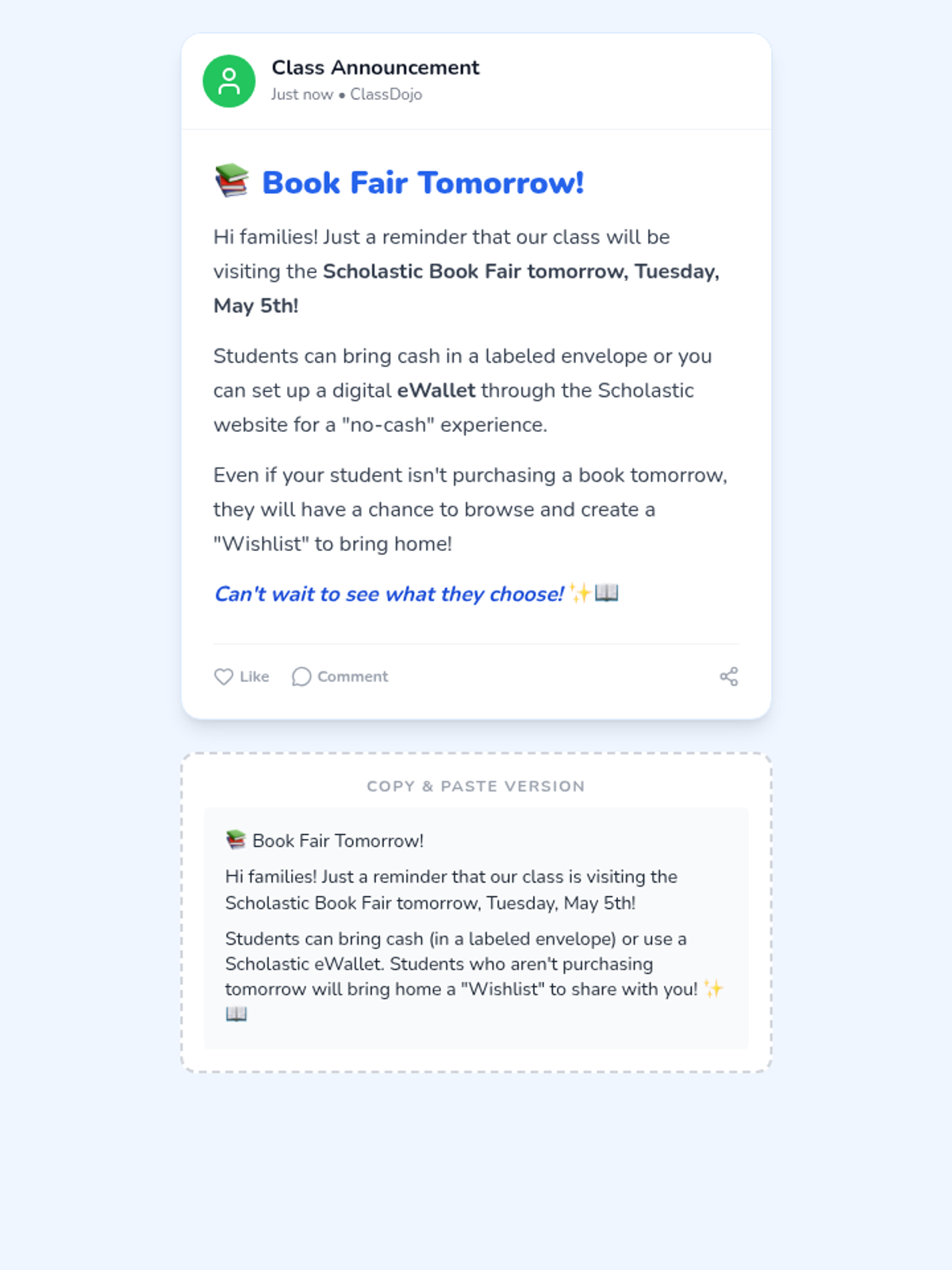
A collection of resources to help teachers announce and manage their class's visit to the Scholastic Book Fair.
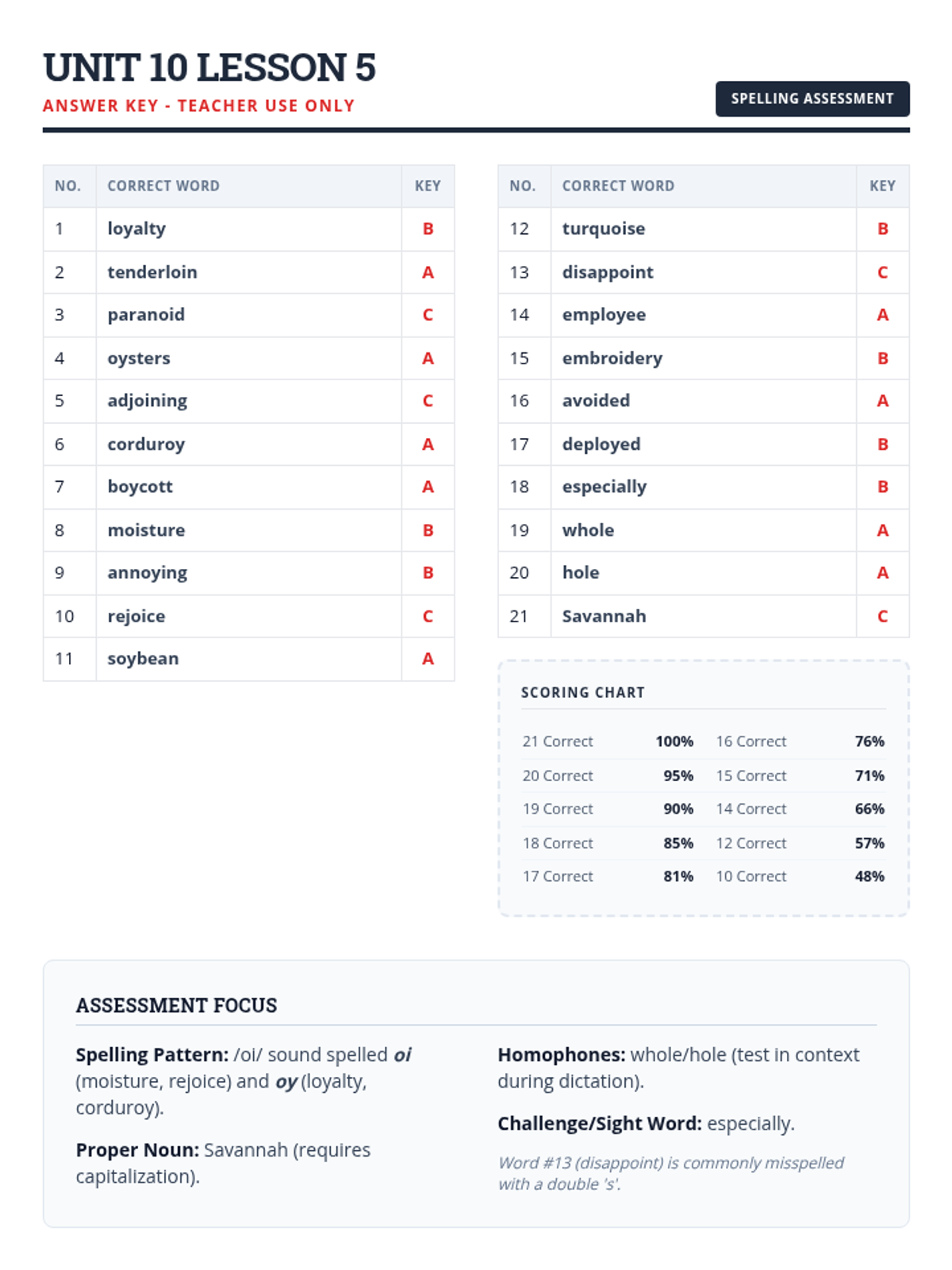
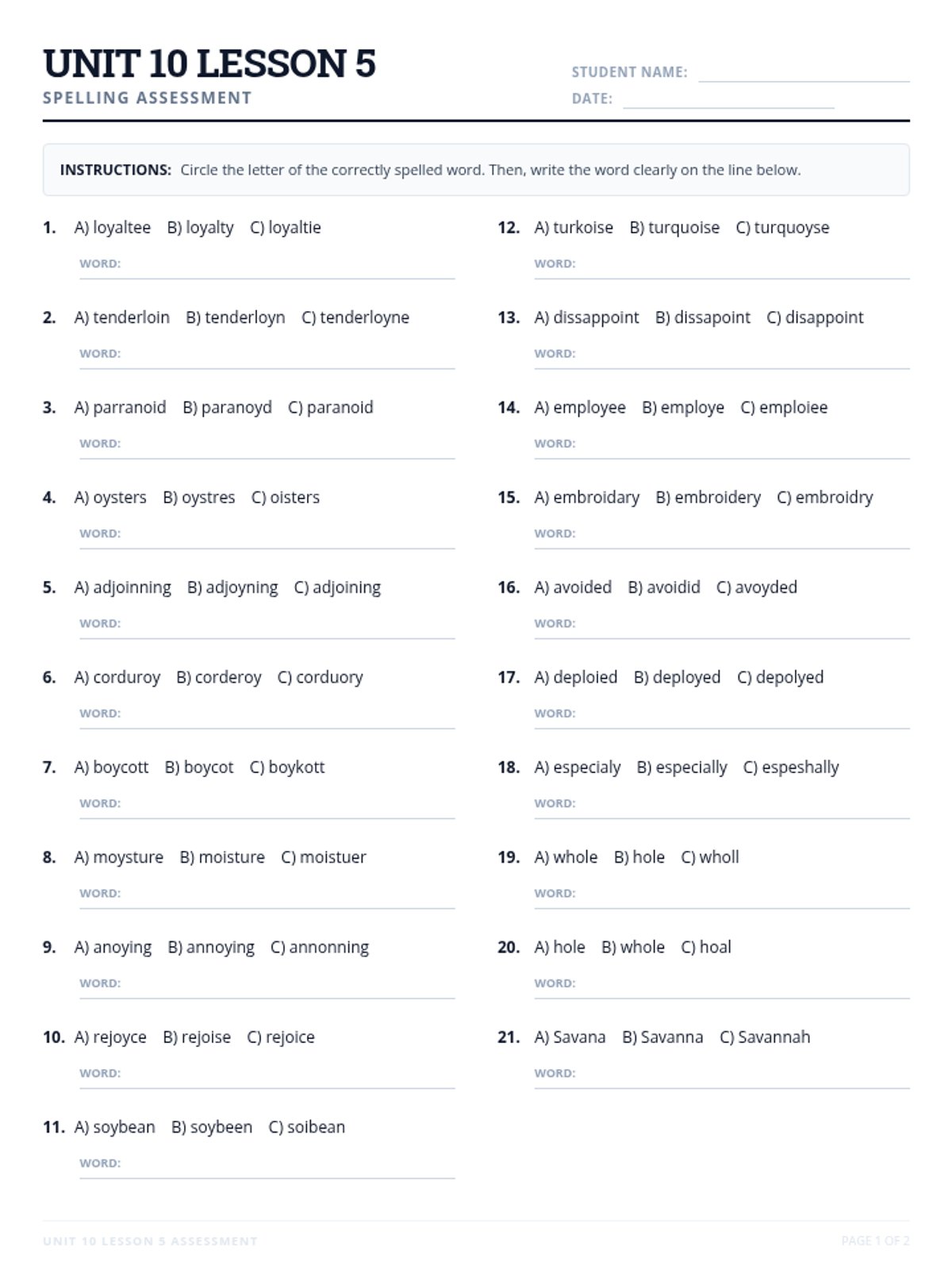
A spelling assessment for Unit 10 Lesson 10 featuring 21 words focusing on the /oi/ sound spelled 'oi' and 'oy'. Includes words like 'loyalty', 'turquoise', and 'Savannah', covering homophones and proper nouns.
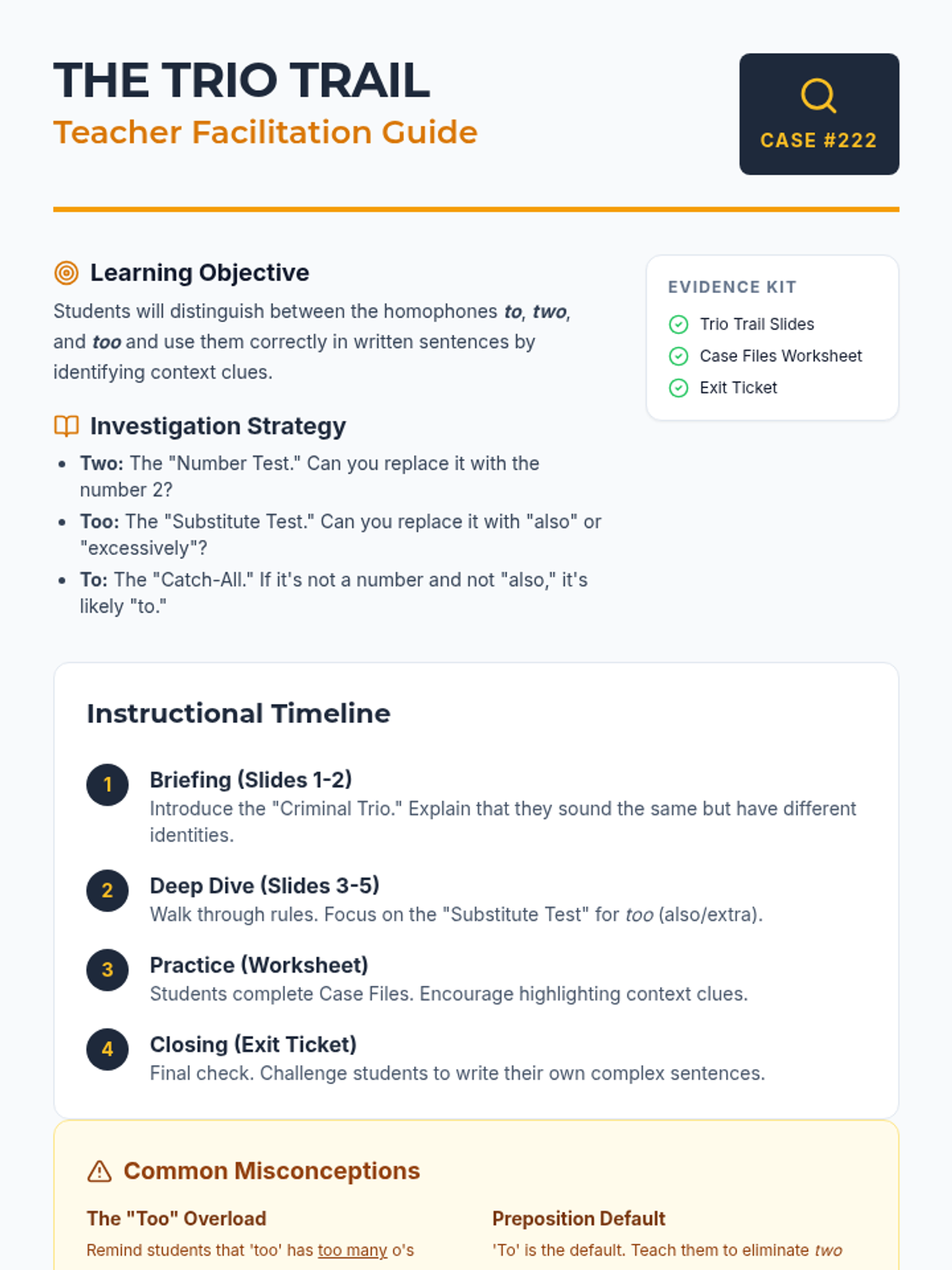
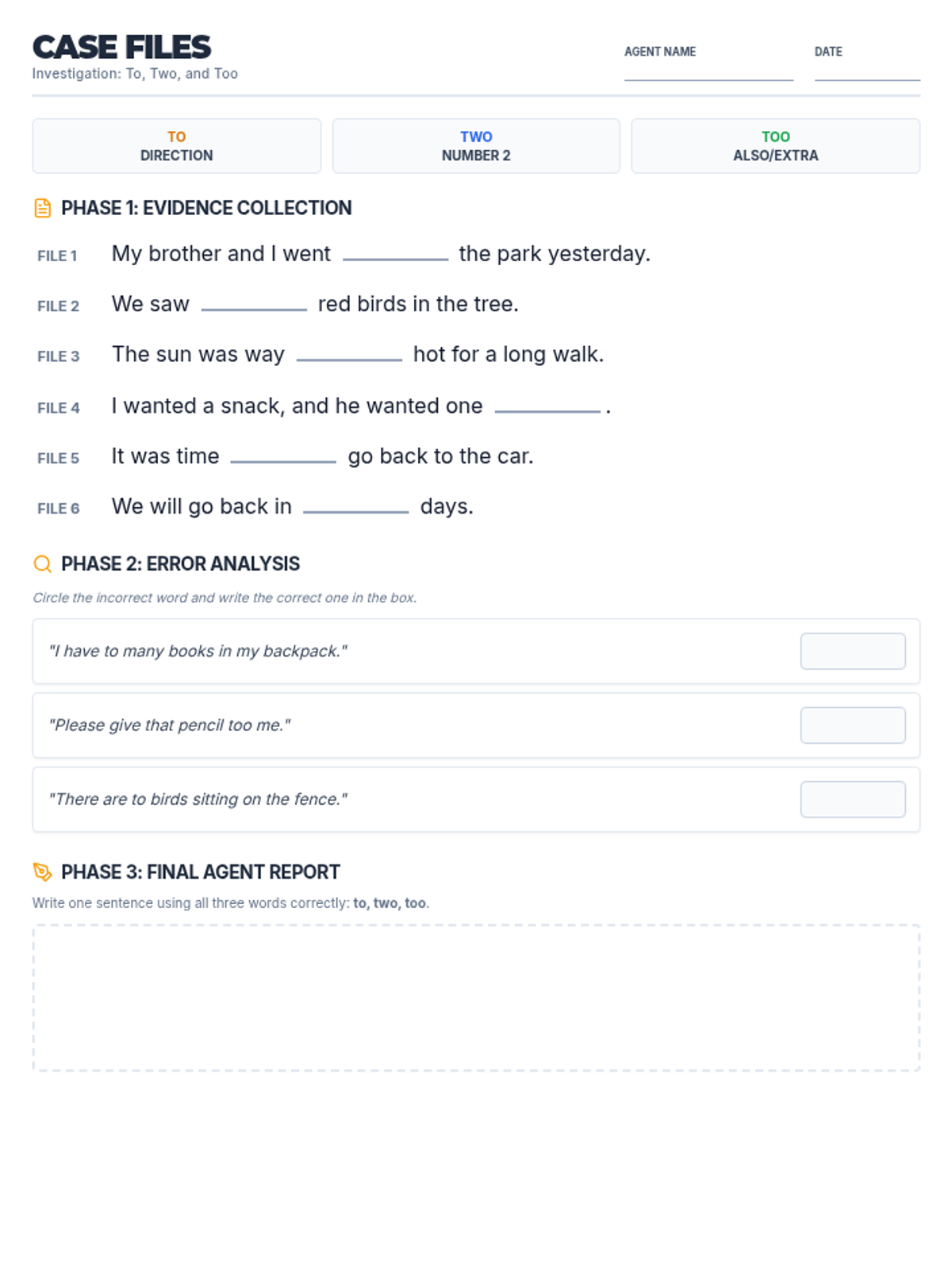
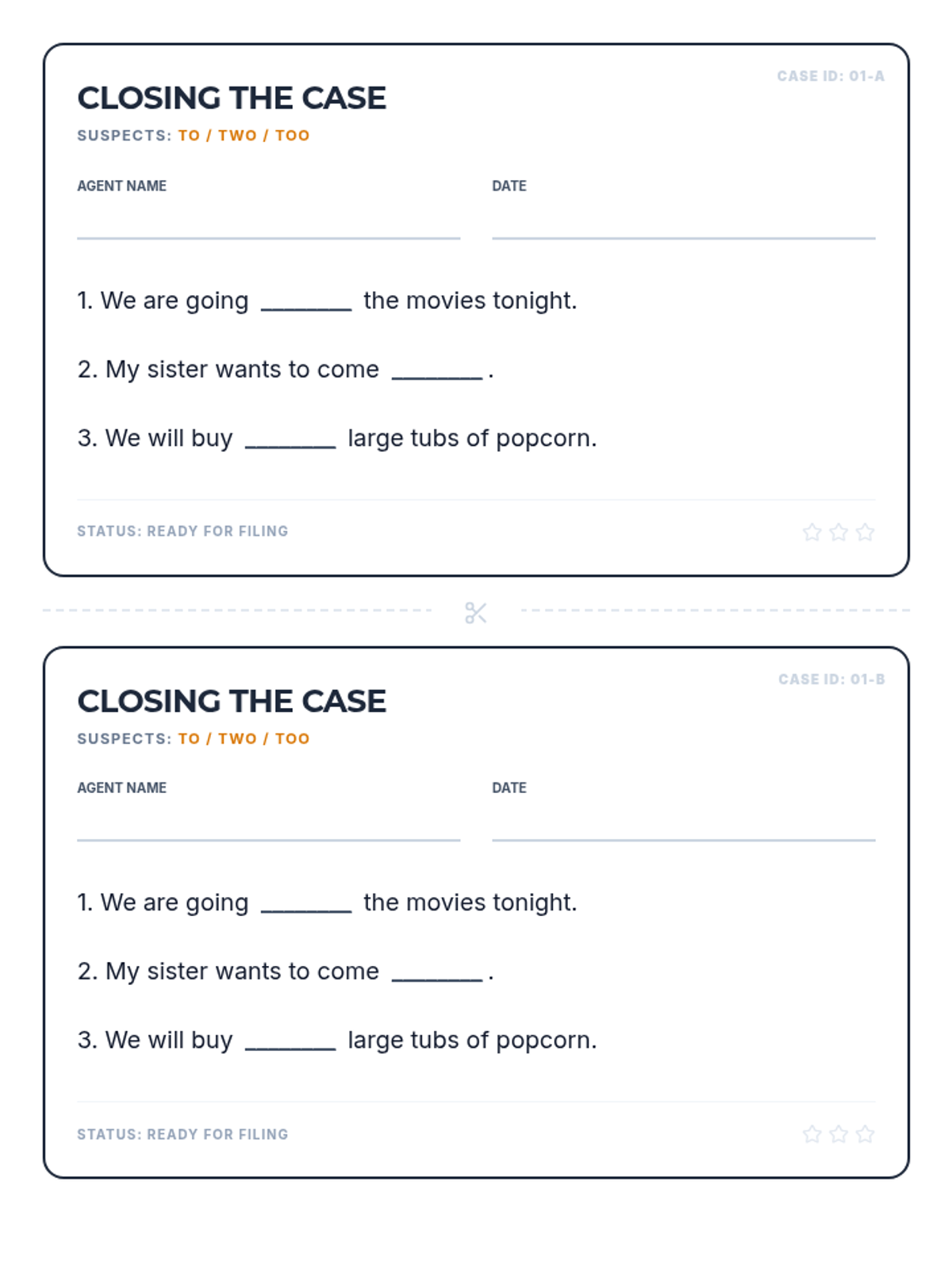
A detective-themed lesson focusing on the correct usage of the homophones 'to', 'two', and 'too' through investigation and practice.
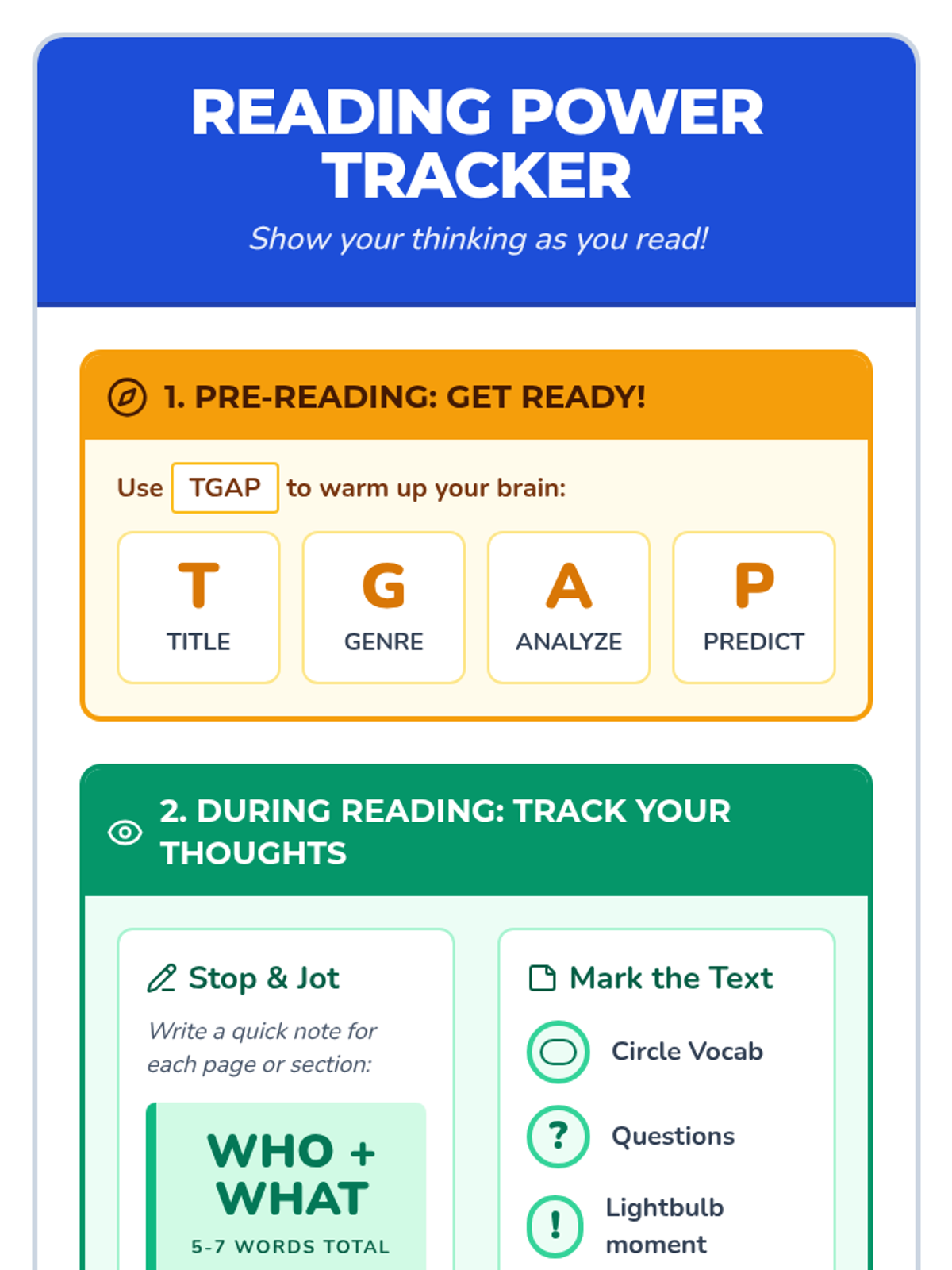
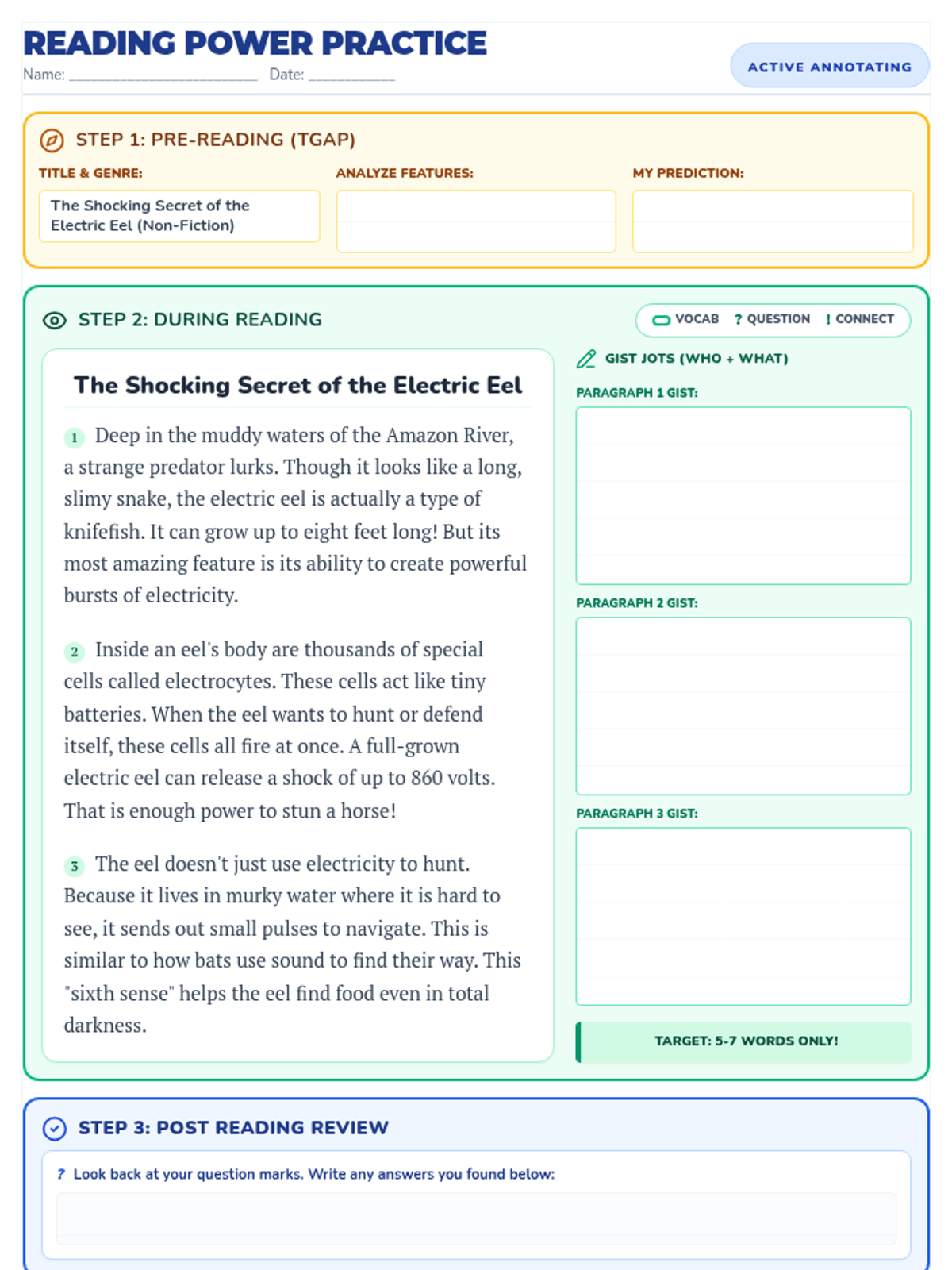
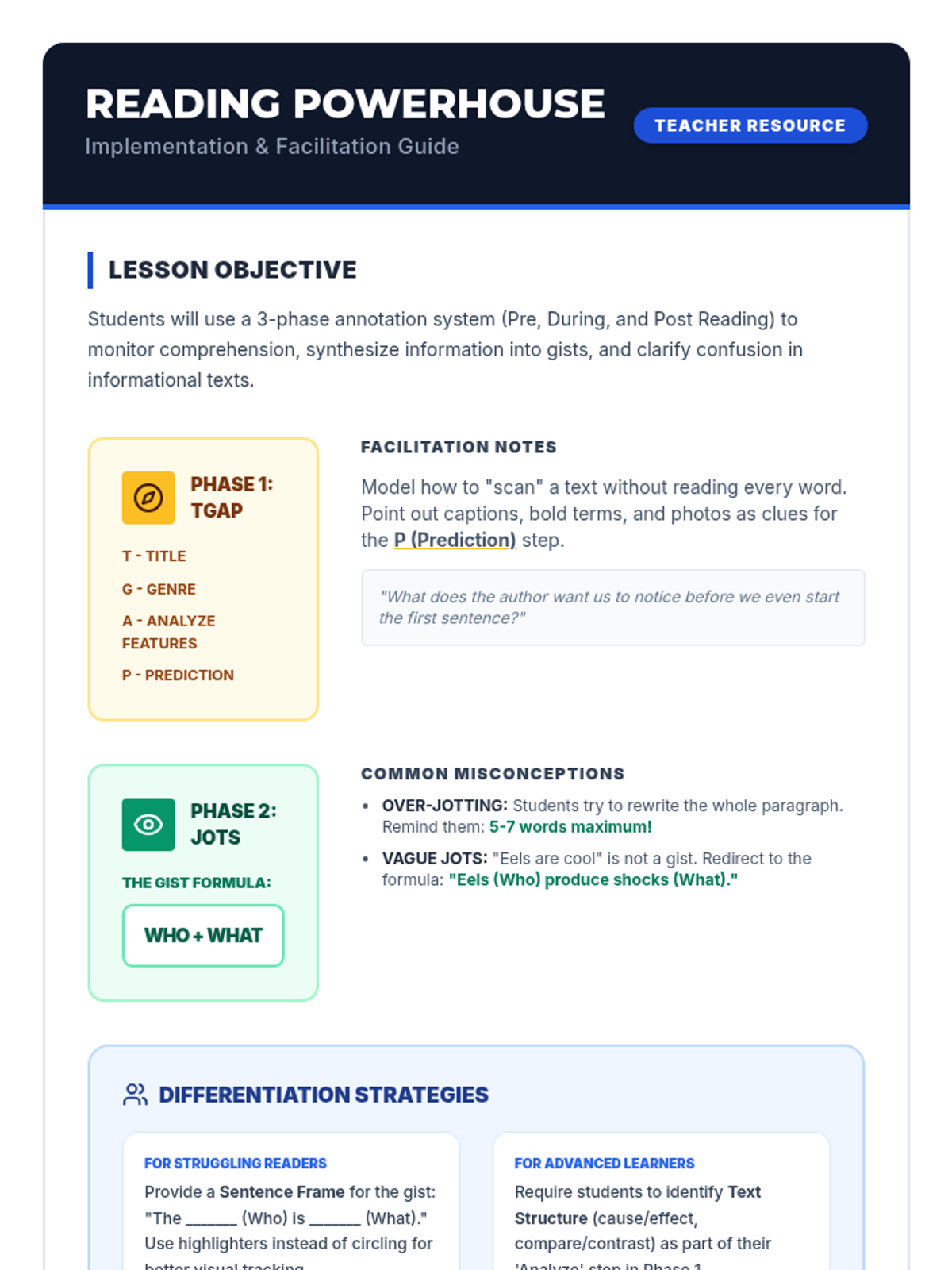
A comprehensive lesson on active reading strategies, focusing on a three-phase annotation system (Pre-Reading, During Reading, and Post Reading) to improve comprehension and critical thinking for students in grades 3-5.
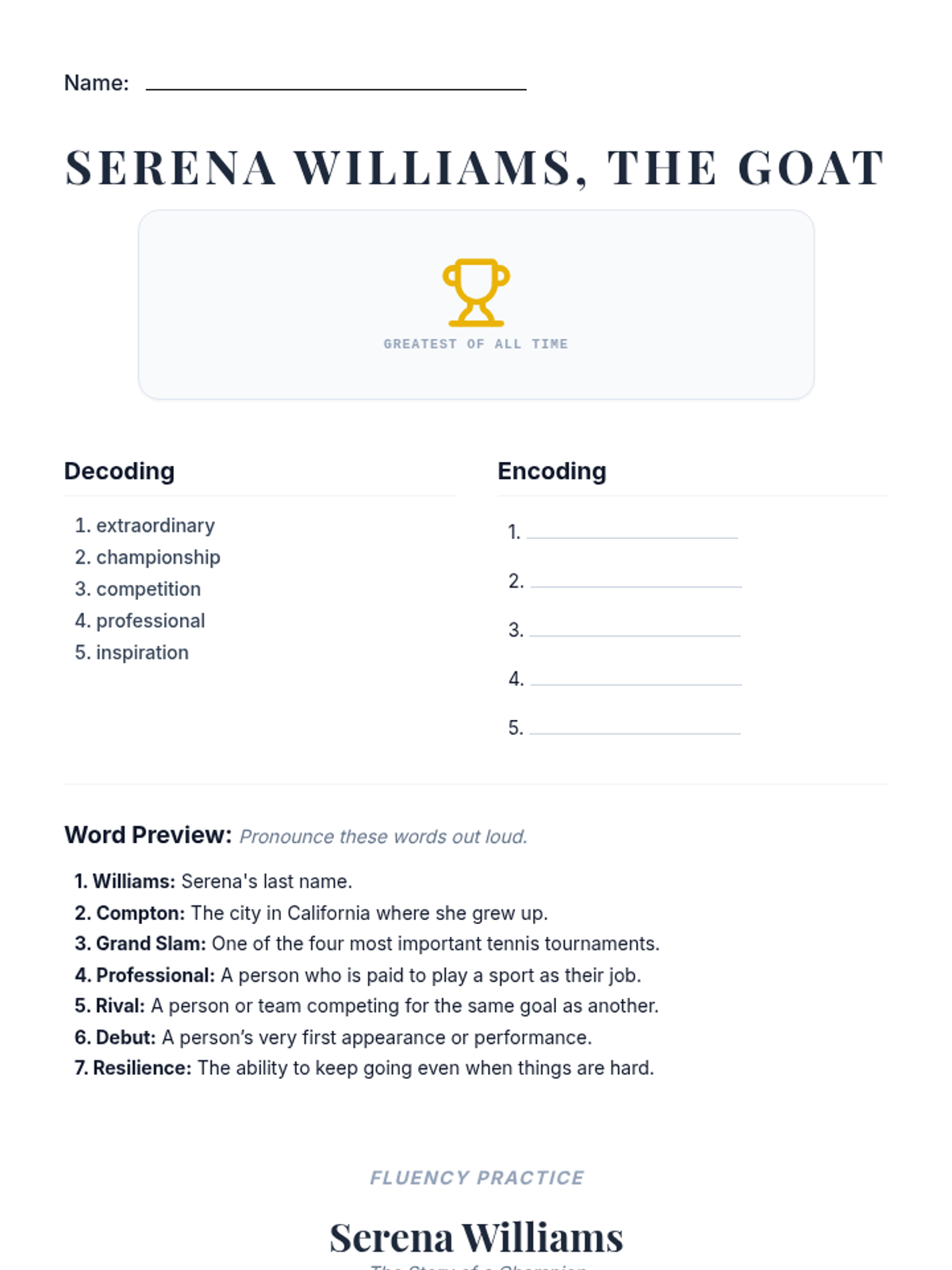
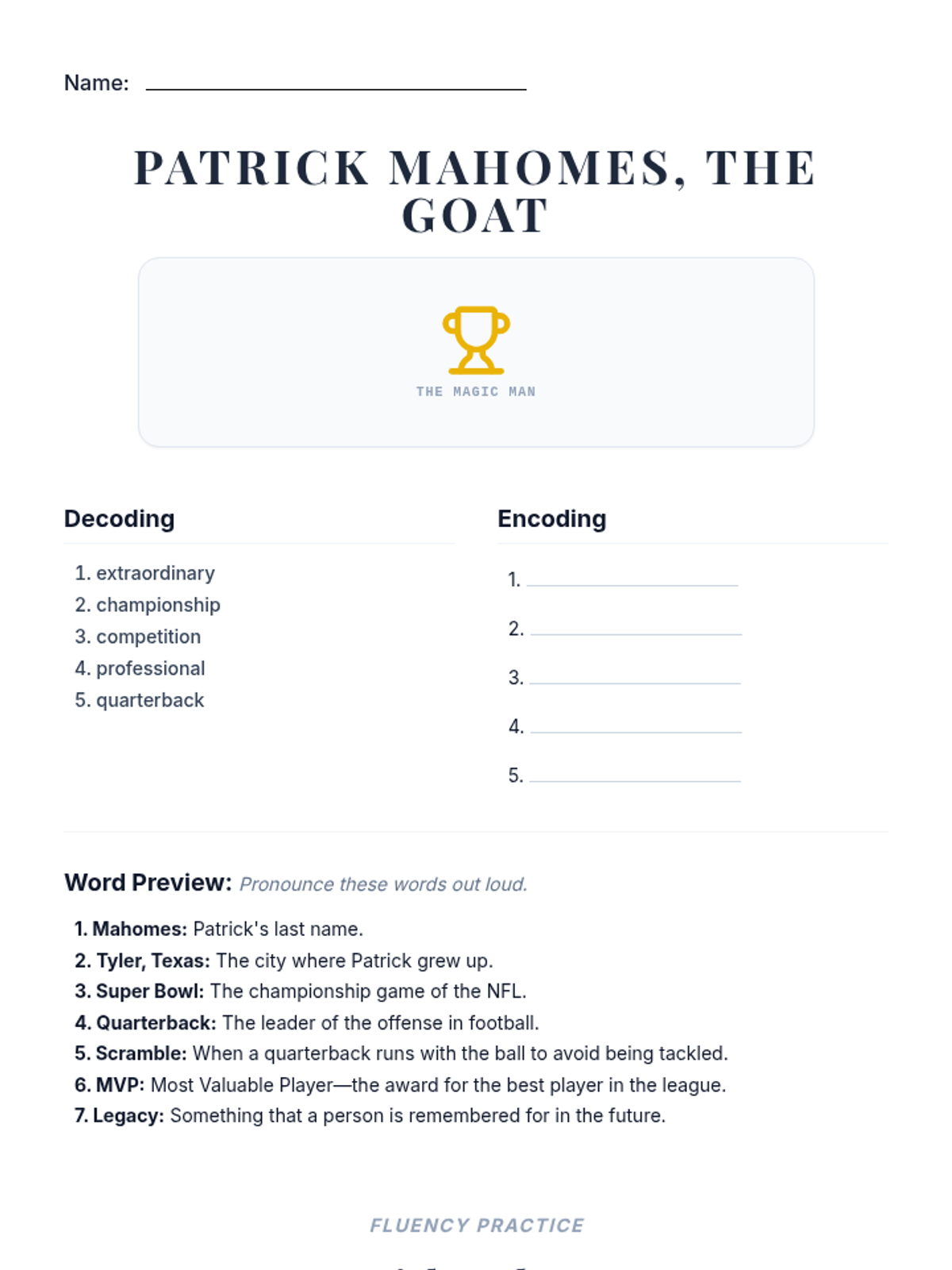
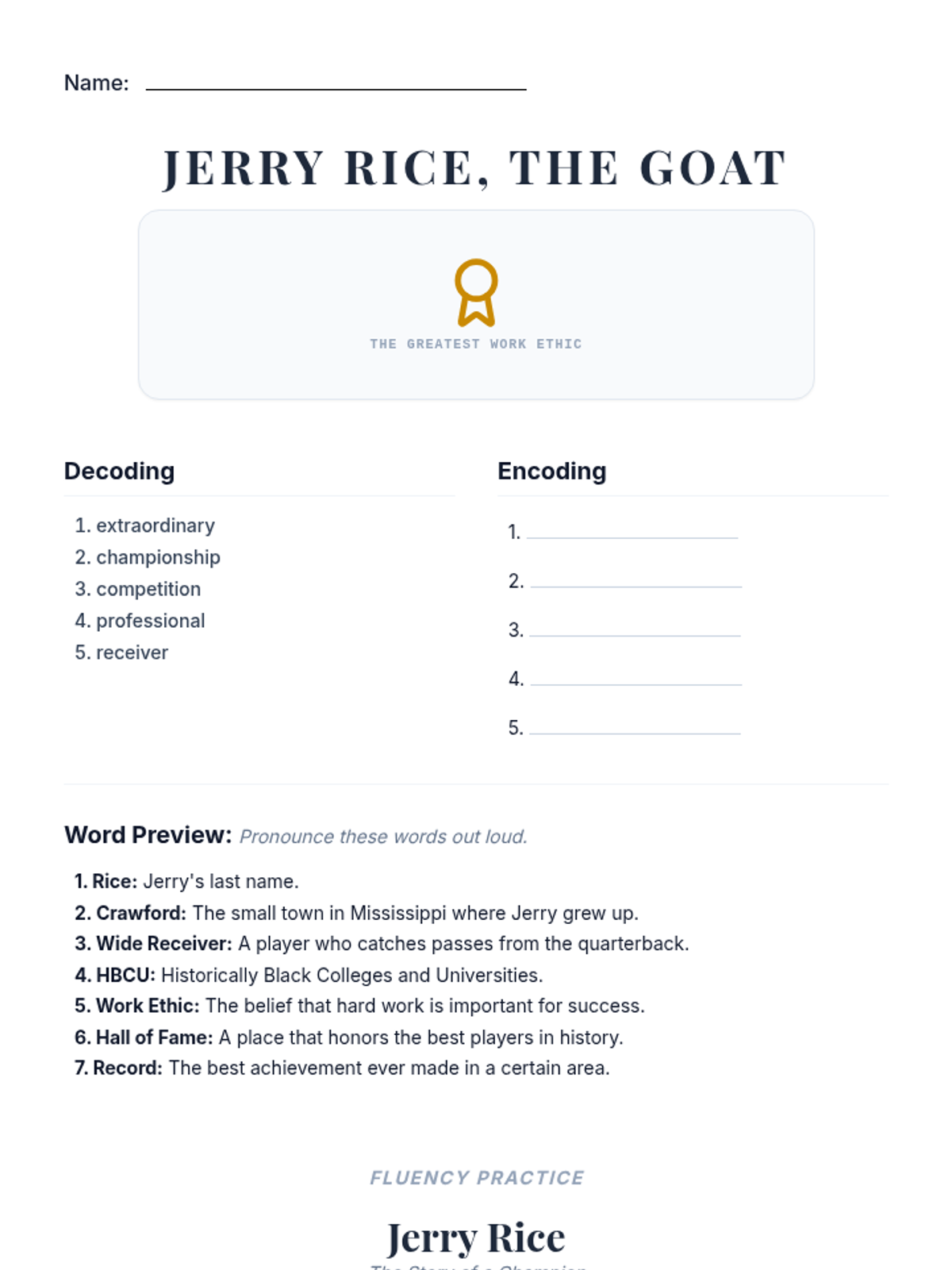
A collection of high-interest reading passages and fluency packets about legendary athletes. Each resource includes word-work exercises, timed reading sections, and discussion prompts.
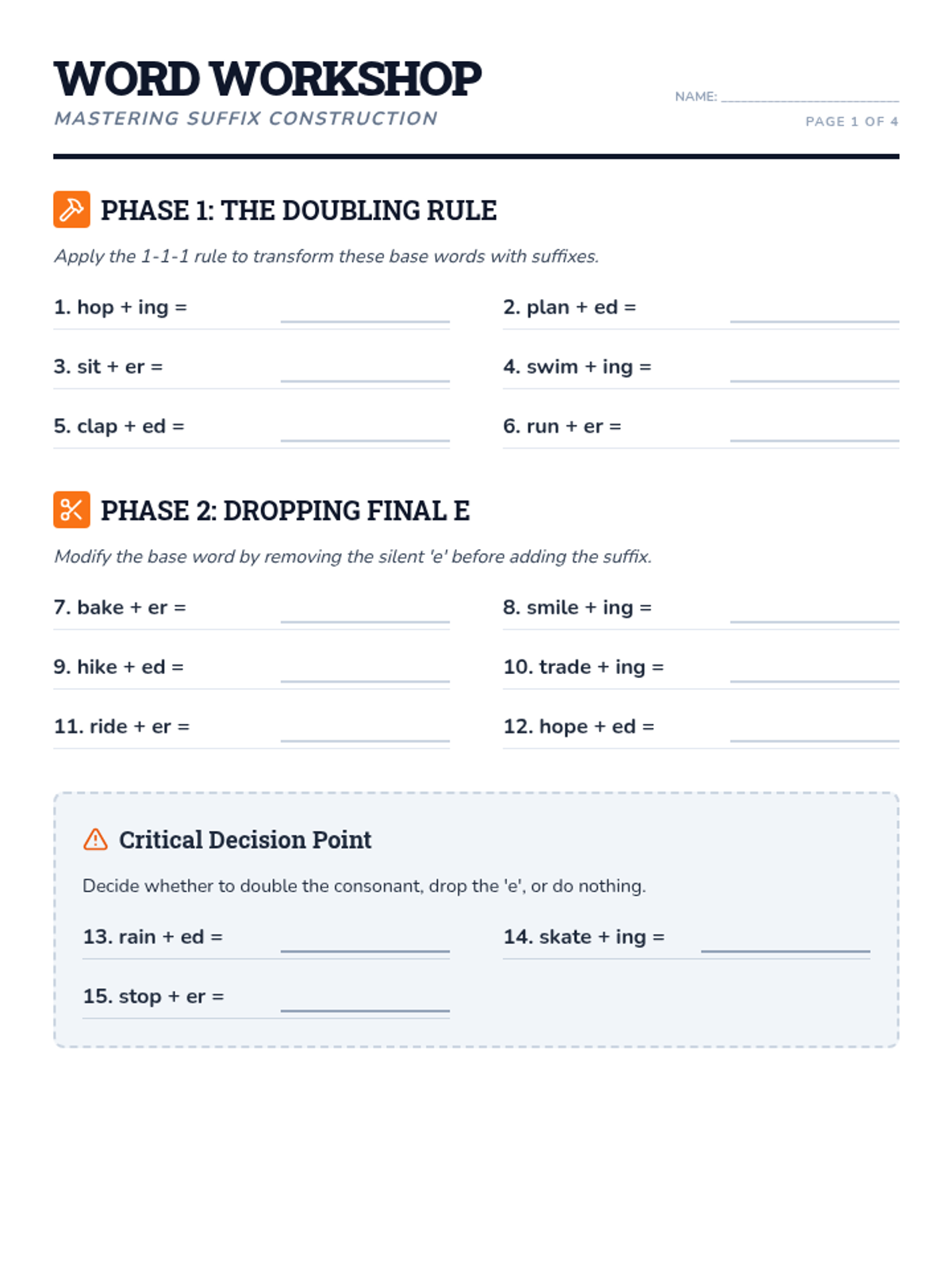
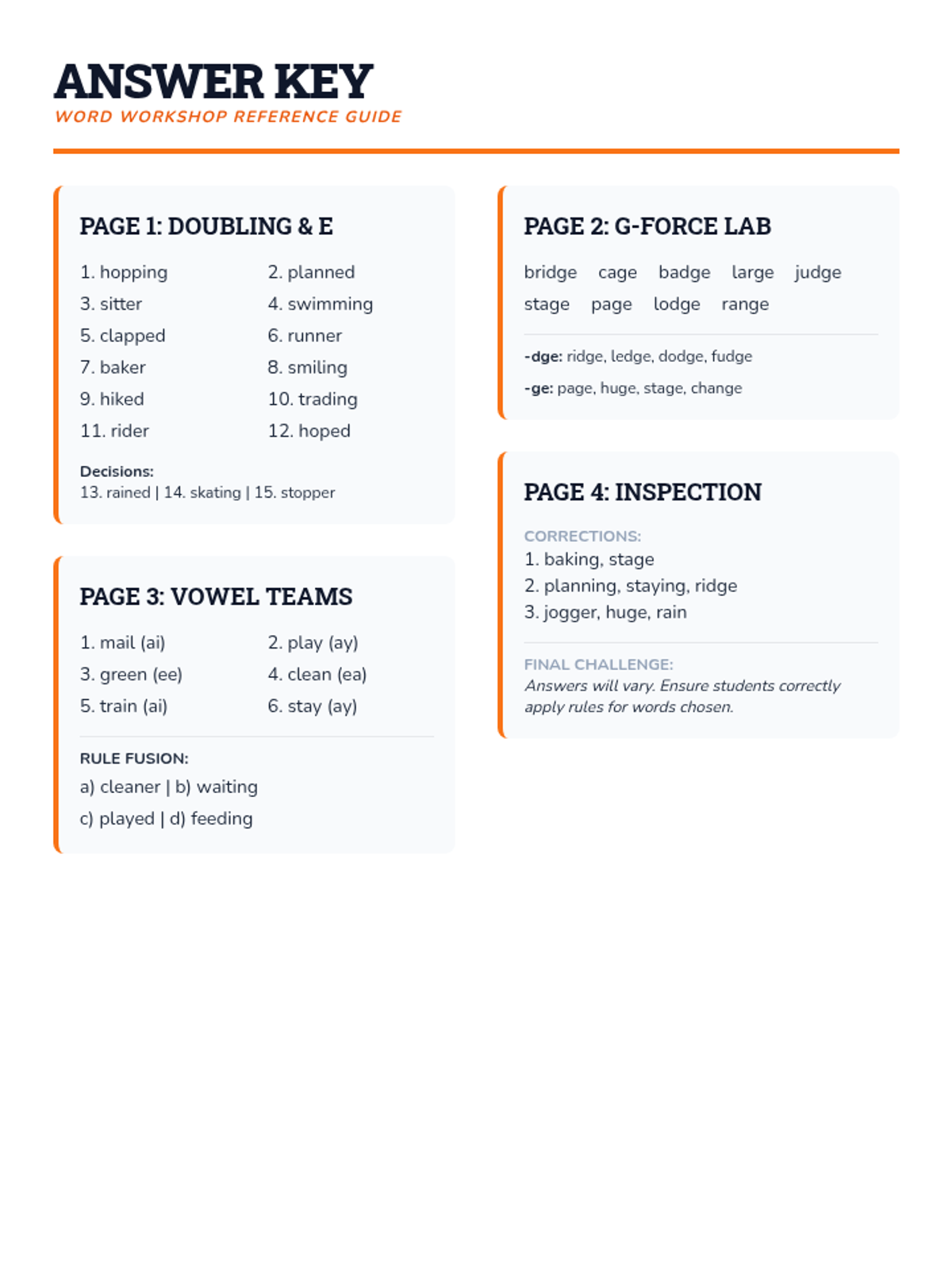
A comprehensive practice packet focusing on core spelling rules: doubling consonants, dropping final 'e', and the dge/ge distinction, integrated with vowel team mastery.
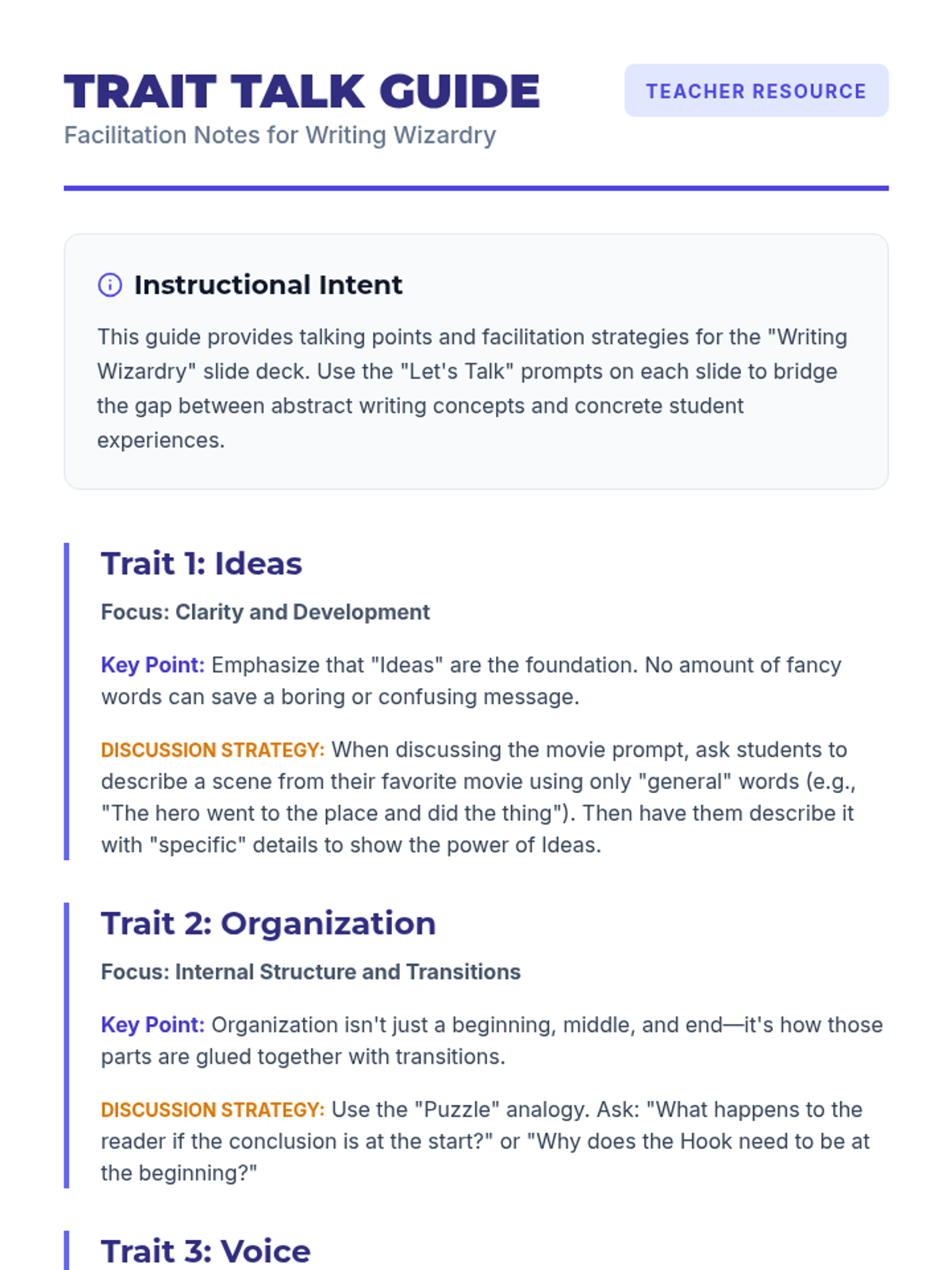
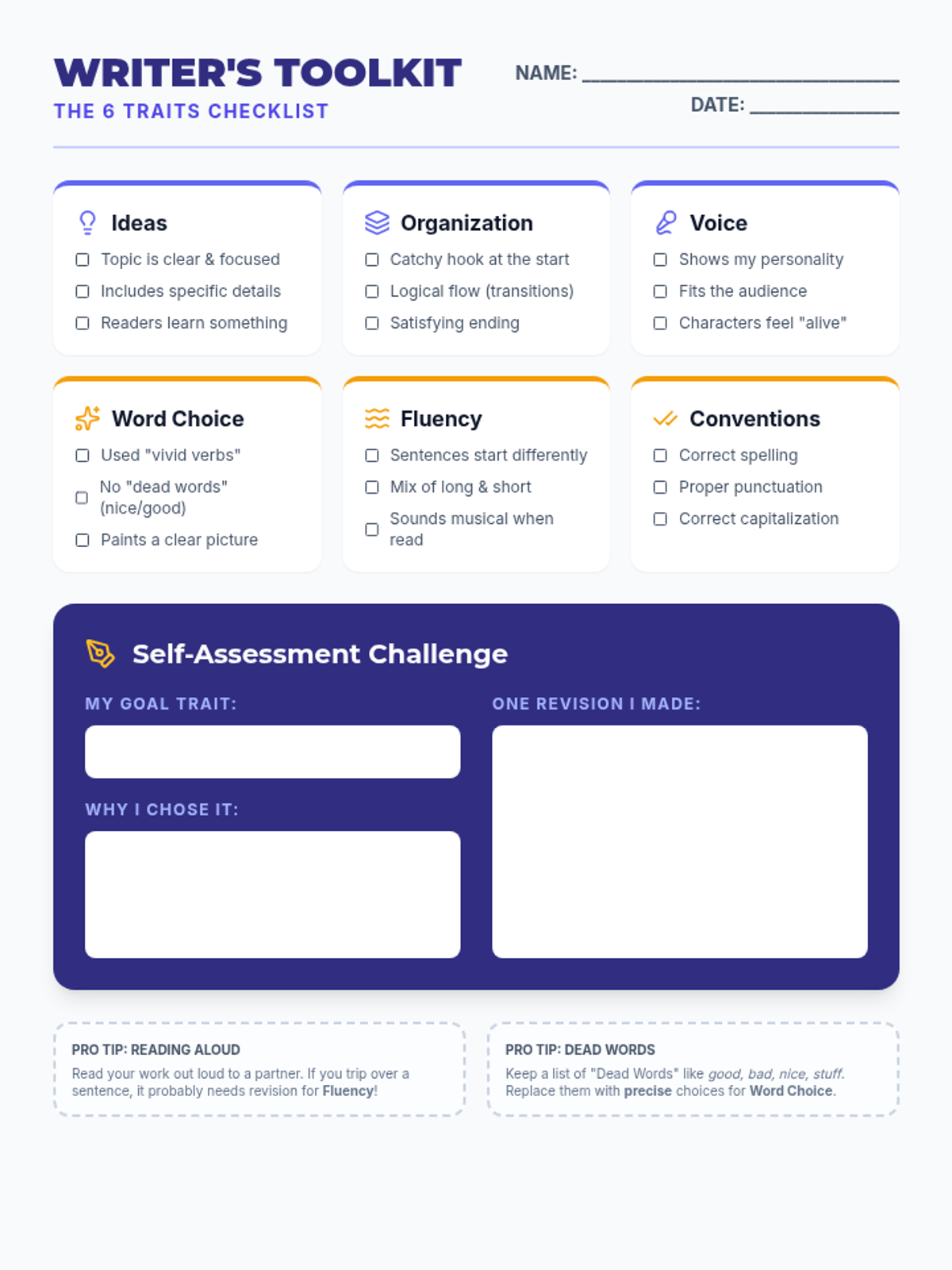
An interactive exploration of the 6 Traits of Effective Writing, designed to help students identify and apply key elements of strong prose through discussion and analysis.
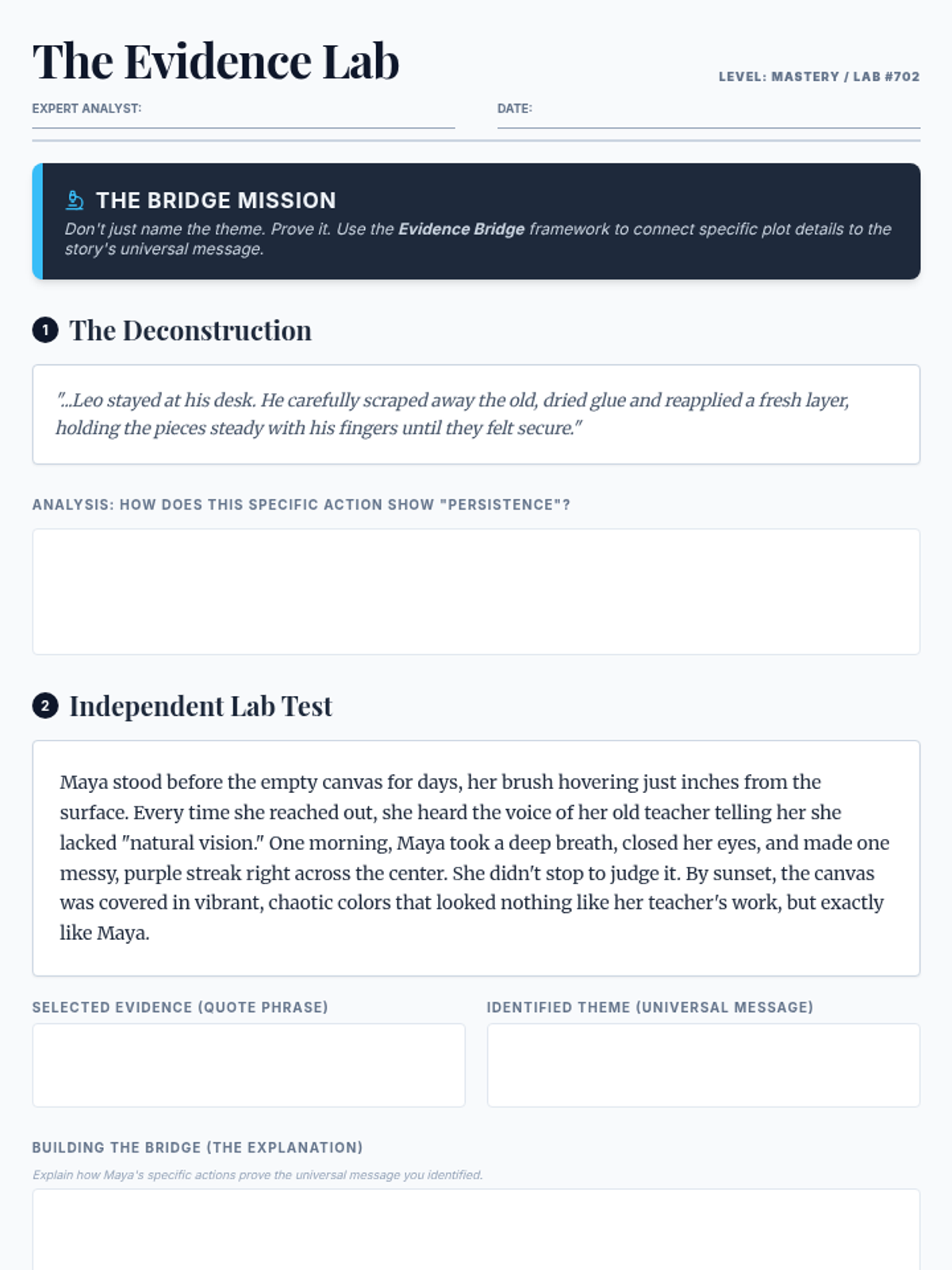
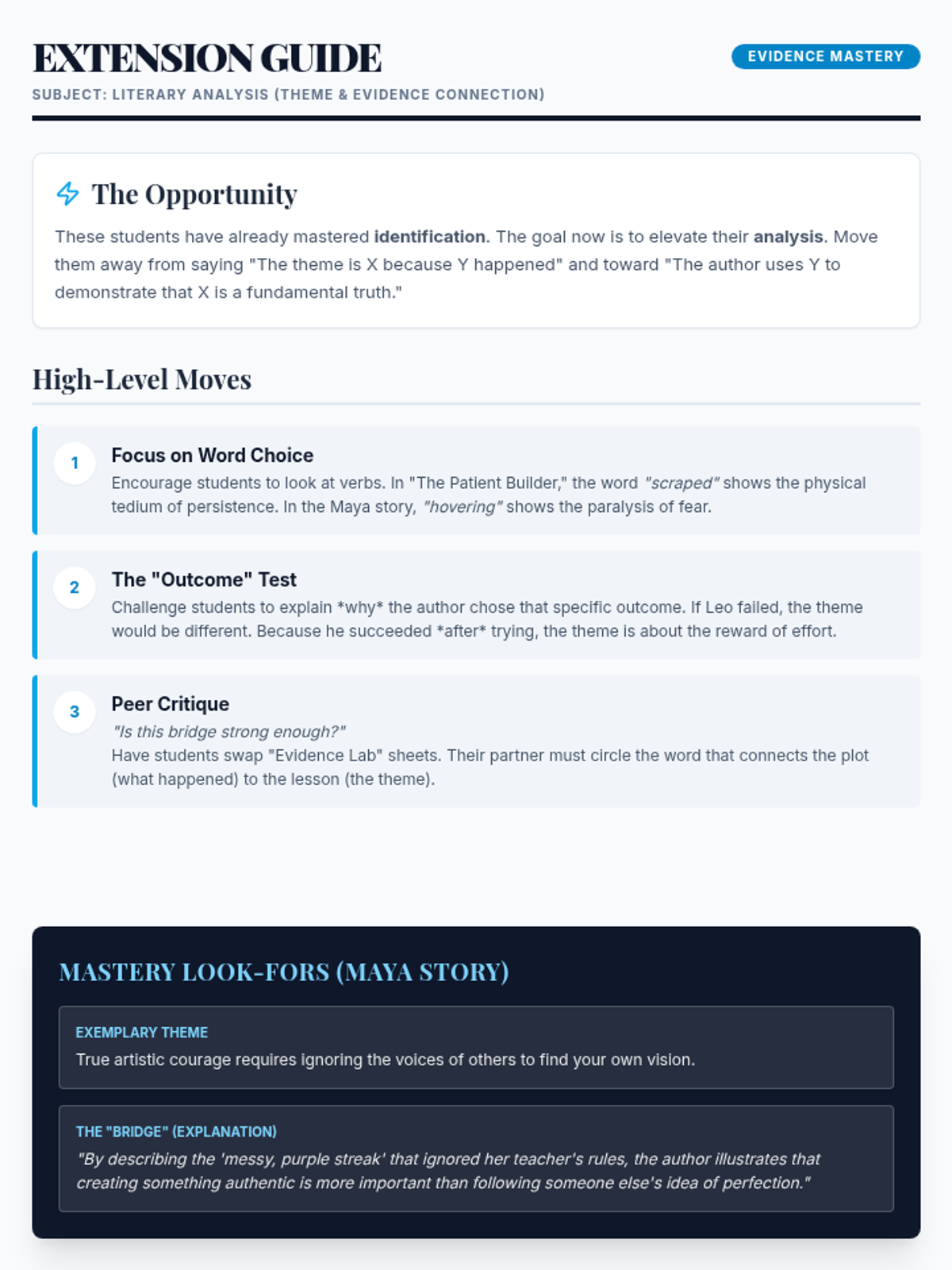
A high-level extension lesson for students who correctly identified the theme, focusing on the sophisticated skill of explaining how specific textual evidence supports a theme. Introduces the 'Evidence Bridge' framework to connect plot details to universal messages.
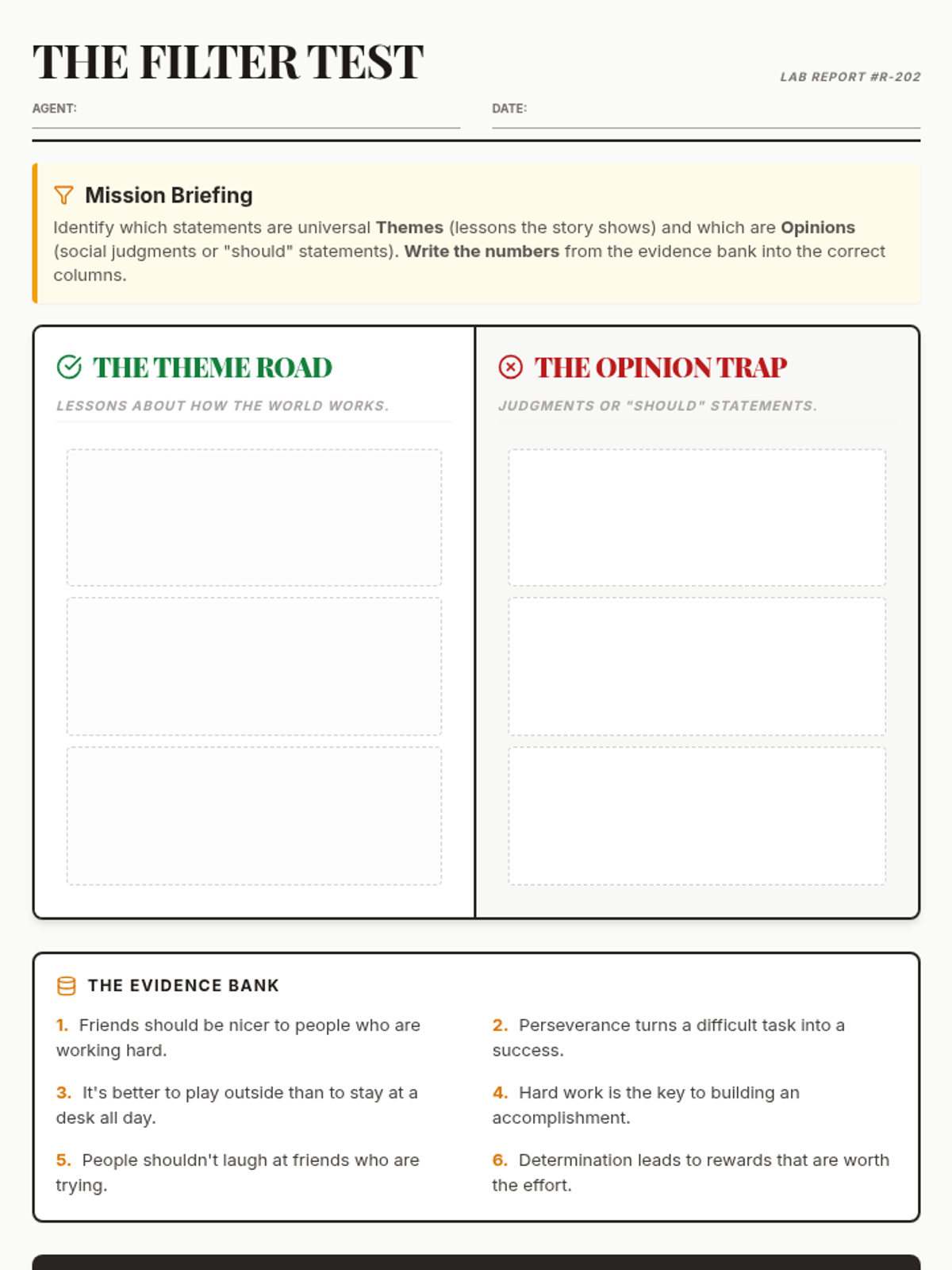
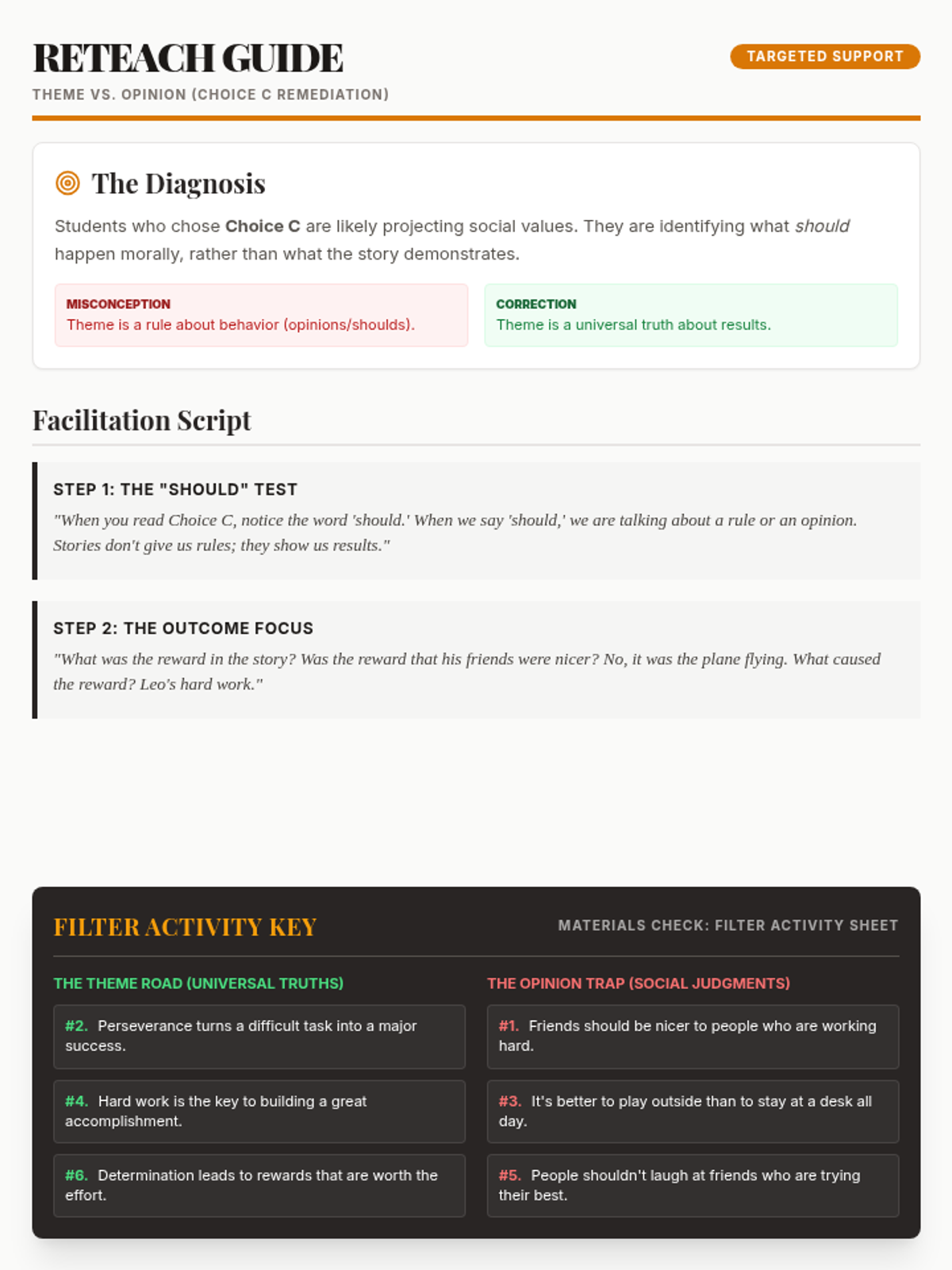
A targeted reteach lesson for students who confuse universal themes with subjective opinions or social judgments about characters. Focuses on the "Filter Test" to separate opinions from evidence-based themes.
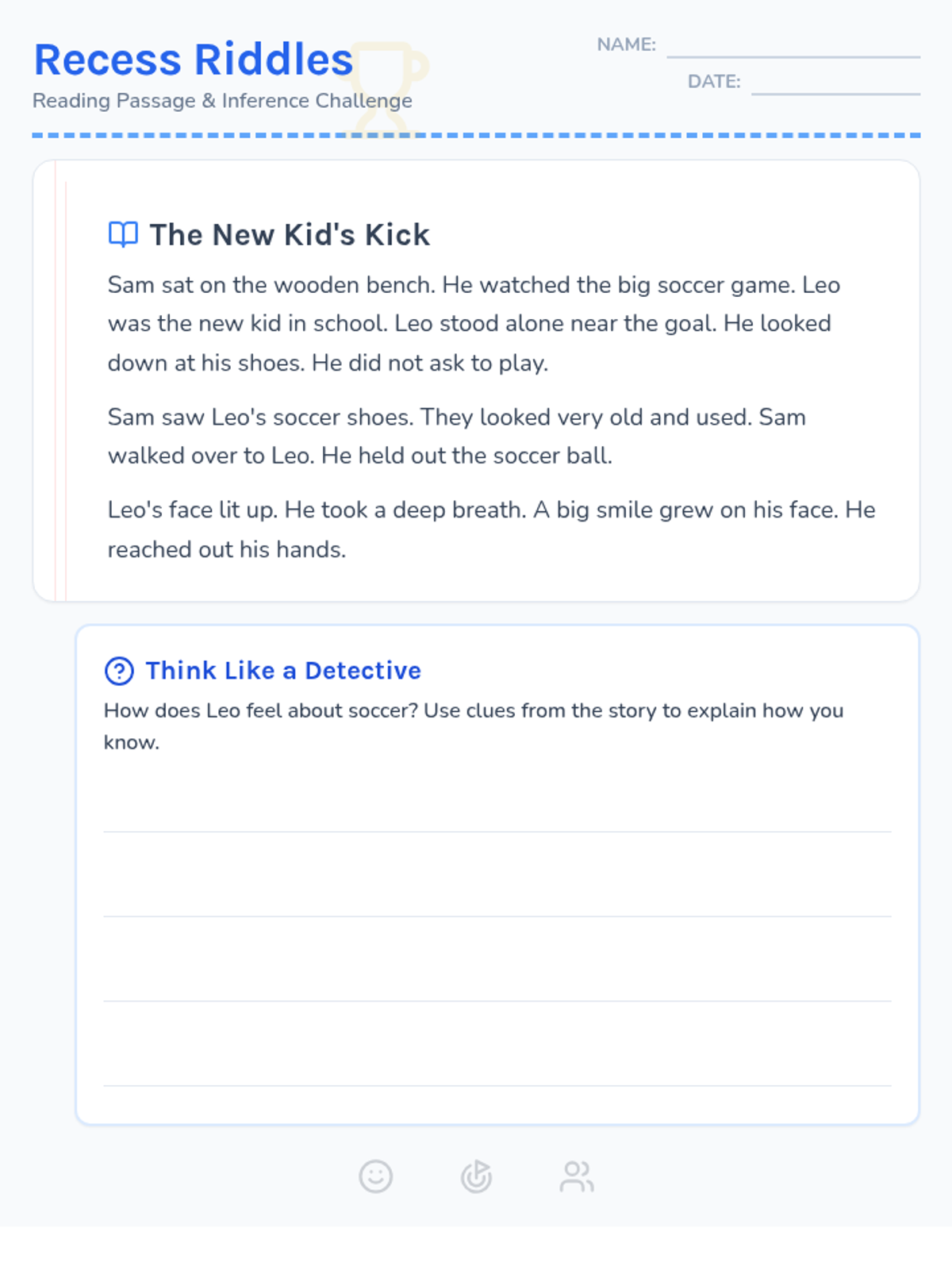
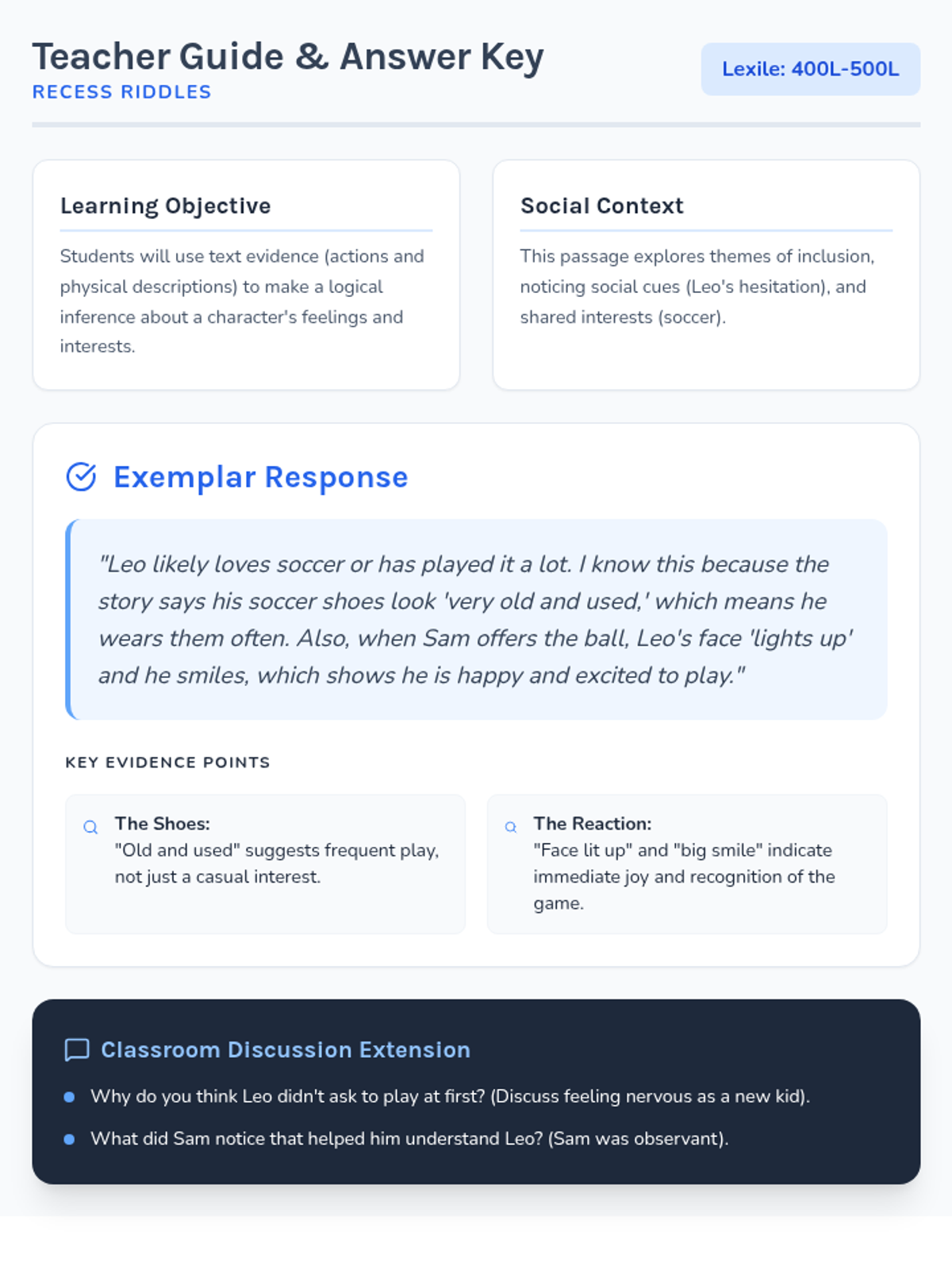
A reading comprehension lesson focused on making inferences from a social situation during recess, tailored for 3rd-grade readers at a 400L-500L Lexile level.
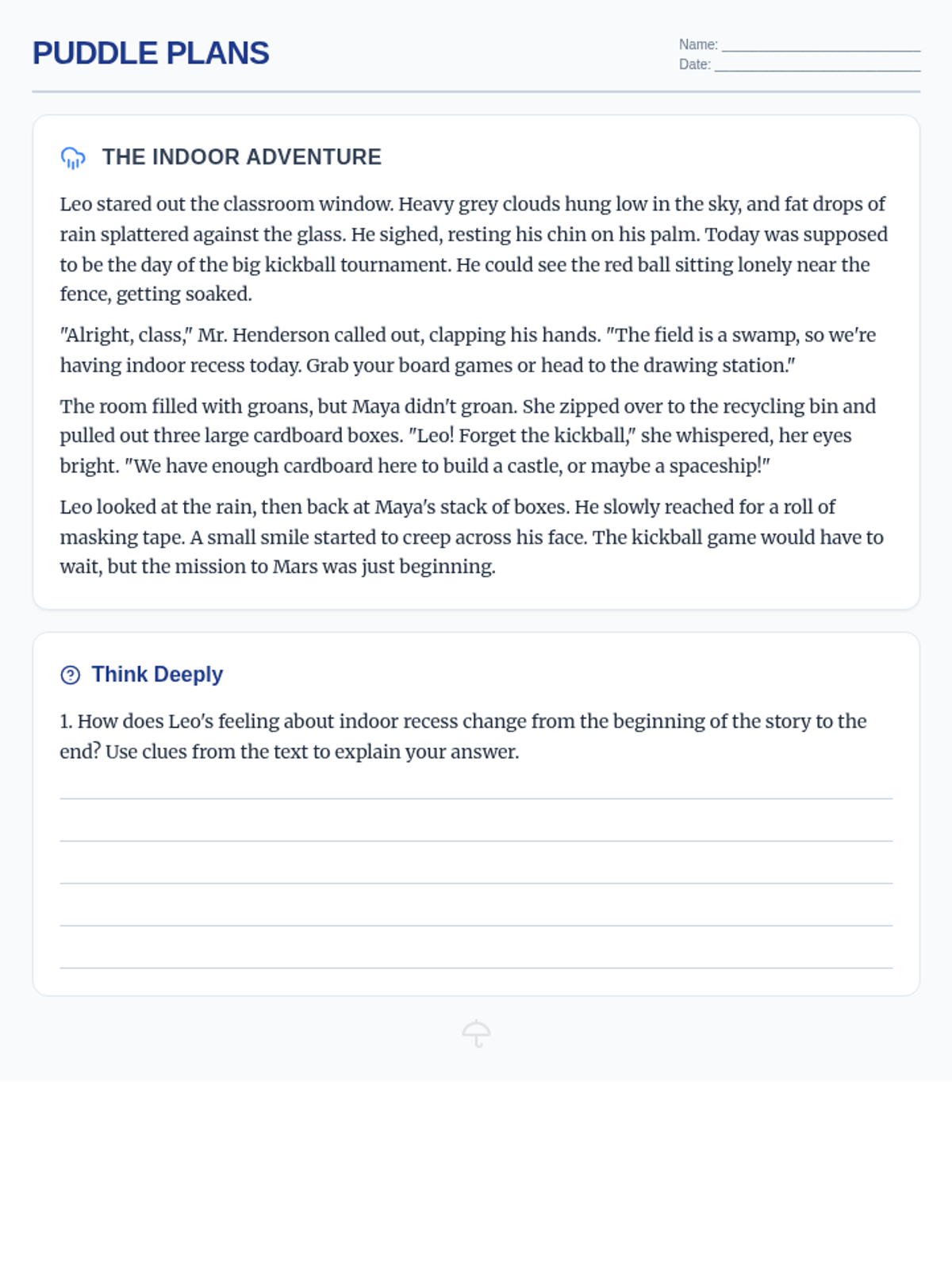
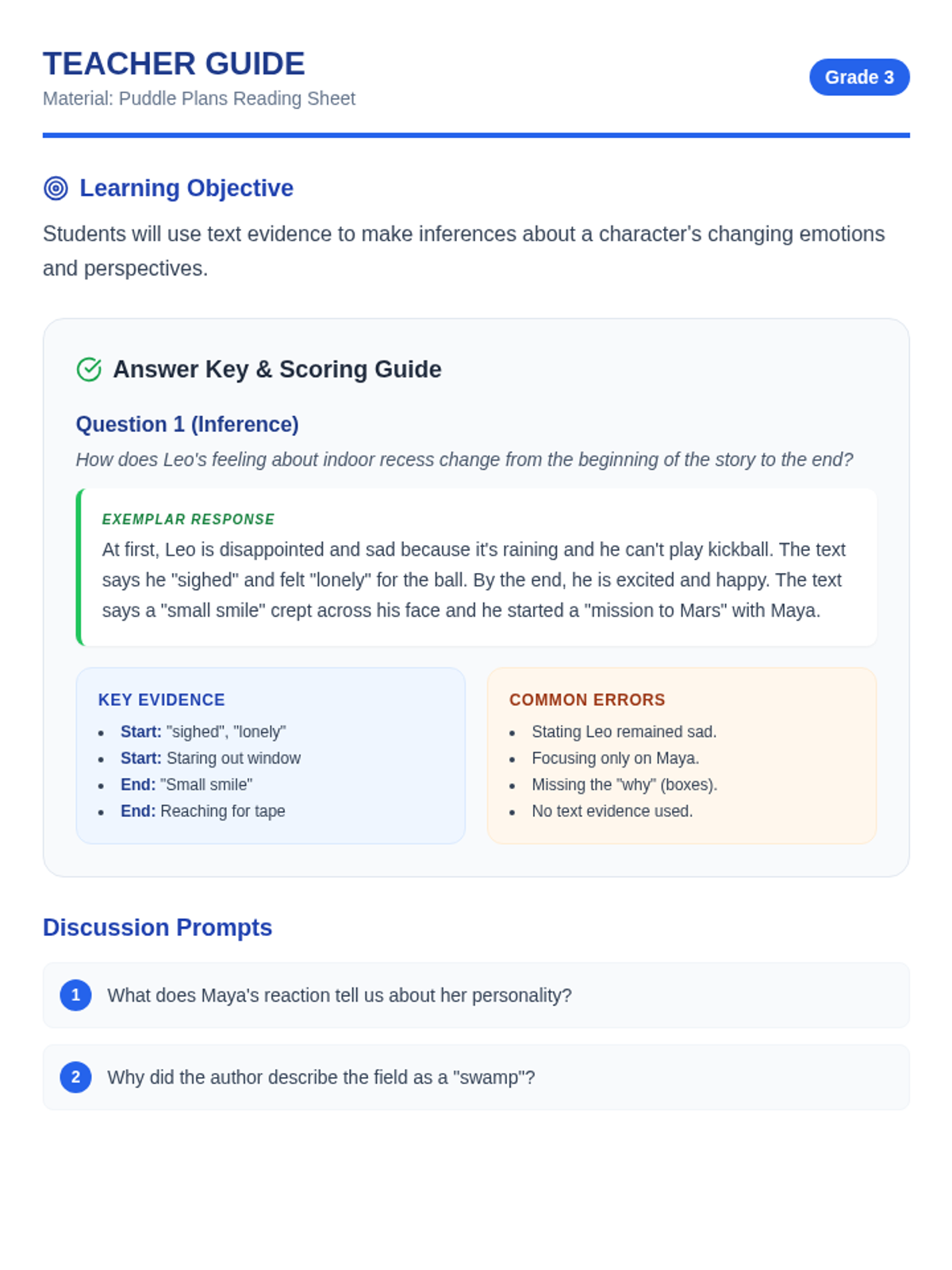
A reading comprehension lesson focused on making inferences based on a story about a rainy day indoor recess.
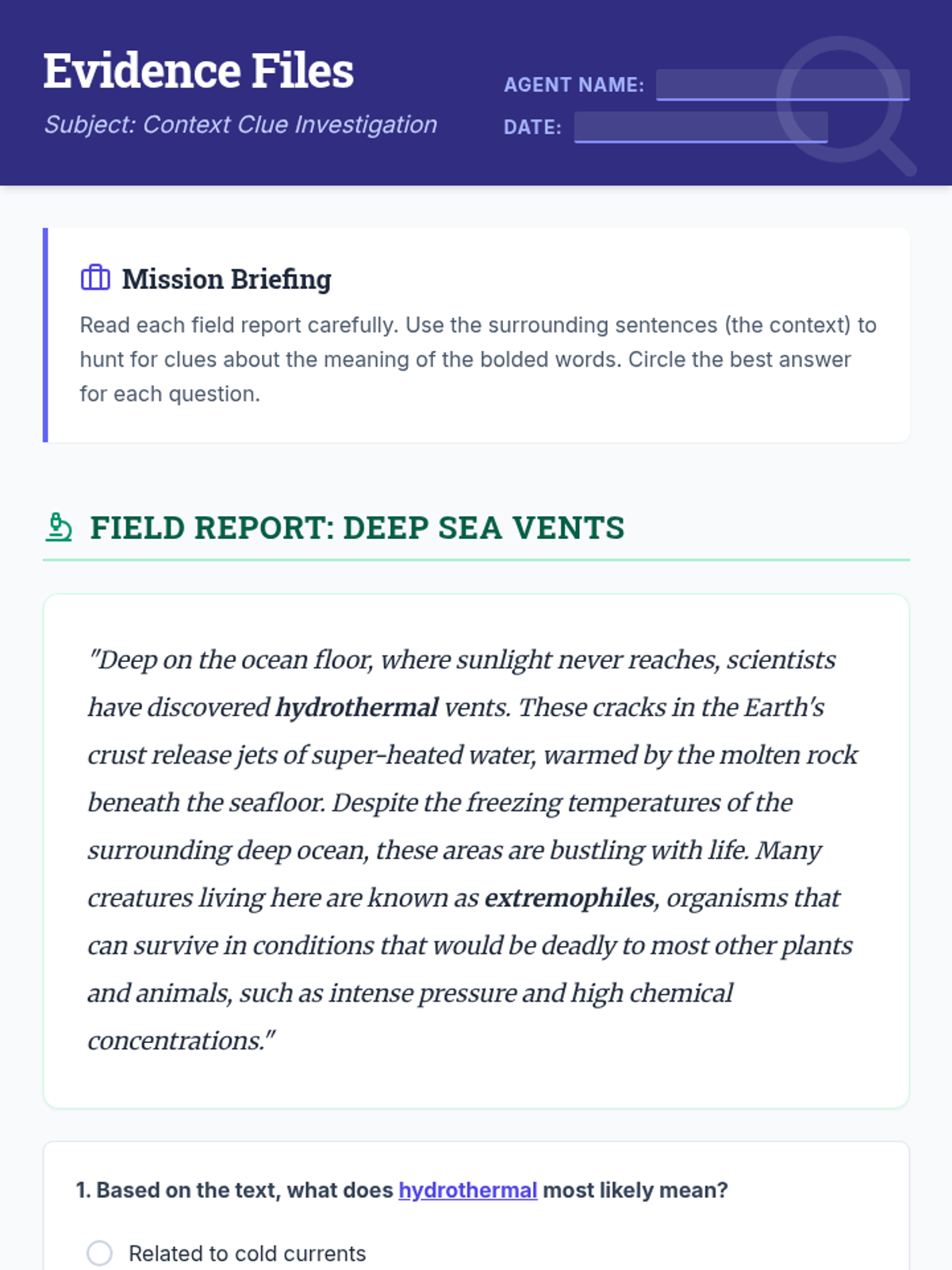
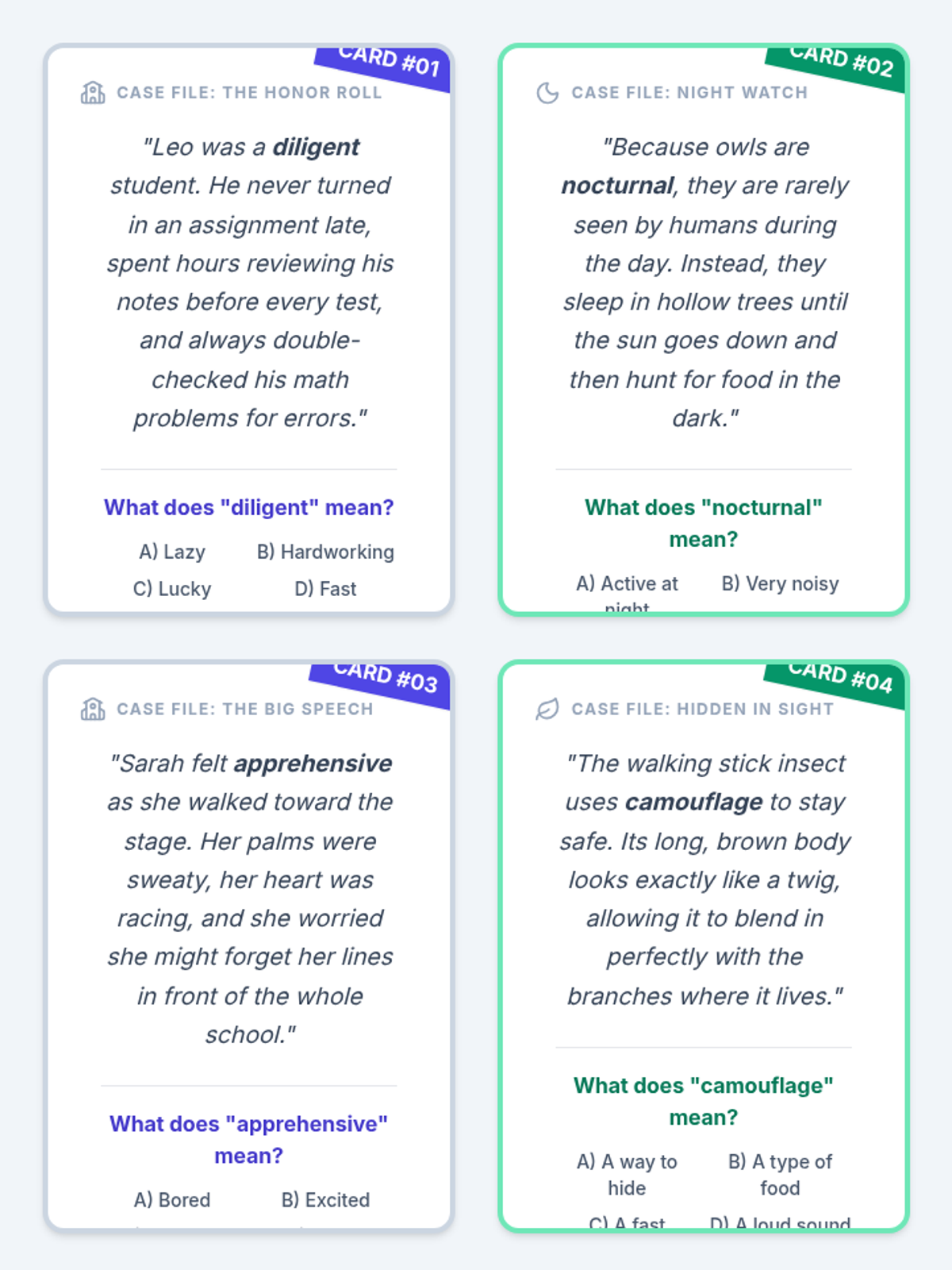
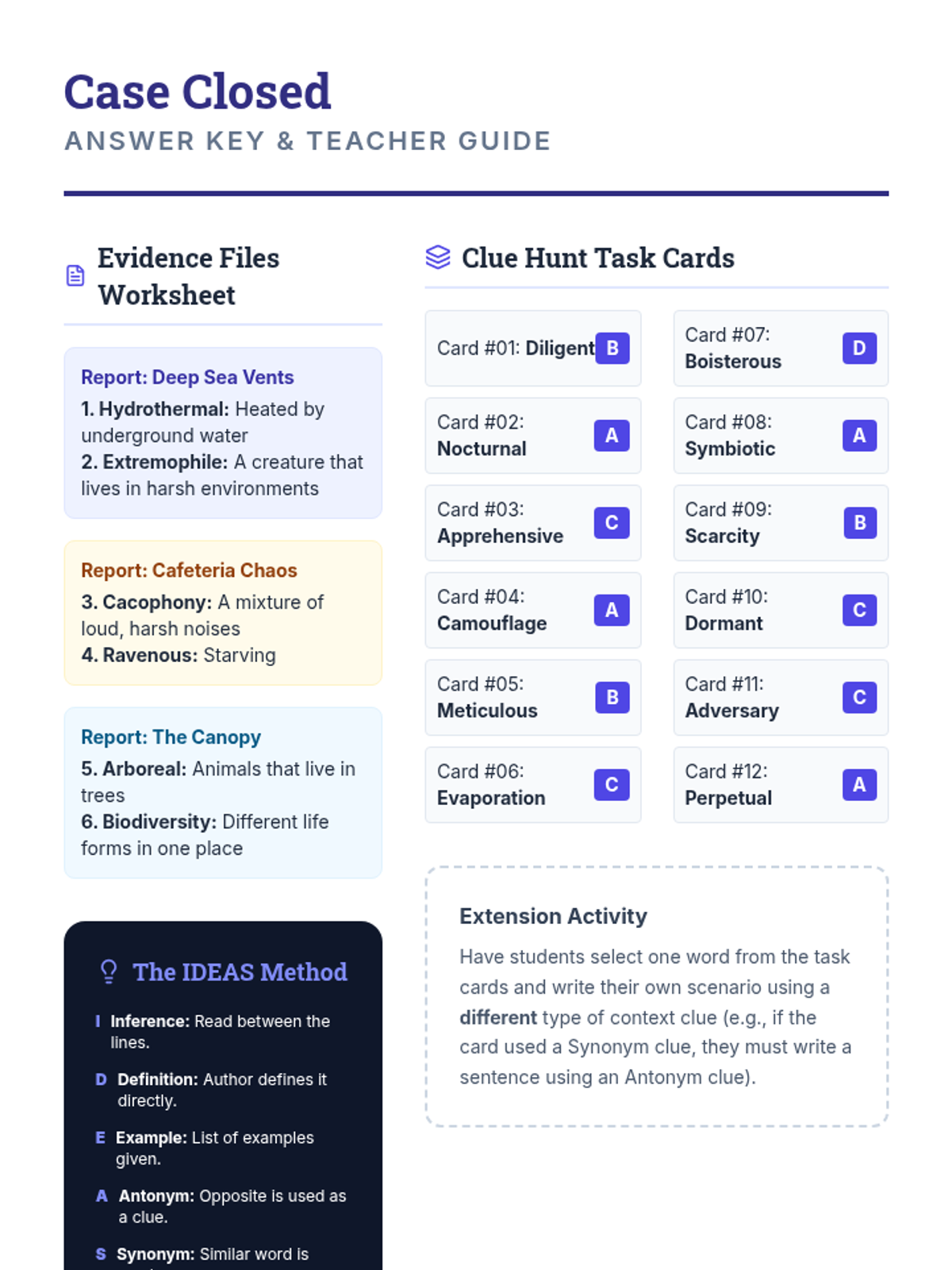
A focused lesson on using context clues to determine word meaning in both scientific texts and school-based narratives. Includes guided practice, independent work, and a hands-on task card activity.
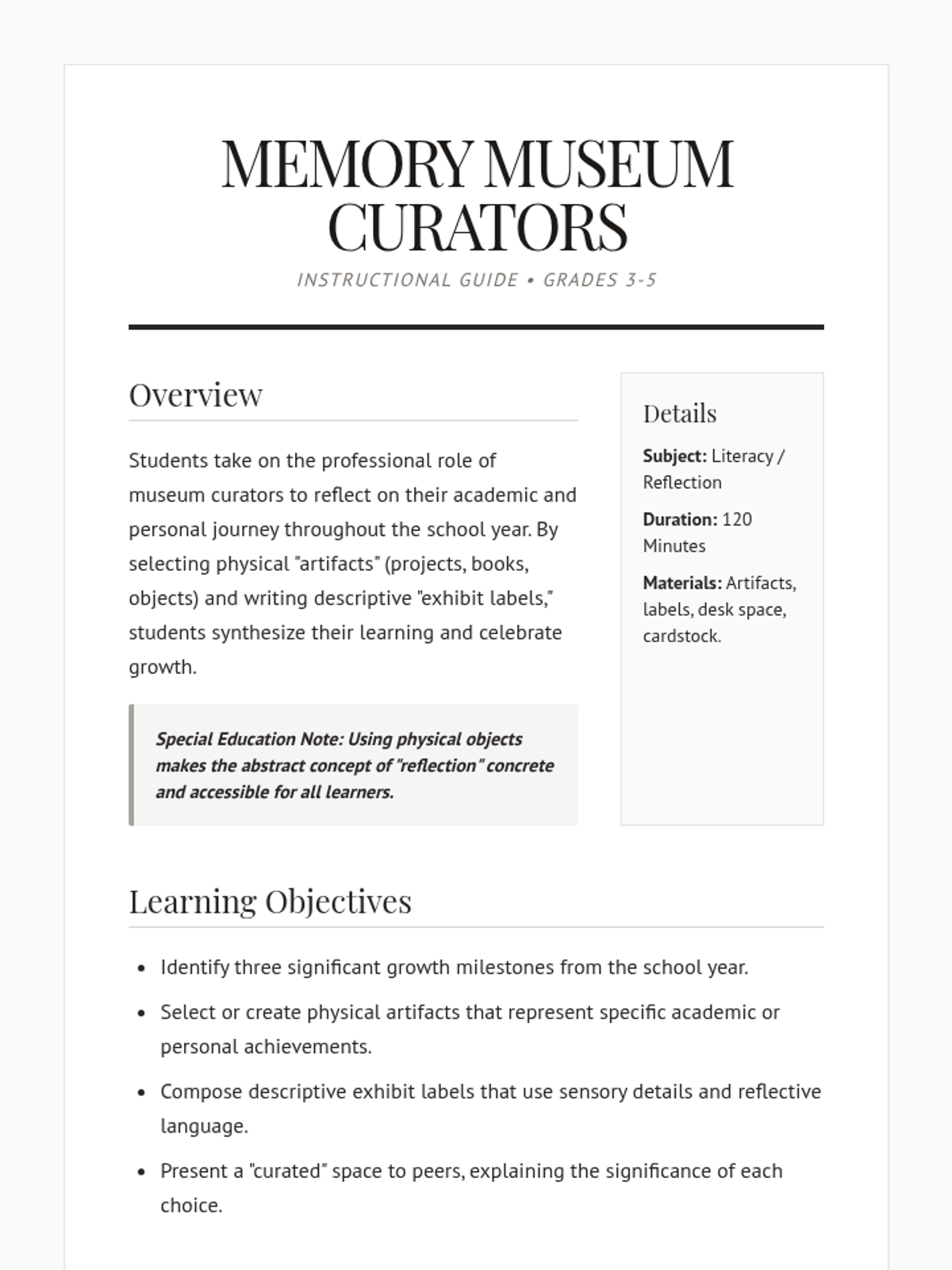
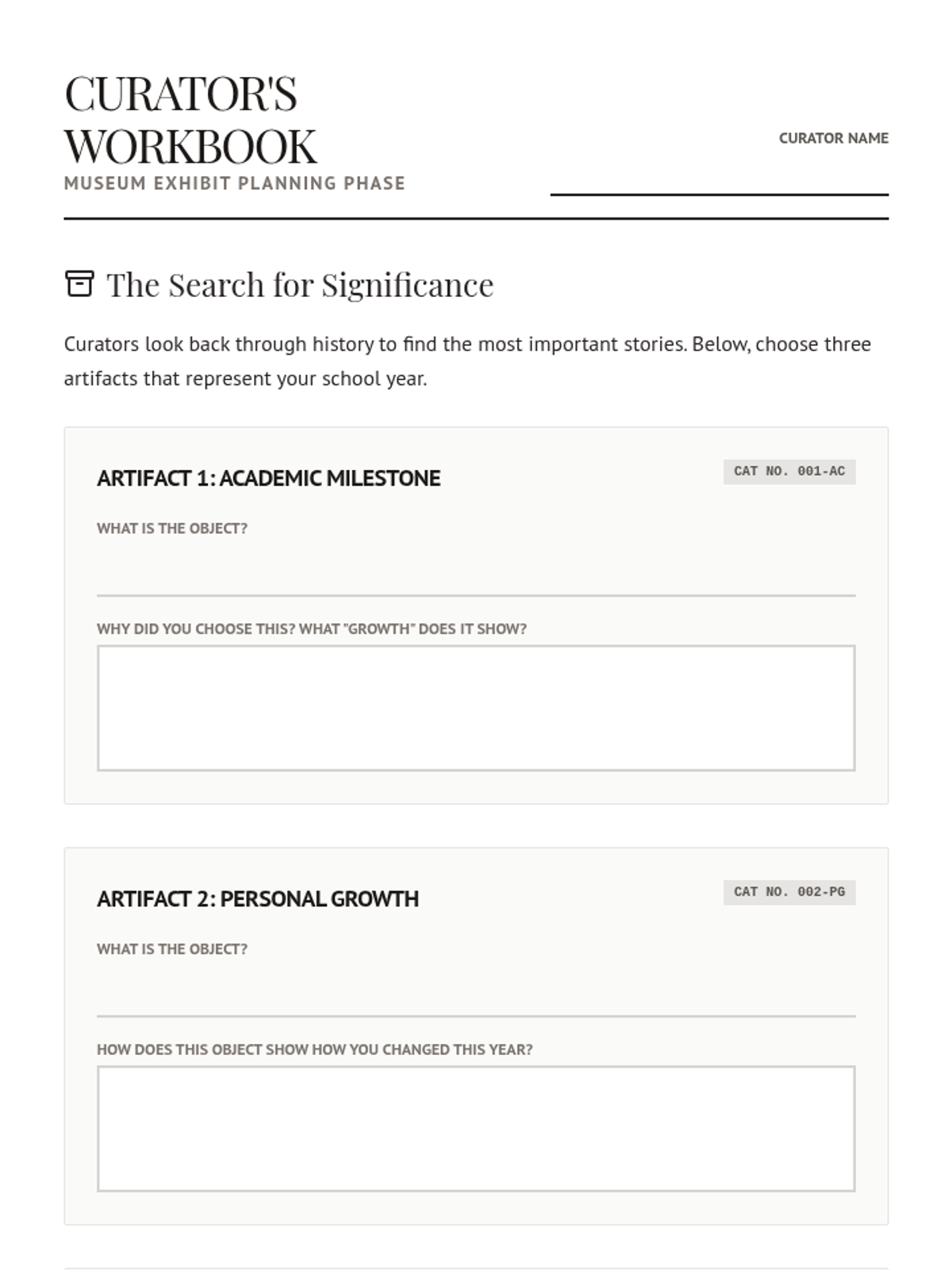
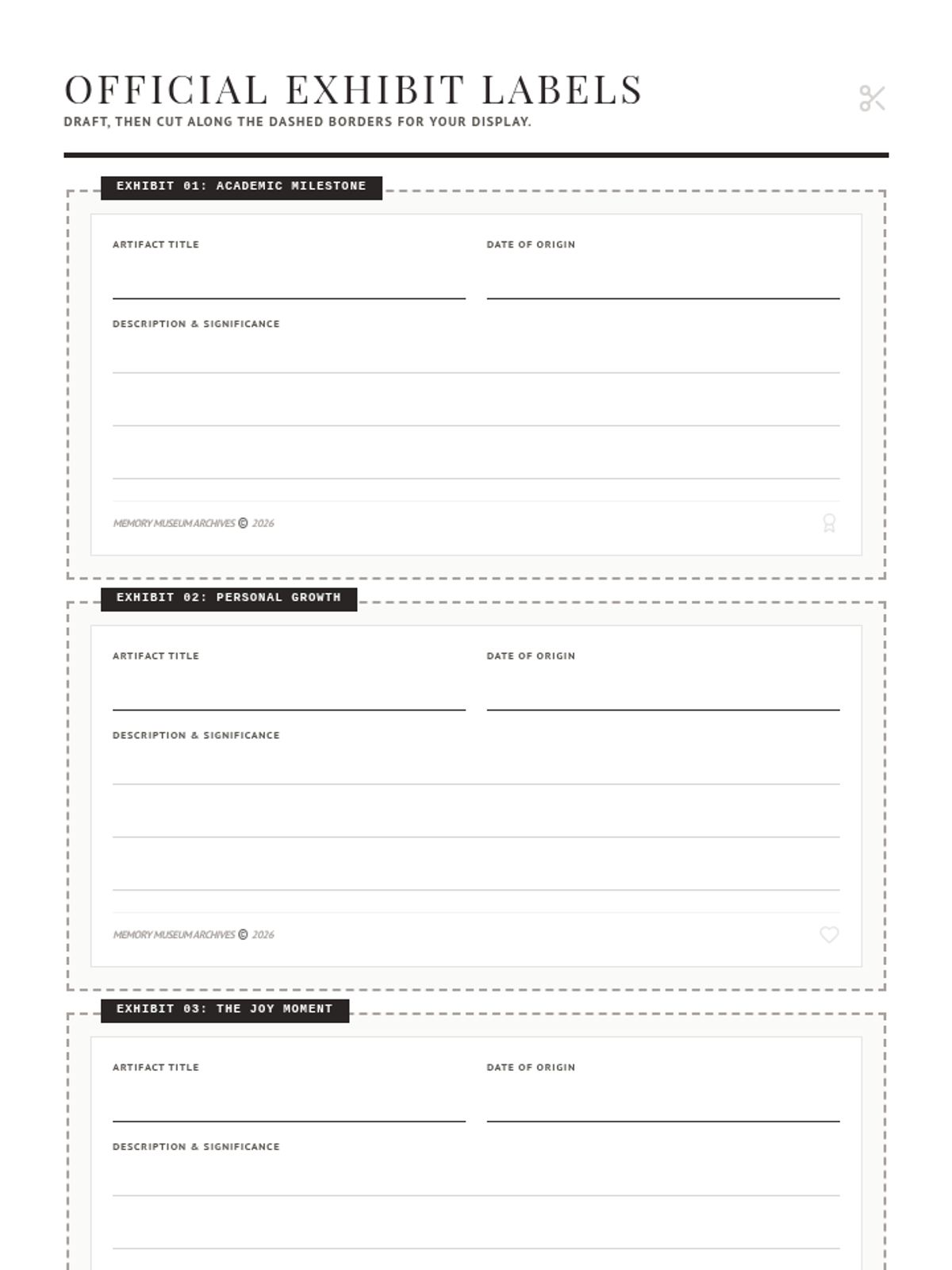
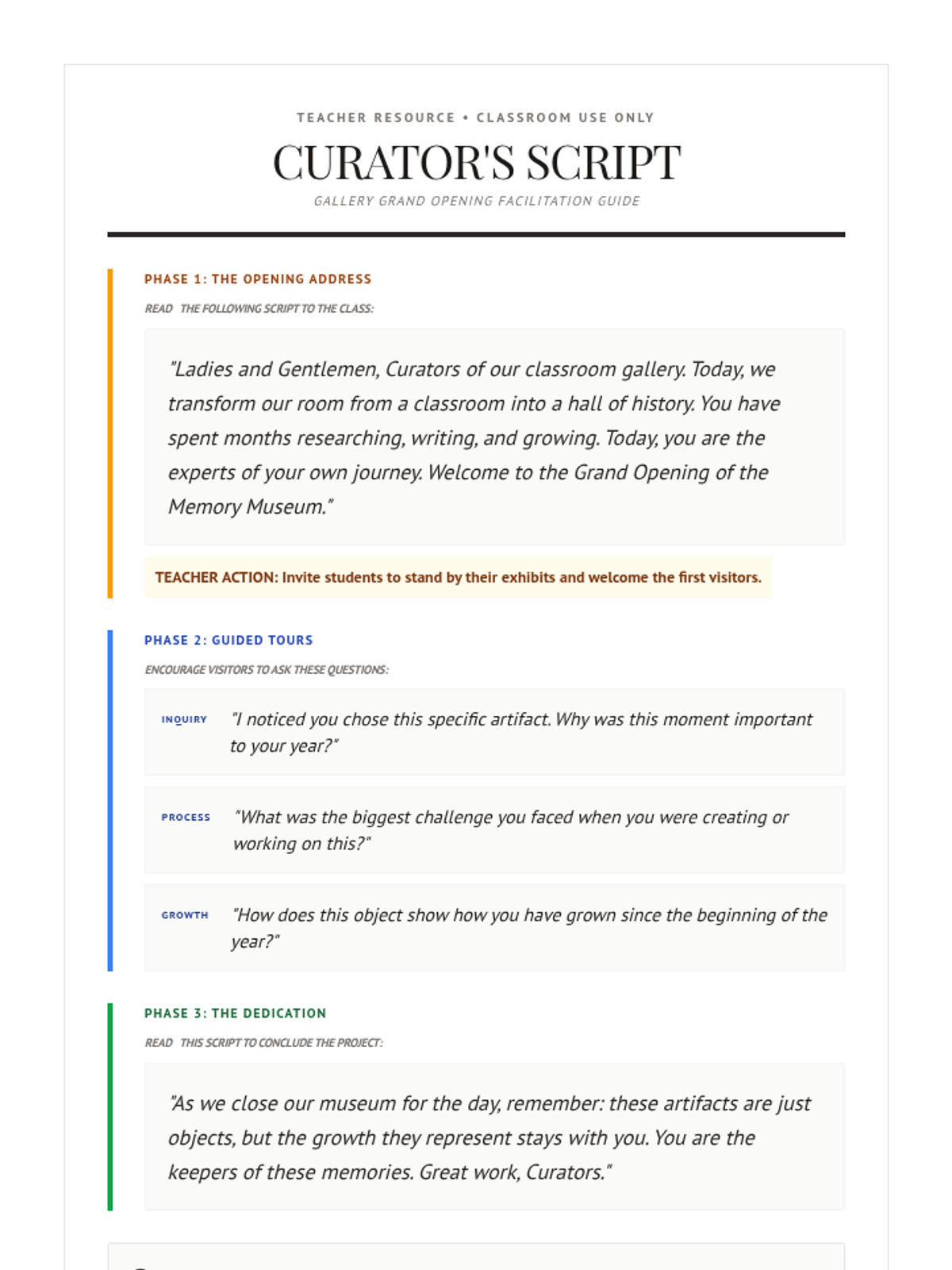
A reflective end-of-year literacy project where students act as museum curators to showcase their academic growth and personal milestones through physical artifacts and descriptive writing.
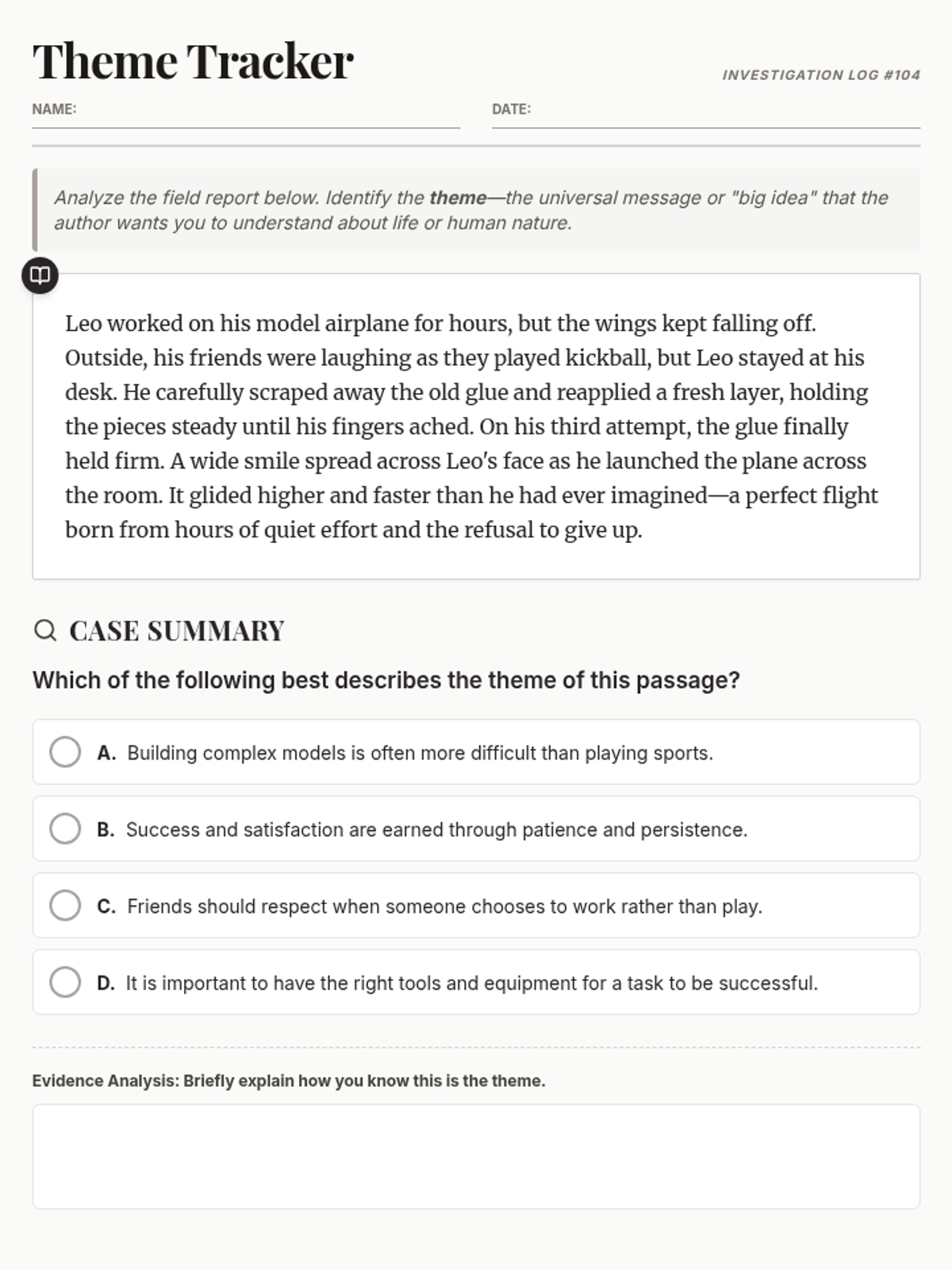
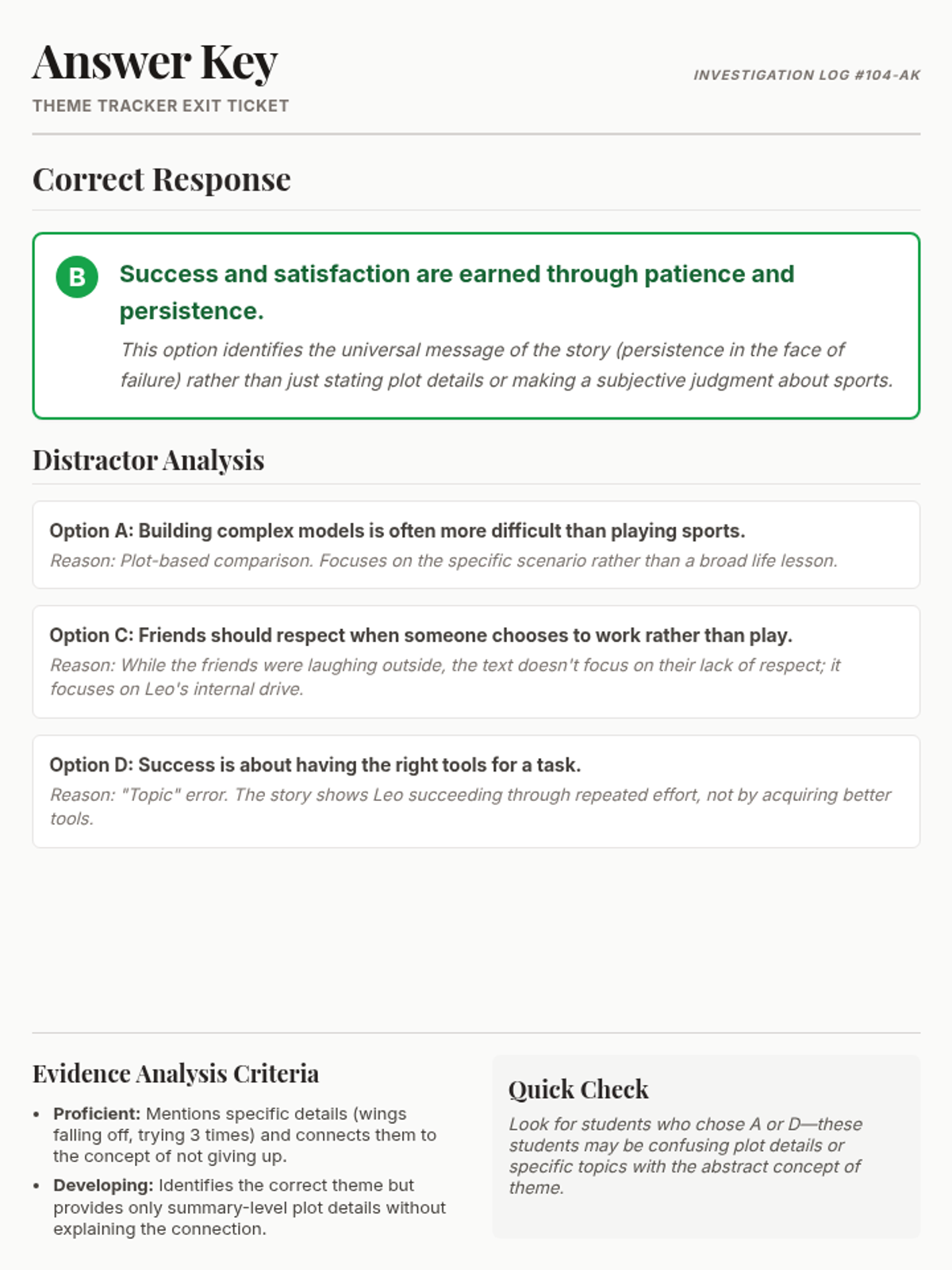
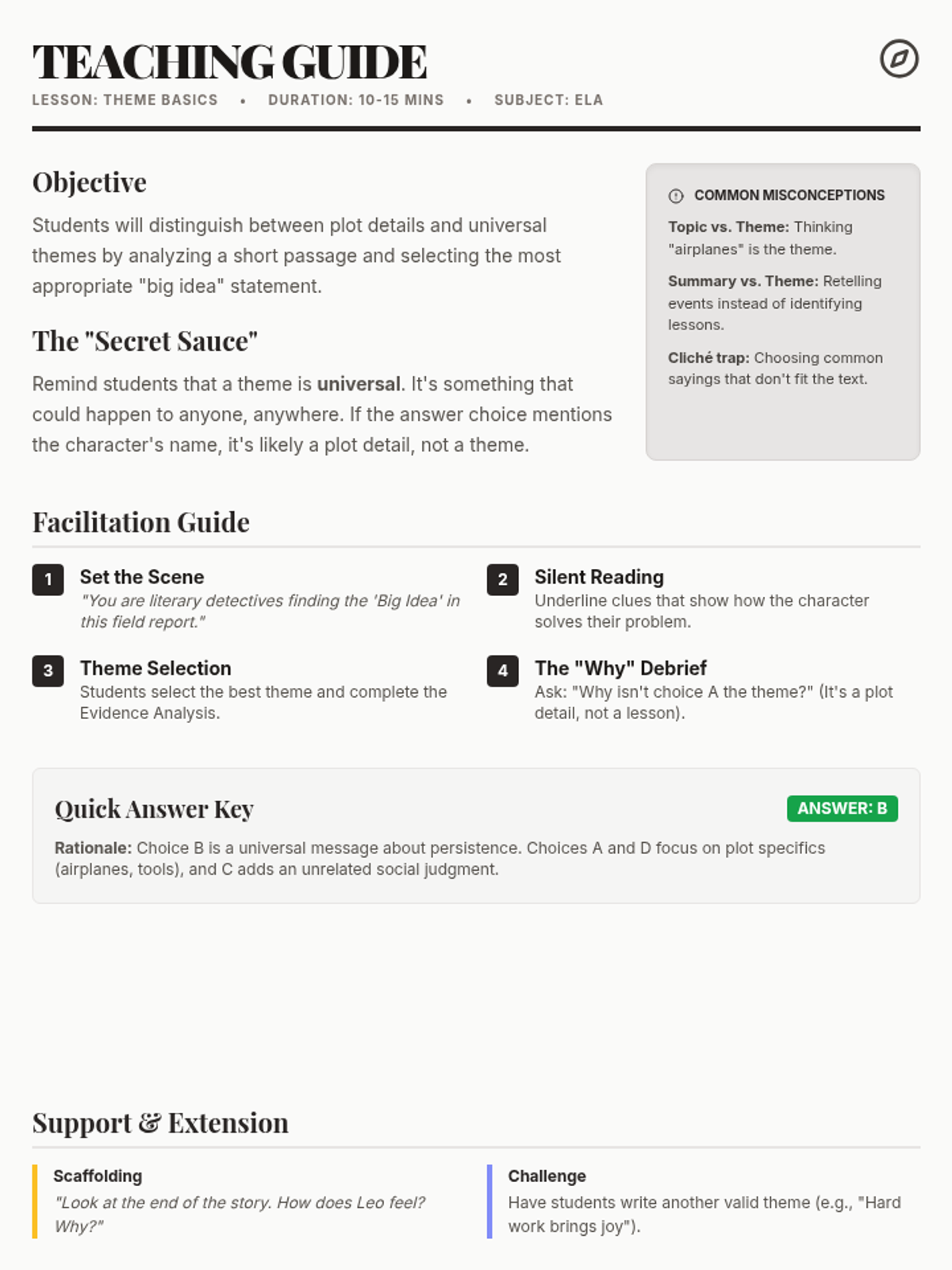
A short, focused lesson on identifying themes in literature using short fictional passages. Students learn to distinguish between plot details and universal messages.
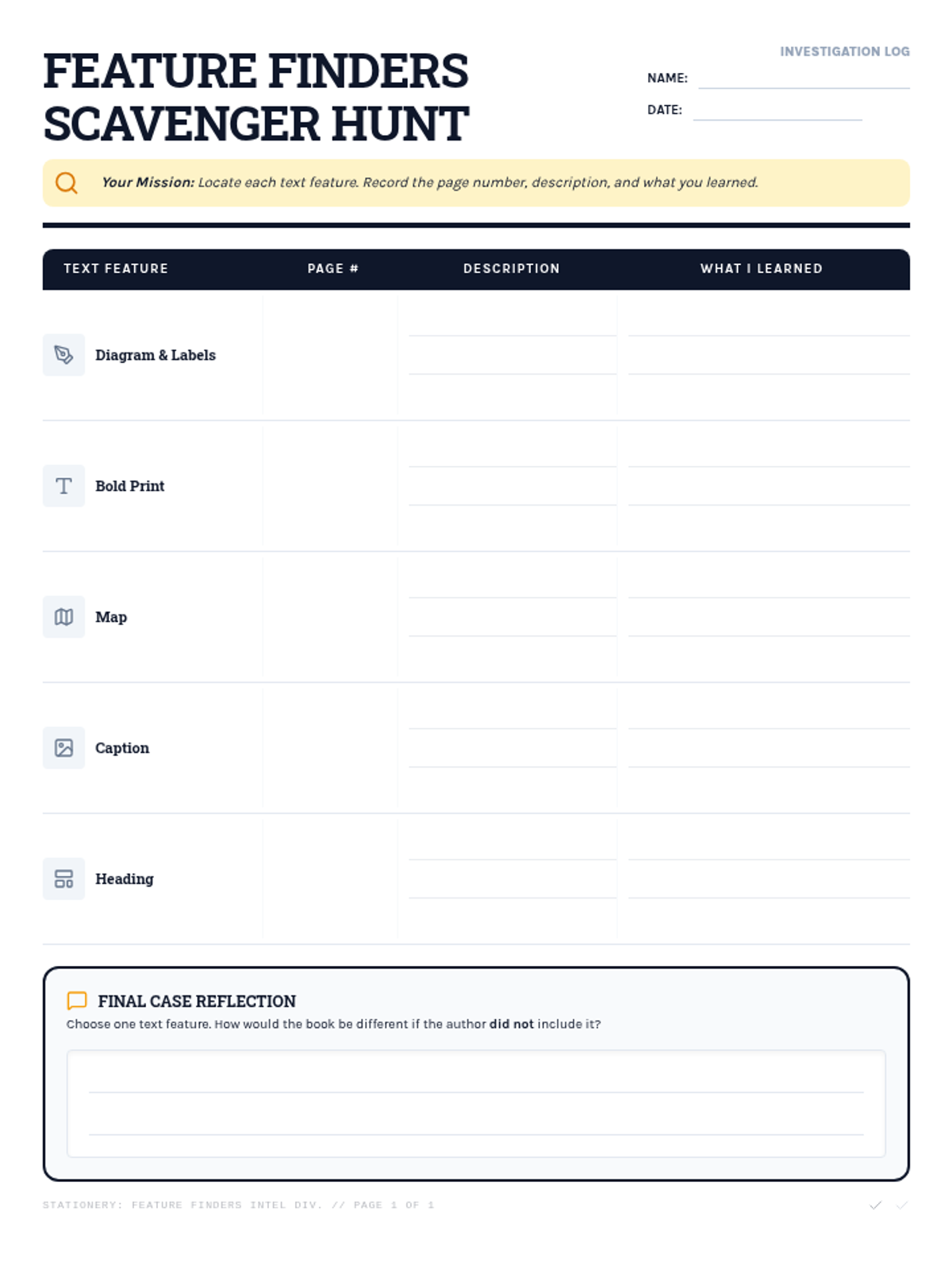
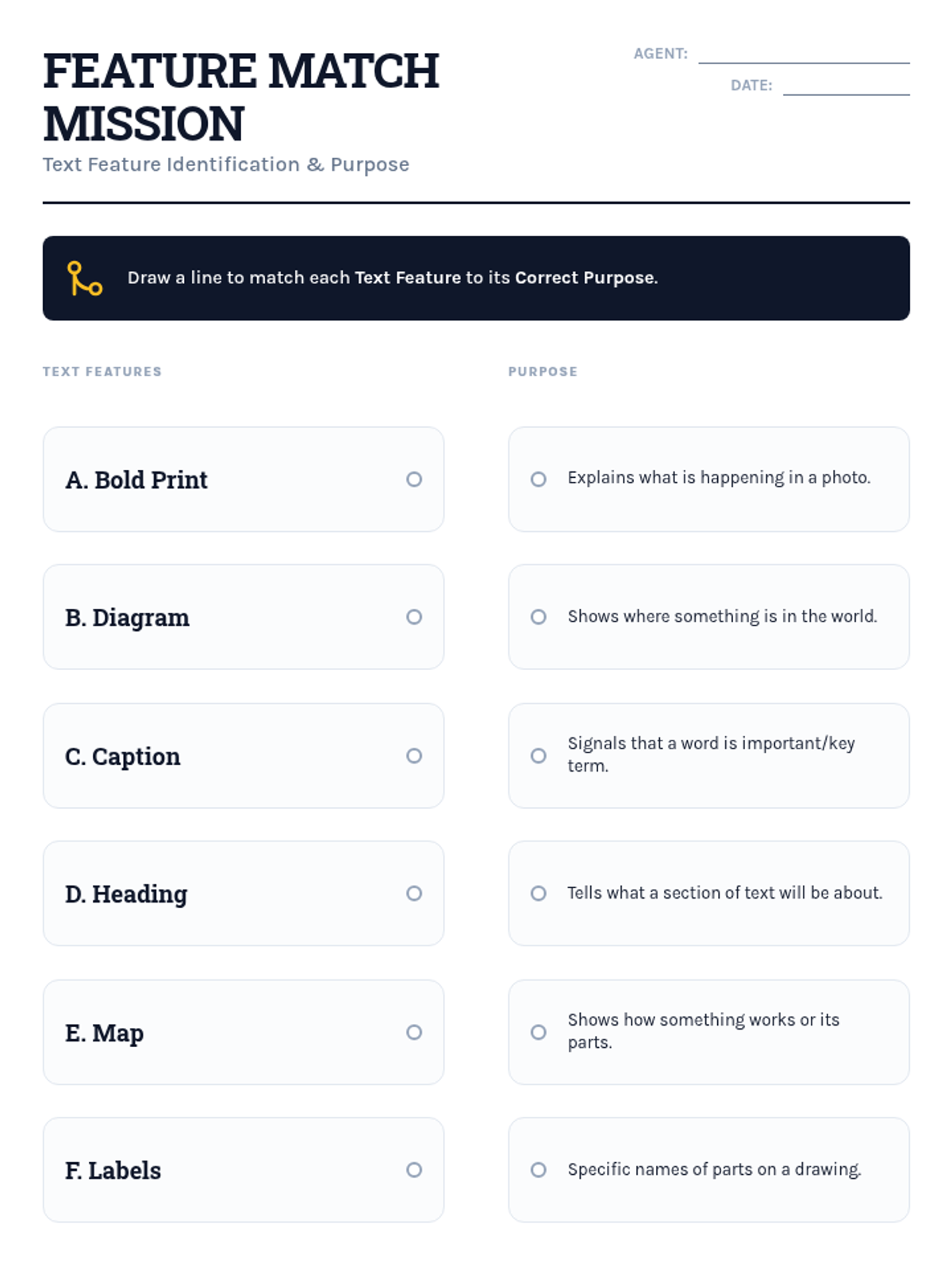
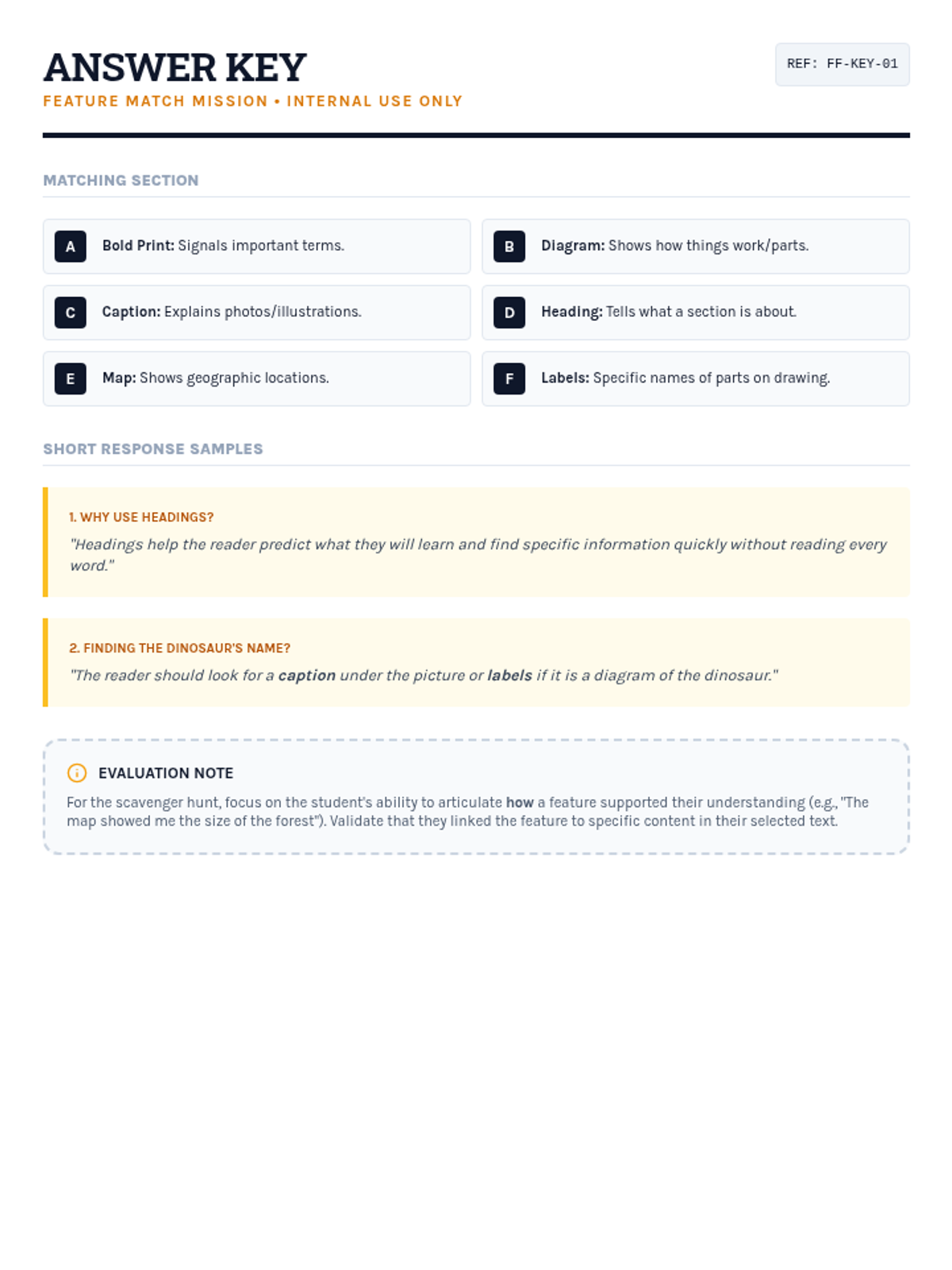
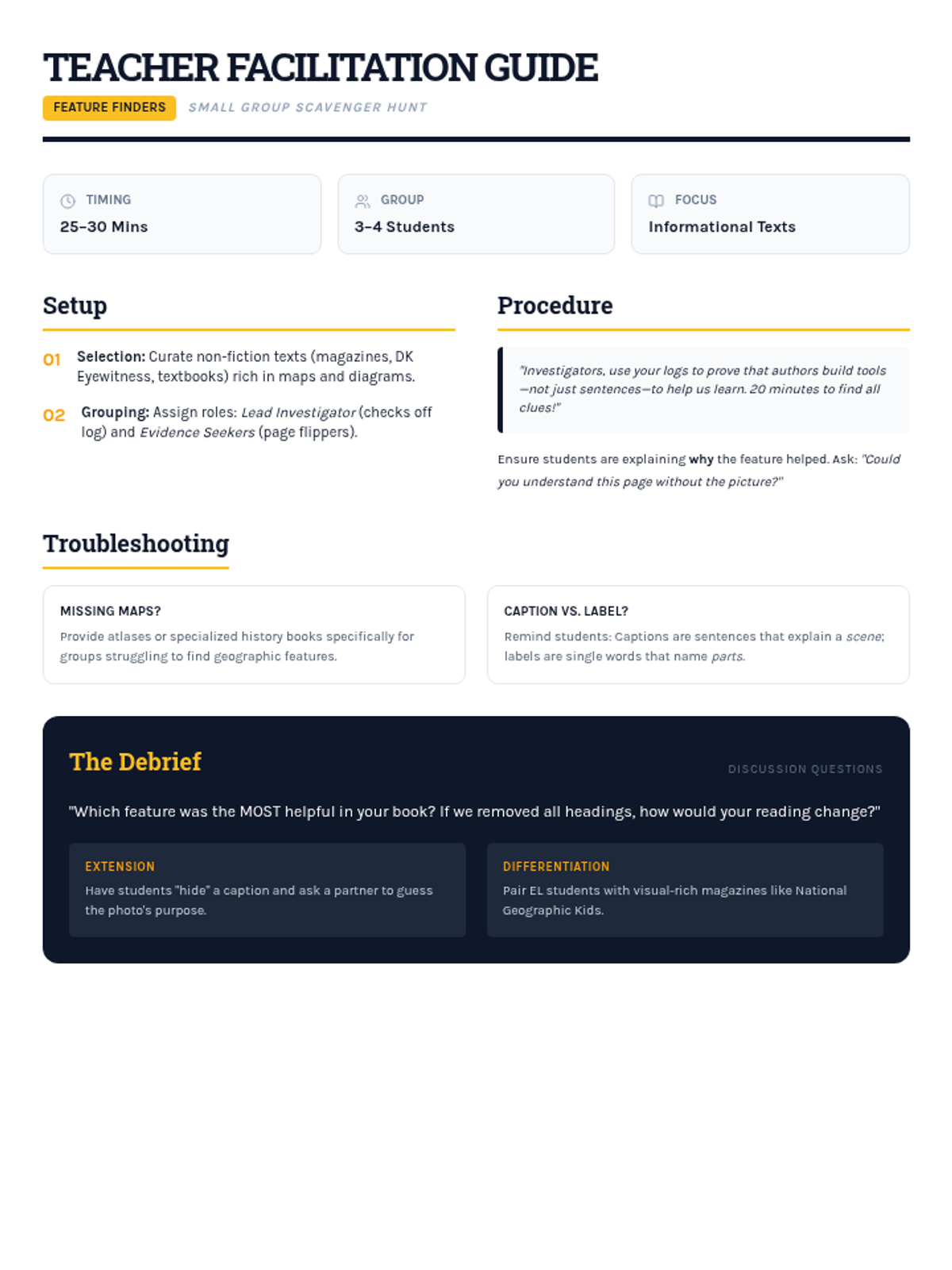
Students will investigate and identify the purpose of text features including diagrams, labels, bold print, maps, captions, and headings through an interactive presentation, a matching activity, and a hands-on scavenger hunt.
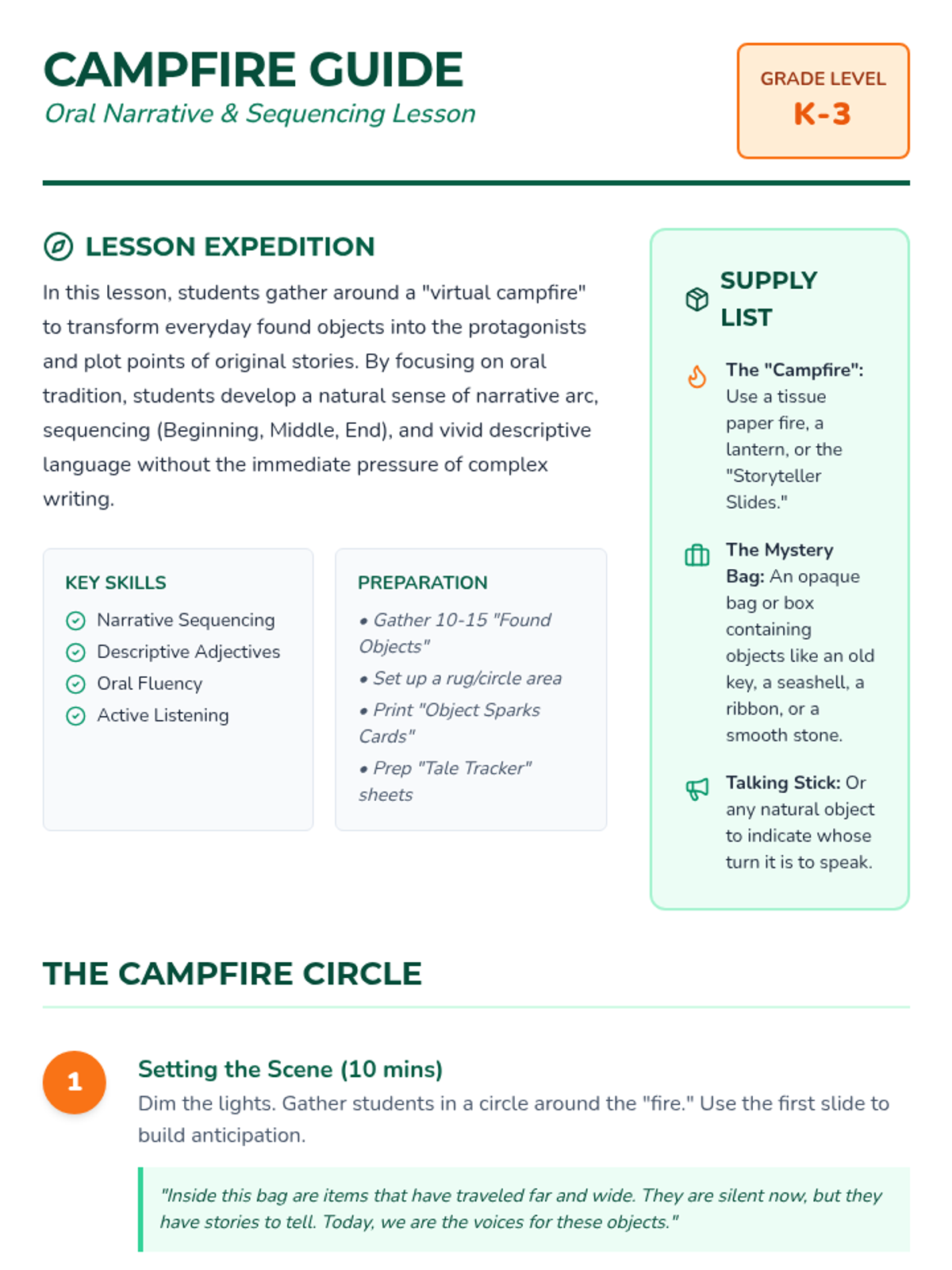
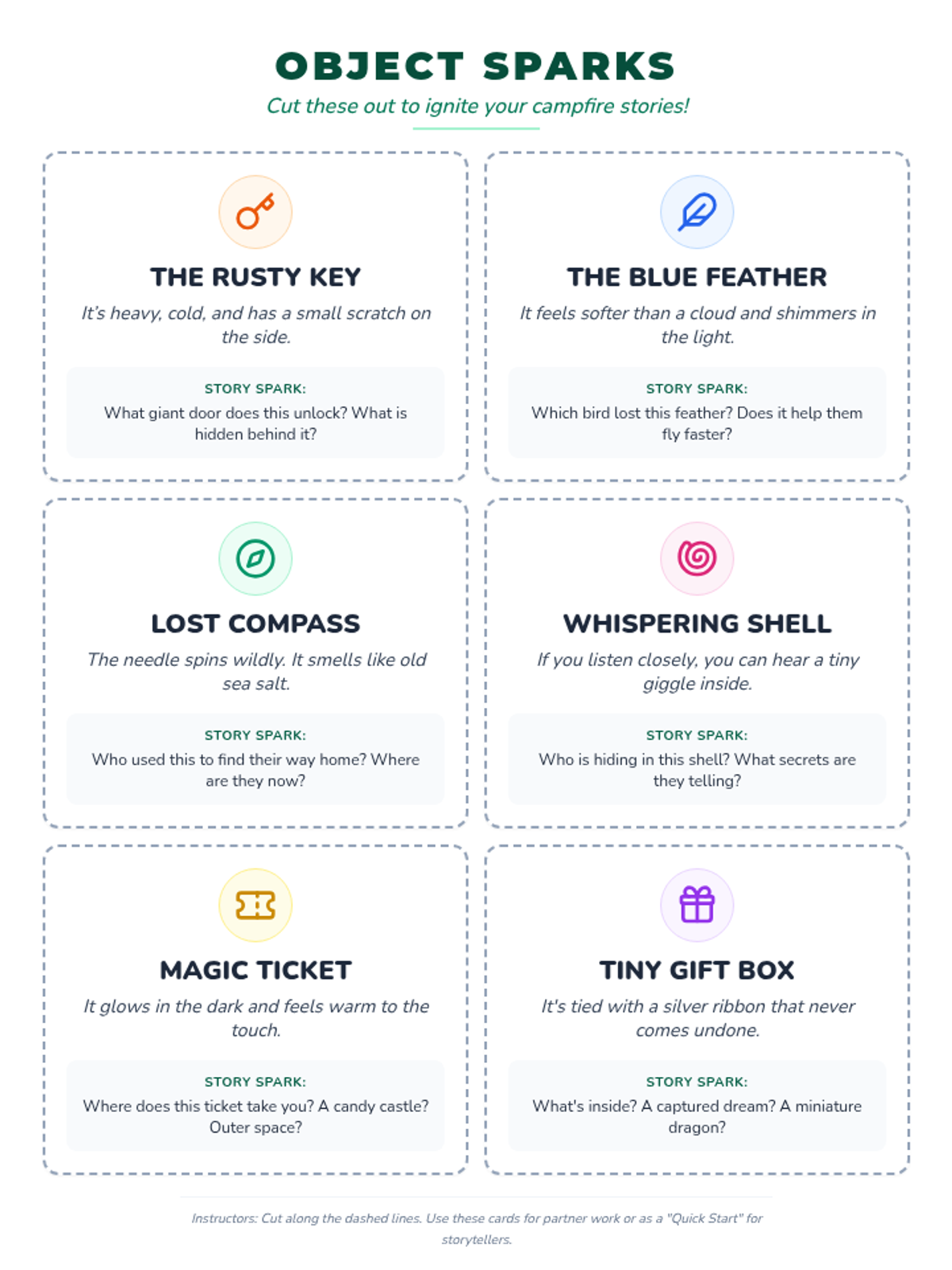
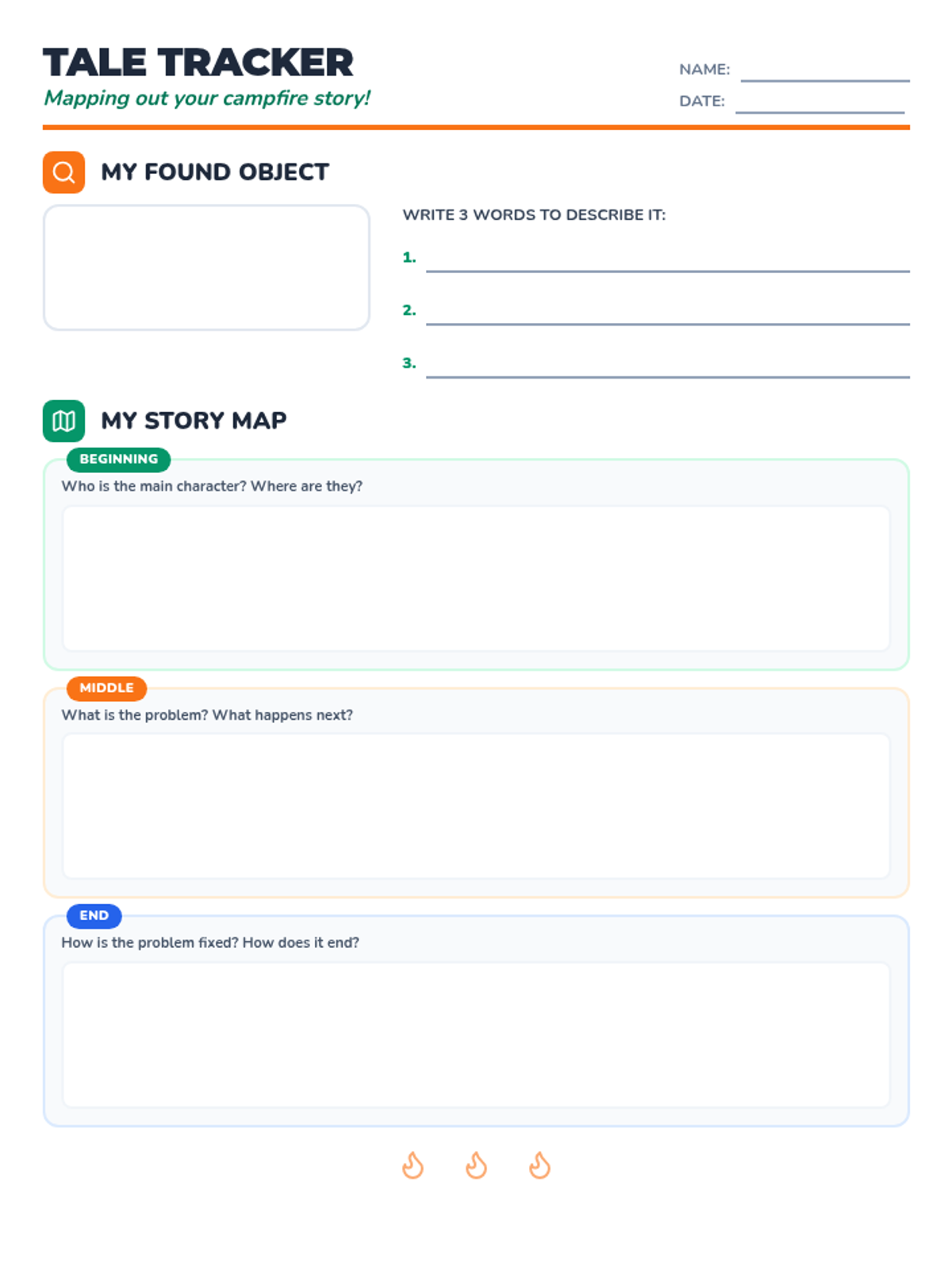
A creative storytelling lesson for K-3 students that uses found objects to develop oral narrative skills, sequencing, and descriptive language in a cozy campfire-themed setting.