A critical examination of the causal links between the 2006-2010 Syrian drought and the subsequent Civil War. Students evaluate academic debates regarding environmental determinism and rural-to-urban migration.
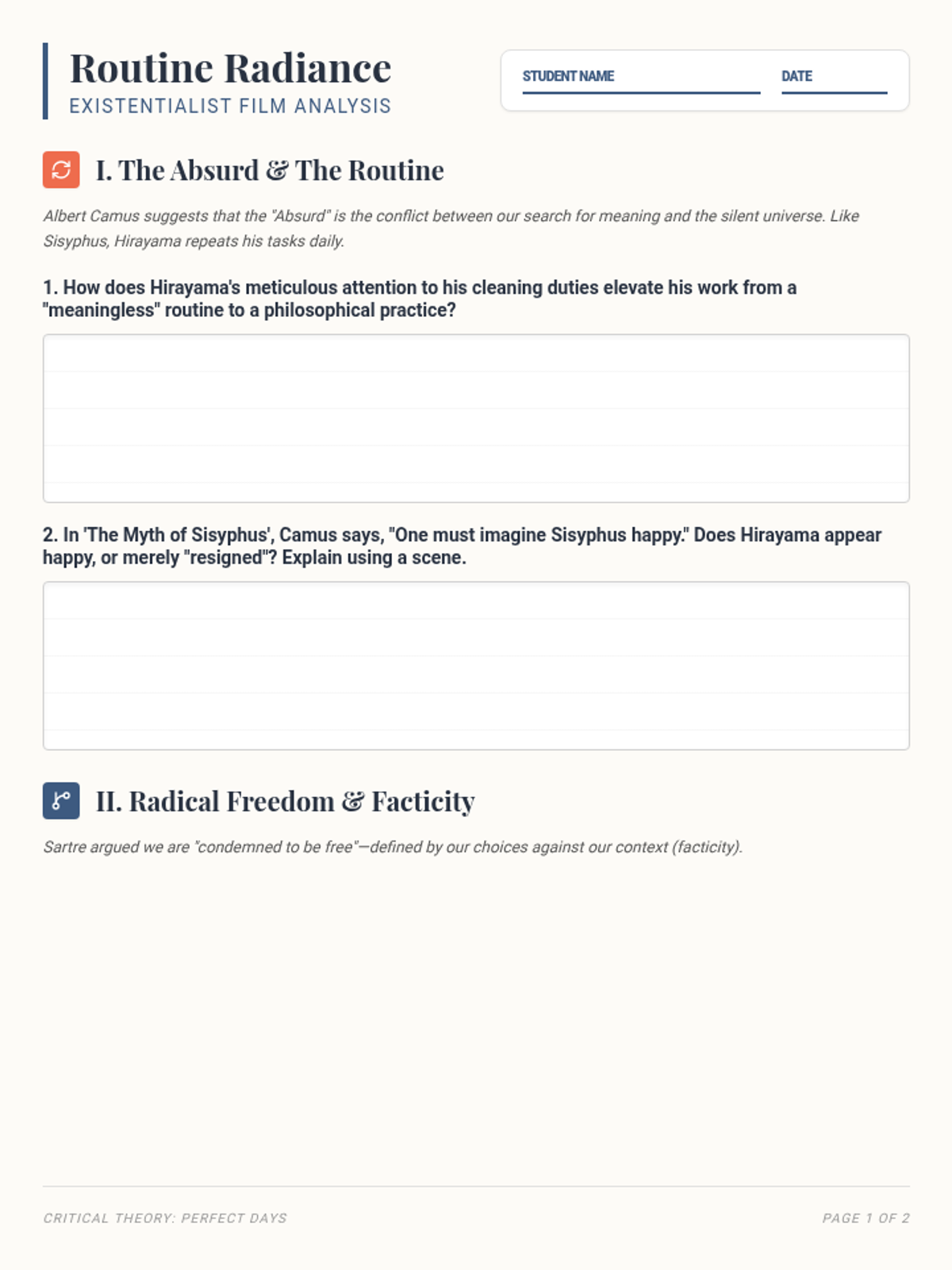
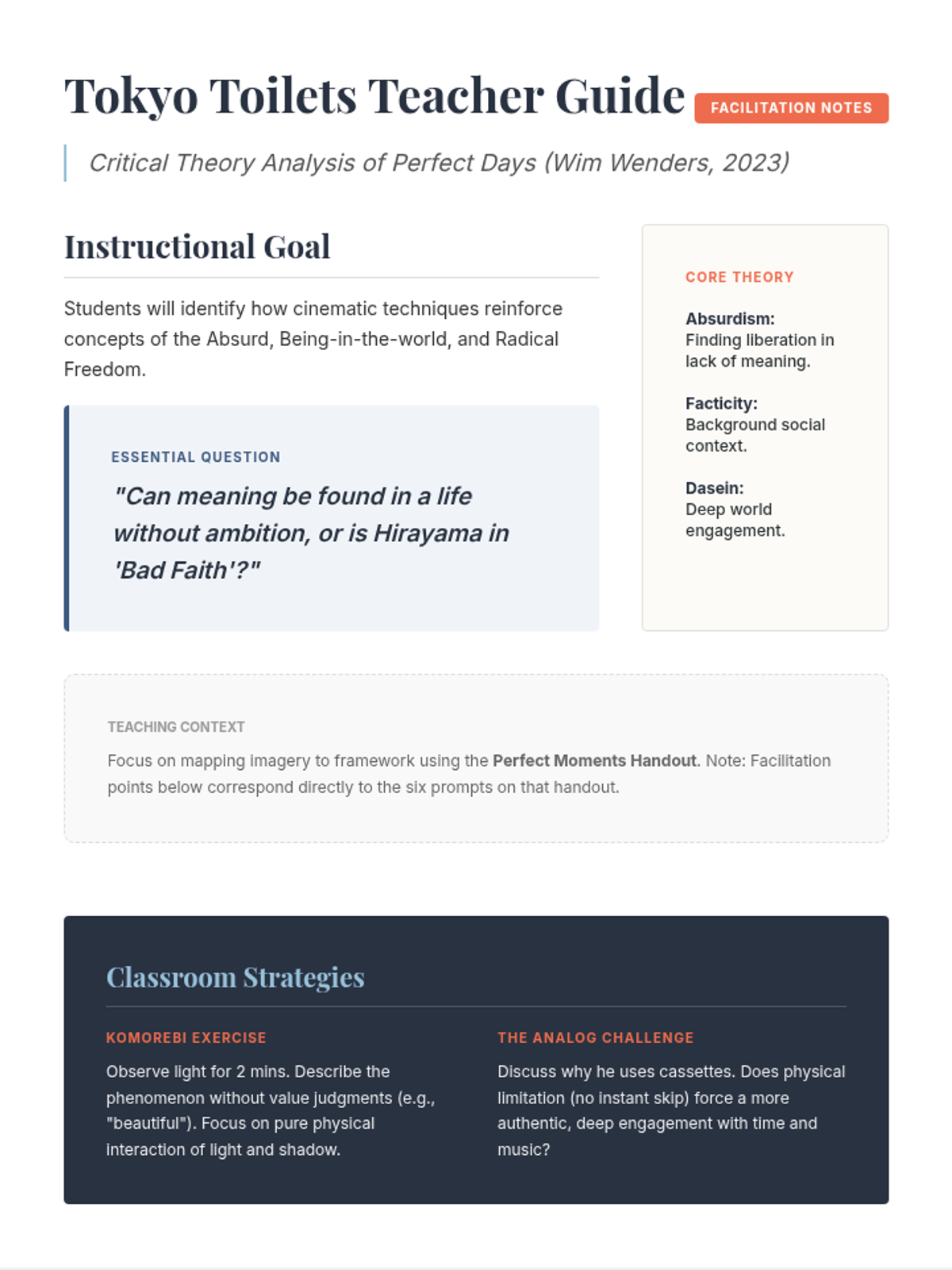
A deep dive into Wim Wenders' film 'Perfect Days' using existentialist philosophy to analyze the protagonist's repetitive routine and radical choices. Students explore themes of the absurd, authenticity, and 'komorebi' through critical theory.
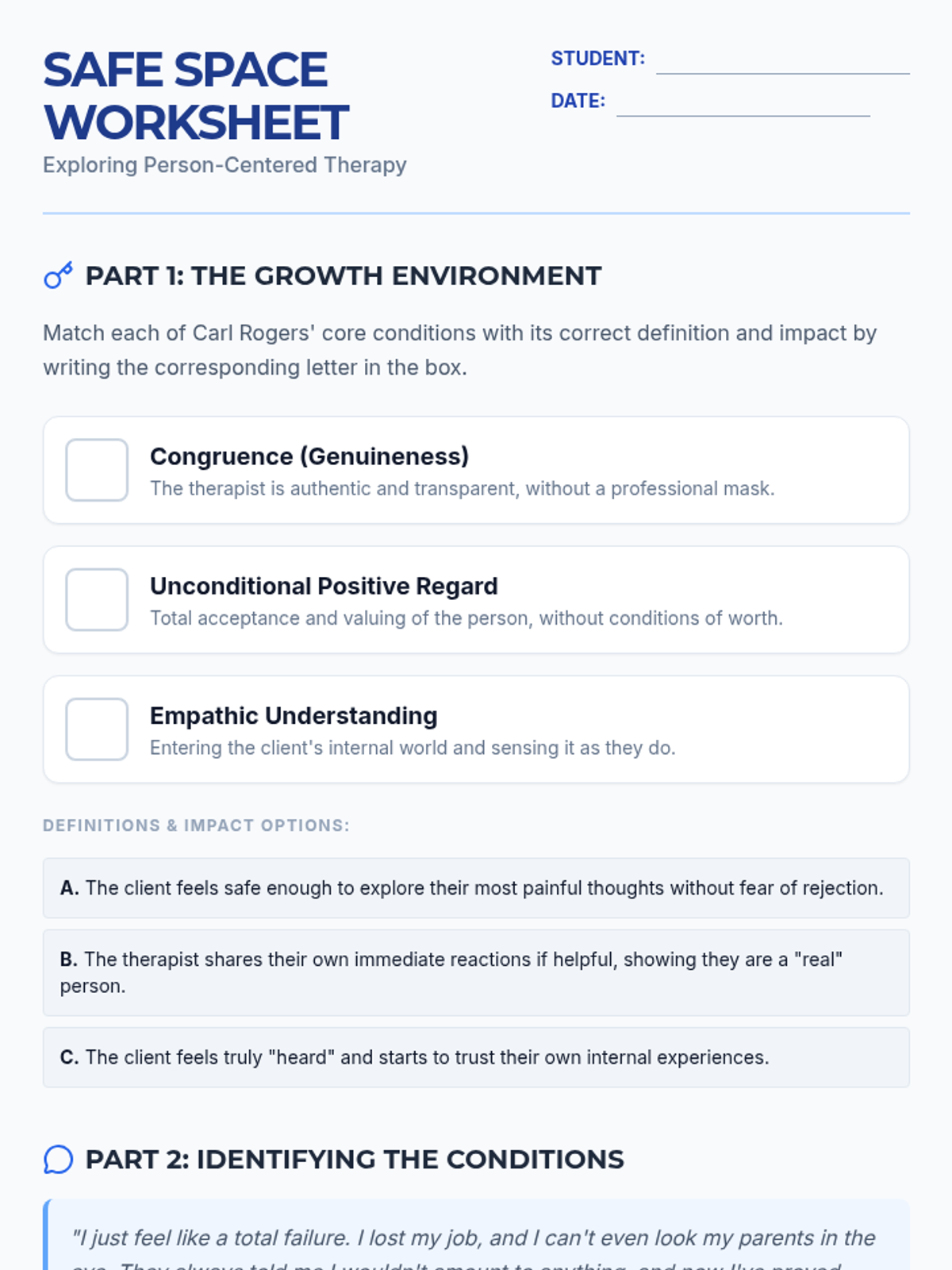
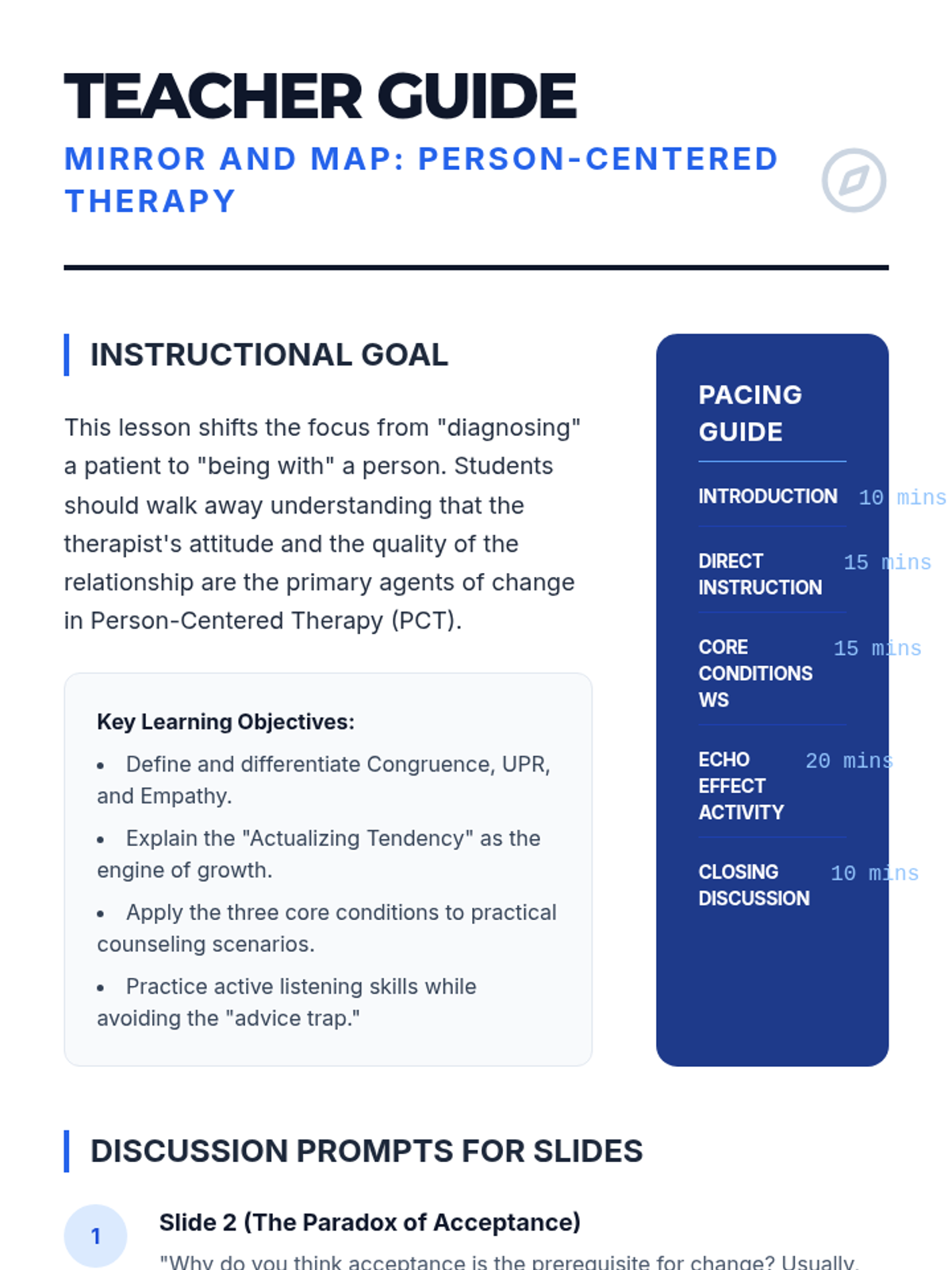
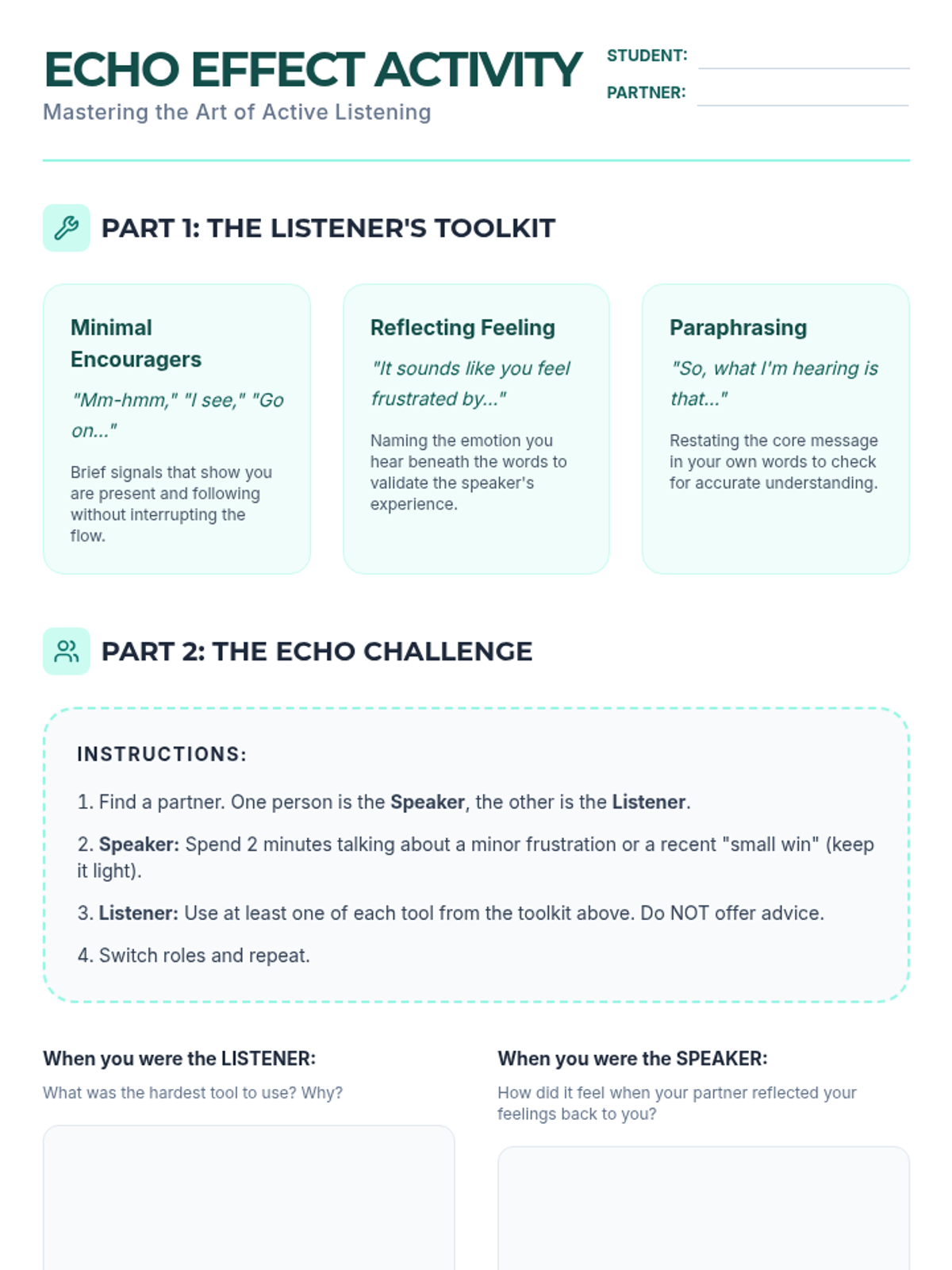
This lesson introduces students to Carl Rogers' Person-Centered Therapy, focusing on the three core conditions for growth and the concept of self-actualization. Students will explore how empathy, congruence, and unconditional positive regard create a safe environment for personal development.
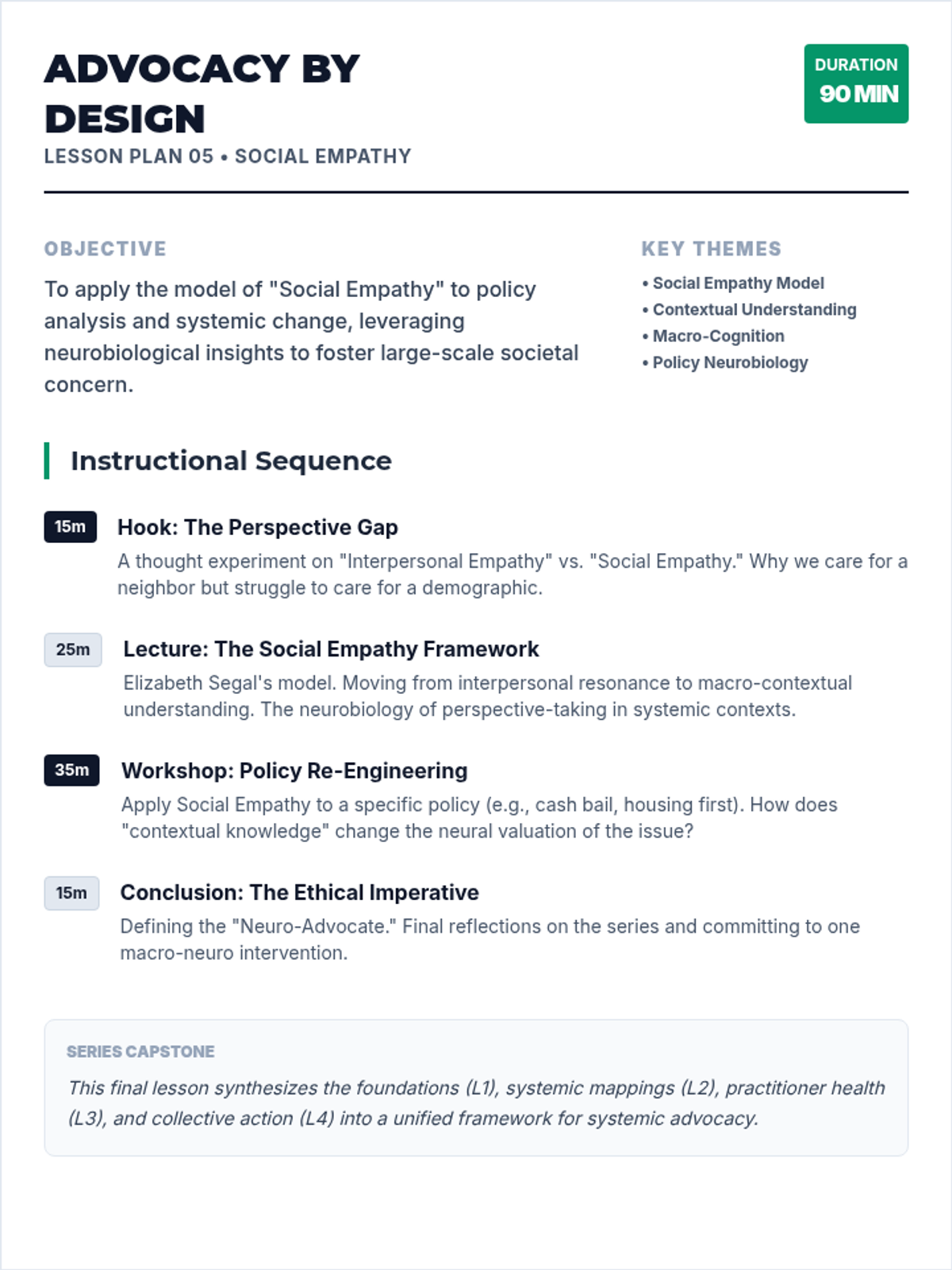
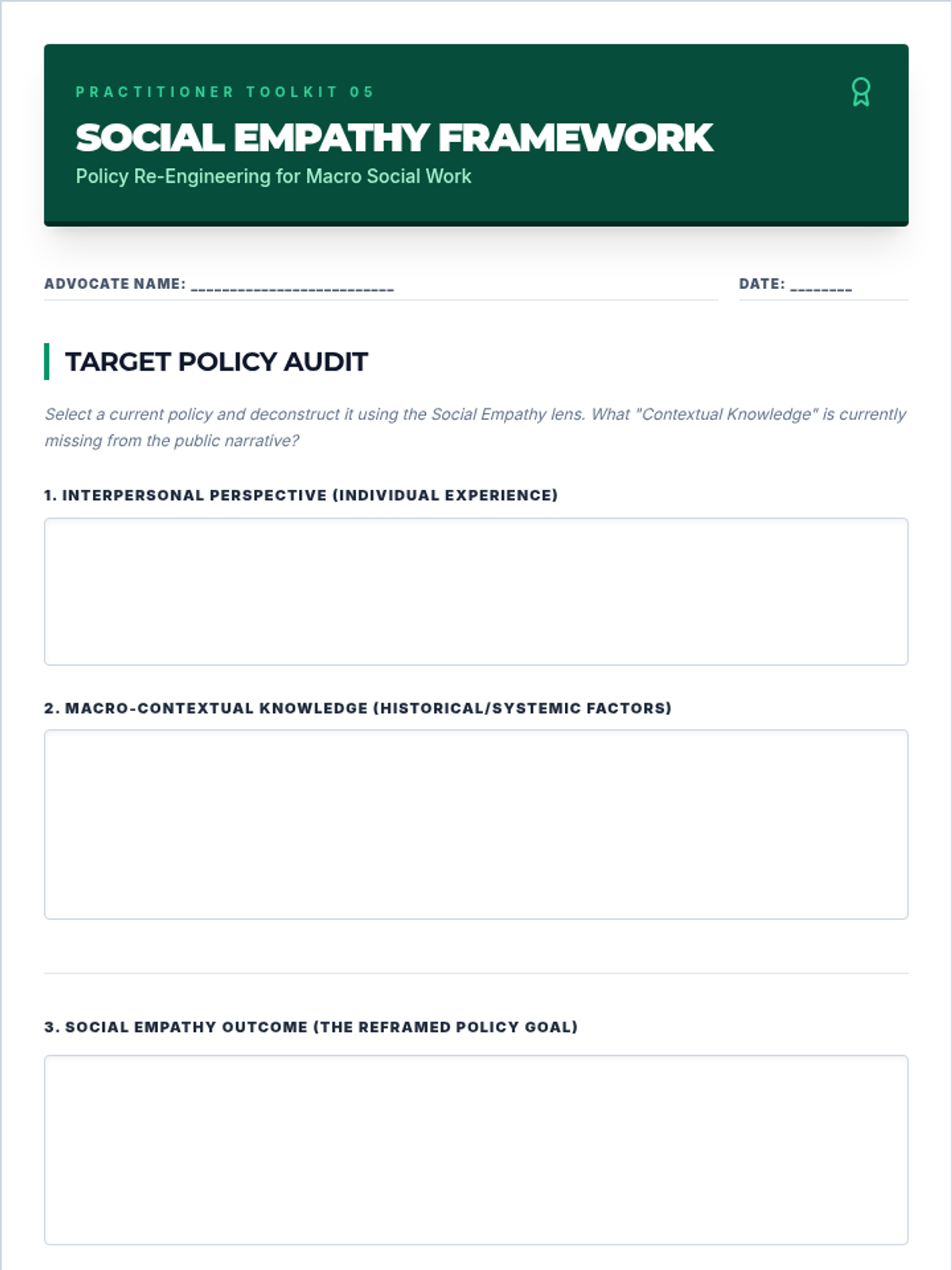
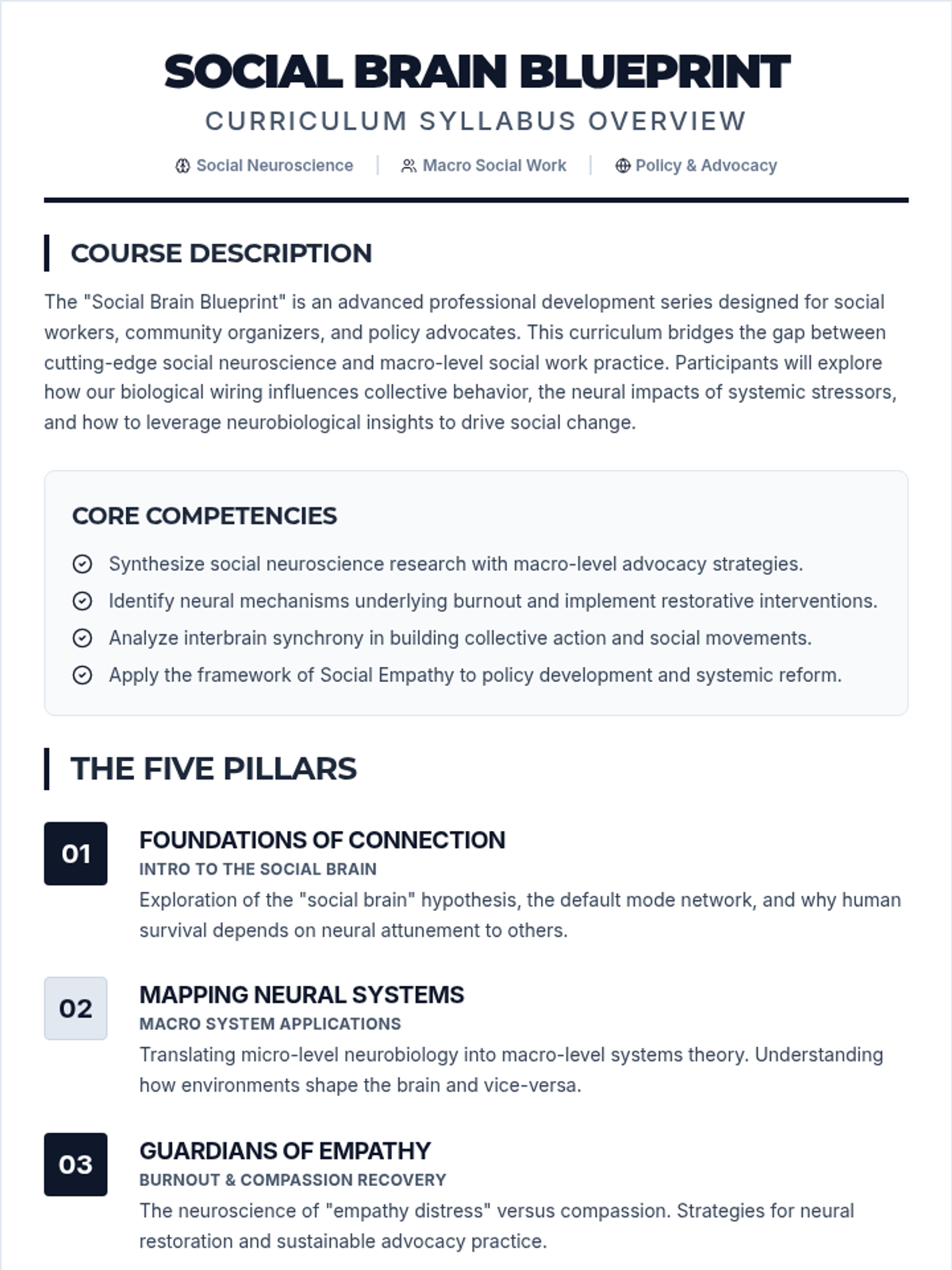
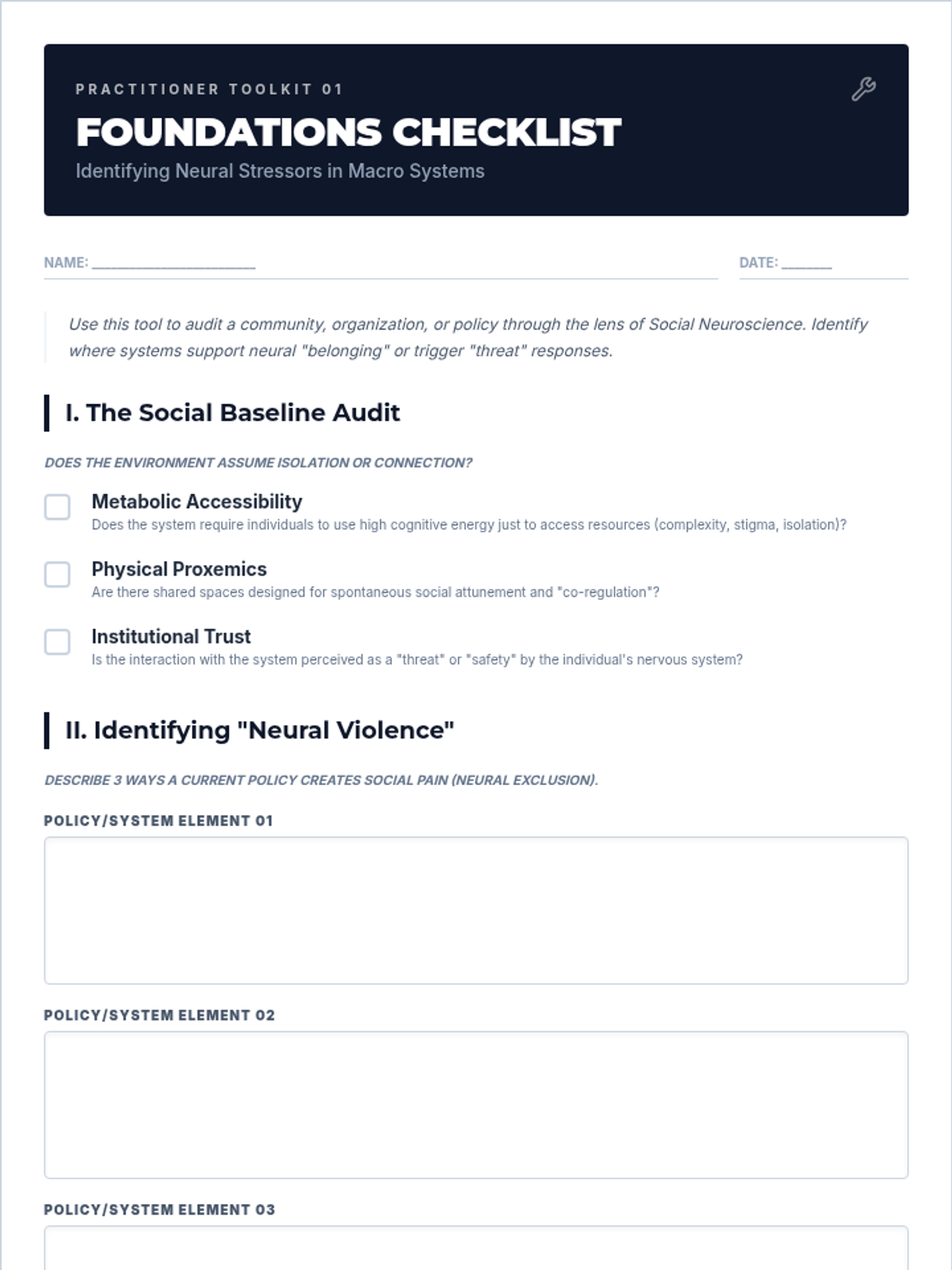
Integrating social empathy and neurobiological insights into systemic advocacy, policy development, and macro-level social change efforts.
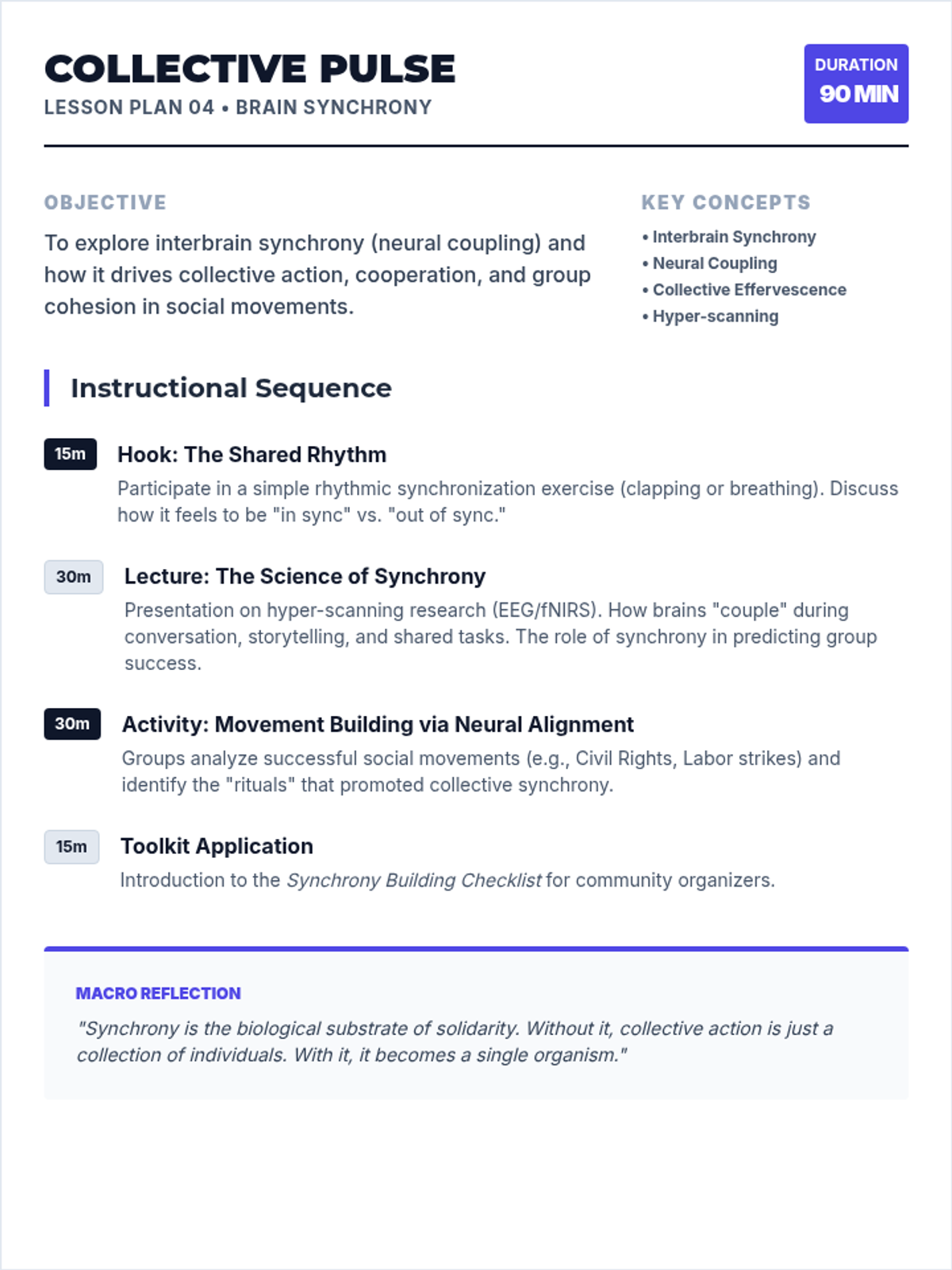
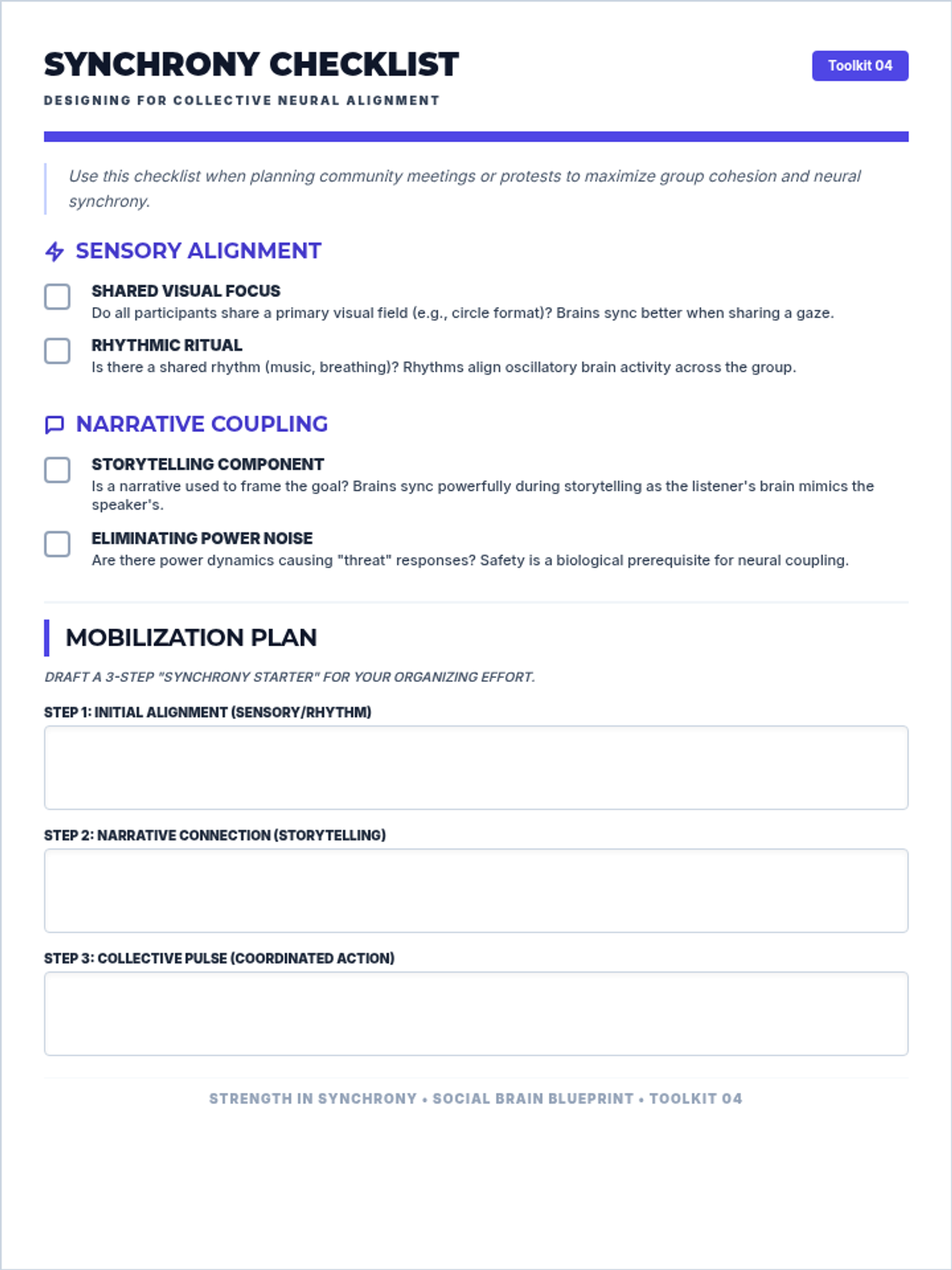
Examining interbrain synchrony and its role in group dynamics, collective action, and building resilient community movements.
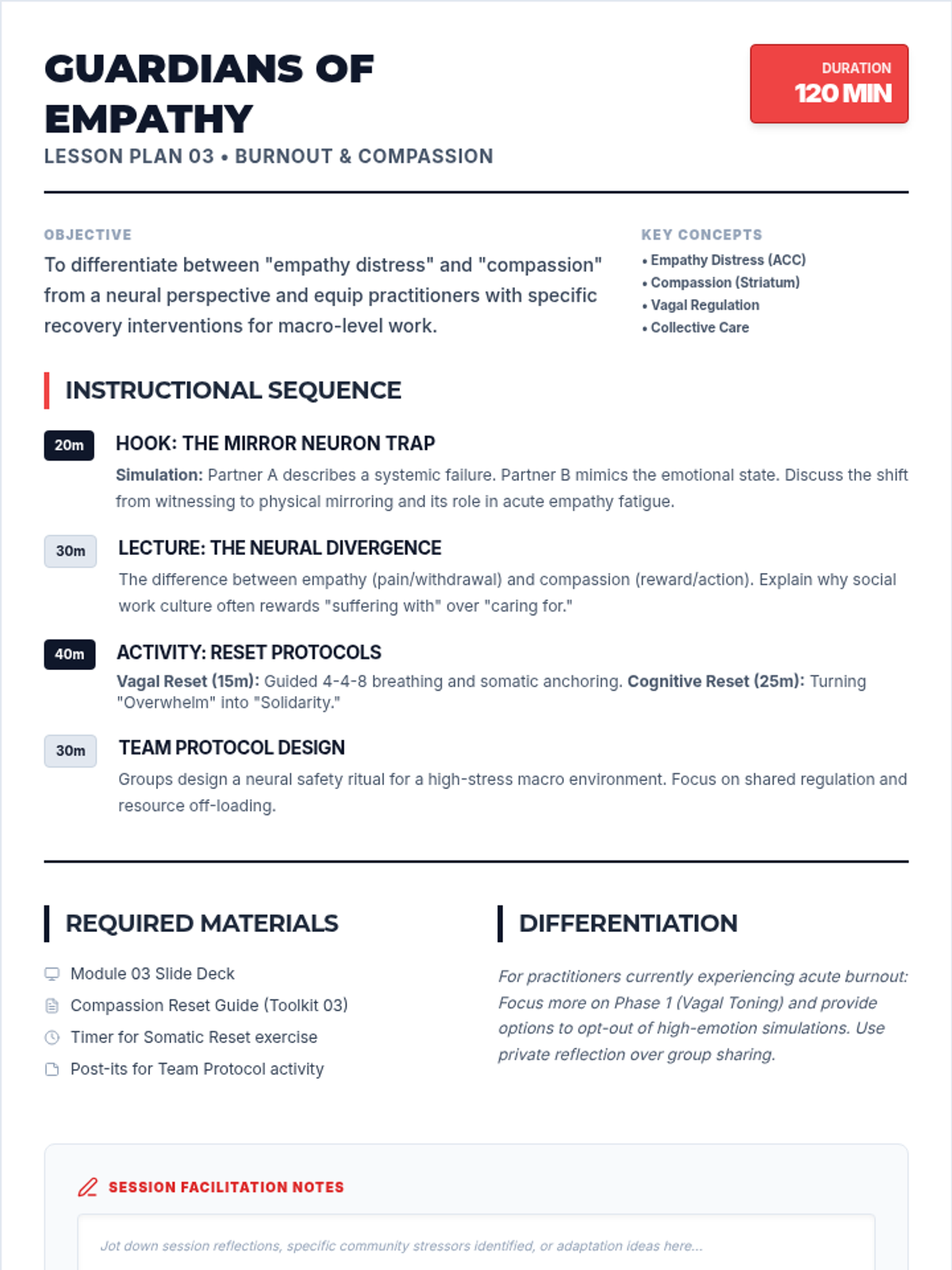
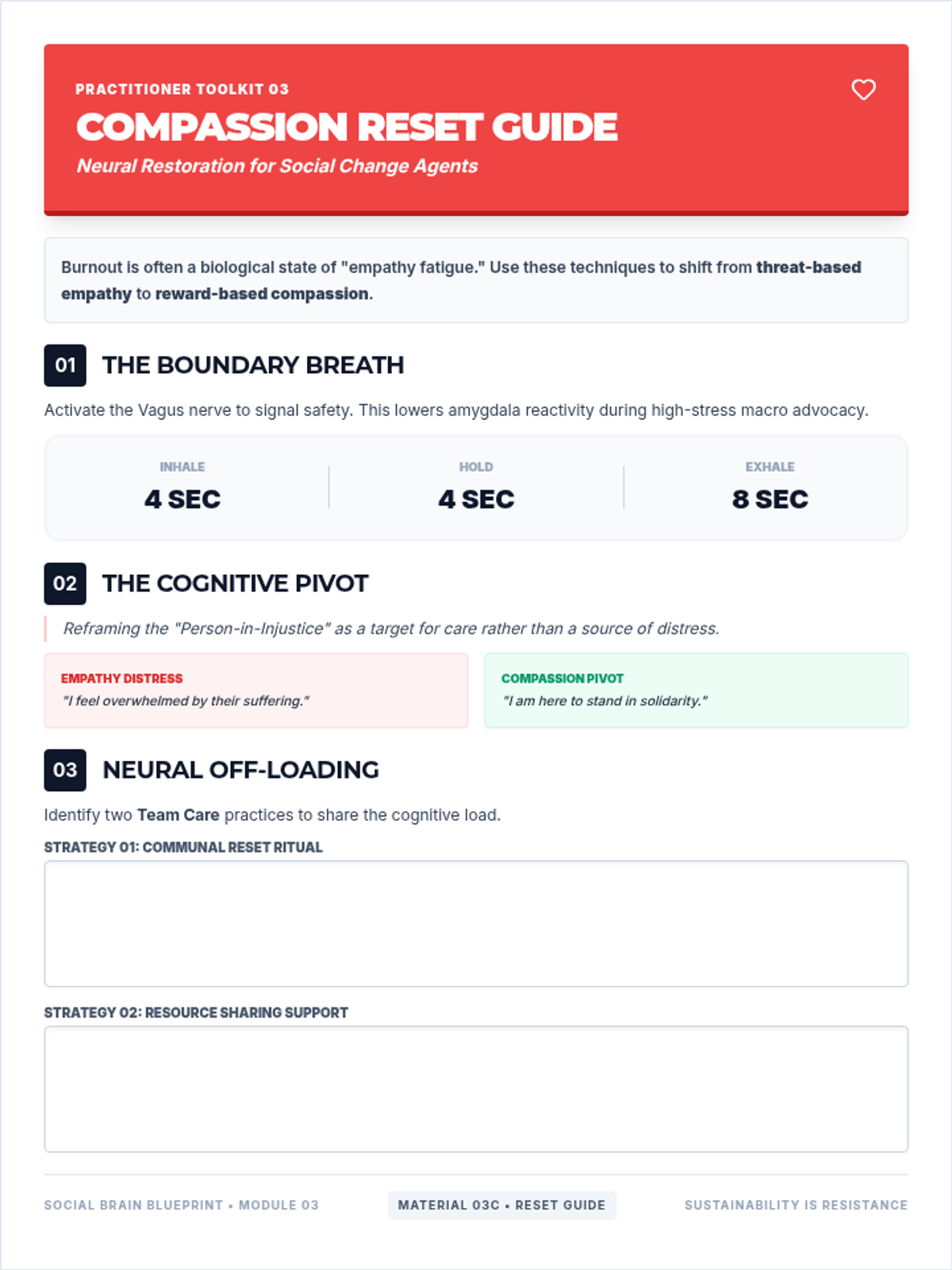
An exploration of the neural mechanisms of burnout and secondary traumatic stress, providing practitioners with evidence-based compassion interventions for recovery.
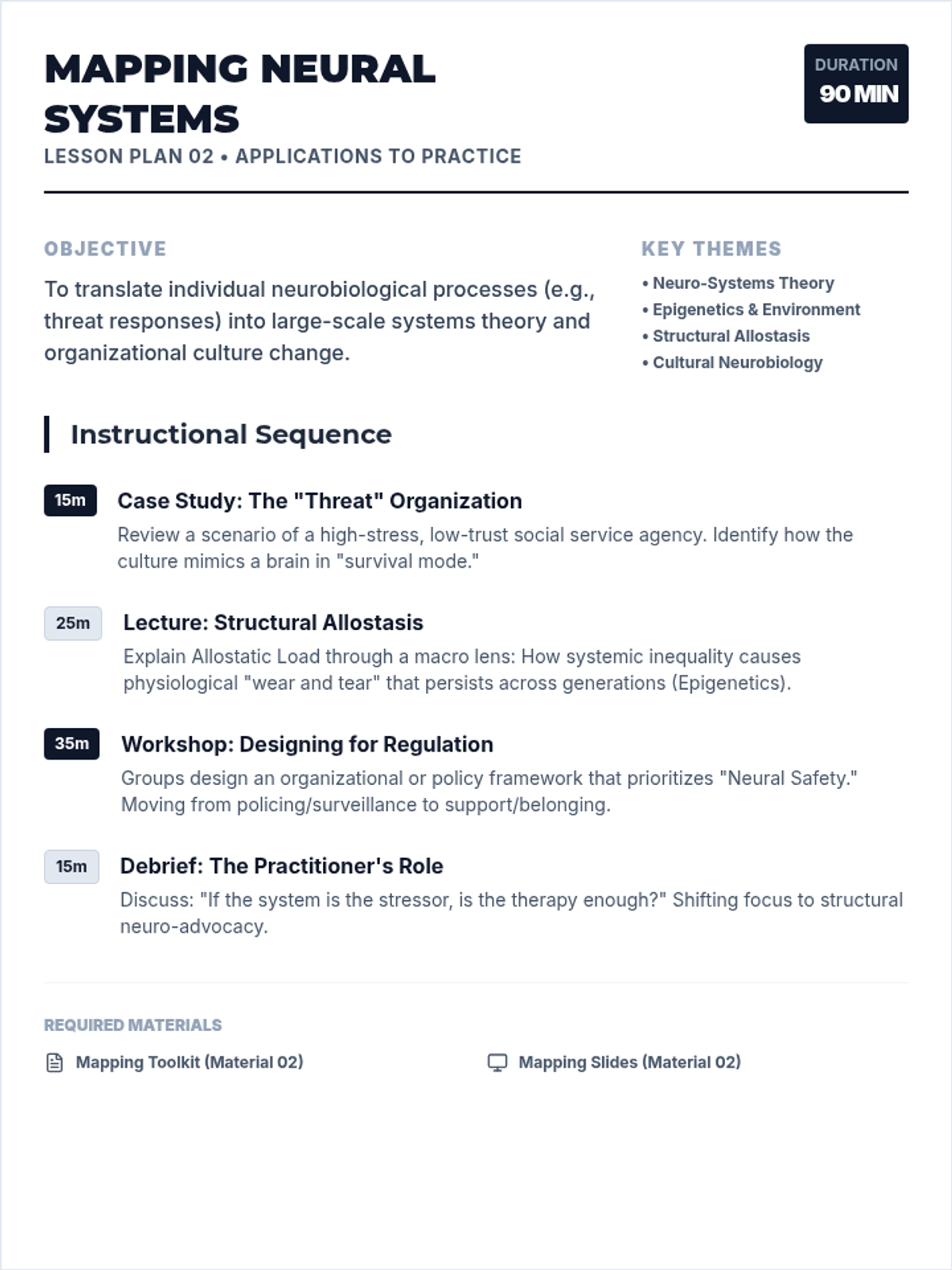
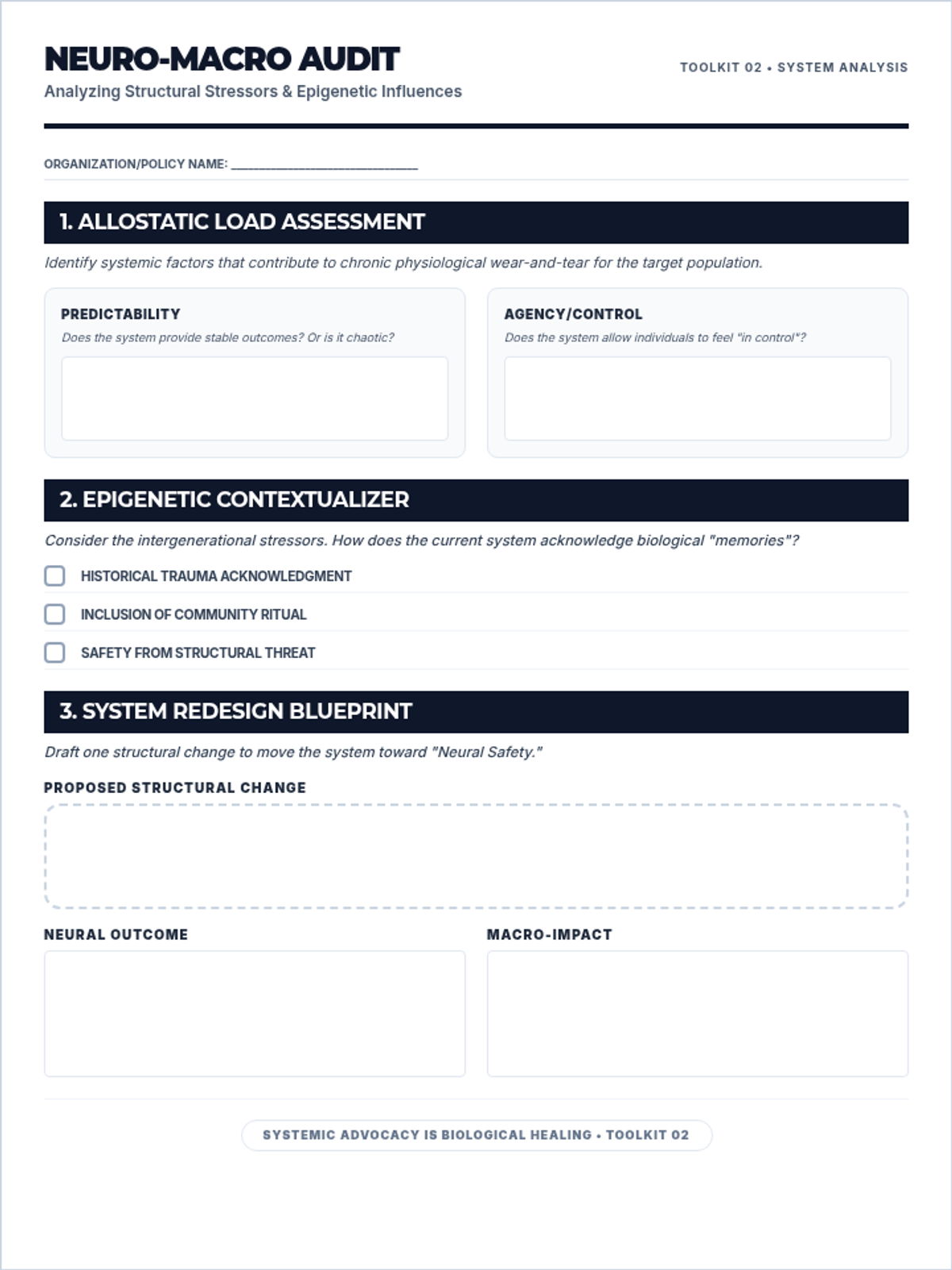
Bridging the gap between individual neurobiology and large-scale social systems, focusing on how neural processes inform macro social work interventions.
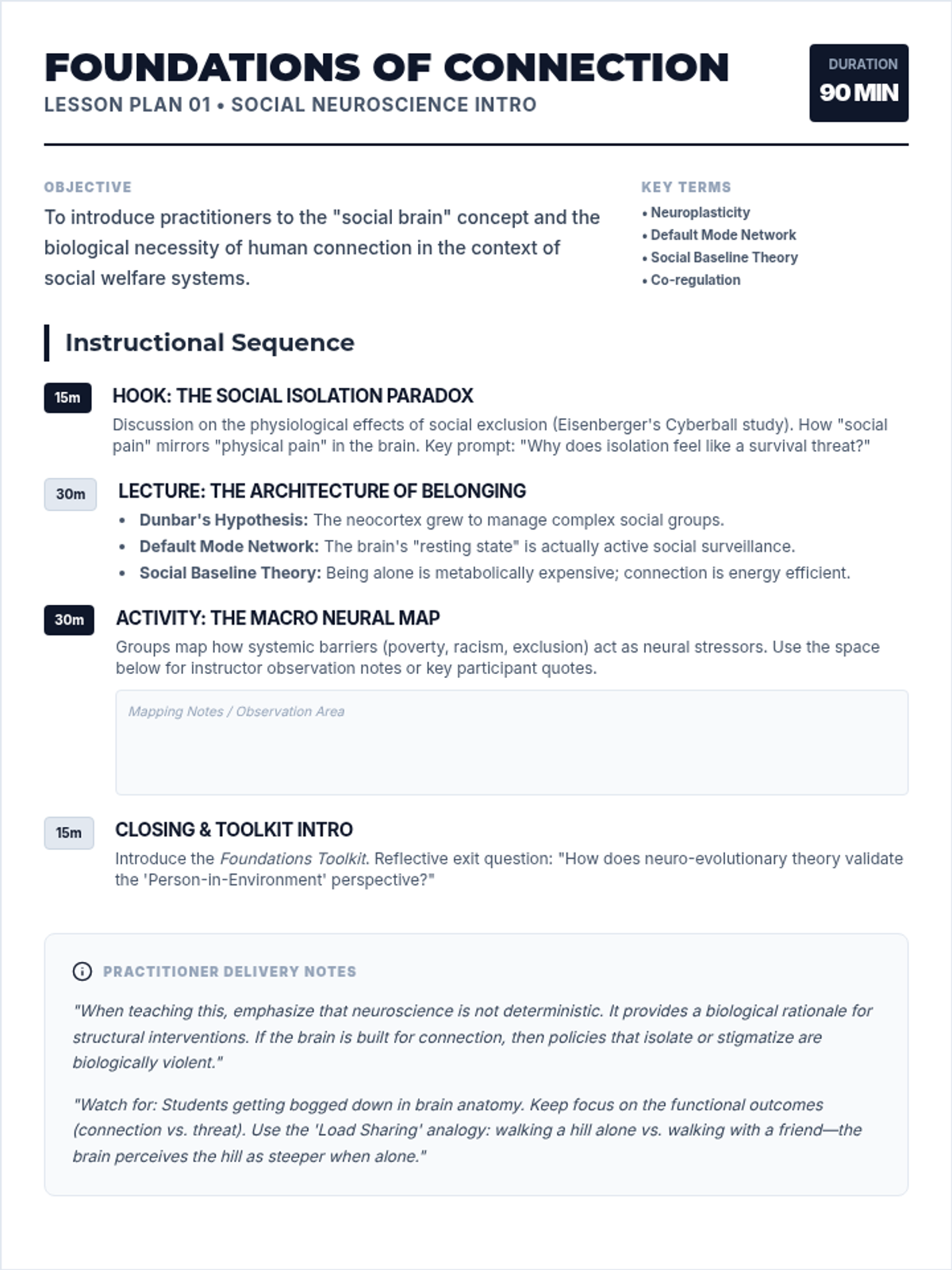
An introduction to the foundational concepts of social neuroscience, exploring how human brains are biologically wired for social interaction and systemic belonging.
Week 5 of the ethics storyline: The funder unexpectedly withdraws, leaving the organization in a sustainability crisis that forces a final decision on its future and ethical legacy.
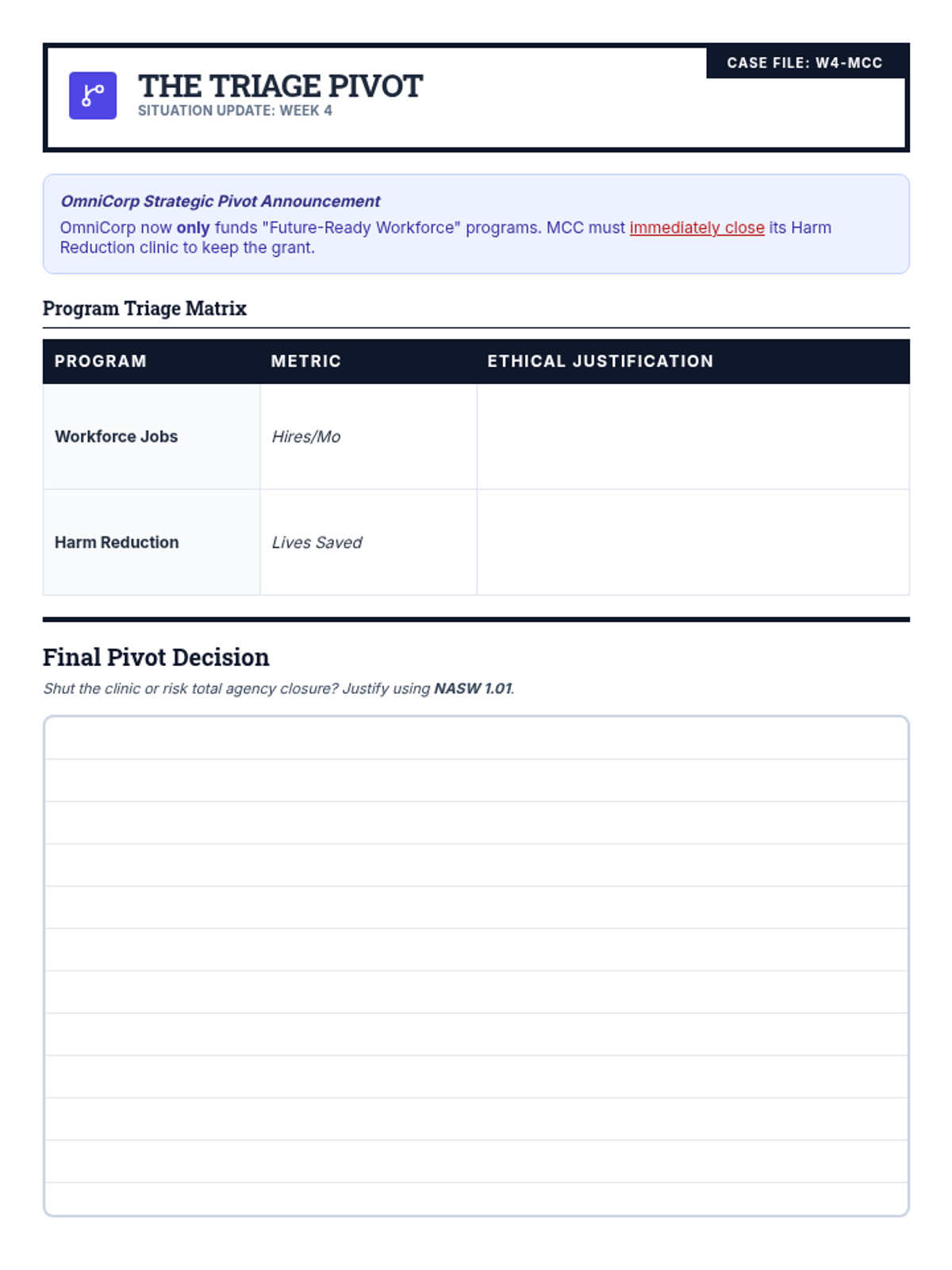
Week 4 of the ethics storyline: The funder mandates a shift toward high-metric 'job training' programs, forcing the organization to defund its 'harm reduction' services for the most vulnerable.