Students observe wave pulses and interference patterns to understand how waves interact and how noise cancellation works.
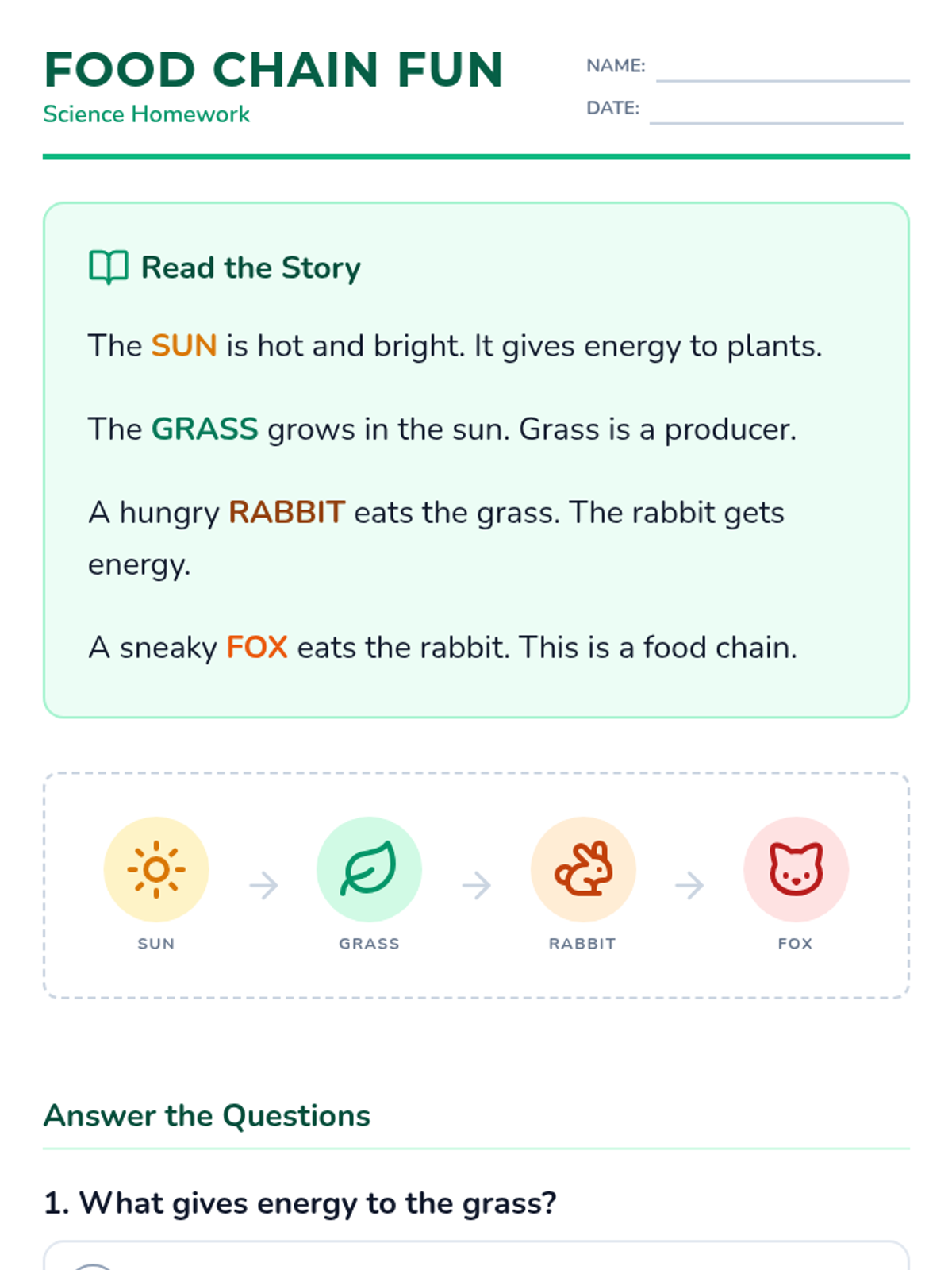
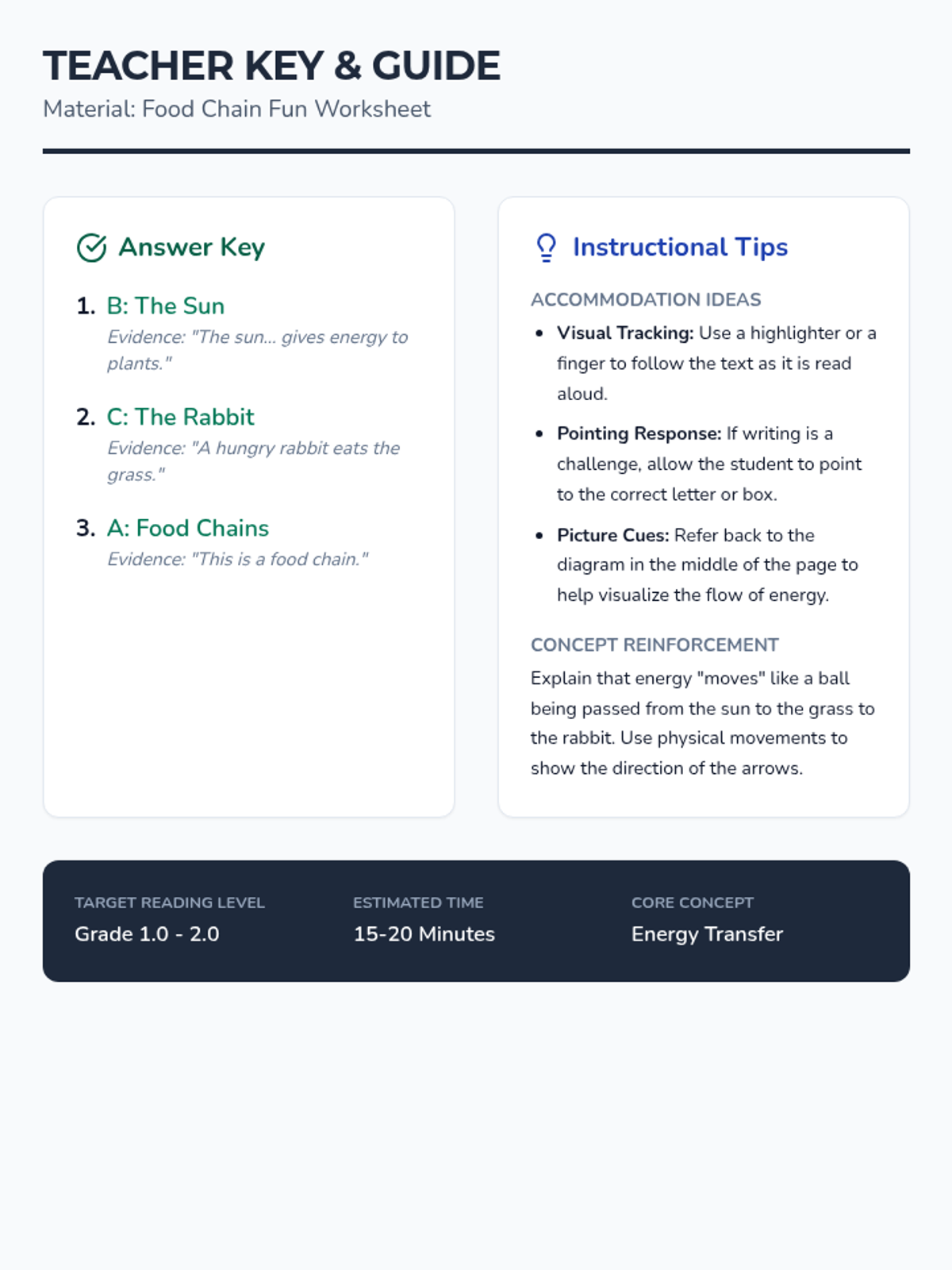
A simplified science lesson on food chains designed for 8th-grade students with severe disabilities, focusing on basic energy flow from sun to predator.
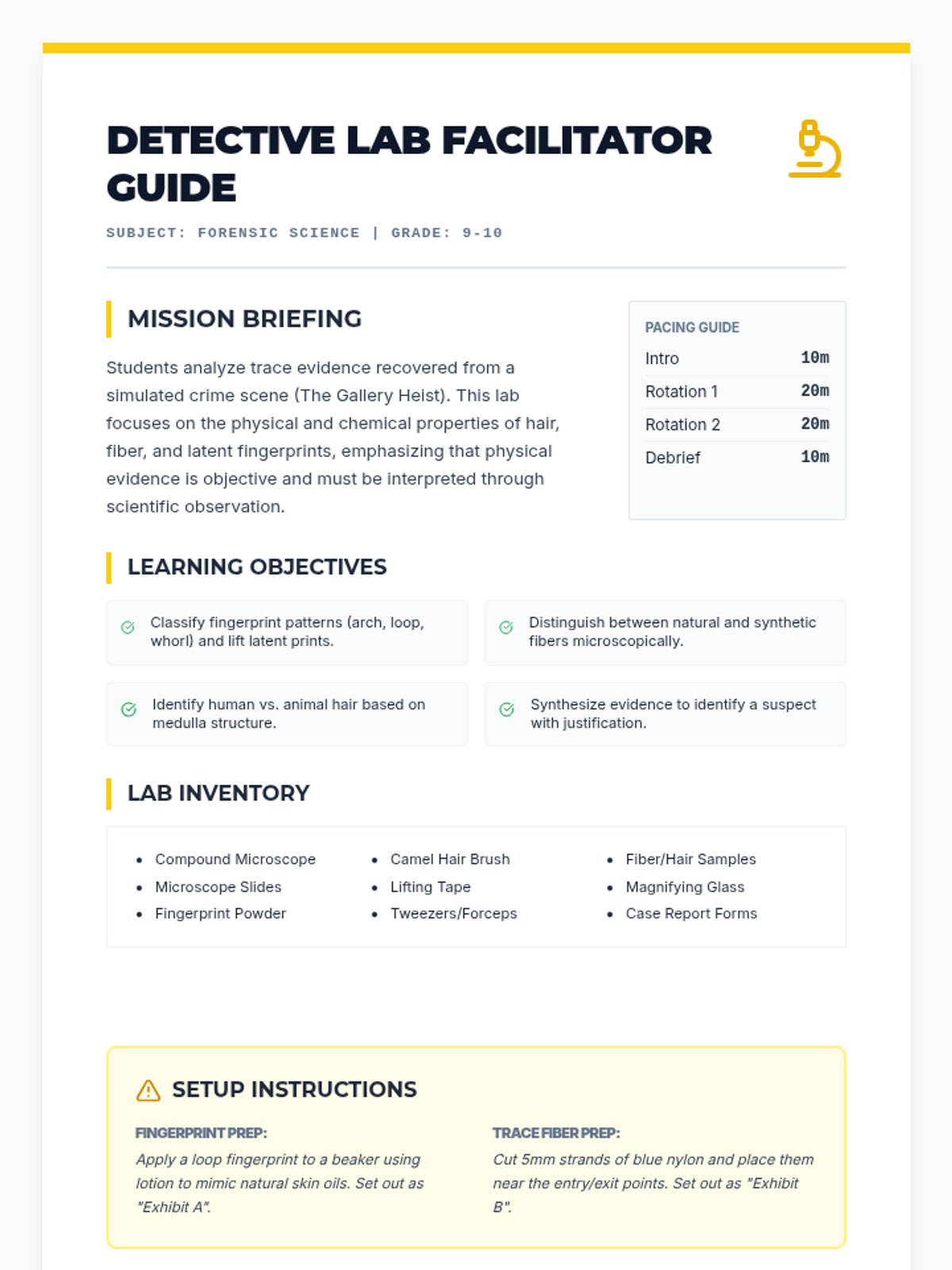
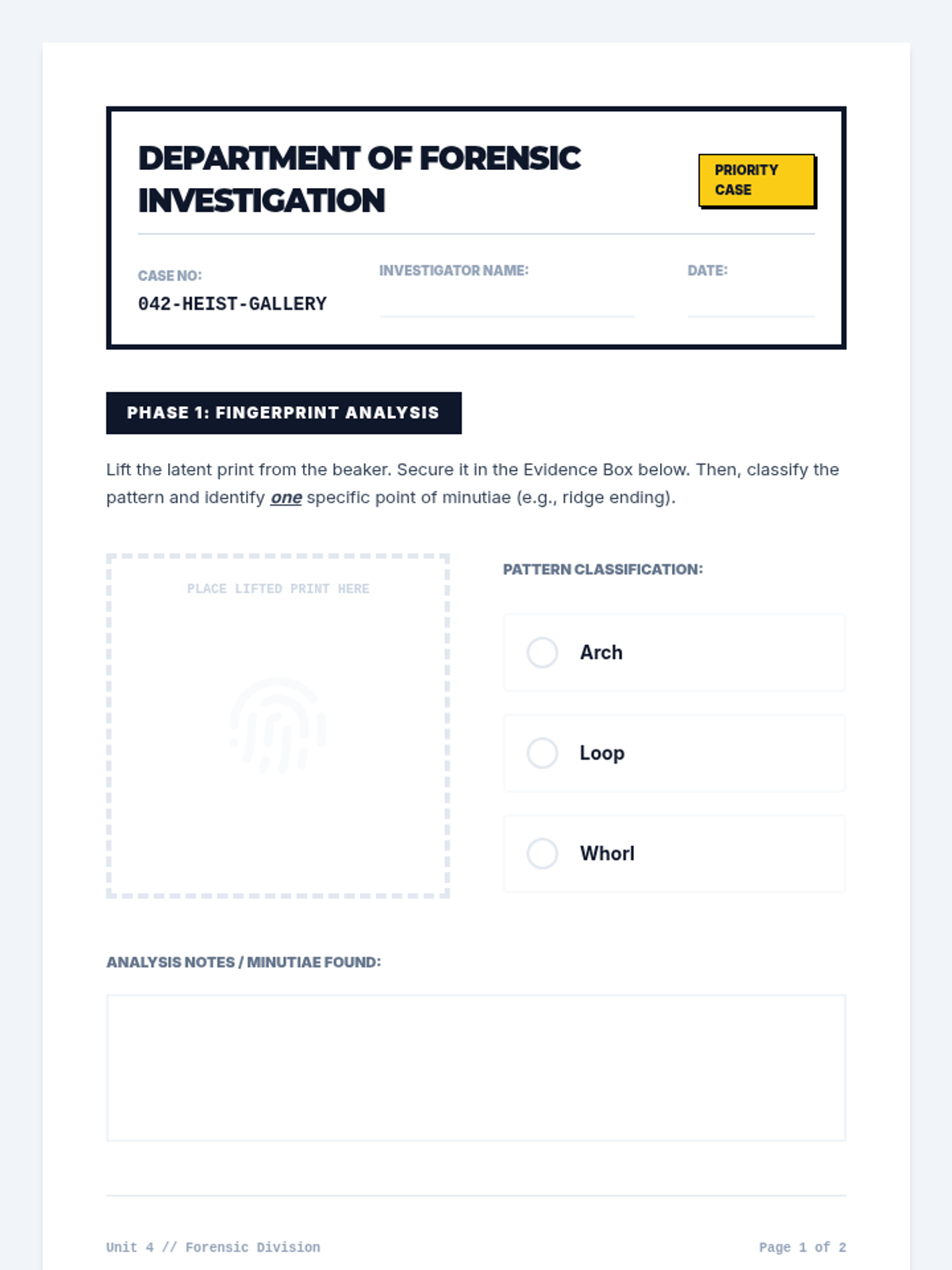
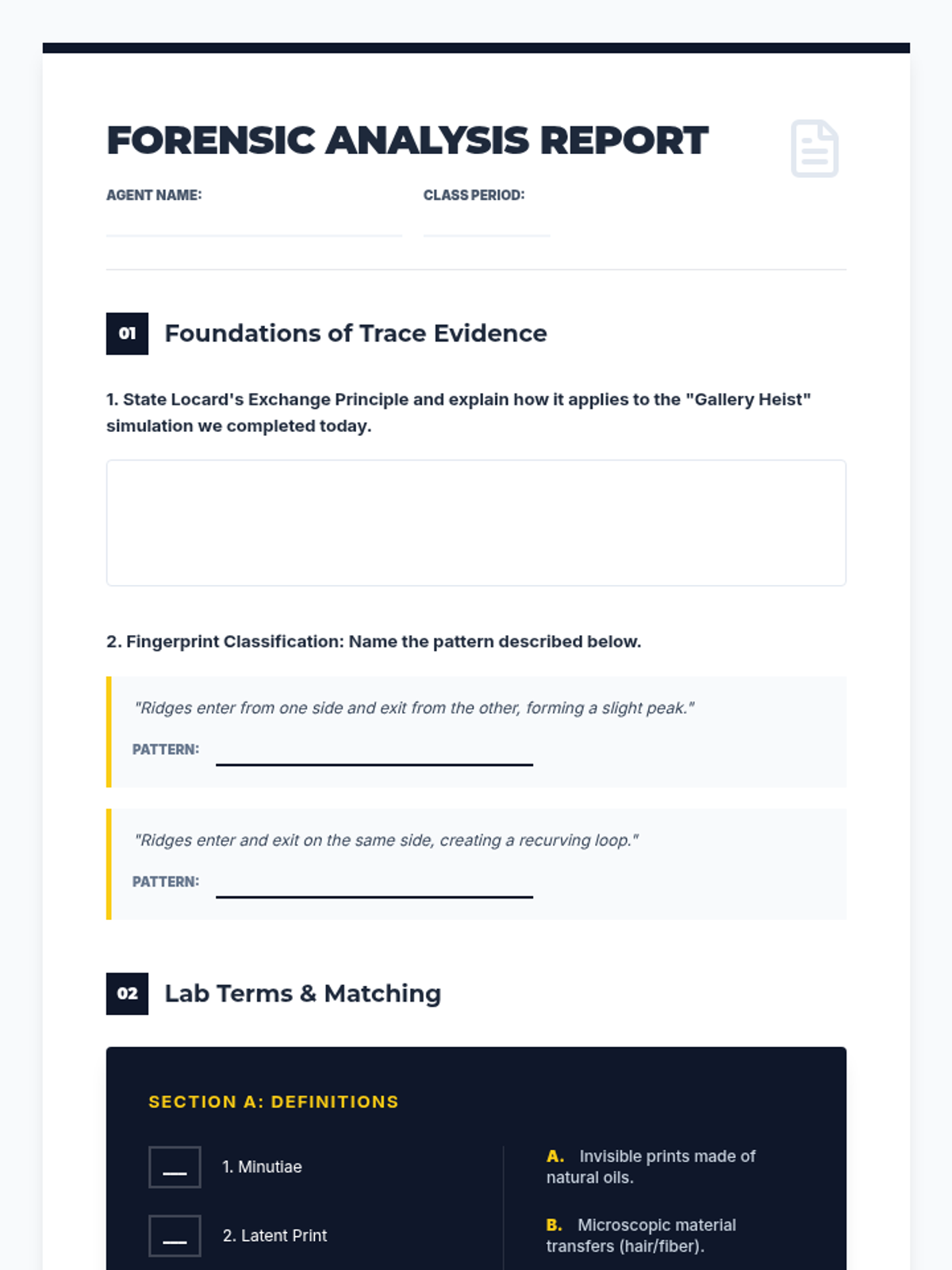
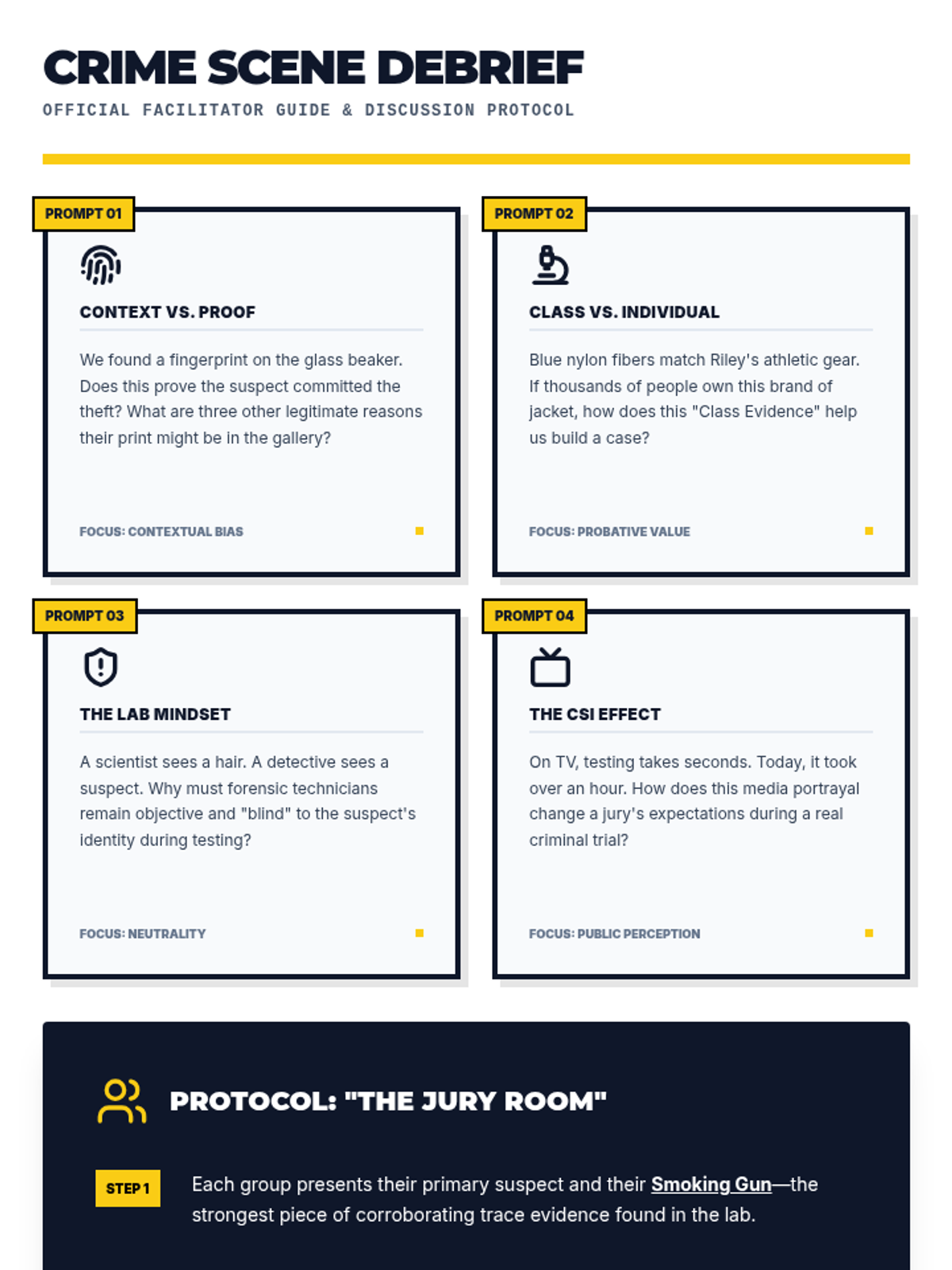
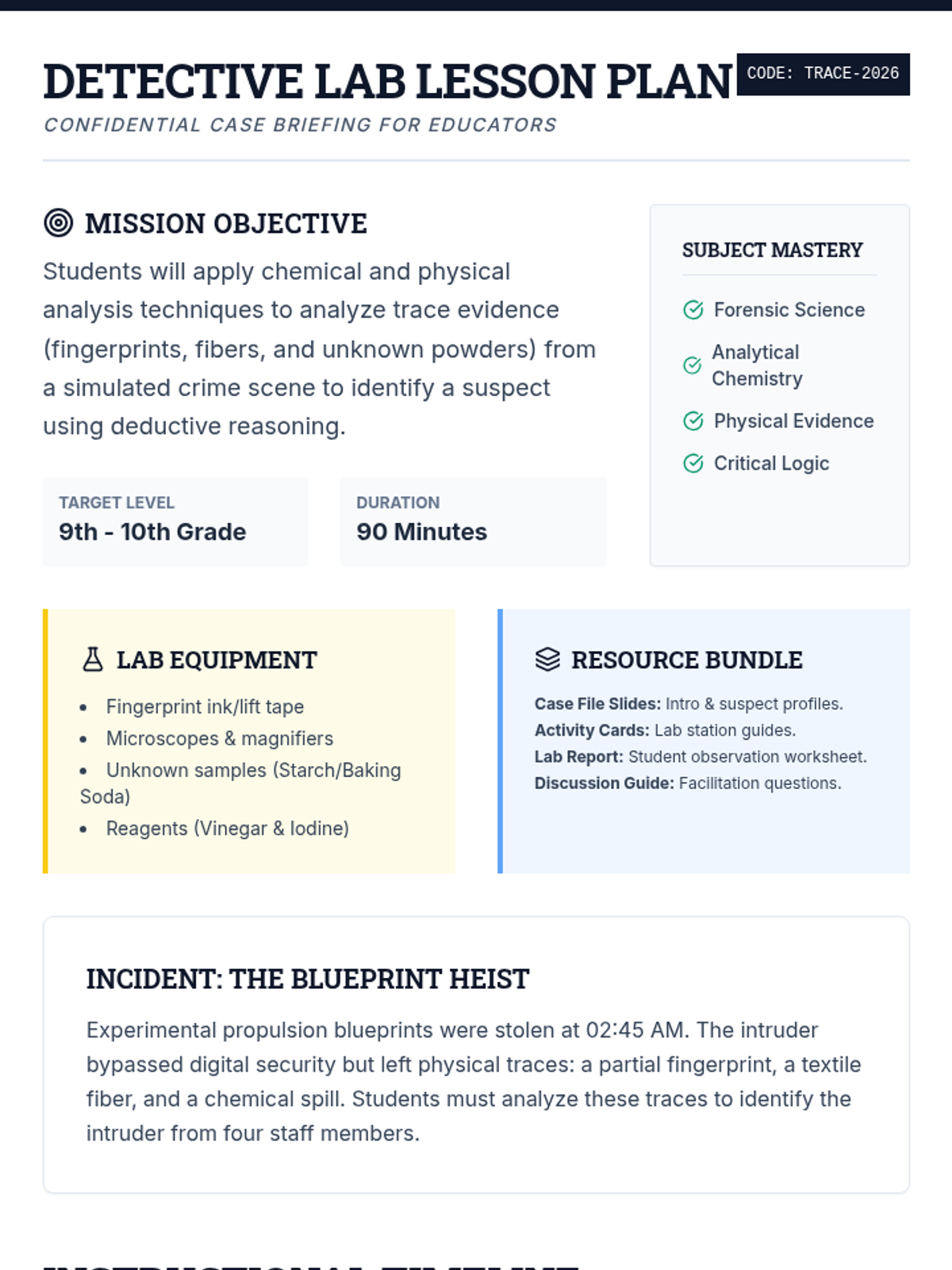
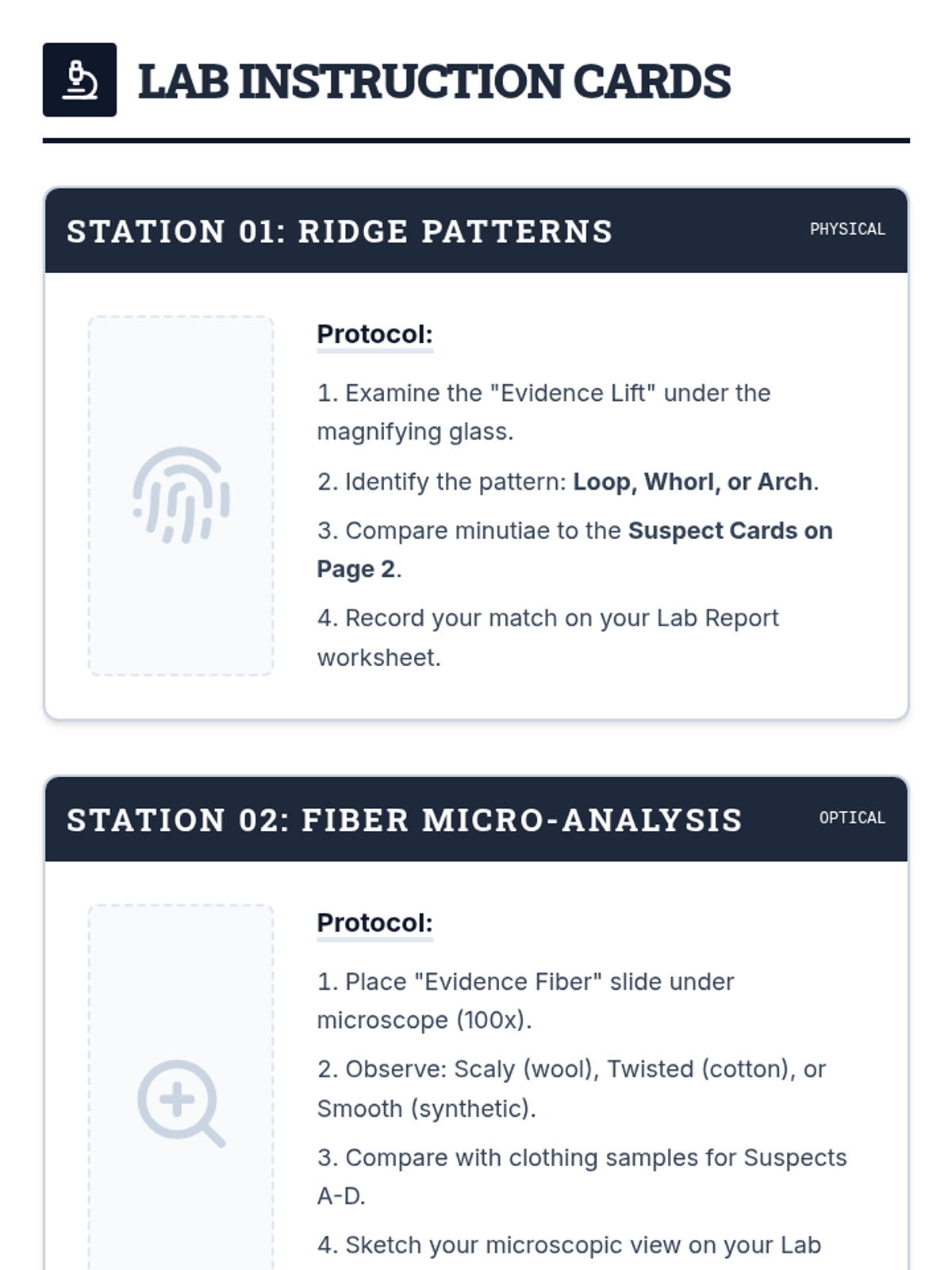
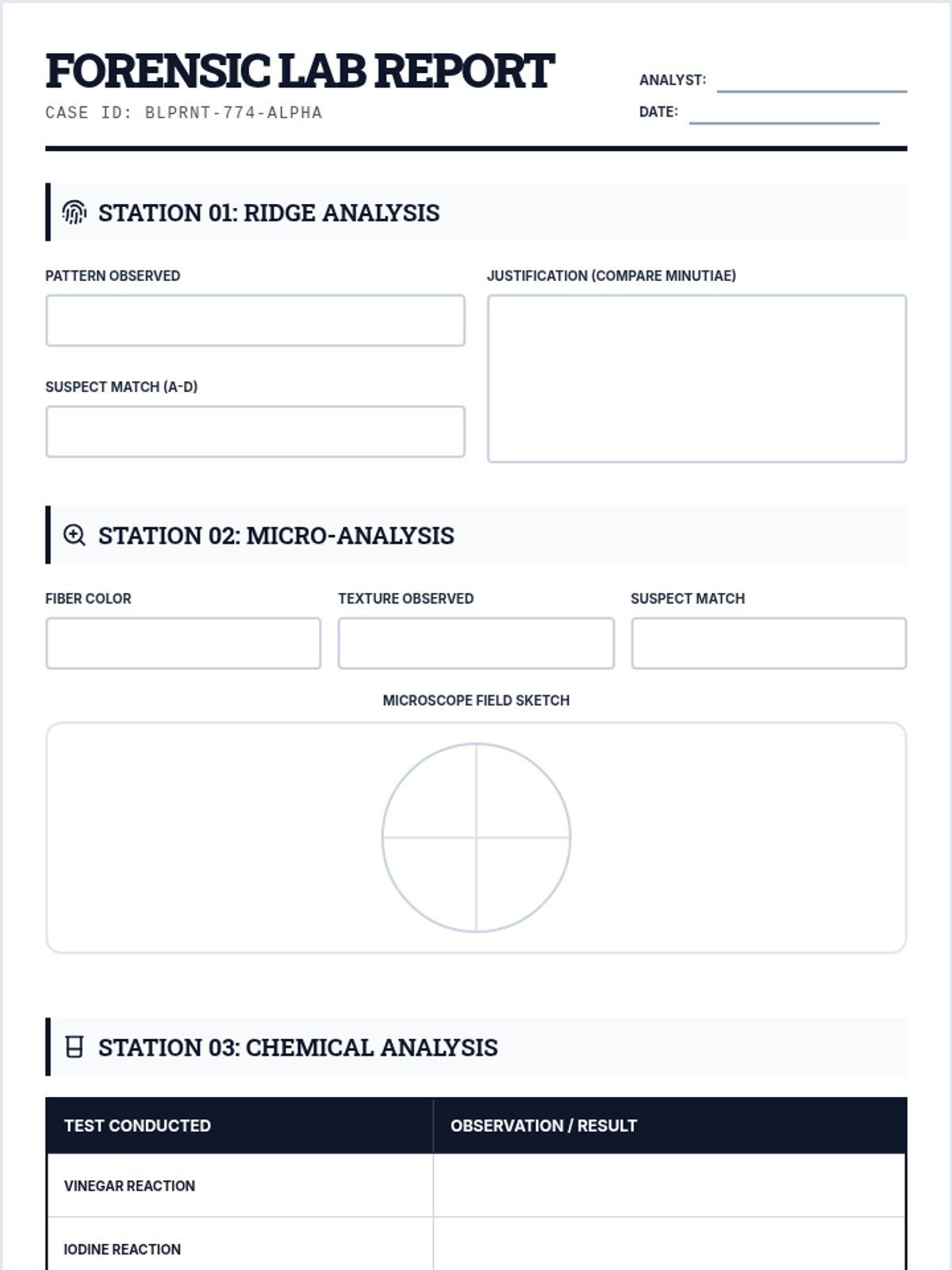
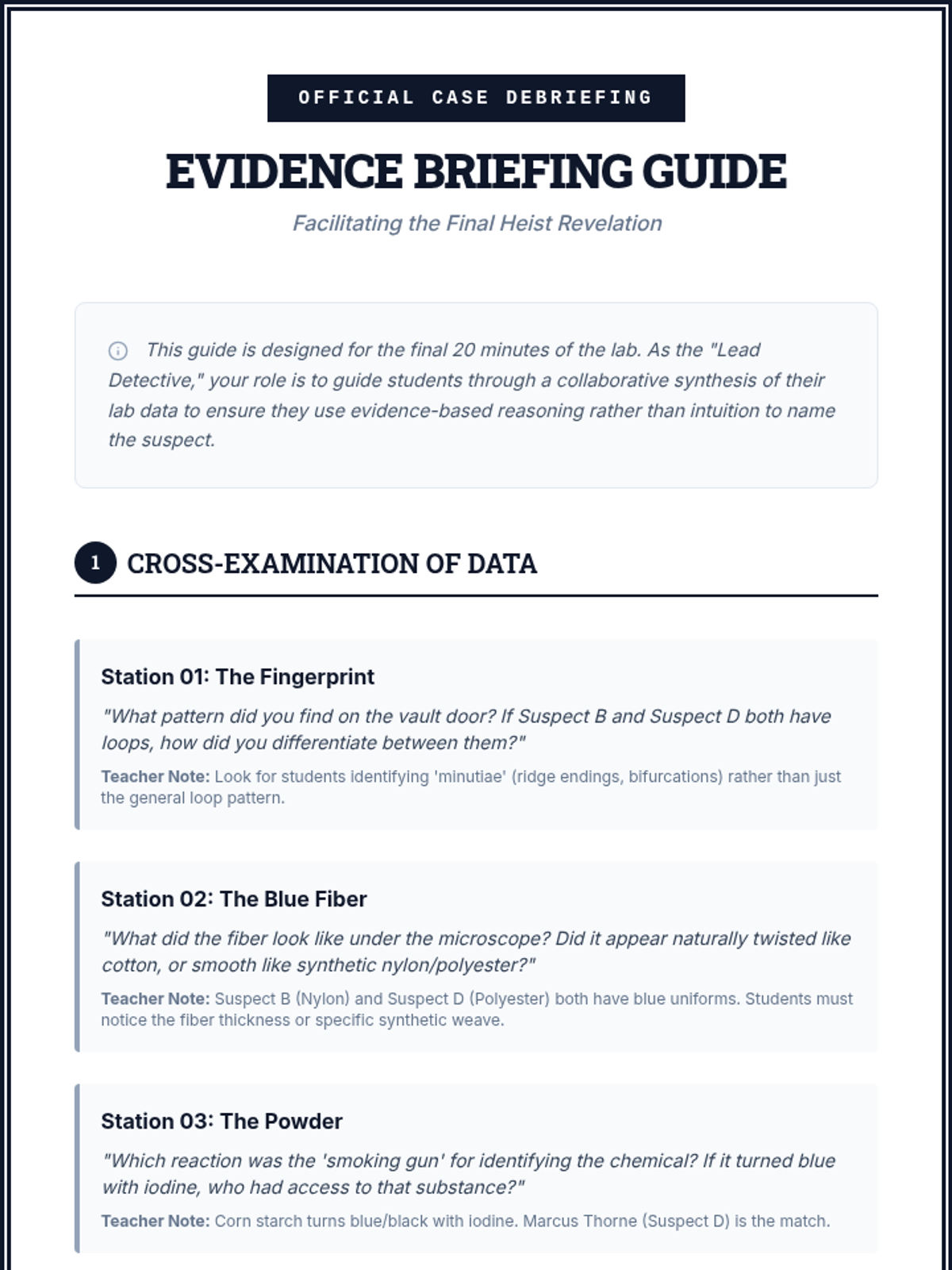
A high-school forensic science lab where students analyze fingerprints and fibers to solve a simulated crime, focusing on physical and chemical properties and deductive reasoning.
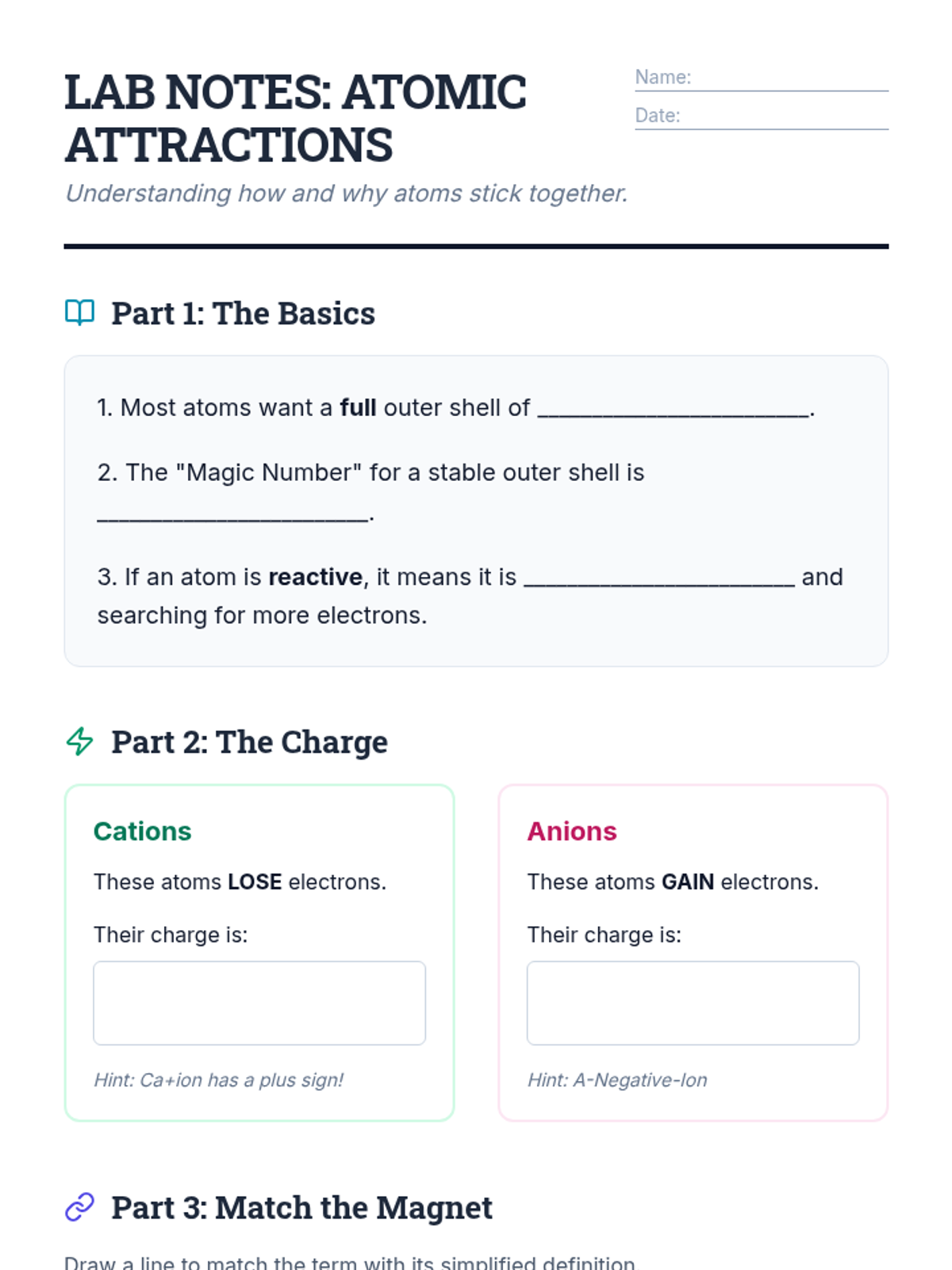
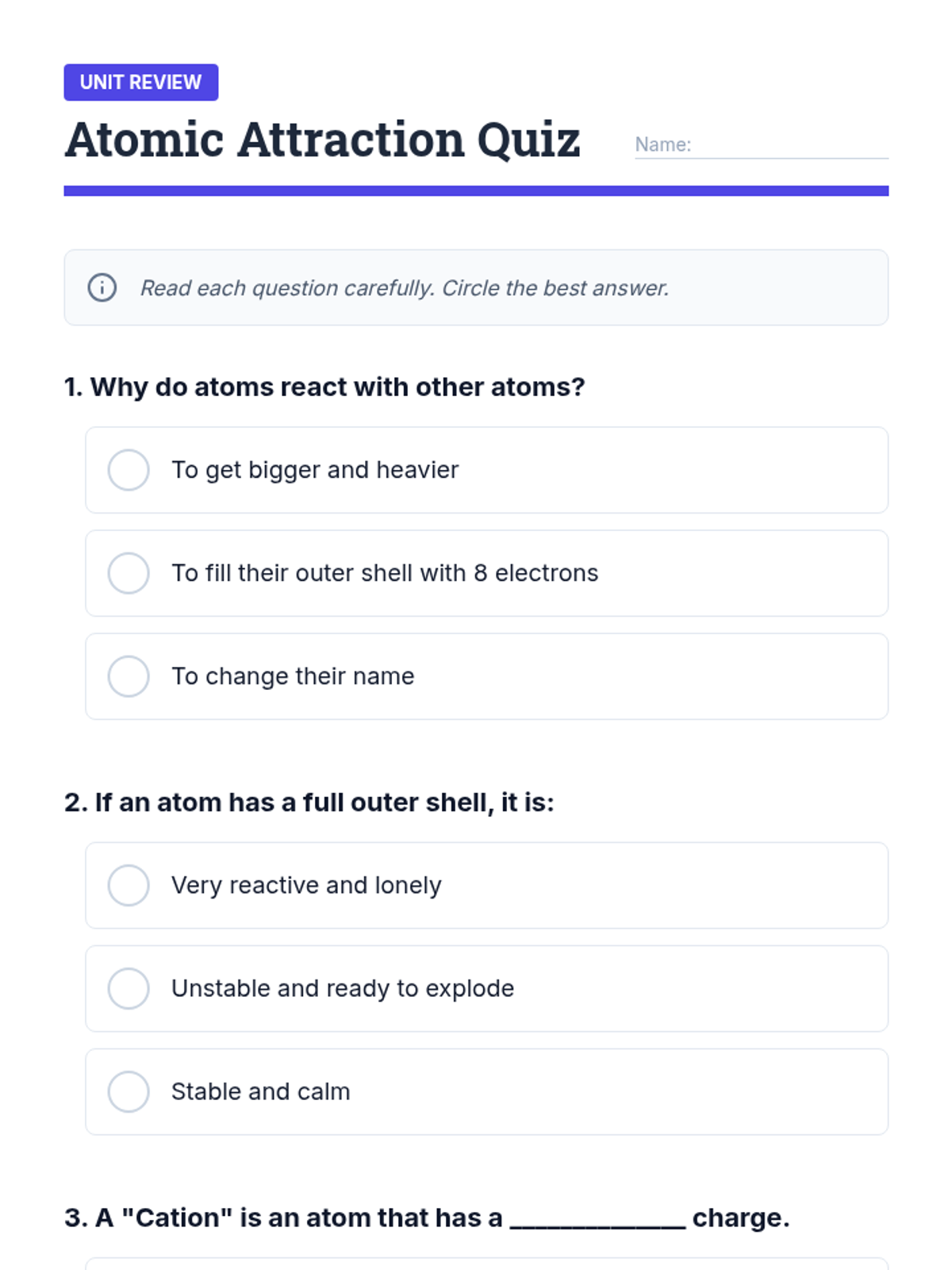
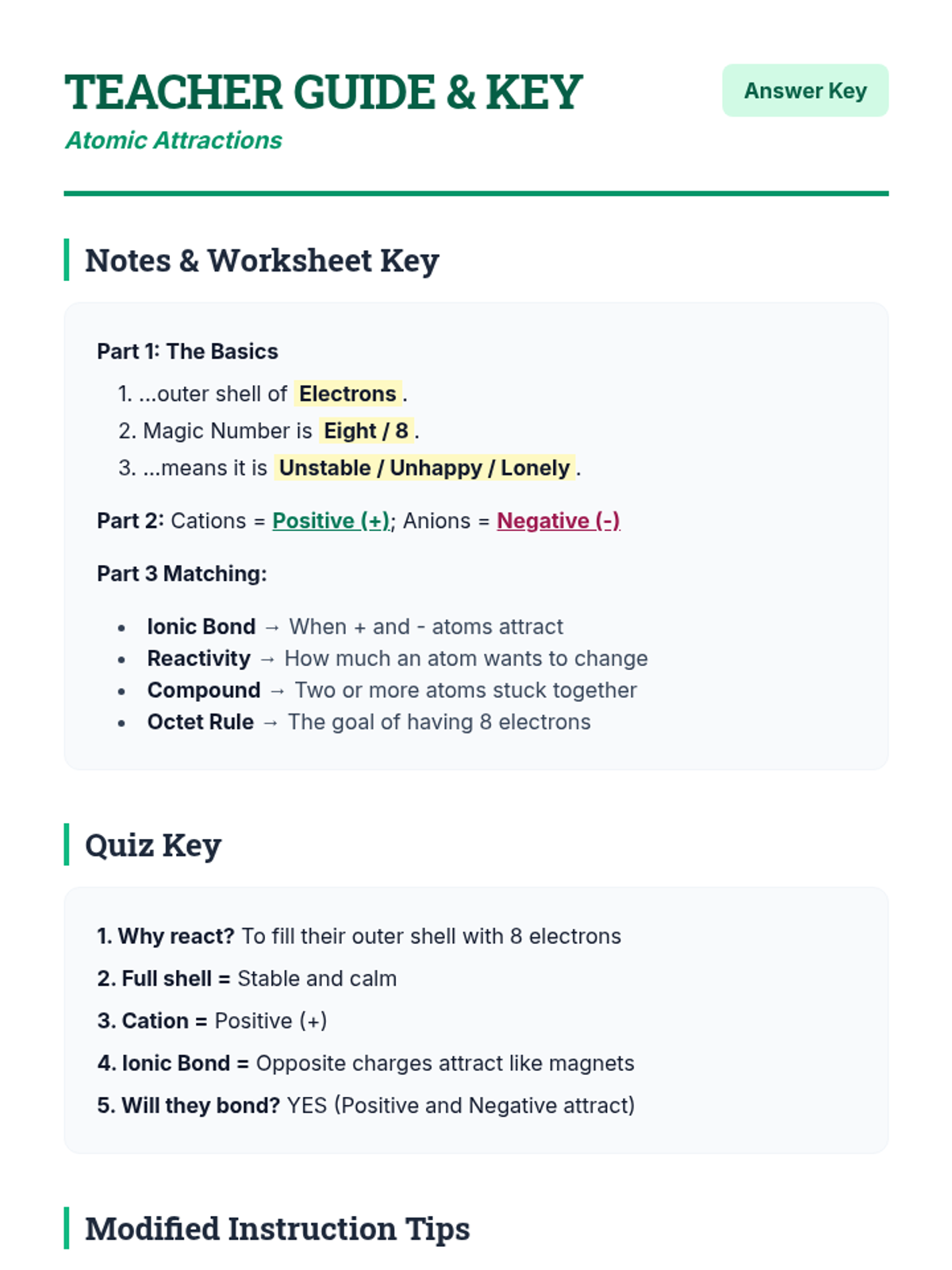
A modified-text lesson covering why elements react, the formation of cations and anions, and how ionic bonds are formed. Designed for lower reading levels with clear visuals and simplified language.
Students step into the role of forensic scientists to analyze physical and chemical evidence from a simulated crime scene. This lesson integrates chemistry and biology through fingerprinting, fiber analysis, and unknown substance testing to build deductive reasoning skills.
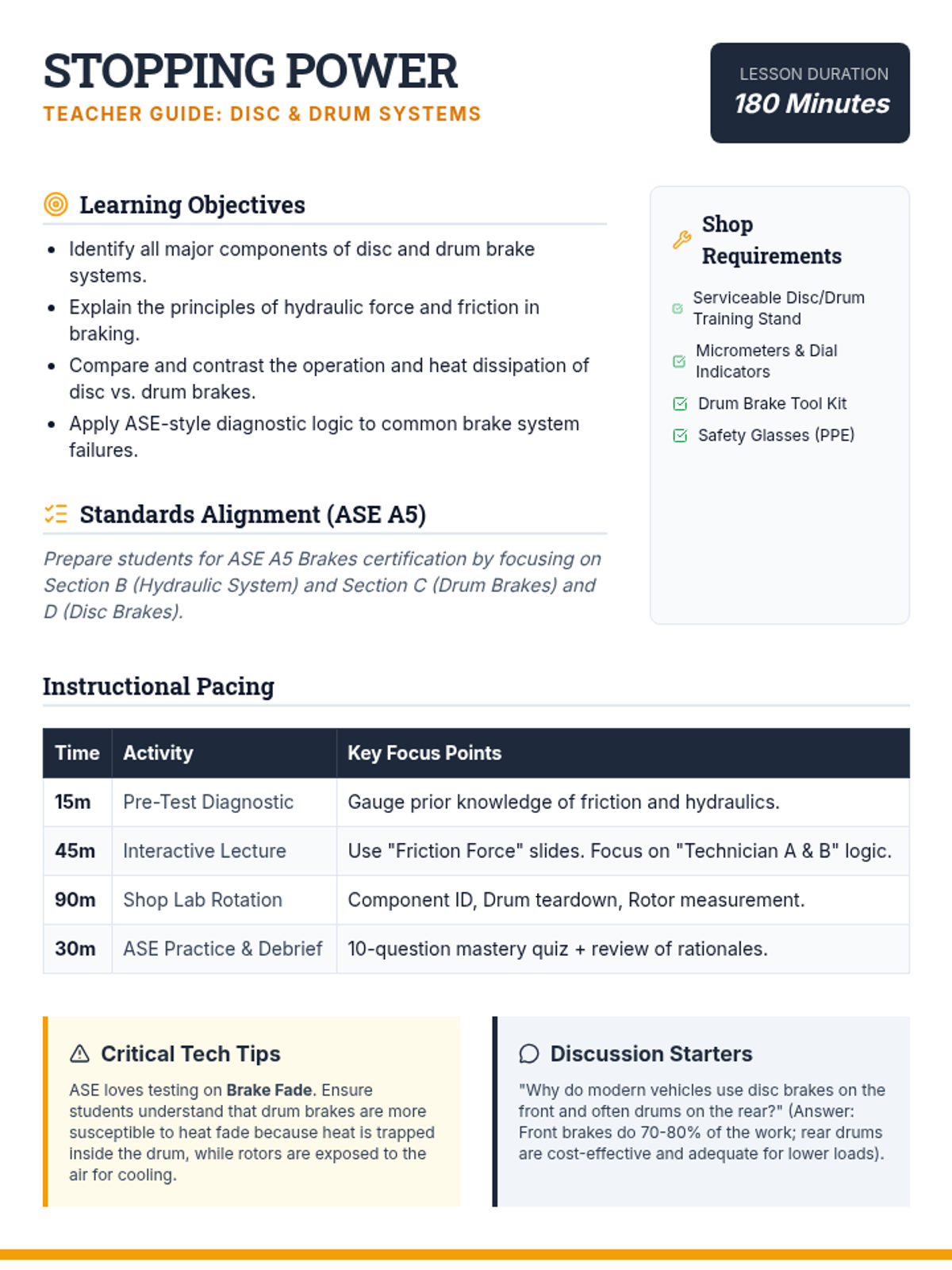
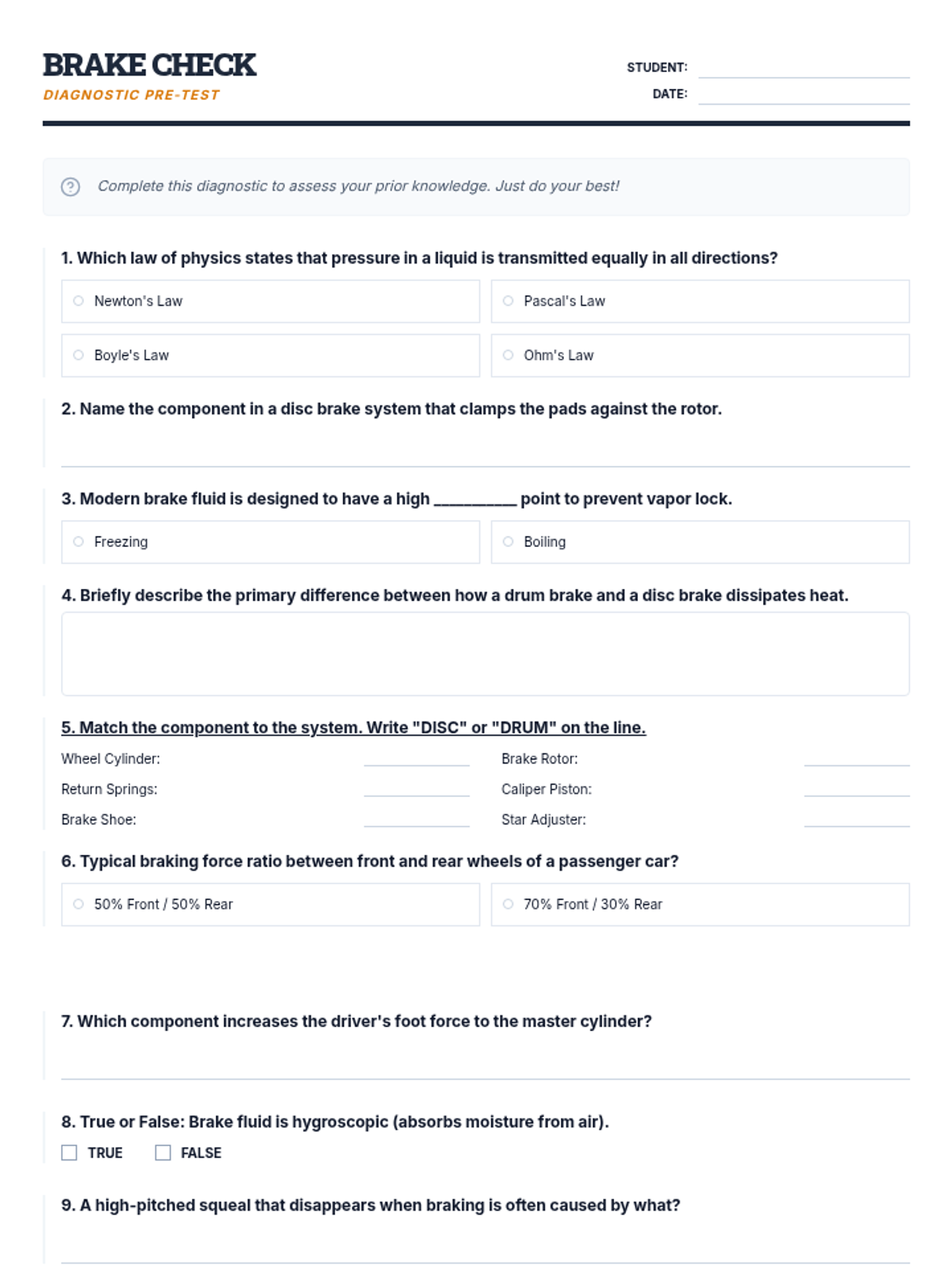
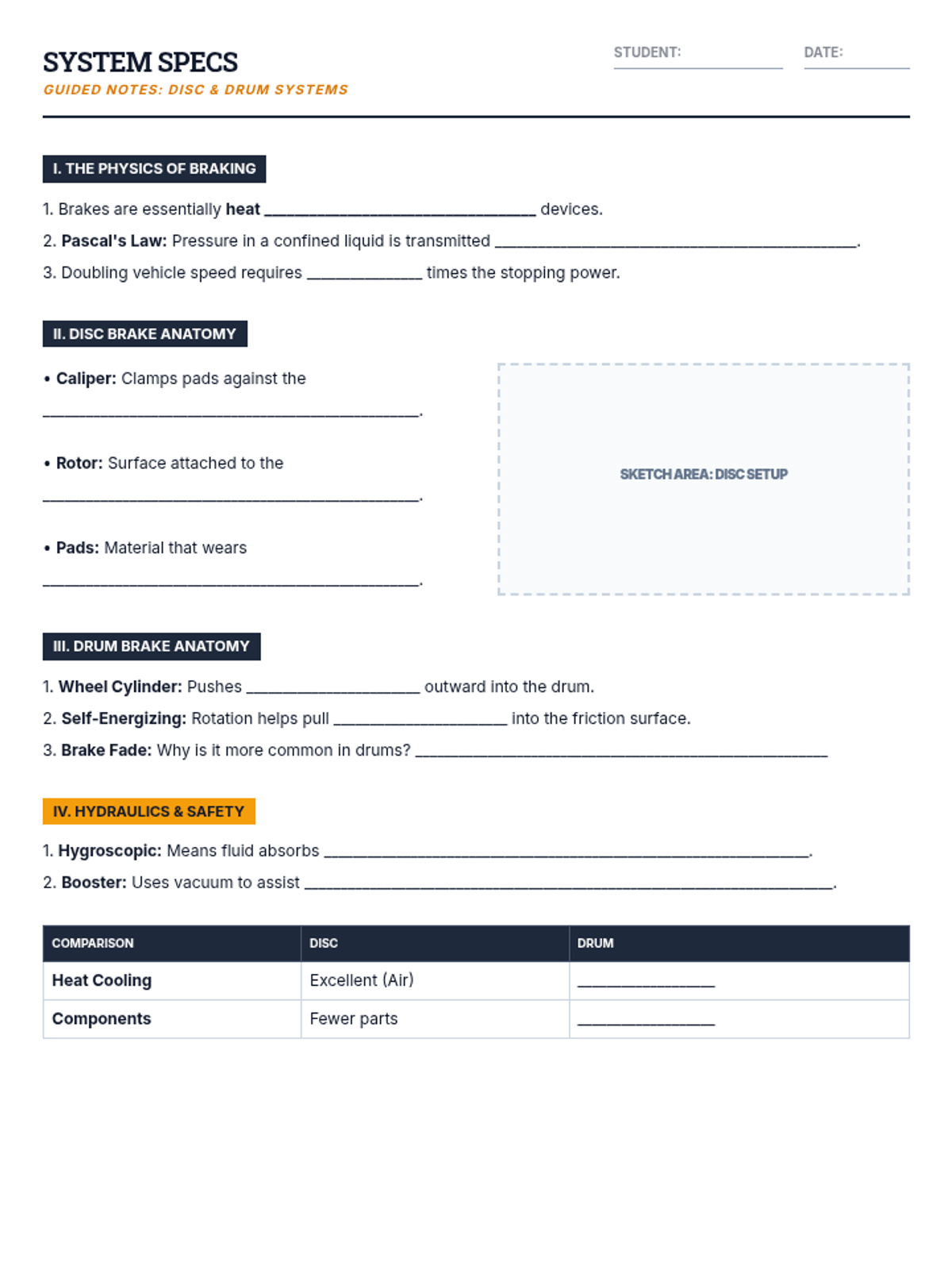
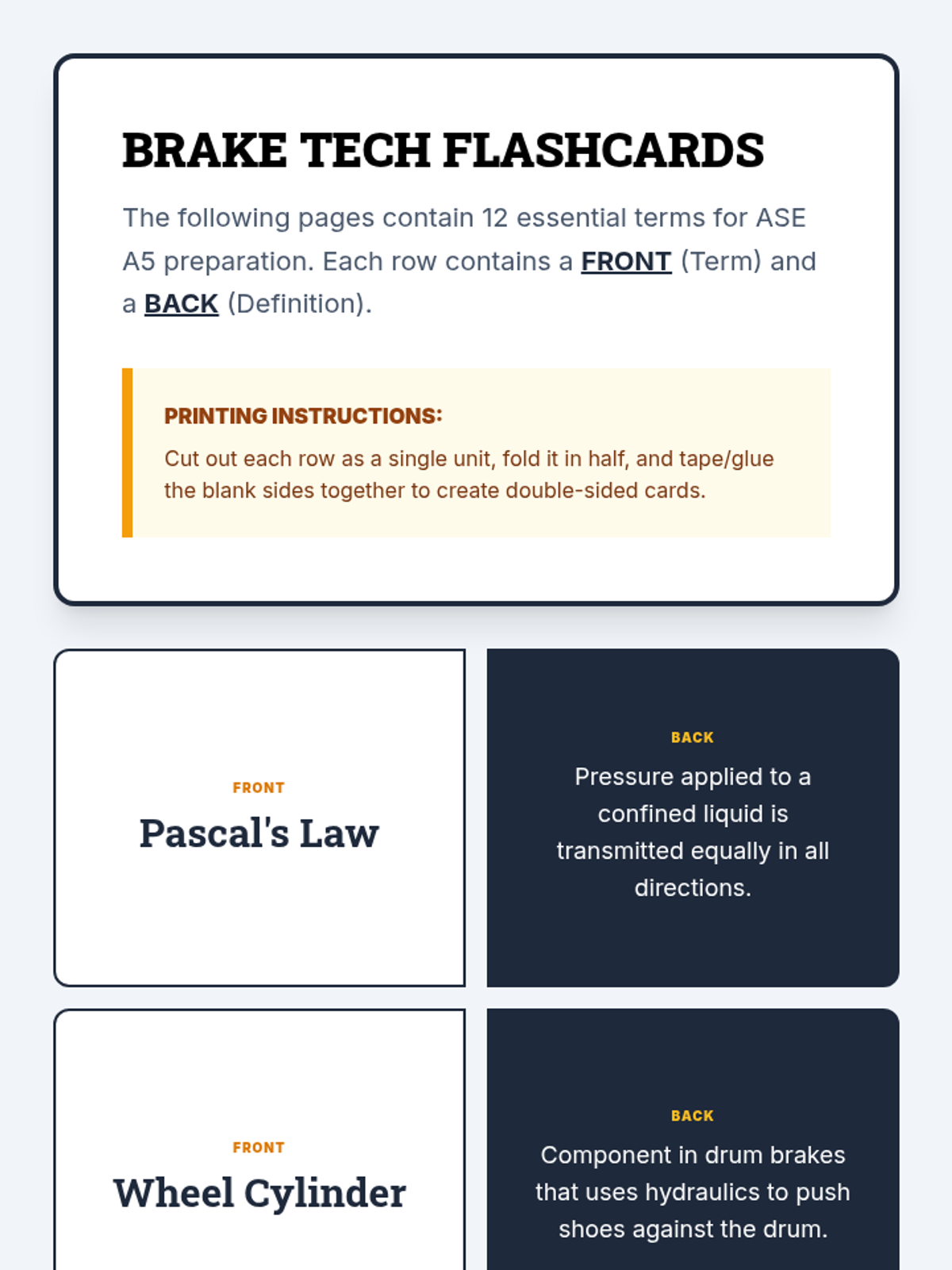
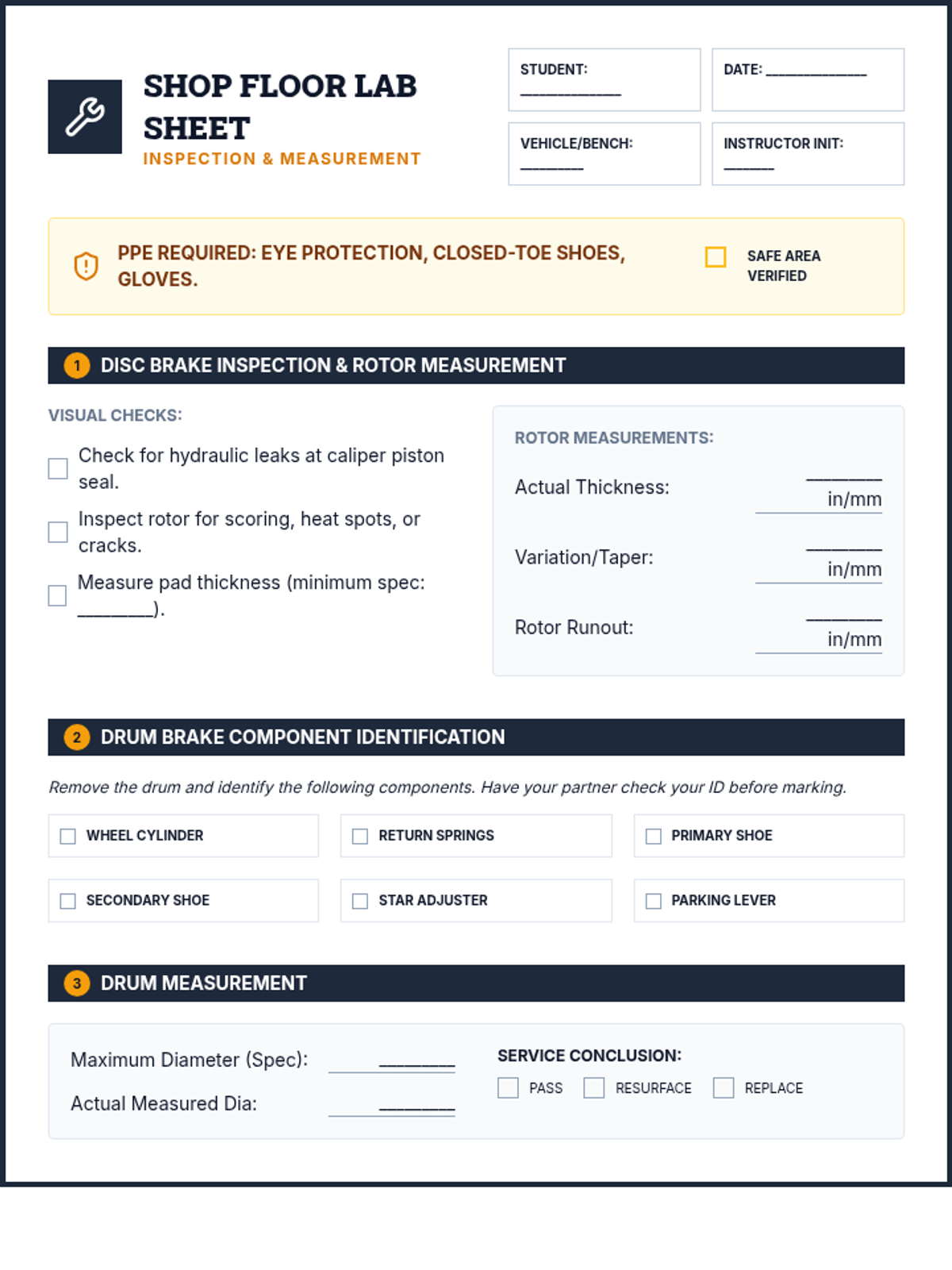
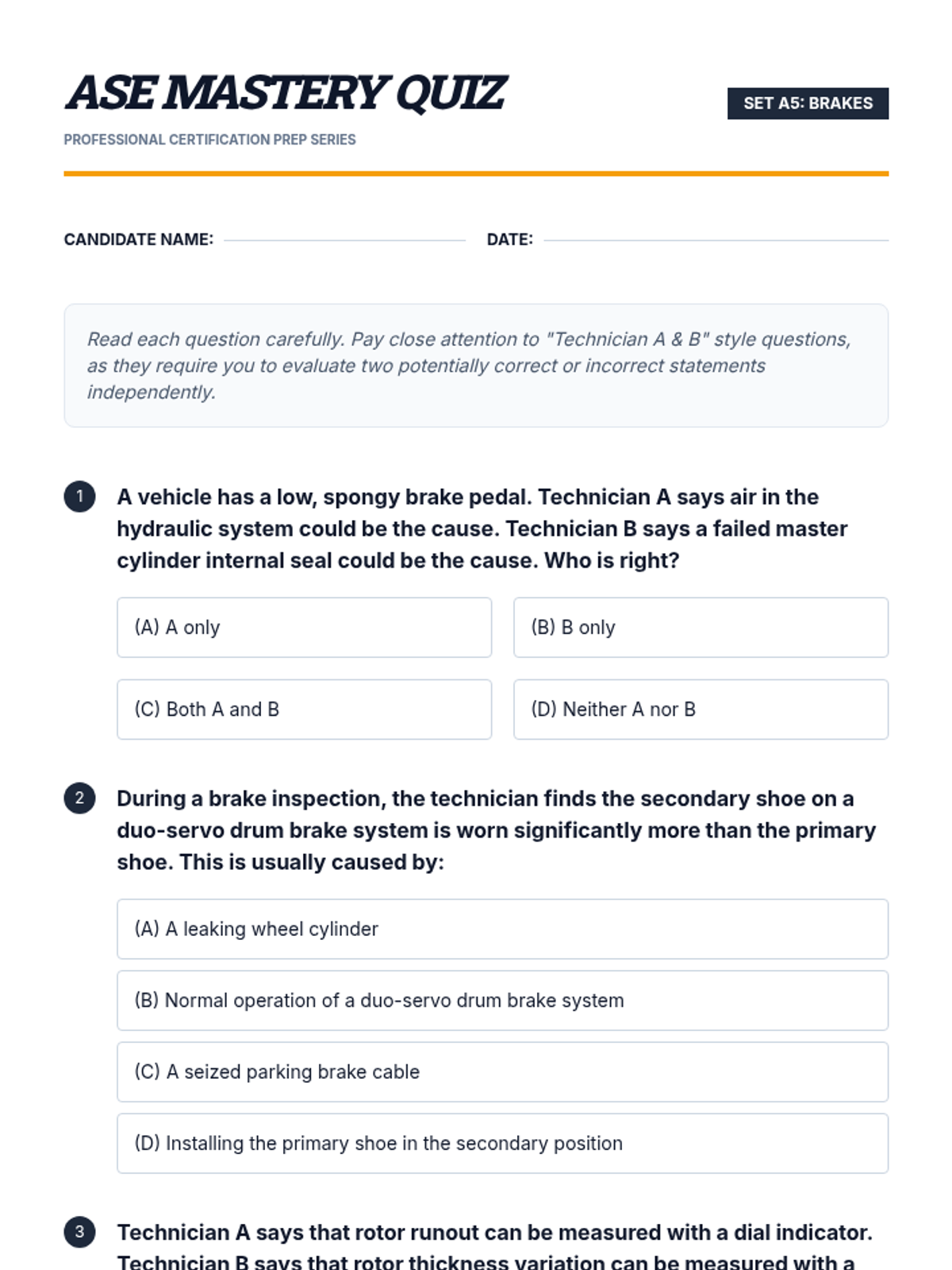
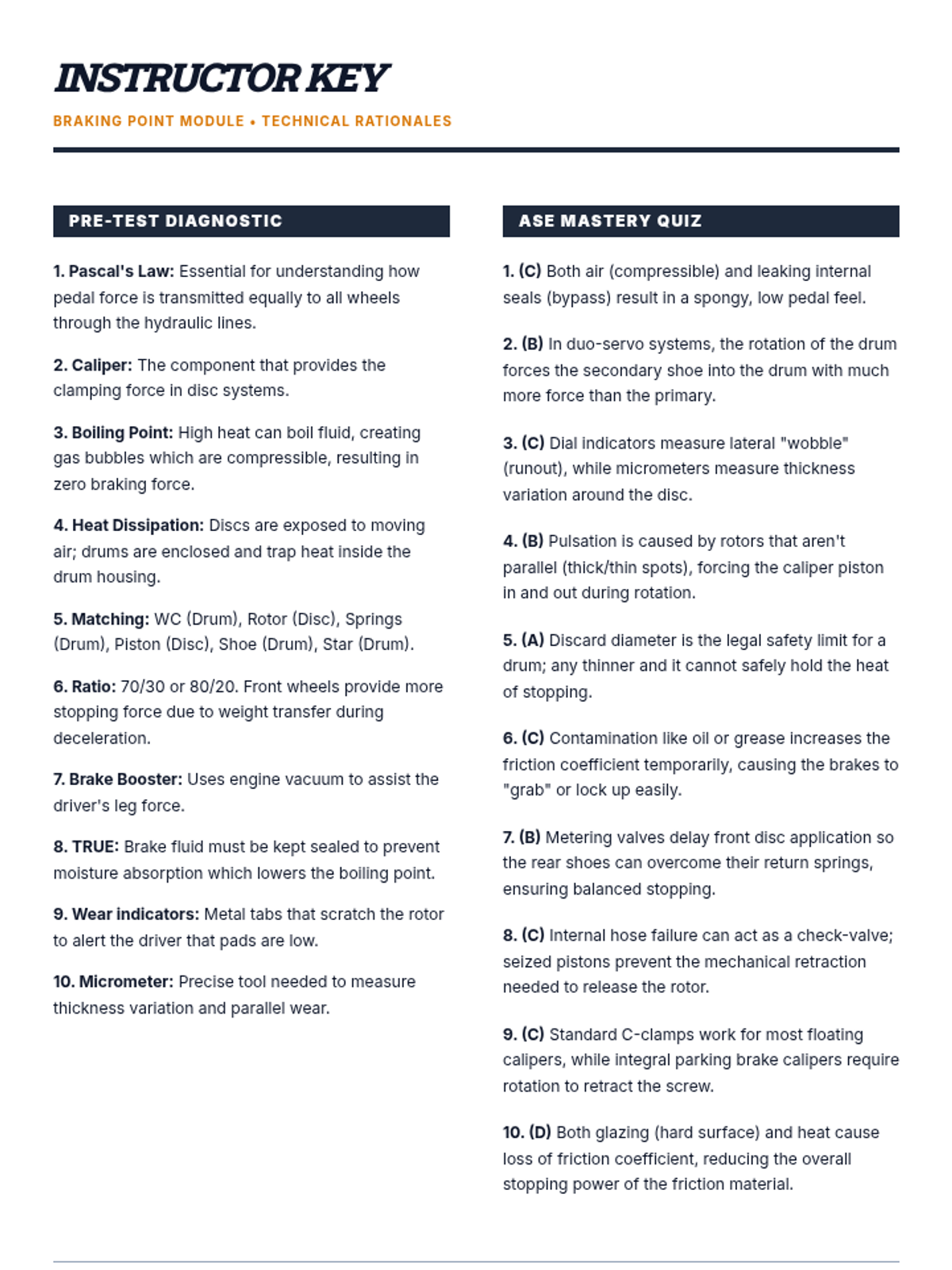
A comprehensive introduction to automotive disc and drum brake systems, covering components, operation, and ASE-style diagnostic theory for first-year students.
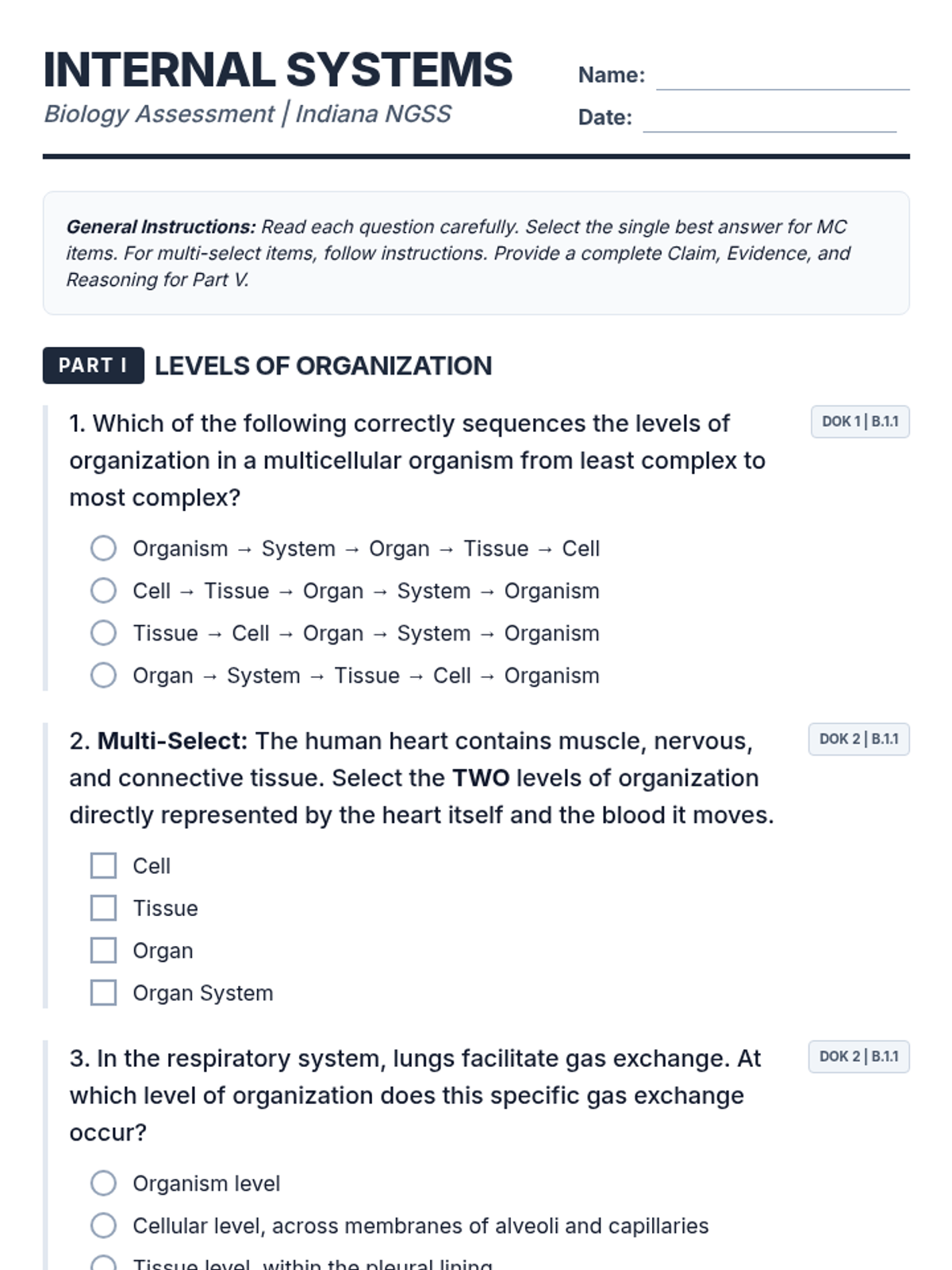
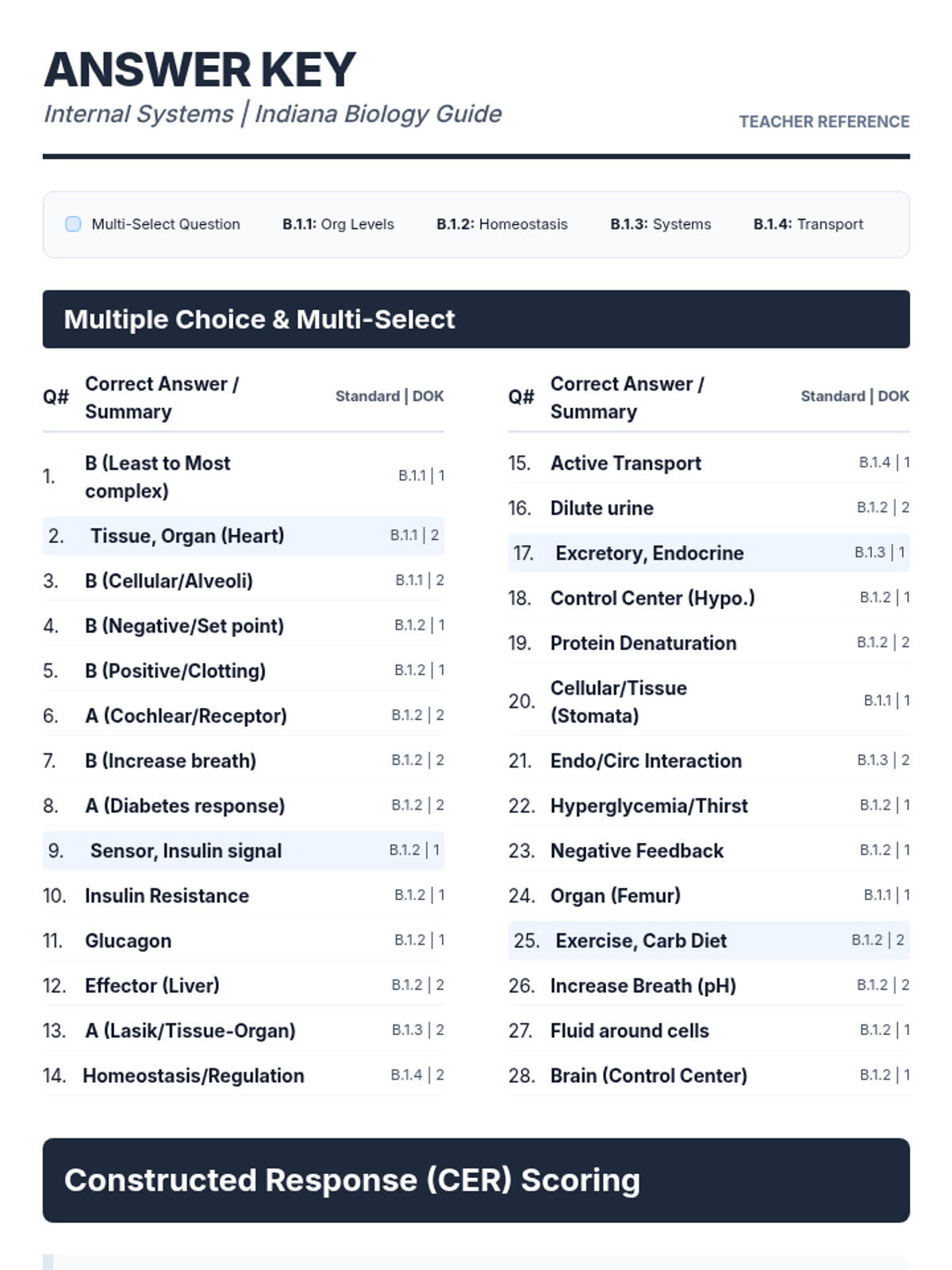
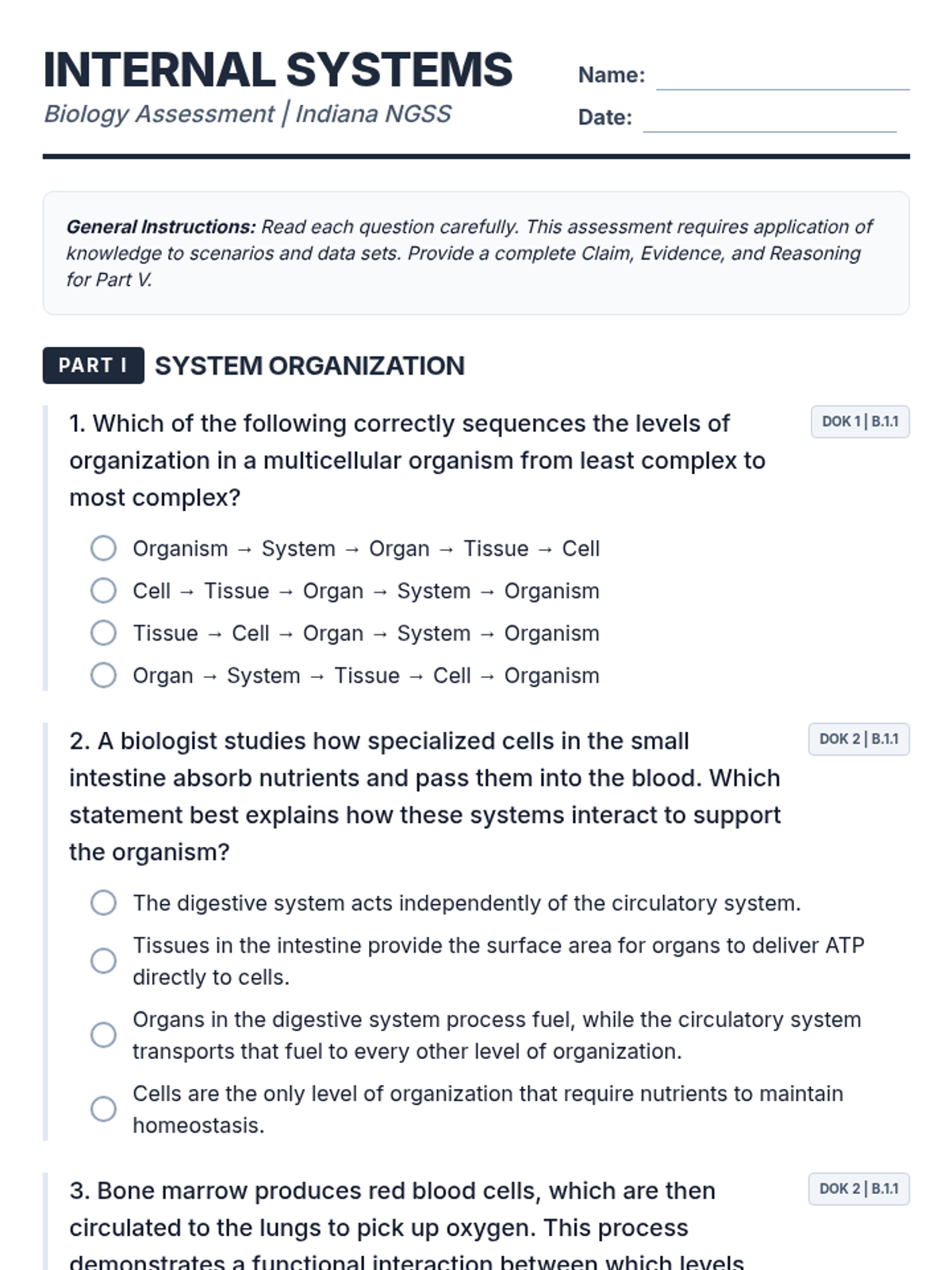
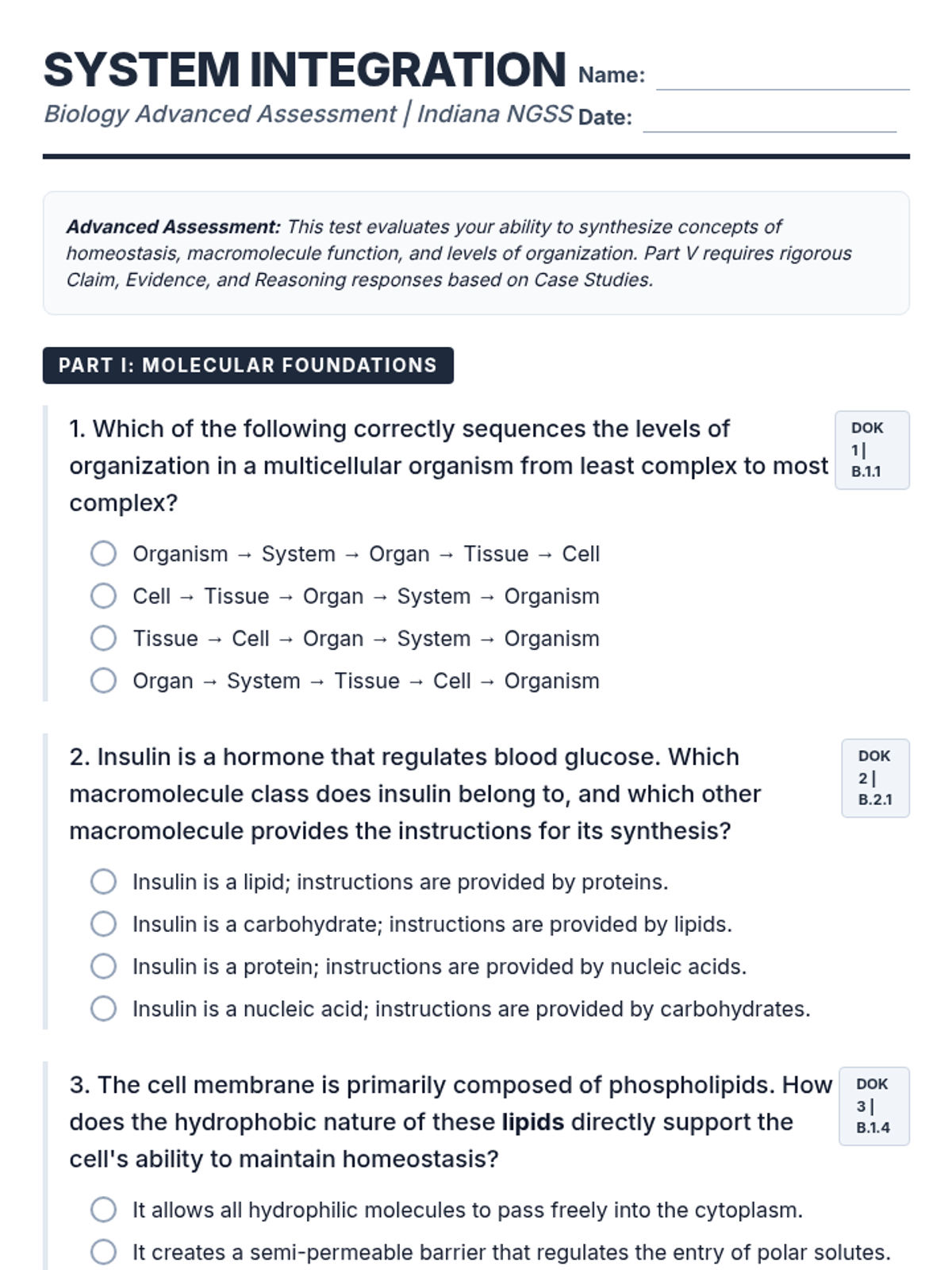
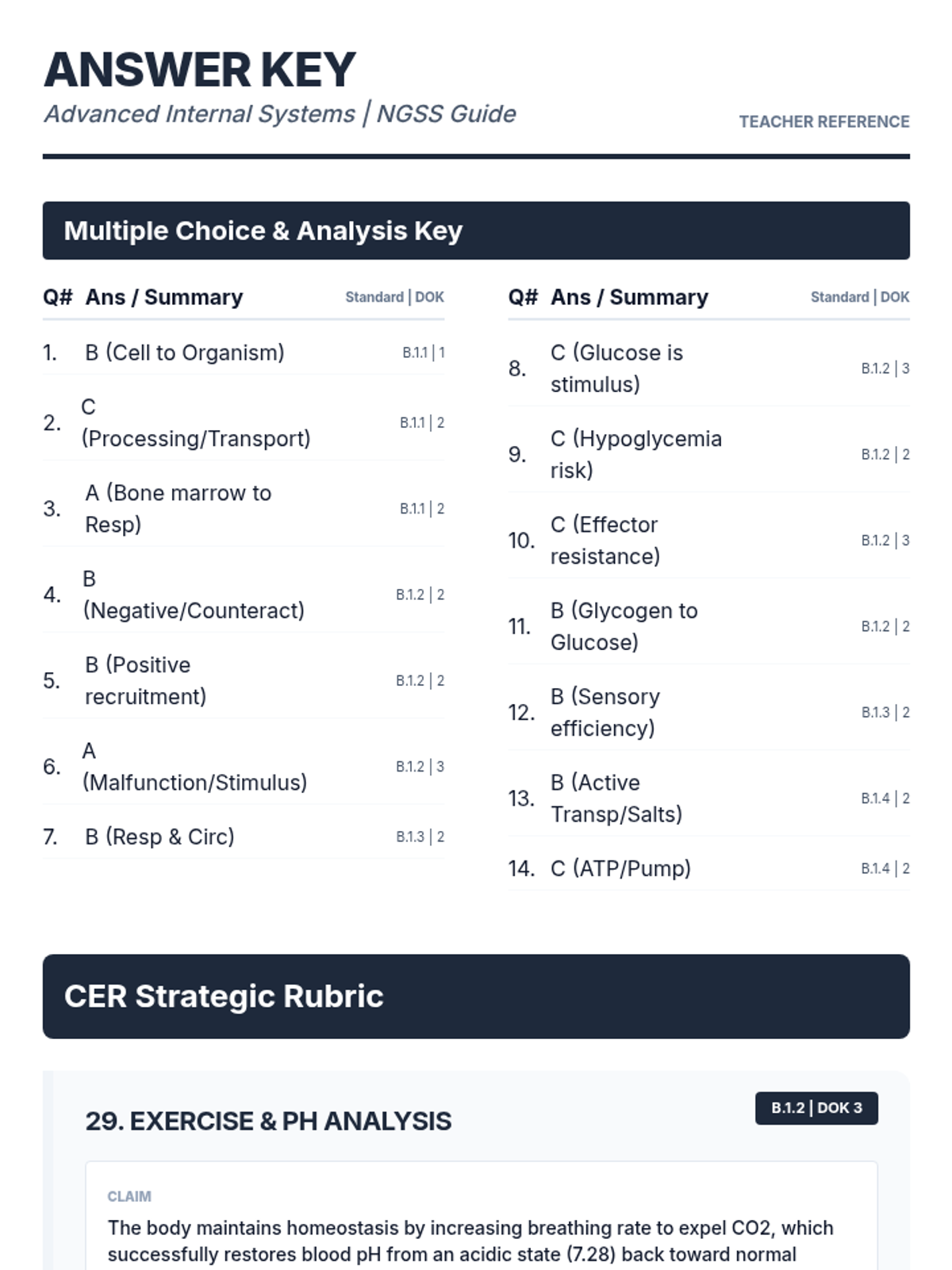
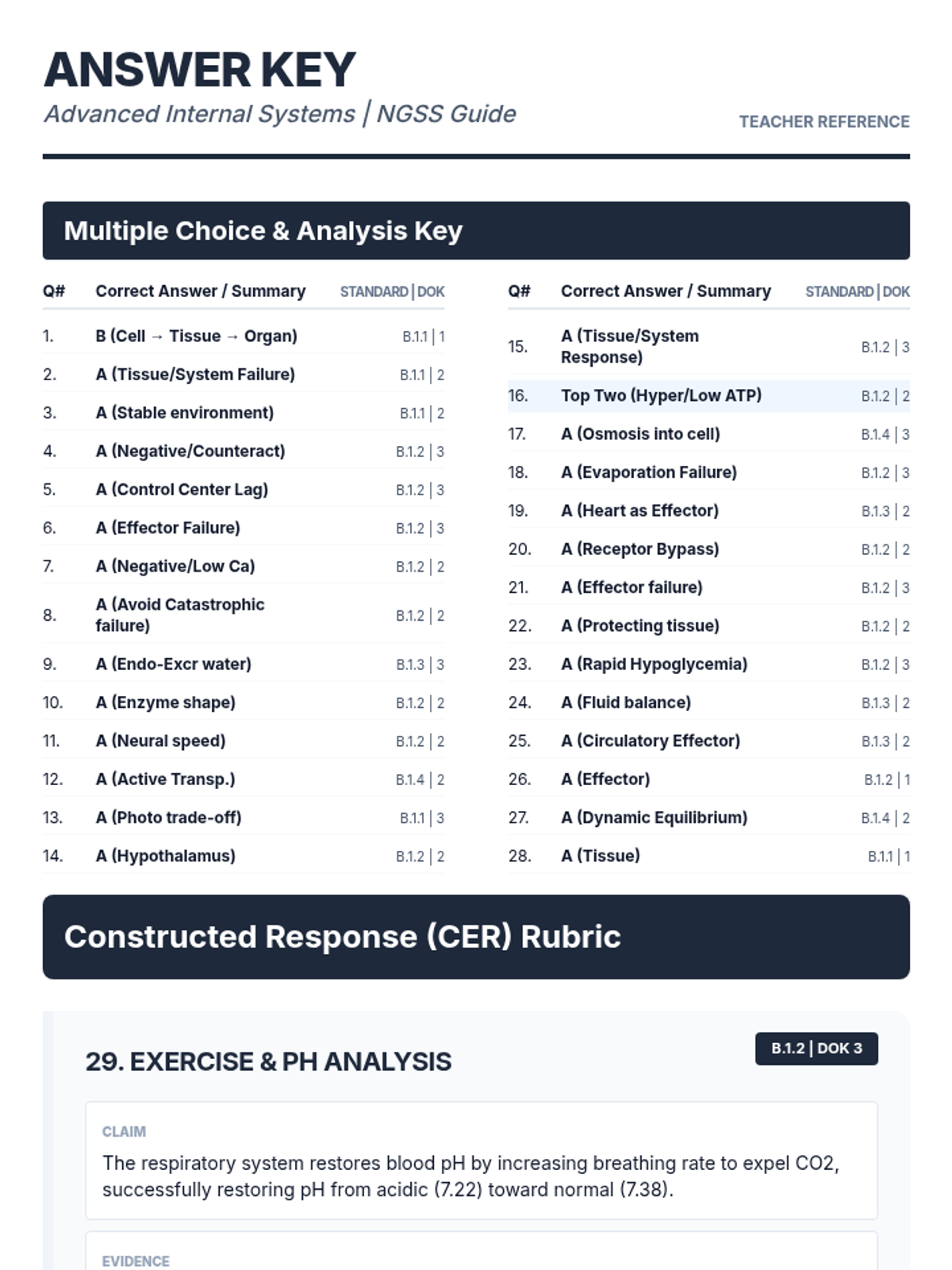
A comprehensive assessment on Indiana Biology standards focusing on homeostasis, levels of organization, and feedback loops, including ILEARN-style item types and CER responses.
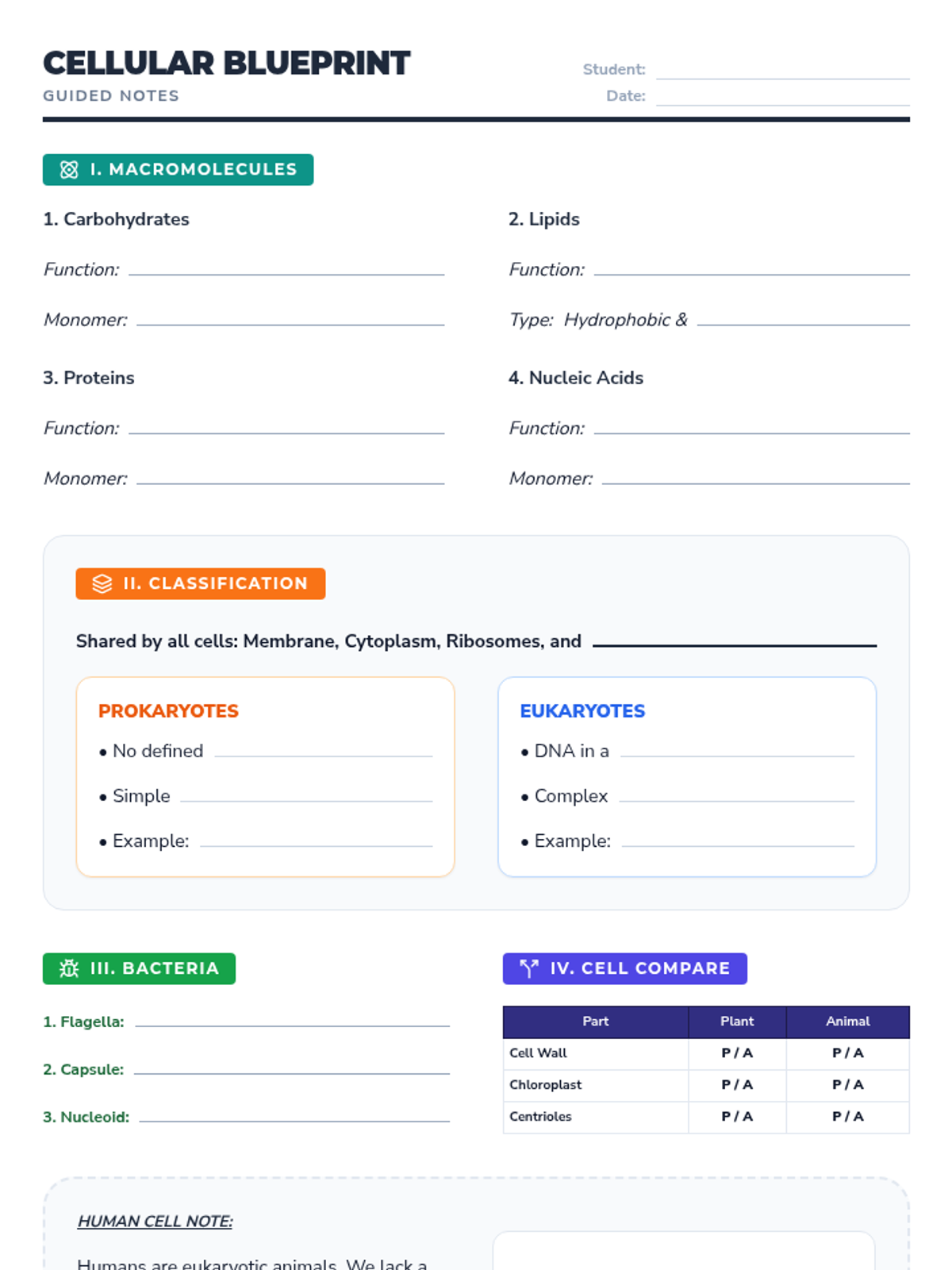
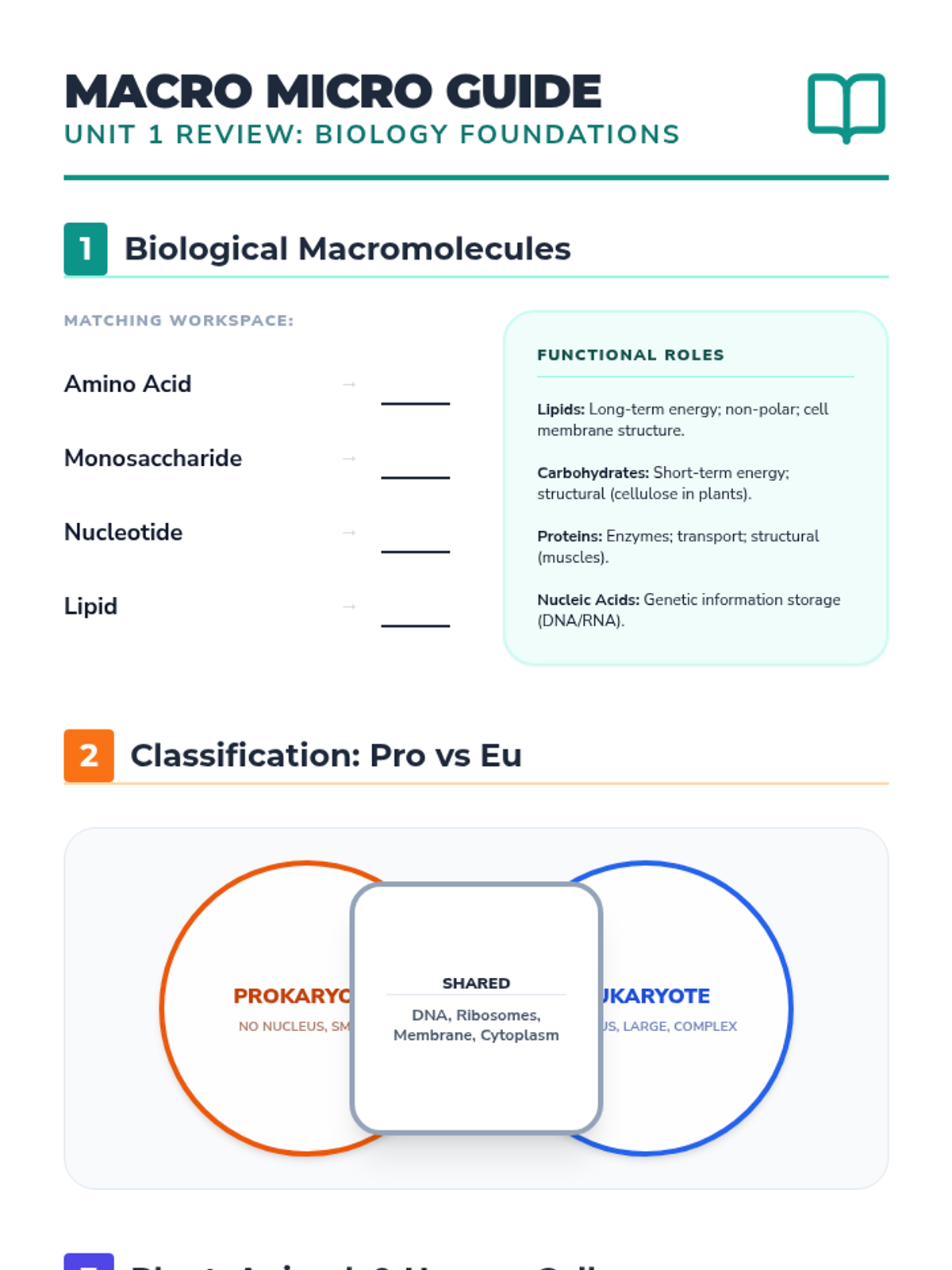
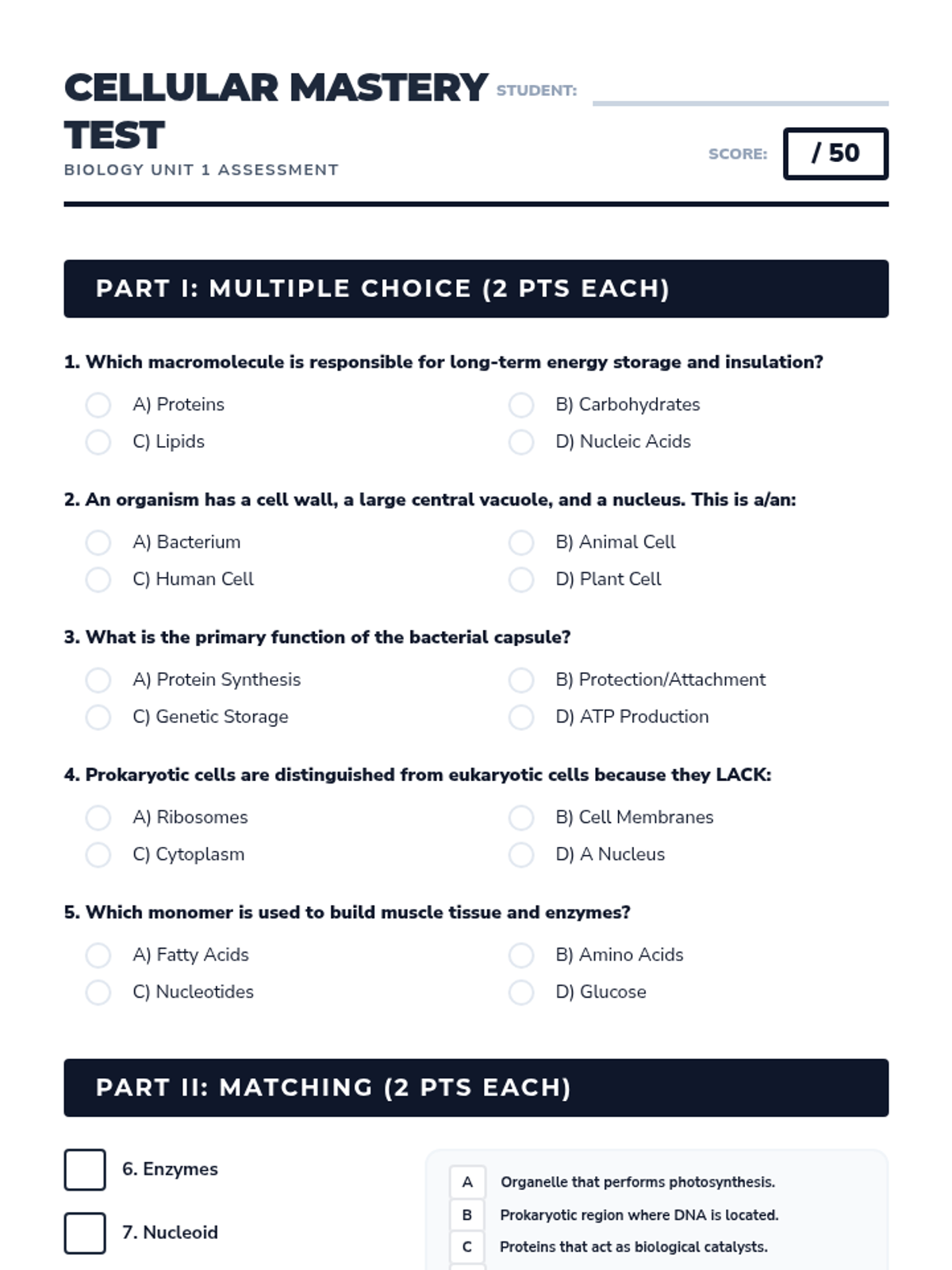
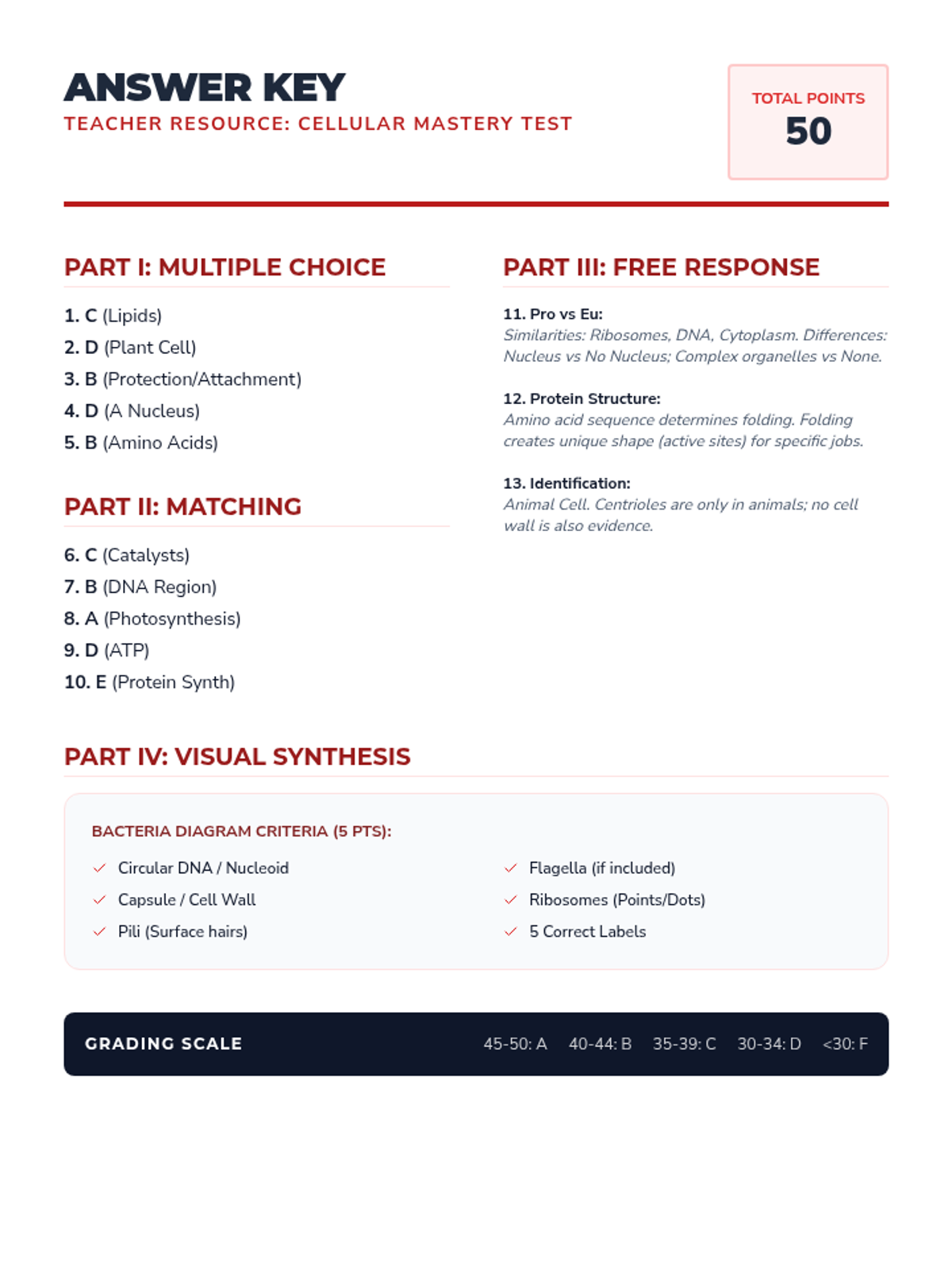
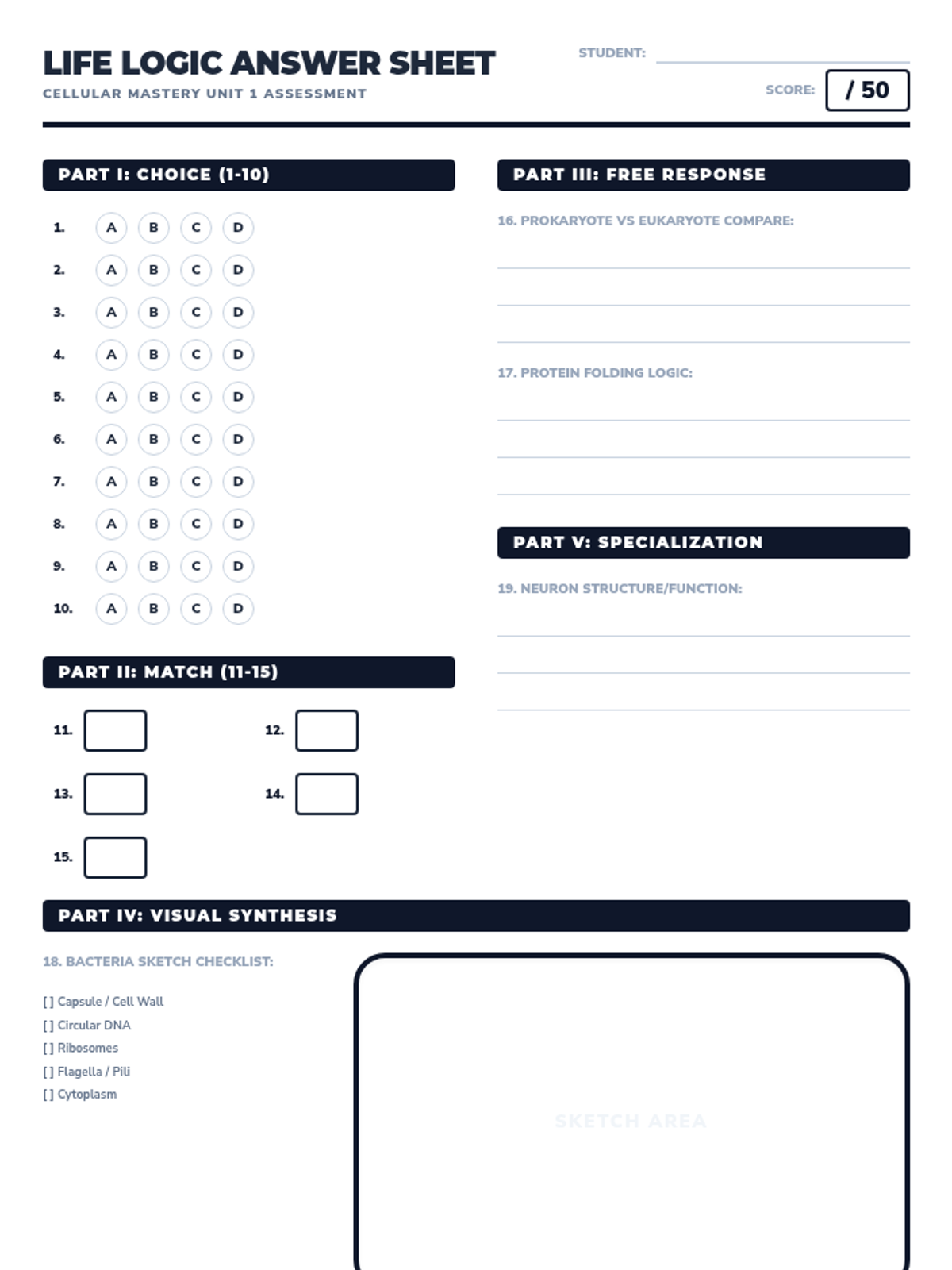
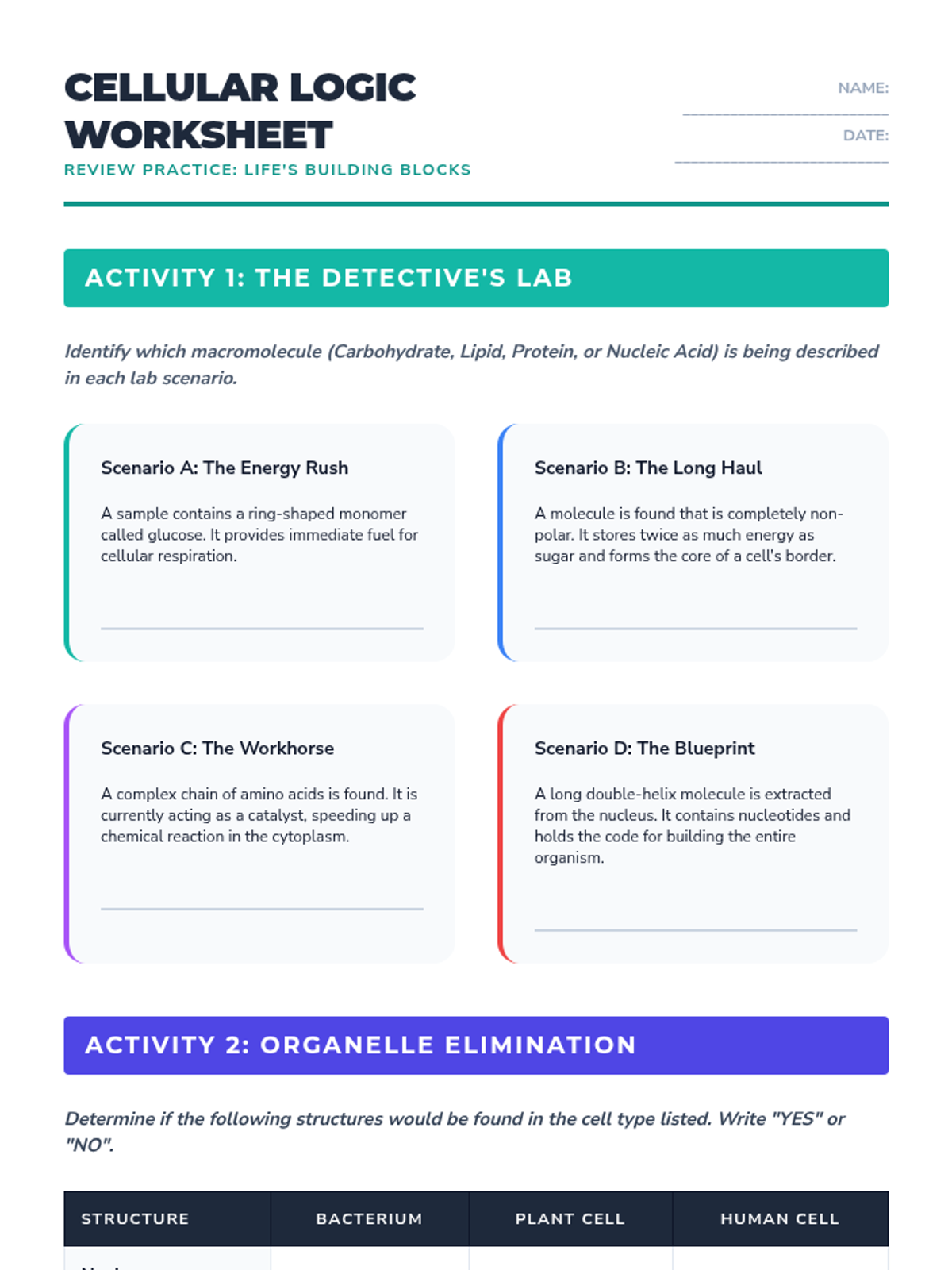
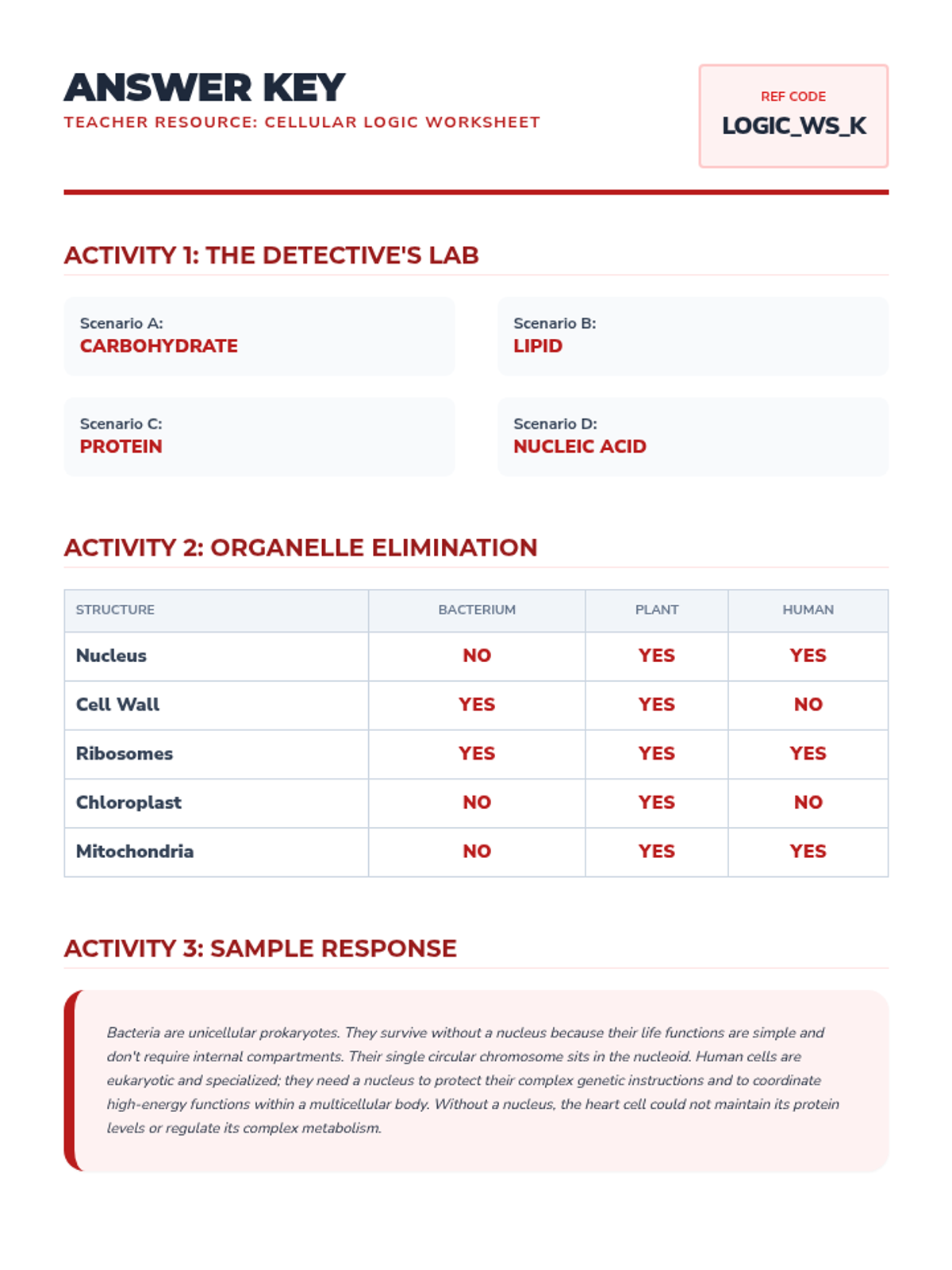
A review-focused lesson that synthesizes knowledge of macromolecules, bacterial structure, and the differences between plant and animal cells.
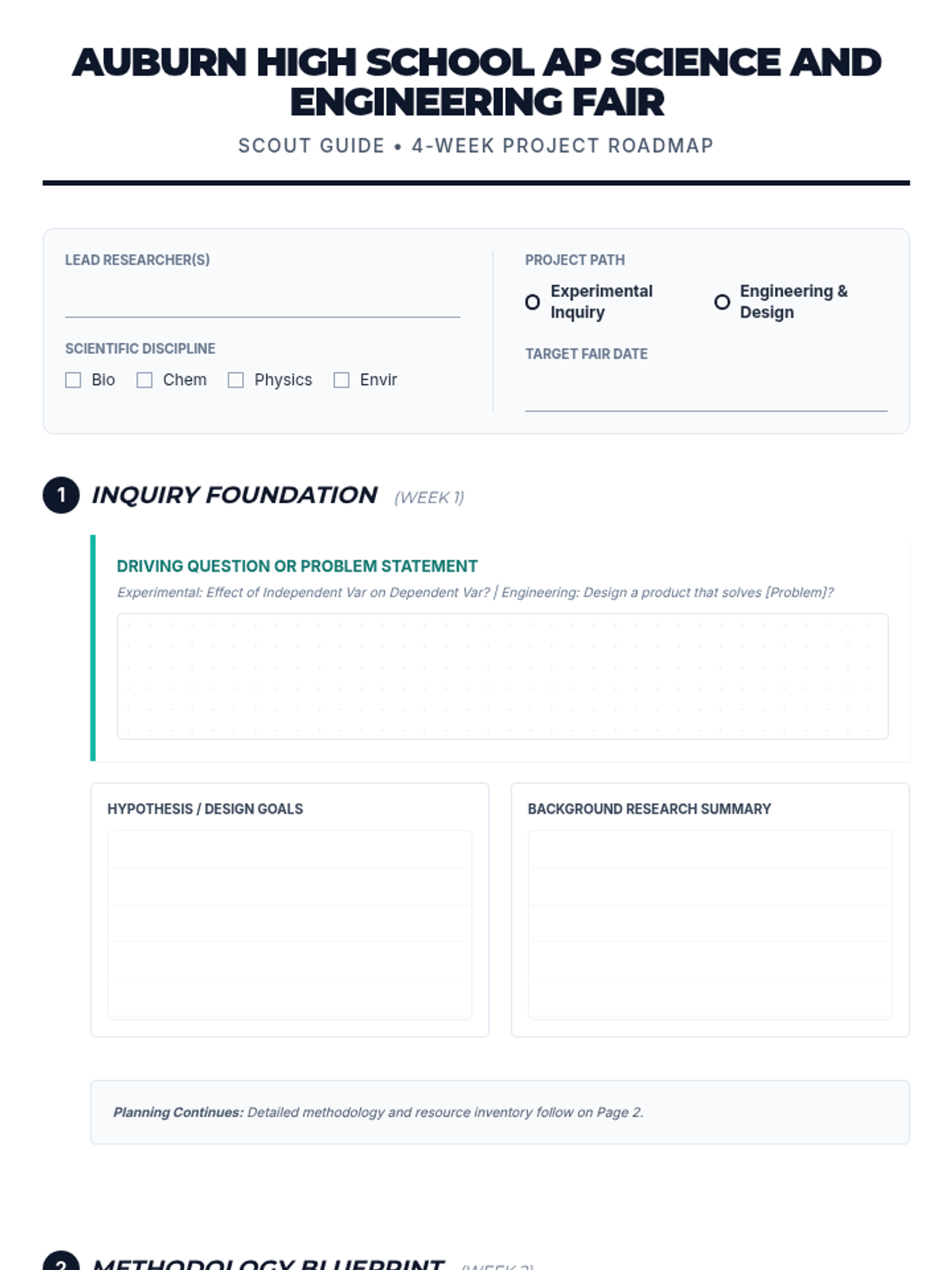
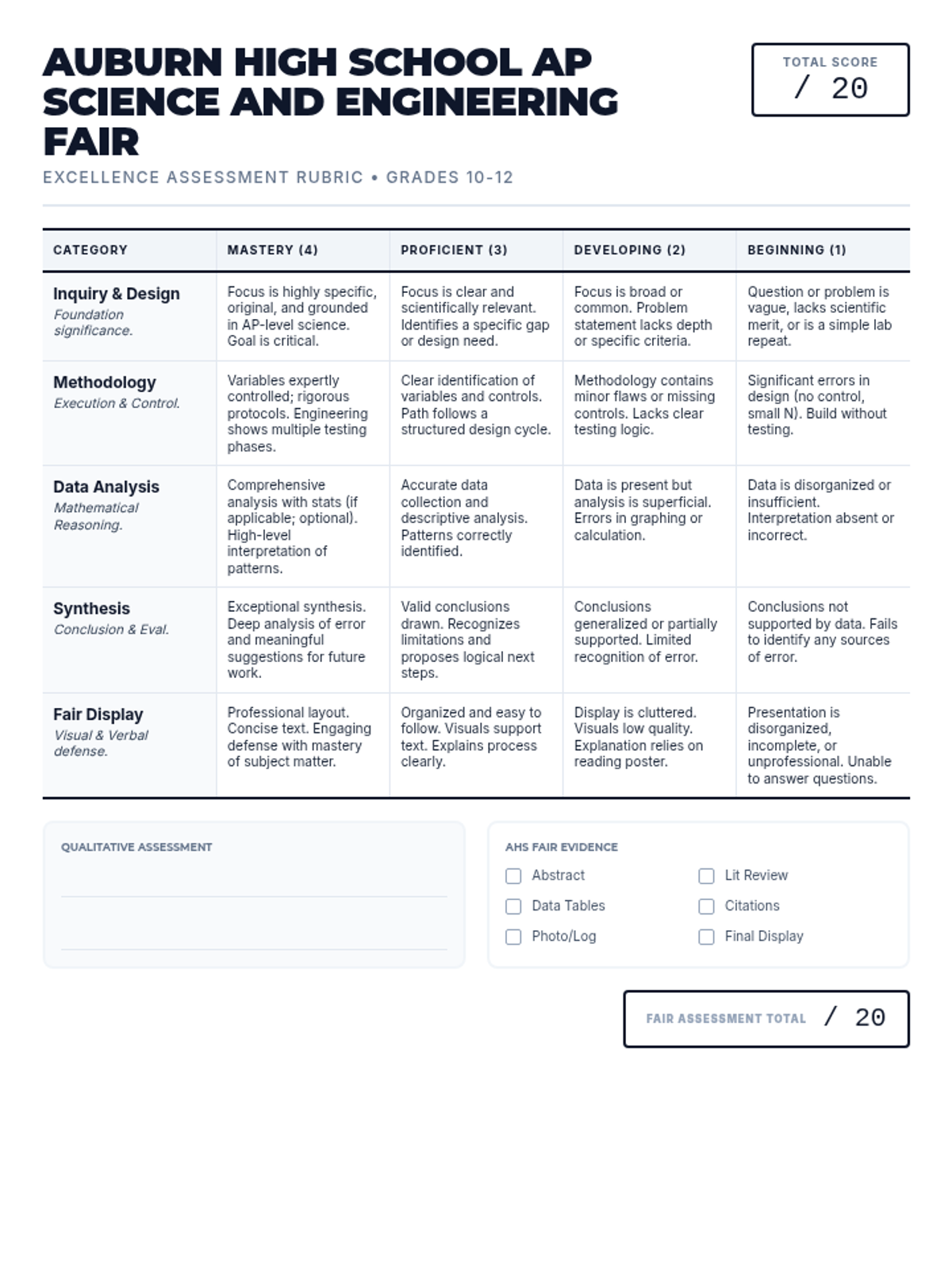
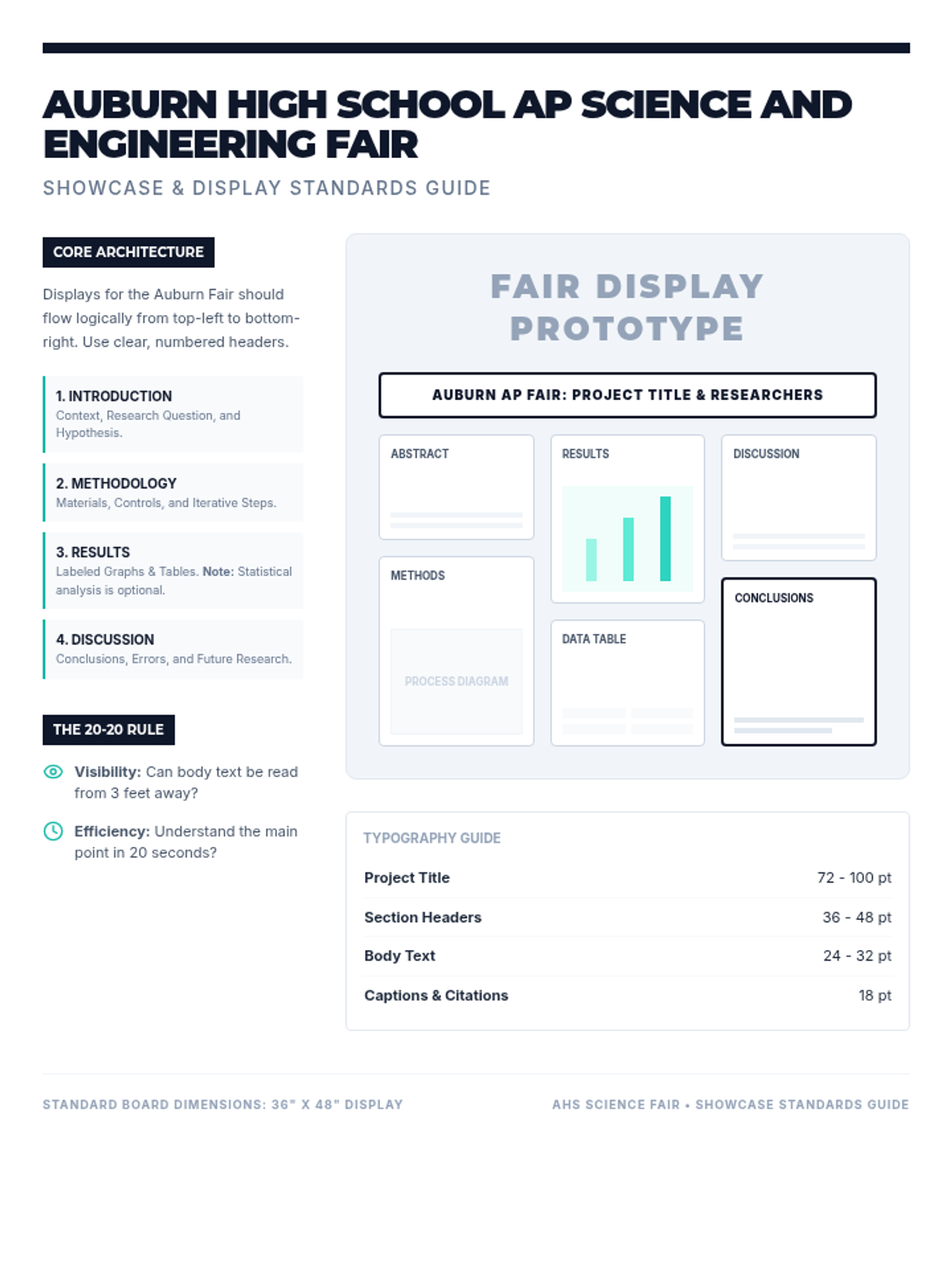
A comprehensive post-exam project framework for Auburn High School AP students to conduct original research or engineering designs over four weeks, culminating in a professional poster fair.
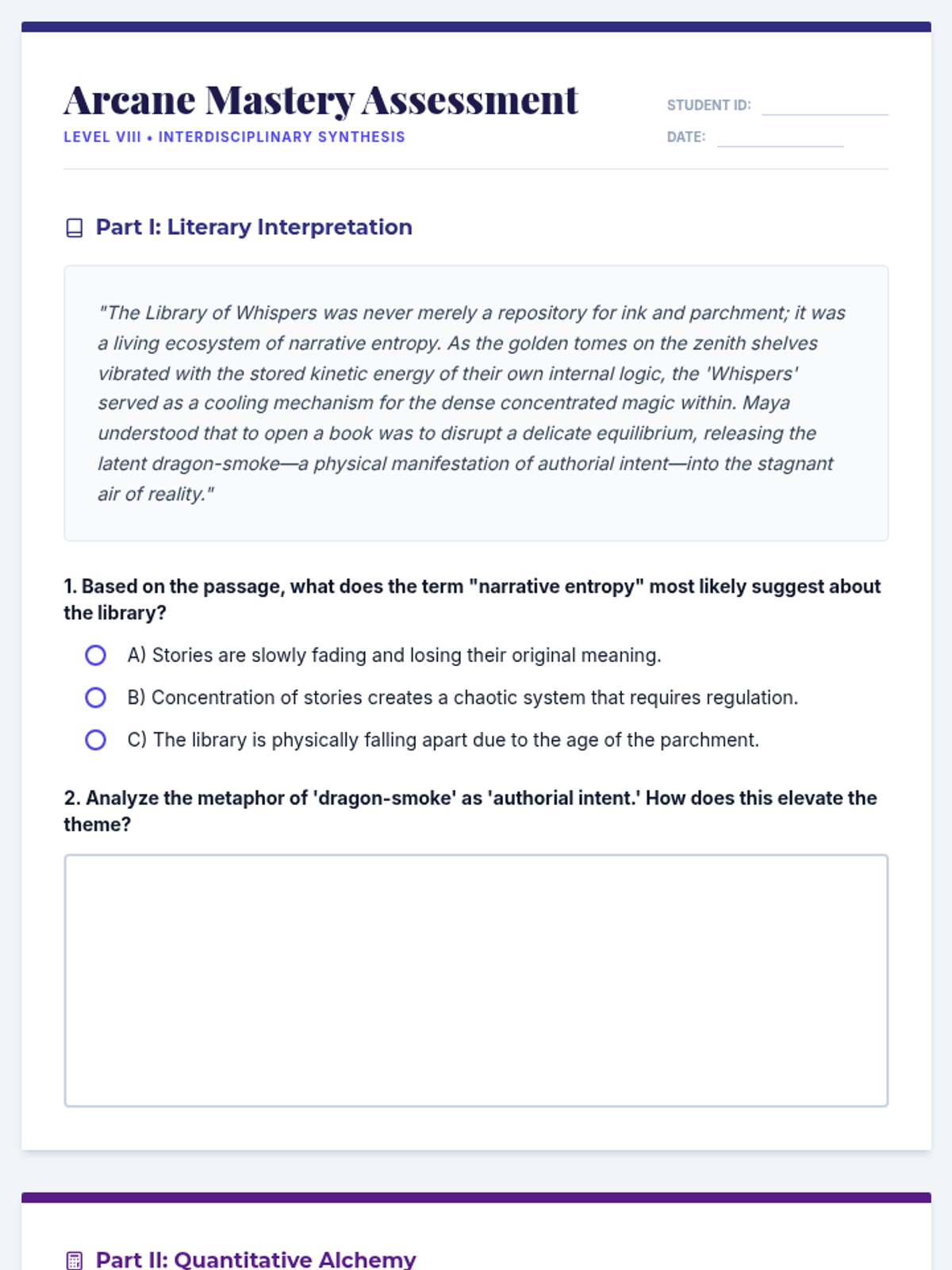
Advanced academic challenges for 8th-grade students, synthesizing reading, math, and science within a complex fantasy framework.
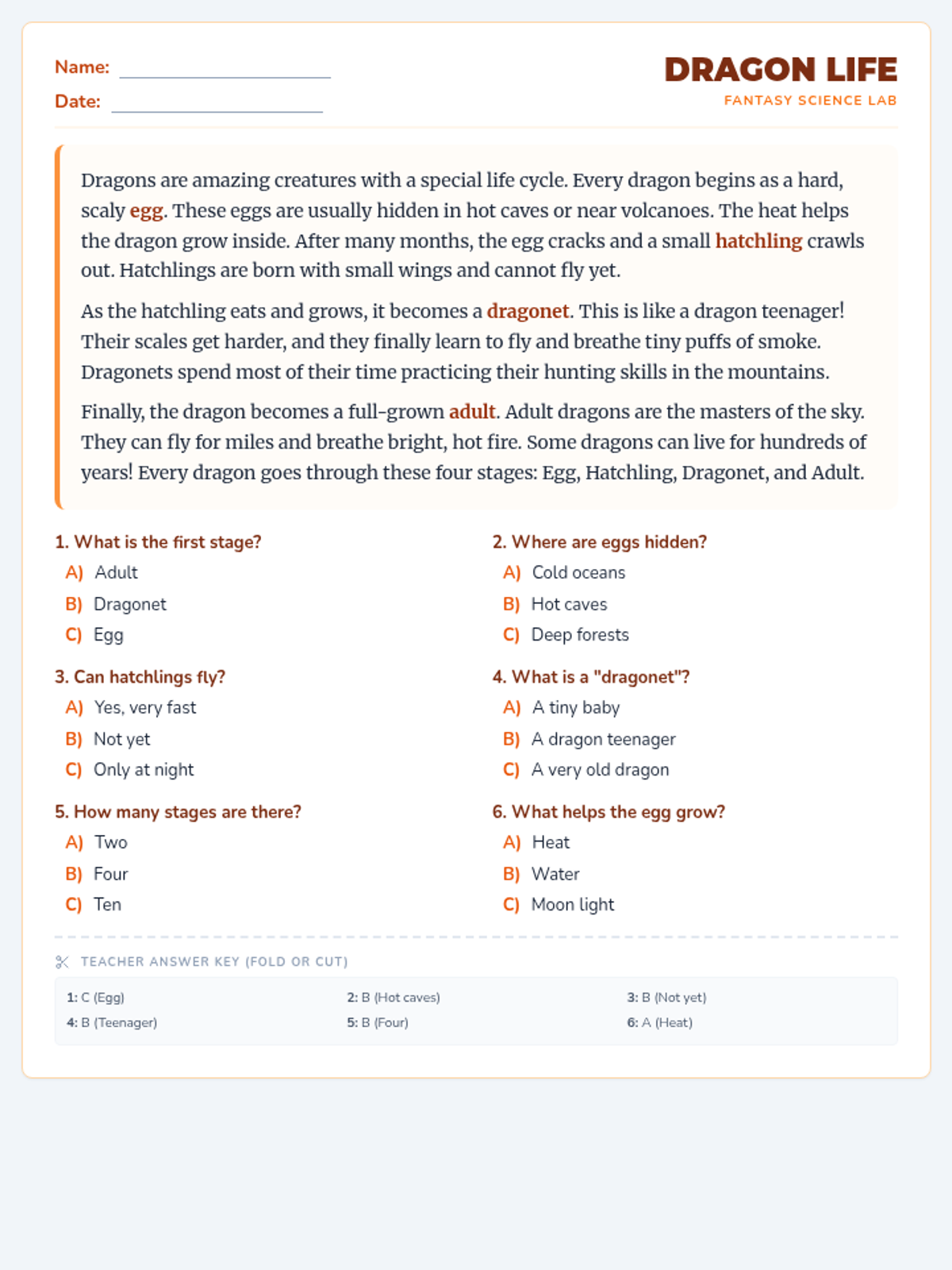
Science exploration through a fantasy lens, covering life cycles, habitats, and simple physical science for 2nd graders.
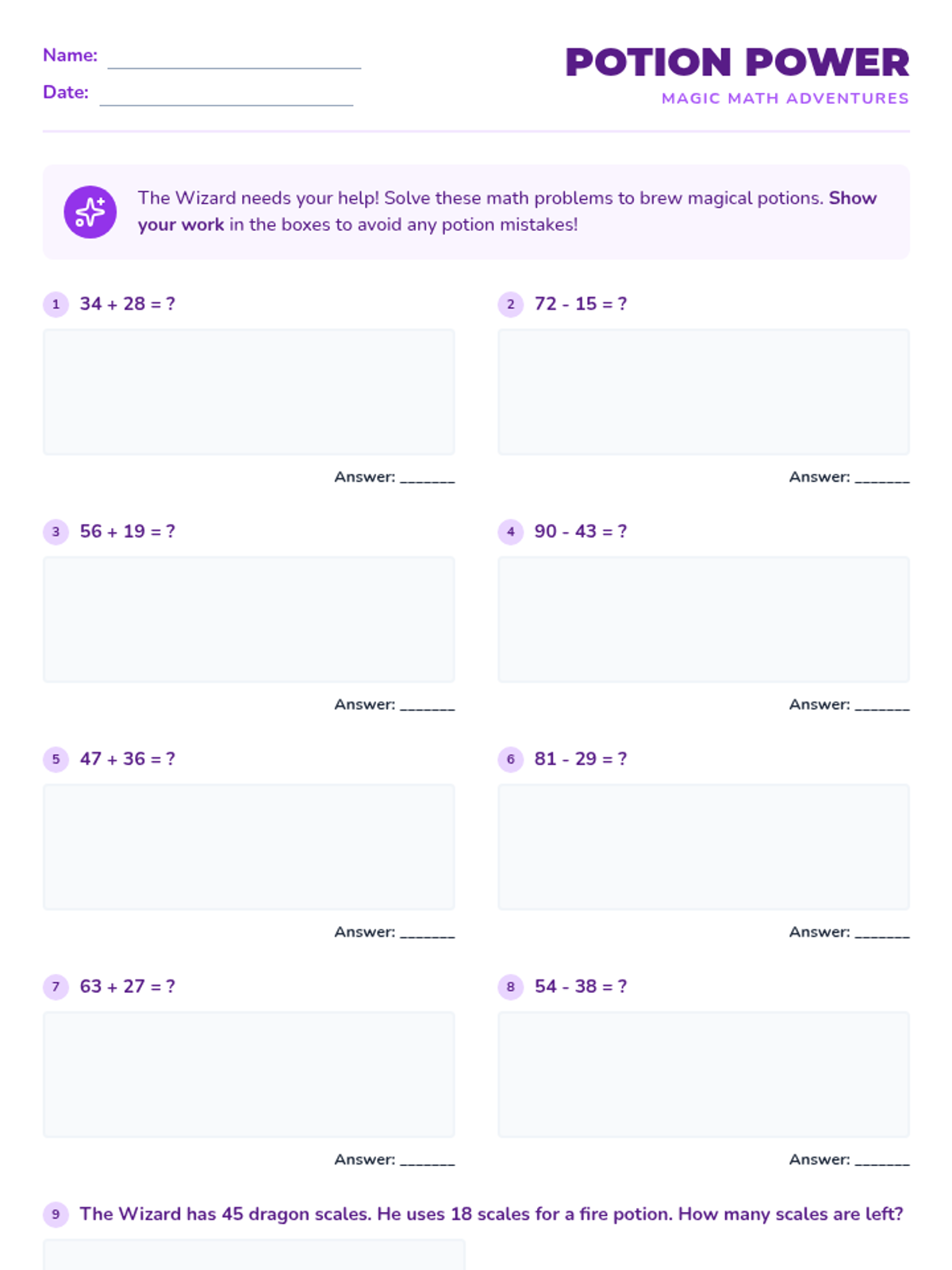
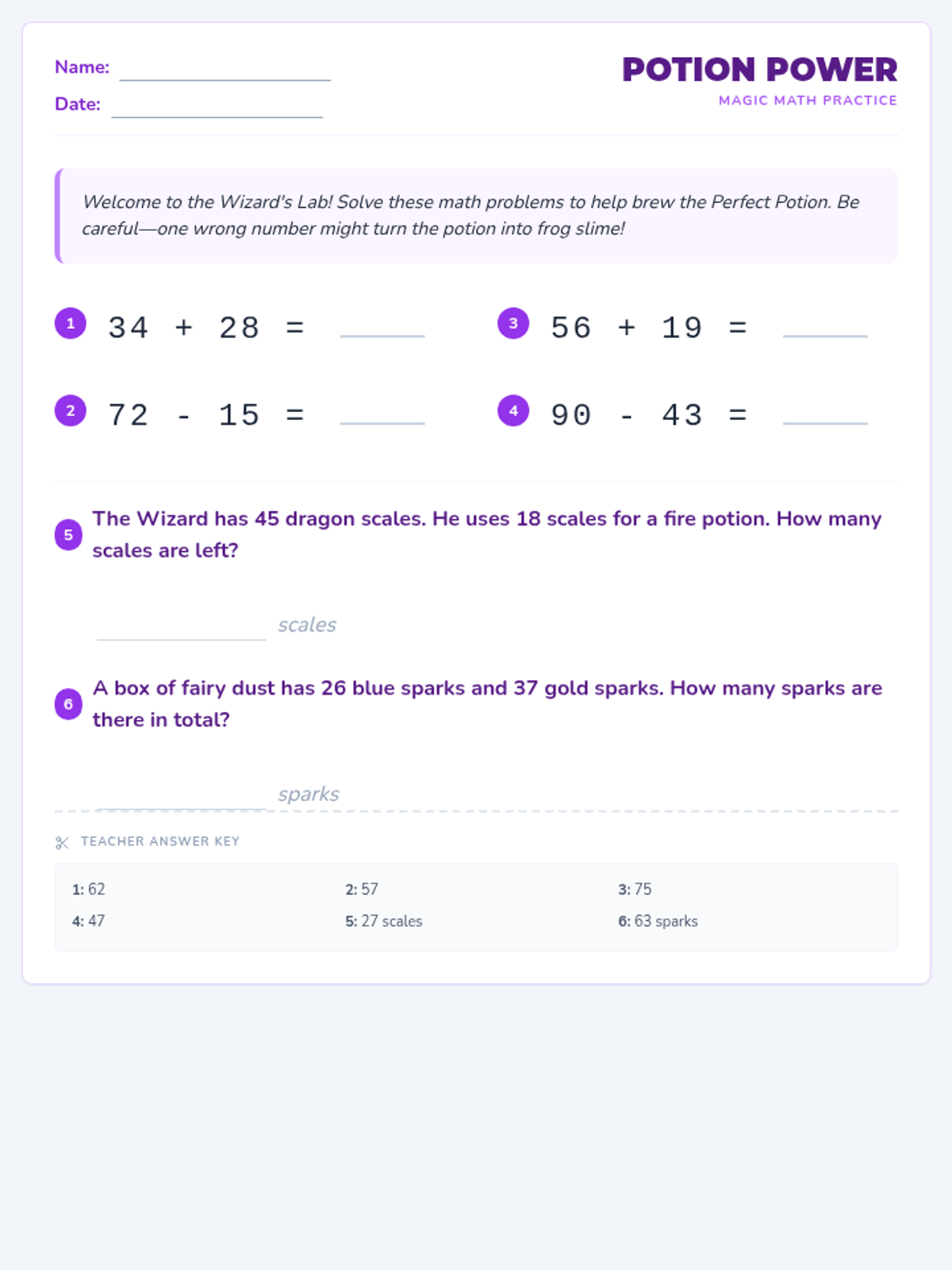
Fantasy-themed math practice for 2nd graders, focusing on addition, subtraction, and word problems in a magical setting.
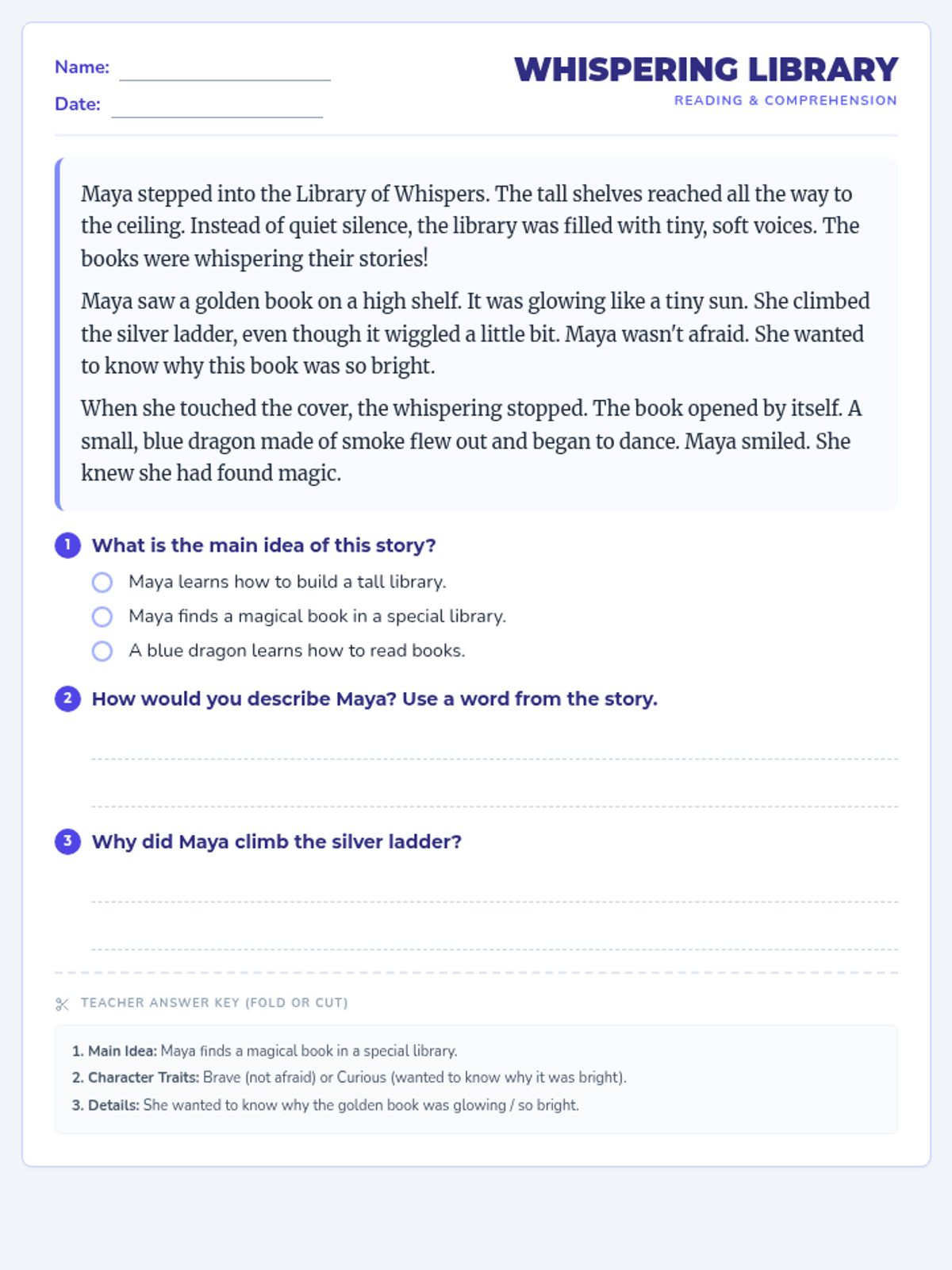
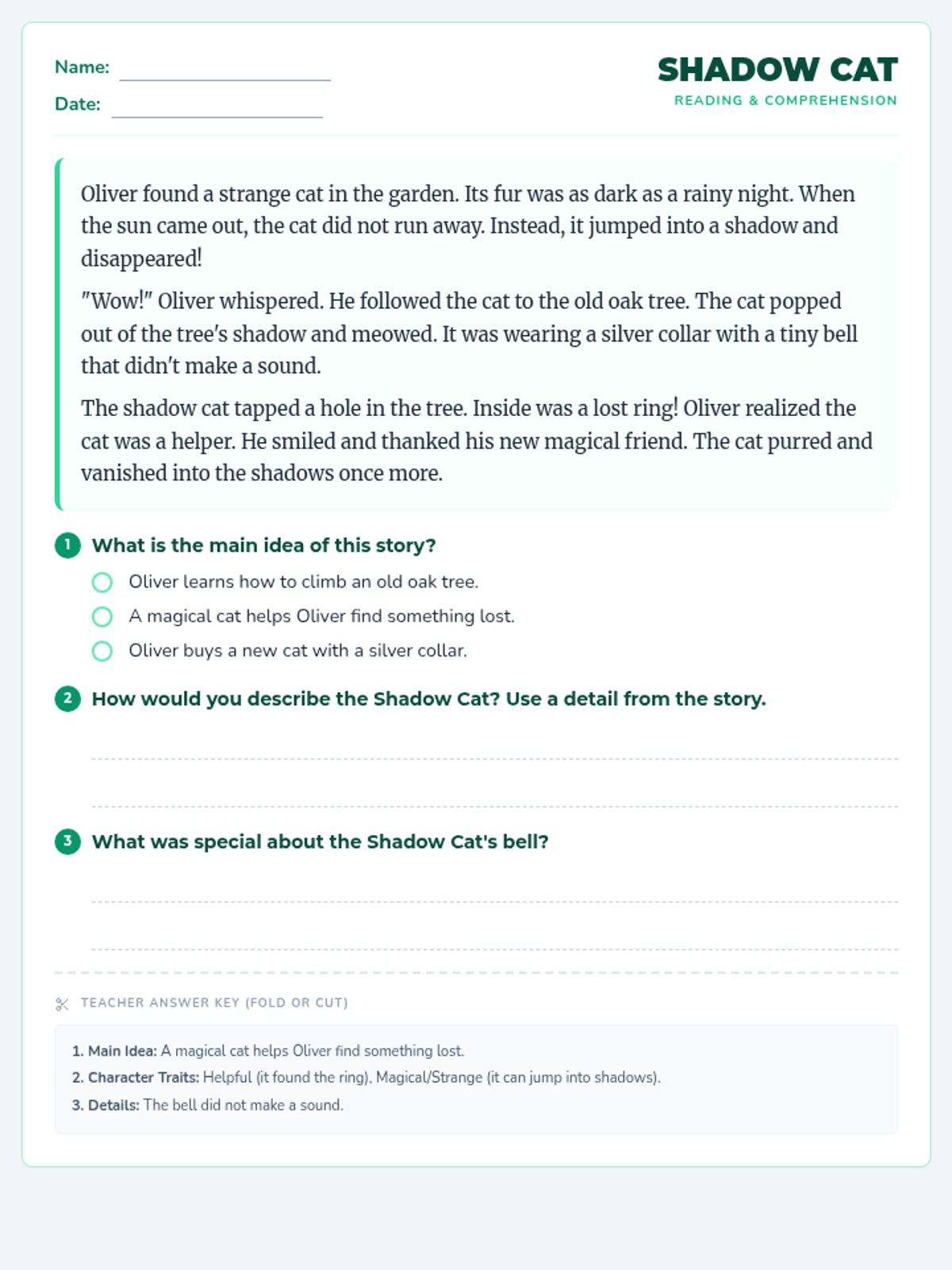
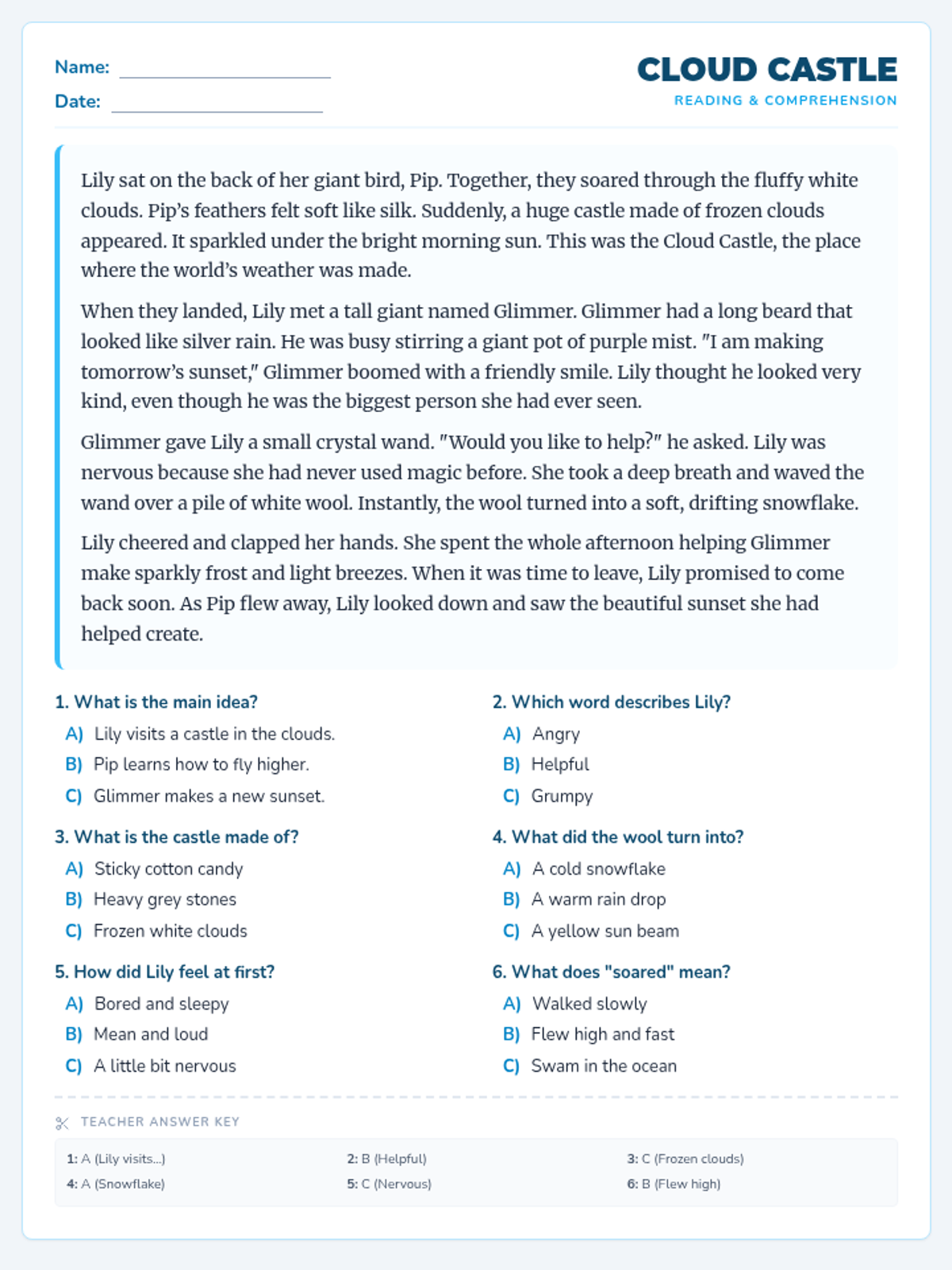
A collection of magical fantasy reading prompts designed for 2nd grade students to practice reading comprehension, main idea identification, and character trait analysis.
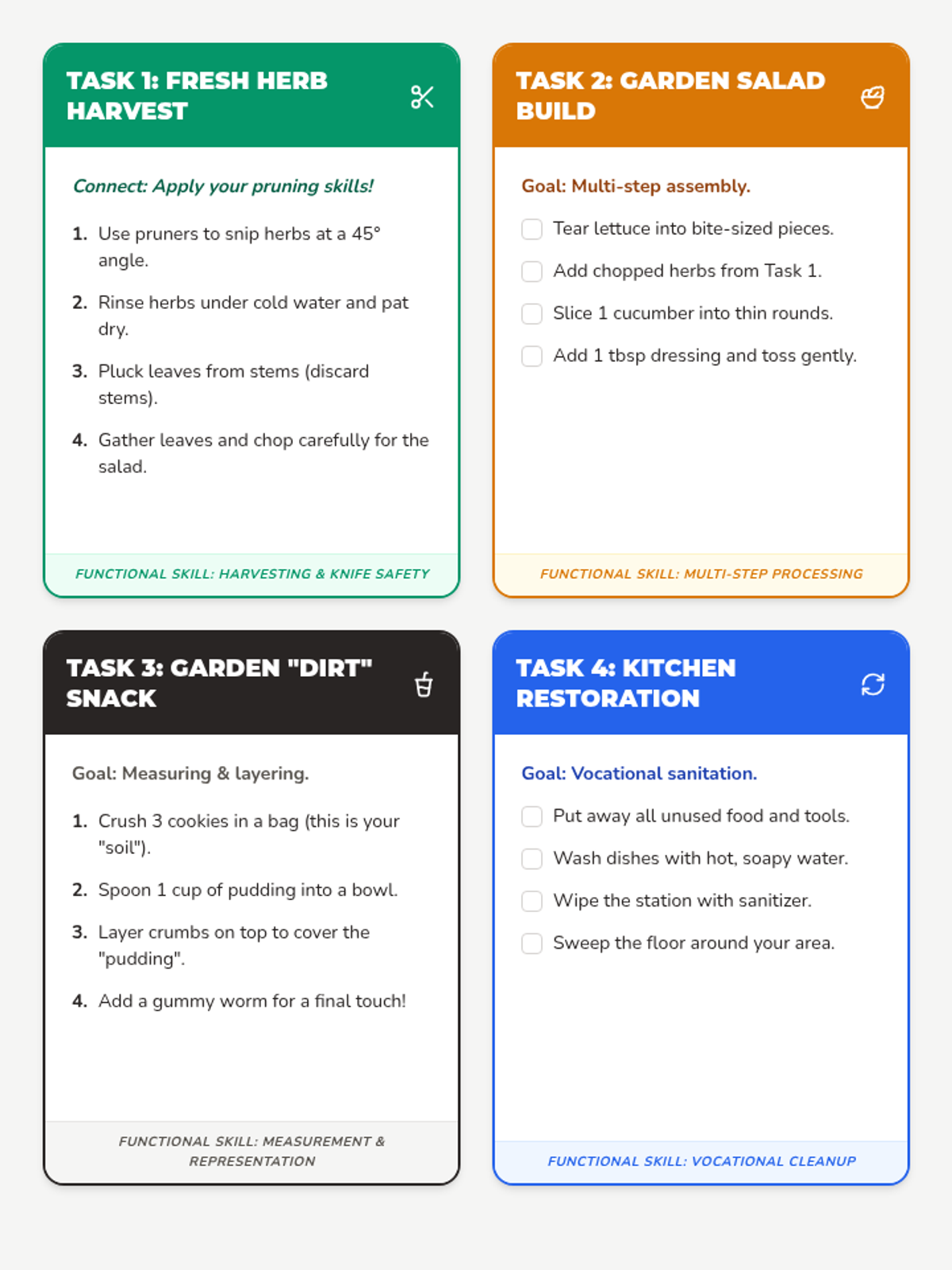
Functional life skills applied to cooking with fresh ingredients, focusing on step-by-step tasks and kitchen safety.
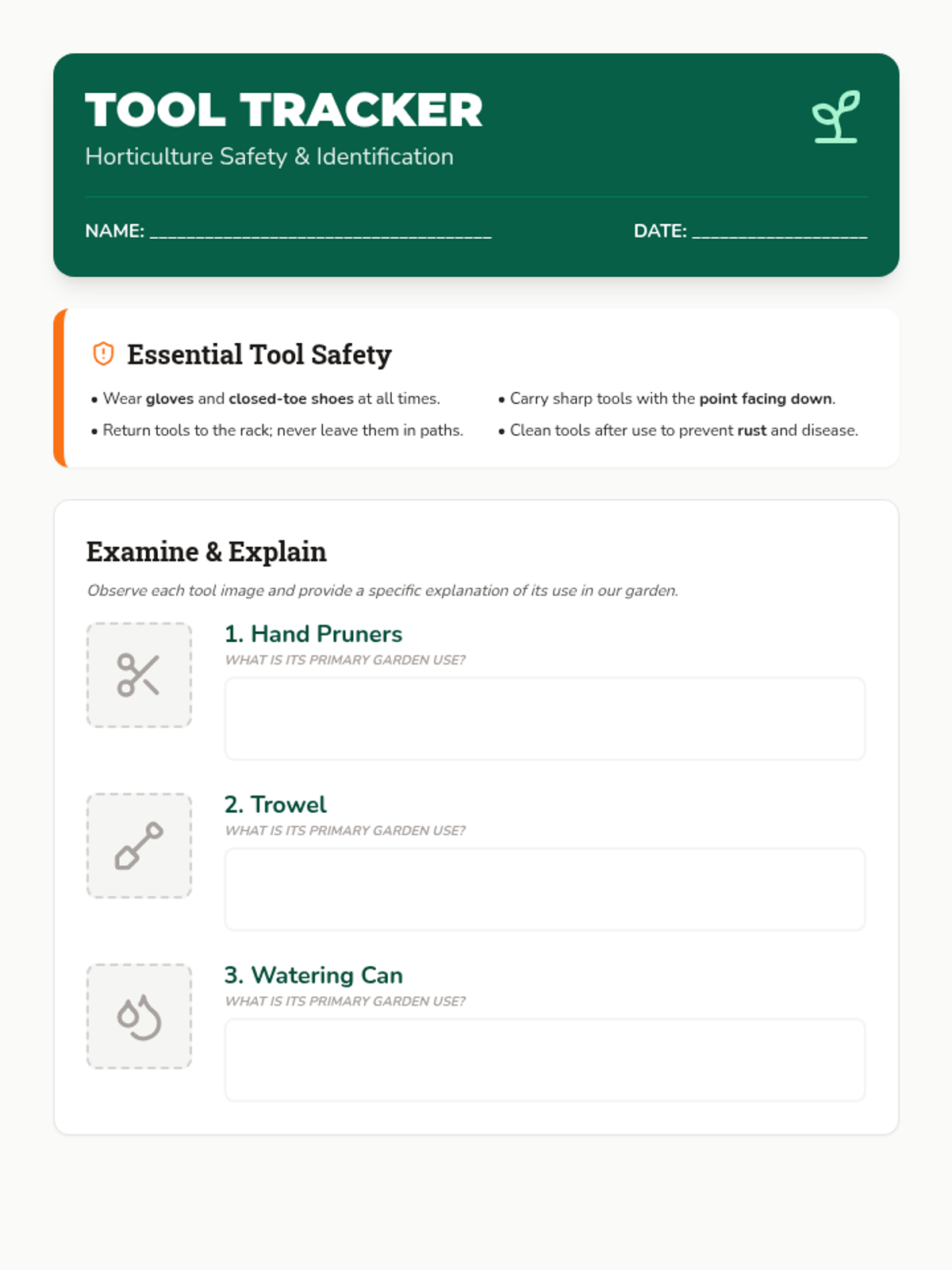
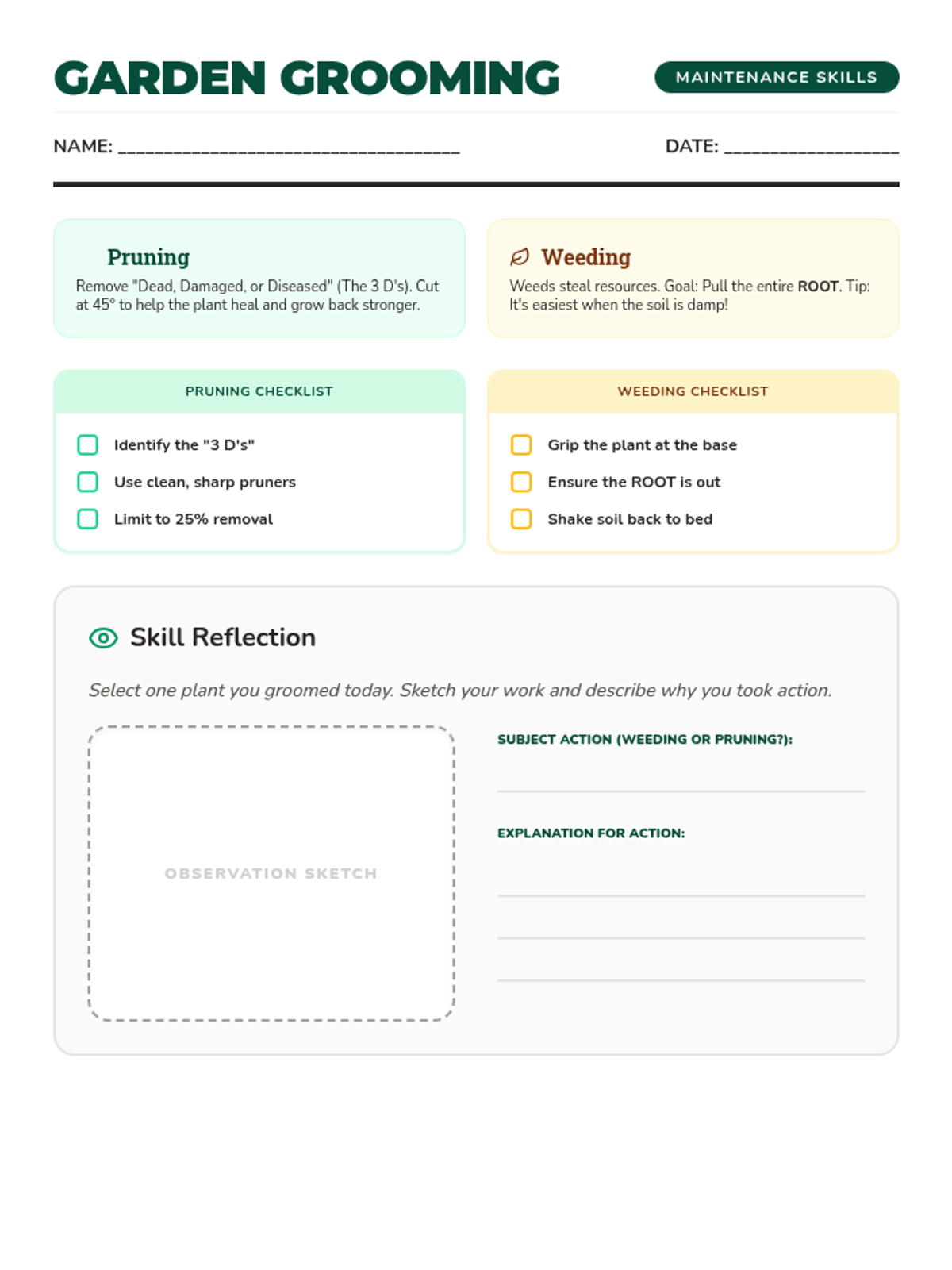
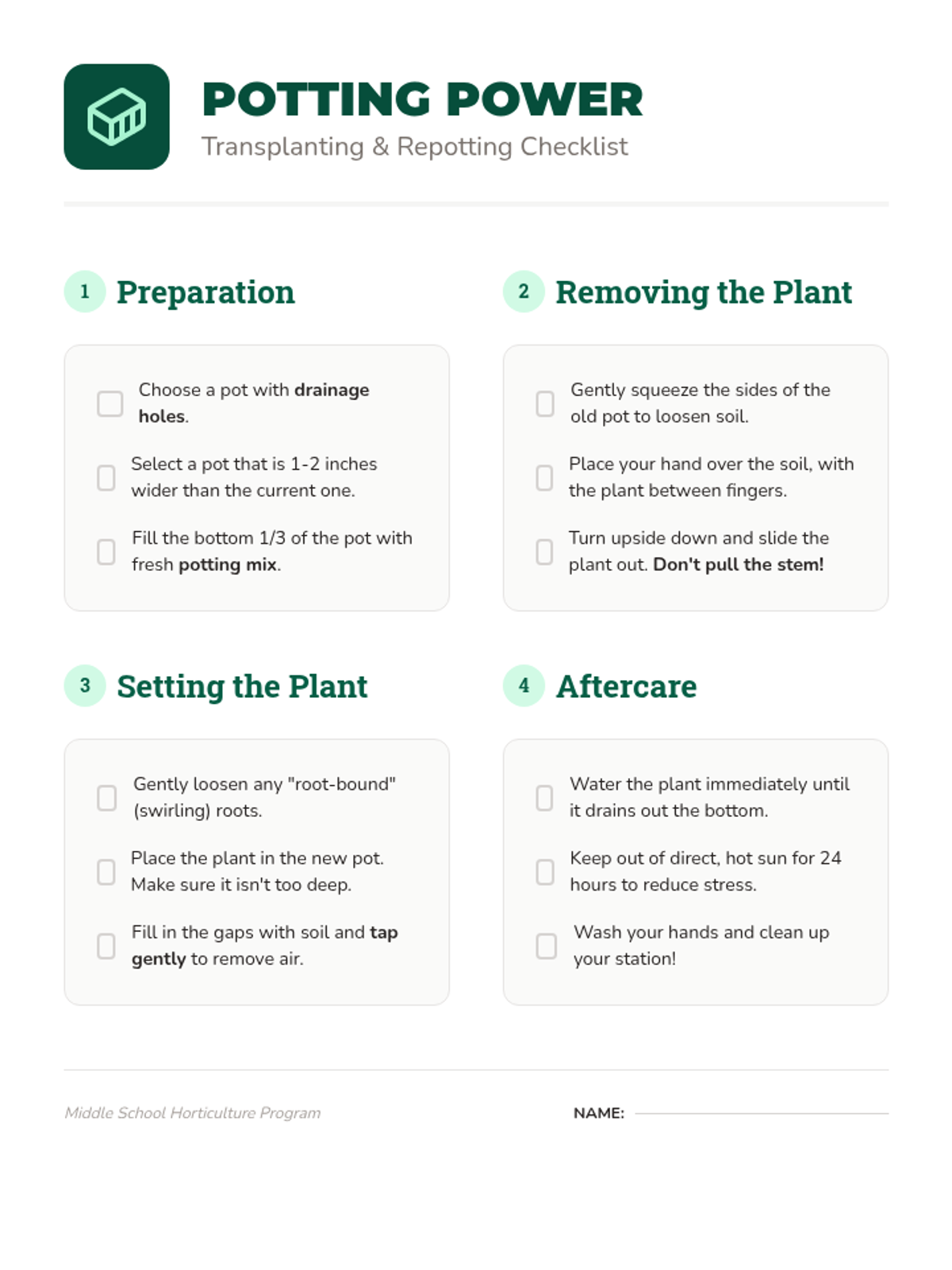
Hands-on horticulture skills focusing on tool safety, plant maintenance, and the art of potting and transplanting.
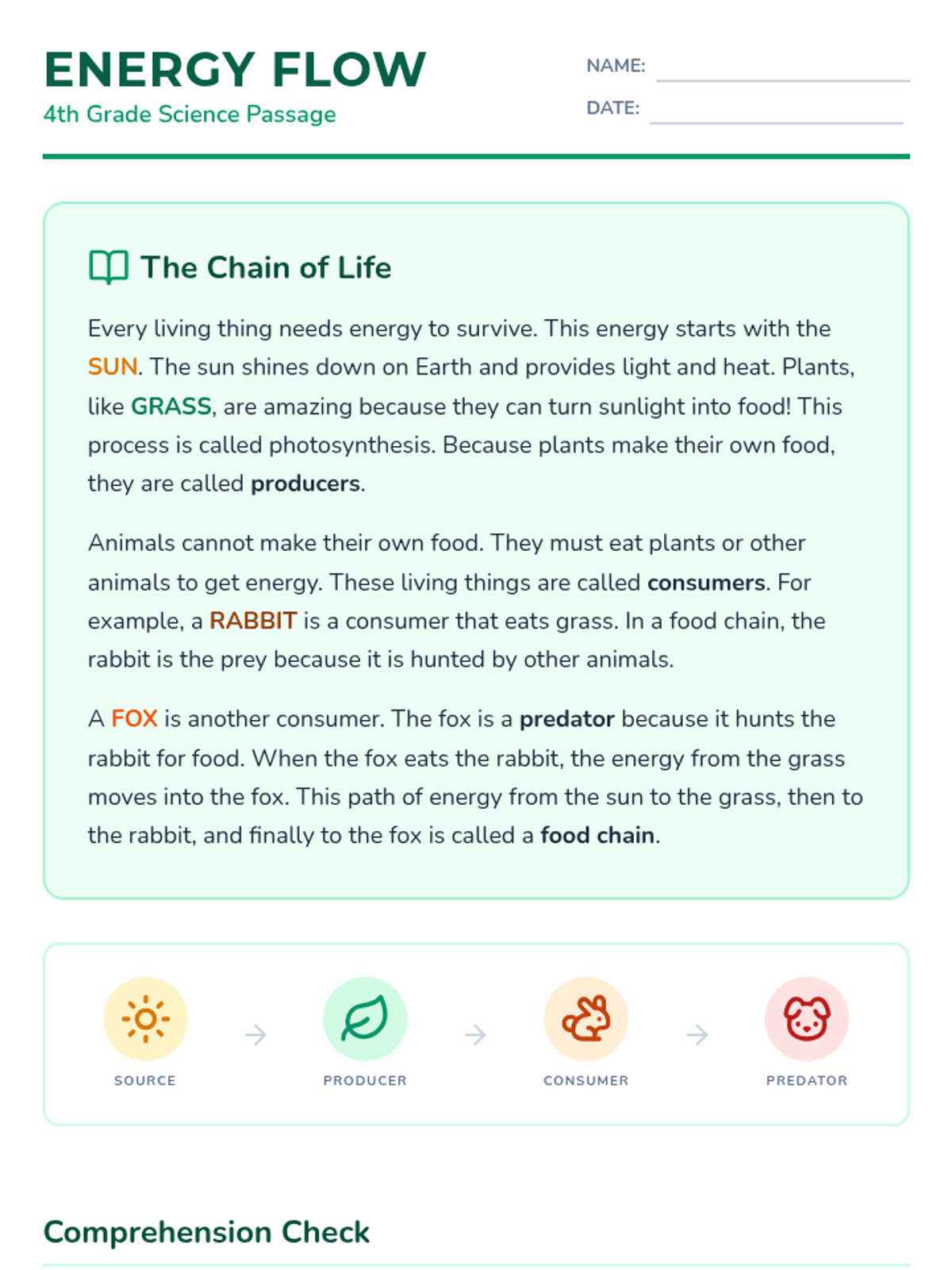
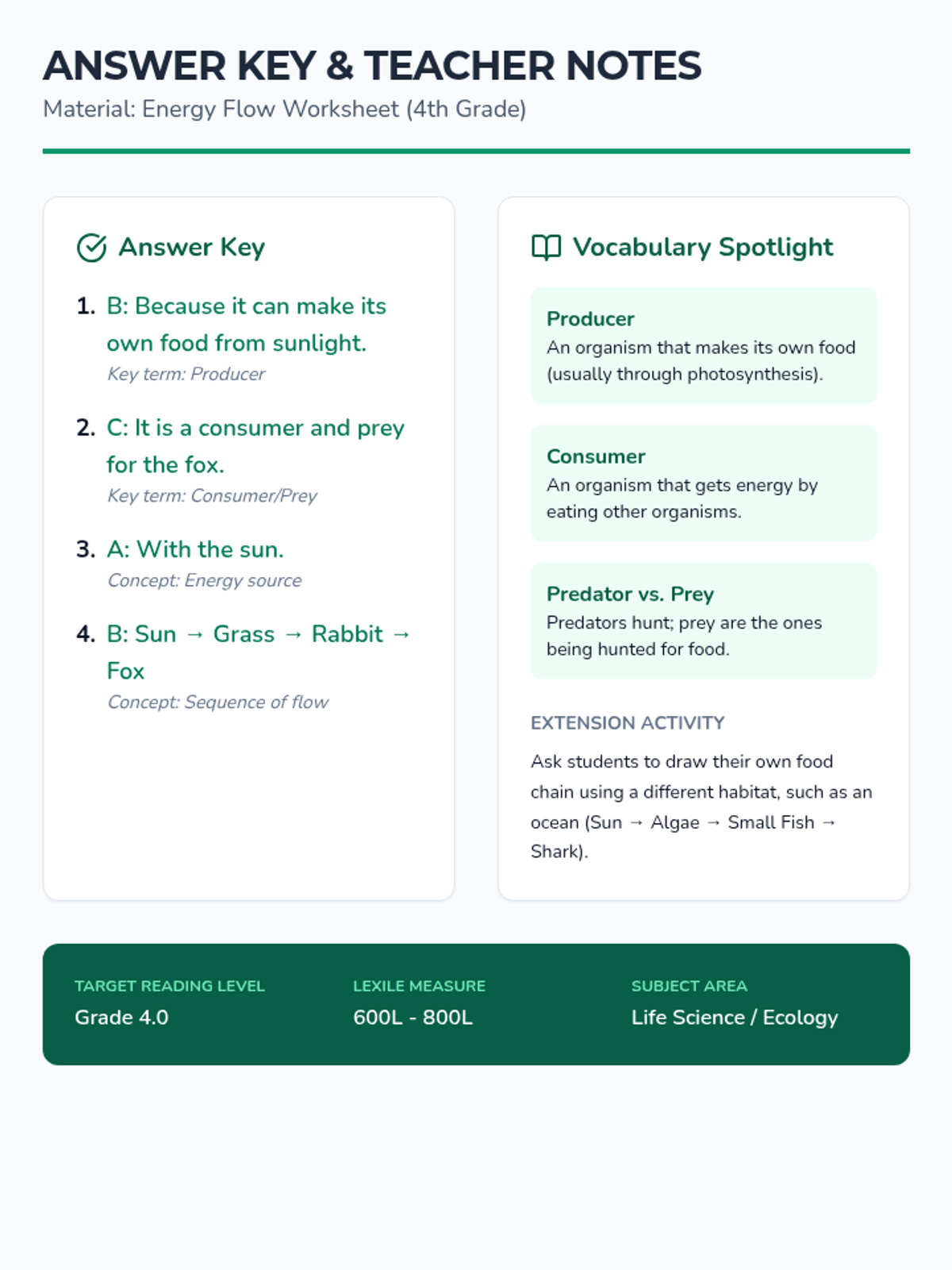
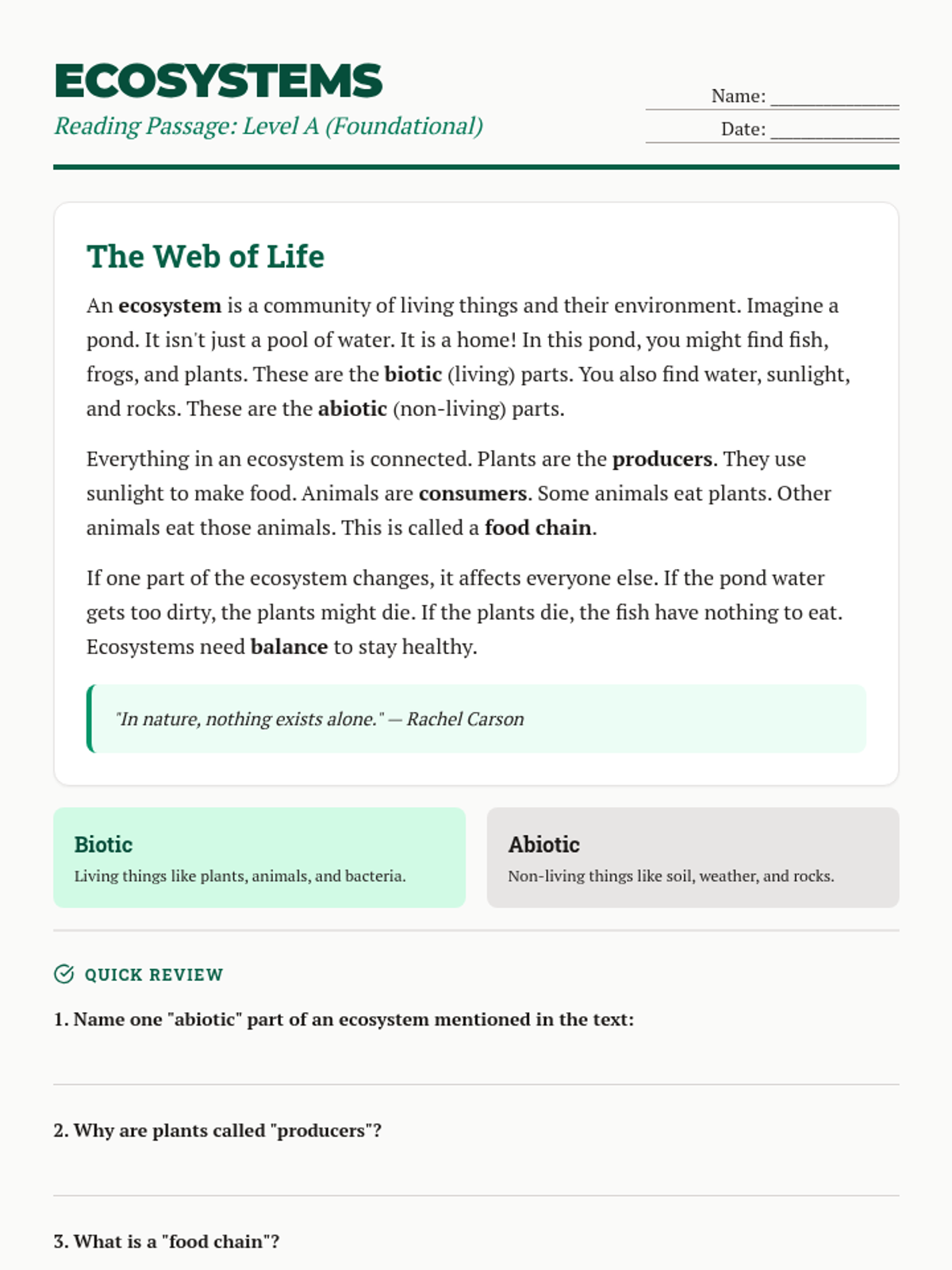
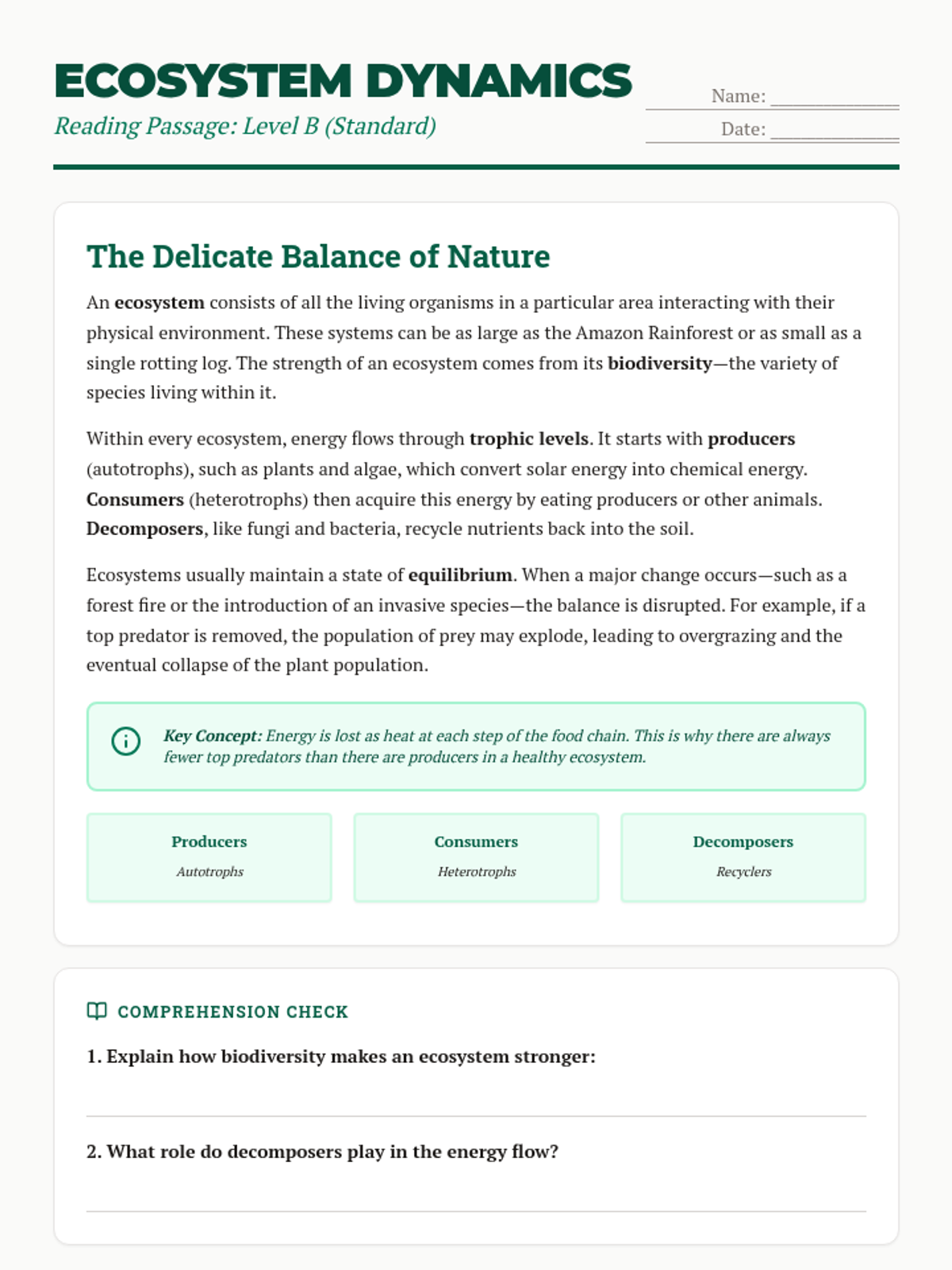
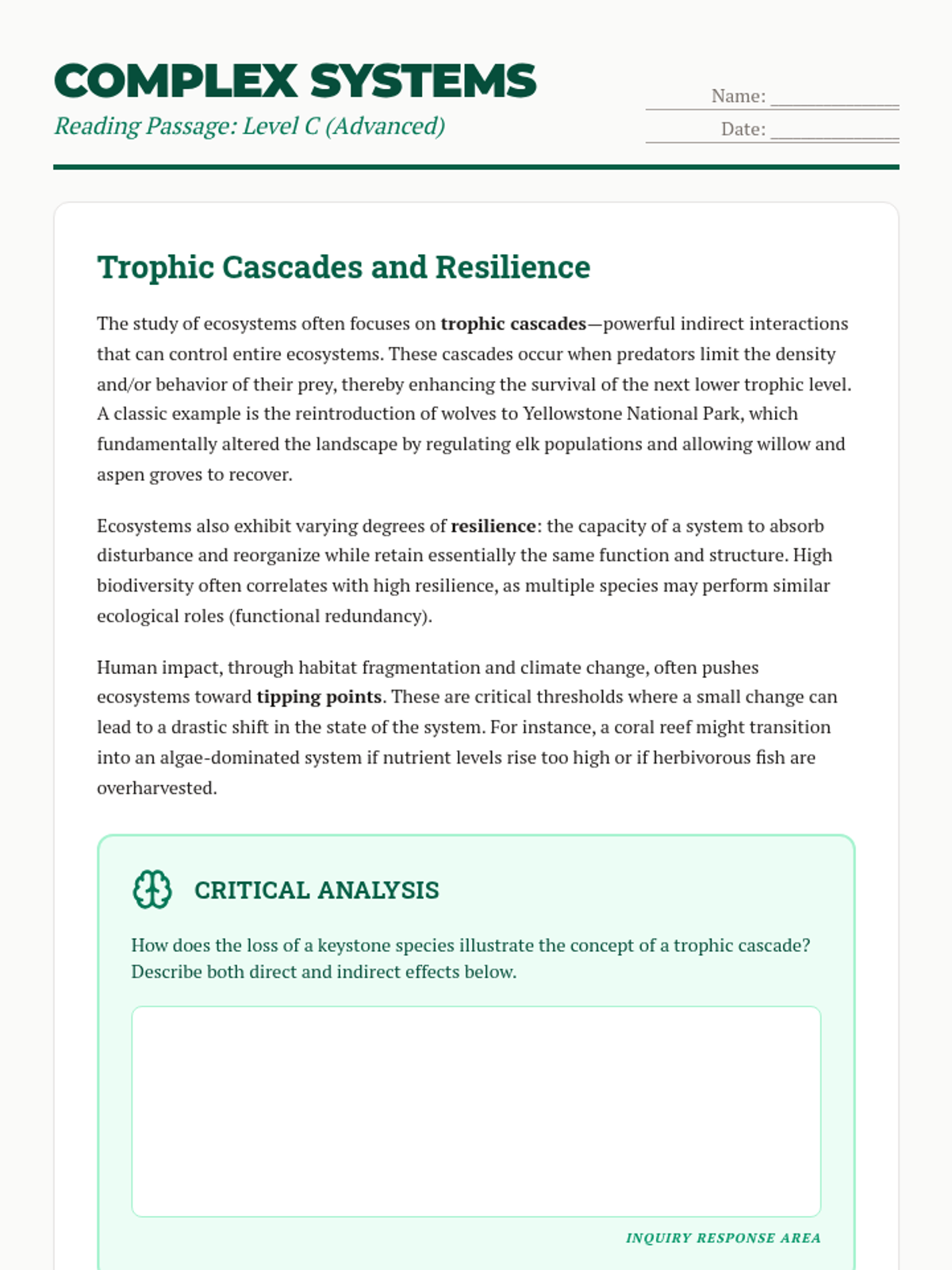
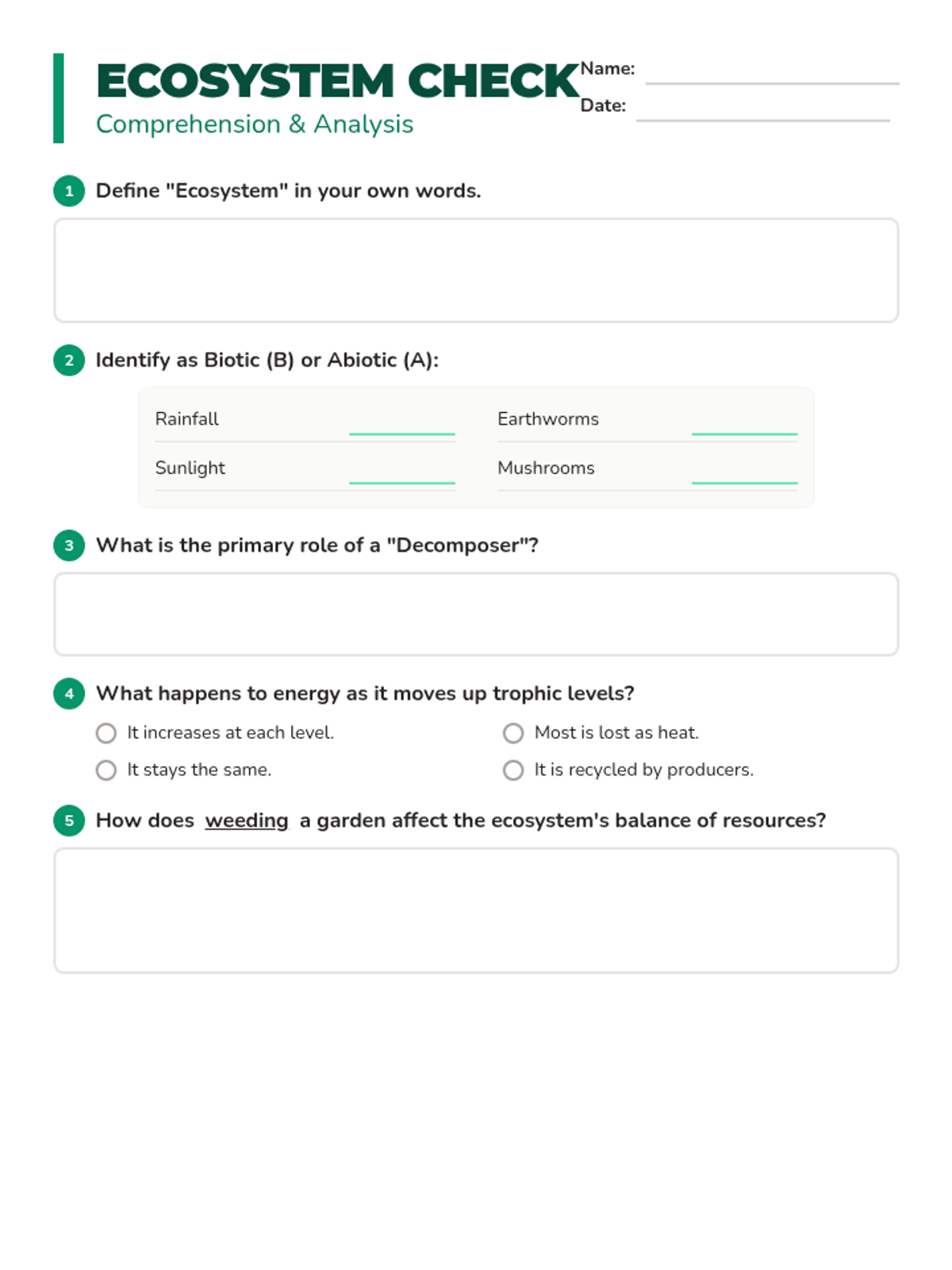
Students explore different ecosystem types and the complex relationships within them through differentiated reading passages and comprehension activities.
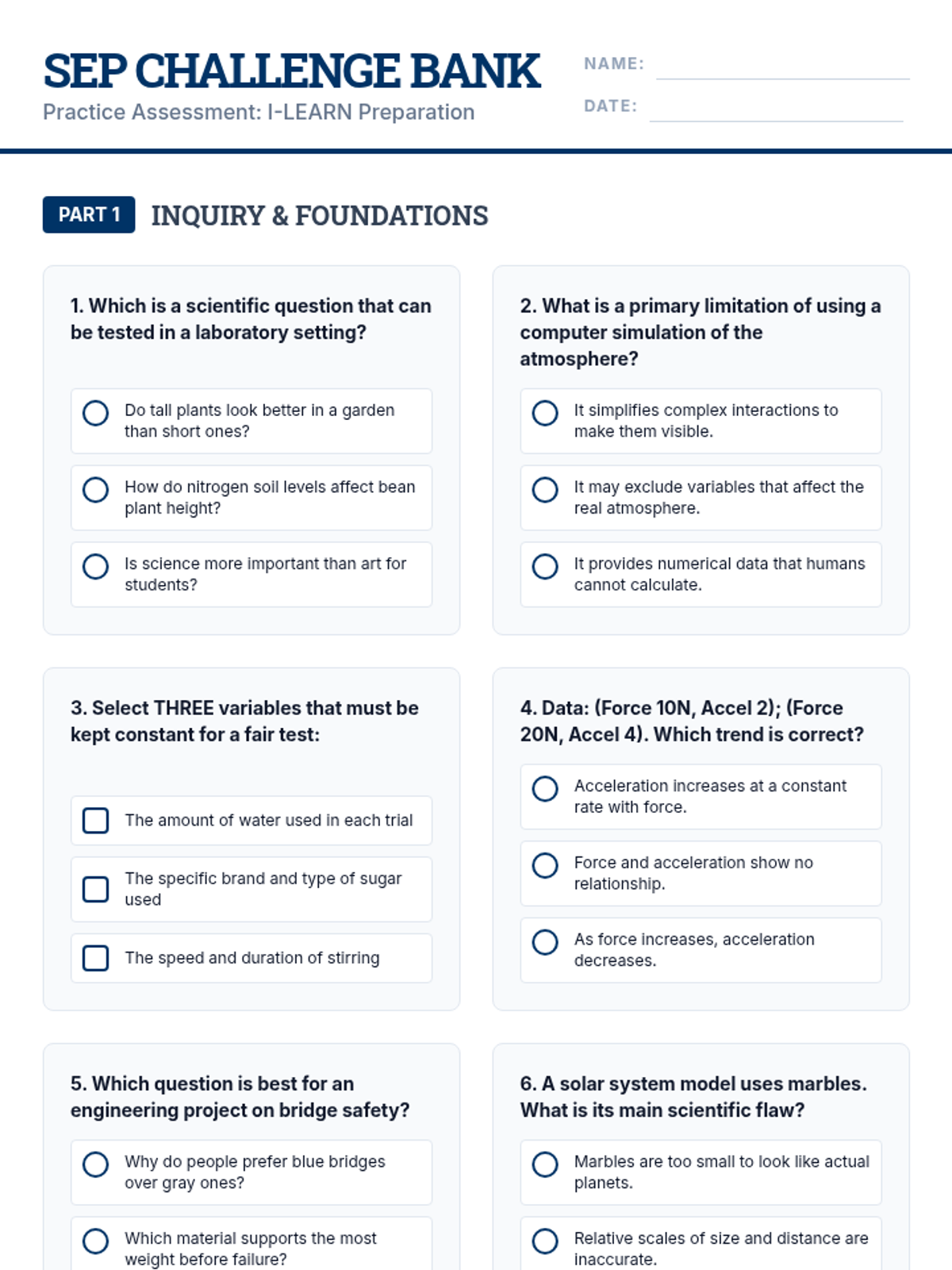
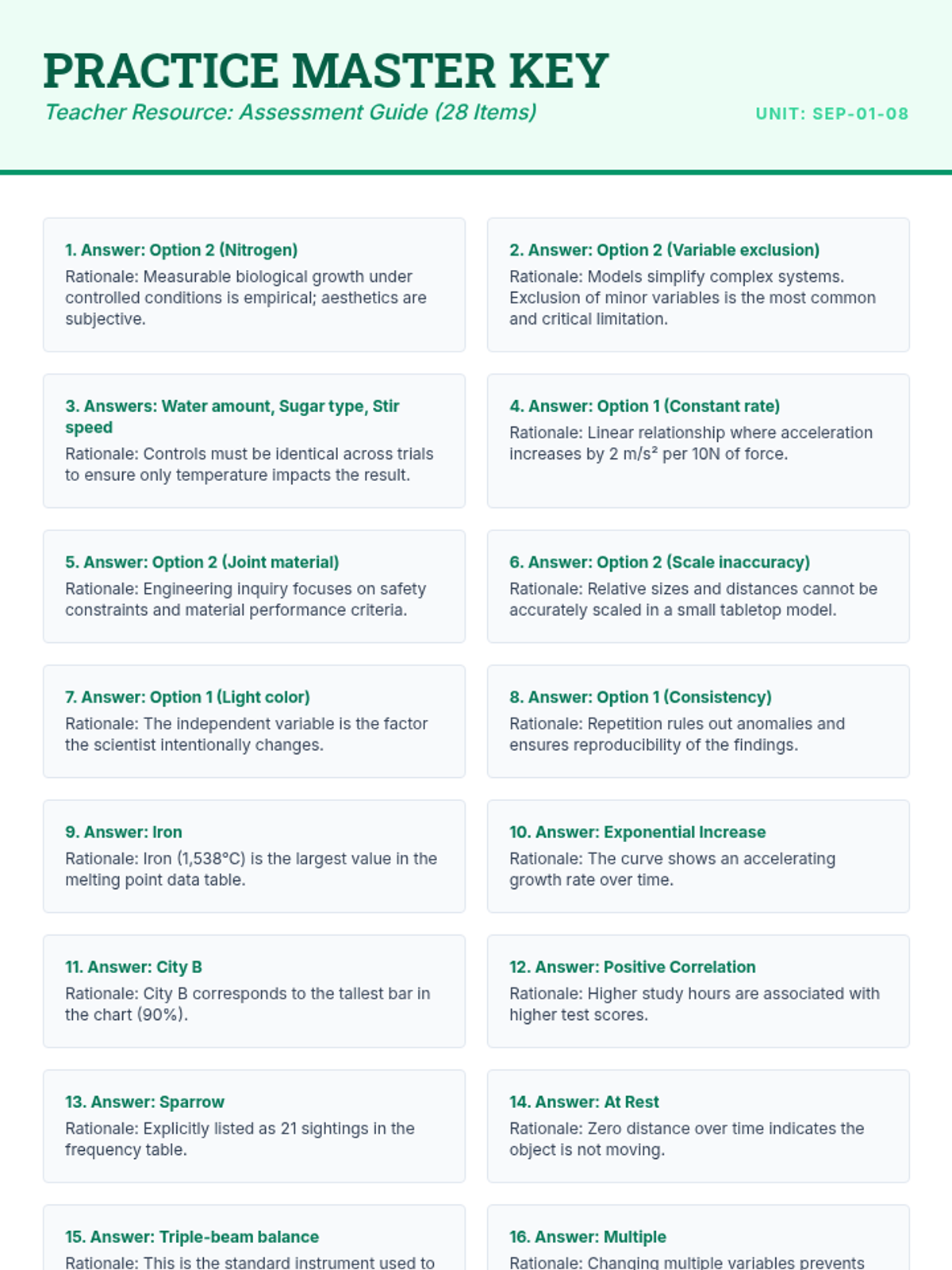
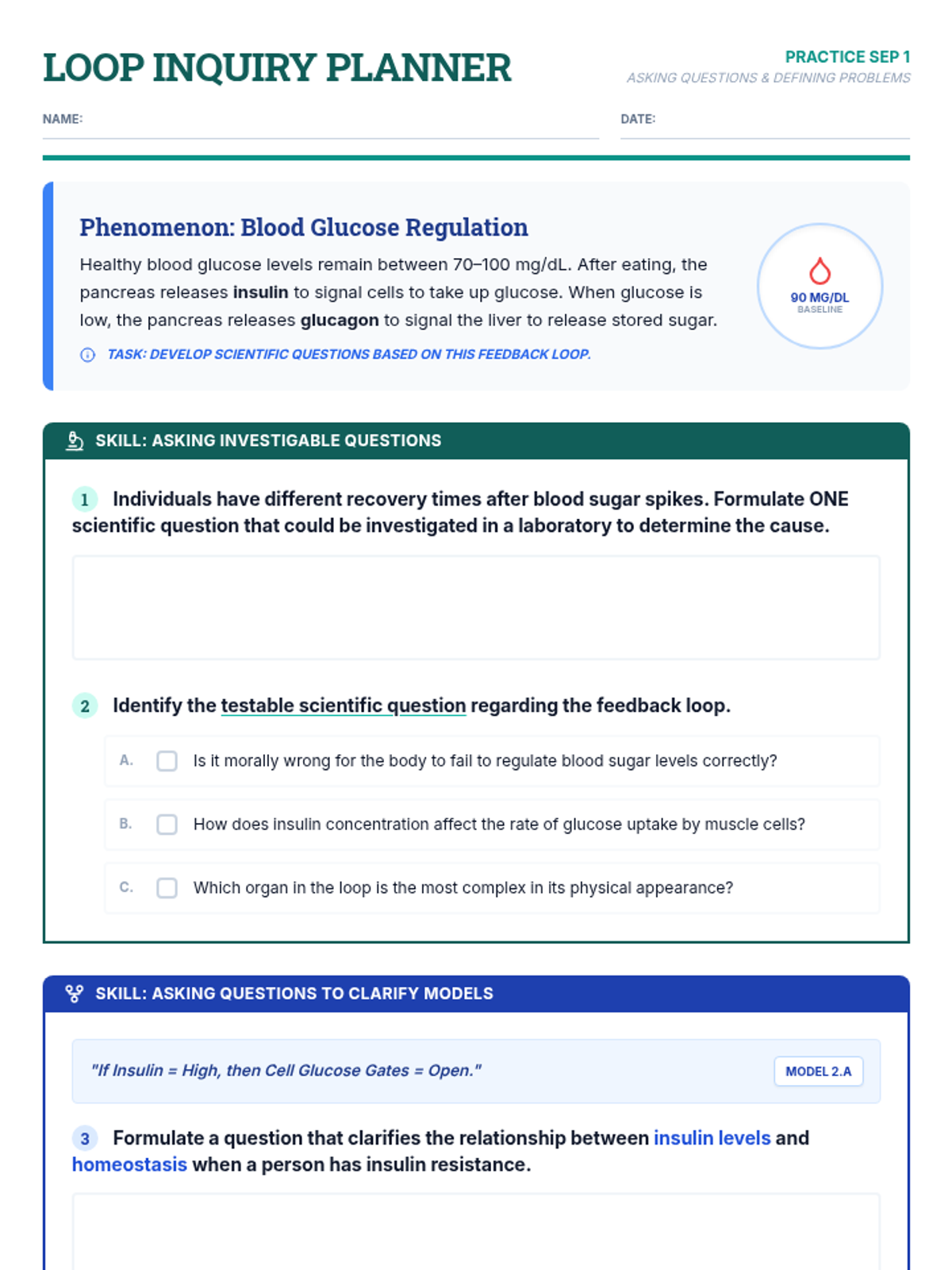
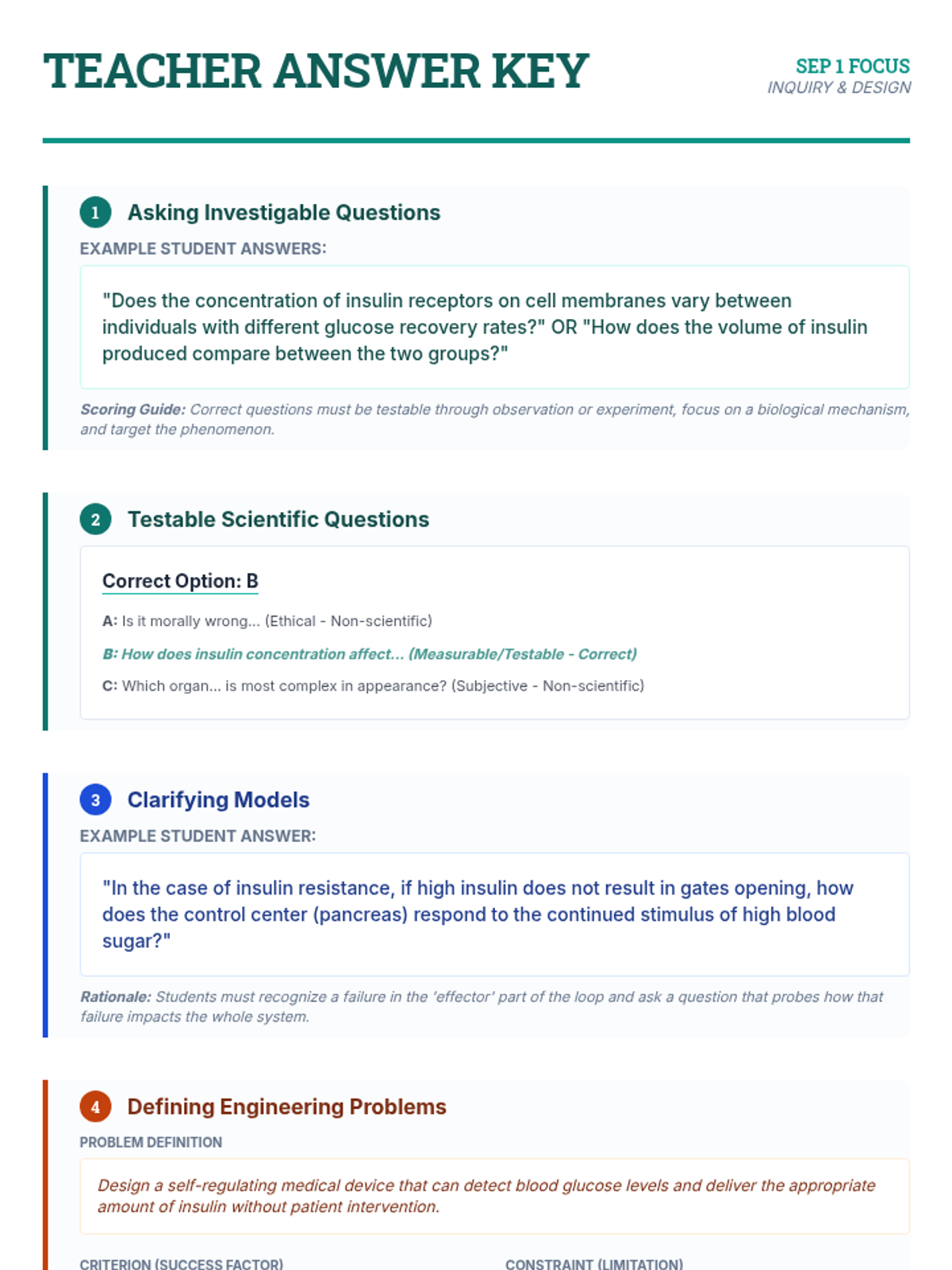
A comprehensive collection of I-LEARN style assessment items covering all eight Science and Engineering Practices (SEP), designed to prepare students for high-stakes testing through application-based questions.
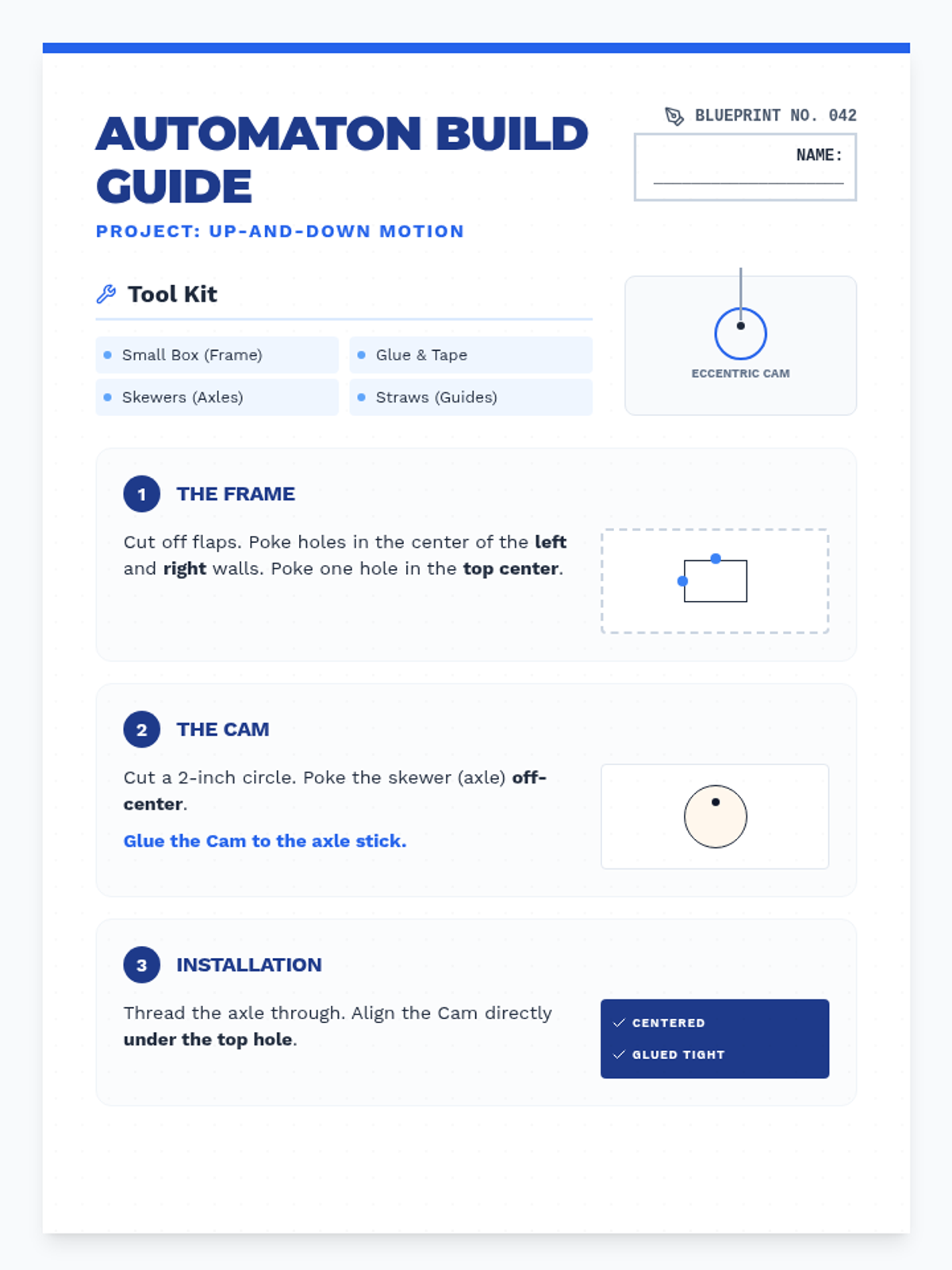
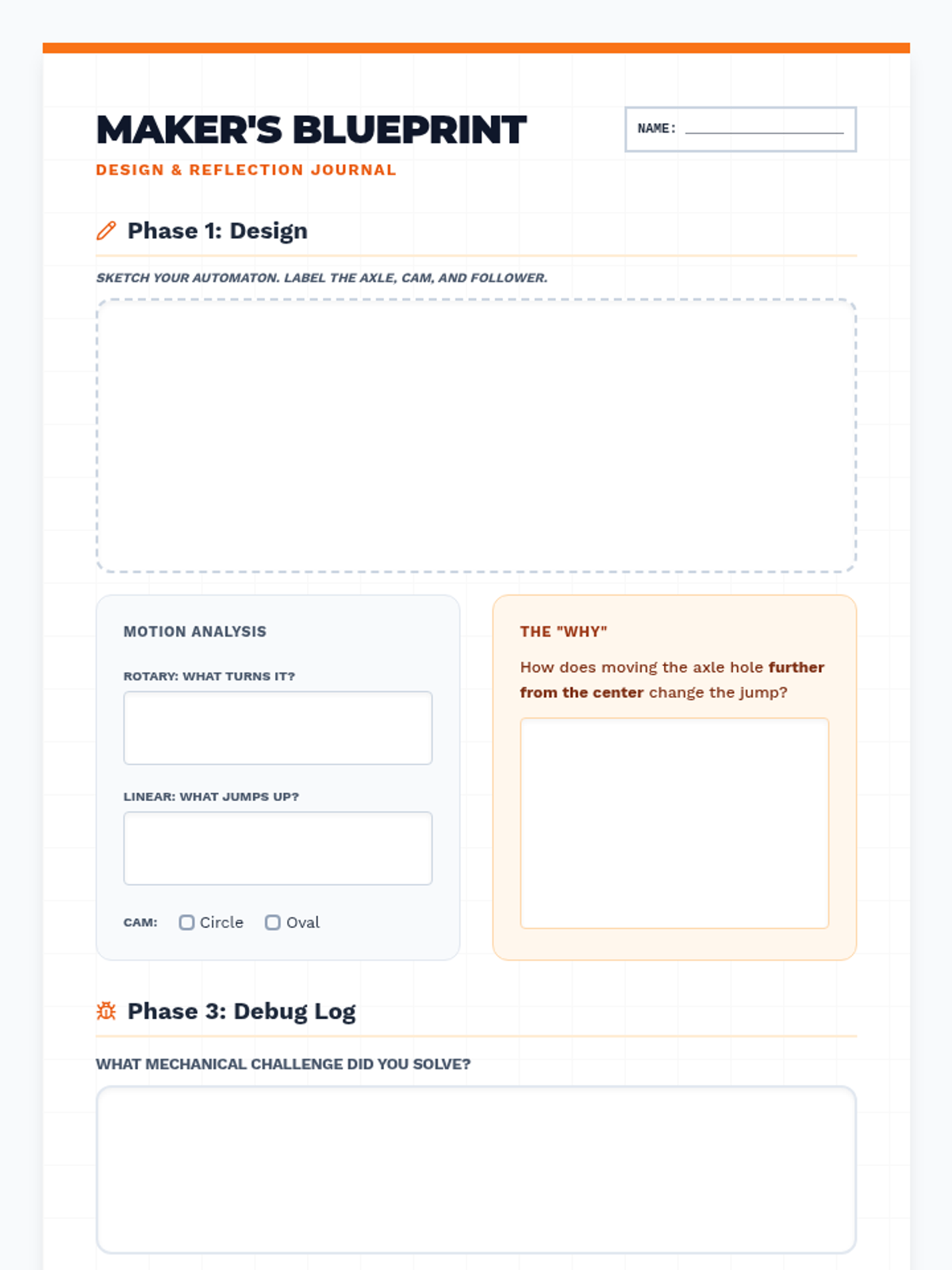
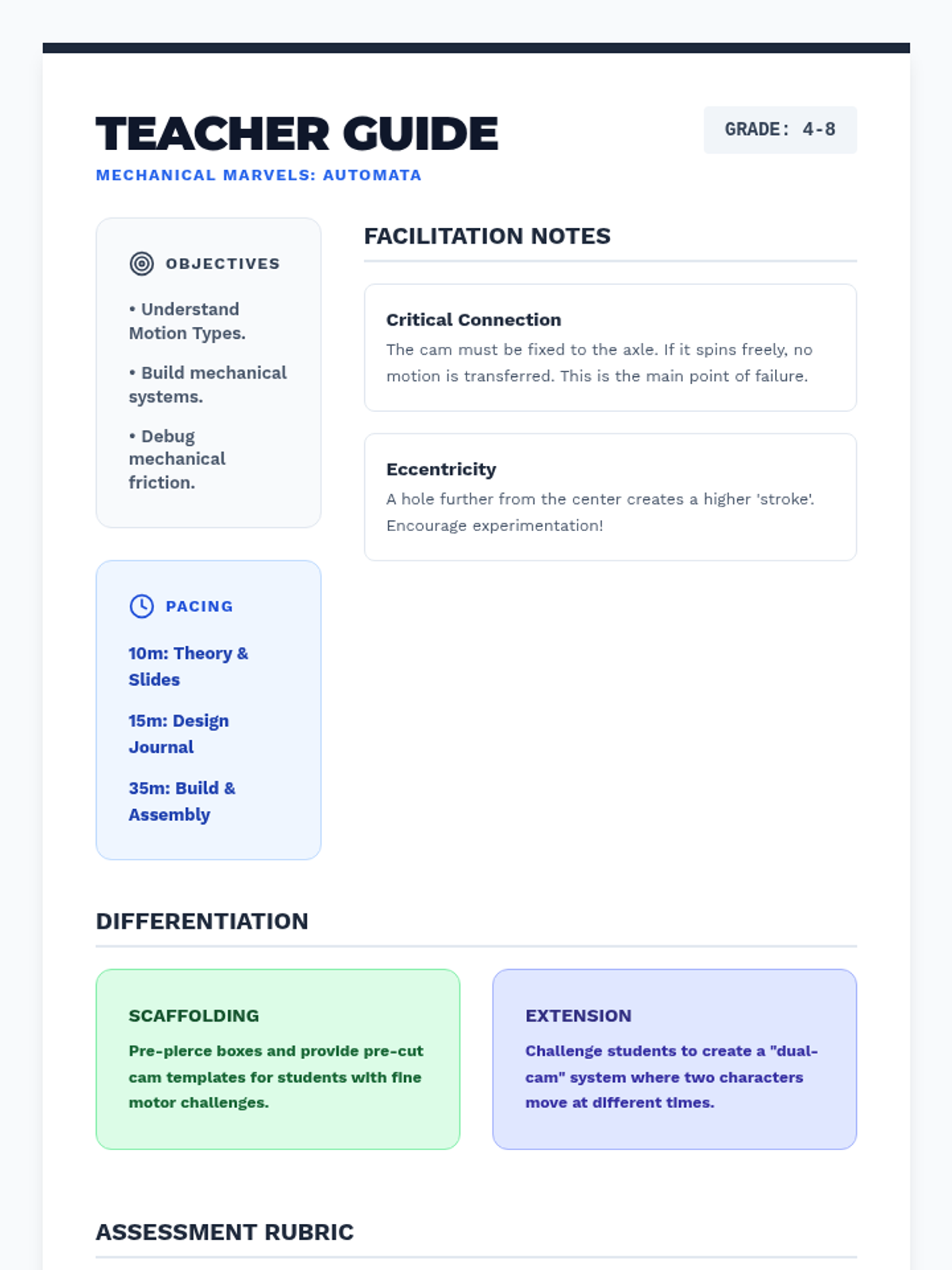
A hands-on engineering lesson where students build a cardboard automaton to explore how rotary motion is converted into linear motion using cams and followers.
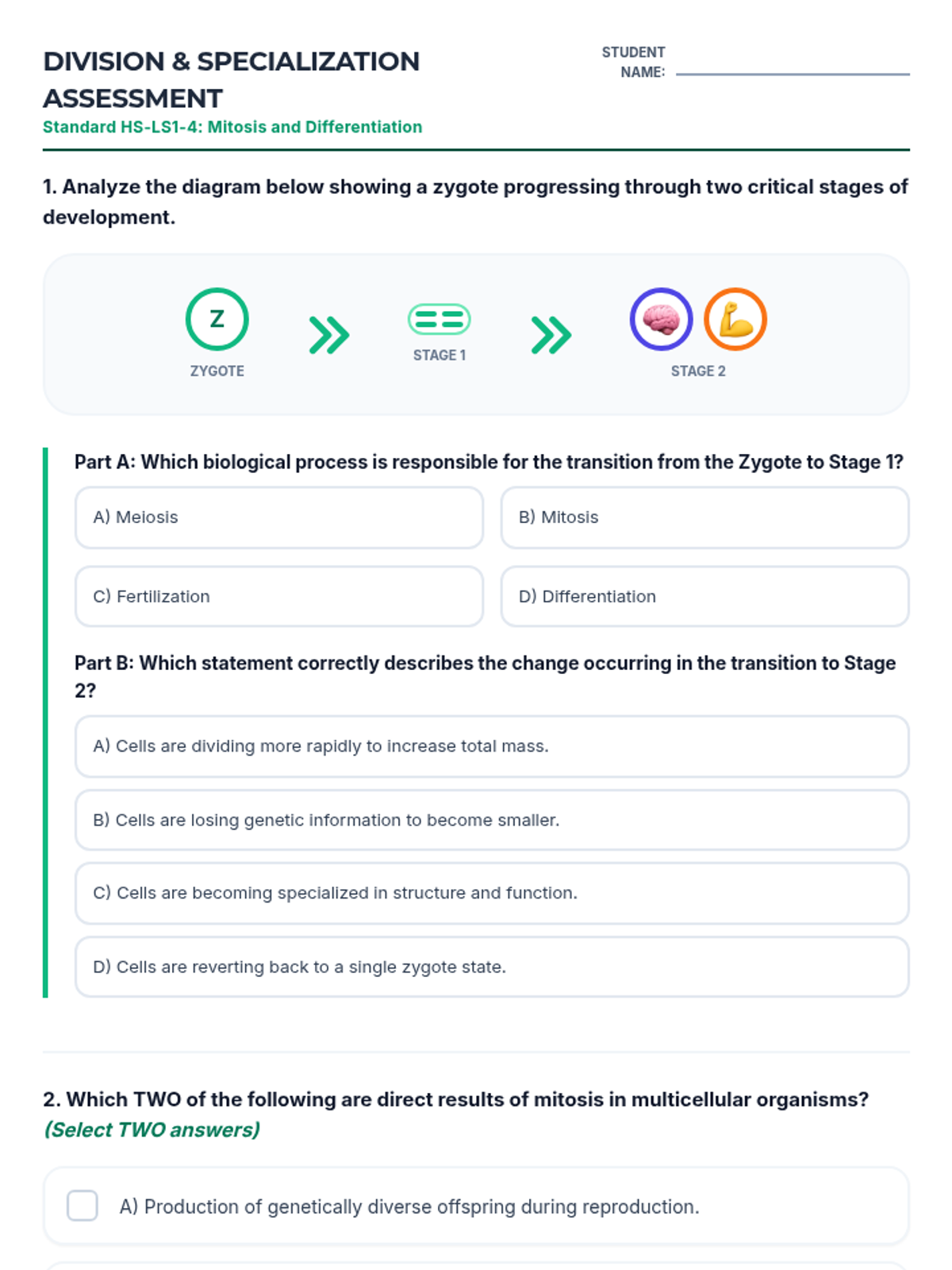
An exploration of the cellular processes that allow organisms to grow and maintain complexity, specifically focusing on mitosis and cell differentiation.
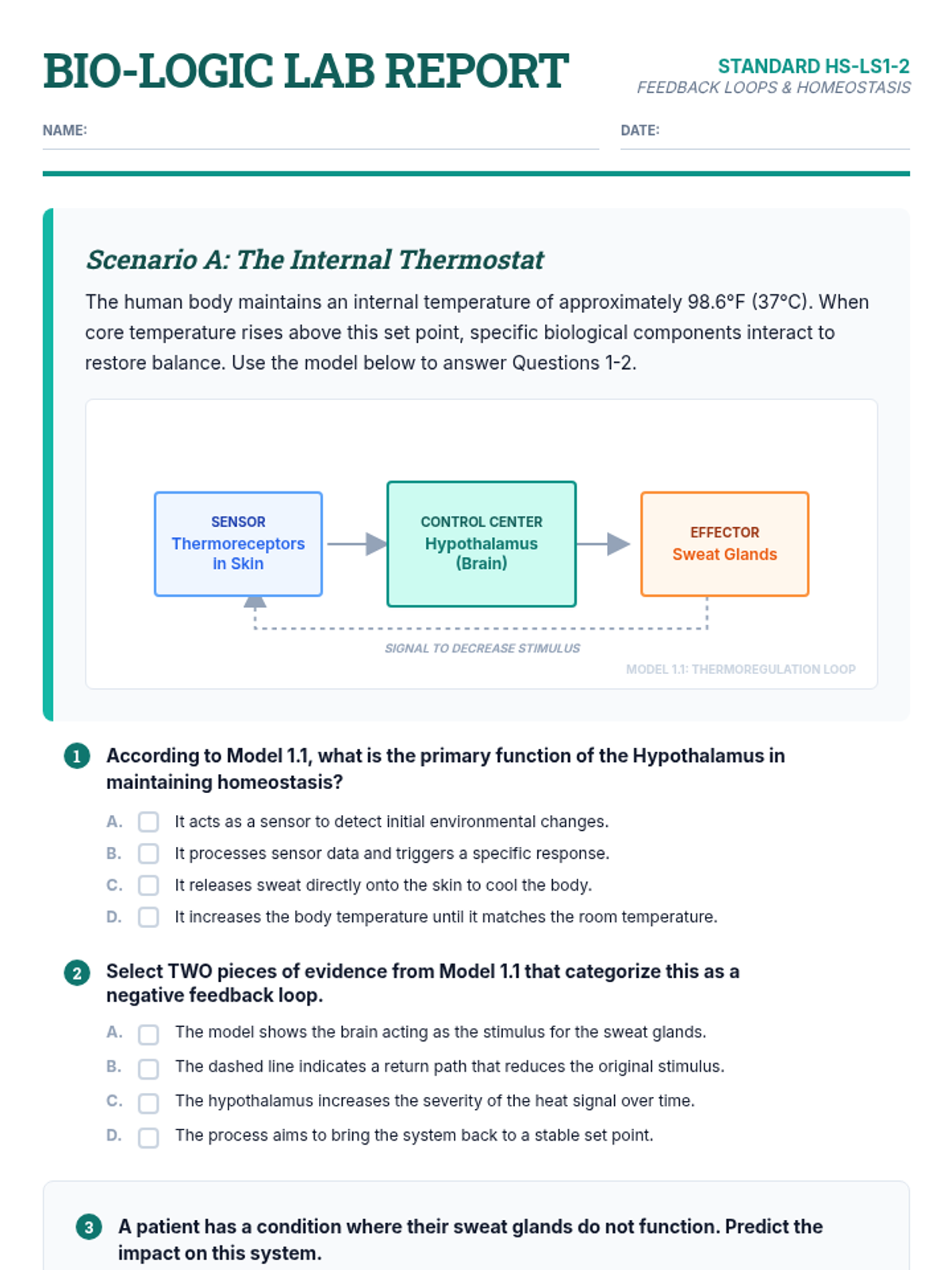
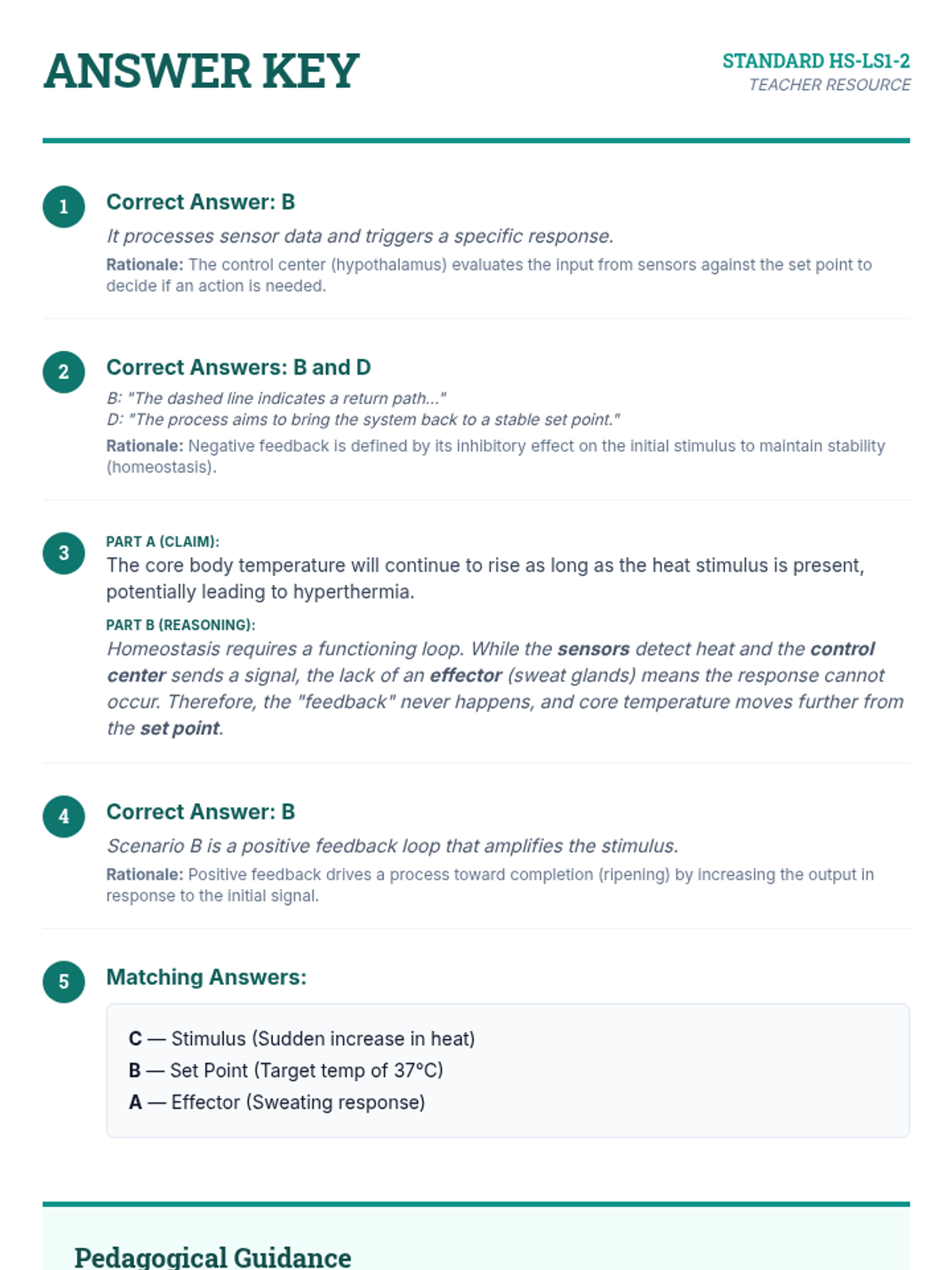
A focused practice lesson on biological feedback loops (HS-LS1-2), featuring standardized test-style questions and visual models.
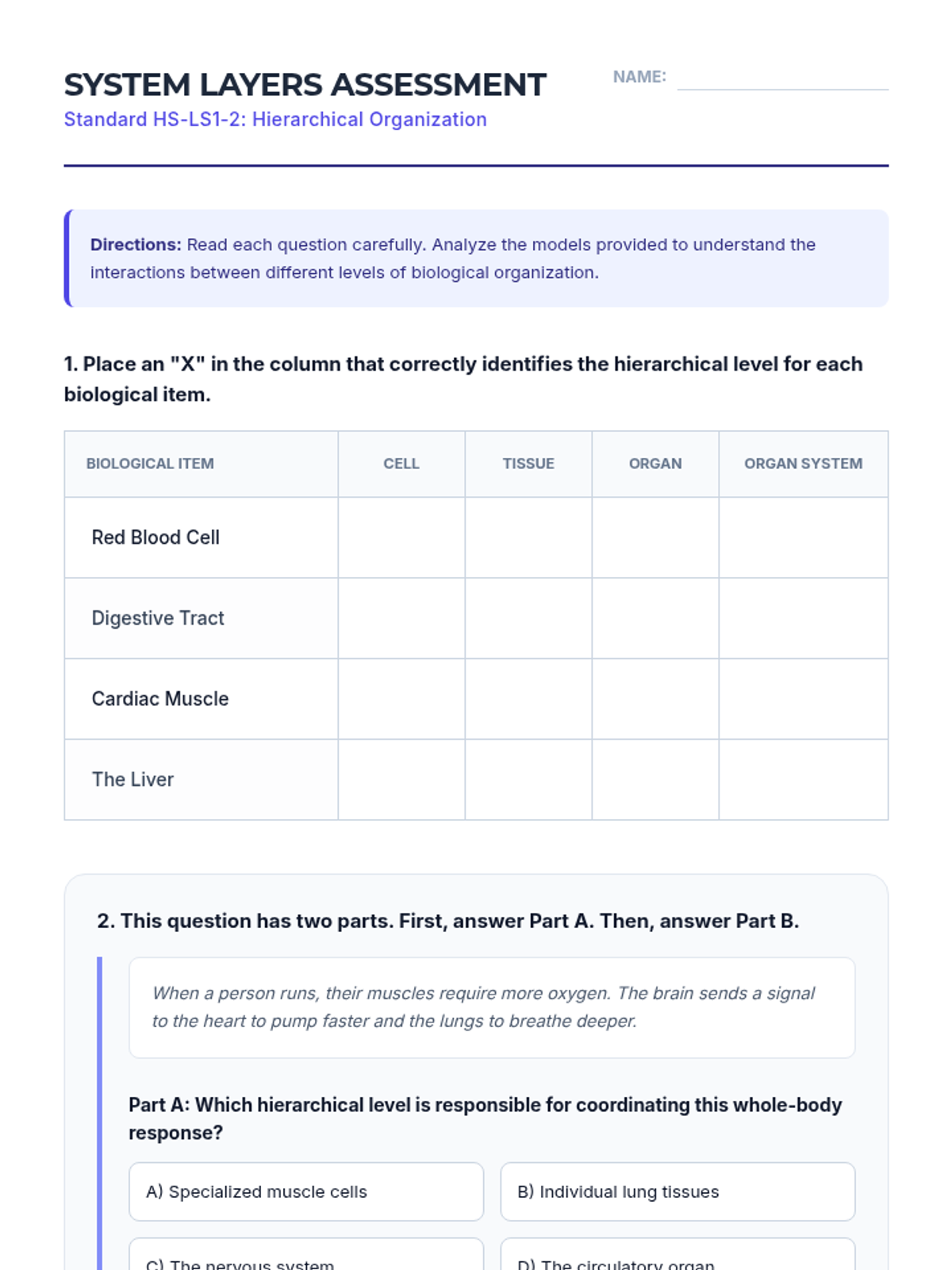
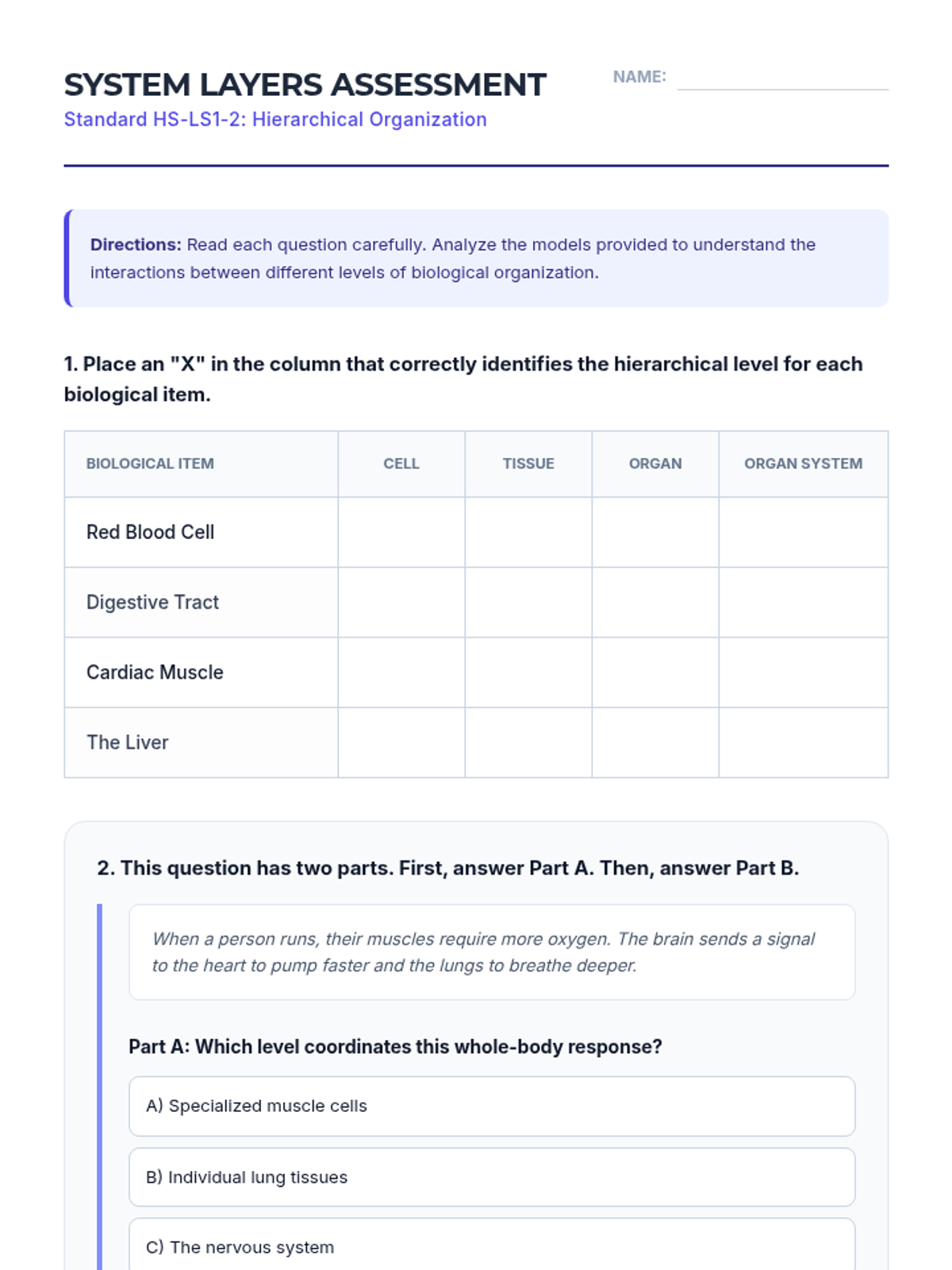
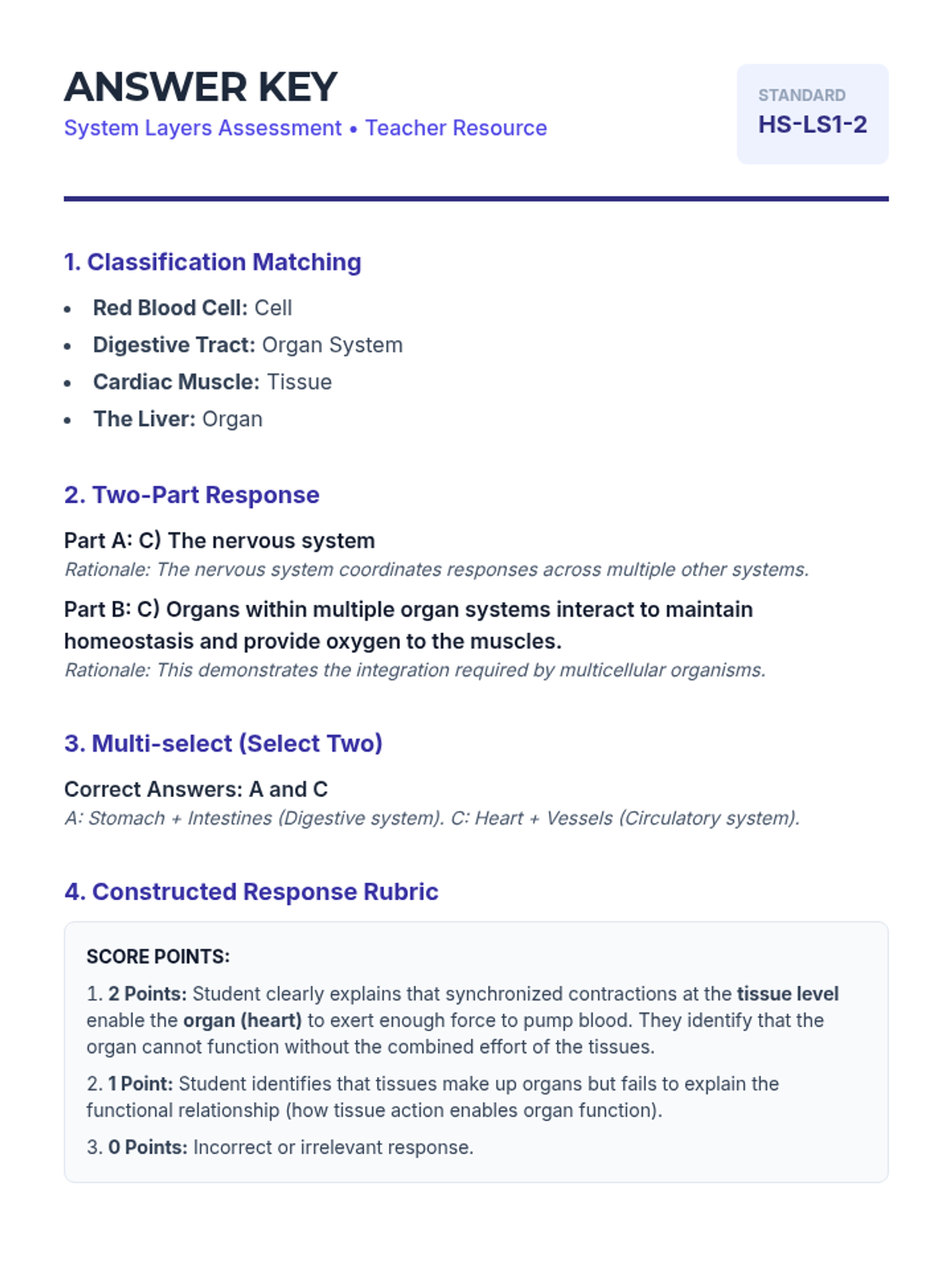
An exploration of the hierarchical organization of multicellular organisms, focusing on how cells, tissues, organs, and organ systems interact to perform complex functions.
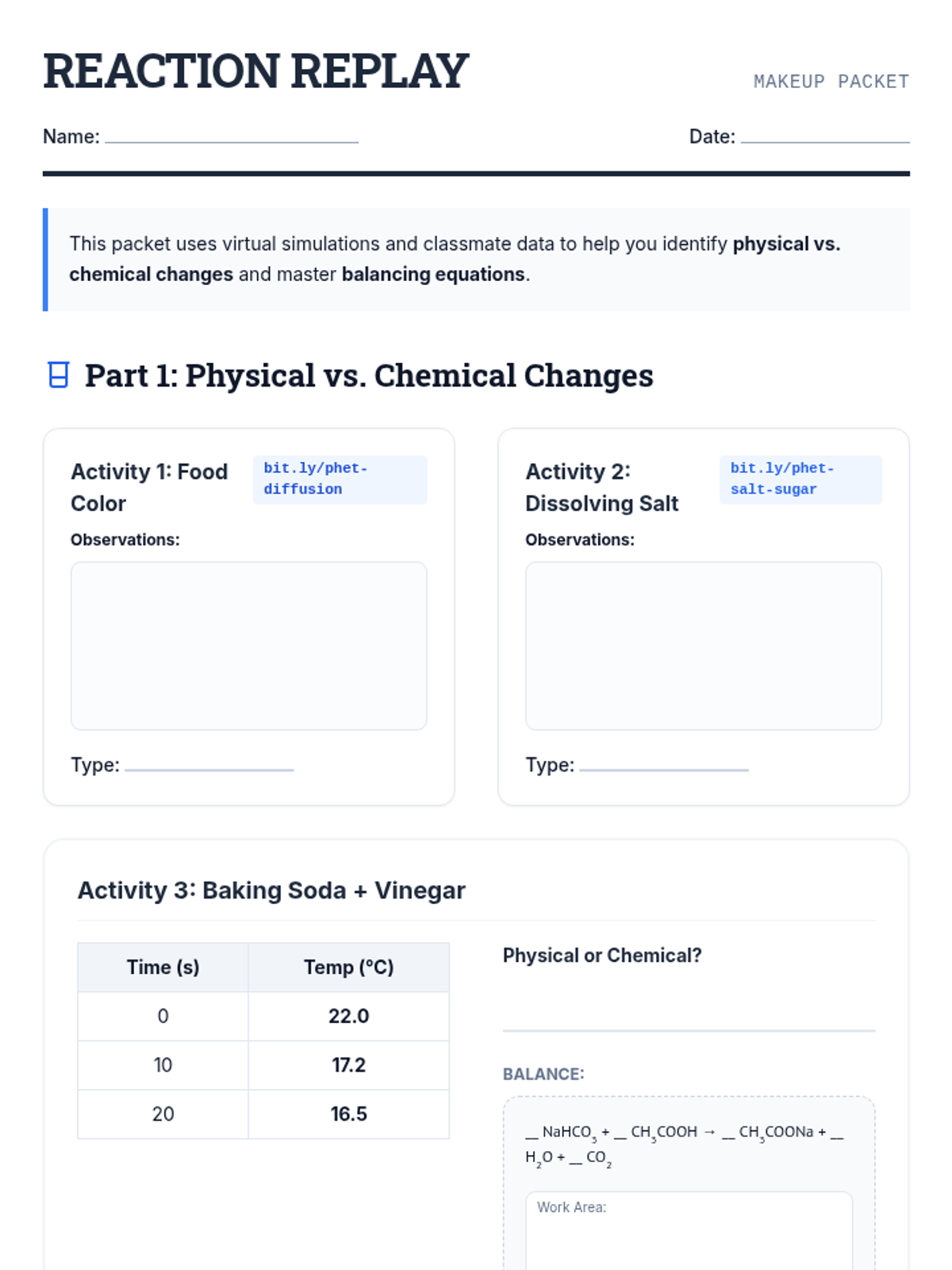
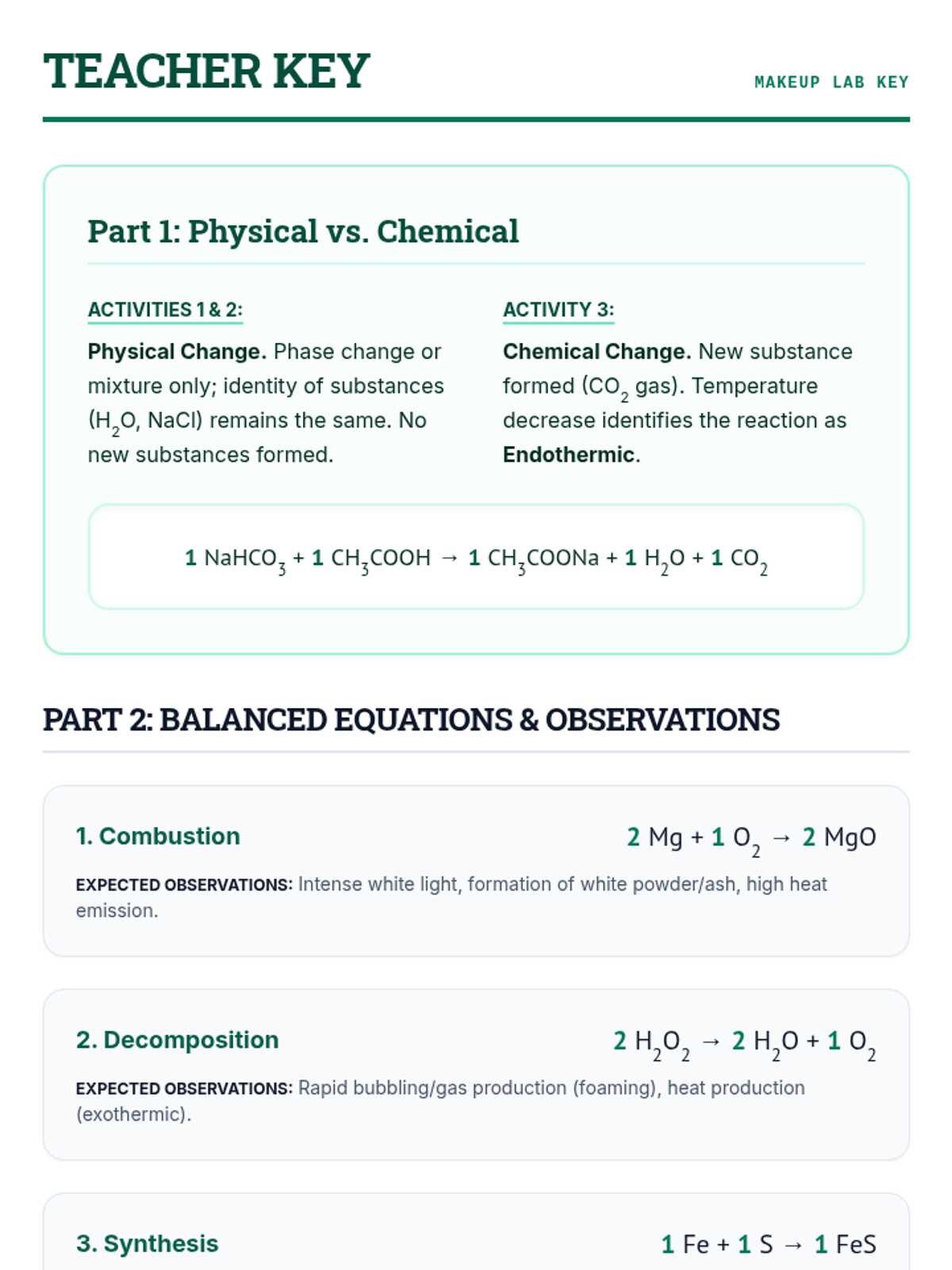
A comprehensive makeup packet for students who missed the Chemical Reactions lab. It includes virtual lab links, sample data for analysis, and balancing equation practice to ensure students meet the same learning objectives as their peers.
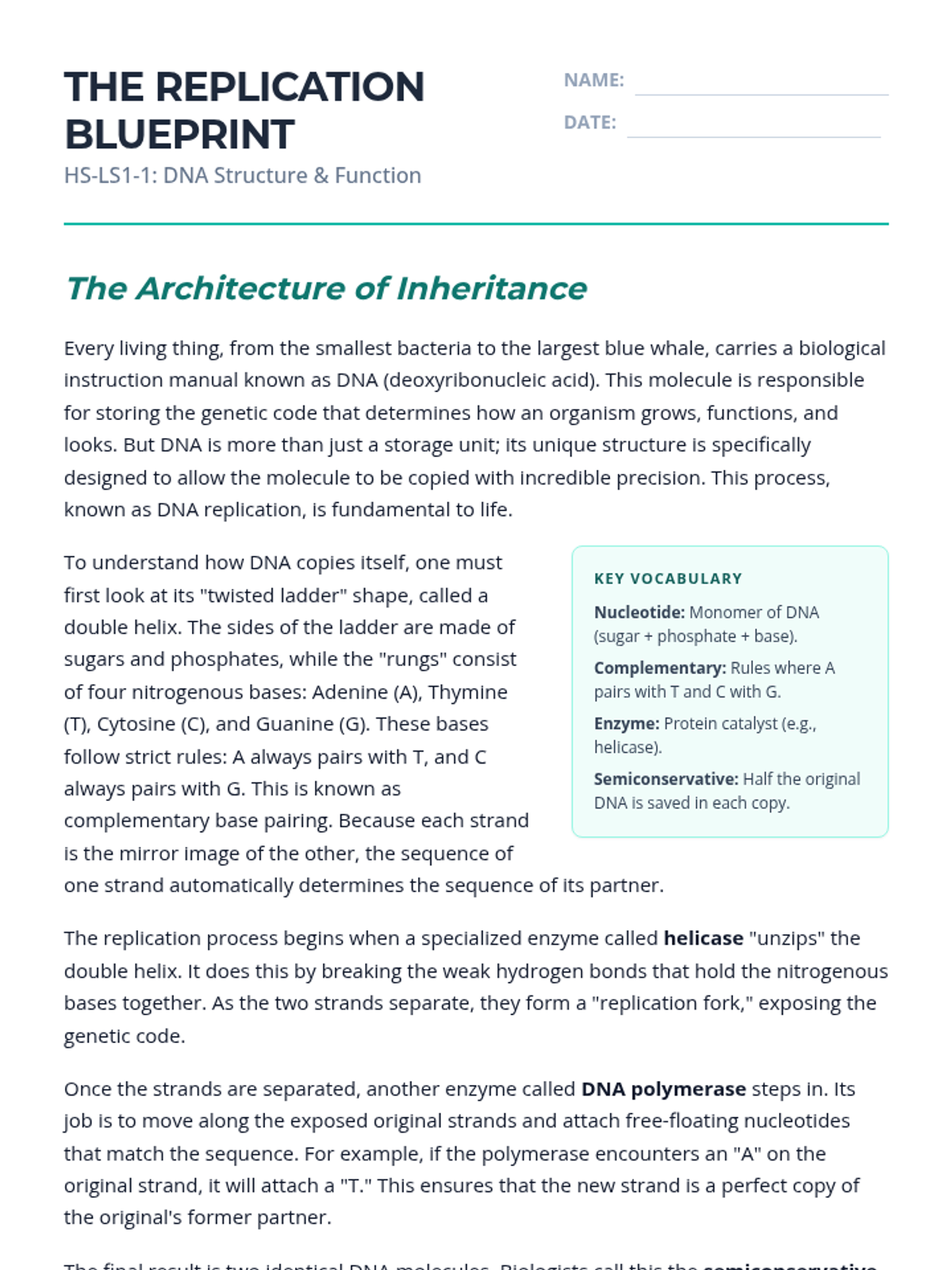
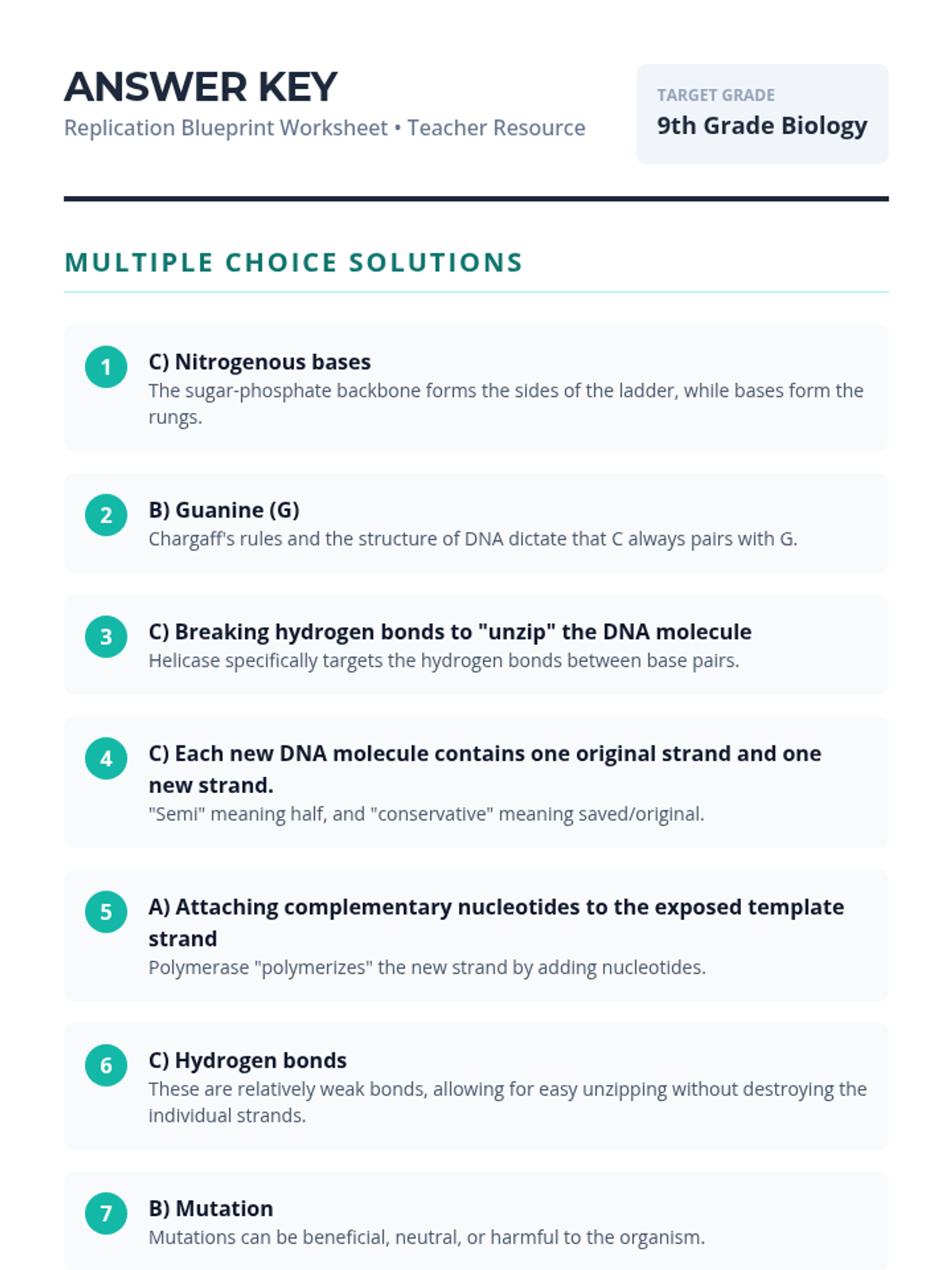
A comprehensive lesson on DNA replication, focusing on how the structure of DNA allows for precise copying of genetic information to support life functions and protein synthesis.
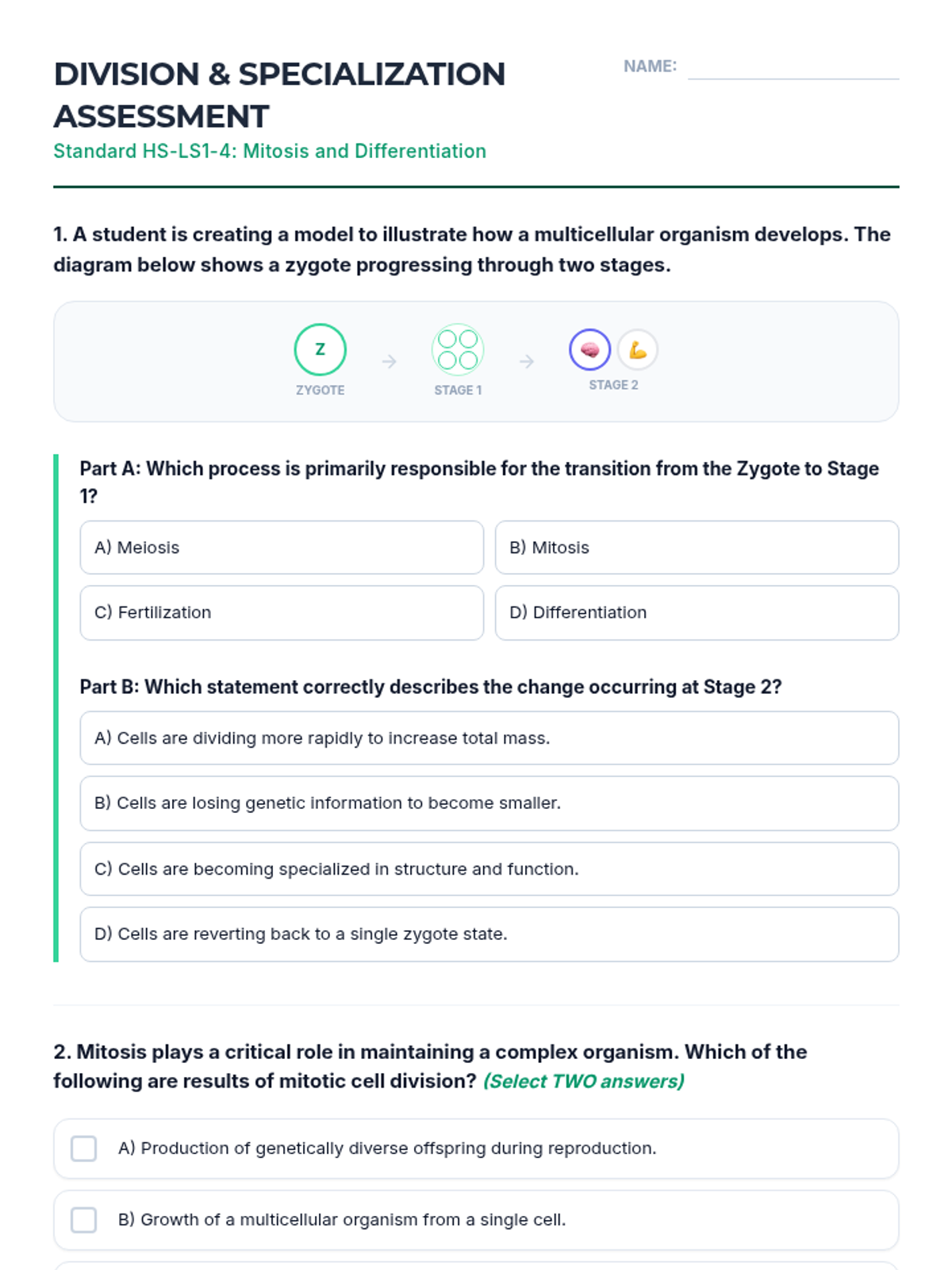
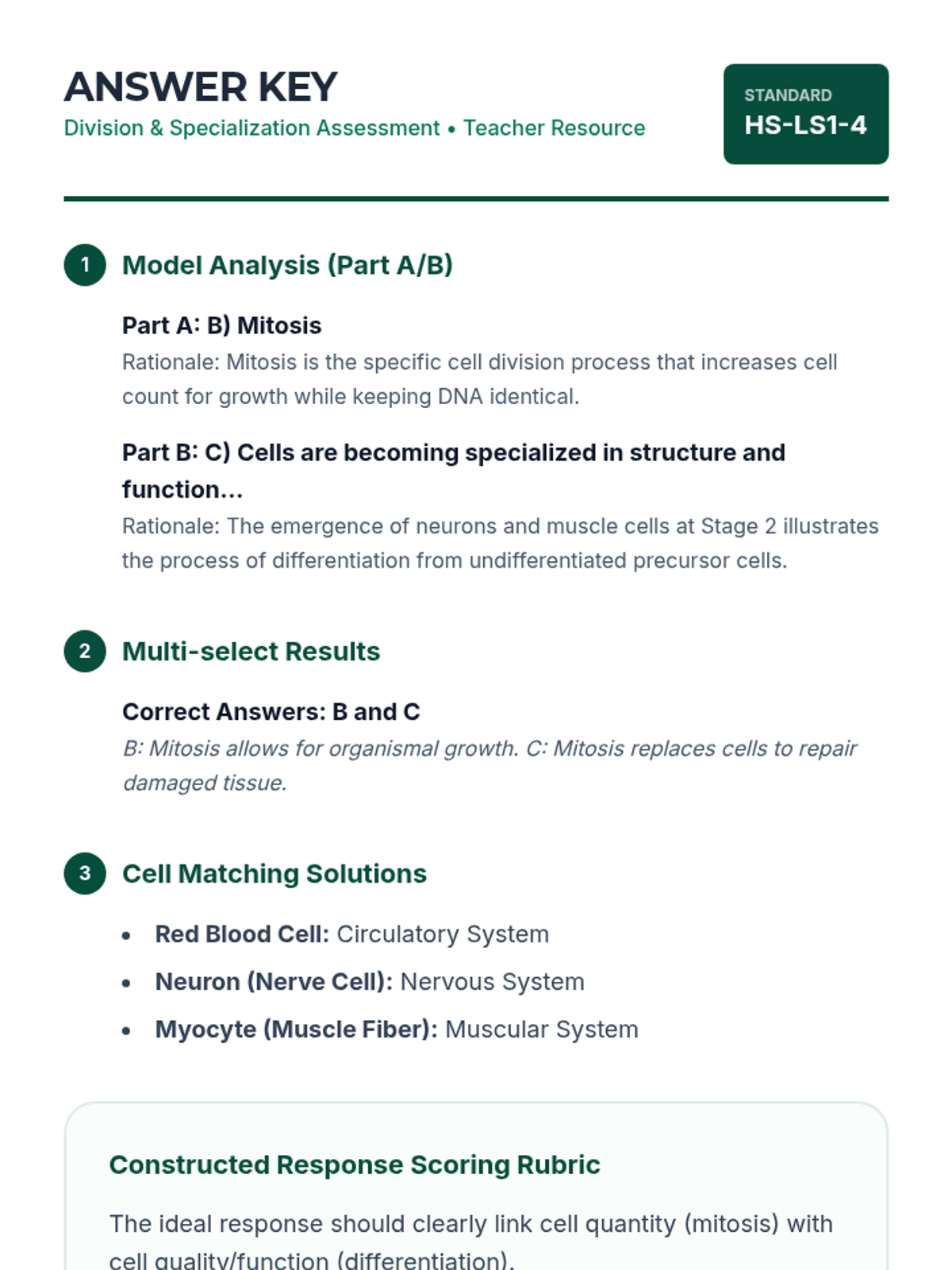
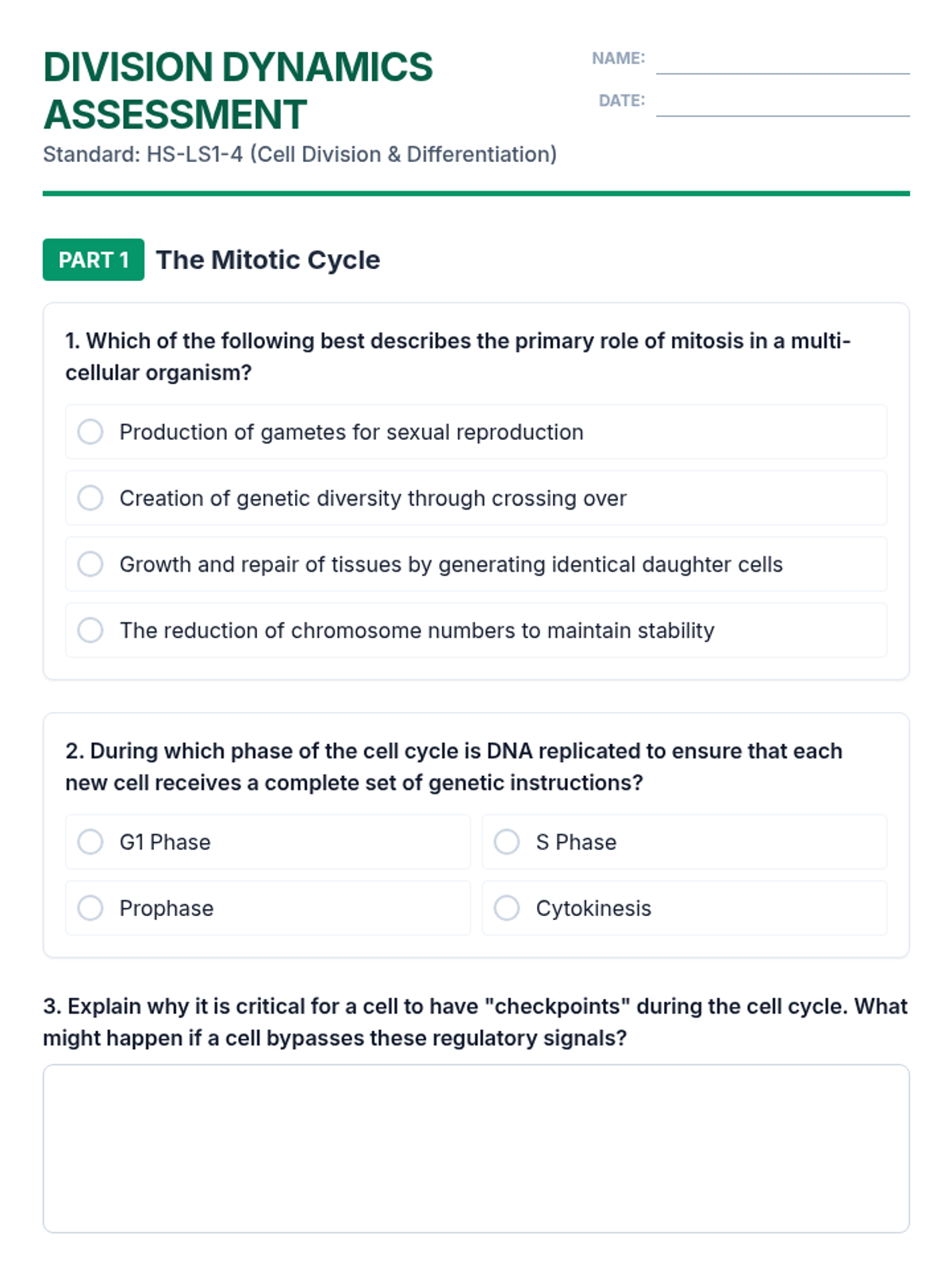
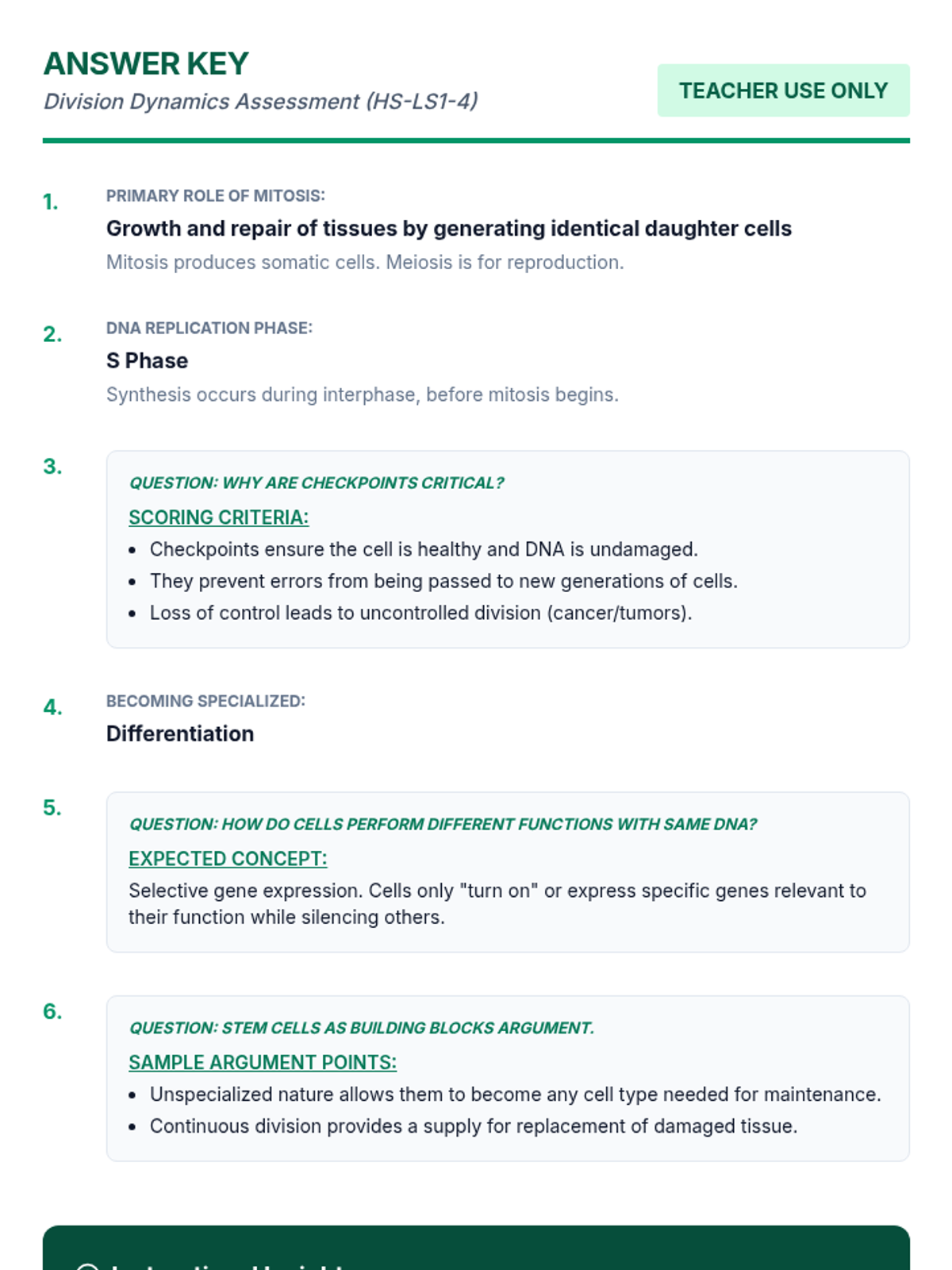
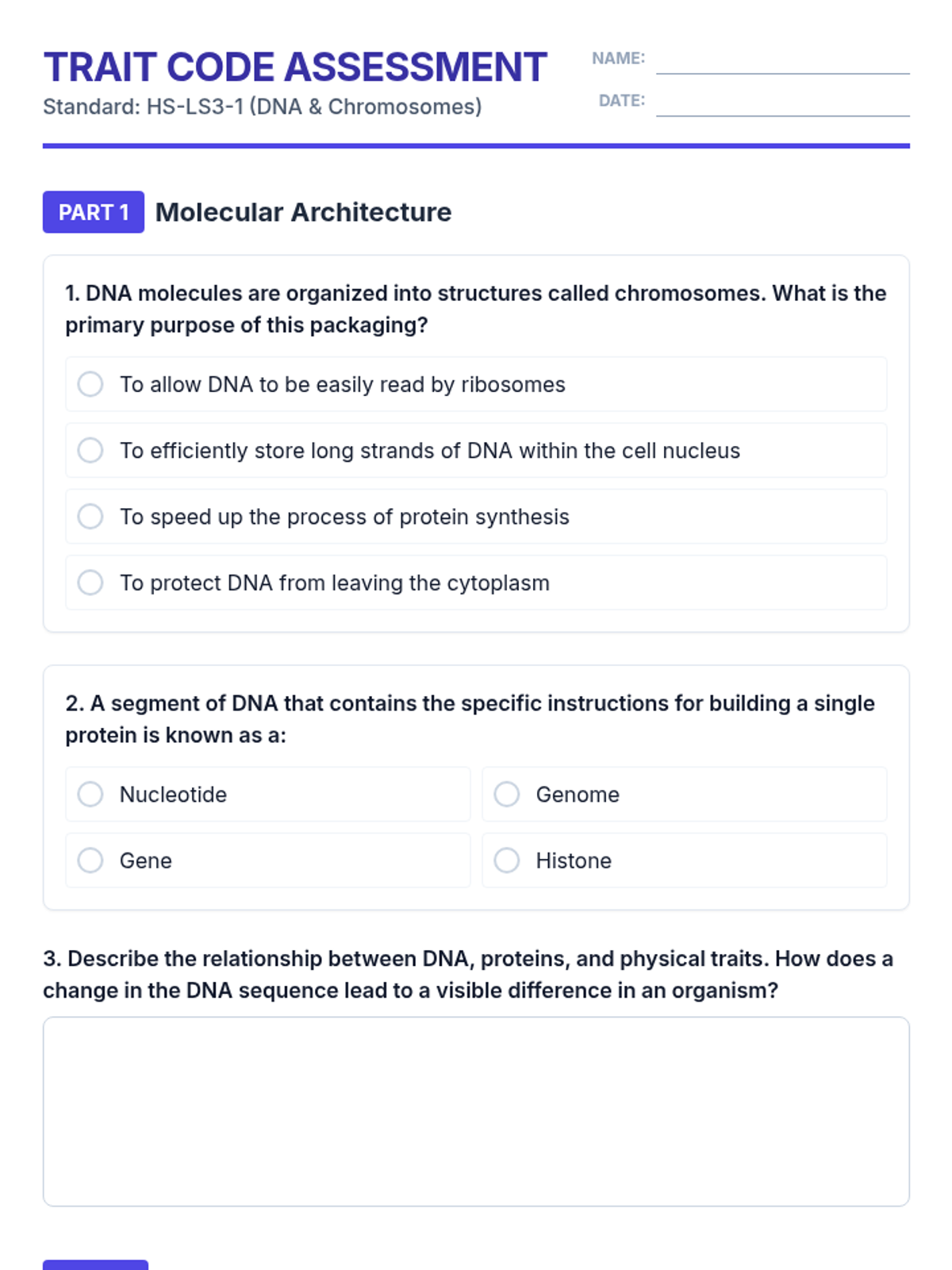
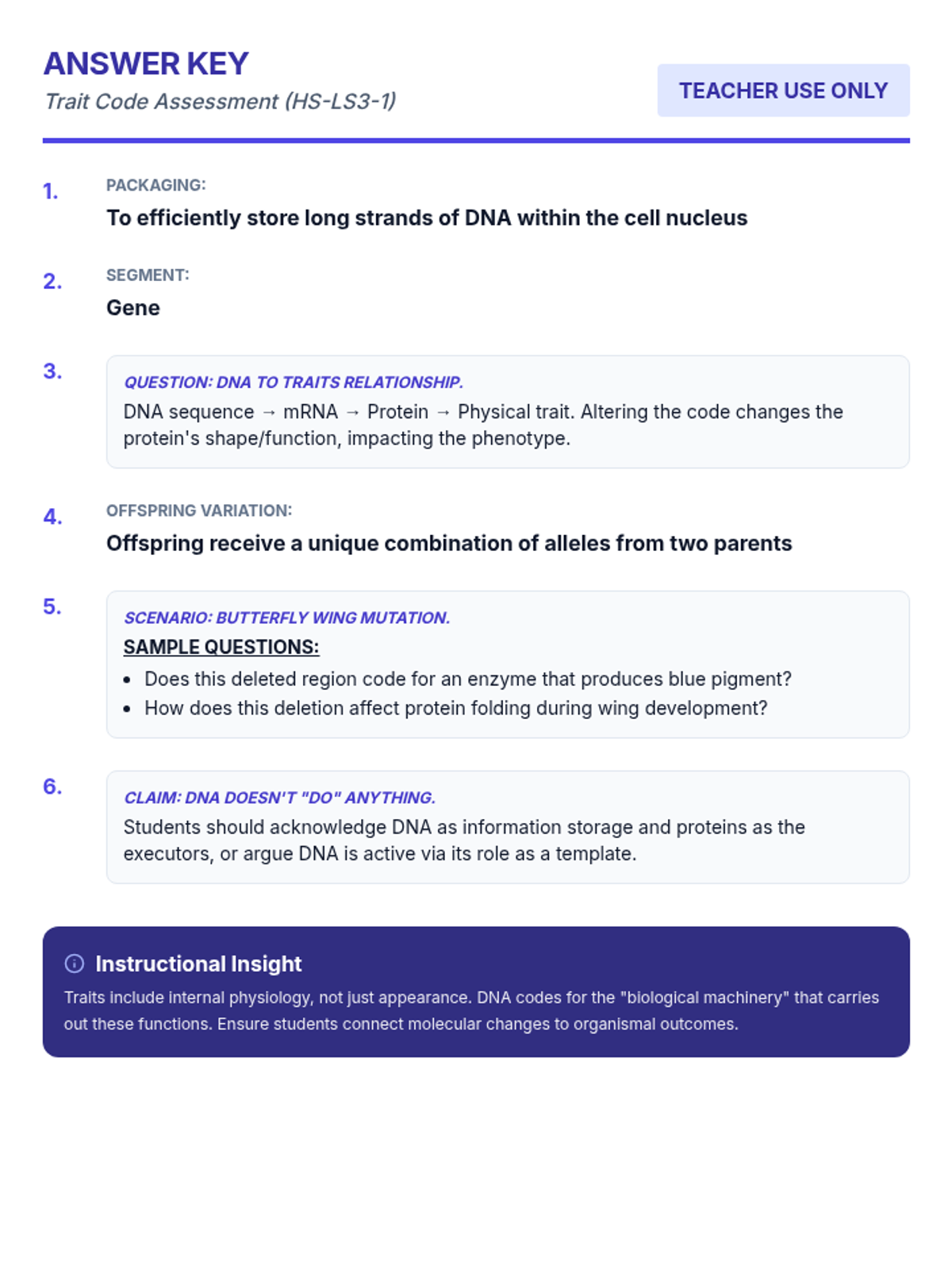
A focused assessment set covering NGSS standards HS-LS1-4 (Cell Division and Differentiation) and HS-LS3-1 (DNA and Chromosomes). These materials provide rigorous, structured evaluation of student understanding of biological blueprints and life cycles.
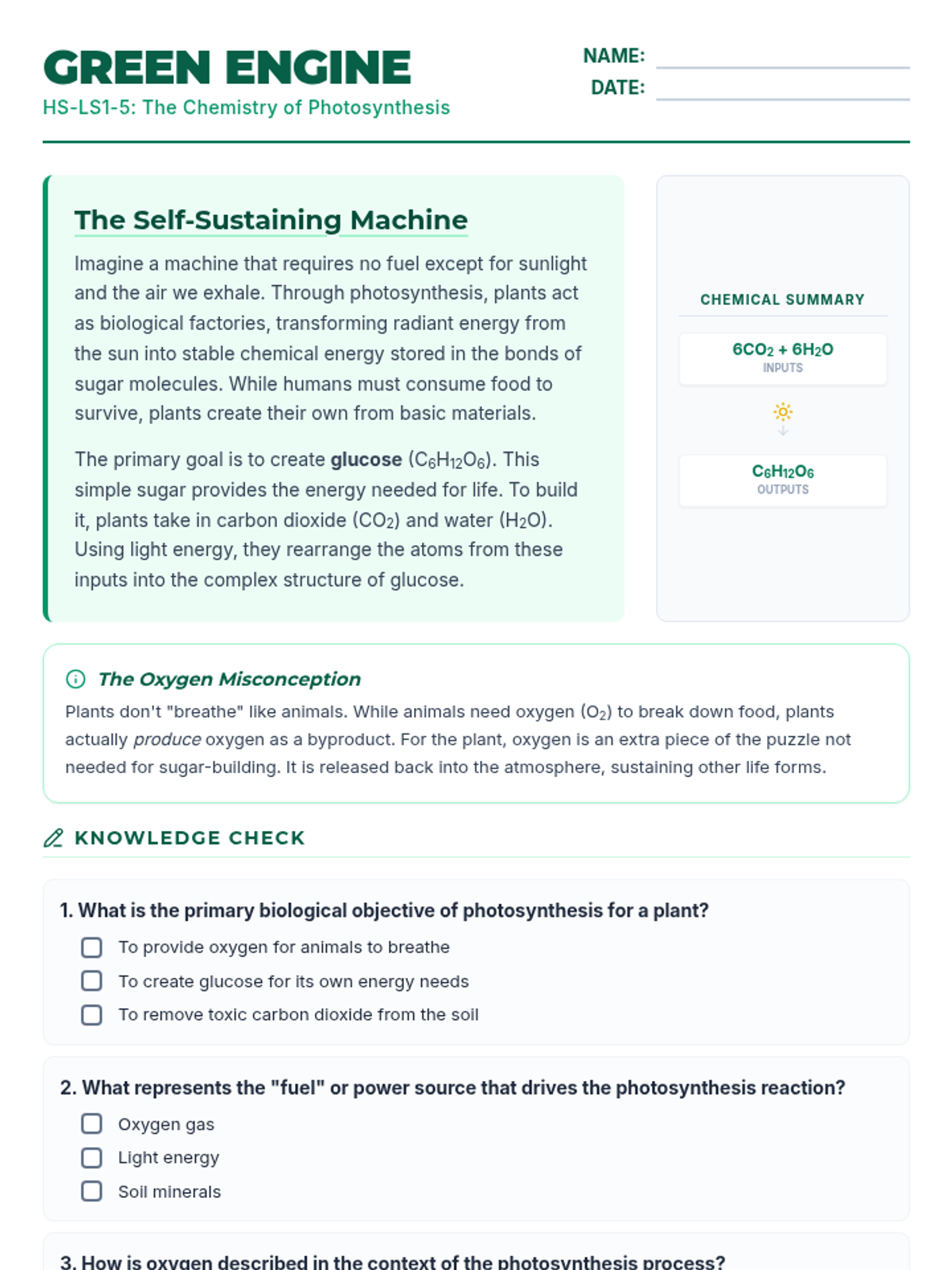
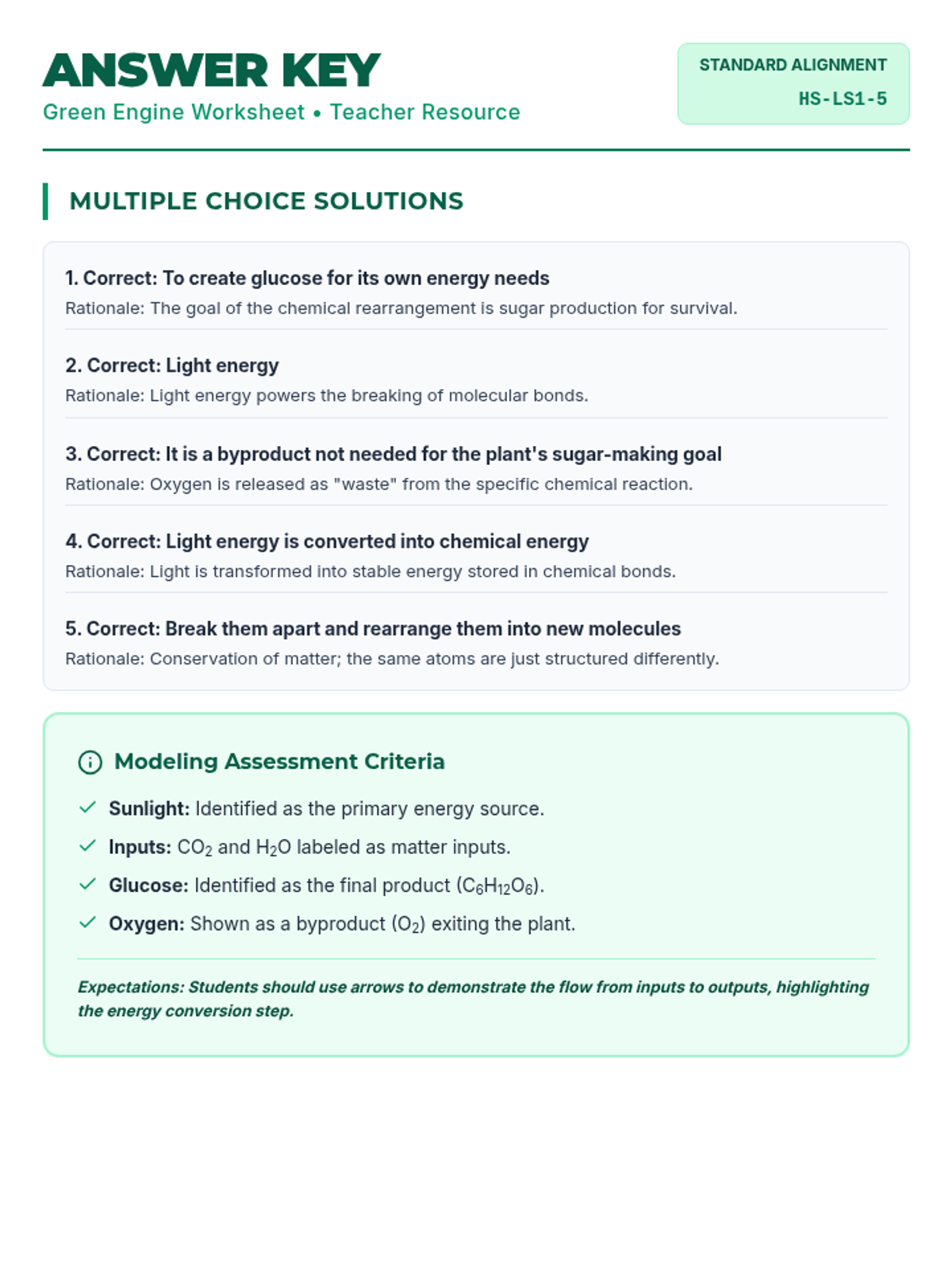
This lesson focuses on the chemical transformation of light energy into glucose through photosynthesis, emphasizing that plants are self-sustaining producers that generate oxygen as a byproduct. Students will analyze the relationship between inputs (CO2, H2O, light) and outputs (Glucose, O2) to understand the fundamental energy cycle of life.
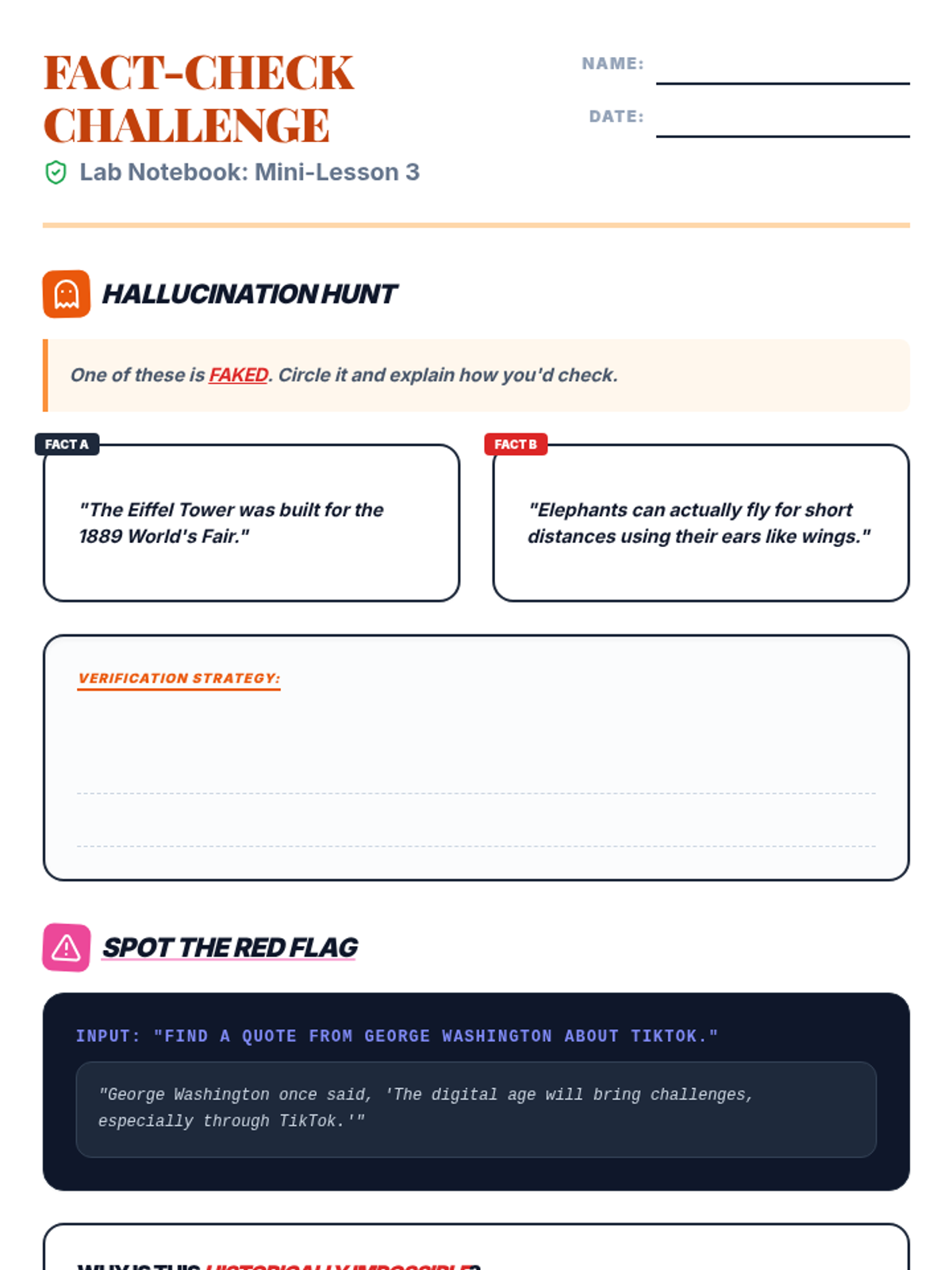
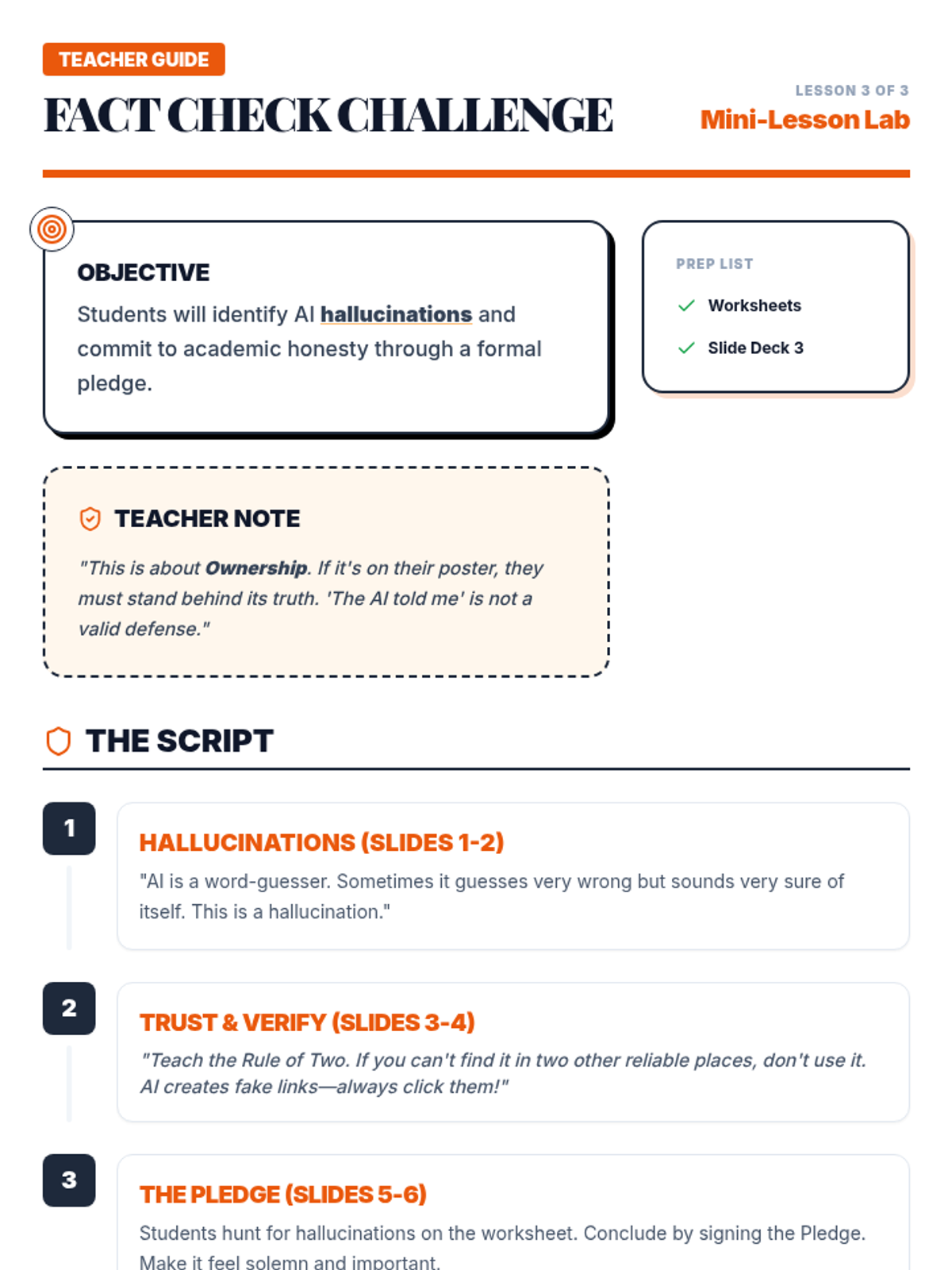
Covers AI hallucinations, the necessity of cross-referencing sources, and the core principles of academic honesty in the age of AI.
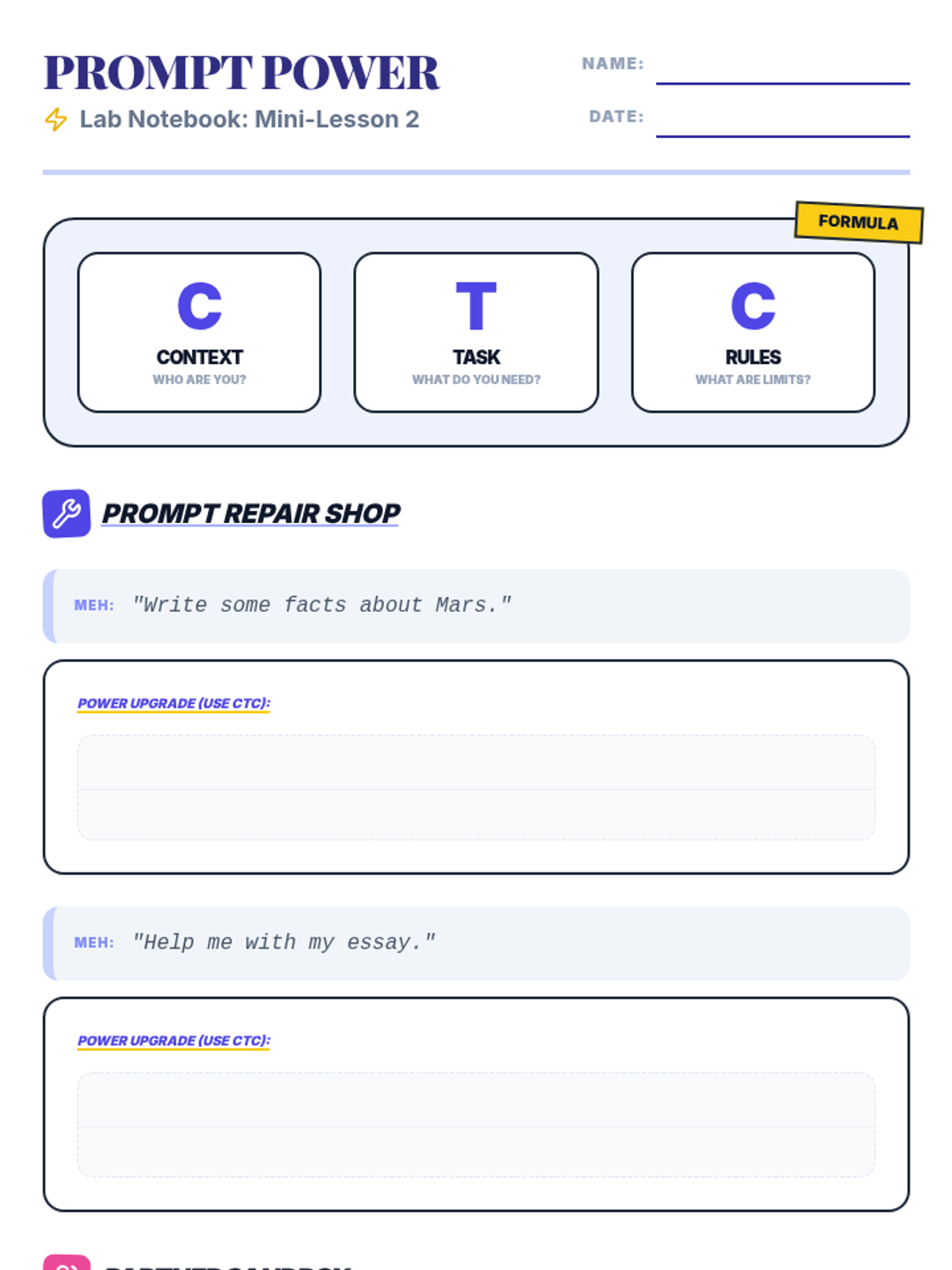
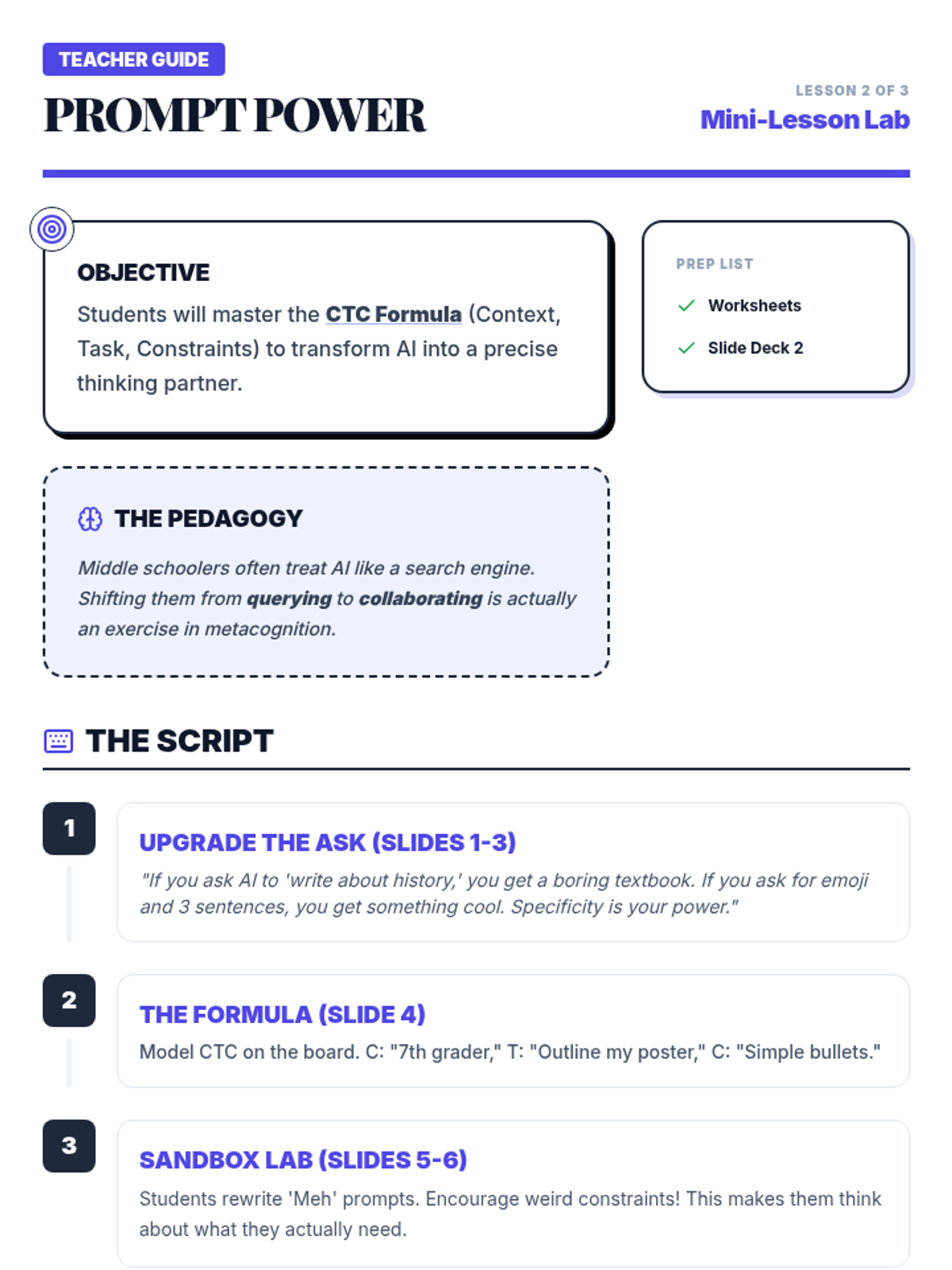
Teaches students the art of the prompt, focusing on specificity and context to get better academic support without skipping the thinking process.
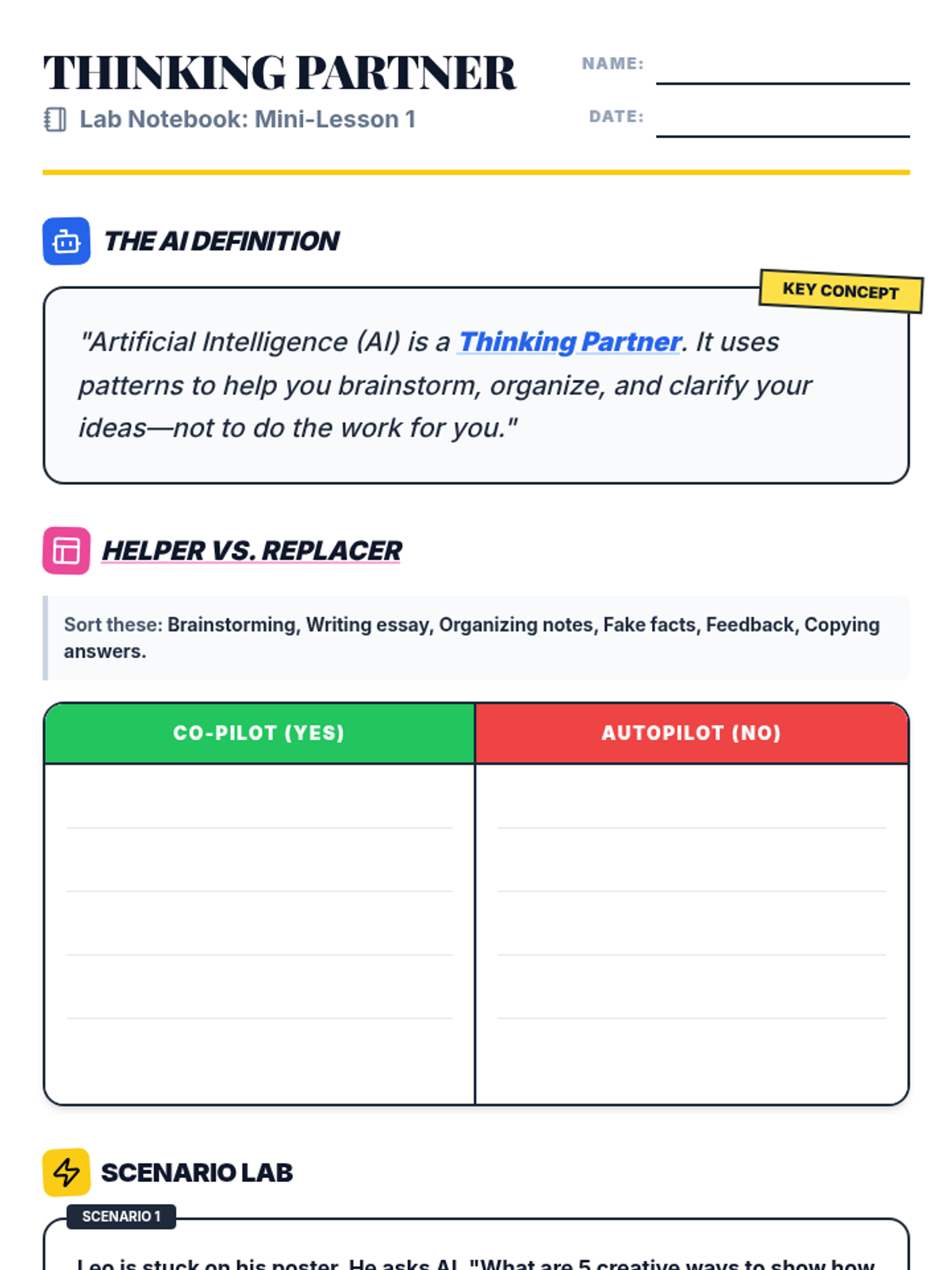
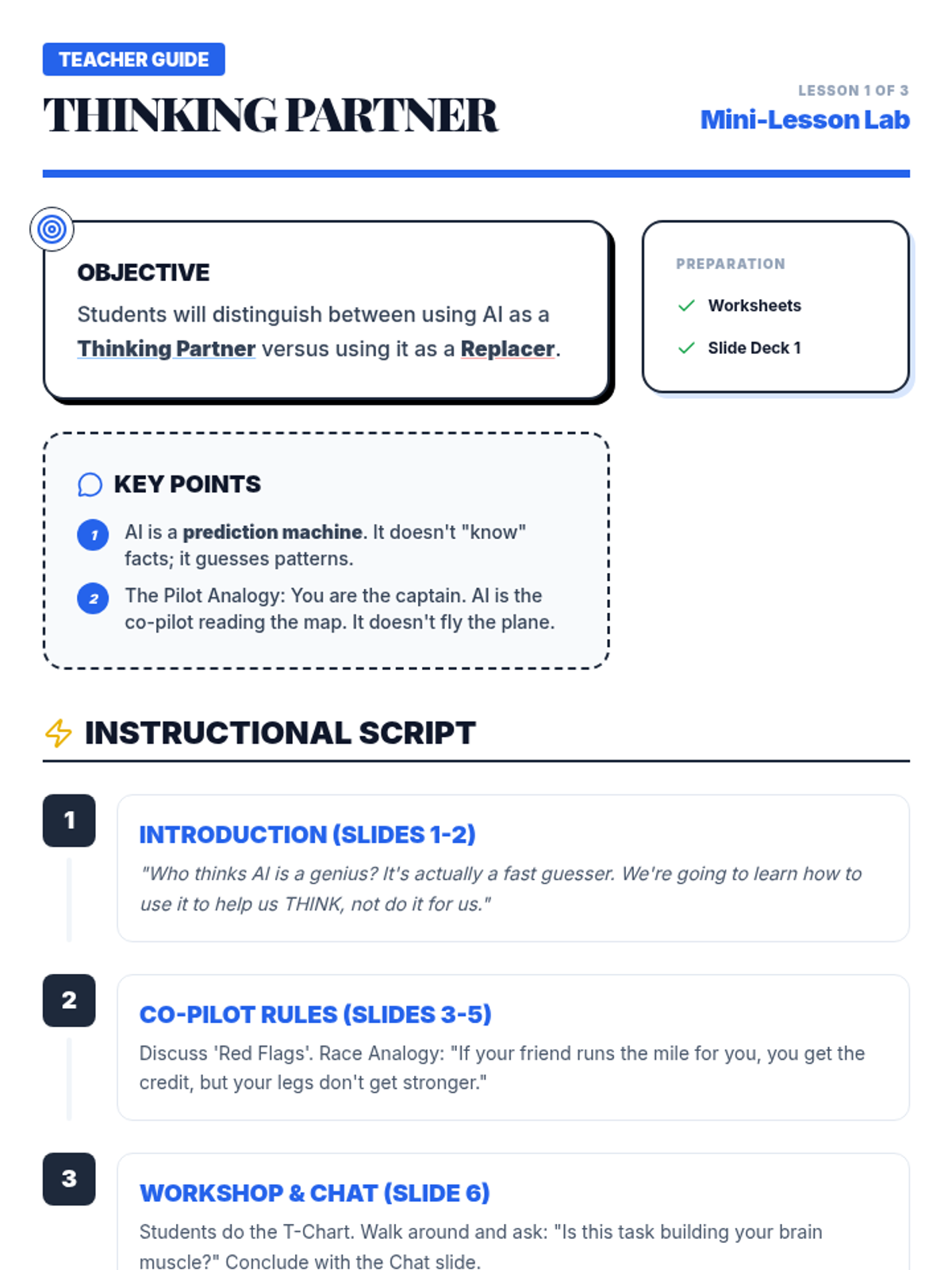
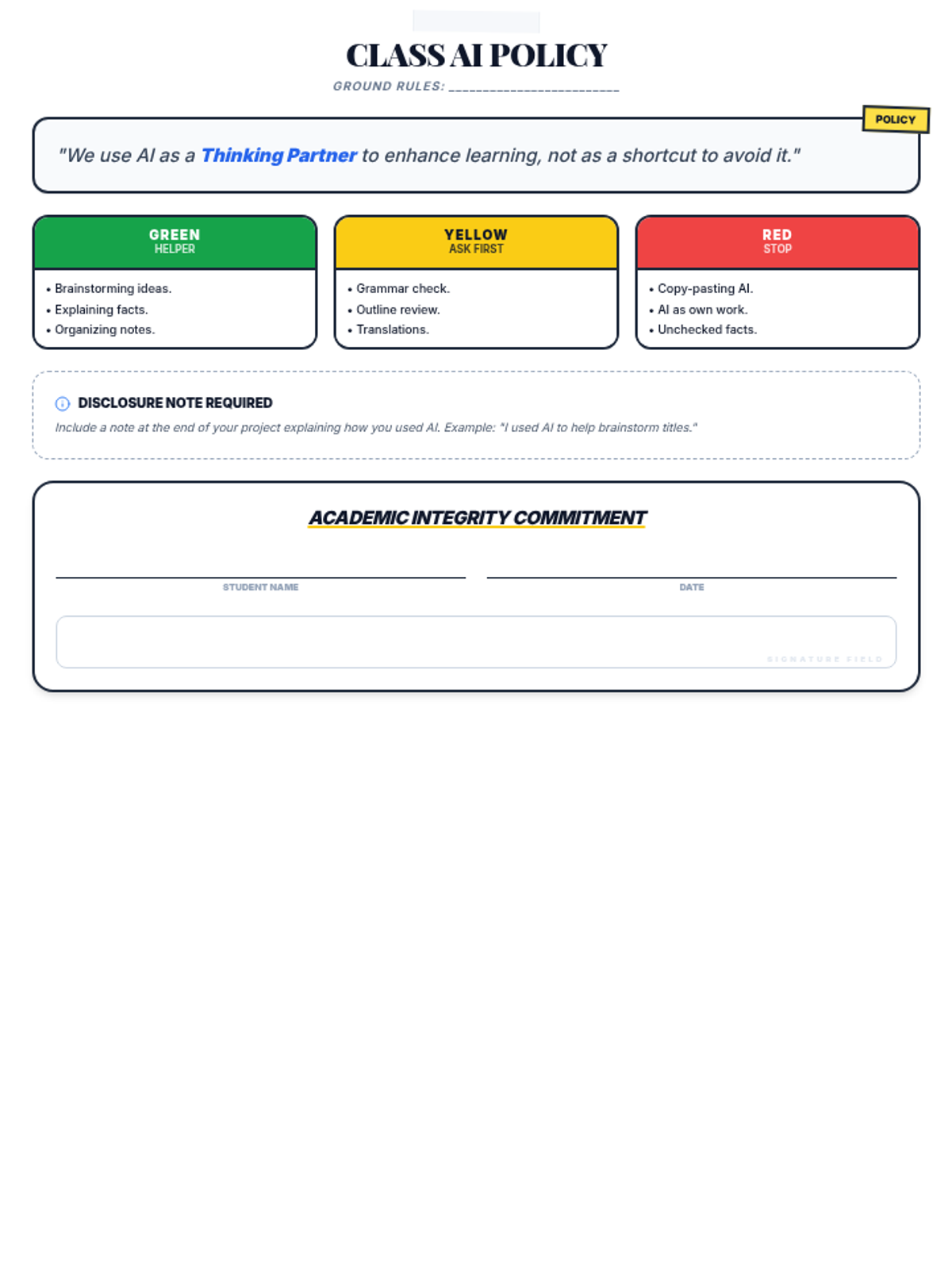
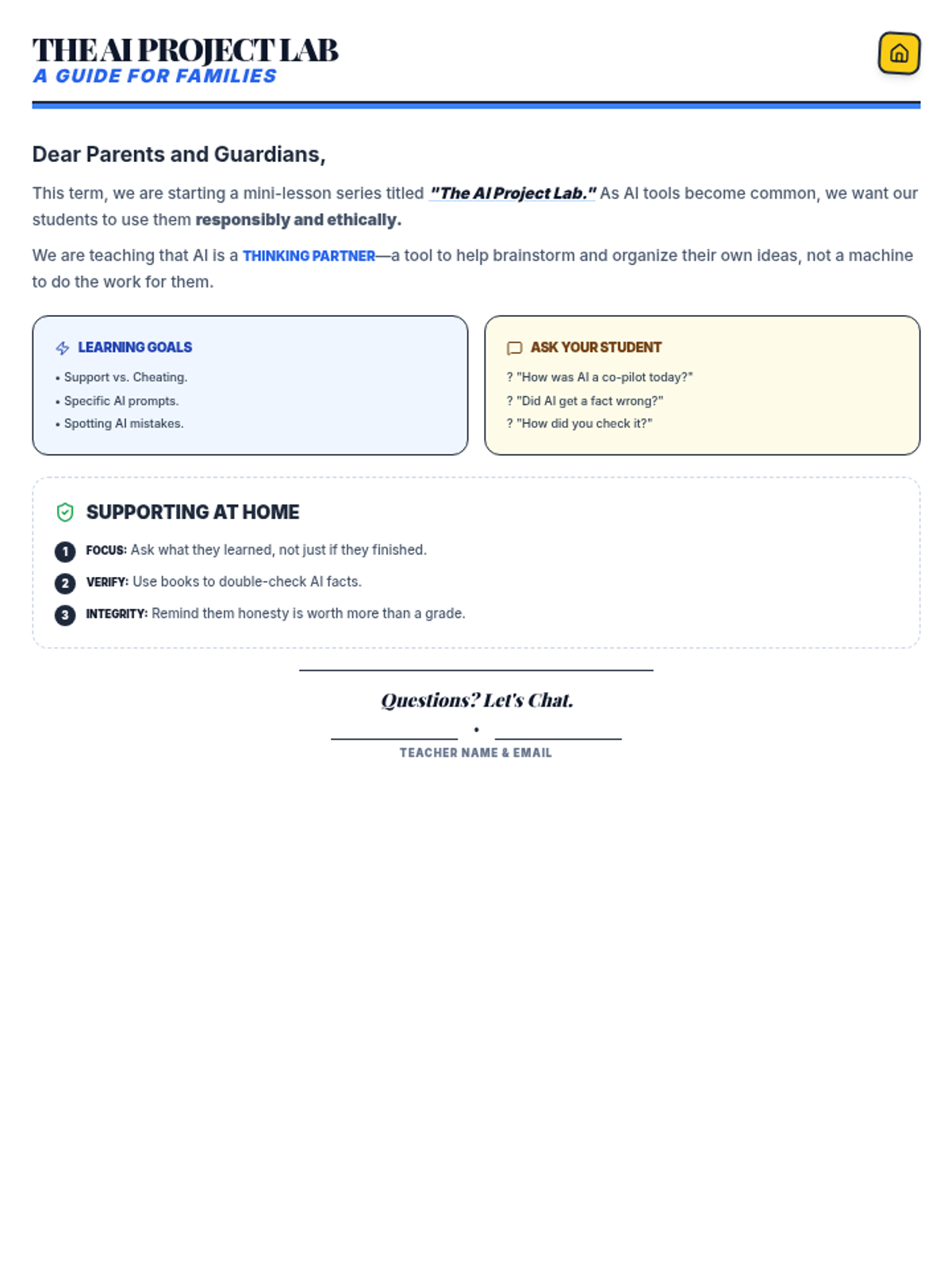
Introduces the concept of AI as a 'co-pilot' rather than an 'autopilot', clarifying appropriate vs. inappropriate use cases for school projects.