A lesson focused on identifying and using multisyllabic words with common Latin-based suffixes like -al, -ous, -cious, -tious, -cial, and -tial. Students will practice sorting academic vocabulary and applying words in context.

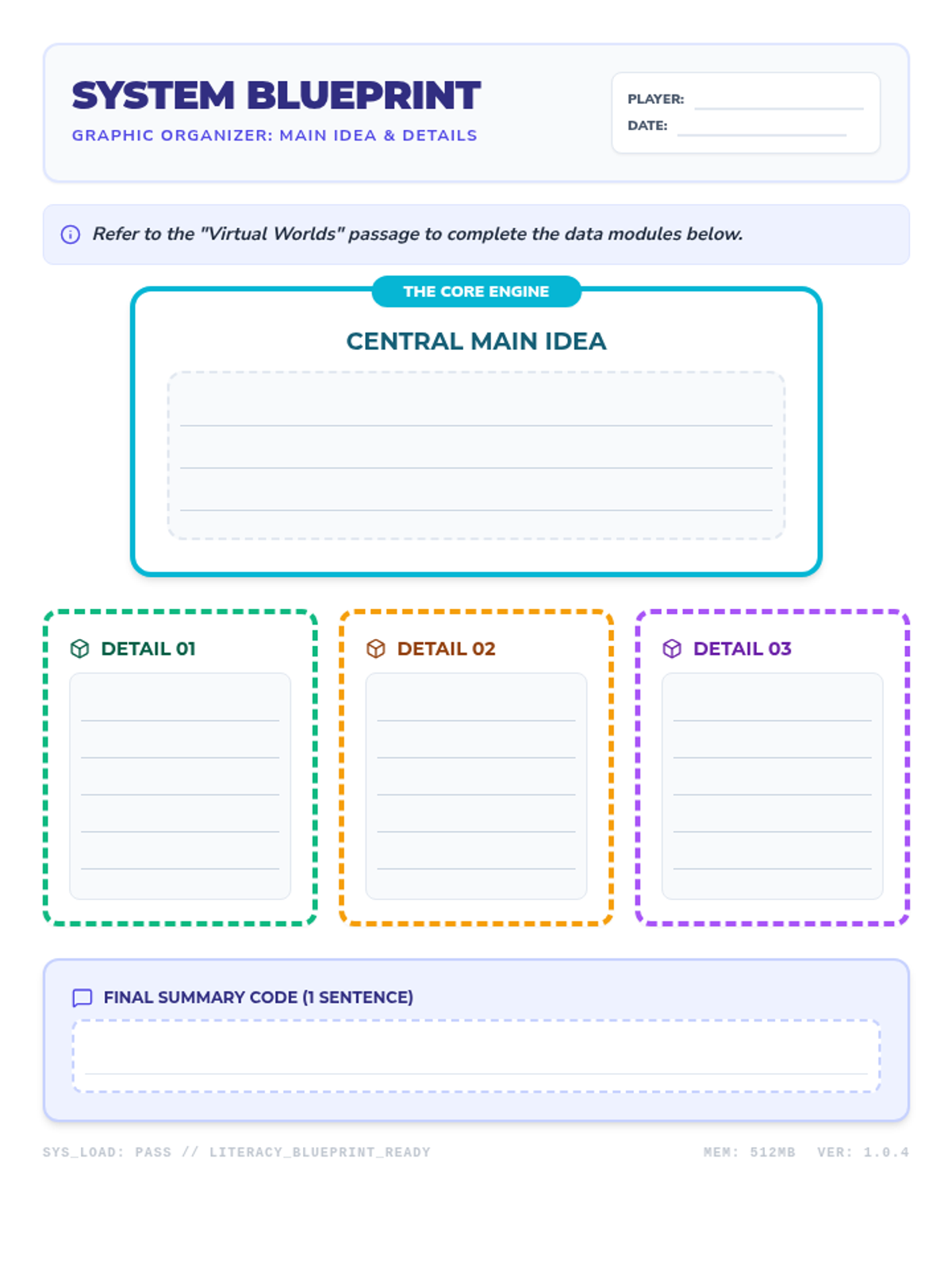
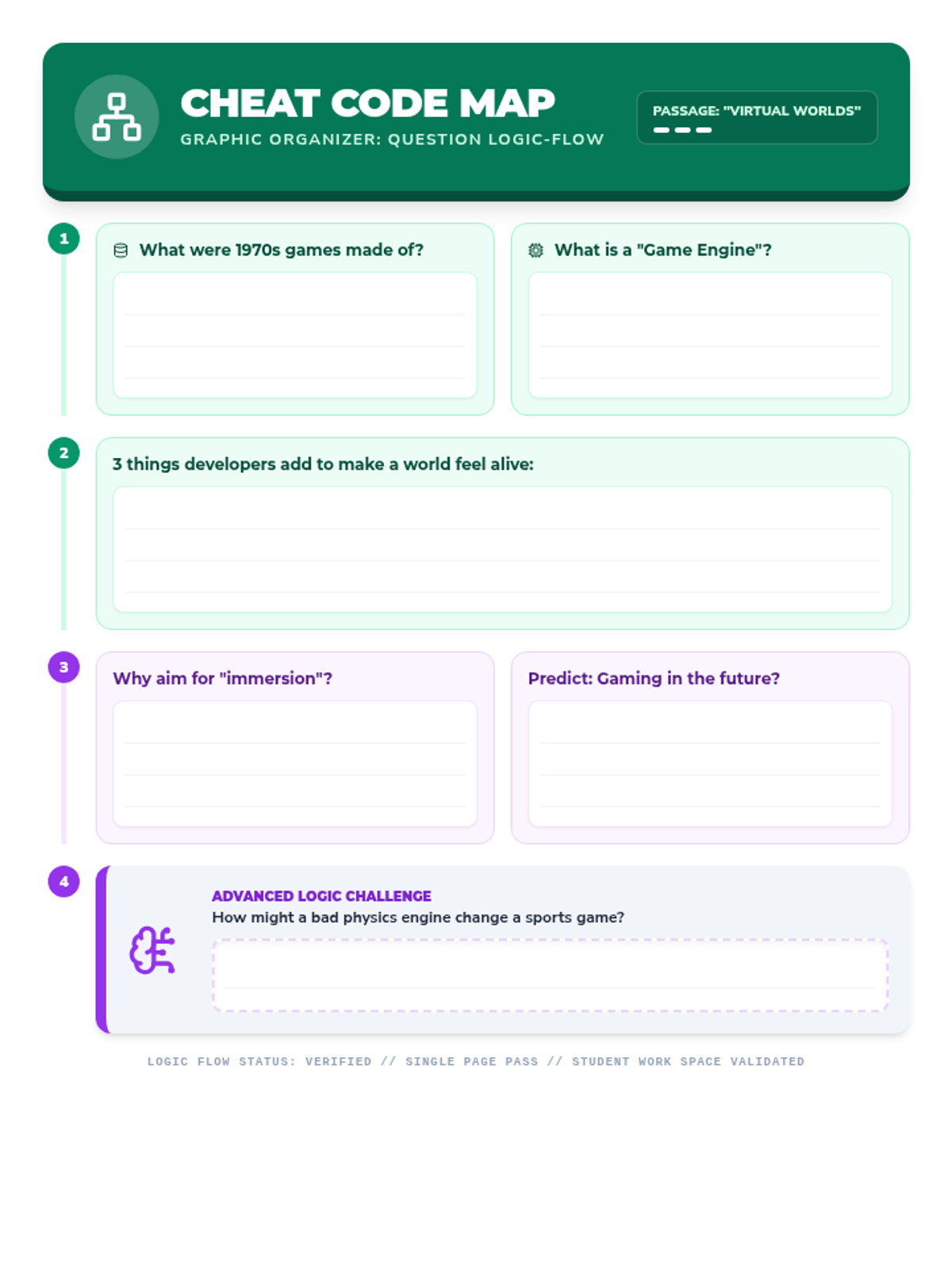
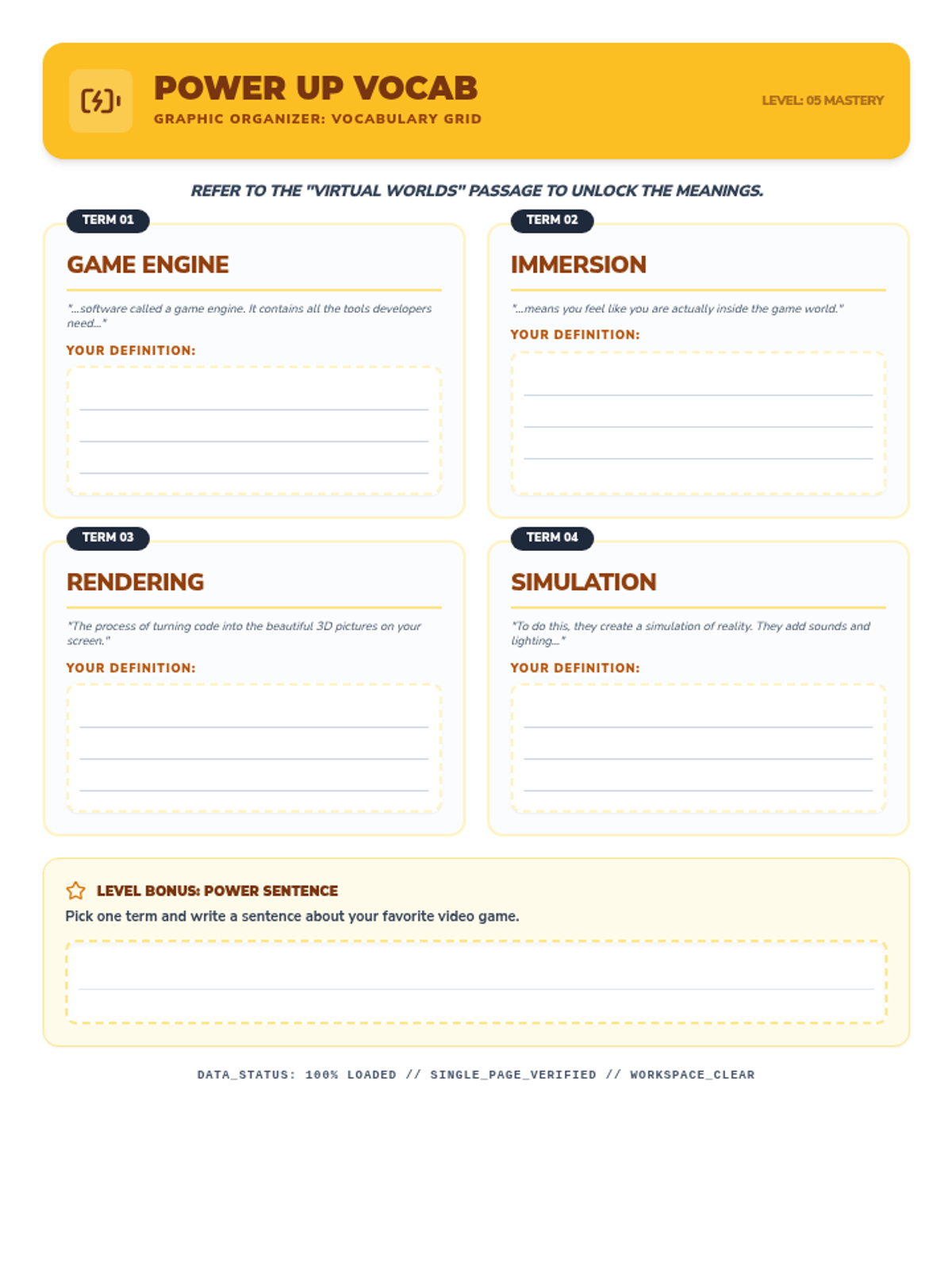
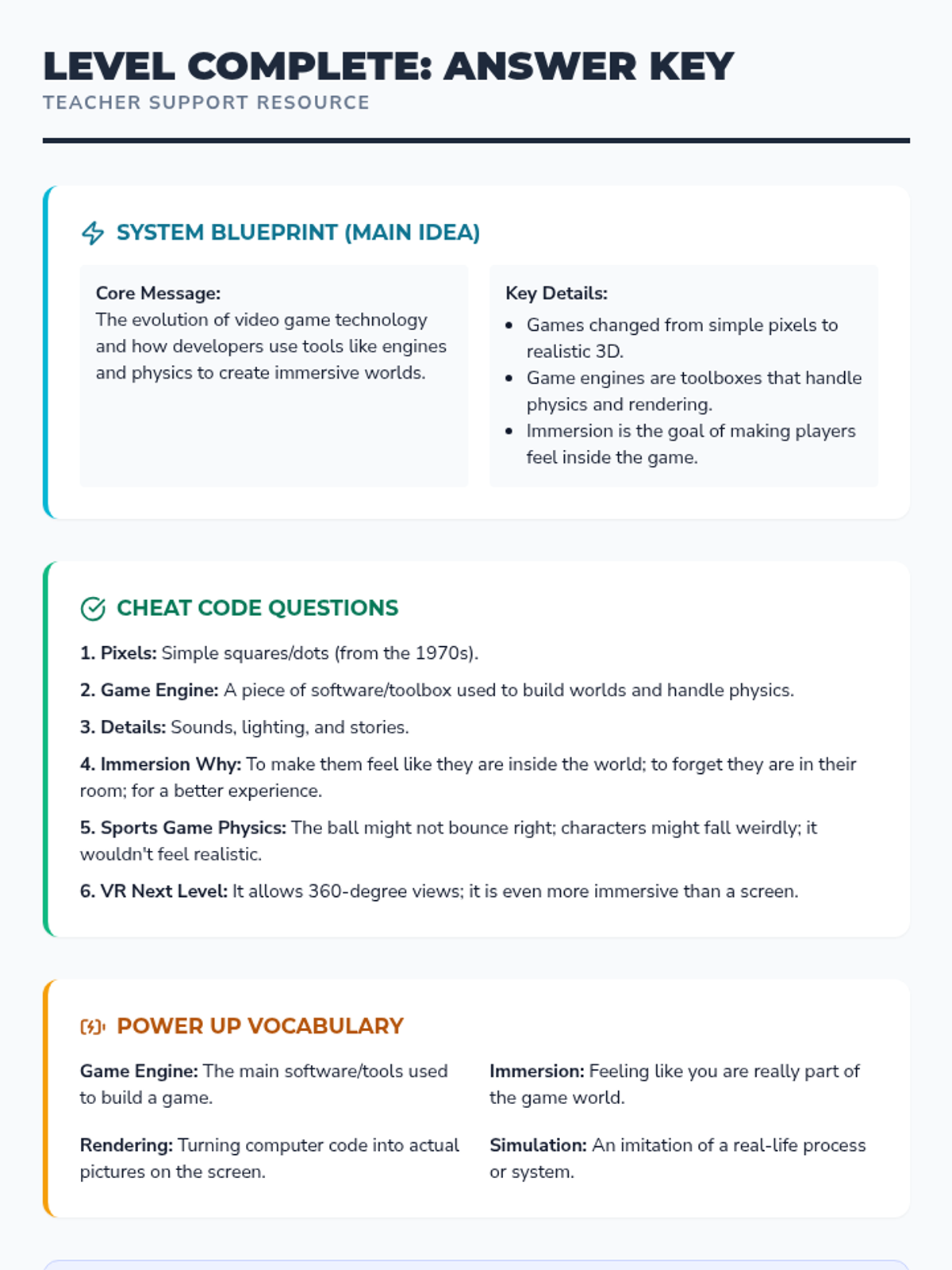
A comprehensive graphic organizer set designed for middle school students reading at a 5th-grade level. The lesson focuses on informational text comprehension through the lens of video game development, covering main ideas, vocabulary, and questioning.
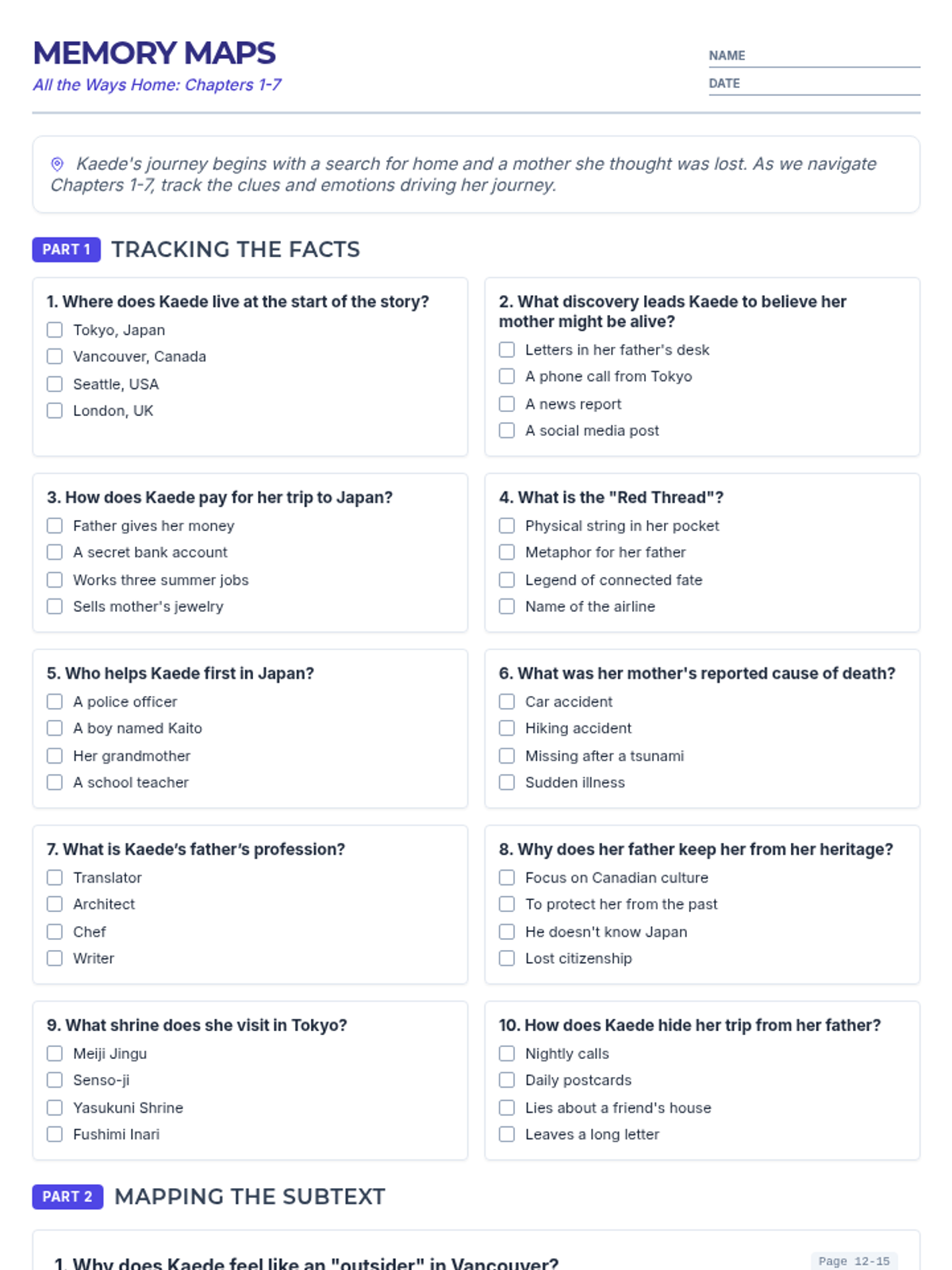
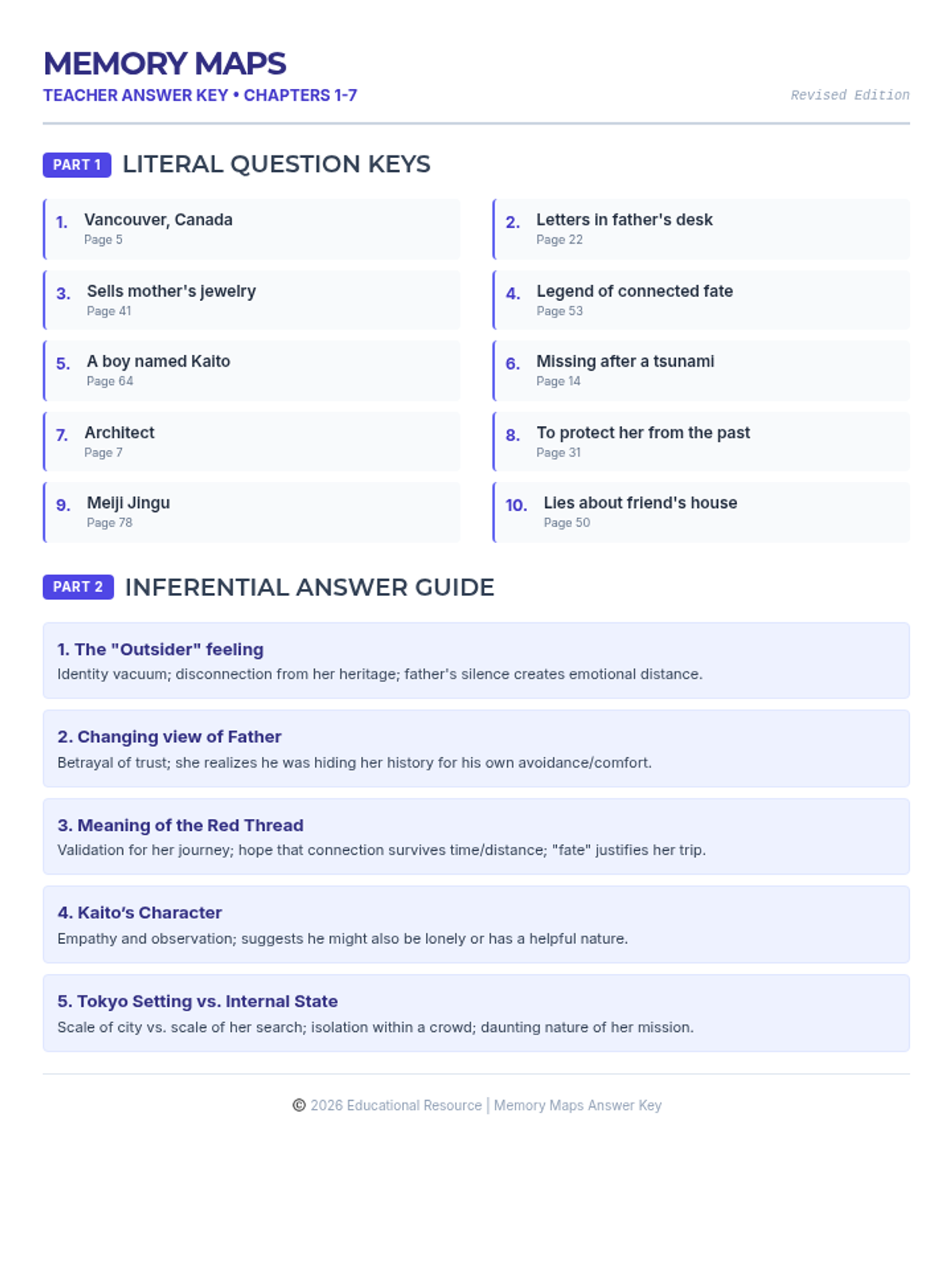
A study of the first seven chapters of Elsie Chapman's 'All the Ways Home', focusing on Kaede's journey, literal comprehension of plot details, and deep inferential analysis of character motivations.
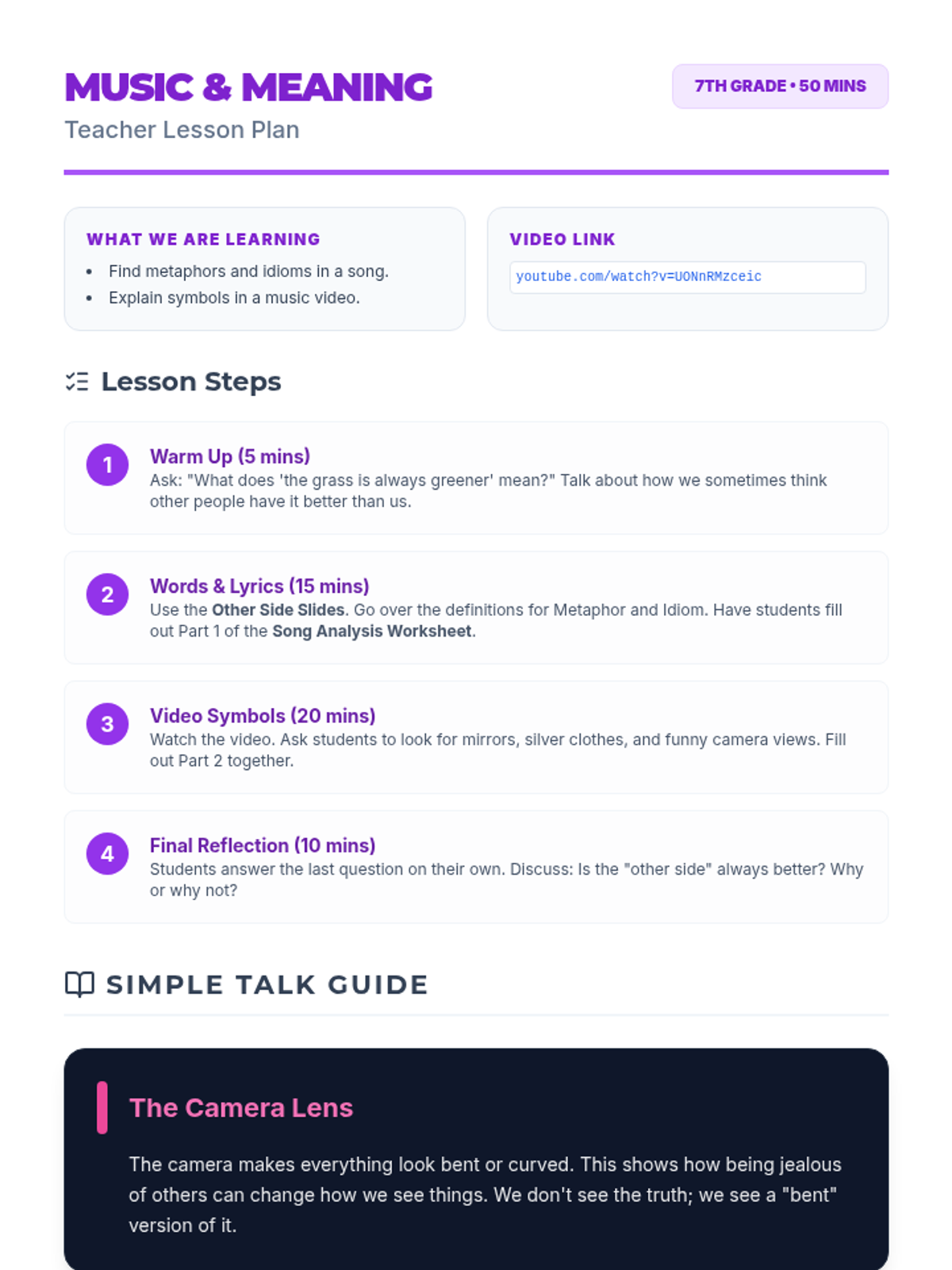
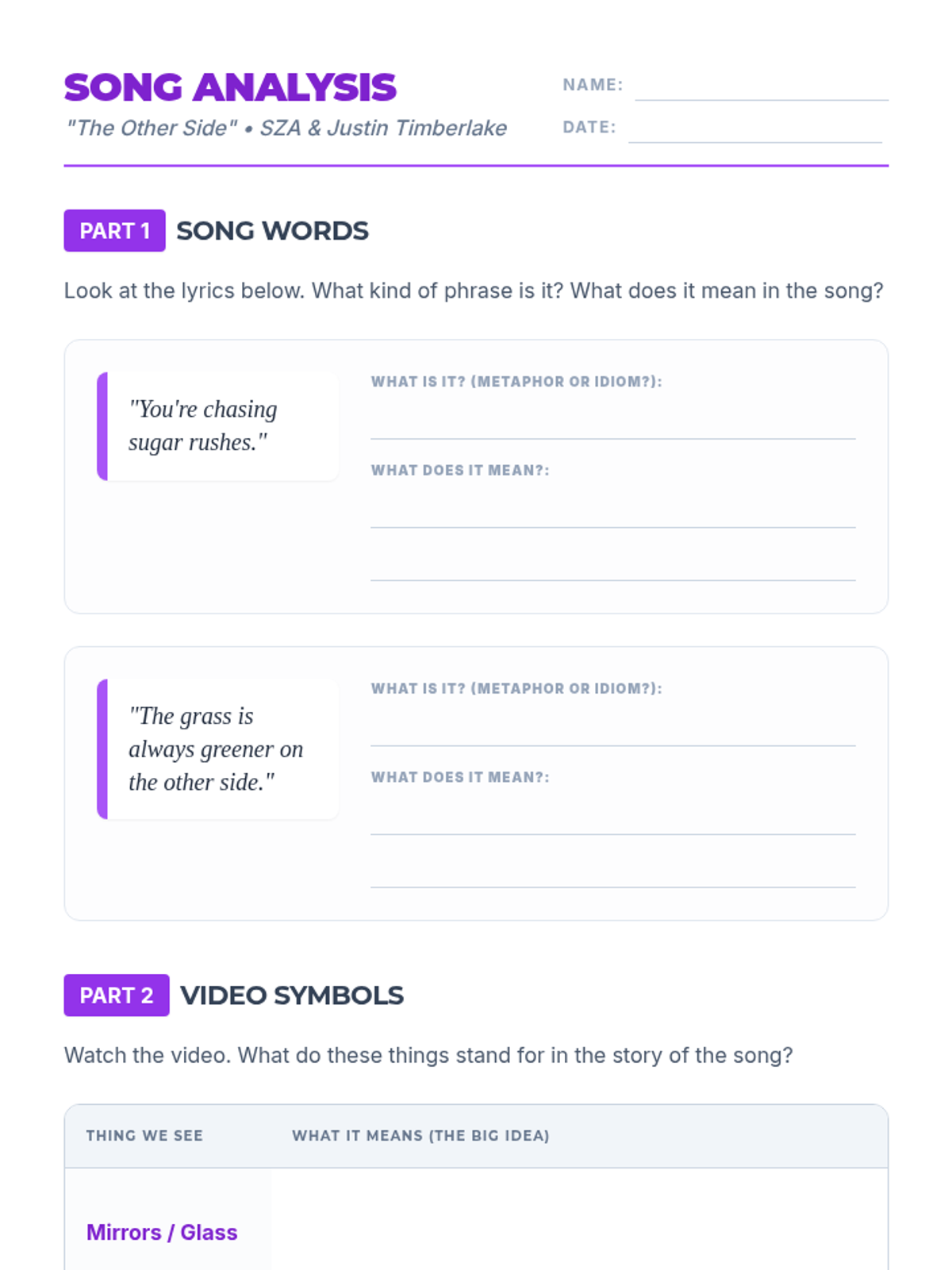
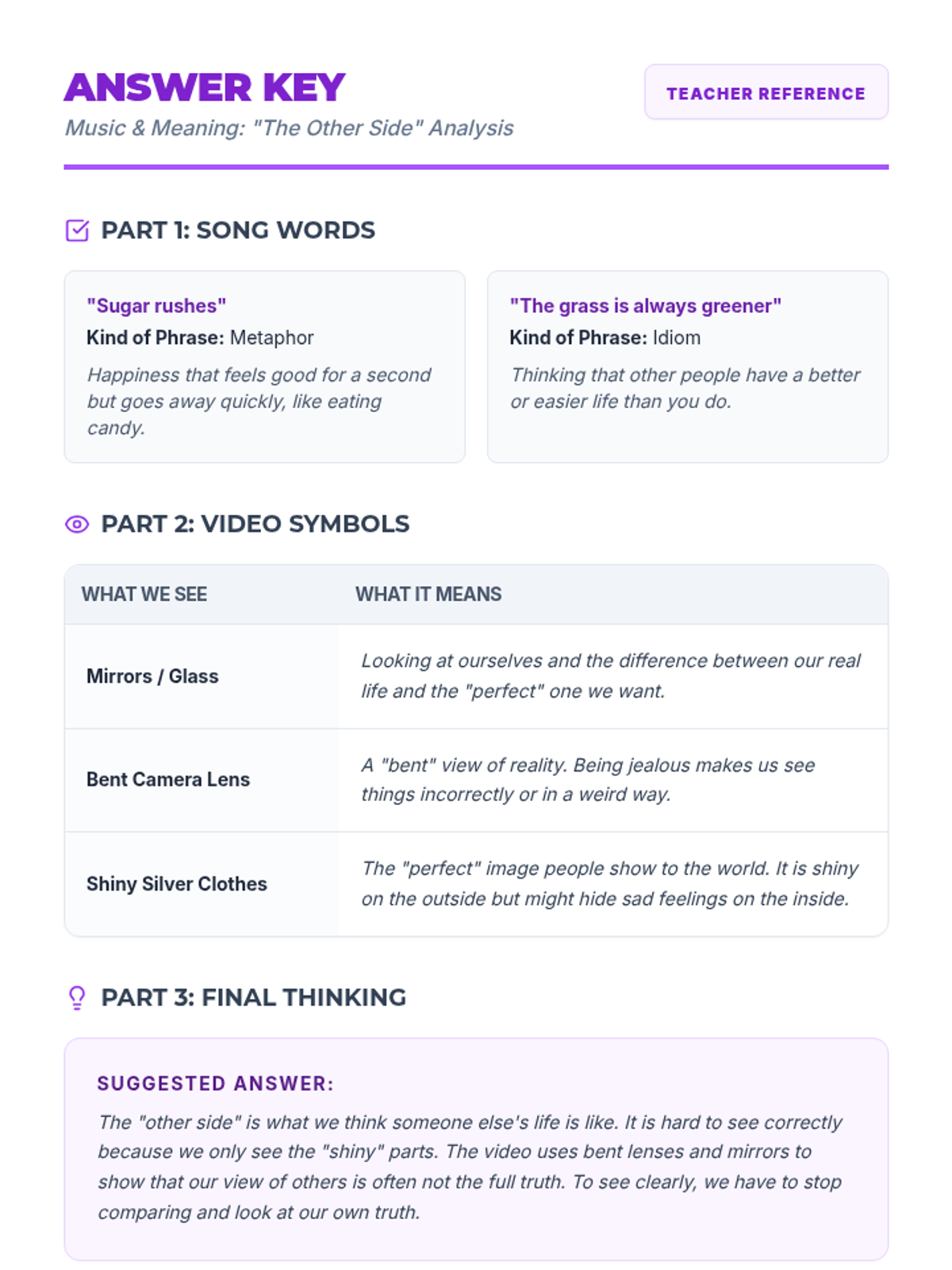
A lesson analyzing figurative language and visual symbolism in the song 'The Other Side' by SZA and Justin Timberlake. Students will explore central metaphors and how visual elements in media reinforce lyrical themes.
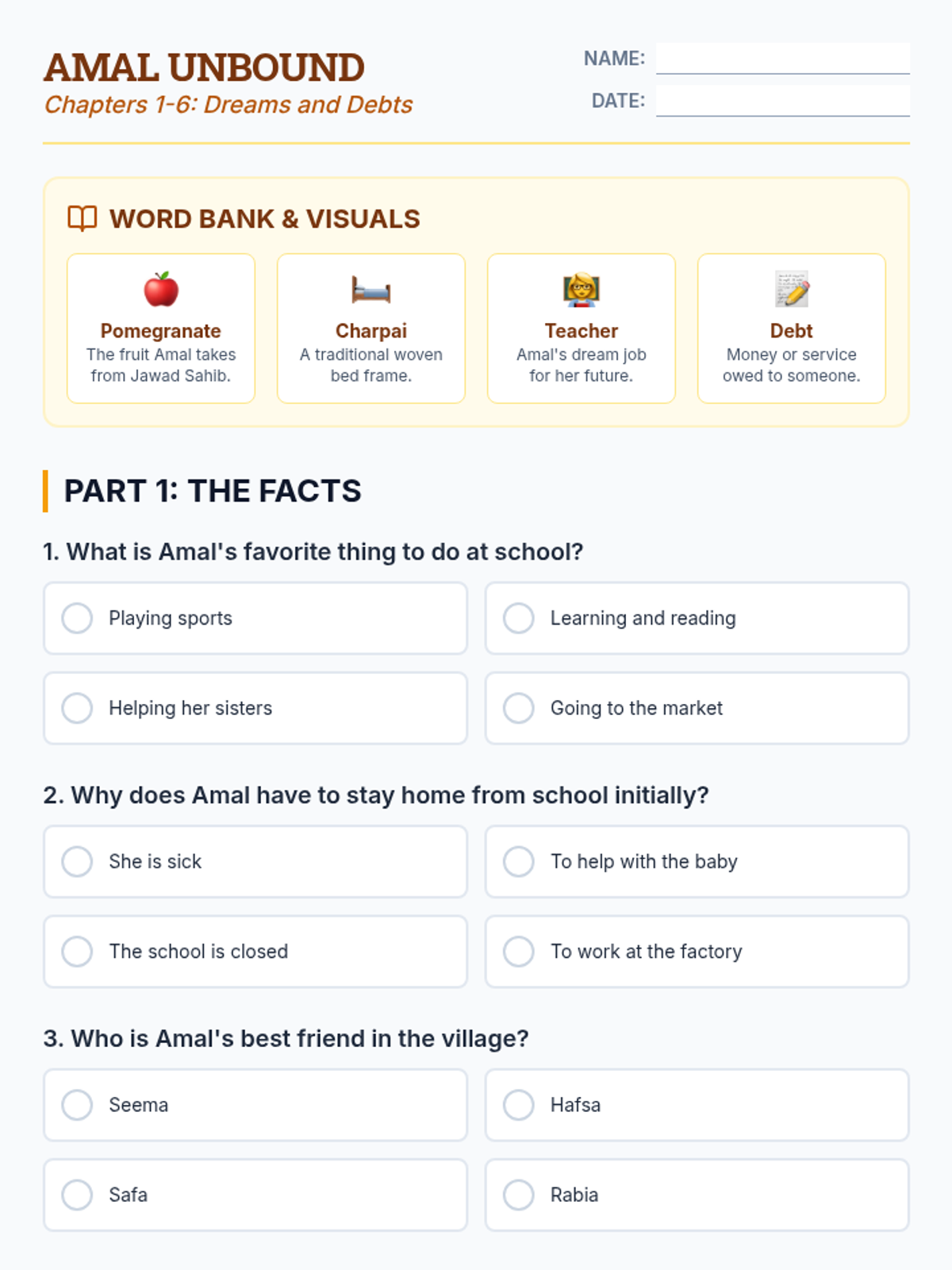
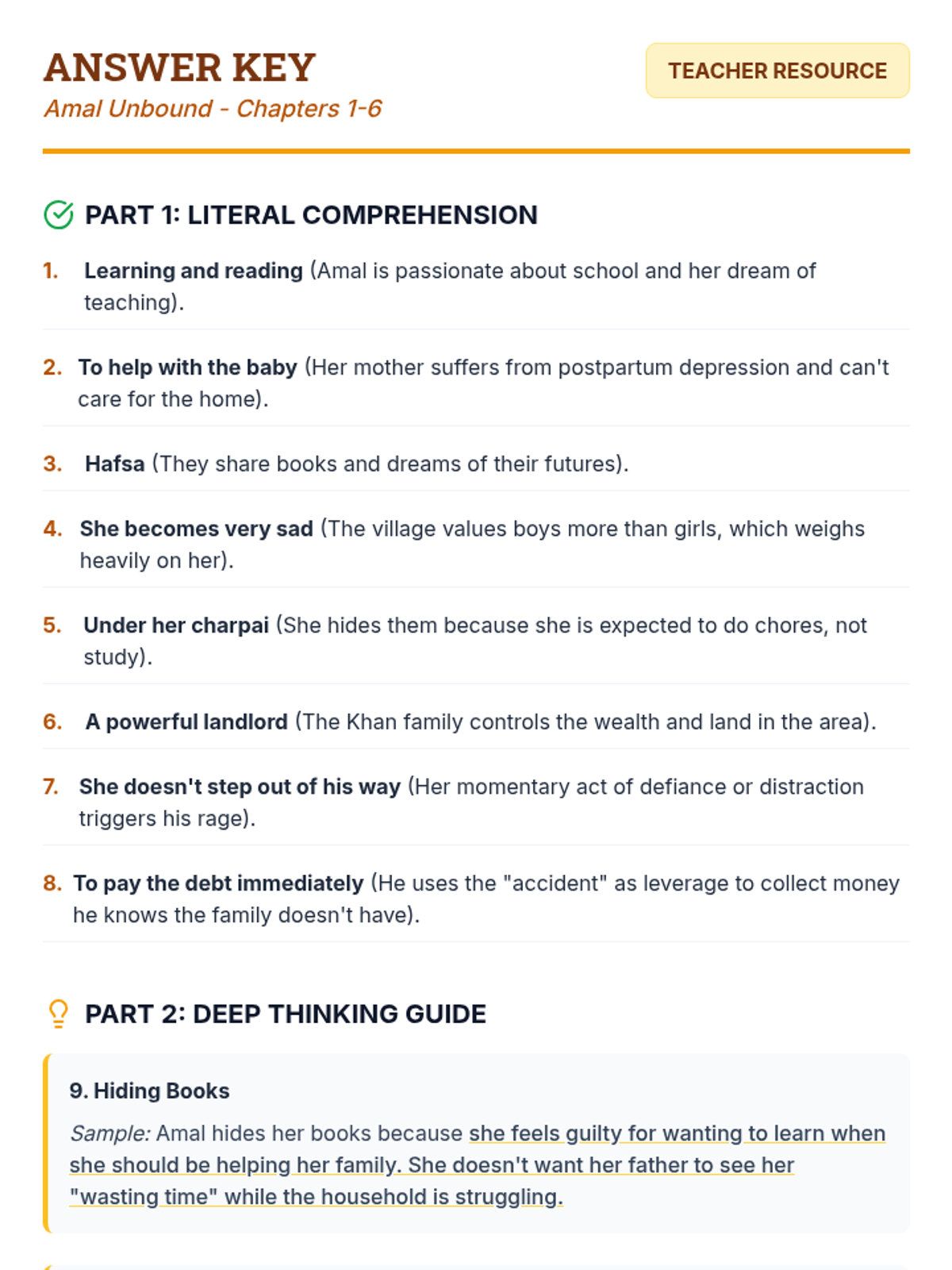
A comprehension-focused lesson covering the initial chapters of 'Amal Unbound', focusing on character introduction, setting, and the inciting incident. Includes visual supports and scaffolded writing prompts to assist students in analyzing Amal's early journey.
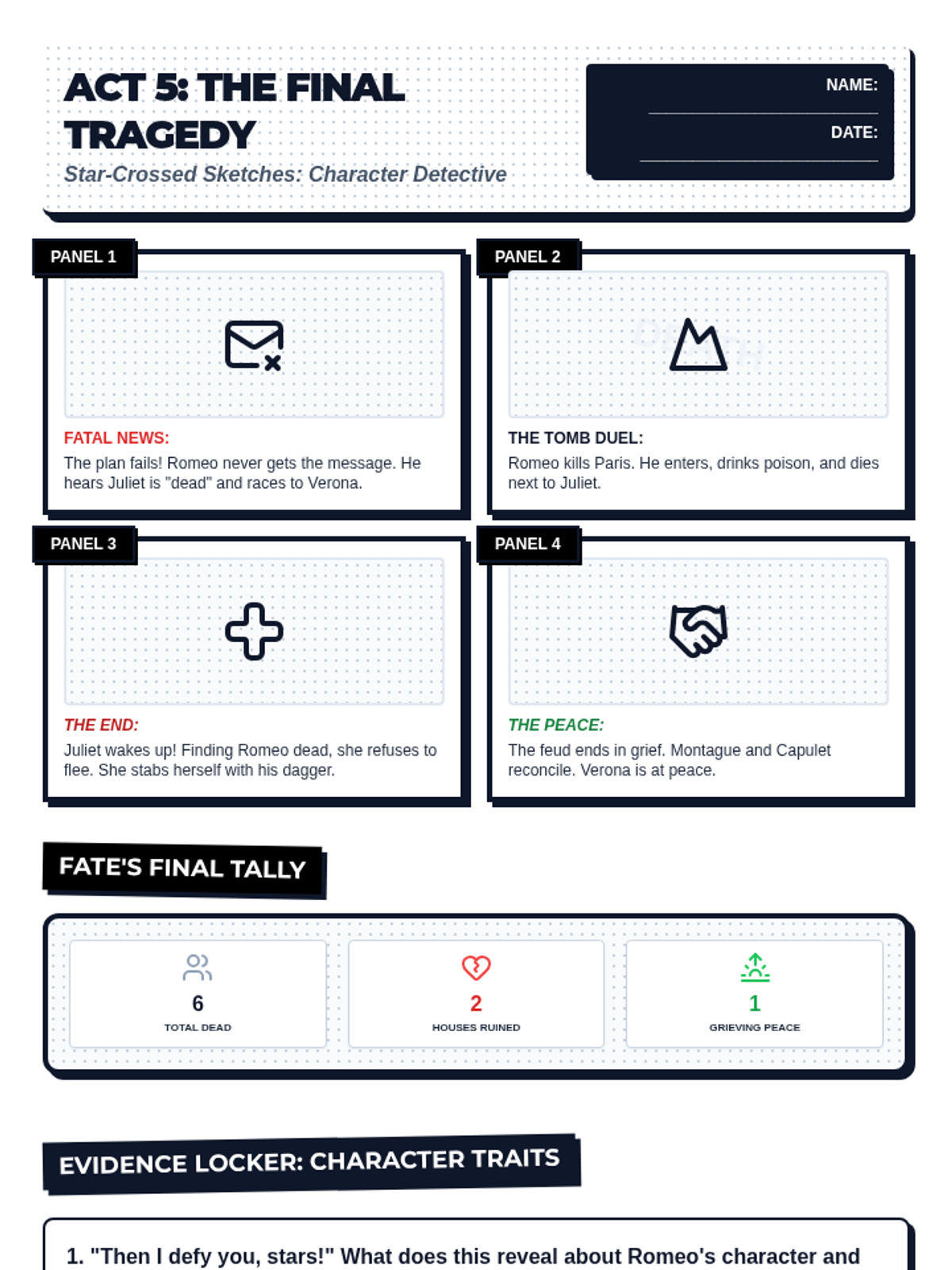
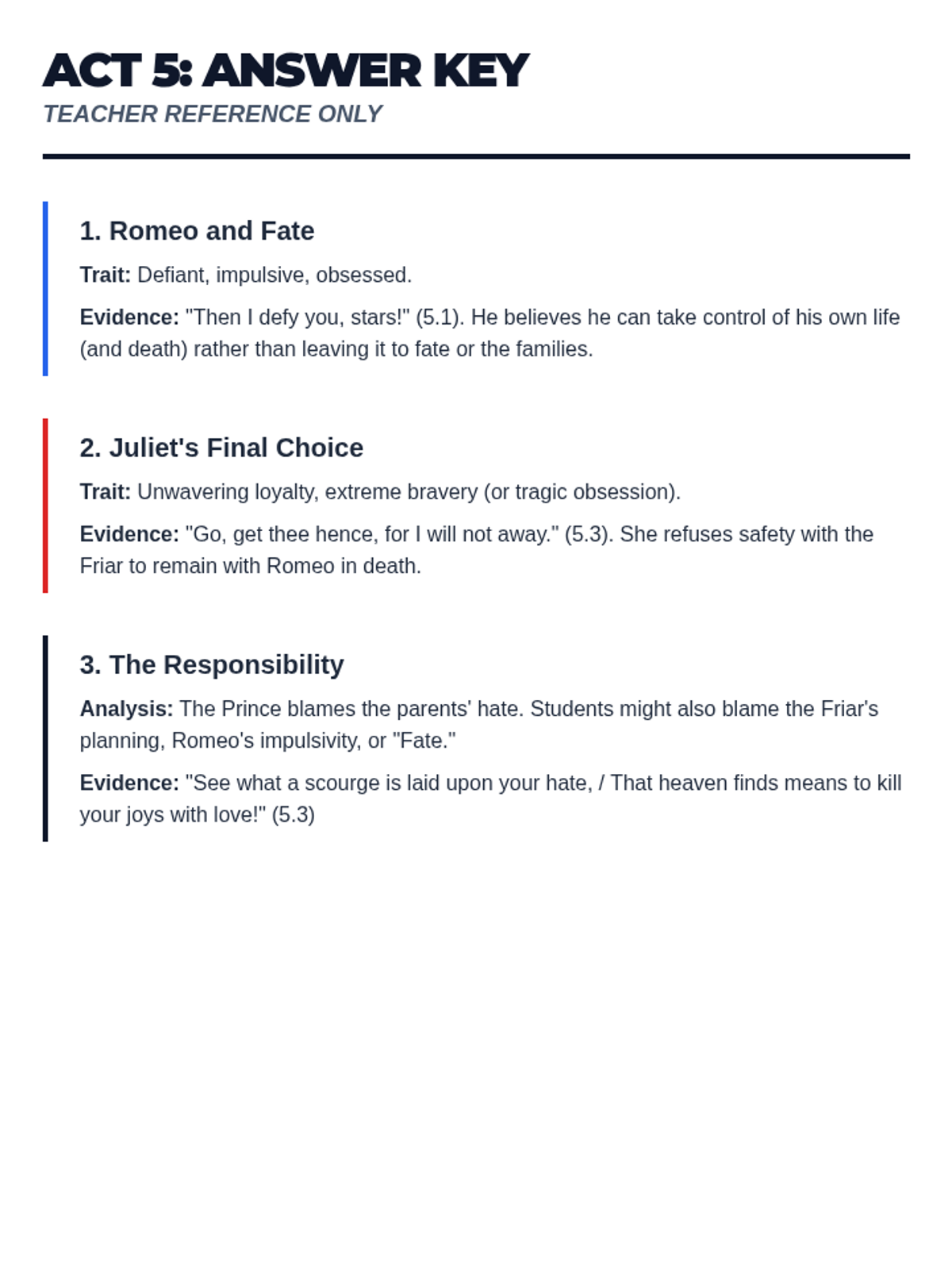
Covers the tragic misunderstanding, the final deaths in the tomb, and the eventual reconciliation of the families.
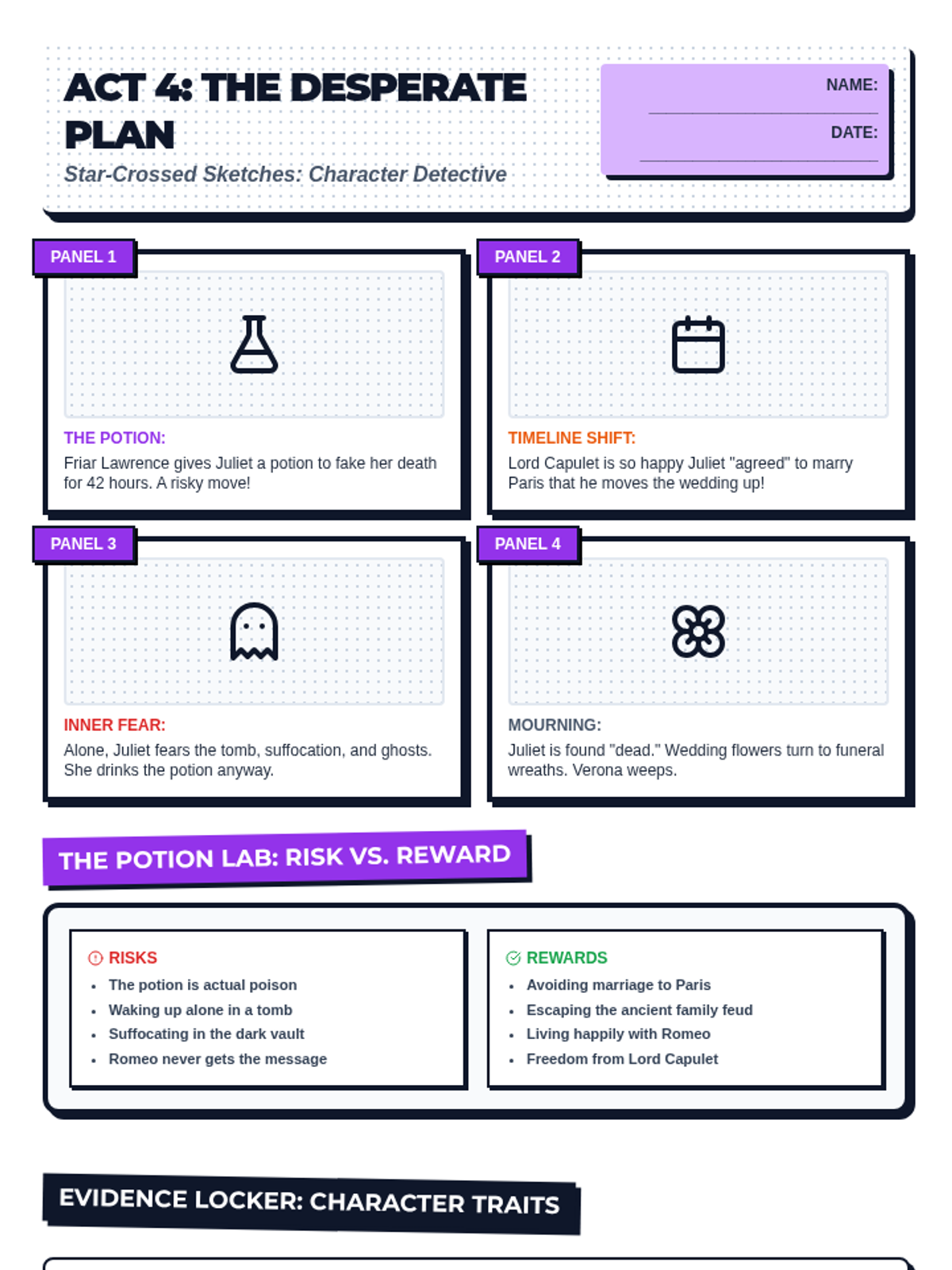
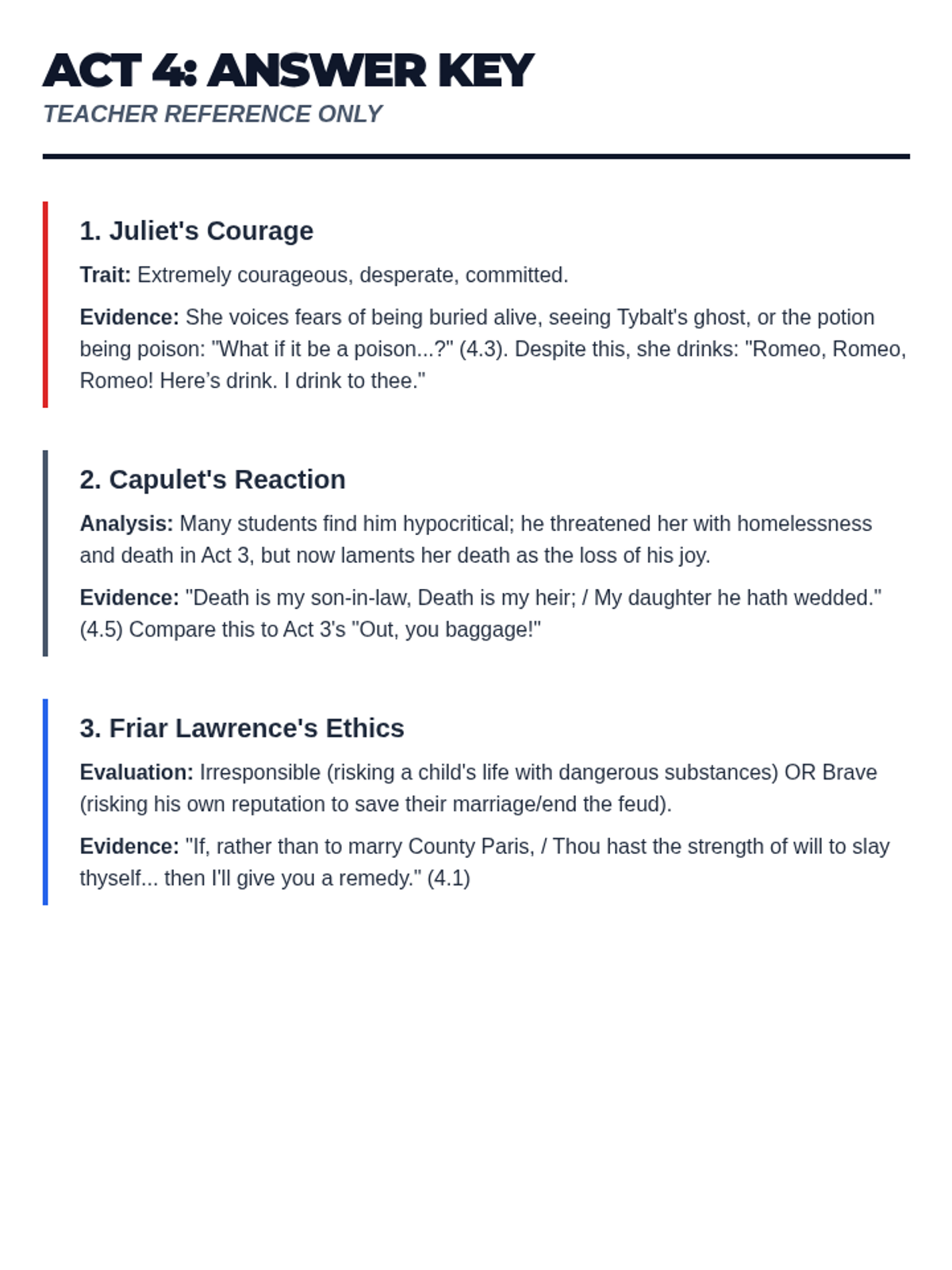
Examines Juliet's desperation, the Friar's risky plan, and the mounting pressure of the forced marriage to Paris.
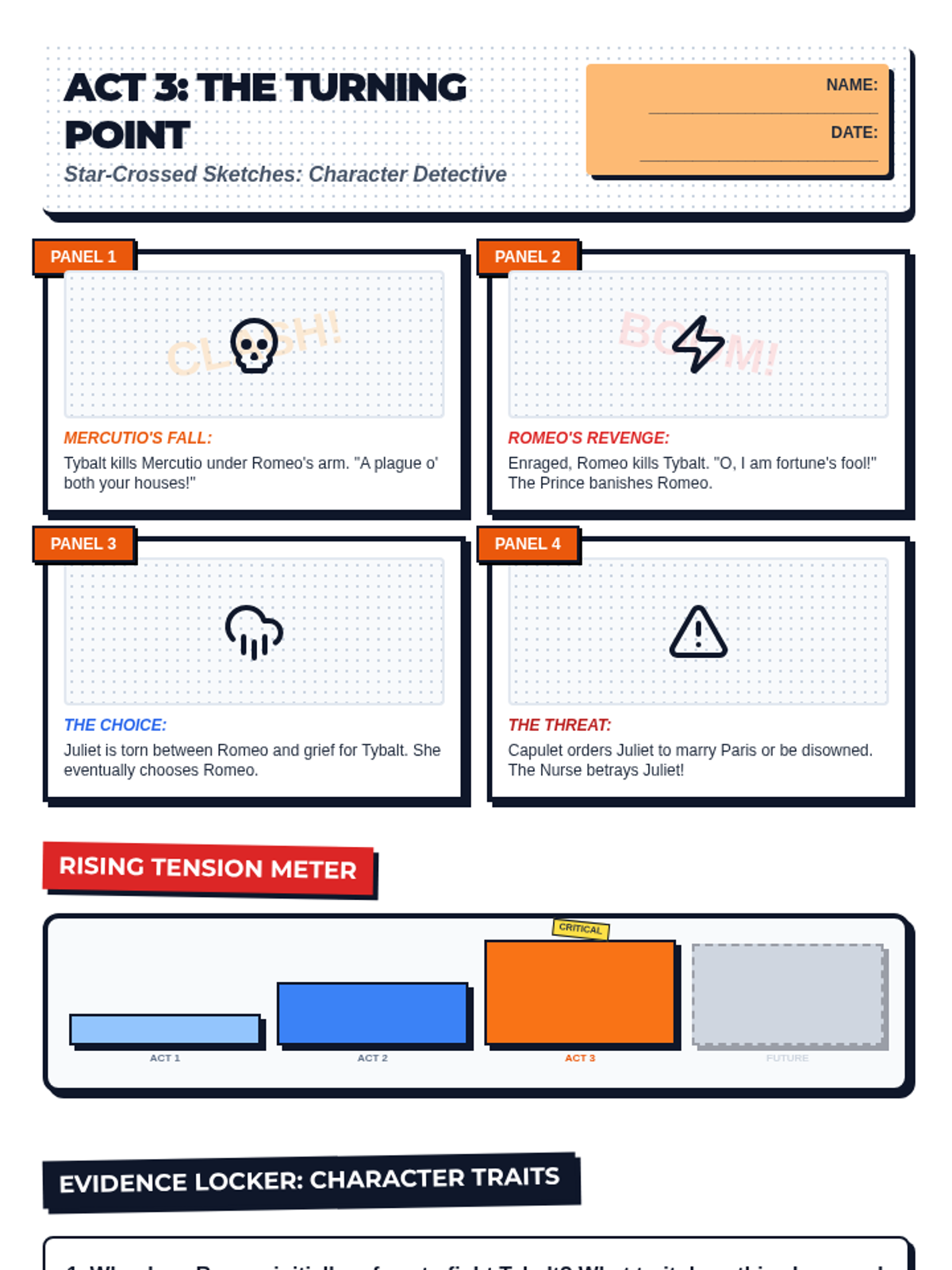
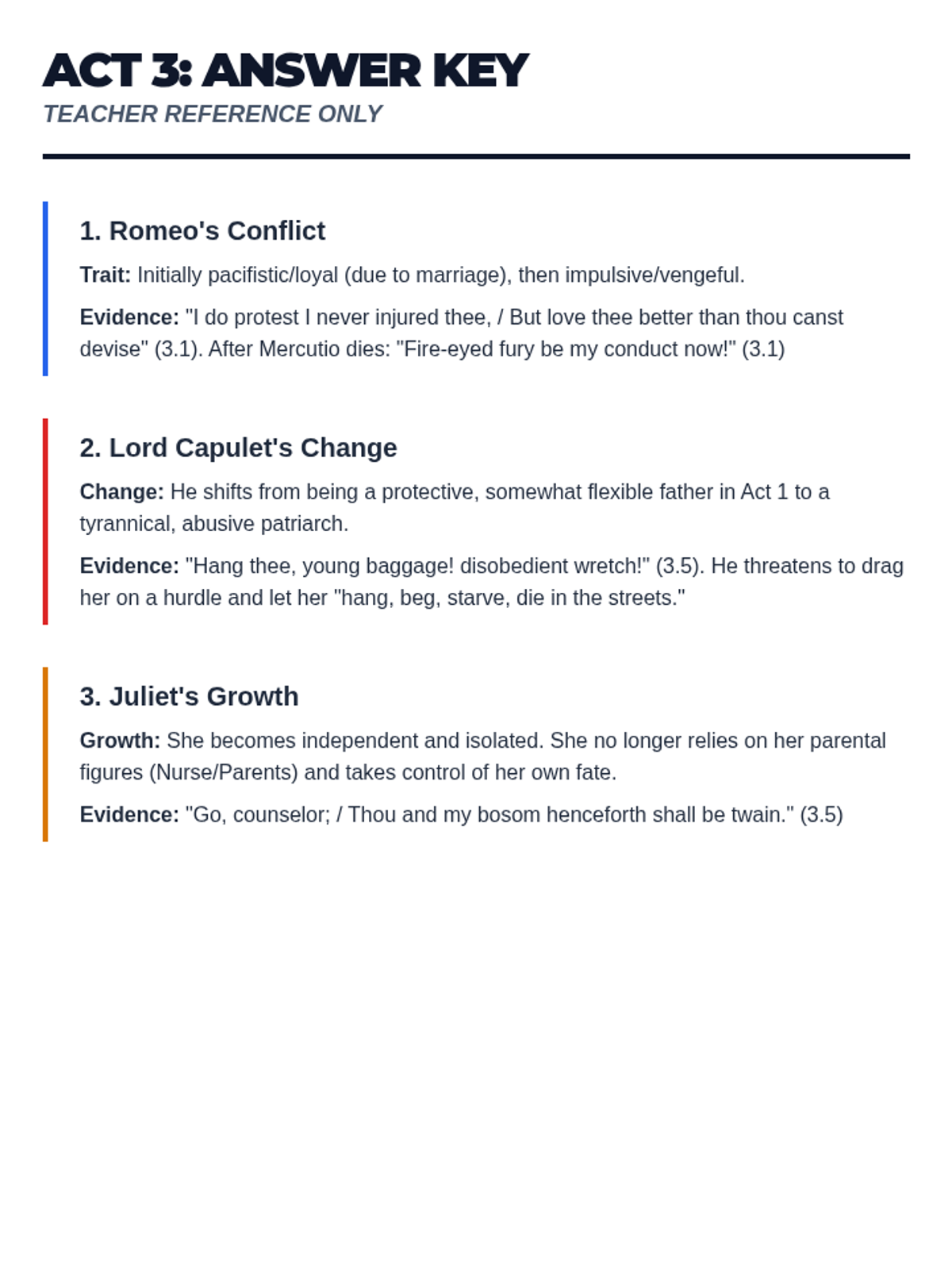
Analyzes the climactic duals, Tybalt's death, Romeo's banishment, and the internal conflicts of the protagonists.
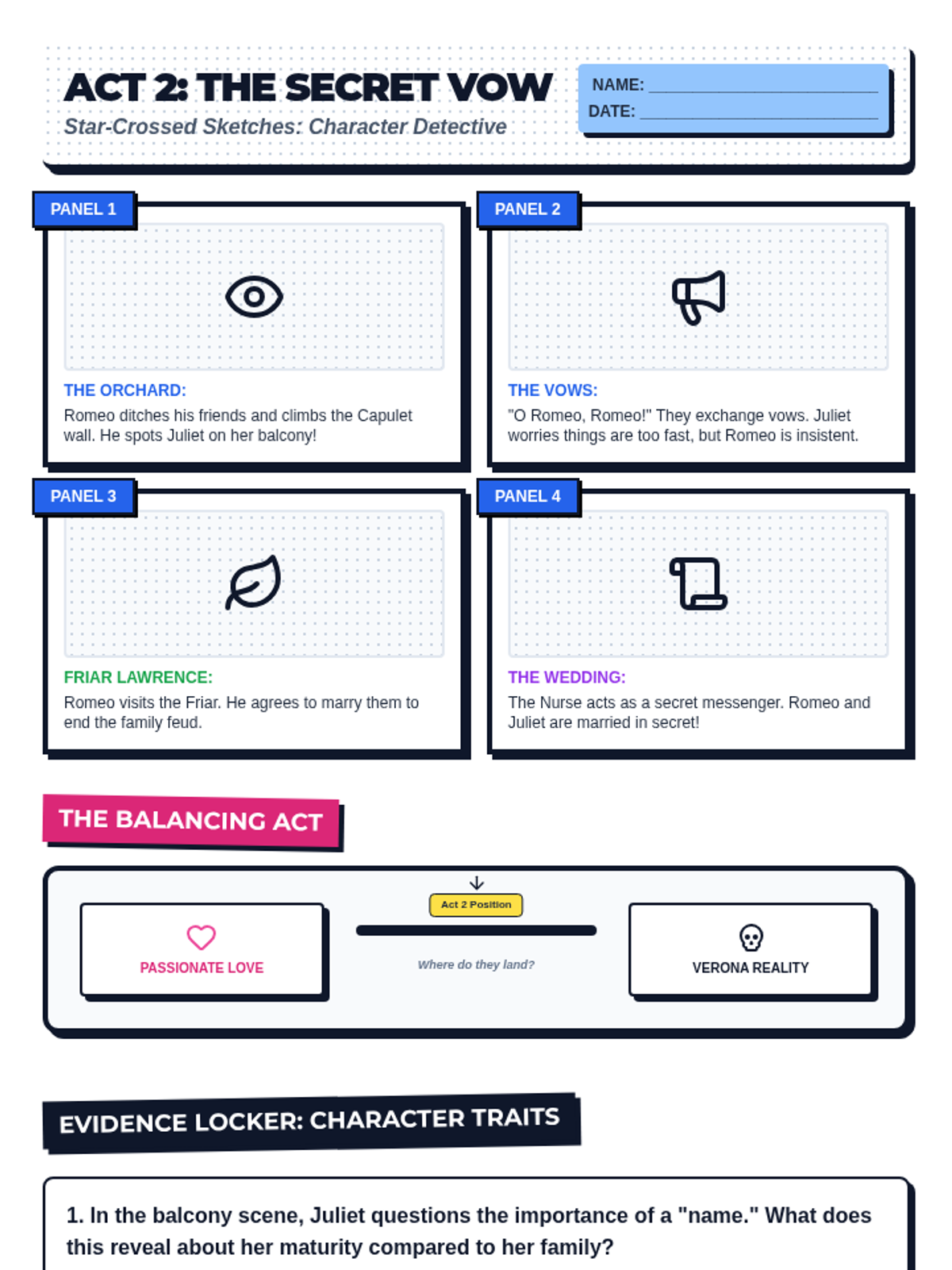
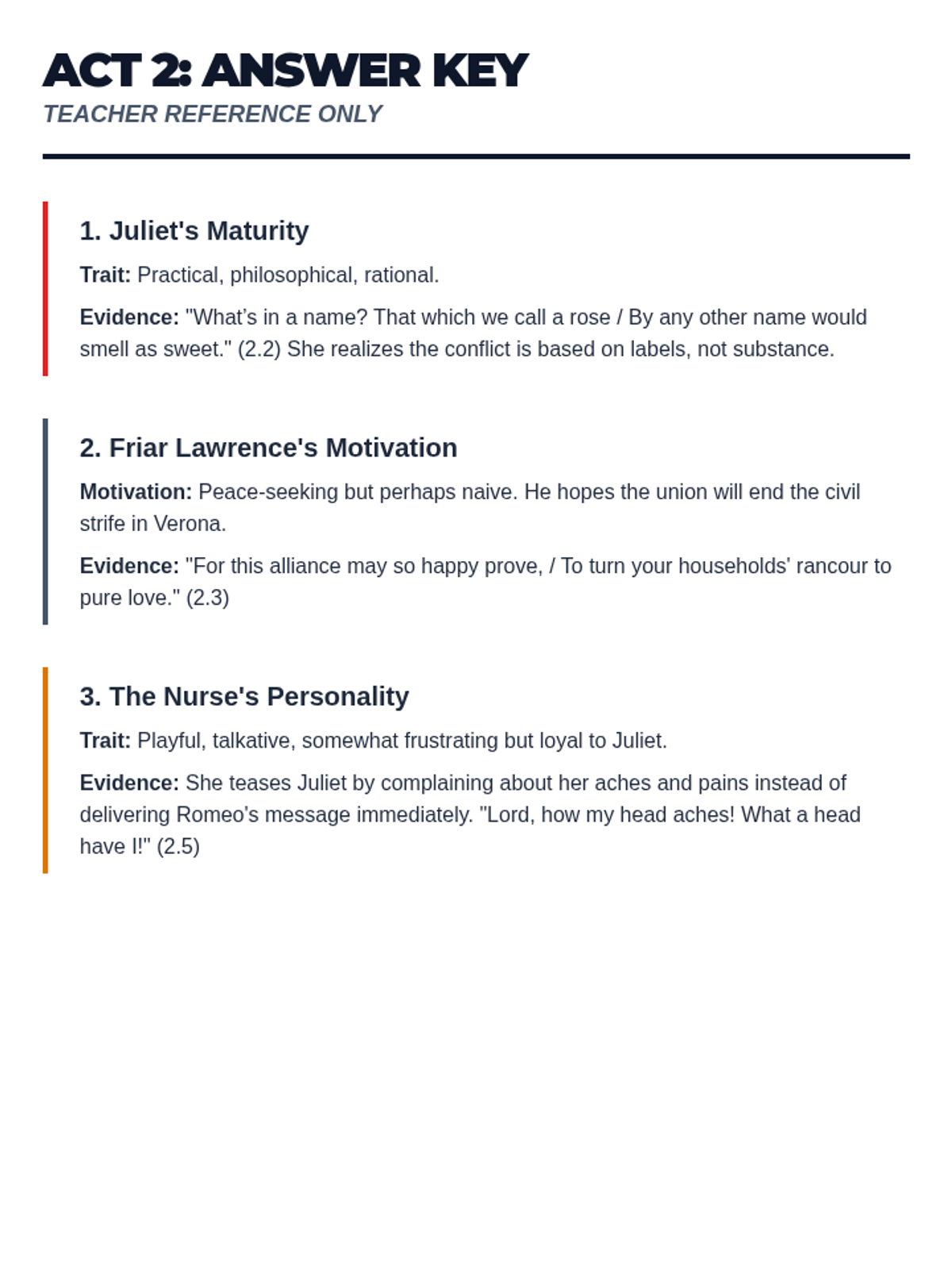
Explores the balcony scene, the secret marriage arrangement, and the role of the Friar and the Nurse.
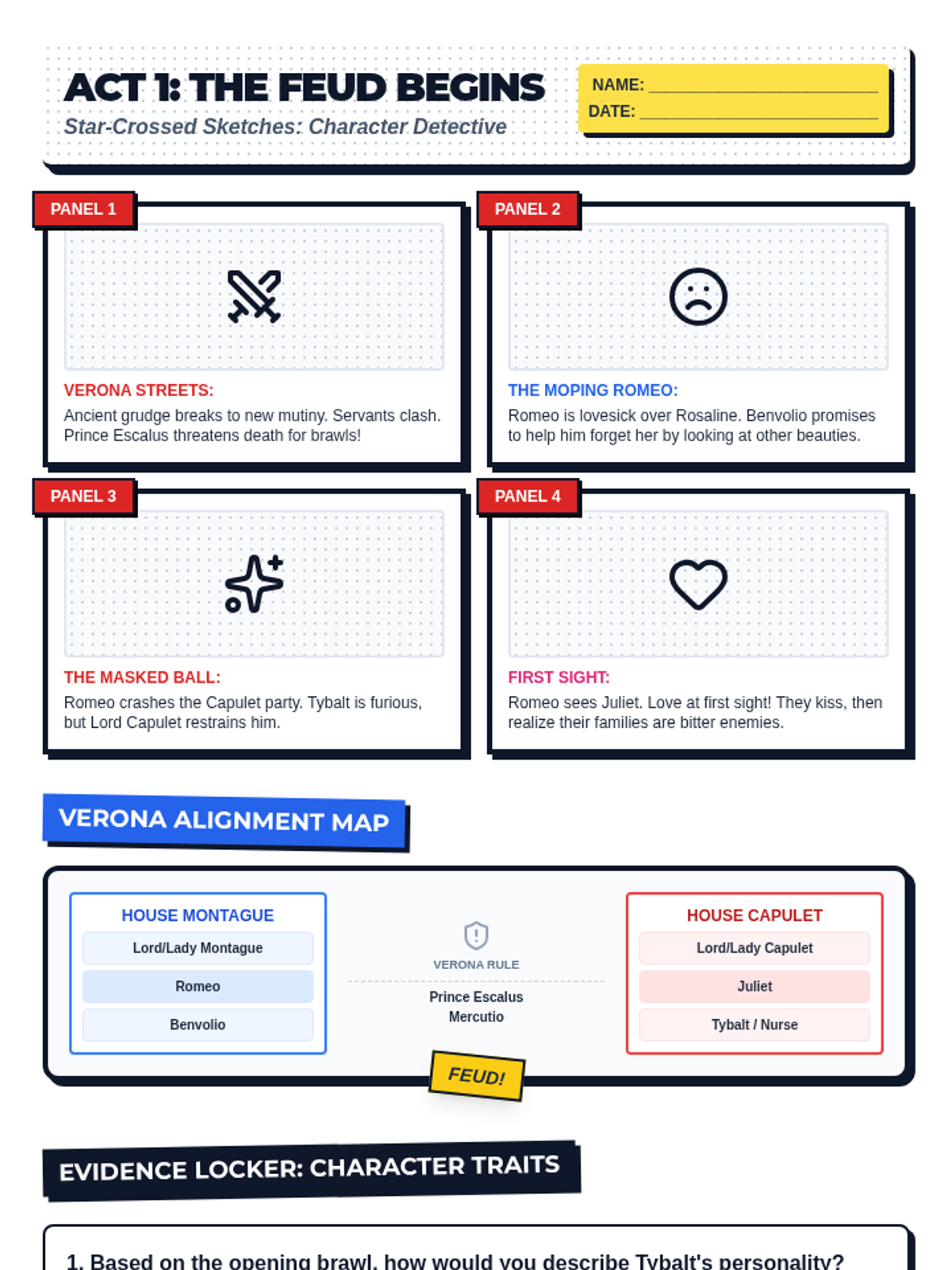
Covers the initial street brawl, the Prince's warning, and the fateful meeting at the Capulet party.
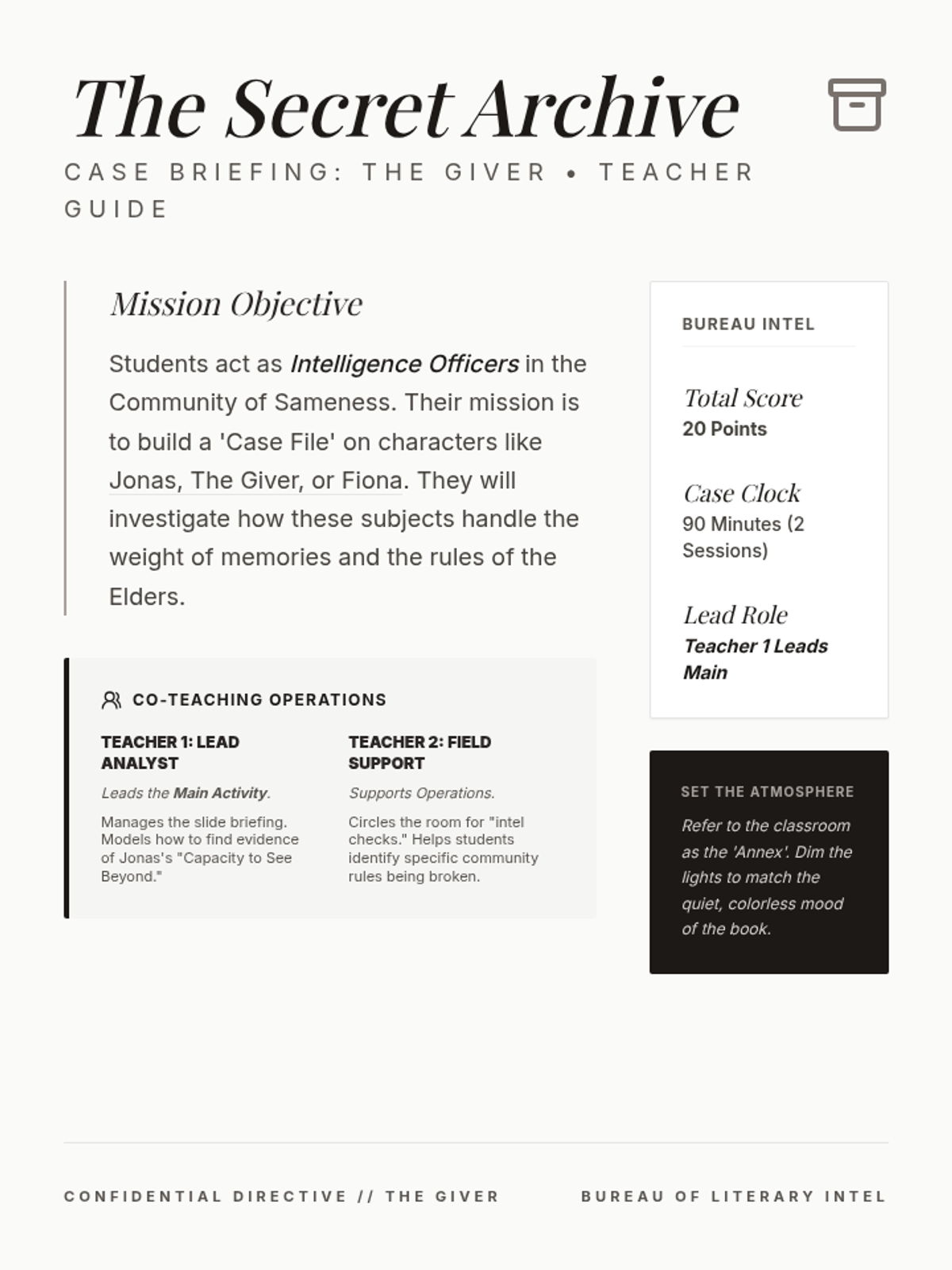
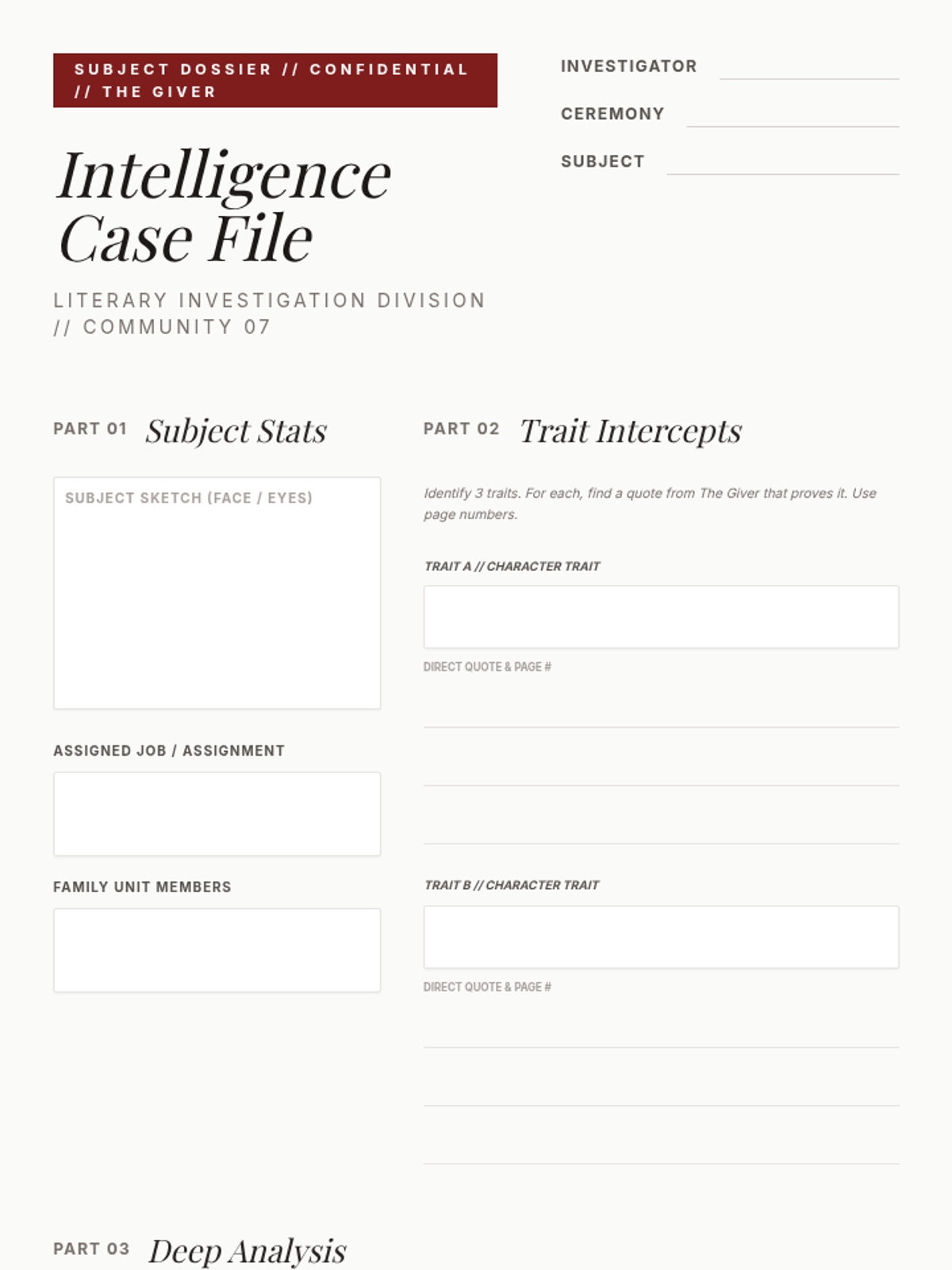
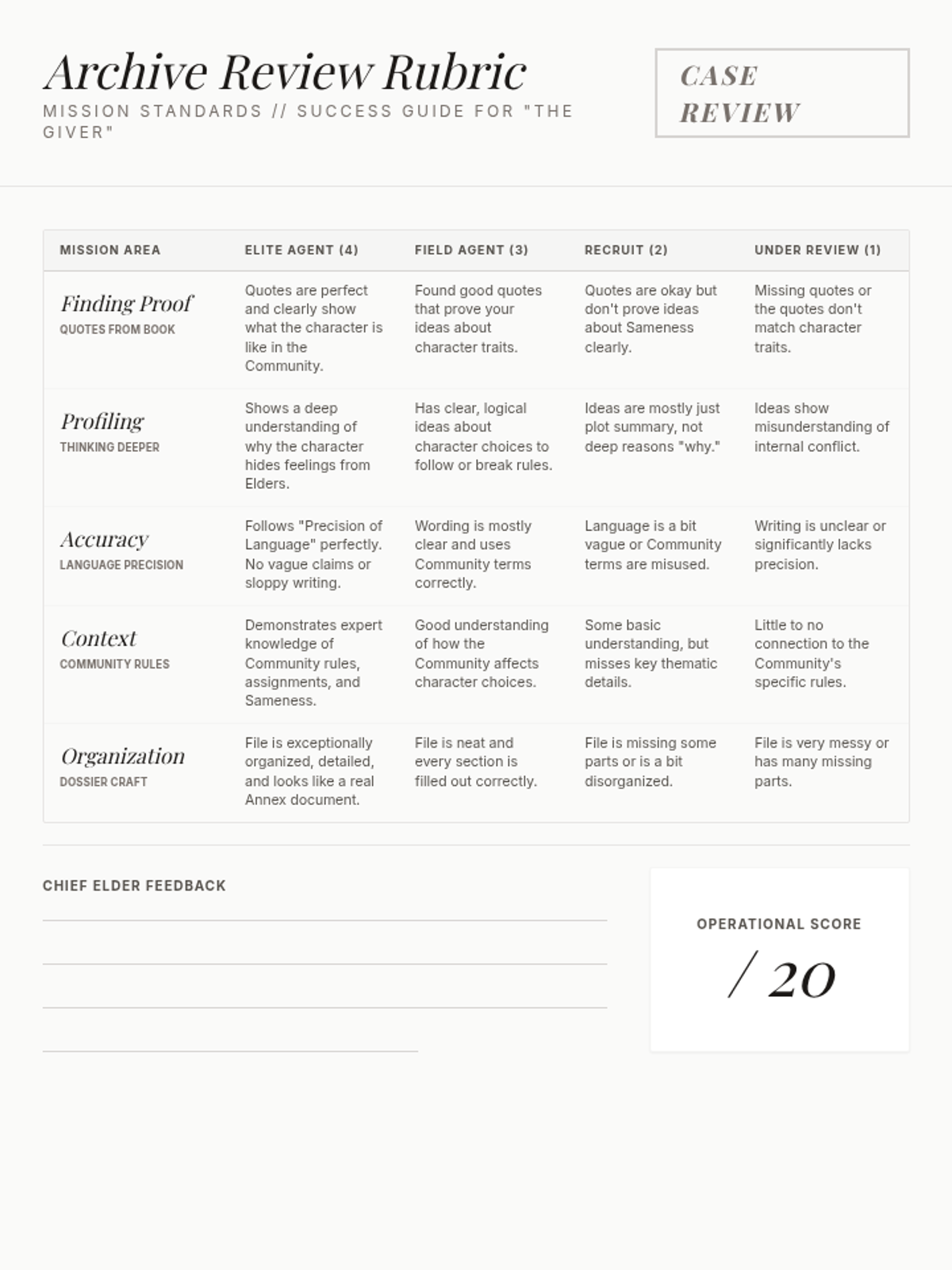
A sophisticated ELA lesson where 7th-grade students act as 'Intelligence Officers' to conduct a character analysis. Students create a physical 'Case File' (dossier) filled with evidence, witness statements, and psychological profiles to deeply understand character motivation and traits.
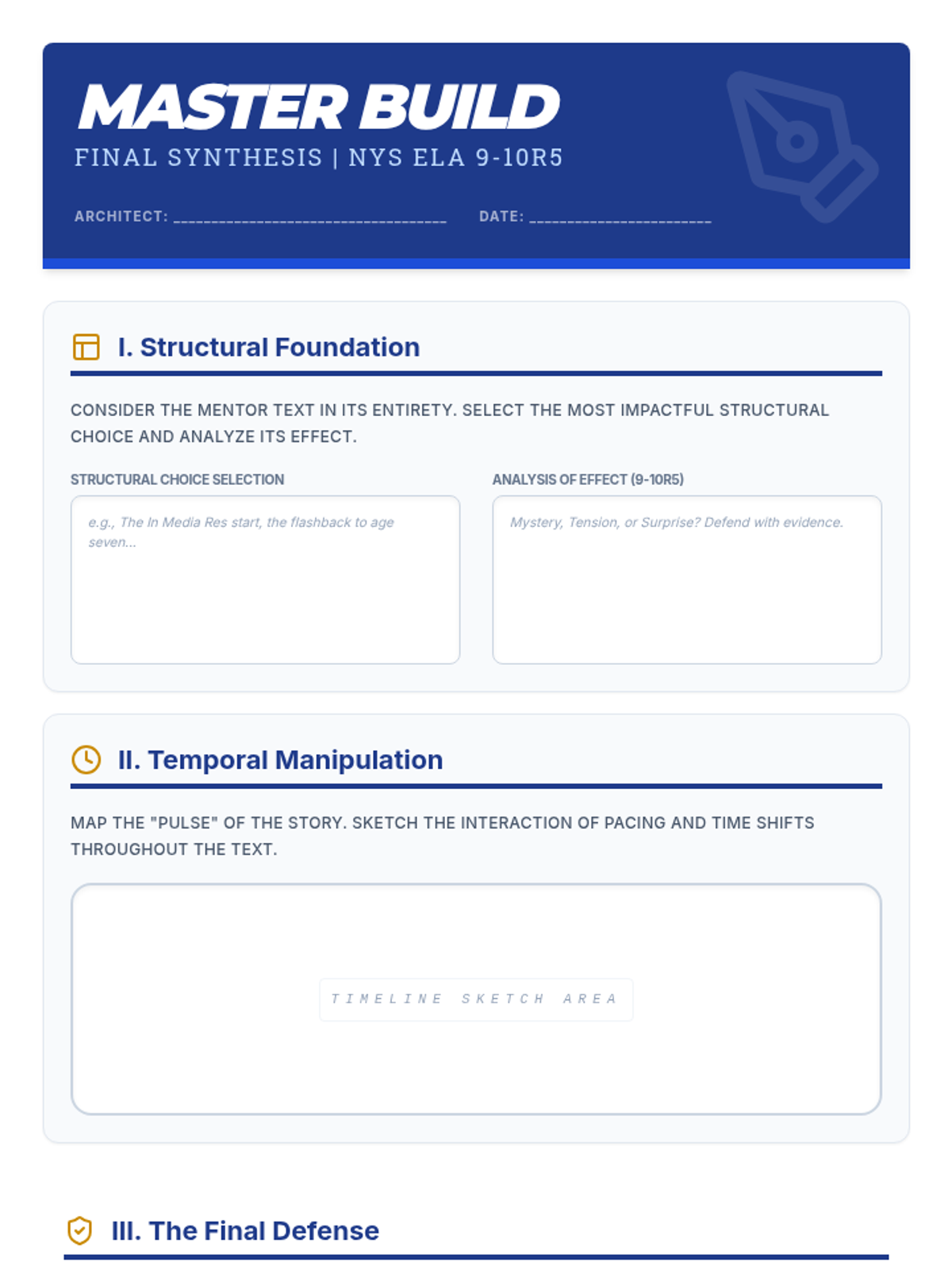
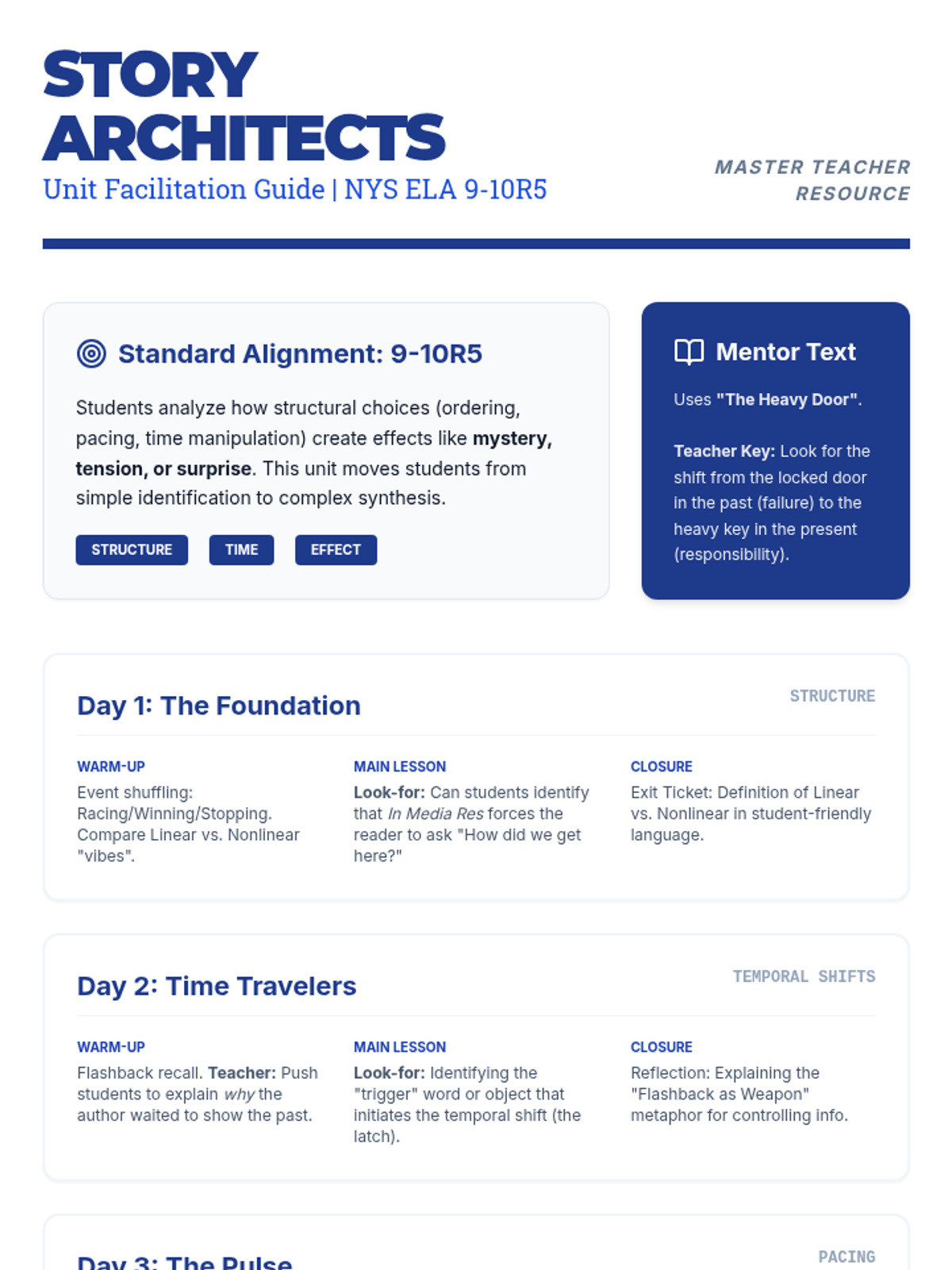
A final synthesis where students analyze a complete mentor text's structural choices and their overall effect on the reader.
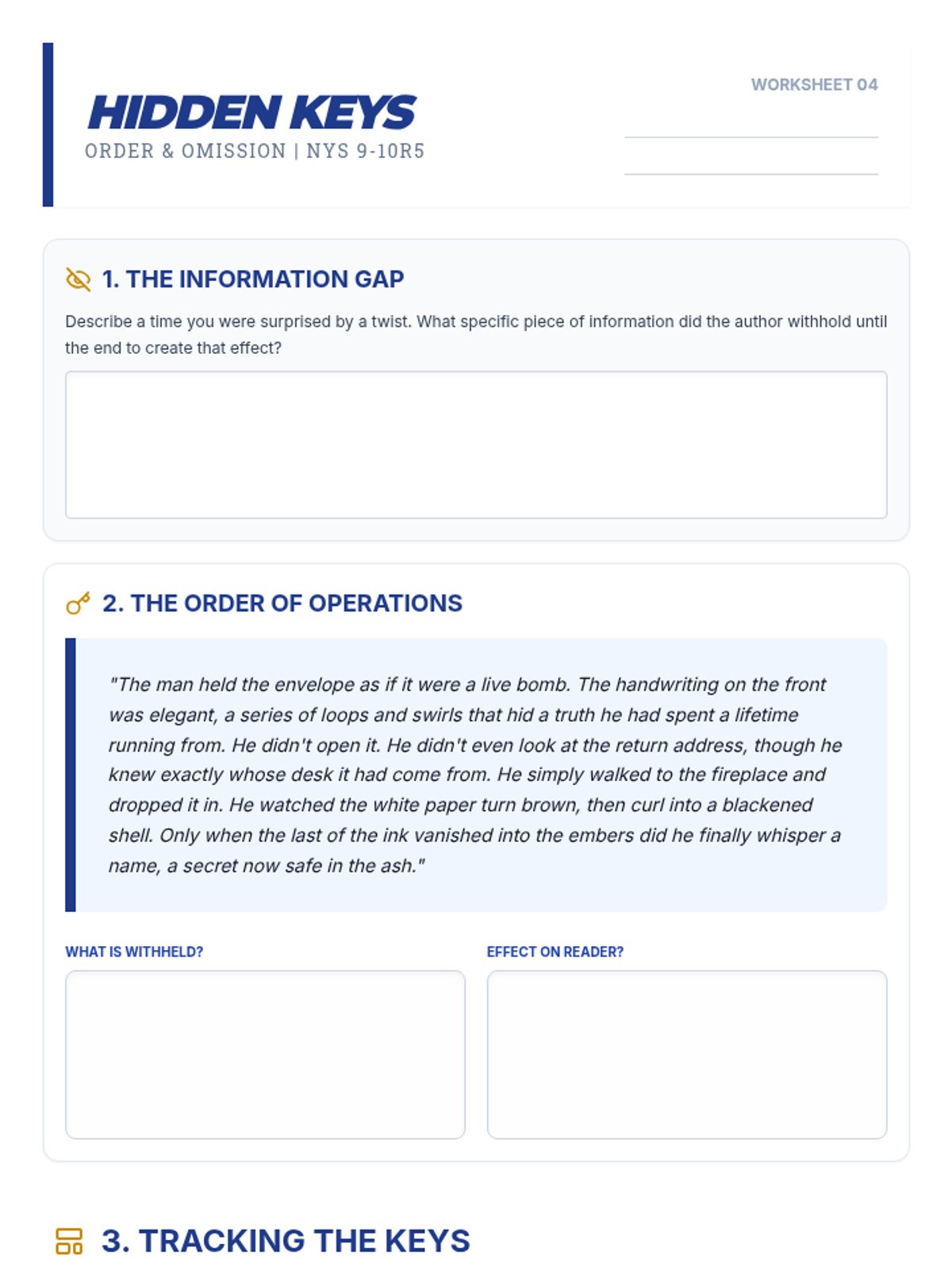
Examining how the specific order of events can withhold information to create mystery or build toward a surprise reveal.
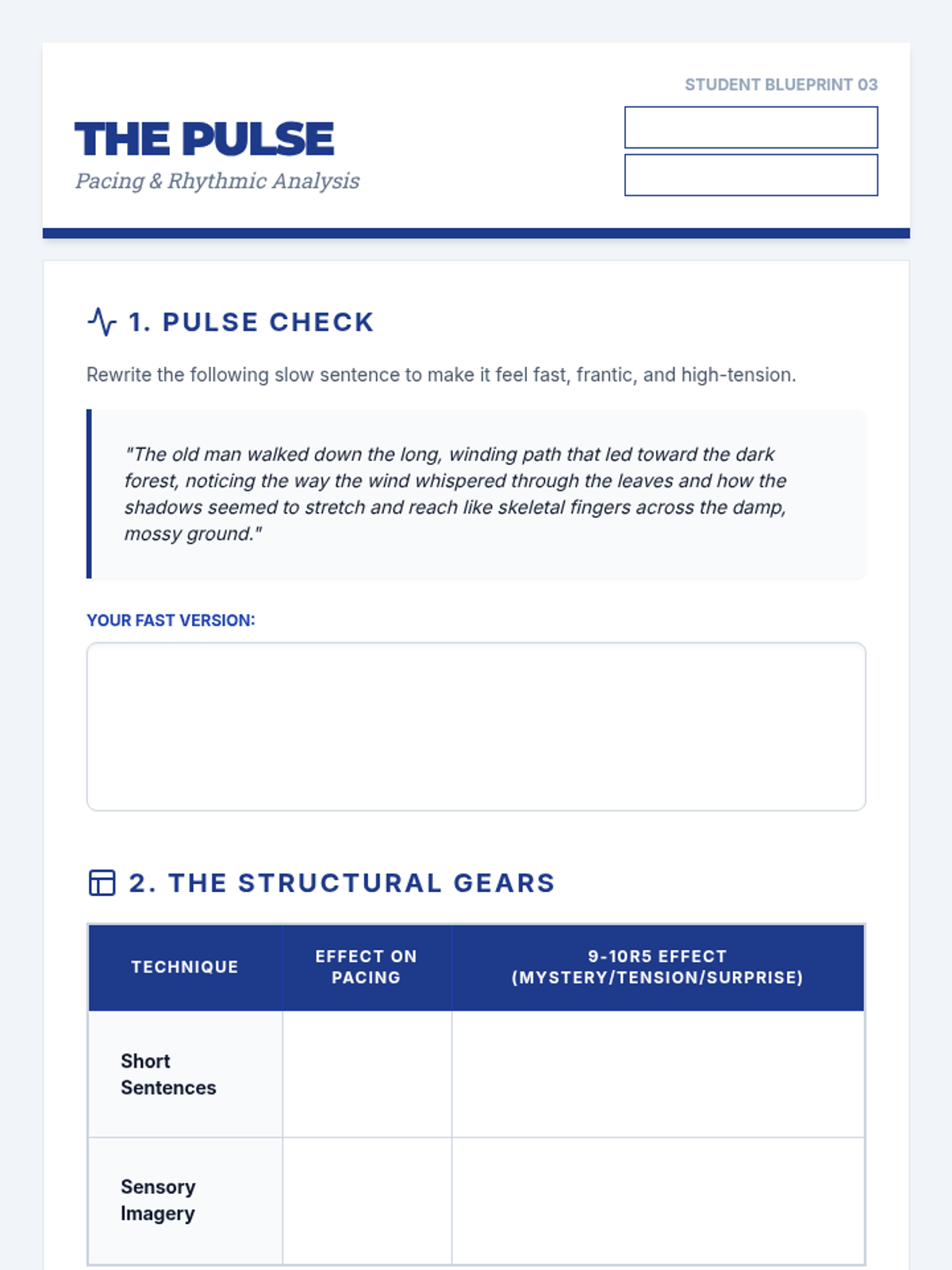
Exploring pacing and how authors use sentence structure and descriptive focus to speed up or slow down the reader's experience.
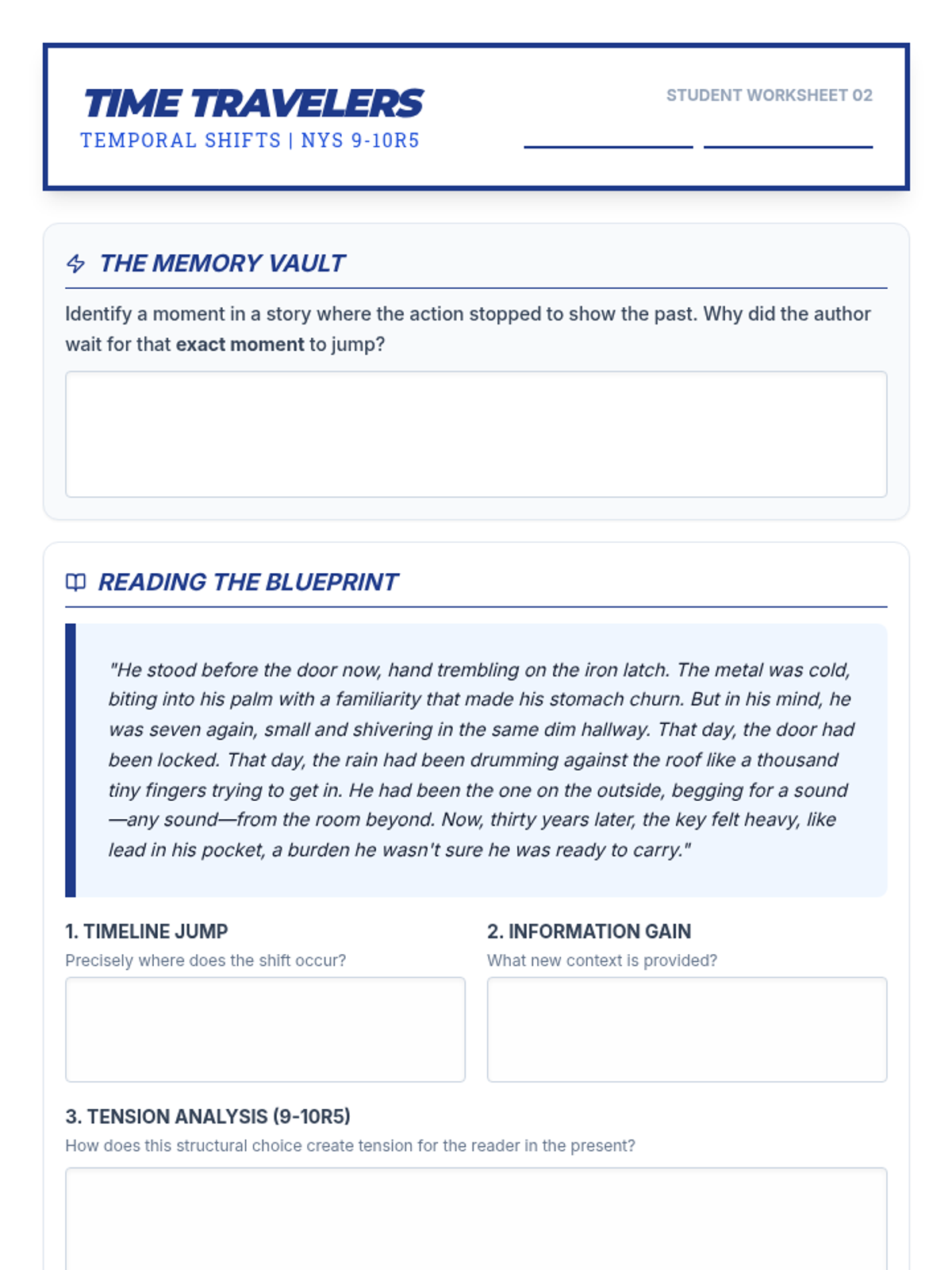
Analyzing the use of flashbacks and flash-forwards to manipulate time and provide crucial character or plot context.
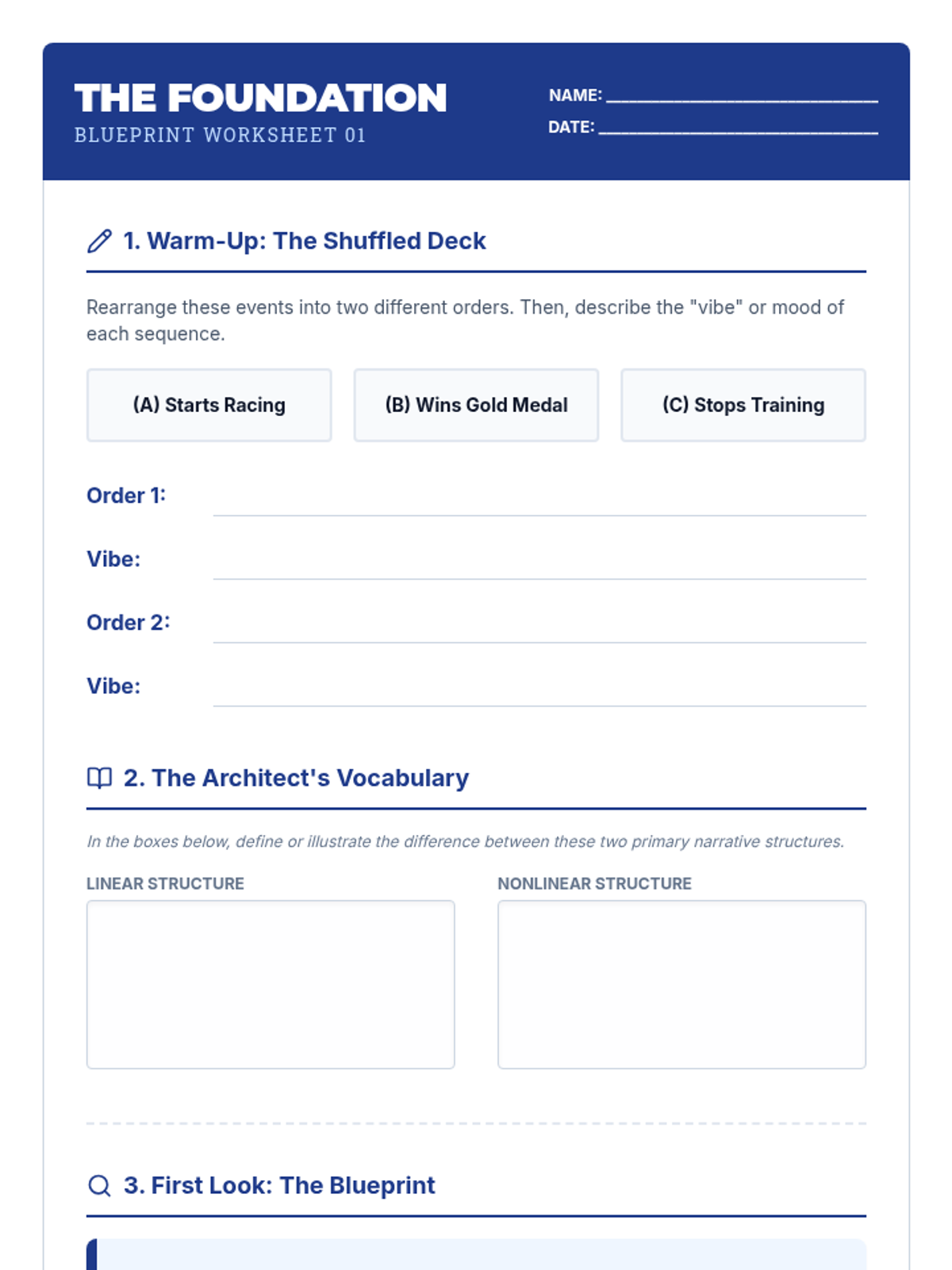
Introduction to narrative structure, focusing on the difference between linear and nonlinear timelines and how they establish the foundation of a story.
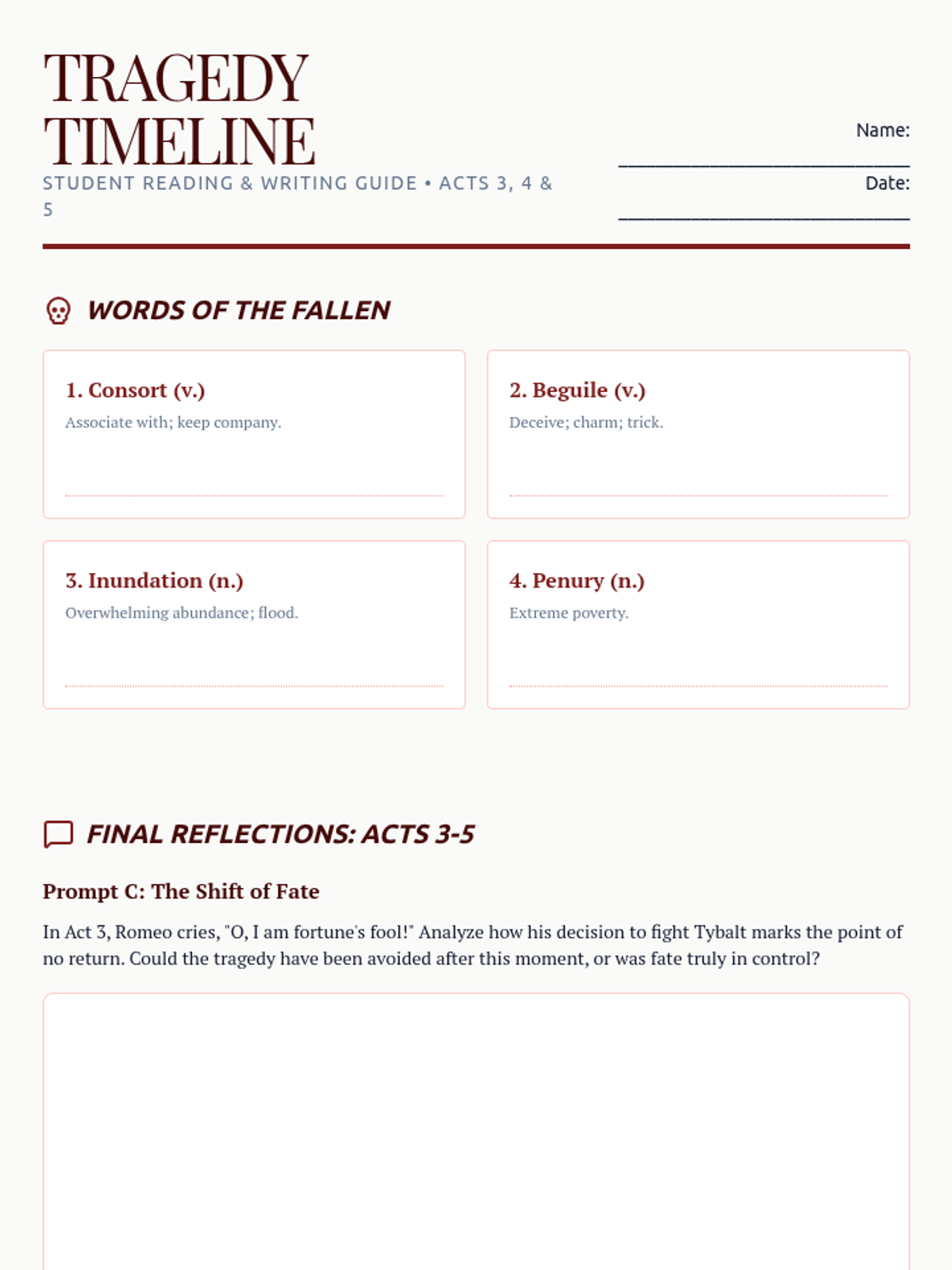
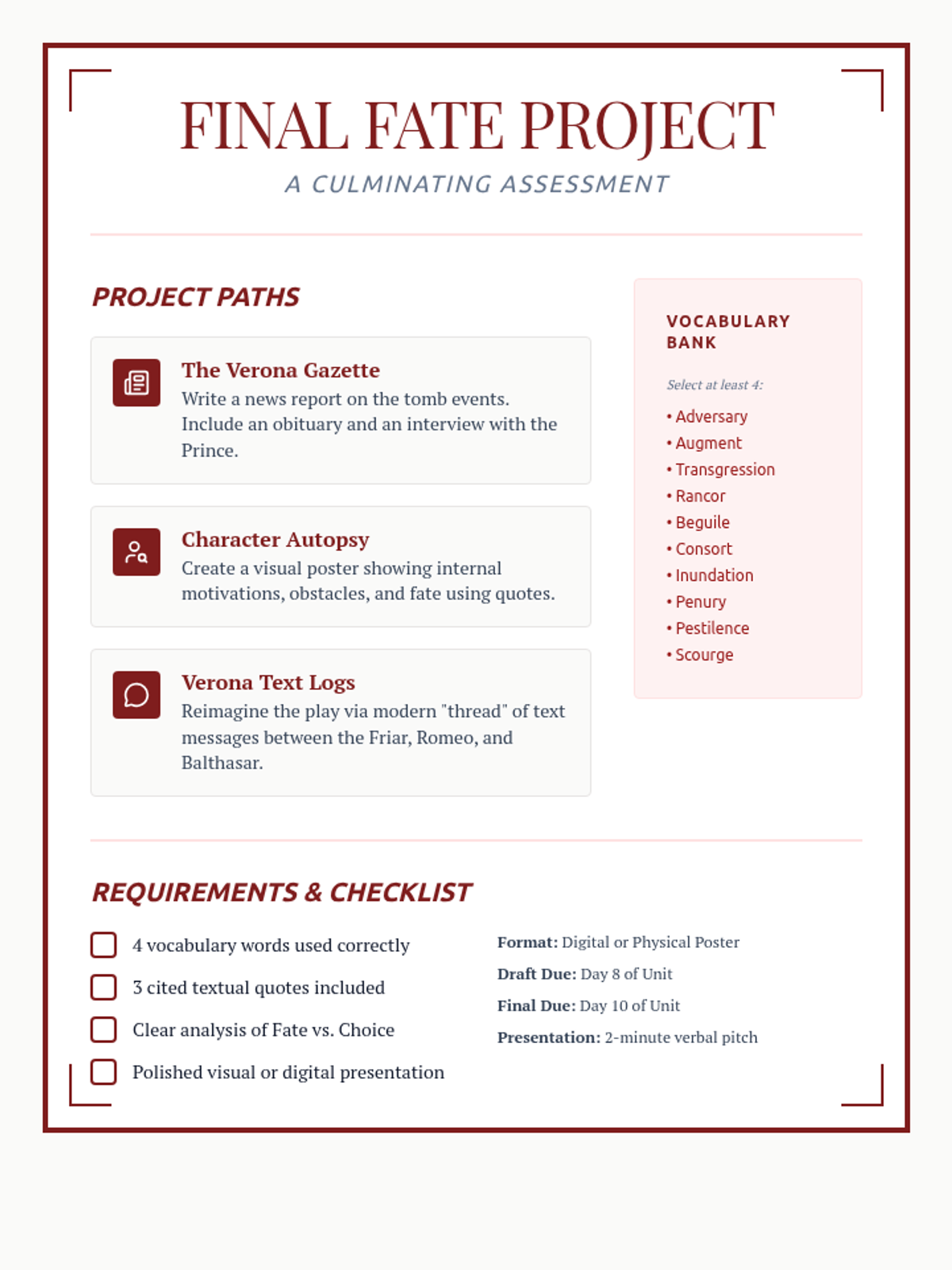
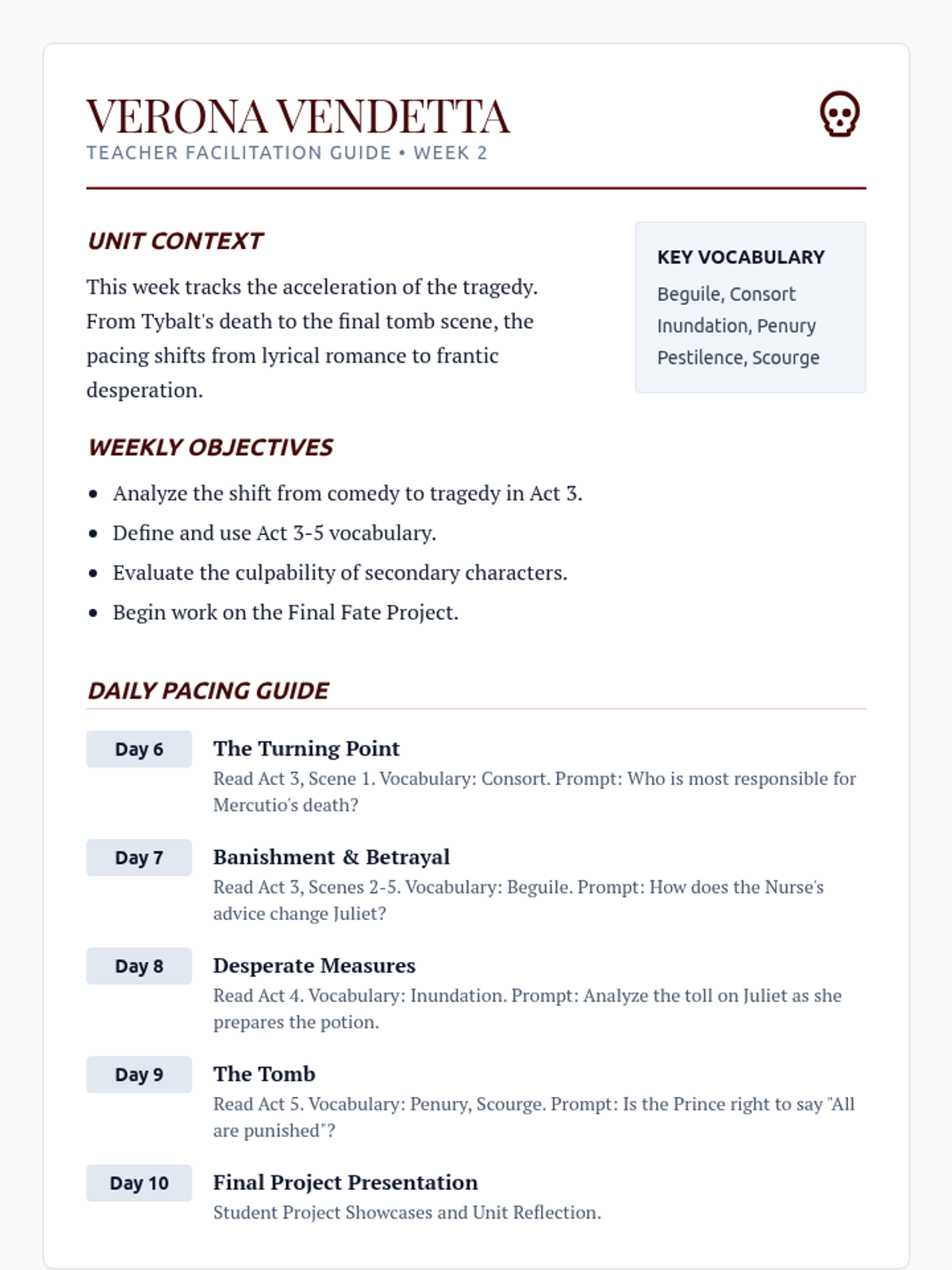
The second week concludes the play with Acts 3 through 5, tracing the downward spiral of the tragedy. Students analyze the impact of fate and choice while preparing their final unit project.
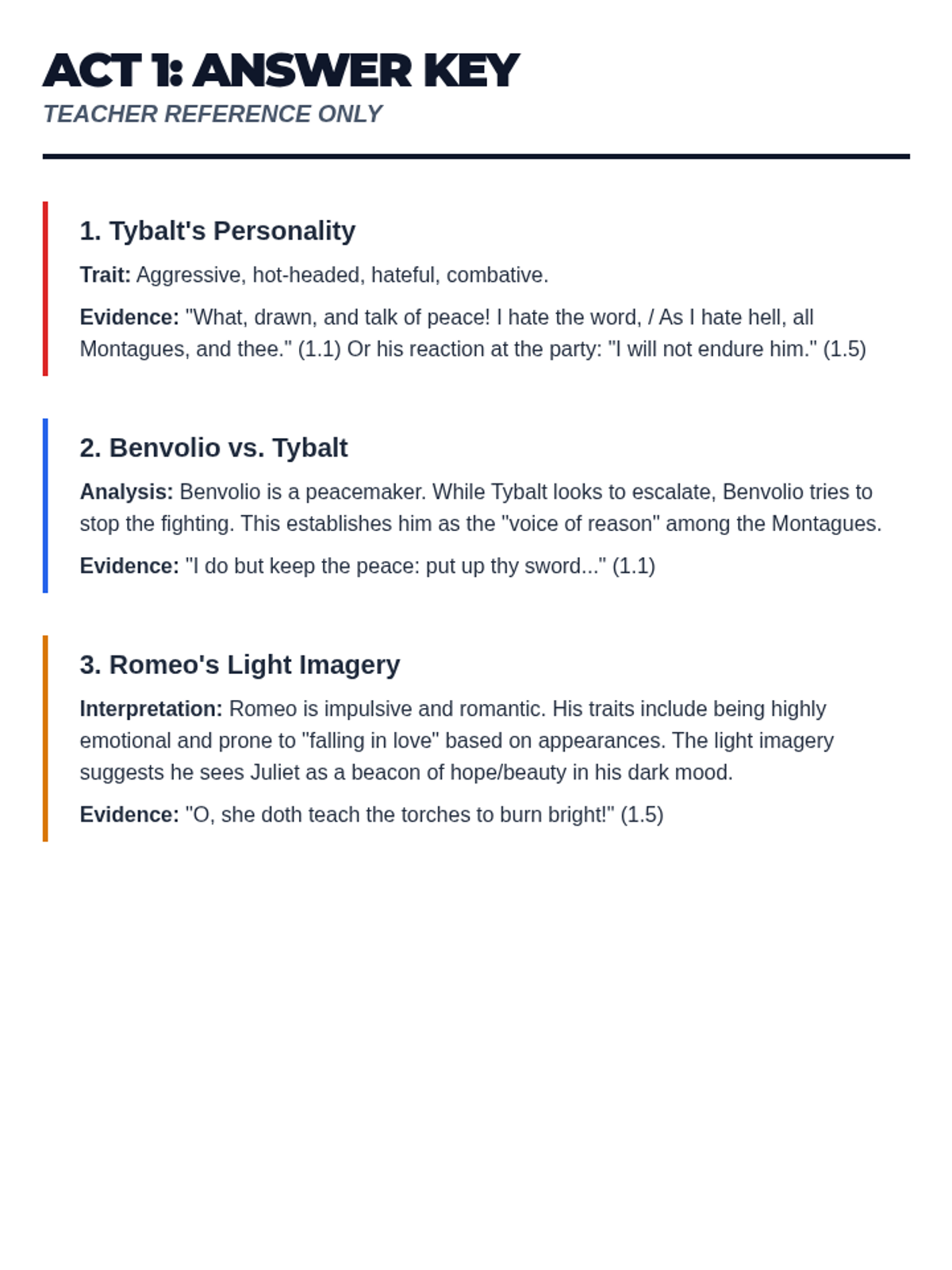
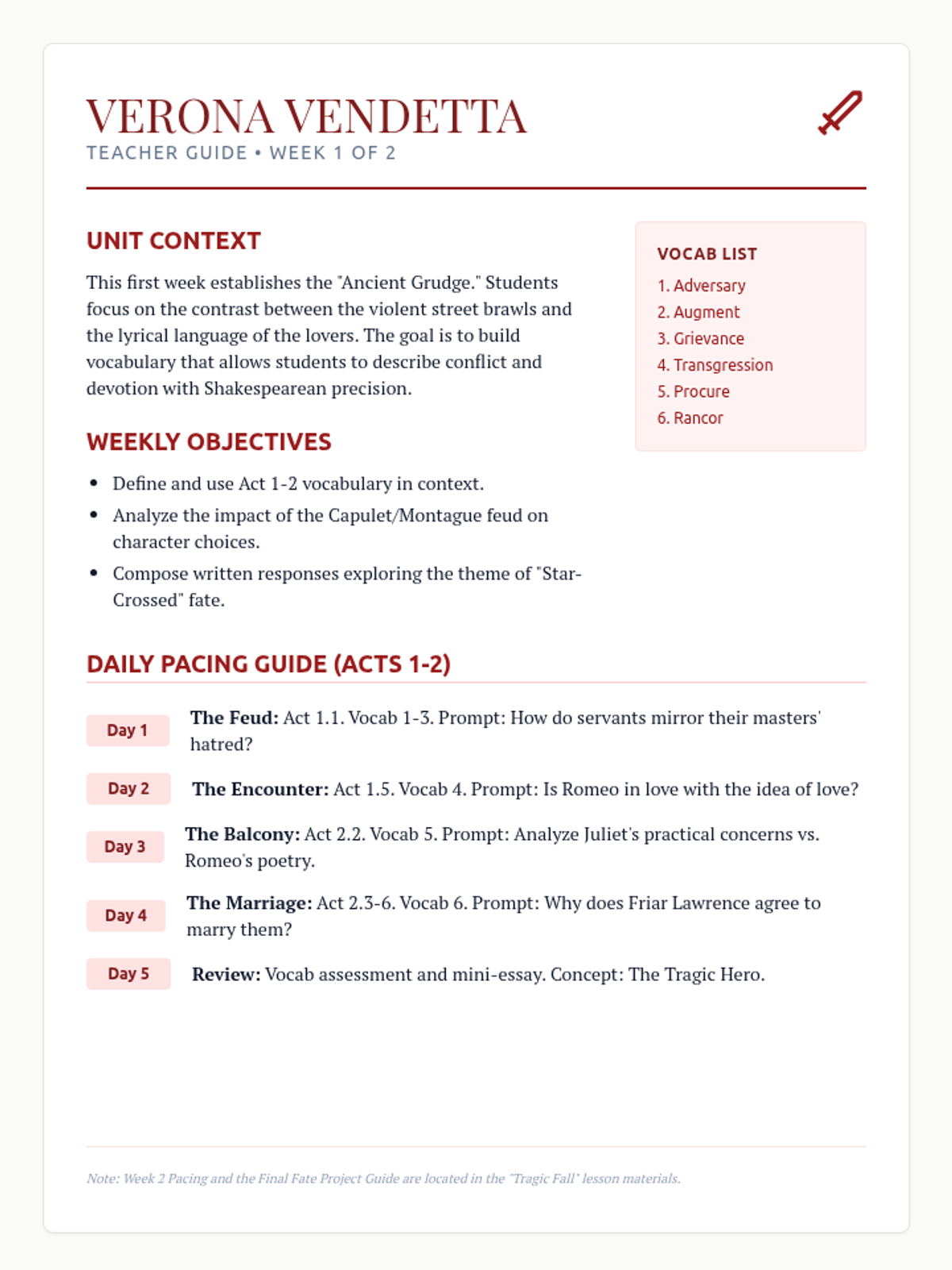
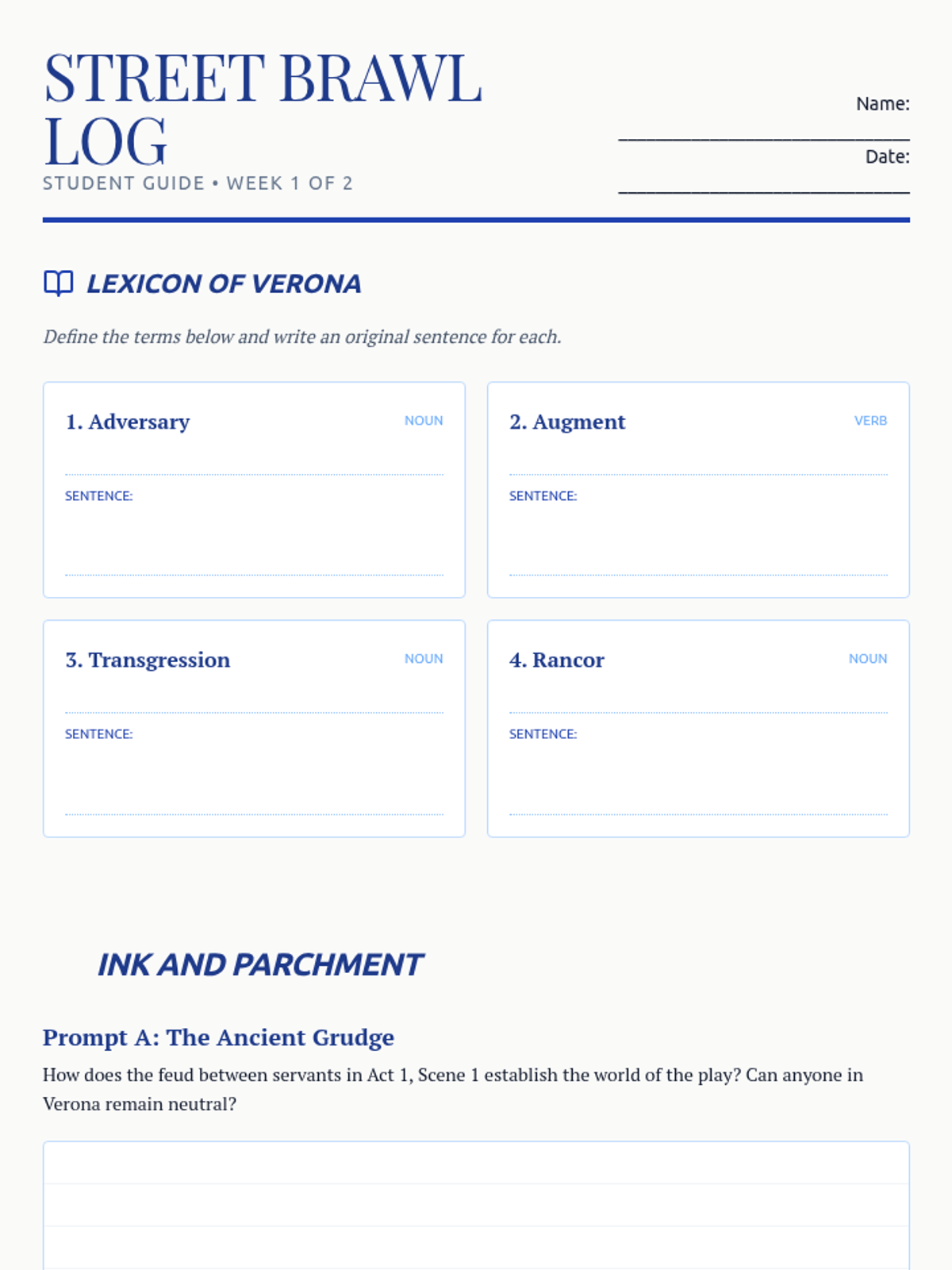
The first week of the unit covers Acts 1 and 2, focusing on the historical feud between the Capulets and Montagues and the initial meeting of the star-crossed lovers. Students engage with foundational vocabulary and prompts regarding character motivation.
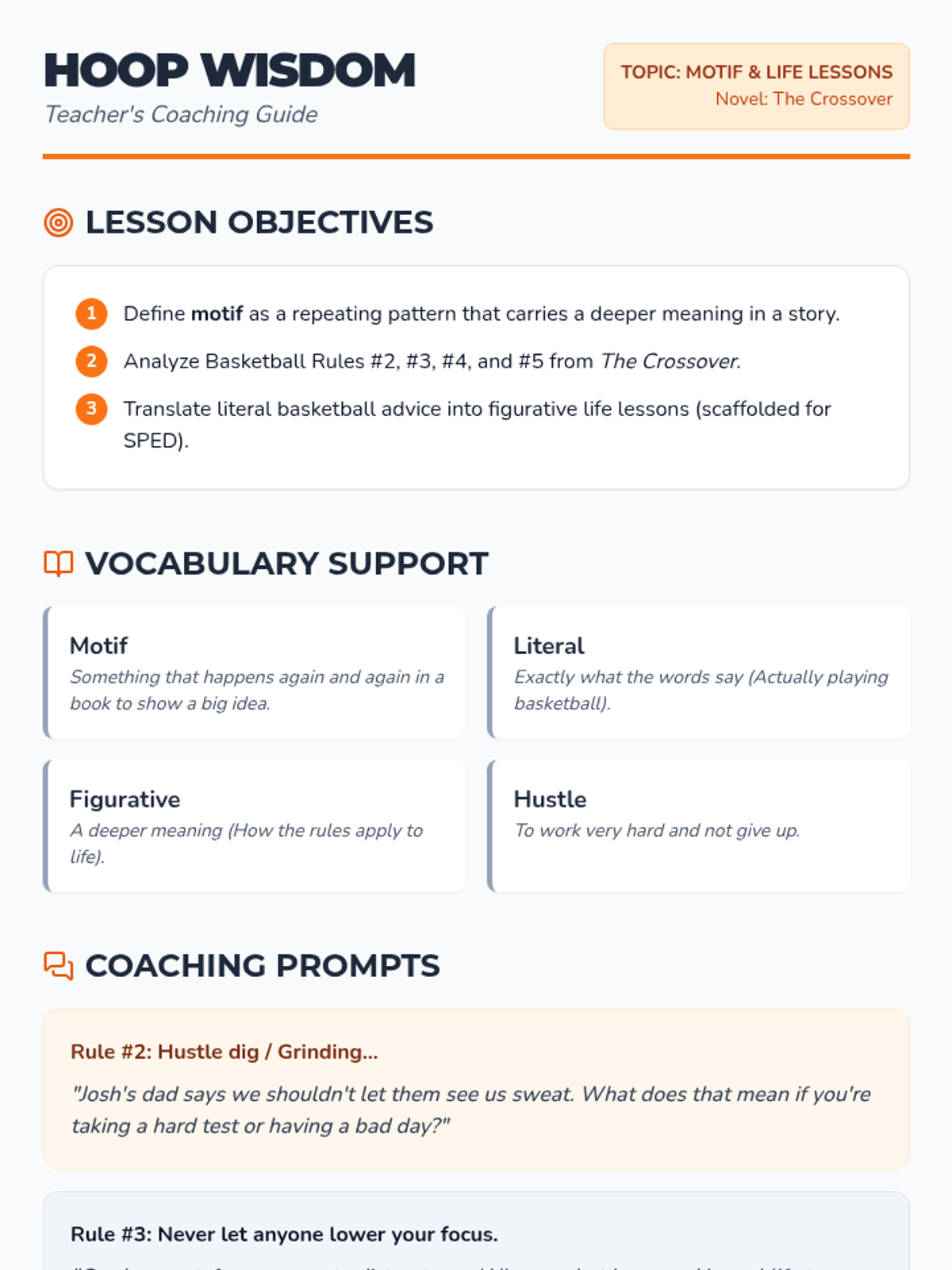
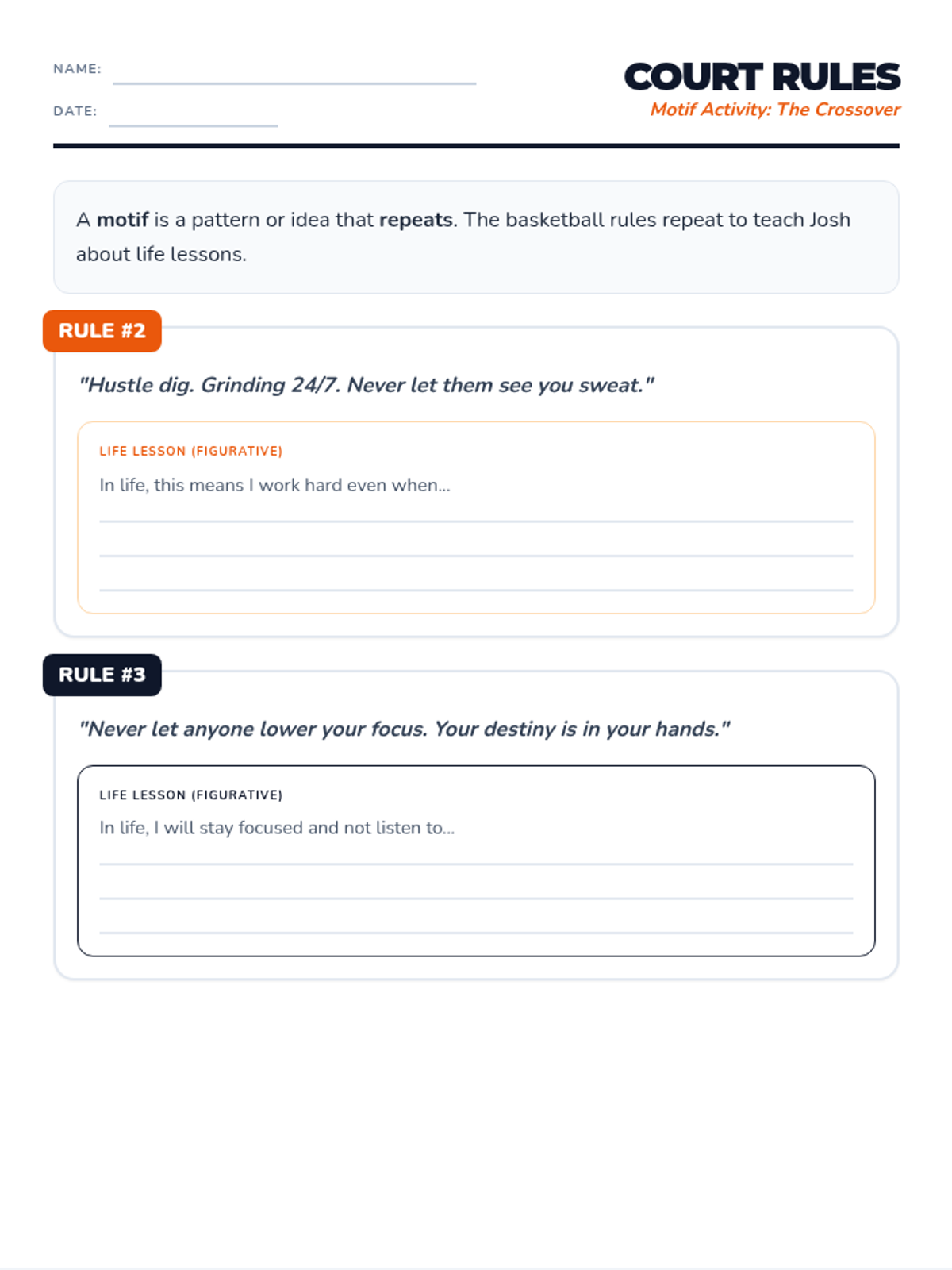
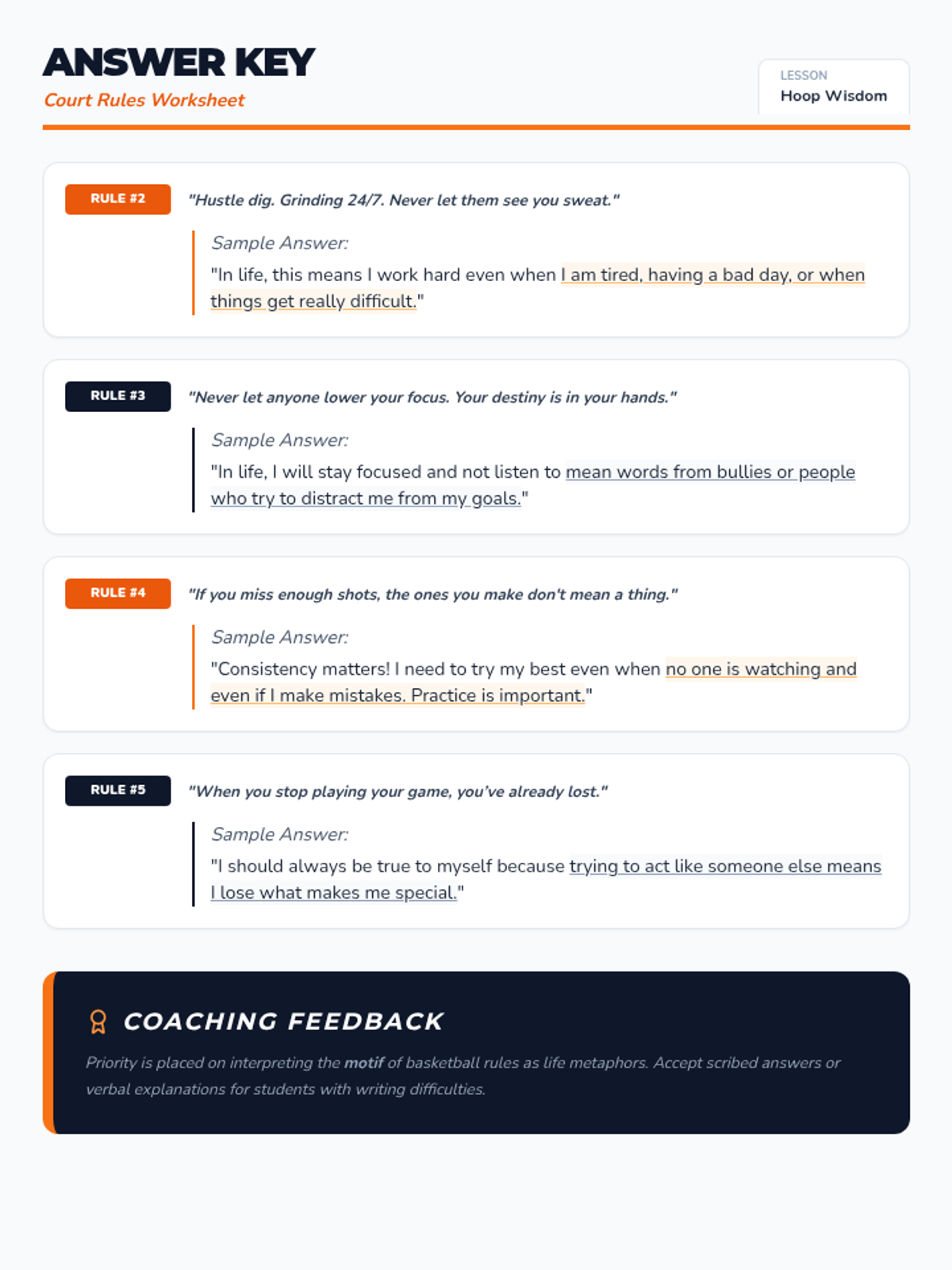
A lesson exploring the motifs in Kwame Alexander's 'The Crossover', specifically focusing on Basketball Rules #2, #3, #4, and #5 and their application to life lessons for 6th grade students.
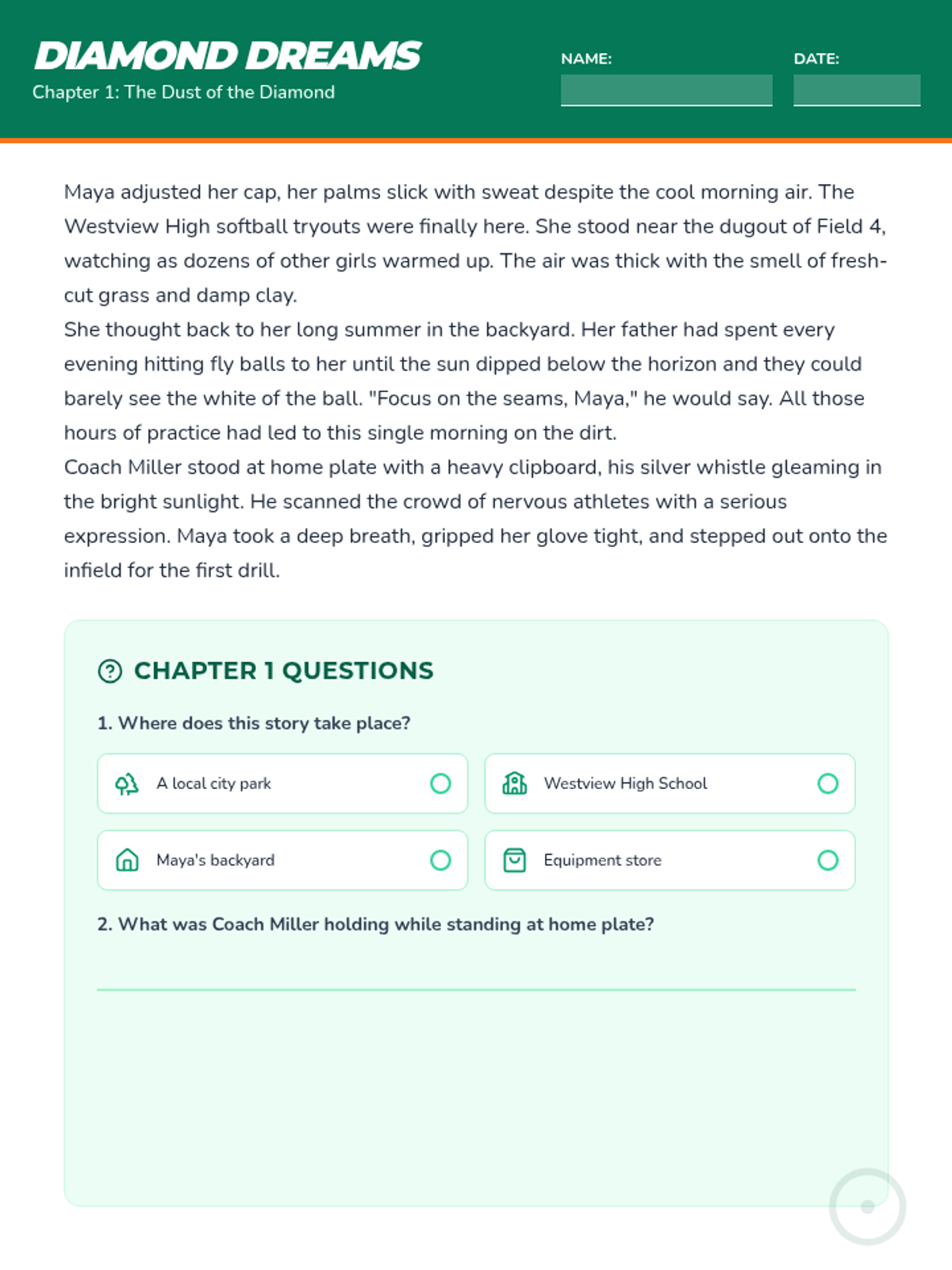
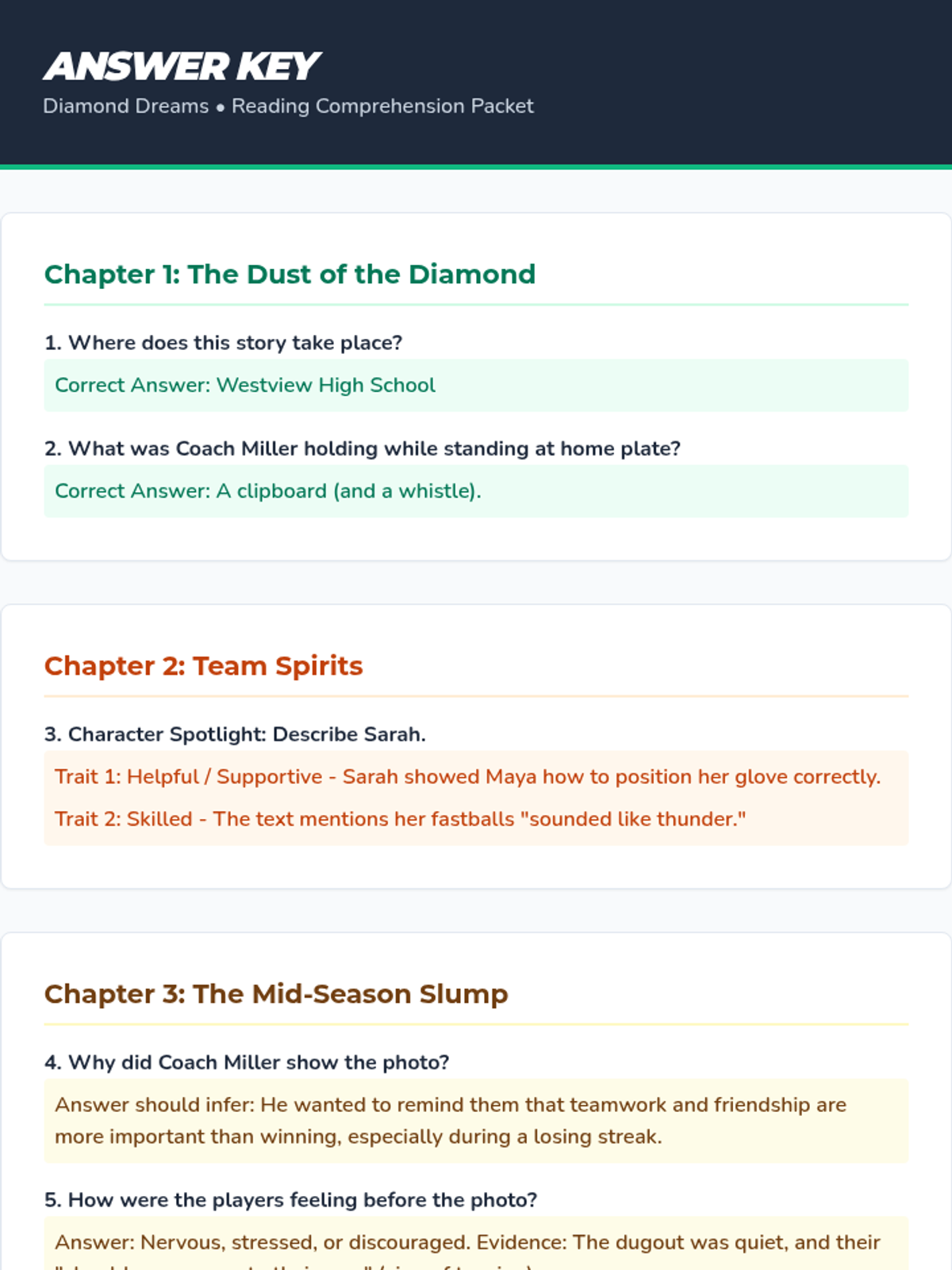
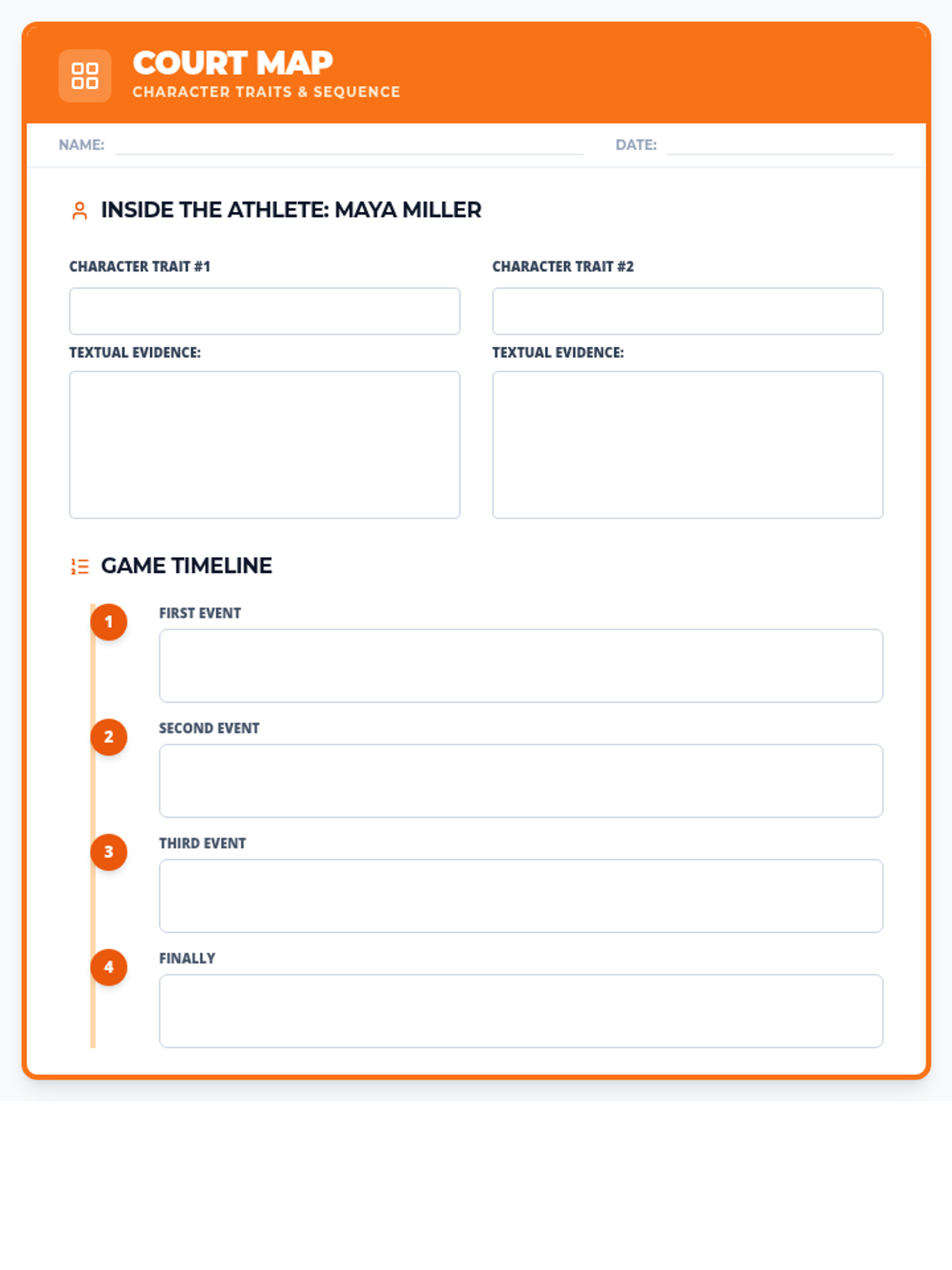
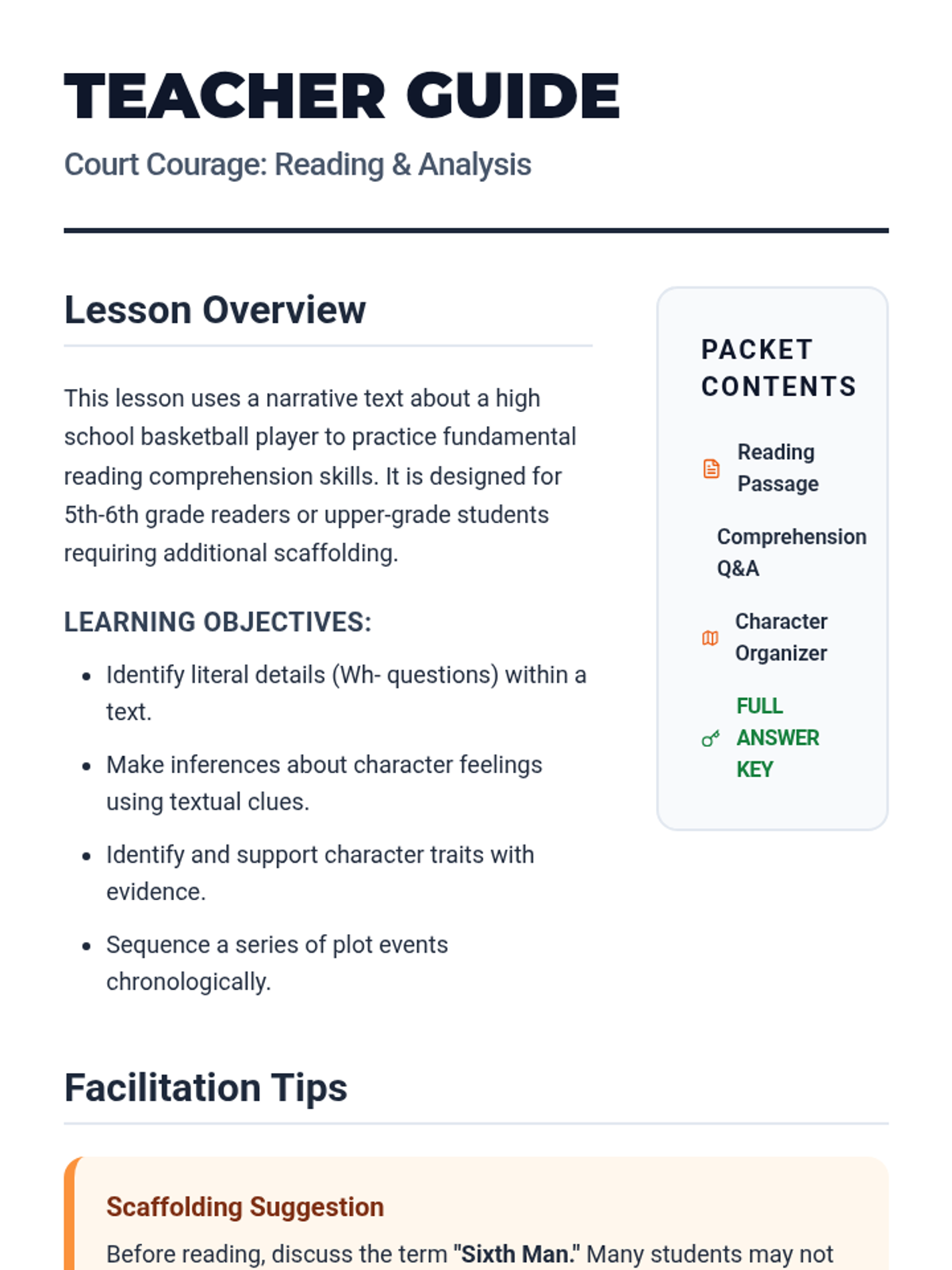
A reading comprehension packet focused on Maya, a high school girl's journey on the softball field, targeting 5th-6th grade reading levels with scaffolding for inferences, sequencing, and character traits.
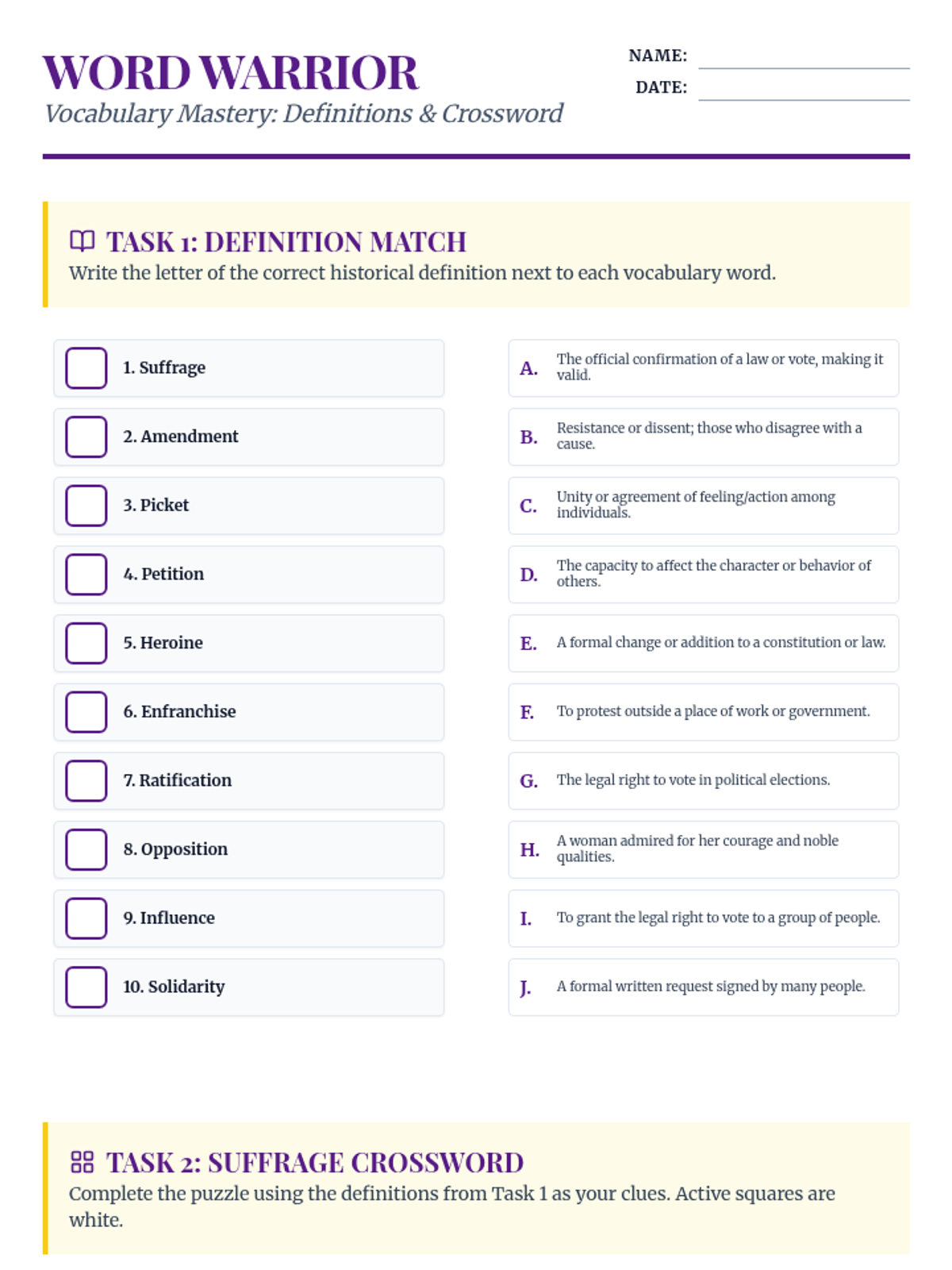
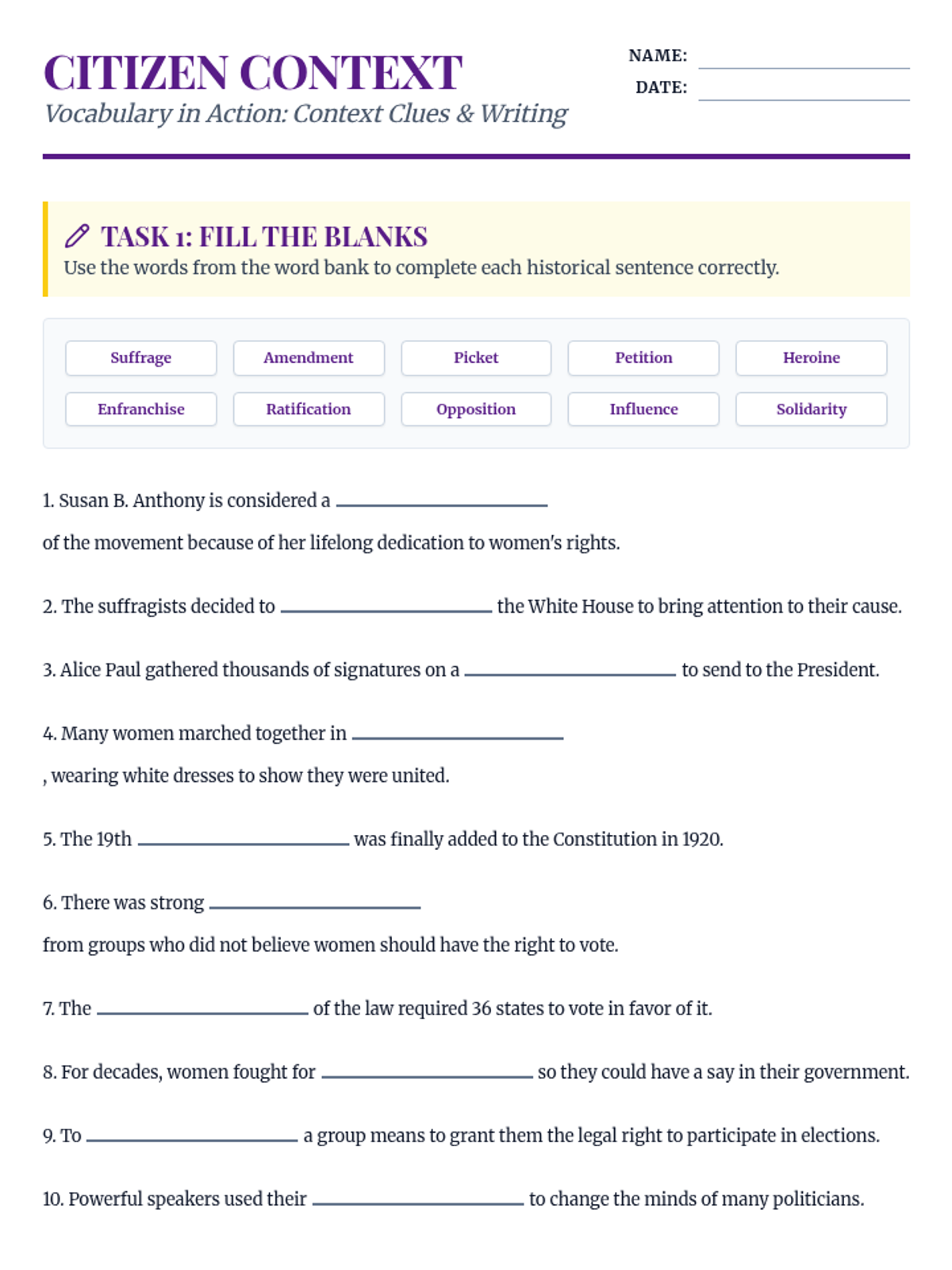
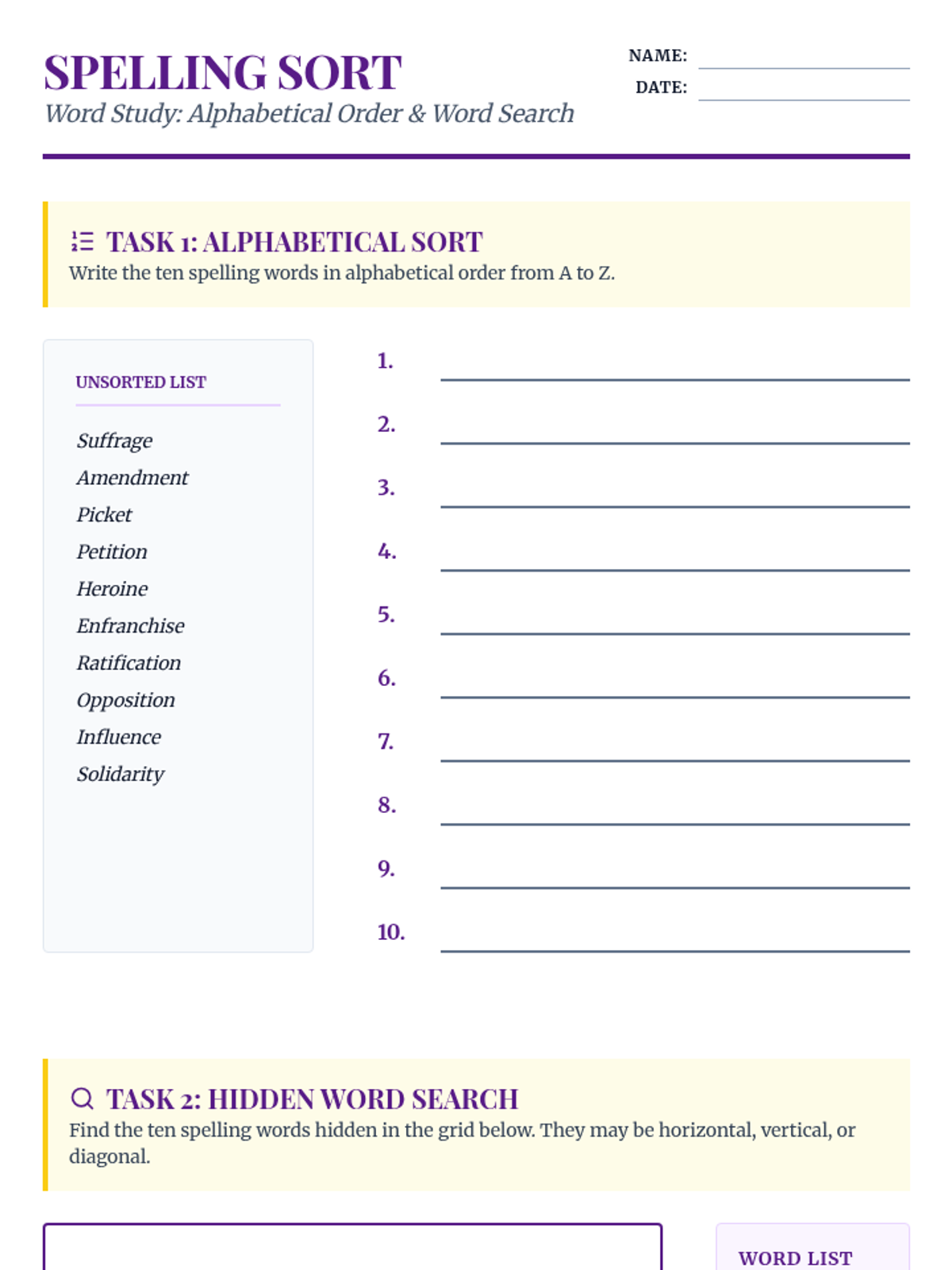
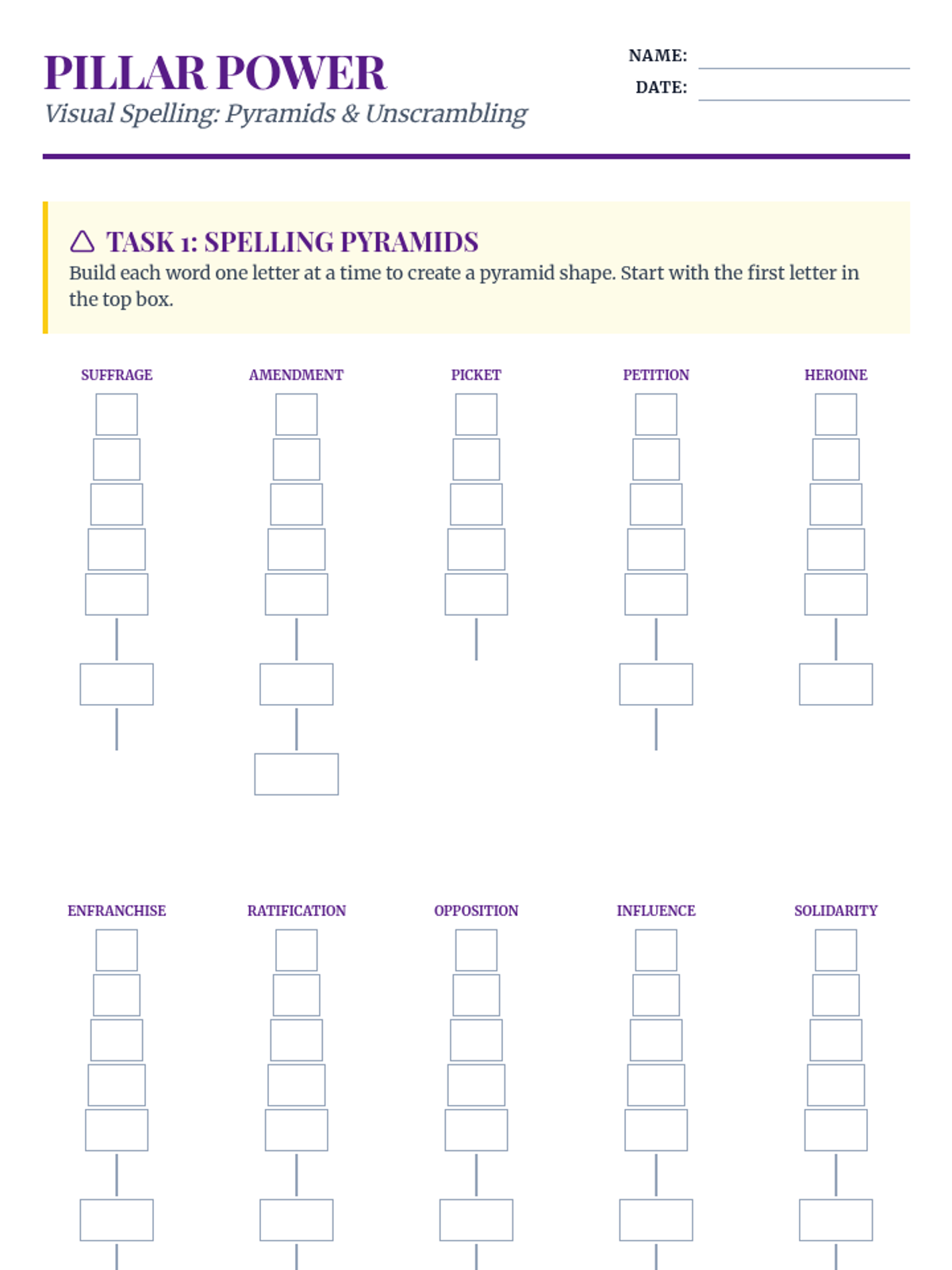
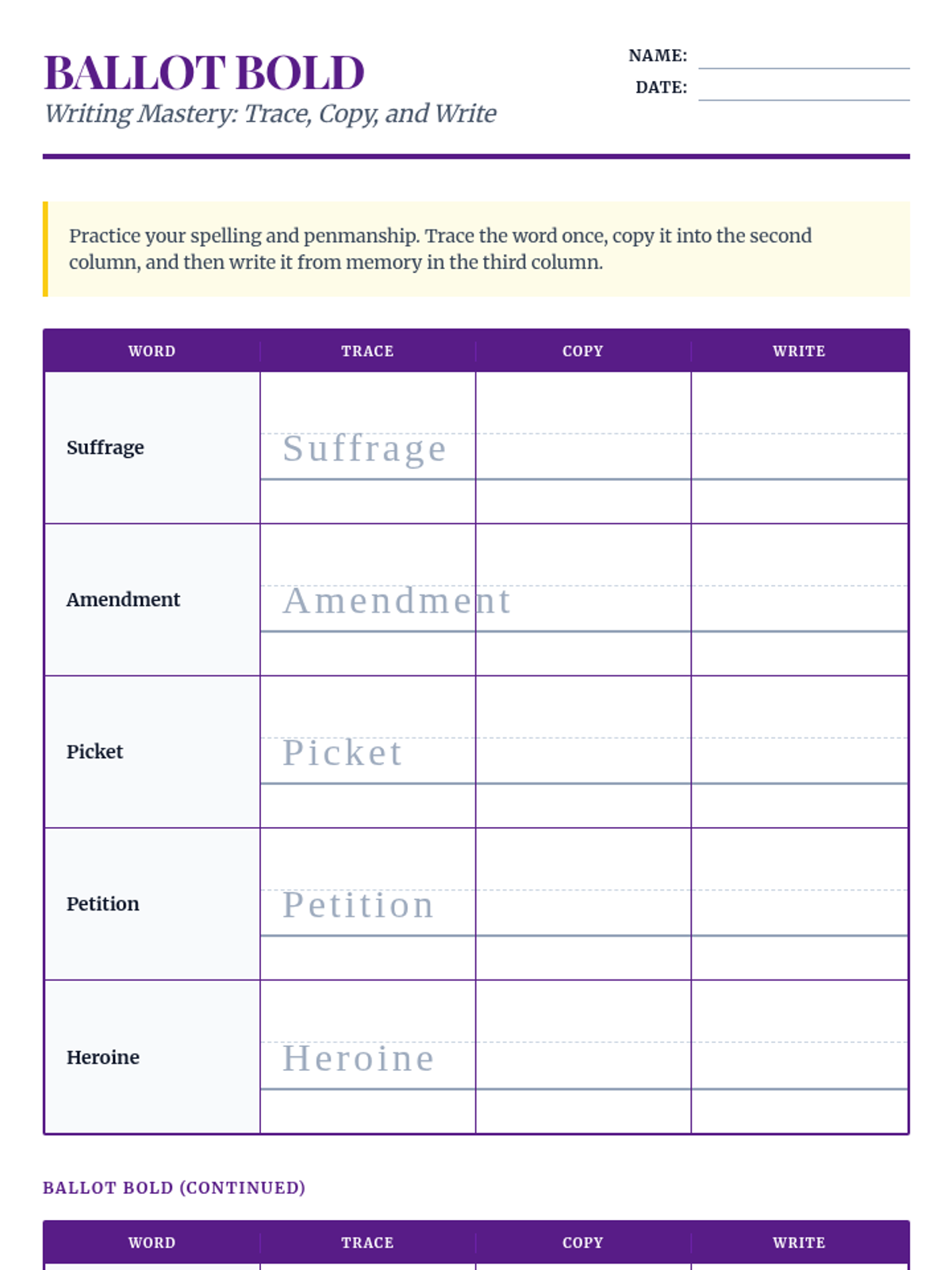
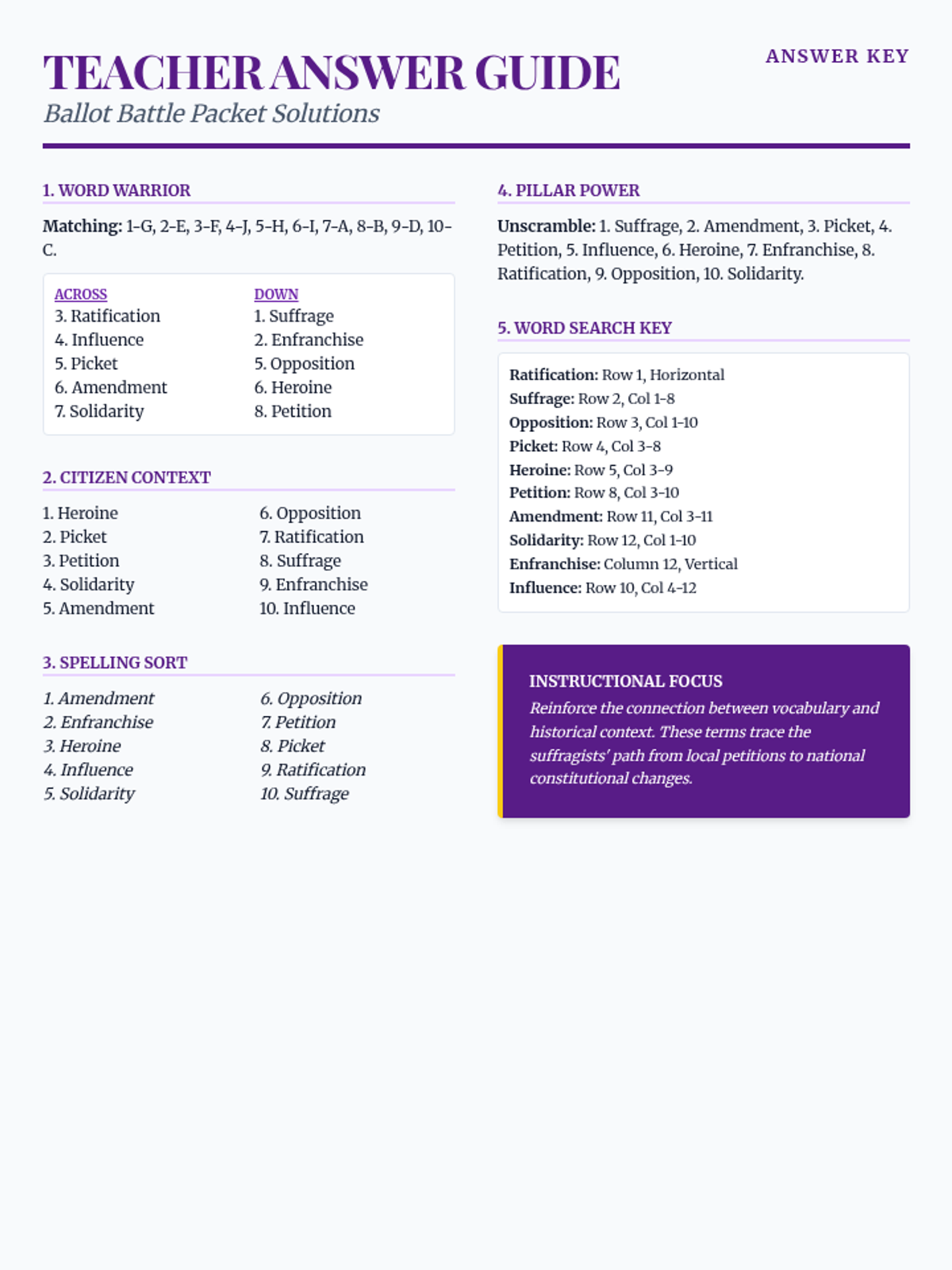
A comprehensive vocabulary and spelling packet focused on the history and language of the Women's Suffrage movement. Students will master ten thematic words through diverse linguistic and orthographic activities.
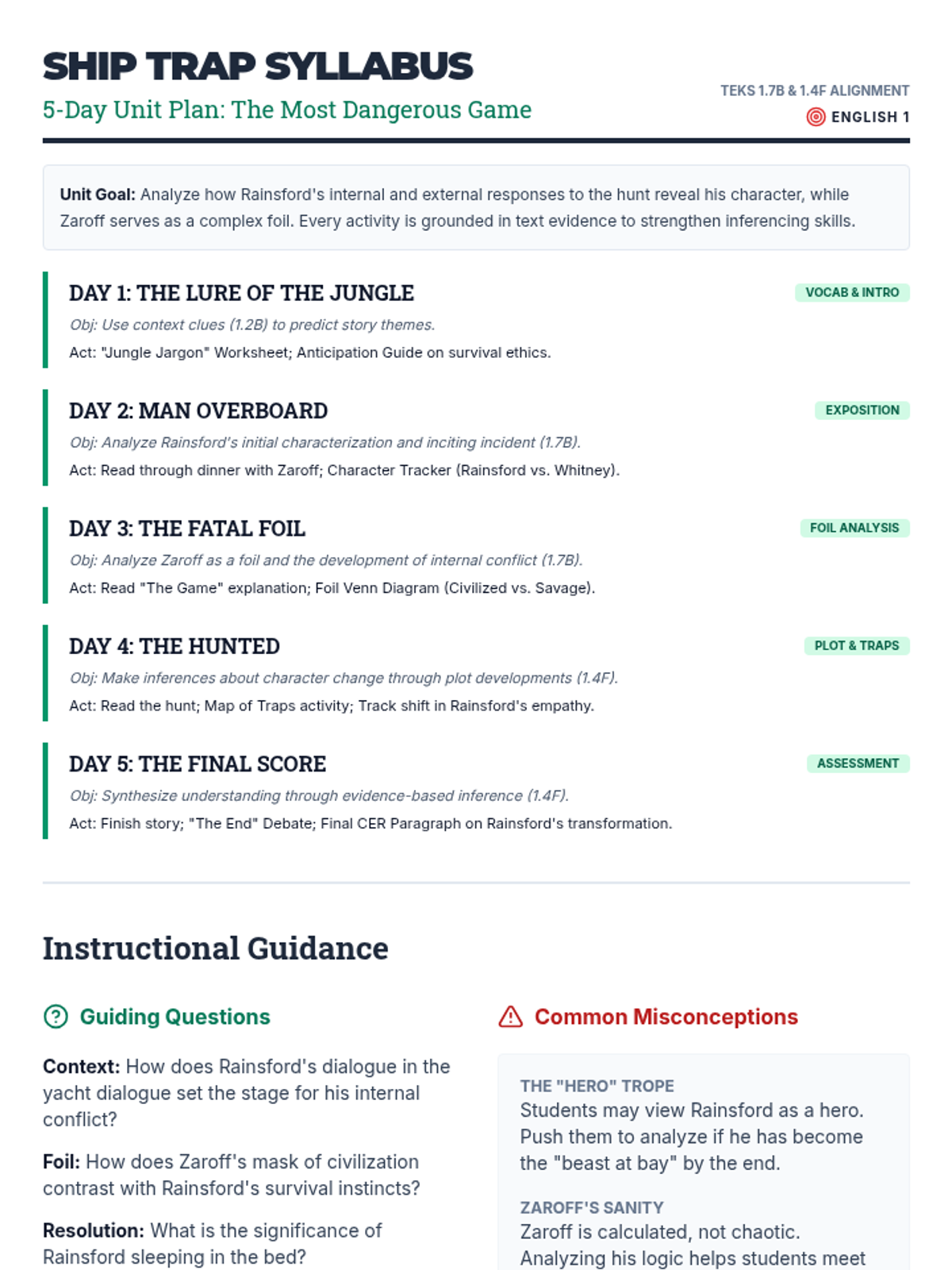
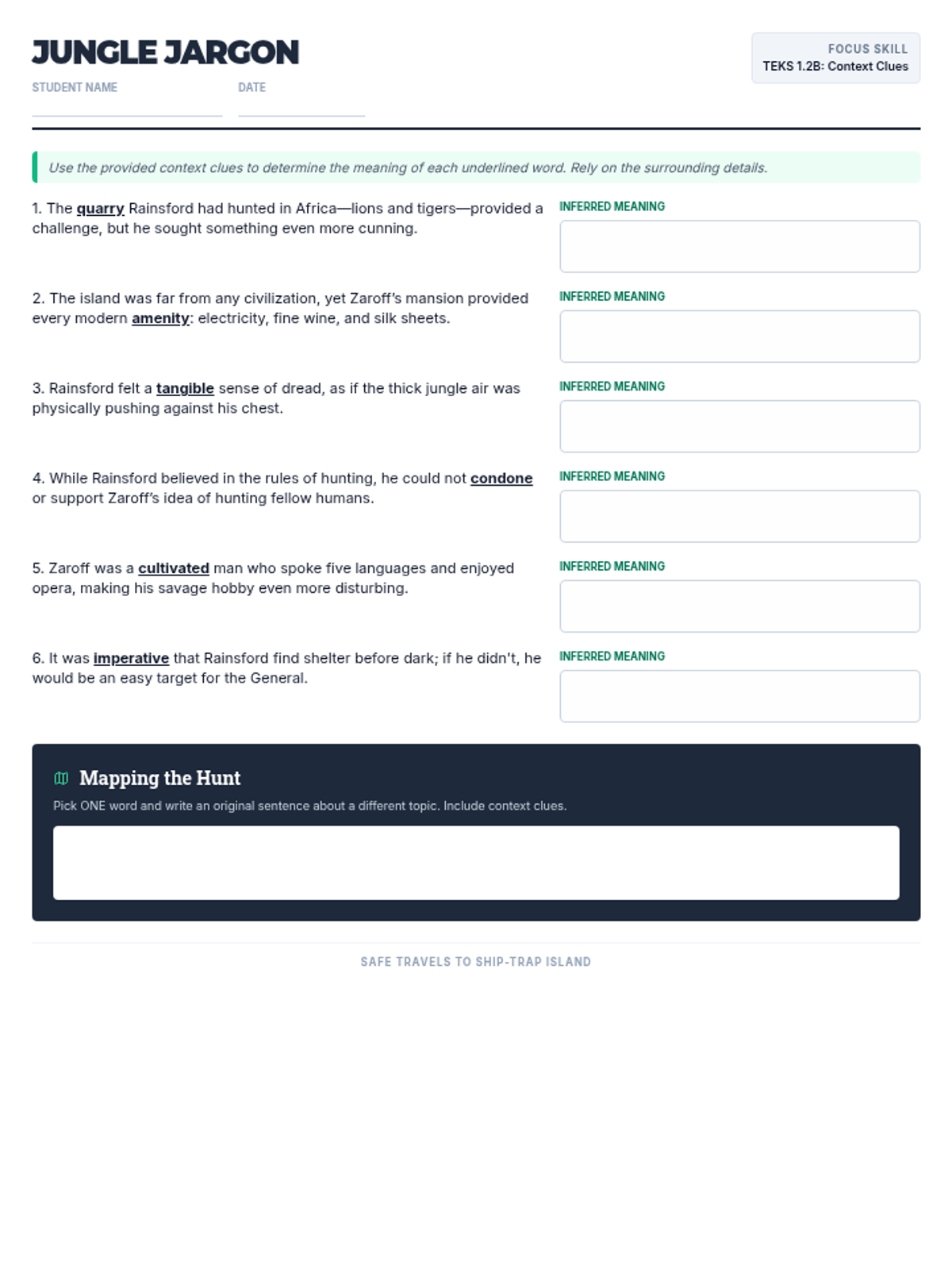
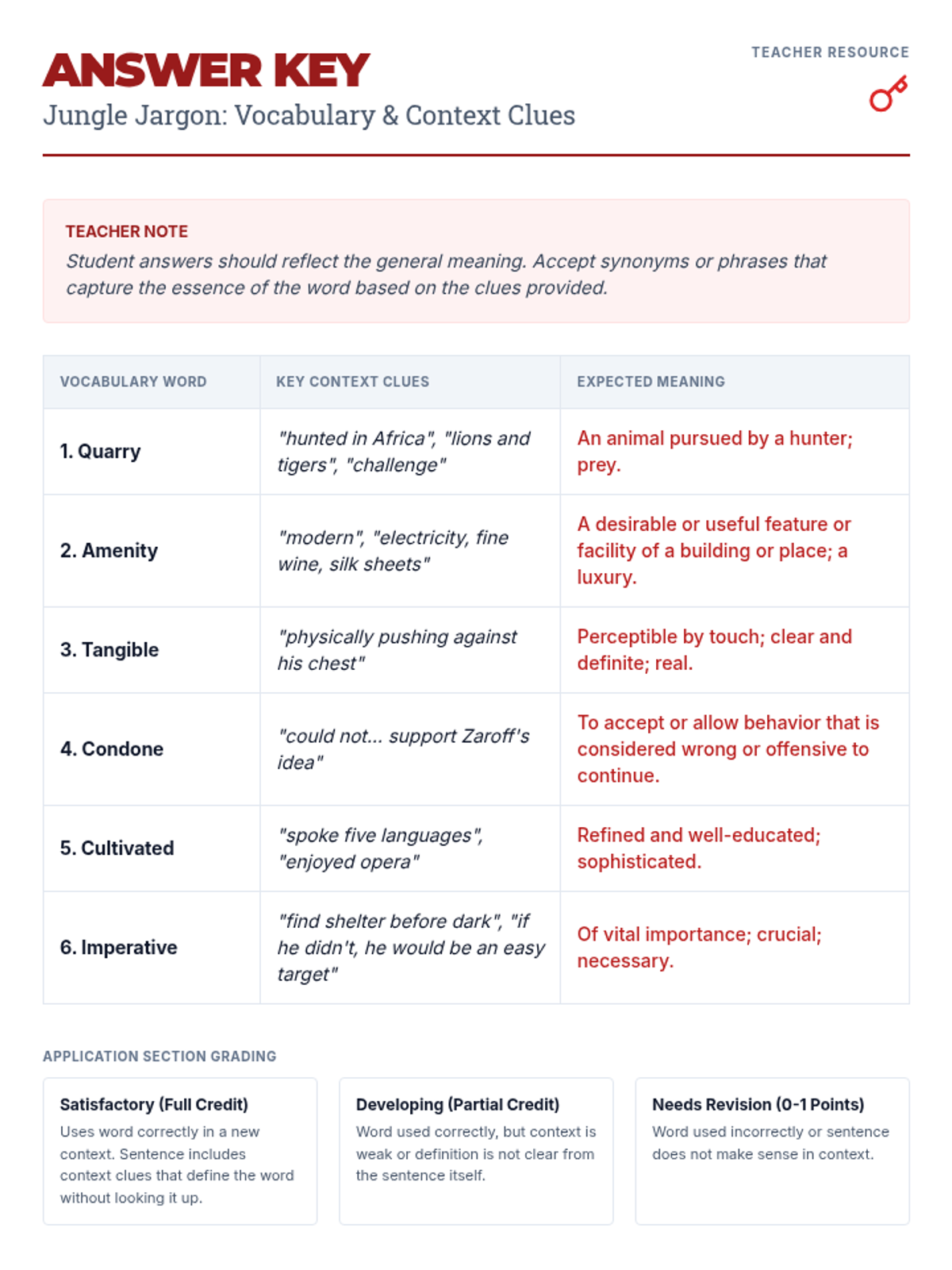
Foundational materials for the unit, including the master 5-day plan and introductory vocabulary exercises to build context for the story's themes.
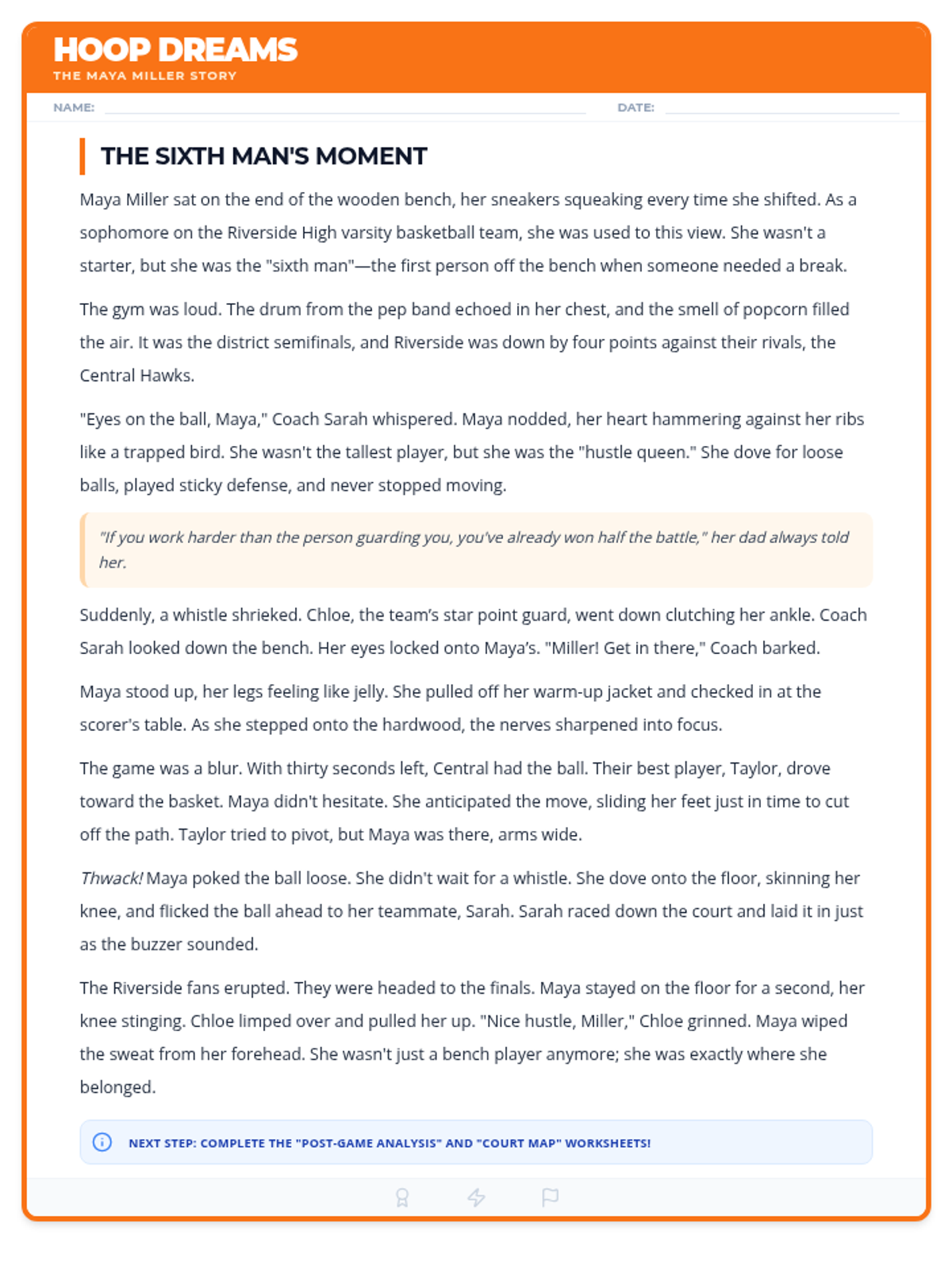
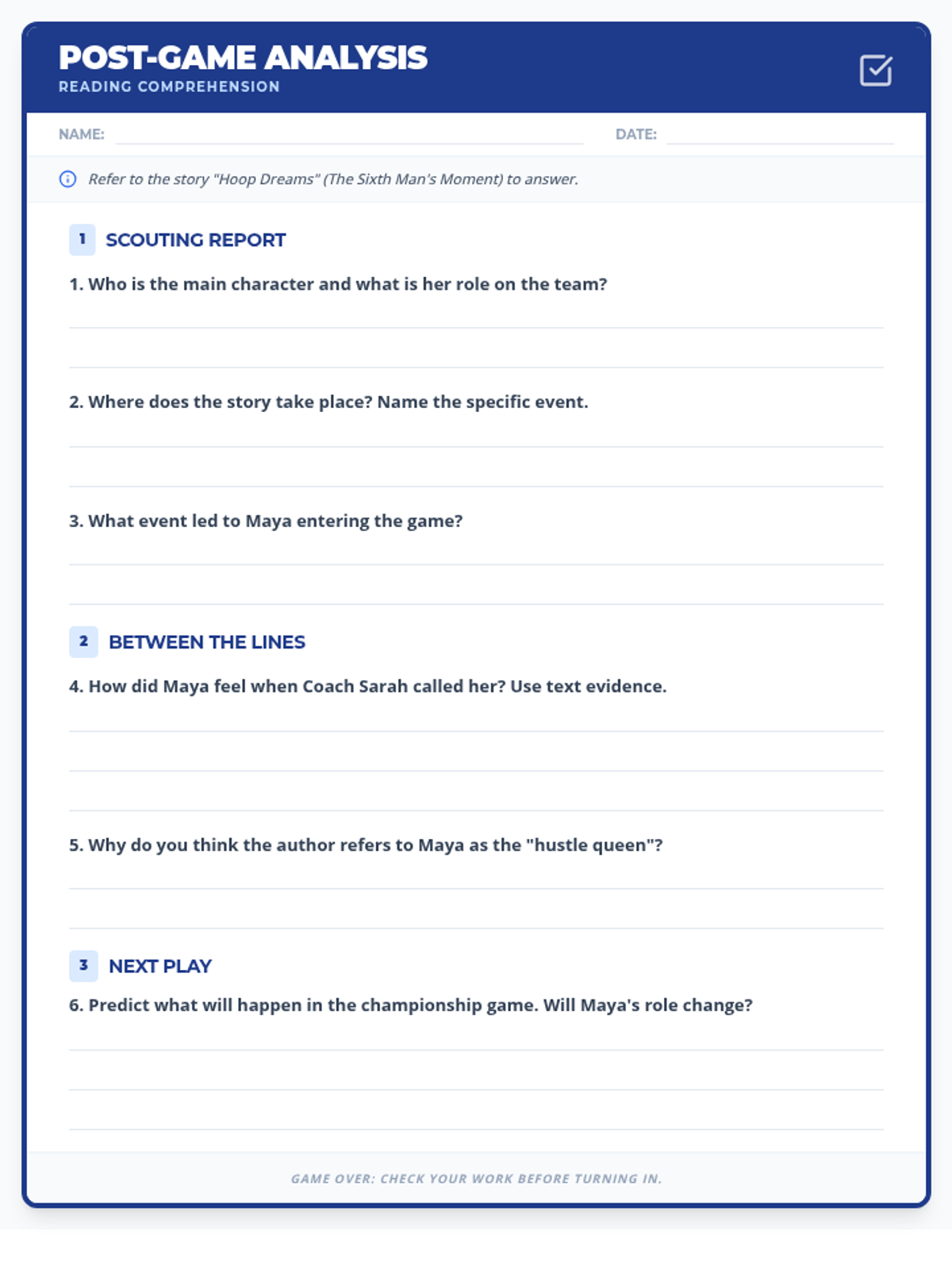
A comprehensive reading comprehension lesson centered on a story about a high school basketball player, focusing on literal understanding, inference, and character analysis.
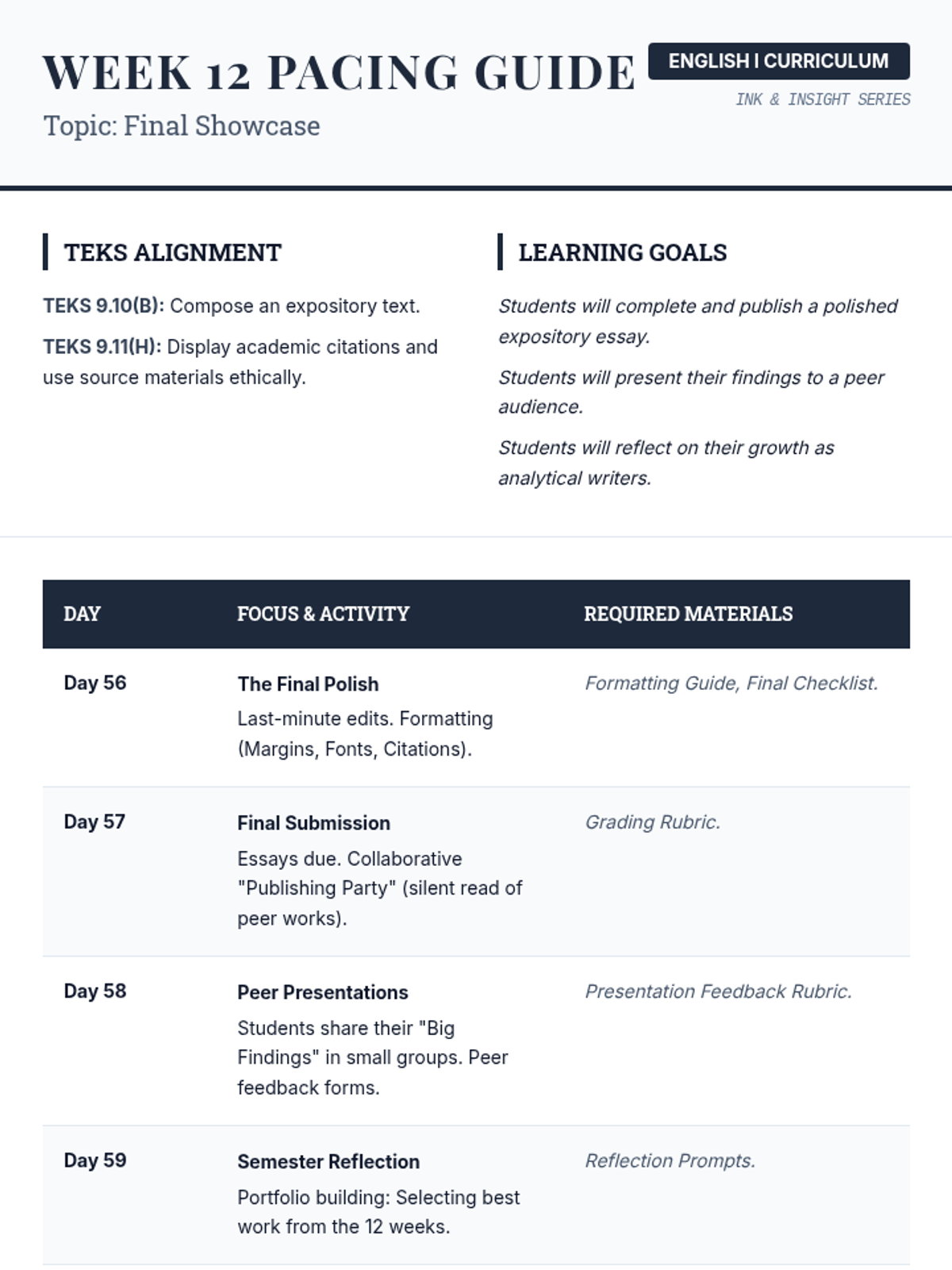
Summative expository writing project involving research, drafting, and peer publication.
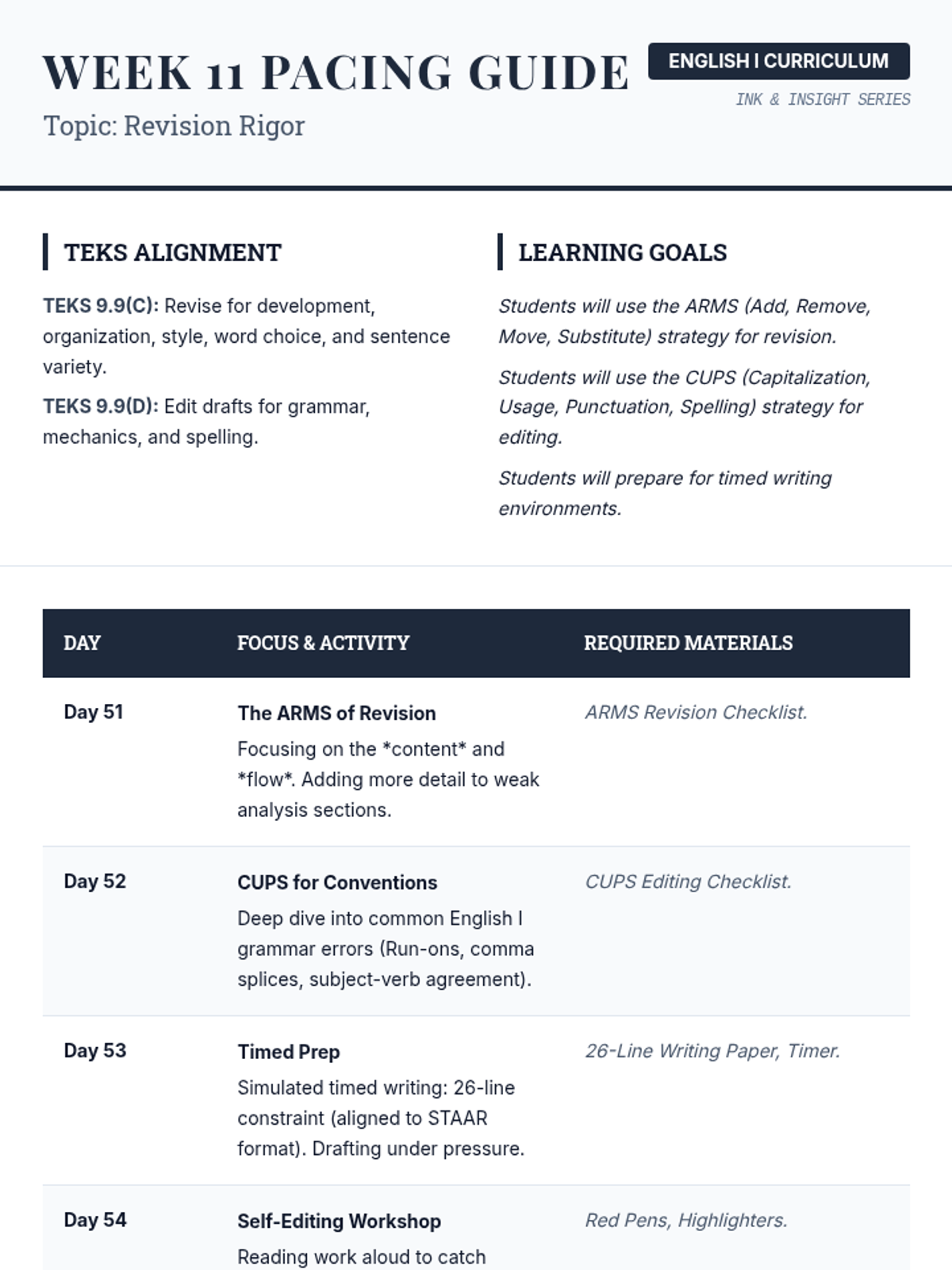
Strategies for revising content for clarity and editing for conventions in timed writing environments.
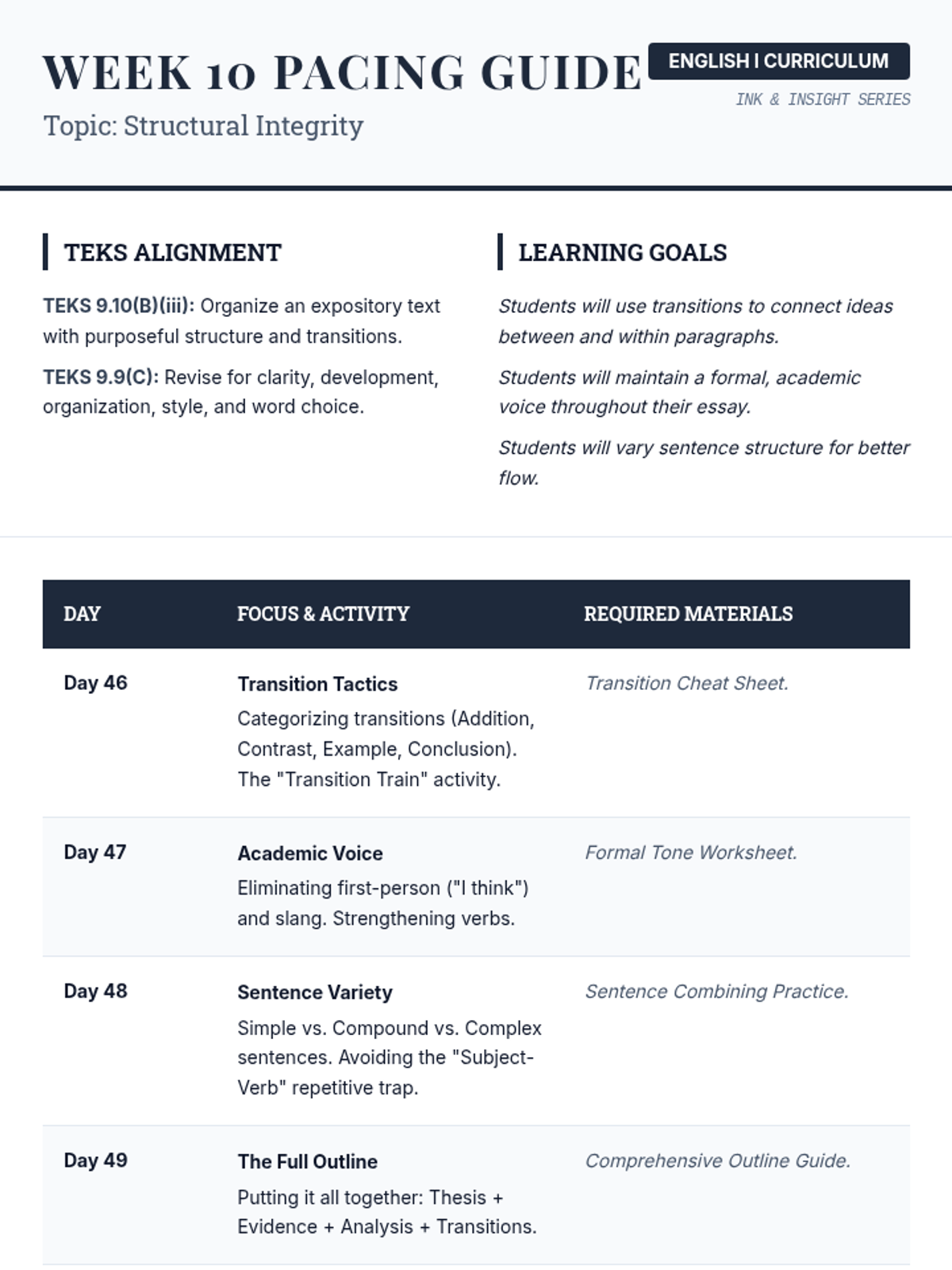
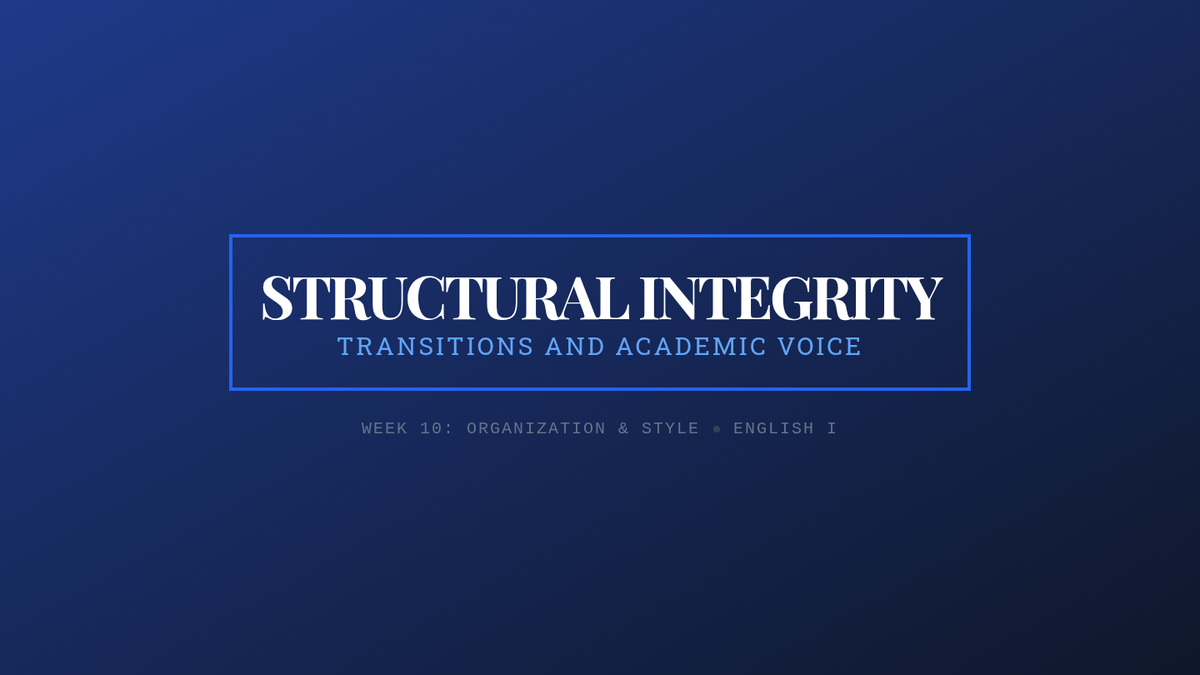
Developing logical flow through transitions, sentence variety, and academic voice.
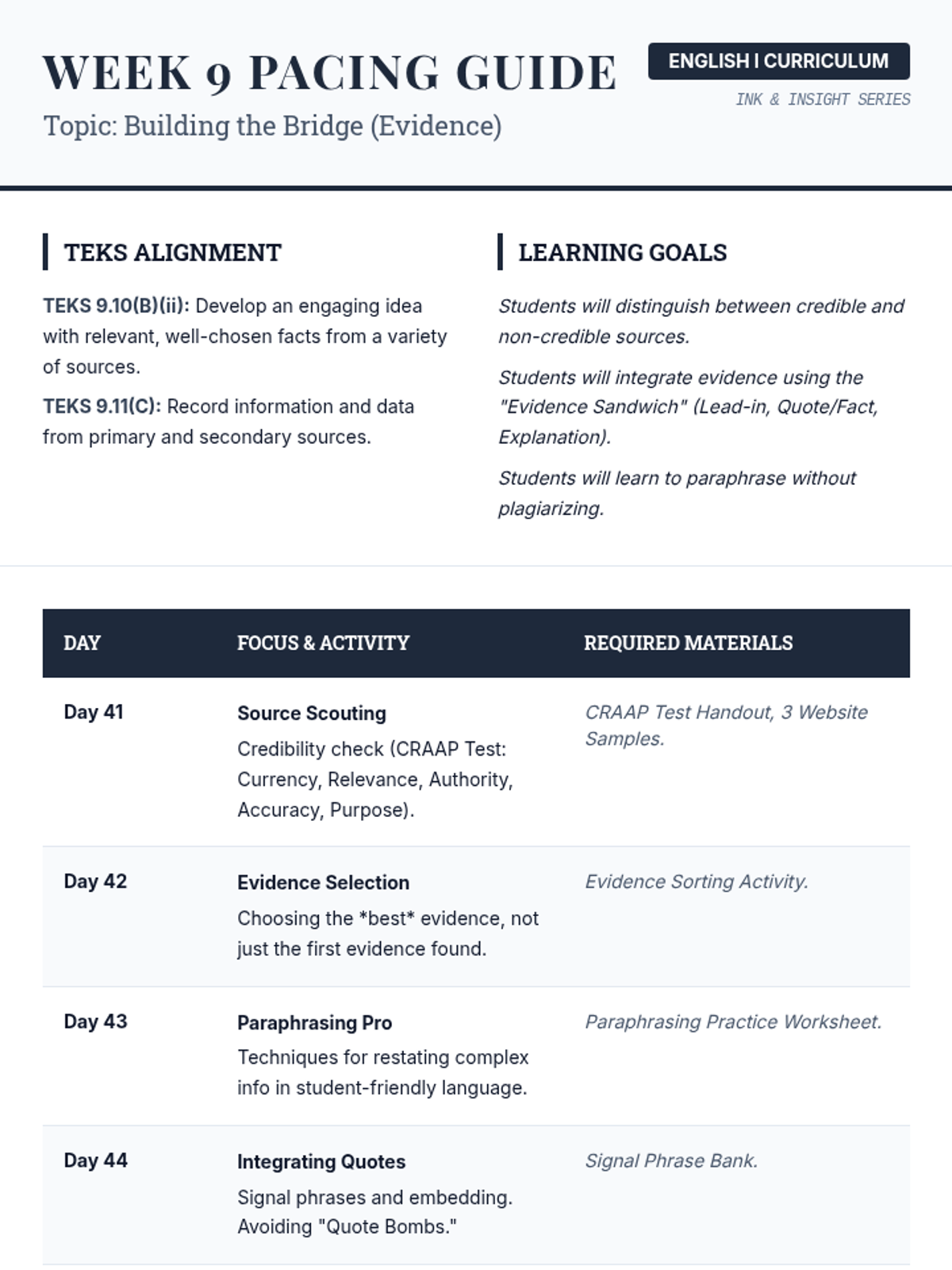
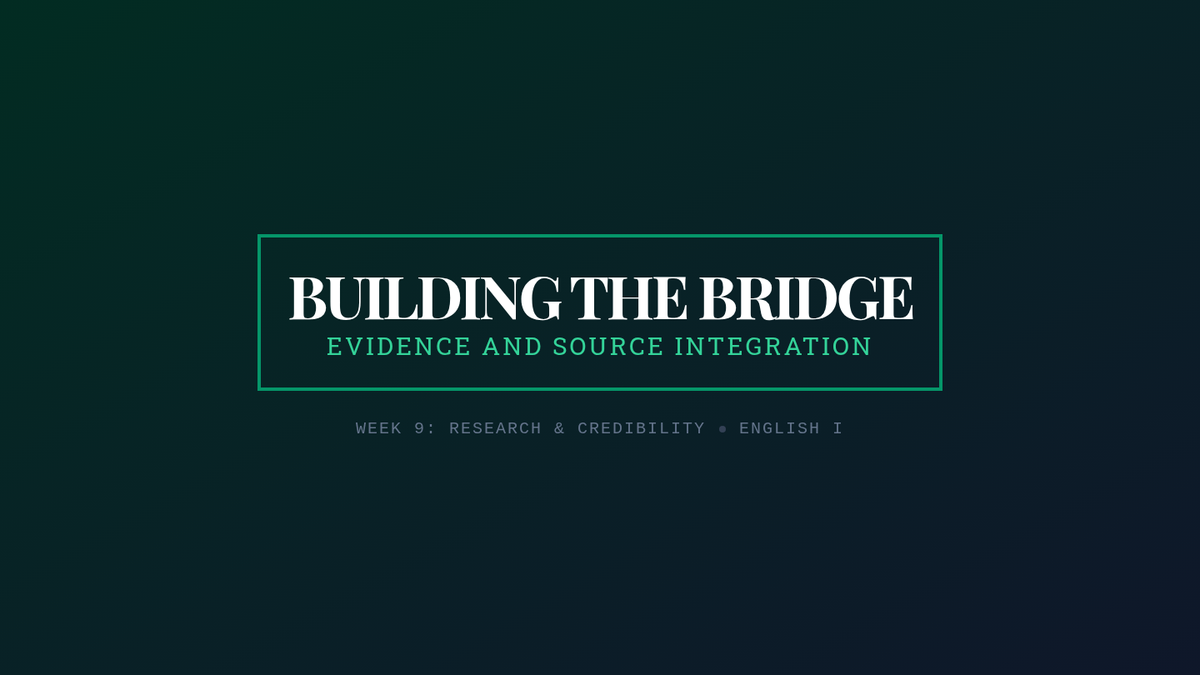
Strategies for researching, selecting, and integrating credible evidence to support expository claims.
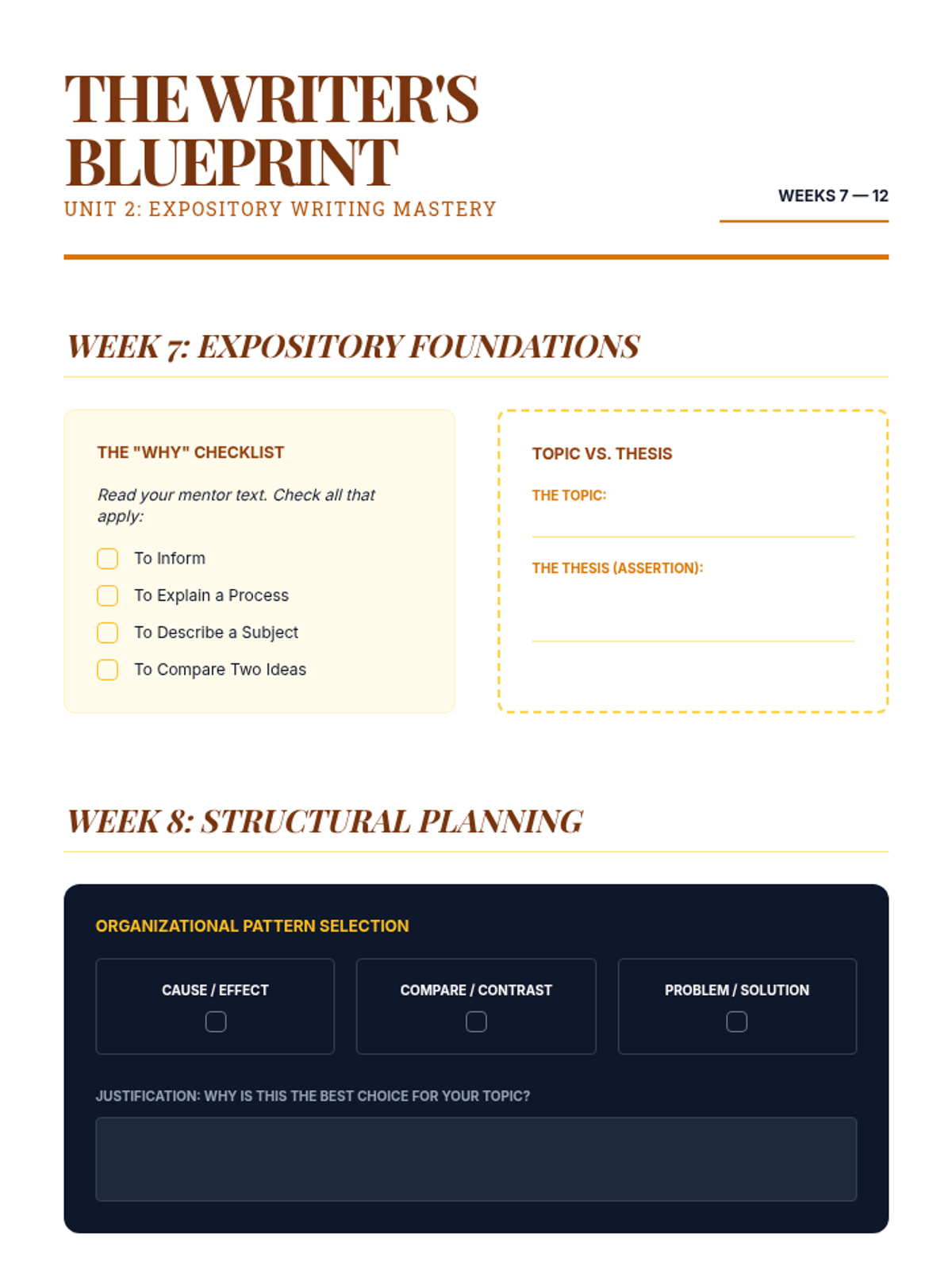
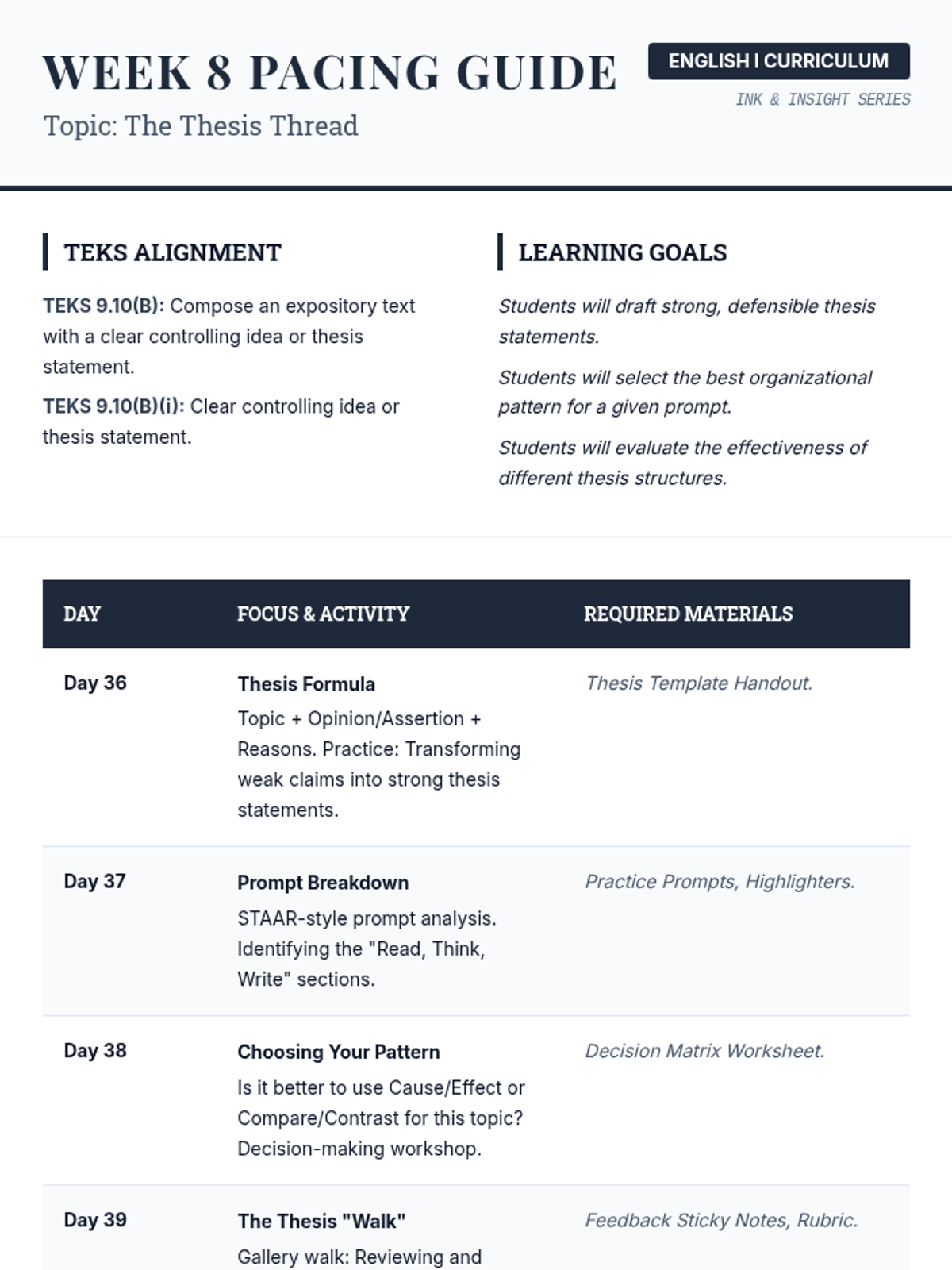
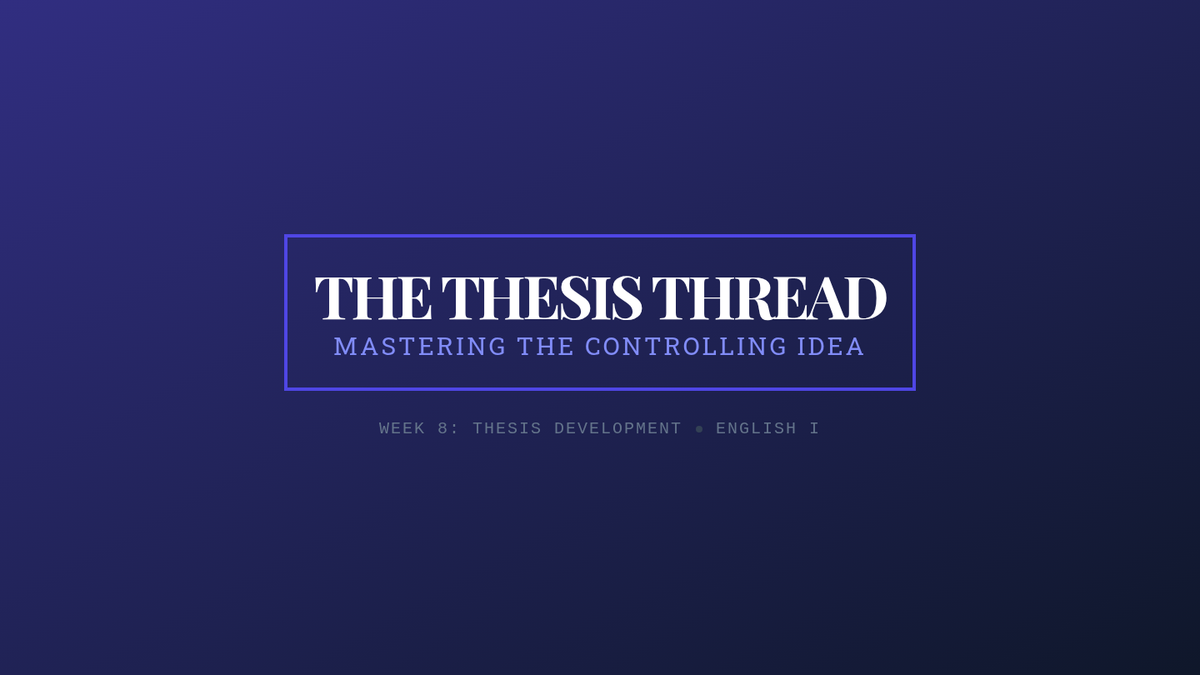
Crafting effective thesis statements and choosing organizational patterns for informative essays.
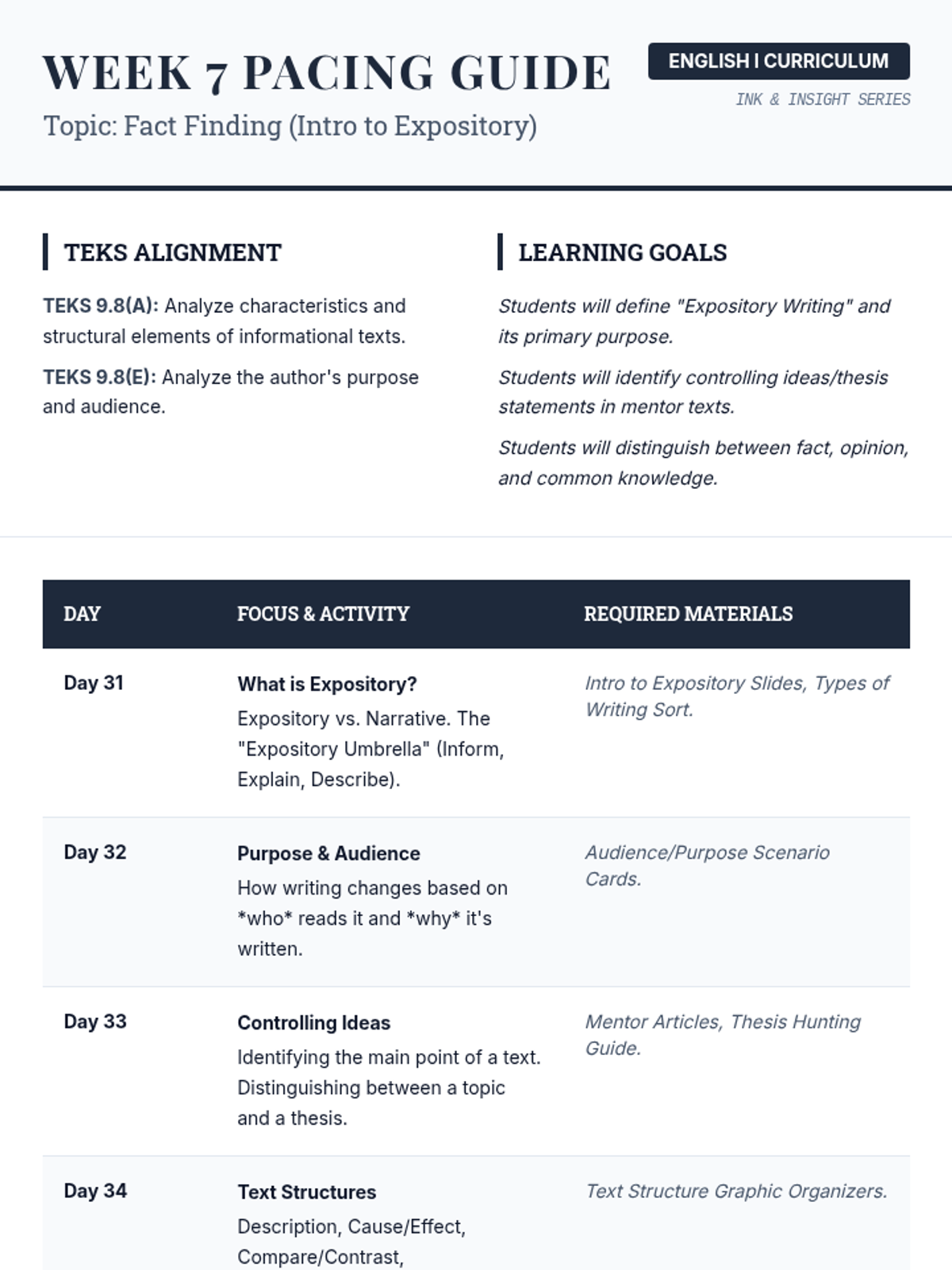
Introduction to the characteristics of expository writing, identifying purpose, and analyzing informational mentor texts.