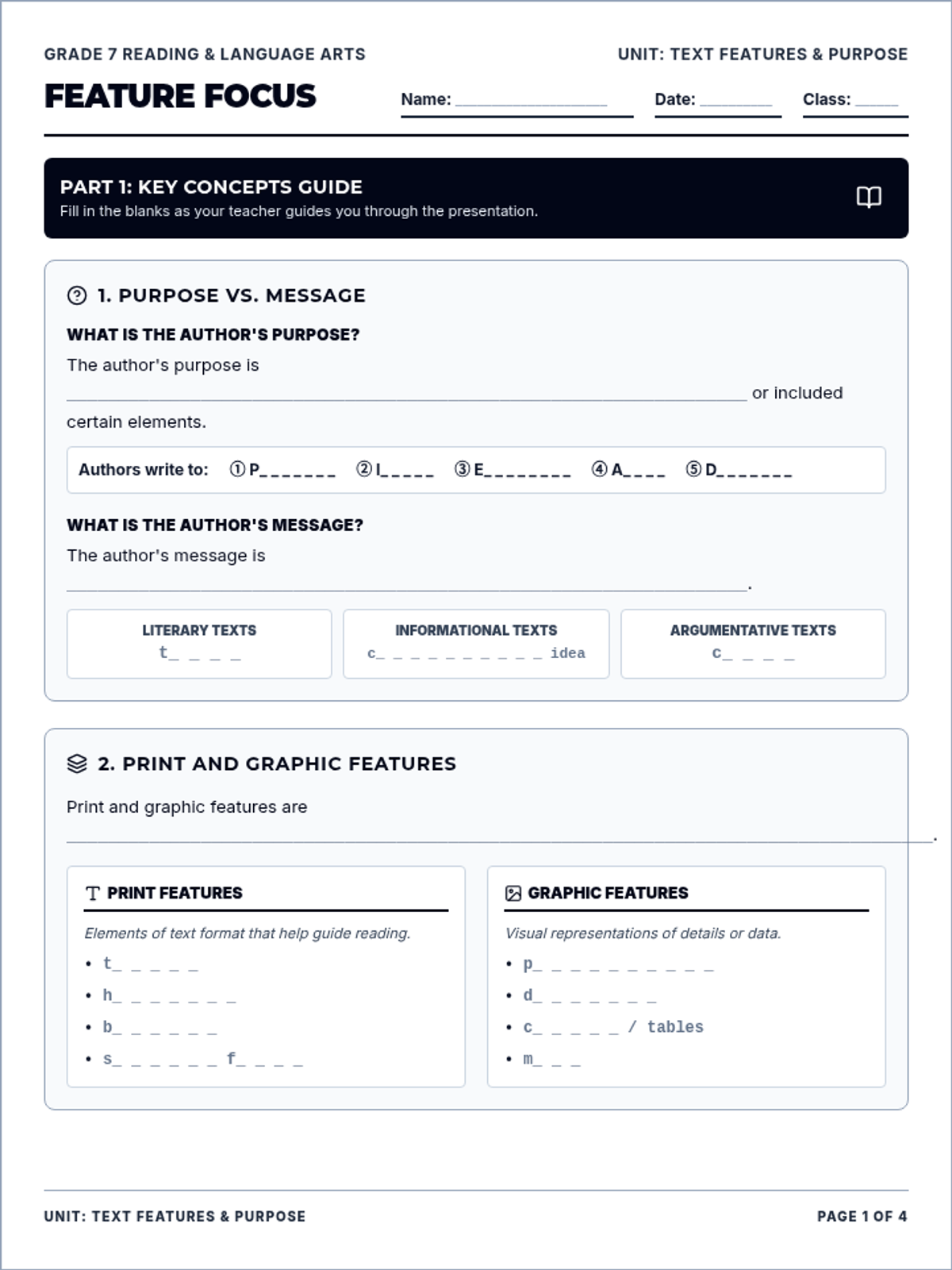
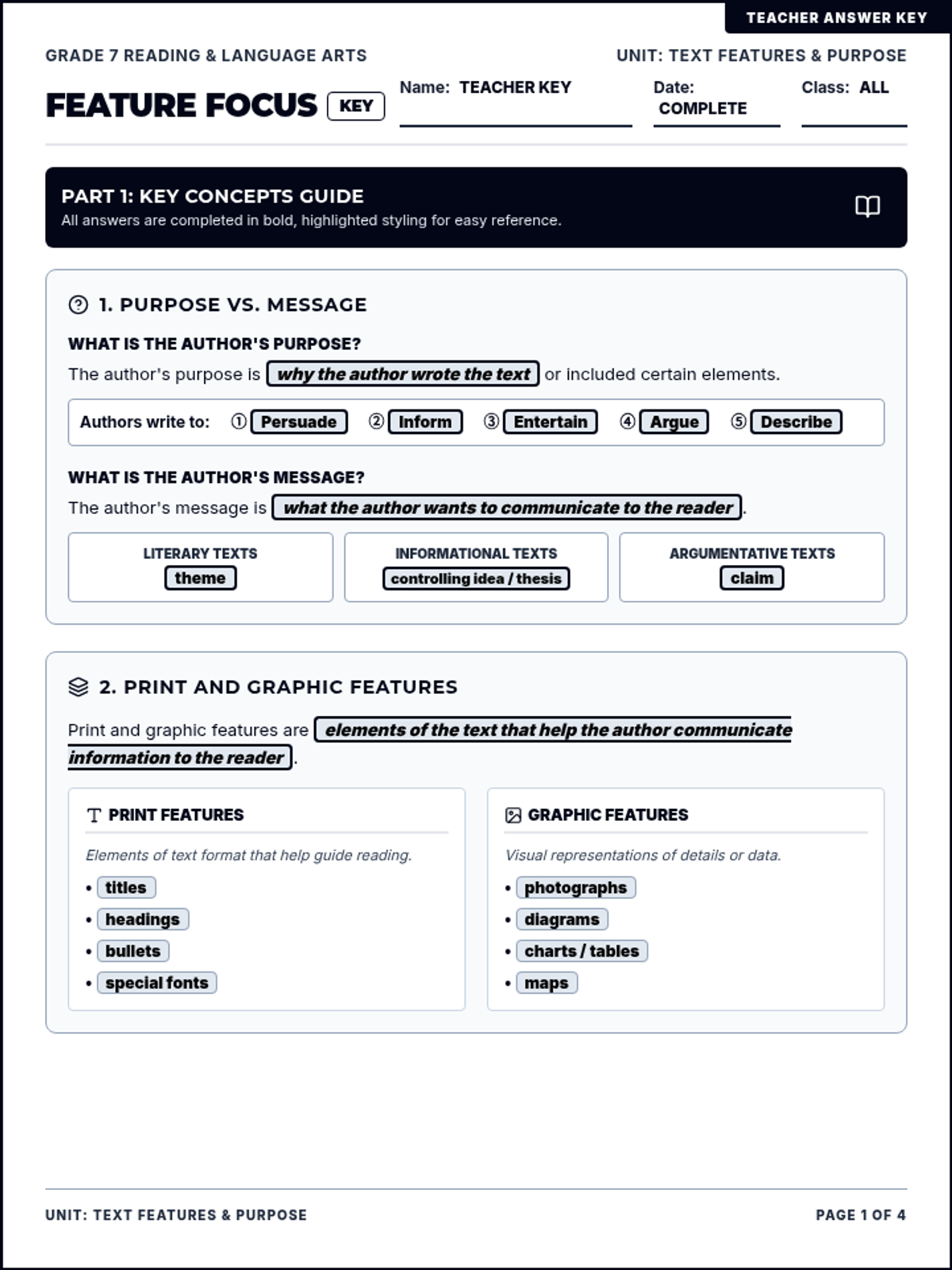
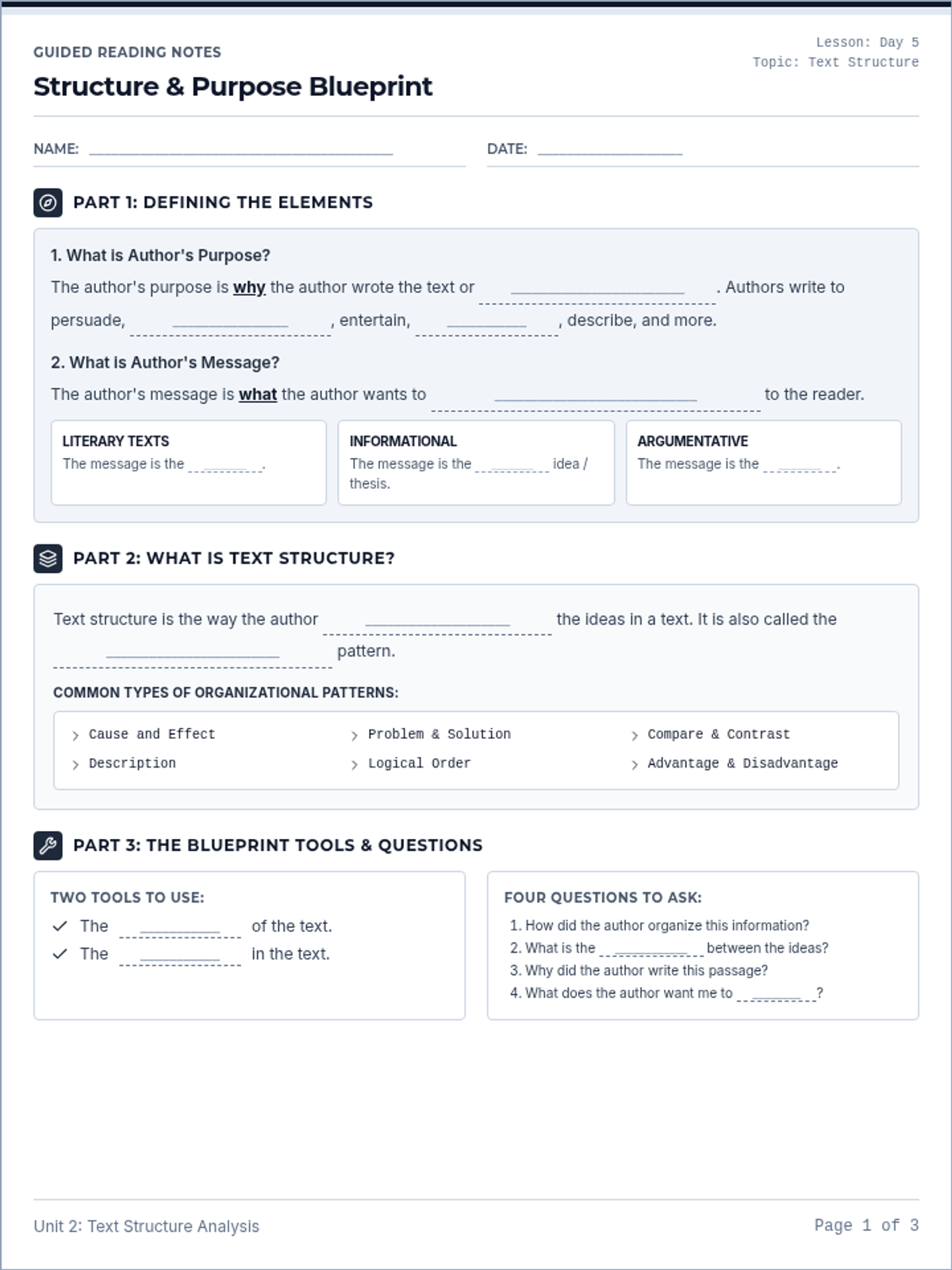
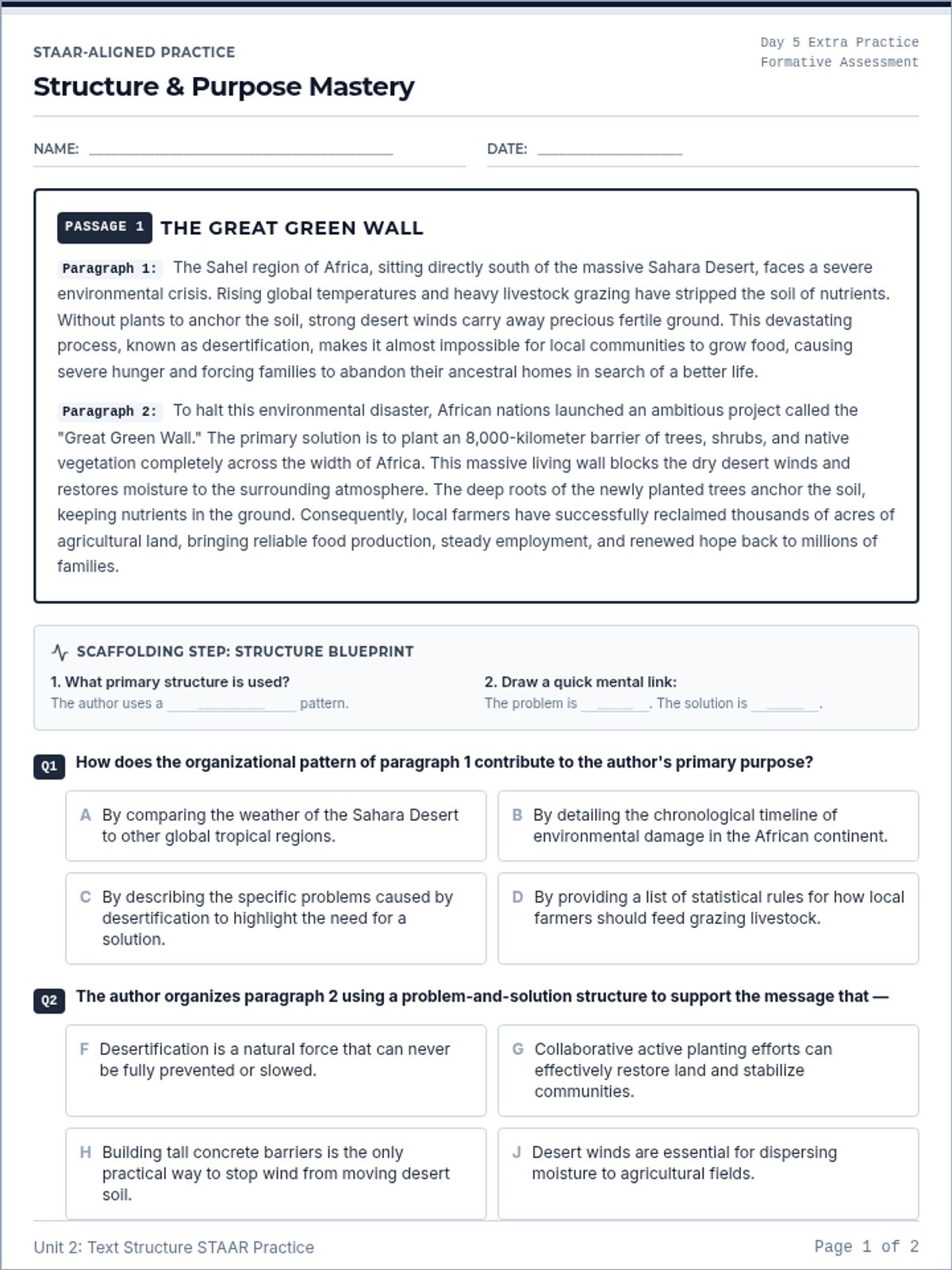
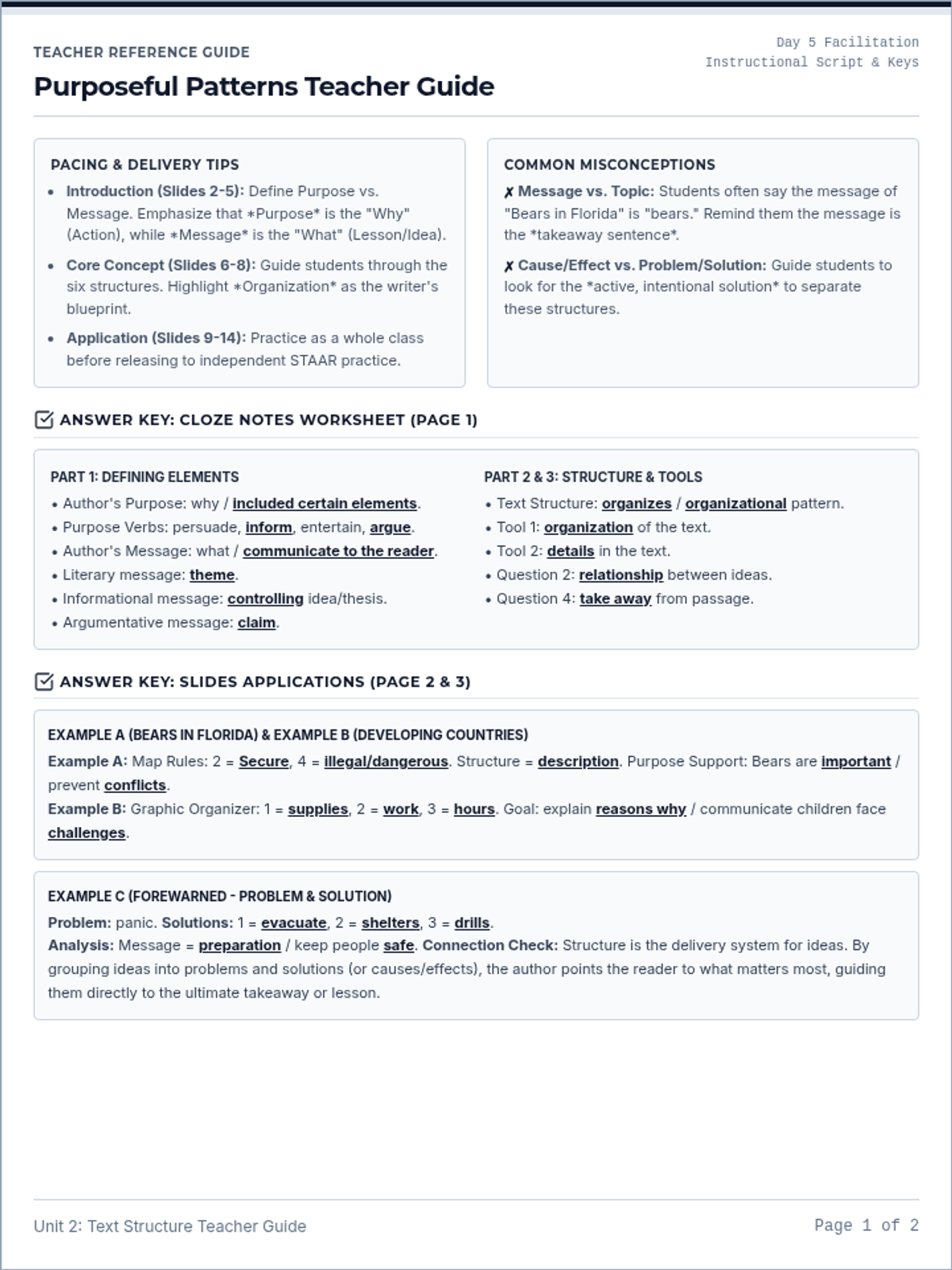
Students investigate how the organizational pattern directly supports the development of the main idea. Using a 'section autopsy' method, they will explain how shifting the structure would alter the reader's takeaway.
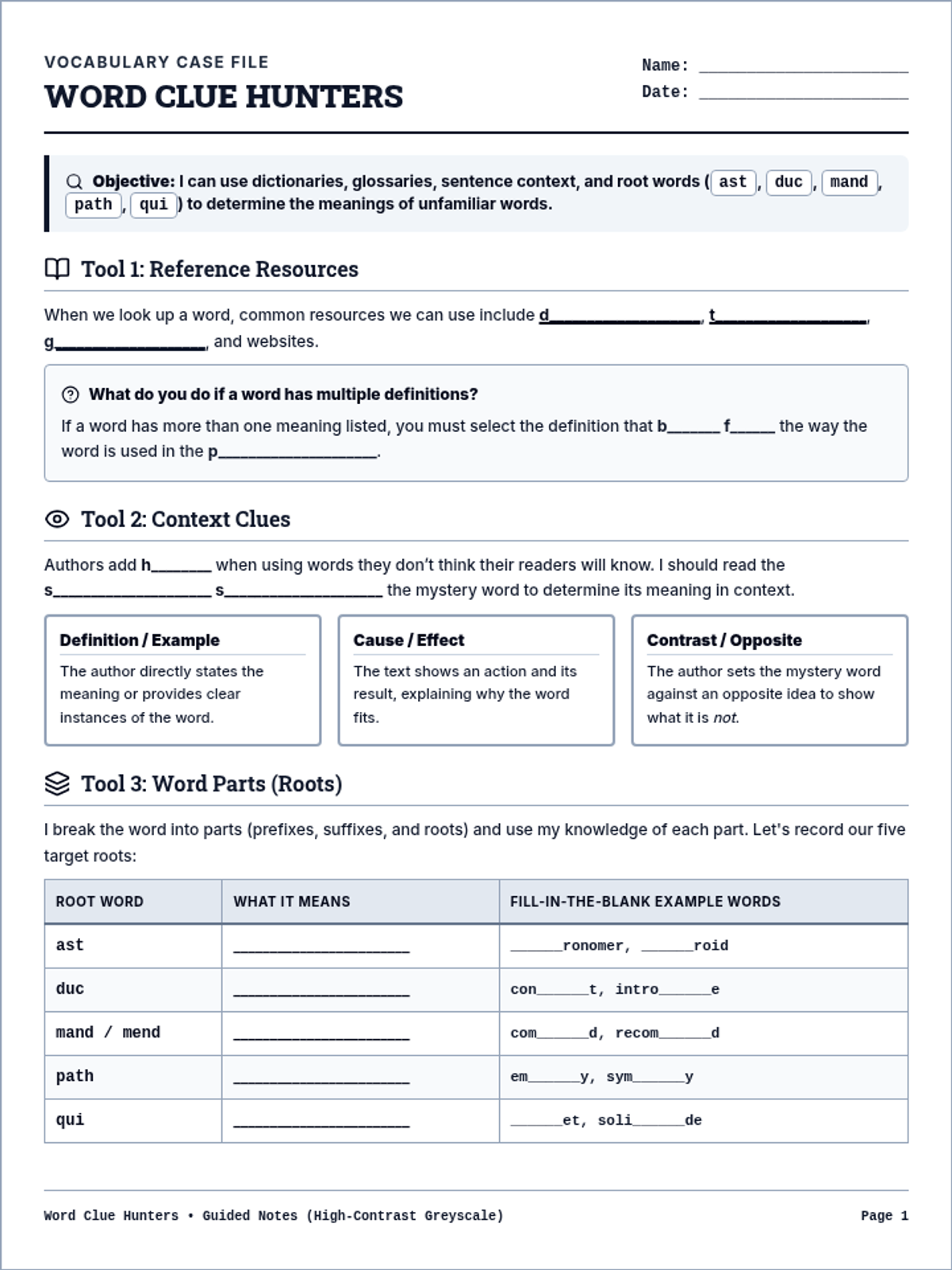
A deep dive into Edgar Allan Poe's 'The Raven' through a modern, accessible adaptation. Students explore themes of grief, symbolism, and the haunting atmosphere of the classic poem.
A focused set of materials covering the climactic events of late November in the novel Tangerine, focusing on plot recall and key character interactions.
A visual introduction to the first five books of The Odyssey, focusing on Telemachus's struggle in Ithaca and Odysseus's departure from Calypso's island, designed for beginning English Language Learners.
A comprehensive two-part summative assessment for the novel 'A Long Walk to Water', featuring multiple-choice questions, short responses, and a thematic comparison essay involving 'The Boy Who Harnessed the Wind' and 'MAUS'.
A lesson exploring how authors use everyday objects to represent deeper abstract ideas, helping students decode layers of meaning in literature.
A simplified independent work packet about the myth of Orpheus and Eurydice, designed for middle school students at a second-grade reading level. The lesson explores the power of music, love, and the consequences of looking back through accessible texts and structured comprehension tasks.
A focused look at Chapter 19 of The Westing Game, exploring Crow's internal struggle, the evolving partnership between Denton and Chris, and Turtle's stock market strategy.
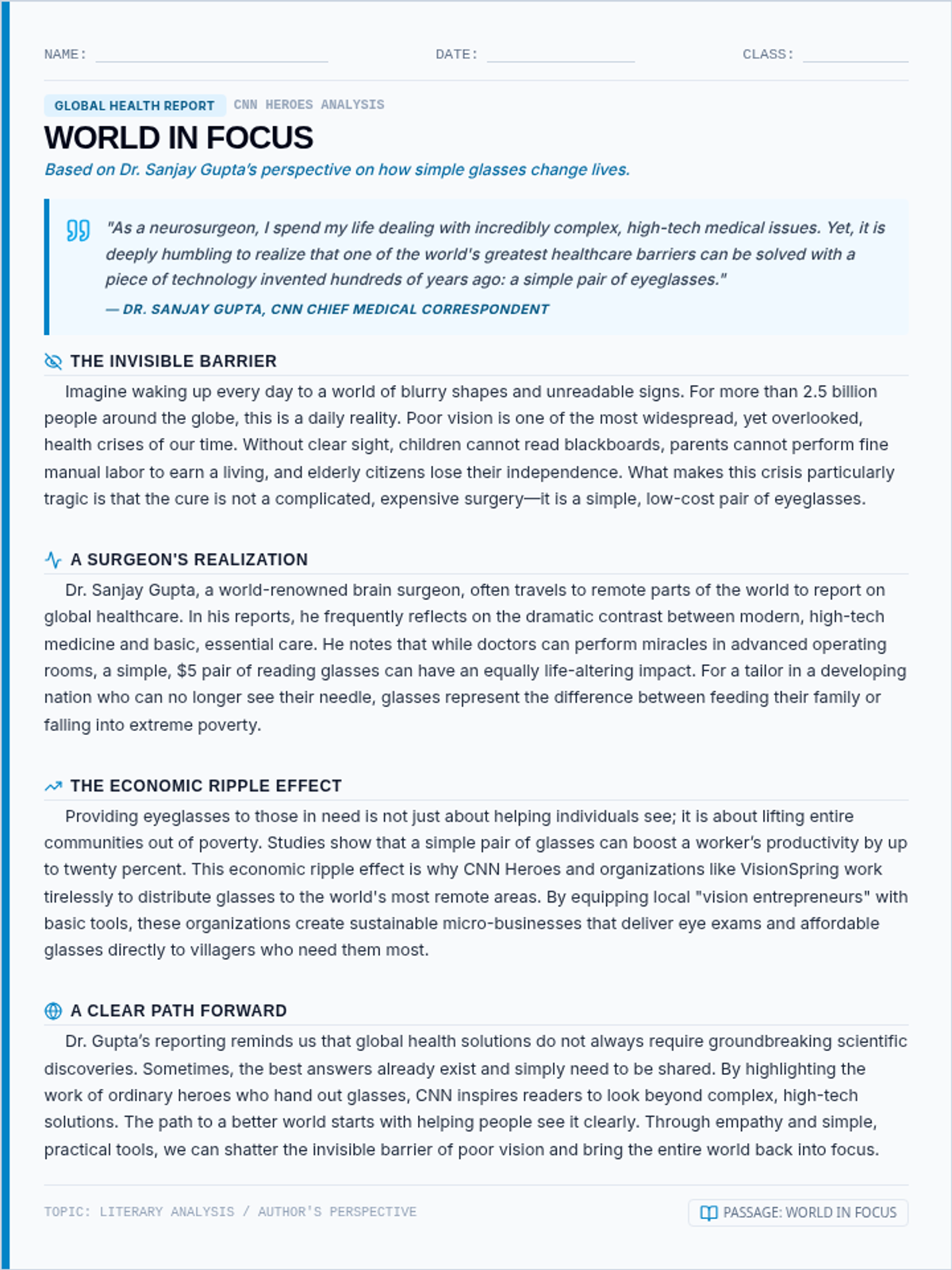
A self-paced Social Studies lesson for 6th grade focused on the Silk Road as an ancient global network, integrating rigorous primary source analysis and geography skills.
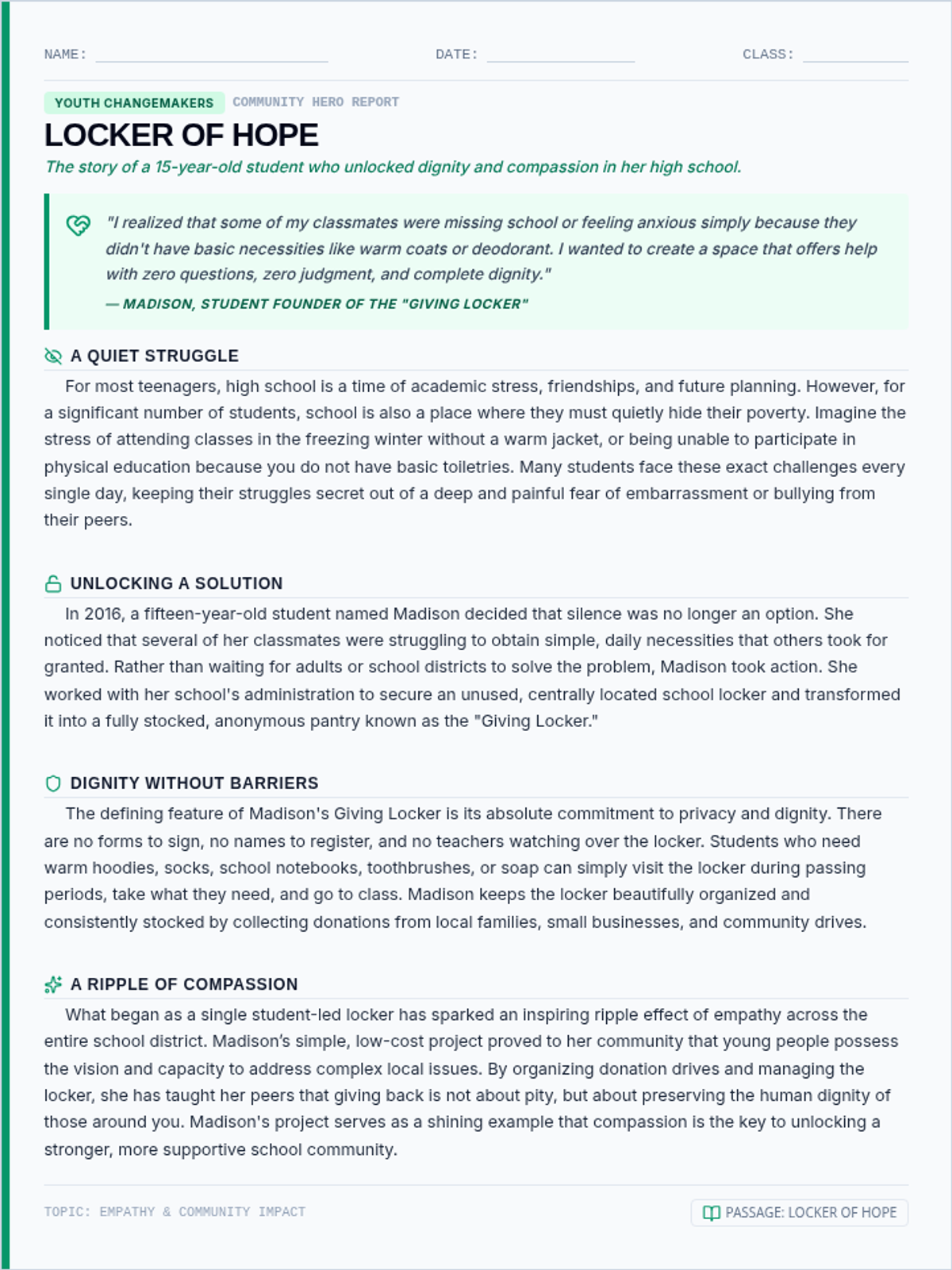
A full-length 8th-grade STAAR reading practice assessment, including 30 multiple-choice questions, two SCRs, and one ECR based on informational and fiction passages.
A rigorous informational reading and writing assignment focused on the mycorrhizal network, designed to practice SCR and ECR skills with an emphasis on organization, evidence, and sentence variety.
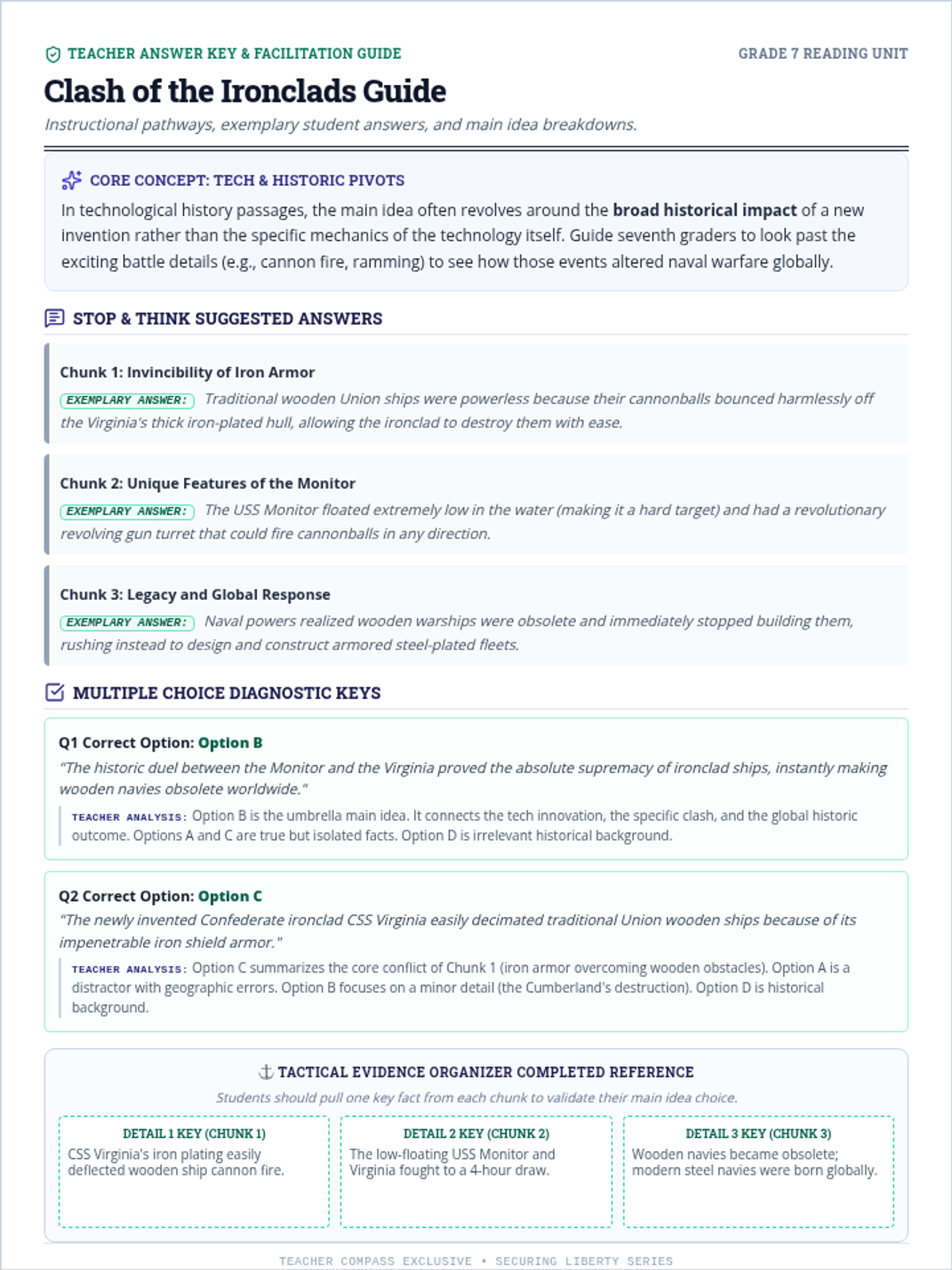
A lesson focused on identifying main ideas and supporting details in complex non-fiction texts, using an 'Information Architect' theme to visualize text structure.
A quick-start guide to mastering the three essential components of an argumentative essay introduction: the hook, the bridge, and the claim.
A lesson focused on identifying the main idea or theme of a story by analyzing character growth and turning it into a universal life lesson supported by evidence.
This lesson explores the nuances of academic verbs, teaching students to distinguish between different 'shades of meaning' to improve writing precision and tone.