Focusing specifically on geographic abbreviations, students practice writing St., Ave., Blvd., and Rd. with correct periods. They create a map of a fictional town using only abbreviations for the street signs.
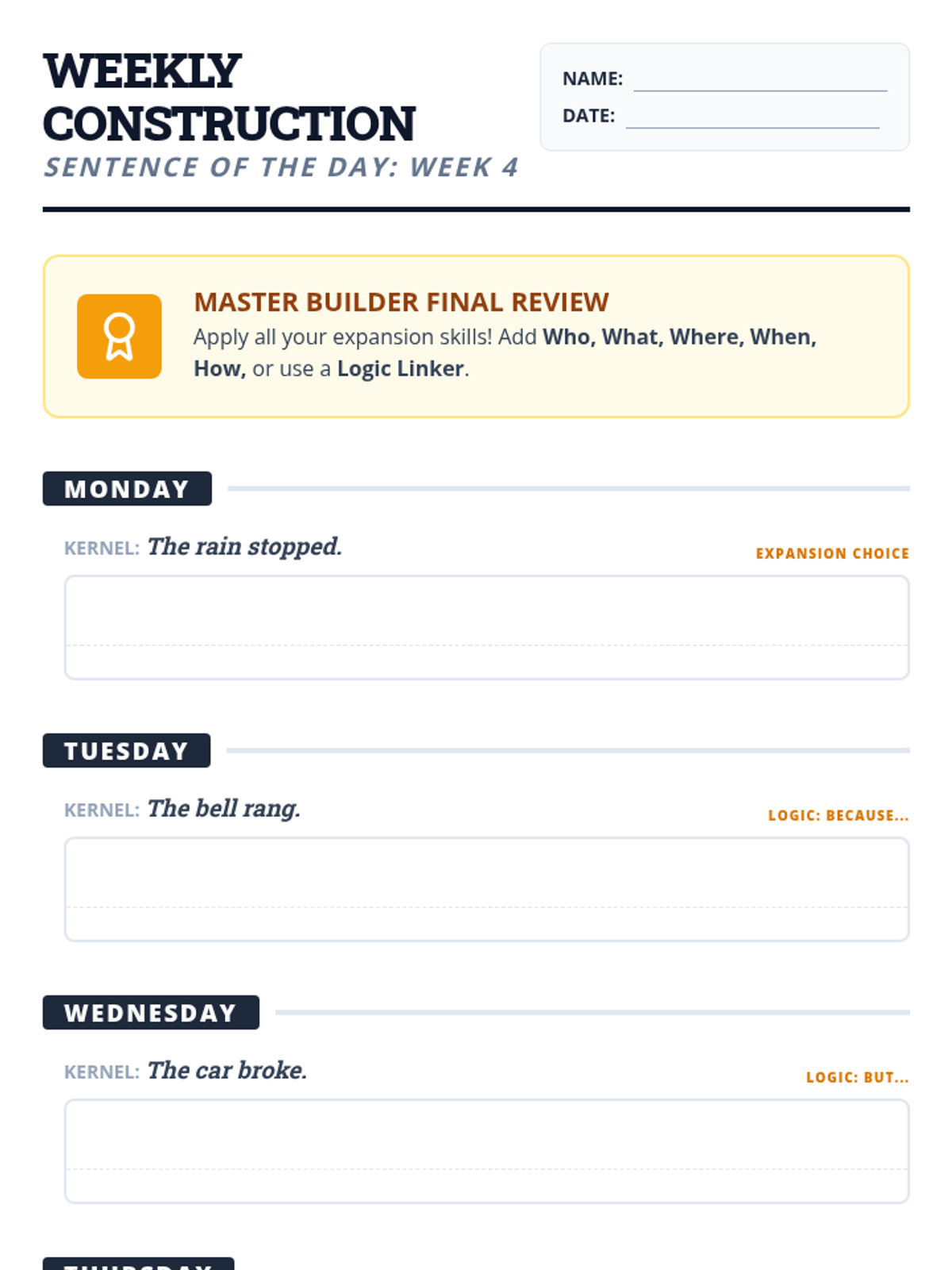
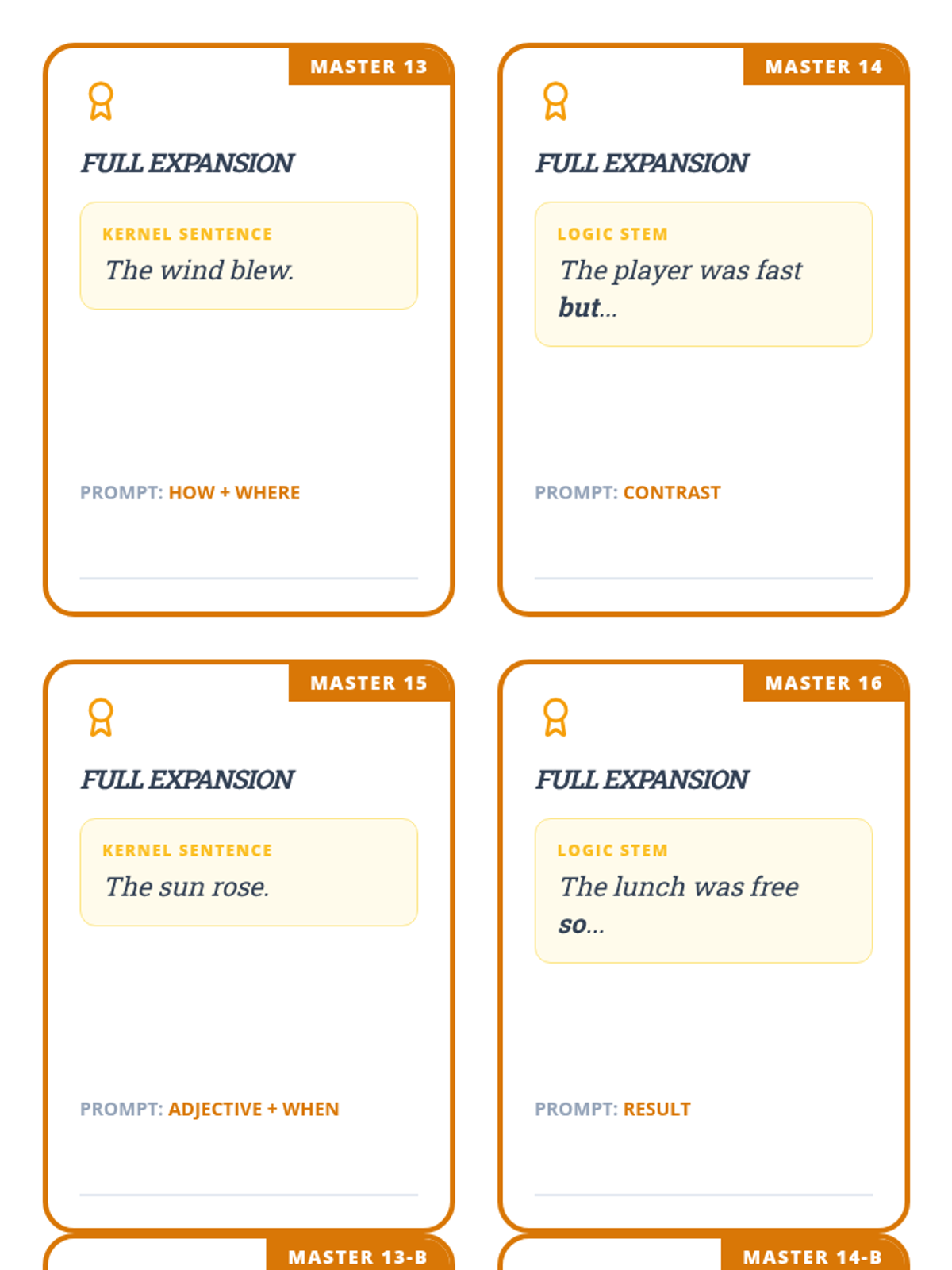
The final review lesson where students apply all previous strategies (adjectives, situational details, and logical conjunctions) to create complex and polished sentences.
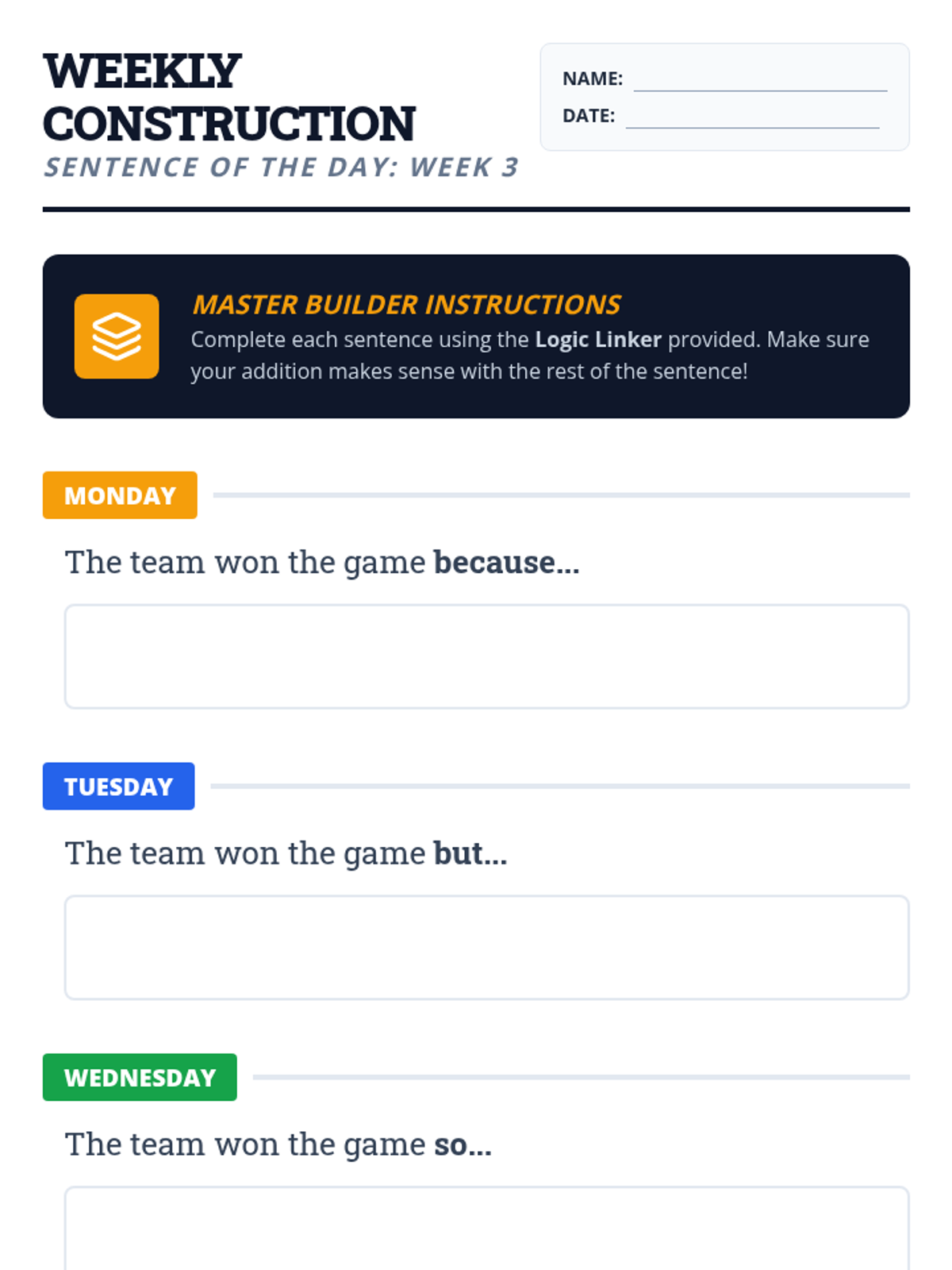
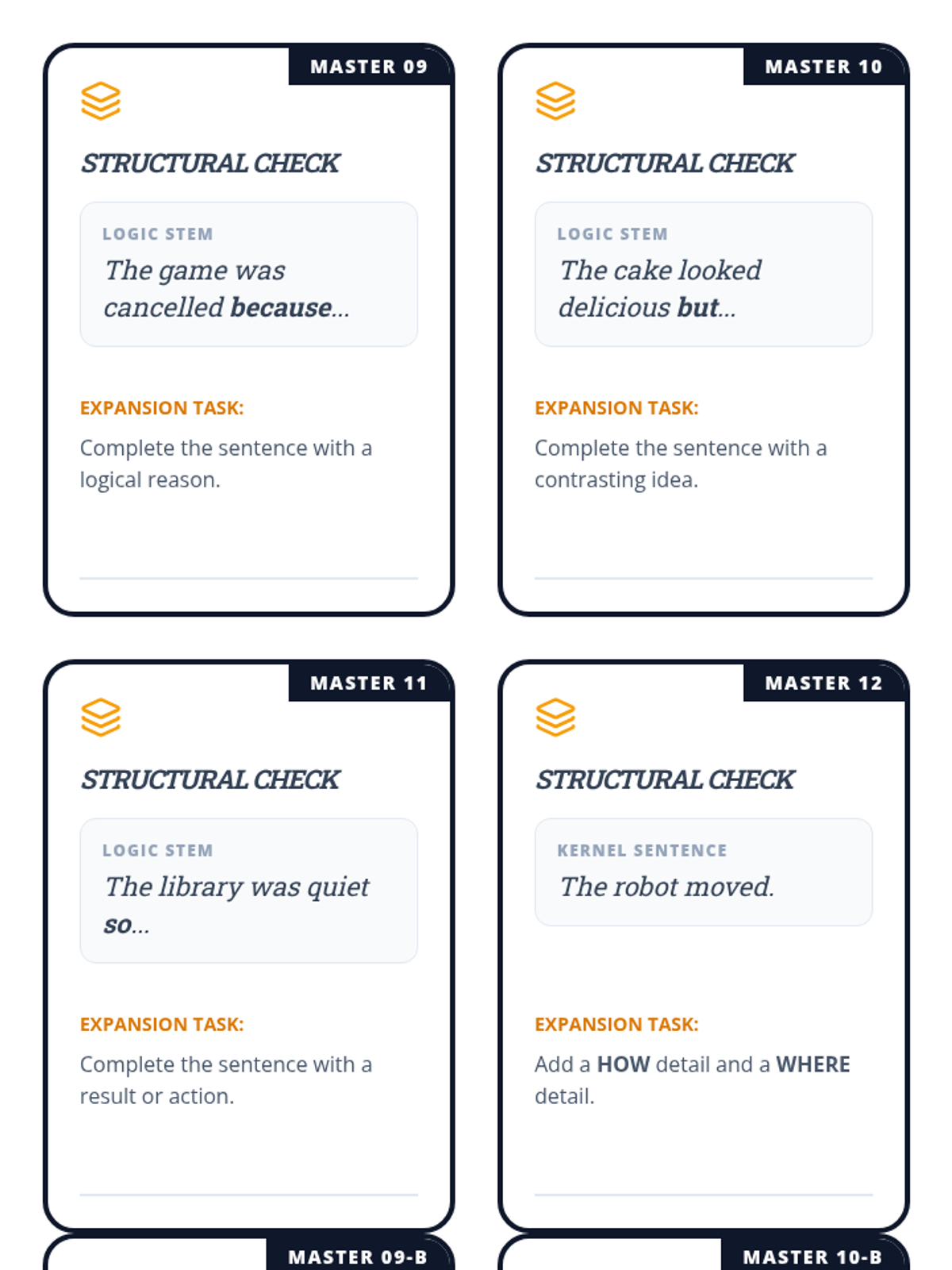
The final lesson focuses on using 'Because, But, So' to expand sentences logically and demonstrate deeper reasoning and detail.
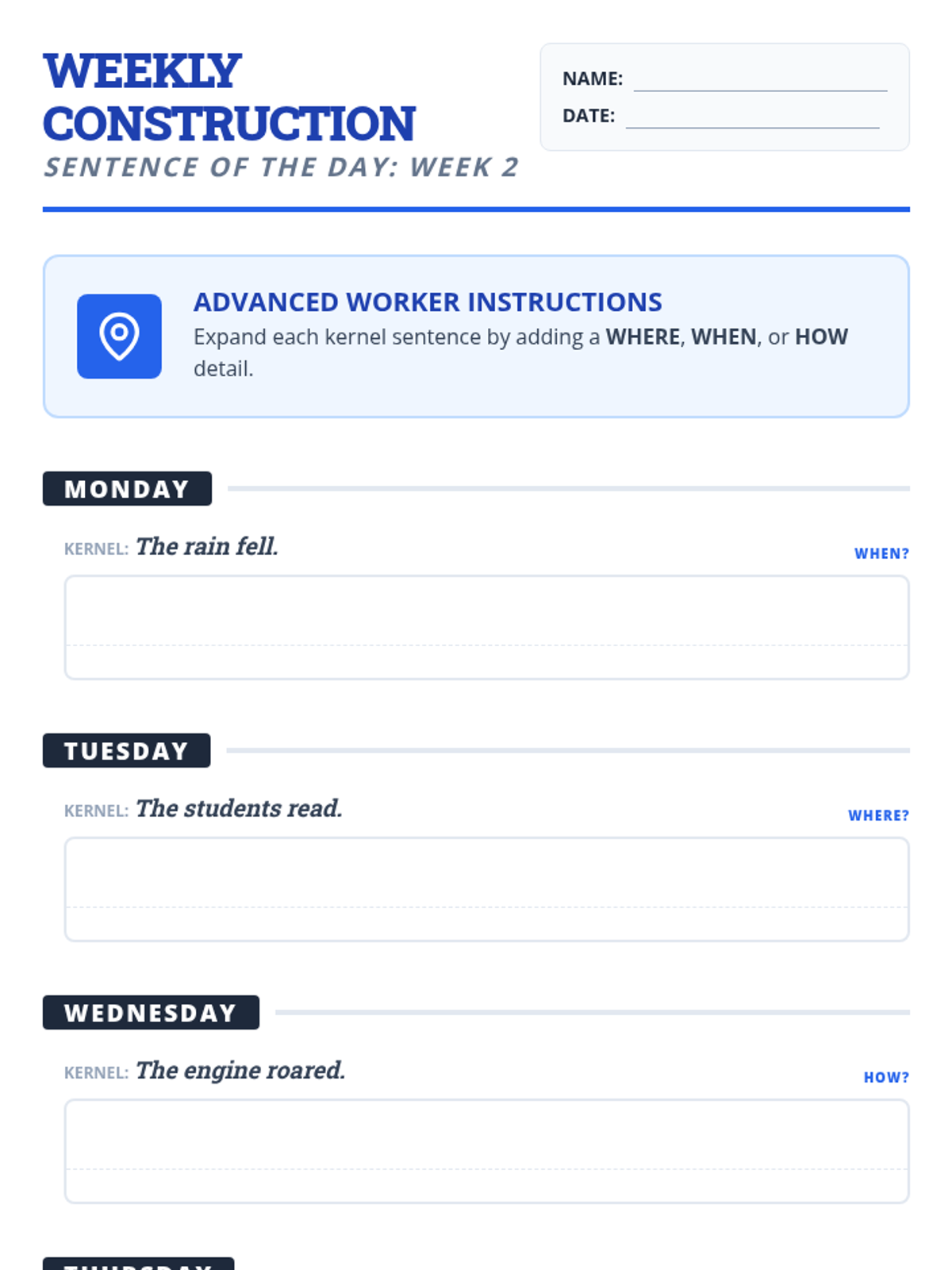
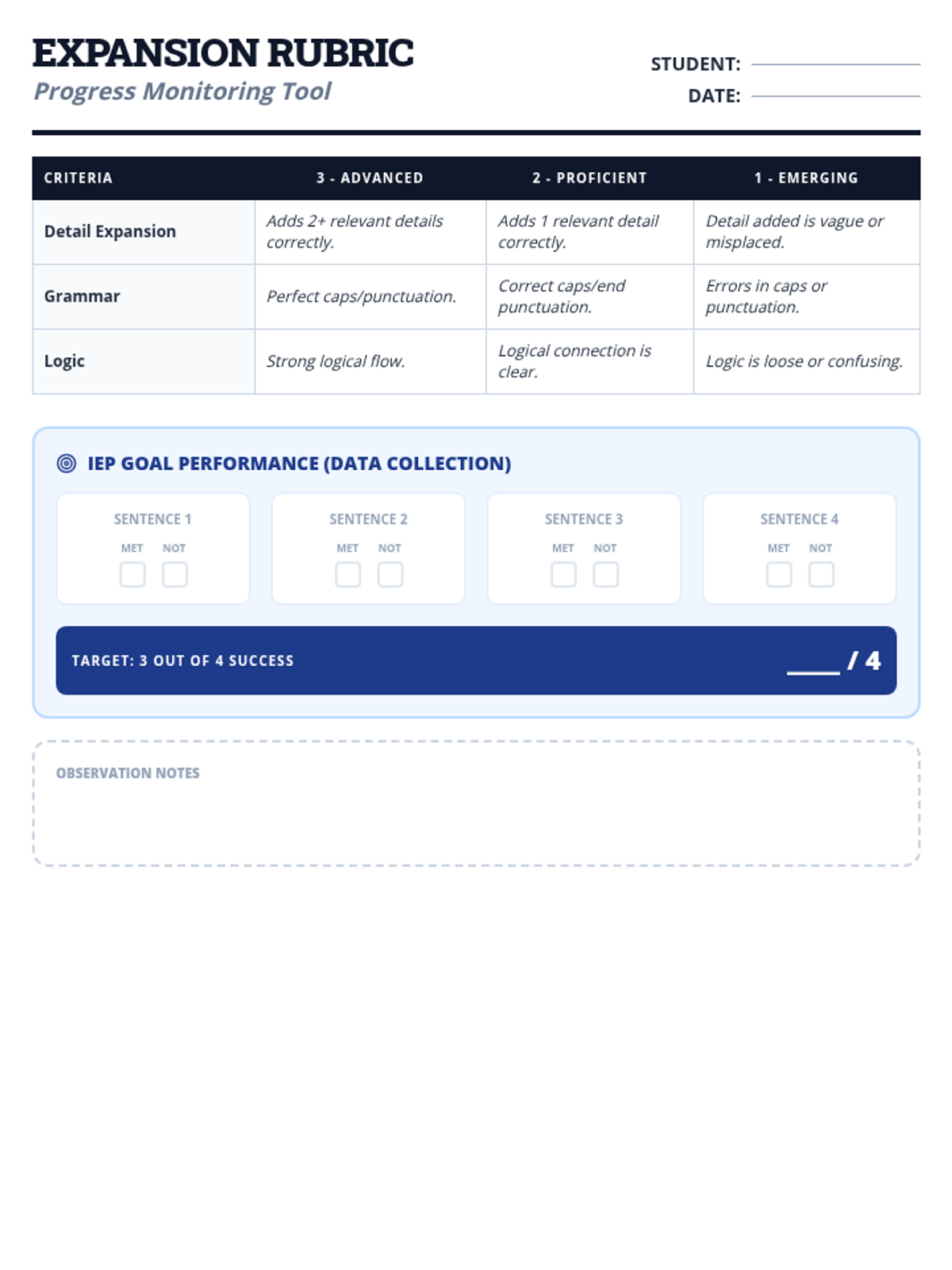
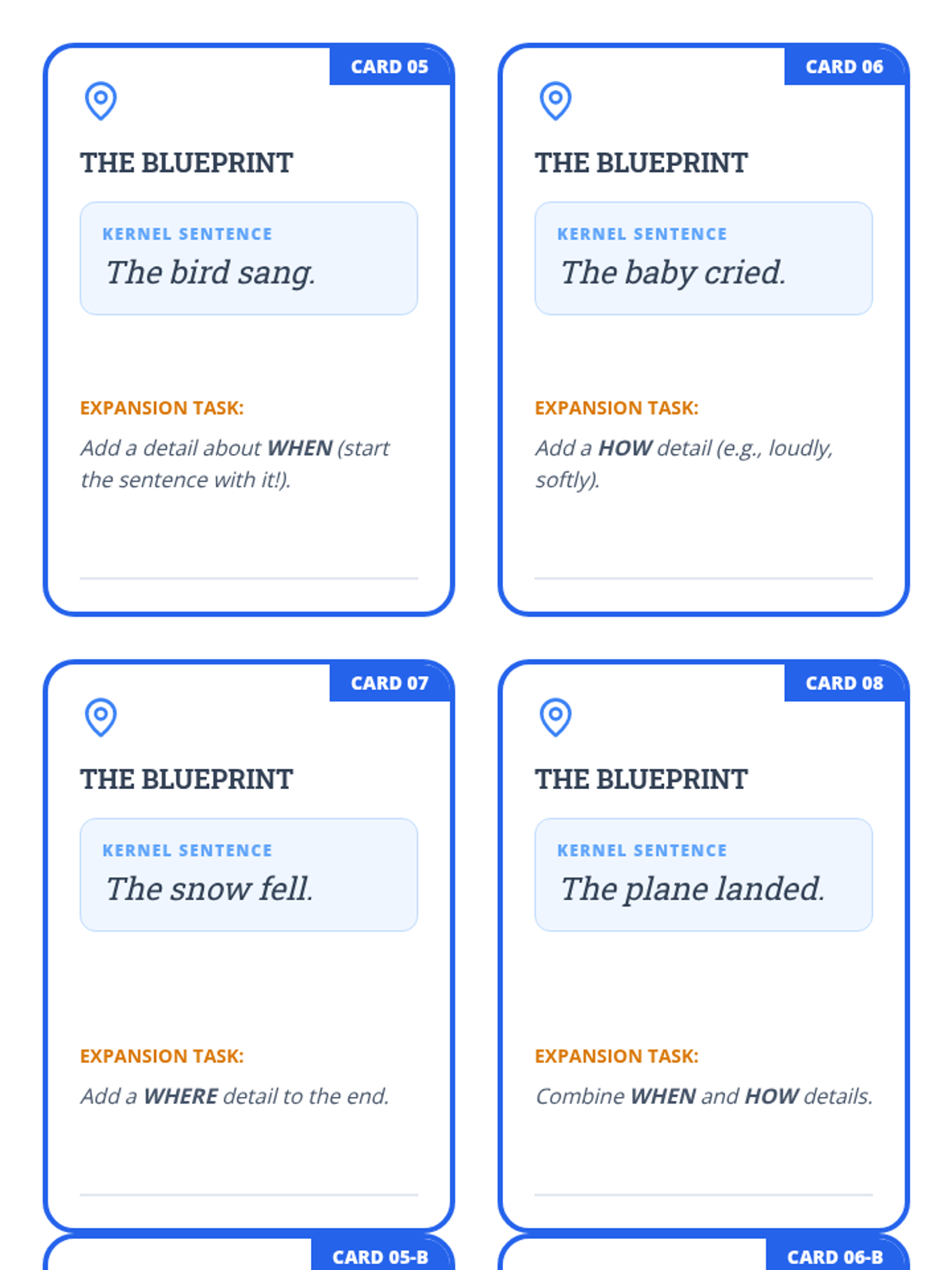
In this lesson, students learn to add situational details to their sentences using 'Where', 'When', and 'How' question words.
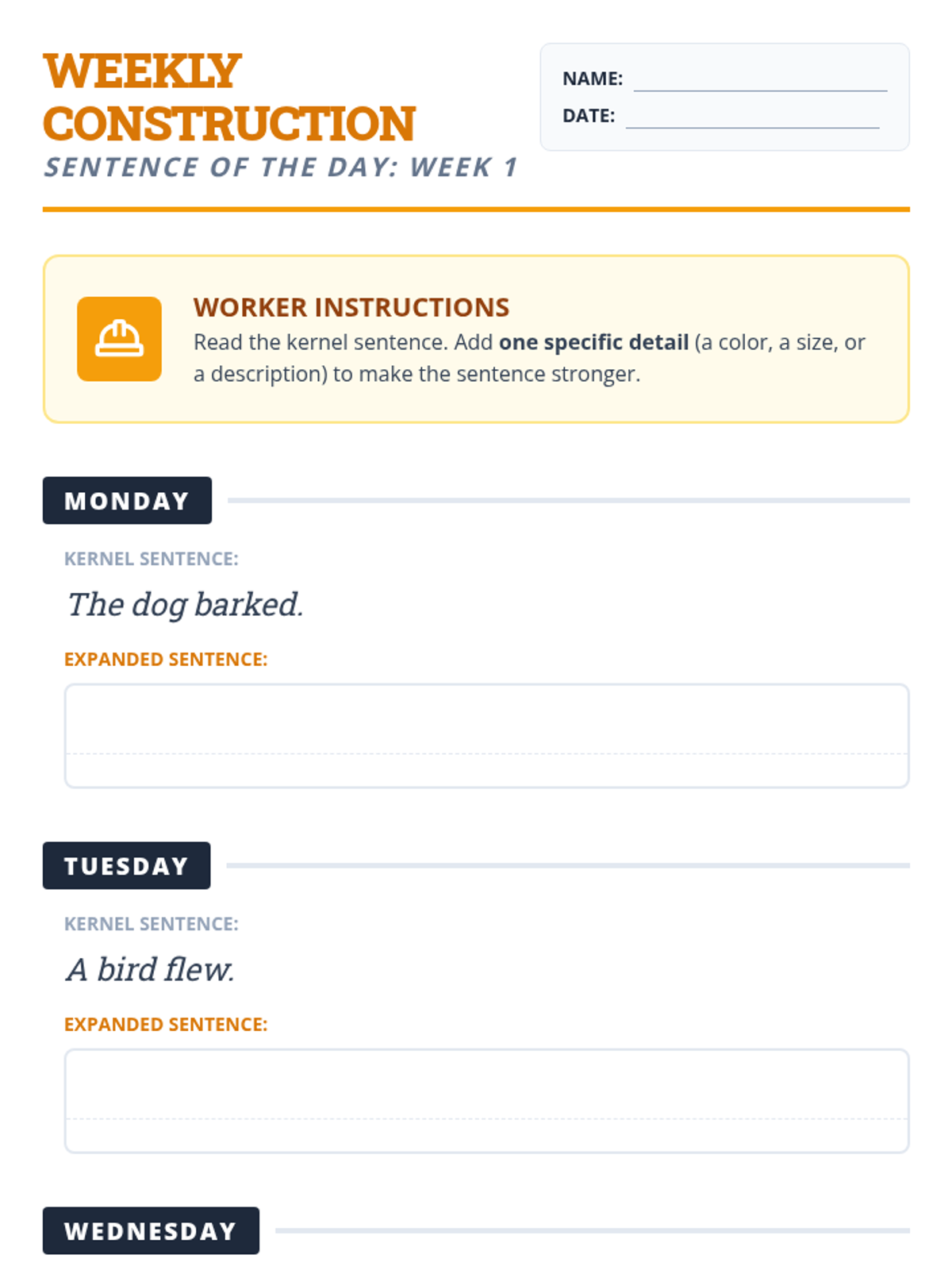
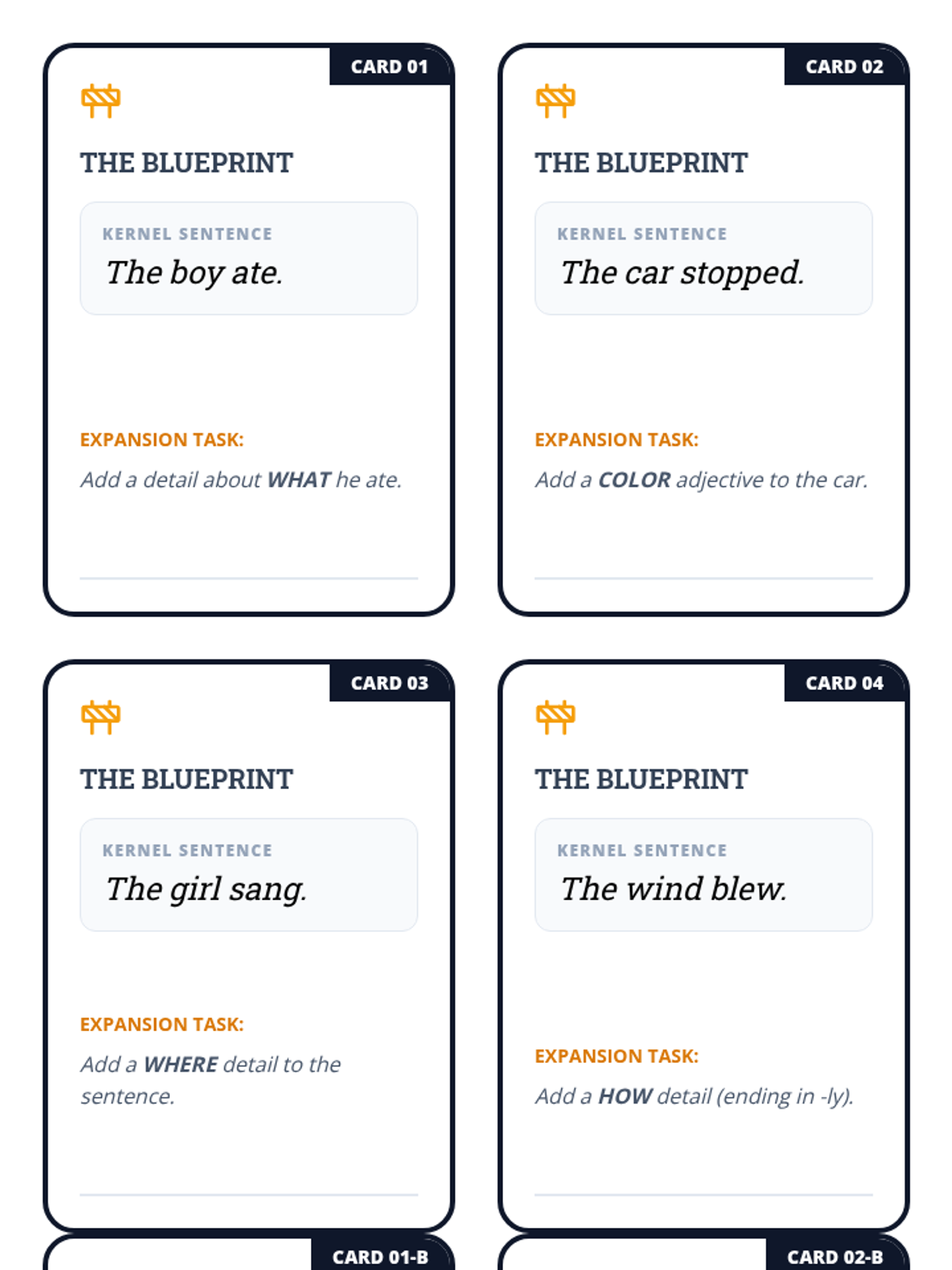
This lesson introduces the concept of a complete sentence versus a fragment and begins basic sentence expansion using 'Who' and 'What' details.
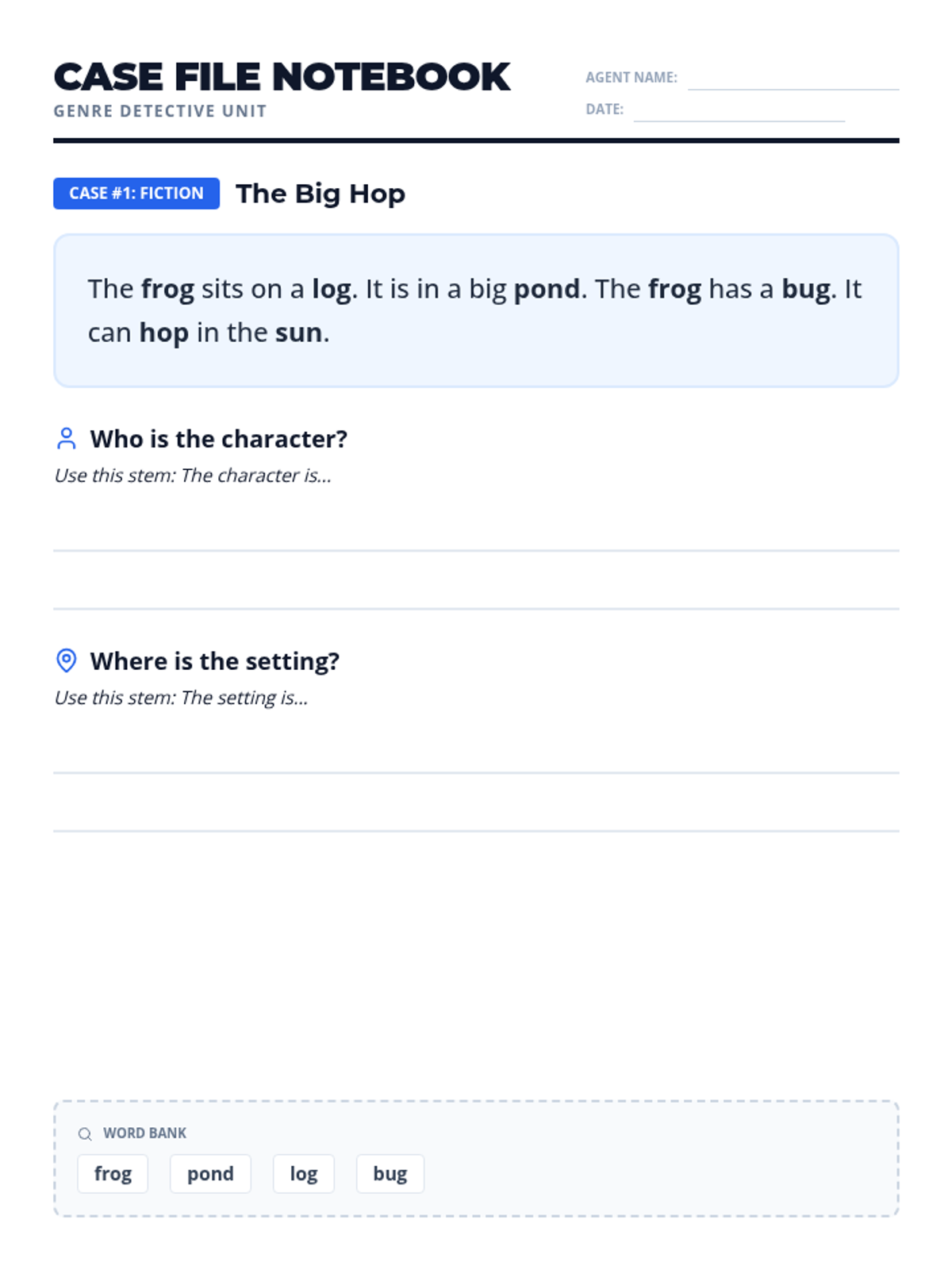
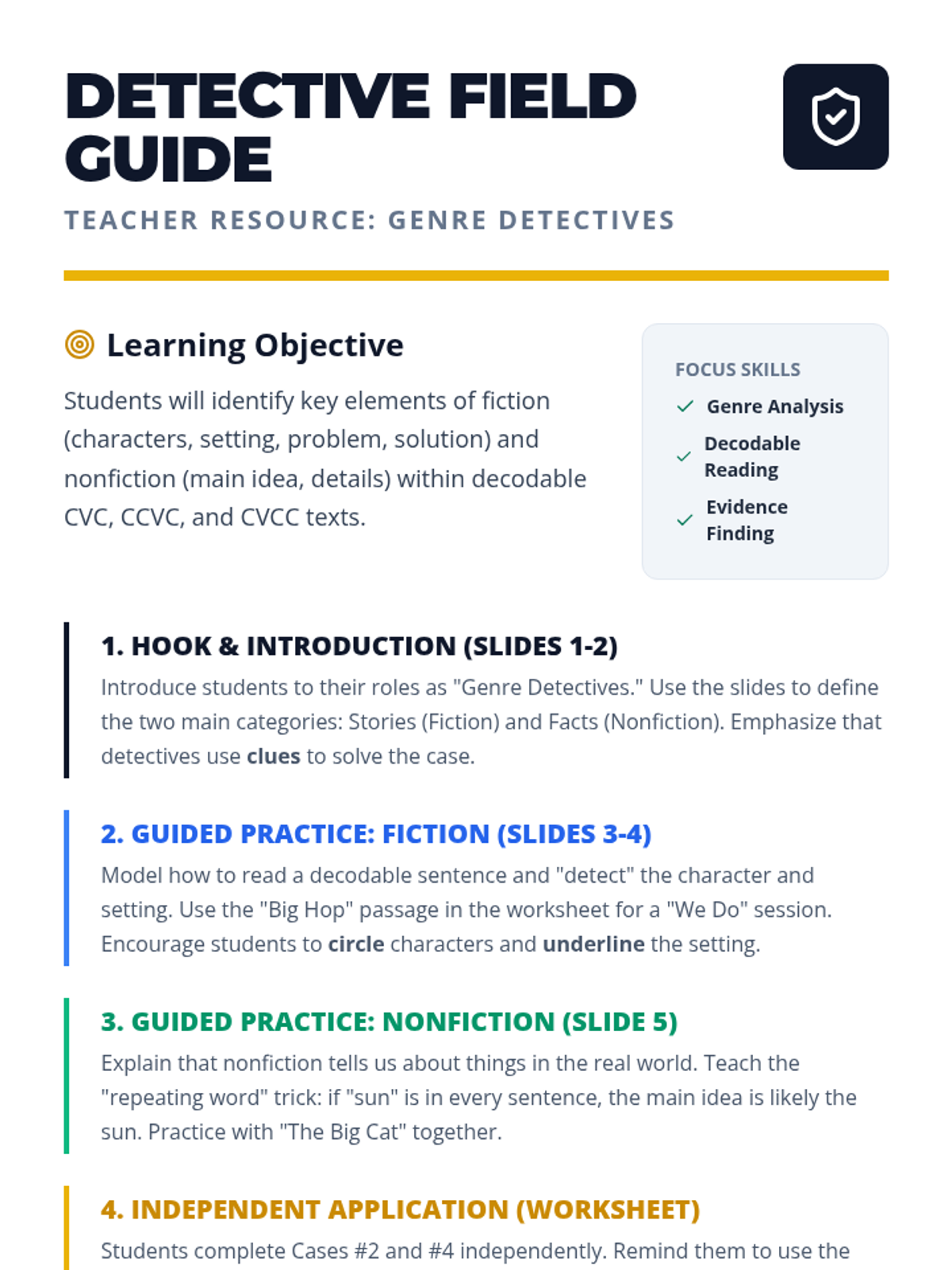
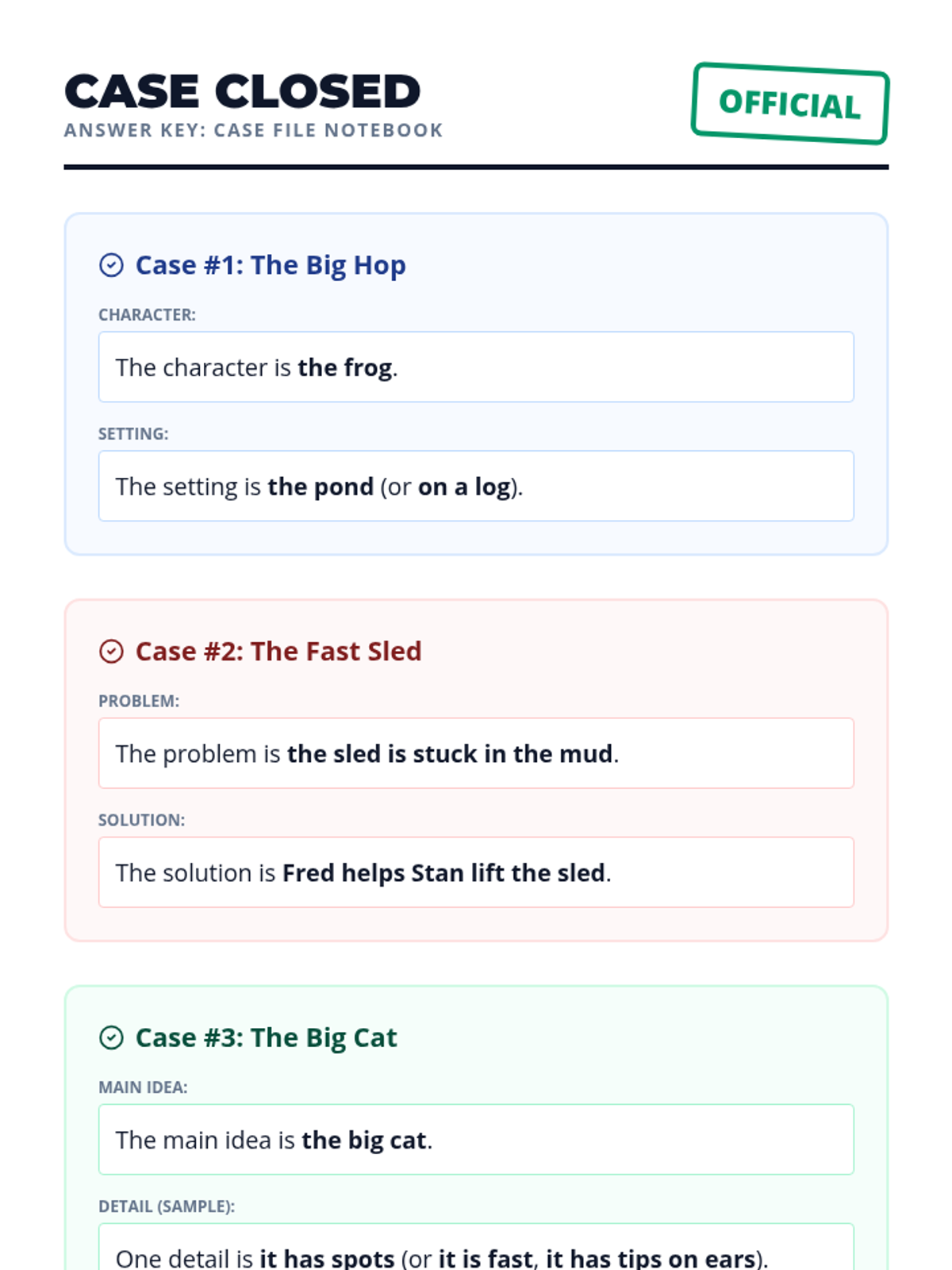
A lesson focused on identifying characters, setting, problem, and solution in fiction, and main idea and details in nonfiction using decodable text.
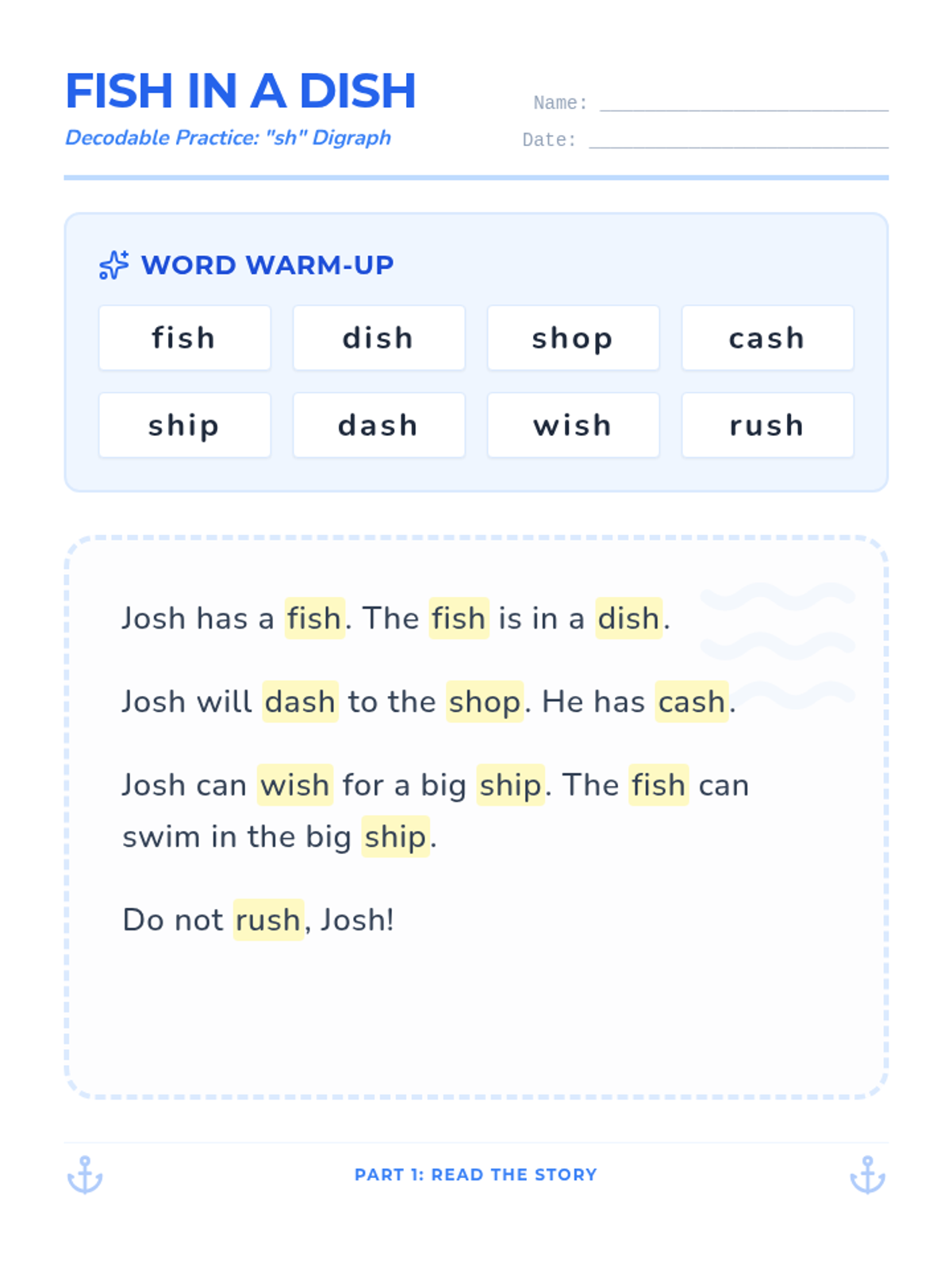
A lesson focused on decoding closed syllables featuring the 'sh' digraph in CVC words. Students will practice word recognition, reading fluency, and comprehension through a themed decodable passage.
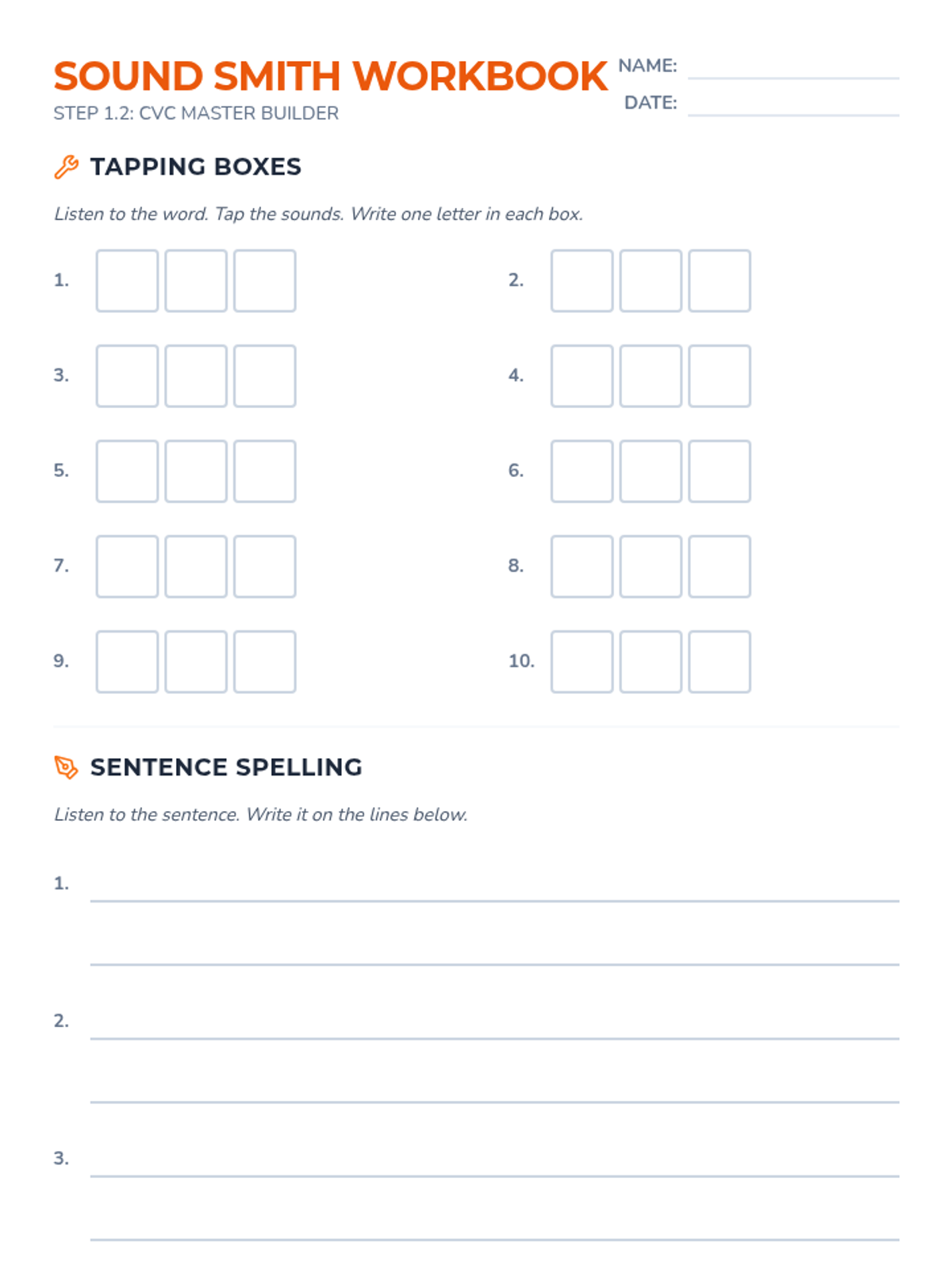
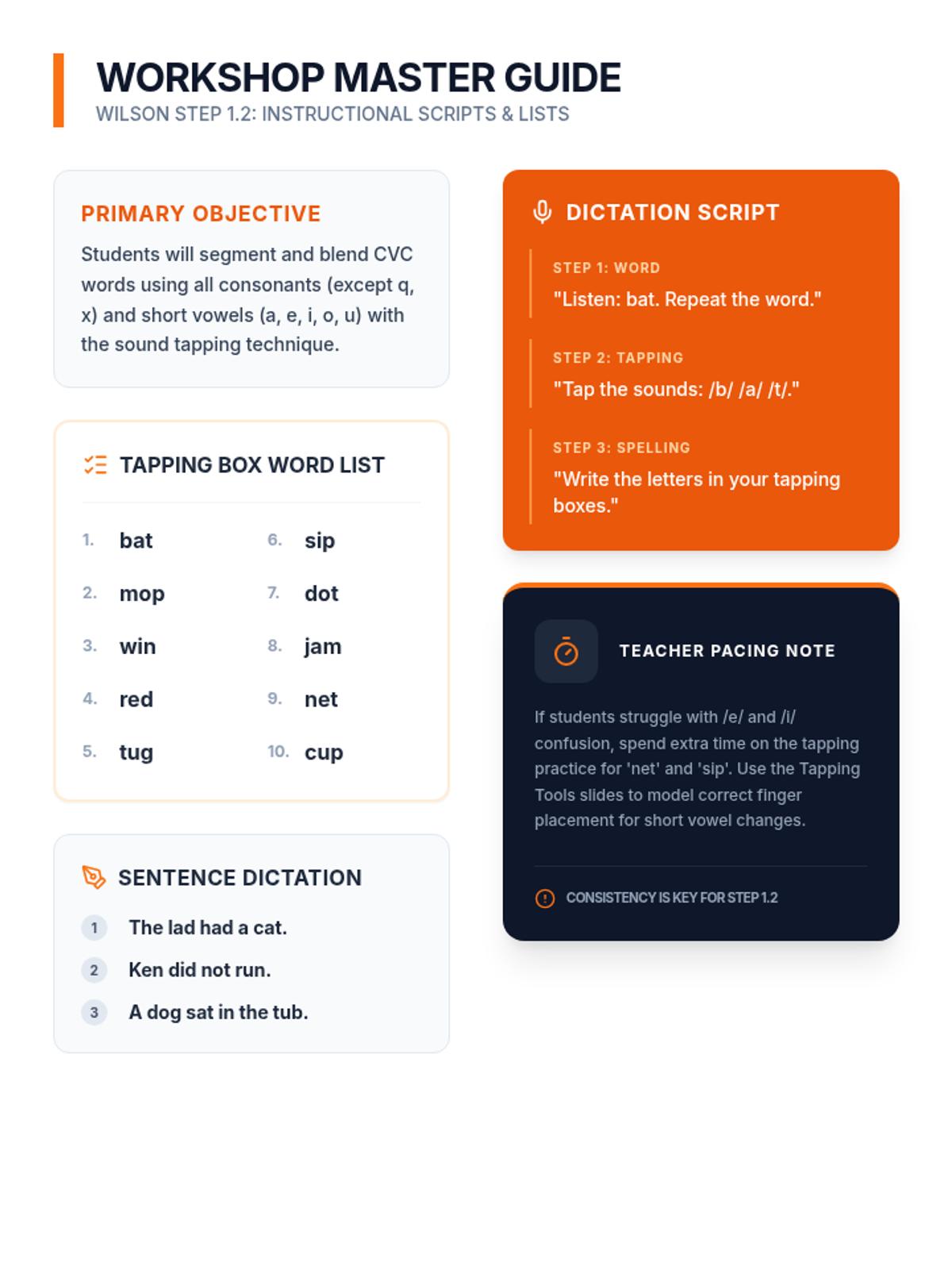
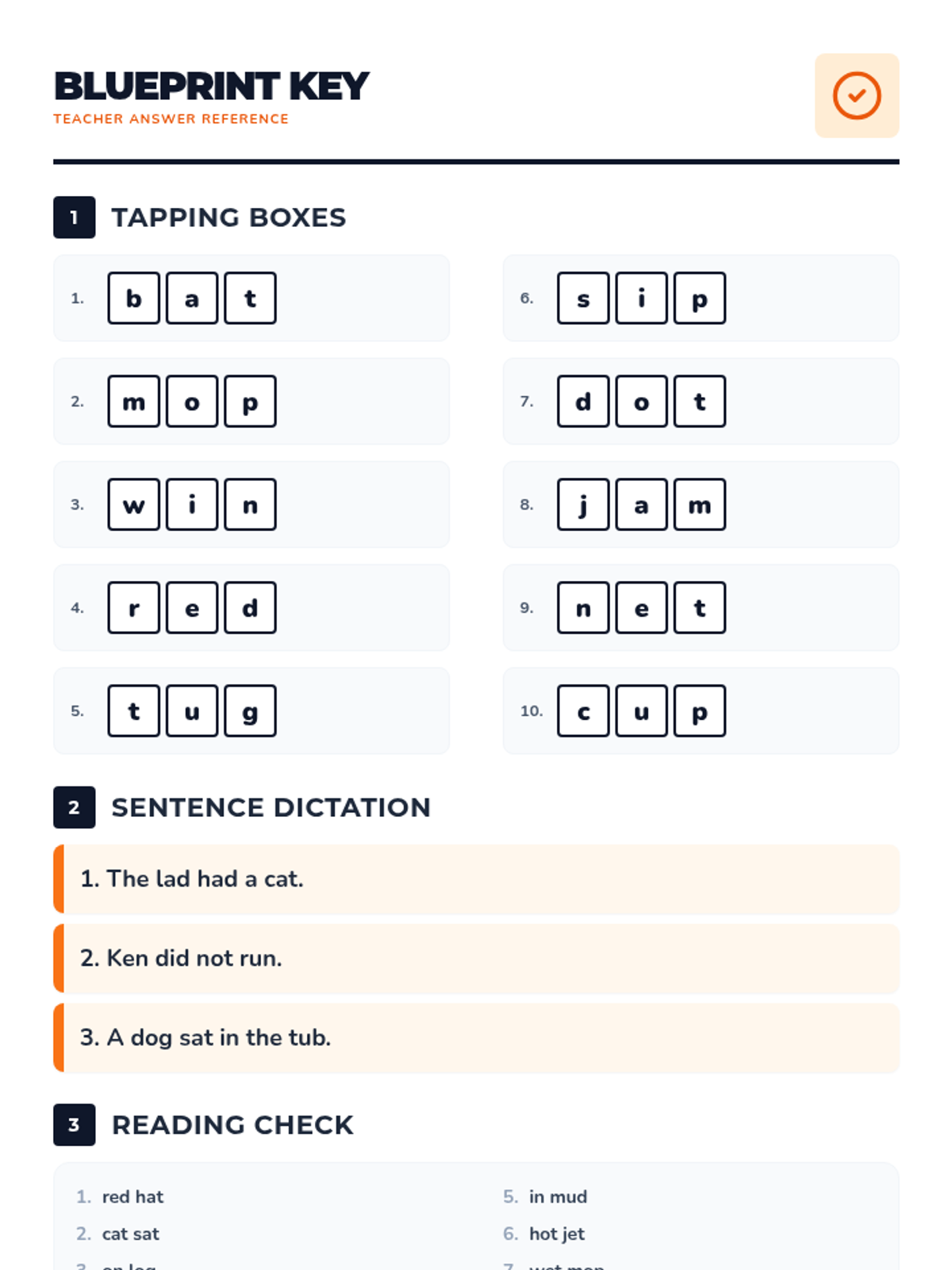
A foundational lesson on Wilson Step 1.2 focusing on CVC word segmenting, blending, and sentence construction using sound tapping techniques.
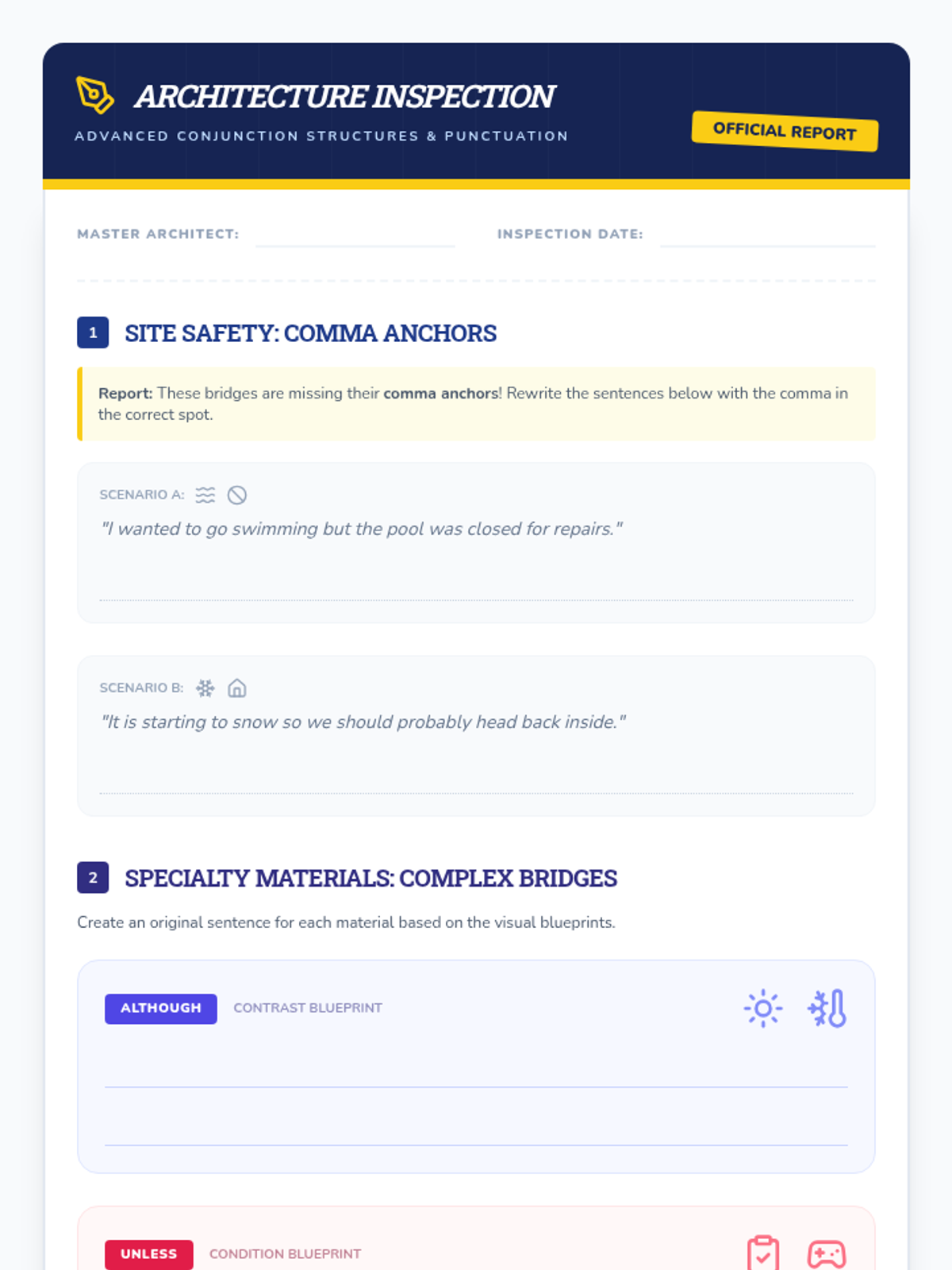
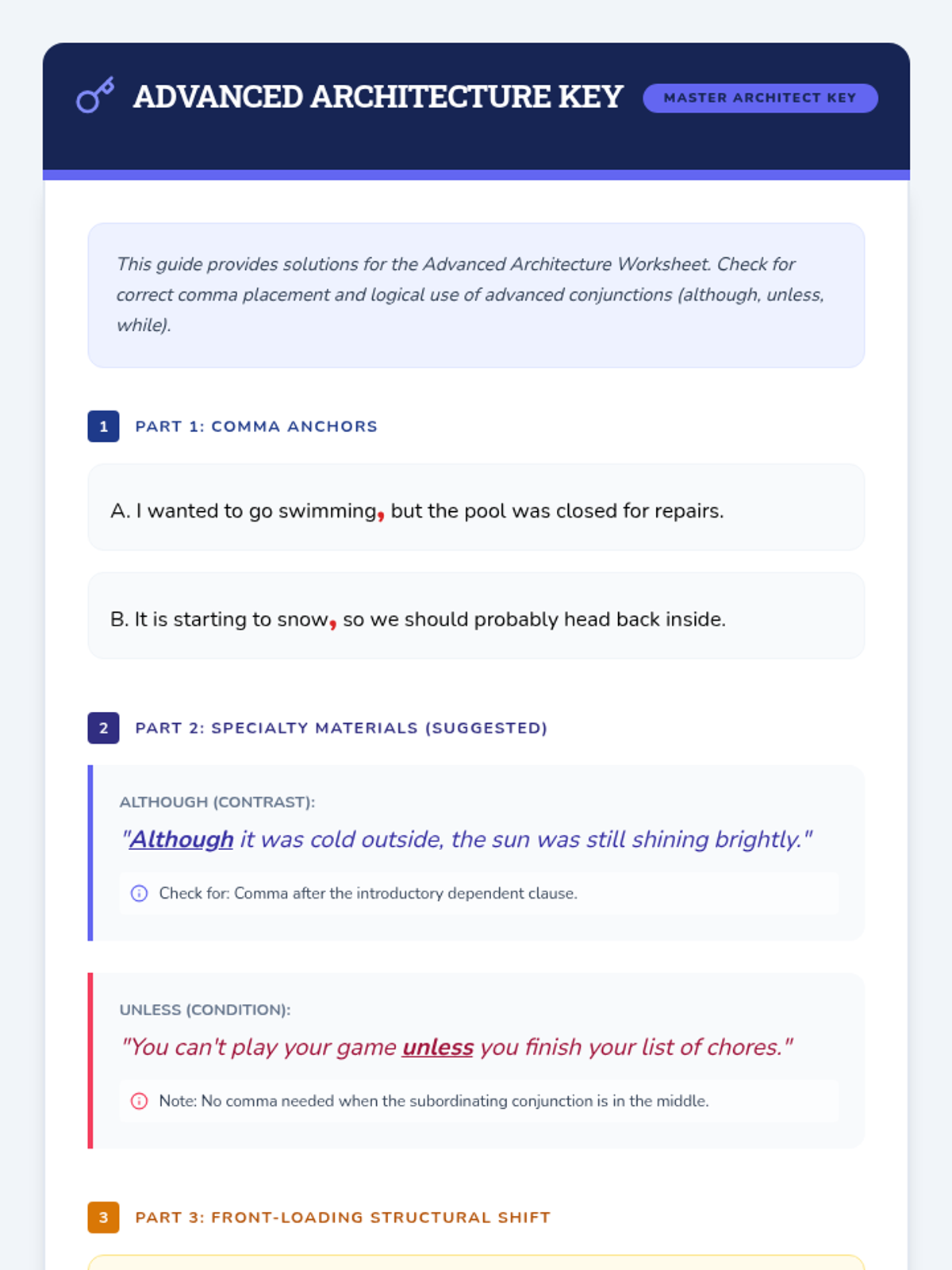
A follow-up lesson focusing on complex sentence structures, including comma placement in compound sentences and starting sentences with subordinating conjunctions. Introduces advanced conjunctions like 'although', 'while', and 'unless'.
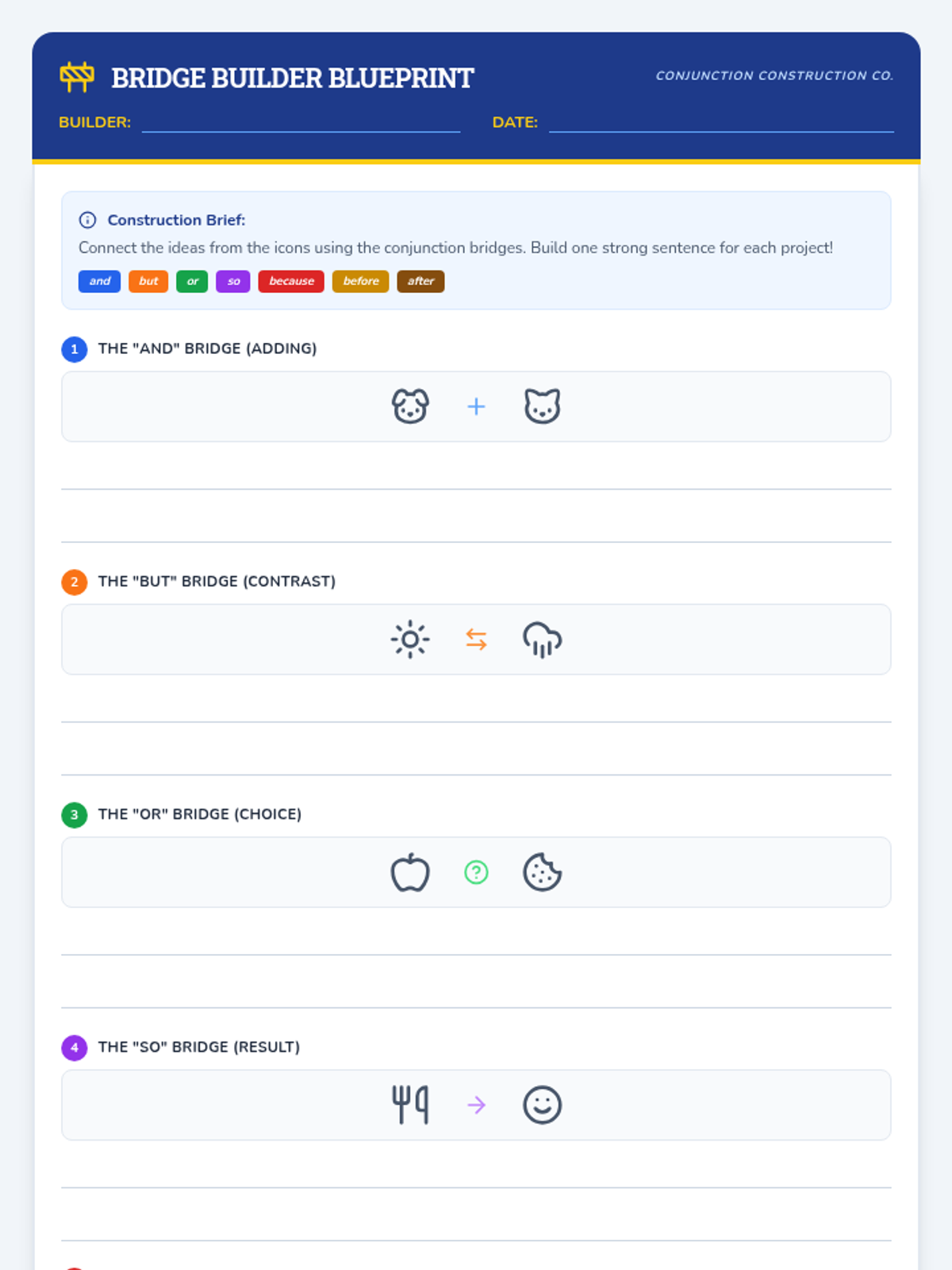
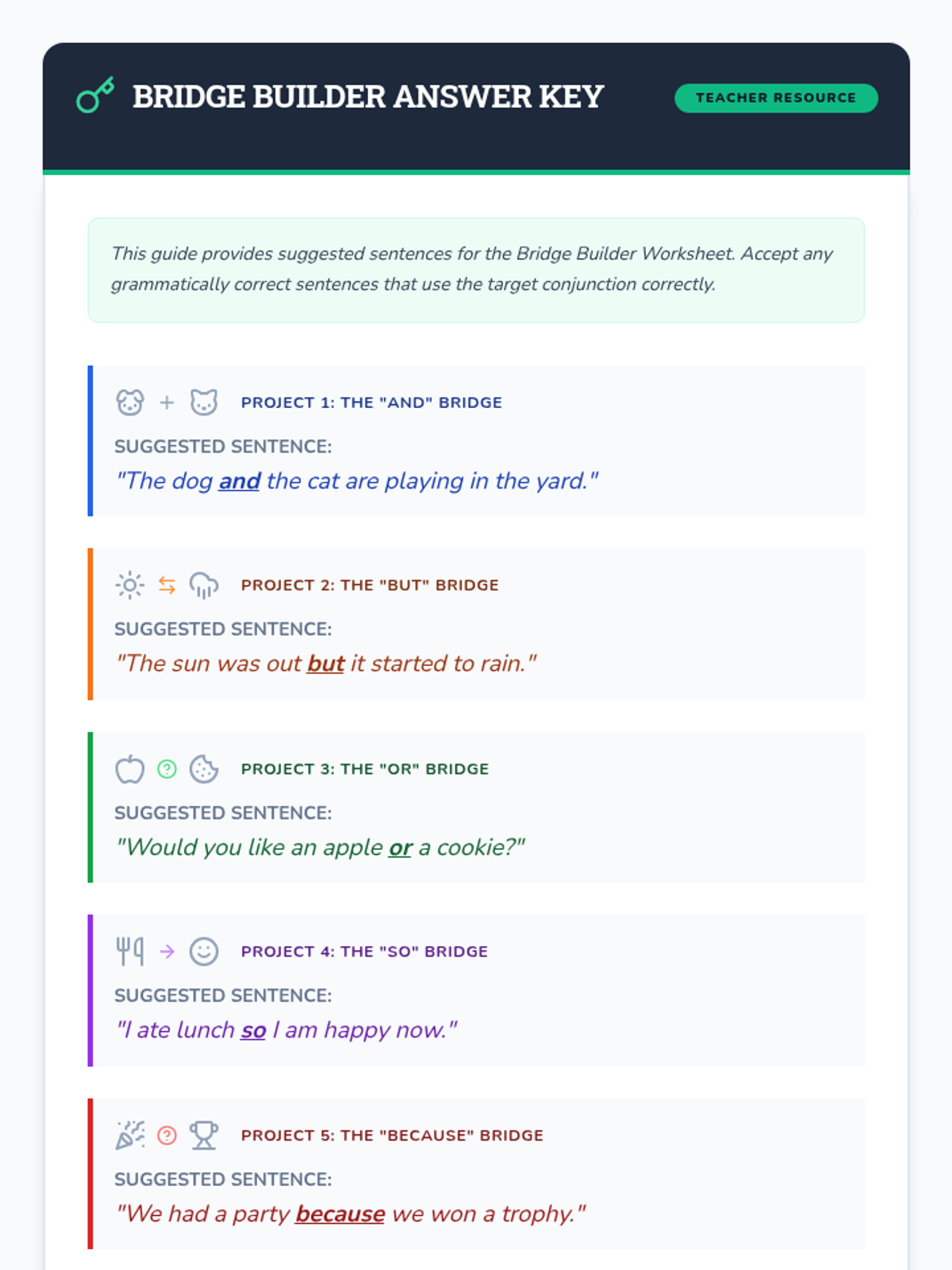
A lesson on using coordinating and subordinating conjunctions to build complex sentences. Students learn to use conjunctions as 'bridges' to connect their ideas together clearly.