A deep dive into the Olmec Colossal Heads and how they served as tools of political propaganda and religious authority in ancient Mesoamerica.
A comprehensive humanities project where middle school students learn the art of oral history, conducting ethical interviews with community elders to preserve diverse legacies in a class archive.
A practice assessment focused on Asian Geography and summarization skills, covering East, South, Southeast, and Southwest Asia. Students analyze stimulus texts to identify main ideas and synthesize geographic data.
An introductory exploration of Albert Camus's philosophy of Absurdism through the lens of the Myth of Sisyphus, focusing on the metaphor of the eternal boulder and the human search for meaning.
A comprehensive overview of the diverse civil rights movements in the United States from the 1960s through the 1990s, highlighting key leaders, turning points, and legislative victories.
Students explore the 13 American colonies by researching and documenting key characteristics using a spider map graphic organizer.
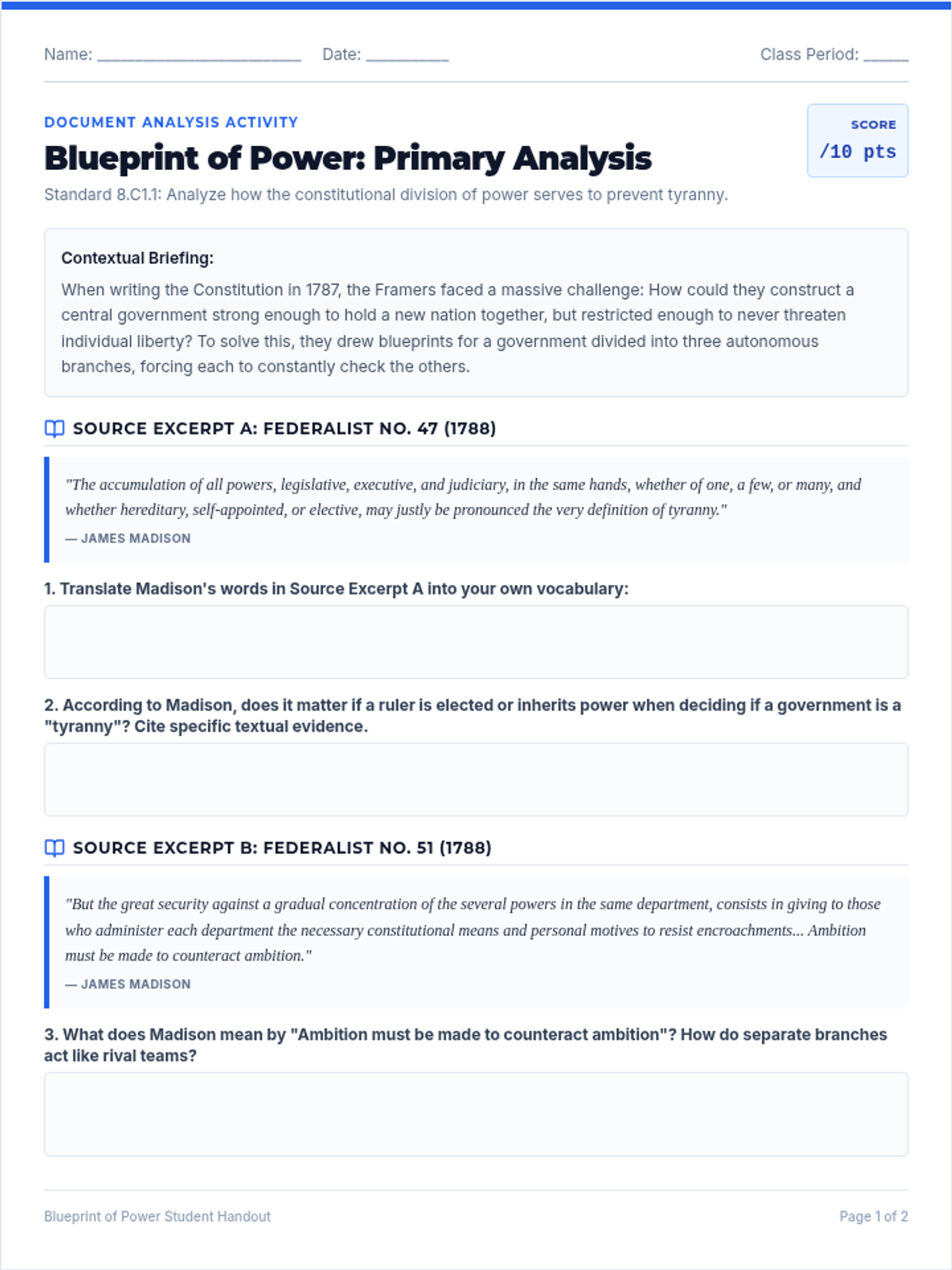
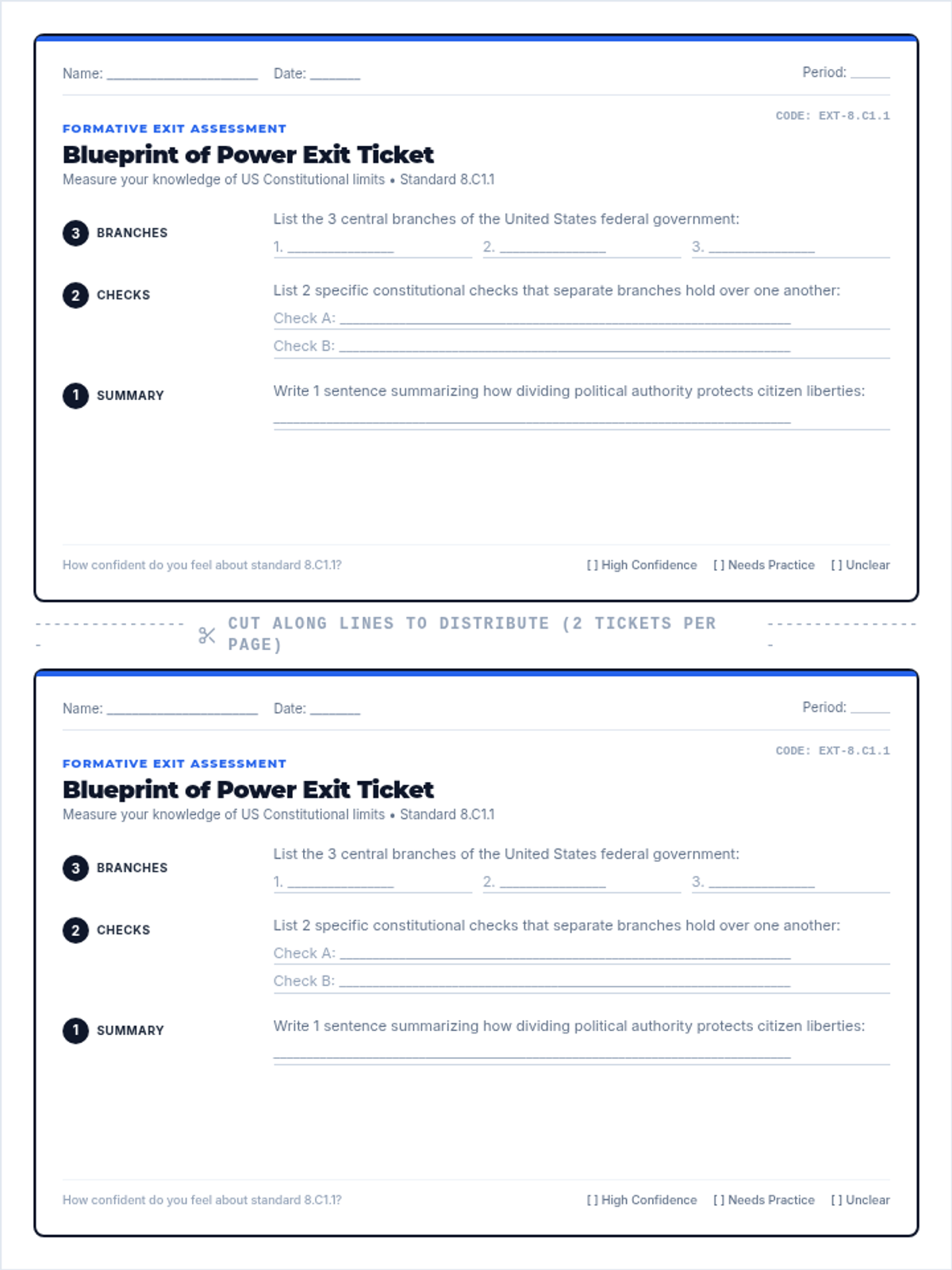
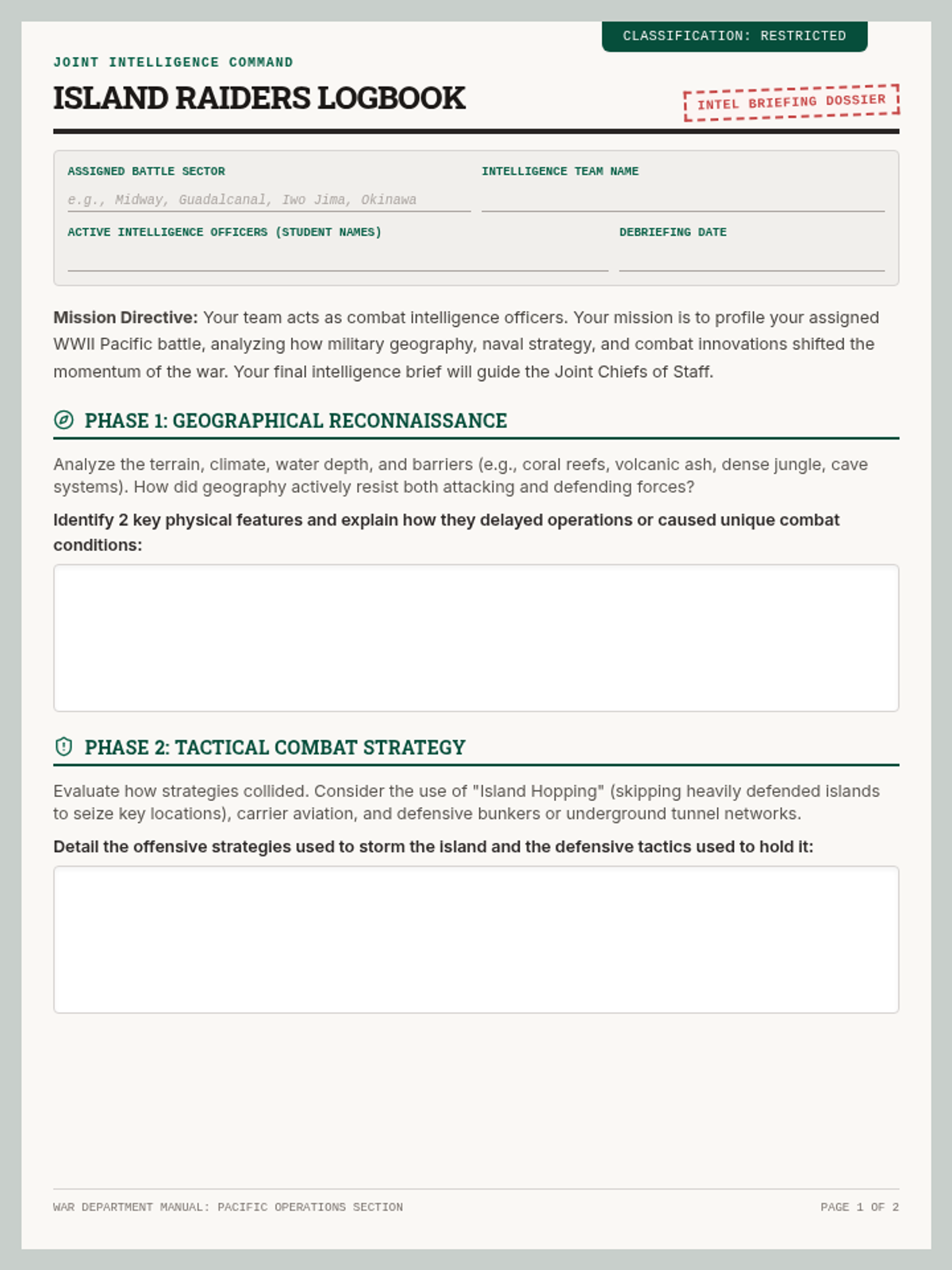
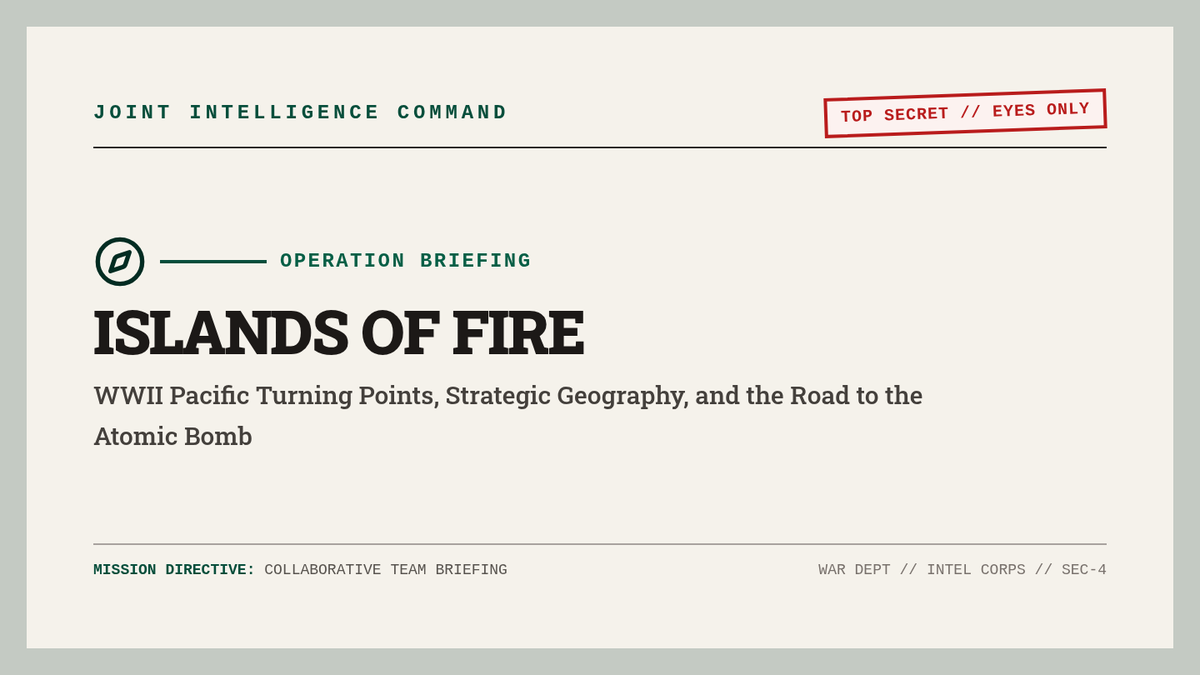
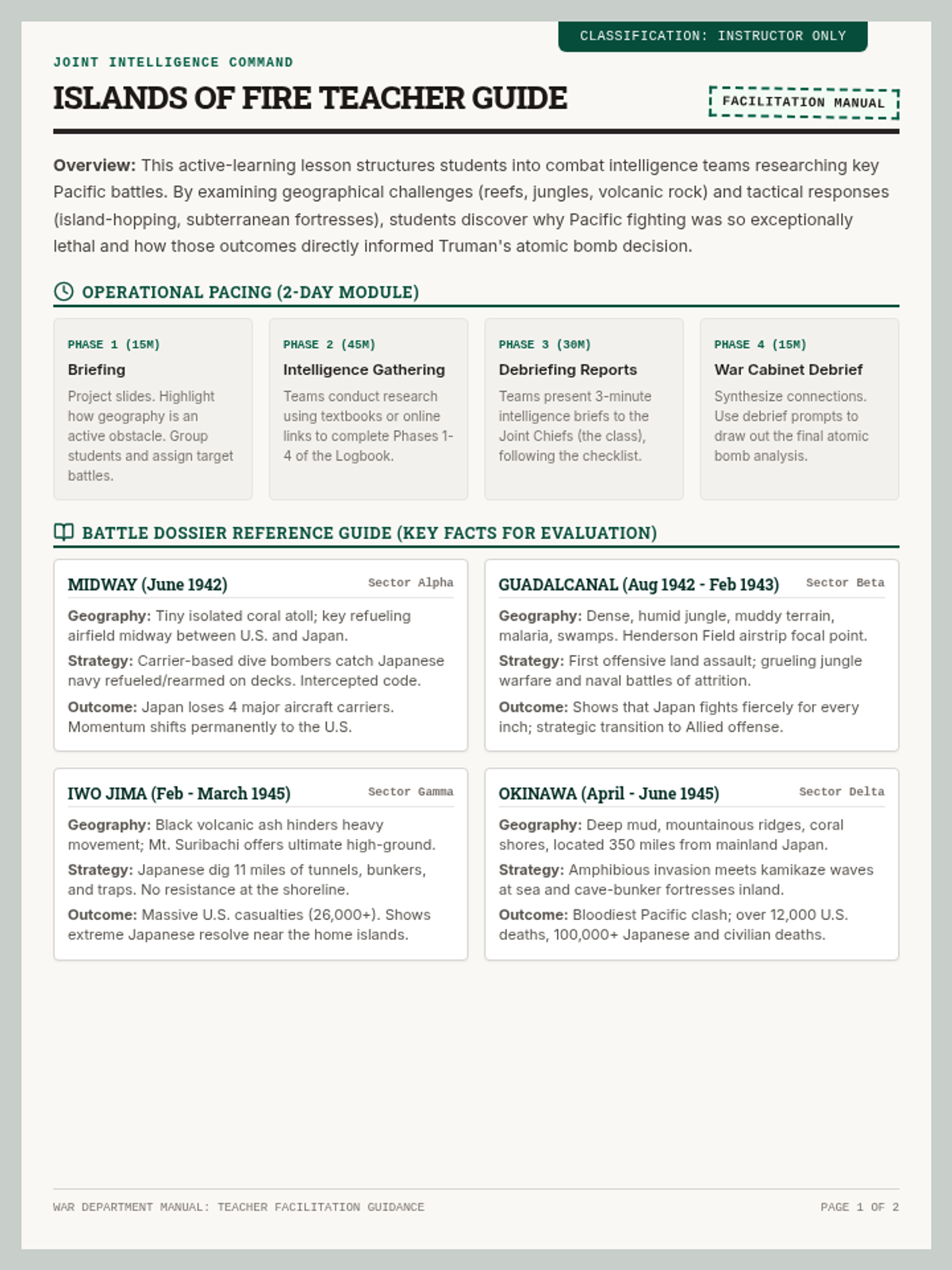
A focused exploration of the military turning points of the American Civil War, designed for middle school students to understand how specific battles shifted the momentum of the conflict.
A lesson exploring the historical reality of Duncan and Macbeth compared to their fictionalized counterparts in Shakespeare's tragedy. Students will analyze a historical text to identify discrepancies in timeline, character traits, and political motivations.
A 20-minute investigation into the contradictions and complexities of the American Revolution, balancing the imperfections of the Founding Fathers with the radical nature of the new government.
A high-stakes, 60-minute project-based learning experience where students act as economic advisors. They must master both fiscal and monetary policy tools—including the Fed's interest rates, open market operations, and reserve requirements—to stabilize a national economy in crisis.
A biography research project focused on influential athletes who changed the world. Students use a sports-themed packet to document their subject's career milestones, social impact, and personal mindset.
A lesson focused on the Louisiana Purchase, requiring students to evaluate its impact and compose a persuasive 1-2 minute speech either defending or critiquing the decision.
A focused look at the events of April 1865, culminating in the surrender of the Army of Northern Virginia at Appomattox Court House. Students will trace the timeline of the final hours of the conflict.
Students participate in a mock trial to re-evaluate the legal and moral arguments of the Dred Scott case.
An in-depth look at the Supreme Court's decision and Chief Justice Taney's definition of citizenship.
Students investigate the life of Dred Scott and the legal arguments that led to his case reaching the Supreme Court.
This lesson examines the transformation of the Delian League into an Athenian Empire and the subsequent conflict with Sparta. Students engage in Think-Pair-Share activities to analyze the causes of the Peloponnesian War and the eventual collapse of Athenian power.
A lesson connecting the events of Chapter 4 (The Battle of the Cowshed) in Animal Farm to its historical allegory of the Russian Civil War. Includes a teacher-led modeling session, guided practice on leadership roles, and independent student analysis.
A comprehensive lesson exploring the rise and fall of the Athenian Empire, the Delian League, and the Peloponnesian War through primary source analysis and collaborative station activities.
Students take on the roles of international delegates to solve pressing environmental and economic issues through negotiation and diplomacy. This simulation-based lesson introduces 6th graders to the complexities of global governance and the importance of international cooperation.