Students investigate stomata density and guard cell function to understand the trade-off between CO2 intake for photosynthesis and water loss via transpiration.
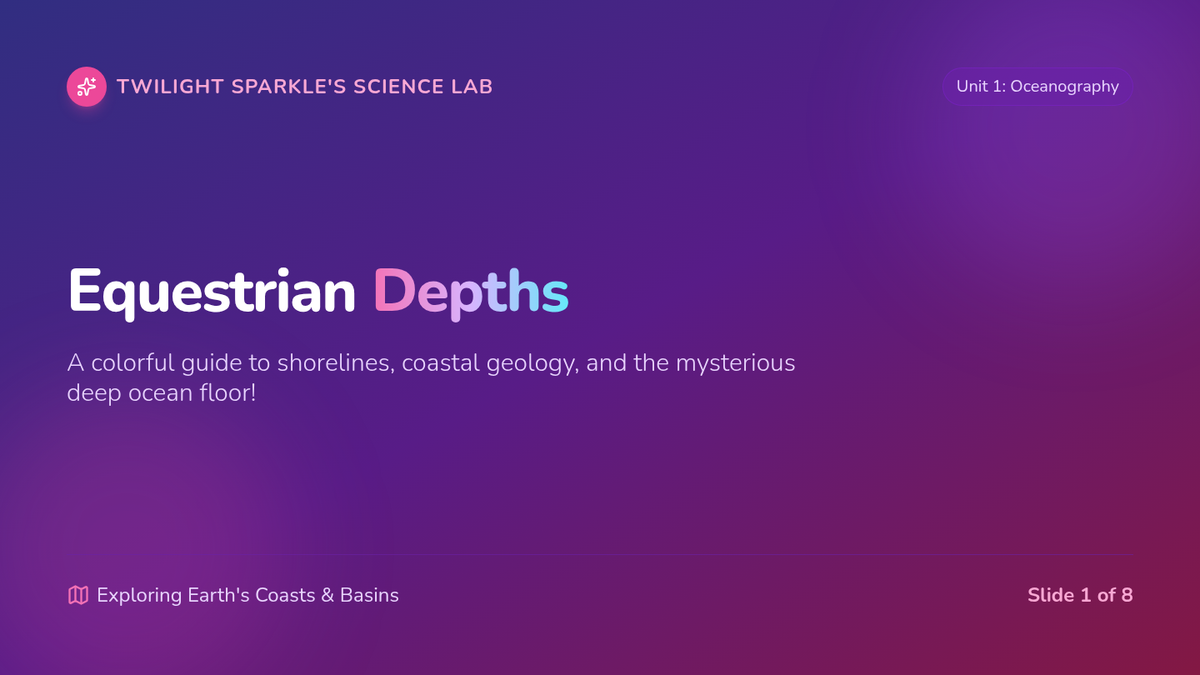
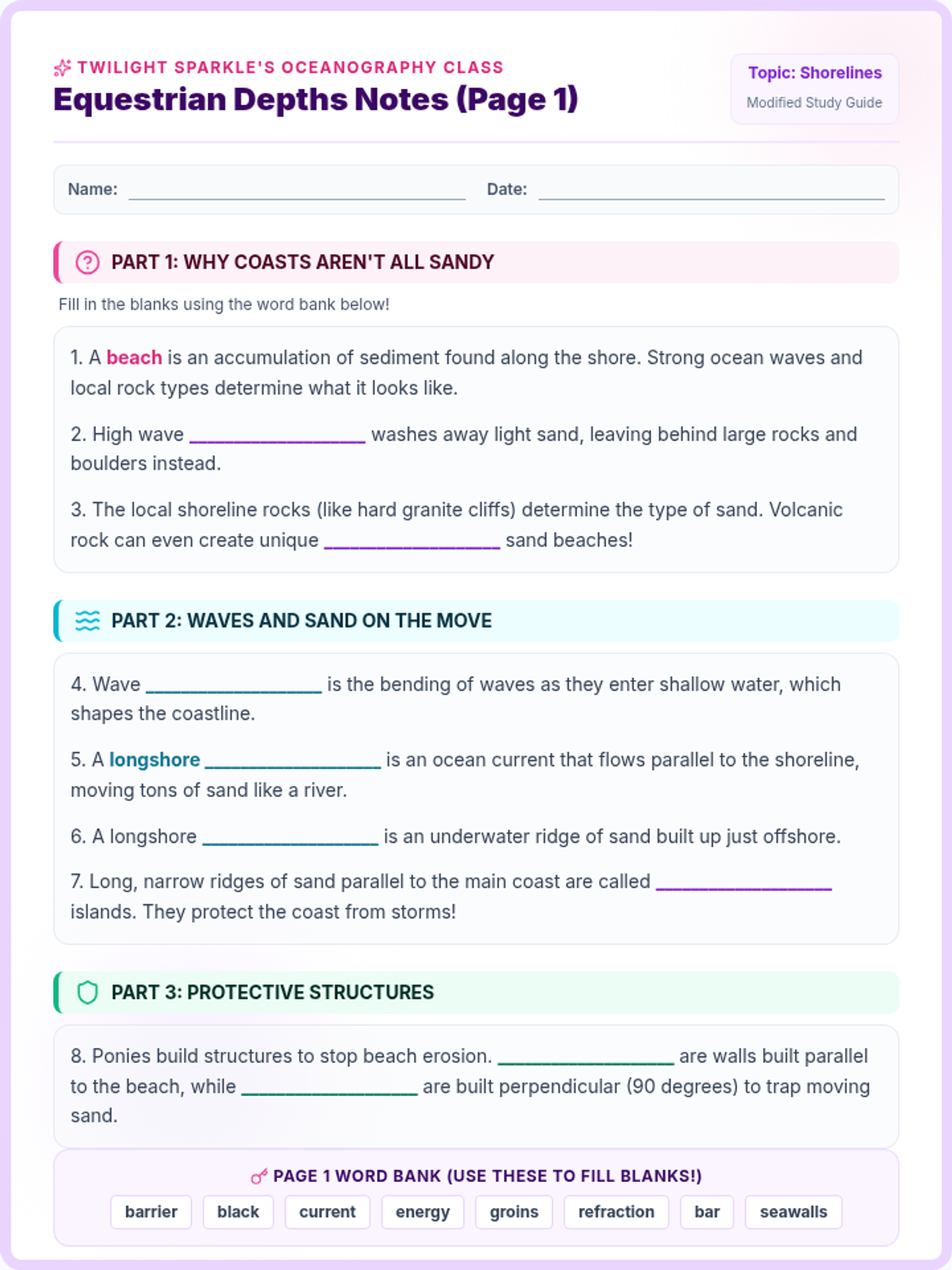
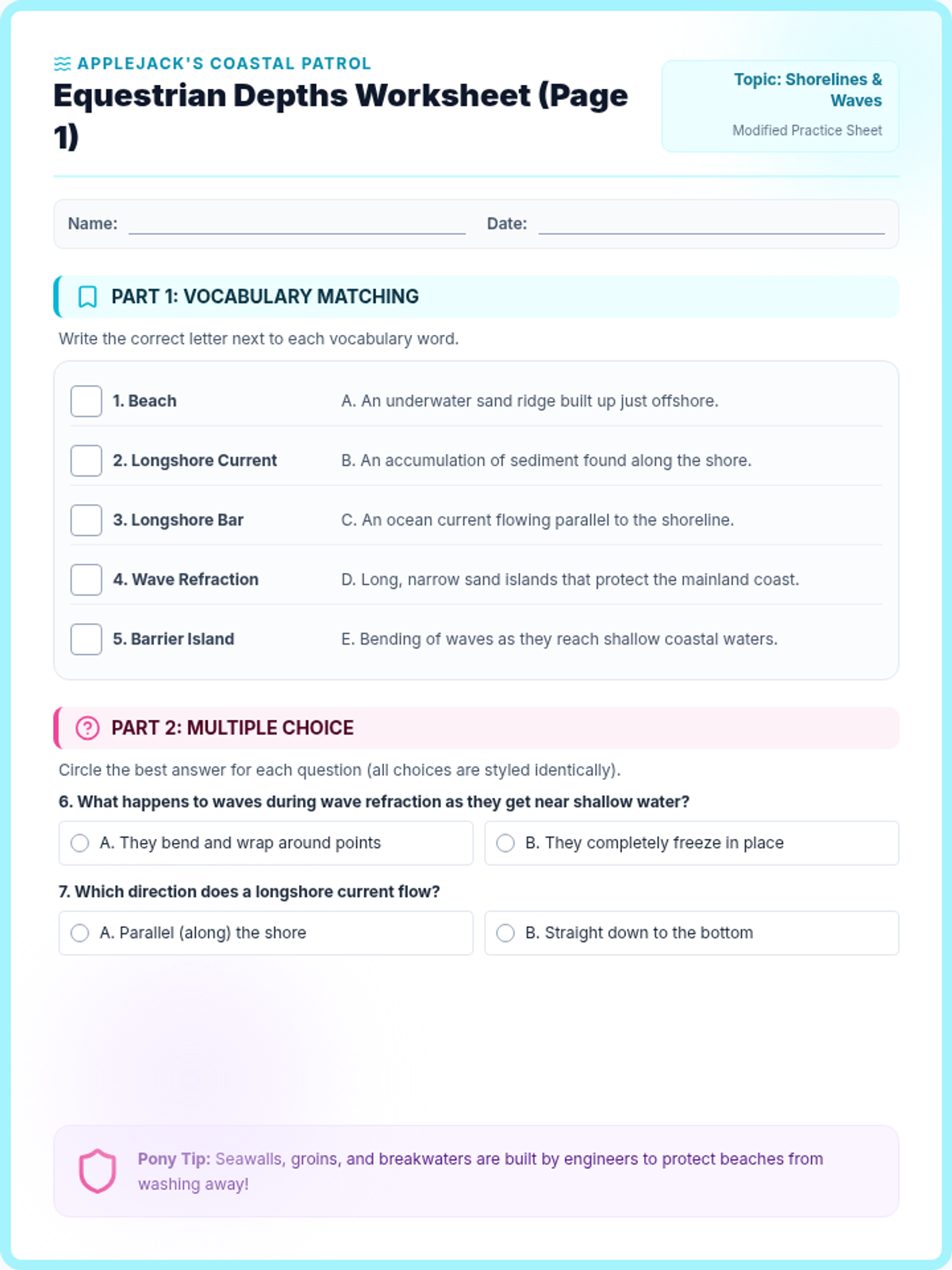
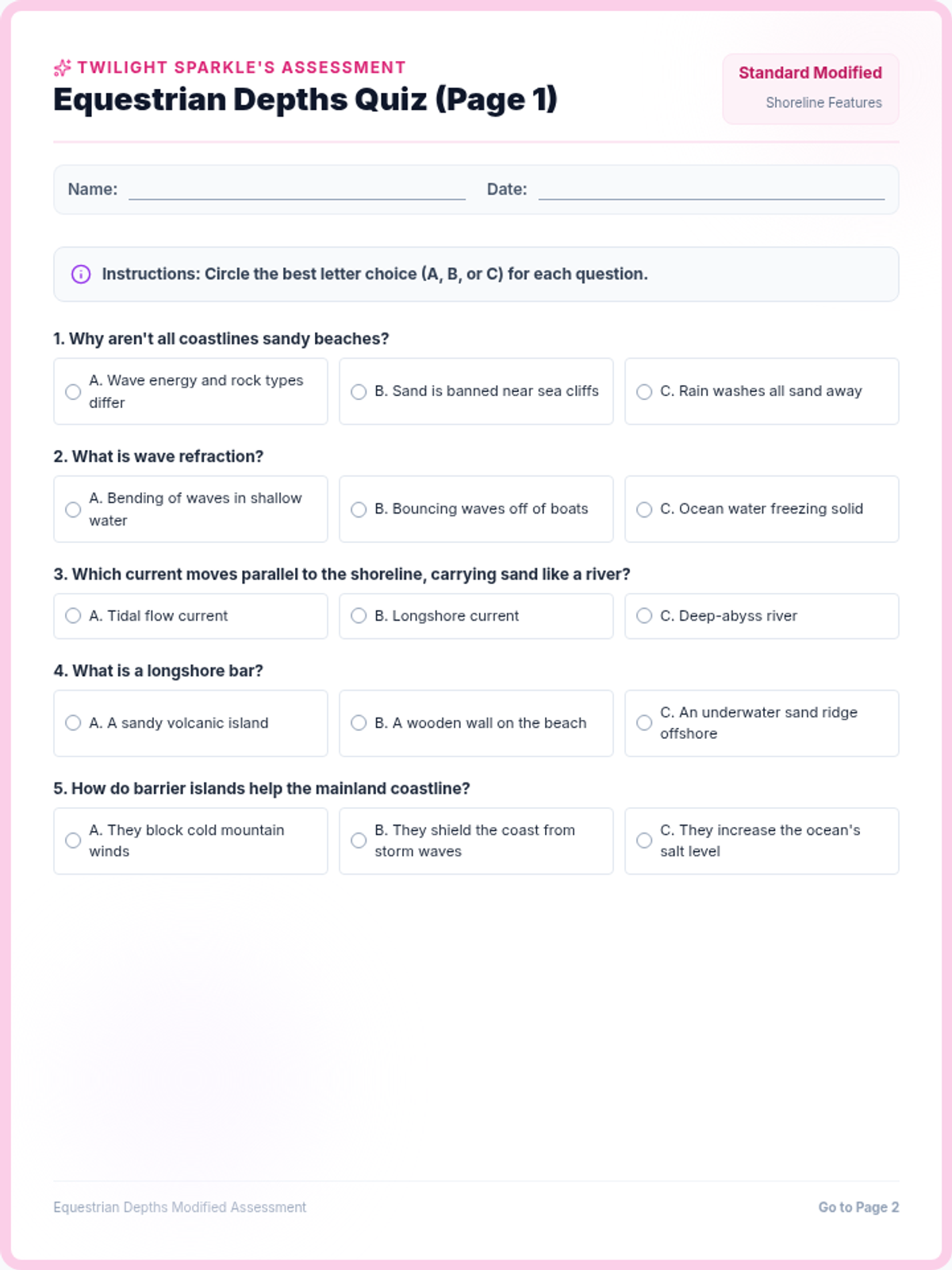
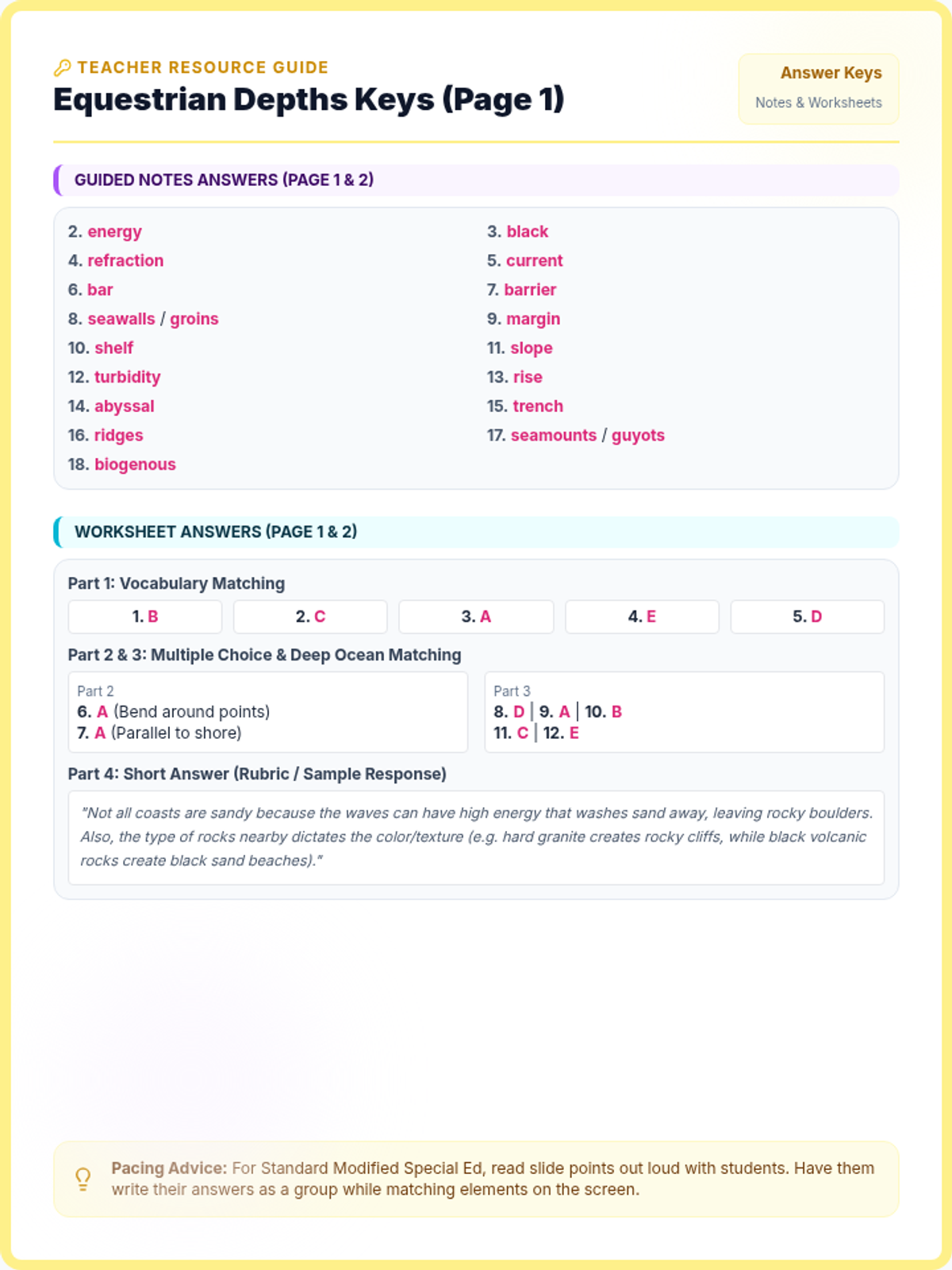
A lesson on oceanography covering shorelines, coastal features, and the deep seafloor, adapted with a friendly My Little Pony decorative theme and chunked, accessible text for Standard Modified Special Education students.
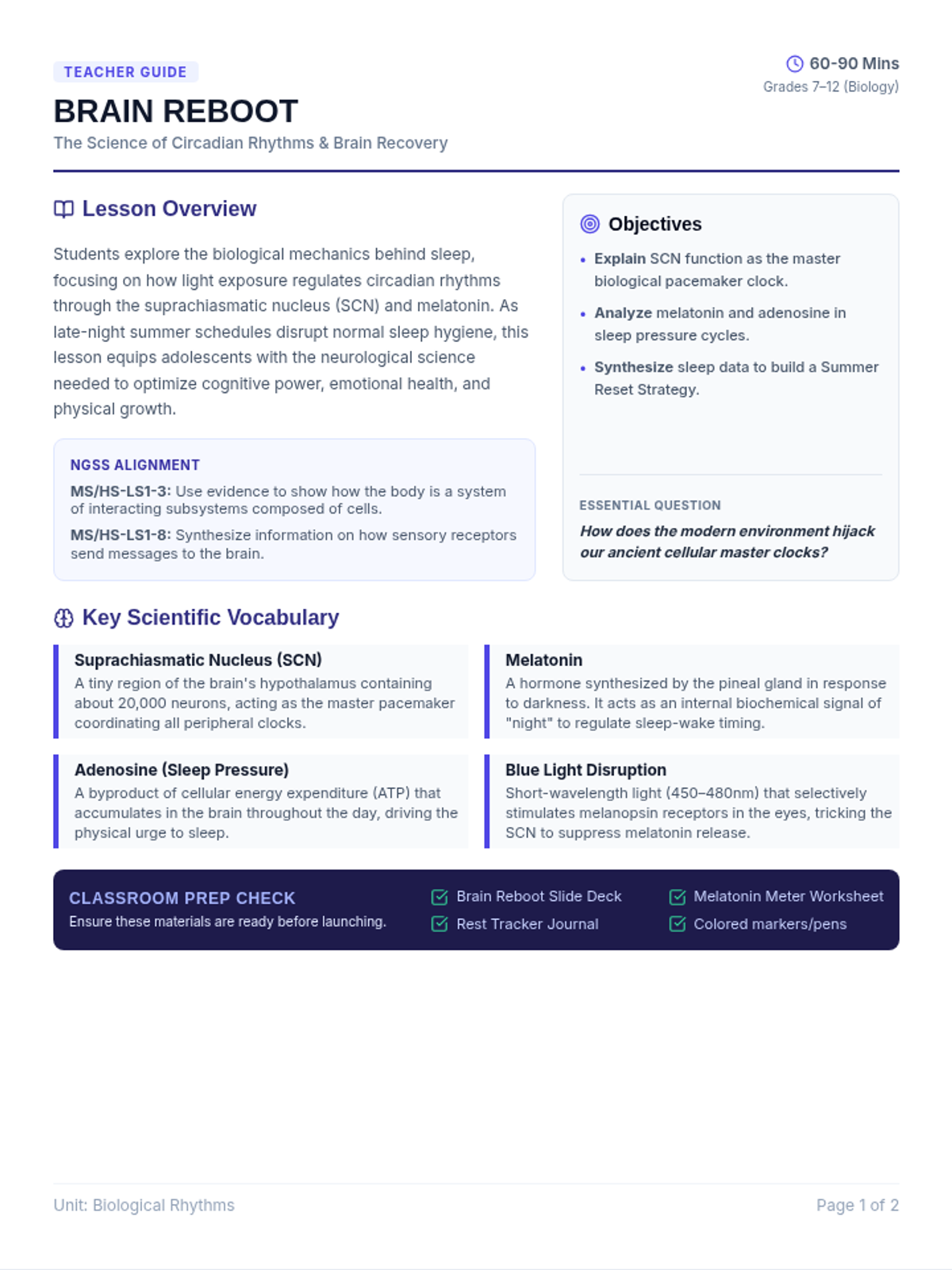
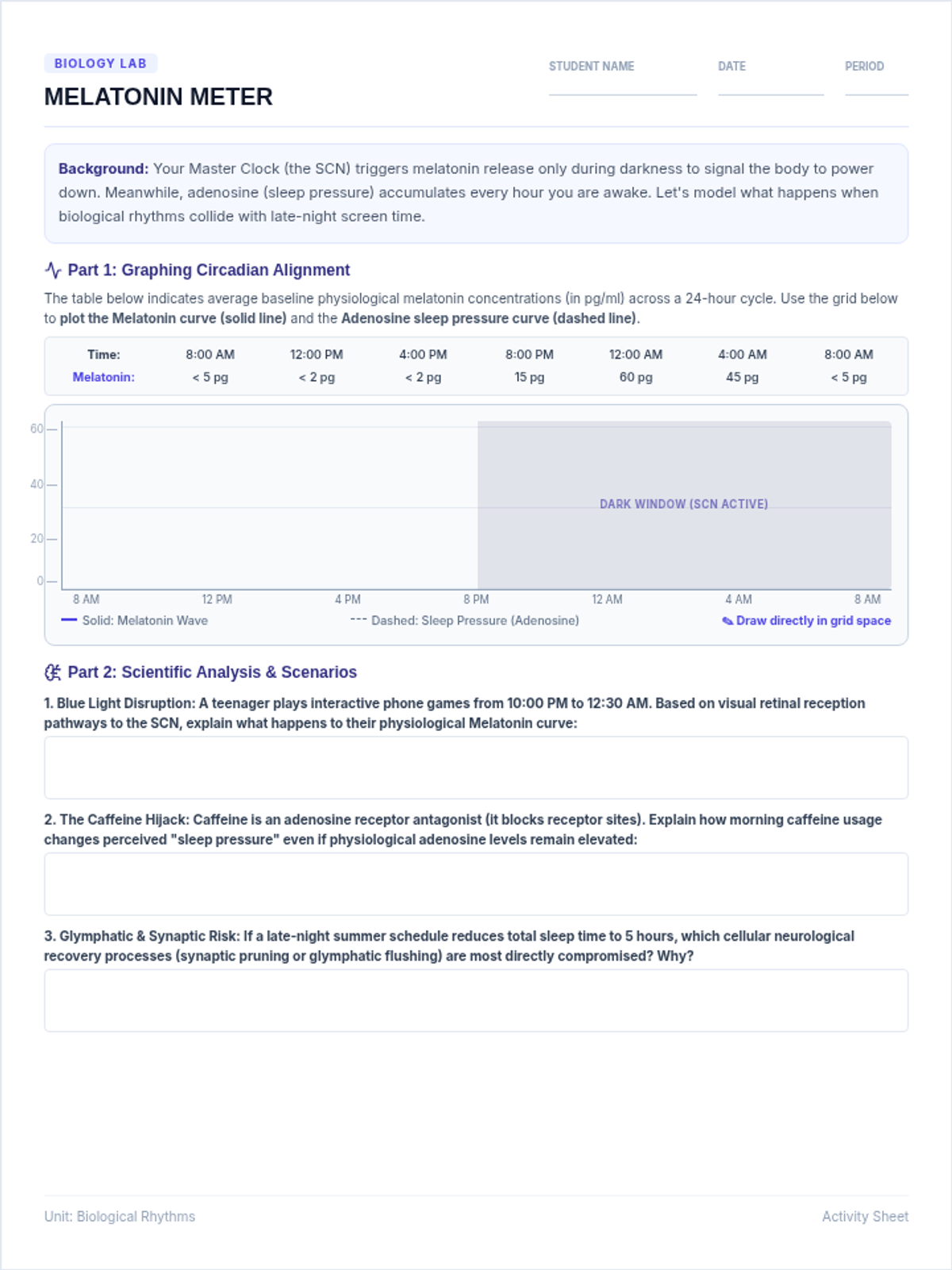
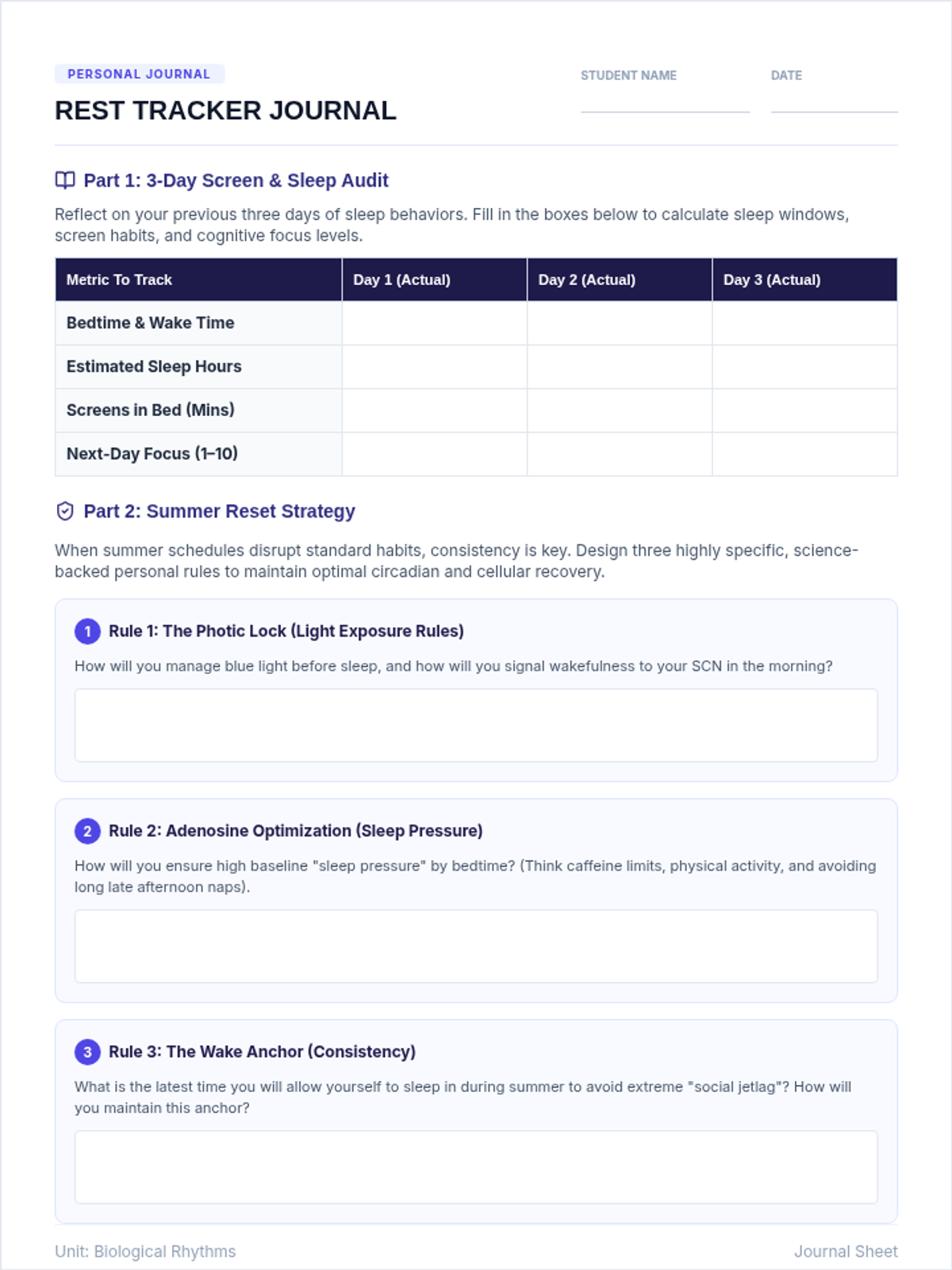
A high-interest biology and neuroscience lesson examining circadian rhythms, the biochemistry of melatonin, and the critical role of sleep in teen brain development, cognitive performance, and emotional health.
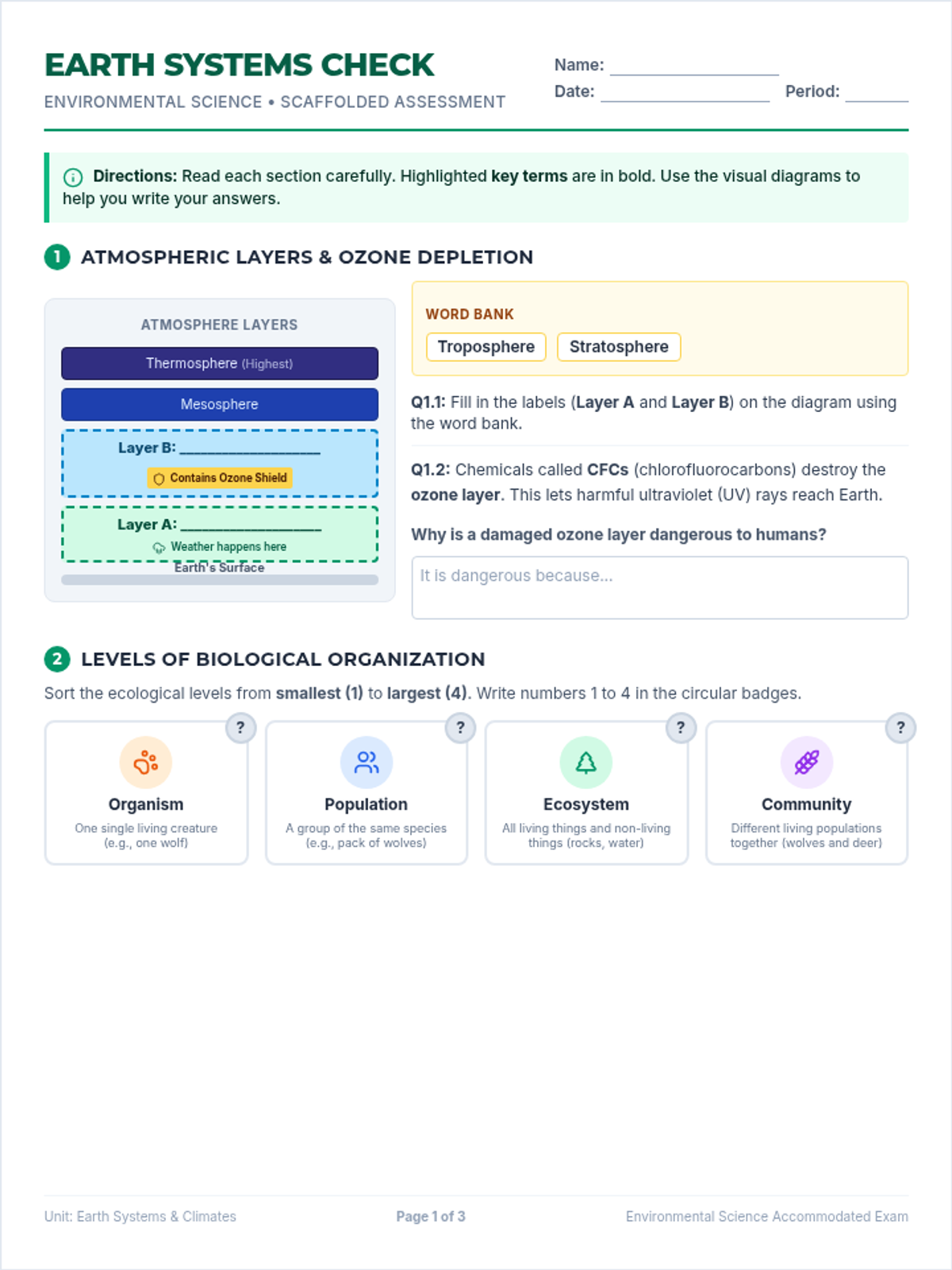
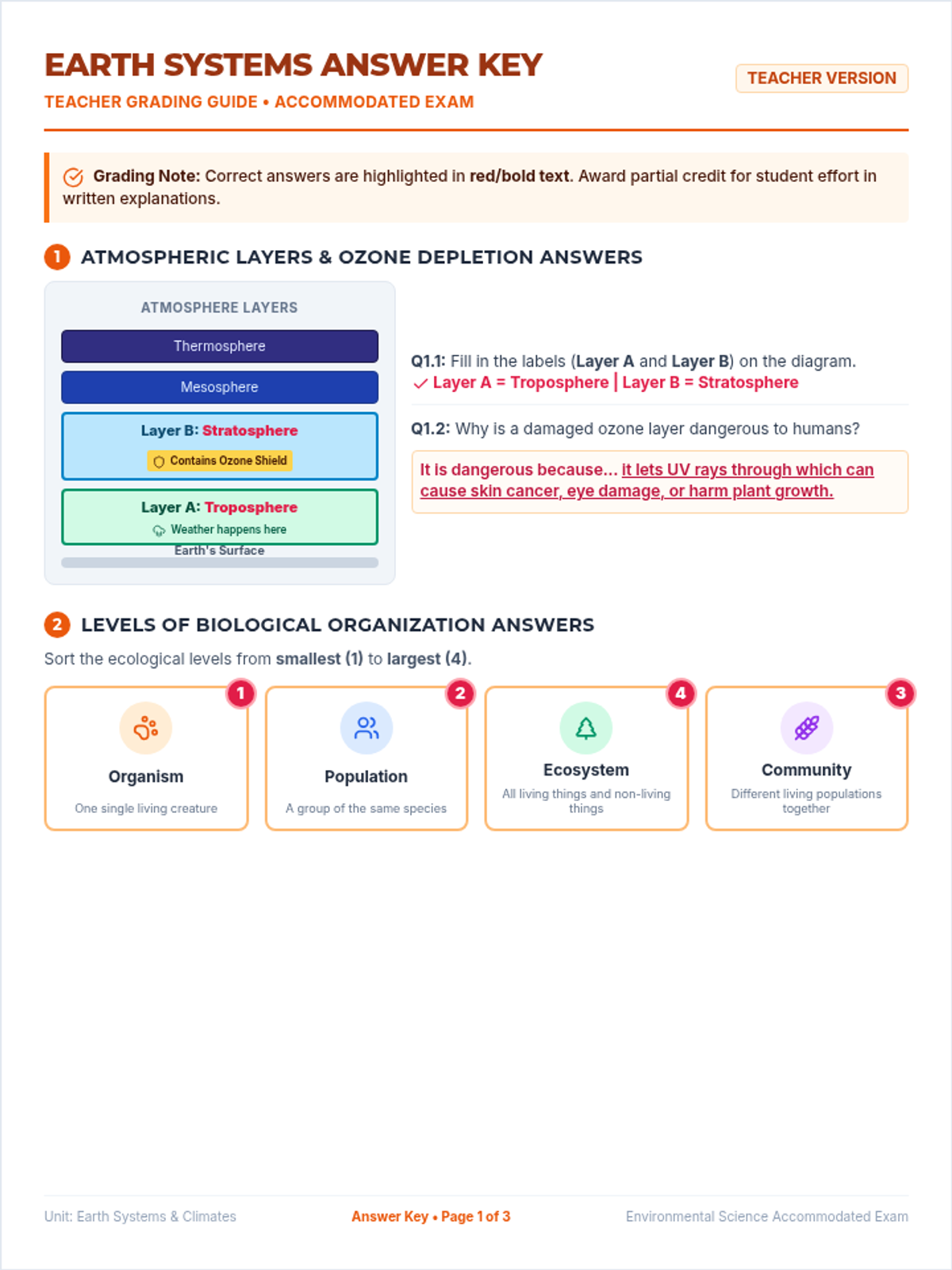
A highly visual, scaffolded assessment and corresponding answer key covering atmospheric layers, resource classification, carbon footprints, biological levels, trophic webs, ice proxies, and photosynthesis.
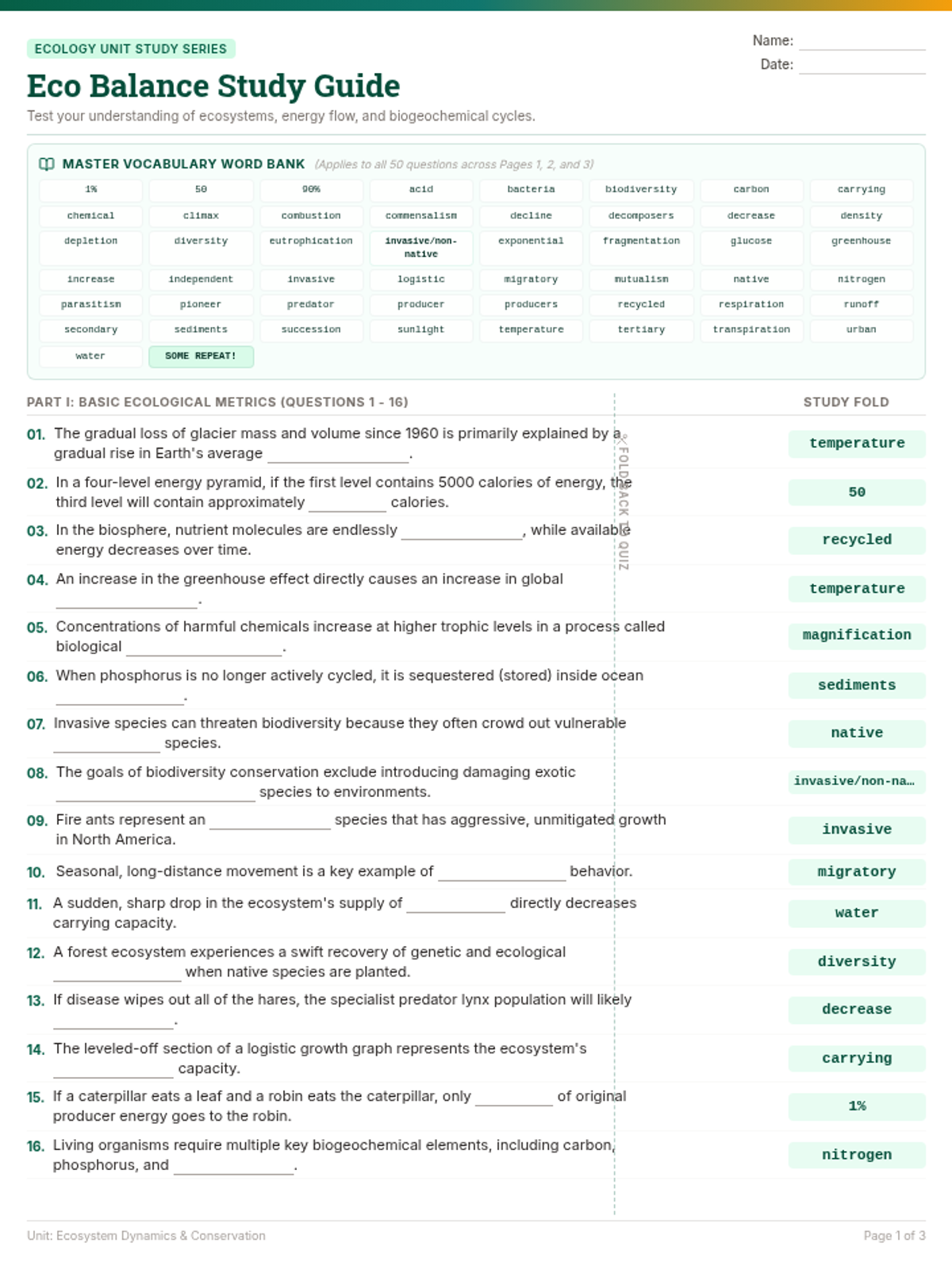
An essential study unit focusing on ecosystem dynamics, energy flow, biogeochemical cycles, and human impacts on biodiversity.
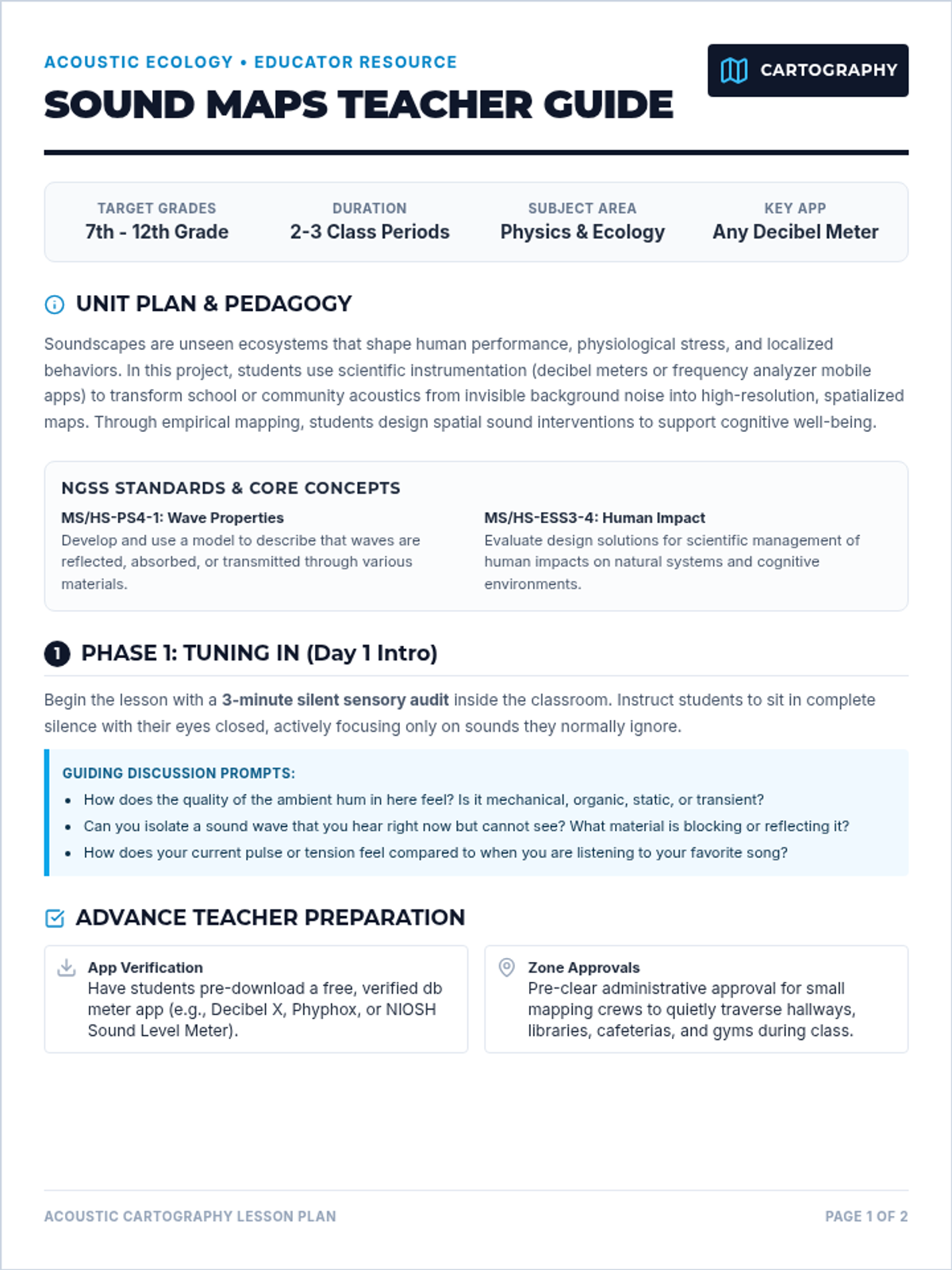
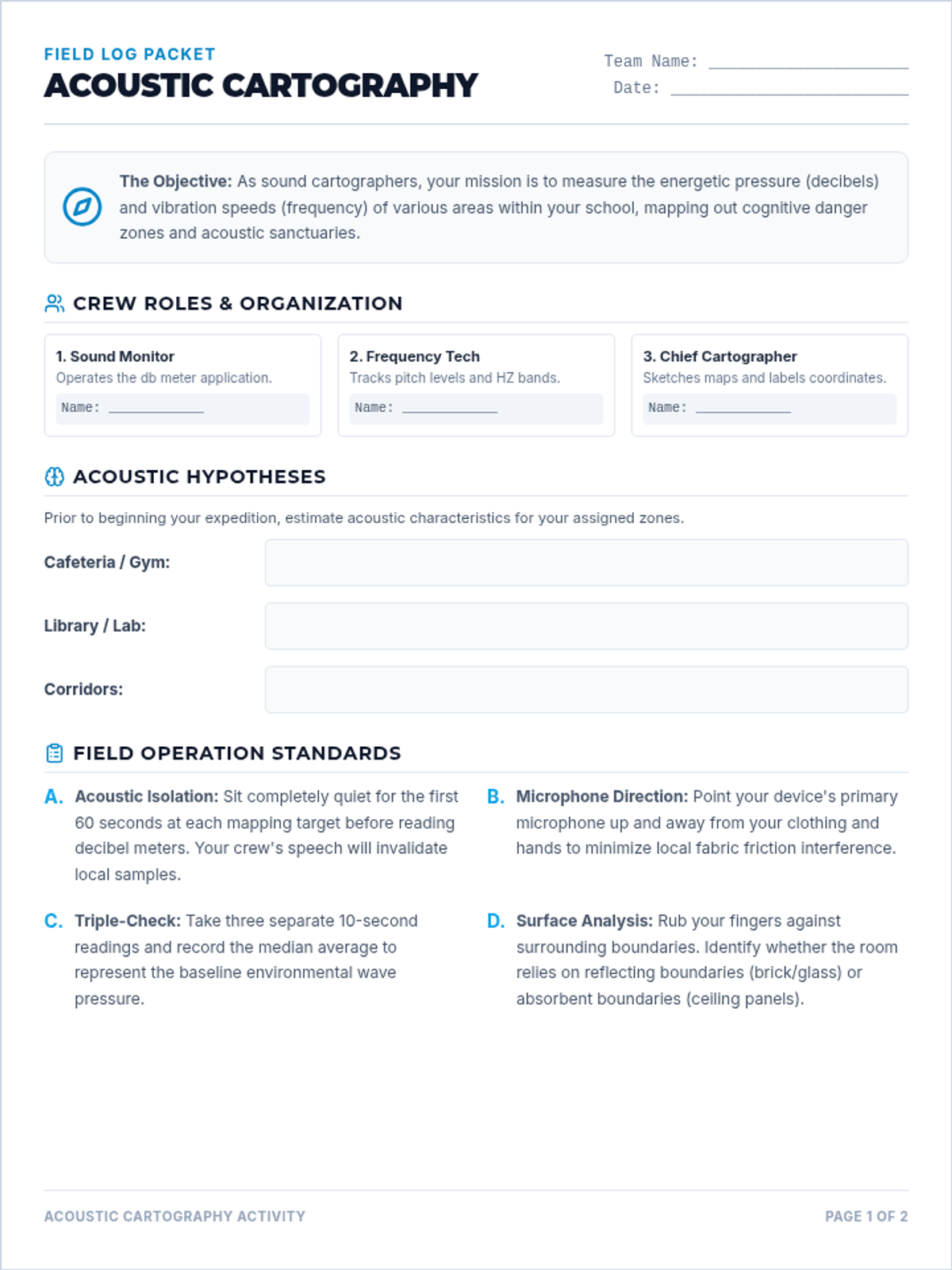
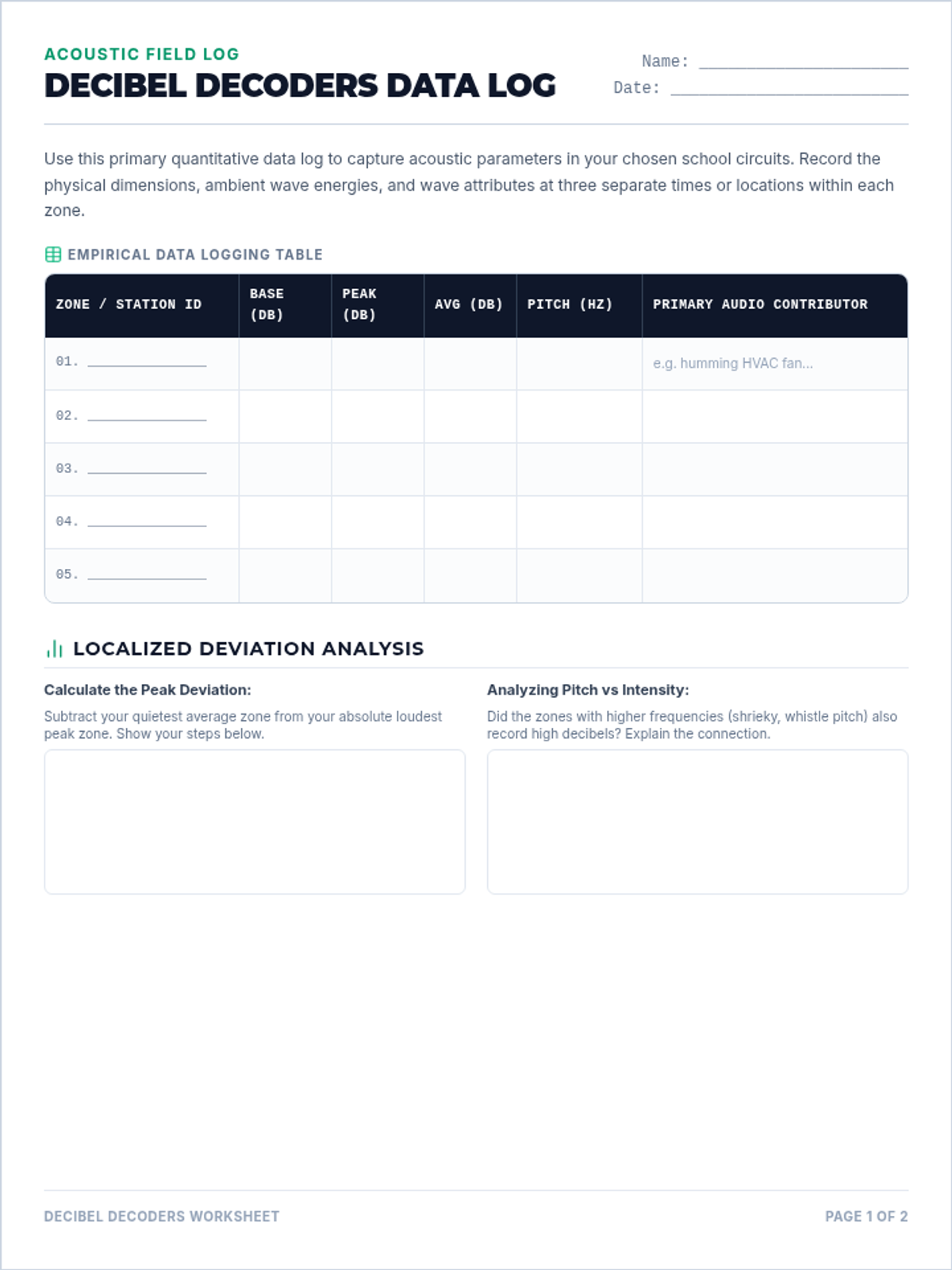
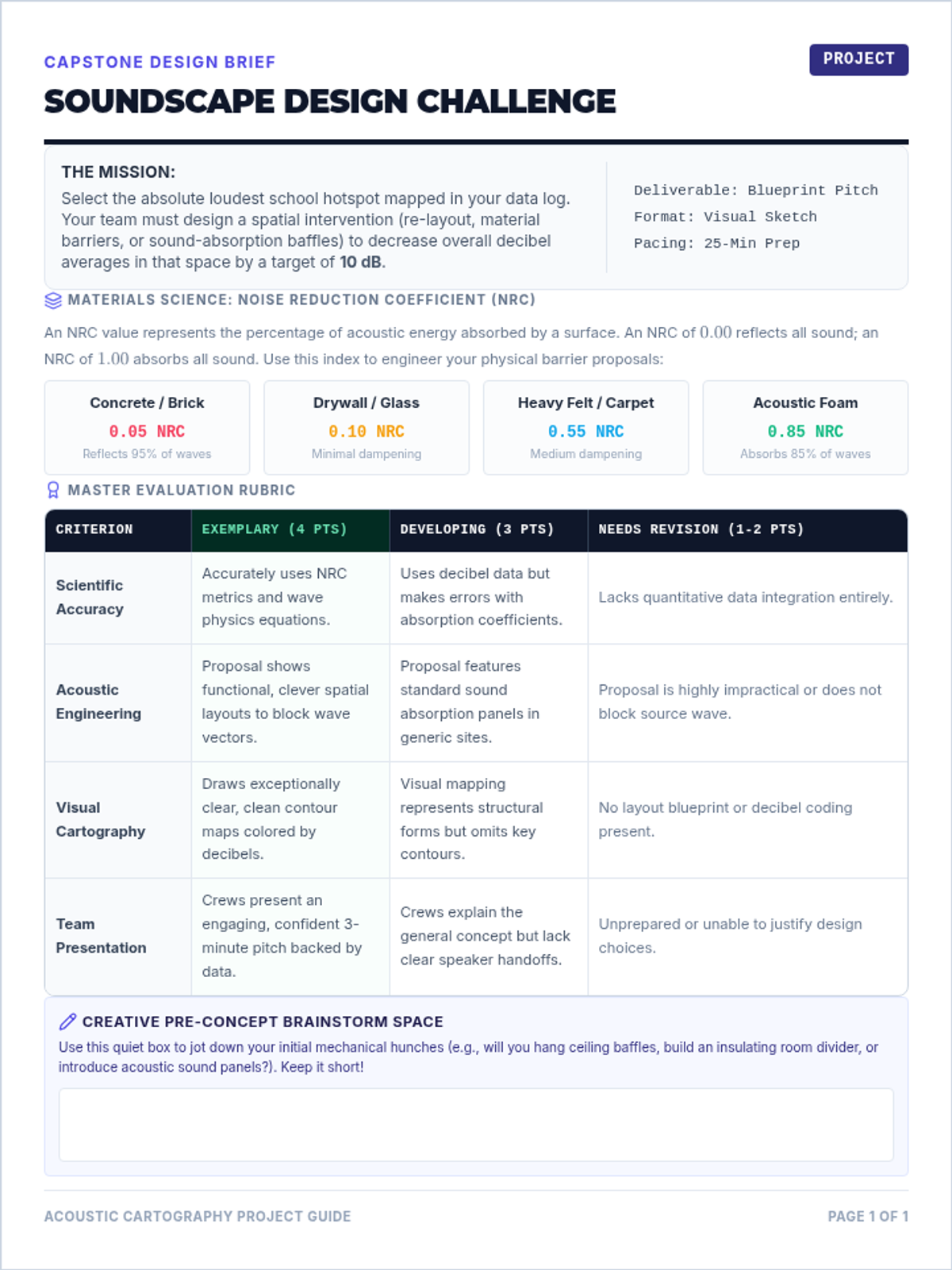
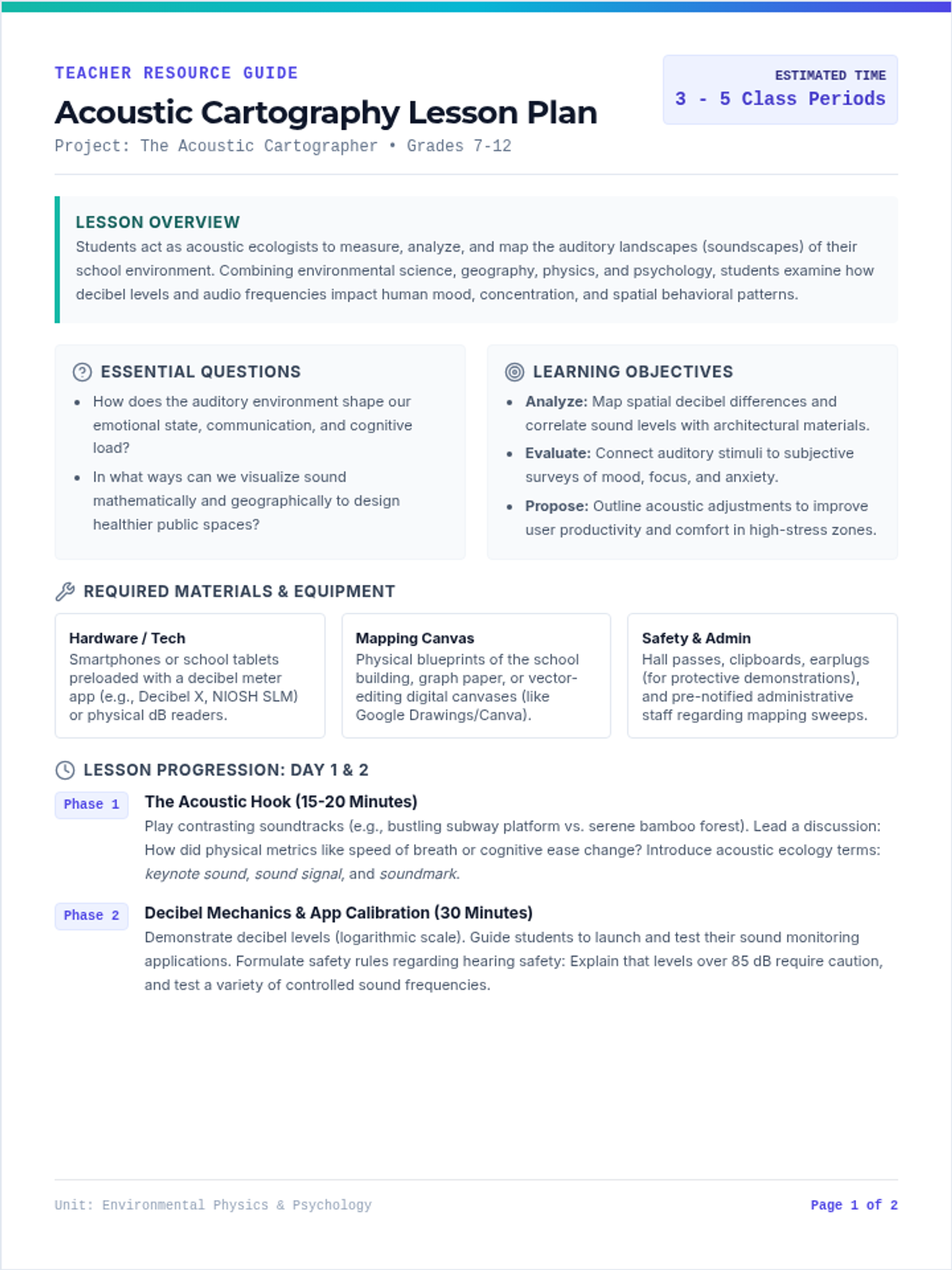
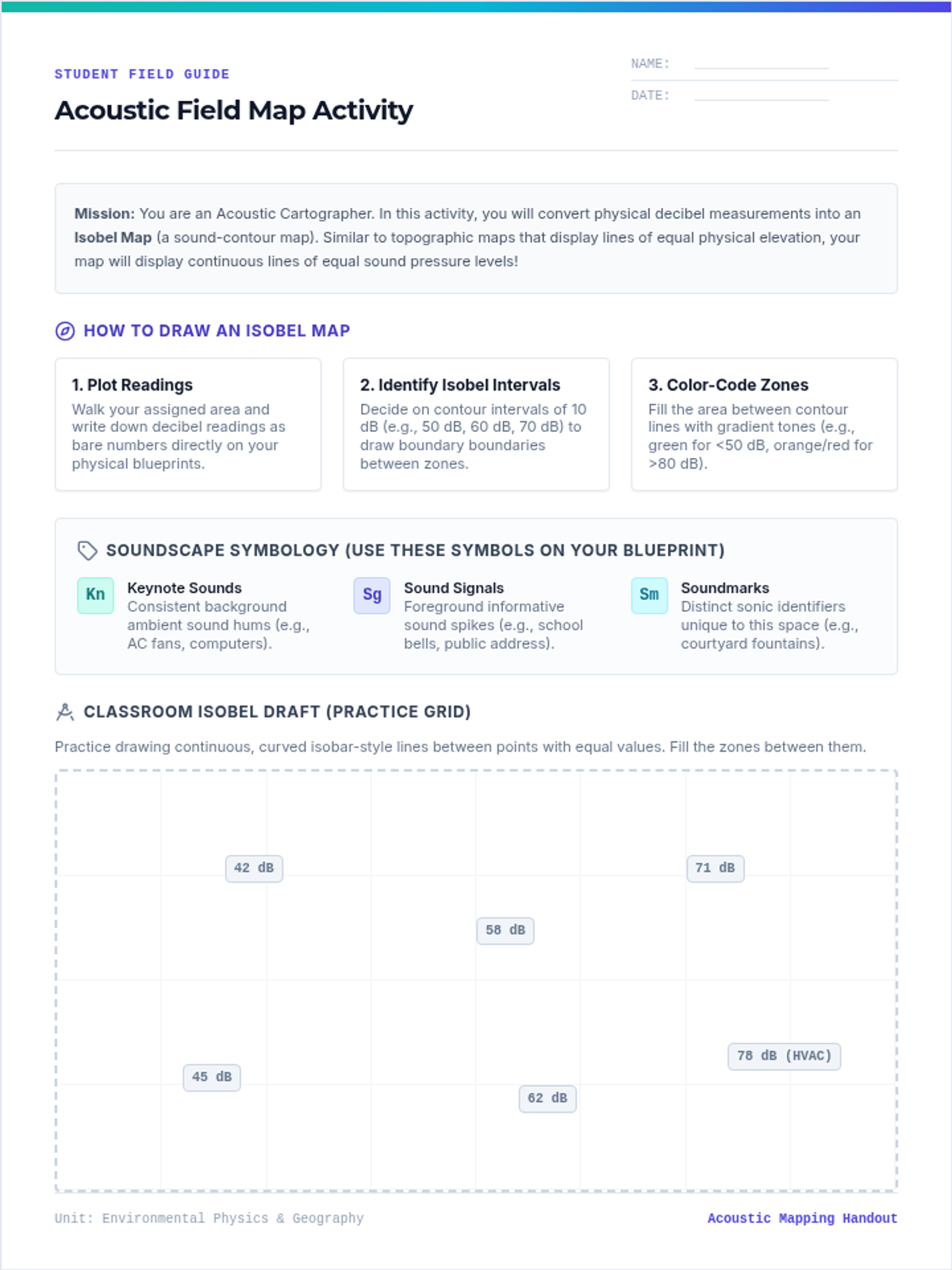
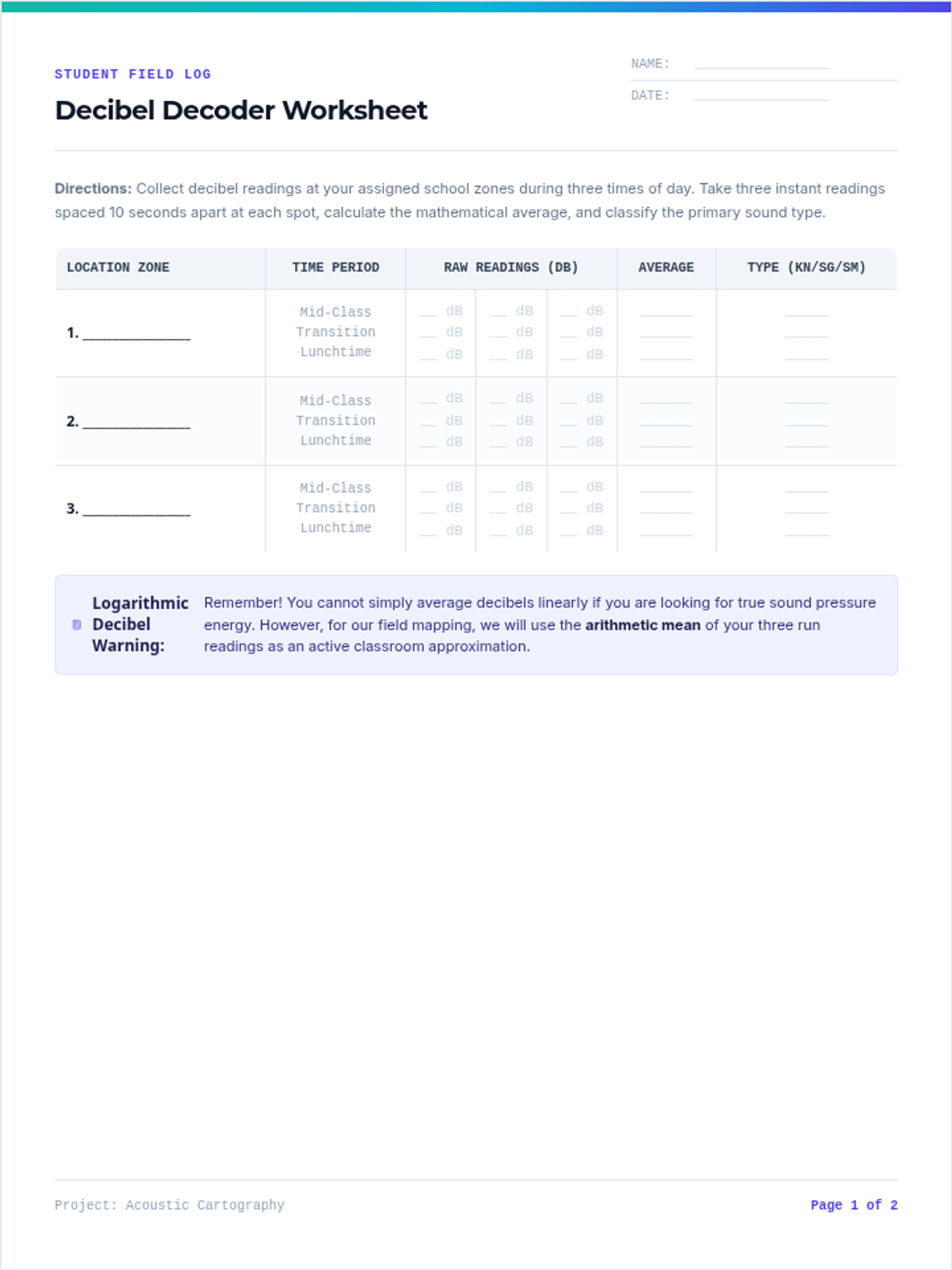
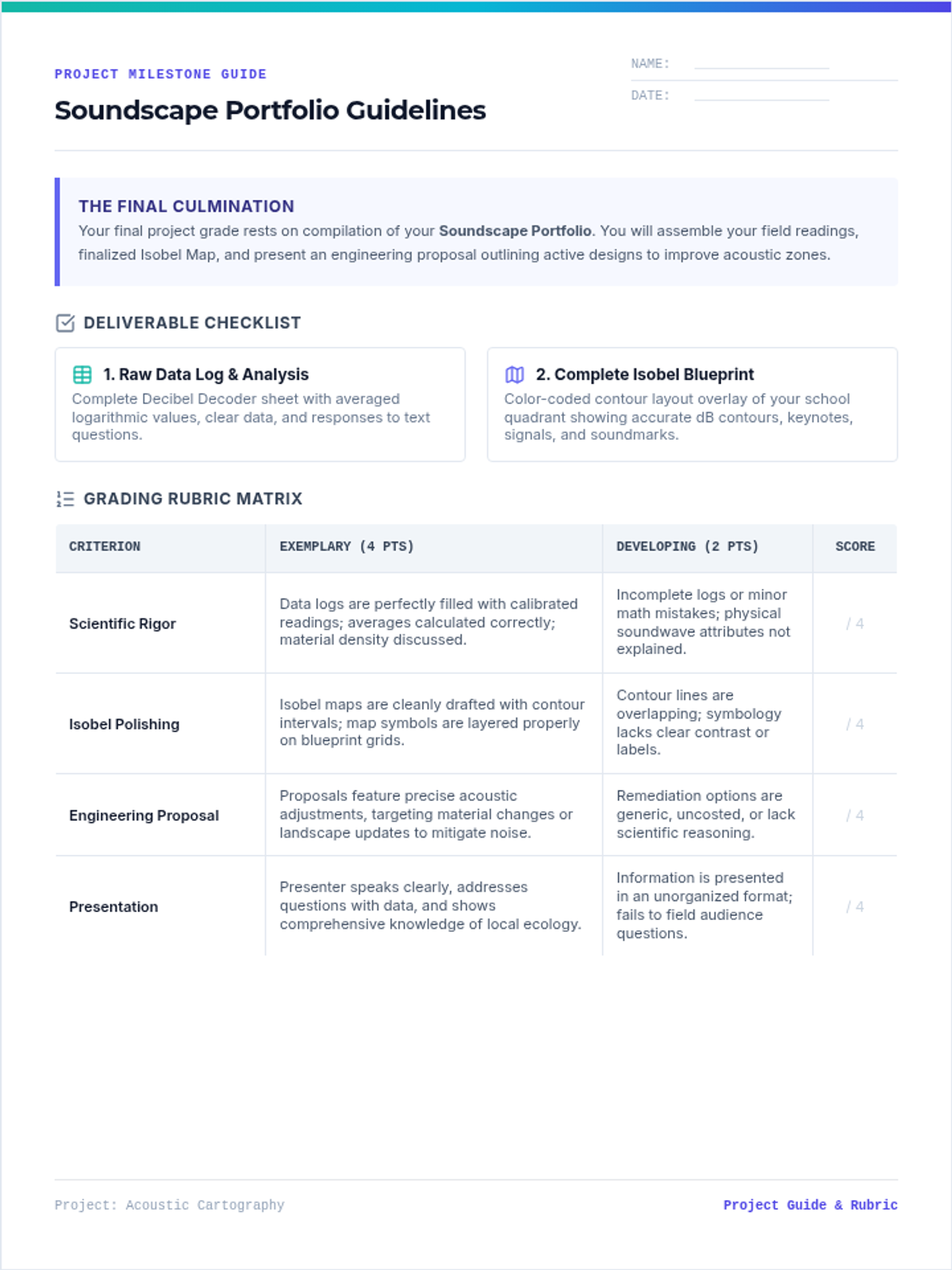
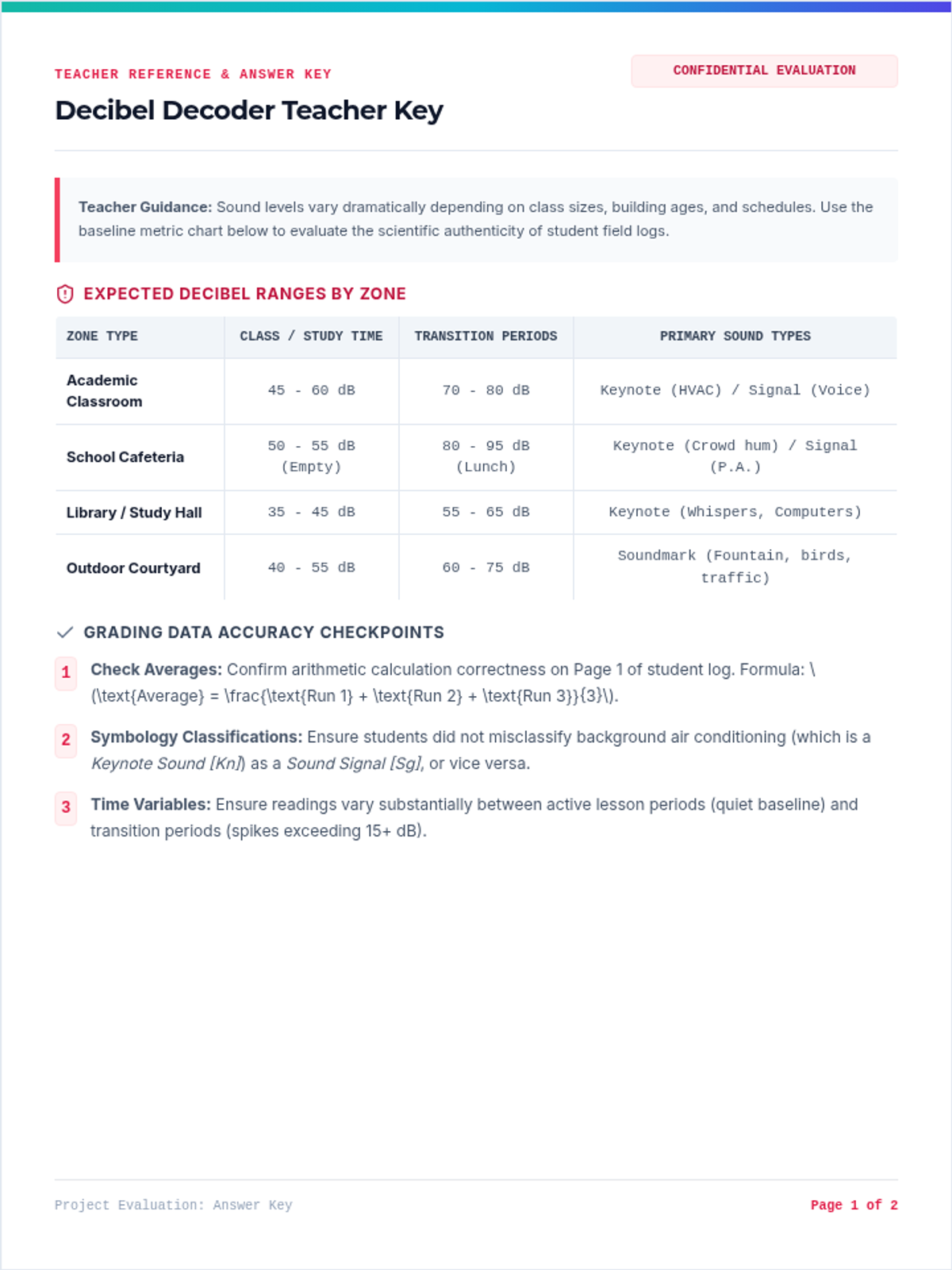
A project-based lesson where students explore acoustic ecology by recording, mapping, and analyzing ambient decibel and frequency levels to study their impact on cognitive load and emotional well-being.
A comprehensive middle and high school project-based lesson where students explore acoustic ecology by recording, charting, and analyzing the decibel levels and sound frequencies of various school zones to map their auditory environment and understand its impact on human behavior.
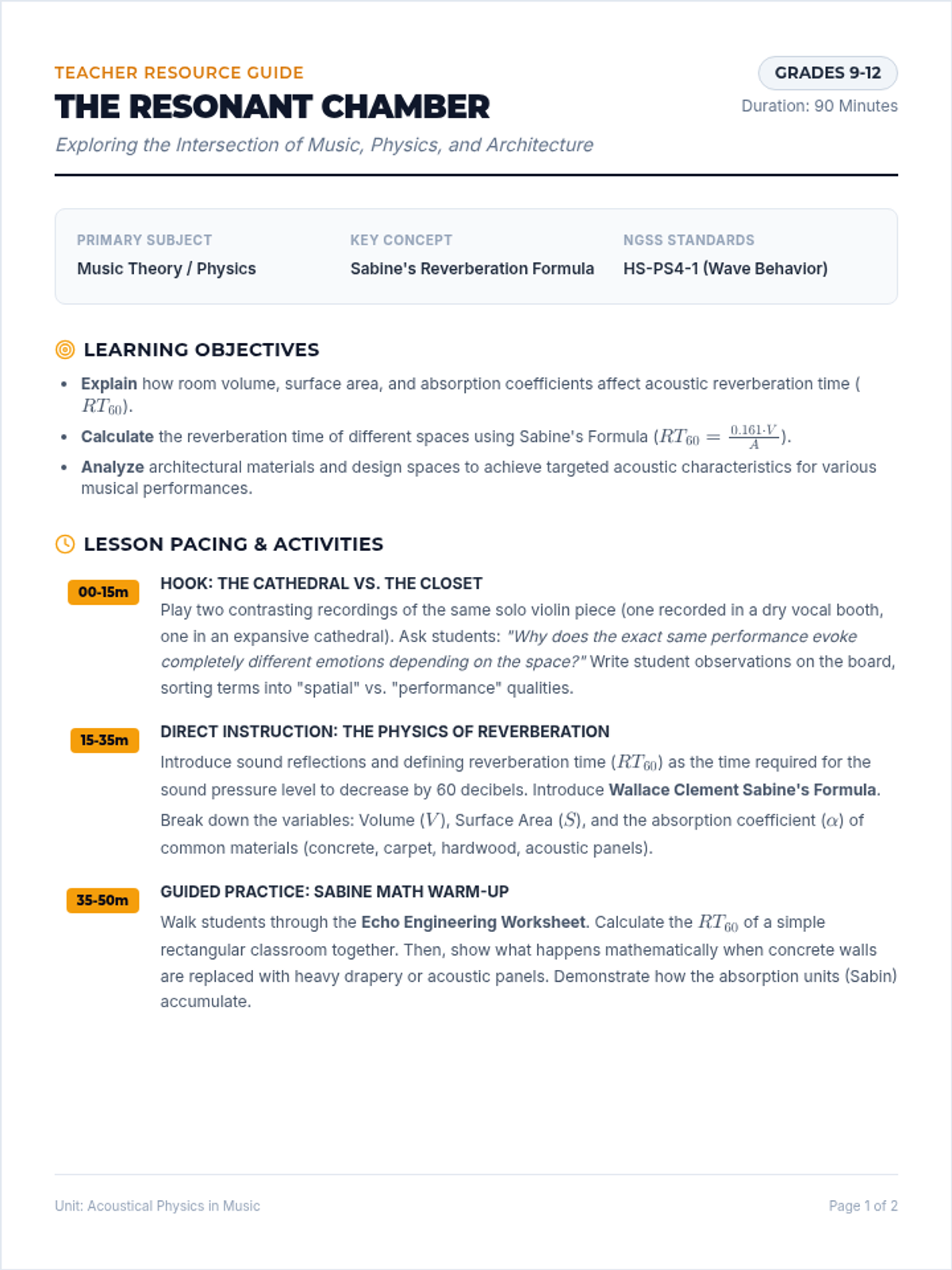
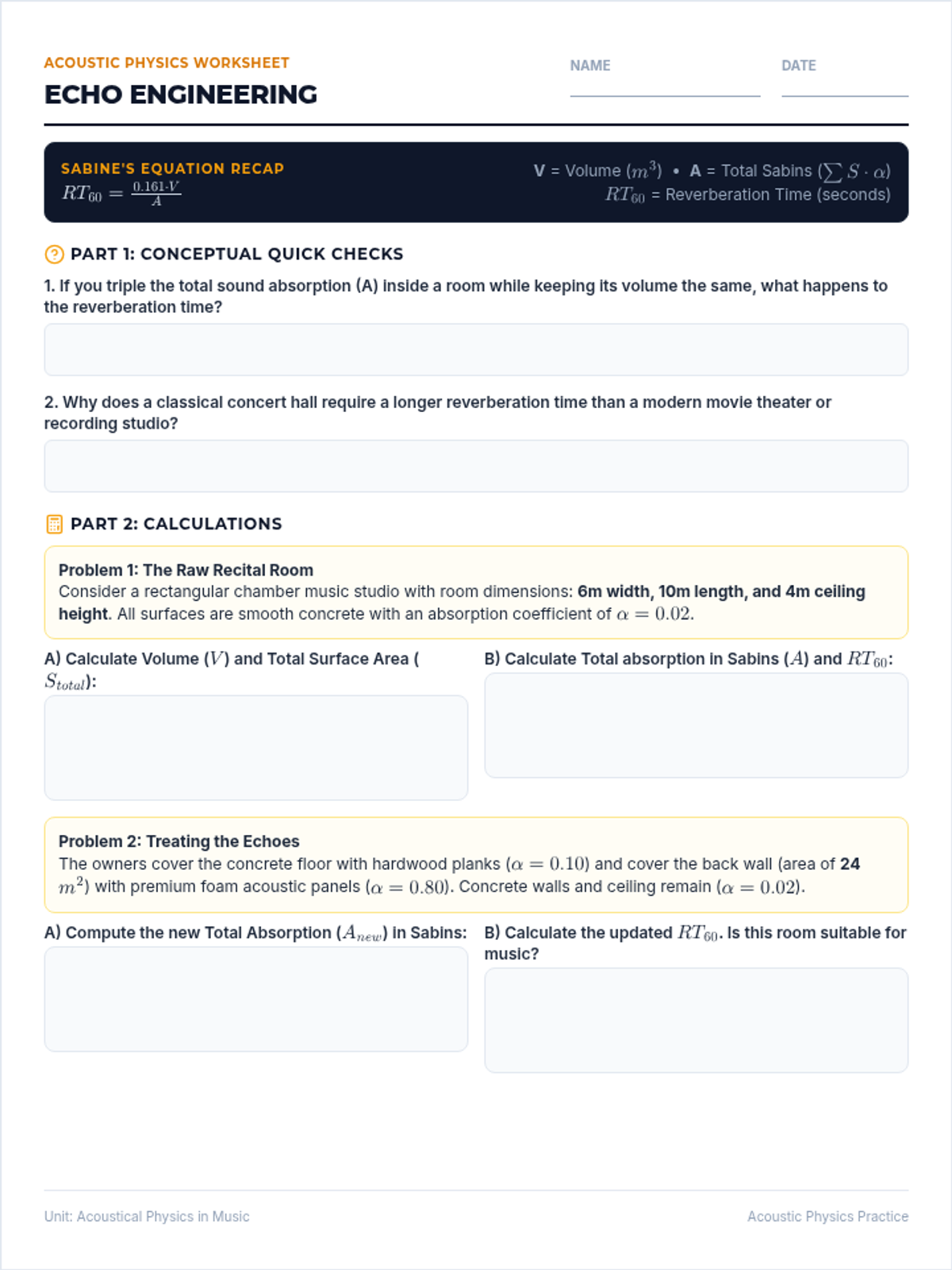
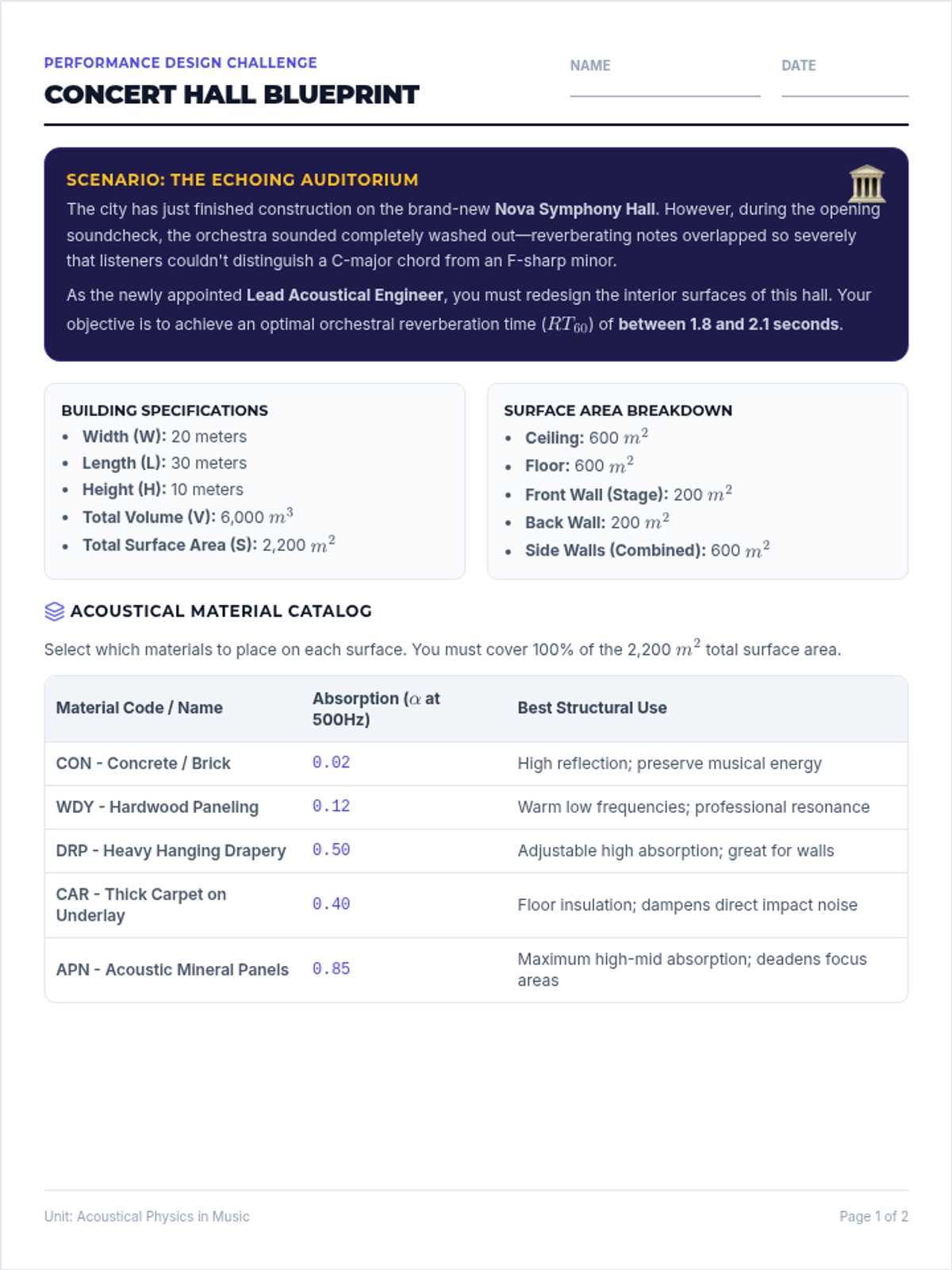
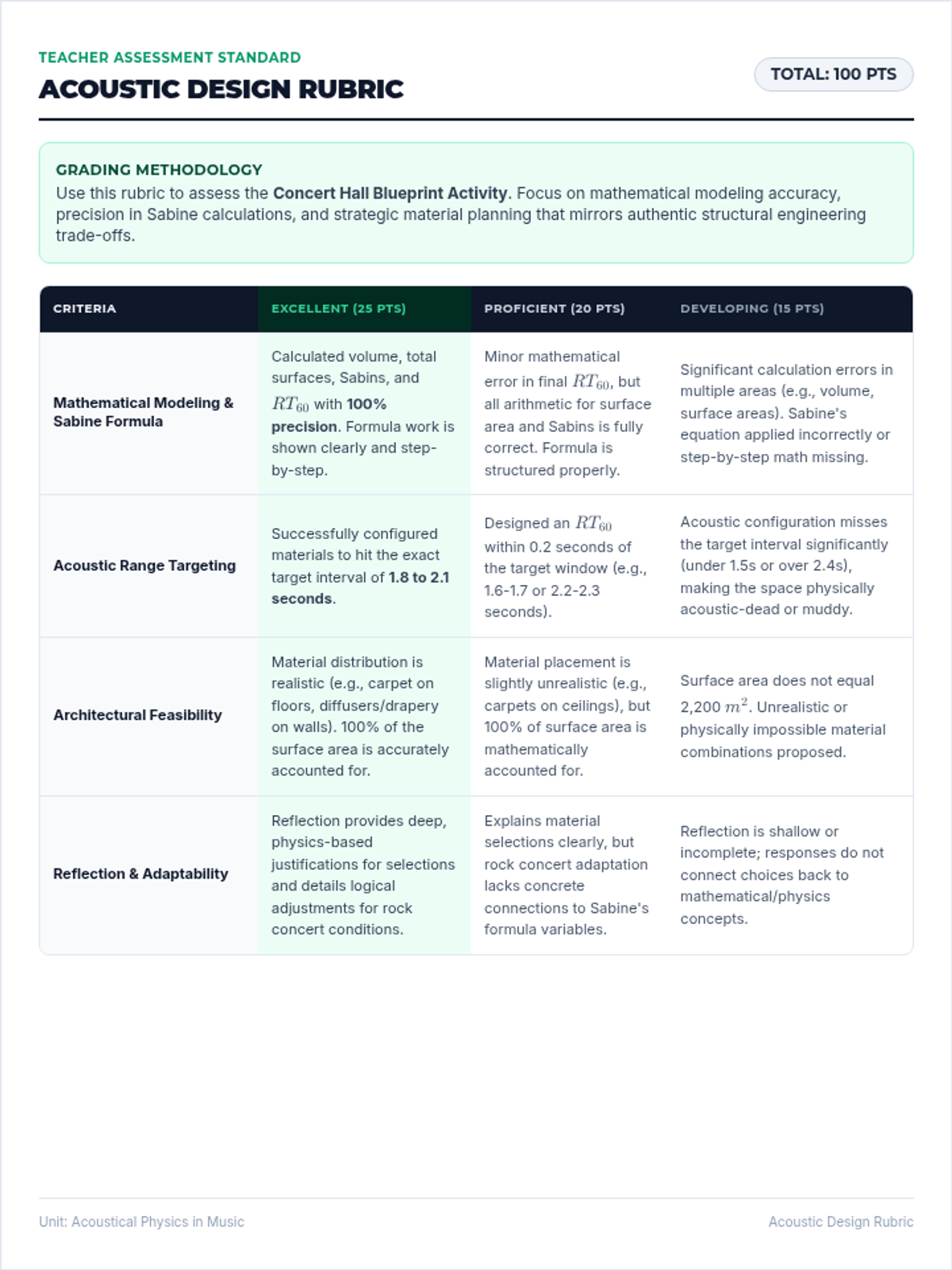
A high school music and physics lesson where students explore architectural acoustics, analyze how materials and dimensions affect sound, and apply Sabine's Formula to calculate and optimize reverberation times for world-class concert halls.
An advanced course launch framework establishing rigorous academic policies, AP/IB preparatory standards, and the integrated biochemistry roadmap for Honors Biology.
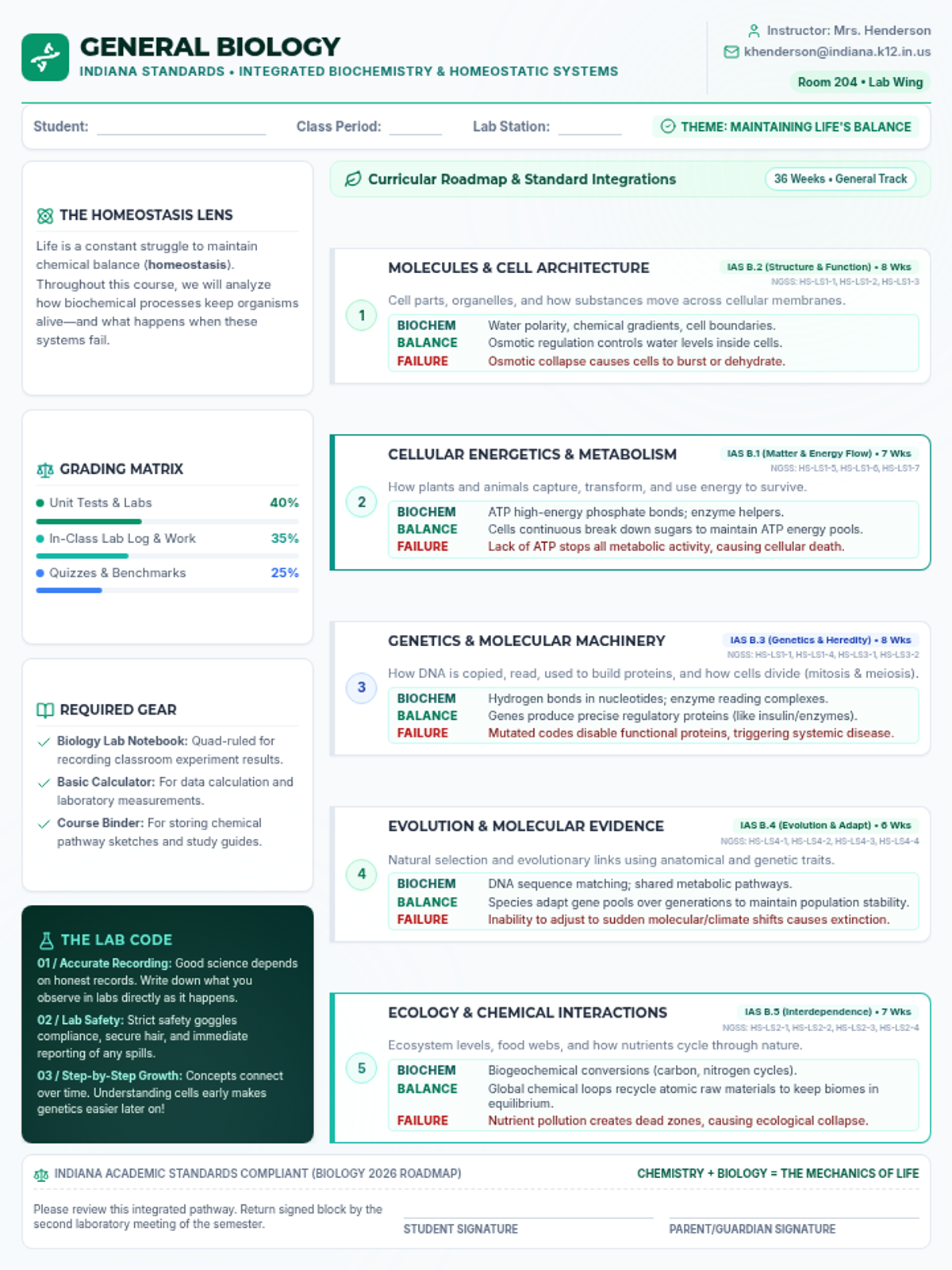
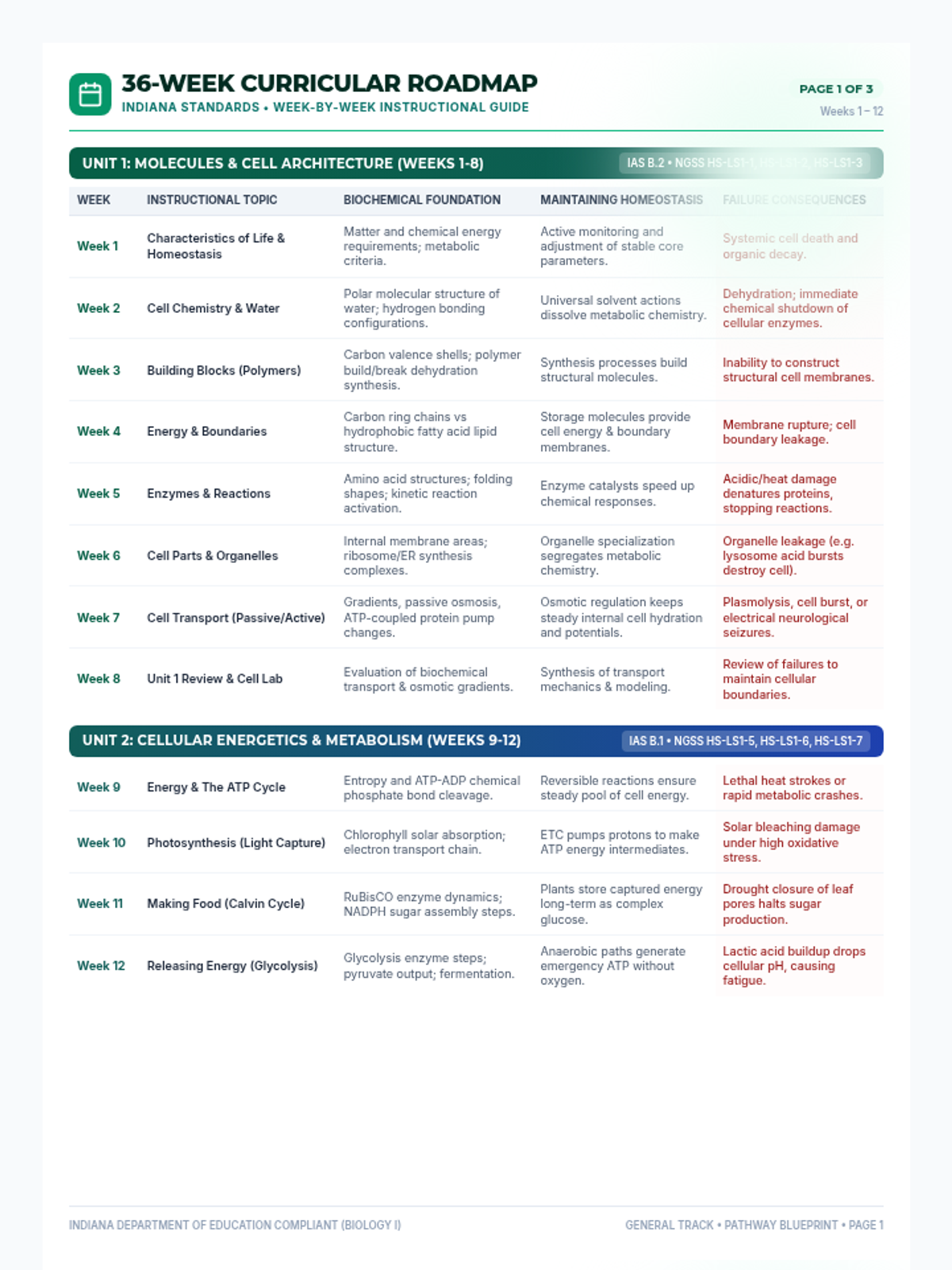
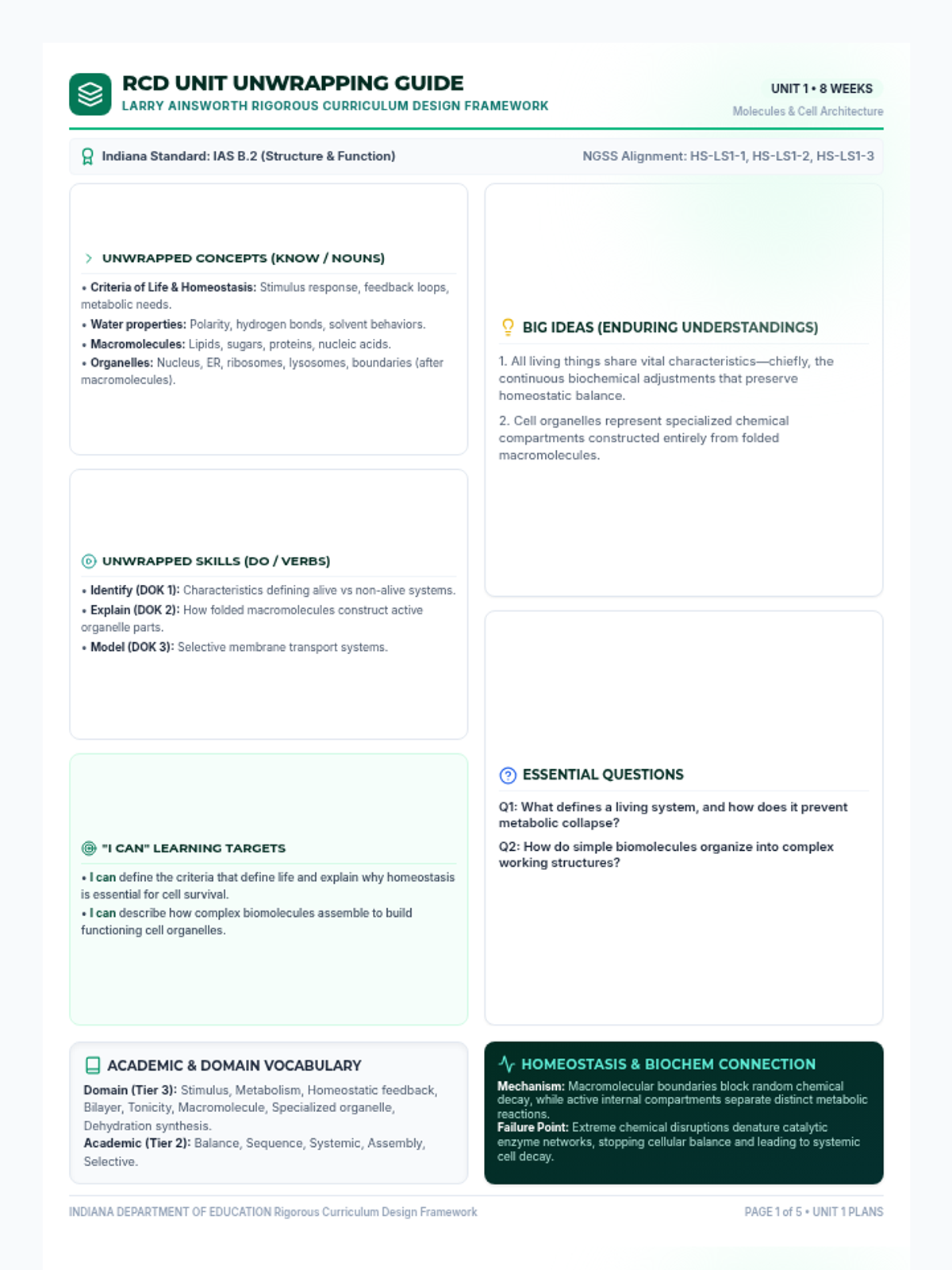
An introductory framework establishing course policies, Indiana state biology standards, and the integrated biochemistry roadmap for the academic year.
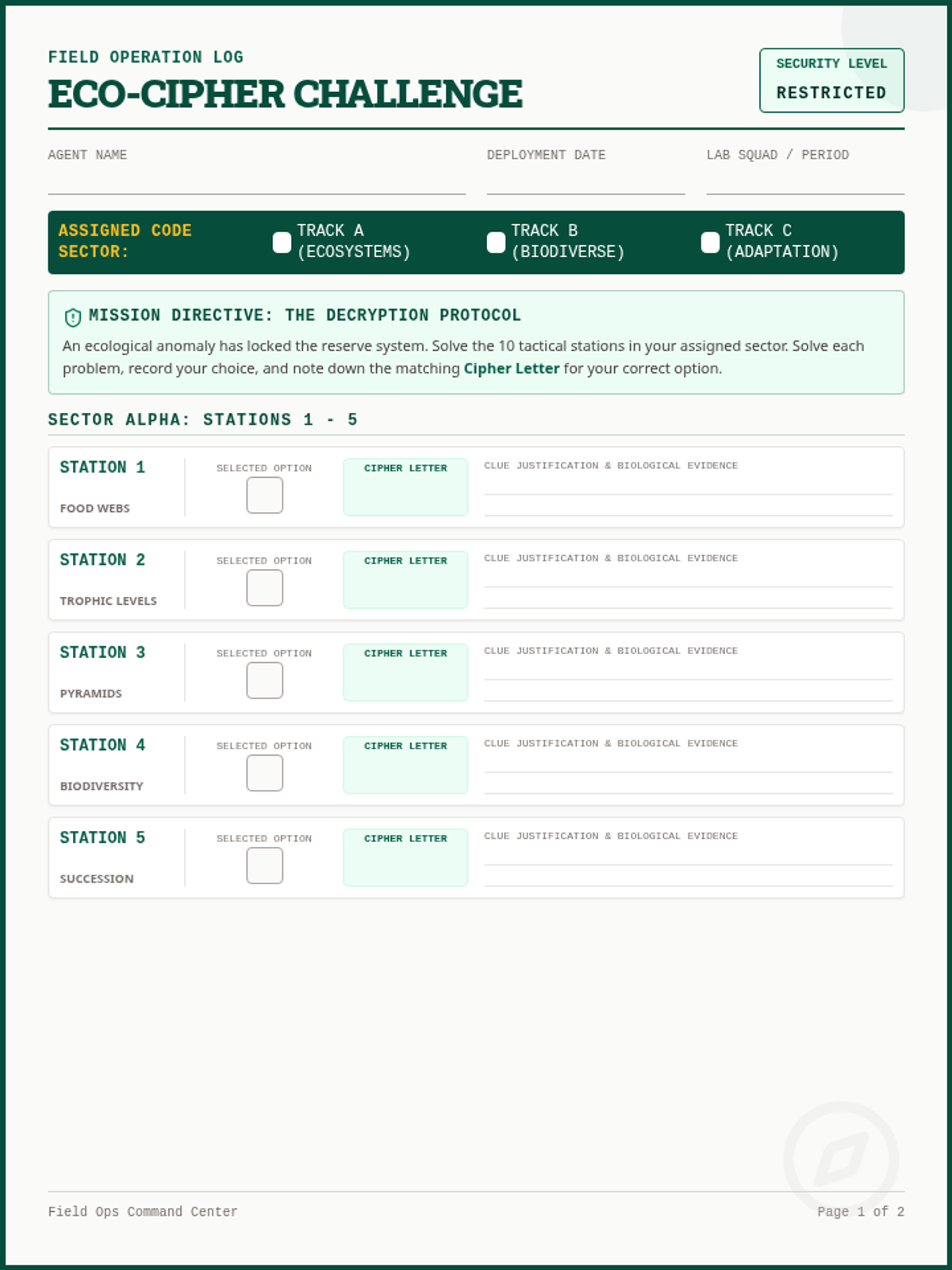
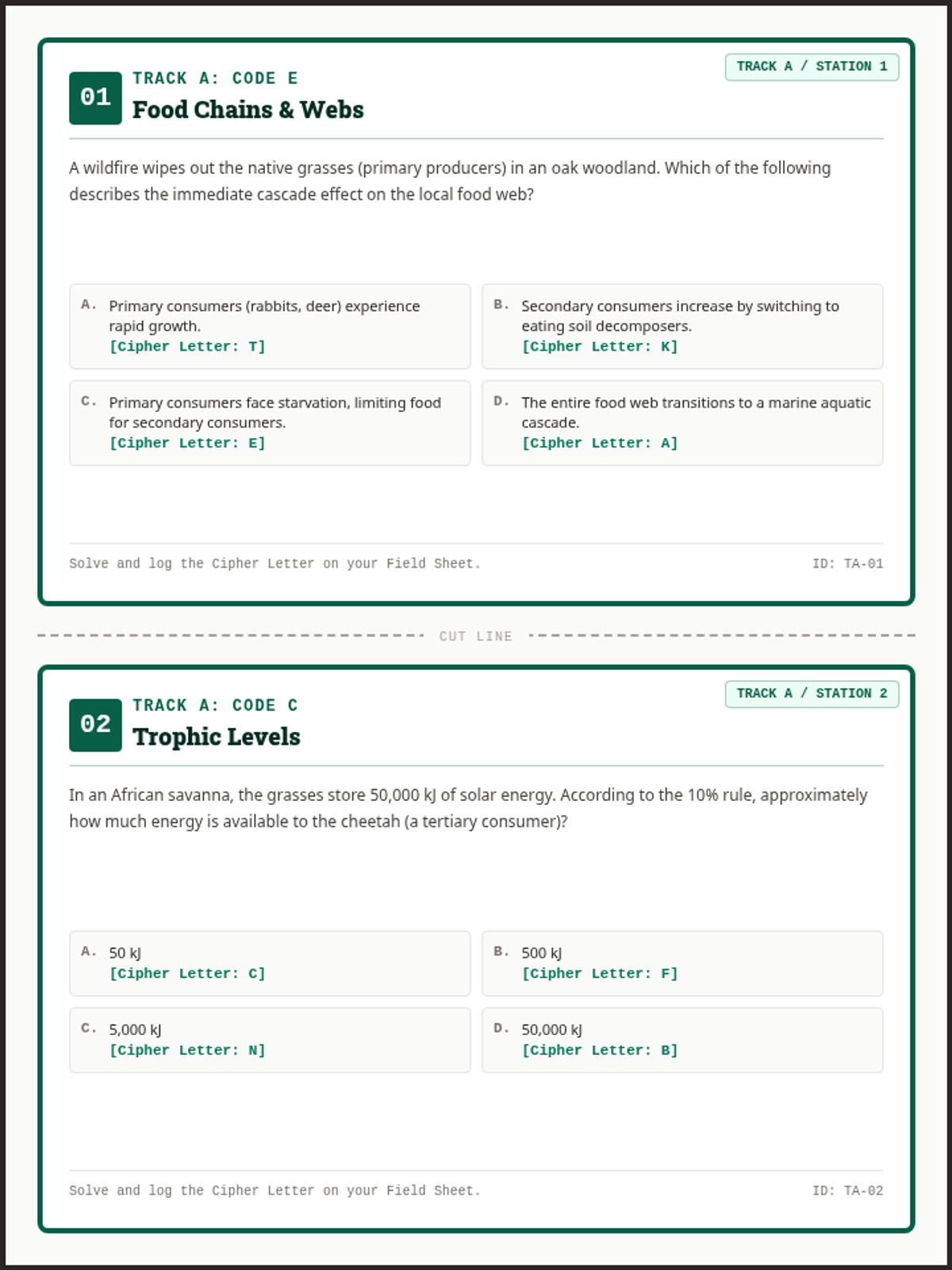
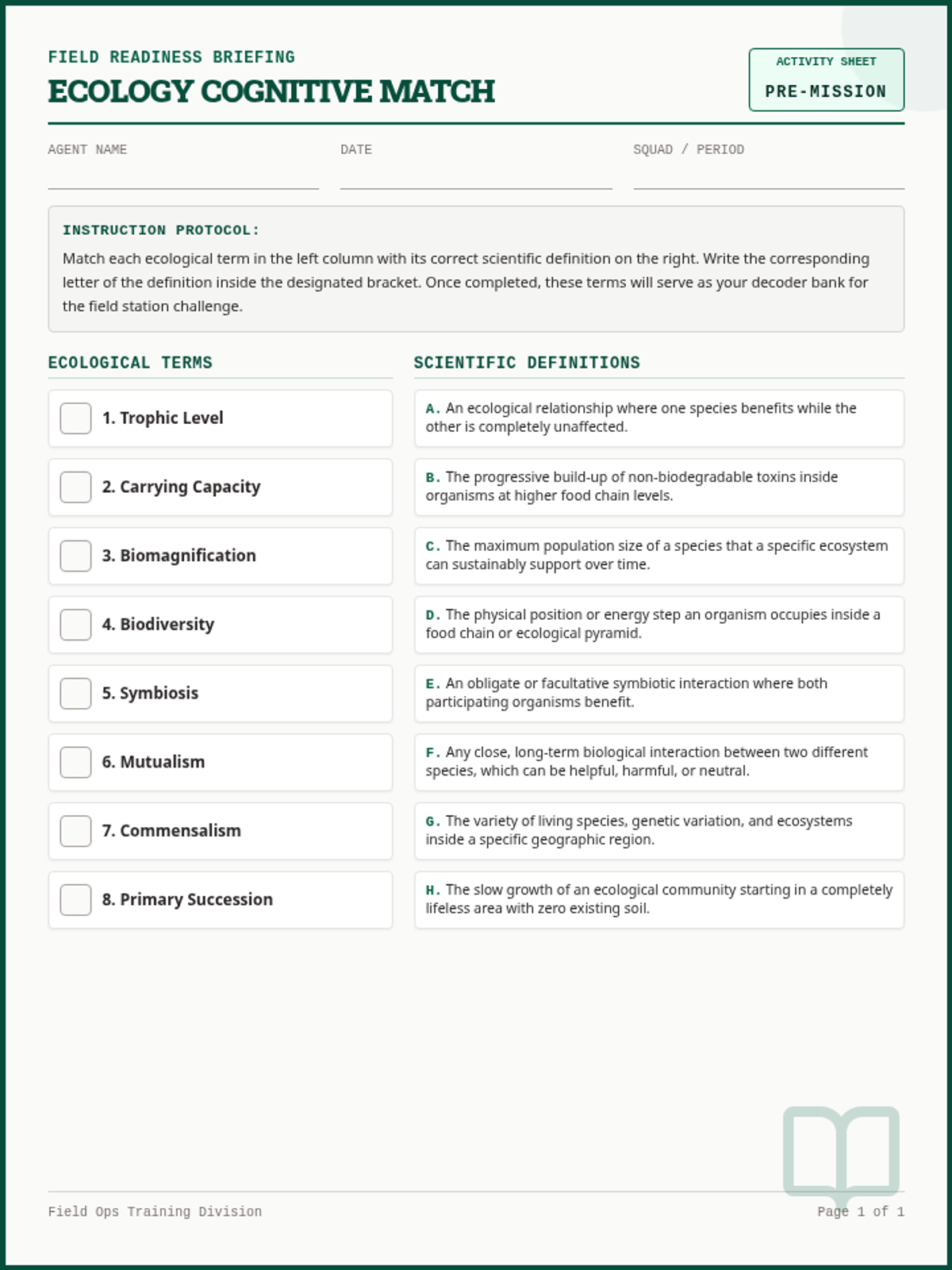
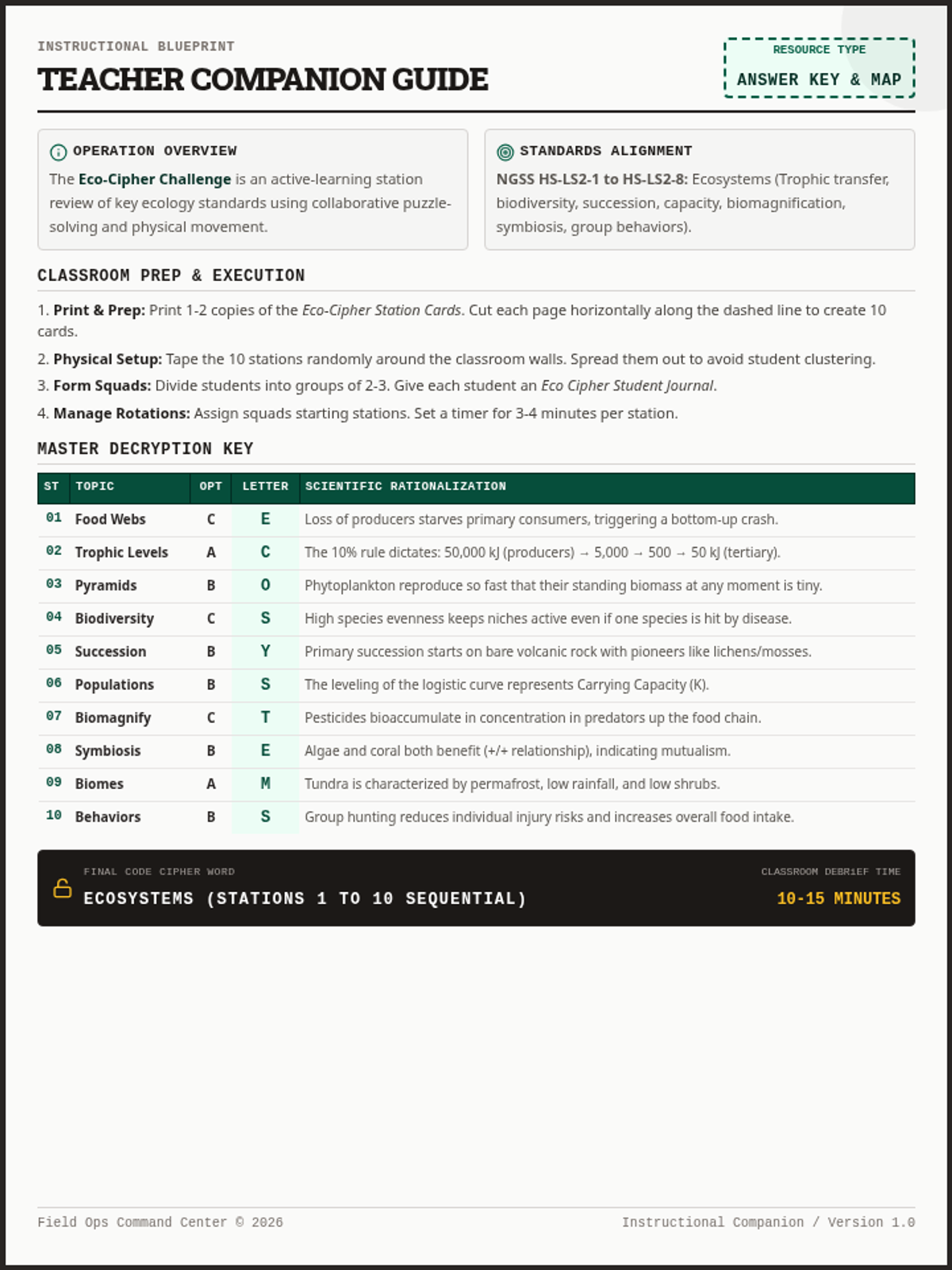
An interactive, station-based scavenger hunt where students solve ecological mysteries to decode a final ten-letter secret cipher ('ECOSYSTEMS'). Students review core concepts like food webs, trophic levels, symbiosis, succession, biomagnification, and populations.