A 90-minute math lesson for 6th grade focused on identifying and writing statistical questions using music and daily routine themes, featuring a high-energy 'Four Corners' activity.

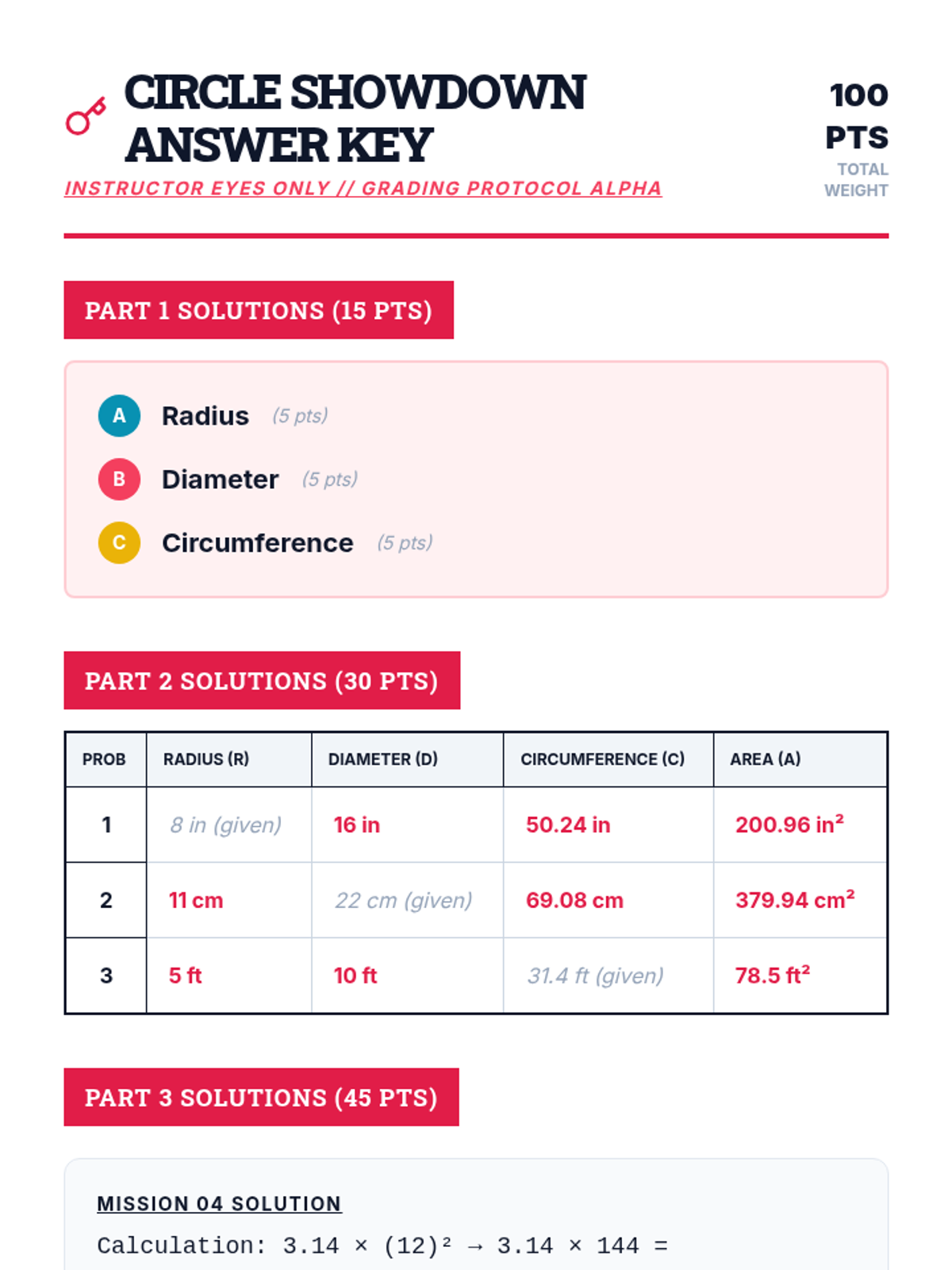
A comprehensive lesson on circles covering radius, diameter, circumference, and area through a visual slide deck and a summative assessment.
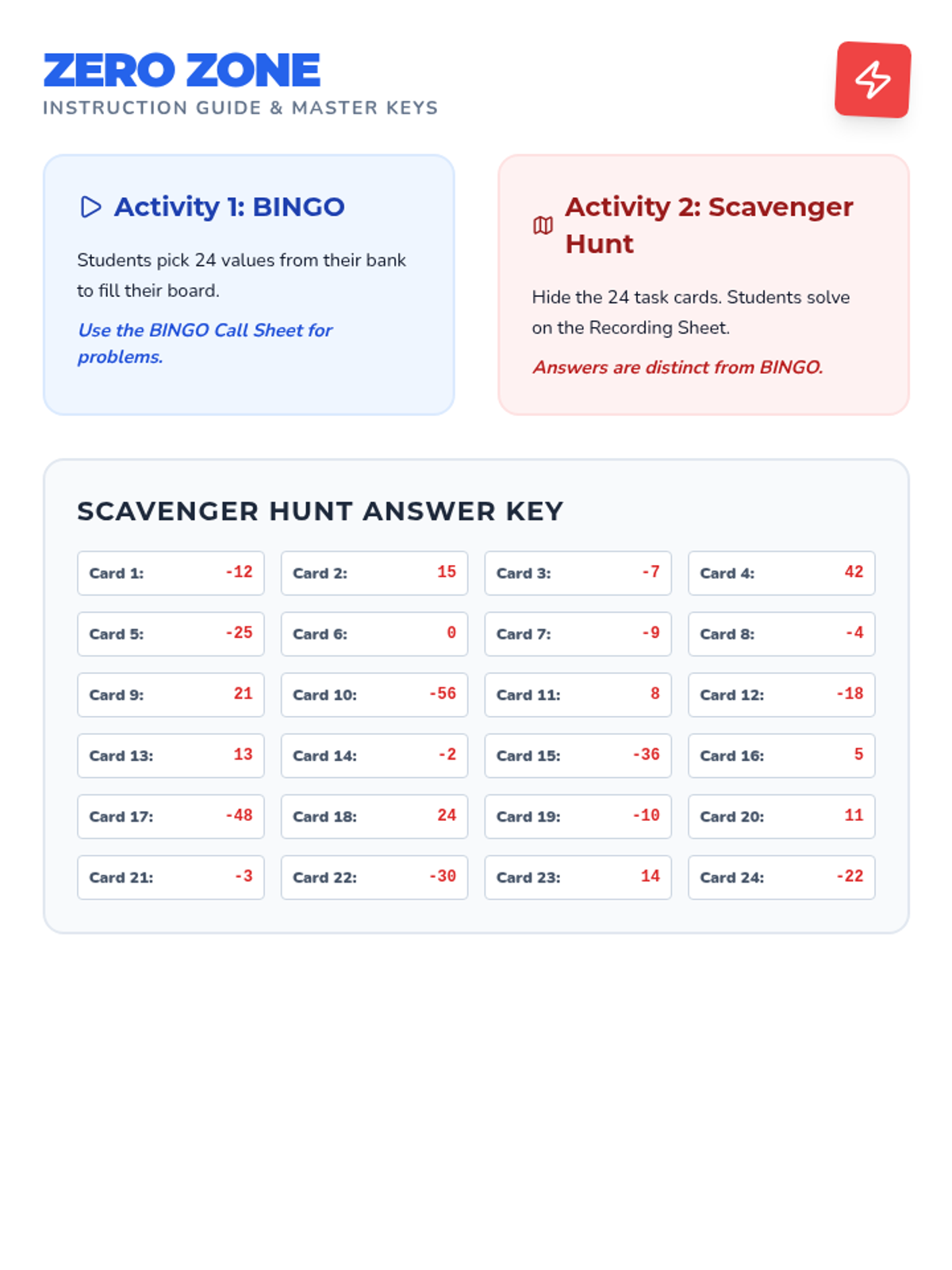
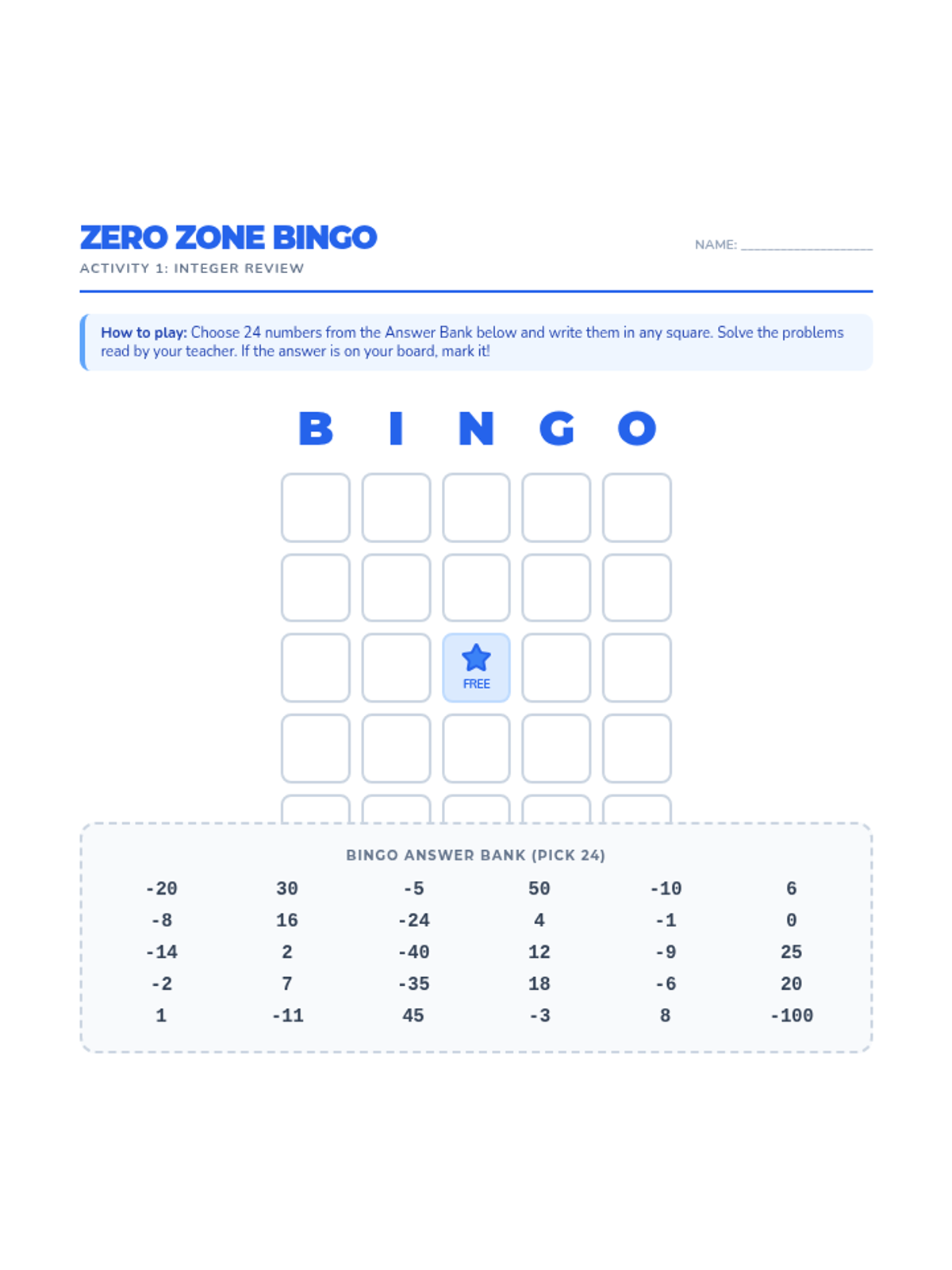
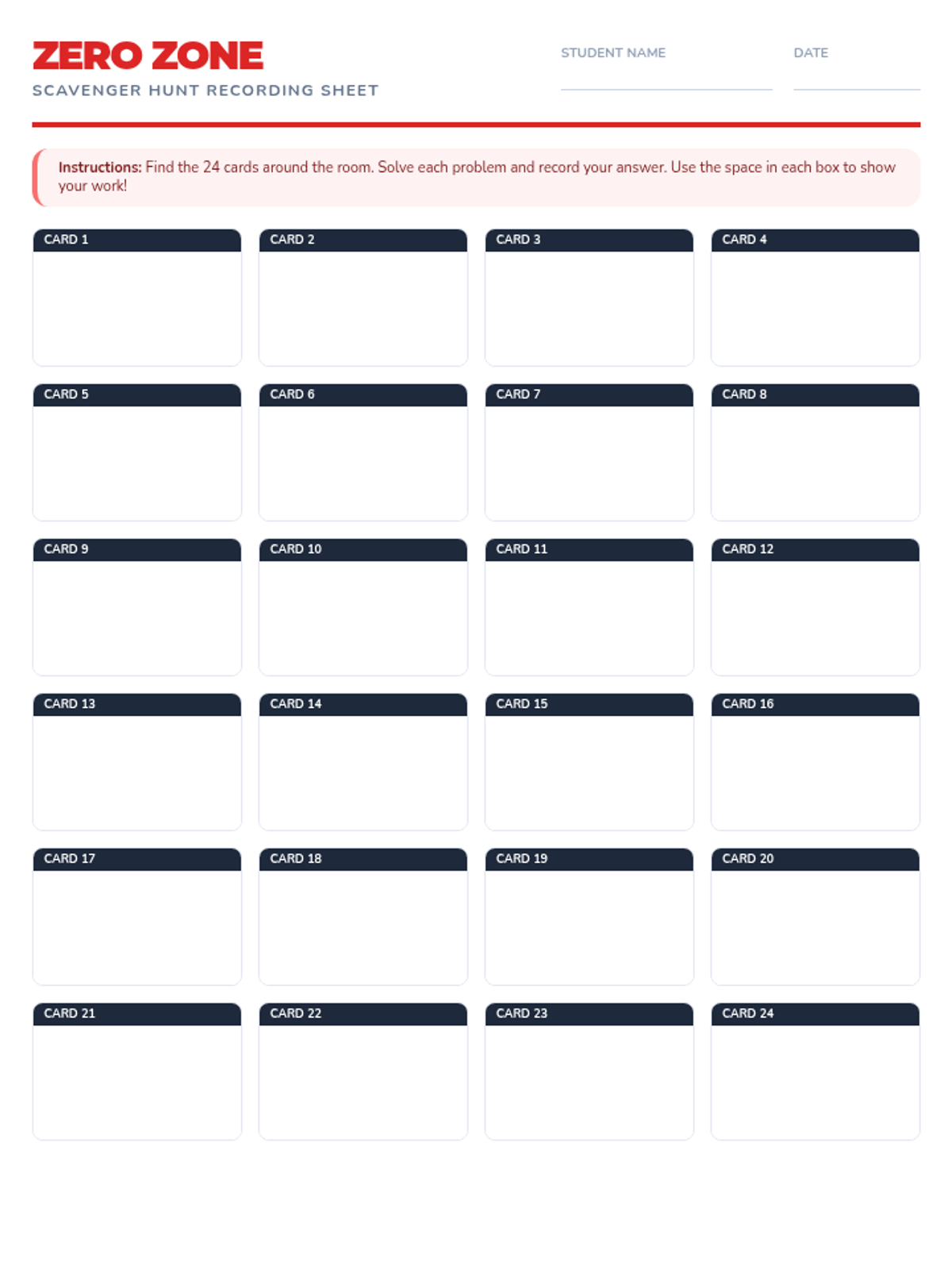
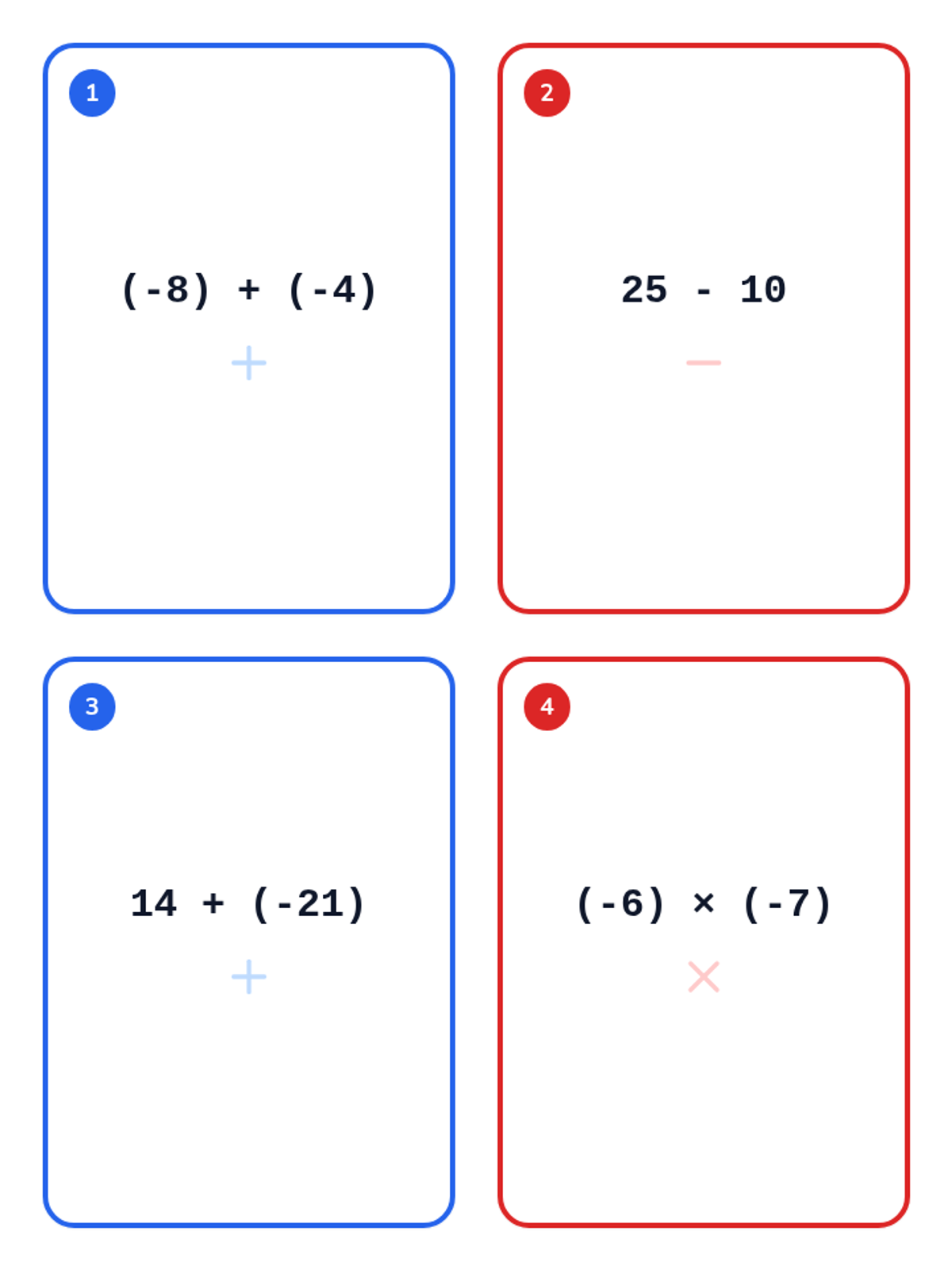
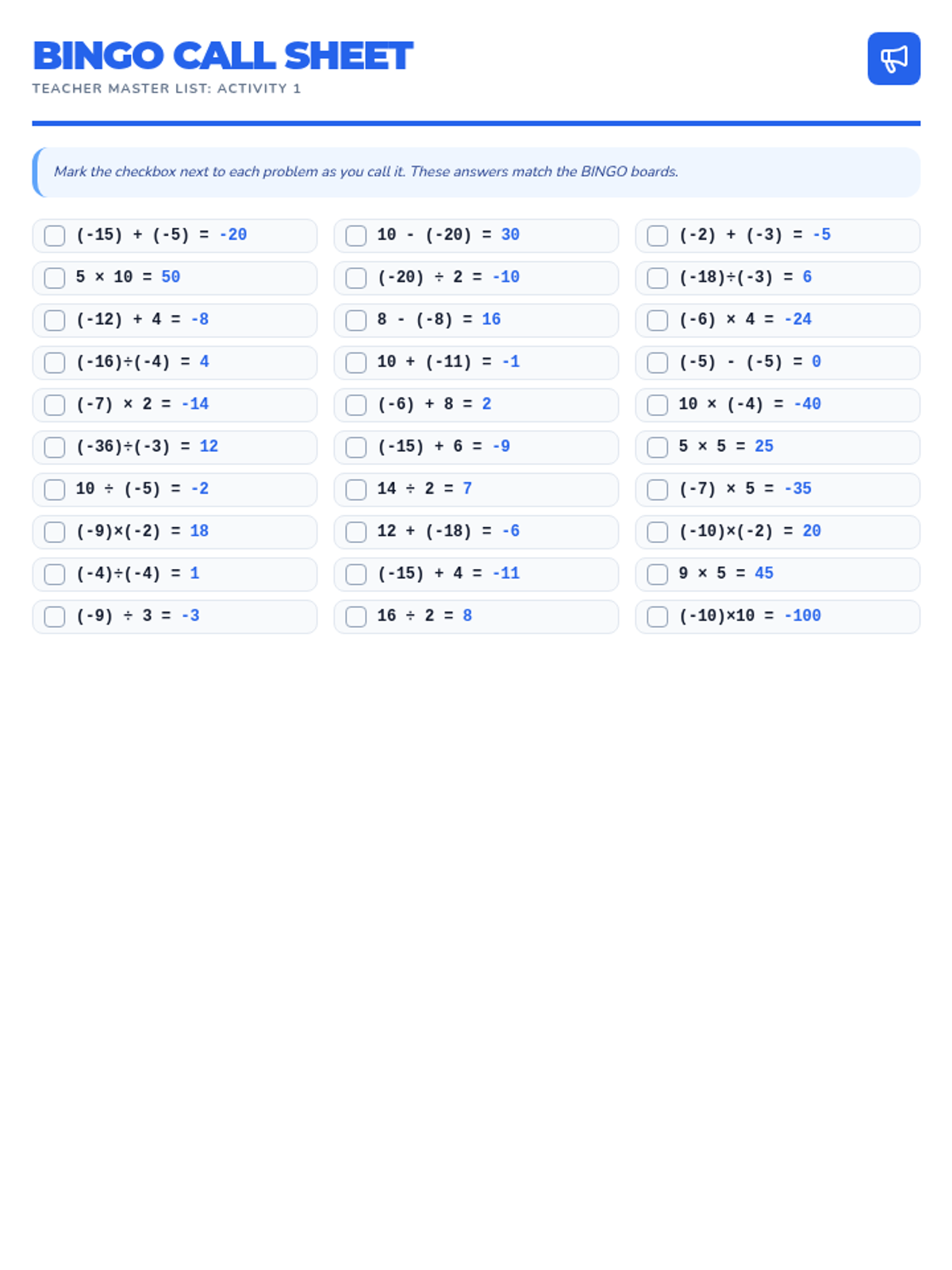
A comprehensive review of integer operations (addition, subtraction, multiplication, and division) using a BINGO game and a classroom scavenger hunt. Designed for minimal prep with student-generated boards and multi-use task cards.
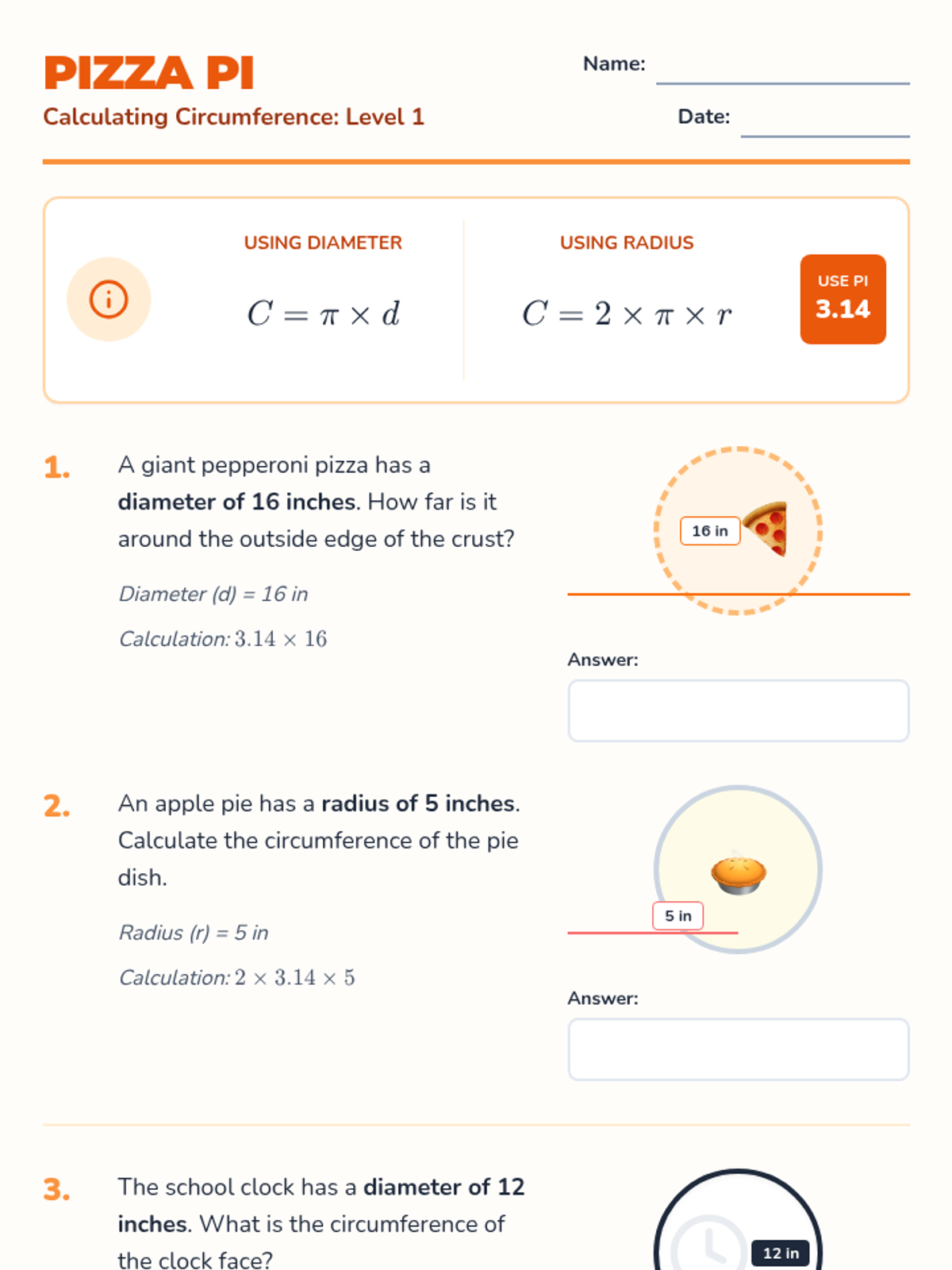
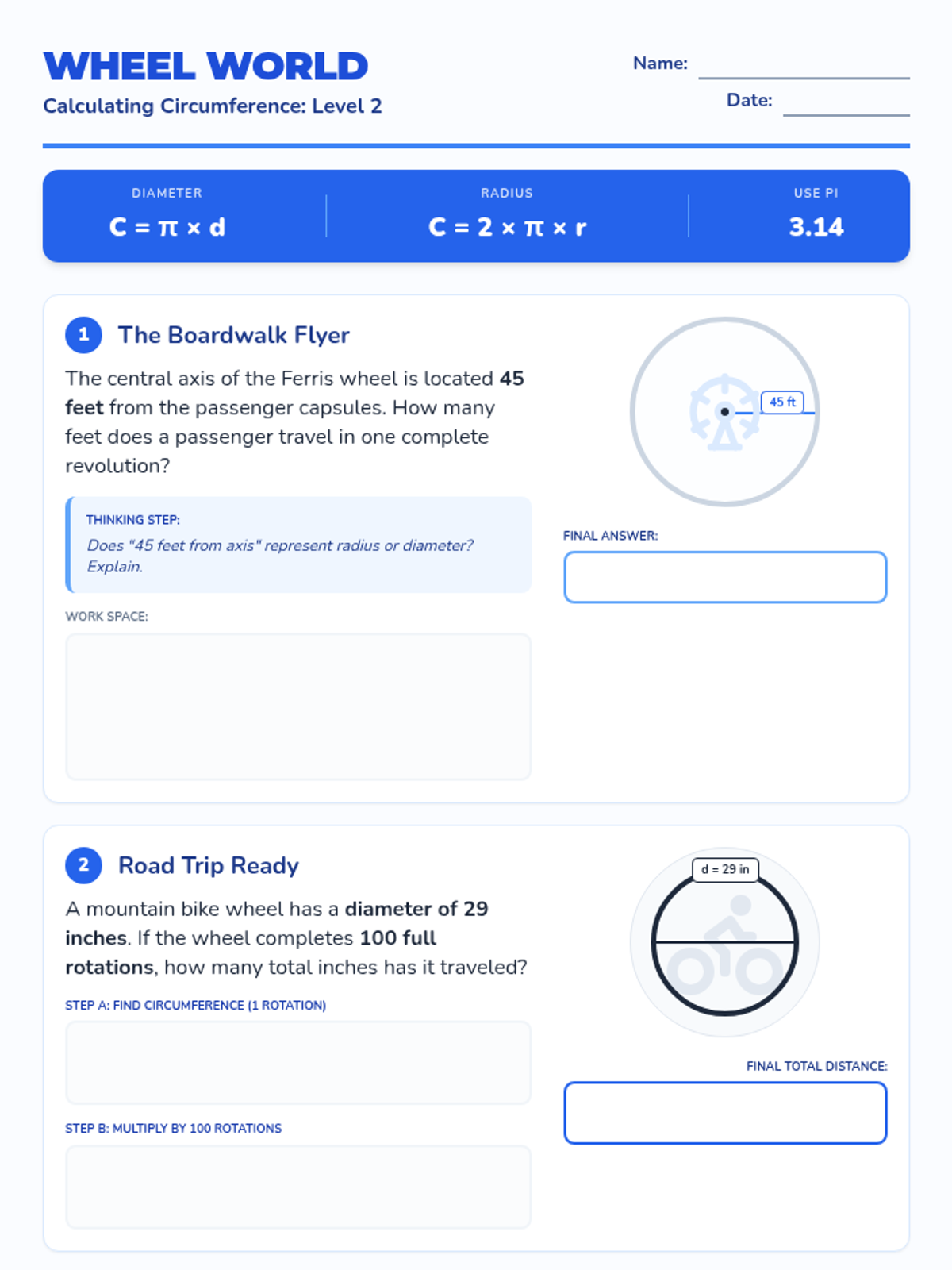
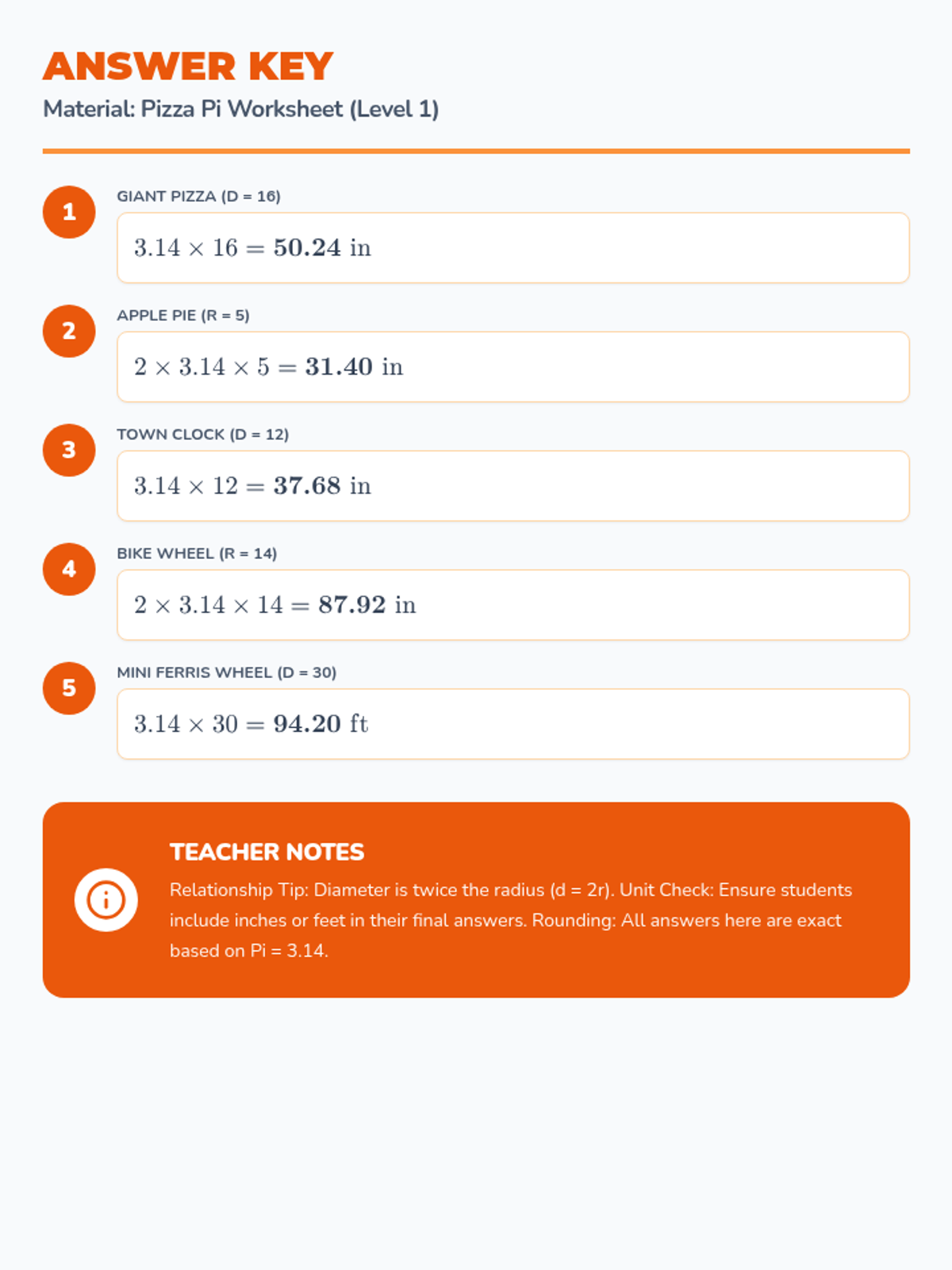
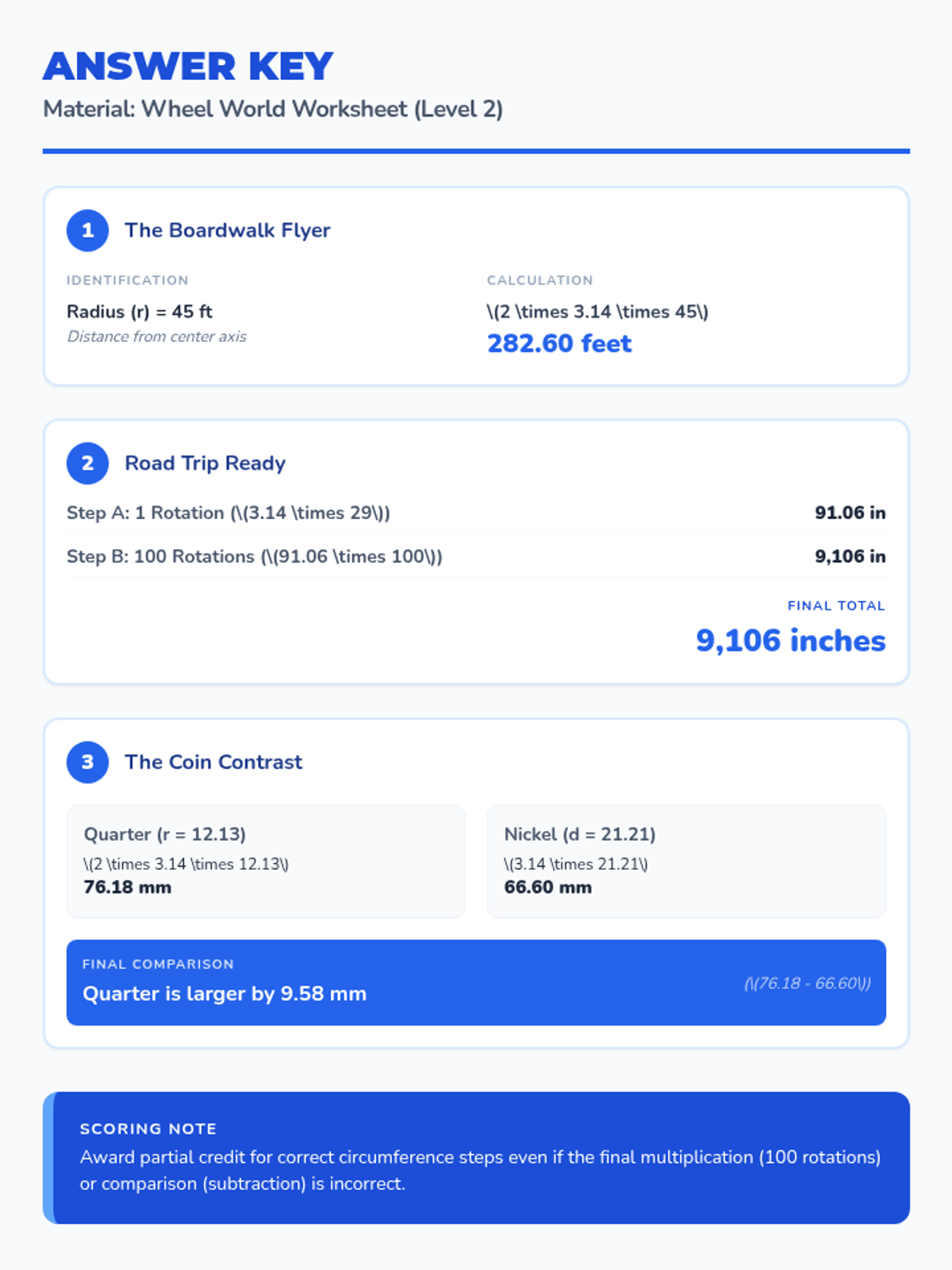
A math exploration into the world of round objects, focusing on calculating circumference using radius and diameter through real-world scenarios including food, wheels, and timepieces.
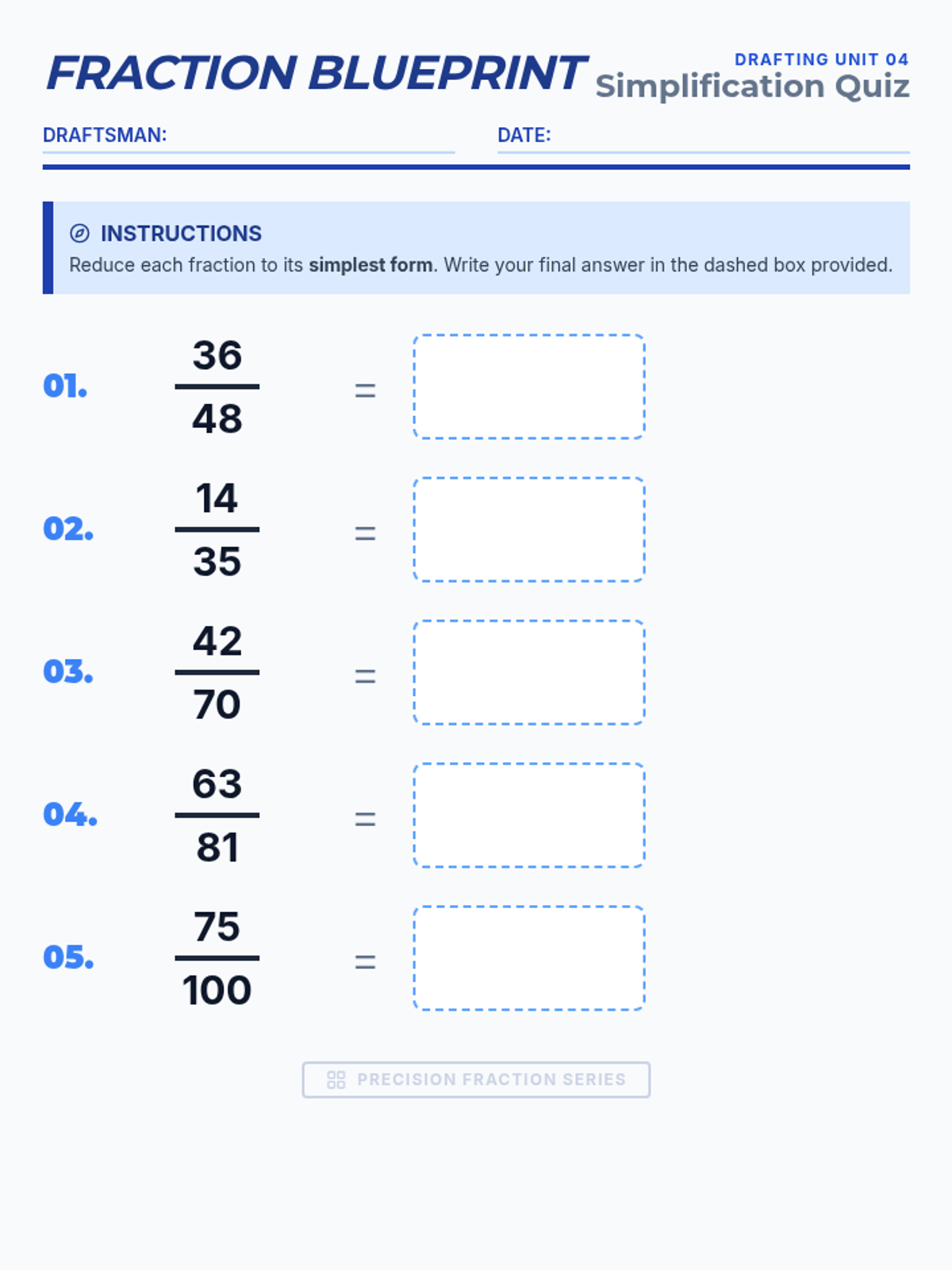
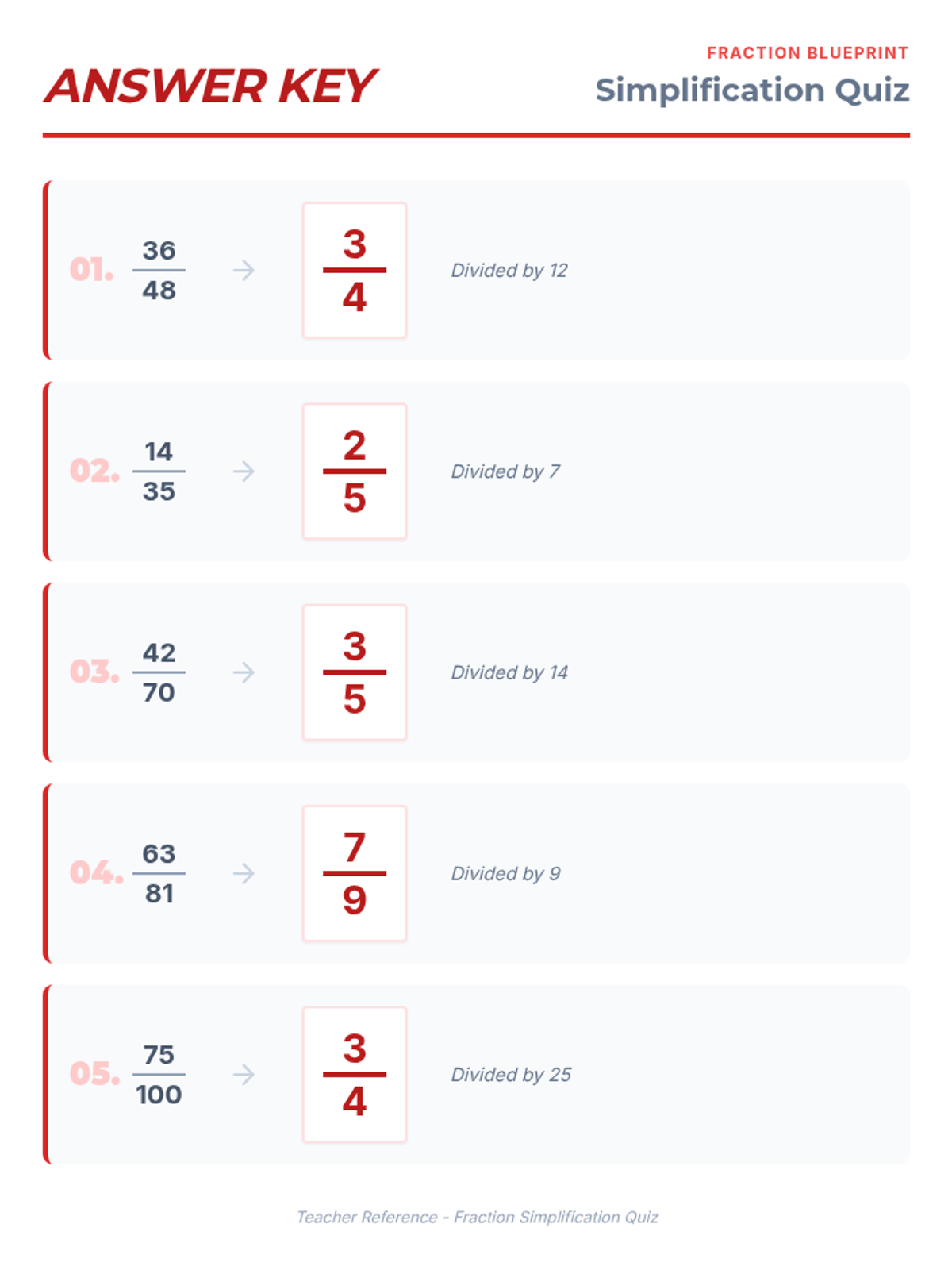
A quick assessment focusing on simplifying fractions with numerators and denominators up to 100 into their simplest form.
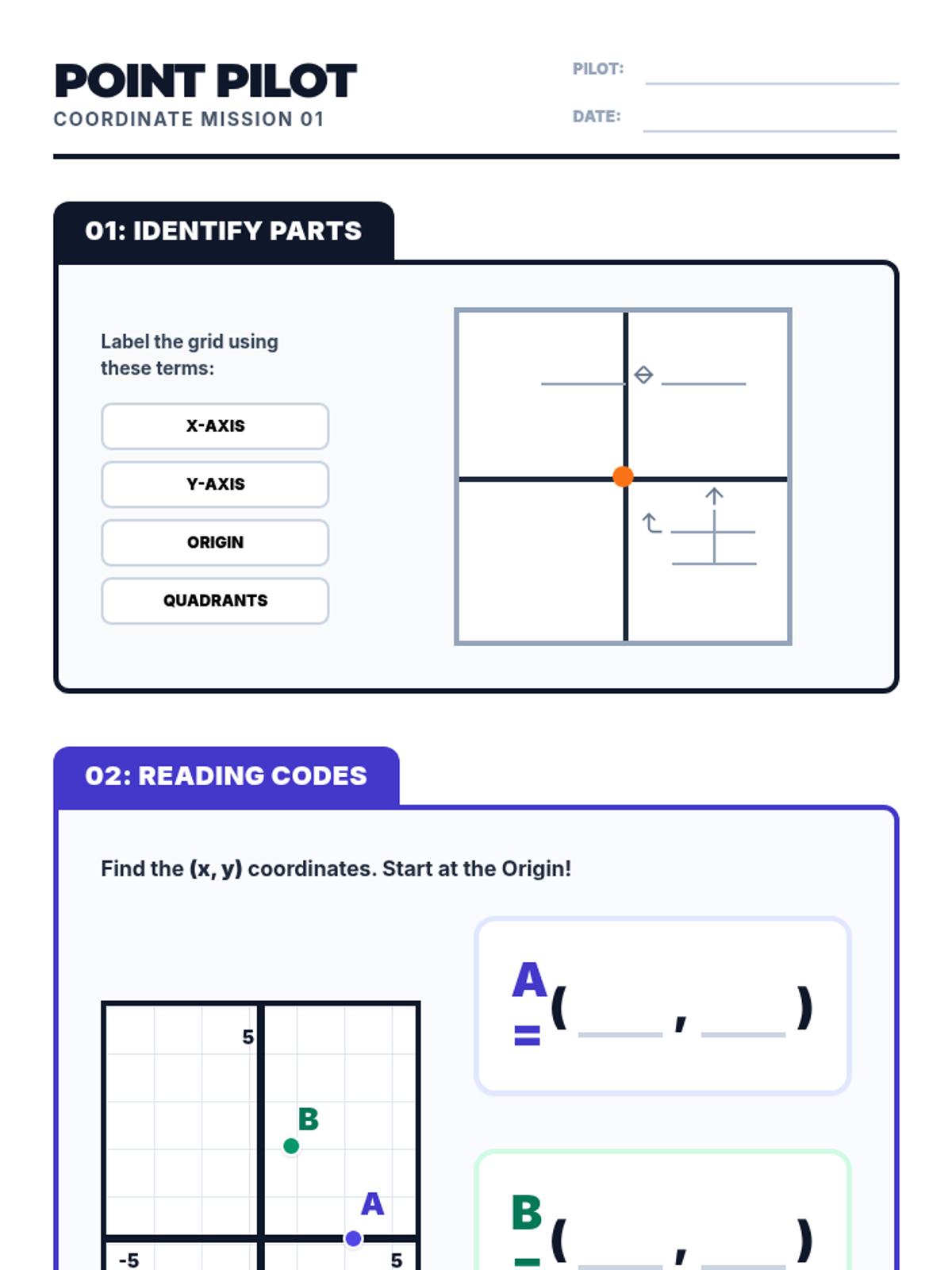
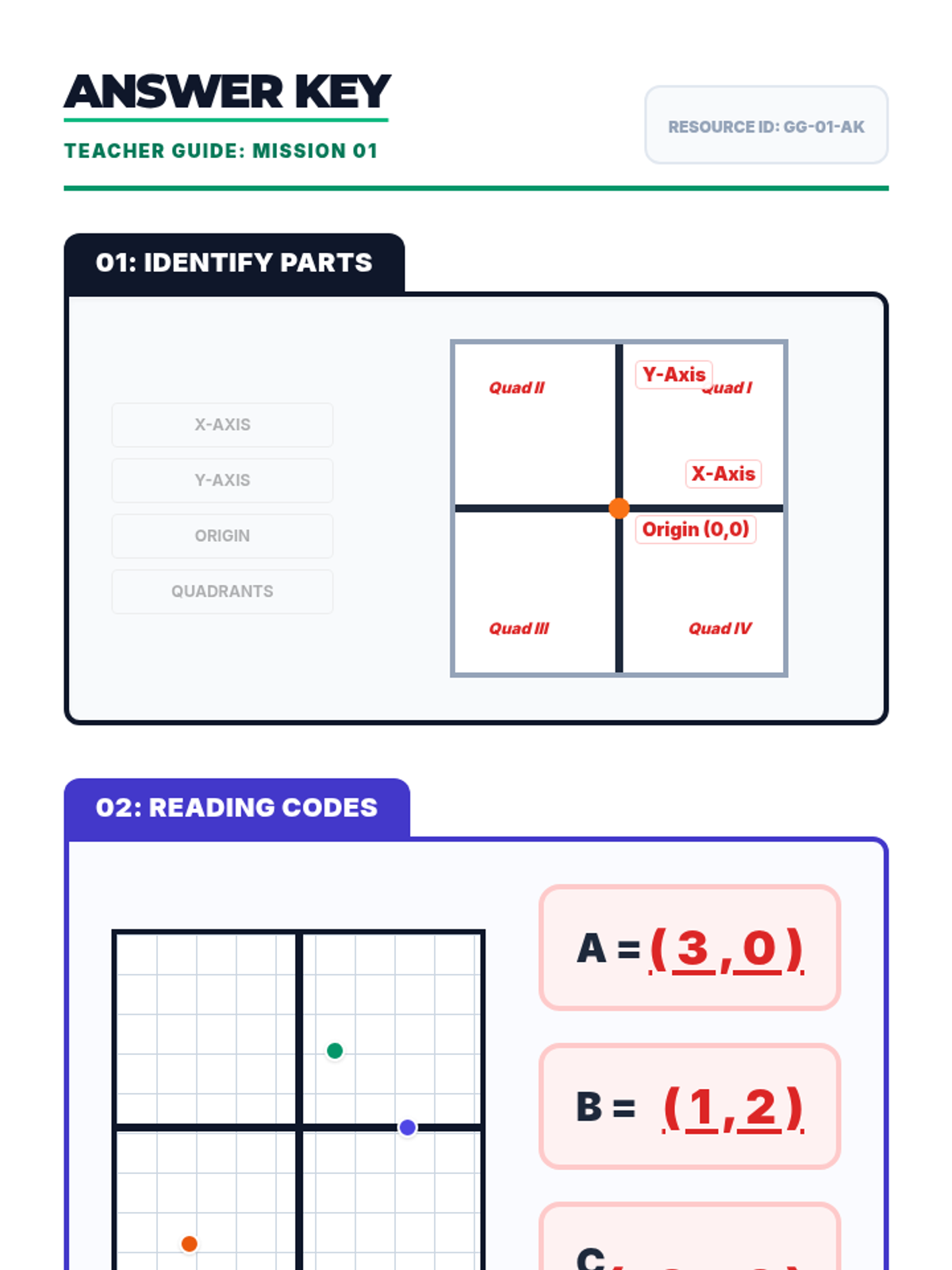
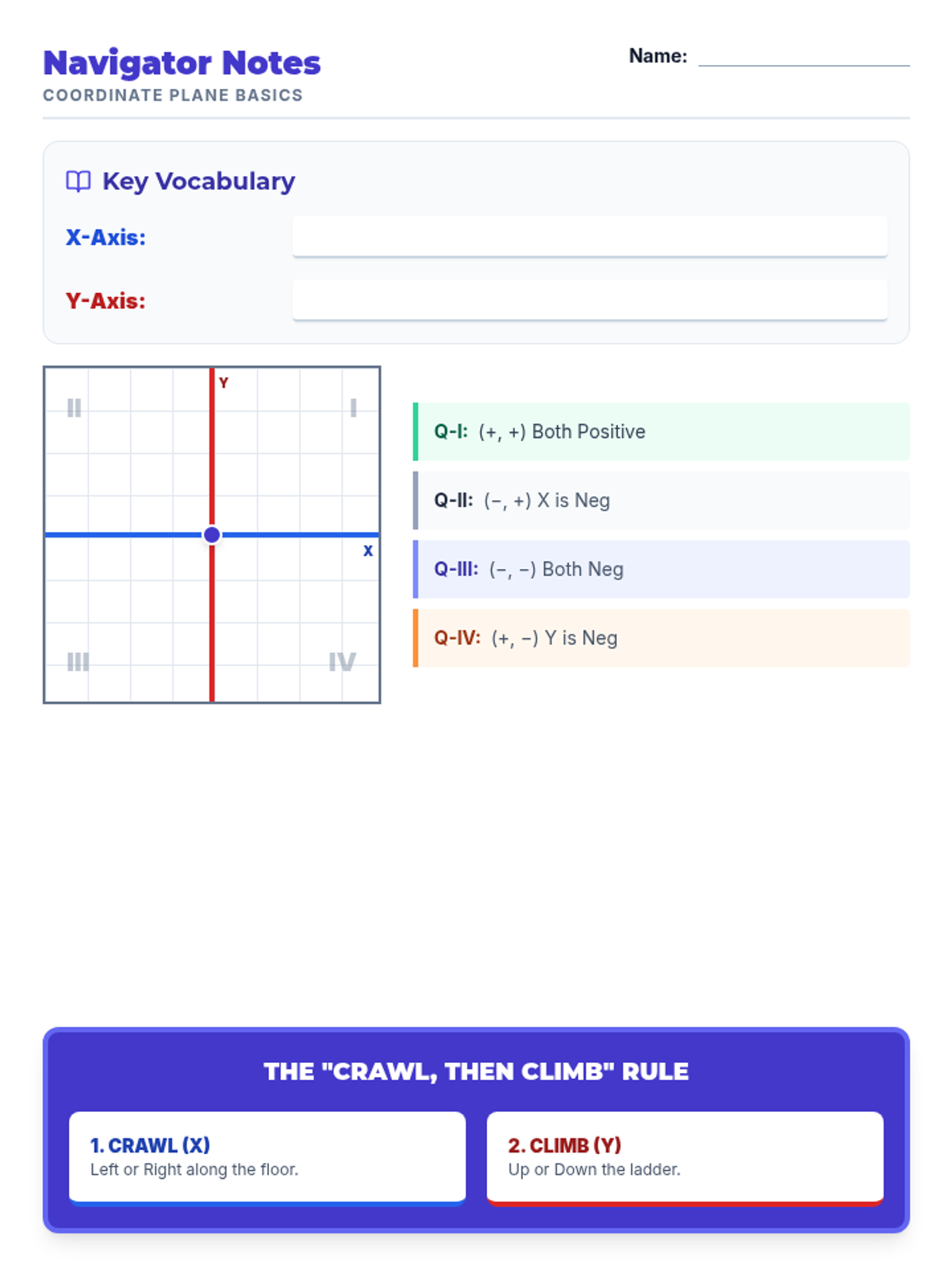
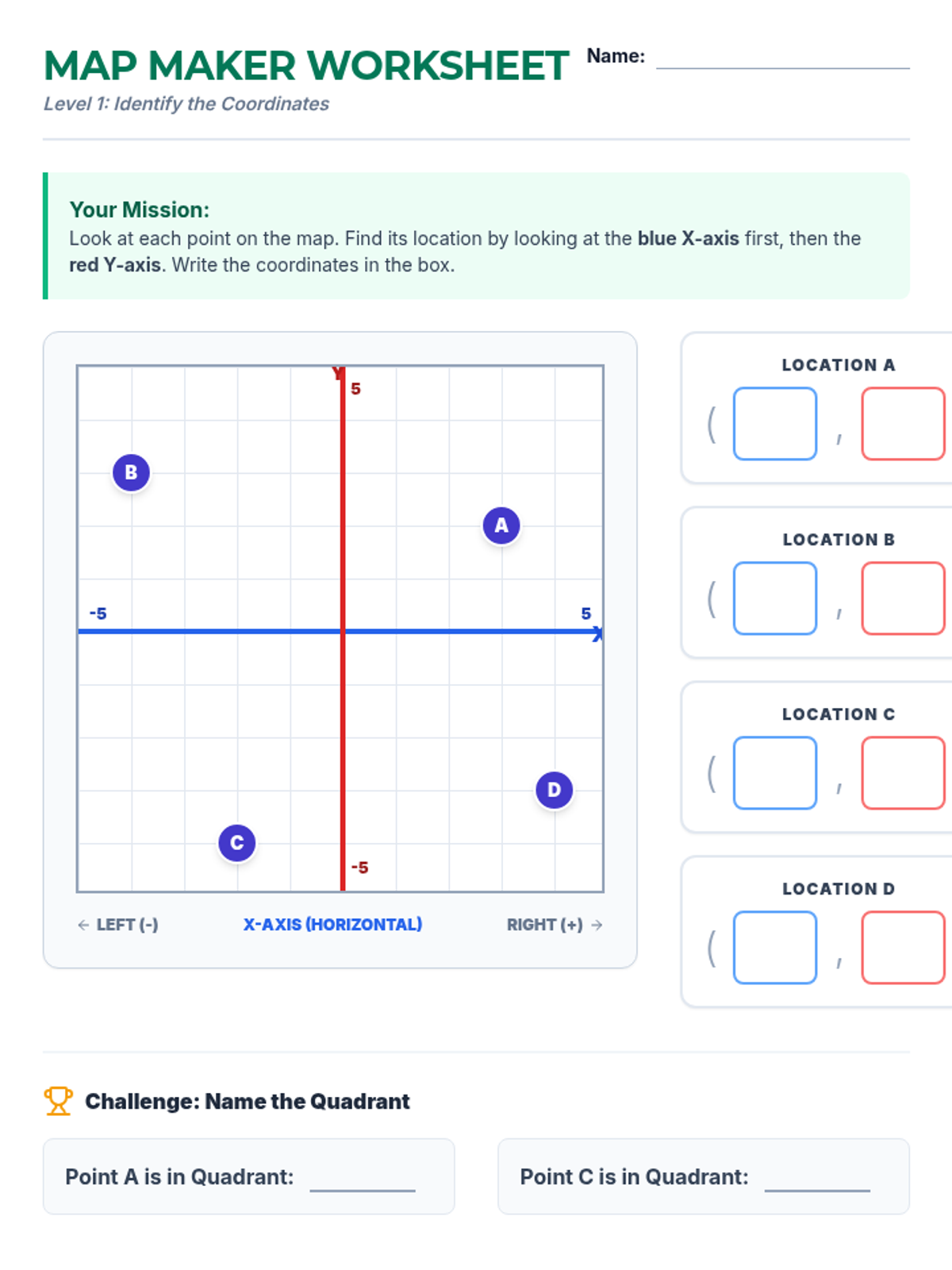
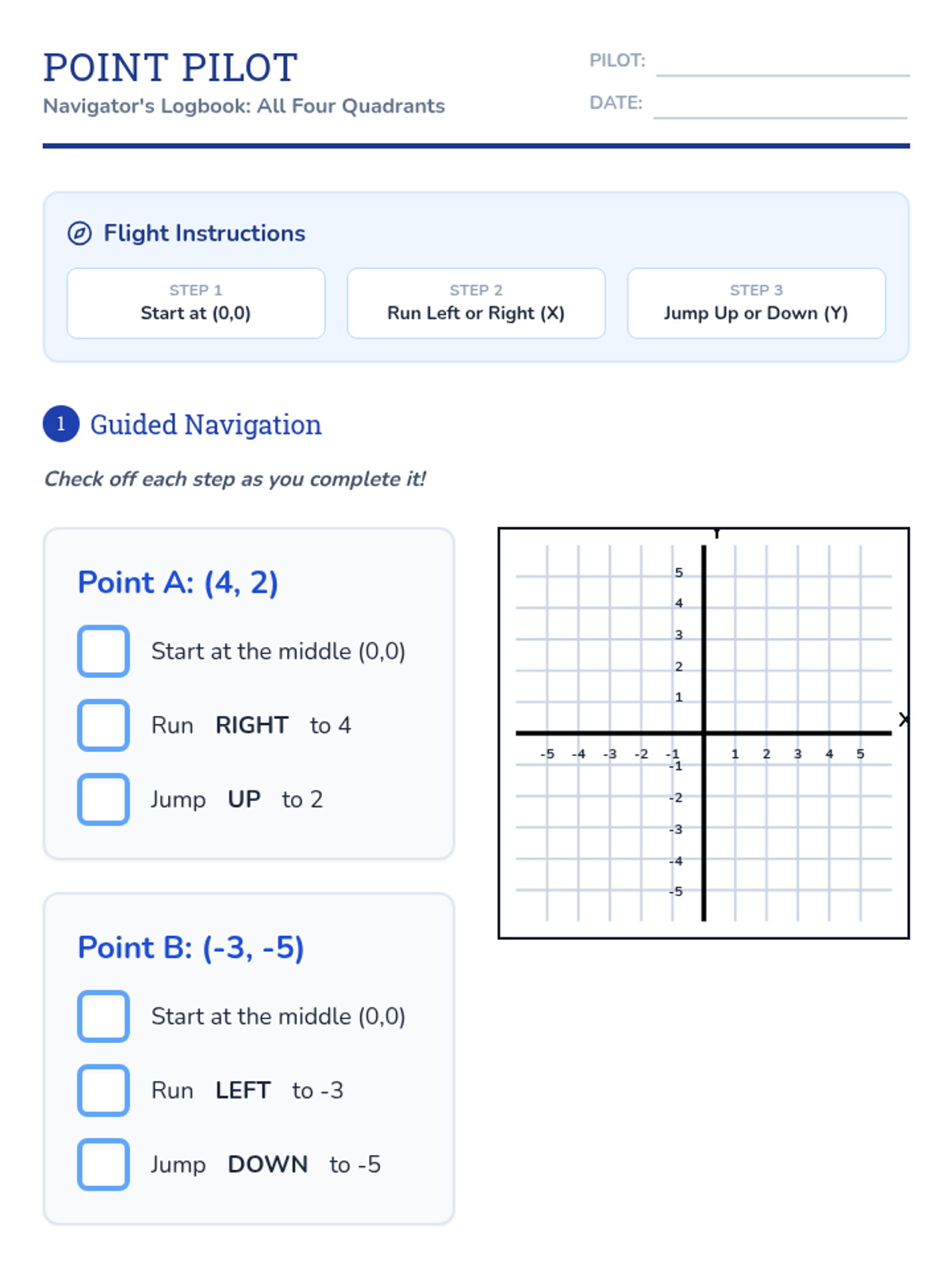
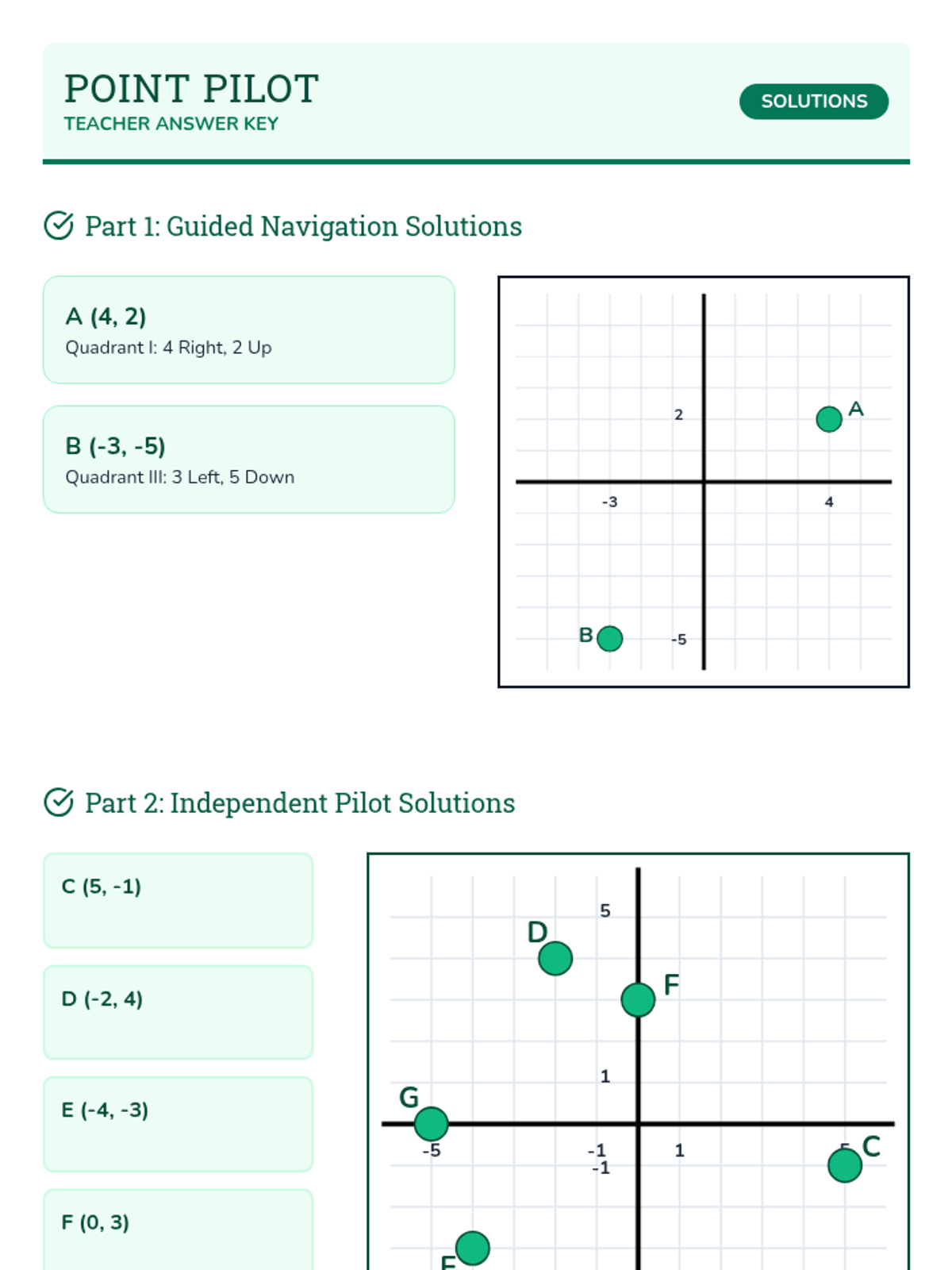
A scaffolded introduction to the four-quadrant coordinate plane, designed for students needing extra support. It covers identifying the axes and origin, understanding quadrants, and step-by-step plotting of points.
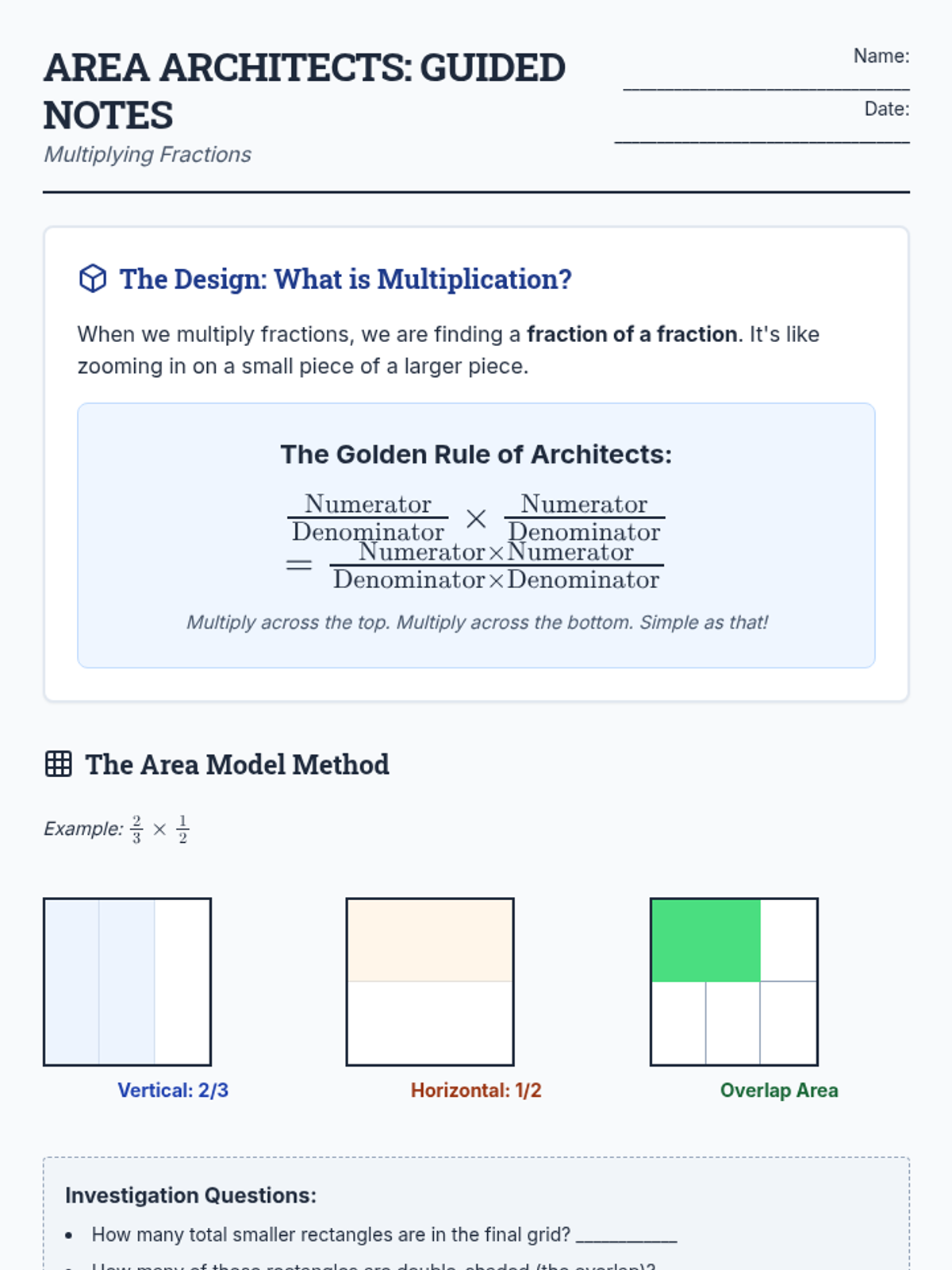
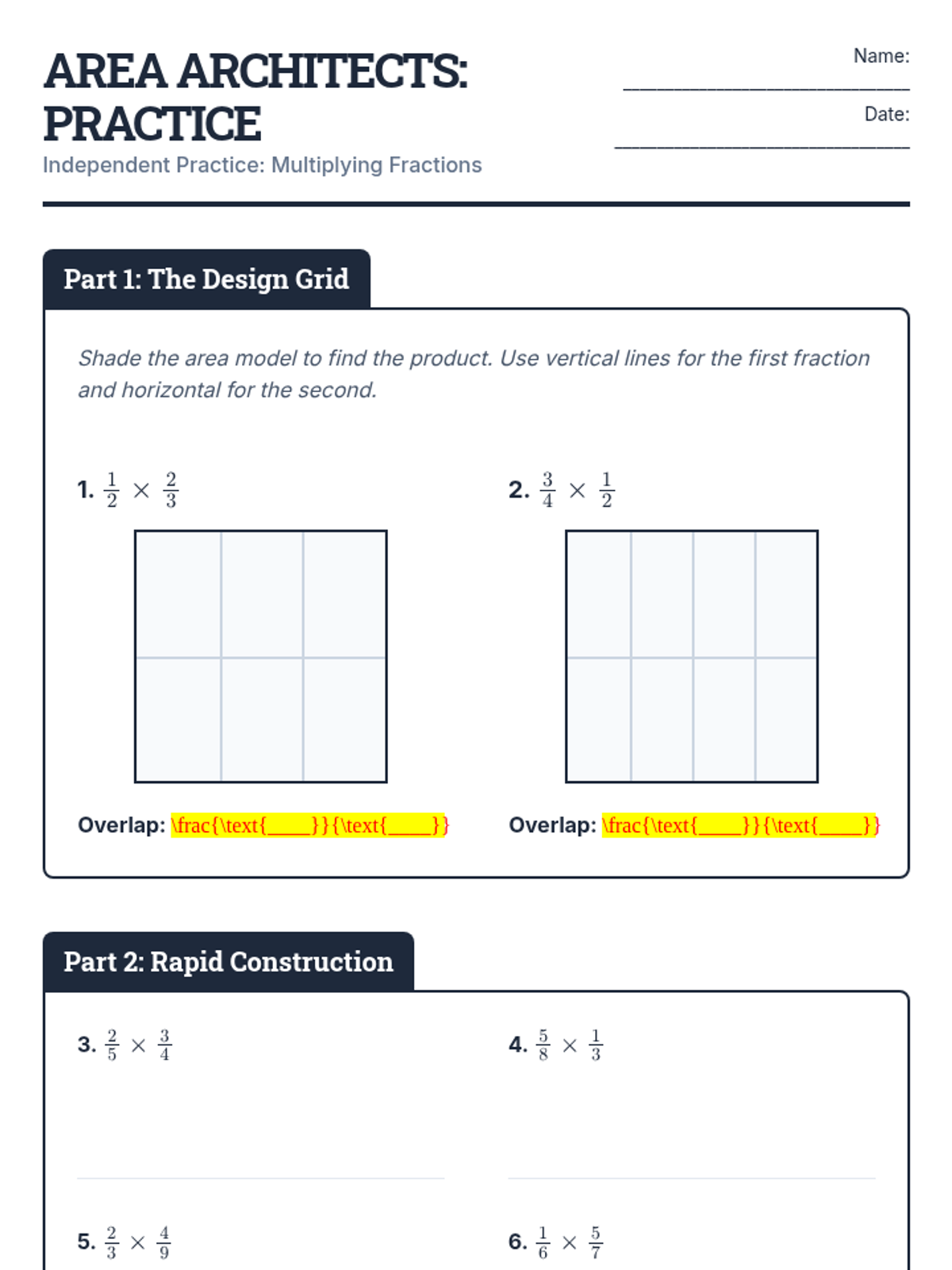
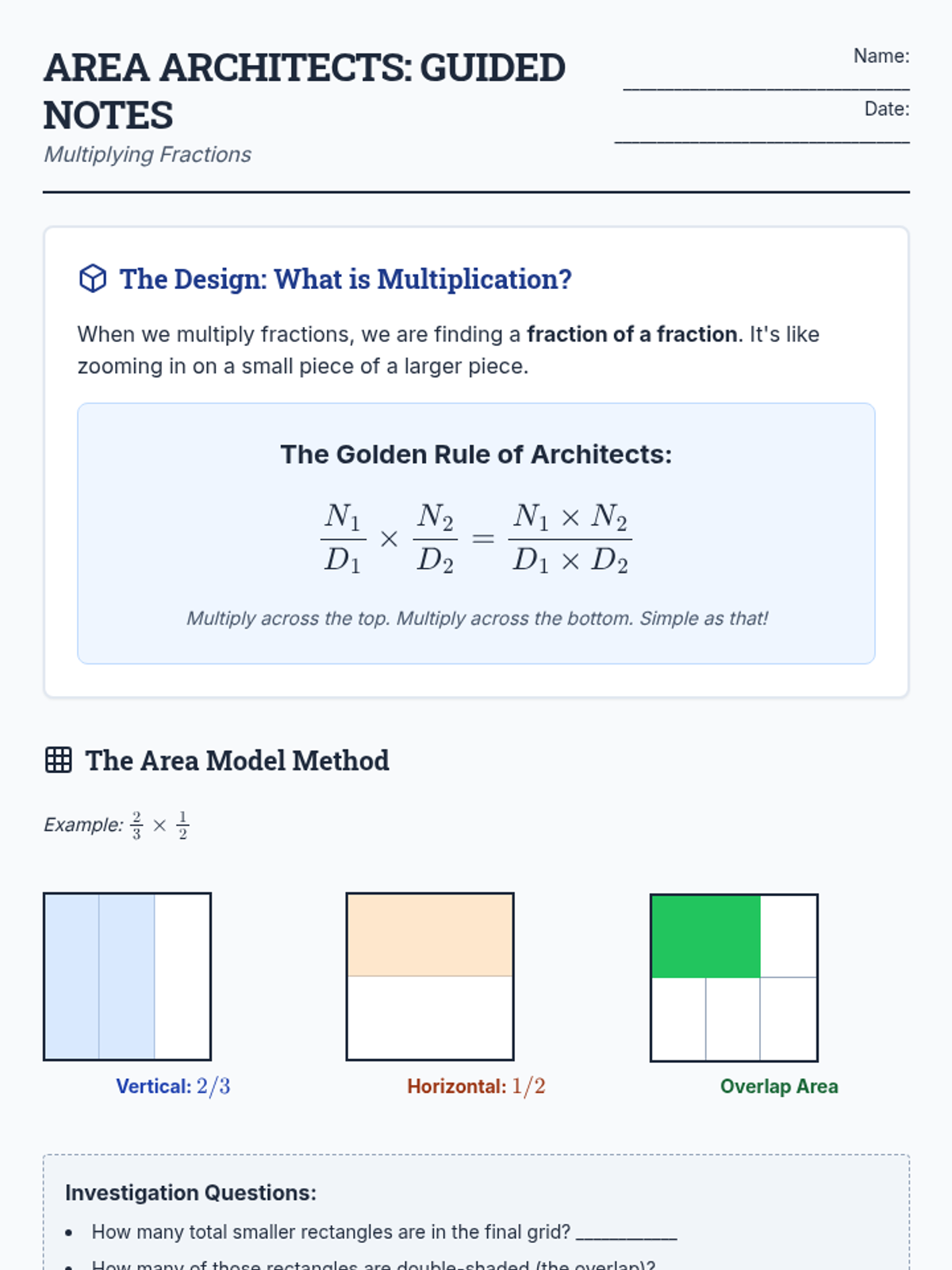
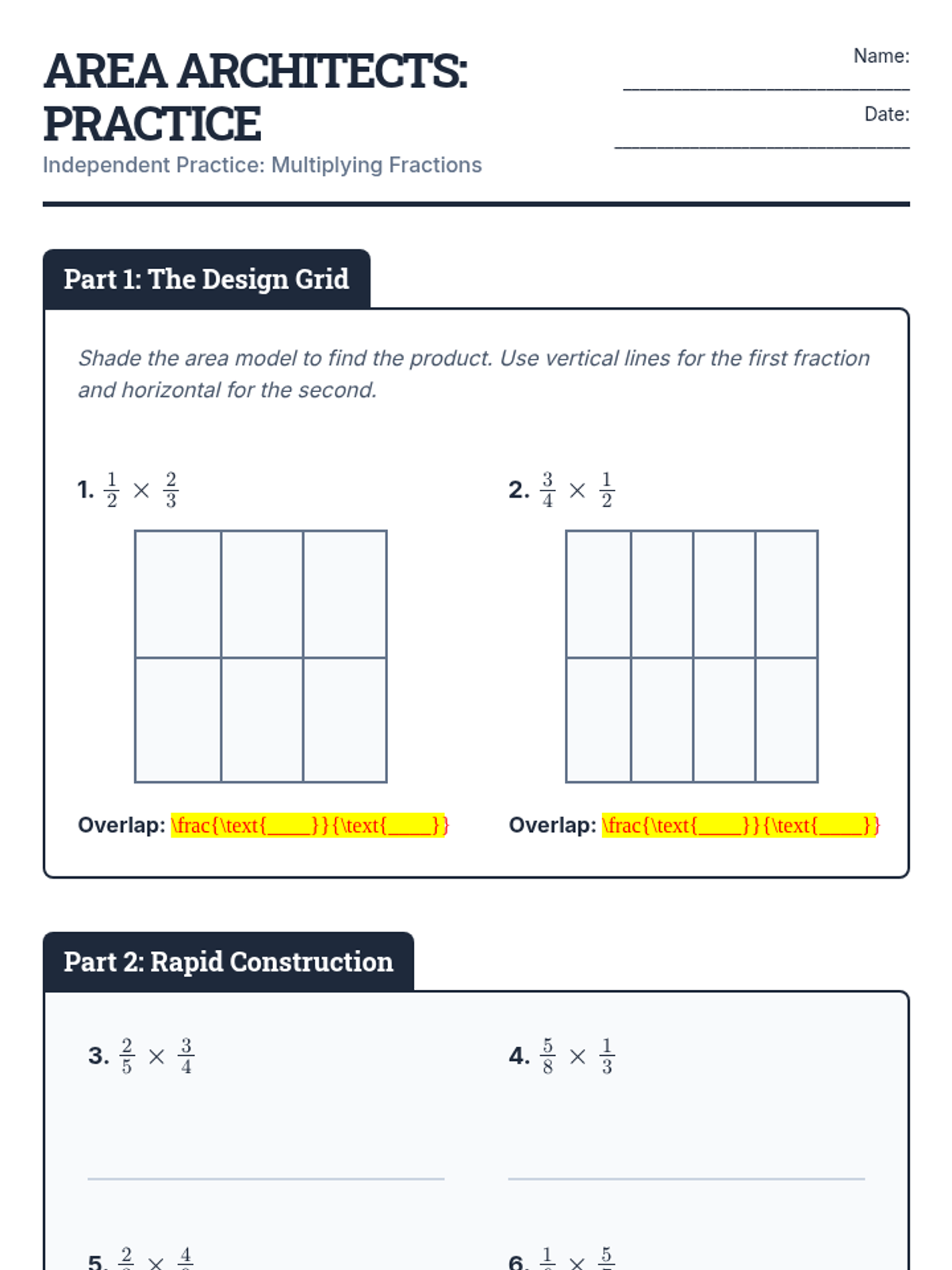
Students explore fraction multiplication through area models, understanding how to find a fraction of a fraction in real-world contexts.
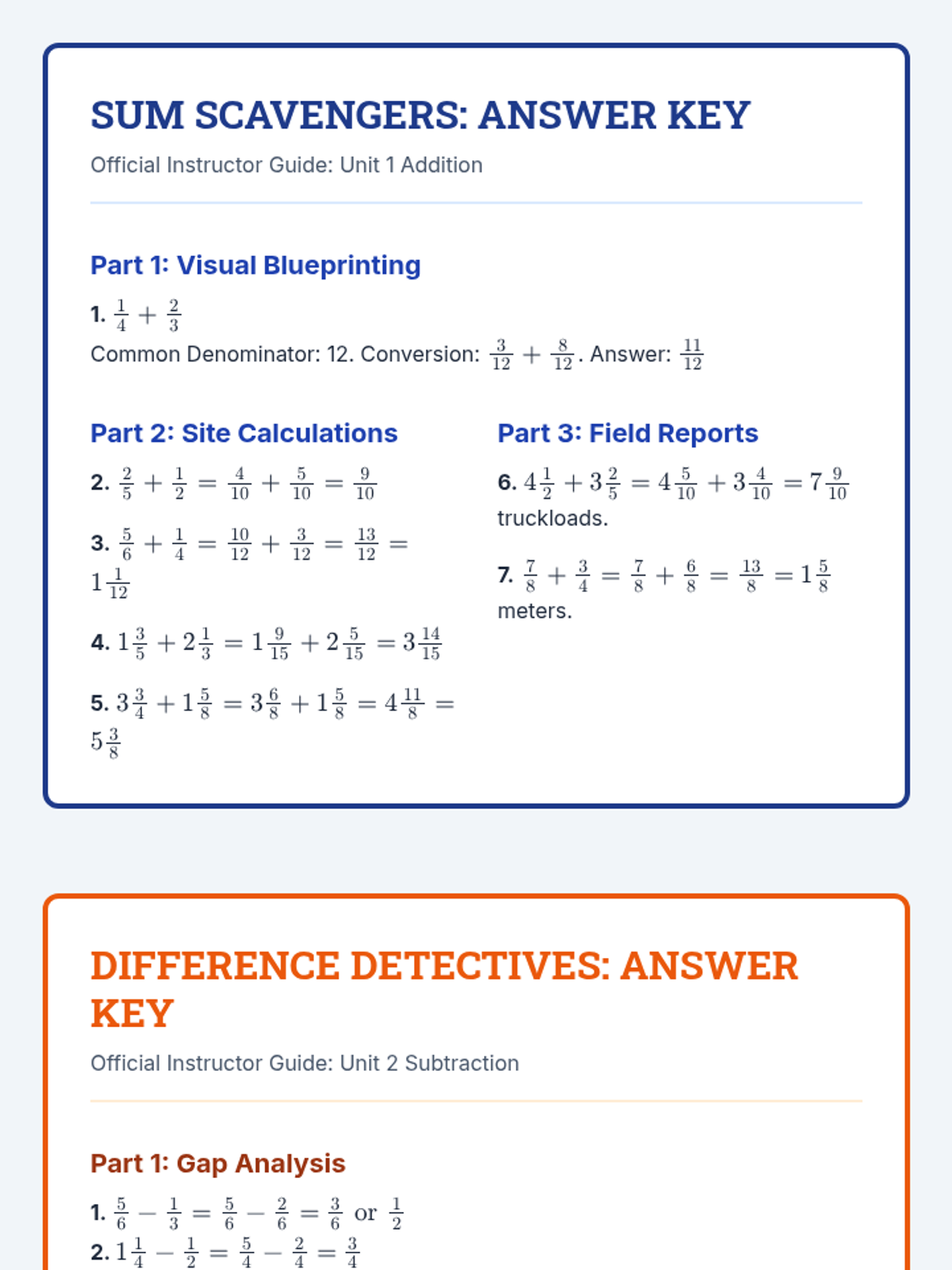
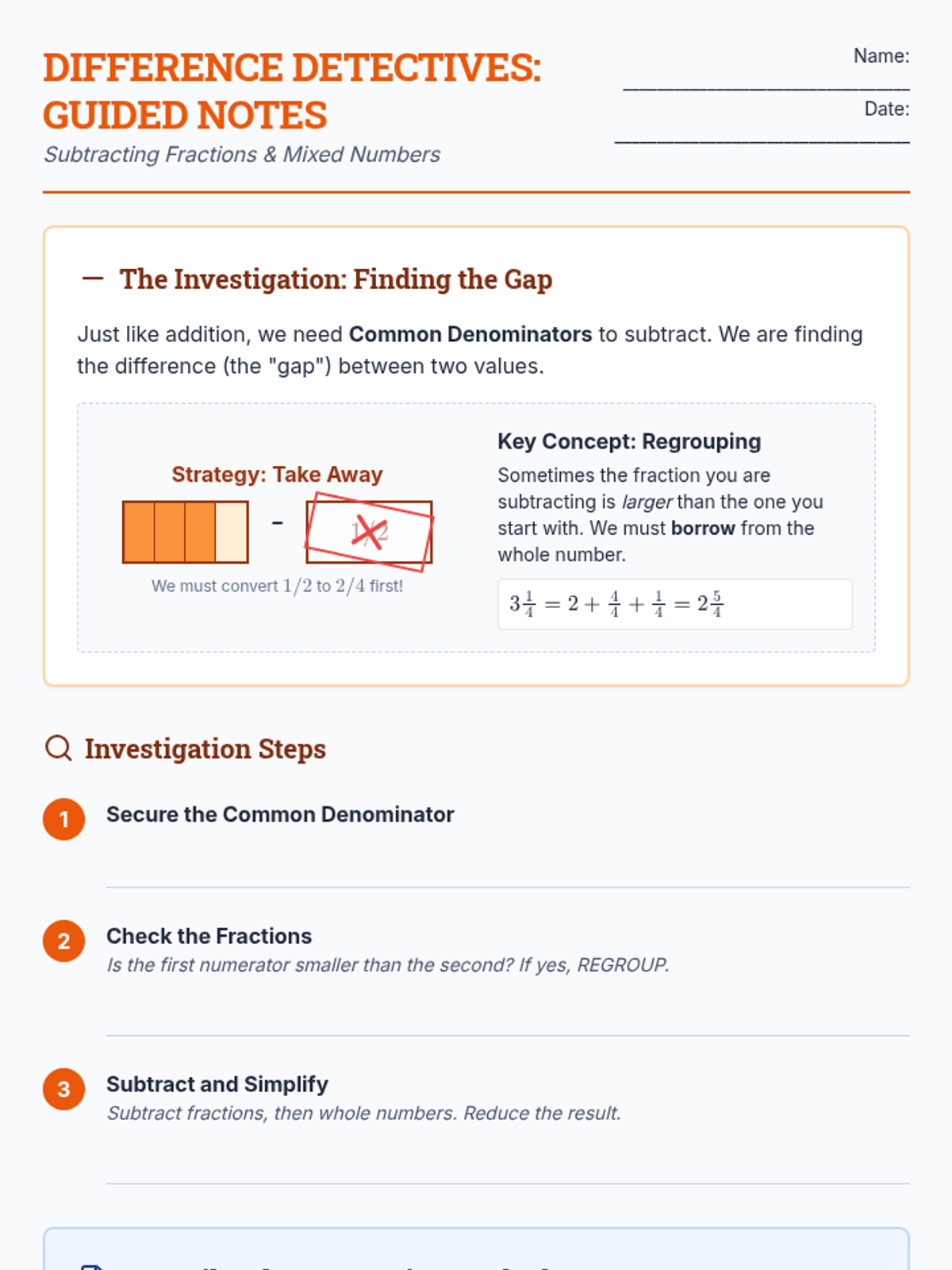
Students master subtracting fractions and mixed numbers with unlike denominators, focusing on regrouping strategies and visual representations.
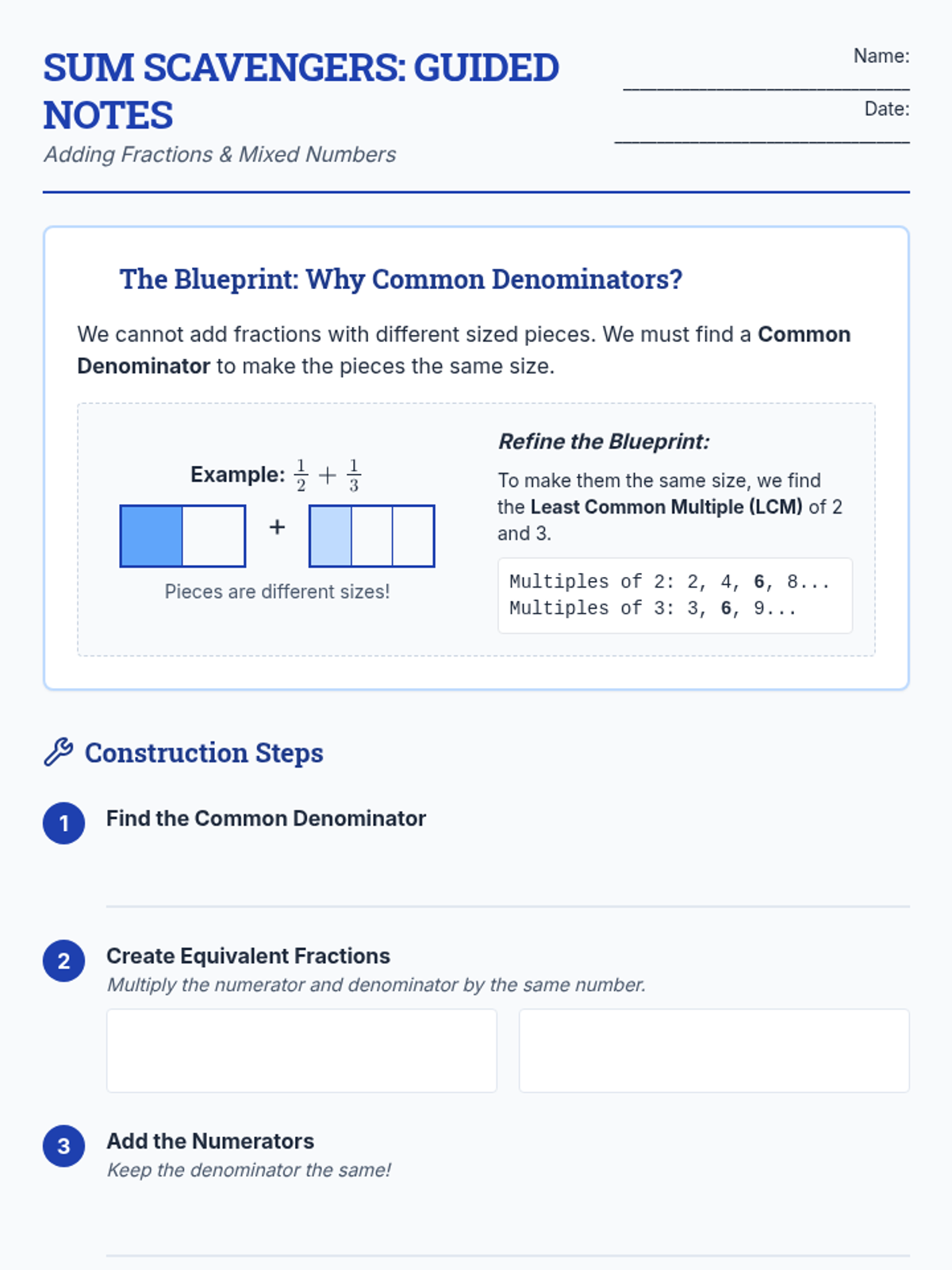
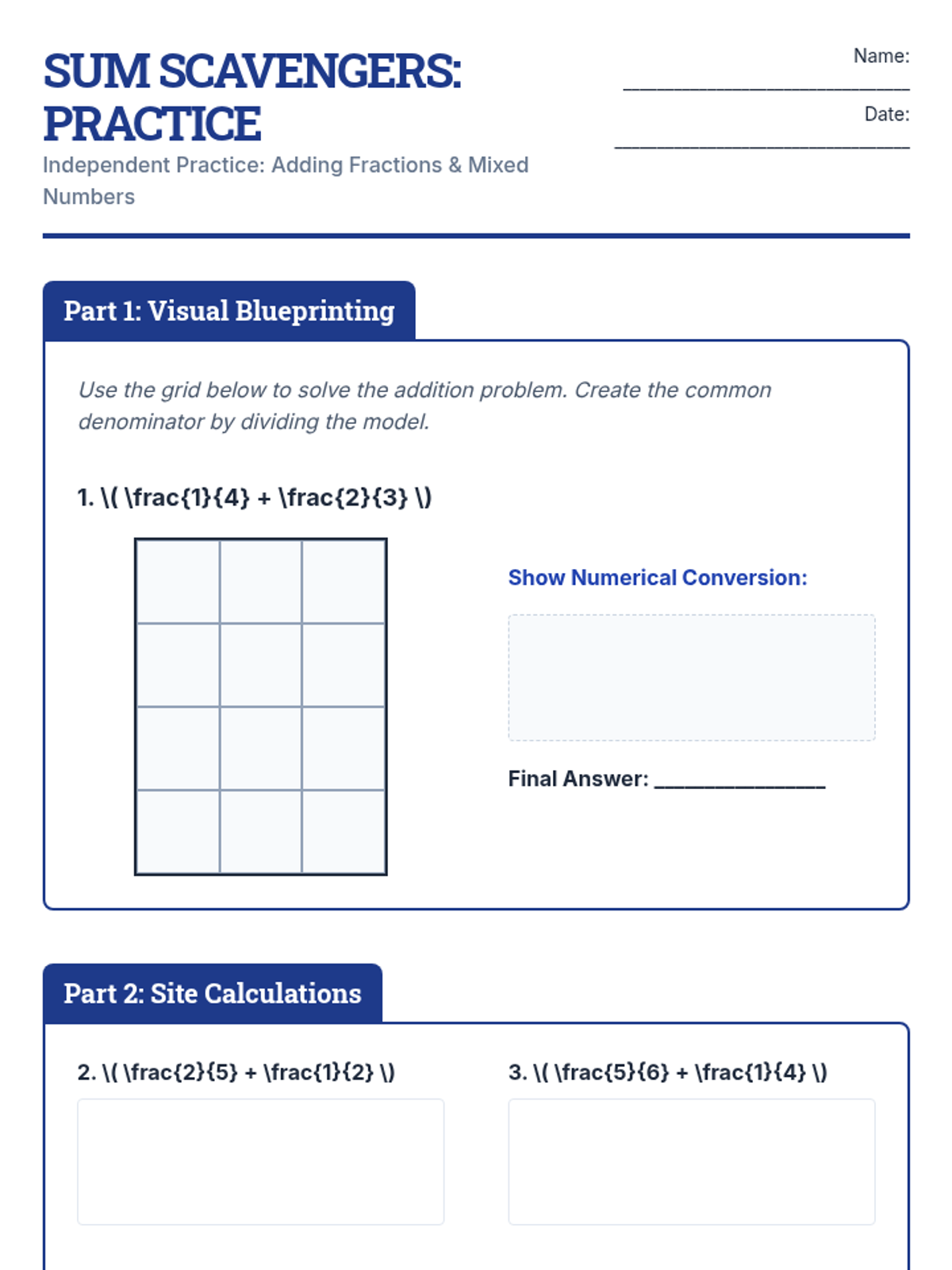
Students learn to add fractions and mixed numbers with unlike denominators using area models and number lines to find common grounds.
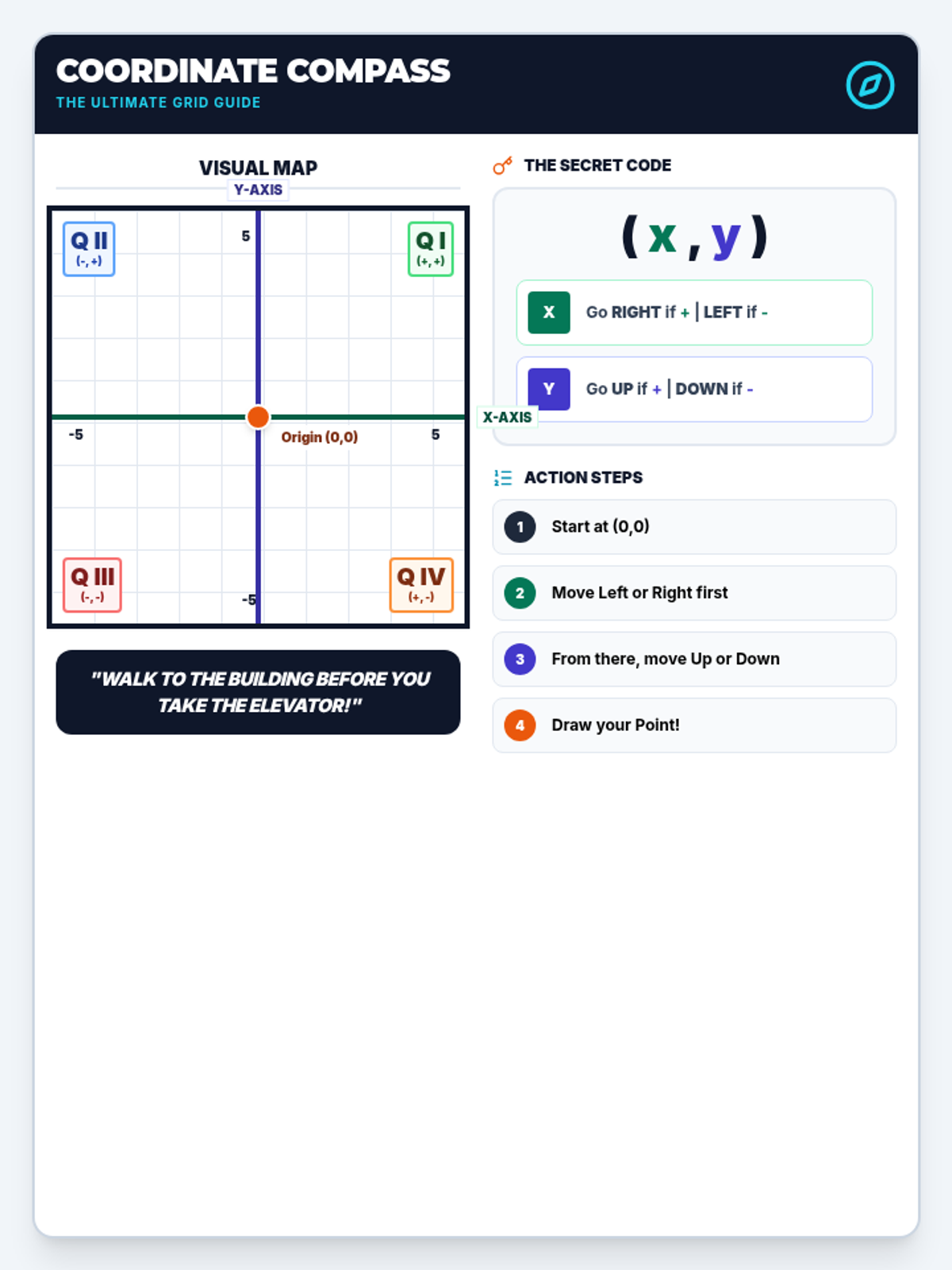
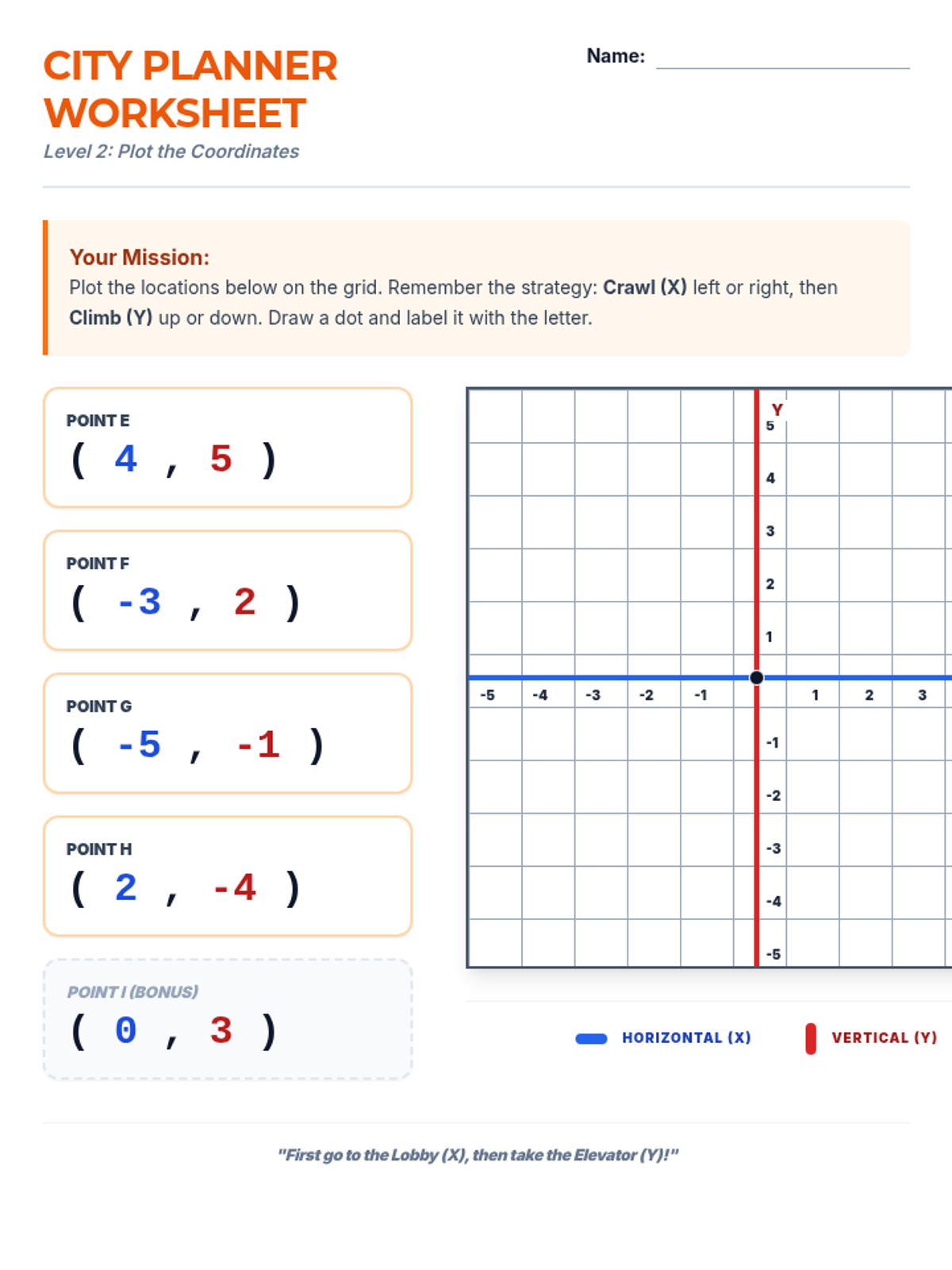
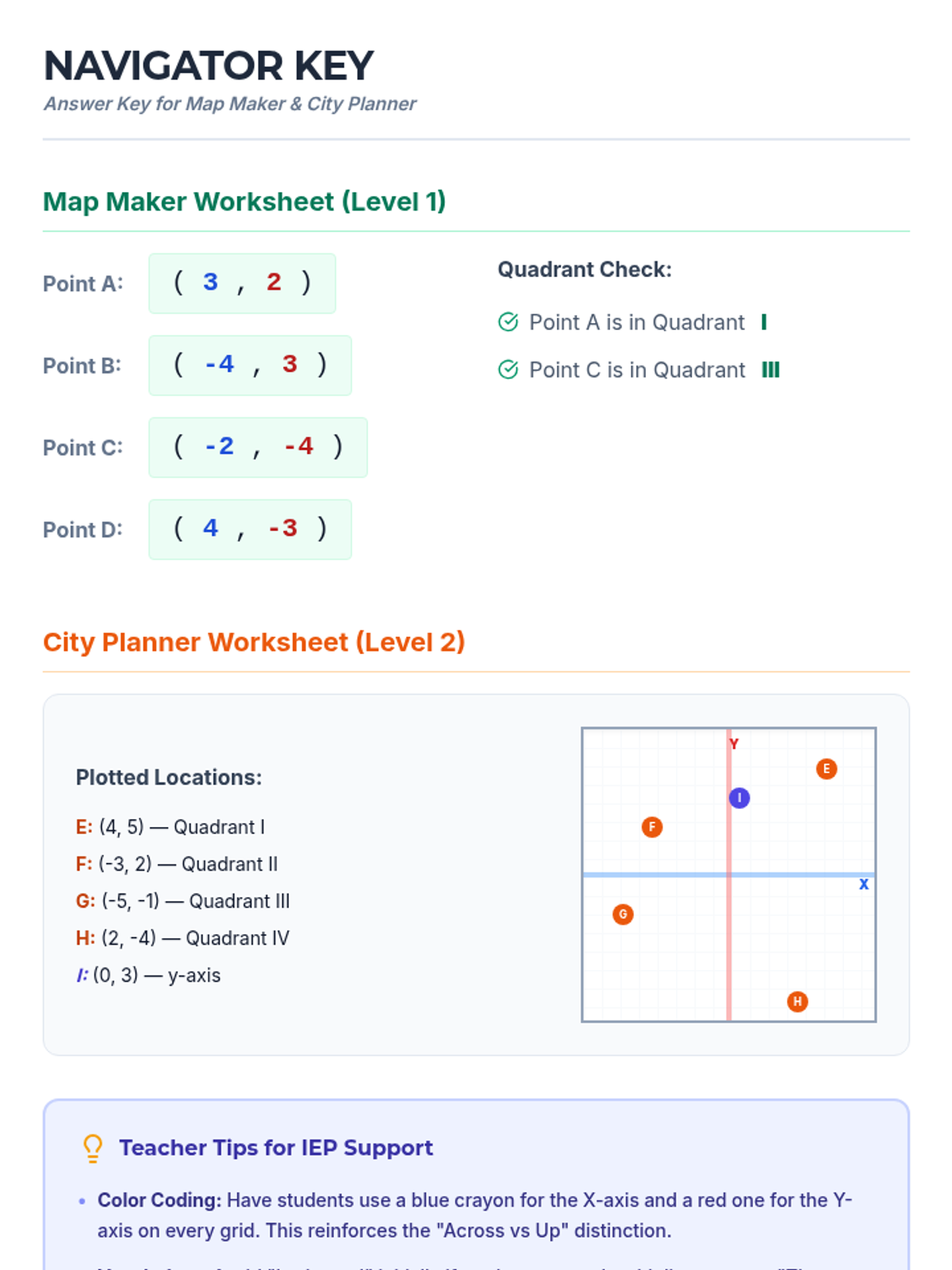
A foundational lesson on the 4-quadrant coordinate plane, specifically designed for students with IEPs. Includes visual-heavy instruction on identifying and plotting ordered pairs using color-coded axes and step-by-step strategies.
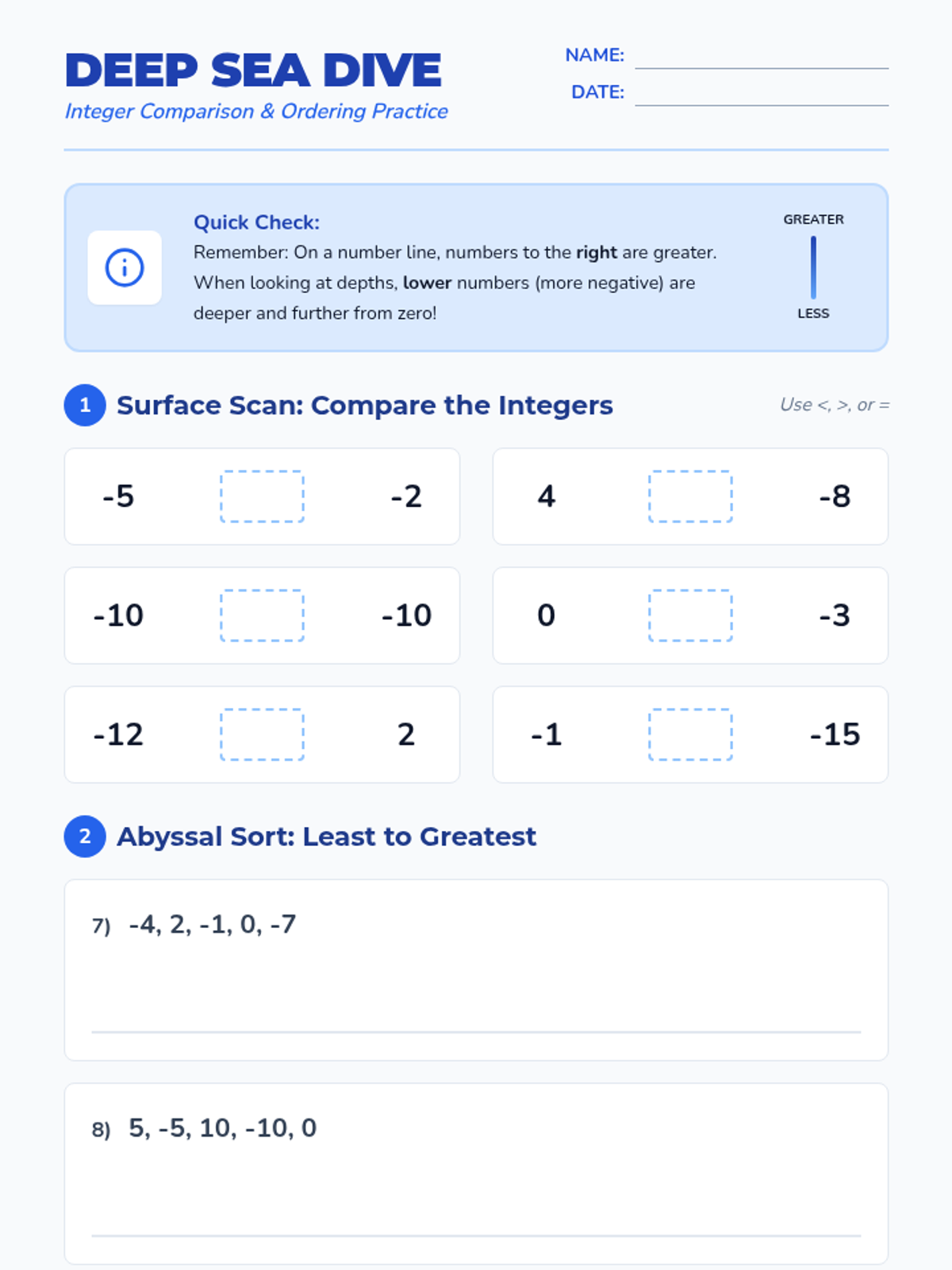
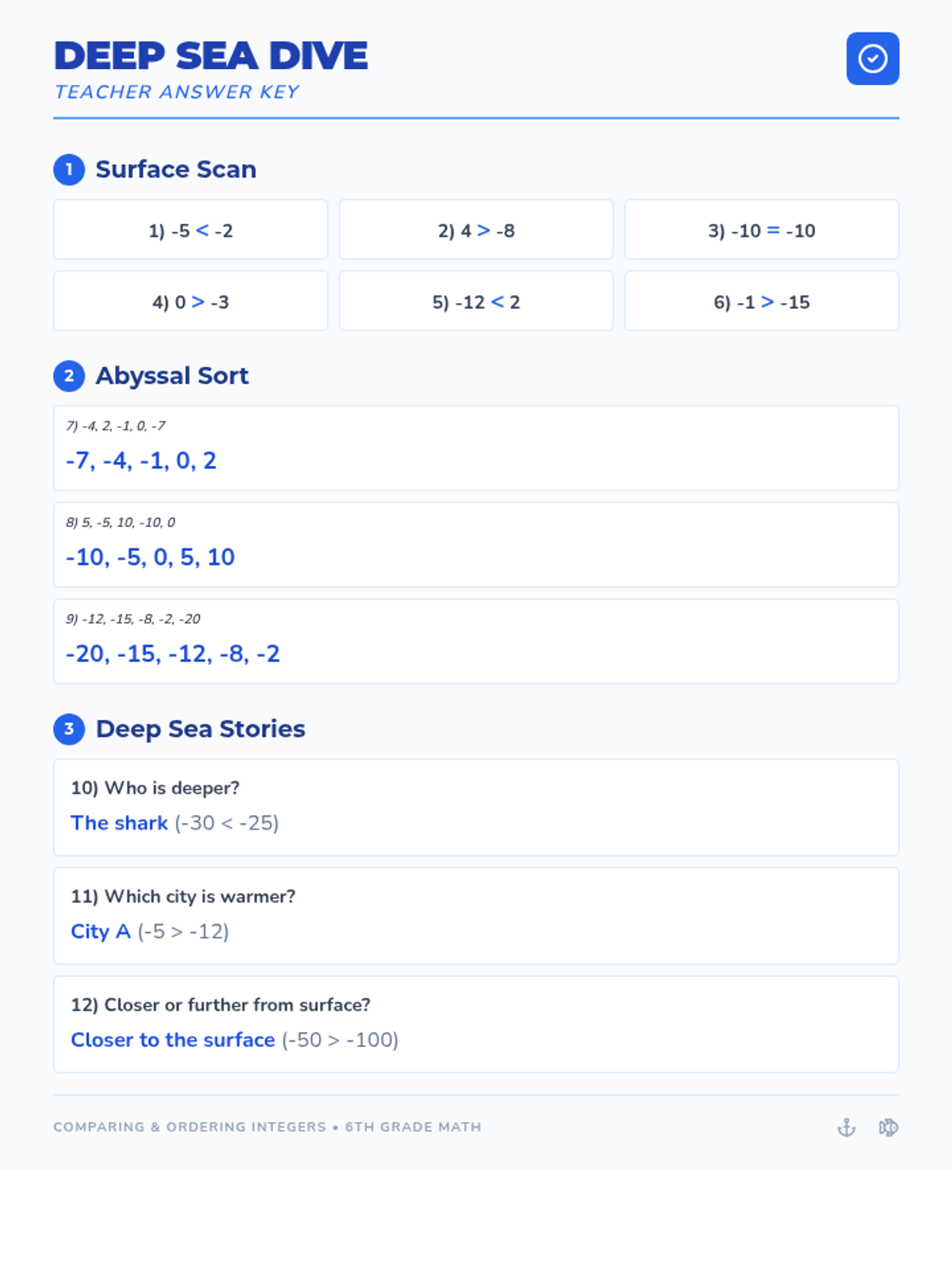
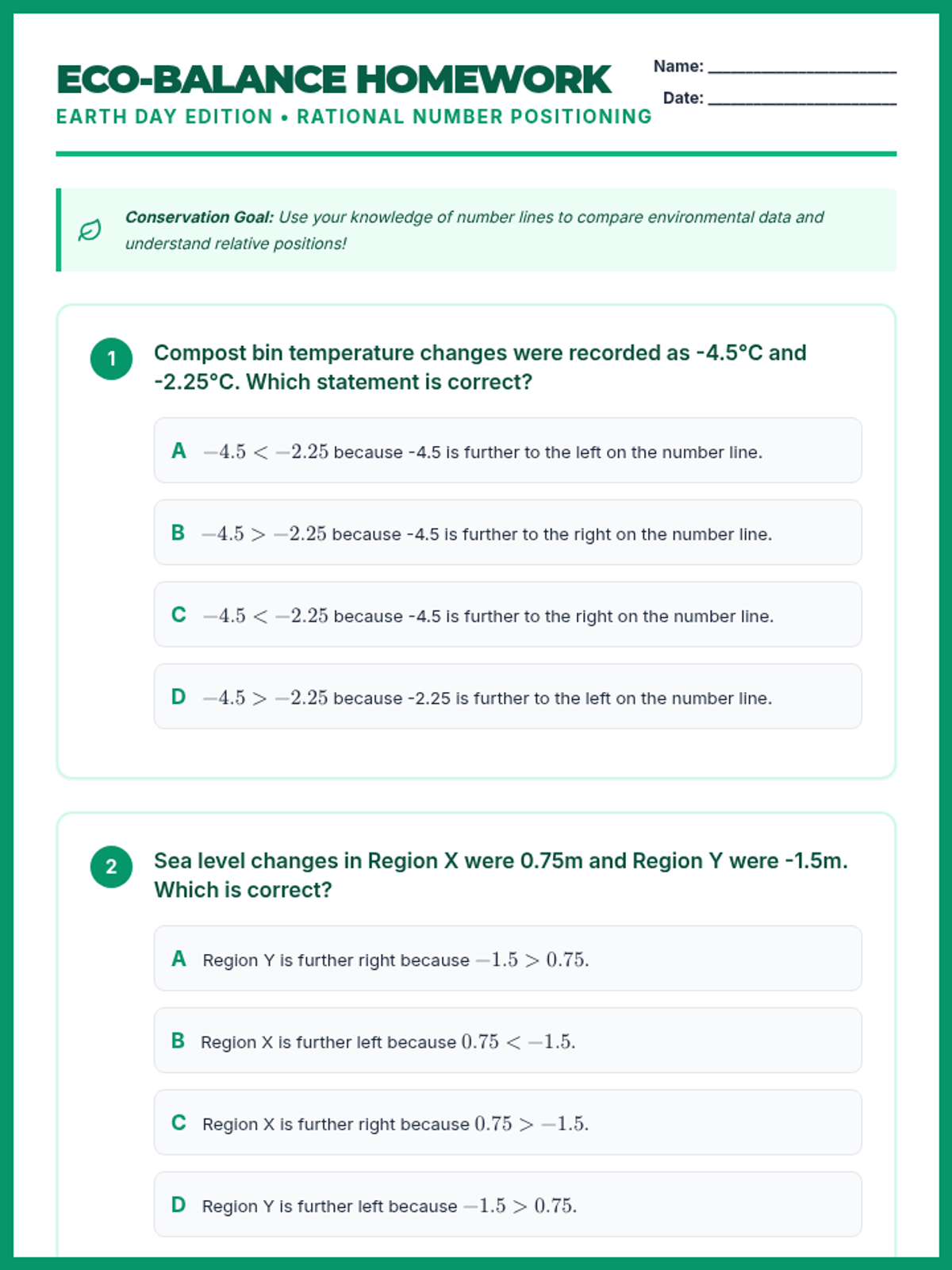
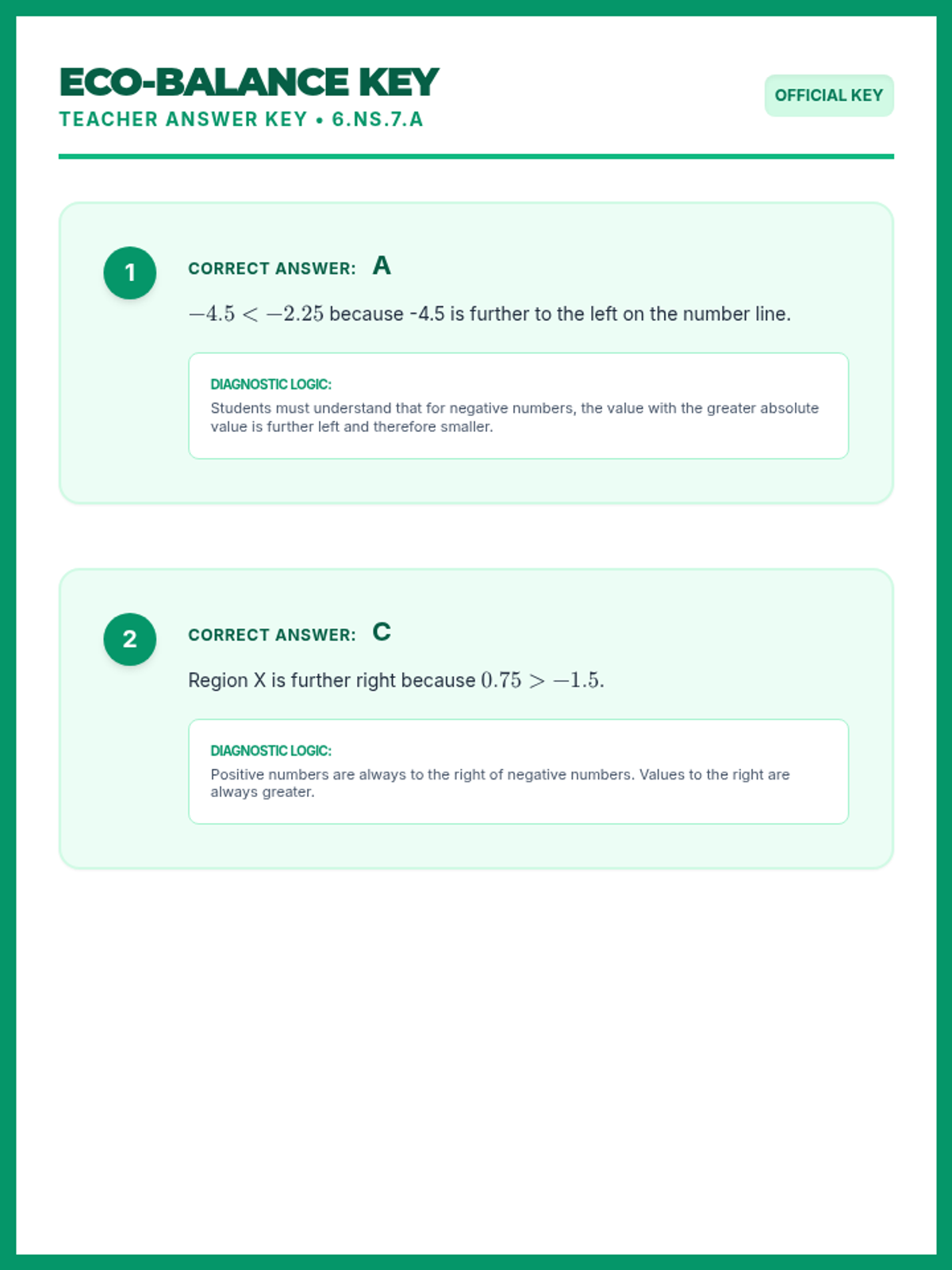
A lesson focused on comparing and ordering integers using real-world contexts like sea level and temperature.
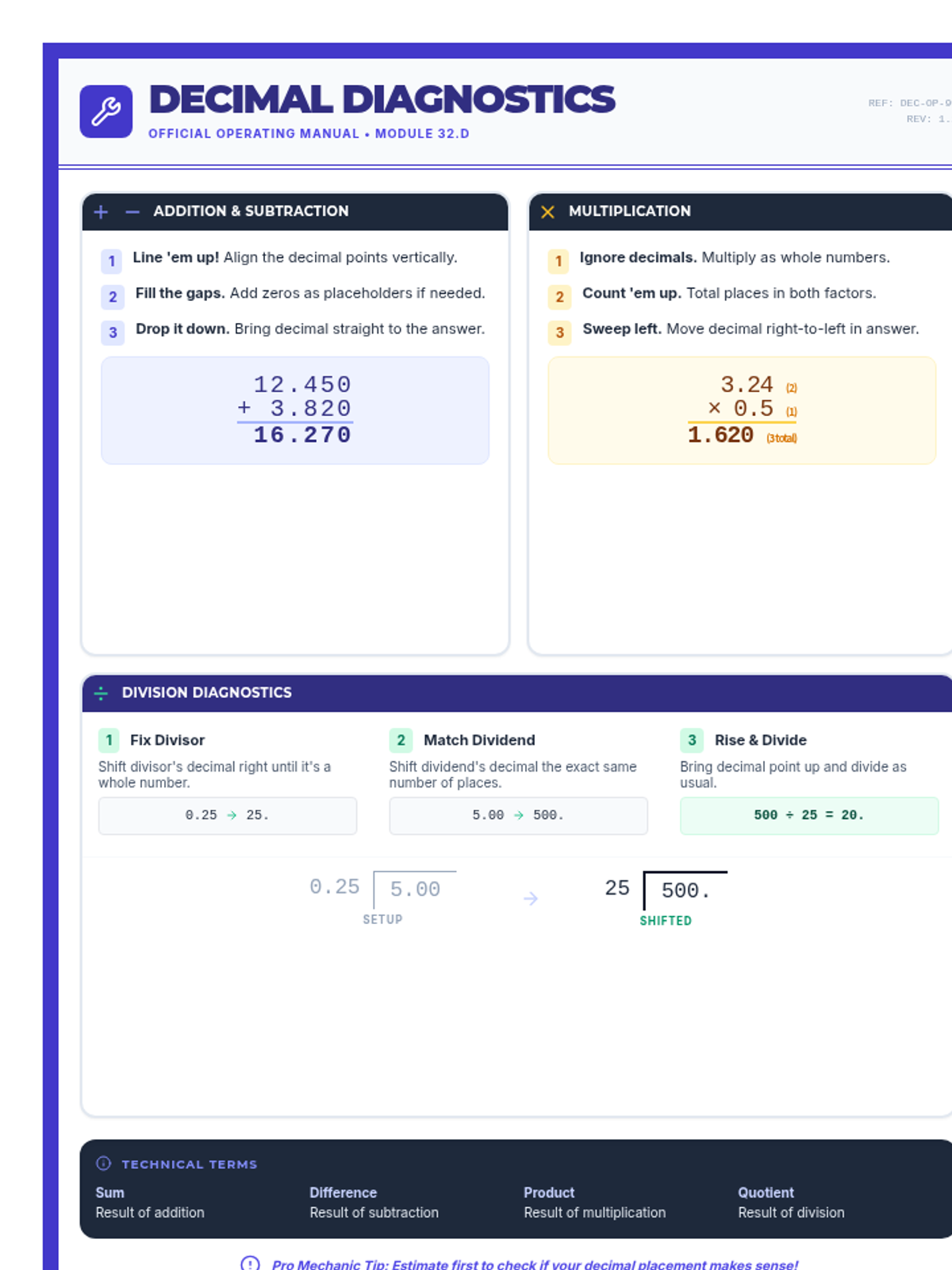
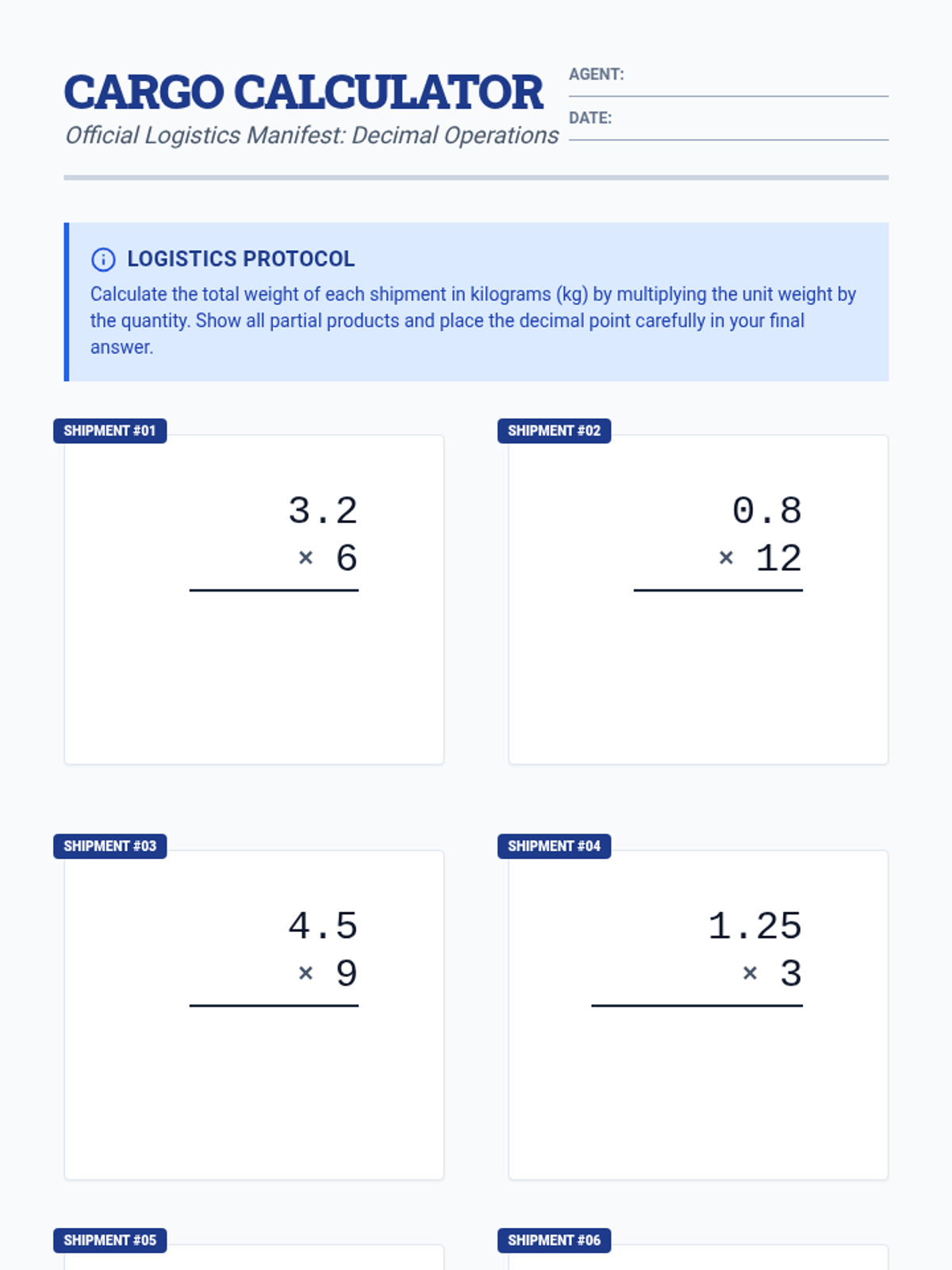
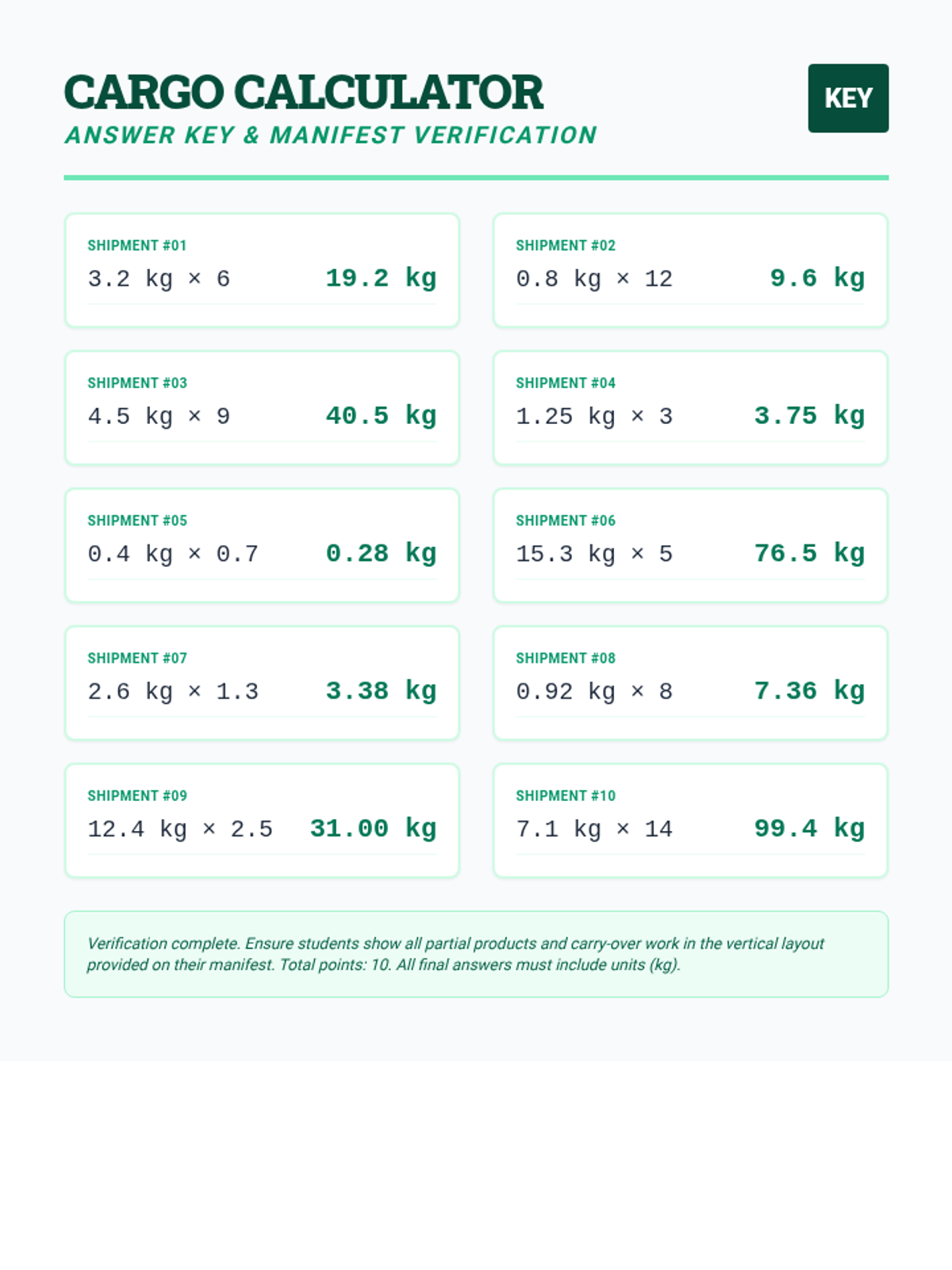
A lesson focused on multiplying decimals by whole numbers and other decimals using a cargo/shipping theme. Students will practice vertical multiplication and decimal point placement.
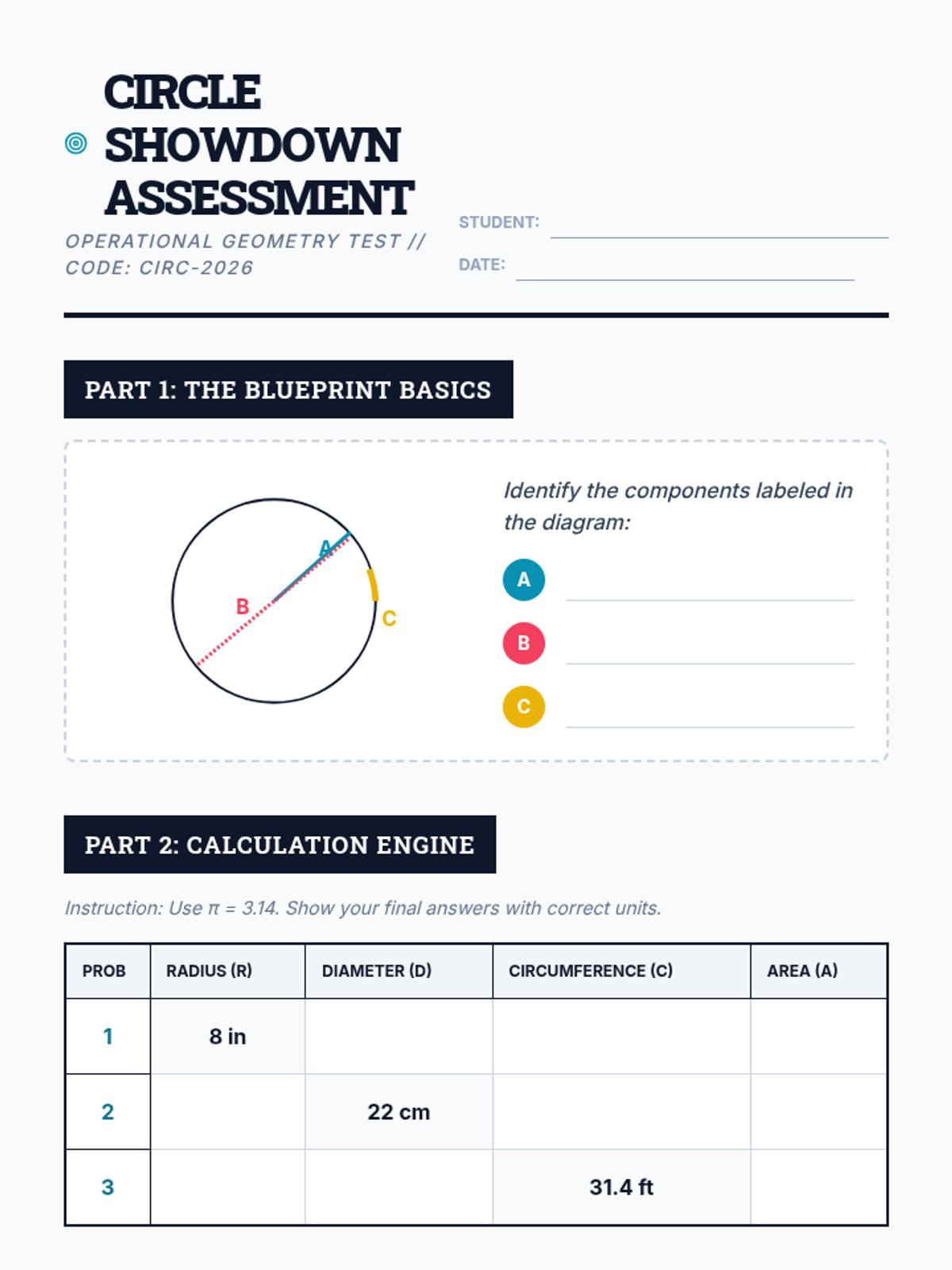
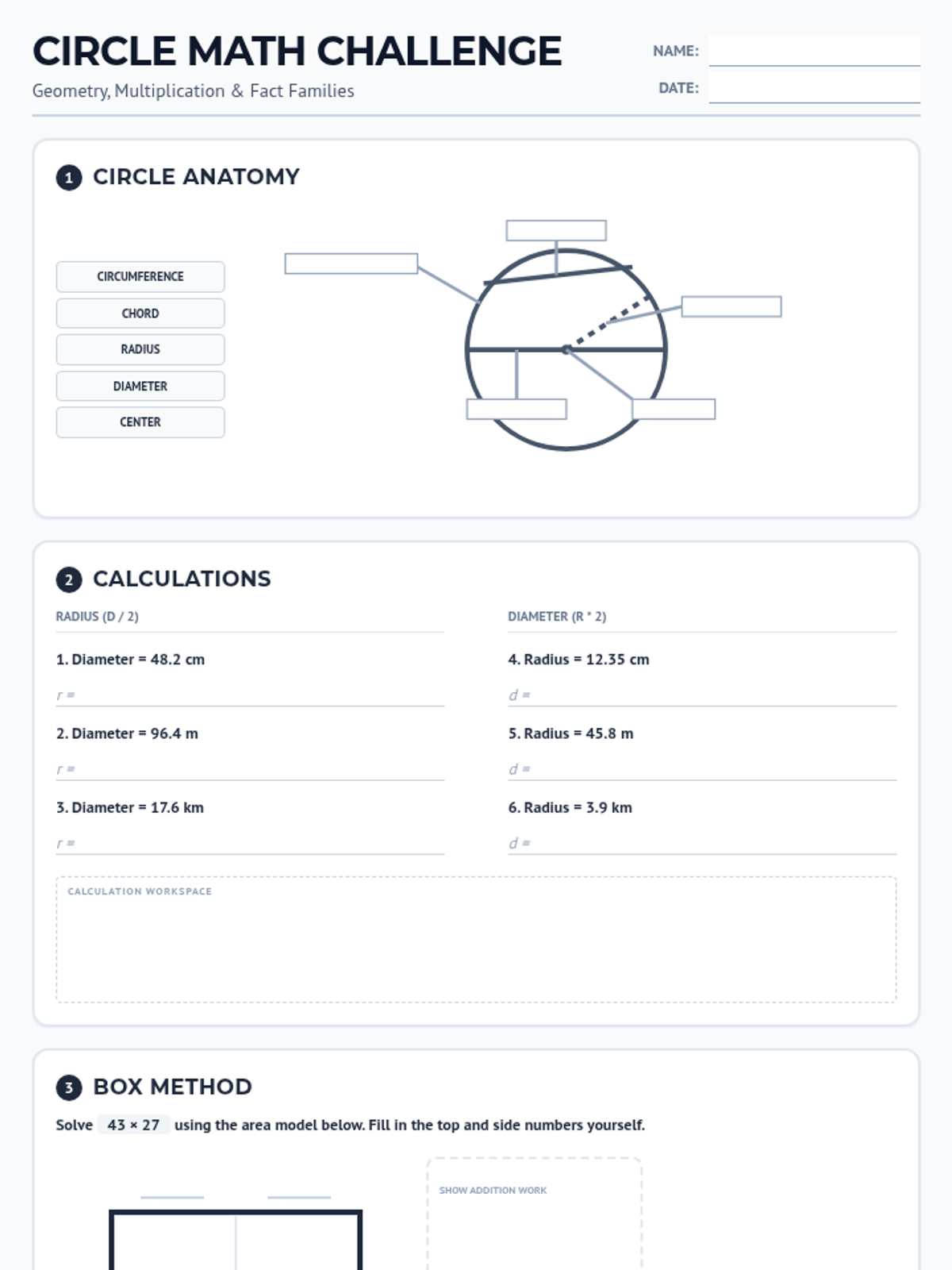
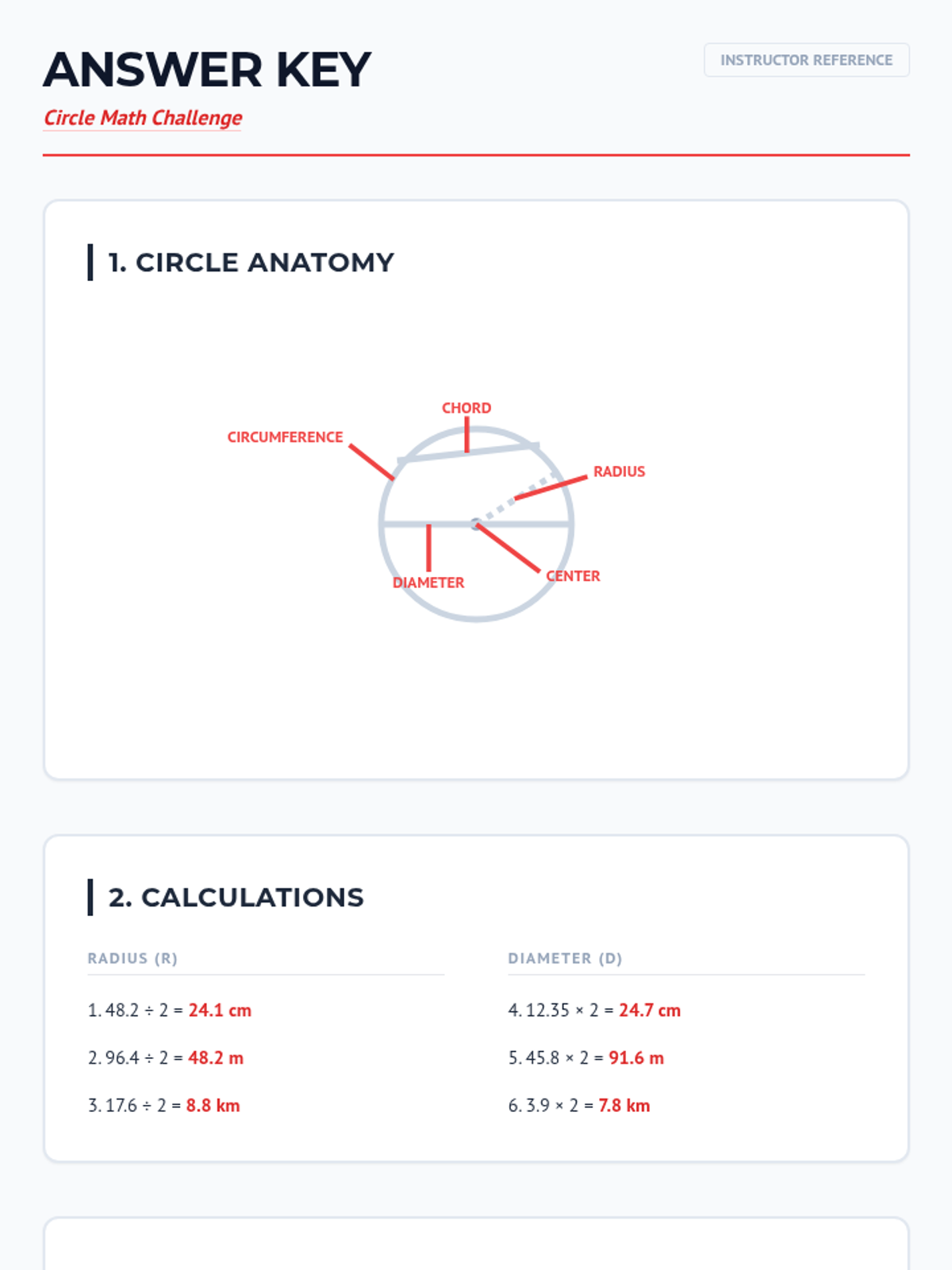
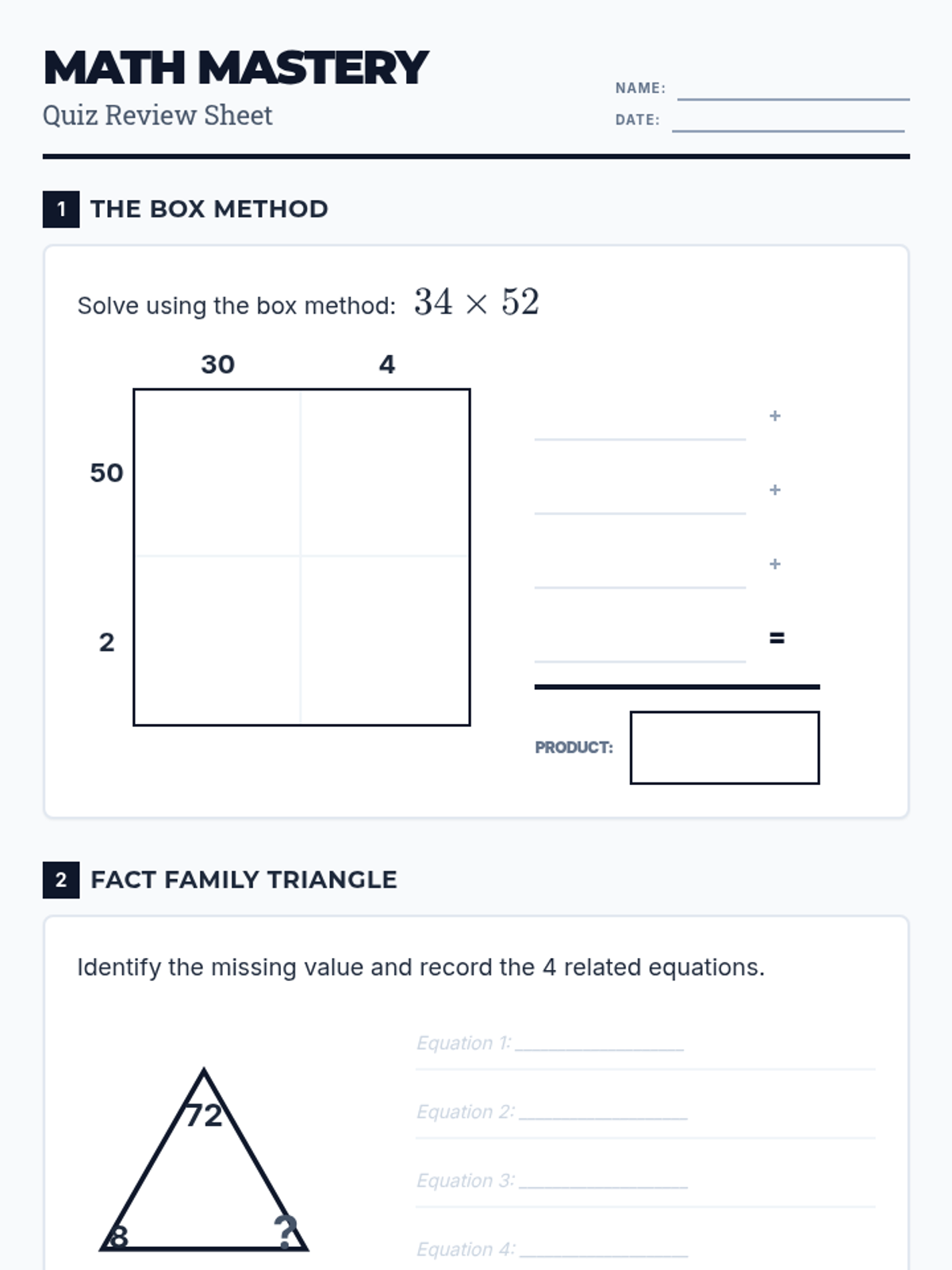
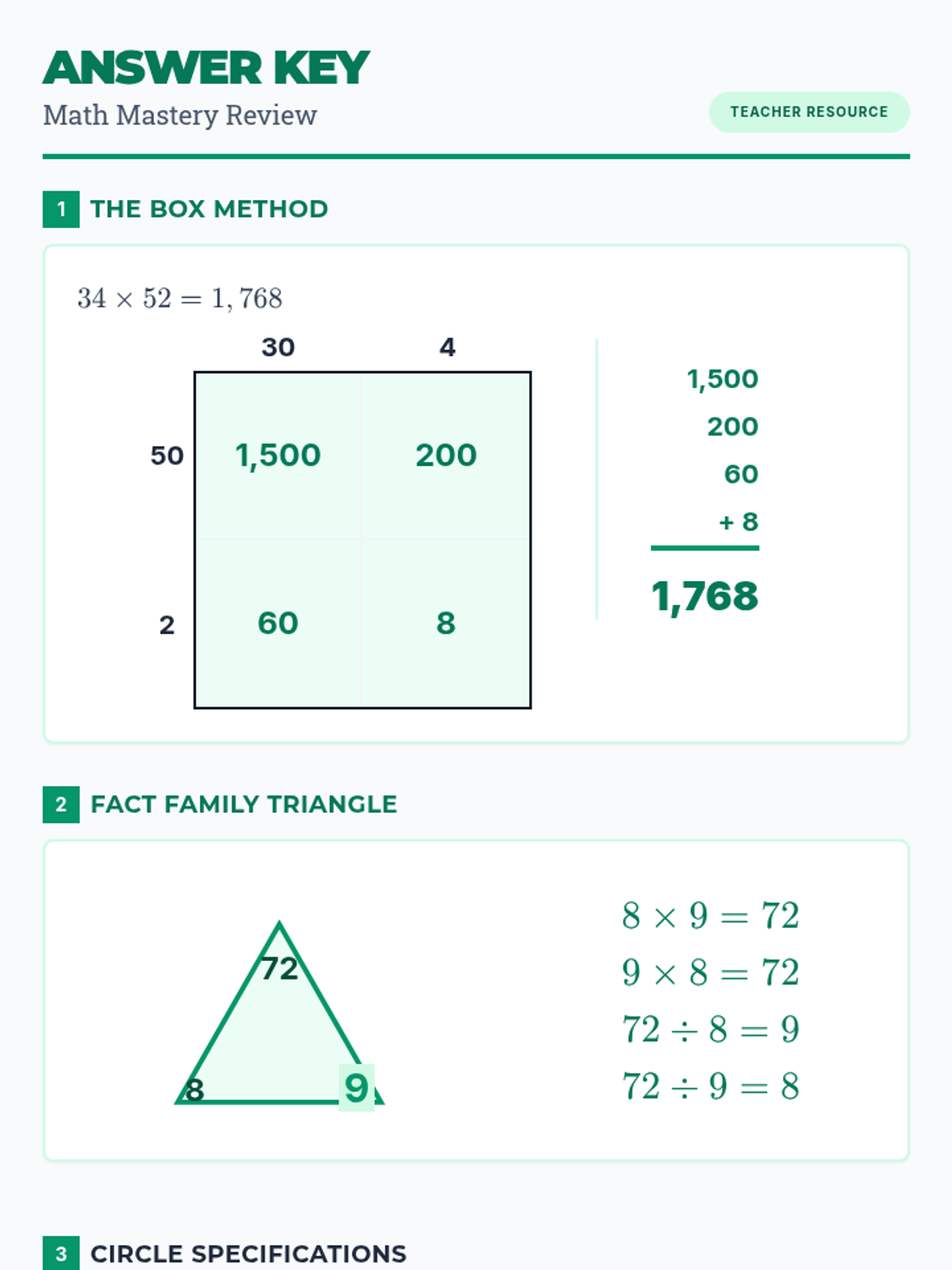
A comprehensive assessment covering circle geometry, area model multiplication, and multiplication/division fact families. Students will demonstrate their understanding of geometric parts, calculation skills, and algebraic relationships.
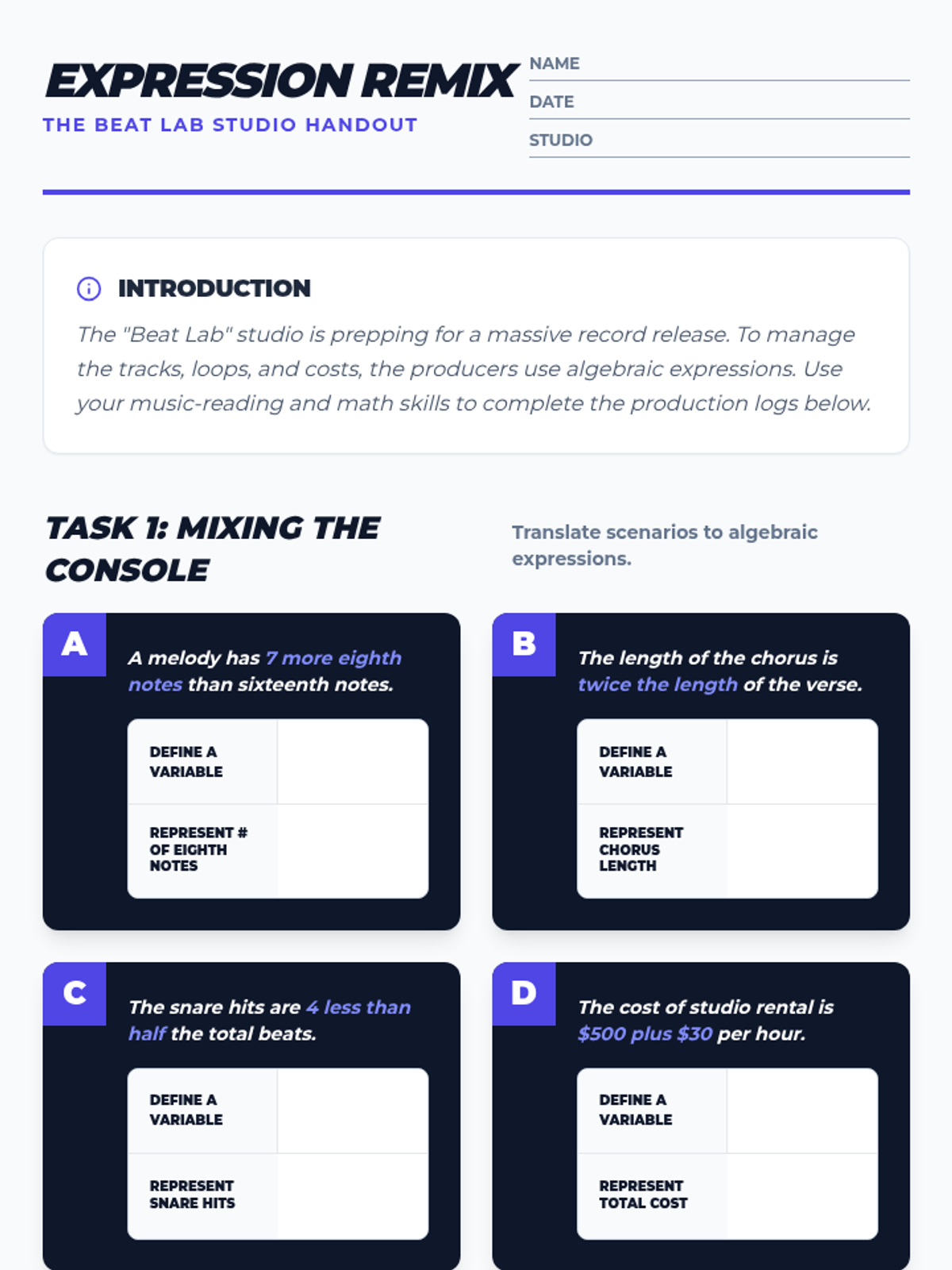
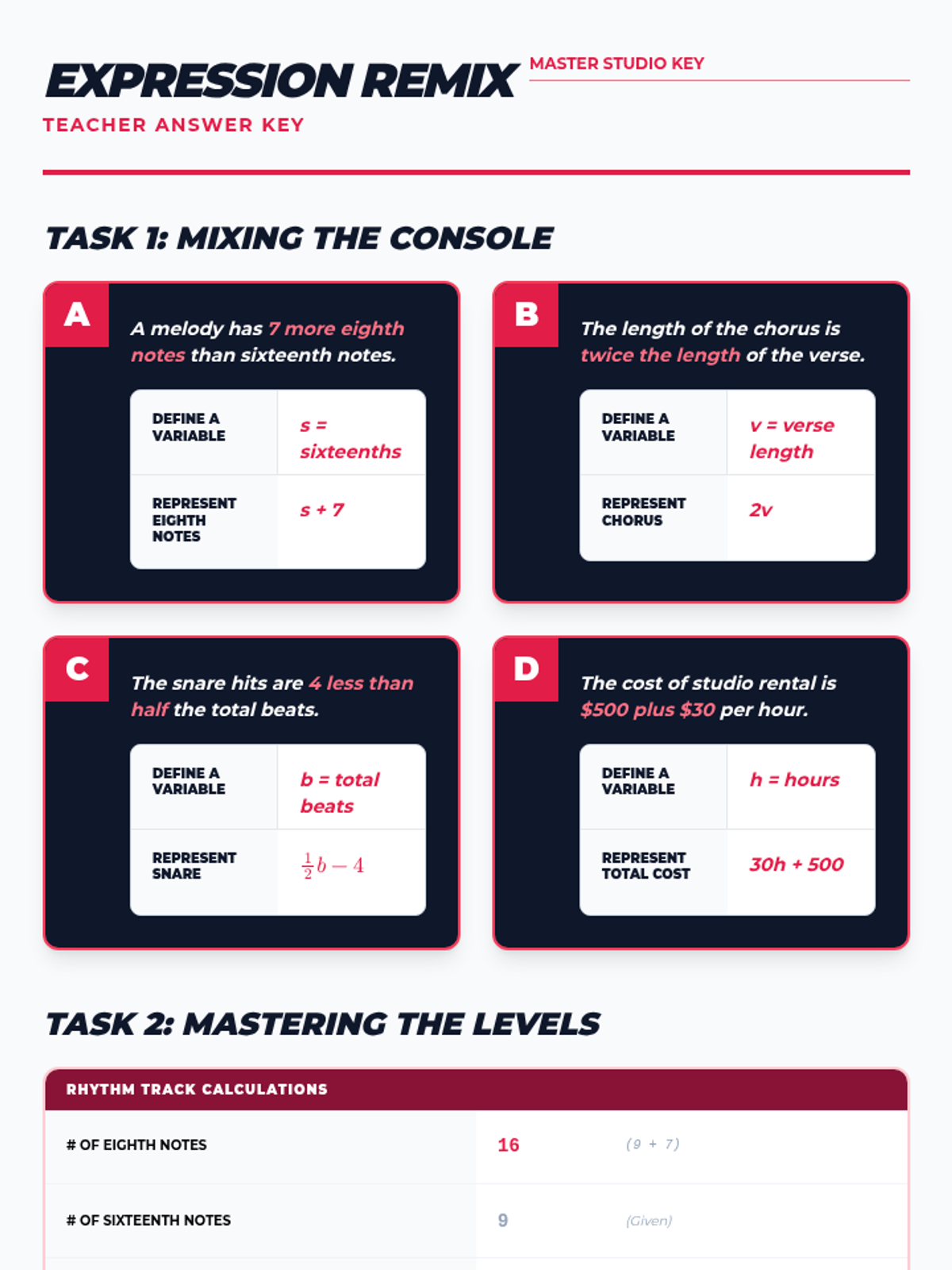
A math lesson that translates algebraic expressions into the world of music production and notation, designed for students who struggle with traditional math contexts. Students will define variables, evaluate expressions, and use the distributive property through rhythmic patterns and studio scenarios.
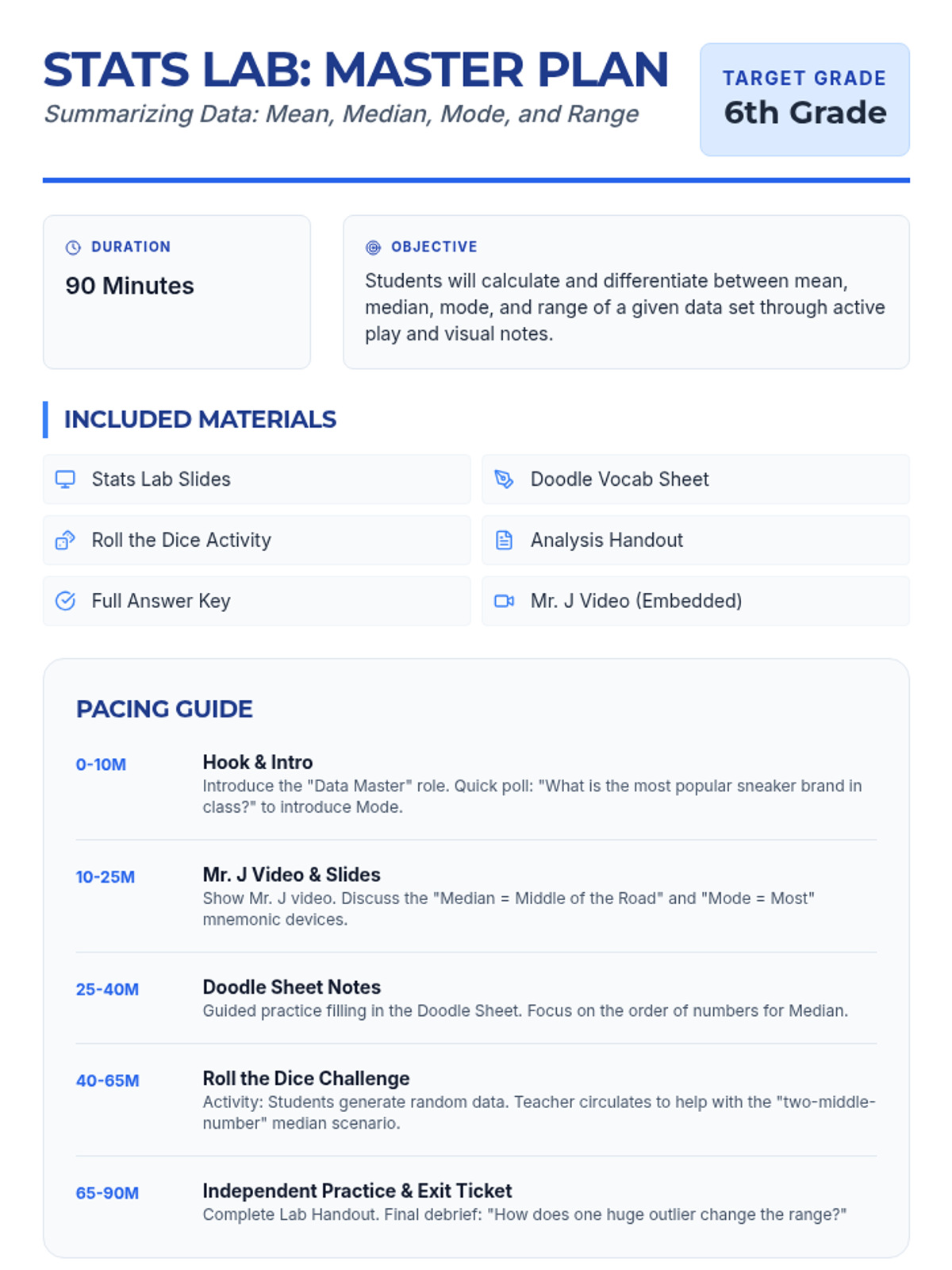
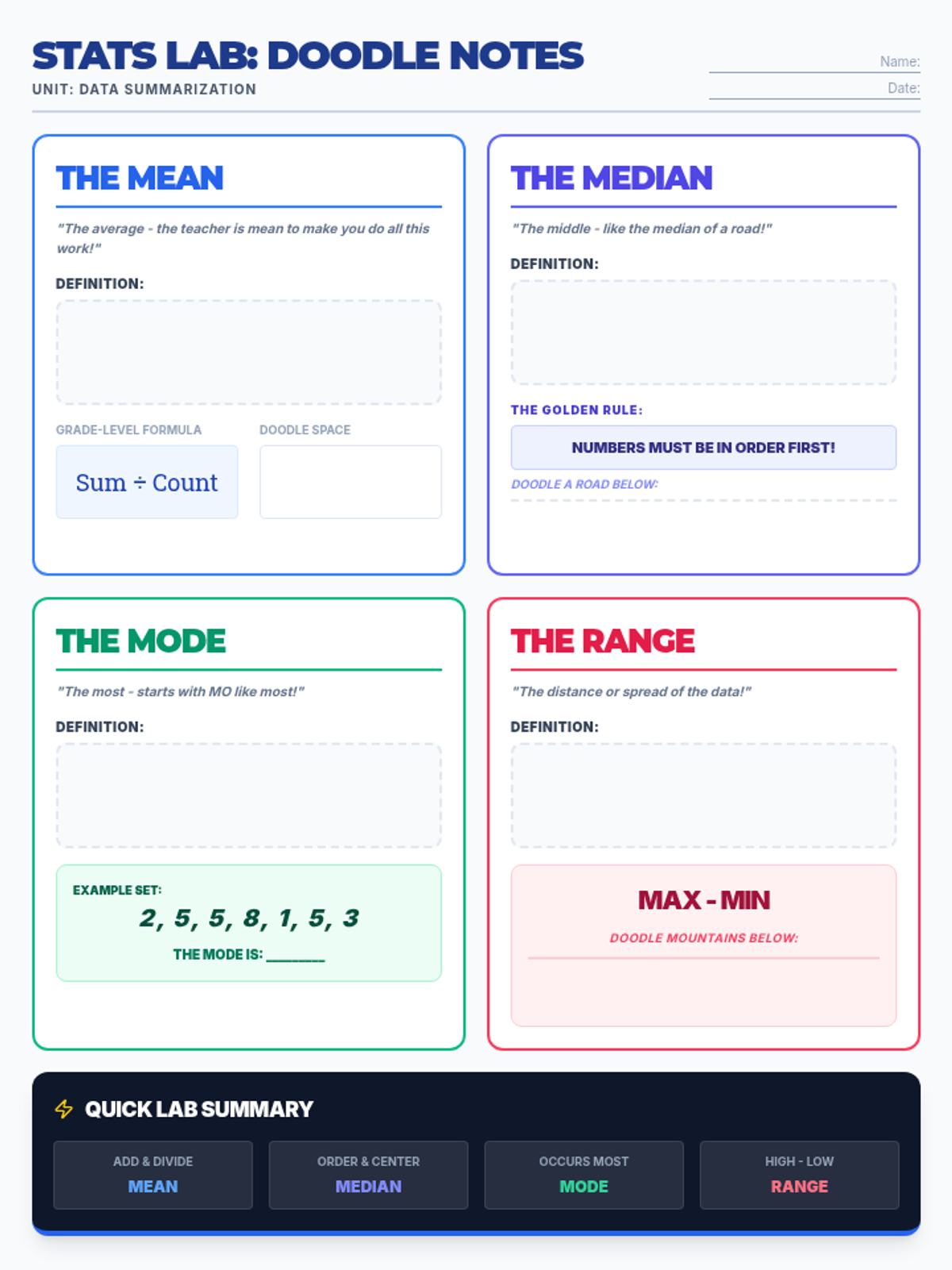
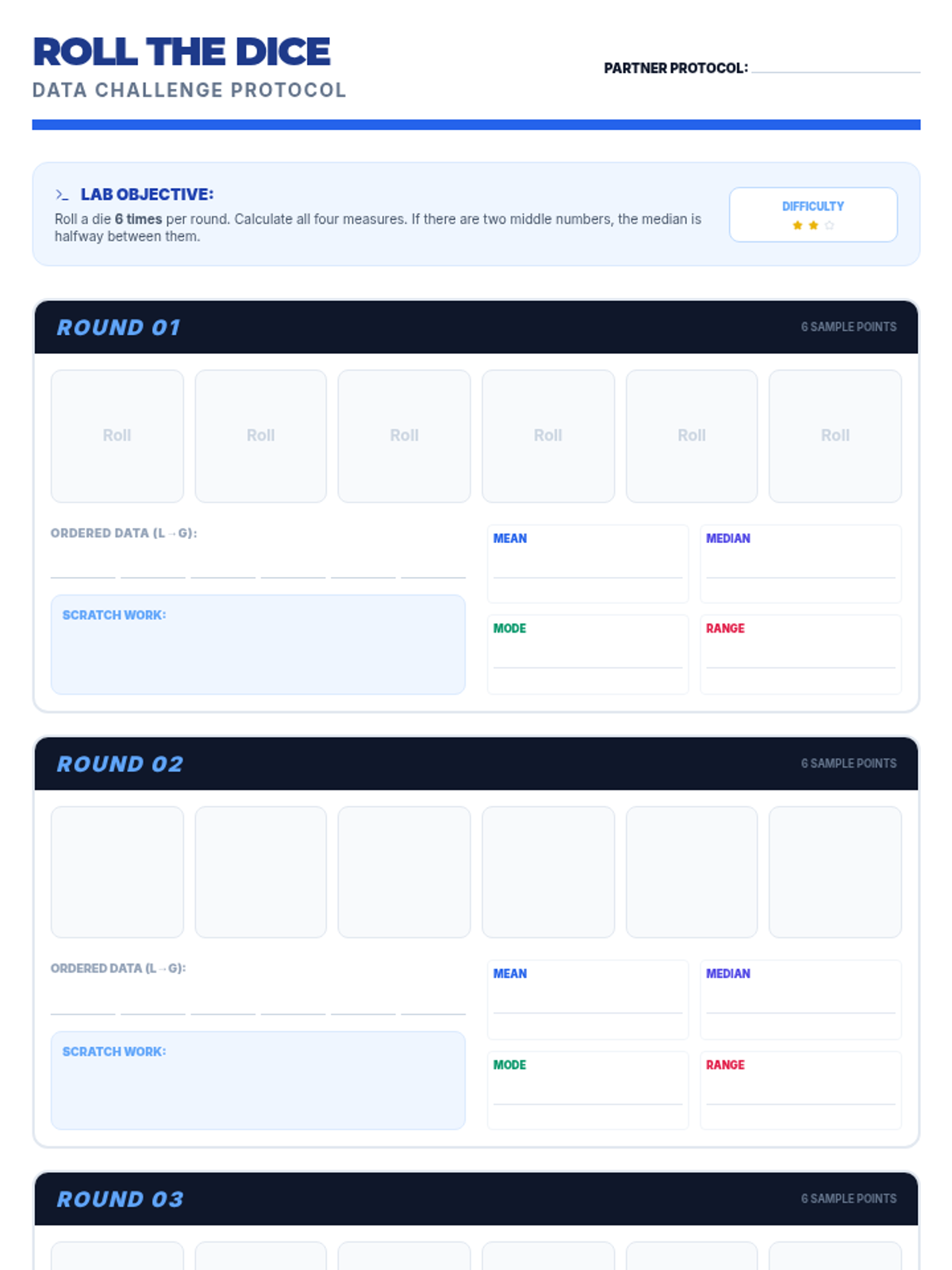
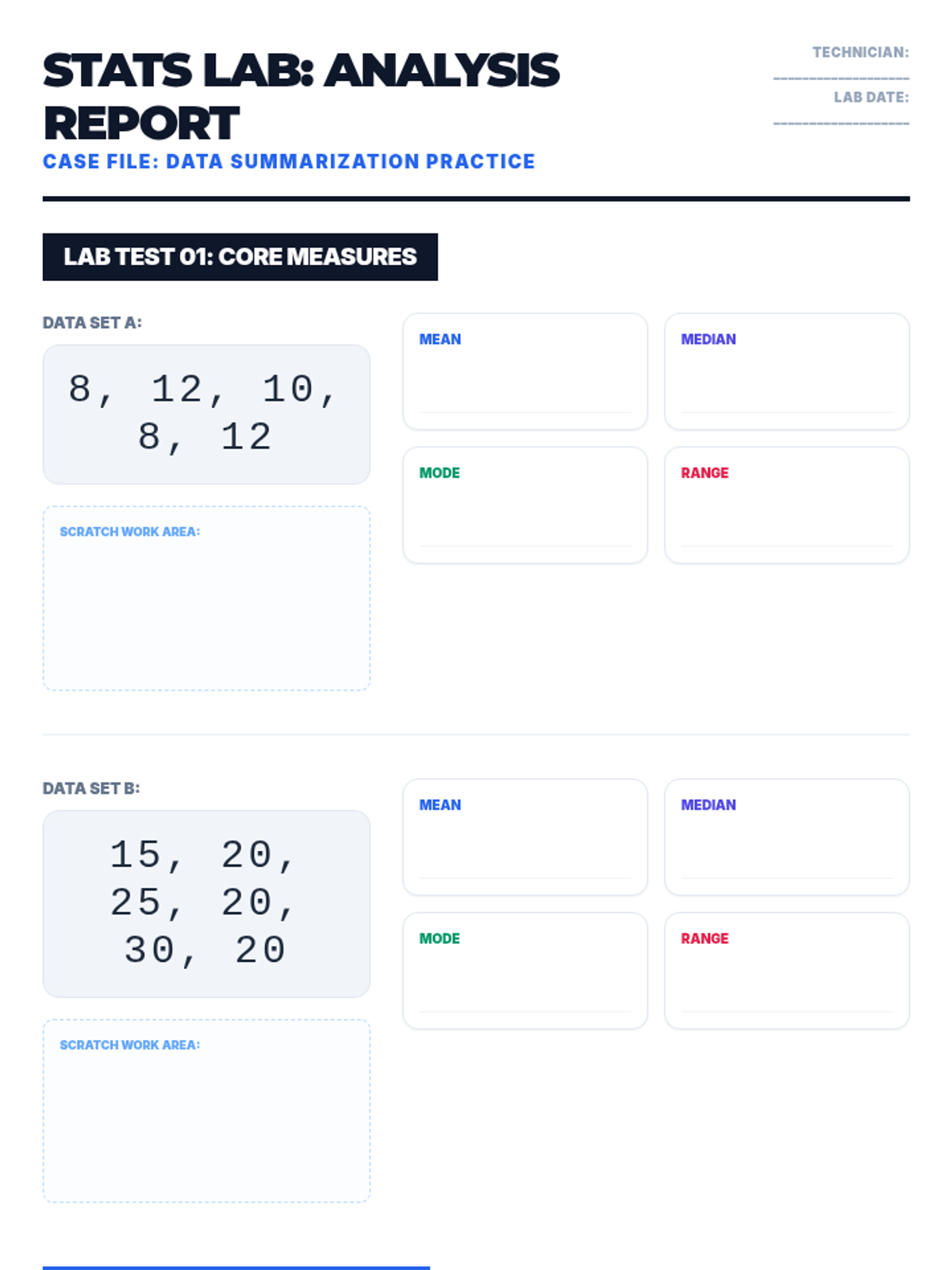
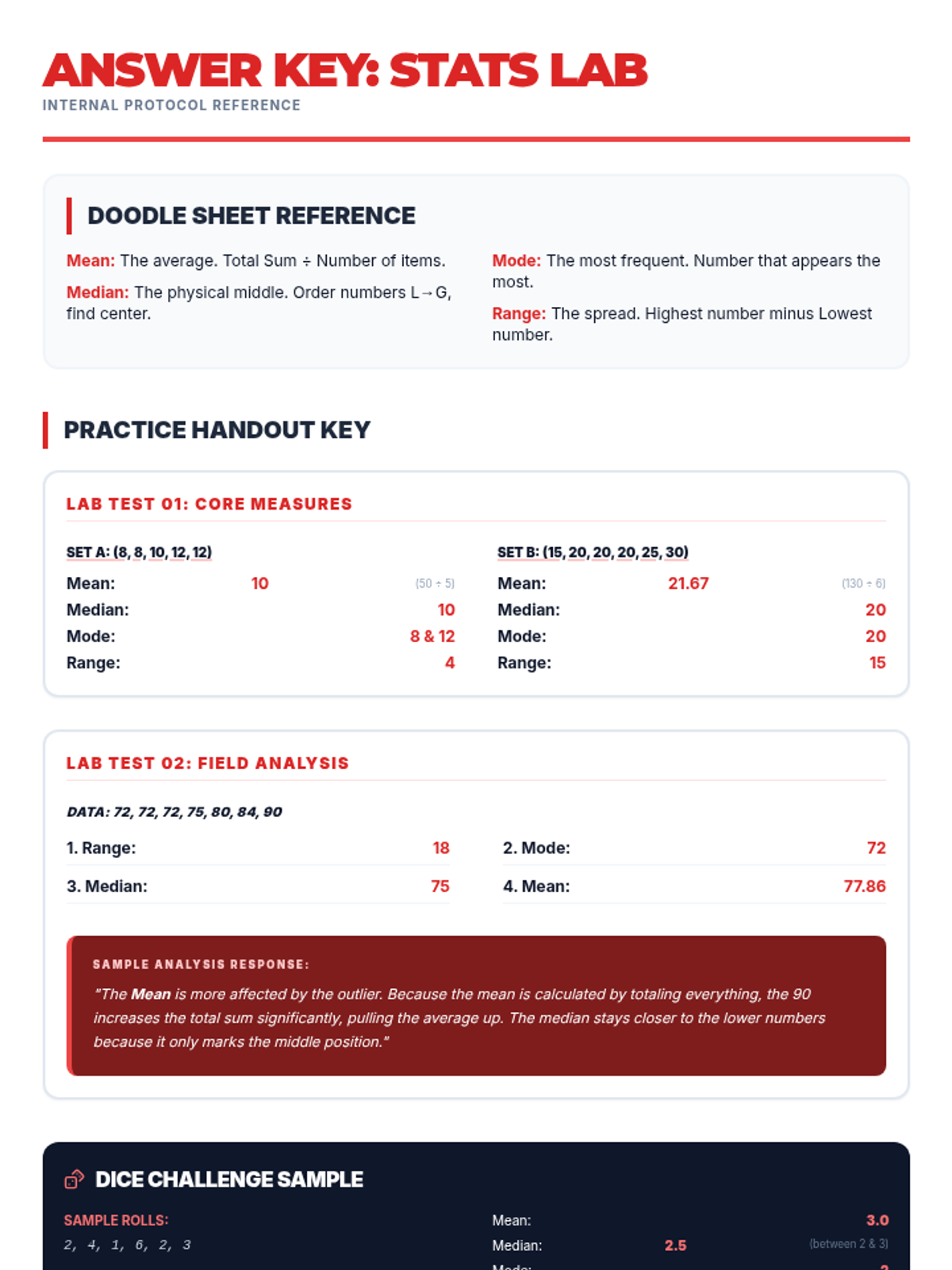
A comprehensive 90-minute lesson for 6th-grade students to master summarizing data using mean, median, mode, and range through visual doodling, interactive dice play, and structured practice.
A scaffolded lesson on plotting points across all four quadrants of the coordinate plane, designed specifically for students with IEPs through visual aids and step-by-step guided practice.
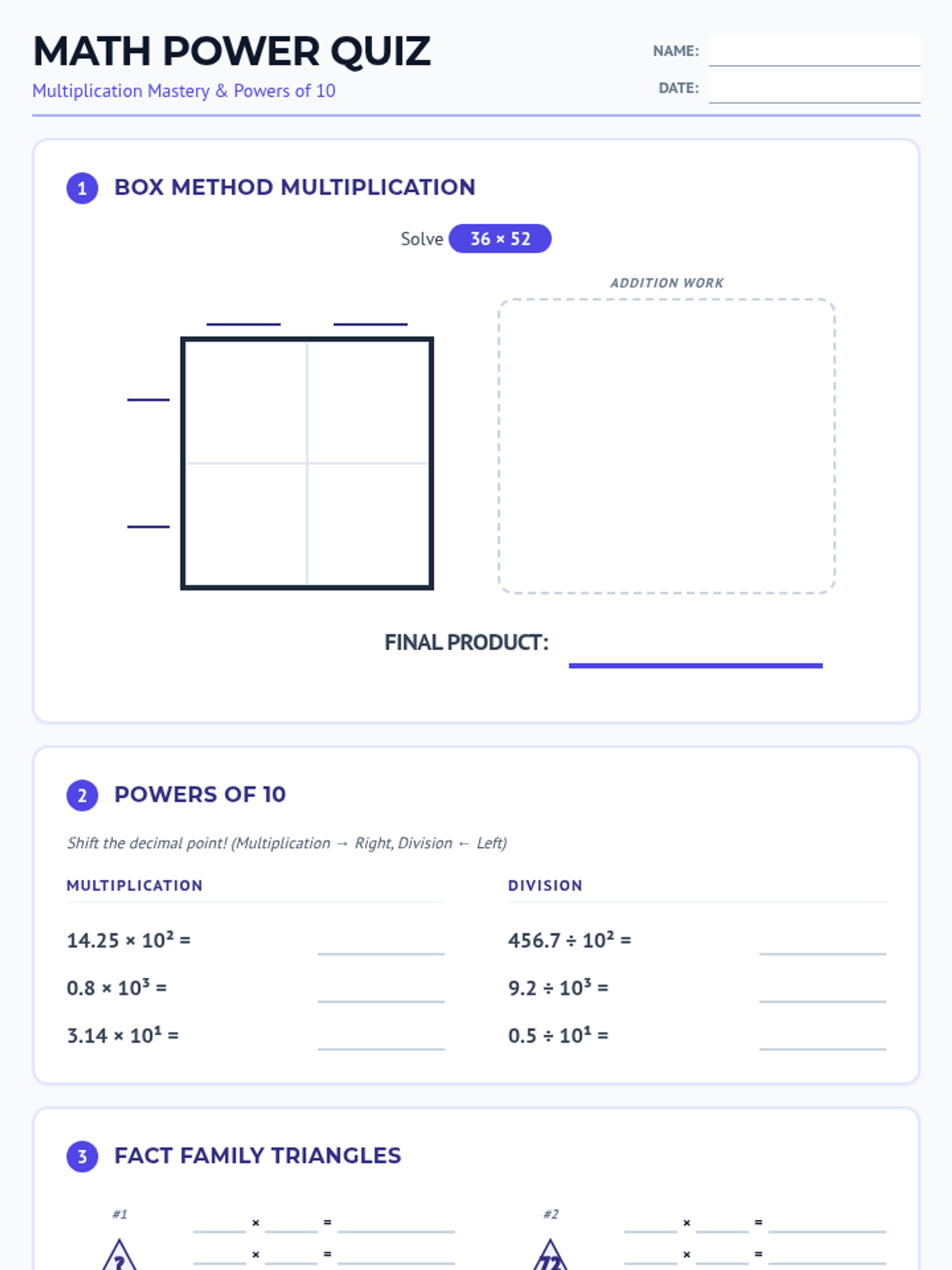
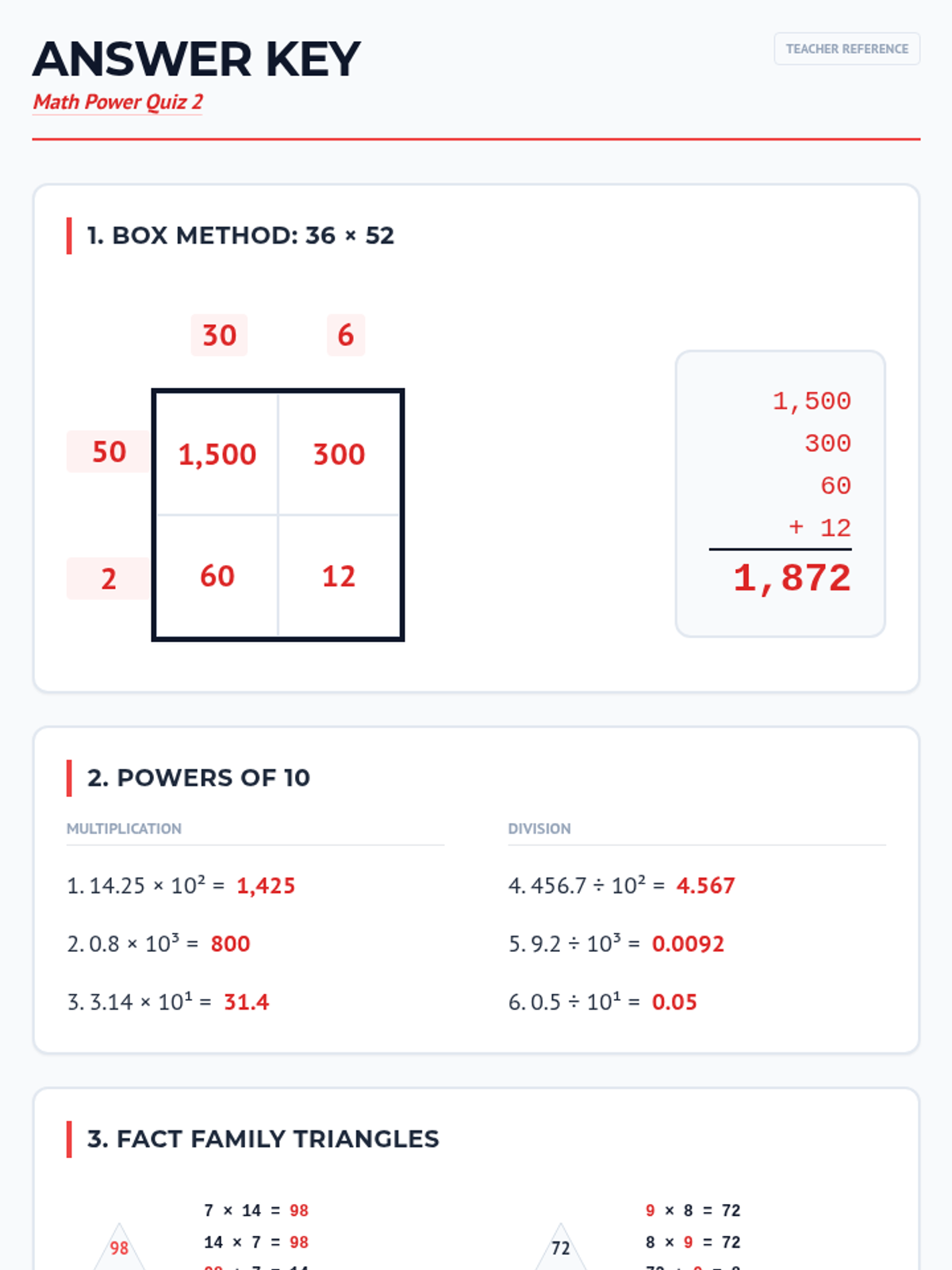
A comprehensive review lesson covering multi-digit multiplication, circle geometry, fact families, and decimal operations with powers of ten.
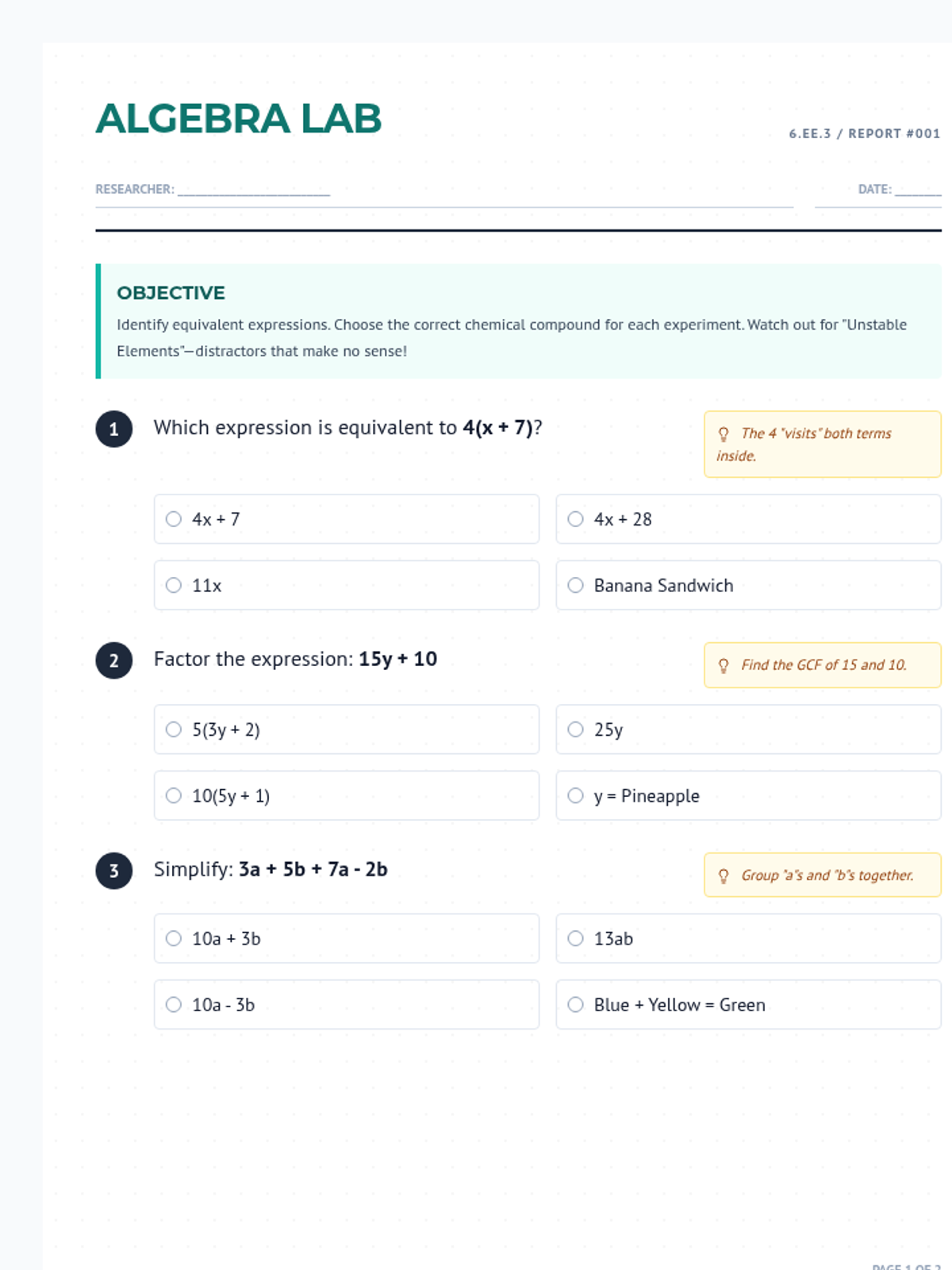
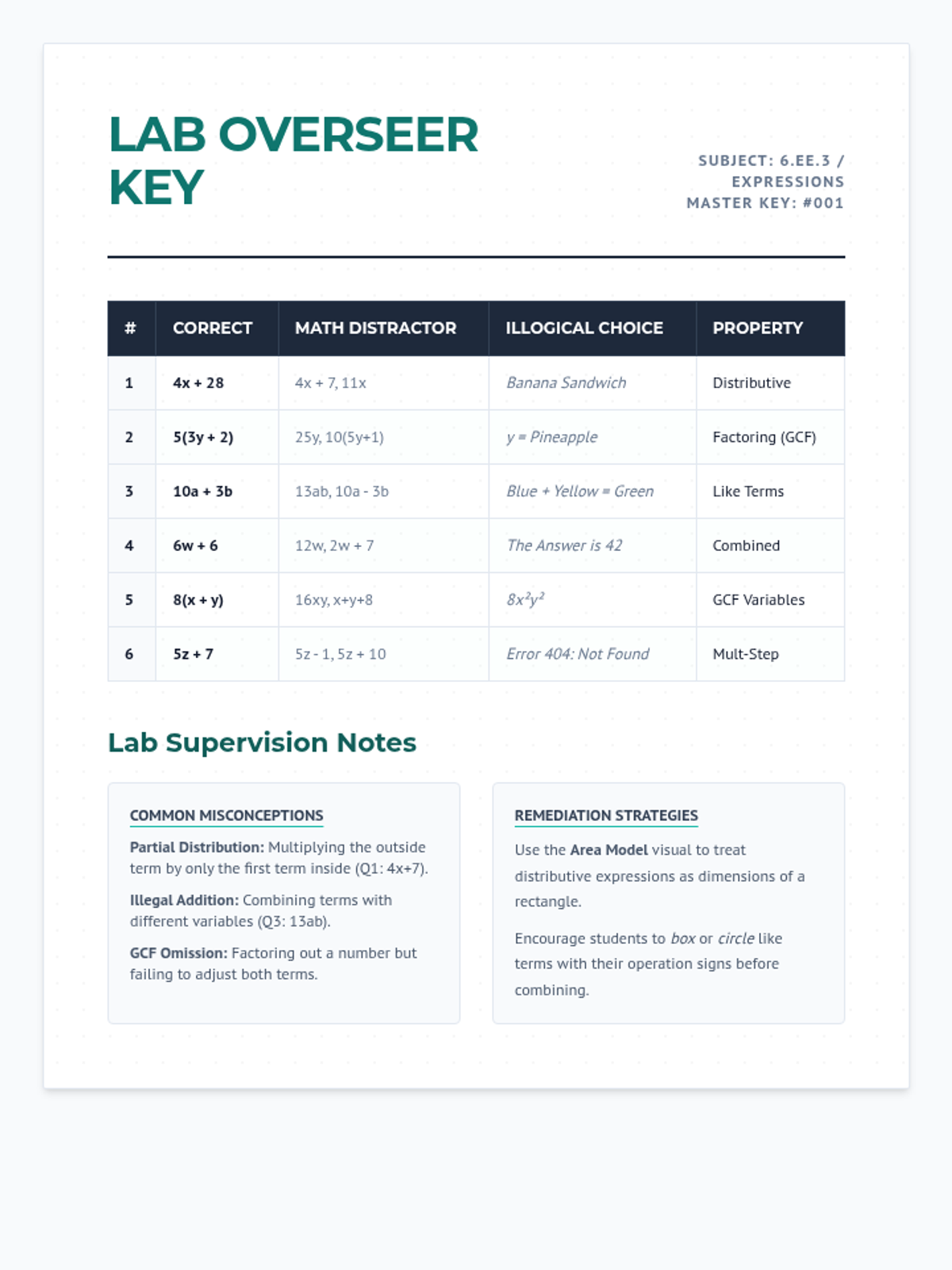
A practice-focused lesson on applying the properties of operations to create equivalent expressions, featuring a unique 'Algebra Lab' theme.
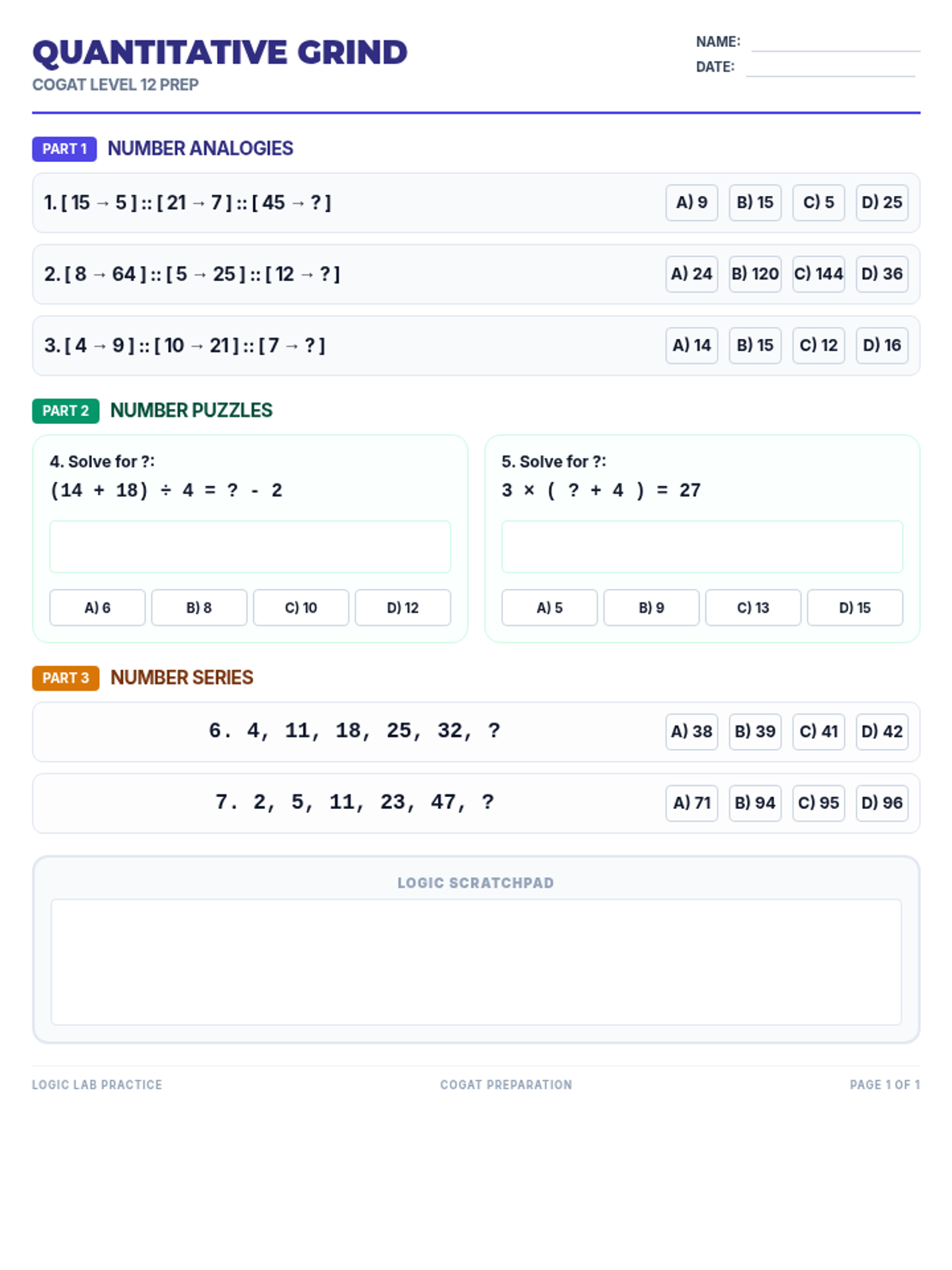
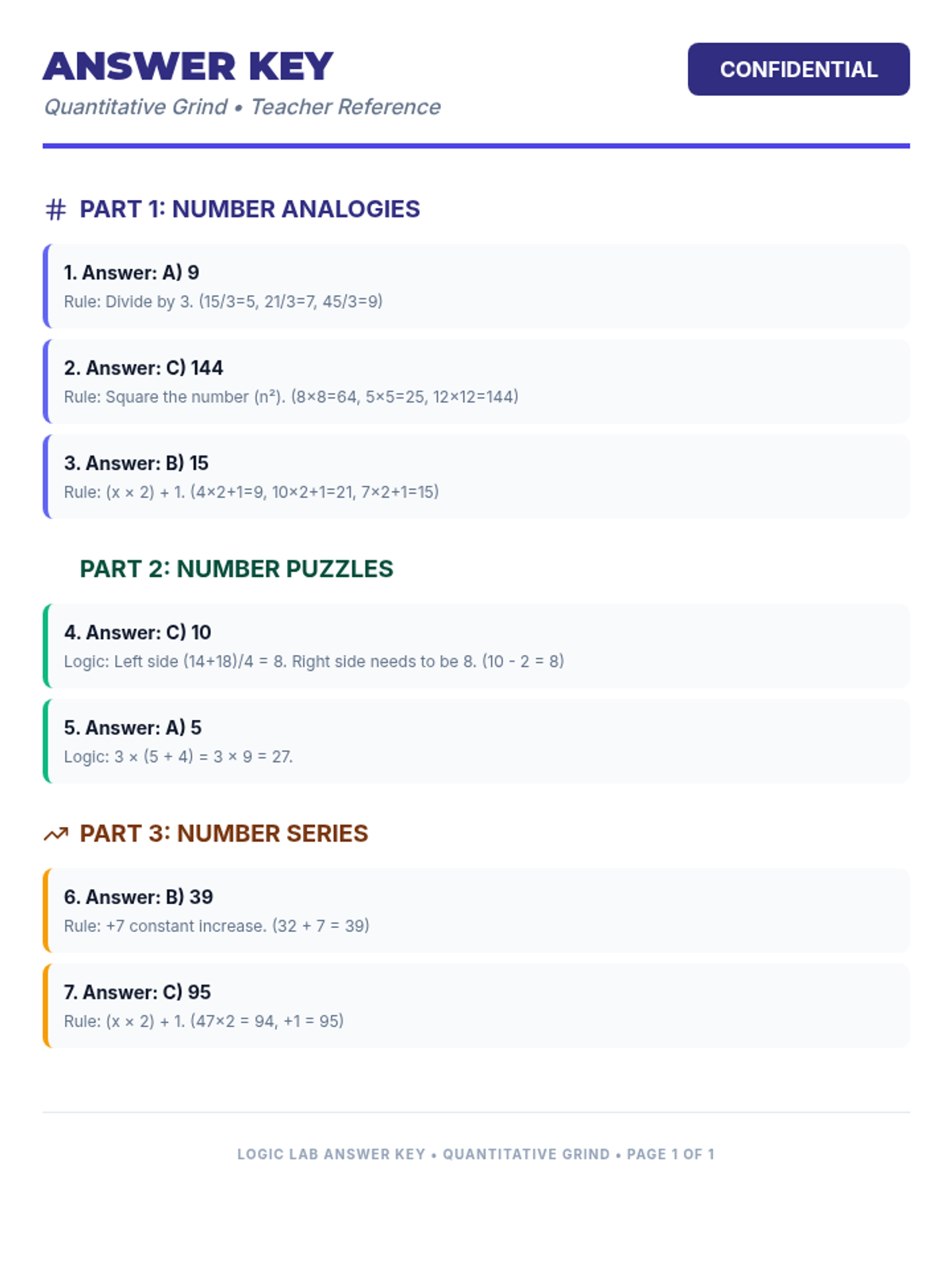
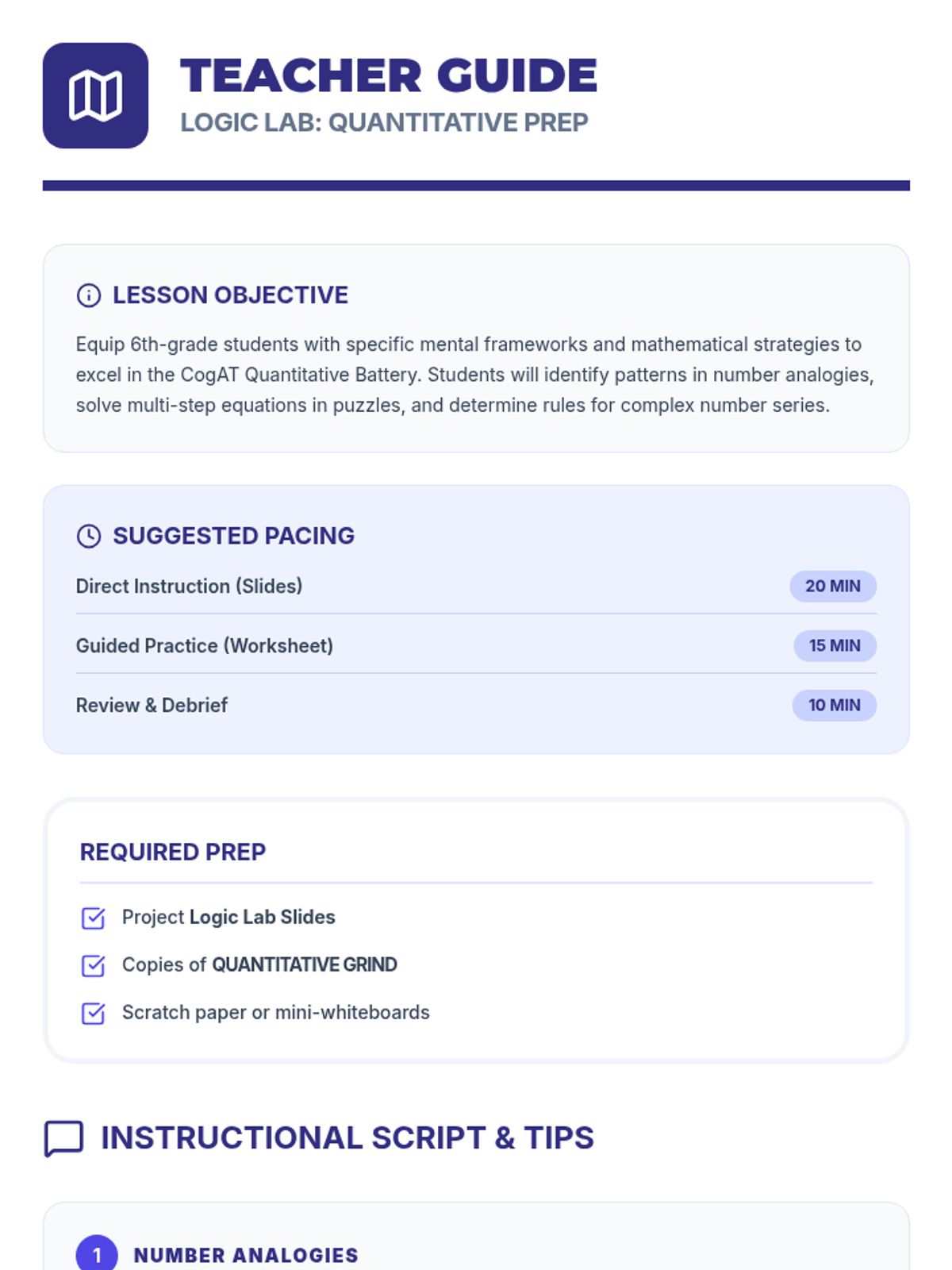
A comprehensive prep session for the 6th-grade CogAT Quantitative battery, focusing on Number Analogies, Number Puzzles, and Number Series through guided strategies and practice.
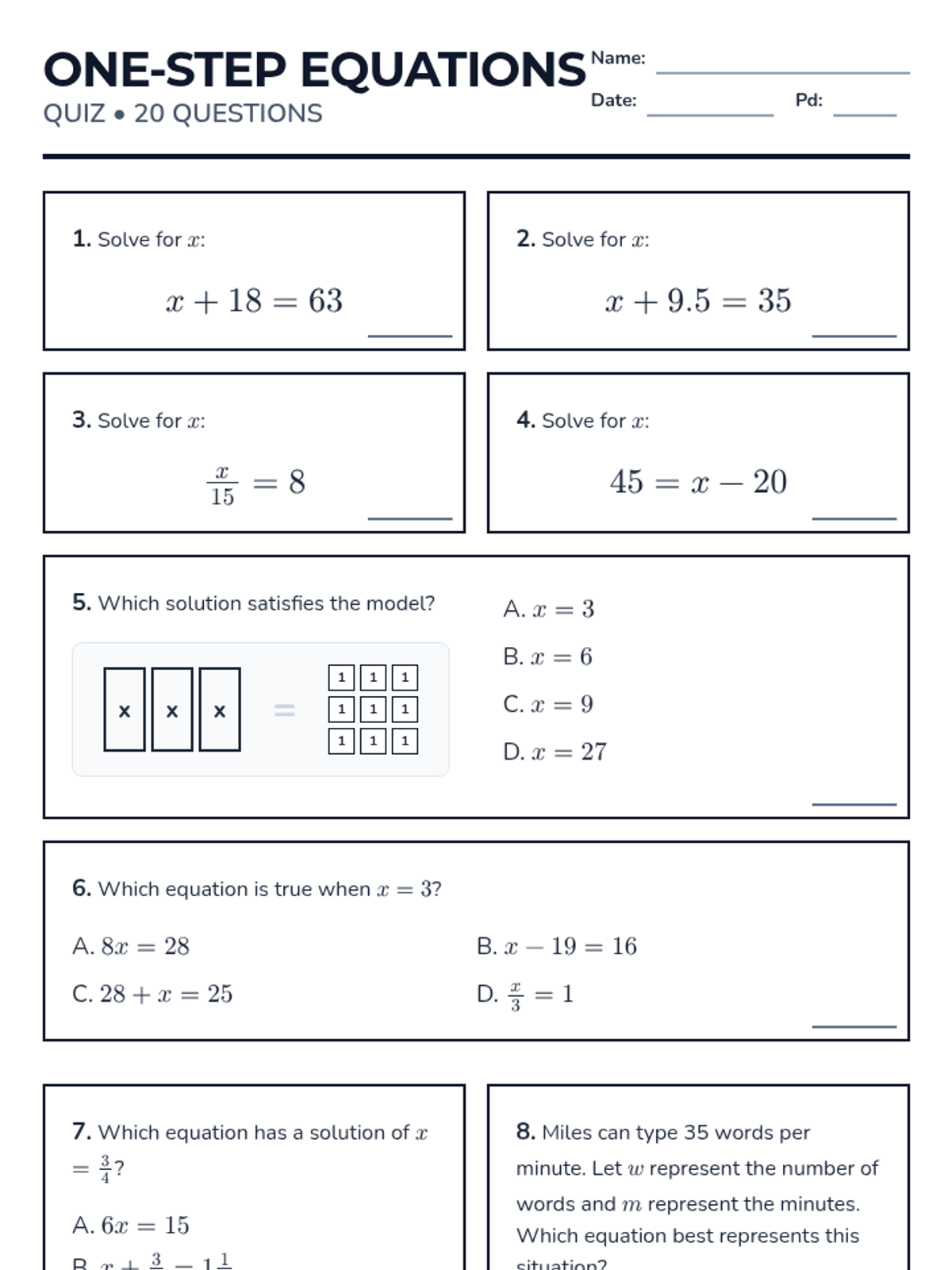
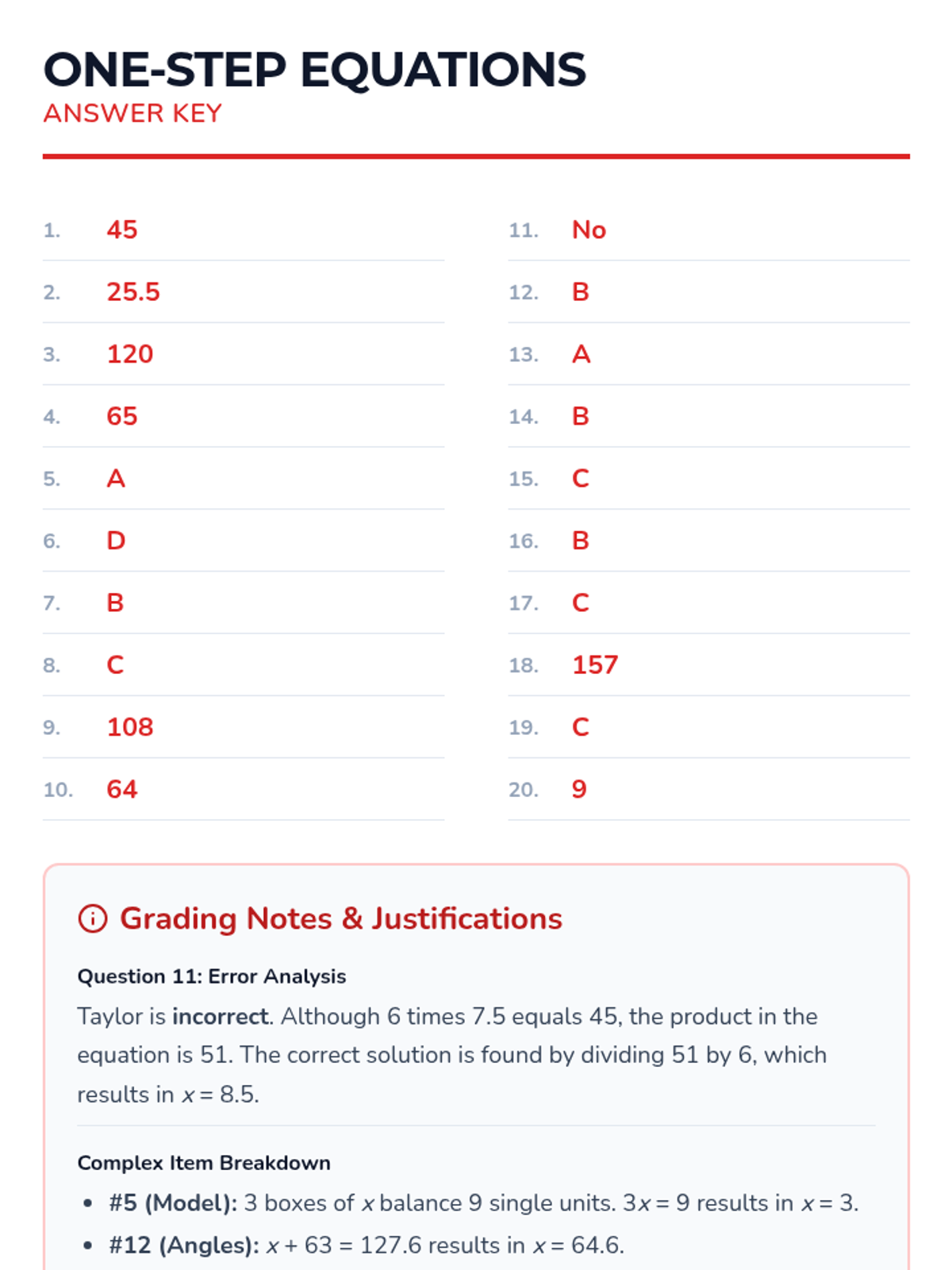
A comprehensive lesson on solving one-step equations using addition, subtraction, multiplication, and division, featuring visual models and real-world applications.
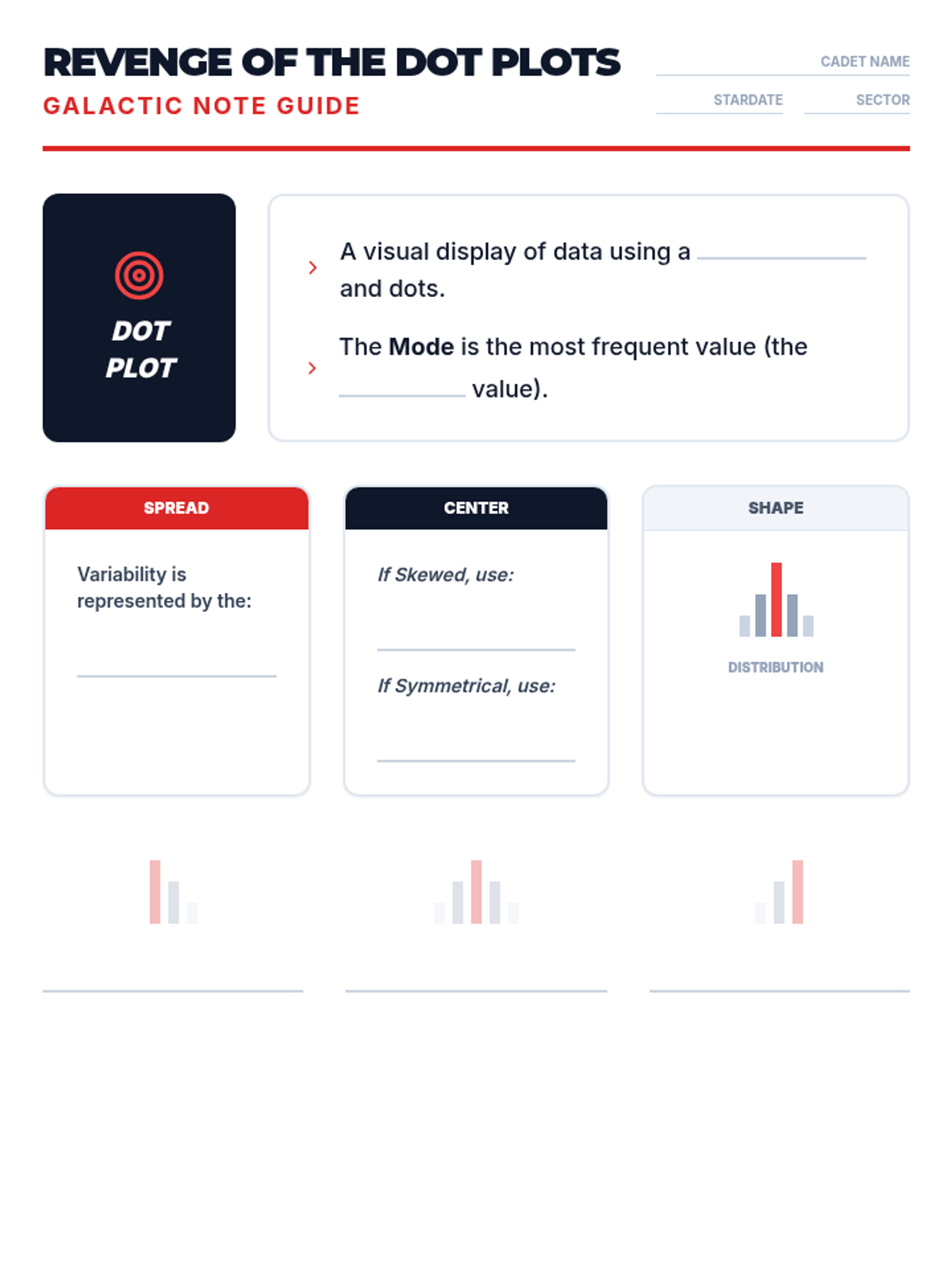
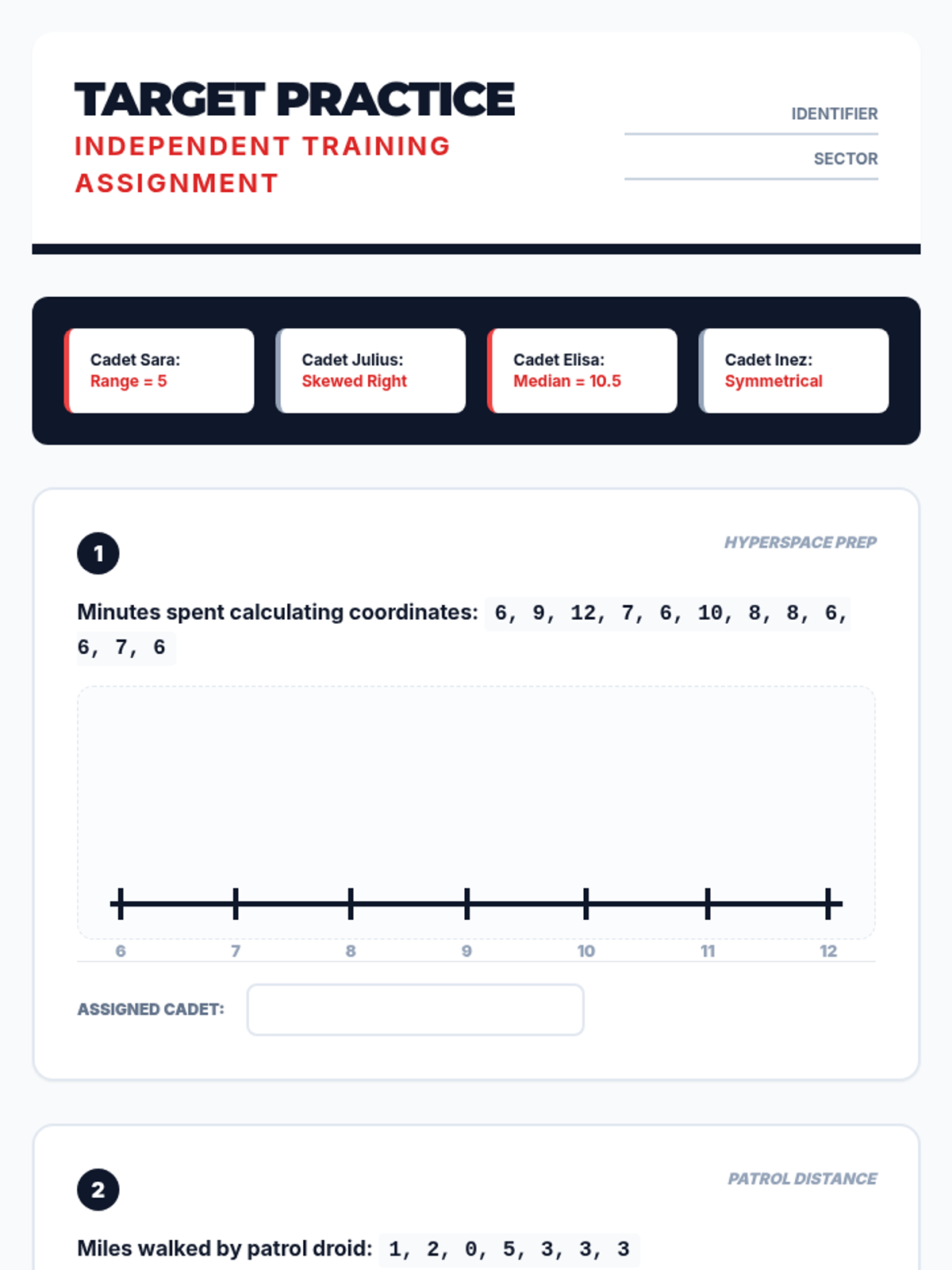
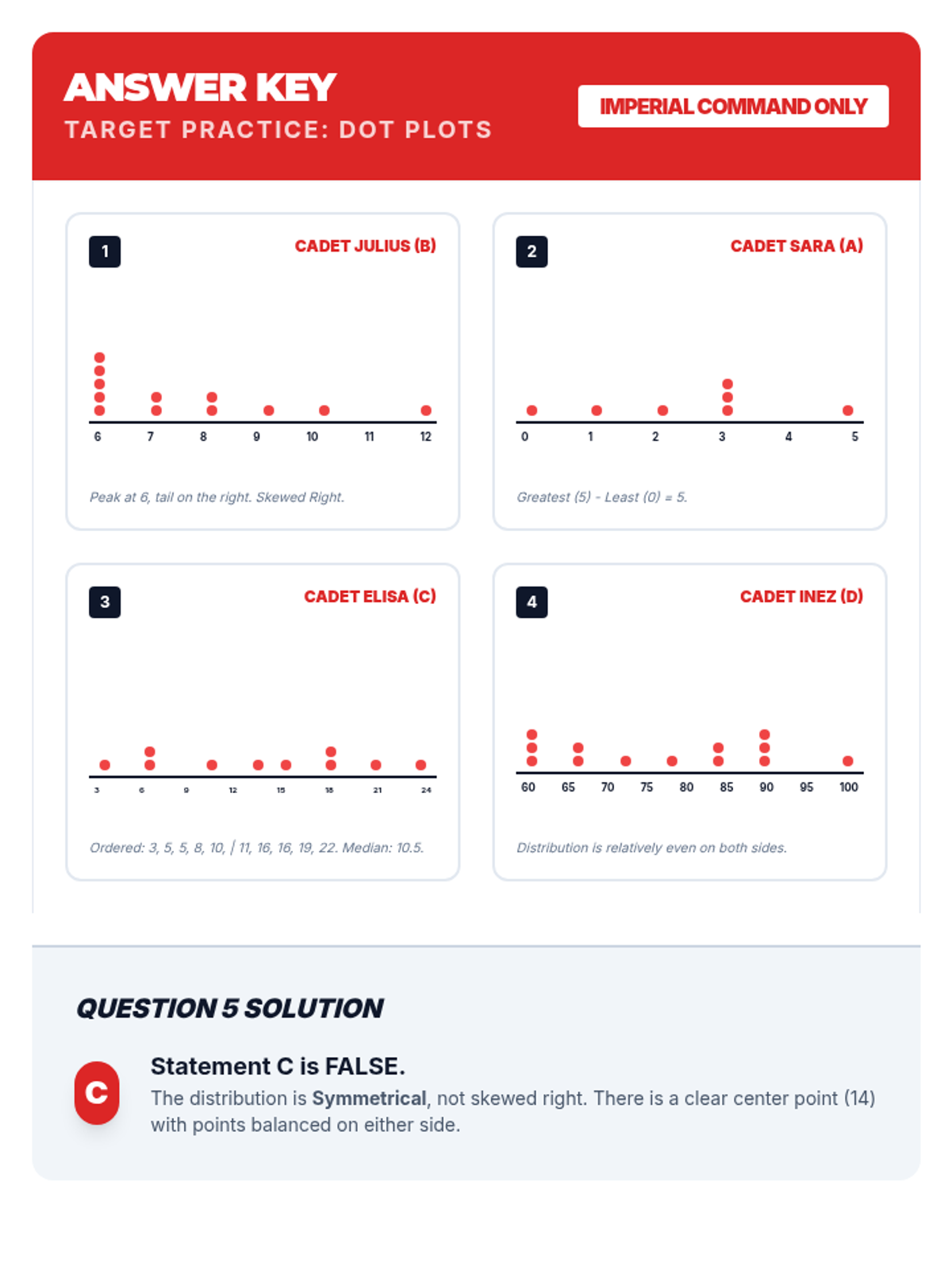
A Star Wars-themed lesson on Data and Statistics focusing on creating and interpreting dot plots, featuring Stormtrooper accuracy data and galactic scenarios.
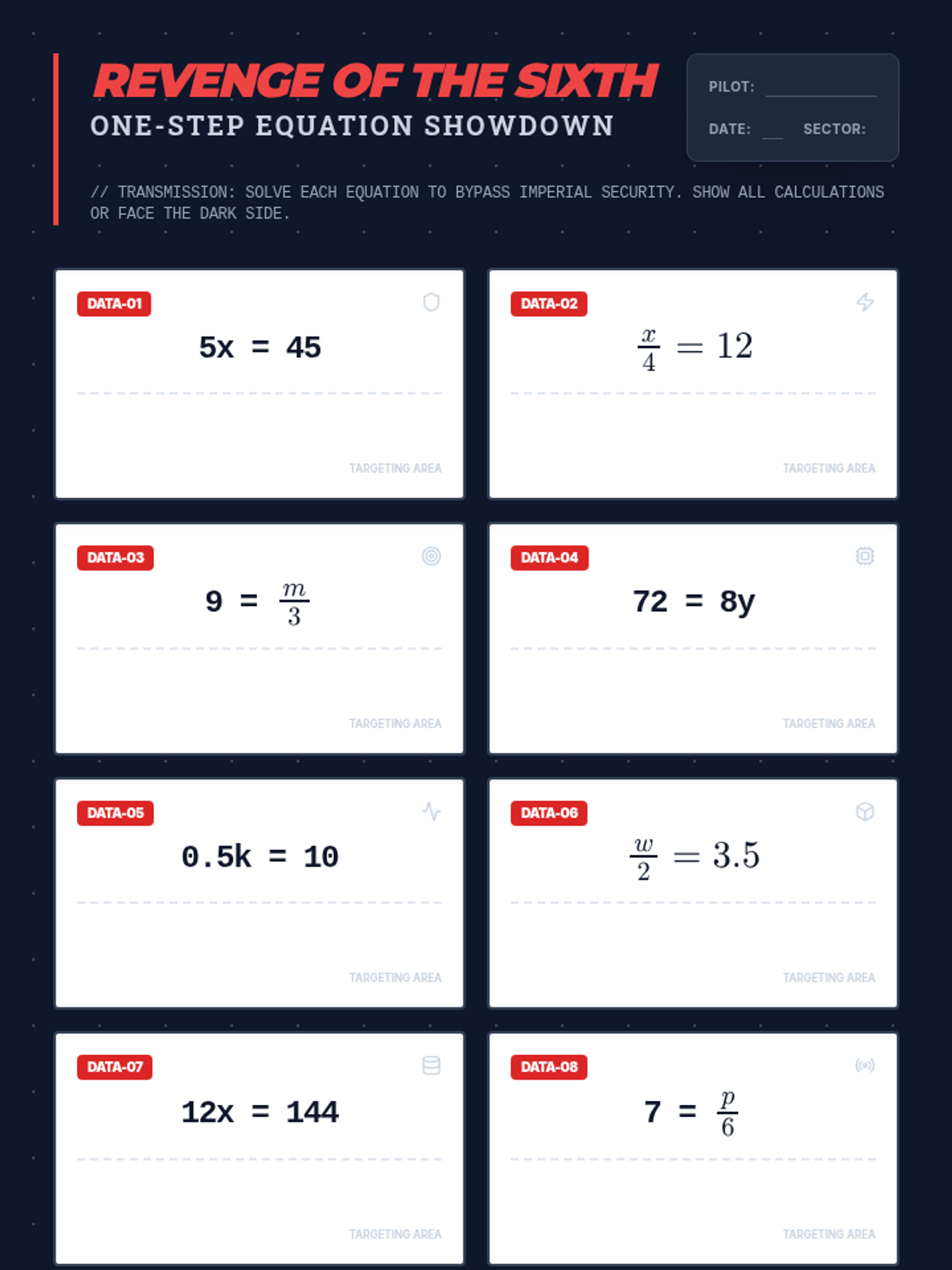
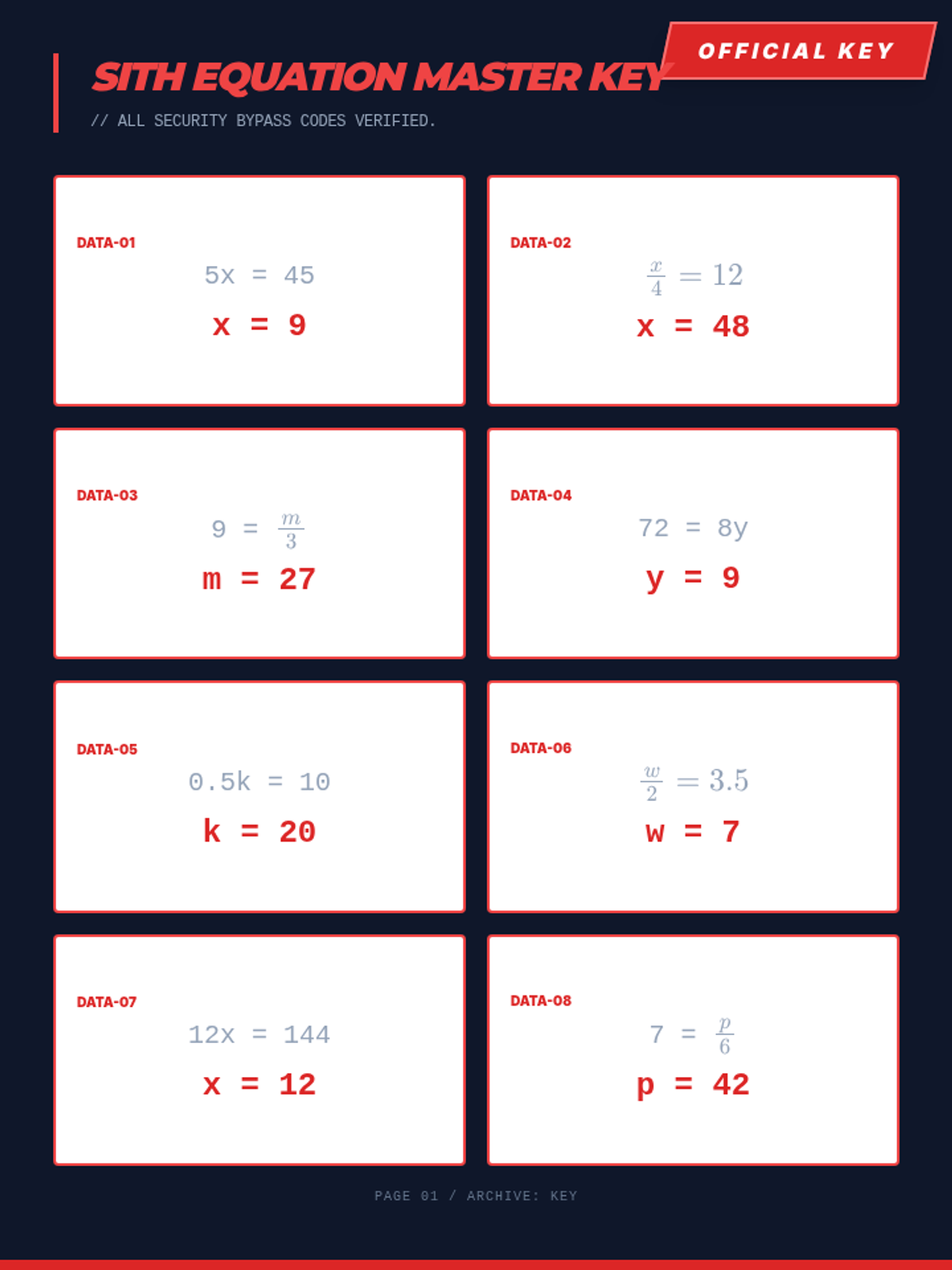
A Star Wars-themed assessment focused on one-step equations, styled with a "Revenge of the Sixth" Imperial aesthetic. Students solve multiplication, division, addition, and subtraction equations to restore order to the galaxy.
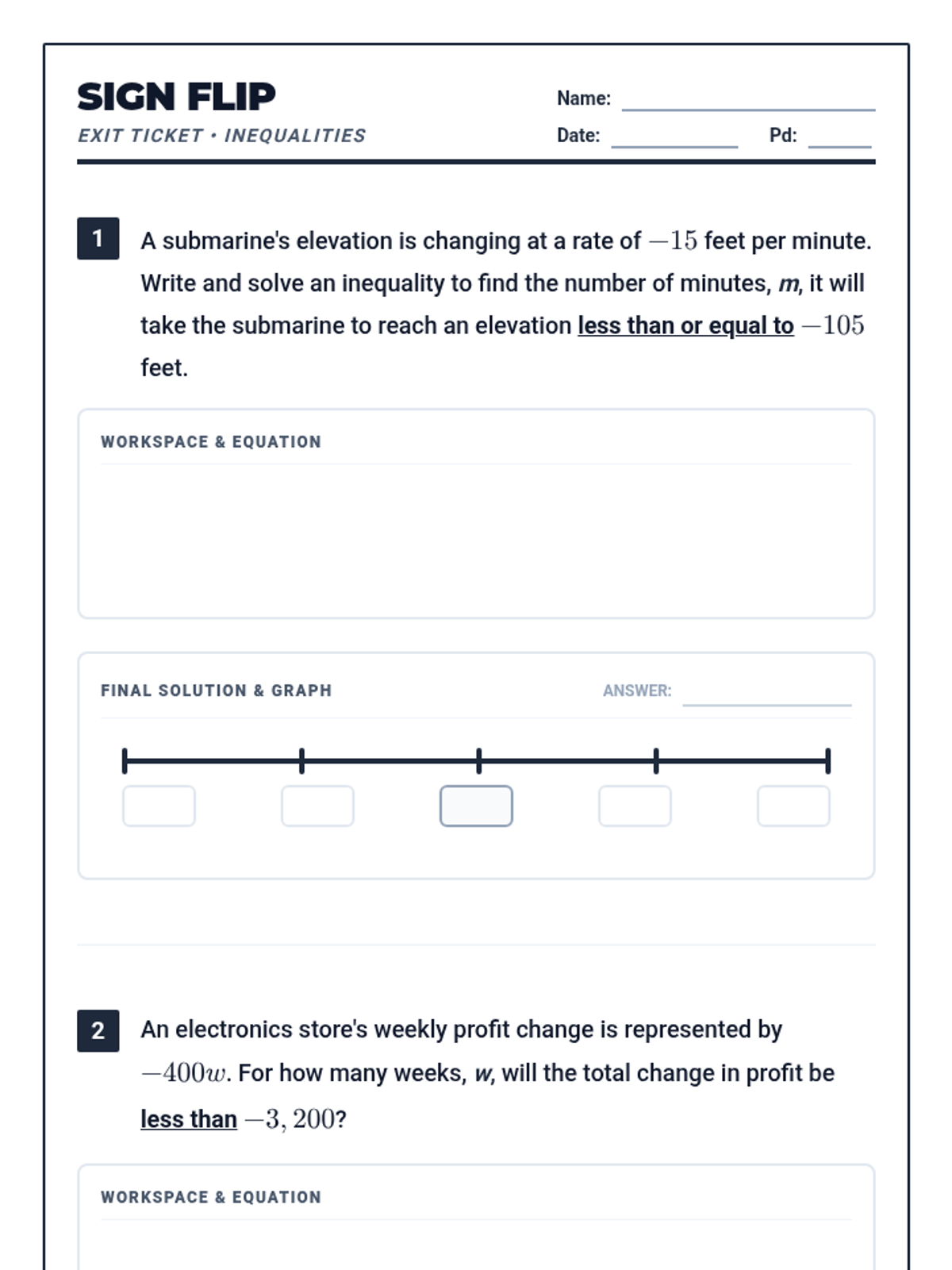
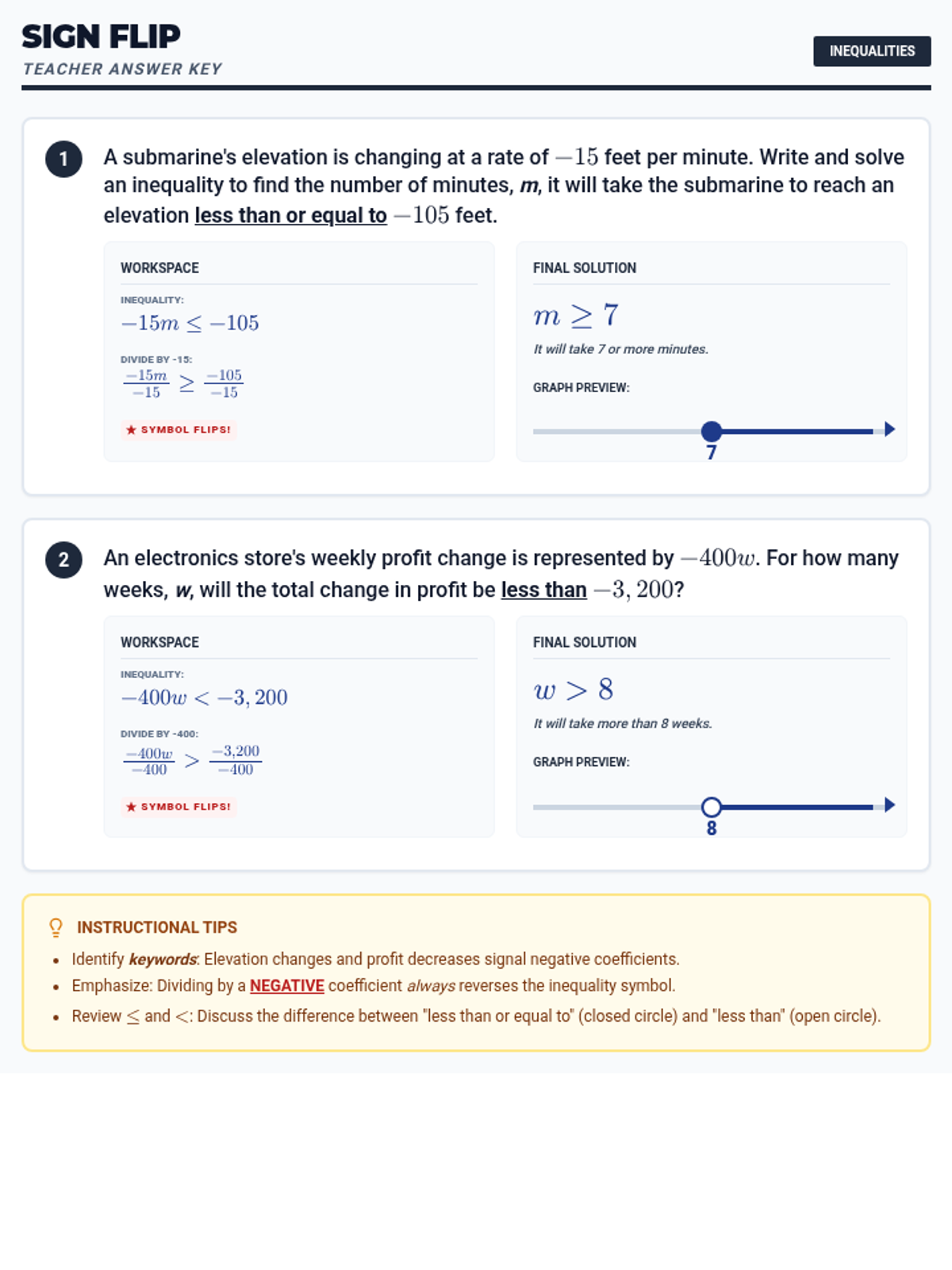
A lesson focused on solving one-step inequalities involving negative coefficients, emphasizing the "sign flip" rule through real-world problem solving.
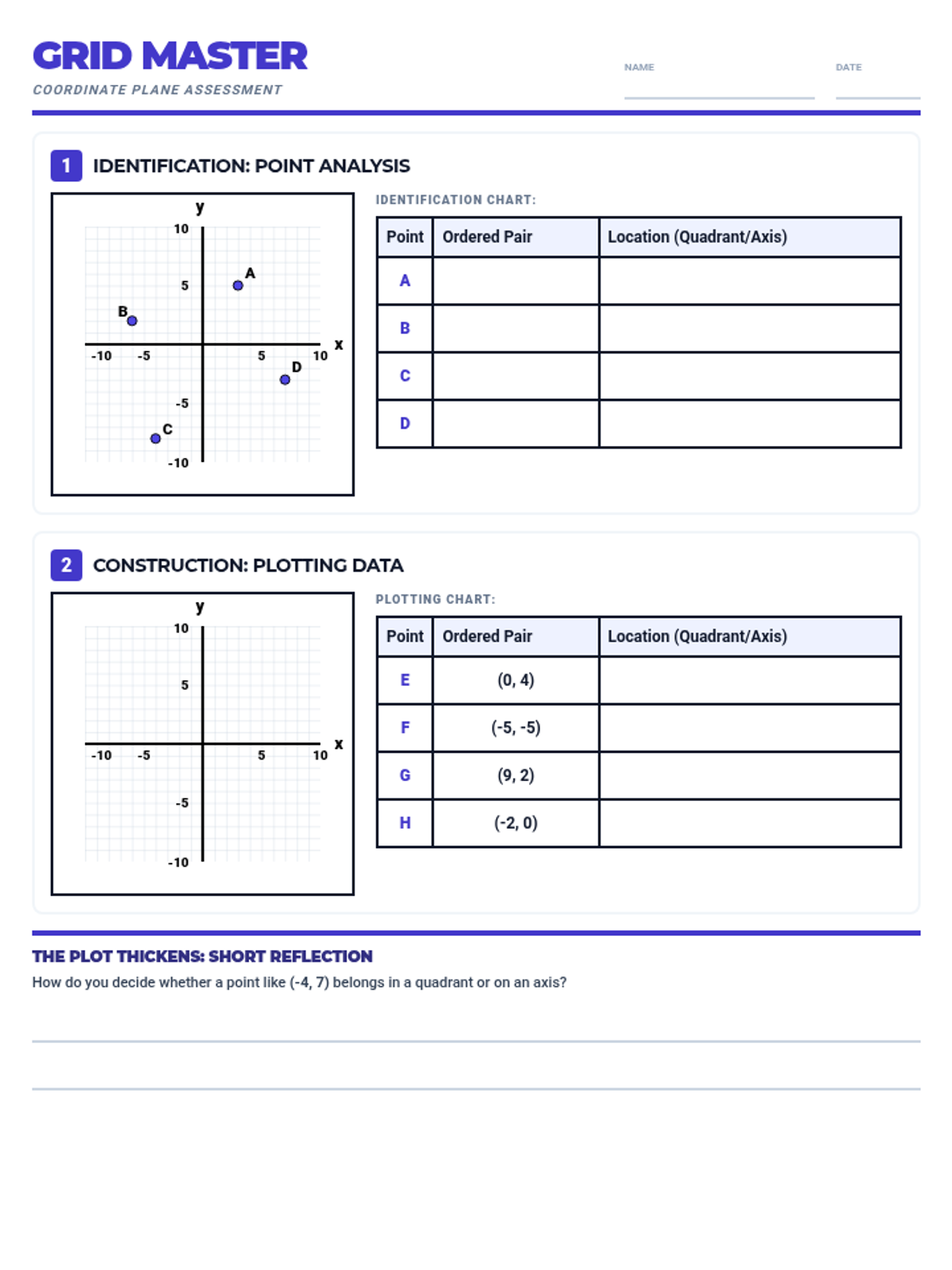
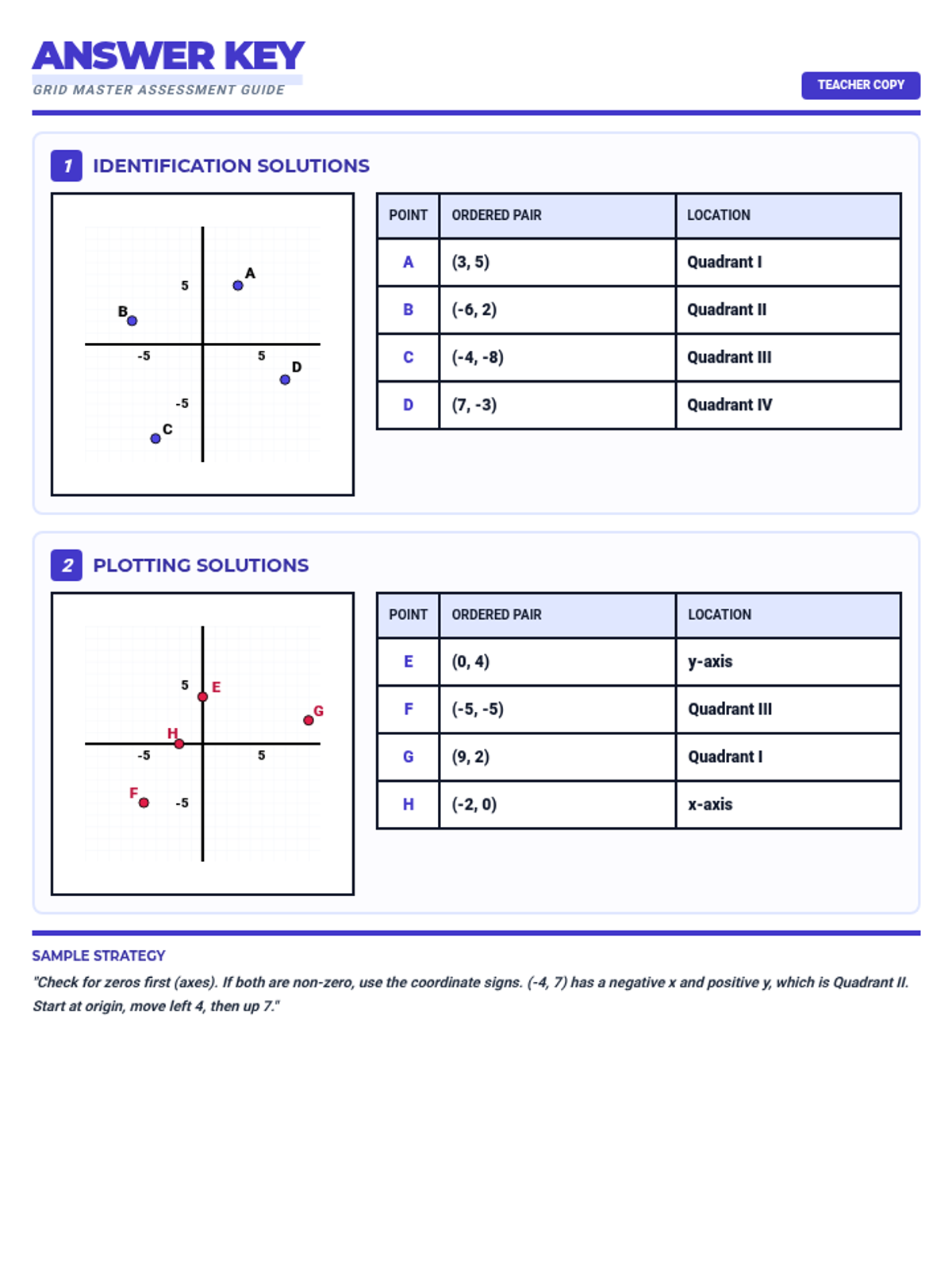
A quick assessment on identifying quadrants and plotting points on a four-quadrant coordinate plane.
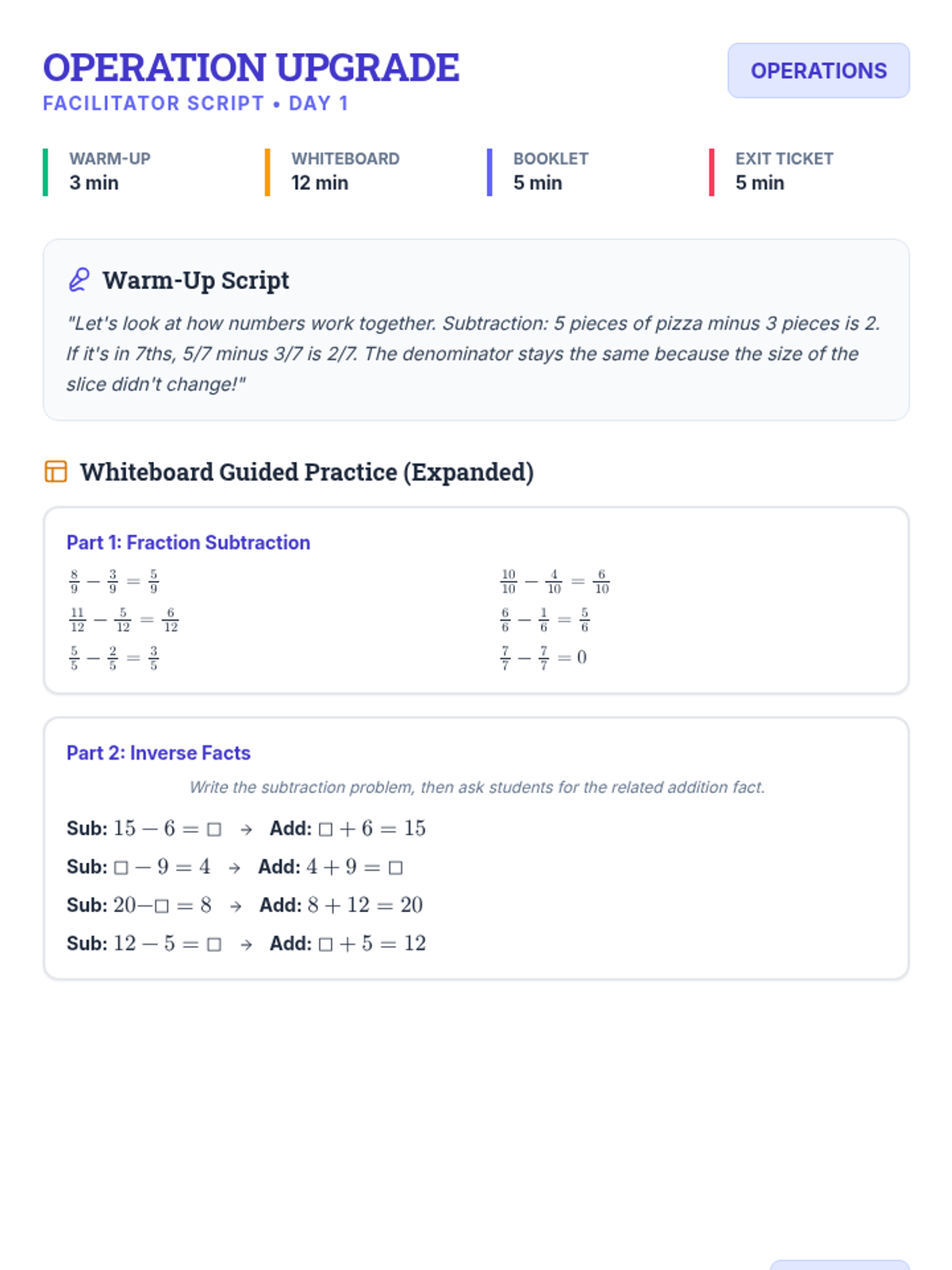
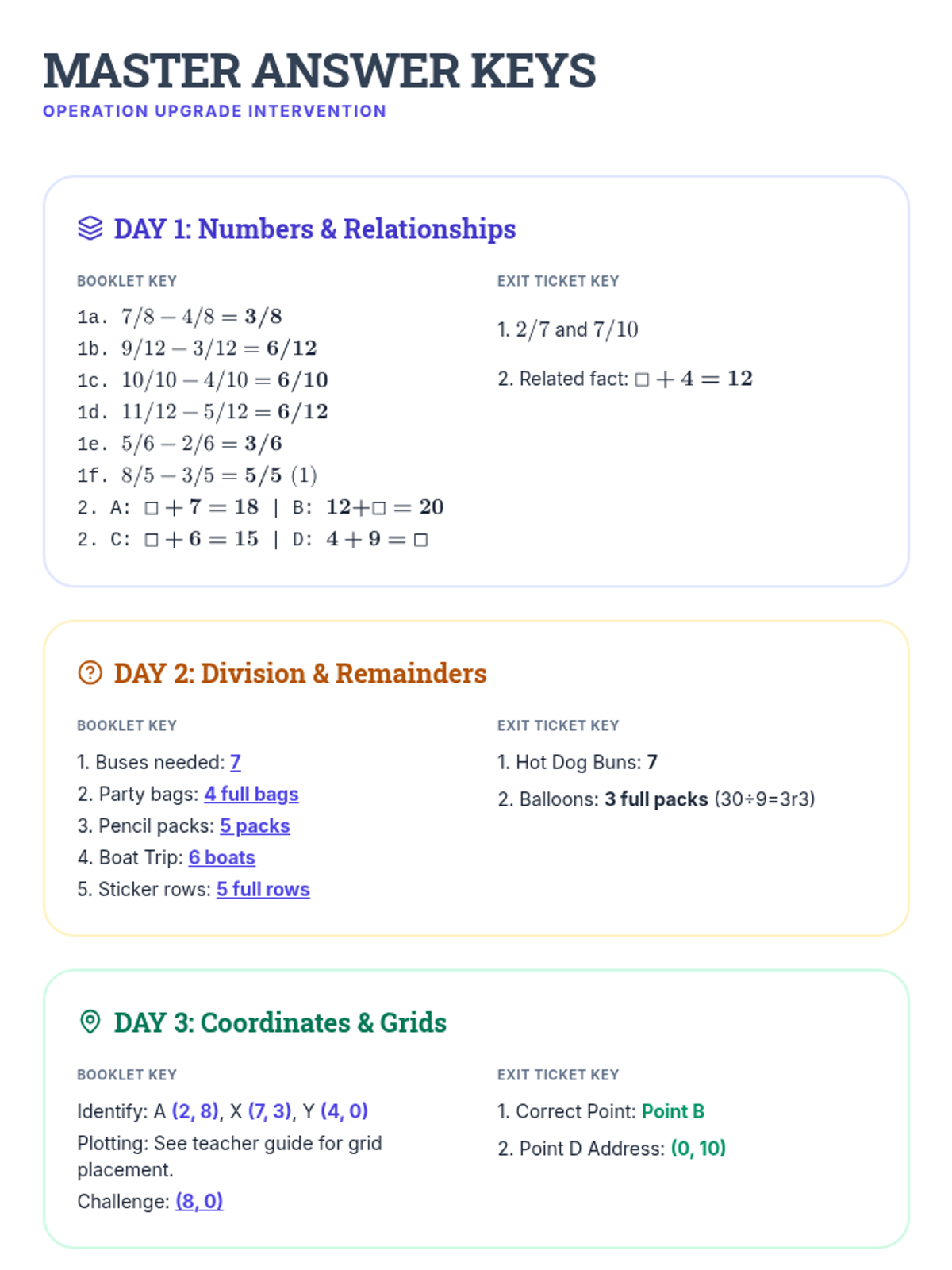
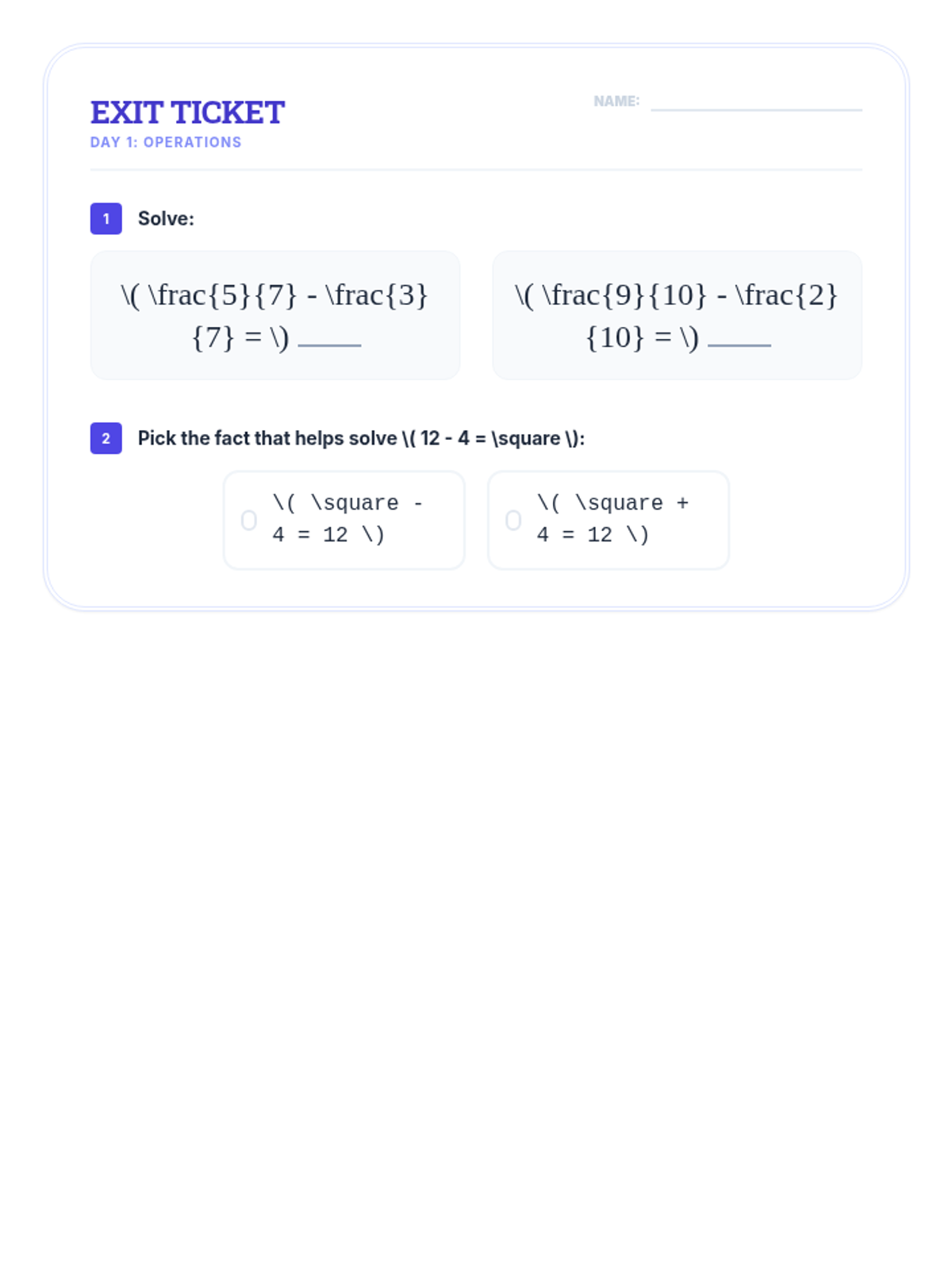
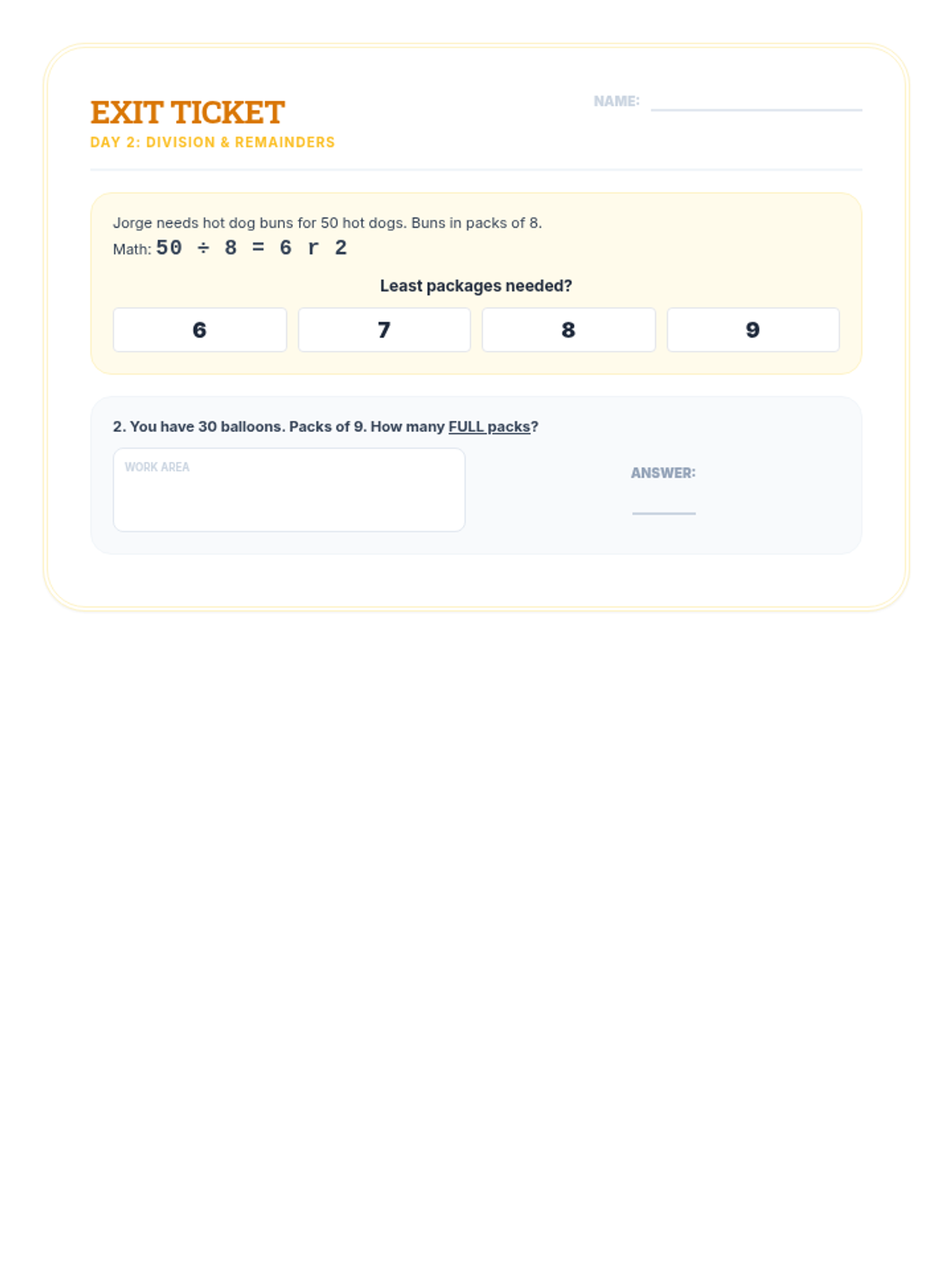
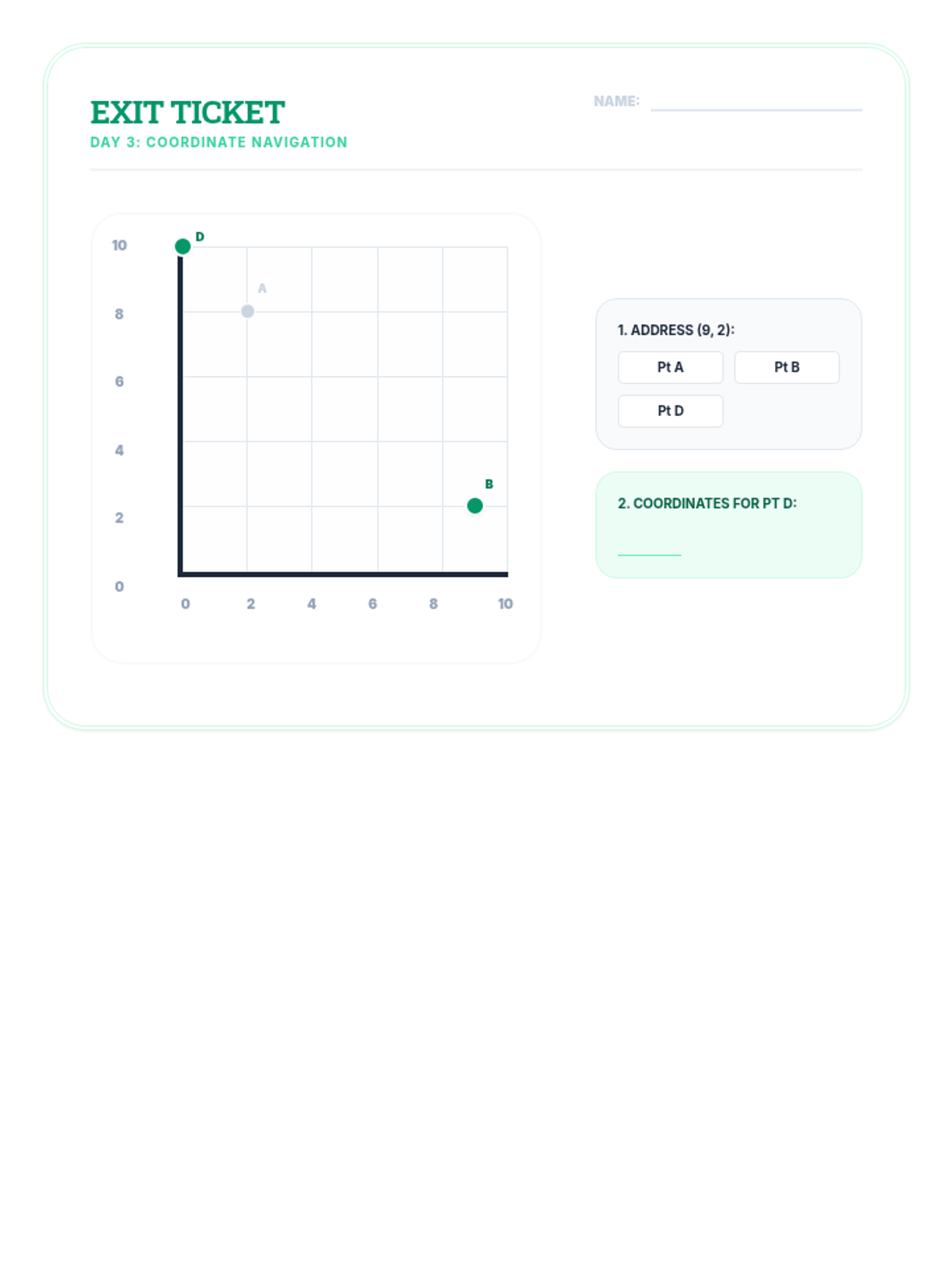
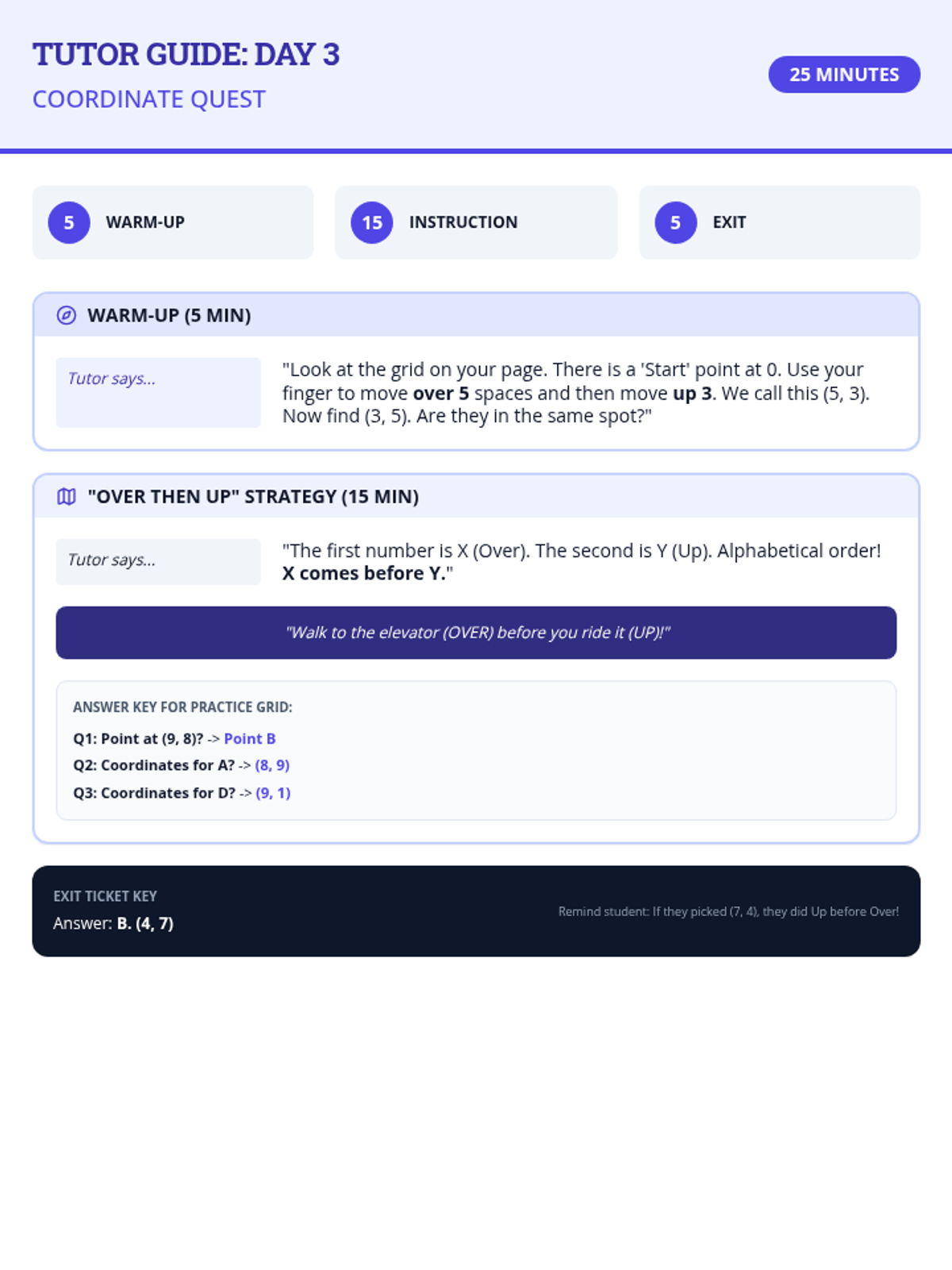
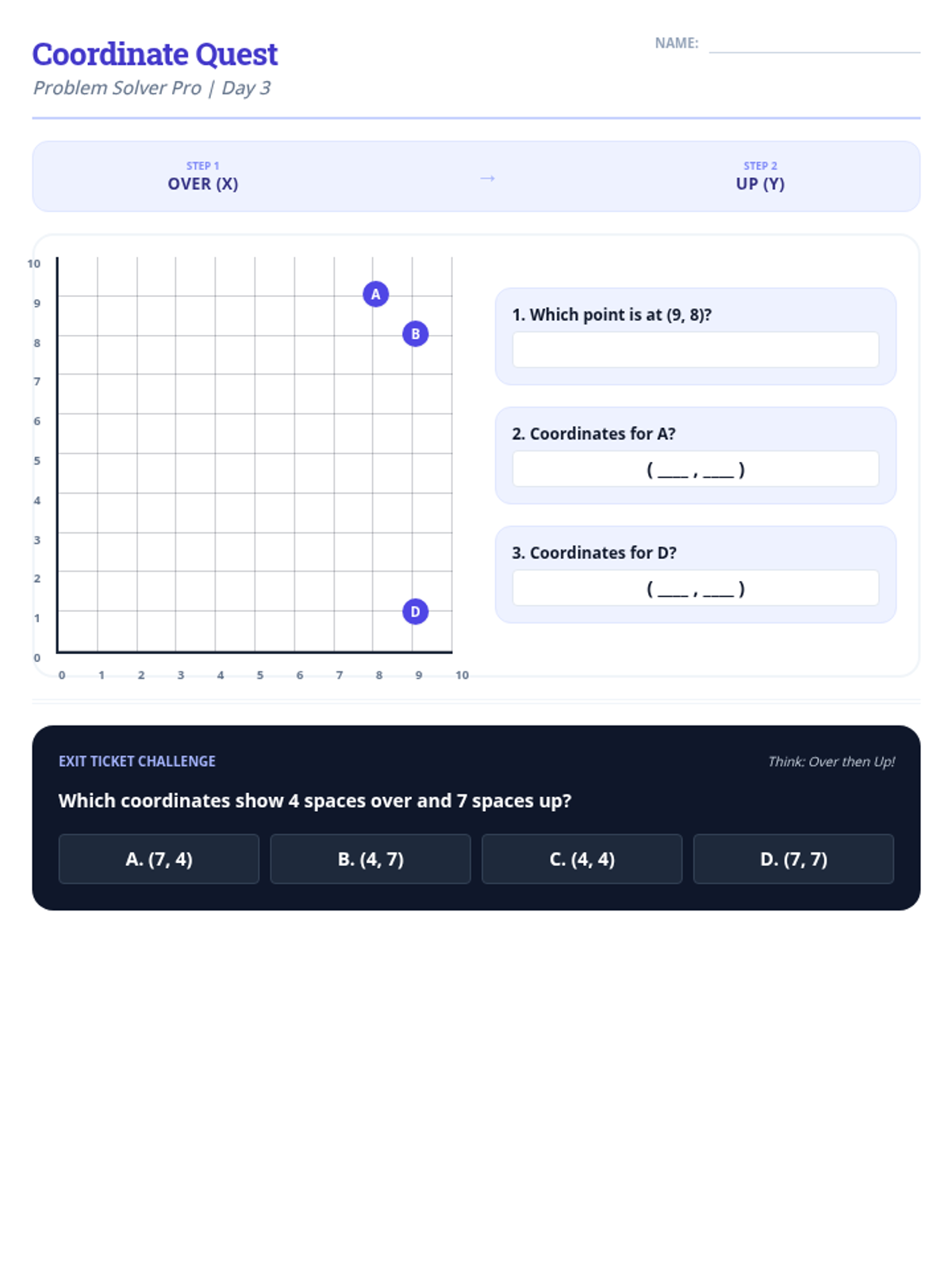
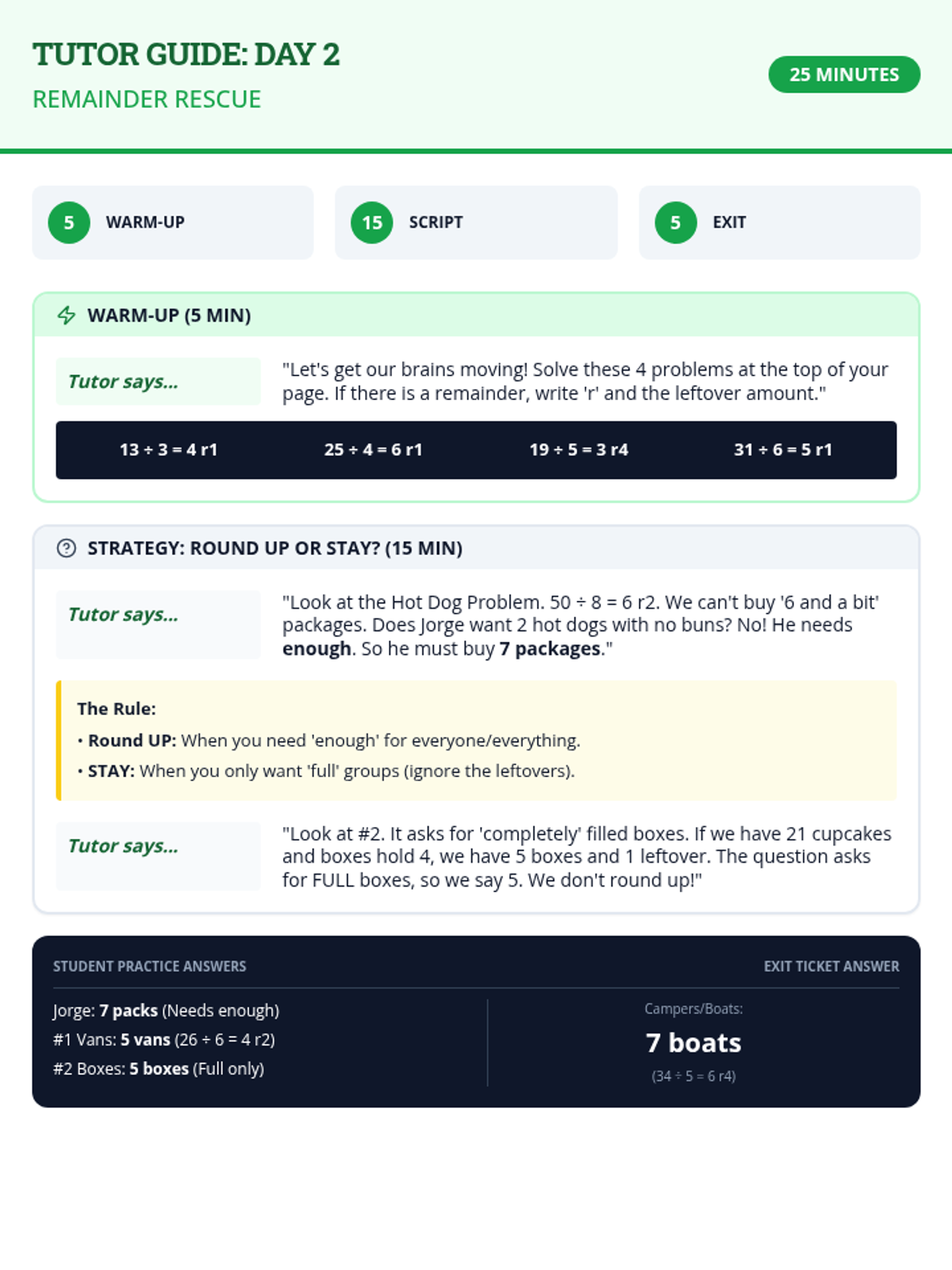
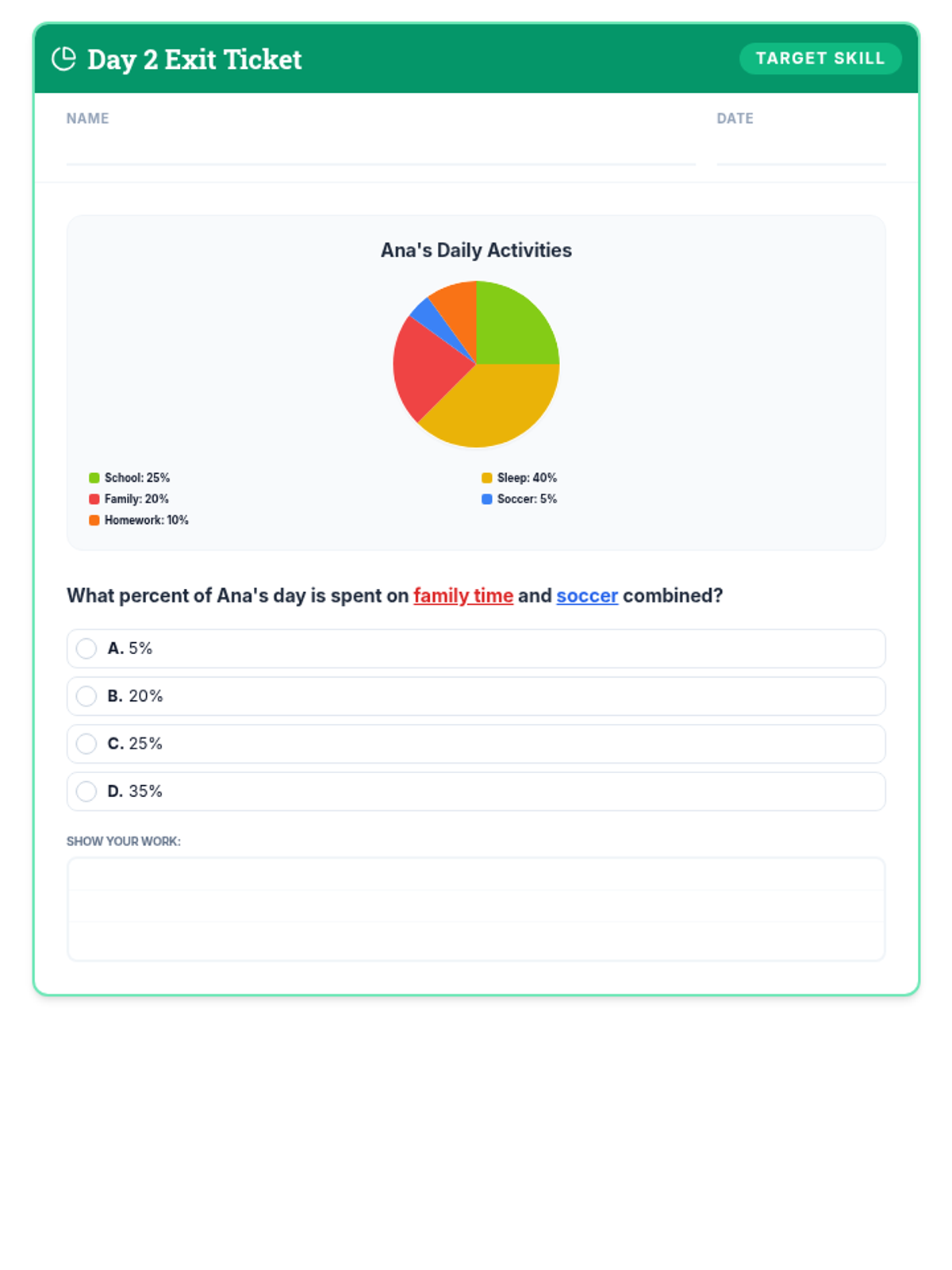
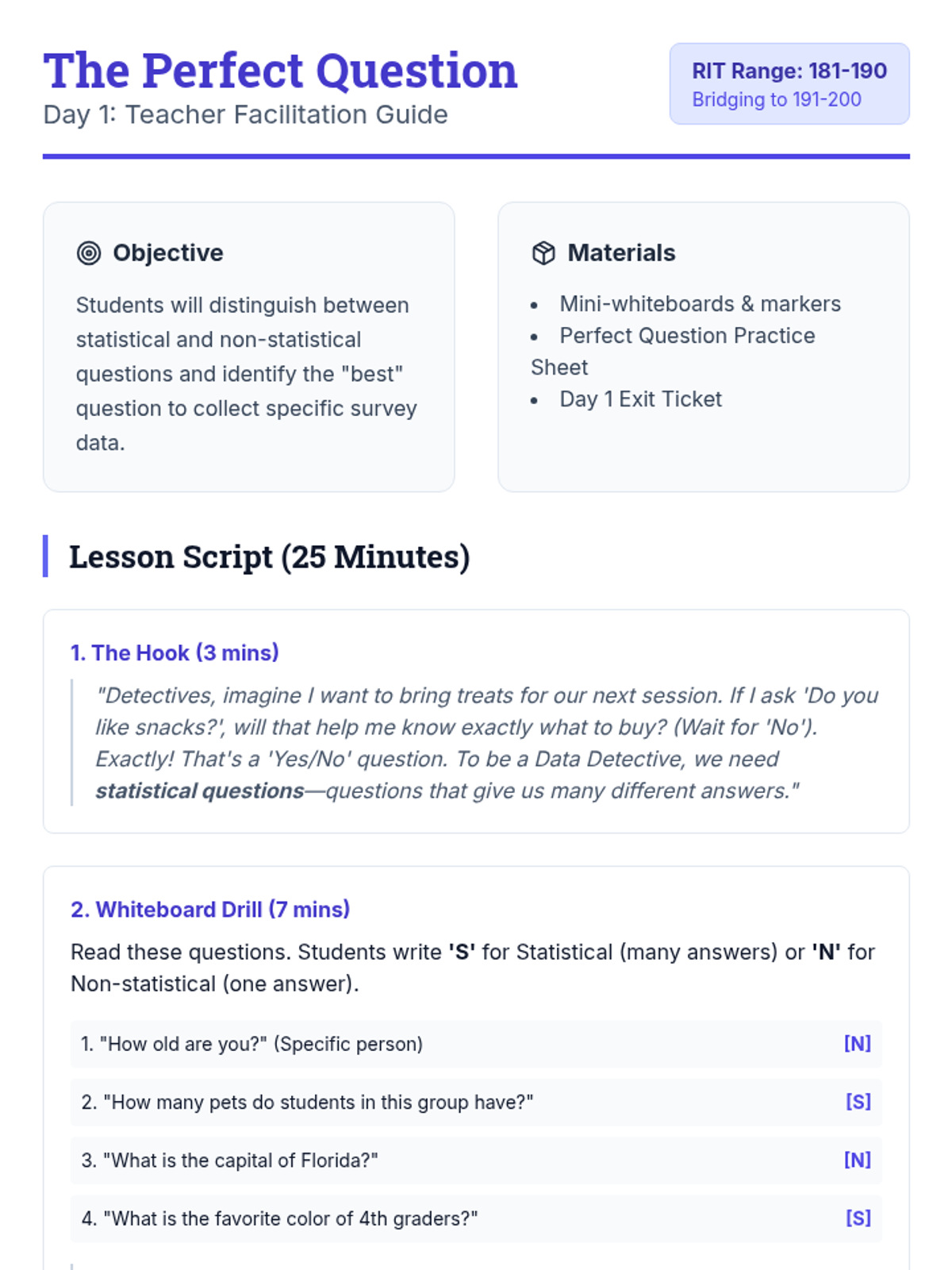
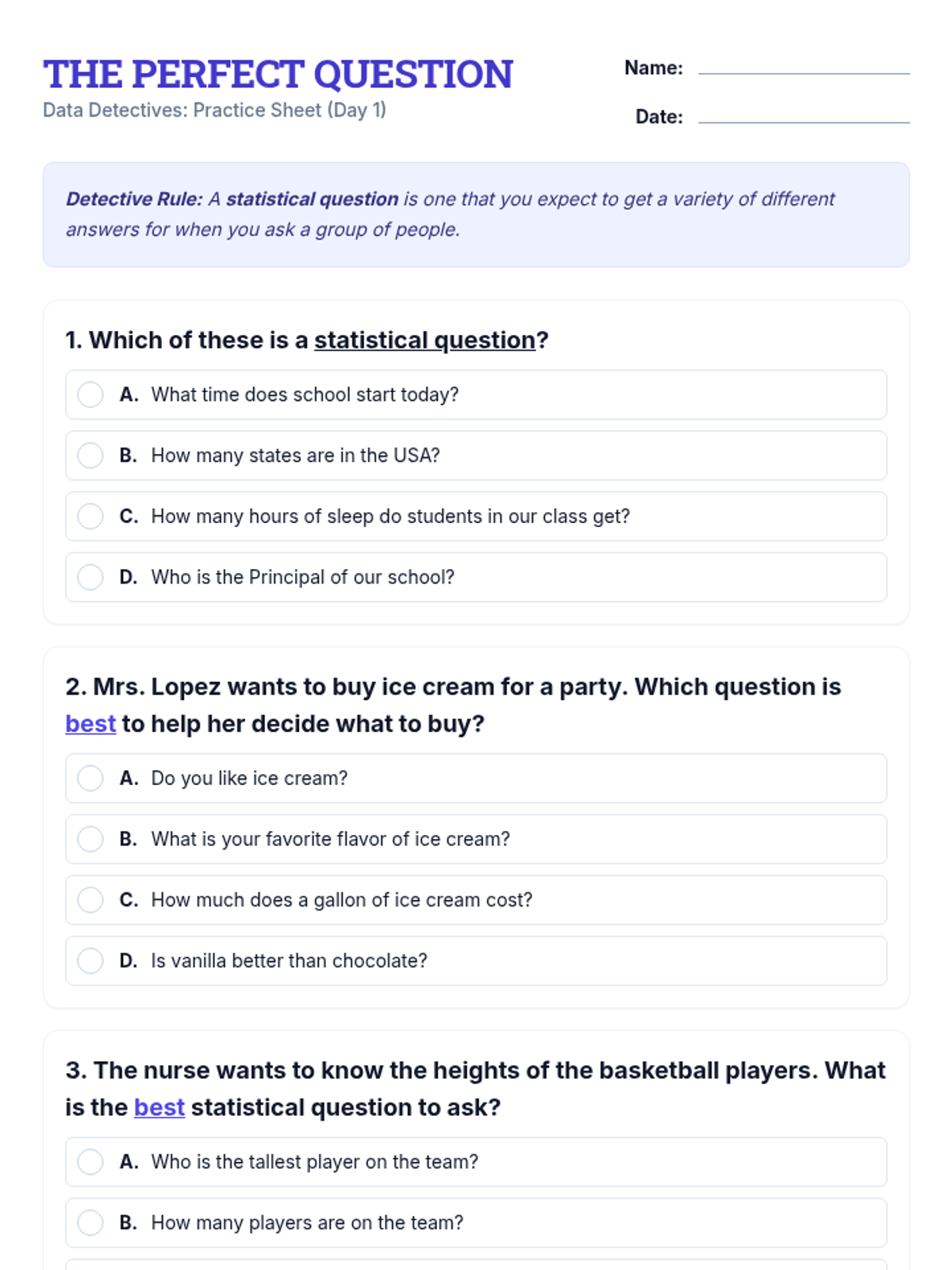
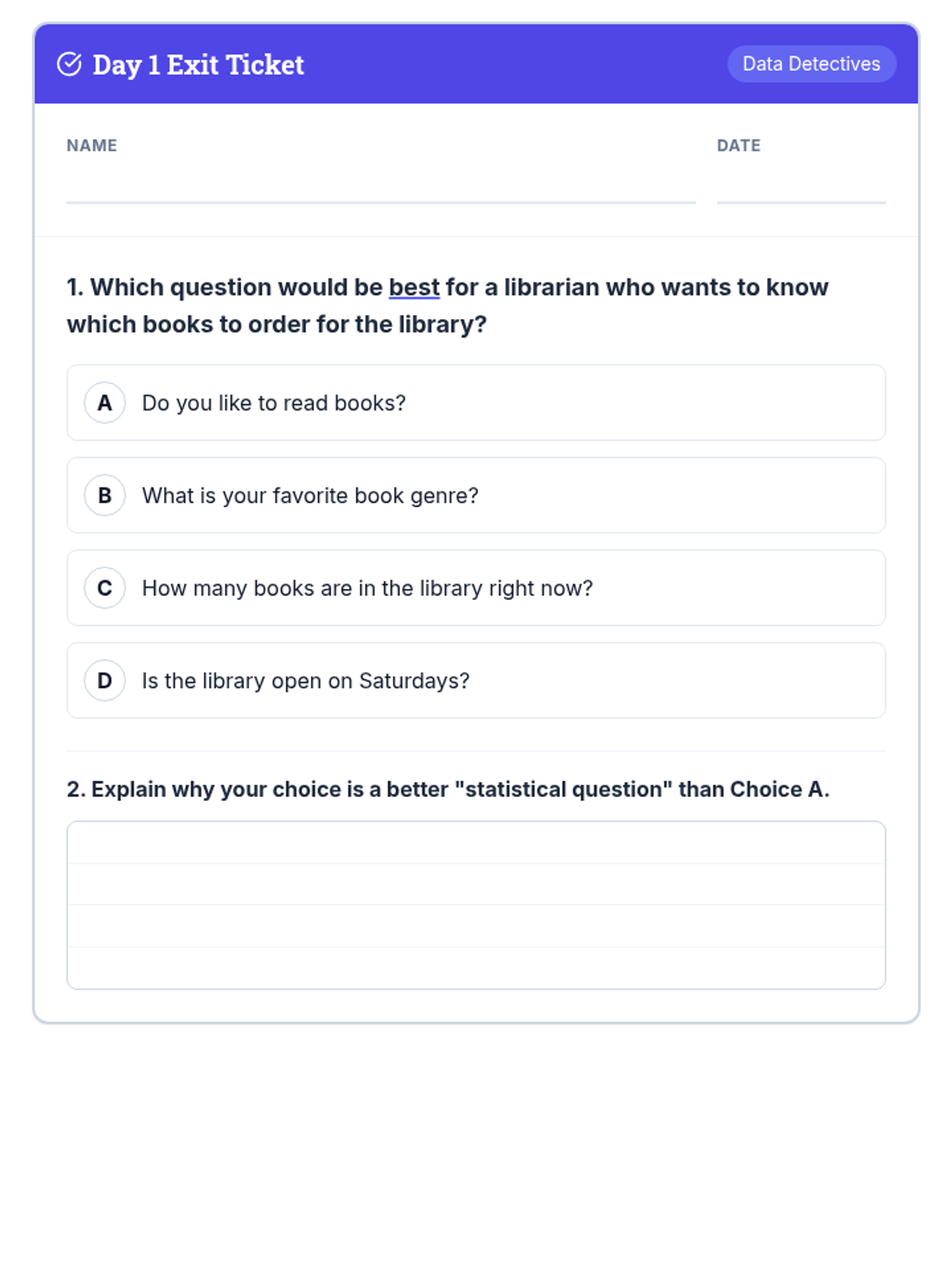
A 3-day small group intervention focused on RIT 191-210 skills: fraction subtraction, inverse operations, interpreting remainders, and coordinate plane graphing. Includes teacher scripts and student workbooks designed for 25-minute sessions without technology.
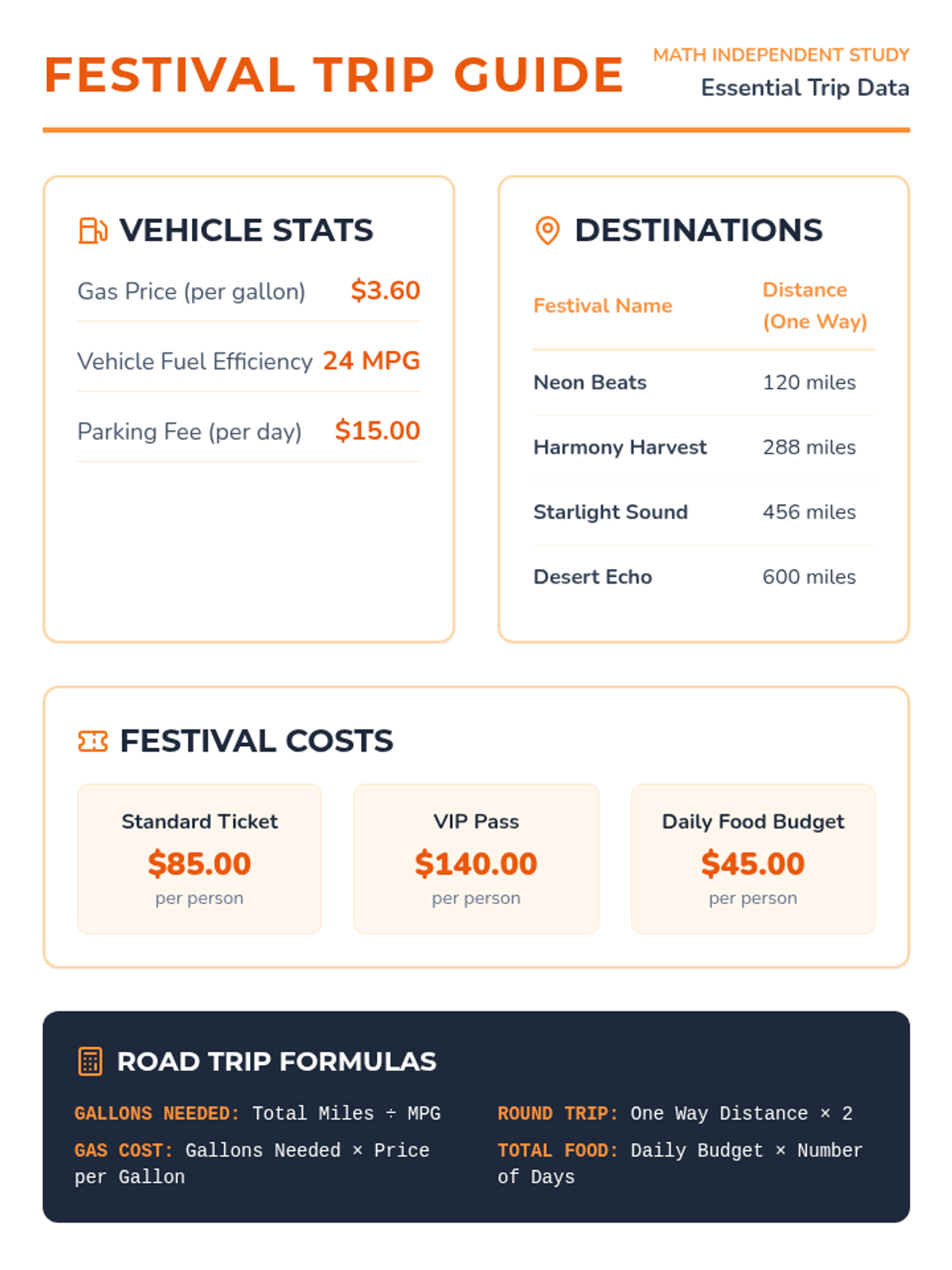
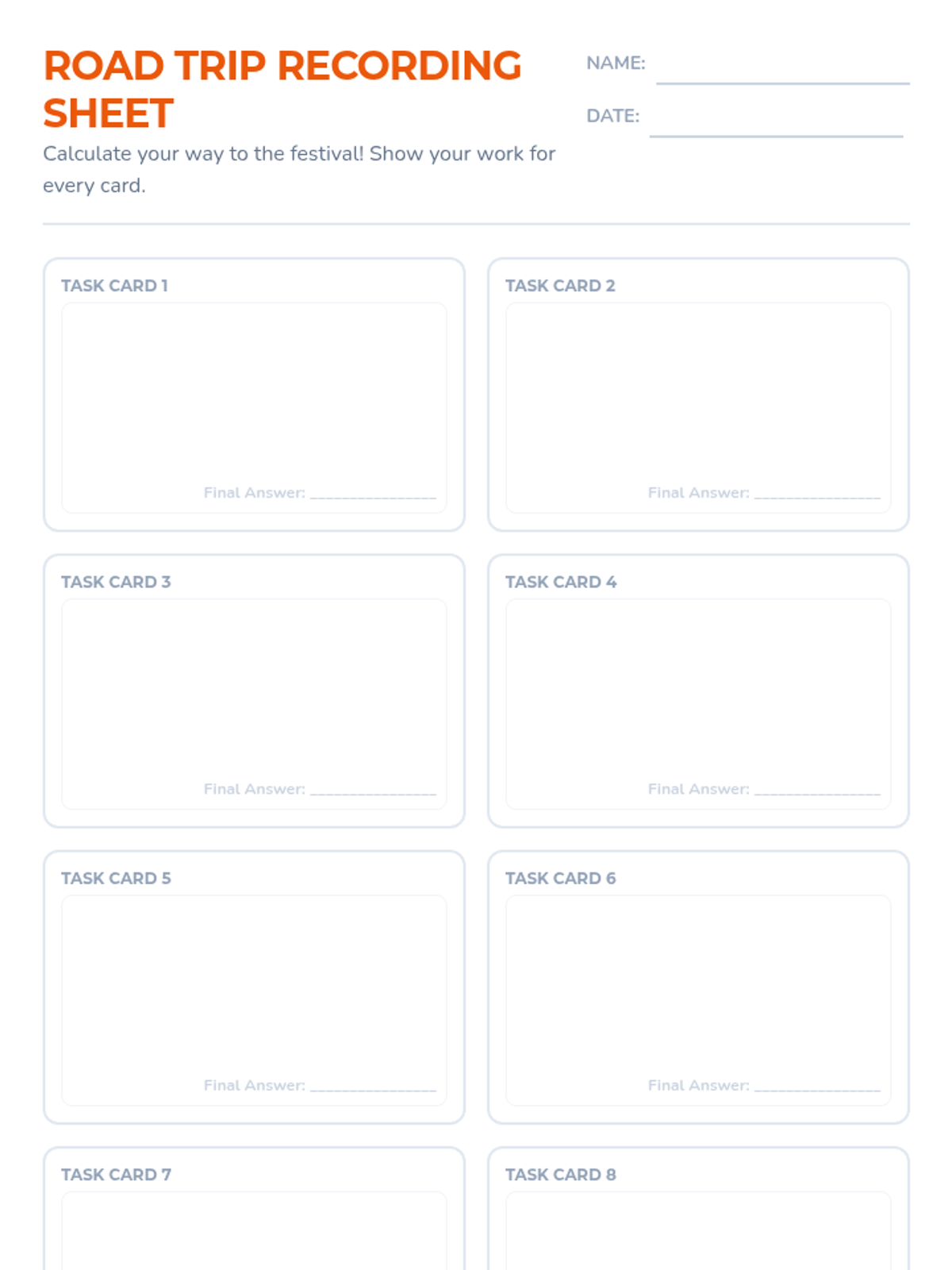
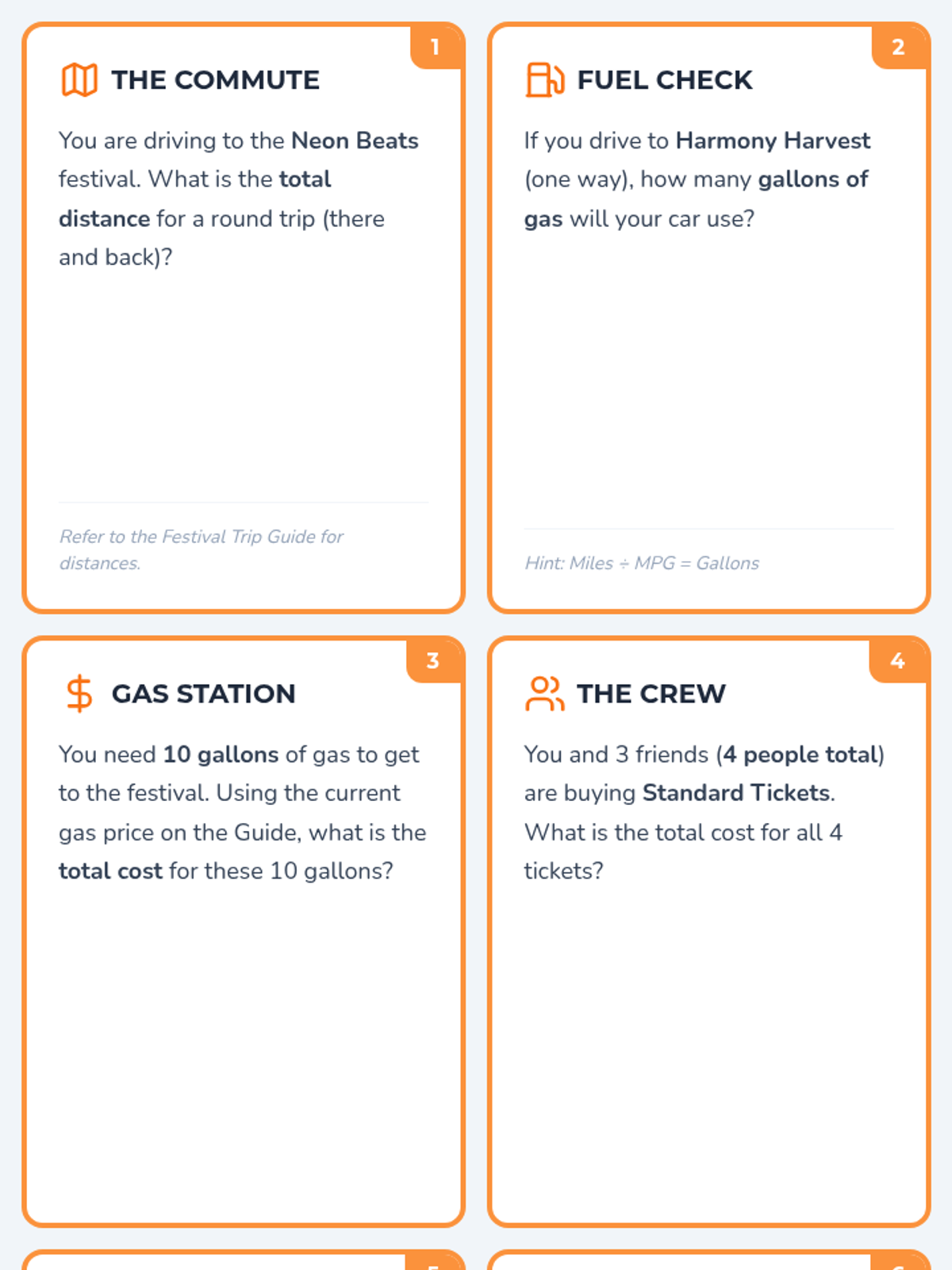
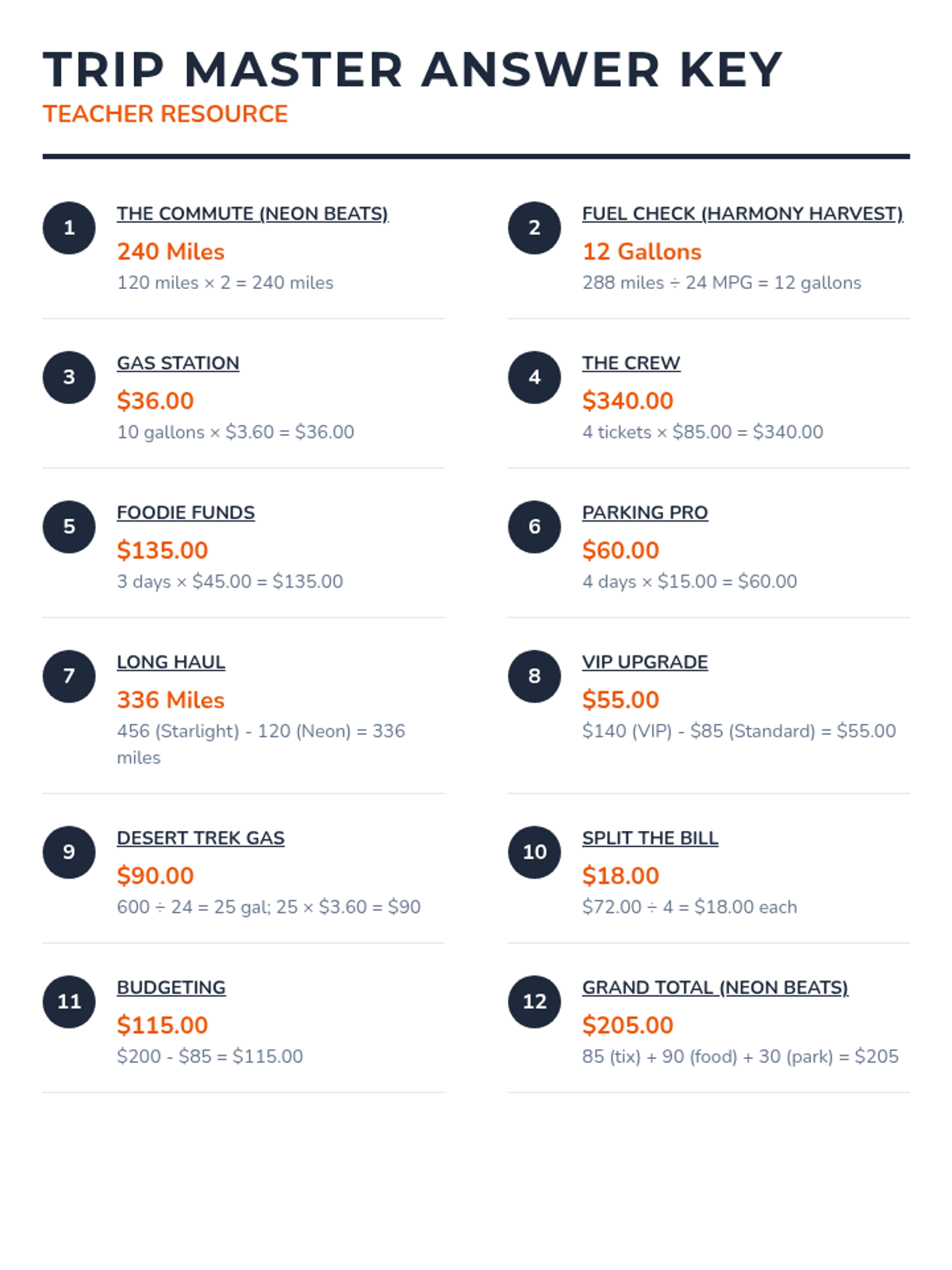
A math independent study unit where students calculate distances, fuel costs, and festival expenses for various road trip scenarios.
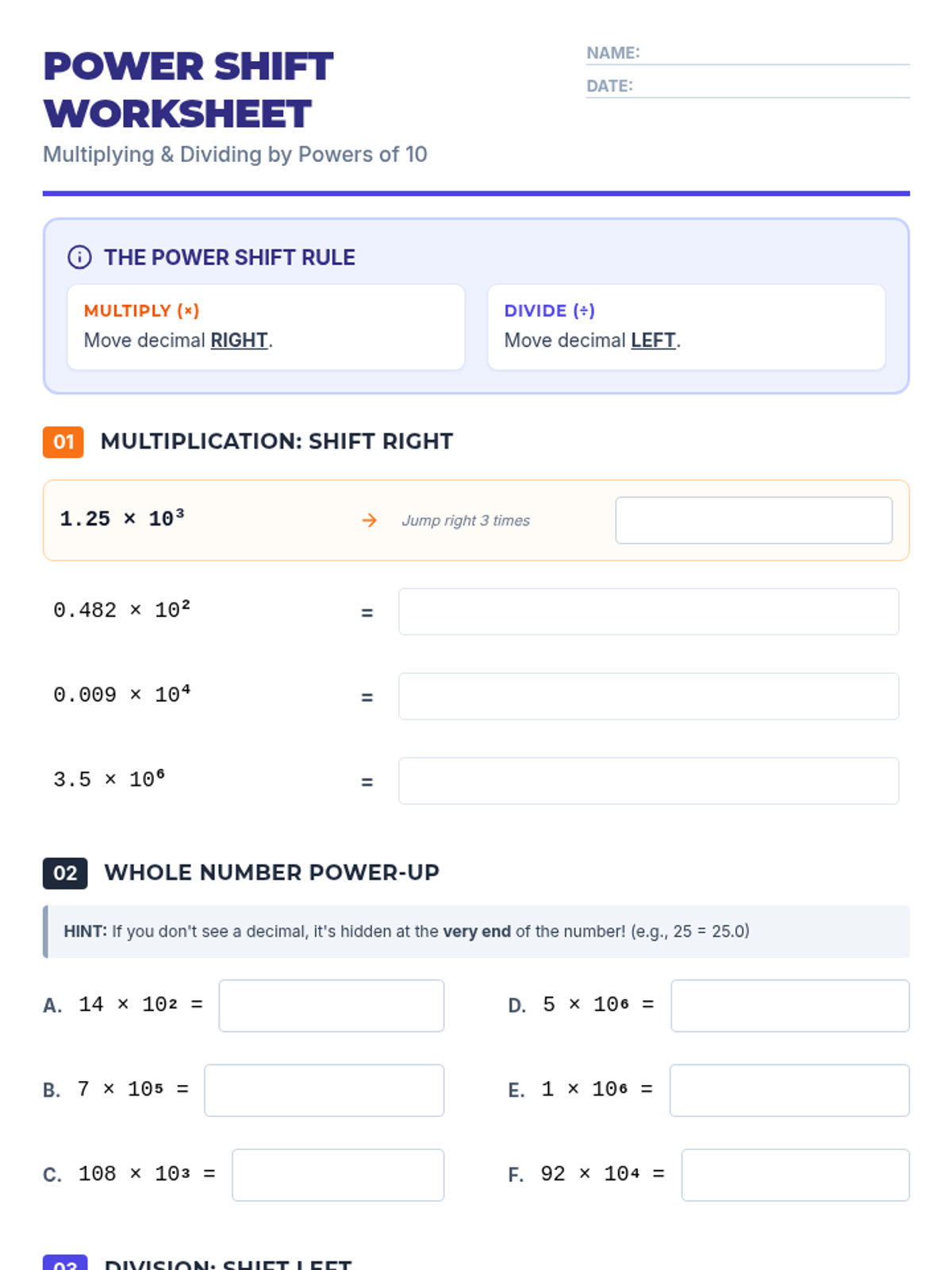
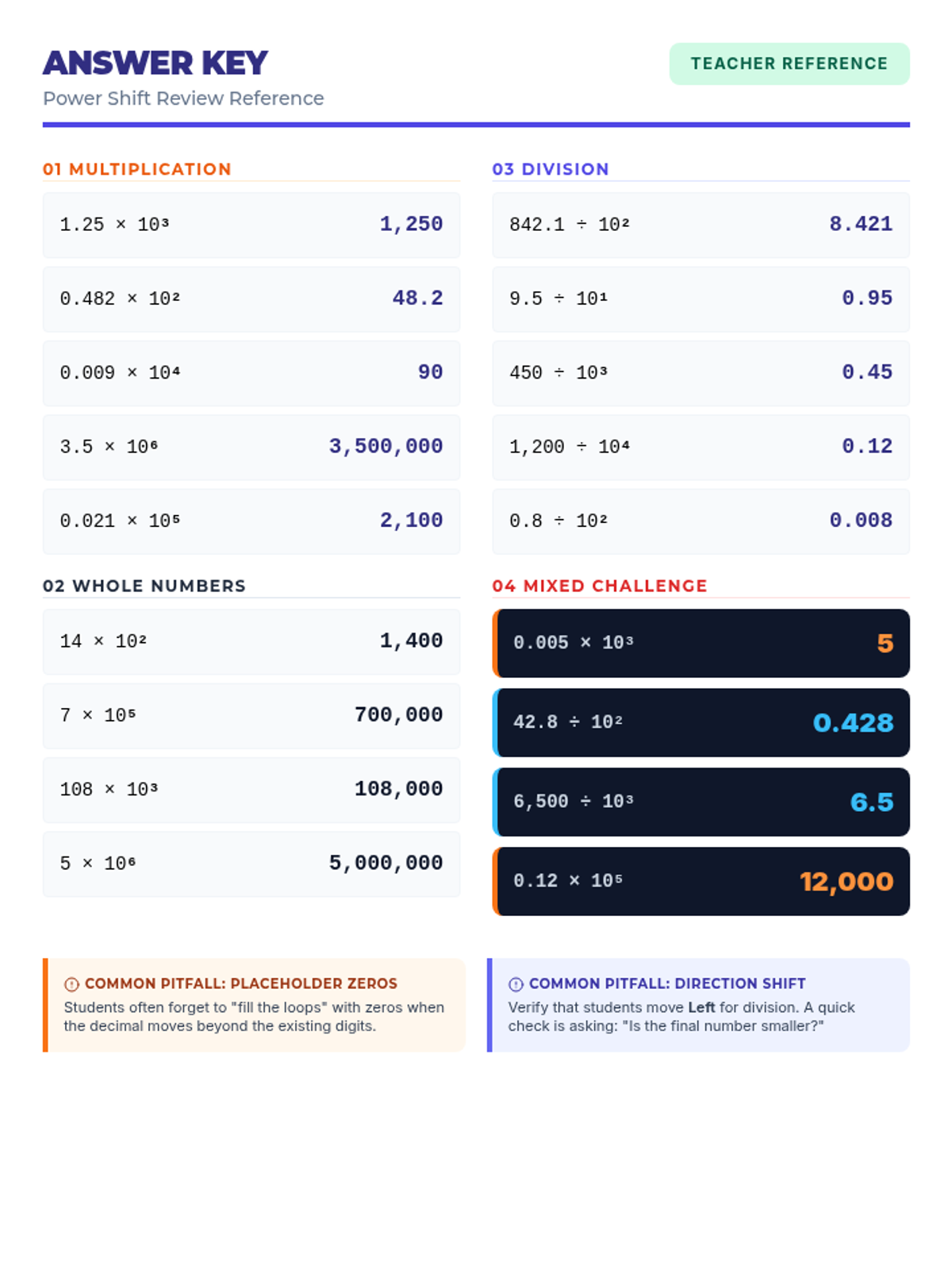
A comprehensive review of multiplying and dividing decimals and whole numbers by powers of 10 (up to 10^6), featuring step-by-step guidance on decimal placement.
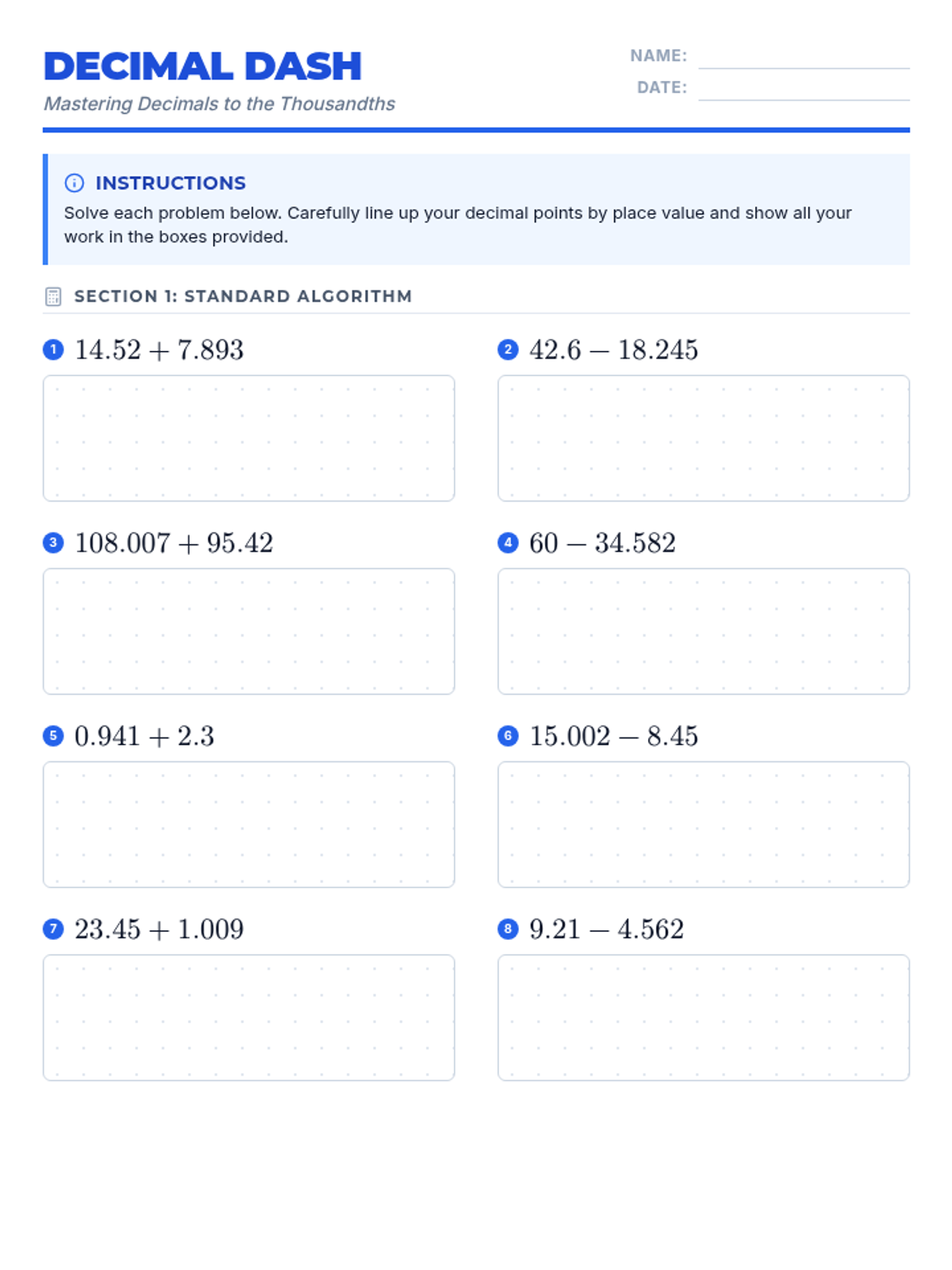
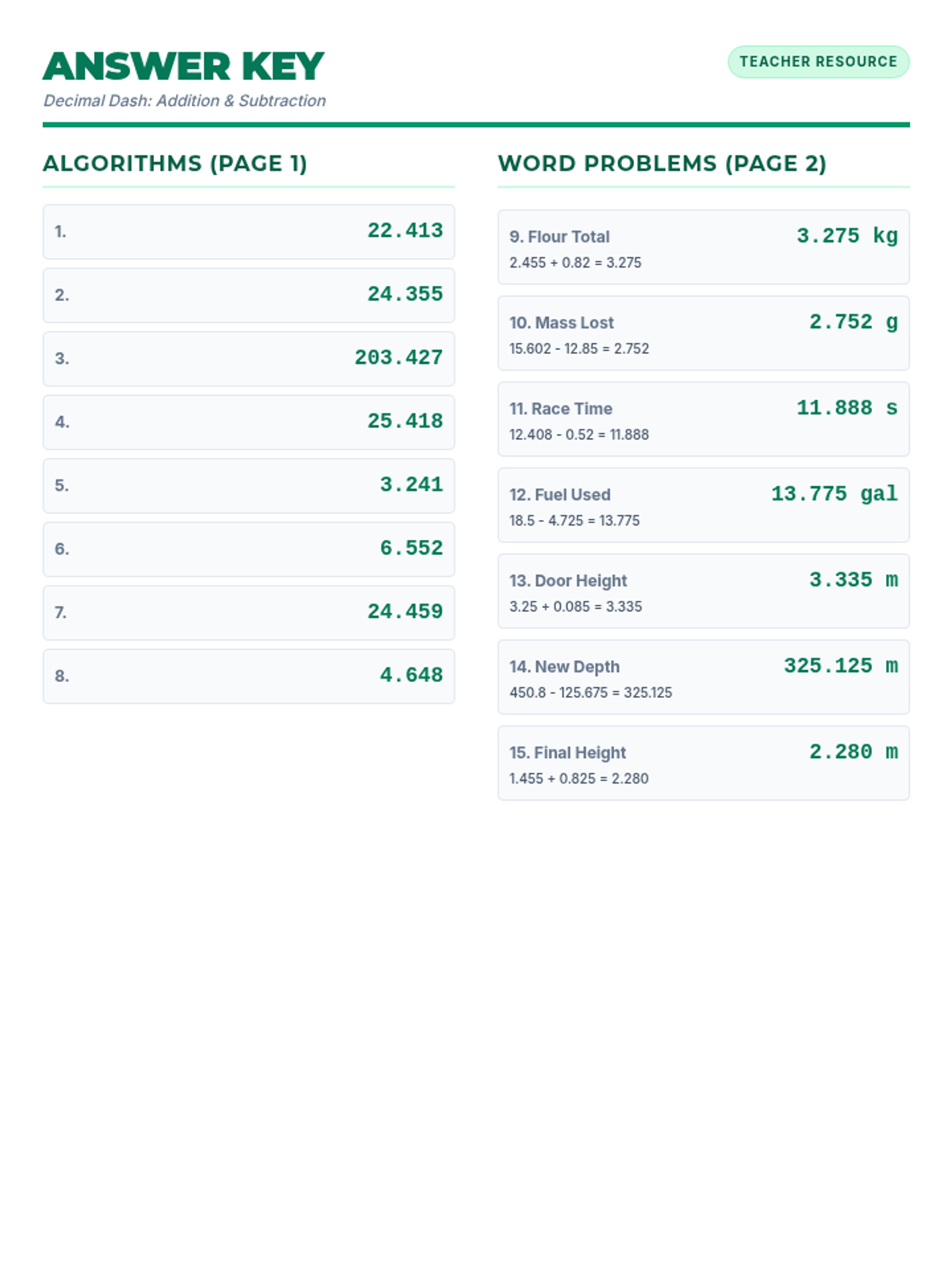
A comprehensive lesson on adding and subtracting decimals up to the thousandths place, featuring a mix of computational practice and diverse real-world word problems.
A foundational lesson on navigating the four-quadrant coordinate plane, designed with visual supports for IEP students to master plotting and identifying coordinates.
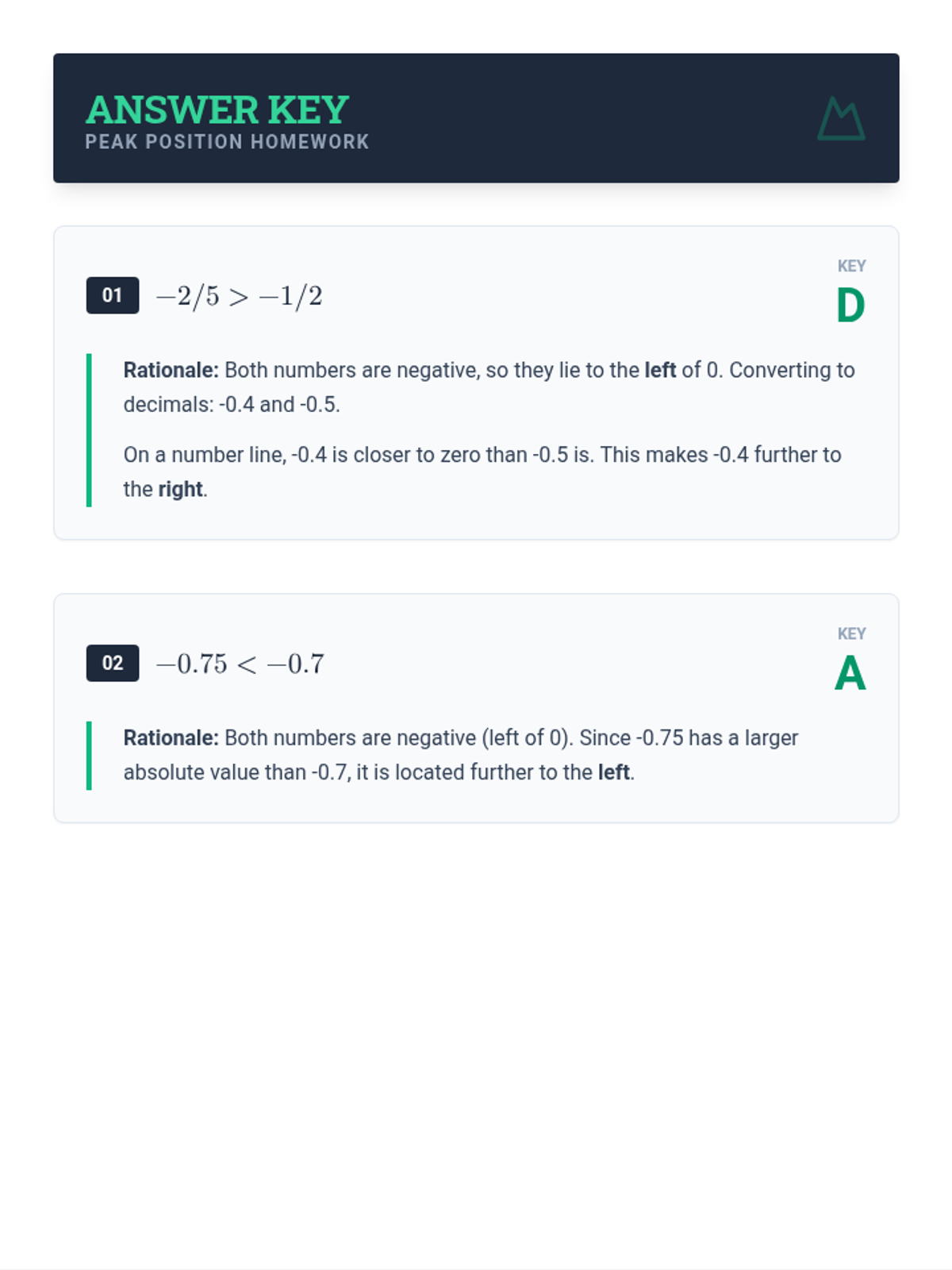
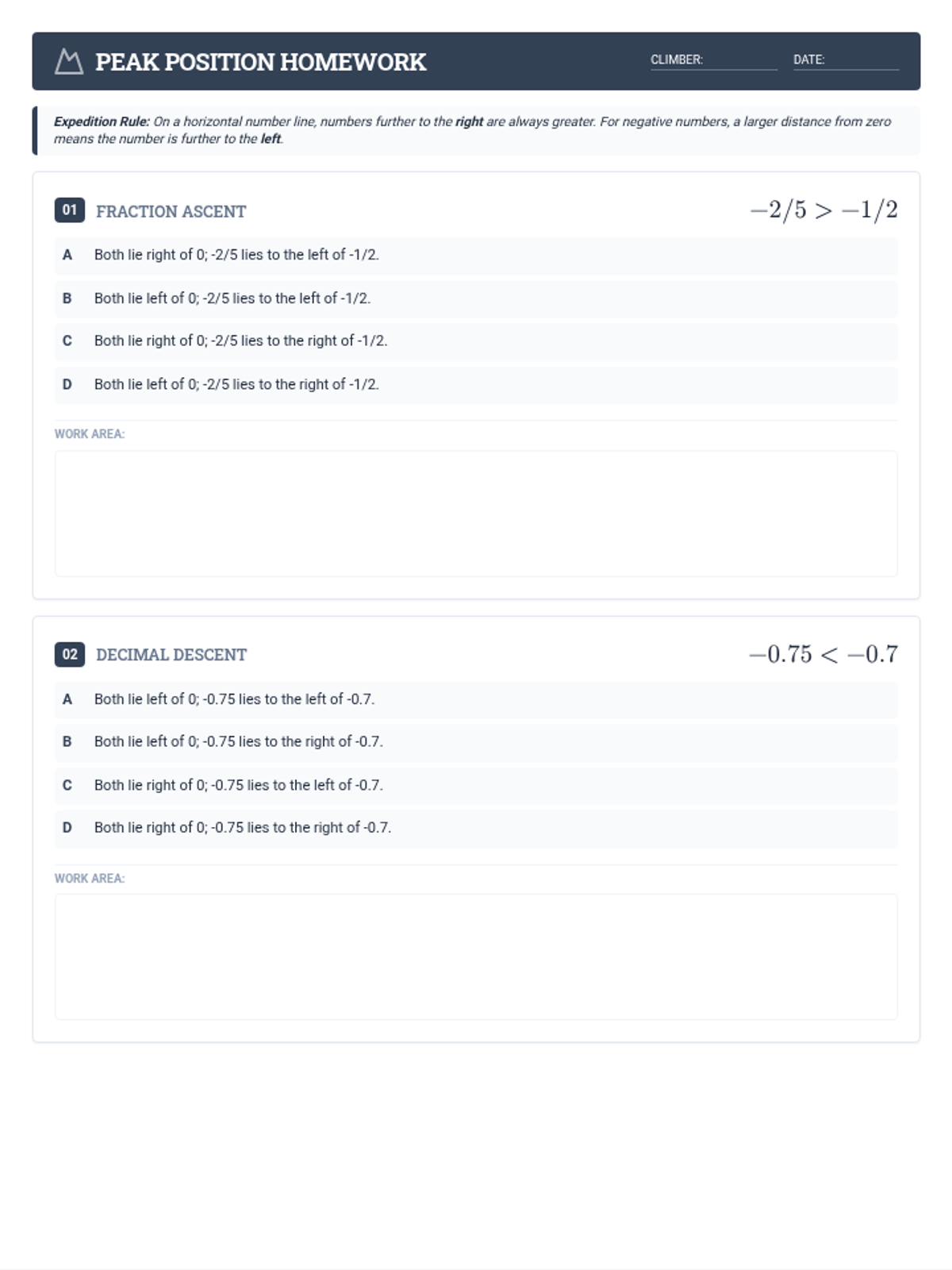
A lesson focused on comparing and ordering rational numbers on a number line, specifically focusing on negative values and their relative positions.
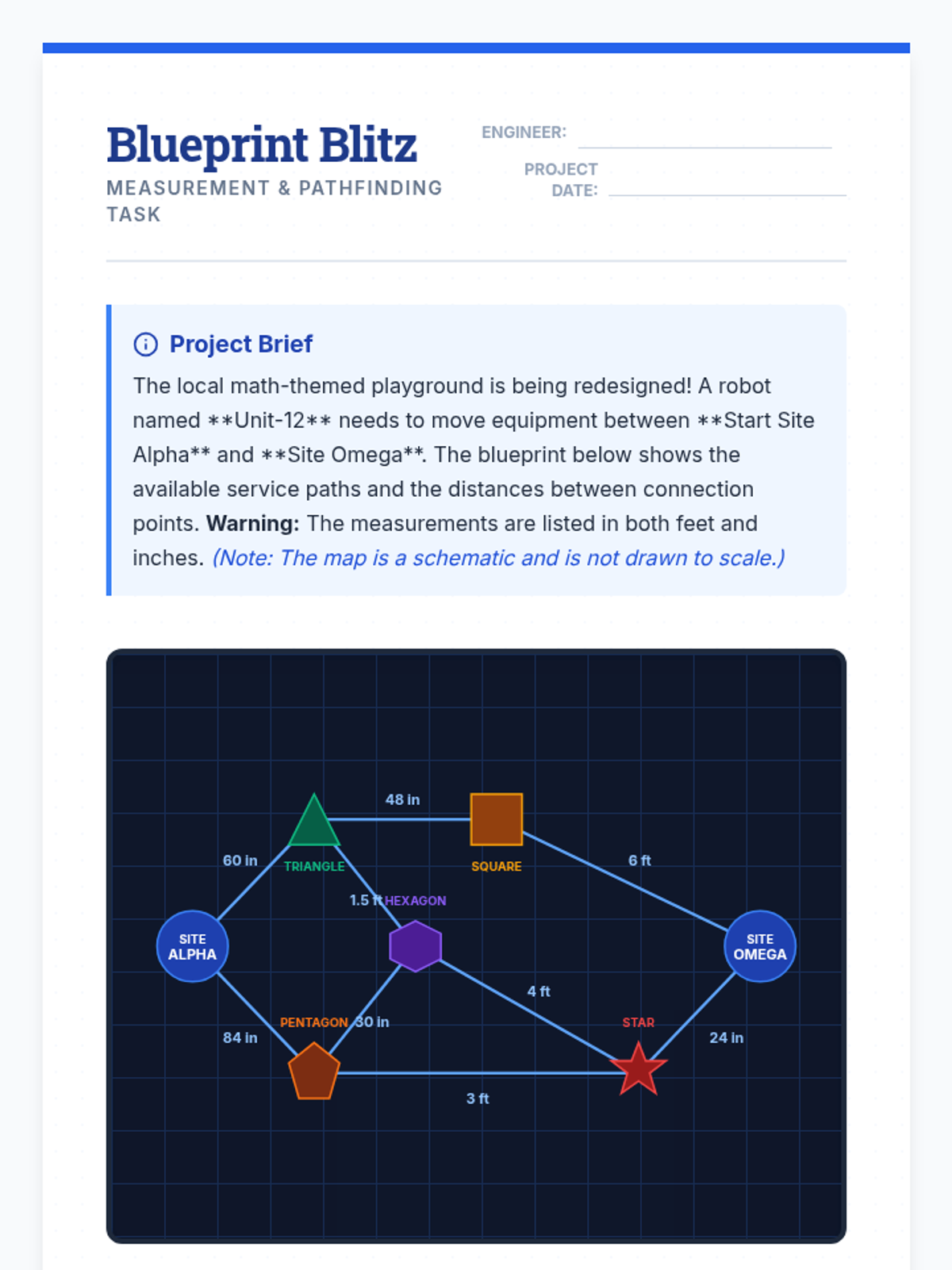
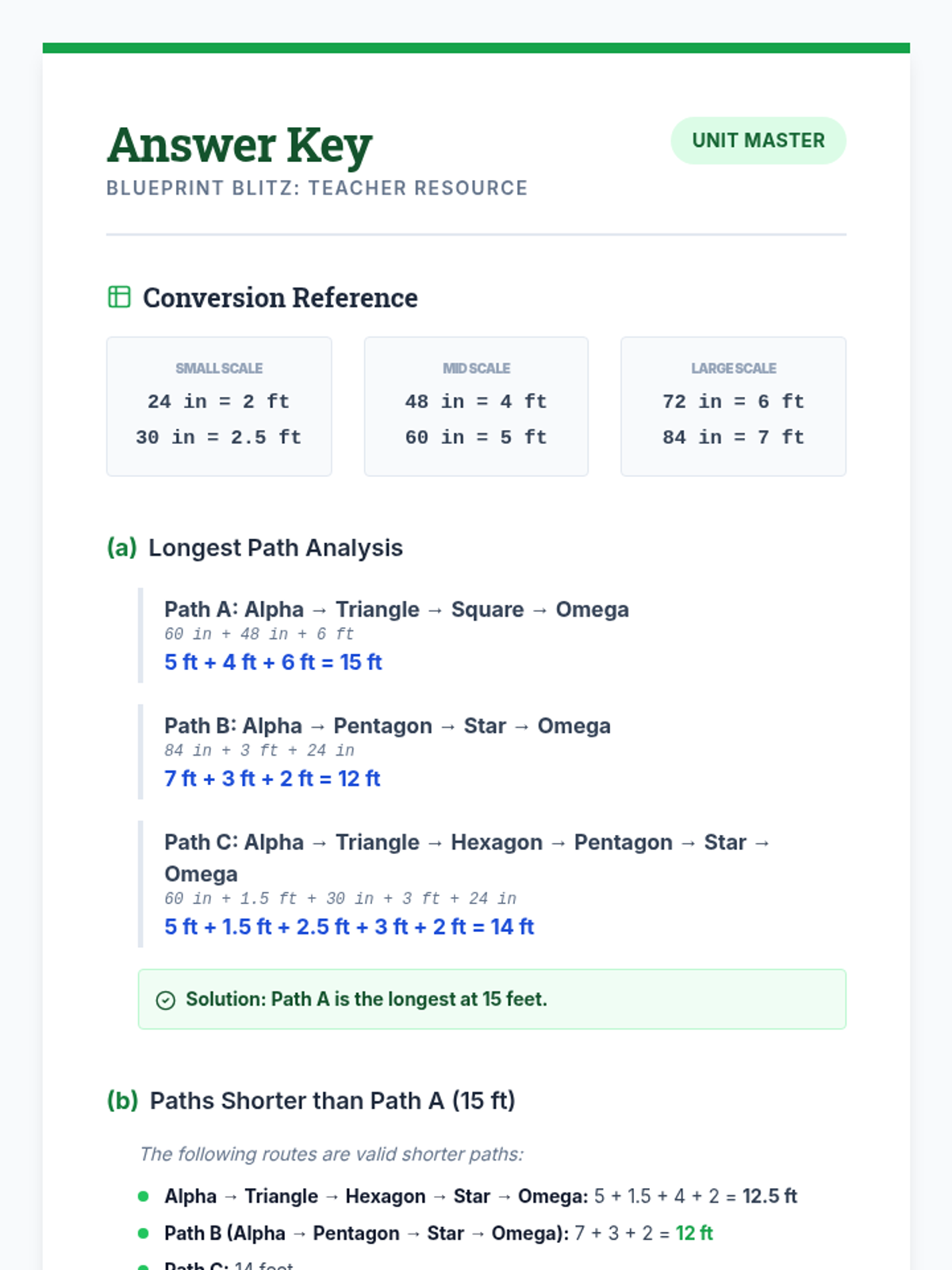
A lesson focused on unit conversion (feet and inches) through the lens of navigating a complex blueprint map. Students will calculate total distances of various paths and find the most efficient route.
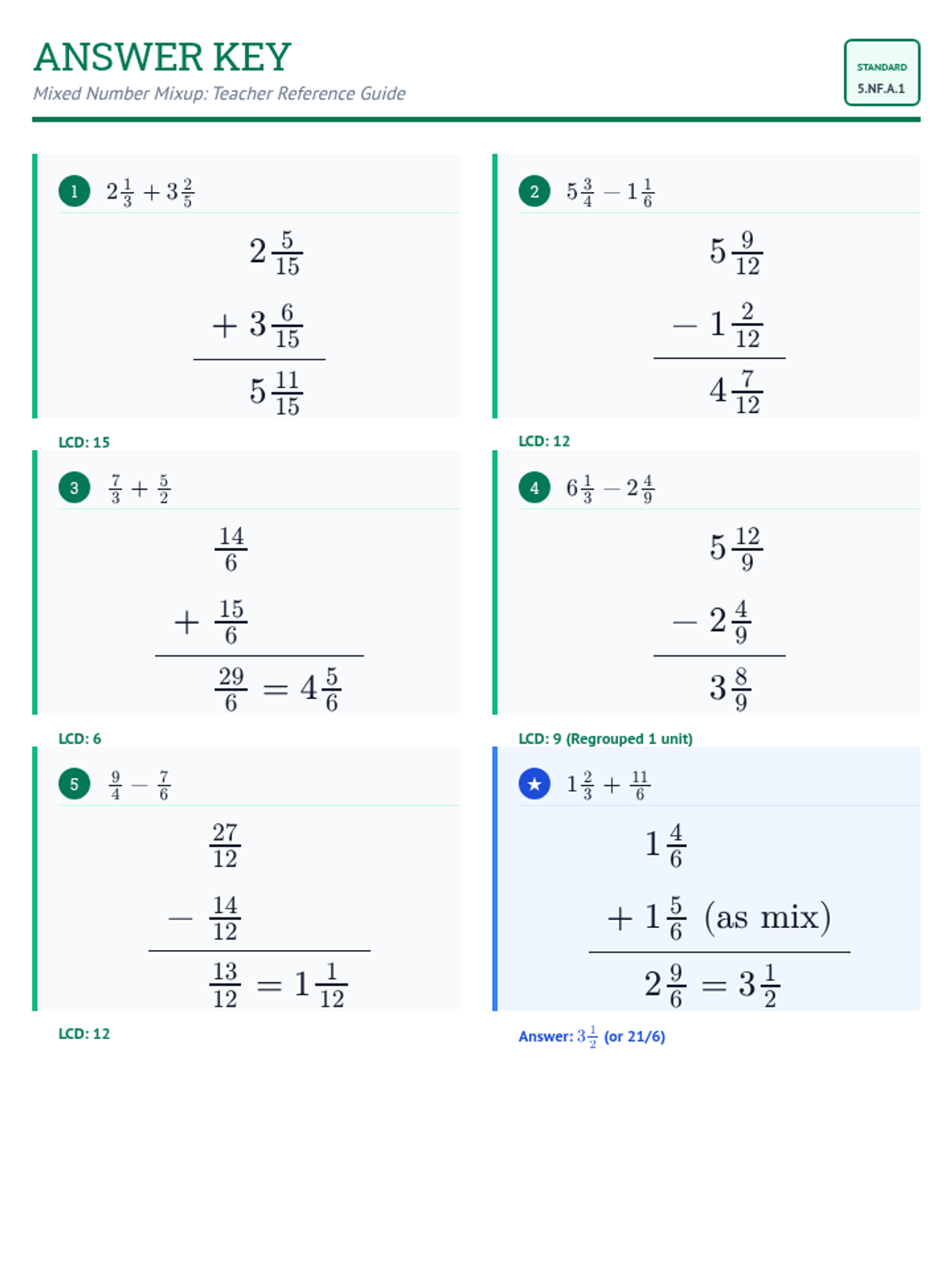
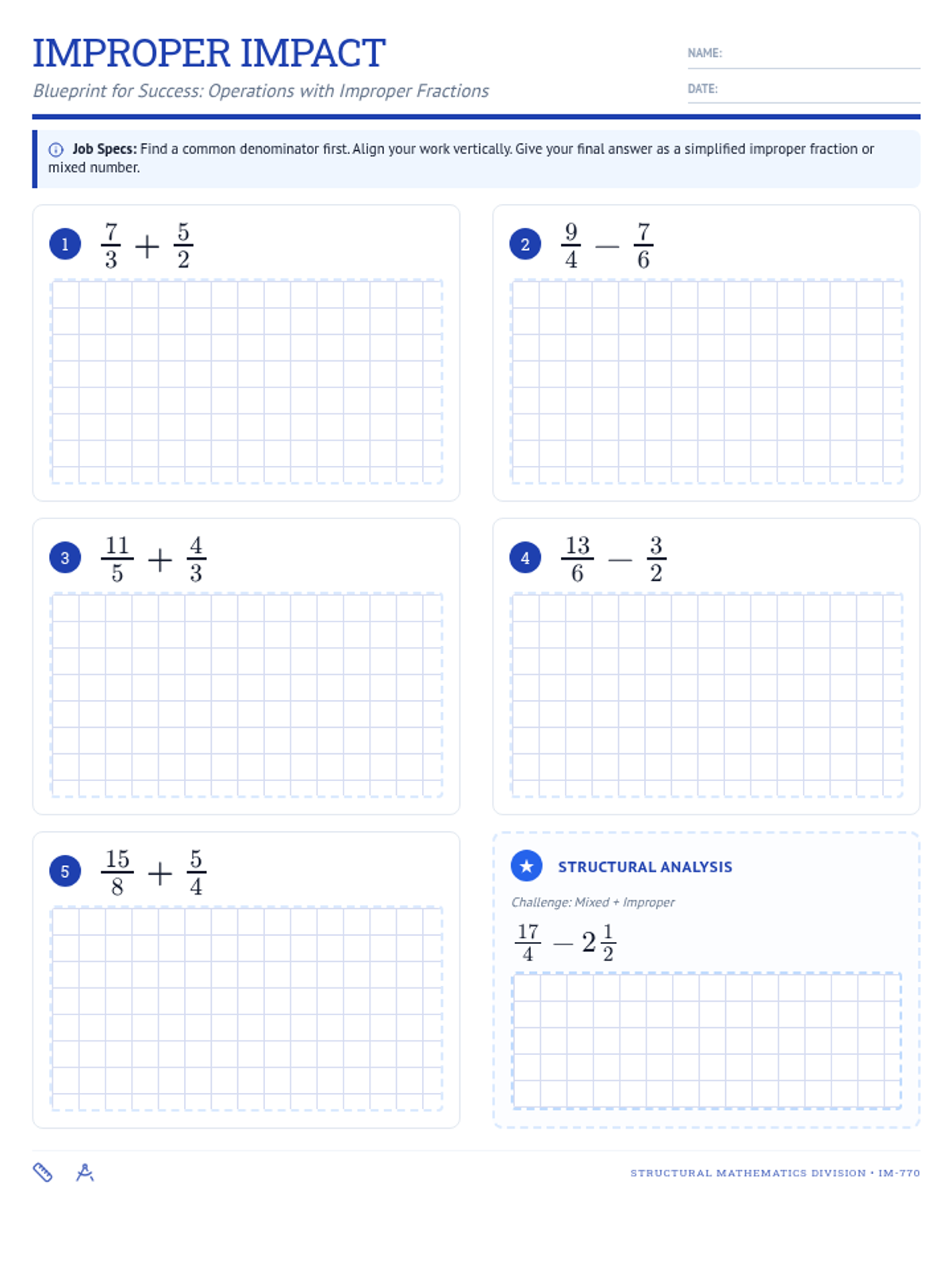
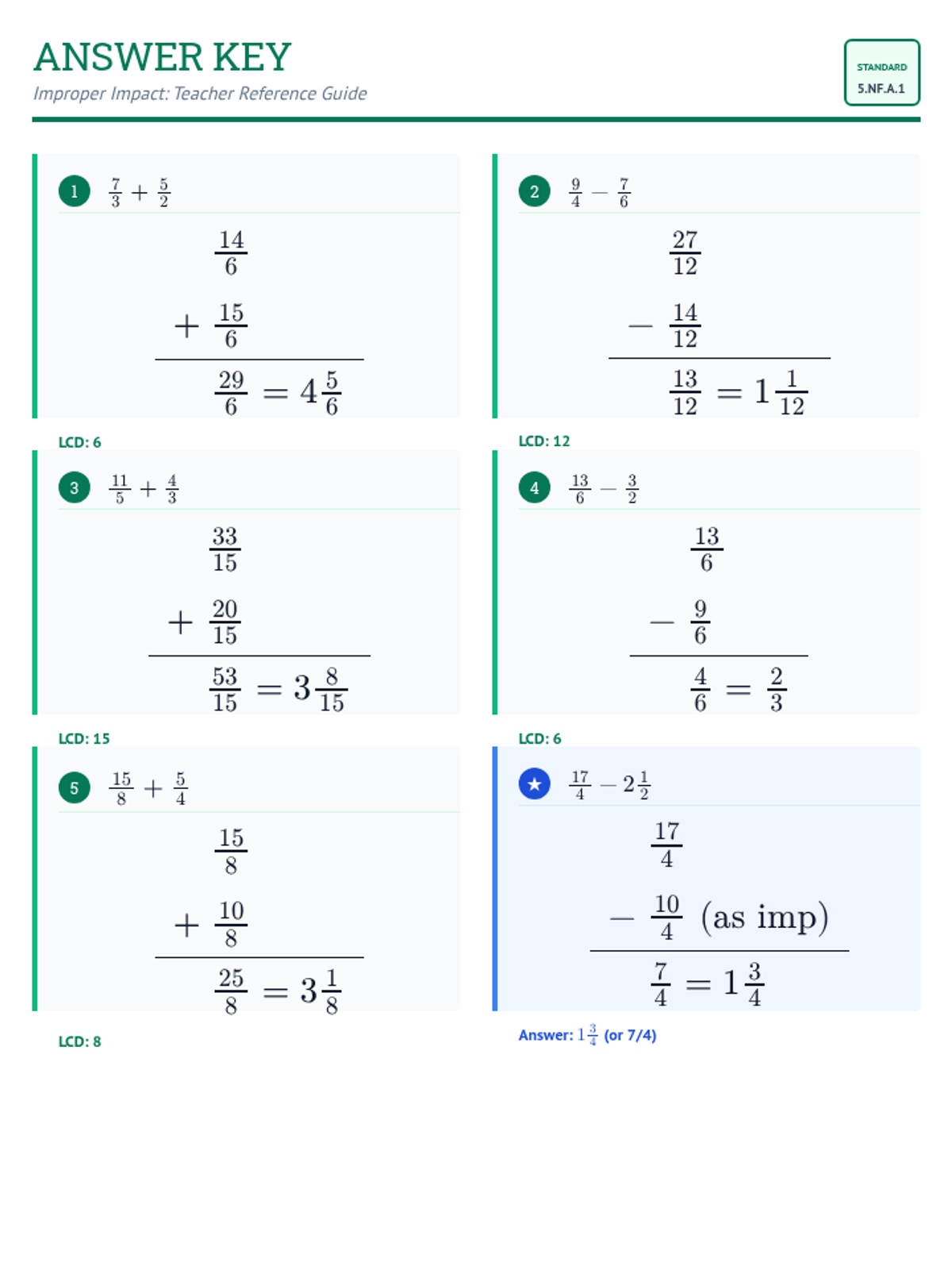
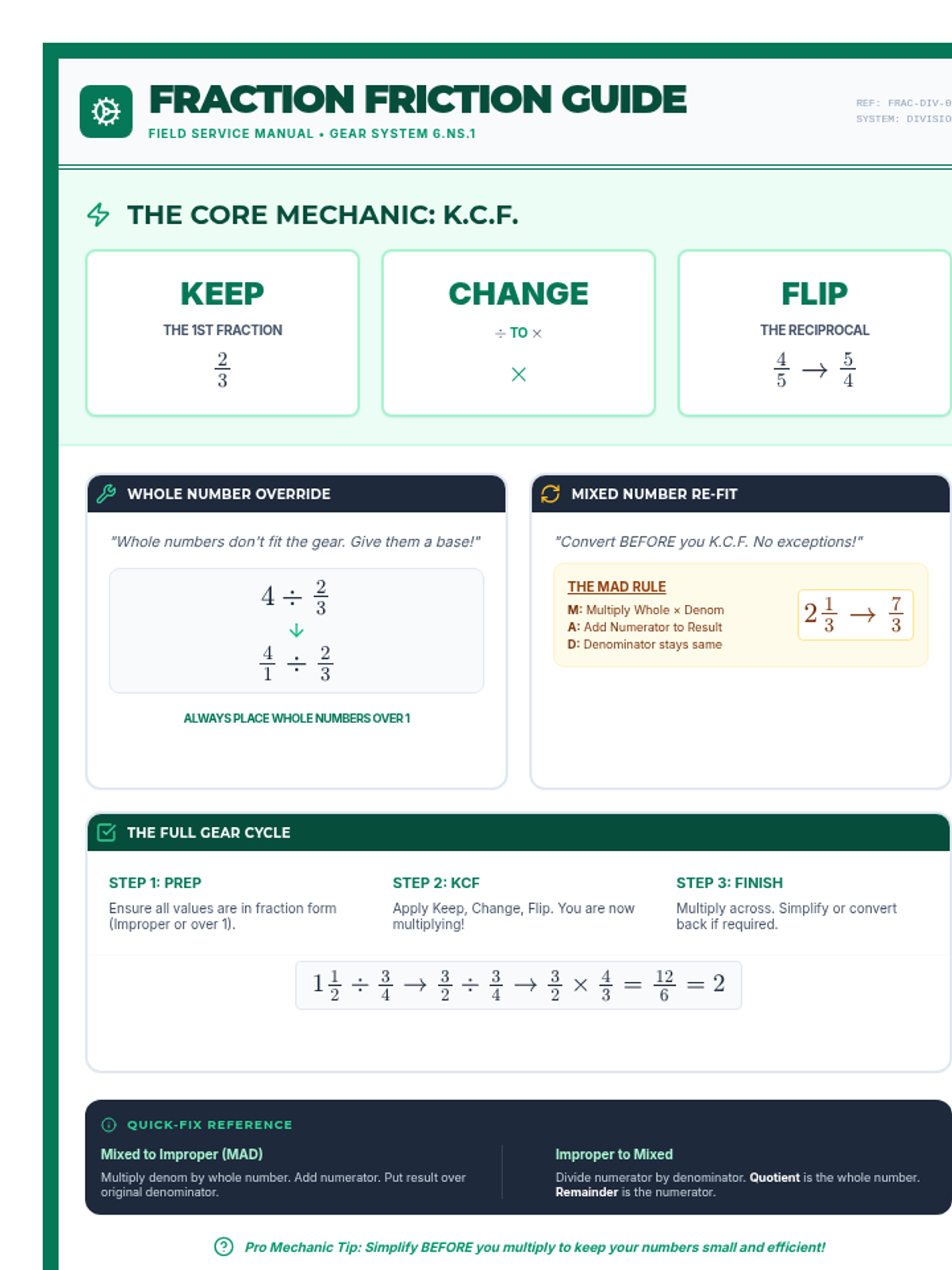
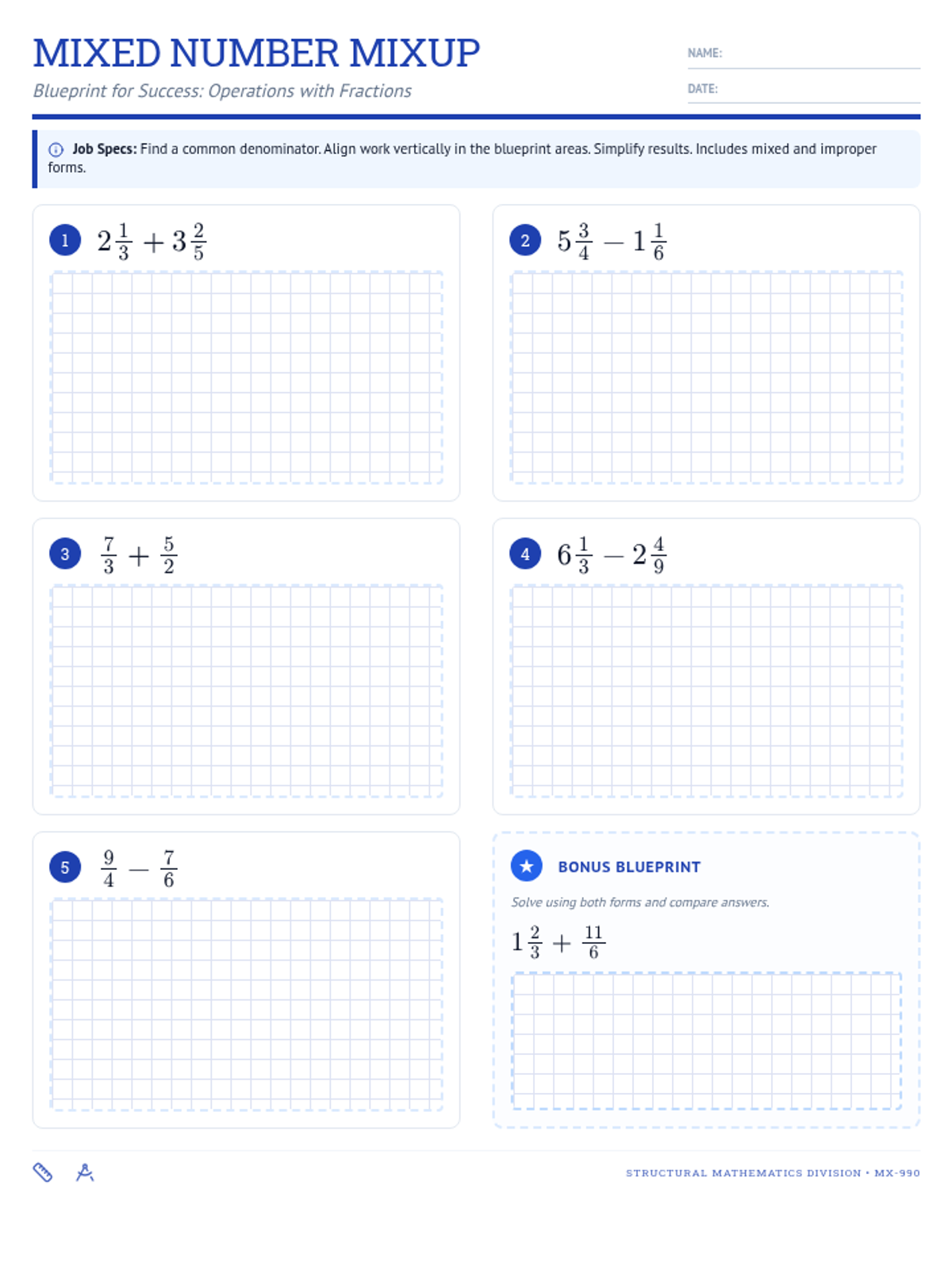
A comprehensive lesson on operations with mixed numbers and improper fractions, focusing on finding common denominators, regrouping, and converting between forms.
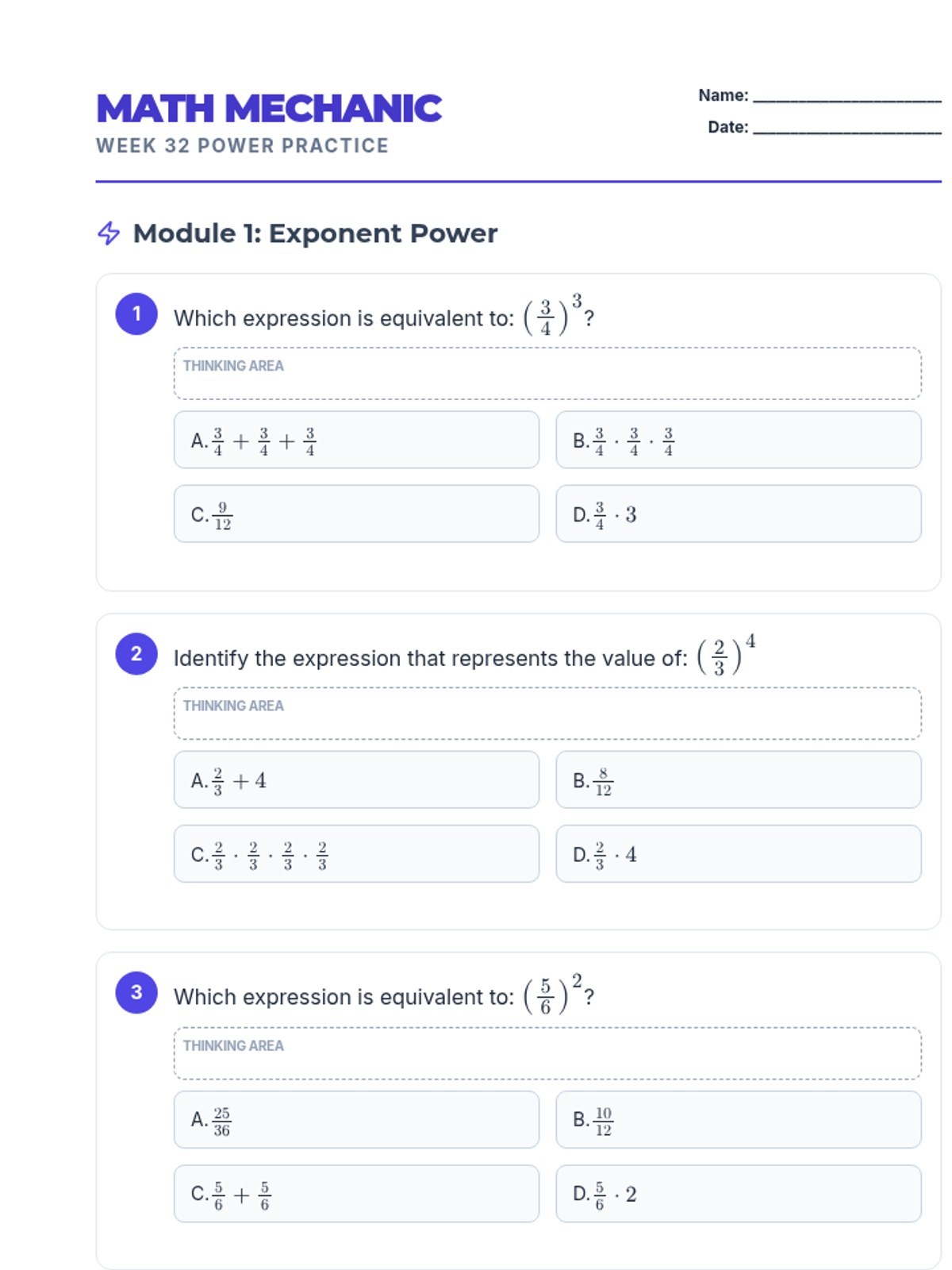
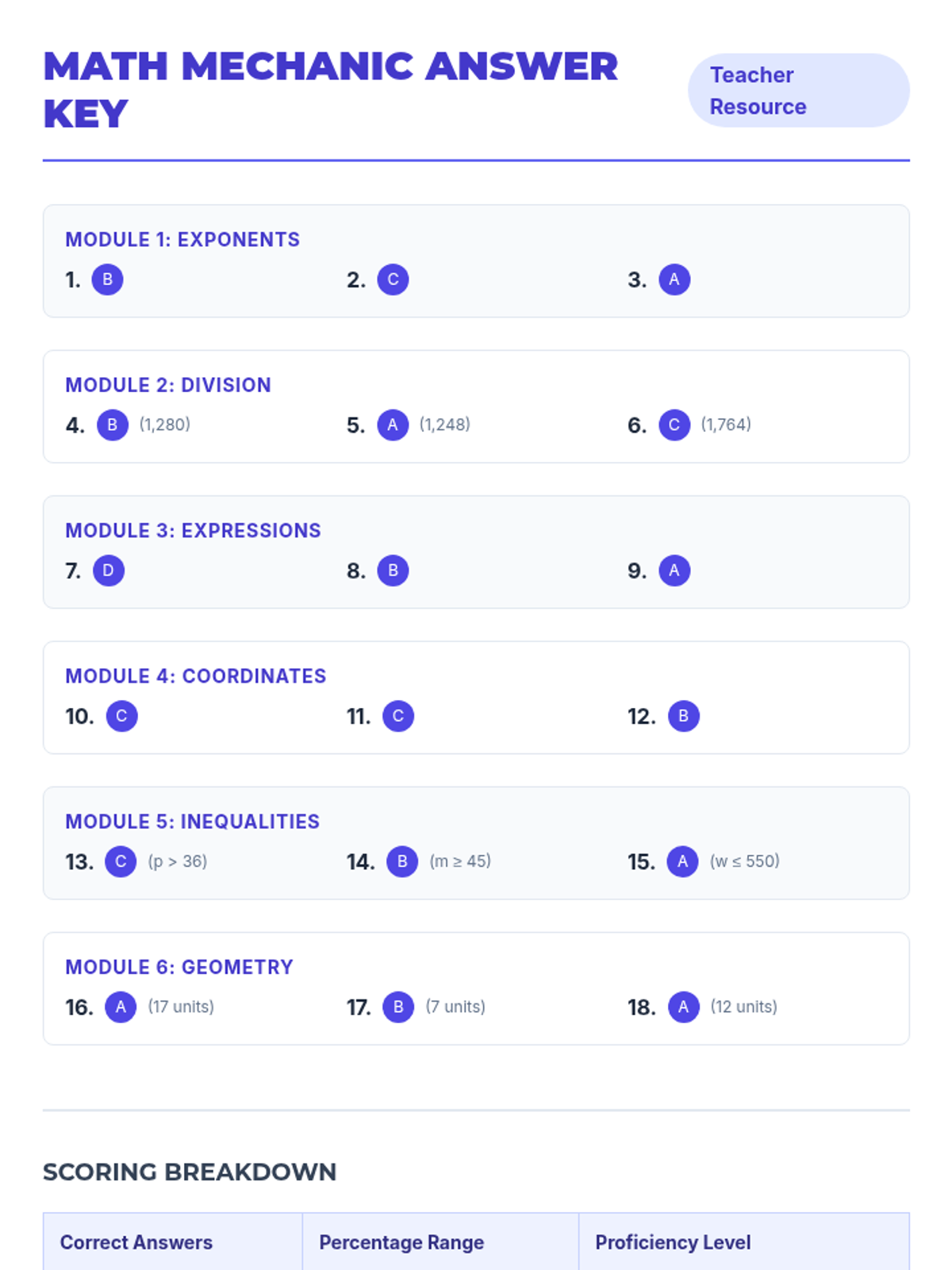
A comprehensive review packet covering 6th-grade math standards including exponents, long division, algebraic expressions, coordinate geometry, and inequalities. Each core concept from the weekly quiz is reinforced with additional practice problems.
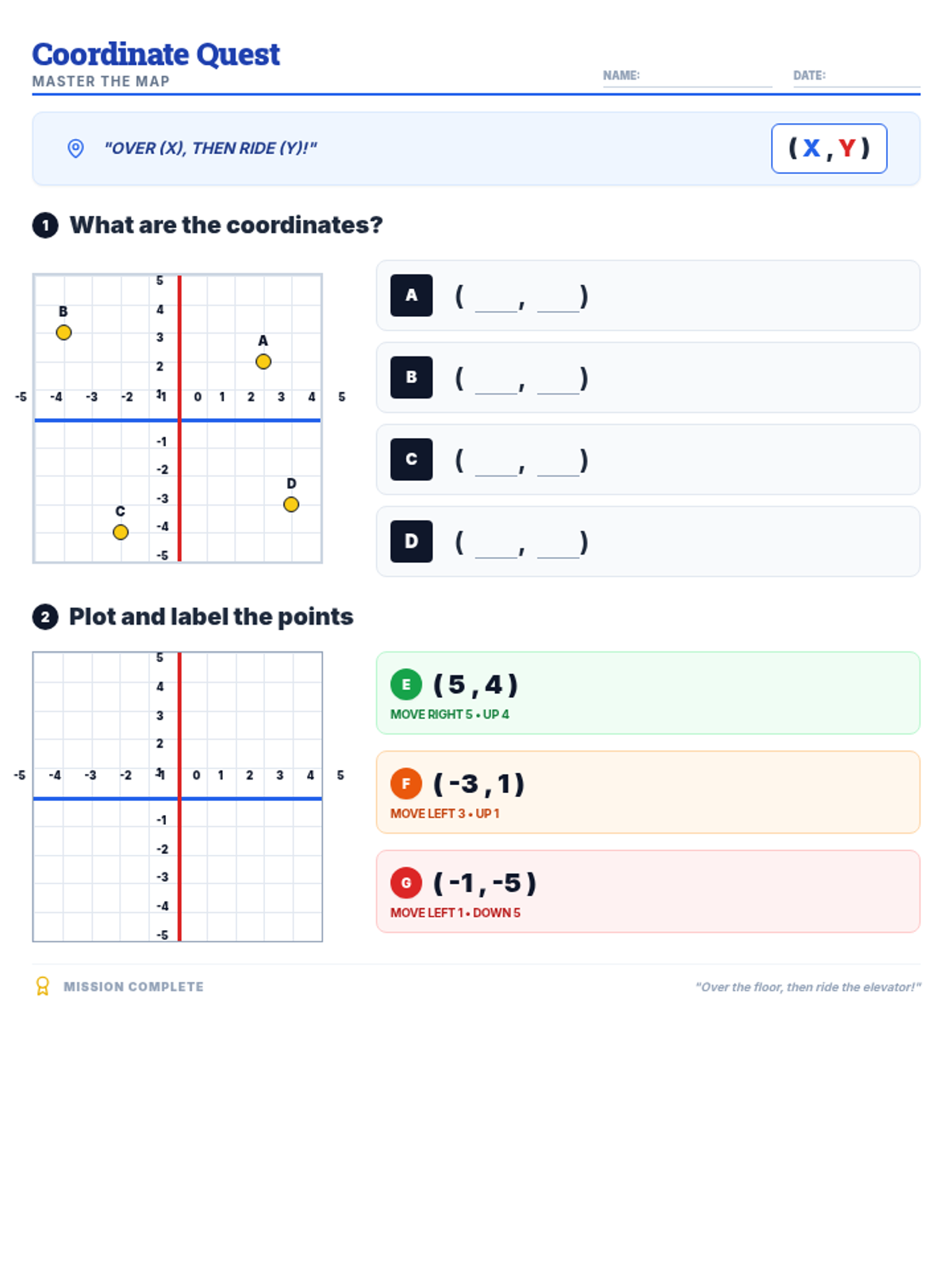
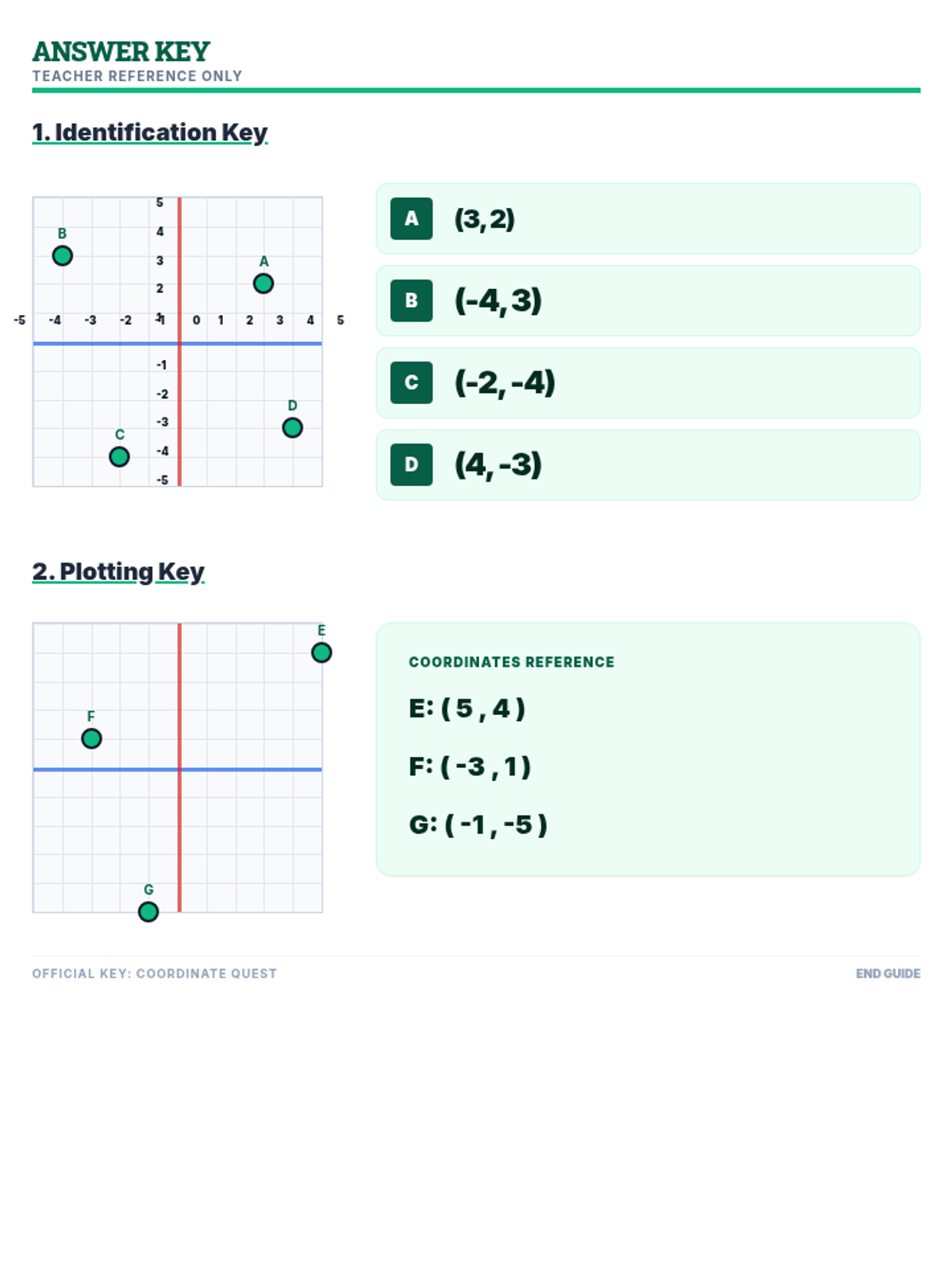
Introduces and reinforces the use of coordinate planes, focusing on identifying (x, y) coordinates using the 'over then up' strategy.
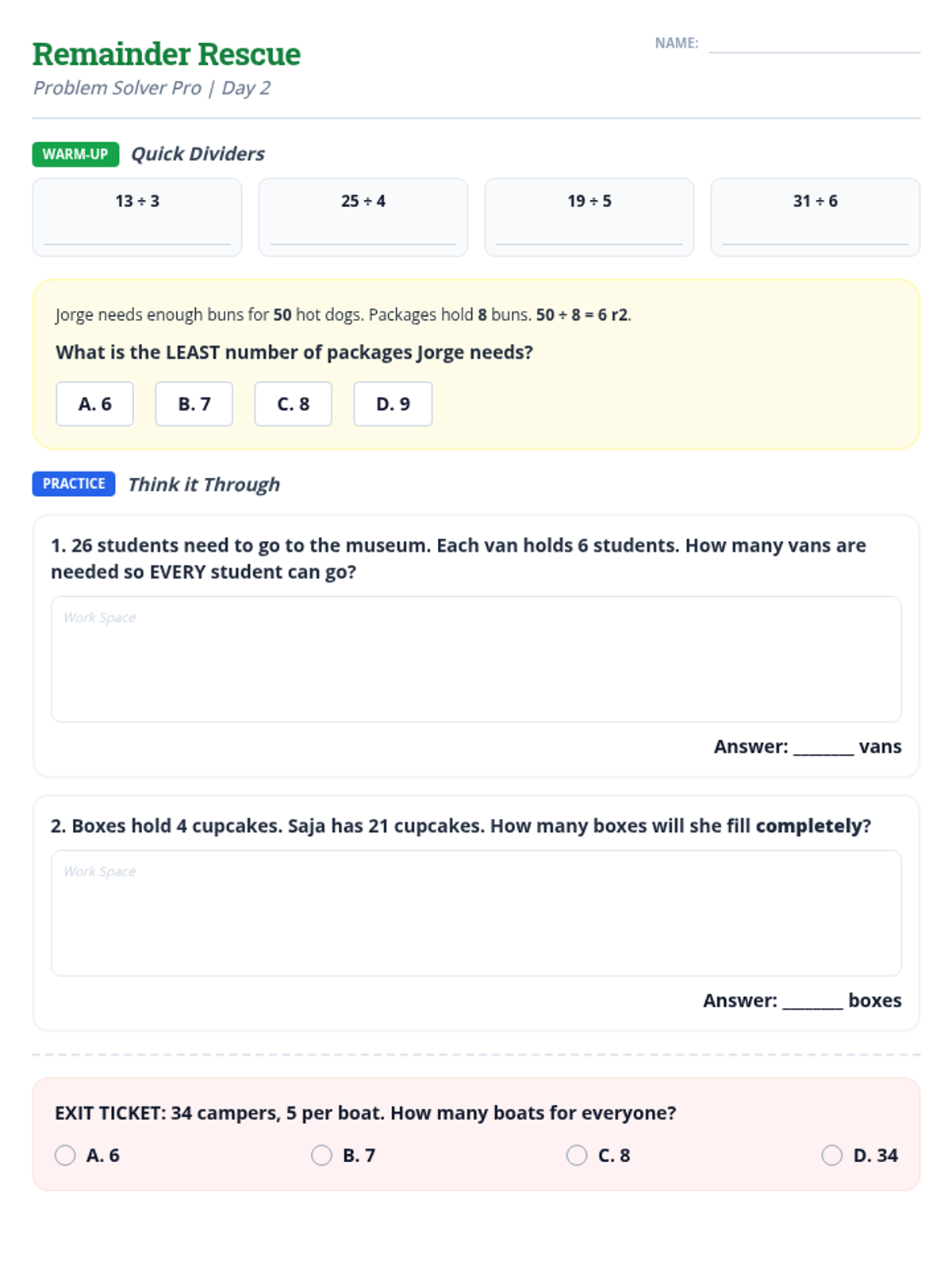
Teaches students how to interpret remainders in real-world division problems, specifically deciding when to 'round up' to ensure everyone or everything is included.
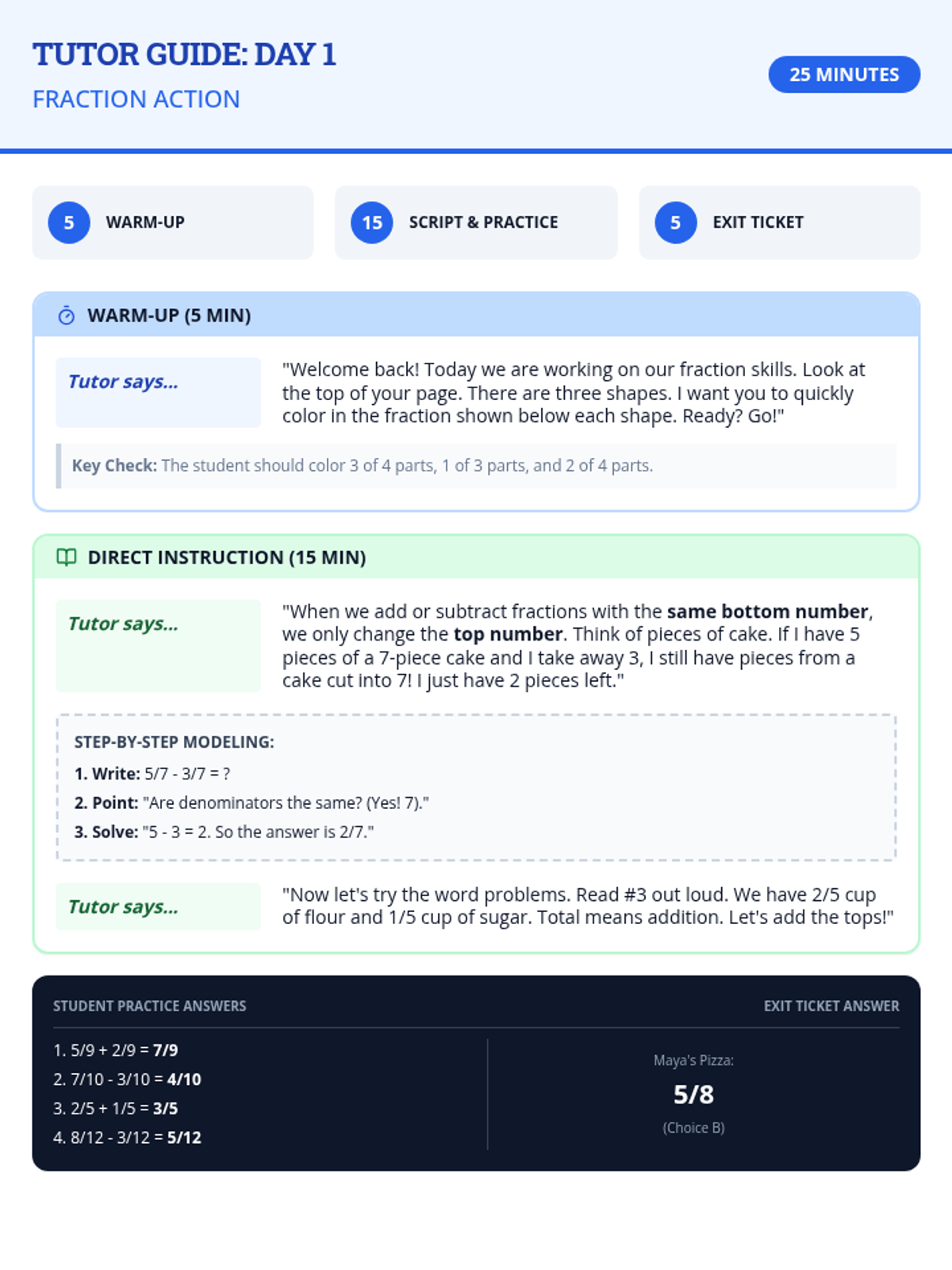
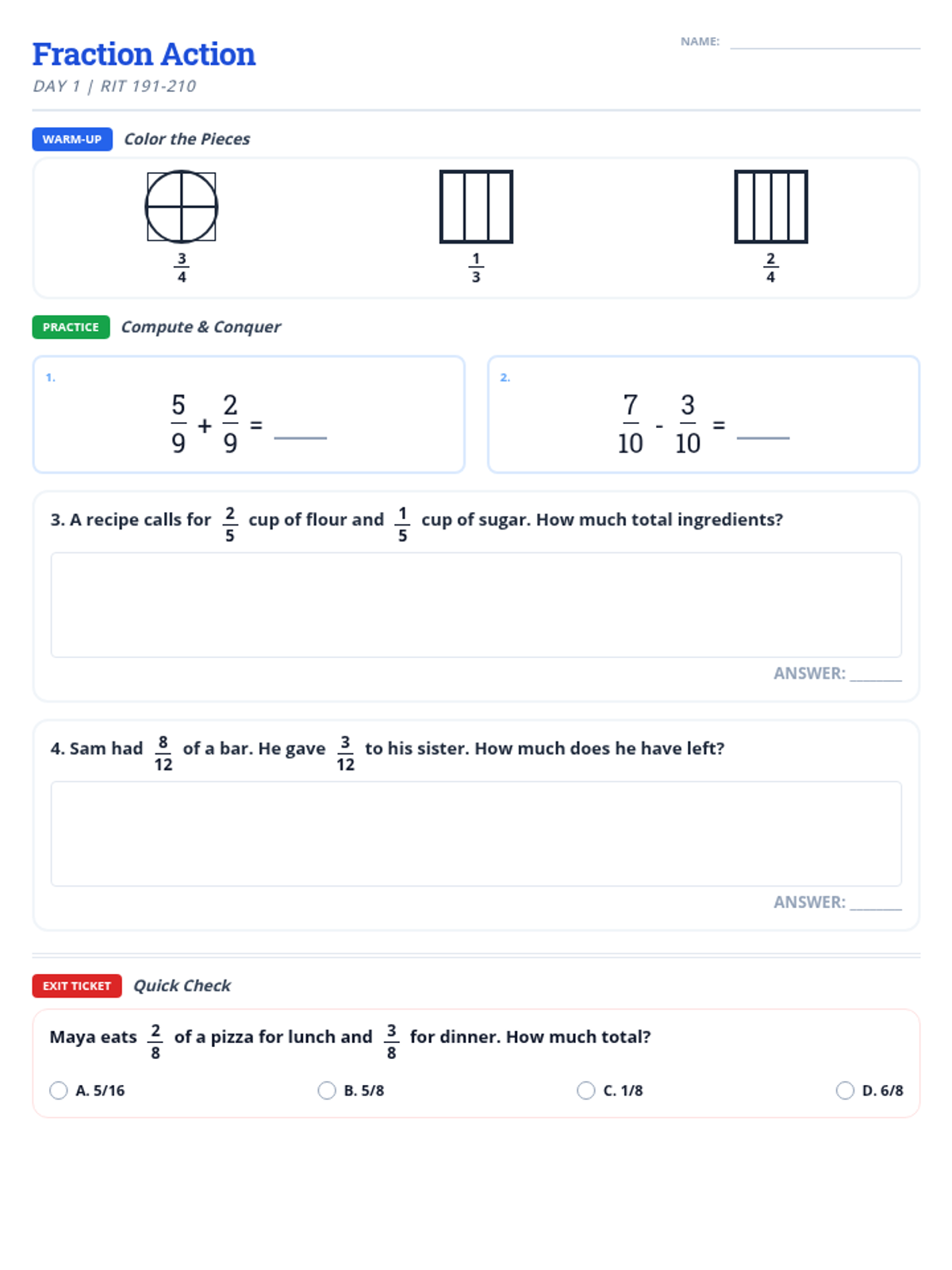
Focuses on adding and subtracting fractions with like denominators, emphasizing that the denominator represents the size of the piece and remains constant.
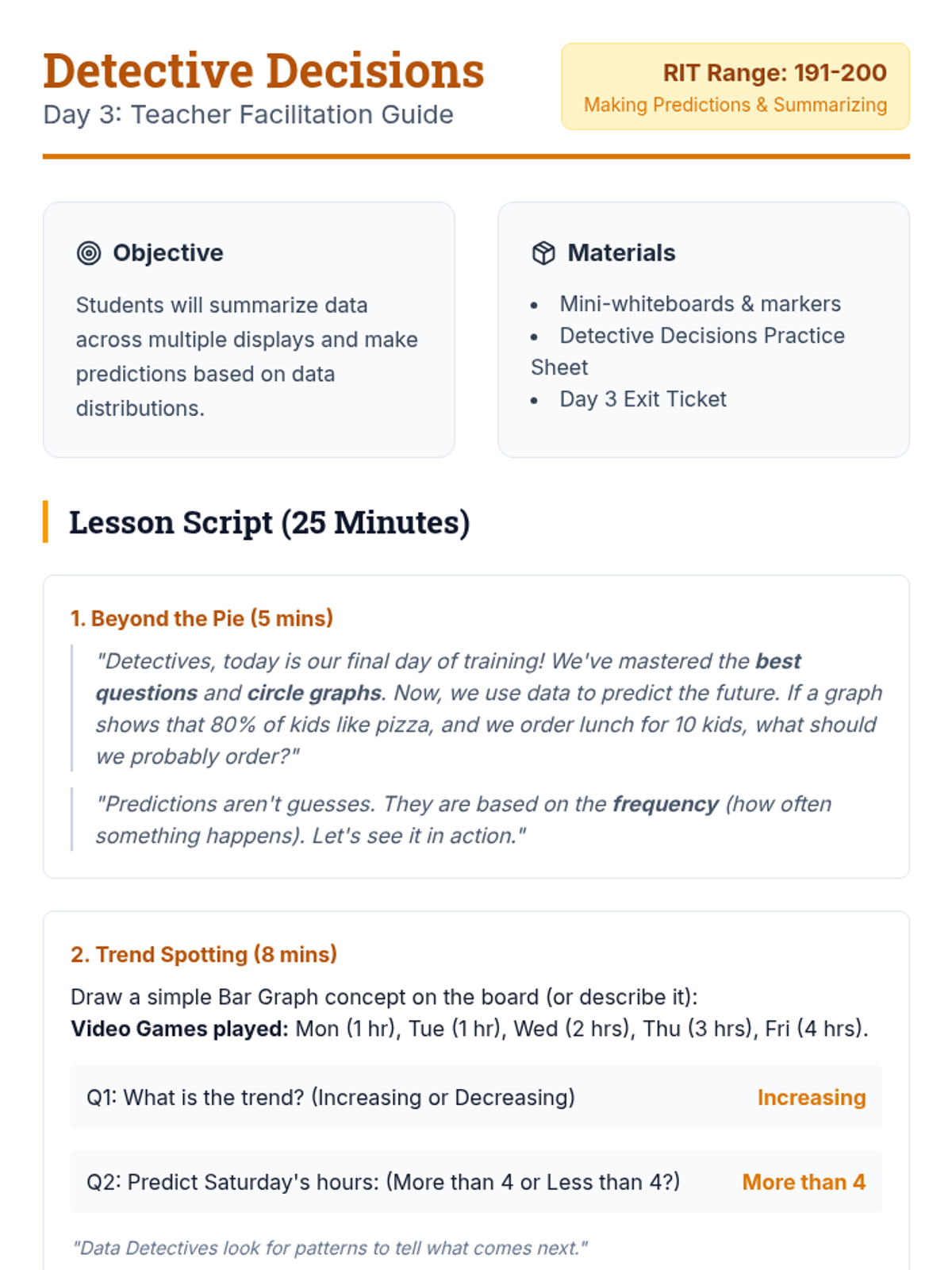
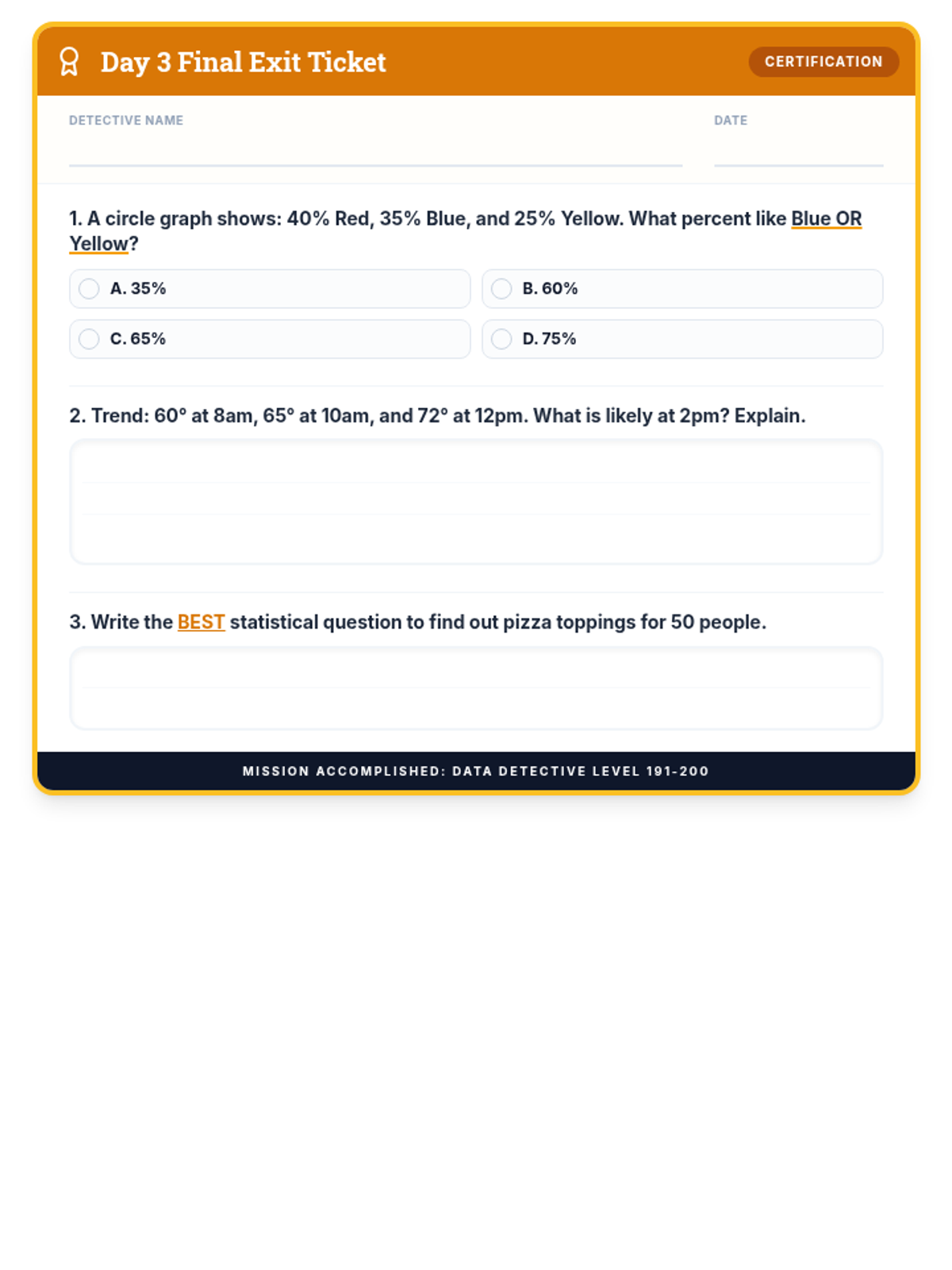
Students will use data from various displays to make predictions and solve multi-step problems.
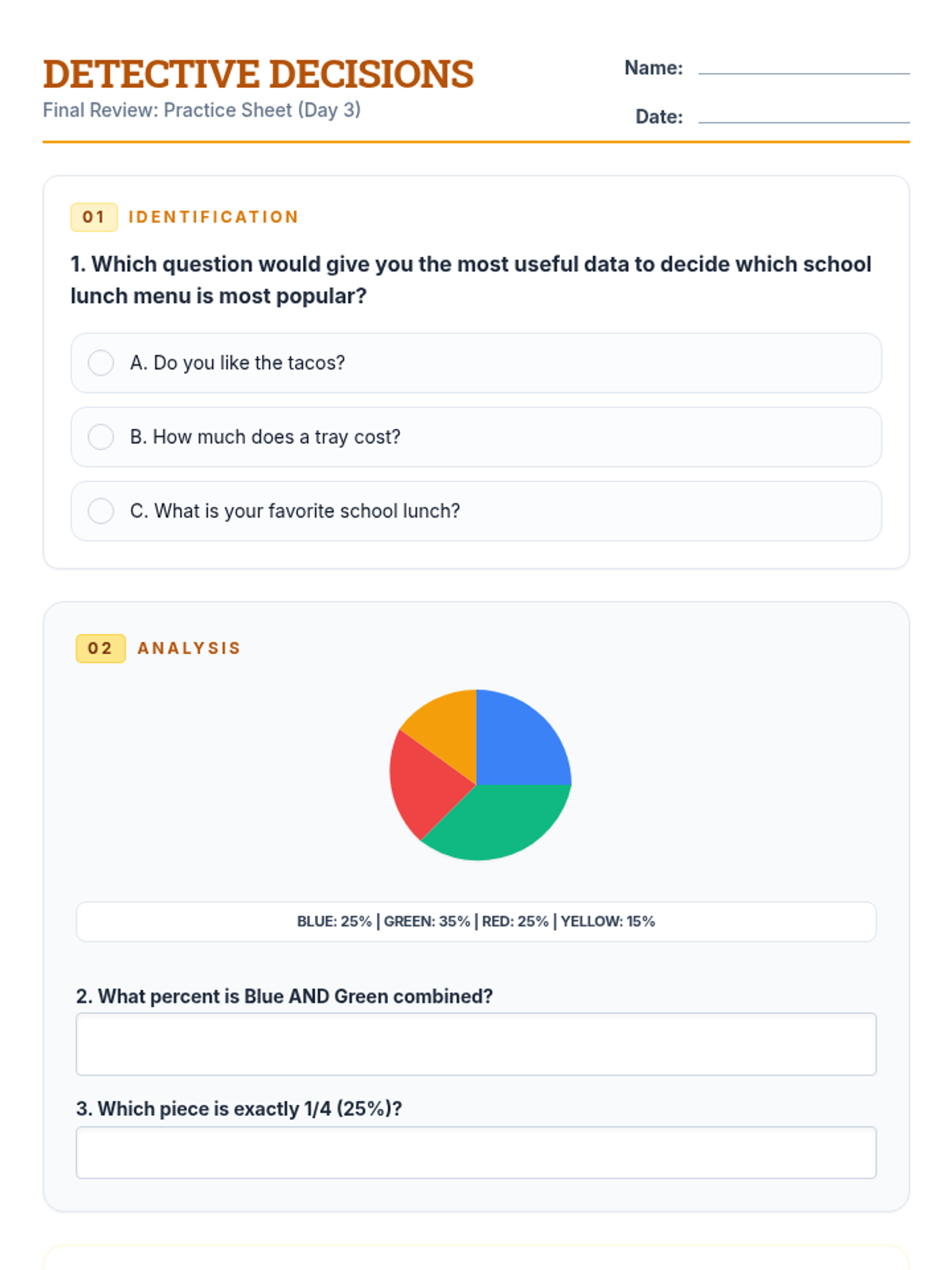
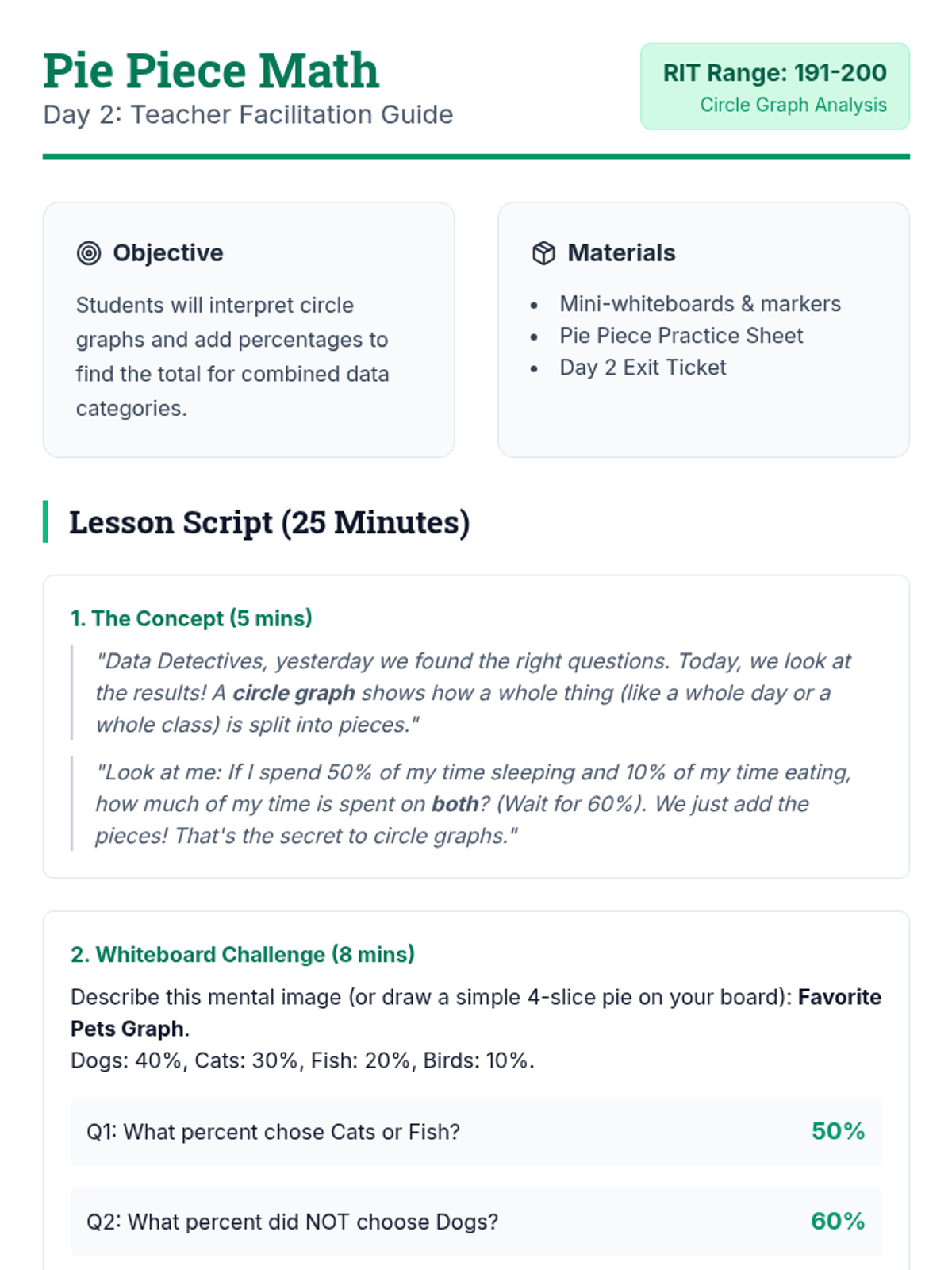
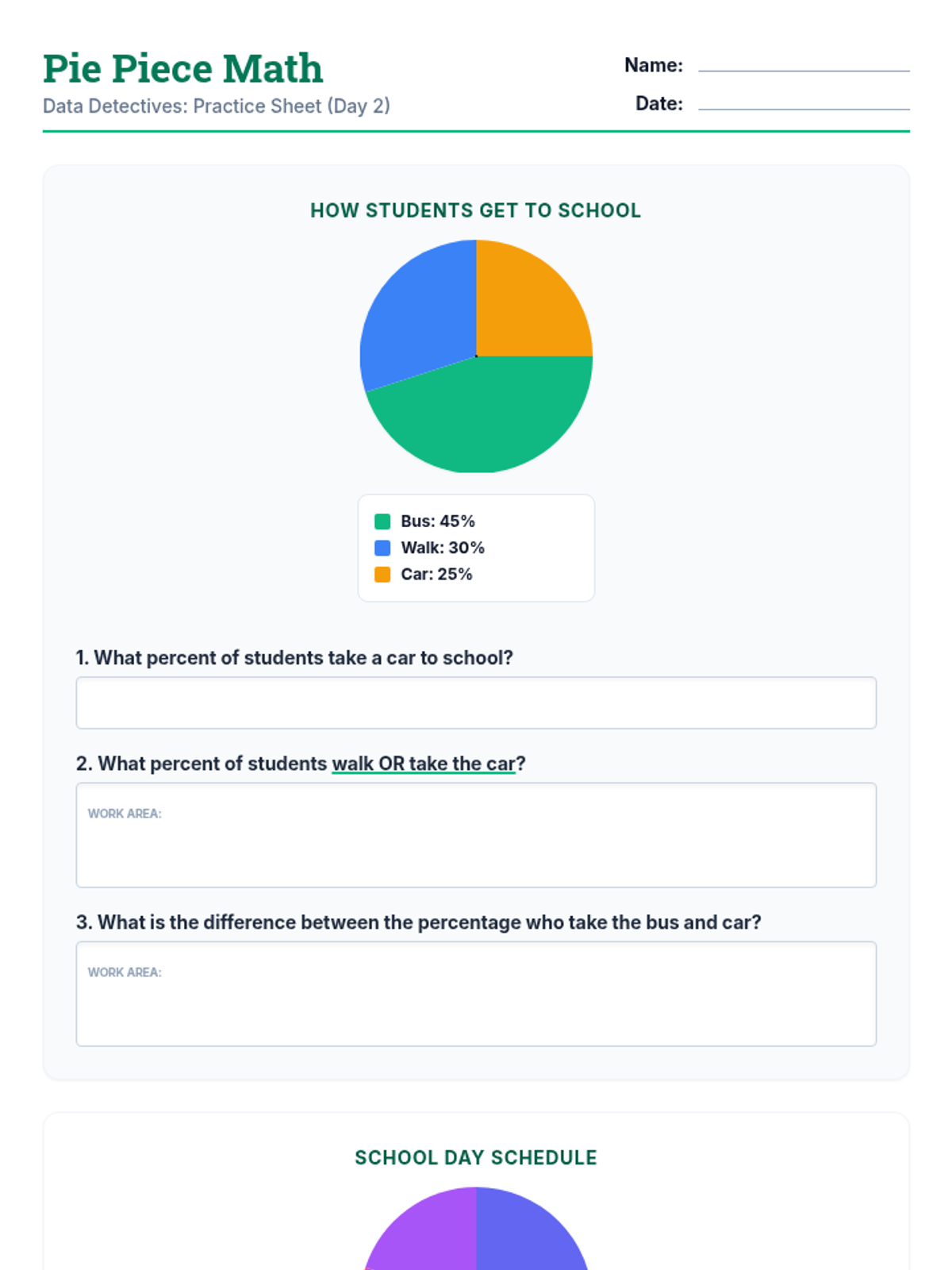
Students will interpret circle graphs and solve problems involving combining data categories, targeting RIT 191-200 skills.
Students will learn to identify and formulate statistical questions that yield variable data, bridging the gap from RIT 181-190.