In this high-energy lesson, 1st-grade students explore the fundamentals of electricity by becoming part of a 'Human Circuit.' They'll use physical movement to understand how energy flows in a continuous loop and how a switch can break that path.
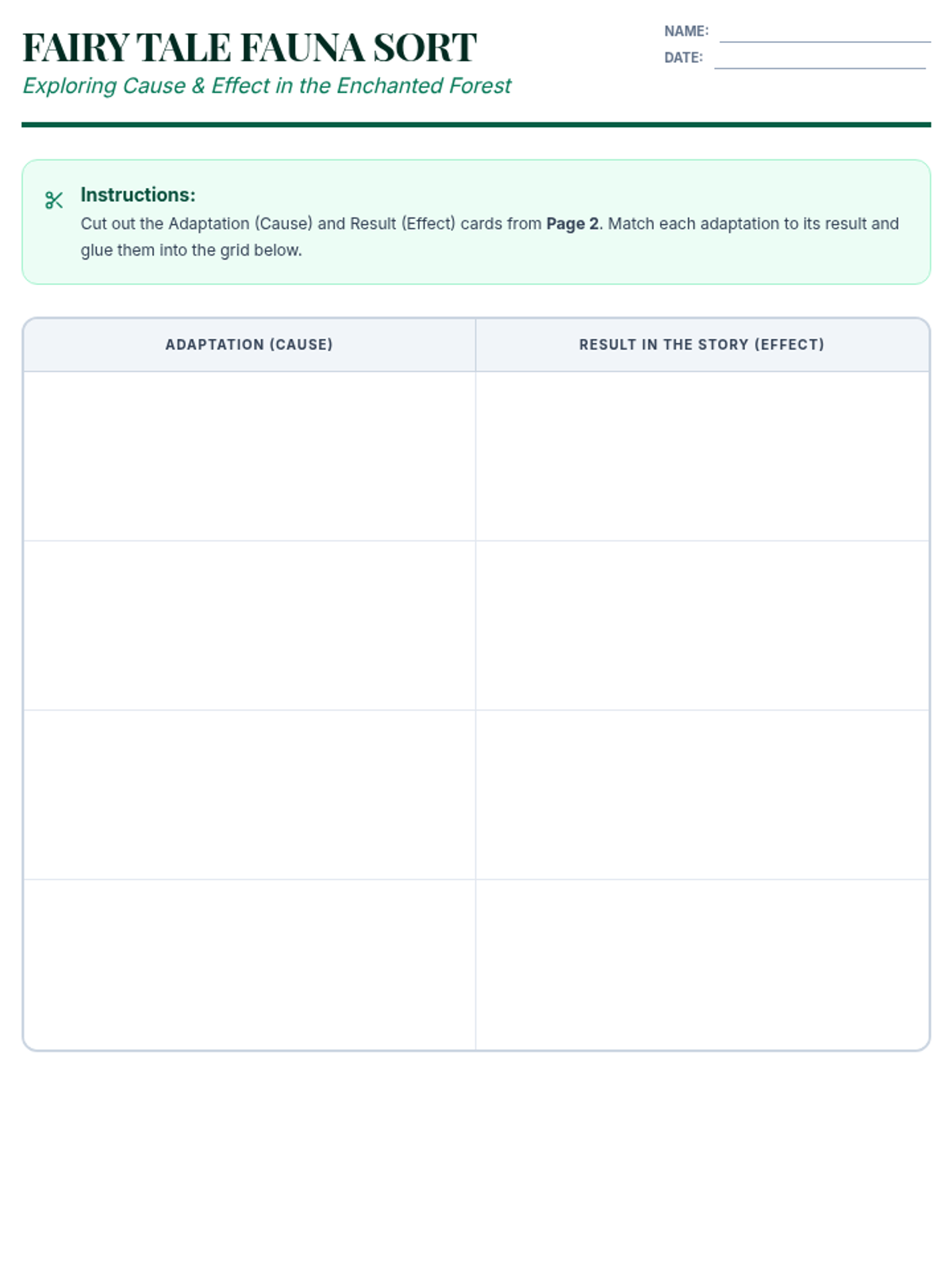
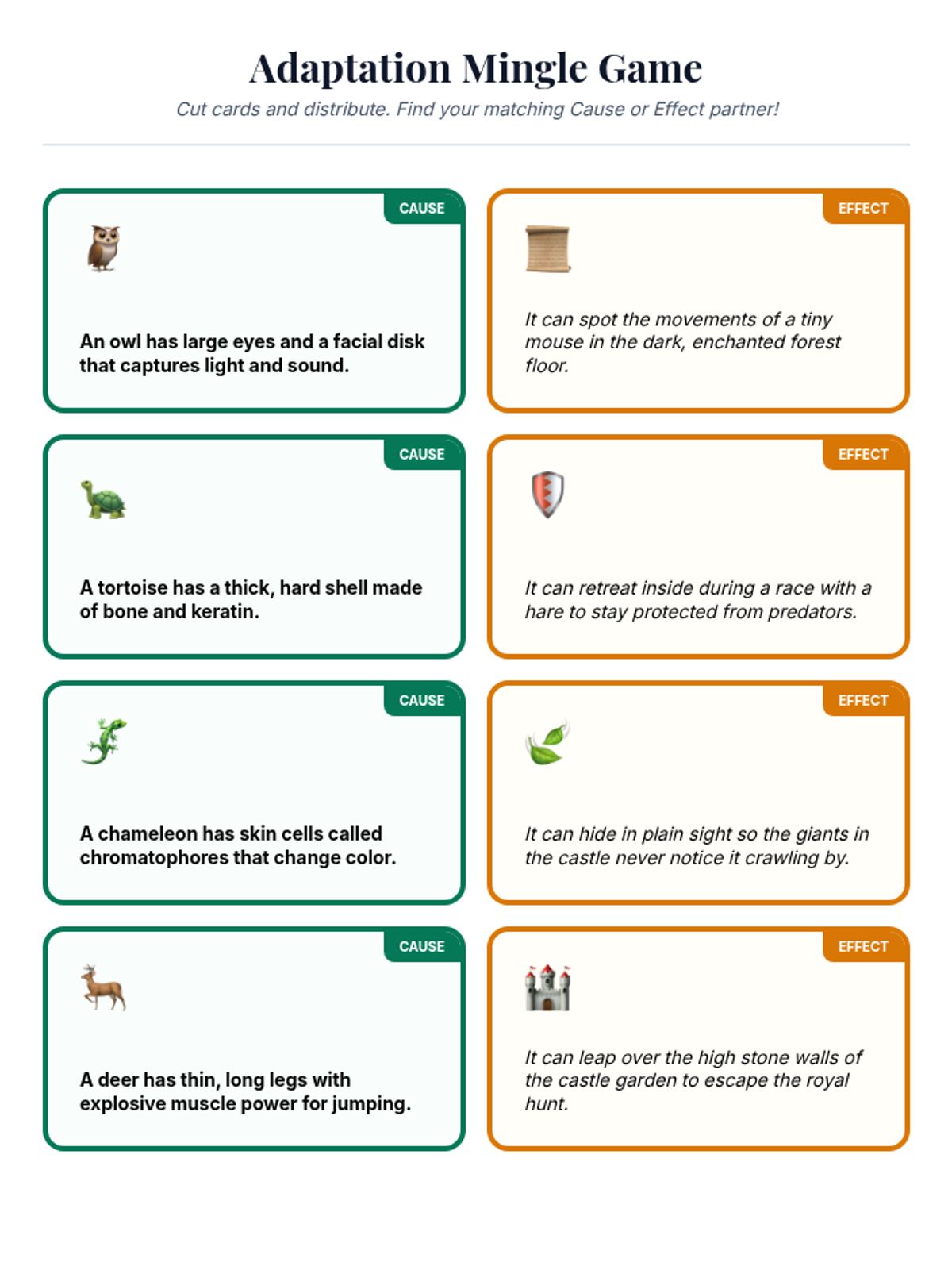
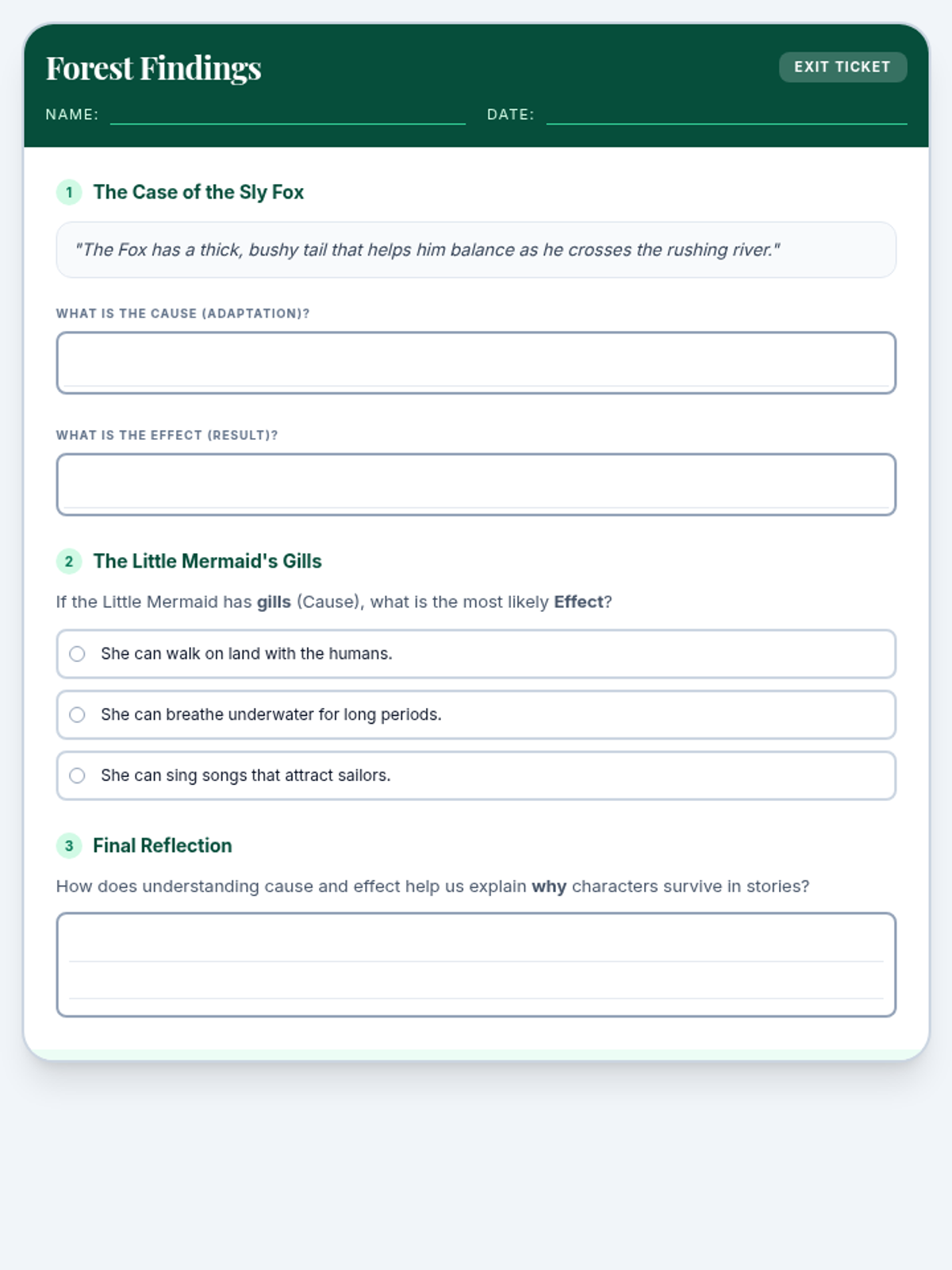
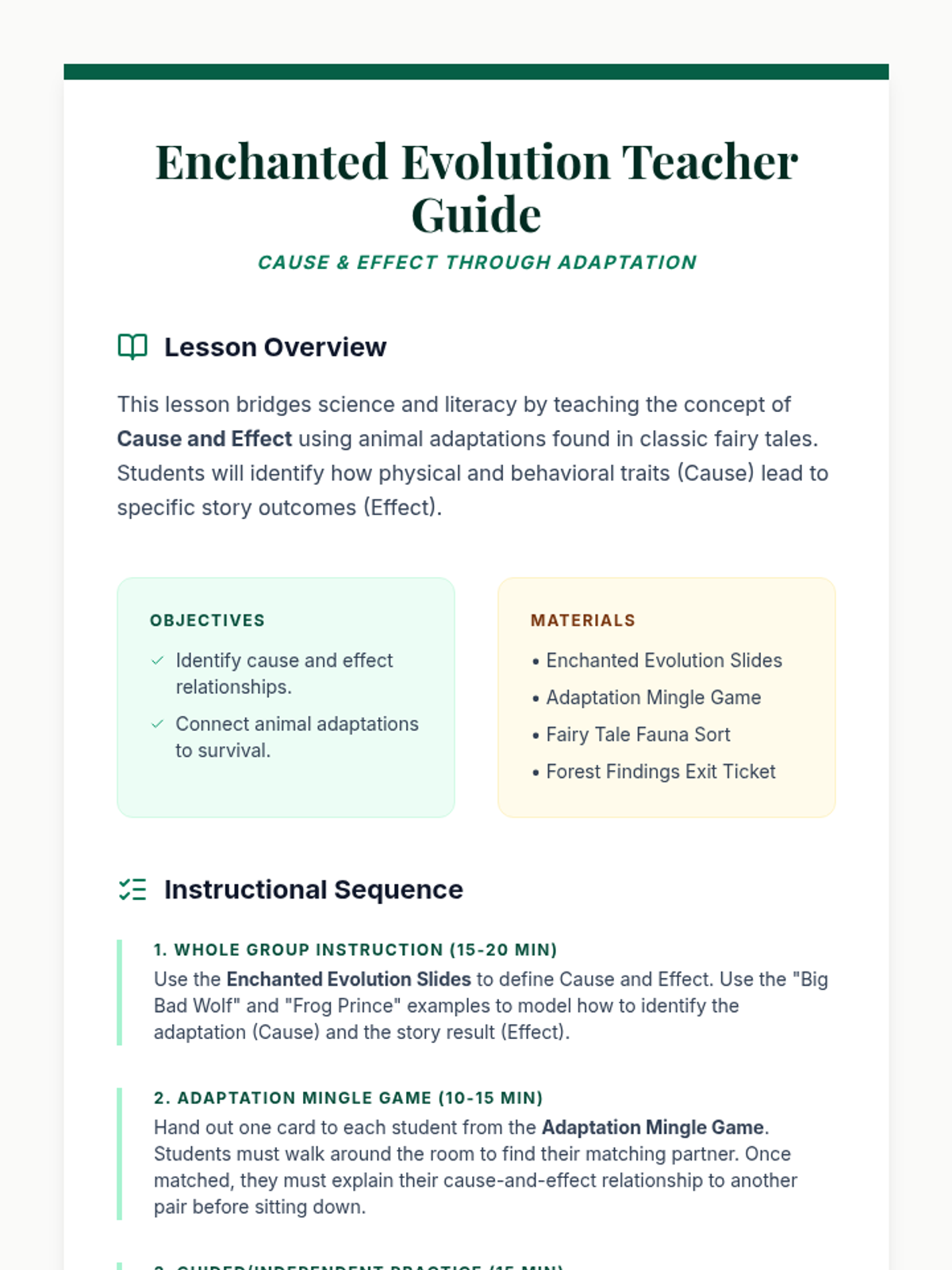
A whole-group lesson where students identify cause and effect relationships by analyzing how animal adaptations help fairy tale creatures survive their stories.
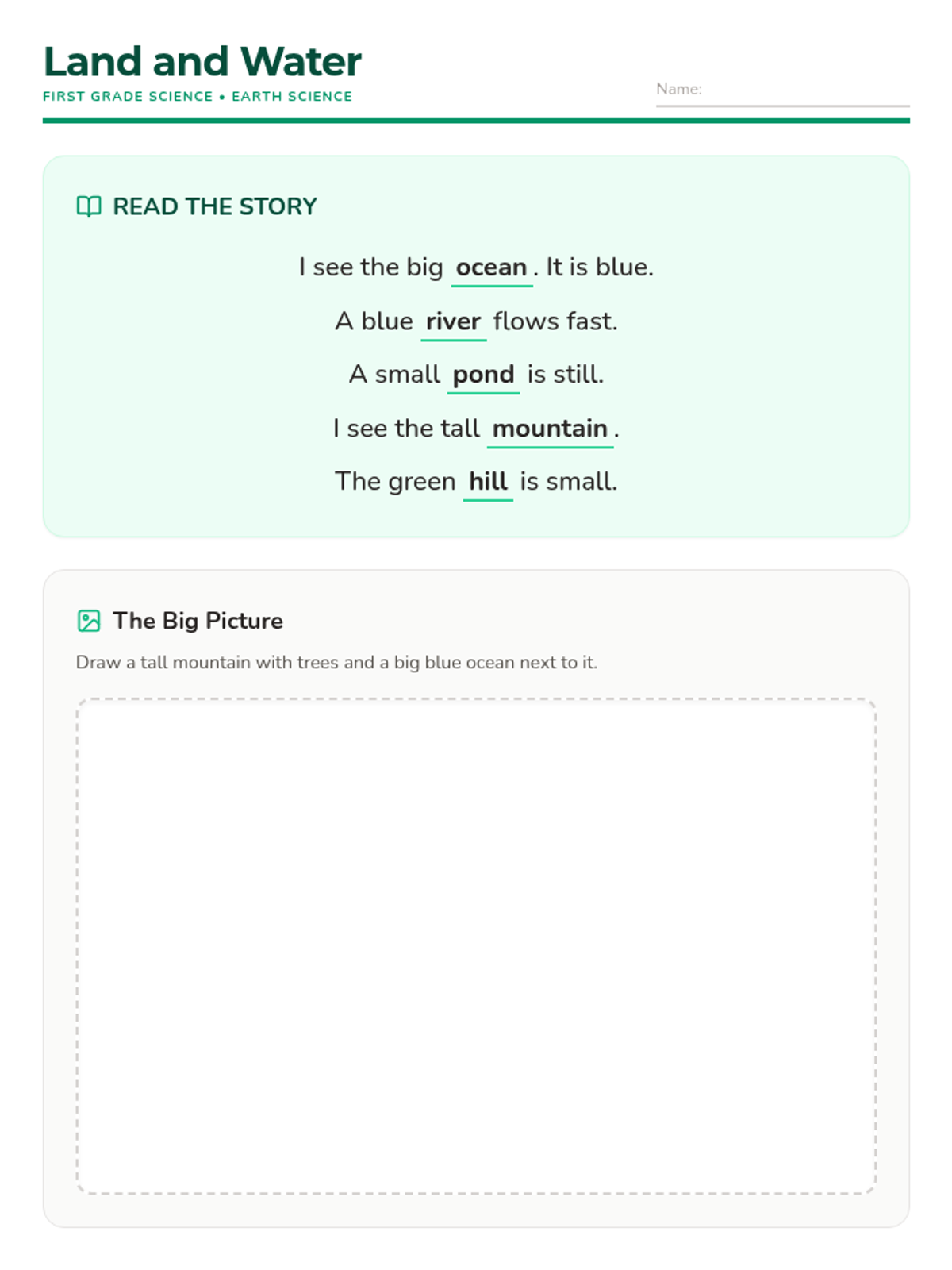
A geography-focused science lesson identifying different types of landforms and bodies of water on Earth.
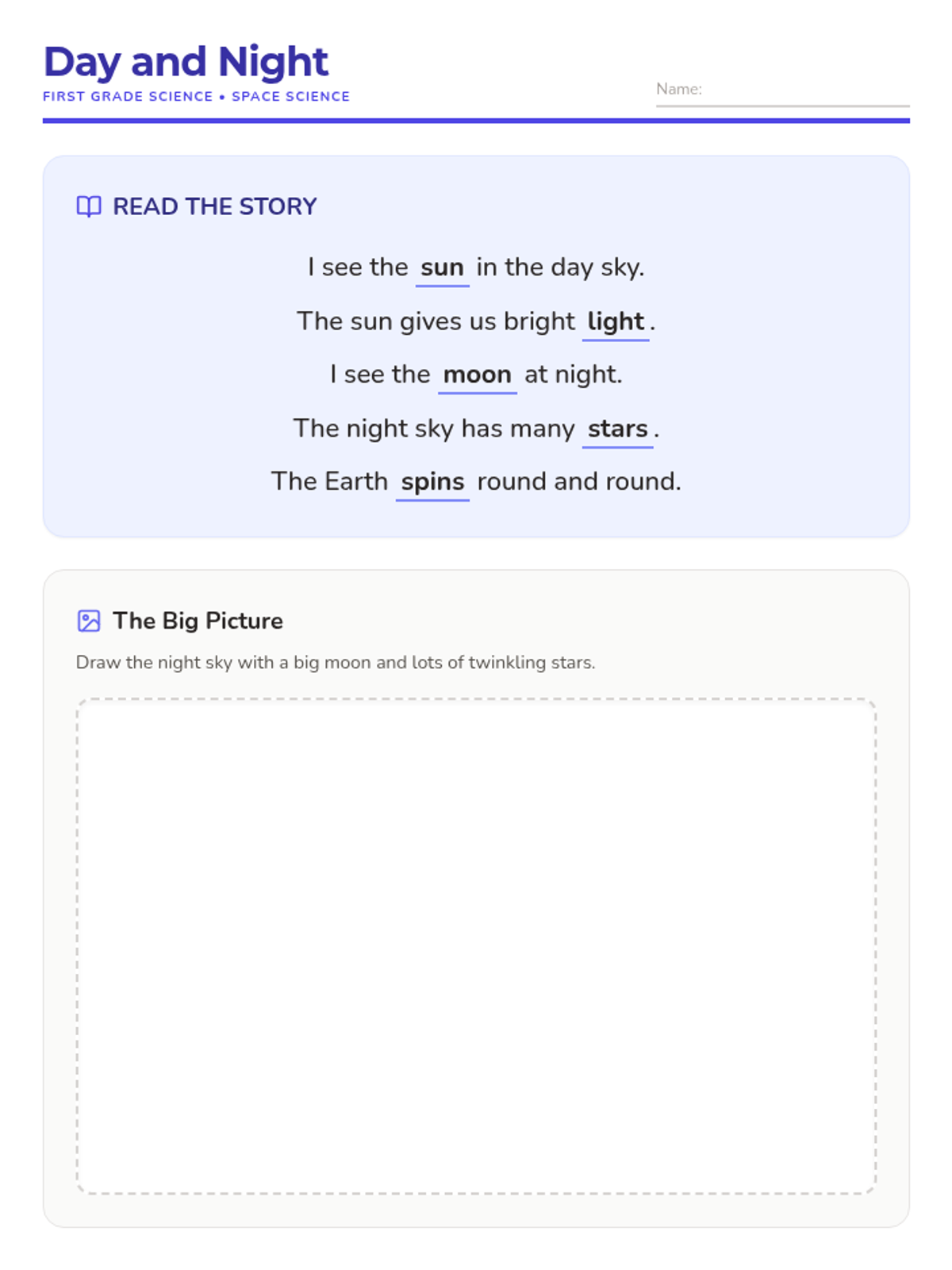
Students explore the concept of Earth's rotation through the visible patterns of day and night.
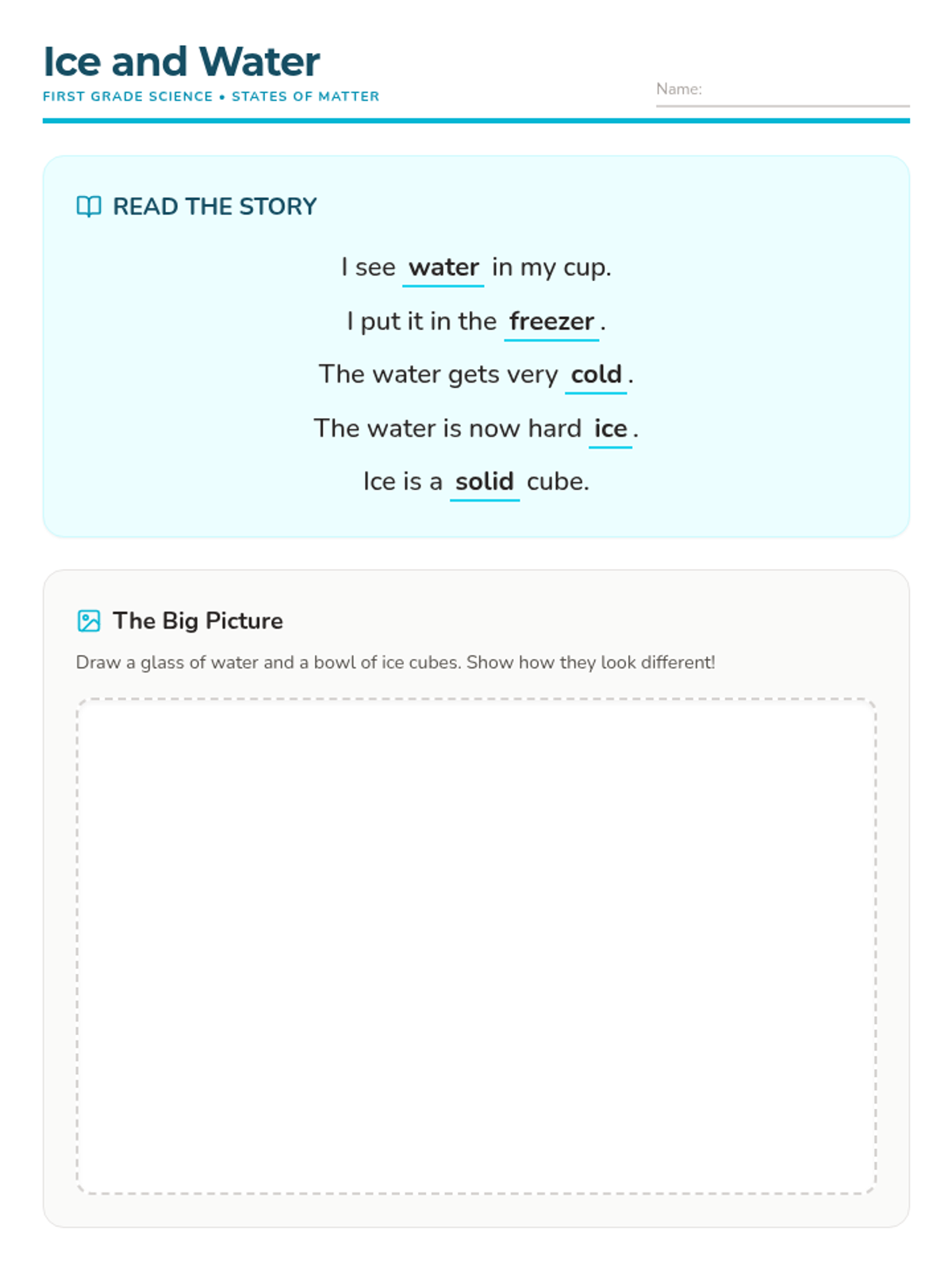
An introduction to the states of matter by observing how water changes from liquid to solid.
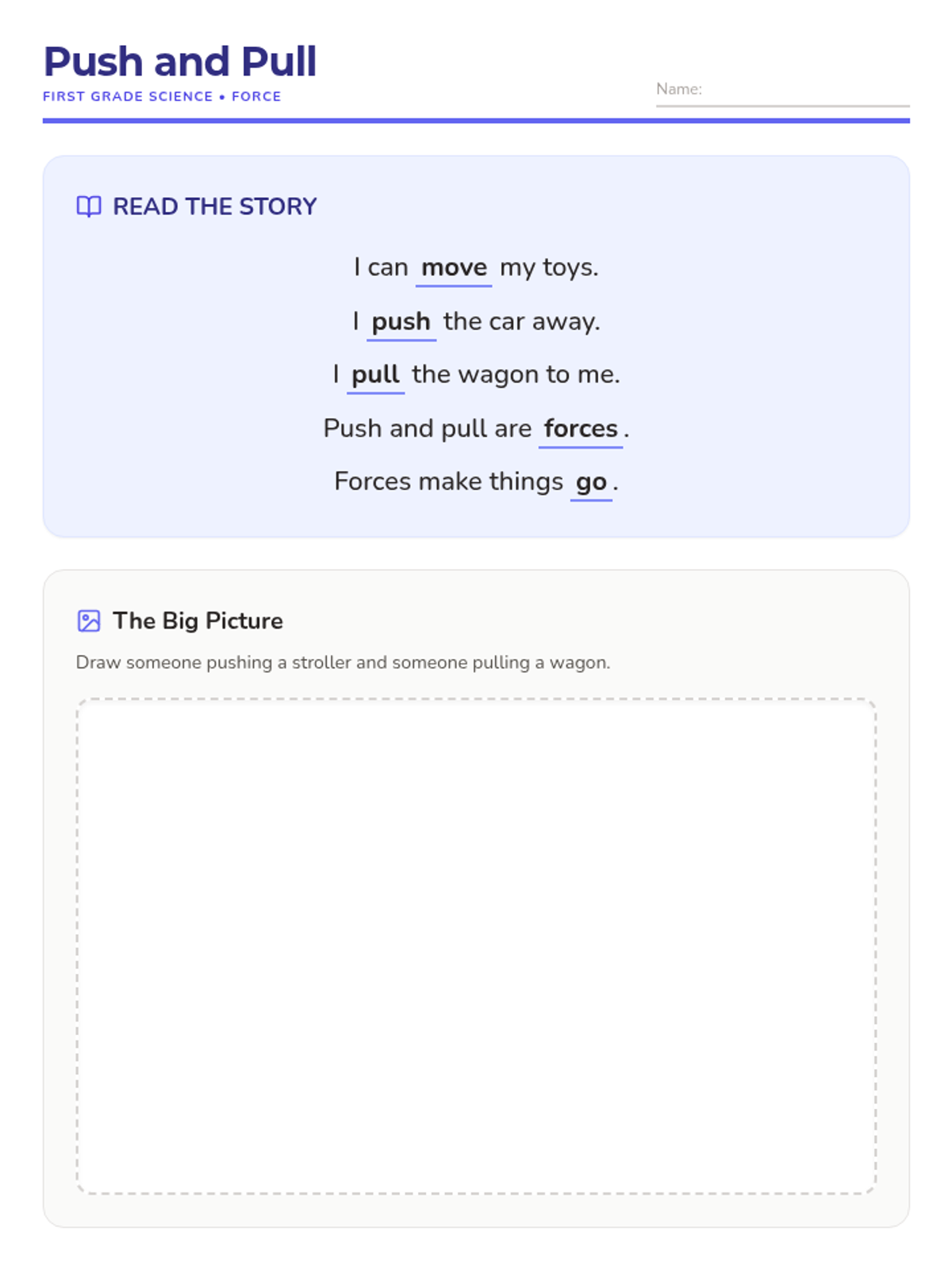
A basic physics lesson on force, teaching students about pushes and pulls using everyday objects.
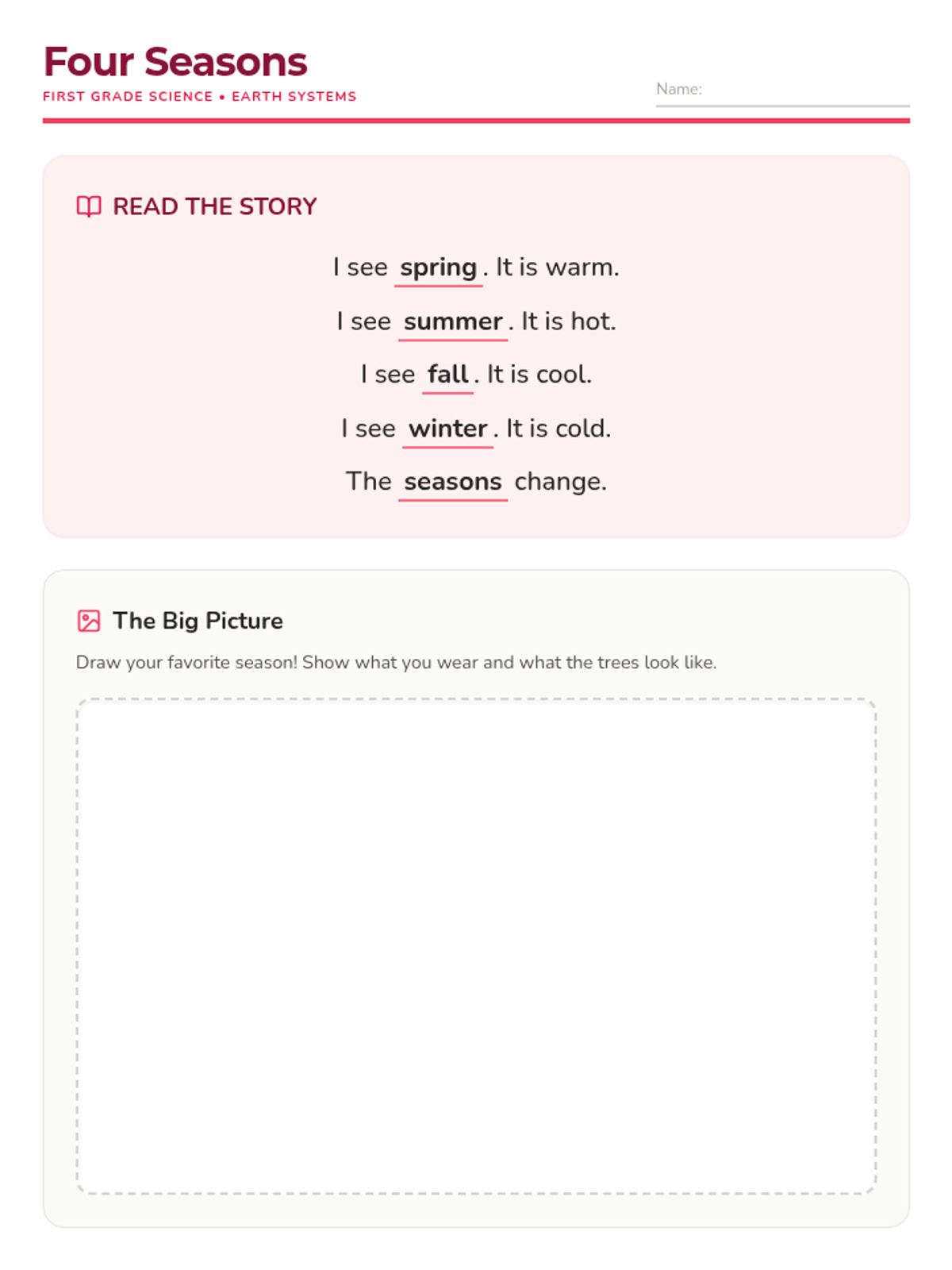
Students identify the four seasons and the primary environmental changes associated with each.
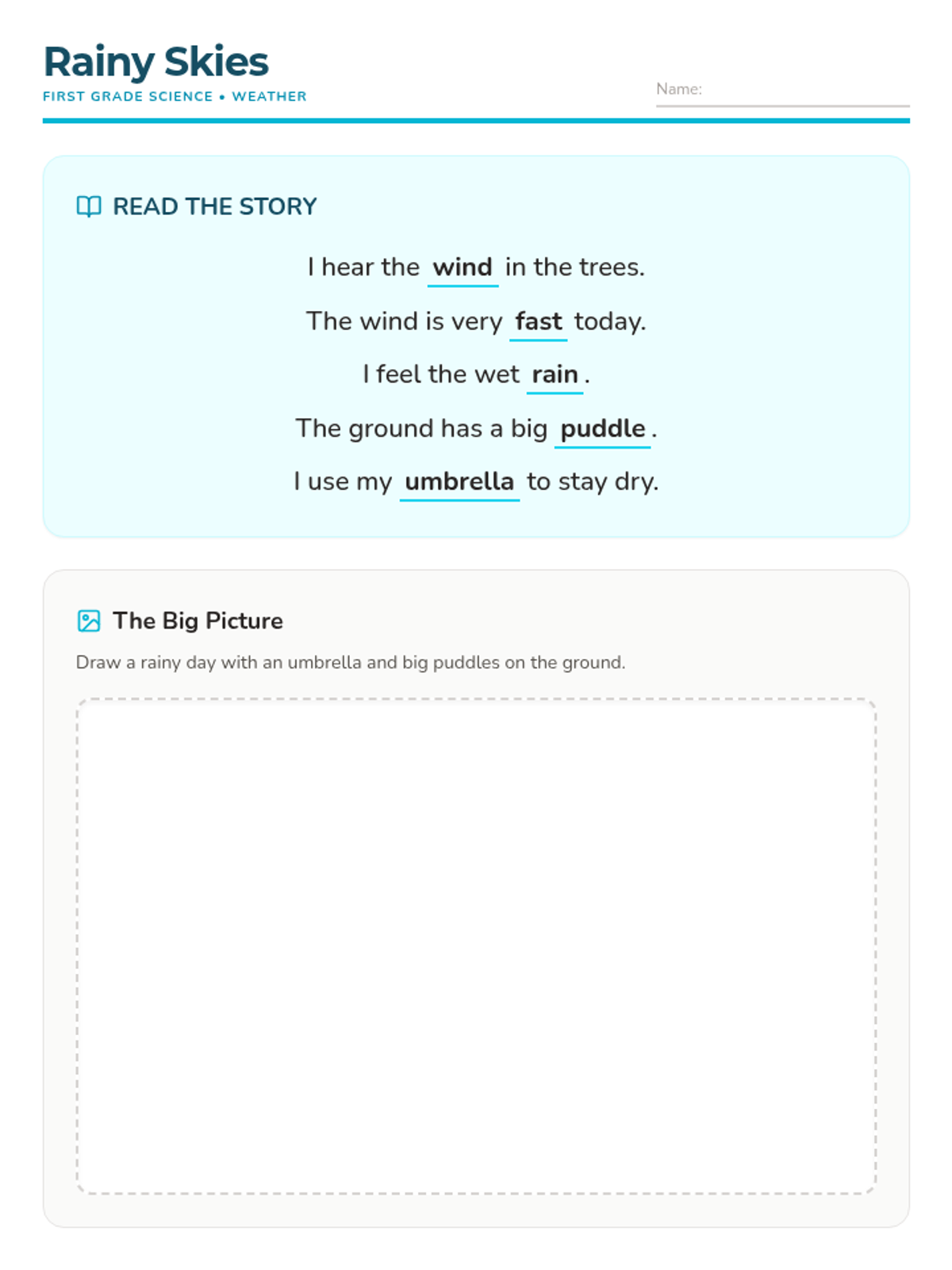
An exploration of dynamic weather elements like wind and precipitation and their effects.
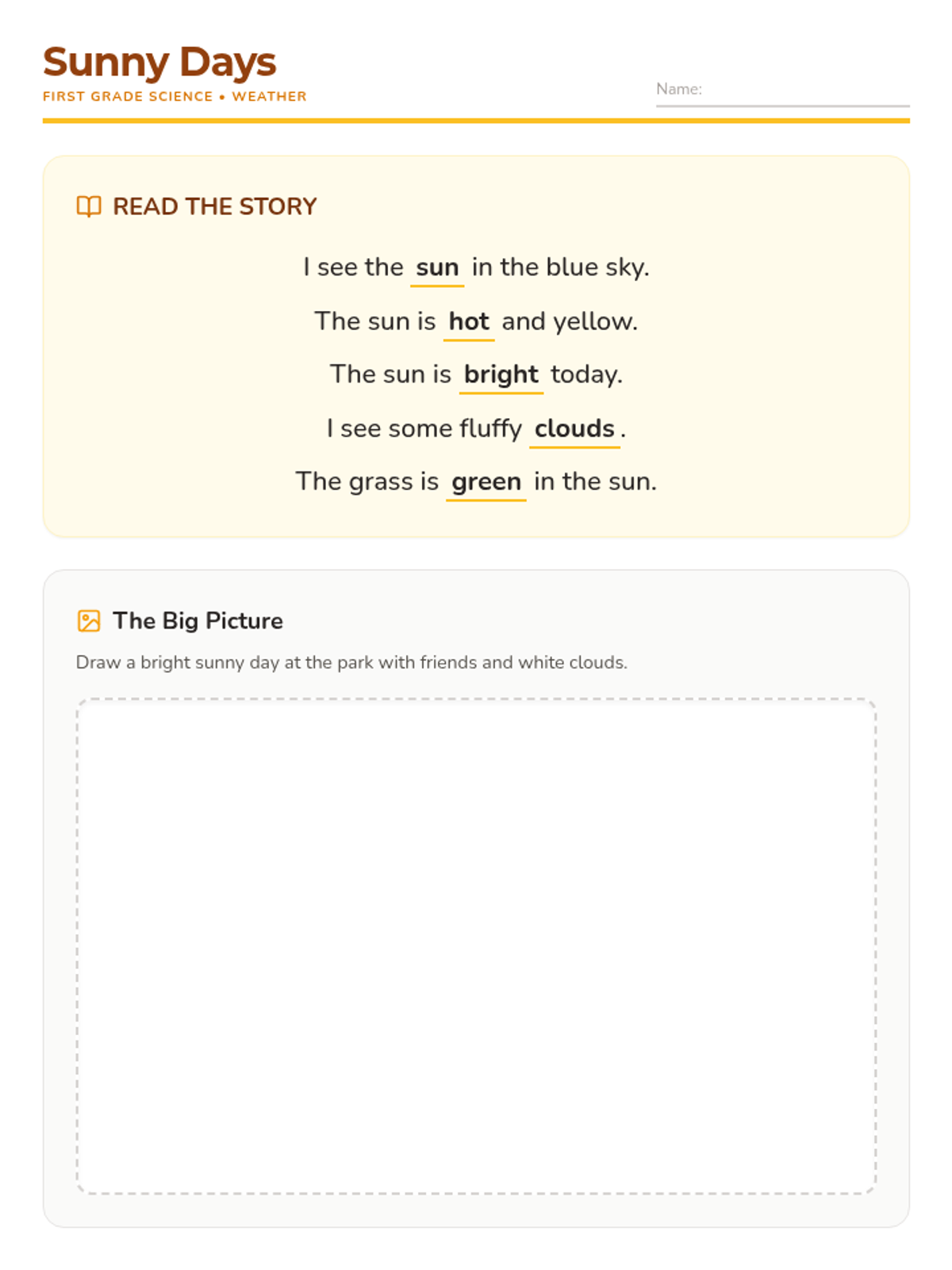
A look at basic weather patterns, focusing on the characteristics of sunny and cloudy days.
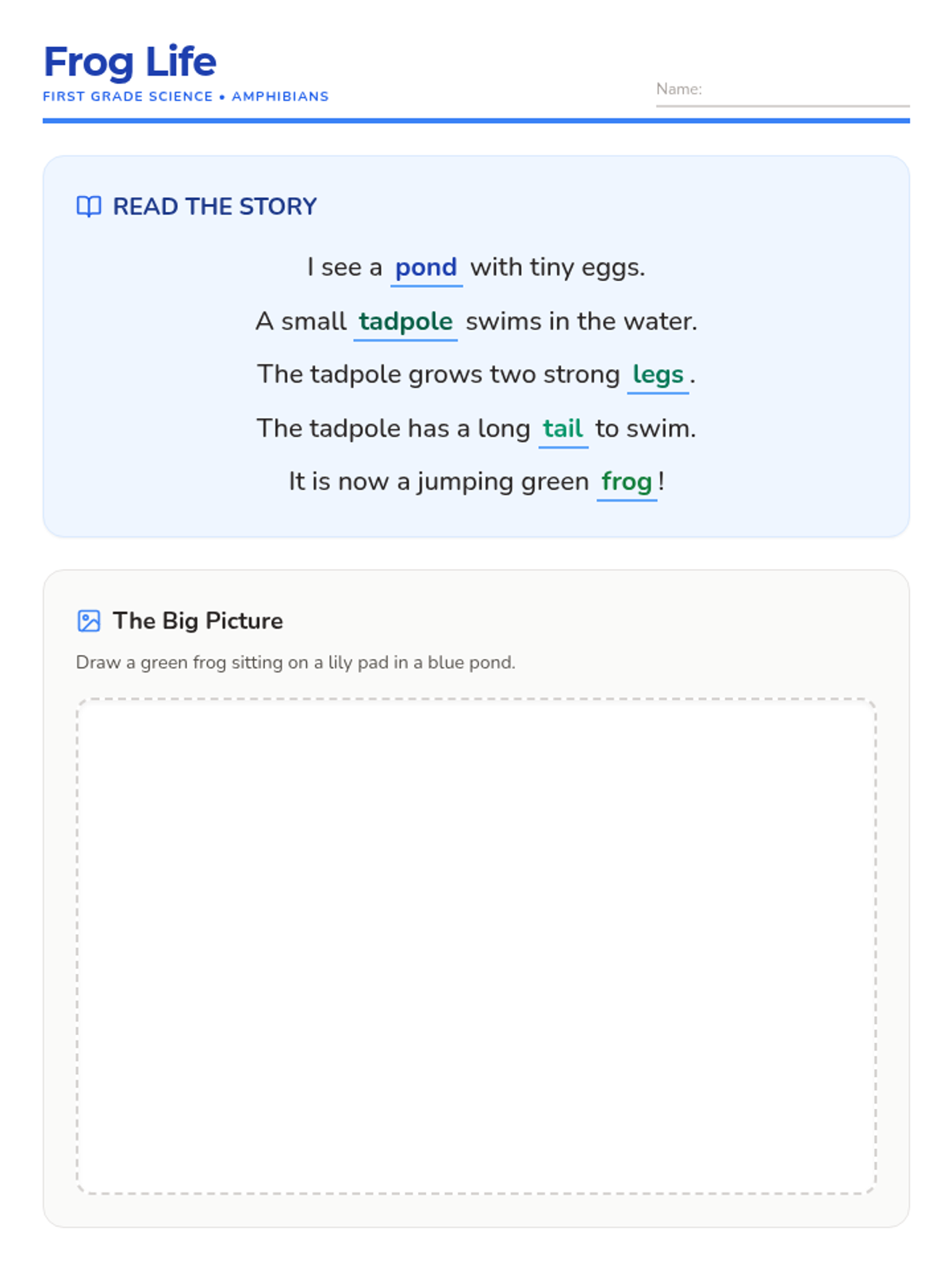
Students explore the stages of a frog's life cycle, from eggs in the water to a jumping adult.
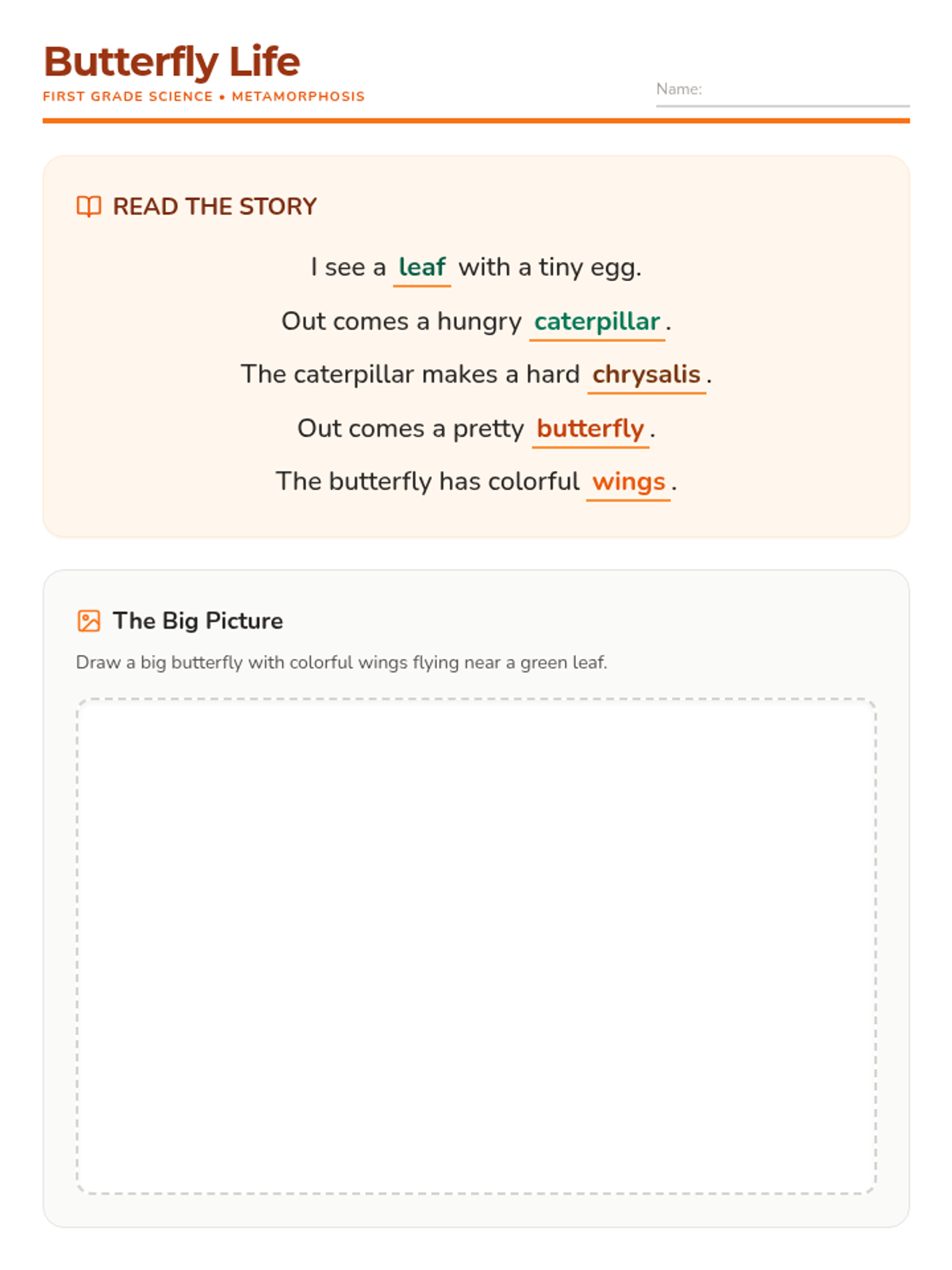
An introduction to metamorphosis as students follow a caterpillar's transformation into a butterfly.
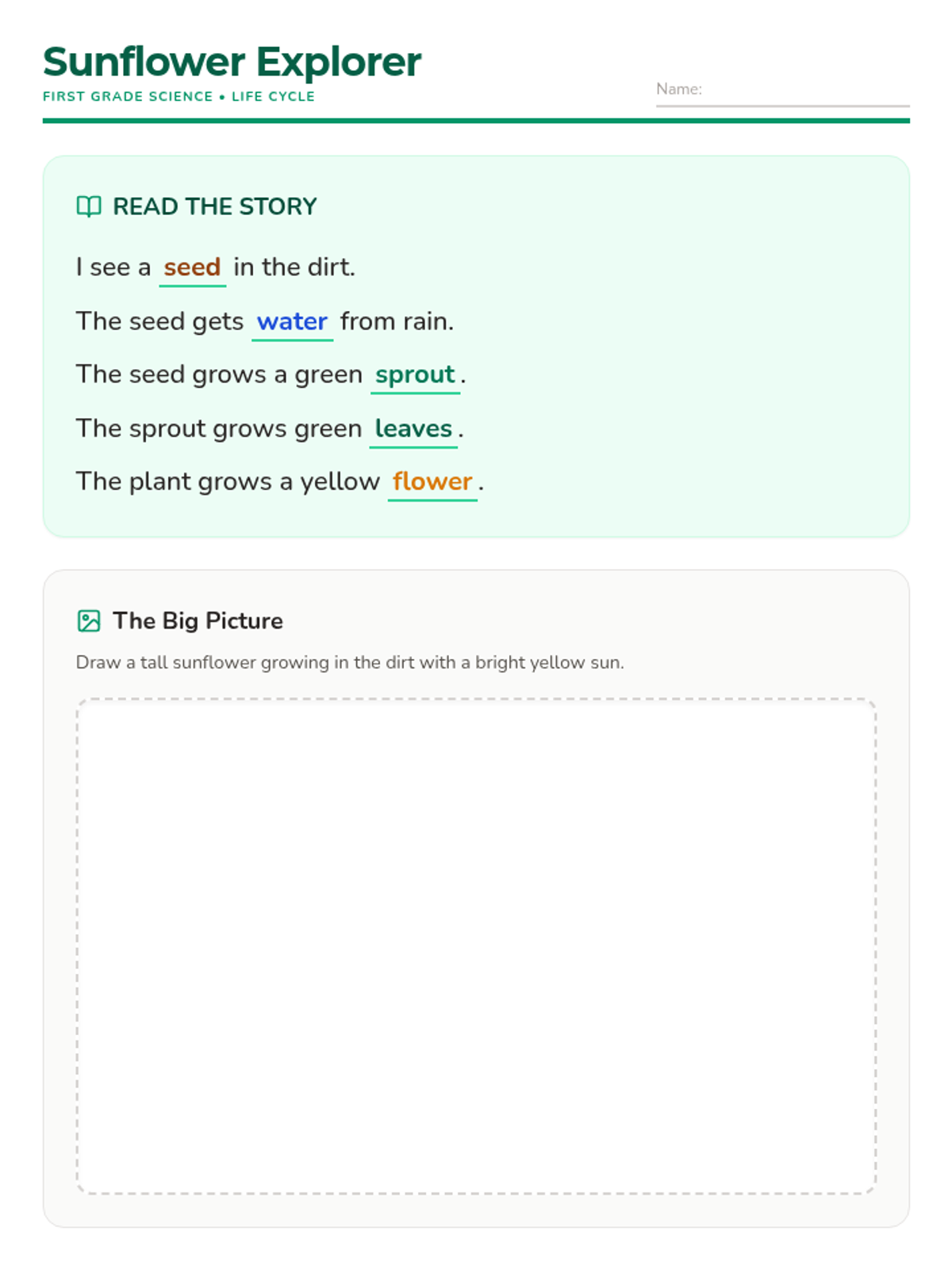
Students learn about the plant life cycle using a sunflower as a model, focusing on the stages from seed to flower.
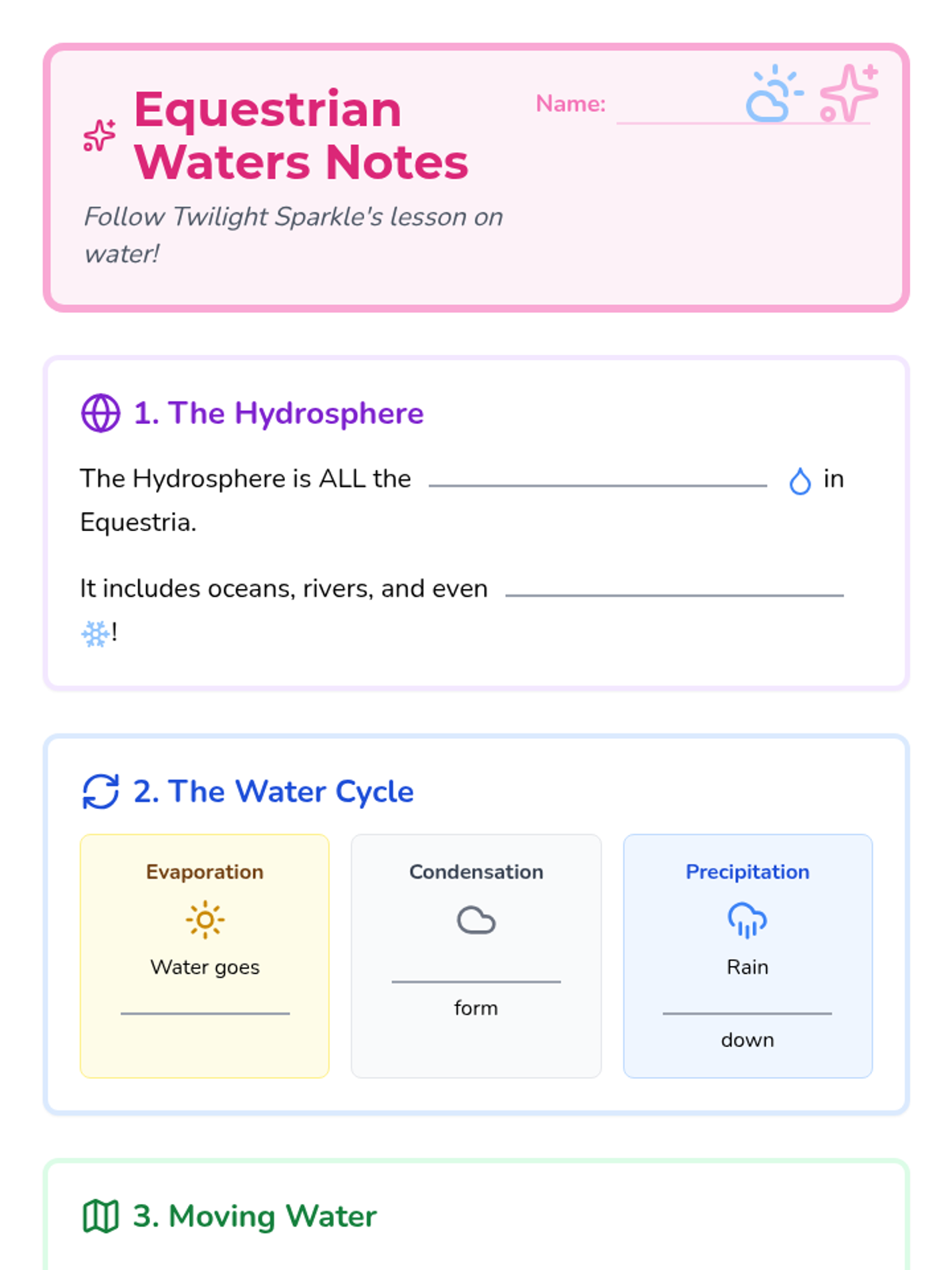
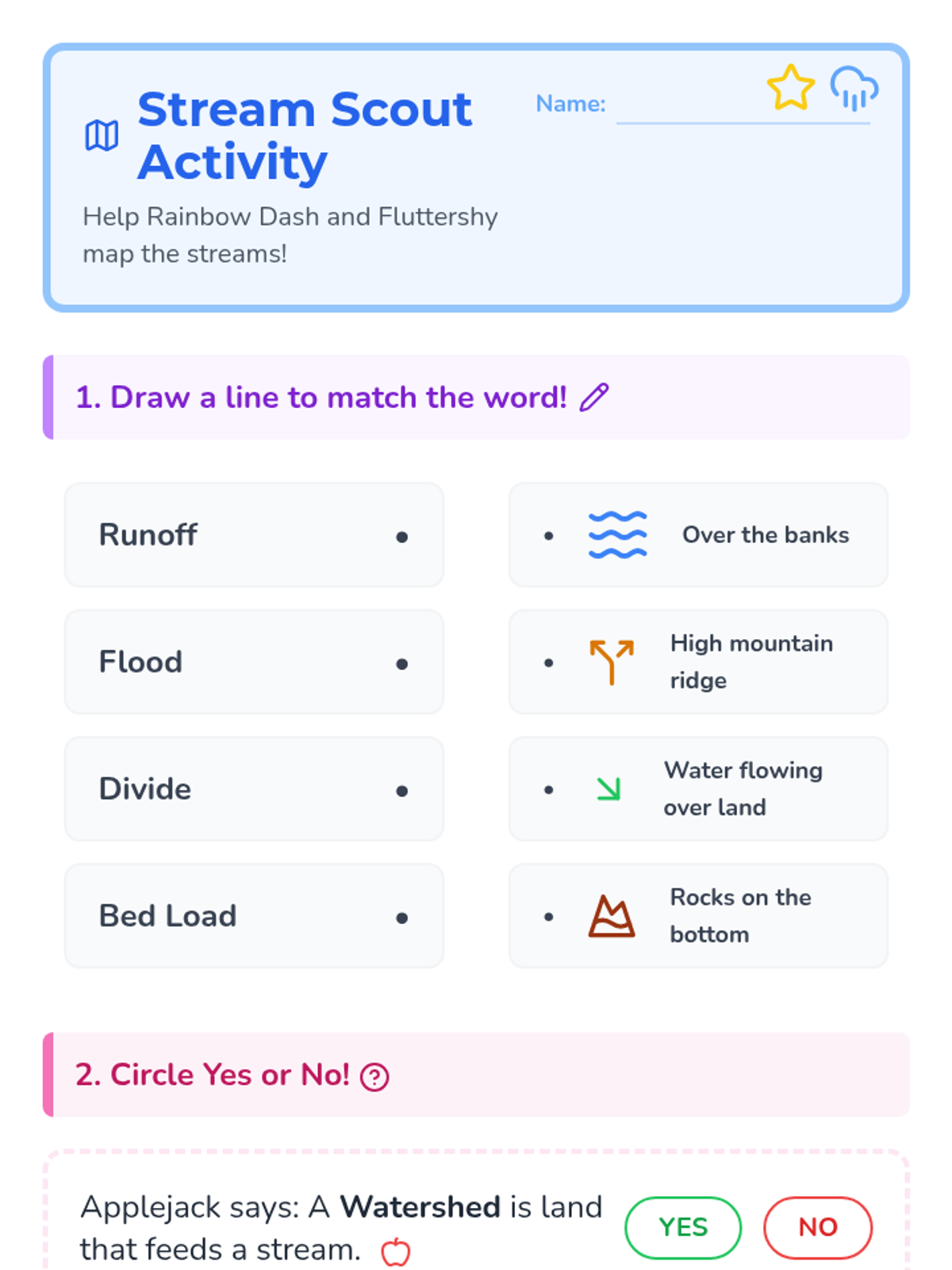
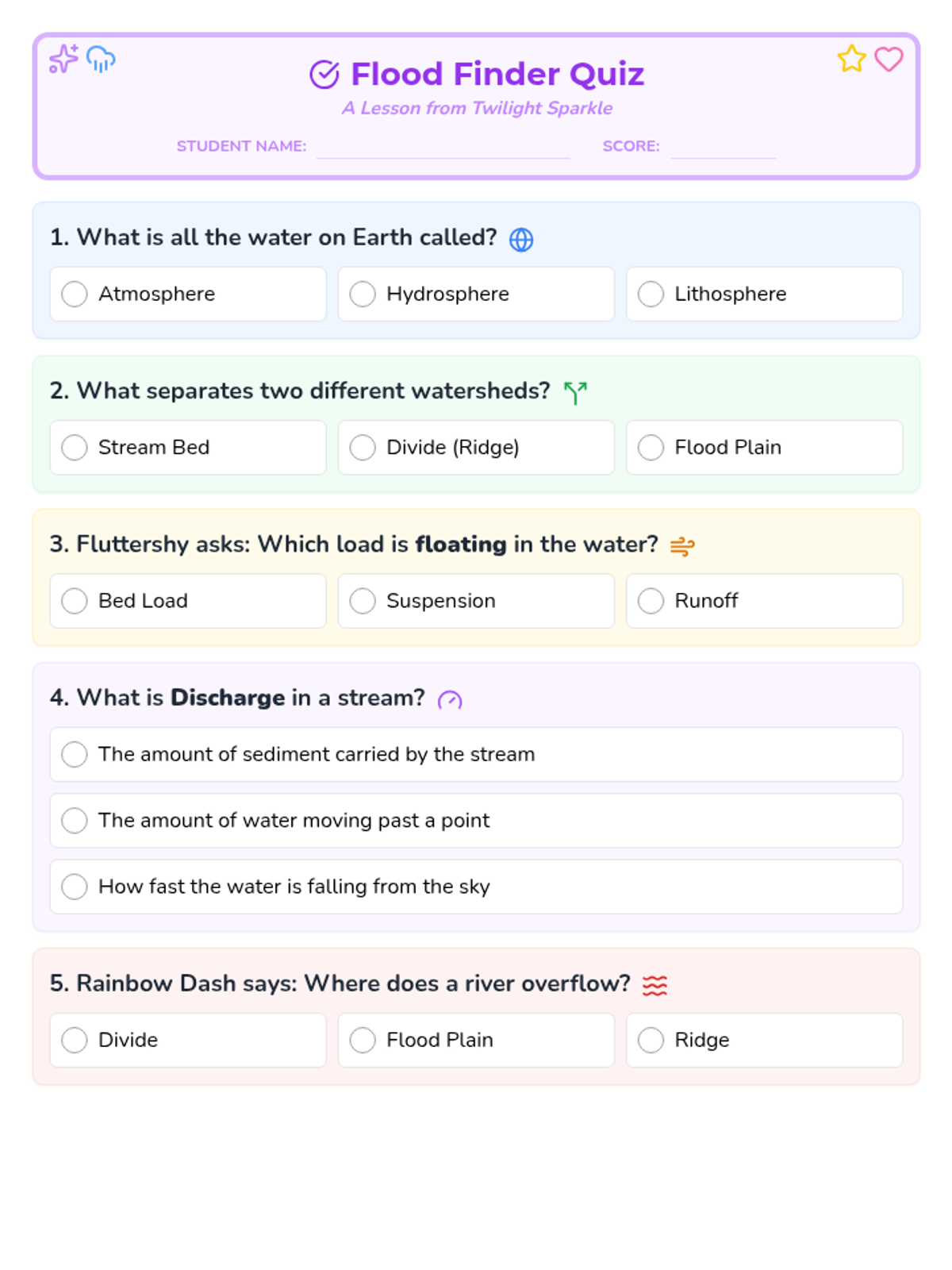
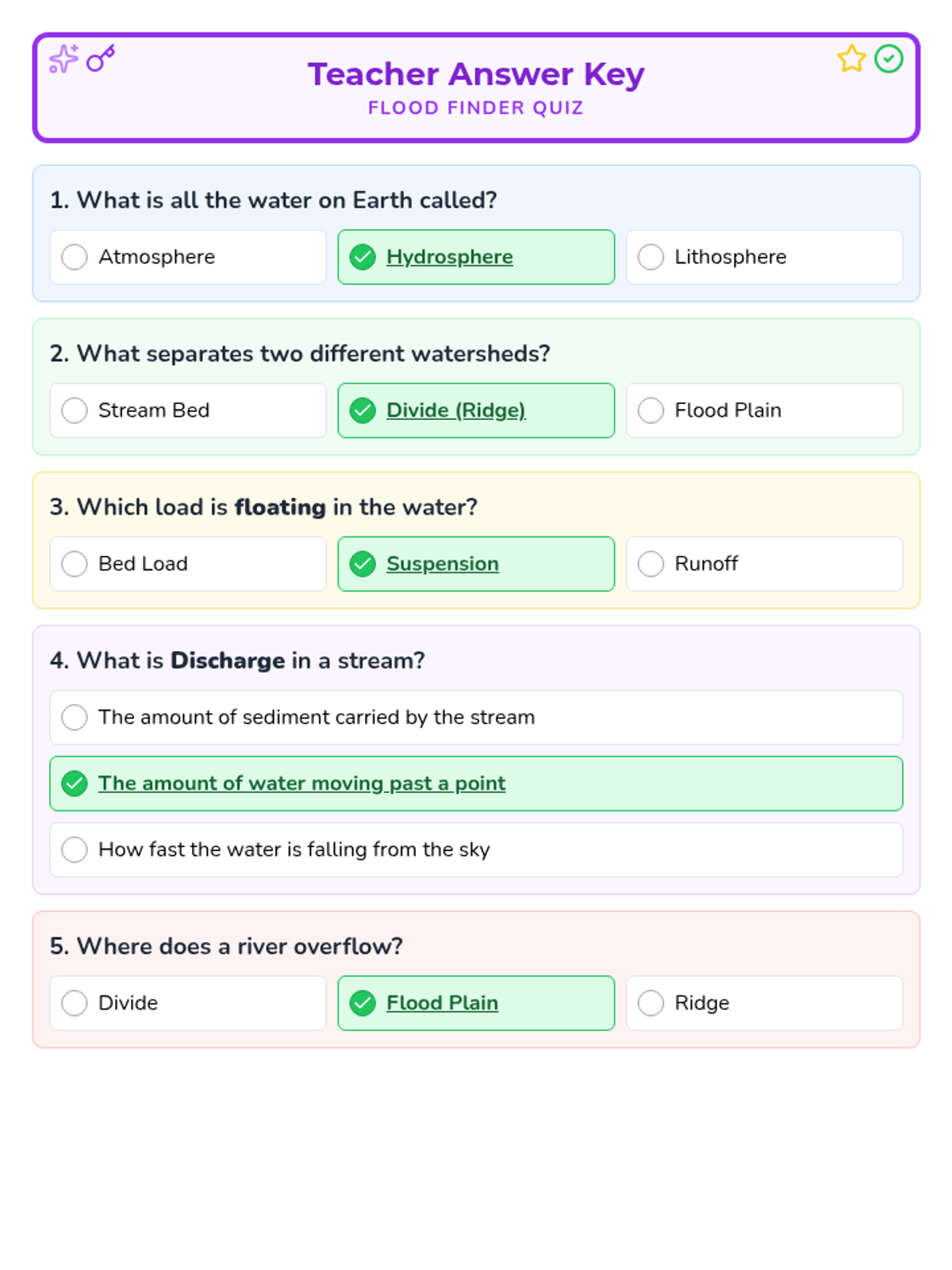
A simplified, symbol-supported lesson on surface water movement, covering watersheds, stream systems, and flood safety, themed around the world of Equestria.
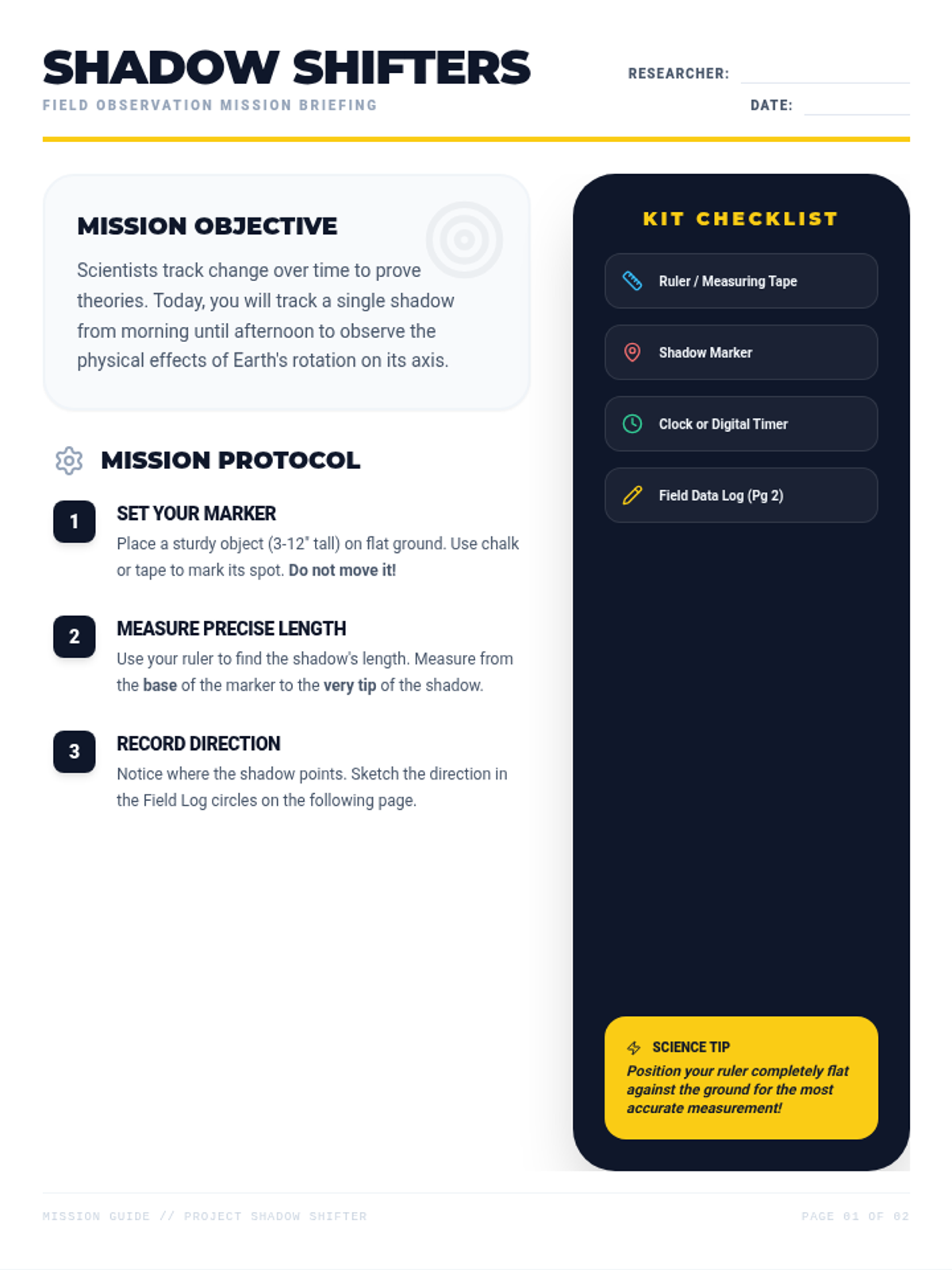
A hands-on, asynchronous observation lesson where students track the movement and size of shadows over the course of a single day to understand Earth's rotation and data collection.
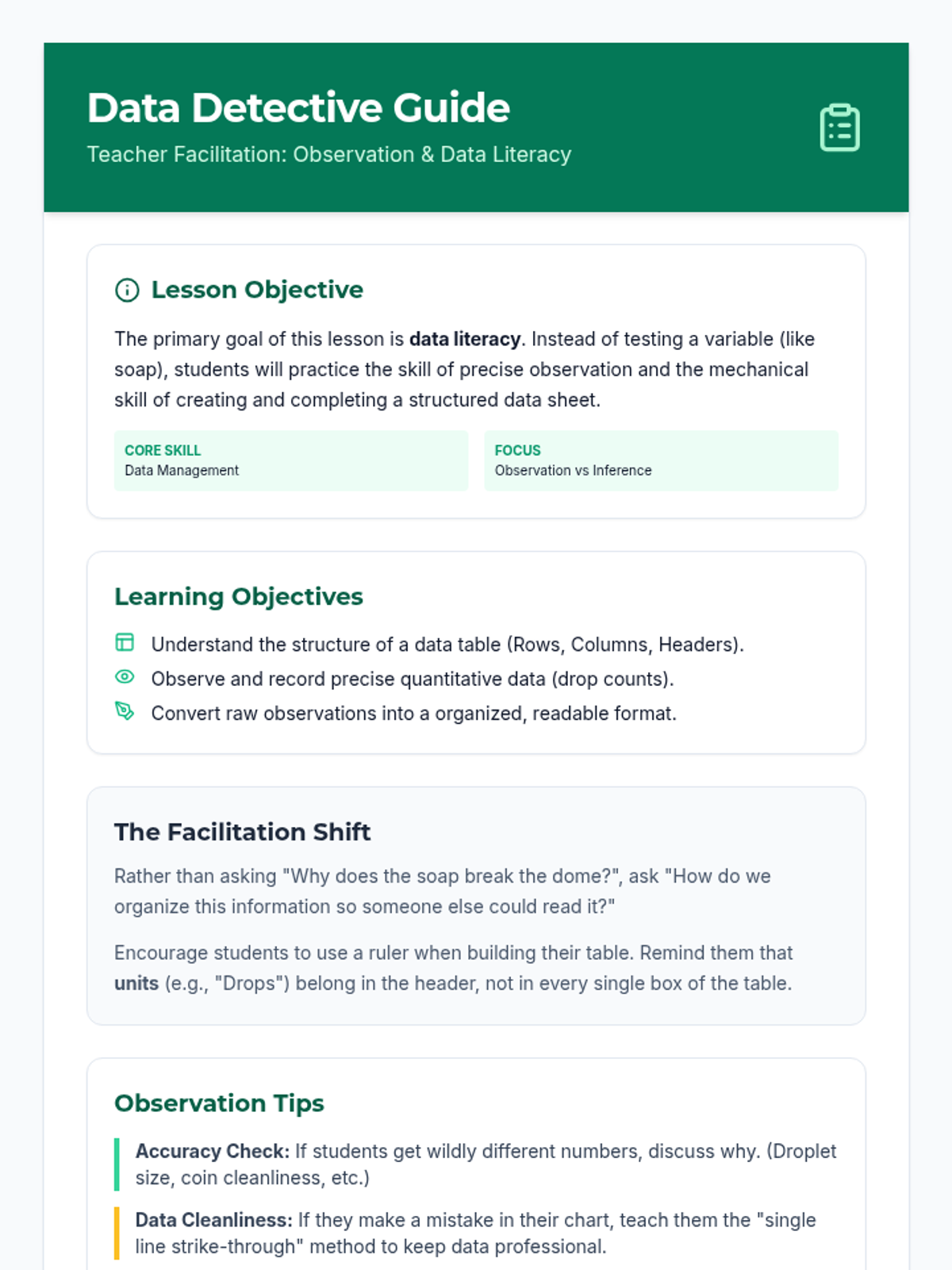
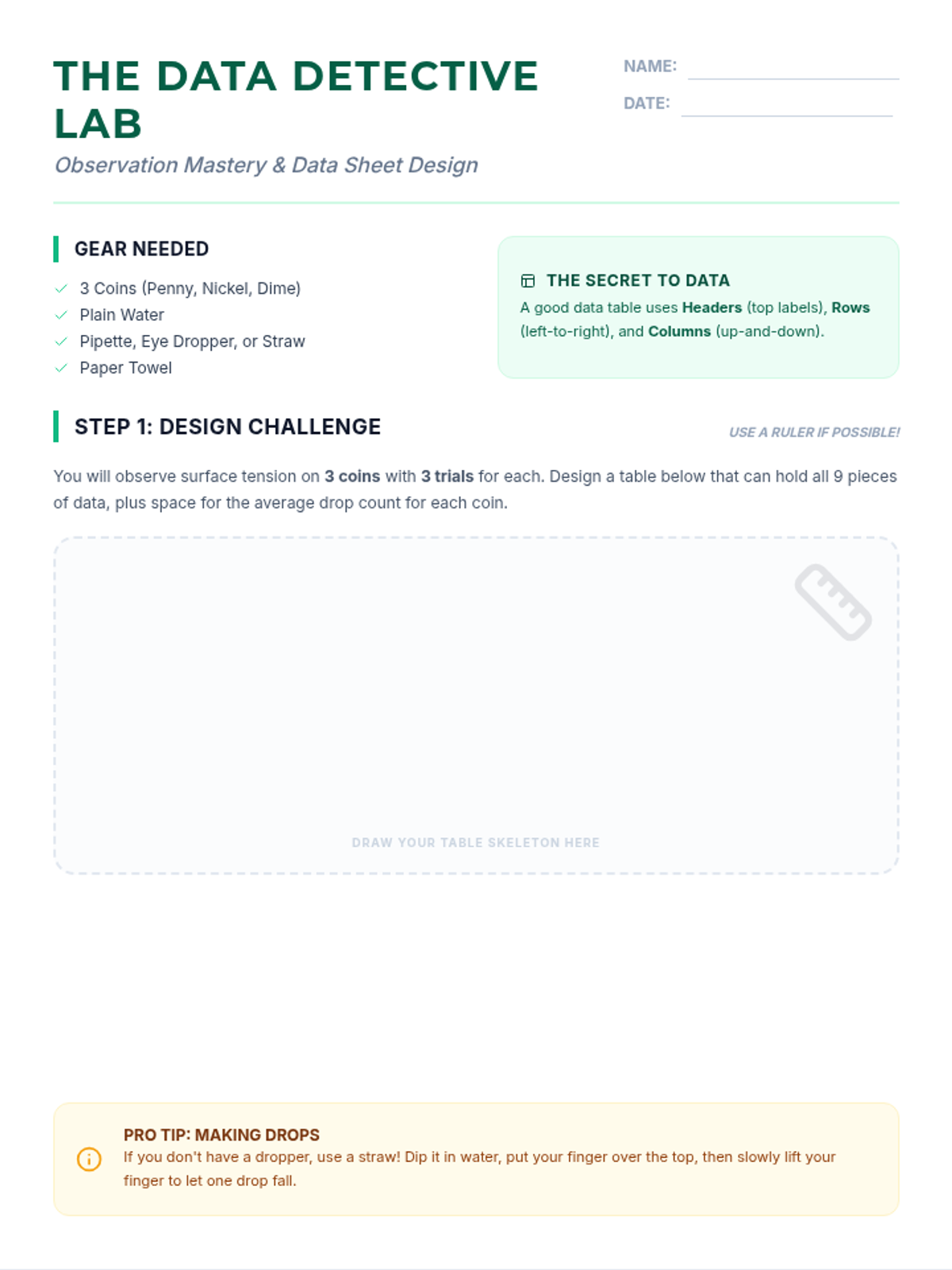
An introductory science lesson on surface tension where students conduct a hands-on experiment at home using coins, water, and soap to observe how molecules stick together.
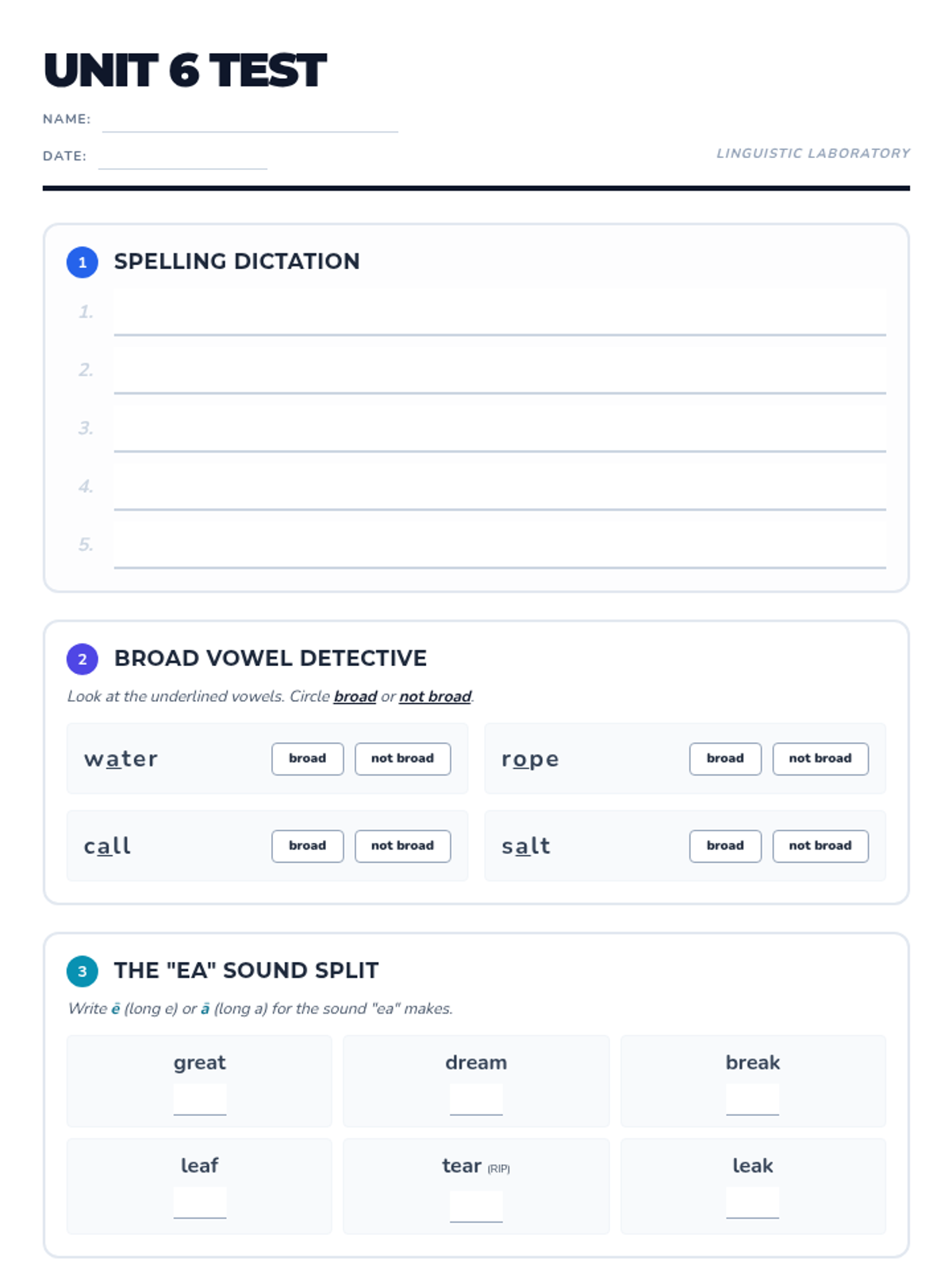
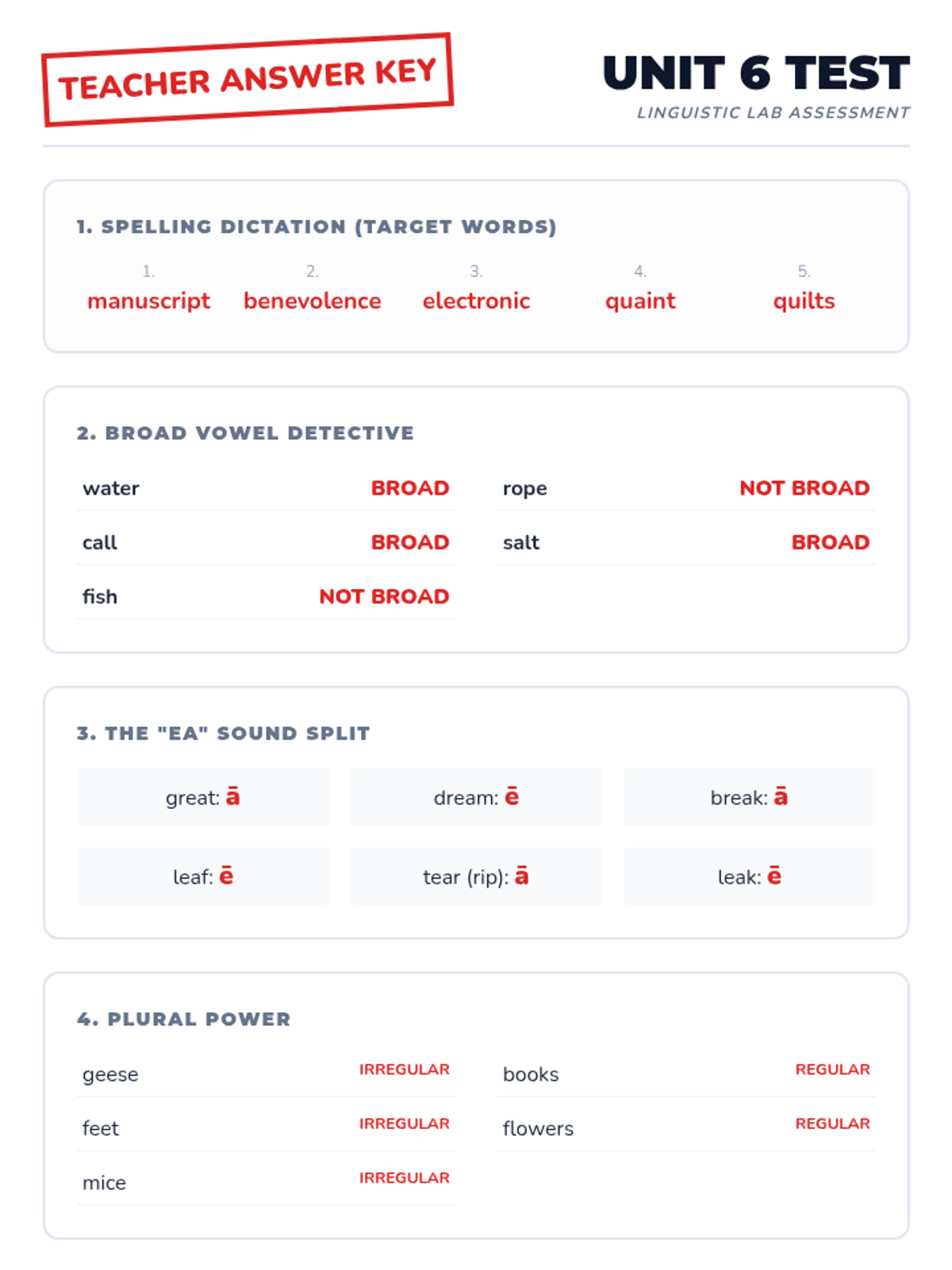
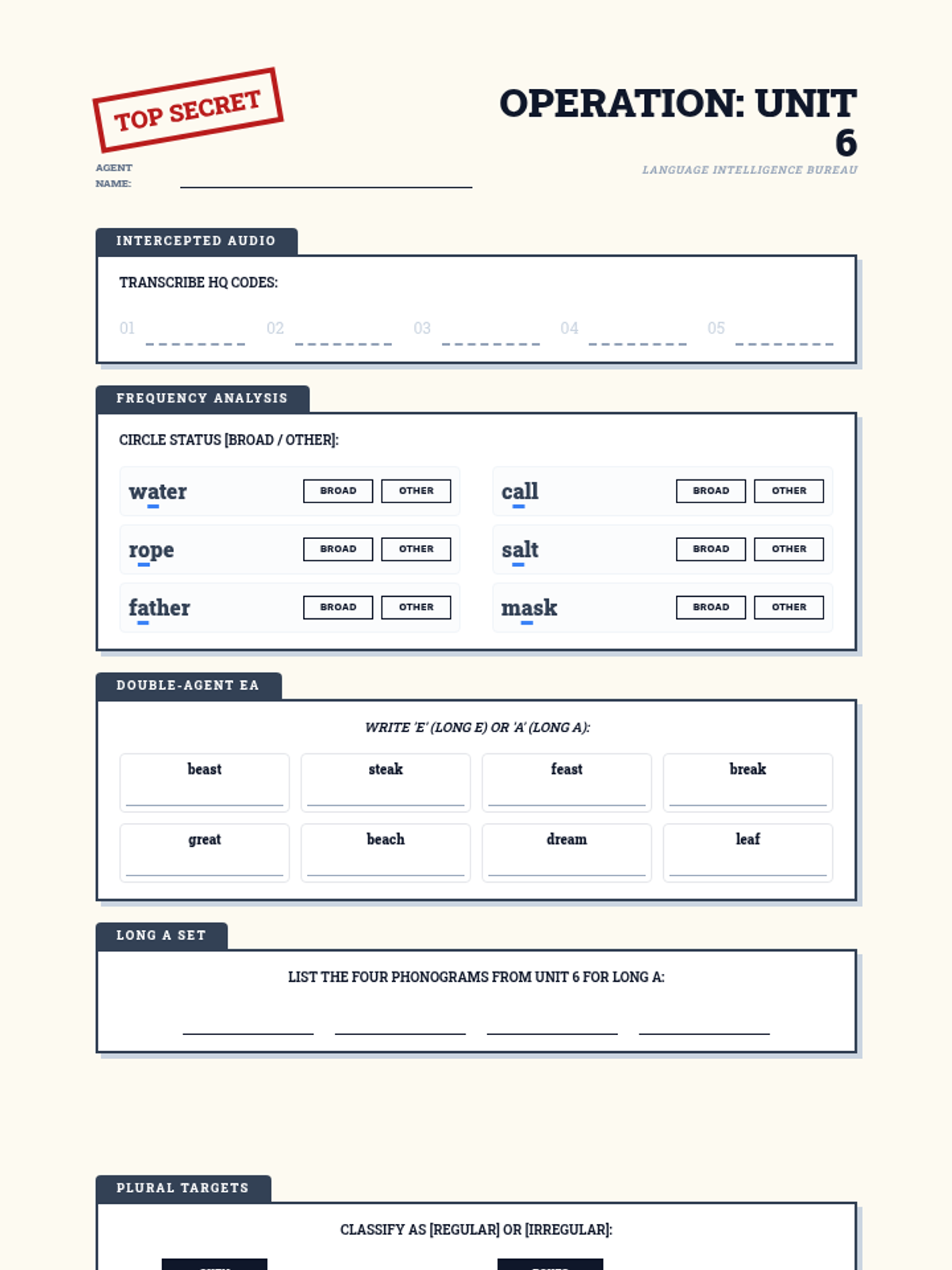
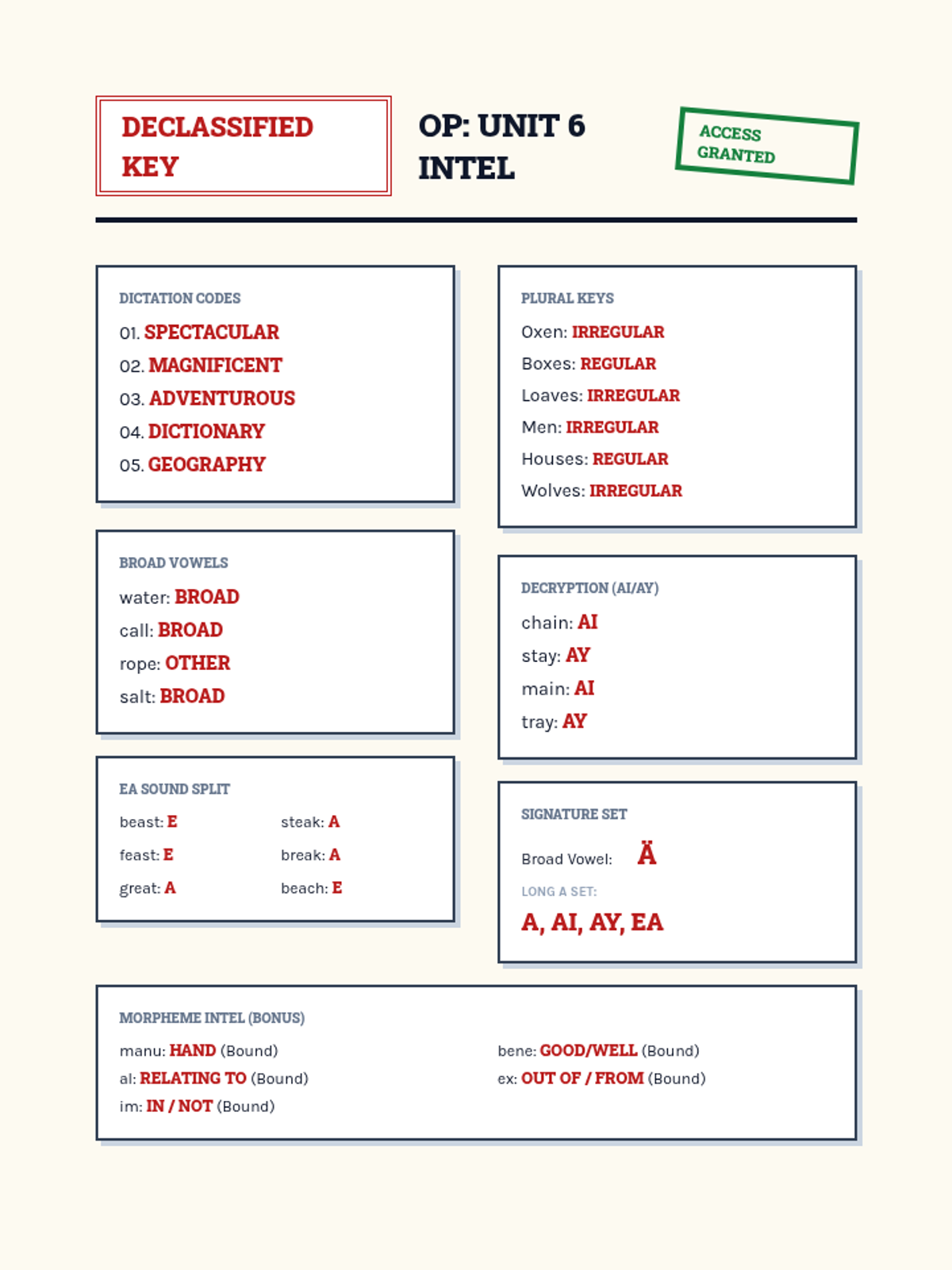
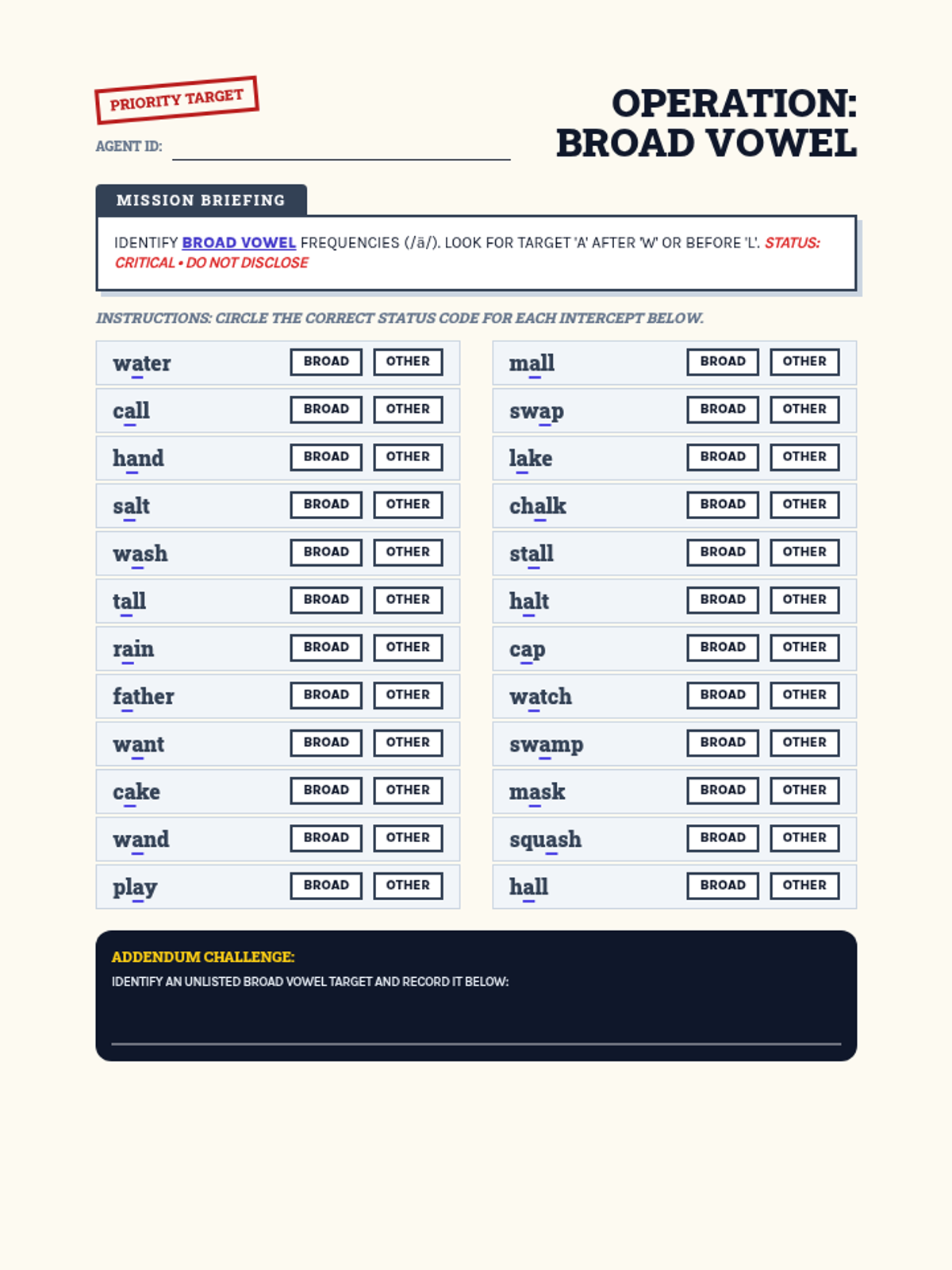
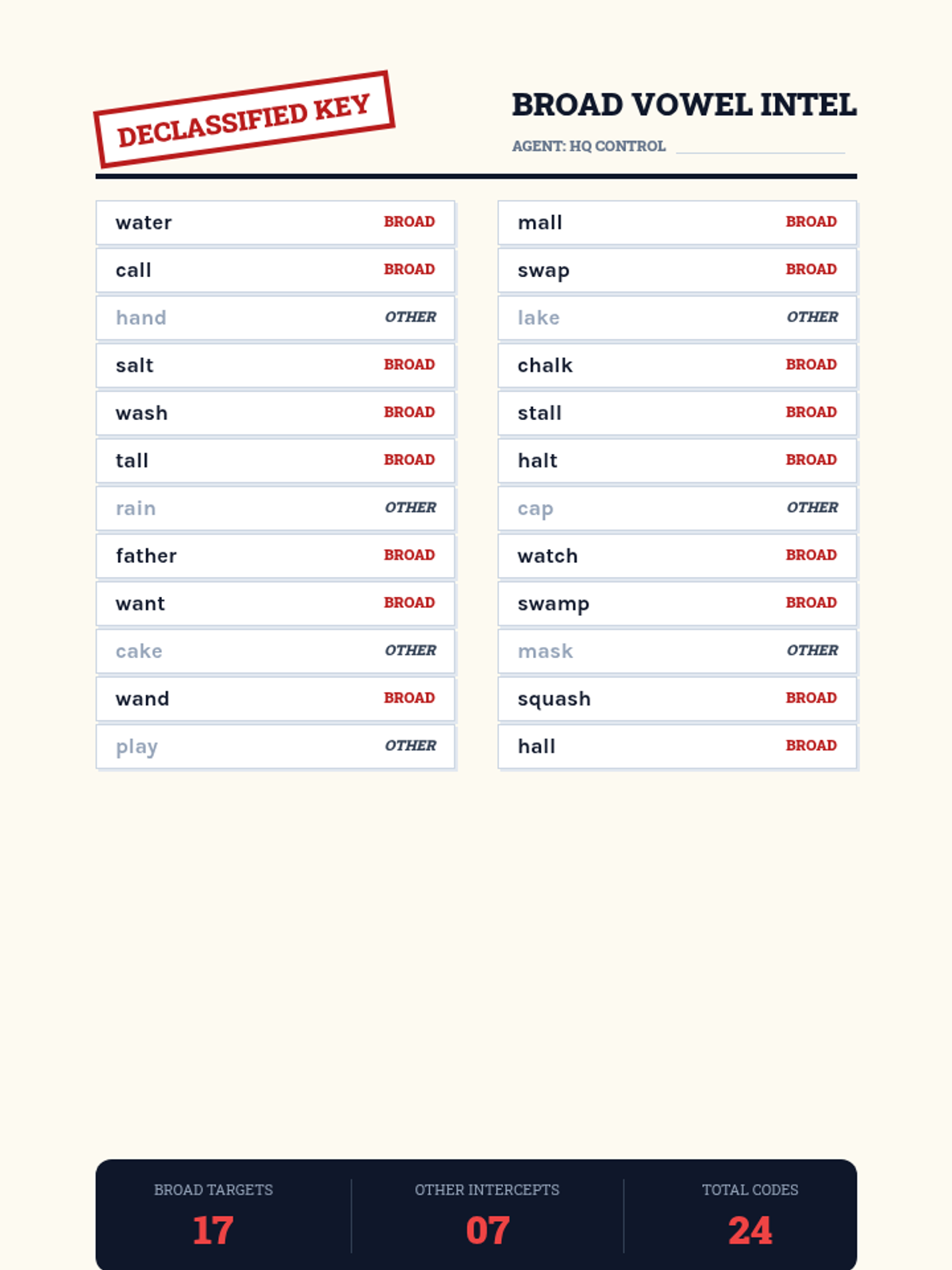
A comprehensive assessment covering phonograms, vowel sounds, plural classifications, and morphemic analysis. This lesson provides both the student test and the teacher answer key to evaluate student mastery of these linguistic concepts.
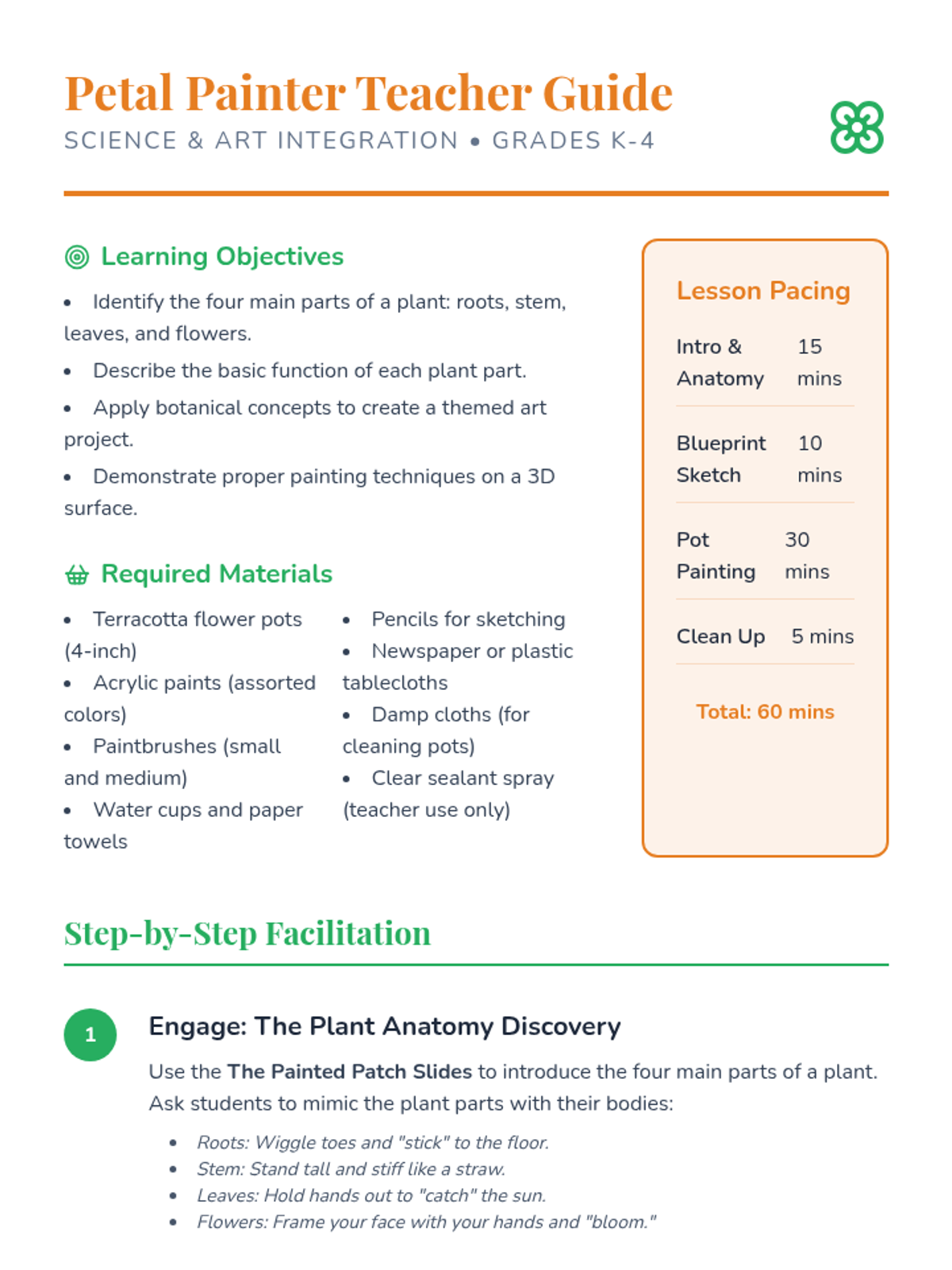
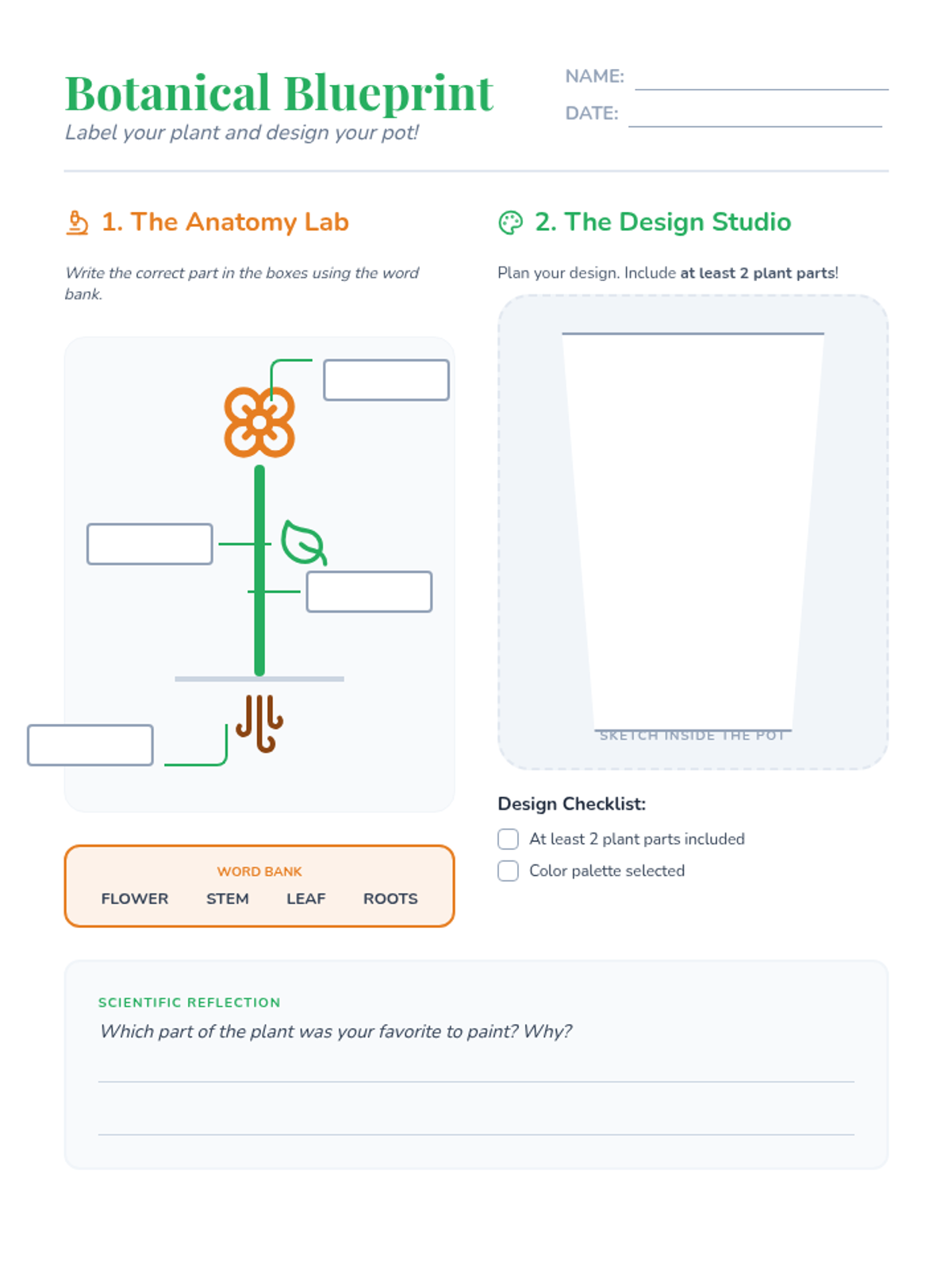
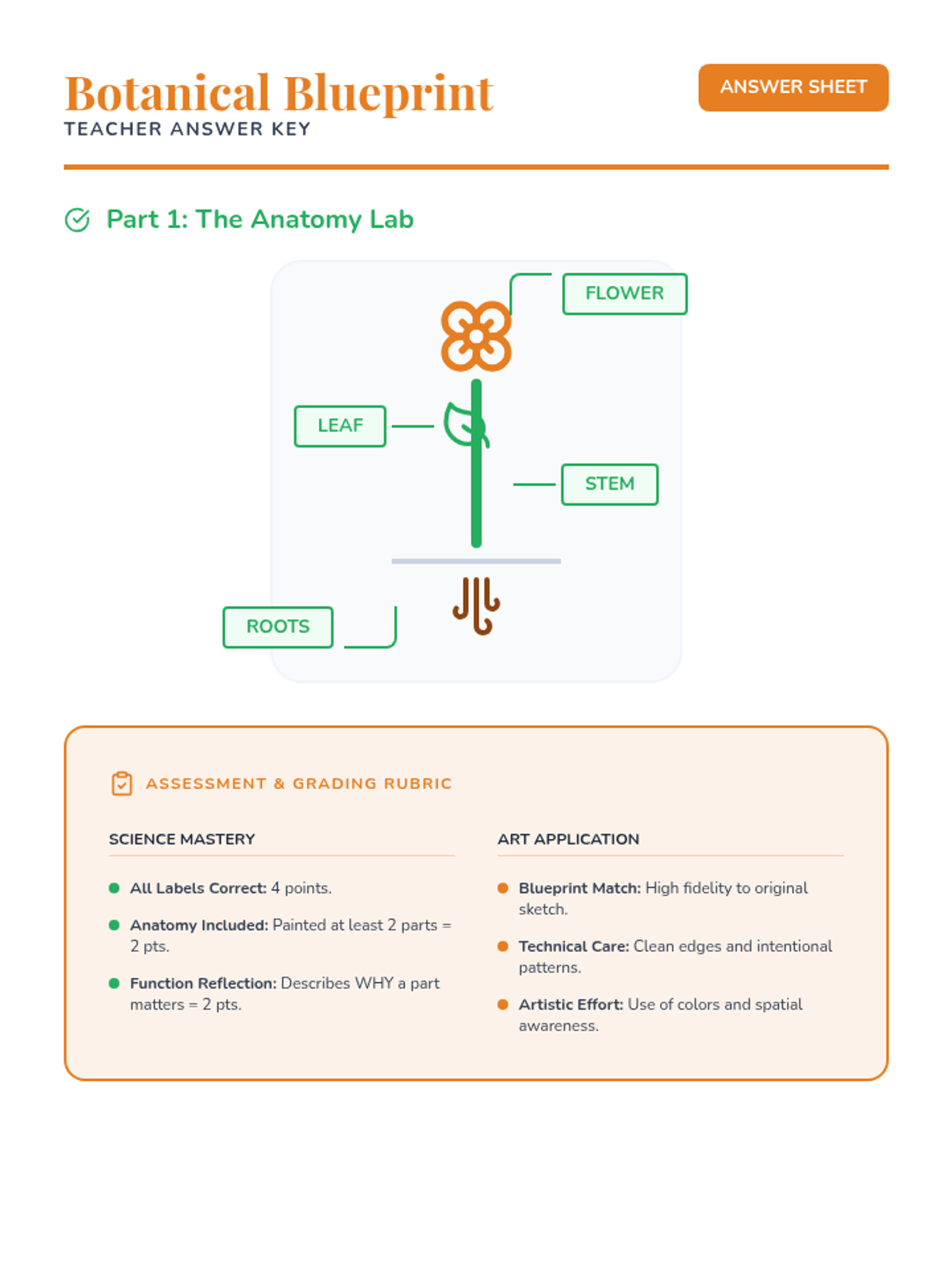
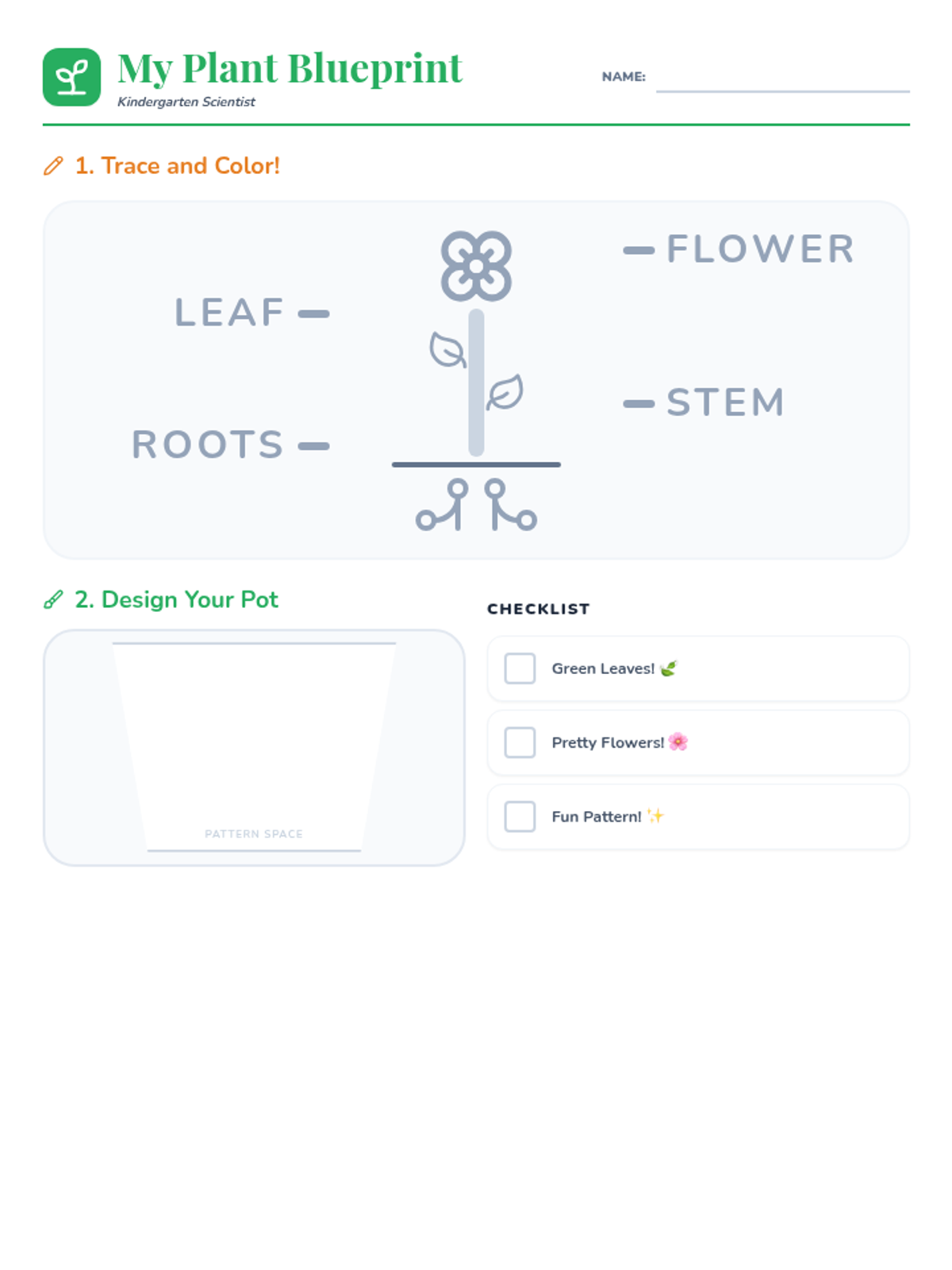
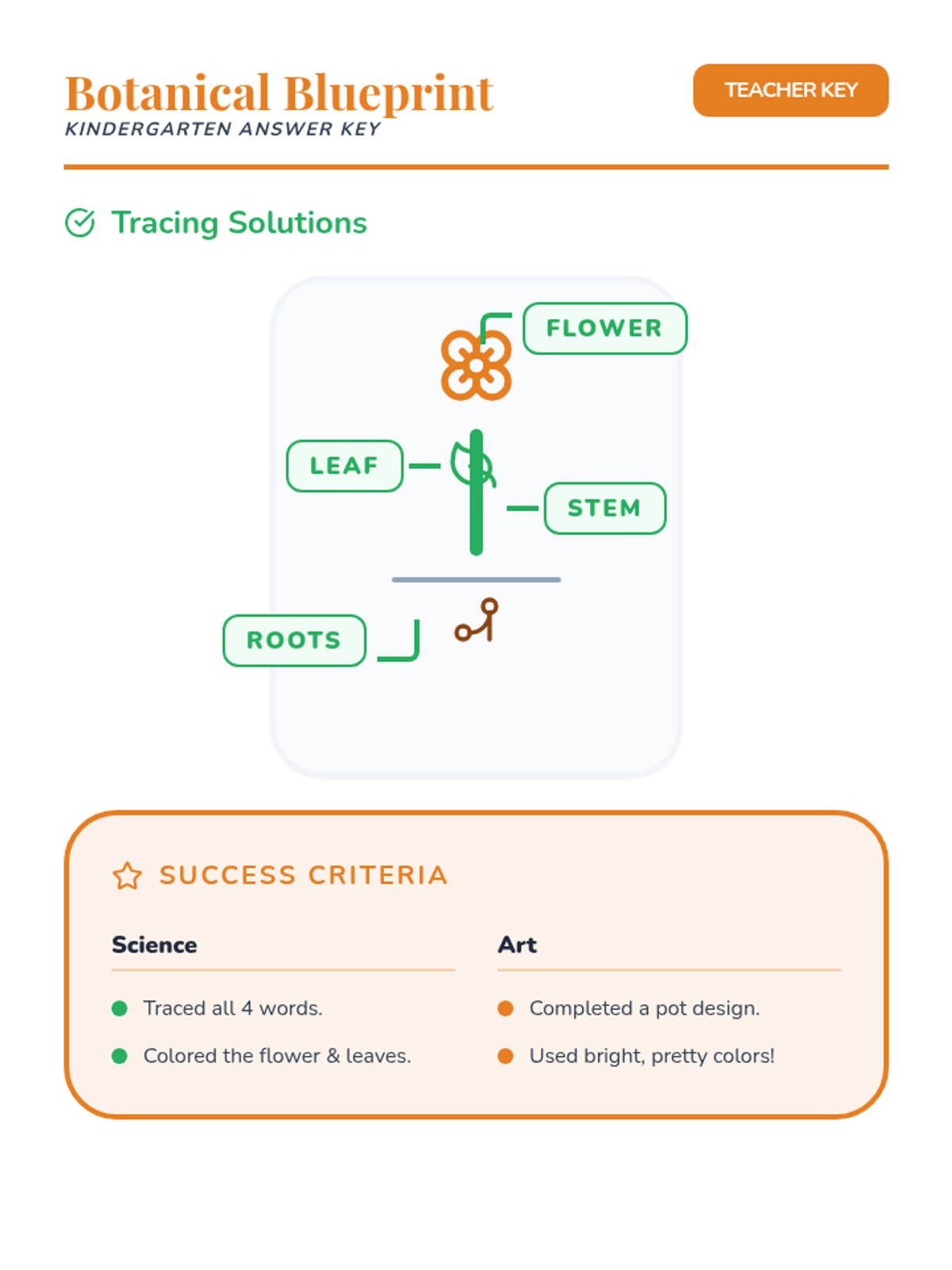
A creative hands-on lesson combining art and science where students learn about plant anatomy while decorating their own terracotta flower pots. Students will identify the functions of roots, stems, leaves, and flowers before applying their knowledge to a botanical-themed art project.
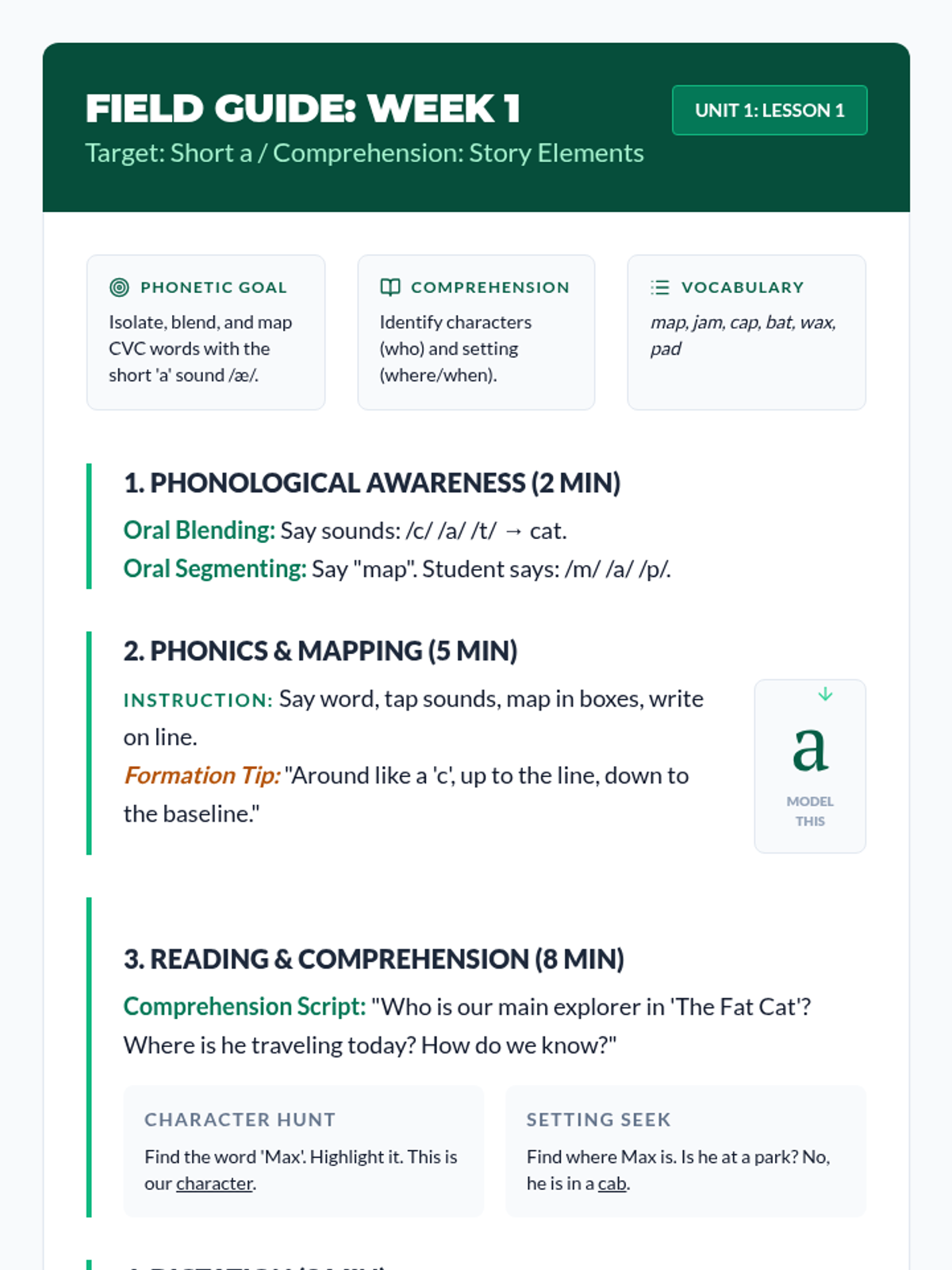
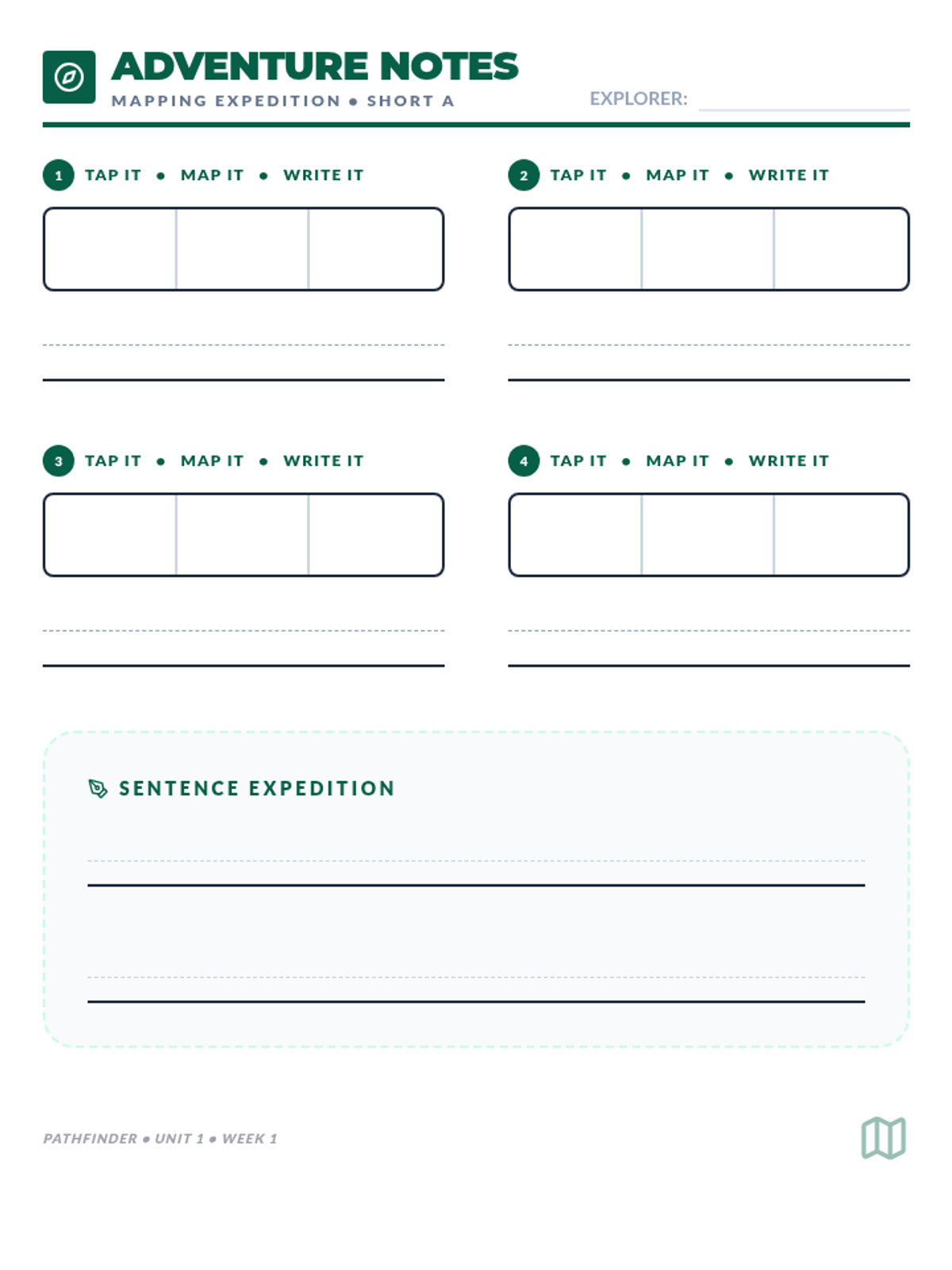
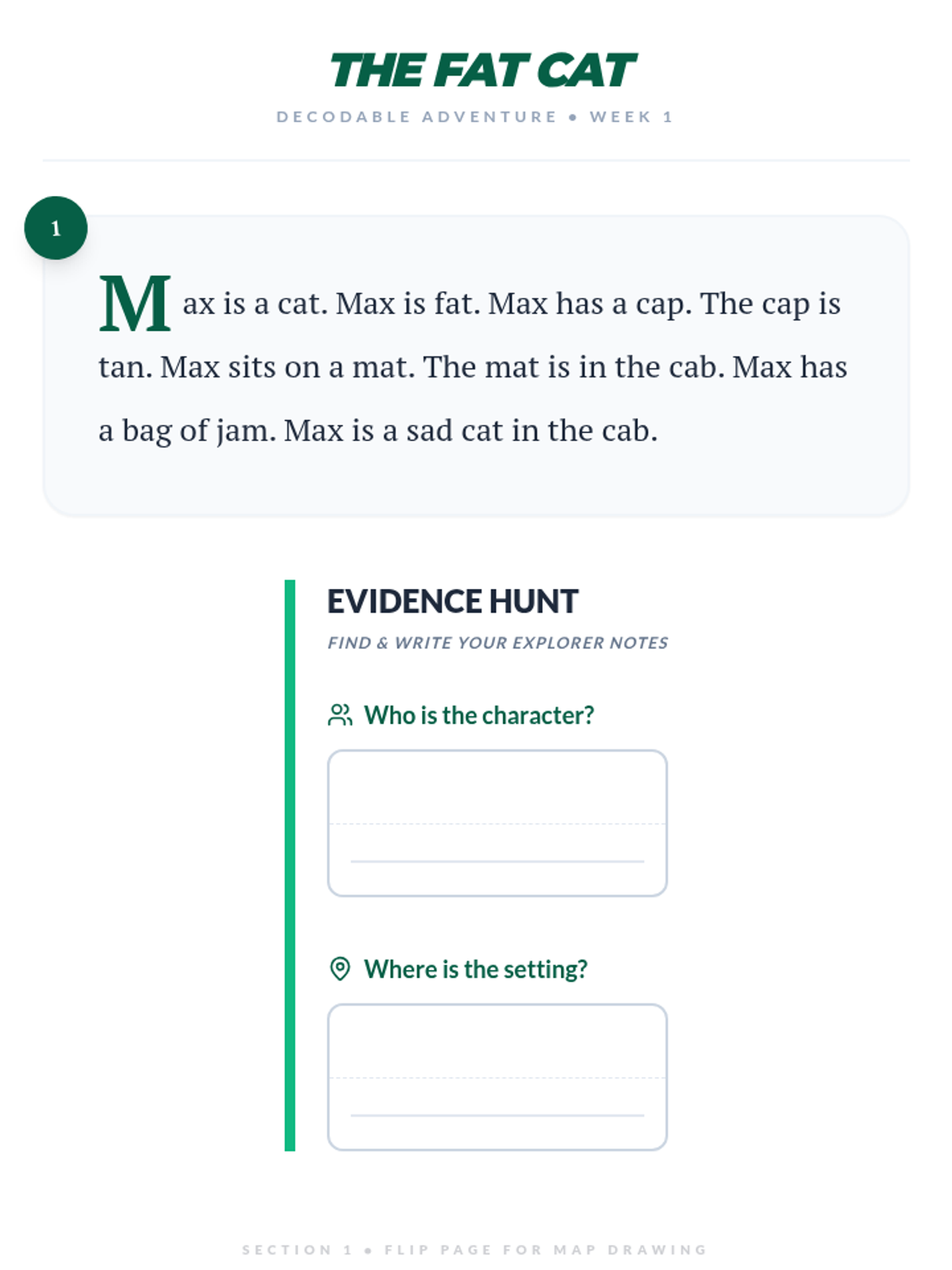
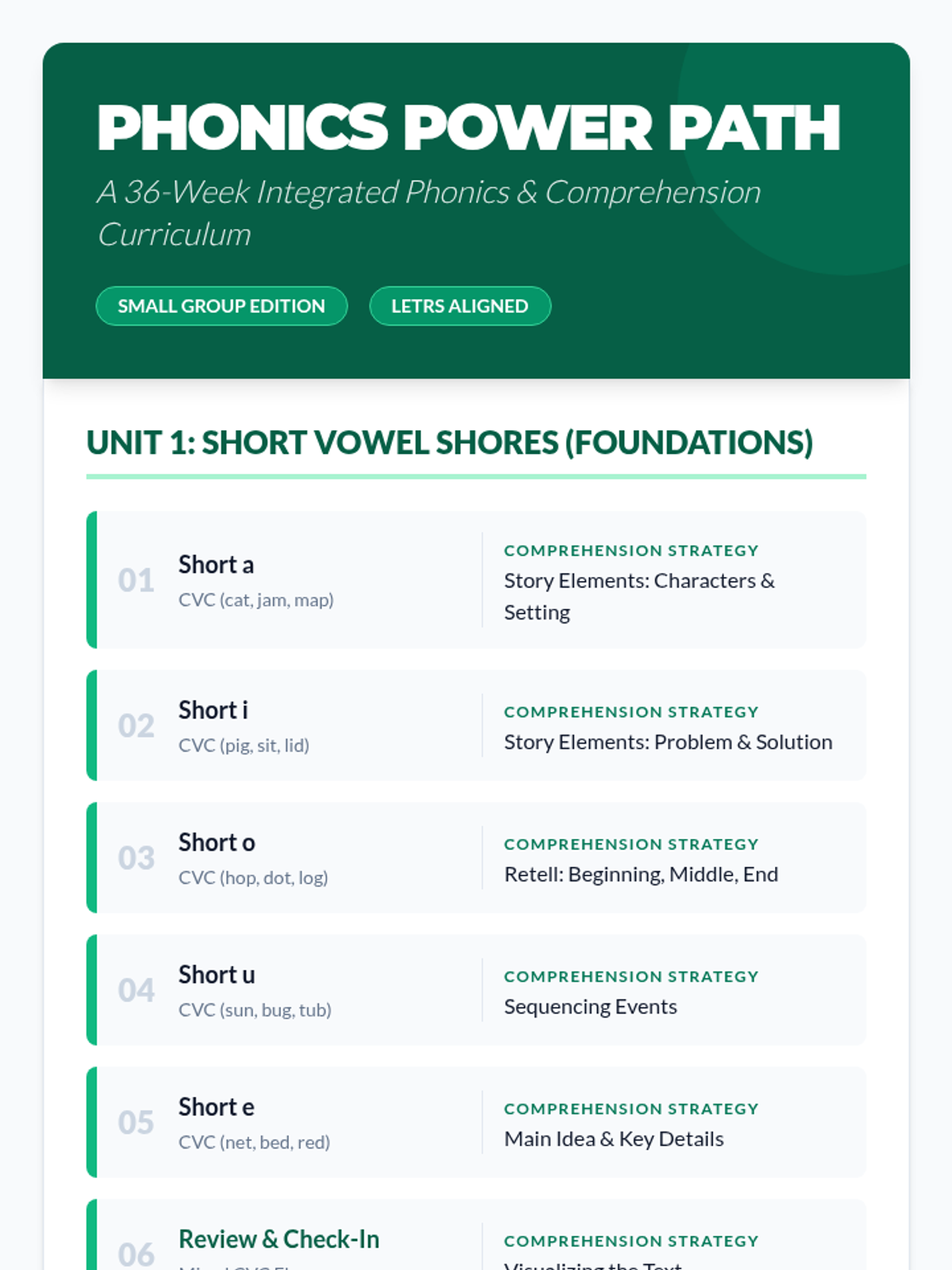
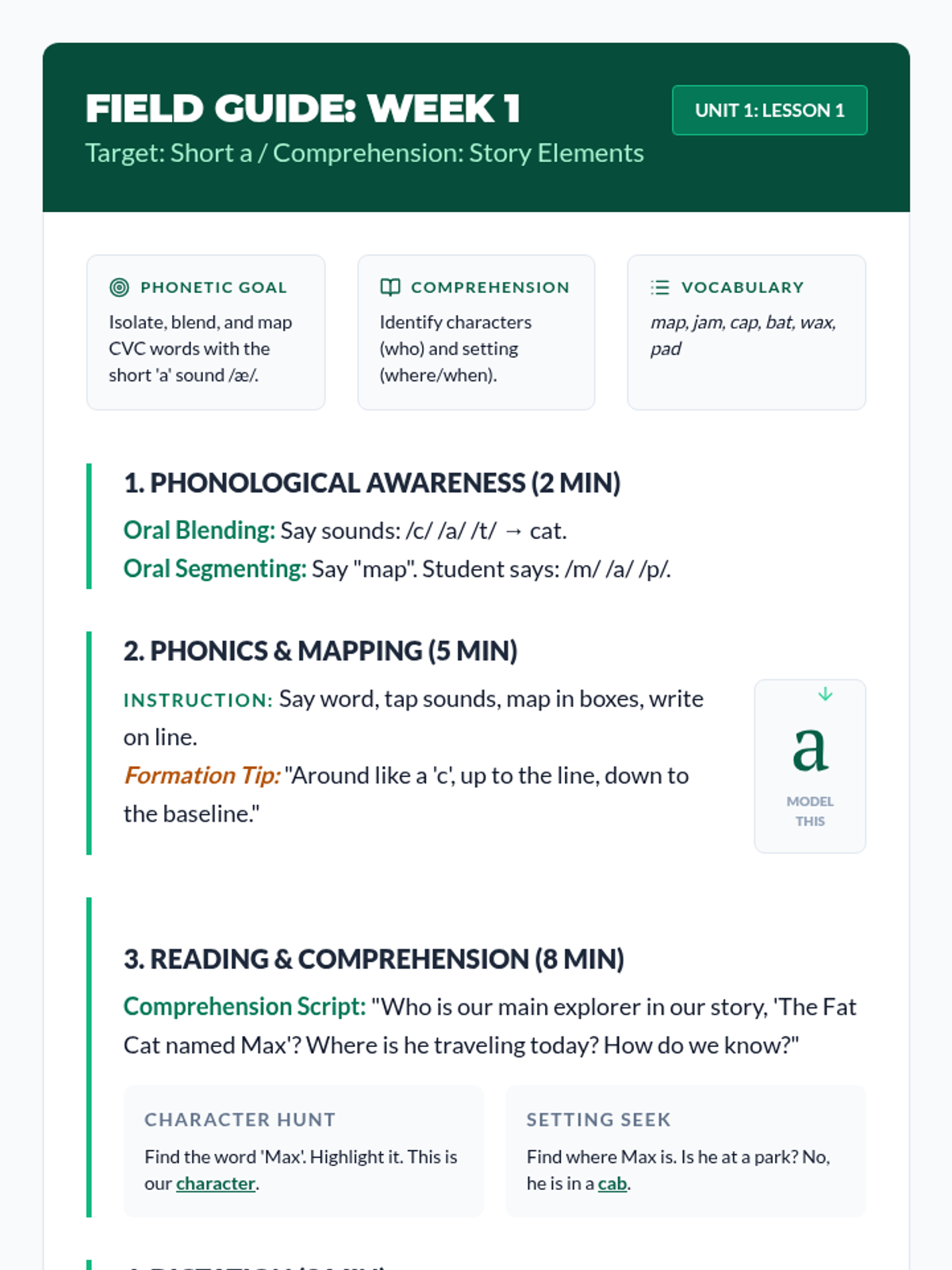
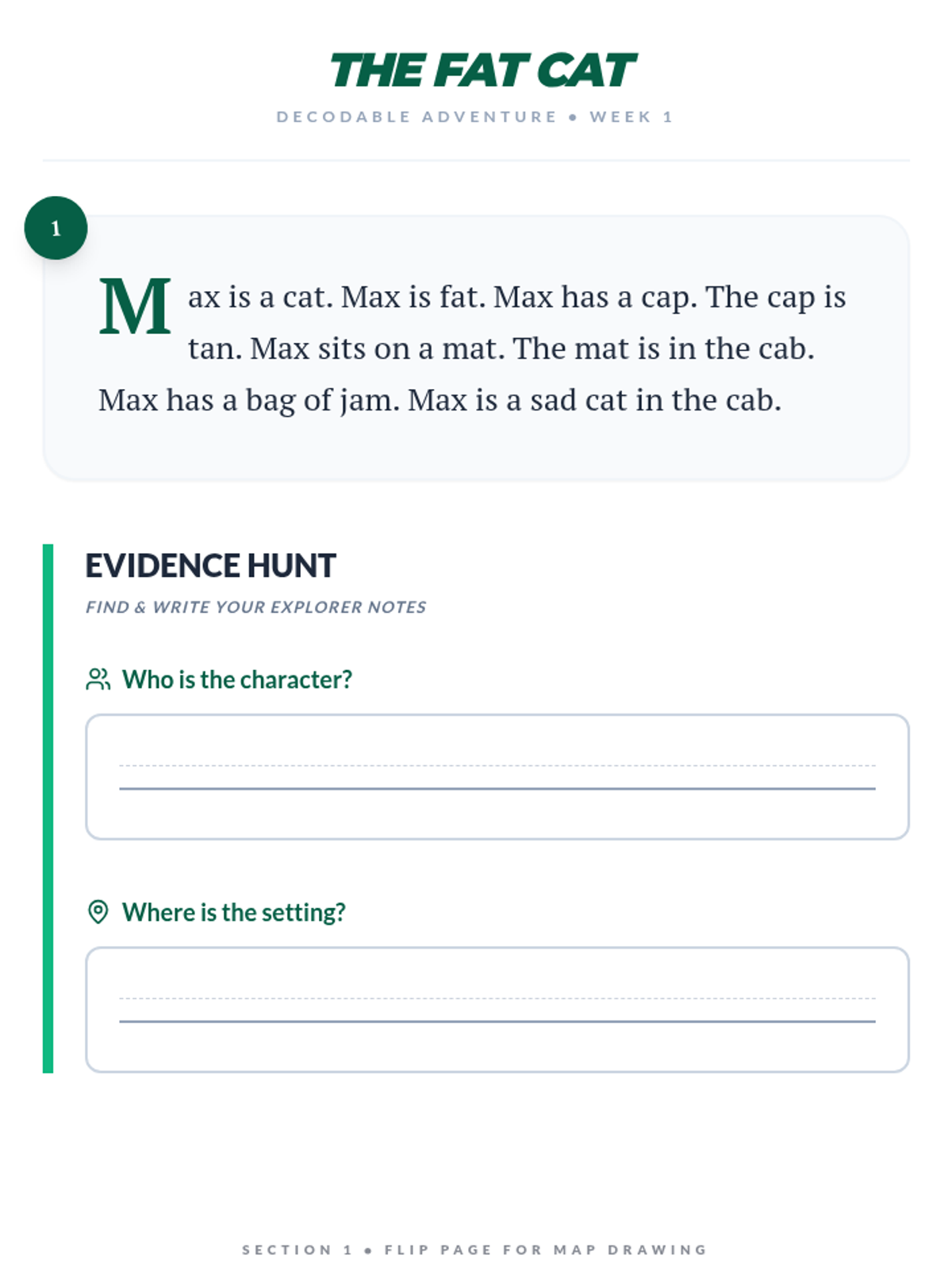
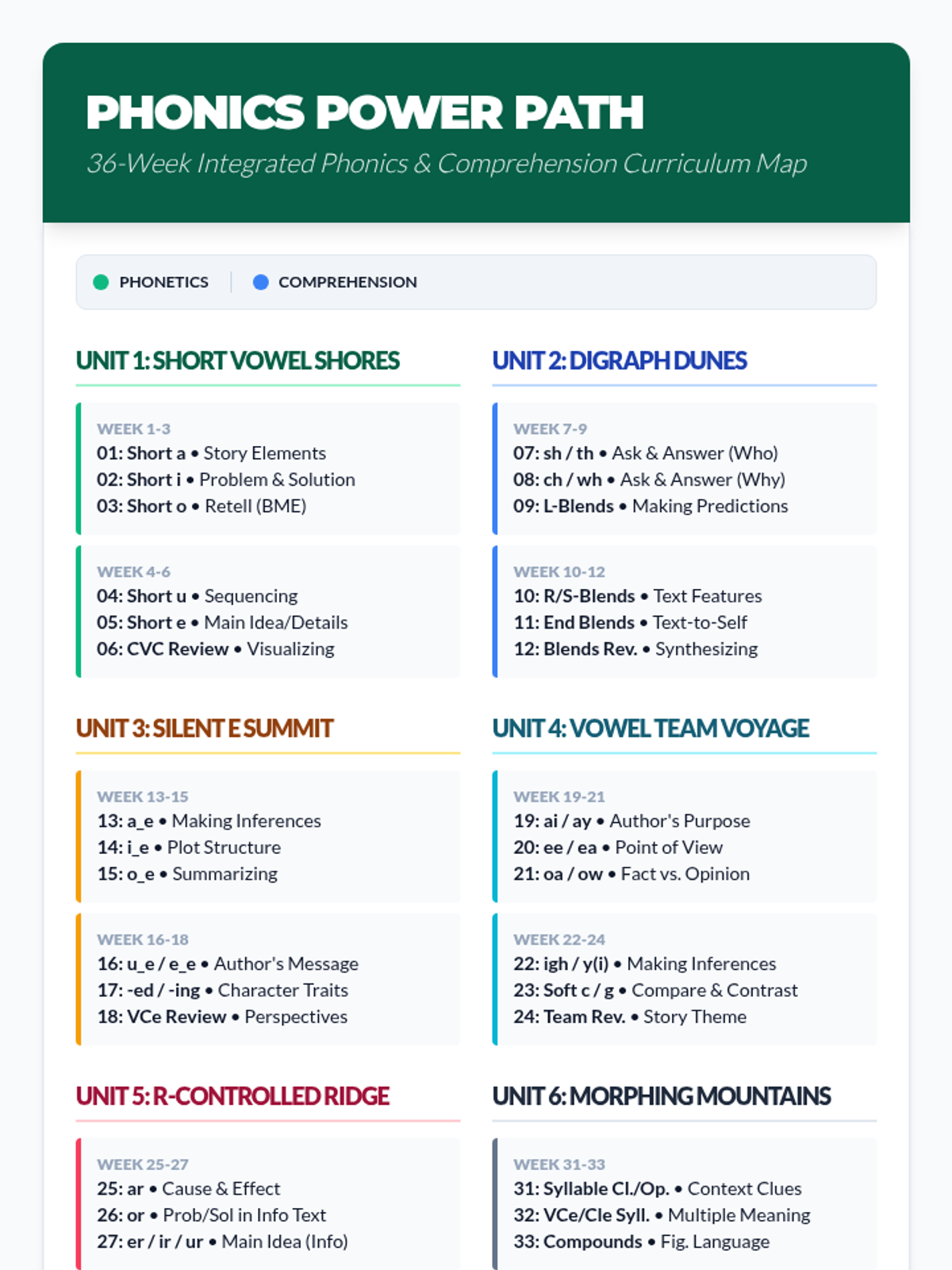
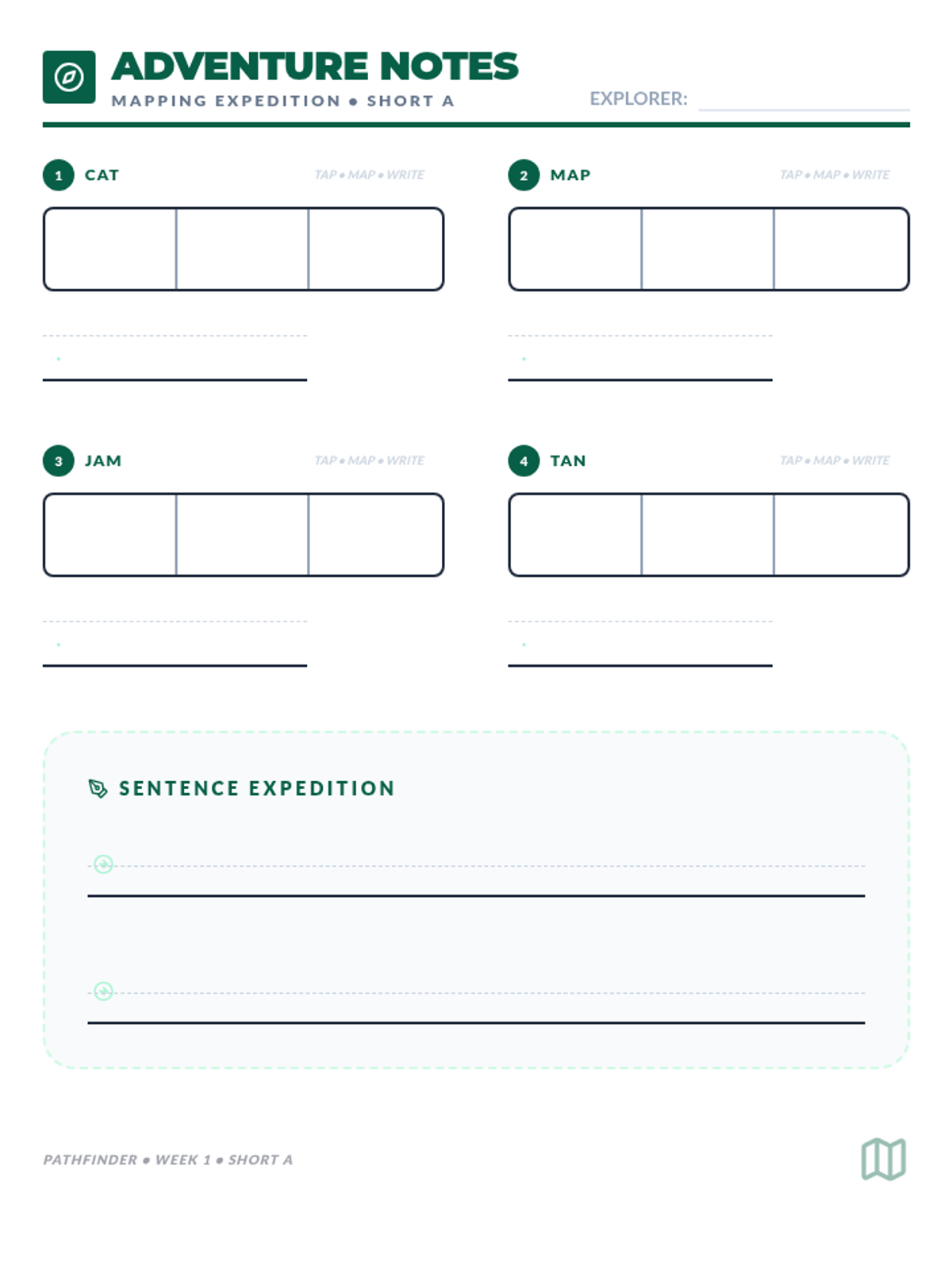
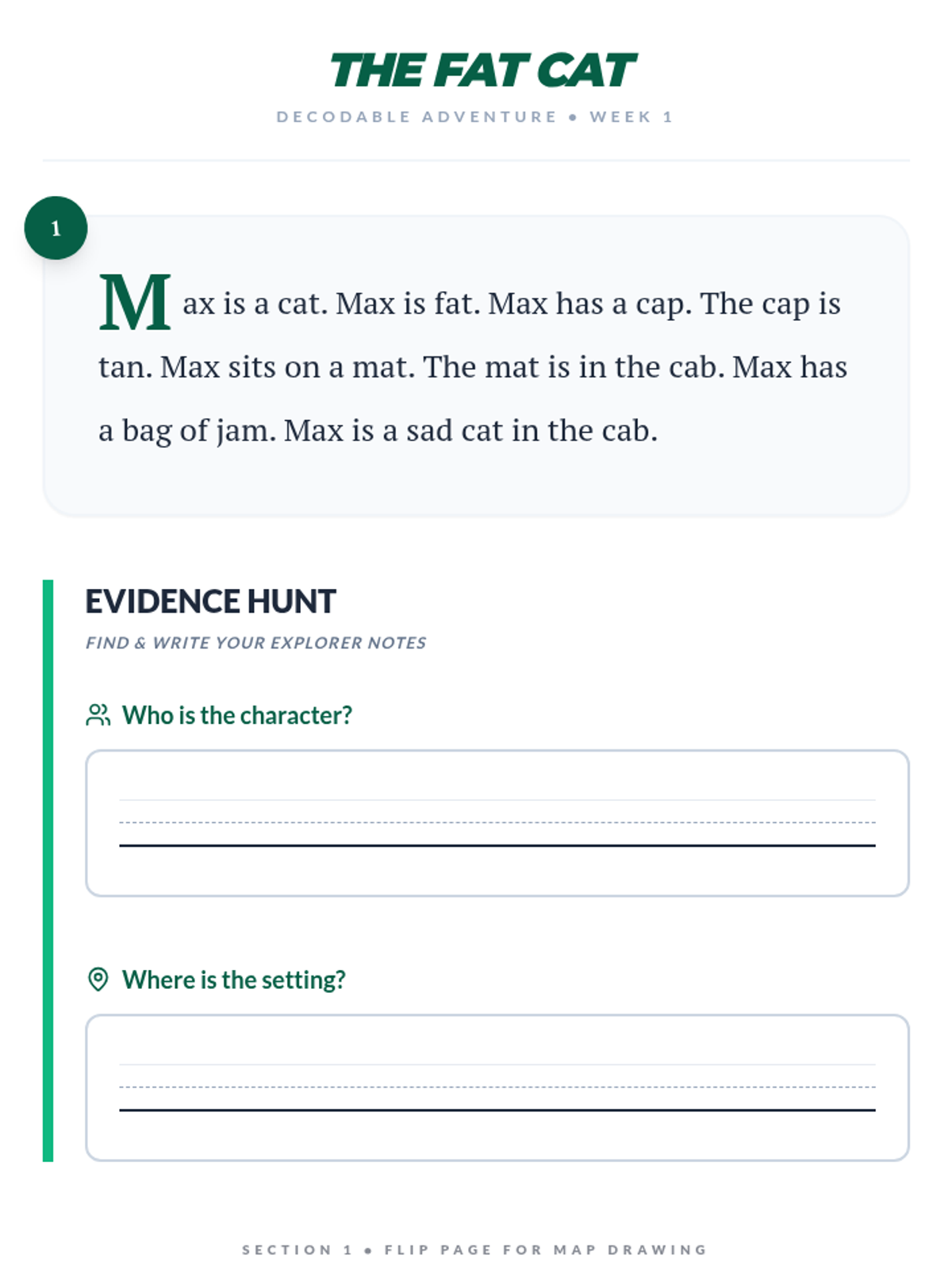
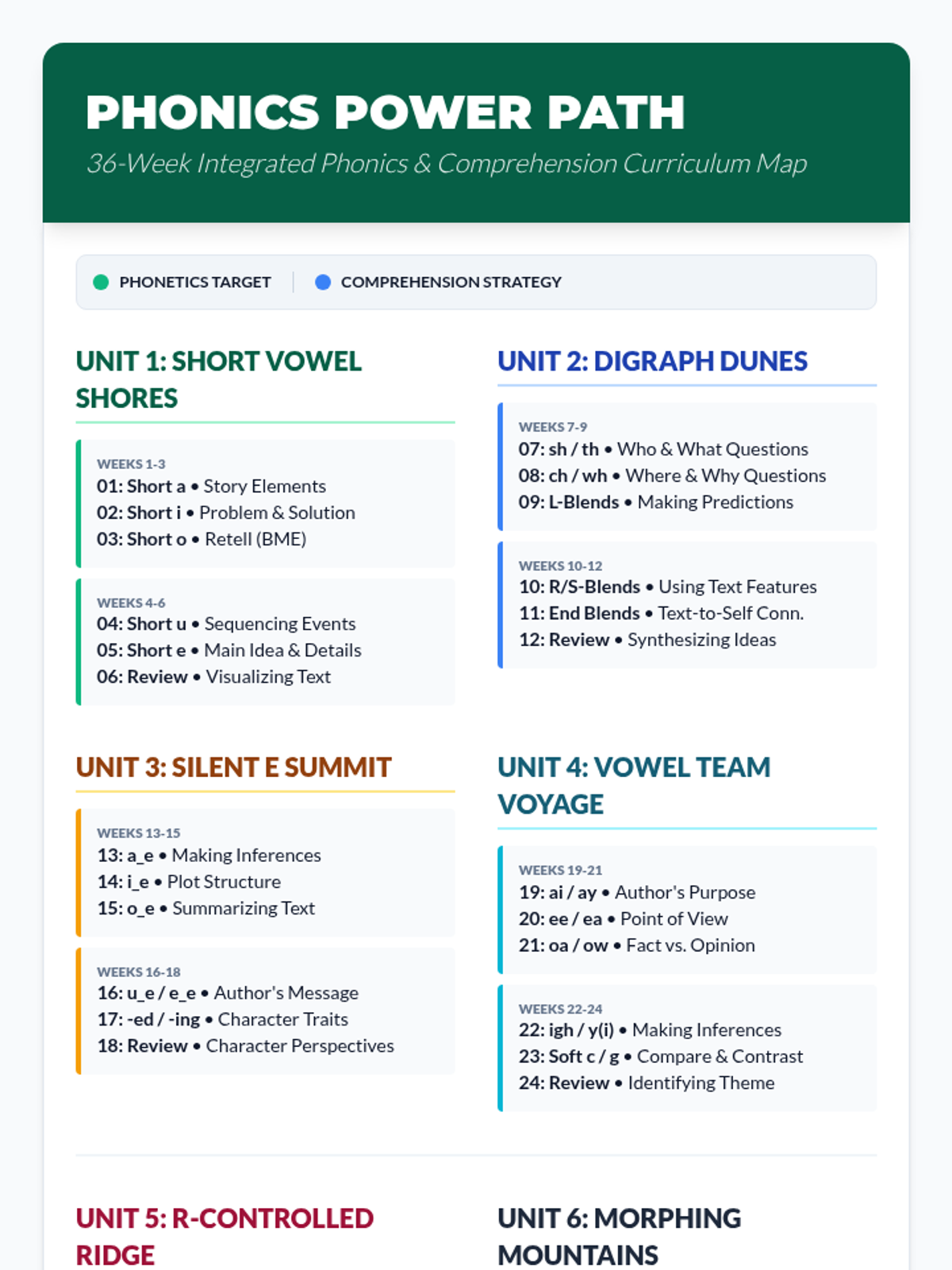
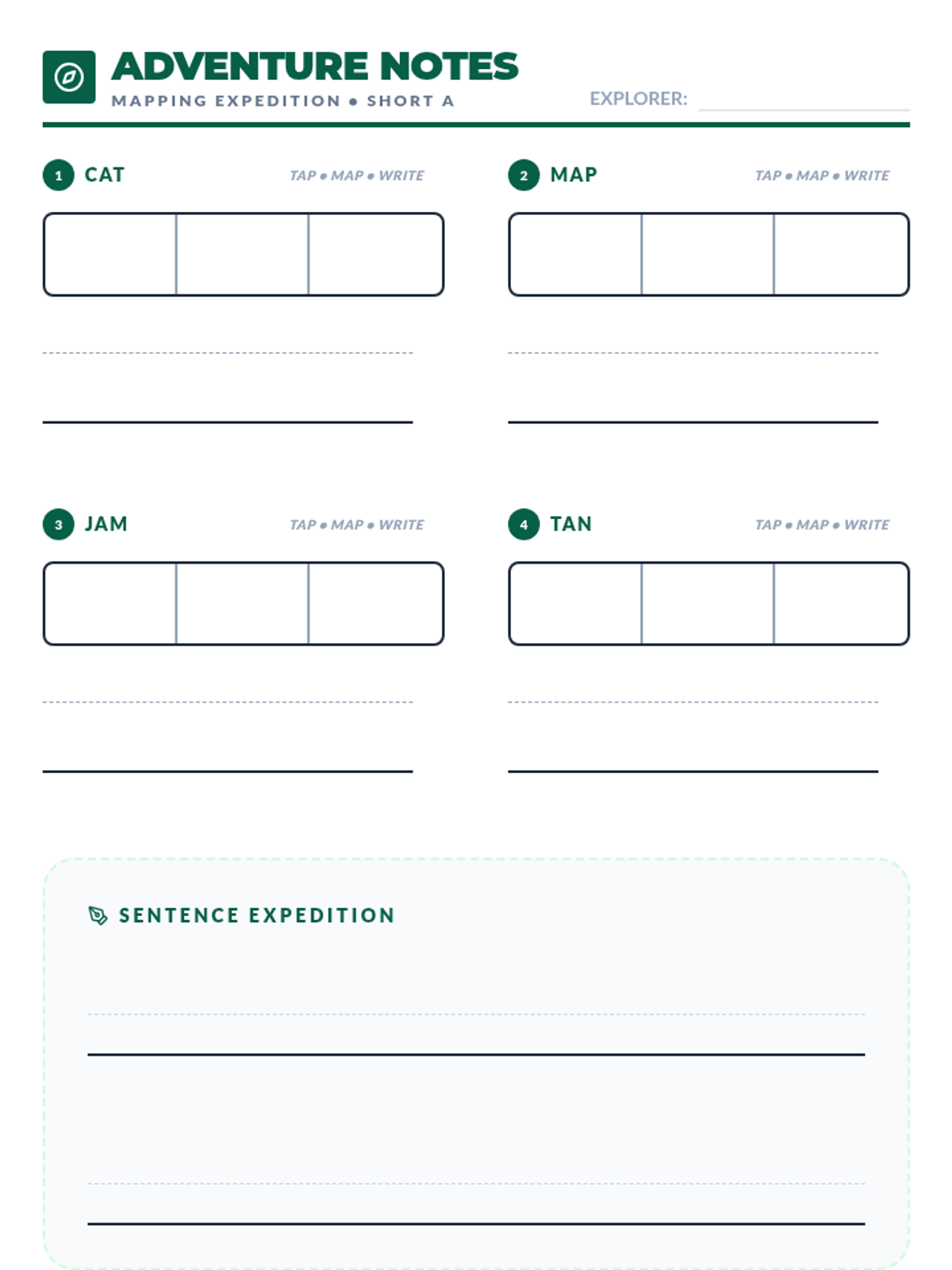
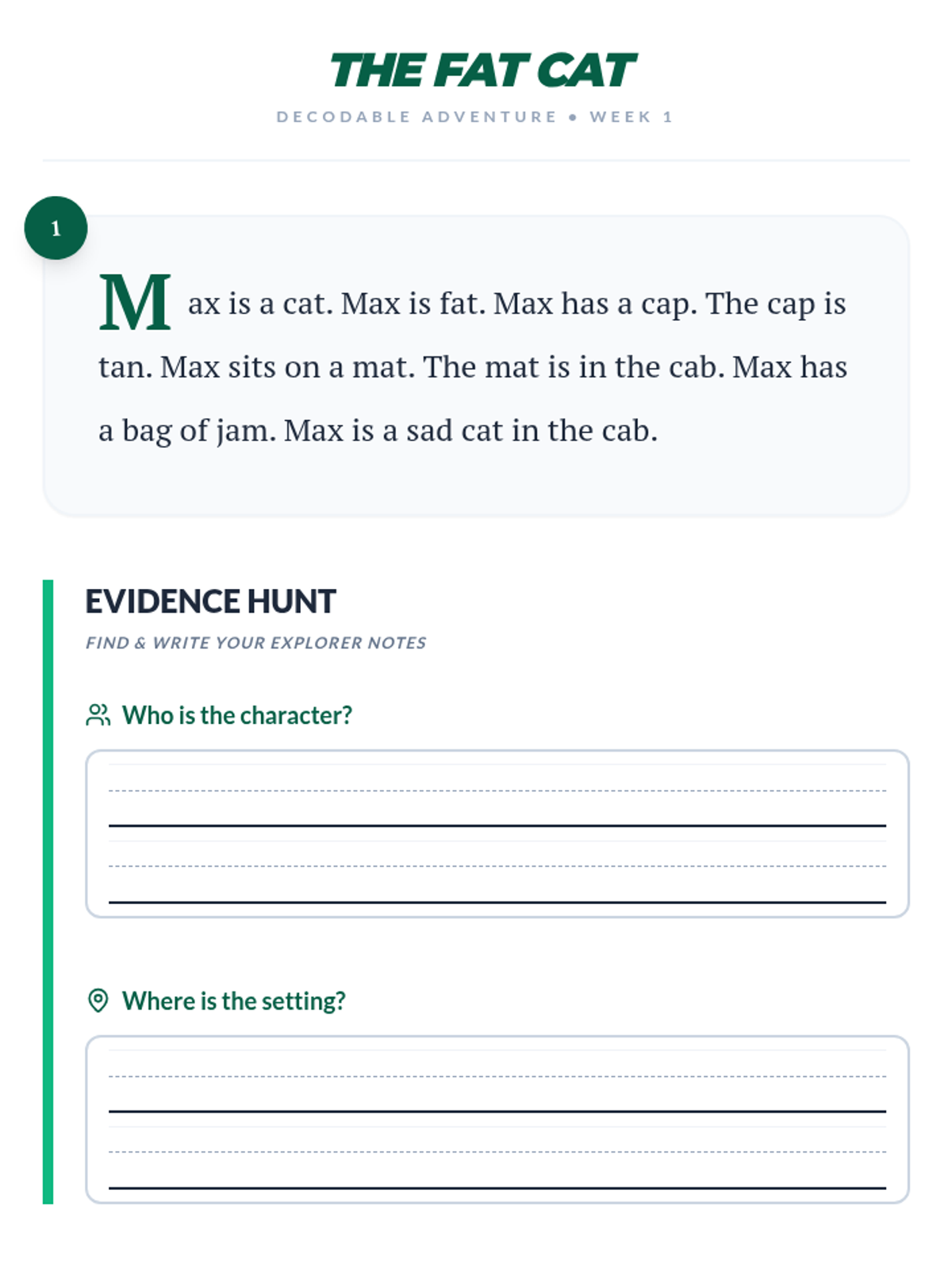
The first week of the Phonics Power Path curriculum, focusing on the short 'a' sound (CVC) and identifying basic story elements like characters and setting.
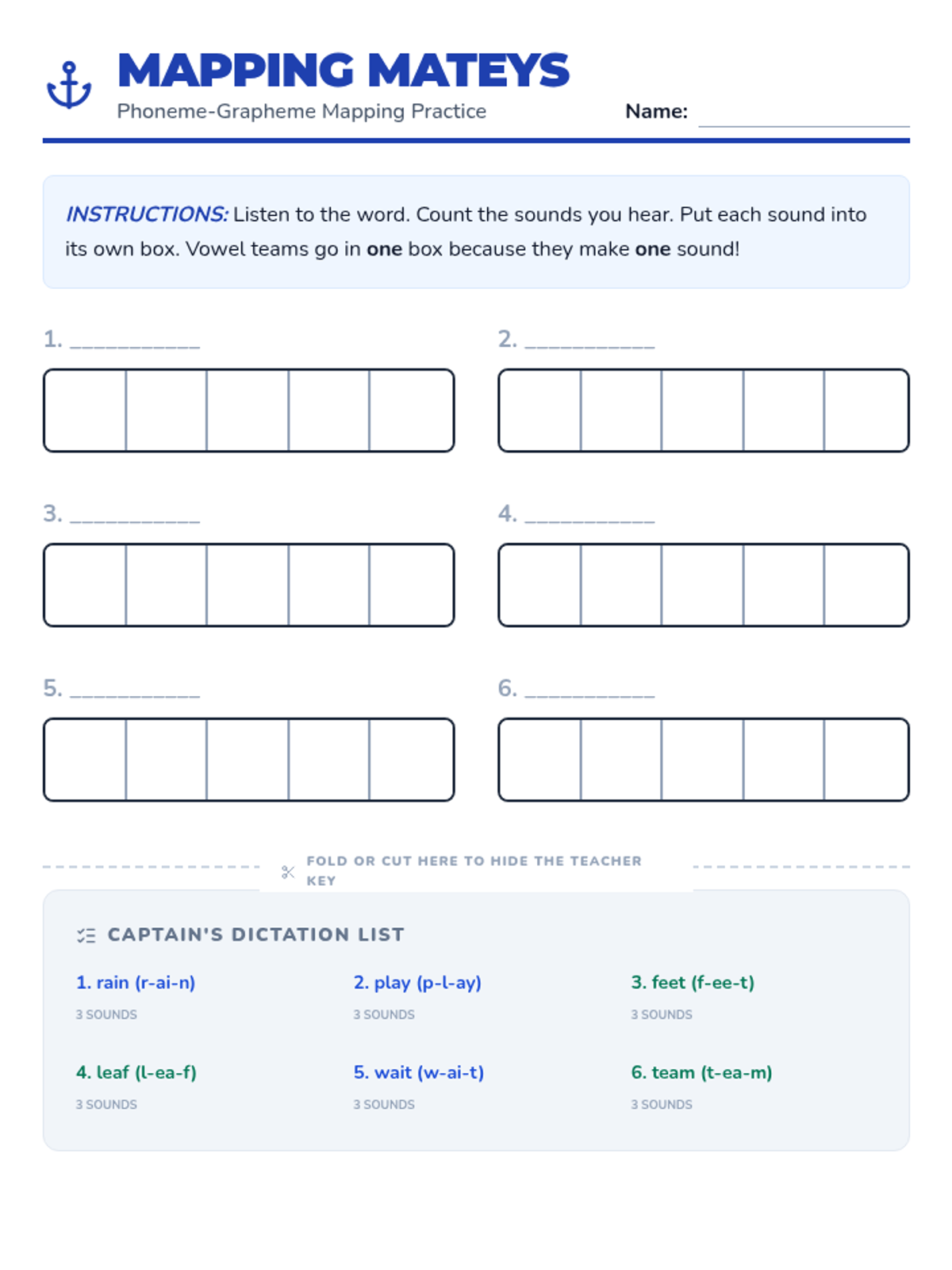
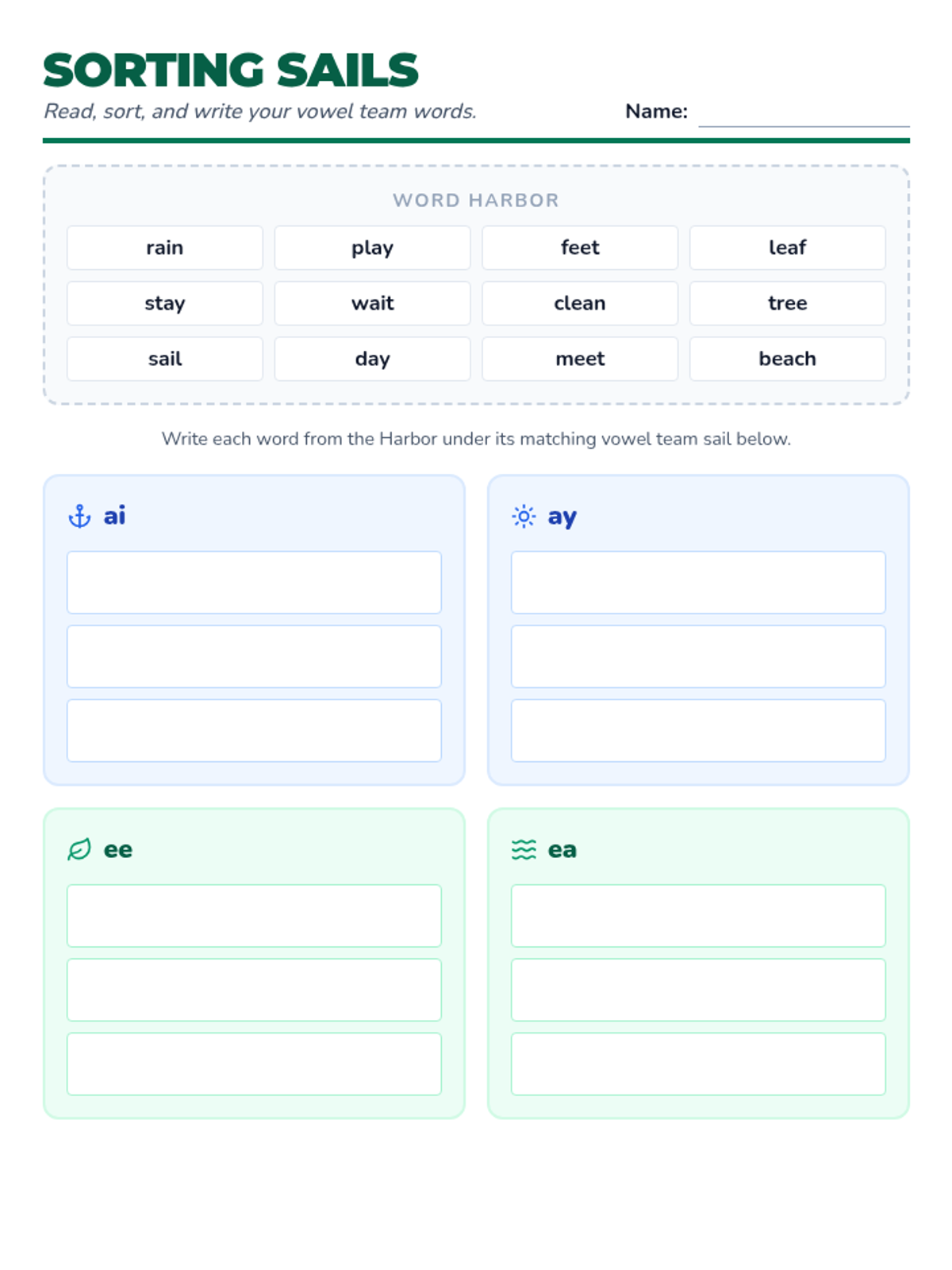
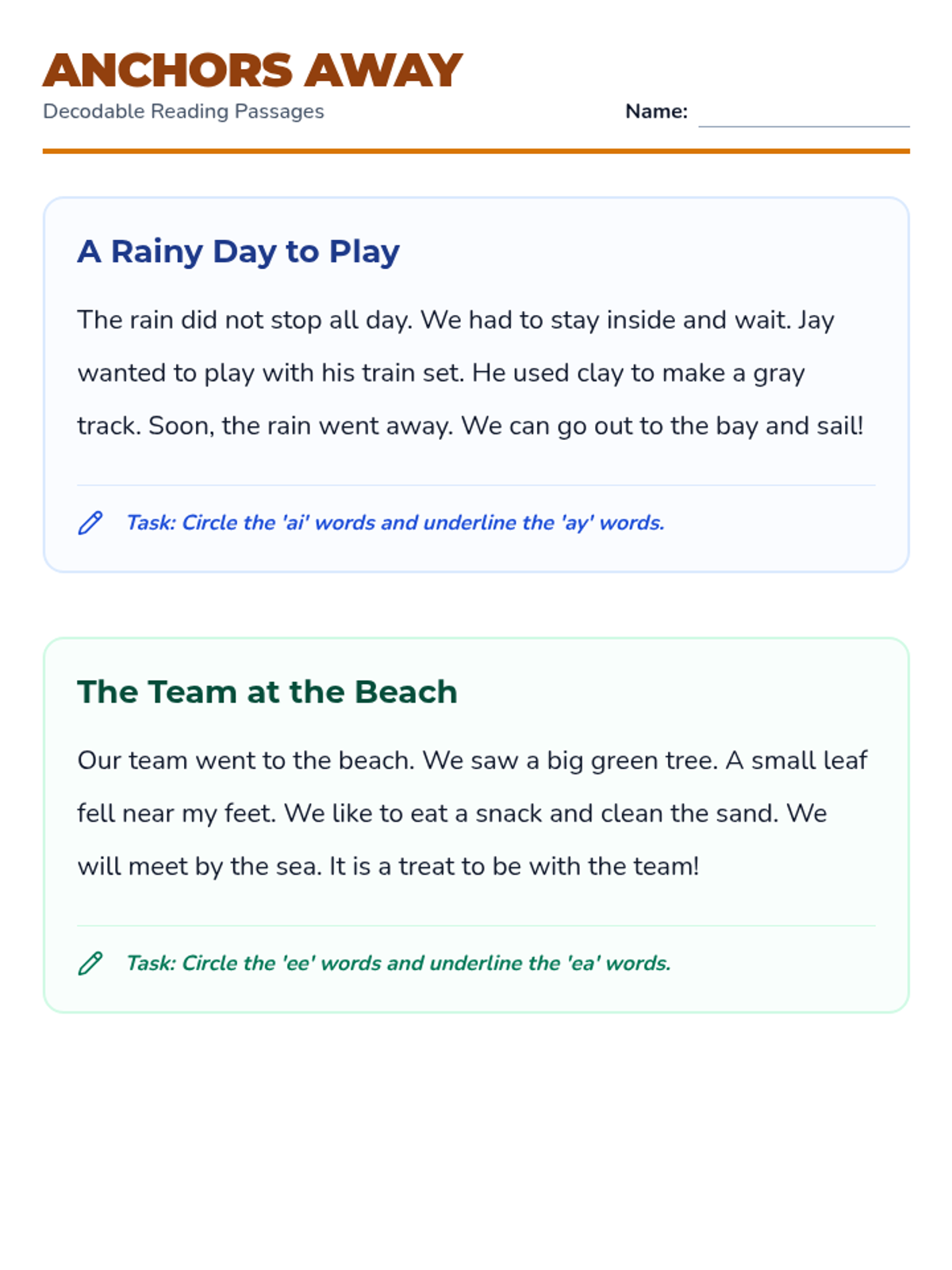
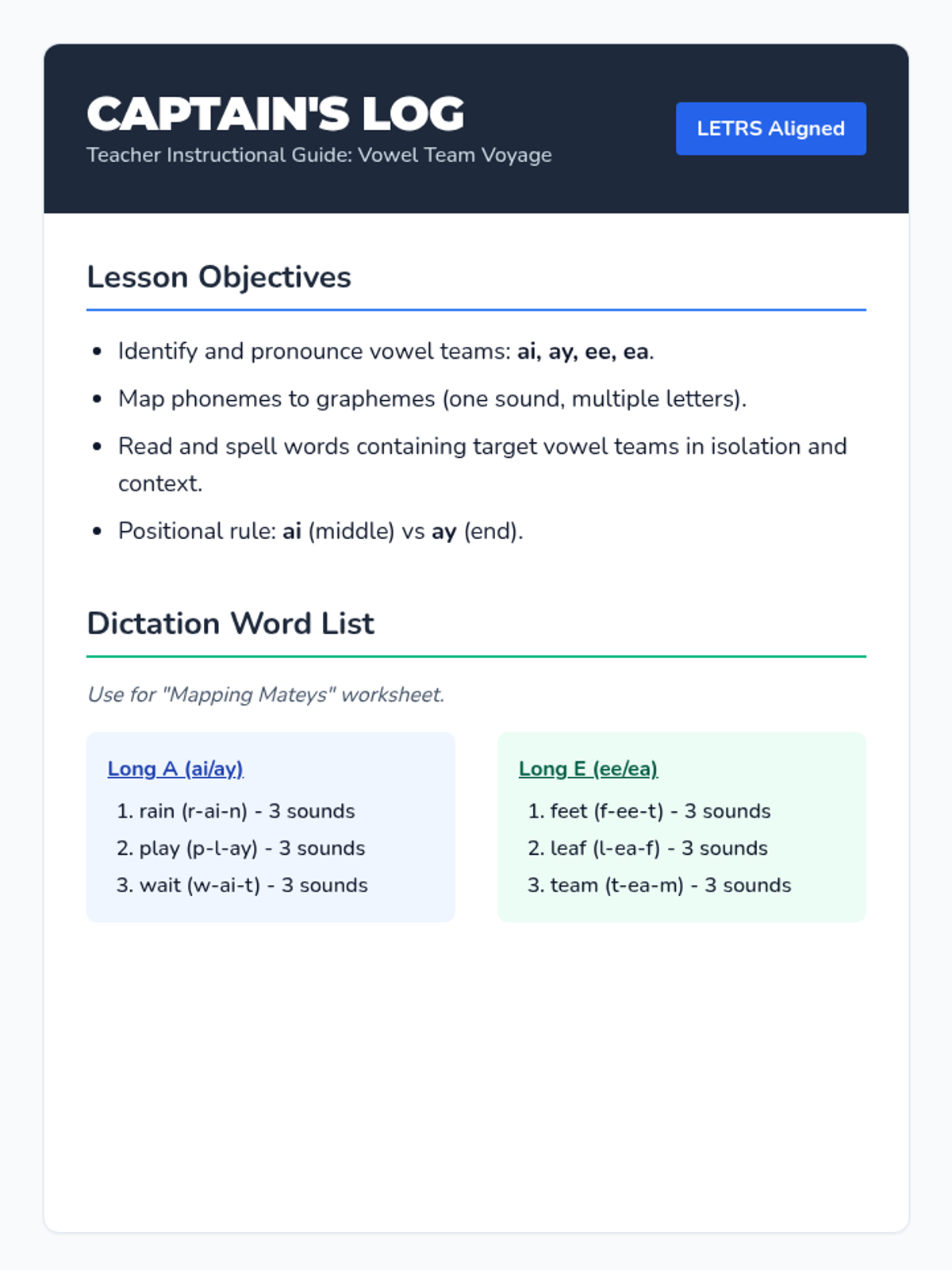
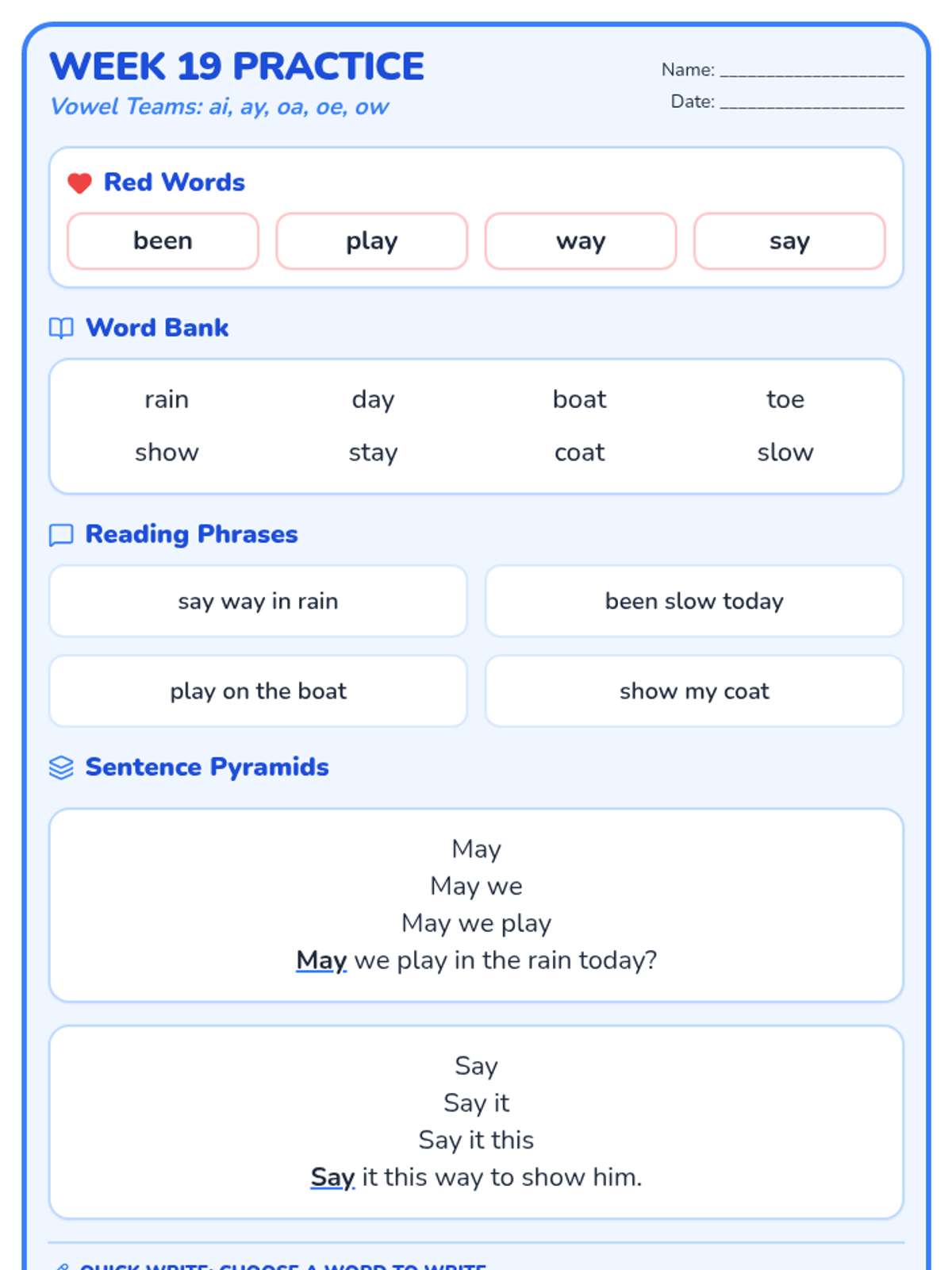
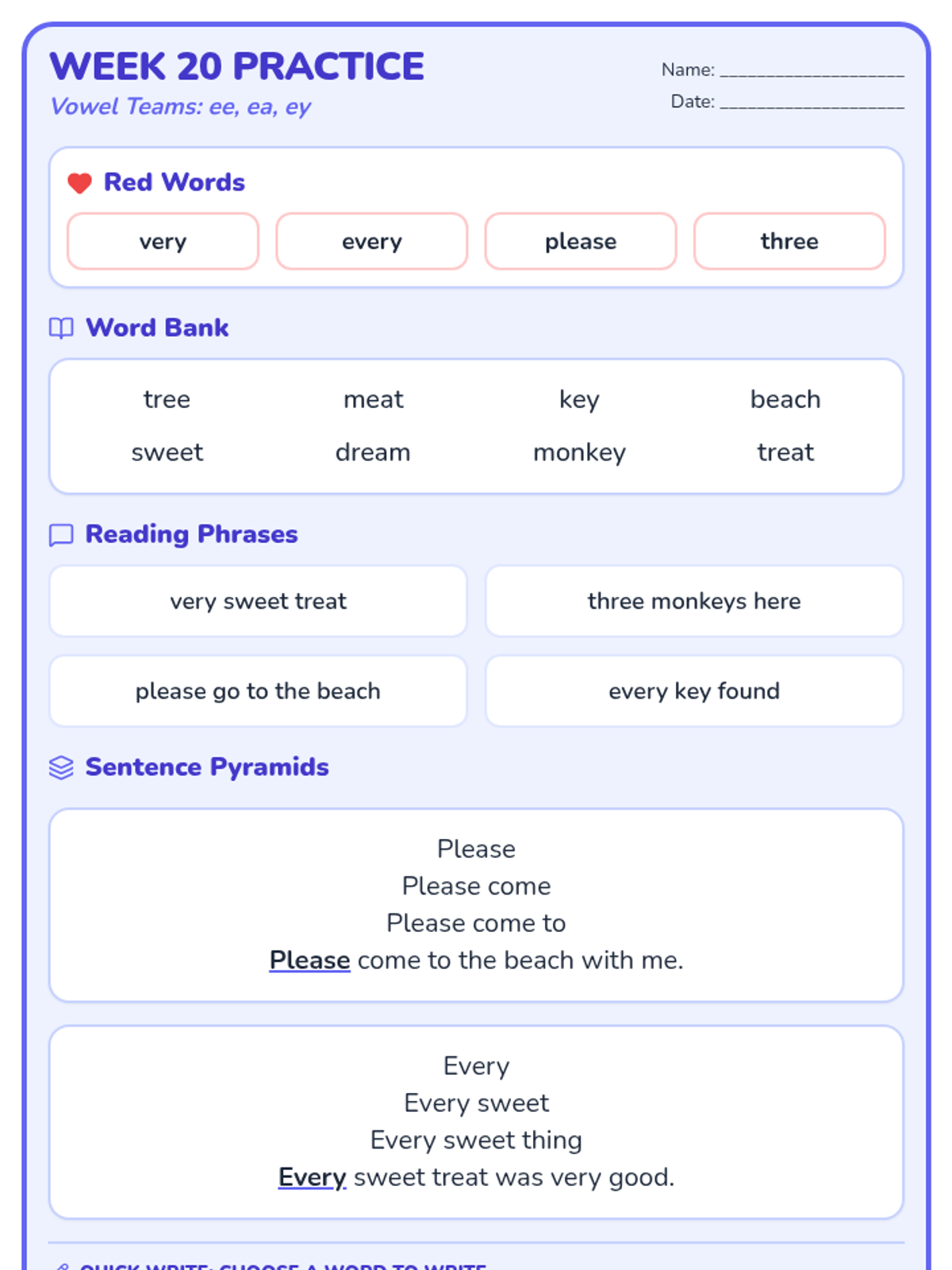
A comprehensive phonics lesson focusing on long vowel teams (ai, ay, ee, ea) following LETRS-aligned instructional practices, including phoneme-grapheme mapping and decodable reading.
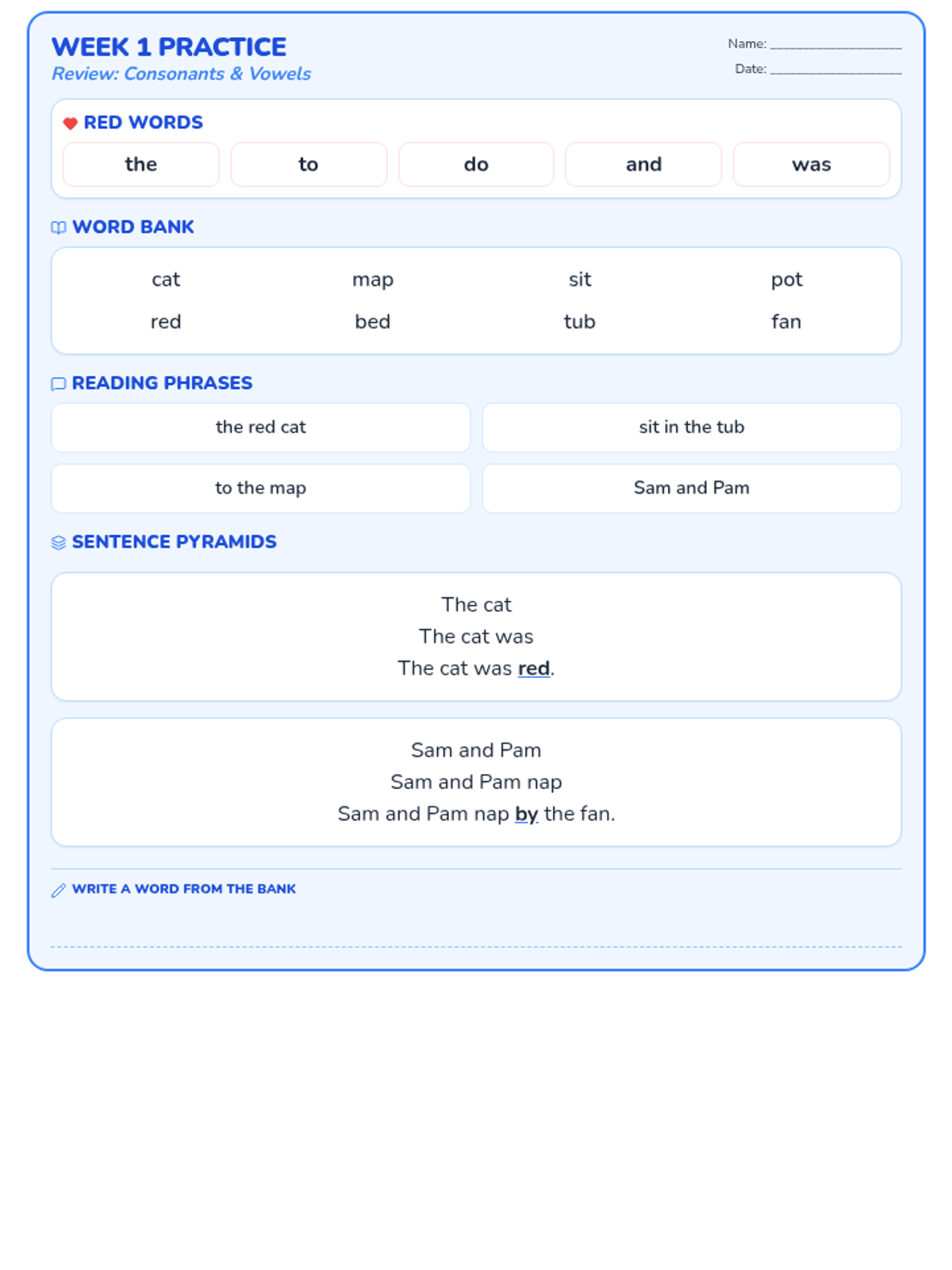
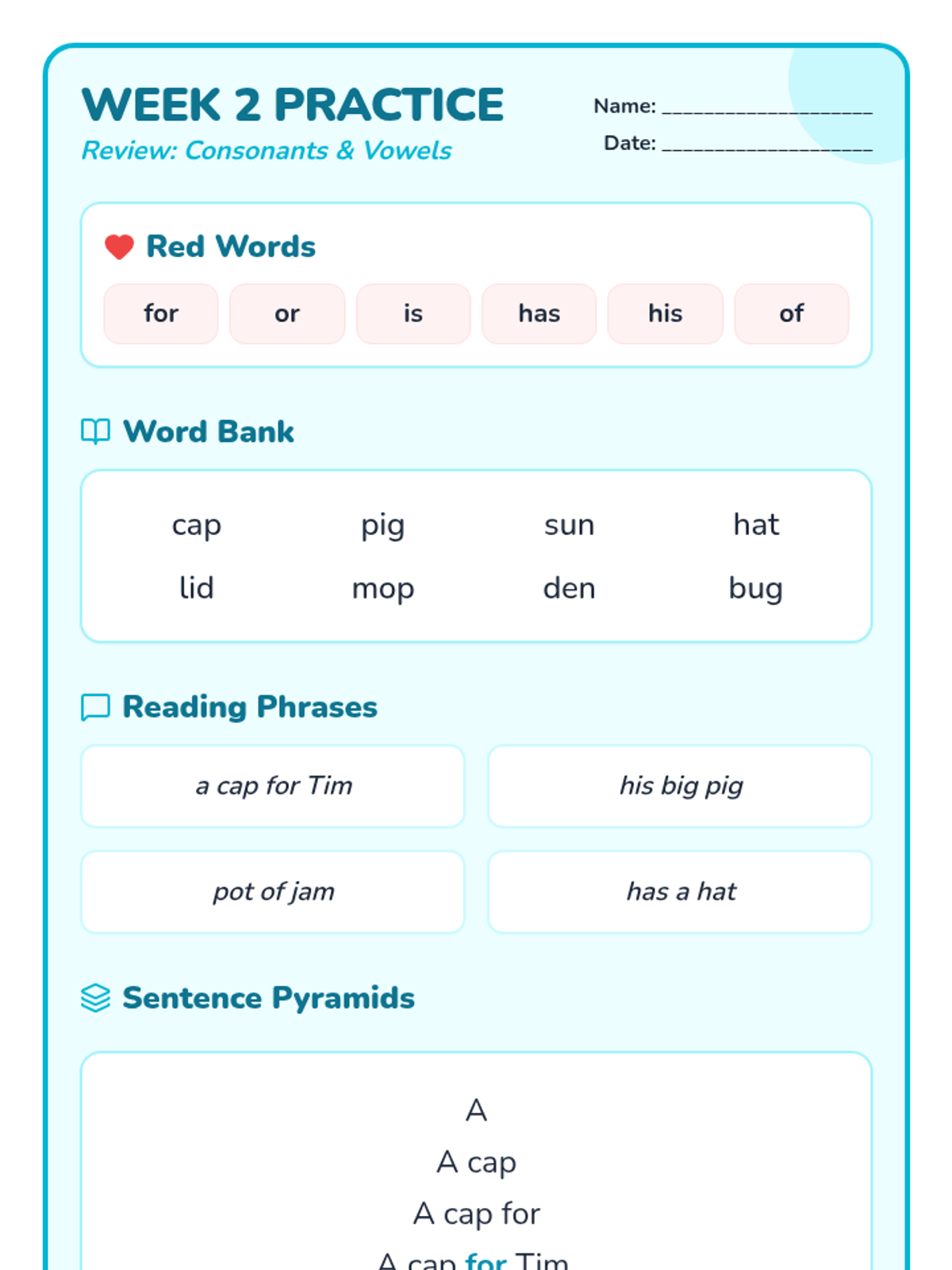
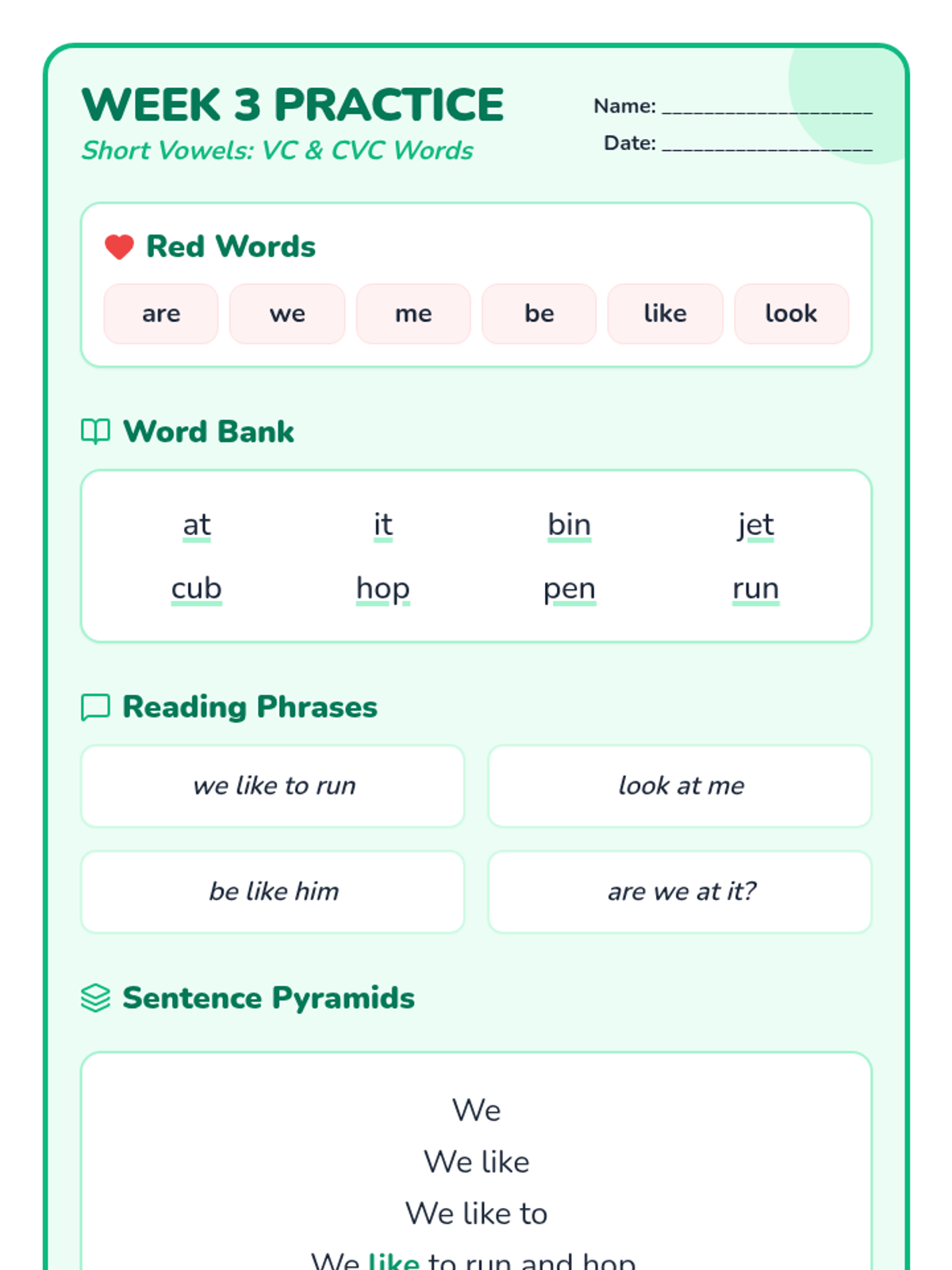
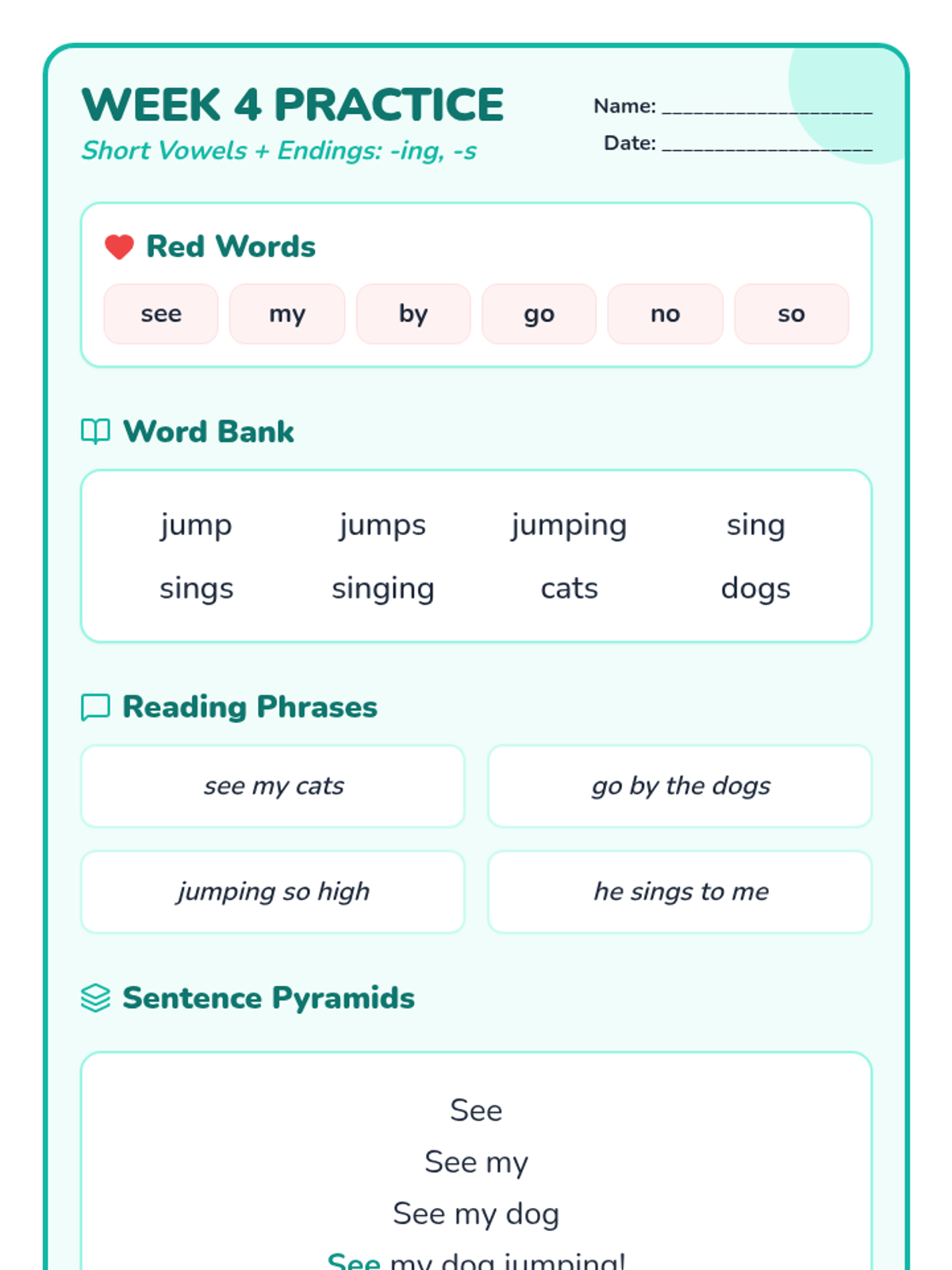
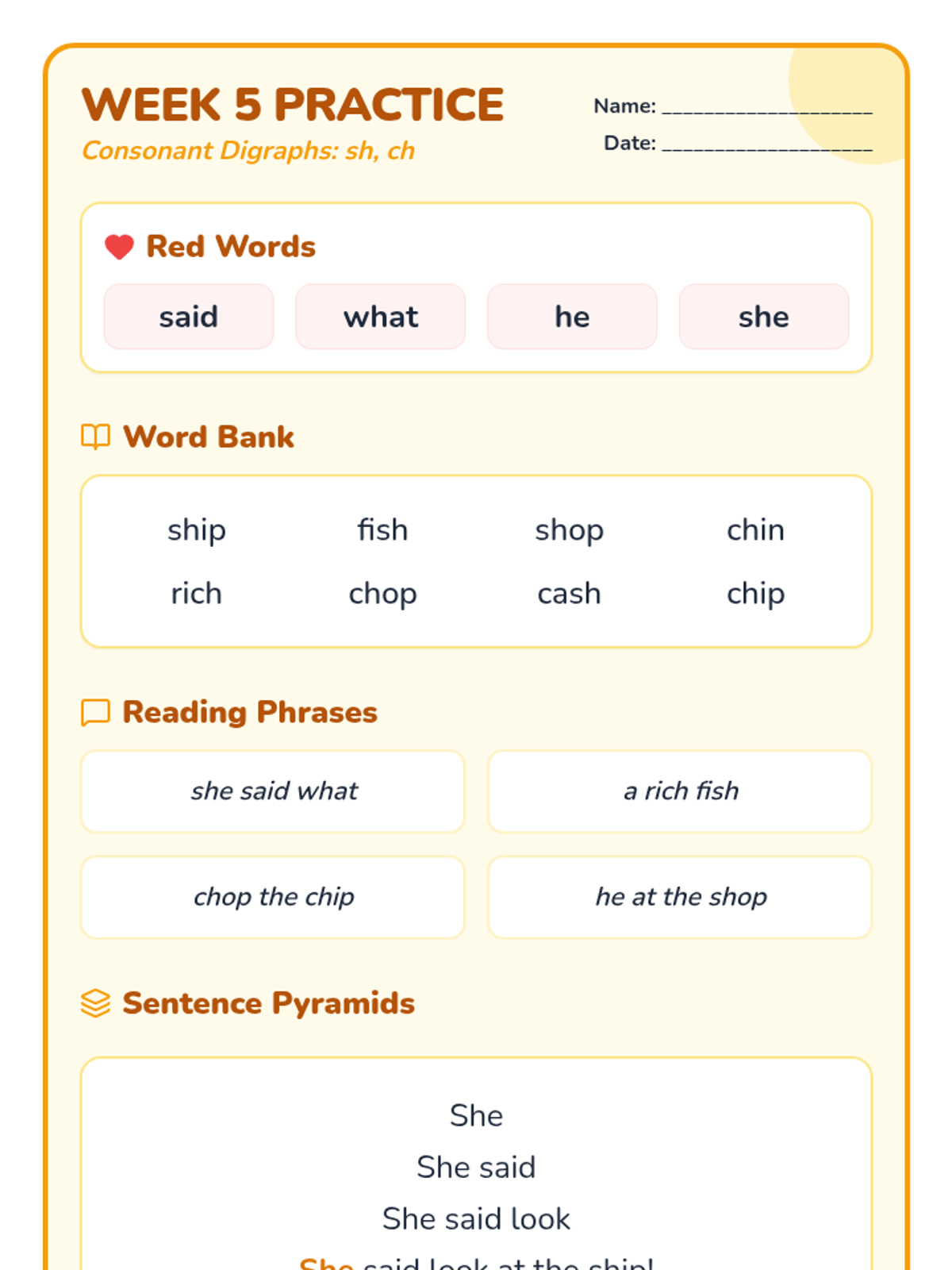
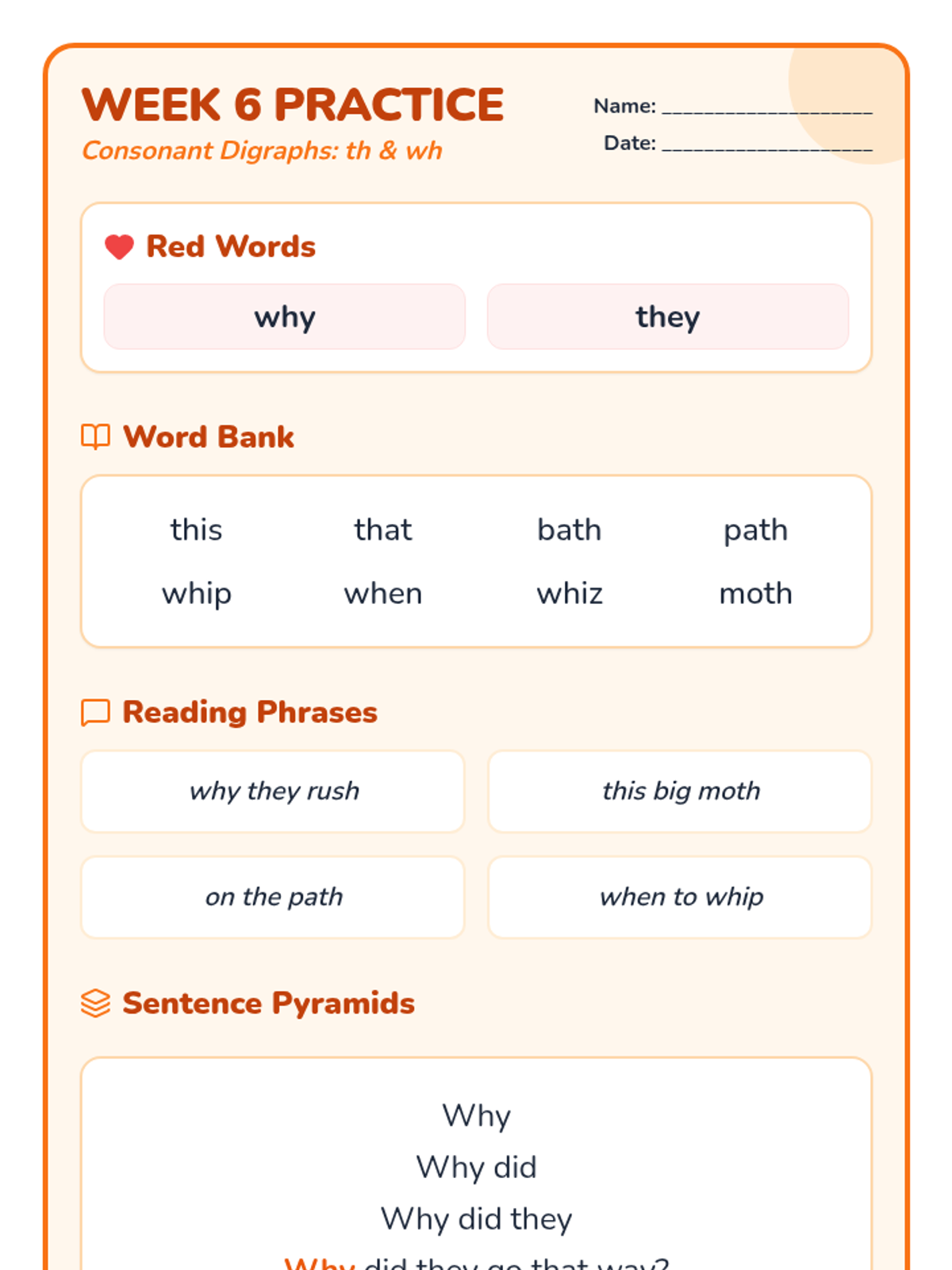
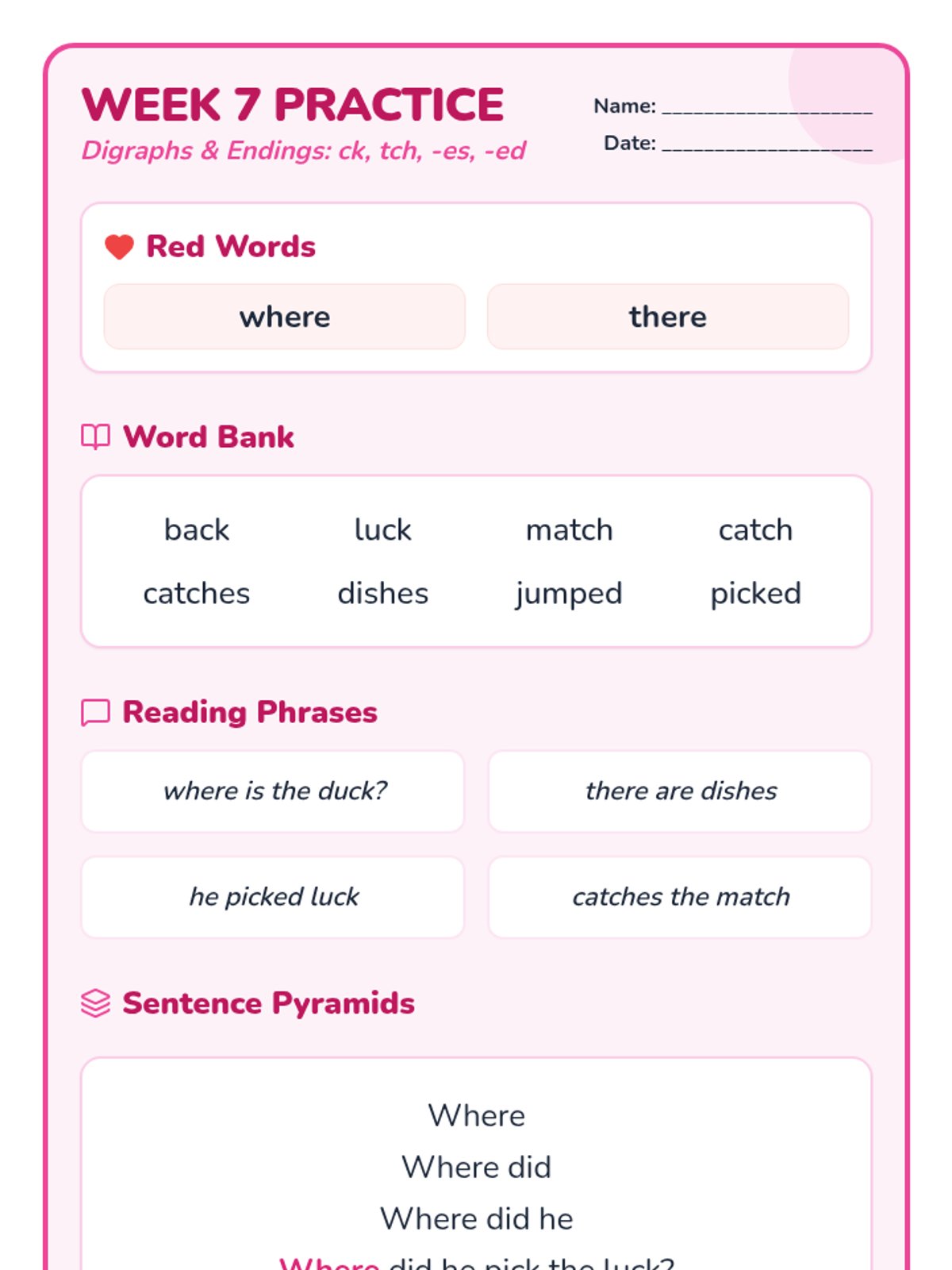
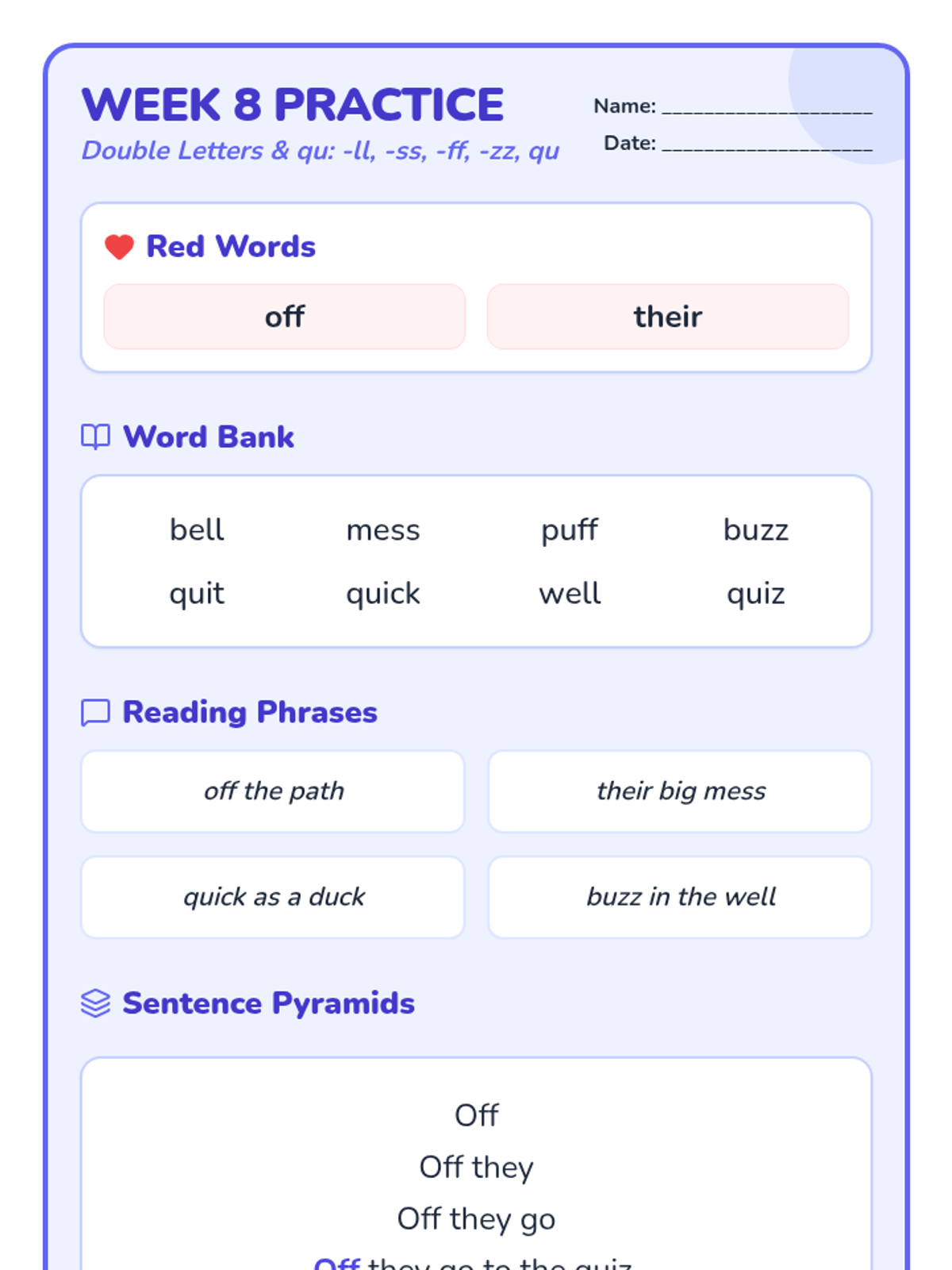
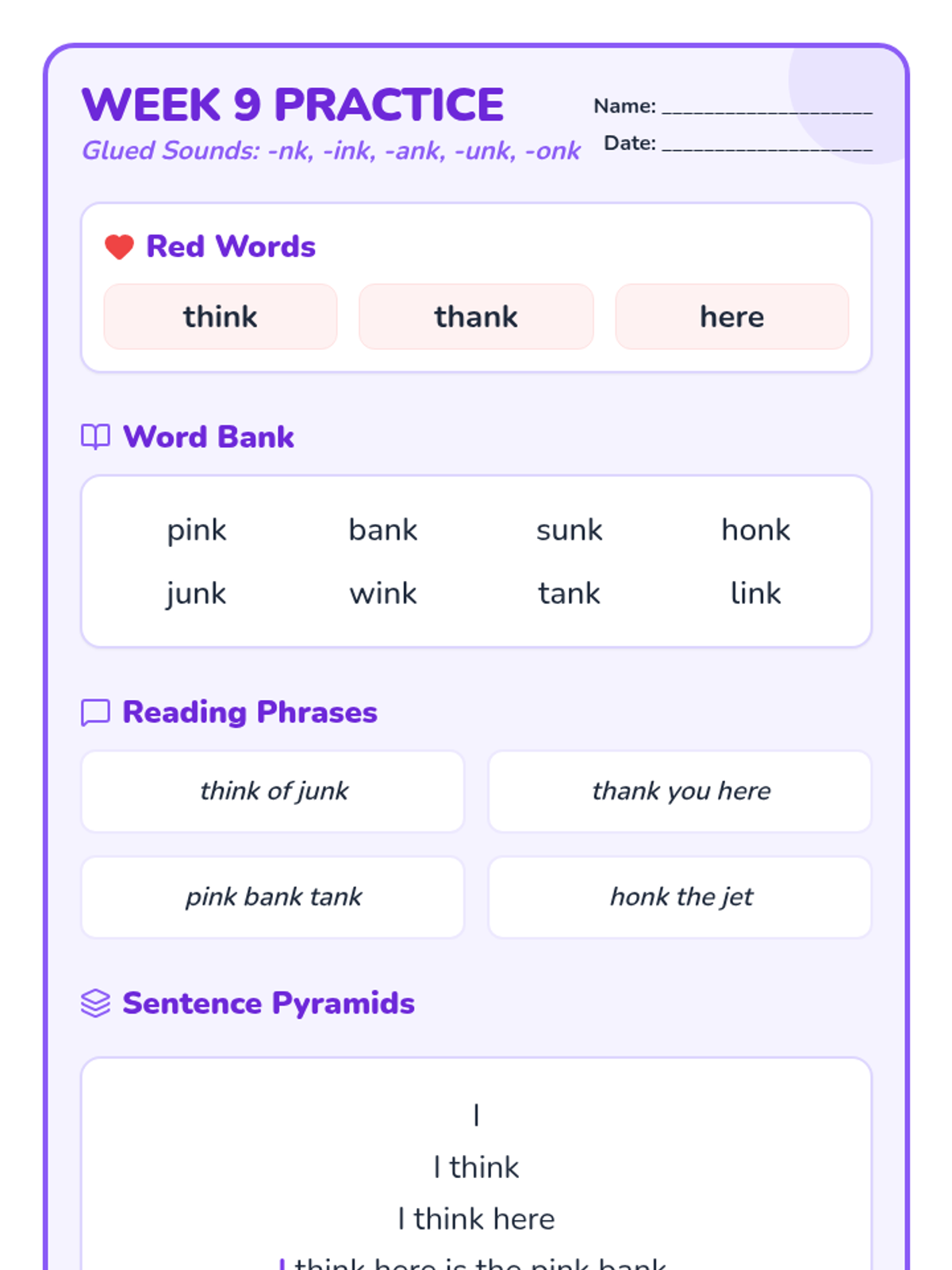
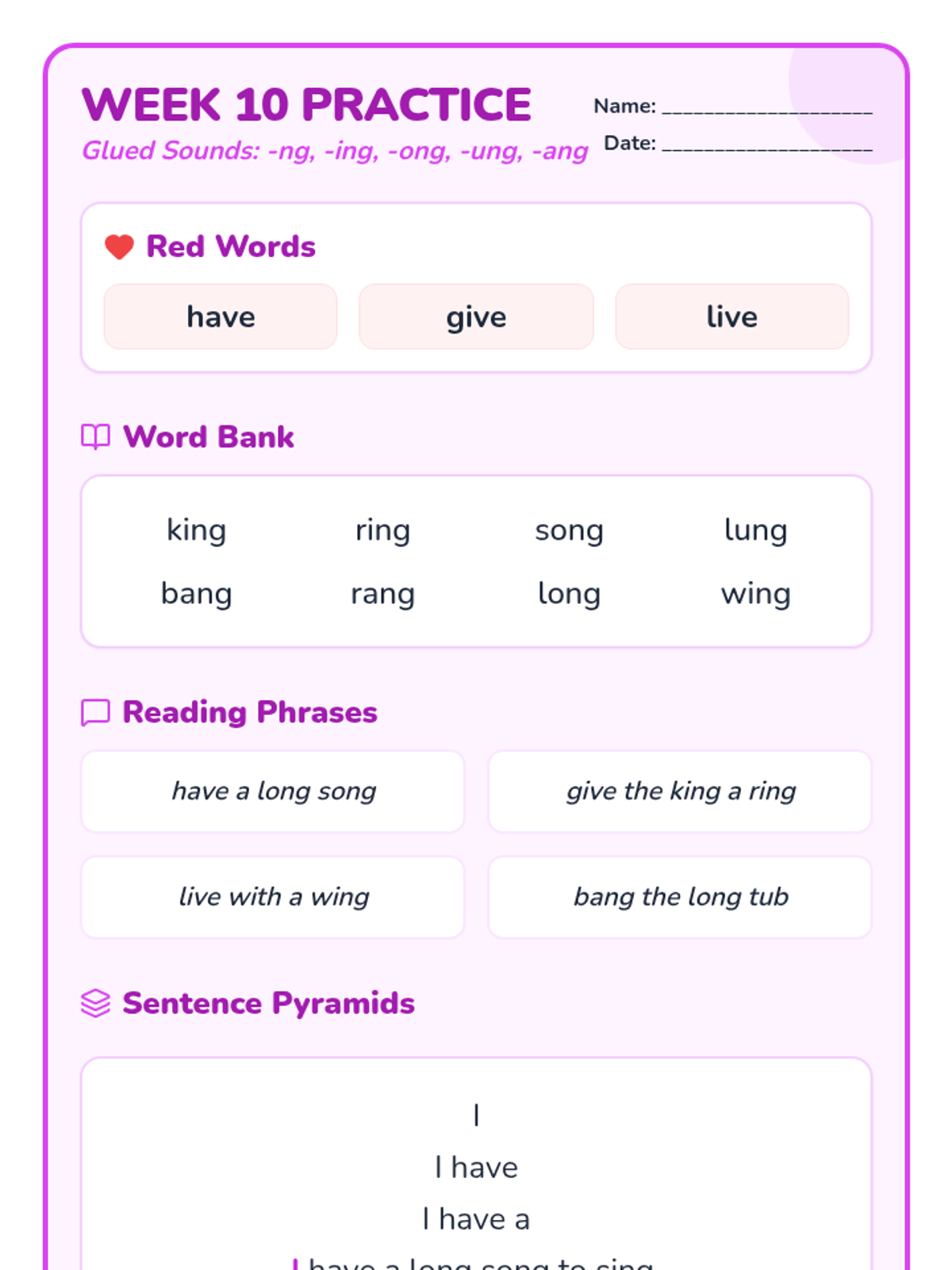
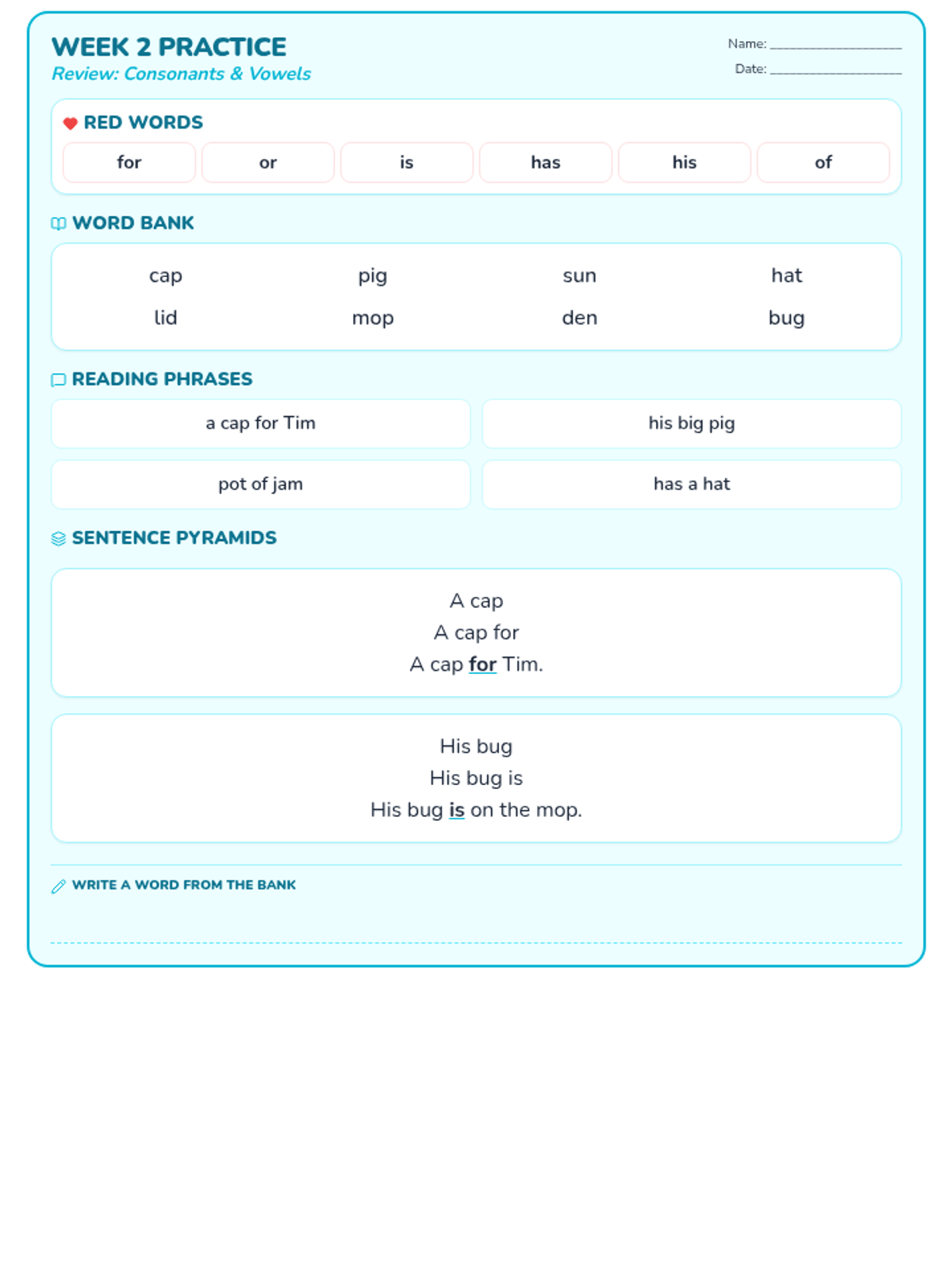
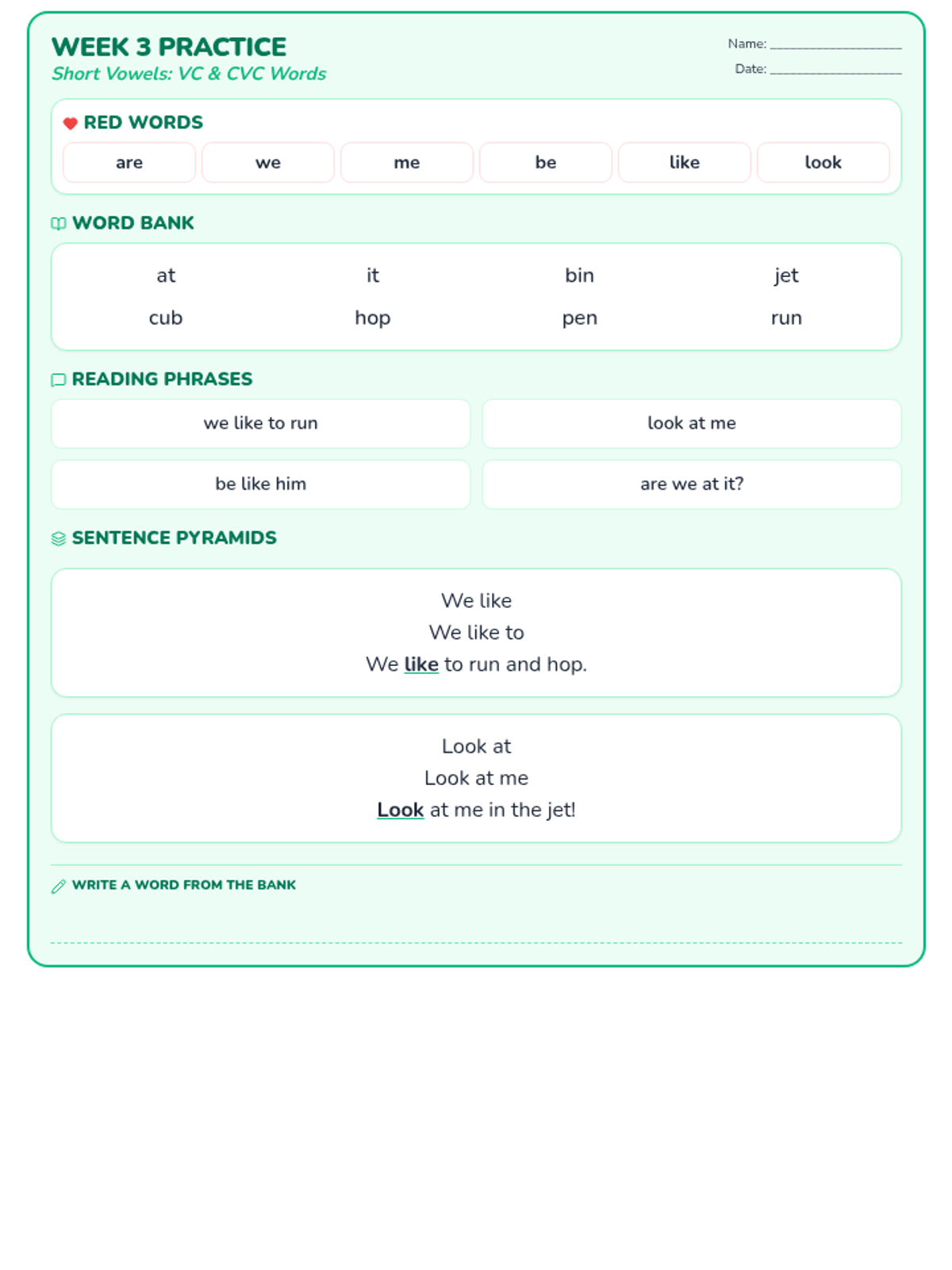
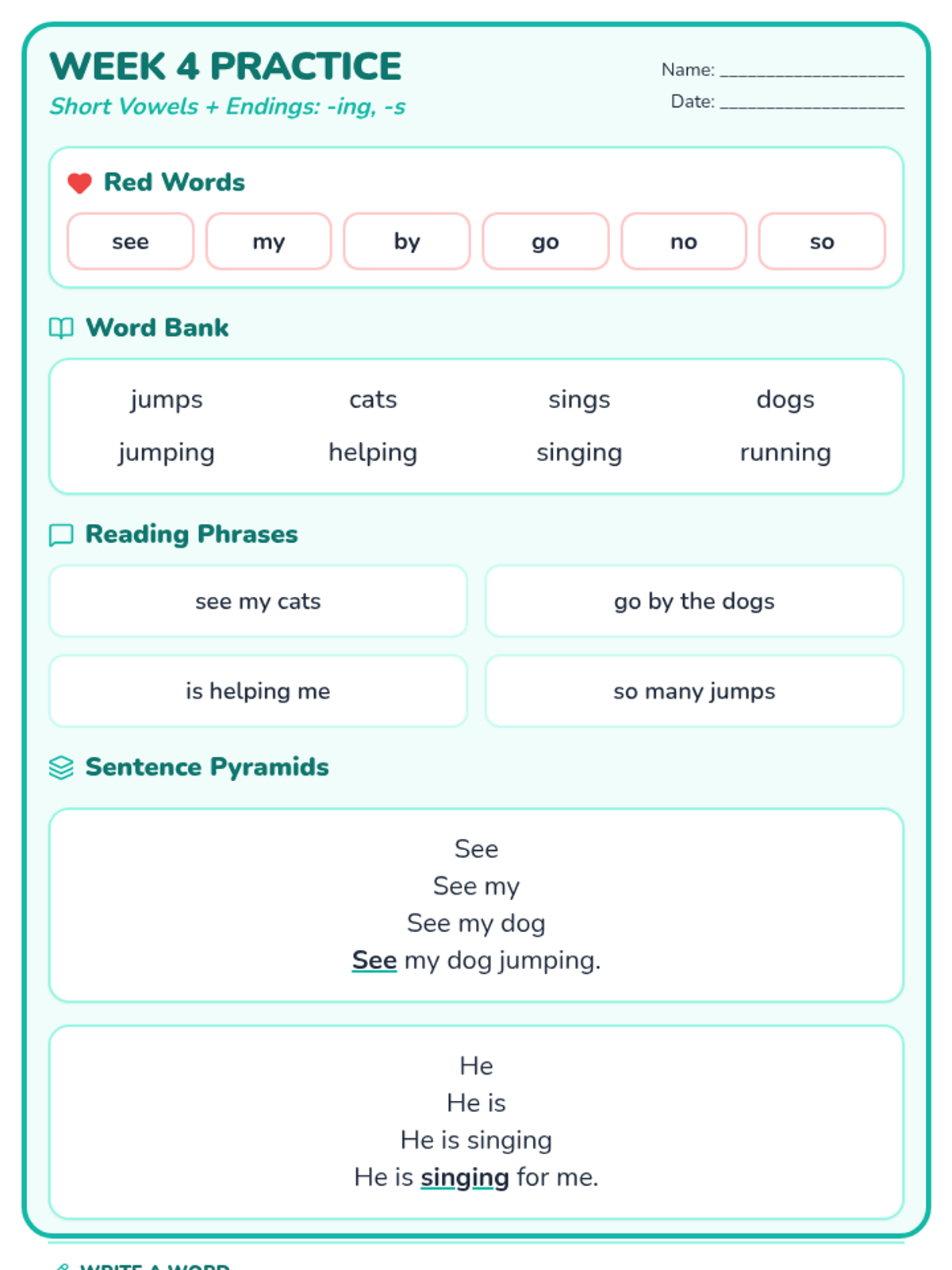
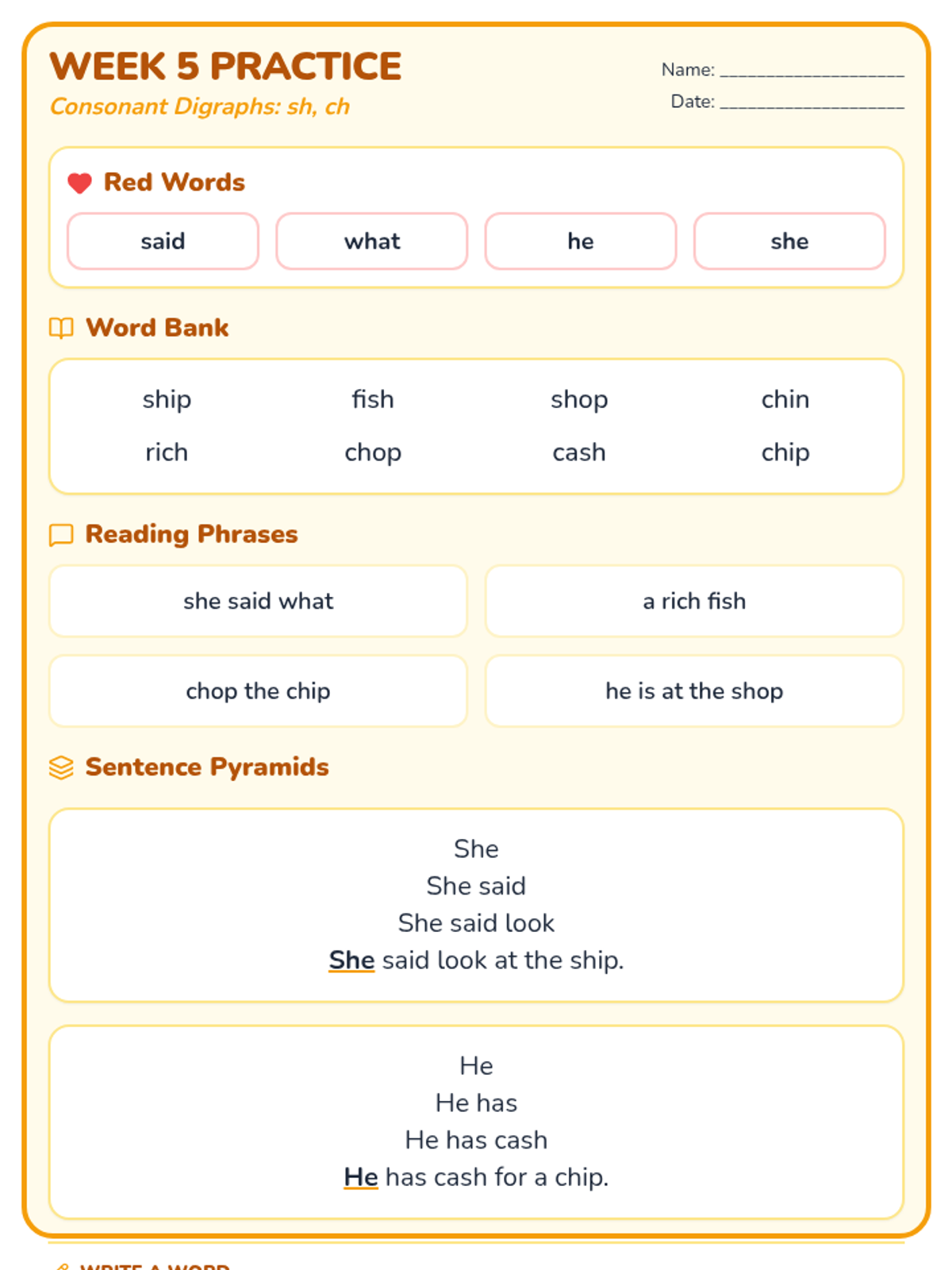
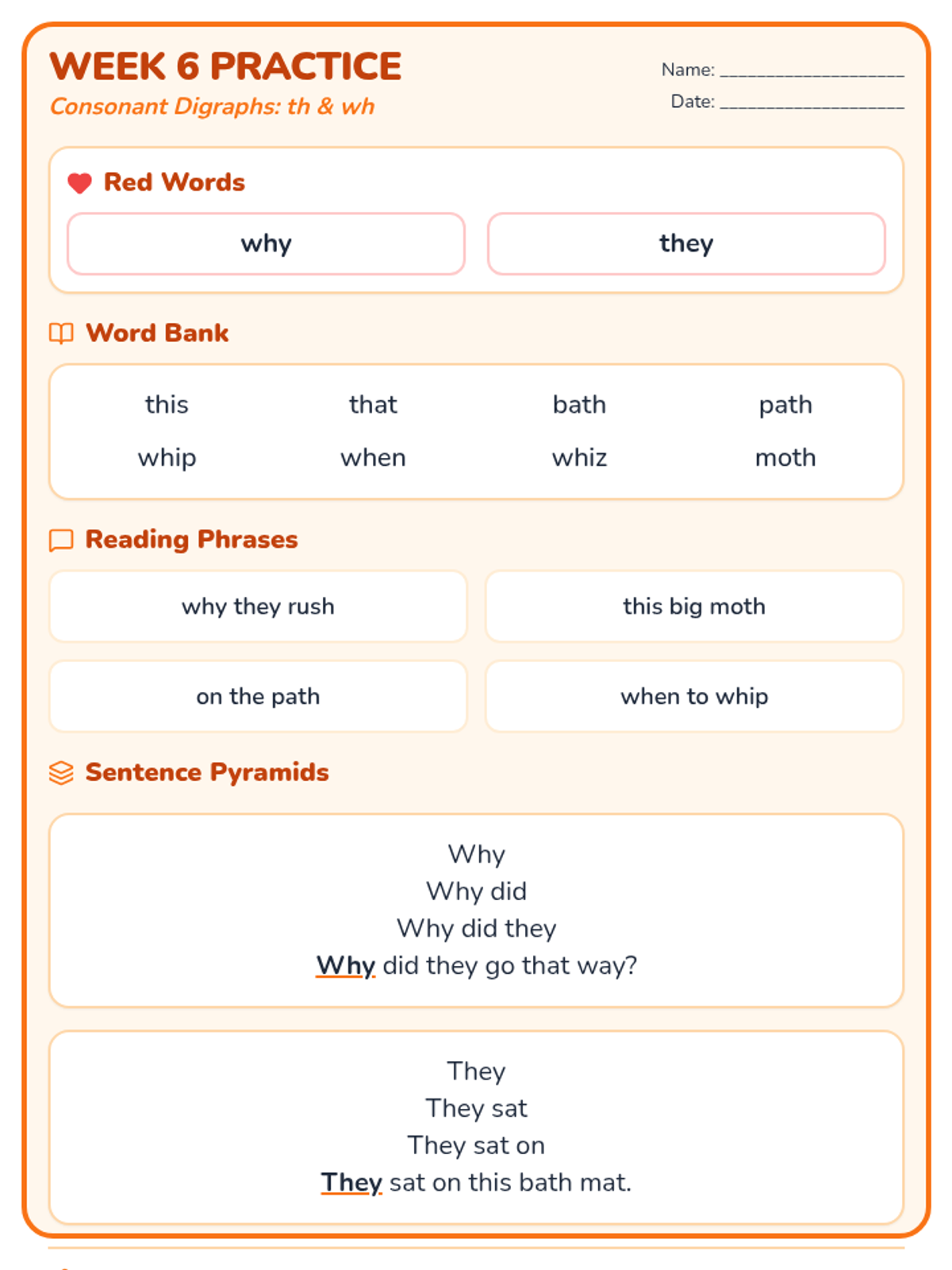
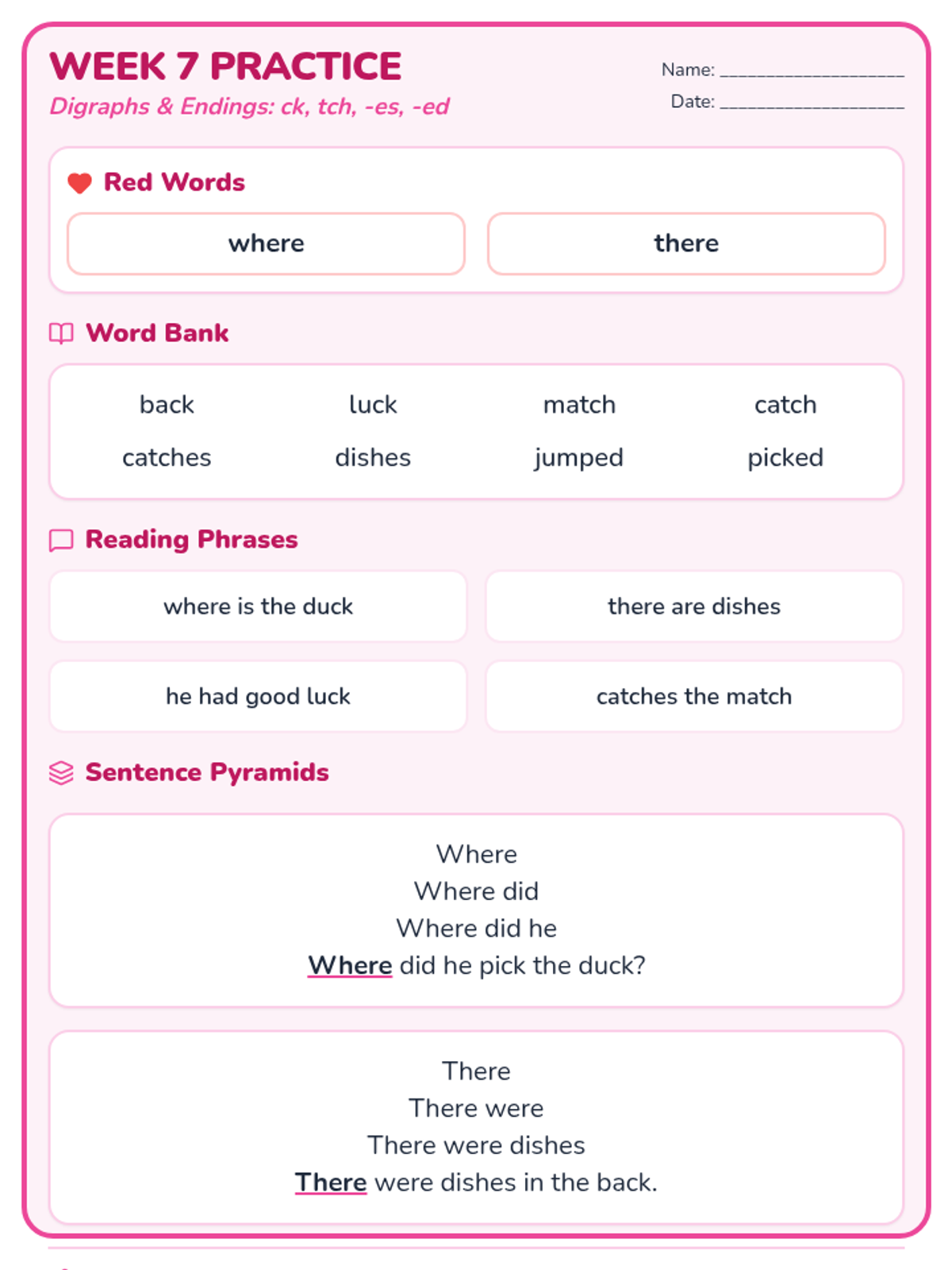
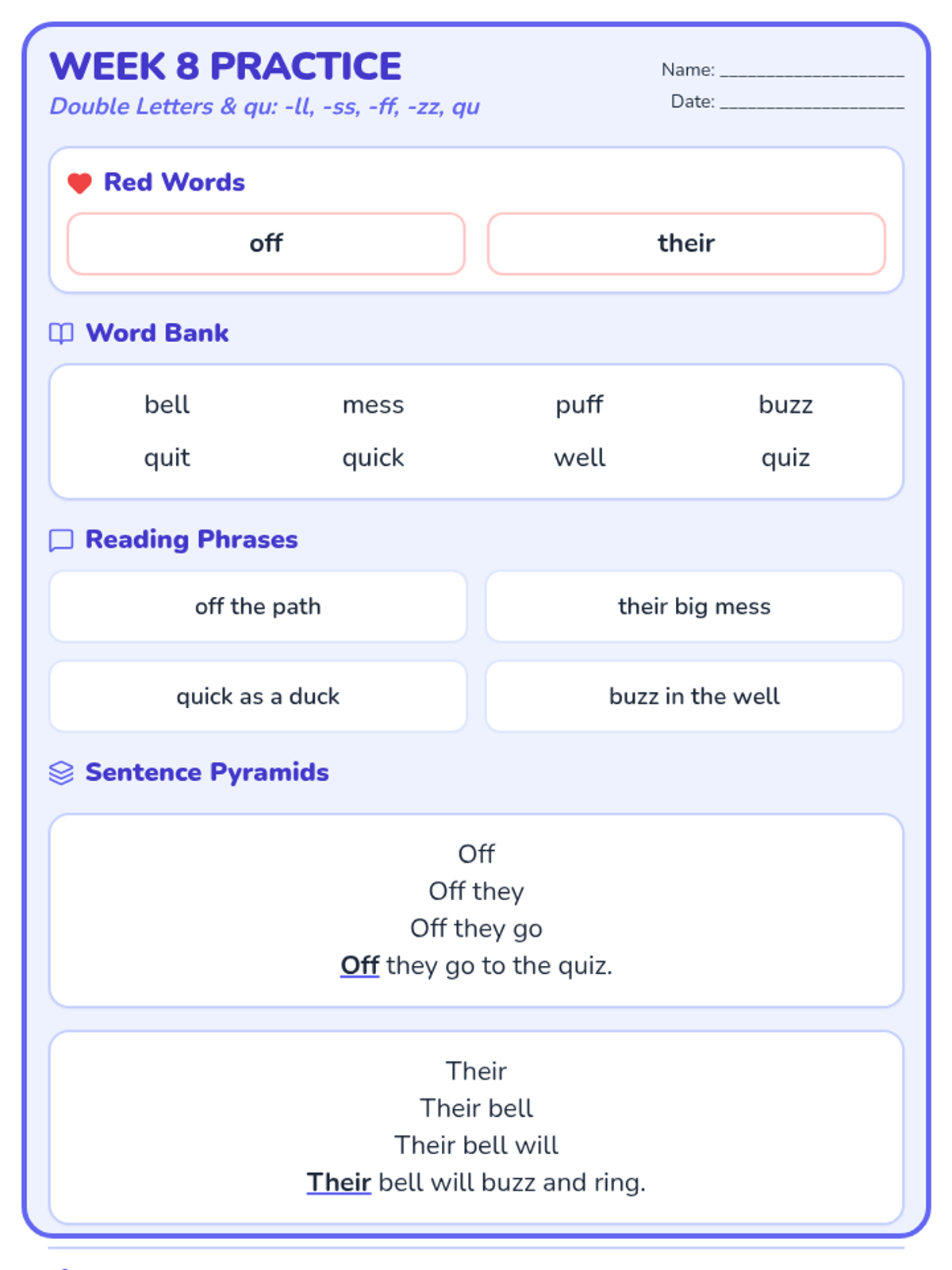
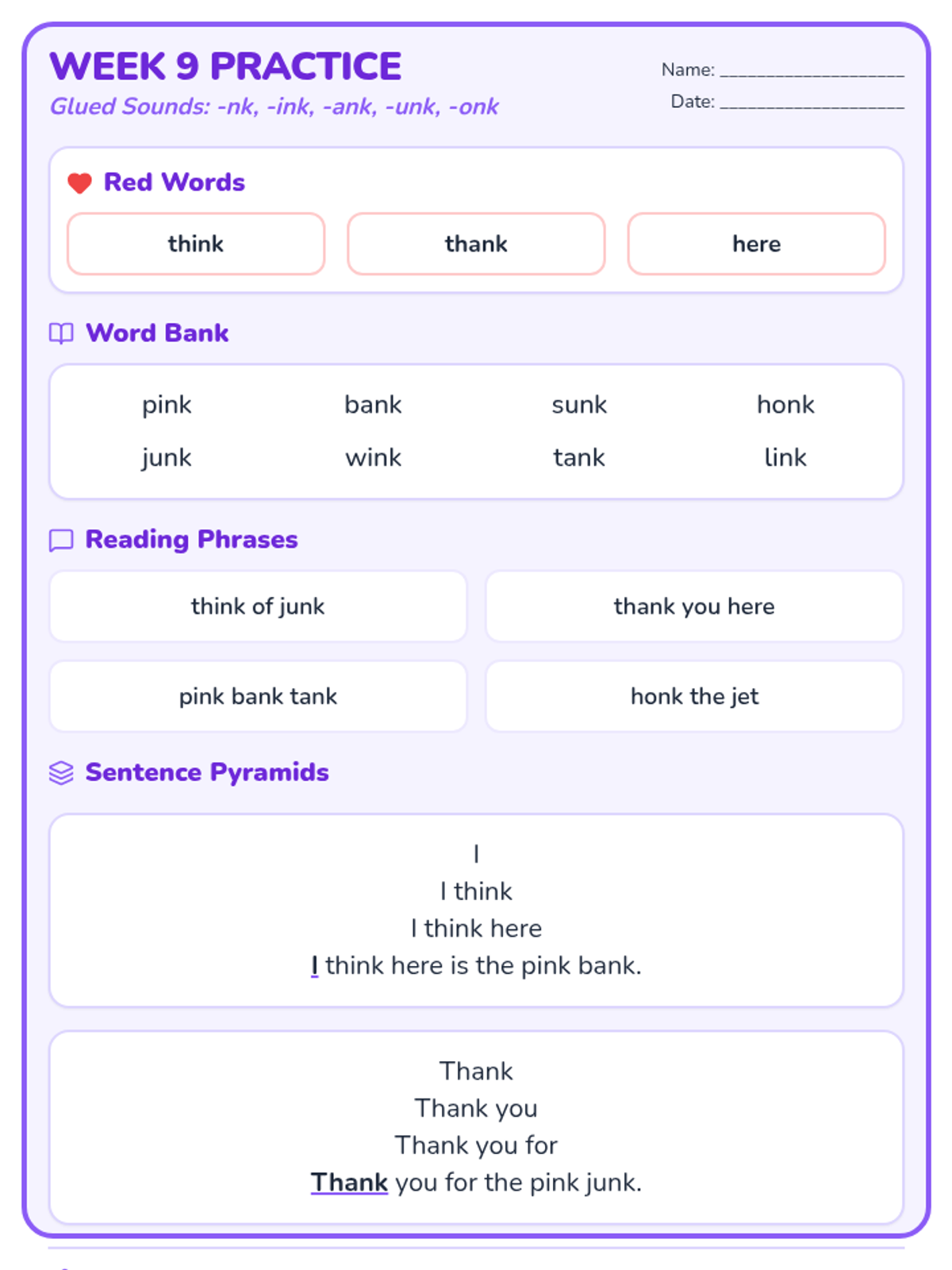
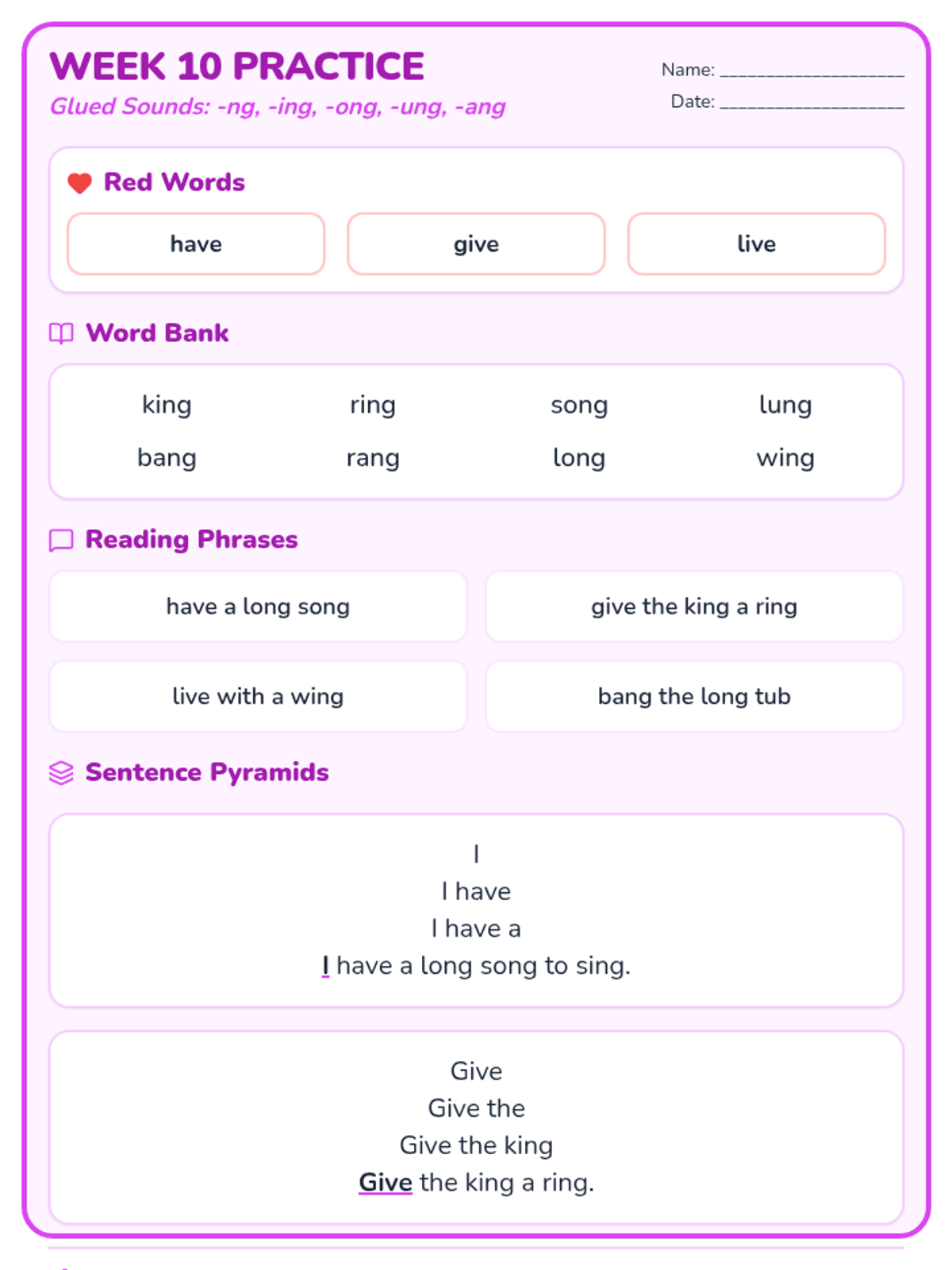
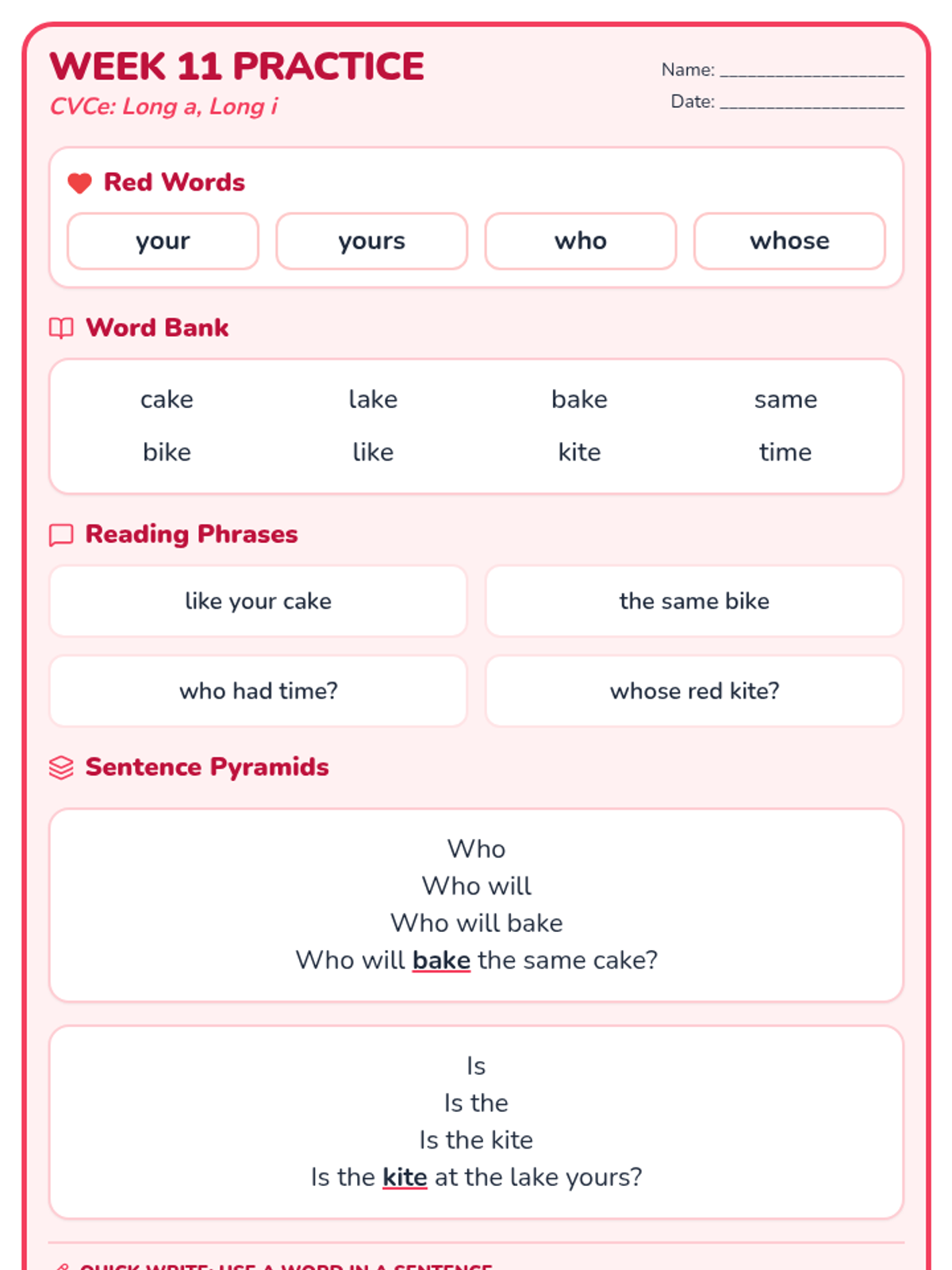
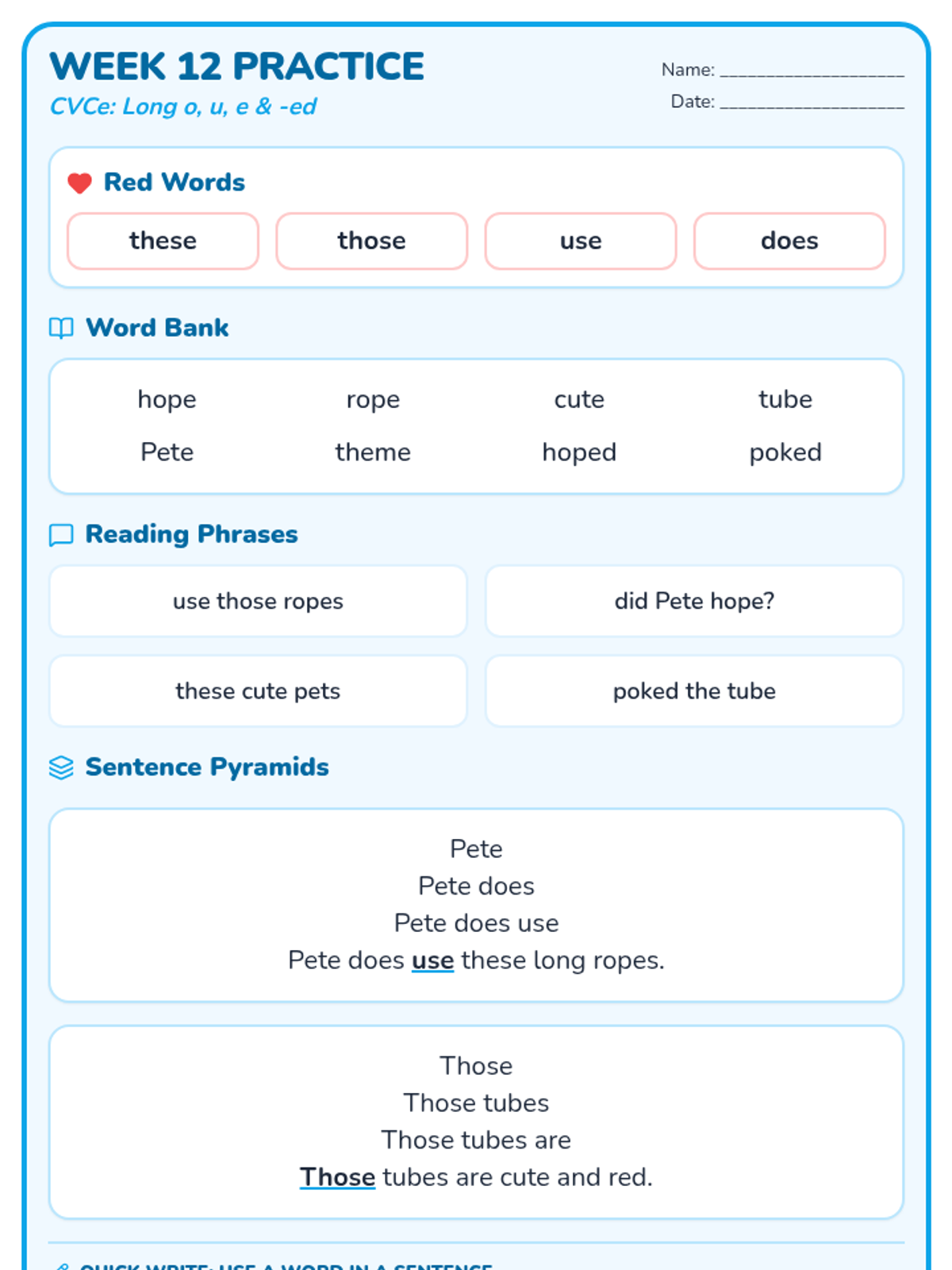
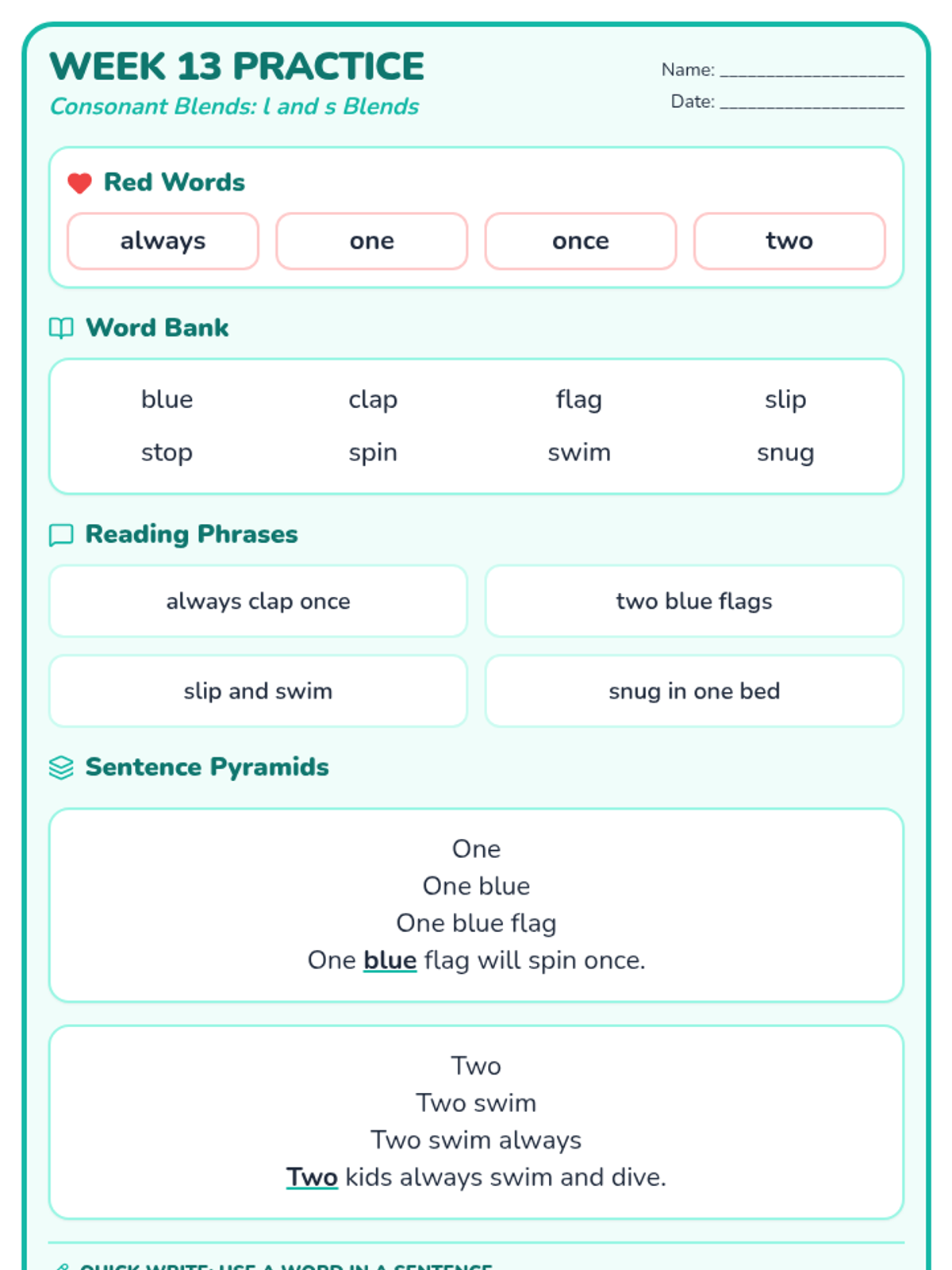
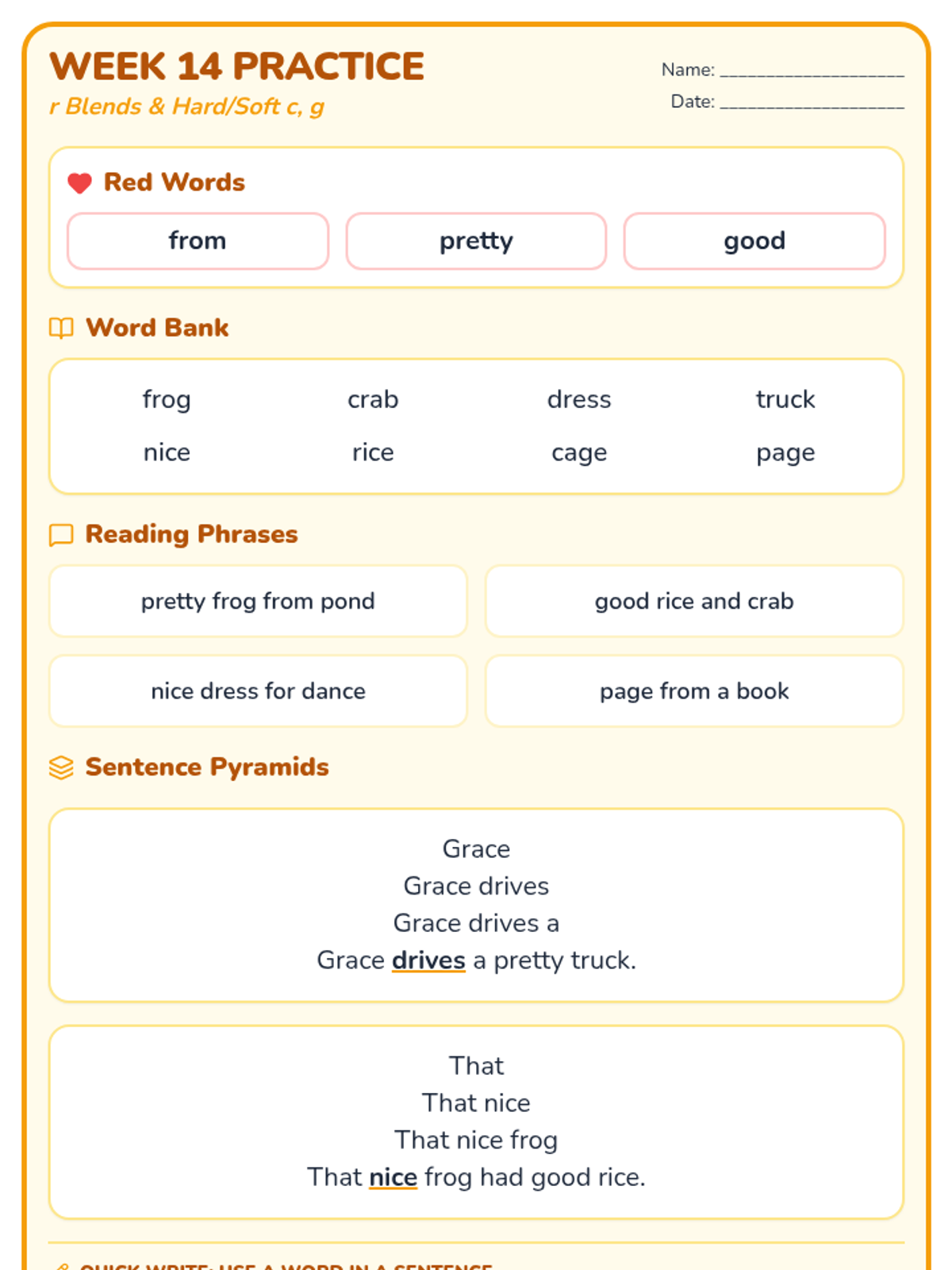
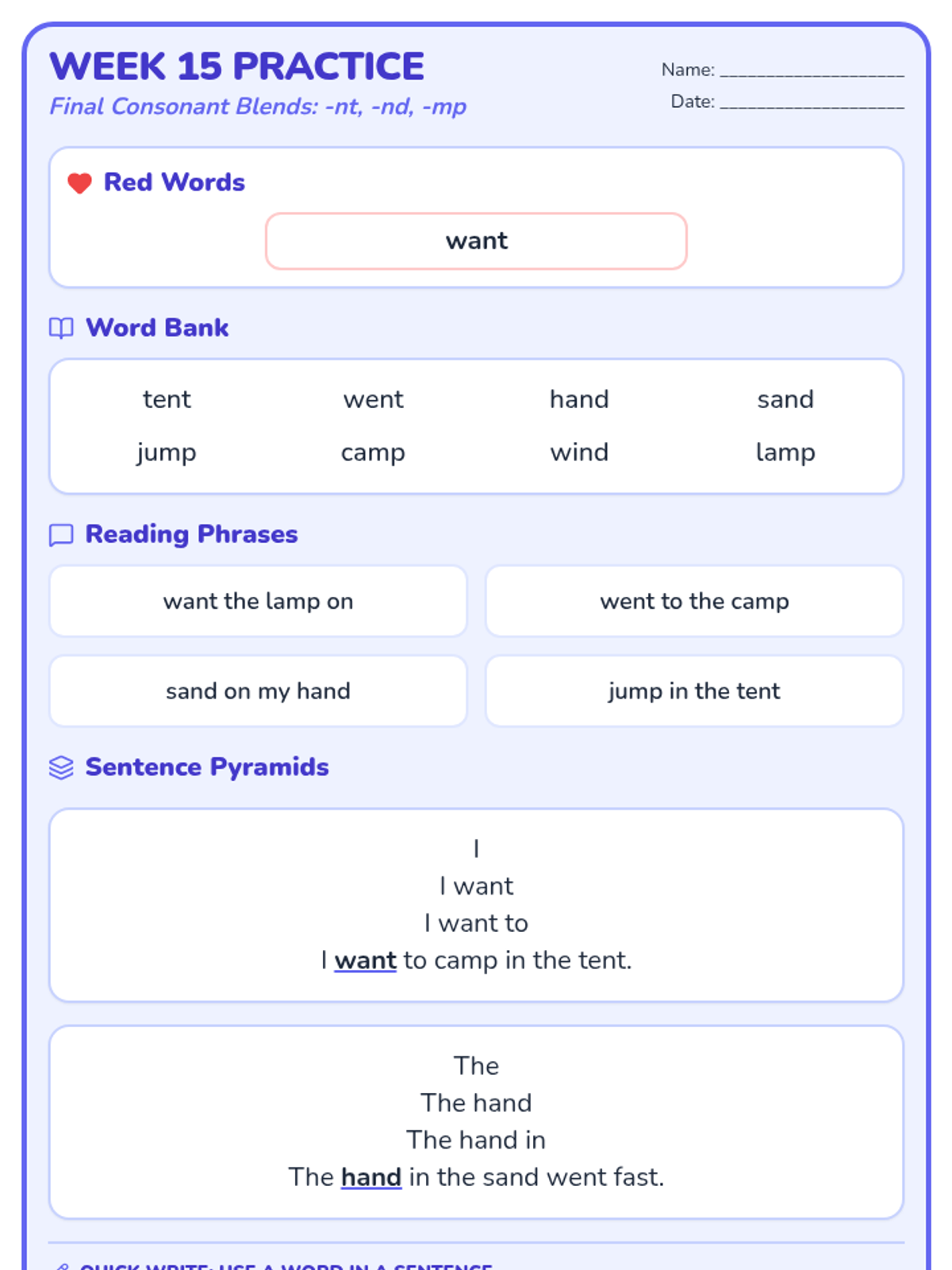
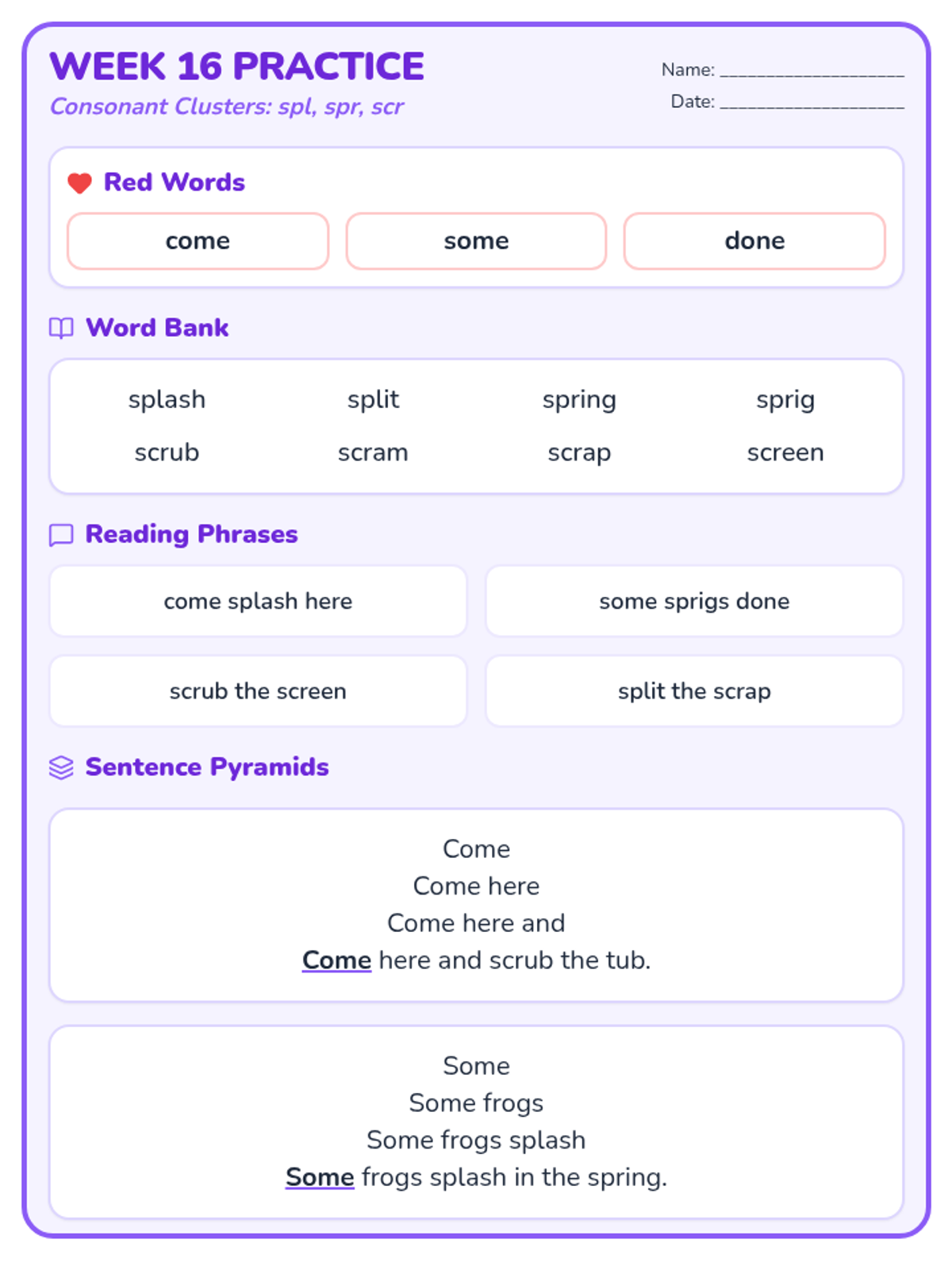
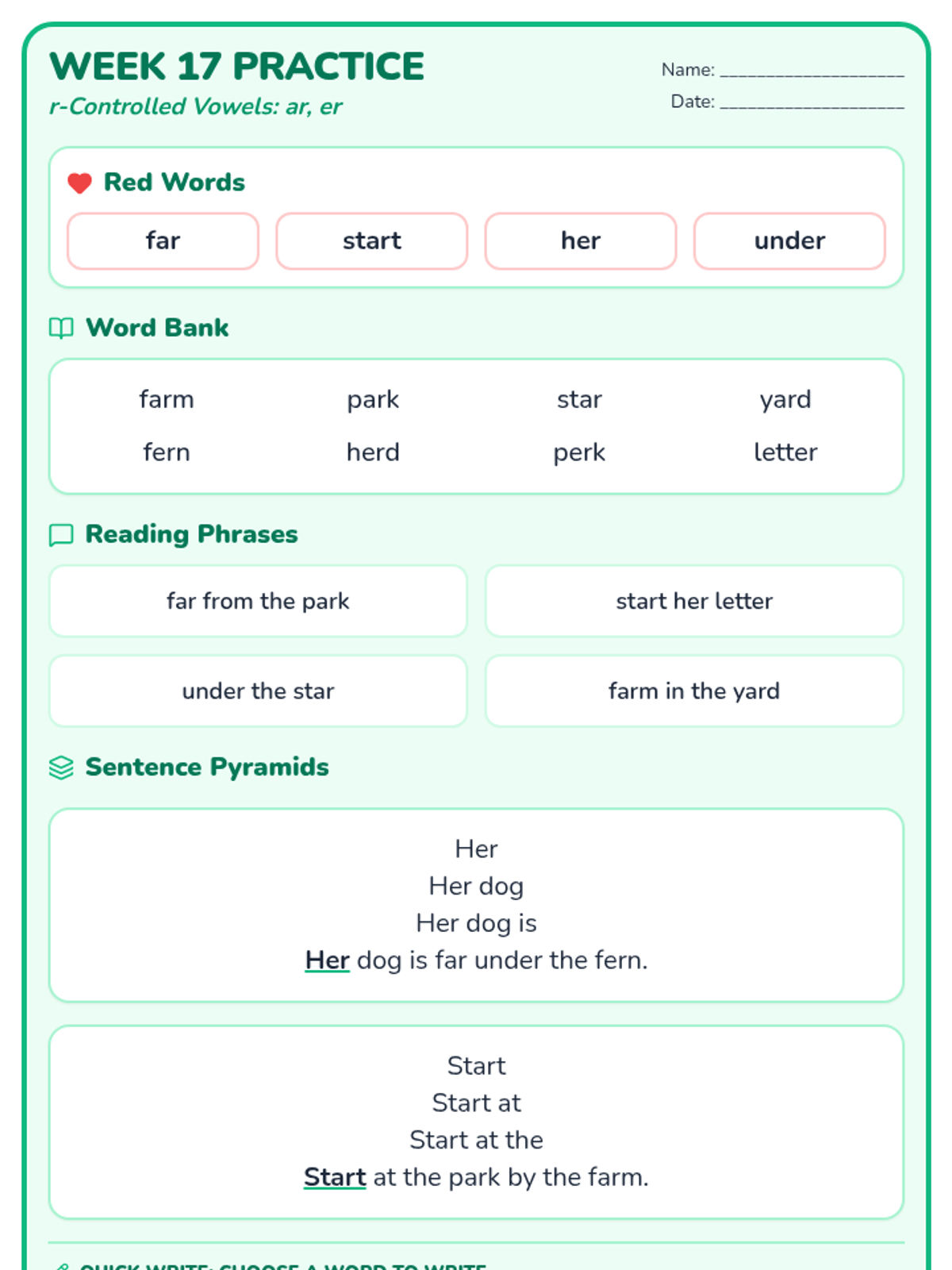
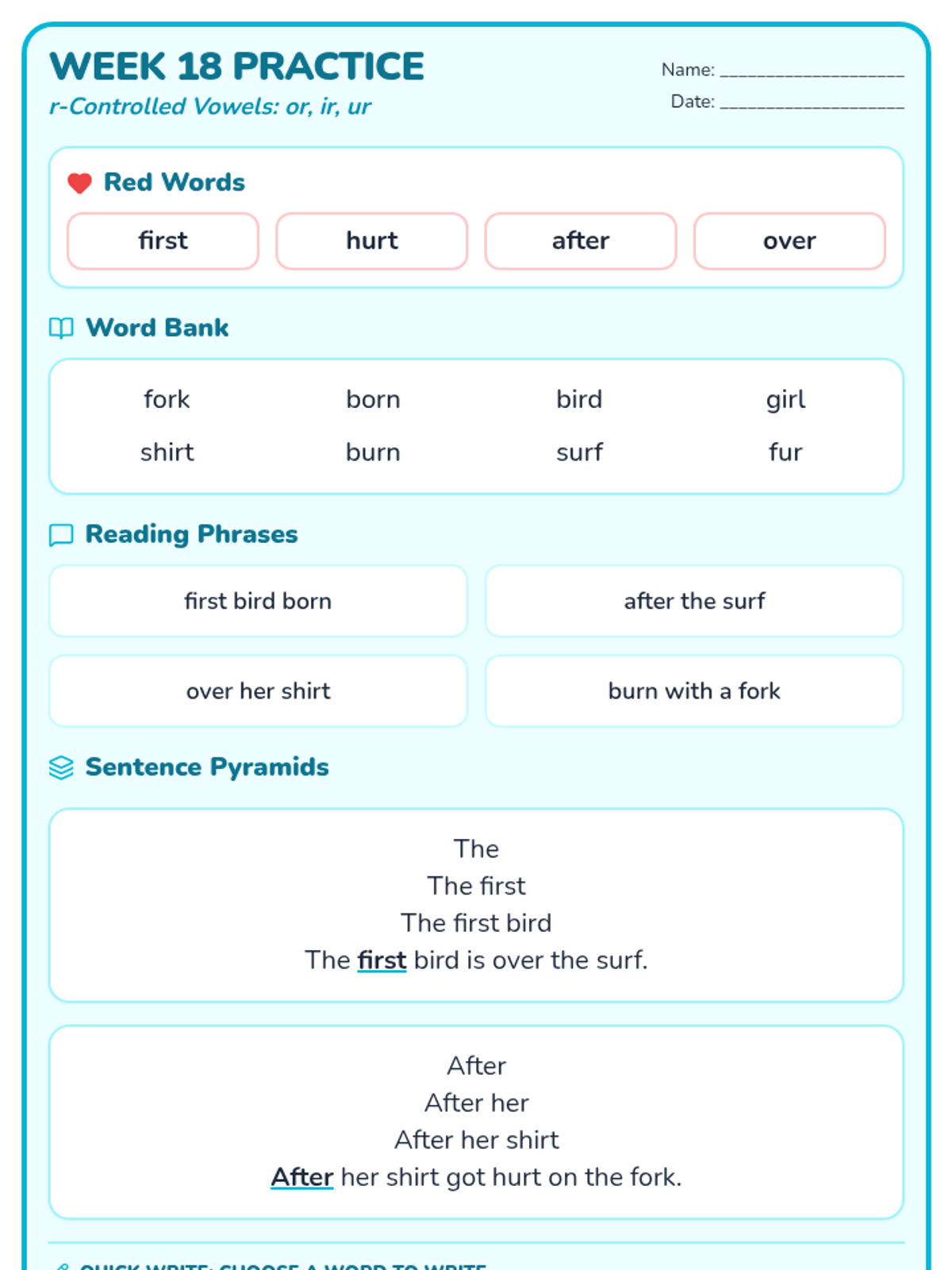
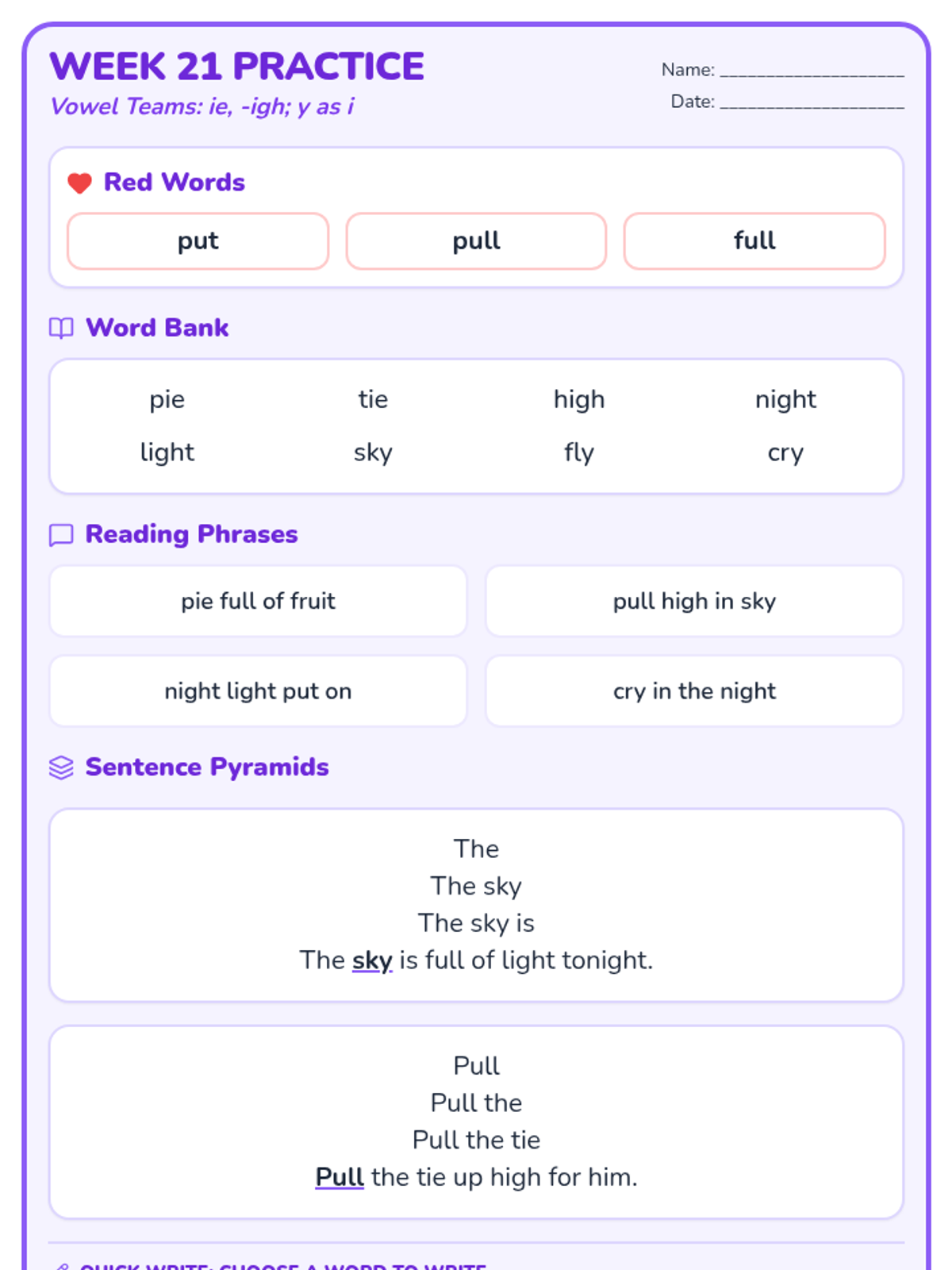
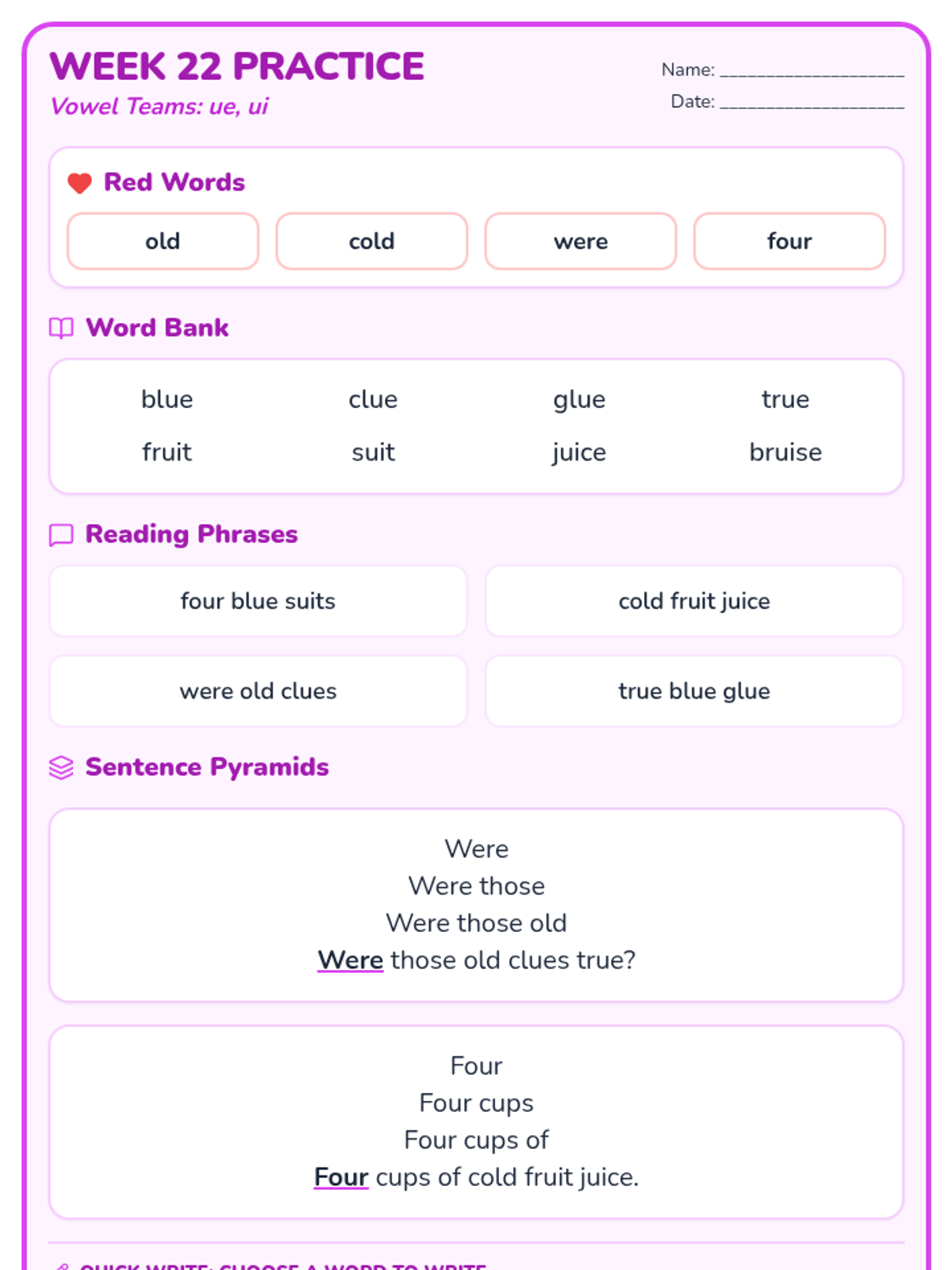
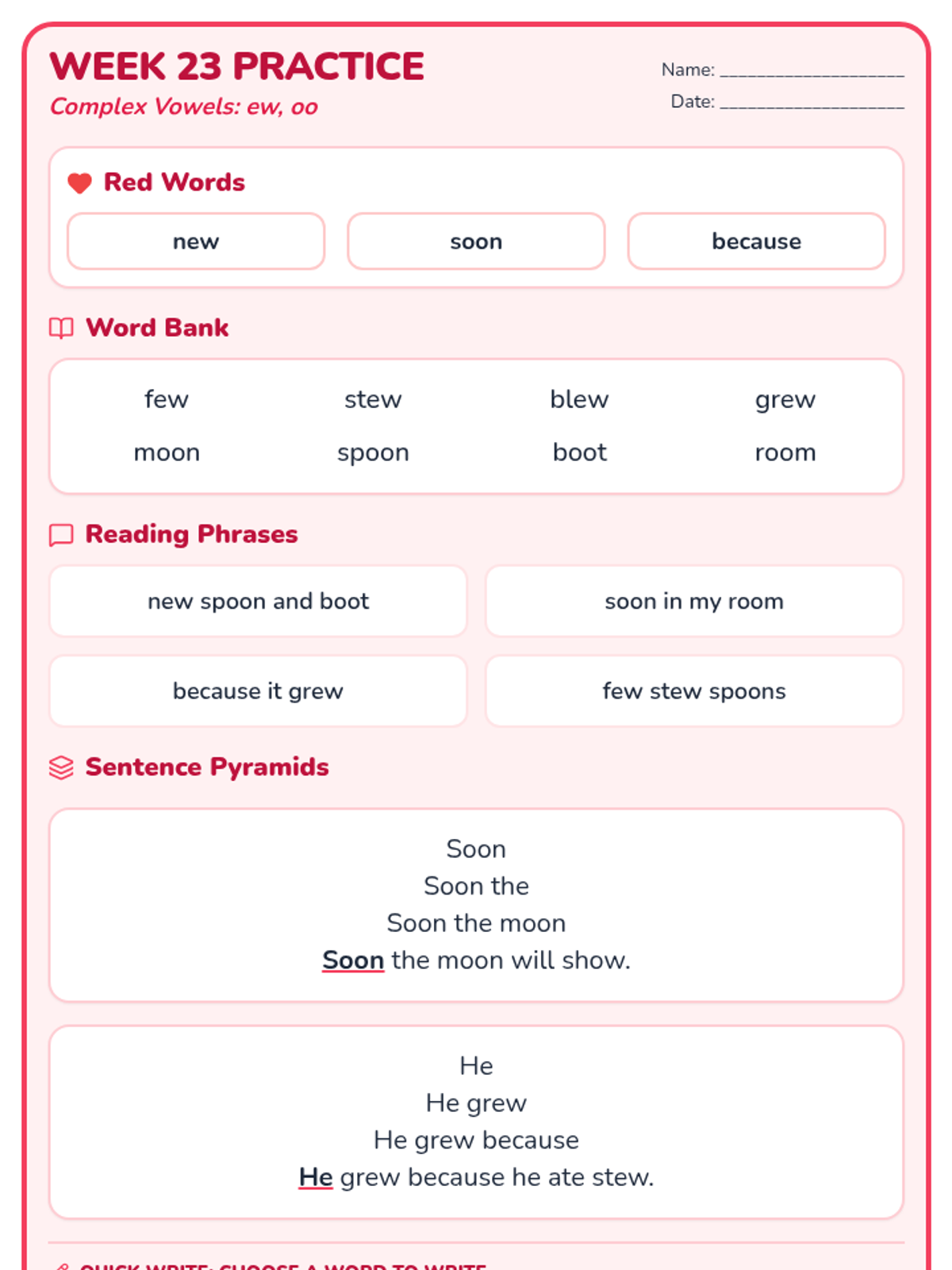
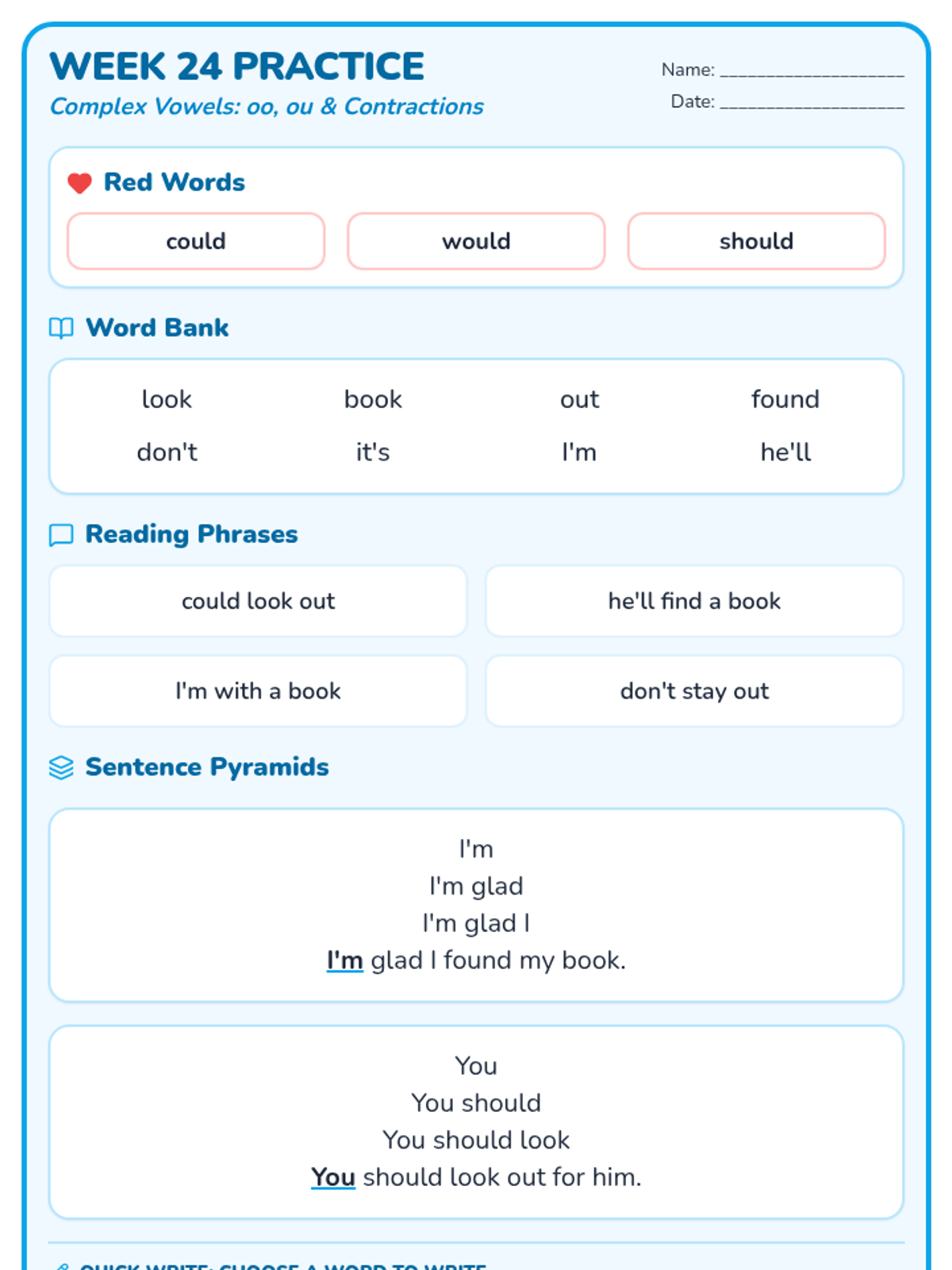
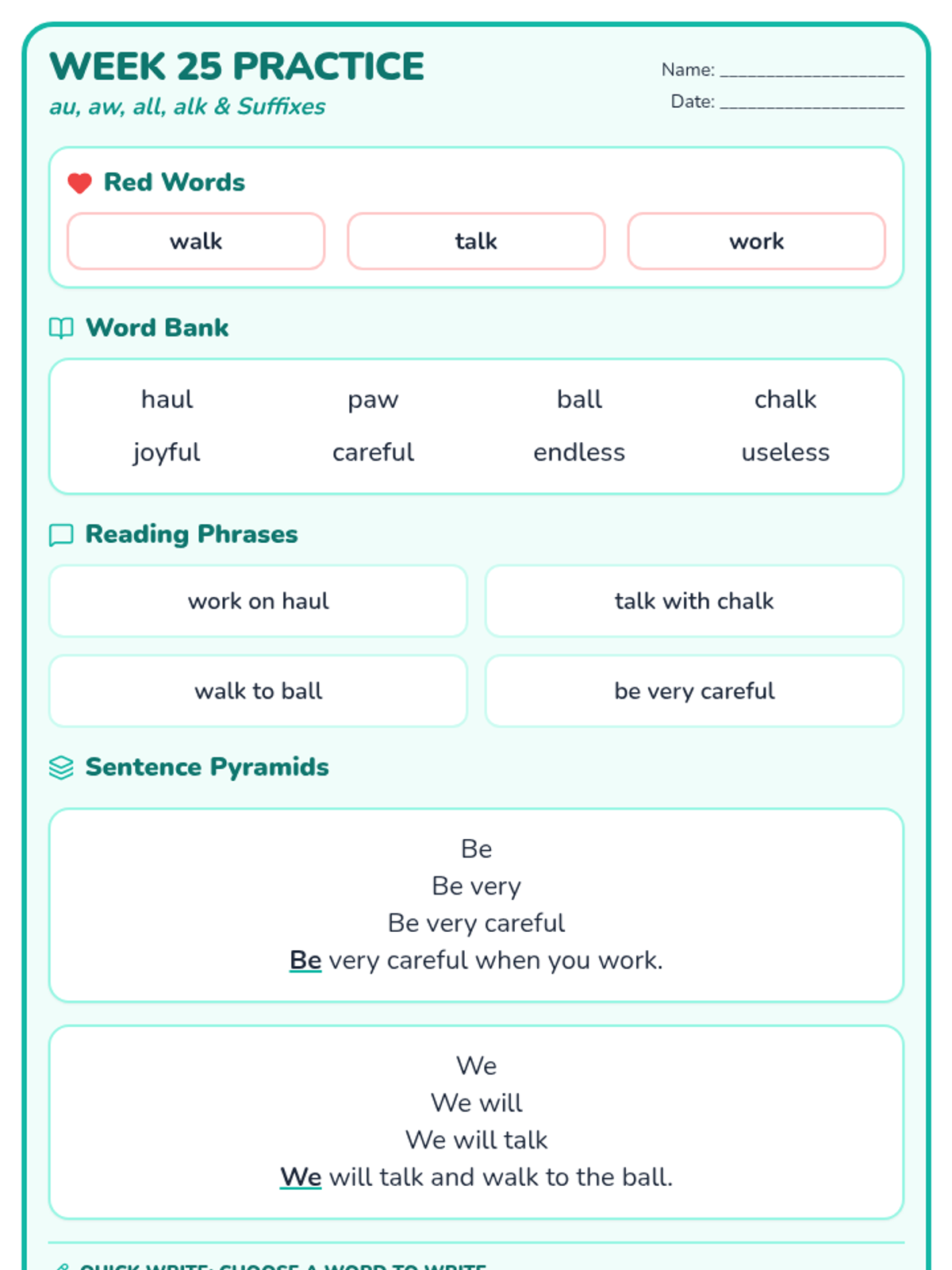
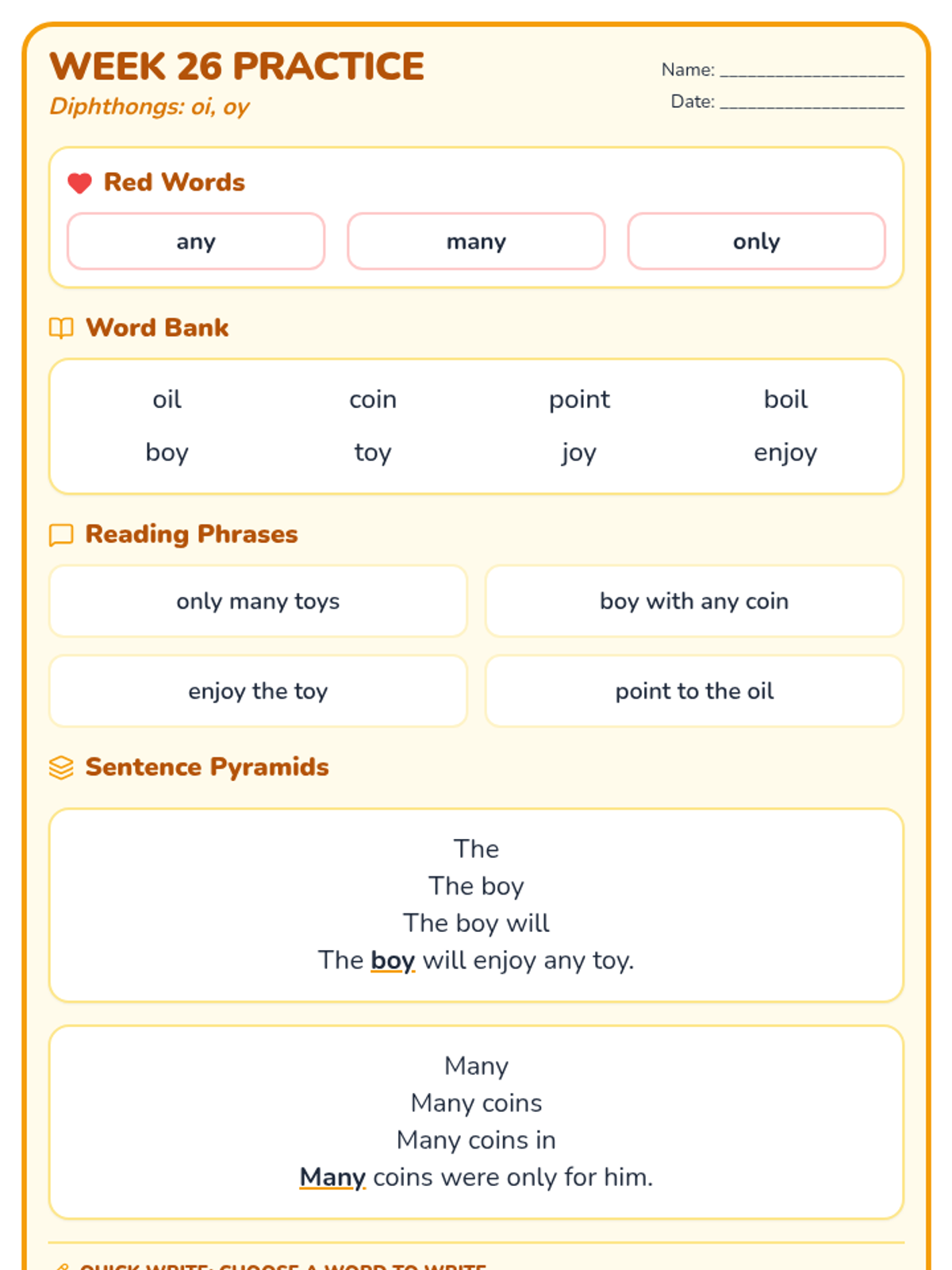
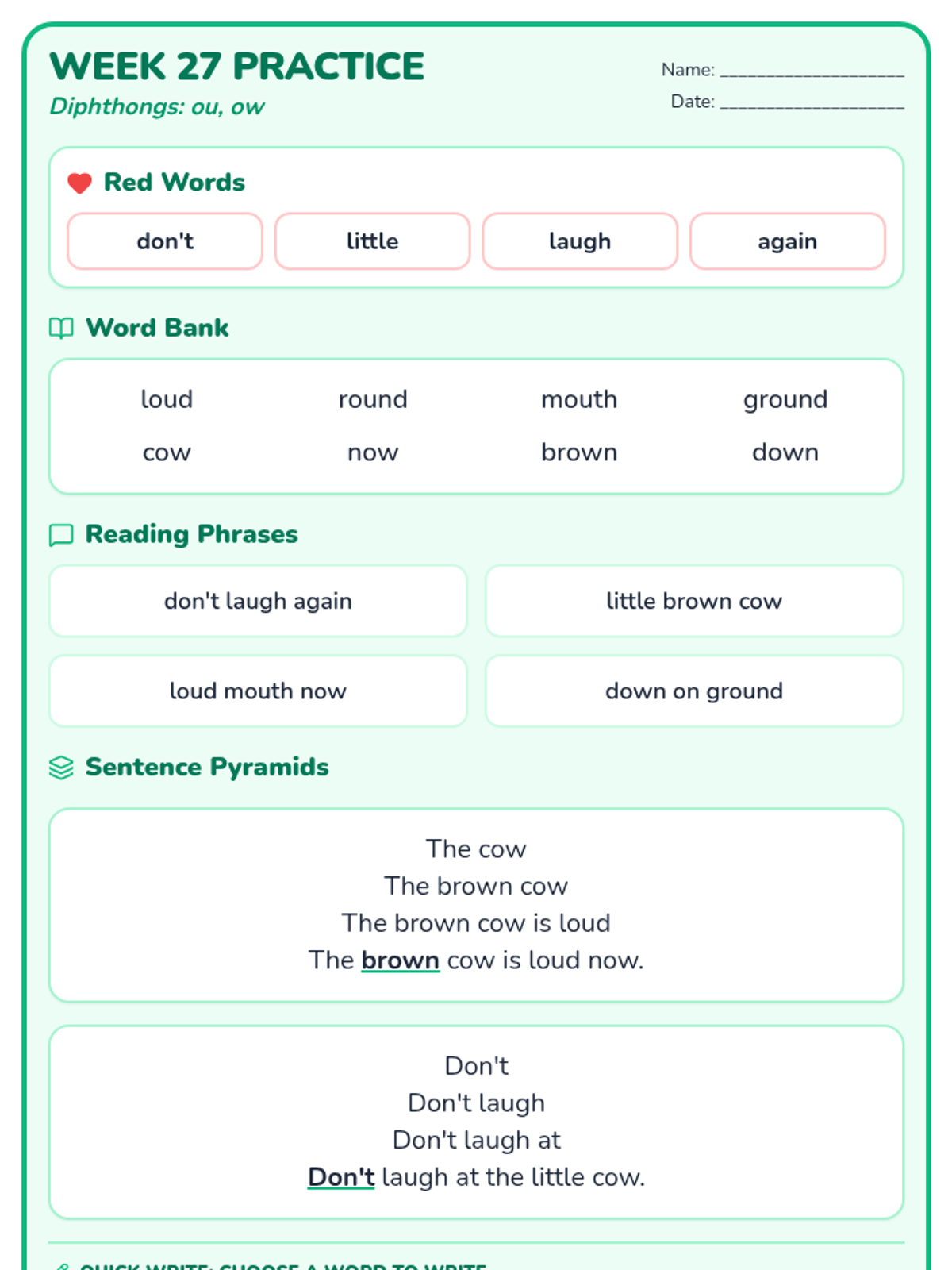
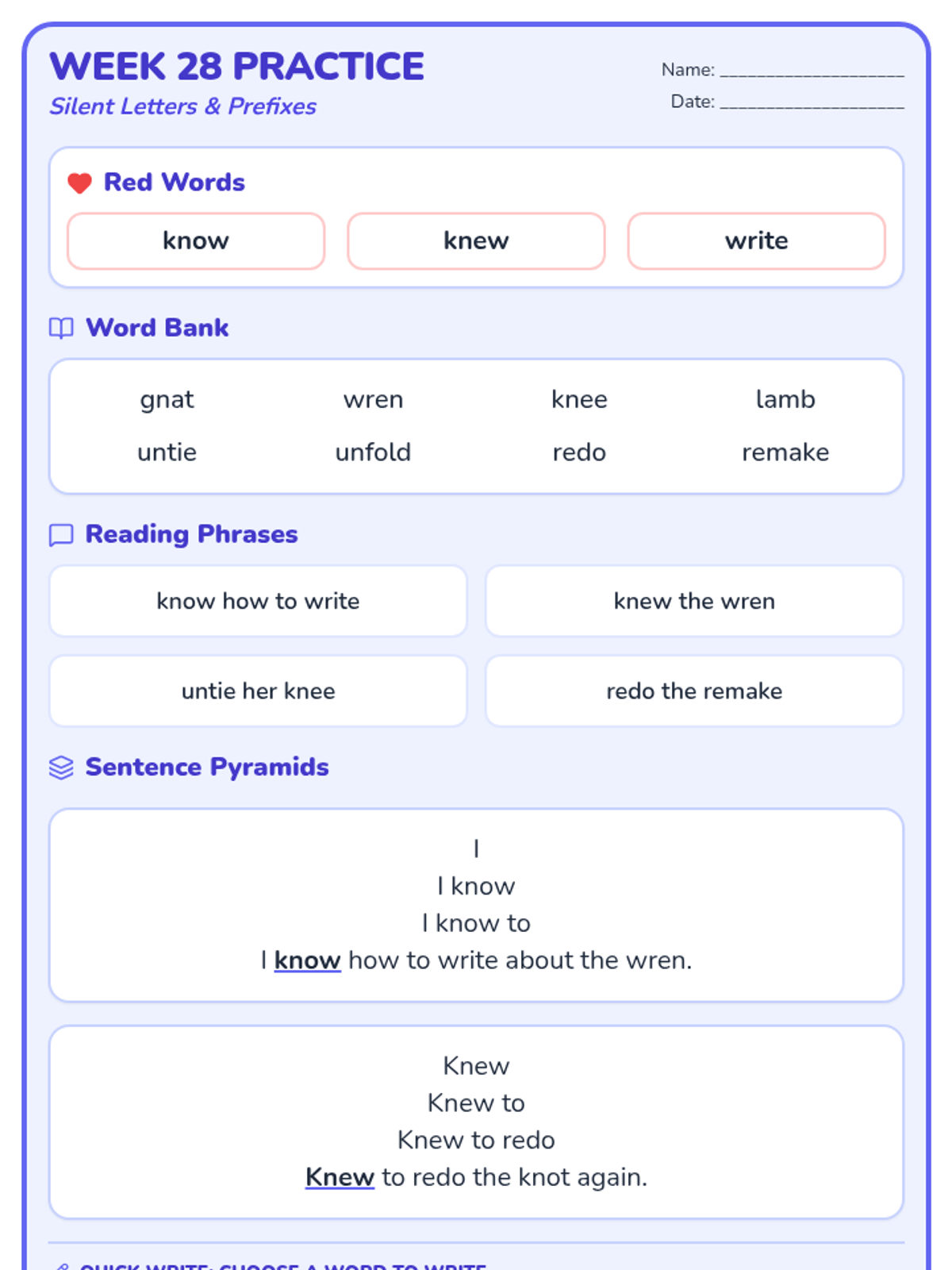
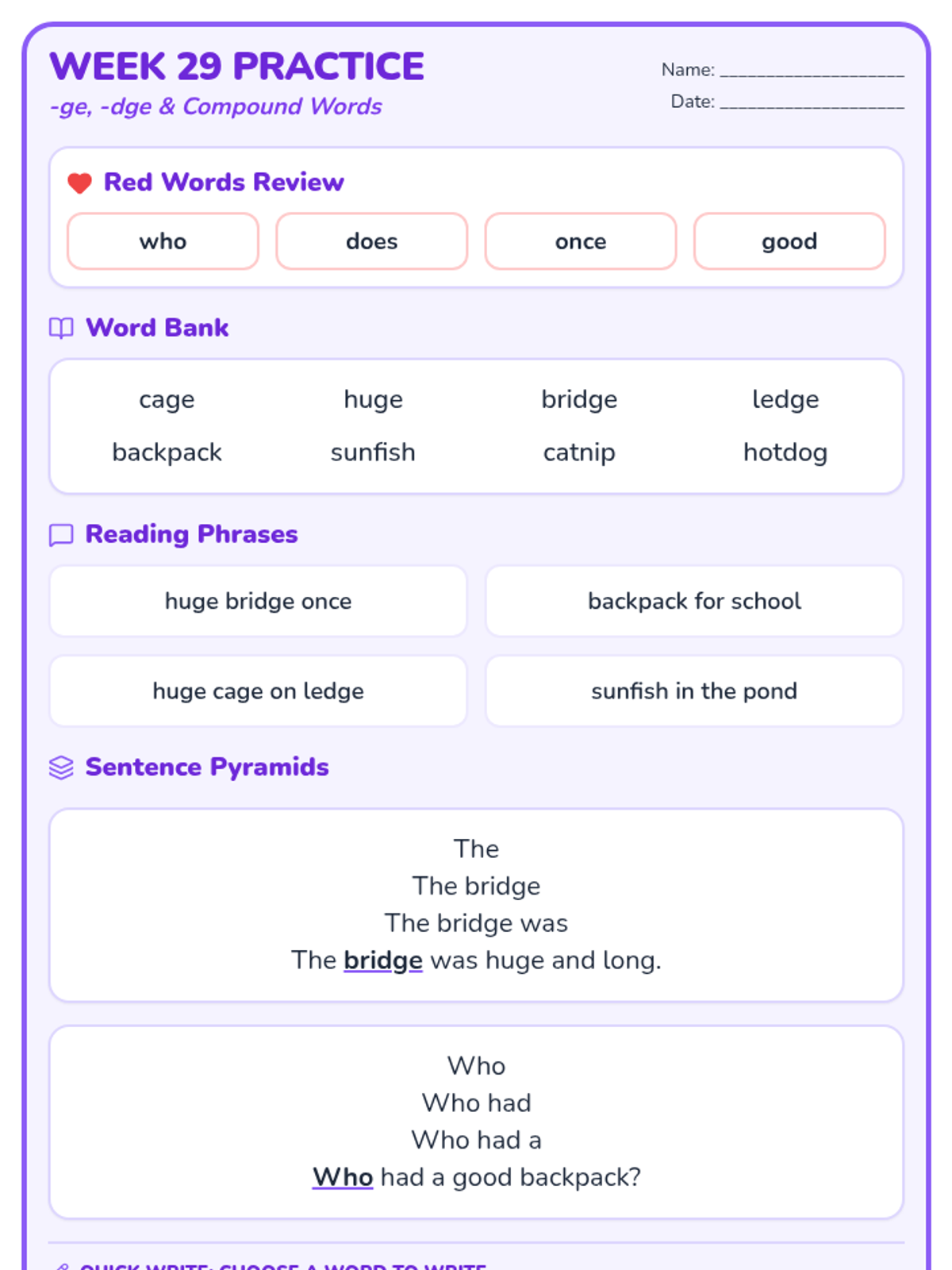
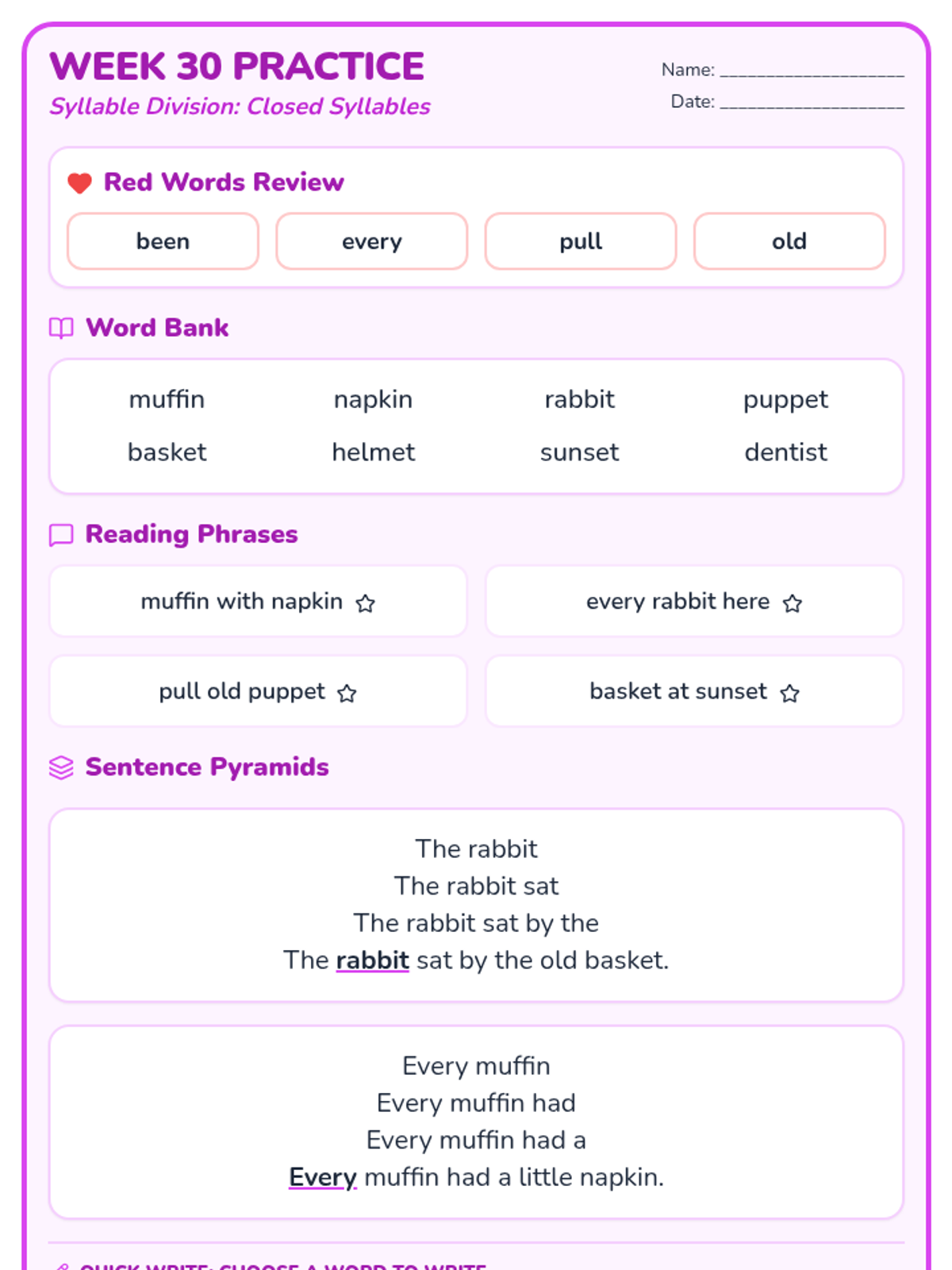
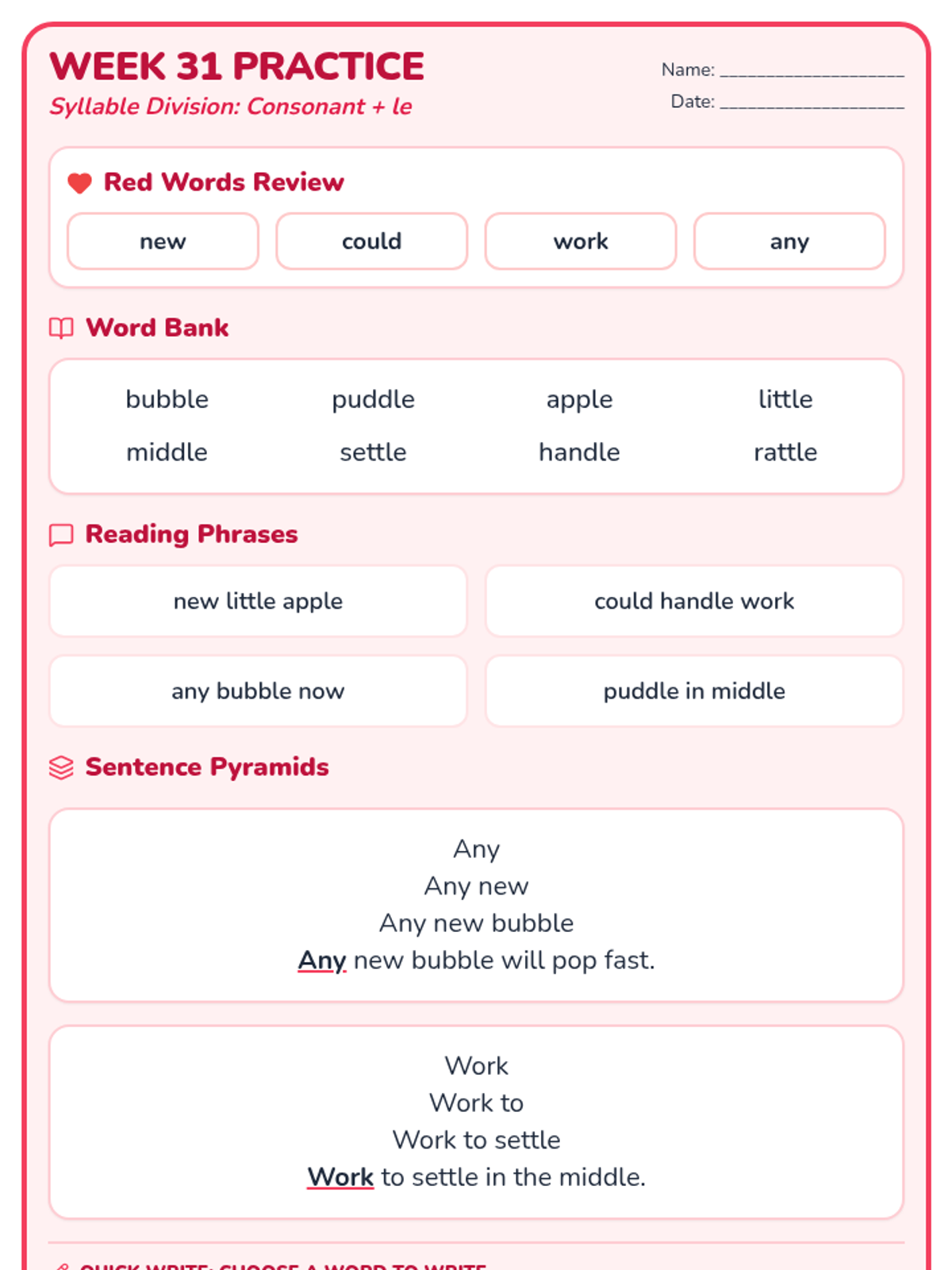
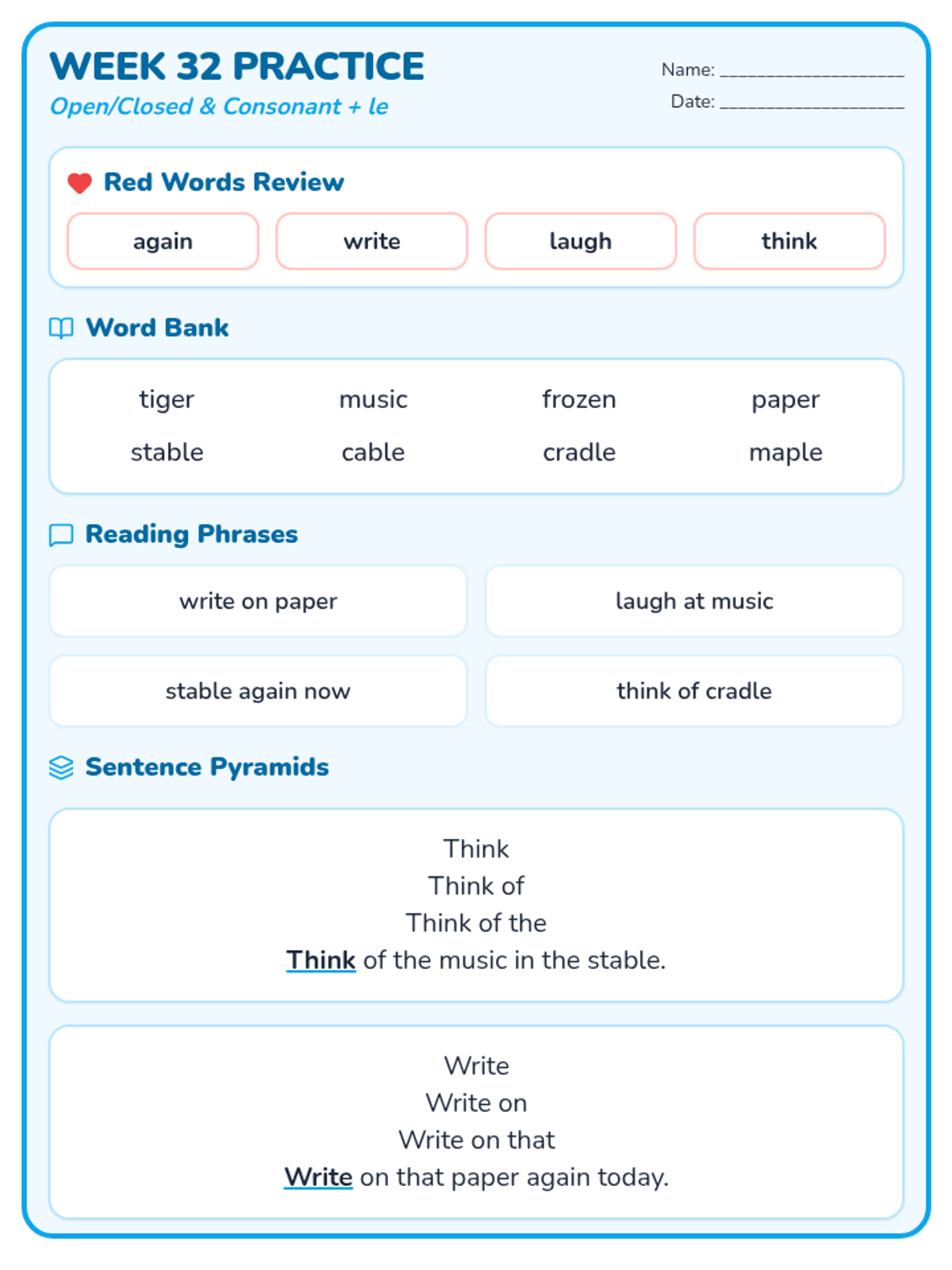
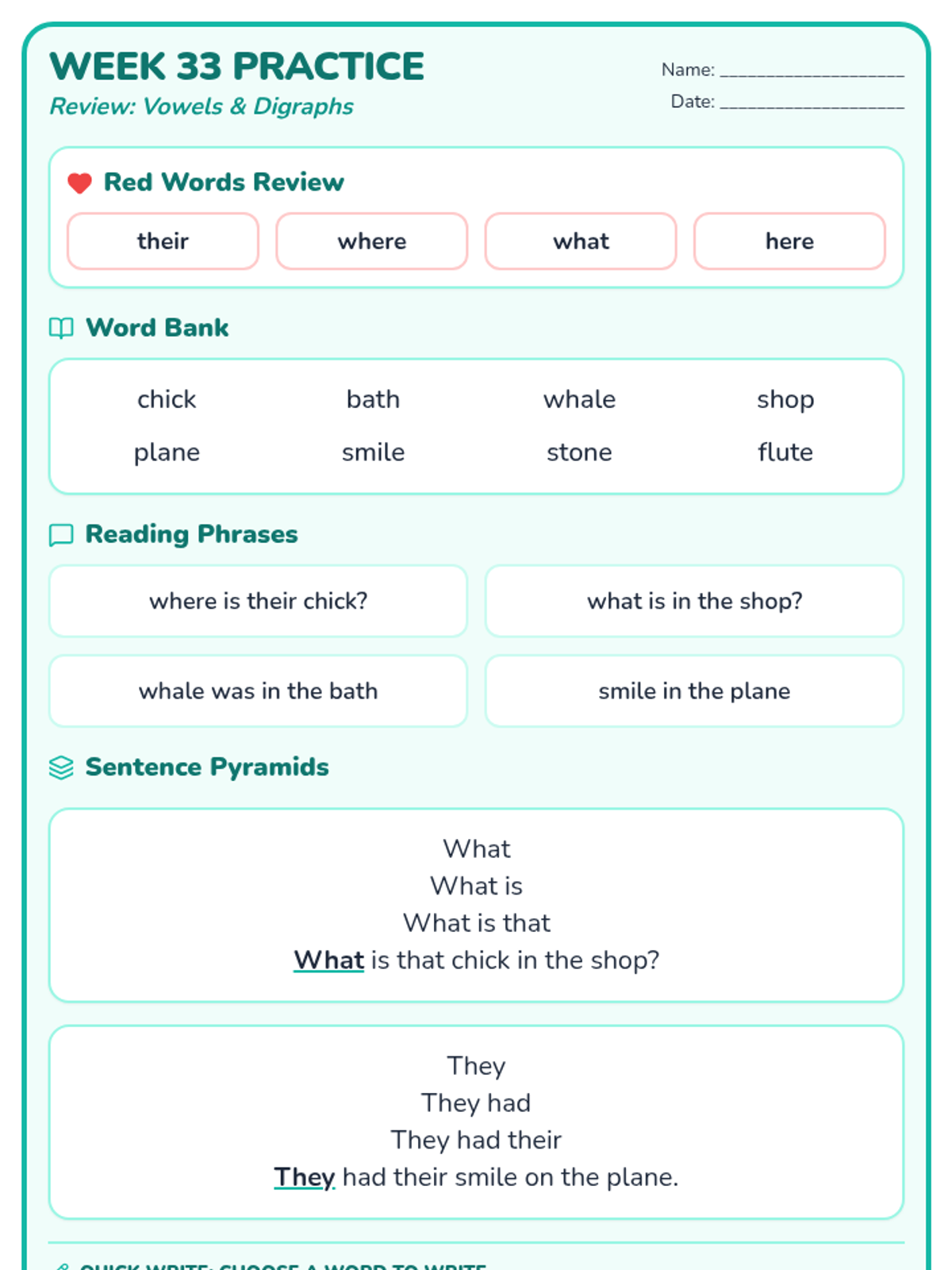
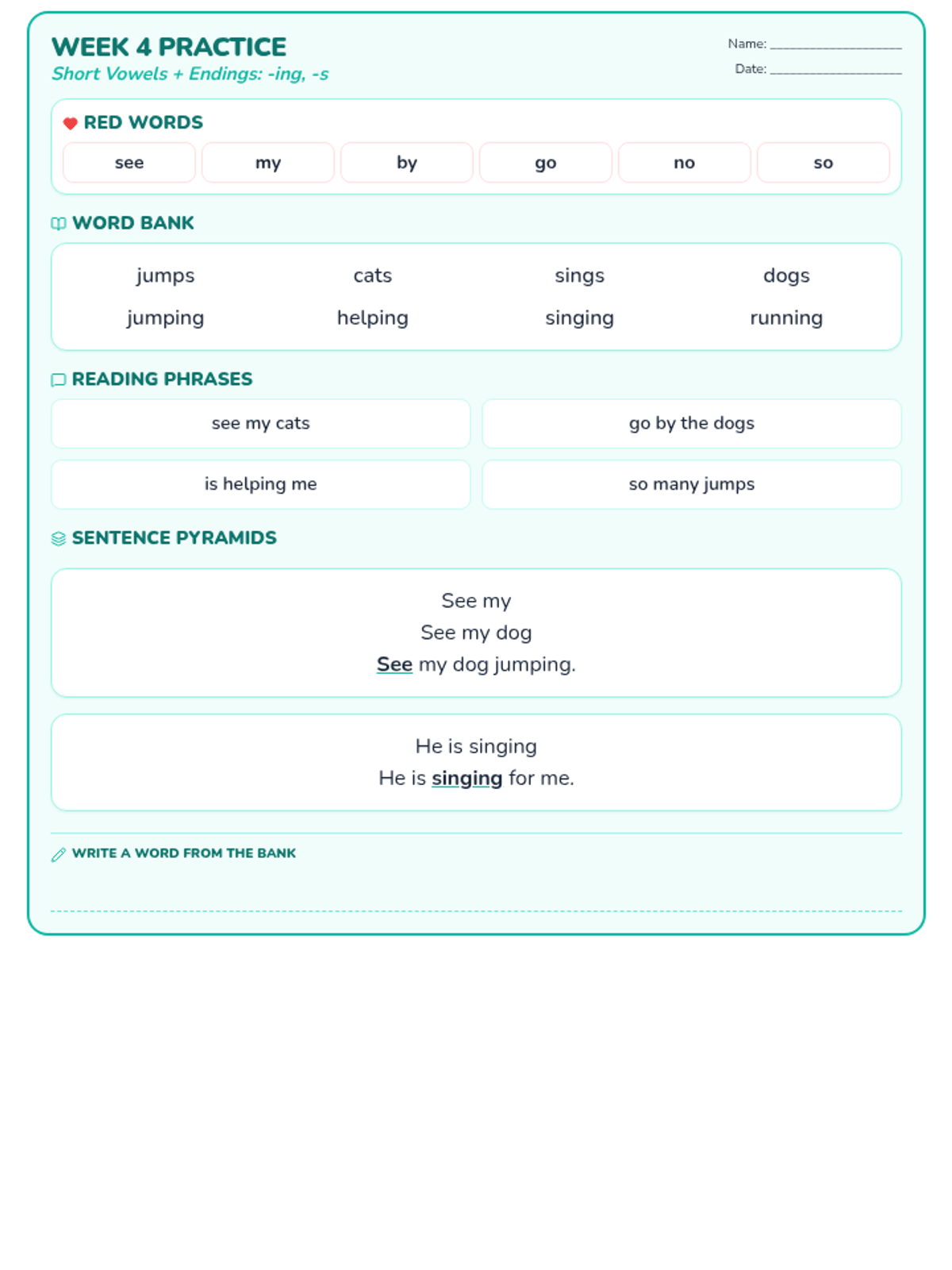
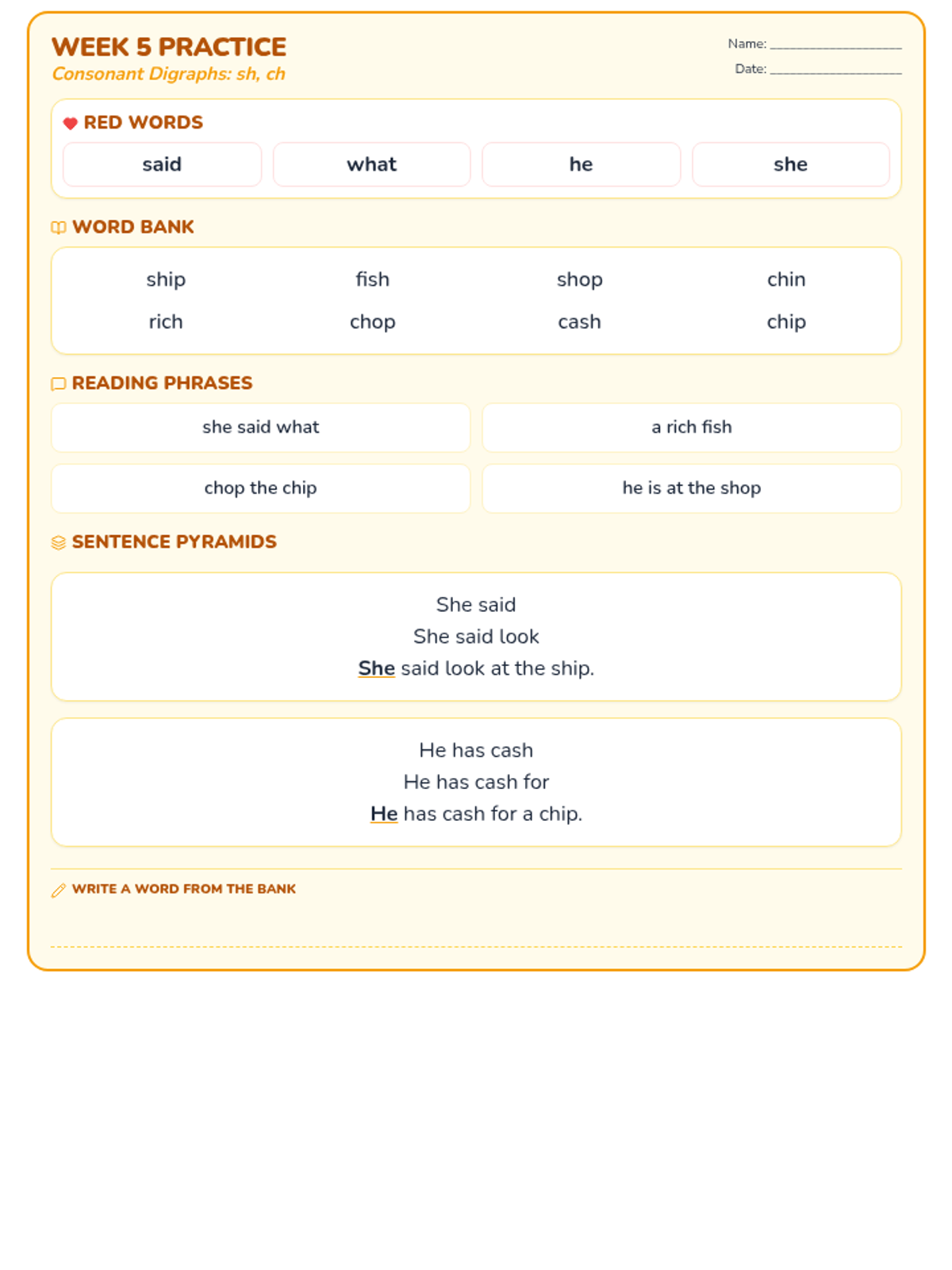
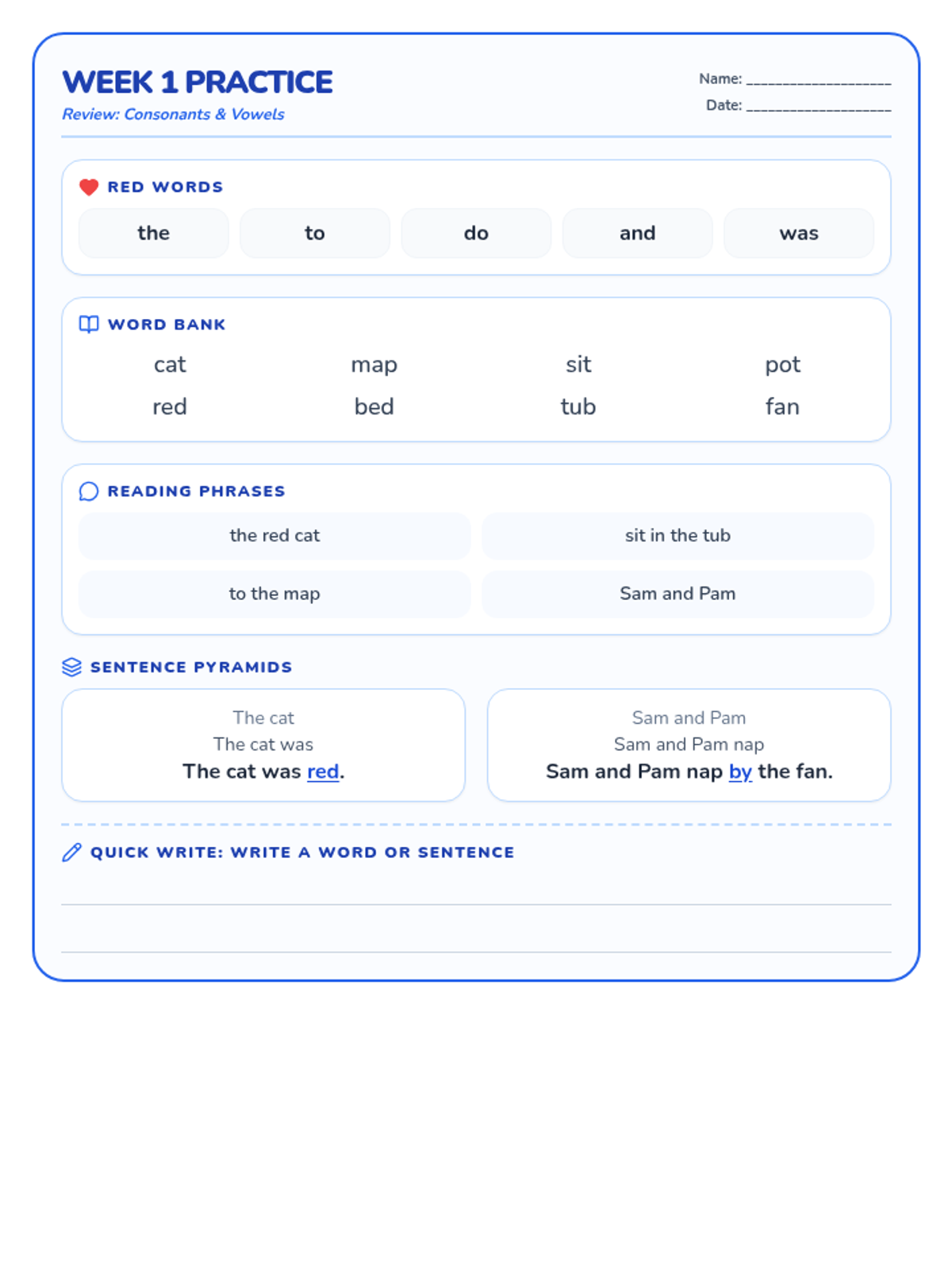
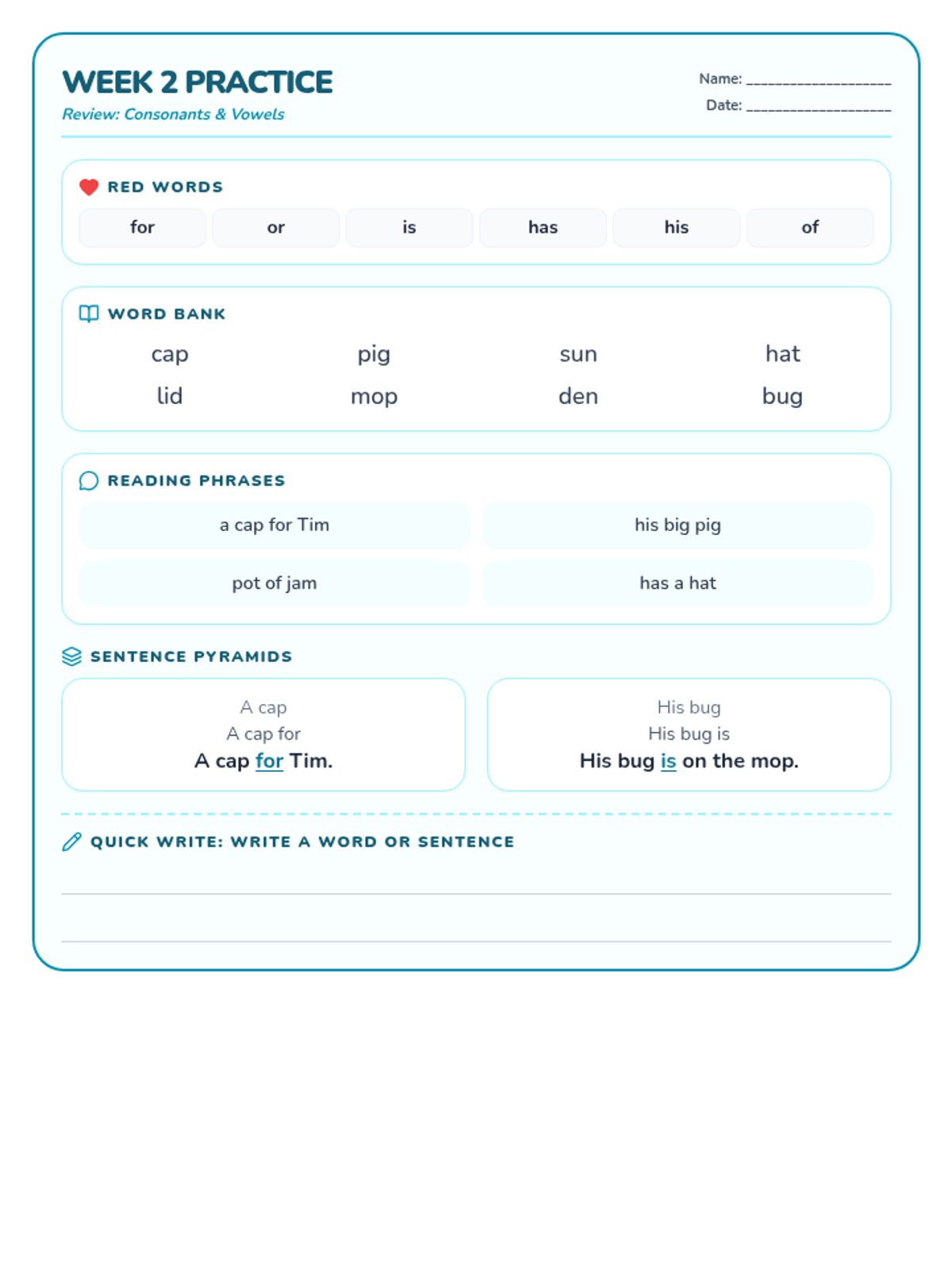
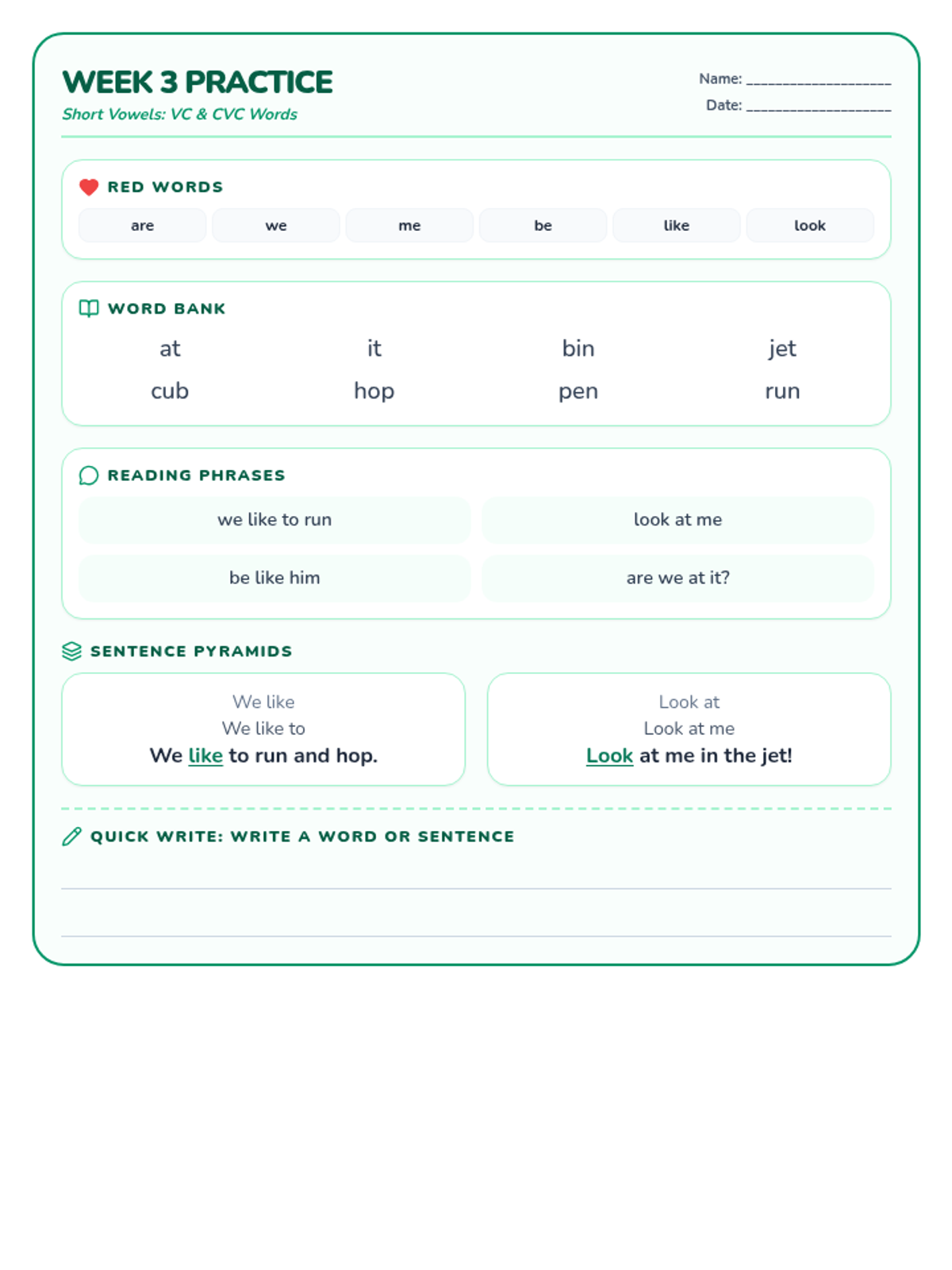
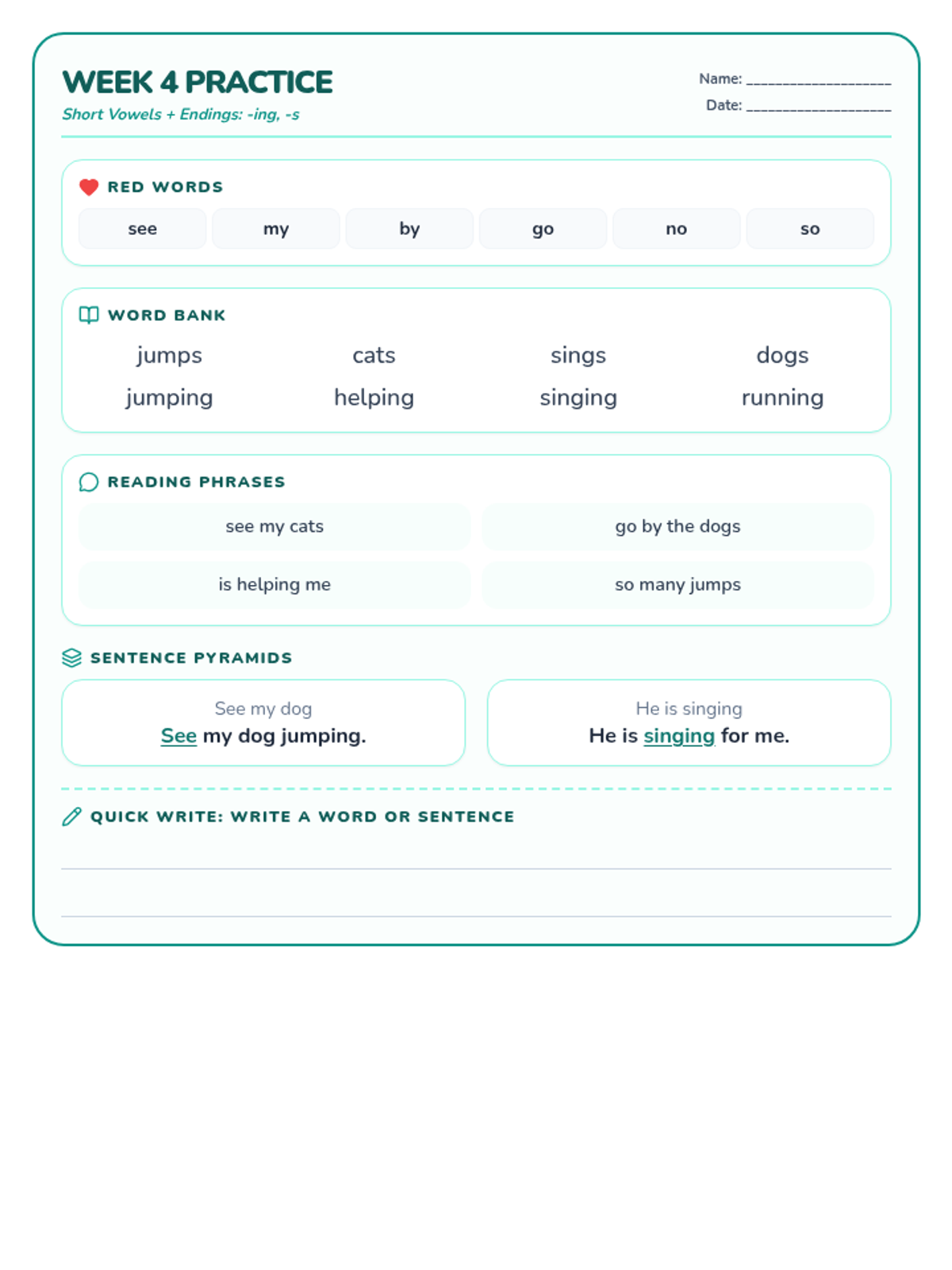
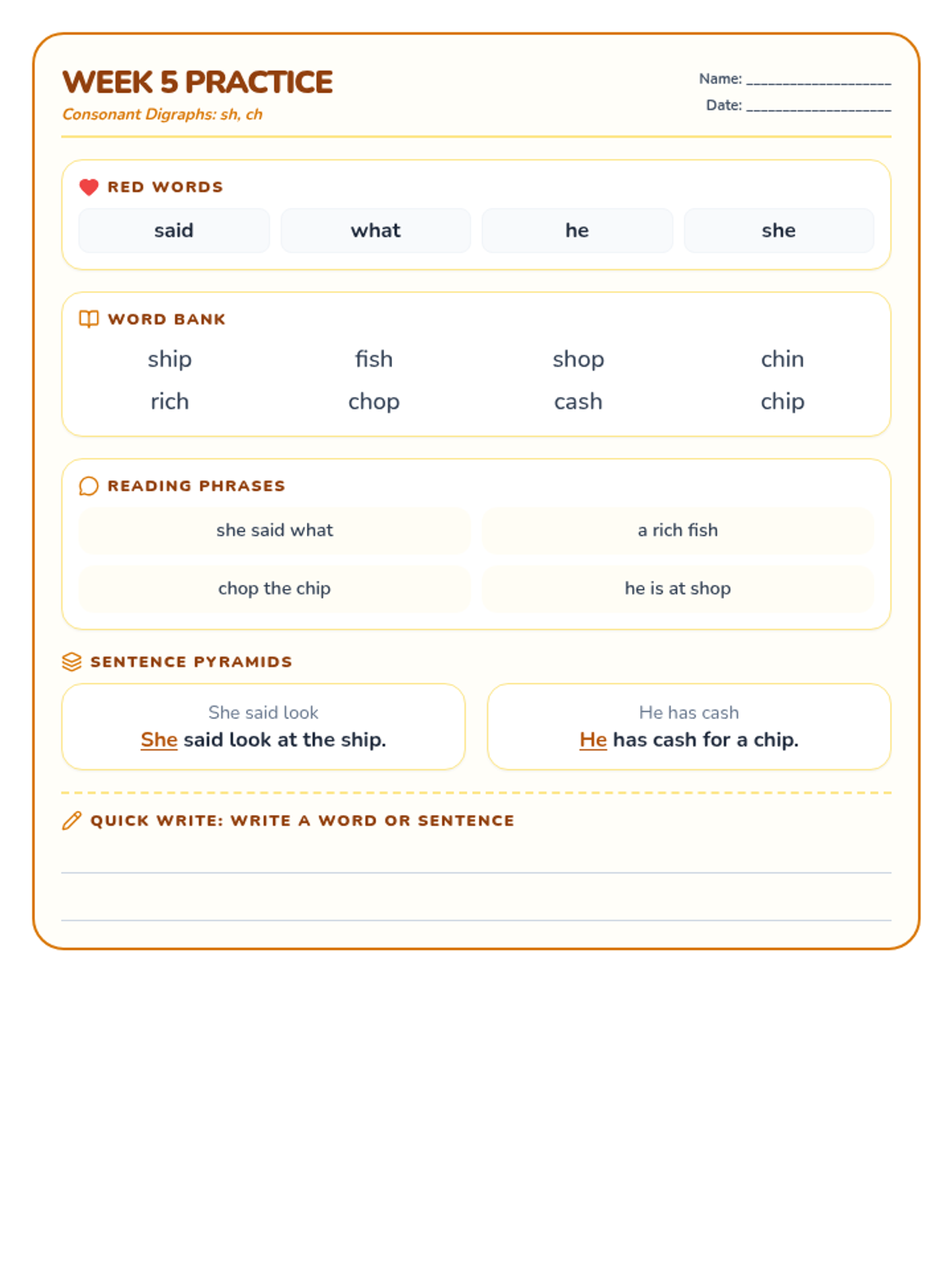
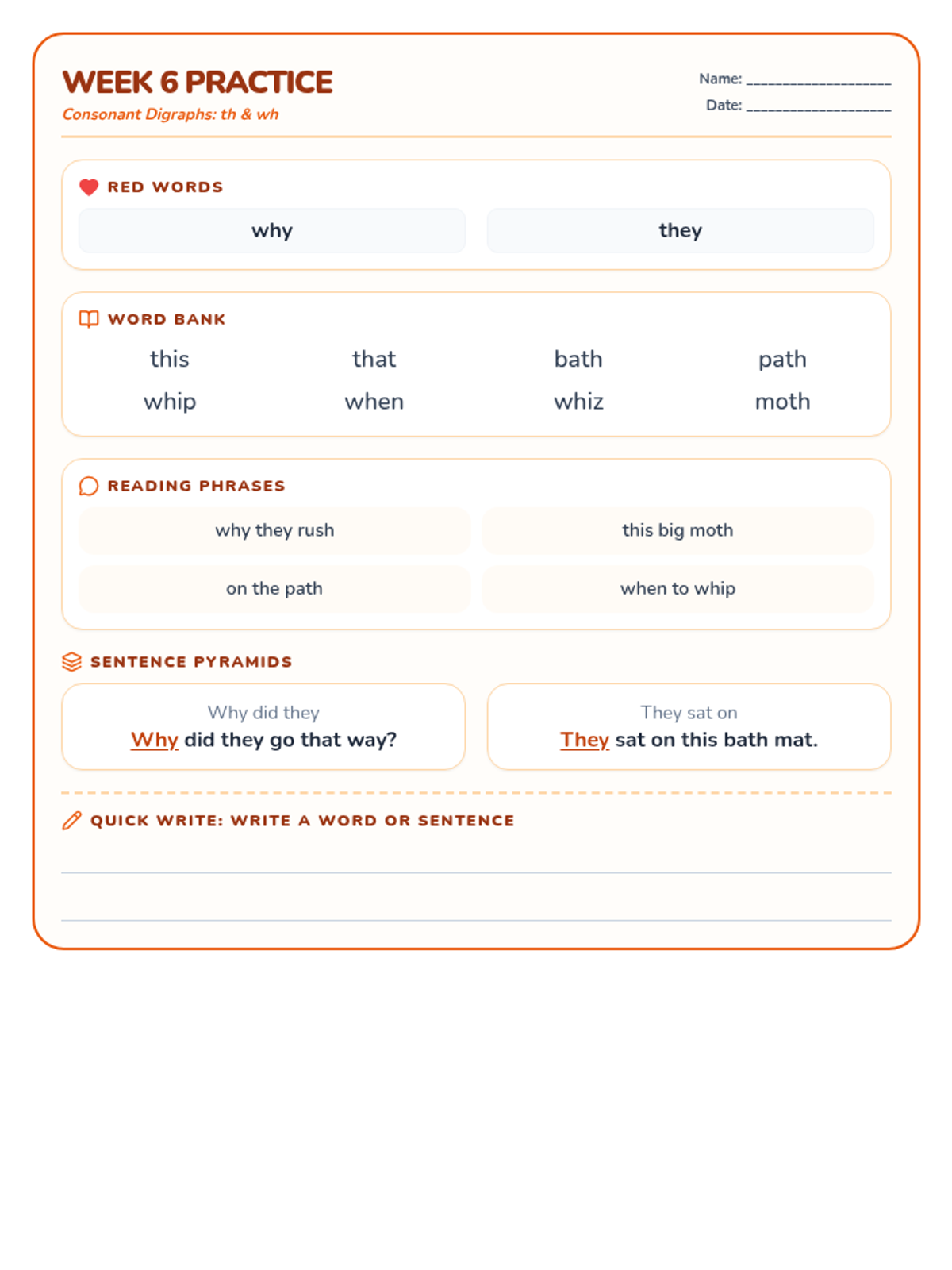
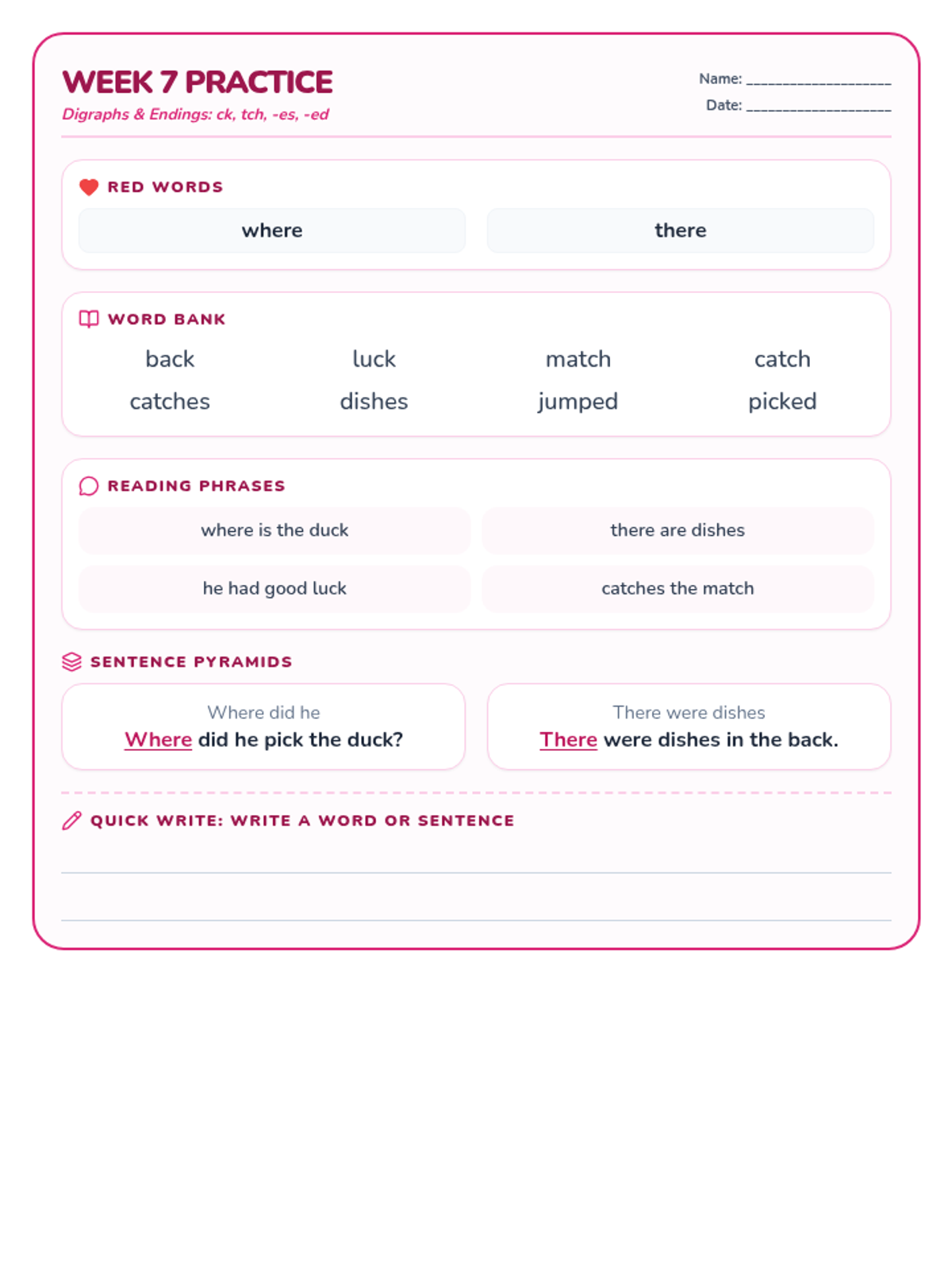
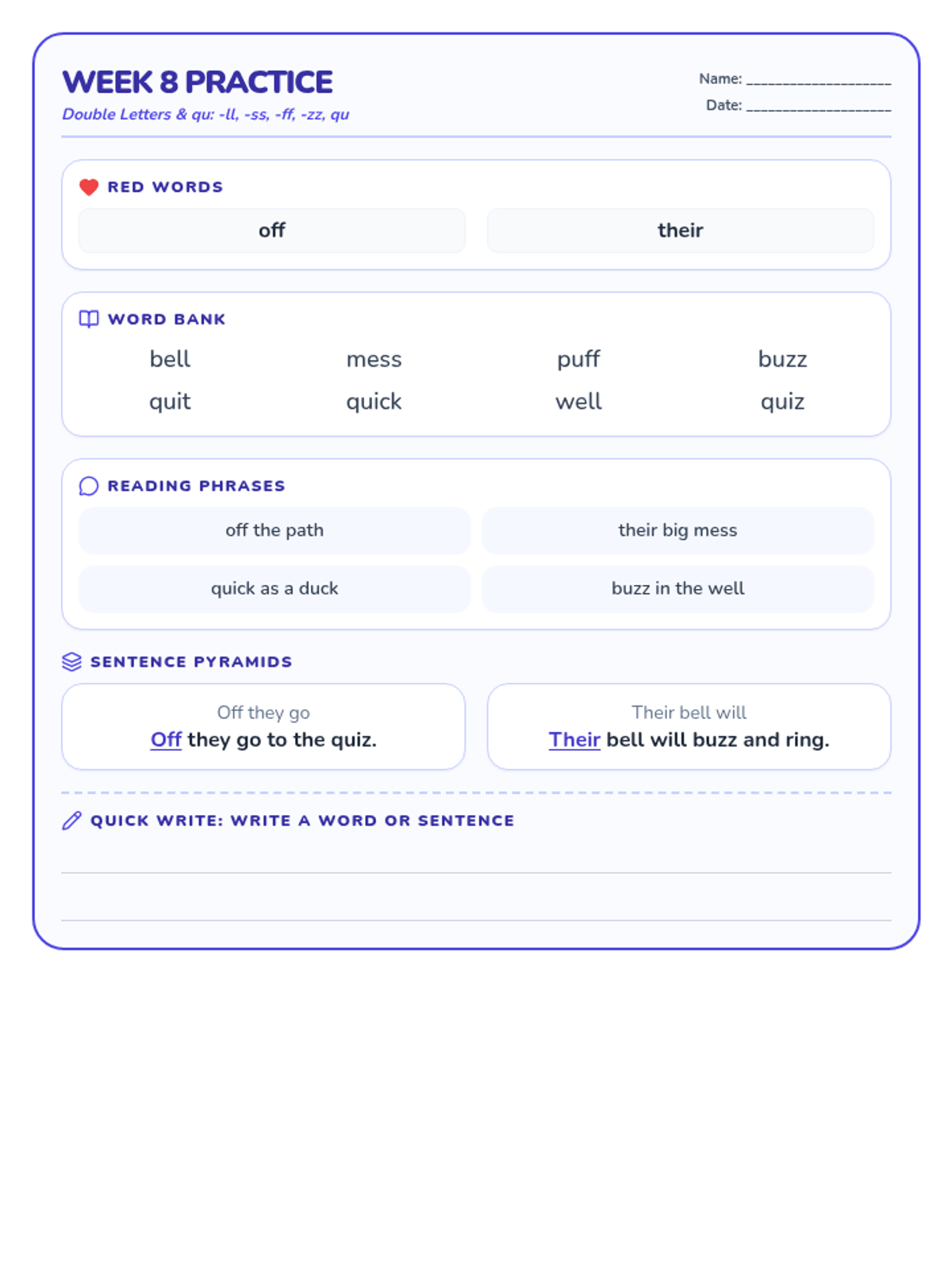
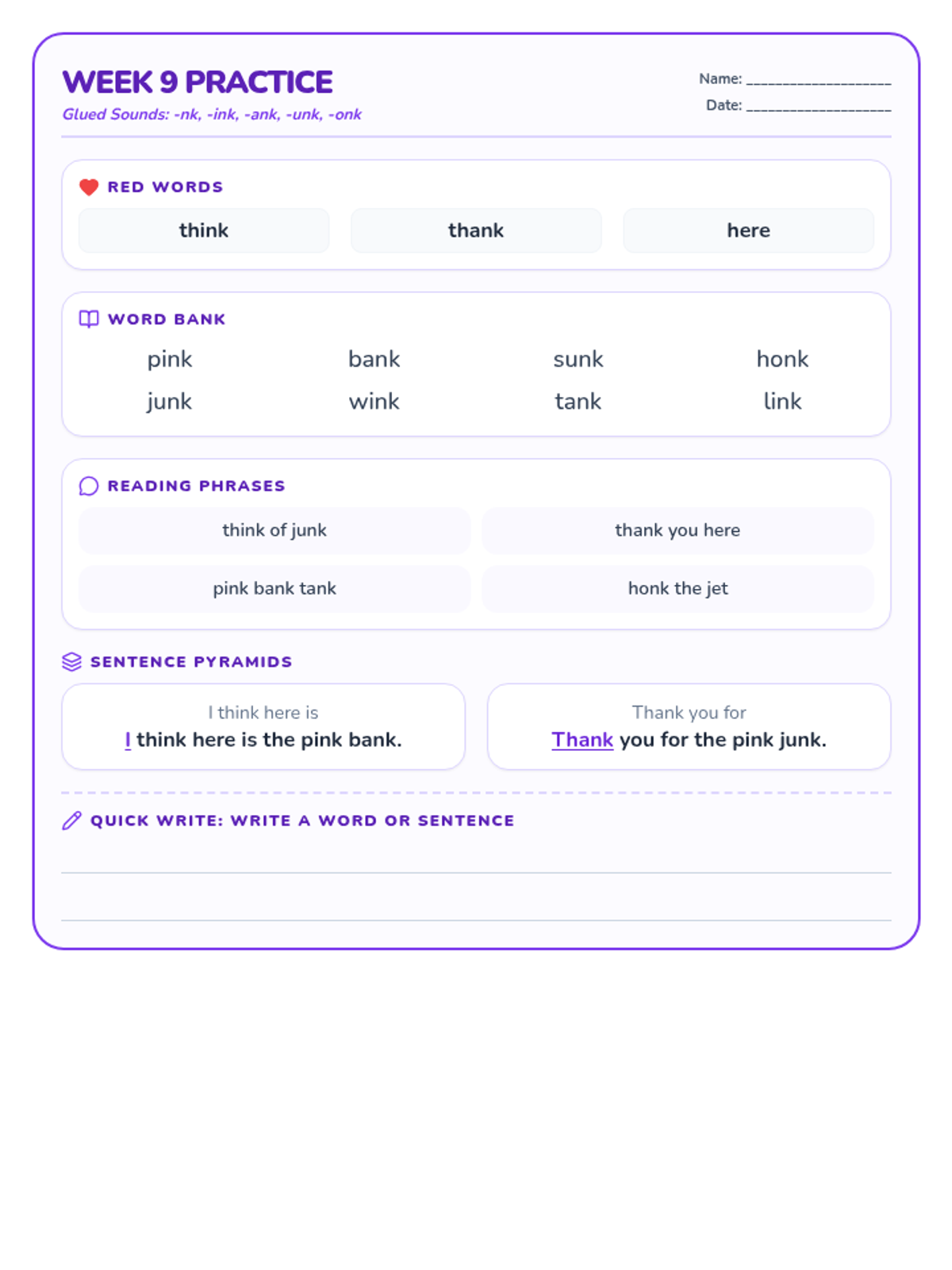
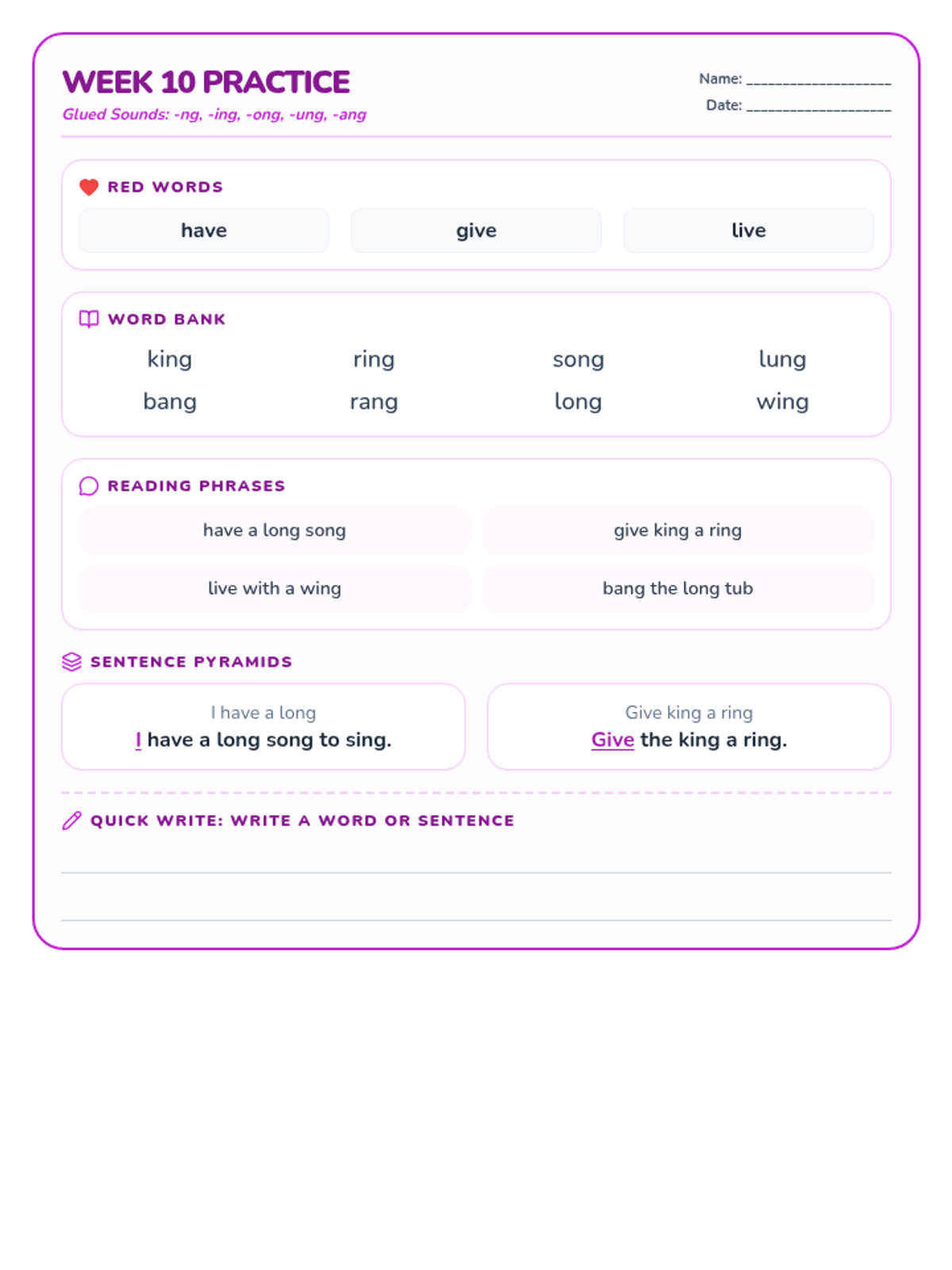
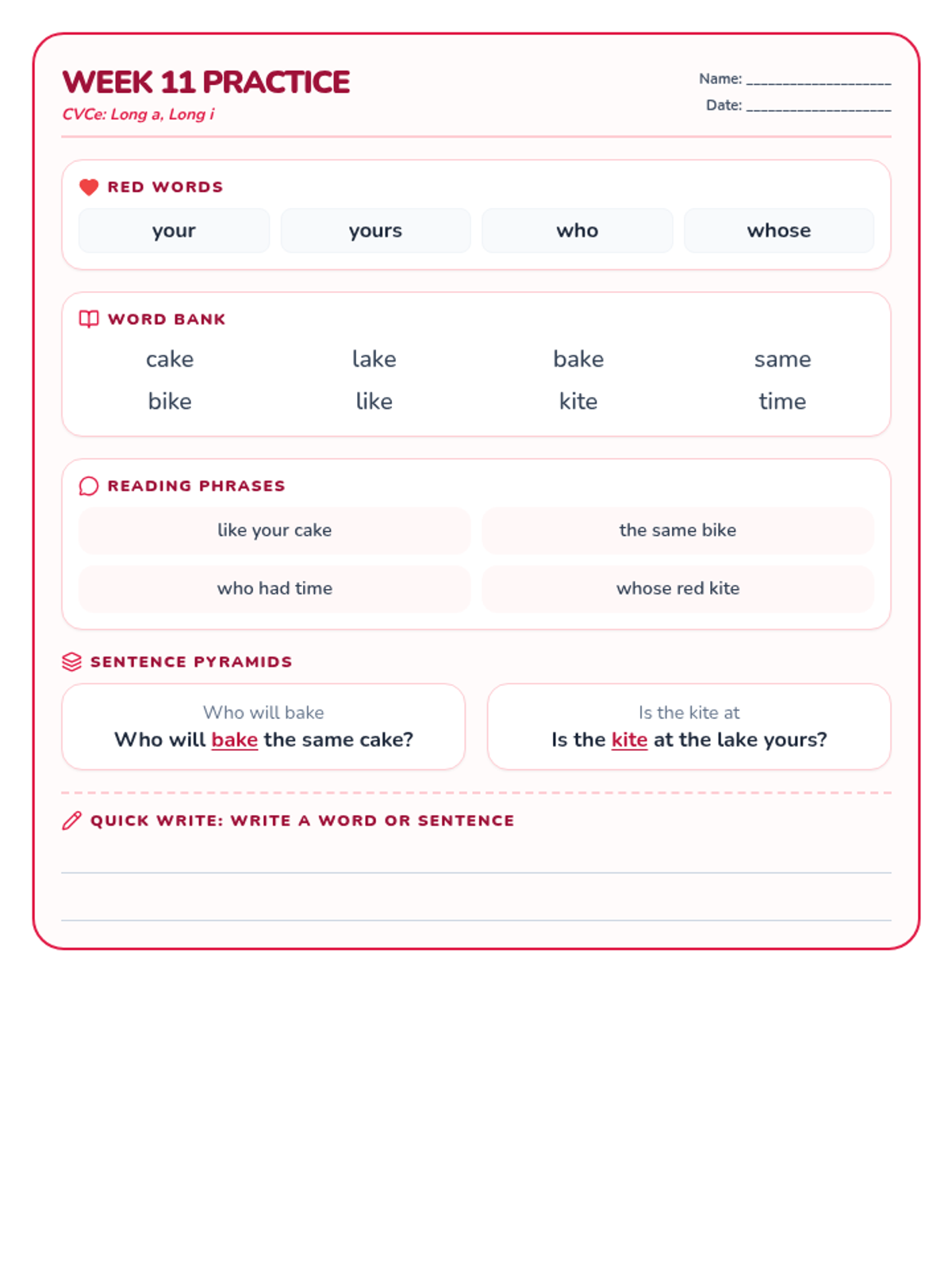
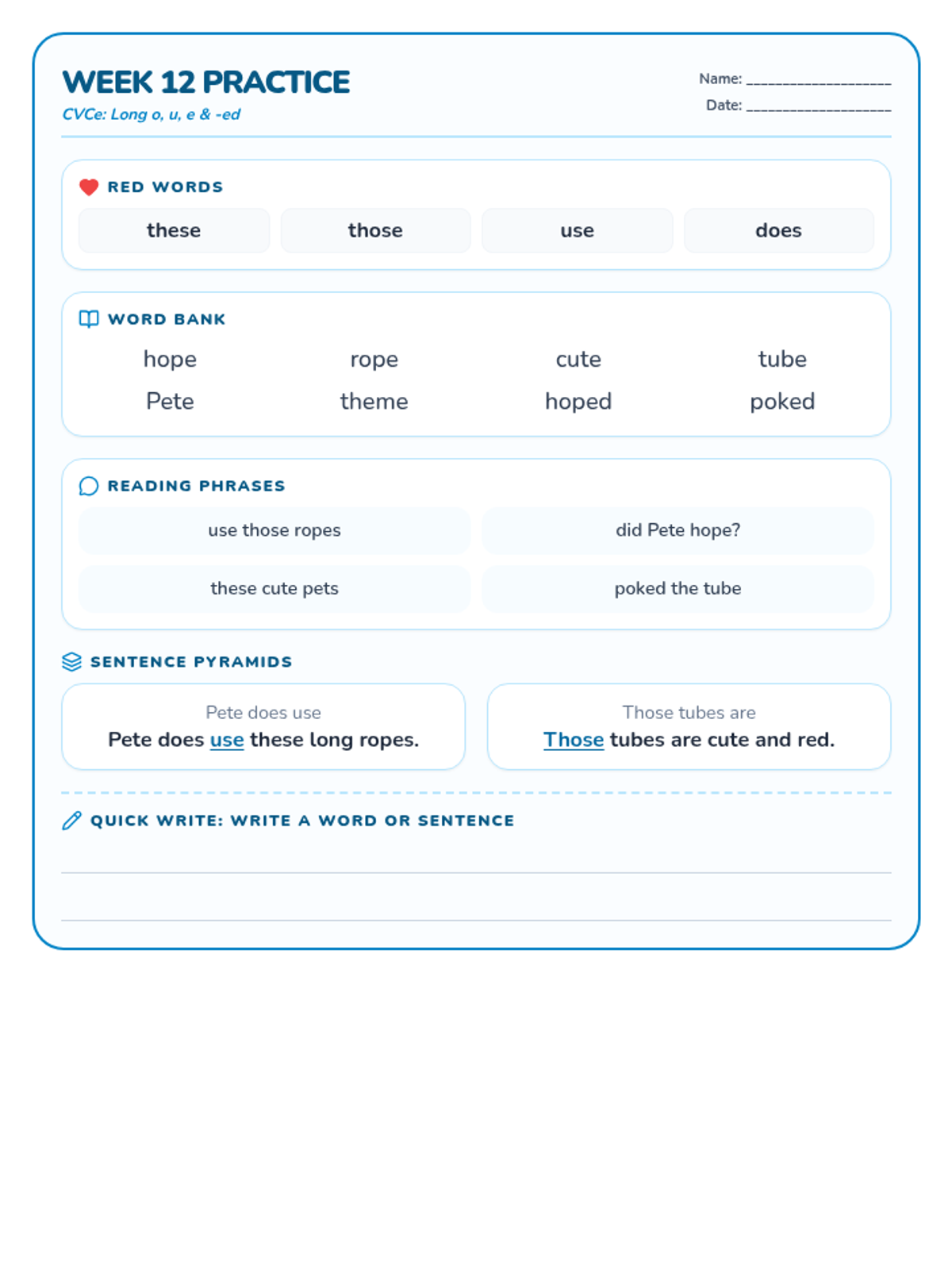
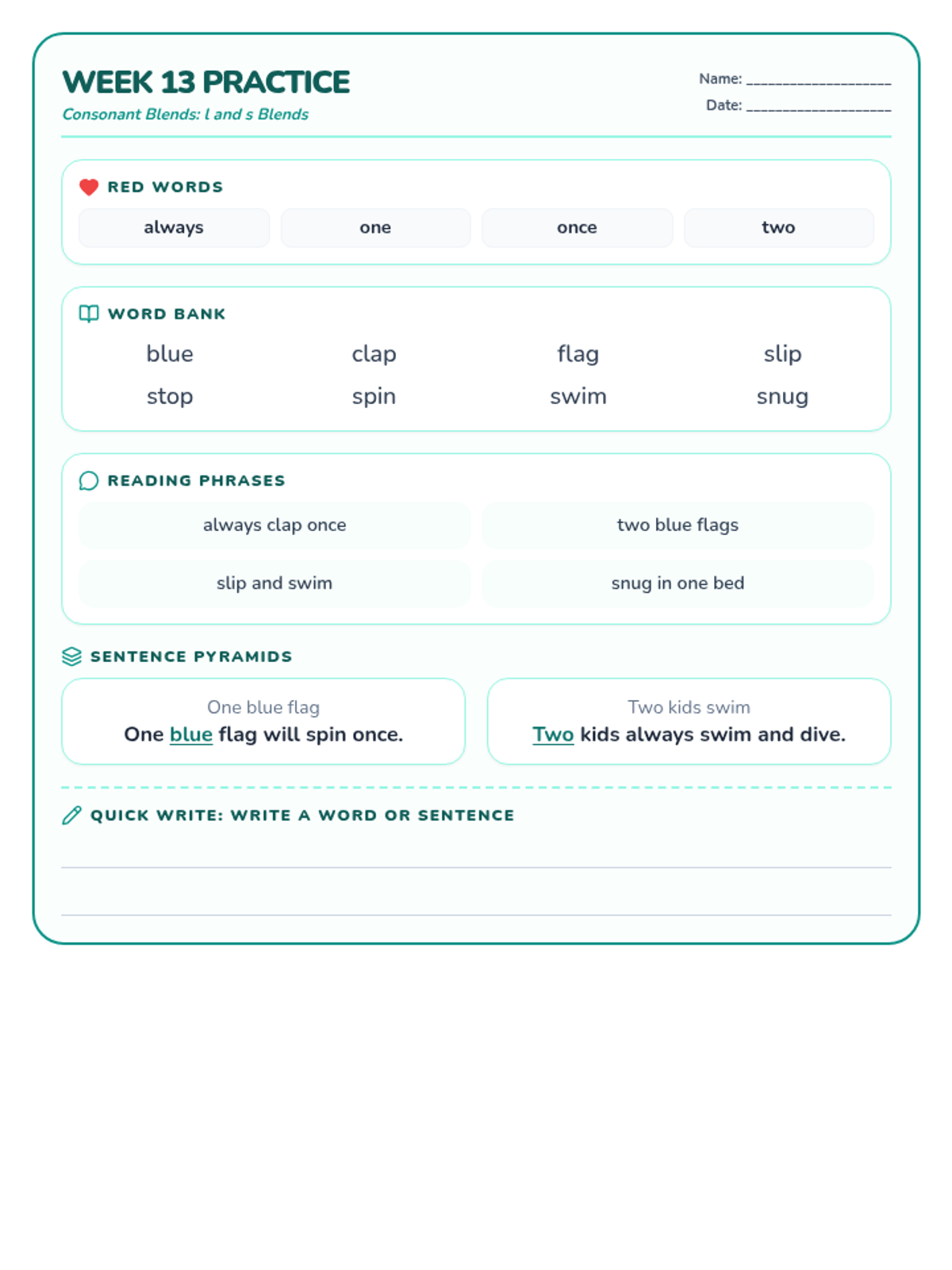
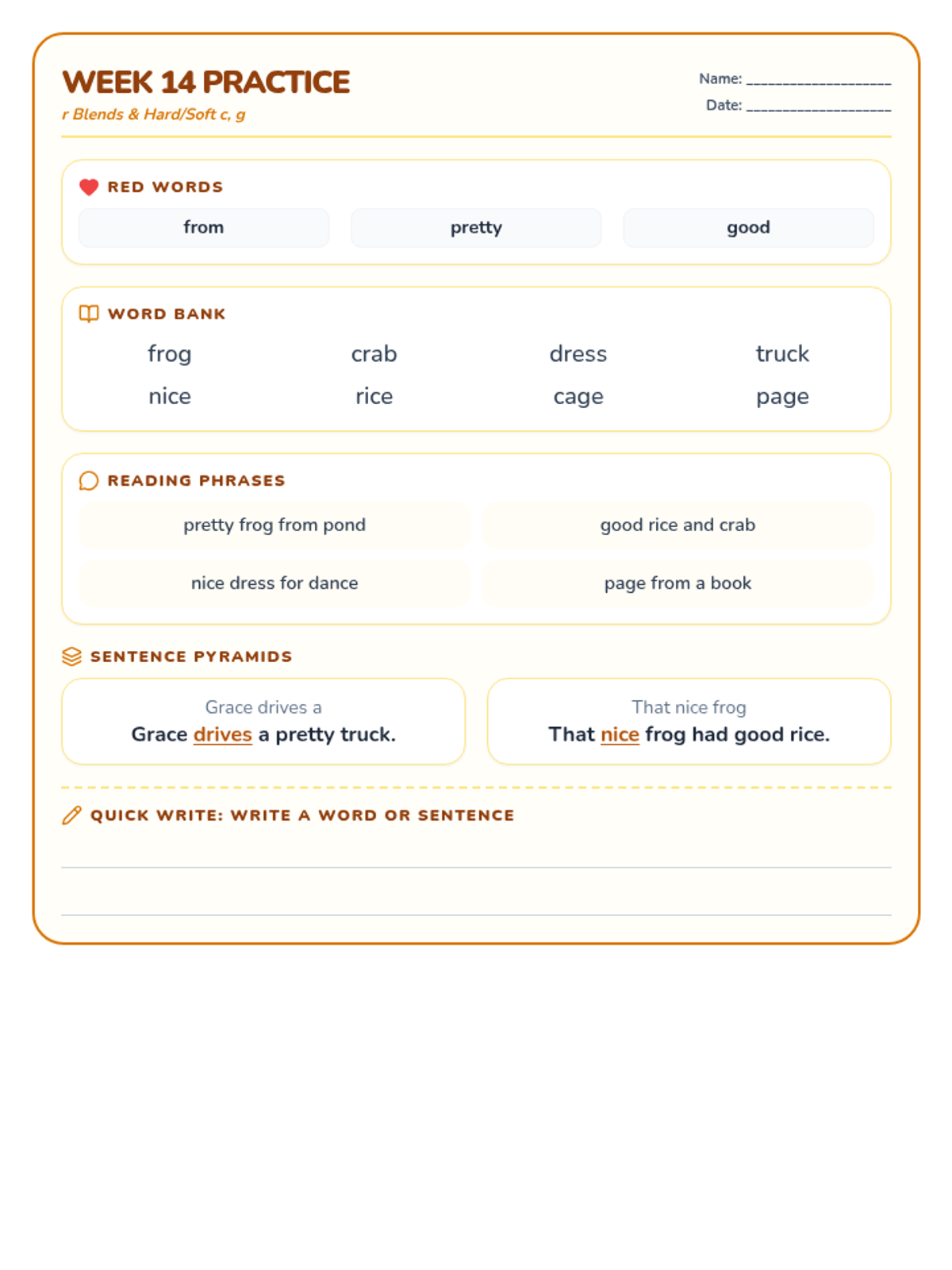
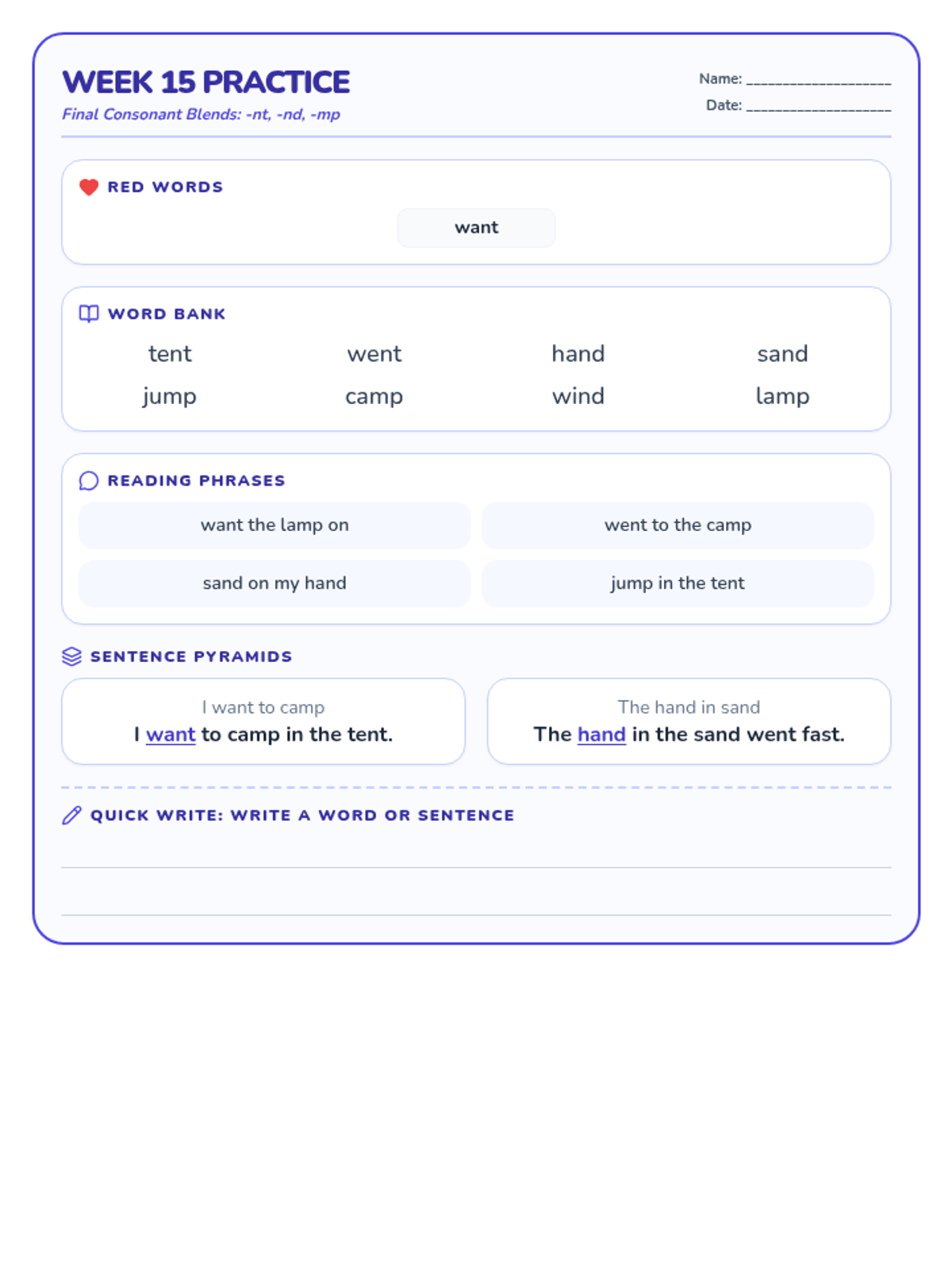
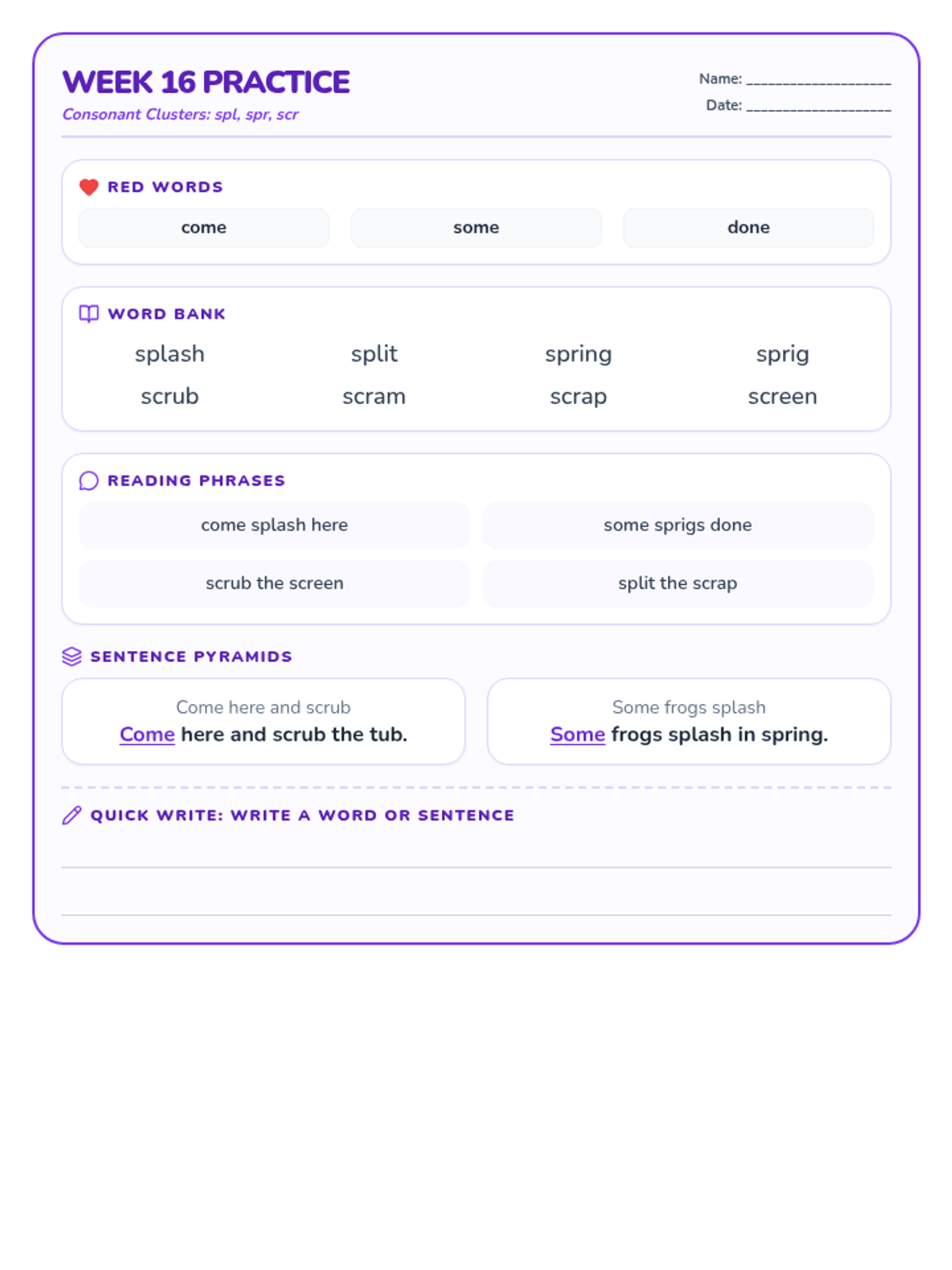
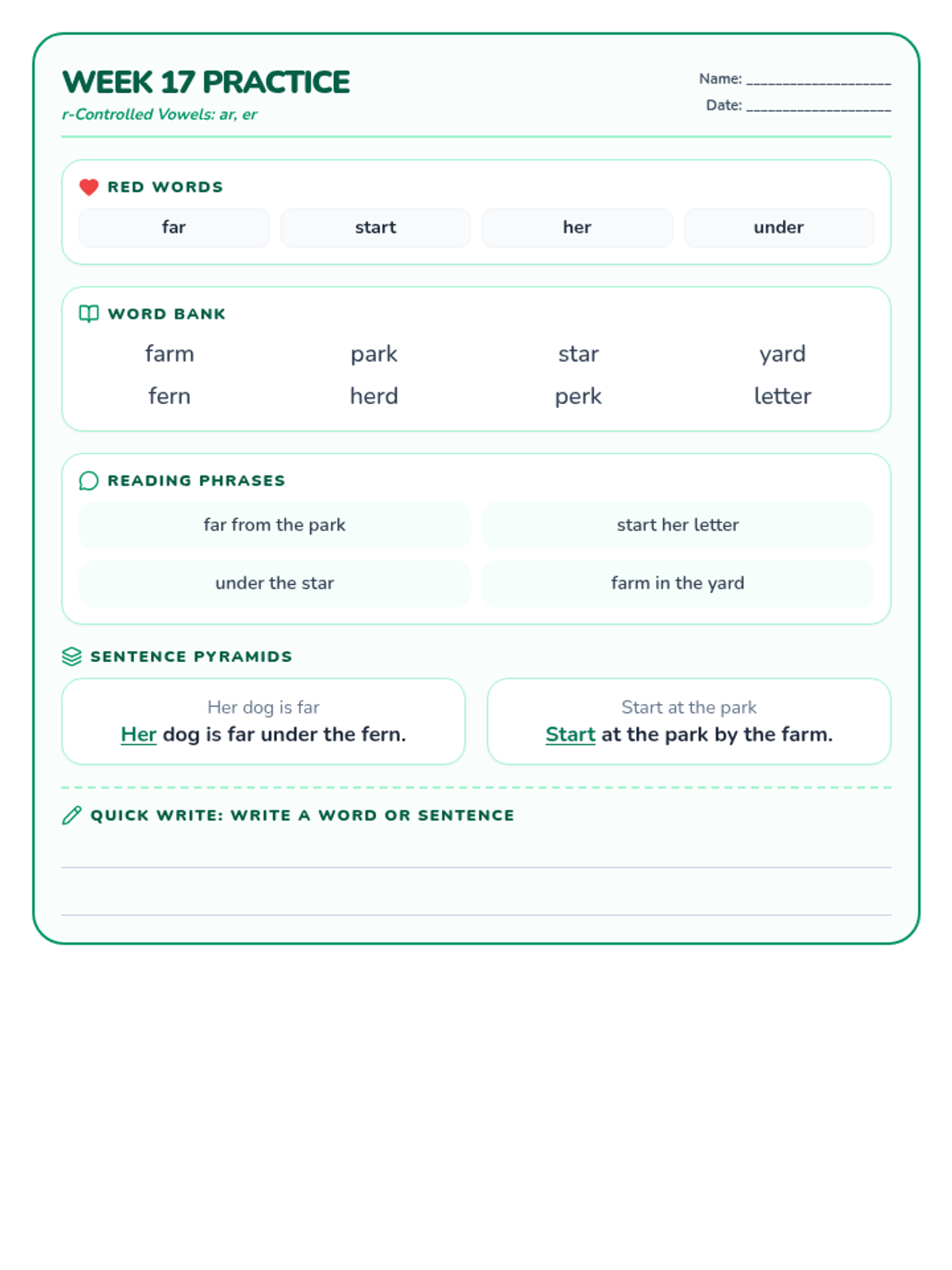
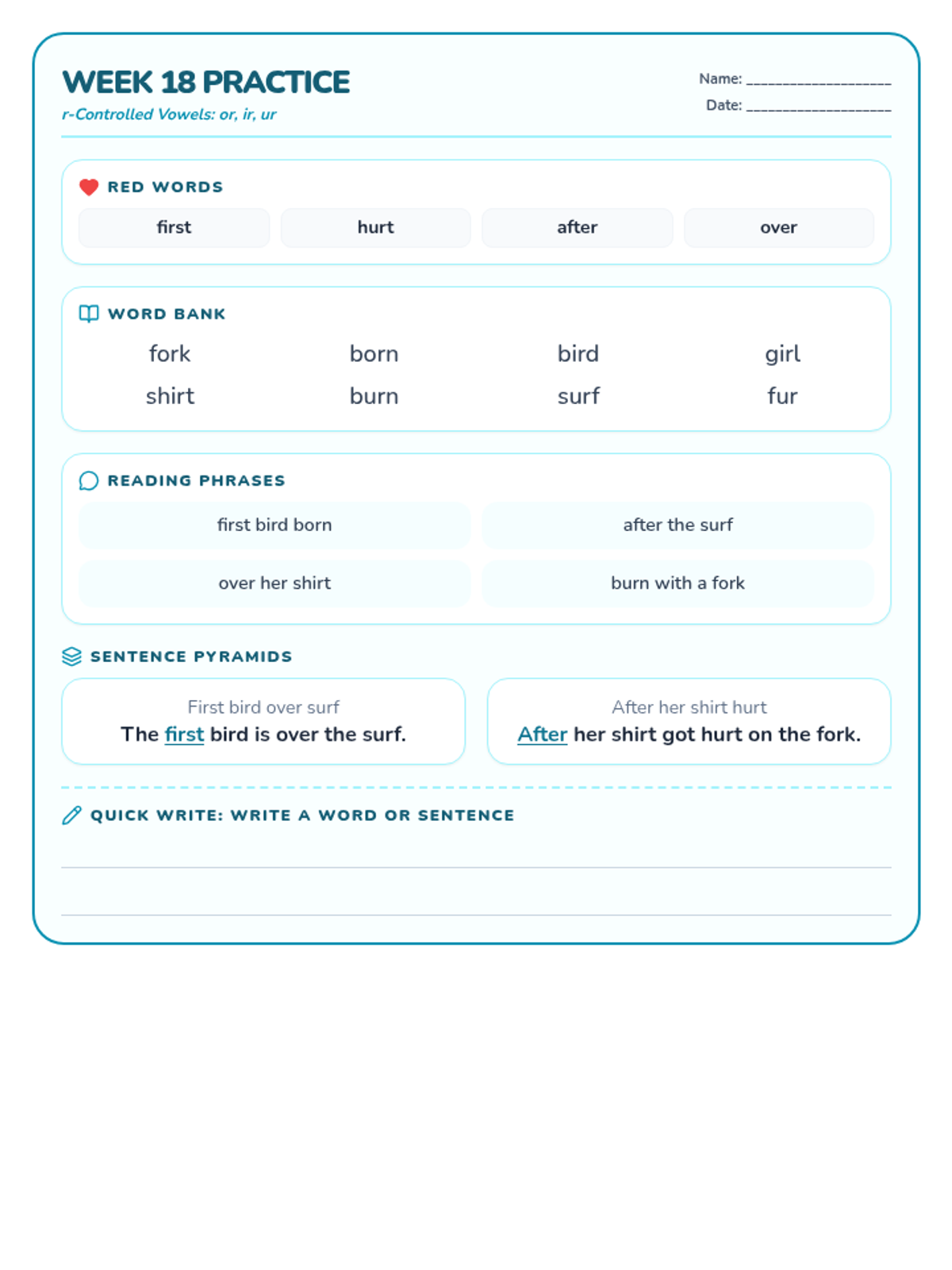
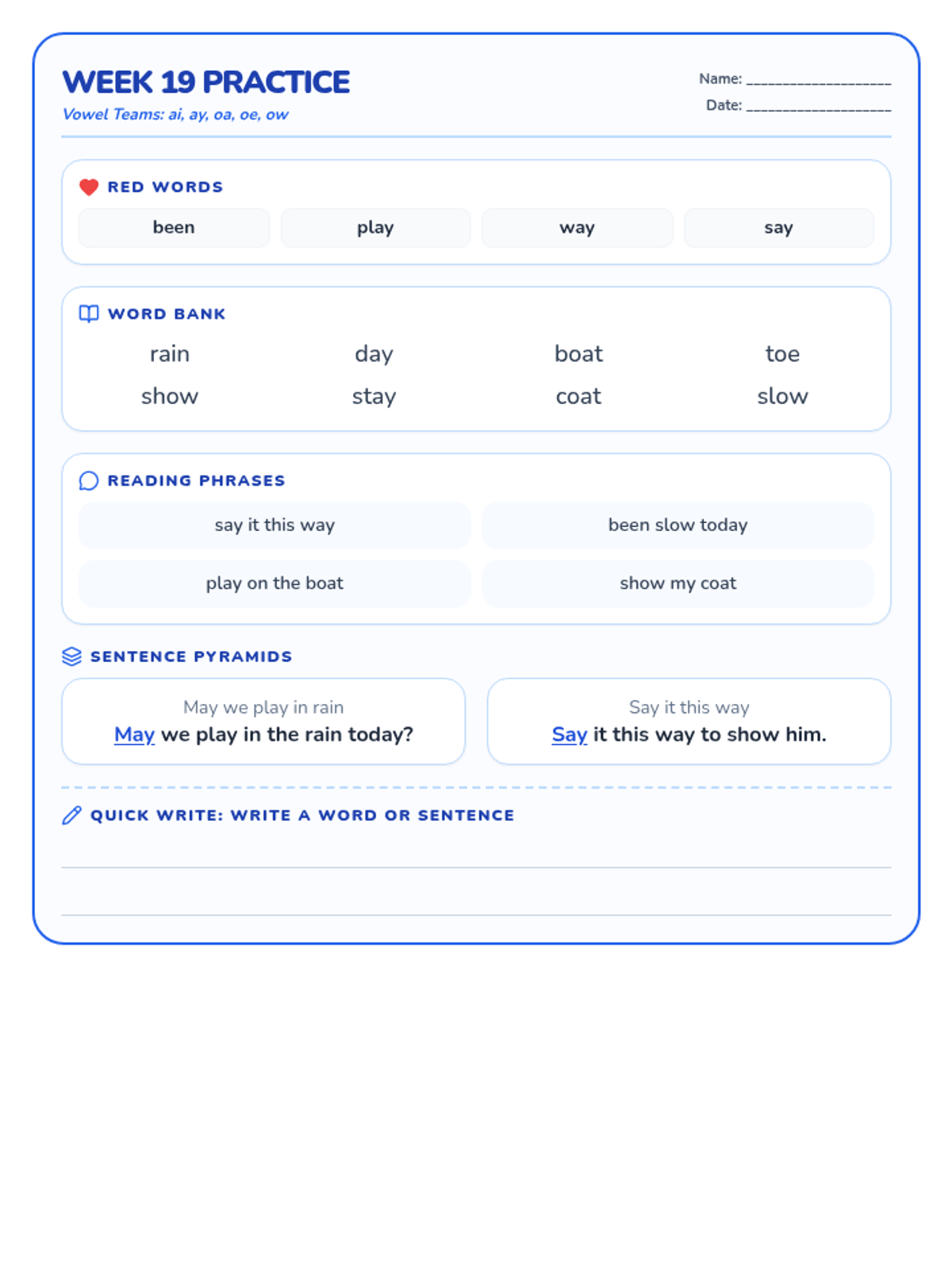
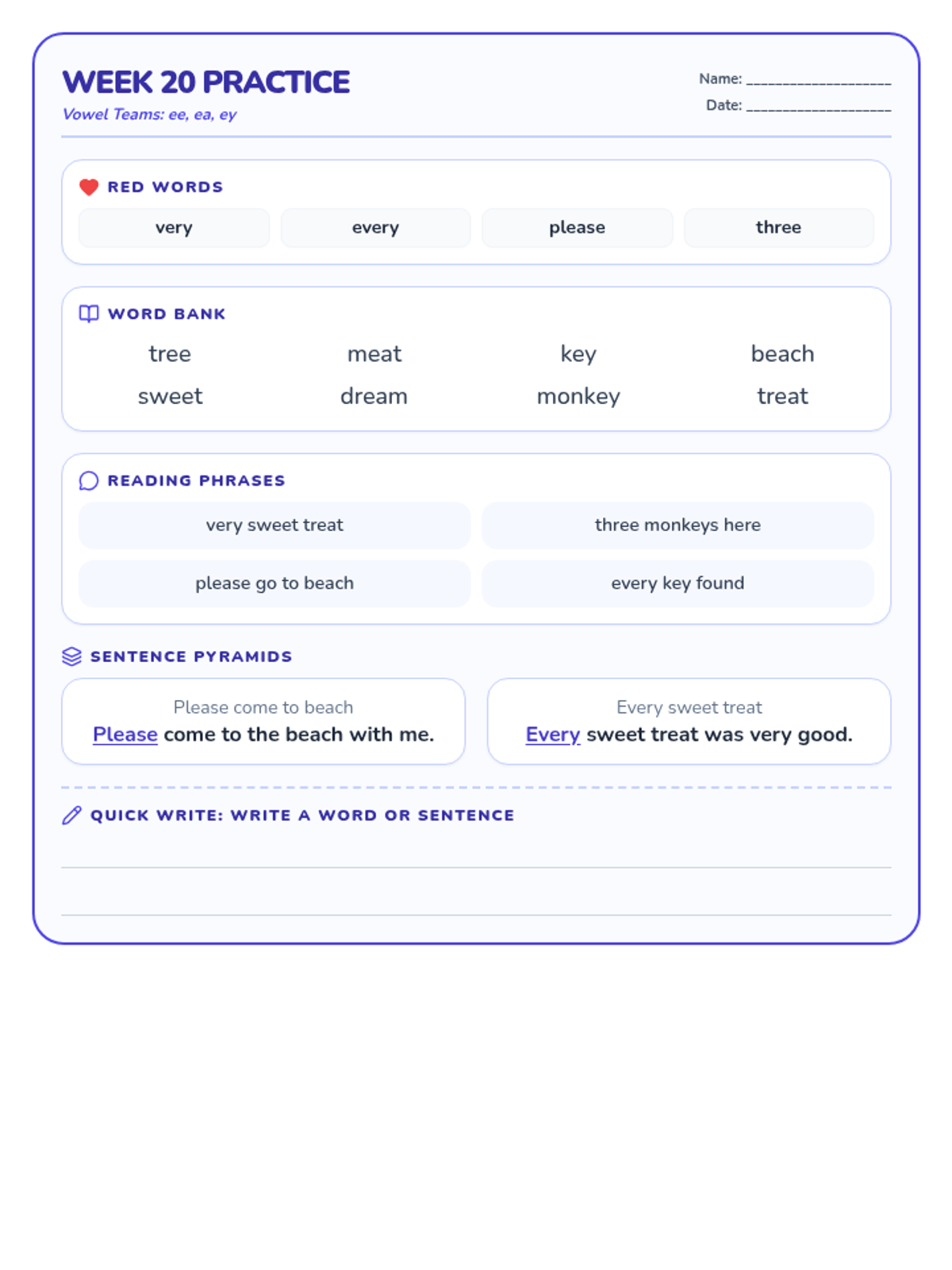
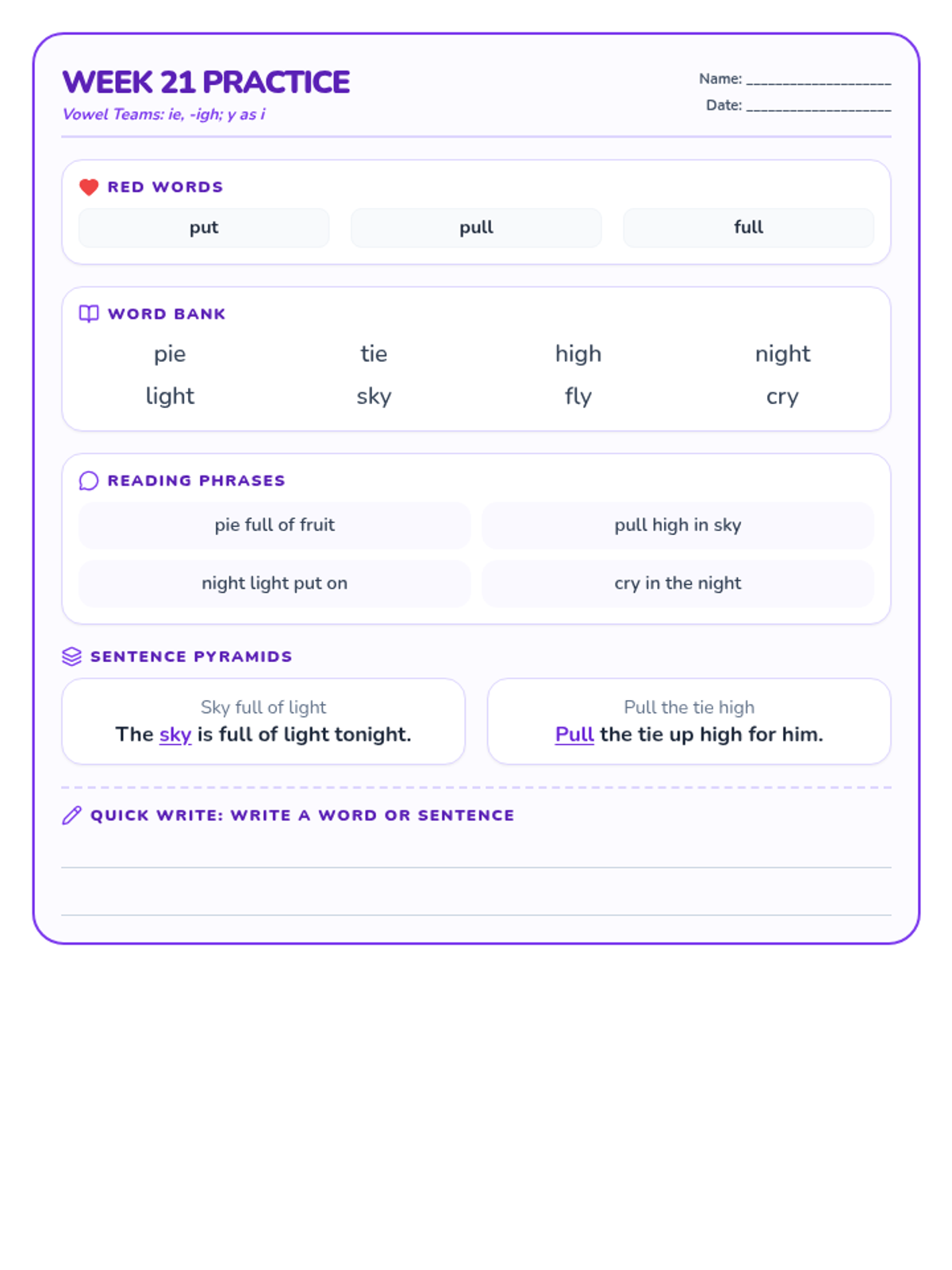
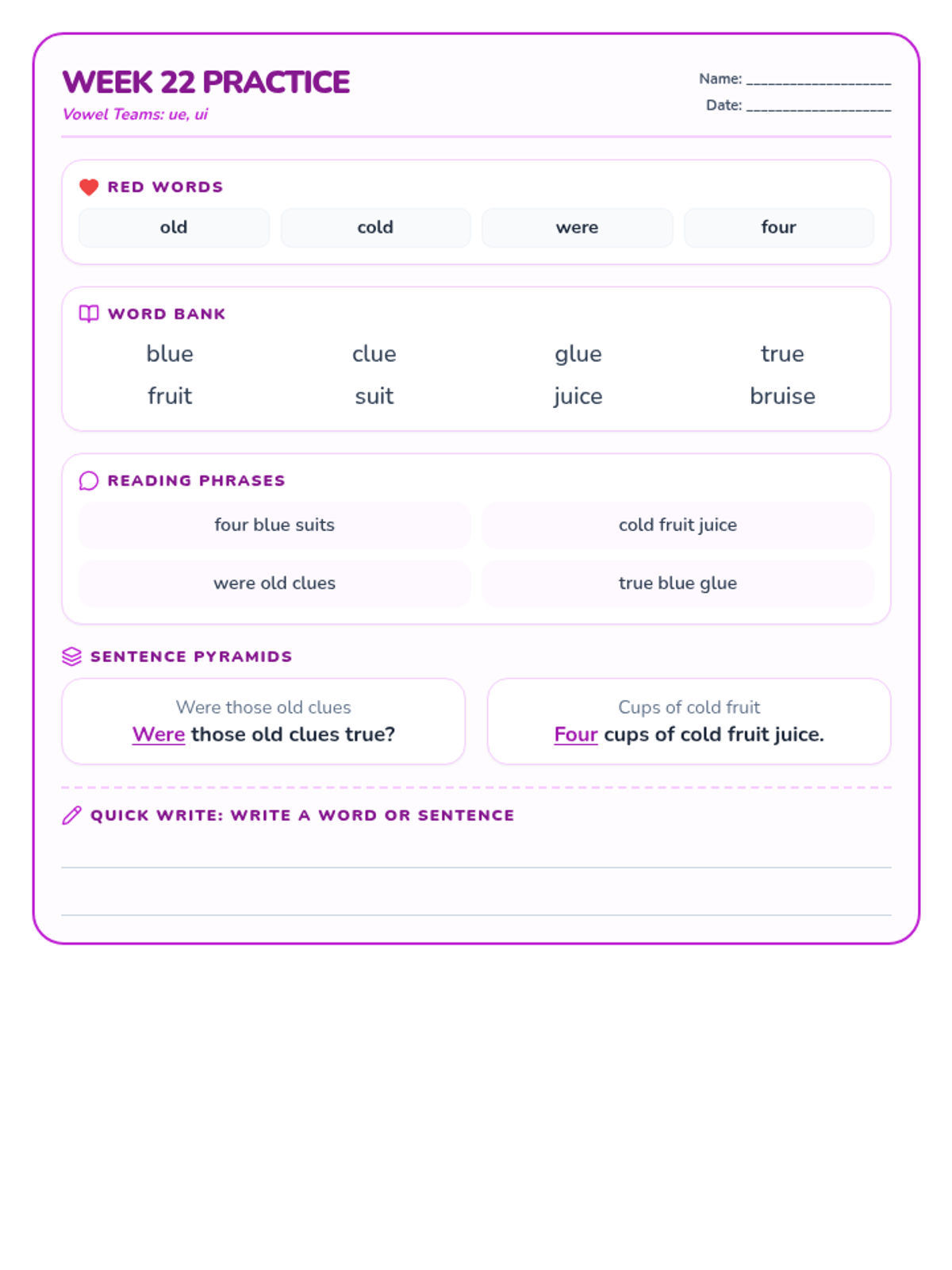
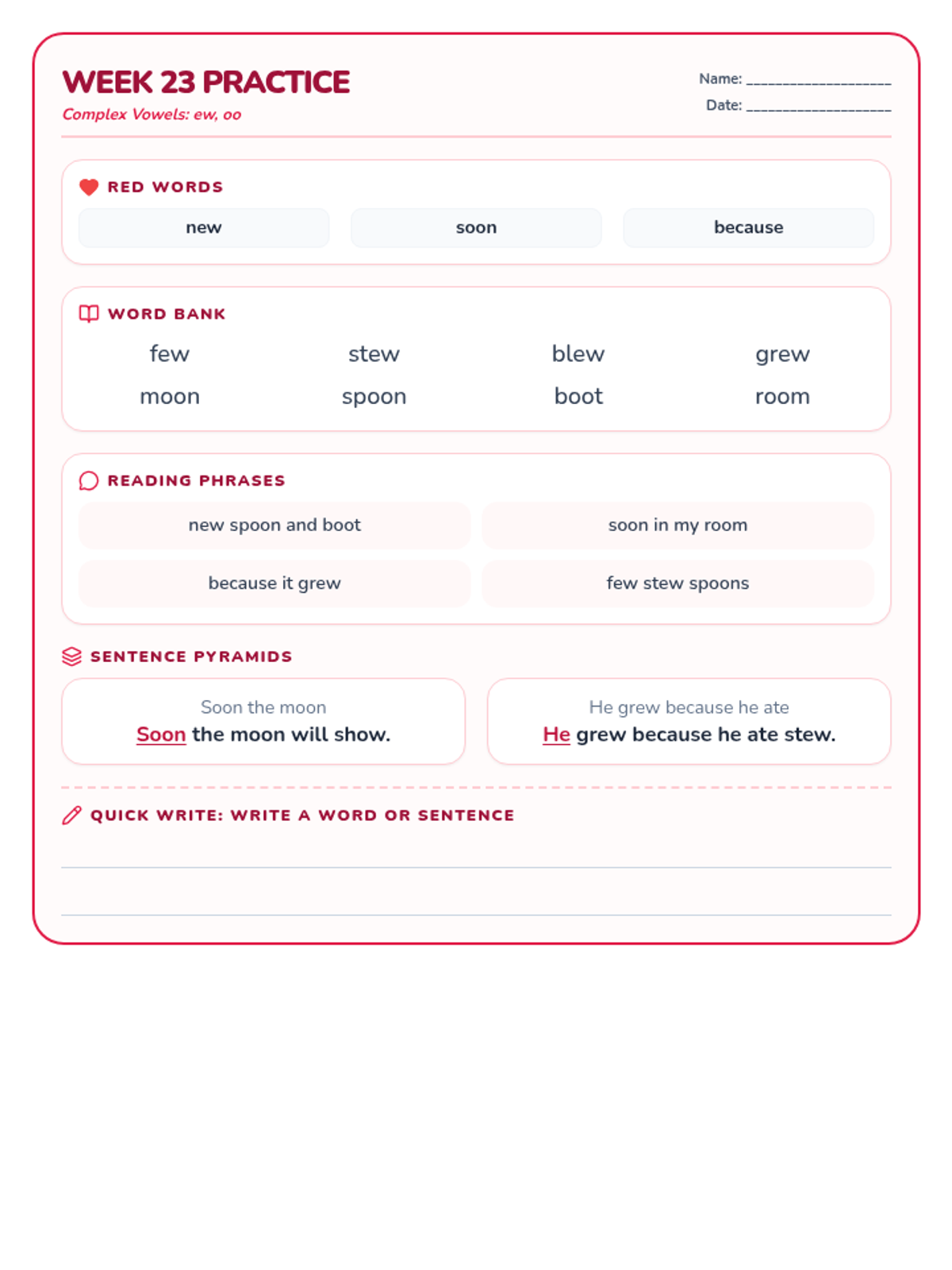
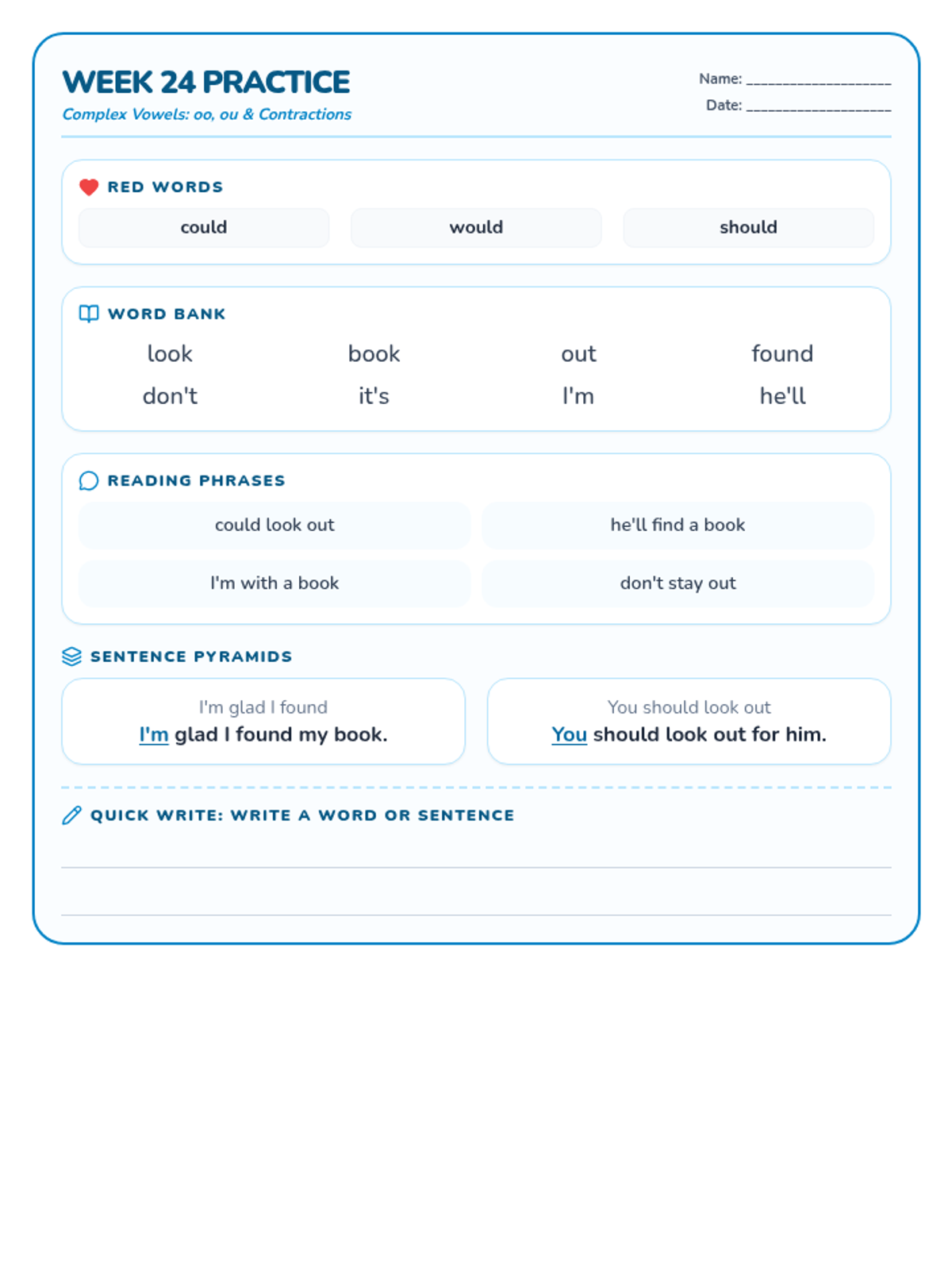
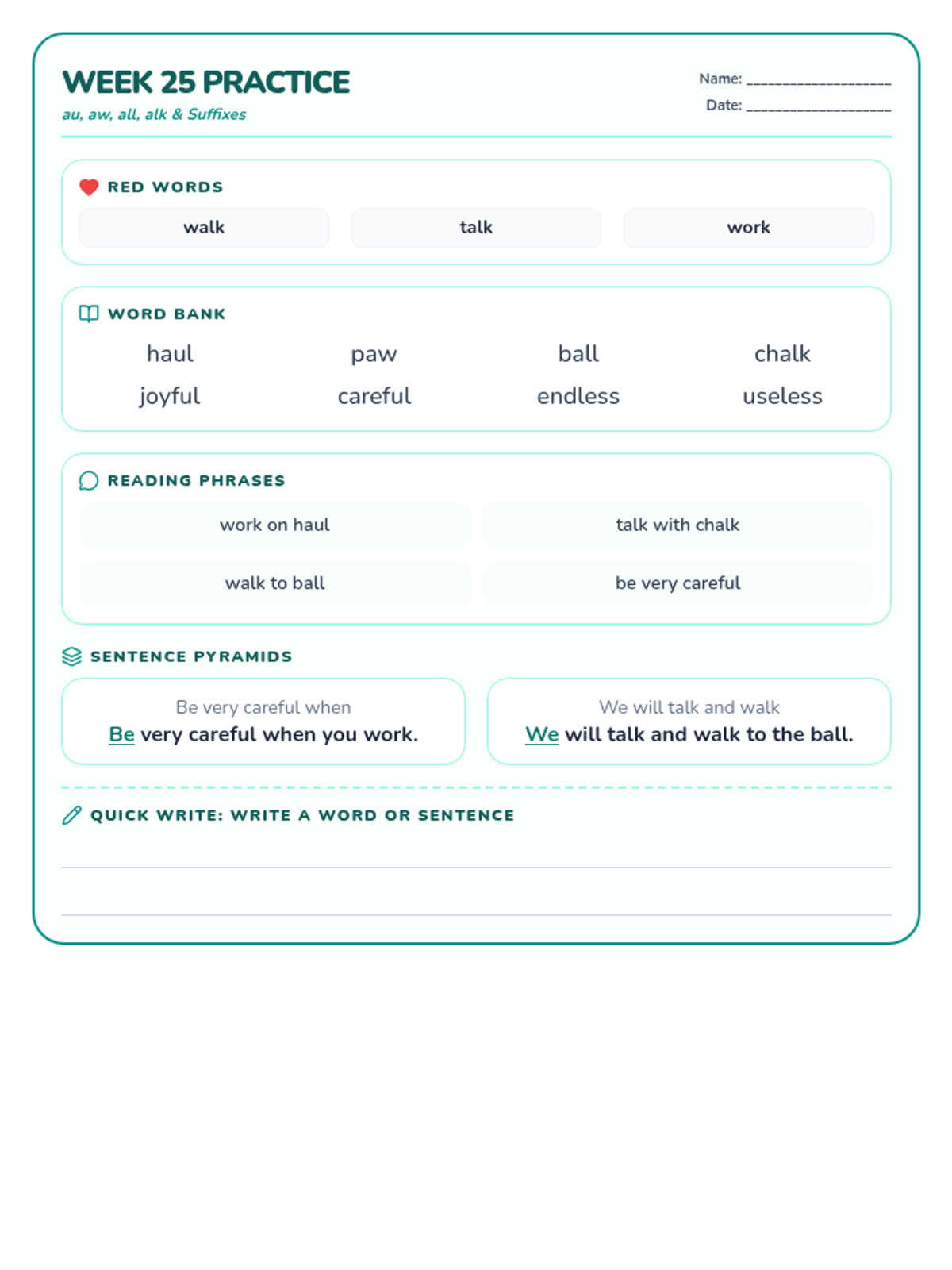
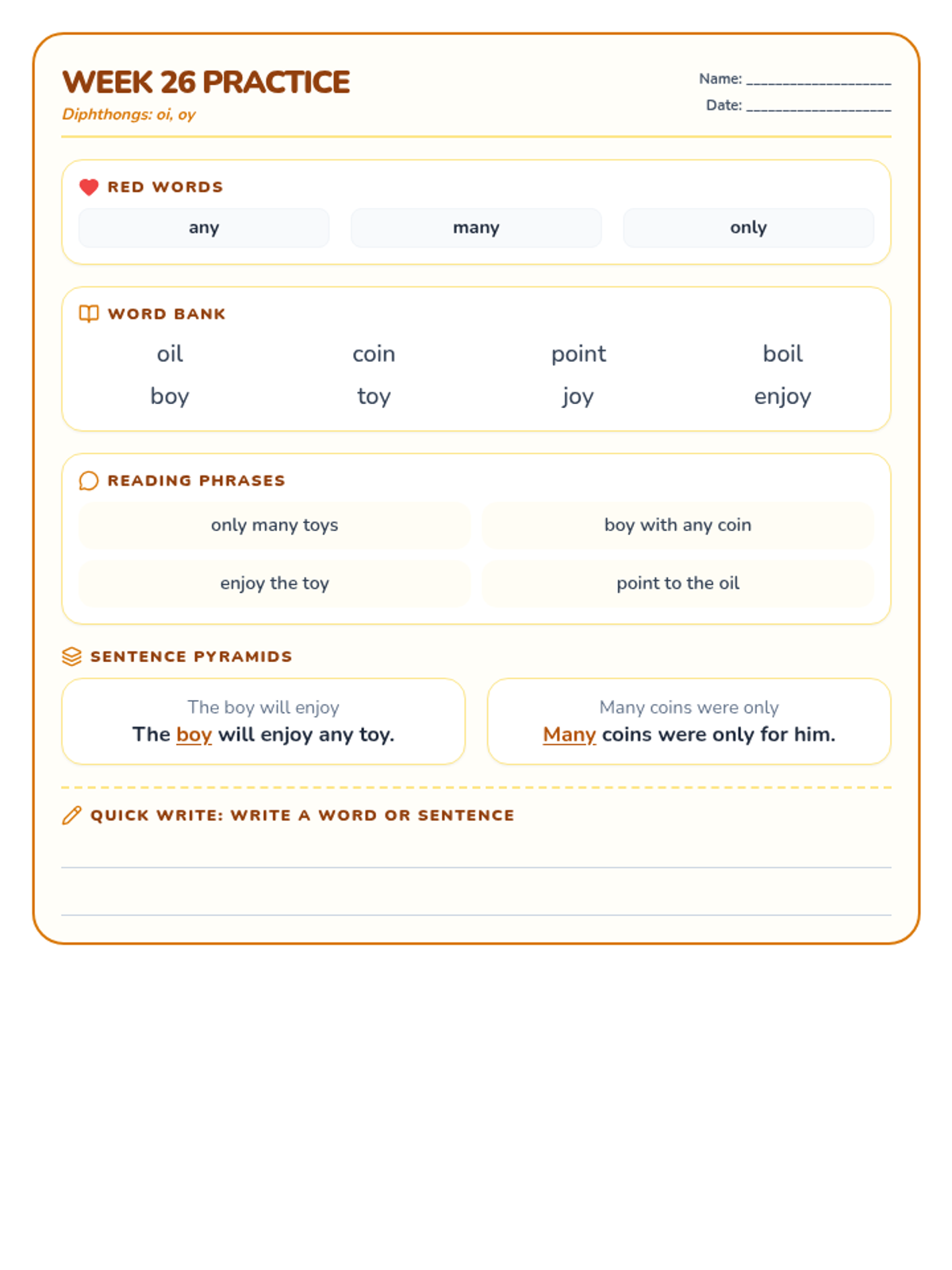
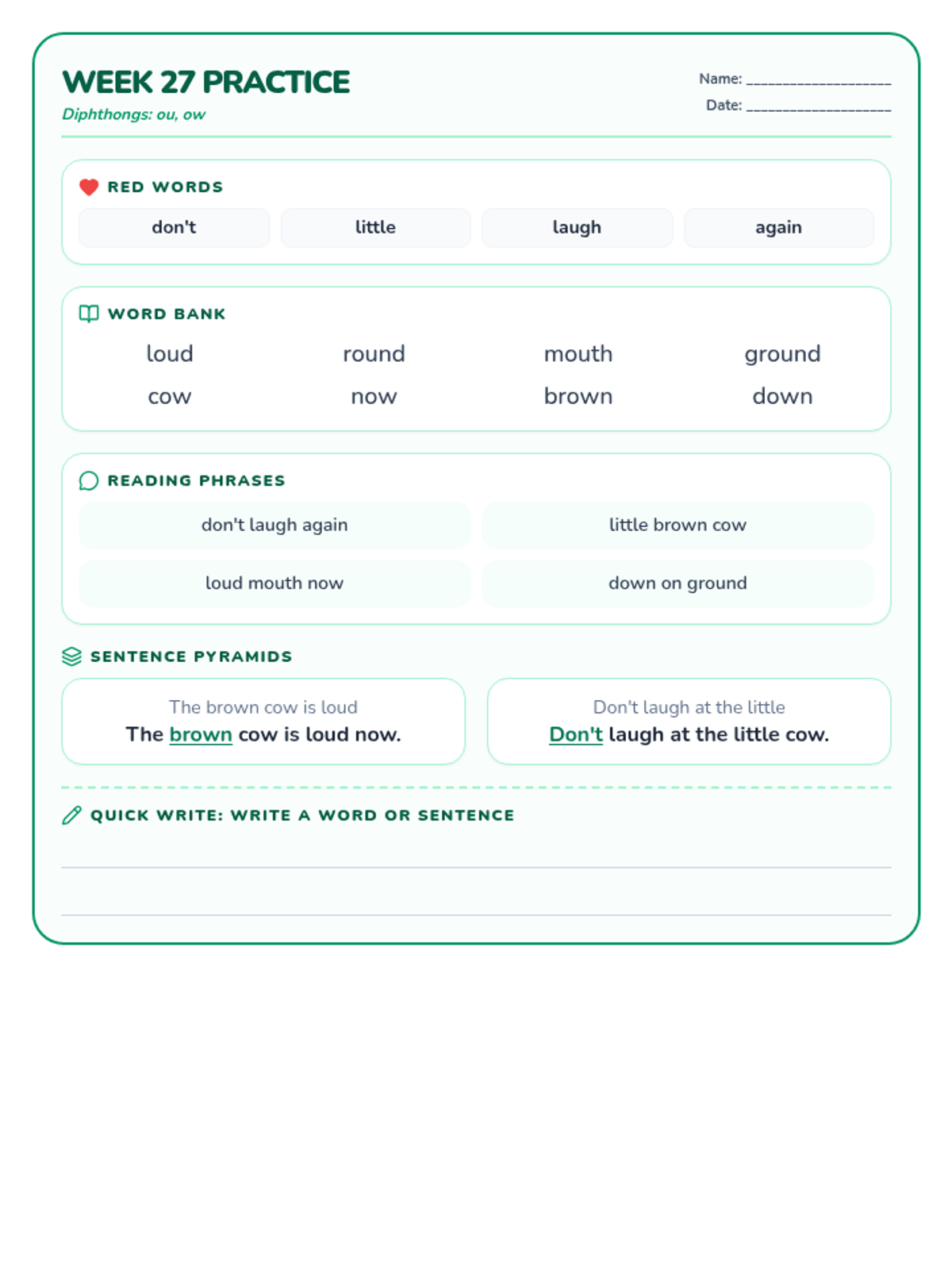
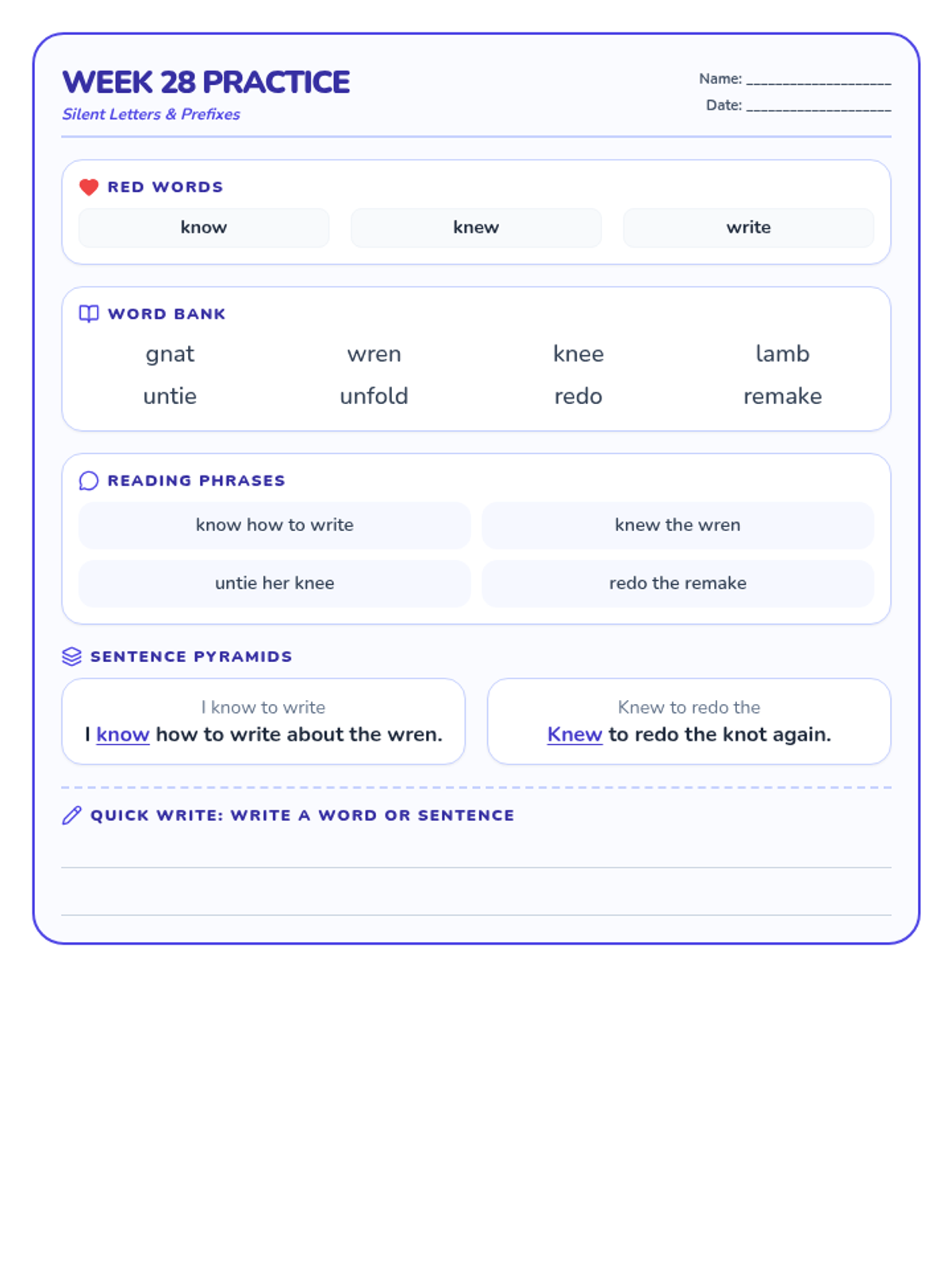
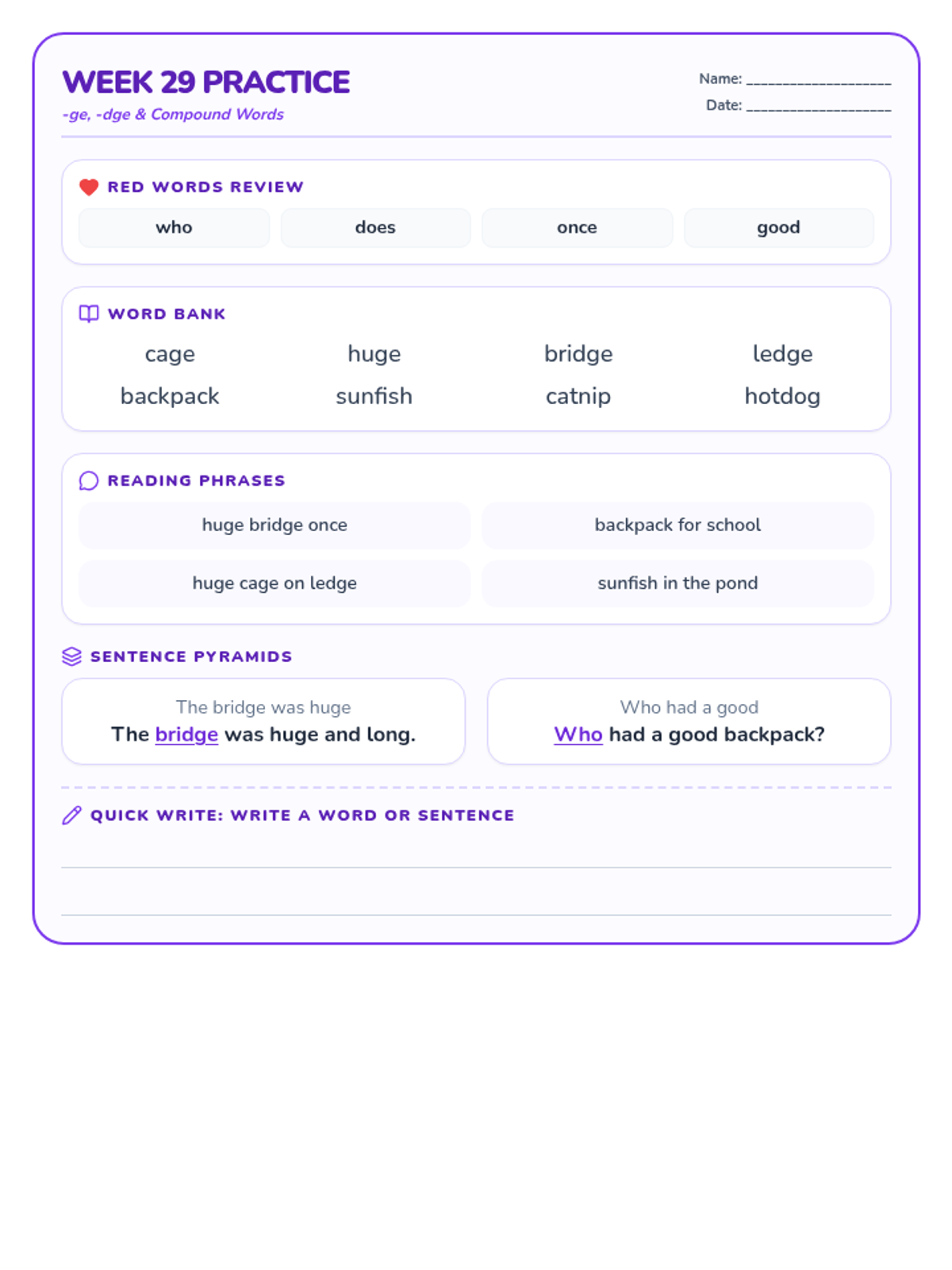
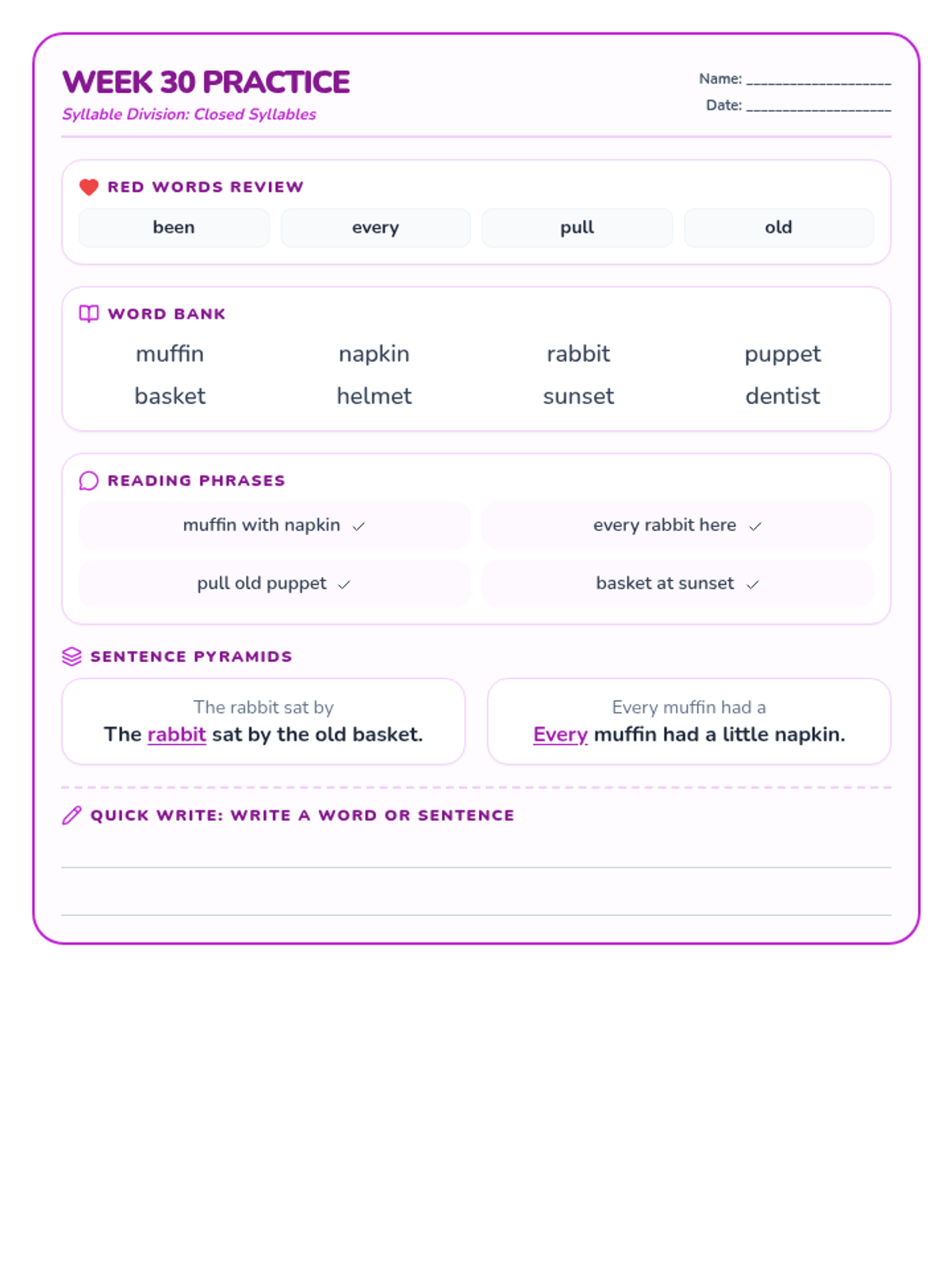
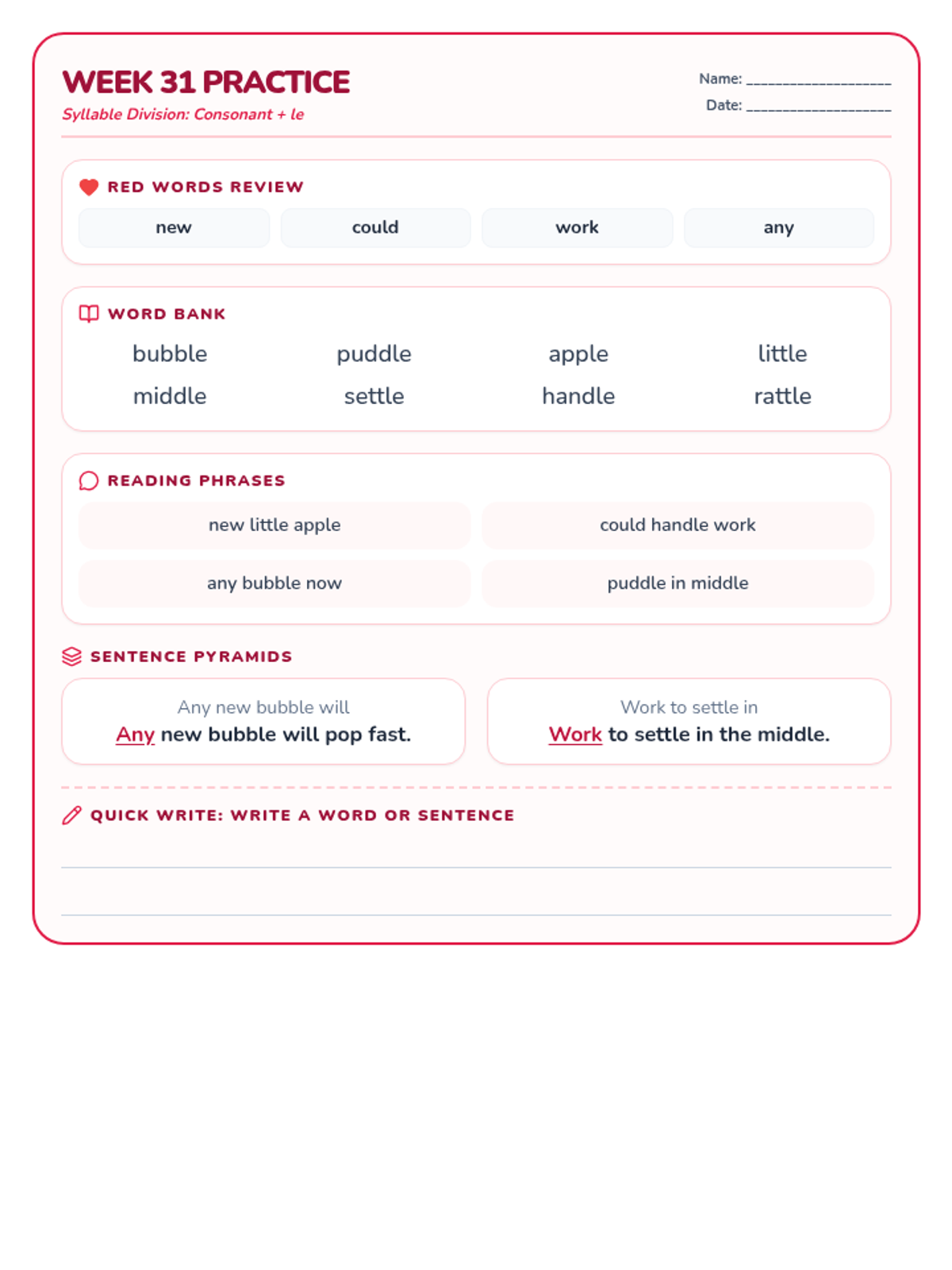
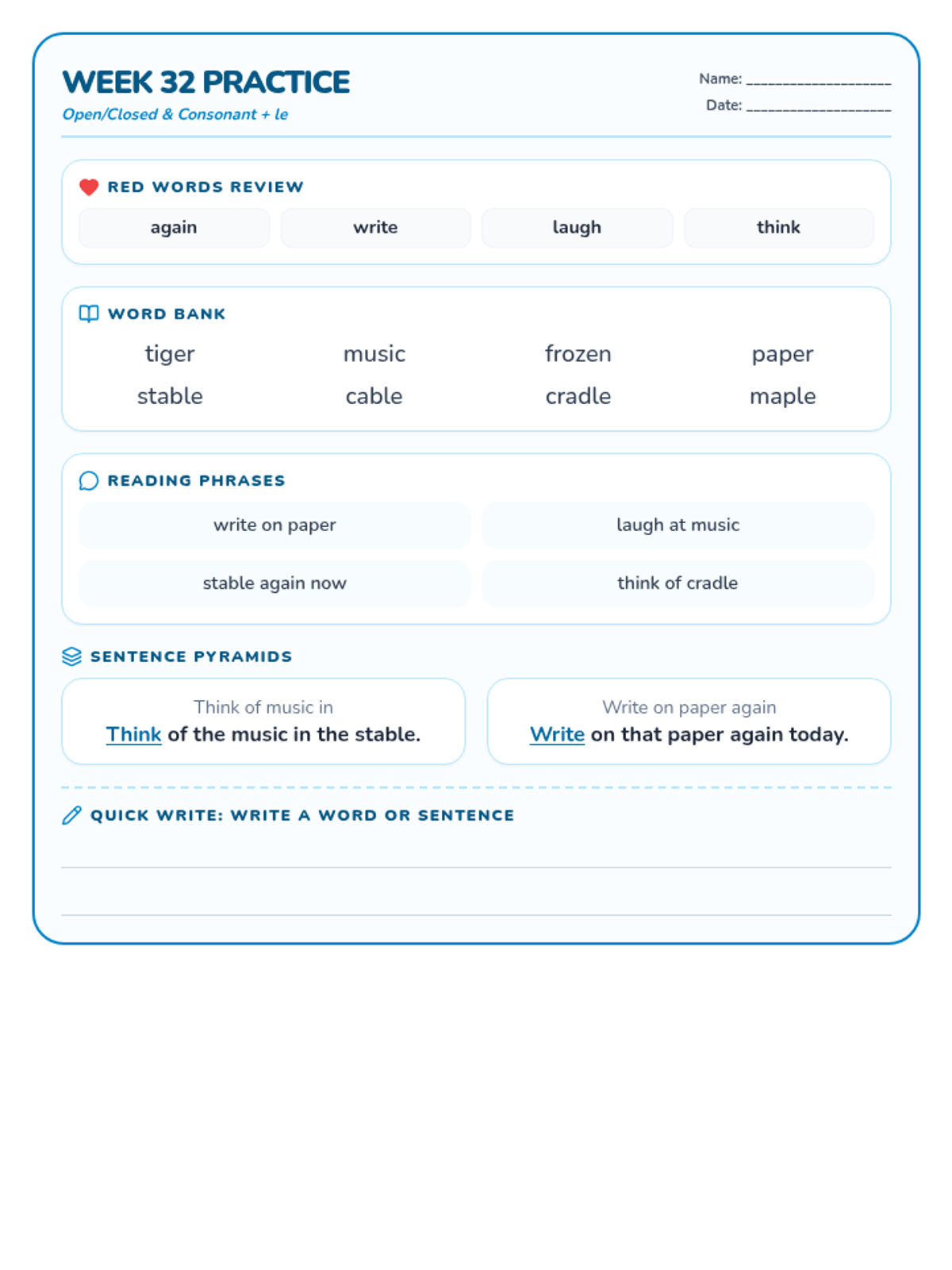
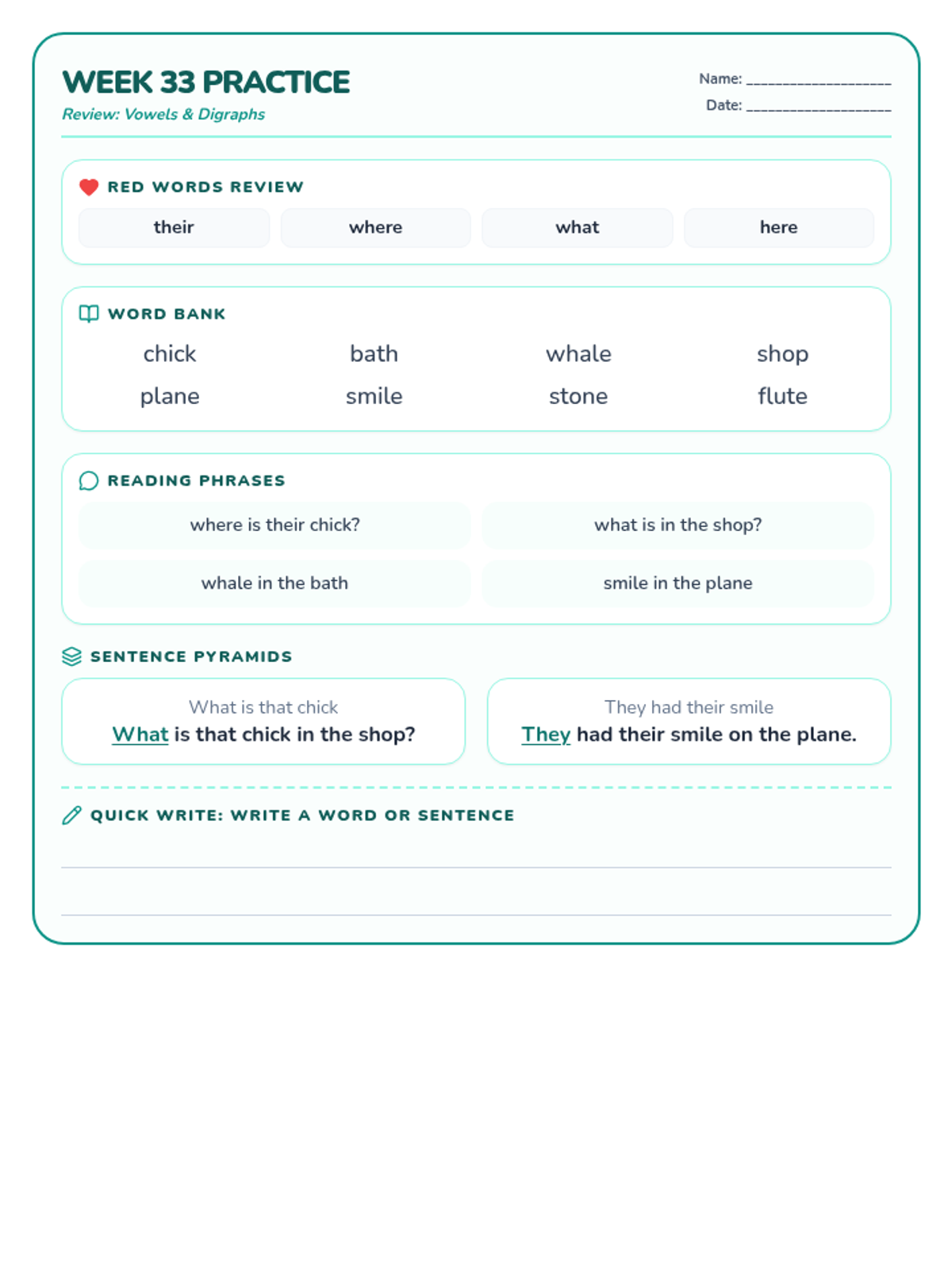
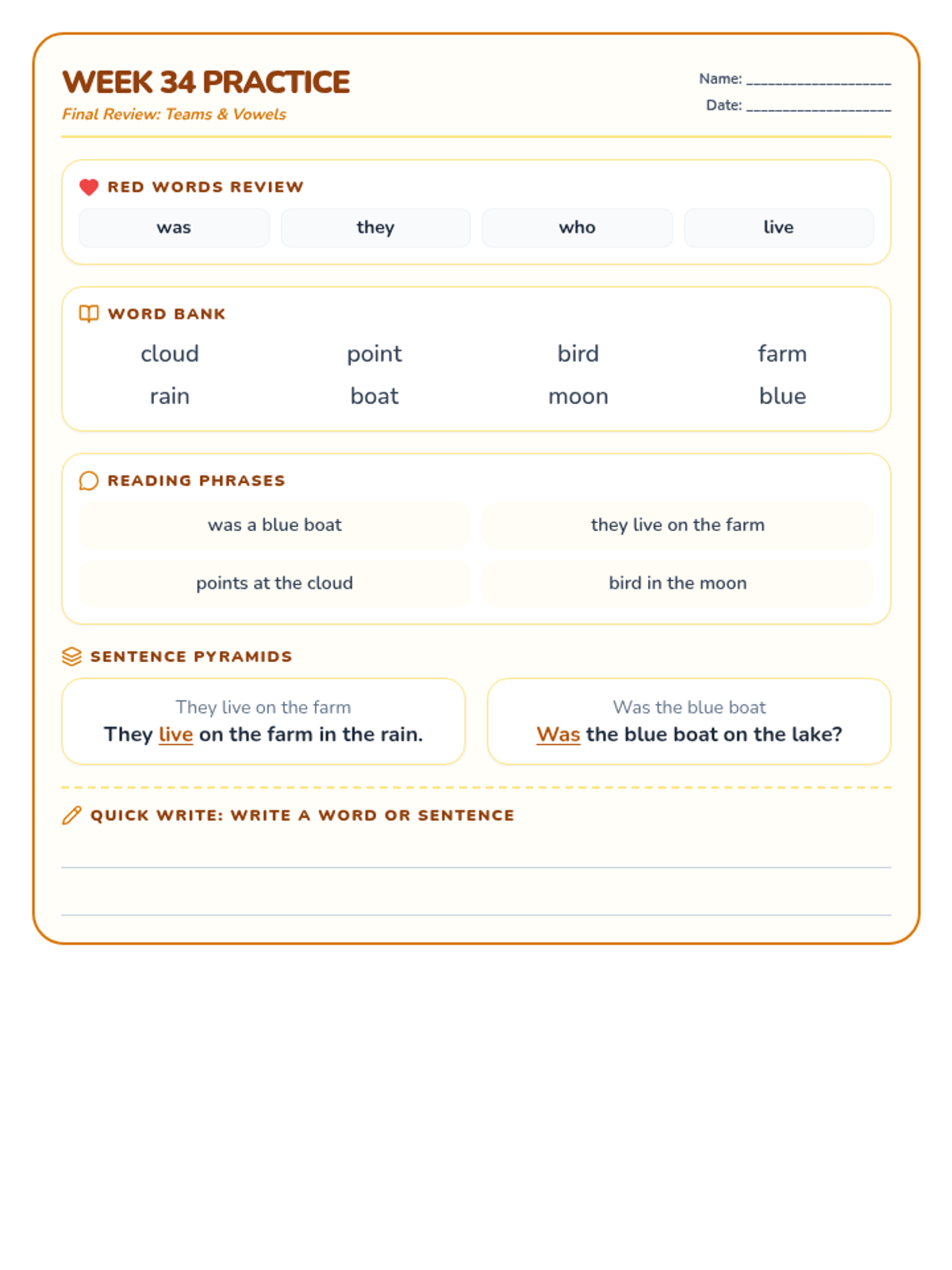
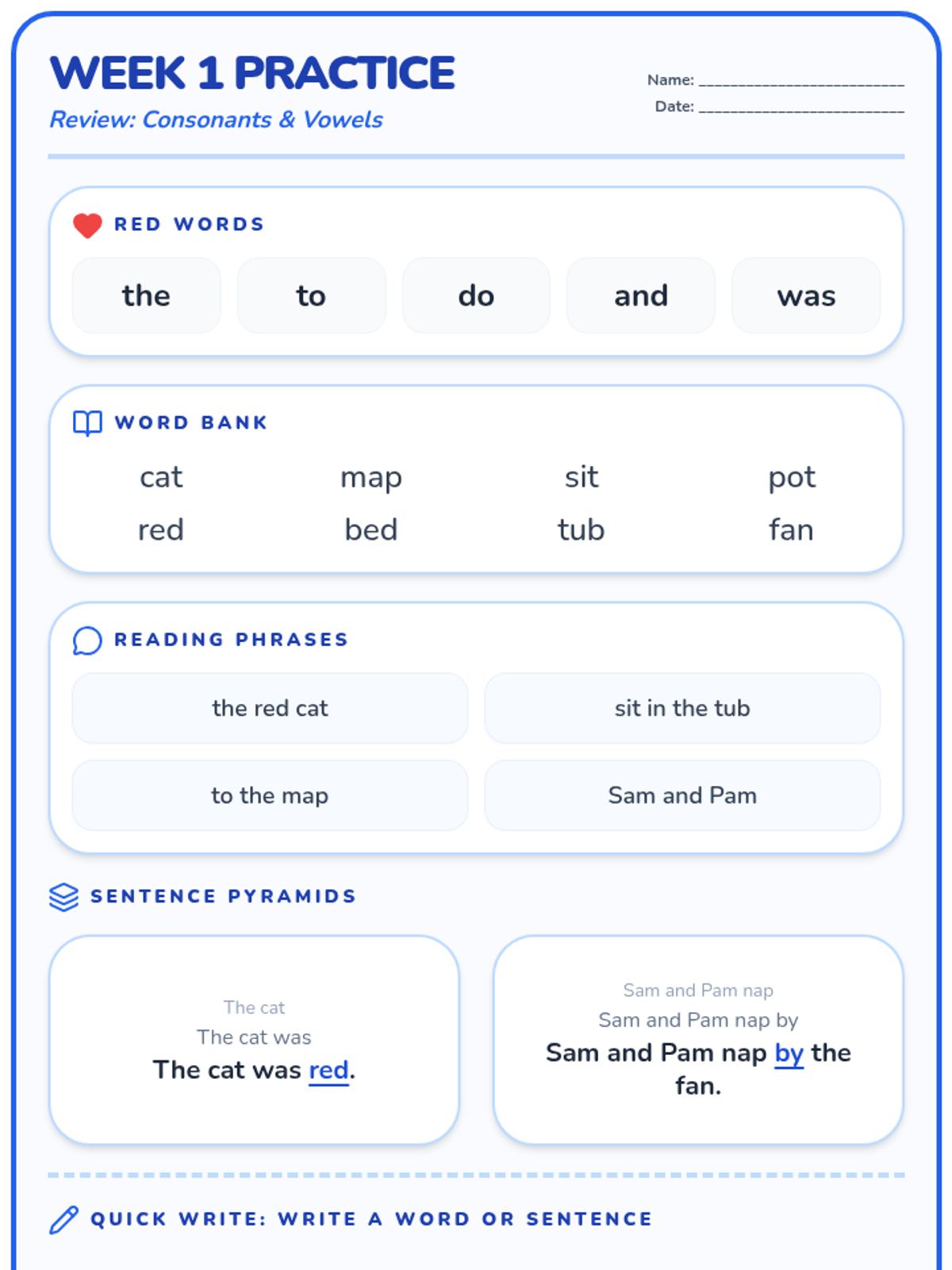
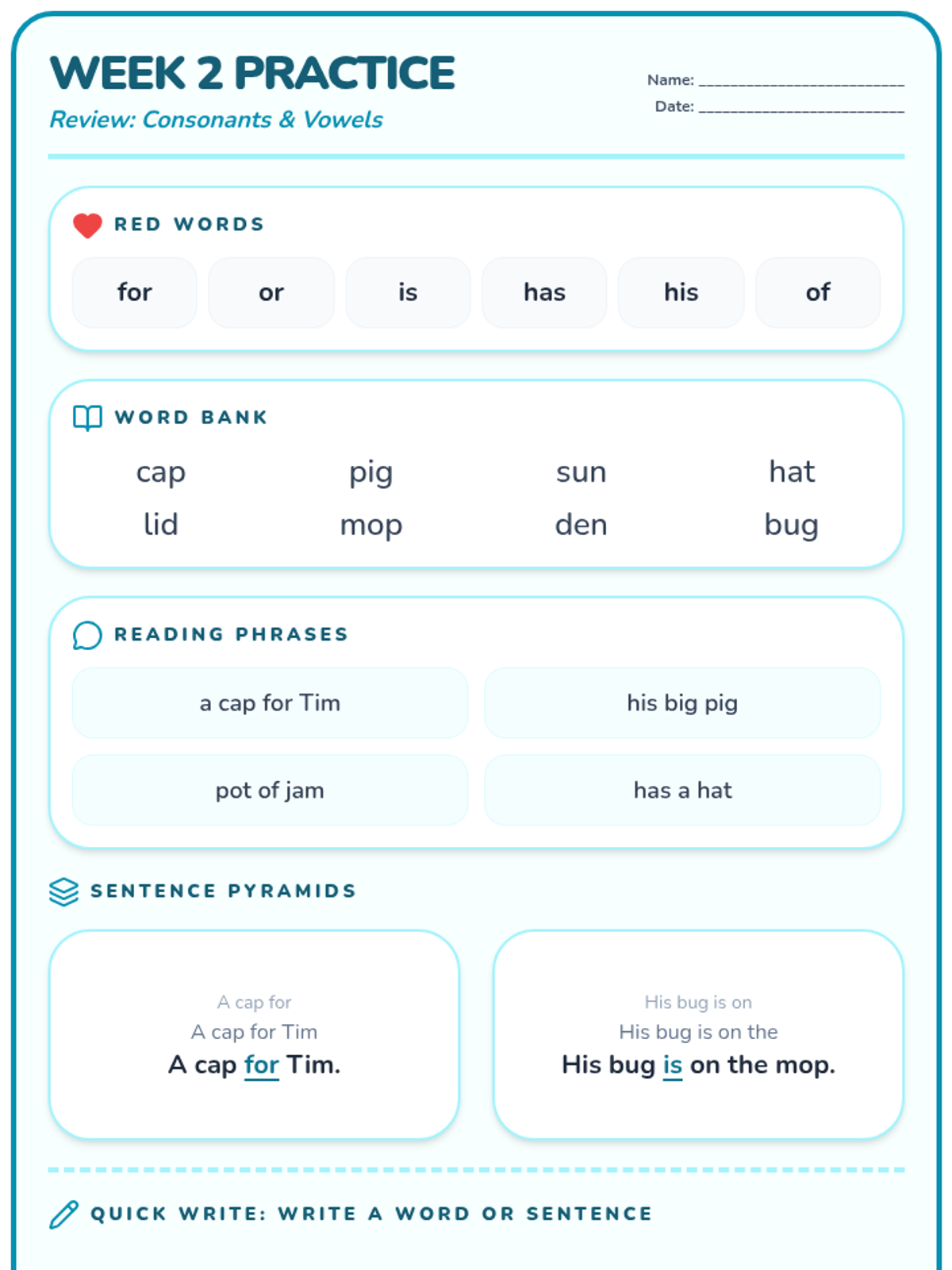
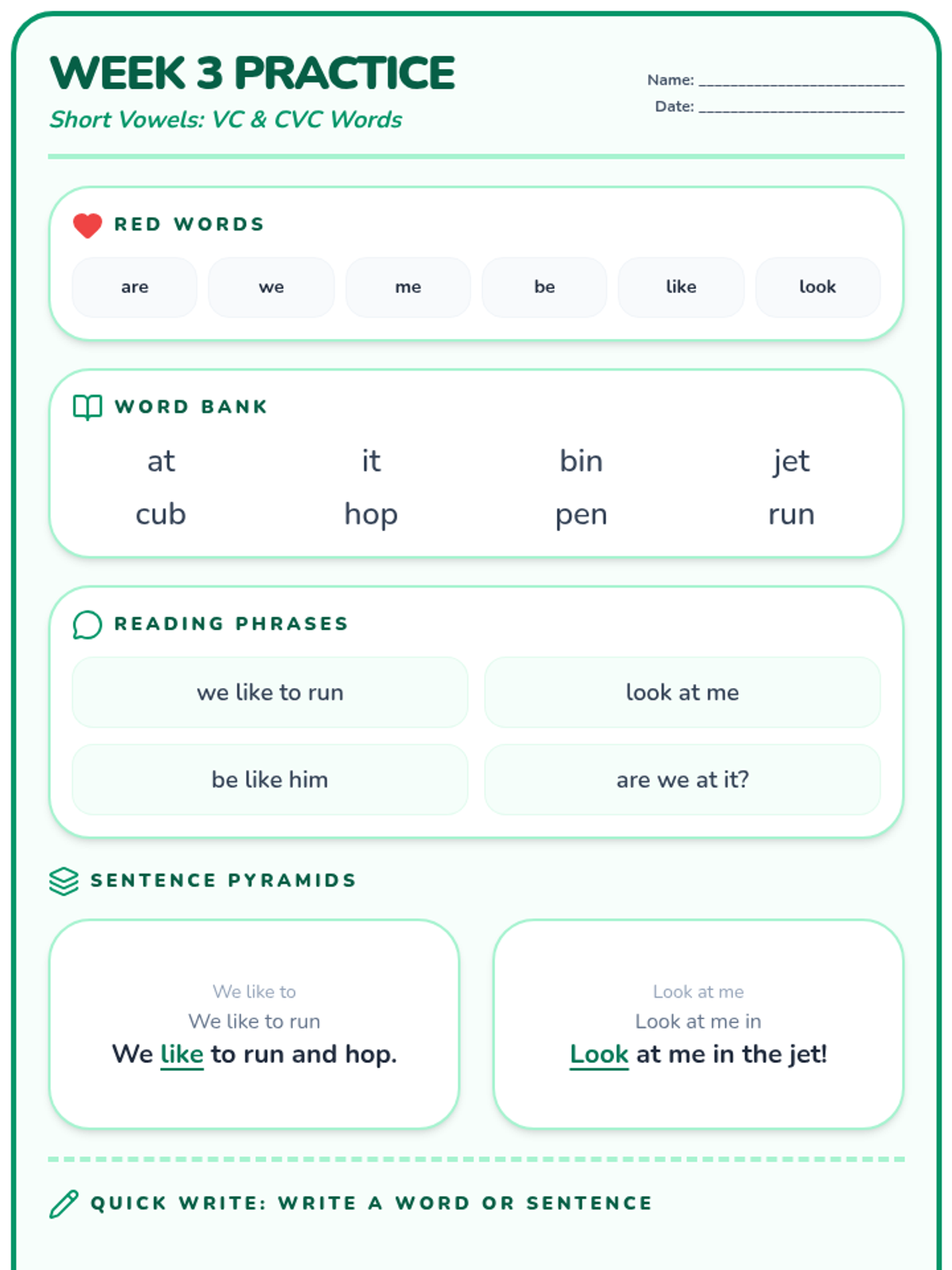
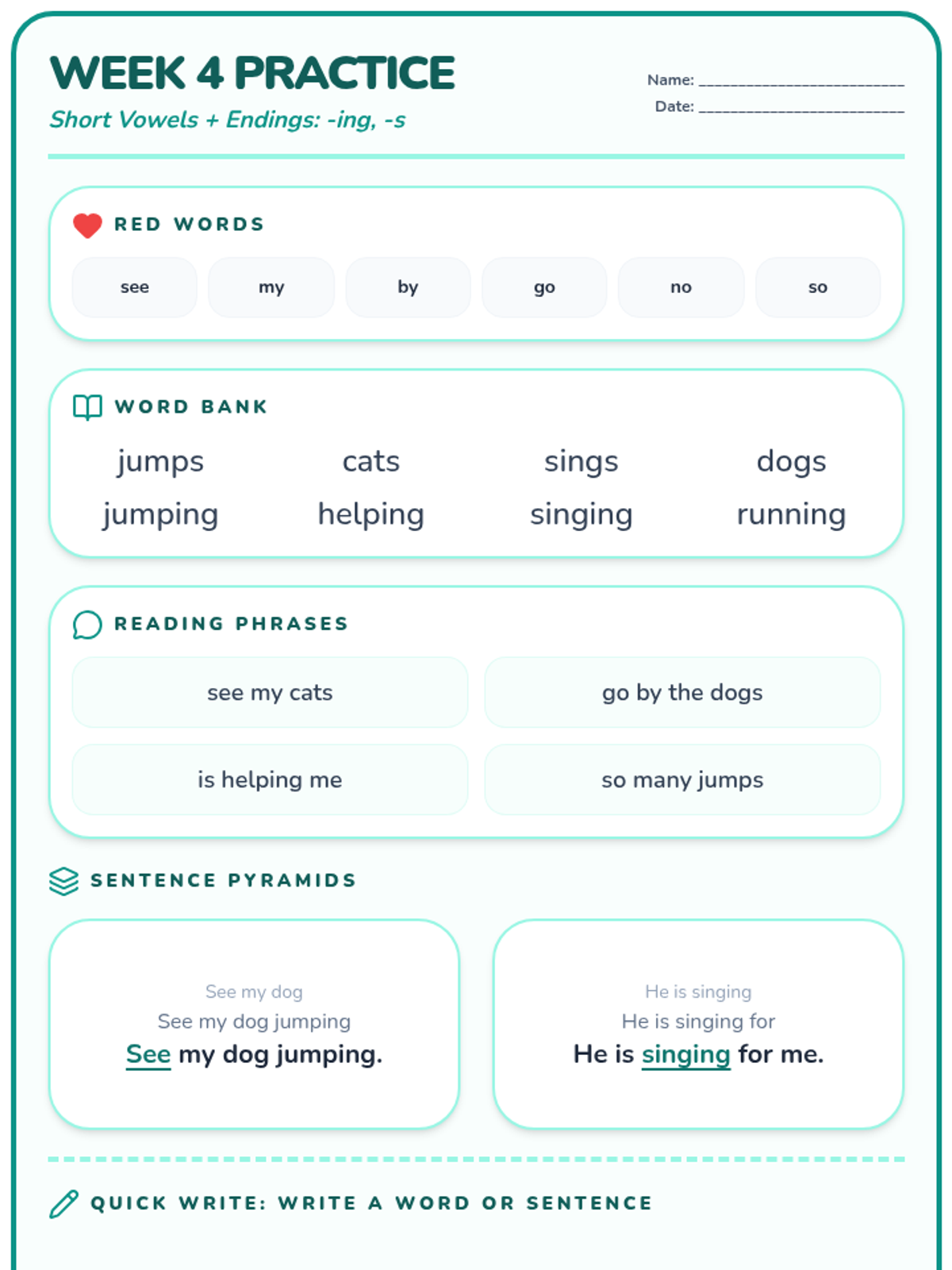
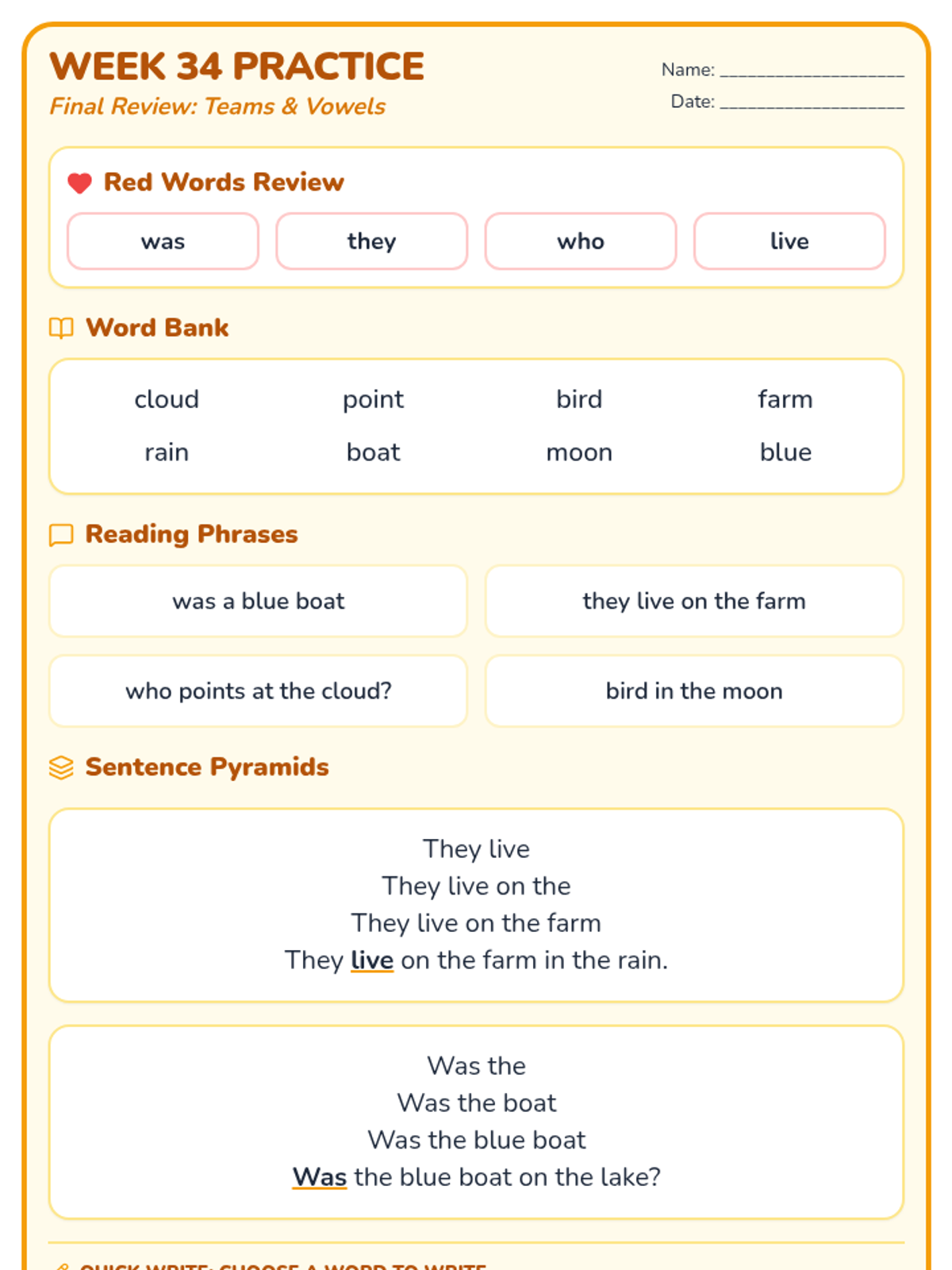
A comprehensive series of phonics practice sheets for 1st grade students covering Units 1 through 6 of the Bridge to Reading curriculum (Weeks 1-34). Each sheet focuses on specific phonics concepts, red words, decodable words, and reading fluency through sentence pyramids, designed for one-page printing.
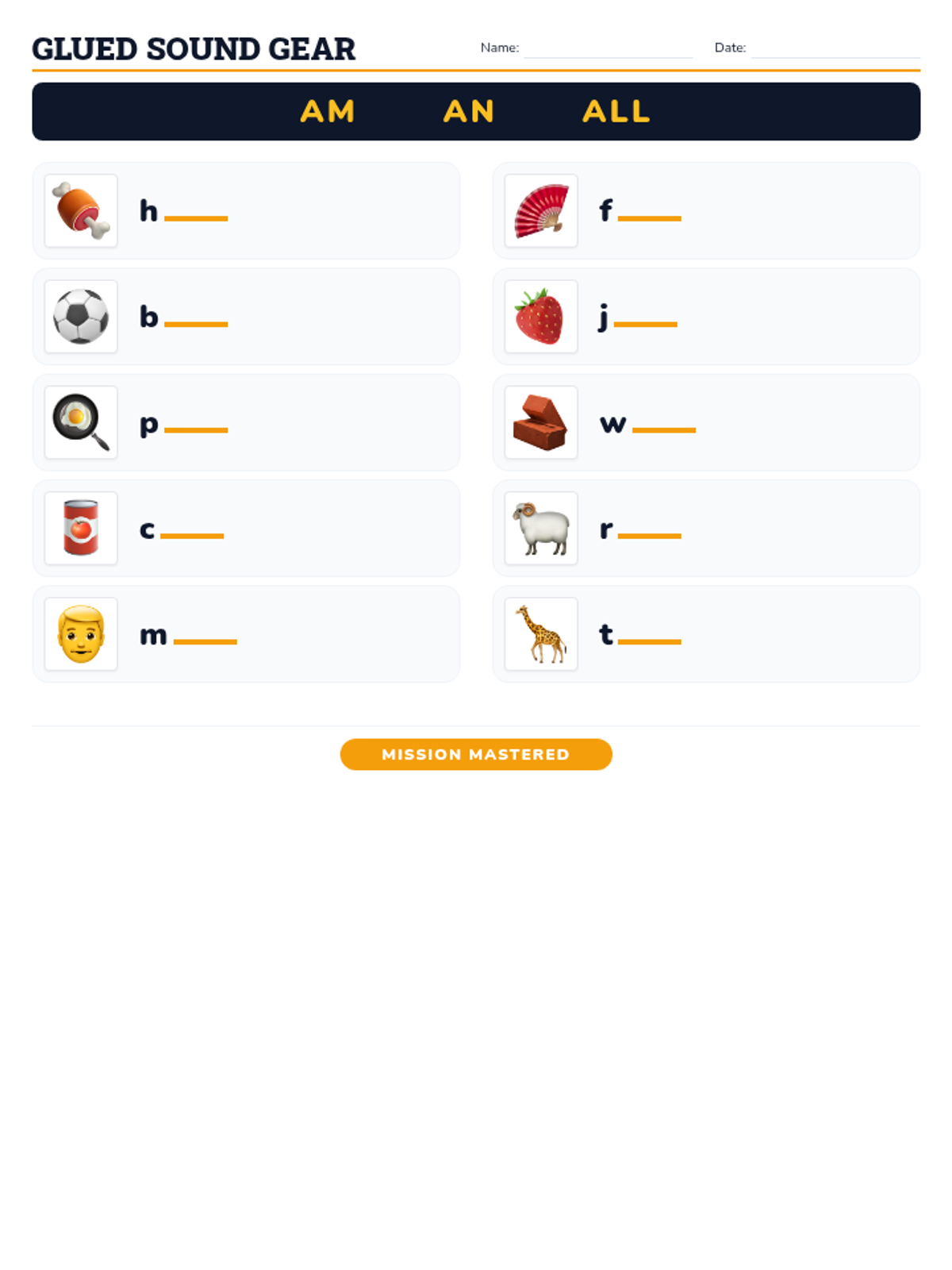
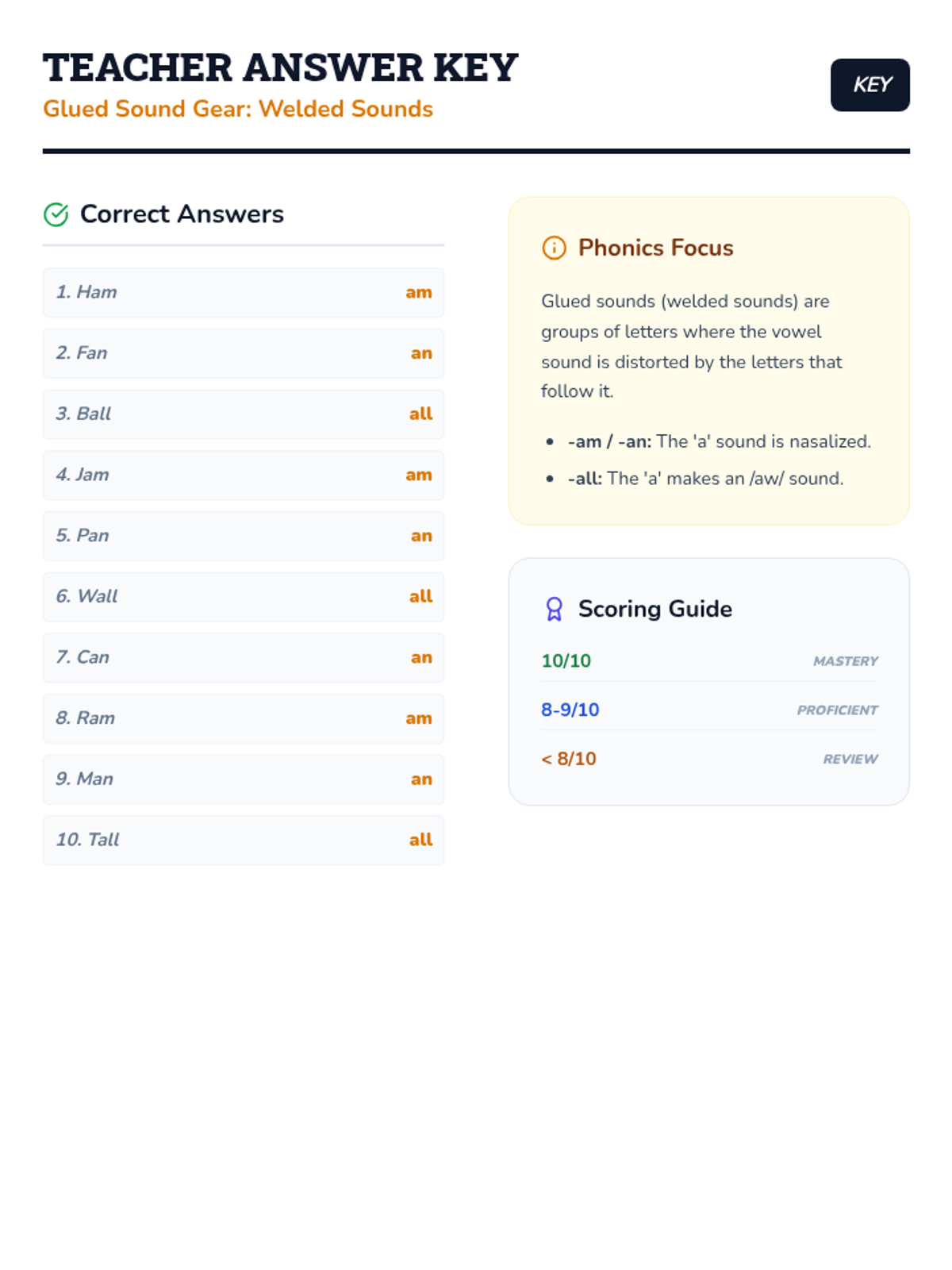
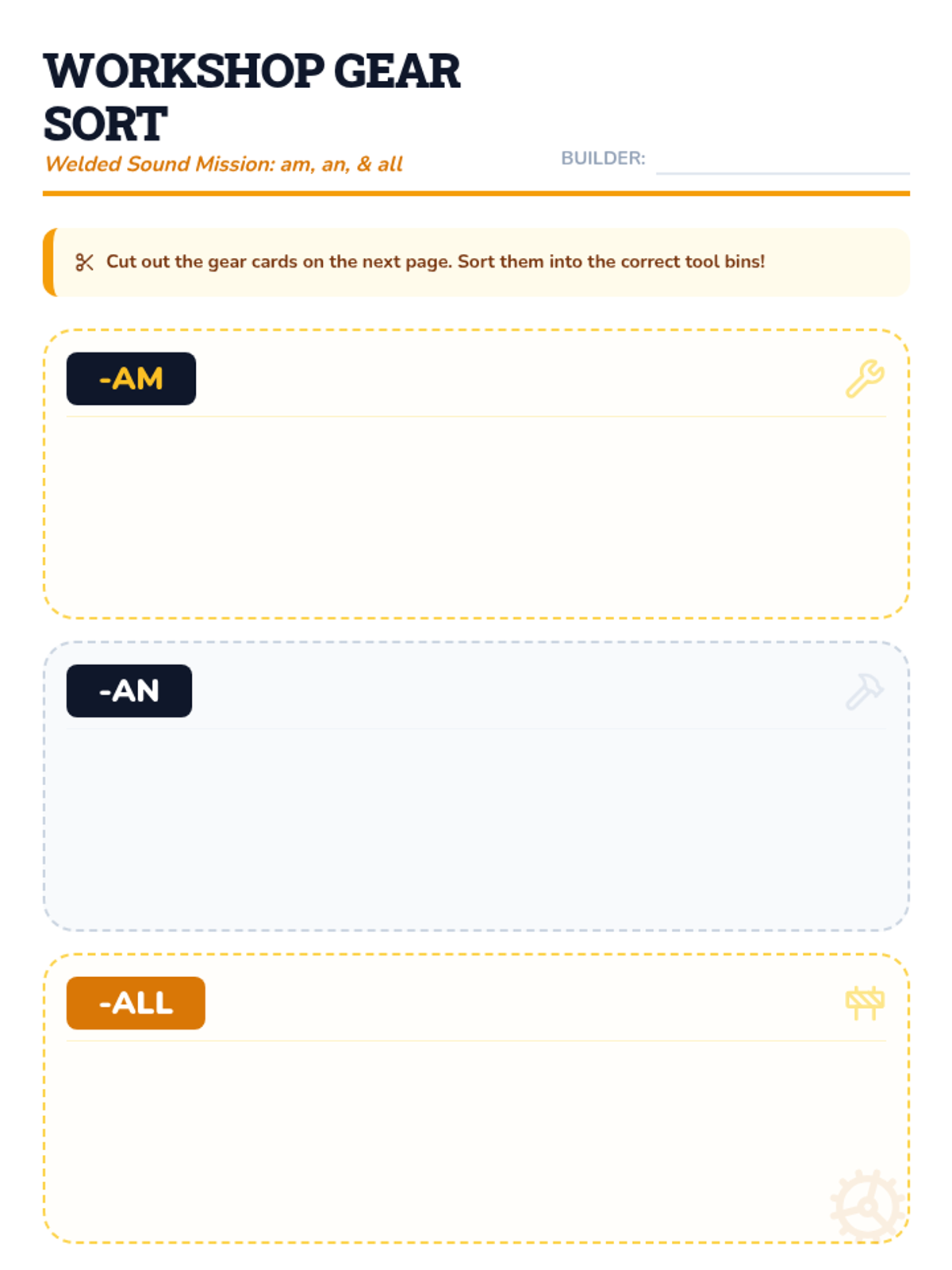
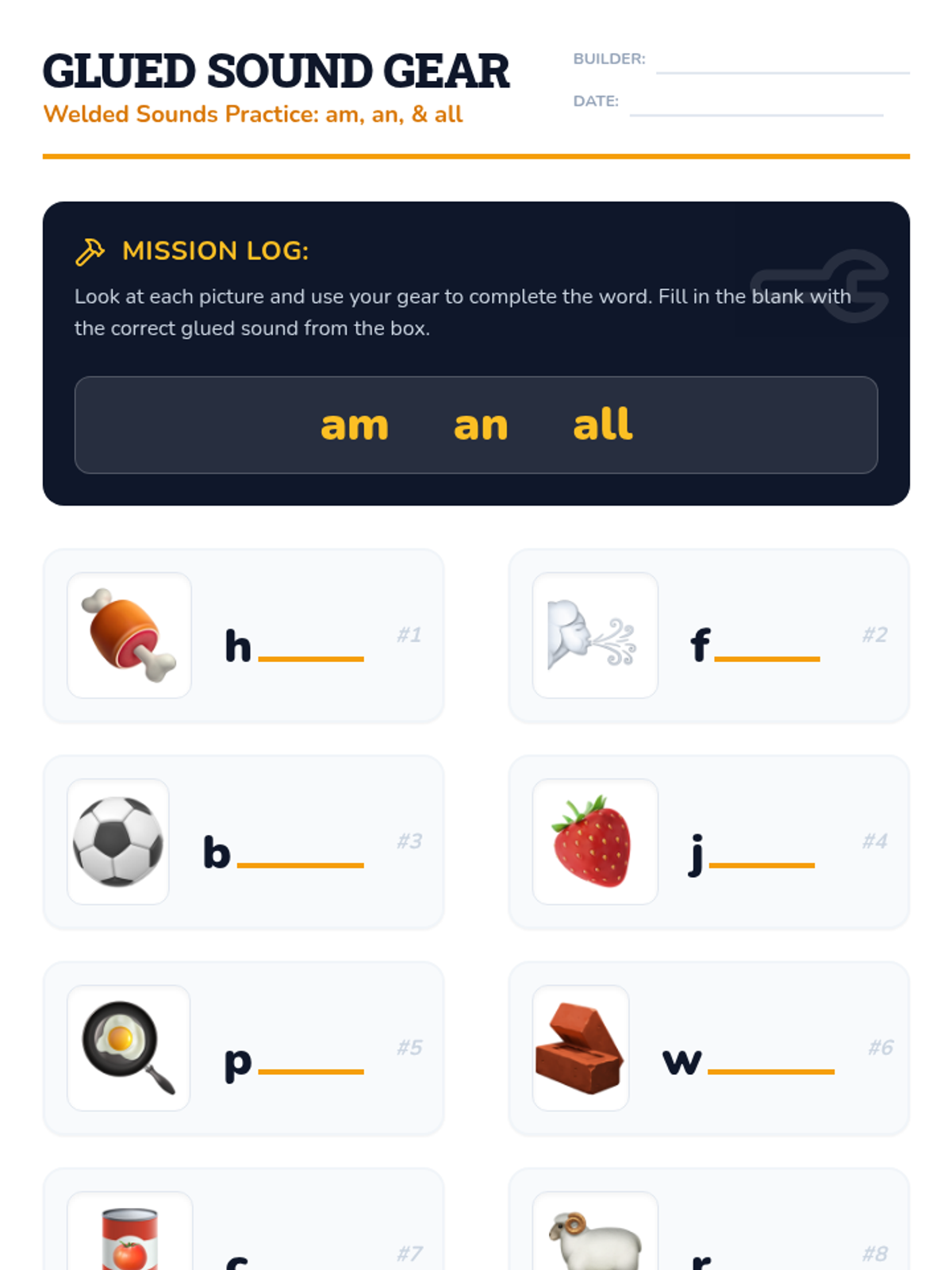
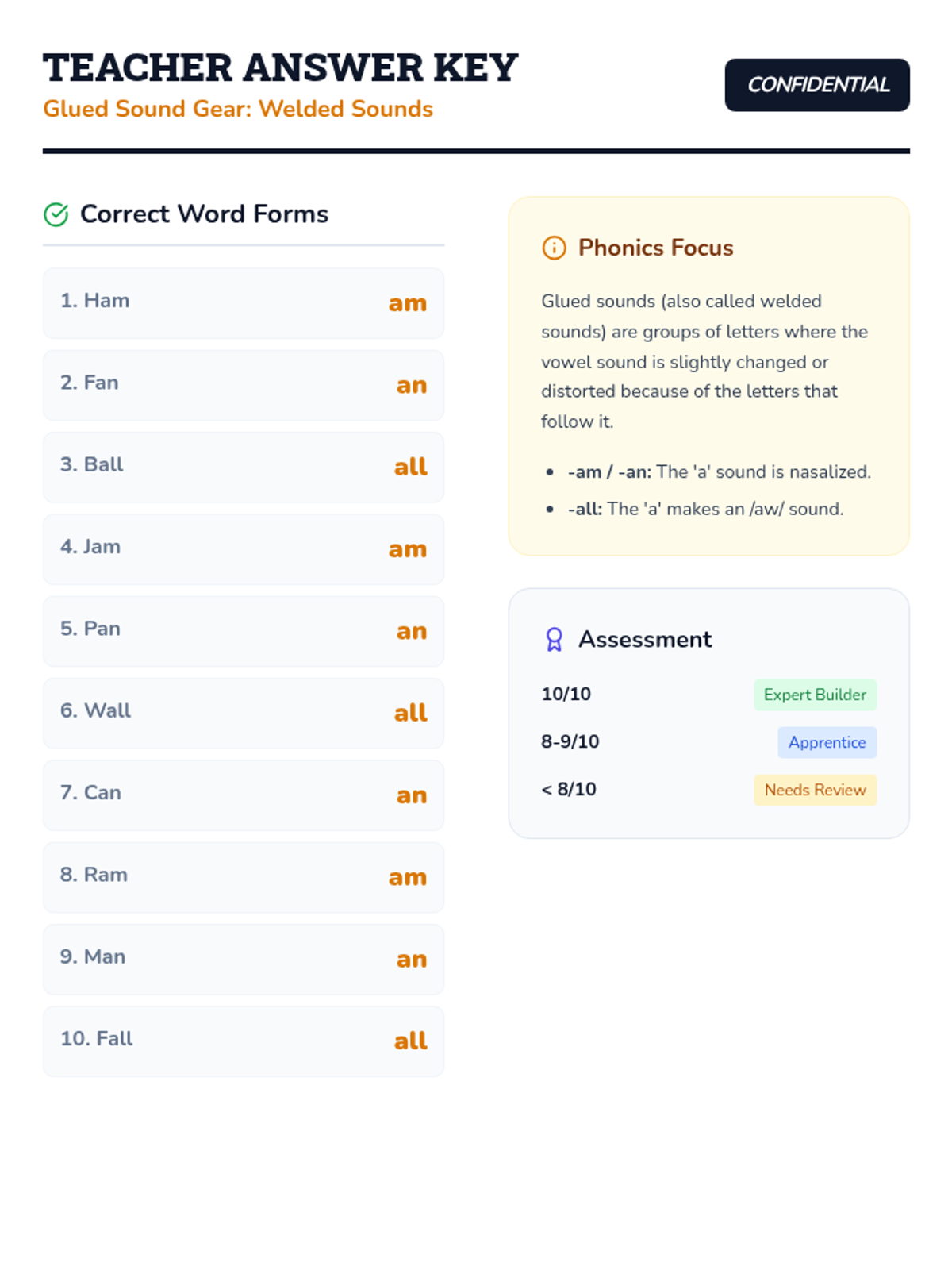
A workshop-themed phonics lesson focusing on identifying and using the 'glued' or 'welded' sounds -am, -an, and -all.
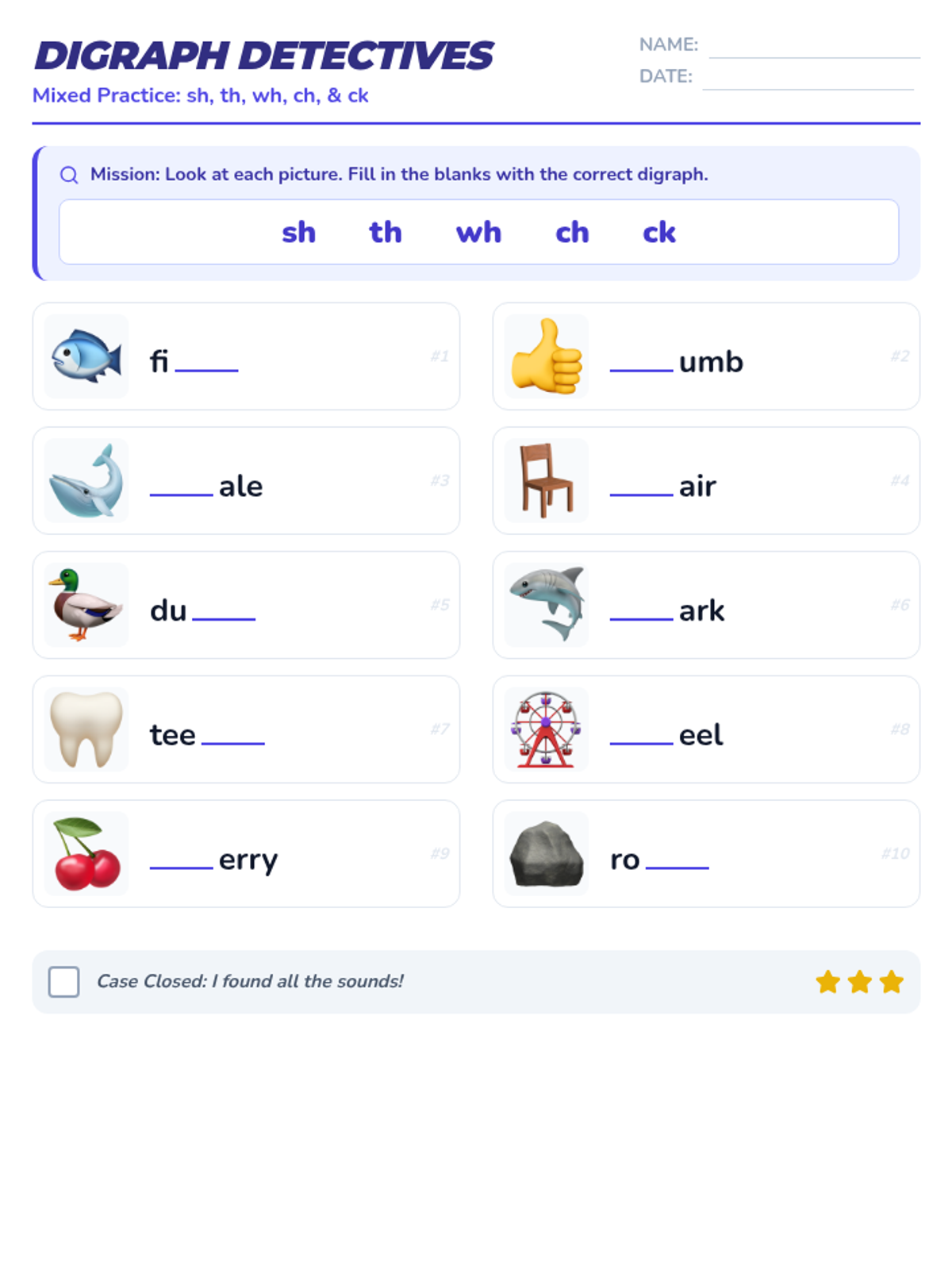
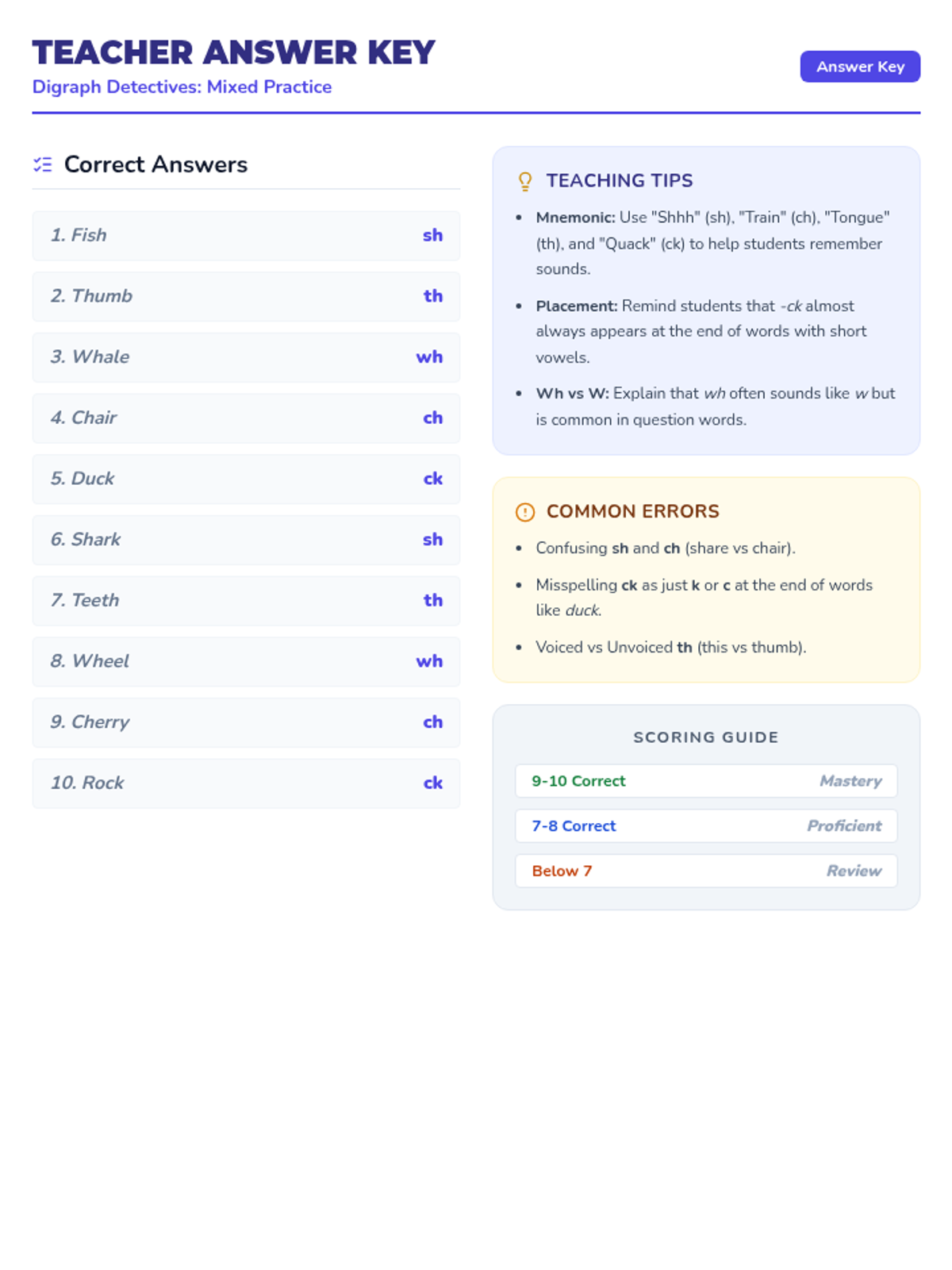
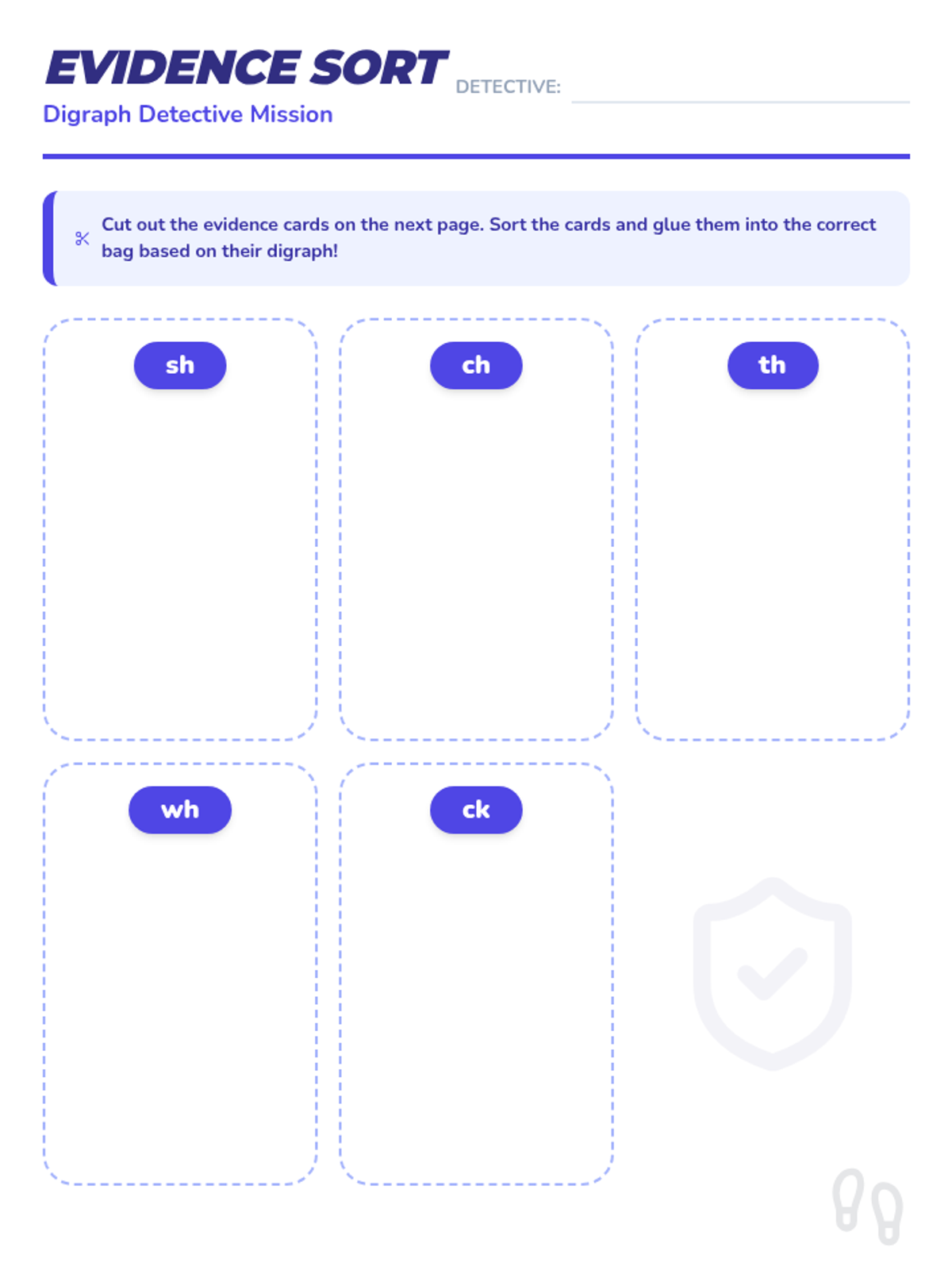
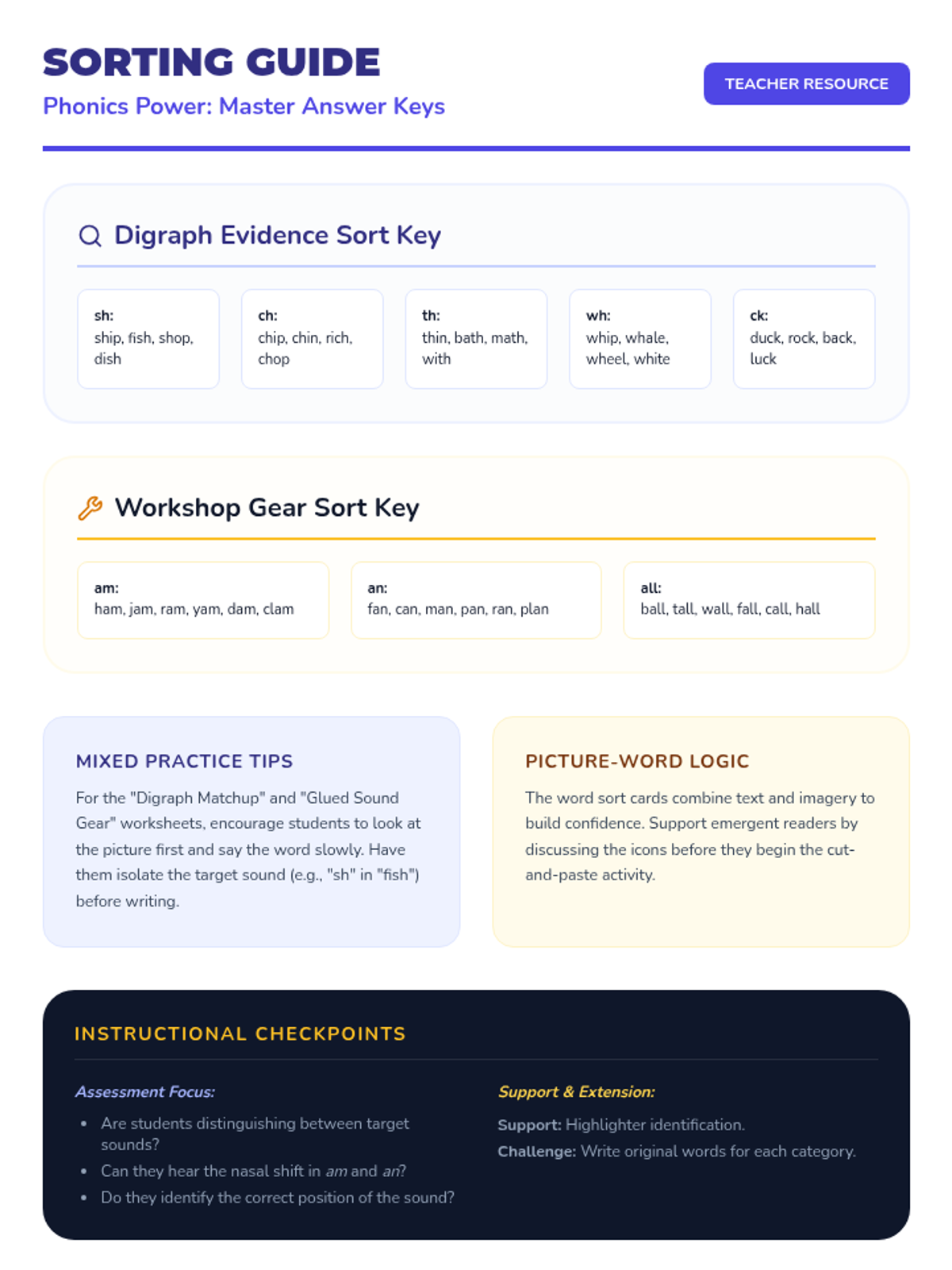
A foundational phonics lesson focusing on identifying and using the digraphs sh, th, wh, ch, and ck through visual association and word completion.
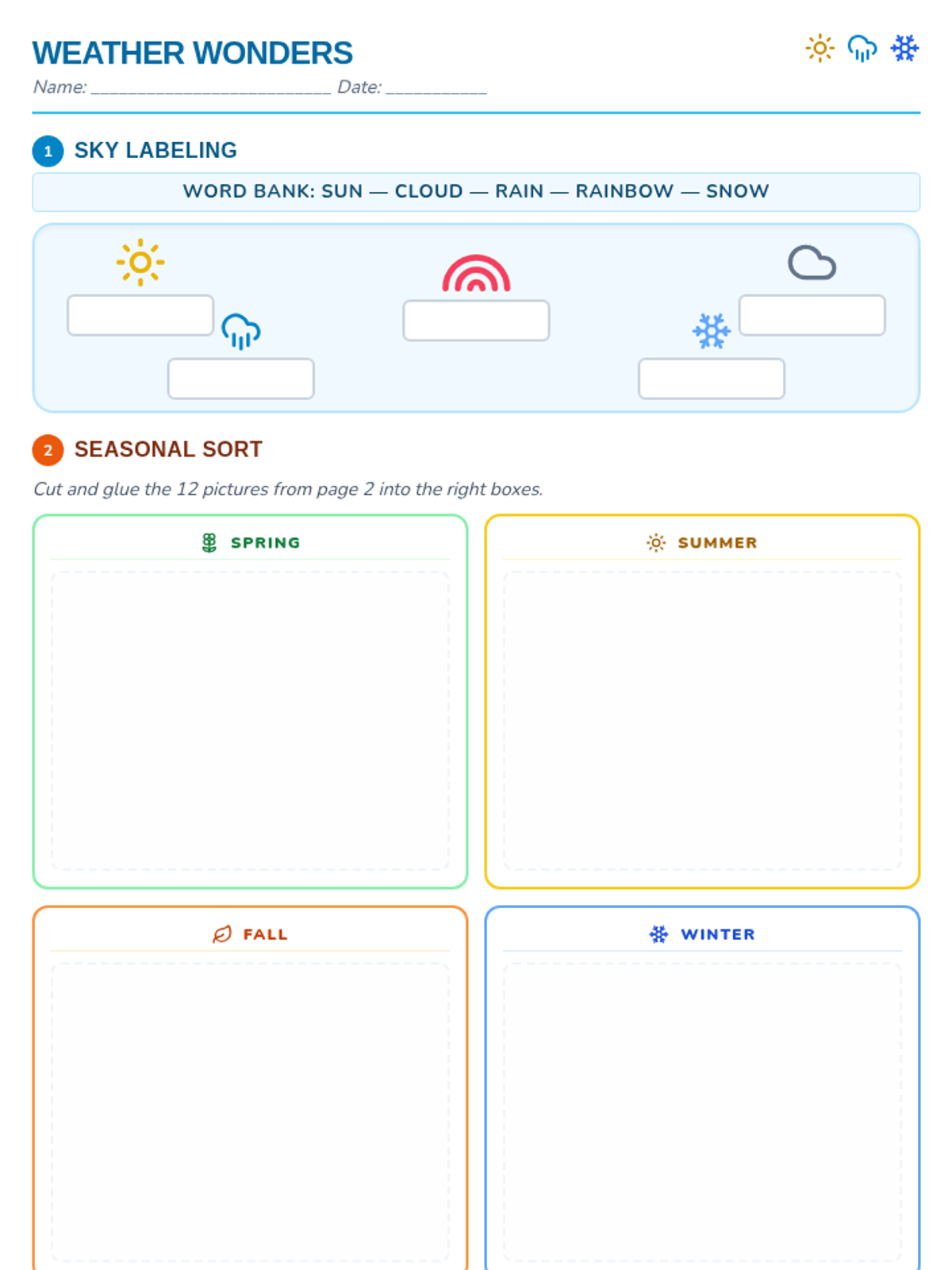
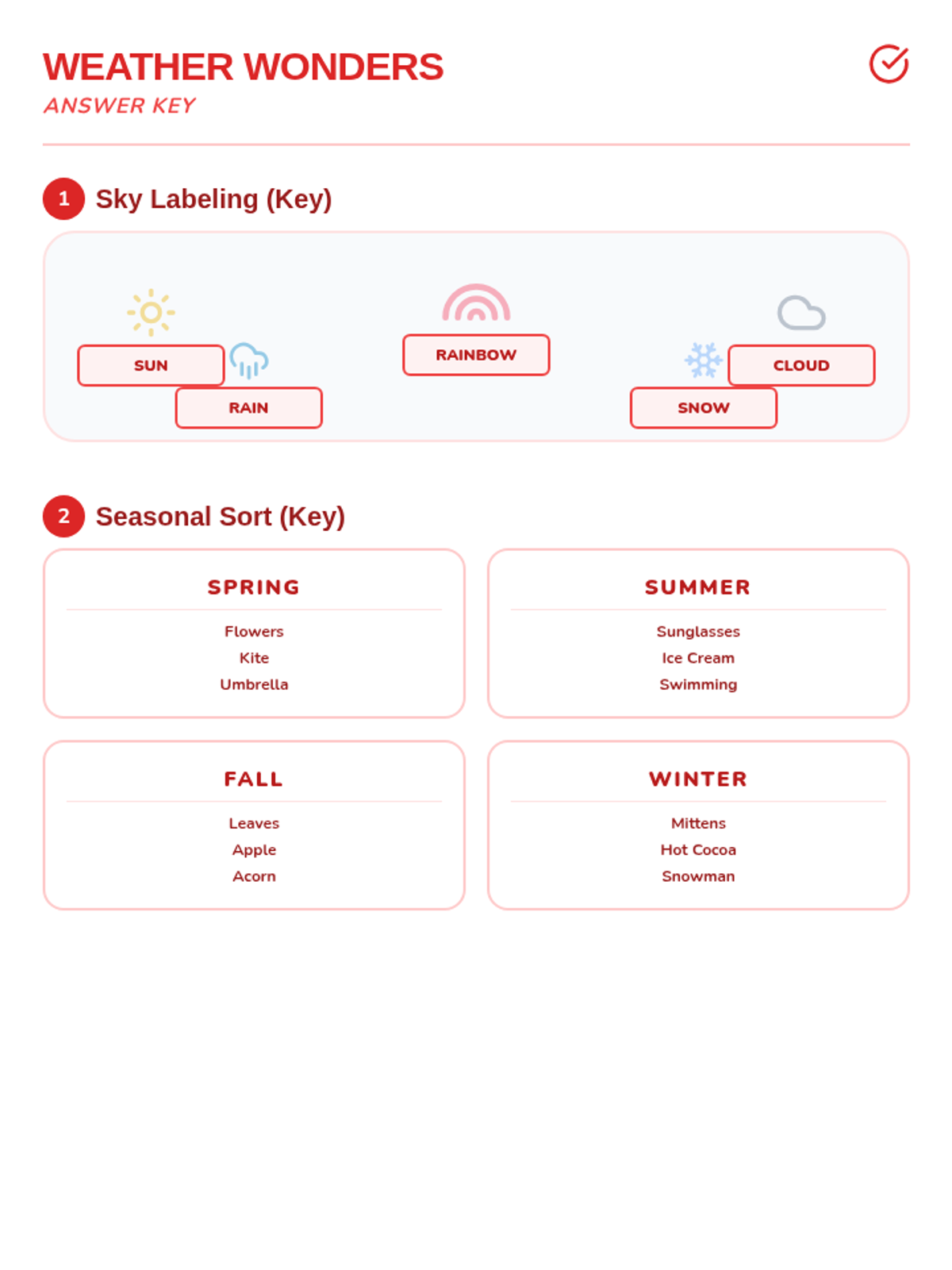
A foundational science lesson for 1st graders exploring the four seasons and different types of weather through visual observation and sorting.
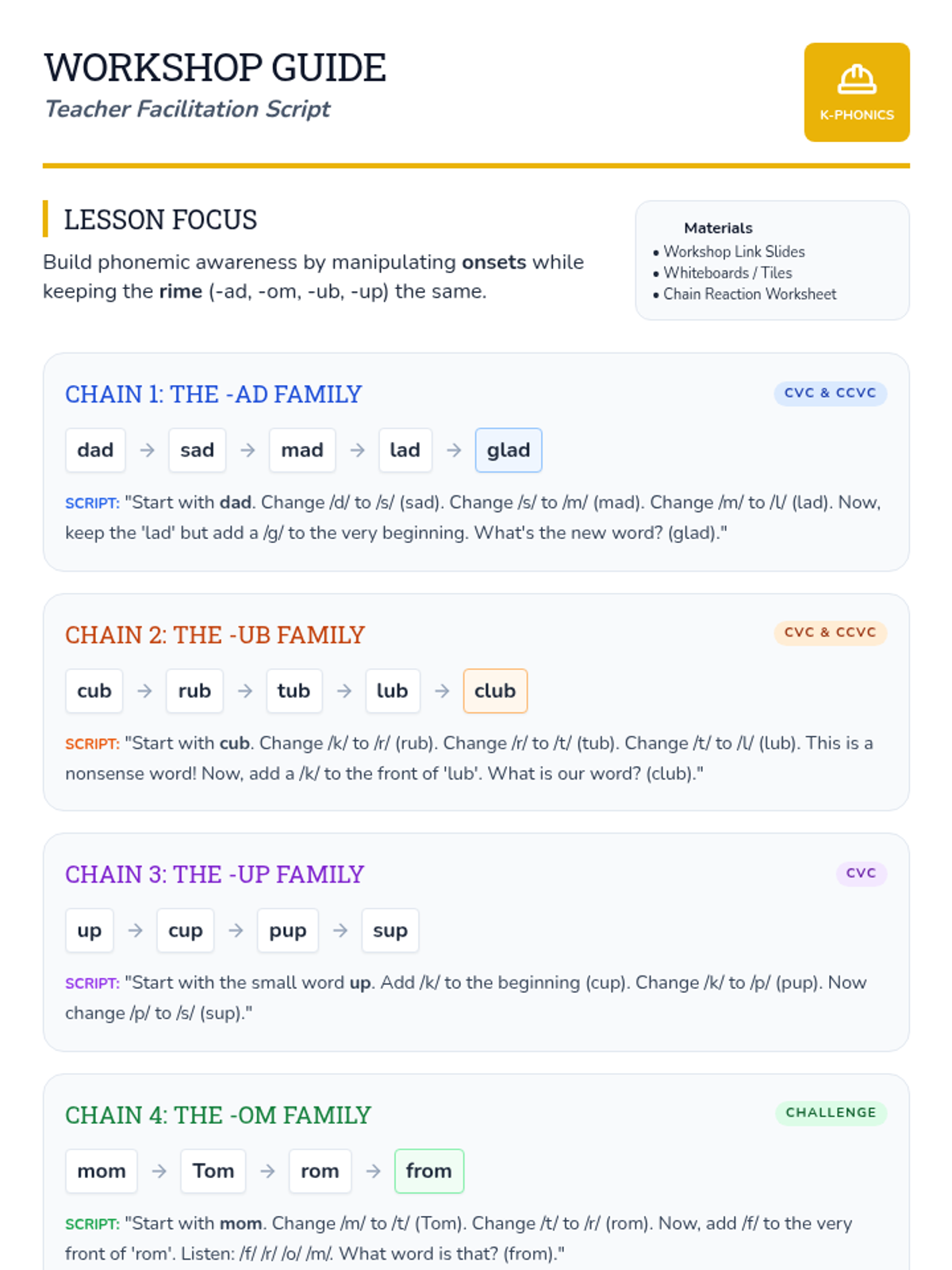
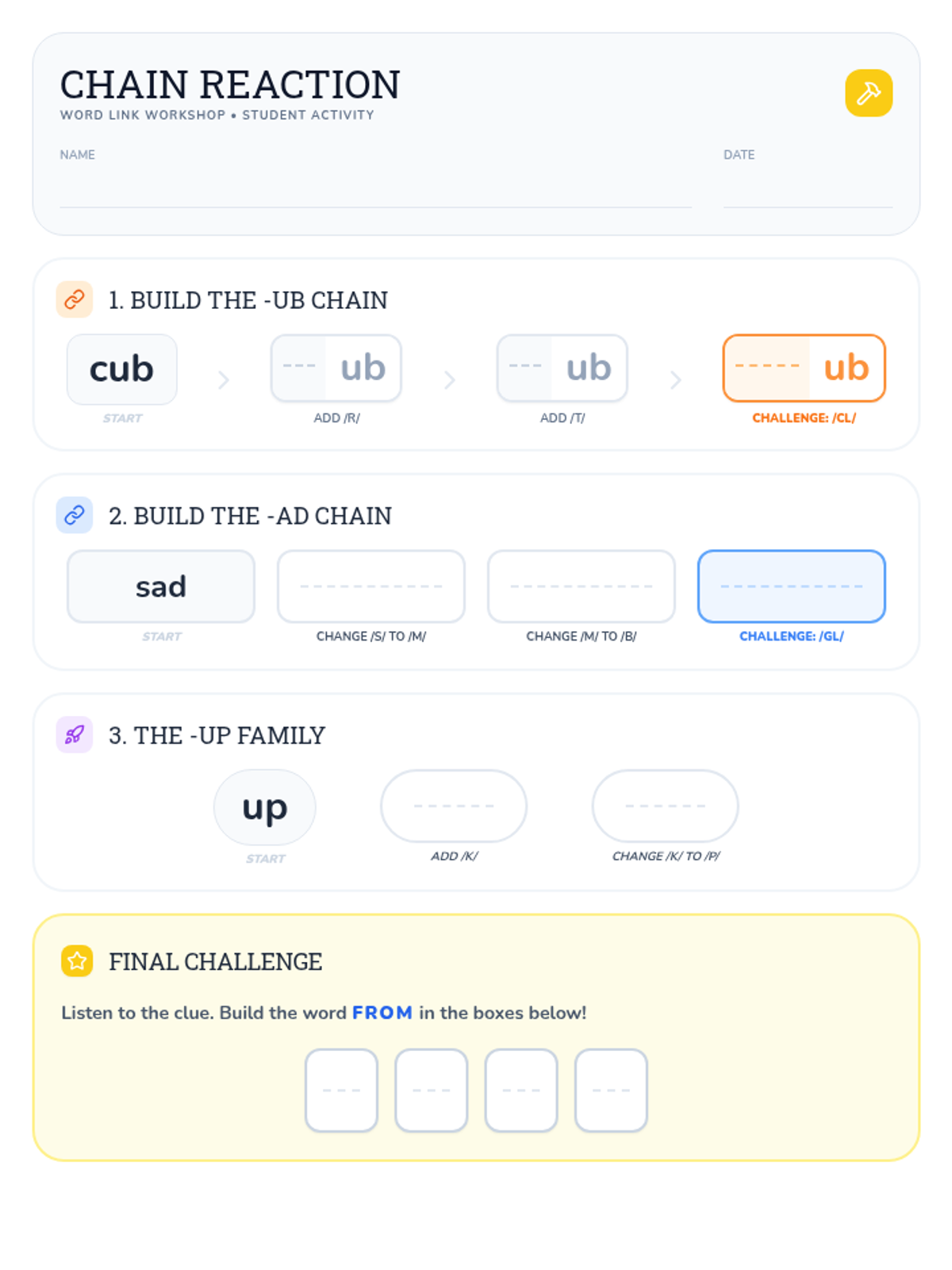
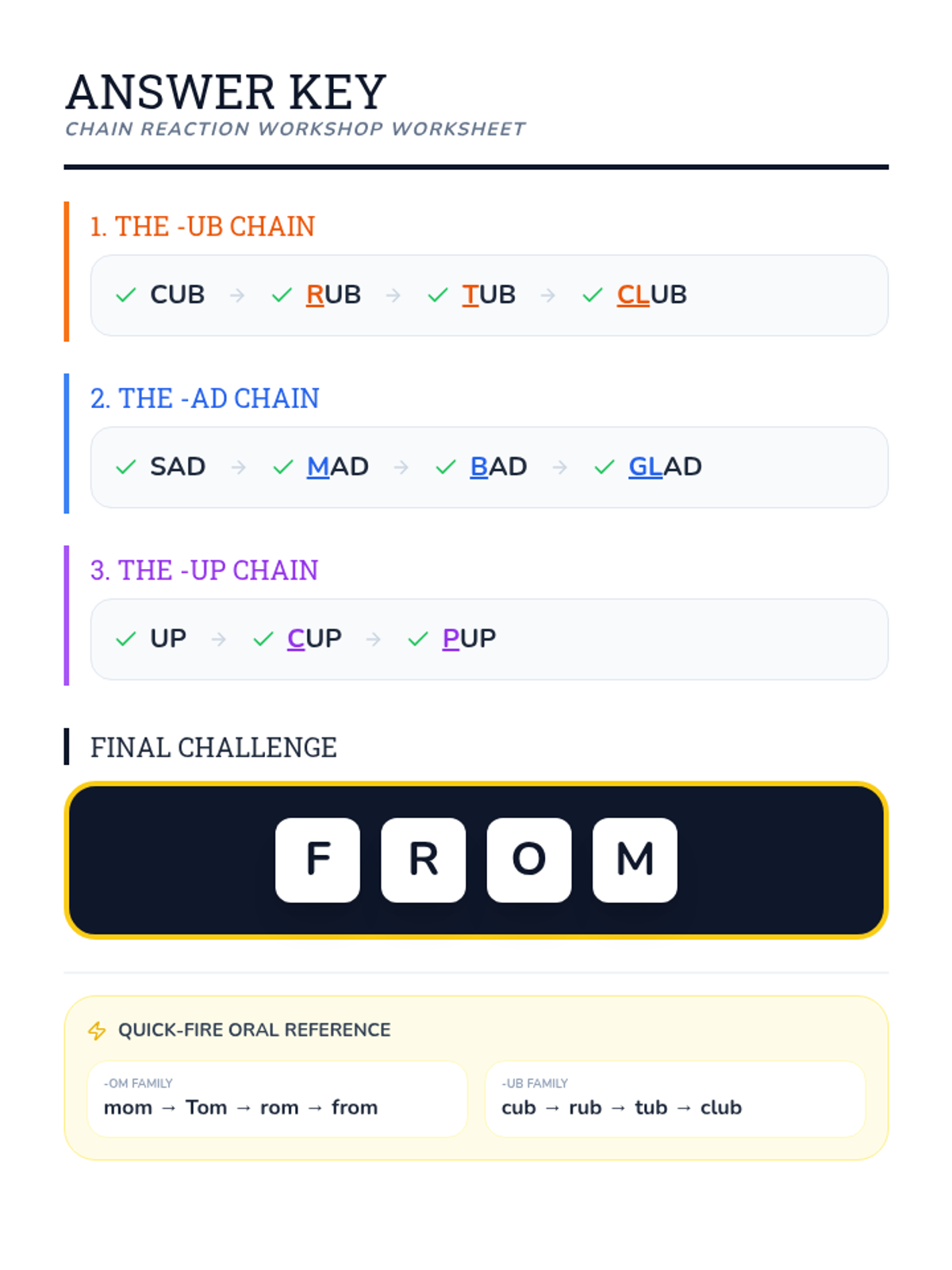
A foundational phonics lesson focused on building and changing words using specific rimes. Students will practice phonemic substitution to create word chains with CVC and CCVC patterns.
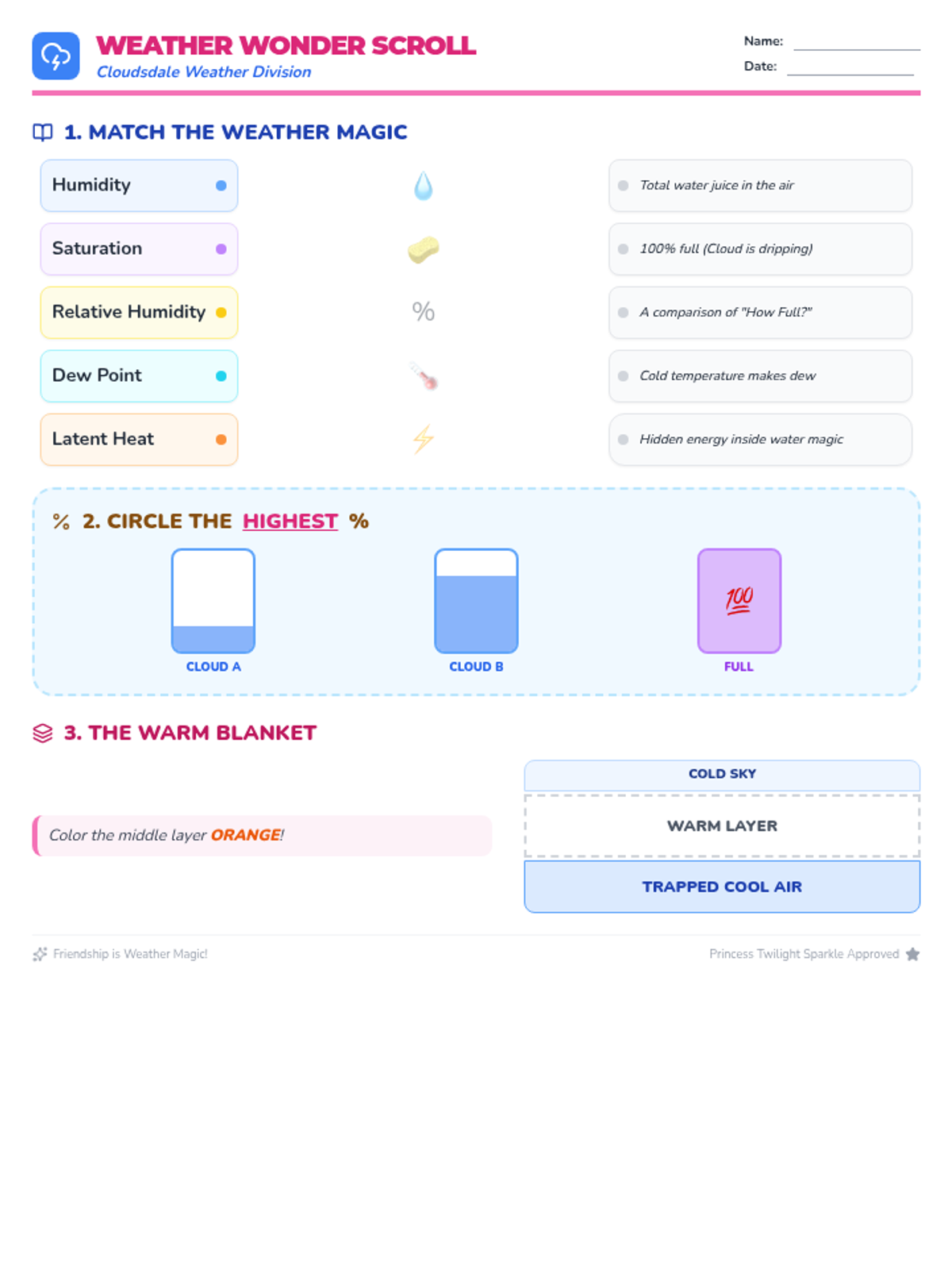
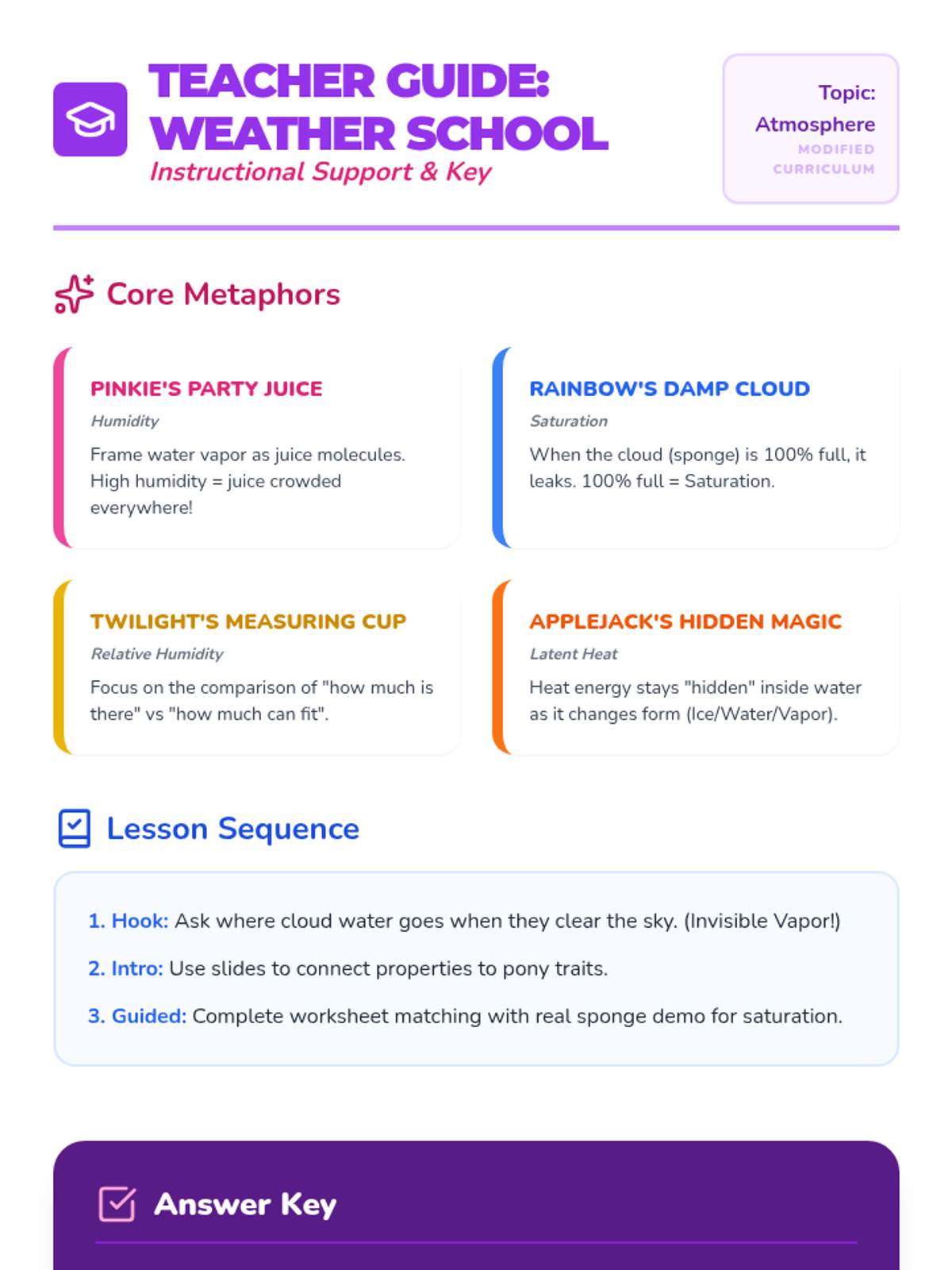
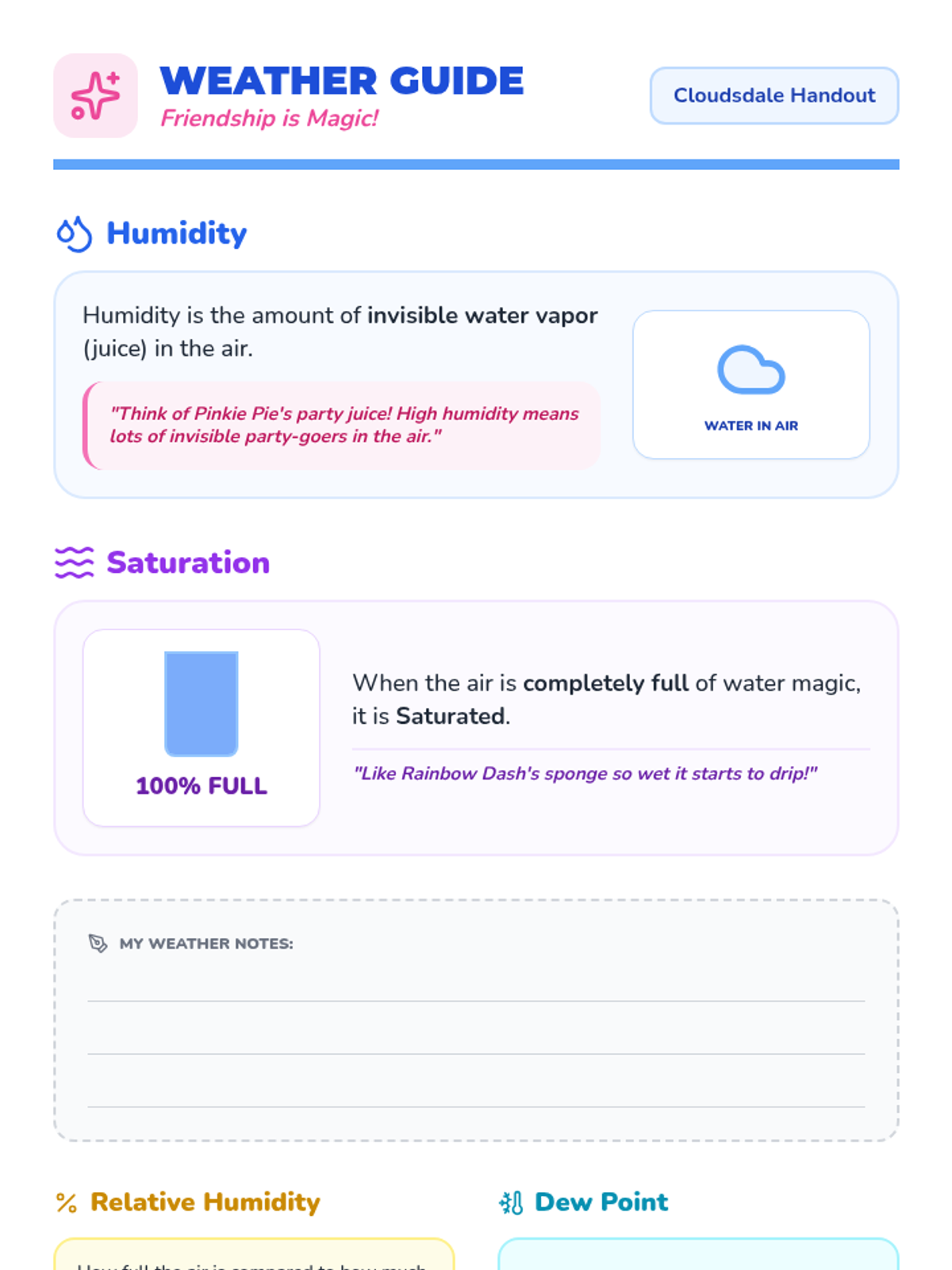
A lesson exploring the properties of the atmosphere using My Little Pony (G4) characters to explain complex weather concepts like humidity, dew point, and latent heat through visual metaphors.
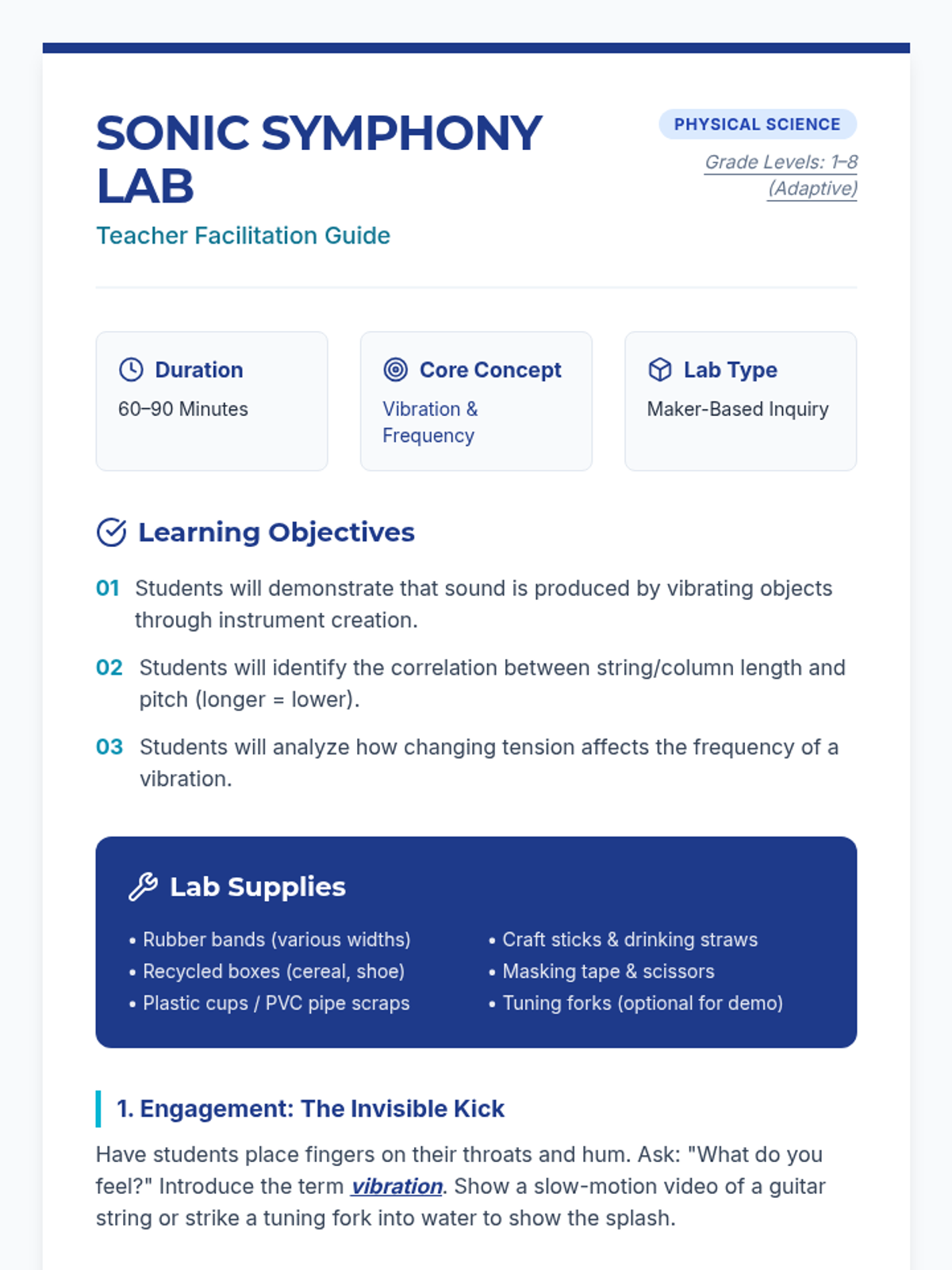
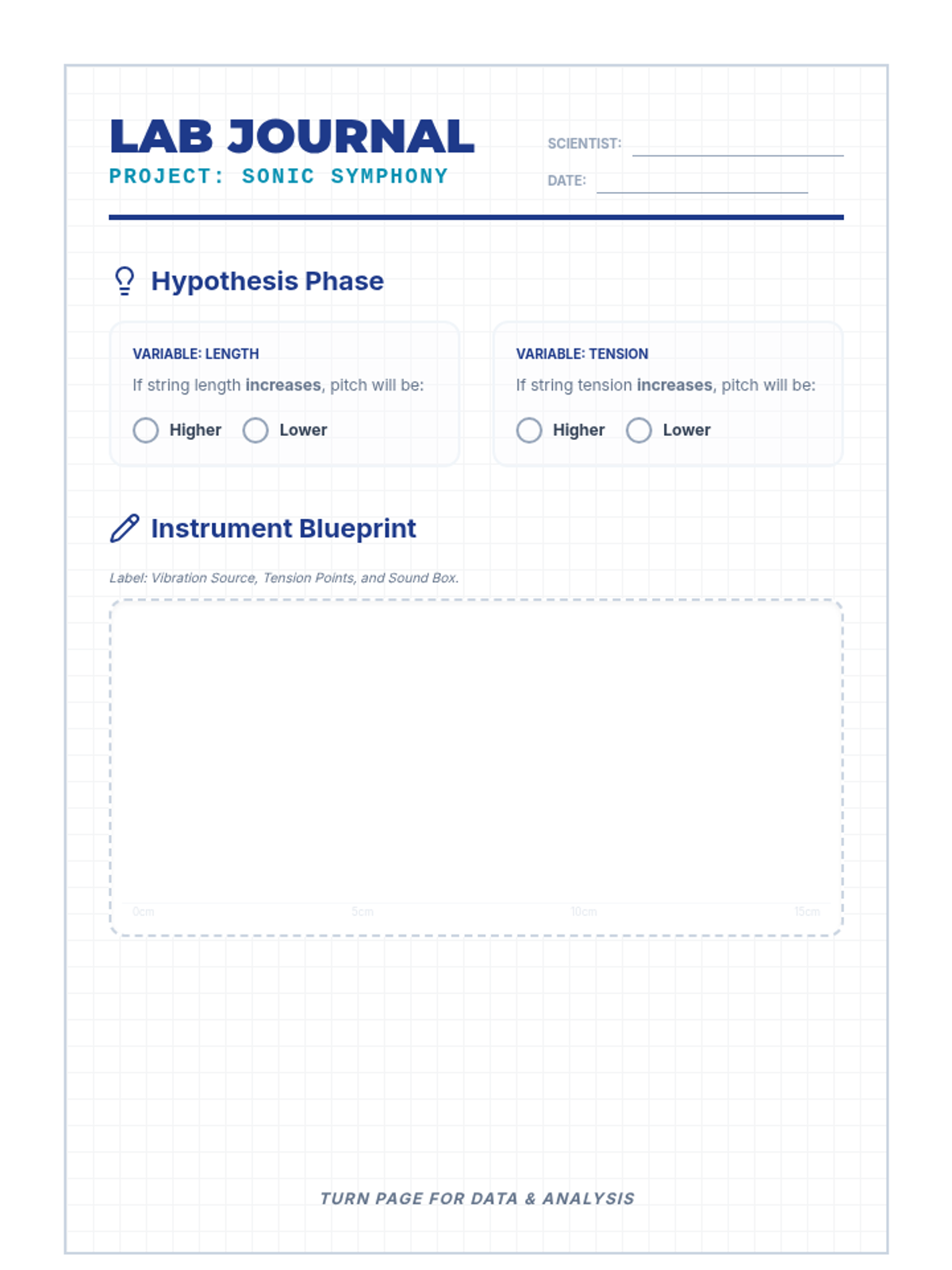
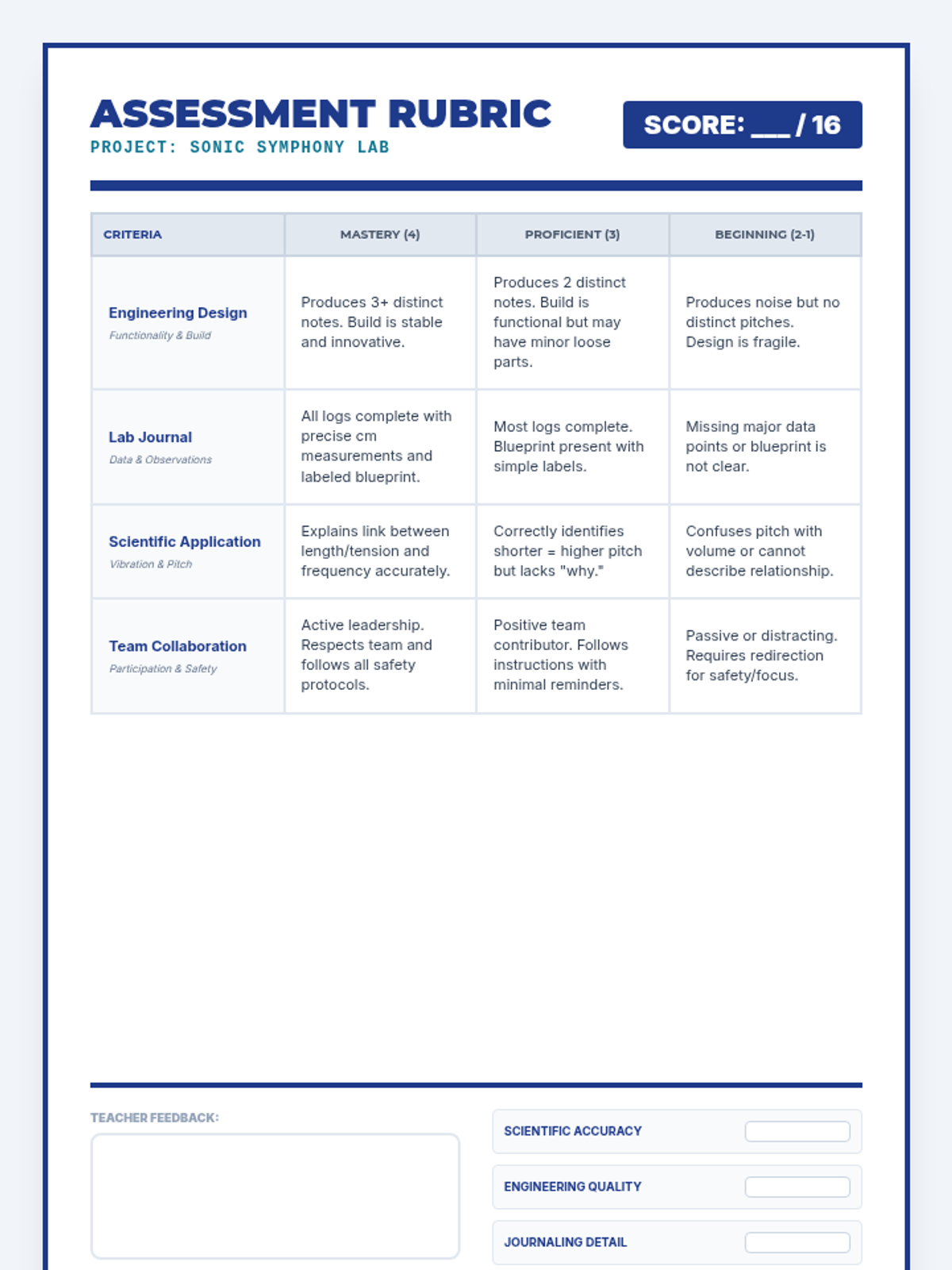
An immersive hands-on investigation into the physics of sound where students build DIY instruments to explore vibrations, pitch, and volume. This lesson bridges sensory exploration with acoustic engineering principles.
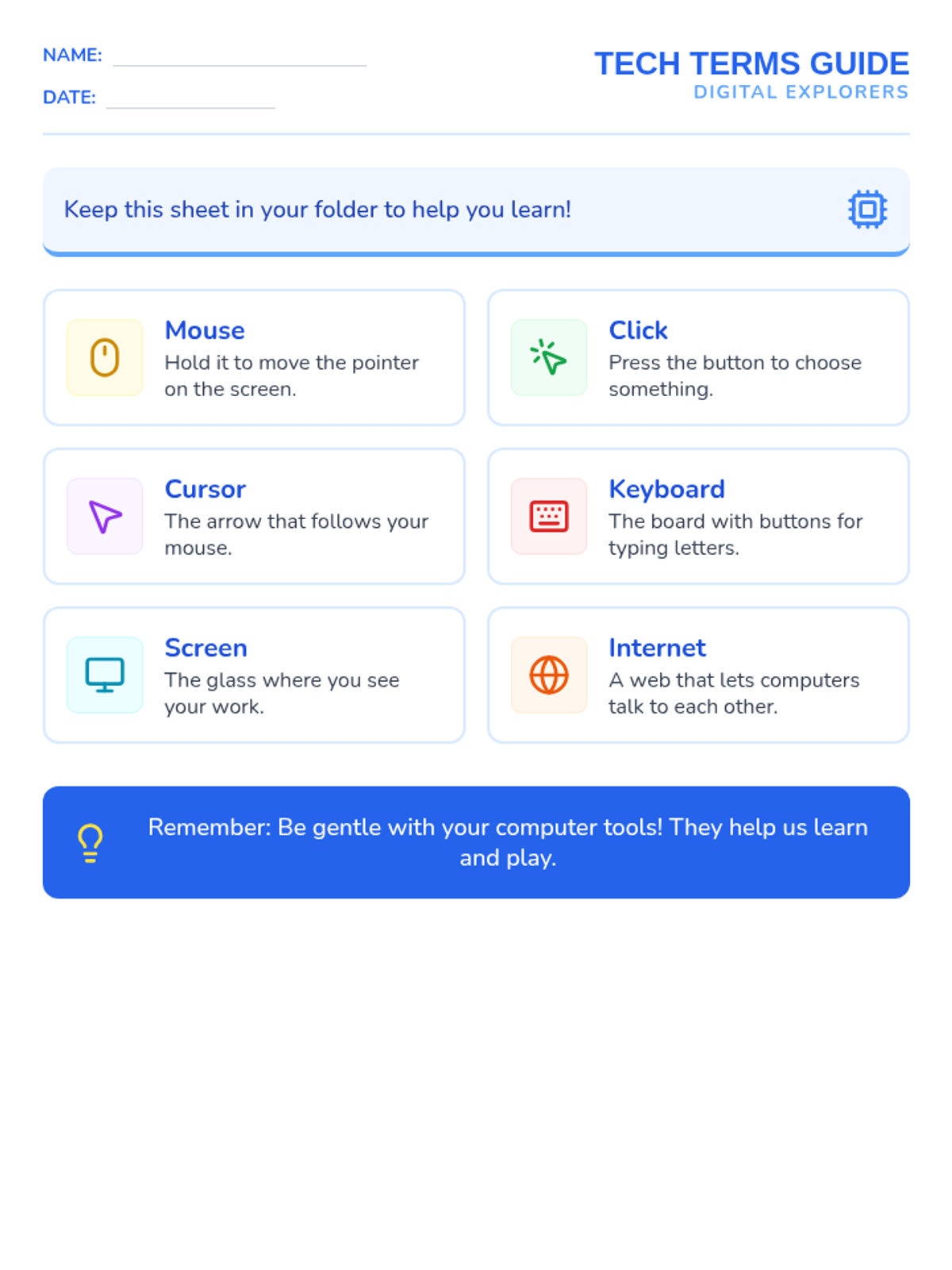
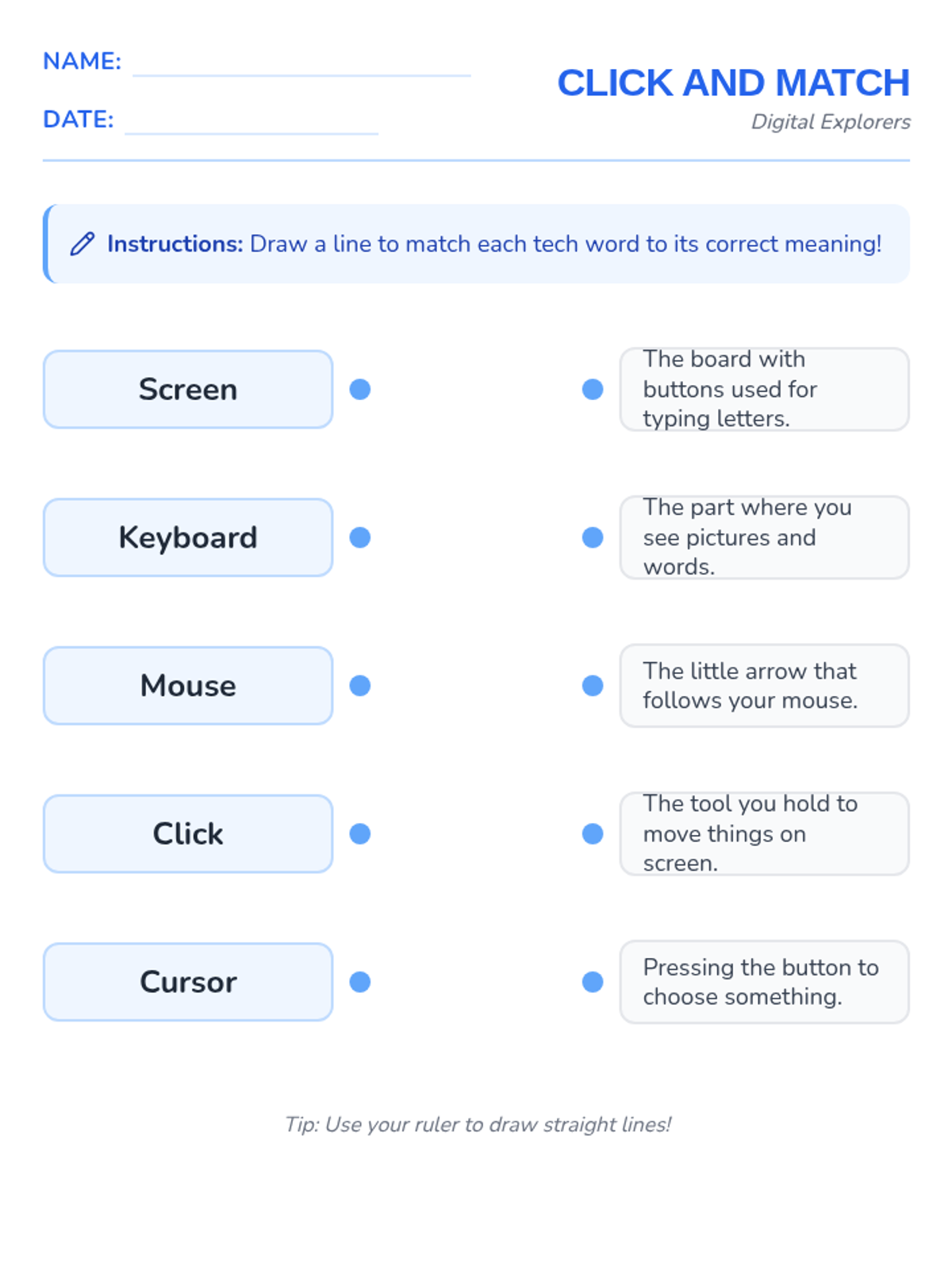
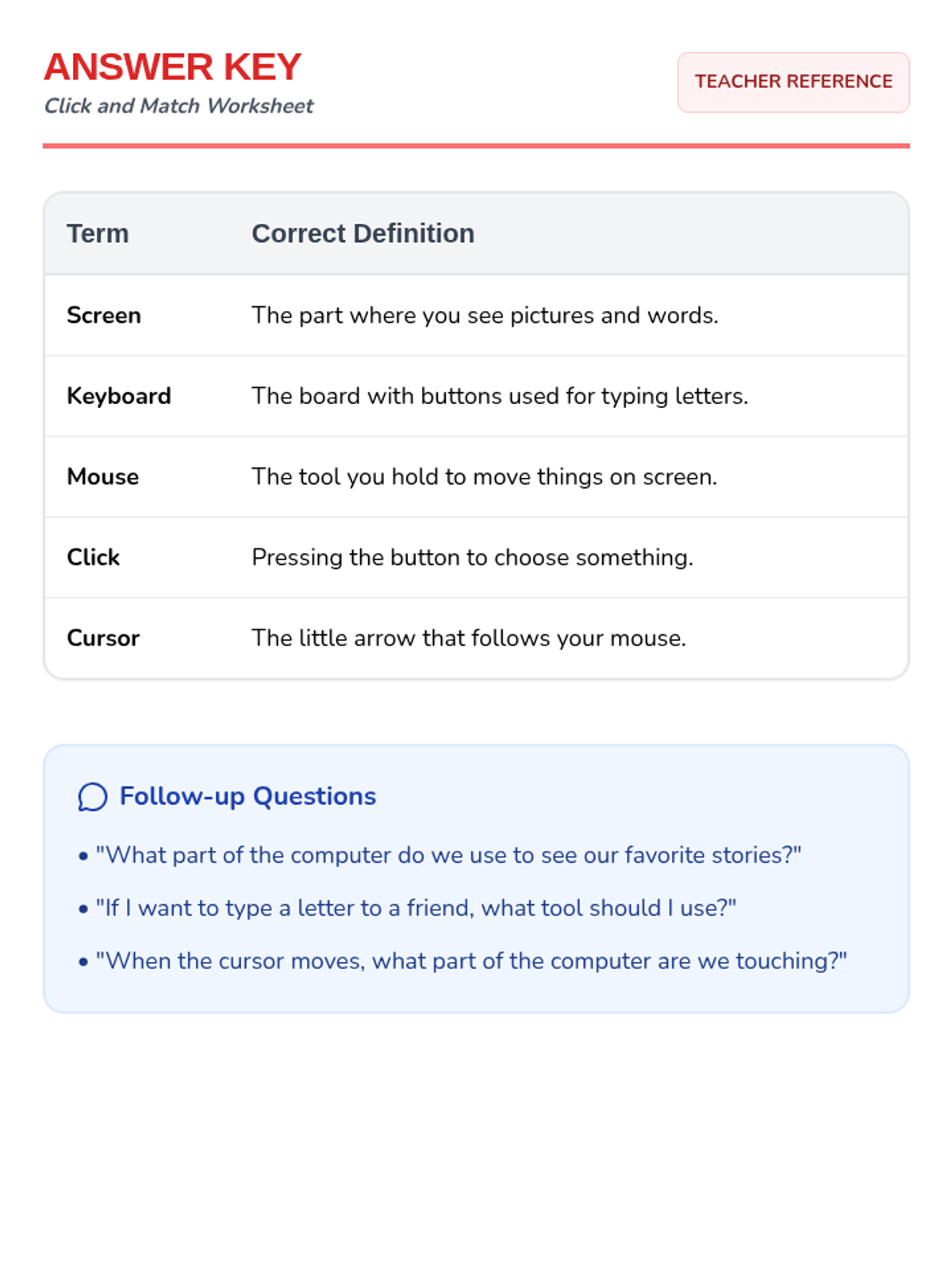
An introductory lesson for first graders to identify and understand basic computer parts and technology terms through visual aids and matching activities.
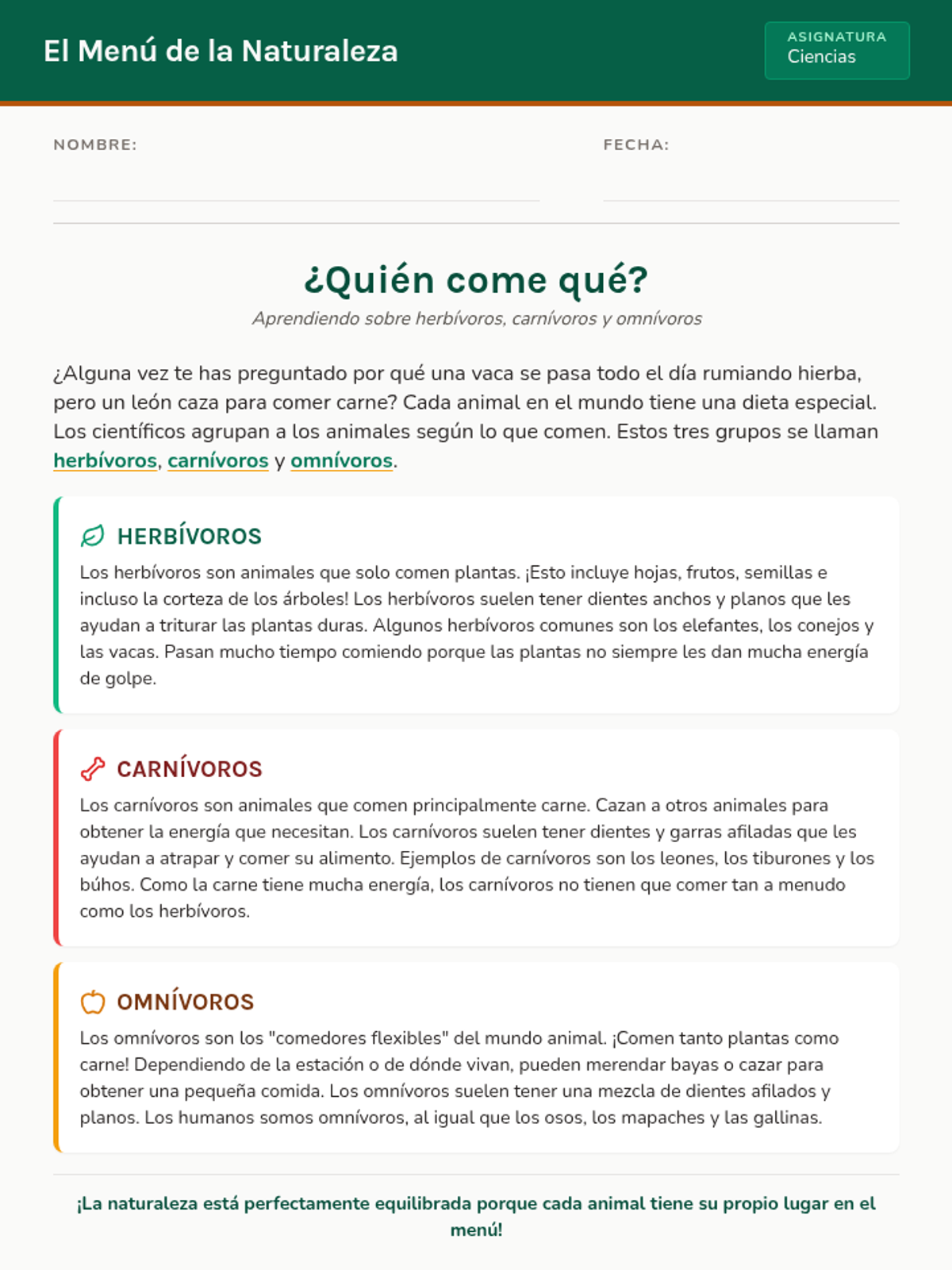
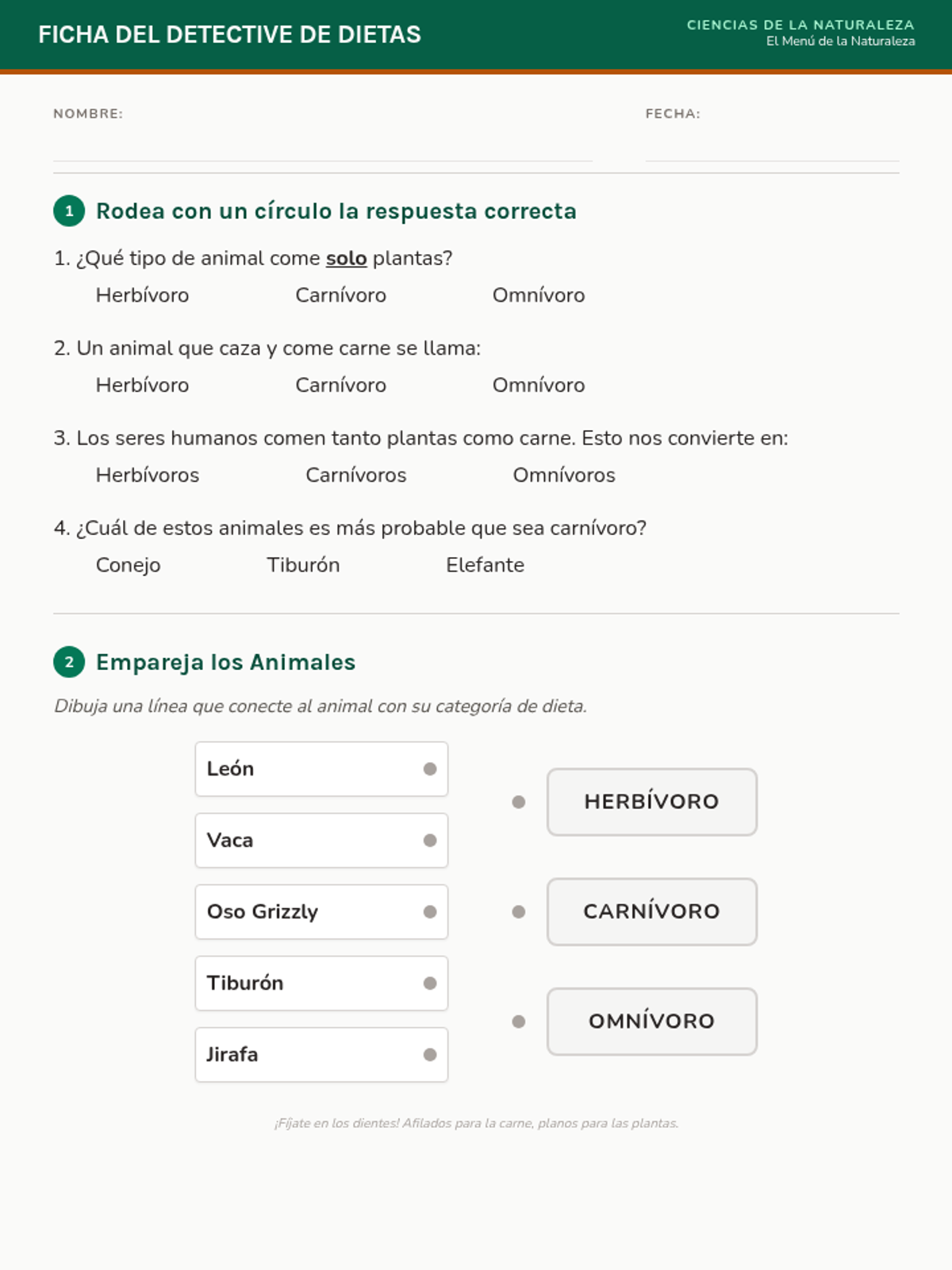
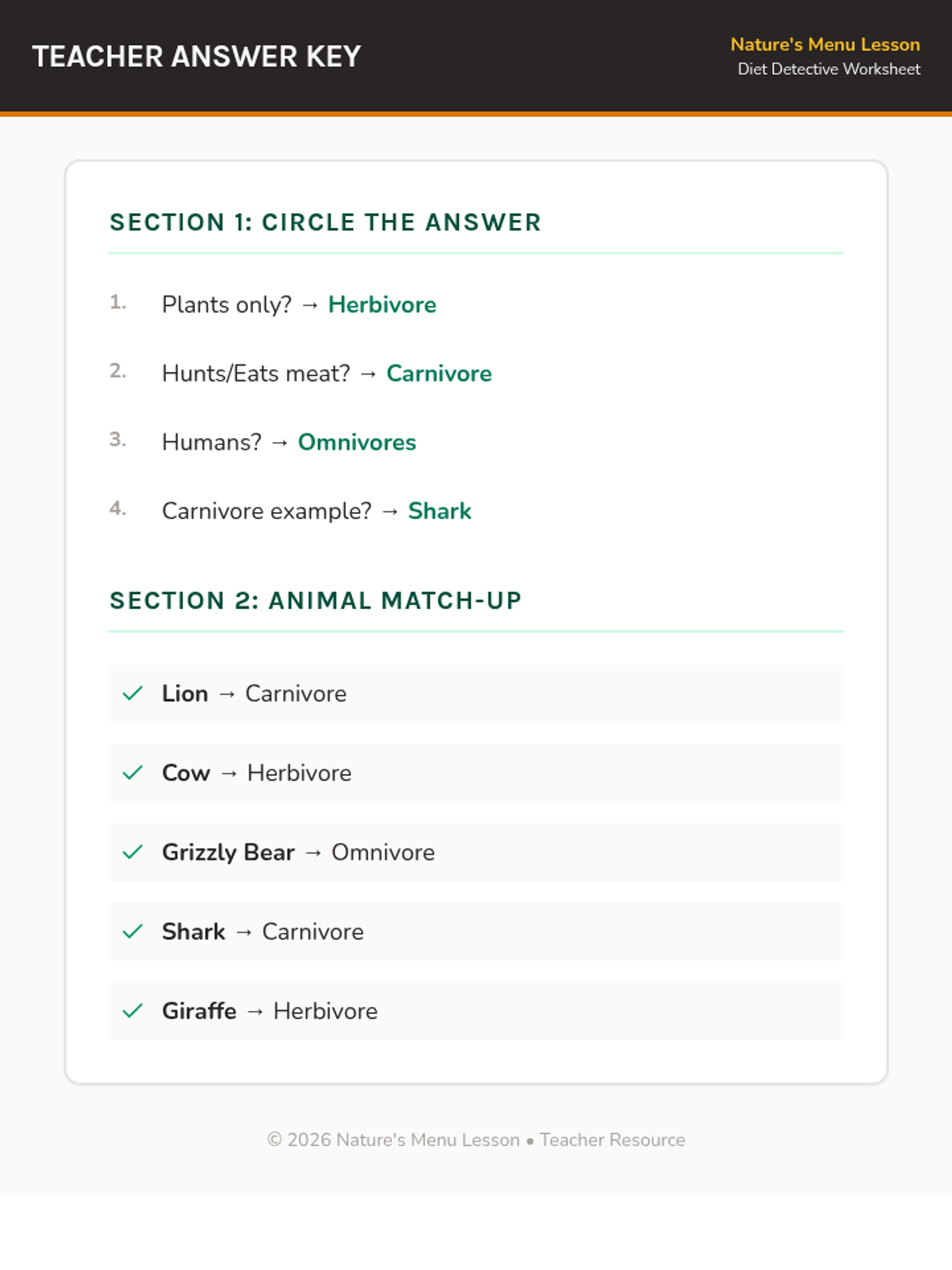
A lesson to help students identify and differentiate between herbivores, carnivores, and omnivores based on their diets and physical traits.
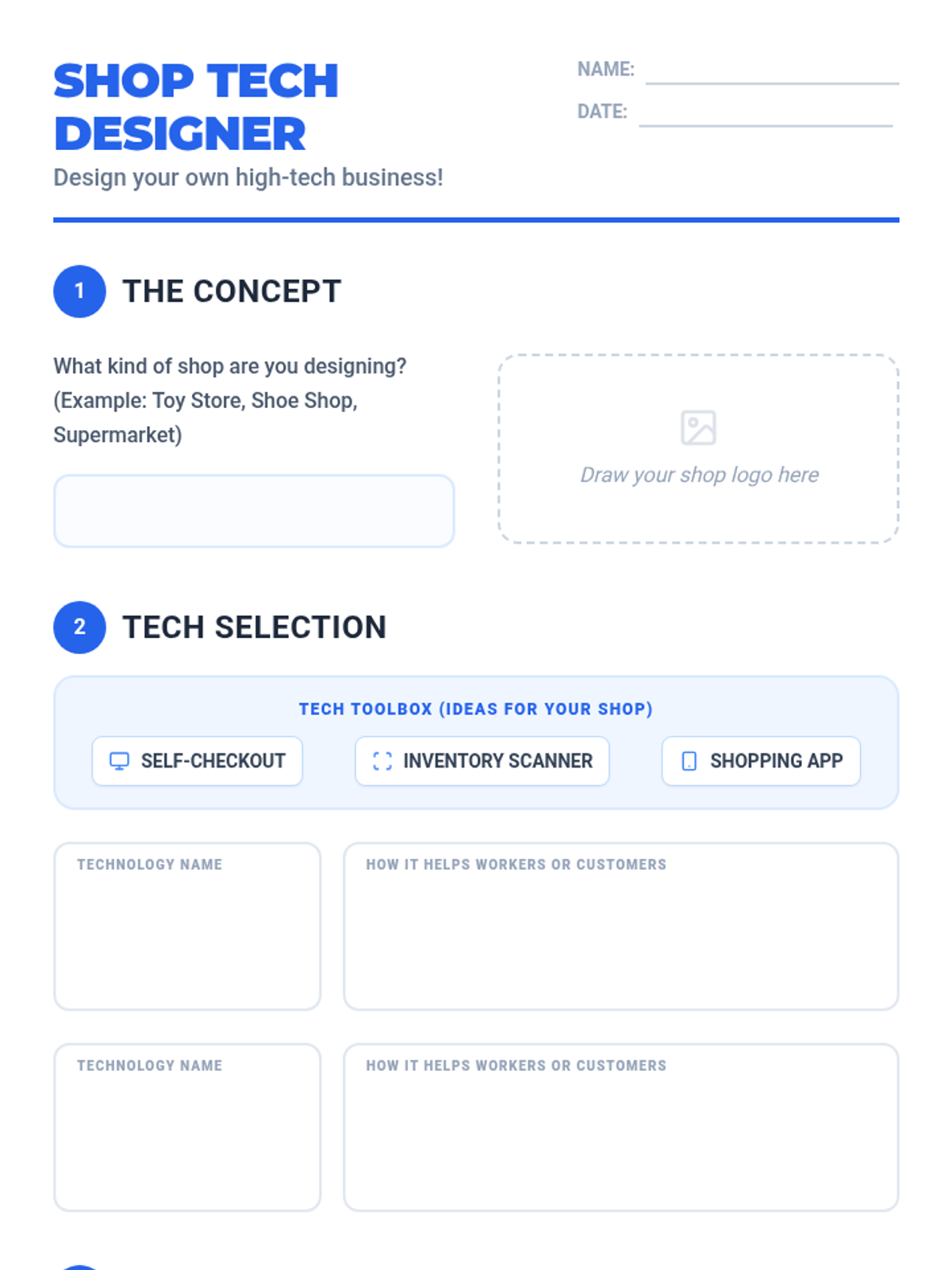
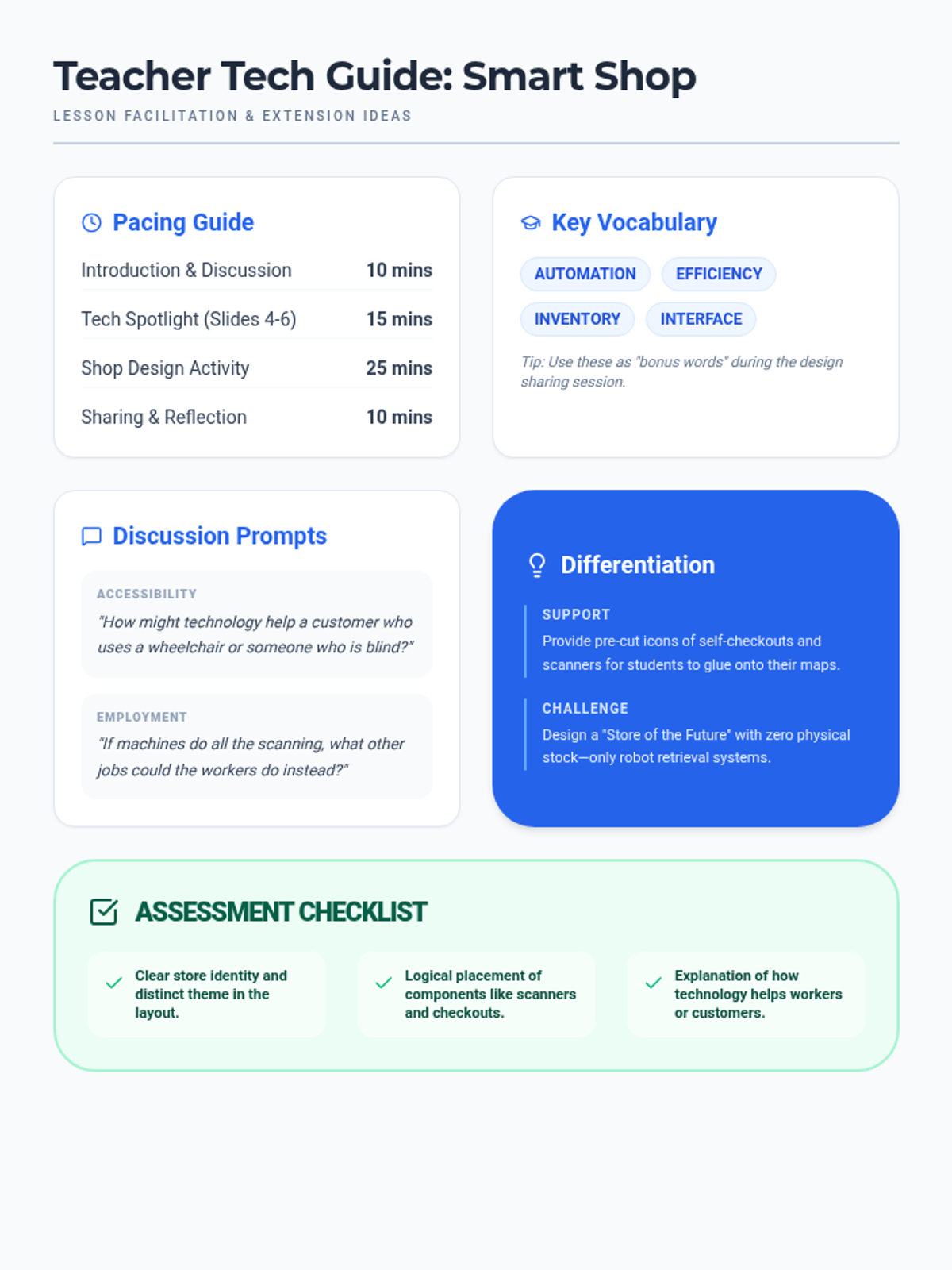
Students explore how technology like self-checkouts, scanners, and apps transform the shopping experience for both workers and customers. The lesson culminates in a creative project where students design their own tech-integrated shop.
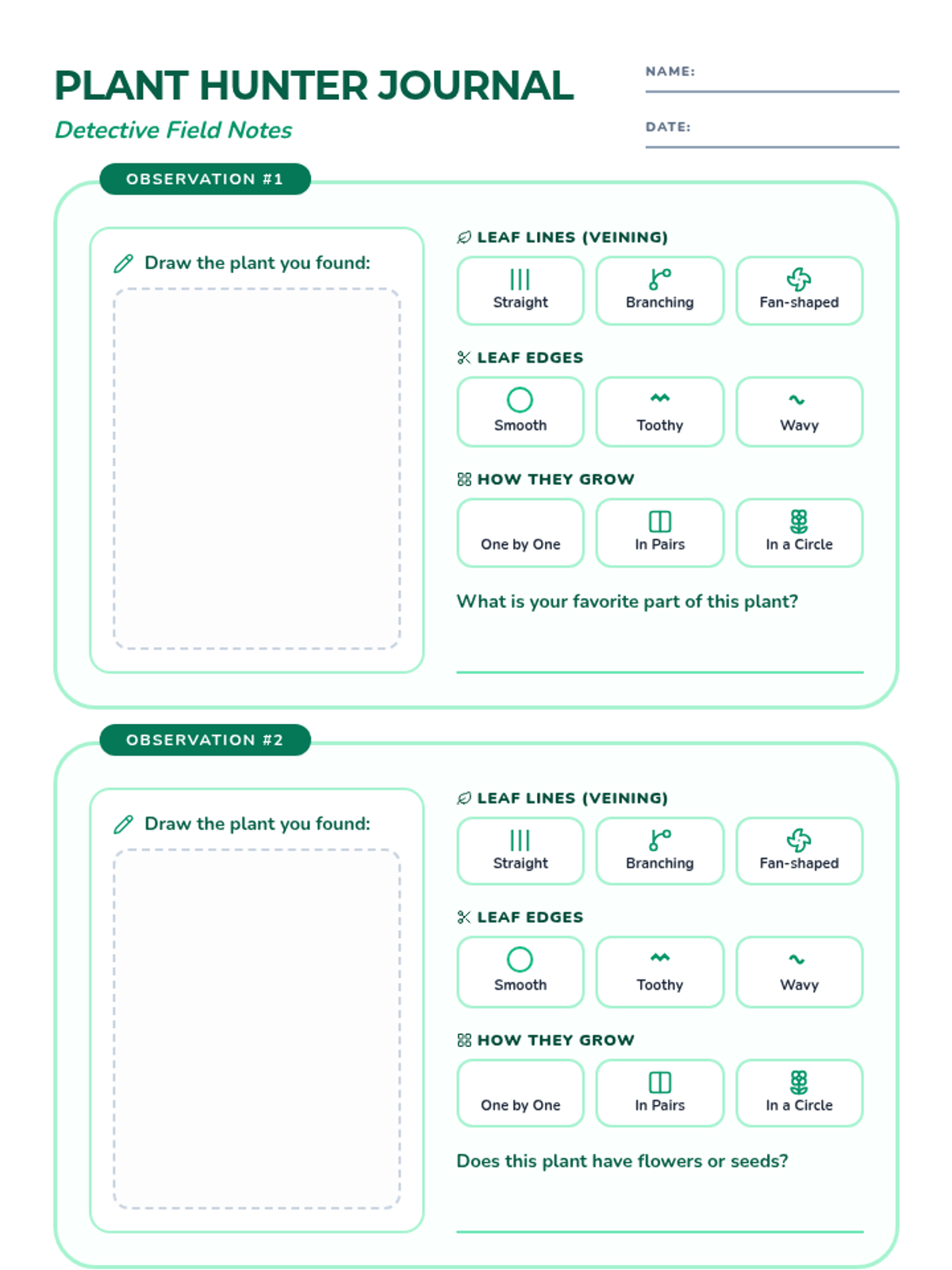
A hands-on exploration of plant characteristics where students observe and document leaf patterns, edges, and arrangements in their local environment.
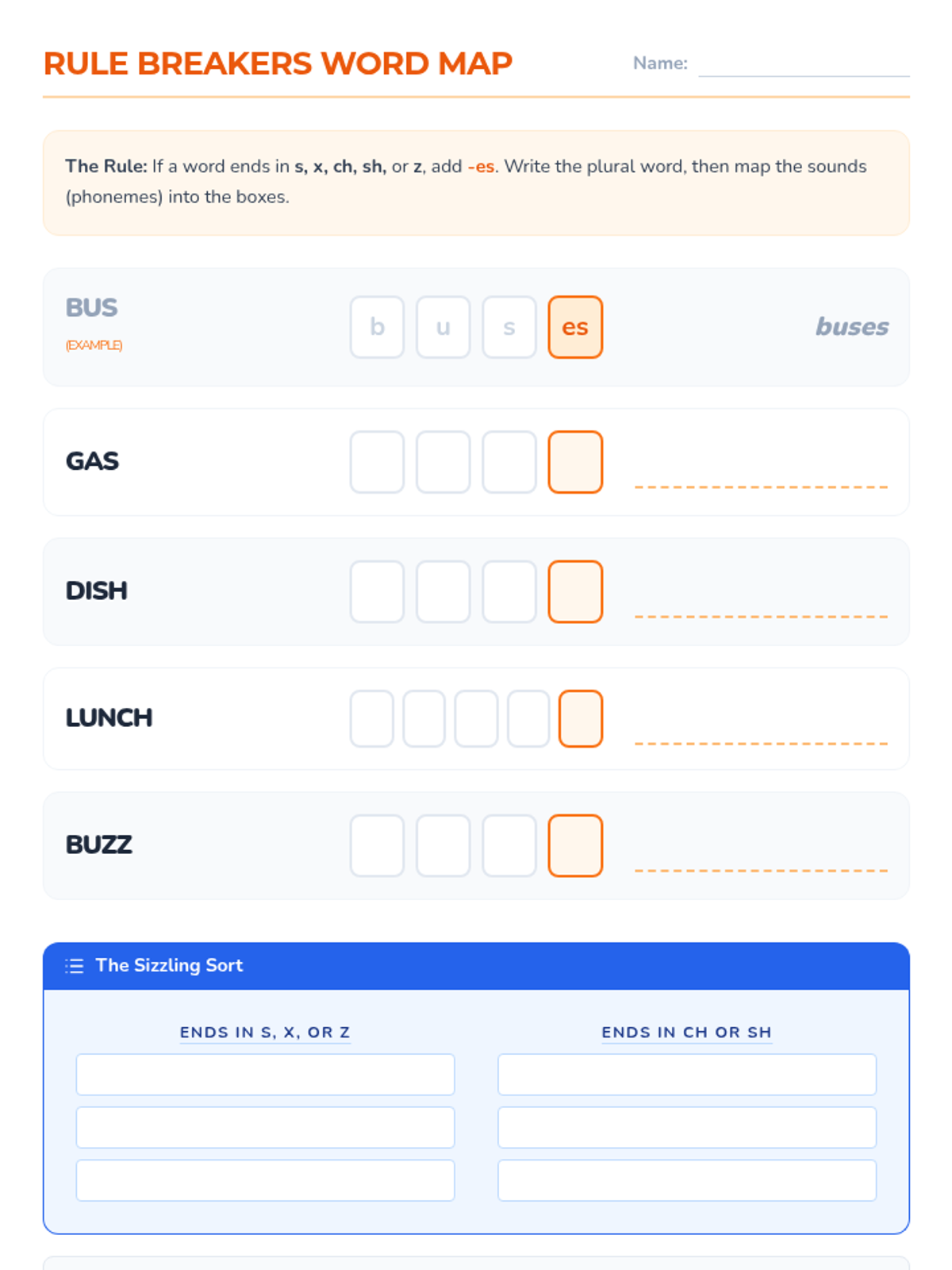
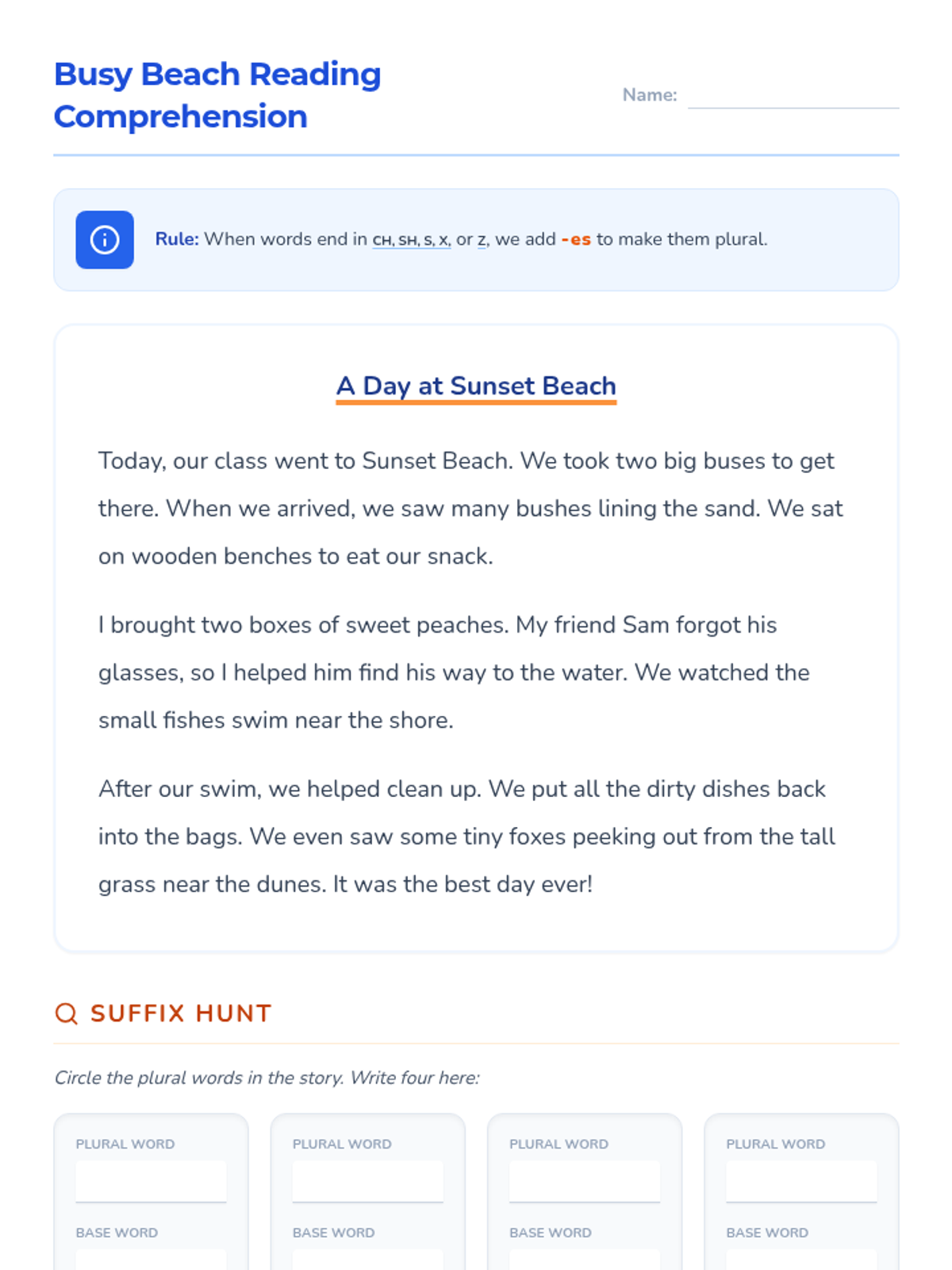
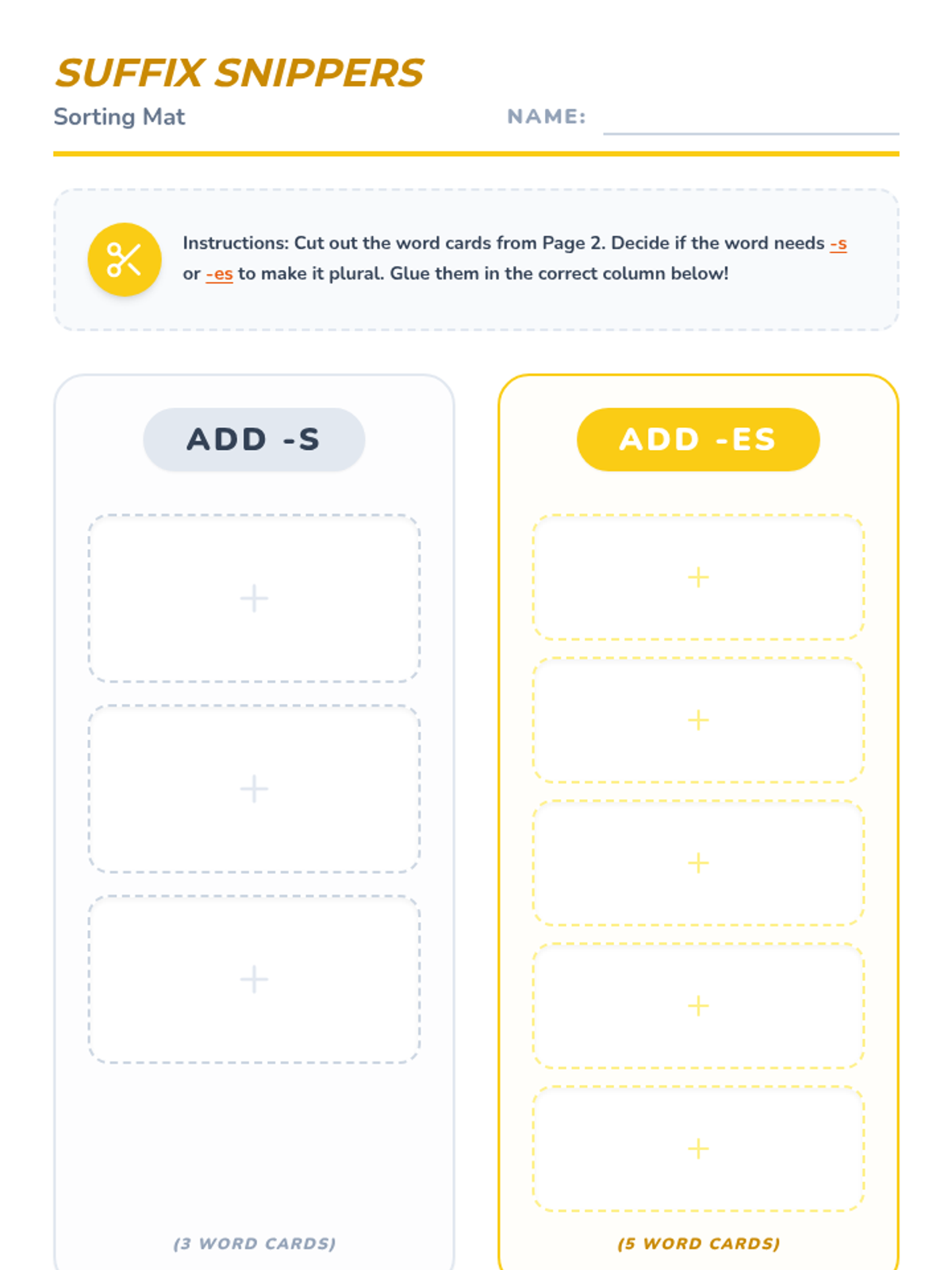
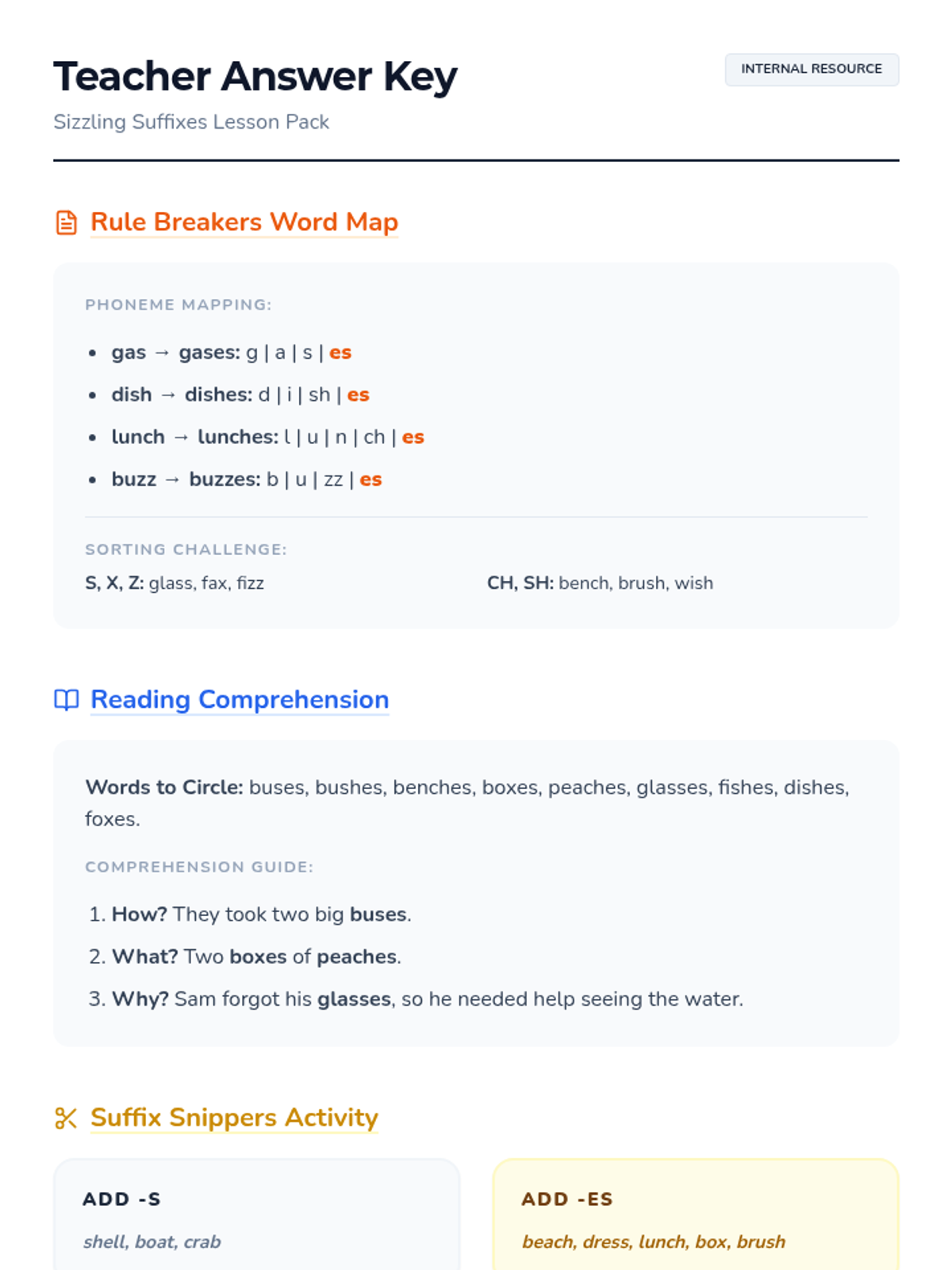
A comprehensive lesson on plurals ending in -es, covering base words ending in s, x, ch, sh, and z through multi-sensory activities.
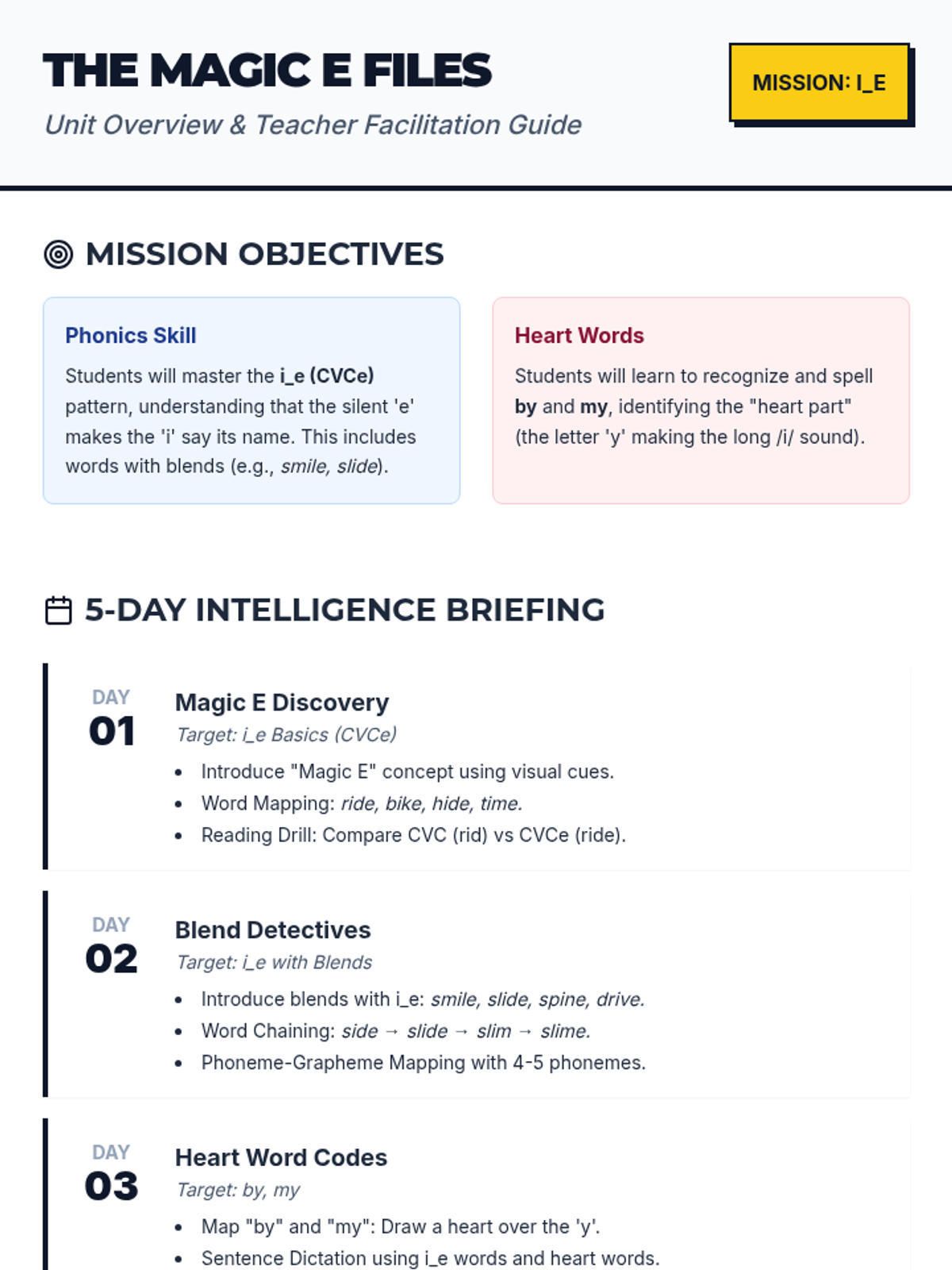
Unit overview and teacher facilitation guide for 'The Magic E Files'.
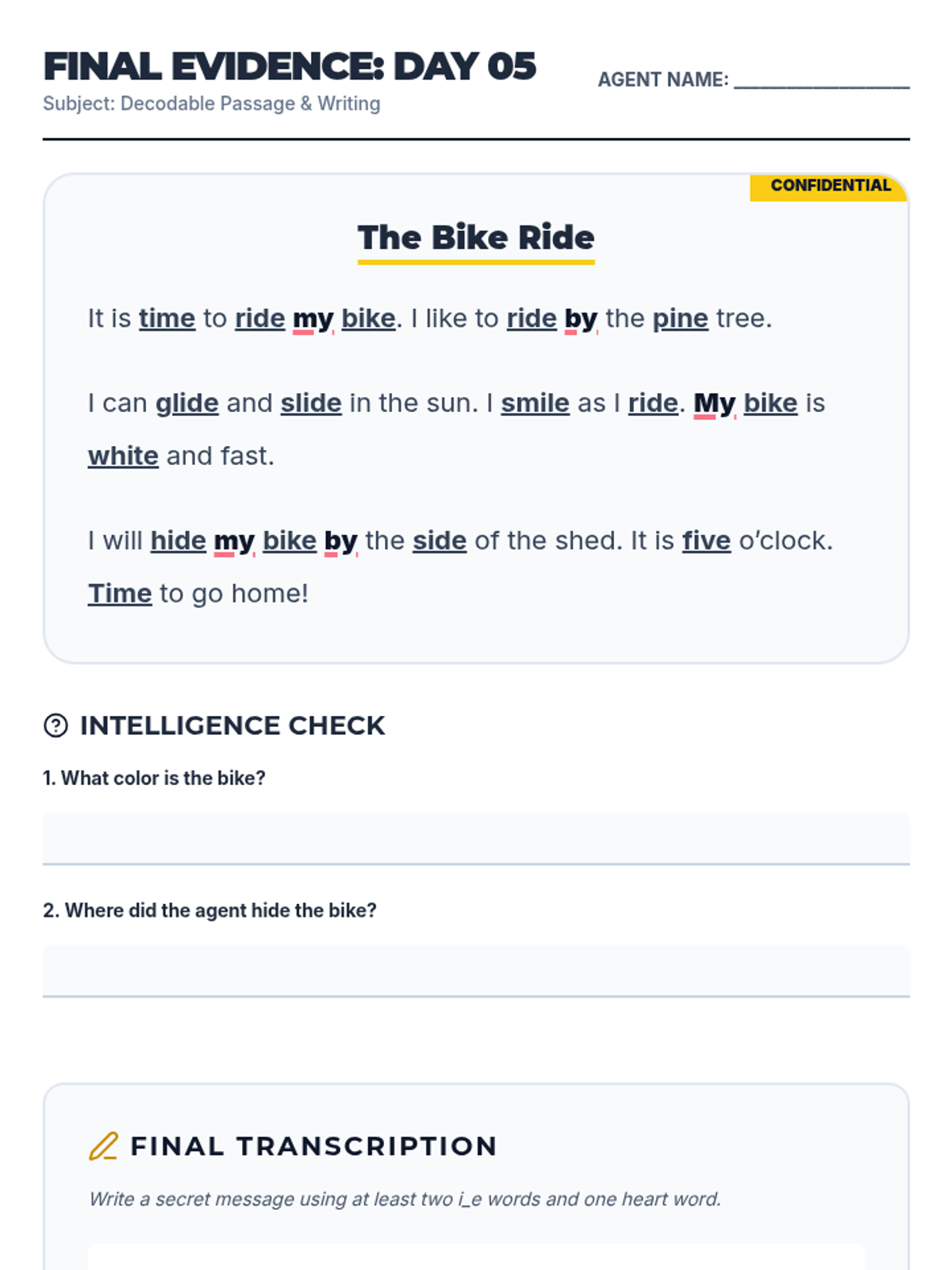
Read a decodable passage featuring i_e words and heart words, followed by a writing application.
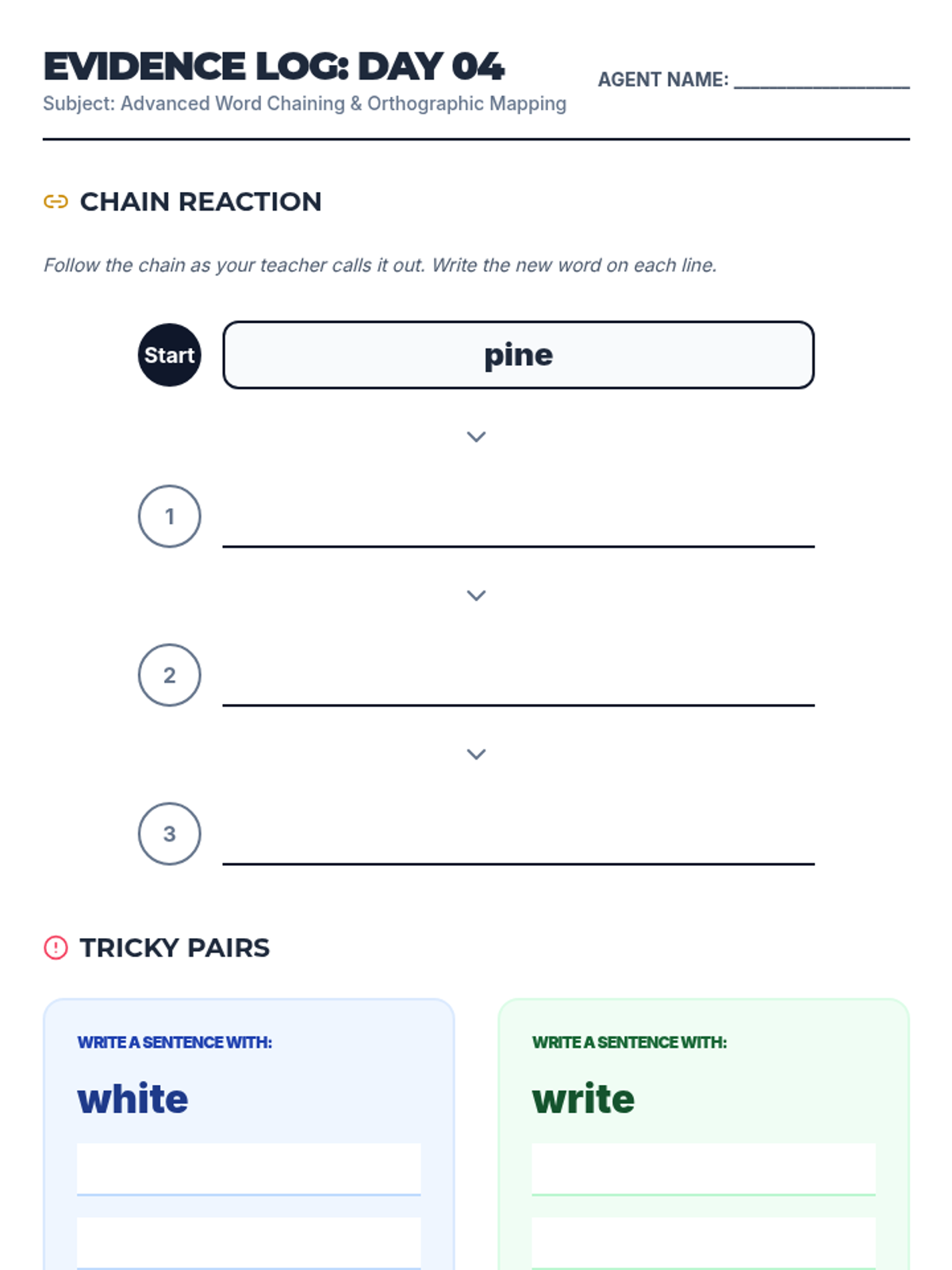
Practice complex word chains and orthographic mapping of i_e words to build automaticity.
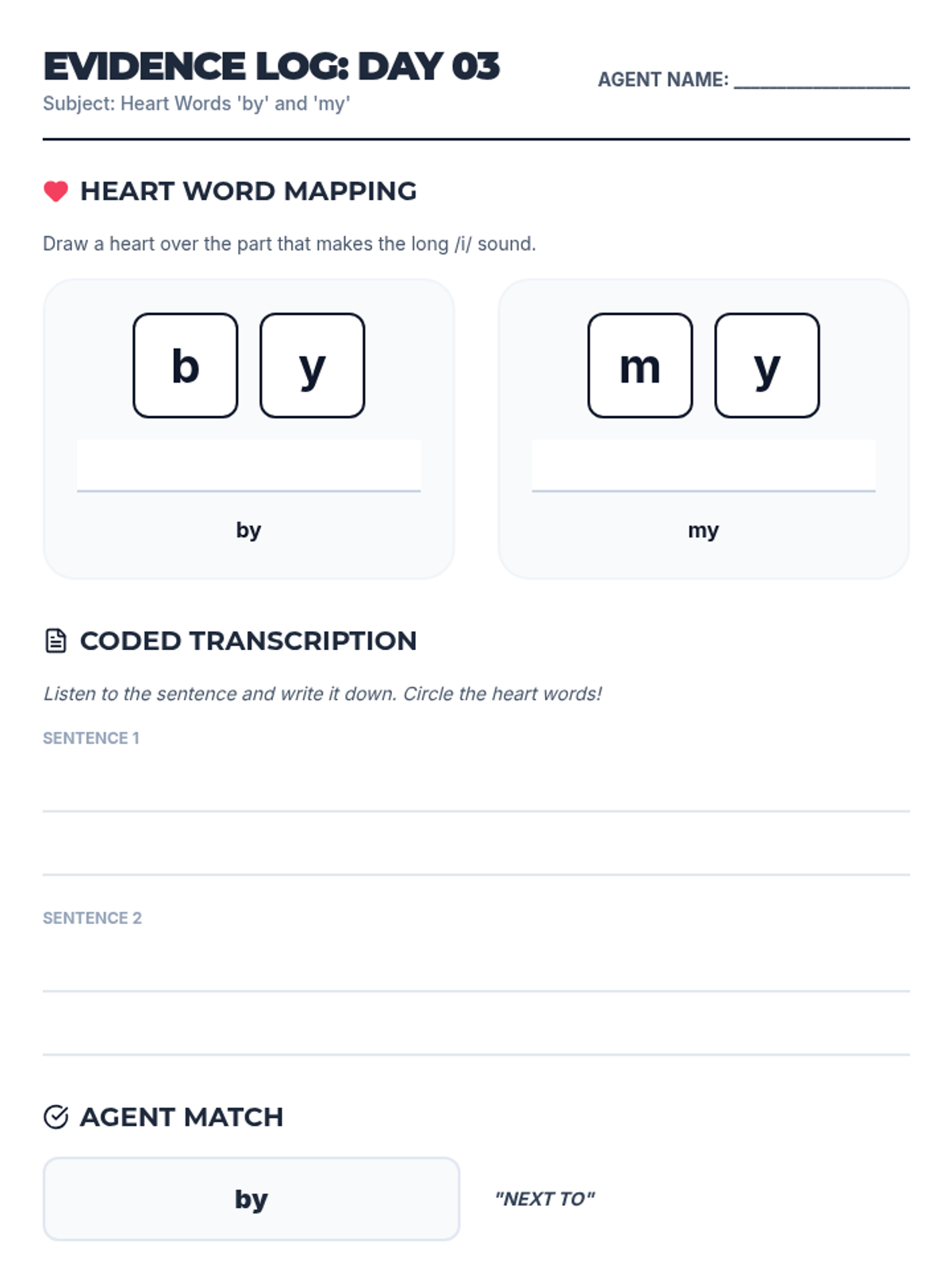
Learn and map heart words 'by' and 'my' while integrating them into i_e word sentences.
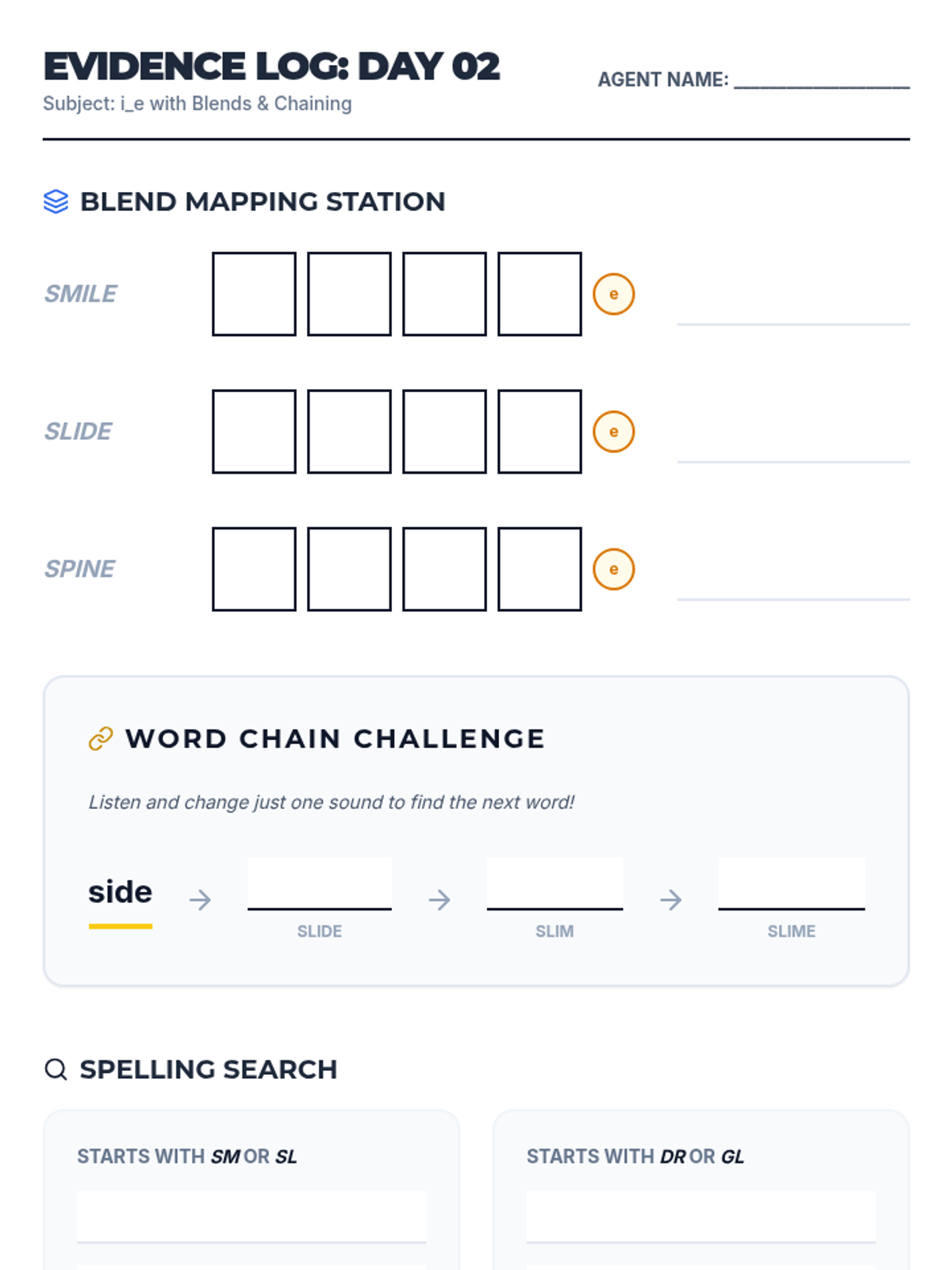
Focus on i_e words with initial and final blends like smile and slide, including word chaining activities.