A lesson focused on helping 9th-grade students master writing flow and logic through transition words and parallel structure. This lesson provides differentiated reference sheets for both topics.
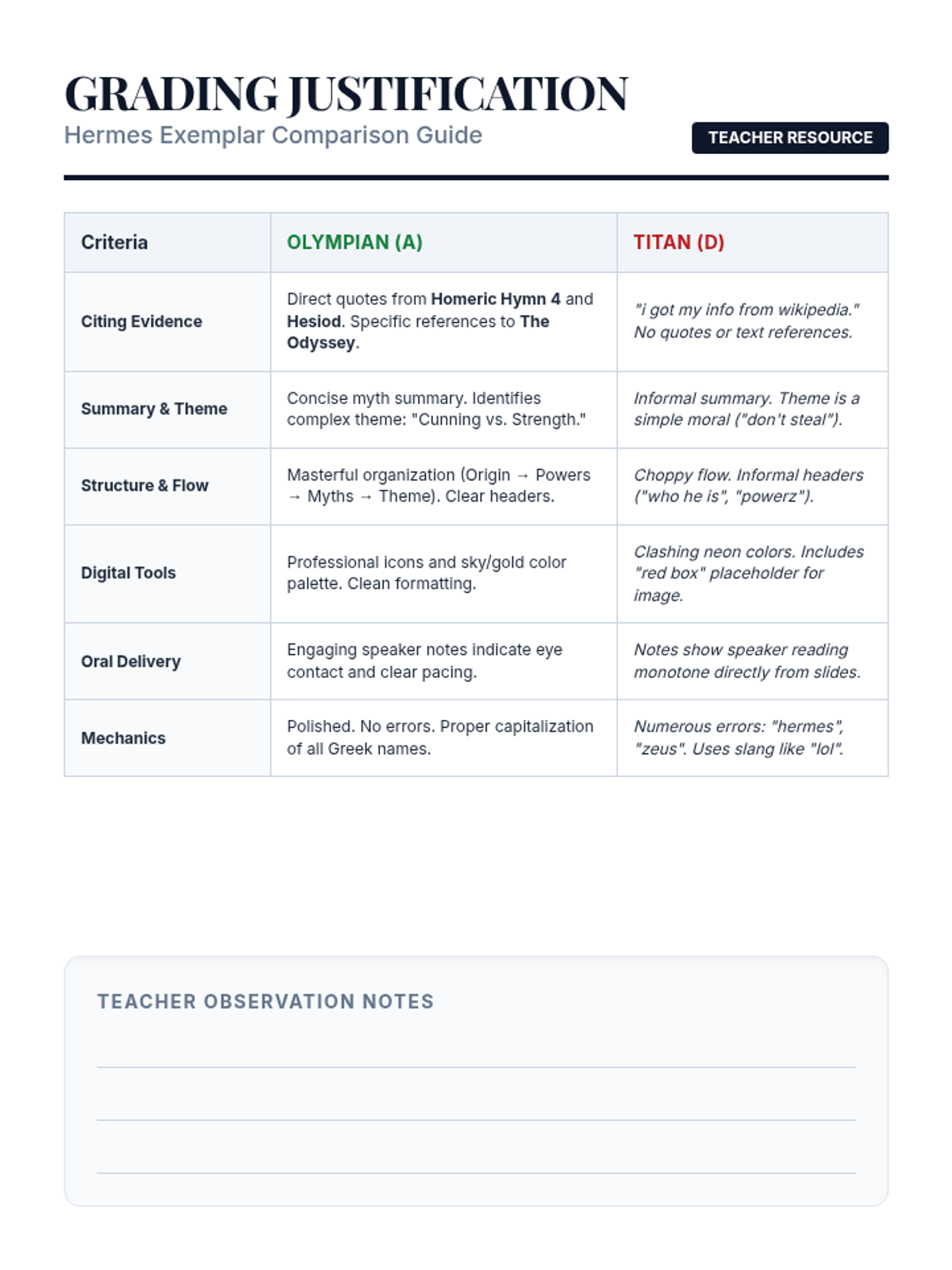
This lesson compares two student presentations on the god Hermes to help students understand grading criteria and how to improve their own mythological research projects.
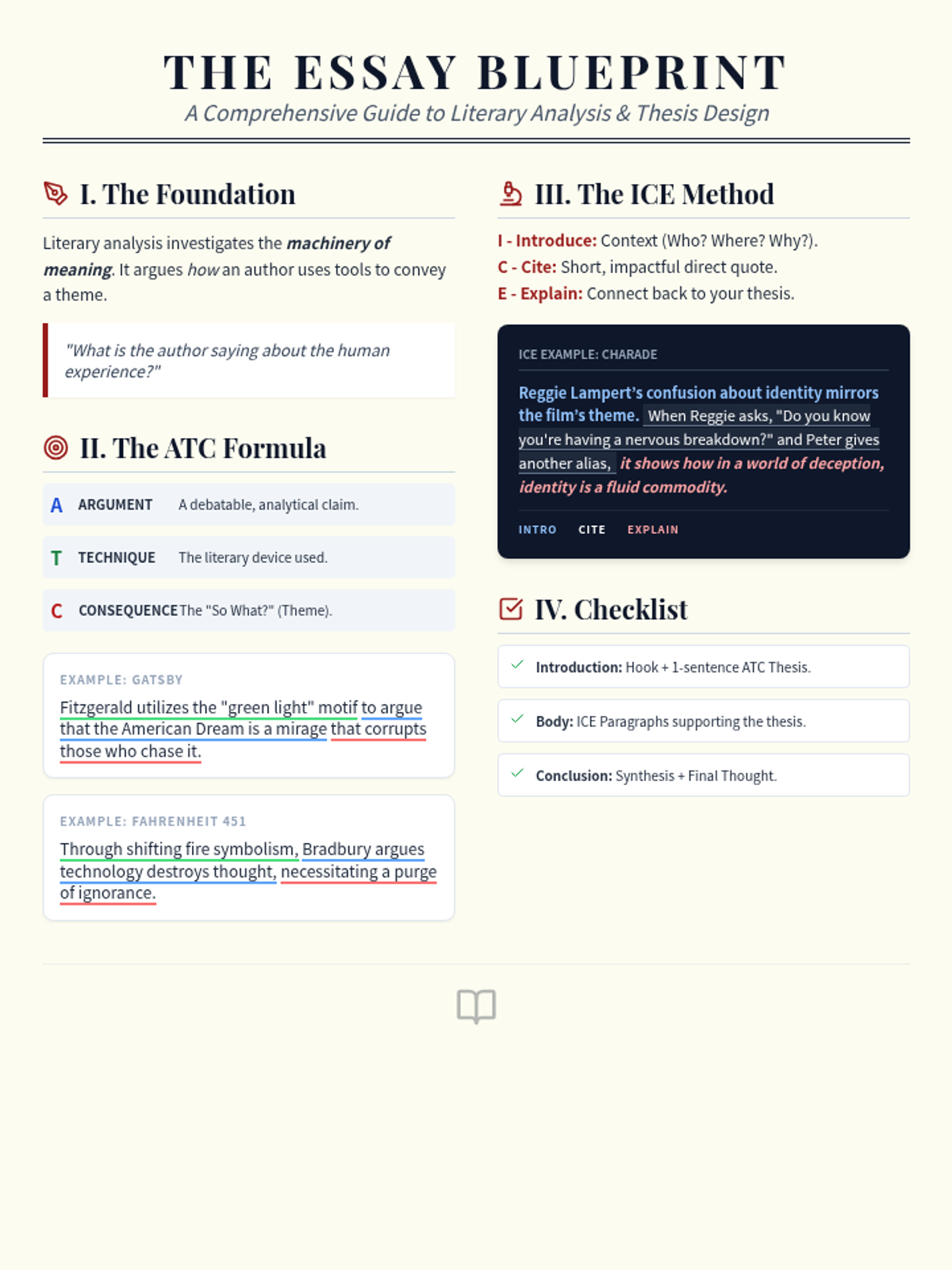
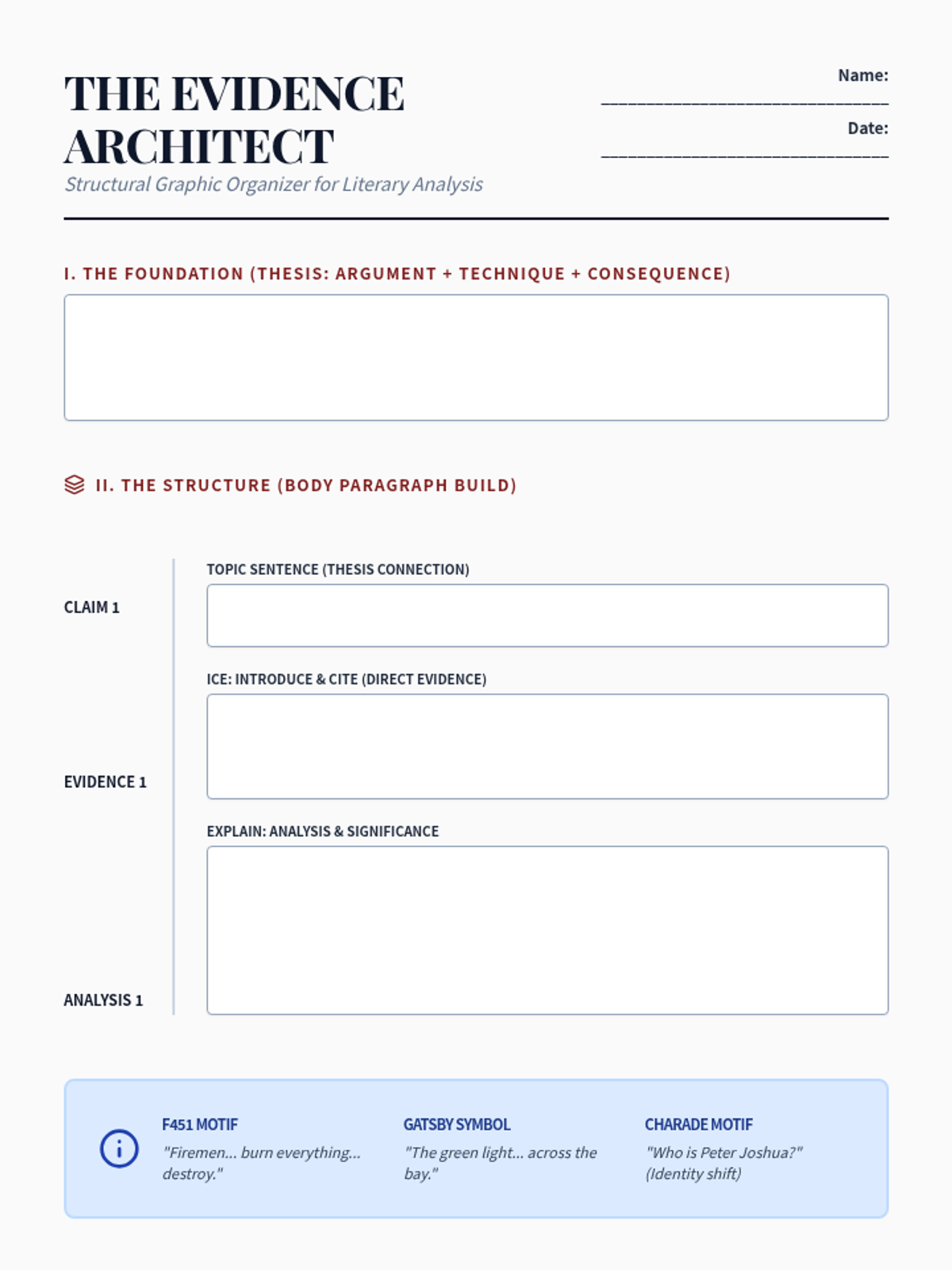
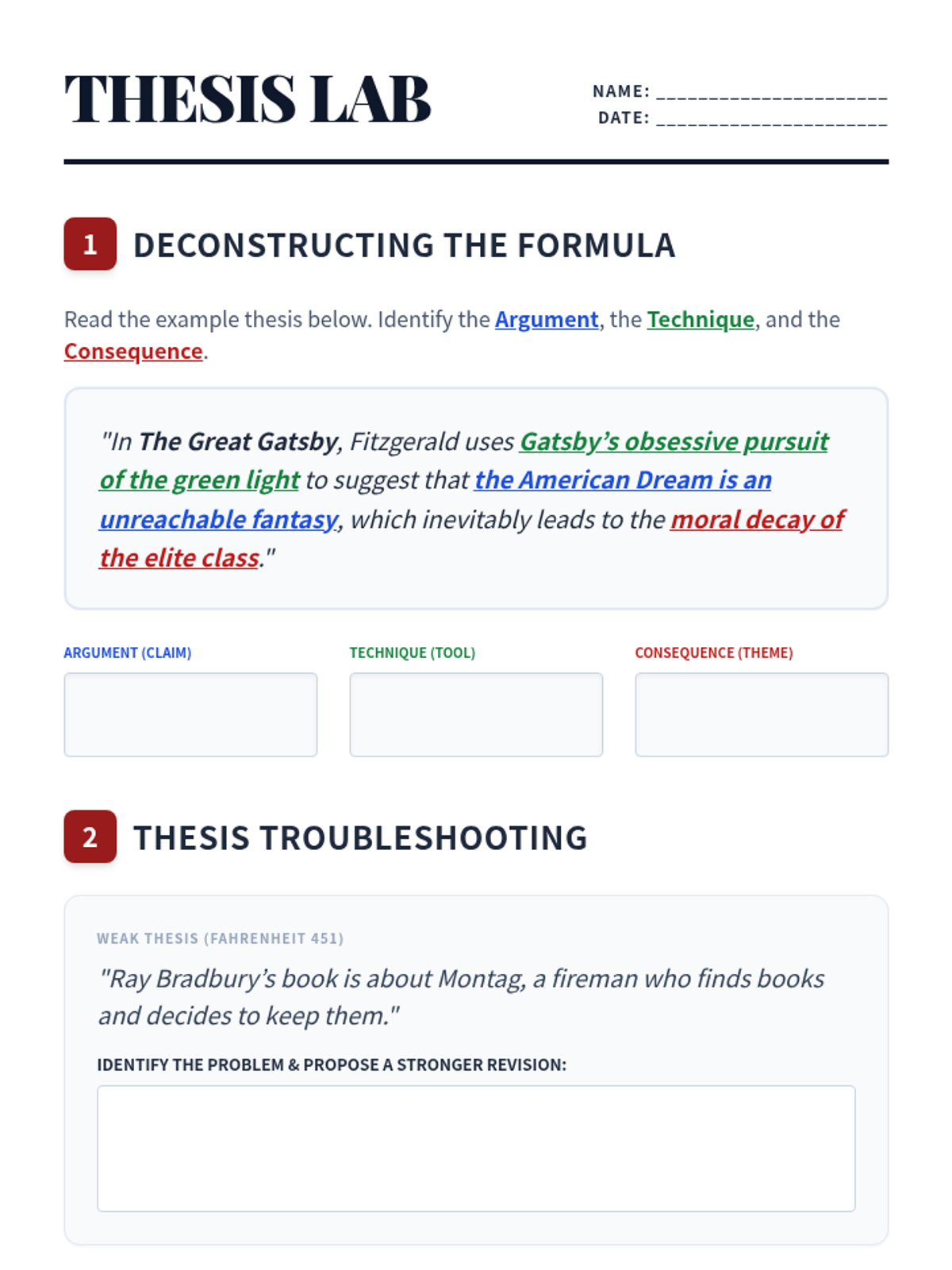
A comprehensive lesson on mastering the literary essay, focusing on thesis development and evidence integration using Fahrenheit 451, The Great Gatsby, and Charade as core examples.
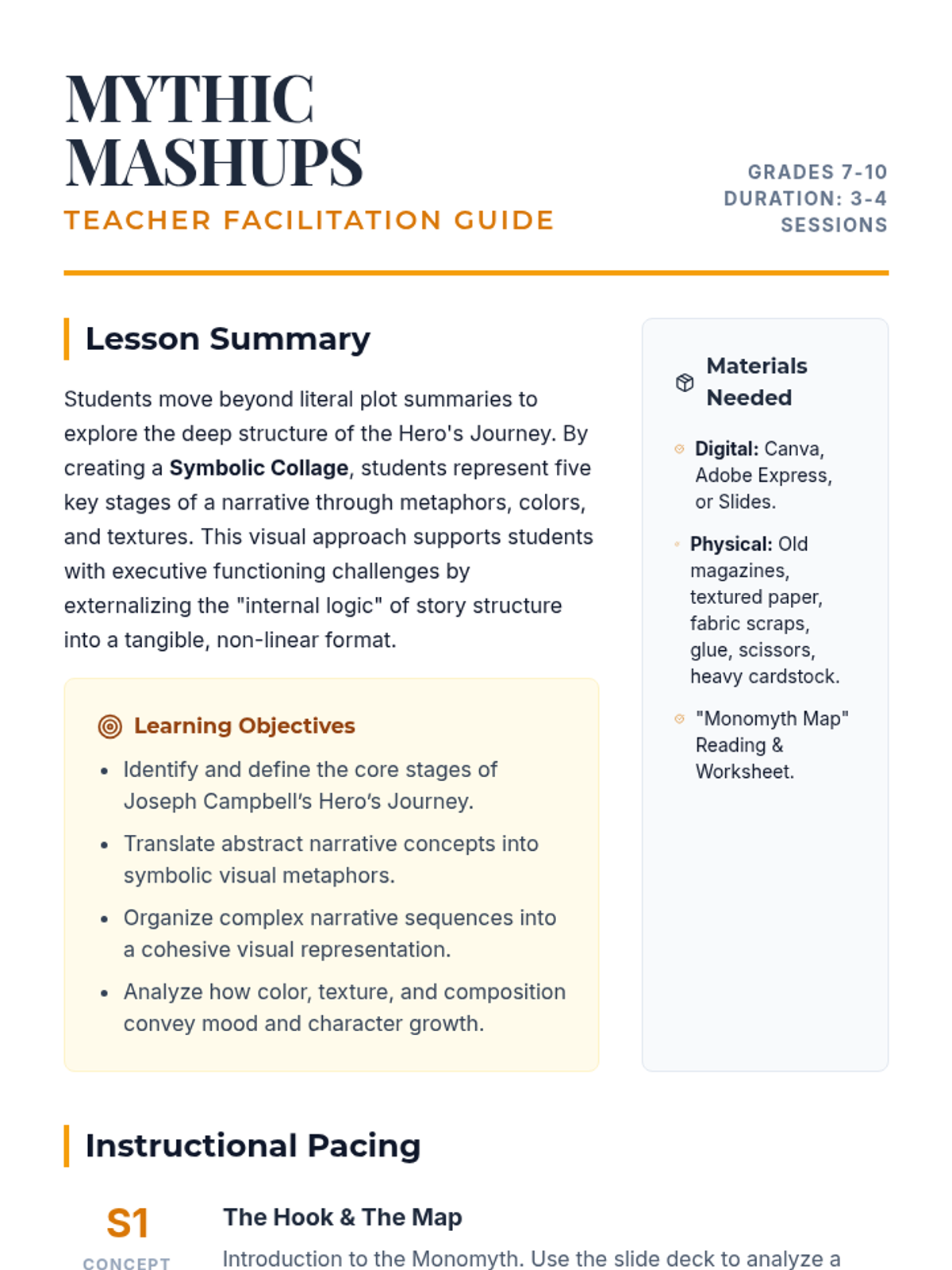
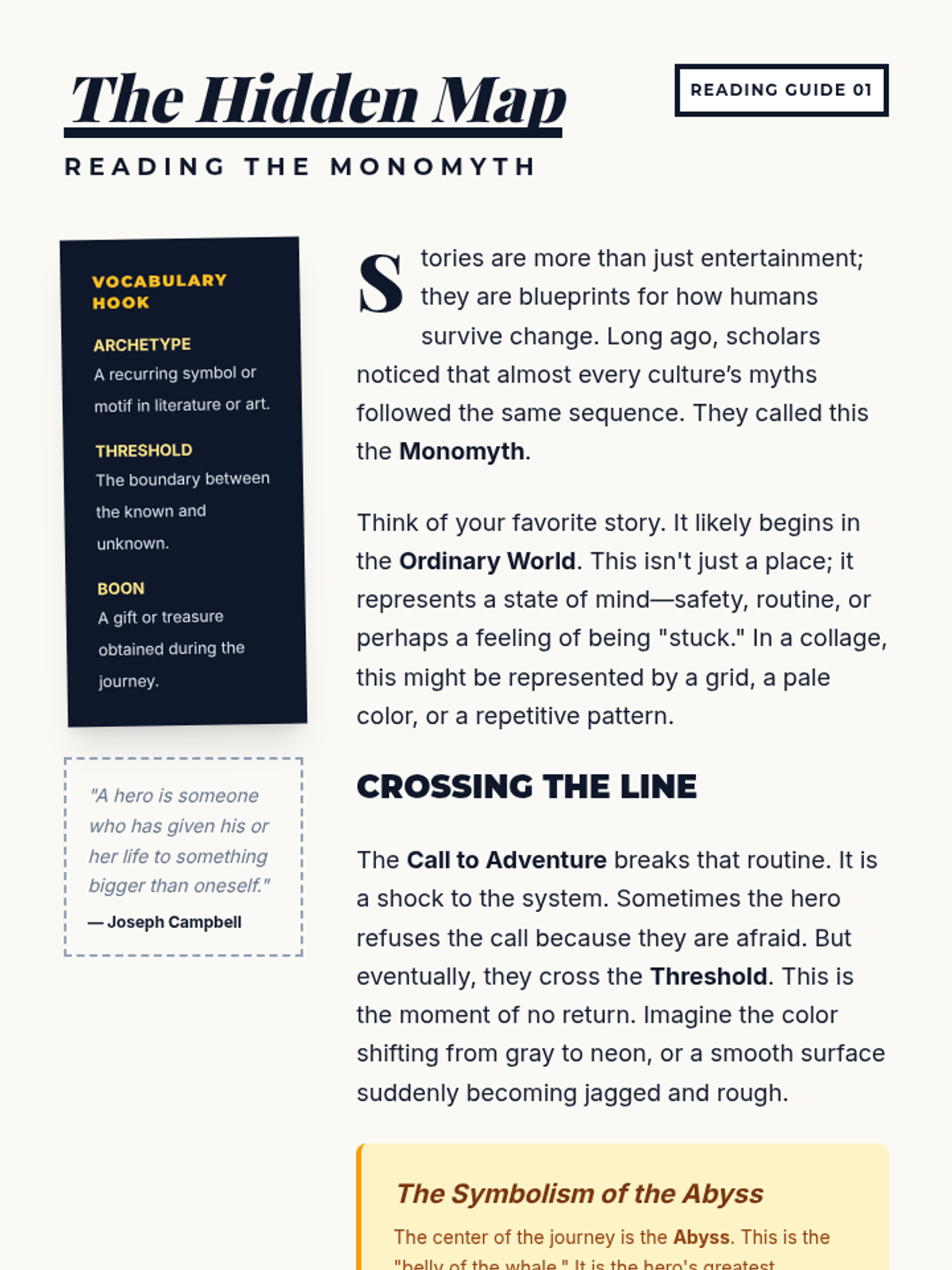
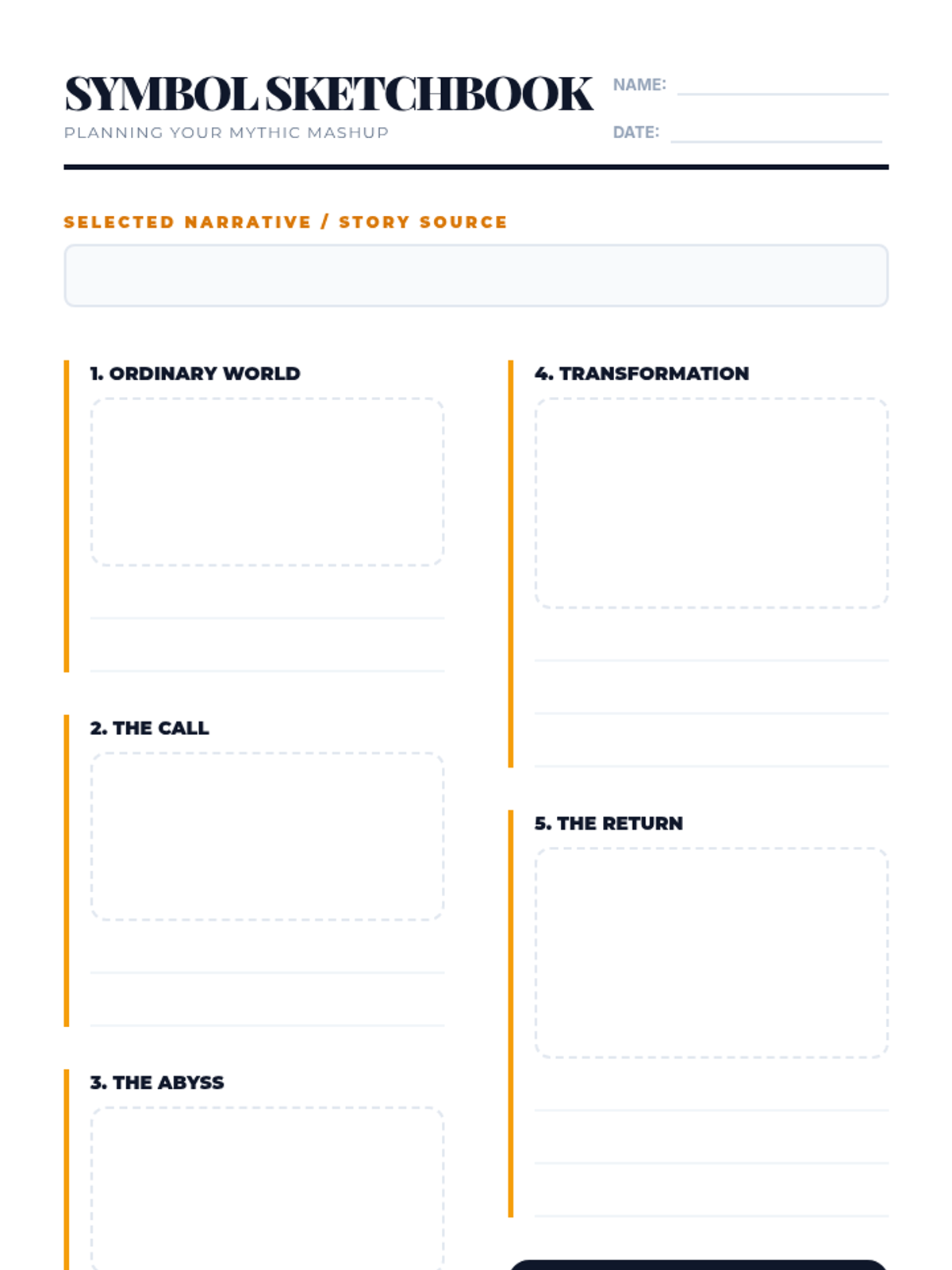
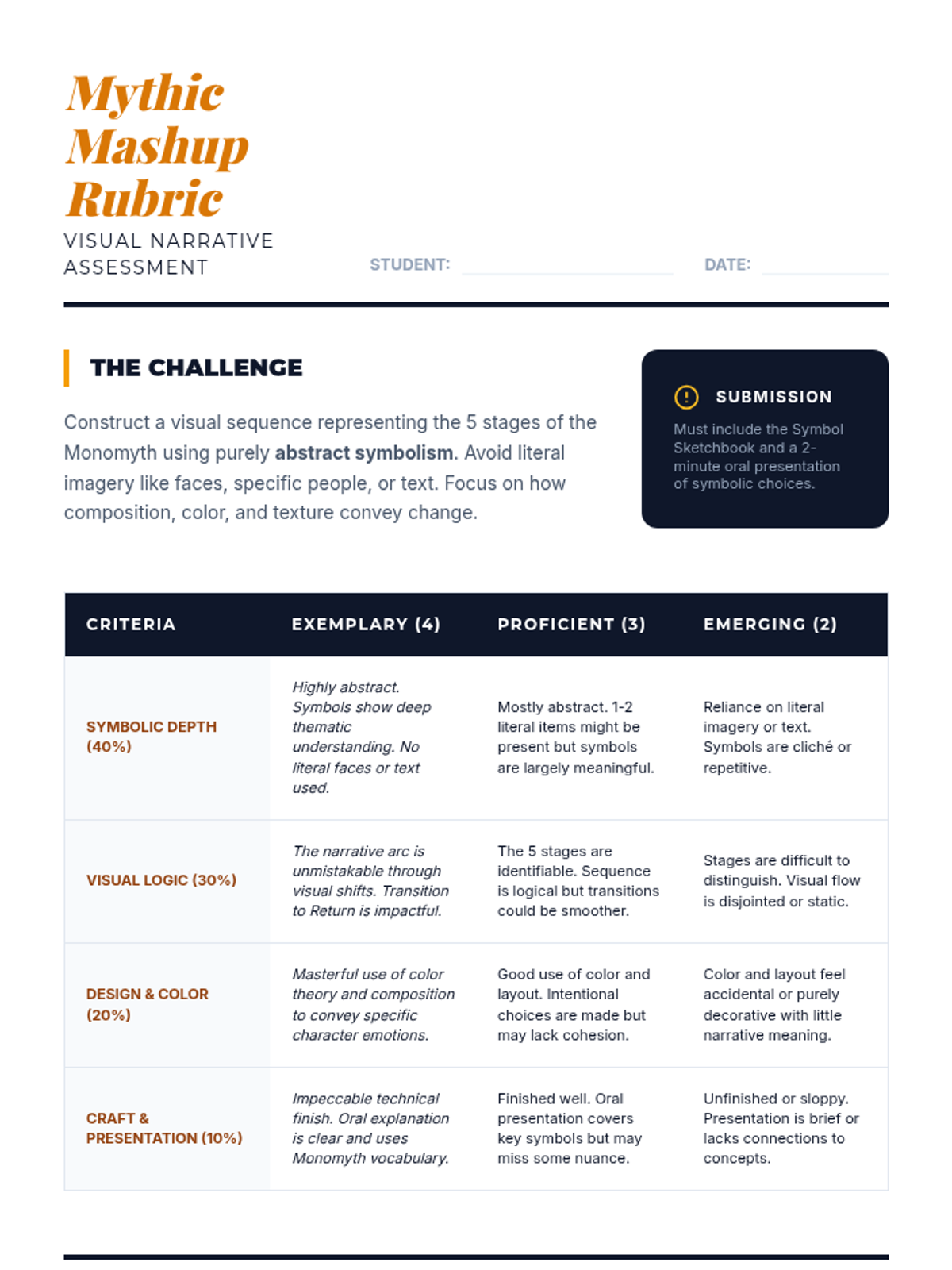
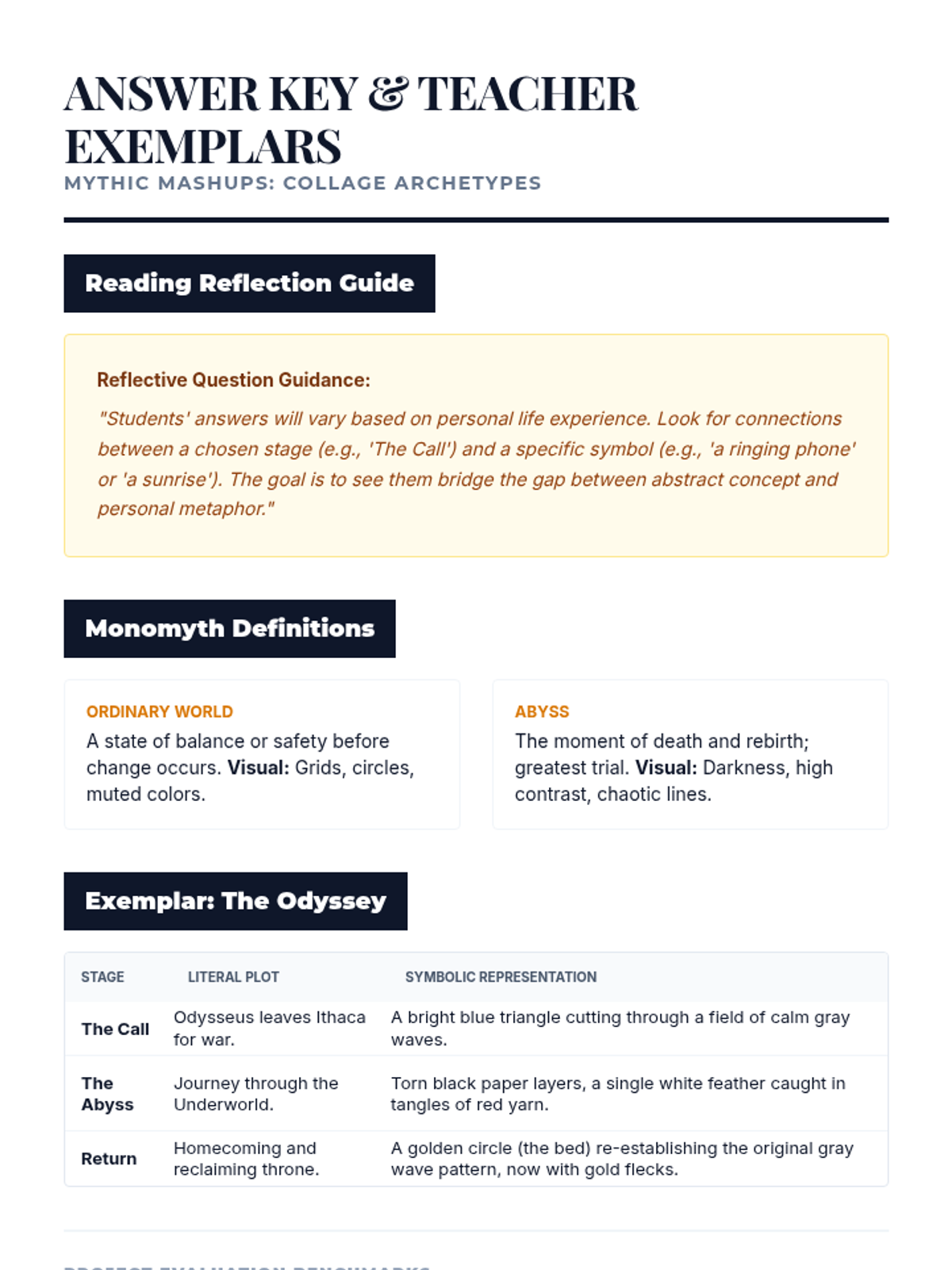
A creative arts-integrated ELA lesson where students map the Hero's Journey using symbolic collage, supporting executive functioning through visual storytelling and metaphorical thinking.
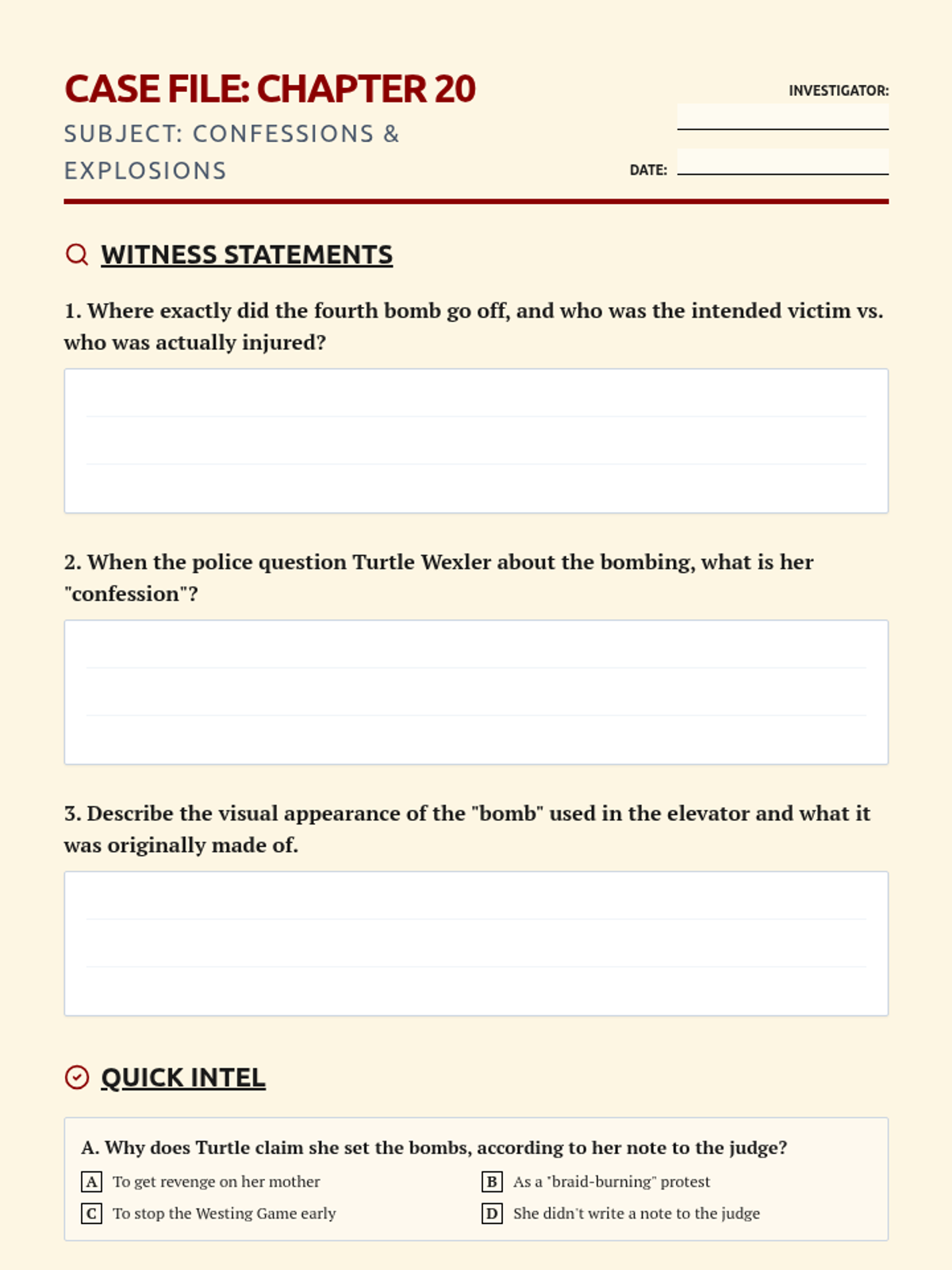
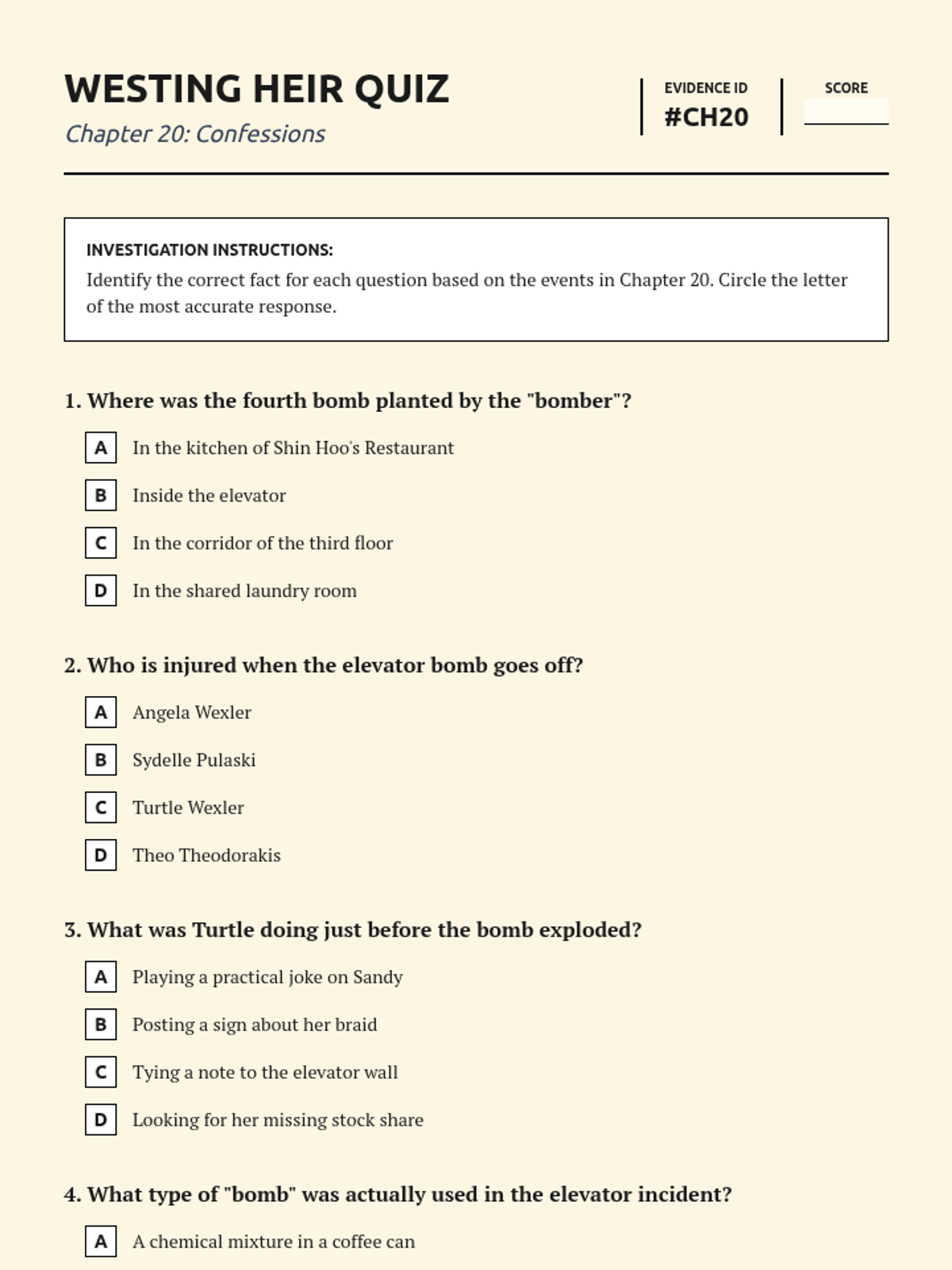
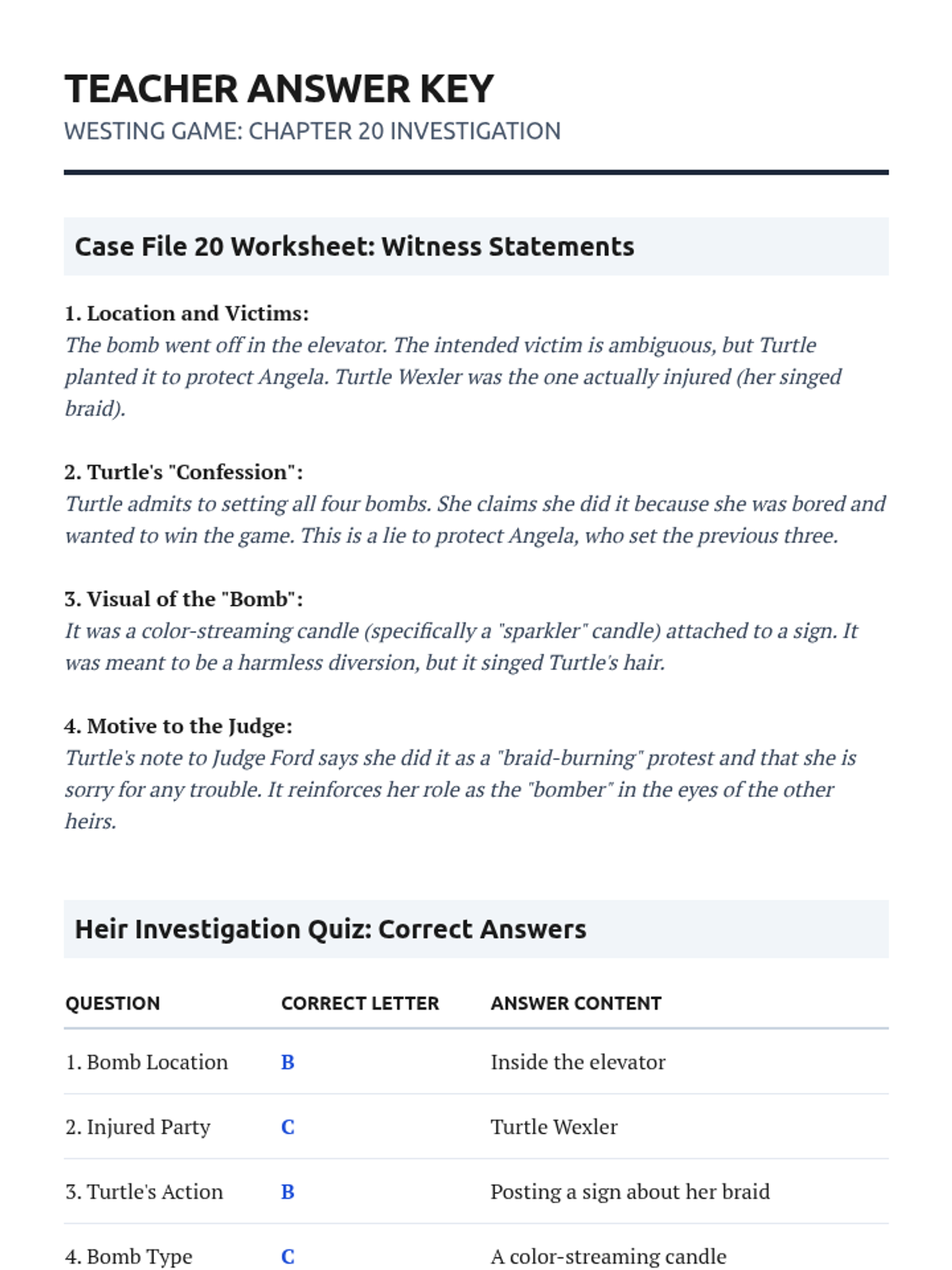
A deep dive into Chapter 20 of 'The Westing Game', focusing on Turtle's sacrifice, the elevator bombing, and the ongoing investigation by the heirs. Students will demonstrate literal recall and summarize key plot developments.
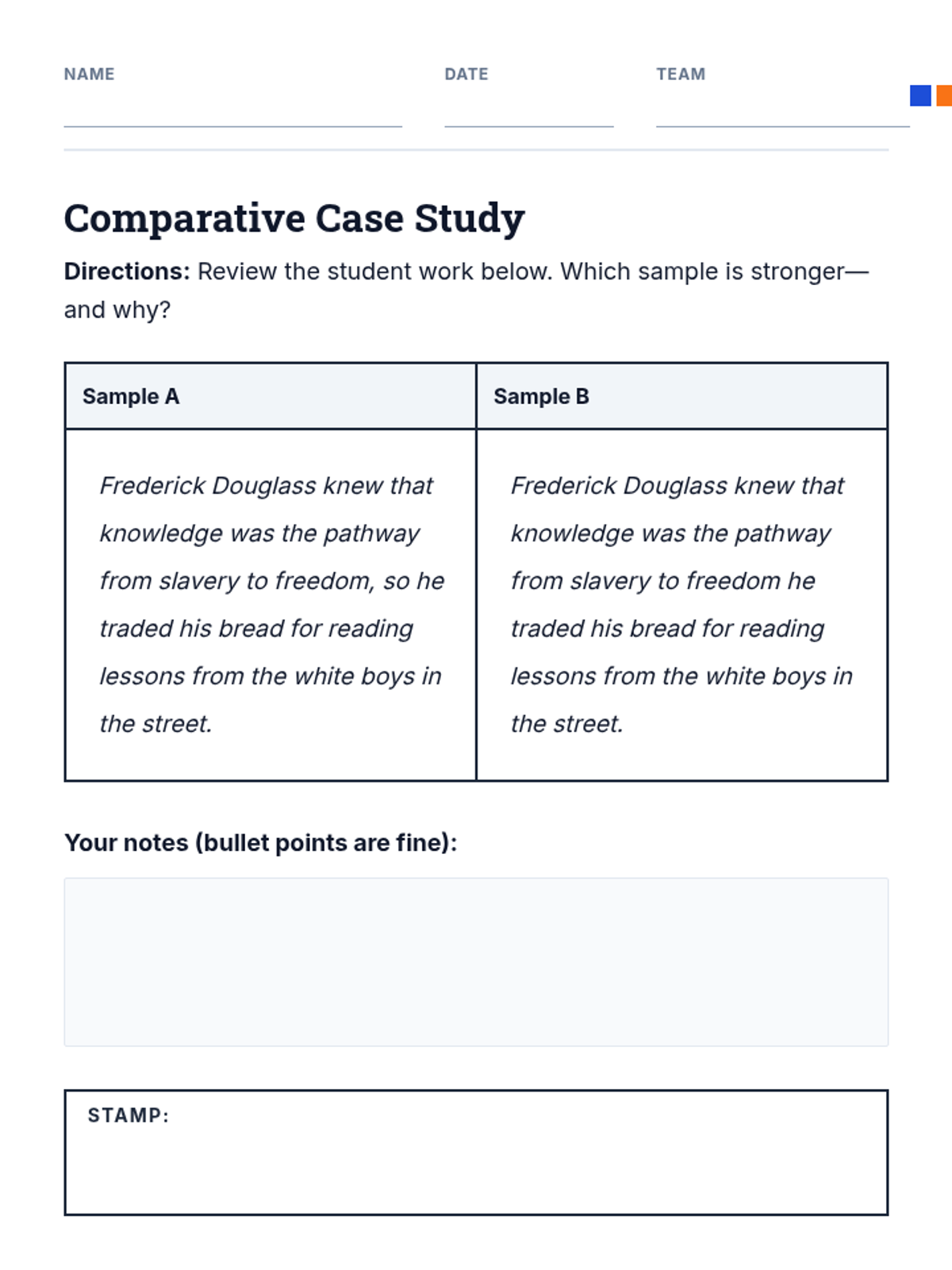
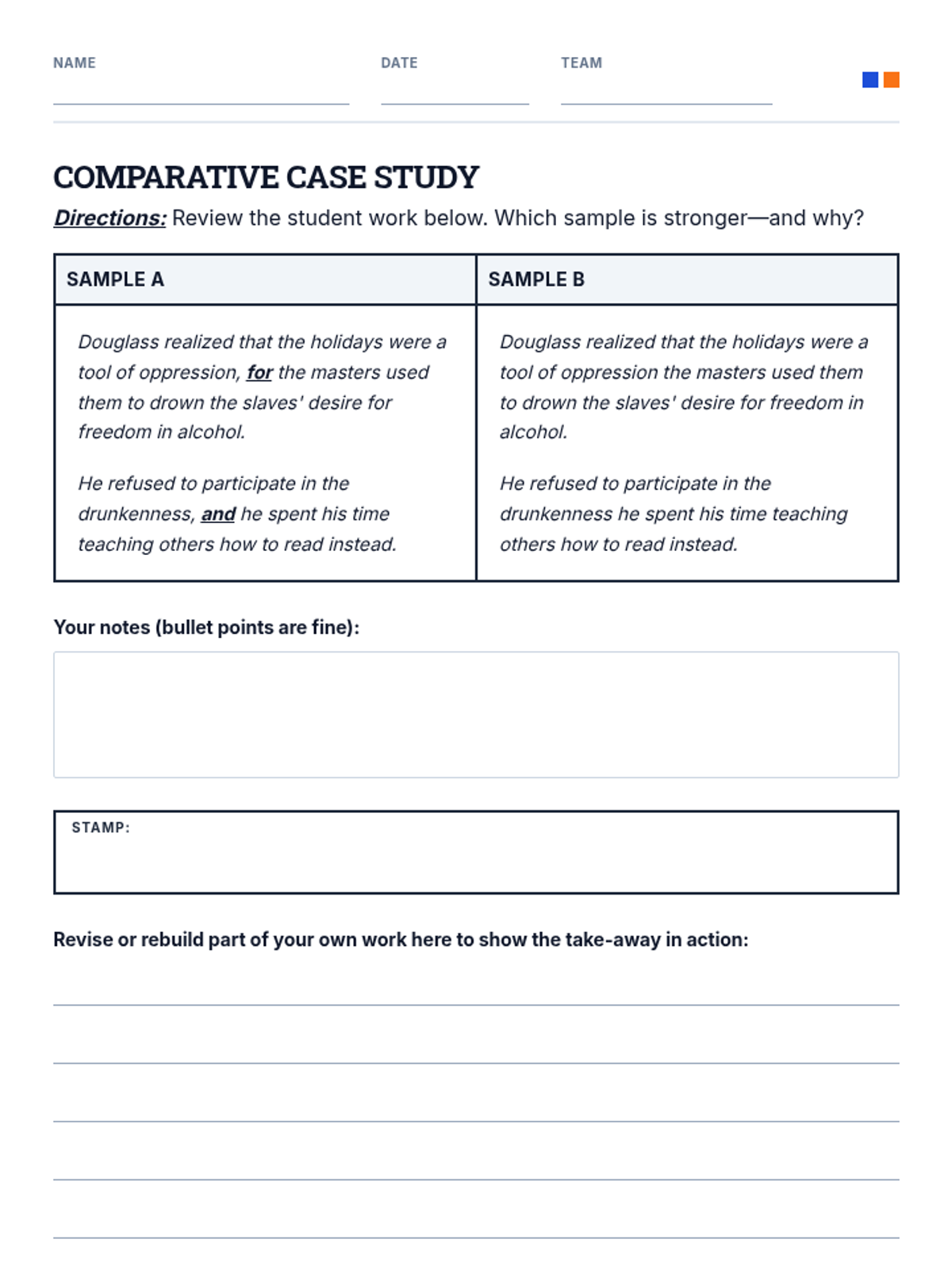
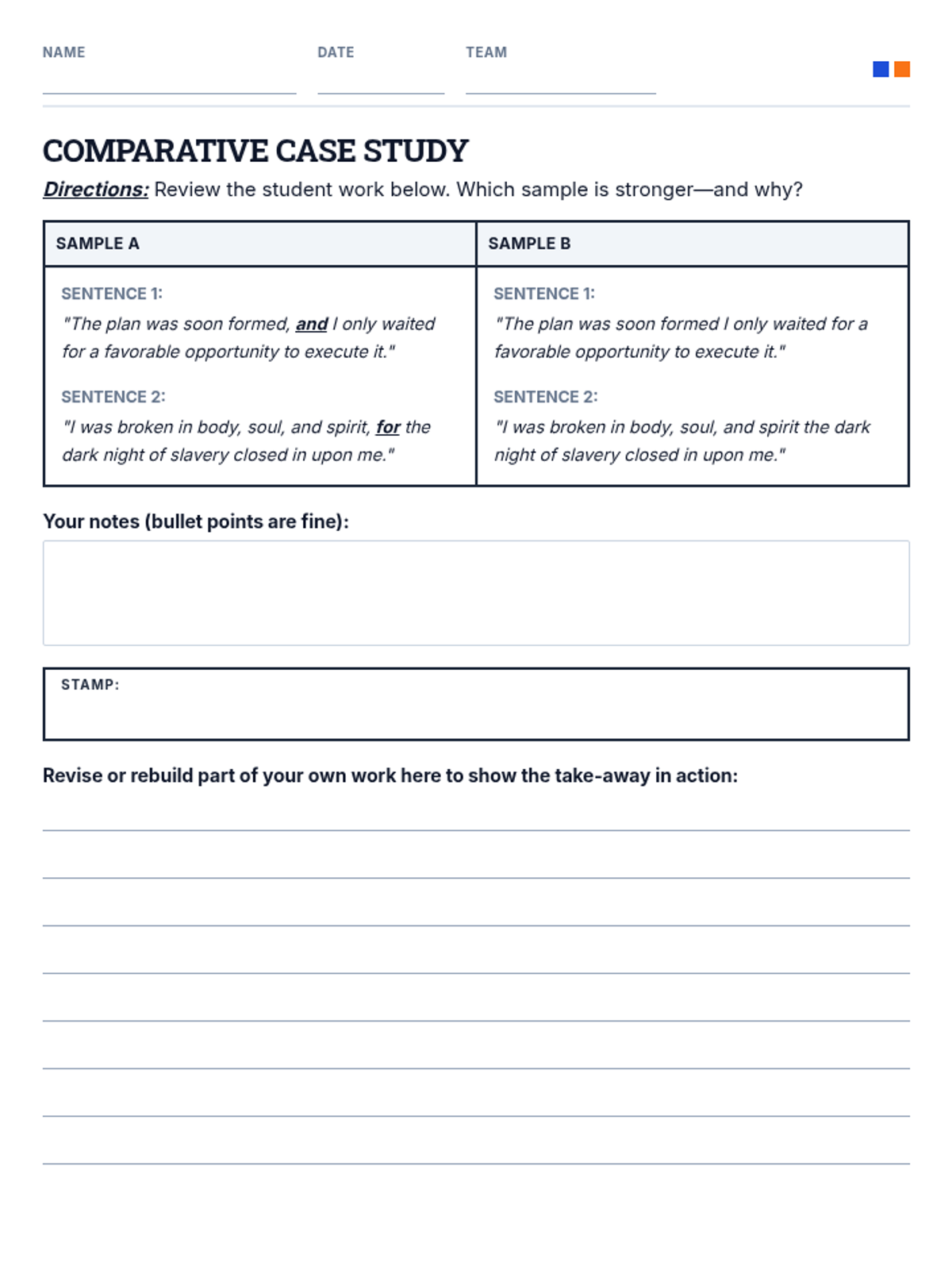
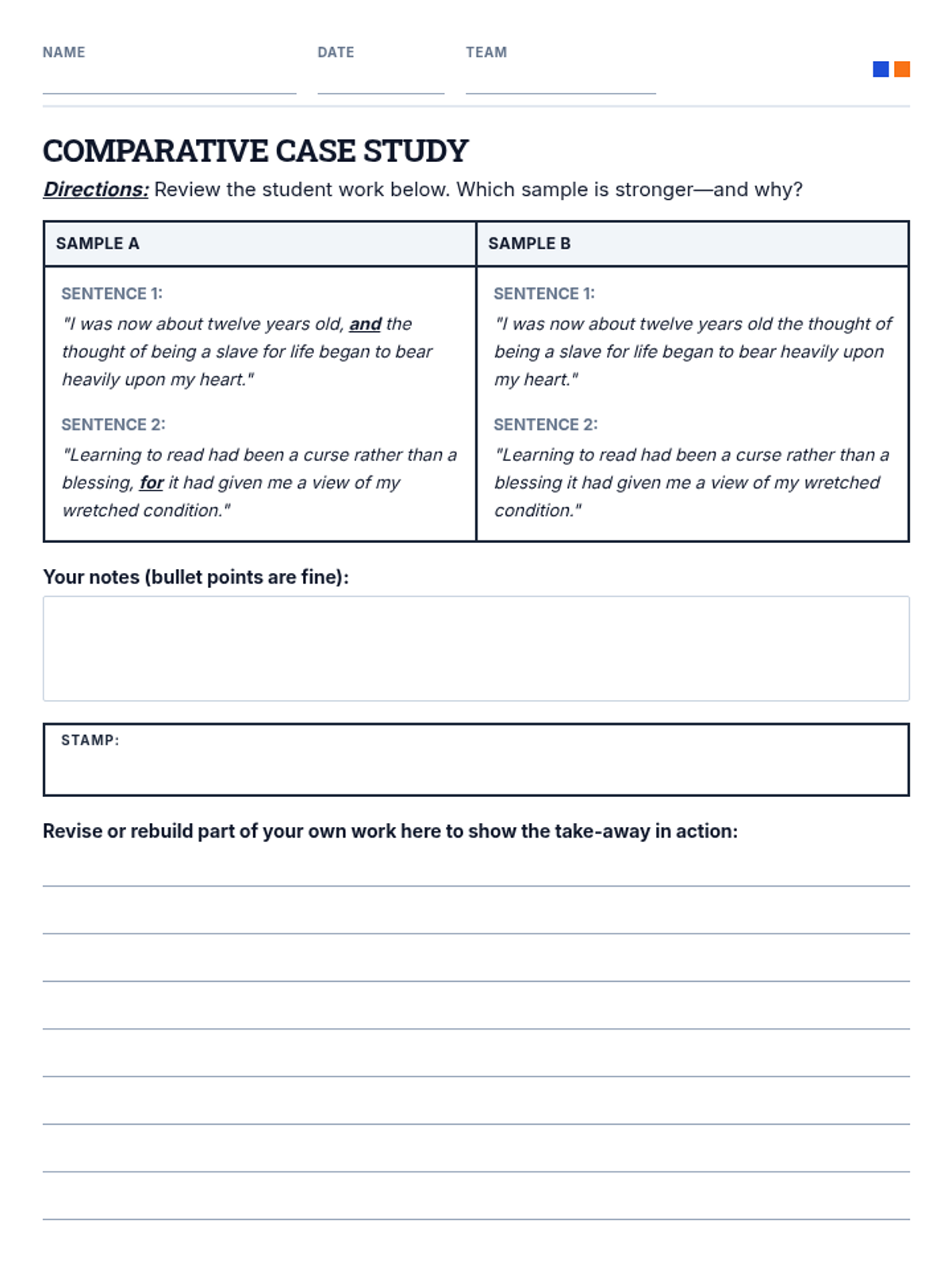
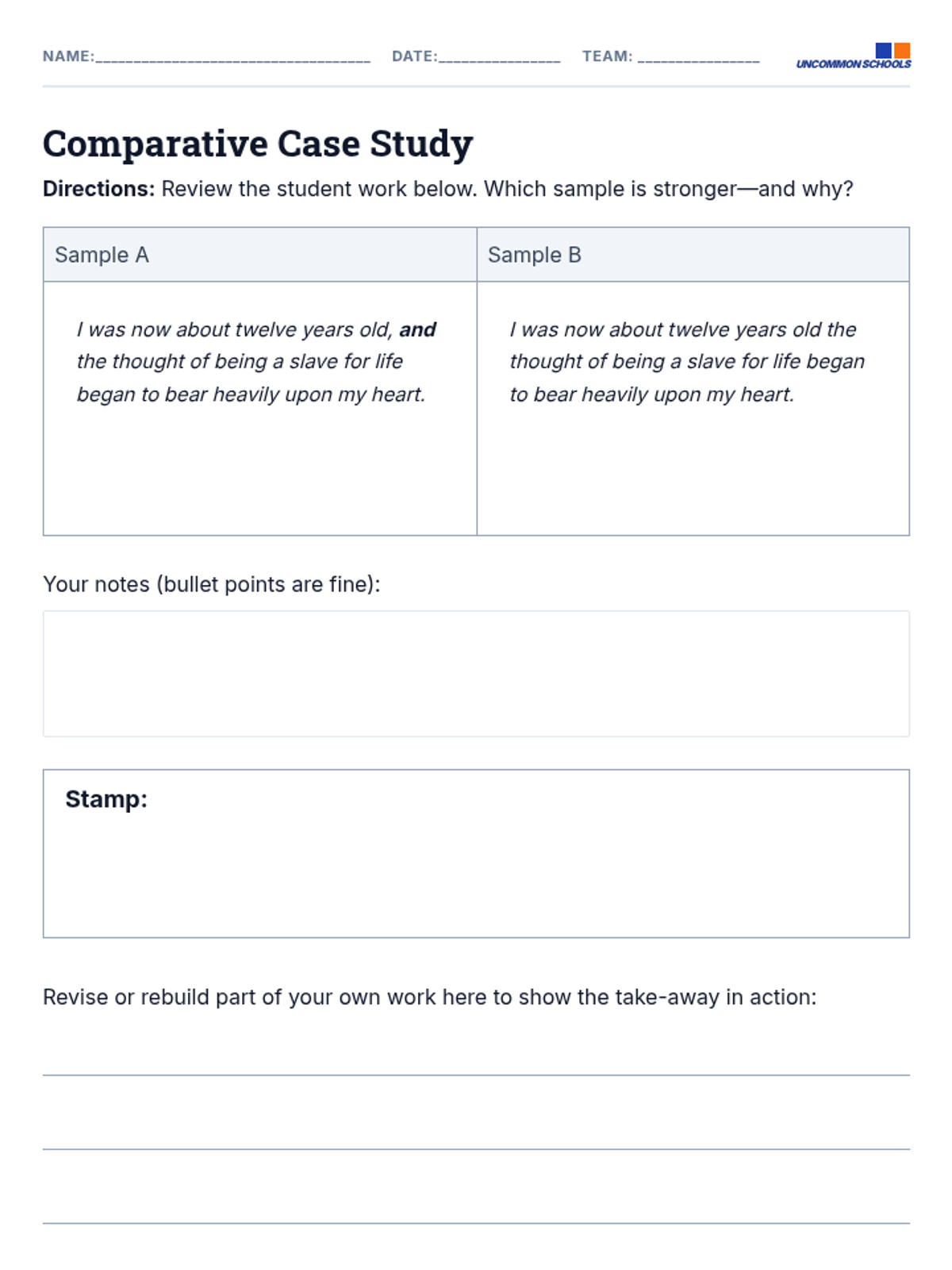
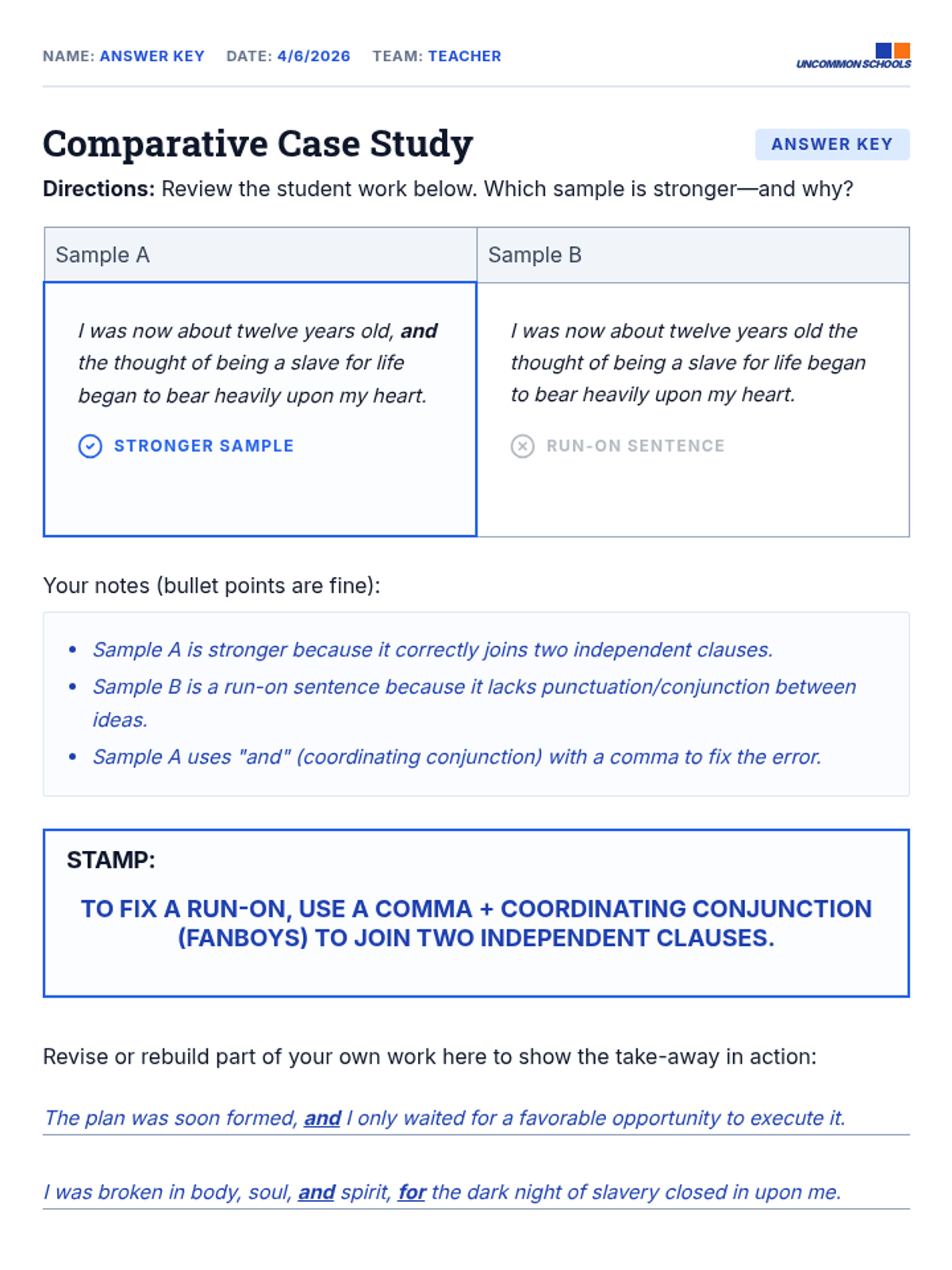
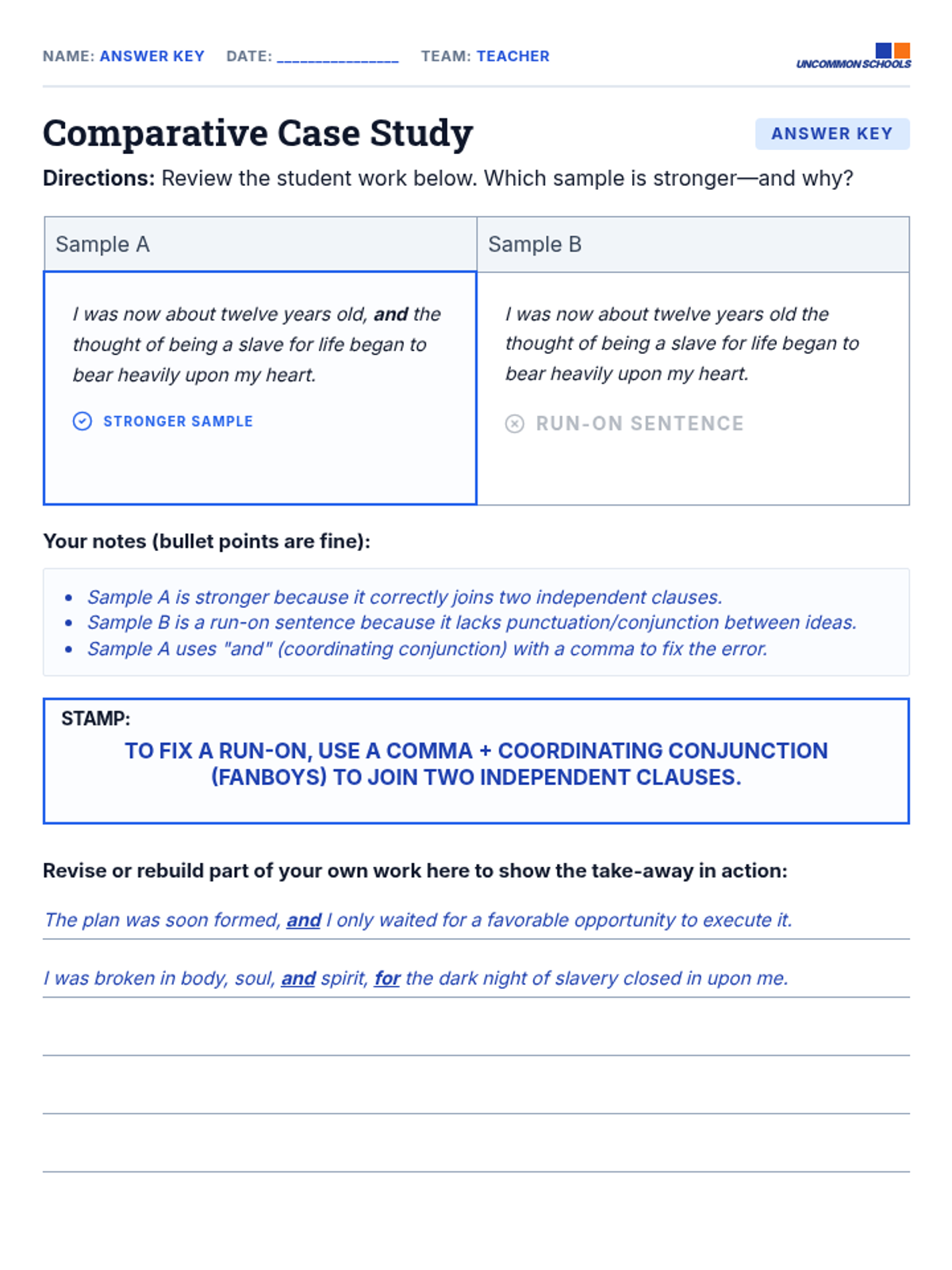
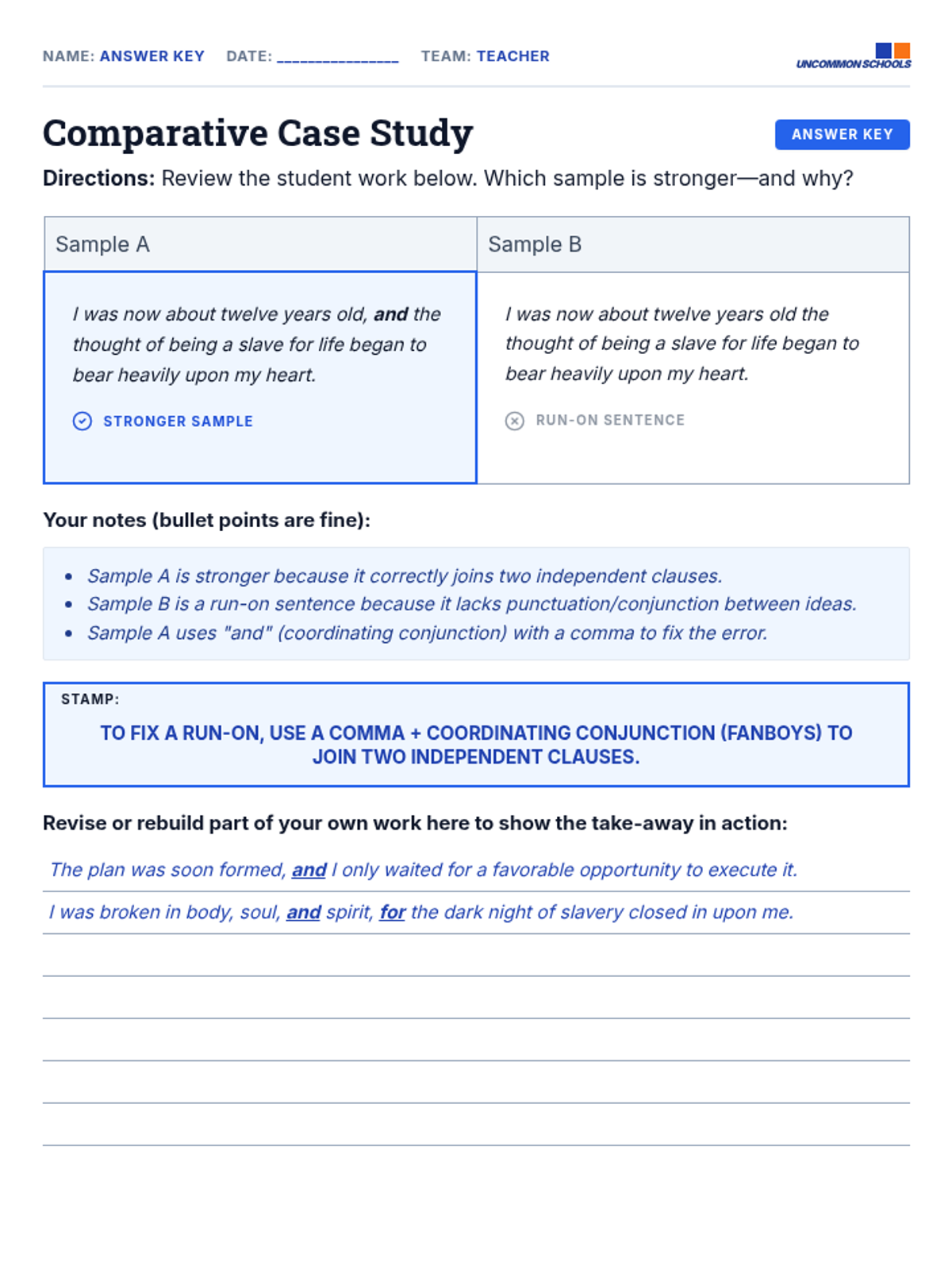
A targeted grammar lesson focused on identifying and correcting run-on sentences using coordinating conjunctions (FANBOYS) within the context of Frederick Douglass's narrative.
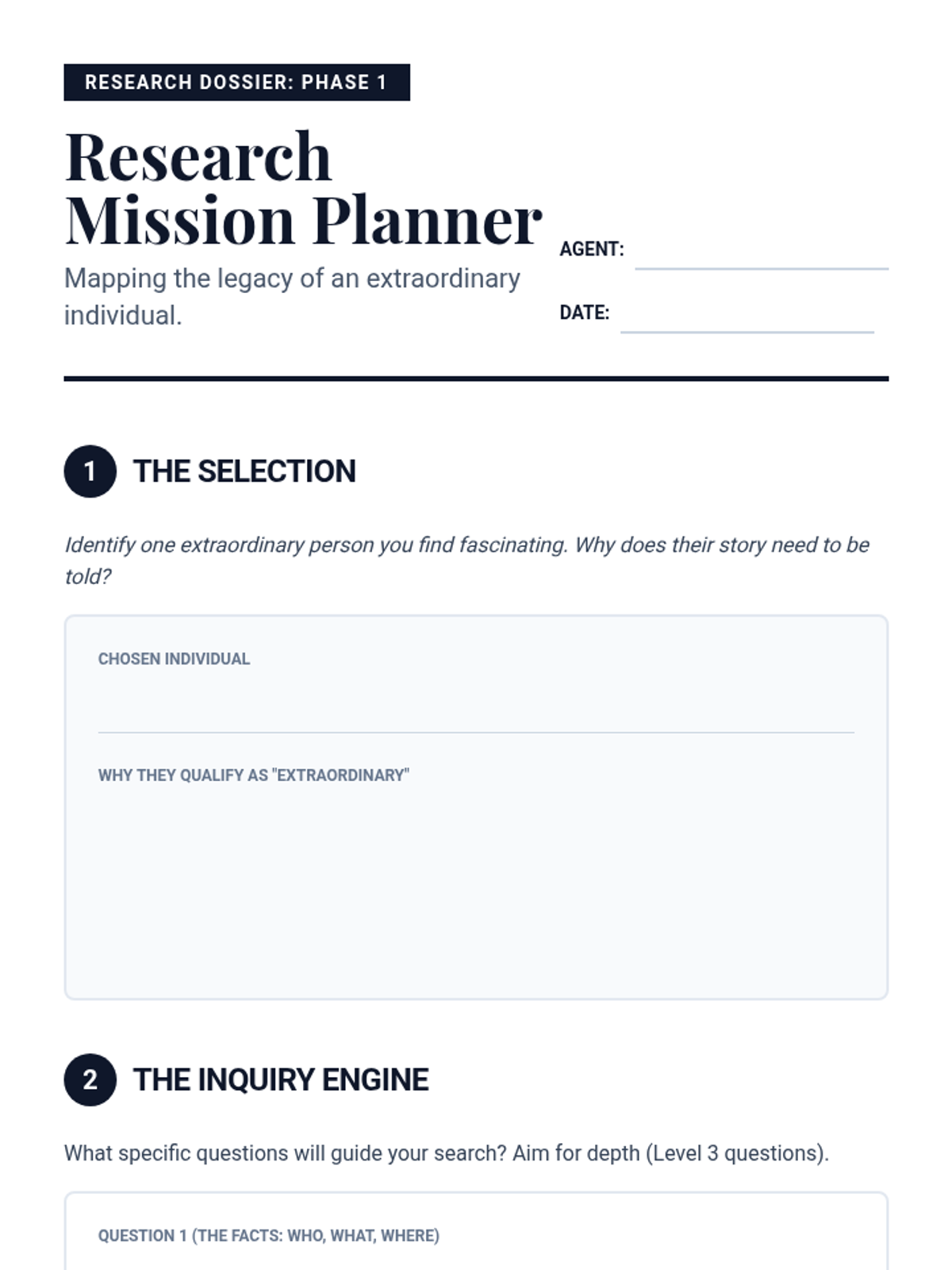
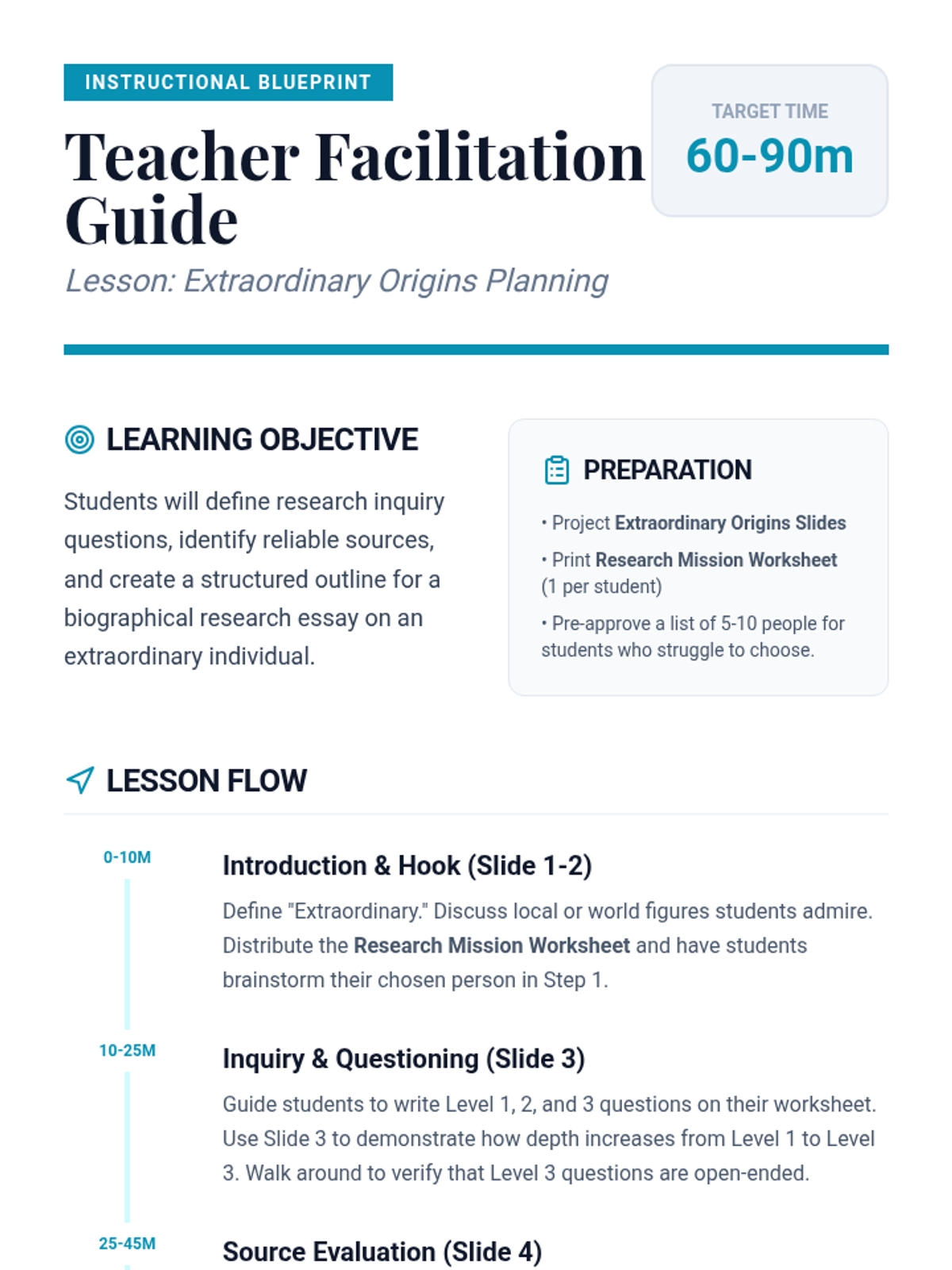
A lesson designed to guide students through the planning phase of researching an extraordinary person. It covers selection, inquiry, source hunting, and outlining.
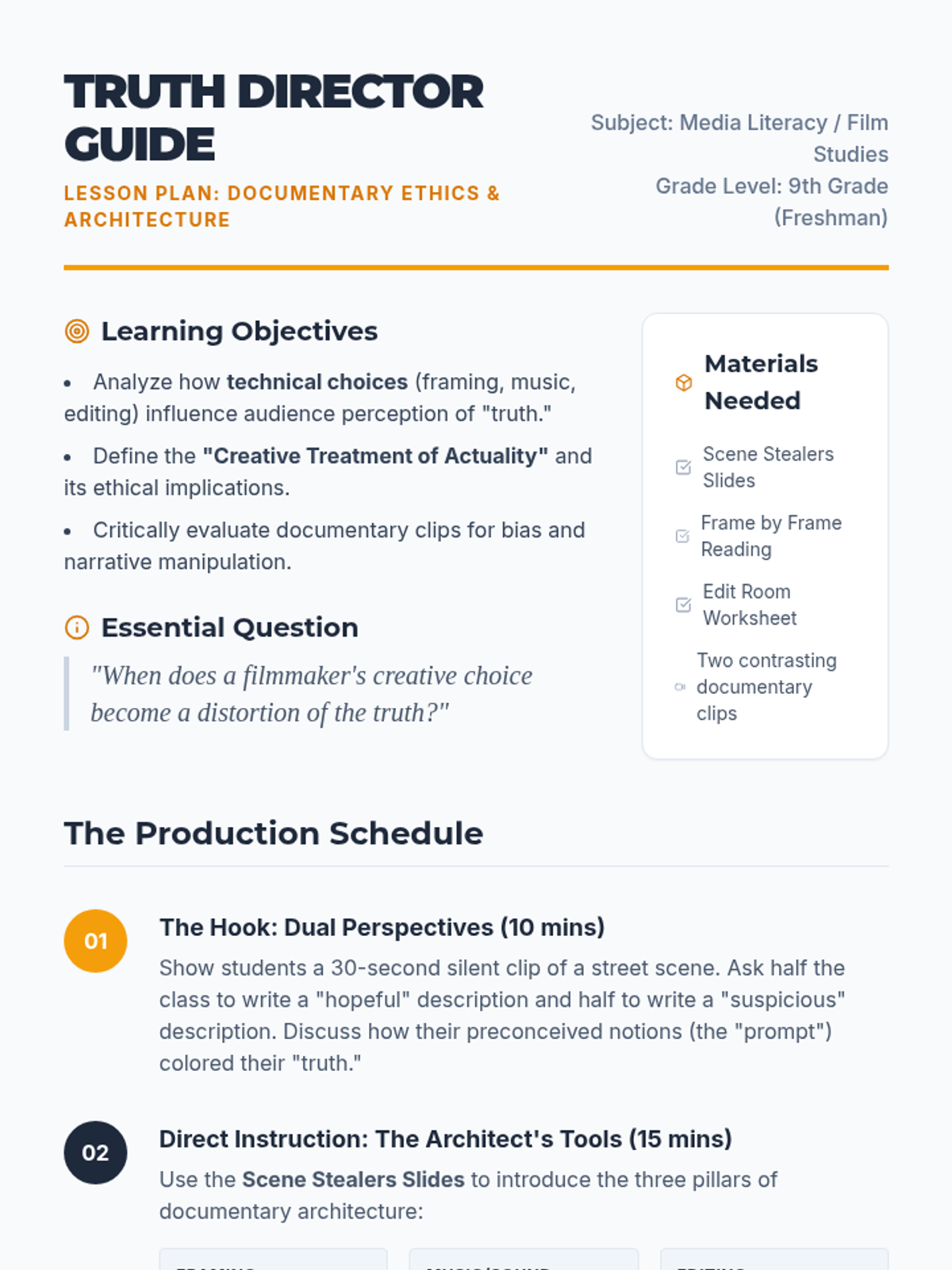
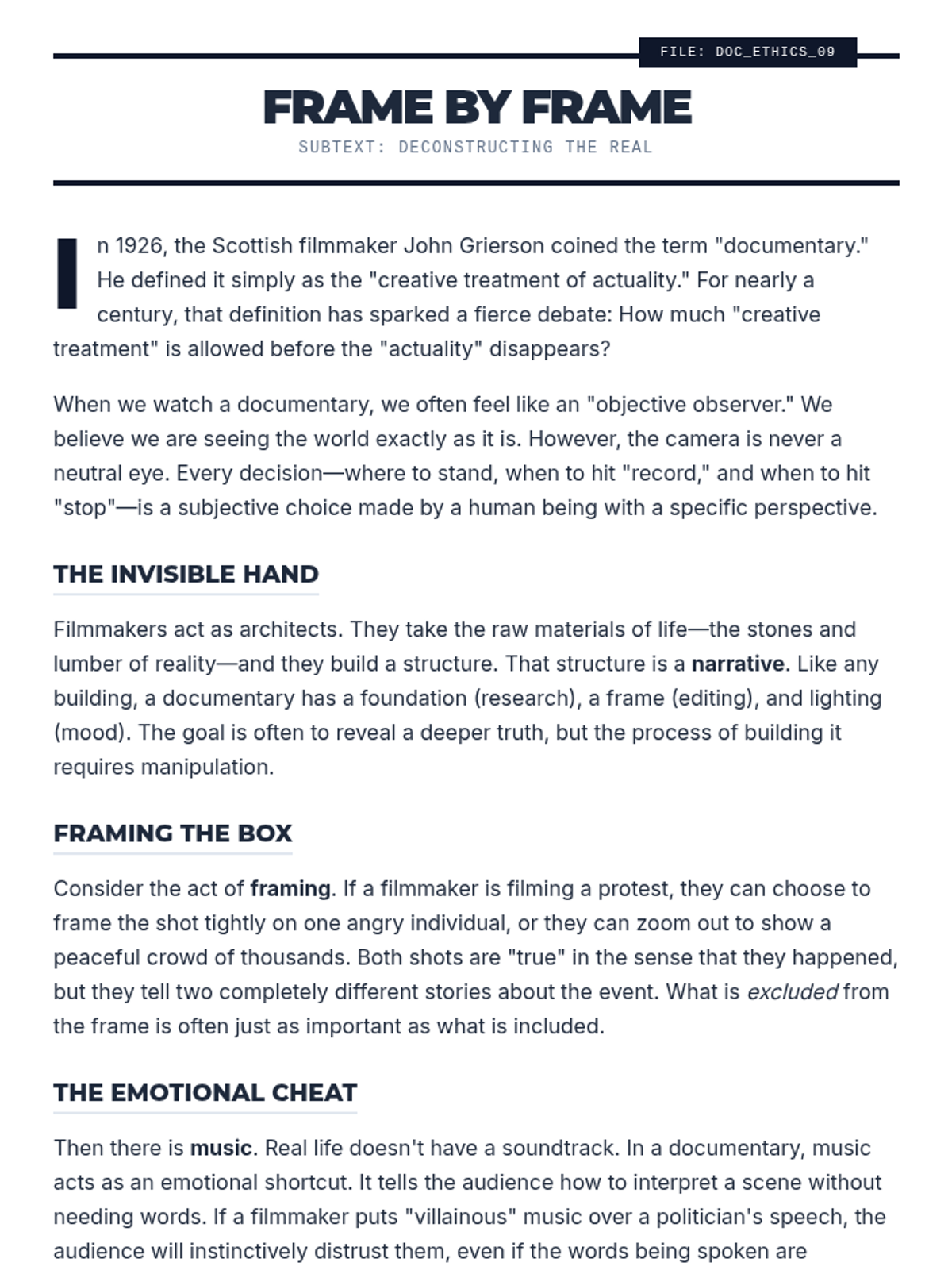
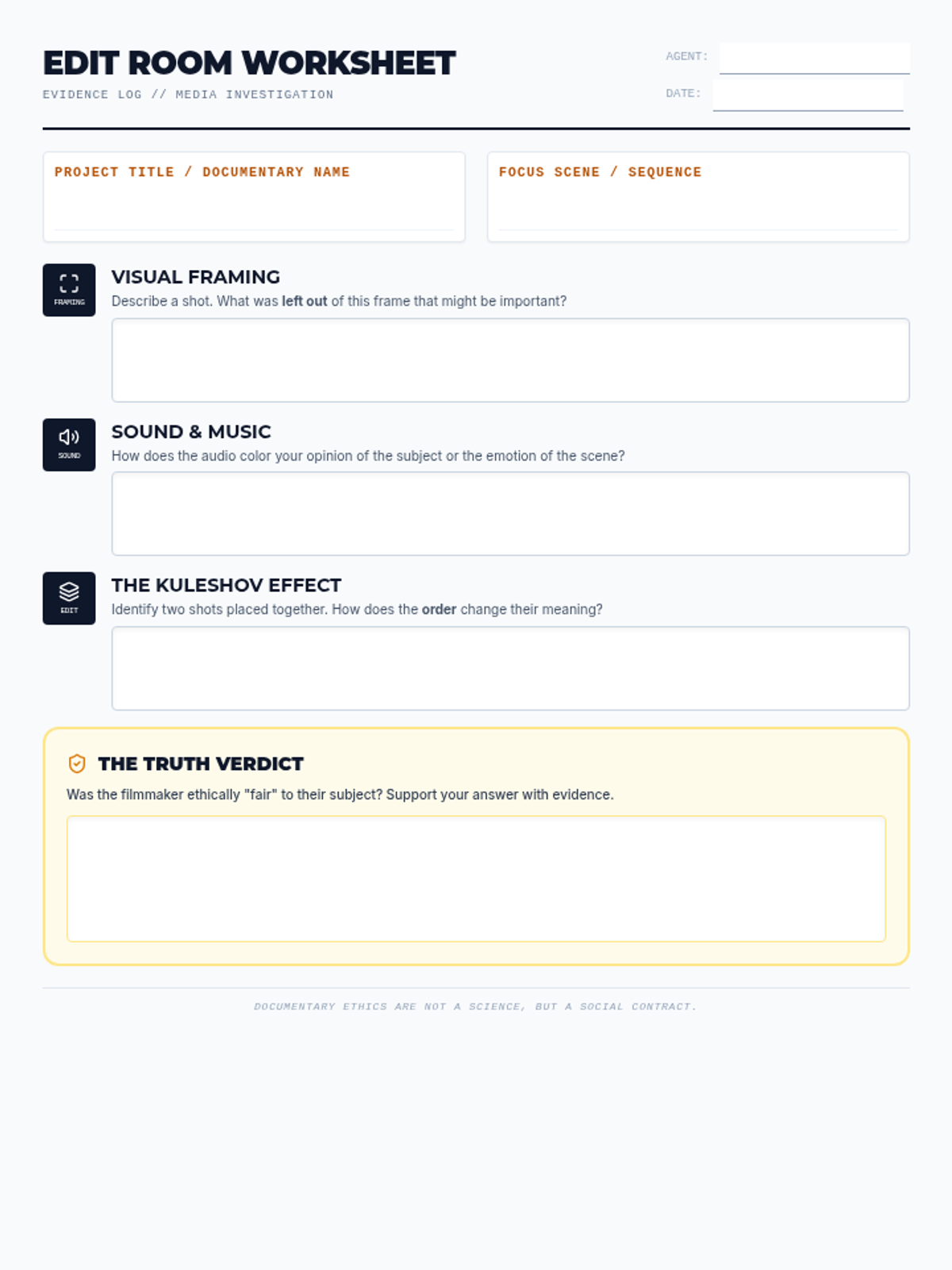
Students investigate the technical choices filmmakers make—including editing, music, and framing—to shape narrative truth. This lesson prepares freshmen to critically analyze documentary media and understand the ethical responsibilities of visual storytelling.
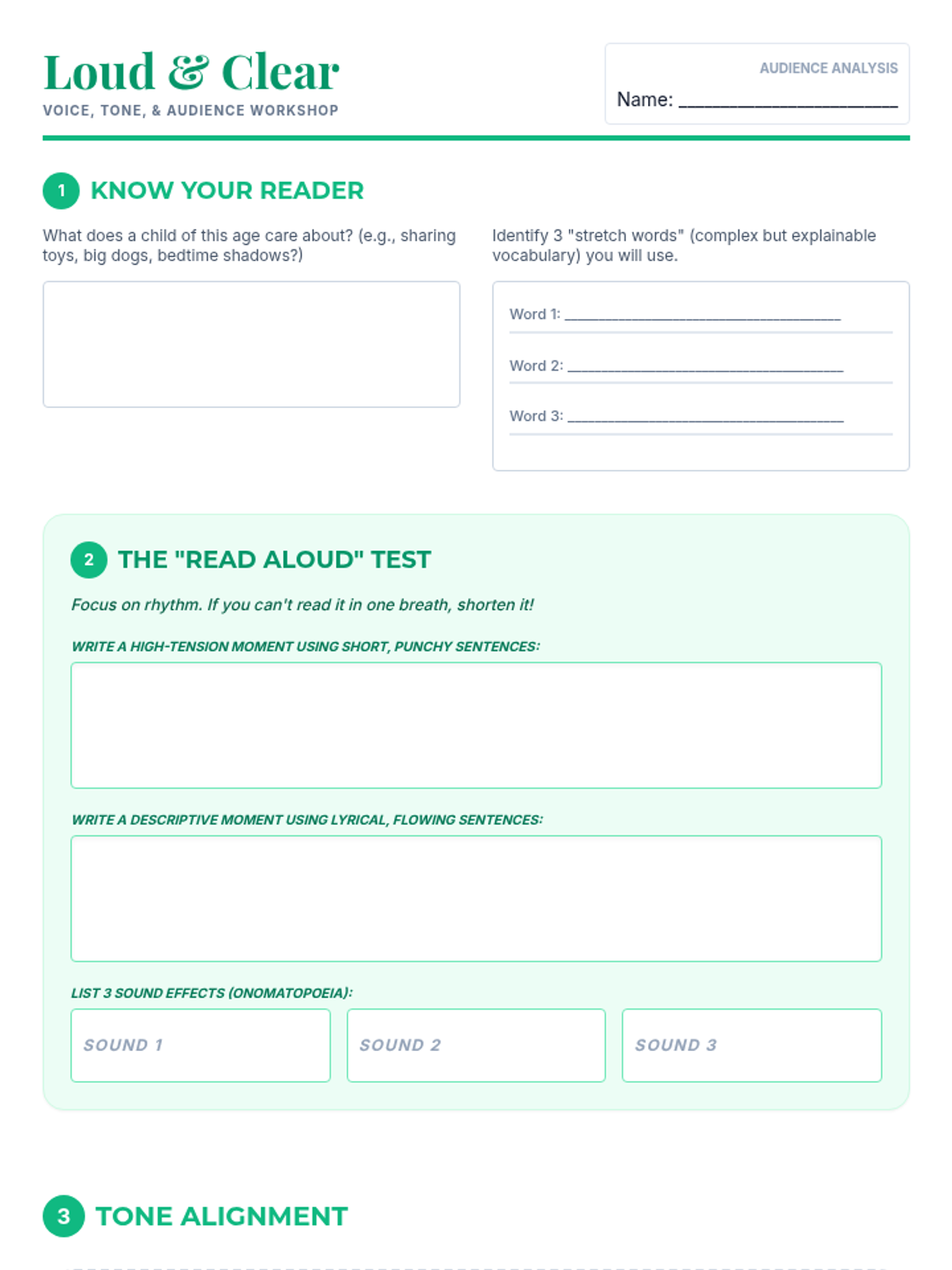
Polishes the narrative voice by adjusting language, tone, and sentence structure to suit a specific target age group.
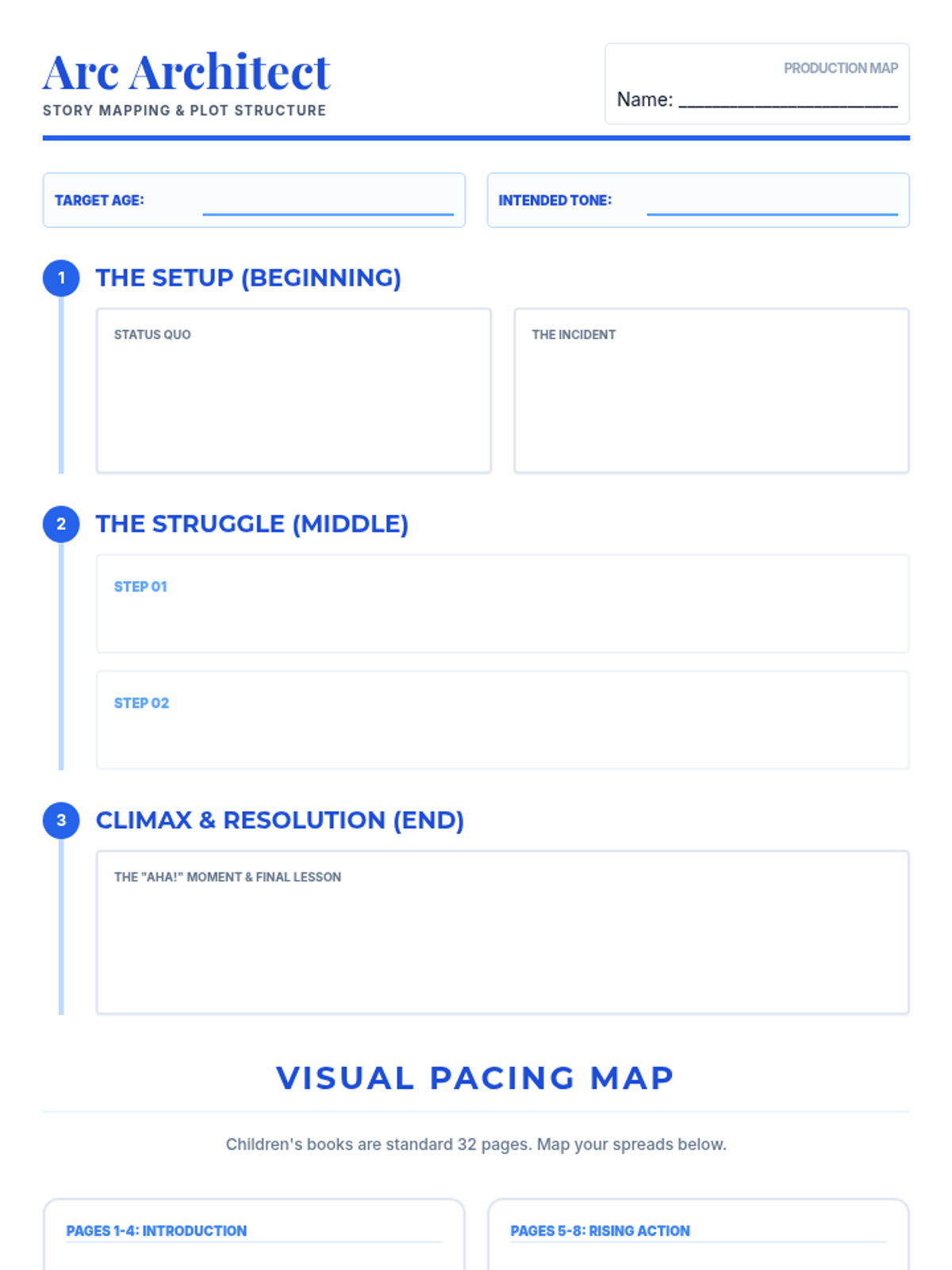
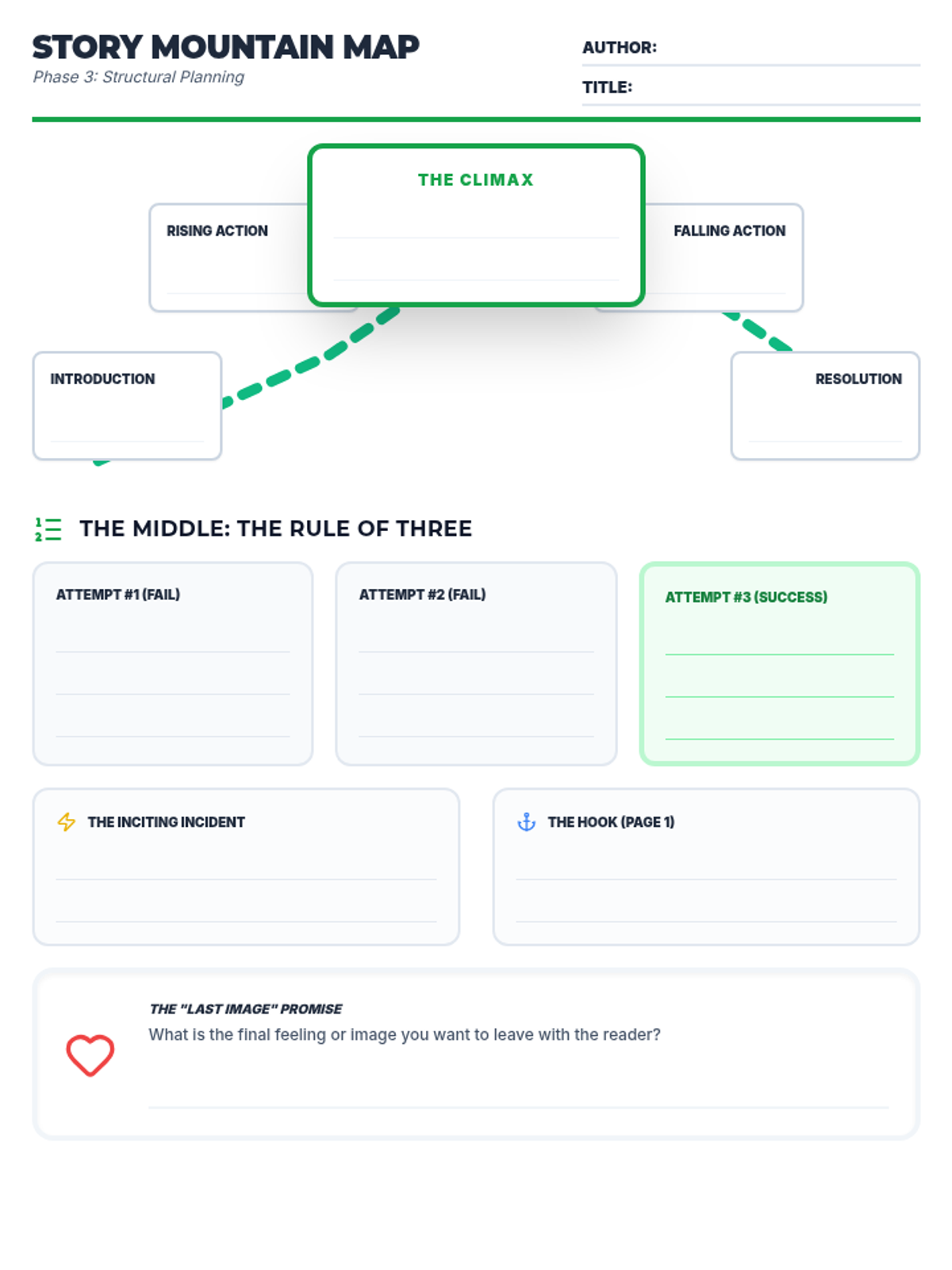
Dives into the structural requirements of a children's book, focusing on the classic three-act arc and the specific pacing needed for illustrated storytelling.
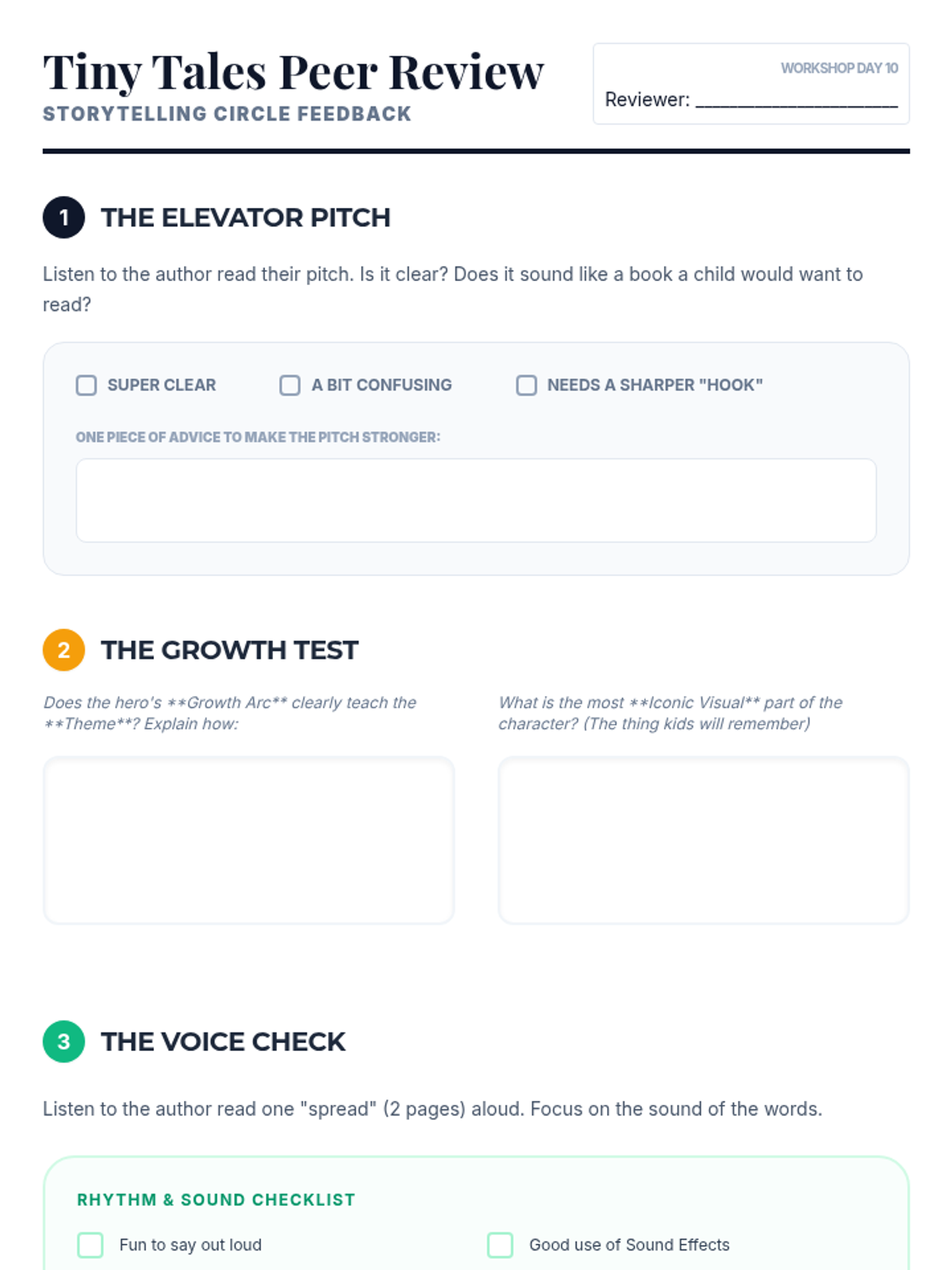
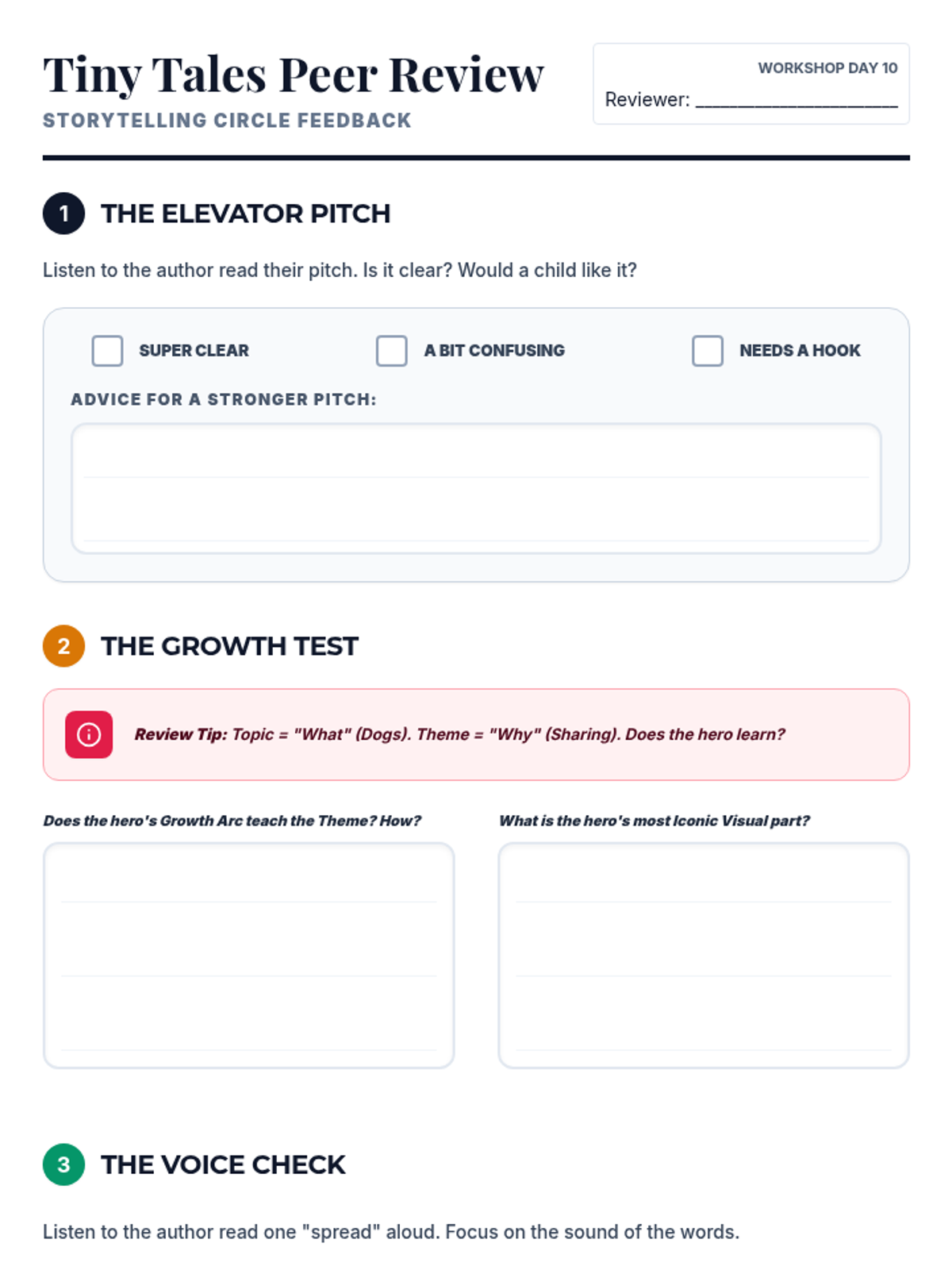
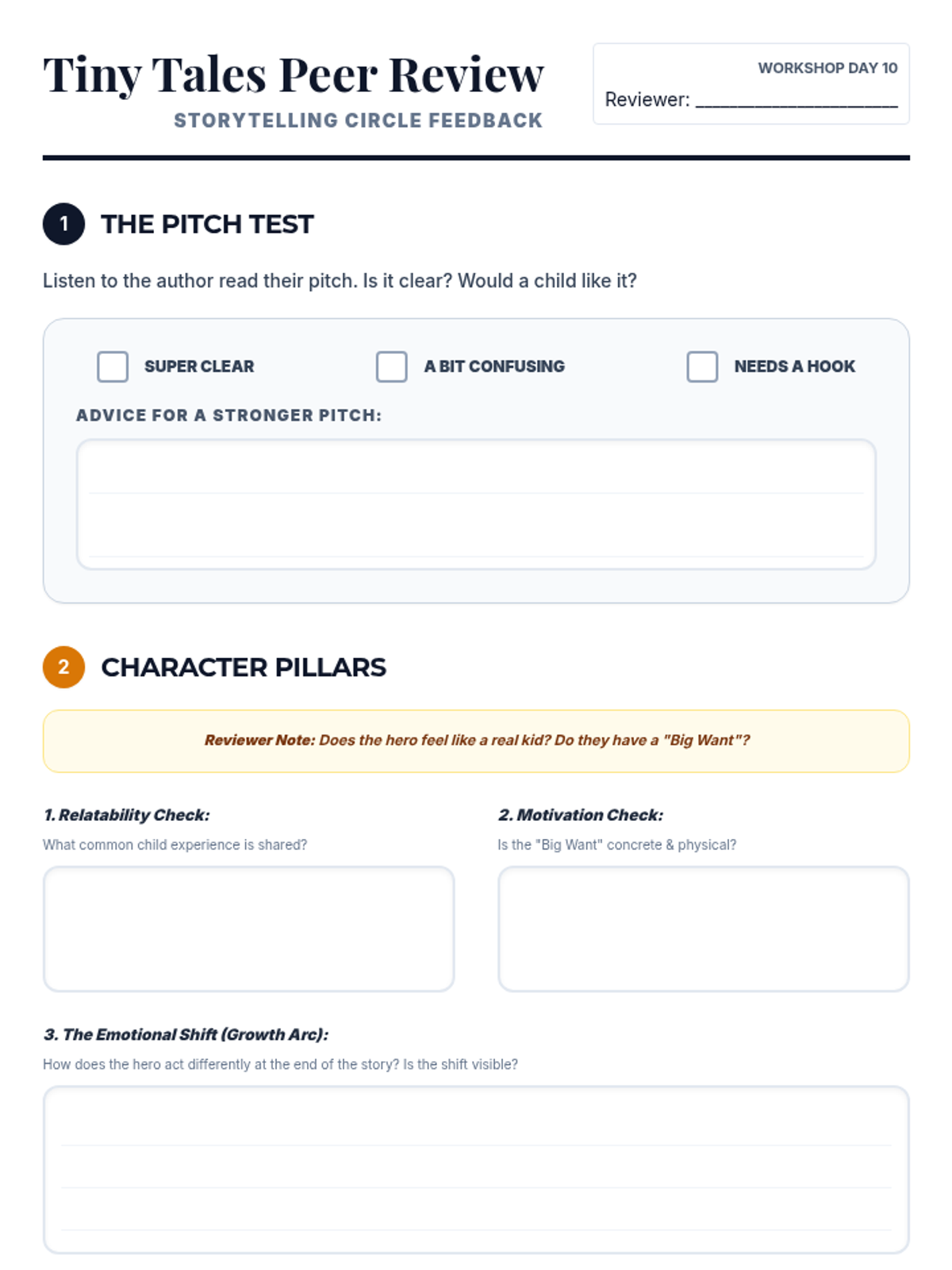
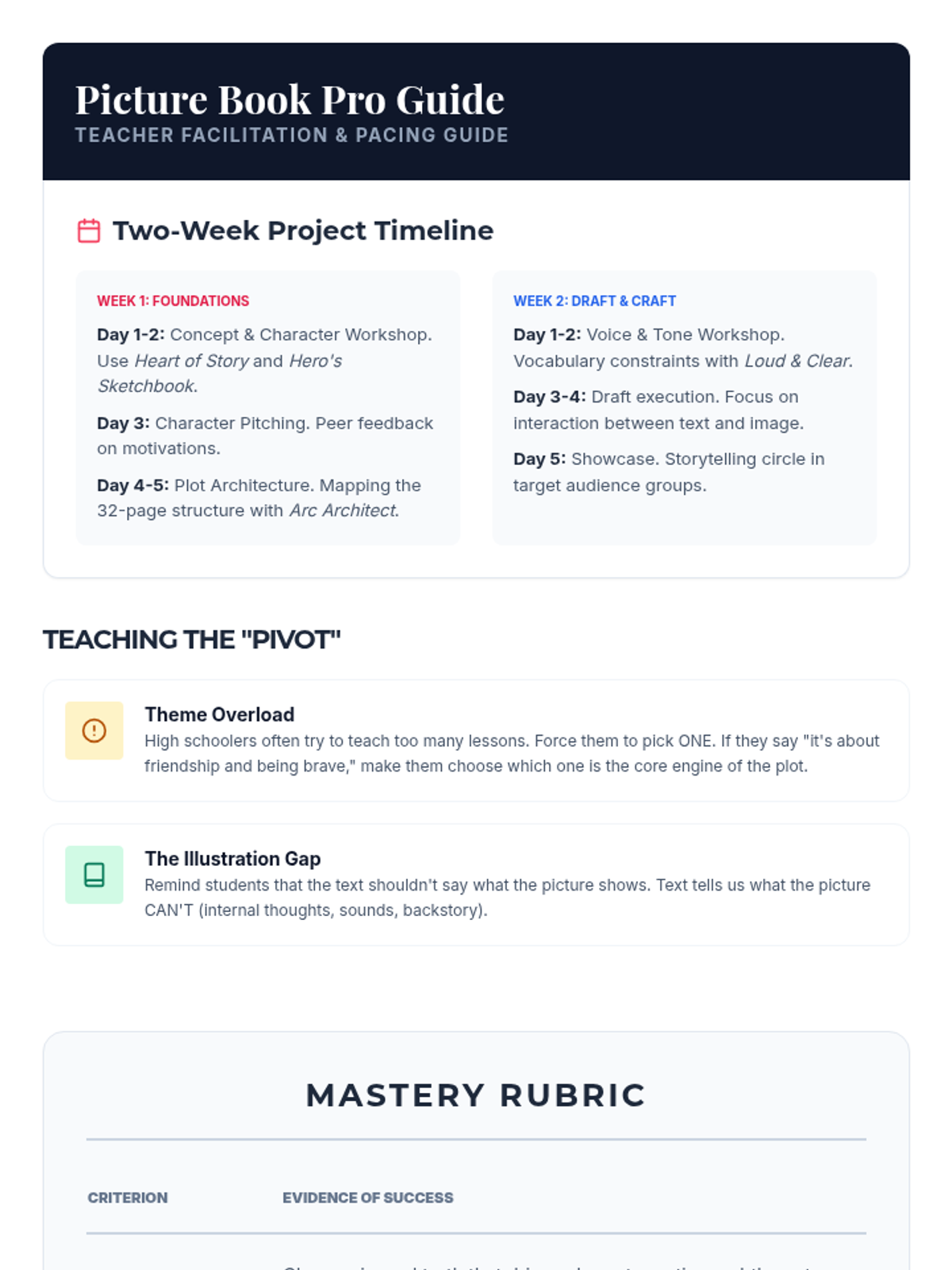
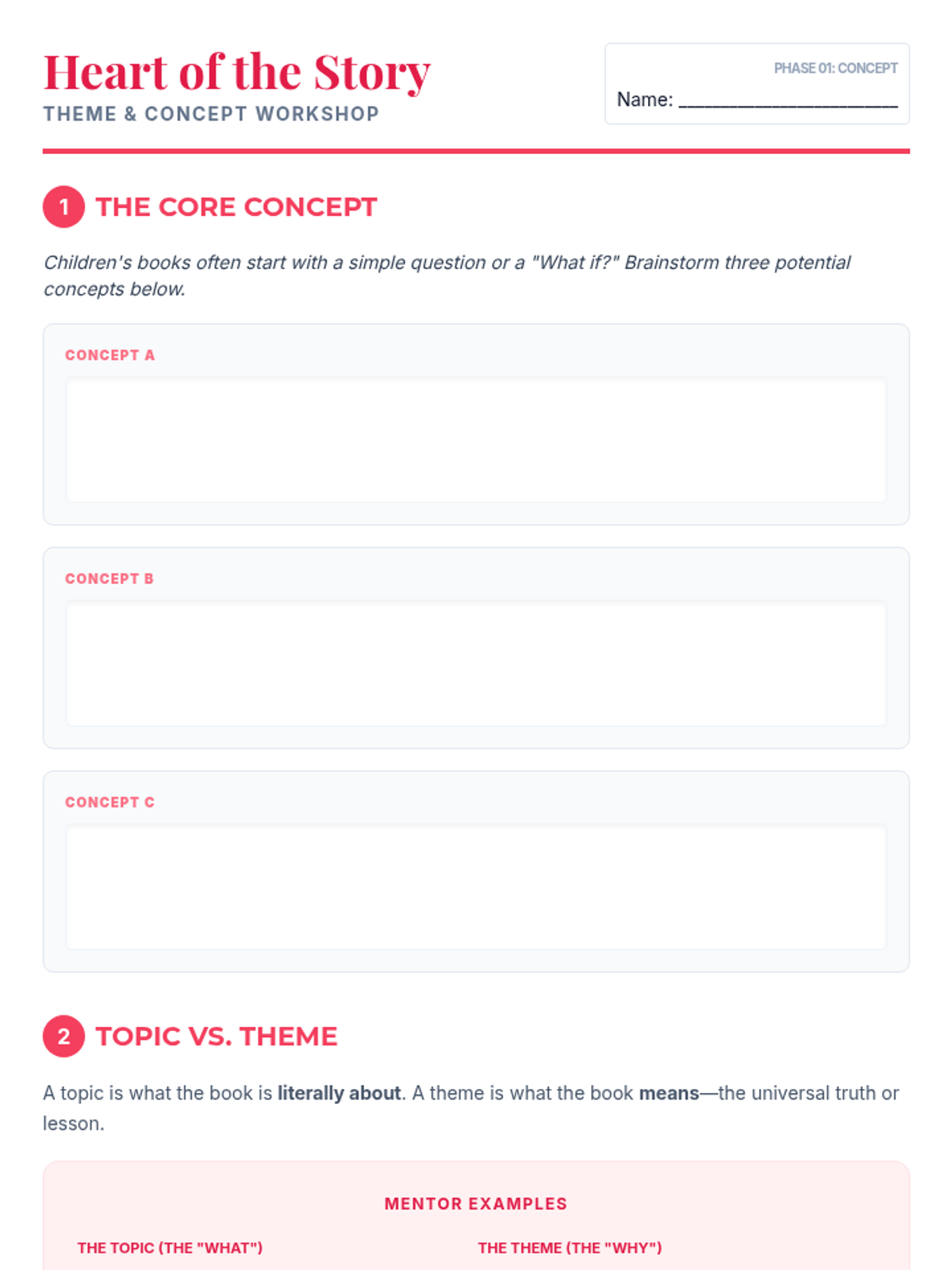
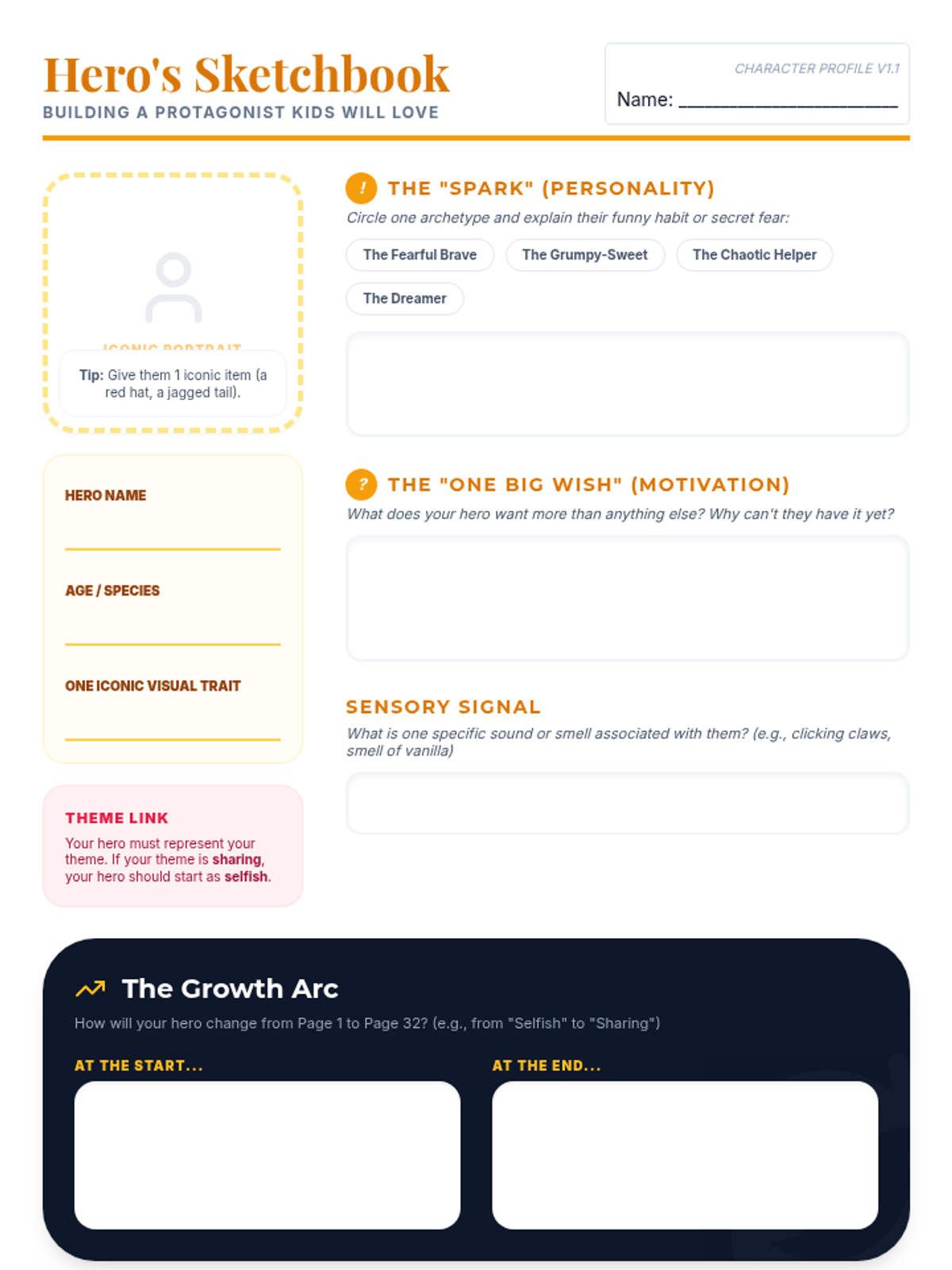
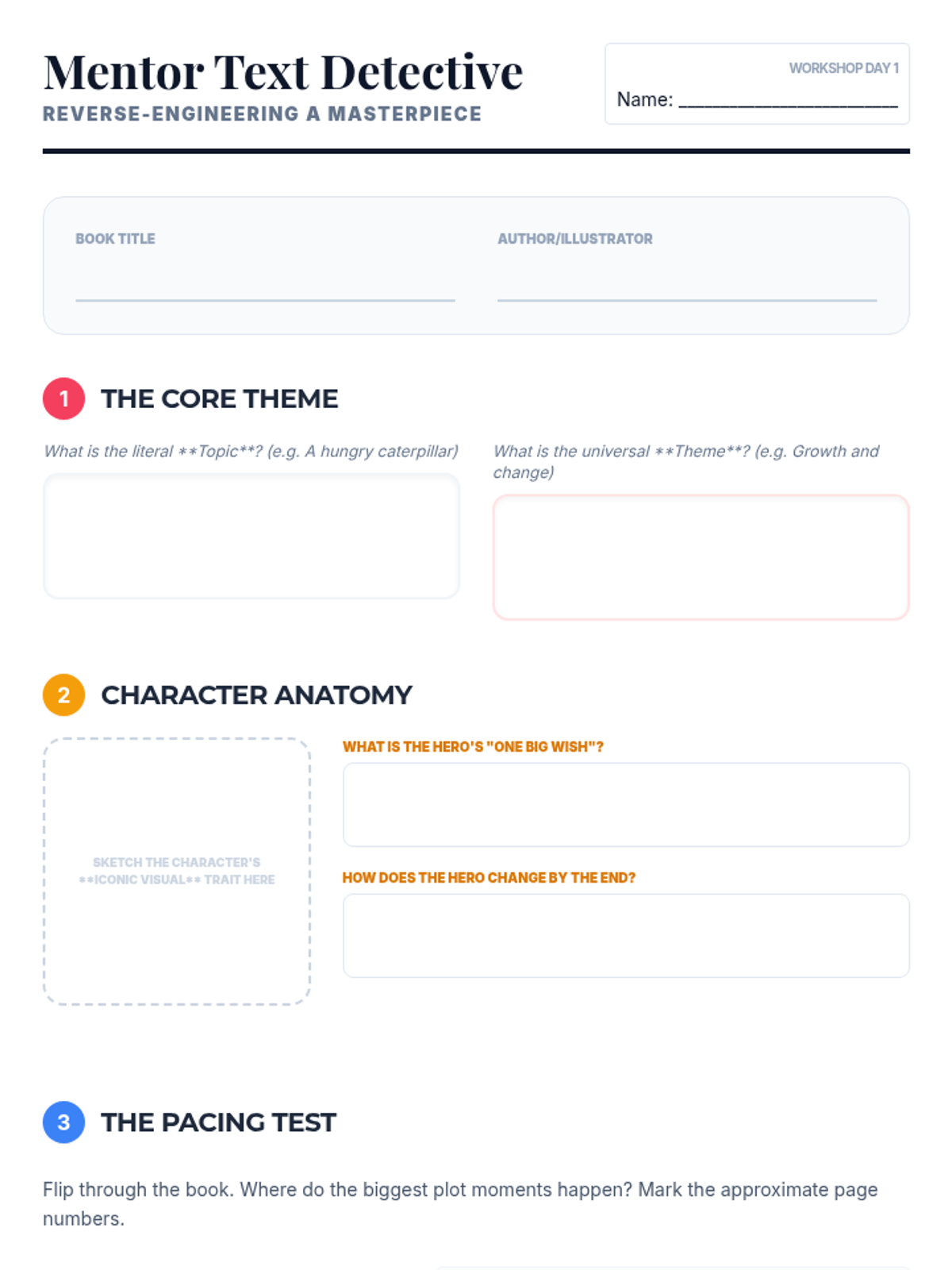
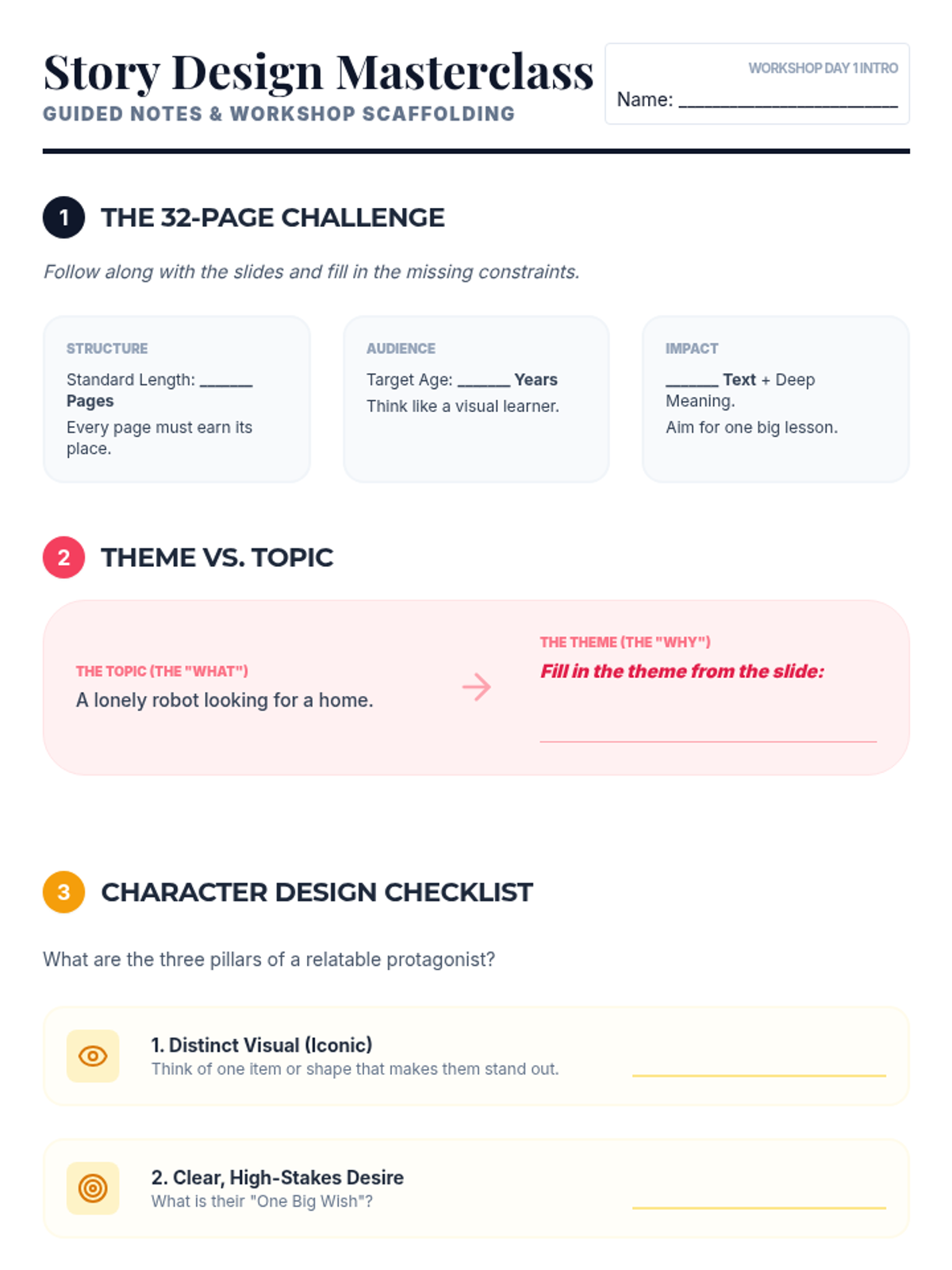
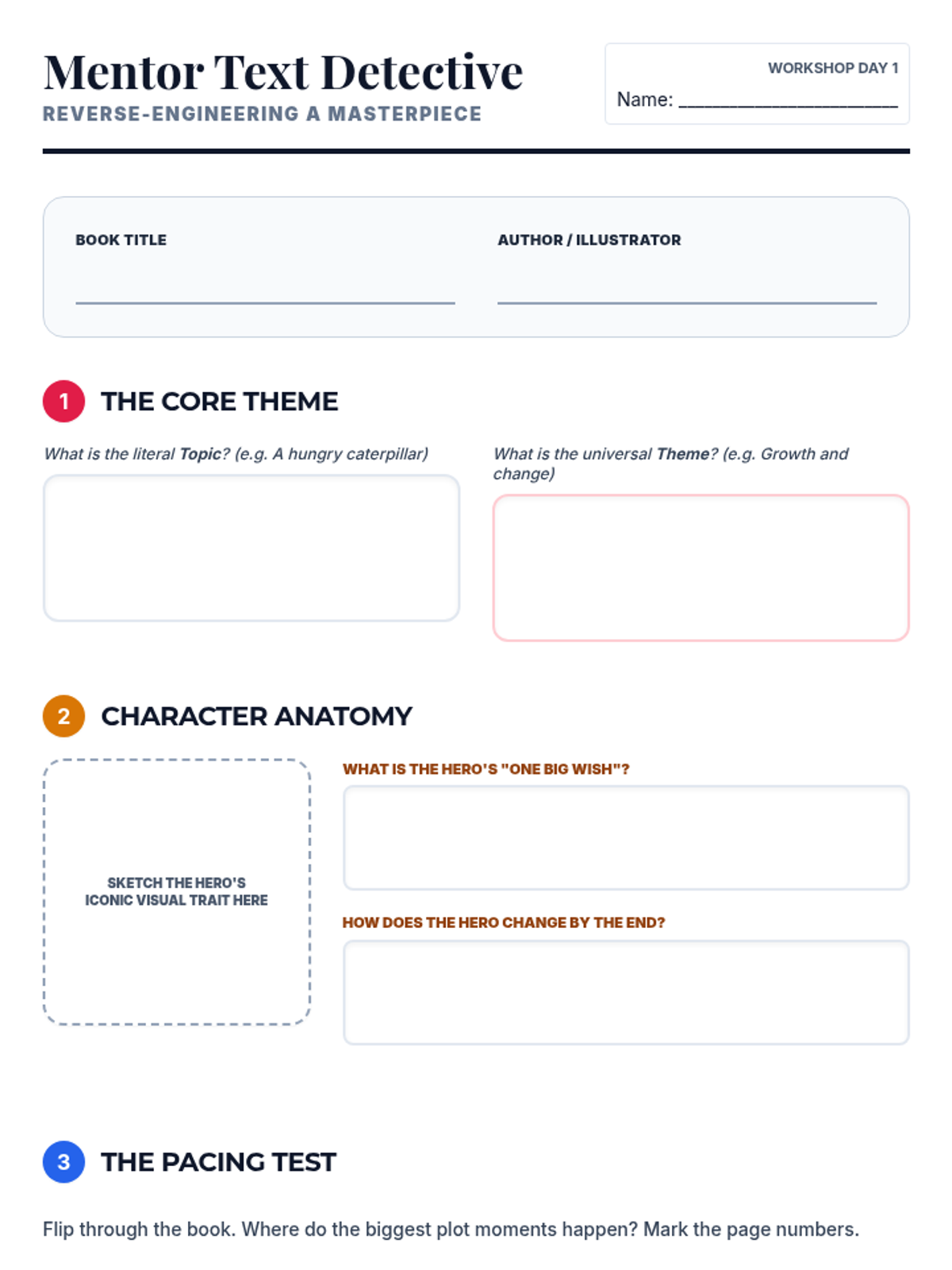
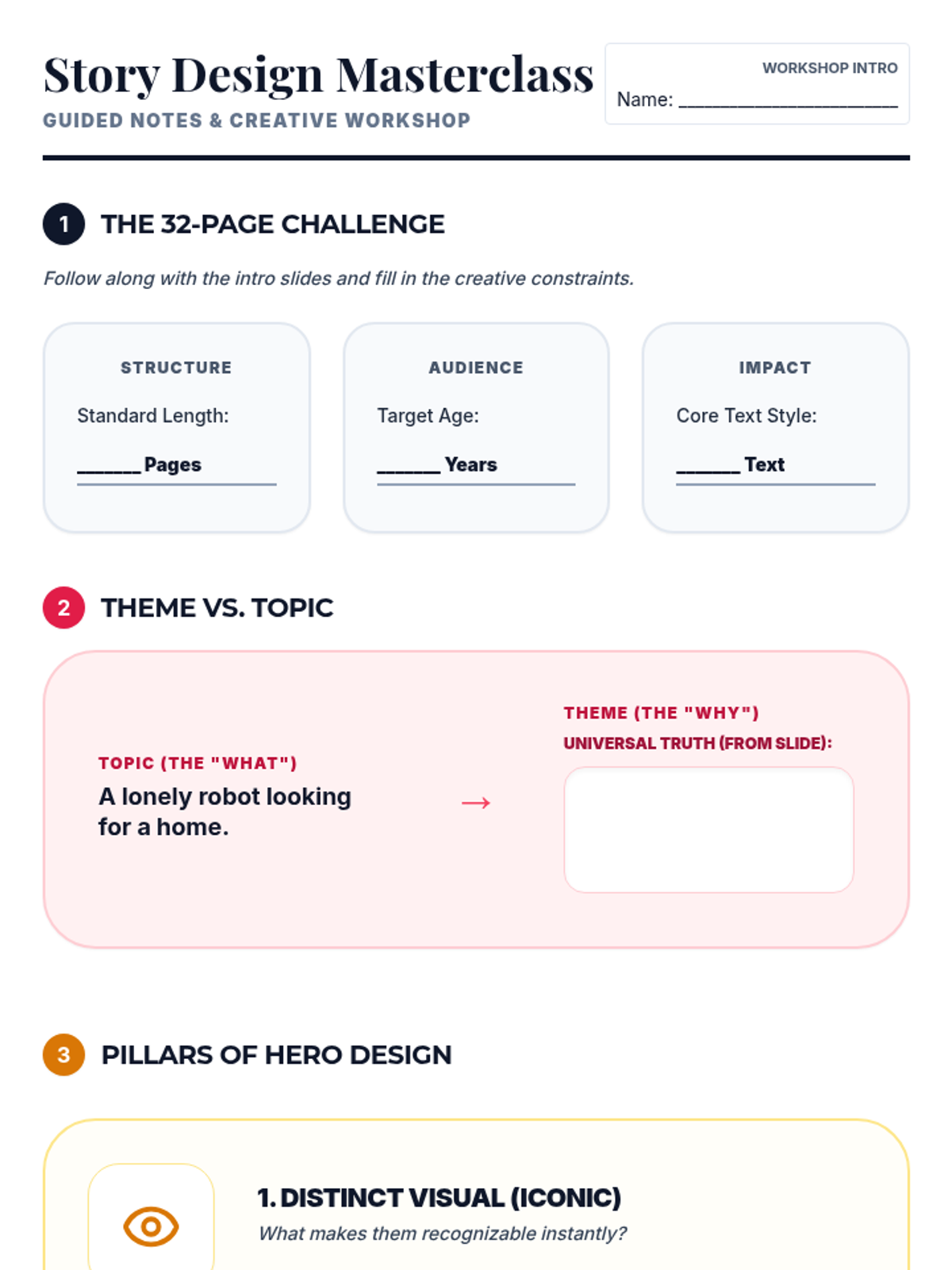
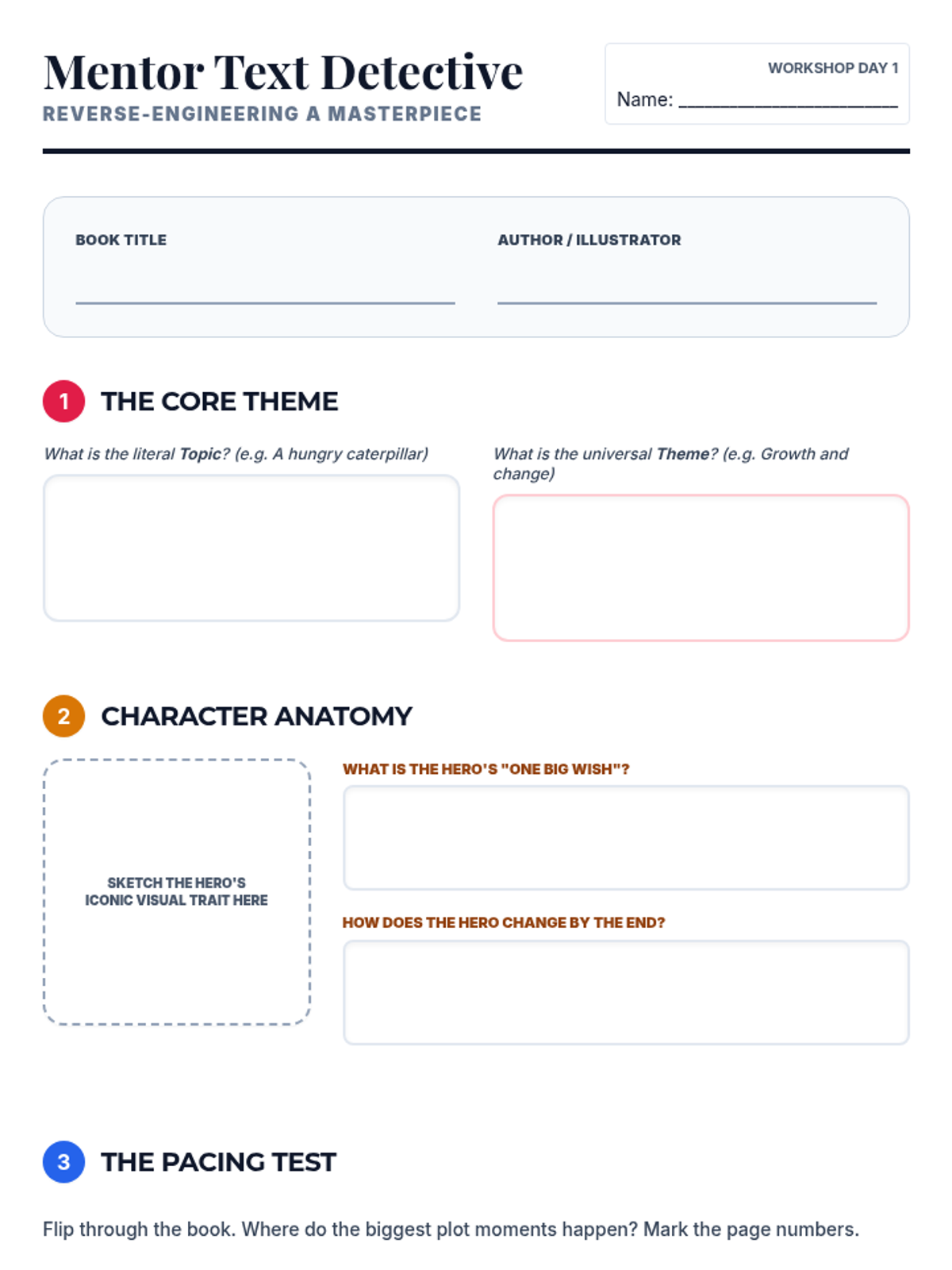
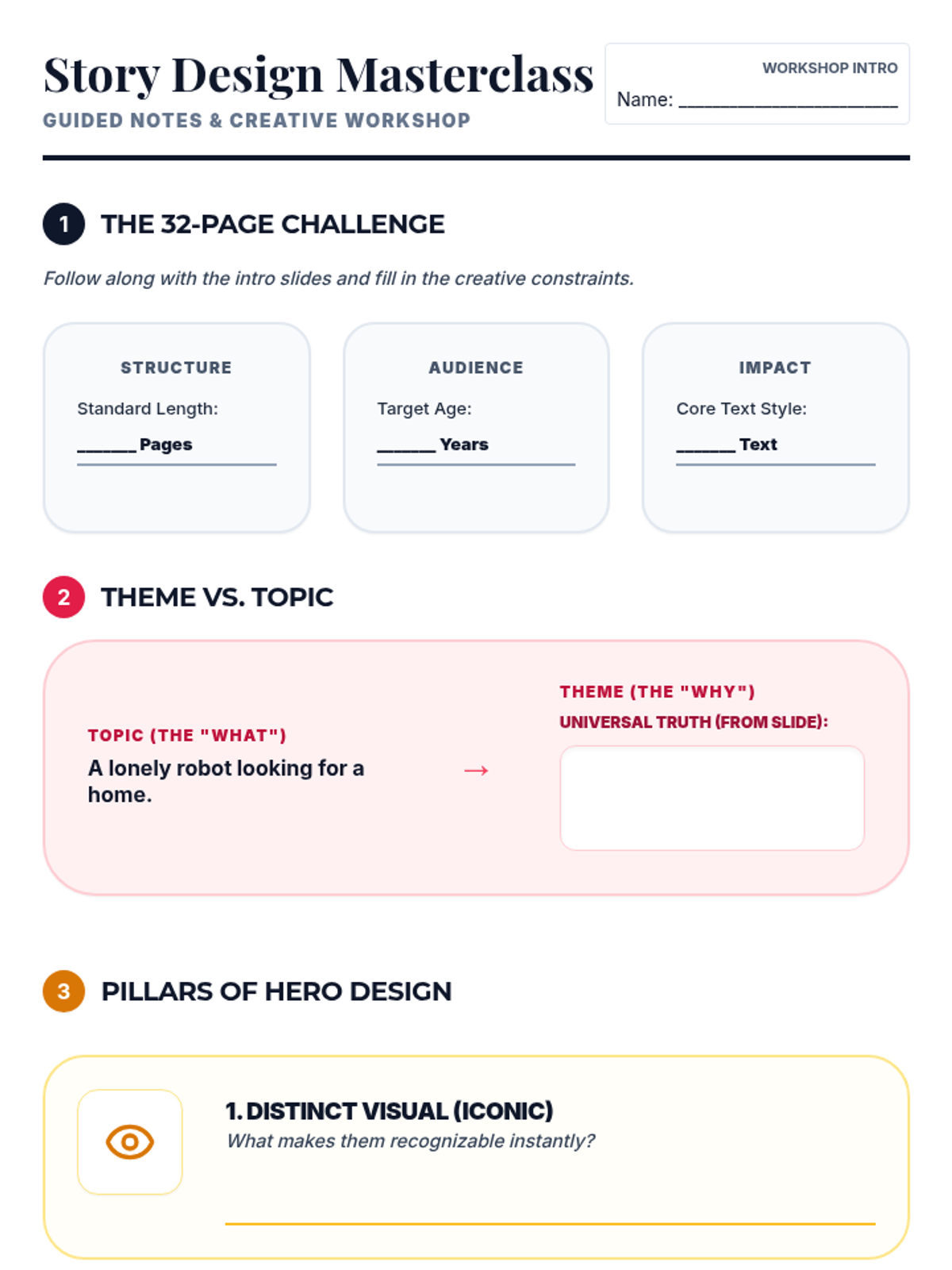
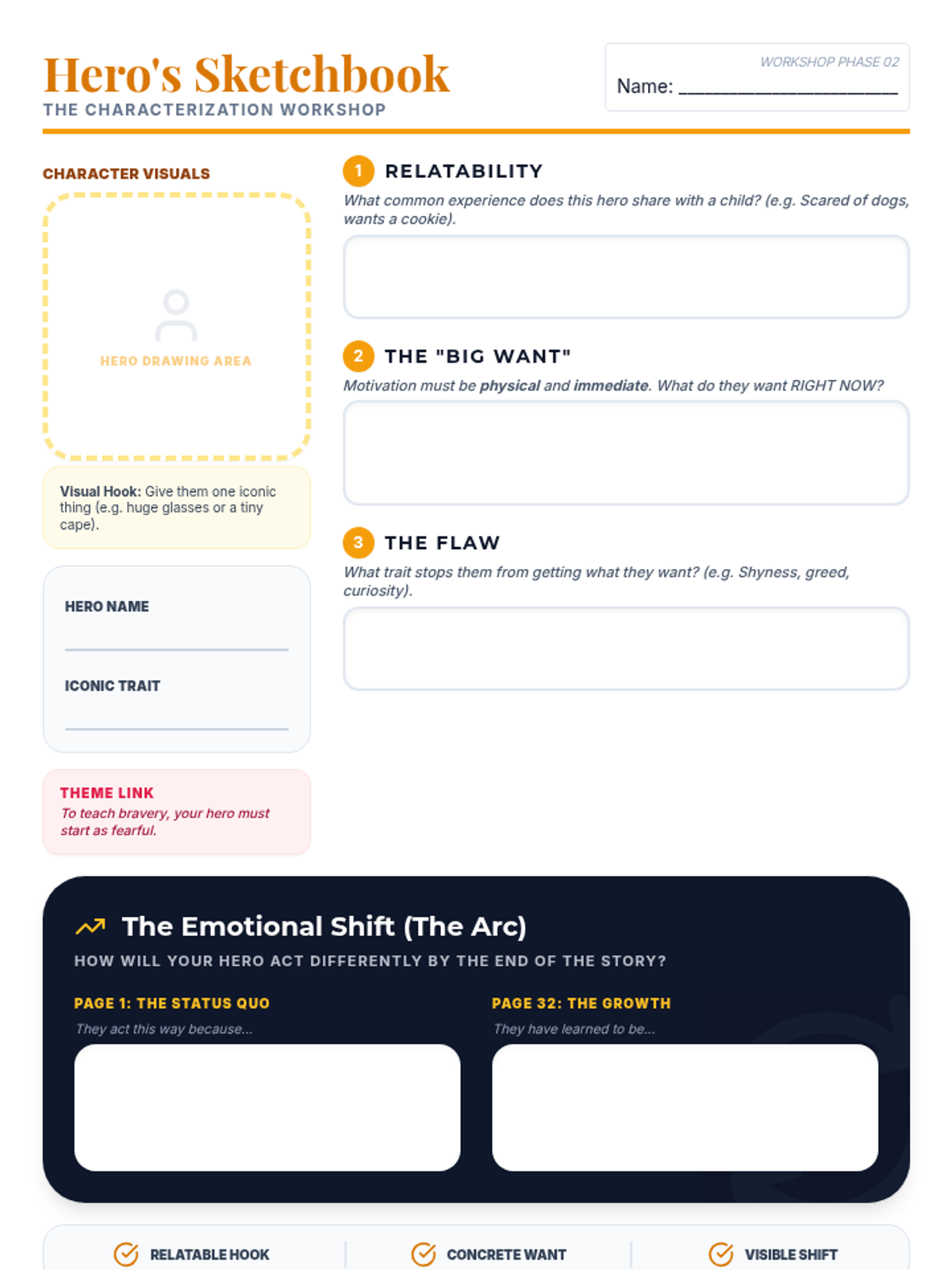
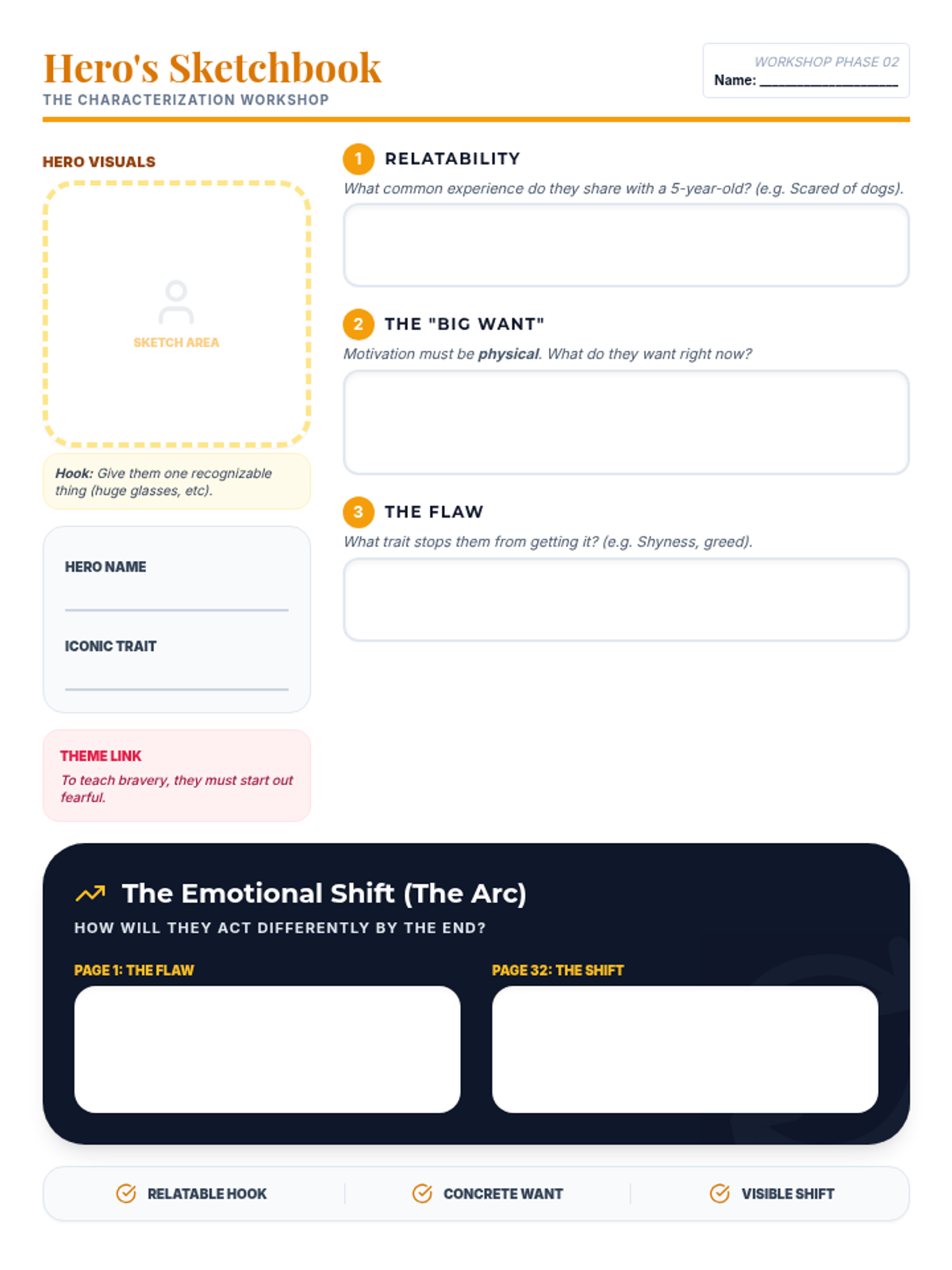
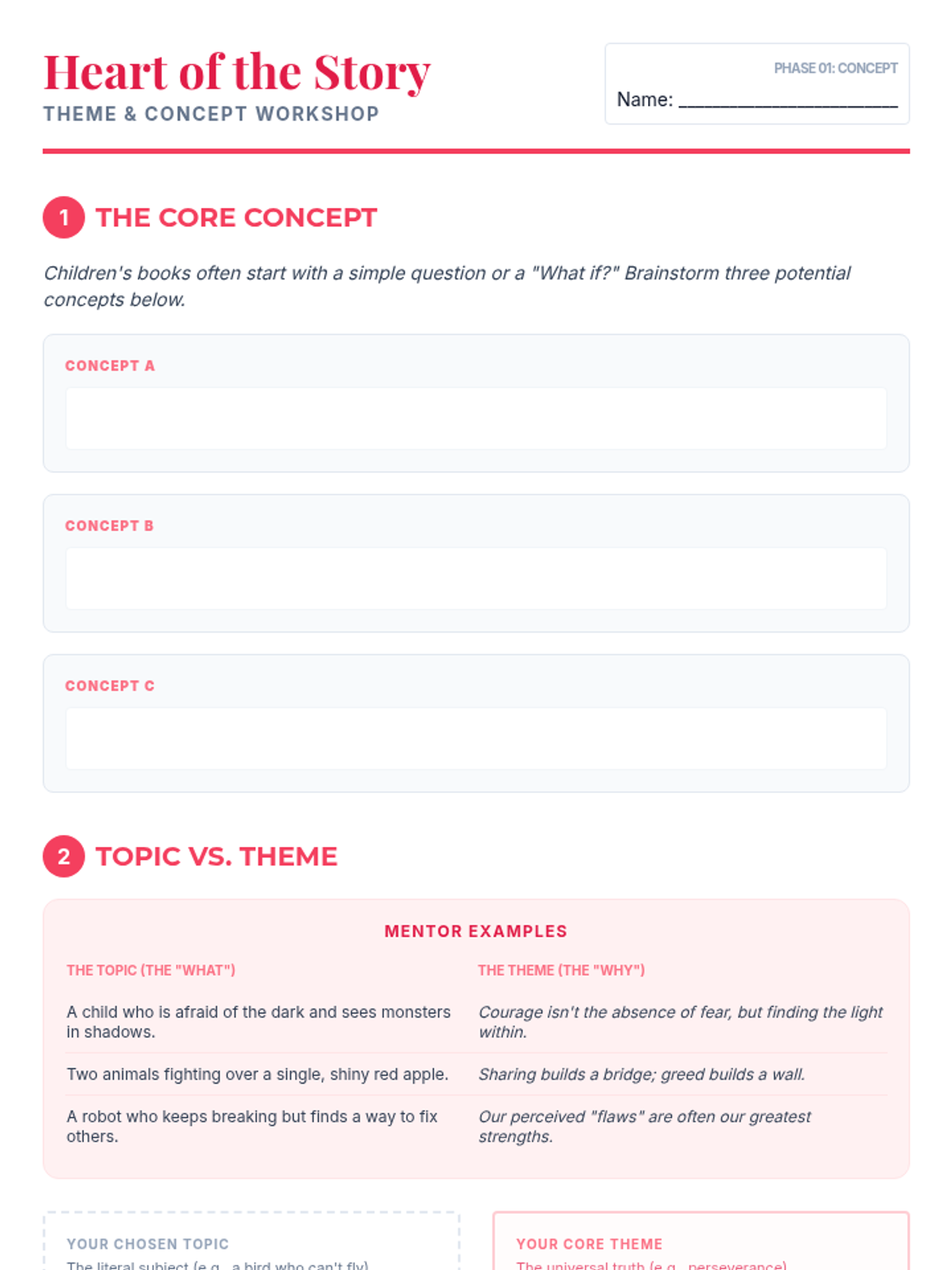
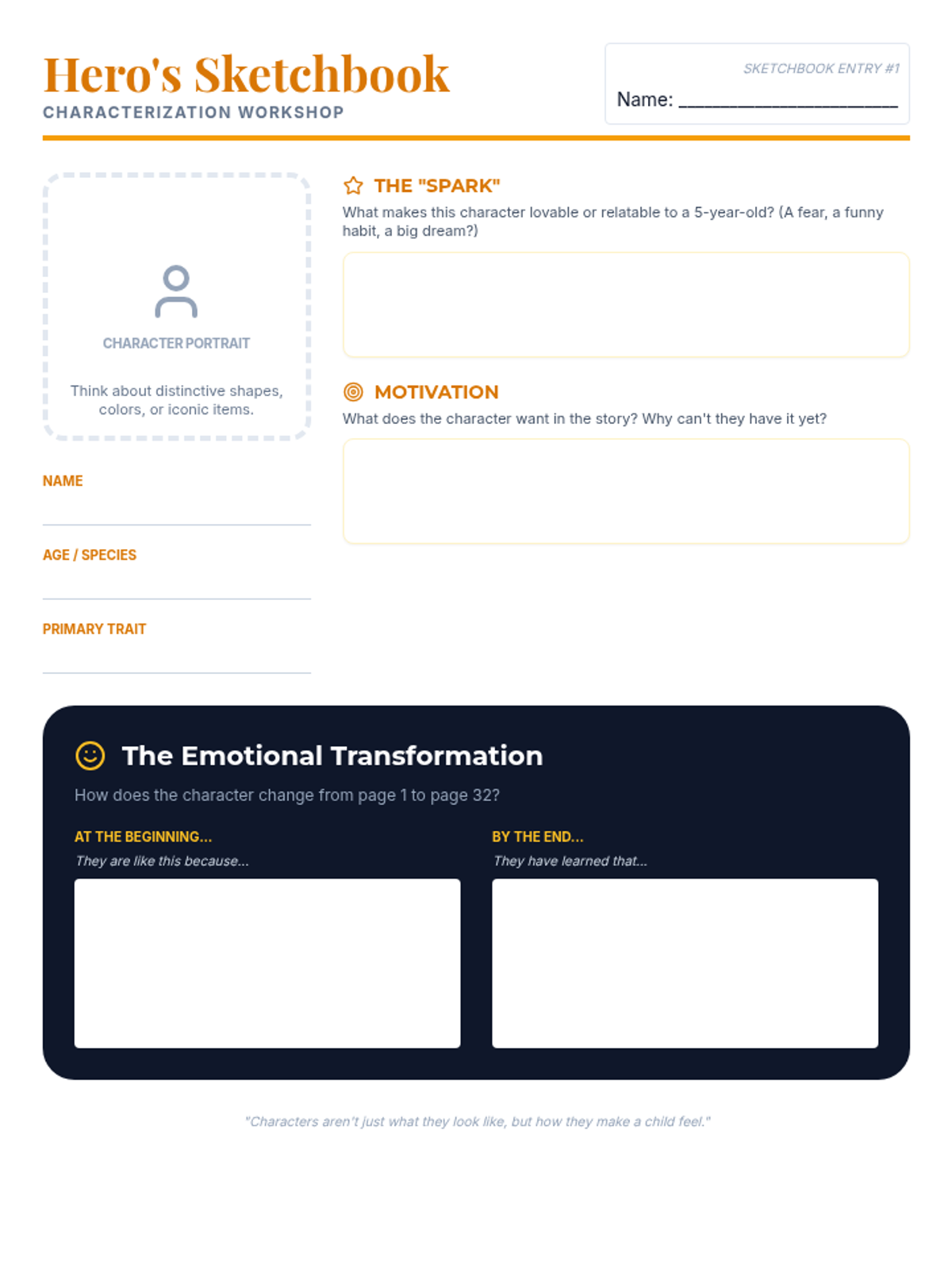
Focuses on the foundational elements of a children's book: establishing a meaningful theme and creating relatable characters for a young audience.
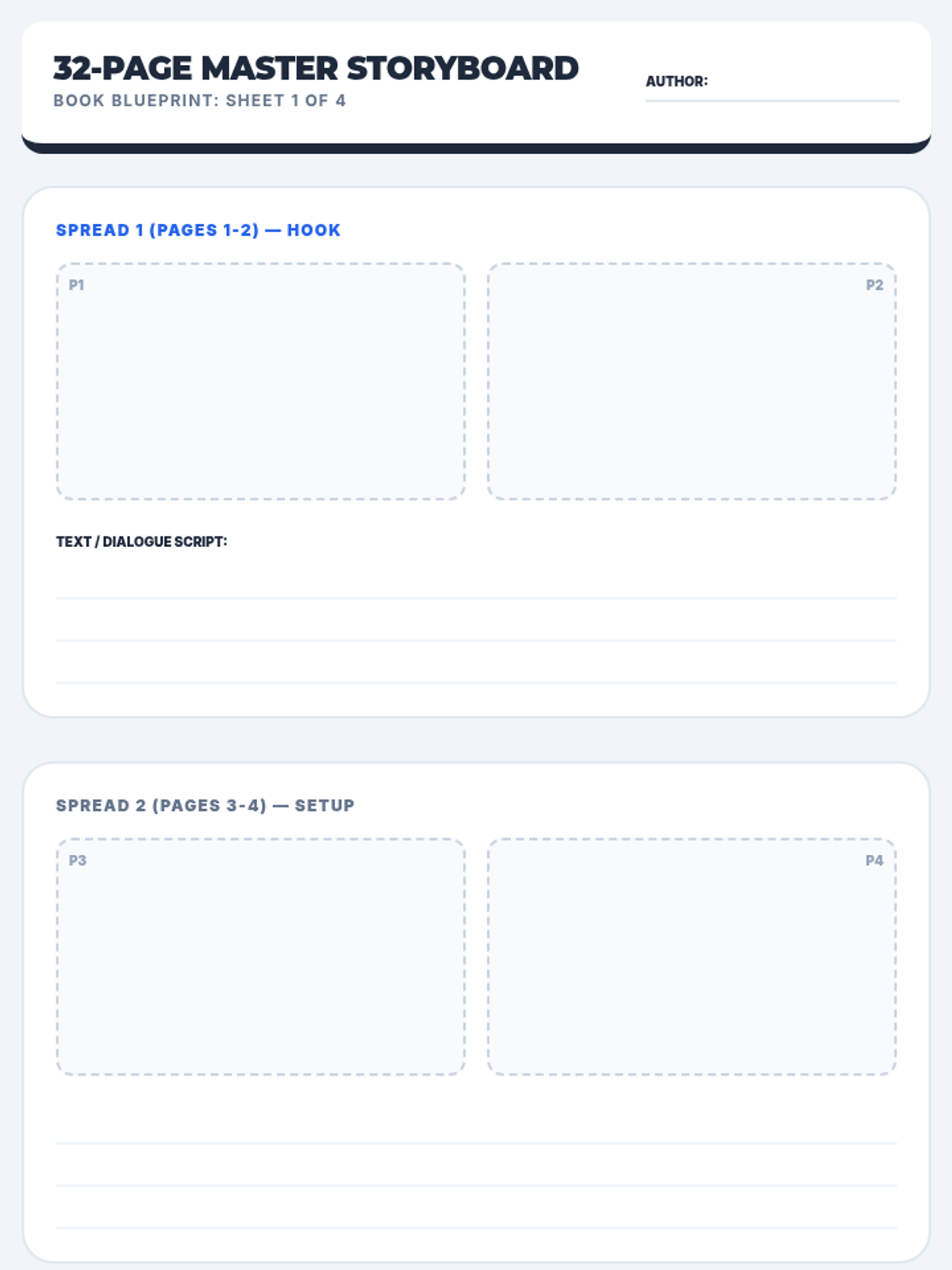
The final planning phase where students map out the relationship between text and illustration using a professional storyboard layout.
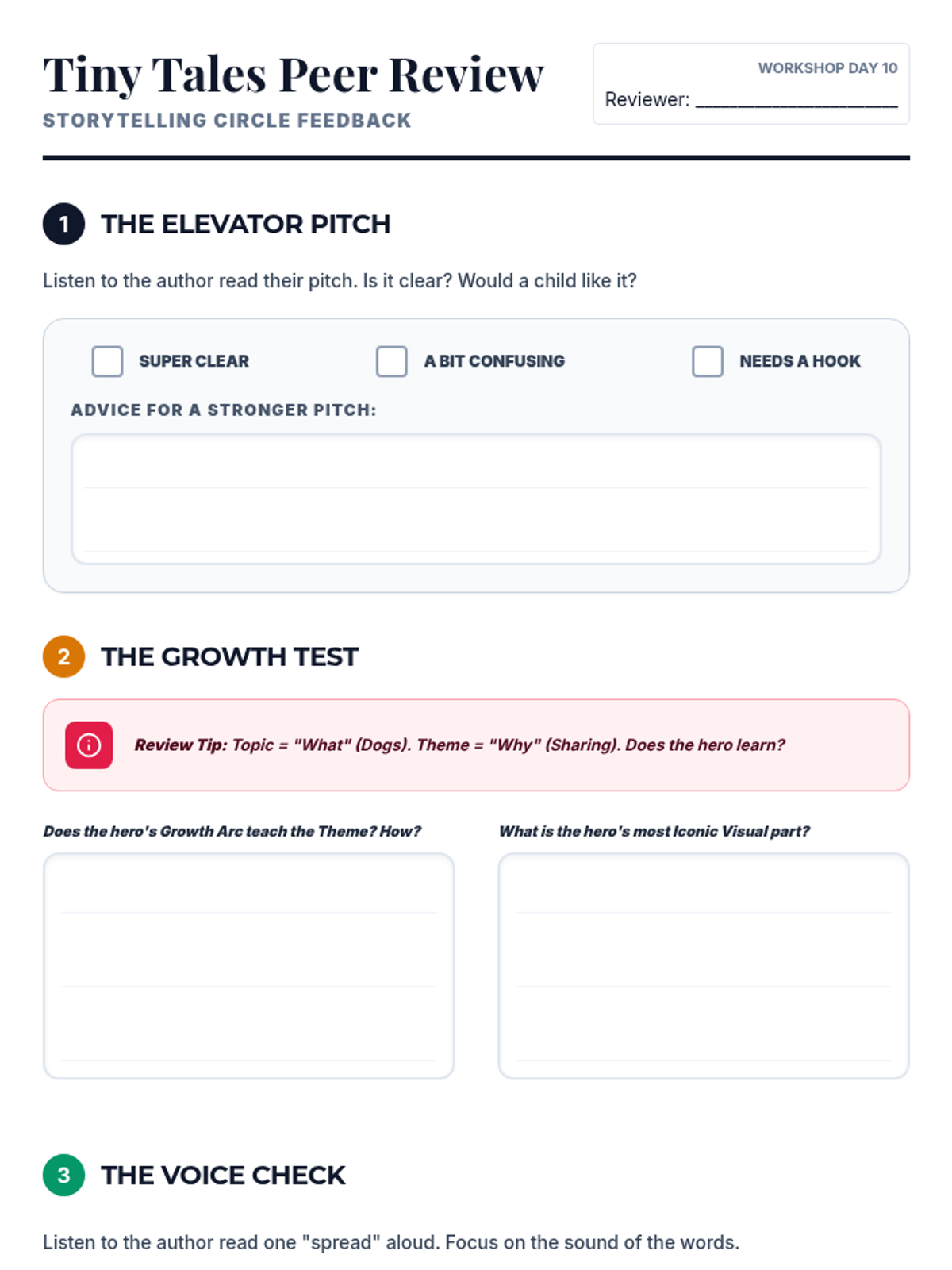
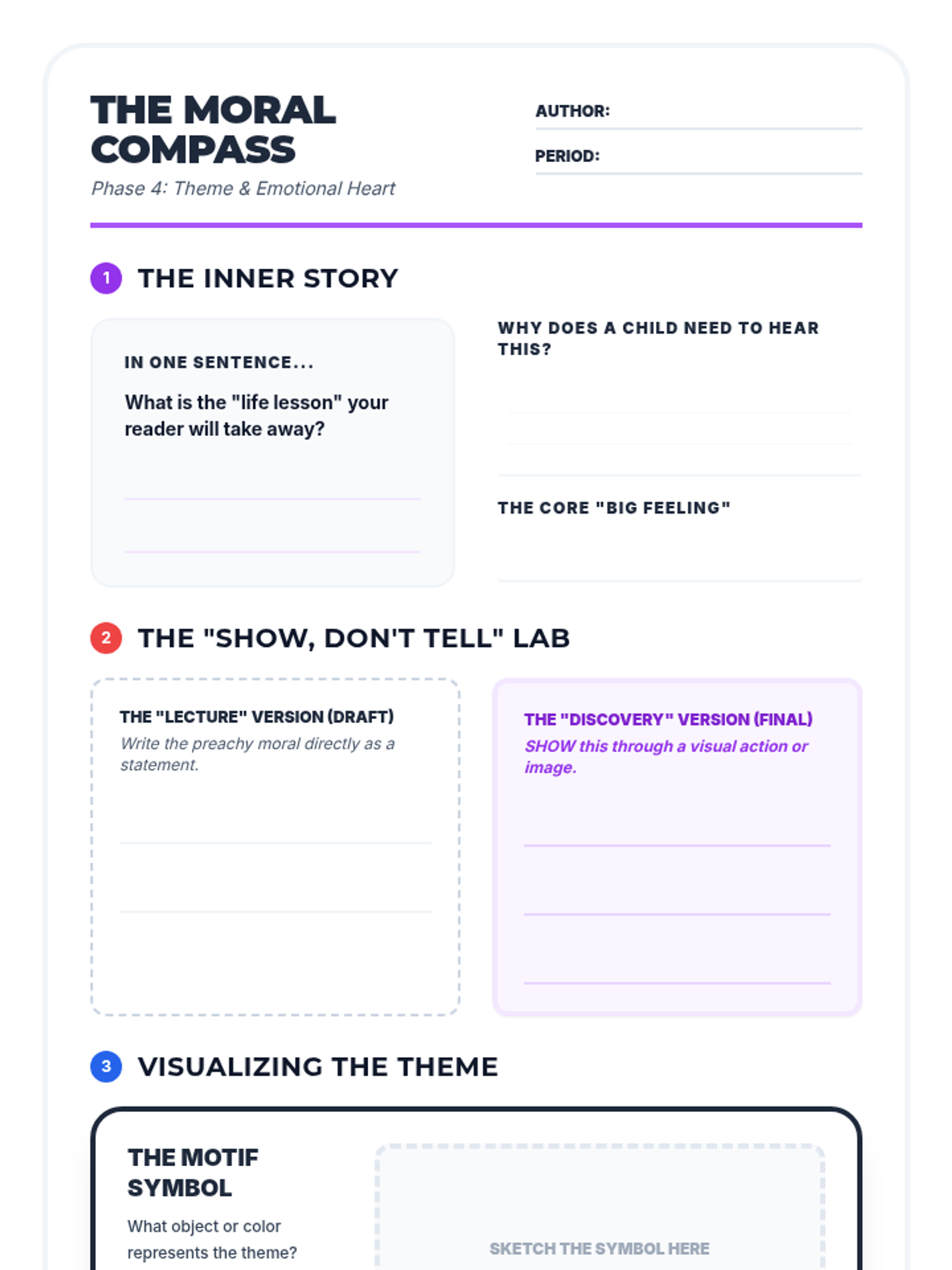
Students learn how to weave meaningful life lessons and themes into their narratives without becoming overly didactic or 'preachy.'
An exploration of the classic three-act structure tailored for the pacing of a 32-page children's book format.
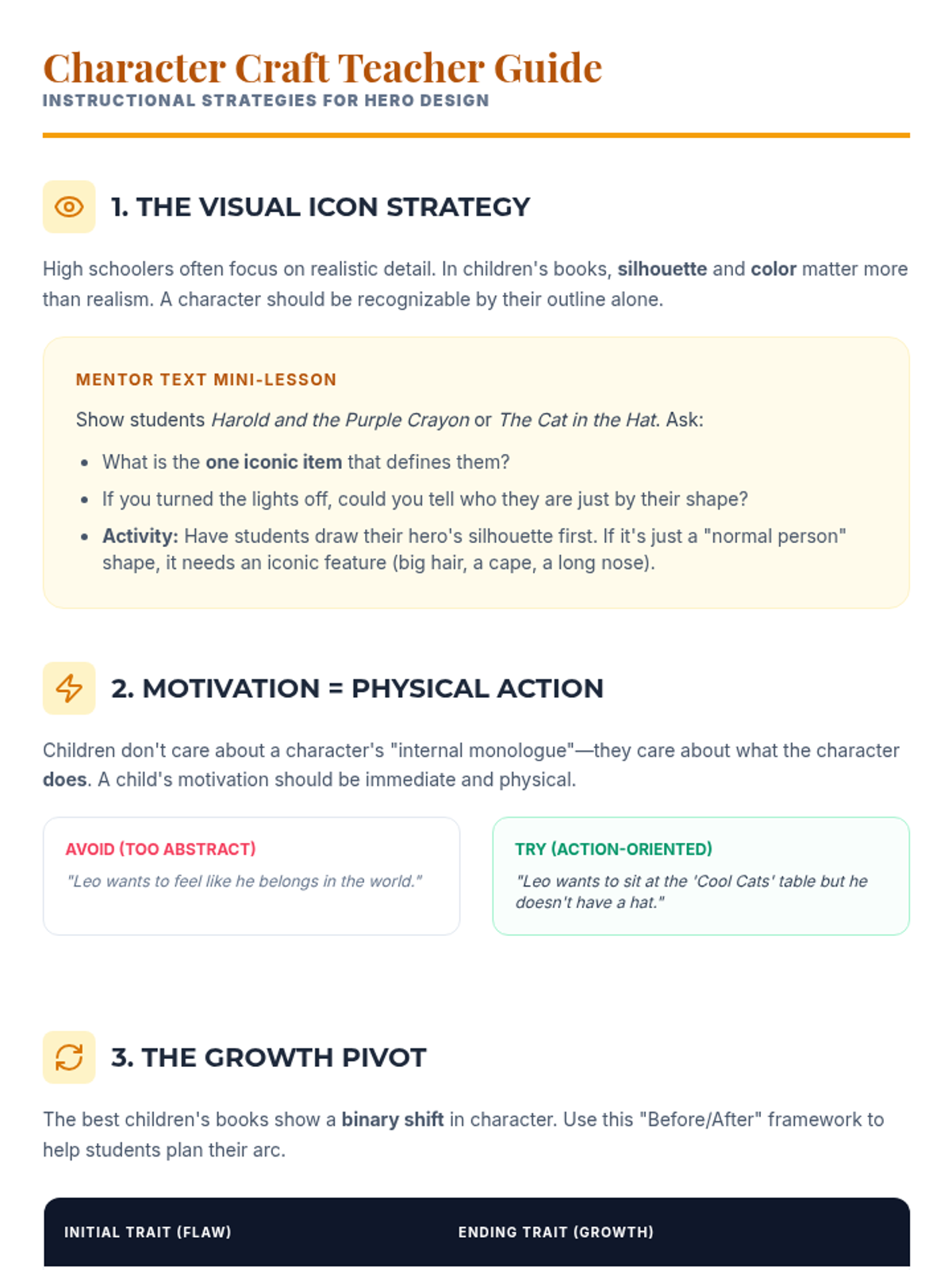
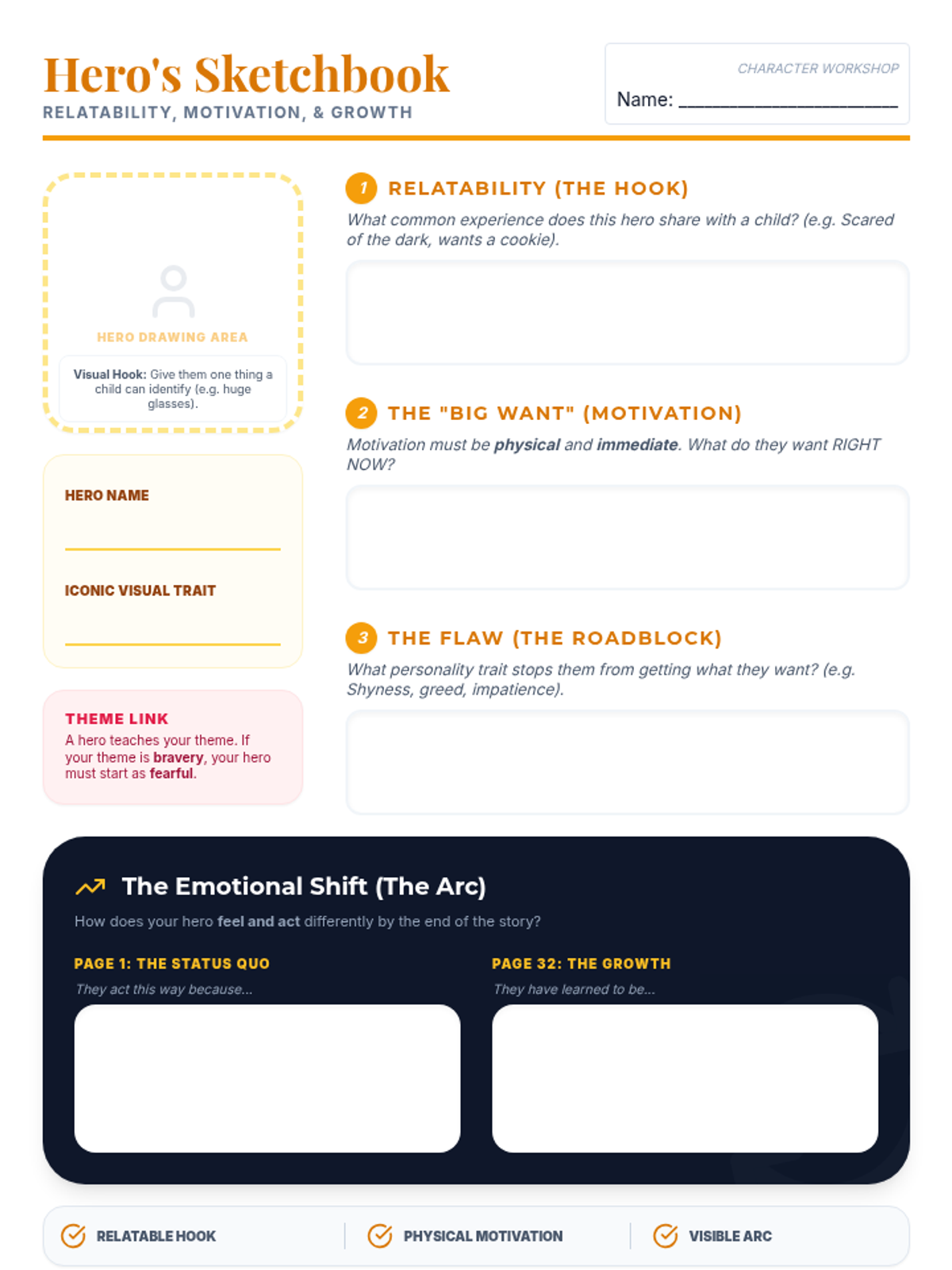
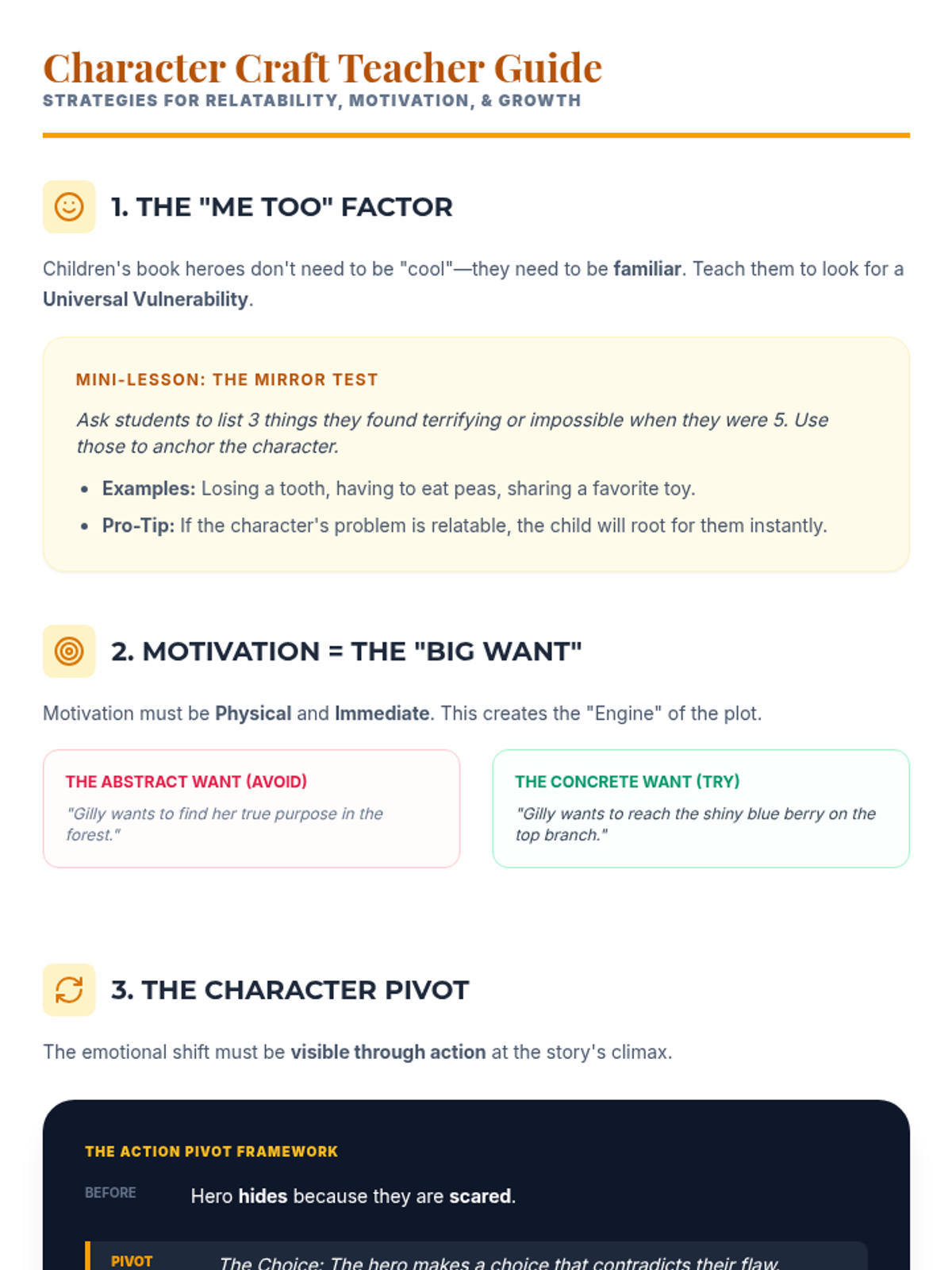
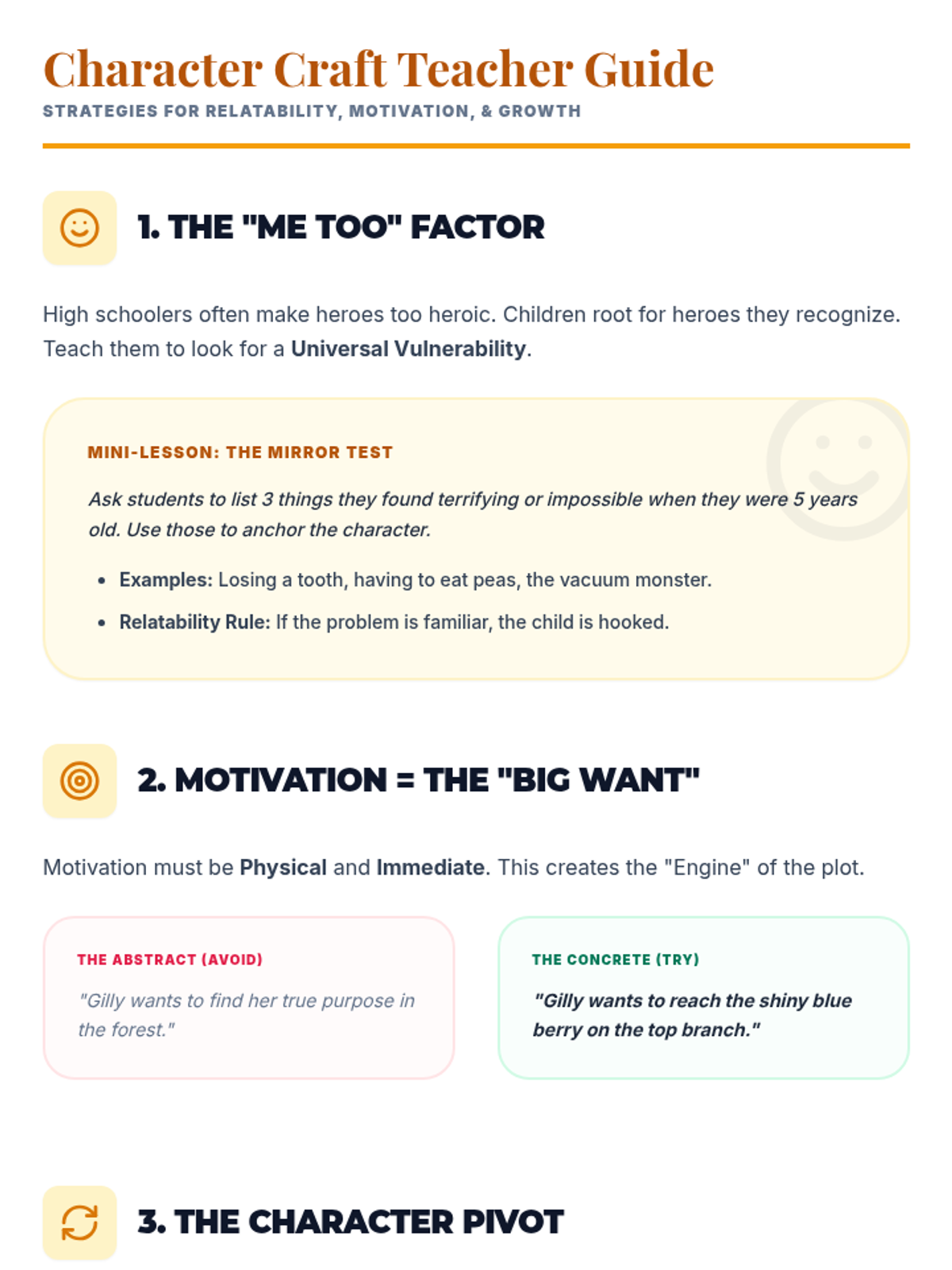
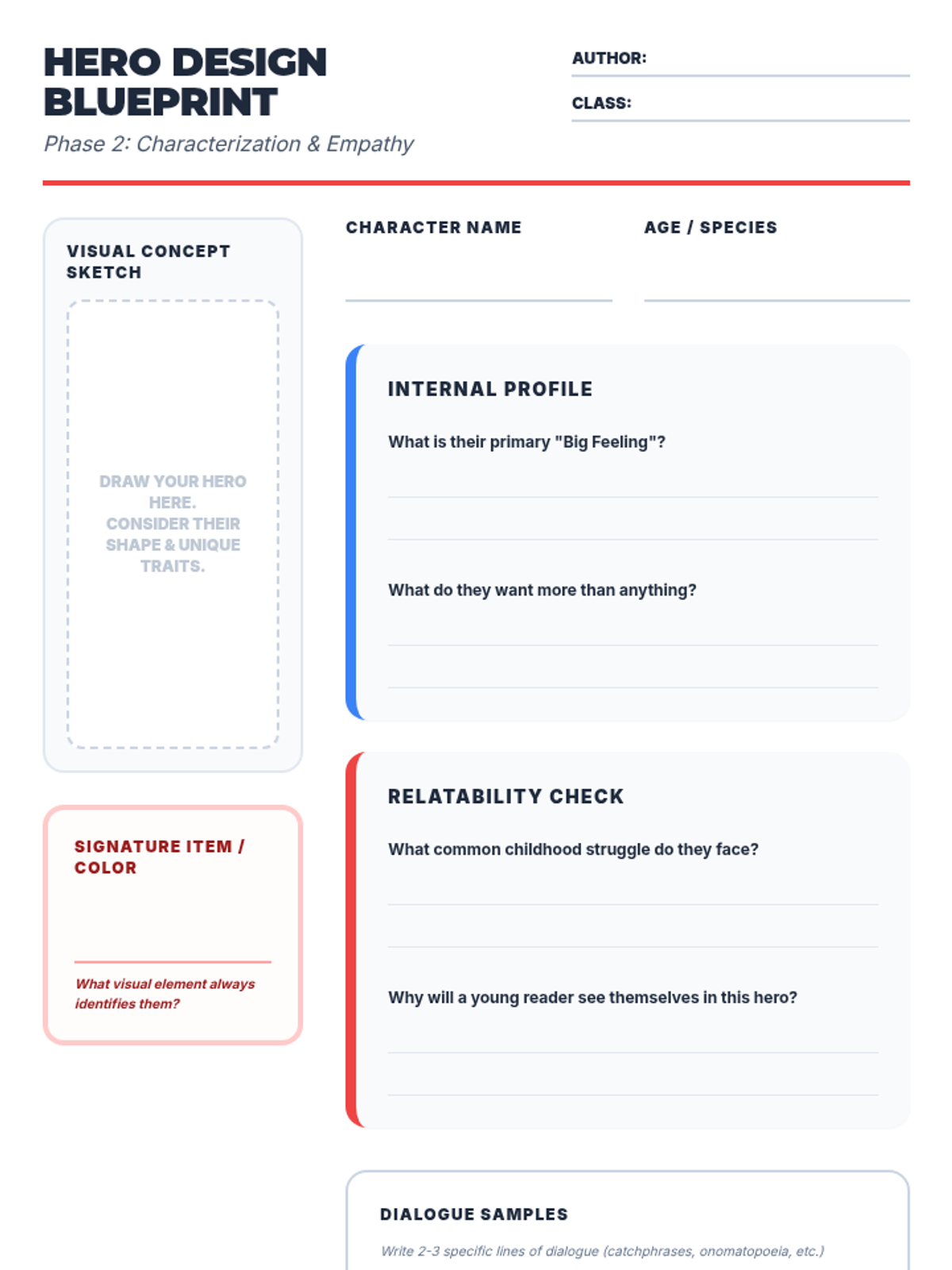
Students design relatable protagonists and supporting characters, focusing on visual characterization and emotional accessibility for children.