A high school lesson on the four MAIN causes of World War I (Militarism, Alliances, Imperialism, Nationalism) adapted to a 4th-grade readability level and featuring Skibidi Toilet characters to engage the student.
A concluding look at how the branches interact through checks and balances, plus a look at state-level government and citizen duties.
Understanding the Judicial Branch, the Supreme Court, and how laws are interpreted and protected.
Exploring the Executive Branch, the role of the President, and the various departments that carry out laws.
An in-depth look at the Legislative Branch, focusing on how Congress is formed and how a bill becomes a law.
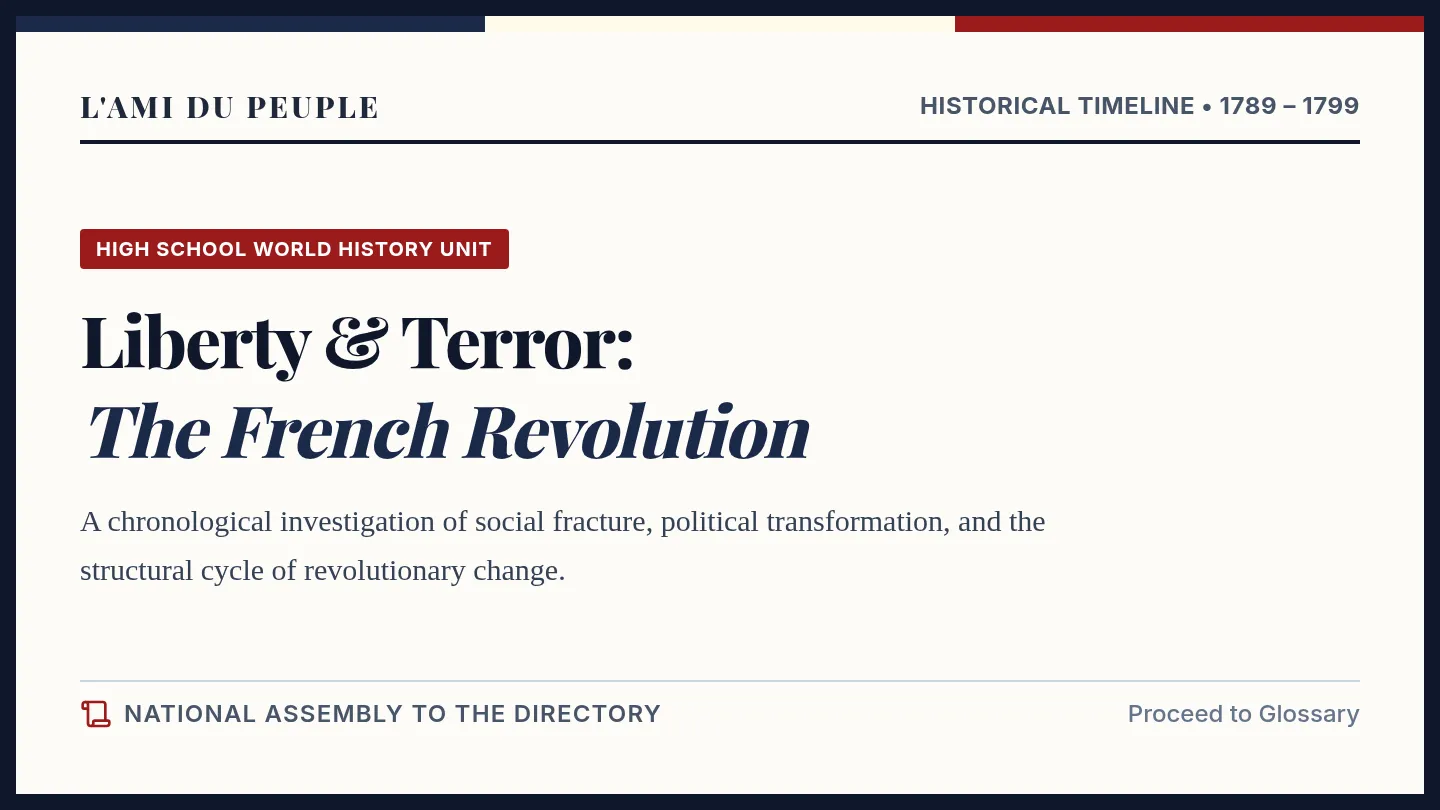
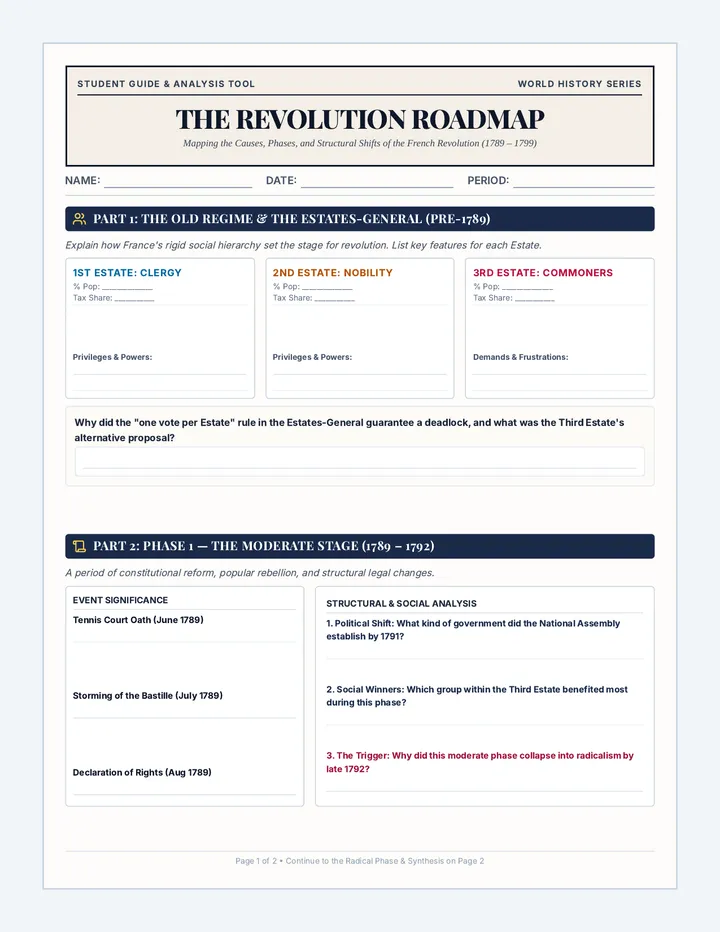
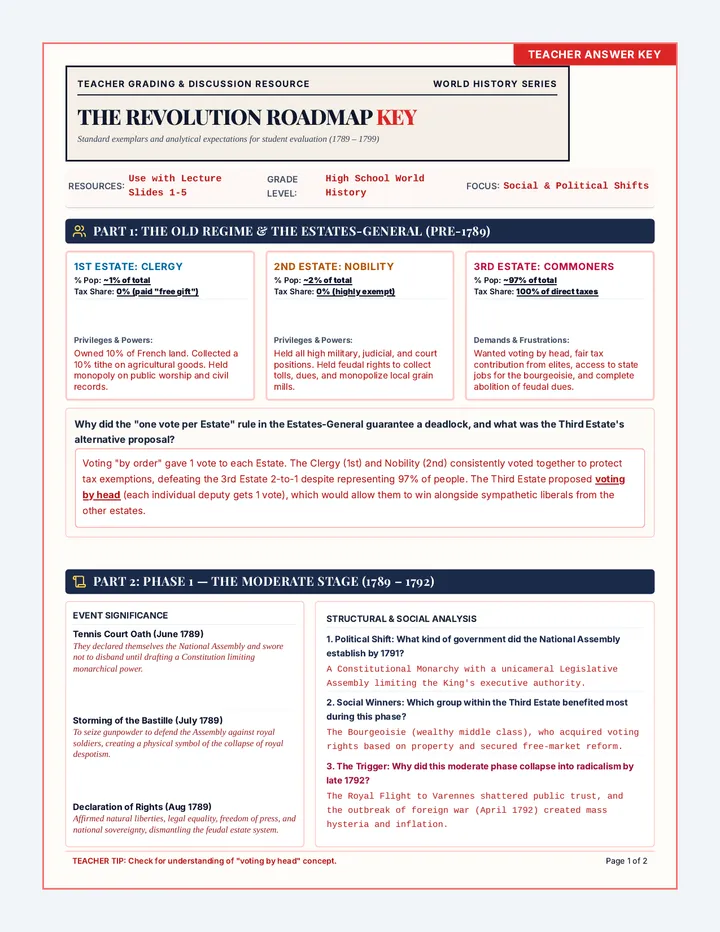
Students explore the origins of the US Government, the purpose of the Constitution, and the 'blueprint' of the nation's founding documents.
A focused look at the unique society of Sparta, highlighting the rigorous life of soldiers and the uncommonly independent roles of women in the ancient world.
A lesson focused on exploring and illustrating solutions to women's rights challenges in African nations, covering political representation, economic empowerment, and healthcare access. Students analyze case studies and create visual solutions for progress.
A comprehensive lesson on the social hierarchies of Ancient Greece, comparing Athens and Sparta and examining the roles of citizens, metics, women, children, and enslaved people during the Golden Age.
A targeted warm-up activity focused on the landmark Supreme Court case Marbury v. Madison and the establishment of judicial review, designed to mimic STAAR-style assessment questions.
A focused Tier I reteach lesson covering the major issues of the 1787 Constitutional Convention, specifically the Great Compromise and the Three-Fifths Compromise. Students will analyze the competing plans for representation and the impact of the compromises on the new government.
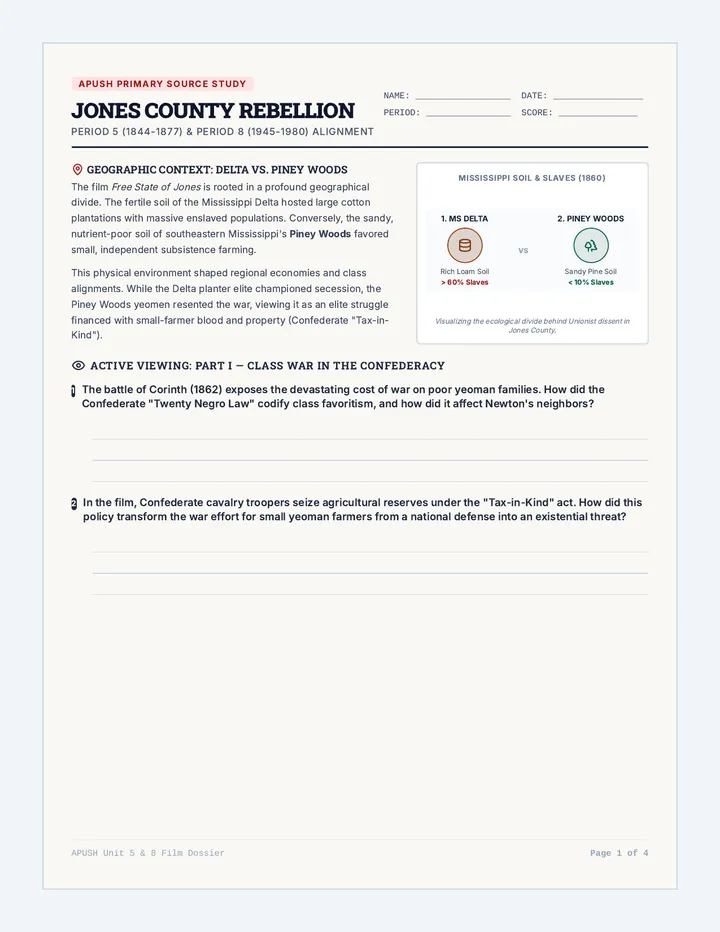
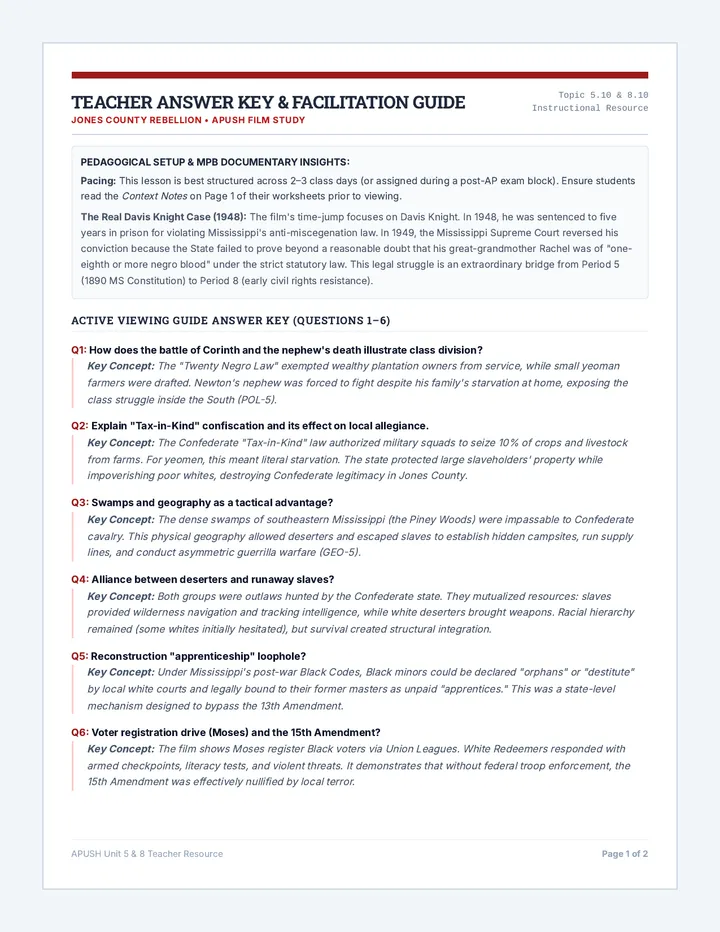
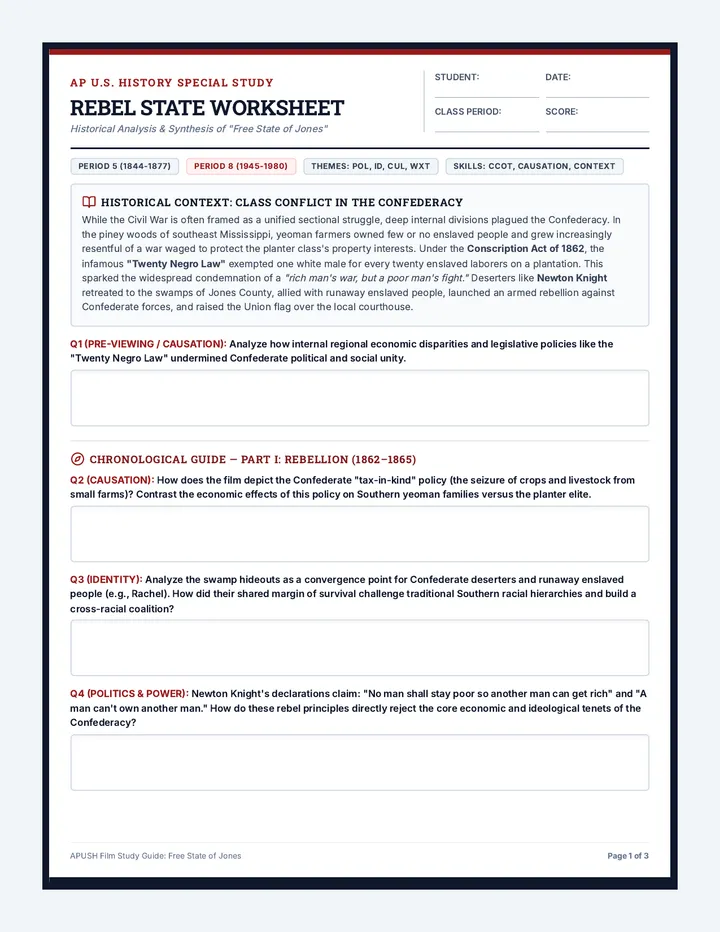
This reteach lesson focuses on the Civil War Amendments (13th, 14th, and 15th), helping students describe their immediate and long-term impact on American society and civil rights. through direct instruction, collaborative scenarios, and primary source analysis.
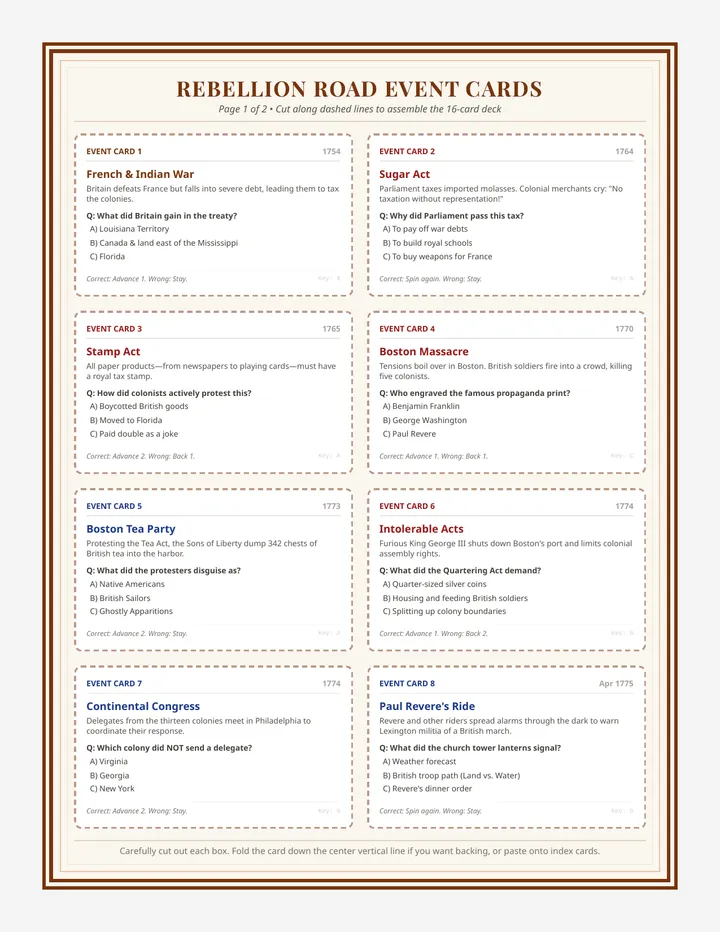
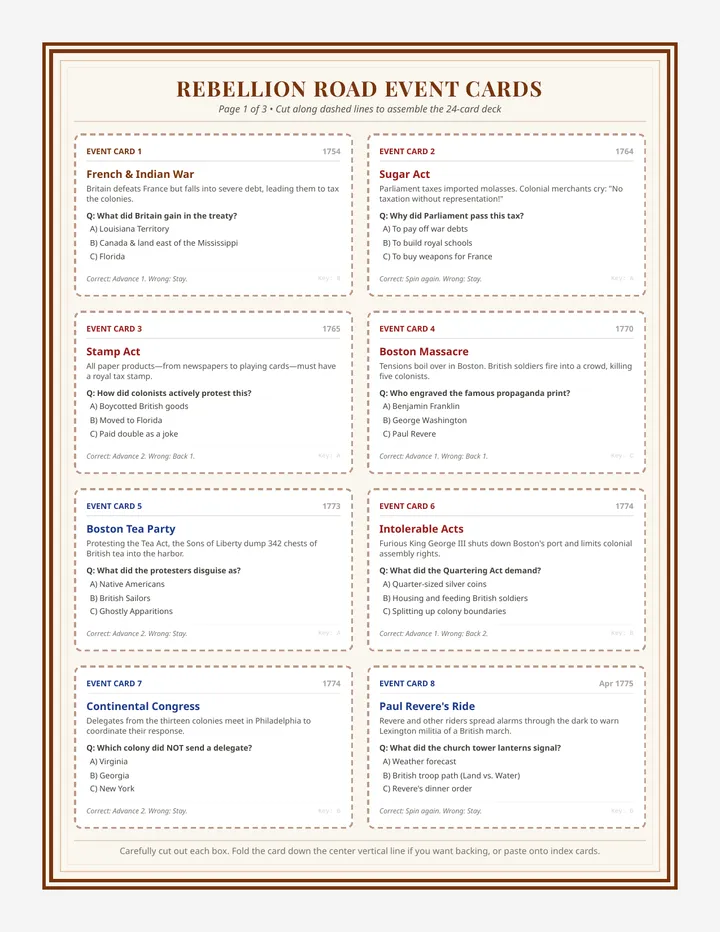
A vocabulary lesson focusing on key terms related to the American Revolution, featuring kid-friendly definitions, syllable breakdowns, and interactive review activities.
Students examine the transition from the Compromise of 1877 to the legal codification of segregation. This lesson focuses on the 'Redeemer' governments, the implementation of poll taxes and literacy tests, and the landmark Plessy v. Ferguson decision.
A fast-paced role-play simulation of the Compromise of 1877, focusing on the political trade-offs that ended Reconstruction and the resulting impact on African American civil rights. Students negotiate the "Great Betrayal" and reflect on its long-term consequences.
This lesson explores the disputed election of 1876 and the subsequent Compromise of 1877, analyzing how this 'Great Betrayal' ended Reconstruction and led to the era of Jim Crow in the American South.
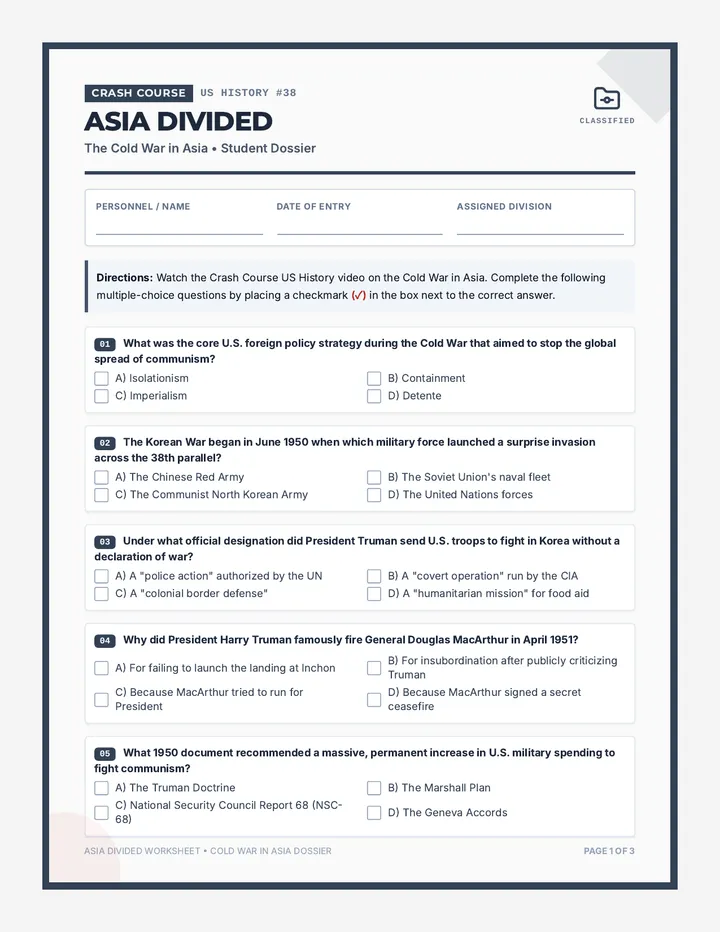
A high-impact STAAR EOC prep lesson covering U.S. History from Reconstruction through the Civil Rights Movement, focusing on primary source analysis and civic participation.
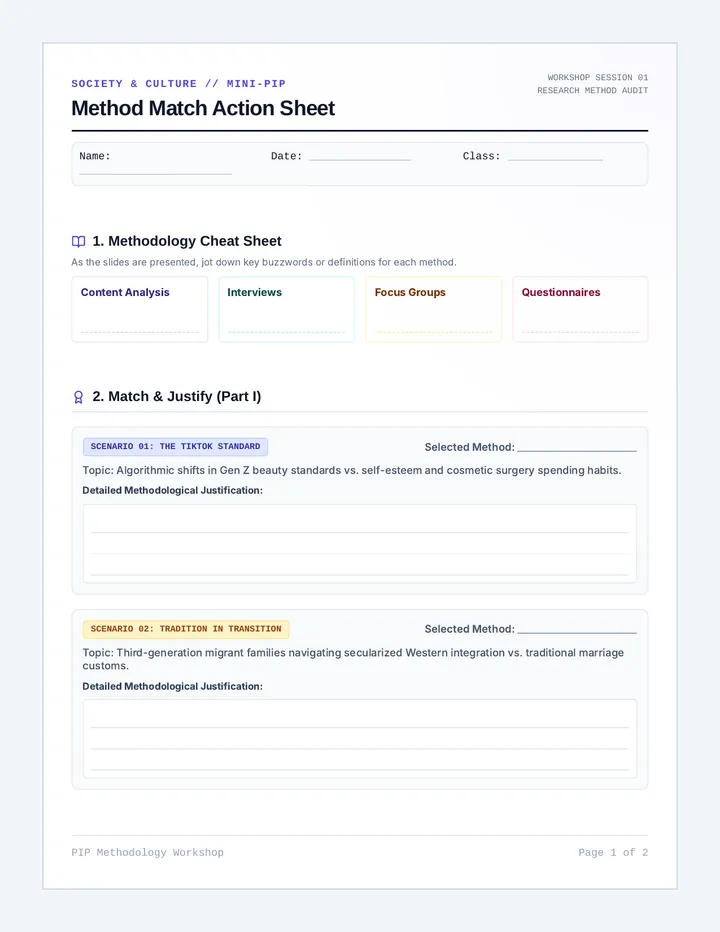
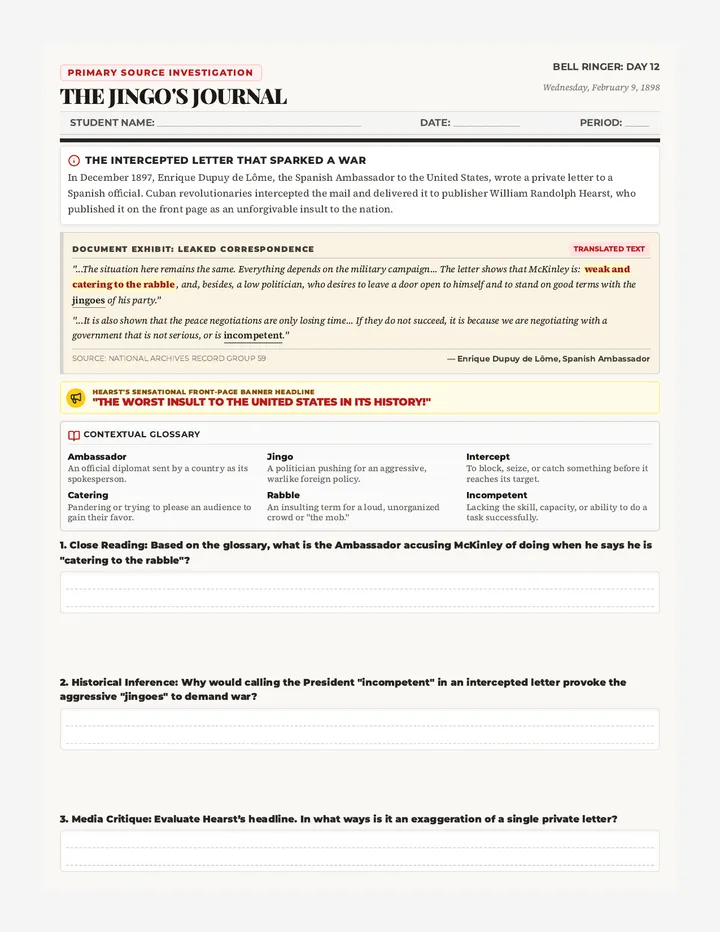
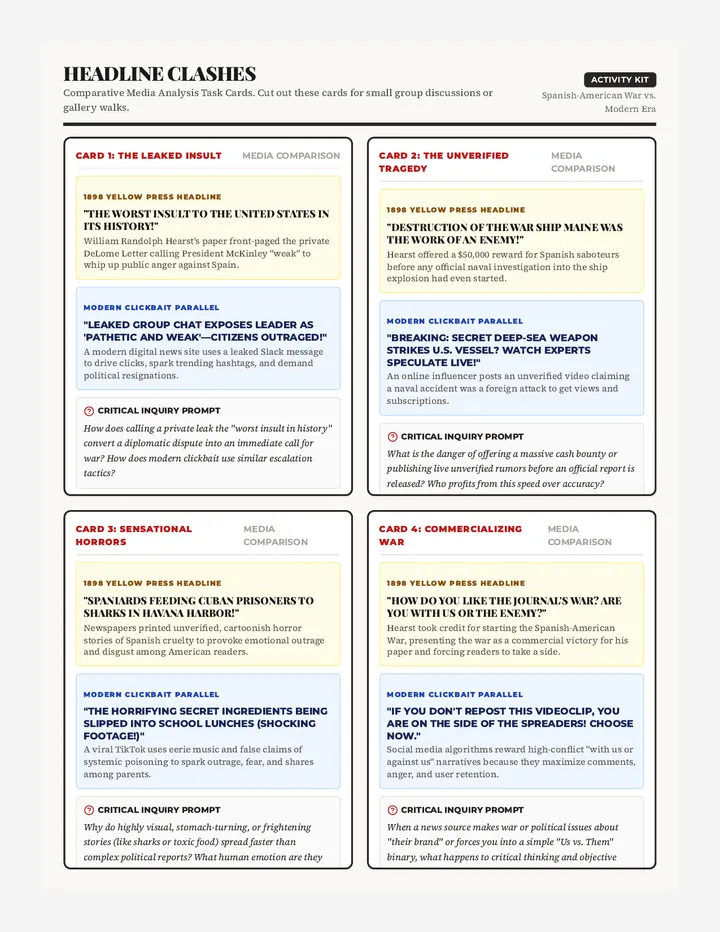
A practical media literacy lesson designed to empower high school students to identify misinformation, bias, and clickbait. The lesson focuses on "street-smart" verification techniques that work even with limited data and internet access.
A 3-day immersive simulation where students represent competing industrial powers carving up the fictional continent of Orynthia. Students analyze strategic resources, negotiate borders, and reflect on the historical impact of the Berlin Conference.
A practical guide designed for neurodivergent high school students experiencing housing instability in Colorado to navigate the voter registration process with confidence.
An adapted lesson exploring the Latin American struggle for independence from Spanish colonial rule, featuring simplified text and visual supports for diverse learners.
This lesson explores the pivotal role of Creoles in the Latin American wars of independence, focusing on the social hierarchy of the Casta system and the motivations for revolution. Students will analyze how the desire for political power and Enlightenment ideas led to the break from Spanish rule.
A practical guide for high school students experiencing housing instability to navigate the voter registration process in Colorado, featuring a visual roadmap and educator support materials.
A focused practice session on the Industrial Revolution, targeting STAAR-aligned cause-and-effect skills regarding urbanization, technology, labor, and economic shifts.
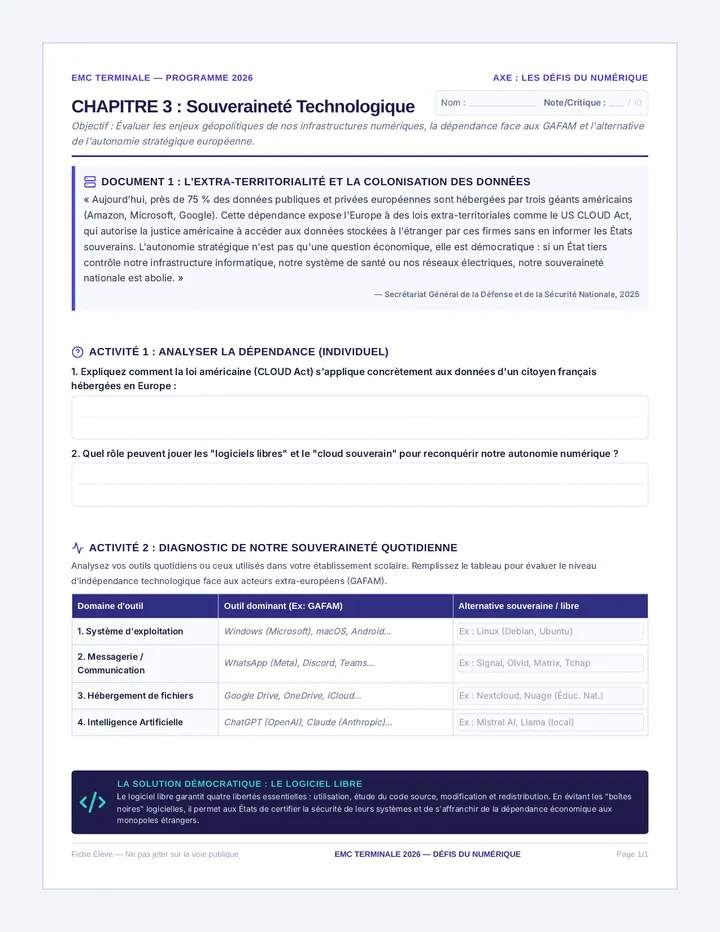
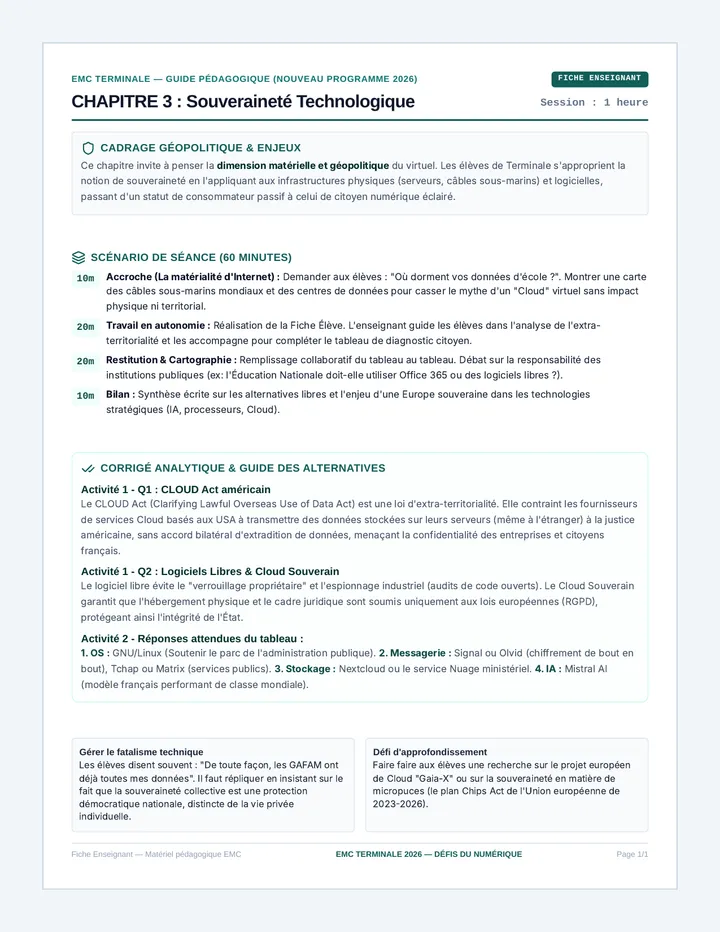
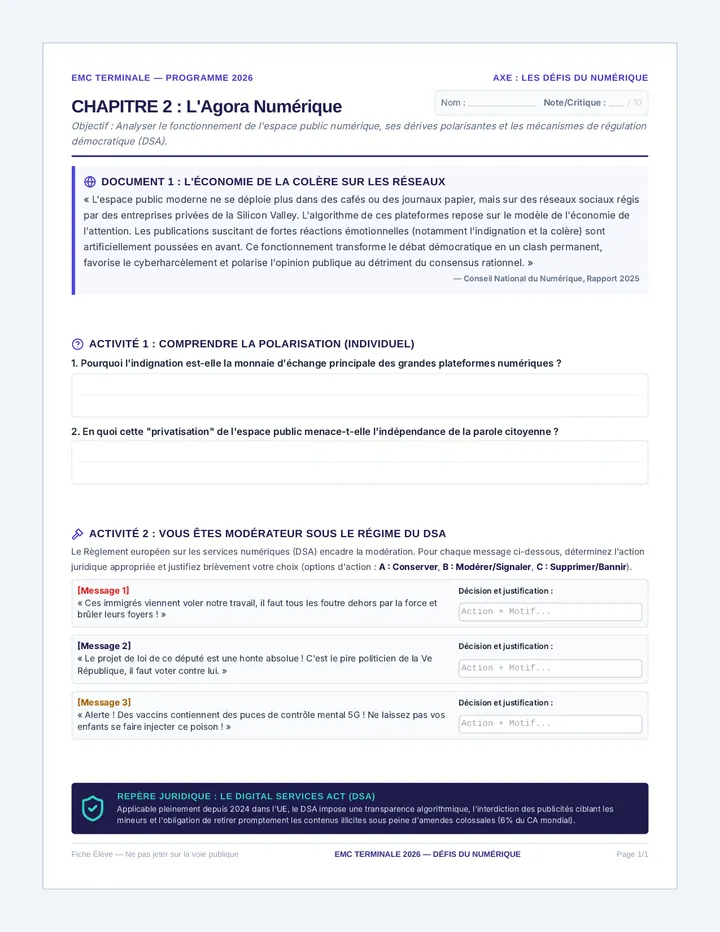
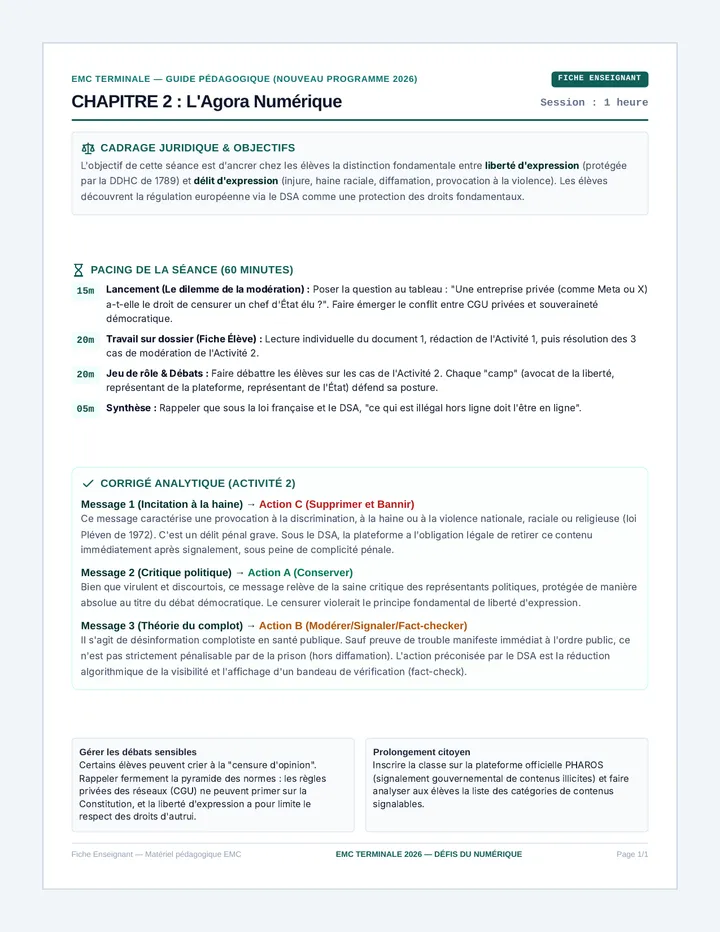
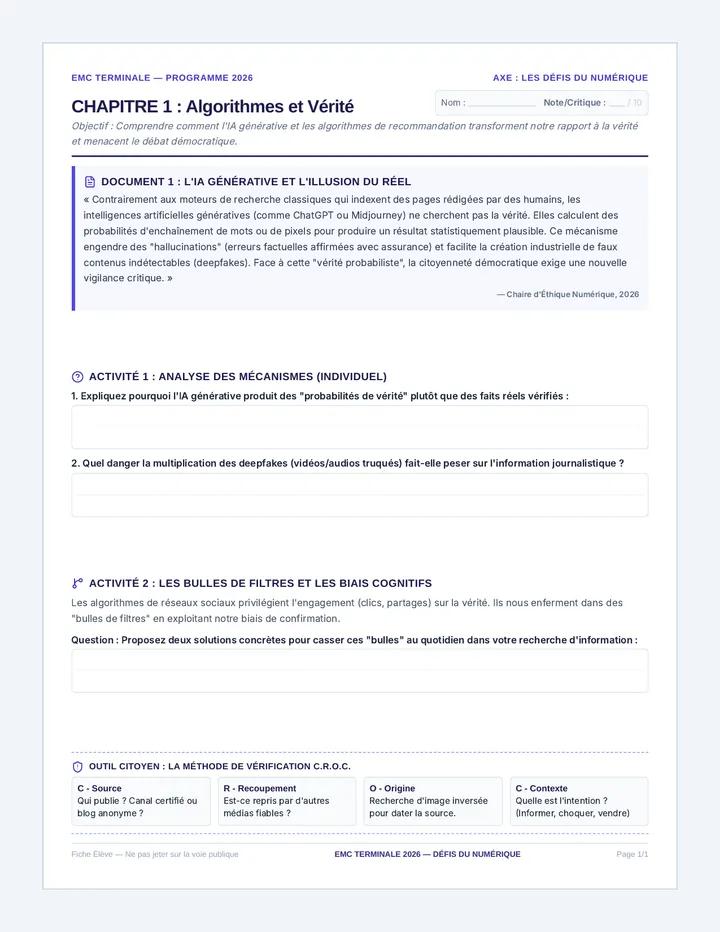
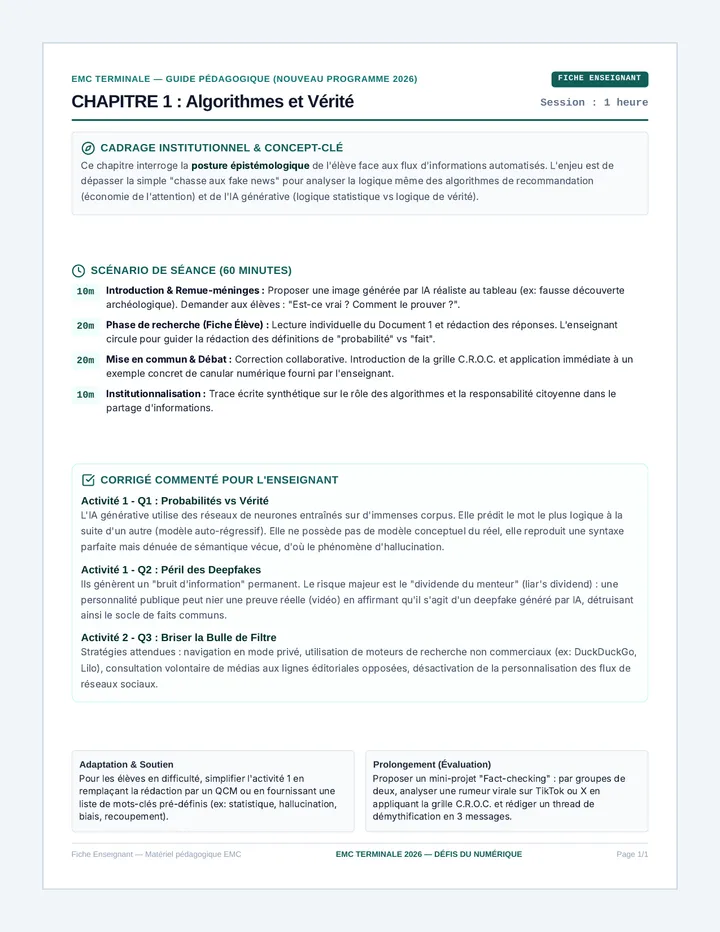
Ce module introductif permet d'appréhender les notions fondamentales de l'information, de comprendre l'évolution des médias et d'analyser les enjeux démocratiques liés à l'accès et à la consommation de l'information.
A comprehensive guide for students experiencing homelessness to navigate voter registration, understand their residency rights, and practice informed voting through research and mock ballots.
A comprehensive lesson designed for high school students to master the art of advocacy, moving from issue identification to crafting professional, research-backed advocacy plans for real-world impact.
An introductory lesson on the economy of Ancient Greece, focusing on maritime trade, agriculture, specialization, and the use of coinage through a simulated marketplace experience.
A lesson exploring the social and political causes of Latin American independence movements, with a focus on the leadership of the Creole class and the influence of Enlightenment ideals.
A hands-on project where students analyze the six essential elements of a crime through case studies and create visual anchor charts to map legal liability.
A summative comparative project where students analyze specific urban and rural sites in the Balkans using geographic data and land use models.
Analyzing the rapid urbanization of Balkan capitals versus the traditional agricultural practices and demographic shifts in rural mountain villages.
An introduction to the physical and human geography of the Balkans, focusing on how terrain dictates land use from the Dinaric Alps to the Danubian Plain.
A comprehensive exploration of the mid-to-late Tudor monarchs (Edward VI, Mary I, and Elizabeth I), focusing on how their reigns reflect shifting religious, social, and political dynamics. Students use the ALARM matrix to analyze historical significance and prepare for an in-class essay.