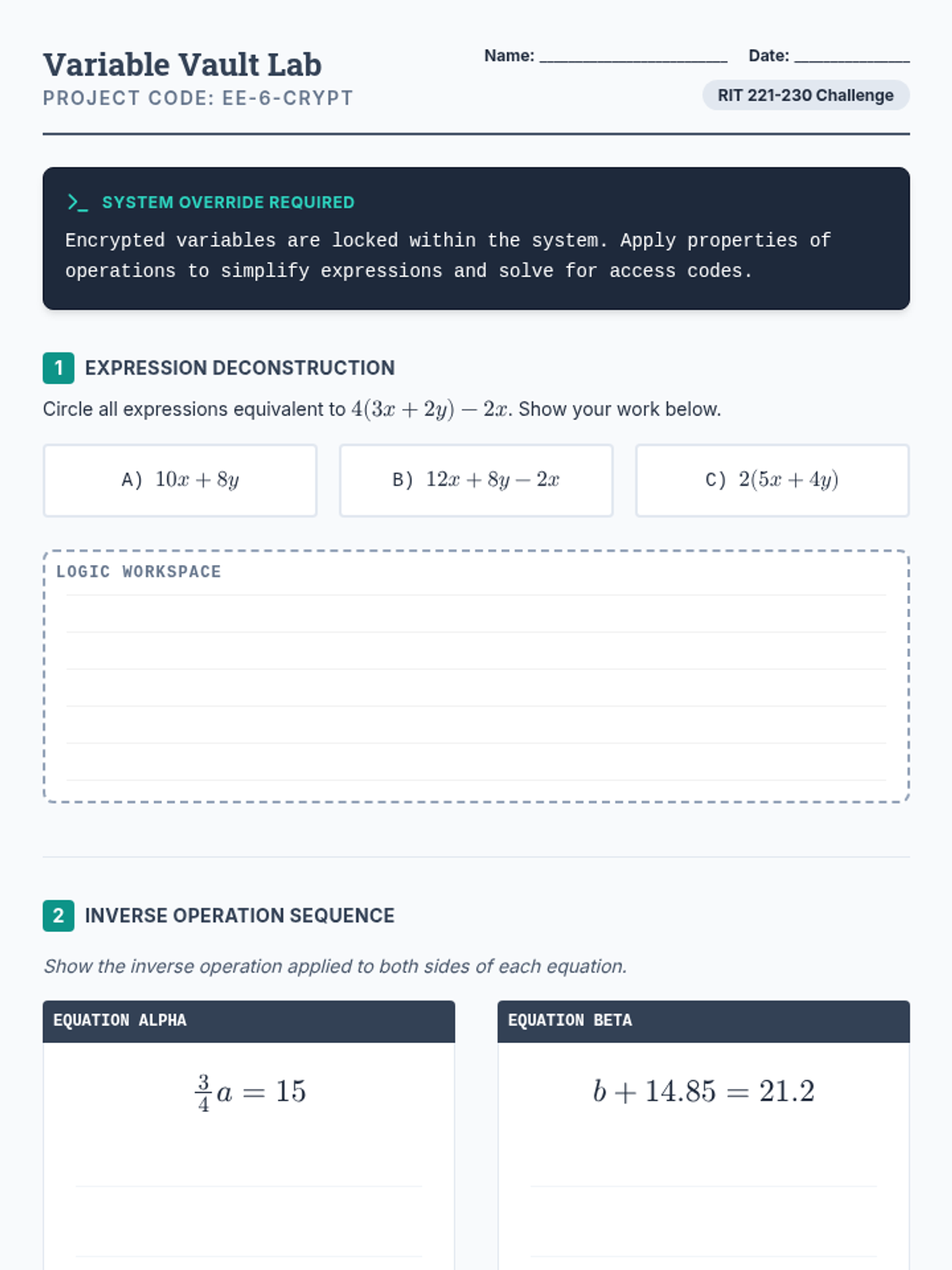
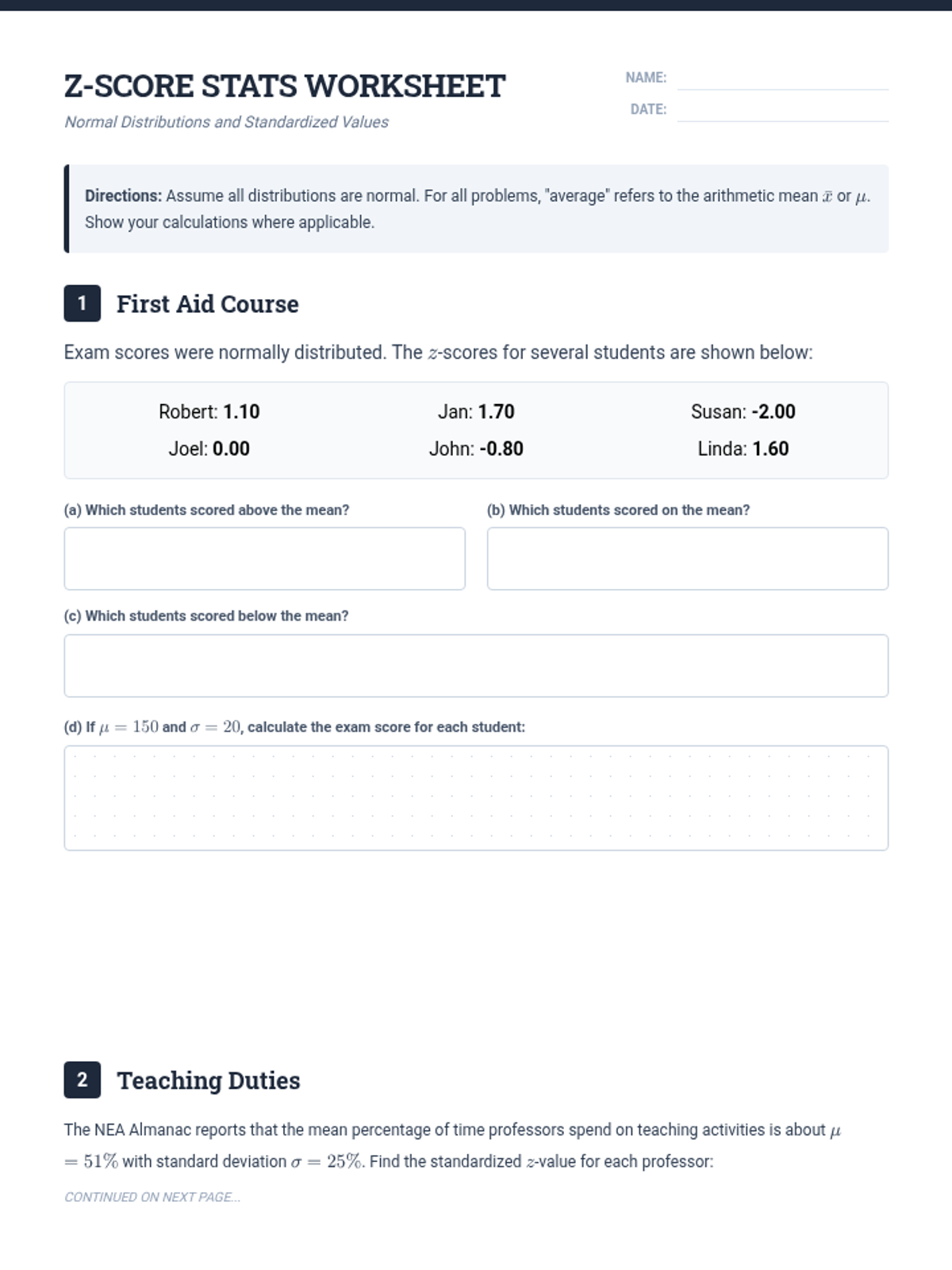
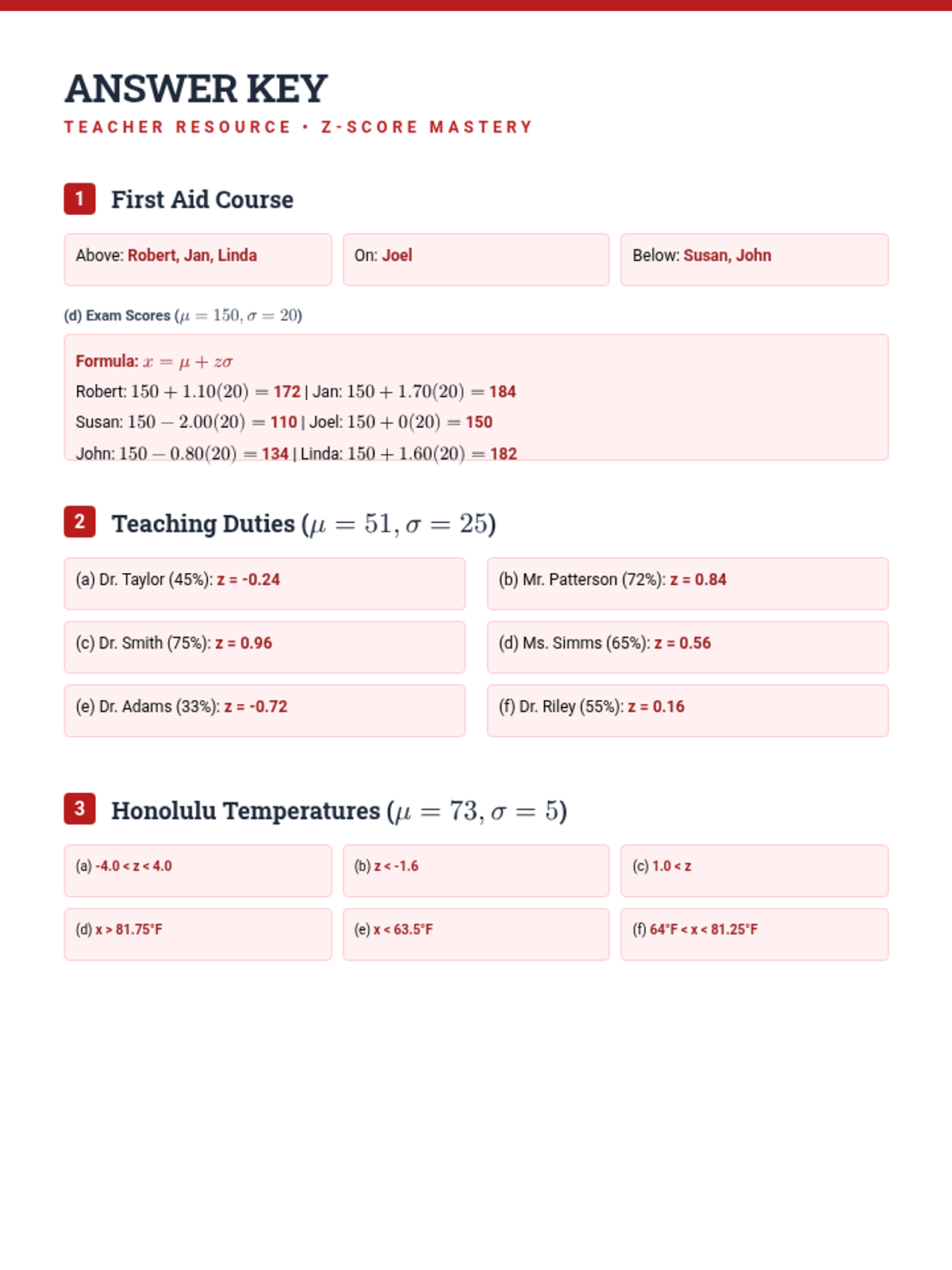
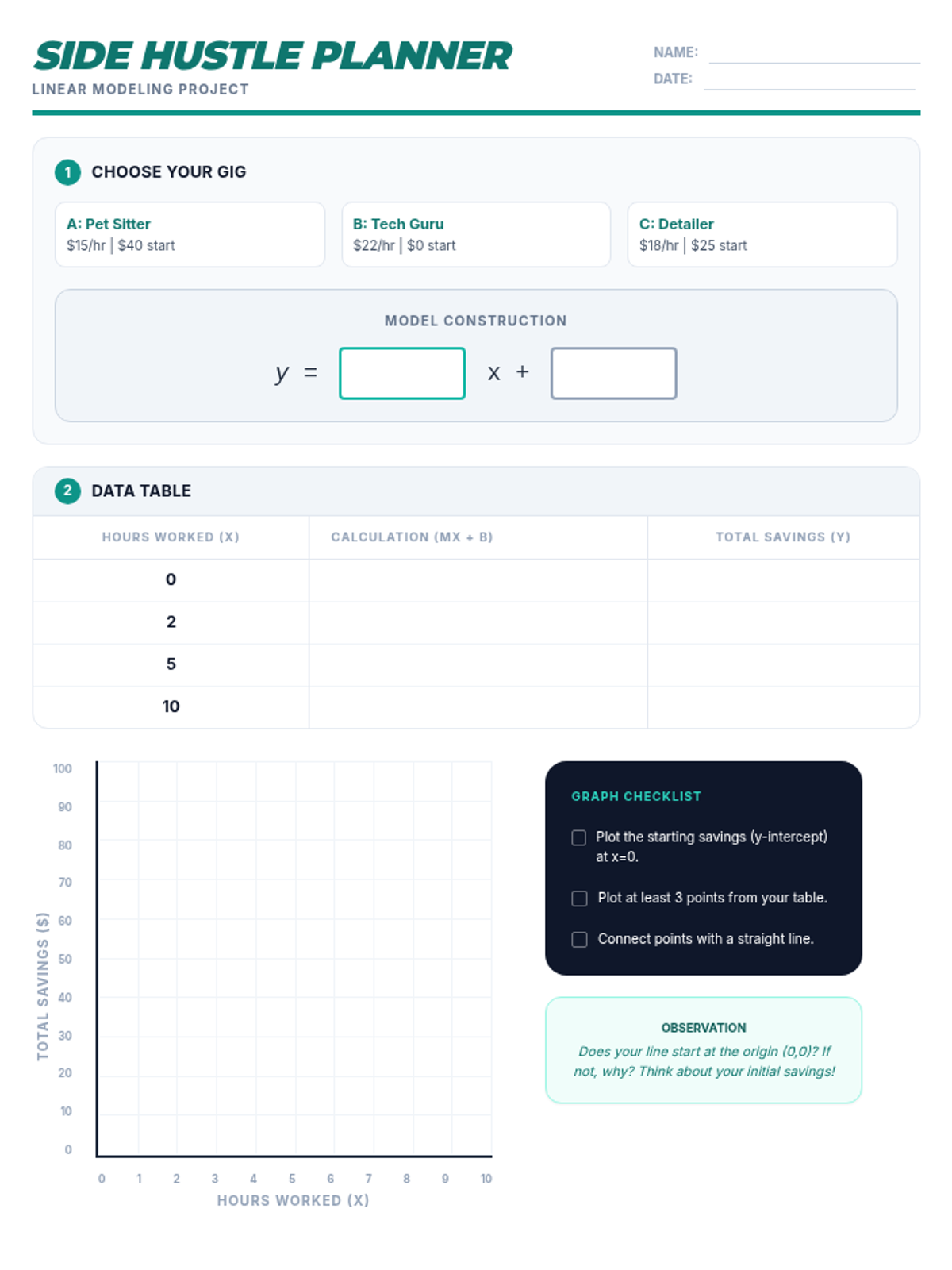
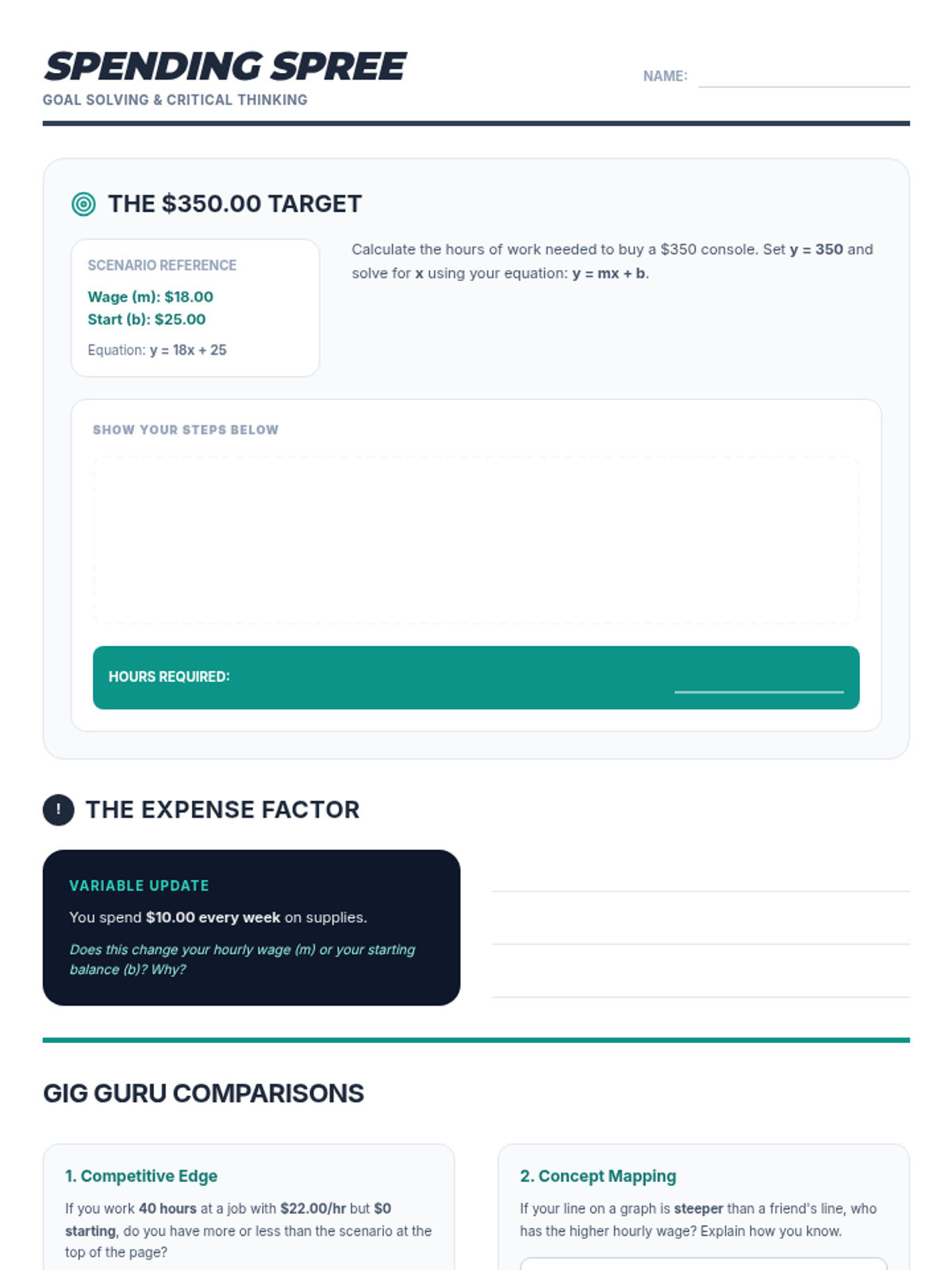
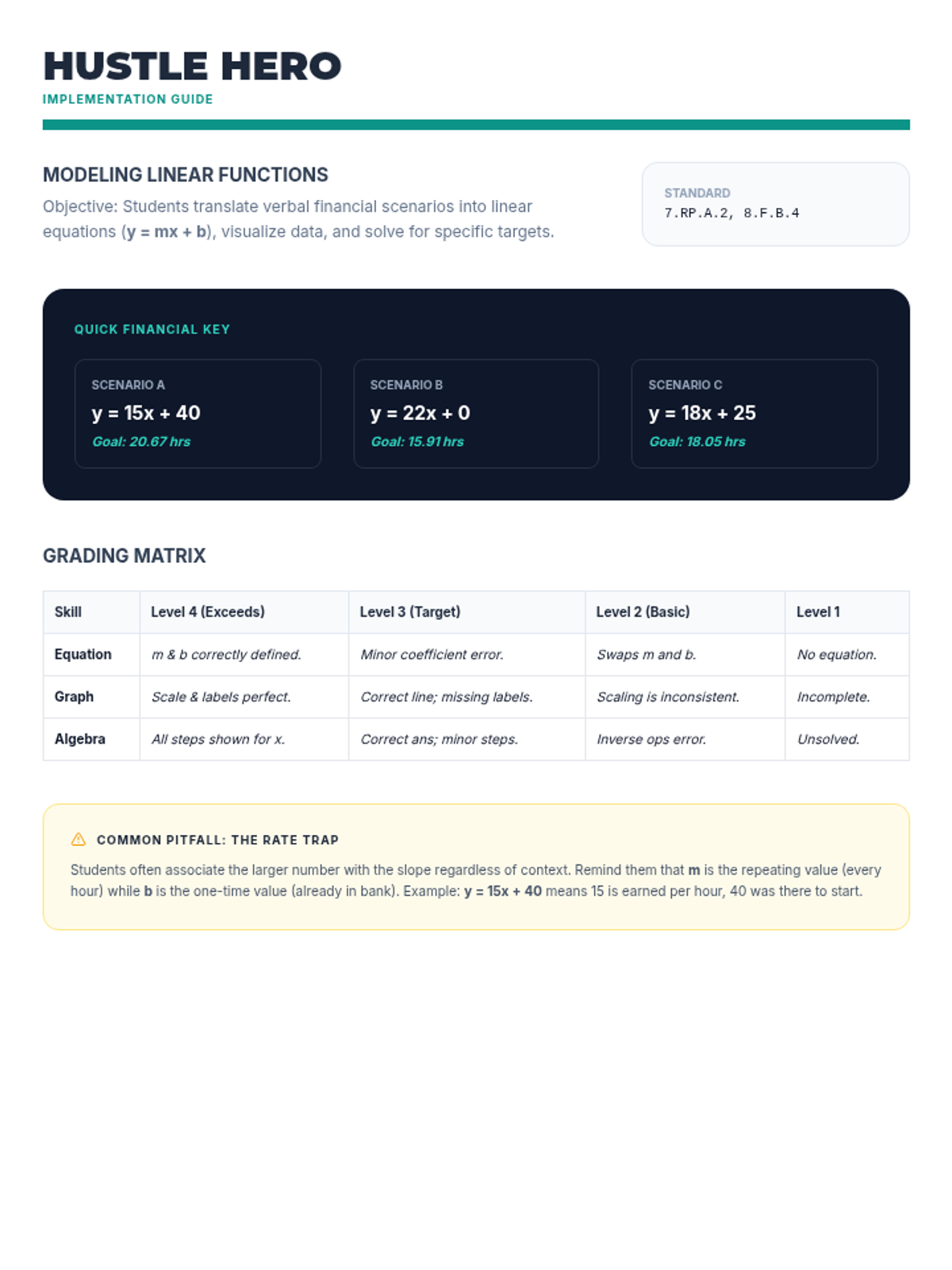
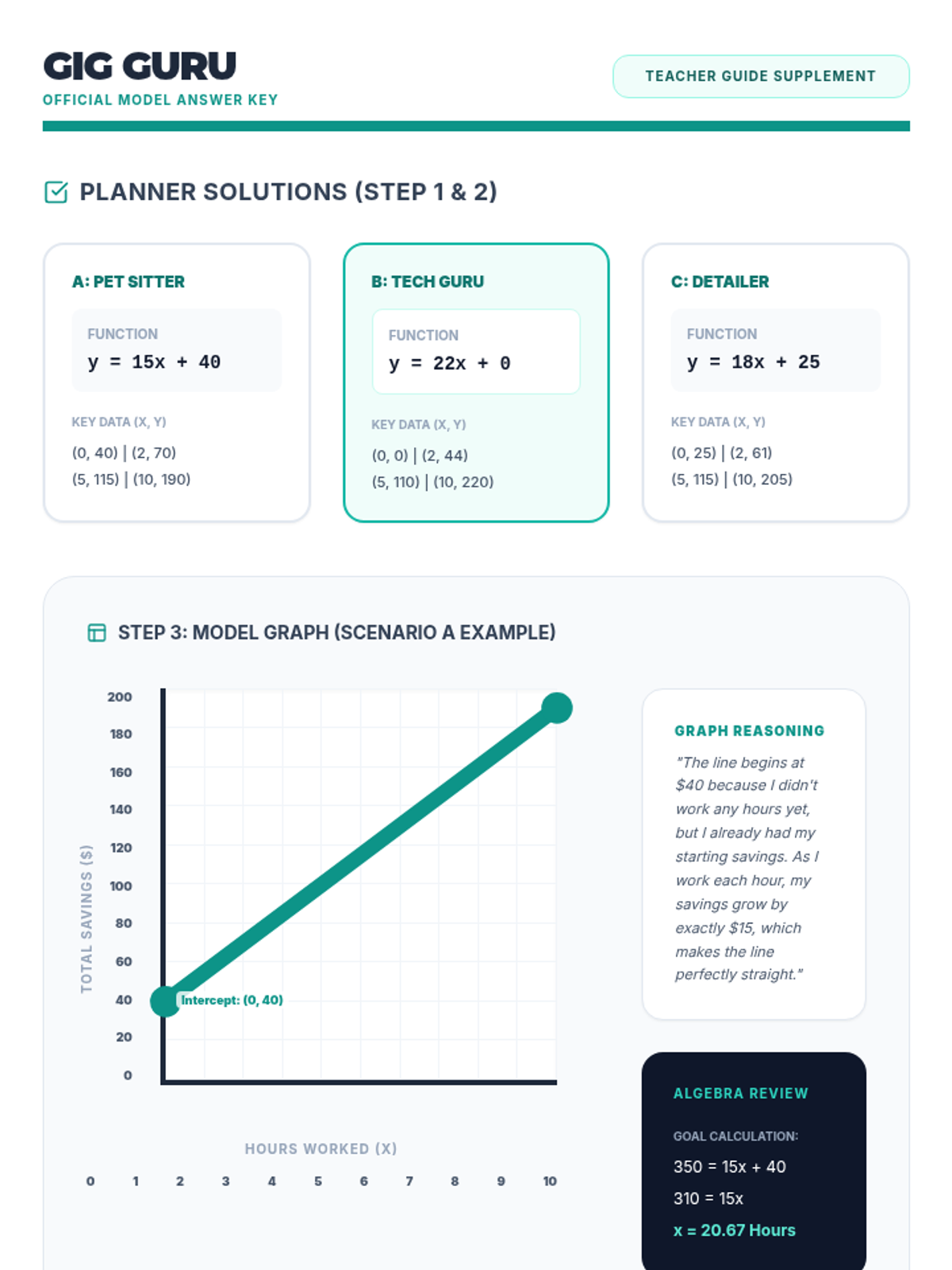
This lesson combines all exponent properties to simplify complex expressions containing multiple variables and coefficients. Students engage in error analysis to identify common pitfalls in distribution and fraction arithmetic.
A lesson focused on mastering the US standard algorithm for subtraction up to the hundred thousands place using structured place value organizers. Students practice regrouping and maintaining alignment through visual grids.
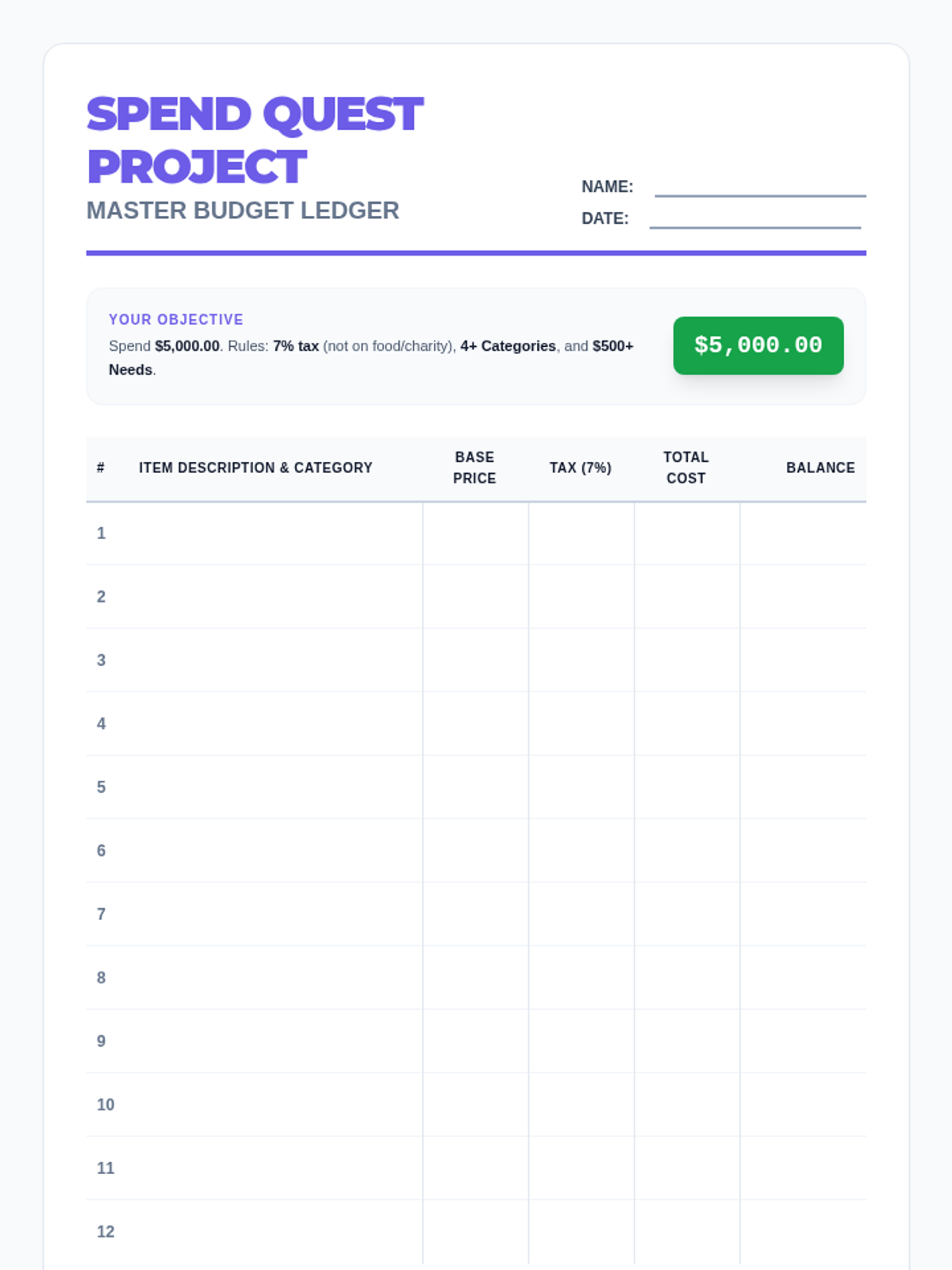
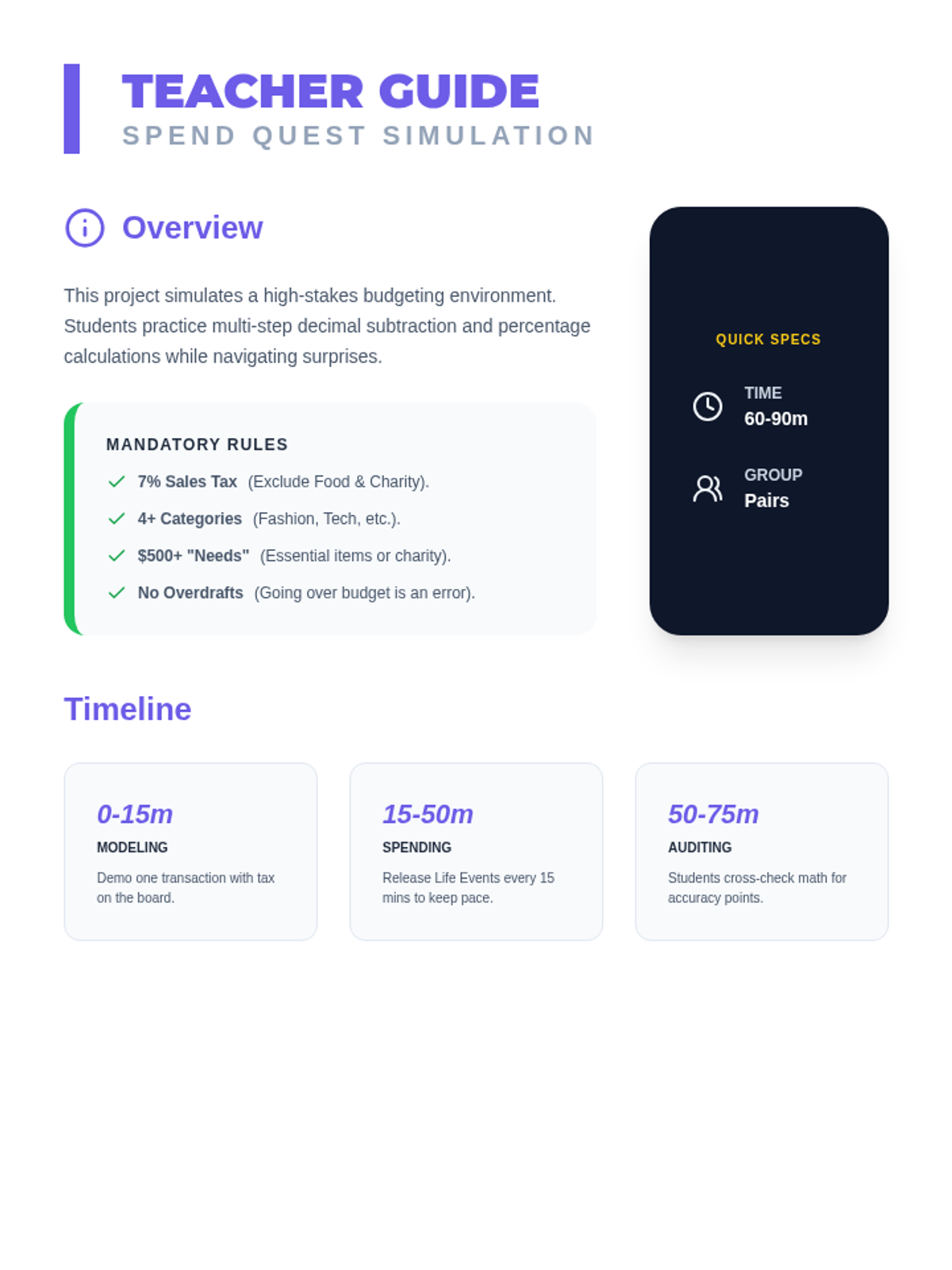
A comprehensive math lesson focusing on practical life skills: budgeting for multiple items and mastering ratio identification and simplification. This lesson integrates real-world shopping scenarios with structured mathematical organizers.
A final mastery check and celebration of learning where students solve a series of progressive fraction division tasks.
Students create their own division stories and models to demonstrate a deep understanding of the concept.
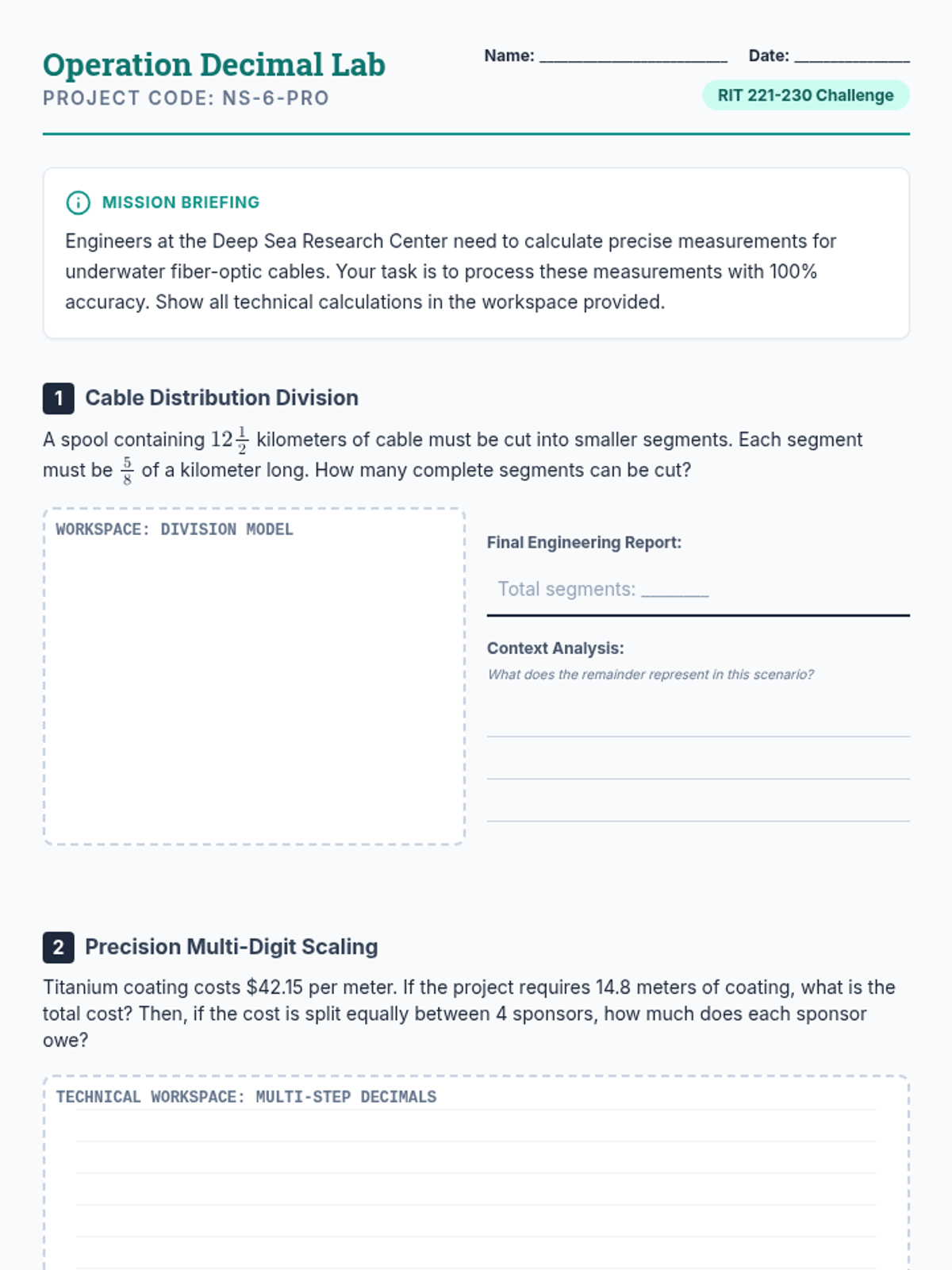
Students solve complex, multi-step word problems involving fraction division in real-world contexts.
Students formalize the 'invert and multiply' algorithm and practice its application across various problem types.
Students explore the relationship between dividing by a fraction and multiplying by its reciprocal using visual proofs.
Students develop number sense by estimating whether a quotient will be greater than or less than 1 before solving.
Students apply the common denominator strategy to divide fractions with unlike denominators by creating equivalent fractions first.
Students discover that dividing fractions with the same denominator is as simple as dividing their numerators.
Students use tape diagrams as a primary tool to represent and solve division problems involving whole numbers and fractions.
Students extend measurement division to non-unit fractions, using tape diagrams to see how many groups of 2/3 or 3/4 are in a whole.
Students investigate division as sharing by splitting a unit fraction into equal parts among a whole number of groups.
Students explore division as measurement by determining how many unit fractions fit into a whole number using visual models.
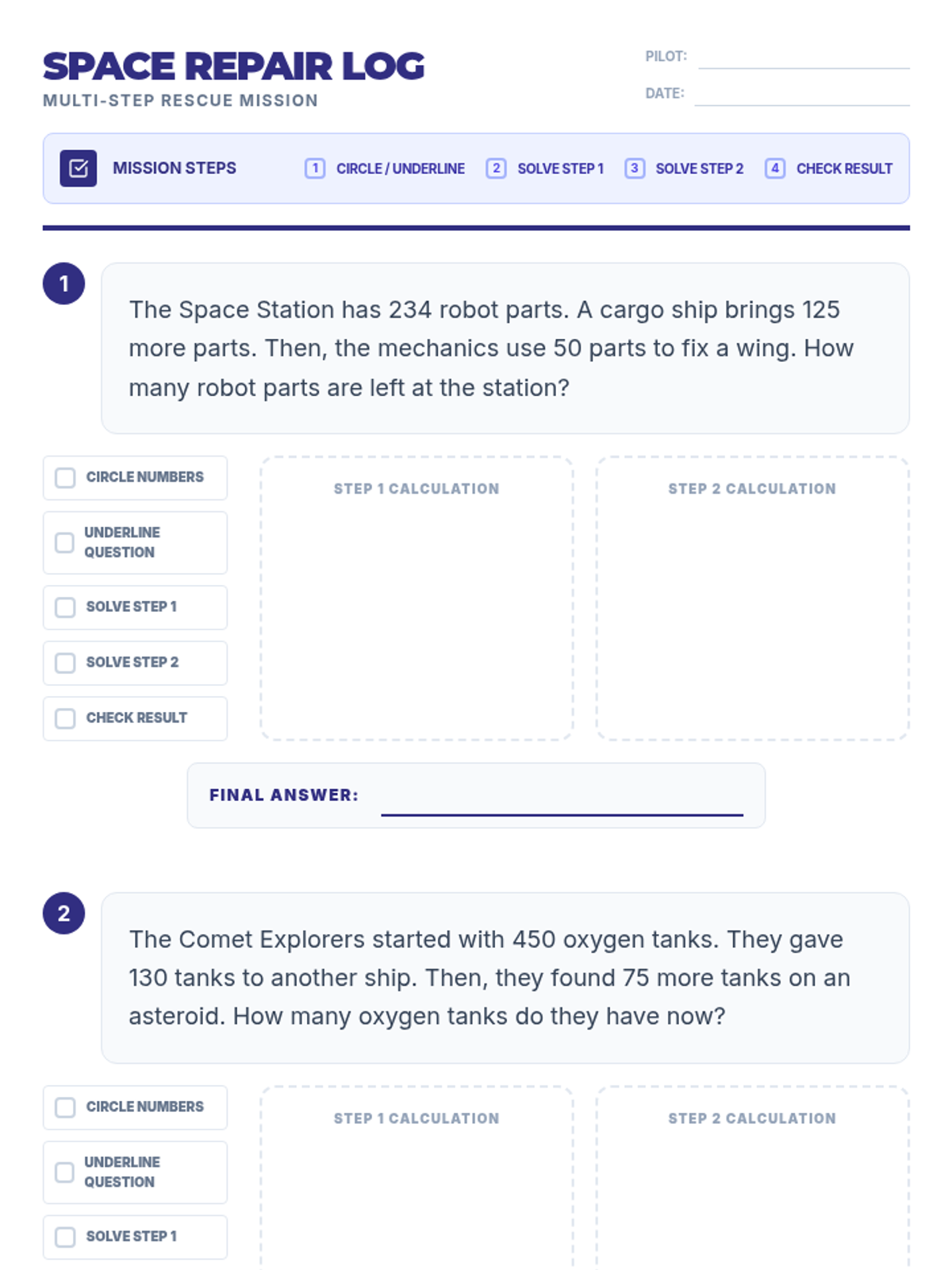
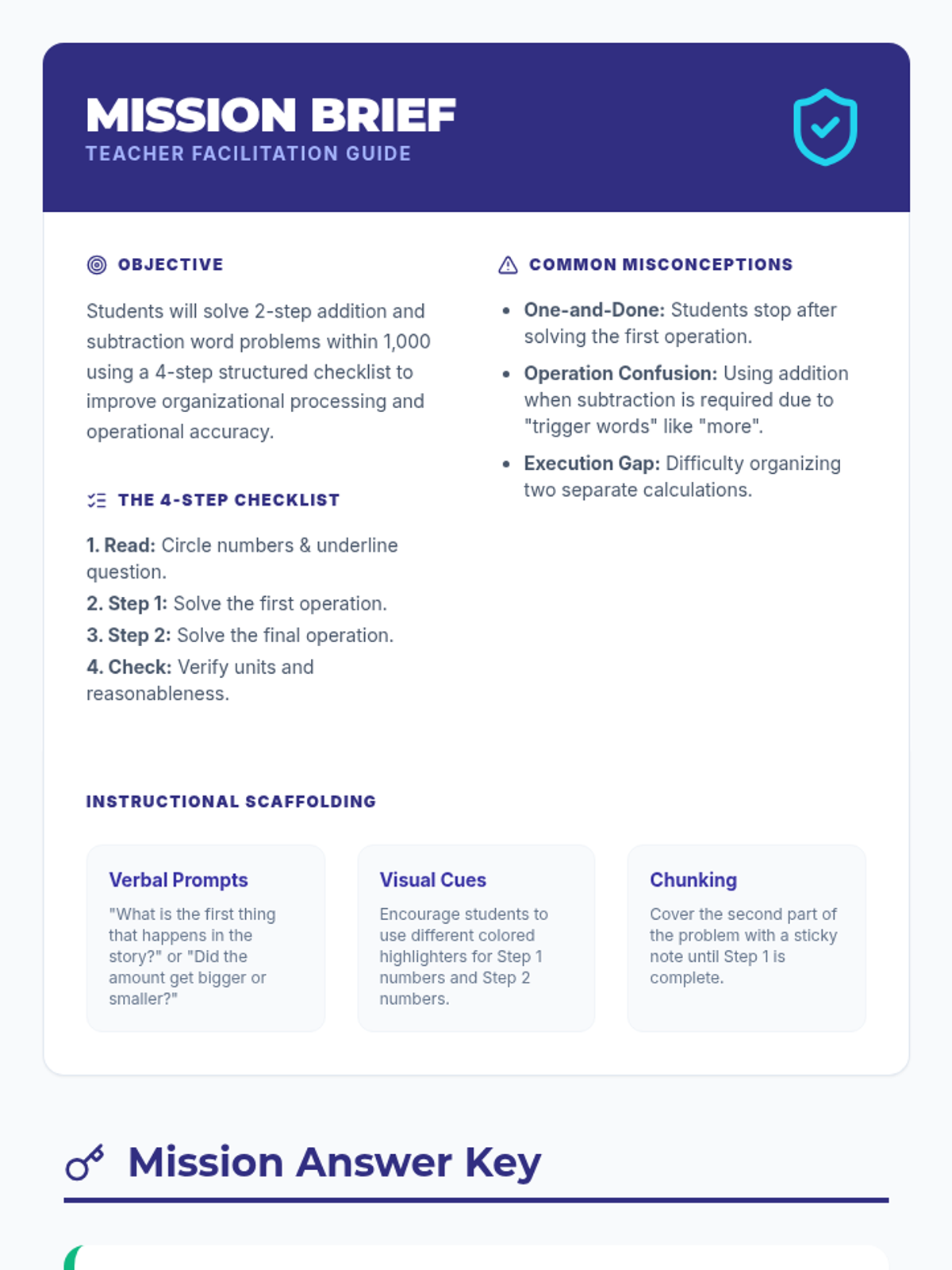
A week-long series of activities focused on identifying math operations in word problems, counting mixed coins, and determining if a purchase is affordable within a budget. Includes a teacher guide, graphic organizers, and practice worksheets themed around a neighborhood corner store.
A cumulative review and assessment of ratio and rate concepts through a 'Lab Challenge'.
Students solve complex, multi-step ratio problems using a variety of visual models.
Students find the whole given a part and the percent, or find the part given the whole and percent.
Students define percent as a rate per 100 and represent percents using 10x10 grids.
Students solve problems involving constant speed using unit rates and ratio reasoning.
Students apply unit rate reasoning to find the 'better buy' in shopping scenarios.
Students transition from ratios to unit rates, understanding the concept of 'per 1'.
Students use double number lines to solve ratio problems involving distance, time, and scaling.
Students organize equivalent ratios into tables to identify patterns and solve problems.
Students explore equivalent ratios using simple multiplication and division strategies.
Students use tape diagrams to represent part-to-part and part-to-whole relationships visually.
Students learn to use ratio language to describe a relationship between two quantities. Focus on "for every" language and identifying parts and wholes.
A professional development suite for school leaders focused on increasing math instructional intentionality. This lesson provides tools for auditing schedules, coaching lesson internalization, and refining small-group instruction to foster student agency.
Final review and assessment of numeral ID and counting sequences.
Fluency focus on backward sequences across the full 0-120 range.
Advanced number line navigation and relative position (0-120).
Finding missing numbers in various sequences (FNS/BNS).
Mastery of the 100-120 range (the "Peak").
Backward sequences from 100 down to 50.
Forward sequences and numeral identification for numbers 50-100.
Placing and identifying numbers on an open number line (0-50).
Backward sequences across decades (50 down to 20).
Mastering transitions between decades from 20 to 50.
Intensive focus on backward number sequences from 20 down to 10.
Focus on numeral identification and forward sequences for numbers 11-20.
A counting and fine motor activity centered around the New England Patriots logo, challenging students to count and connect numbers up to 200.
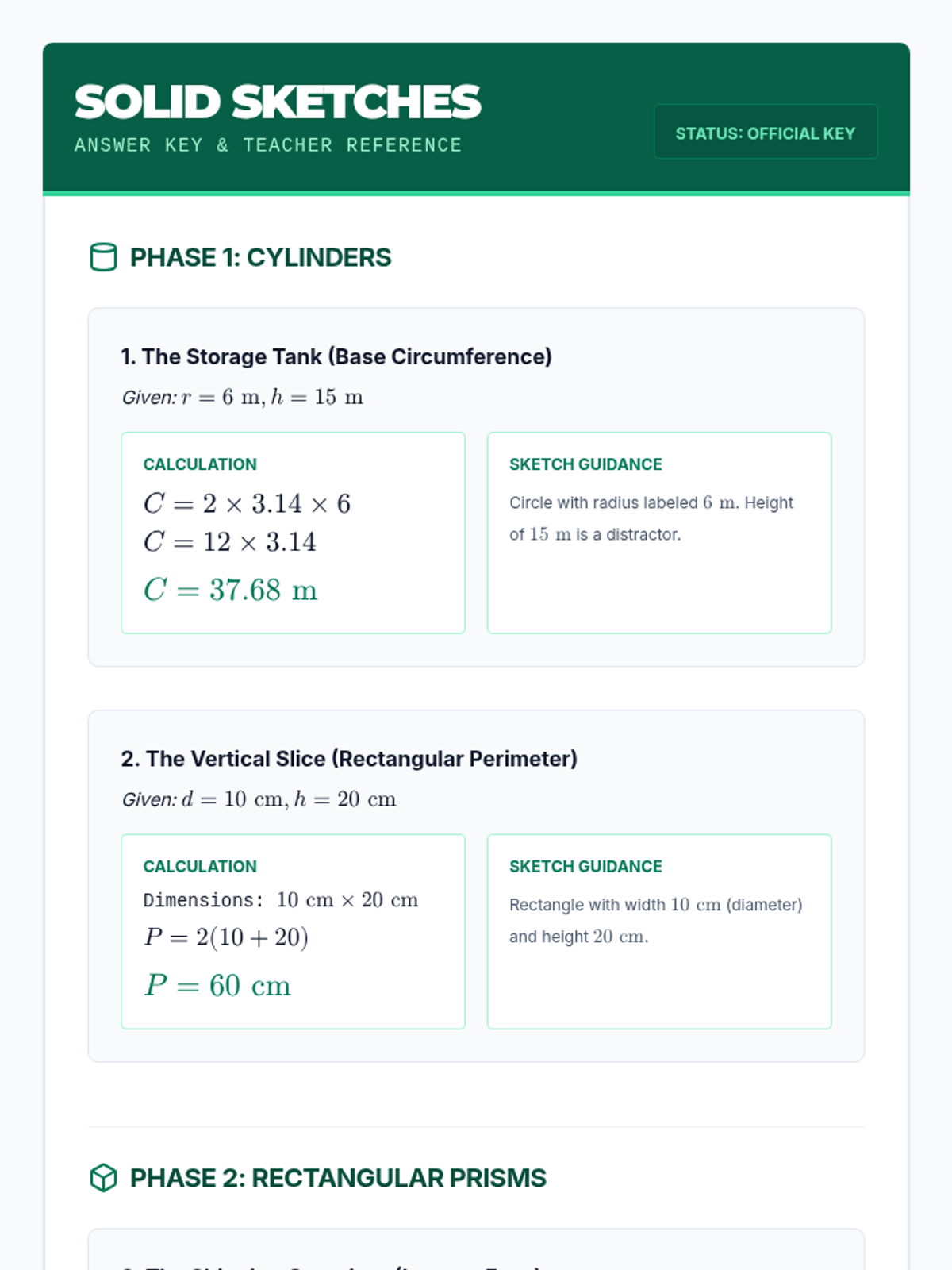
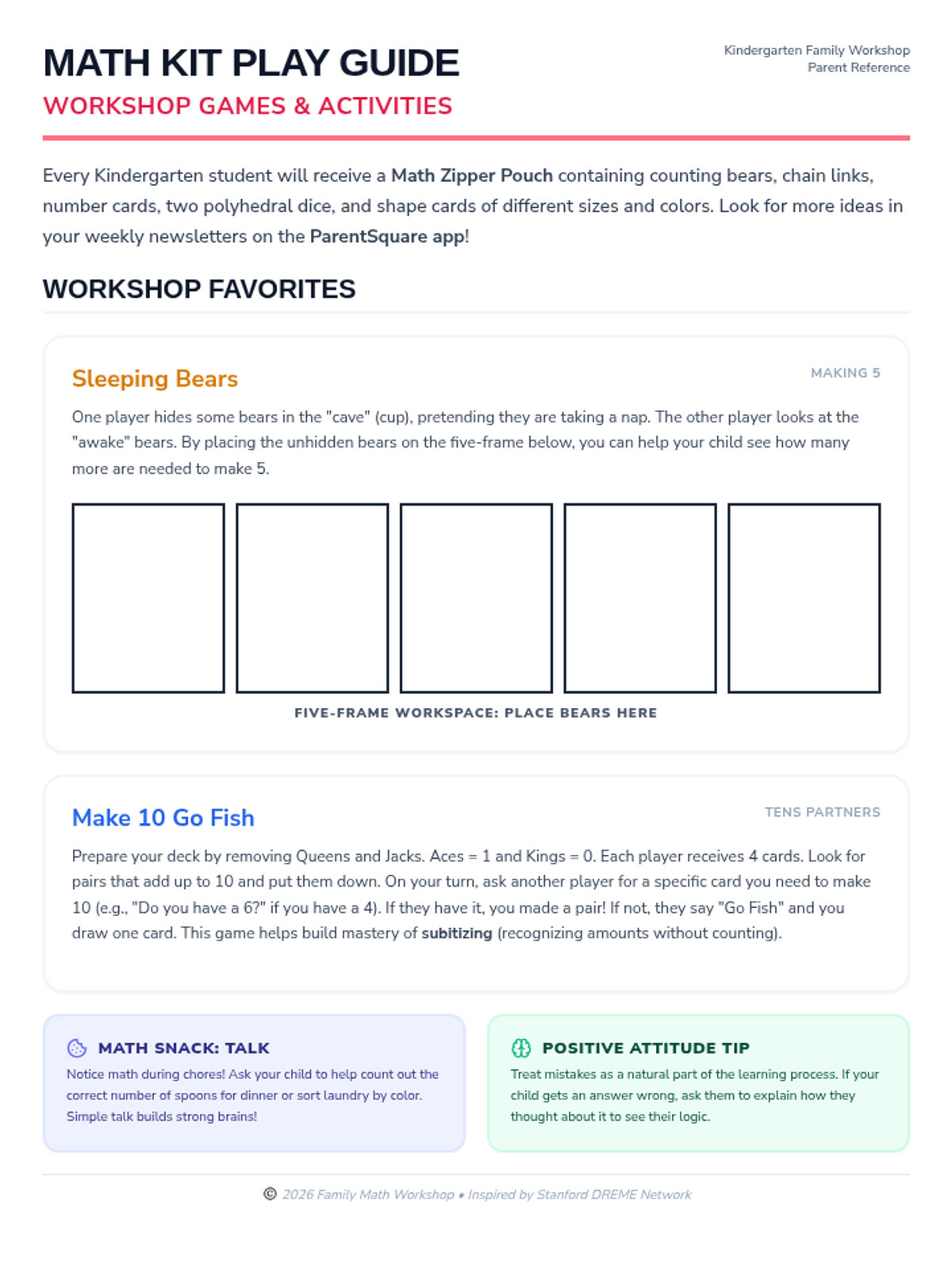
A hands-on multiplication workshop where middle school students use multiple 'engineering tools' (arrays, number lines, and decomposition) to master multiplication facts up to 15x15.
A targeted intervention session providing differentiated pathways for students based on their mastery of domain and range: enrichment projects, error analysis, and foundational reteaching.
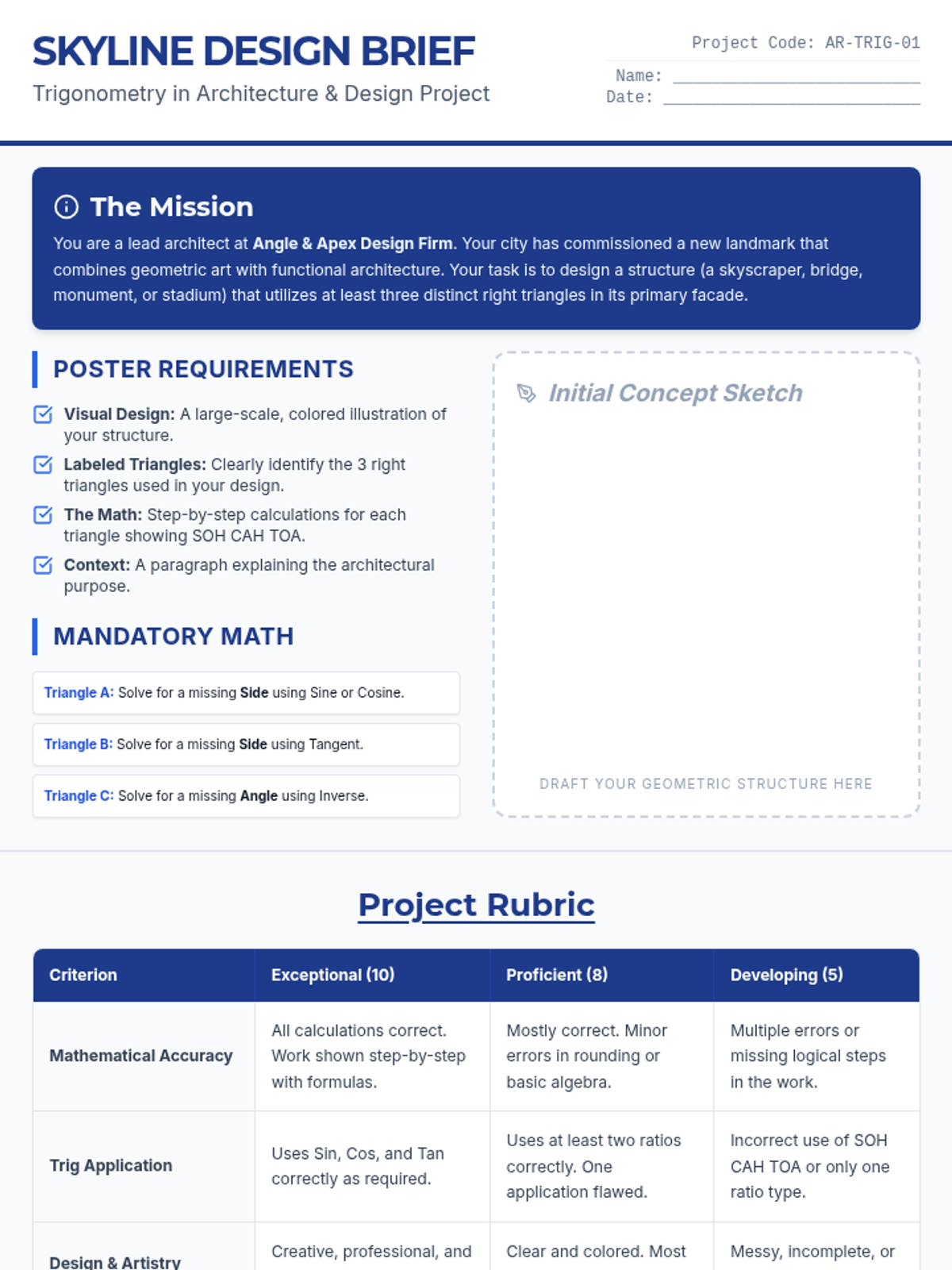
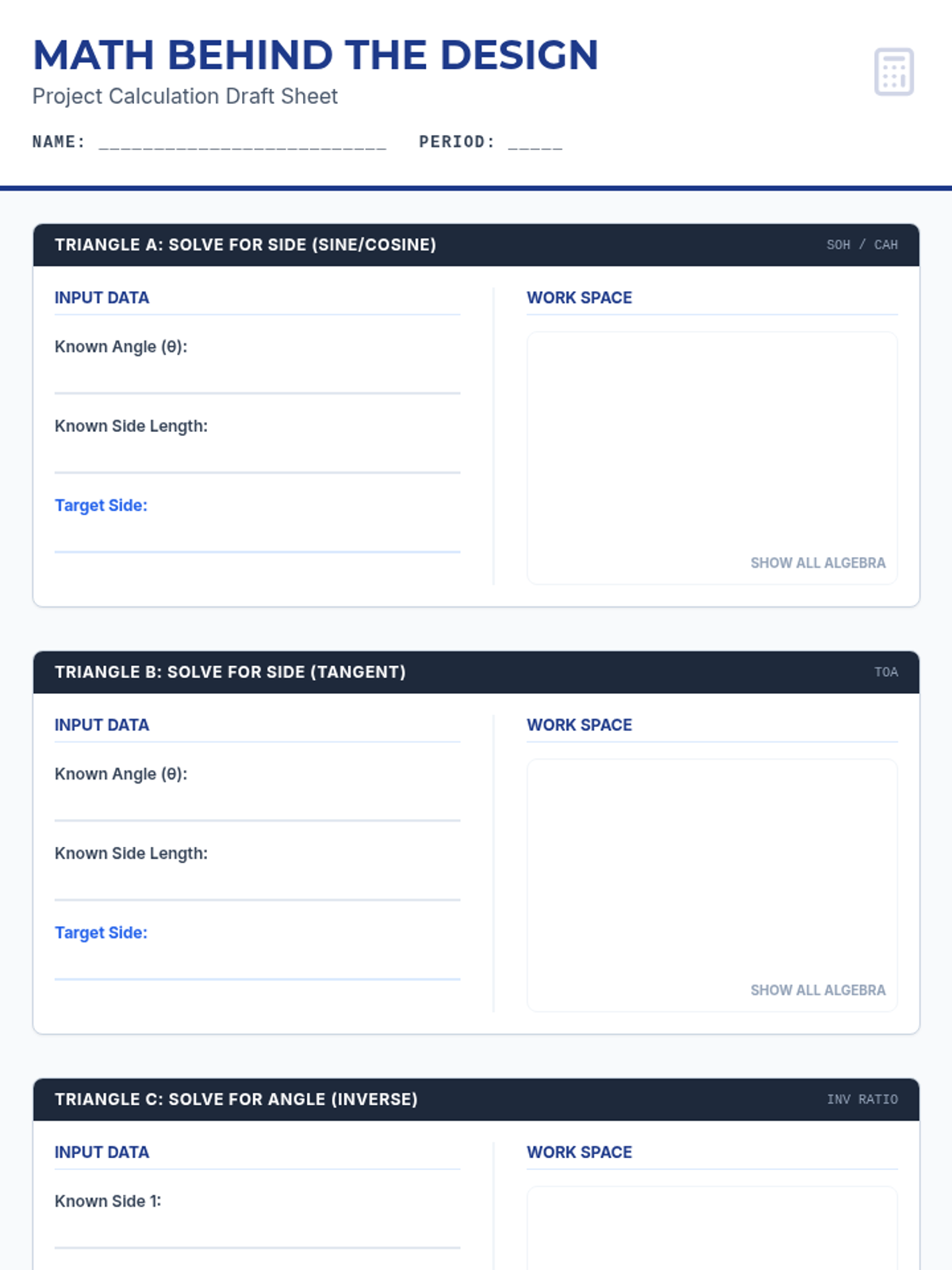
A comprehensive mathematics performance task focused on the perimeter of rectangles, where students act as architects designing a new community puppy park. The lesson includes a presentation, a student workbook with collaborative and real-world components, and a final project guide.
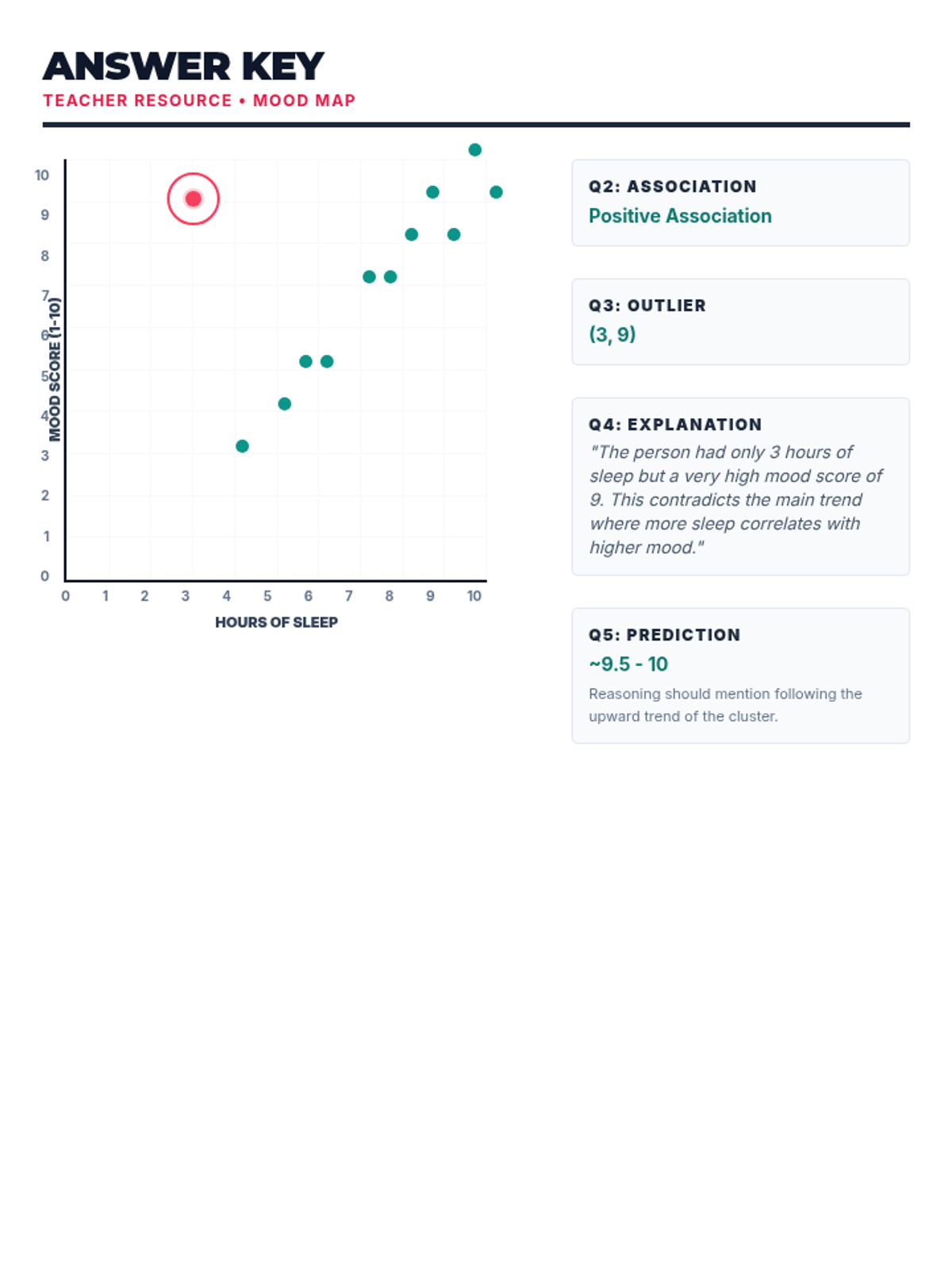
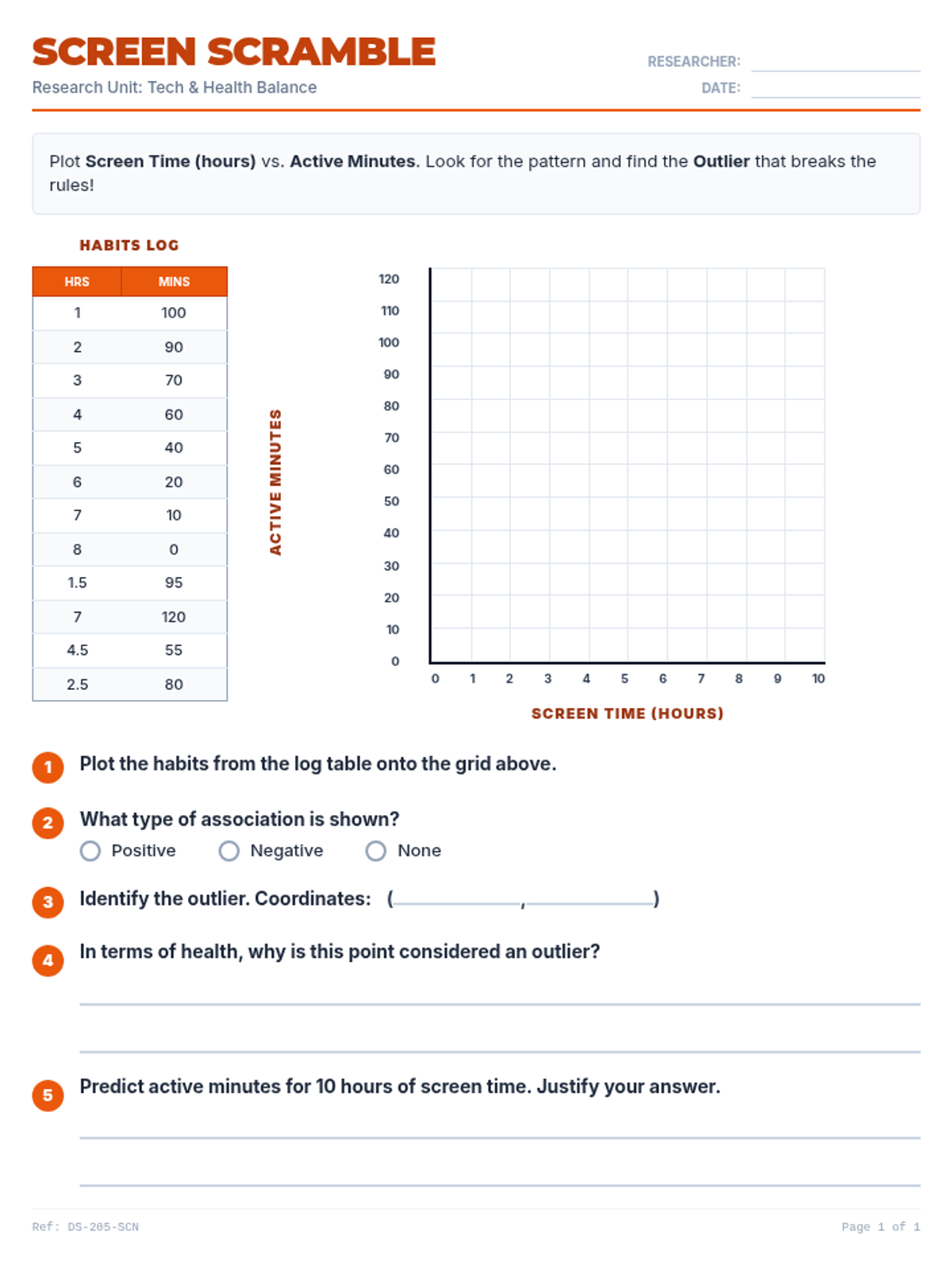
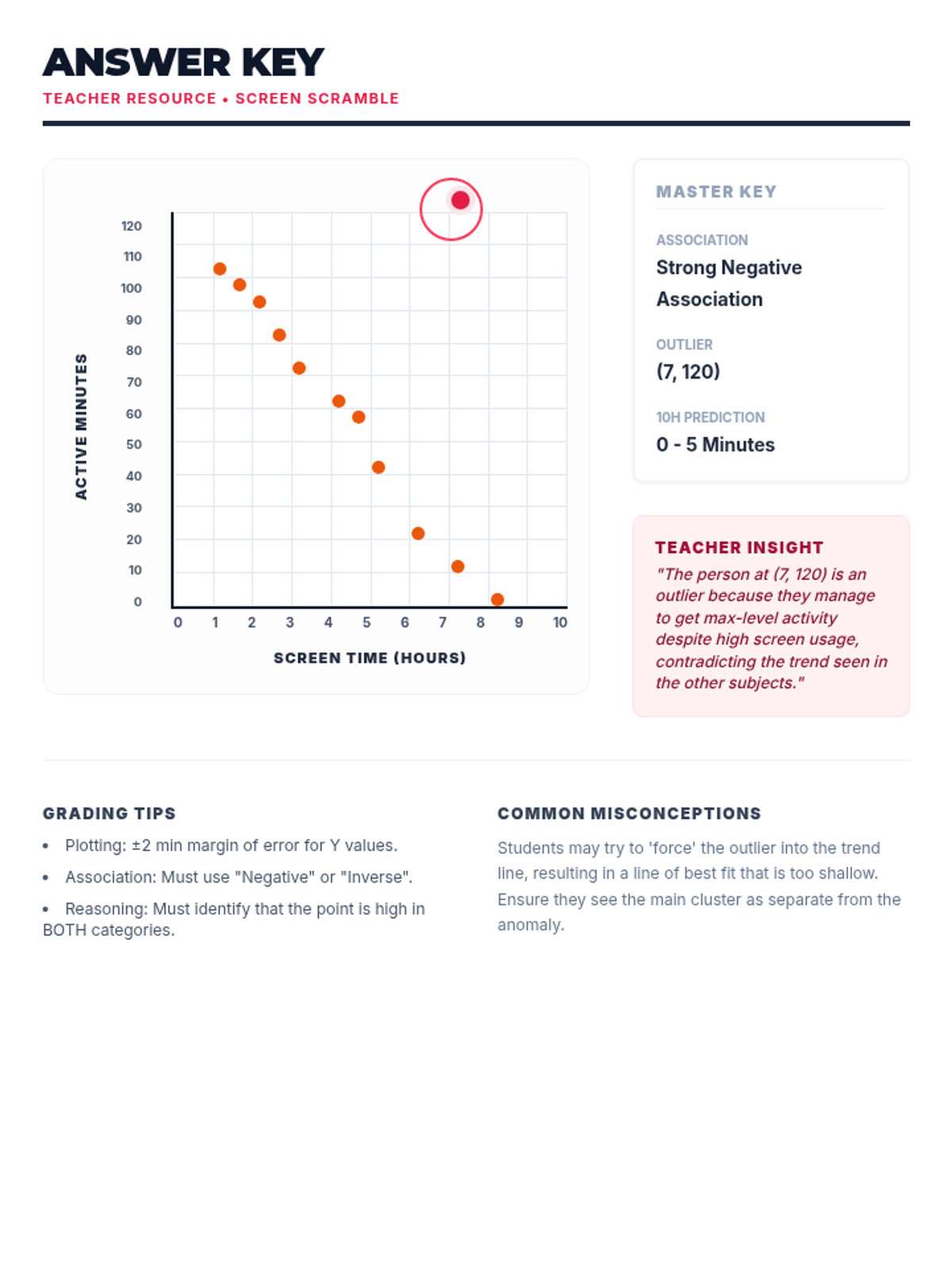
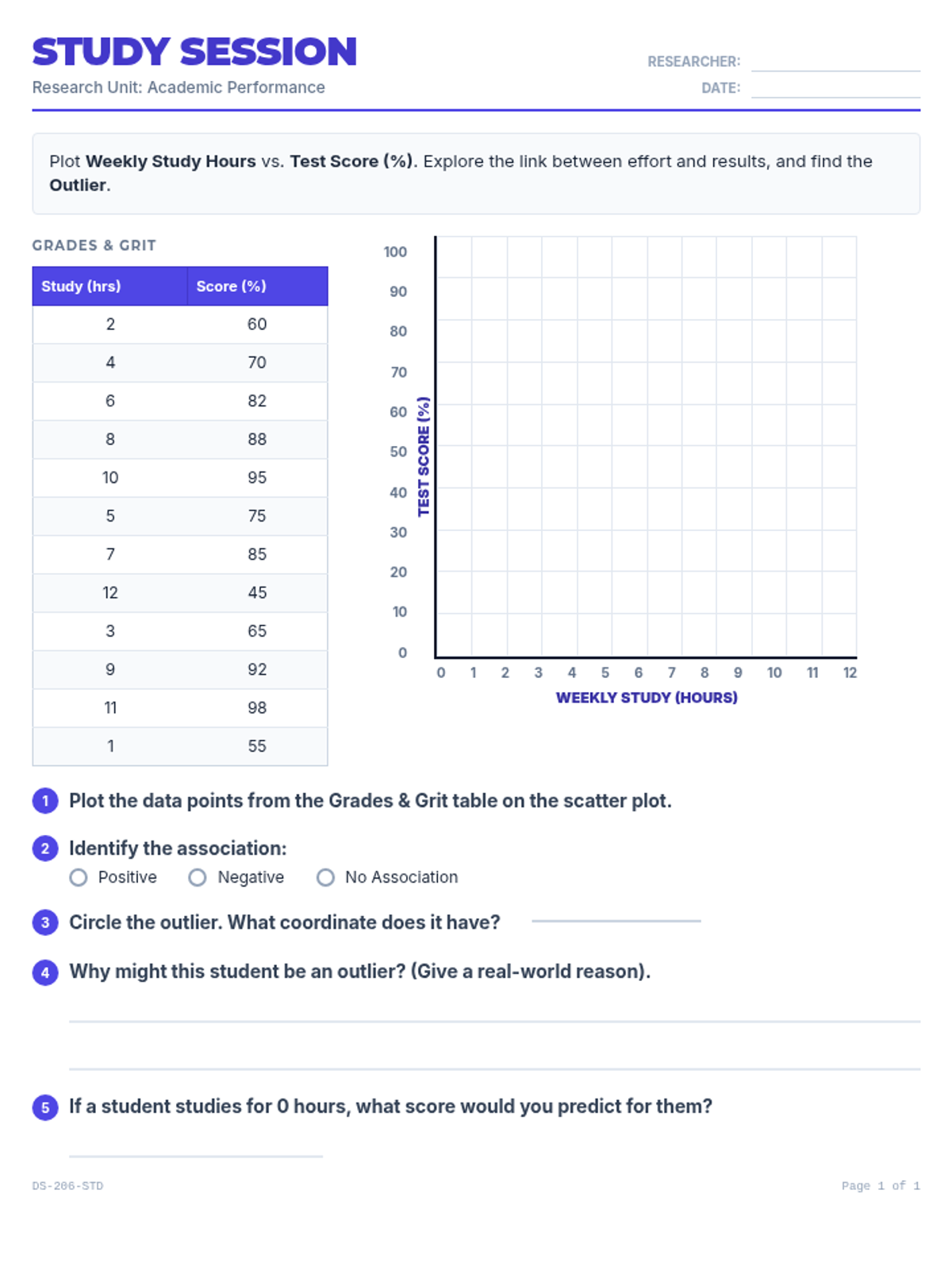
A tiered assignment covering TEKS A.4(A-C) focusing on correlation, causation, and linear regression. Students progress through three levels of complexity to master data analysis skills.
A modified geometry lesson focused exclusively on translations, featuring visual aids, simplified language, and scaffolded practice for high school students.
A comprehensive lesson on graphing linear equations using slope-intercept form, featuring a technical blueprint theme to help 8th-grade students master the coordinate plane.