Master the mechanics of simple present verbs, focusing on subject-verb agreement, daily routines, and general truths for 6th/7th grade students.
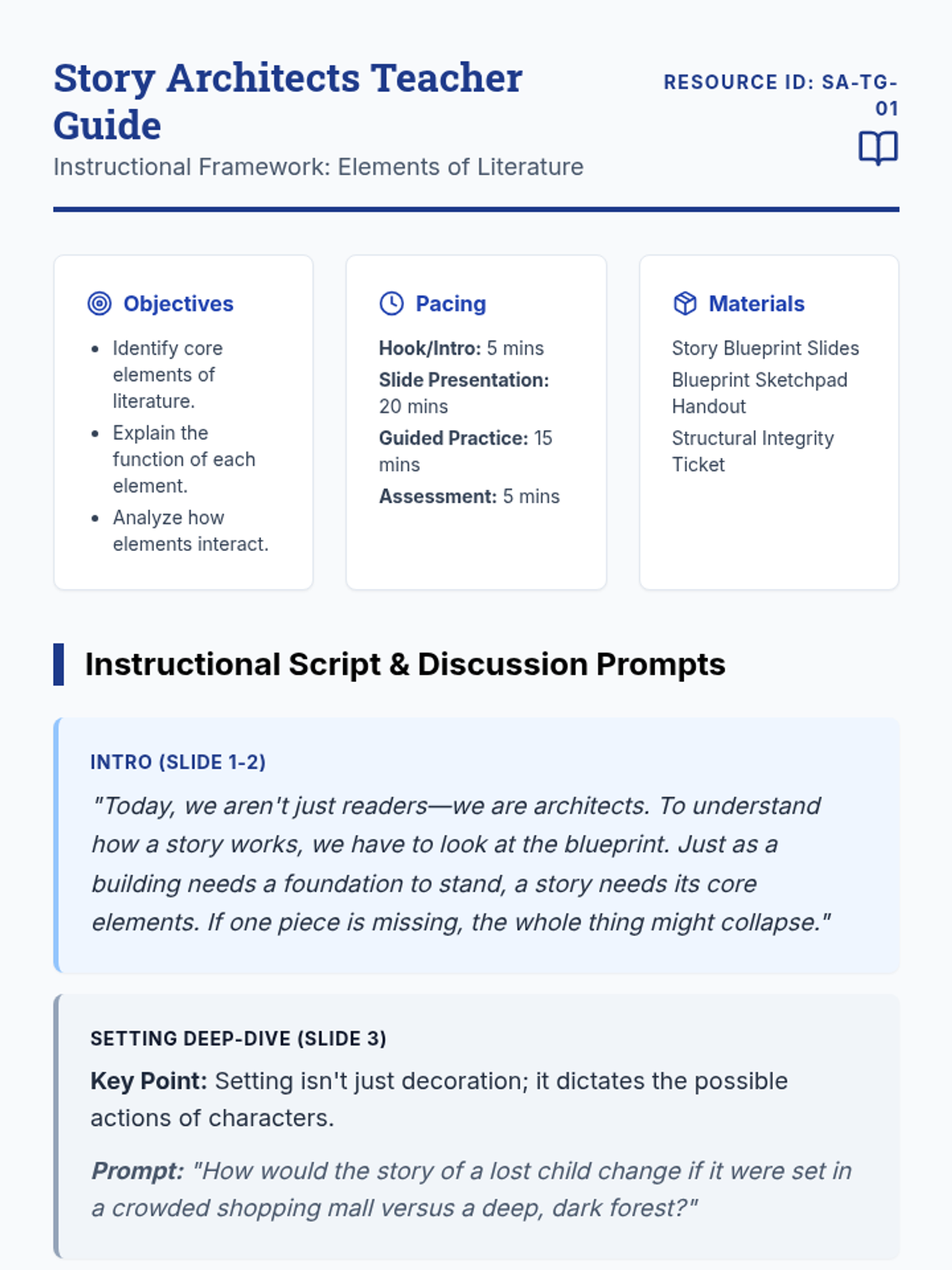
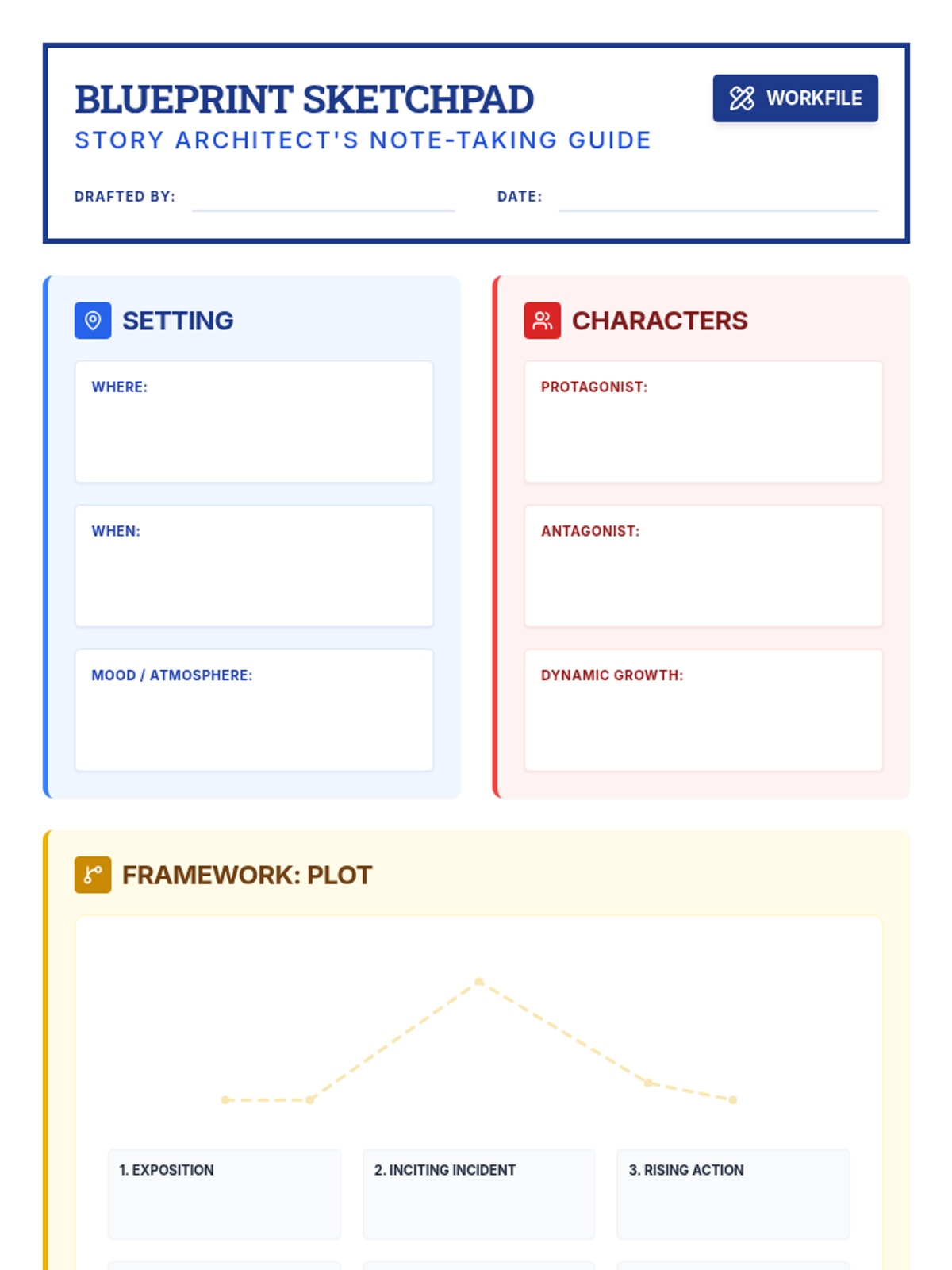
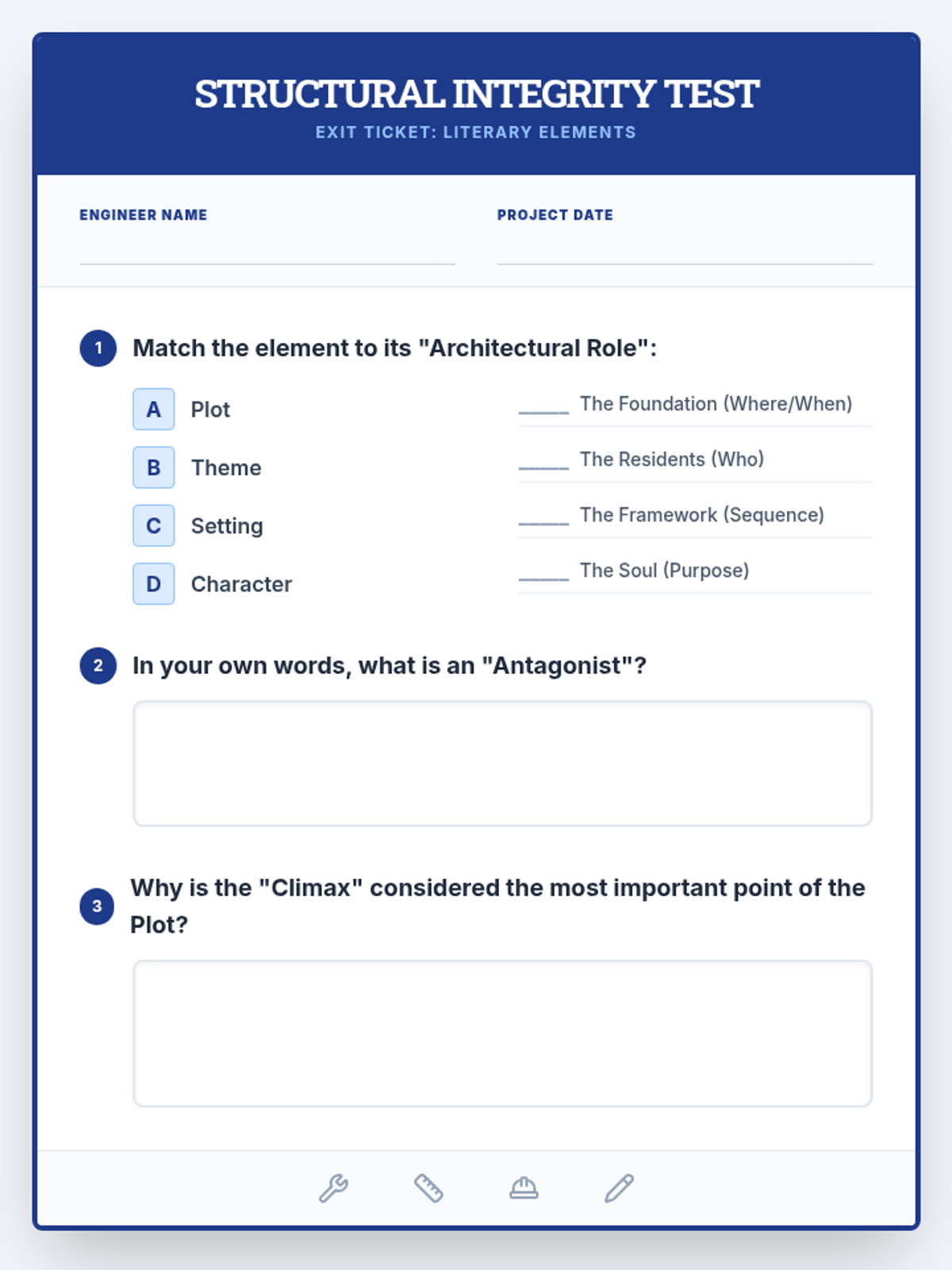
A comprehensive introduction to the core elements of literature—plot, character, setting, and theme—using an architectural blueprint metaphor to help students visualize story structure.
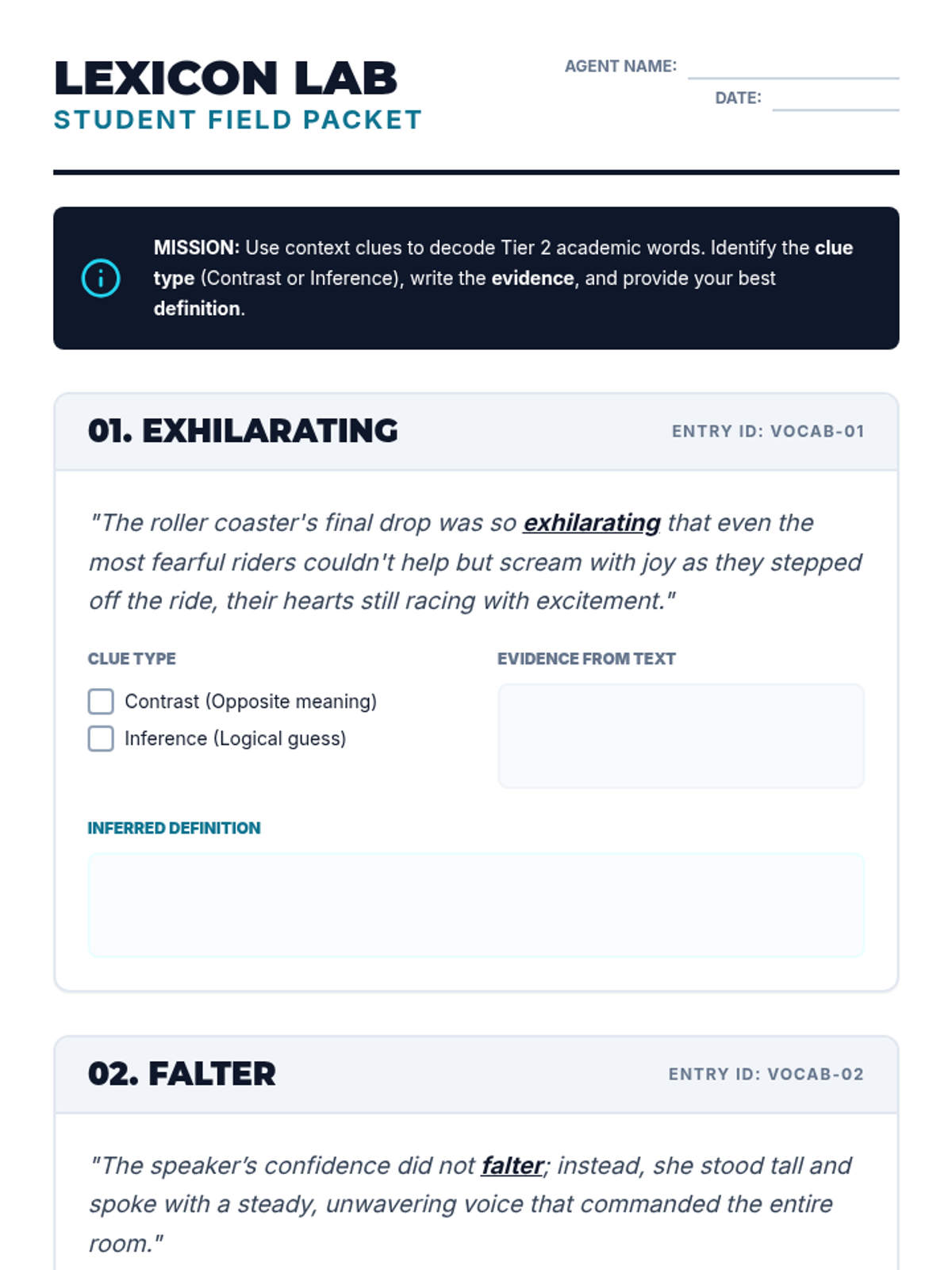
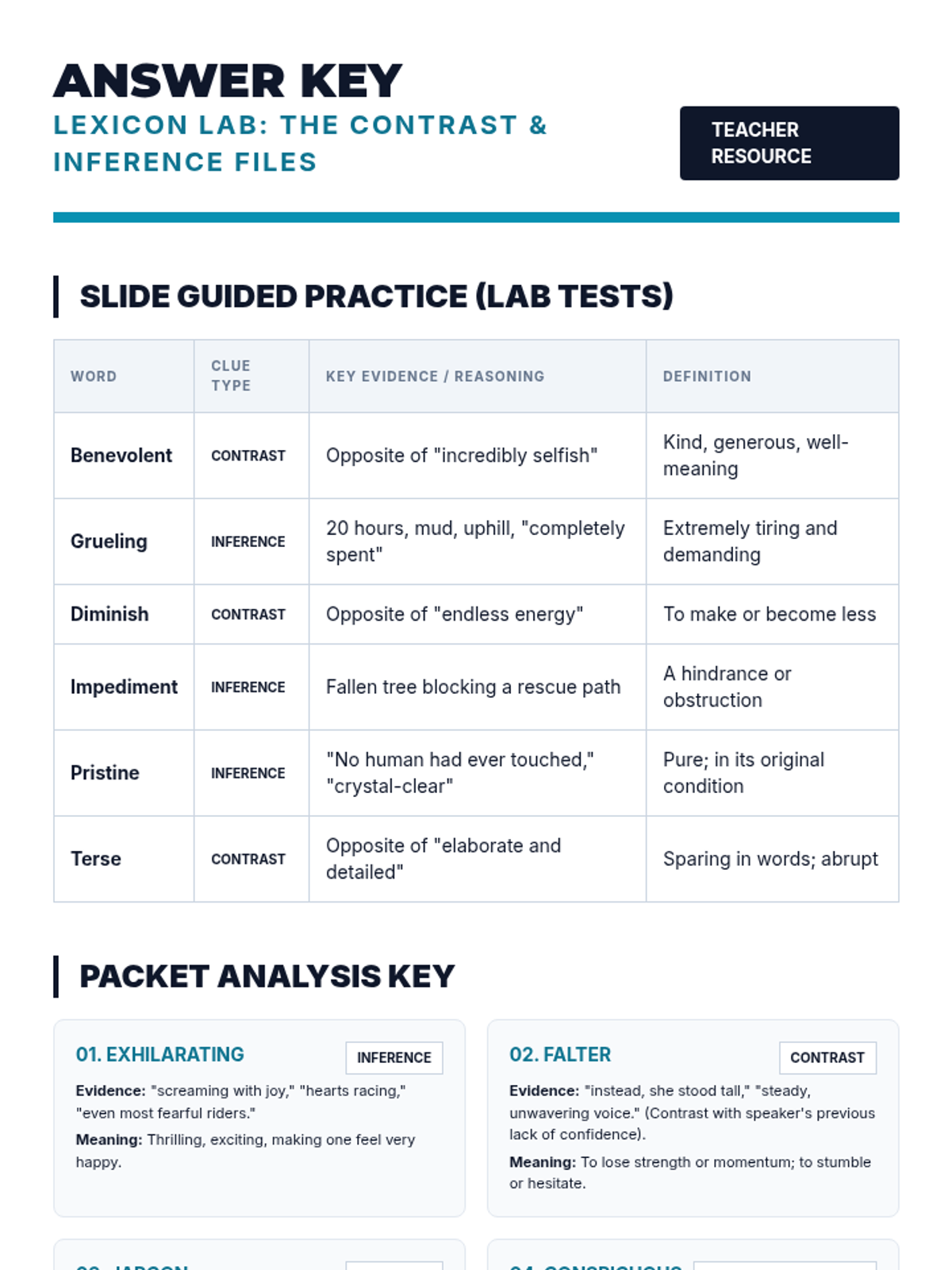
A high-challenge lesson for 7th graders focusing on using contrast and inference context clues to decode Tier 2 academic vocabulary. Students act as 'Lexicon Analysts' to solve linguistic puzzles.
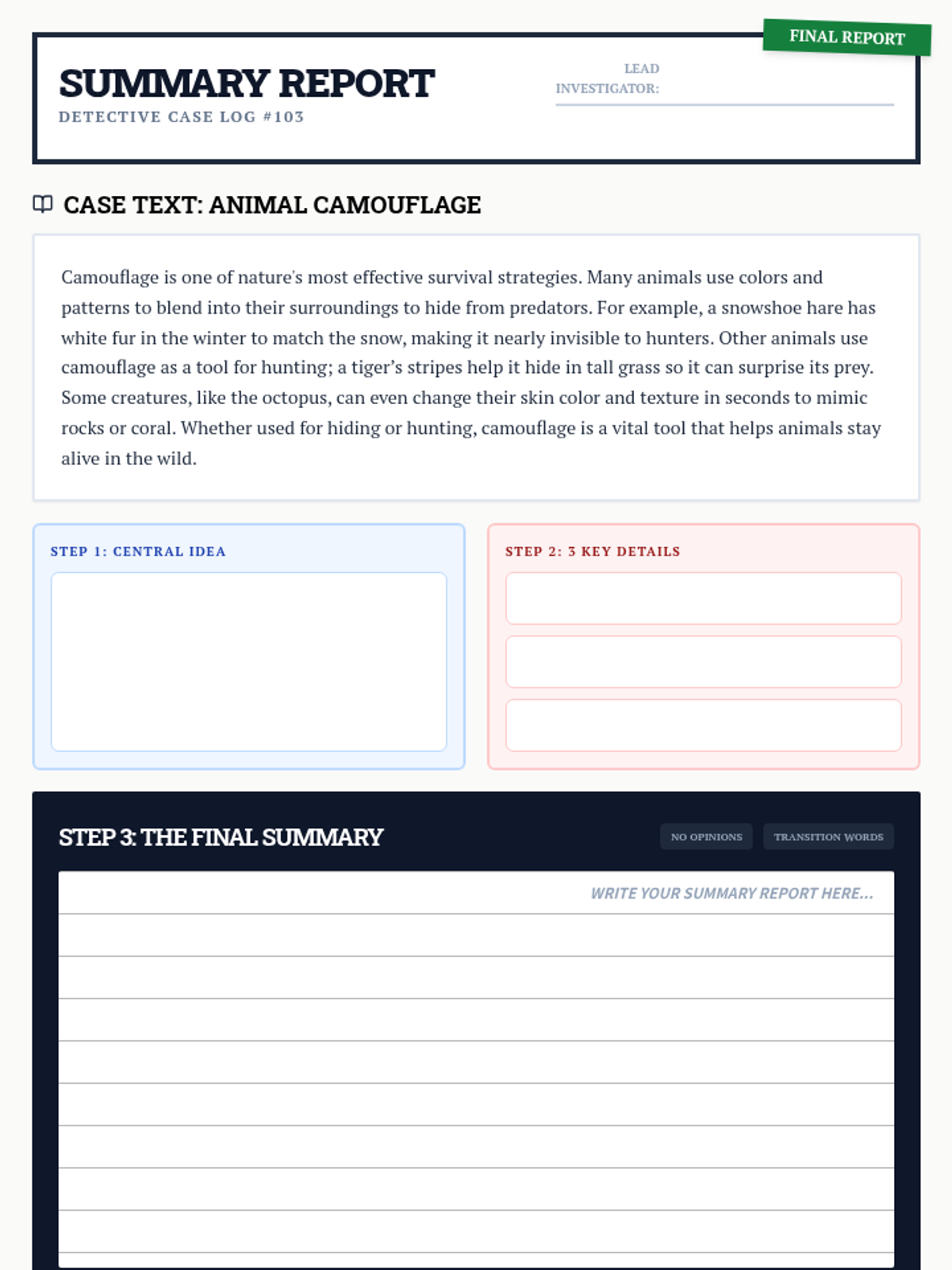
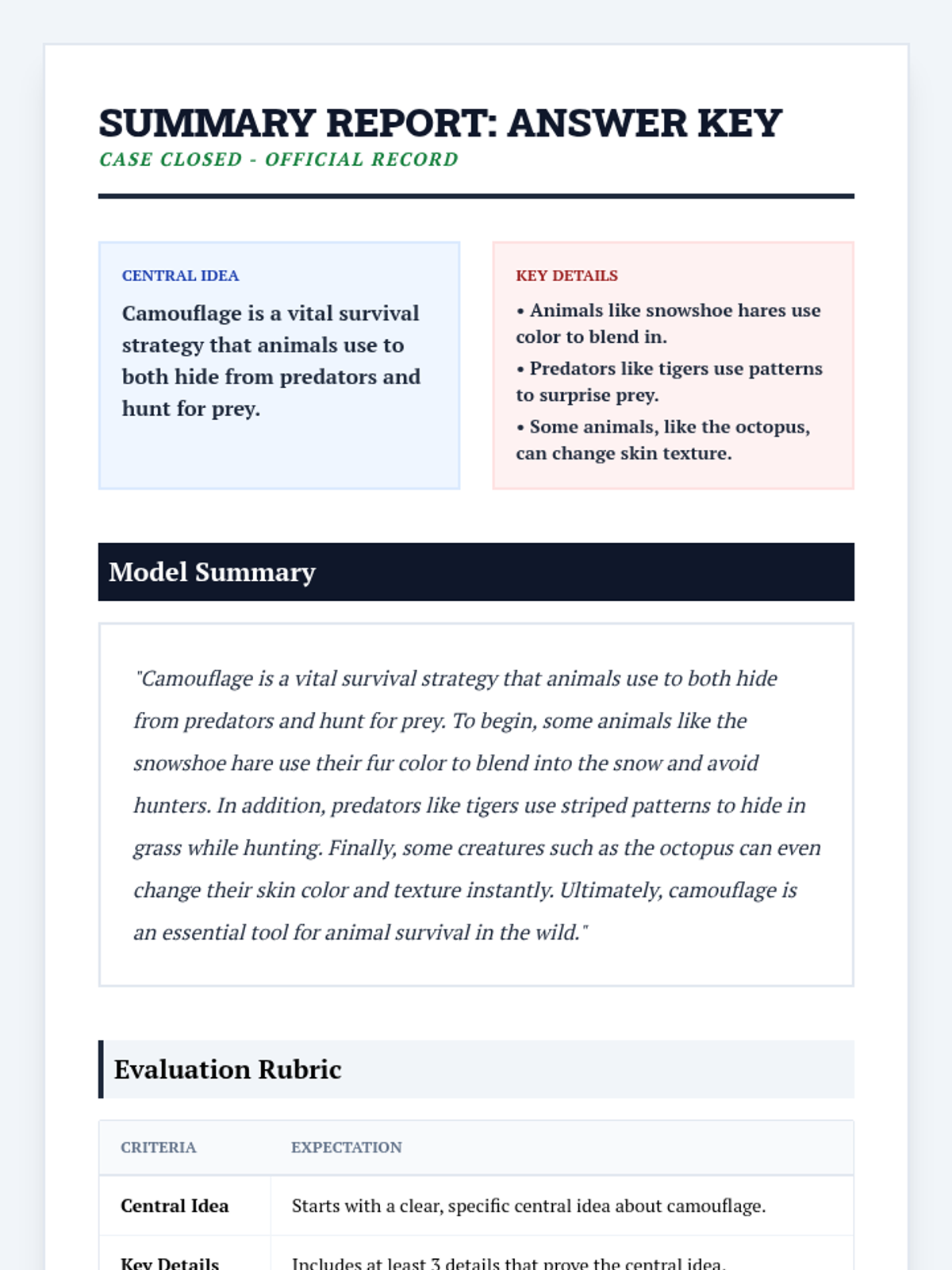
Provides a scaffolded approach to combining the central idea and key details into a cohesive, objective non-fiction summary.
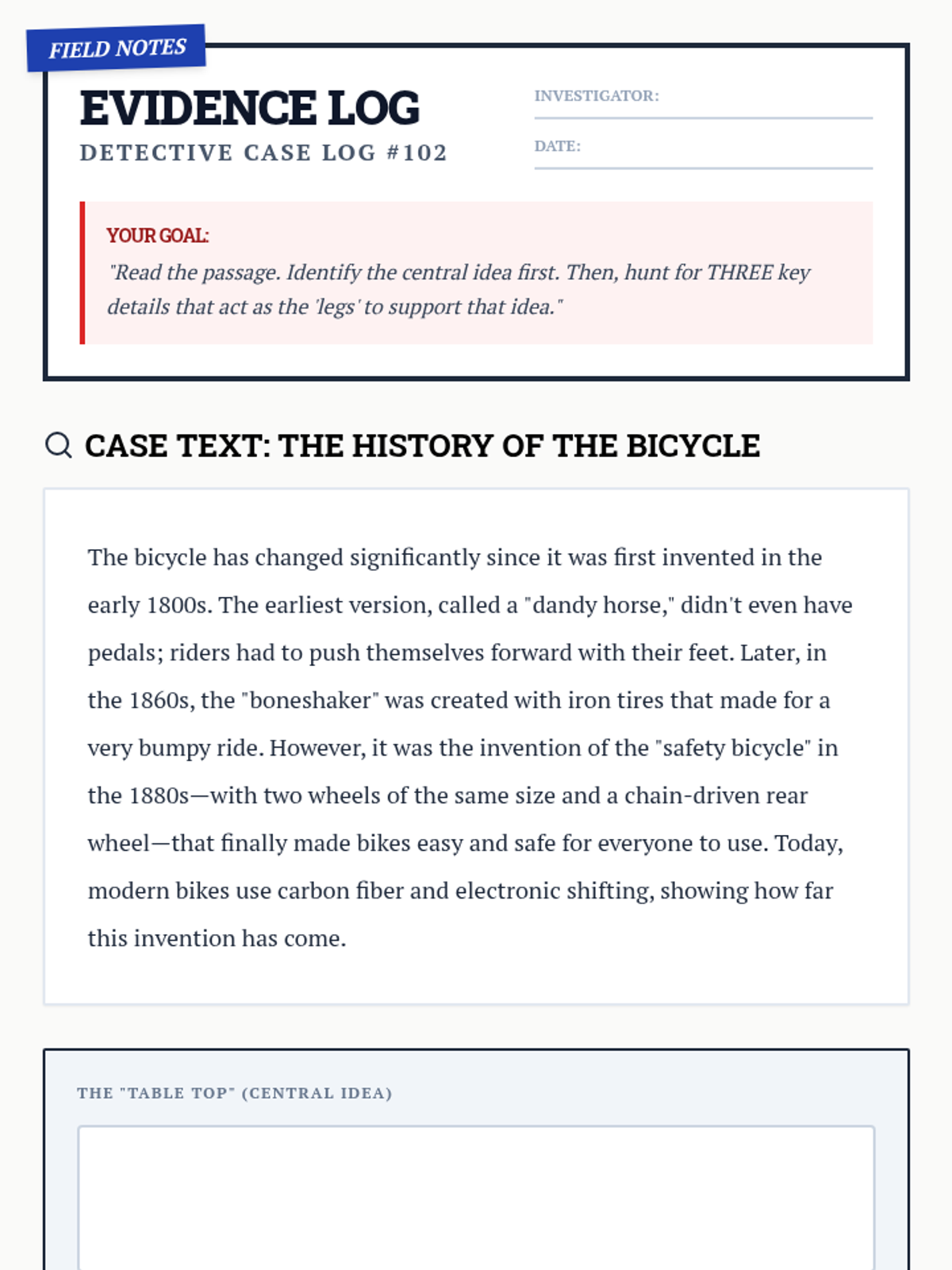
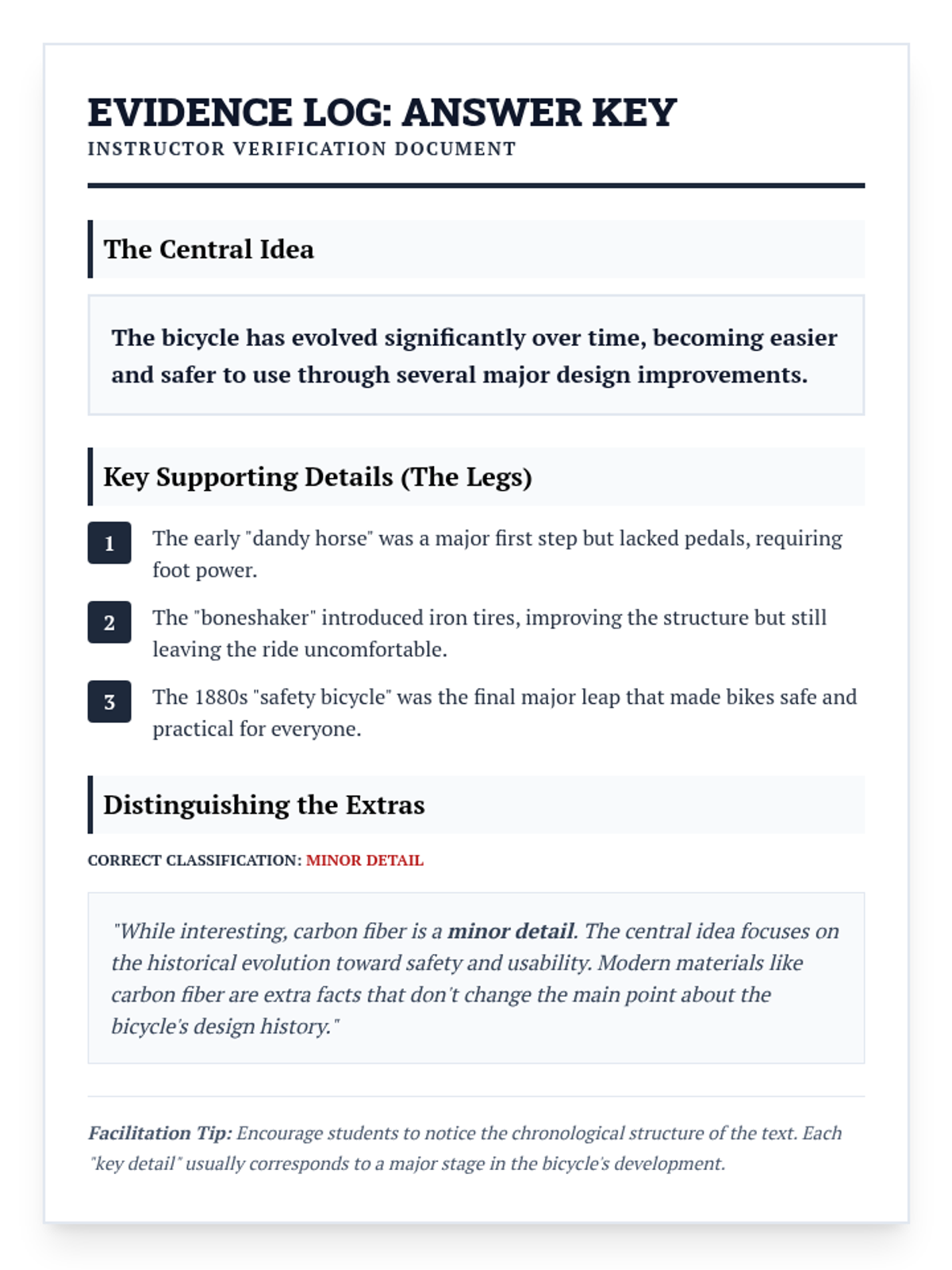
Focuses on identifying key details that directly support the central idea while filtering out interesting but non-essential information.
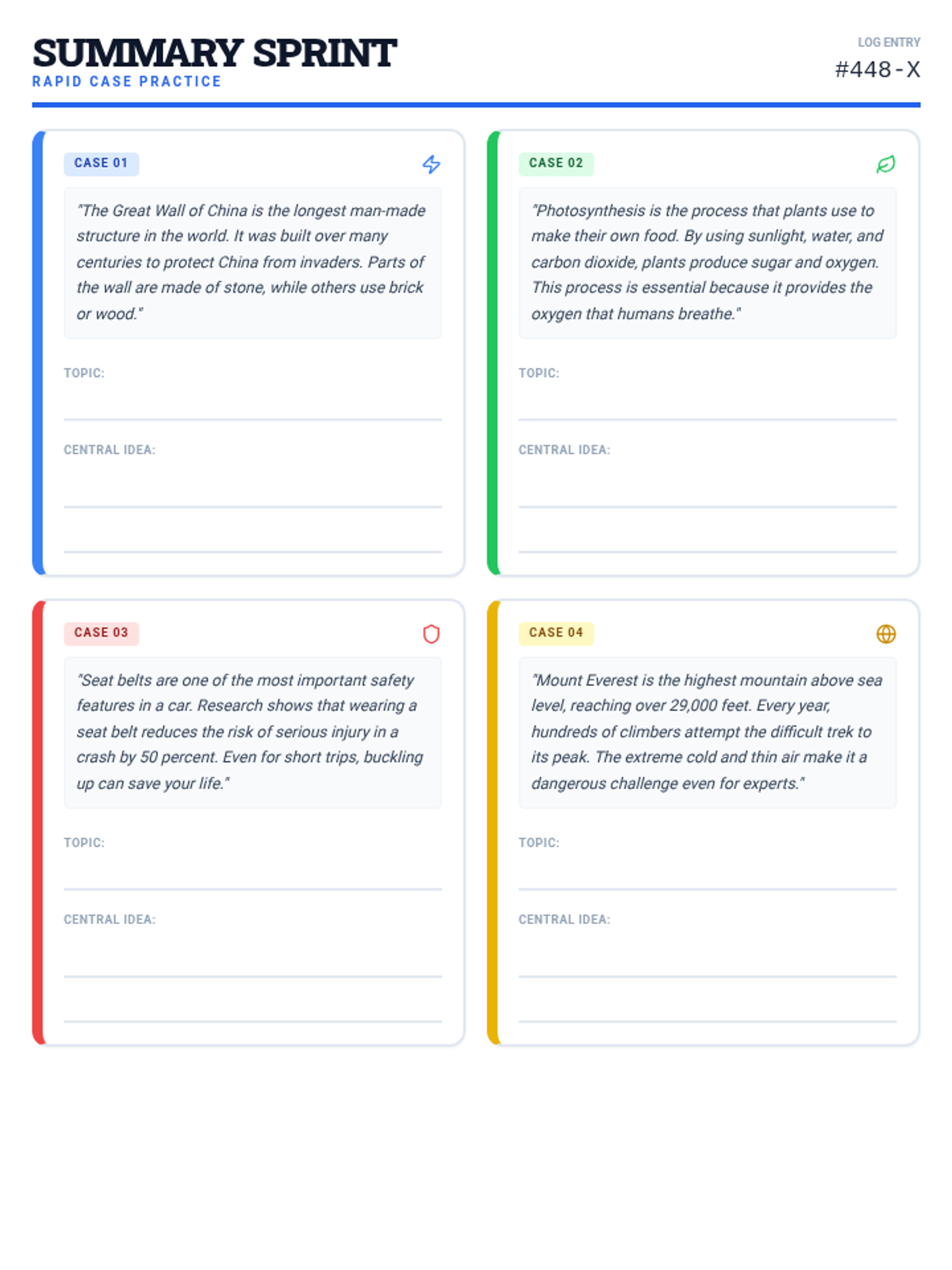
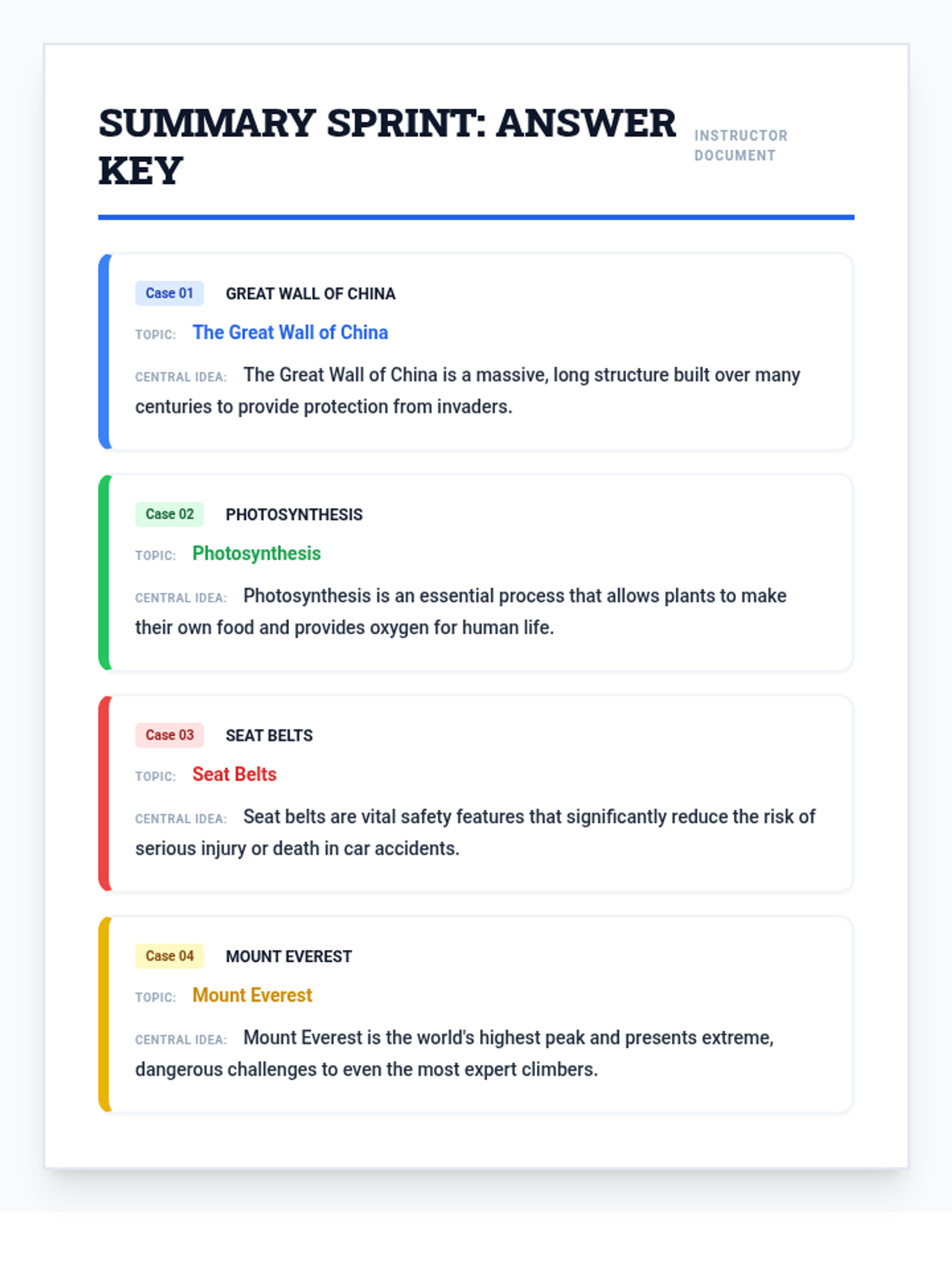
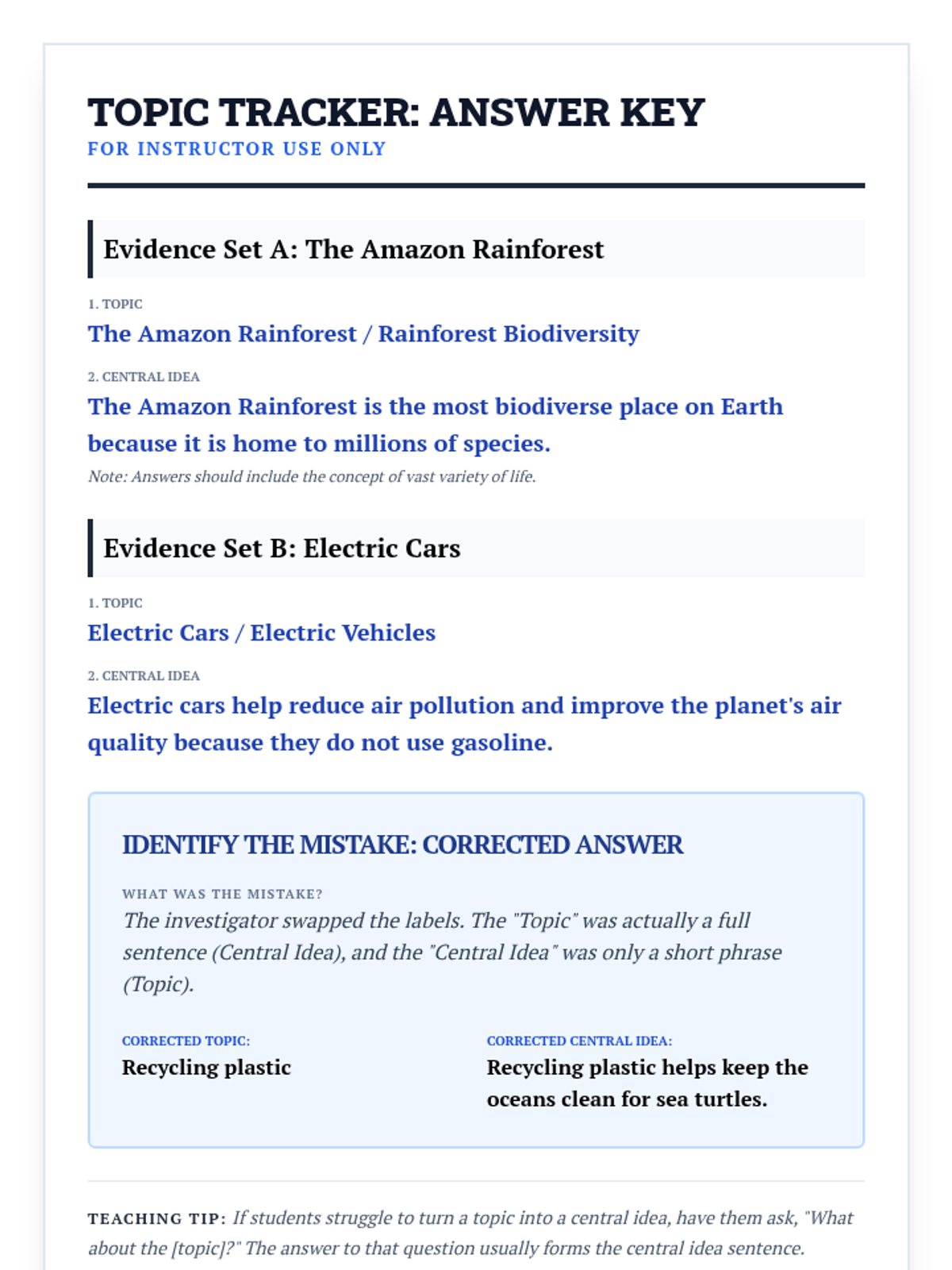
Teaches students to distinguish between the general topic (what the text is about) and the central idea (the specific point the author is making about that topic).
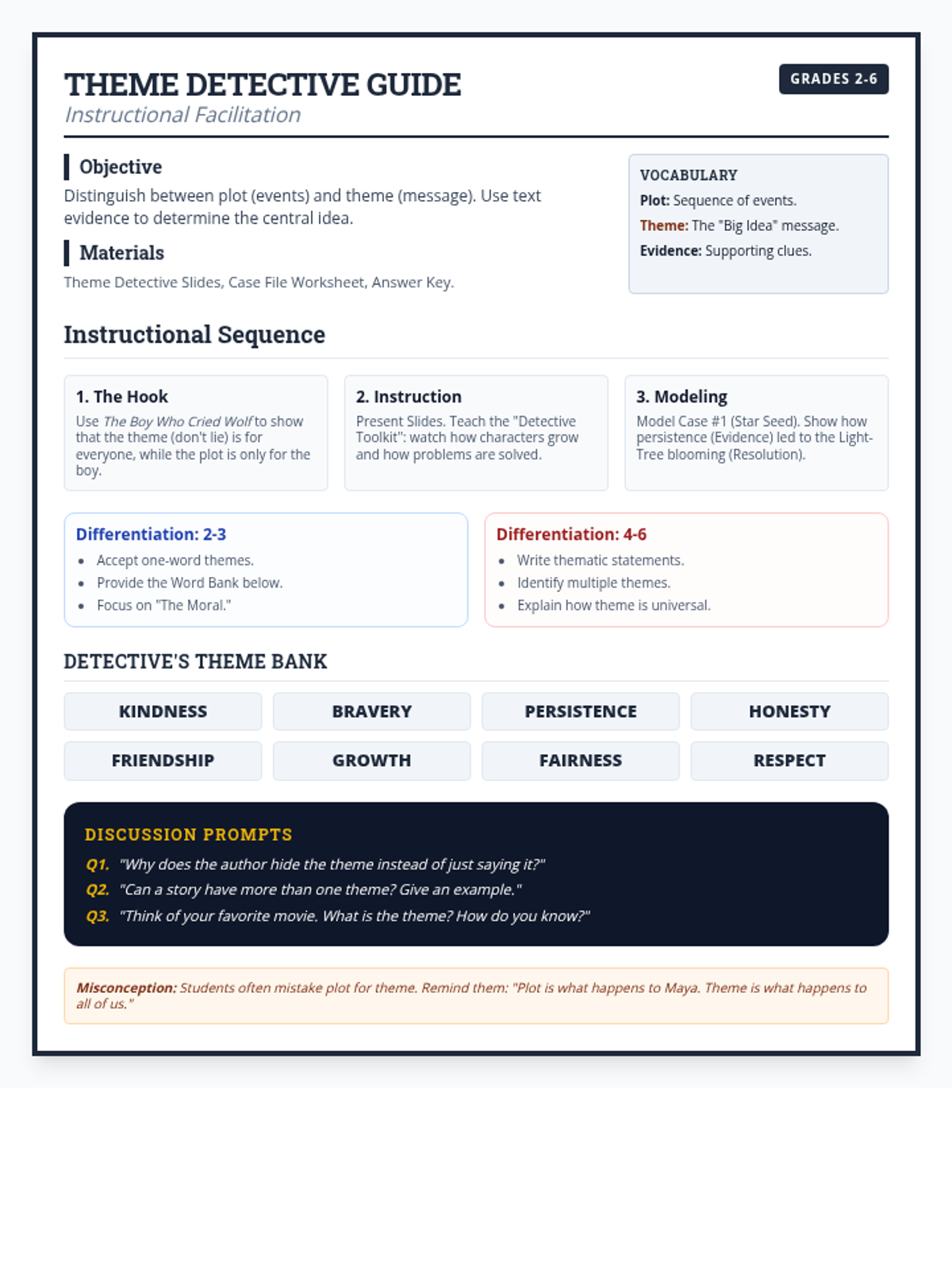
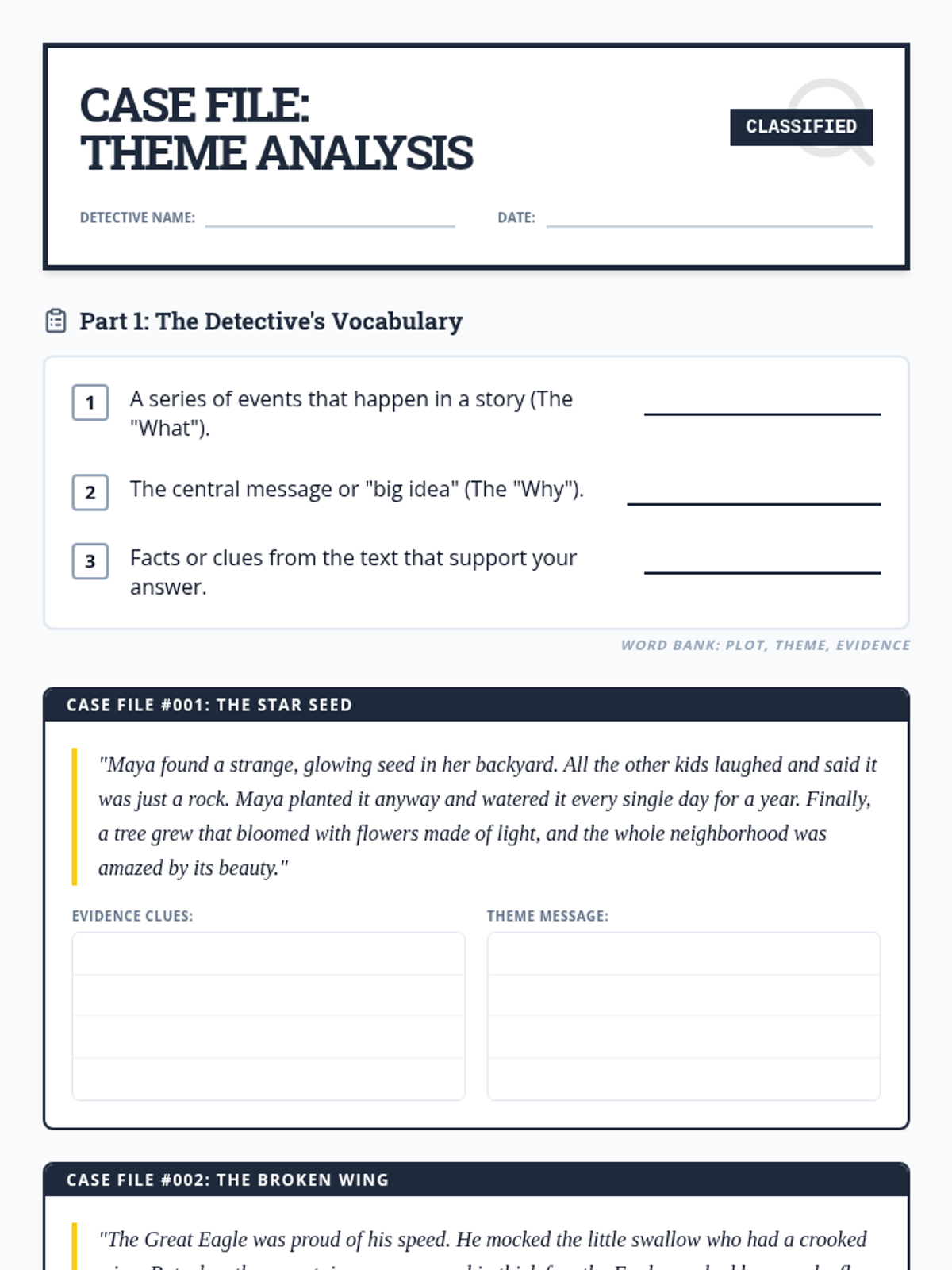
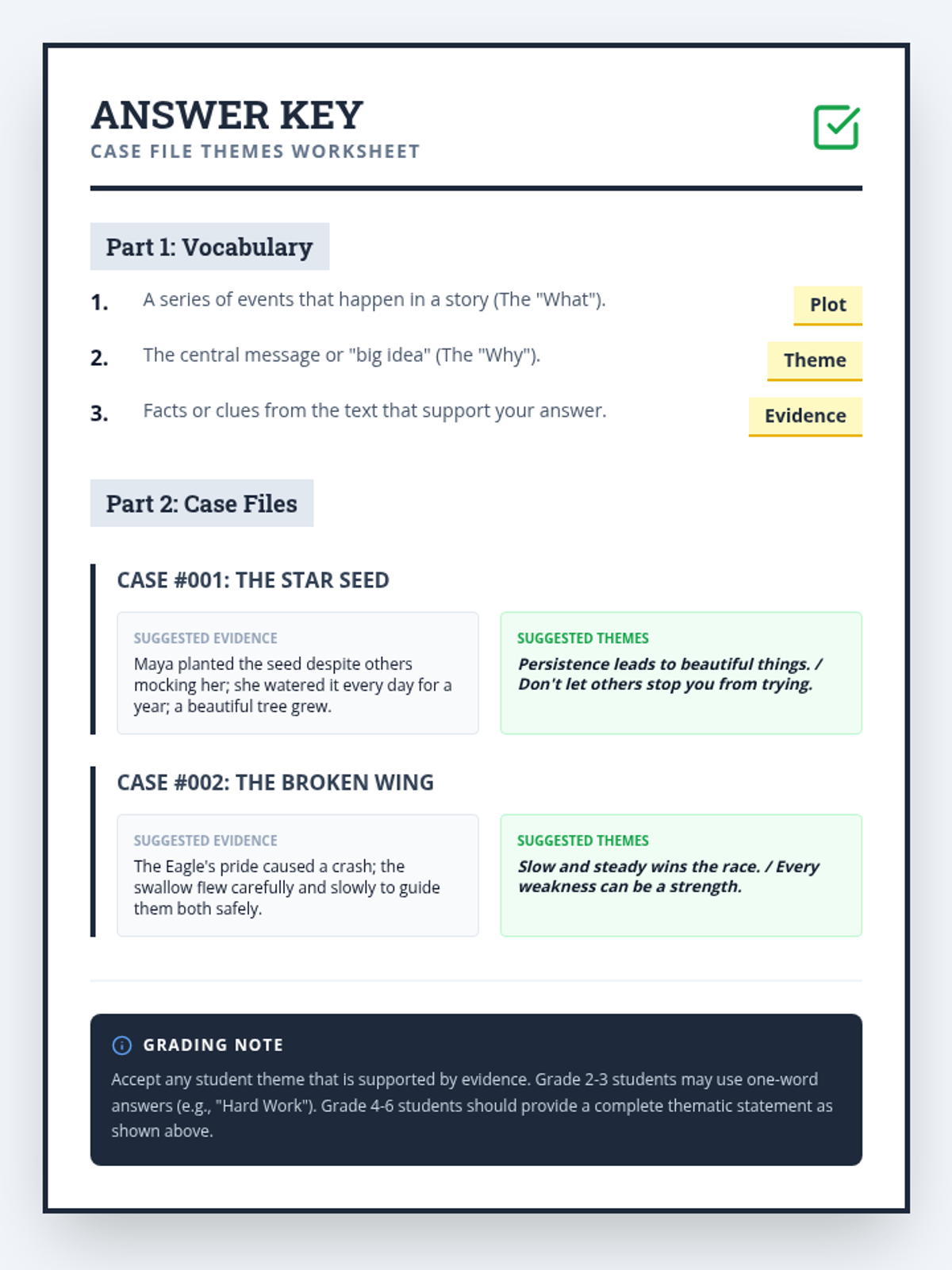
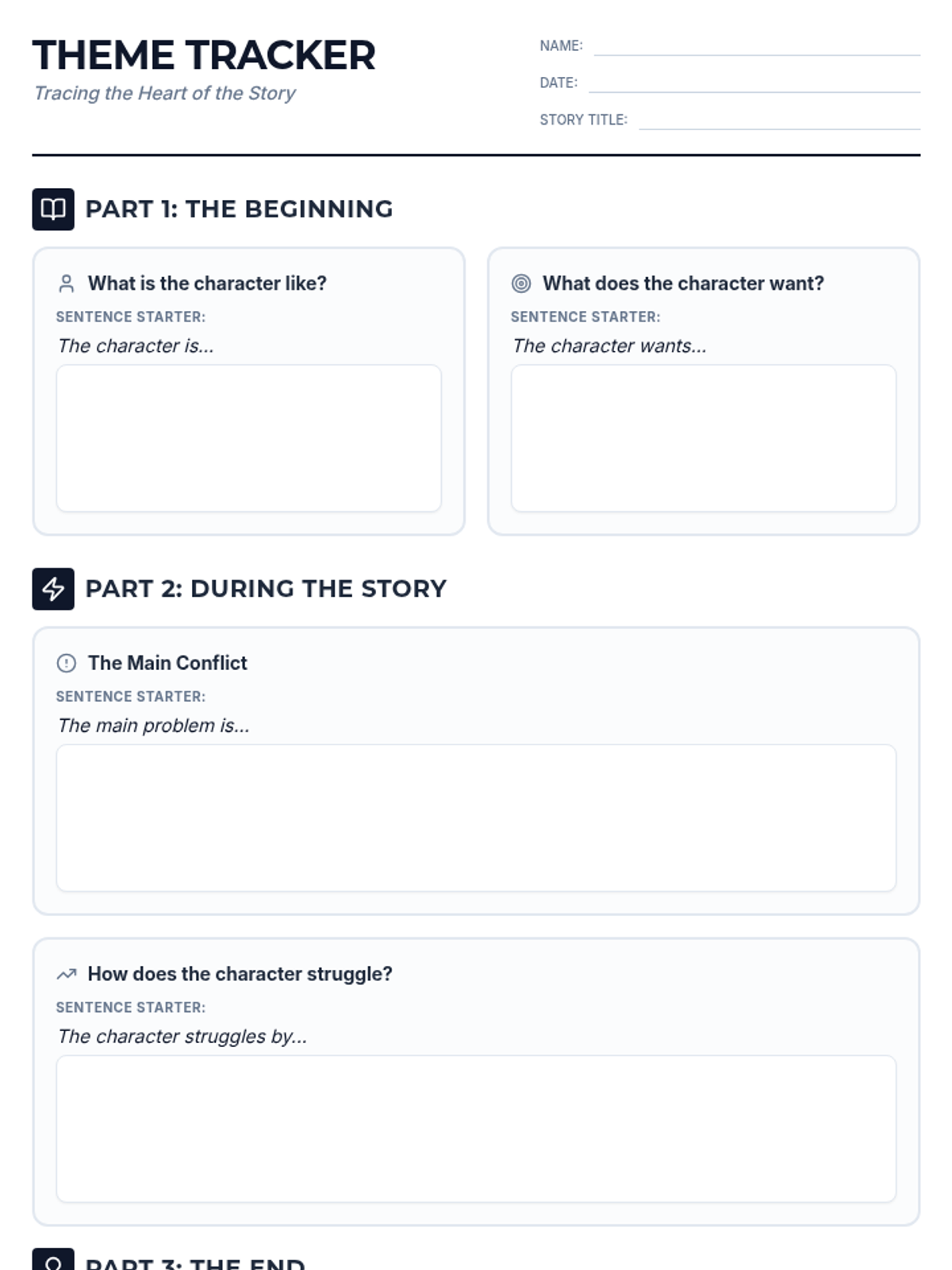
A comprehensive lesson on identifying and analyzing themes in literature, using a 'detective' metaphor to help students find the 'big idea' within stories. Includes differentiated strategies for grades 2-6.
Students will identify the development of a story's theme by tracking character traits, motivations, conflicts, and resolutions. This lesson provides a structured framework for analyzing how a message emerges from narrative elements.

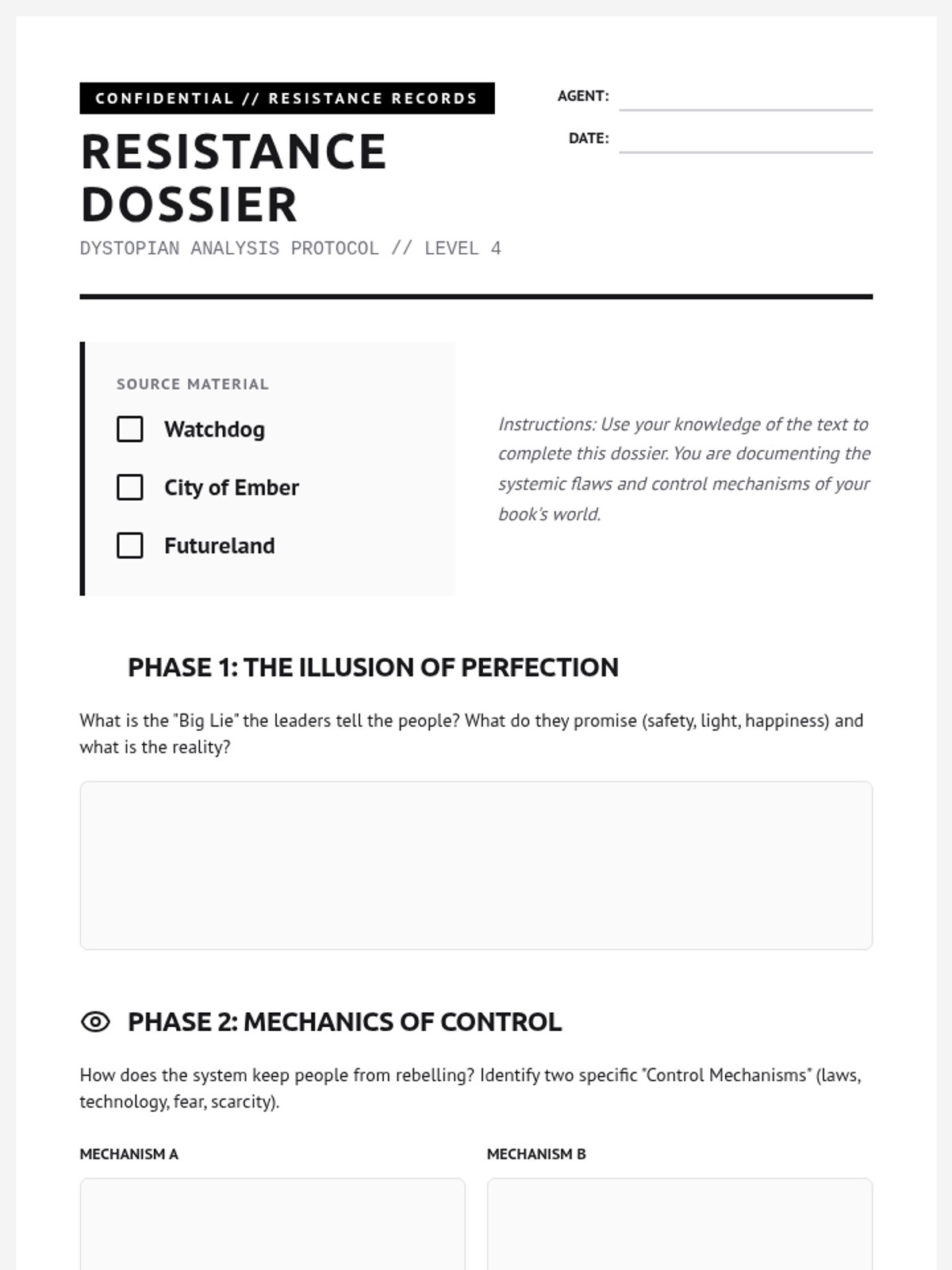
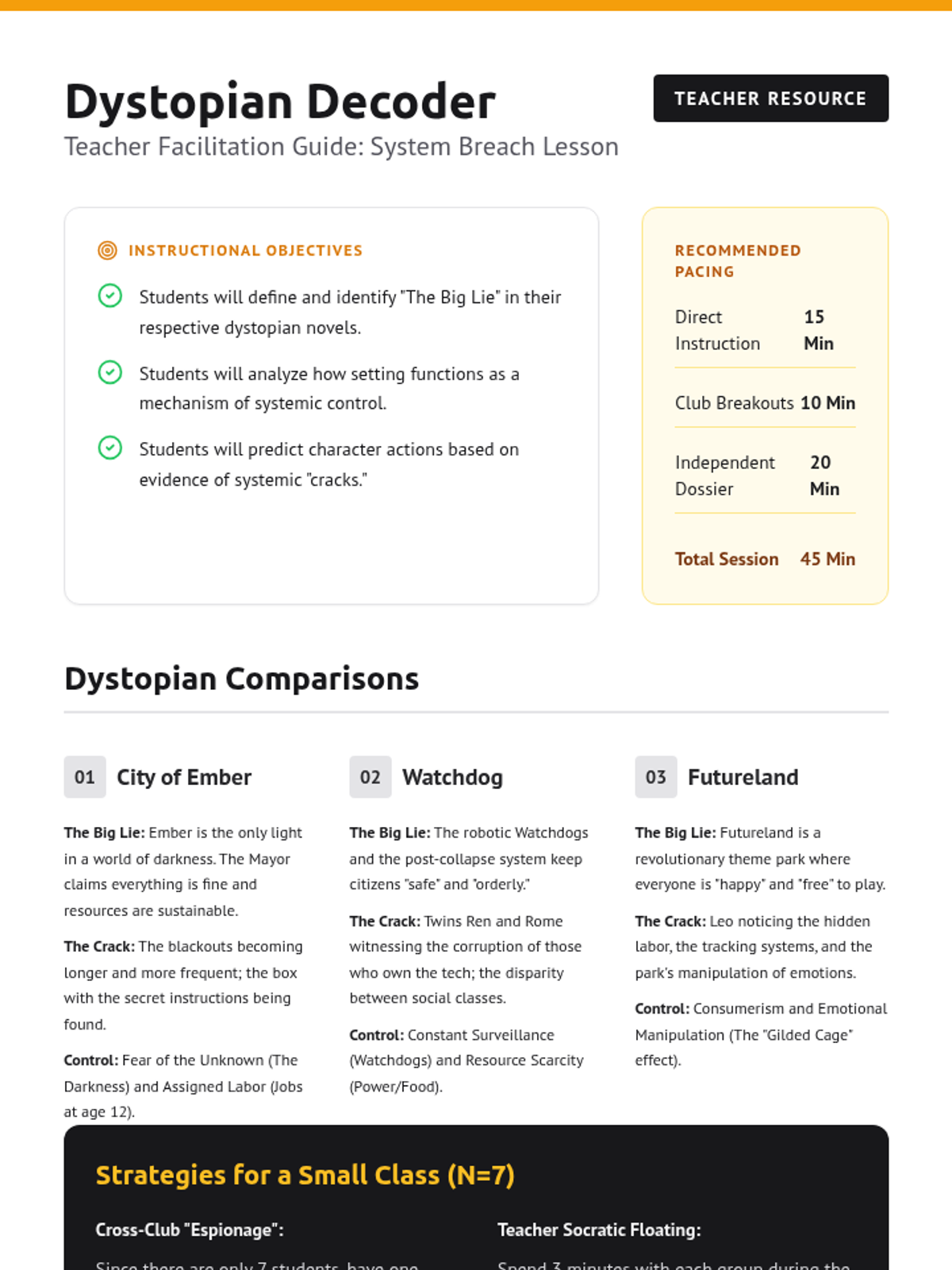
A lesson focused on analyzing systemic control and the 'big lie' in dystopian literature, specifically tailored for students reading Watchdog, City of Ember, and Futureland. Students explore how settings function as characters and how protagonists begin to challenge the status quo.
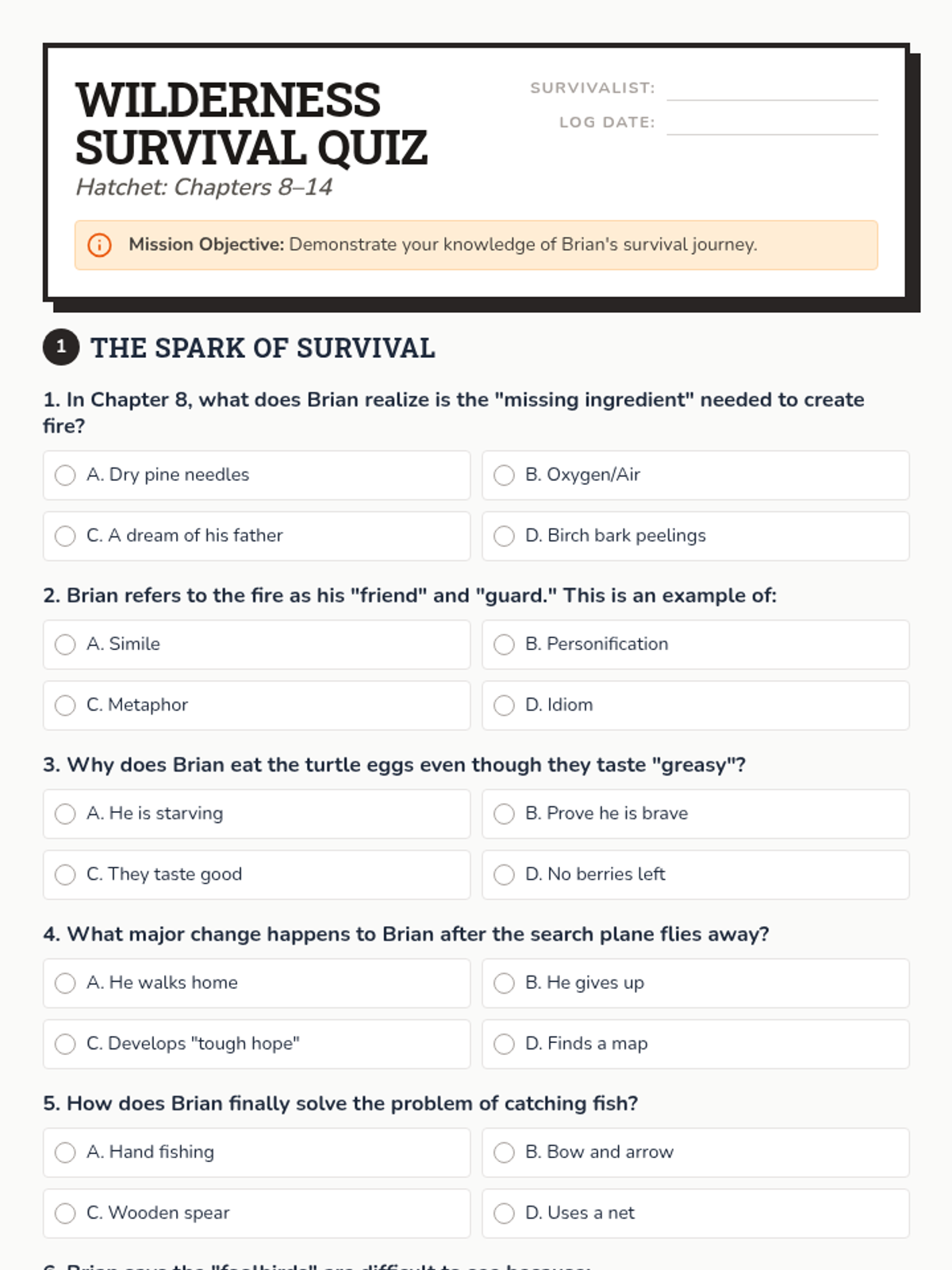
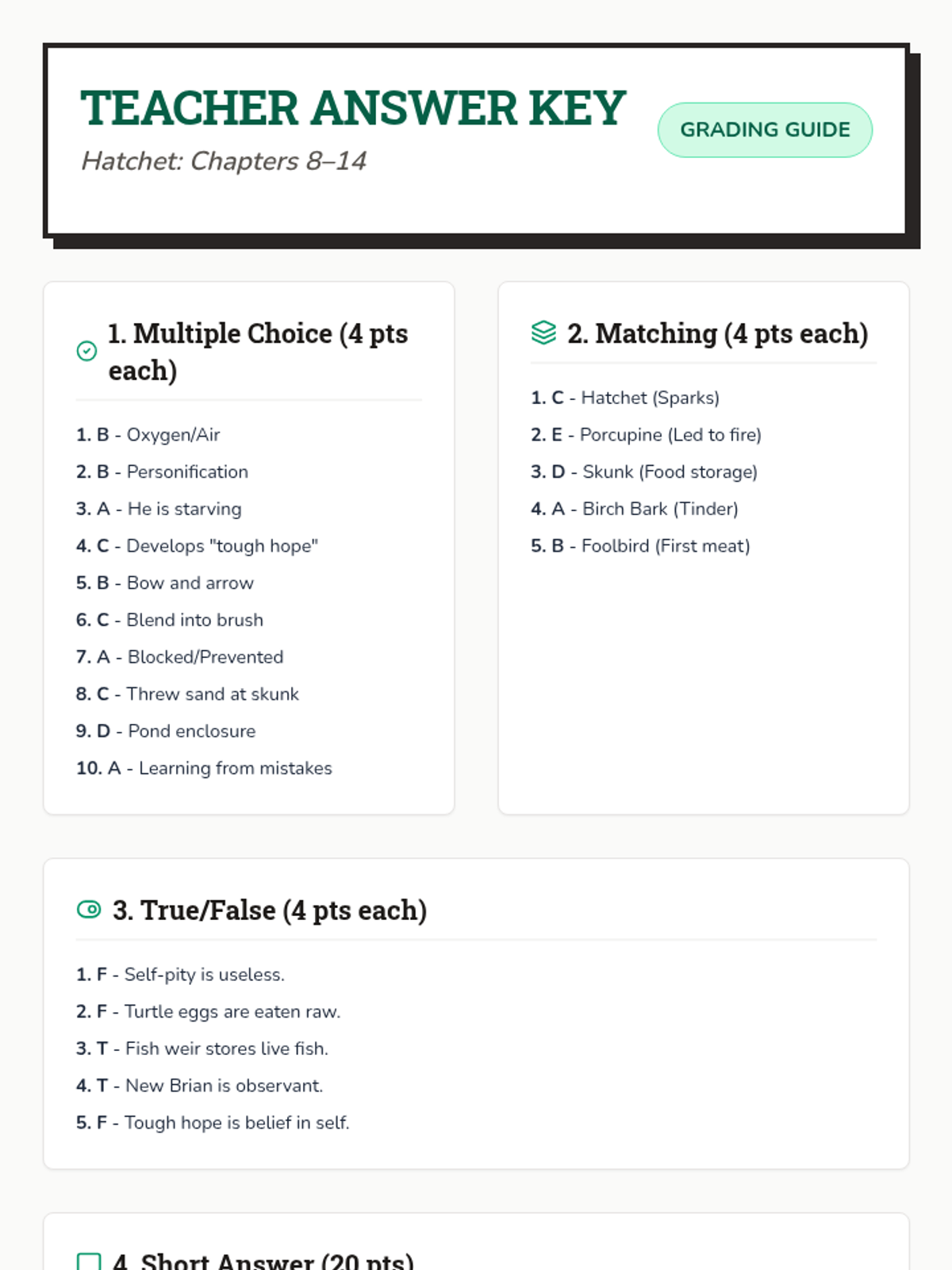
A lesson covering chapters 8-14 of Hatchet, focusing on survival strategies, character growth, and figurative language.
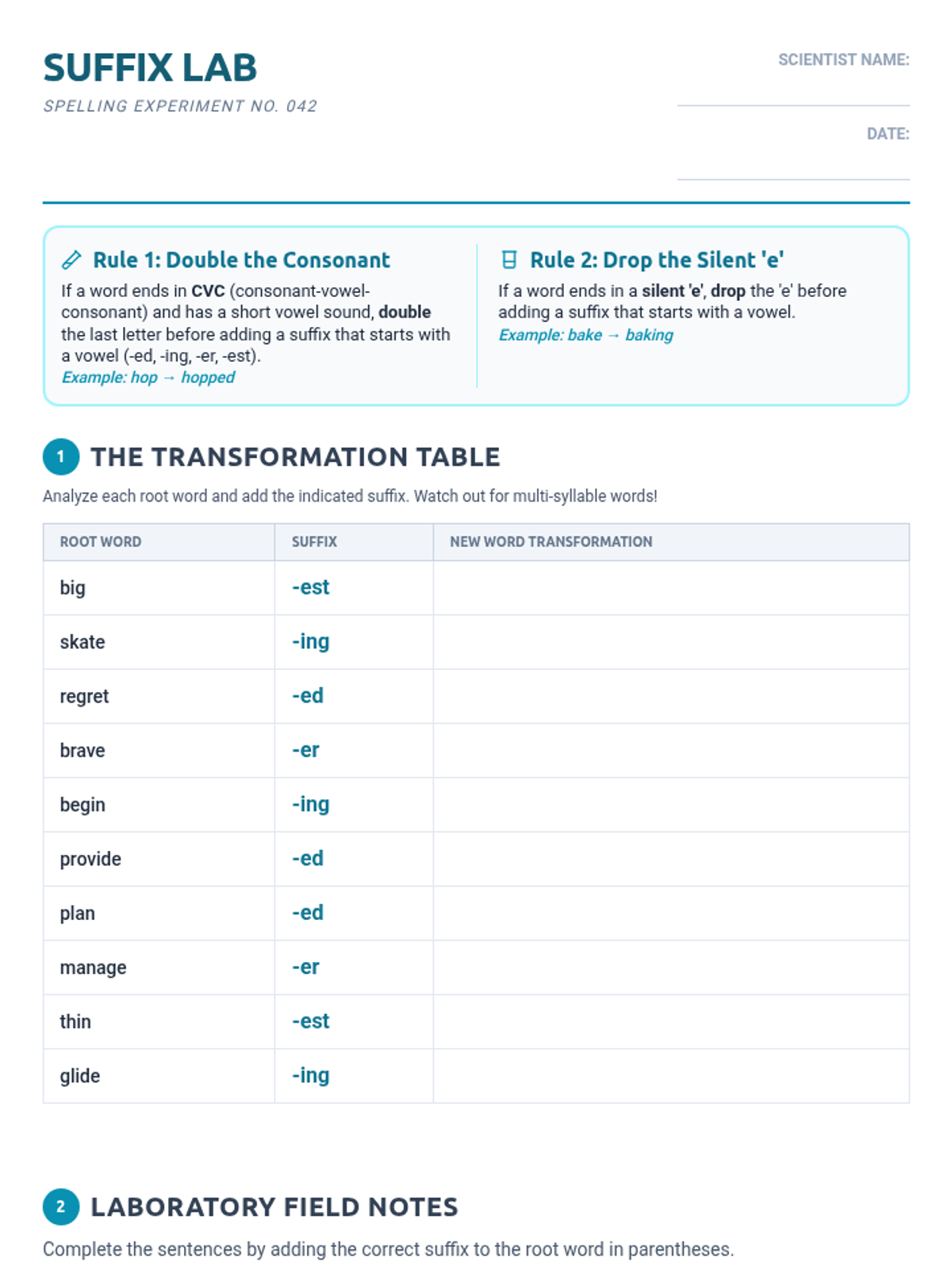
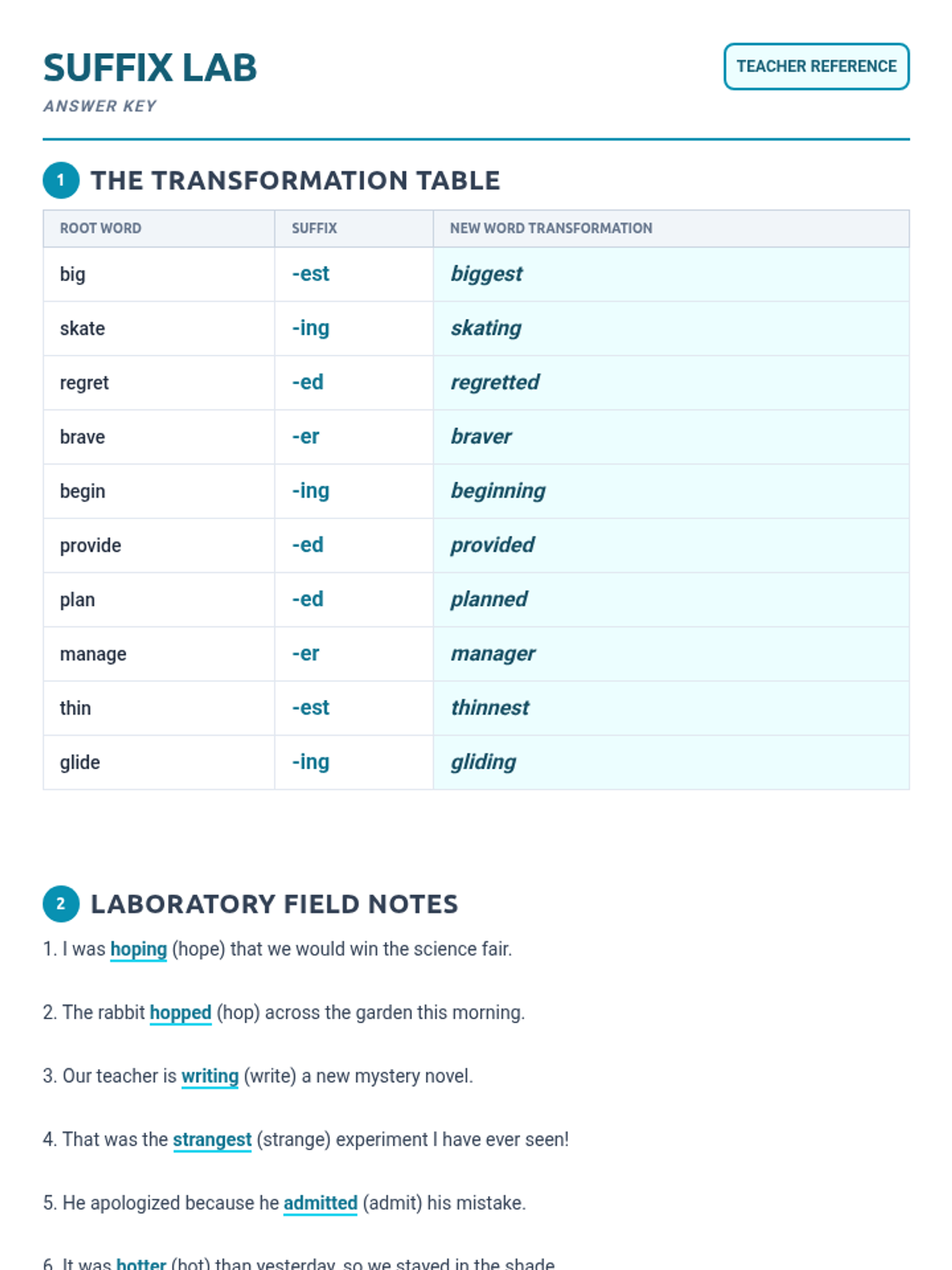
A lesson focused on mastering suffix spelling rules, specifically when to double the final consonant or drop the silent 'e'. Students will practice with a variety of single and multi-syllable root words.
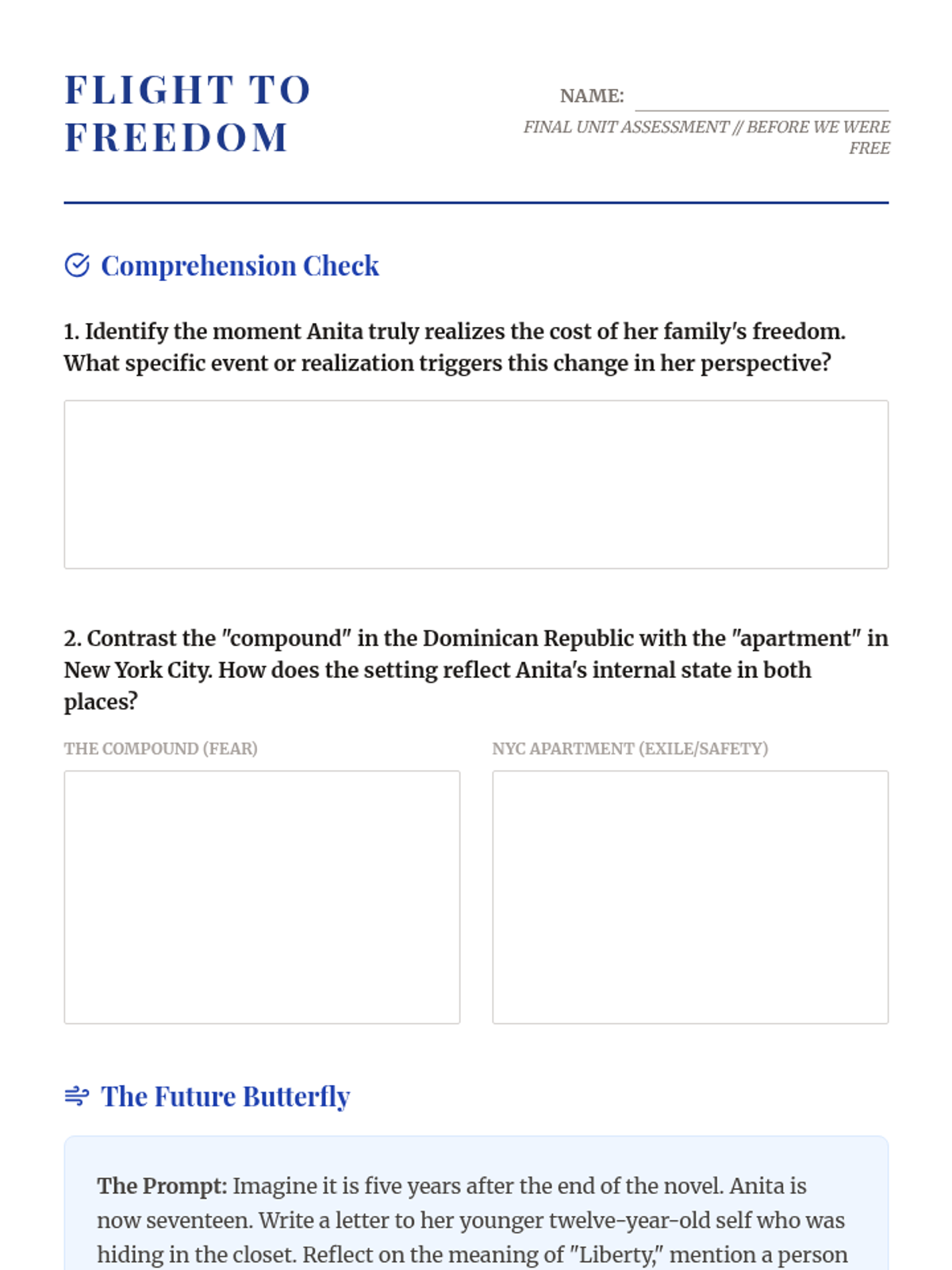
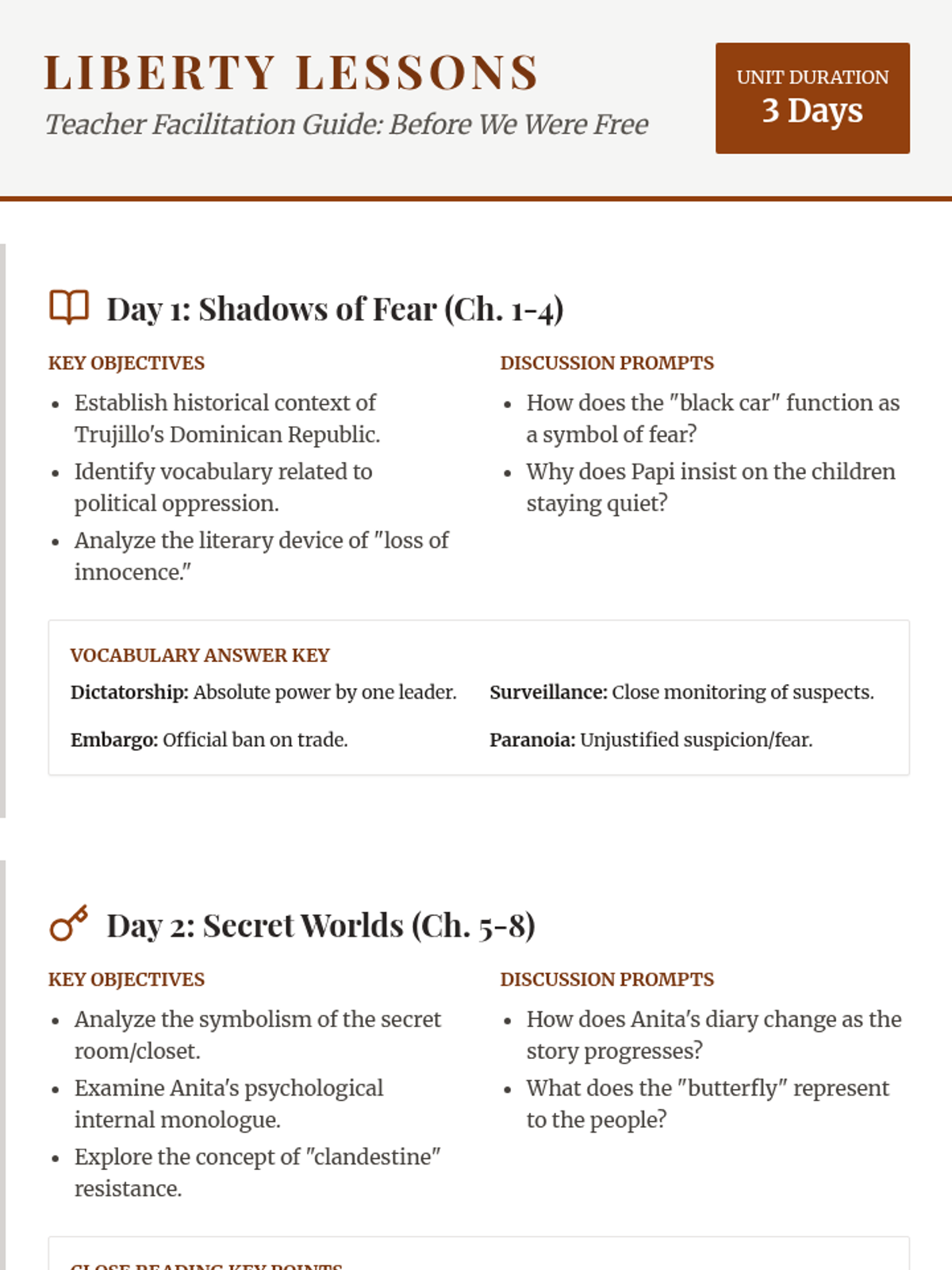
Concludes the unit by examining the climax and resolution of Anita's journey. Students reflect on the themes of sacrifice and exile, culminating in a creative writing project that bridges Anita's experience with the broader concept of liberty.
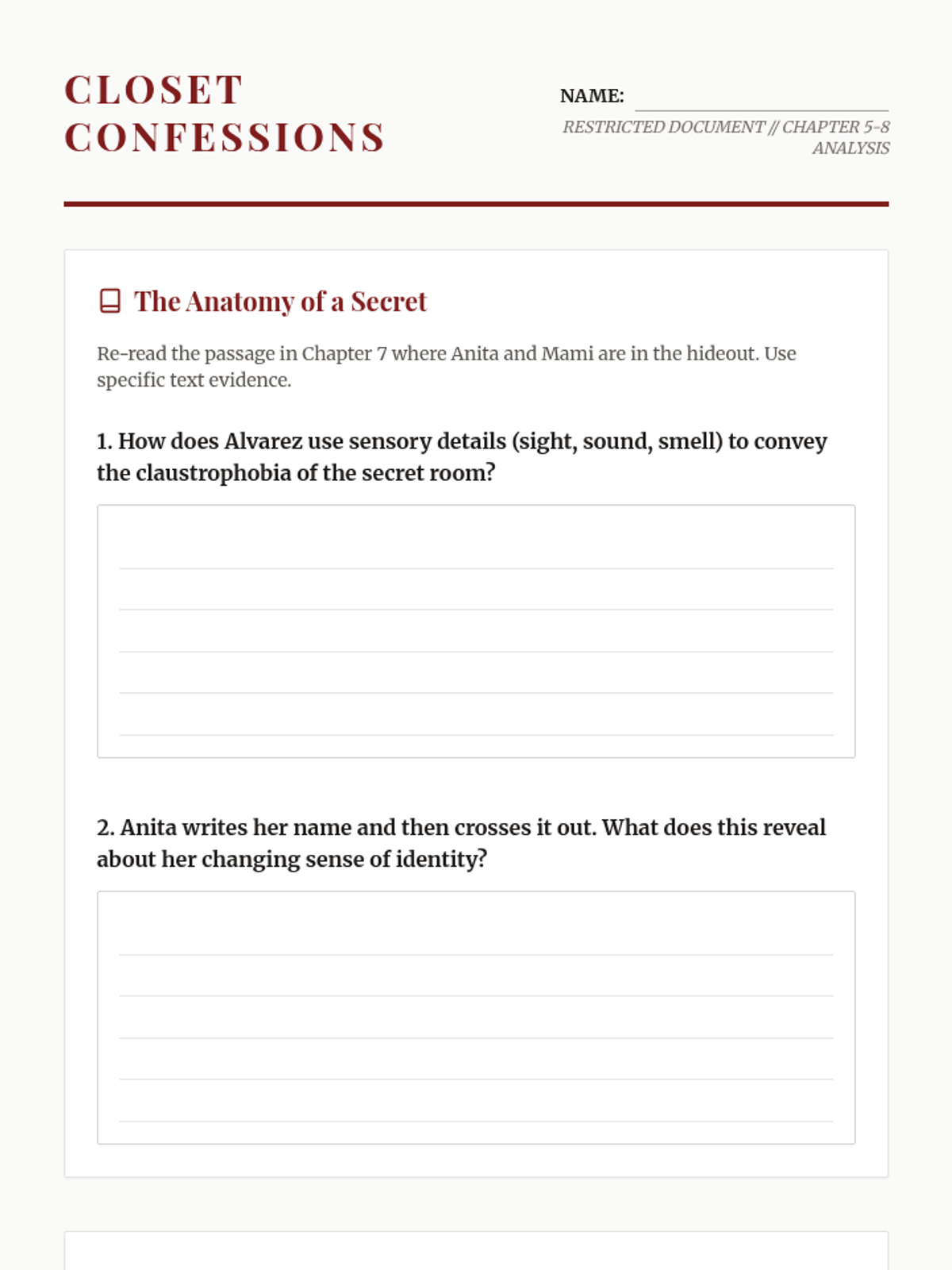
Explores the rising tension as Anita's family goes into hiding. Students will analyze the symbolism of the 'secret room' and the psychological toll of surveillance, using close reading to track Anita's maturing perspective.
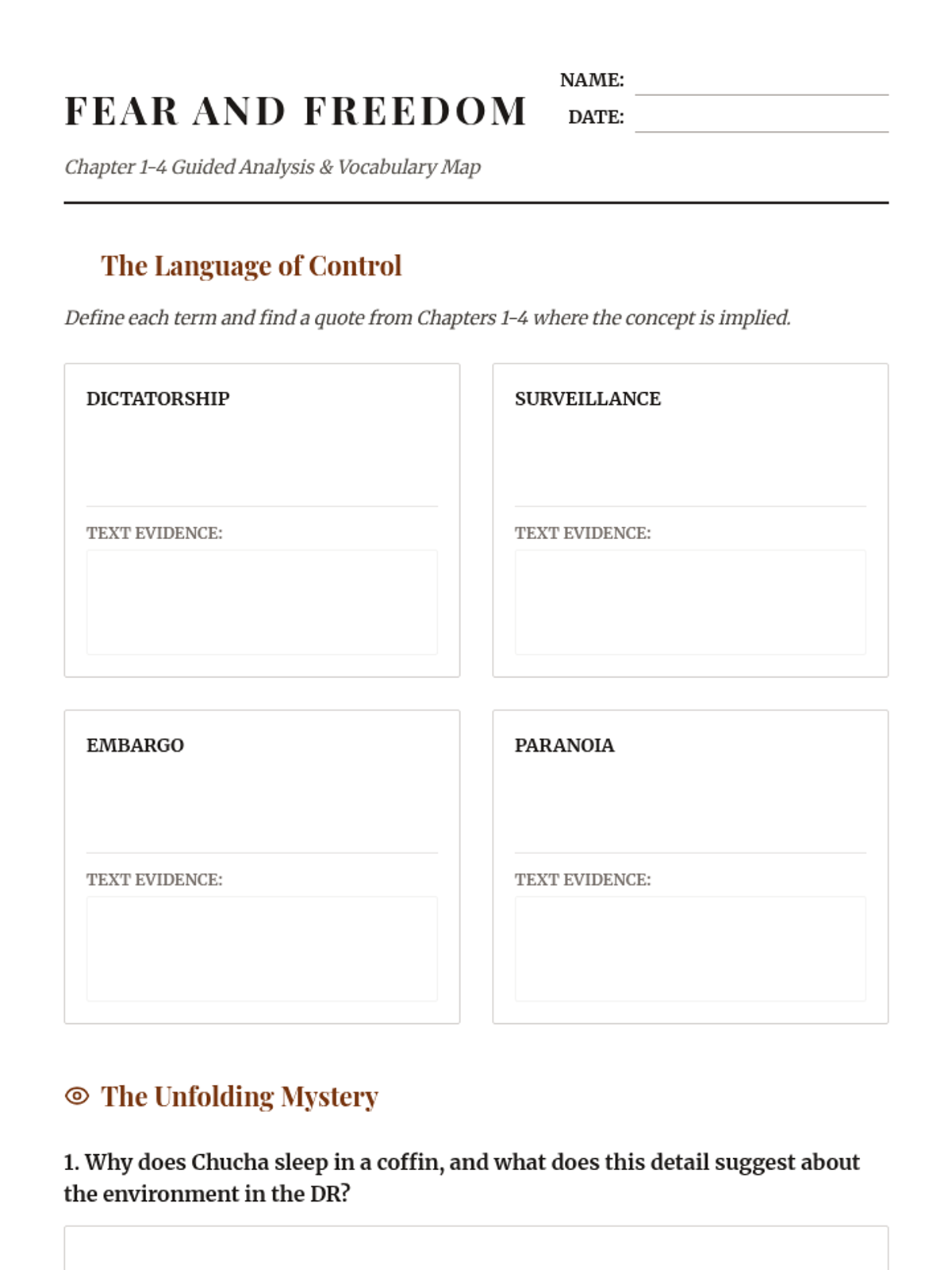
Introduces students to the setting of the Dominican Republic under Trujillo's regime, focusing on the atmosphere of fear and the initial vocabulary of political oppression. Students will analyze the shift from Anita's childhood innocence to her growing awareness of danger.
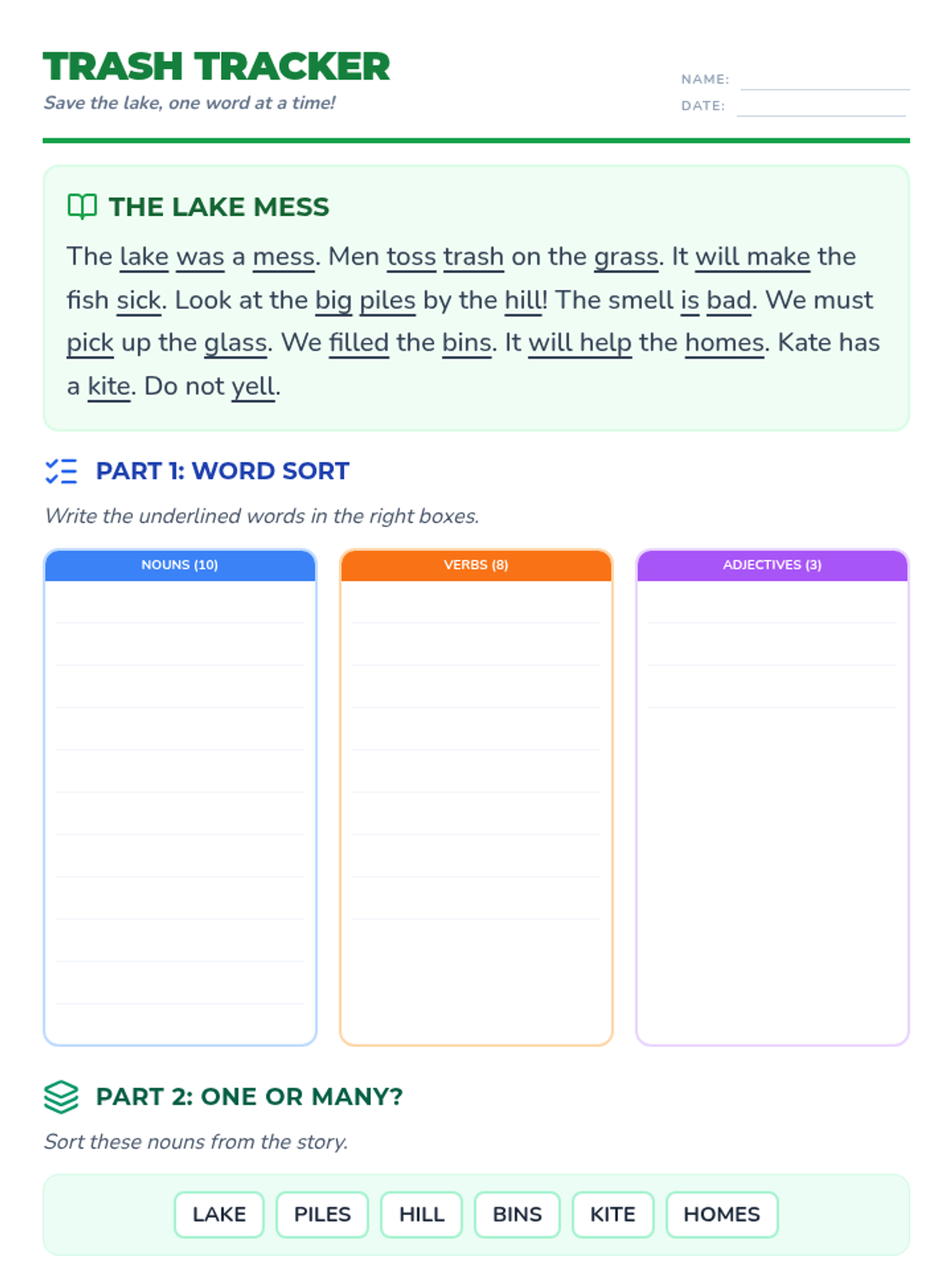
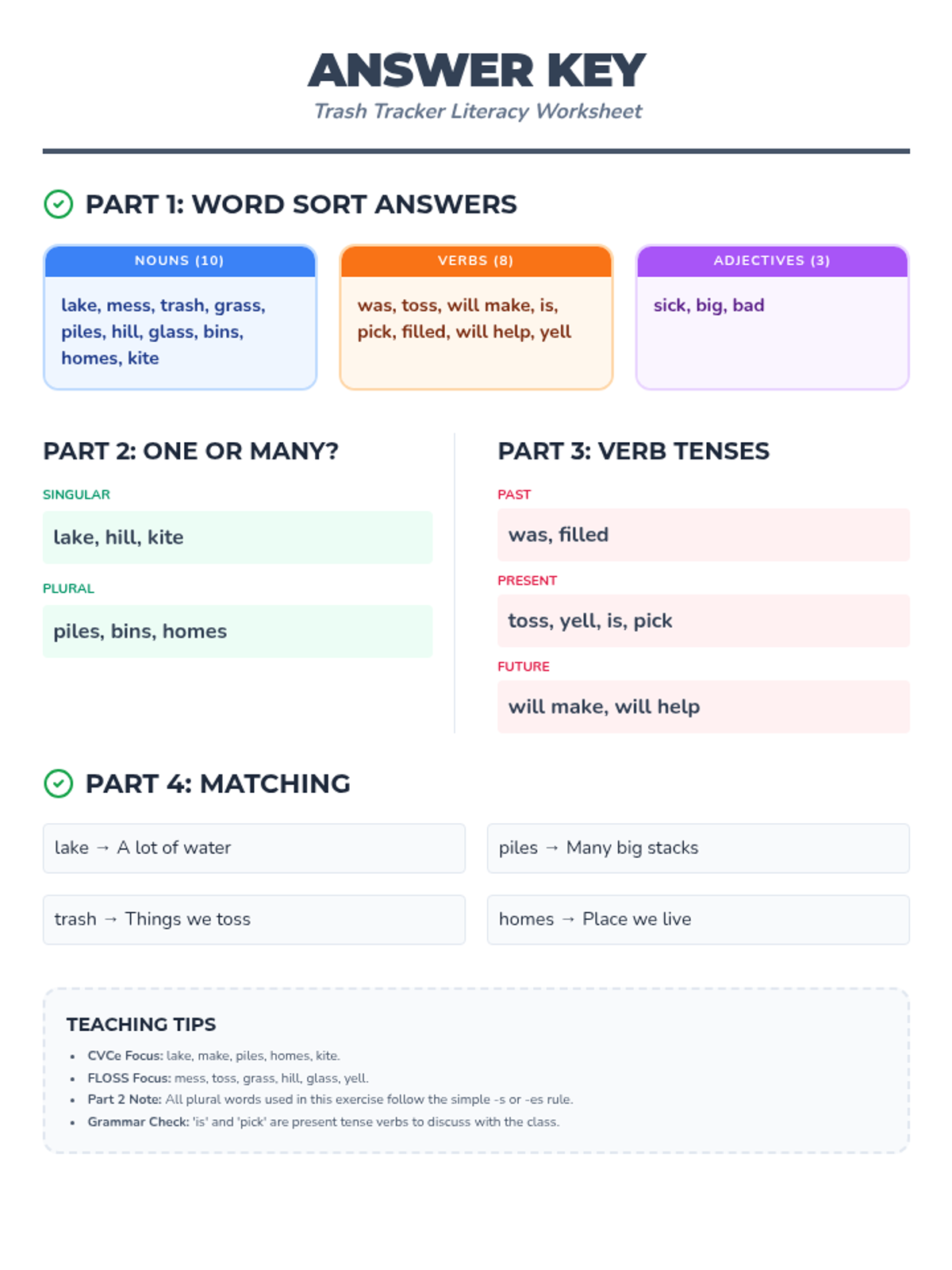
A literacy-focused lesson on the impact of littering, specifically designed for students reading at a first-grade level. Students will practice identifying nouns, verbs, and adjectives, while sorting words by plurality and verb tense using CVCe and FLOSS rule vocabulary.
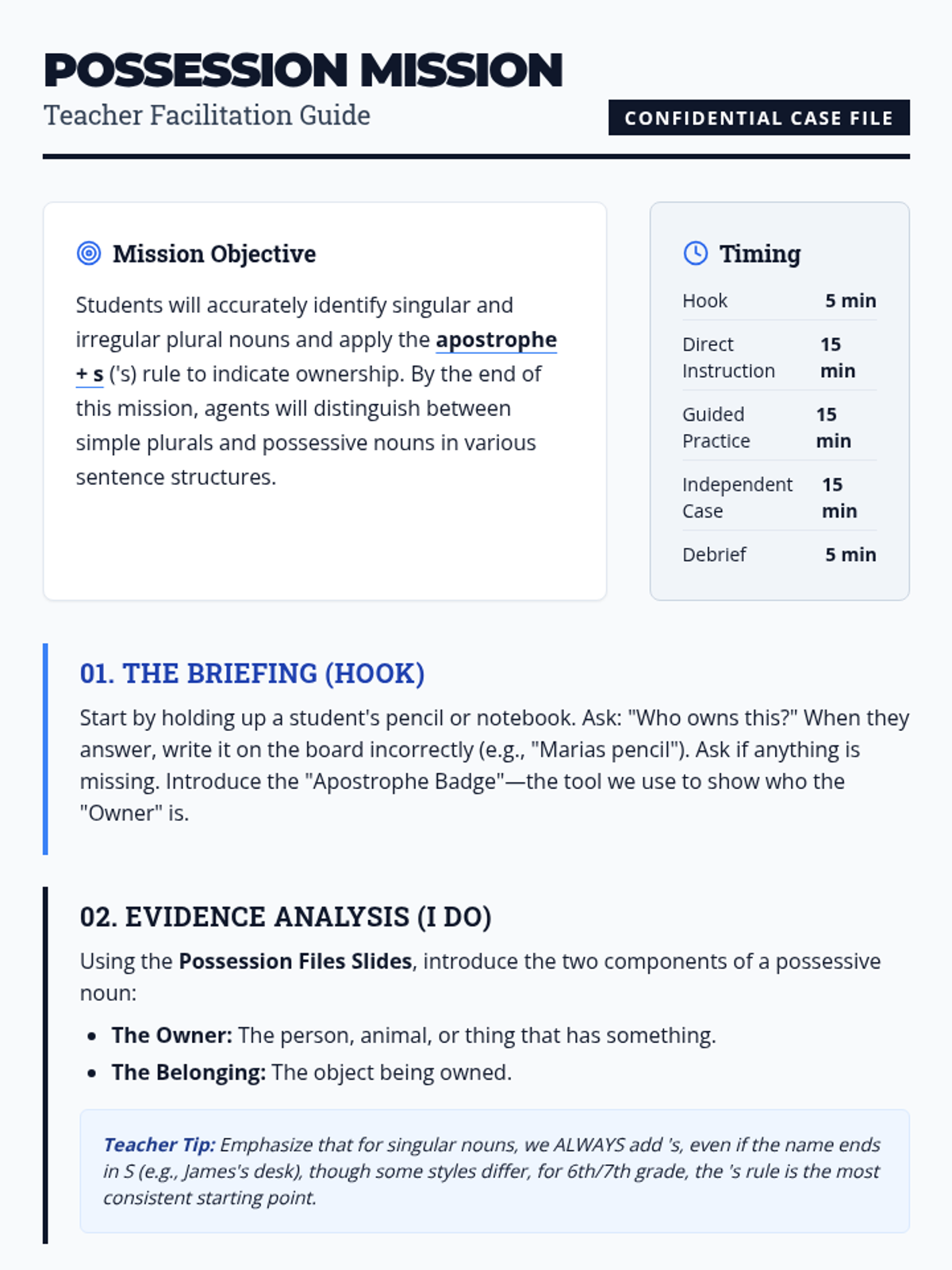
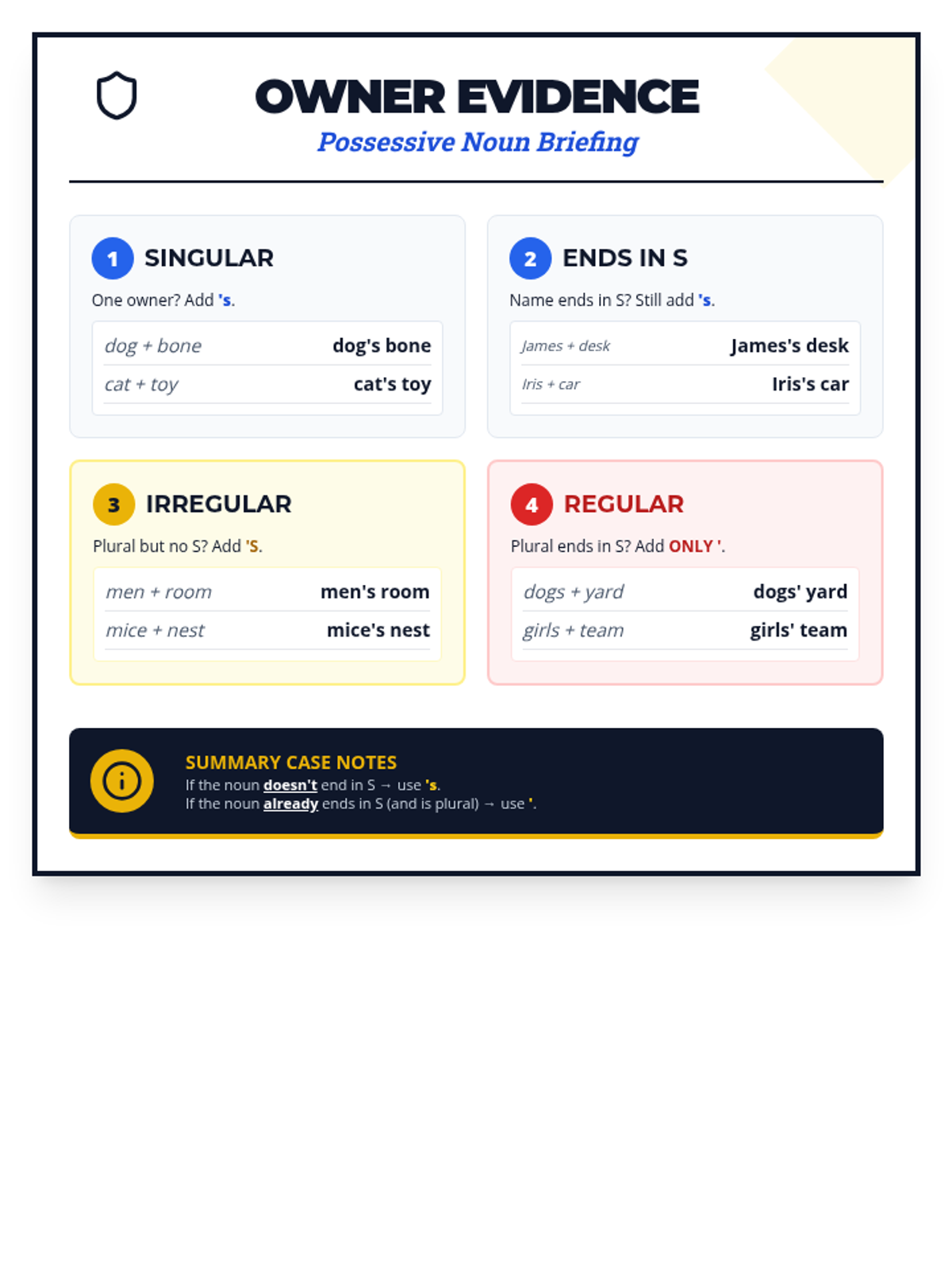
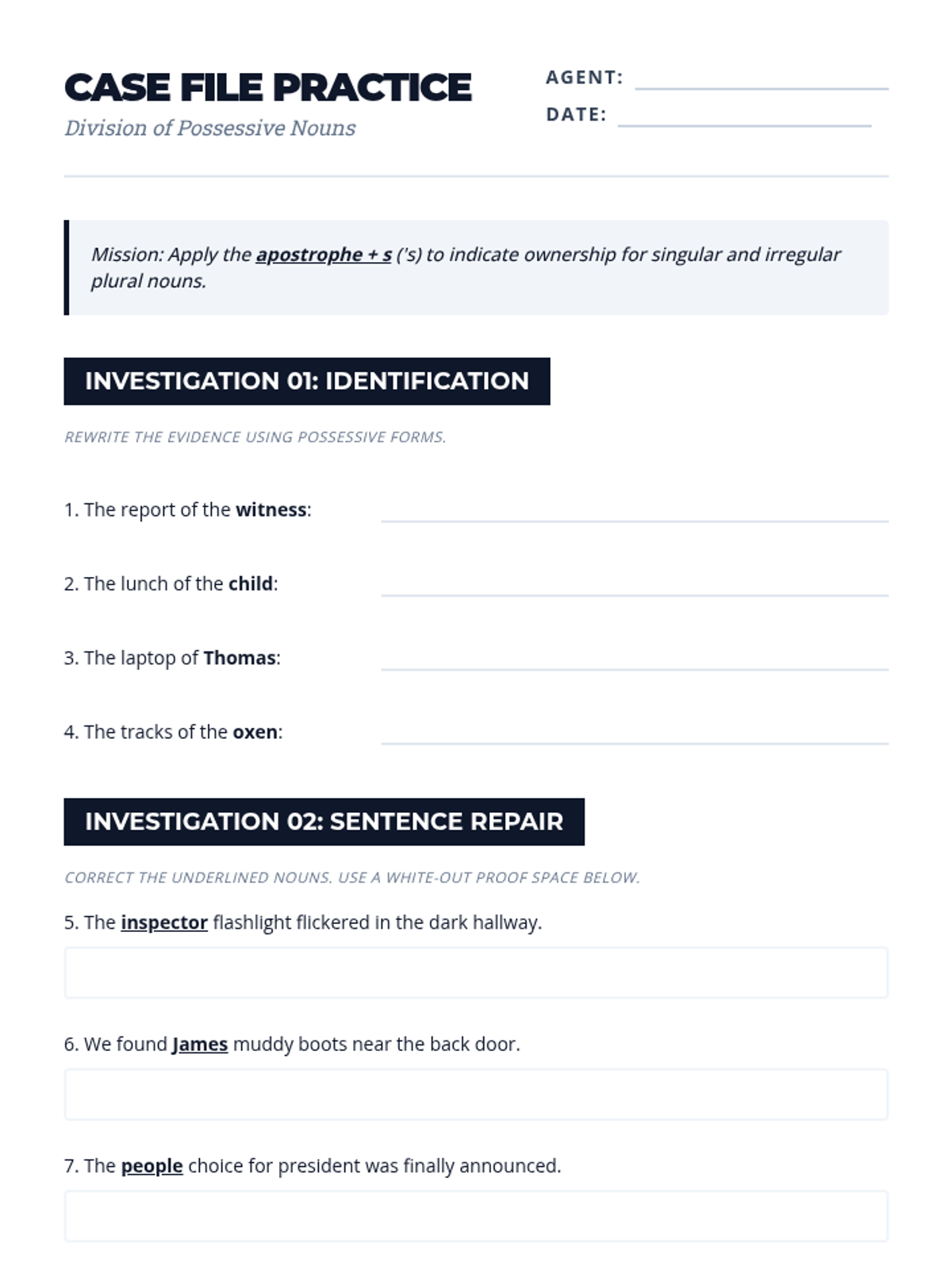
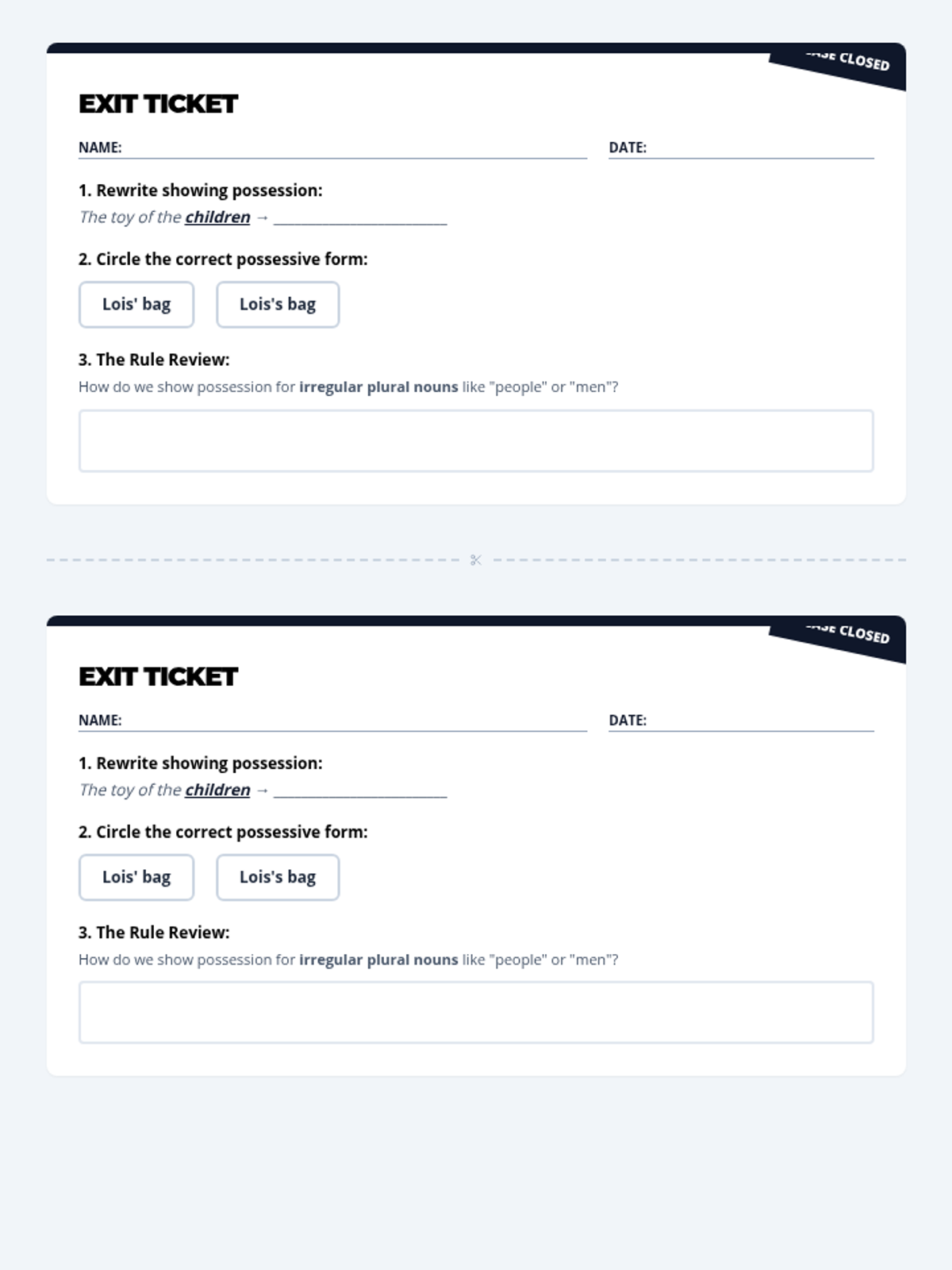
A comprehensive lesson on using apostrophes to show possession for singular and irregular plural nouns, themed as a detective investigation. Students will identify owners and objects to correctly apply the 's rule.
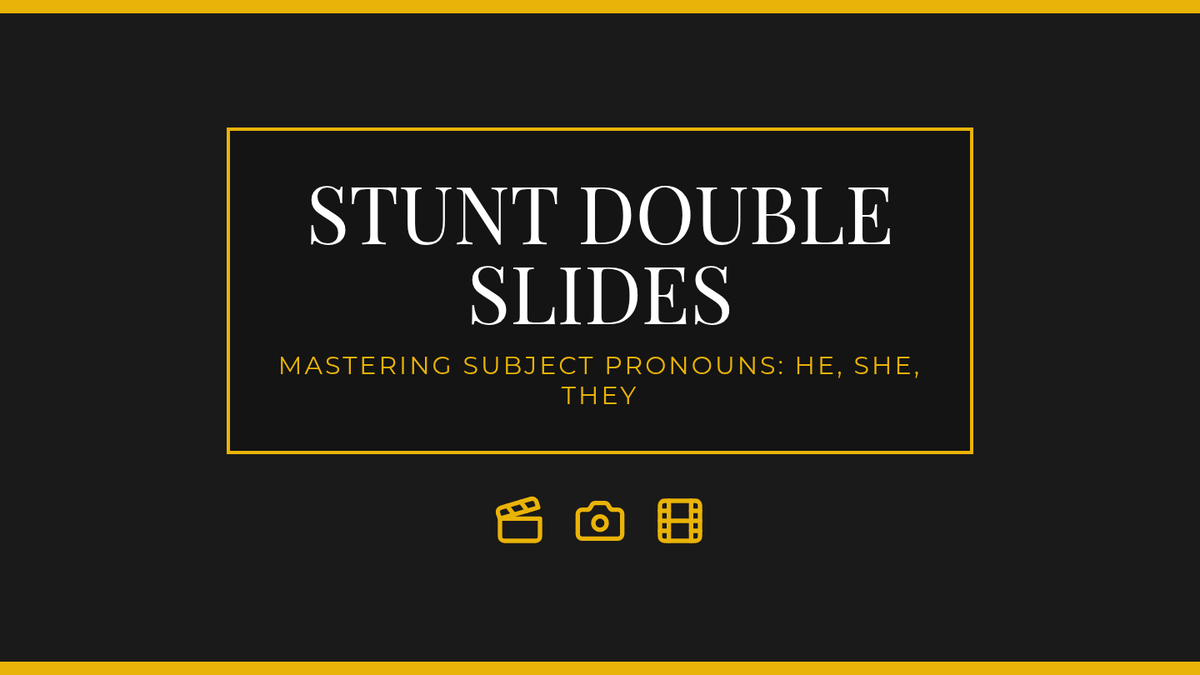
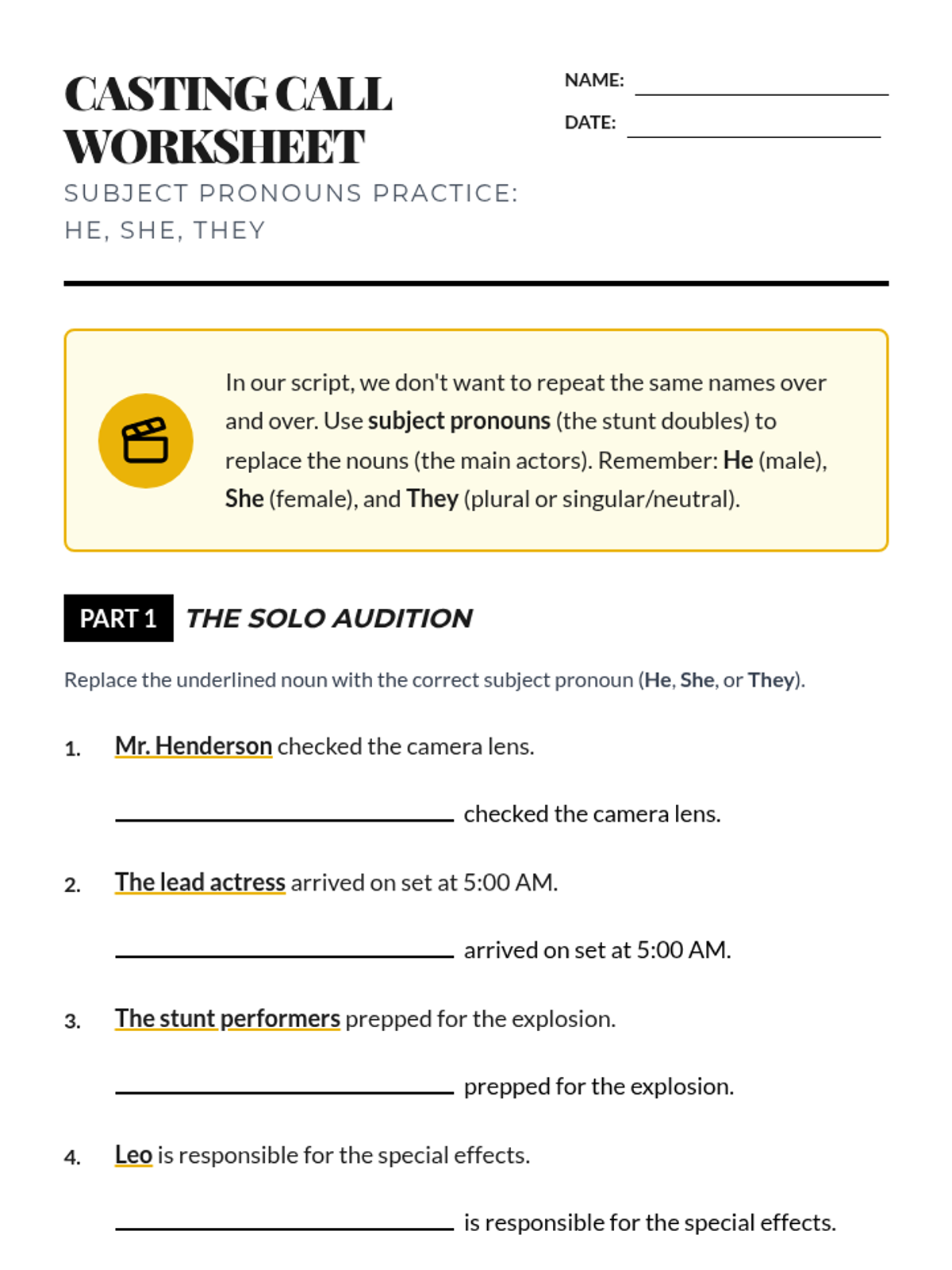
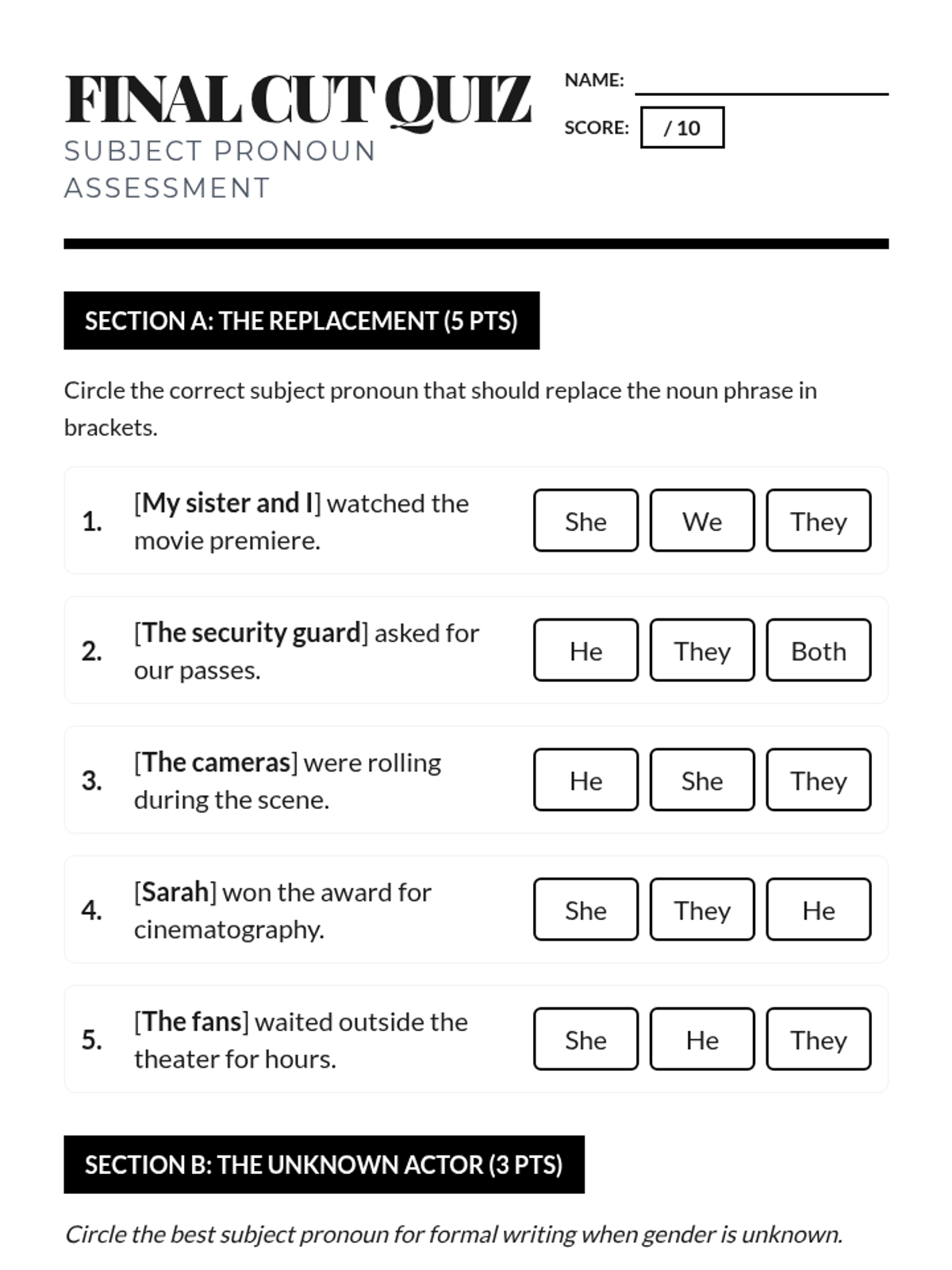
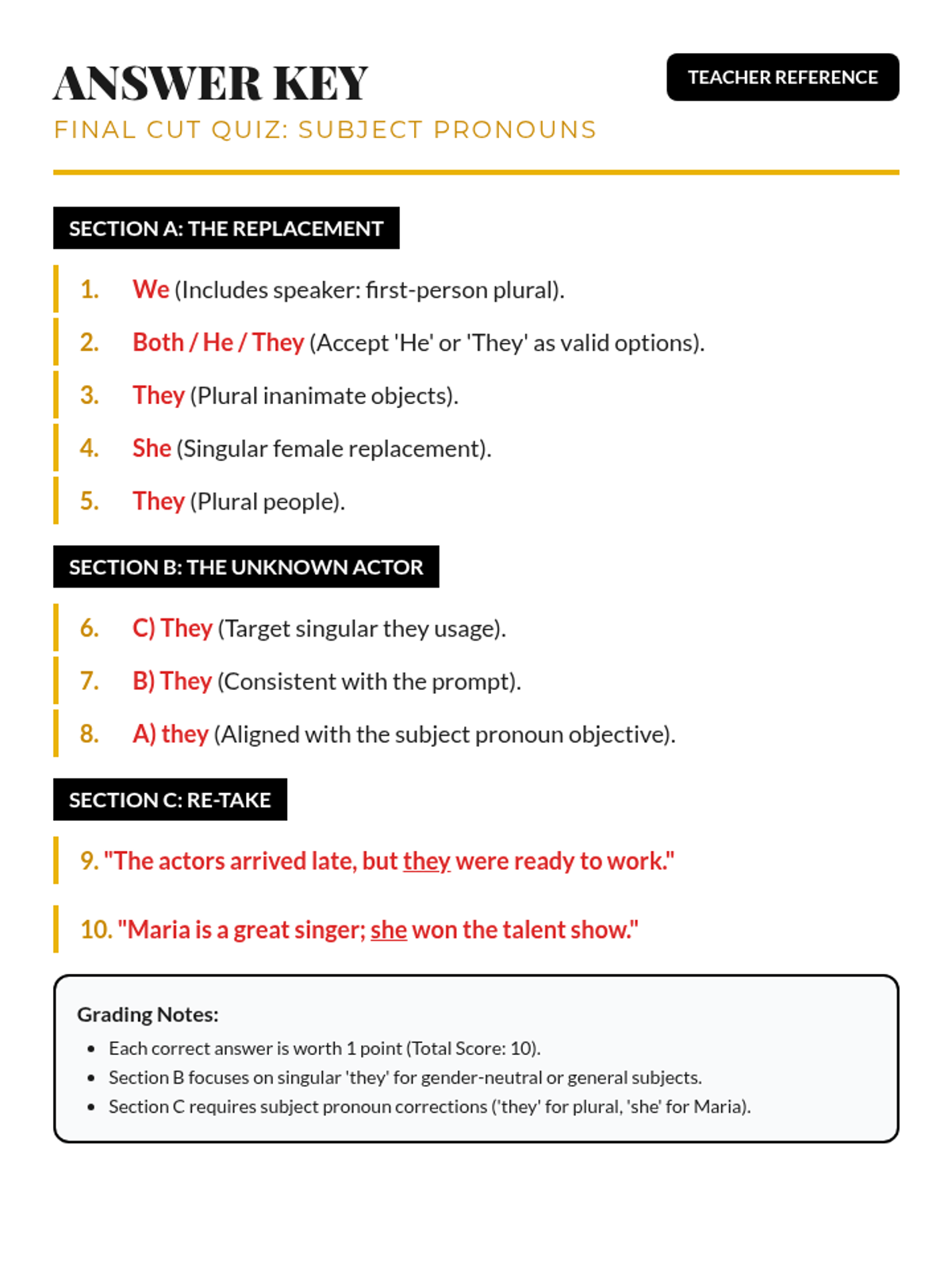
A lesson for middle schoolers to master subject pronouns (he, she, they) through the metaphor of movie stunt doubles, focusing on clarity and agreement.
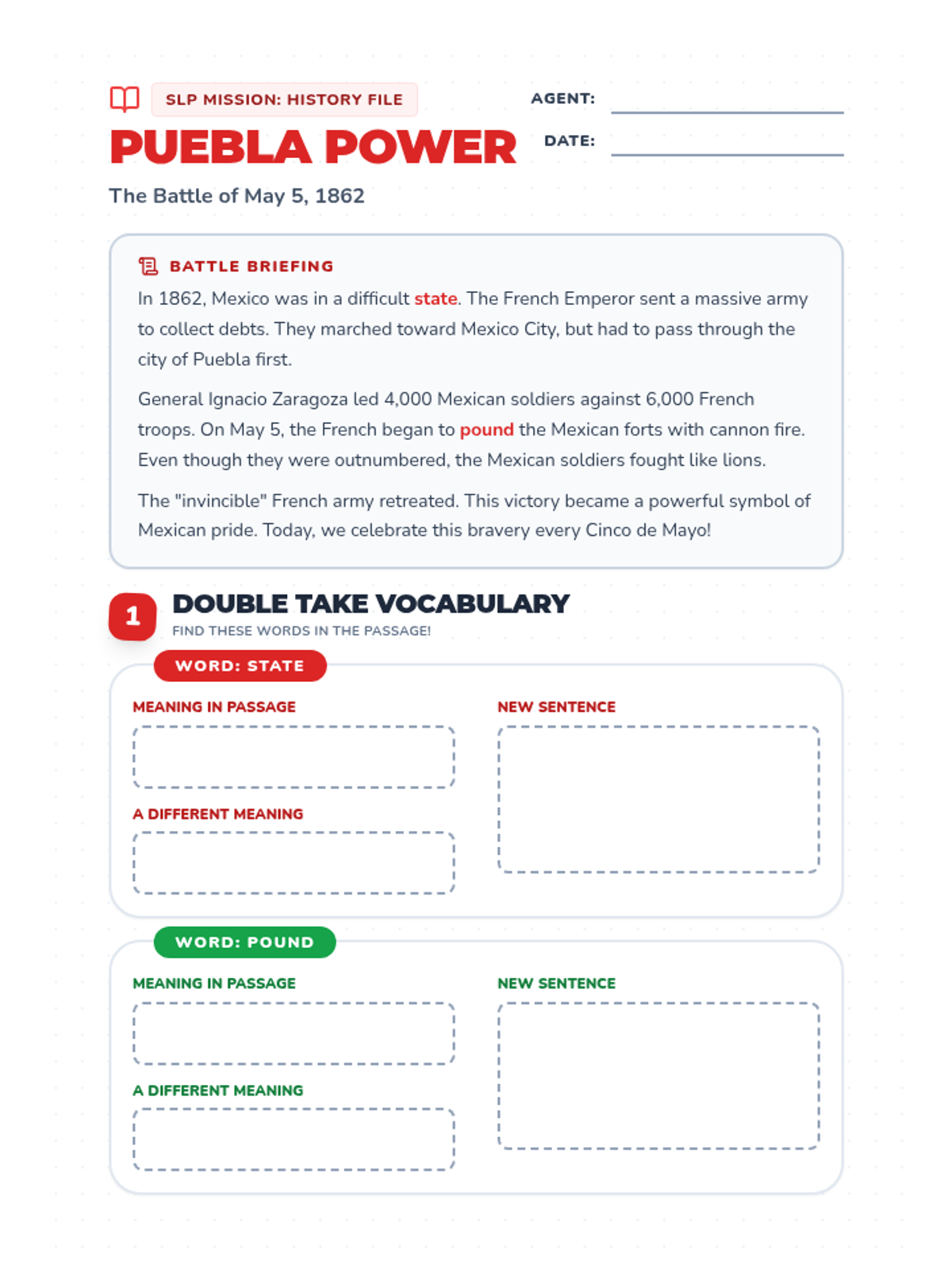
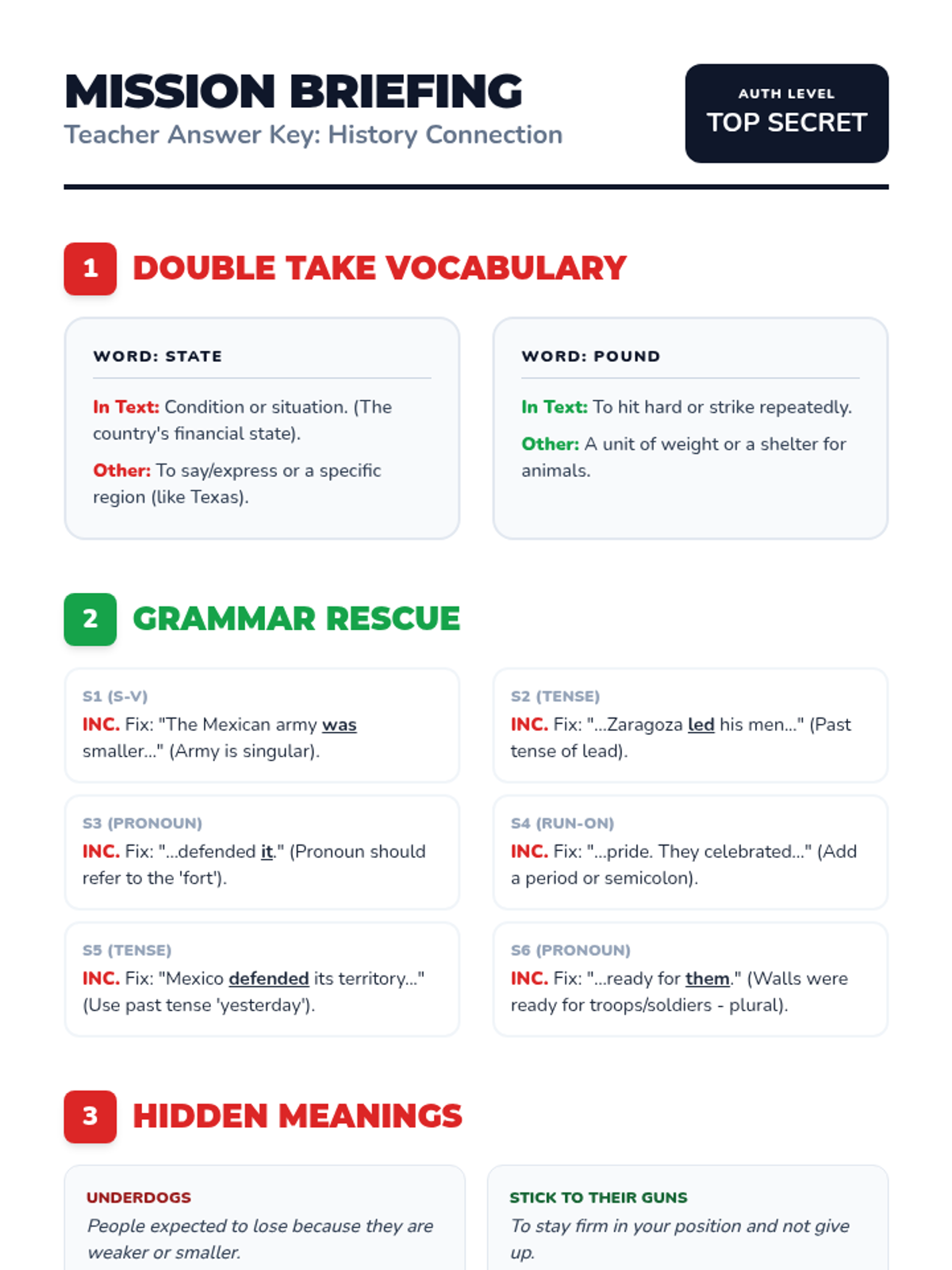
A targeted speech-language lesson for 6th graders focusing on vocabulary, grammar editing, and figurative language through the lens of Cinco de Mayo.
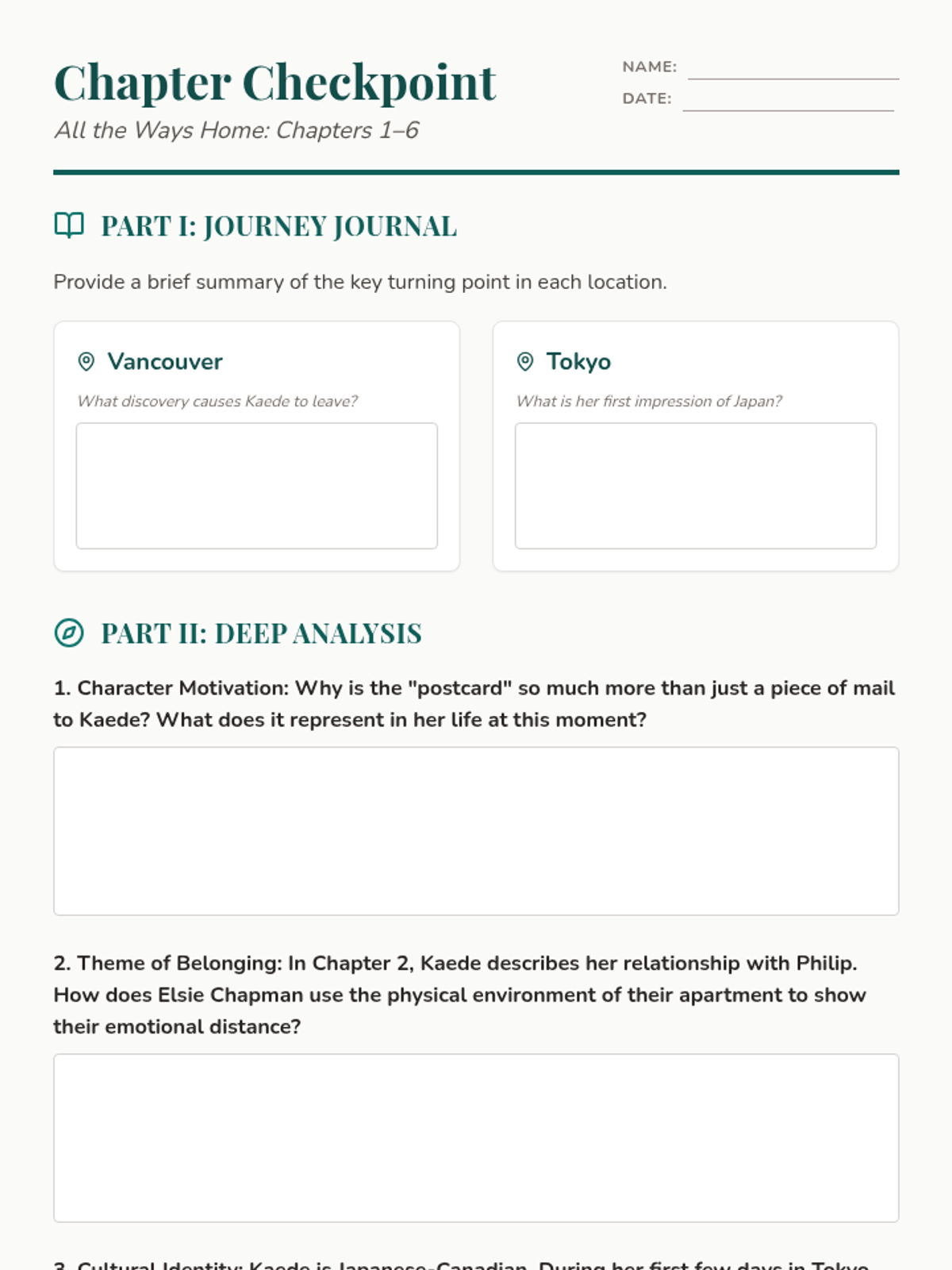
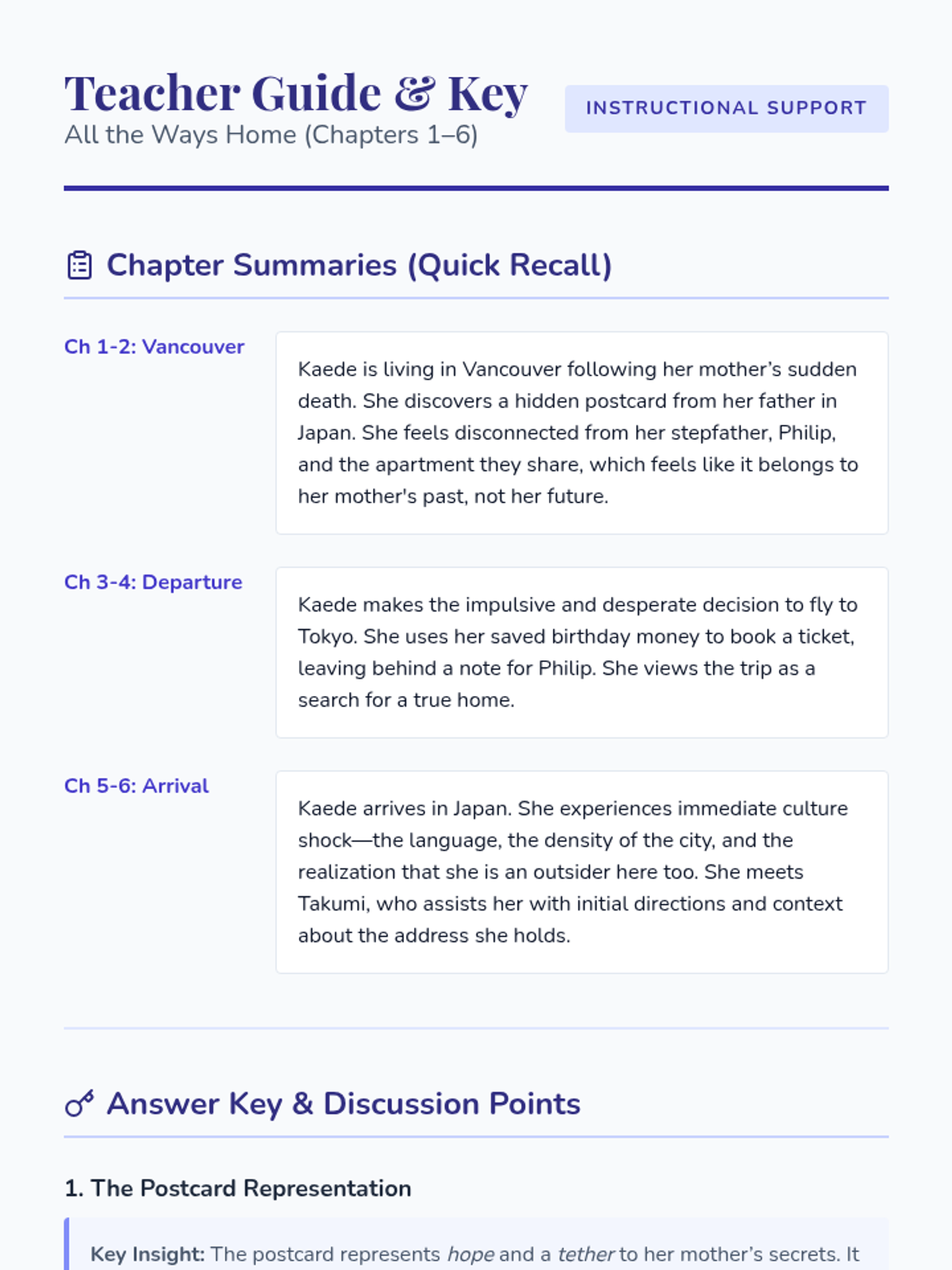
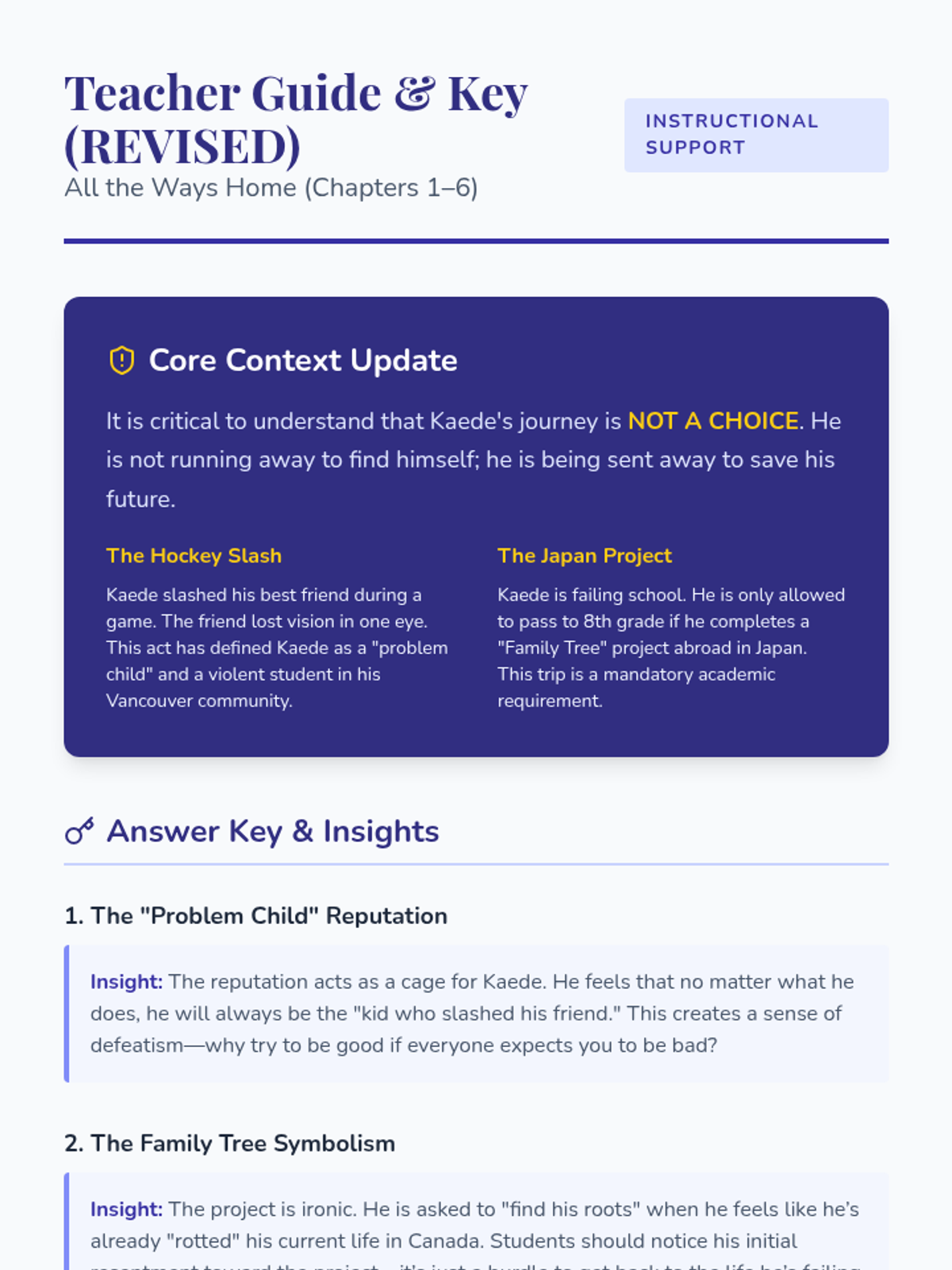
A deep dive into the opening chapters of 'All the Ways Home', focusing on Kaede's motivations, the theme of grief, and the inciting incident that leads her to Japan.
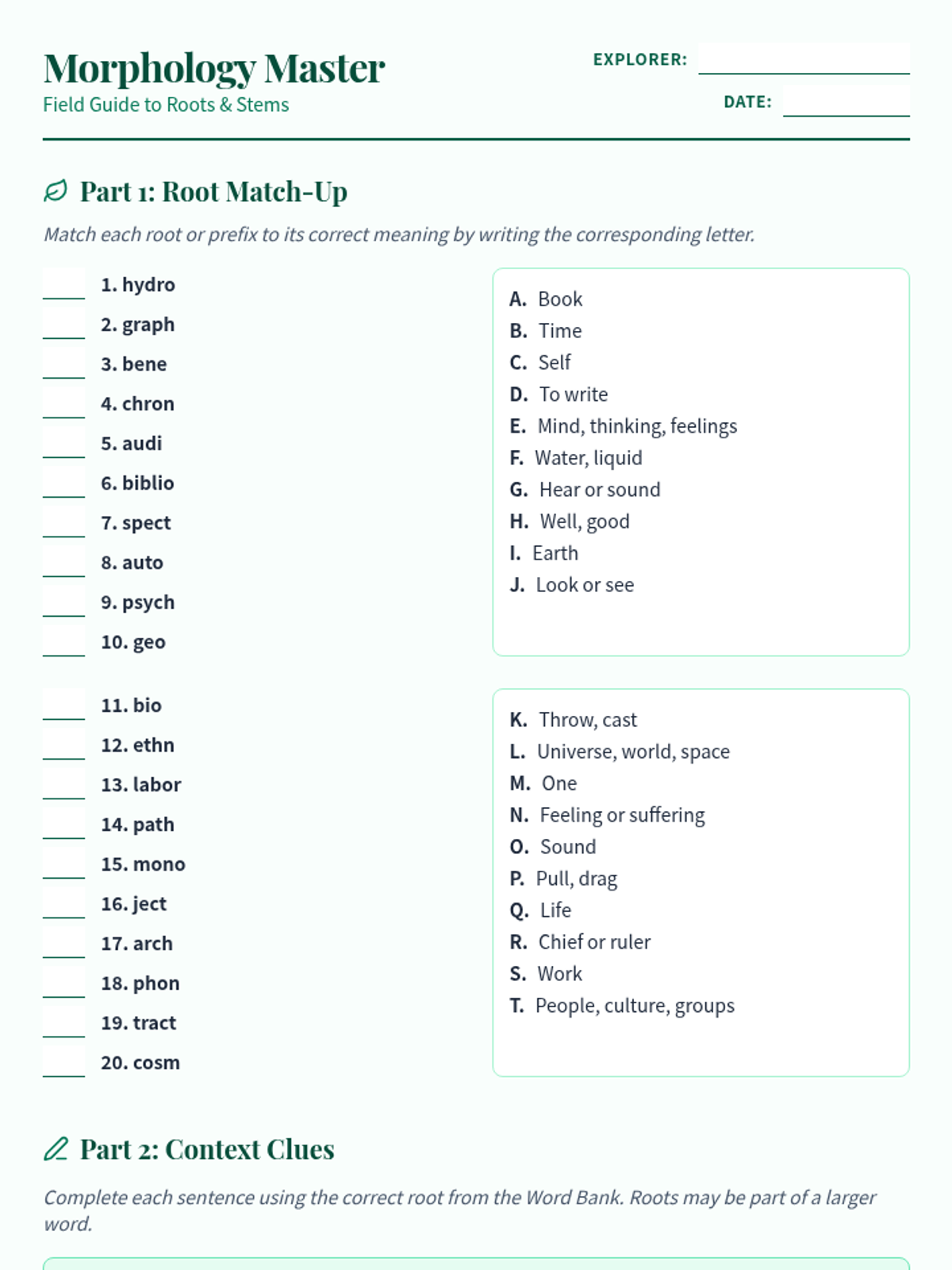
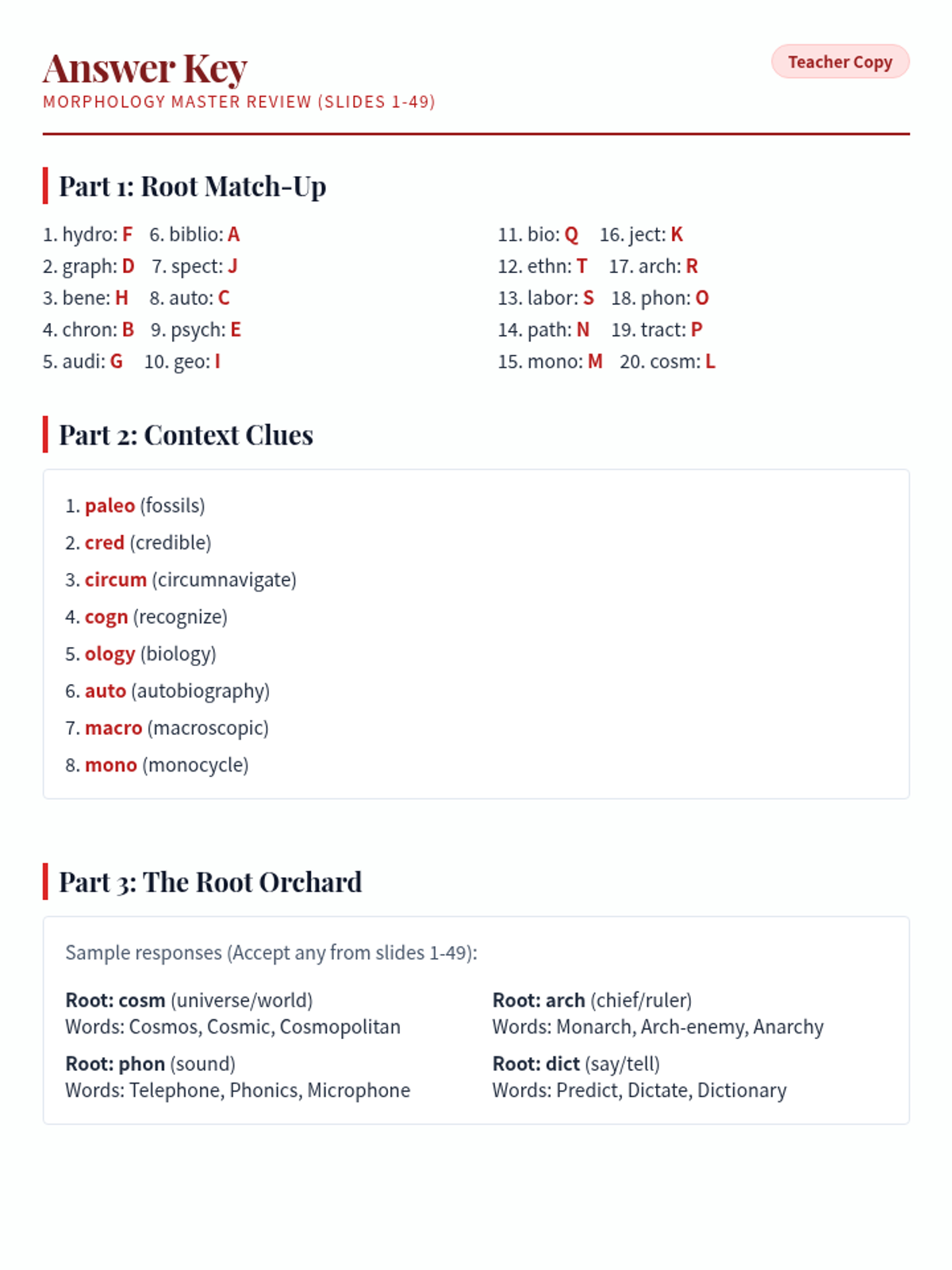
A comprehensive review of morphological roots, prefixes, and suffixes from slides 1-49, featuring matching, context-based fill-in-the-blank, and a graphic organizer for word building.
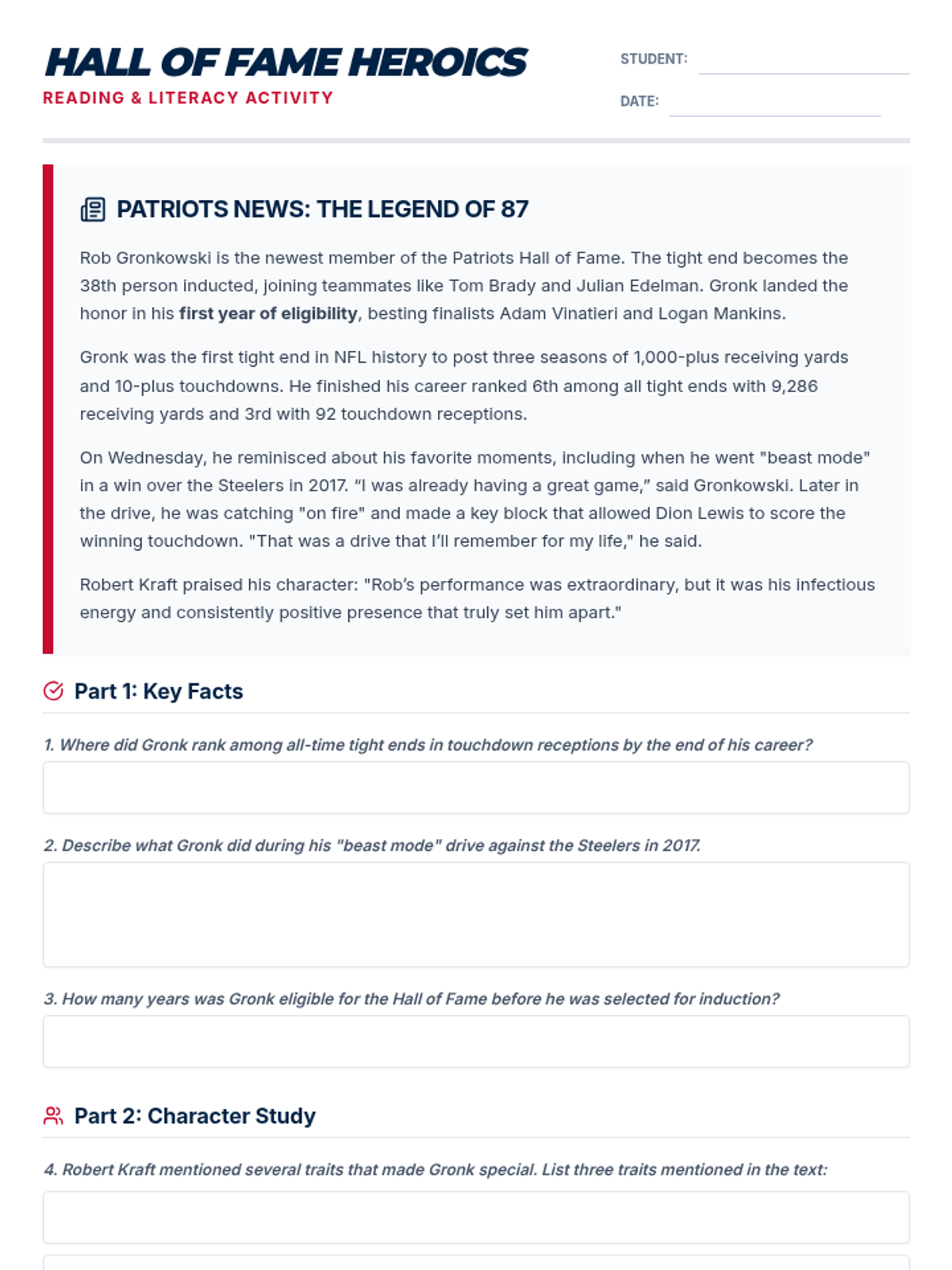
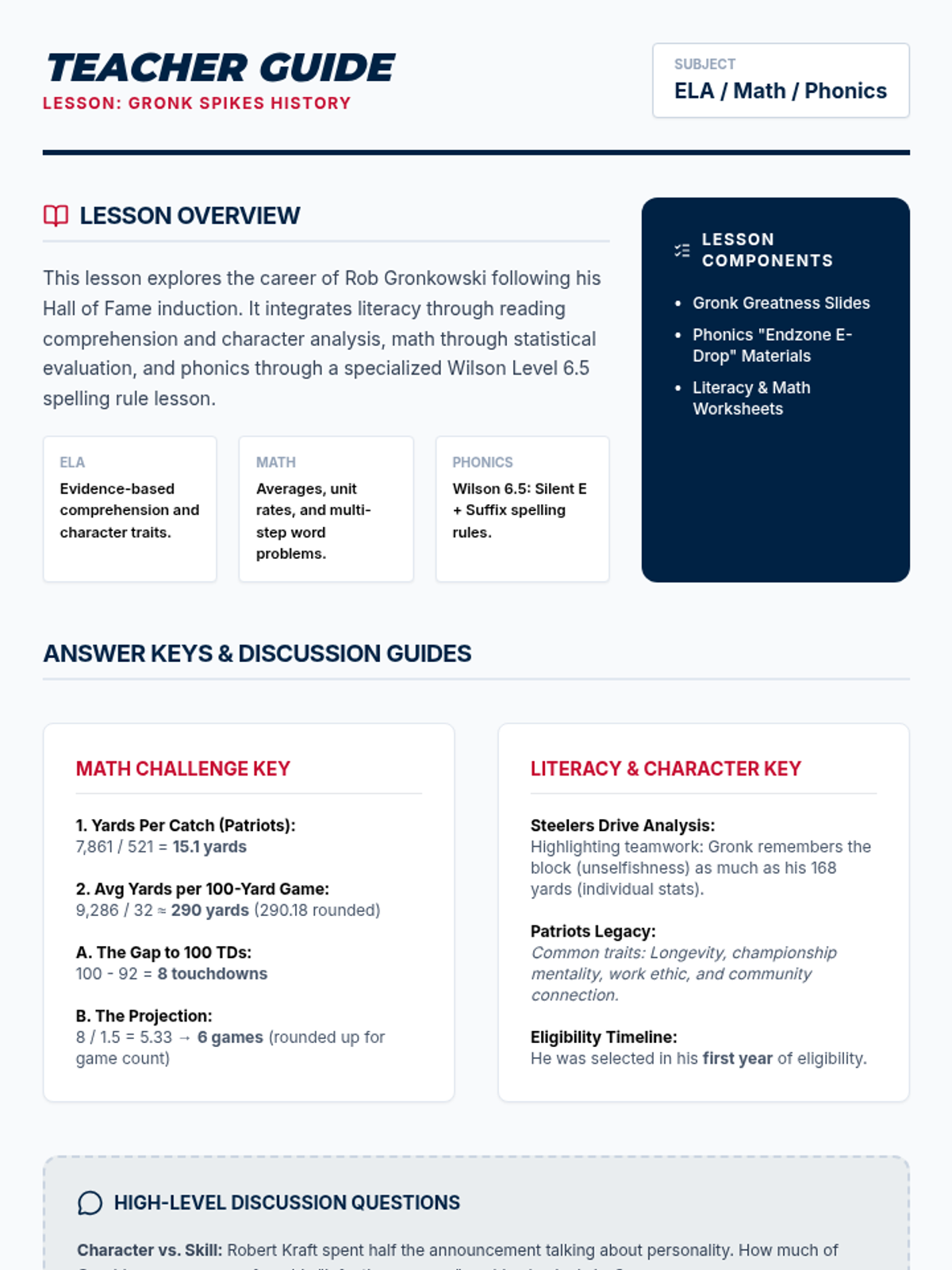
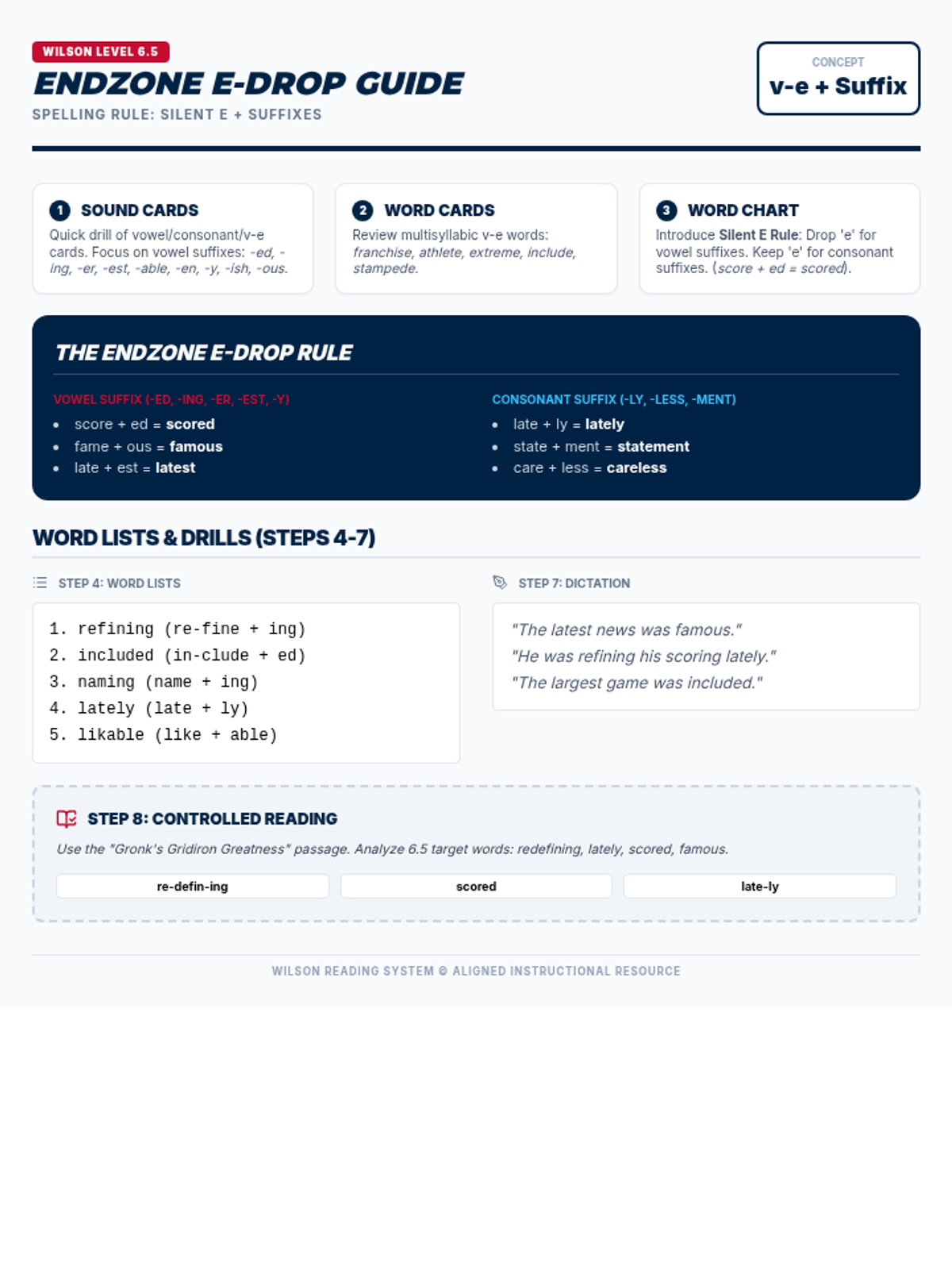
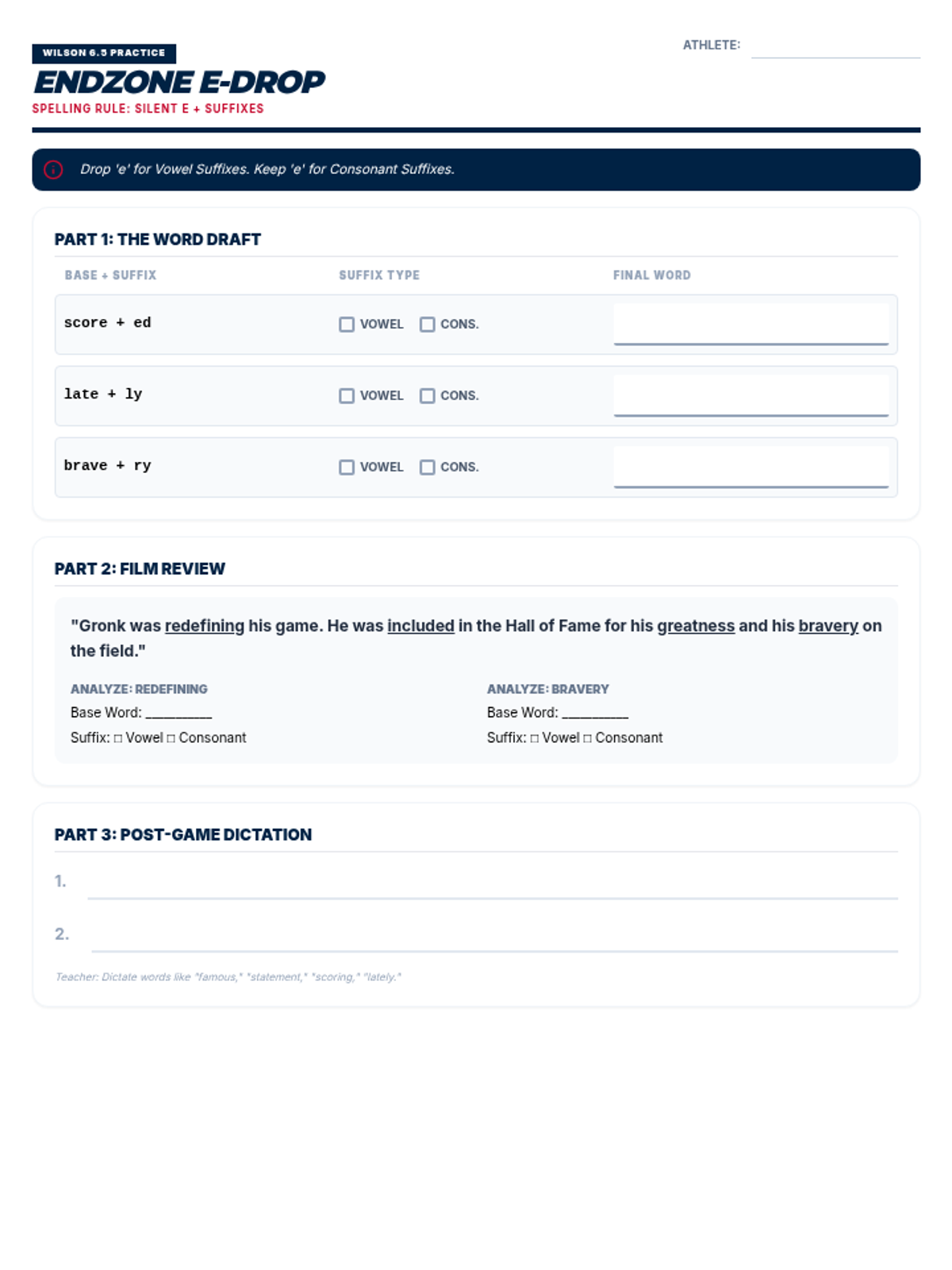
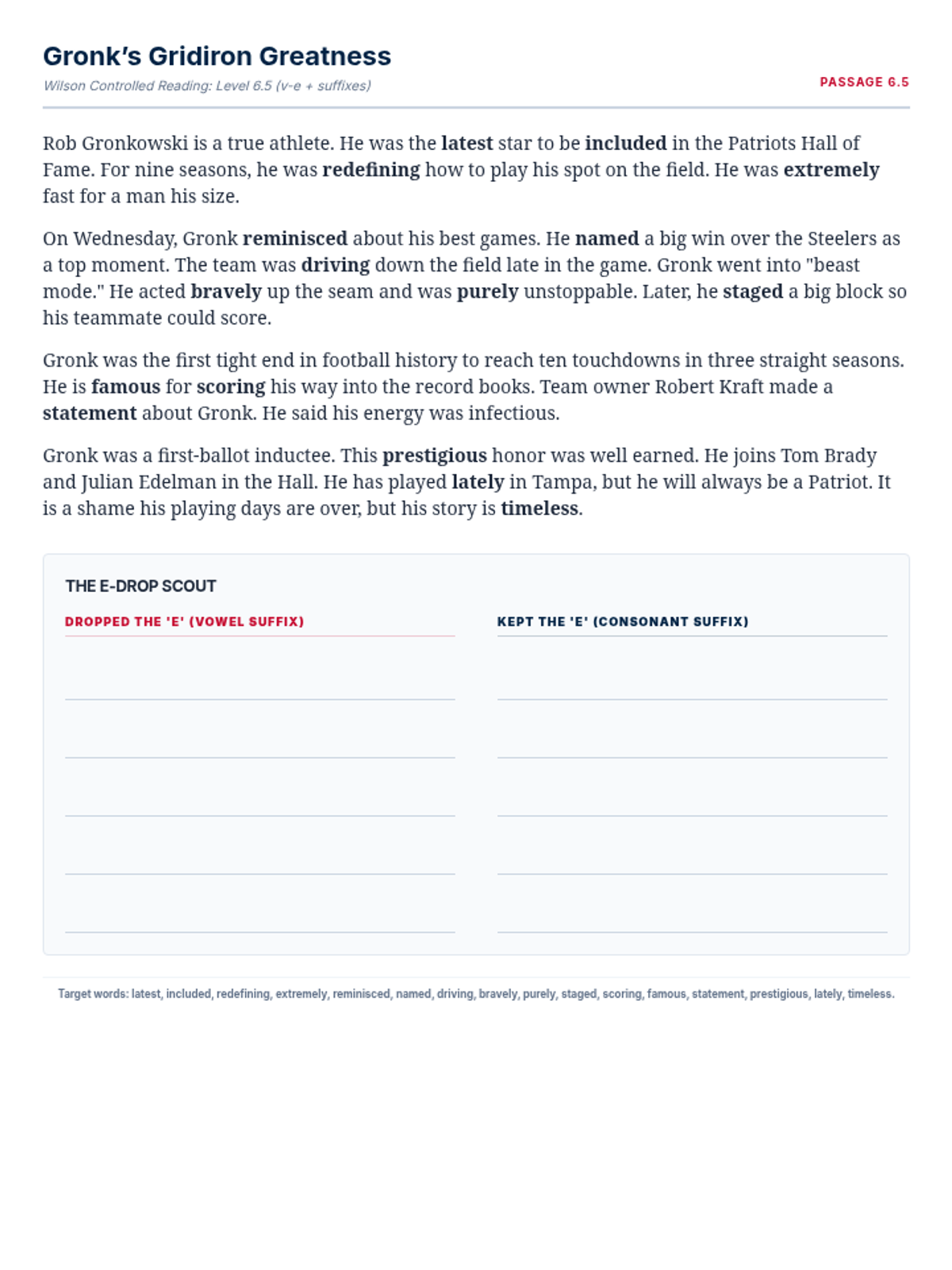
A Wilson Reading System (WRS) aligned lesson for Level 6.5, focusing on the Silent E Spelling Rule (dropping/keeping the e with suffixes) using the career of Rob Gronkowski as the thematic anchor.
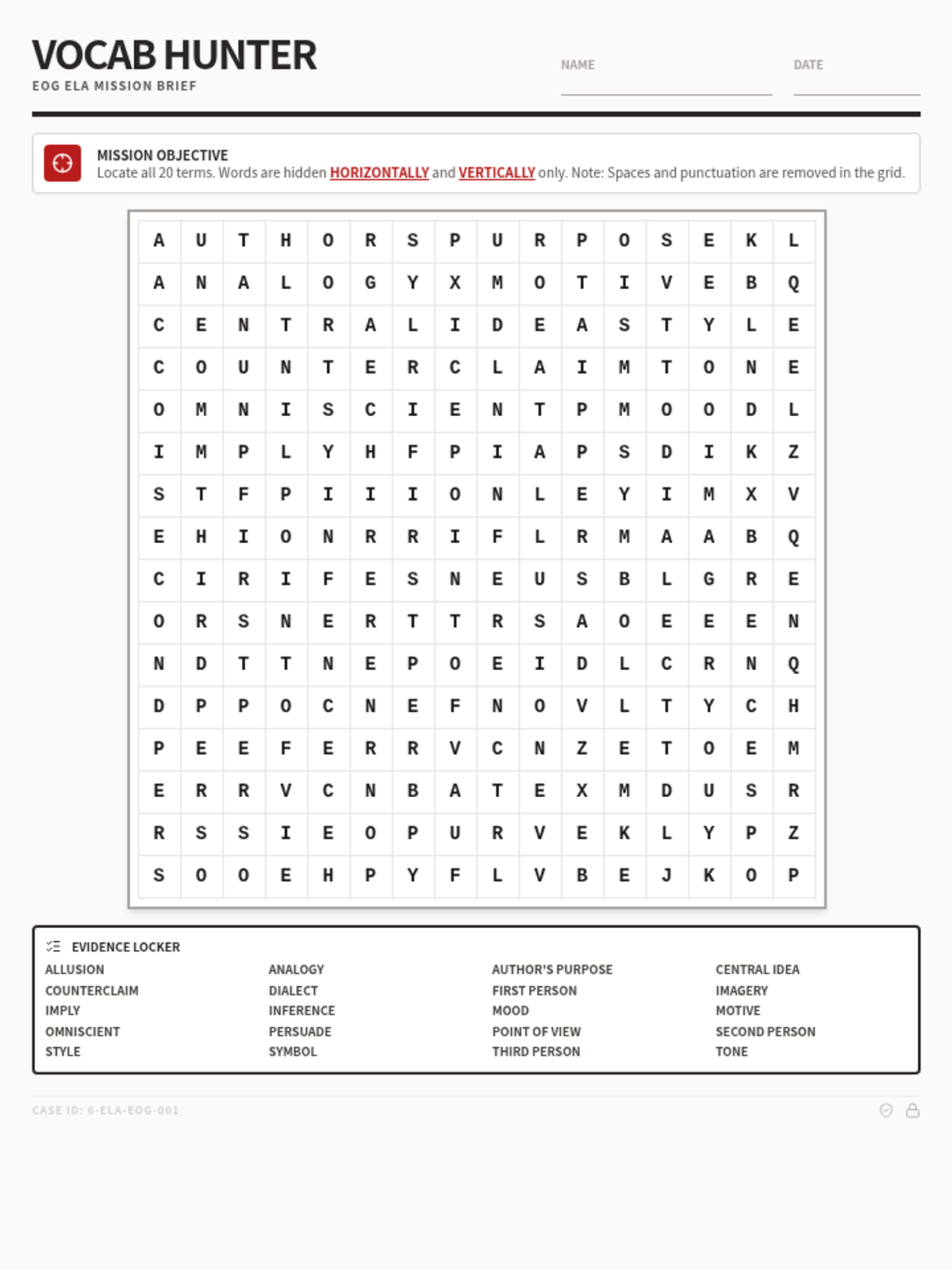
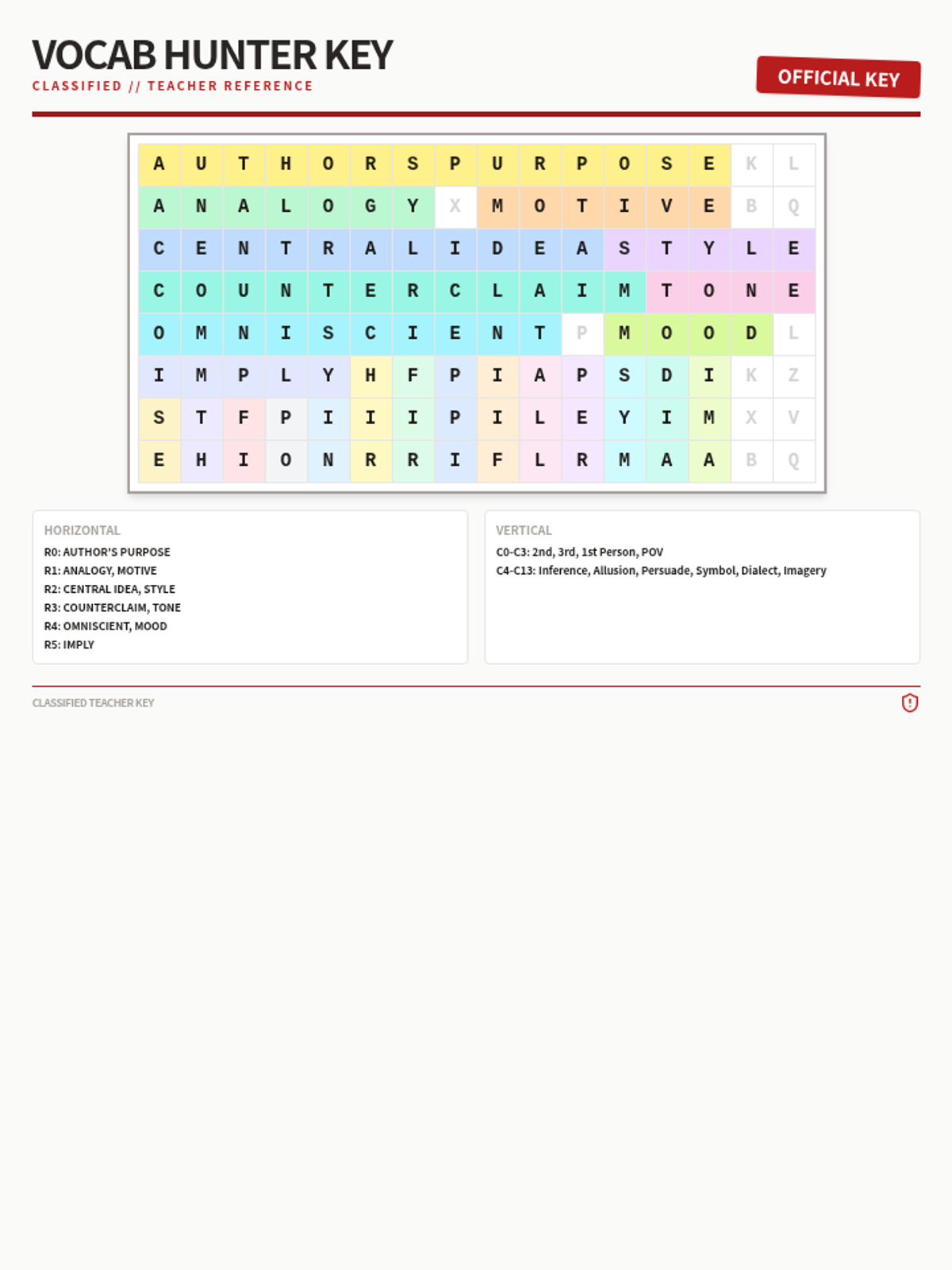
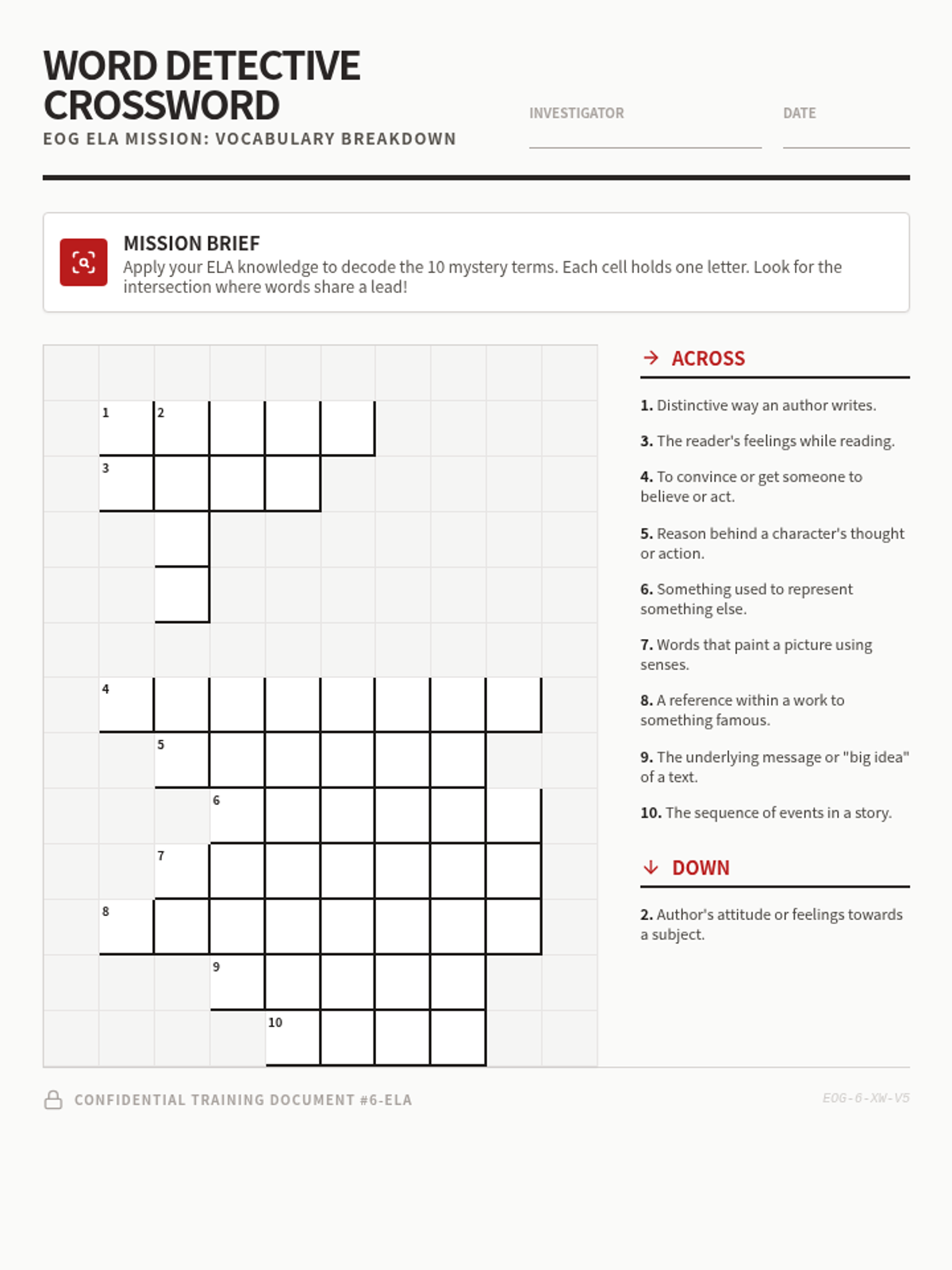
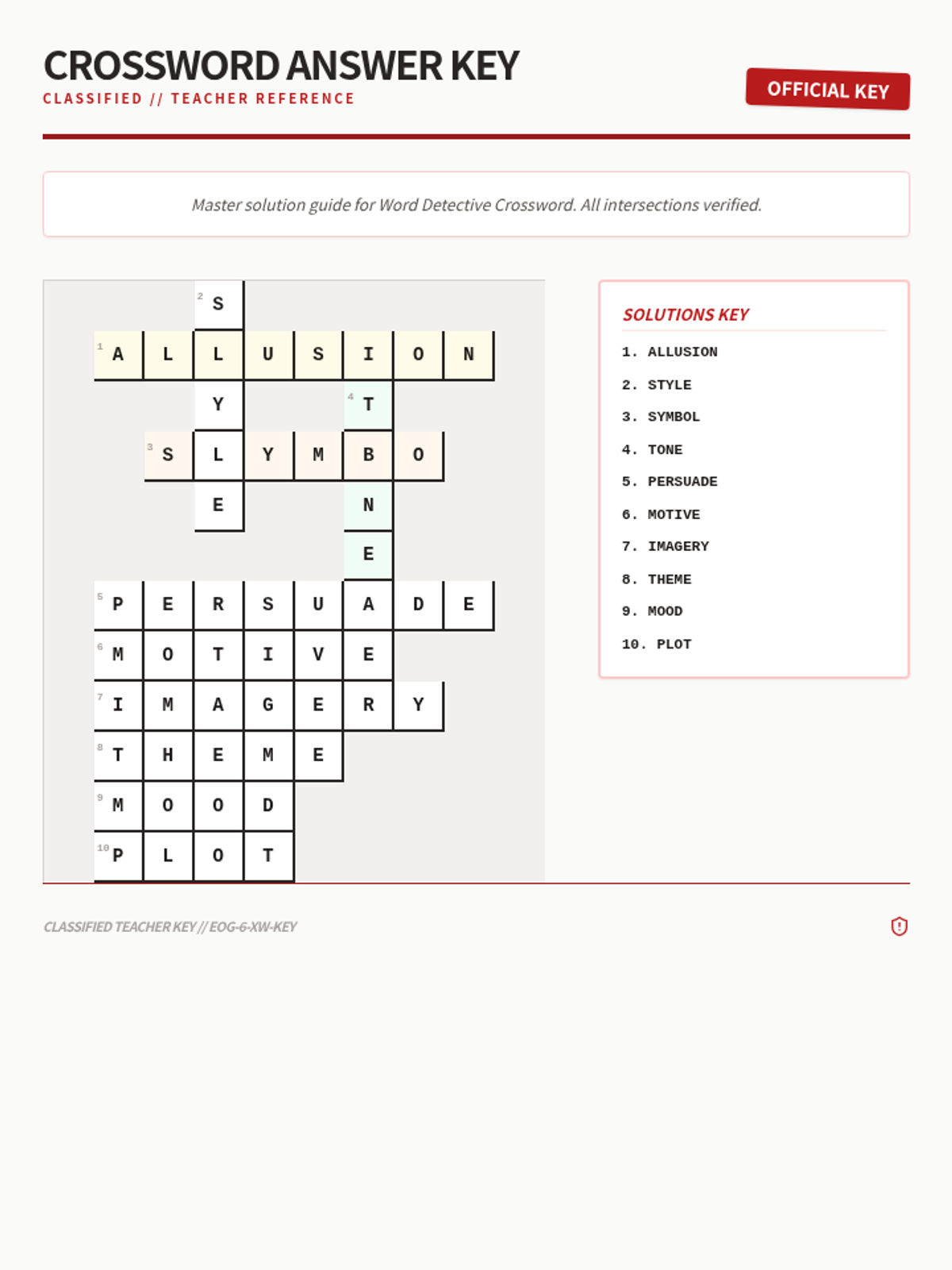
A vocabulary-focused lesson using terms from the 6th Grade EOG ELA curriculum to reinforce definitions and term recognition.
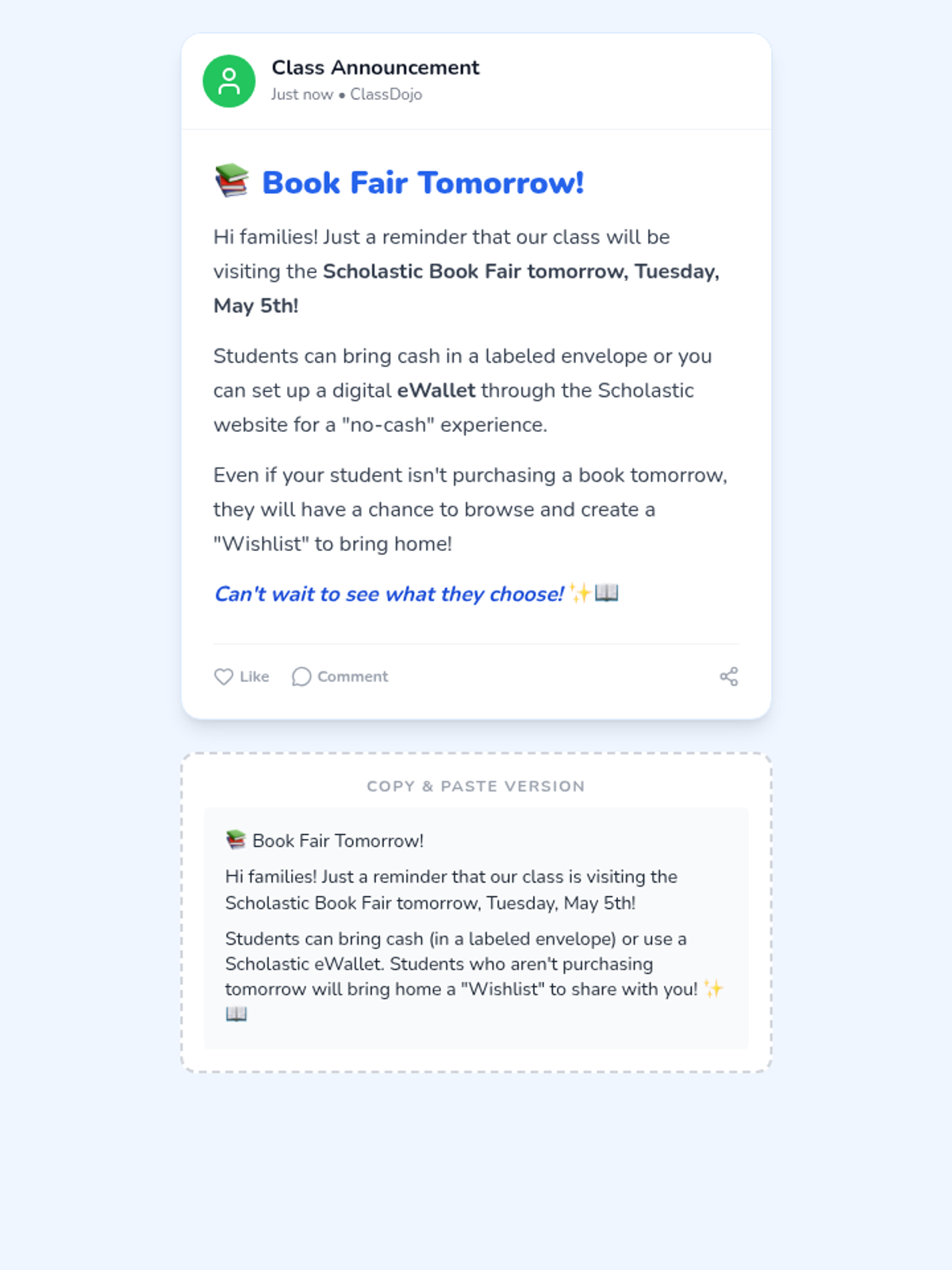
A collection of resources to help teachers announce and manage their class's visit to the Scholastic Book Fair.
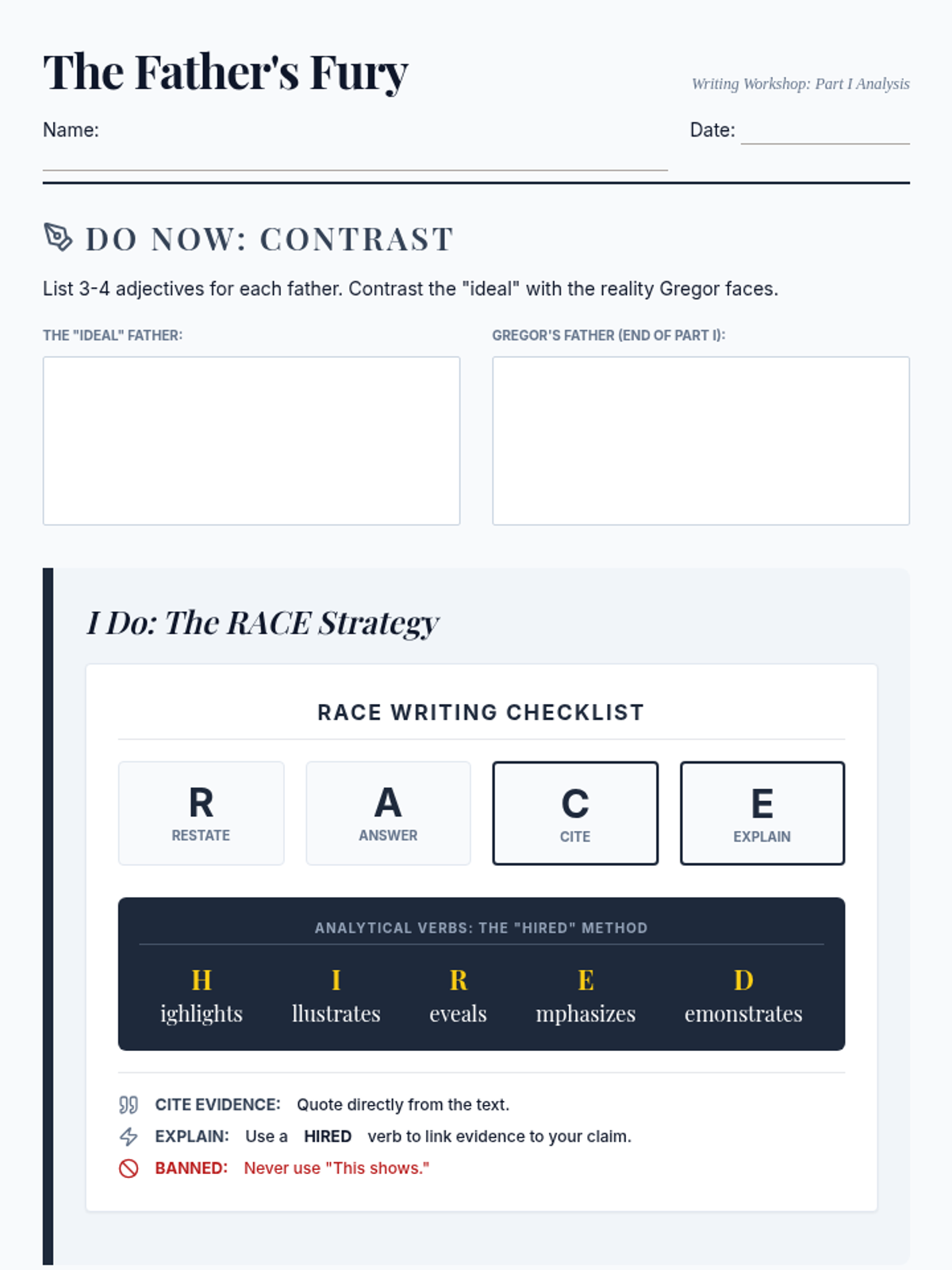
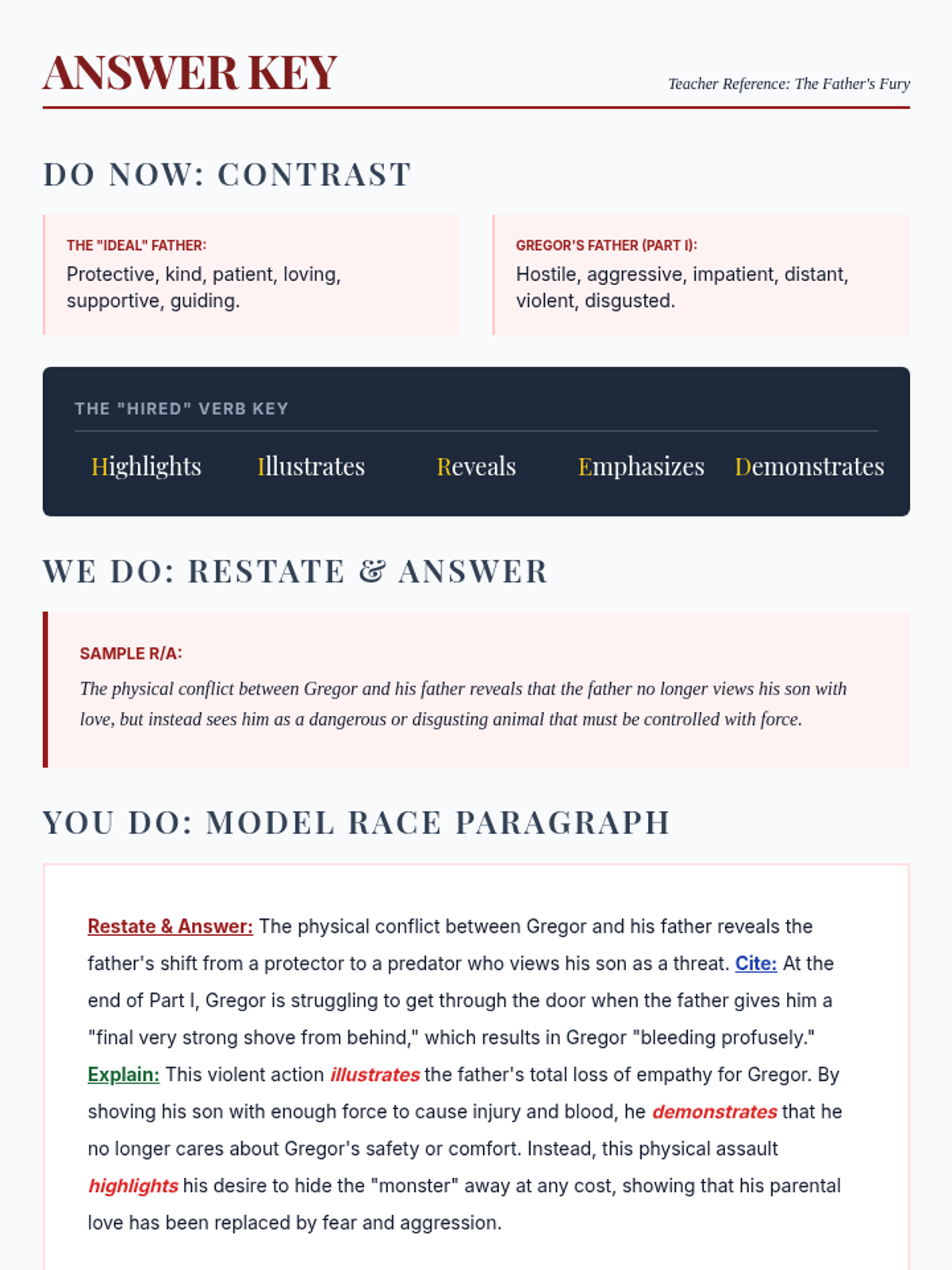
A writing-intensive lesson focusing on the RACE strategy to analyze the father's changing attitude toward Gregor in Part I of The Metamorphosis. Students practice using analytical verbs and structured evidence-based writing.
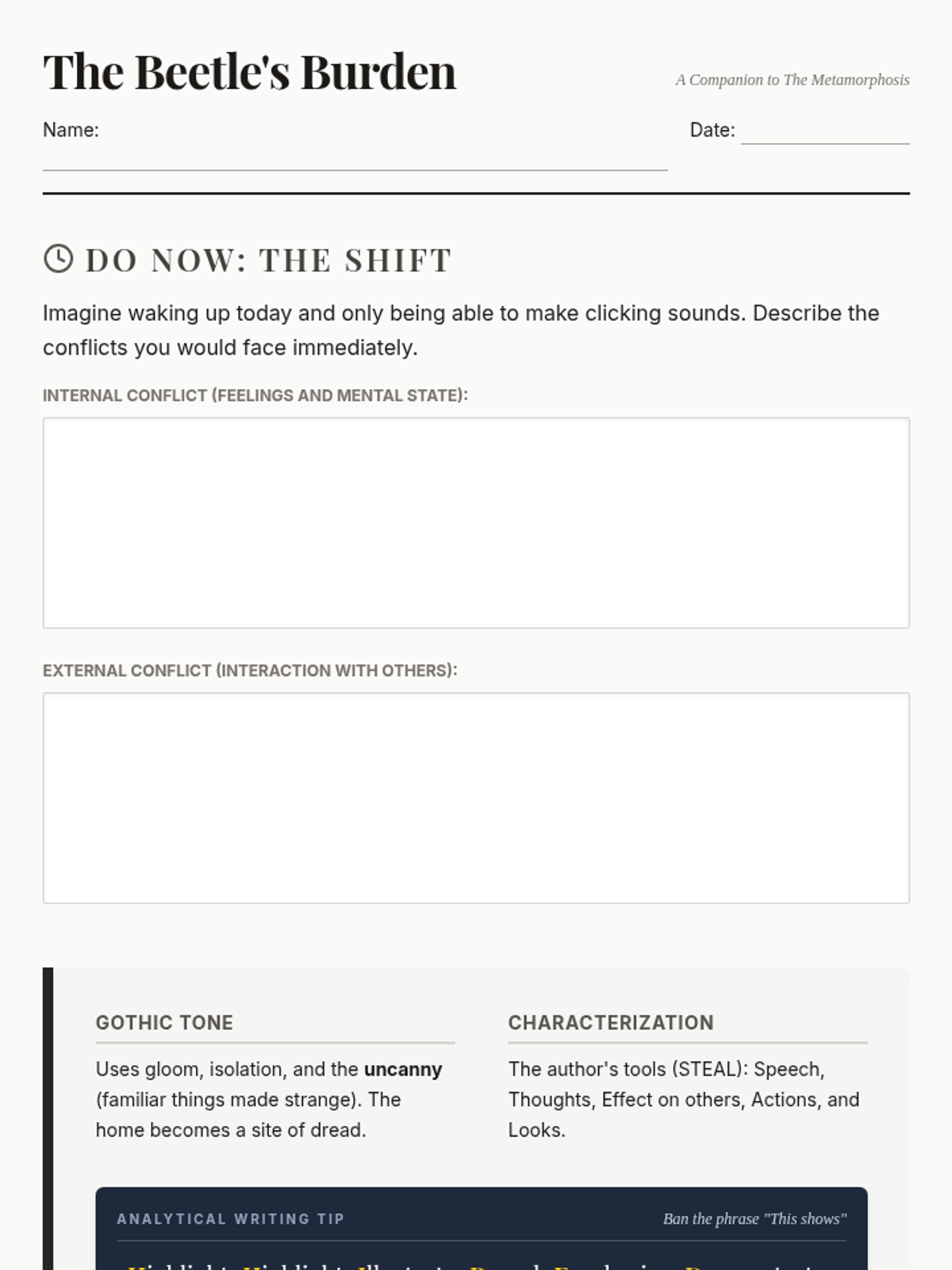
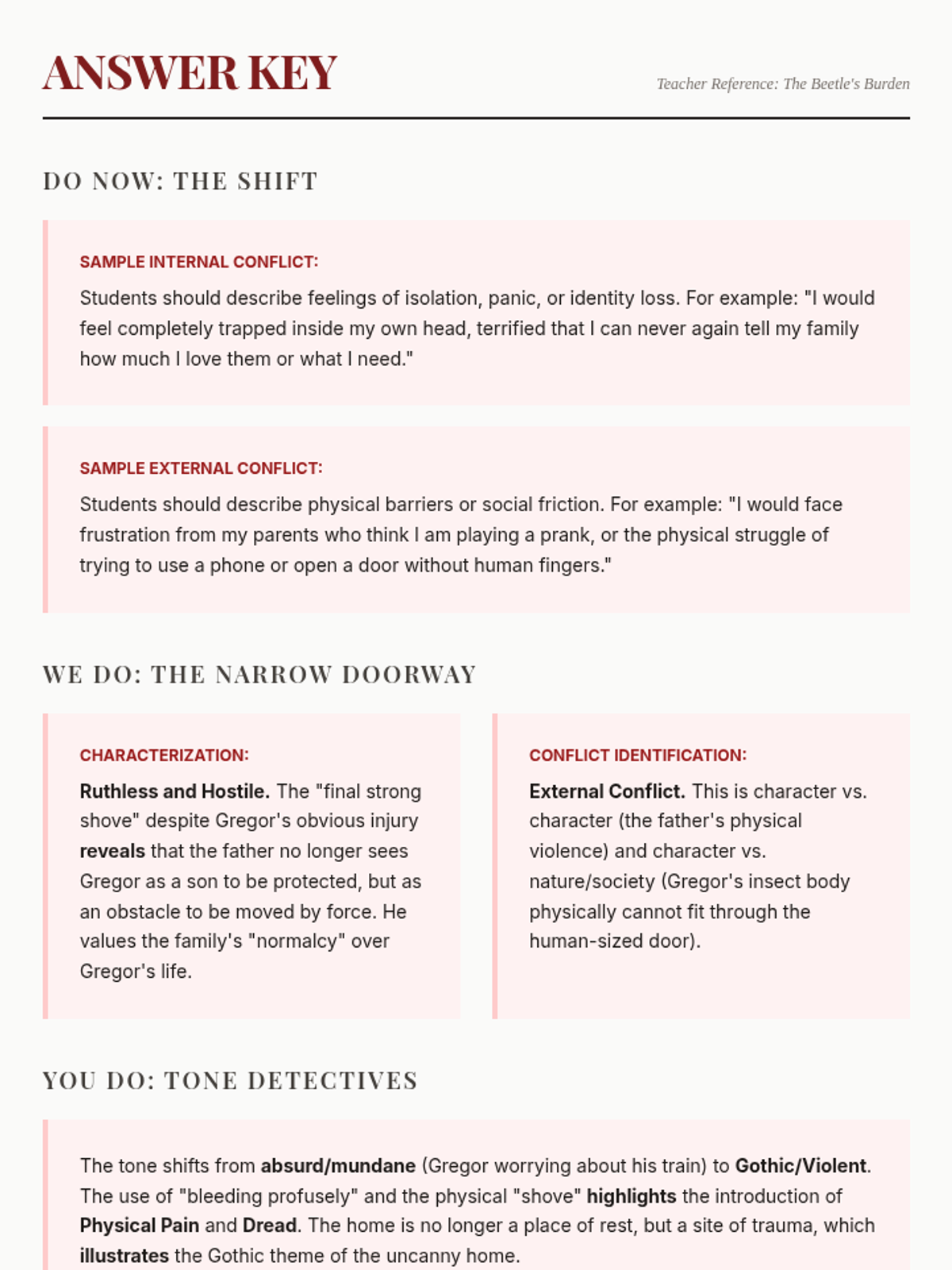
A supplemental lesson for 7th graders exploring internal/external conflict, characterization, and Gothic tone within Kafka's The Metamorphosis. Students analyze the father's actions and the story's eerie atmosphere through a structured workshop approach.
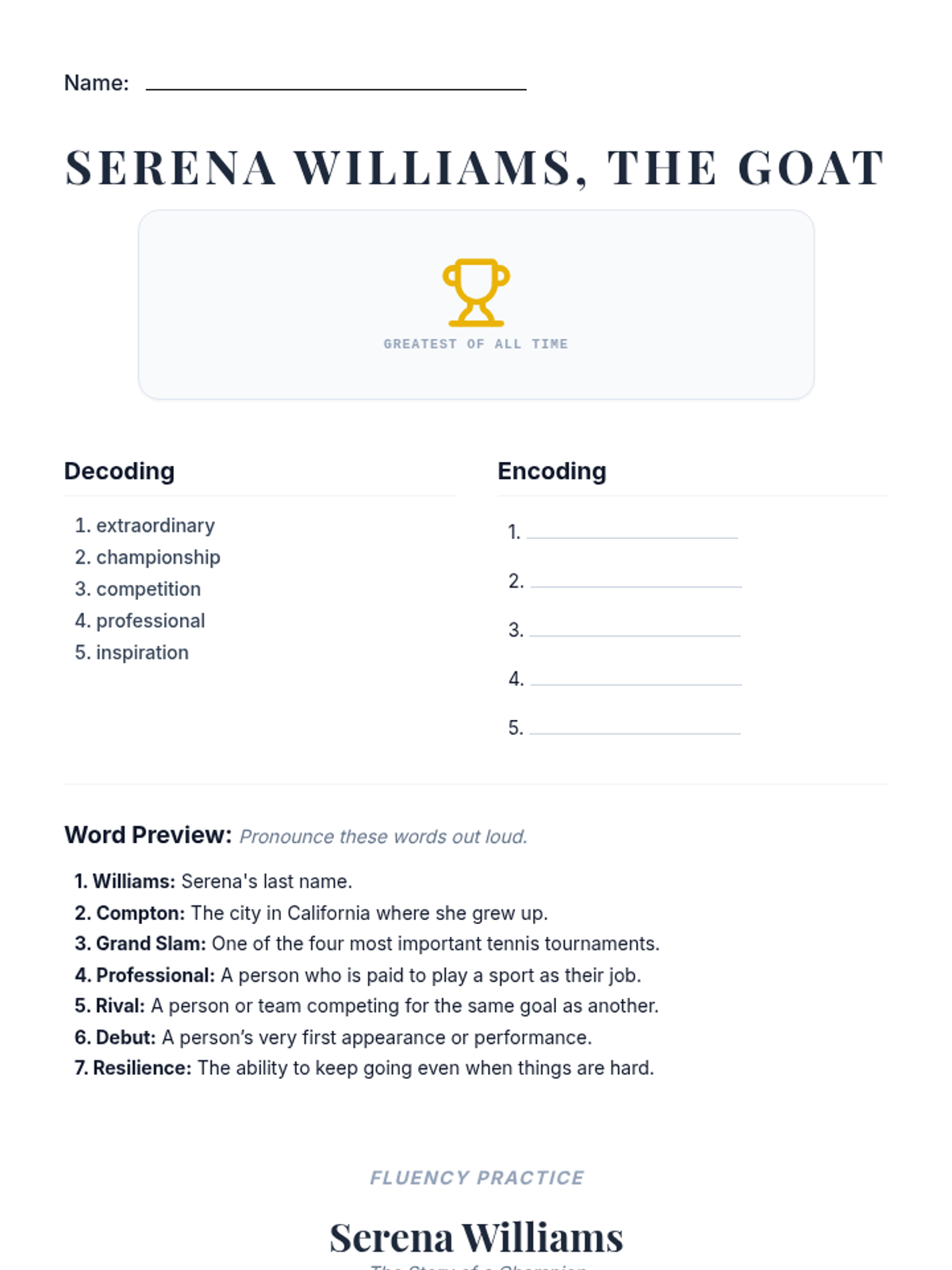
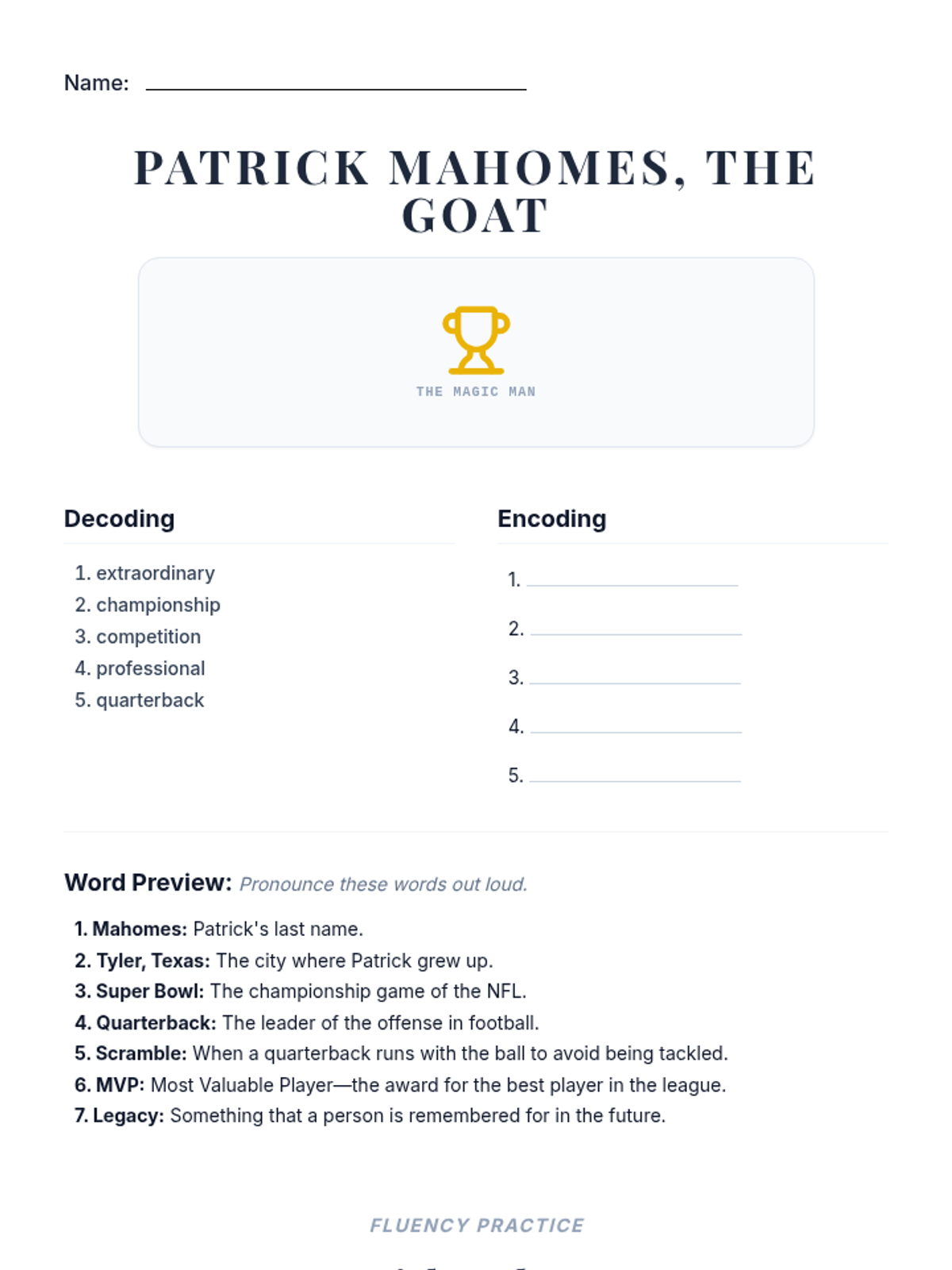
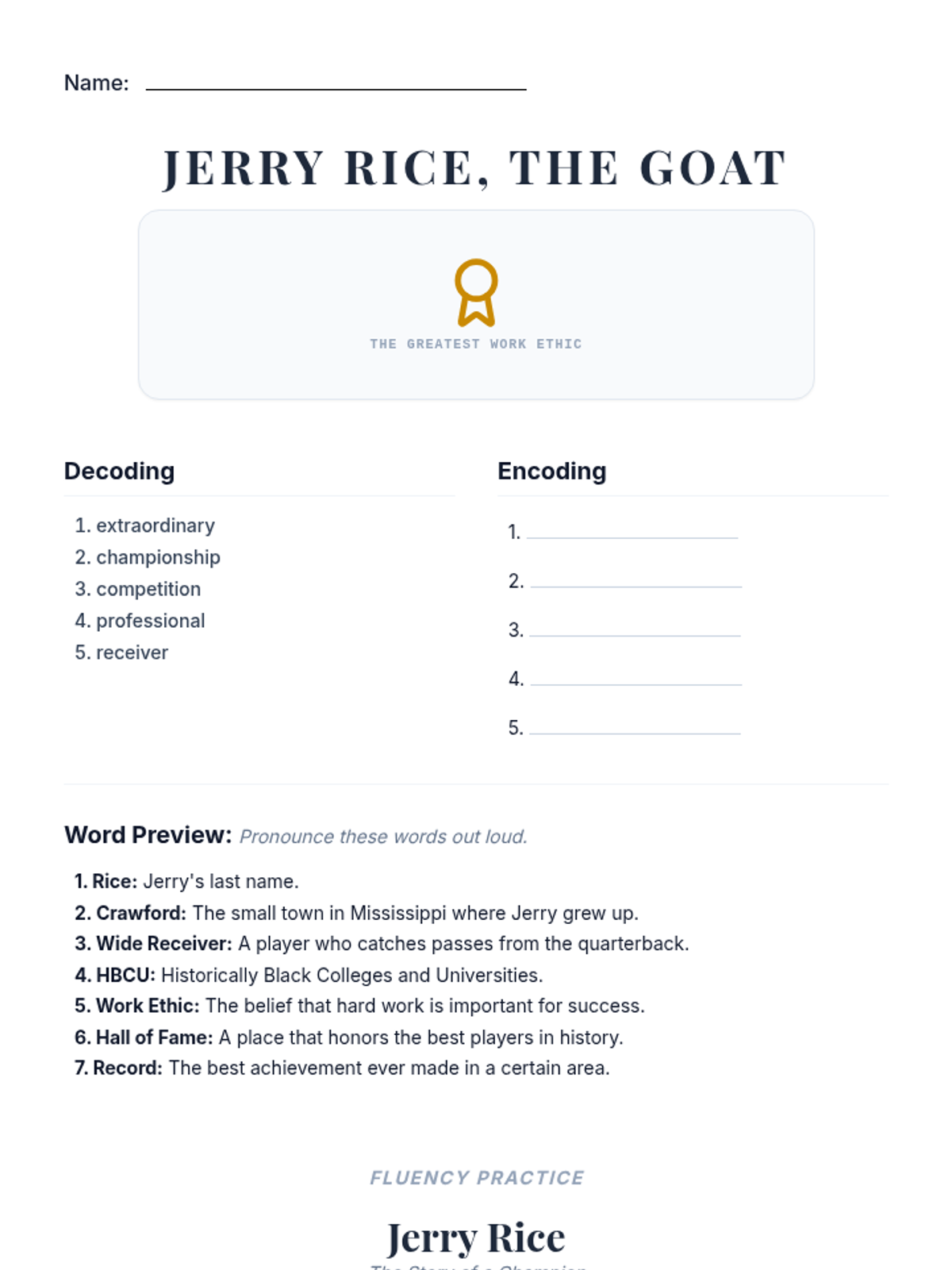
A collection of high-interest reading passages and fluency packets about legendary athletes. Each resource includes word-work exercises, timed reading sections, and discussion prompts.
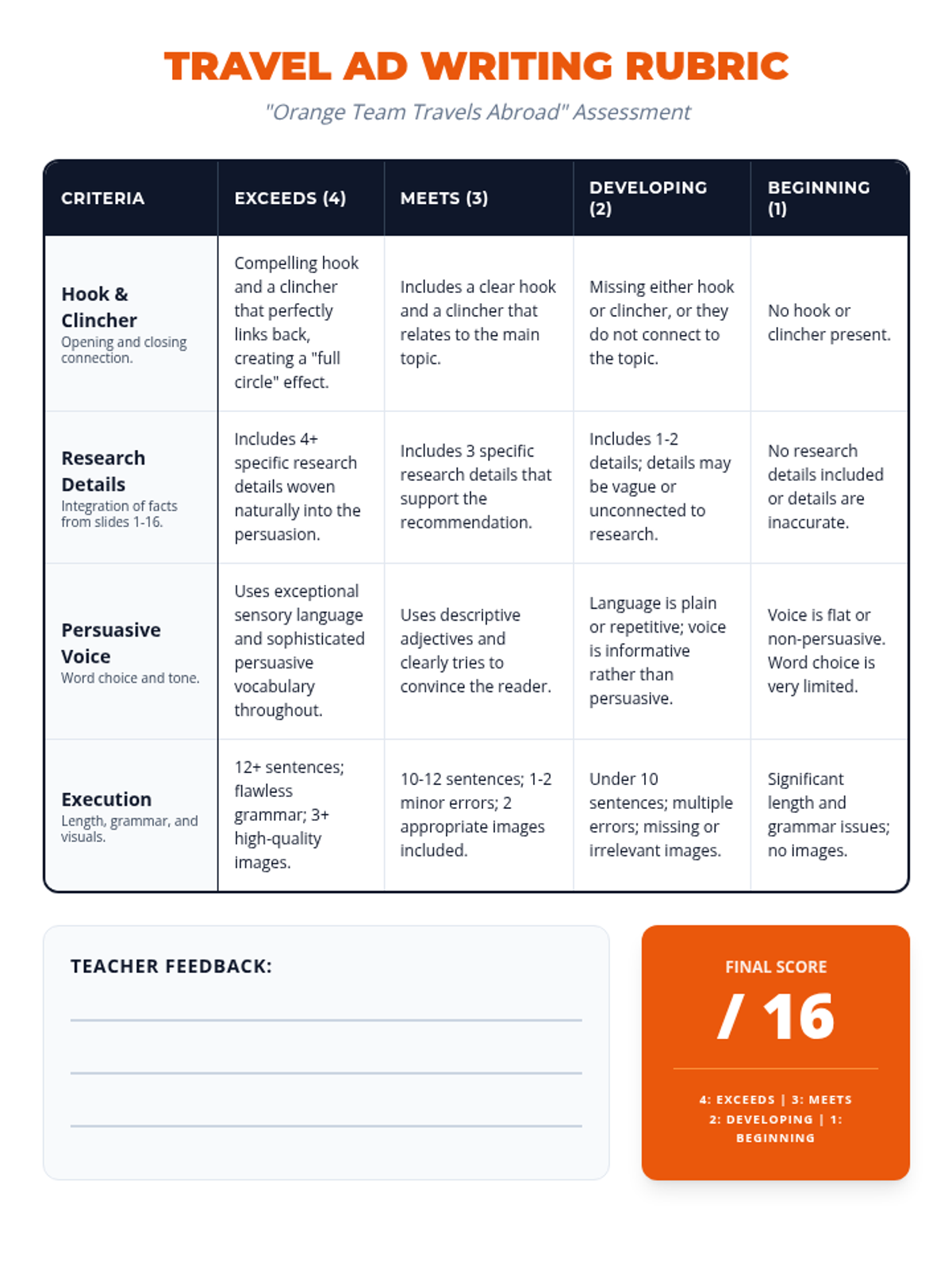
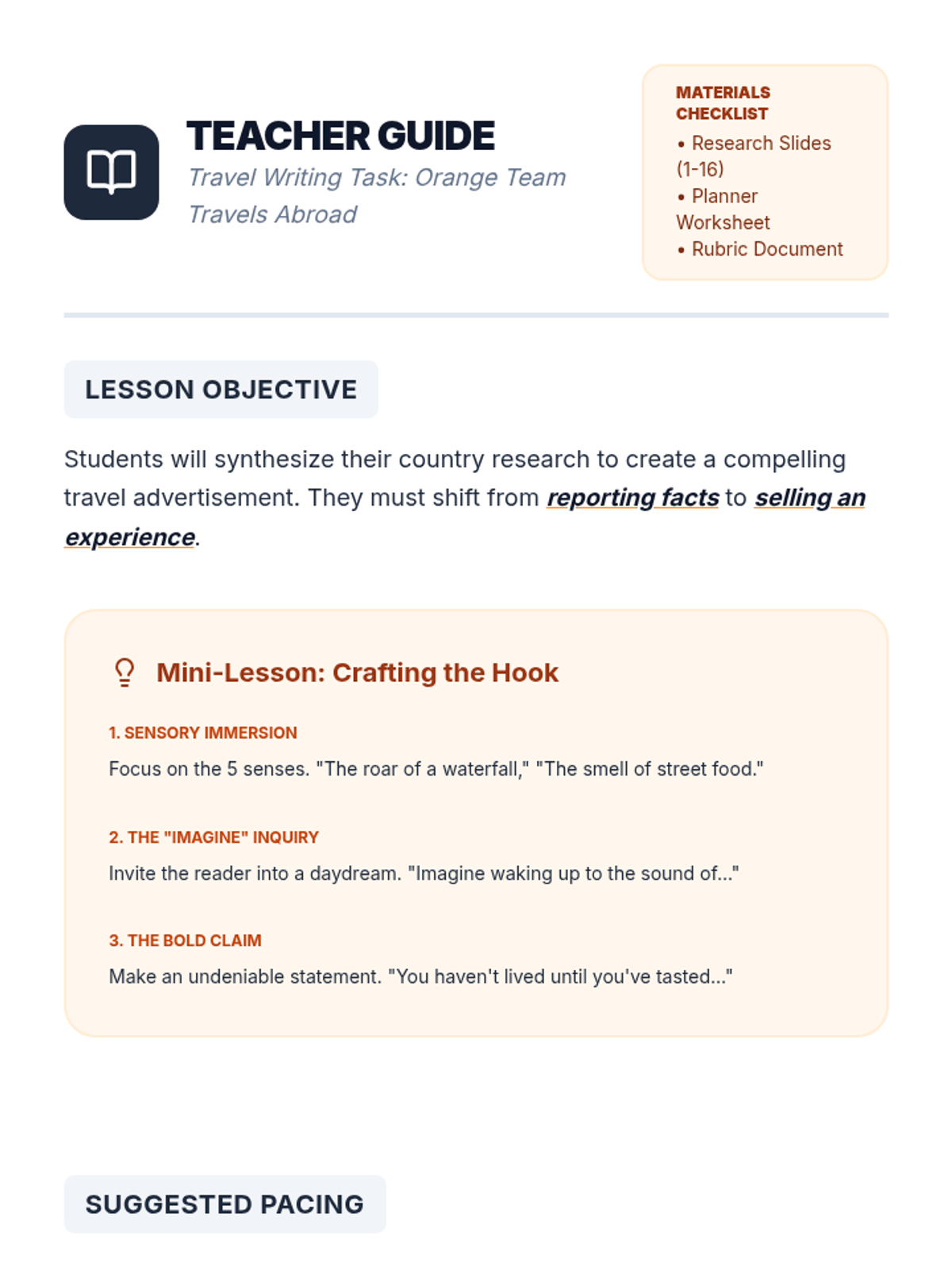
A guide for students to transform their research into a persuasive travel advertisement paragraph, focusing on structure, hooks, and descriptive language.
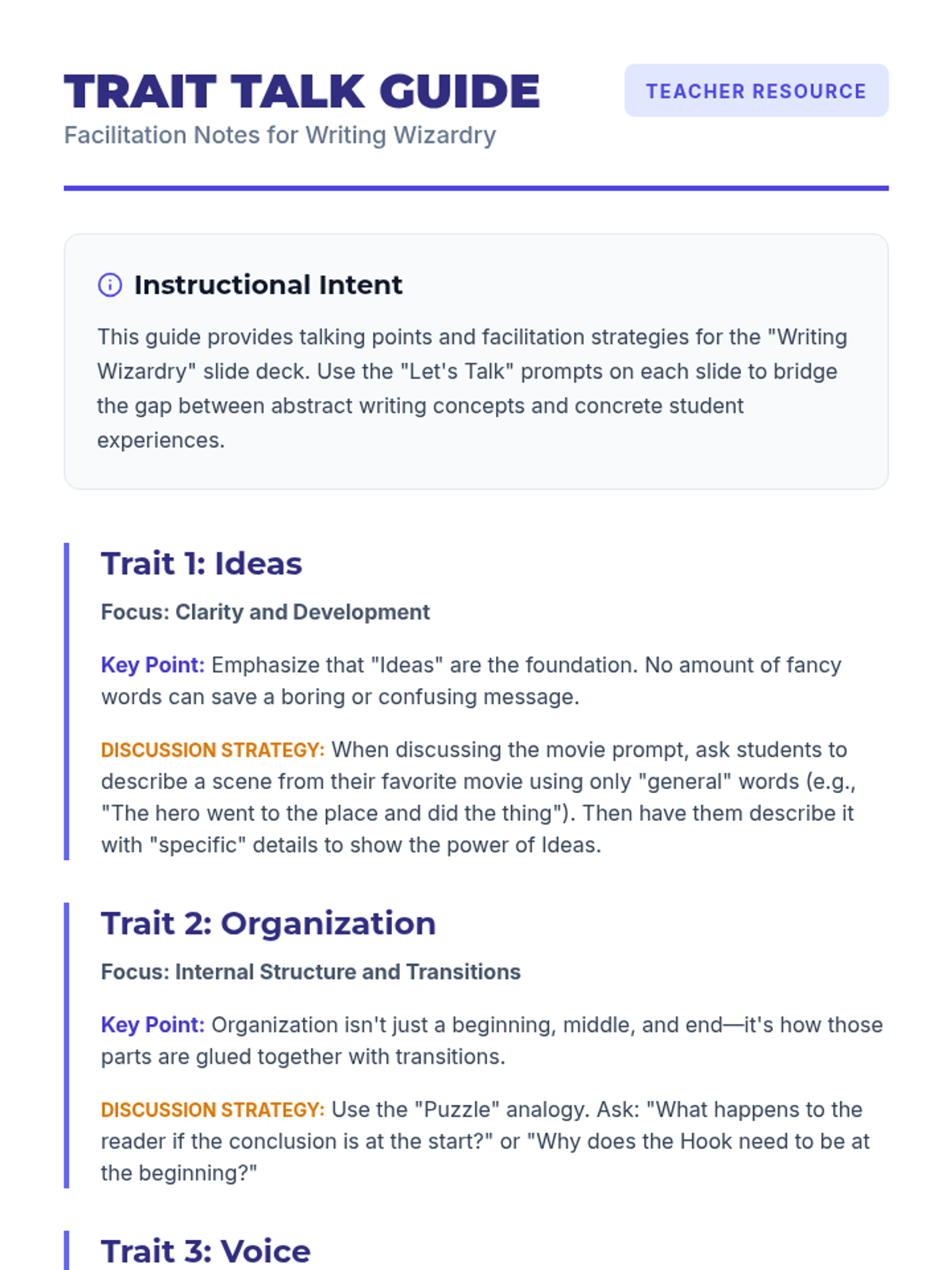
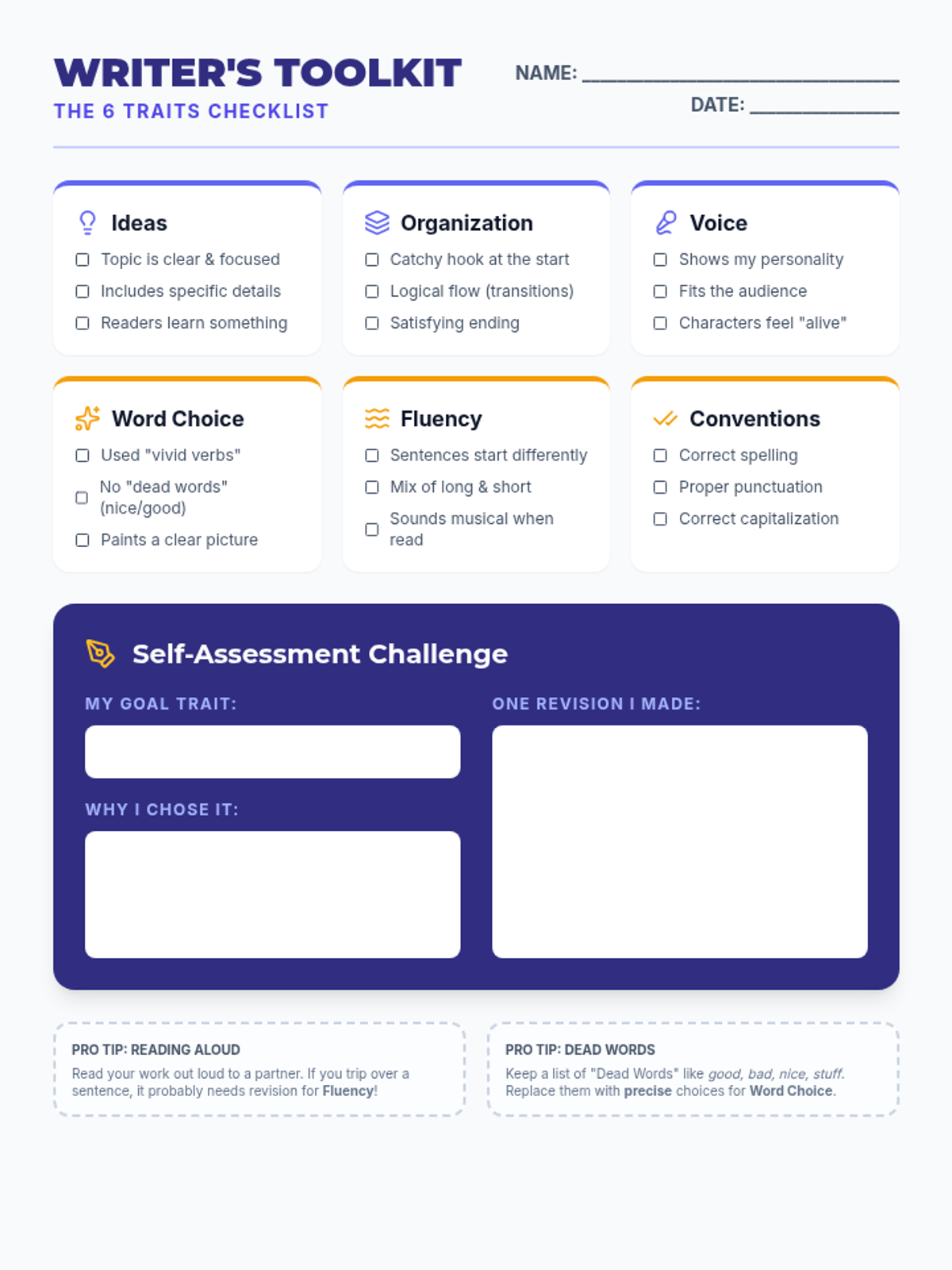
An interactive exploration of the 6 Traits of Effective Writing, designed to help students identify and apply key elements of strong prose through discussion and analysis.