A 2nd-grade math lesson where students explore how different shapes can share the same area using square tiles and irregular composite shapes.
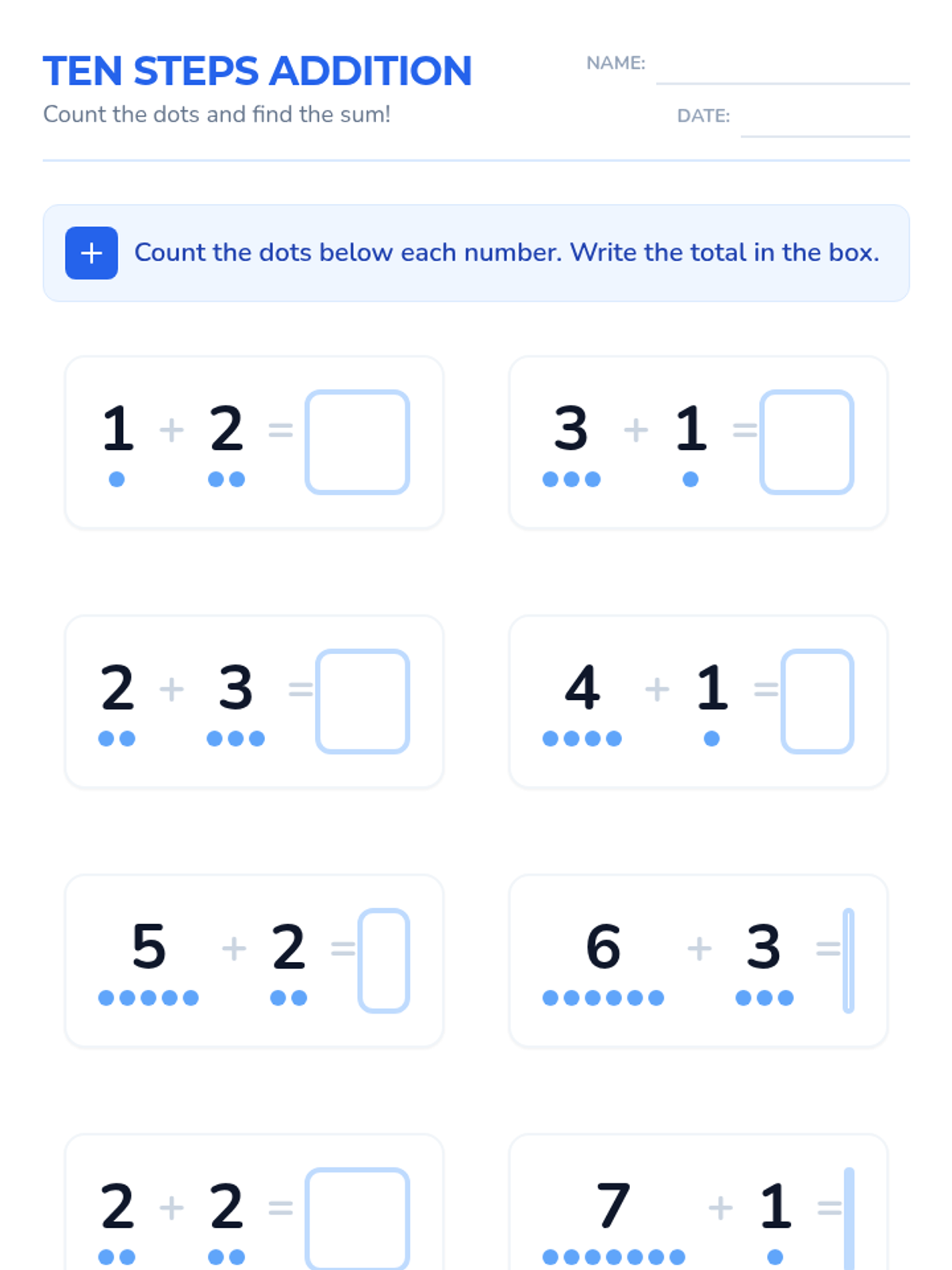
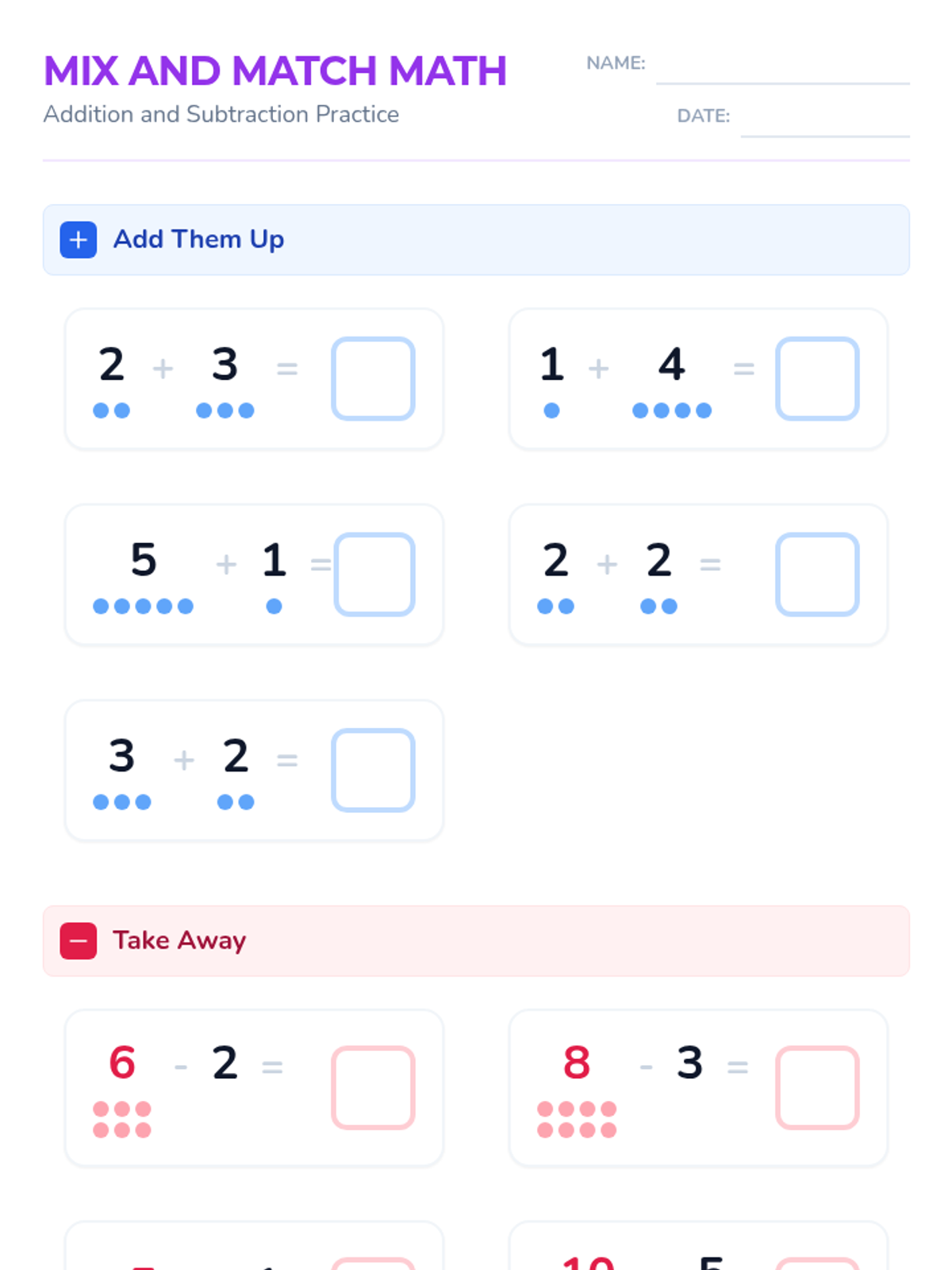
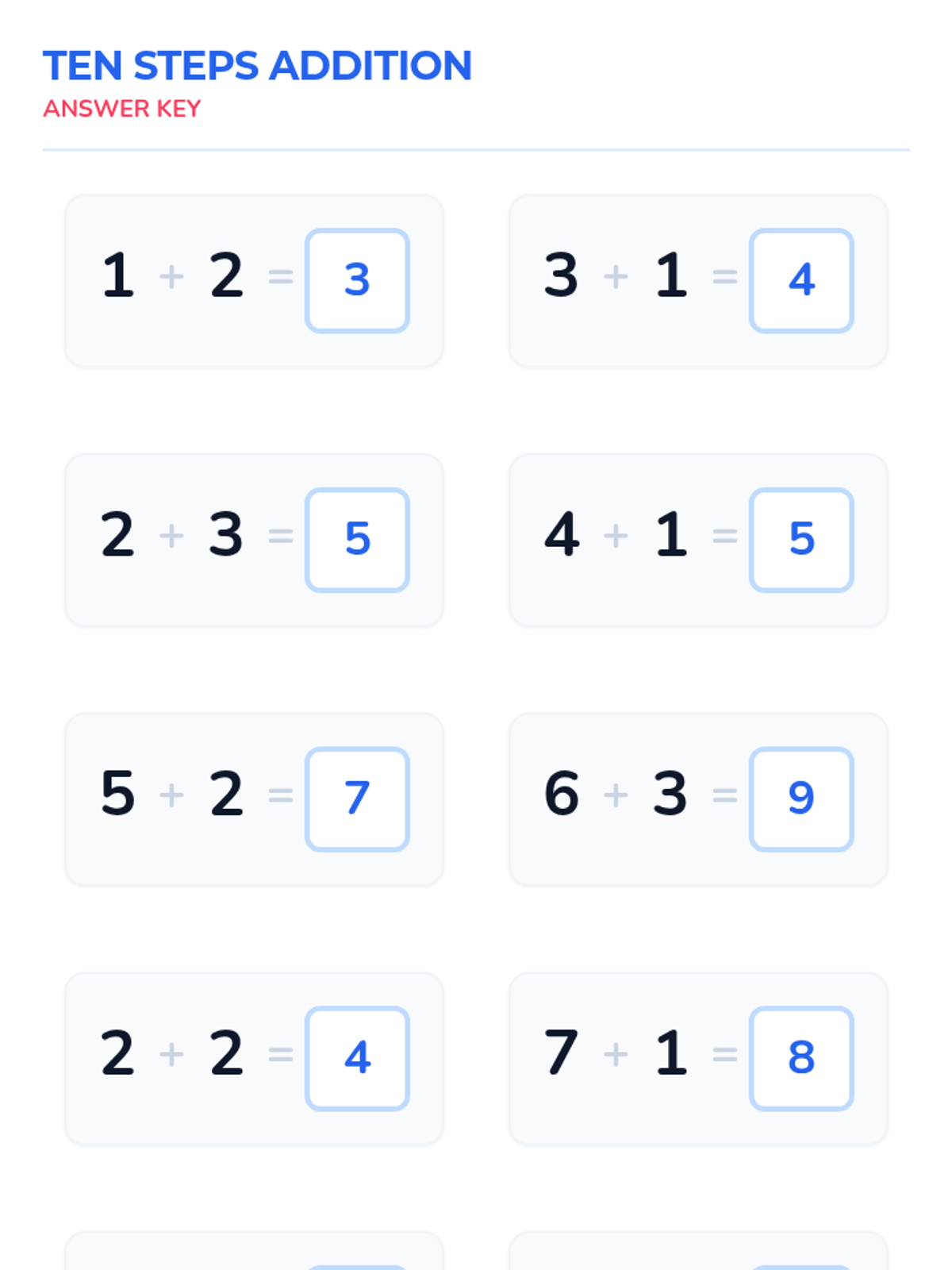
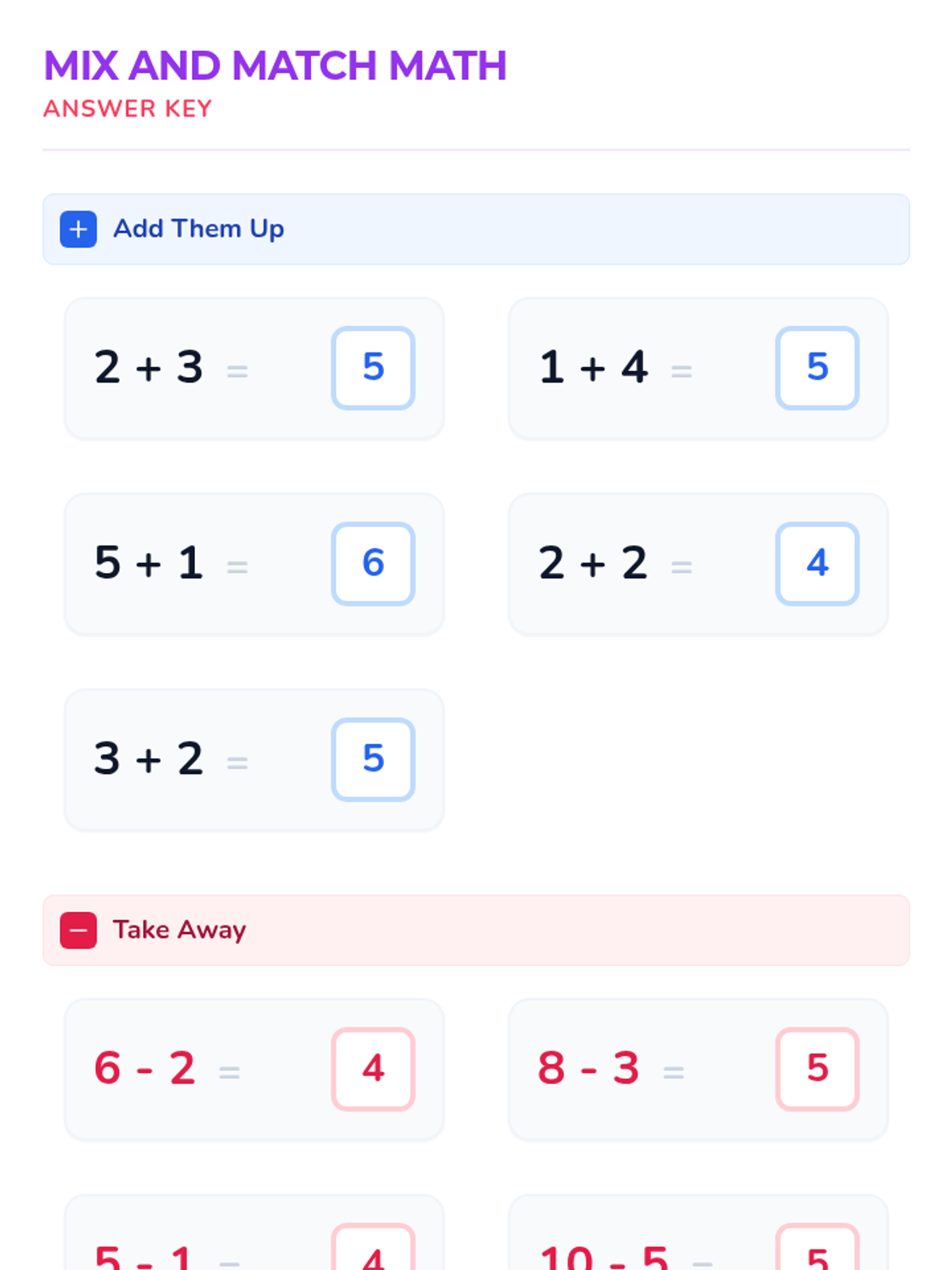
A collection of super simple, visually clear math worksheets designed for elementary learners, featuring addition and subtraction with visual counting supports.
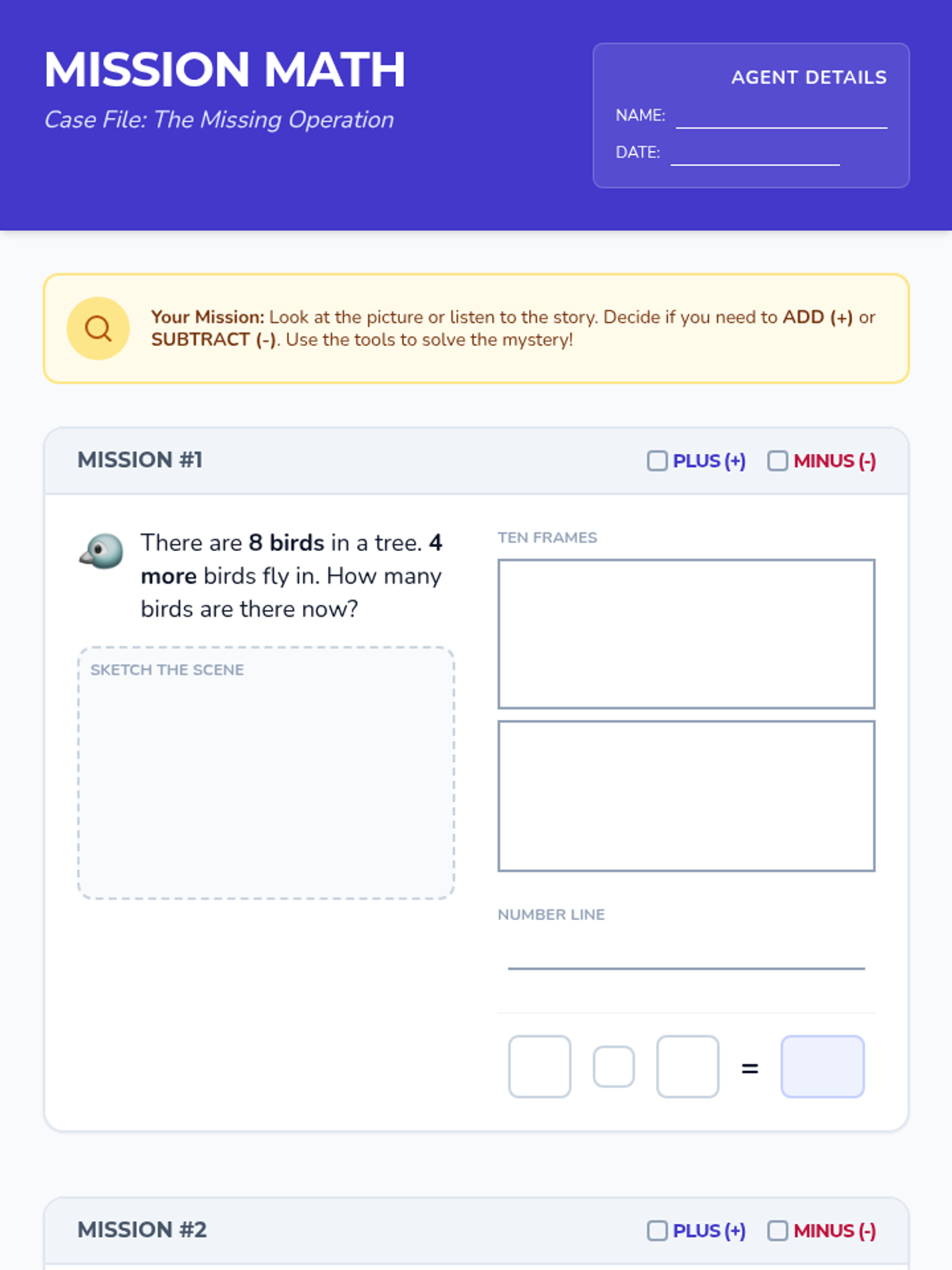
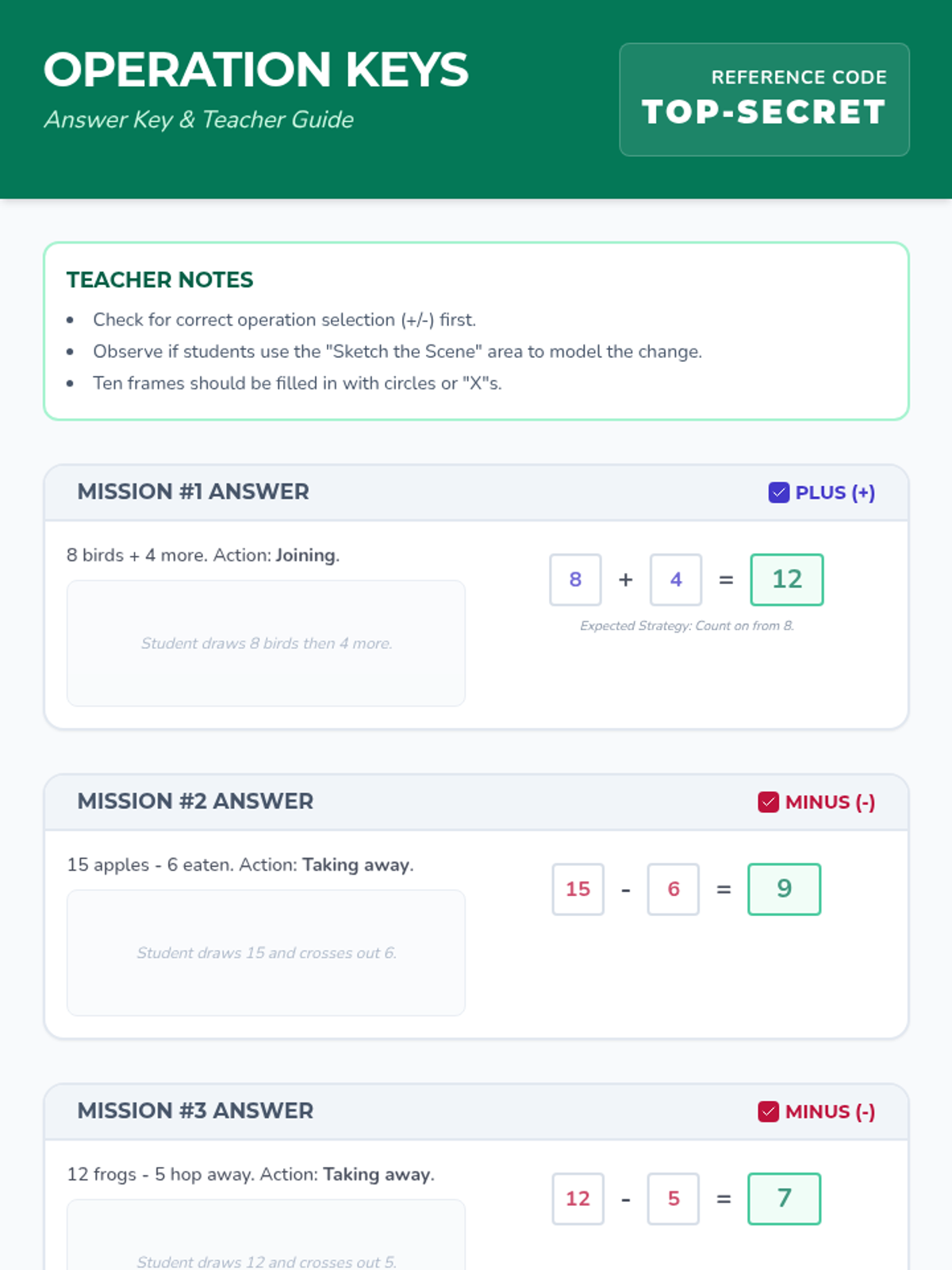
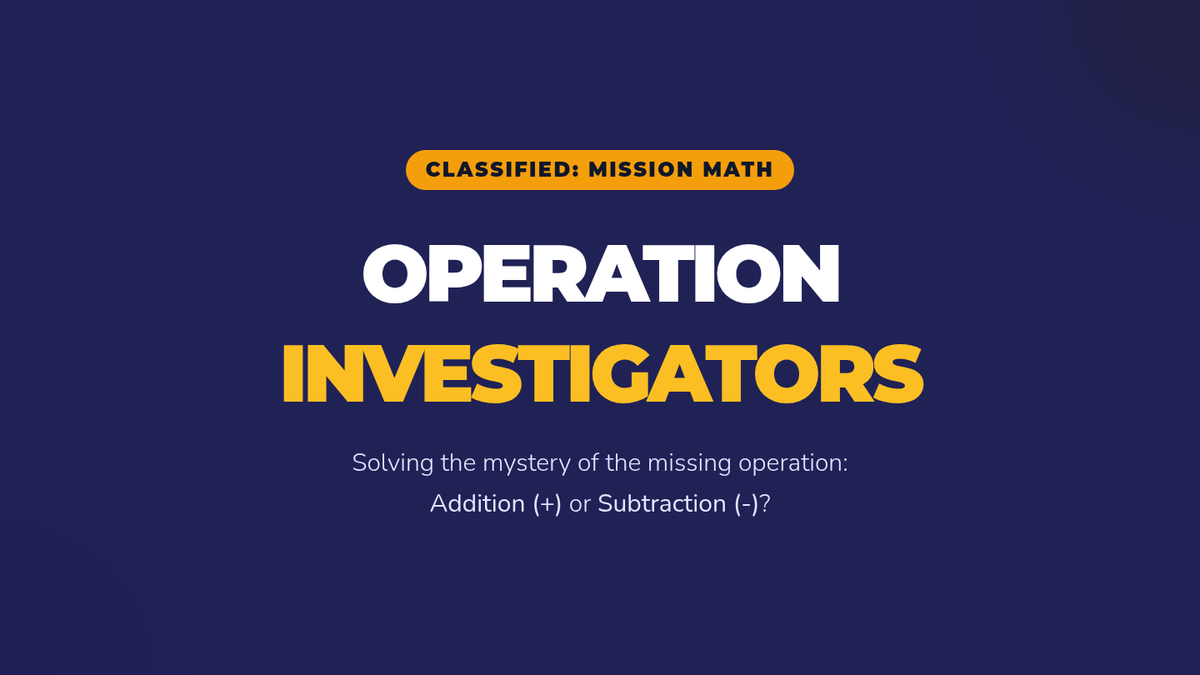
A beginner math lesson focused on identifying whether to use addition or subtraction to solve word problems within 20, utilizing ten frames and number lines.
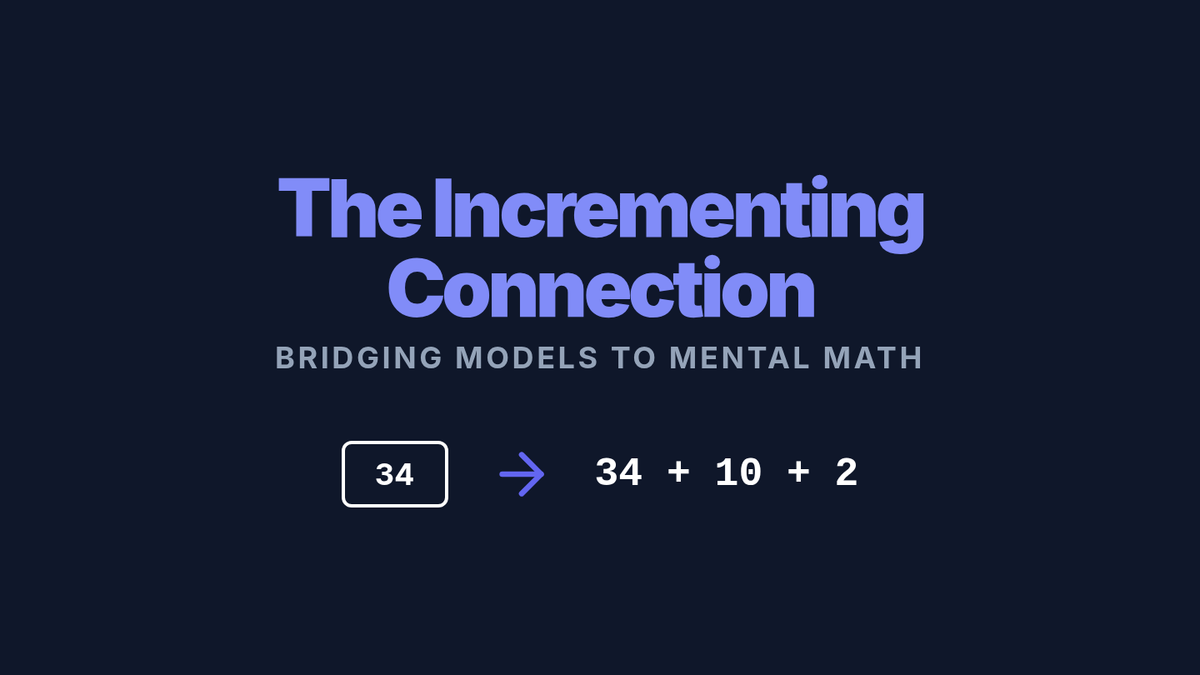
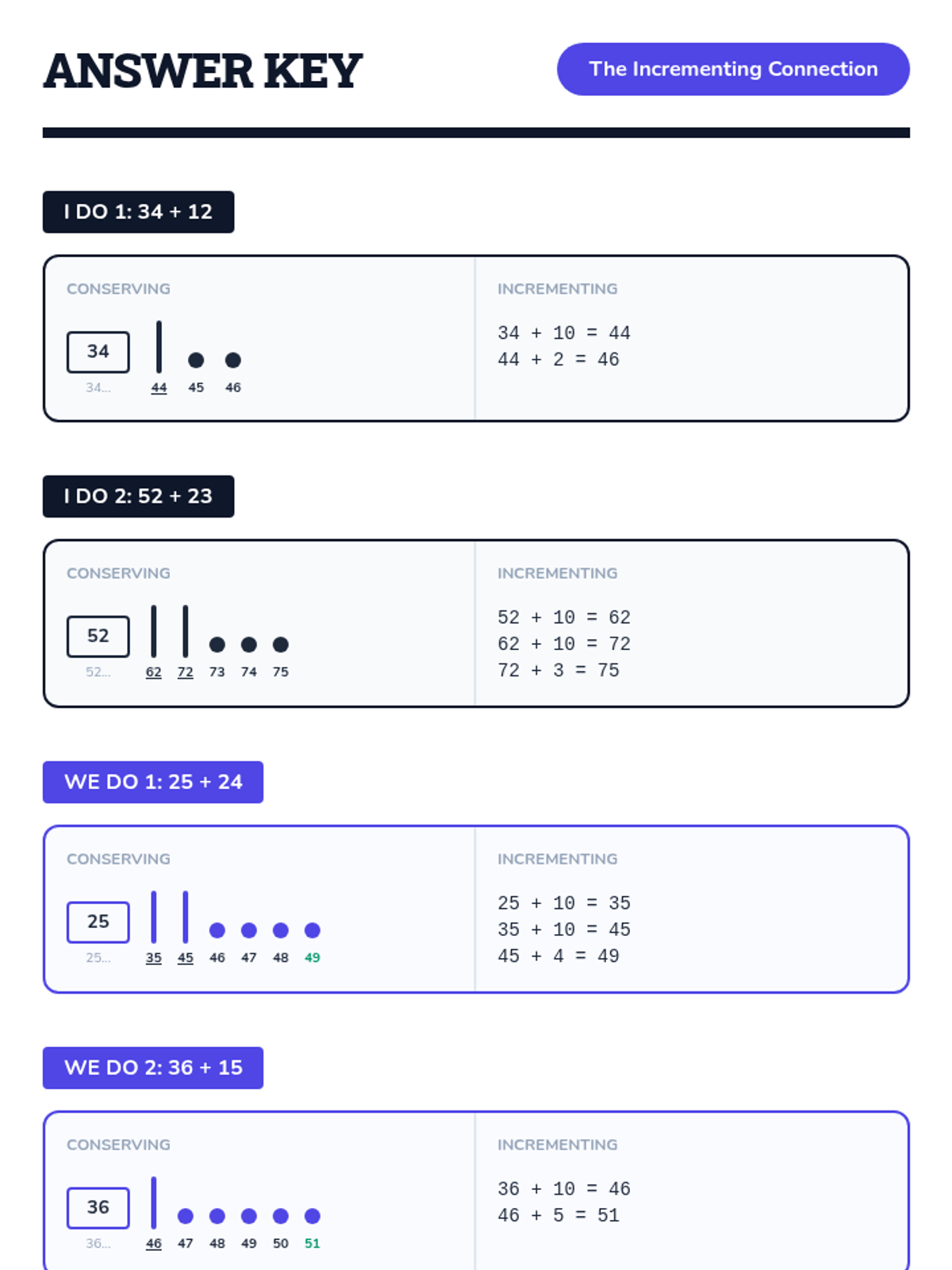
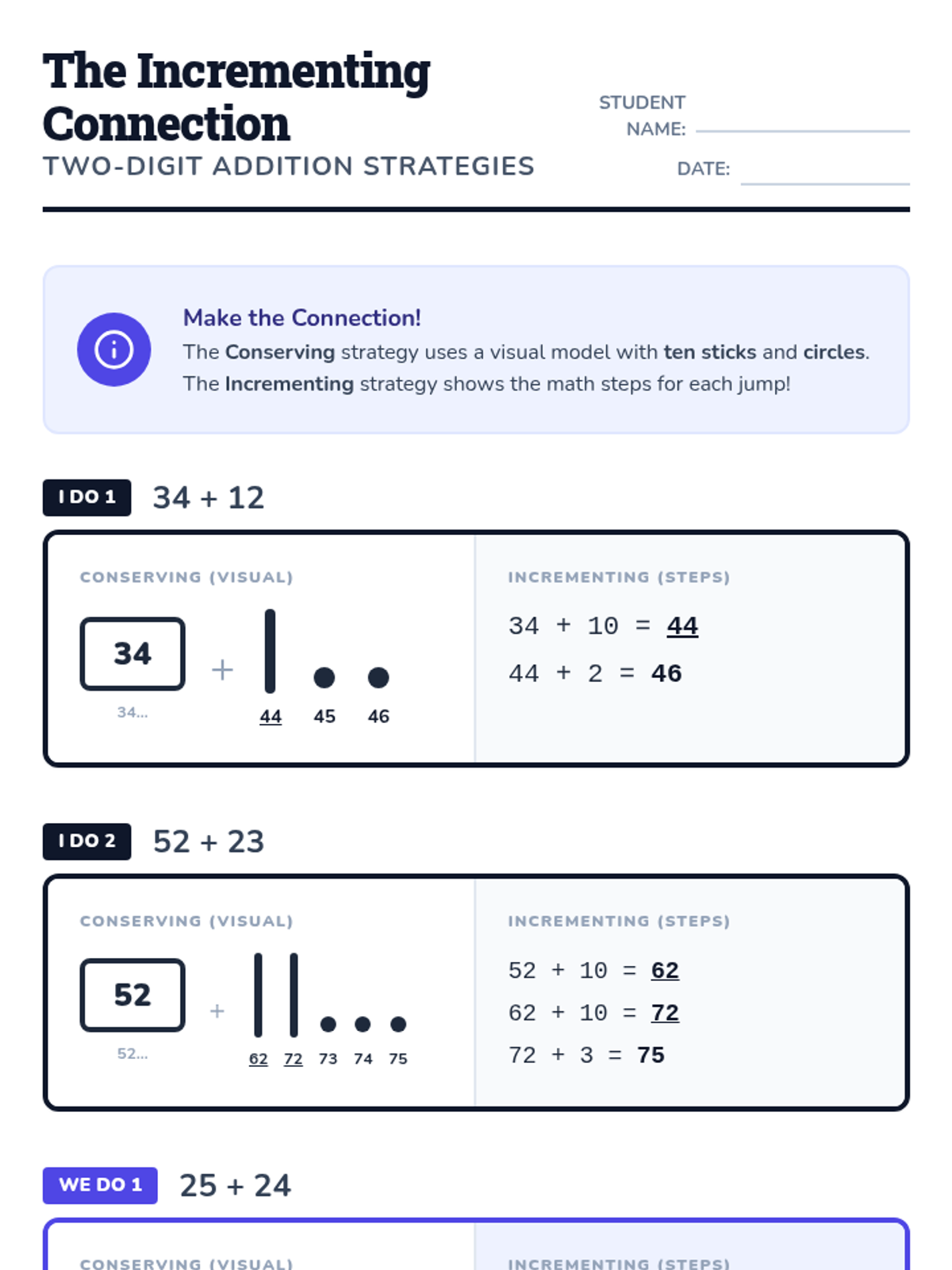
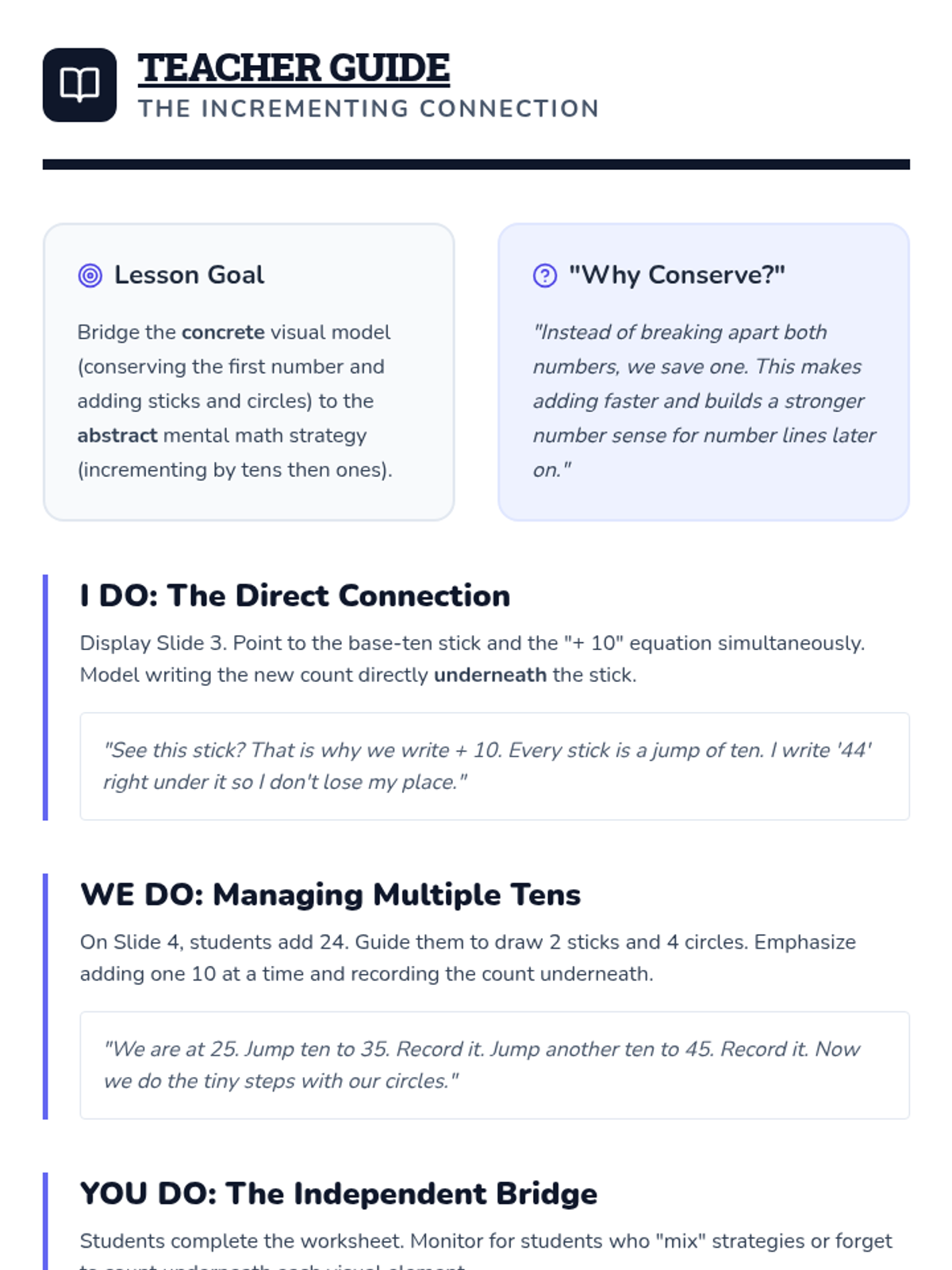
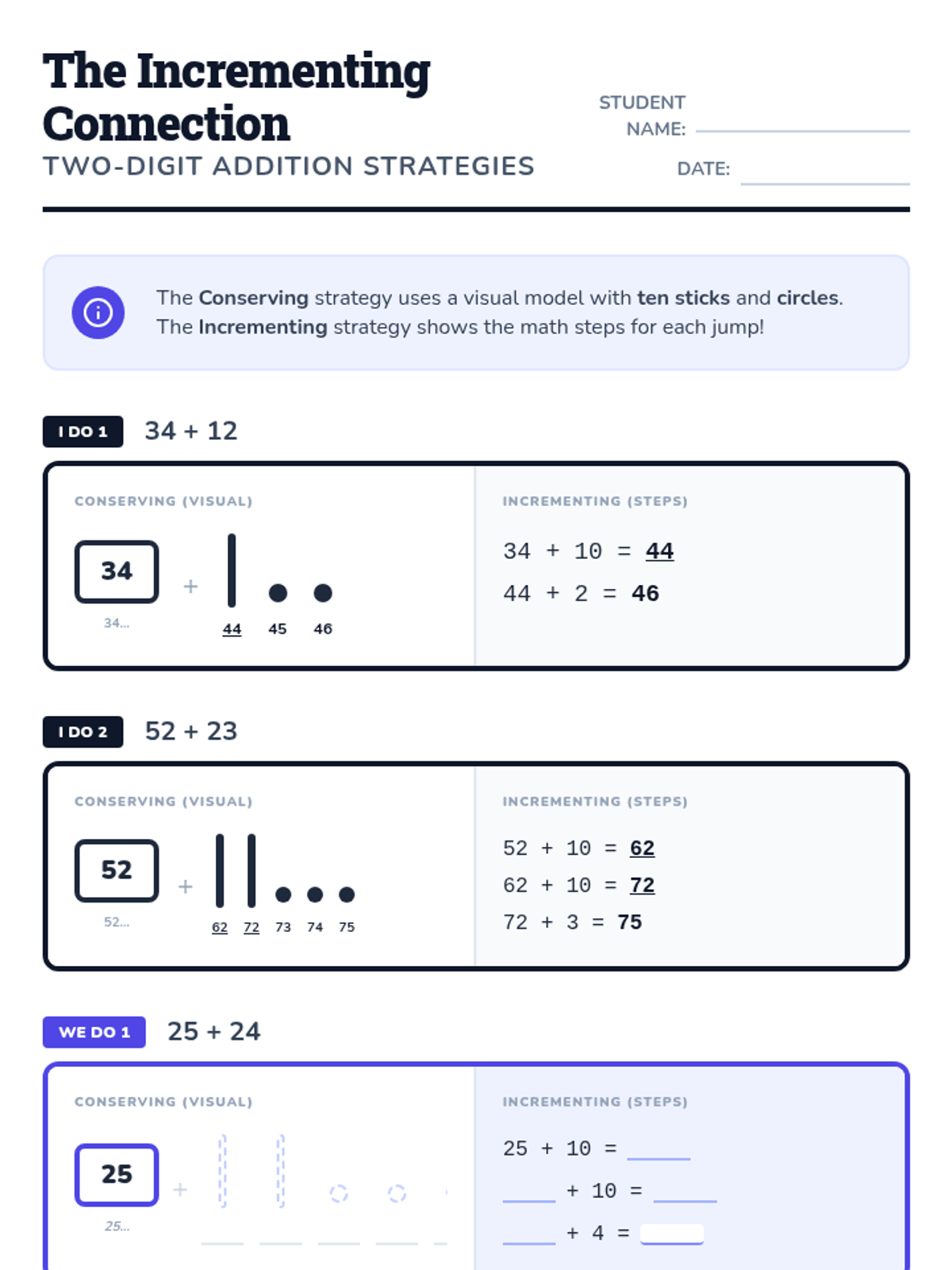
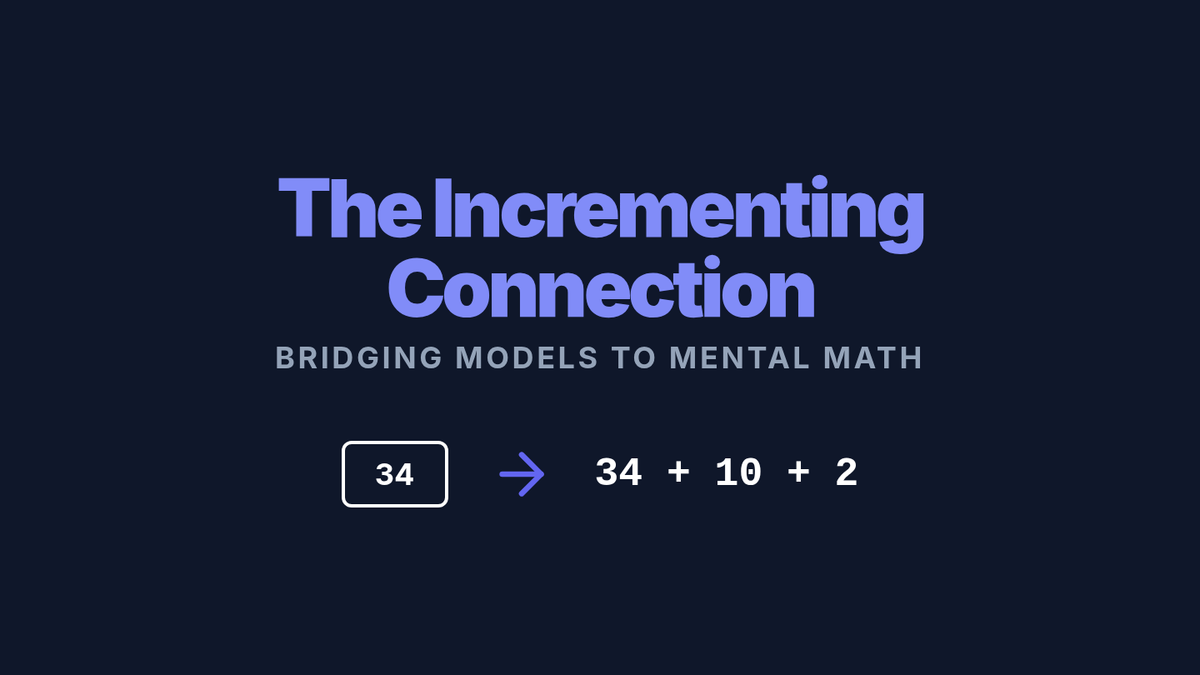
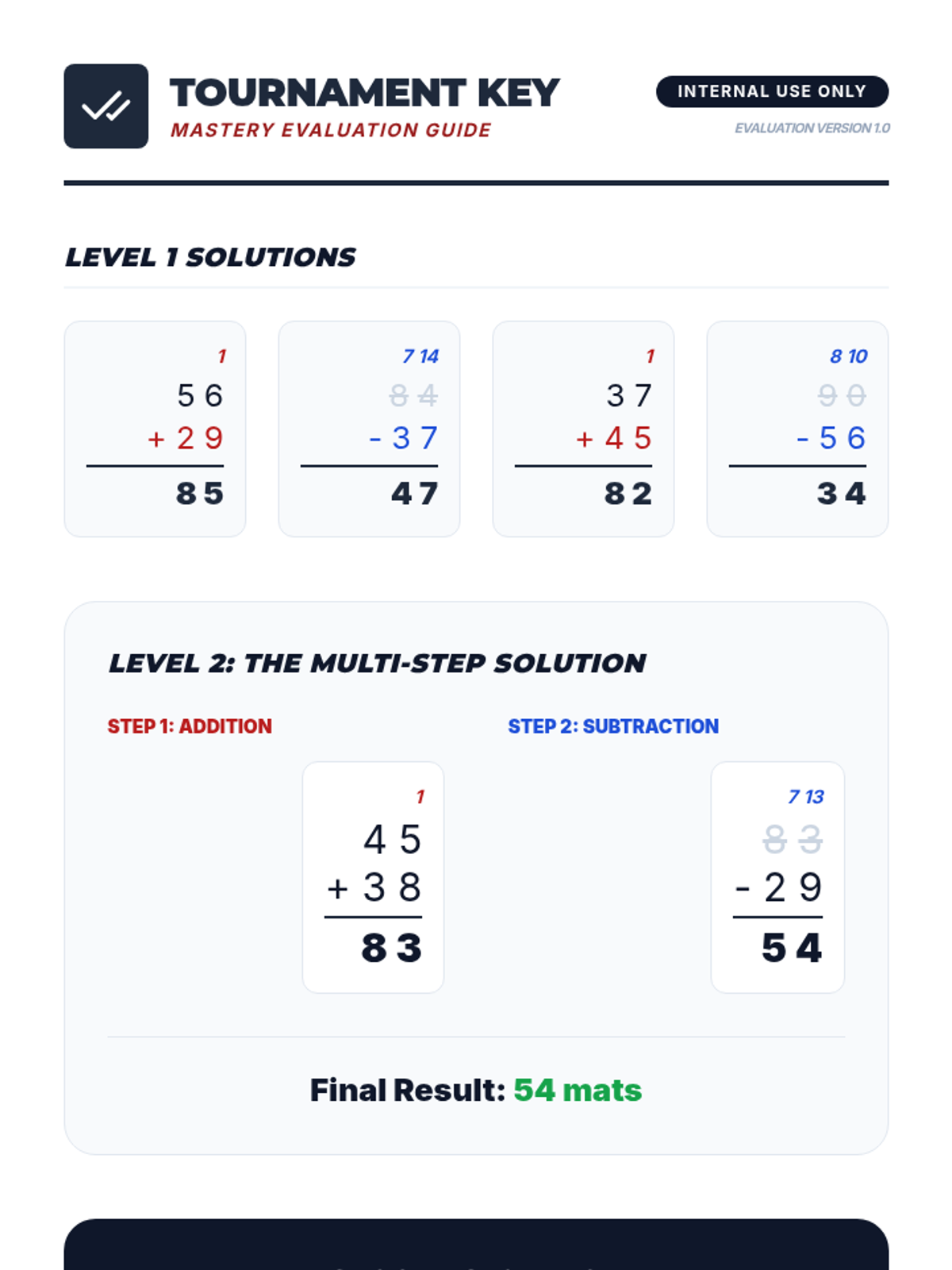
This lesson introduces two-digit addition using the conserving and incrementing strategies, showing students how to bridge visual base-ten models to mental step-by-step counting.
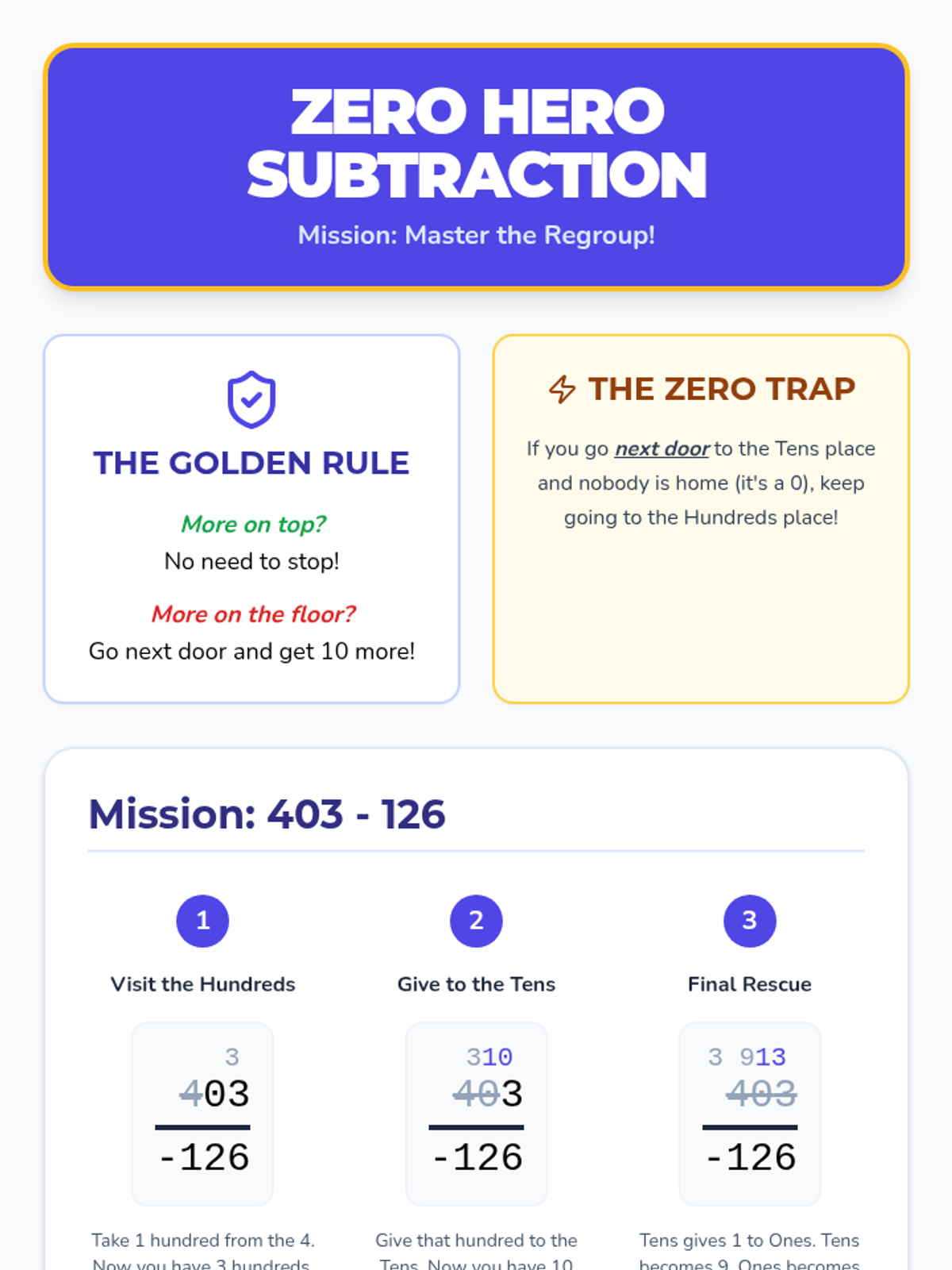
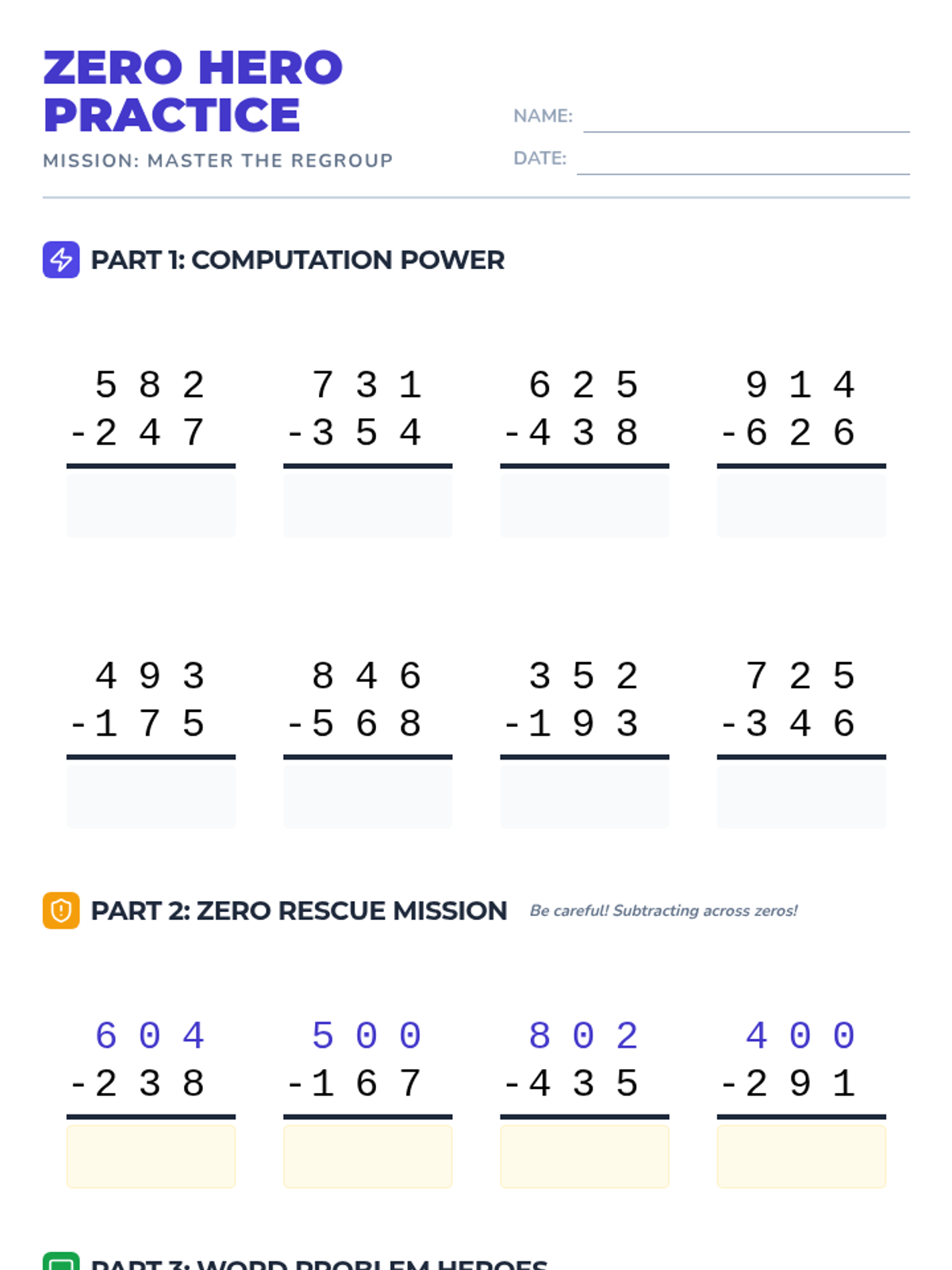
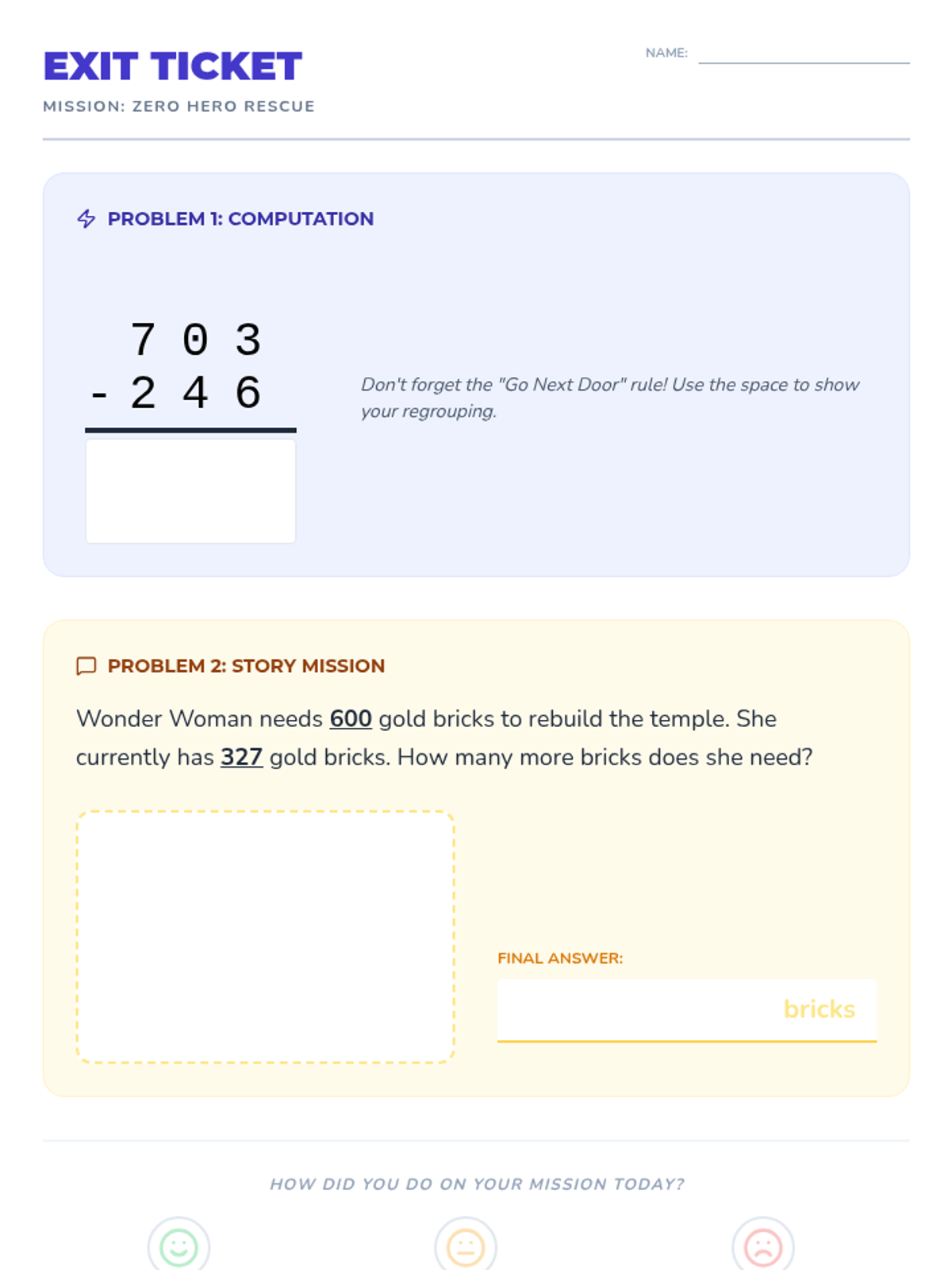
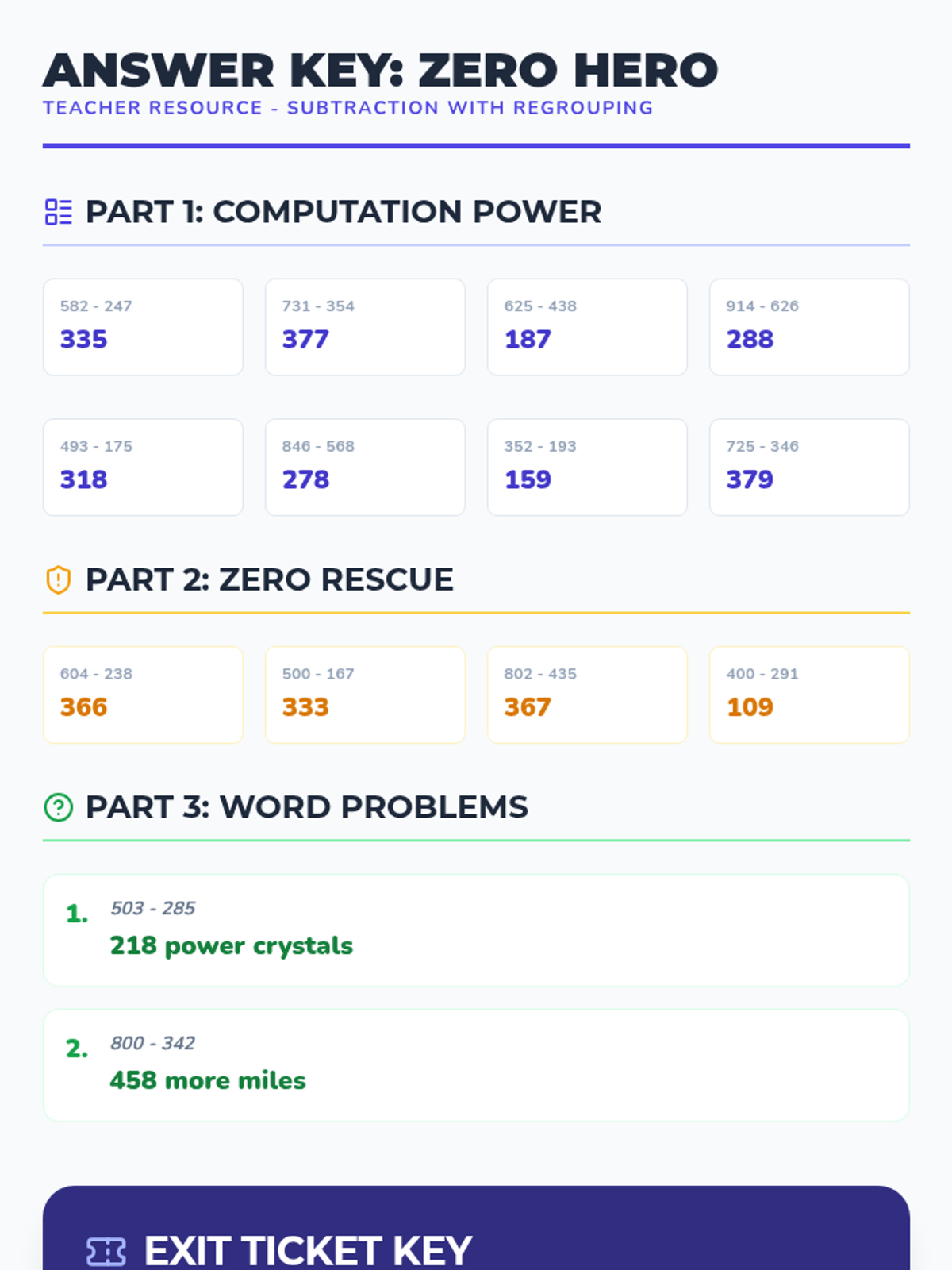
A lesson focused on mastering three-digit subtraction with regrouping, specifically targeting the challenge of subtracting across zeros and applying these skills to real-world word problems.
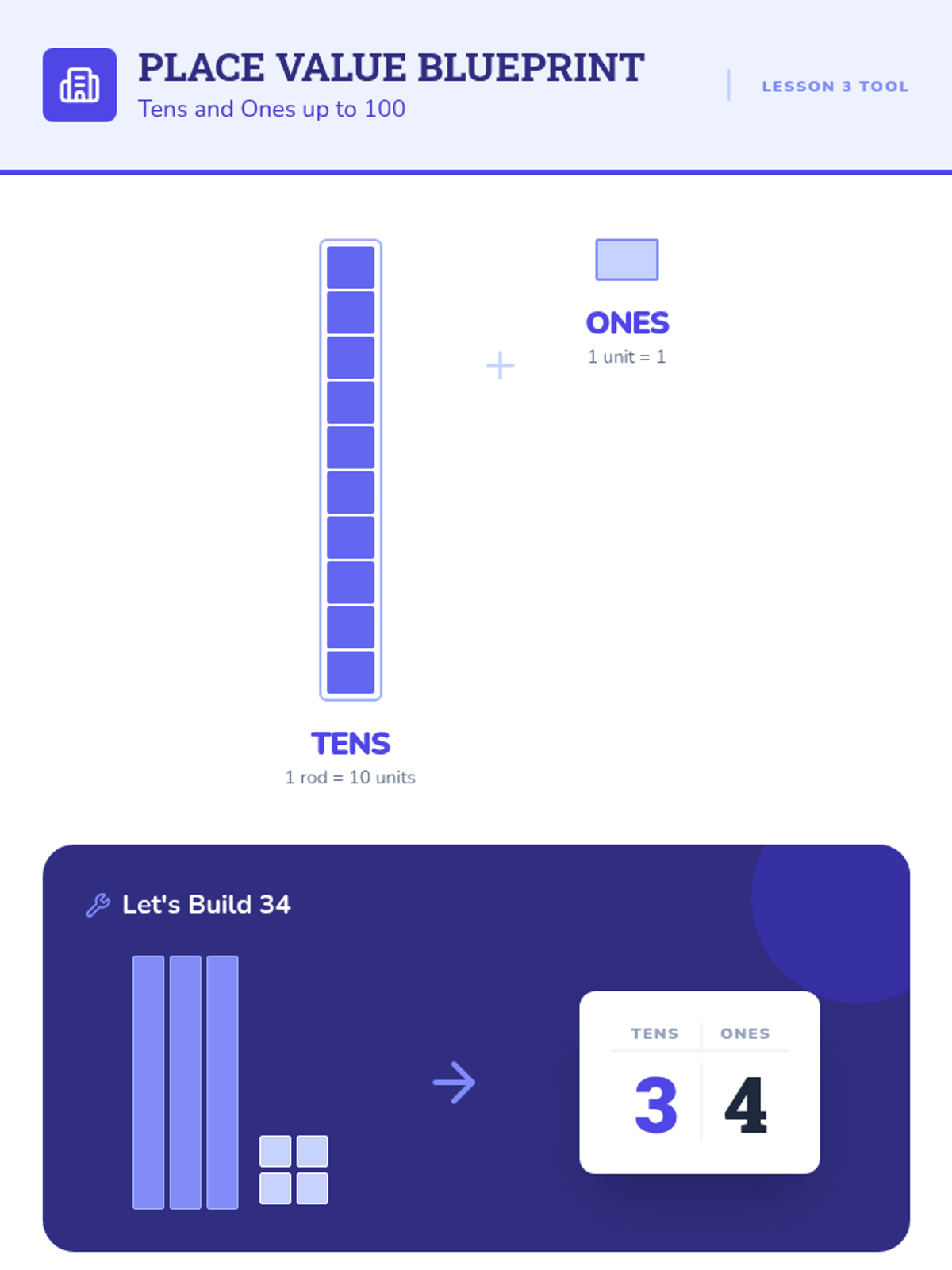
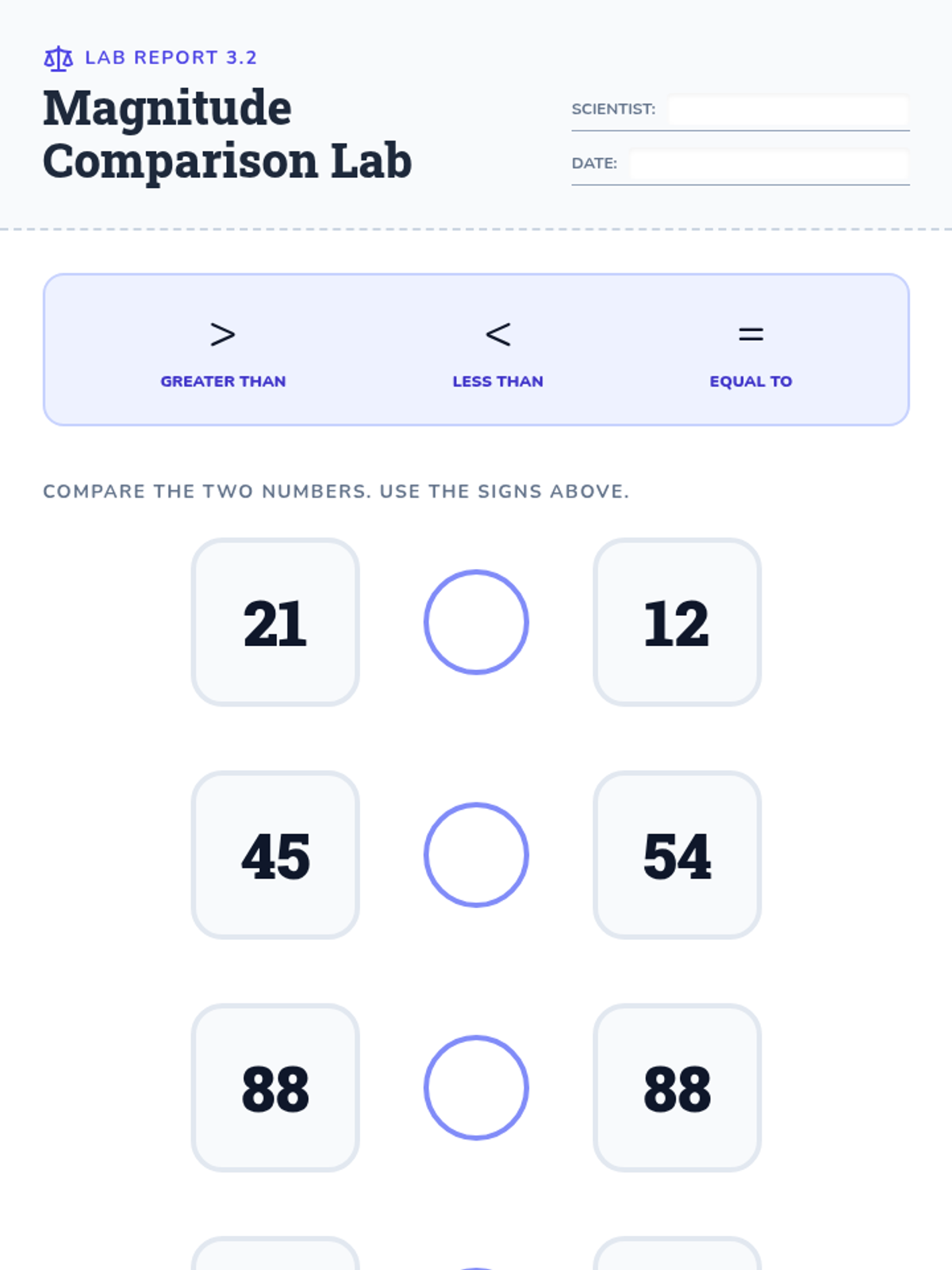
Extends number sense to 100, emphasizing place value (tens and ones), magnitude comparison, and identifying patterns in the 100-chart.
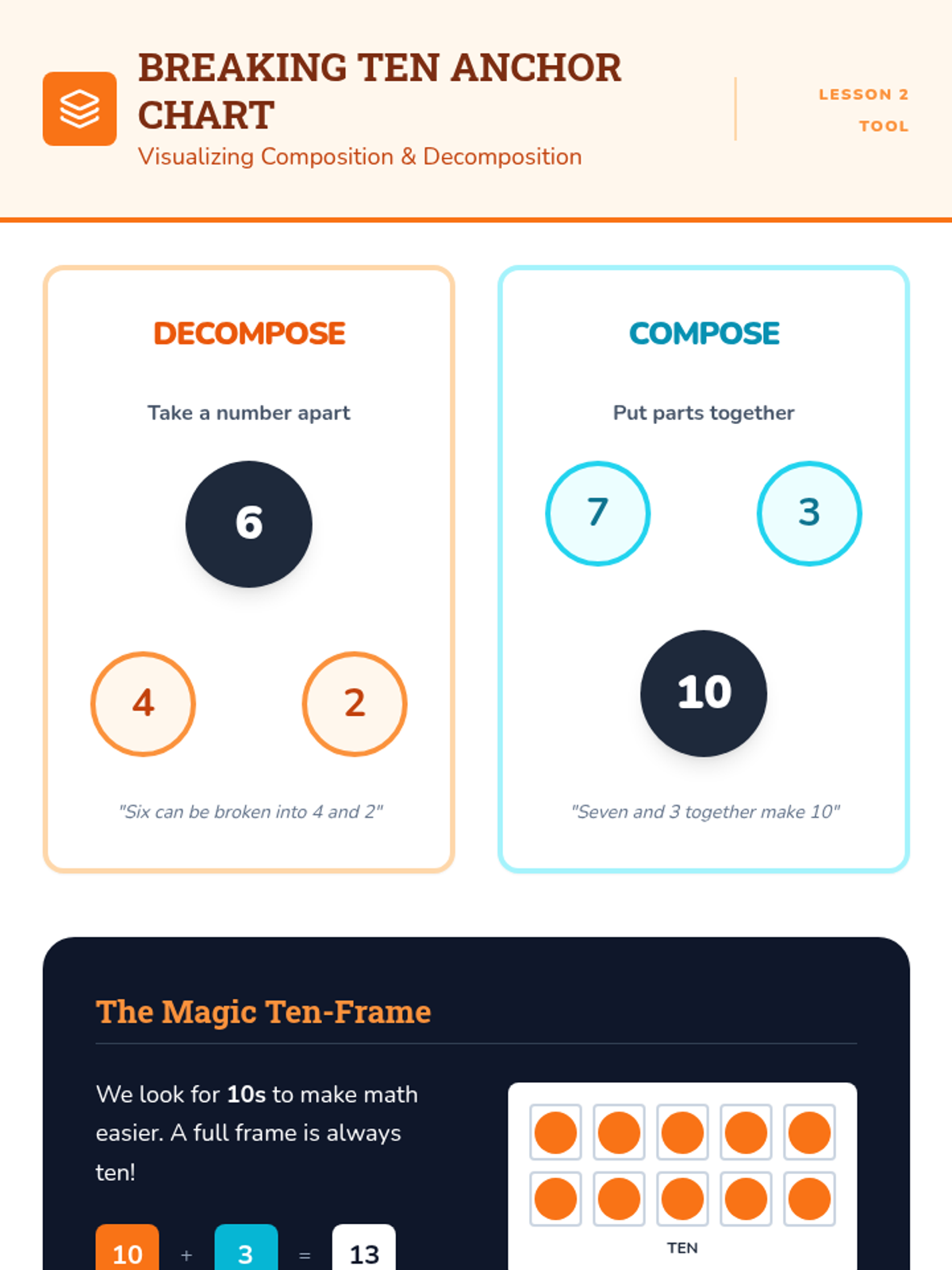
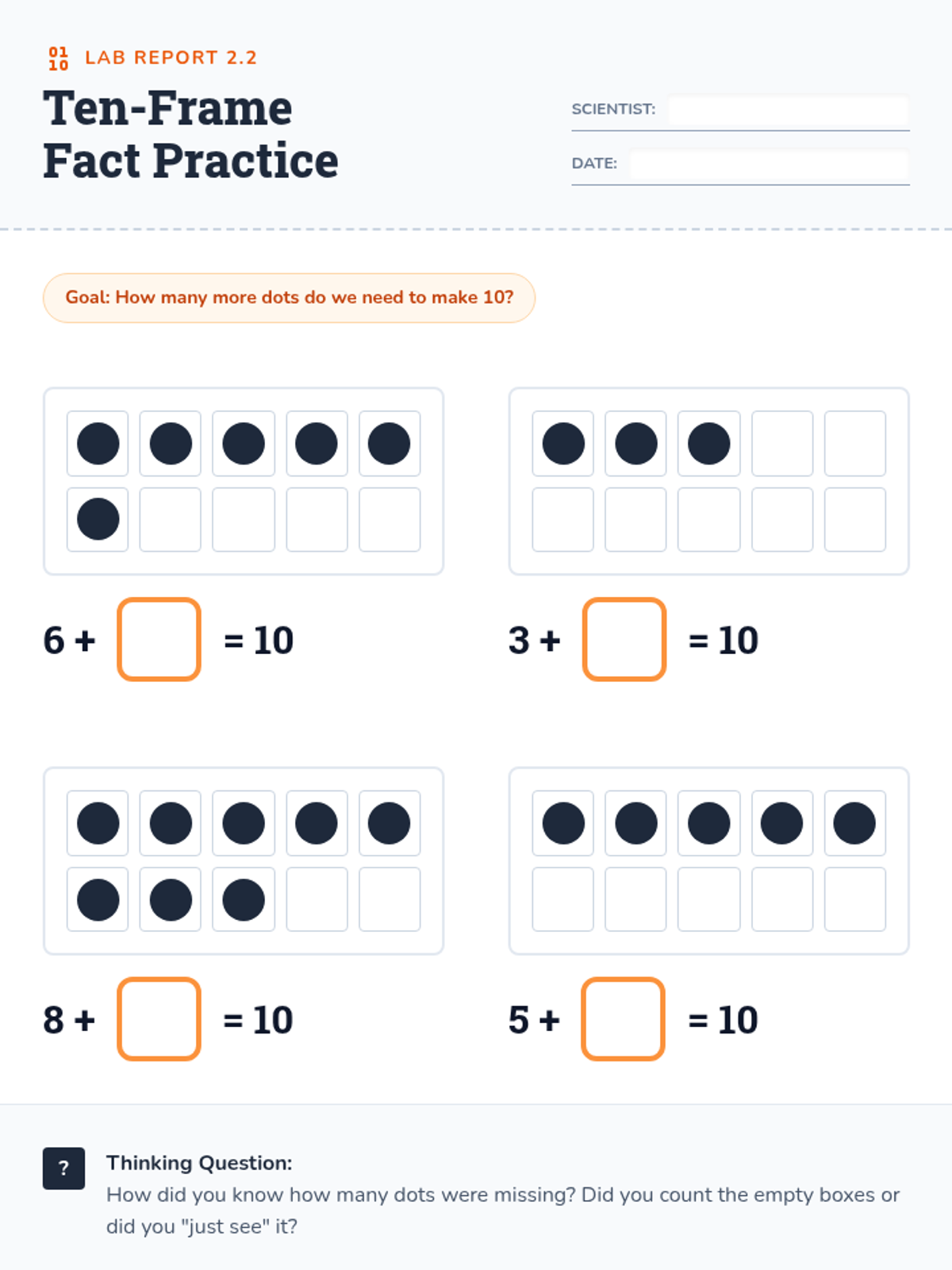
Develops the ability to compose and decompose numbers within 20, focusing on the power of 10 and building basic addition/subtraction fact fluency.
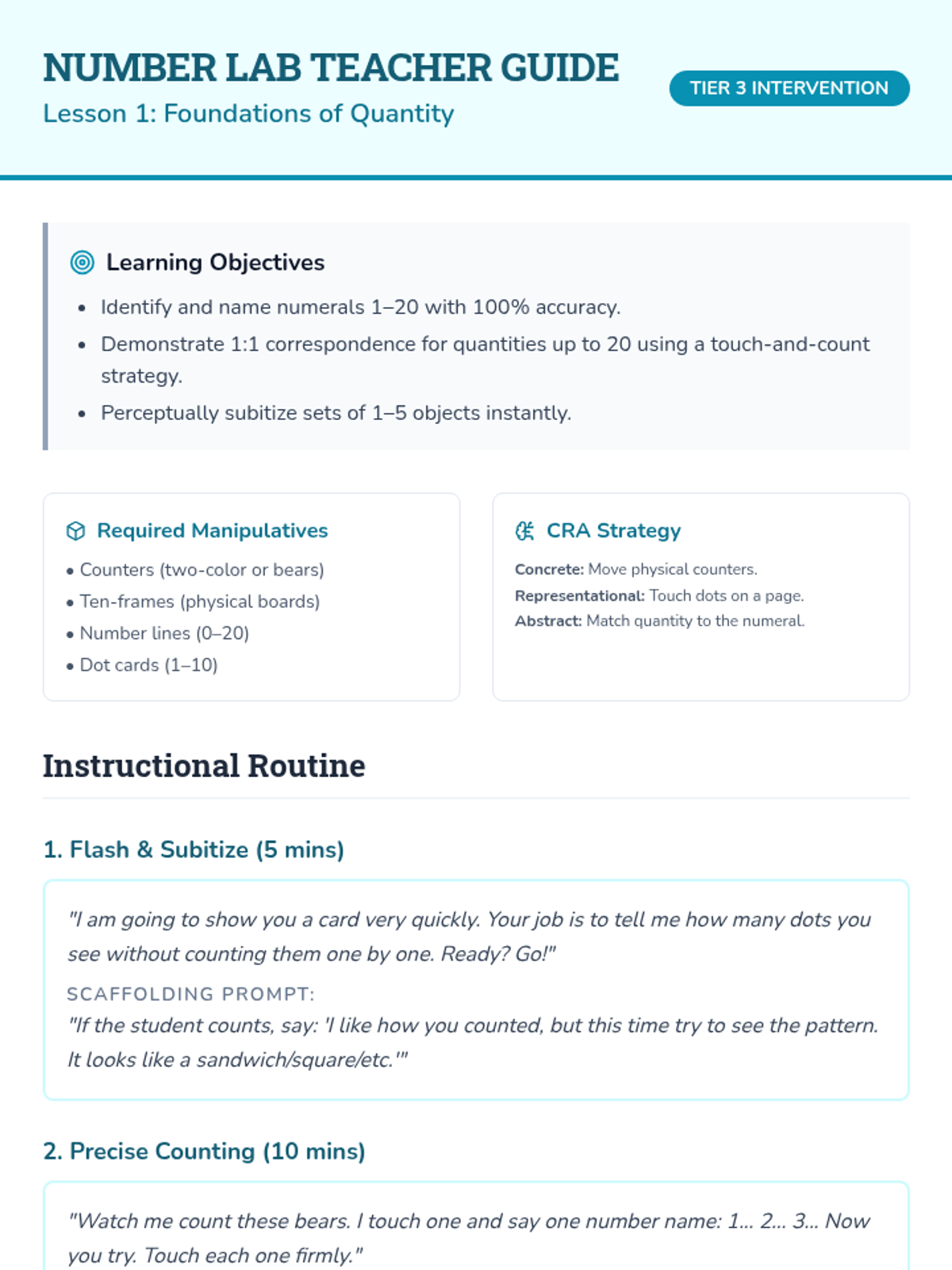
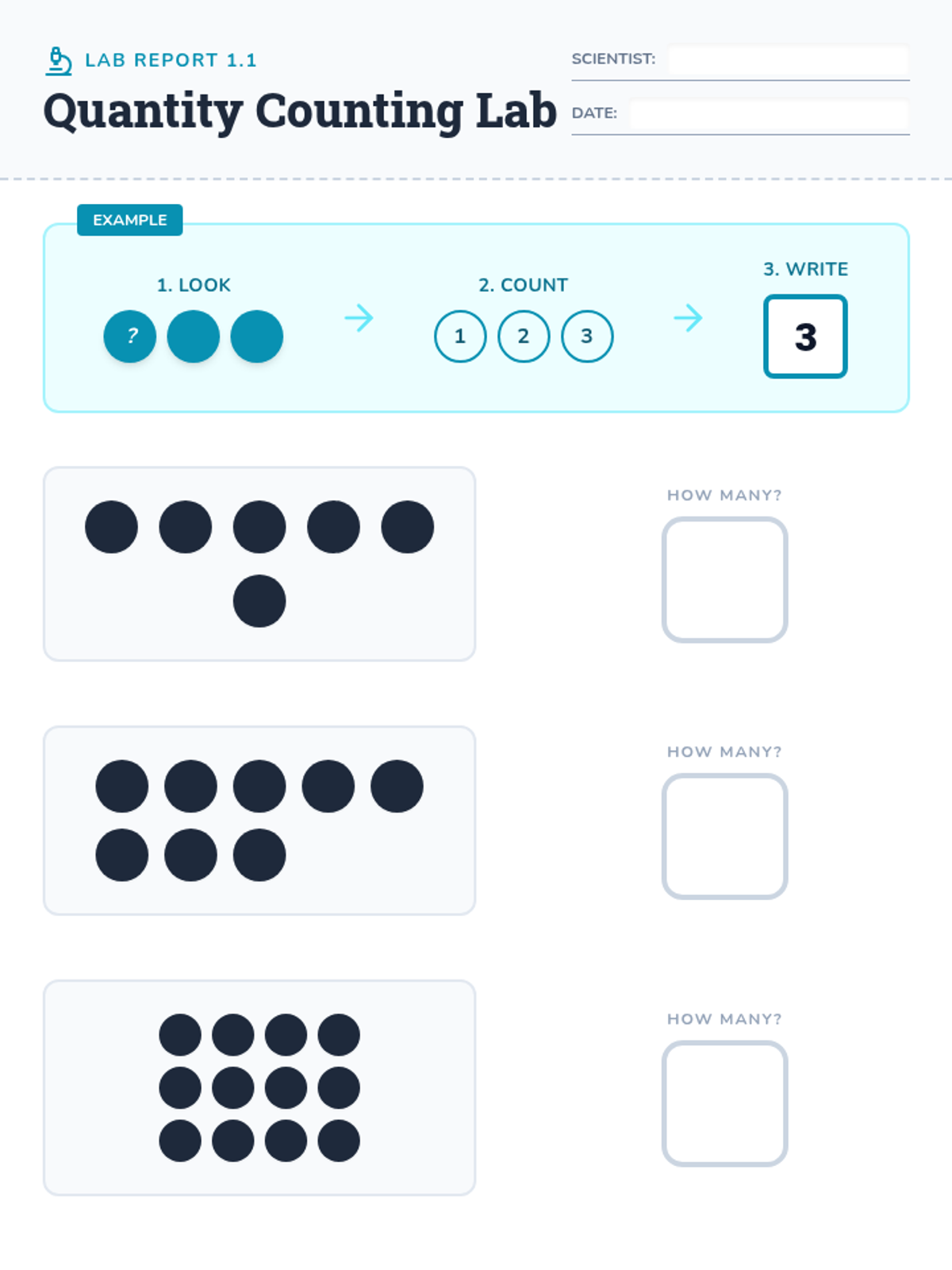
Focuses on identifying numbers to 20, mastering 1:1 correspondence through physical and visual counting, and developing perceptual subitizing skills.
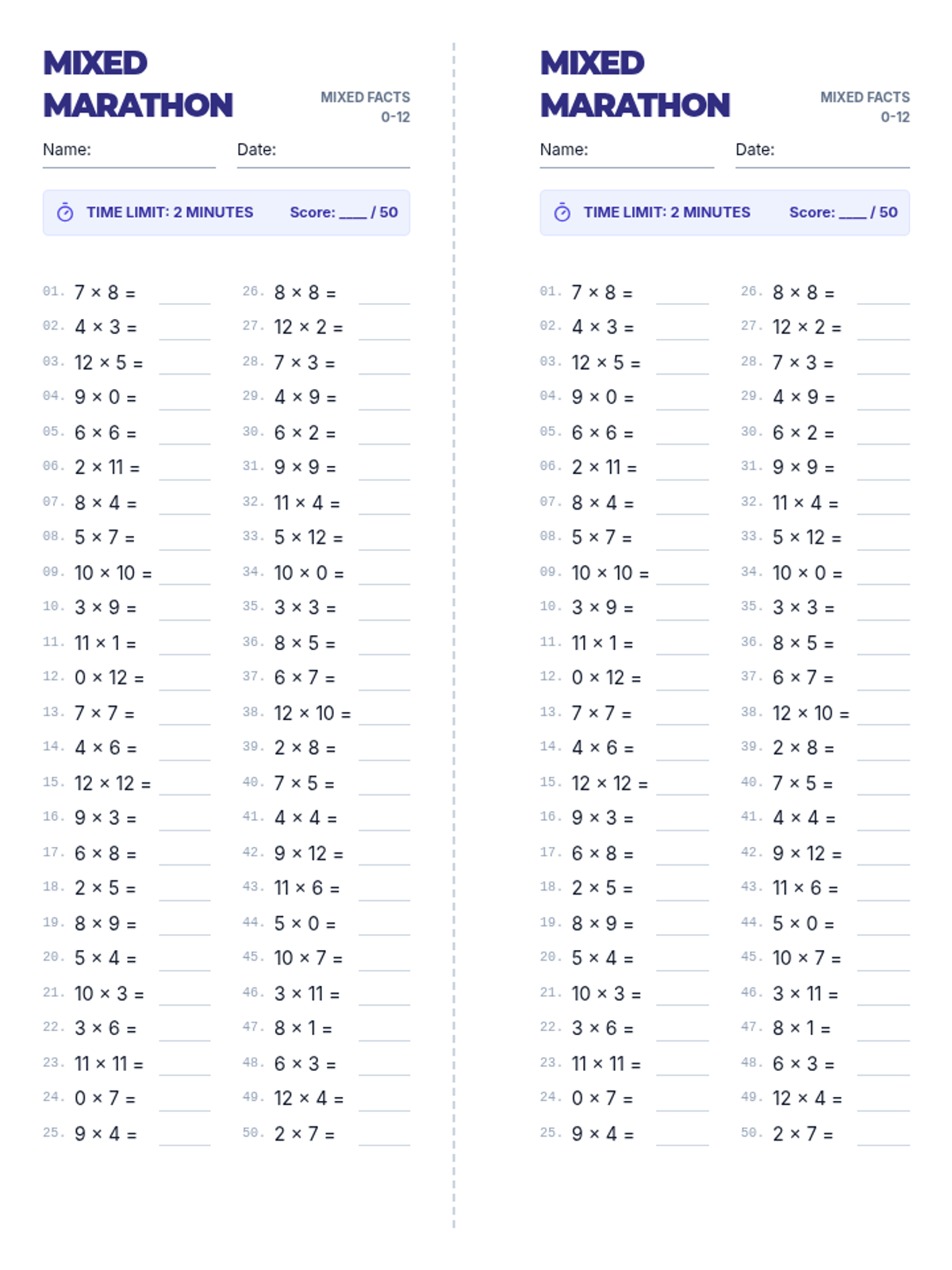
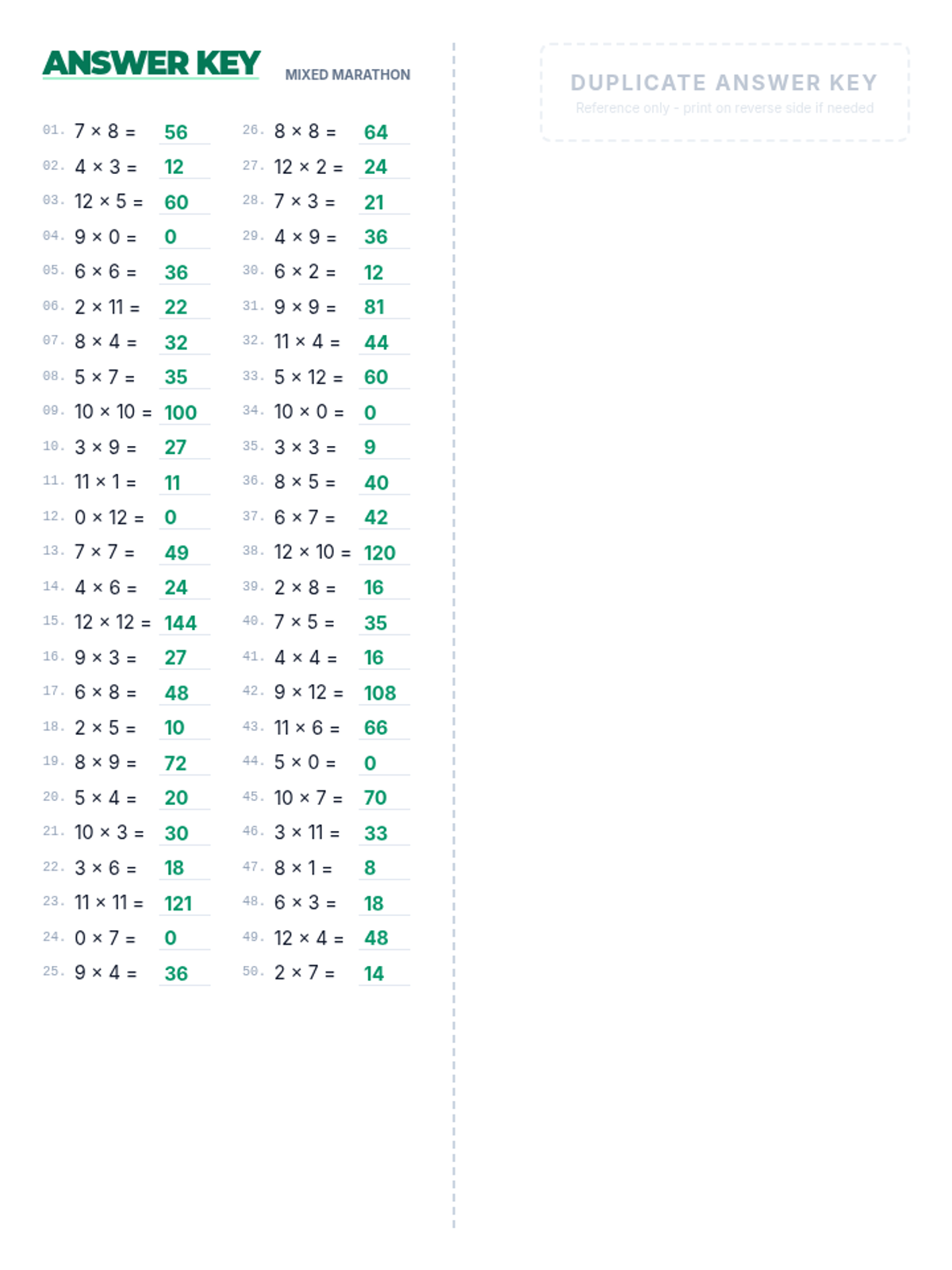
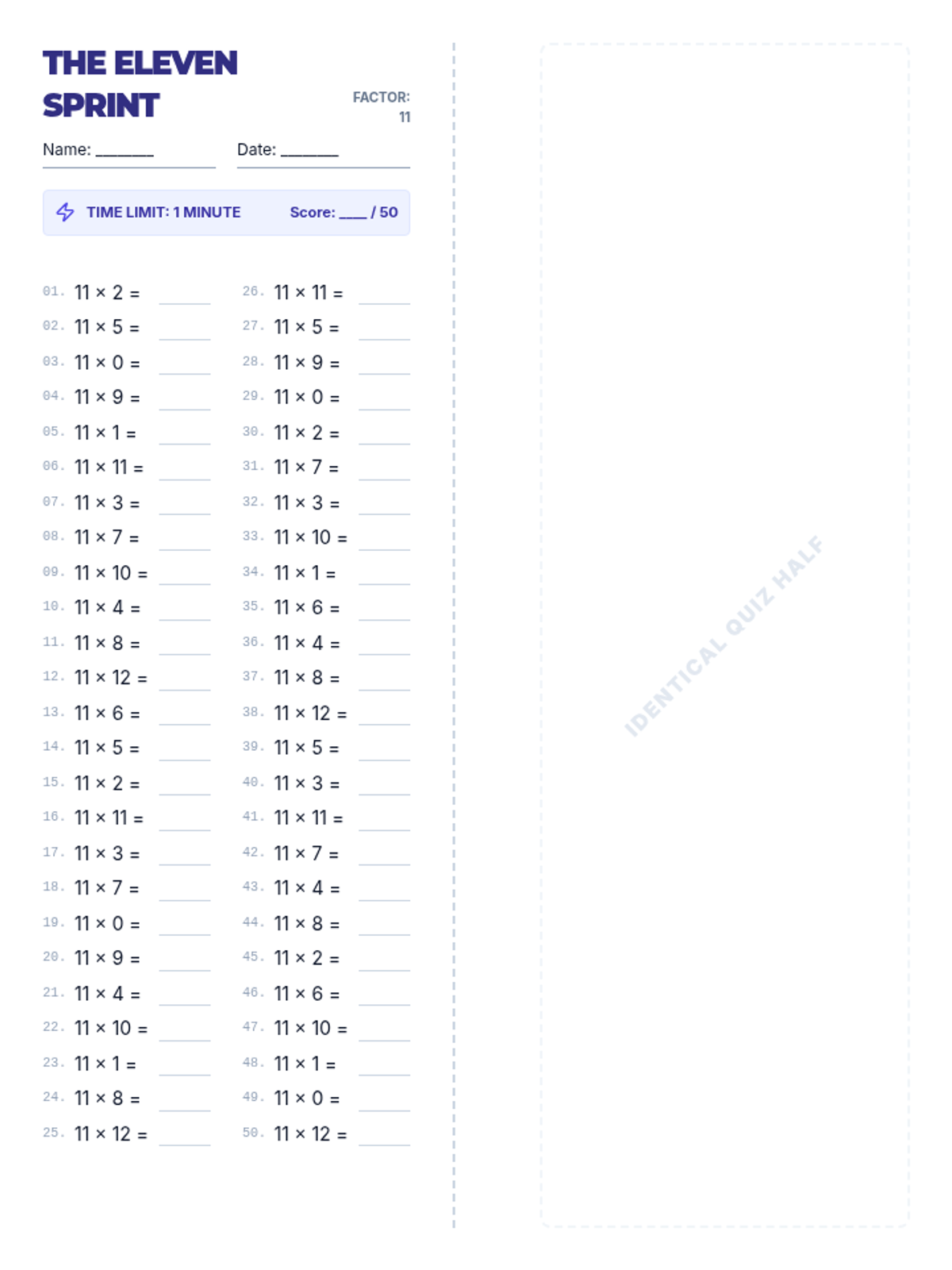
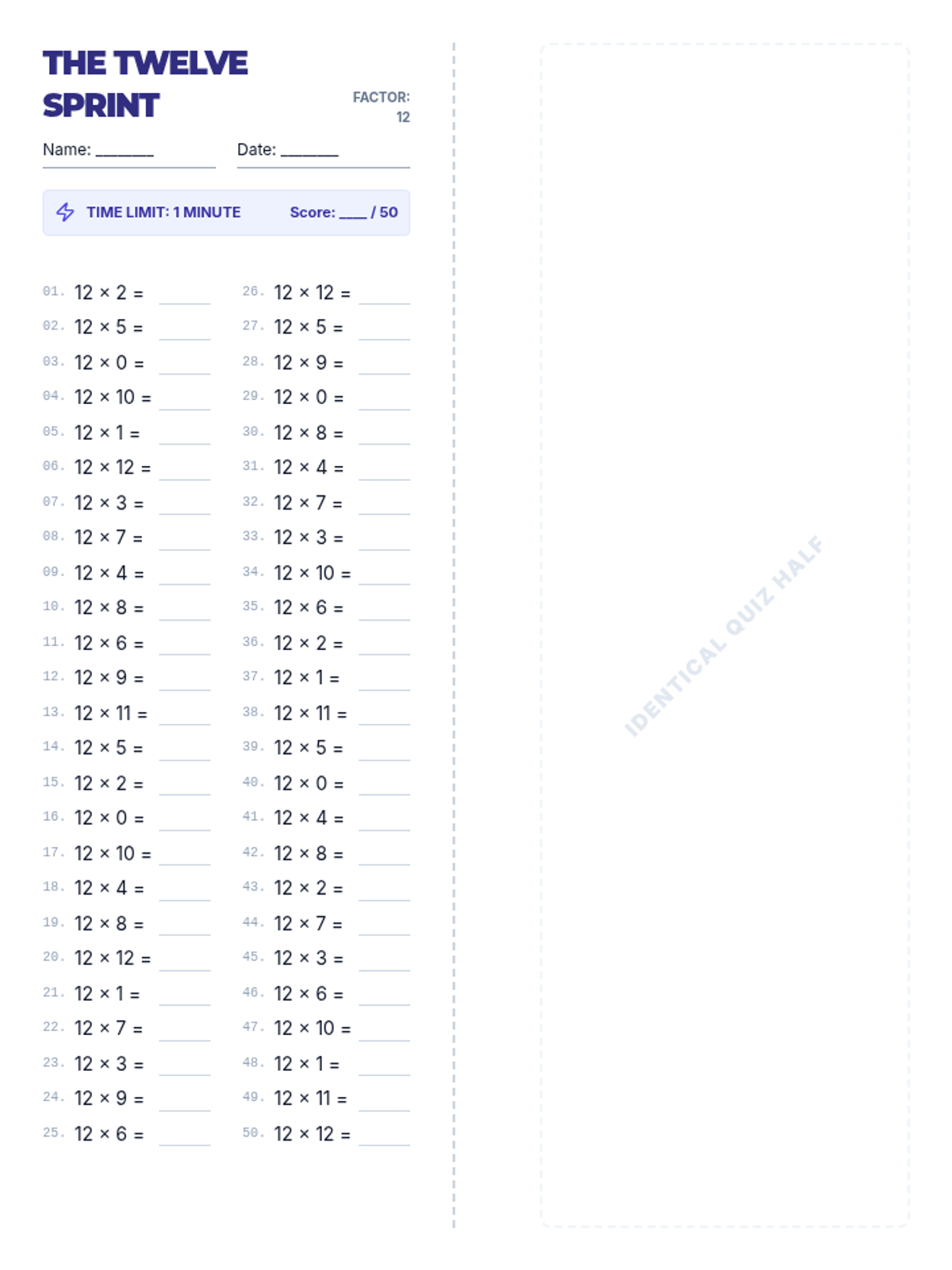
Mastery of the high-level multiplication facts for numbers 11 and 12, along with comprehensive mixed-fact reviews for ultimate fluency.
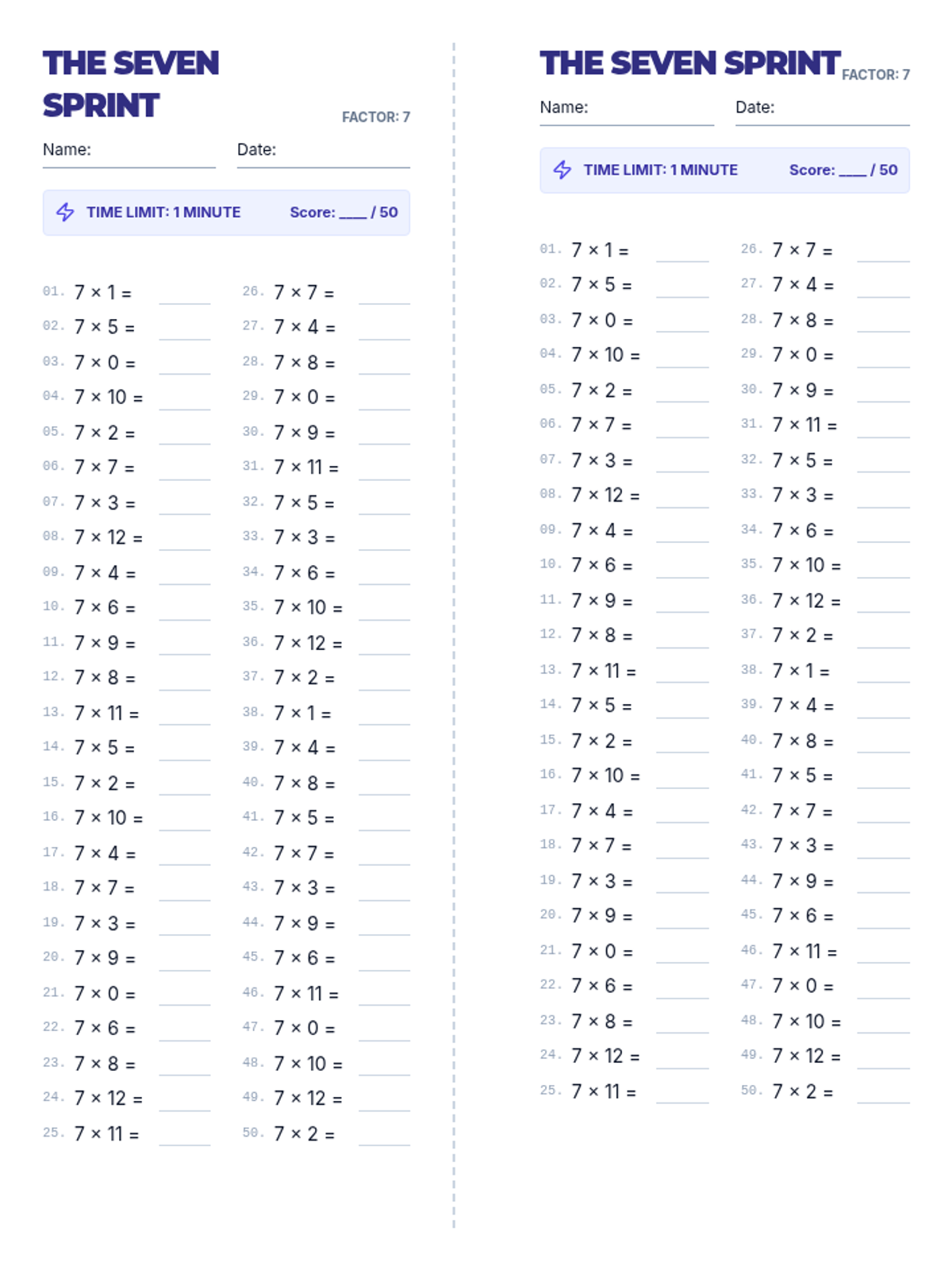
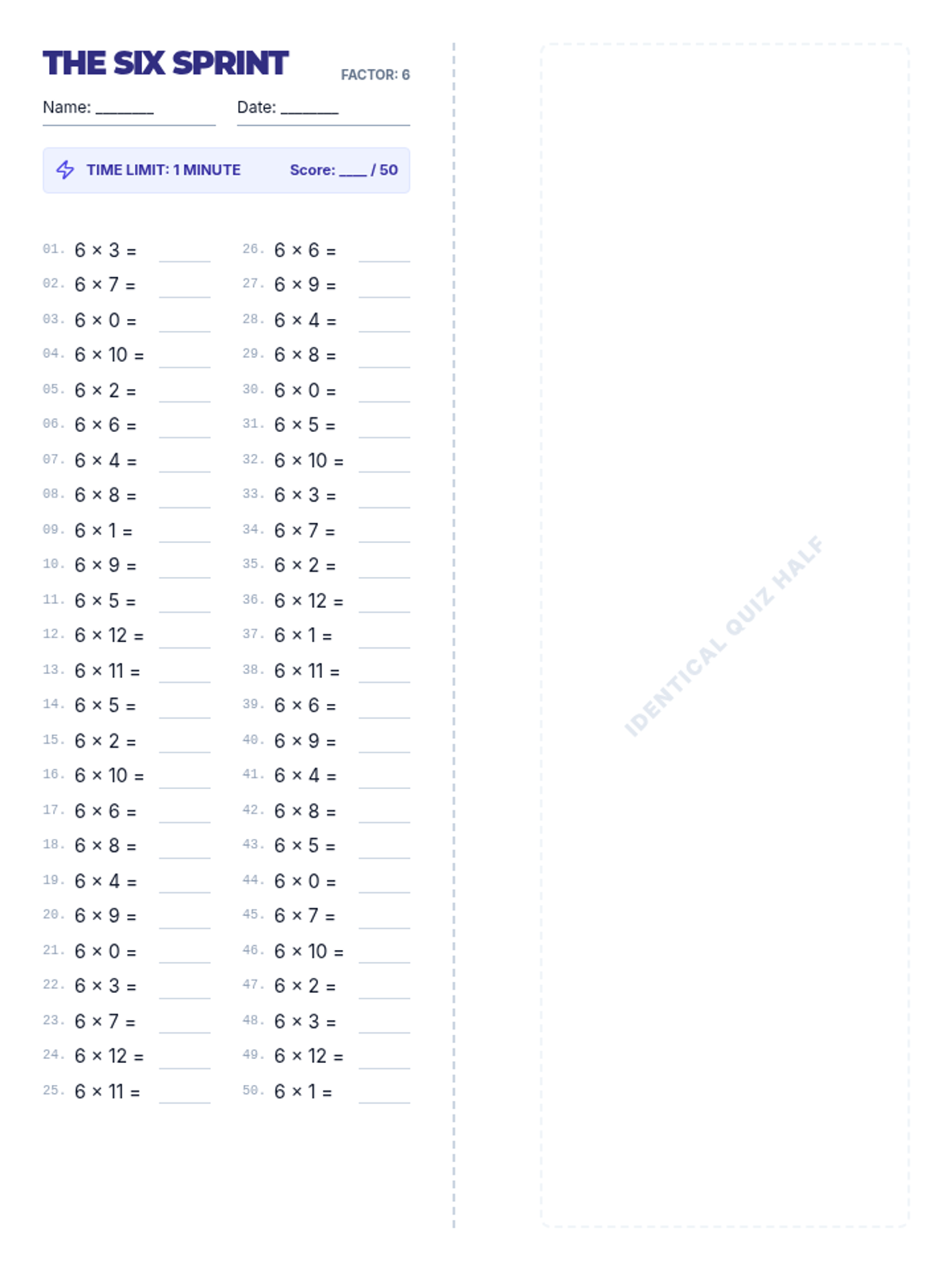
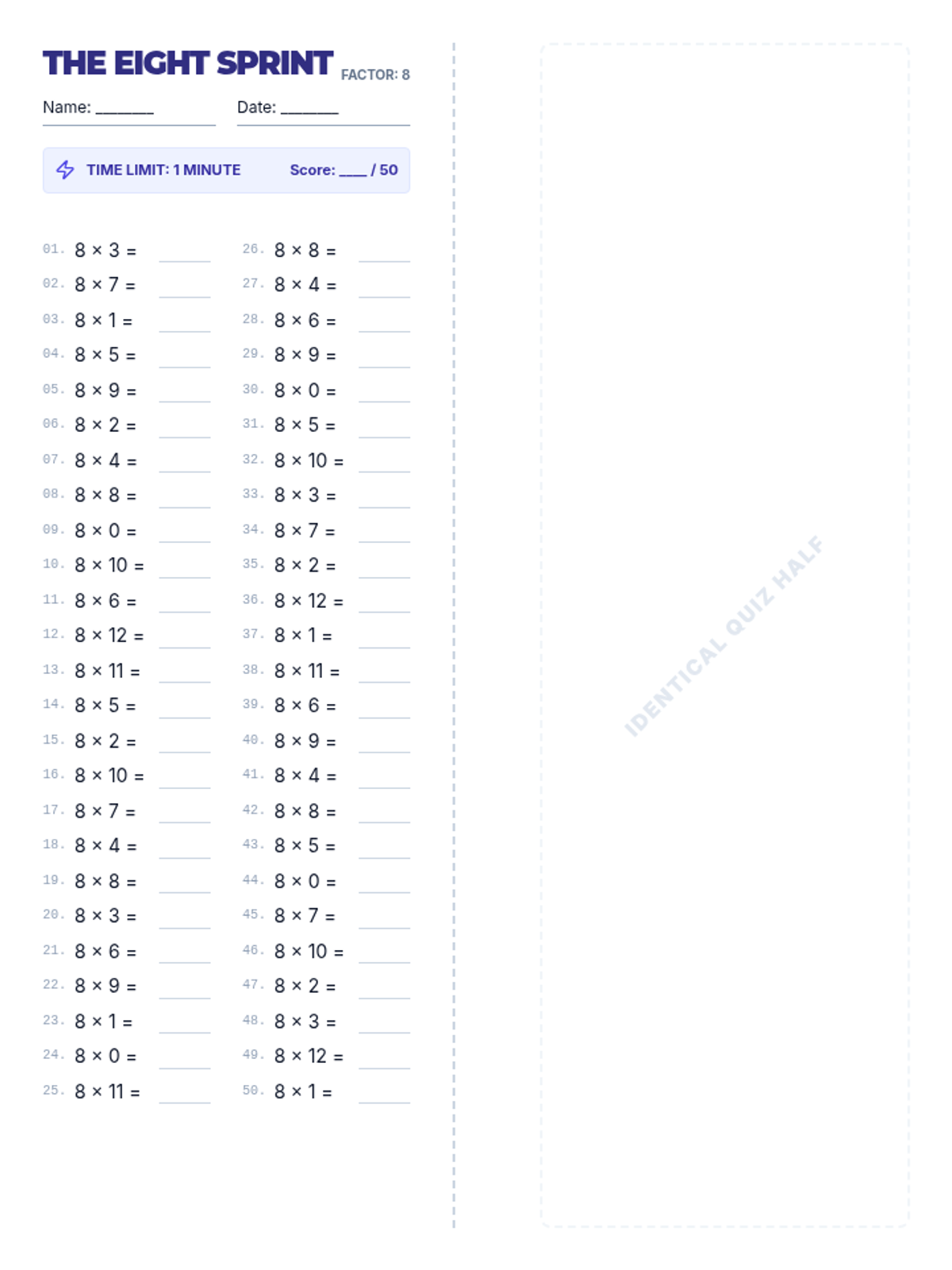
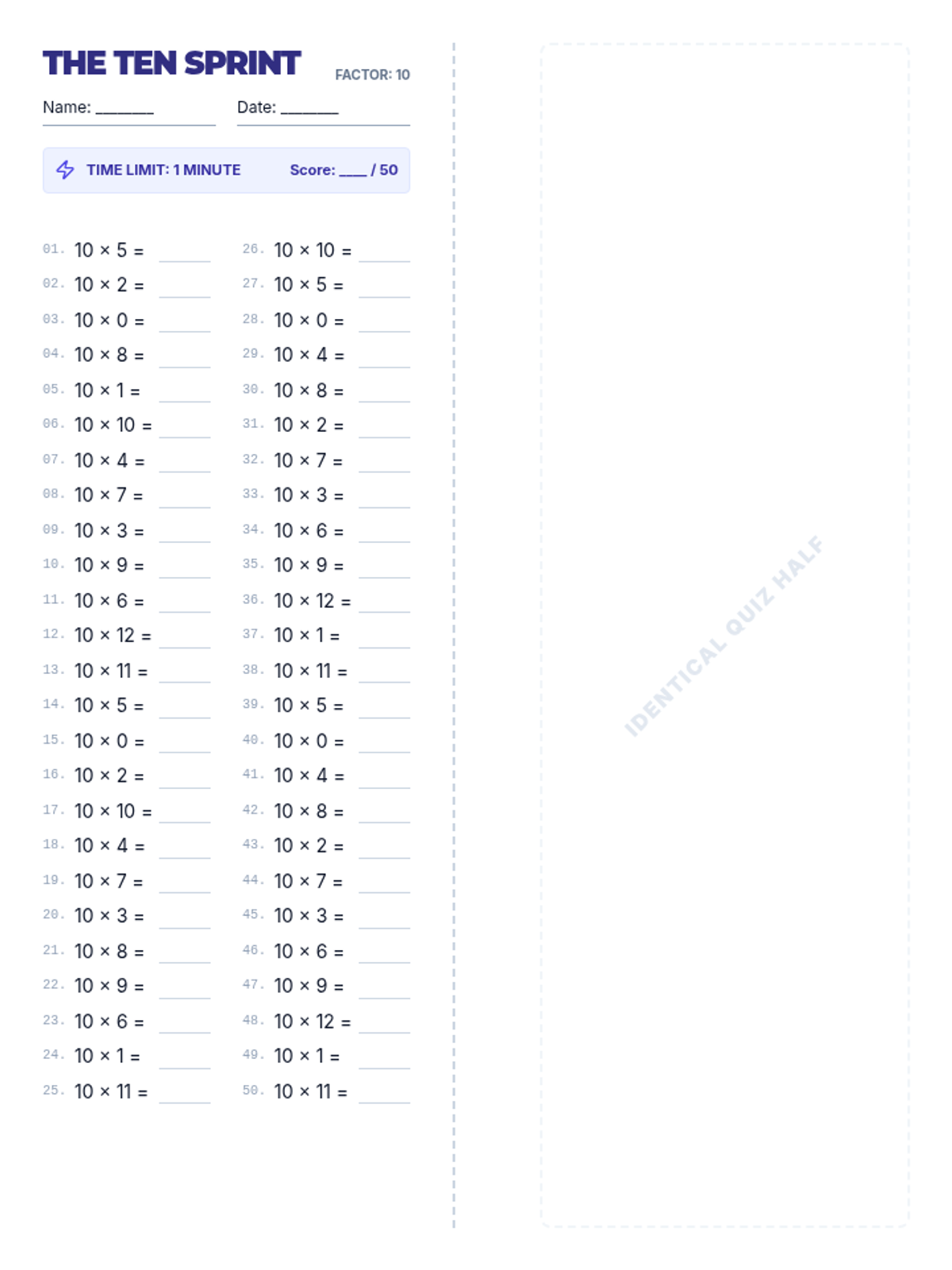
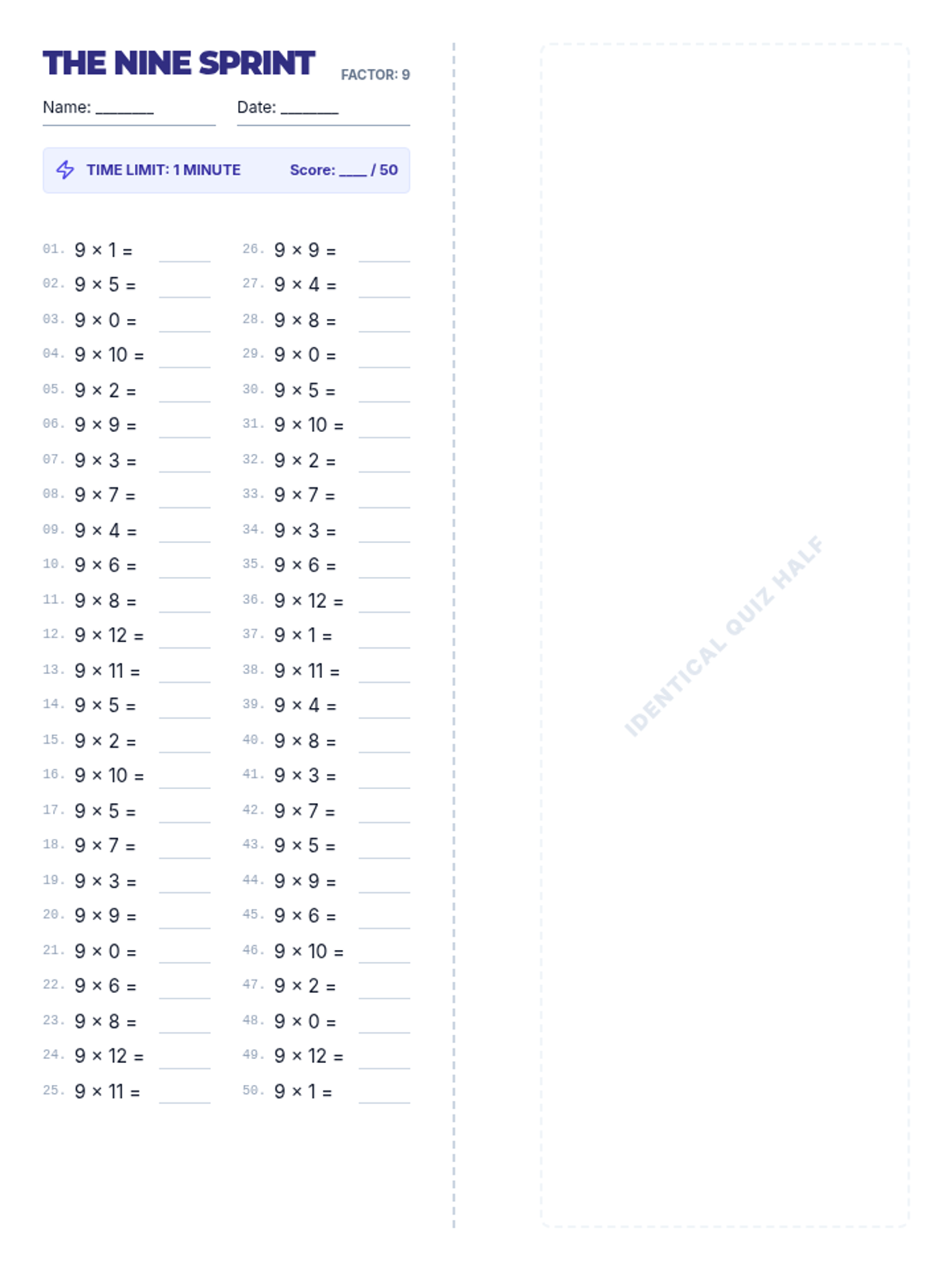
Progressive multiplication facts for numbers 6 through 10, focusing on the more challenging mid-range factors. Includes individual fact quizzes for each number.
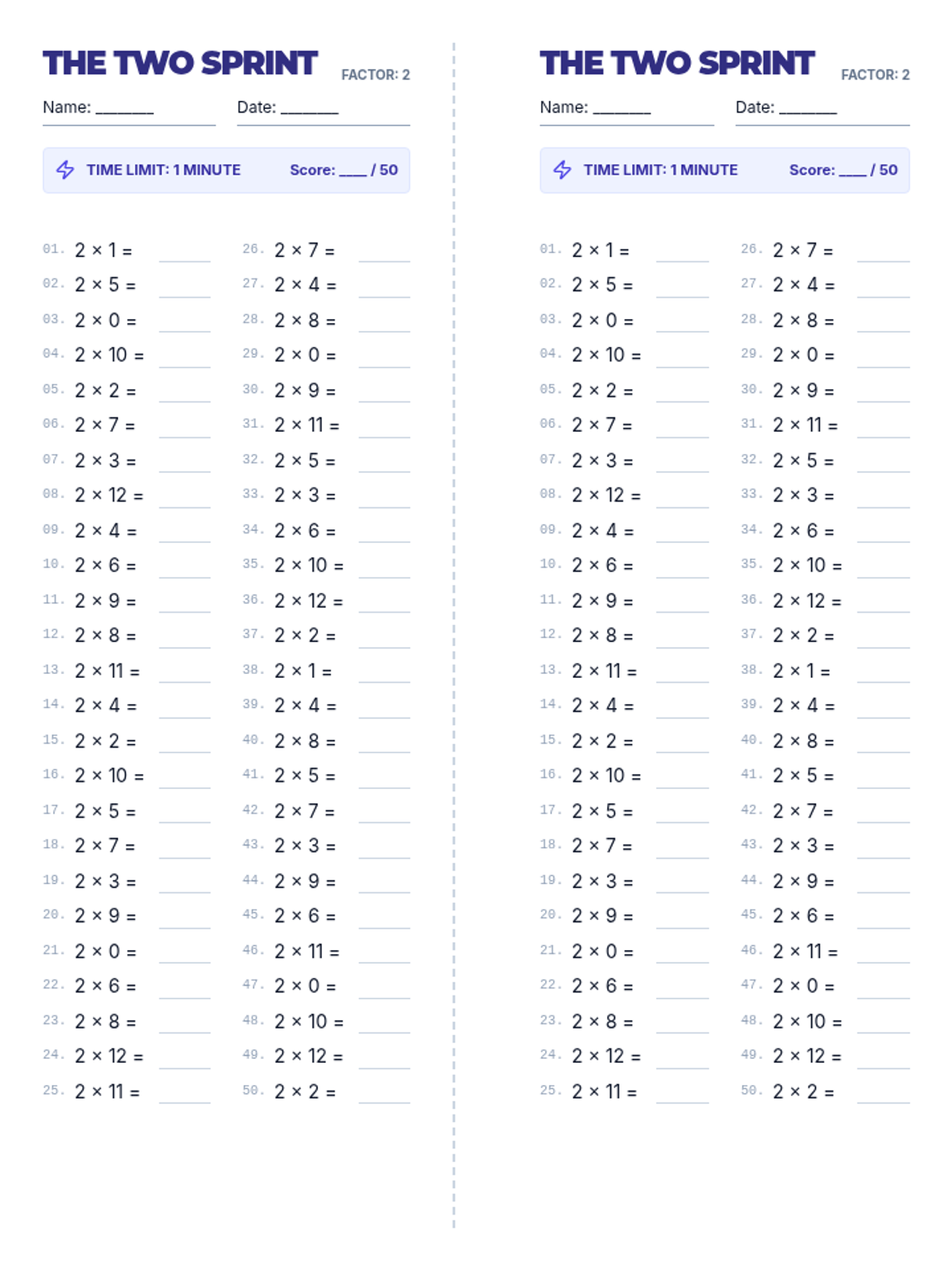
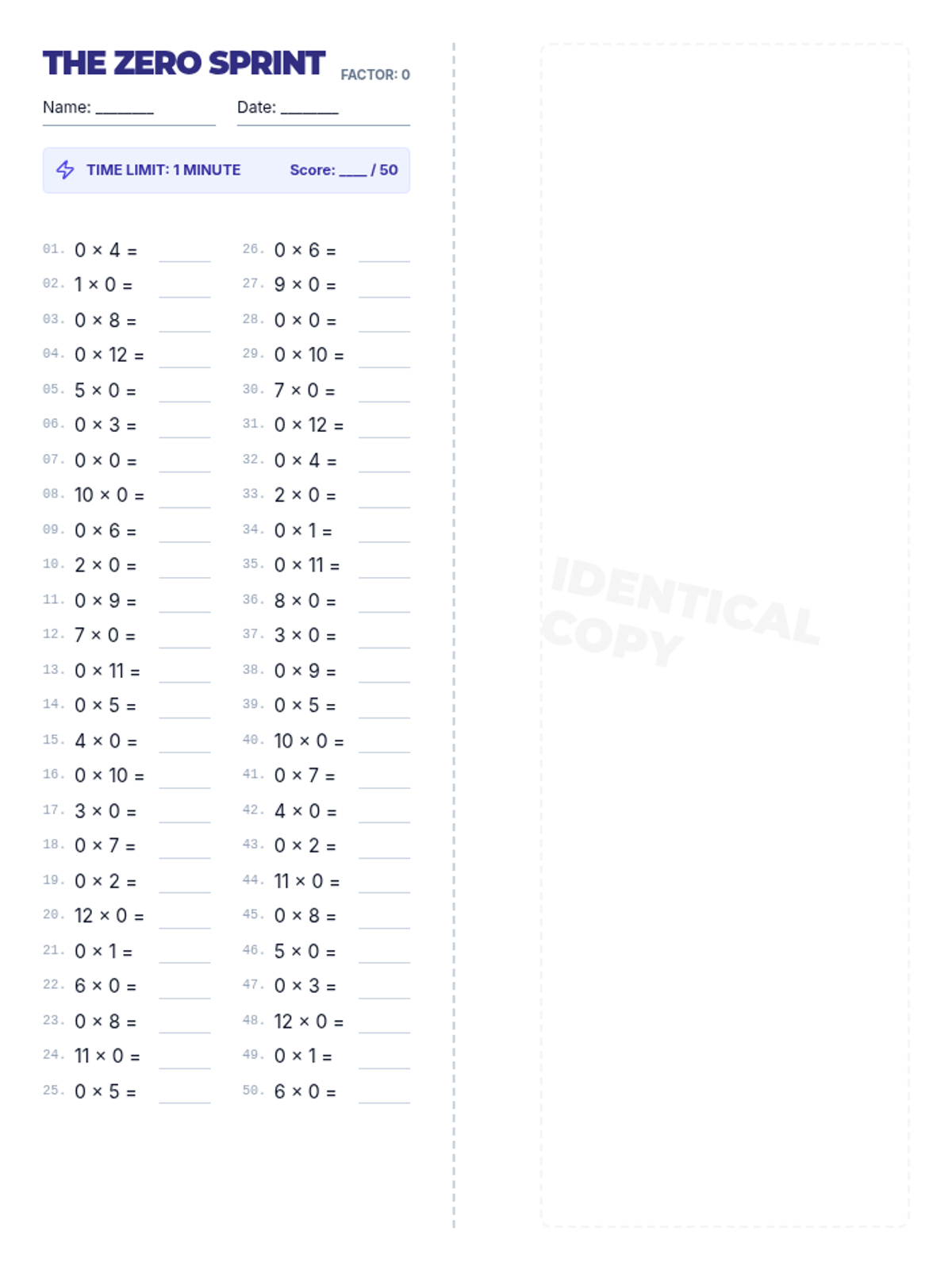
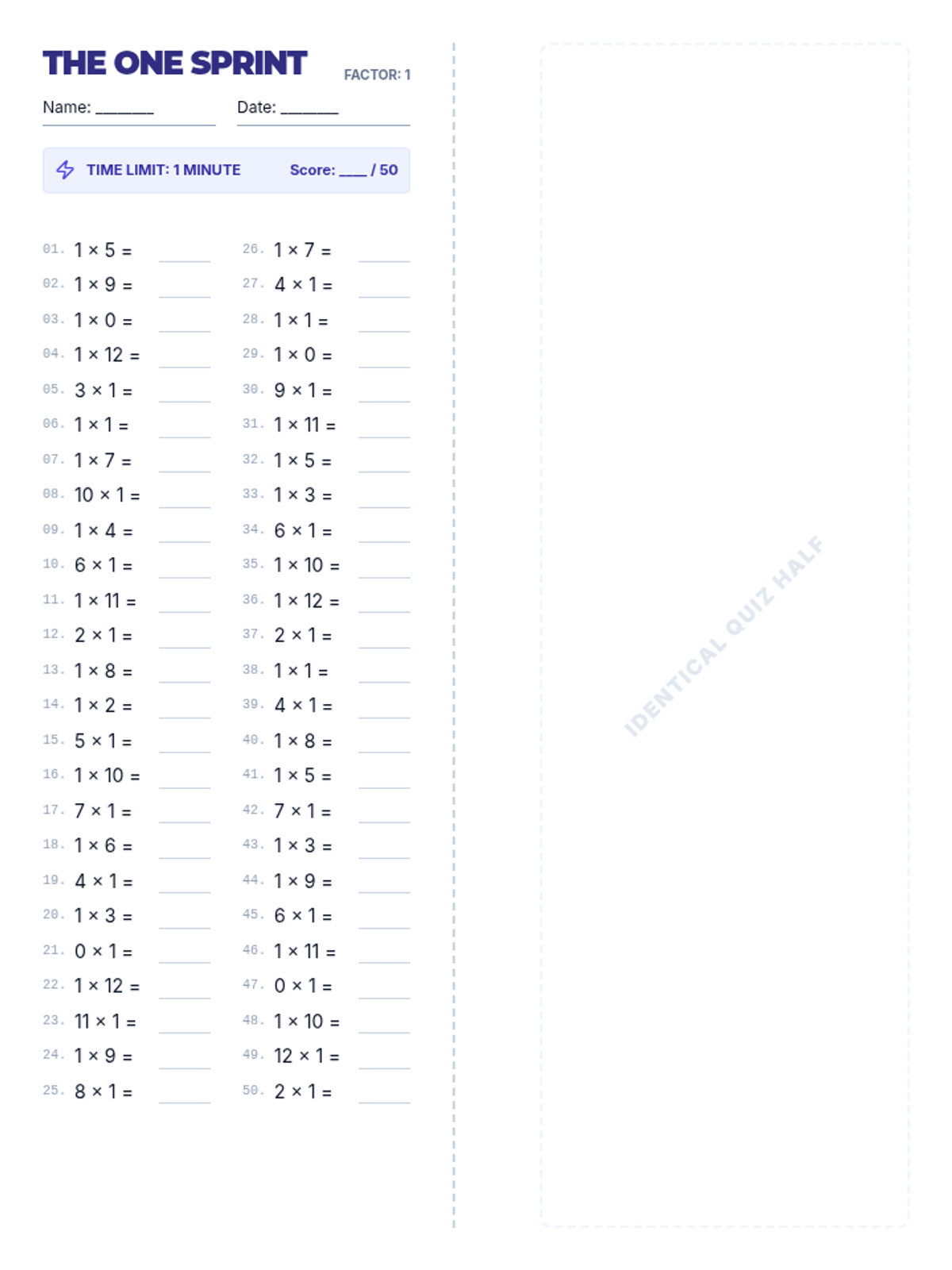
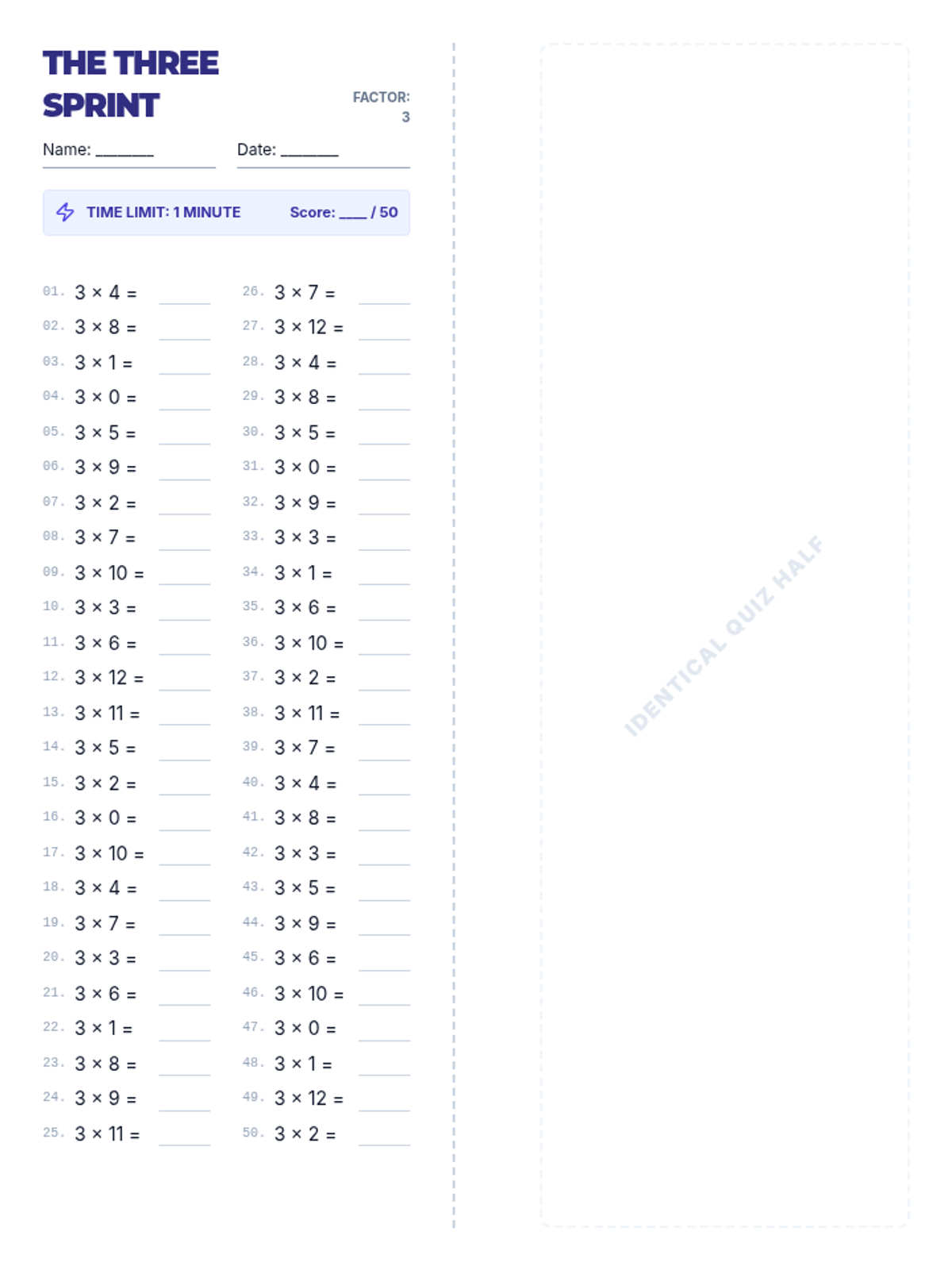
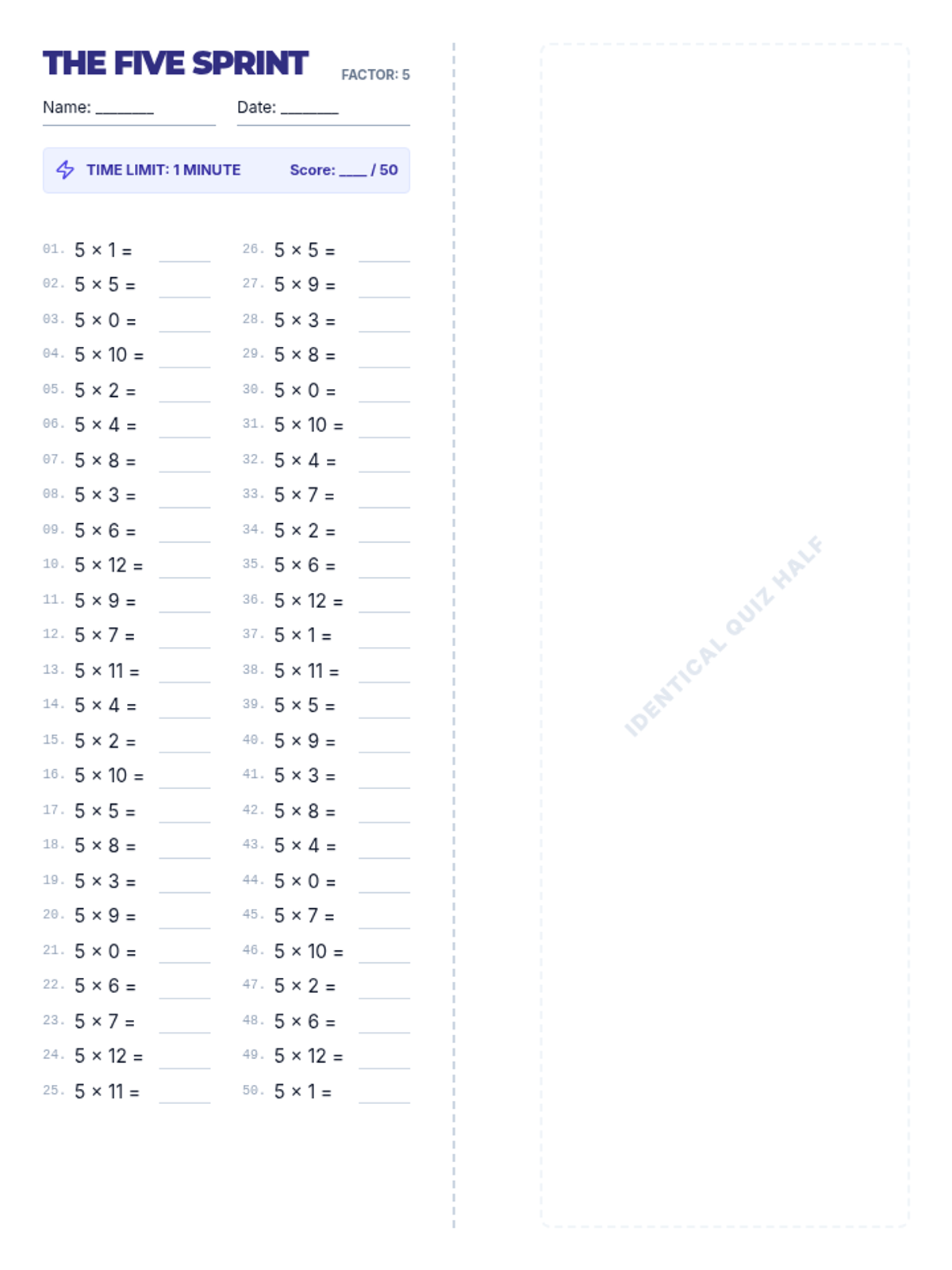
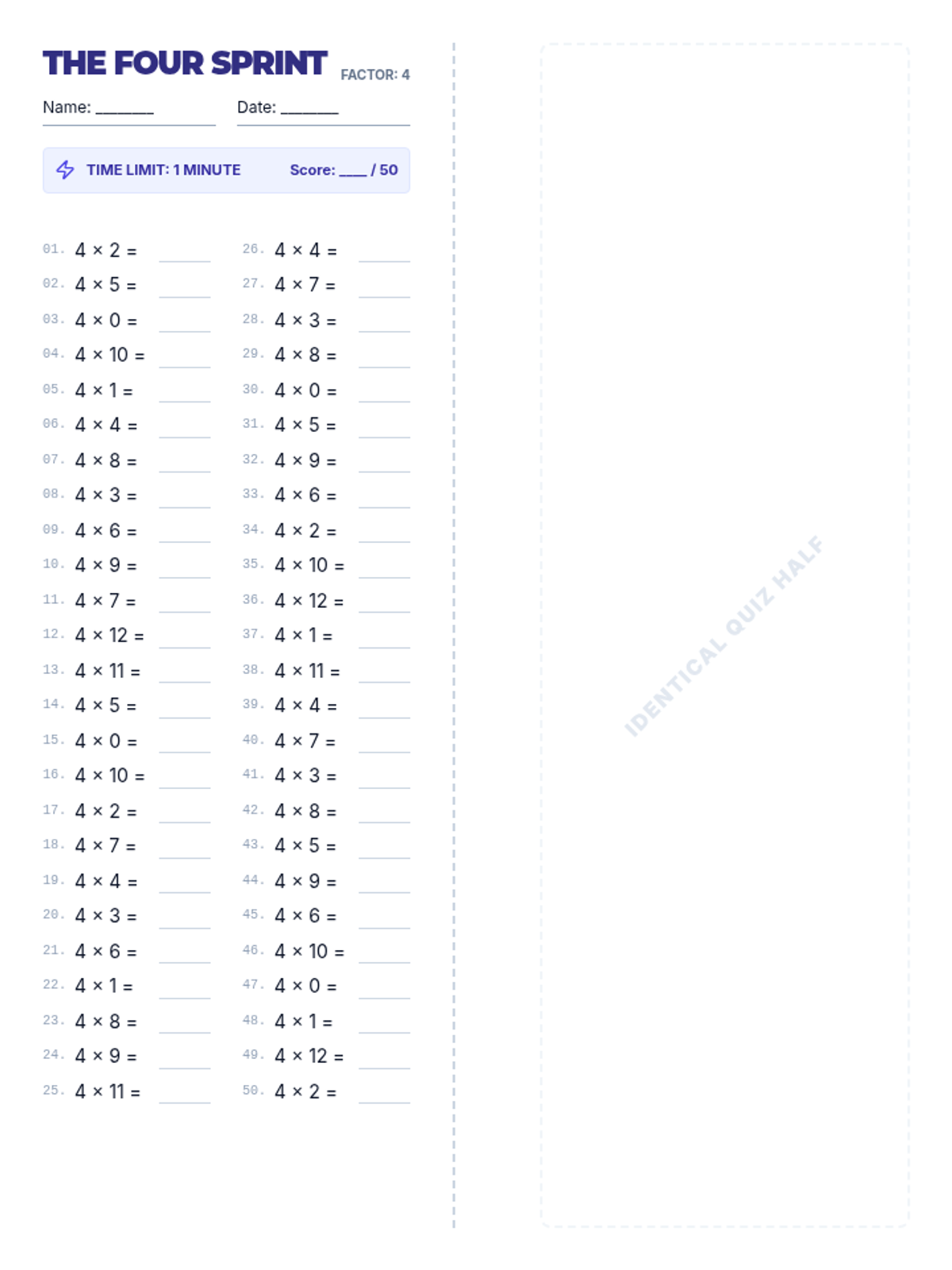
Introduction to multiplication facts focusing on the foundational numbers 0 through 5. Includes individual fact quizzes for each number to build confidence and speed.
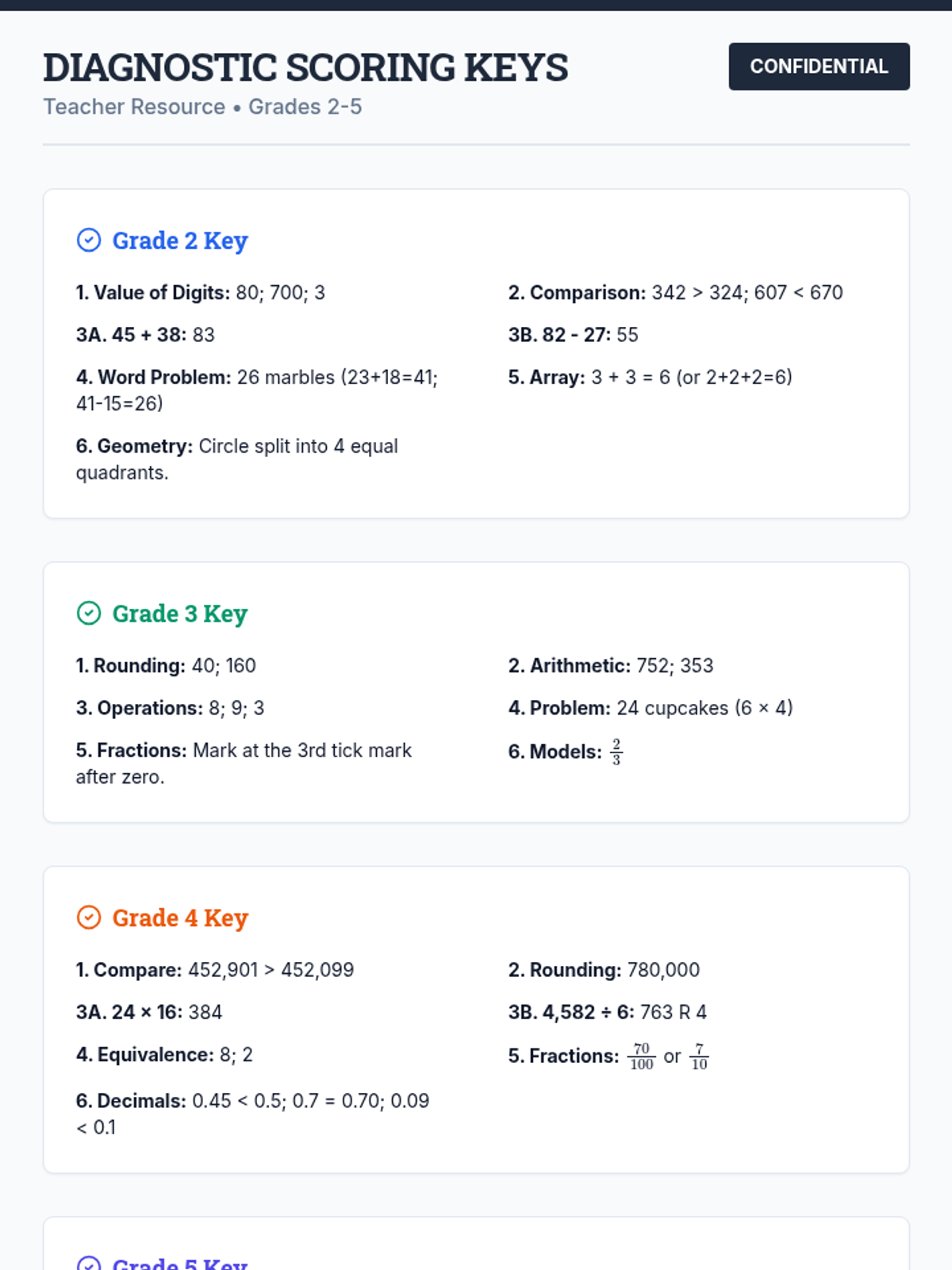
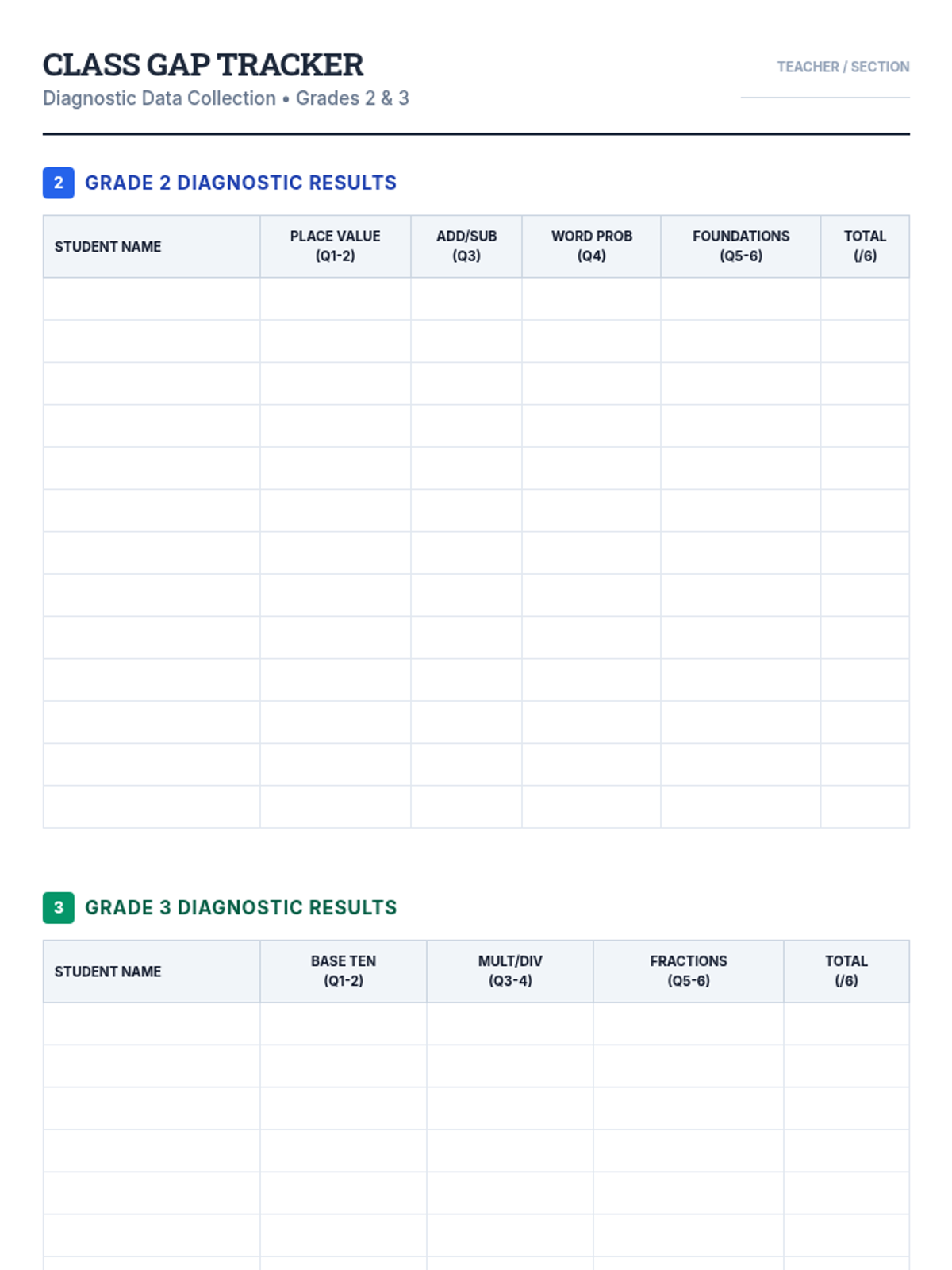
A collection of teacher-facing tools including scoring keys, result interpretation guides, and class-wide data tracking charts to help educators act on diagnostic findings.
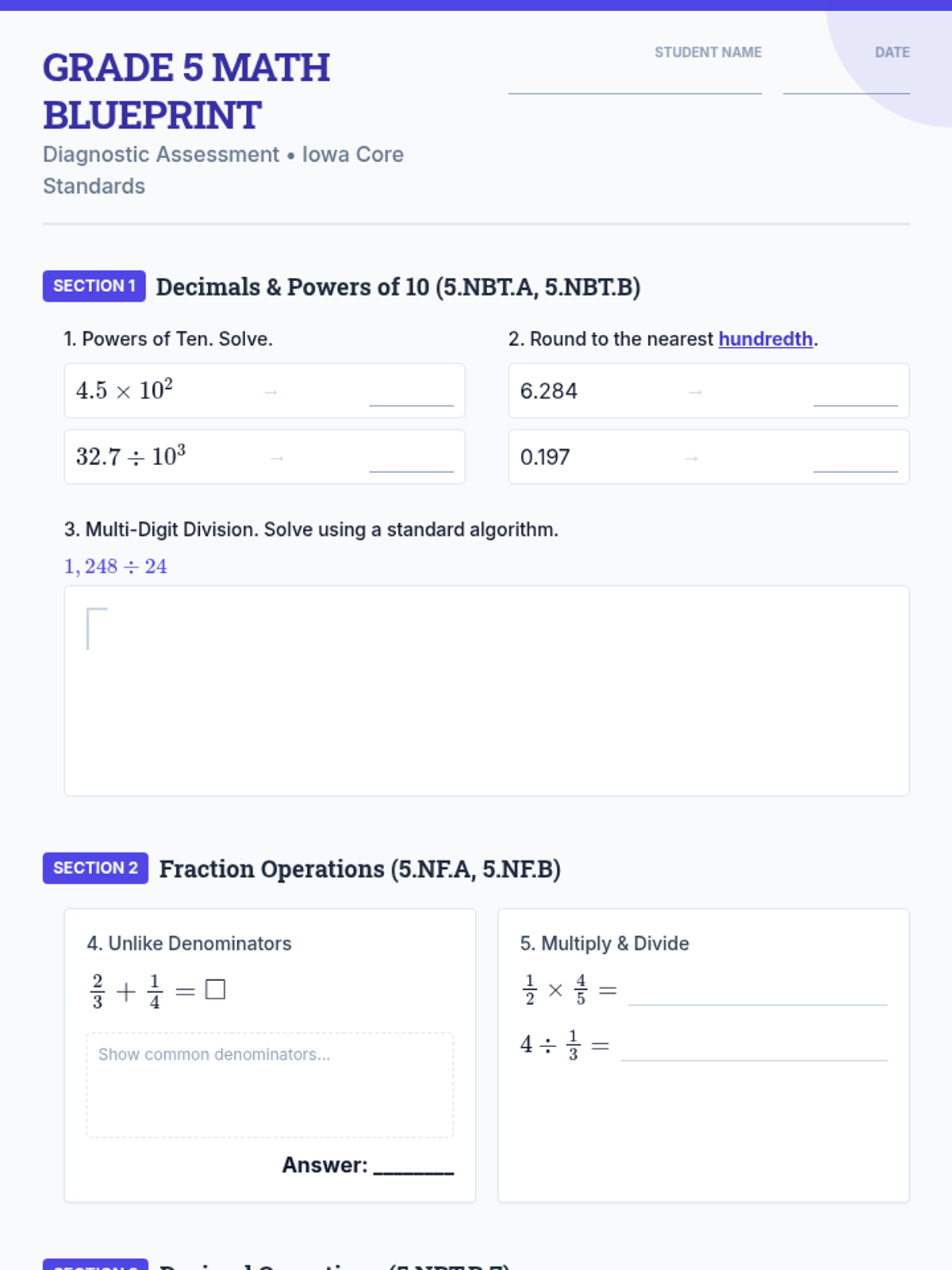
A diagnostic assessment for 5th-grade students focusing on decimal operations, powers of 10, multi-digit division, and adding/subtracting fractions with unlike denominators.
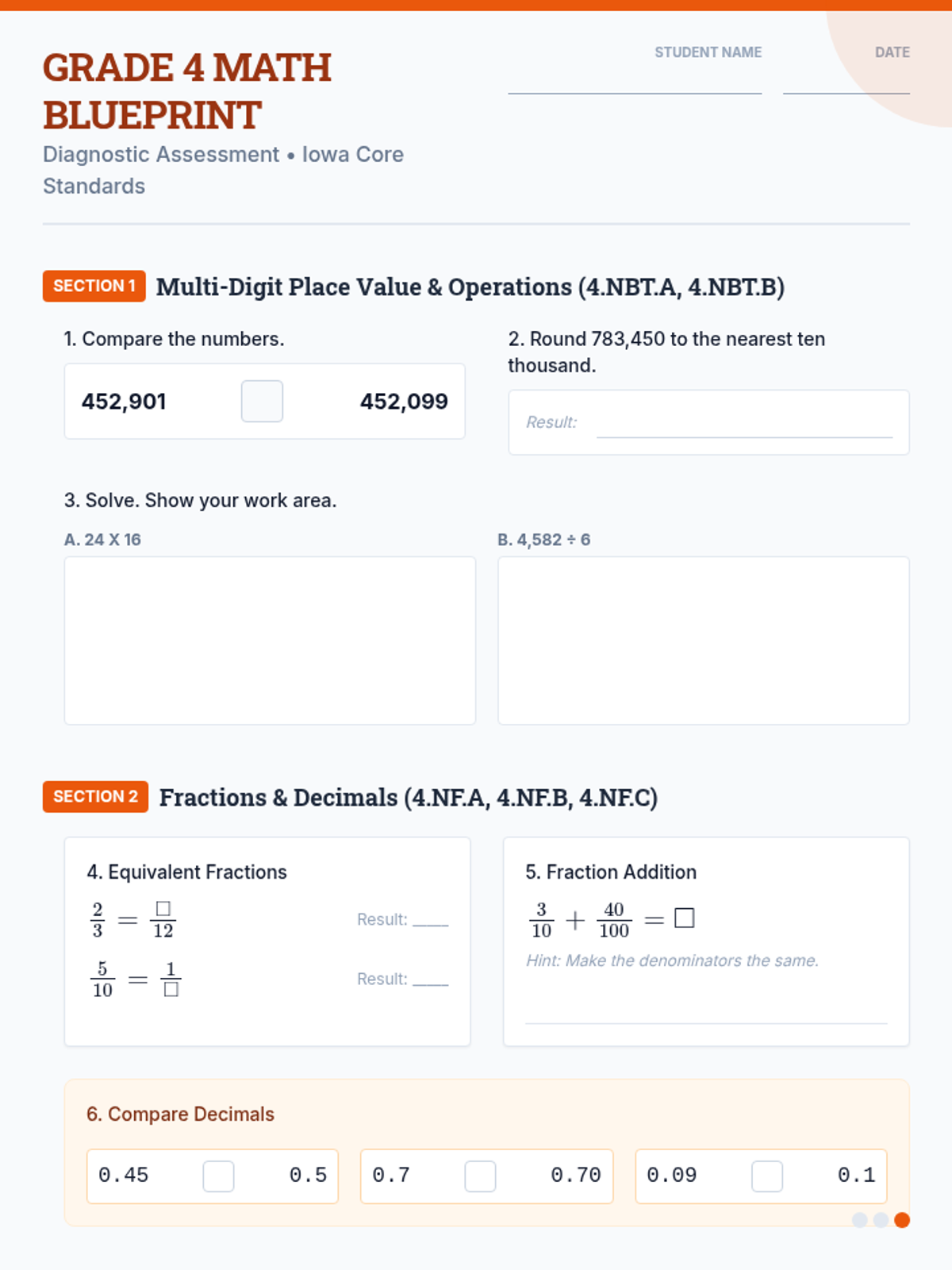
A diagnostic assessment for 4th-grade students targeting multi-digit multiplication and division, place value to 1,000,000, fraction equivalence, and basic decimal notation.
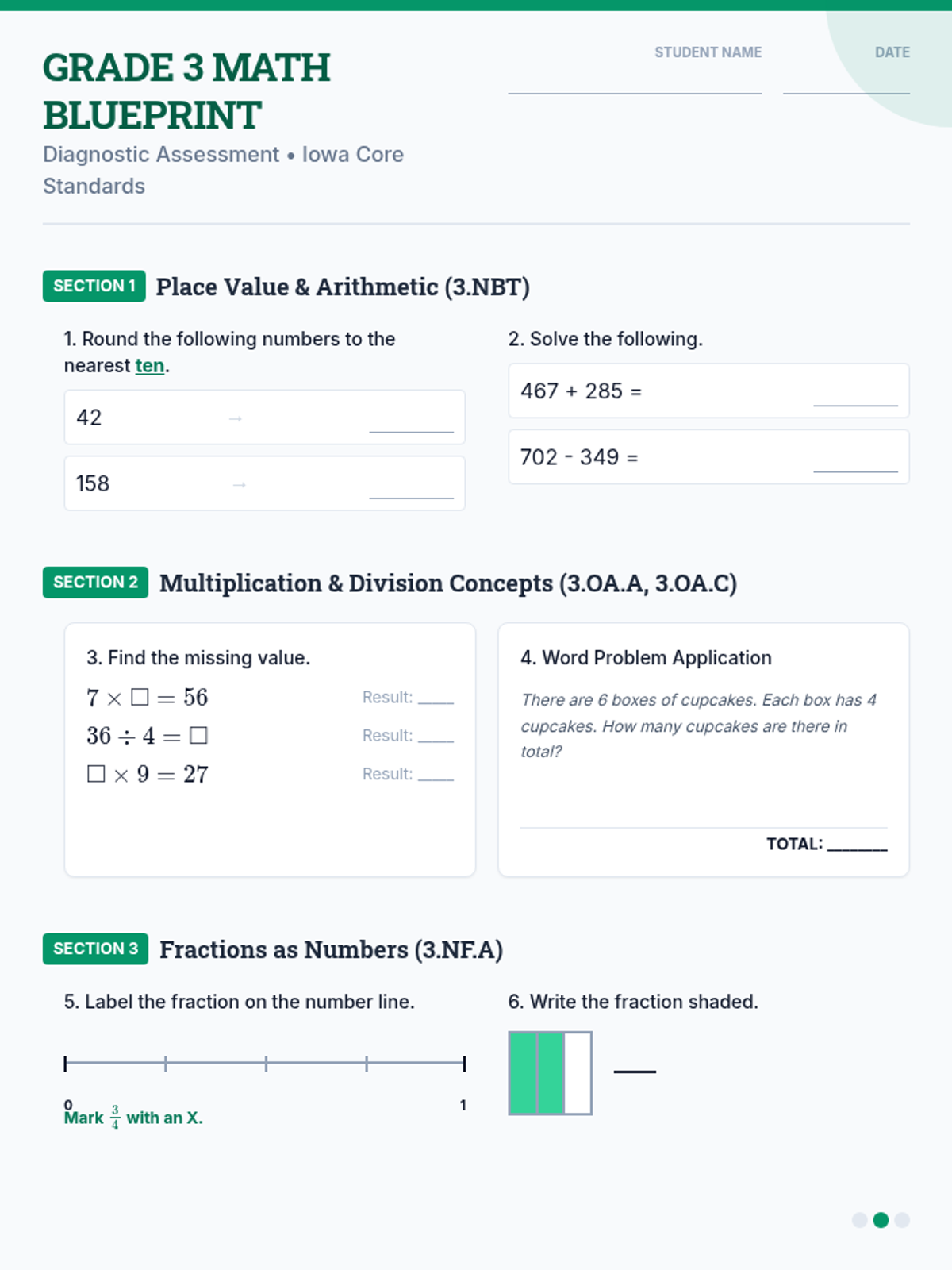
A diagnostic assessment for 3rd-grade students covering rounding, multi-digit addition/subtraction, multiplication and division concepts, and introductory fraction understanding.
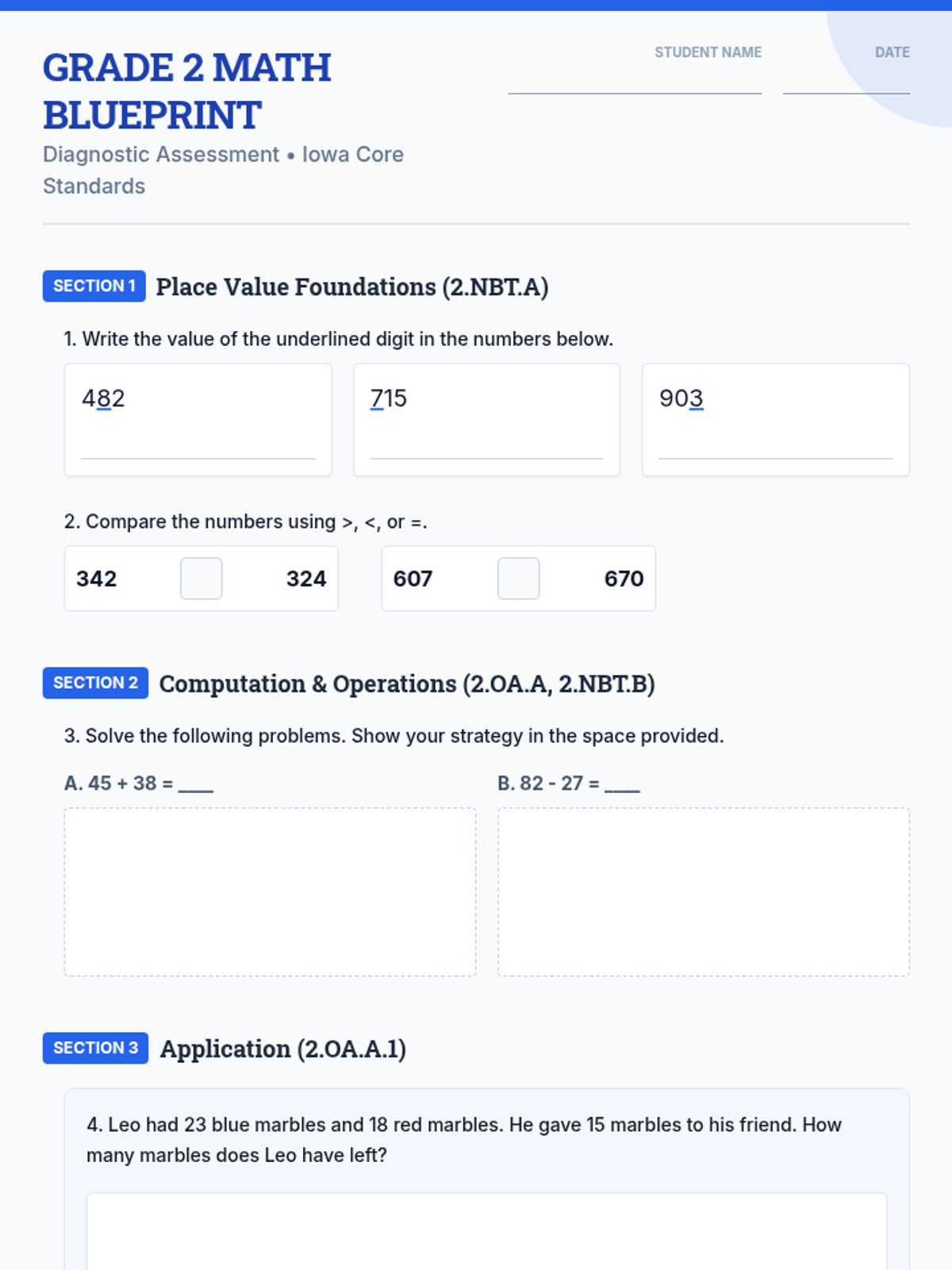
A diagnostic assessment for 2nd-grade students focusing on place value to 1,000, addition and subtraction within 100, and early foundations of multiplication through arrays.
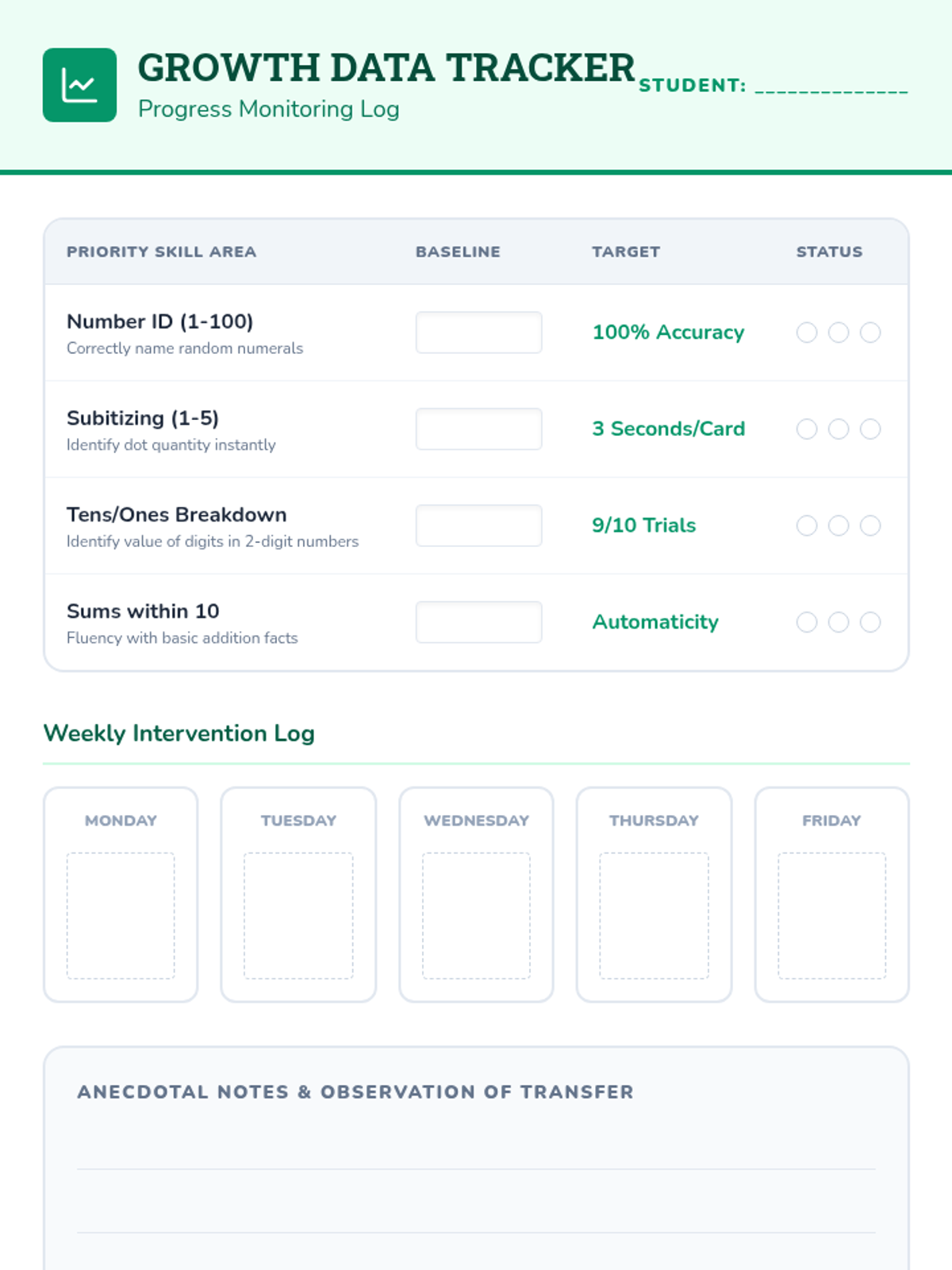
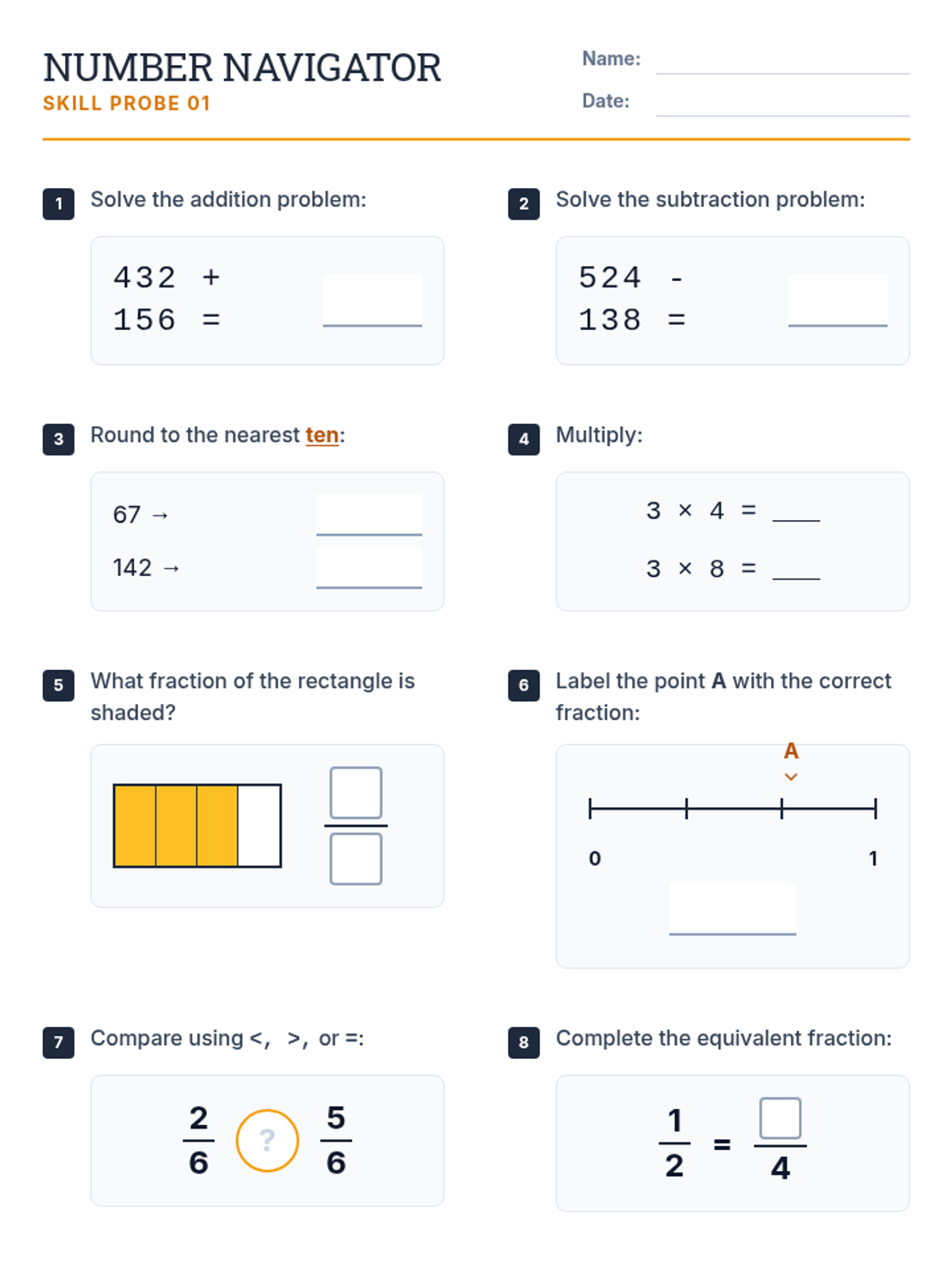
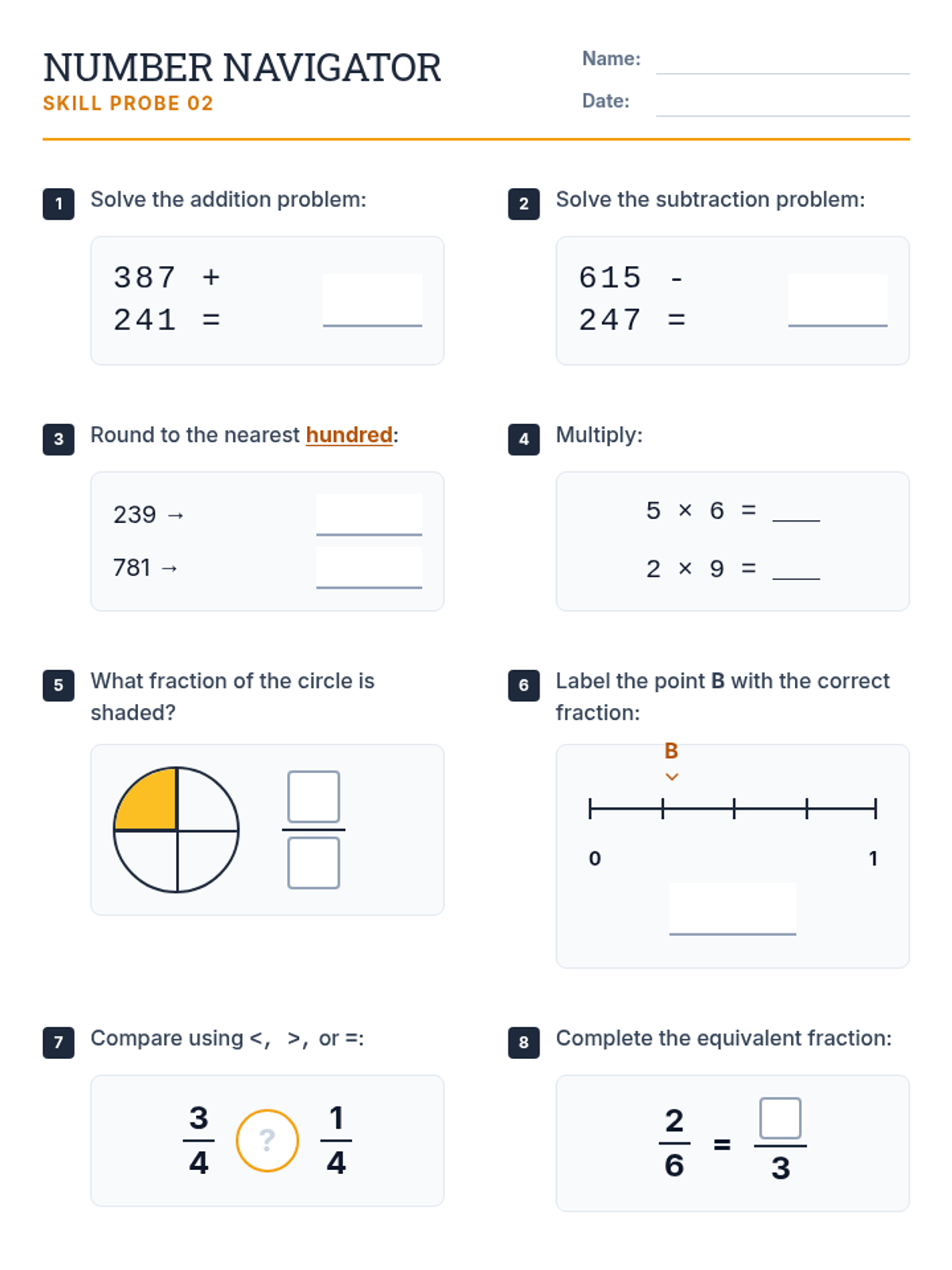
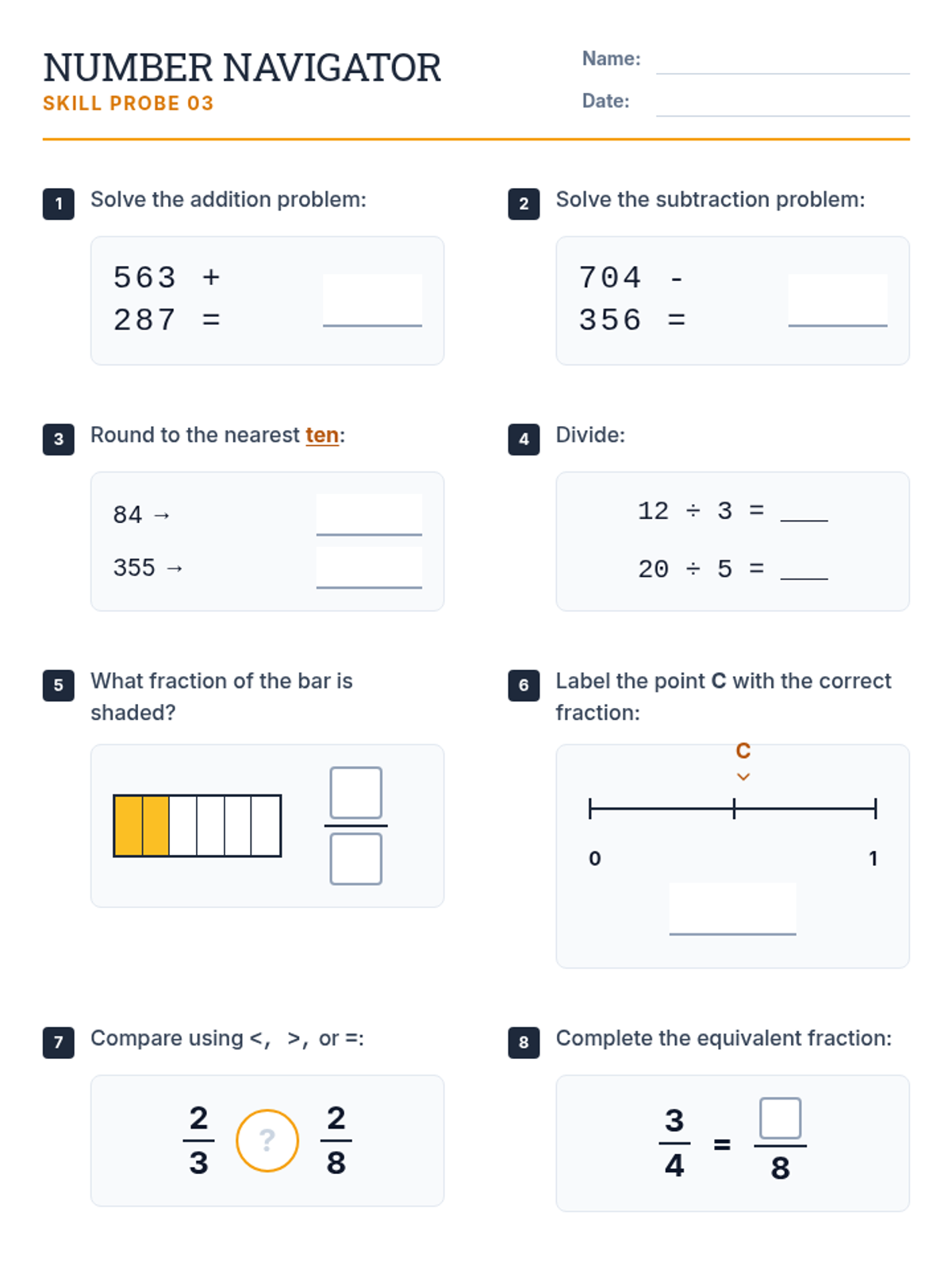
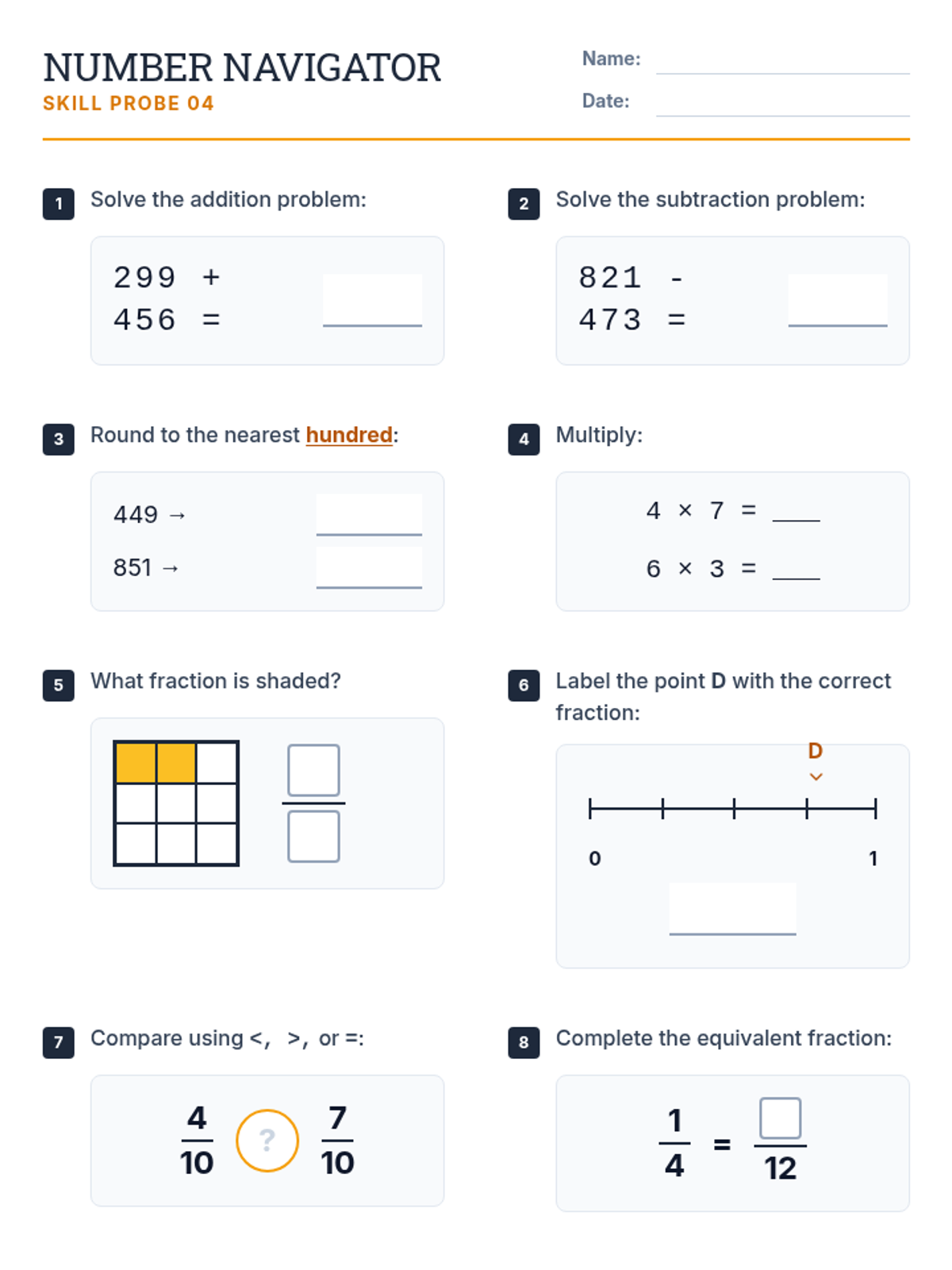
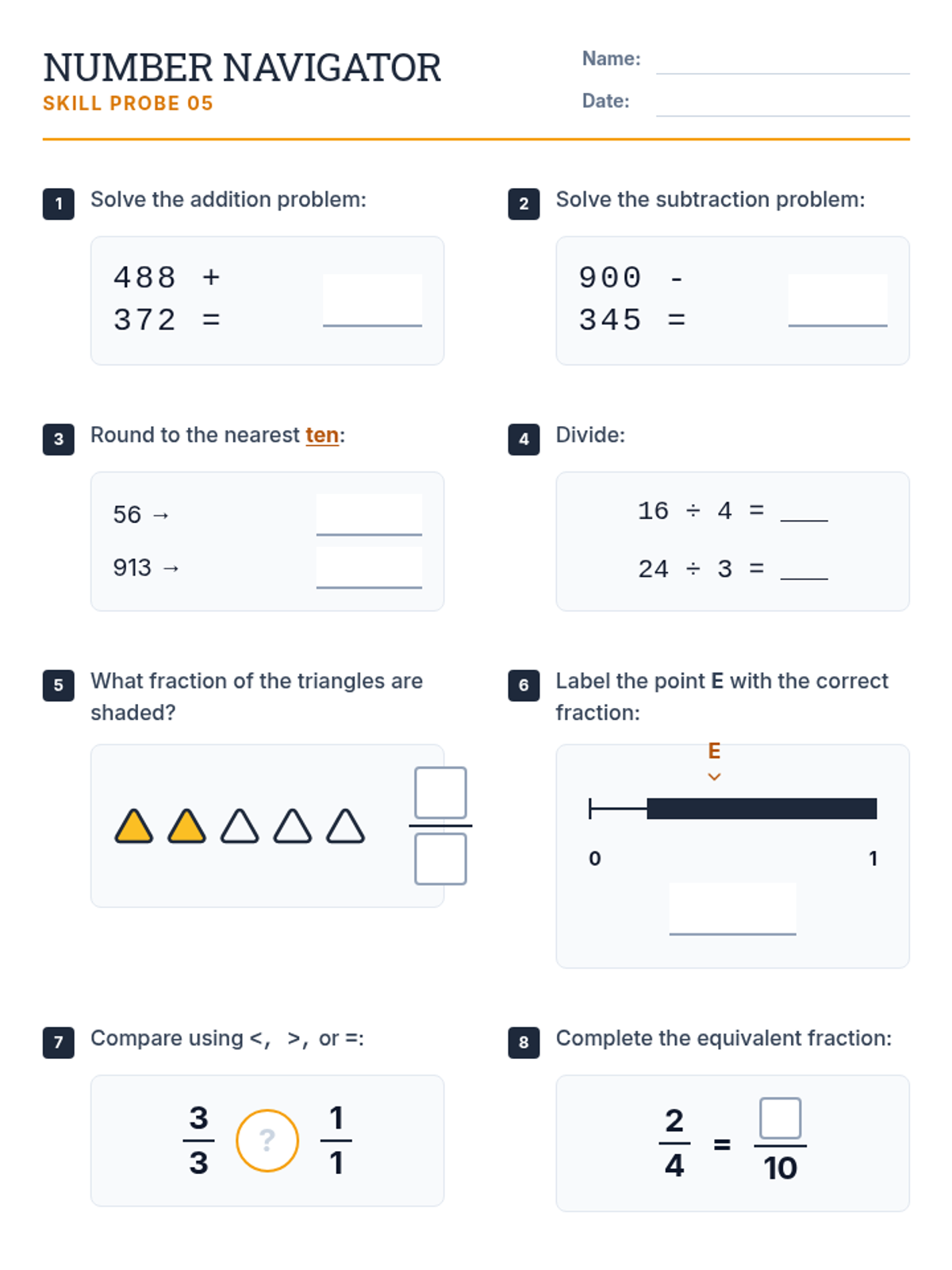
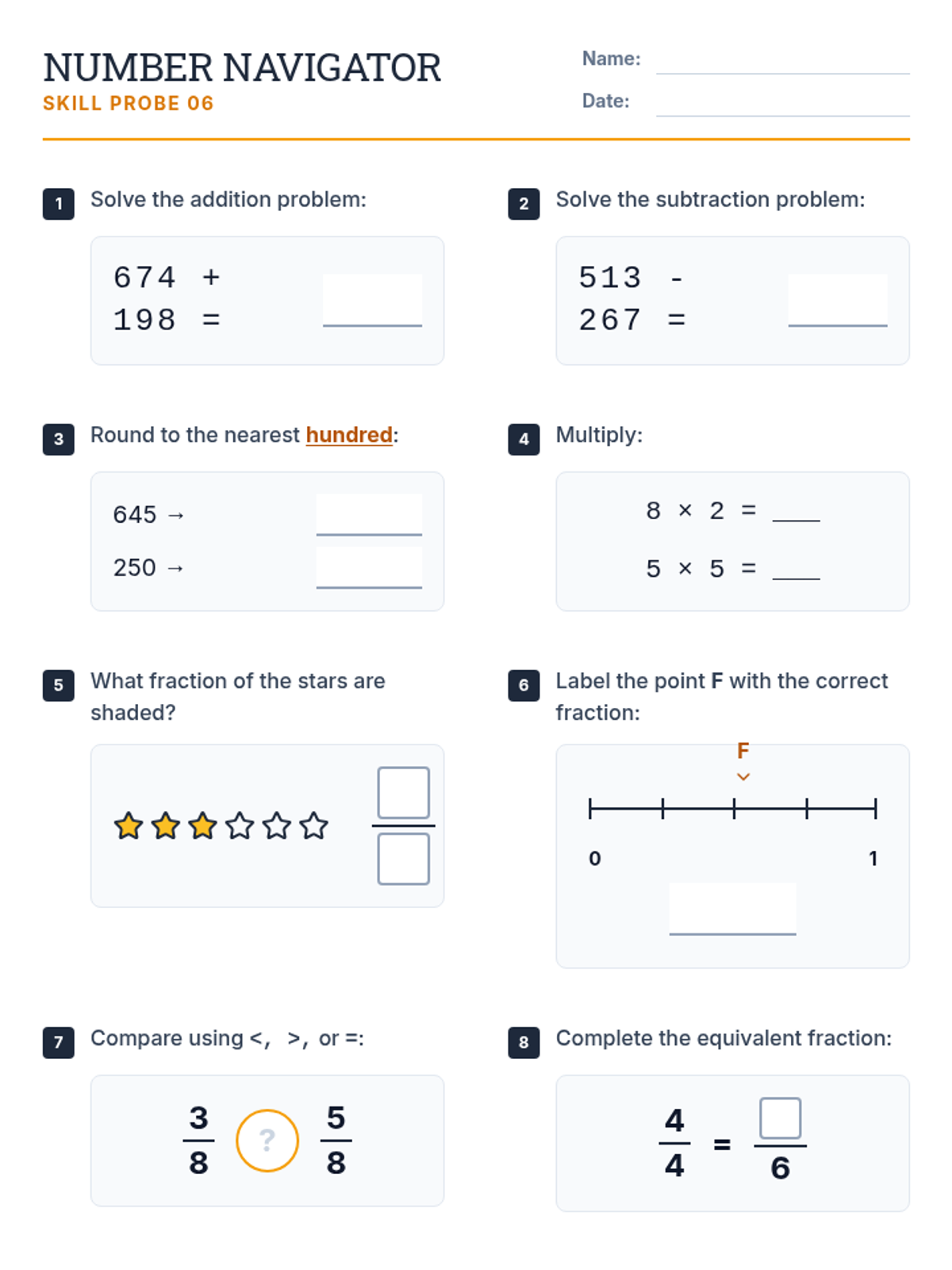
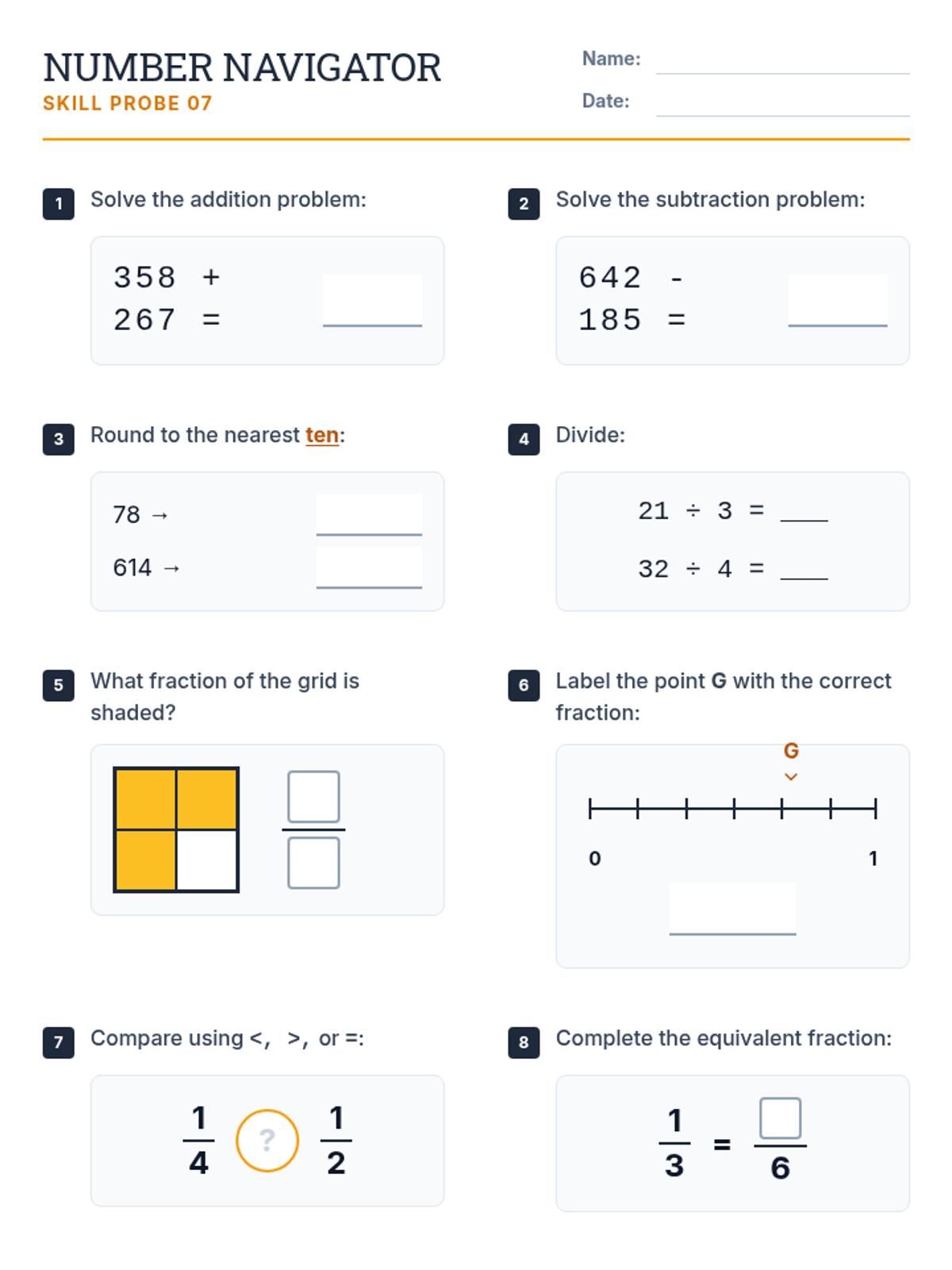
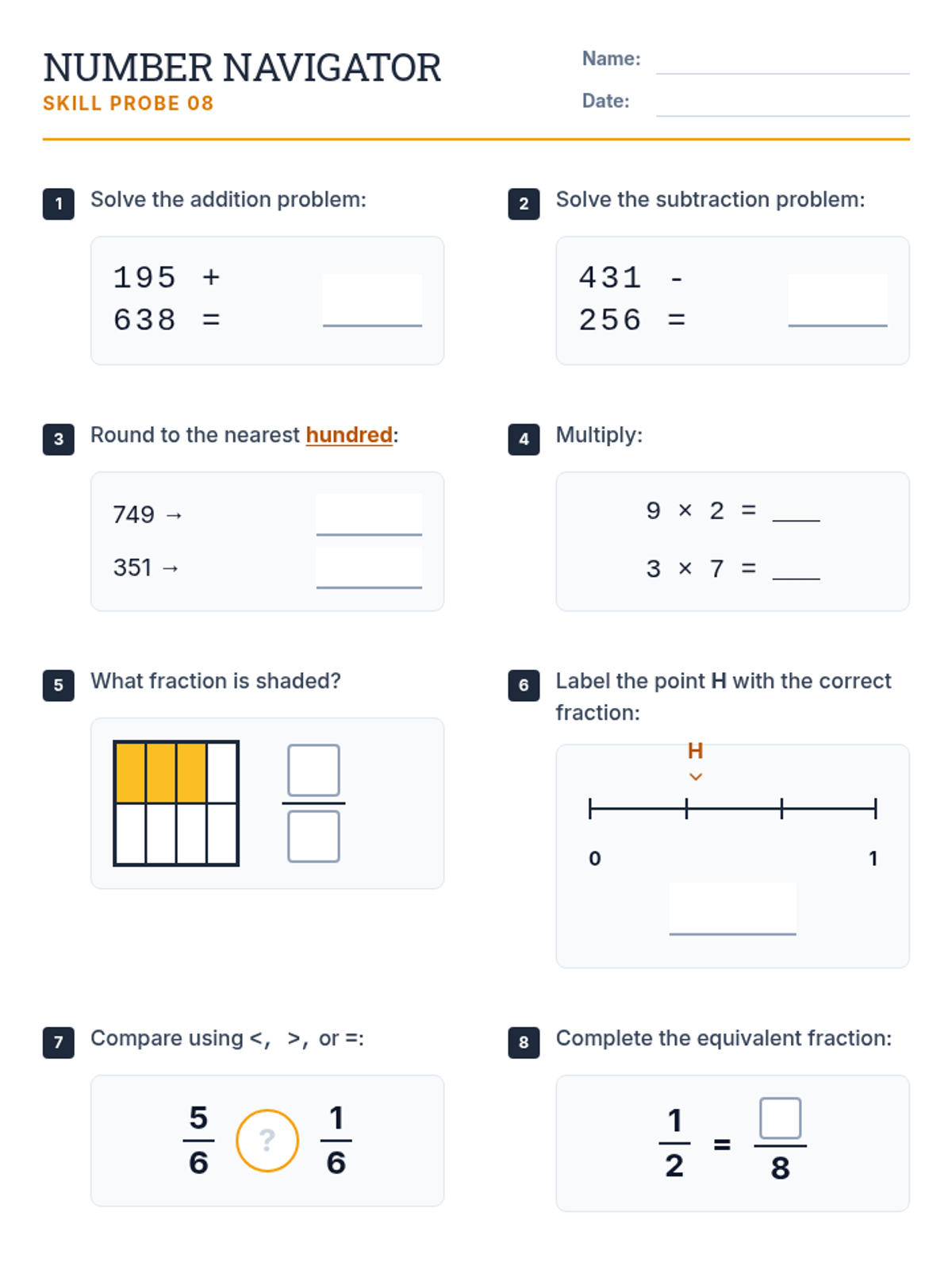
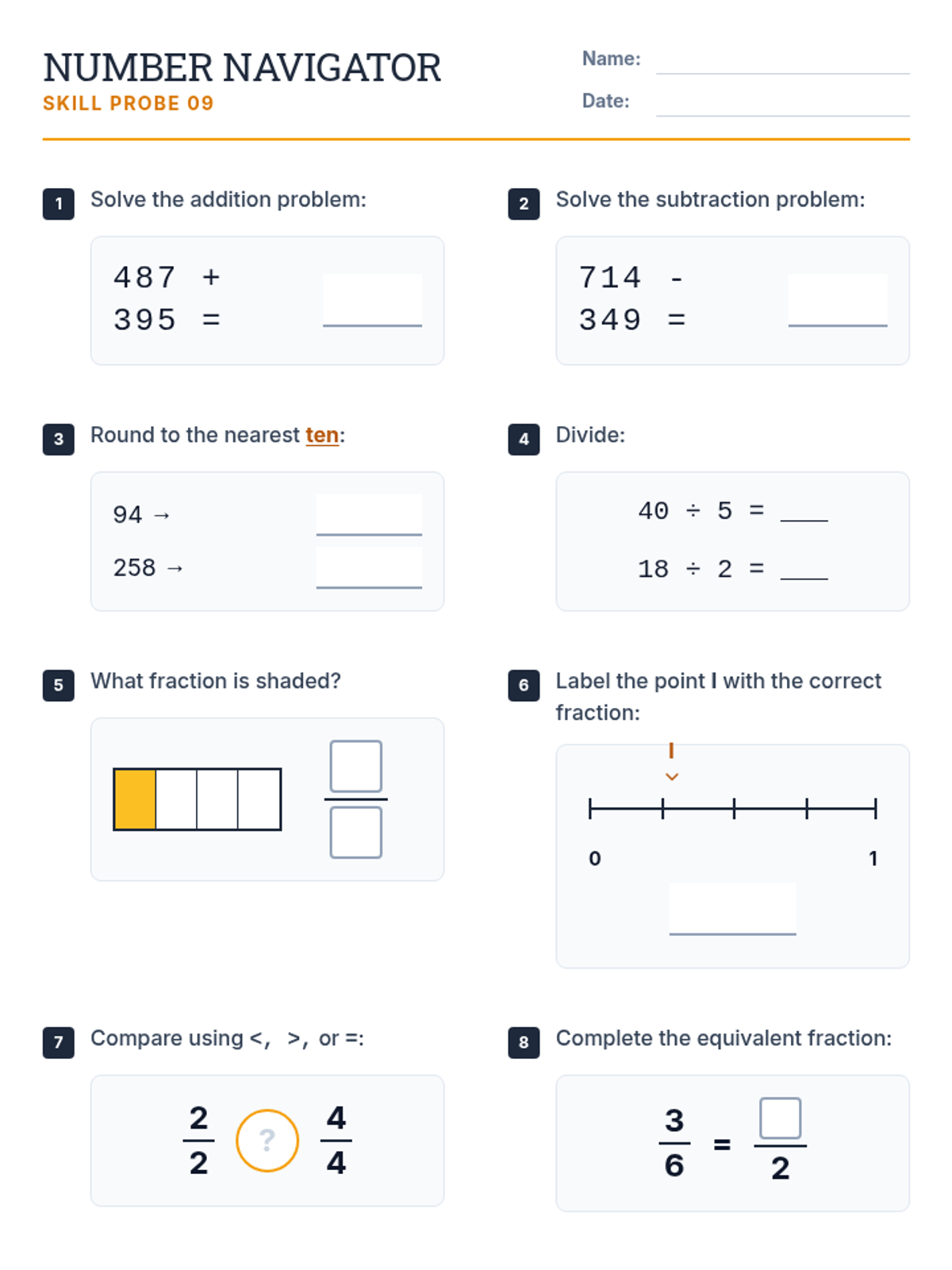
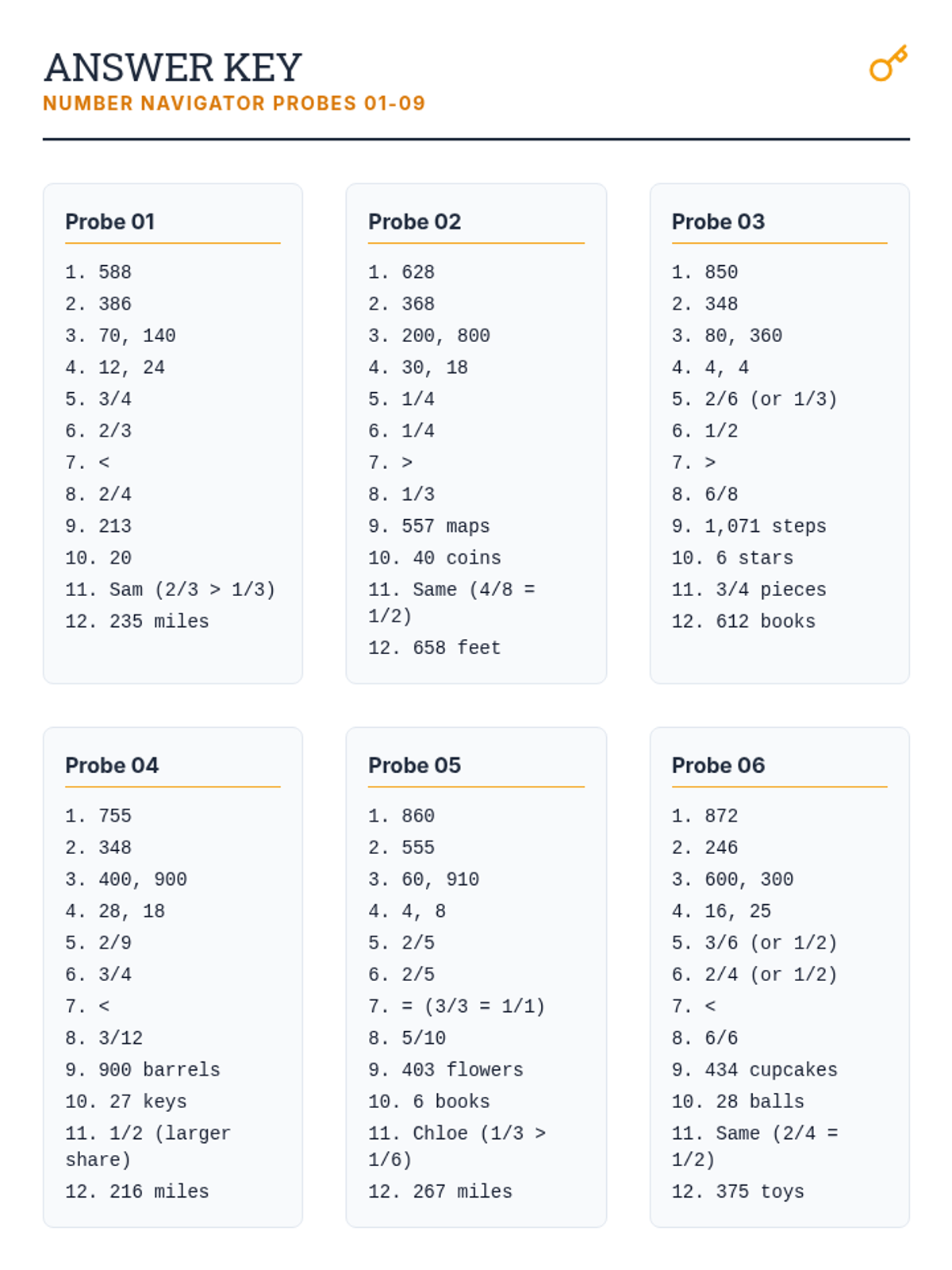
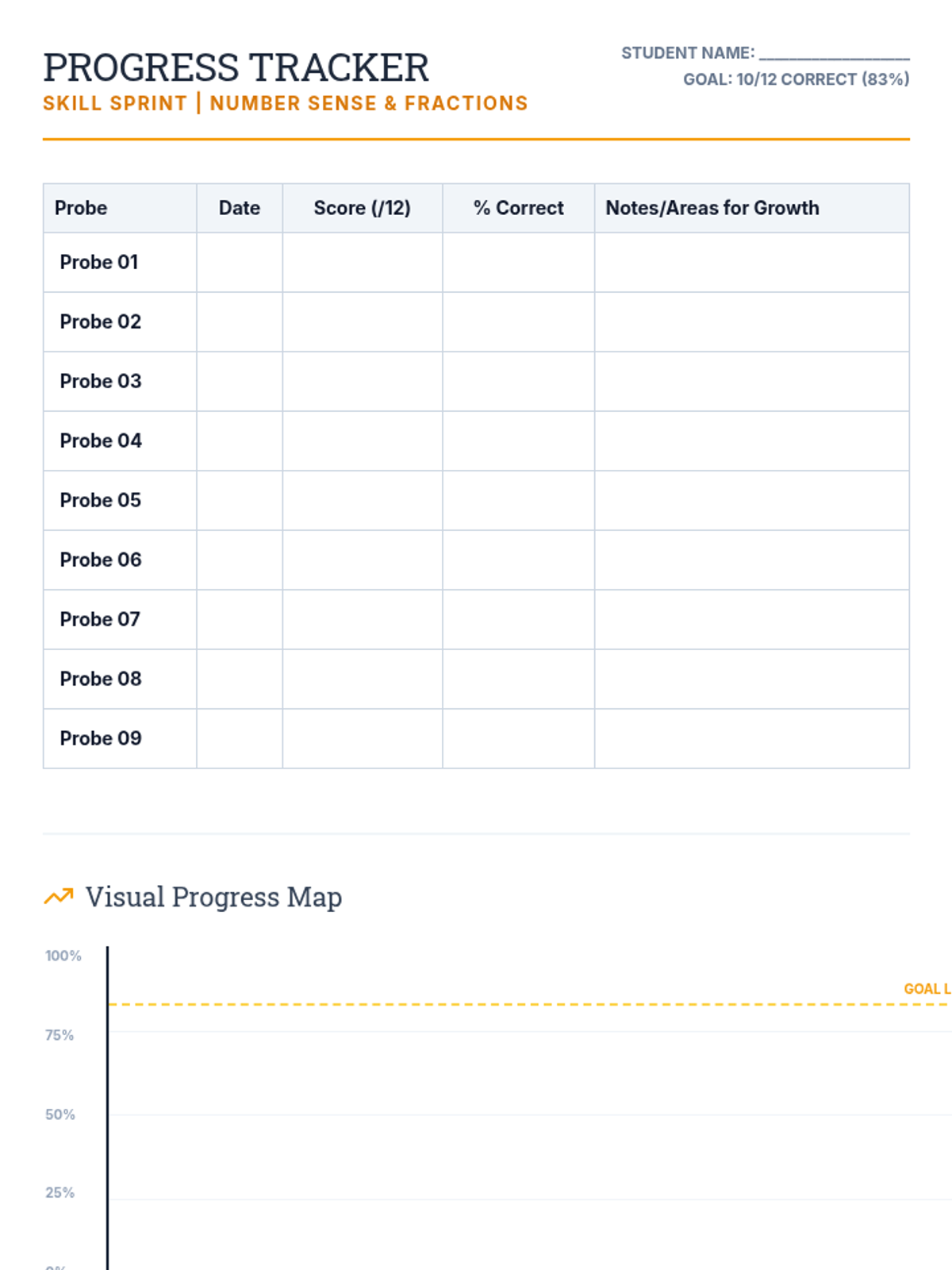
A collection of 9 standardized probes and tracking tools to monitor student growth in number sense and fractions.
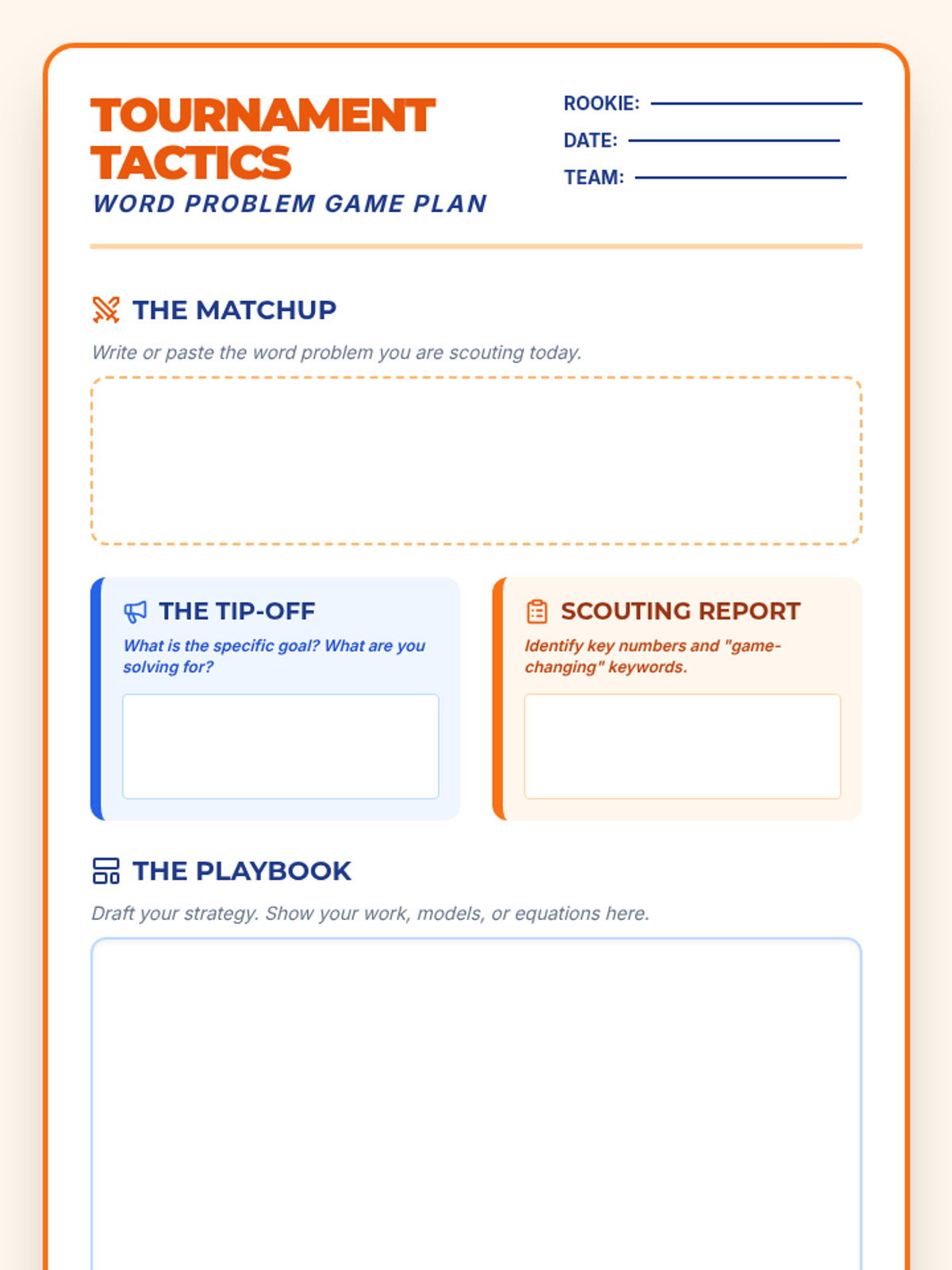
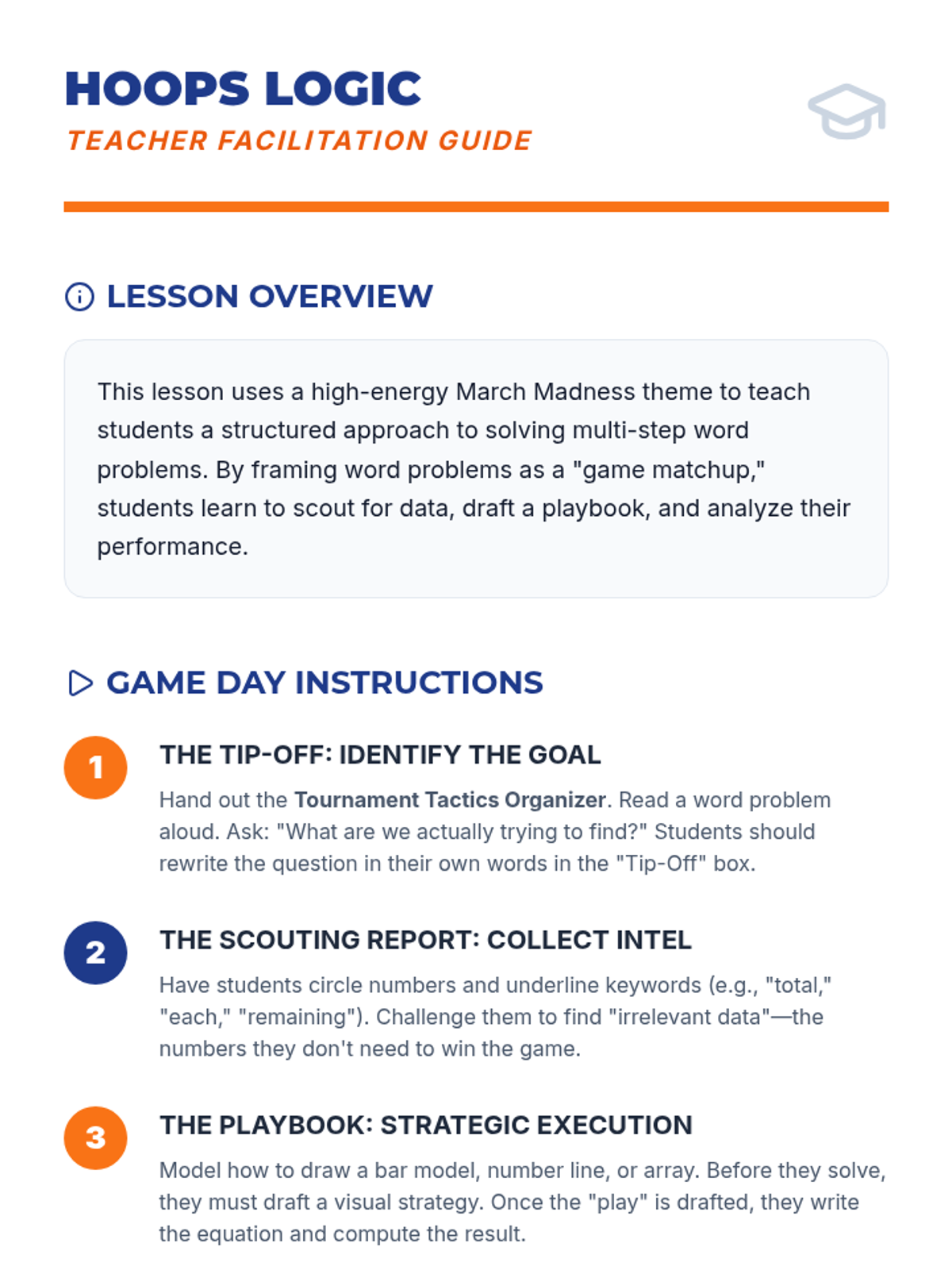
A March Madness-themed lesson that provides students with a strategic "Game Plan" for deconstructing and solving math word problems. Students use a basketball-themed graphic organizer to scout for data, draft a playbook, and execute their solution.
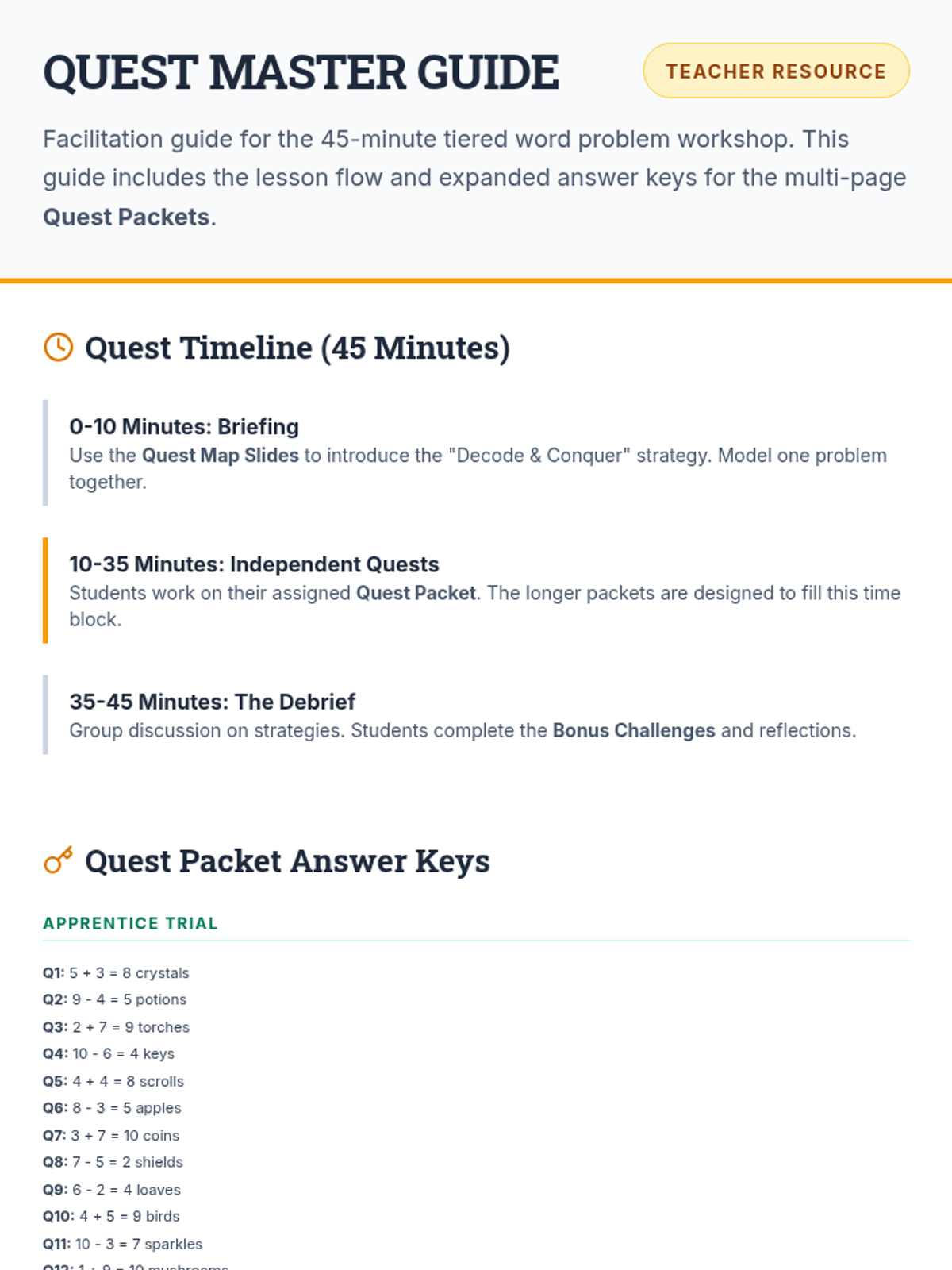
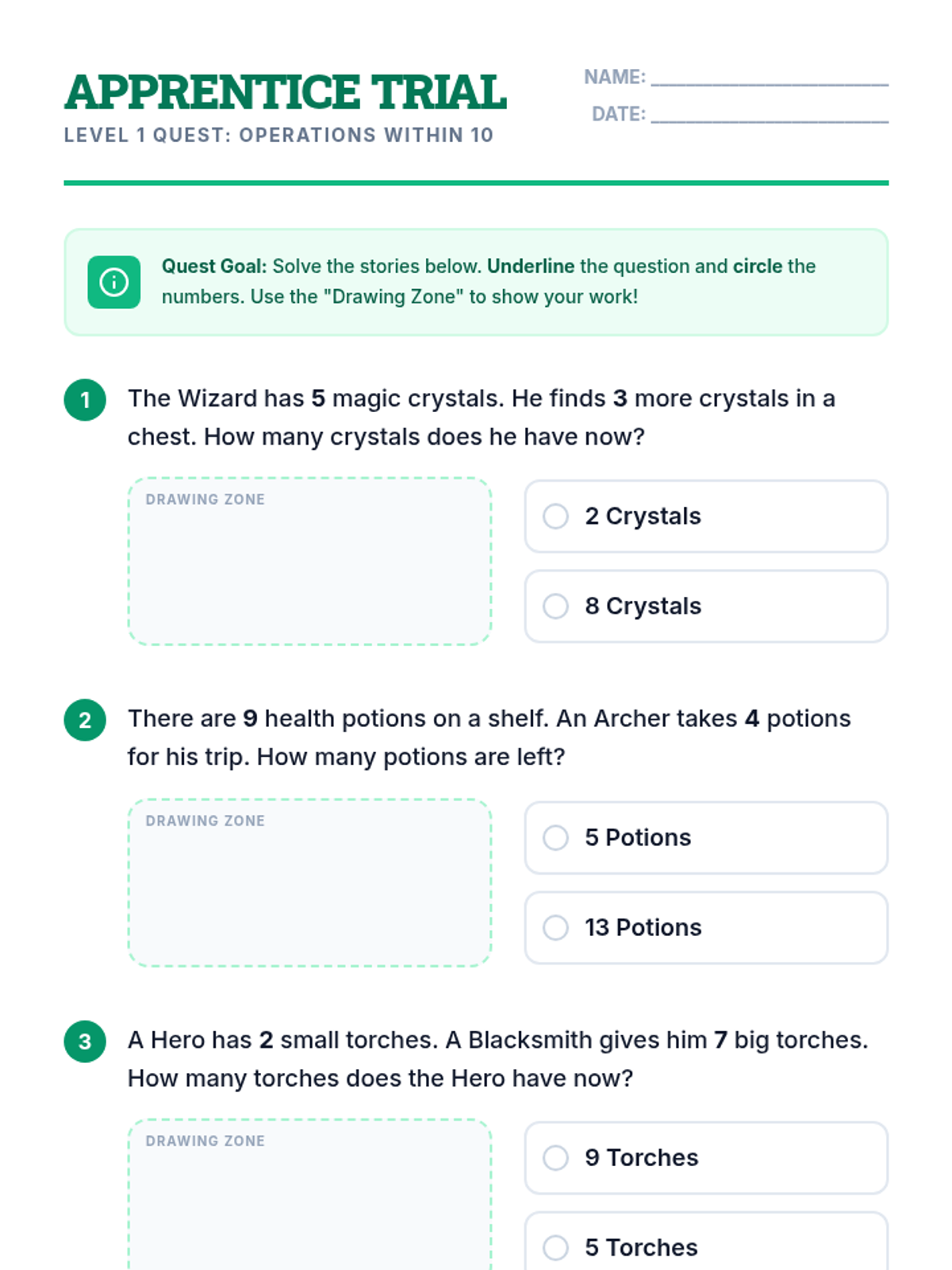
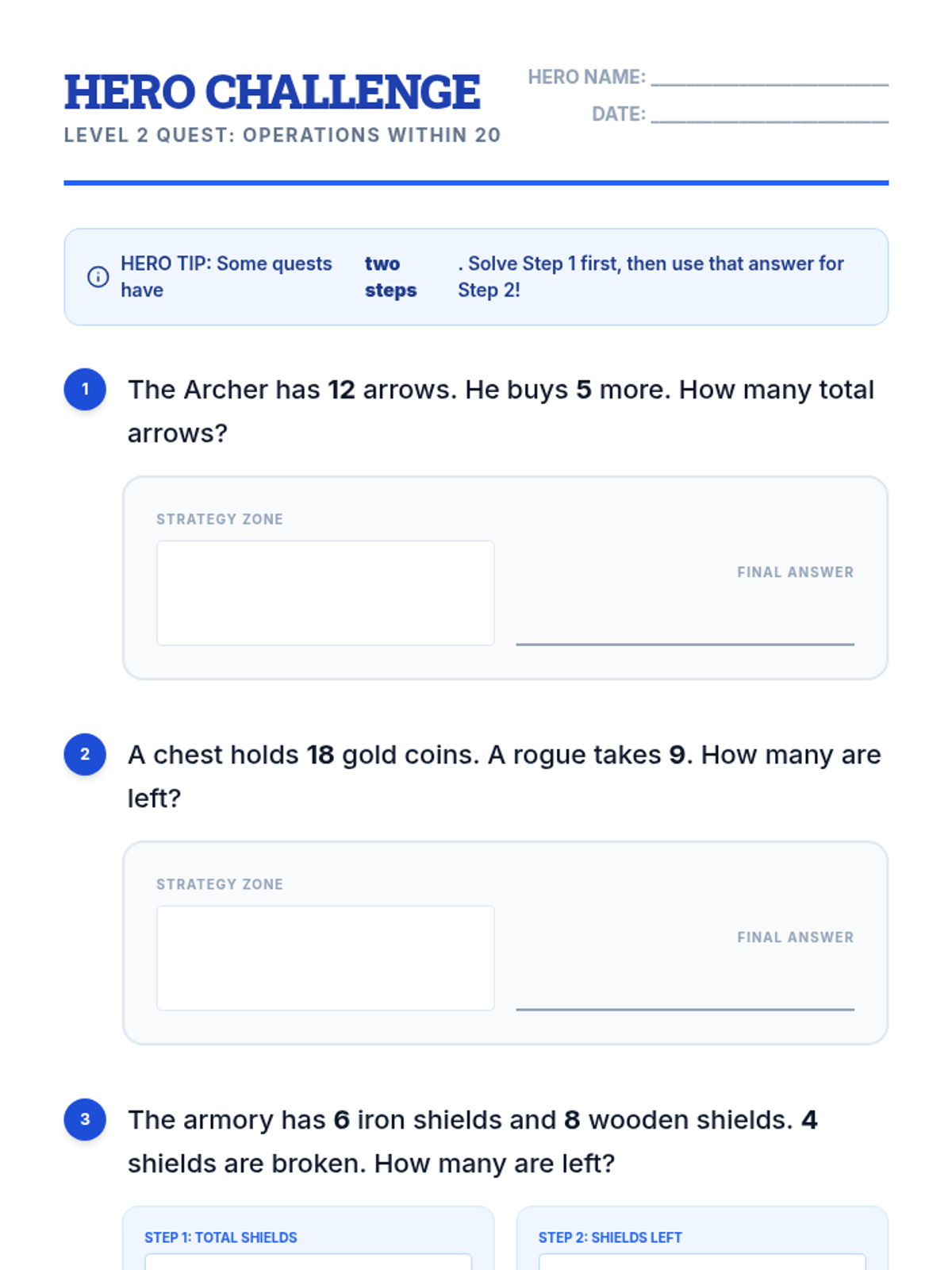
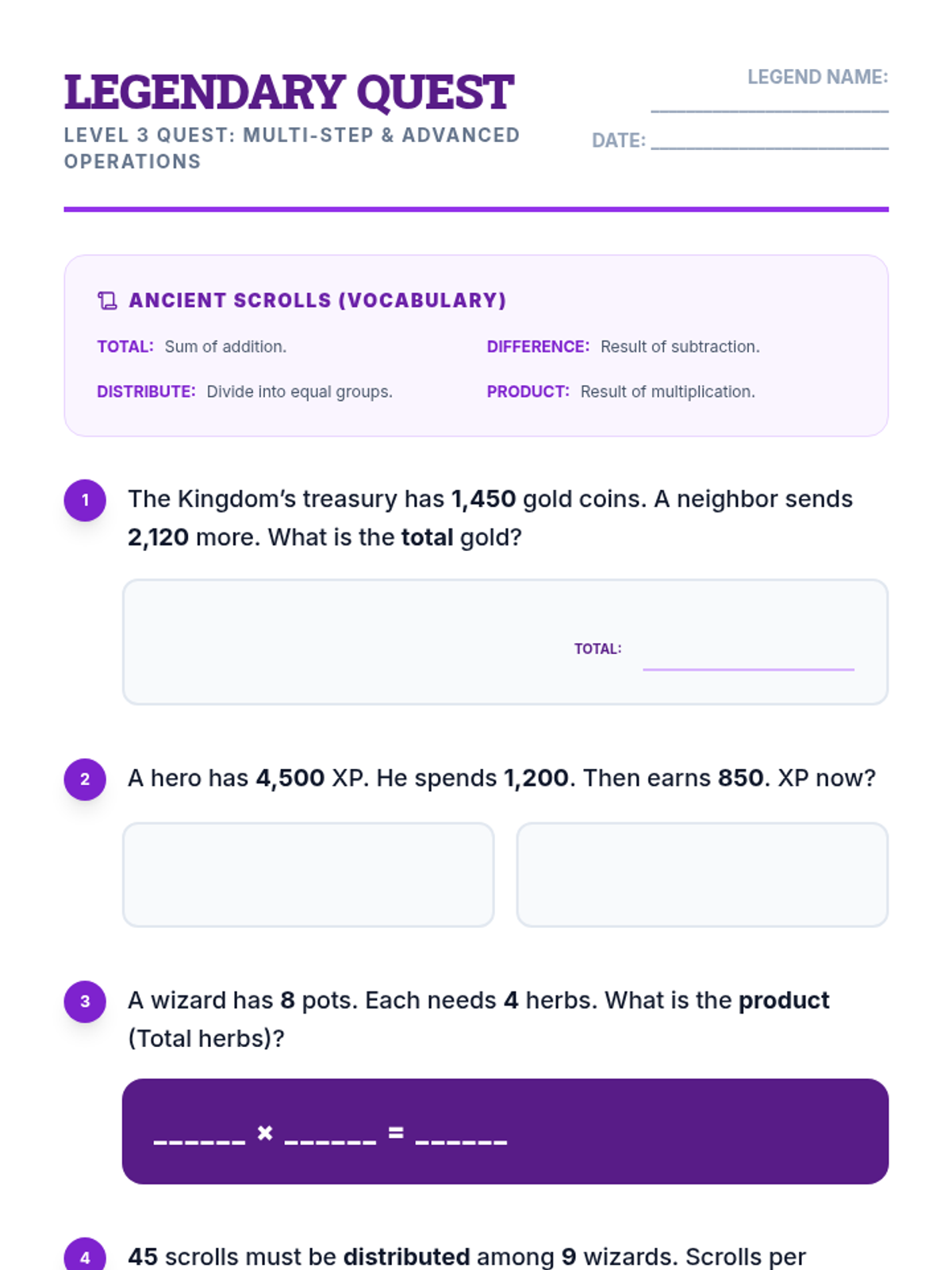
Students engage in a tiered math workshop where they choose or are assigned a 'Quest Level' based on their current mastery of word problems. The lesson includes direct instruction on decoding problems and independent practice at three distinct challenge levels.
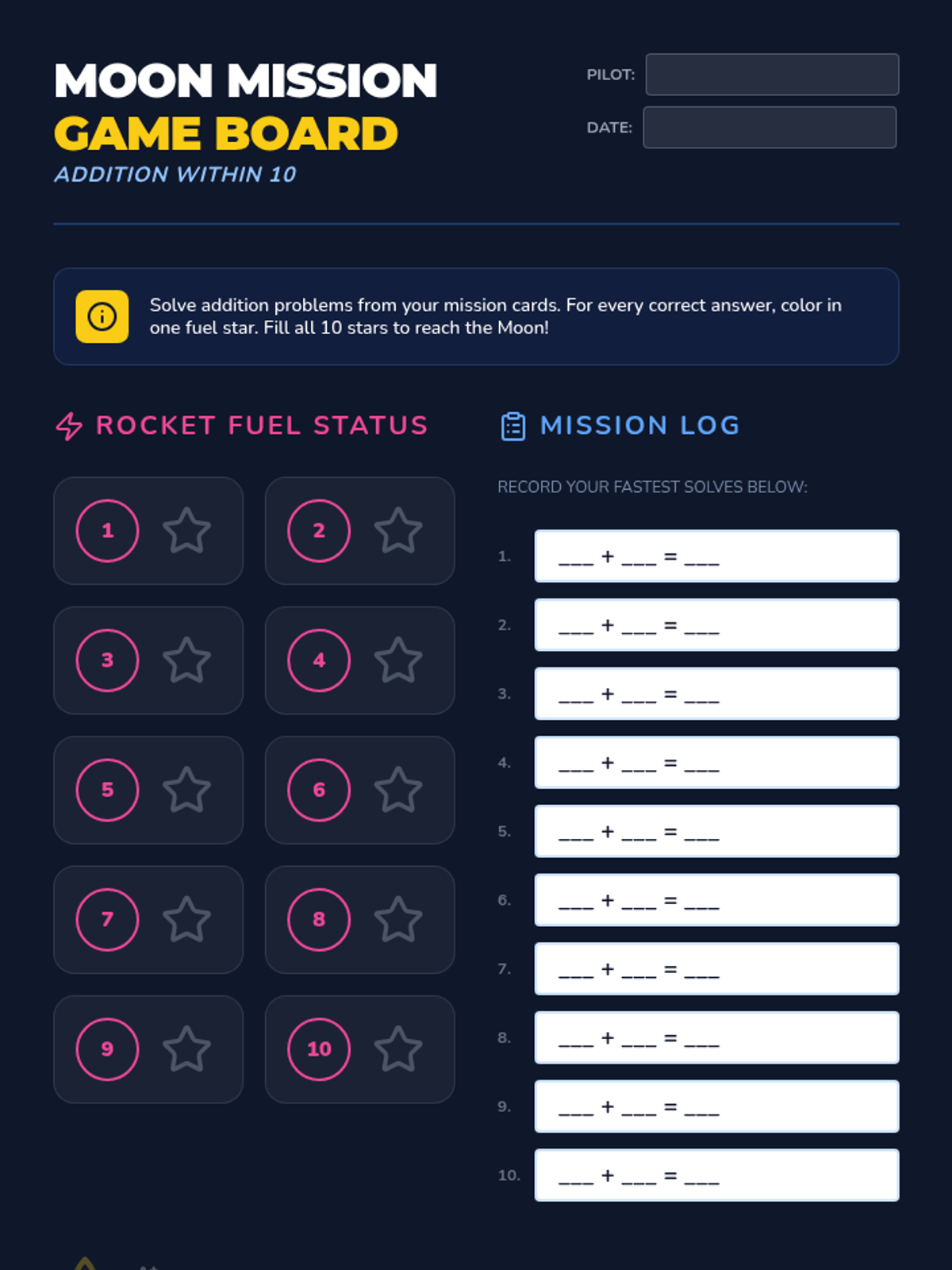
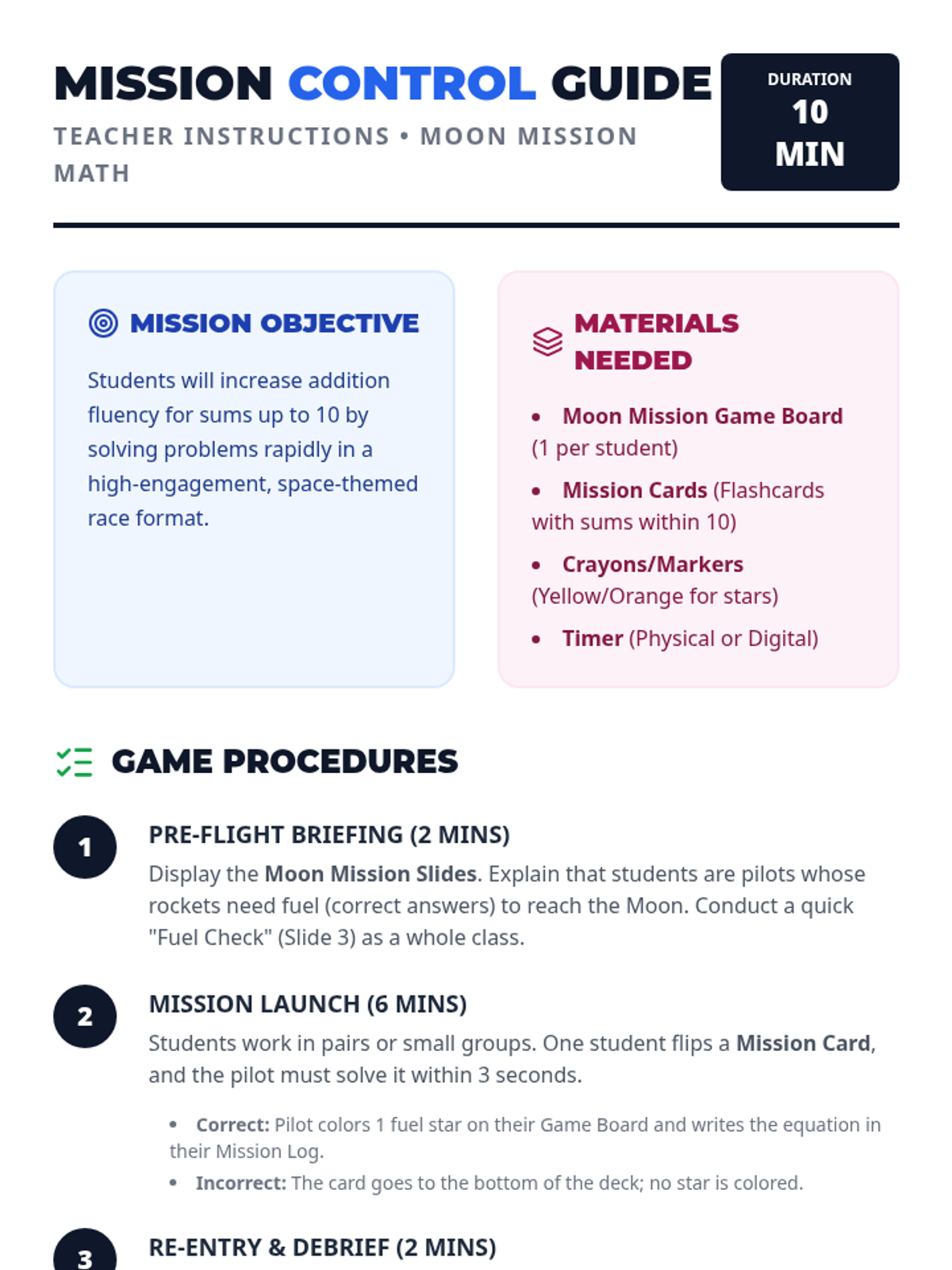
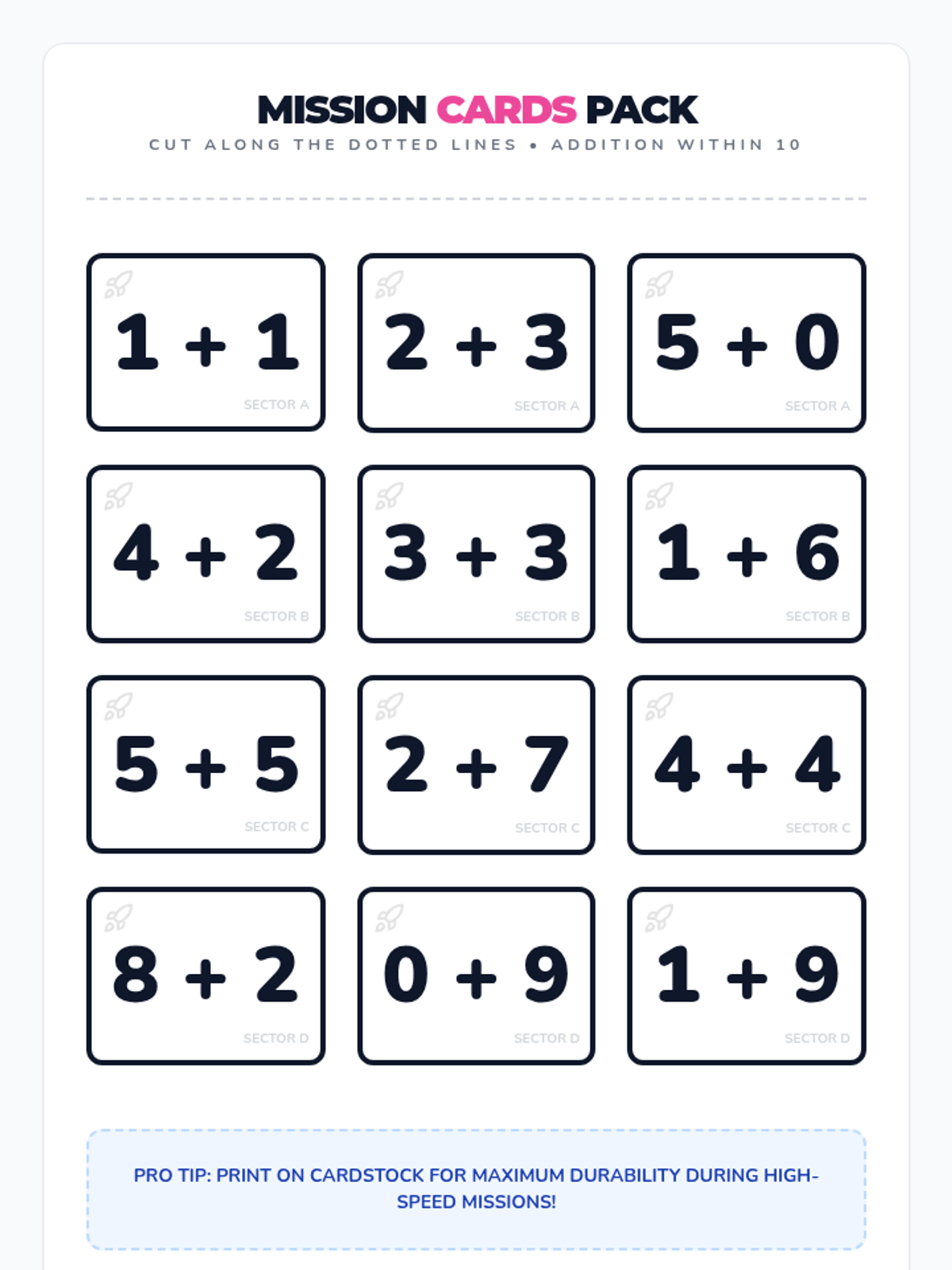
A fast-paced, space-themed addition game designed to build fluency for sums within 10 through a competitive yet collaborative 'Moon Mission' format.
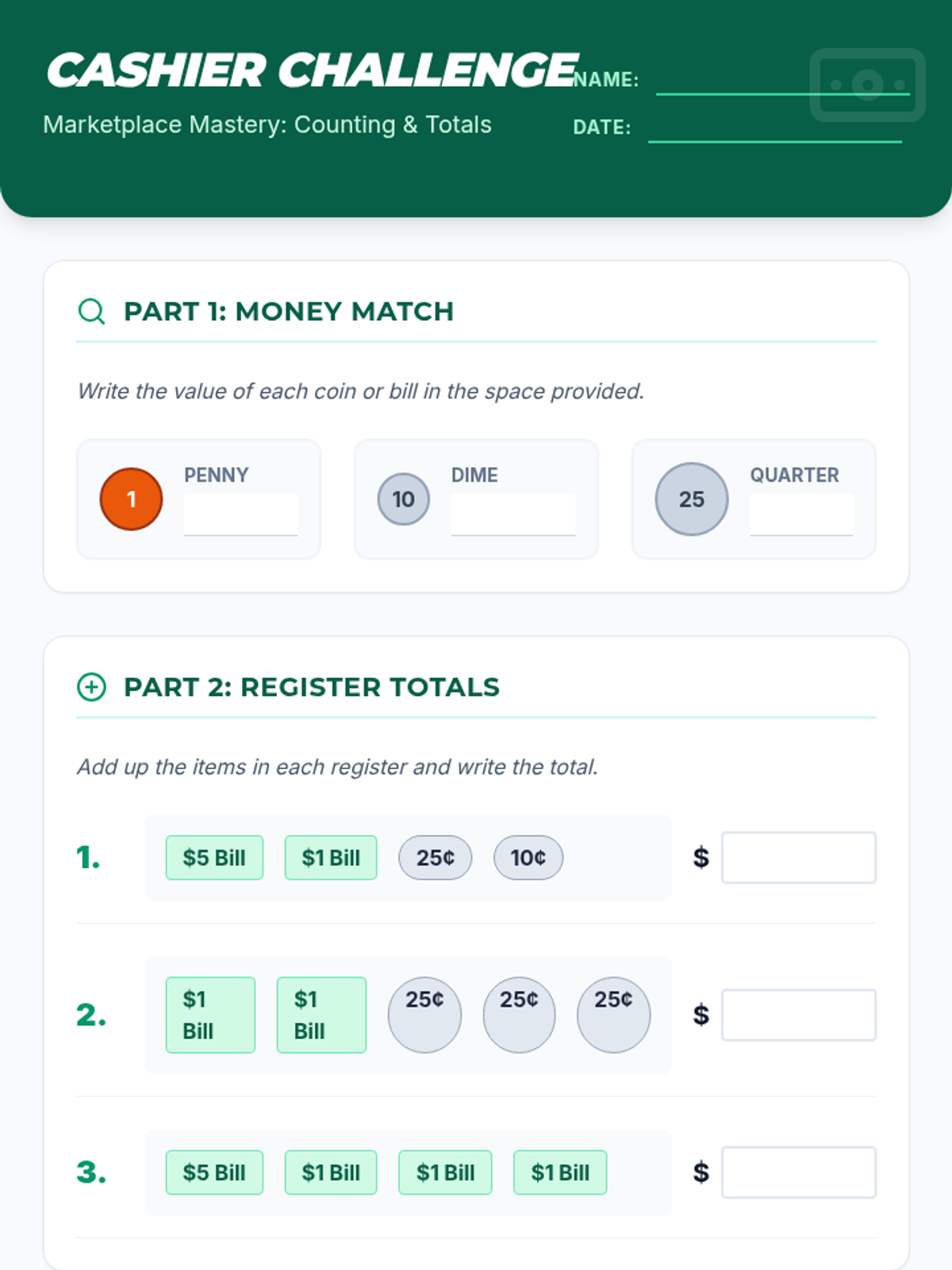
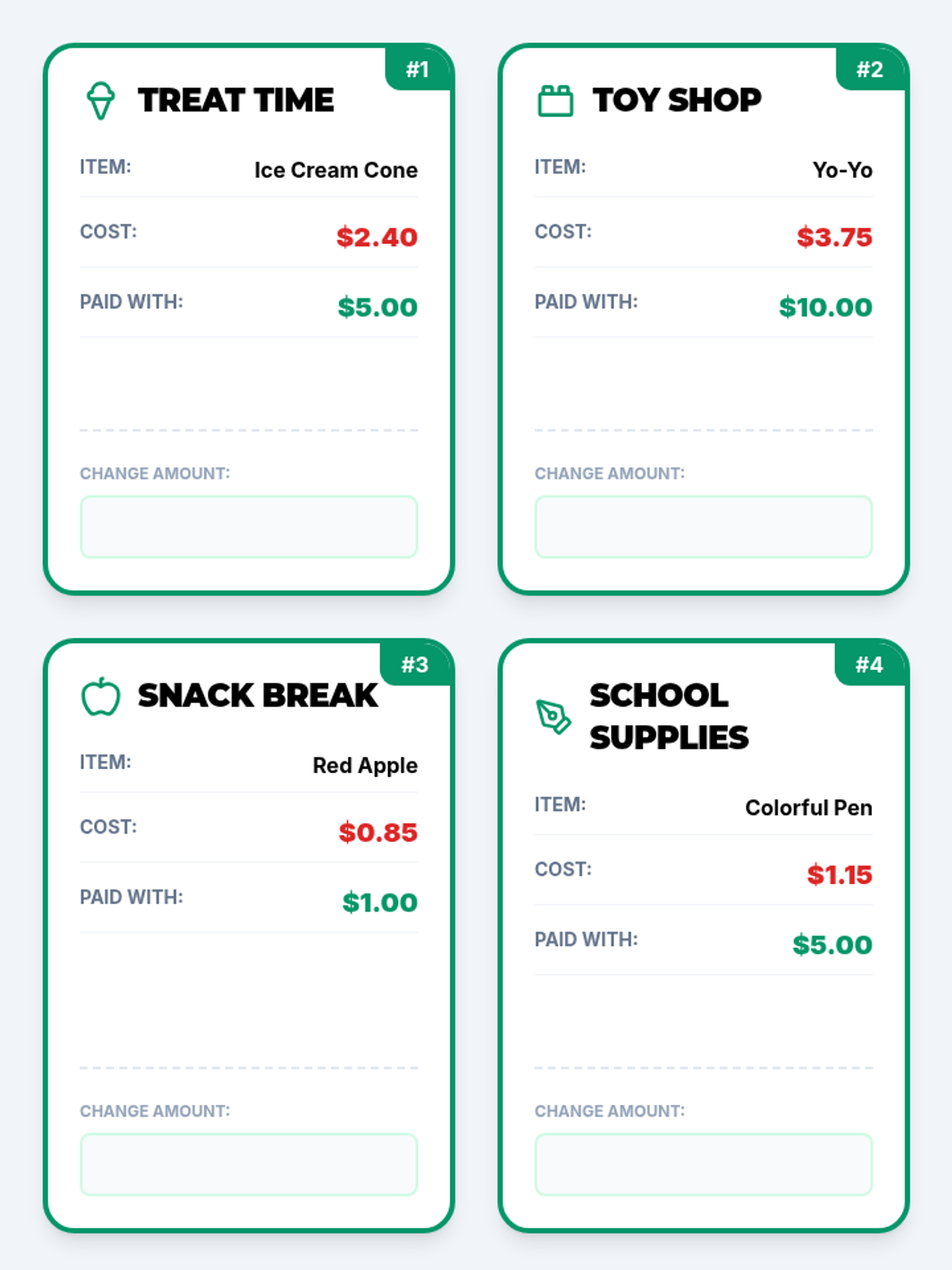
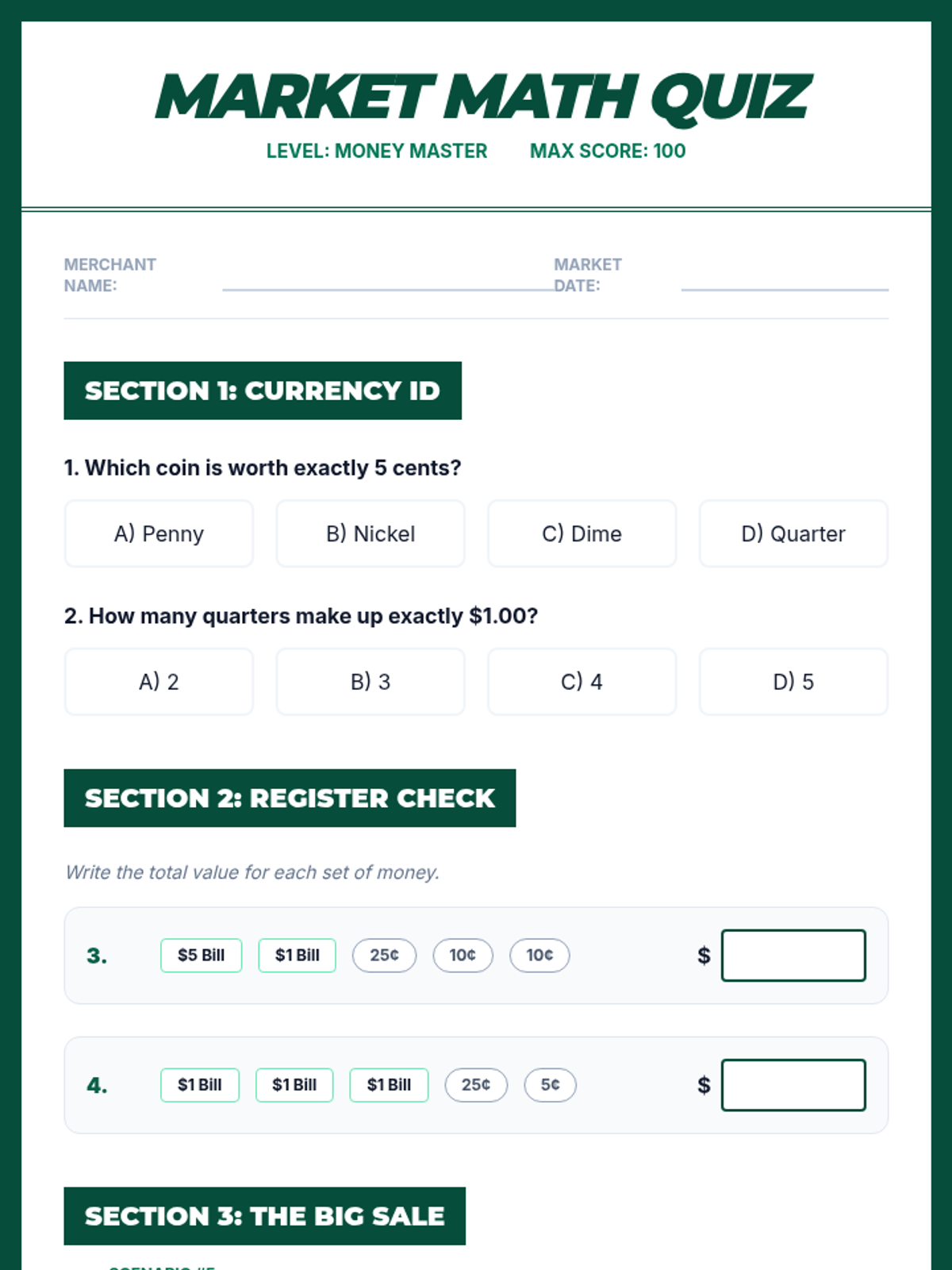
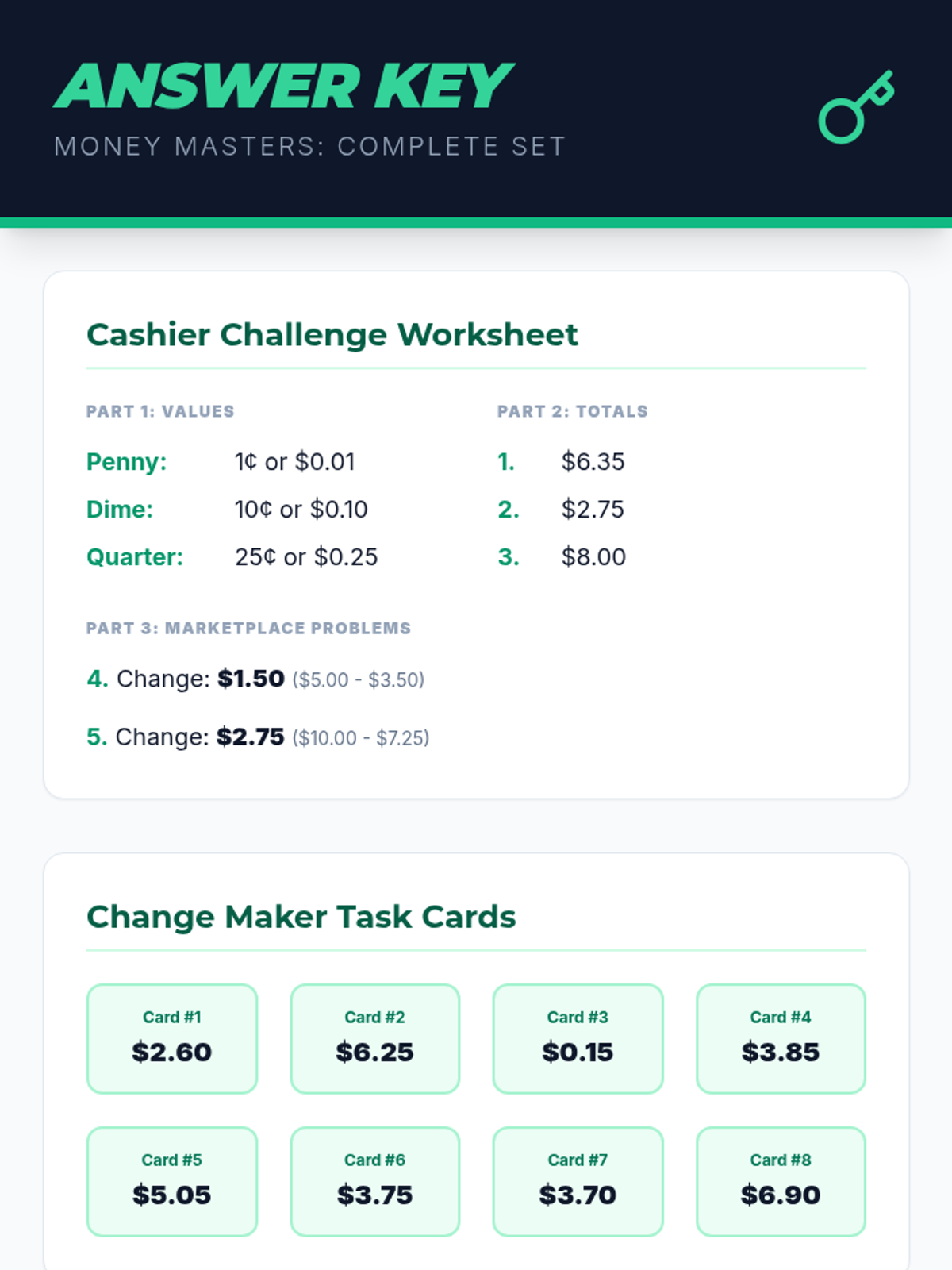
A comprehensive lesson on identifying US currency, counting totals, and calculating change up to $10 using a marketplace theme.
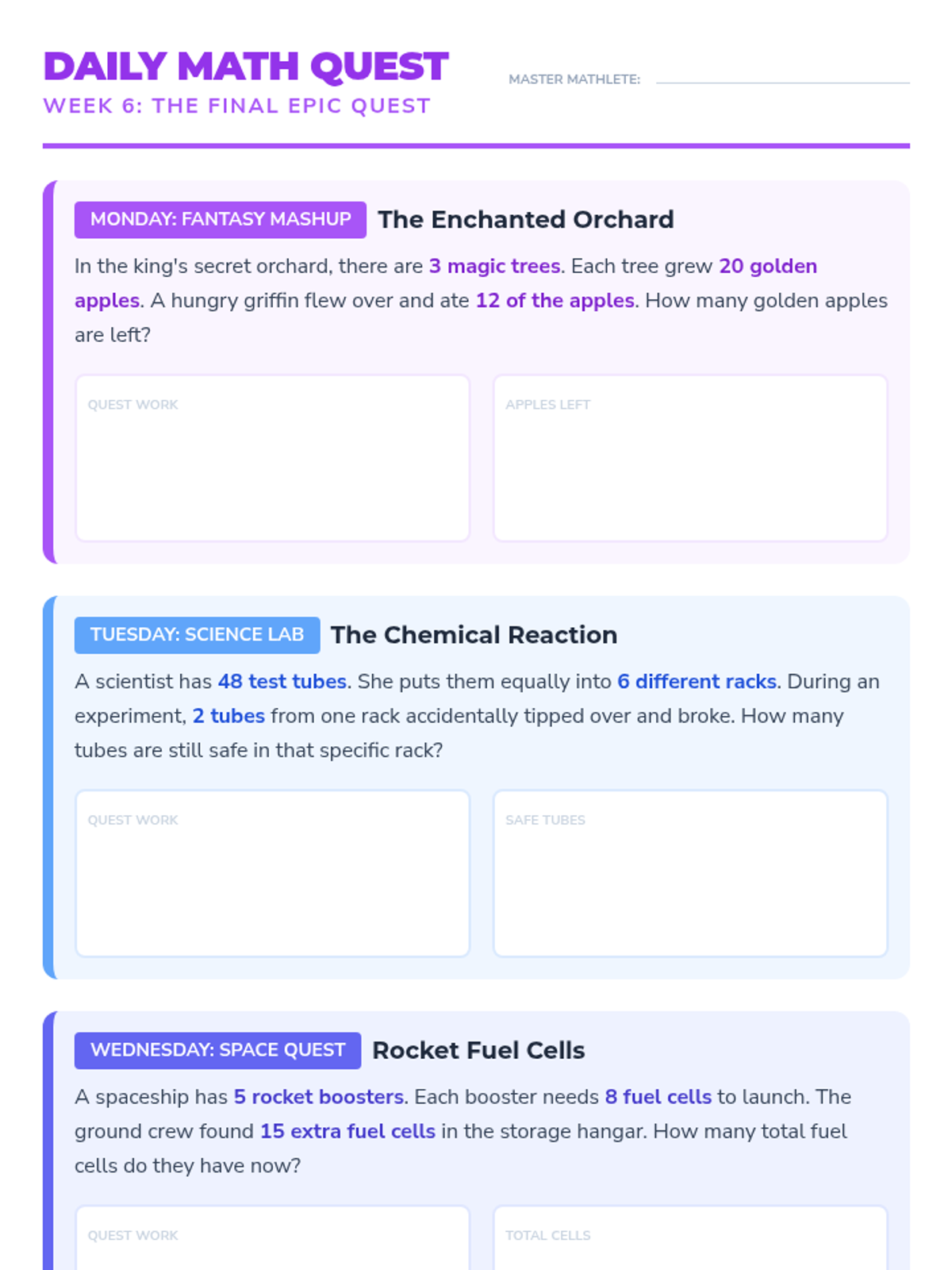
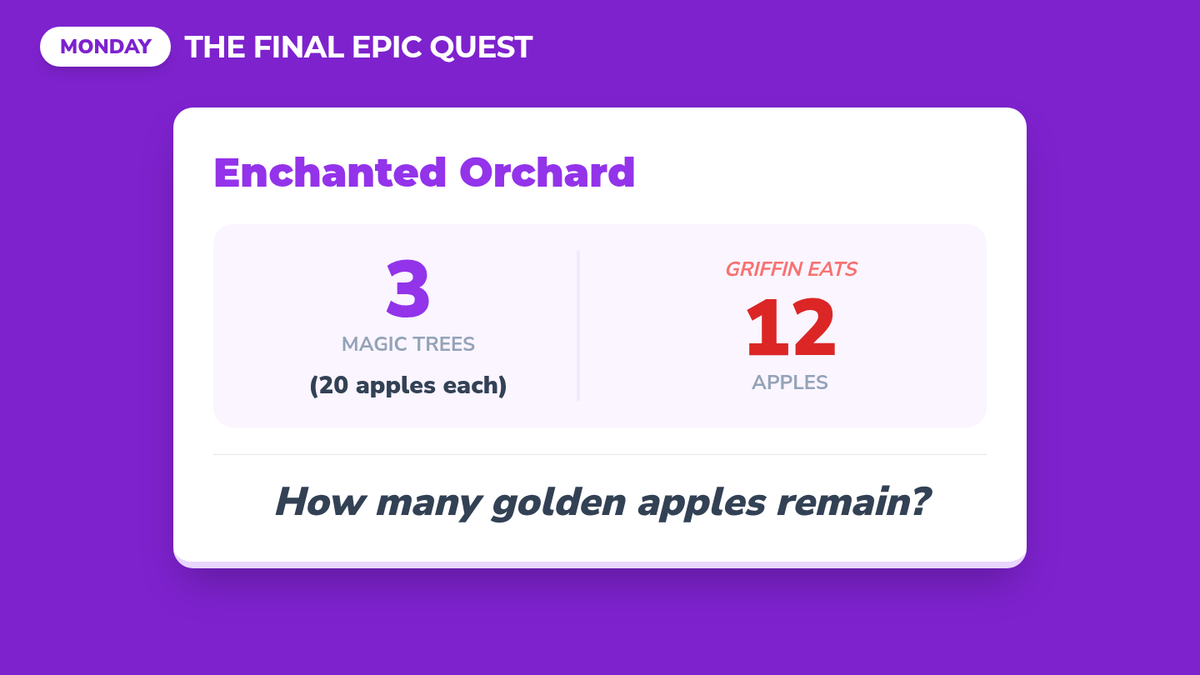
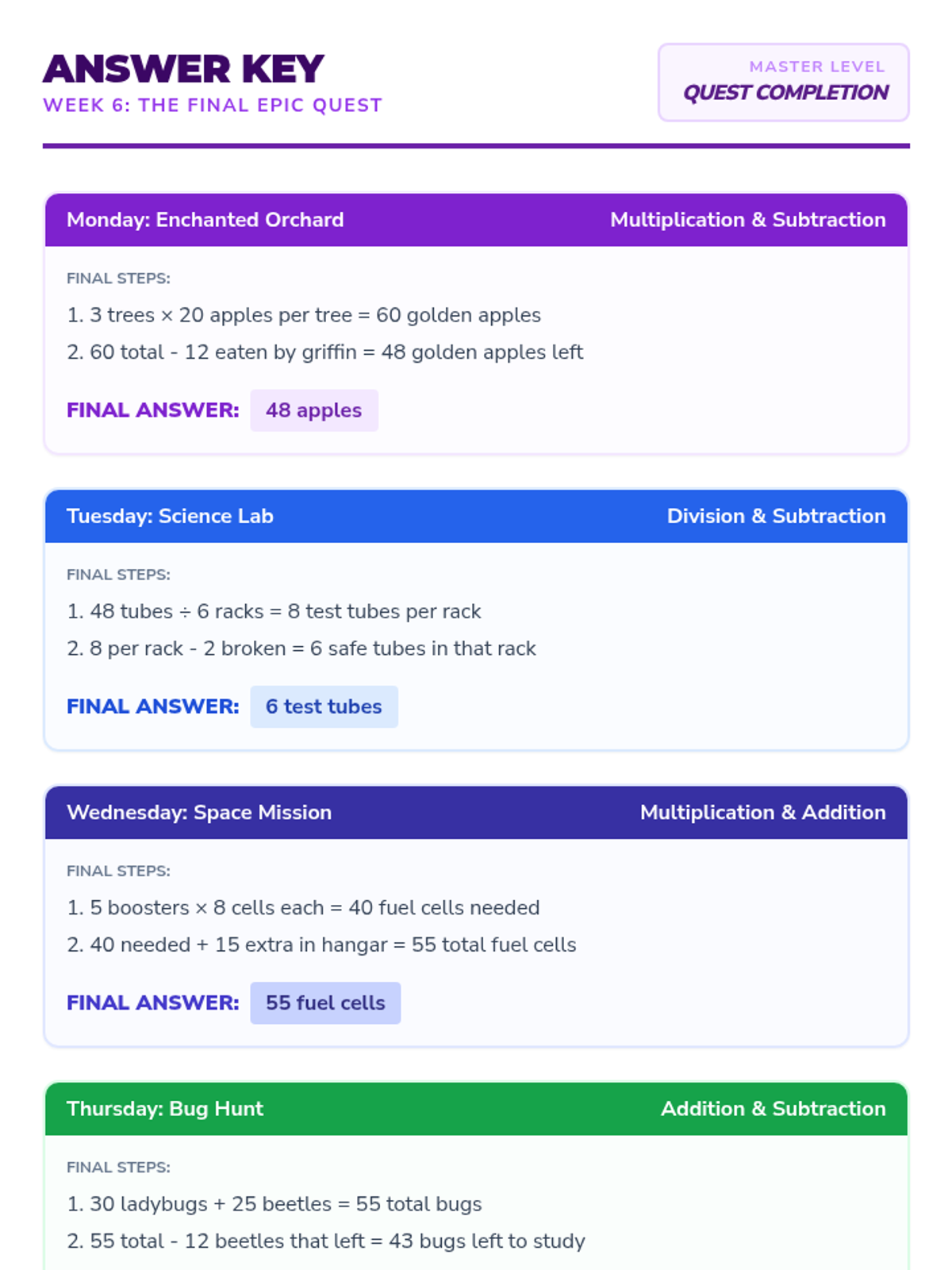
The final week combines all themes for an epic wrap-up. Problems range from enchanted forests to backyard science experiments.
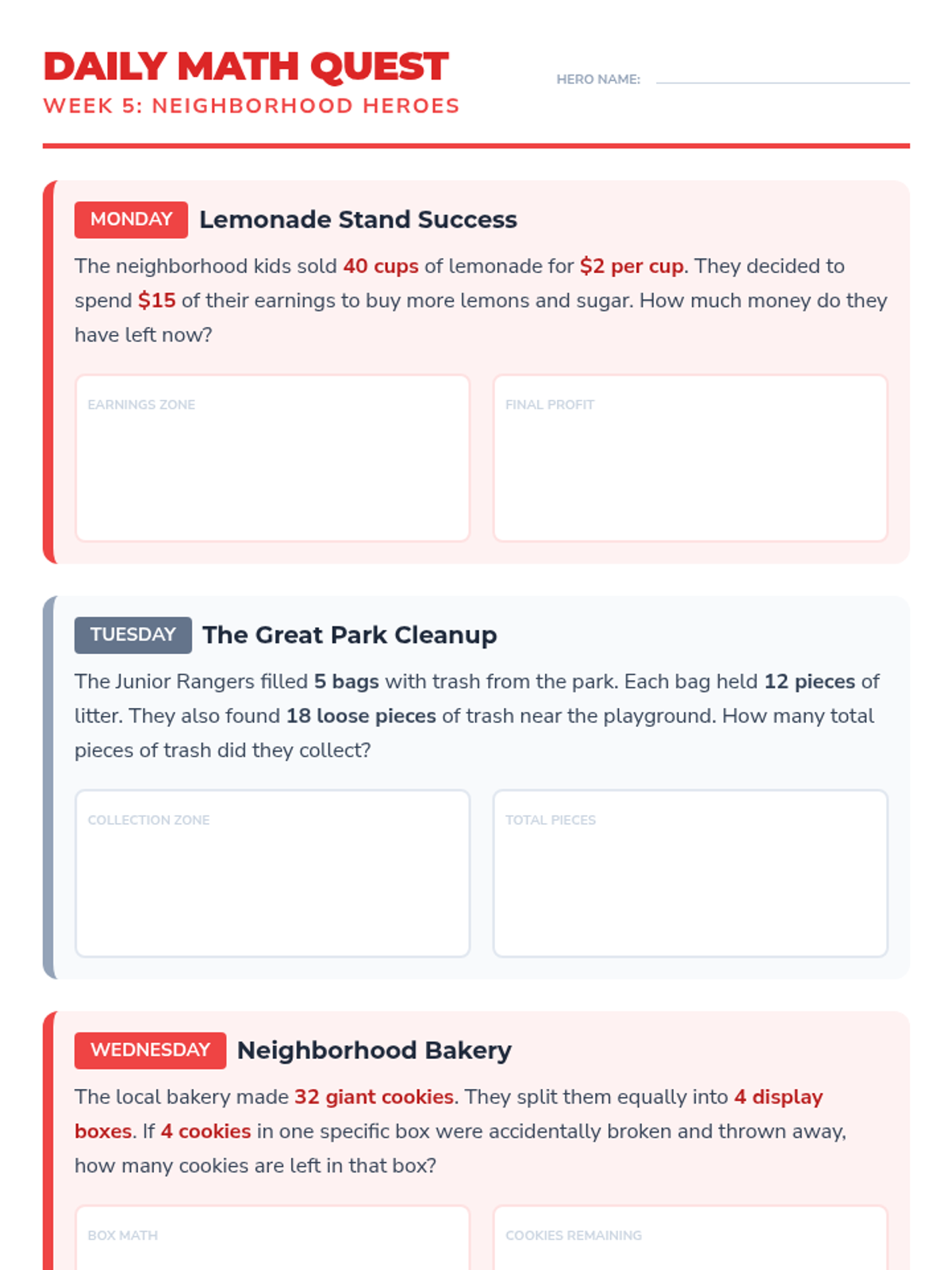
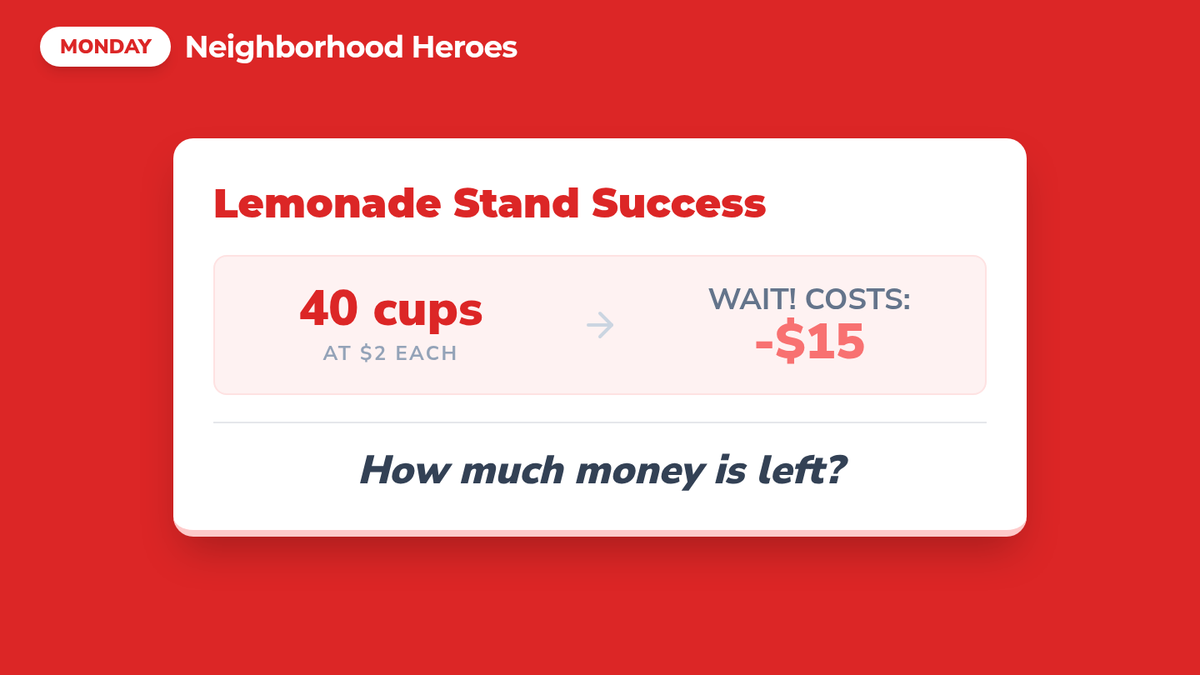
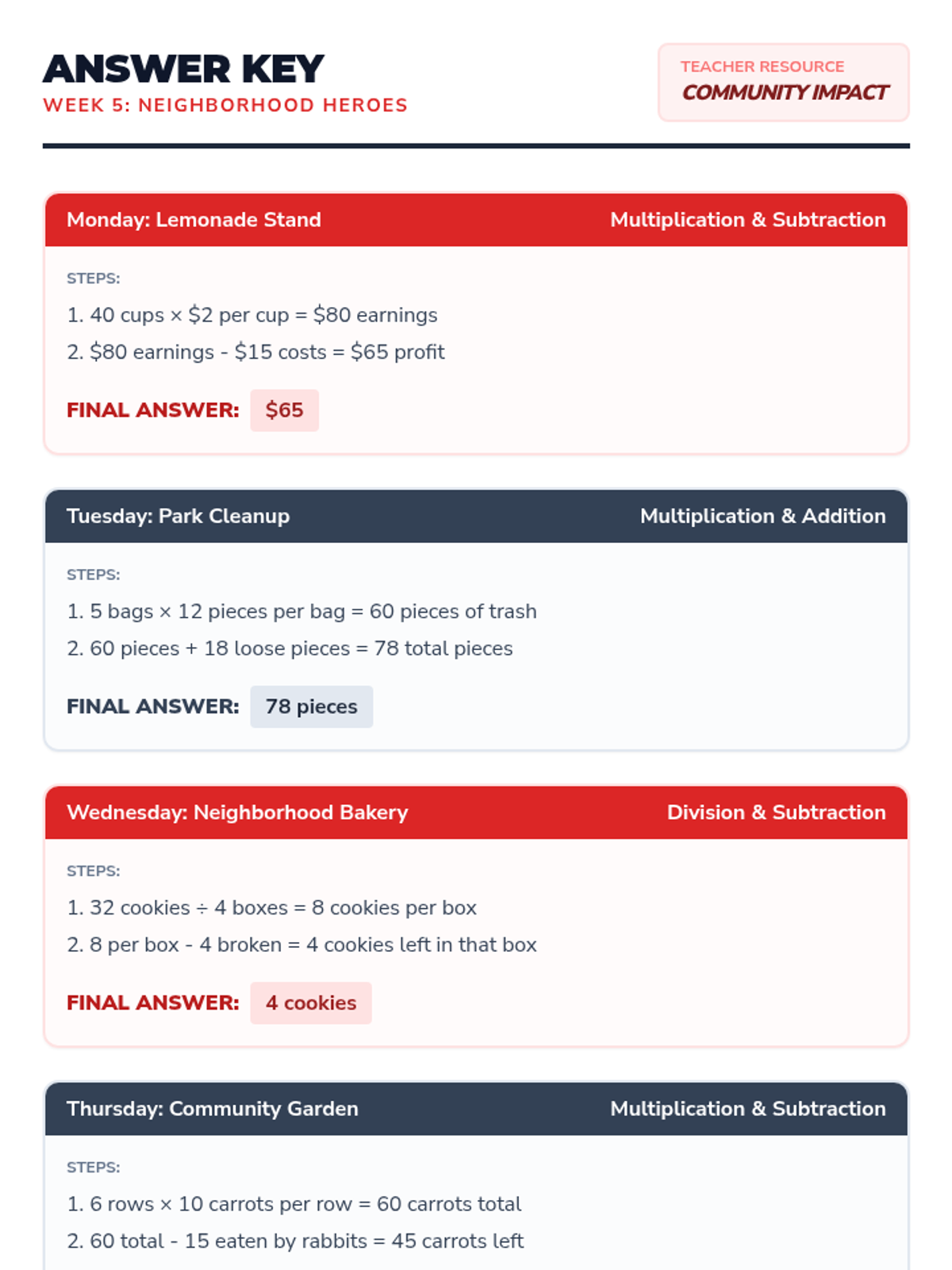
Week 5 returns to everyday life with neighborhood-focused problems, including community garden planning, lemonade stands, and local park events.
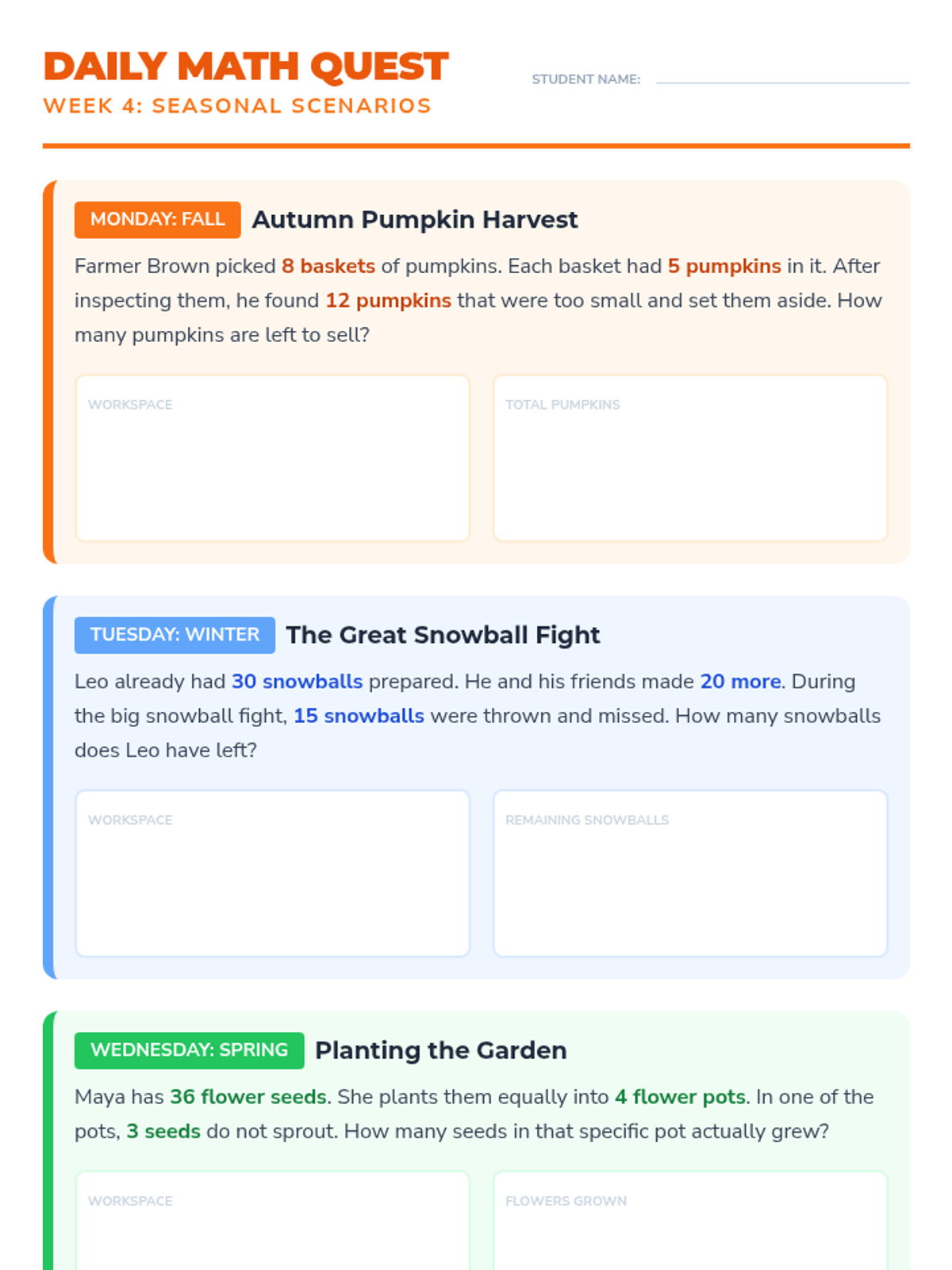
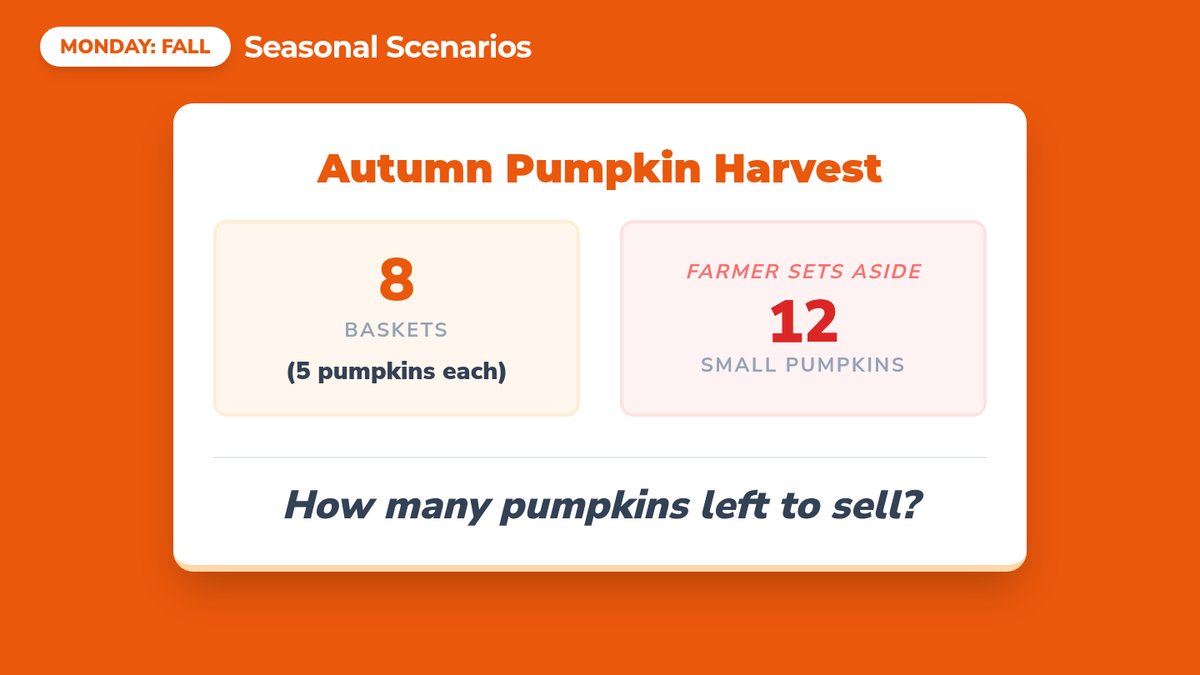
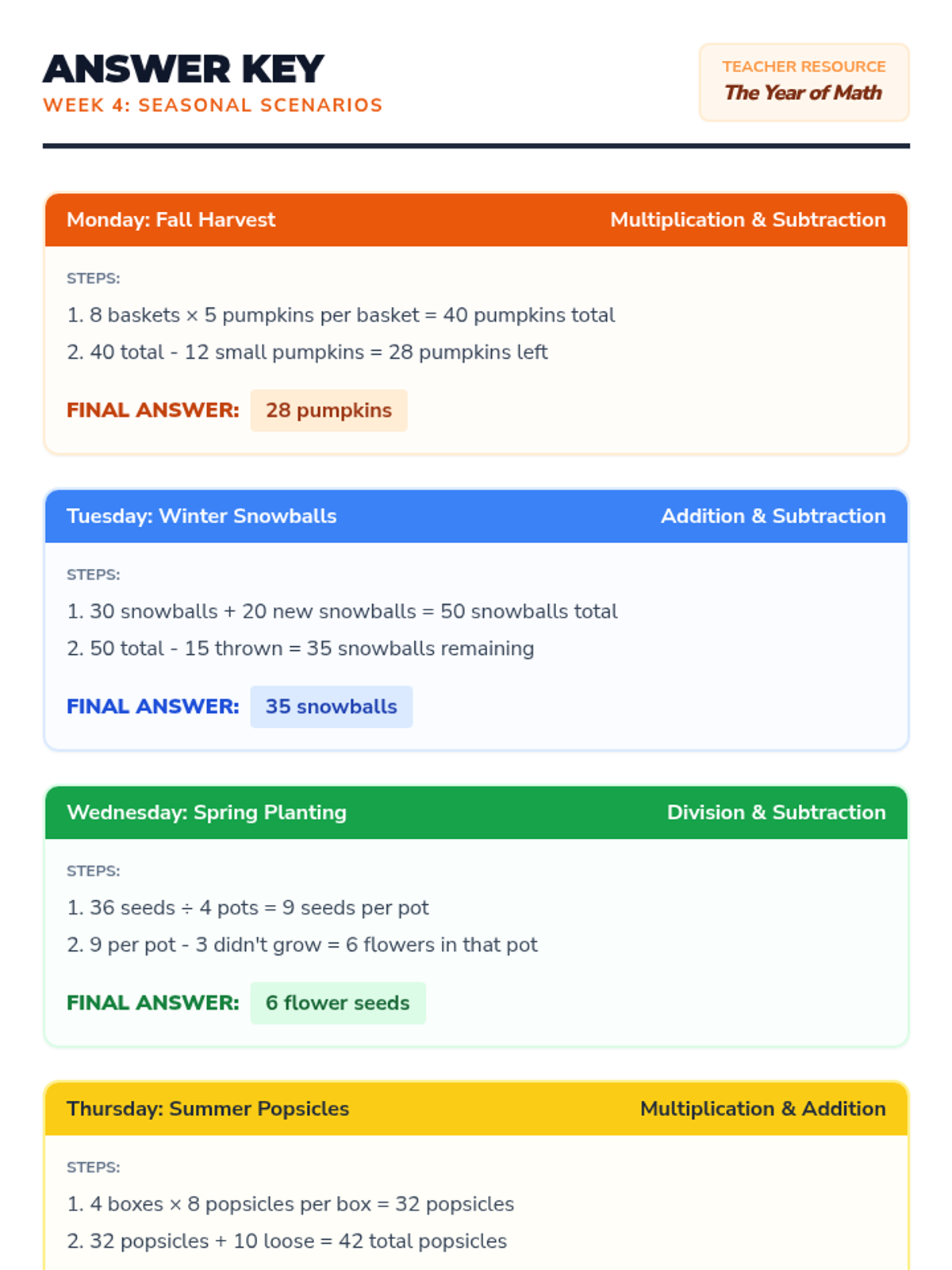
Week 4 explores seasonal and holiday scenarios. Students solve problems related to garden planting, snow day preparations, and holiday gift giving.
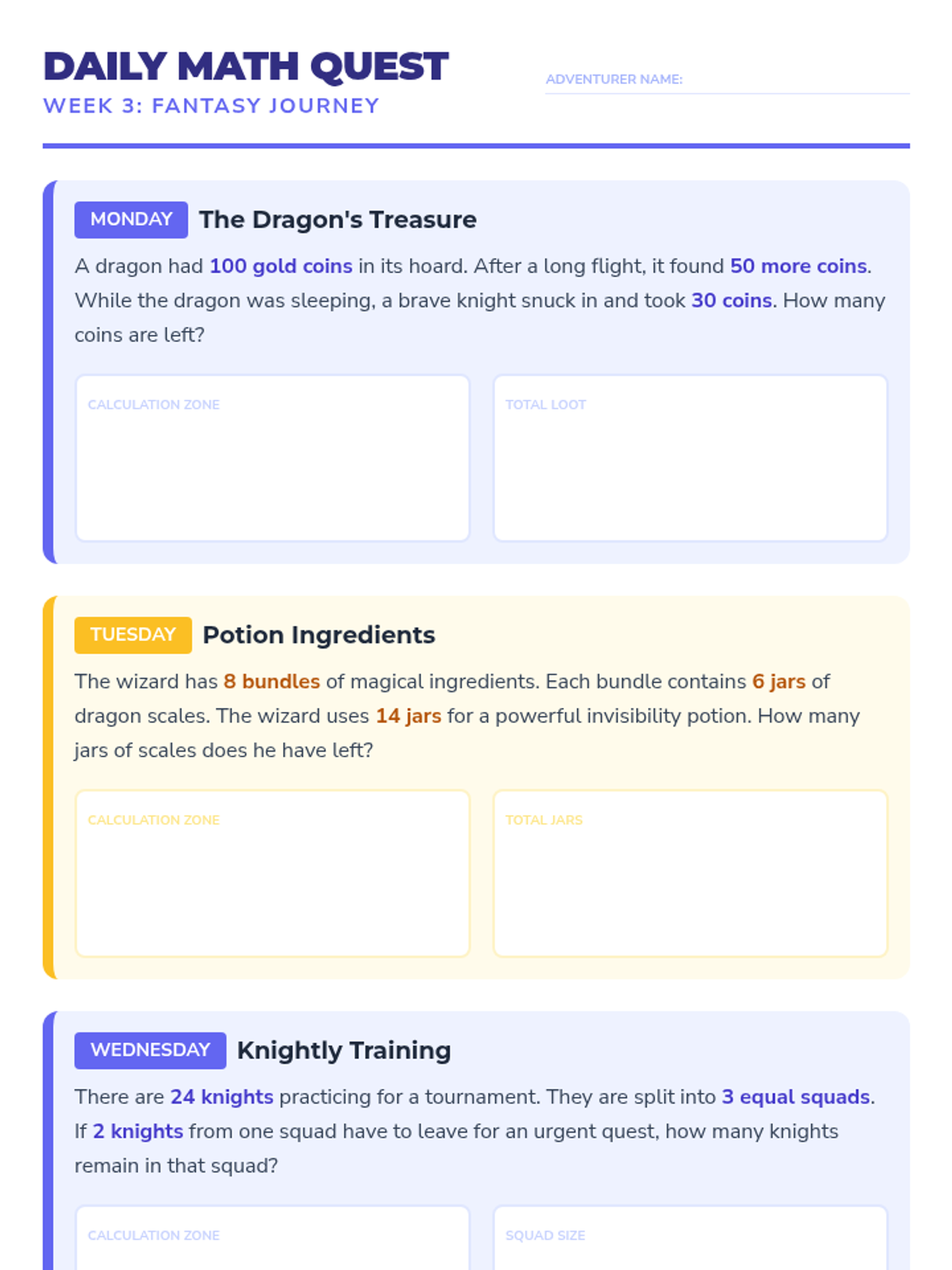
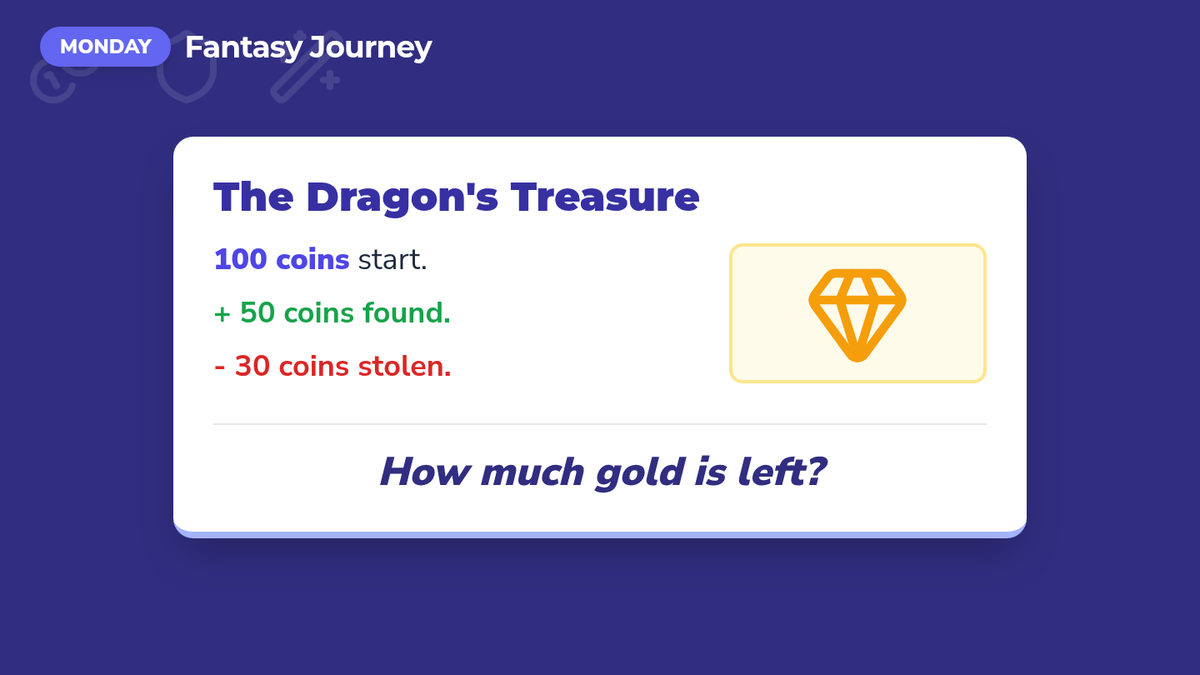
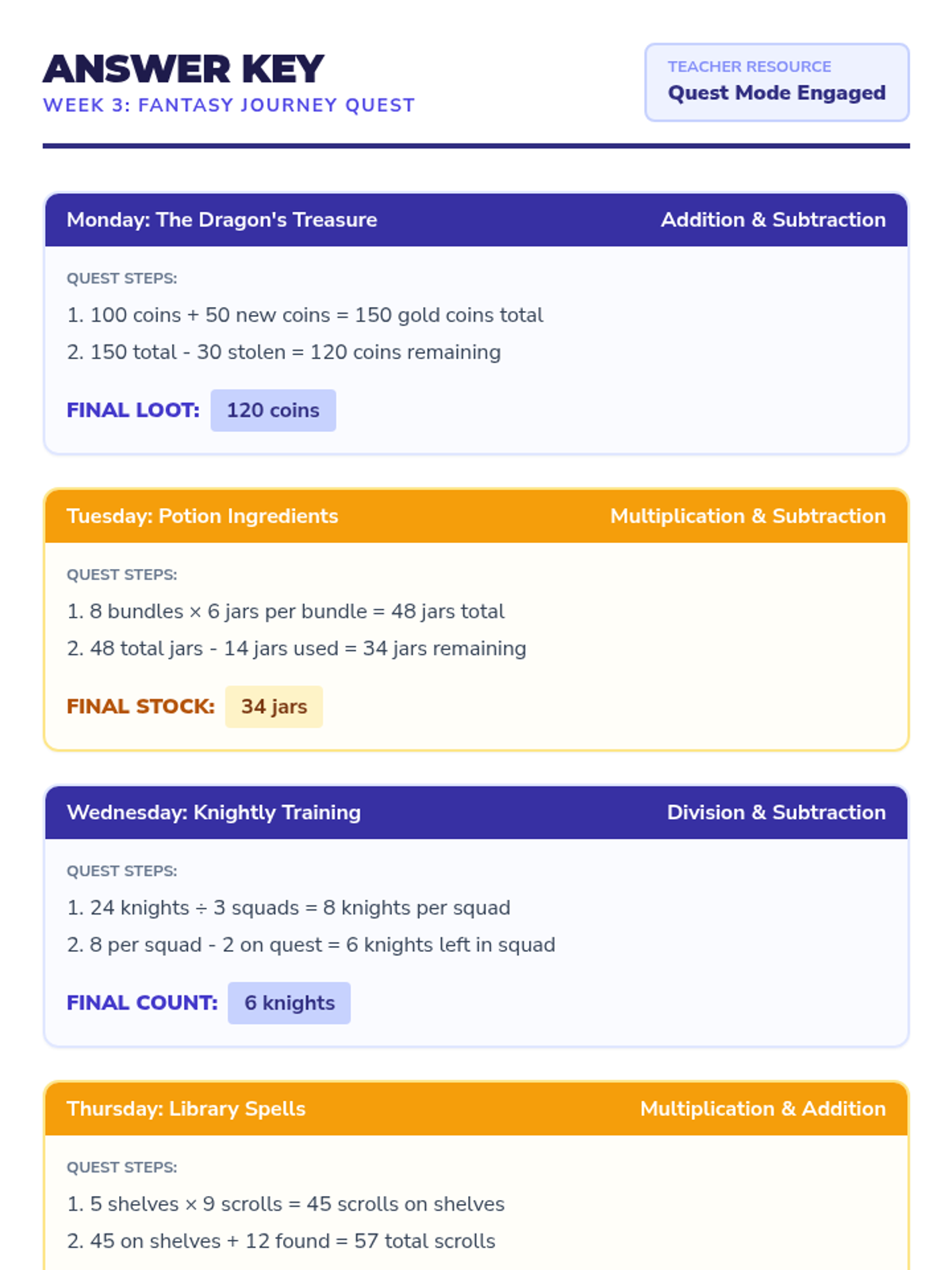
Week 3 dives into a world of fantasy and adventure. Problems involve dragon hoards, wizard potion ingredients, and knightly armor sets.
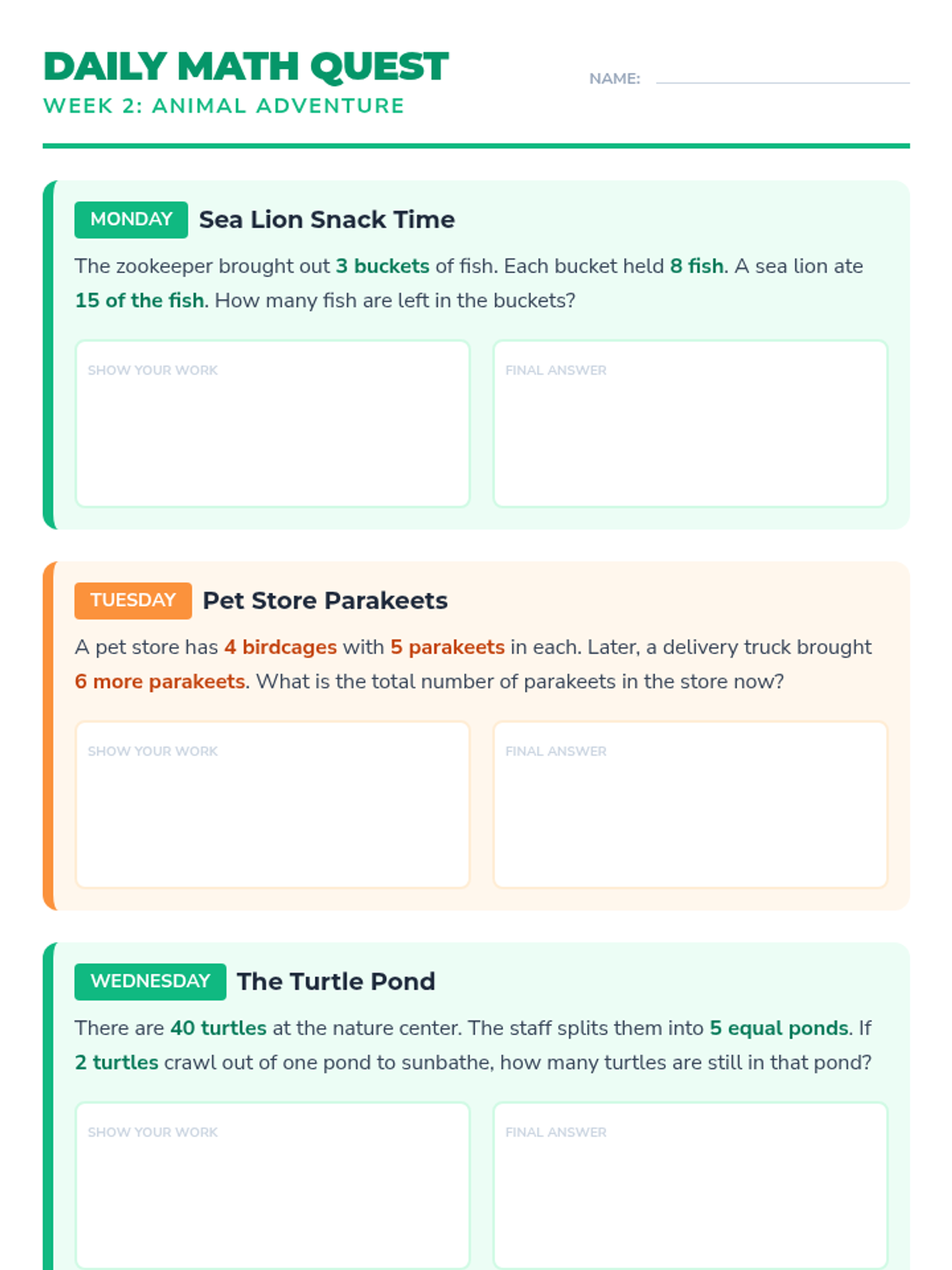
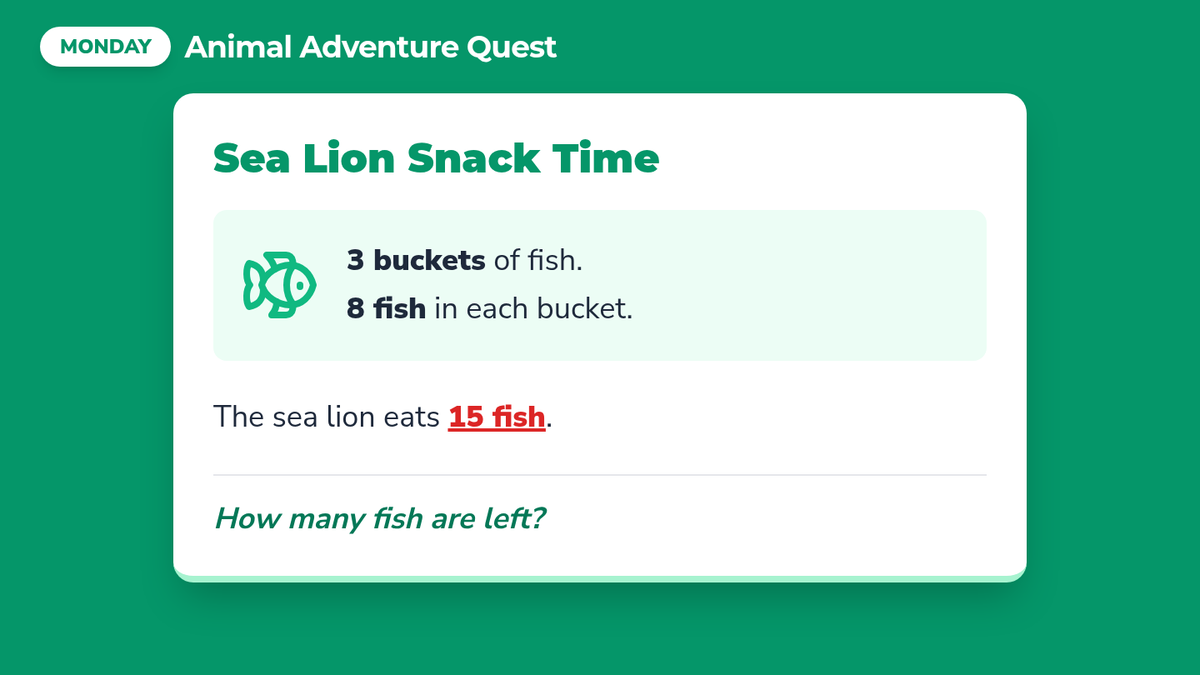
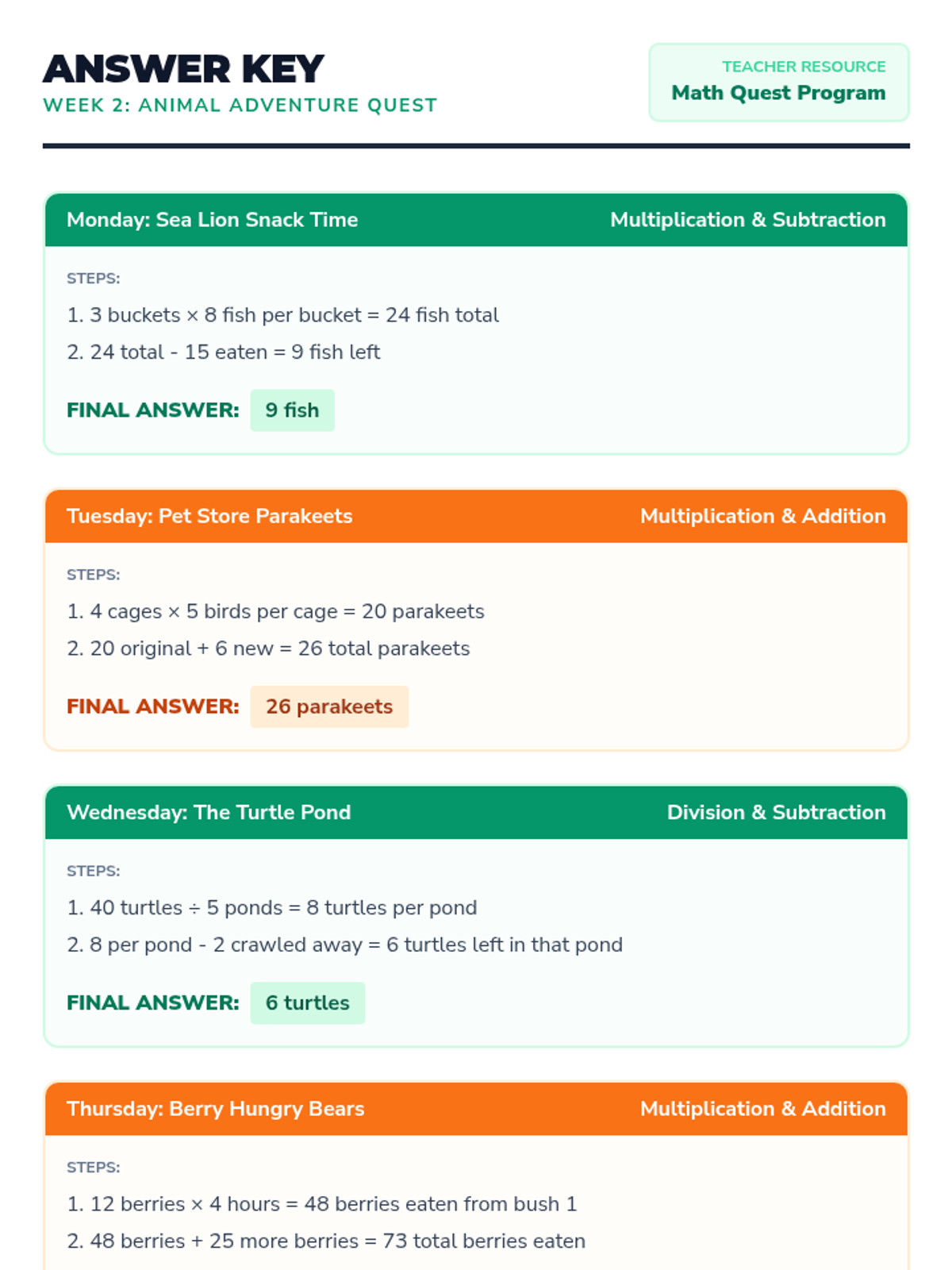
Week 2 features animal-themed two-step word problems. Students calculate zoo animal diets, pet store inventories, and wildlife observations.
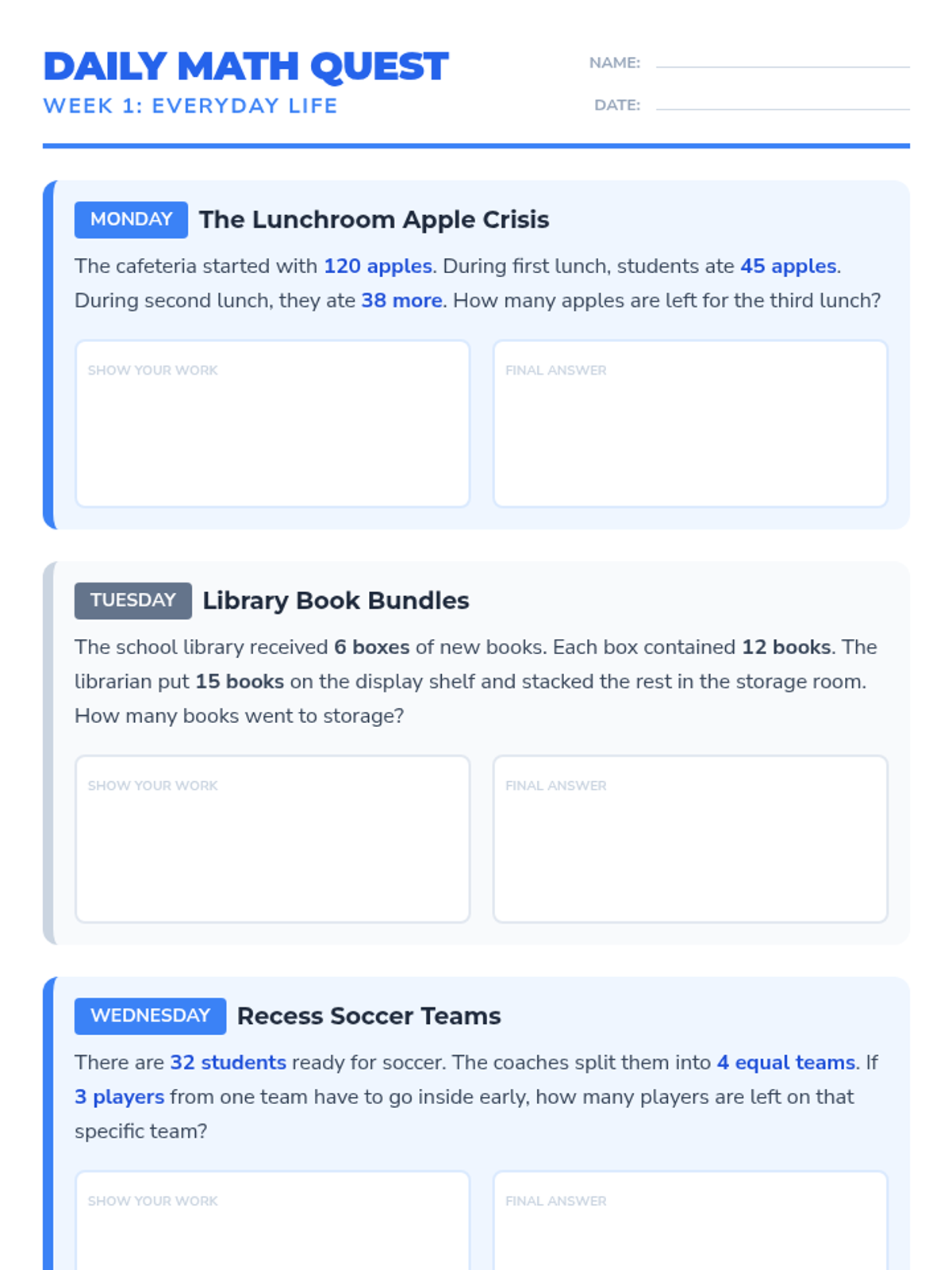
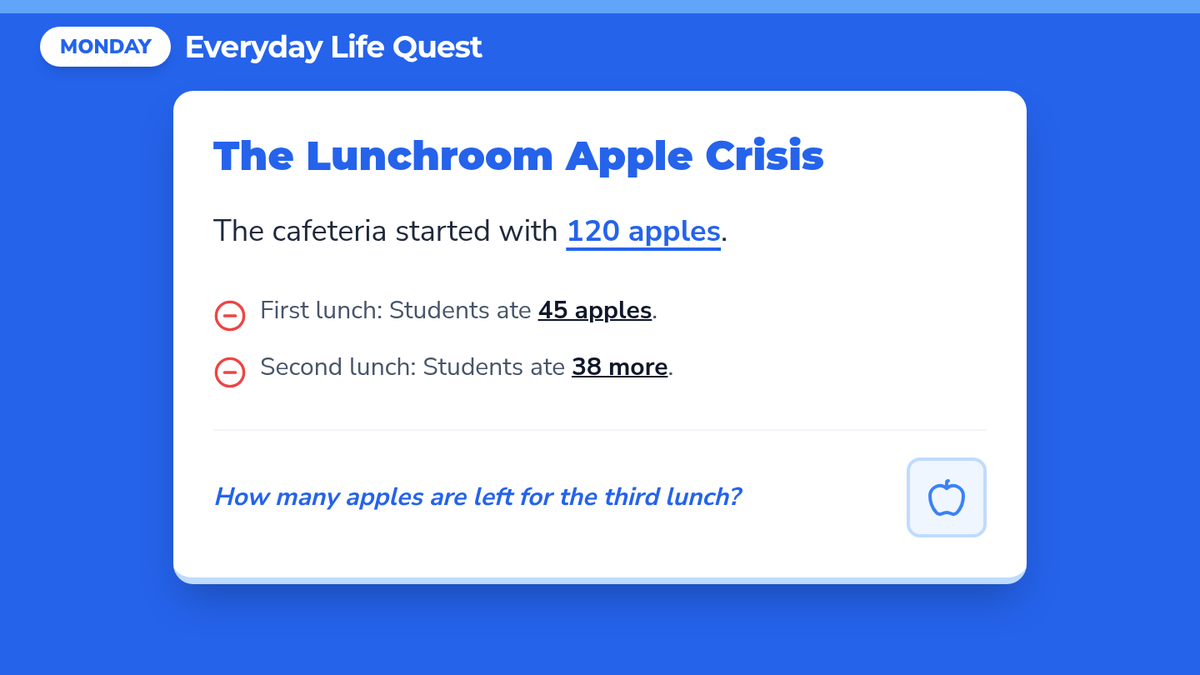
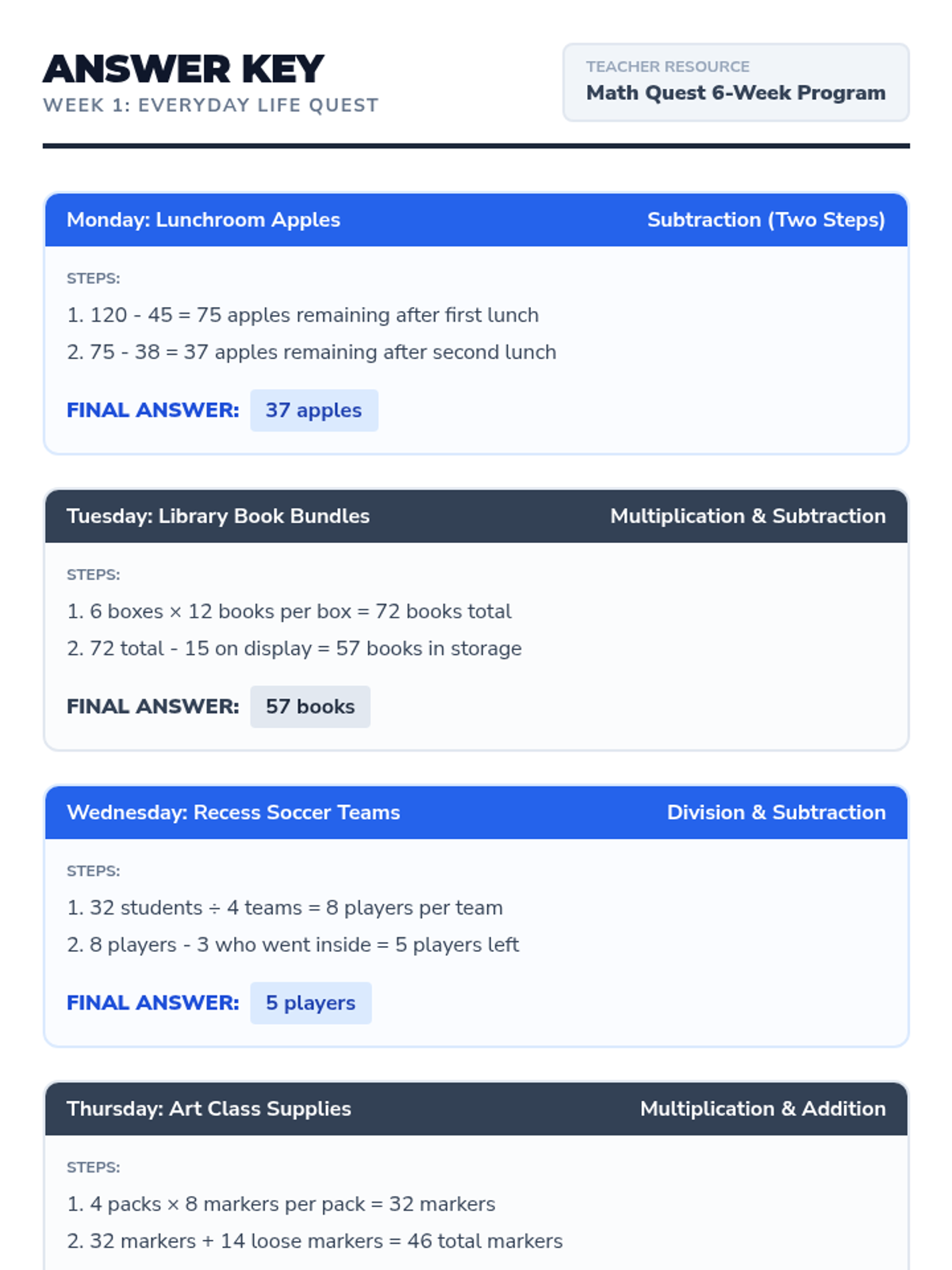
Week 1 focuses on two-step word problems set in everyday school and home environments. Students solve problems involving lunchroom supplies, library books, and household chores.
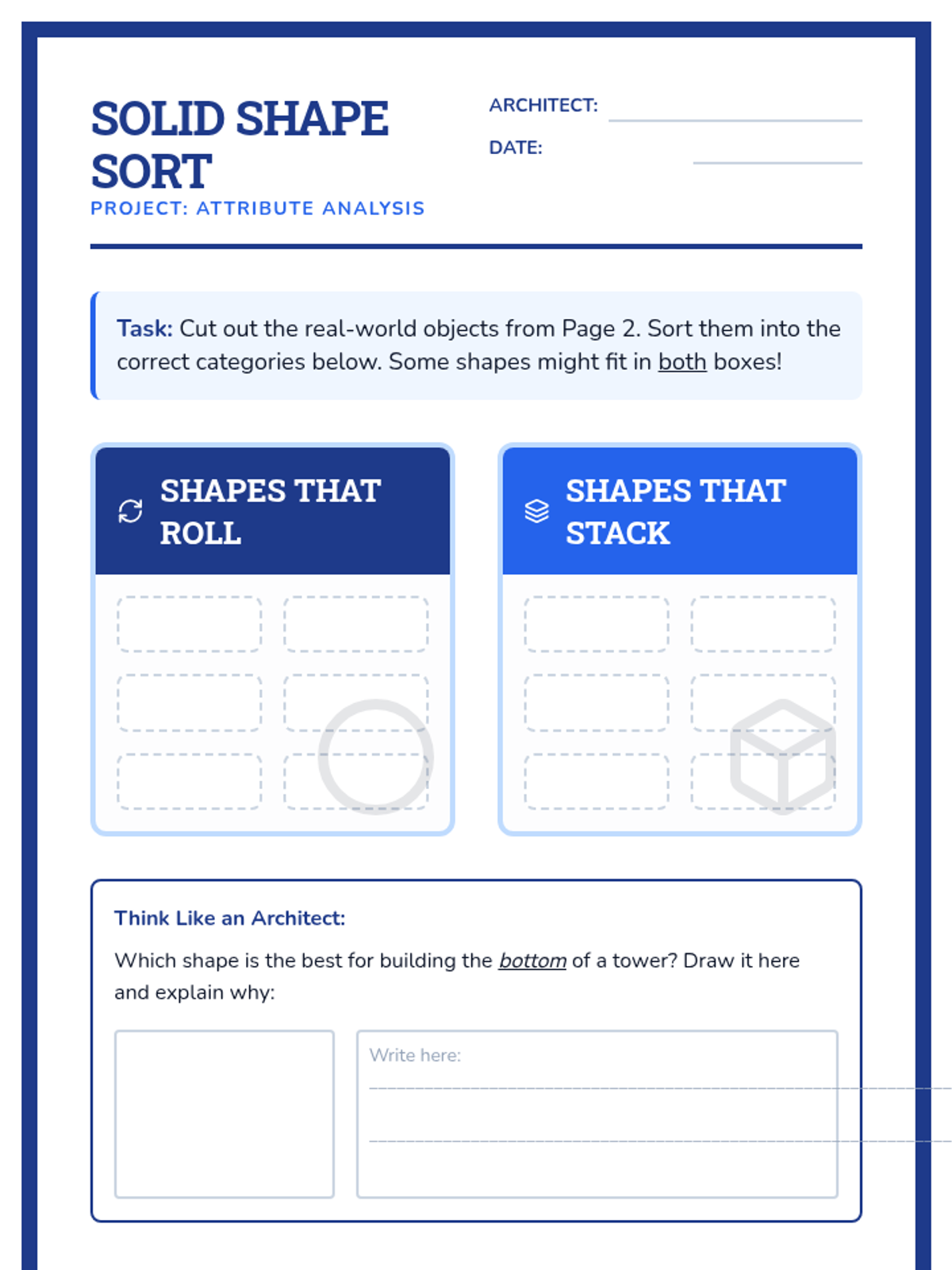
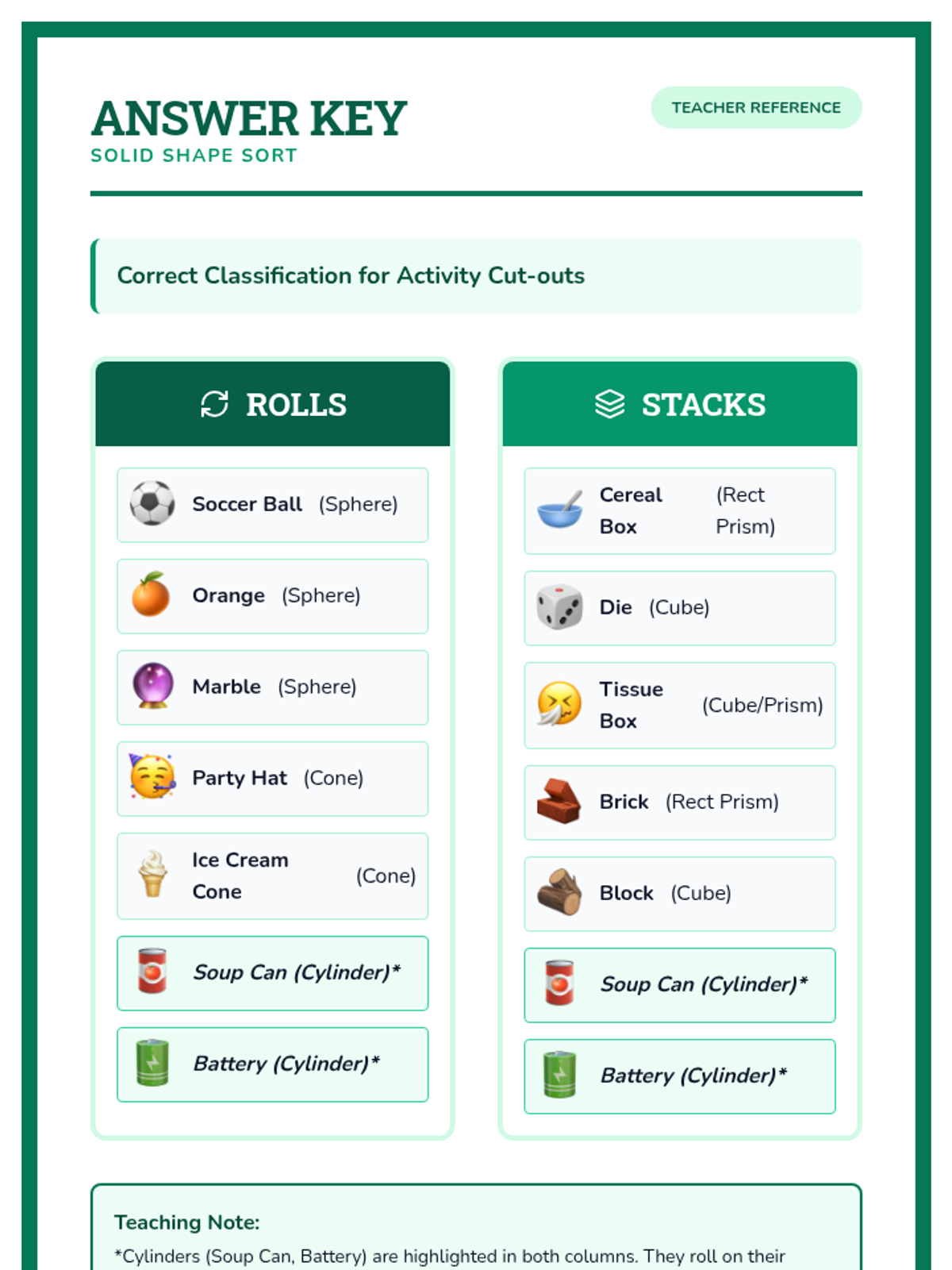
A hands-on exploration of 3D shapes where students identify, describe, and sort solid figures by their physical attributes and real-world applications.
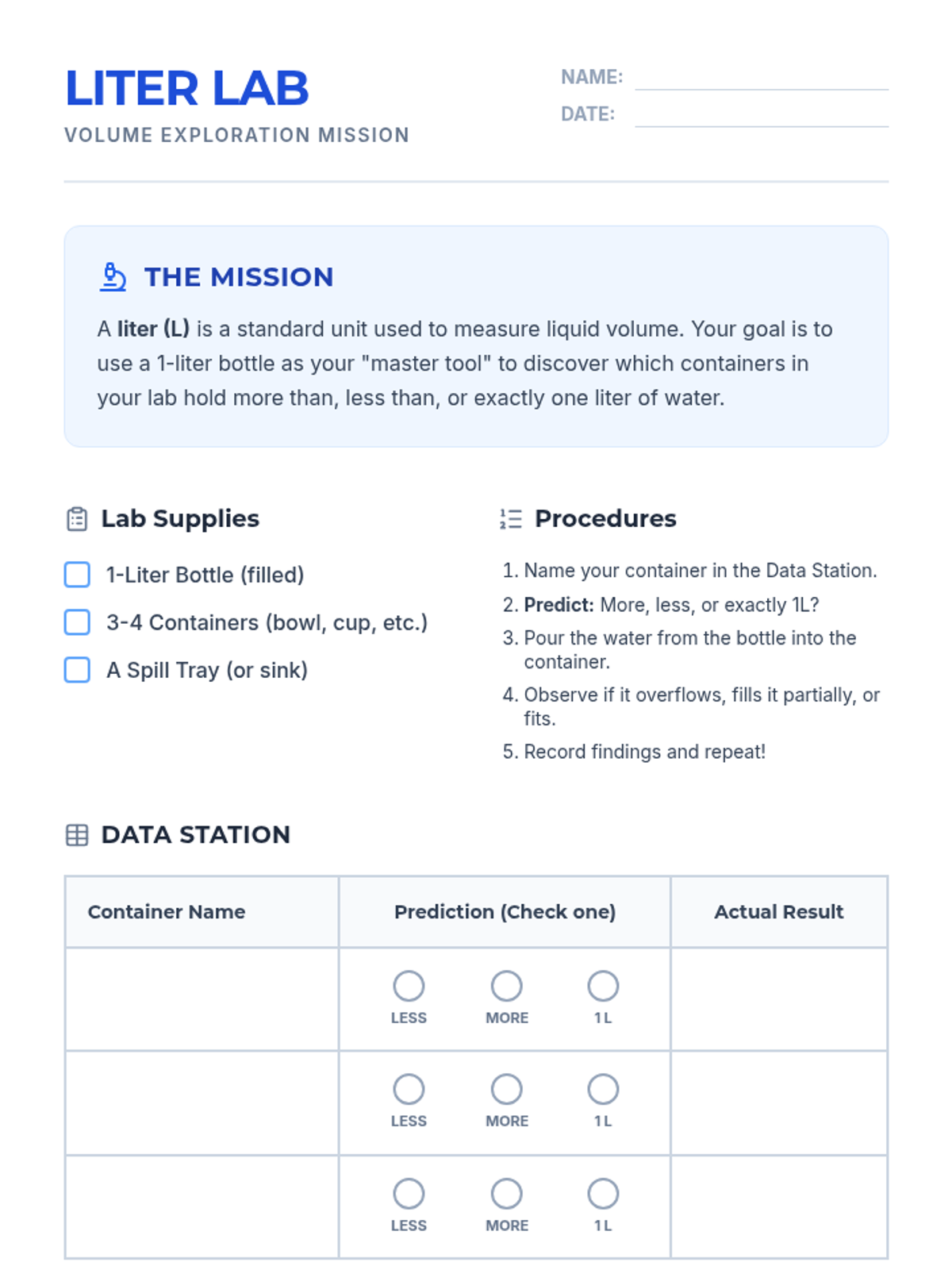
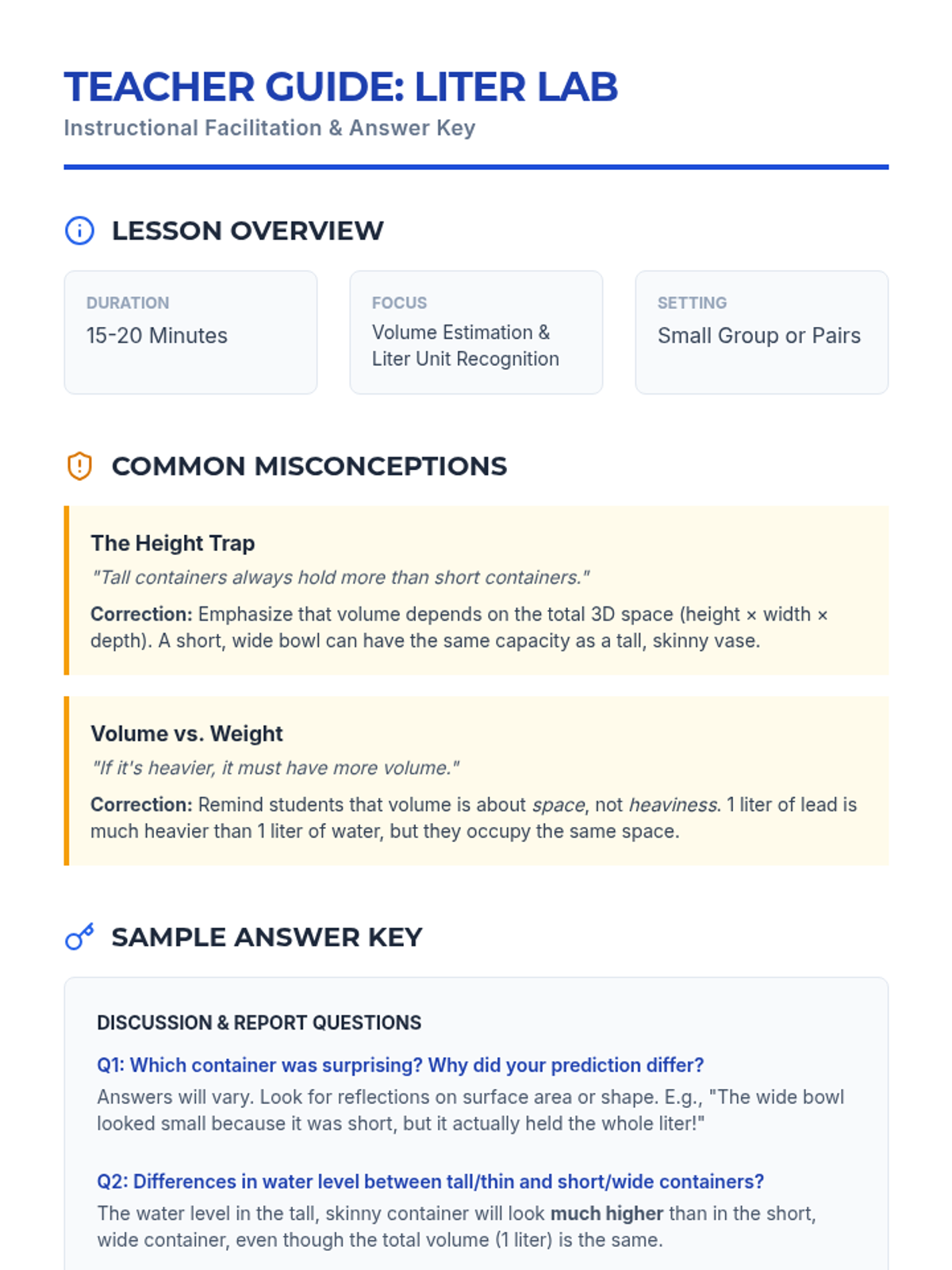
A quick, hands-on exploration of liquid volume focusing on the liter as a standard unit of measurement. Students use a 1-liter reference to estimate and measure the capacity of various everyday containers.
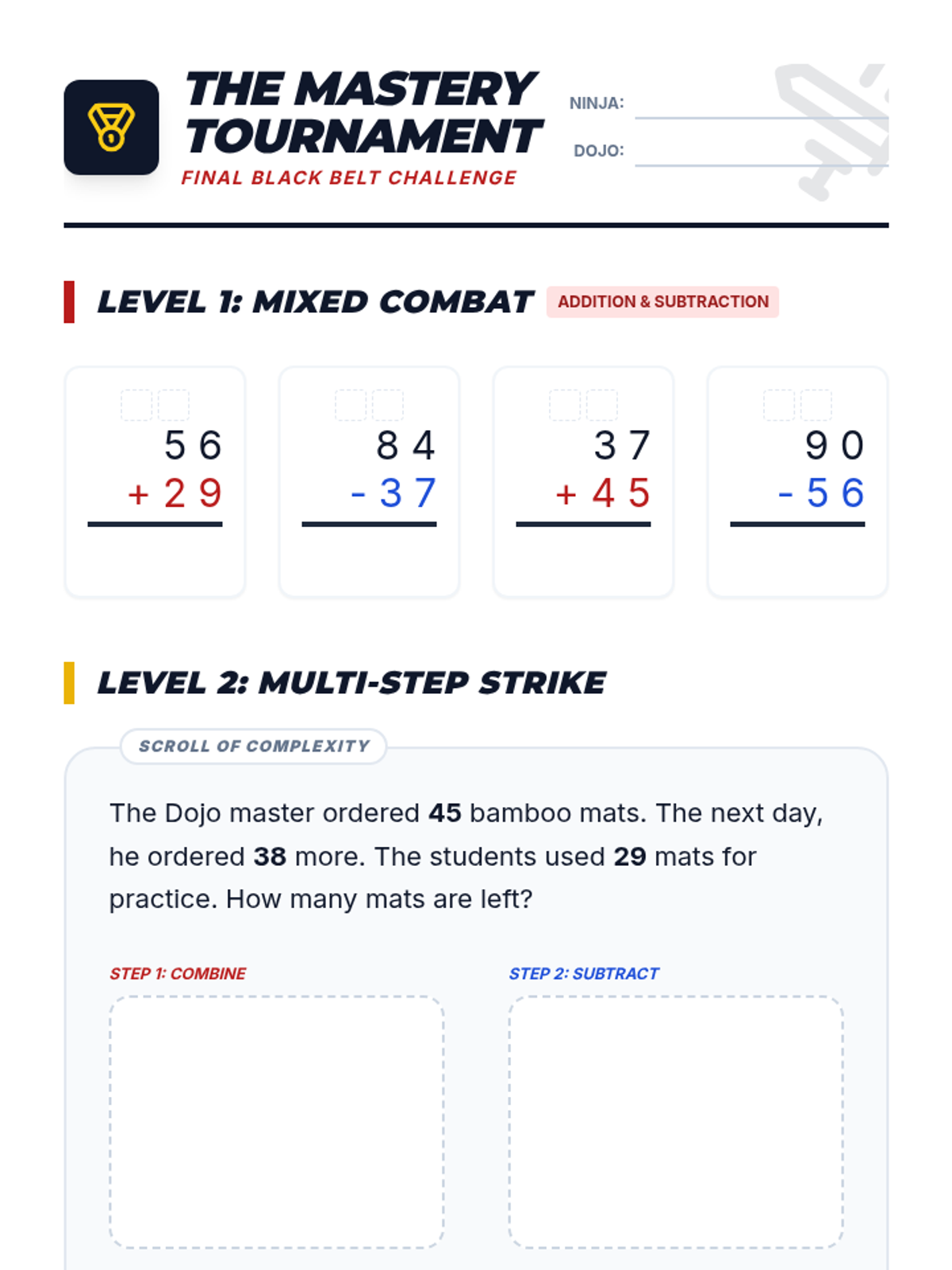
Applying addition and subtraction skills to solve complex multi-step word problems and 'boss' challenges.
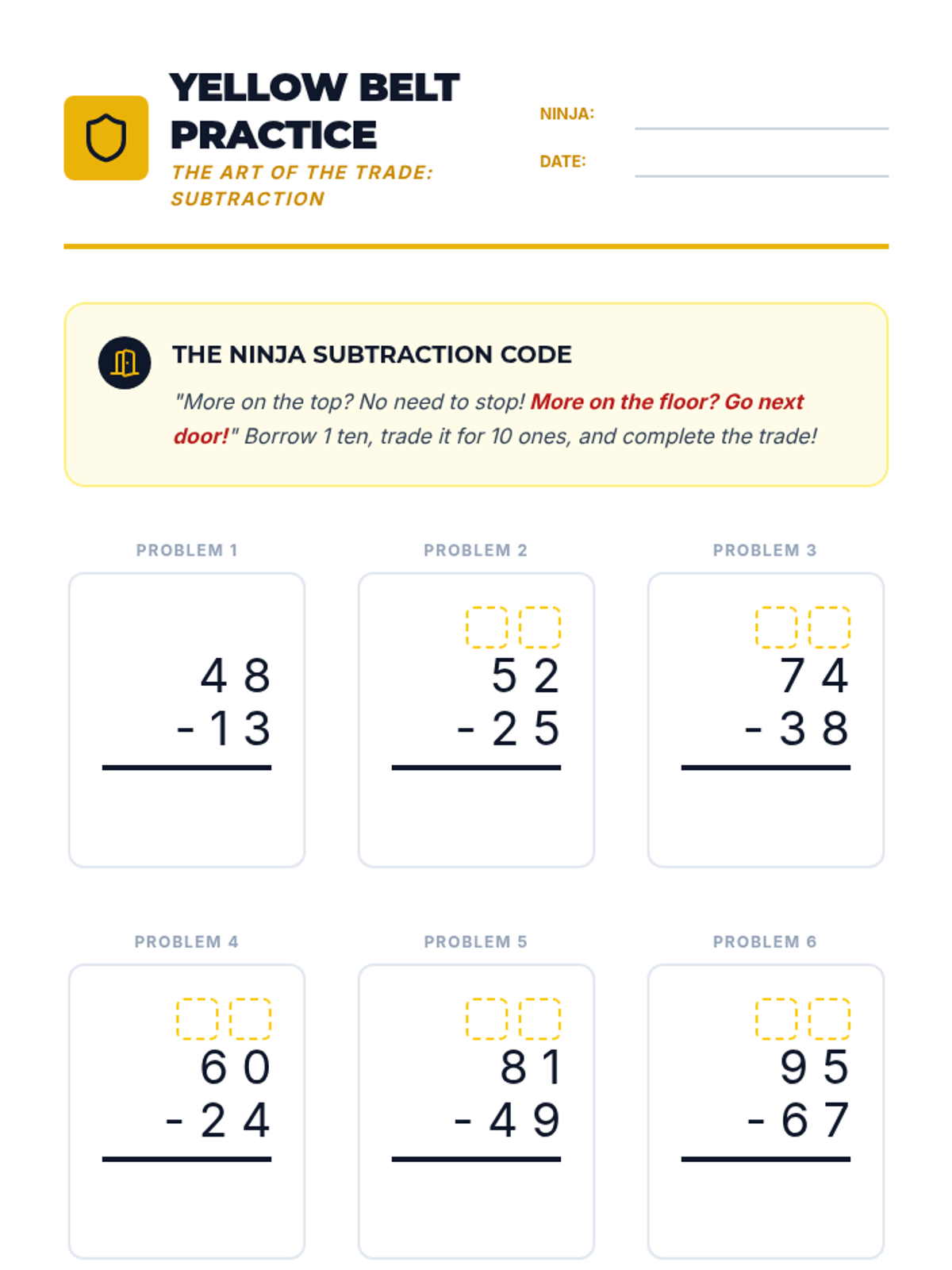
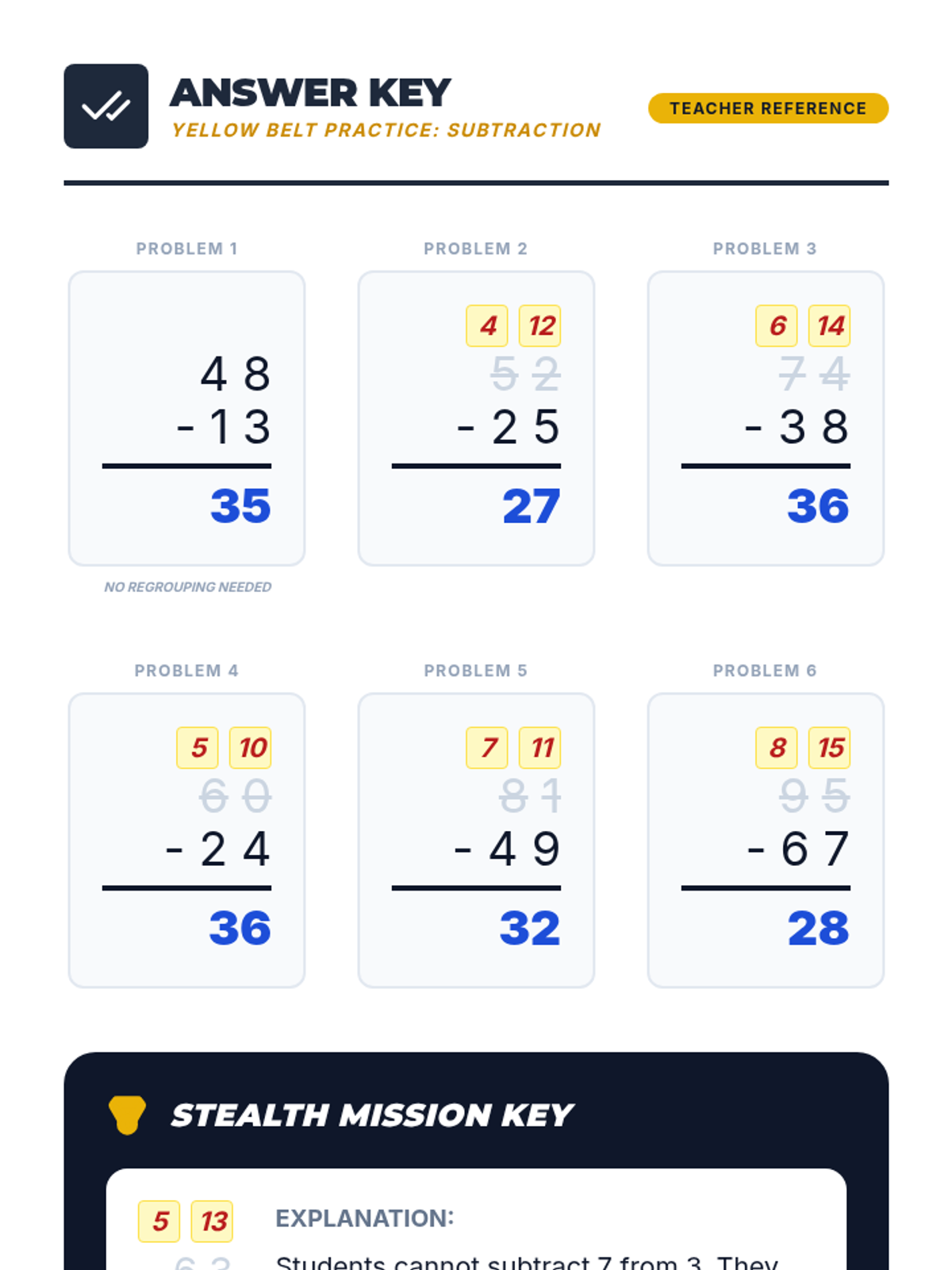
Mastering two-digit subtraction with regrouping, focusing on 'borrowing' from the tens place.
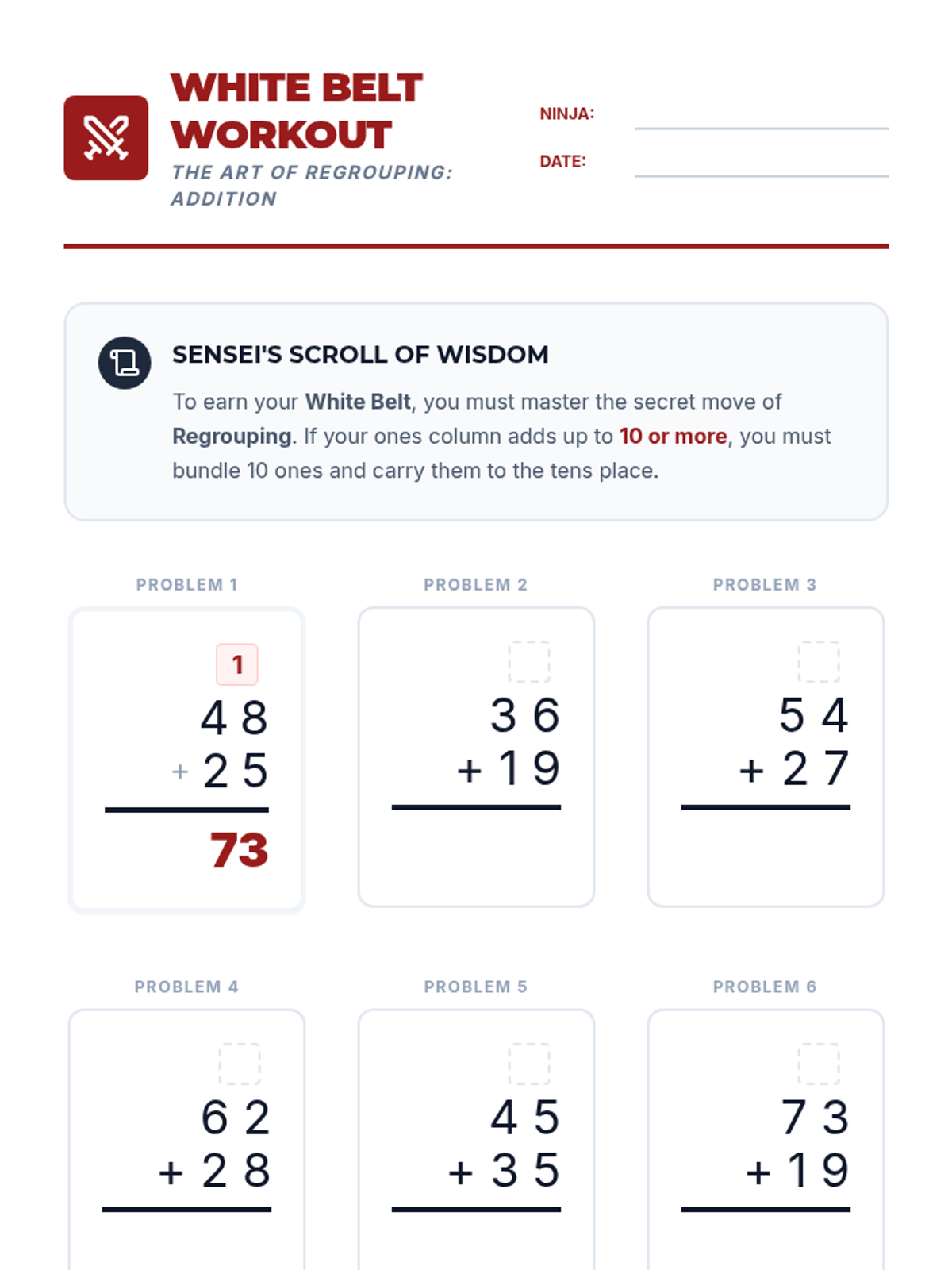
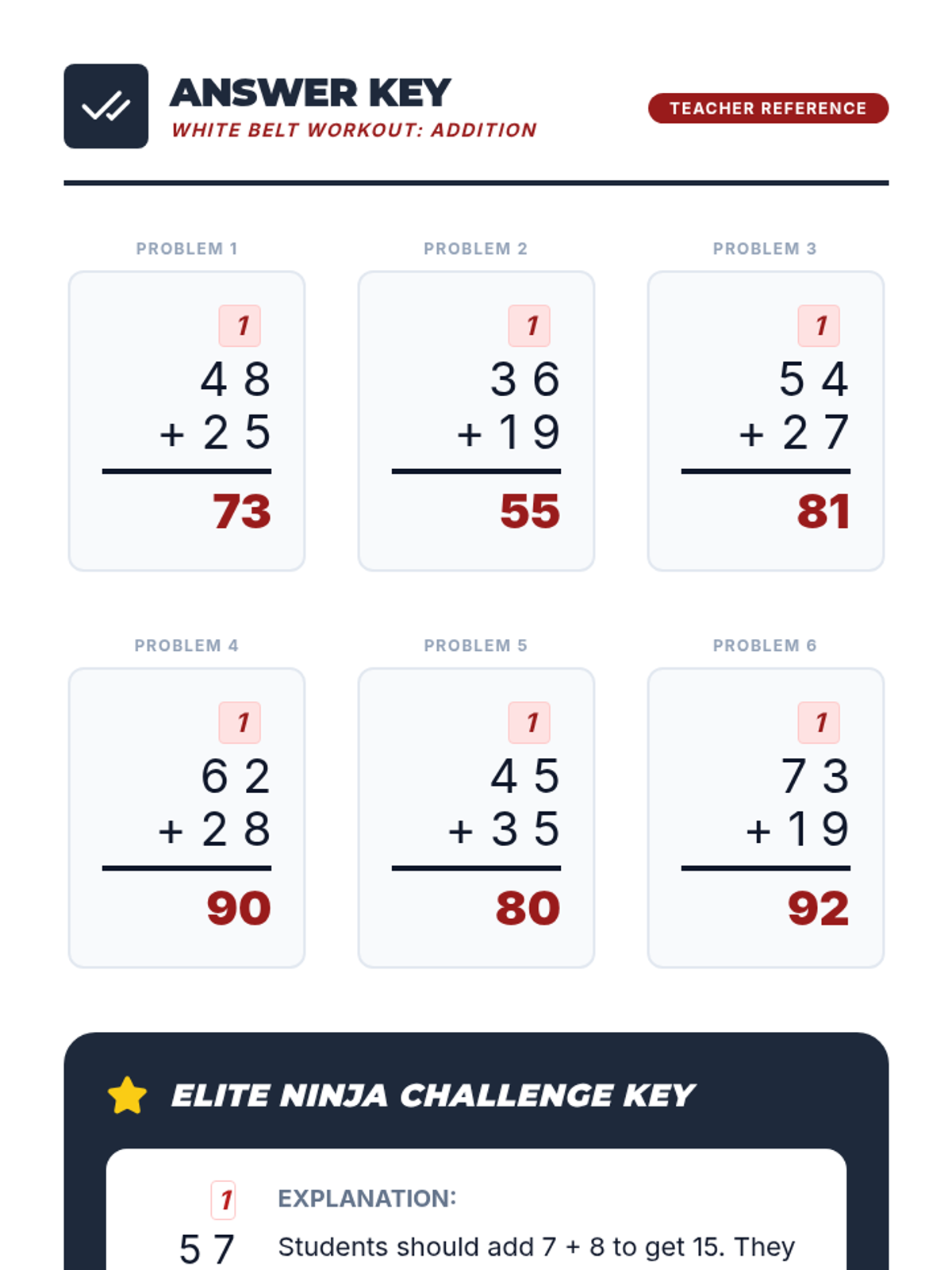
Mastering two-digit addition with regrouping, focusing on the concept of 'carrying' ten ones to the tens place.
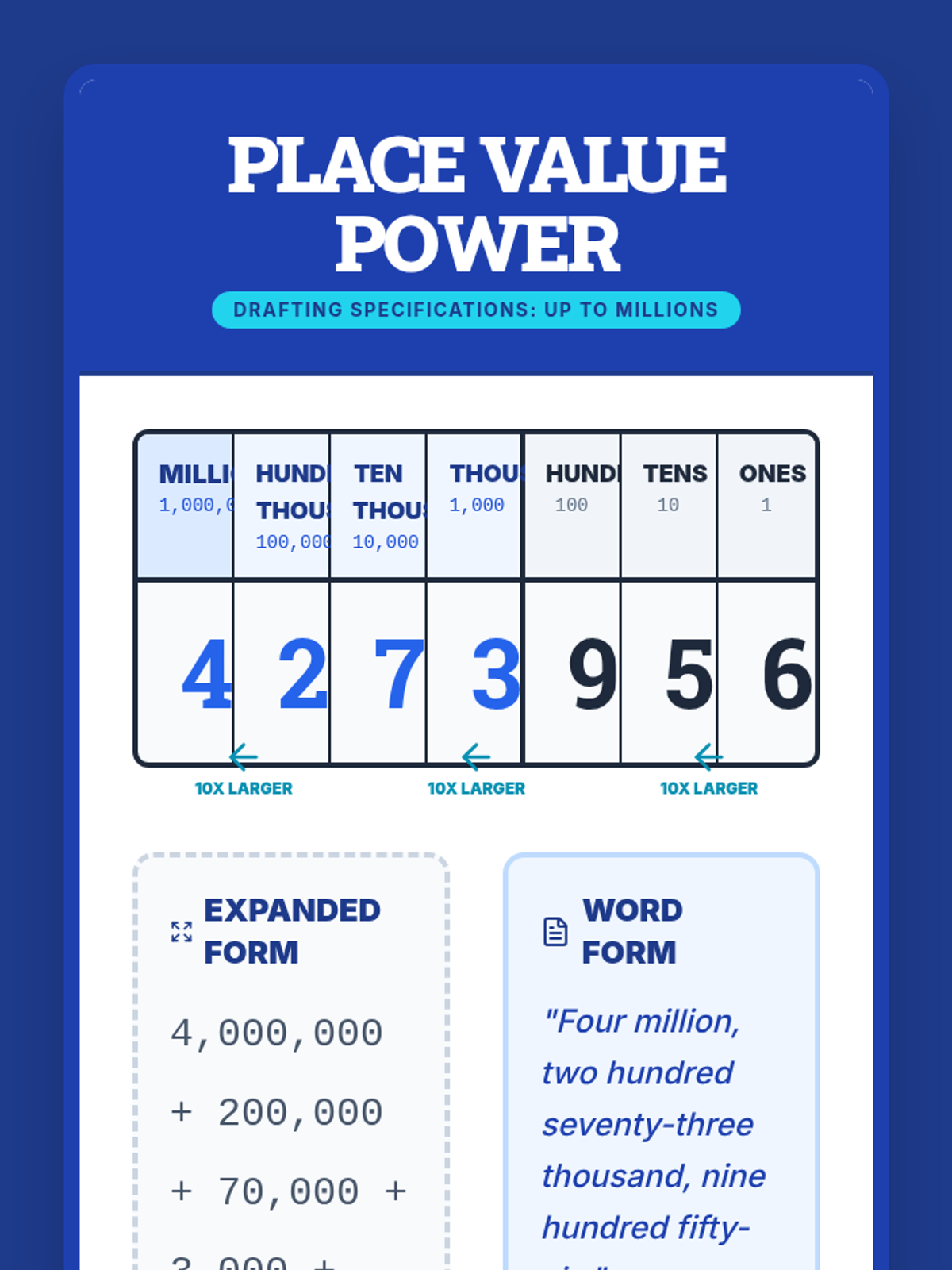
Provides a comprehensive visual reference for 4th-grade place value concepts, extending up to the millions place.
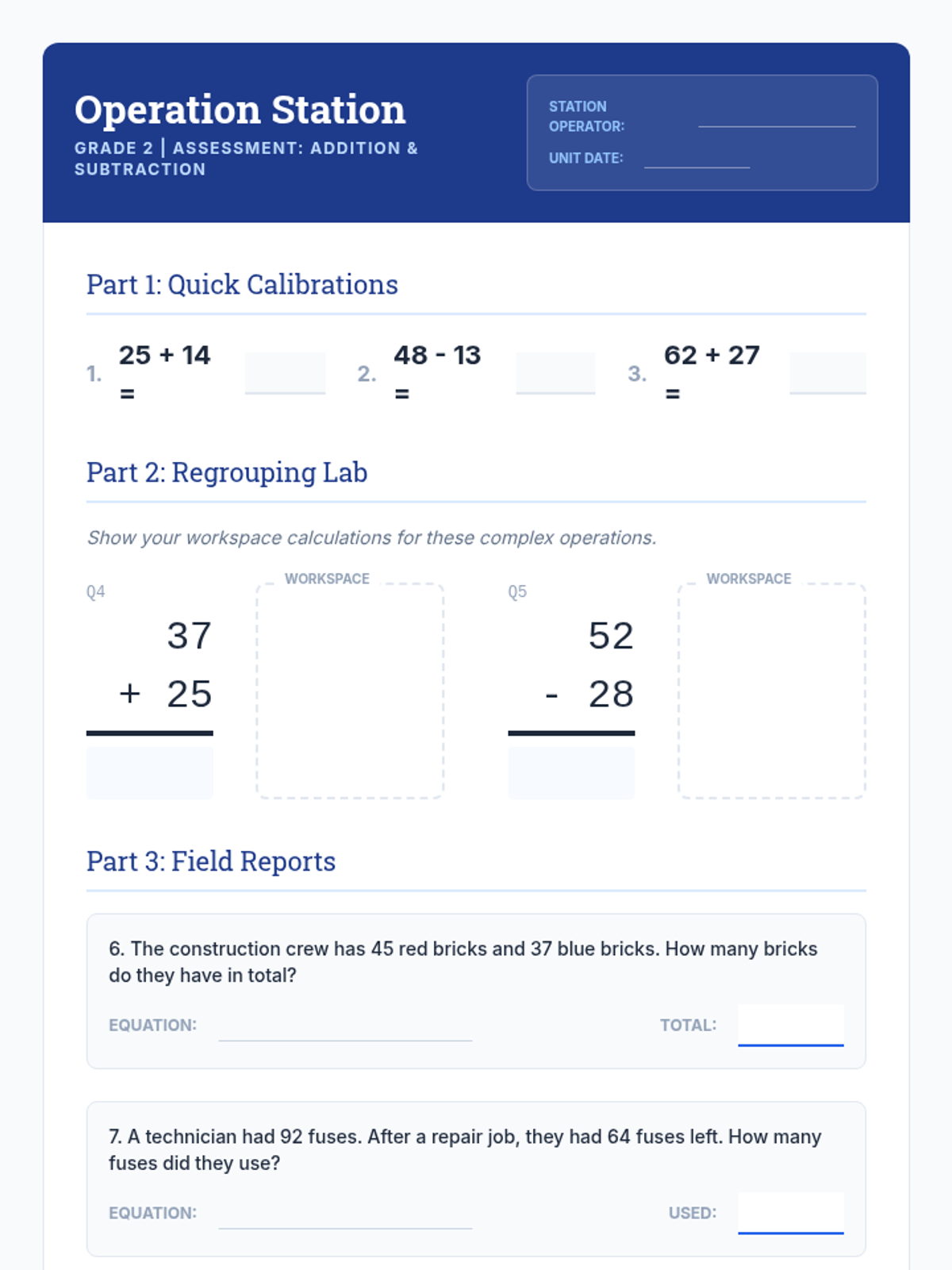
Assesses 2nd-grade proficiency in basic addition and subtraction operations, including word problems and regrouping.
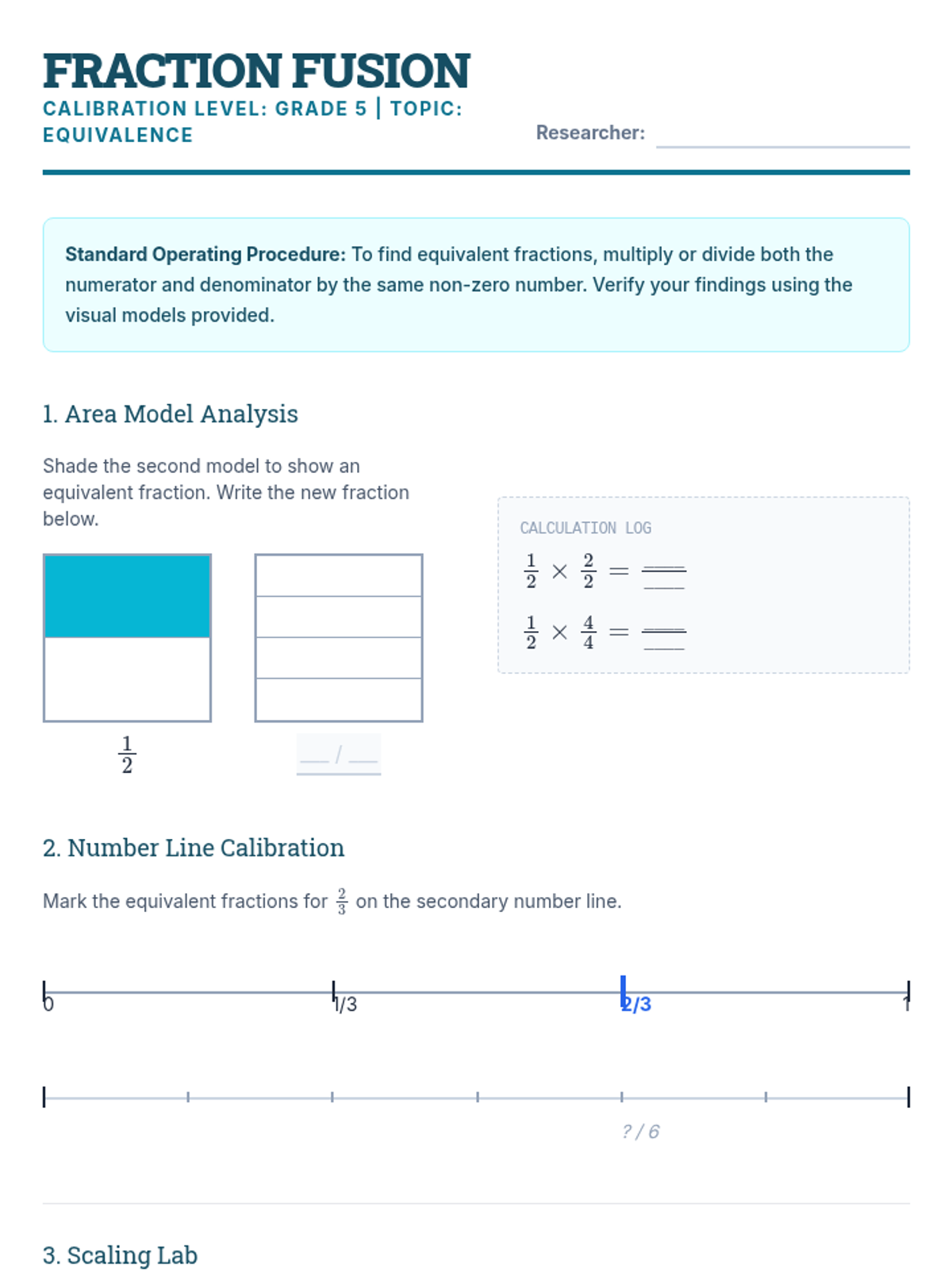
Deepens 5th-grade students' understanding of fraction equivalence through visual modeling and symbolic manipulation.
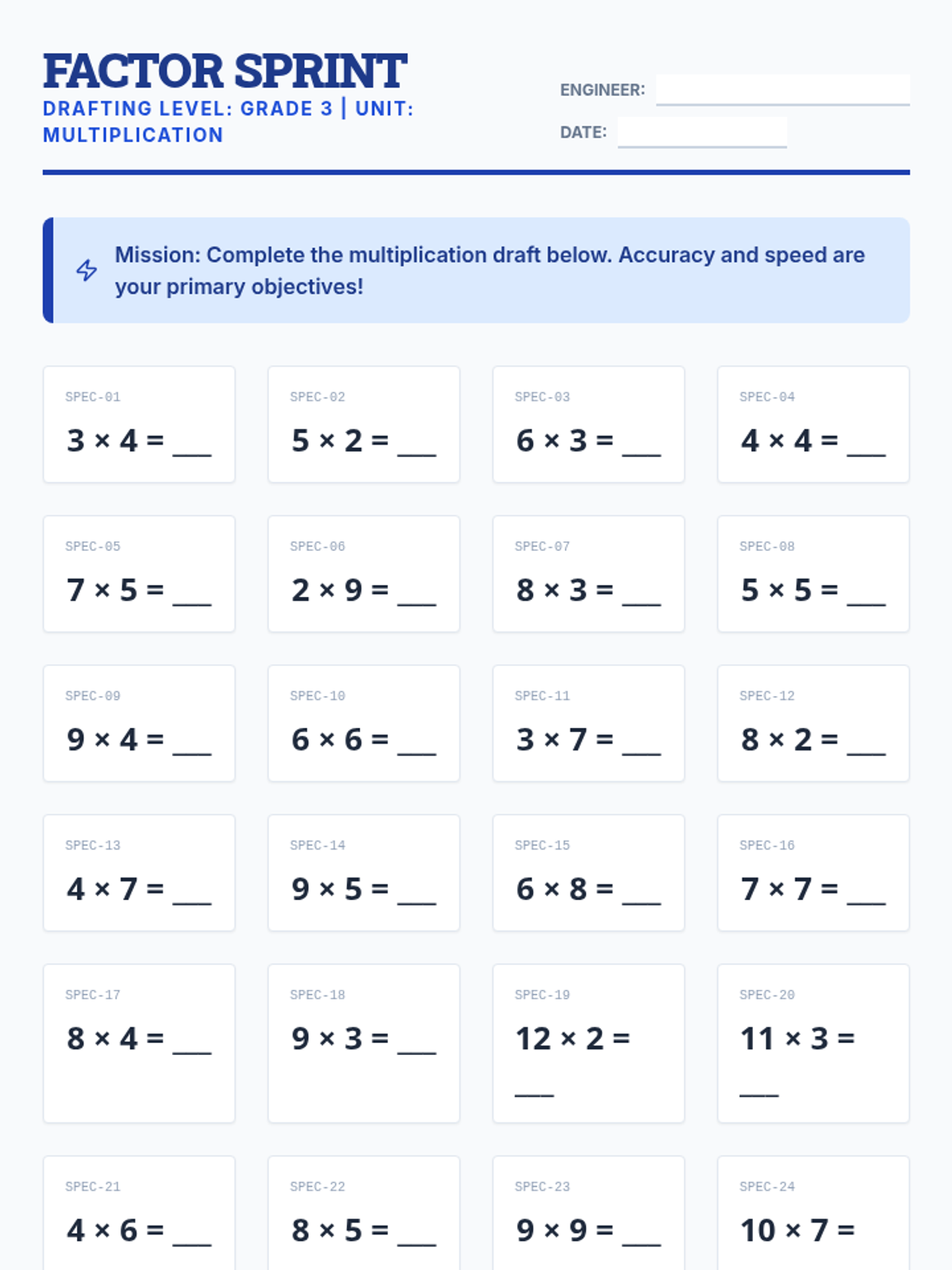
Focuses on building fluency with multiplication facts for 3rd-grade students through engaging practice drills.
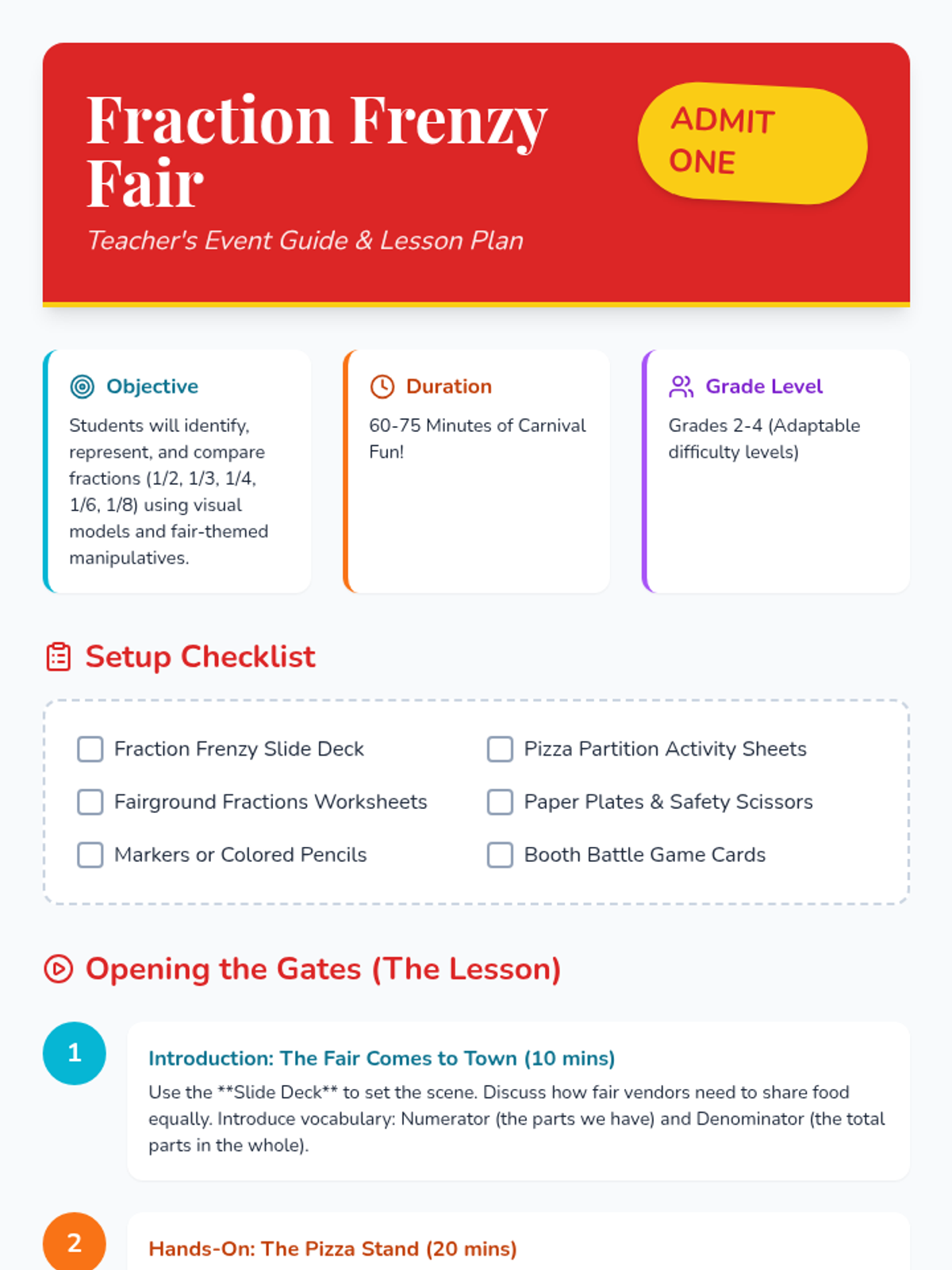
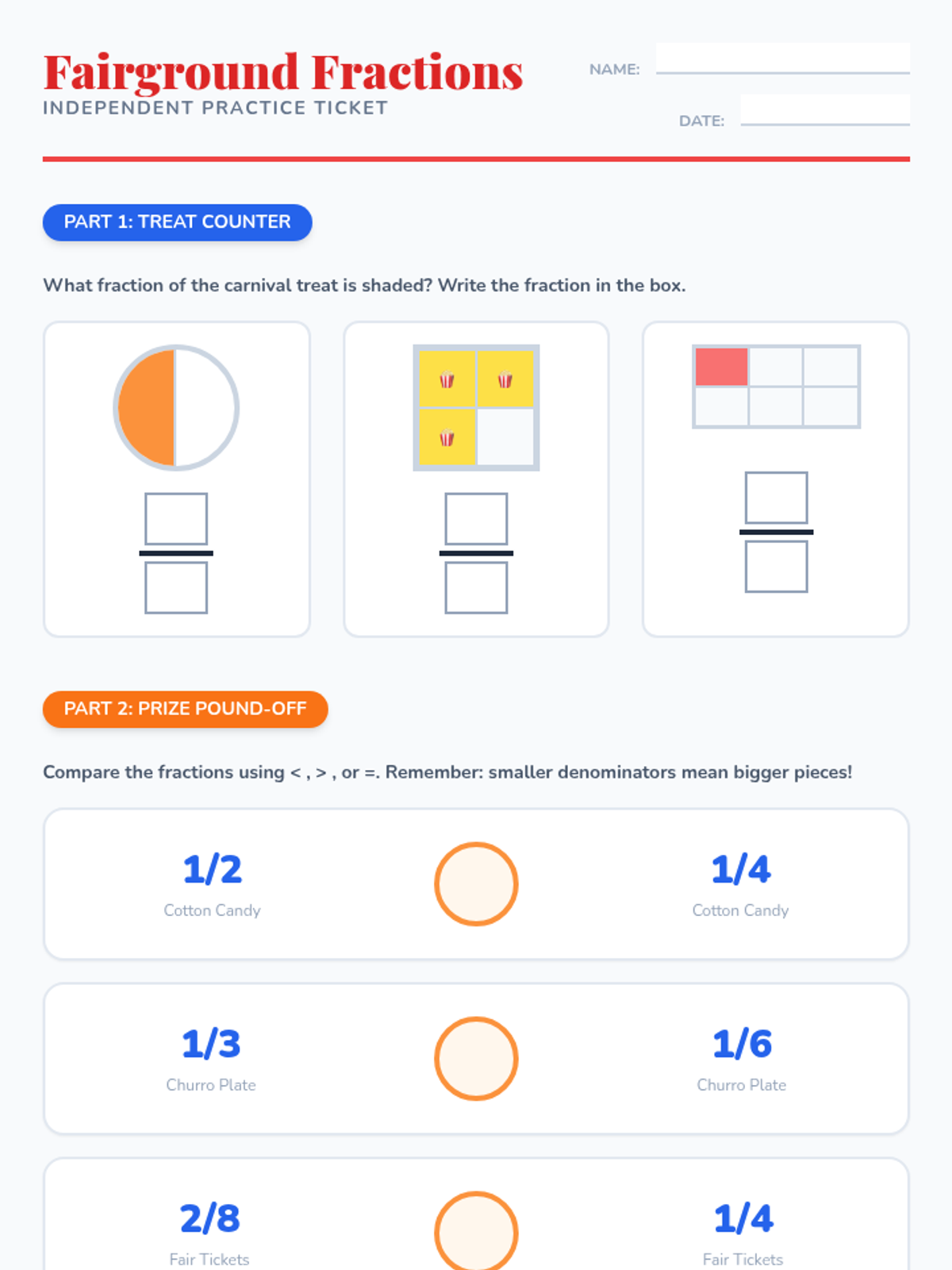
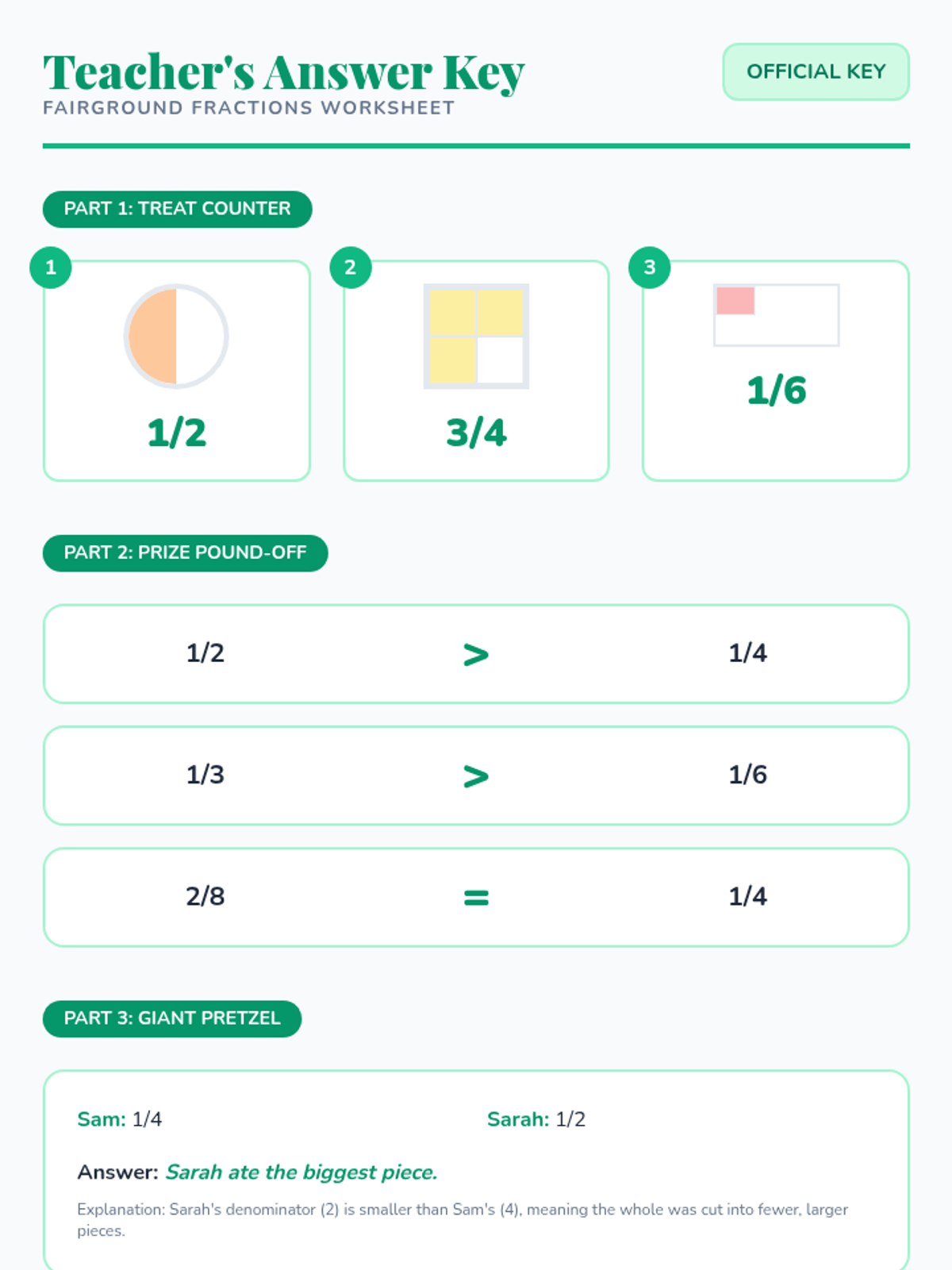
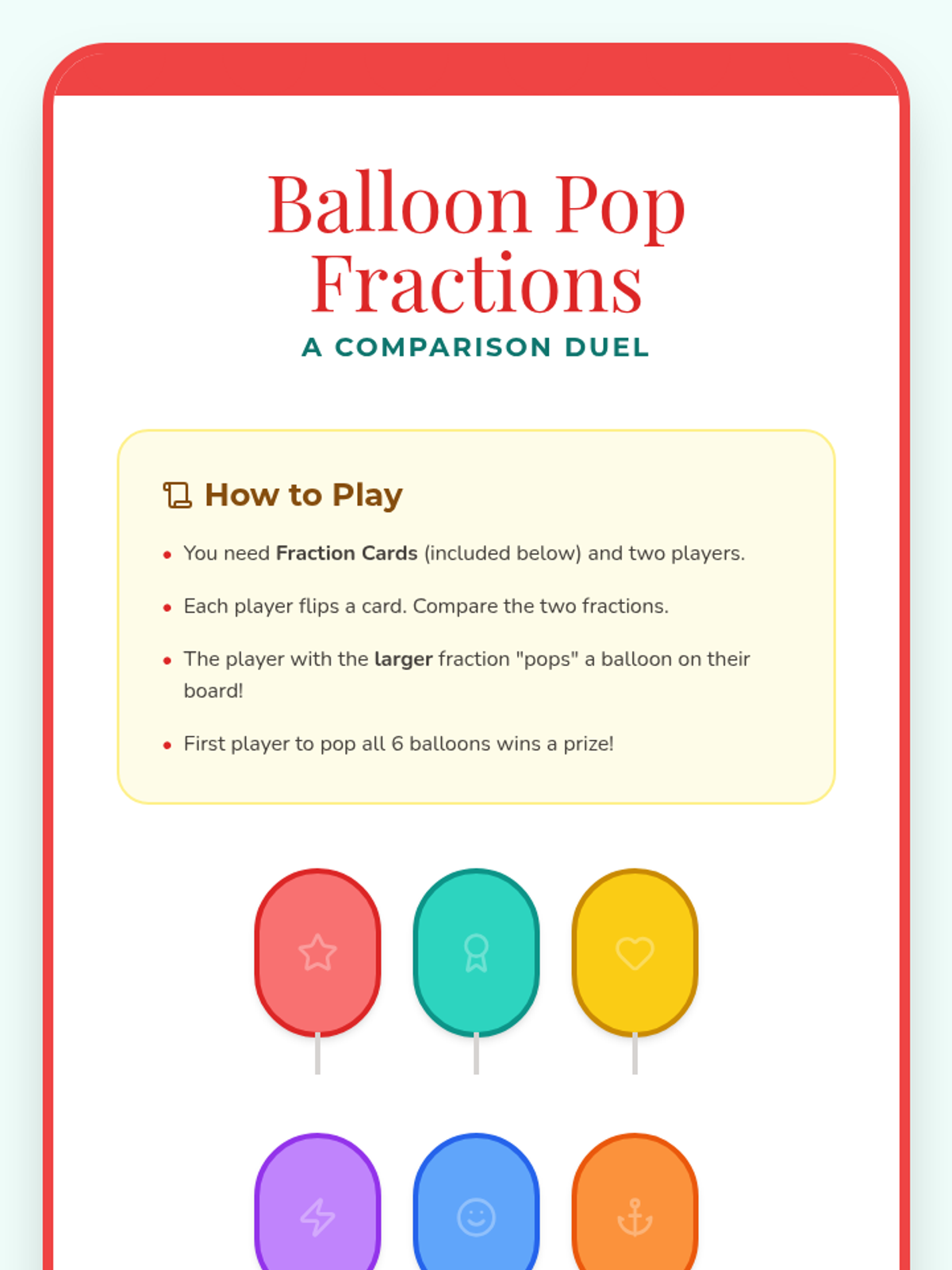
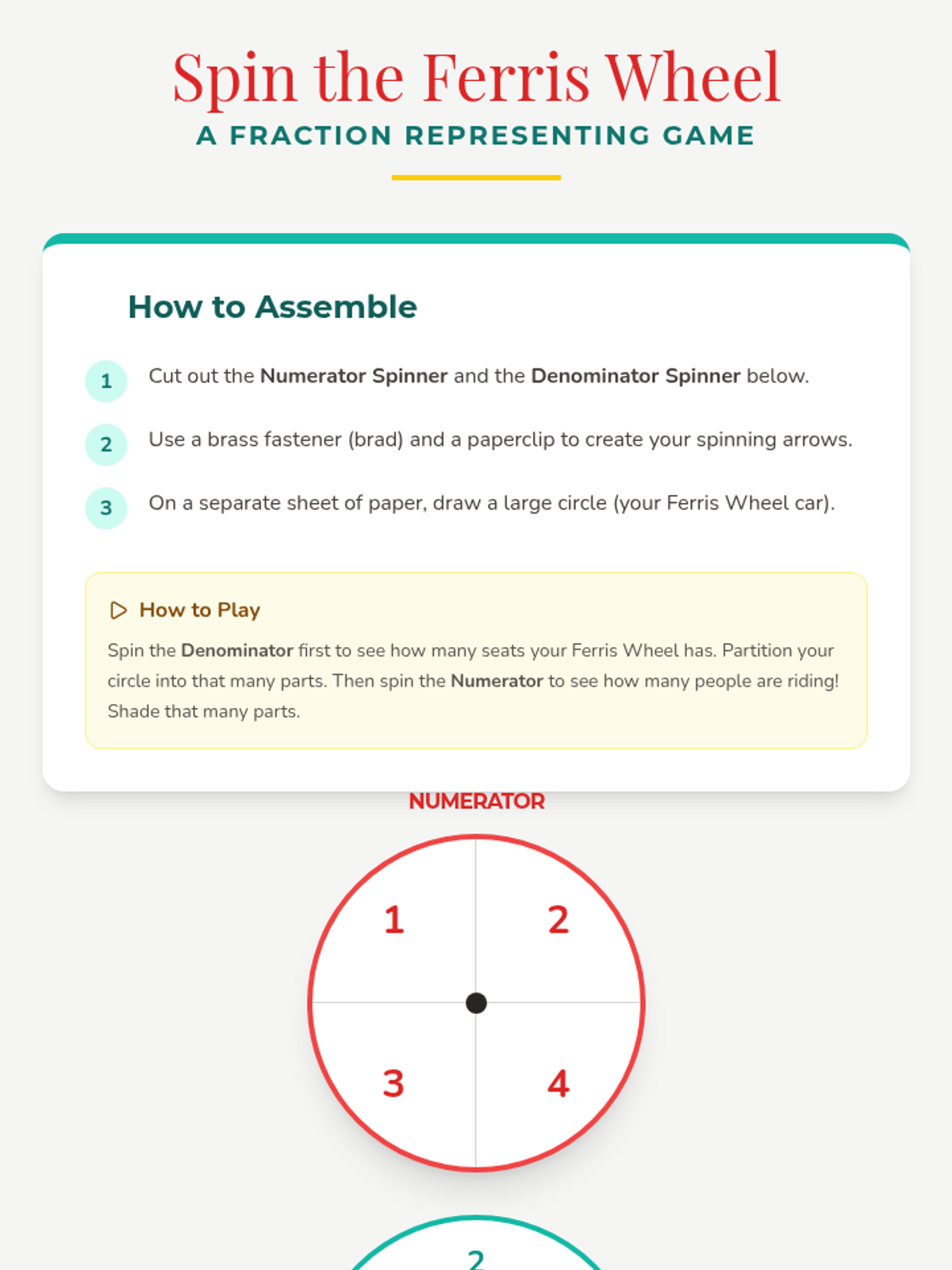
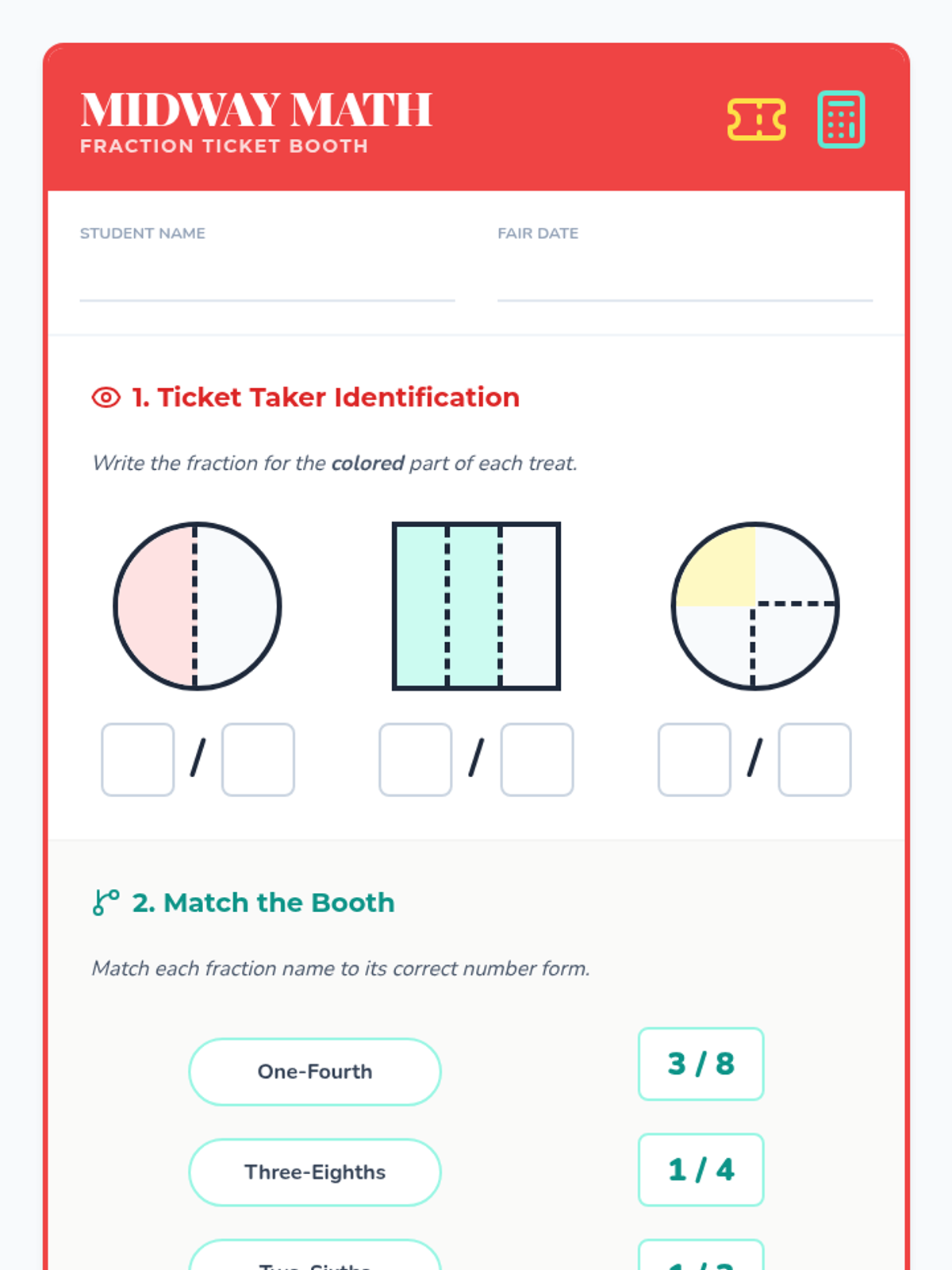
Students step into a world of carnival treats and games to master identifying, representing, and comparing fractions through hands-on exploration and visual models.
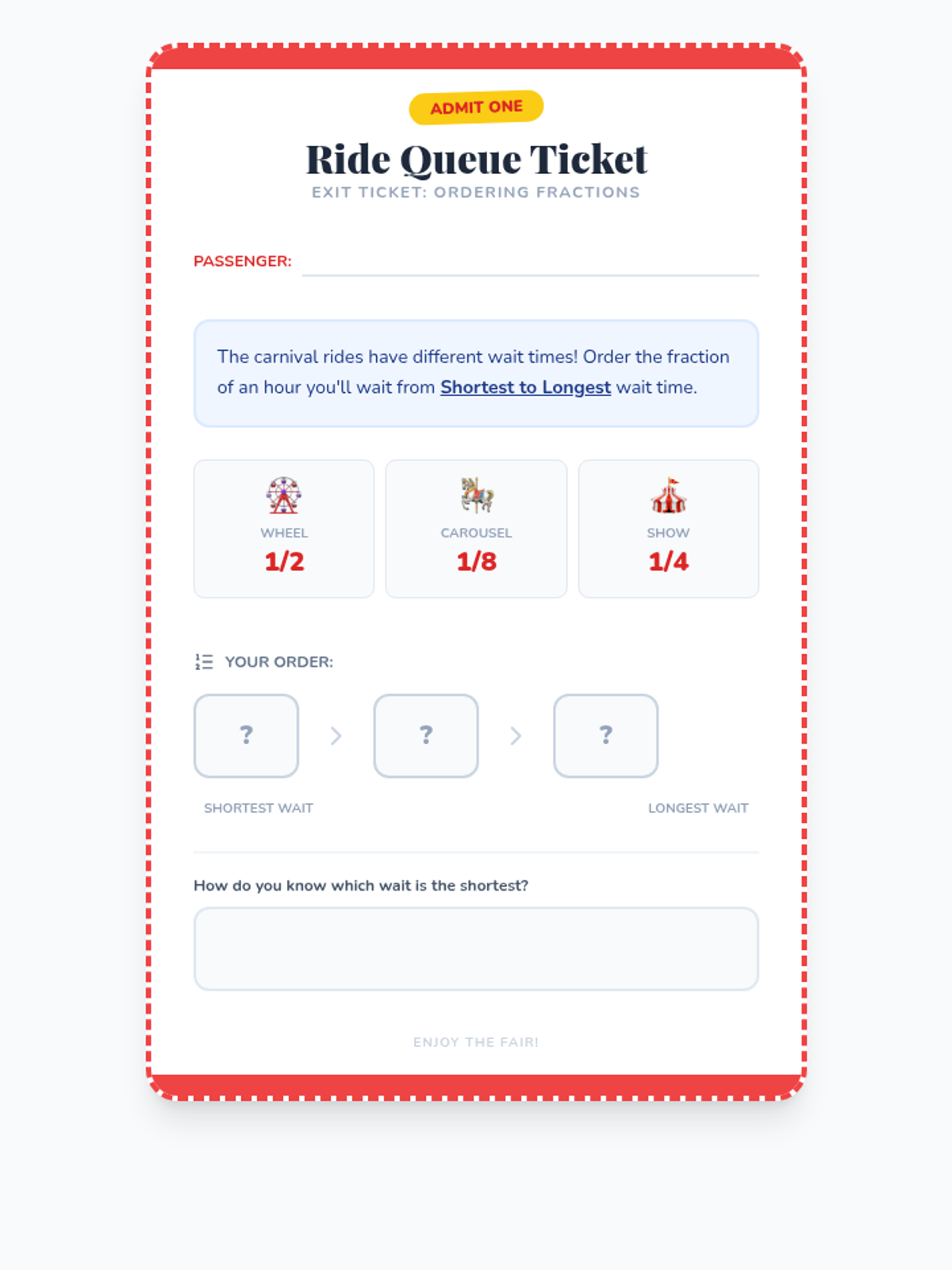
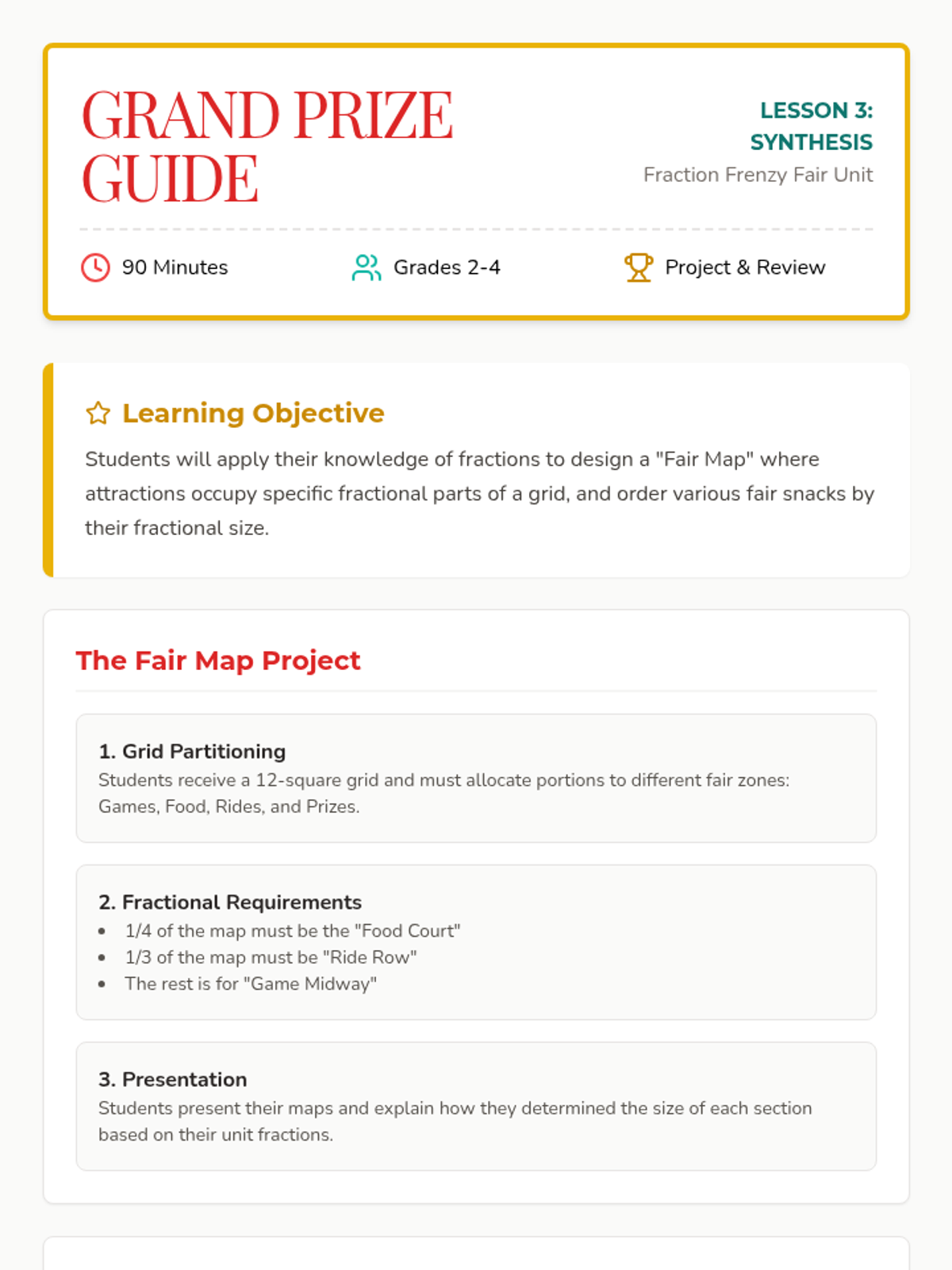
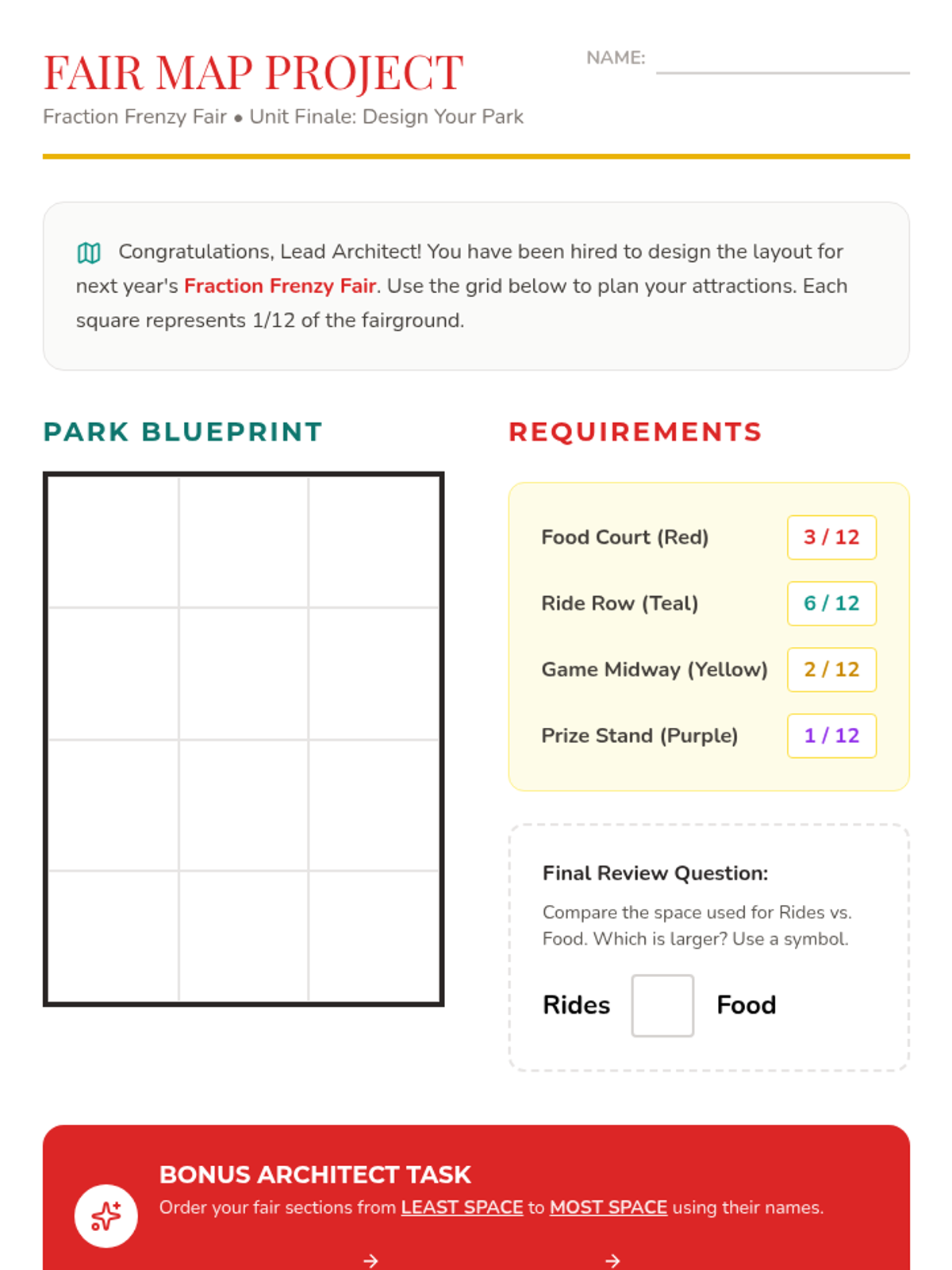
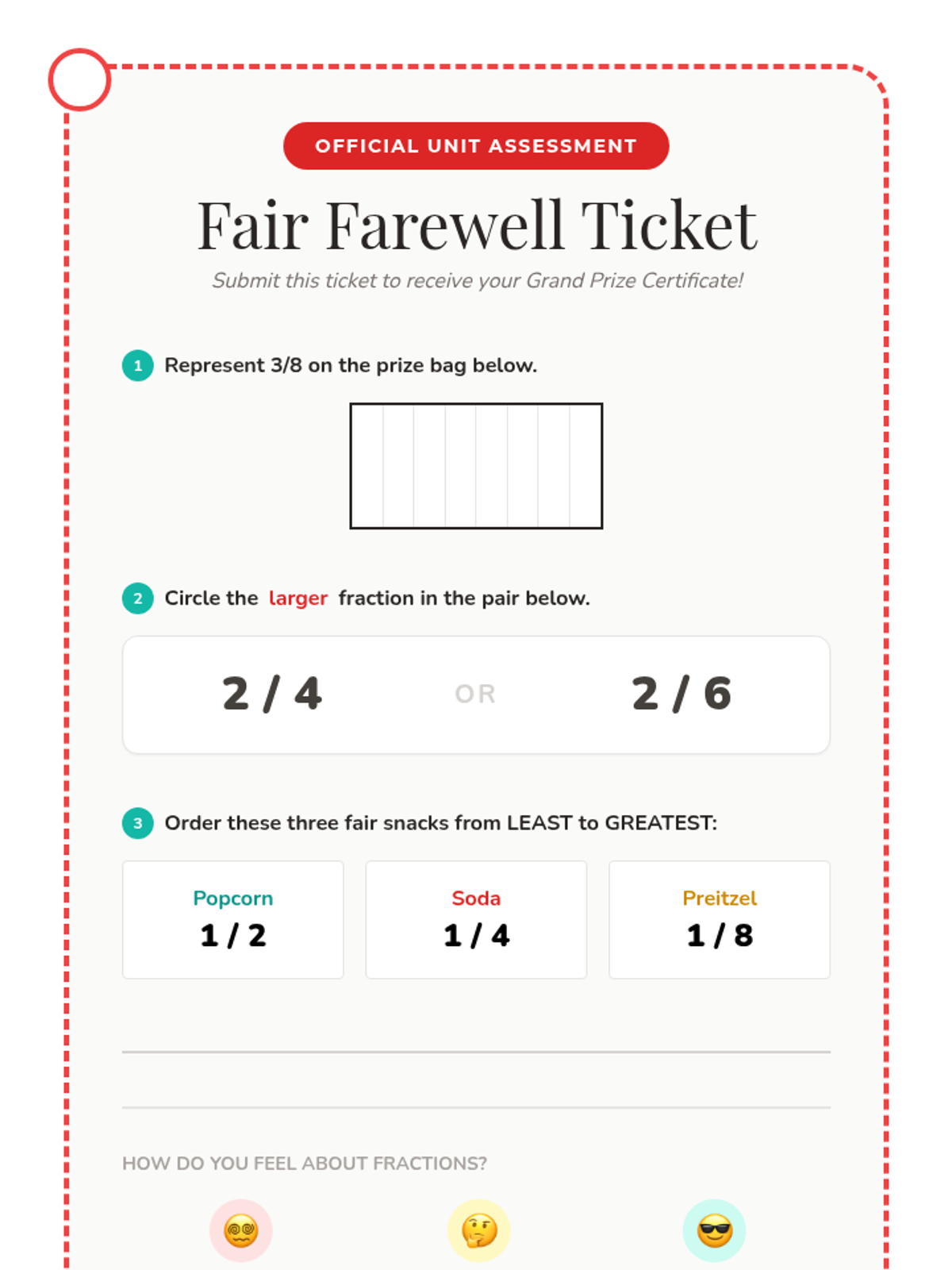
A cumulative lesson where students apply their knowledge to design a fair map and order fractions of different attractions from least to greatest.
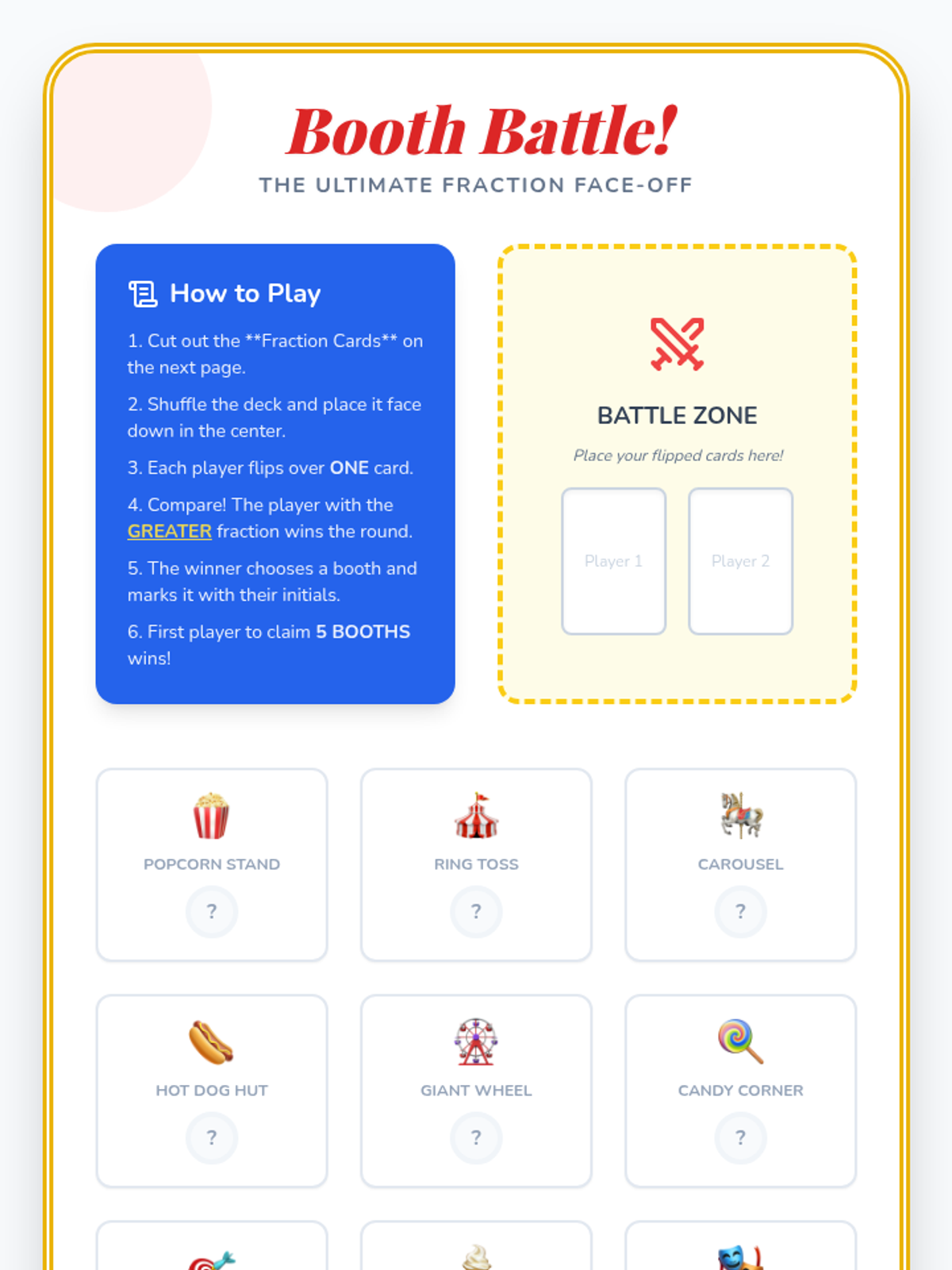
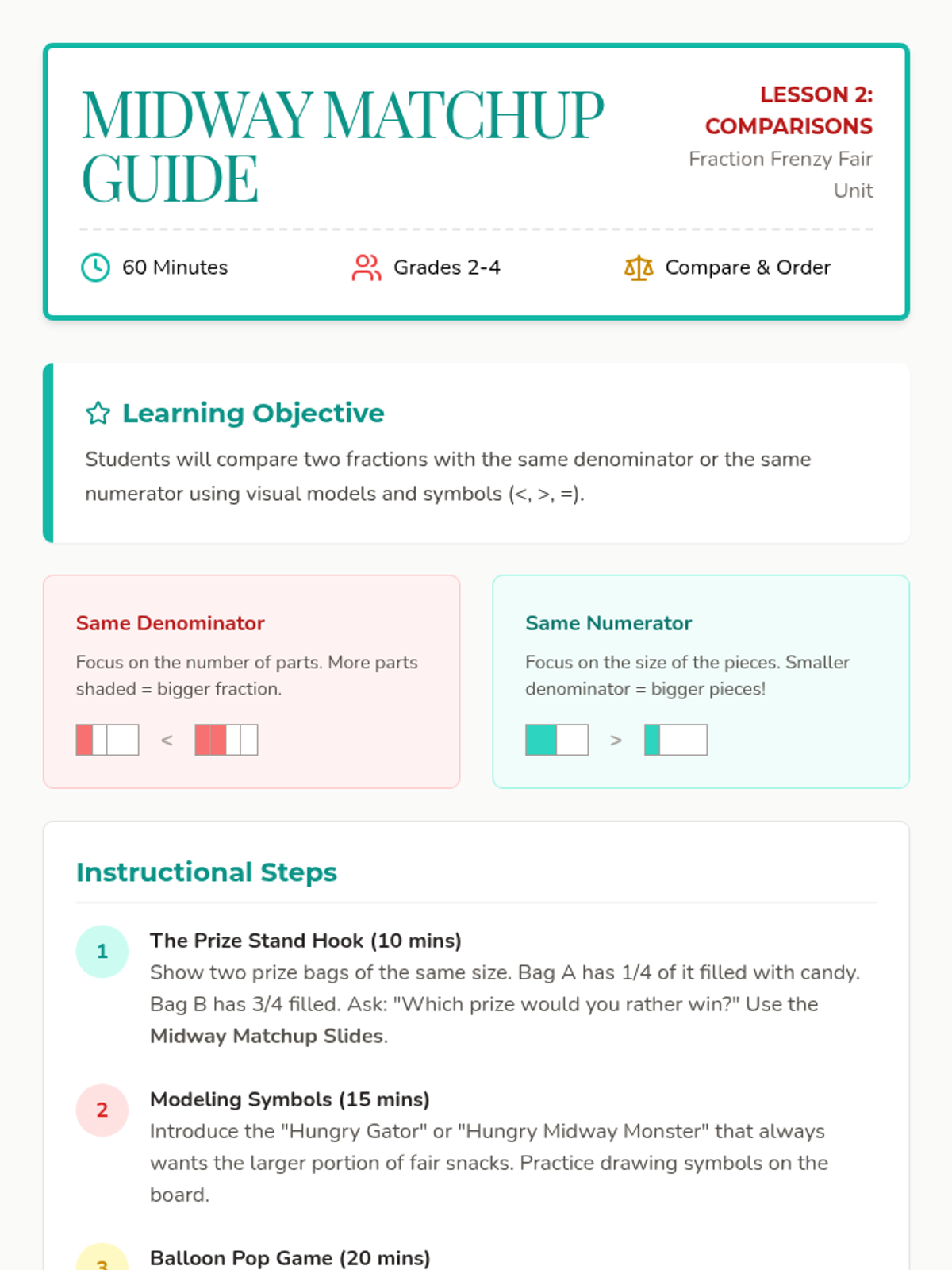
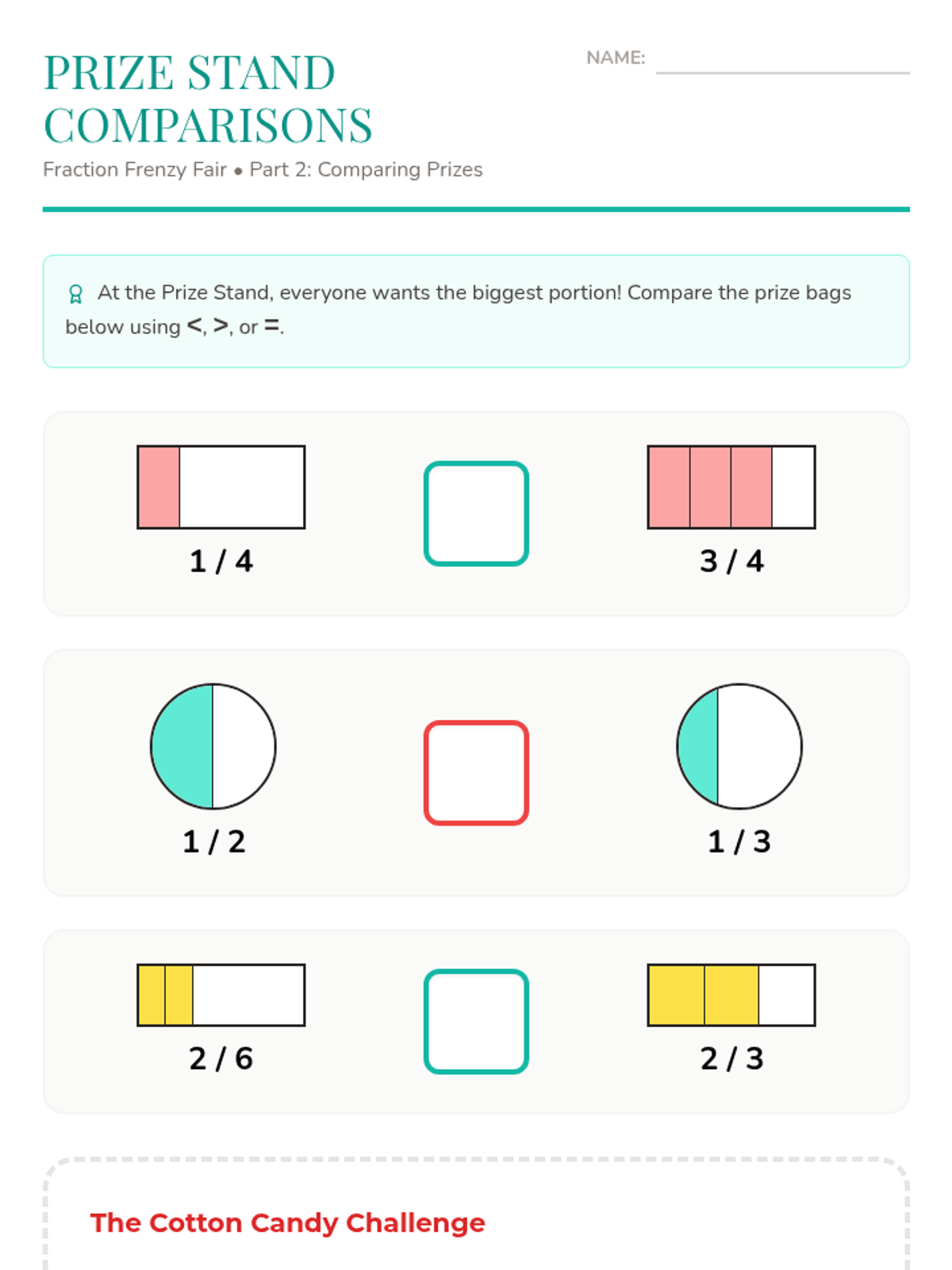
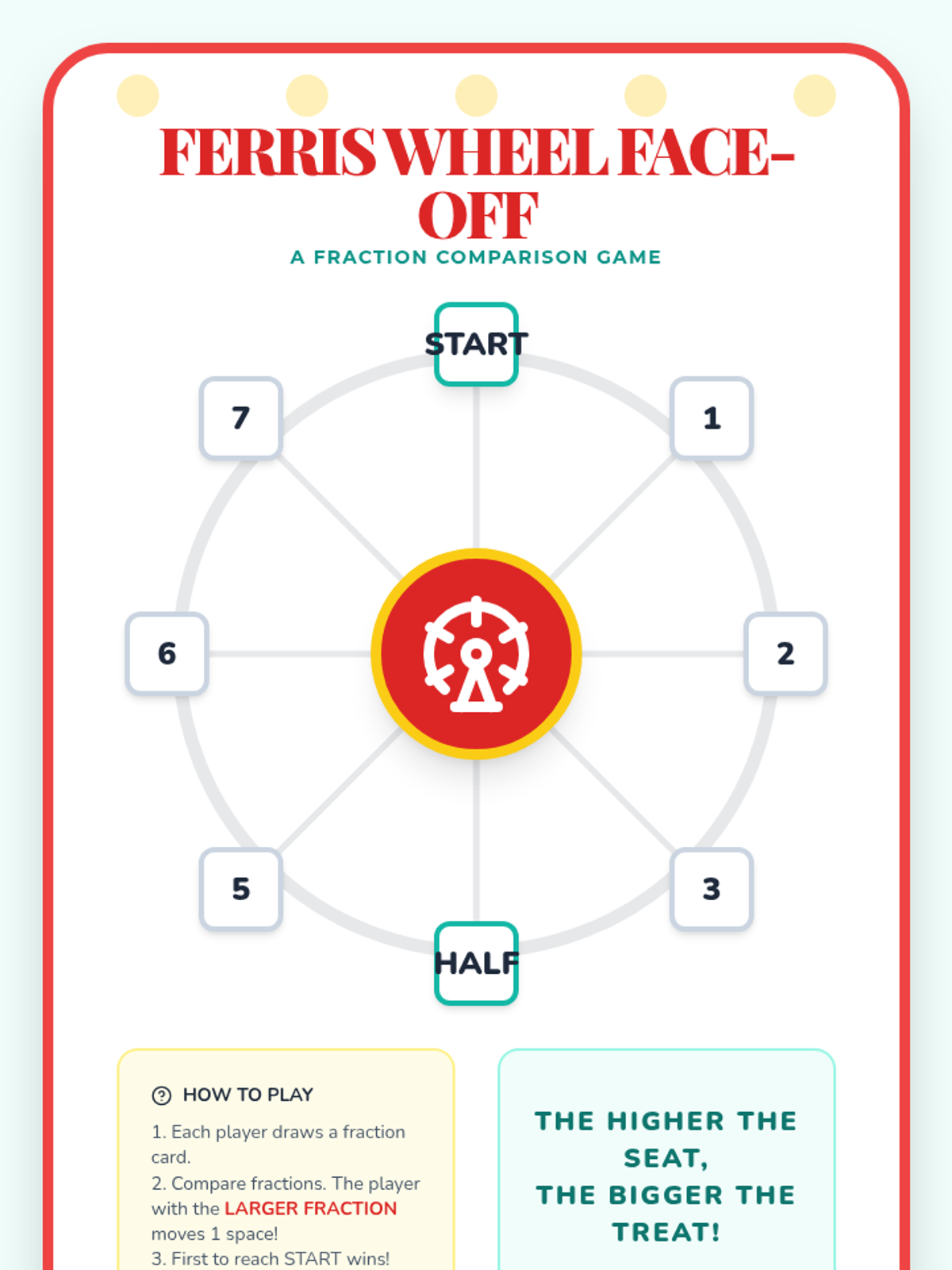
Students learn to compare fractions with like denominators or like numerators by visualizing prizes and game booths. They use comparison symbols to determine which fair attraction is 'greater'.
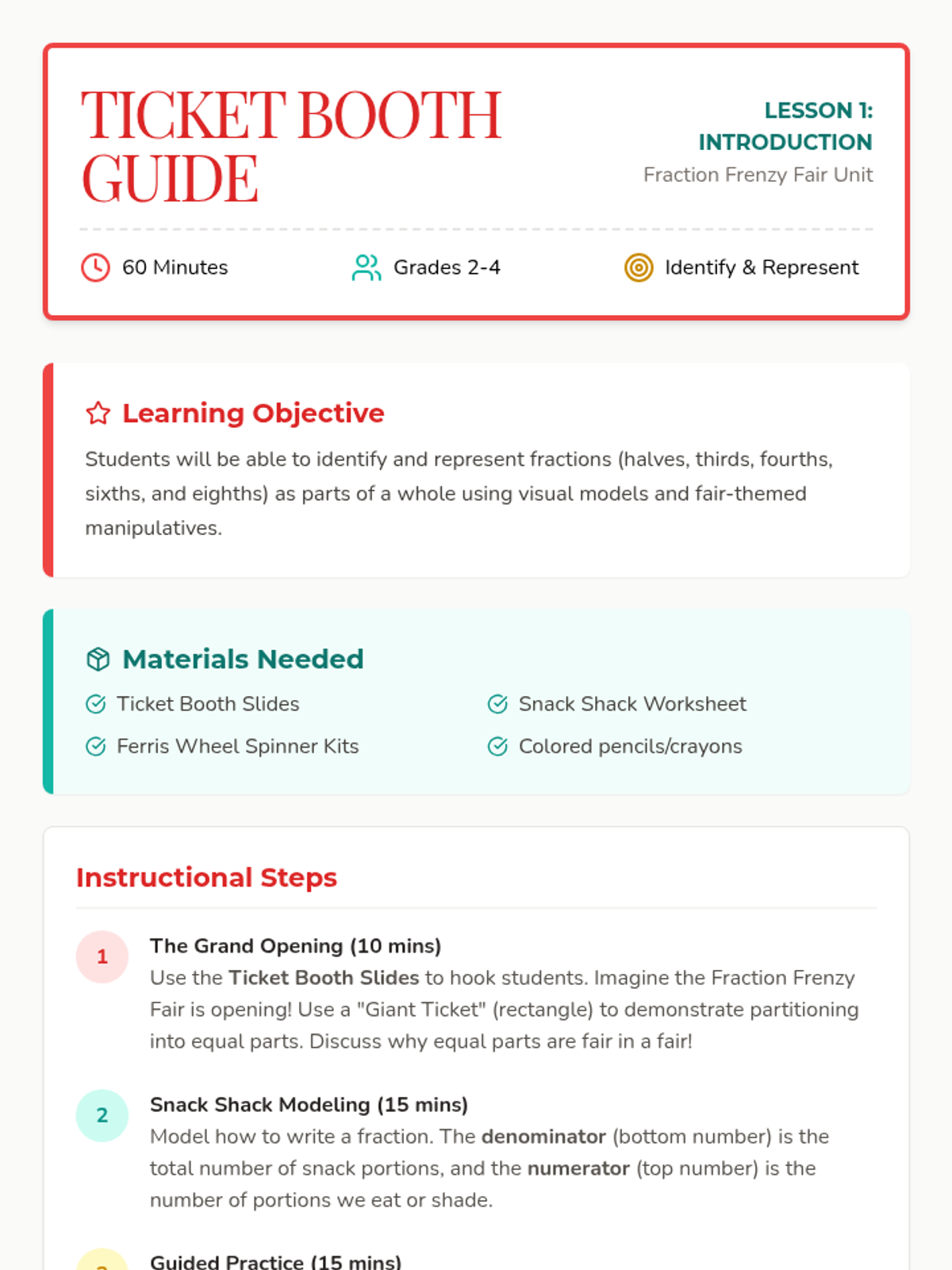
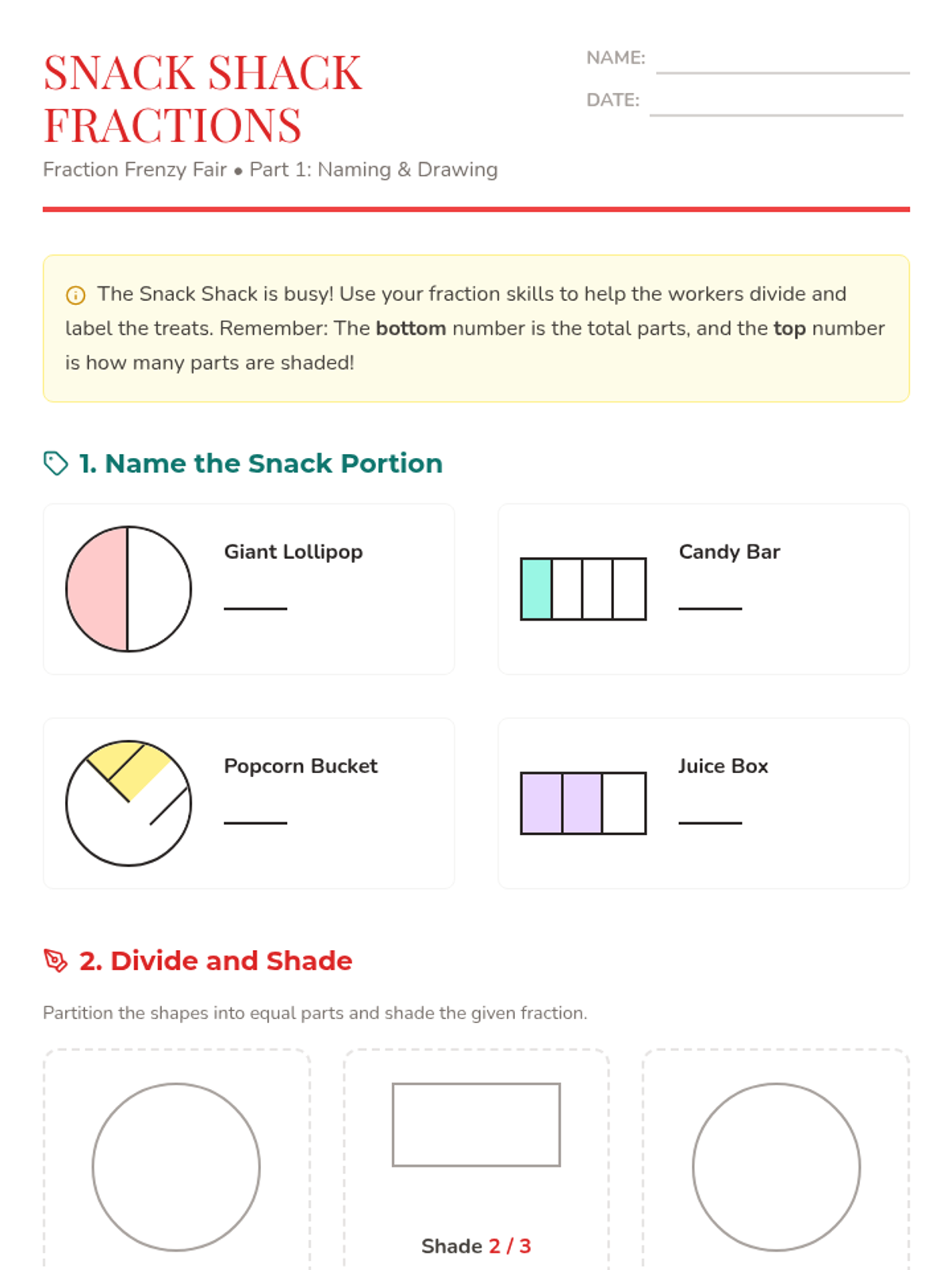
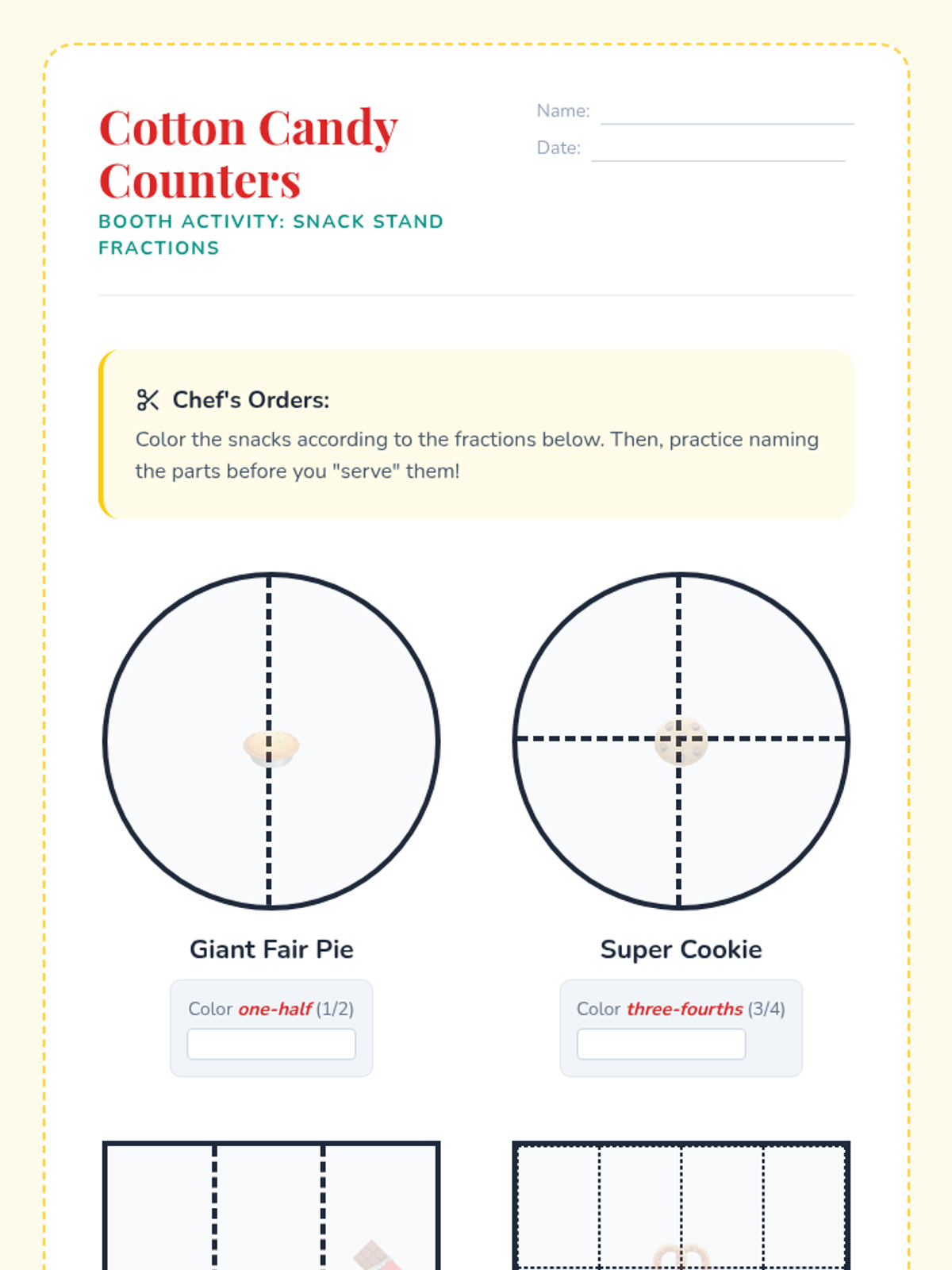
An introduction to identifying and representing unit and non-unit fractions using fair-themed models like tickets and snack containers. Students learn to name parts of a whole and partition shapes.
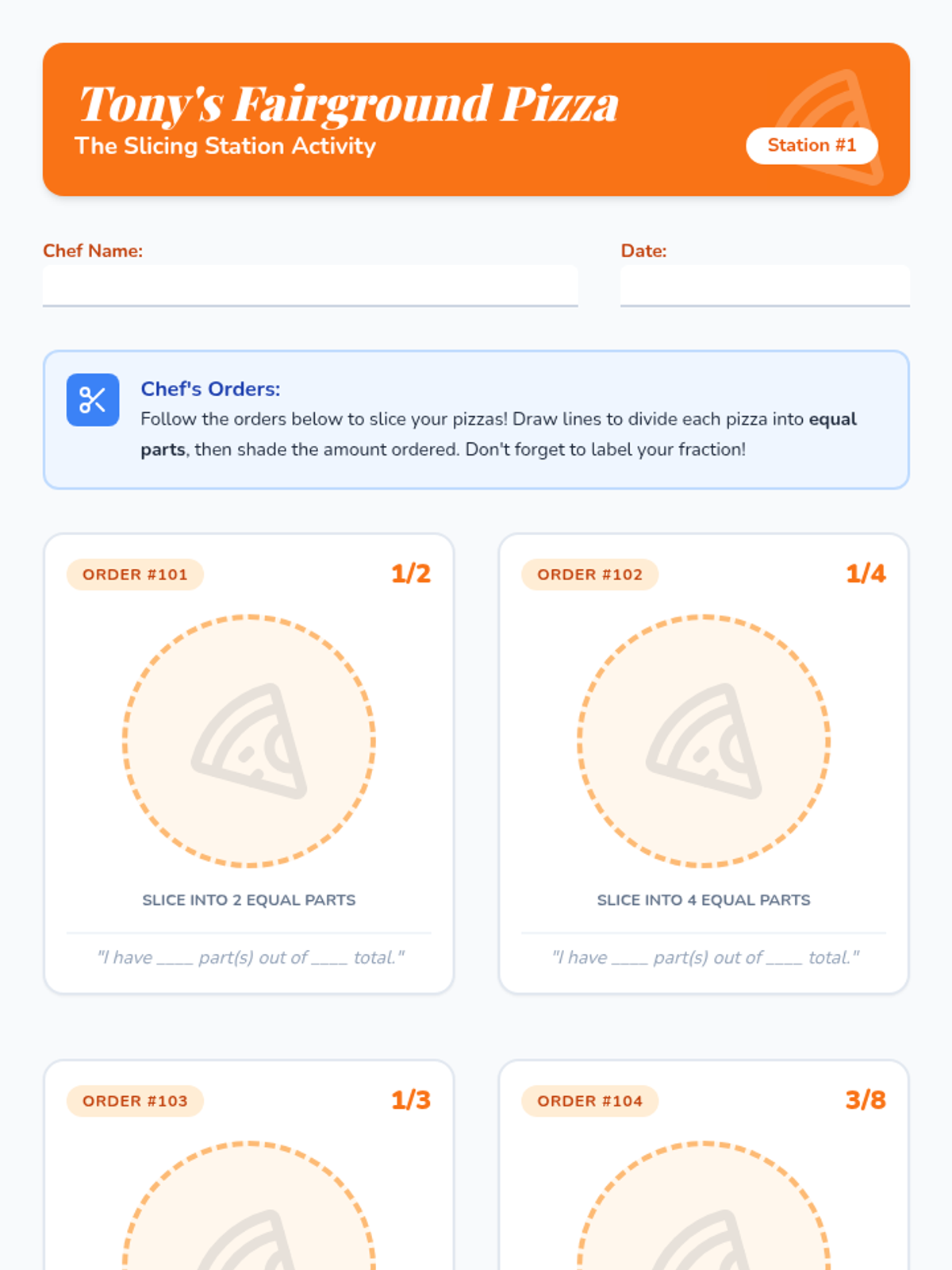
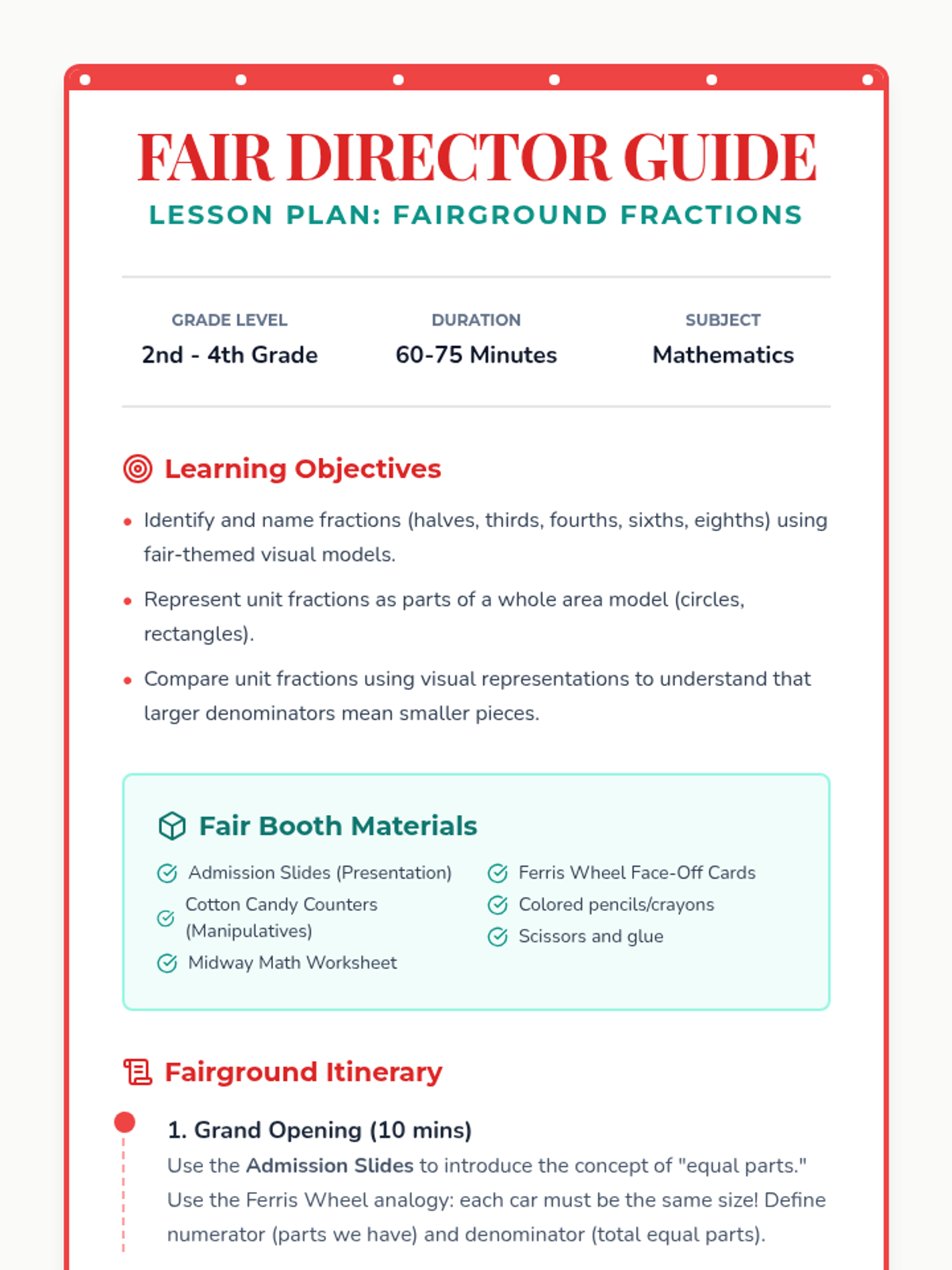
An introductory exploration of fractions where students visit different 'booths' to identify, represent, and compare halves, thirds, and fourths using fair-themed models.
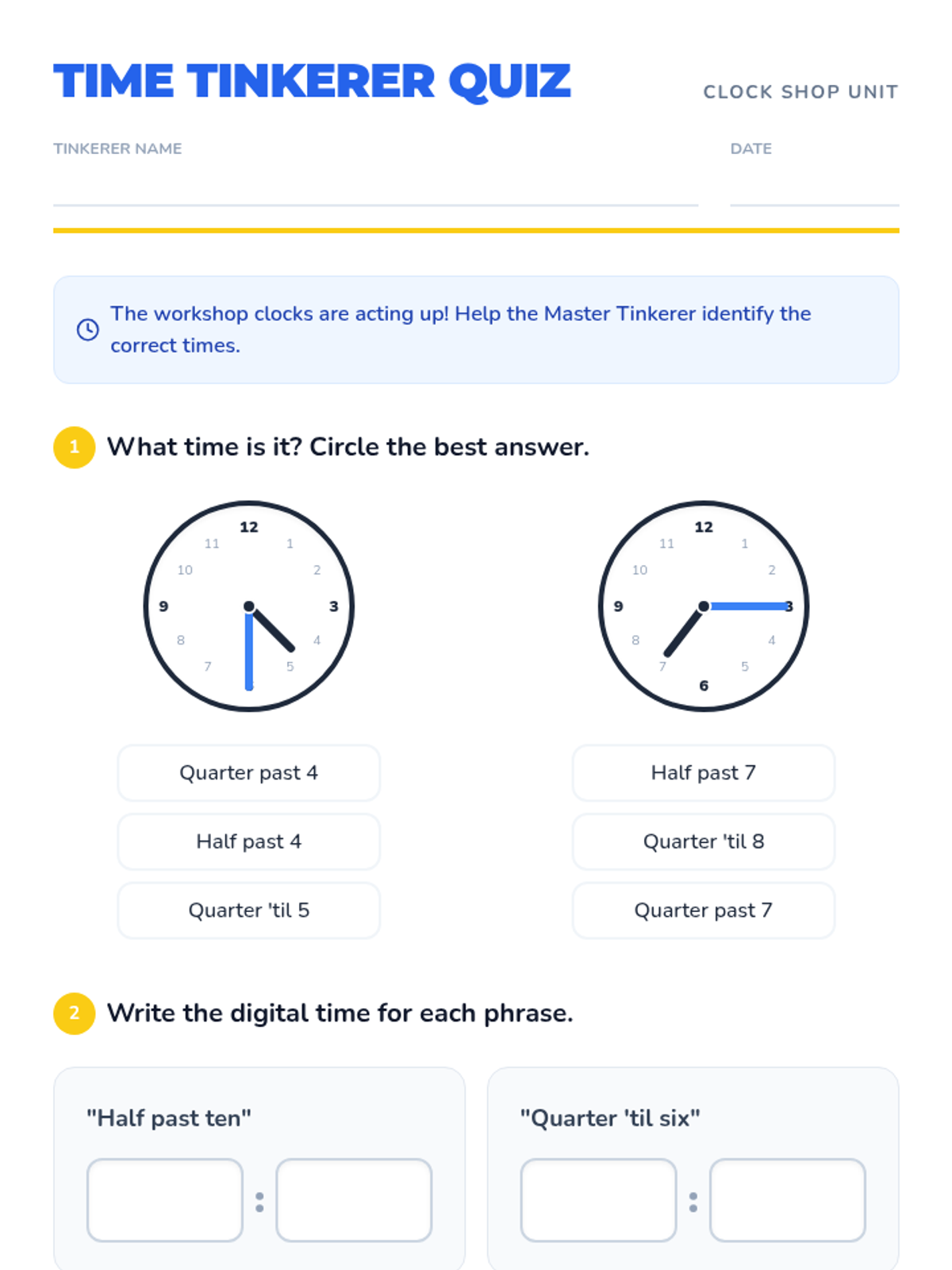
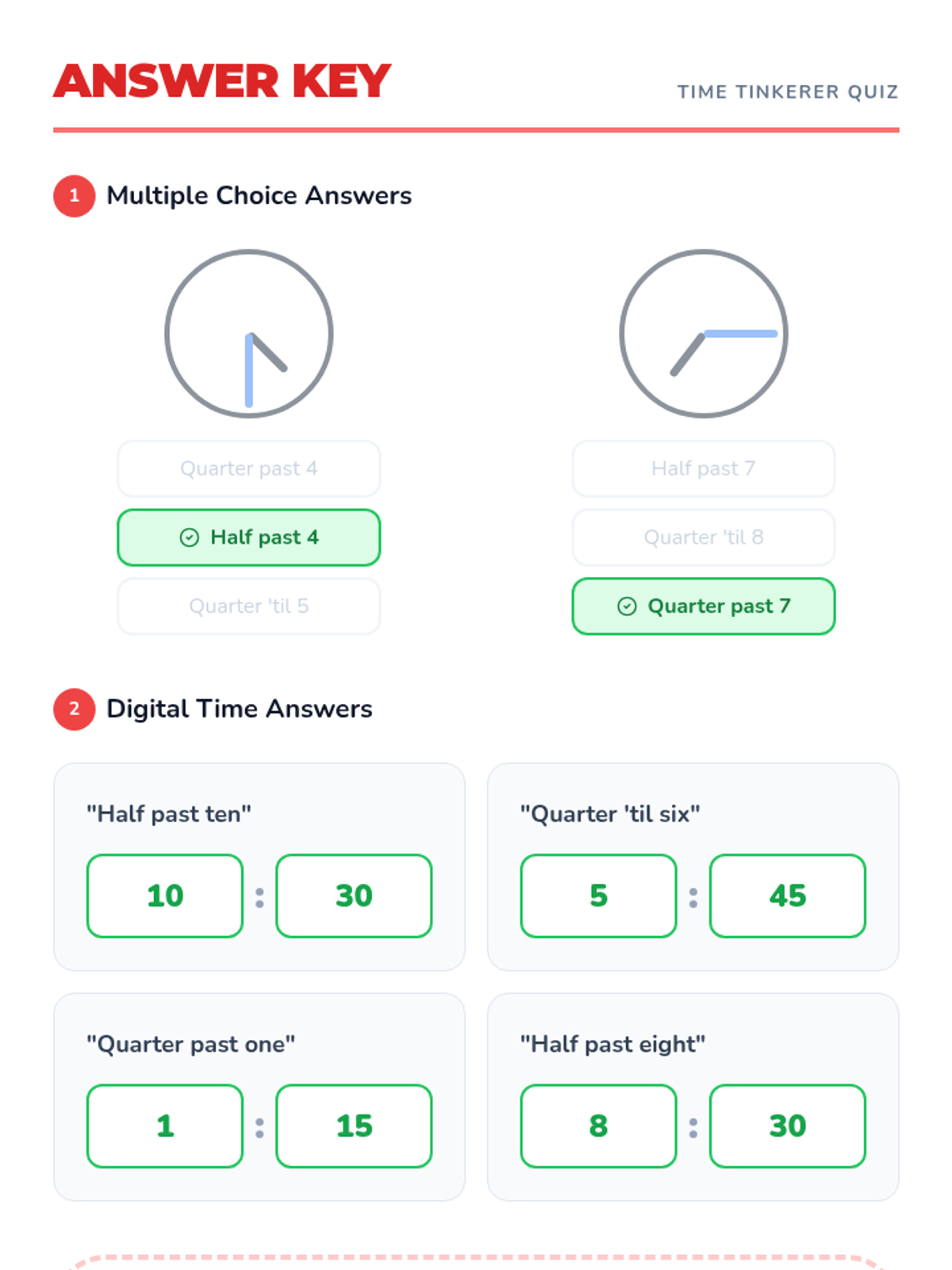
A second-grade review lesson focusing on telling time using phrases like 'half past', 'quarter past', and 'quarter til'. Students will practice reading analog clocks and converting time phrases into digital formats.