A hands-on lesson focusing on identifying parts of speech through color-coding within the context of animal families and their behaviors.
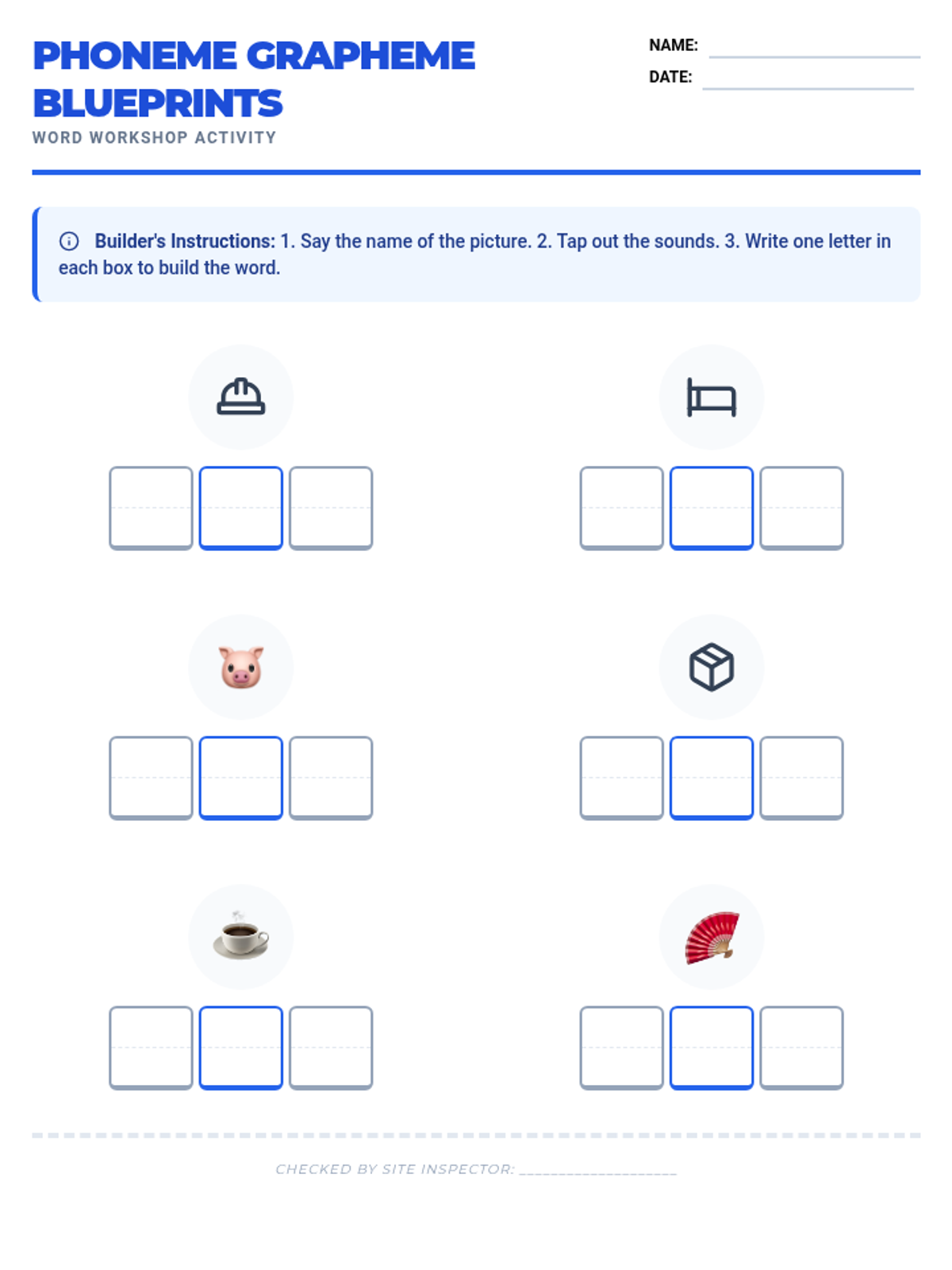
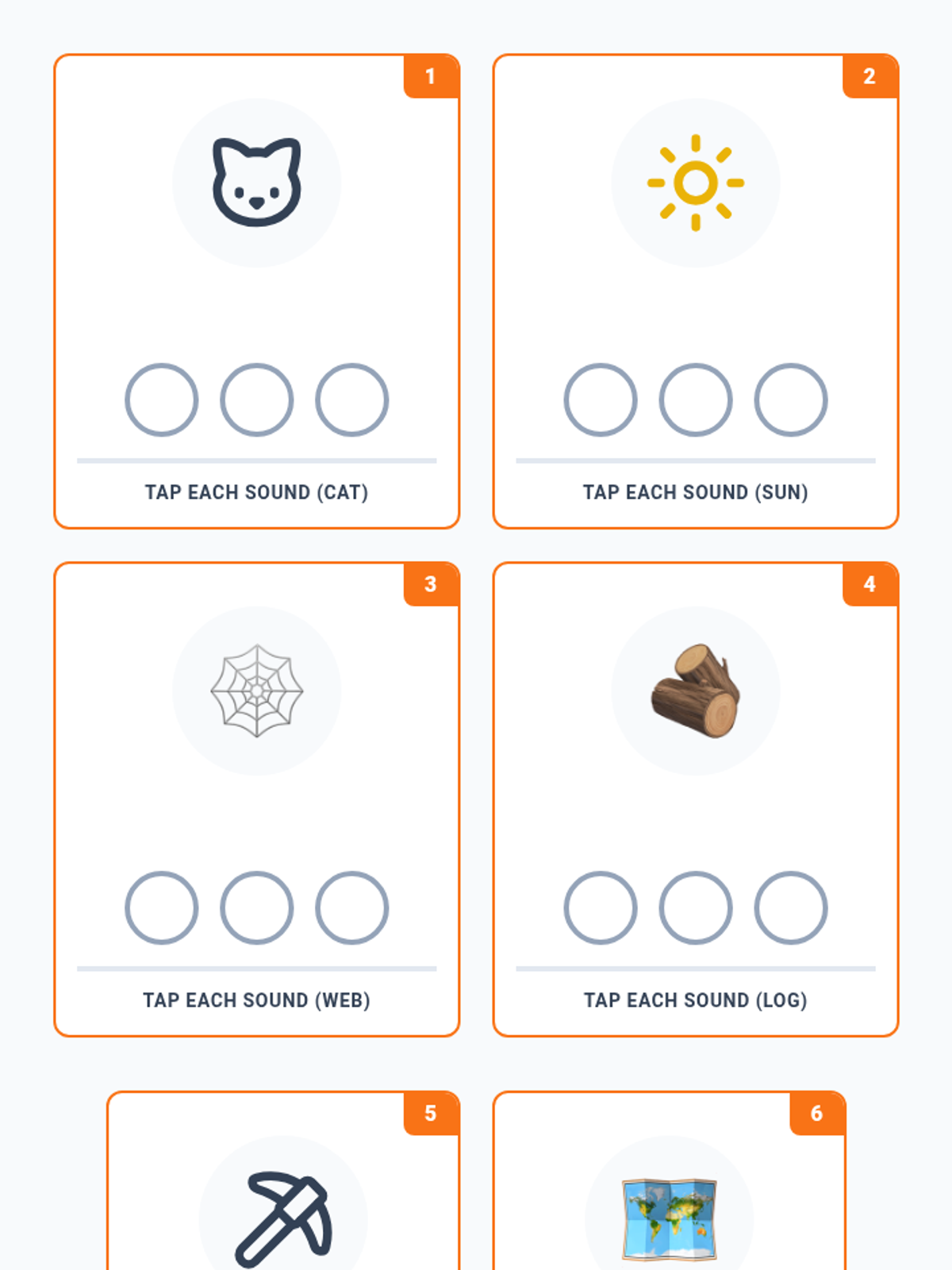
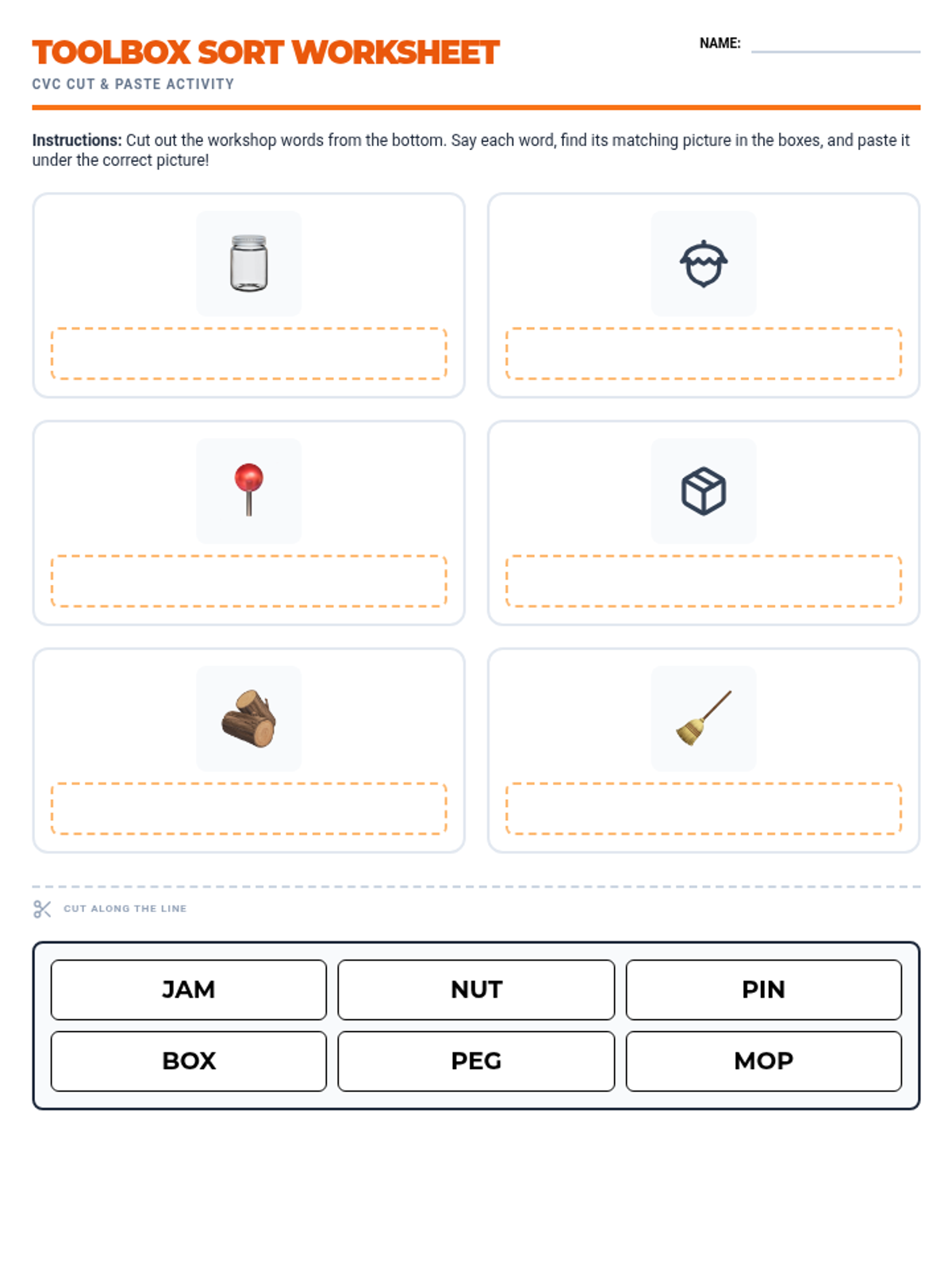
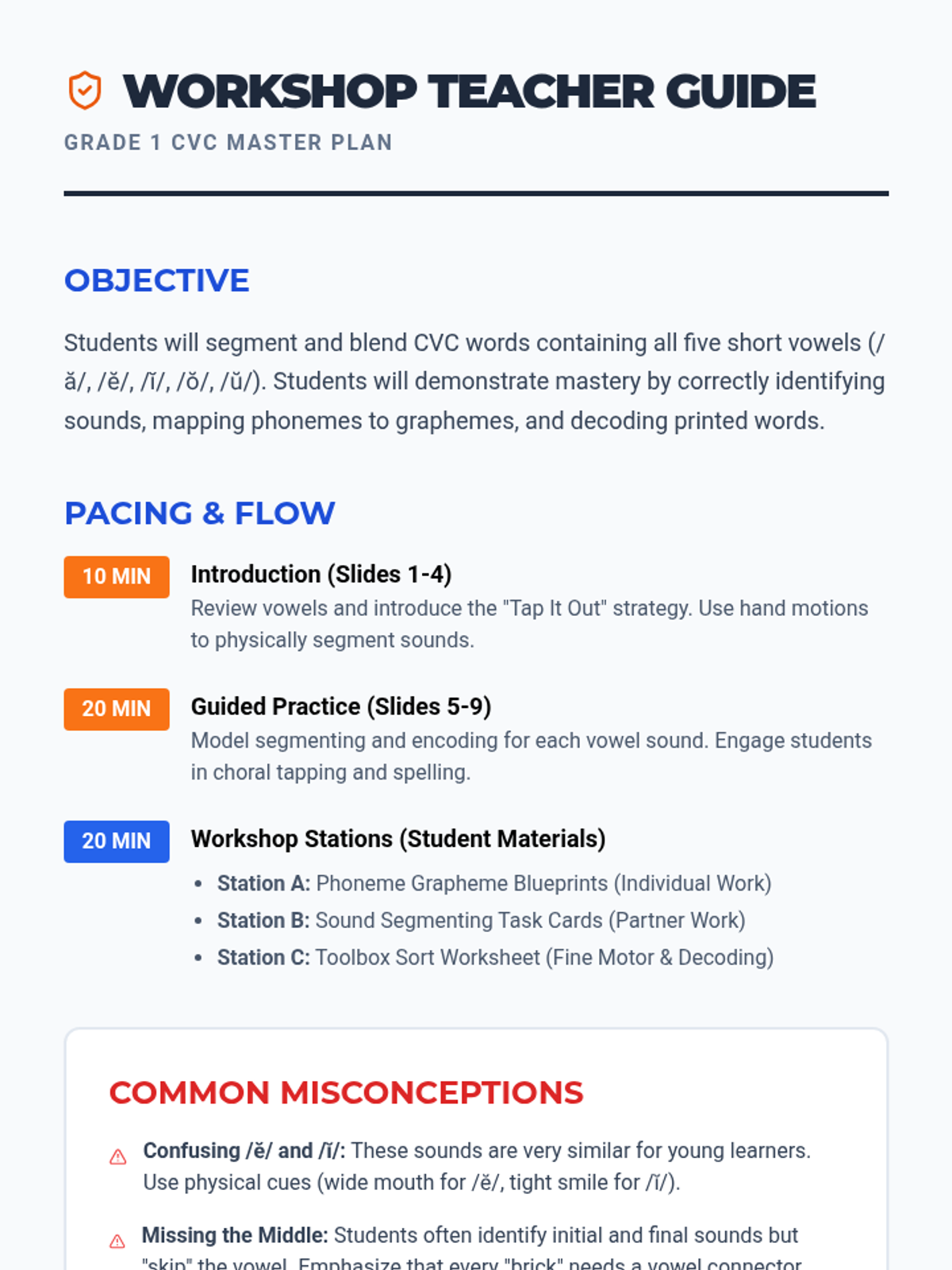
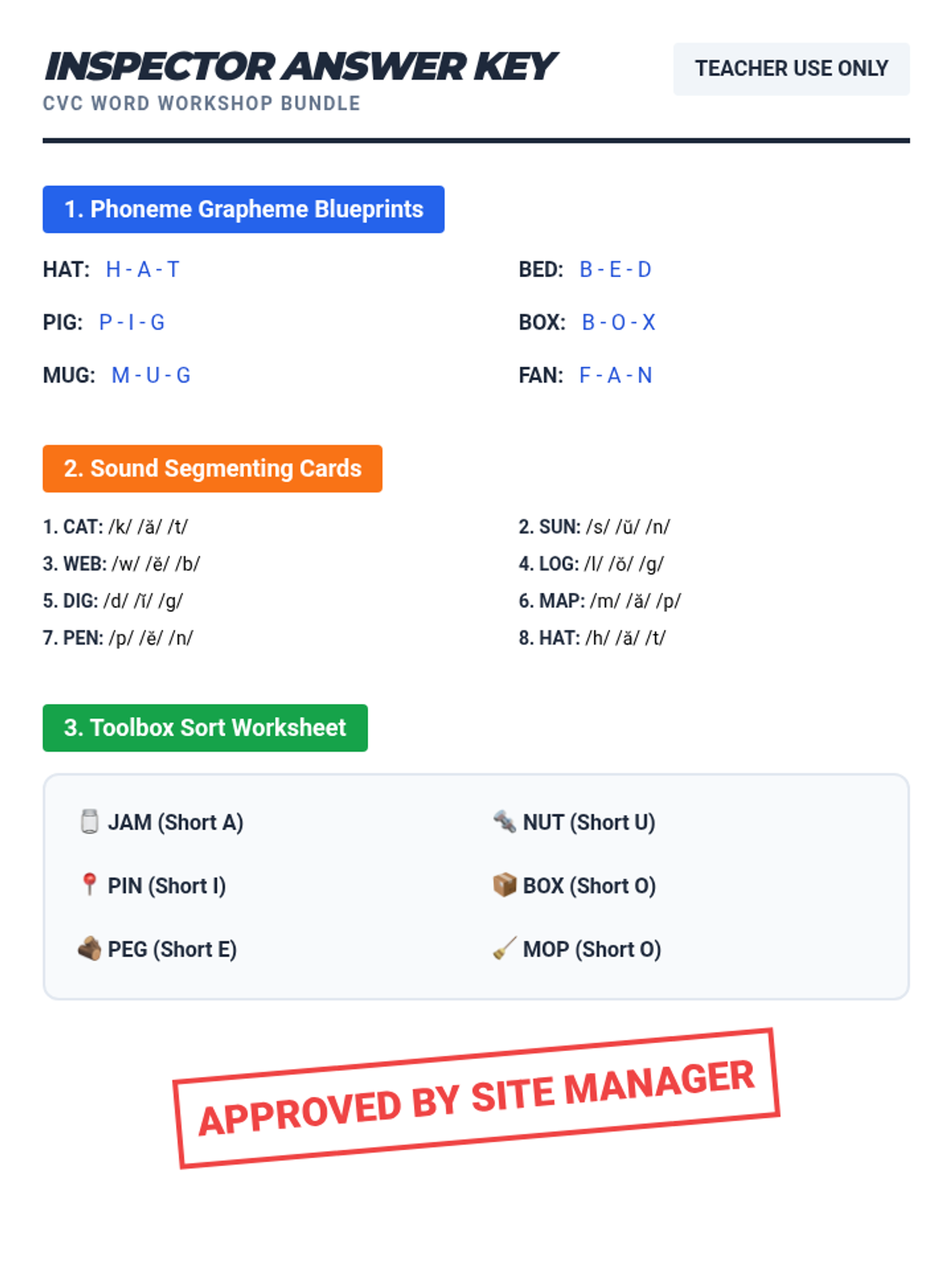
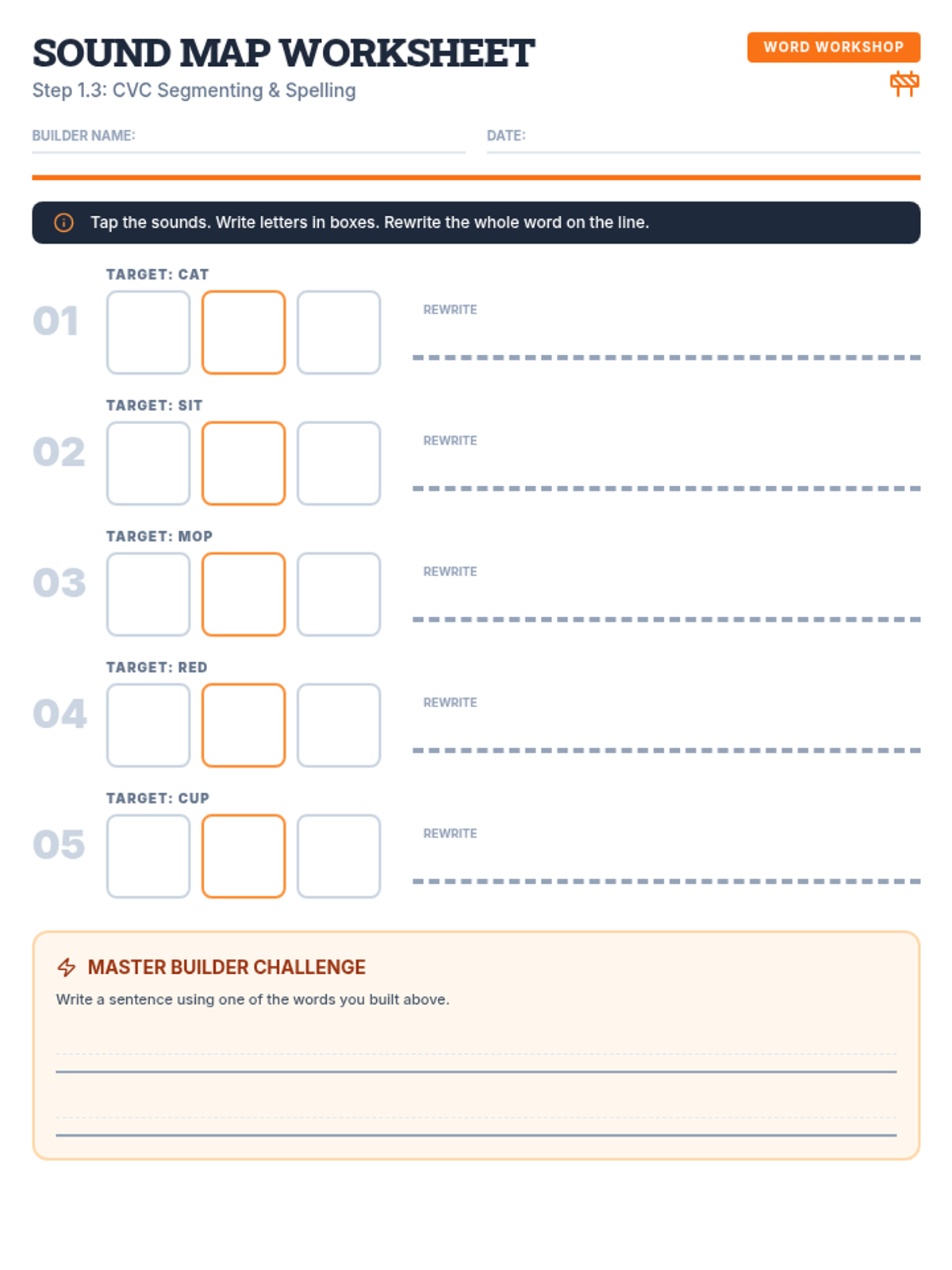
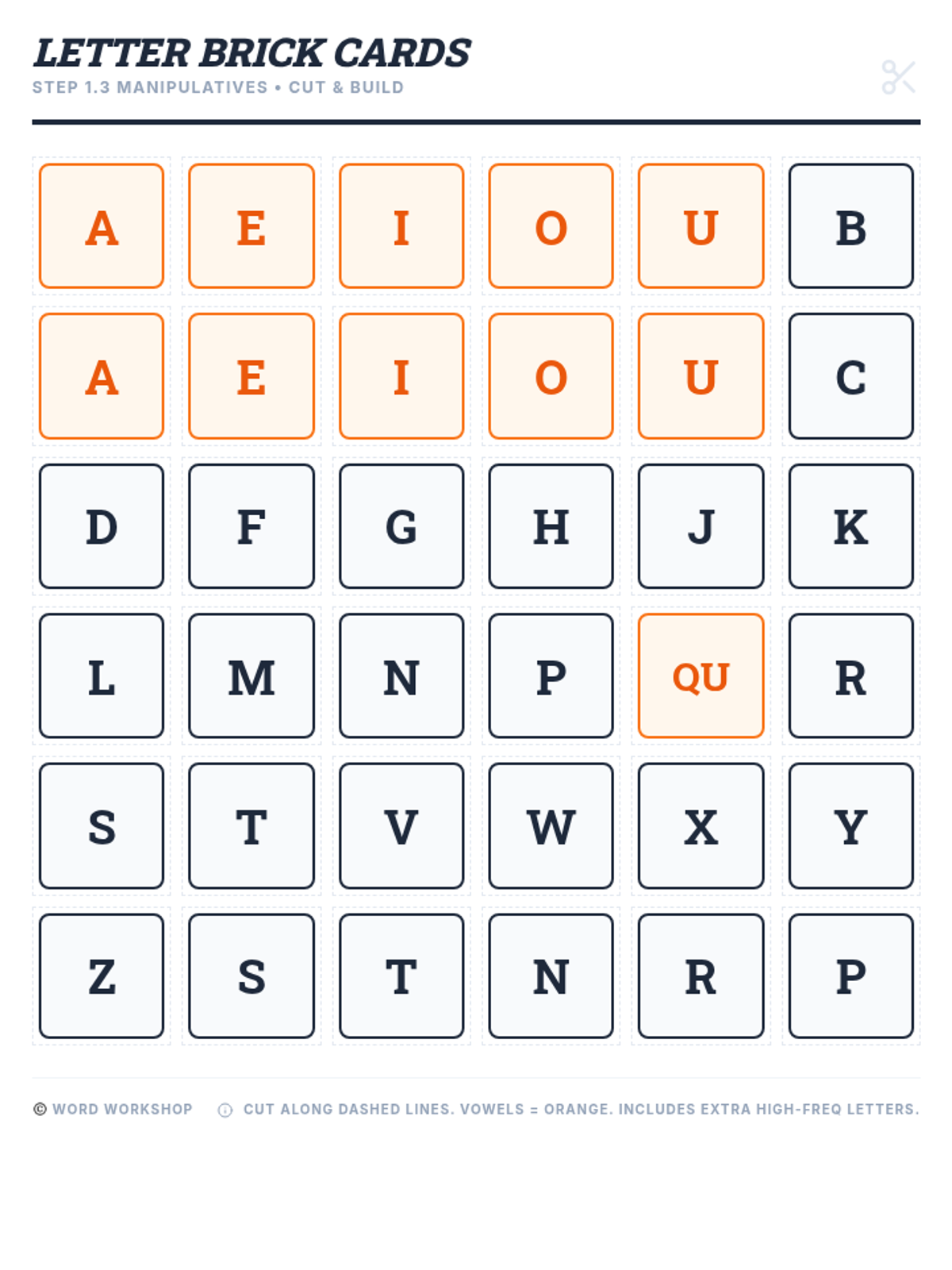
A Grade 1 foundational literacy lesson focused on decoding and encoding CVC words with all five short vowel sounds using a construction-themed 'Word Workshop' approach.
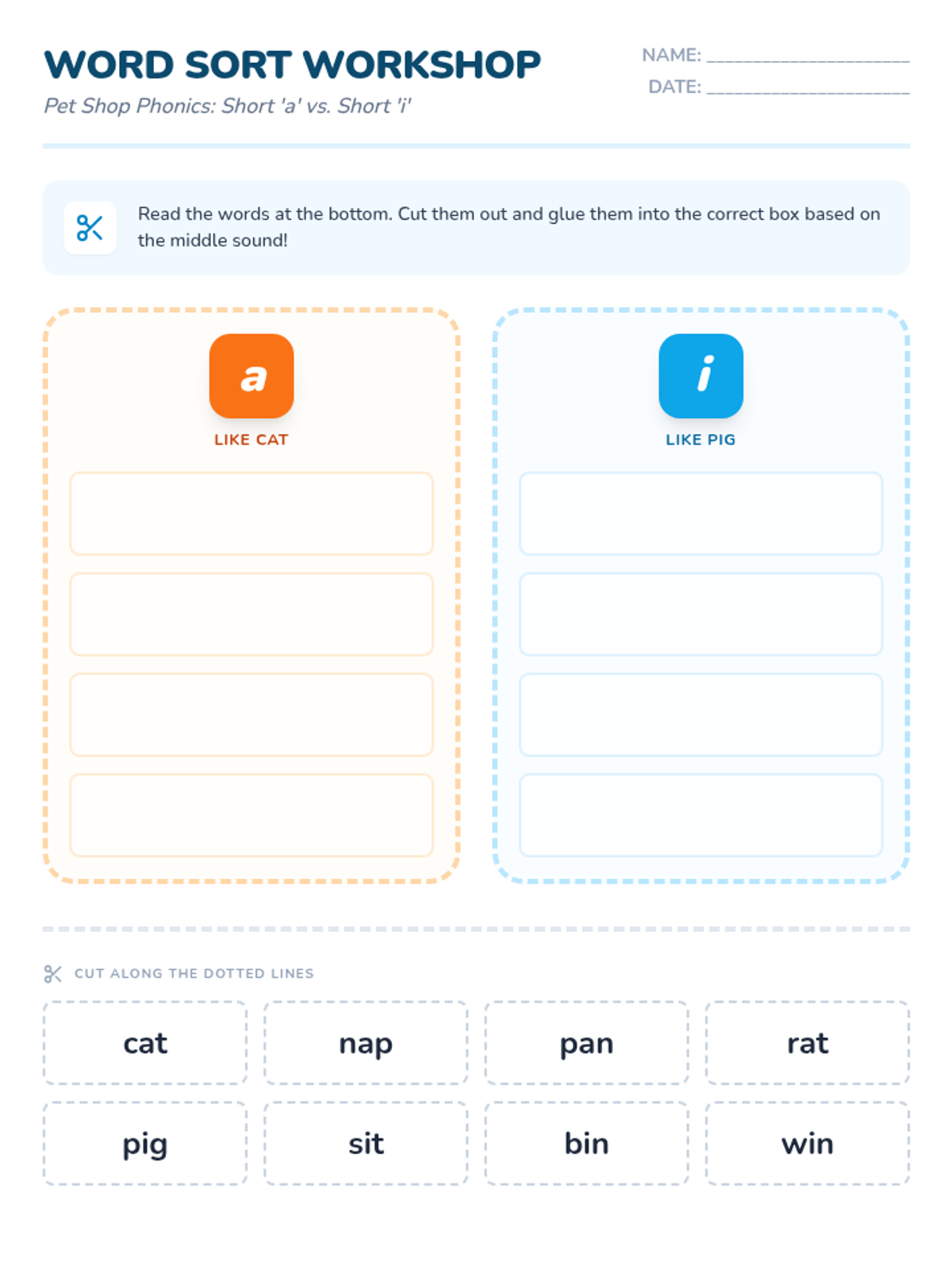
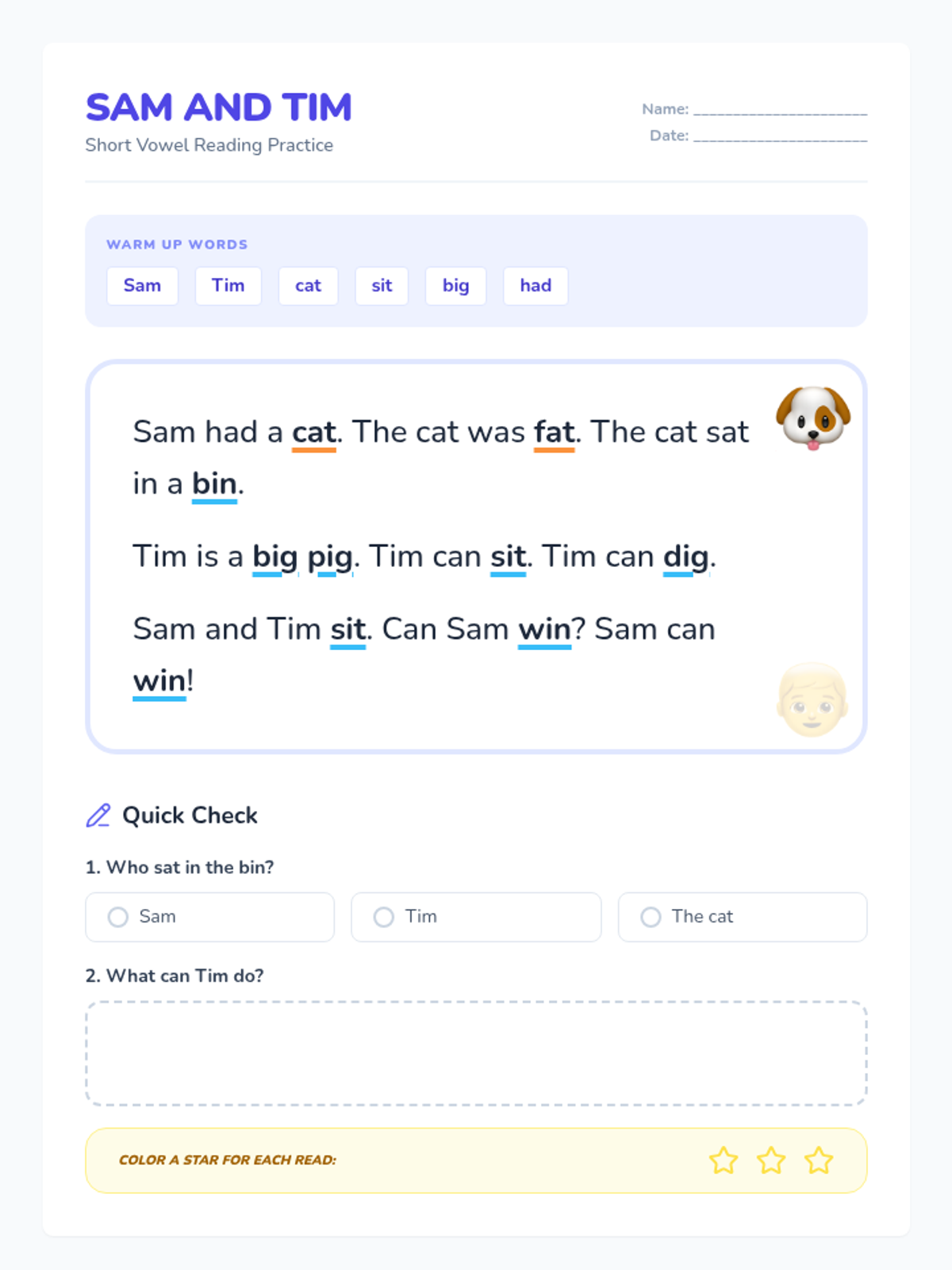
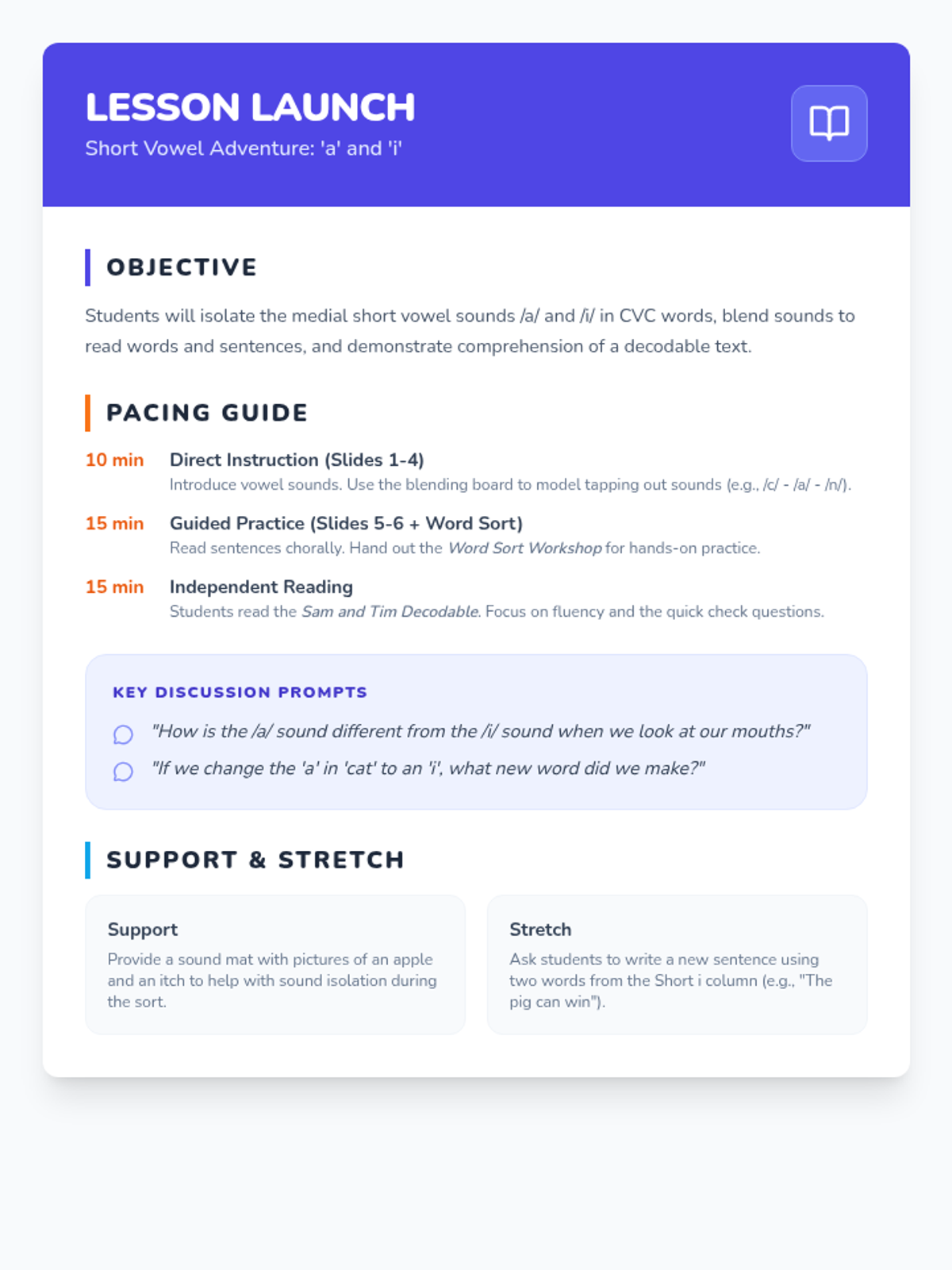
A focused lesson on short 'a' and 'i' CVC words, featuring sound isolation, blending exercises, and a decodable story about two pet shop friends.
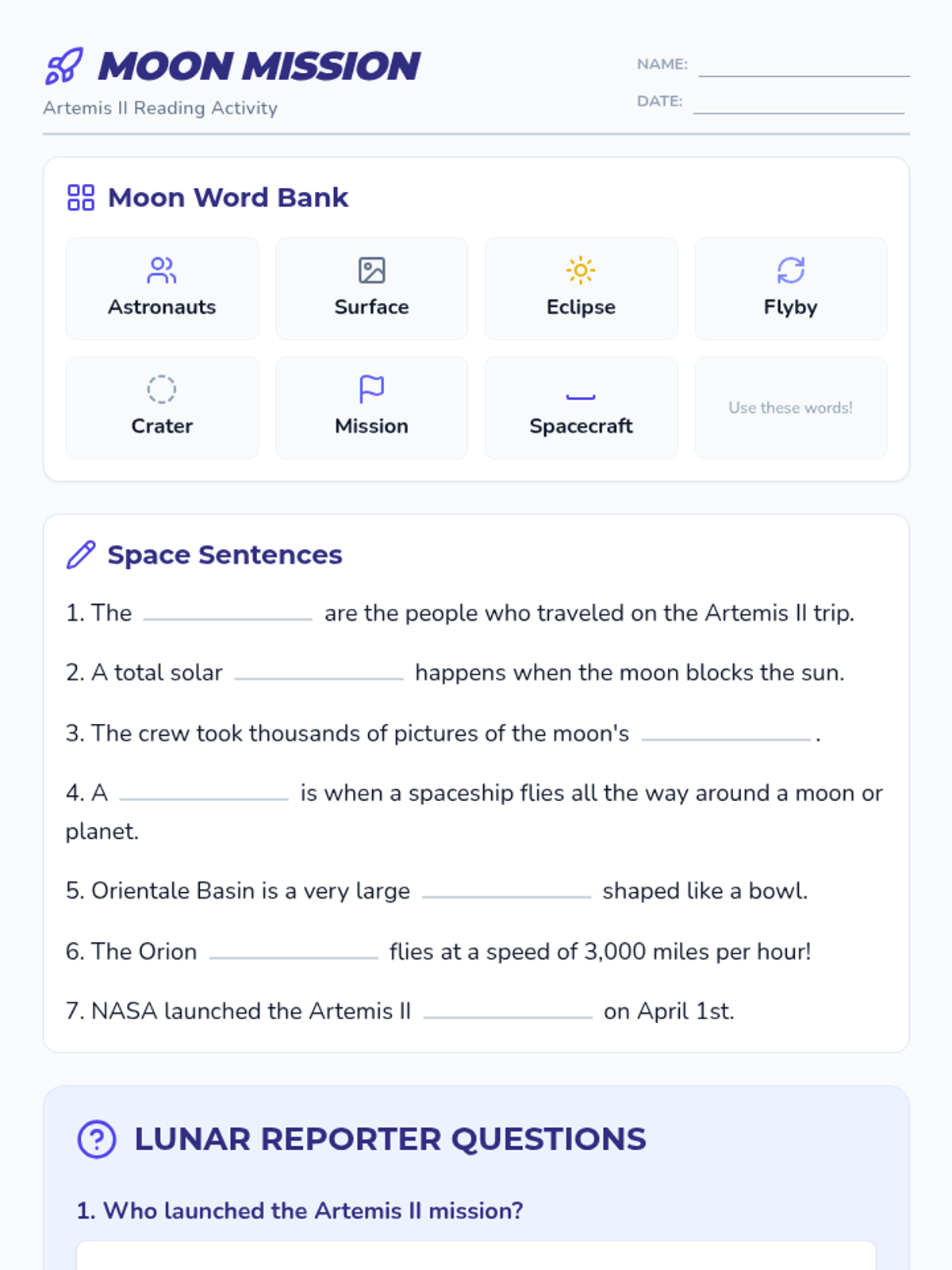
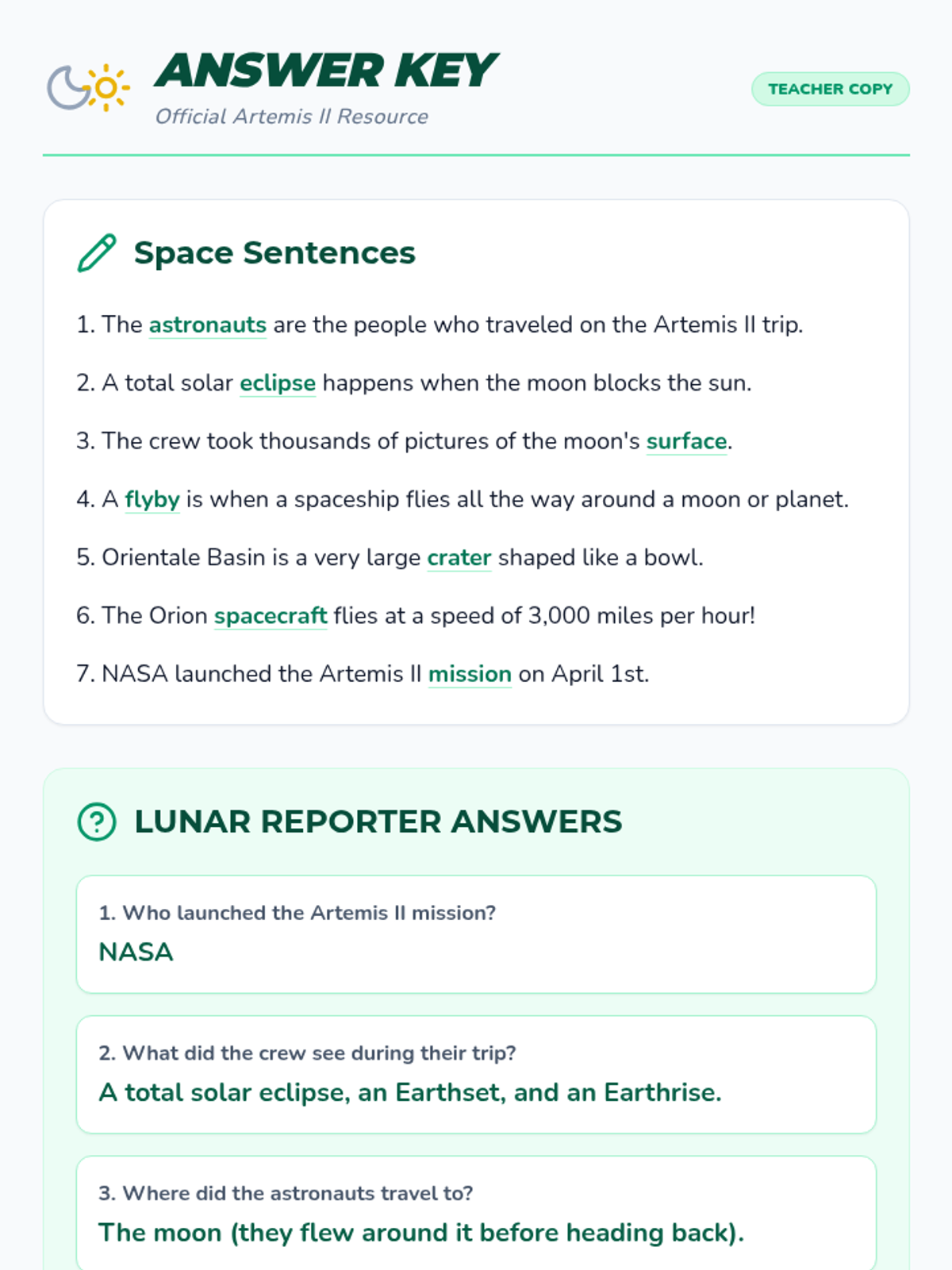
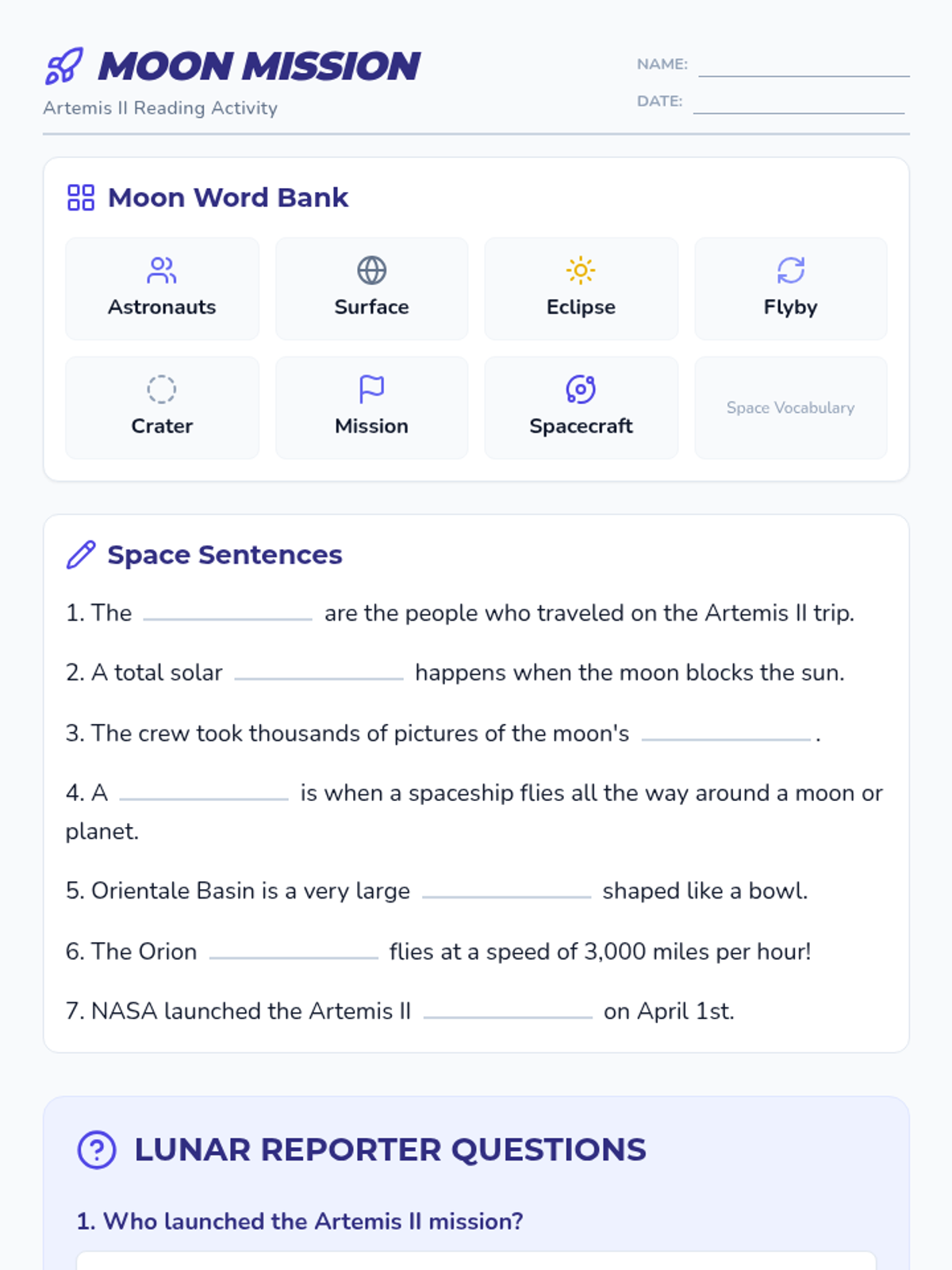
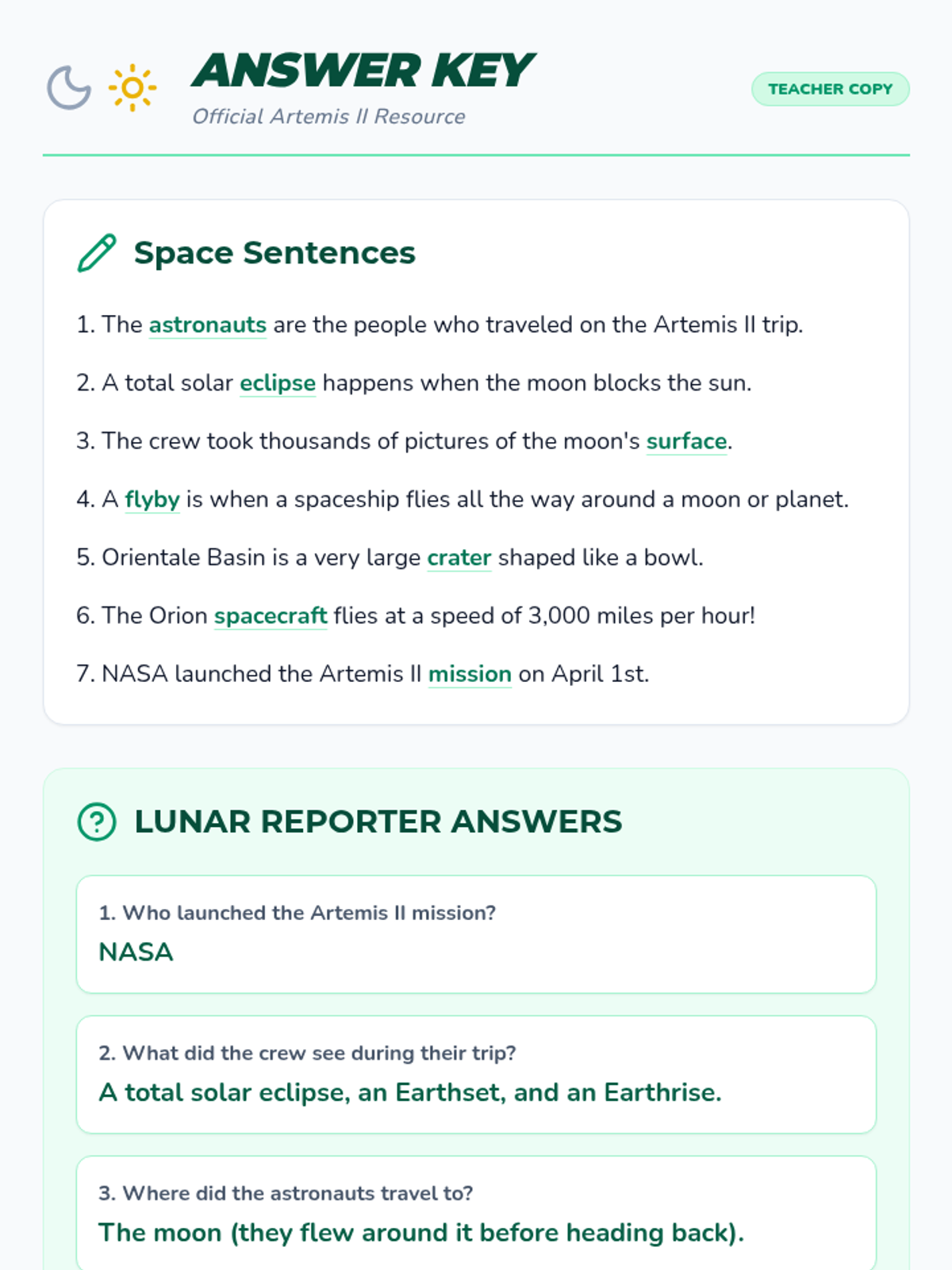
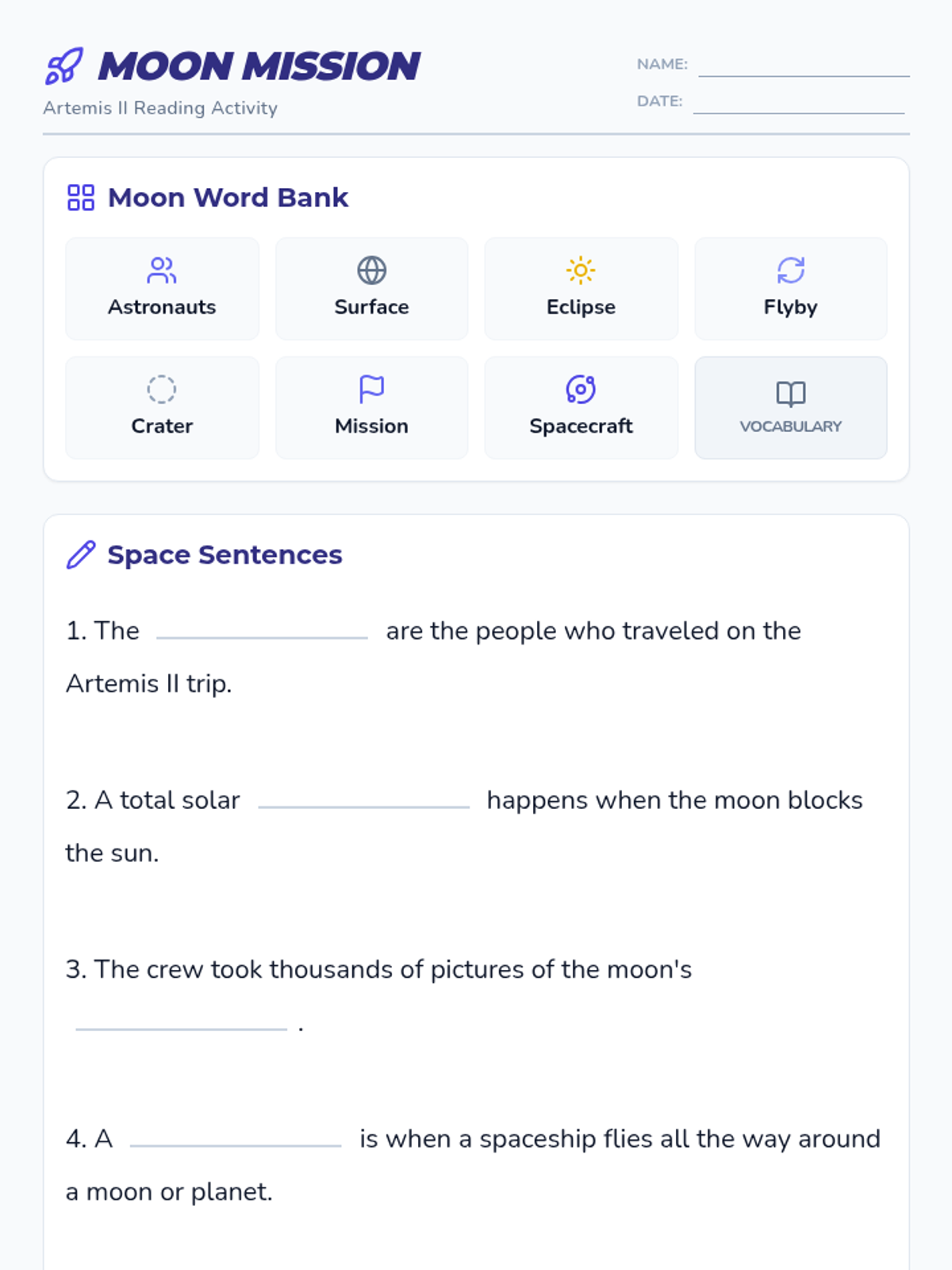
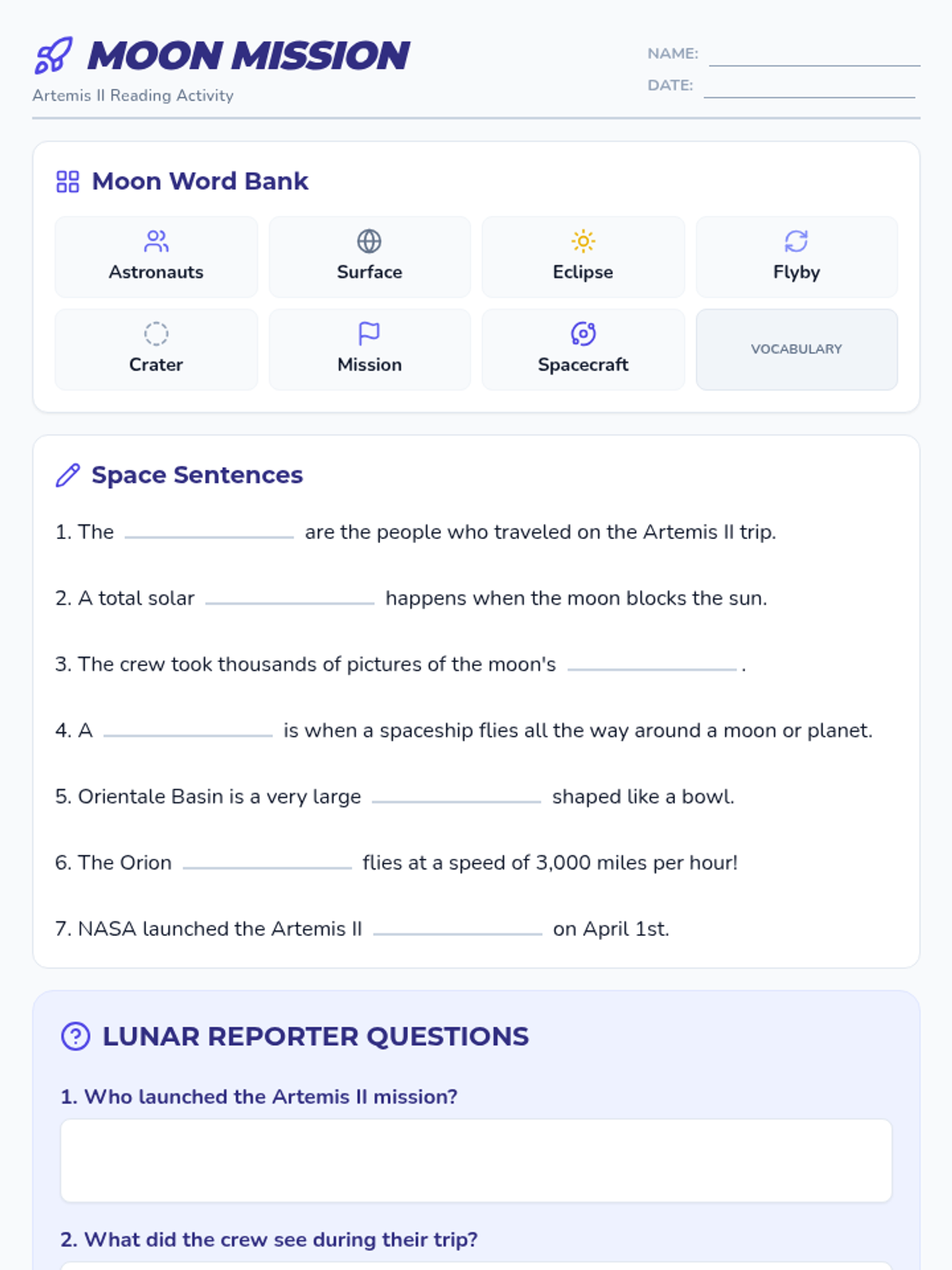
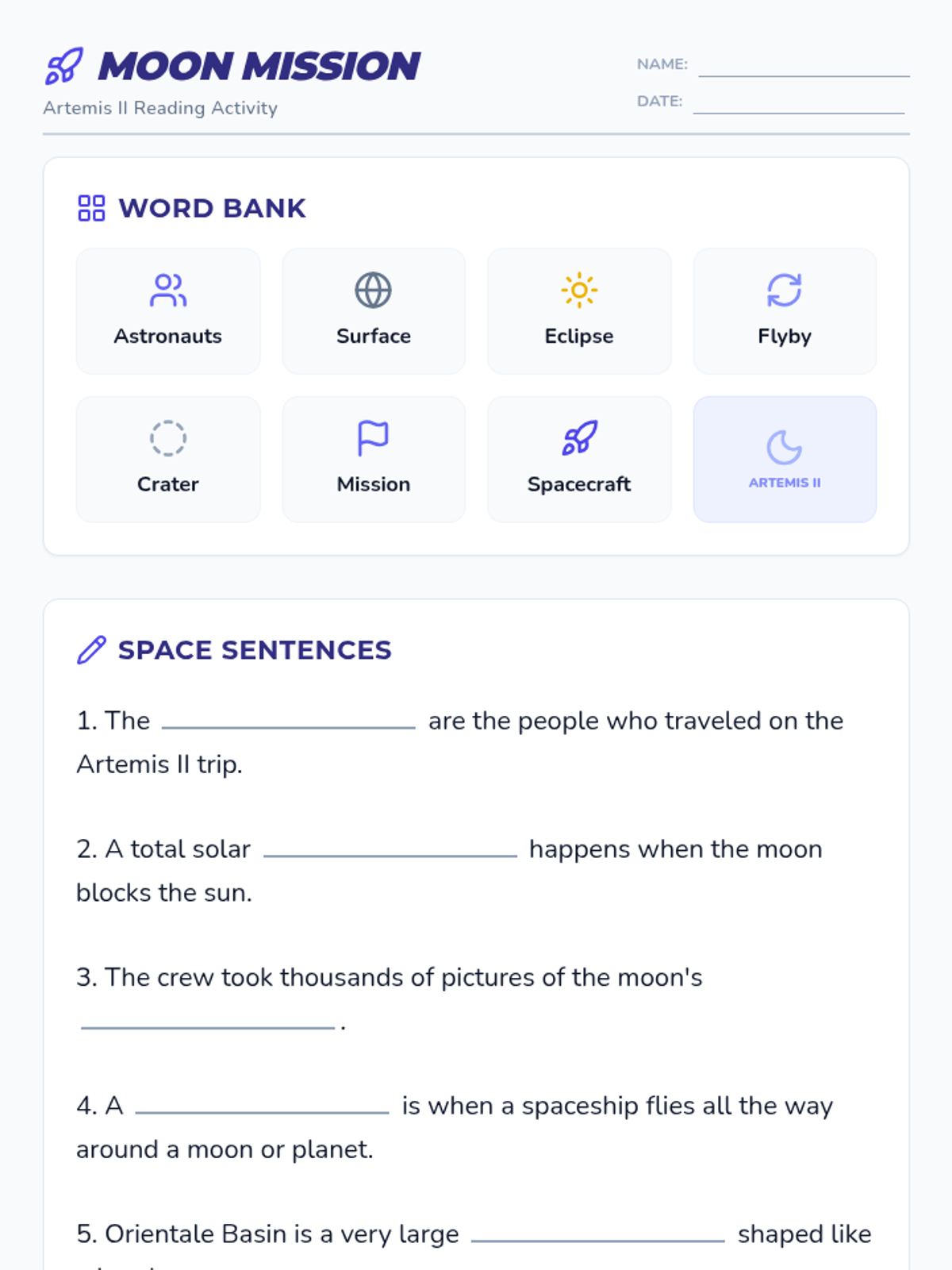
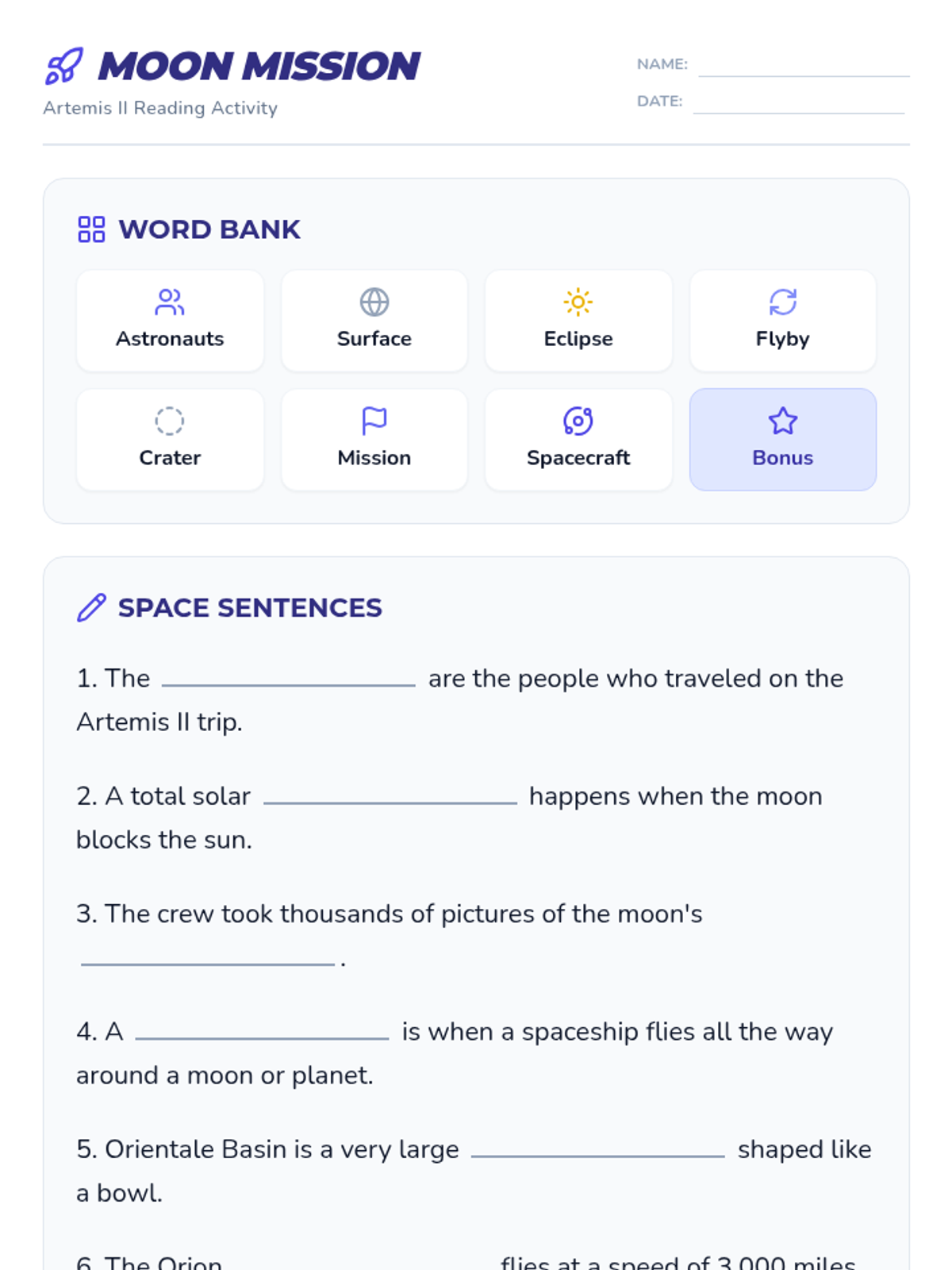
A reading comprehension lesson based on the Artemis II moon flyby article, featuring vocabulary building and fact-finding through WH-questions.
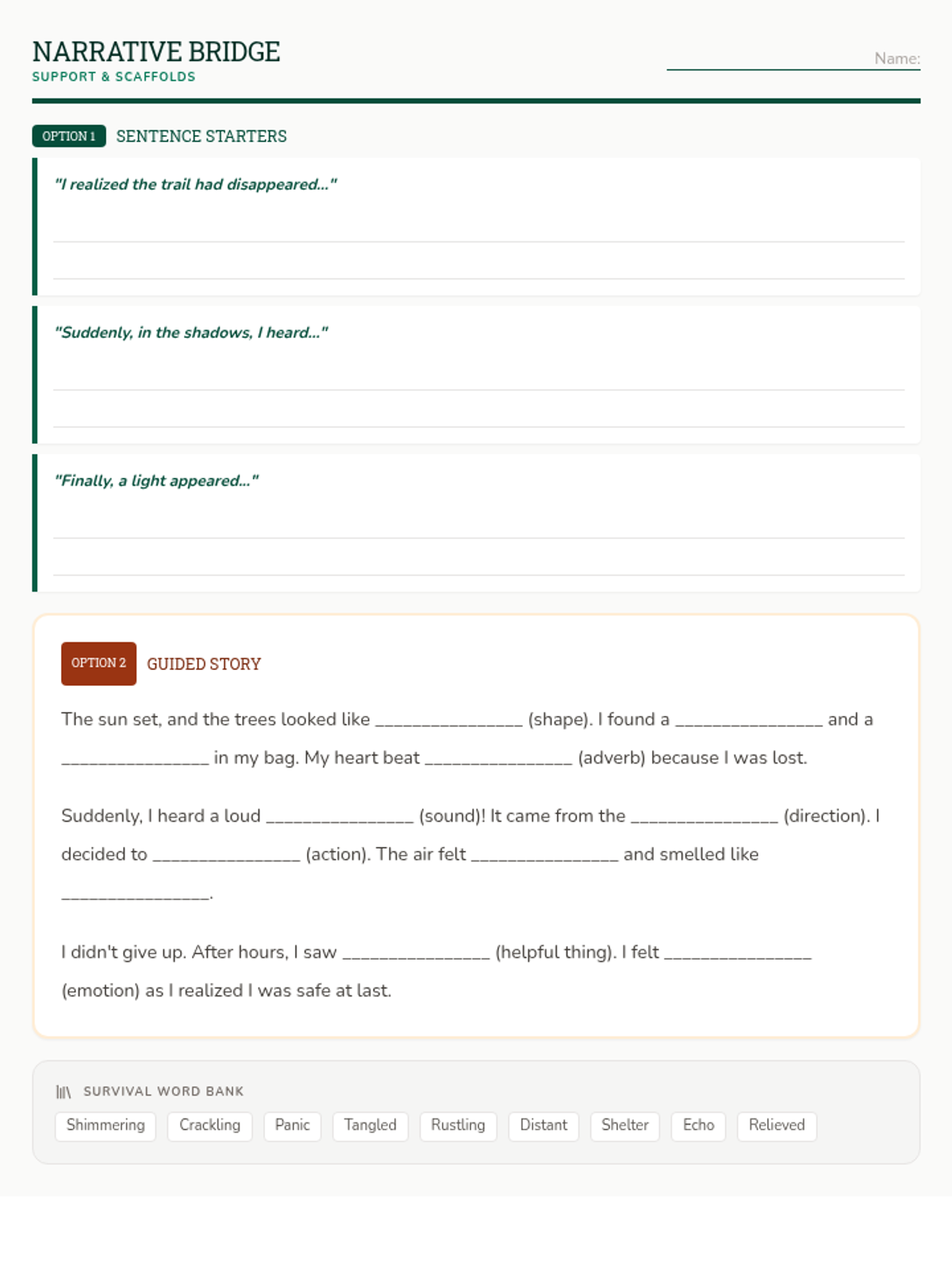
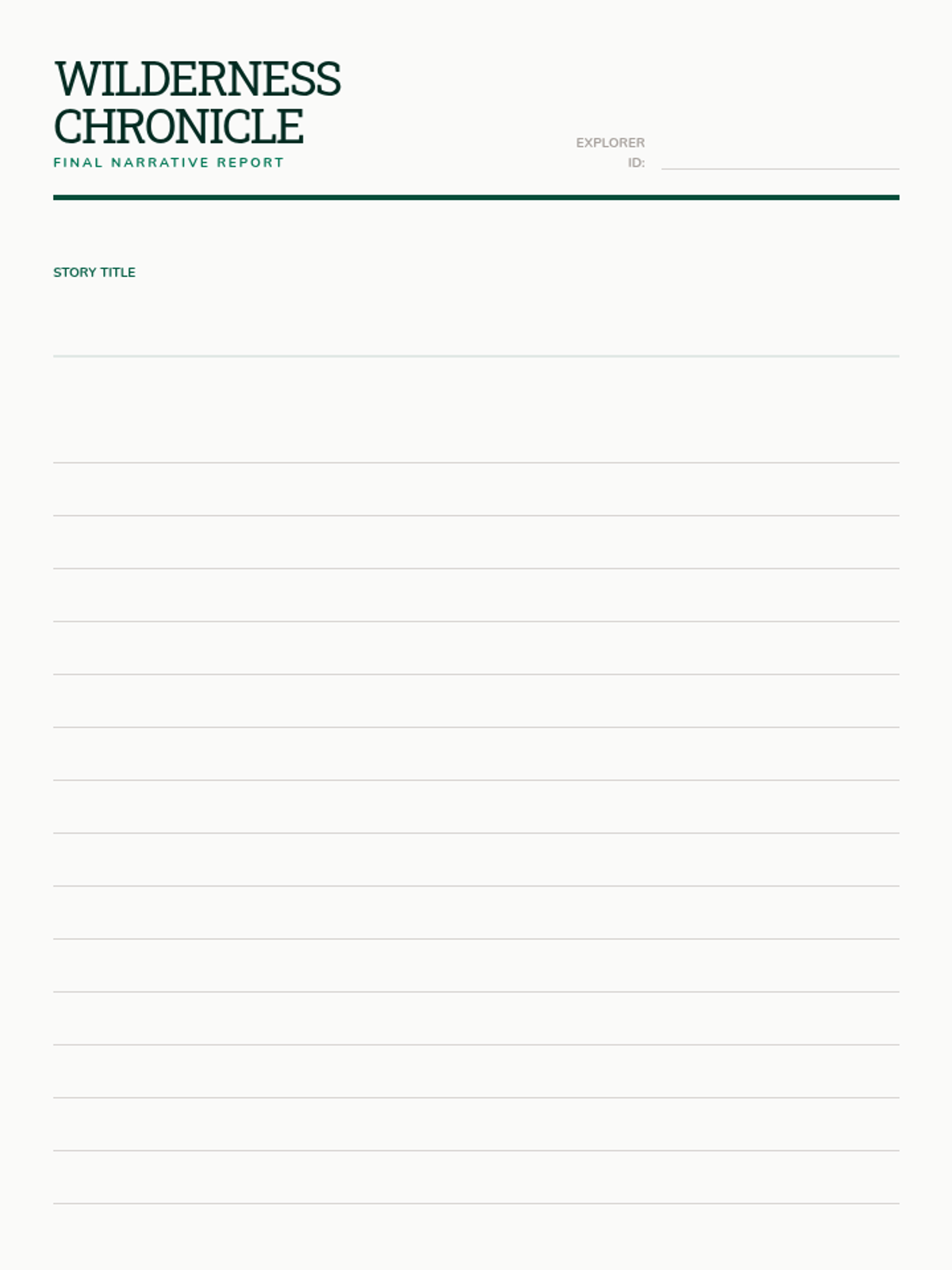
Focuses on drafting and finalizing the narrative using differentiated scaffolds and final writing paper.
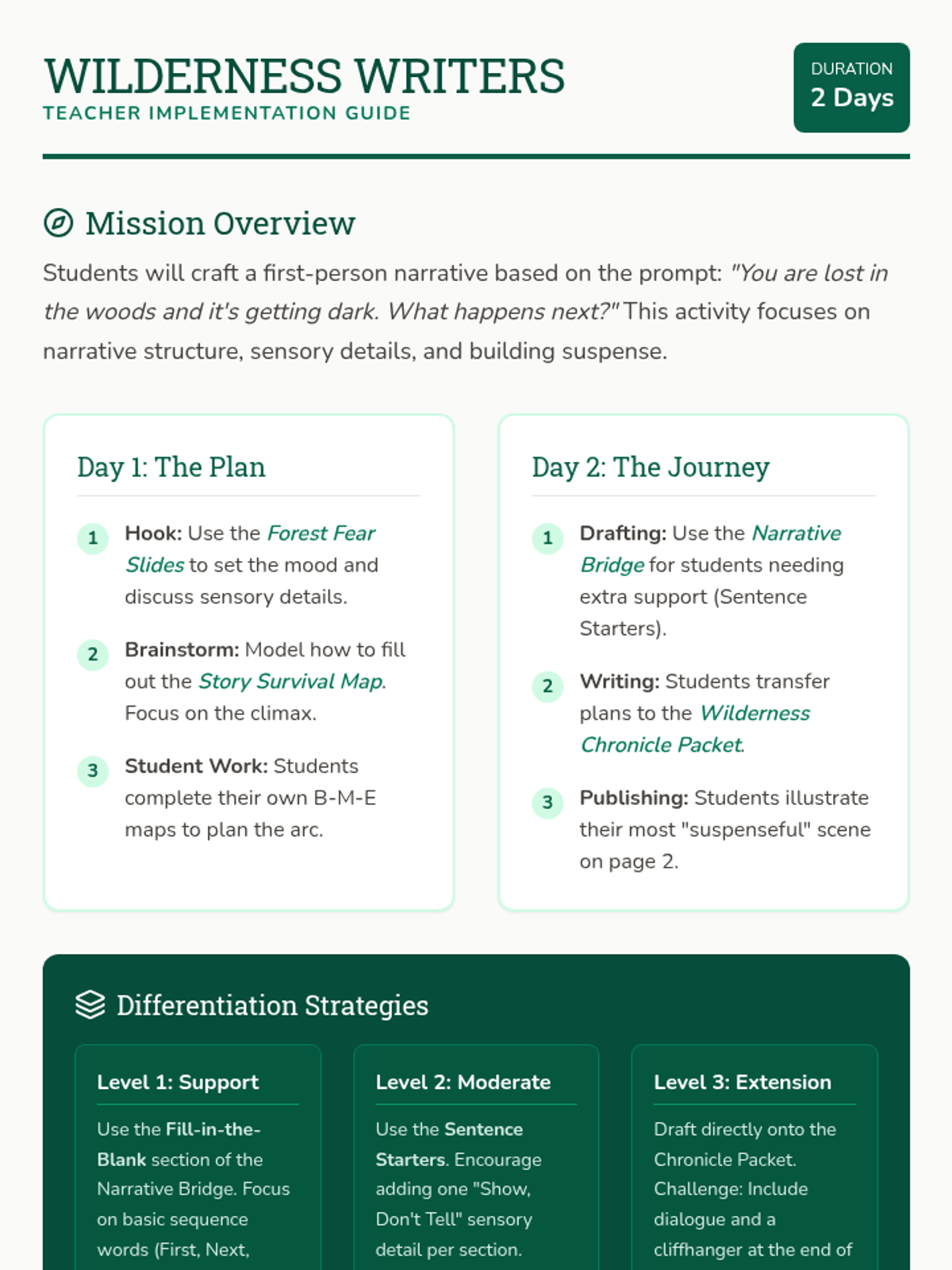
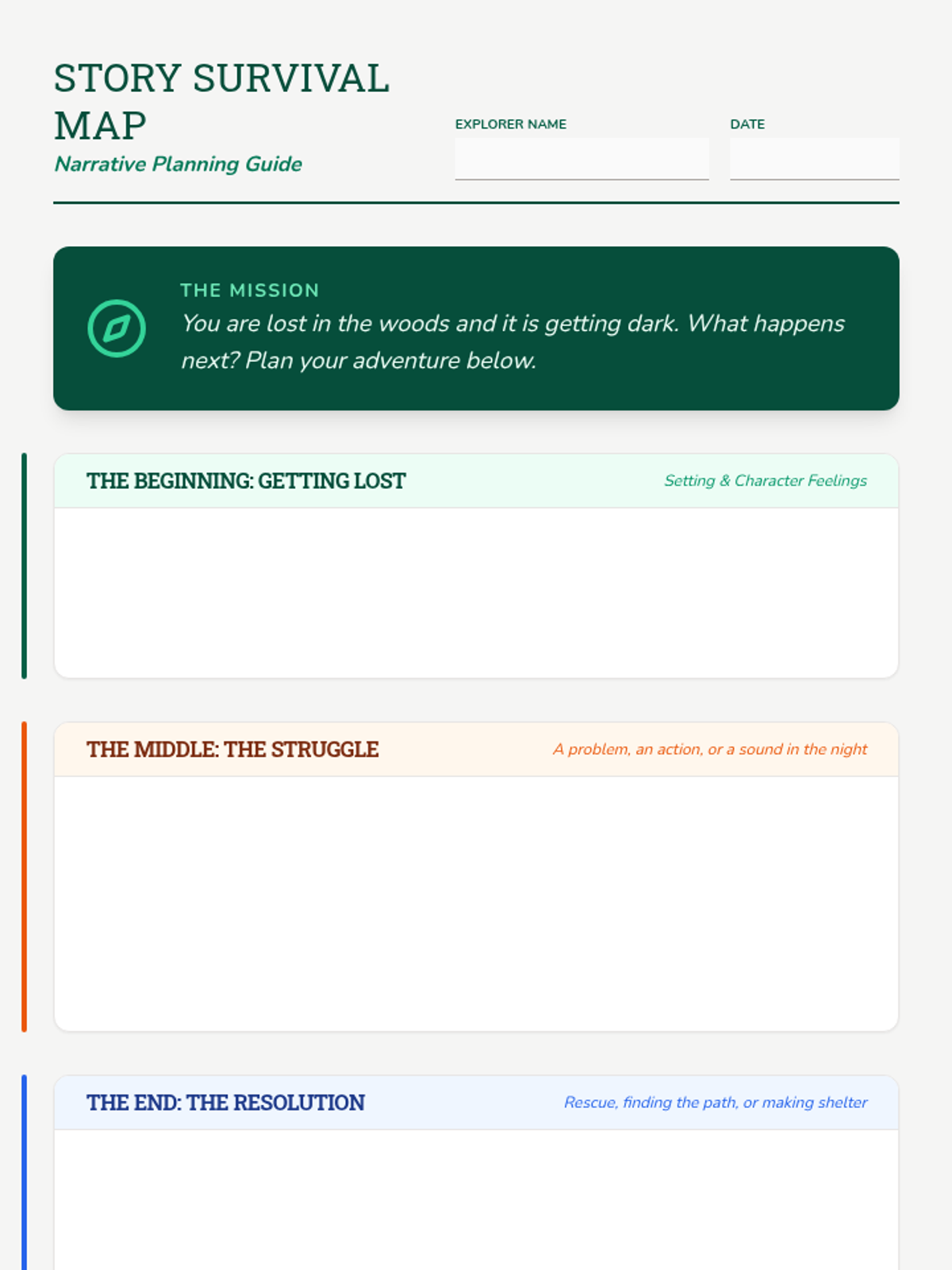
Focuses on brainstorming and planning using a beginning-middle-end graphic organizer and introductory slides.
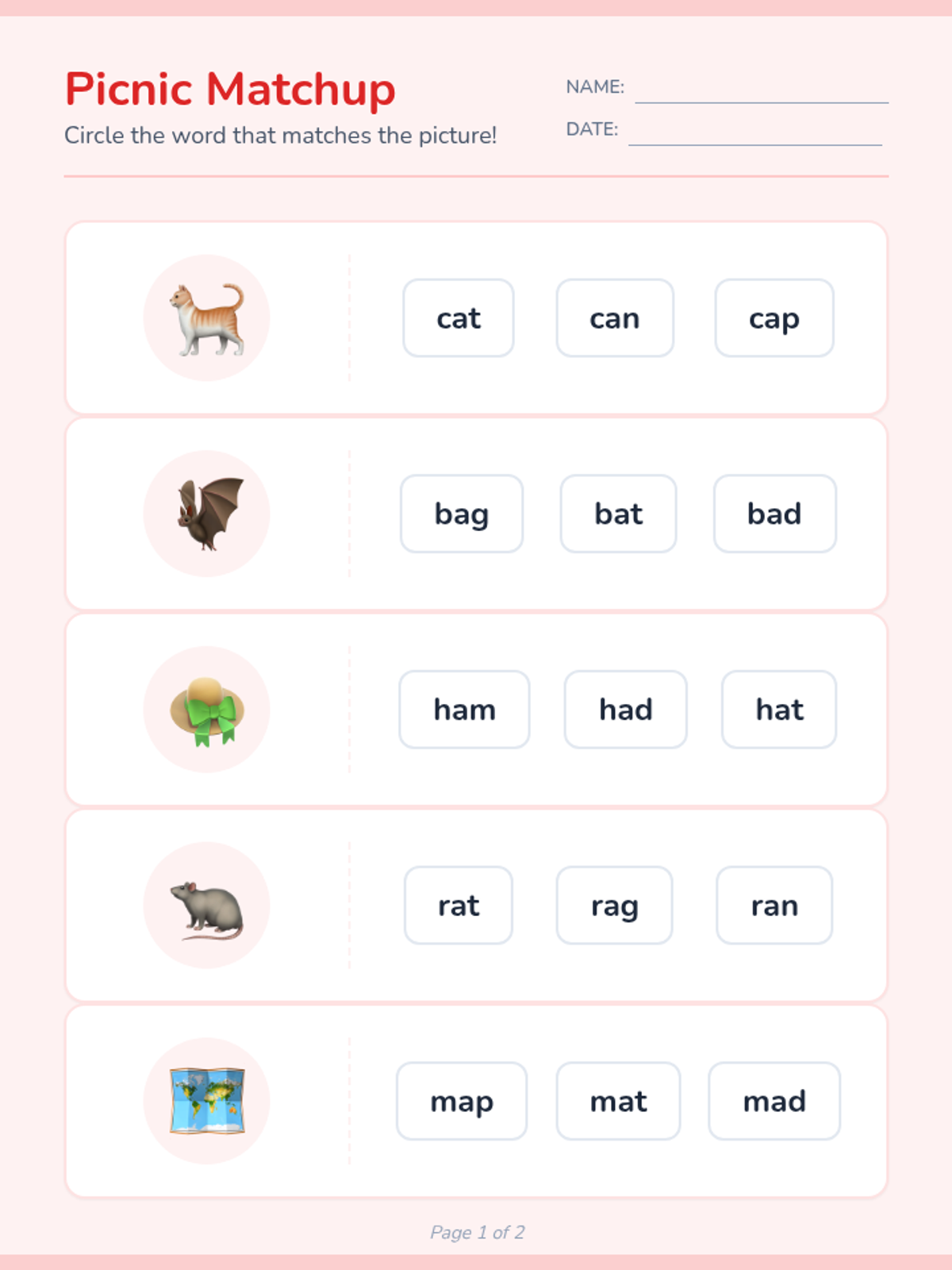
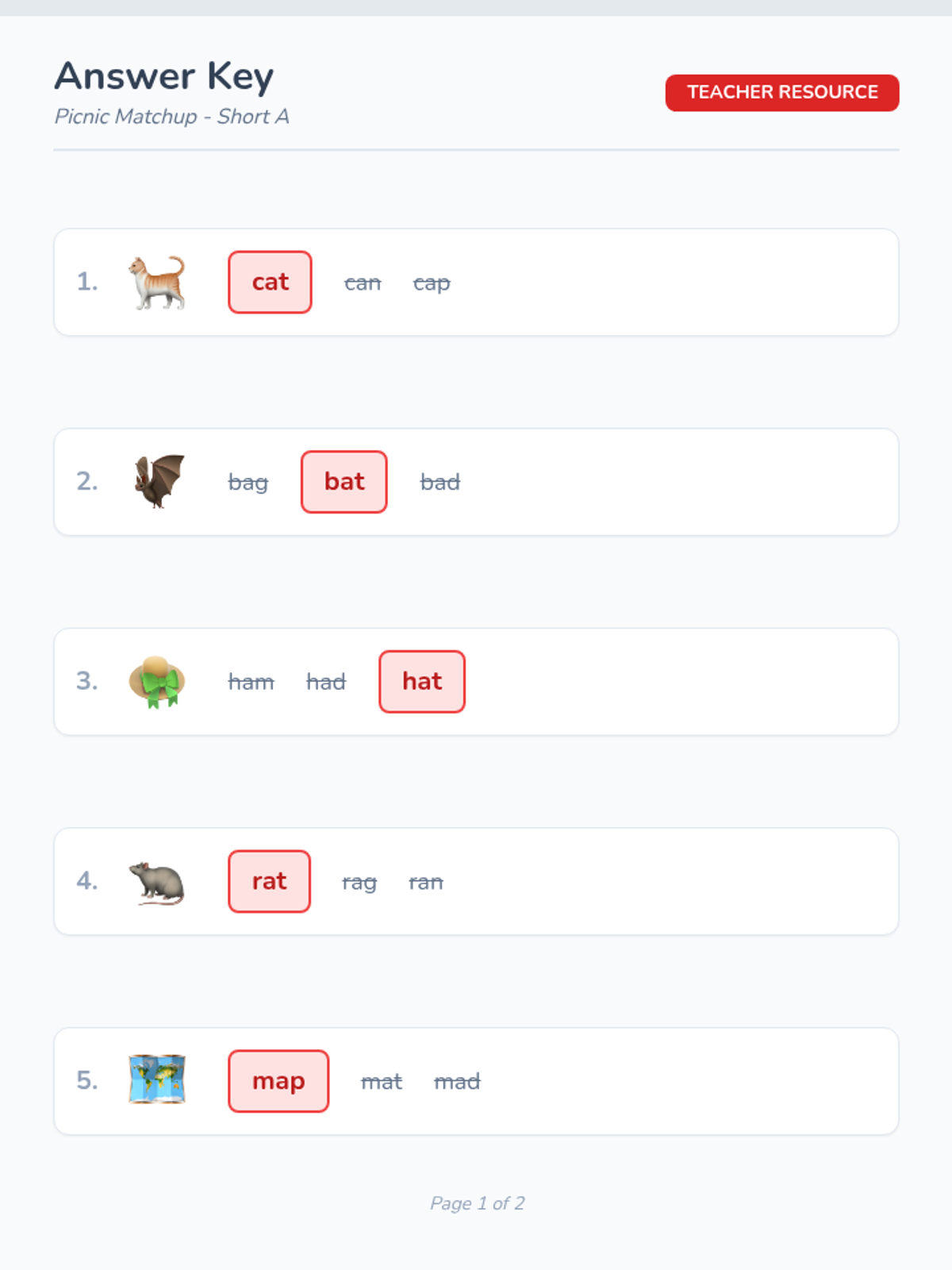
A foundational phonics lesson focused on identifying and reading CVC words with the short 'a' vowel sound through visual matching and word recognition.
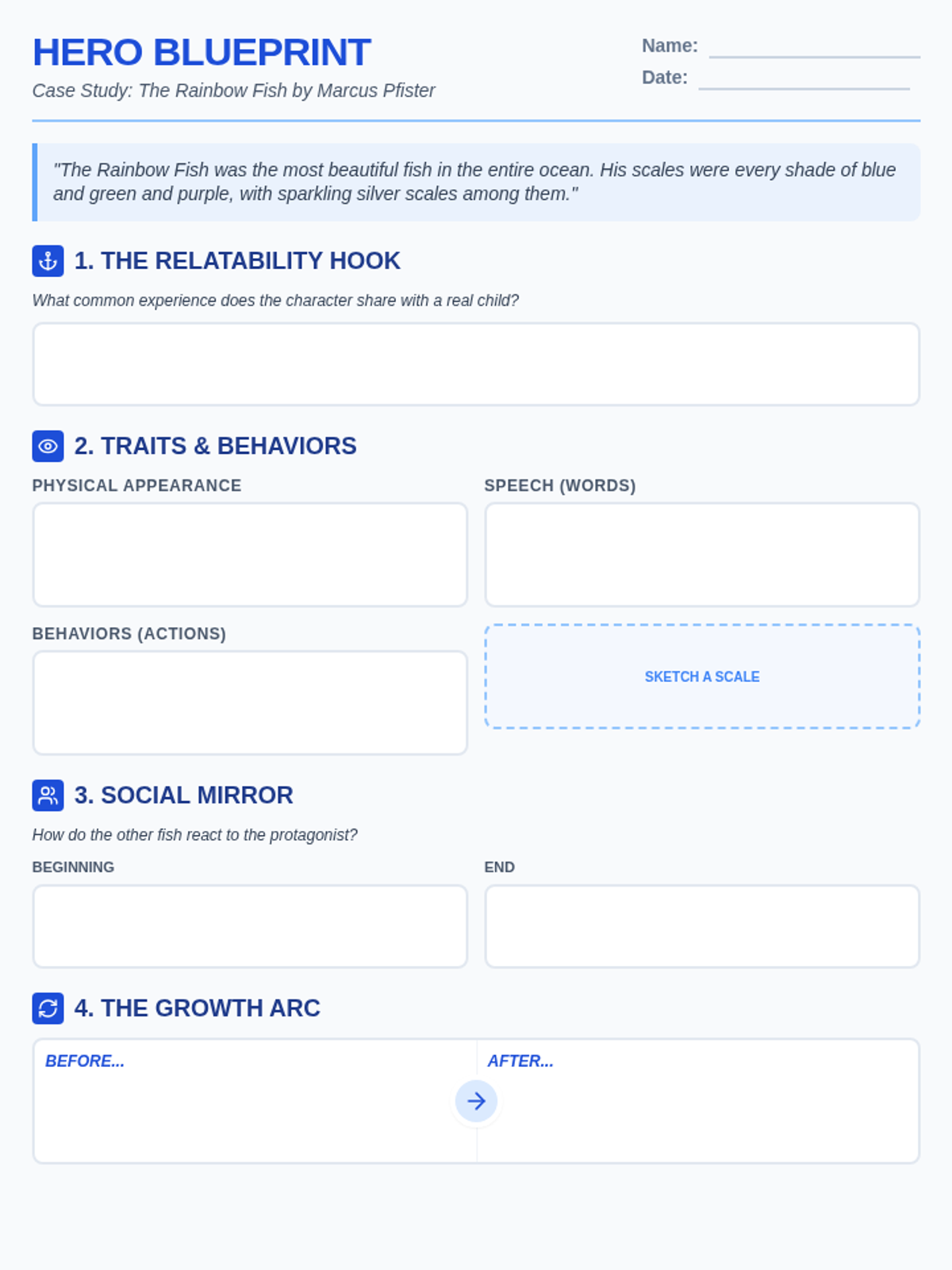
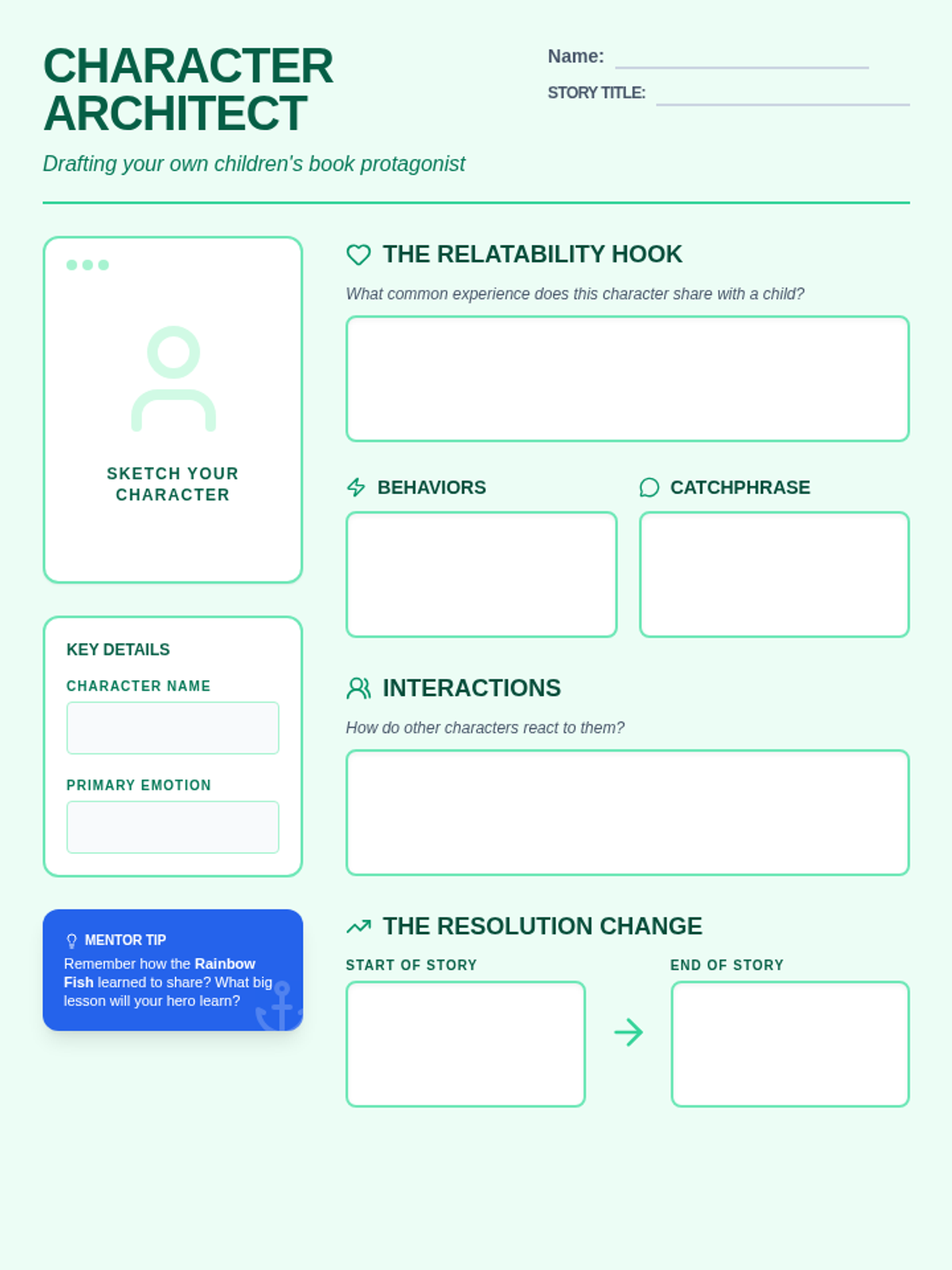
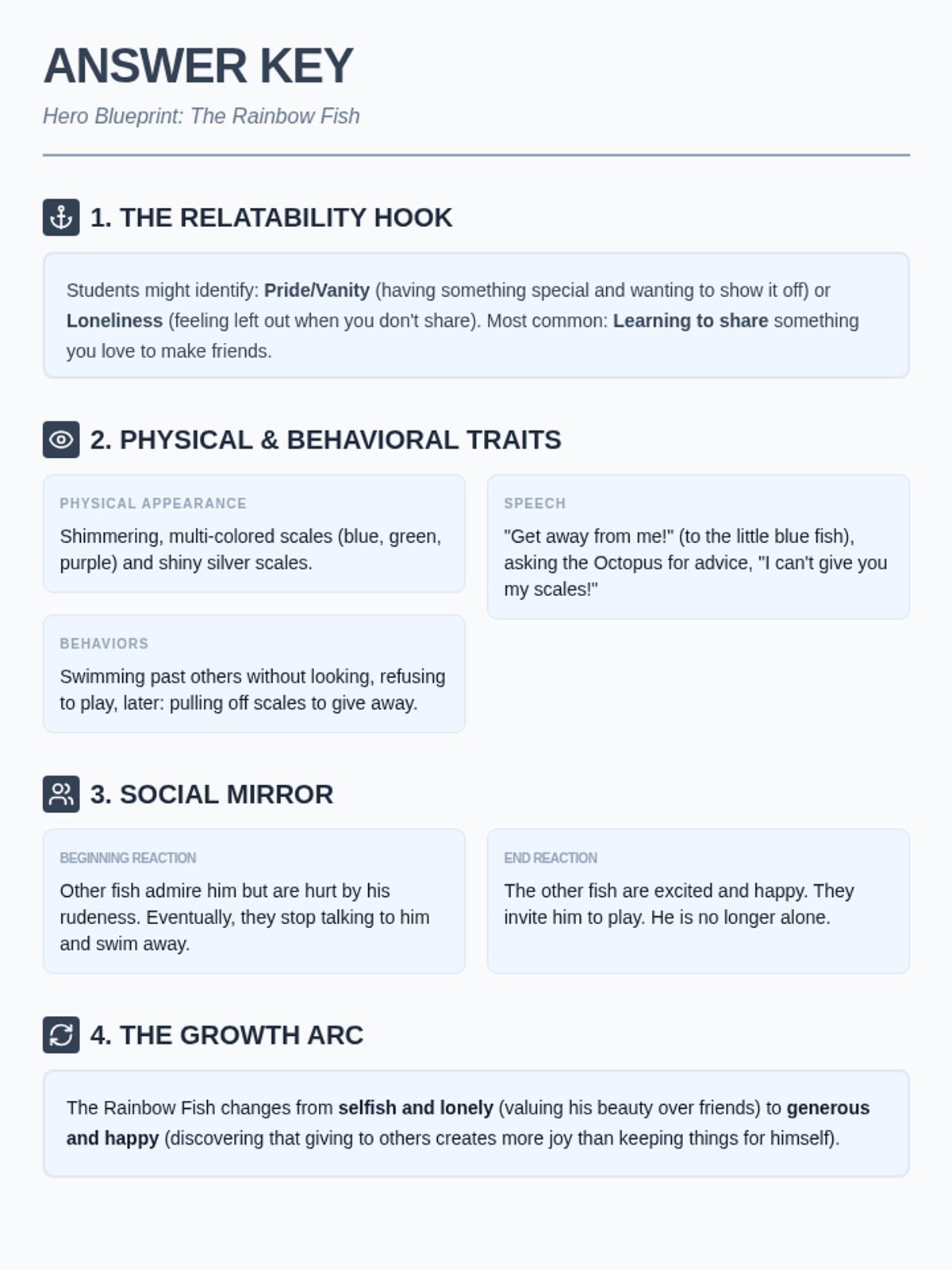
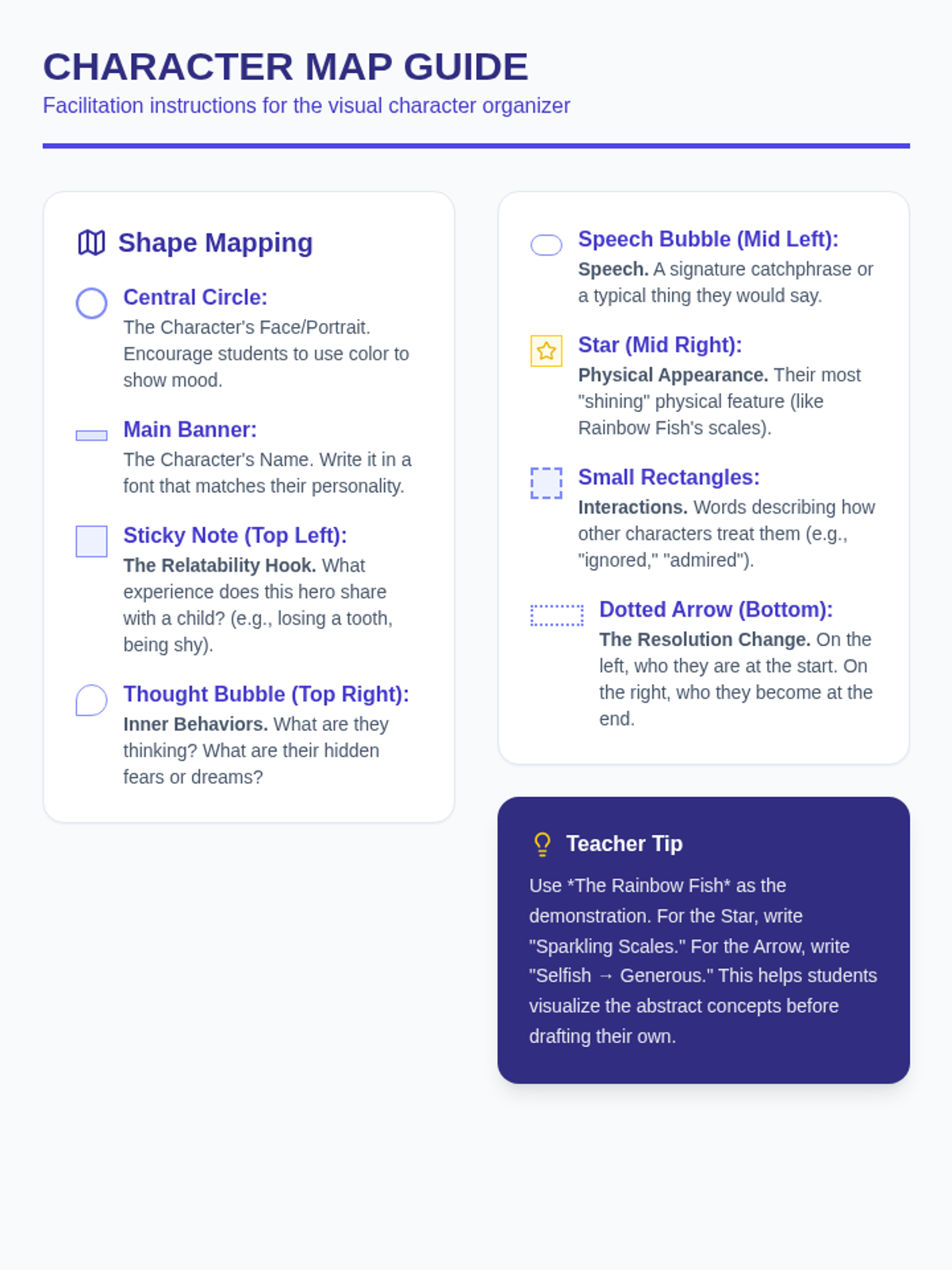
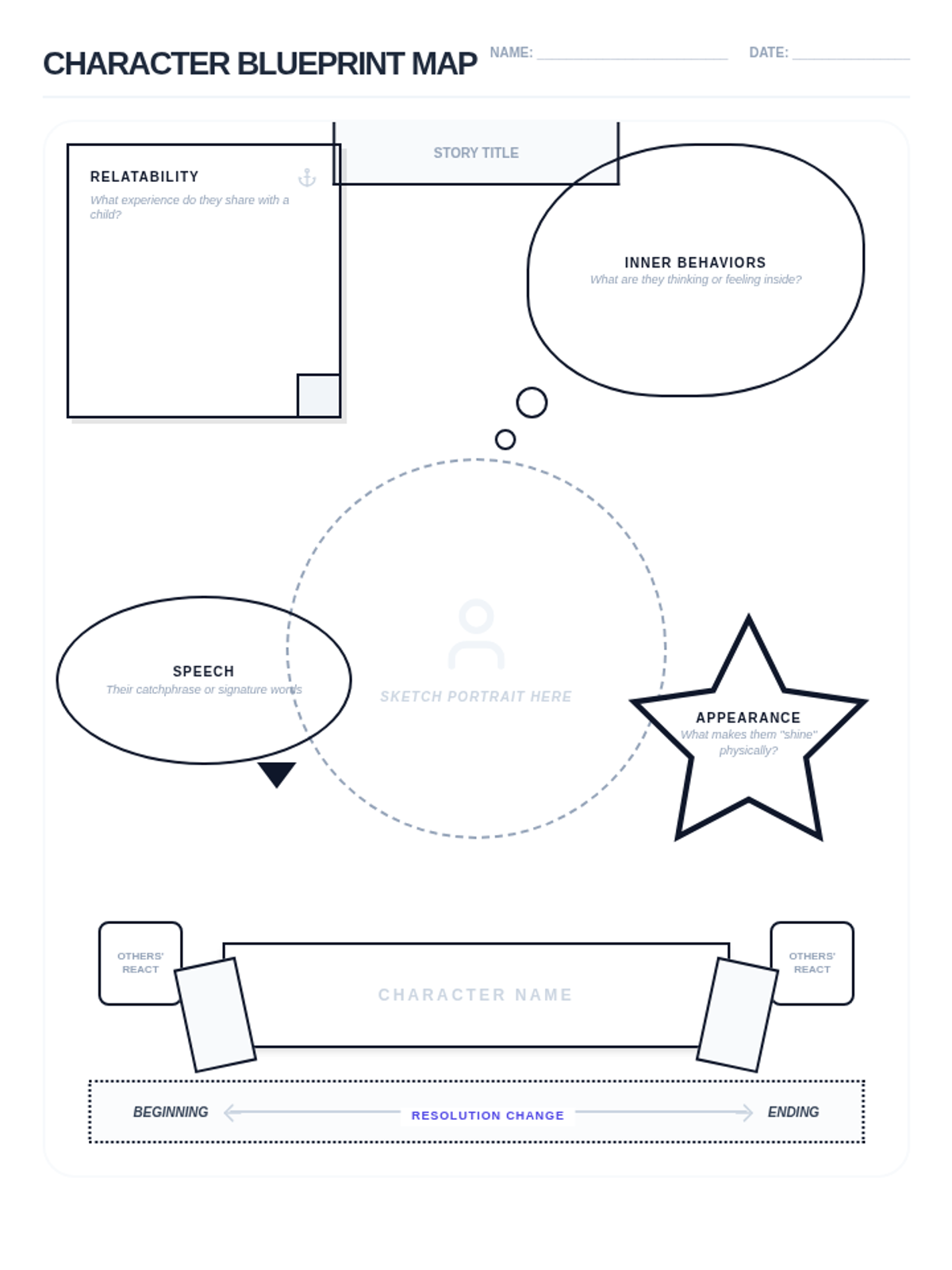
A creative workshop focused on character development for children's books, using The Rainbow Fish as a mentor text to explore relatability, behavior, and character arcs.
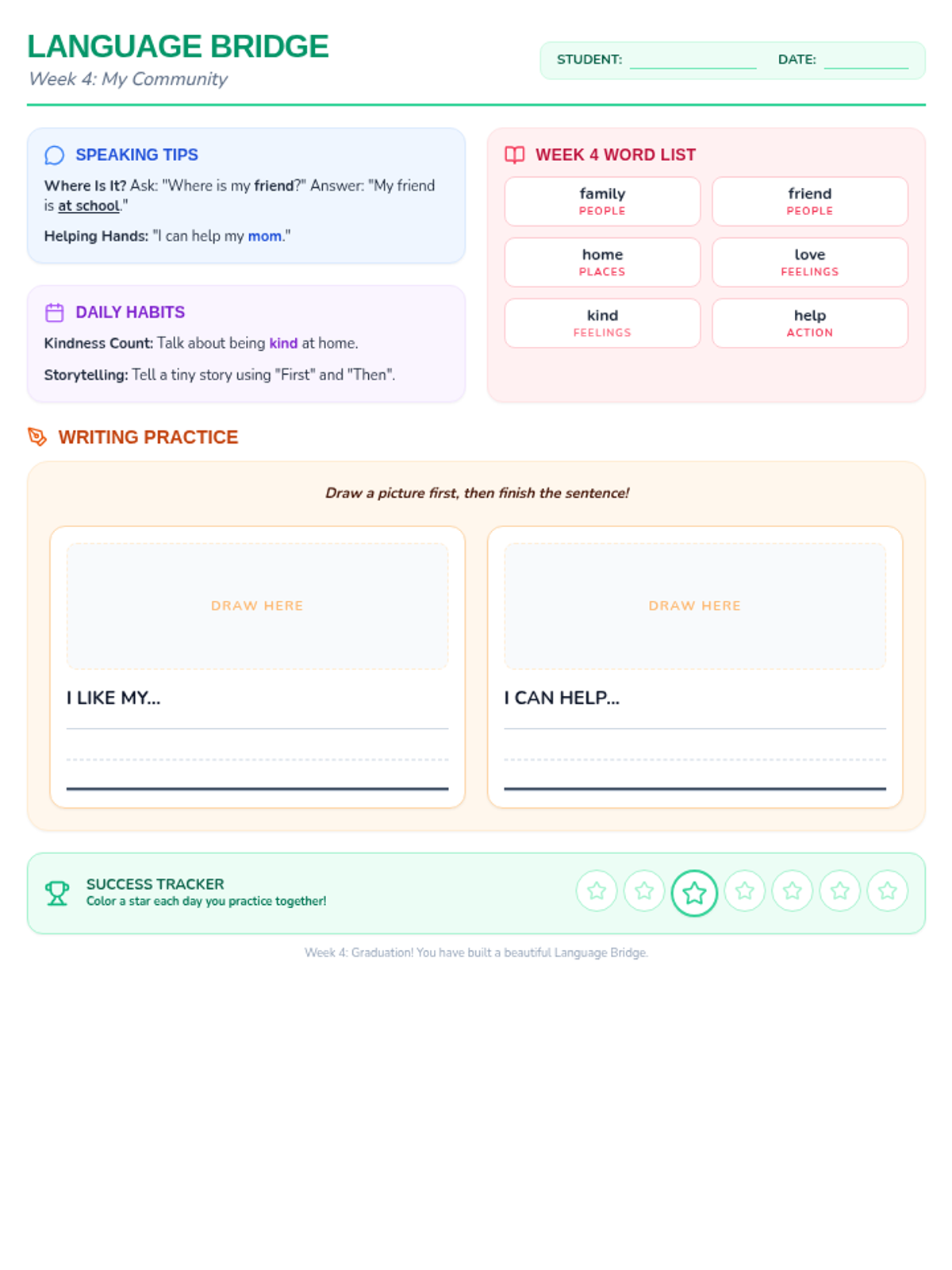
Week 4 focusing on social vocabulary, feelings, and connecting simple ideas into short stories.
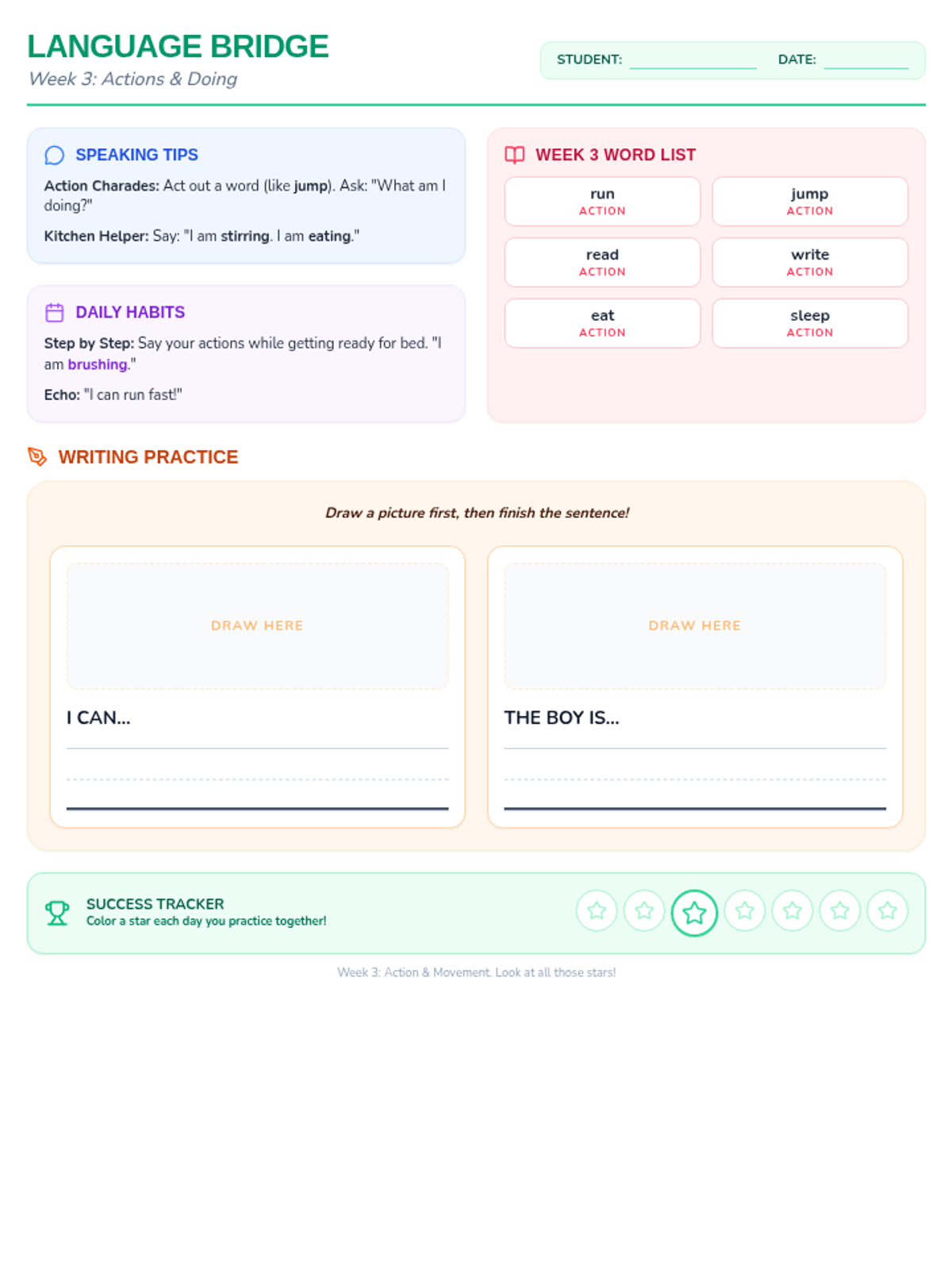
Week 3 focusing on action verbs and describing what people are doing.
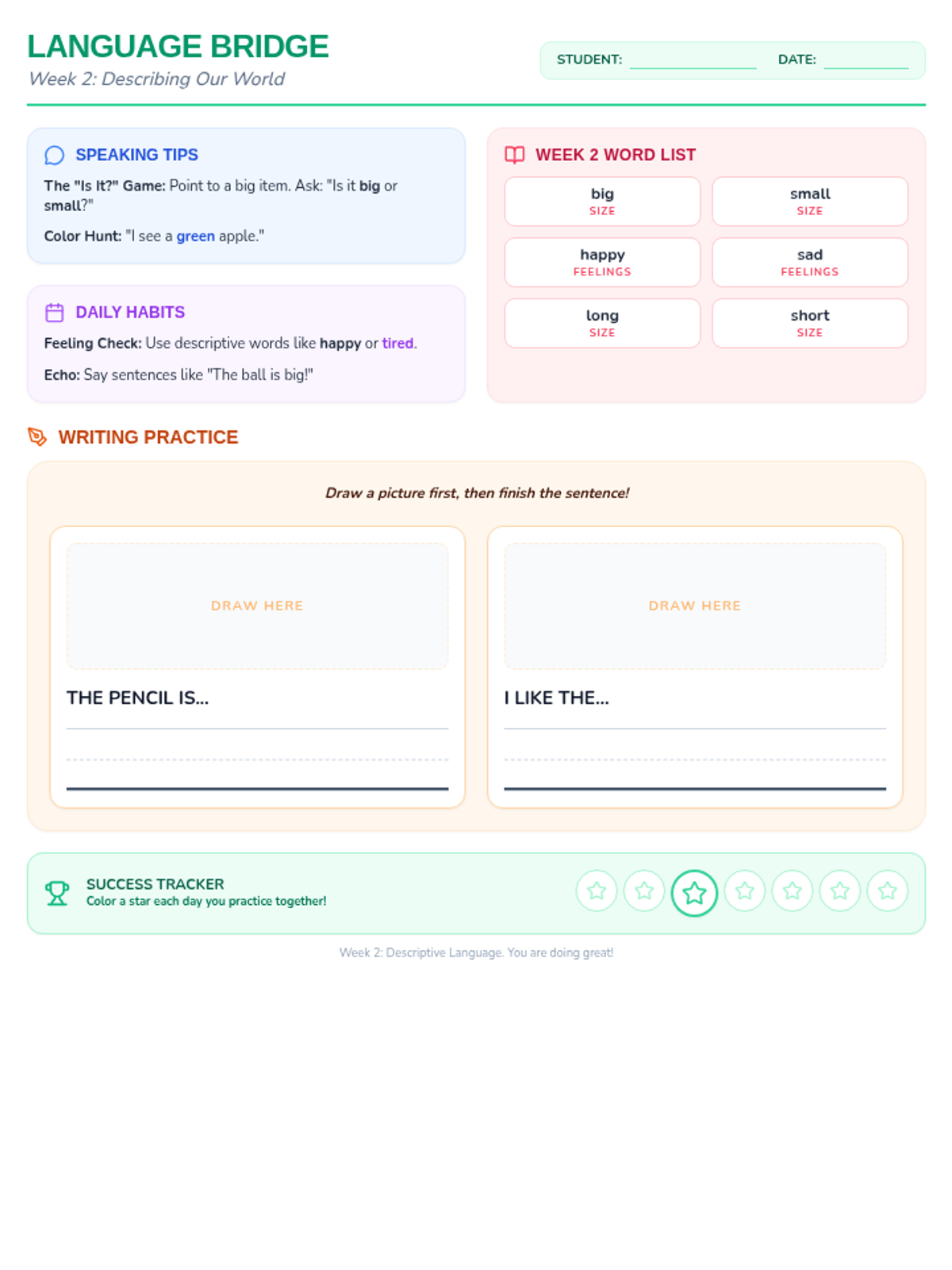
Week 2 focusing on describing words (adjectives) and building more descriptive sentences.
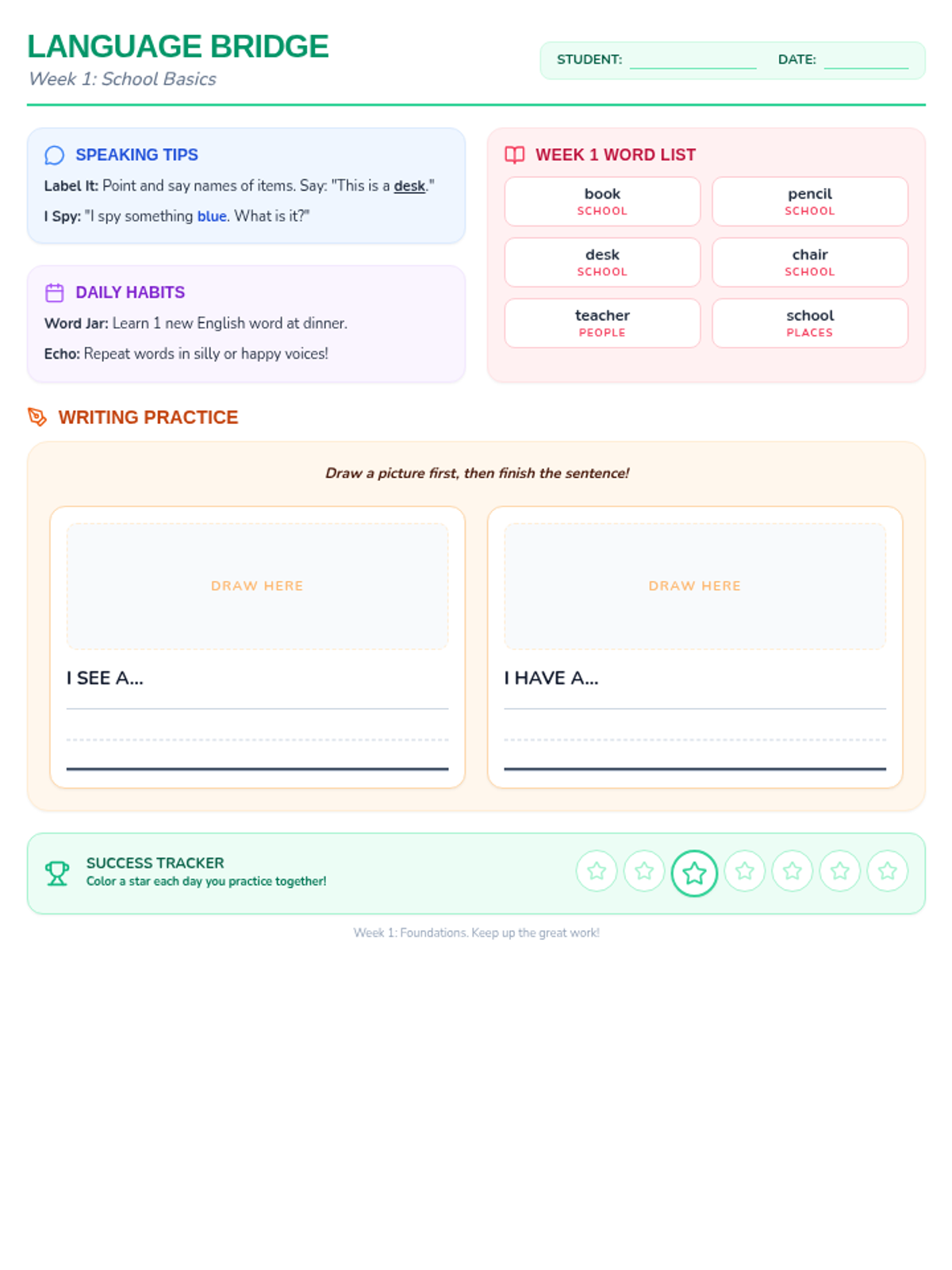
Week 1 focusing on school basics, nouns, and simple 'I see' and 'I have' sentence structures.
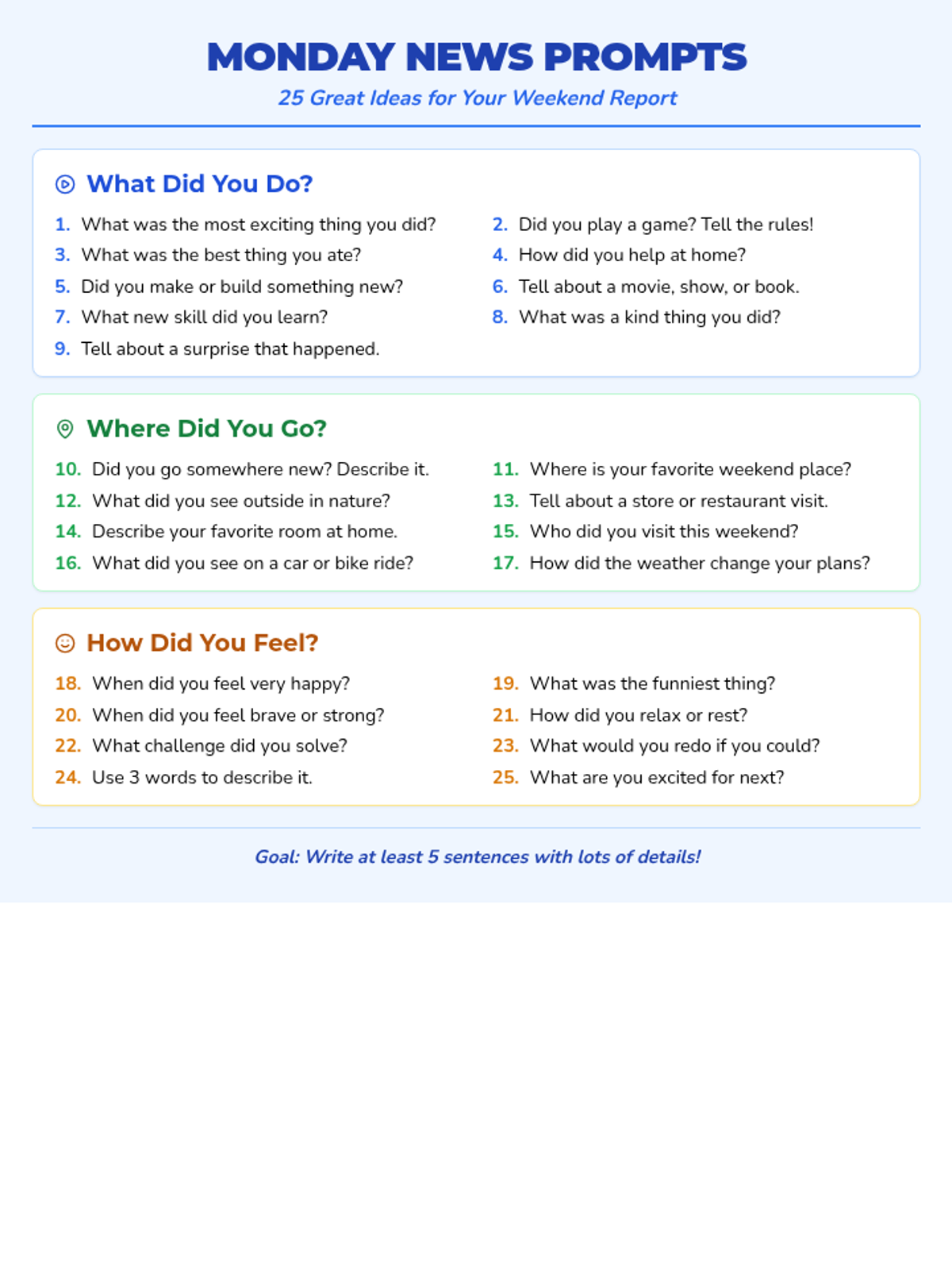
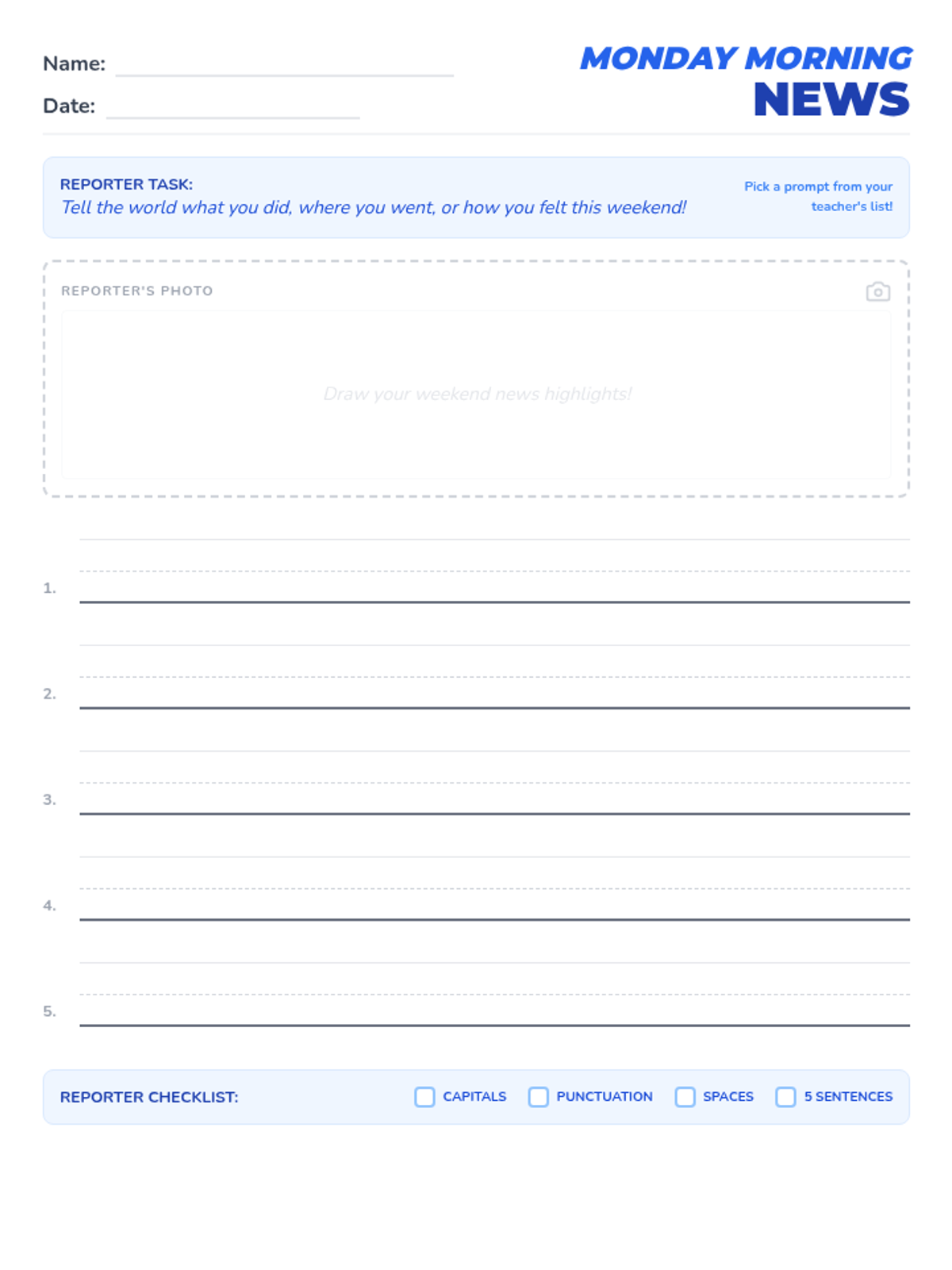
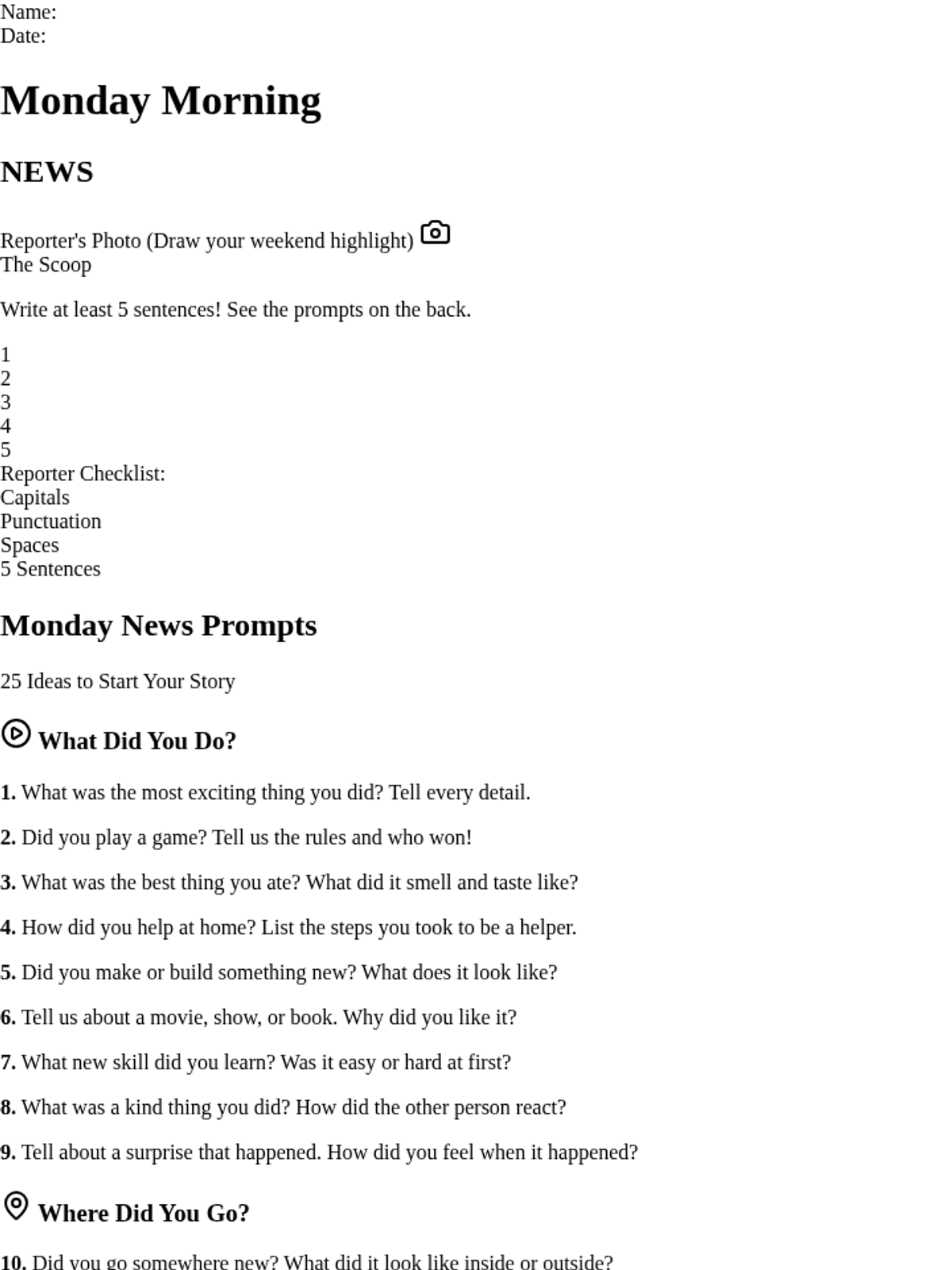
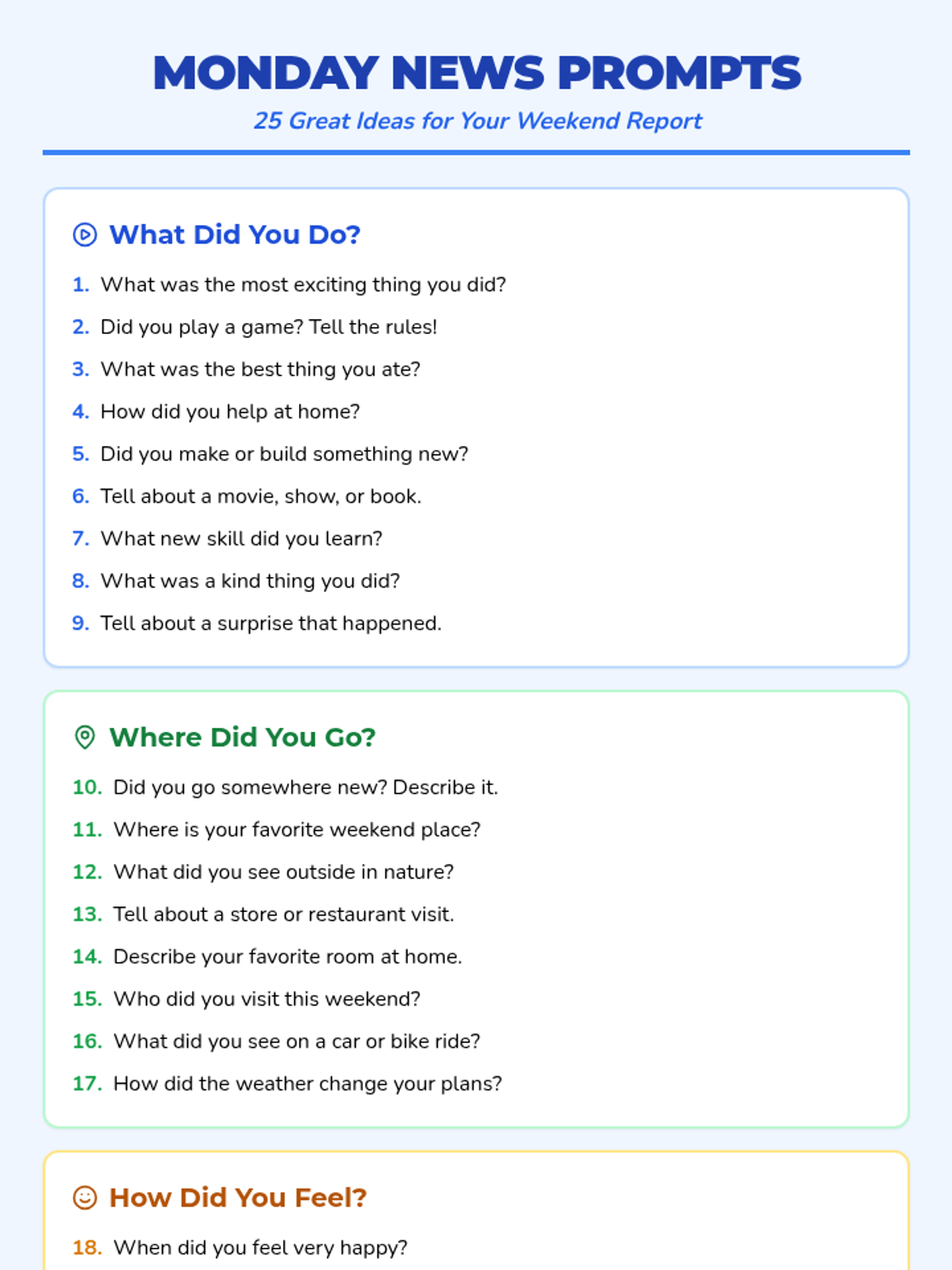
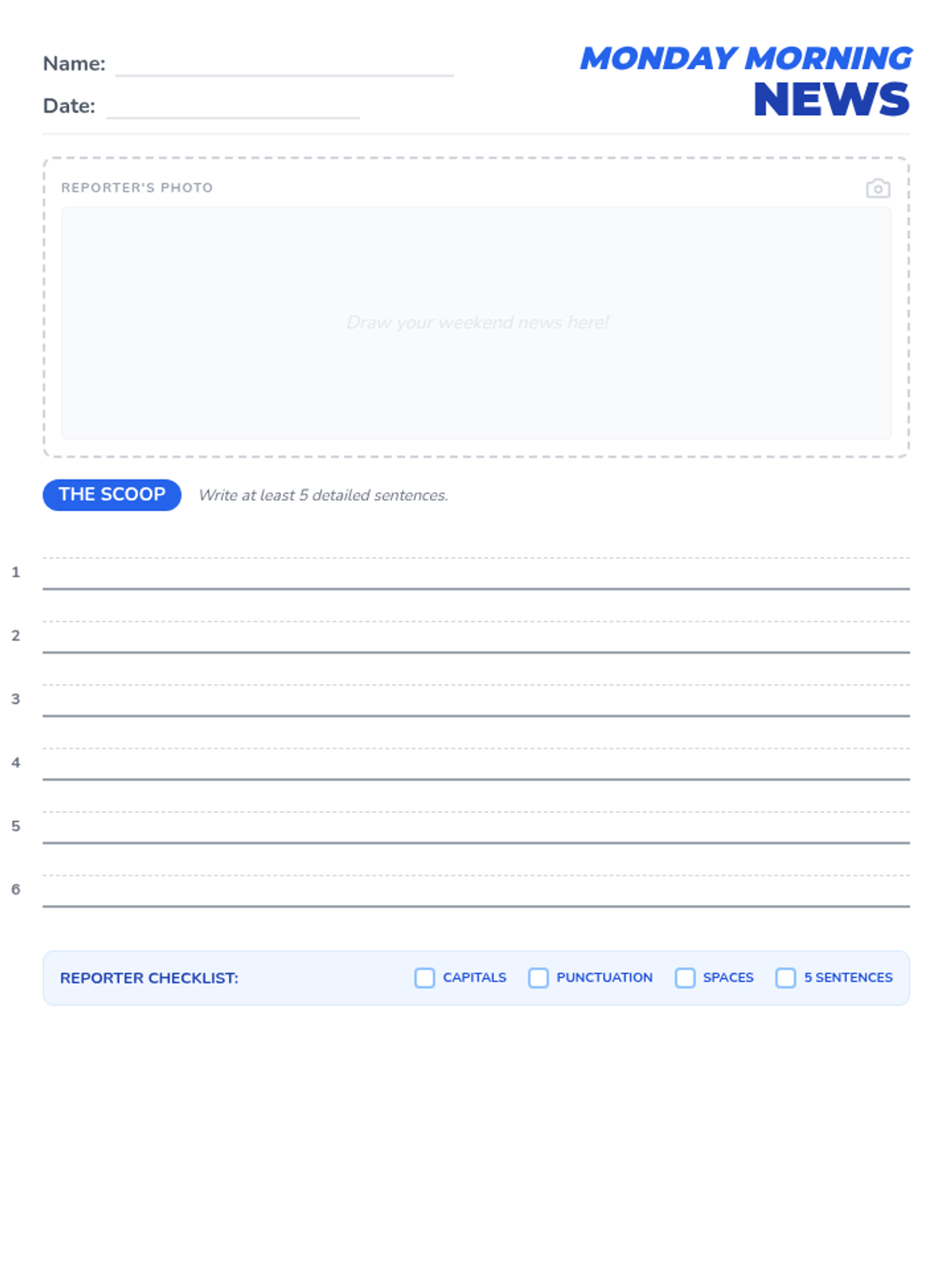
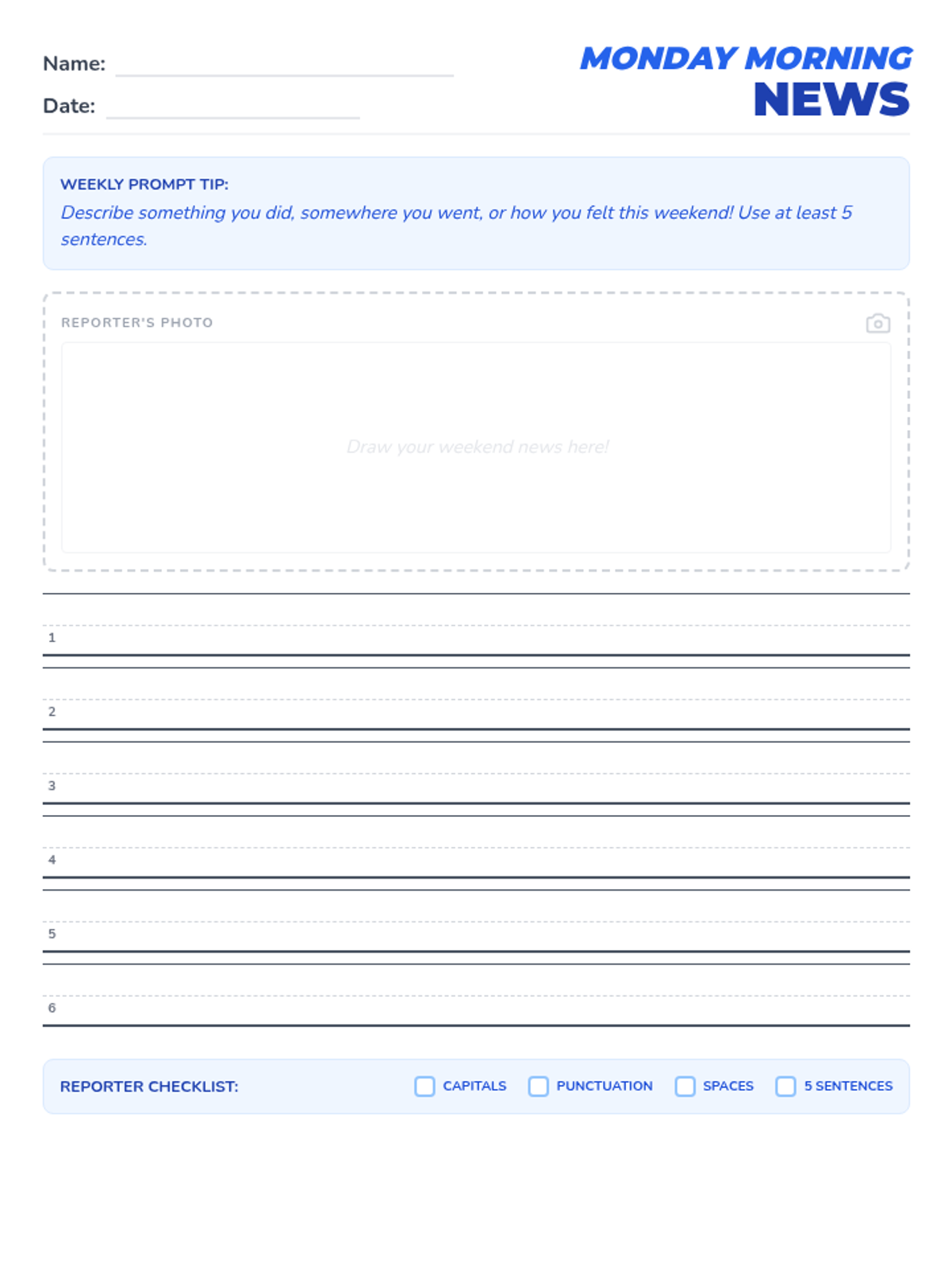
A Monday morning writing routine where students reflect on their weekend activities through descriptive journaling. Students use open-ended prompts to develop their narrative writing skills and share personal experiences with their peers.
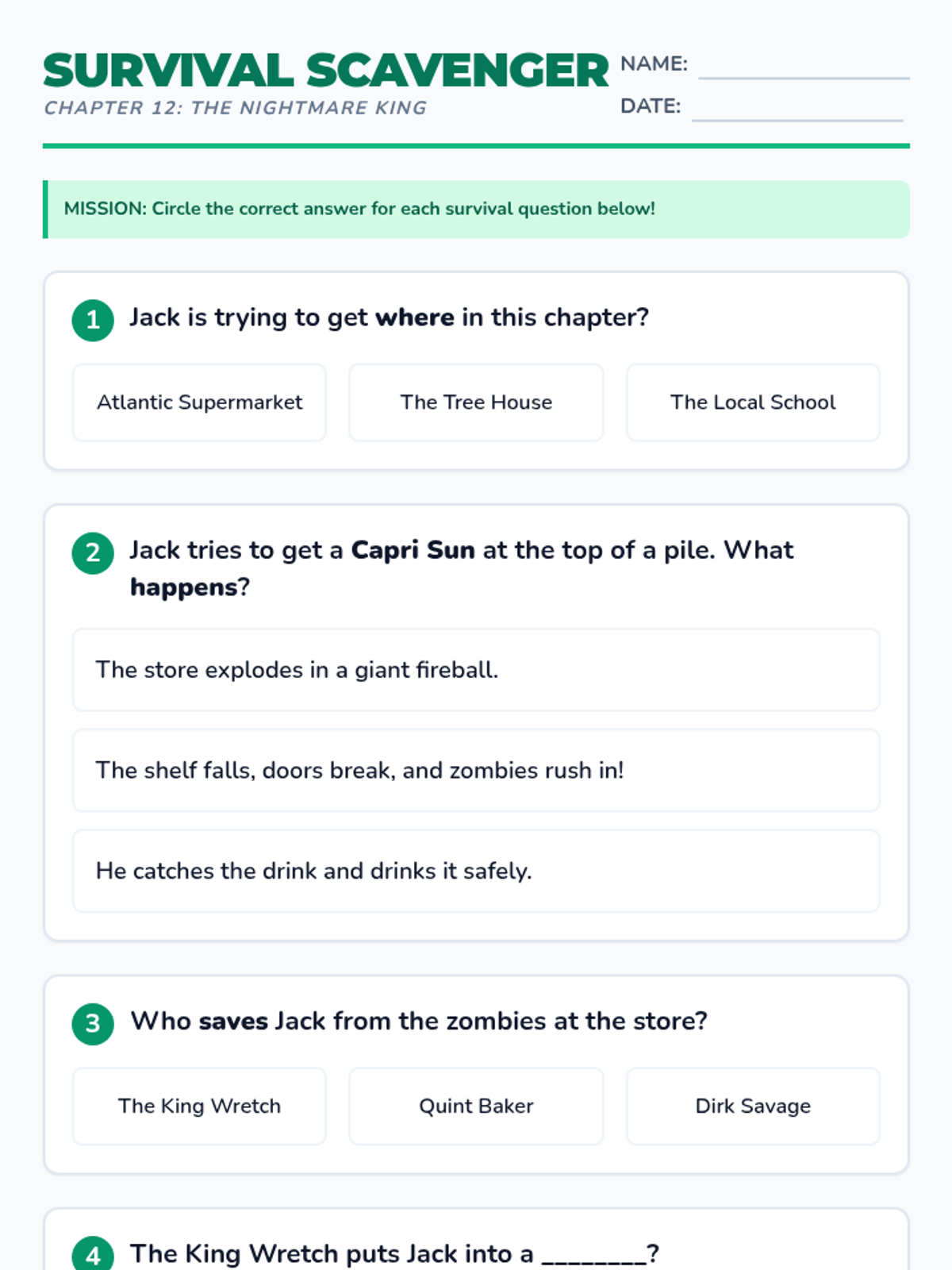
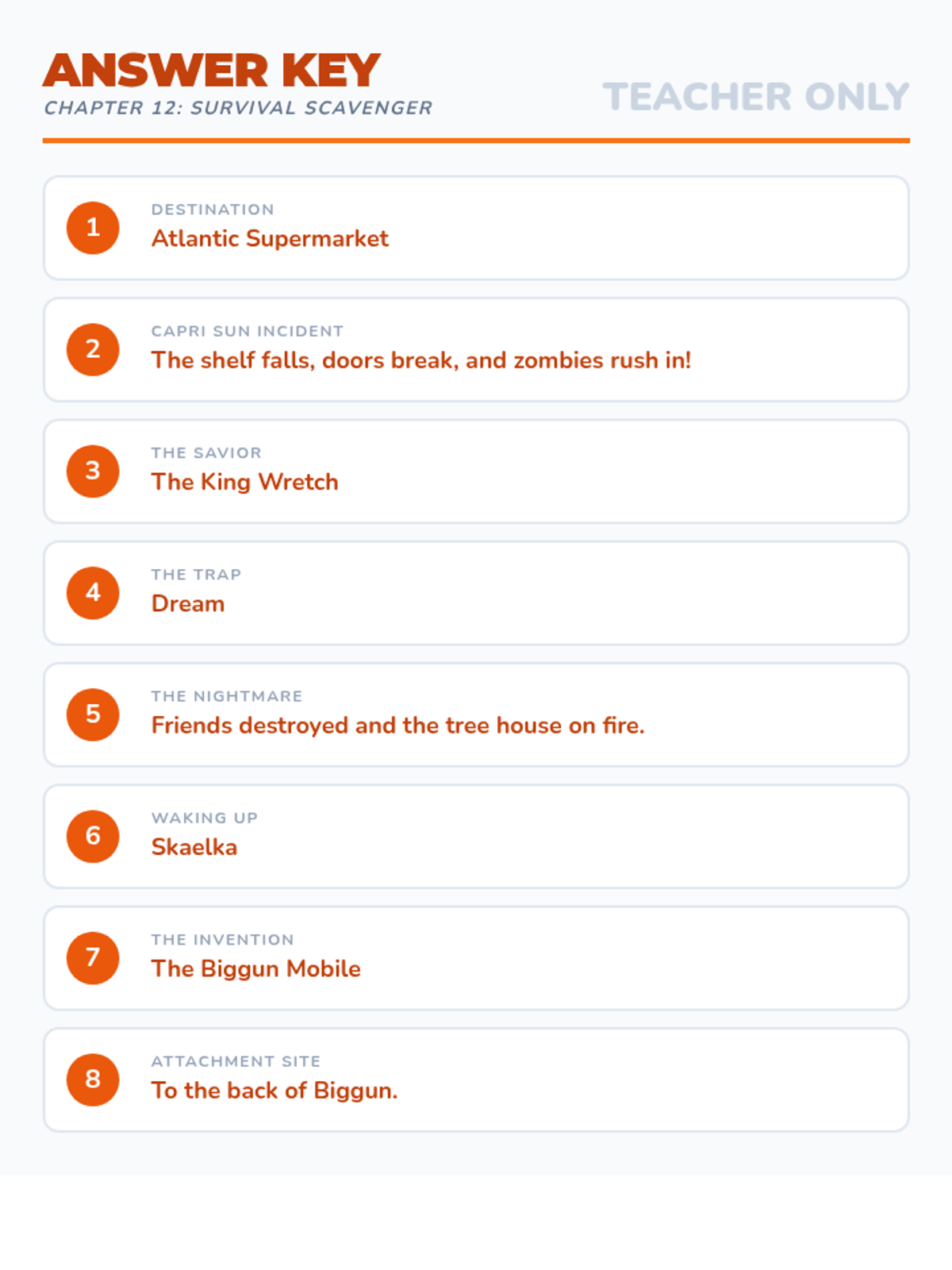
A comprehension check for Chapter 12 of The Last Kids on Earth and the Nightmare King, featuring key plot points and character actions.
A high-energy, tech-themed lesson for 4th and 5th graders to identify test anxiety as a 'system glitch' and apply 'software patches' like positive self-talk and physical relaxation.
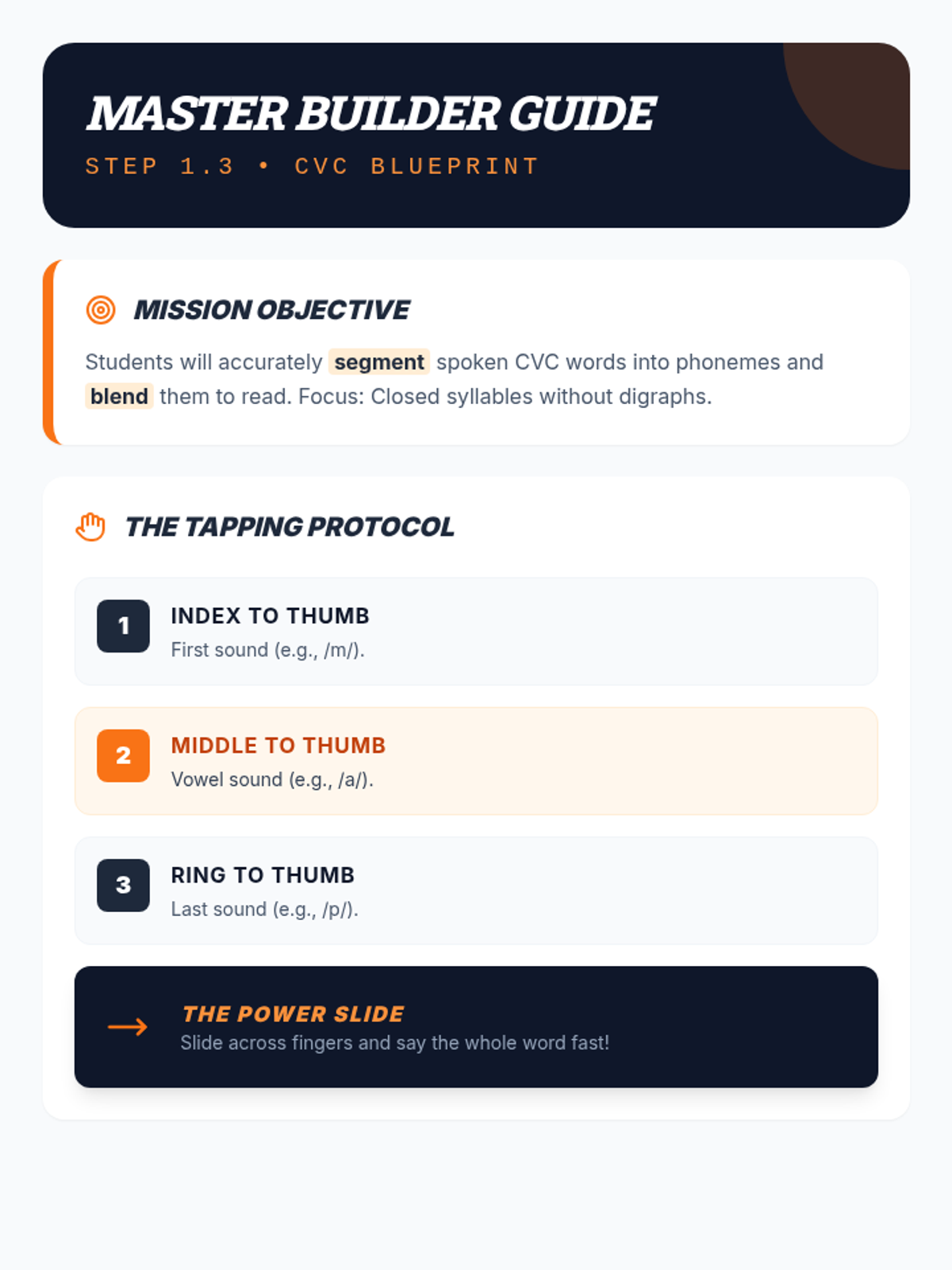
Focuses on reading and spelling CVC words by segmenting sounds and blending them together using visual and kinesthetic cues.
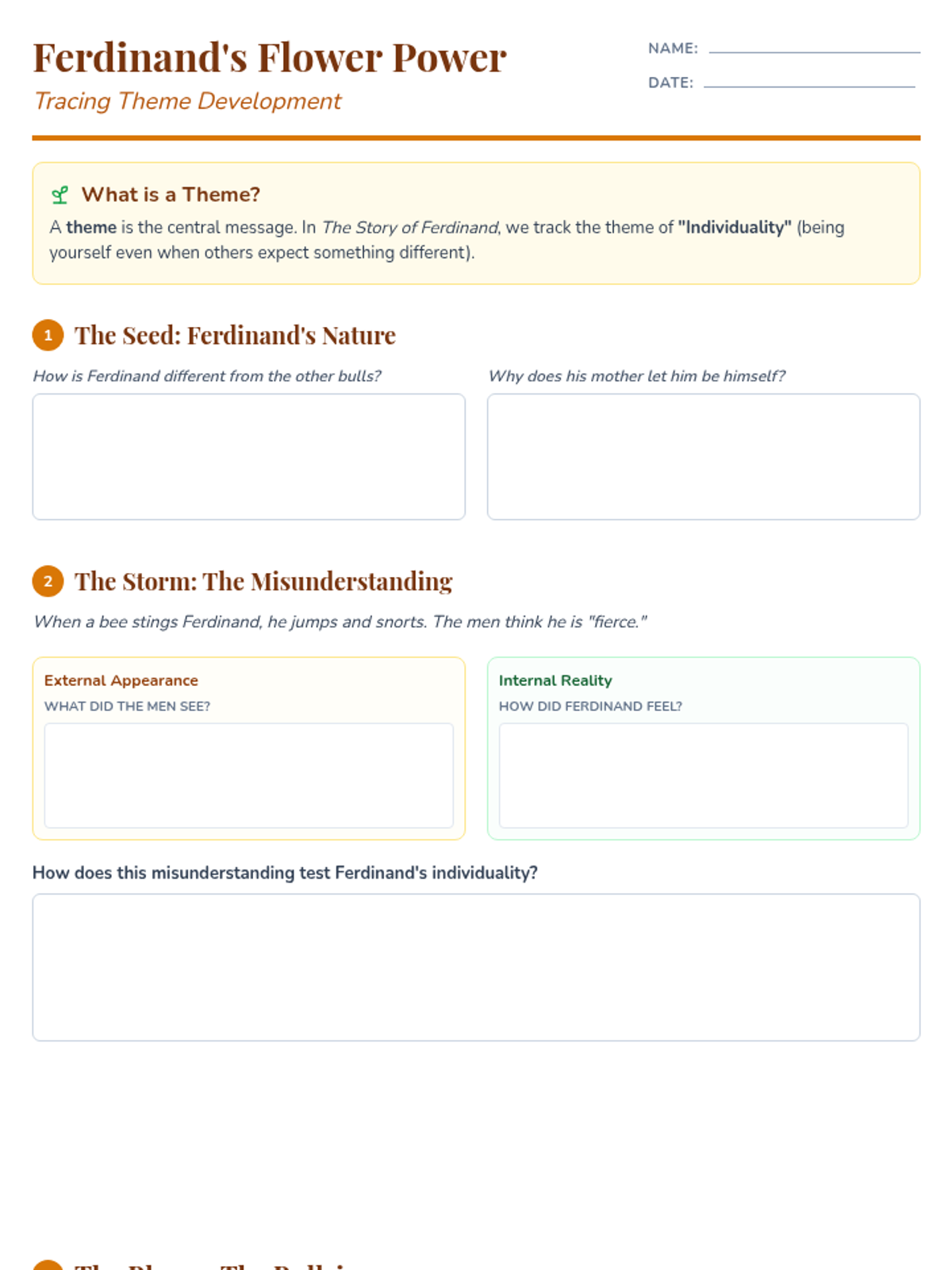
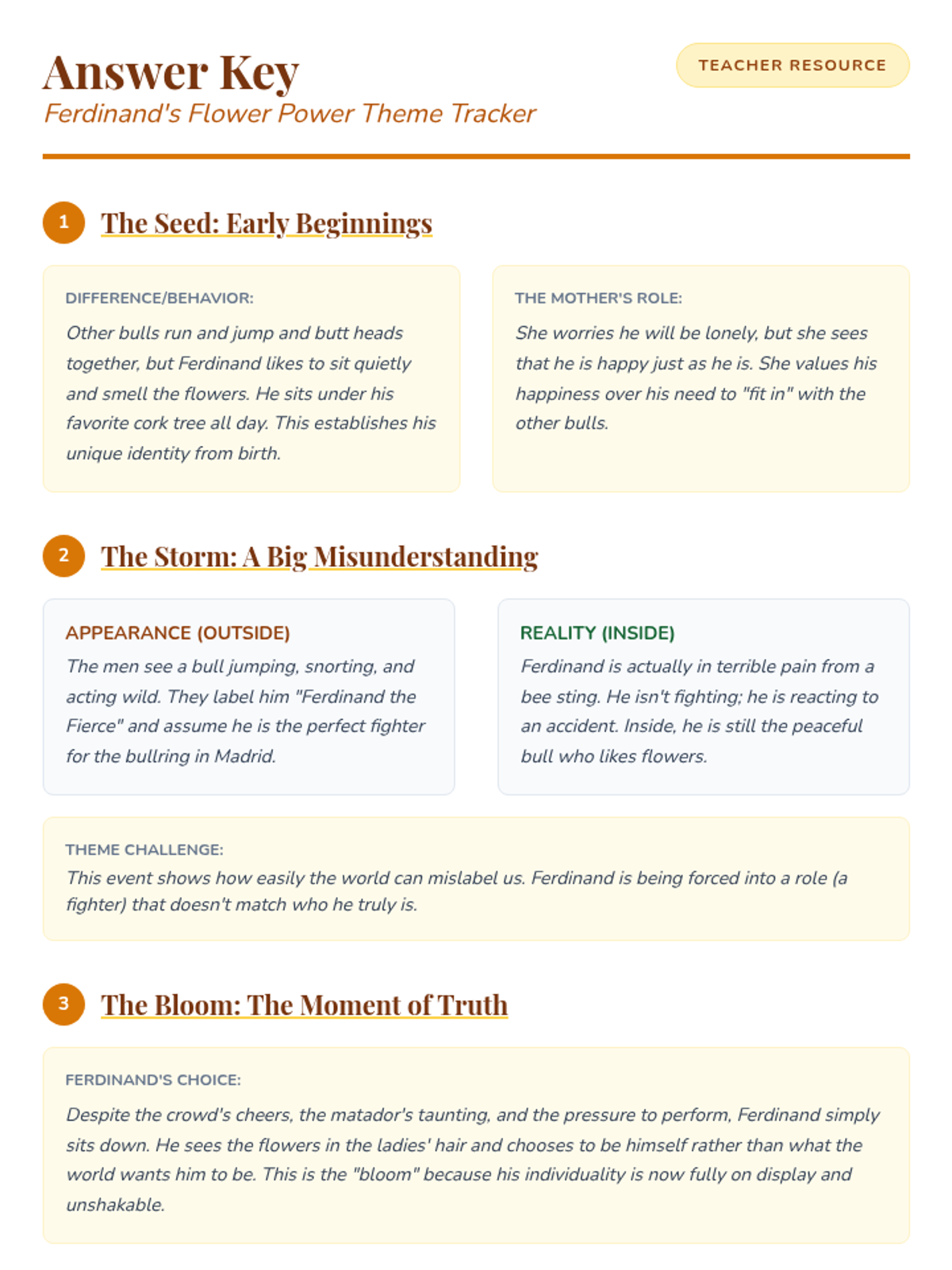
A lesson focused on analyzing the development of the theme of individuality and non-conformity in Munro Leaf's 'The Story of Ferdinand'. Students will track how Ferdinand stays true to himself despite external pressures.
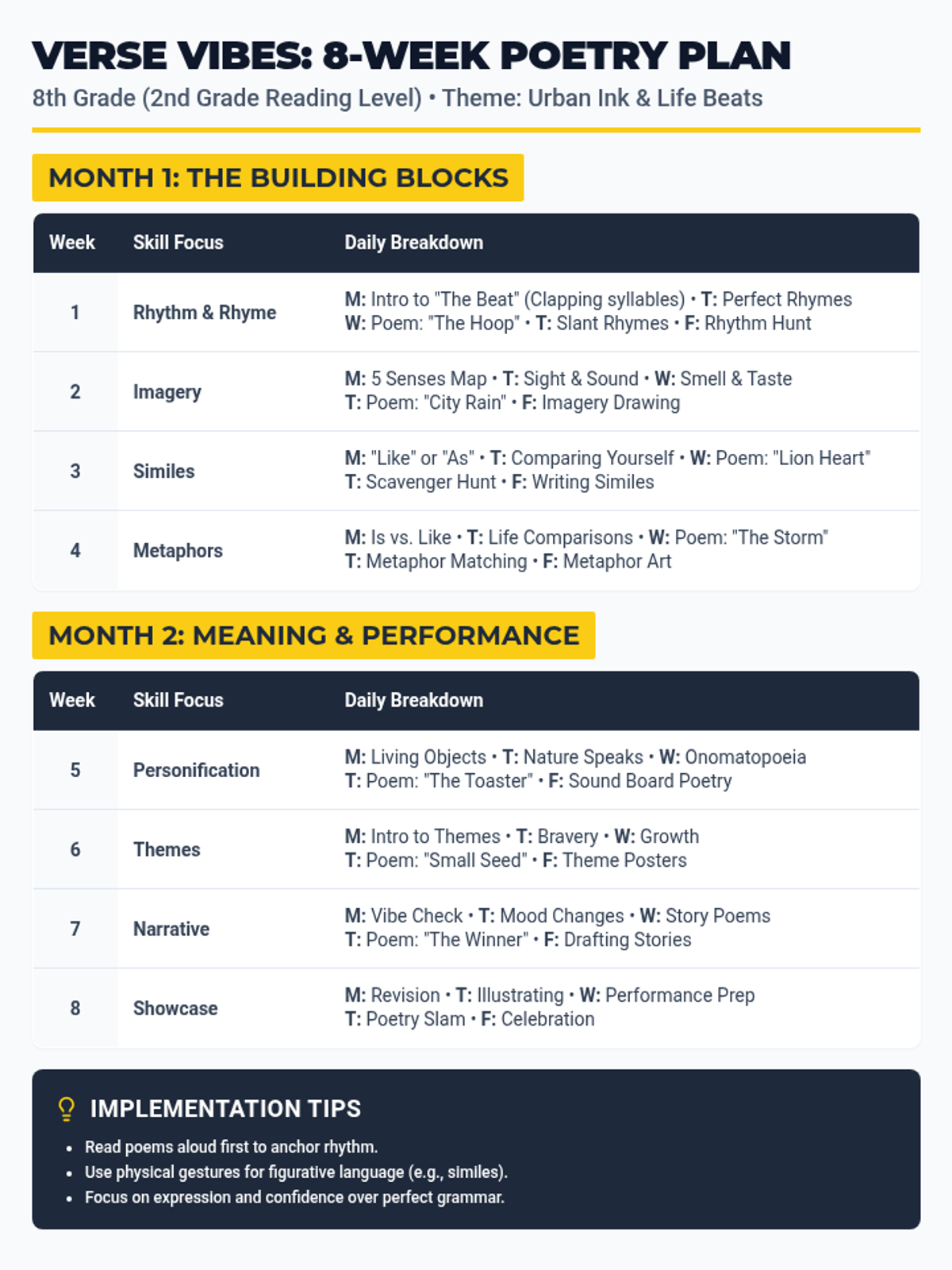
A culminating week where students compile their work into a portfolio and perform a 'Final Verse' for their peers.
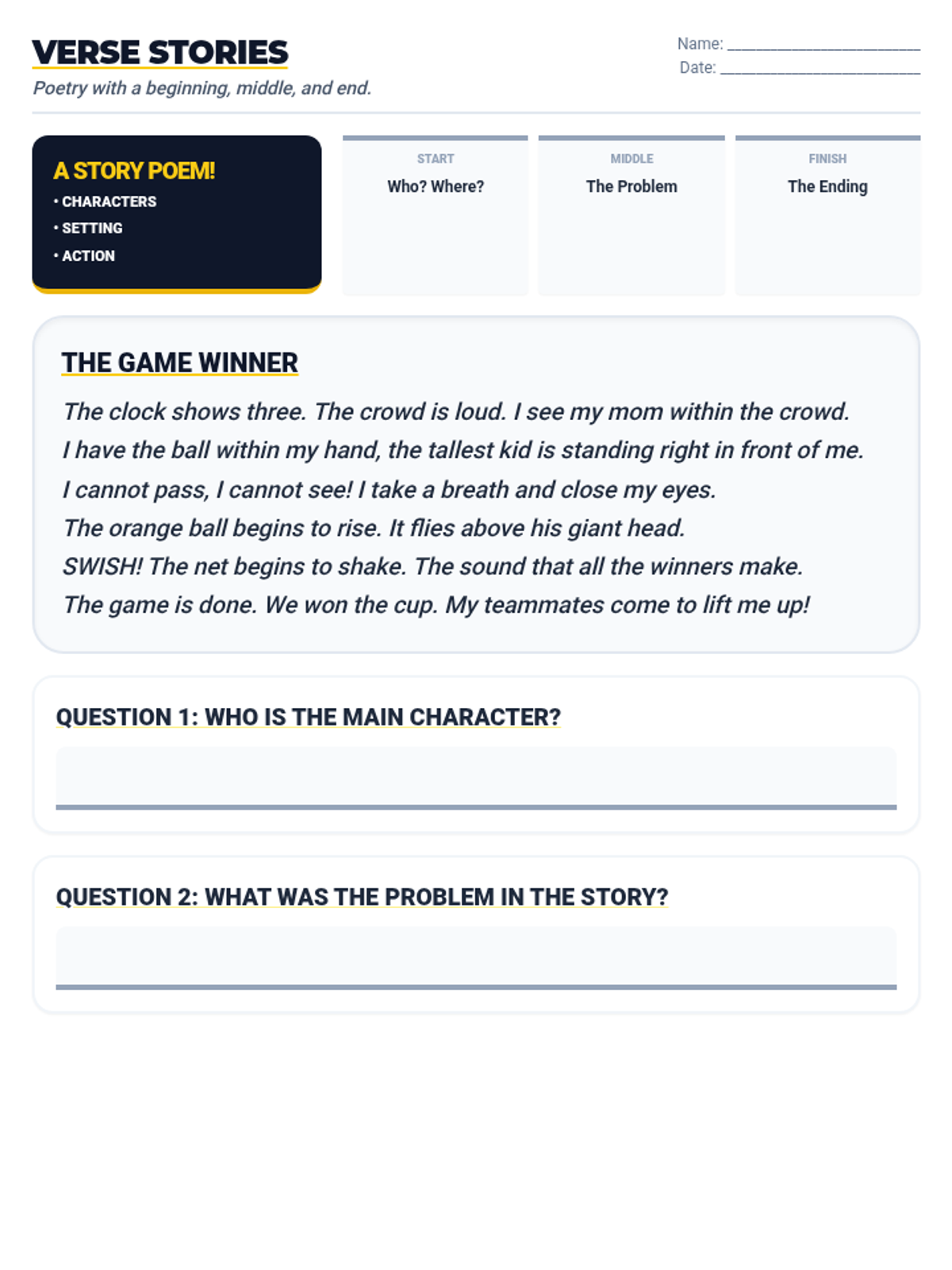
Teaching students that poems can tell stories. Students will read and write short narrative verses about everyday events.
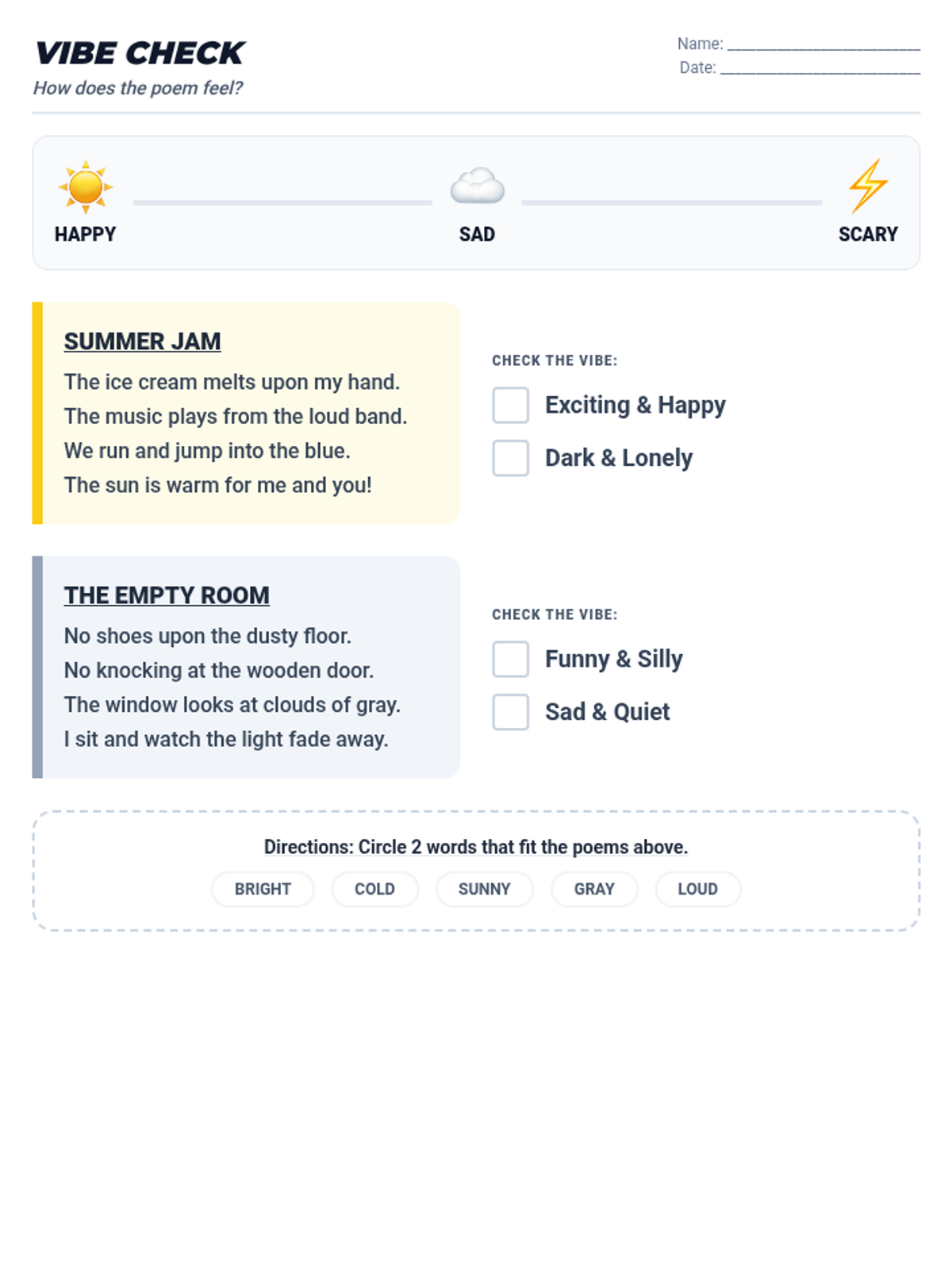
Exploring the emotional side of poetry. Students will identify how a poem makes them feel and what 'vibes' the author is sending.
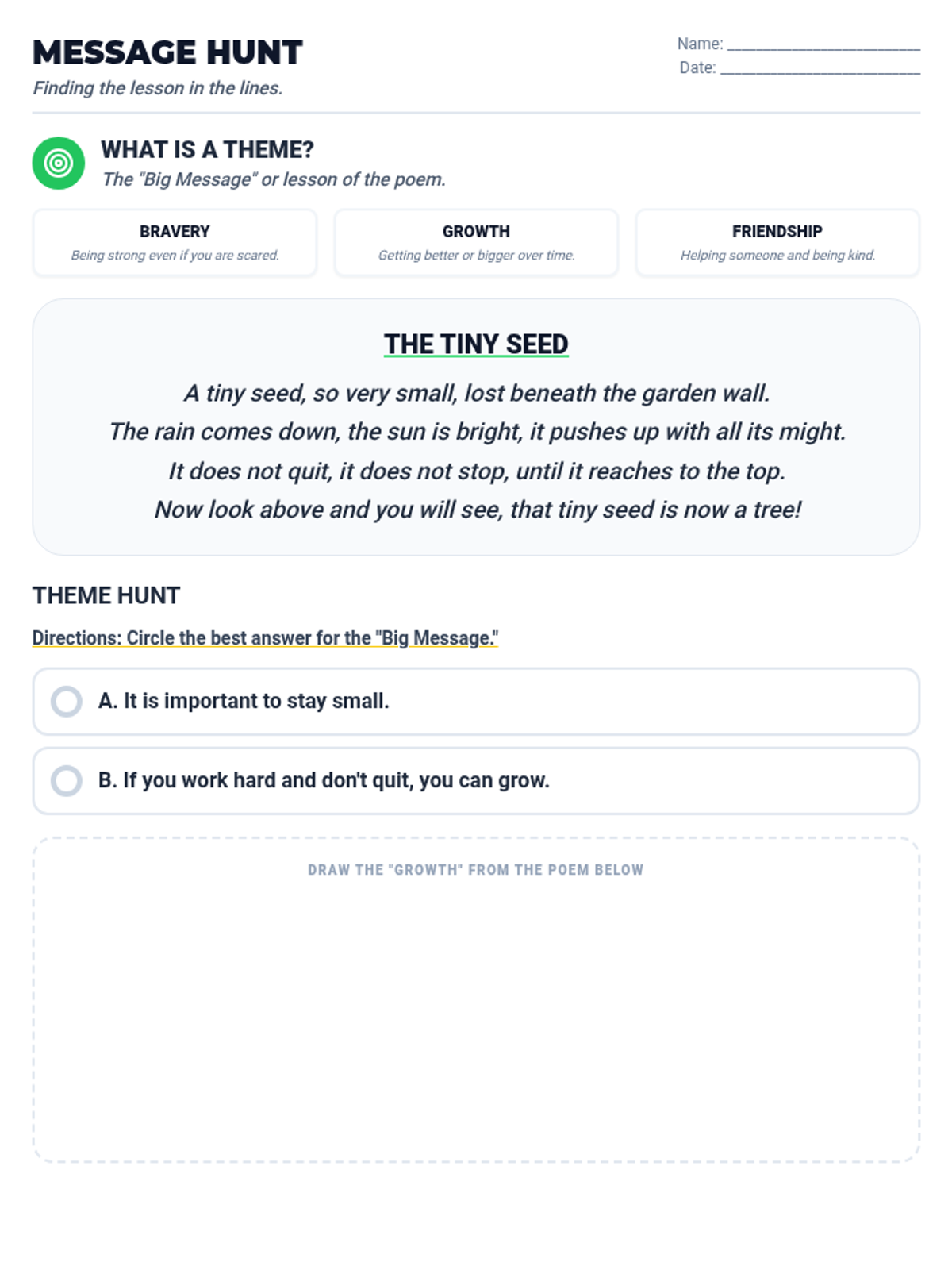
Helping students find the 'big idea' or lesson in a poem. Students will identify simple themes like bravery, friendship, and change.
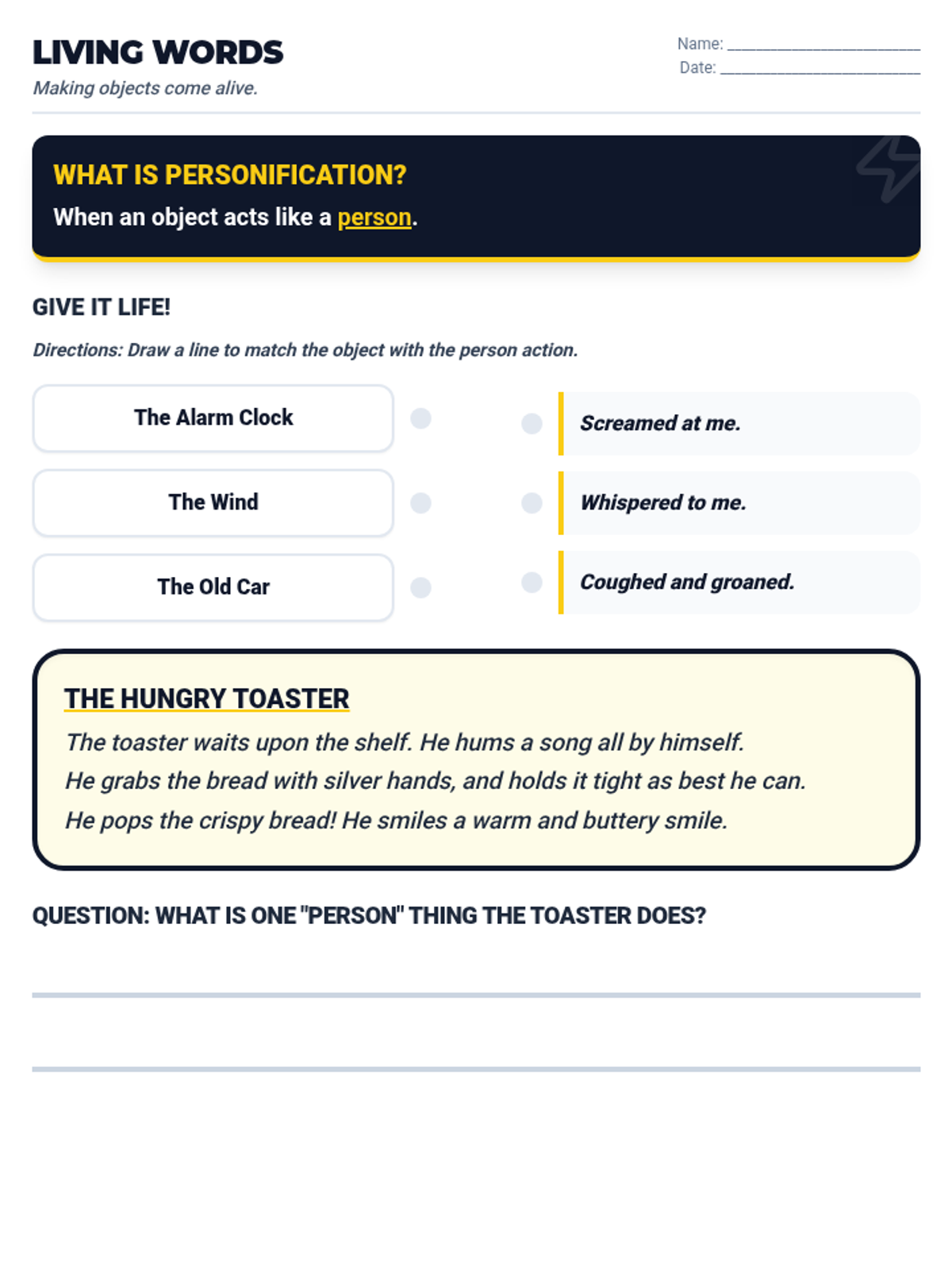
Exploring how poems can make objects act like people (personification) and how words can sound like their meanings (onomatopoeia).
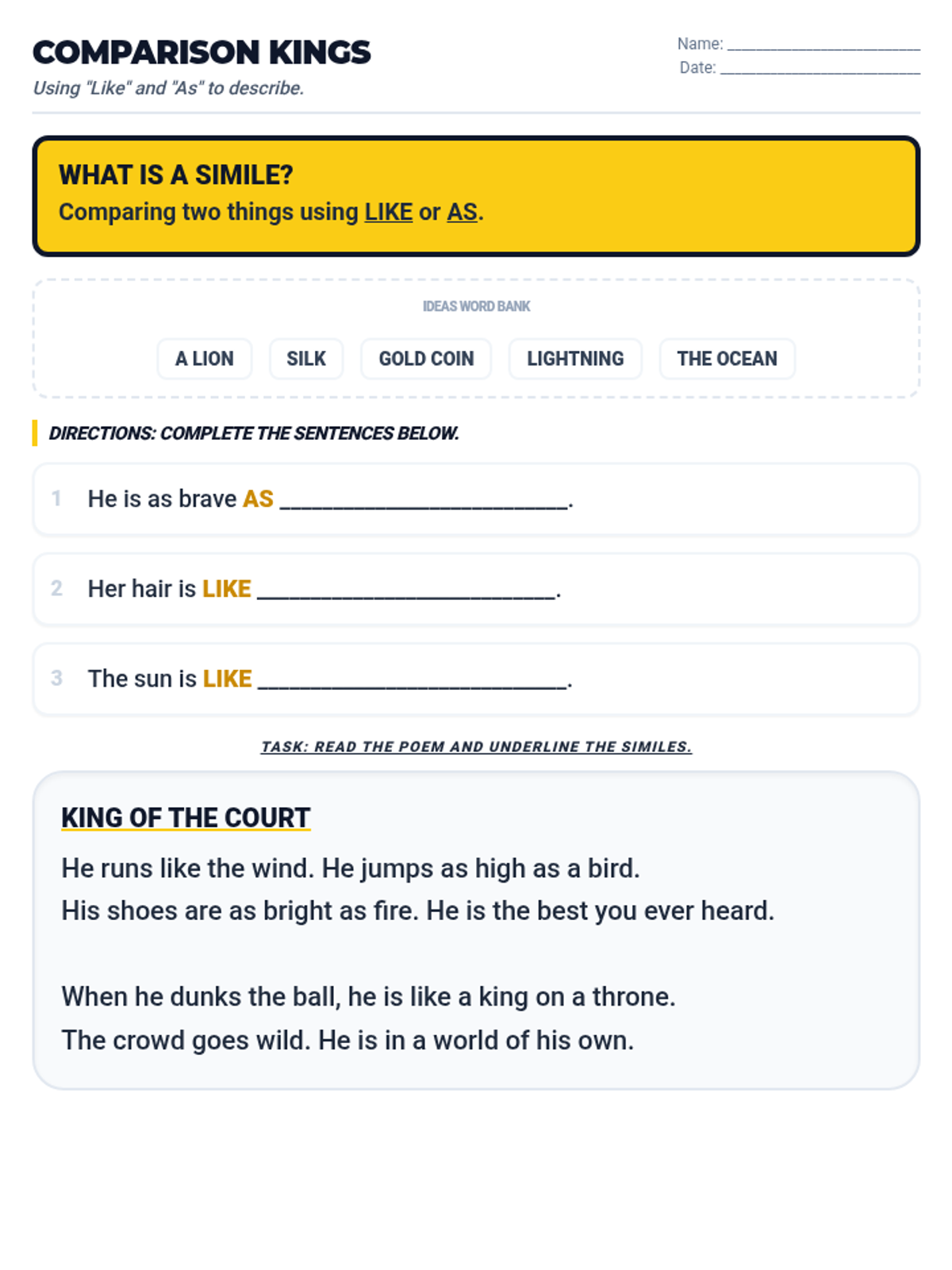
Introducing similes and metaphors as "secret comparisons." Students will use simple 'like' and 'as' structures to describe themselves and their world.
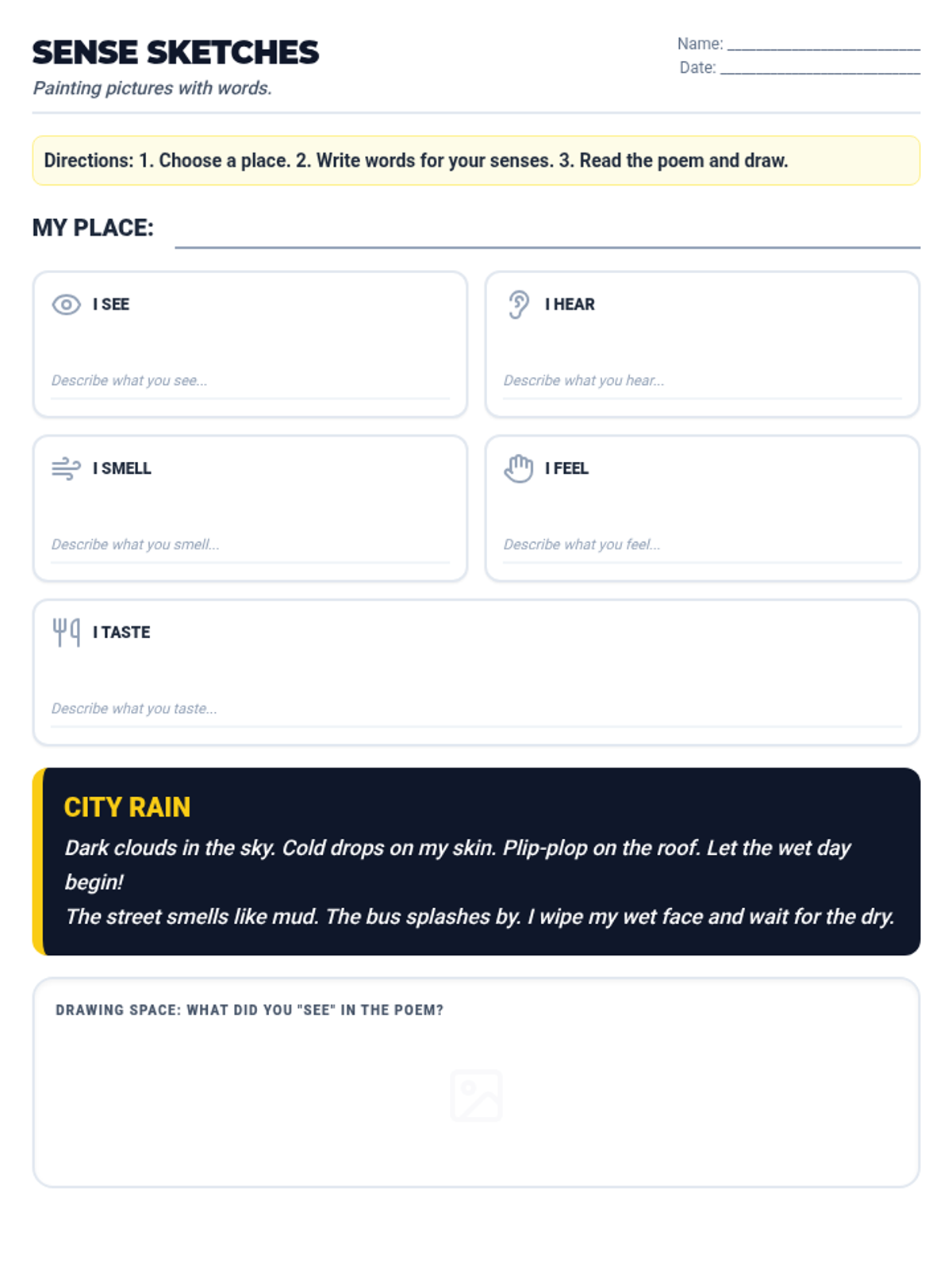
Focuses on building mental pictures using the five senses. Students will explore how simple words can describe smells, sights, and sounds in an urban or relatable environment.
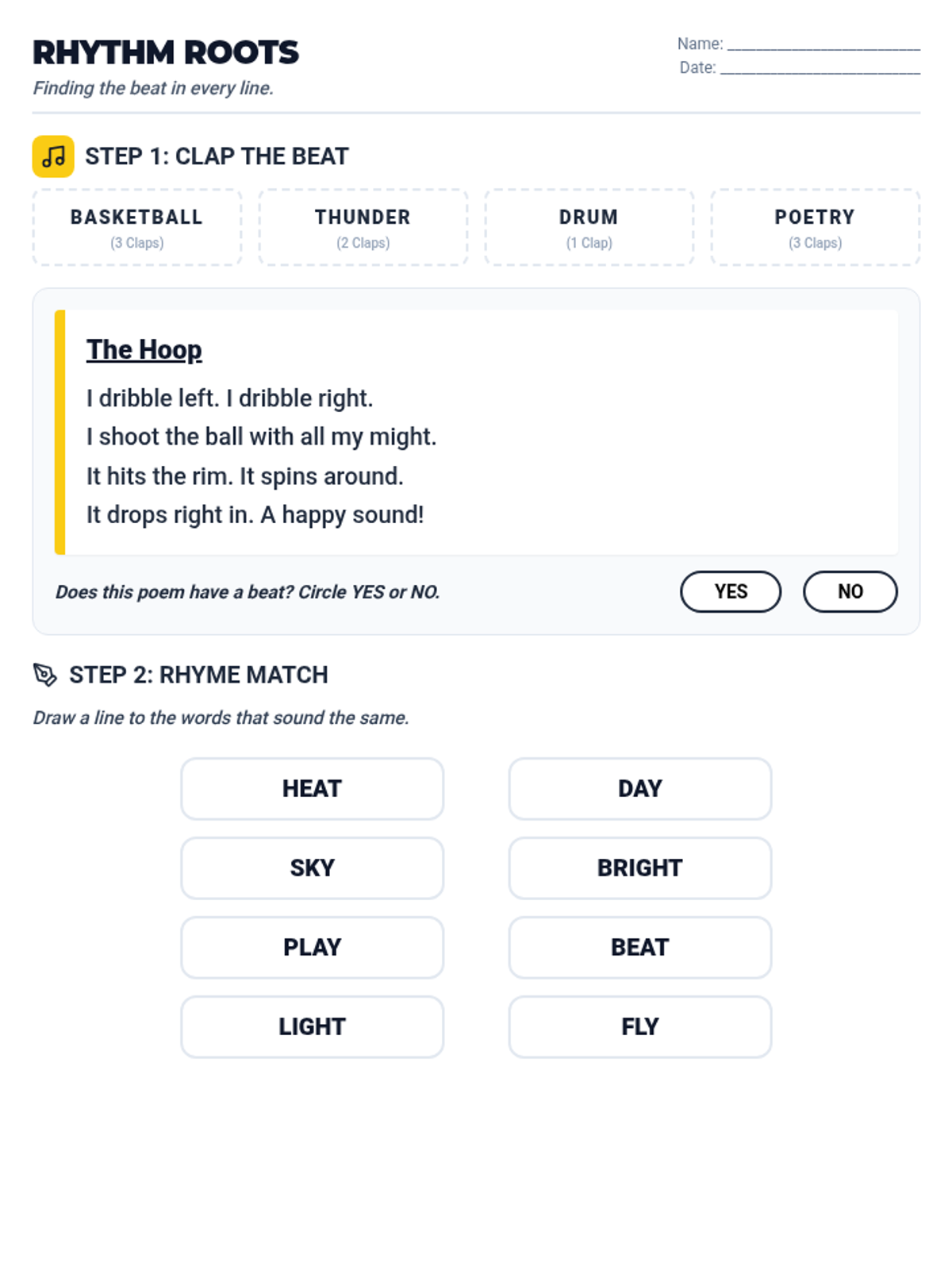
An introduction to the rhythm and 'beat' of poetry. Students will learn to identify the steady pulse in verse and practice simple rhyme schemes using accessible vocabulary.
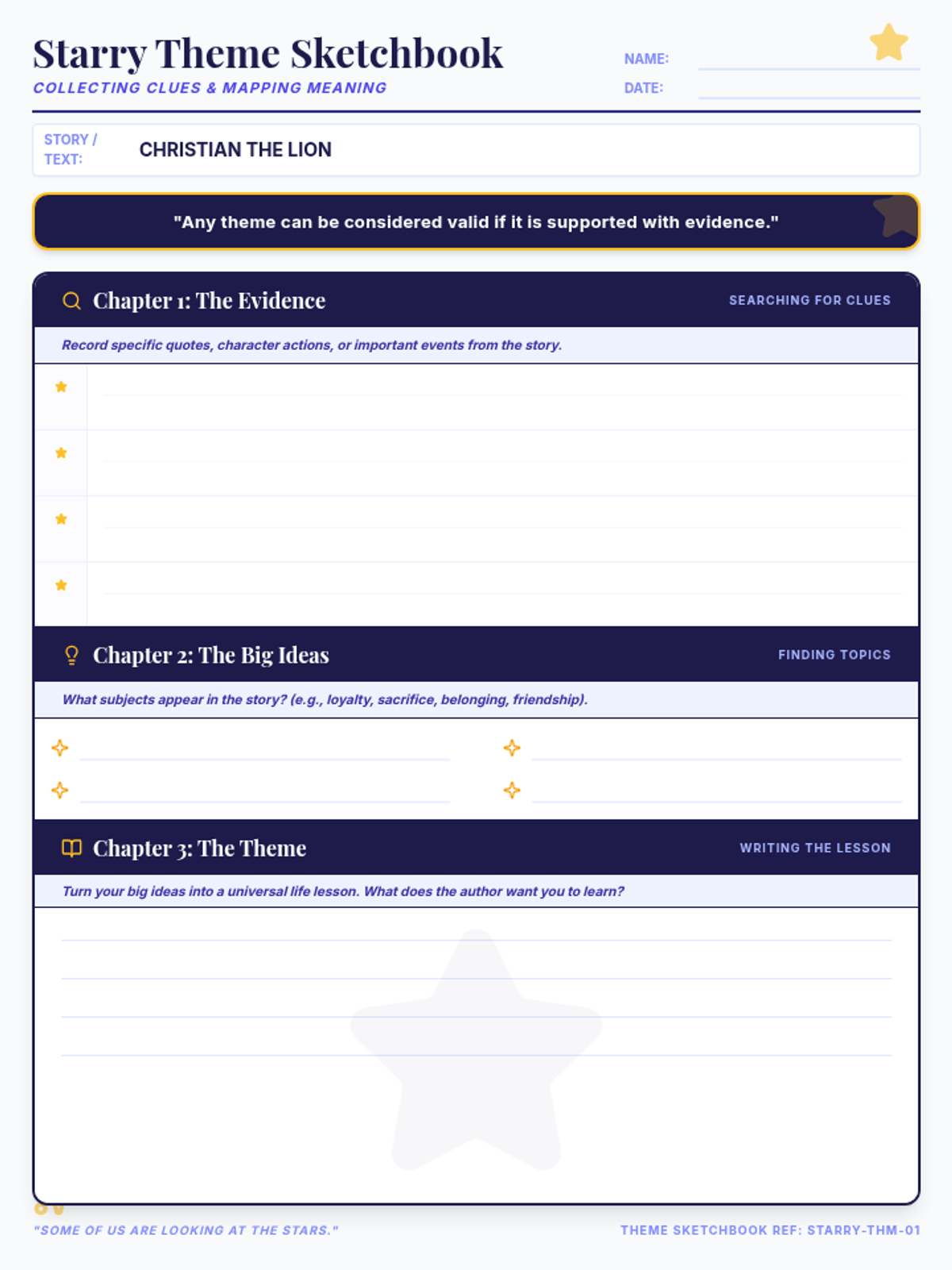
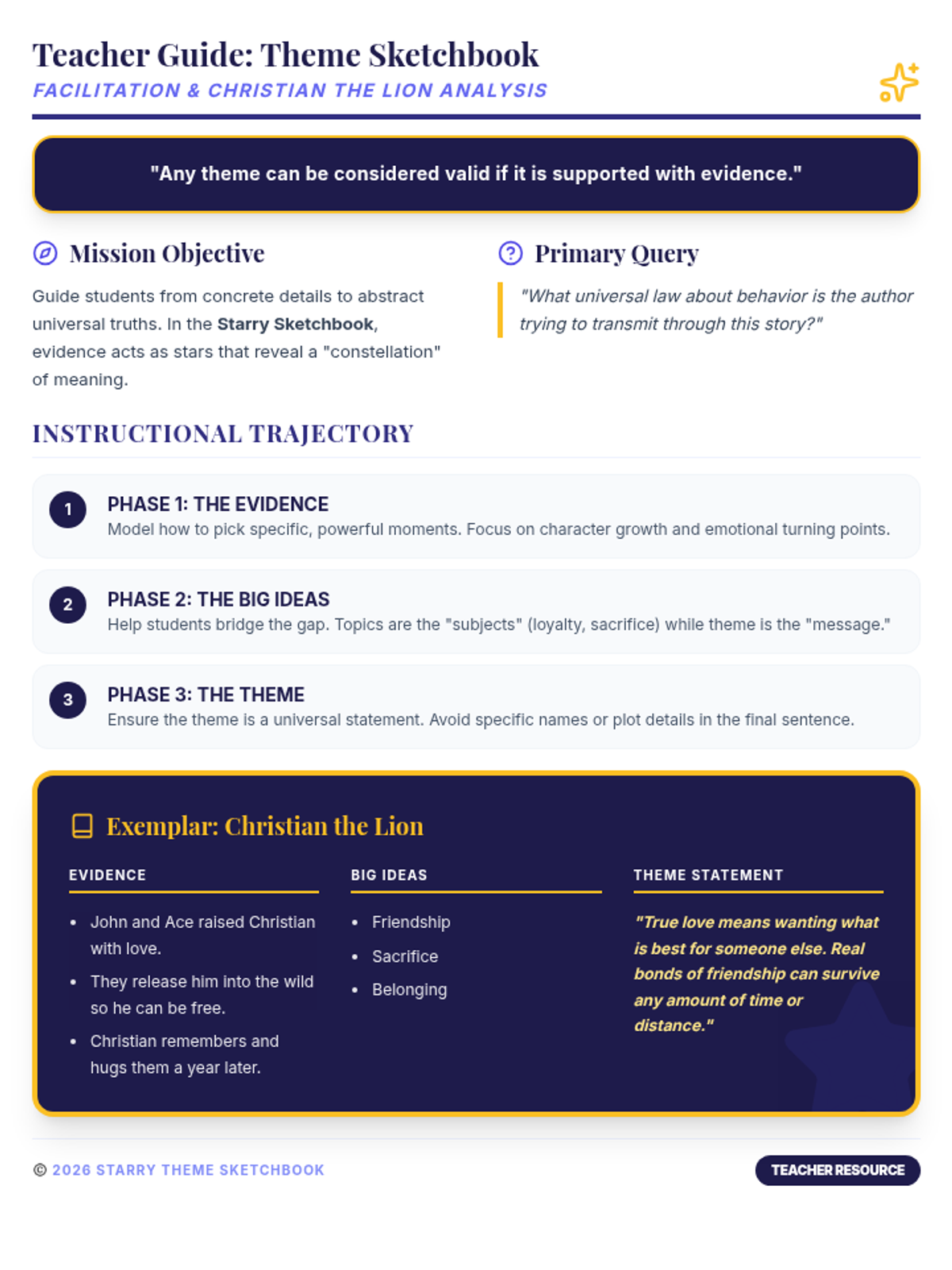
A lesson focused on identifying theme by collecting evidence, identifying topics, and synthesizing life lessons.
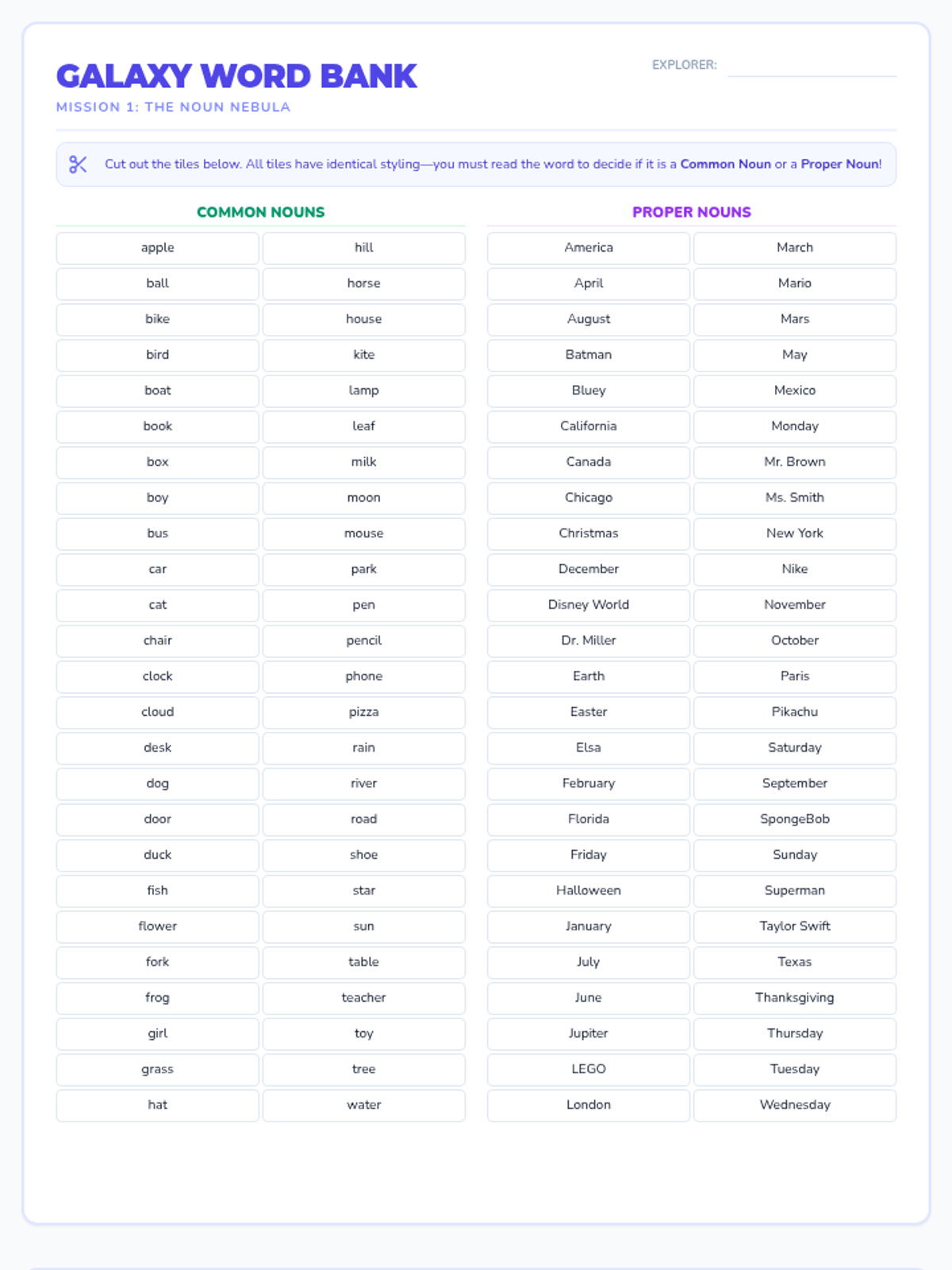
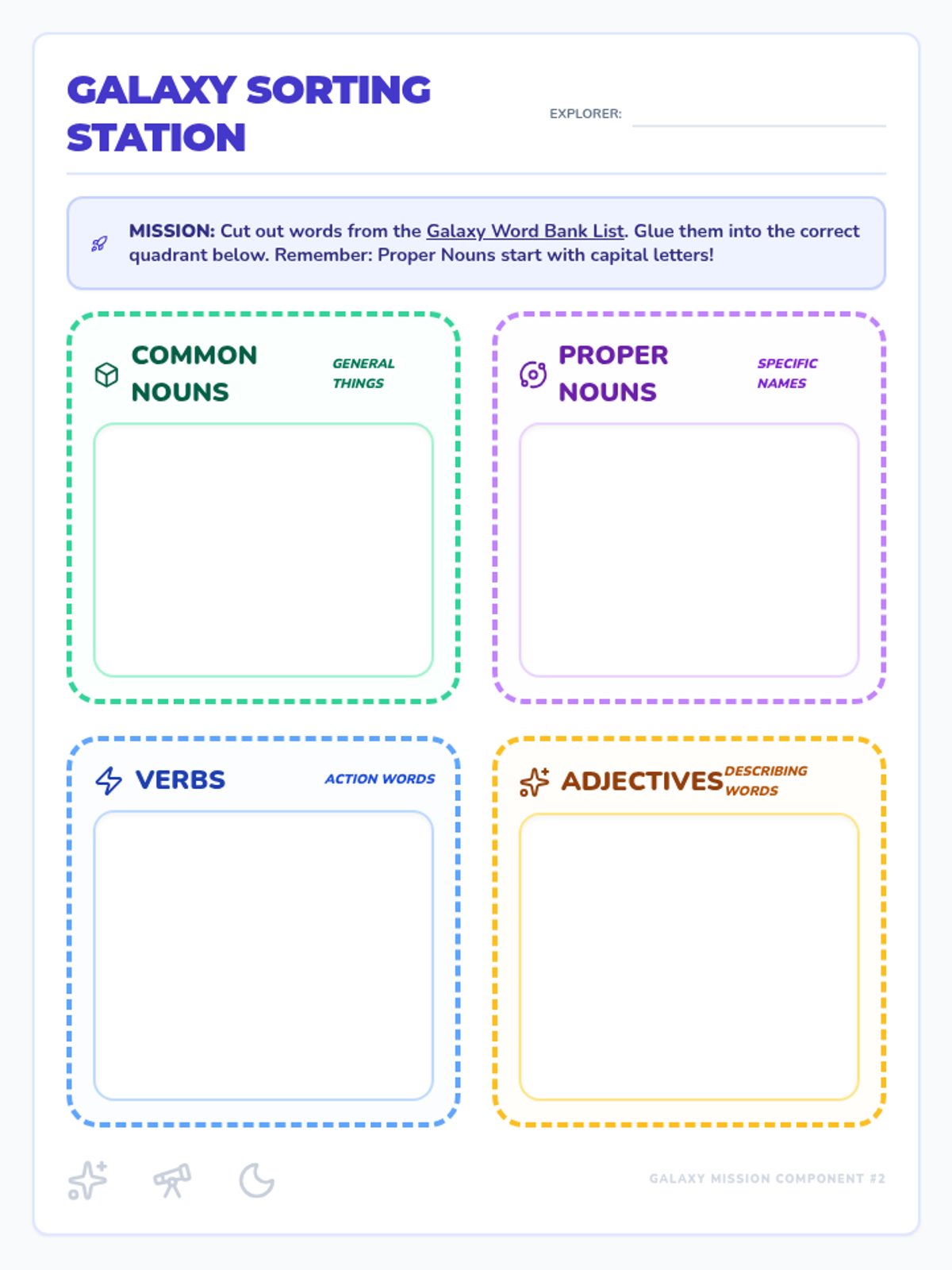
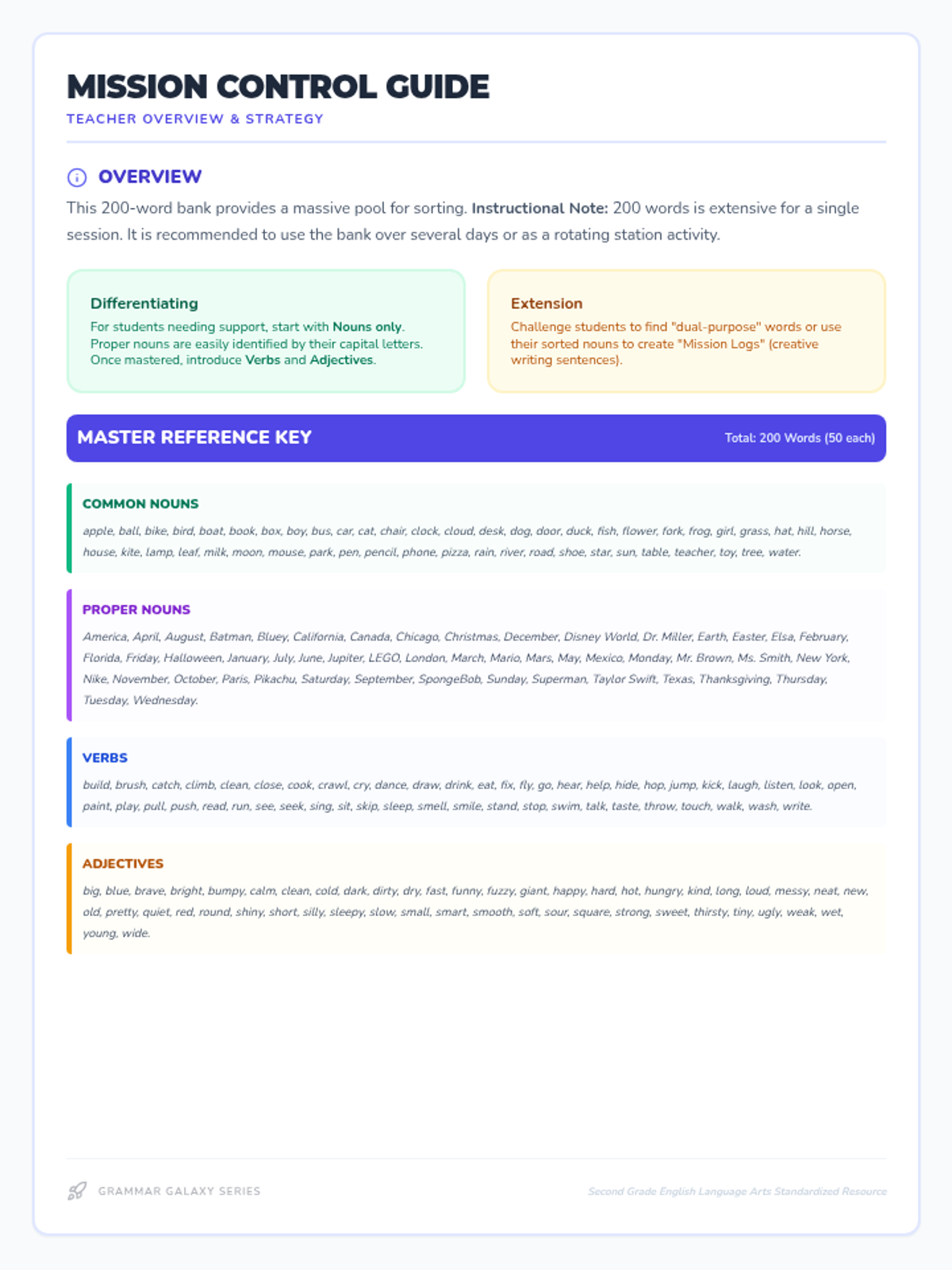
A comprehensive parts of speech sorting activity where students categorize 200 relatable words into adjectives, common nouns, proper nouns, and verbs.