A high-energy, TEKS-aligned review session covering core 5th-8th grade science concepts including force/motion, energy transformations, and ecosystem dynamics through data analysis and STAAR-style practice.
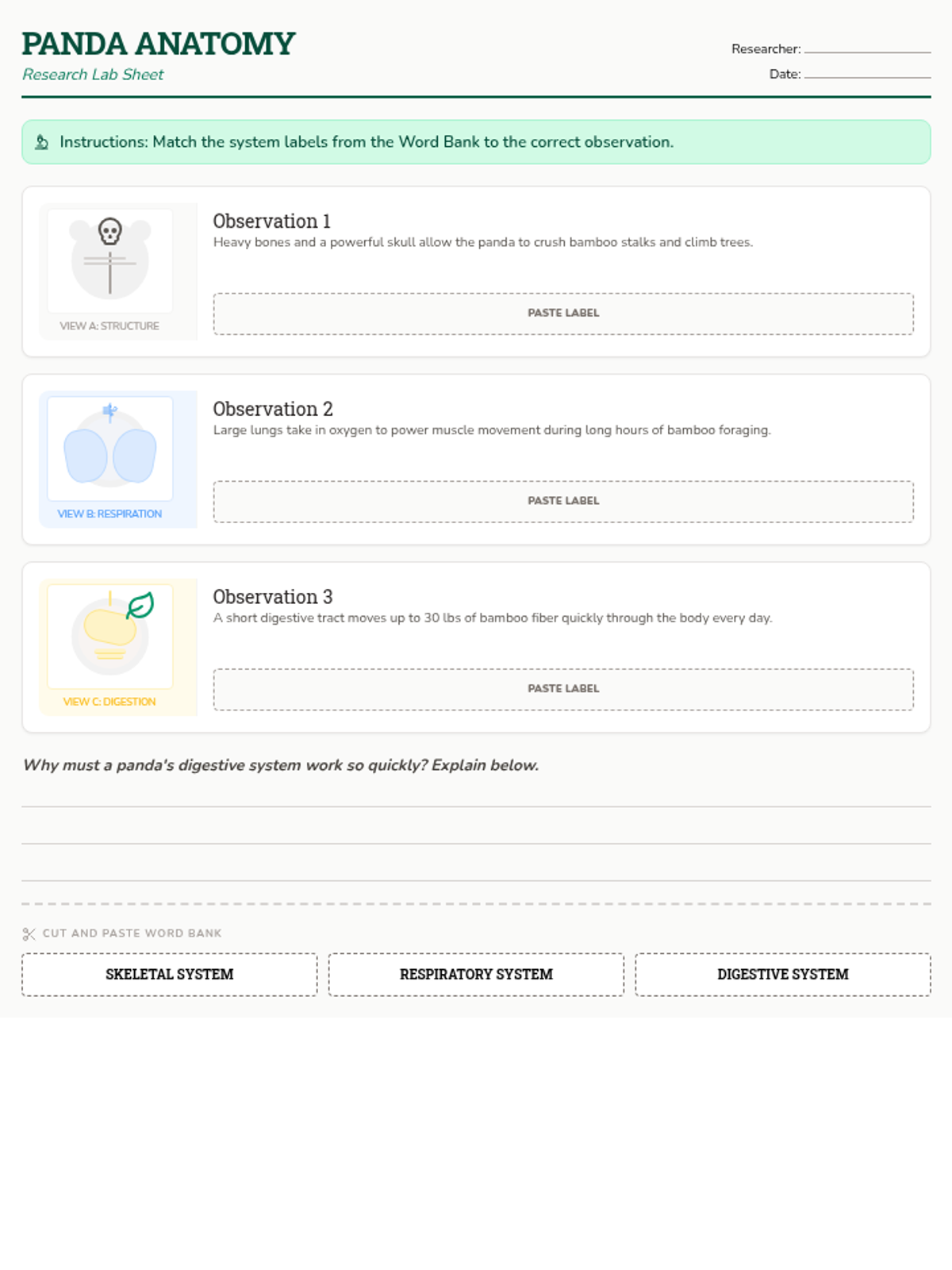
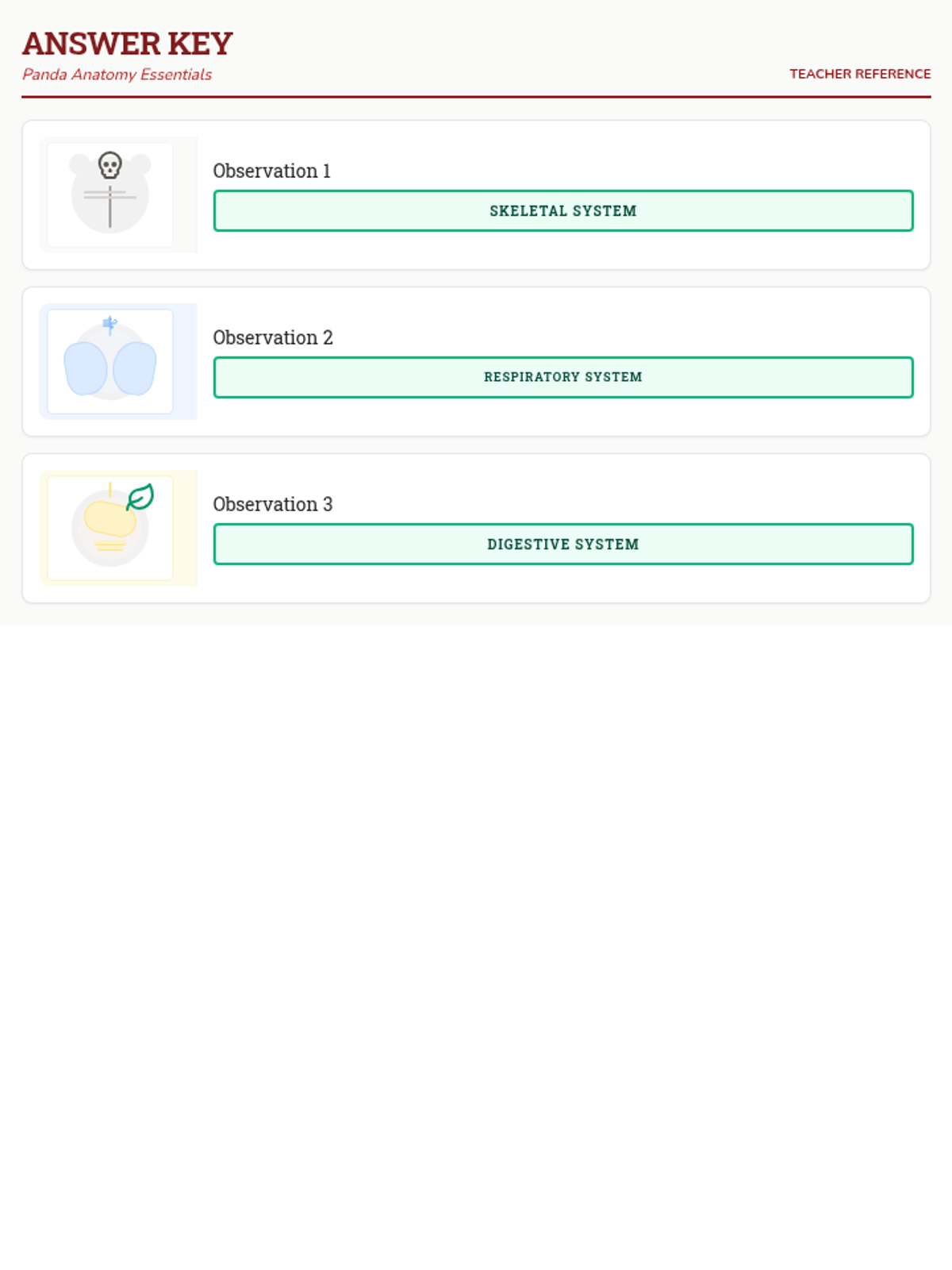
A hands-on lesson identifying the major internal systems of a Giant Panda, focusing on how their anatomy supports their unique bamboo-based diet and lifestyle.
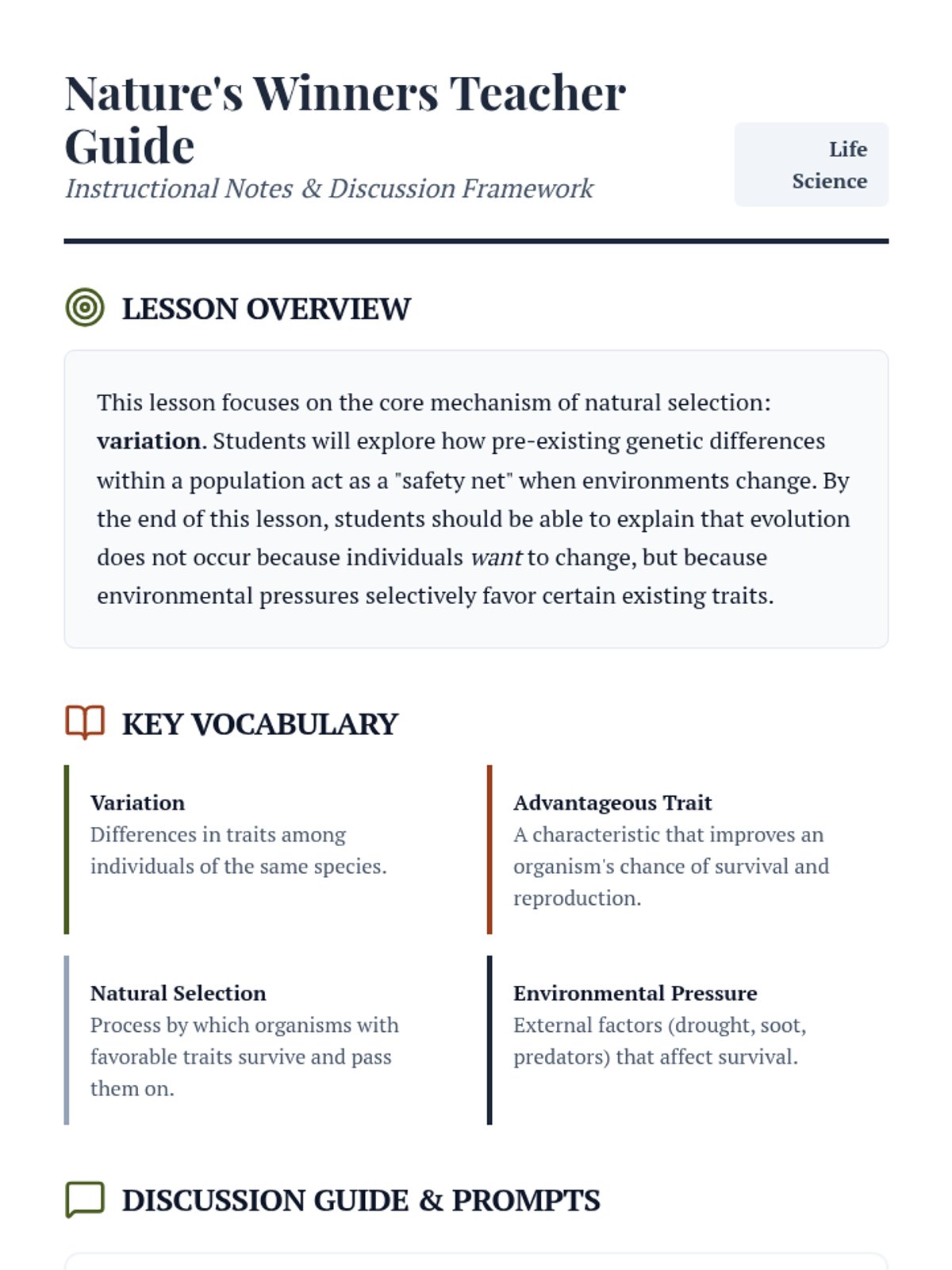
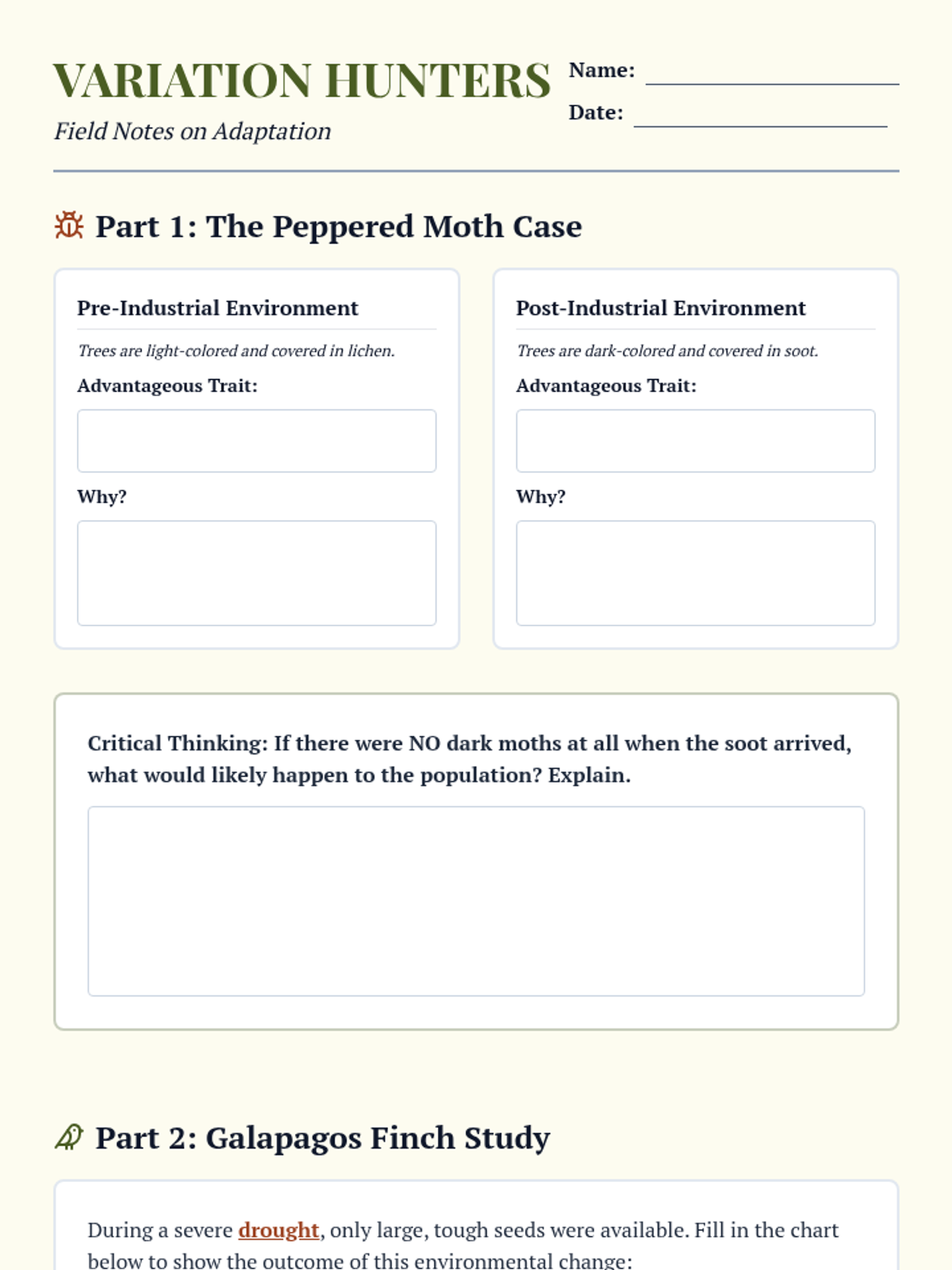
This lesson explores how genetic variation within a population influences survival during environmental changes, using peppered moths and Darwin's finches as primary case studies.
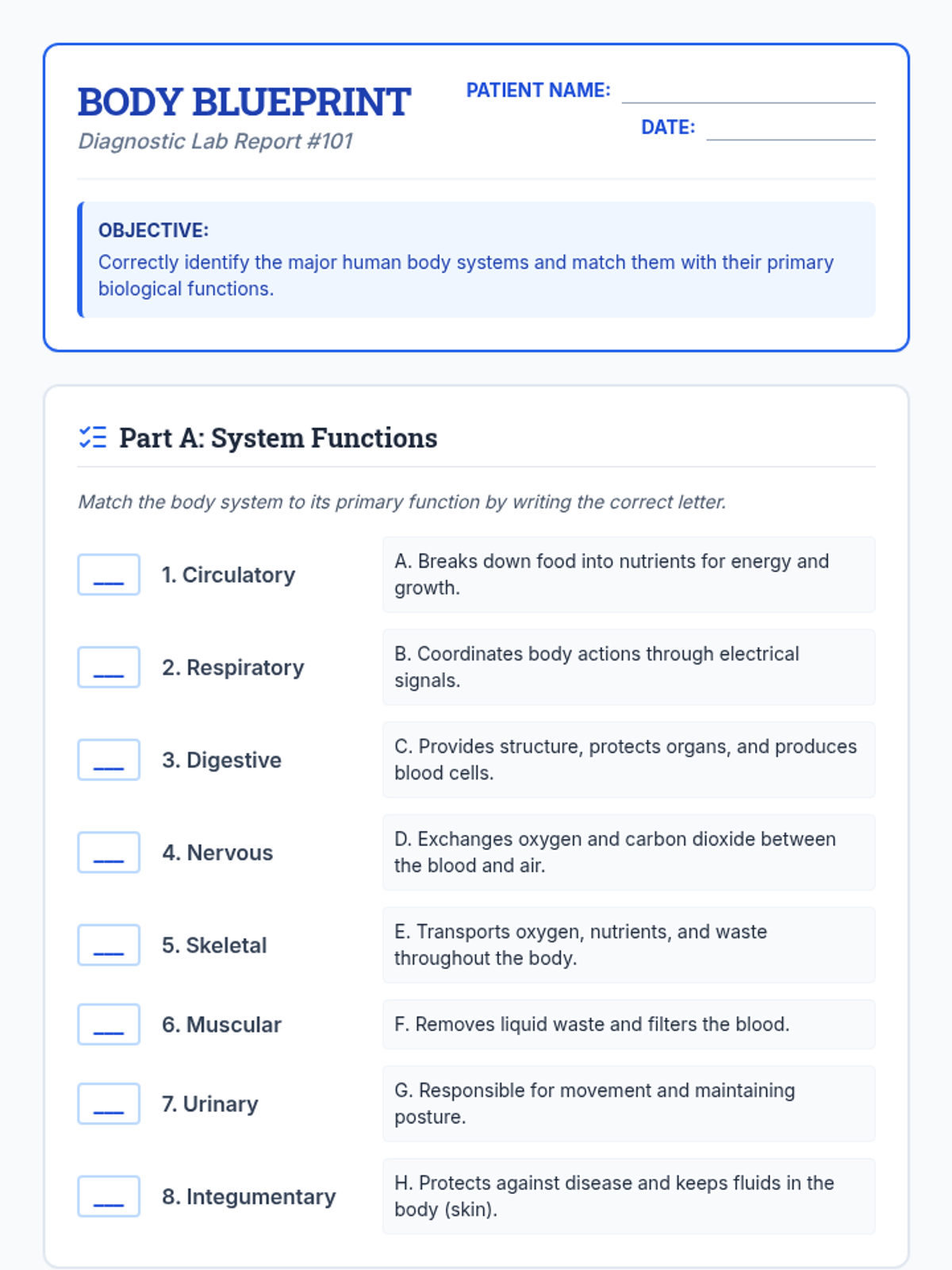
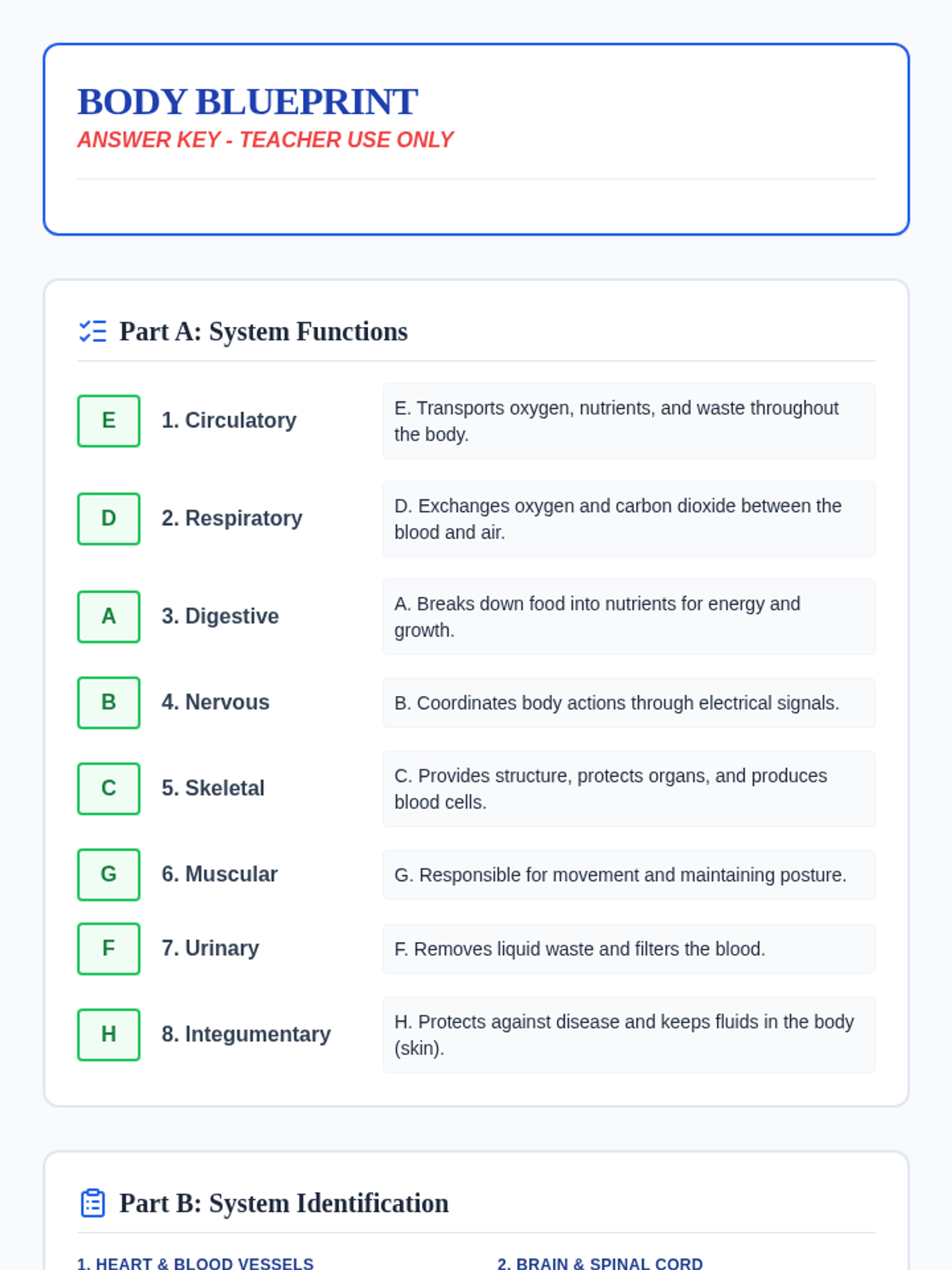
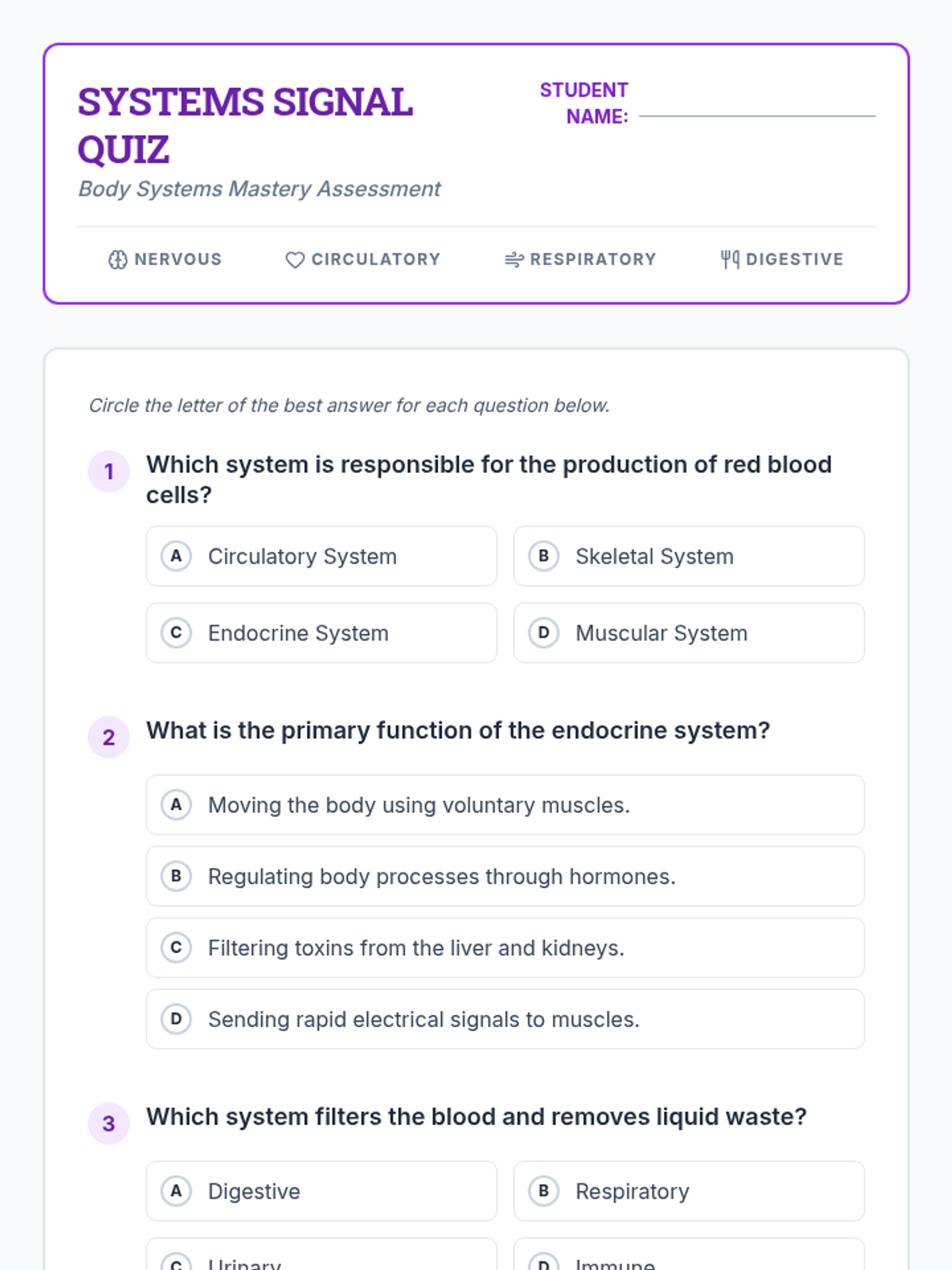
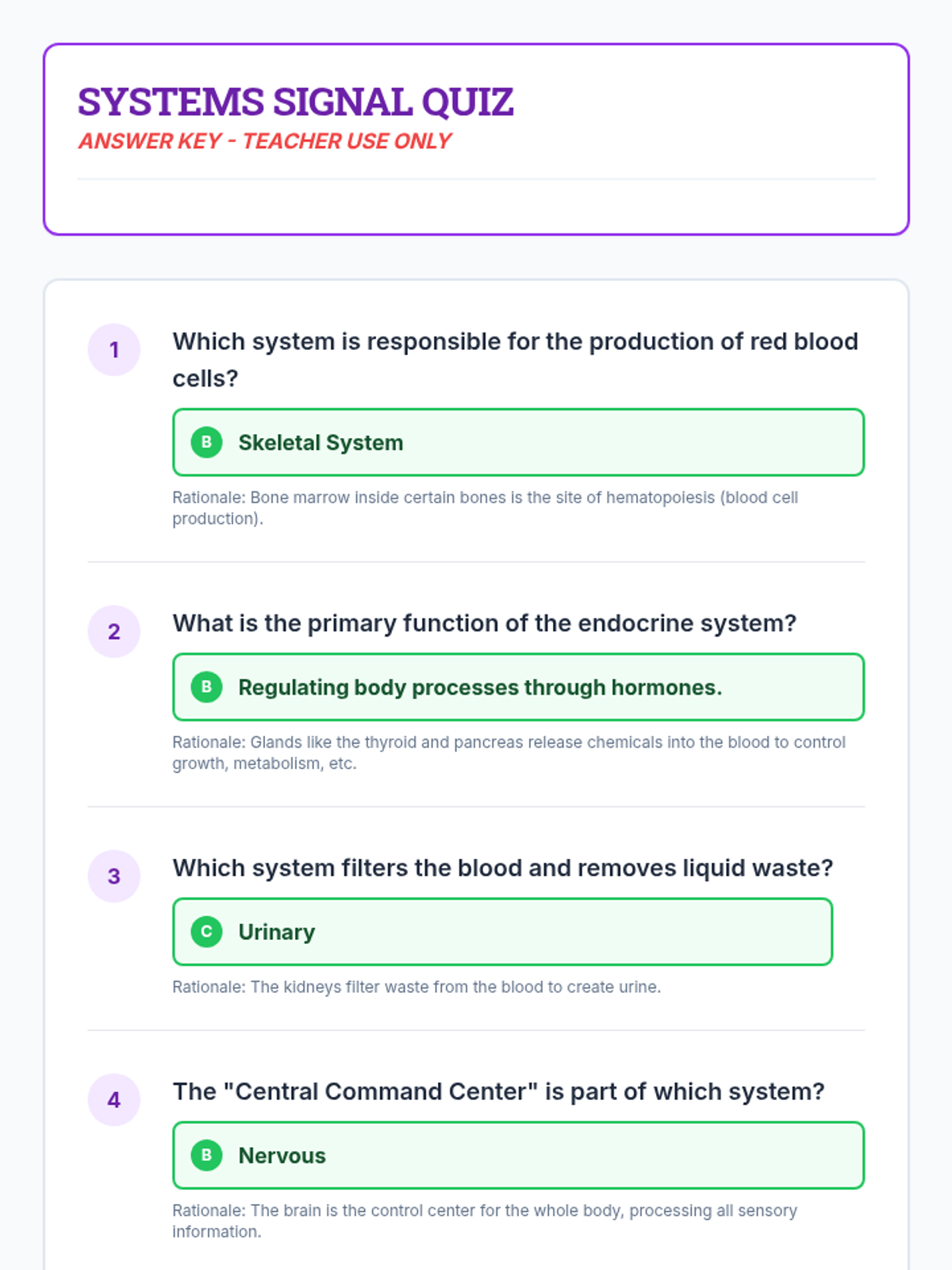
A comprehensive assessment suite to evaluate student understanding of the major human body systems, including their functions and key organs.
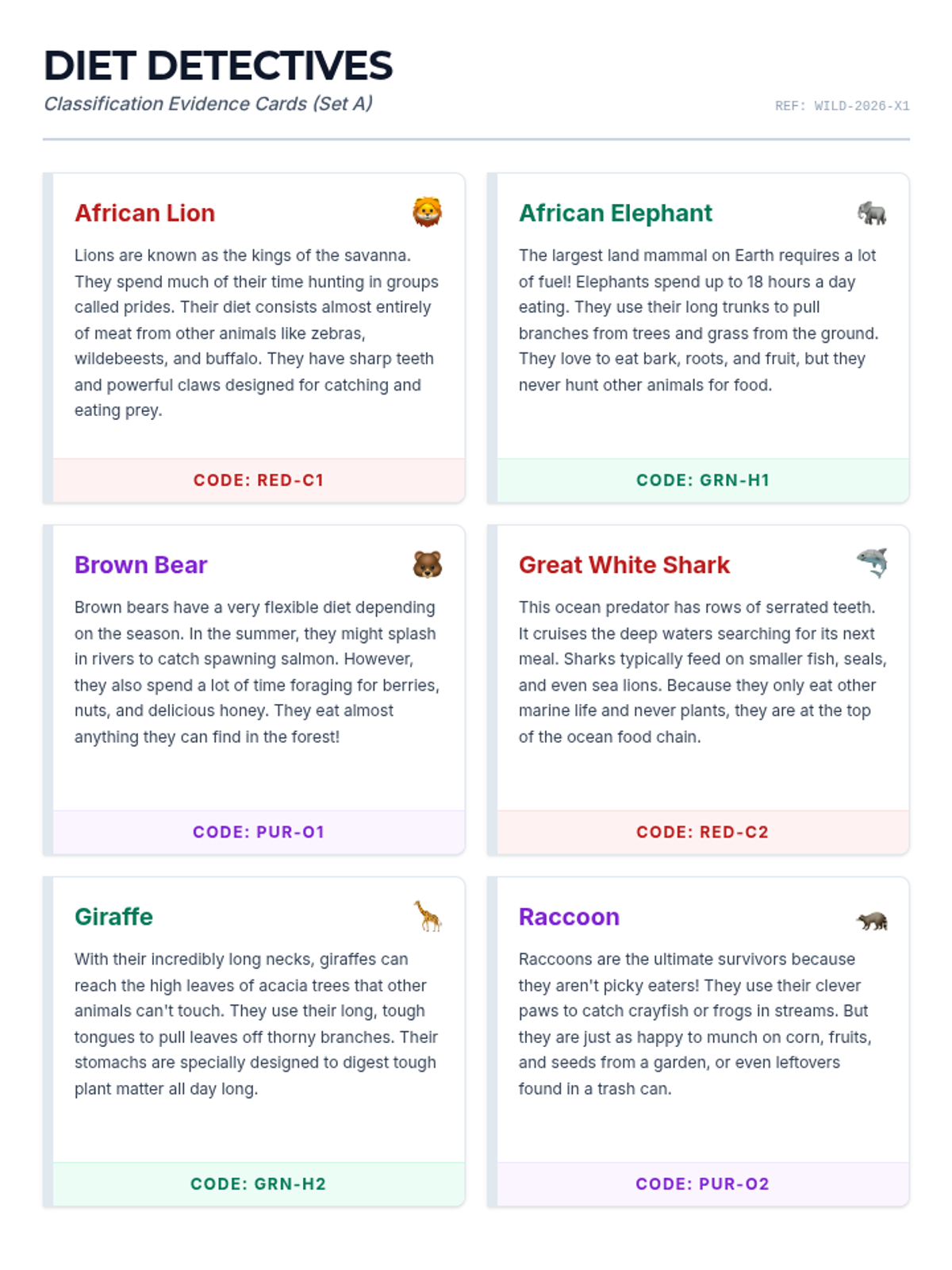
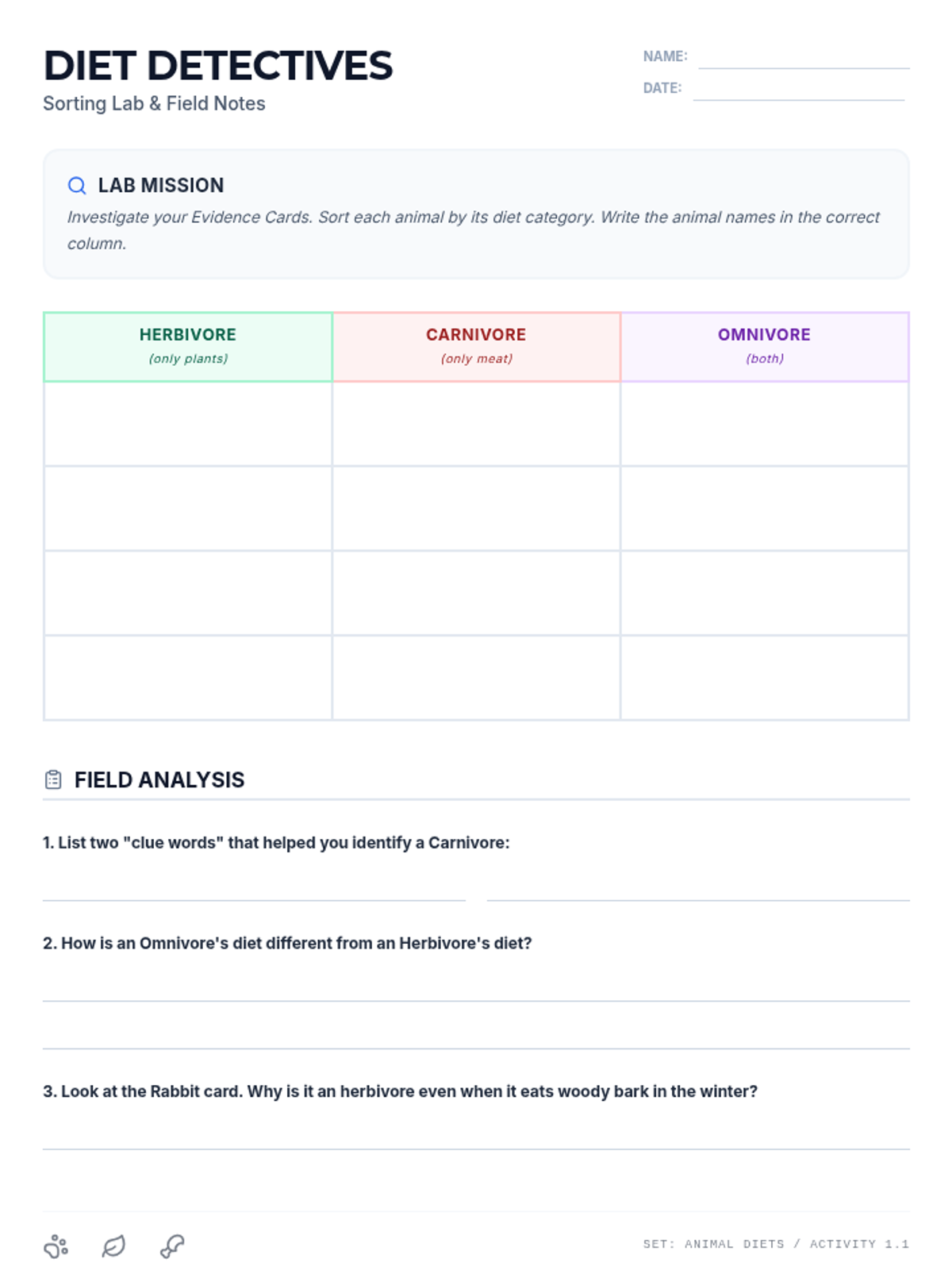
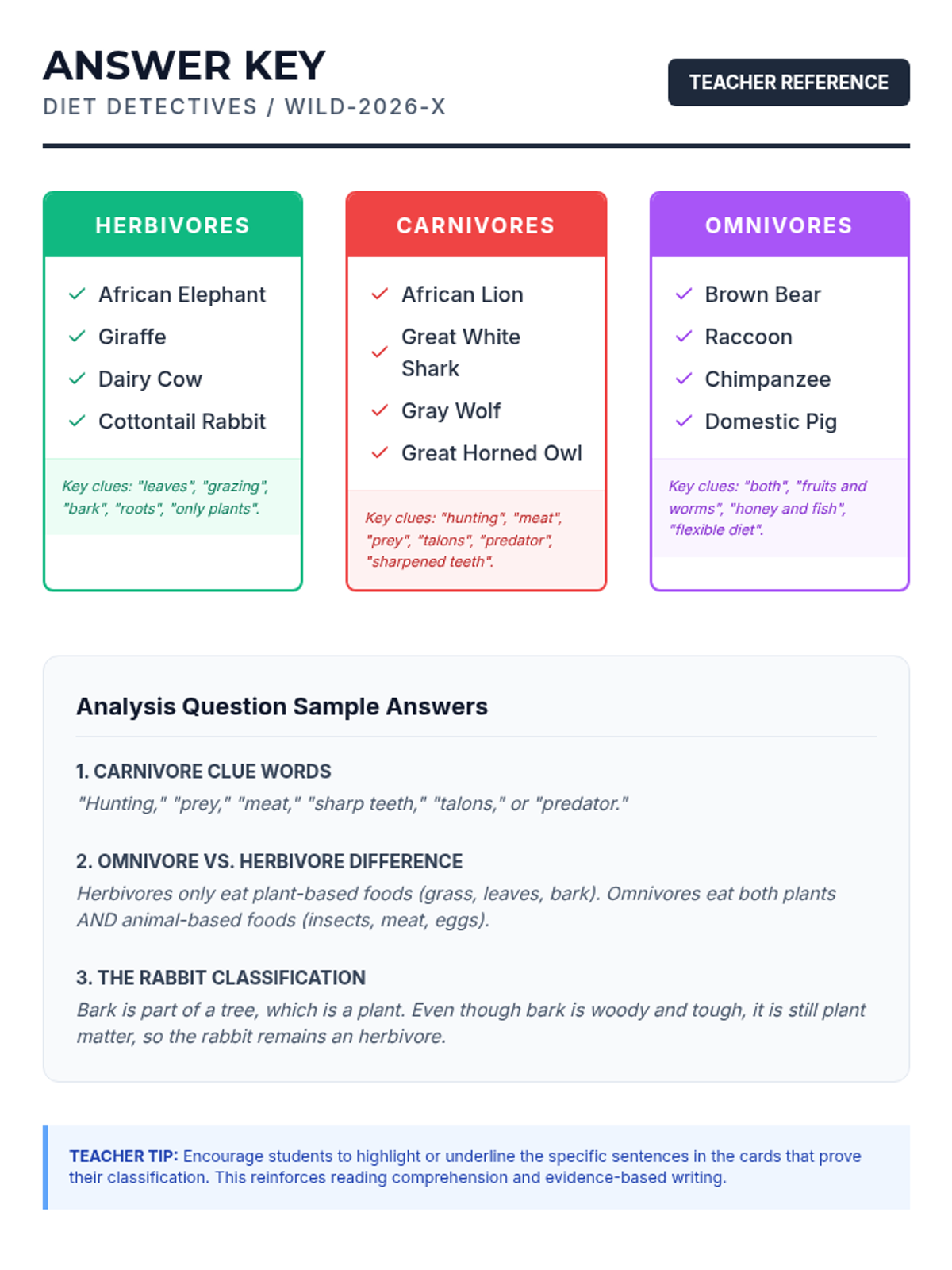
Students analyze short informational texts about various animals to classify them based on their diets using color-coded evidence cards.
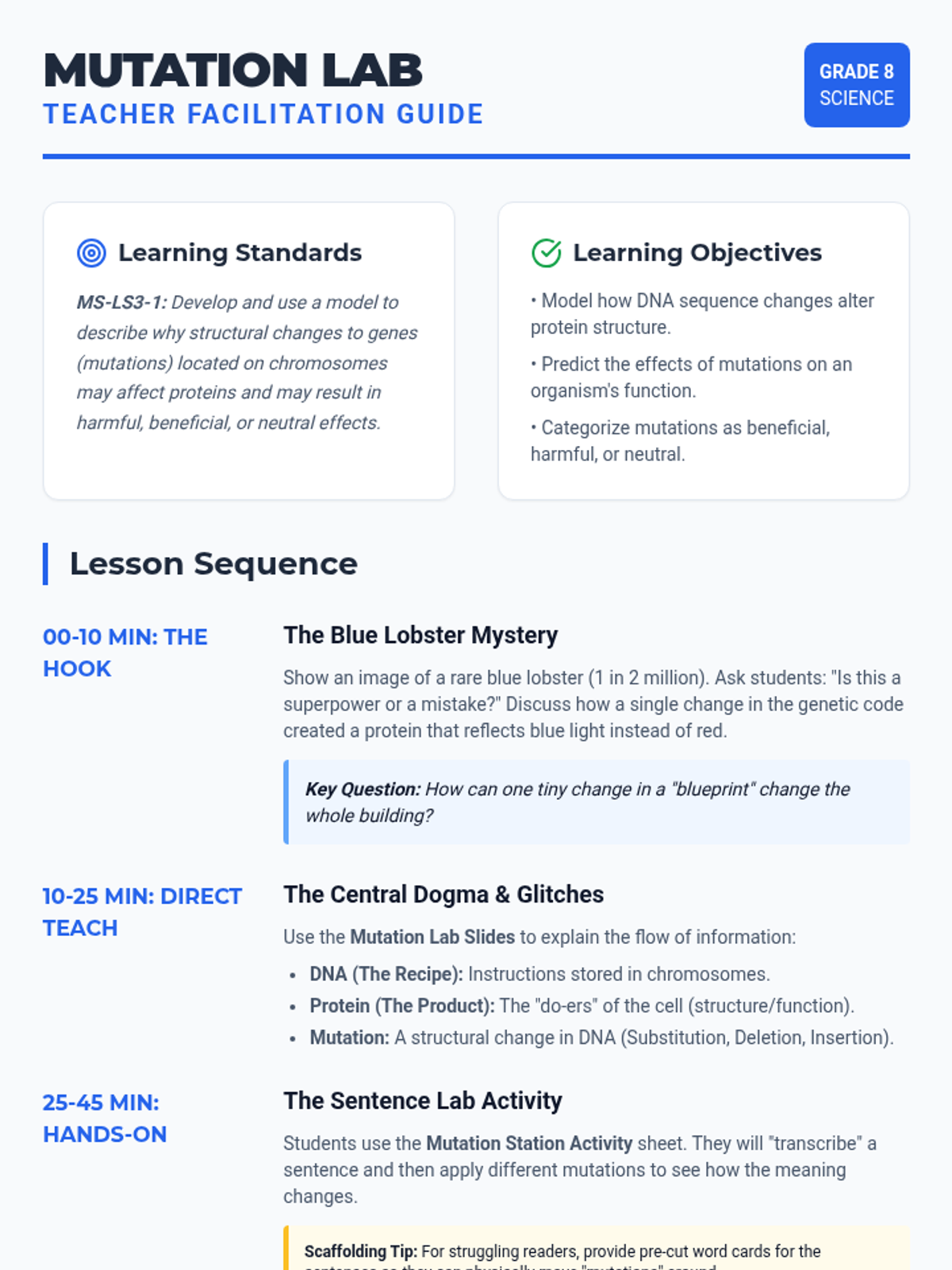
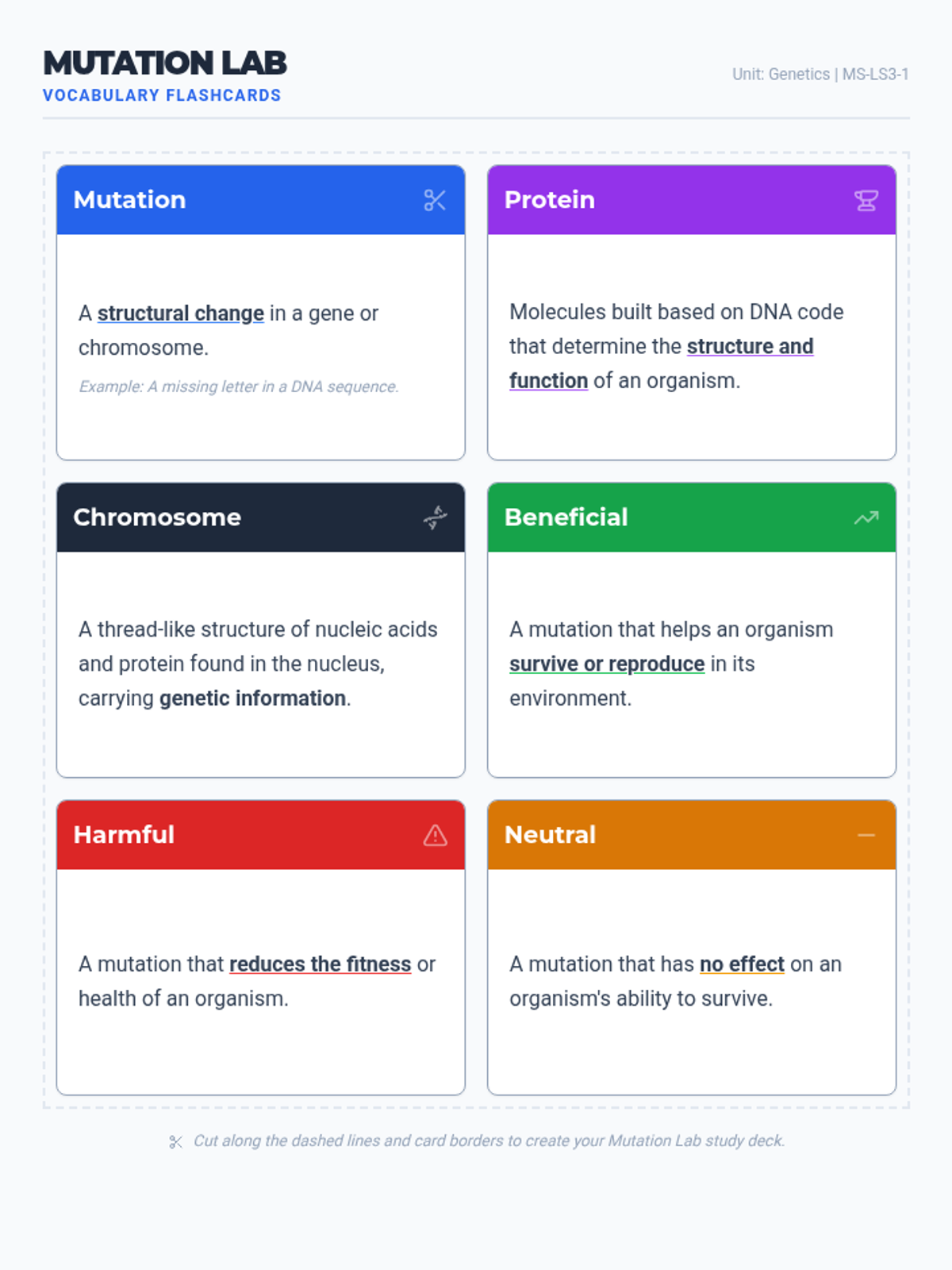
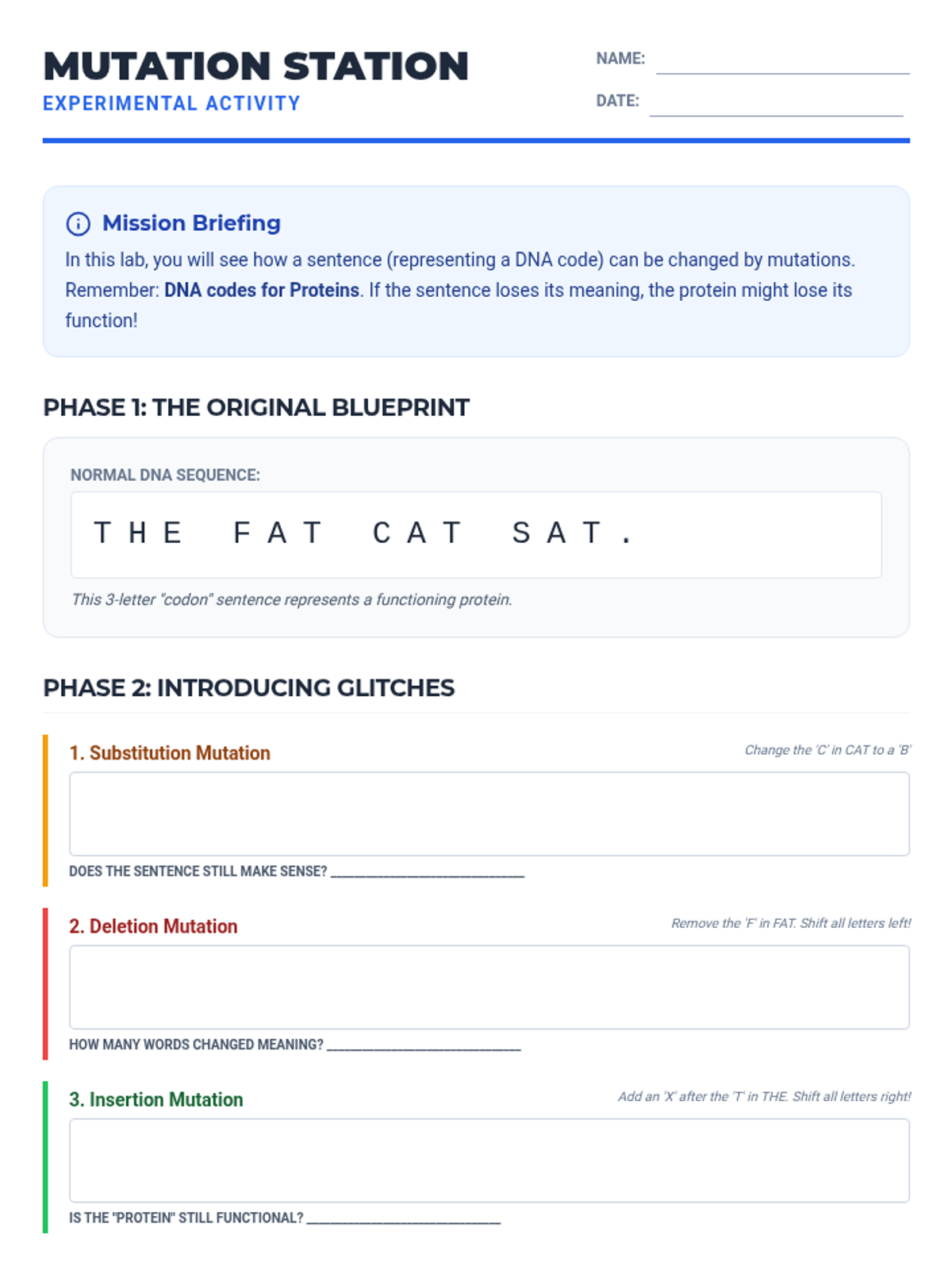
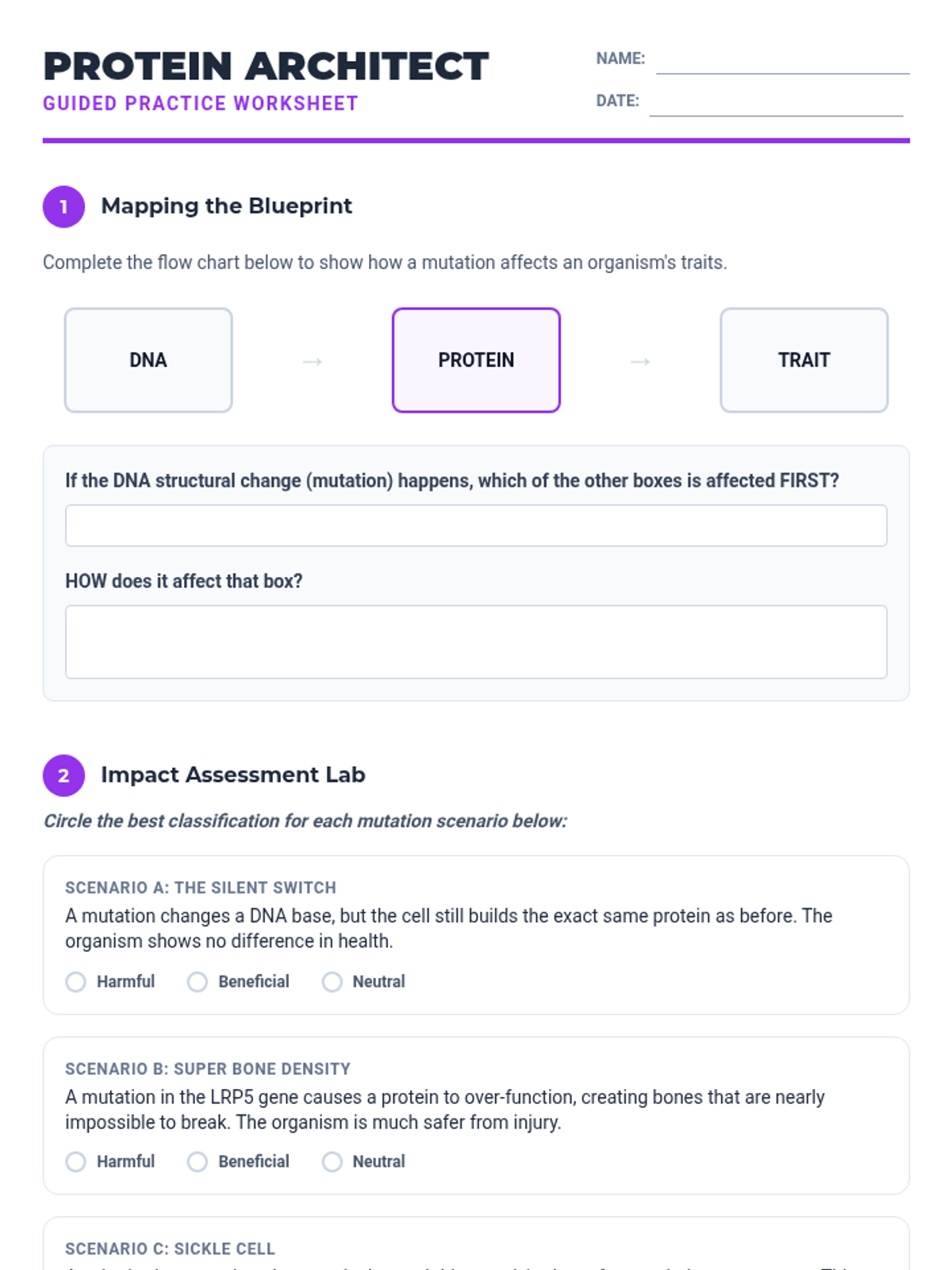
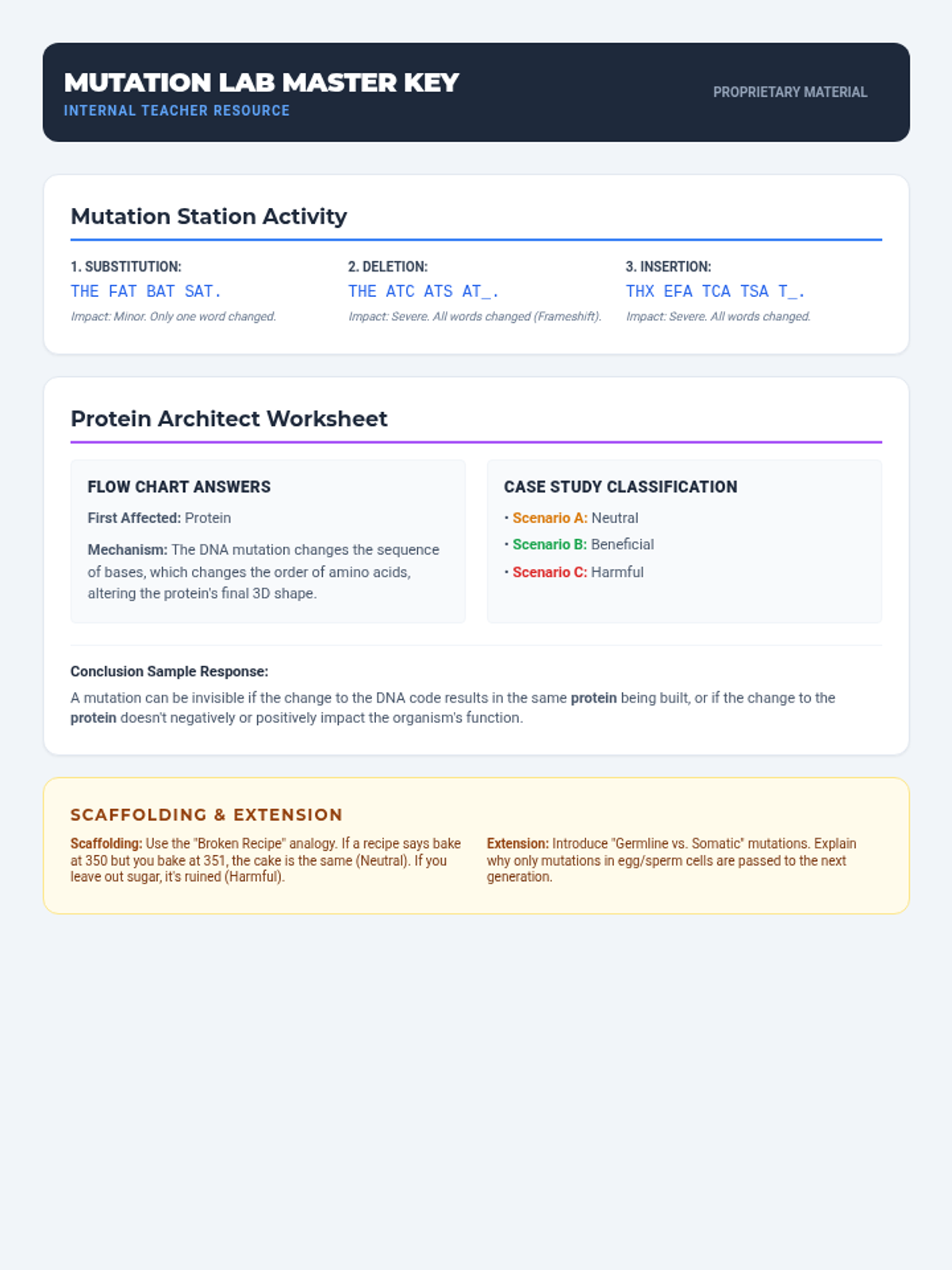
A comprehensive lesson on genetic mutations, exploring how changes in DNA structure affect protein function and organism traits through a high-tech laboratory lens.
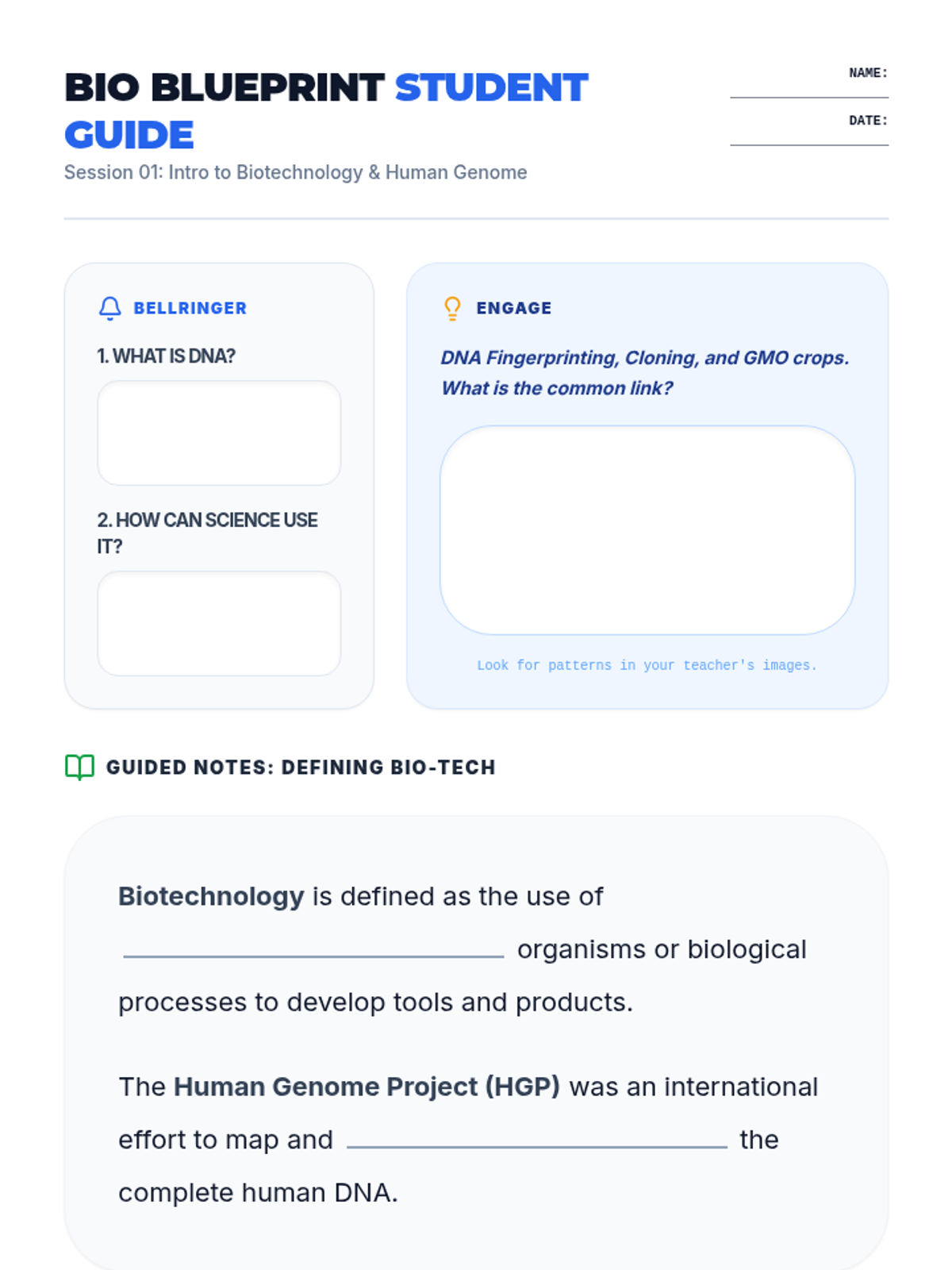
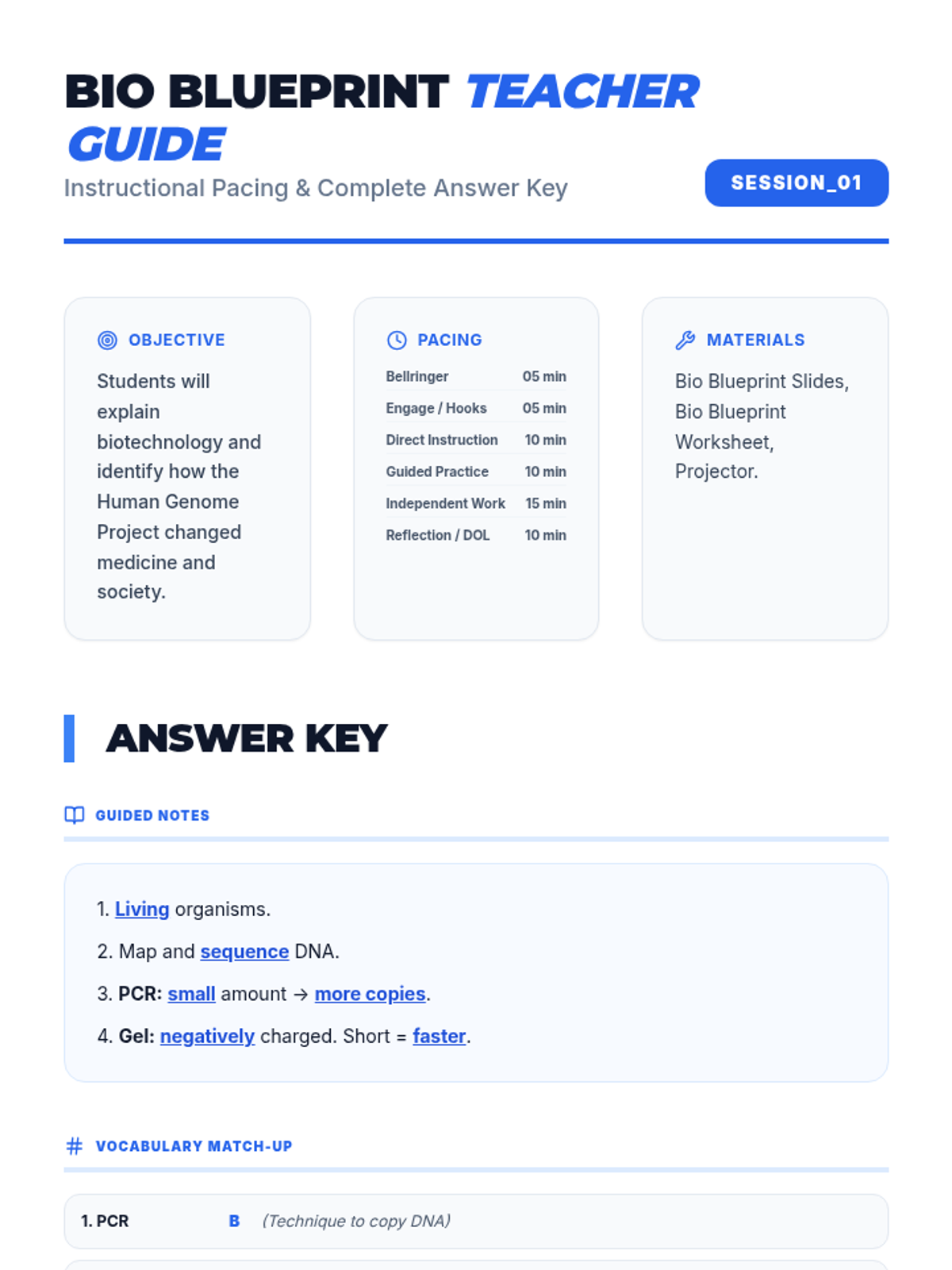
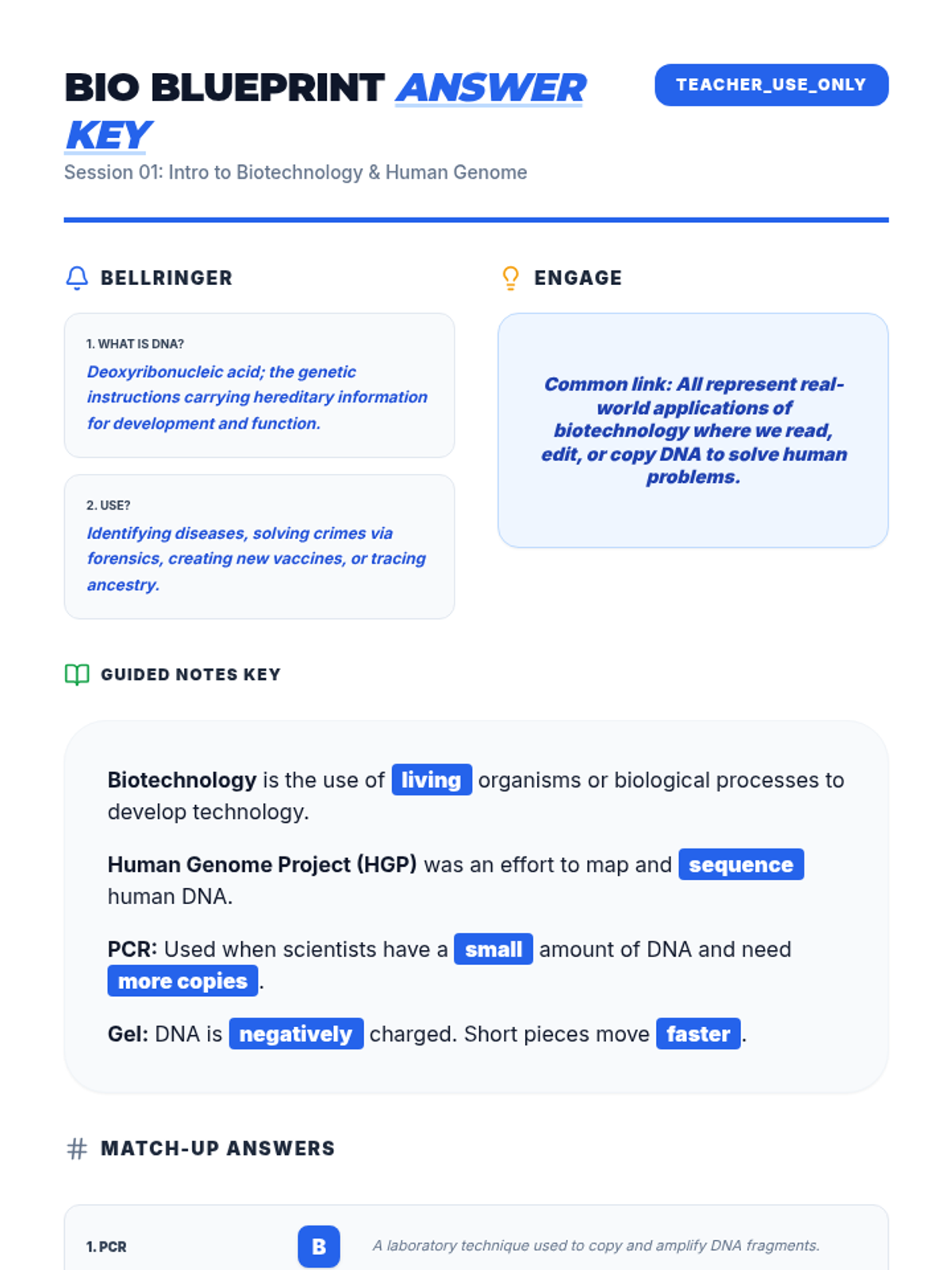
An introductory lesson on biotechnology and the Human Genome Project, covering fundamental concepts, DNA technology tools, and ethical considerations.
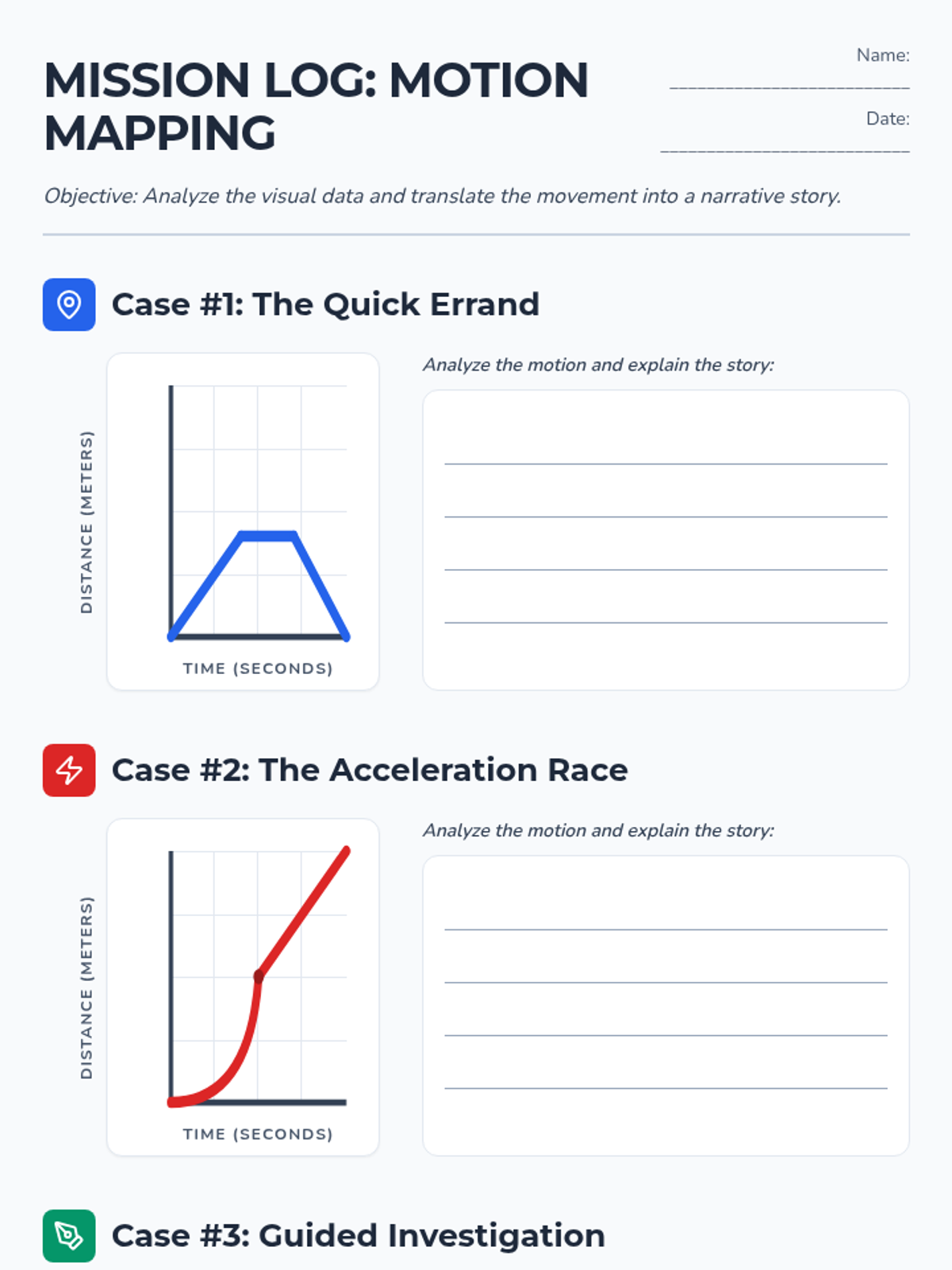
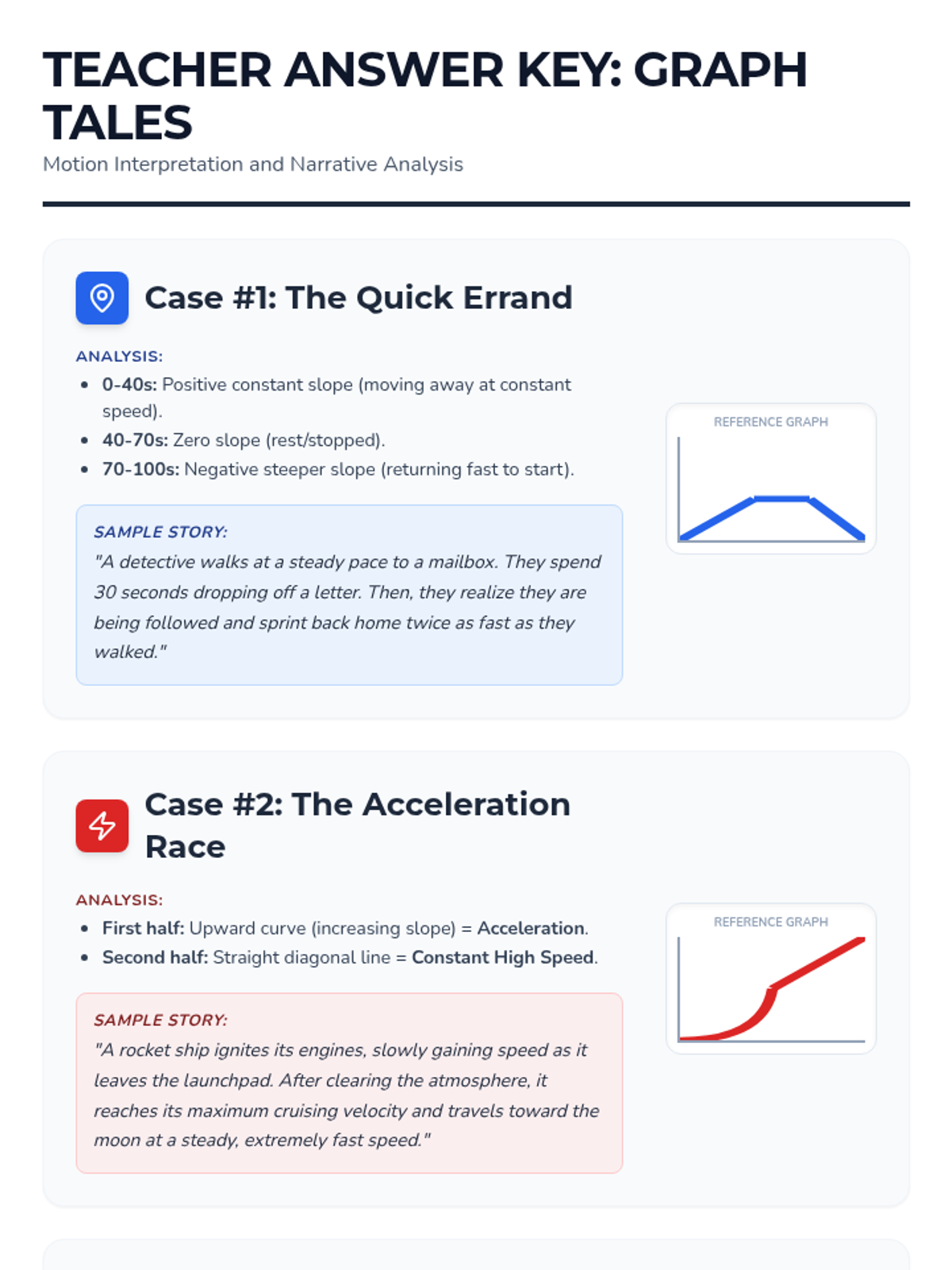
A lesson focused on interpreting distance-time graphs through creative storytelling and structured analysis. Students will translate visual data into narrative descriptions of motion, including constant speed, acceleration, and rest.
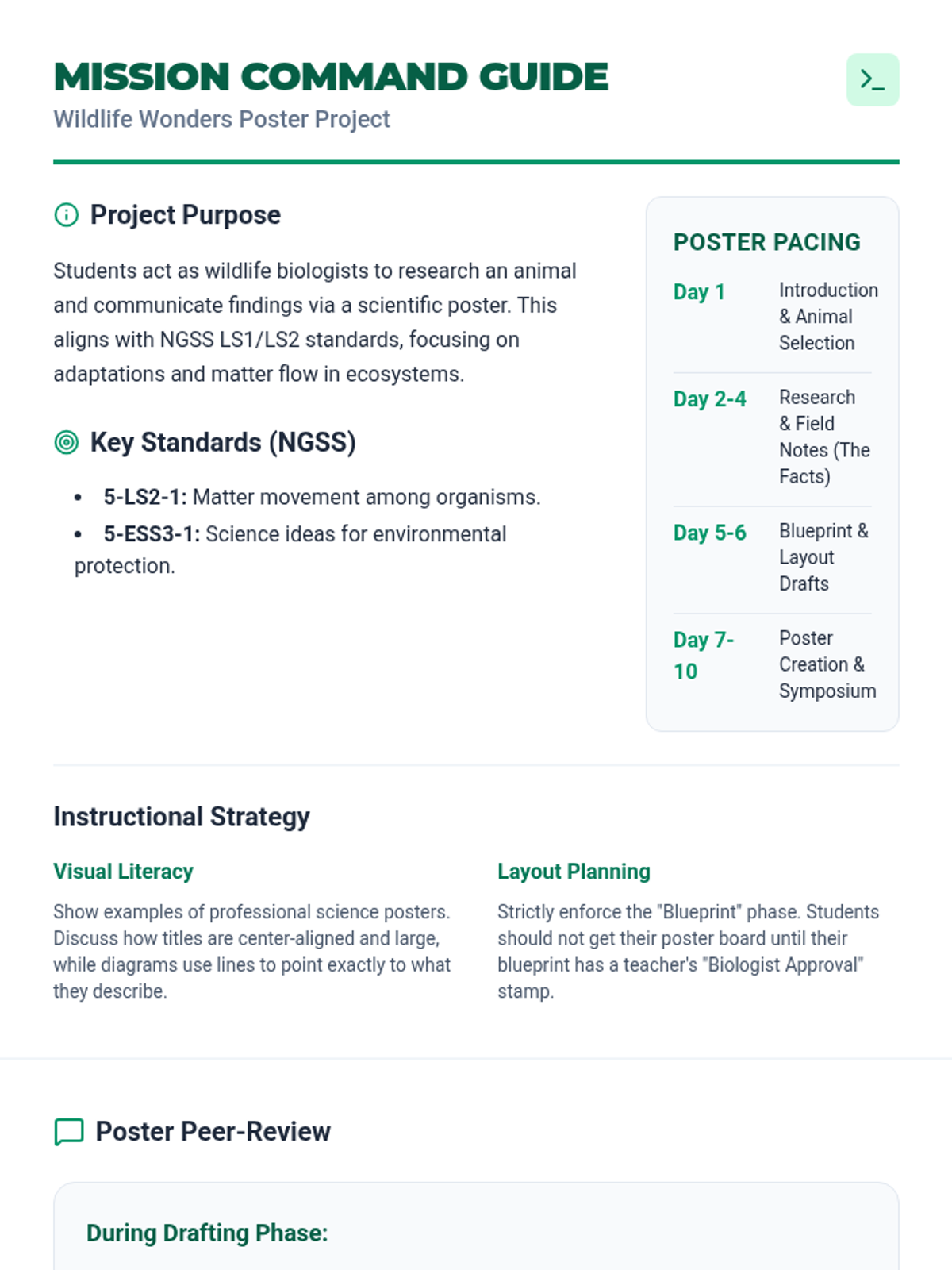
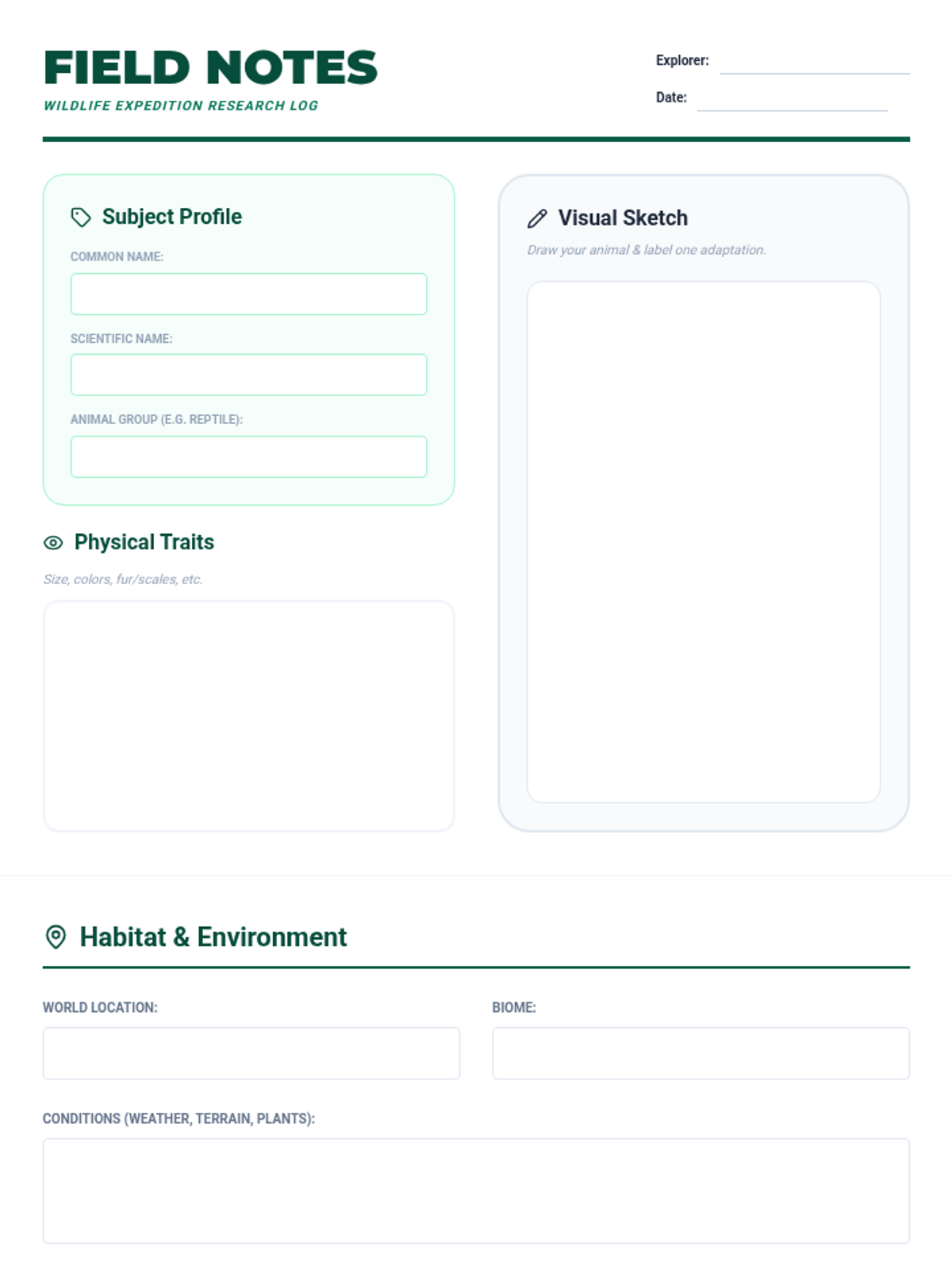
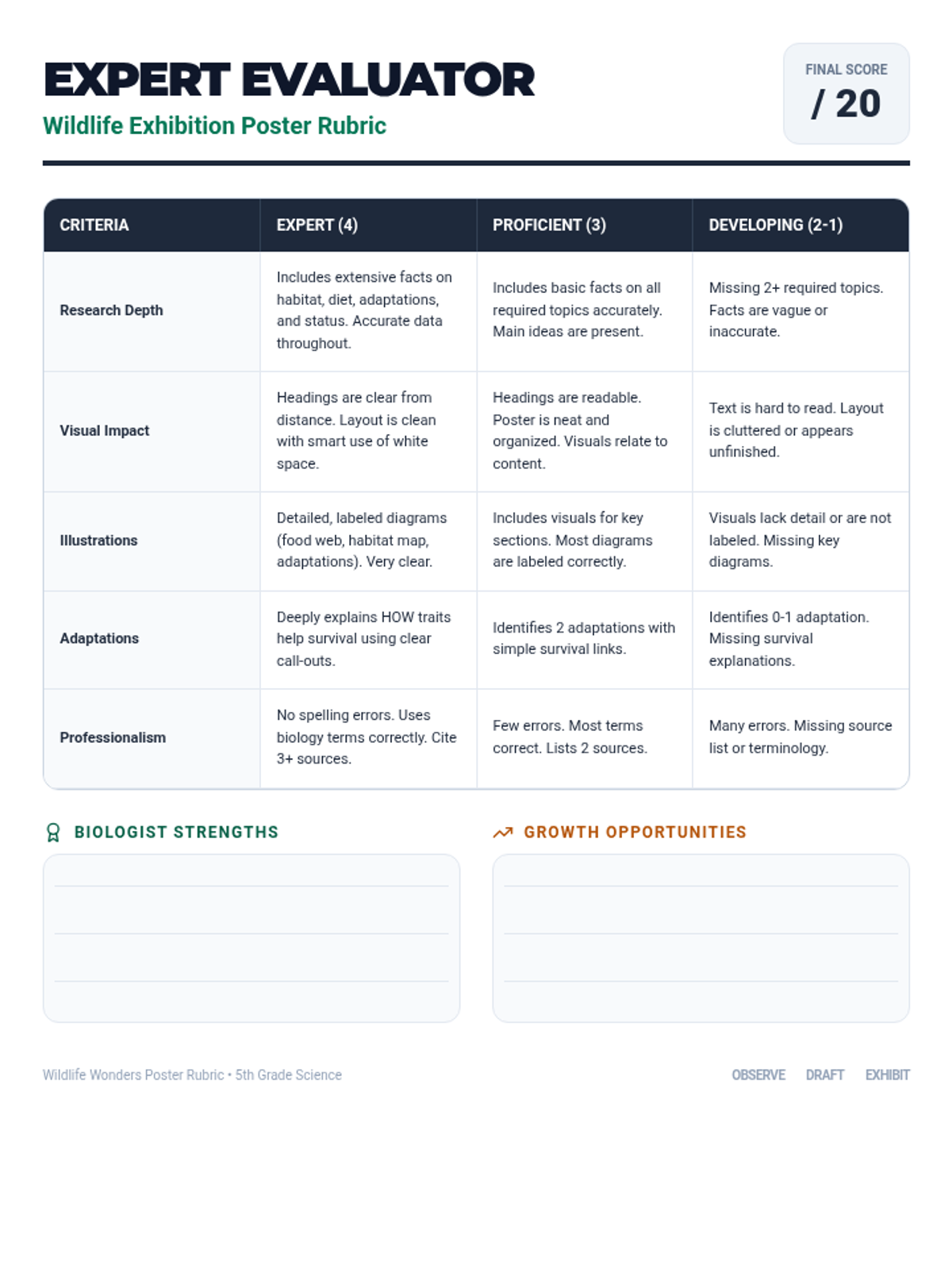
Students embark on a research journey, selecting a specific animal to study, gathering data on its biological needs and environmental role, and creating a final product to showcase their expertise.
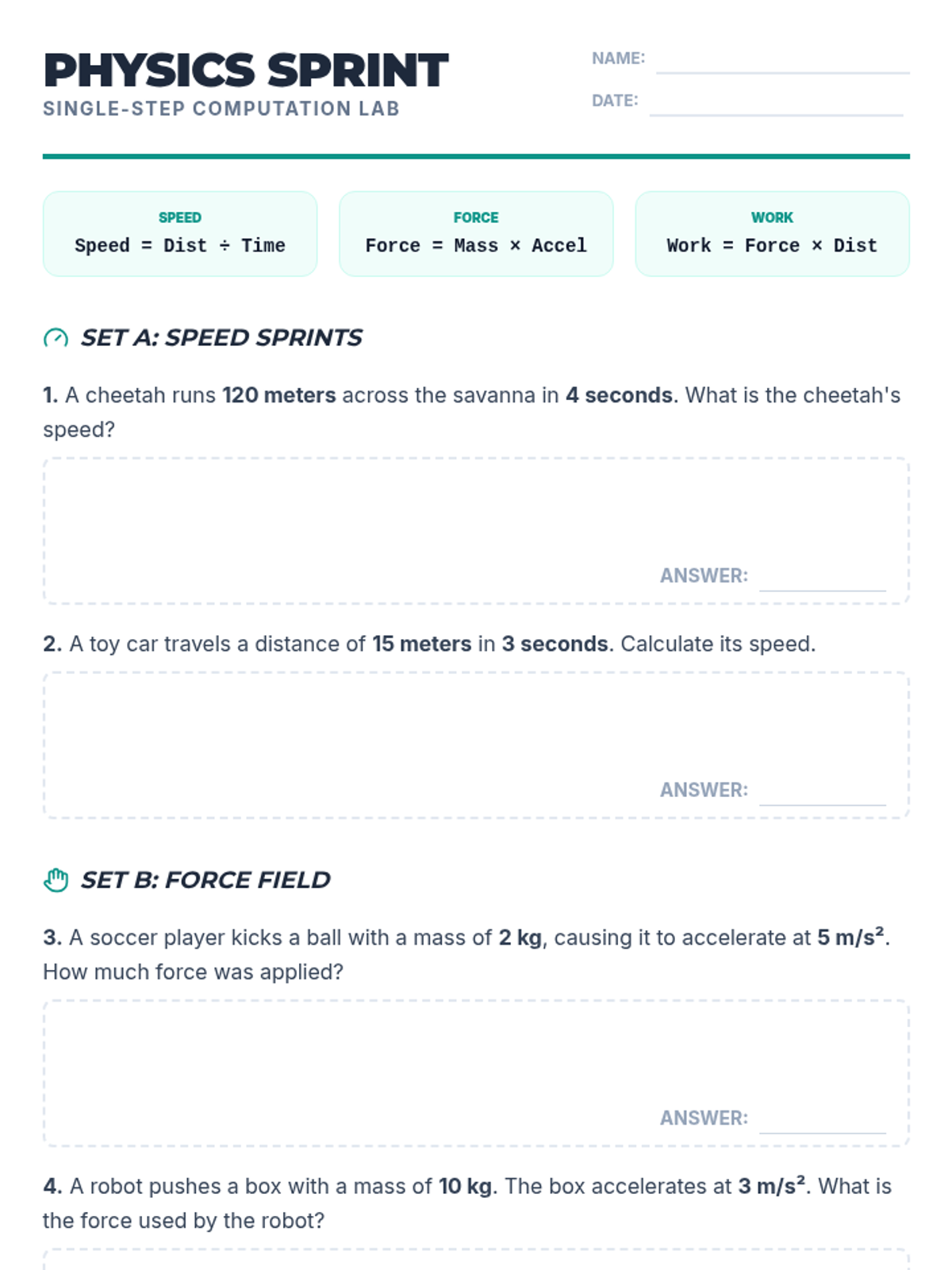
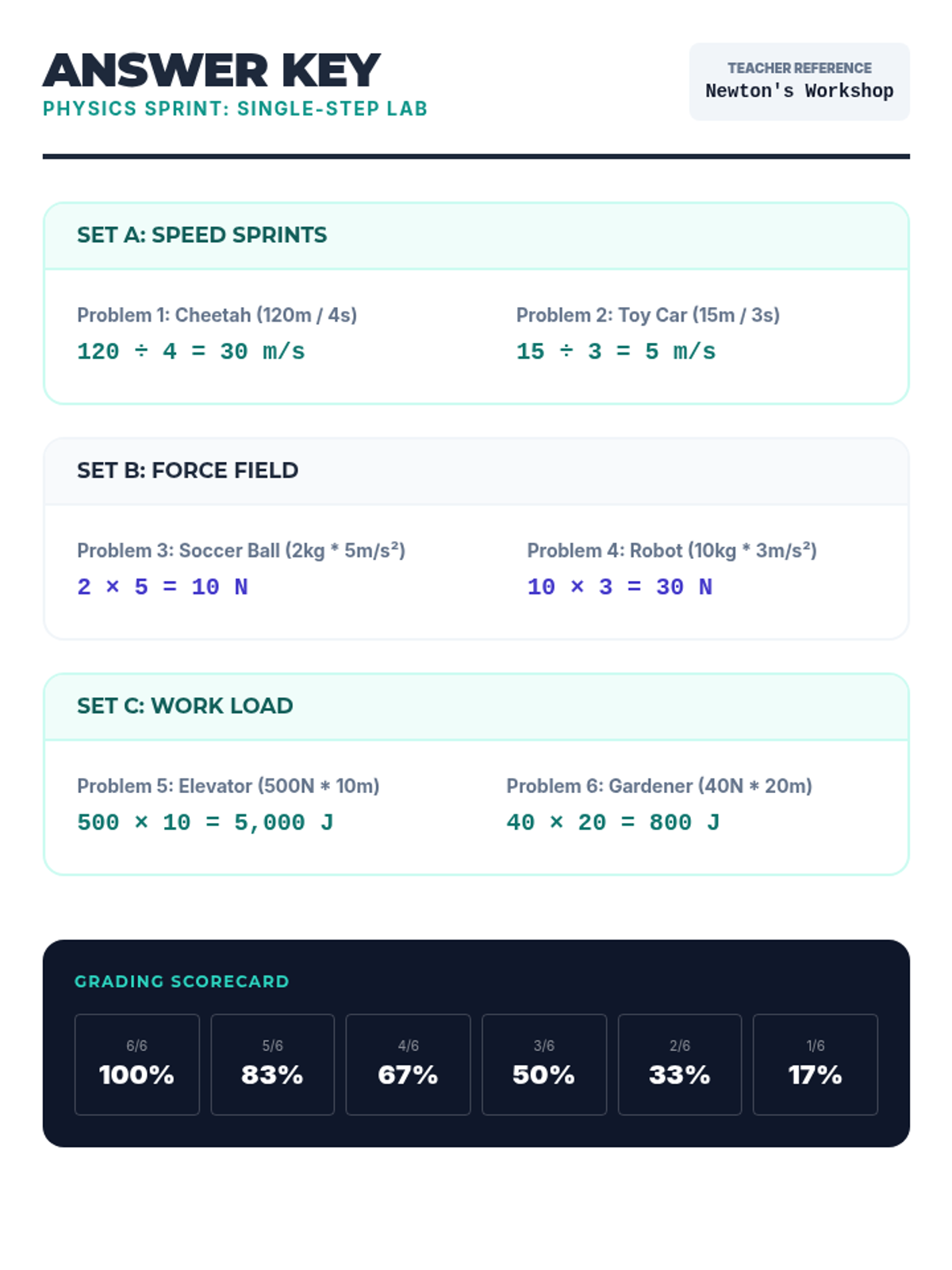
A foundational lesson on physics calculations focusing on speed, force, and work using single-step formulas. Perfect for introducing quantitative science to middle schoolers.
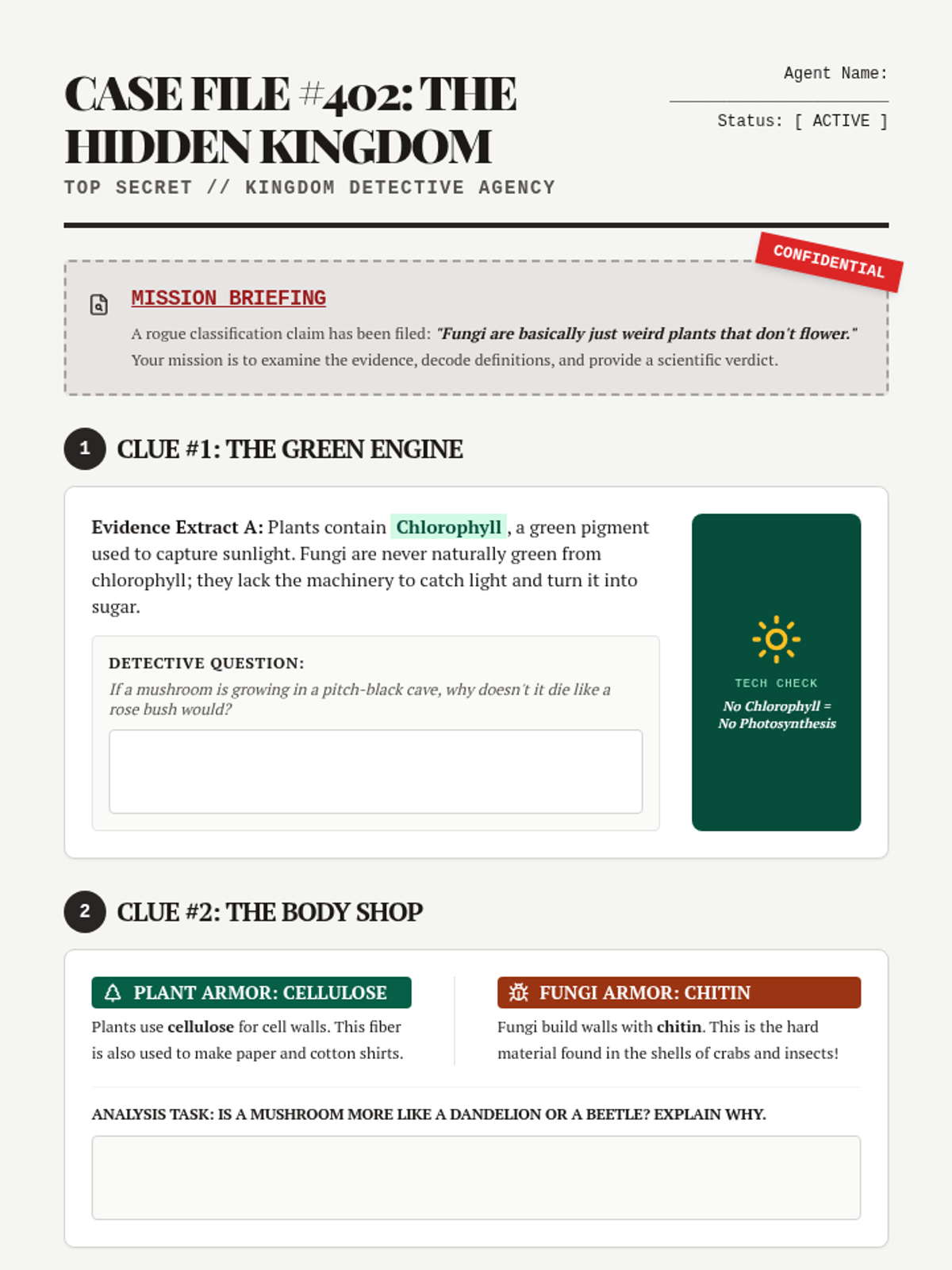
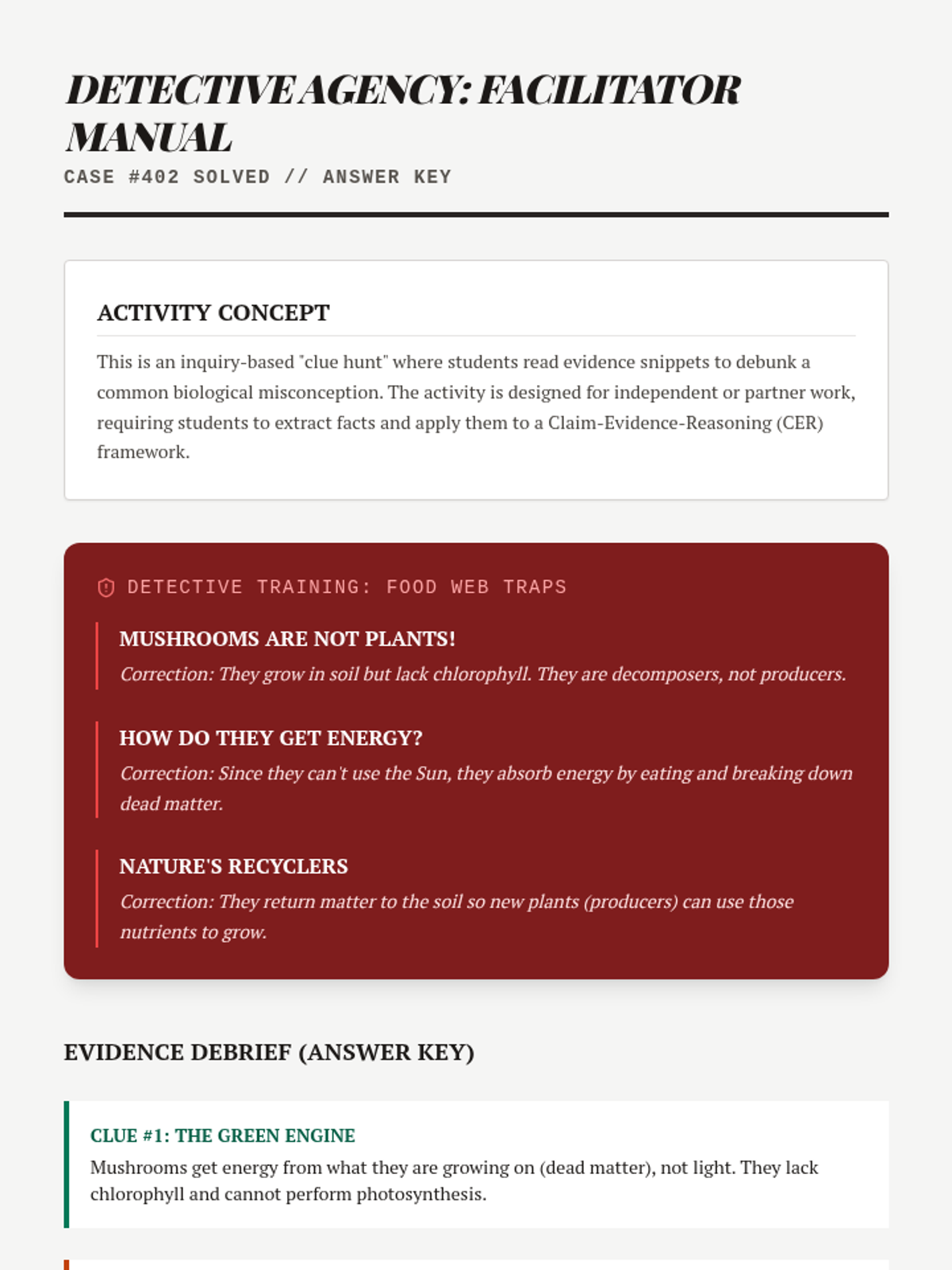
An independent, mystery-themed activity where students act as "Kingdom Detectives." They analyze a series of clues, definitions, and evidence files to determine why fungi are not plants and clarify the role of the sun in ecosystems.
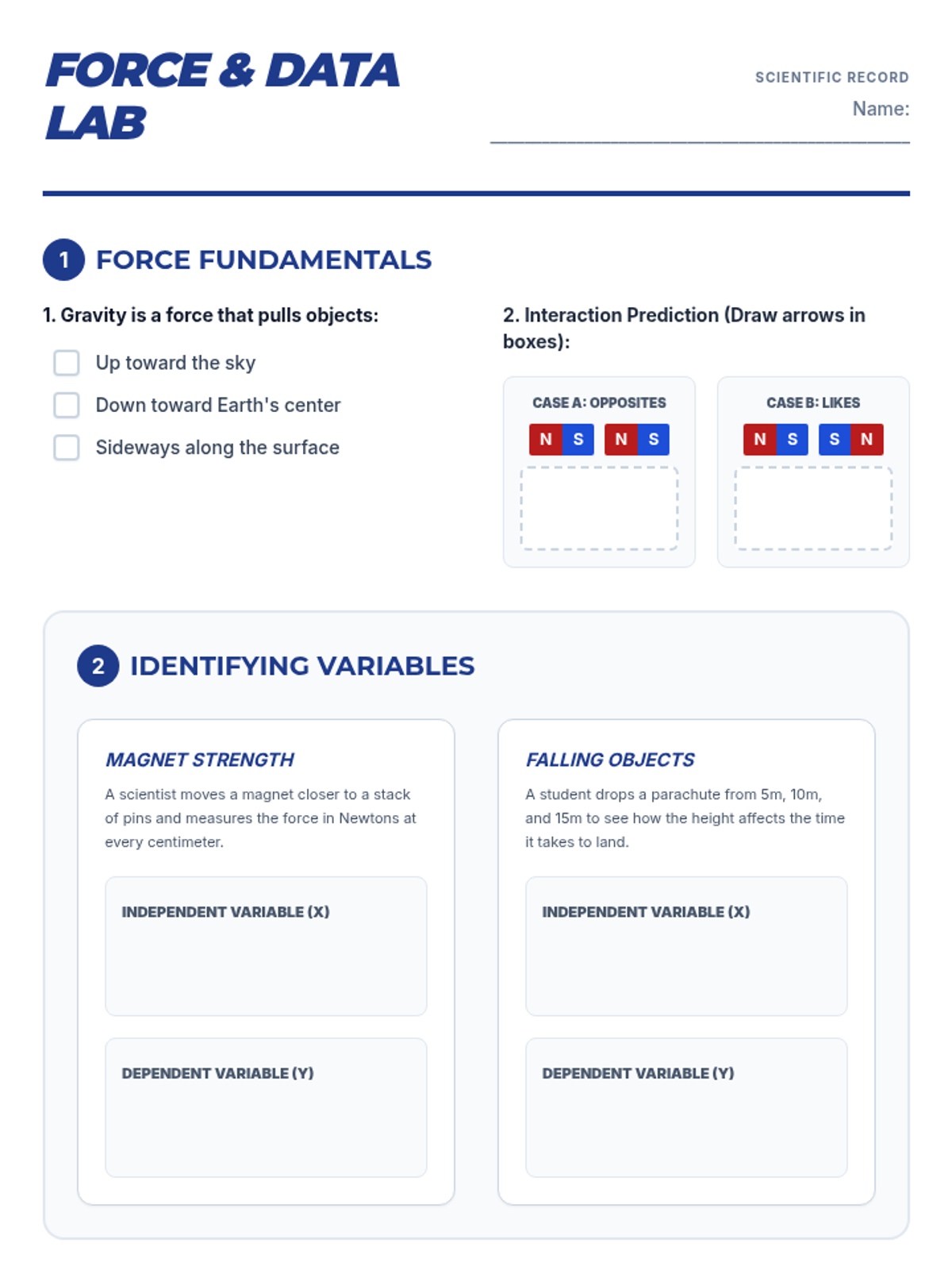
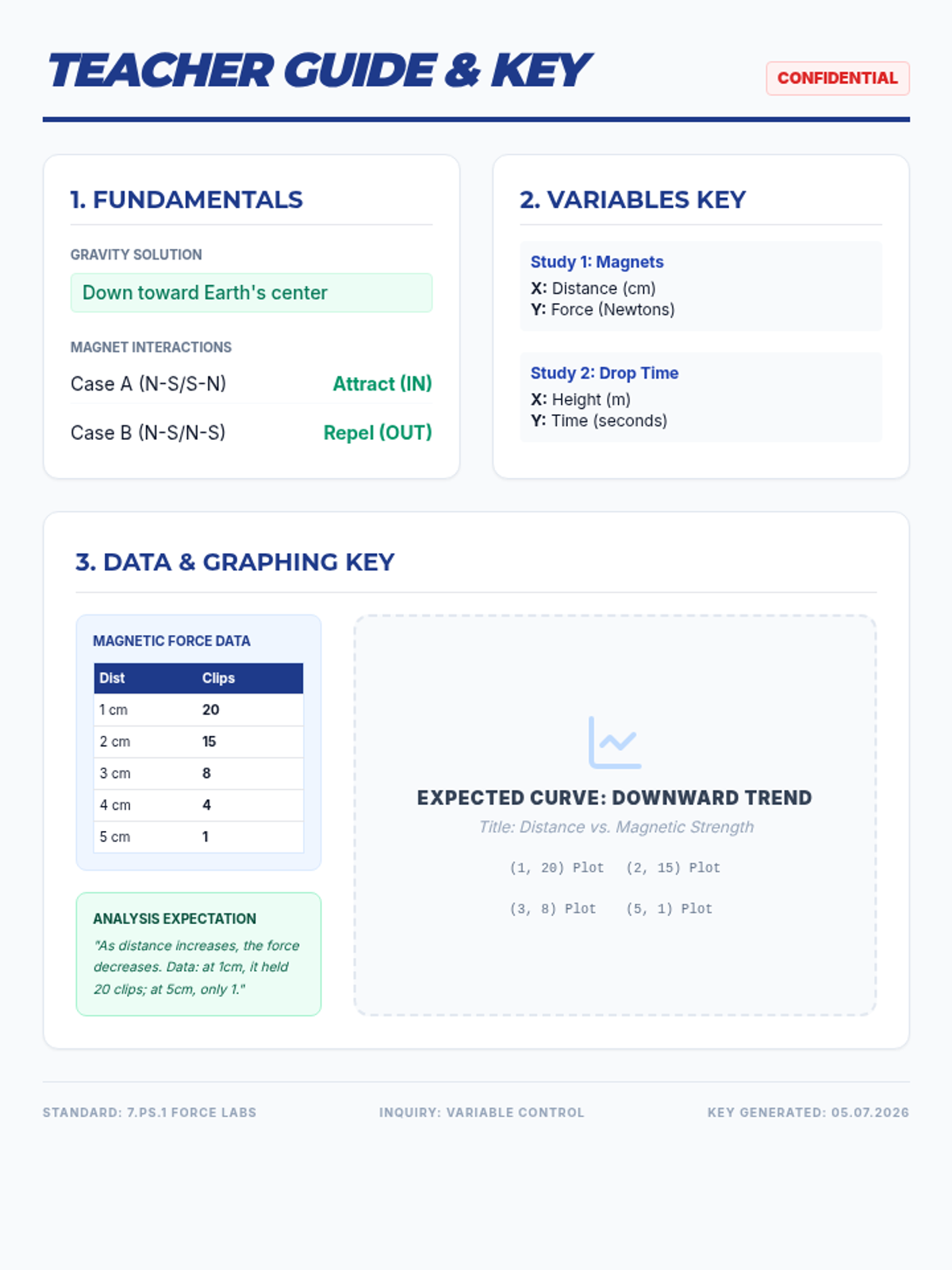
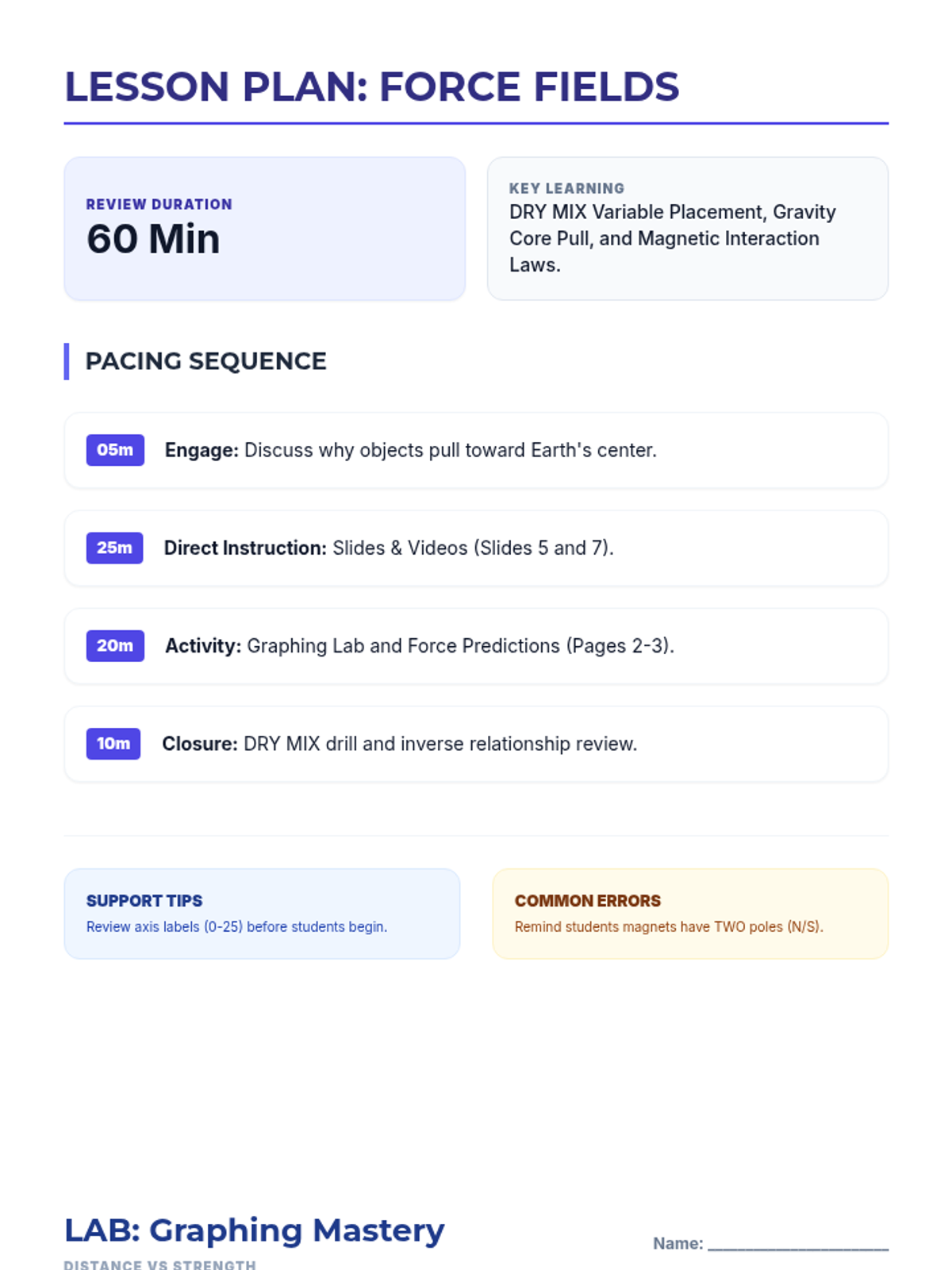
A focused review lesson on graphing independent and dependent variables, the constant pull of gravity, and the fundamental laws of magnetism.
This lesson explores the invisible forces of gravity and magnetism, while teaching students how to organize and visualize scientific observations through graphing. Students will learn to identify variables and create accurate line graphs from experimental data.
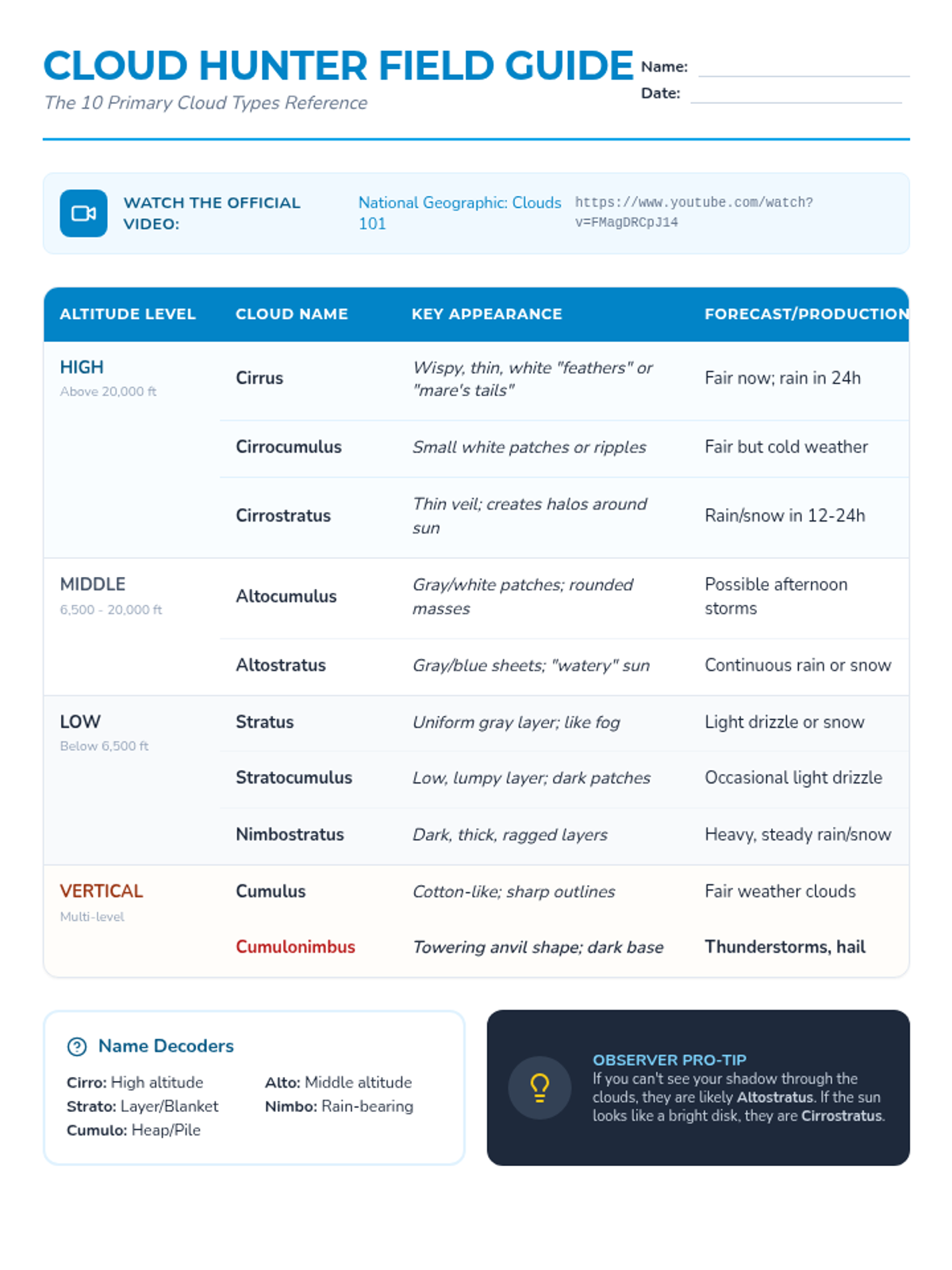
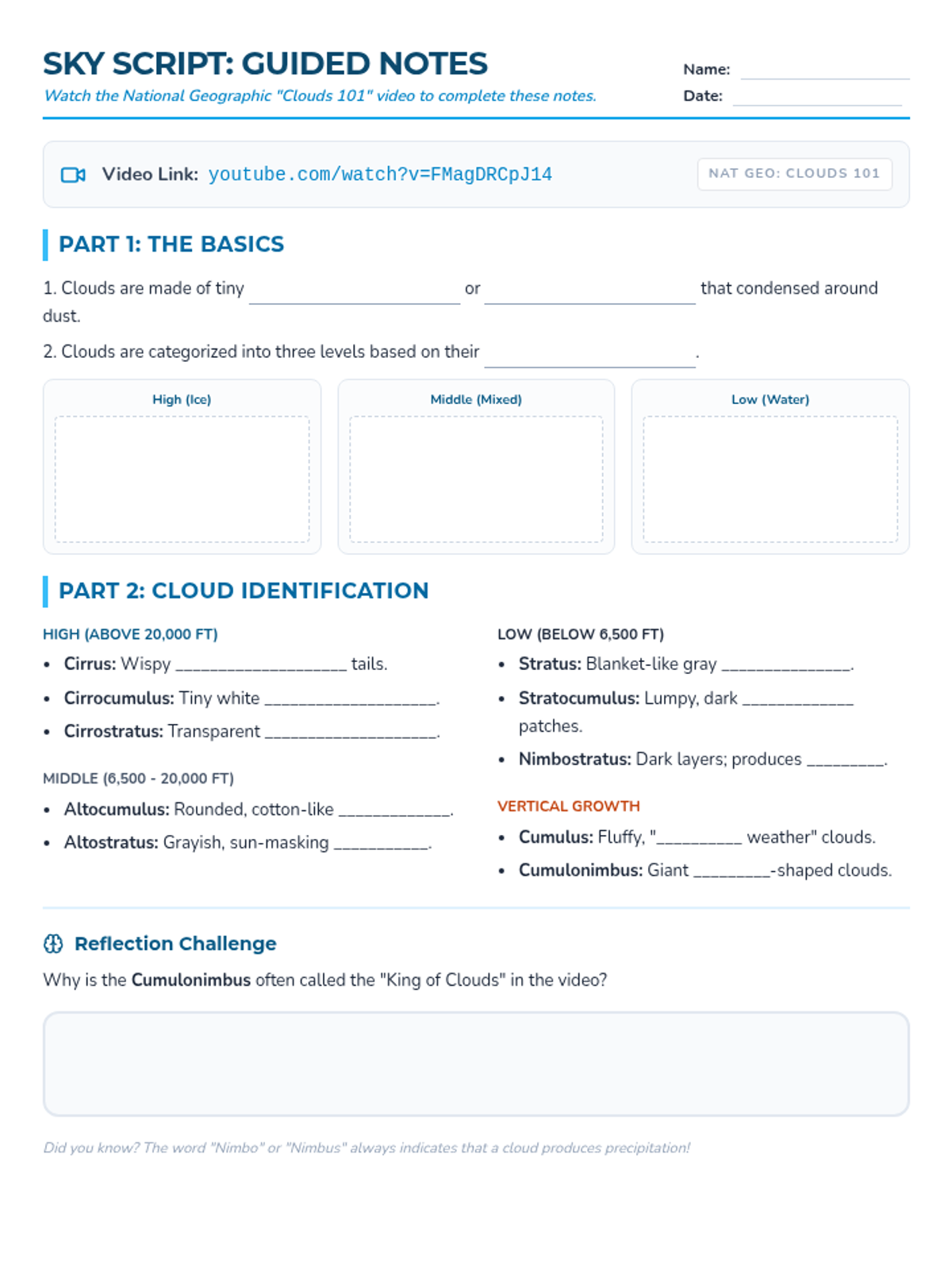
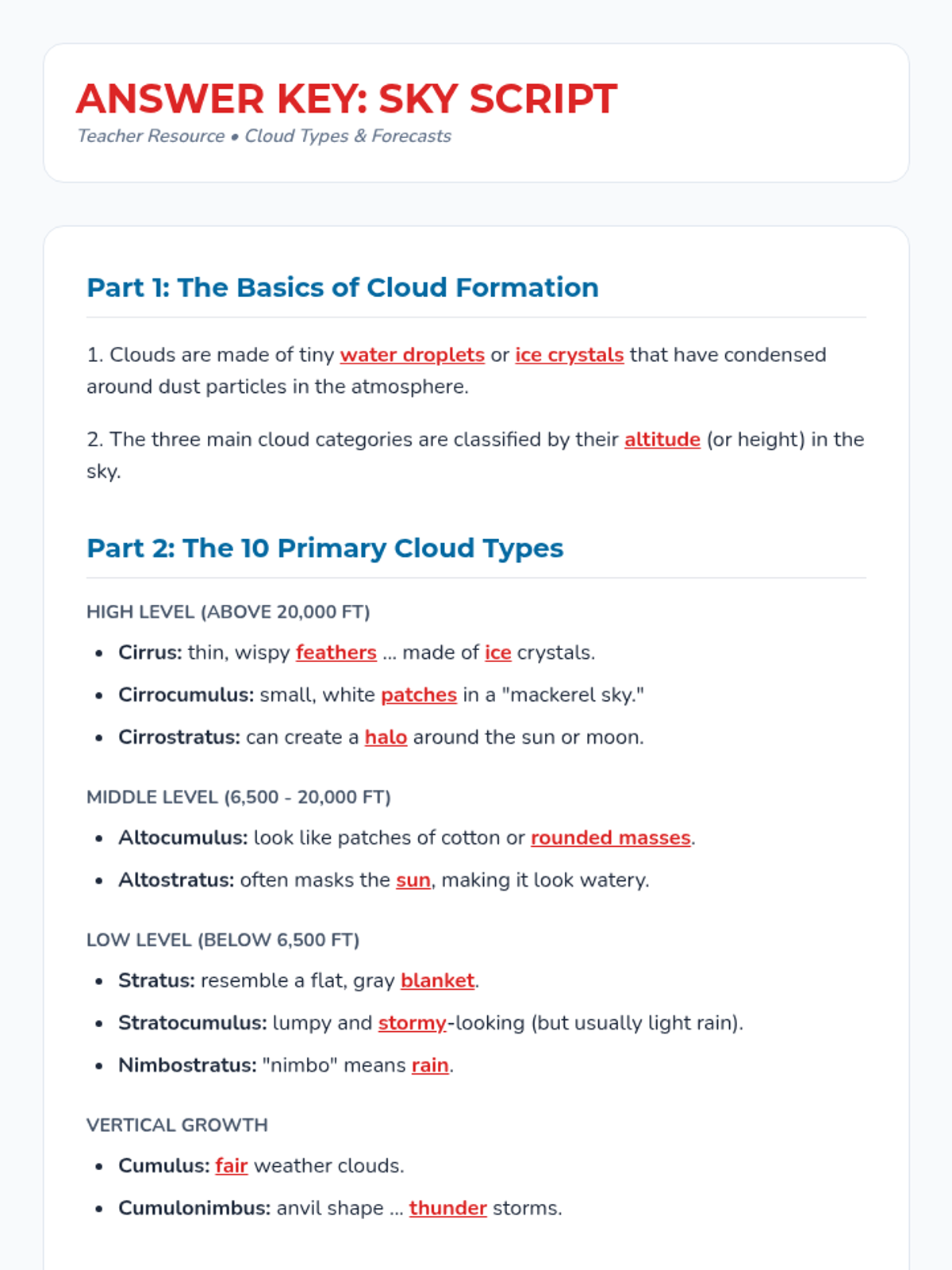
Students will learn to identify the ten primary cloud types, categorize them by altitude, and predict weather outcomes based on cloud formations.
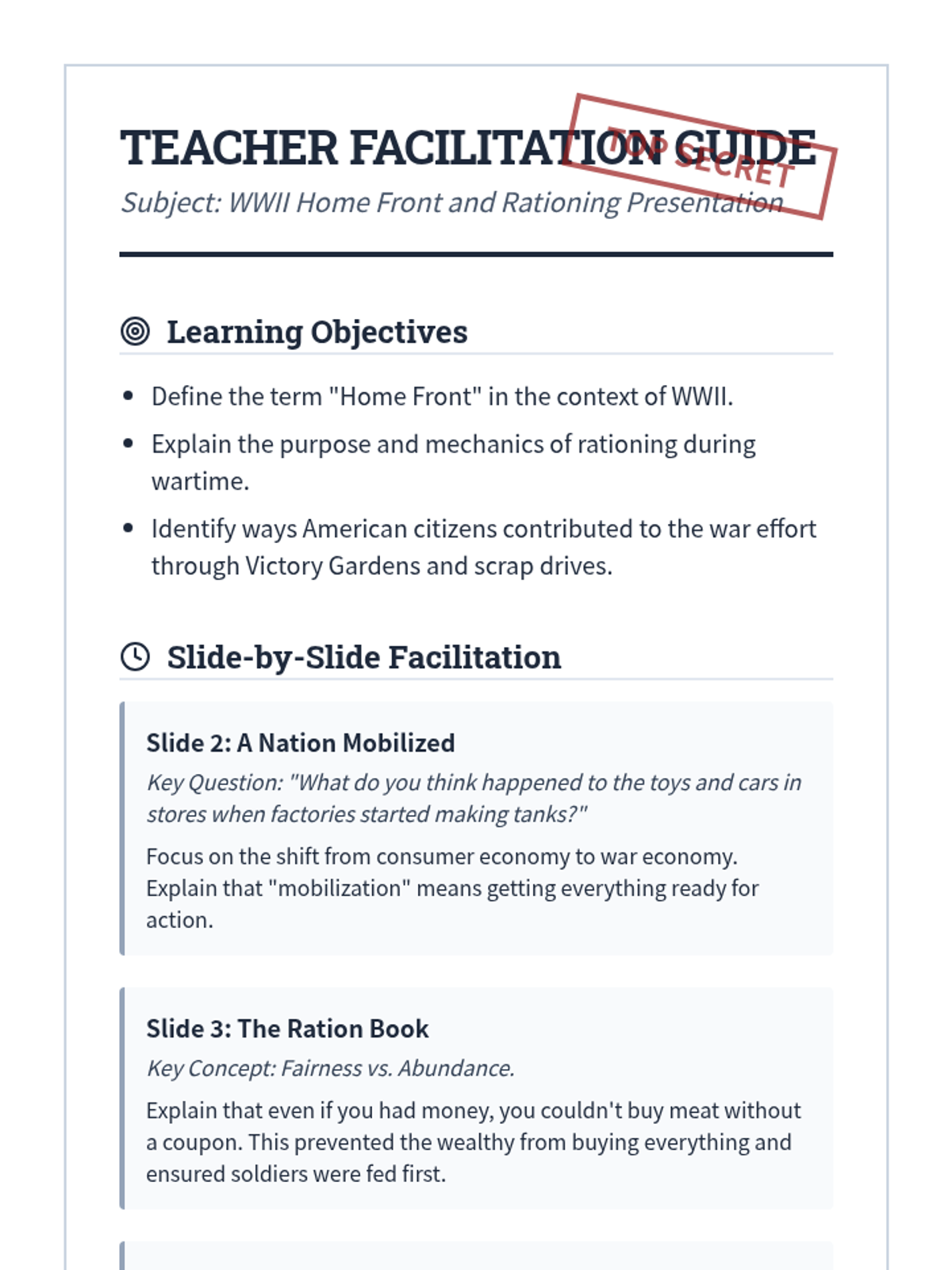
An exploration of life in America during World War II, focusing on how rationing, Victory Gardens, and community efforts supported the war from home.
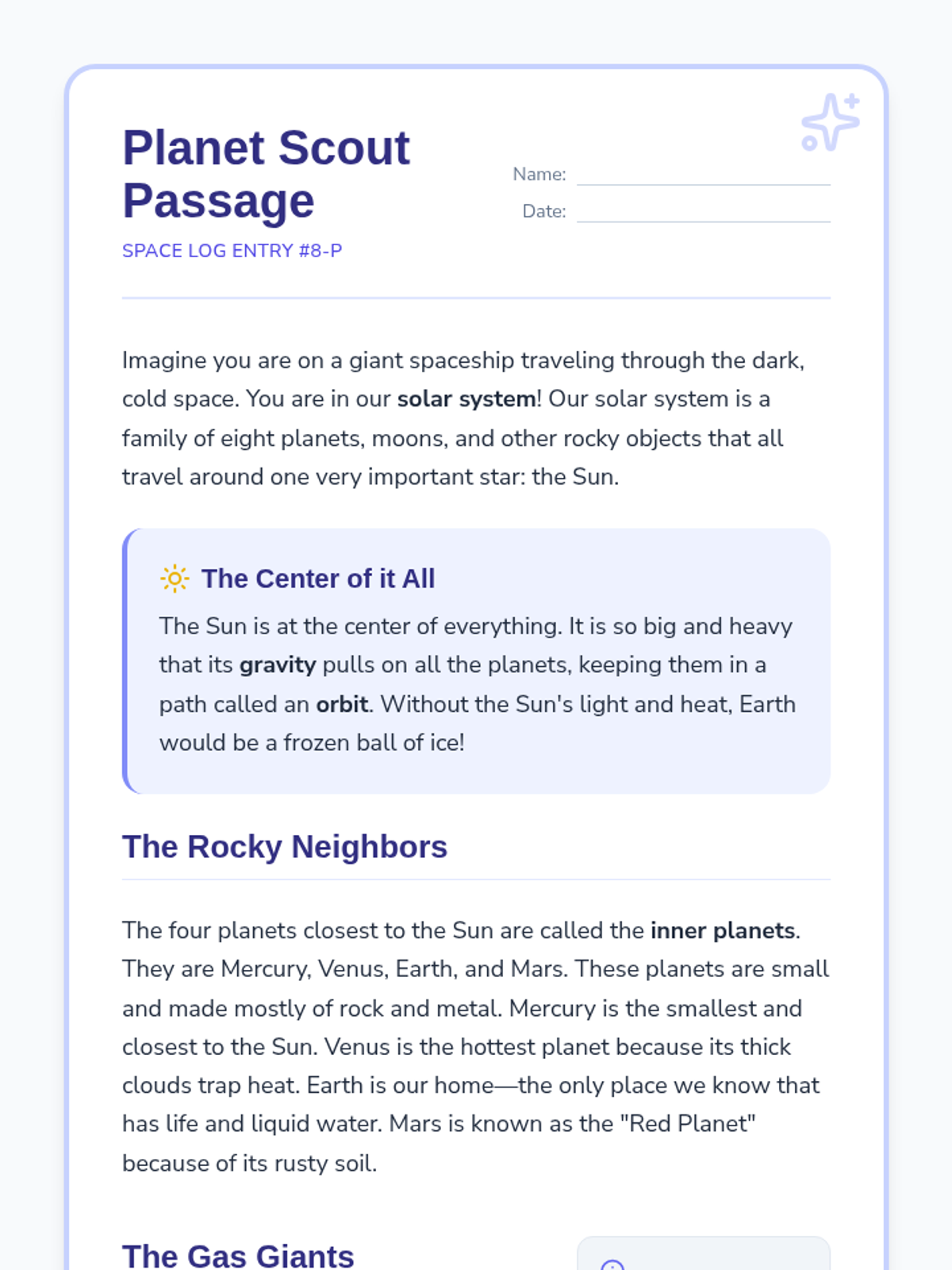
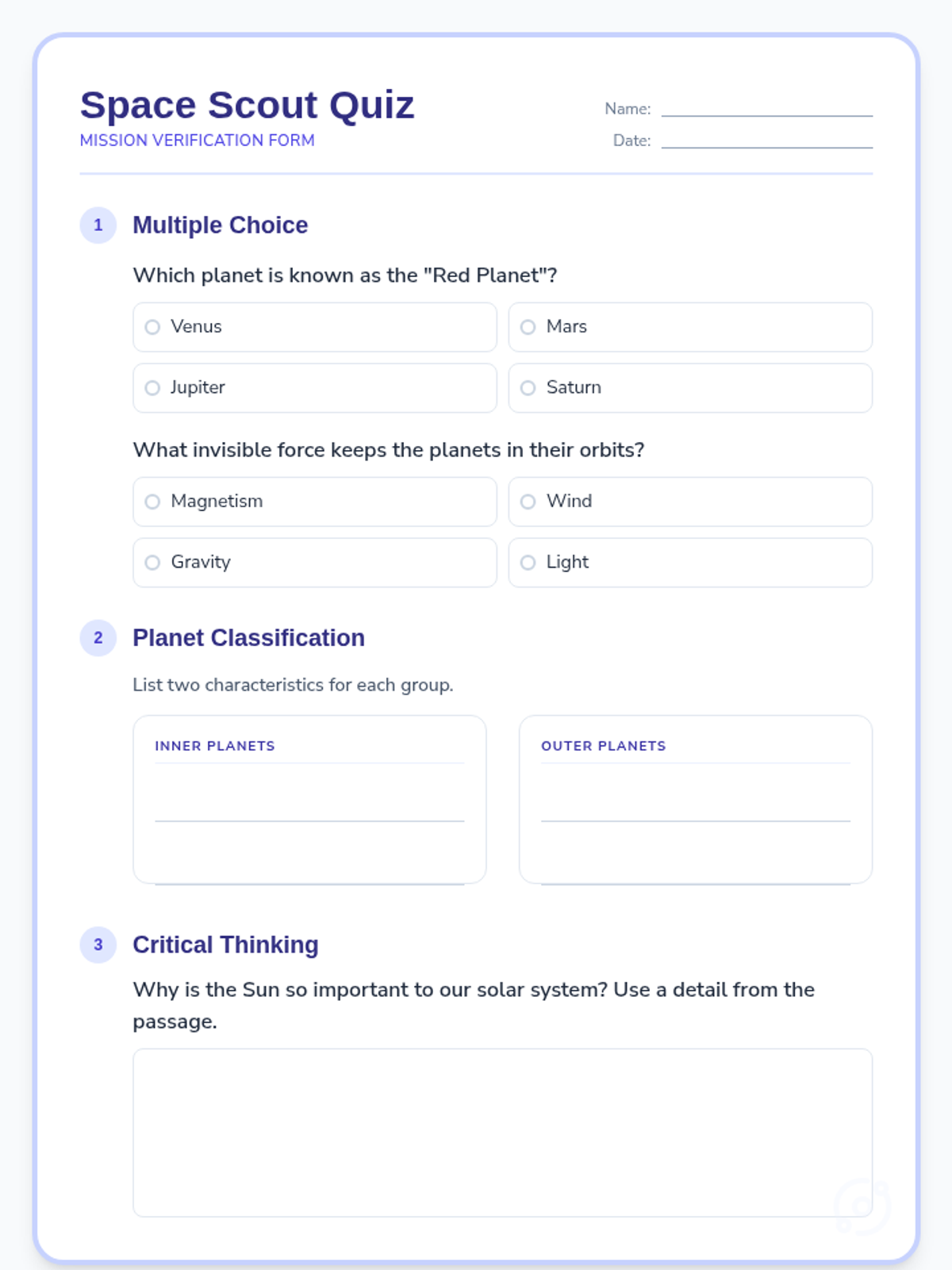
Students explore the eight planets of our solar system, learning about their unique characteristics and the forces that keep them in orbit.
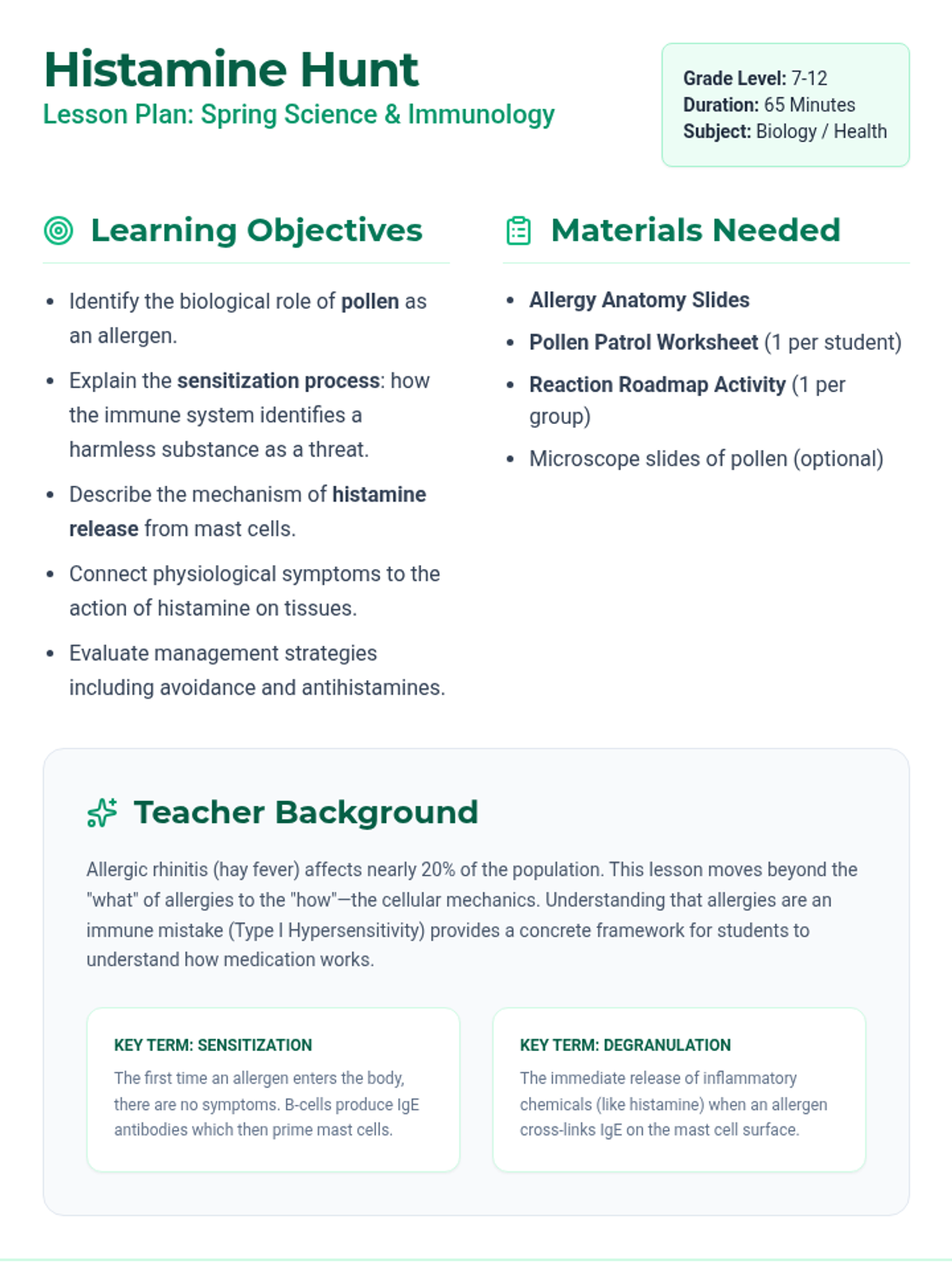
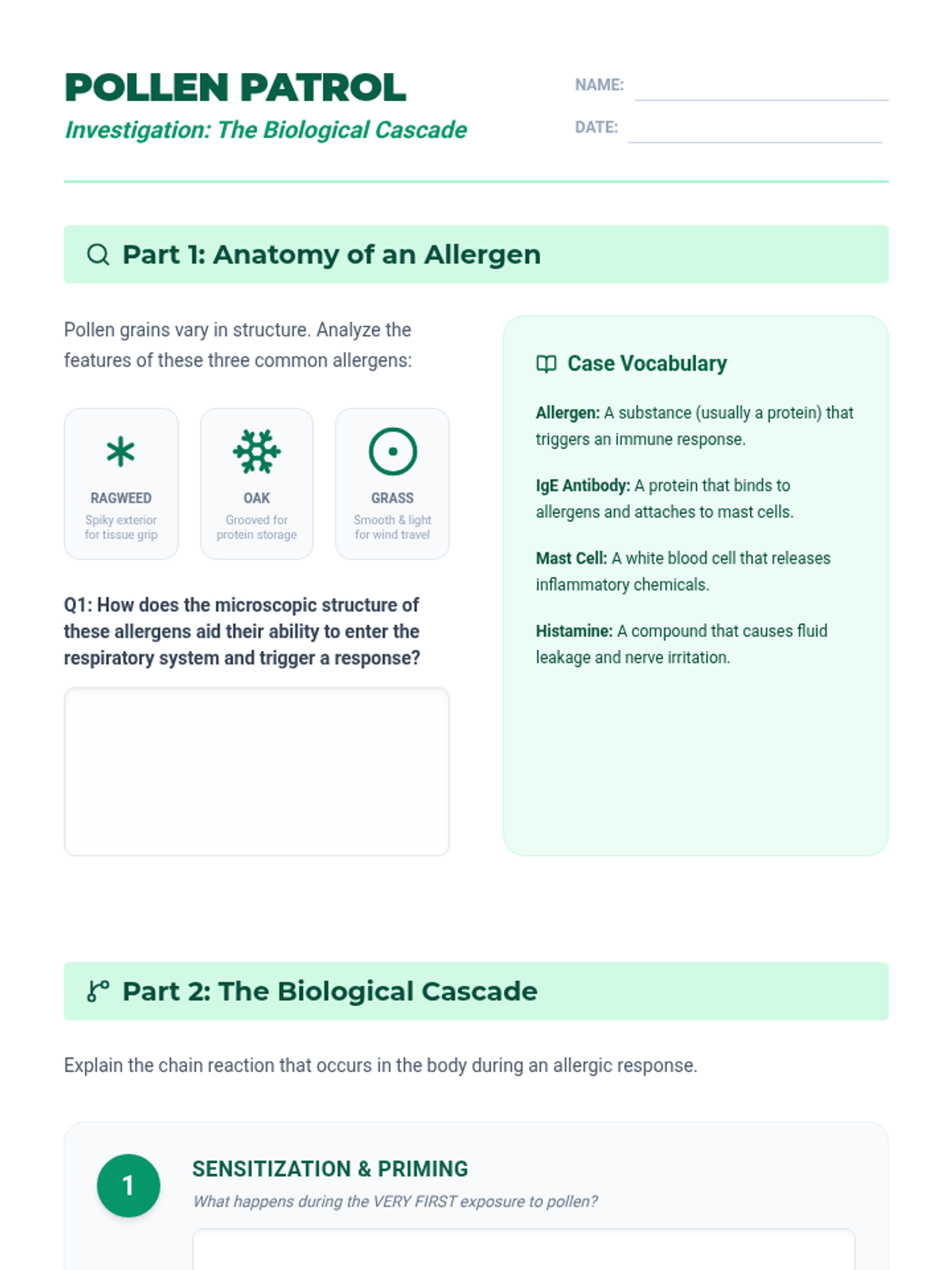
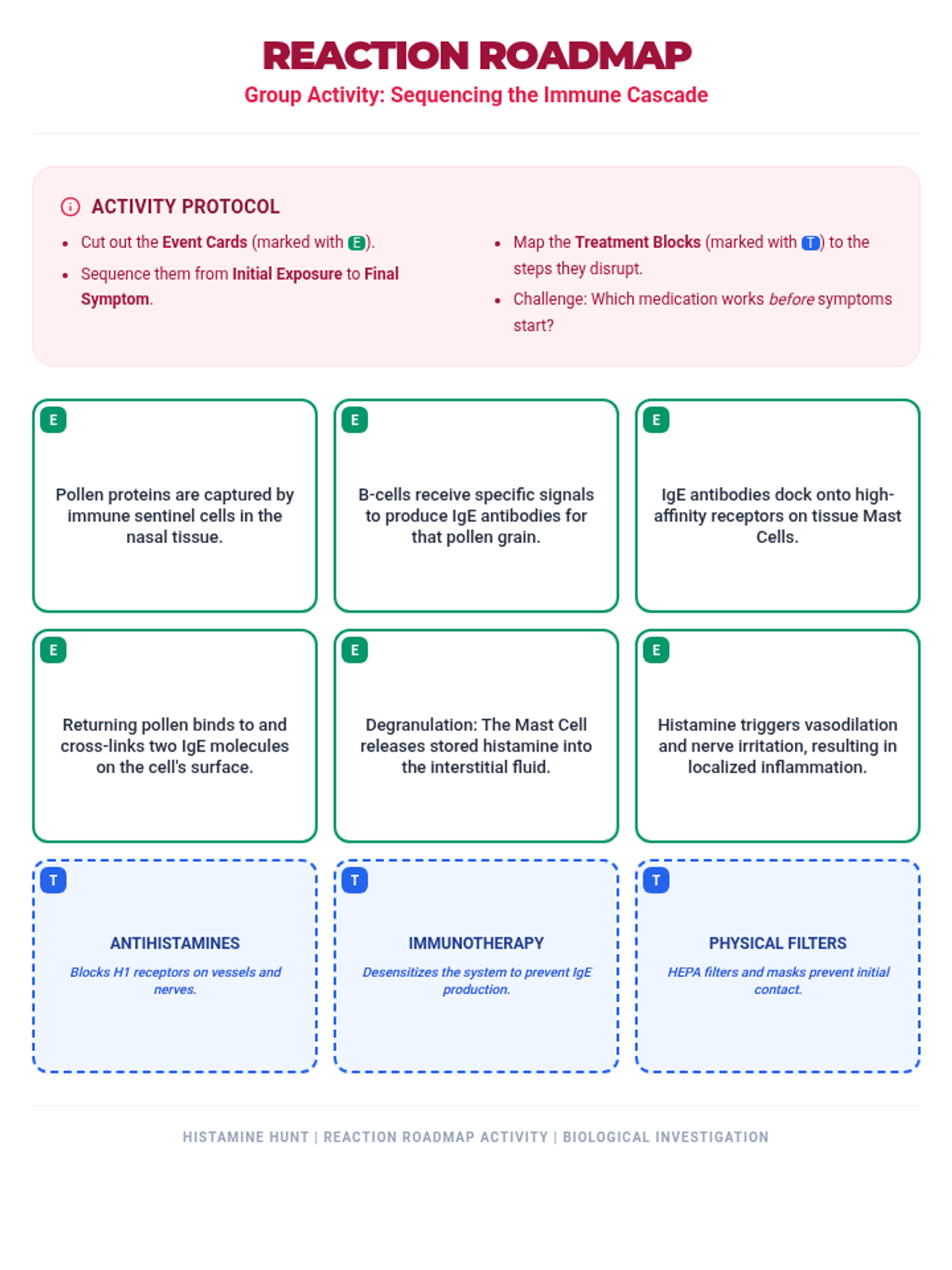
A comprehensive investigation into the biological mechanisms of seasonal allergies, focusing on the immune system's overreaction to pollen and the role of histamine. Students will explore hypersensitivity, physical symptoms, and evidence-based management strategies.
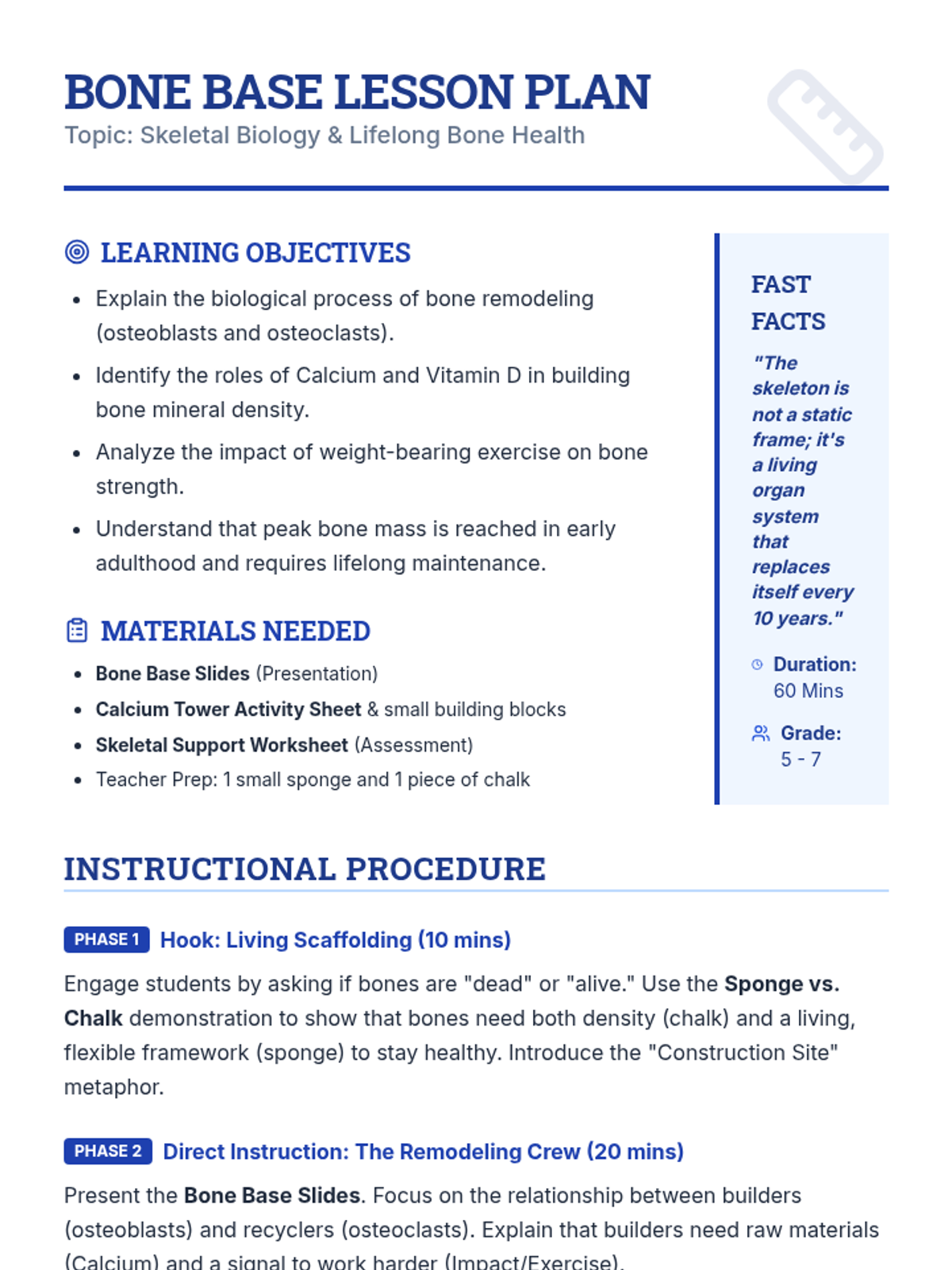
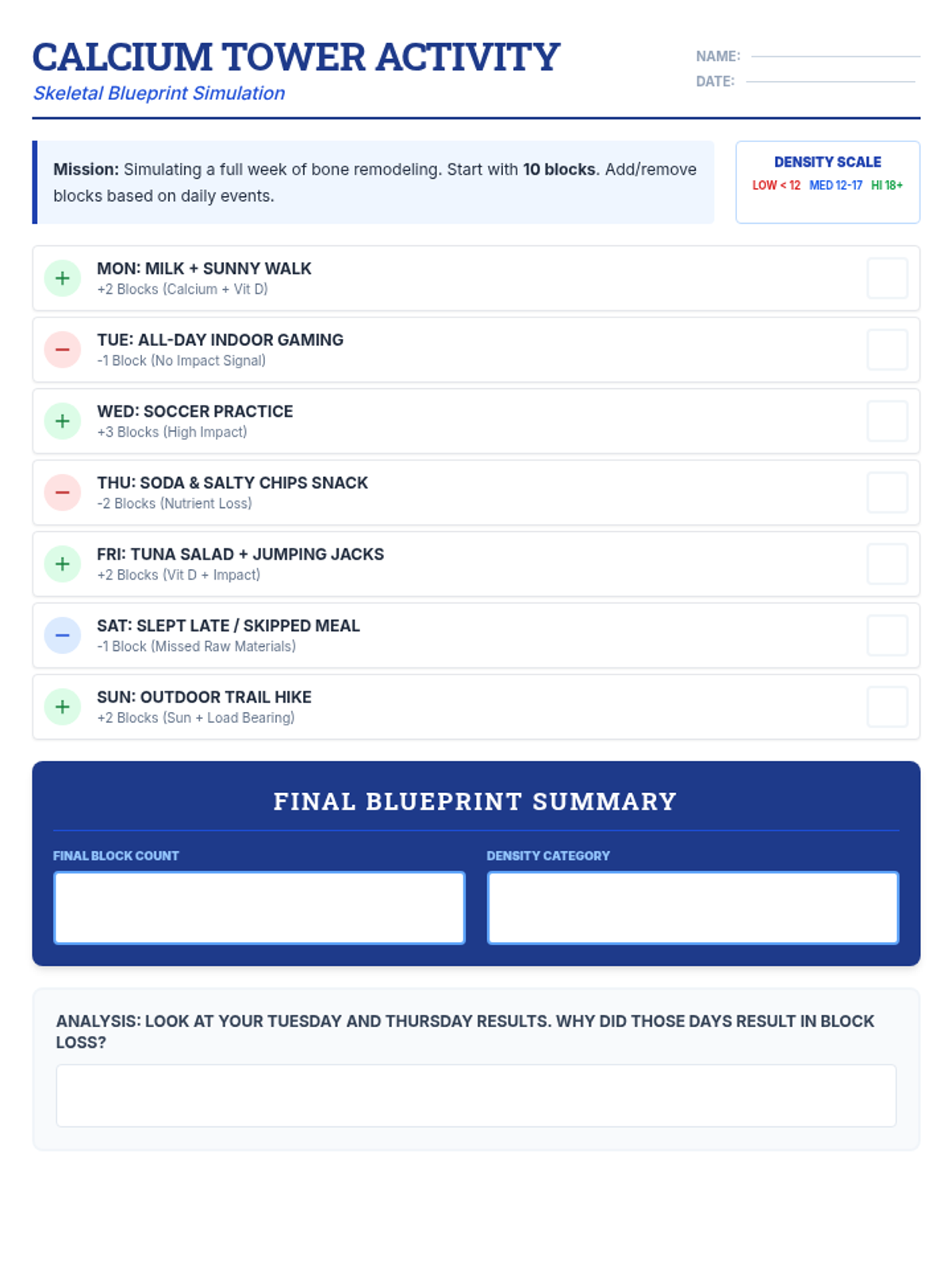
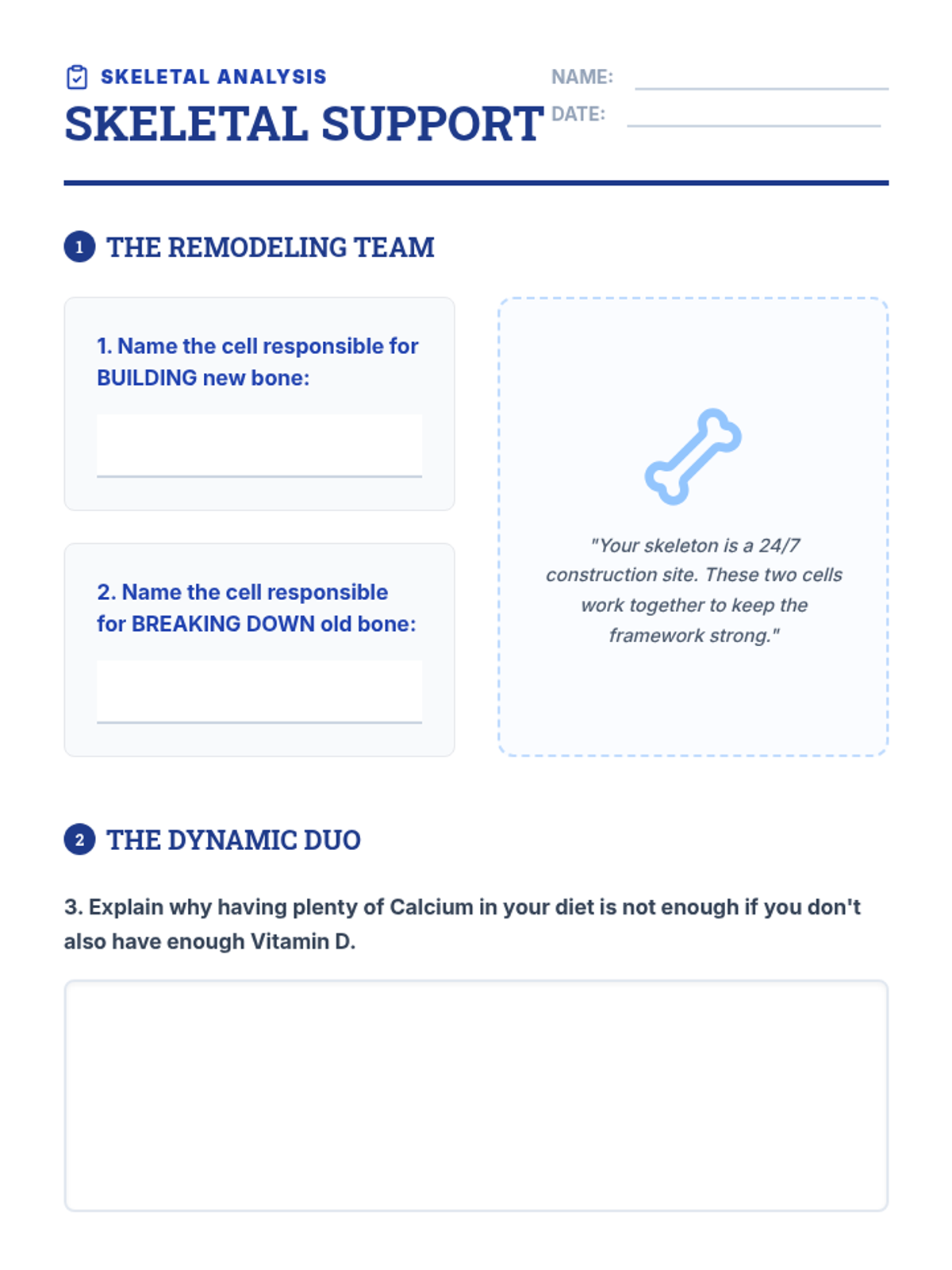
A biology and health lesson focused on bone growth, mineral density, and the lifelong habits required to build a strong skeletal foundation through nutrition and exercise.
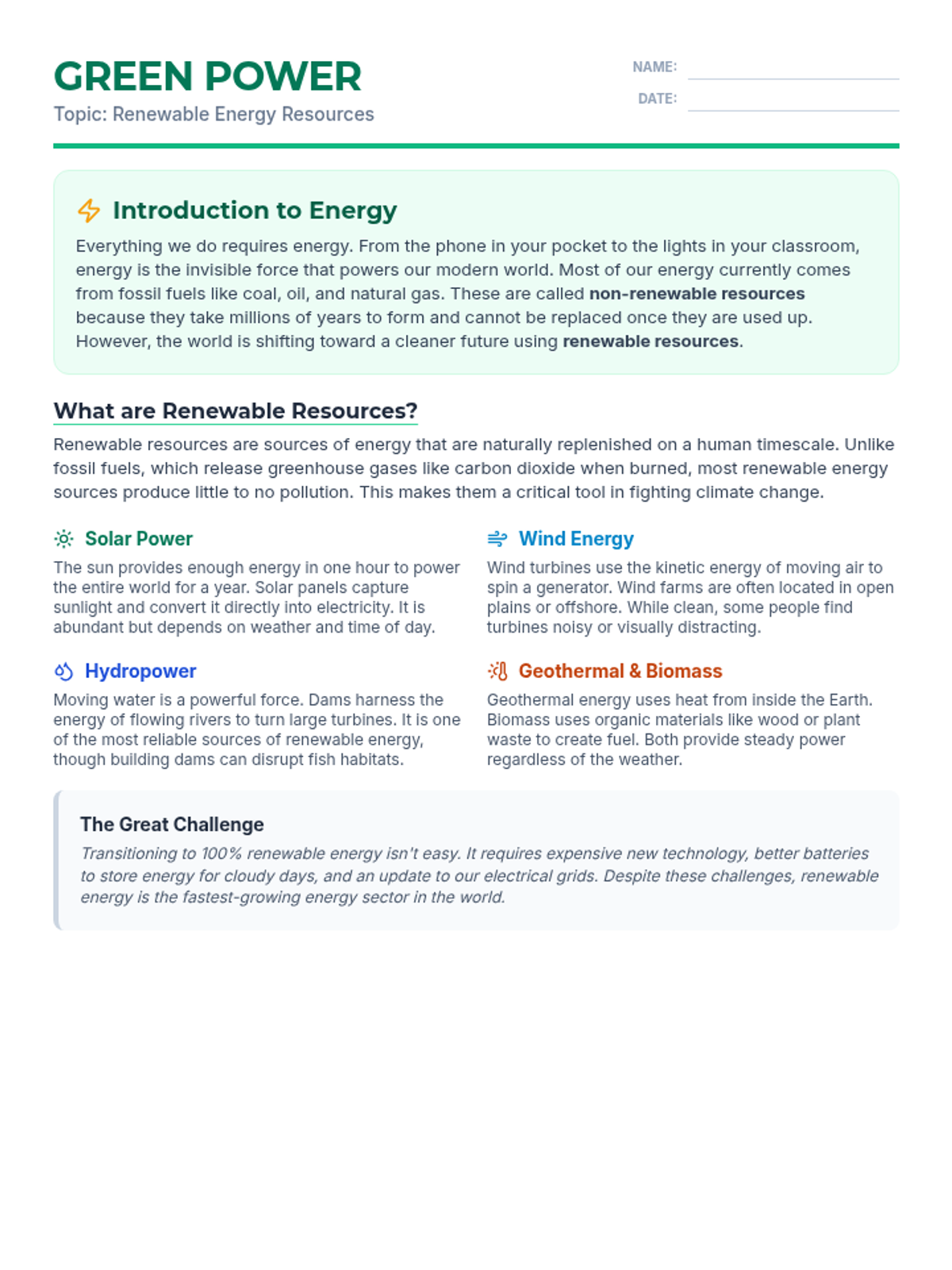
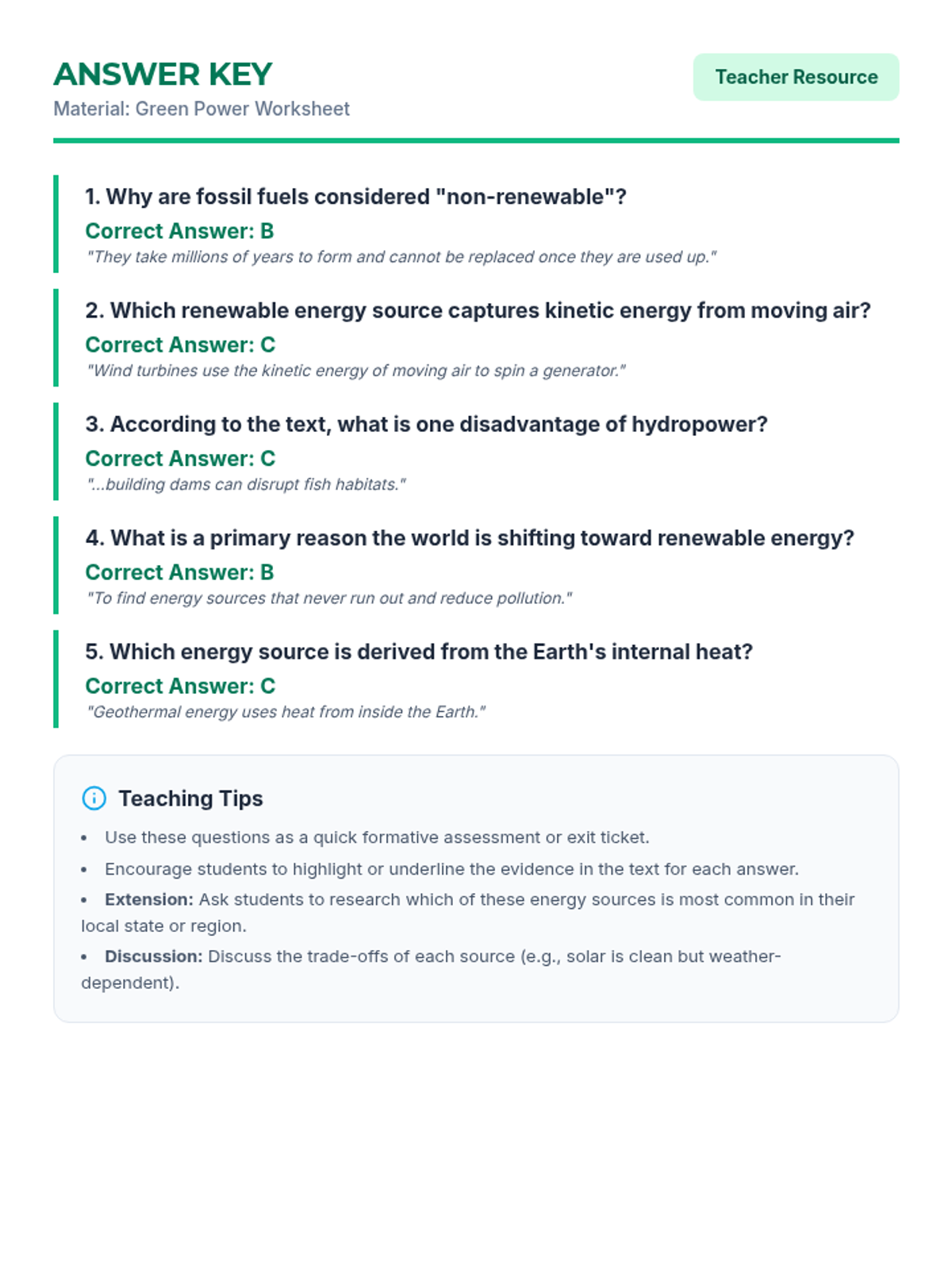
An introductory lesson on renewable and non-renewable energy resources, focusing on the science behind solar, wind, and hydroelectric power. Students will explore how these energy sources work and their impact on the environment.