Investigate how the timing and frequency of reinforcement impact learning speed and resistance to extinction using cumulative record analysis and predictive modeling.
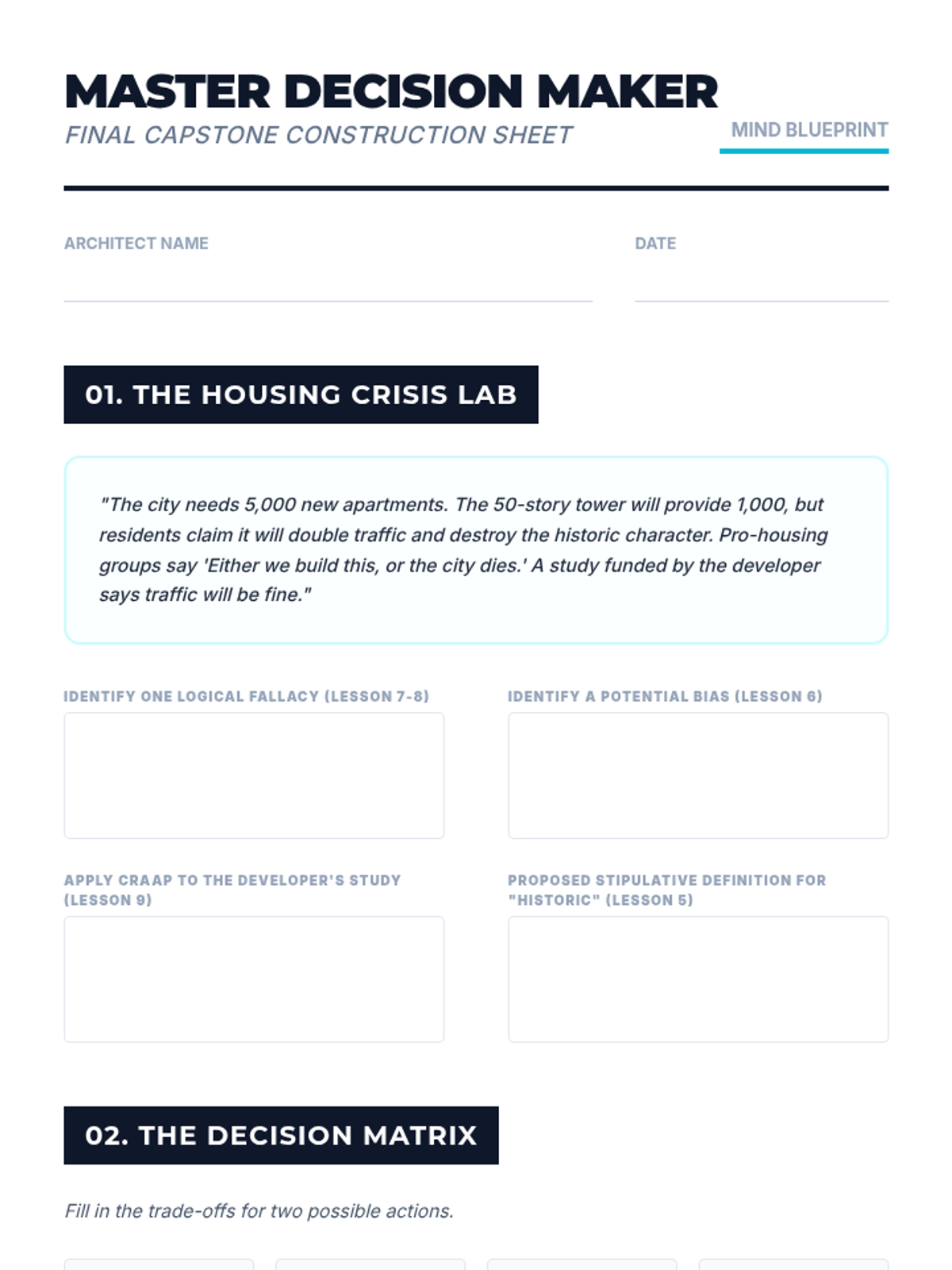
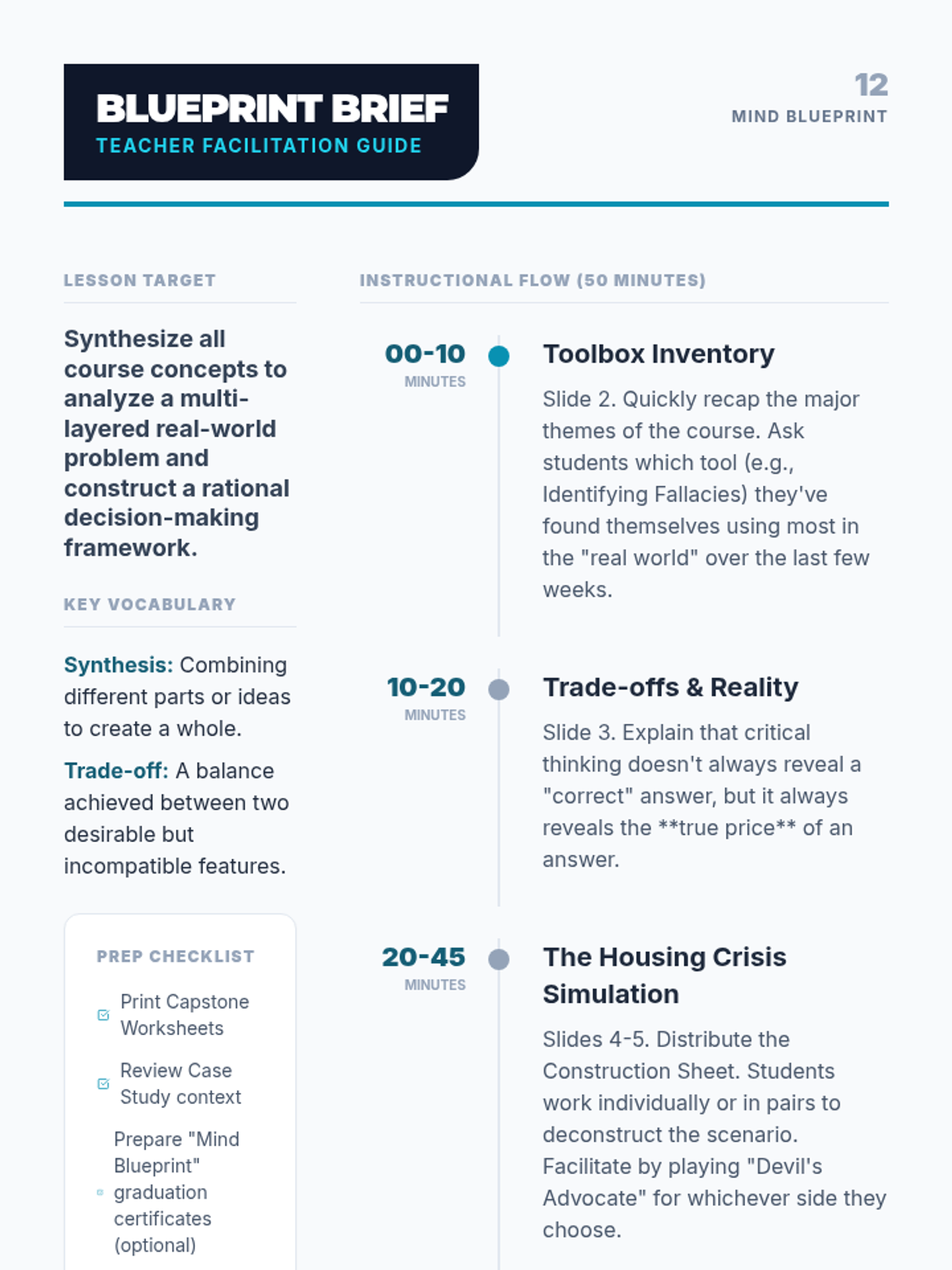
A comprehensive review of the course concepts applied to complex logic problems. Includes the course Posttest.
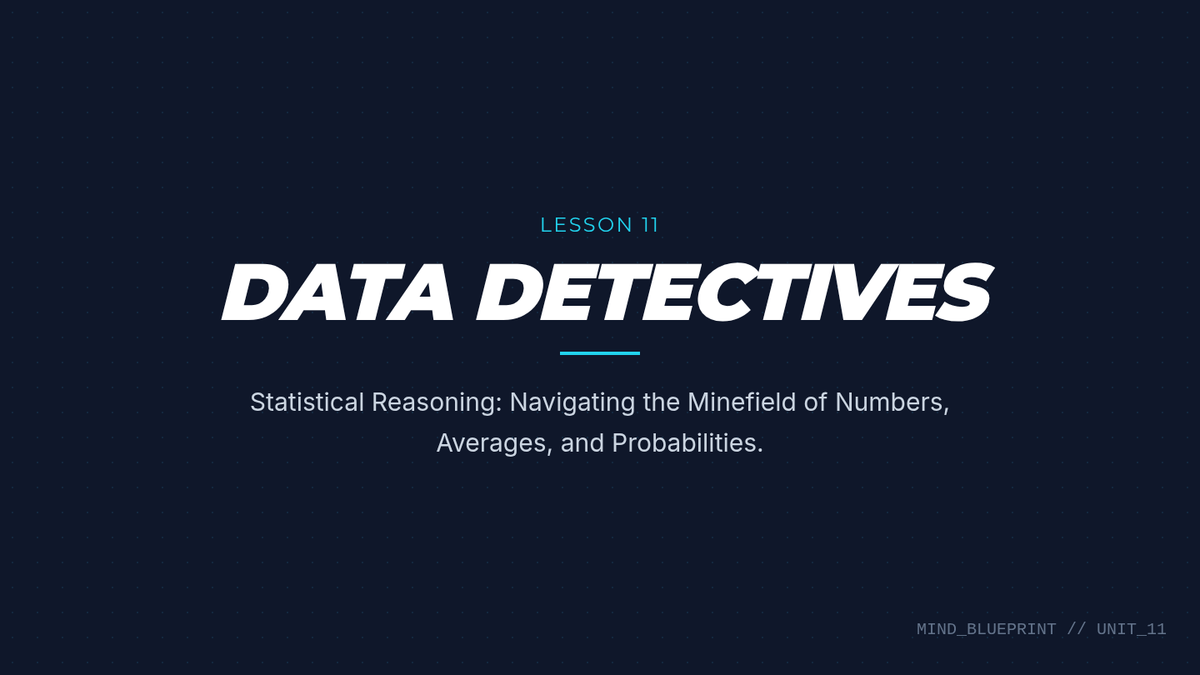
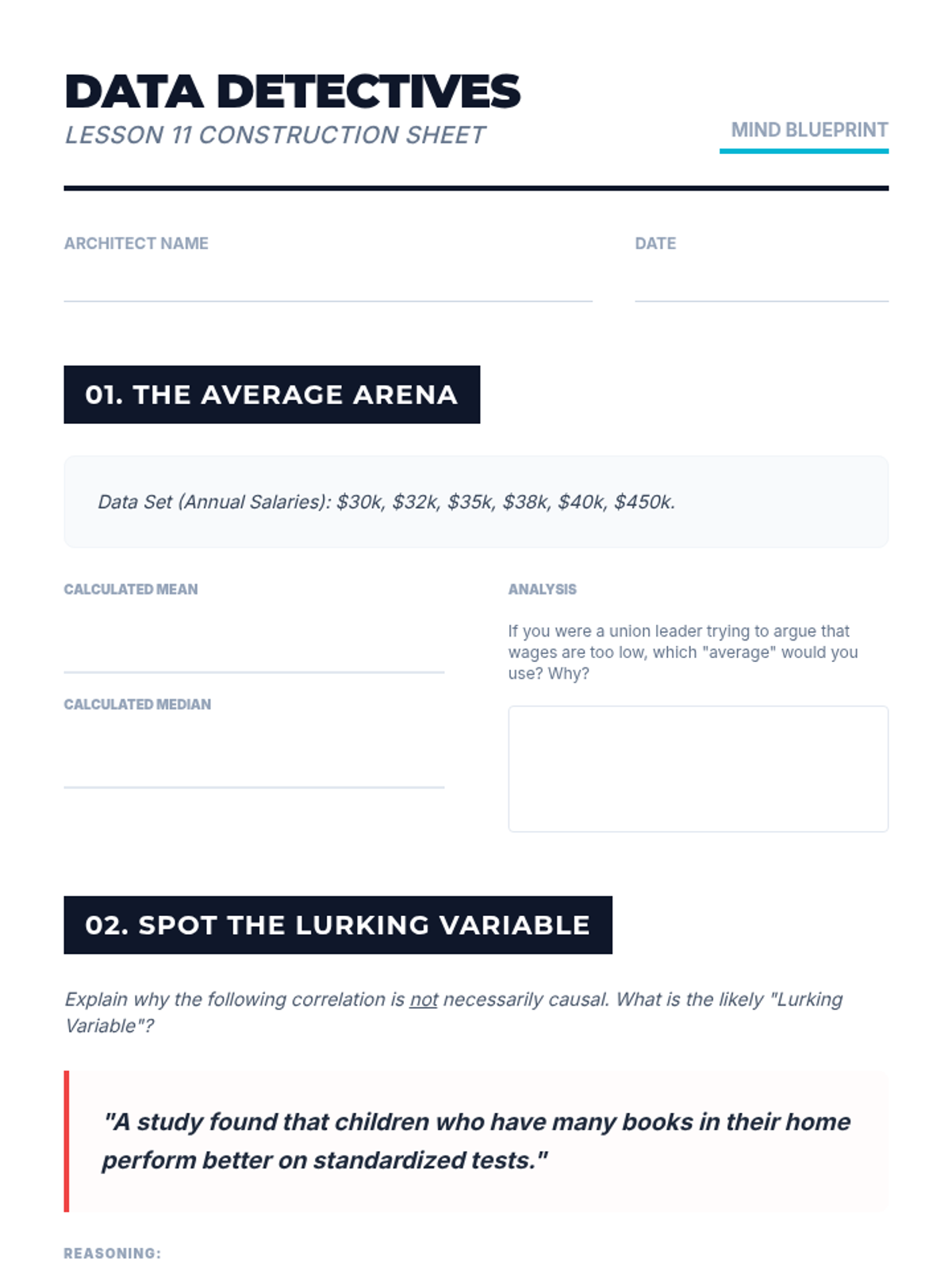
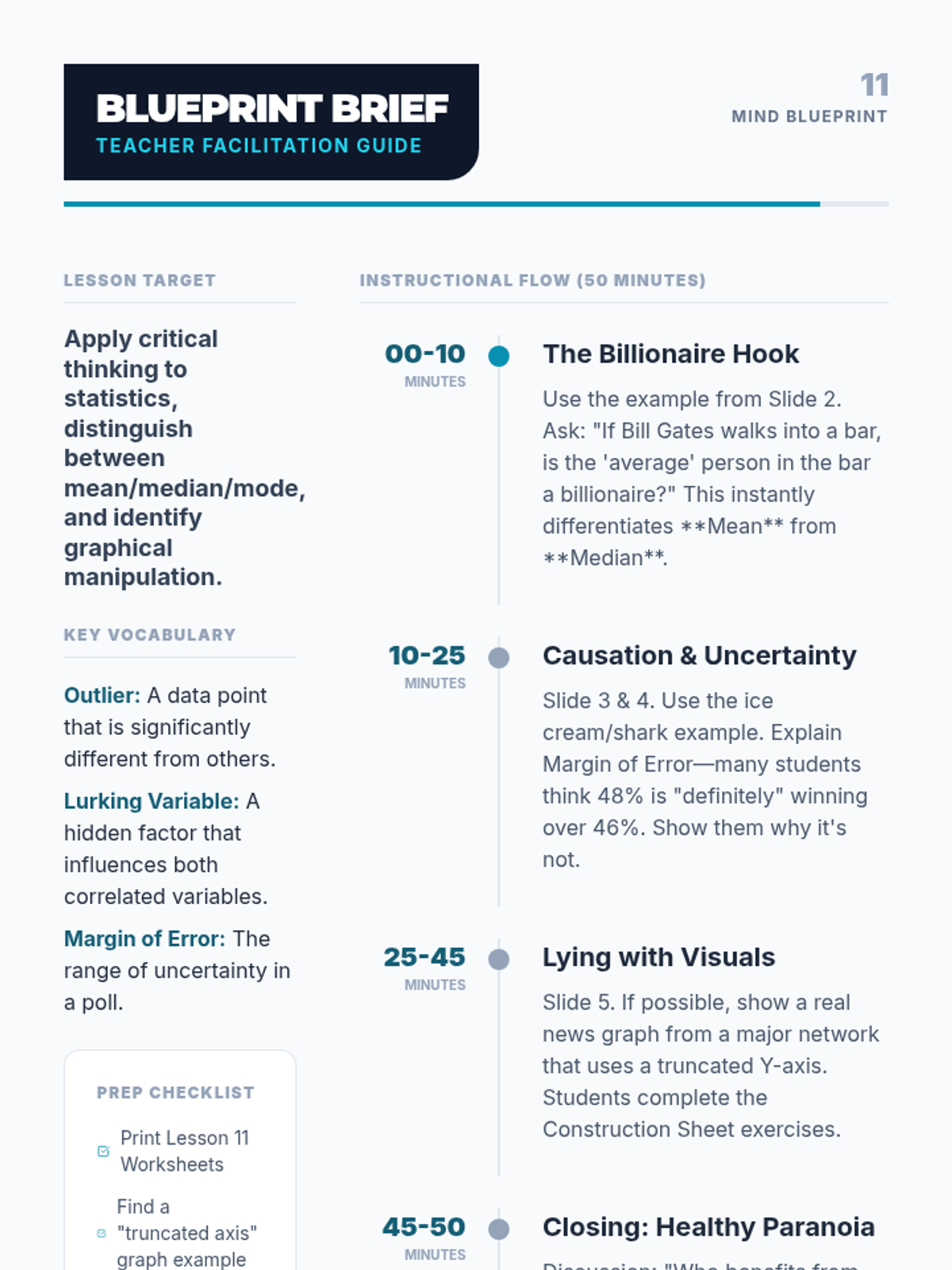
Analyzing statistics for reliability, sample size, and representative quality, while identifying the misuse of averages and partial claims.
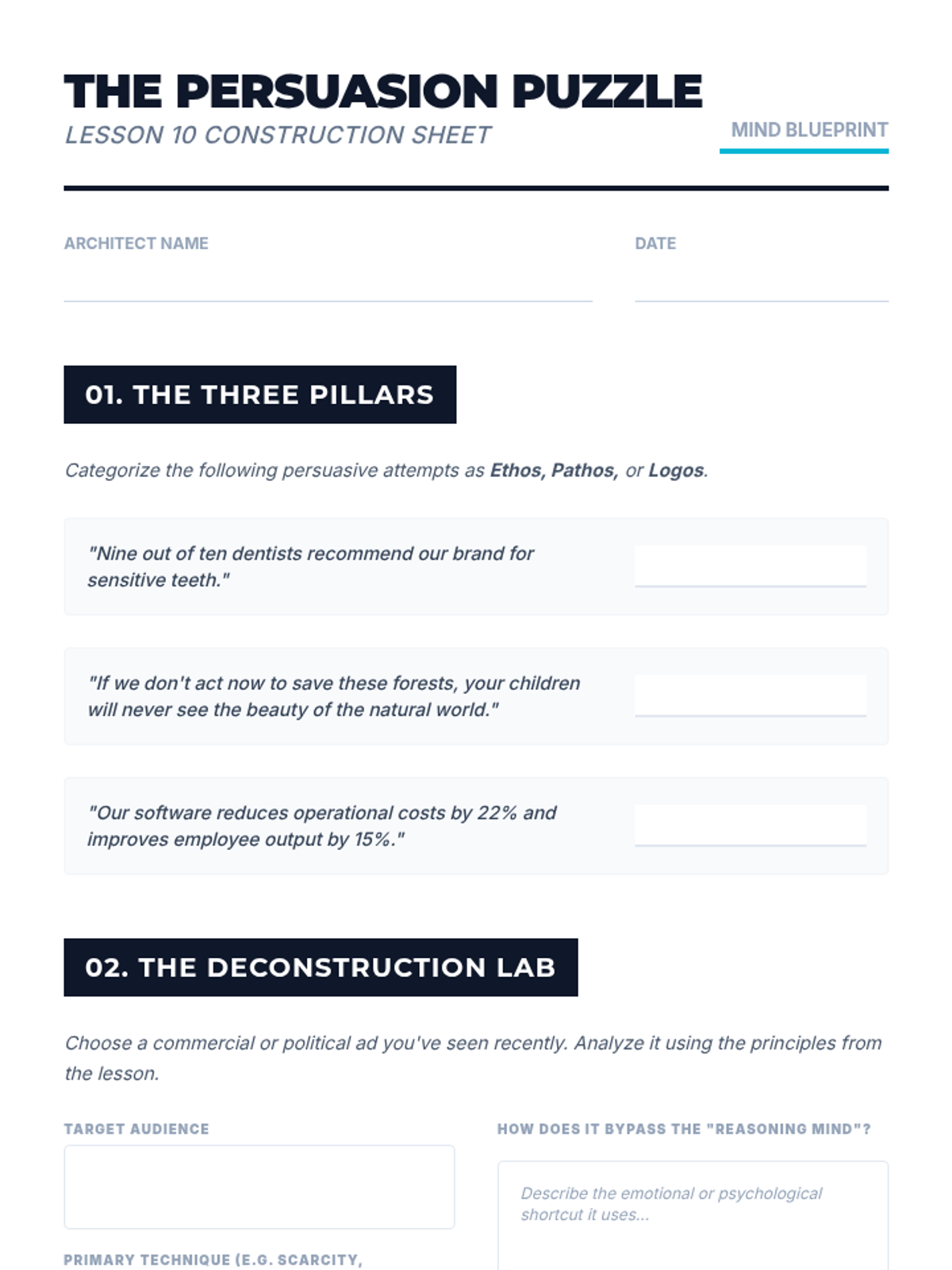
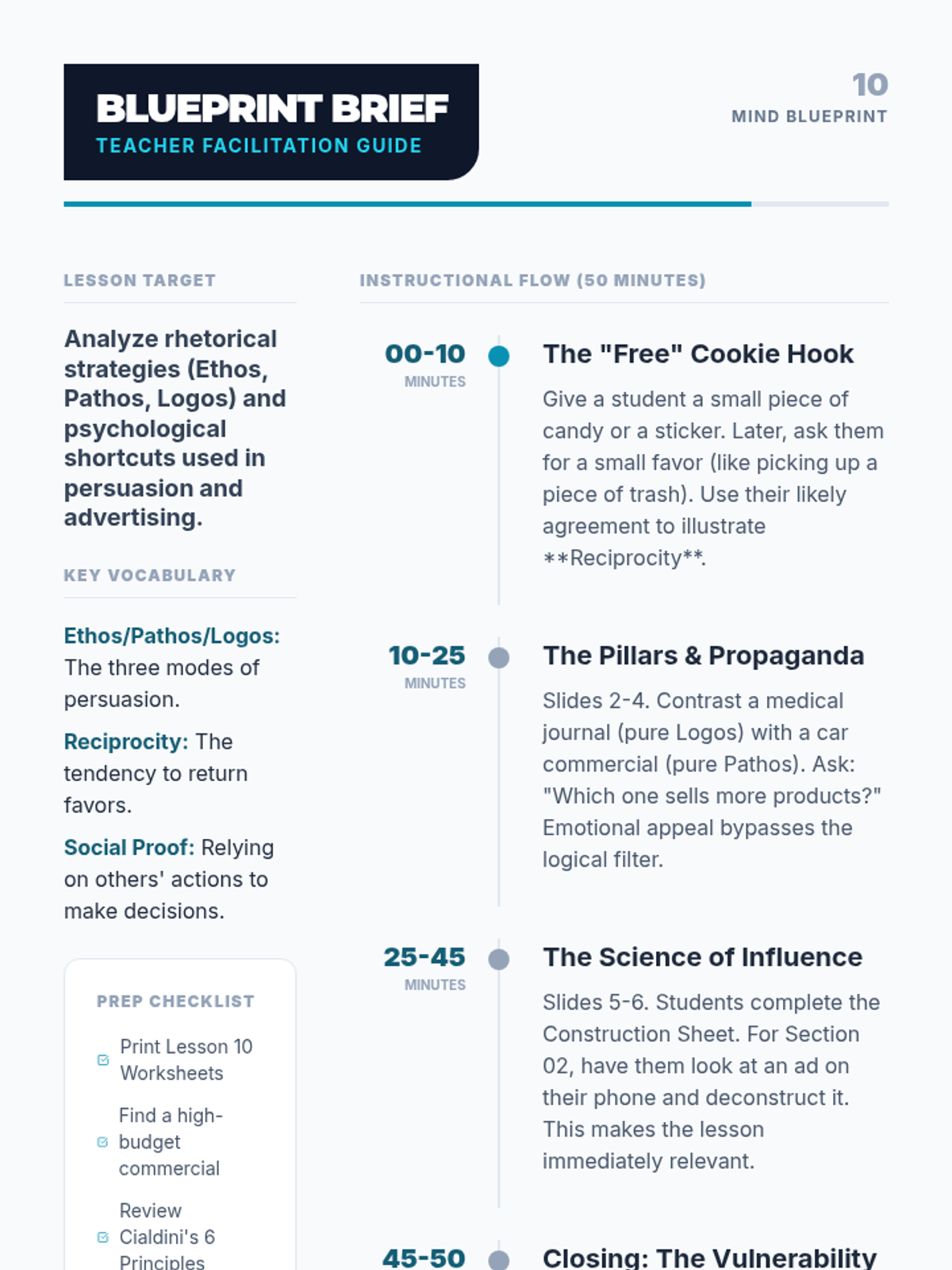
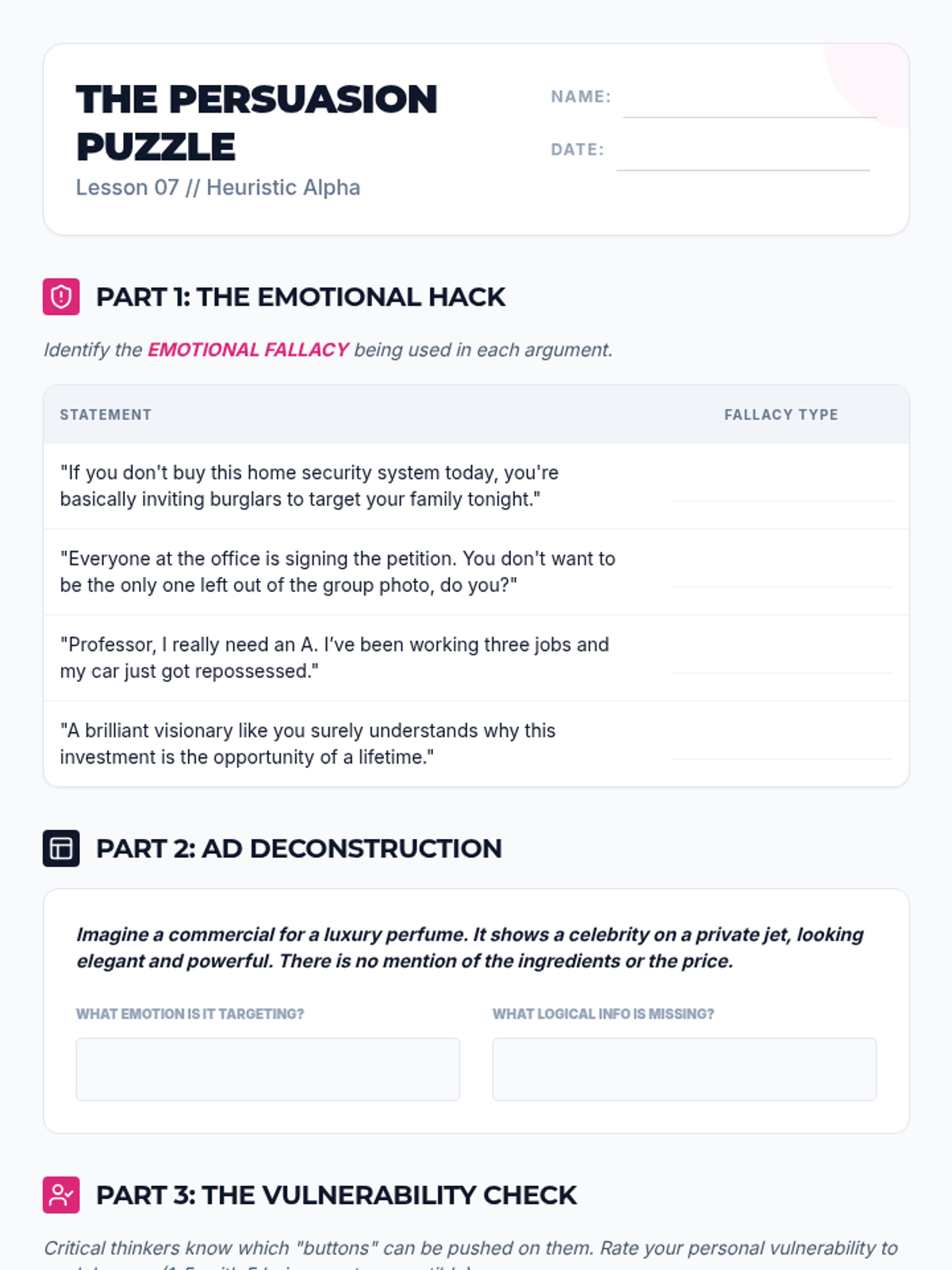
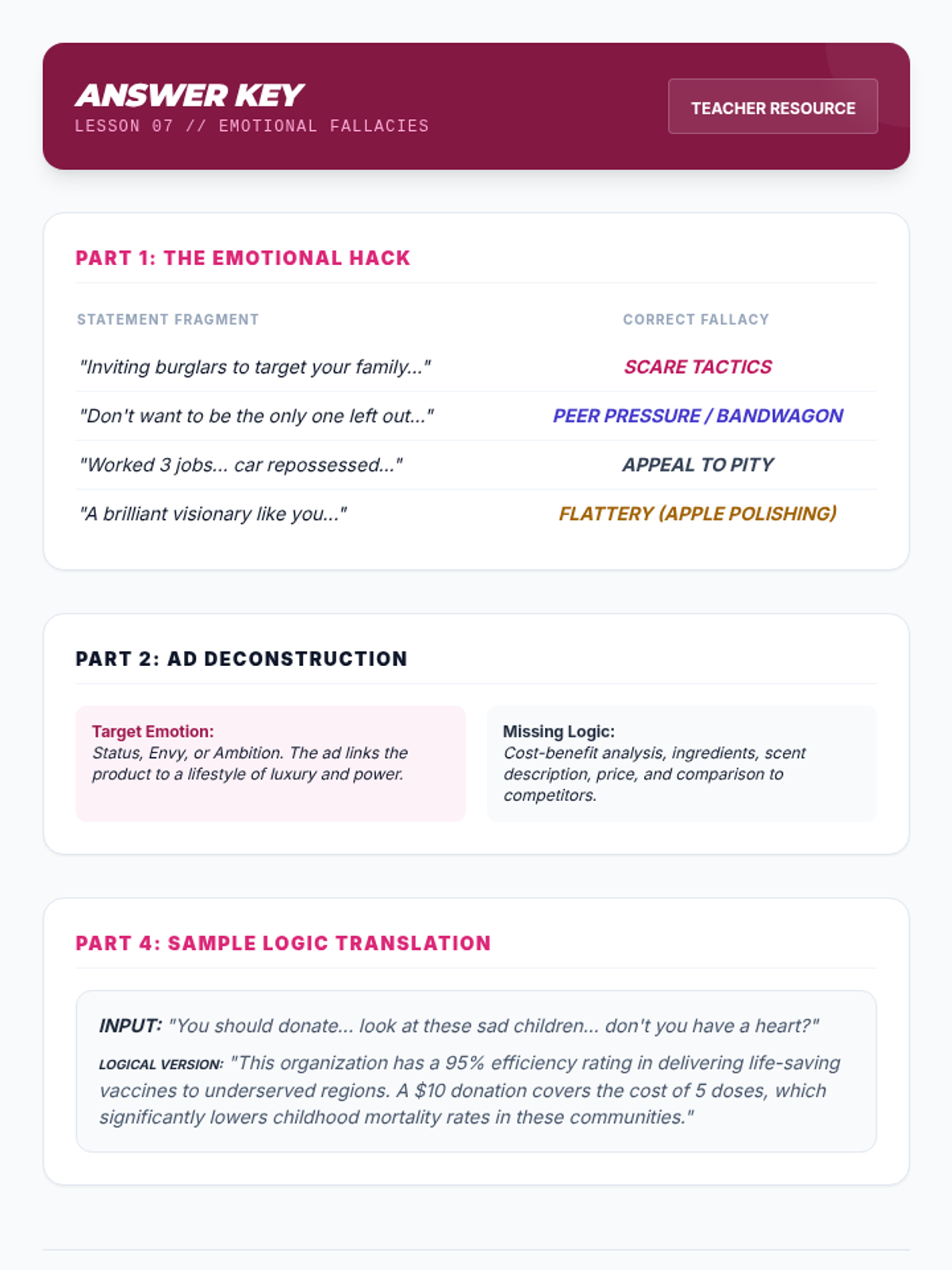
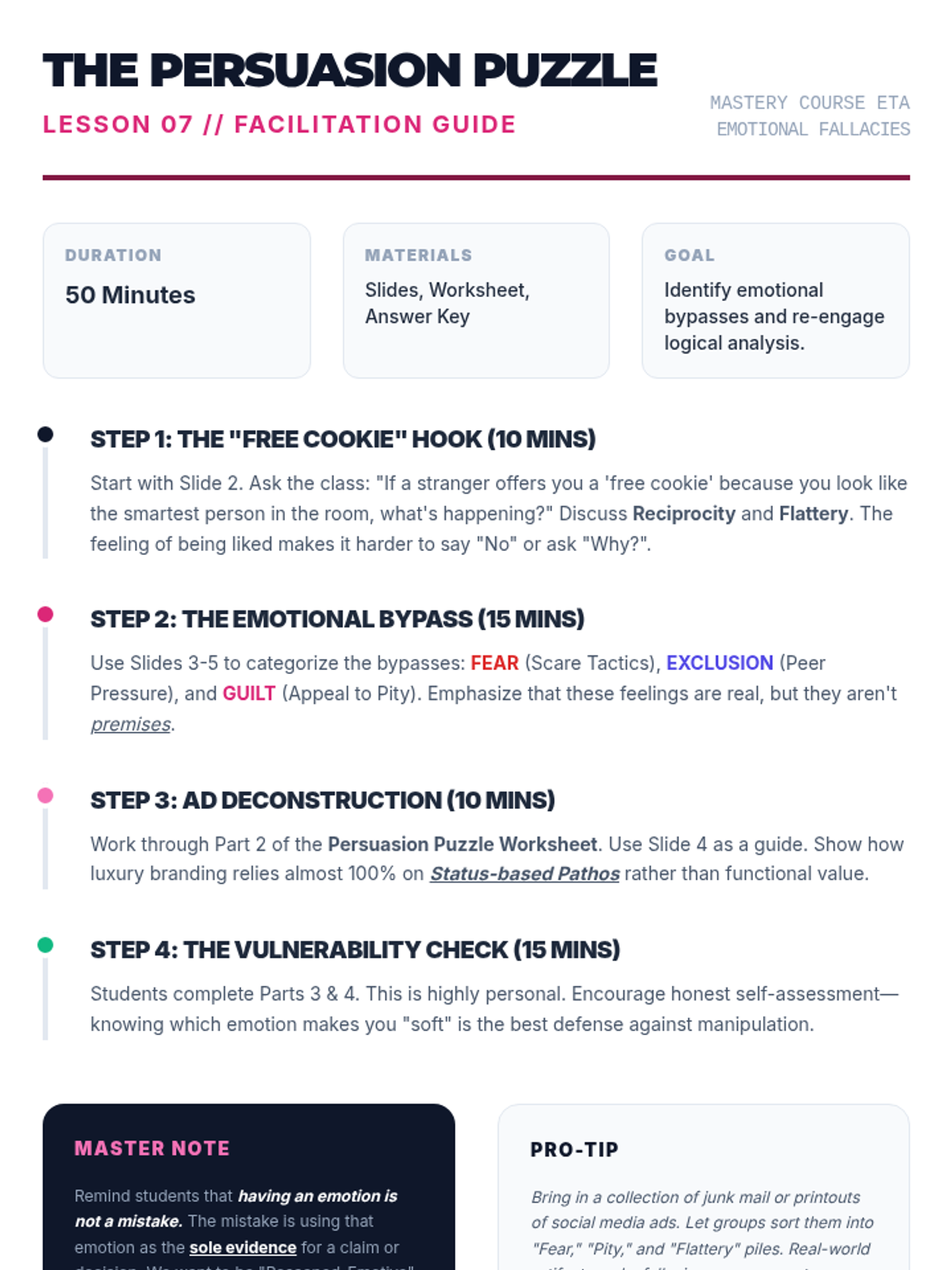
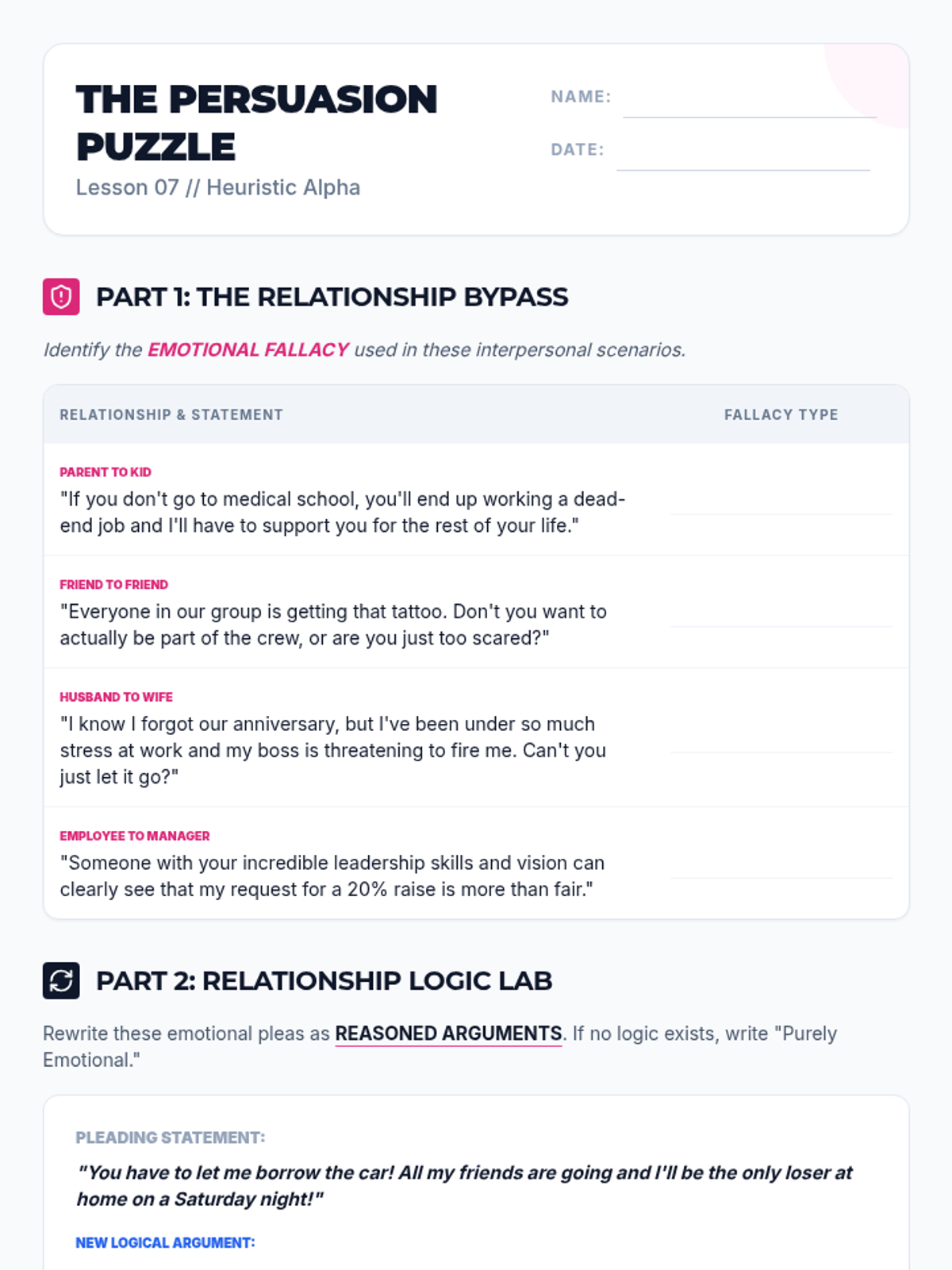
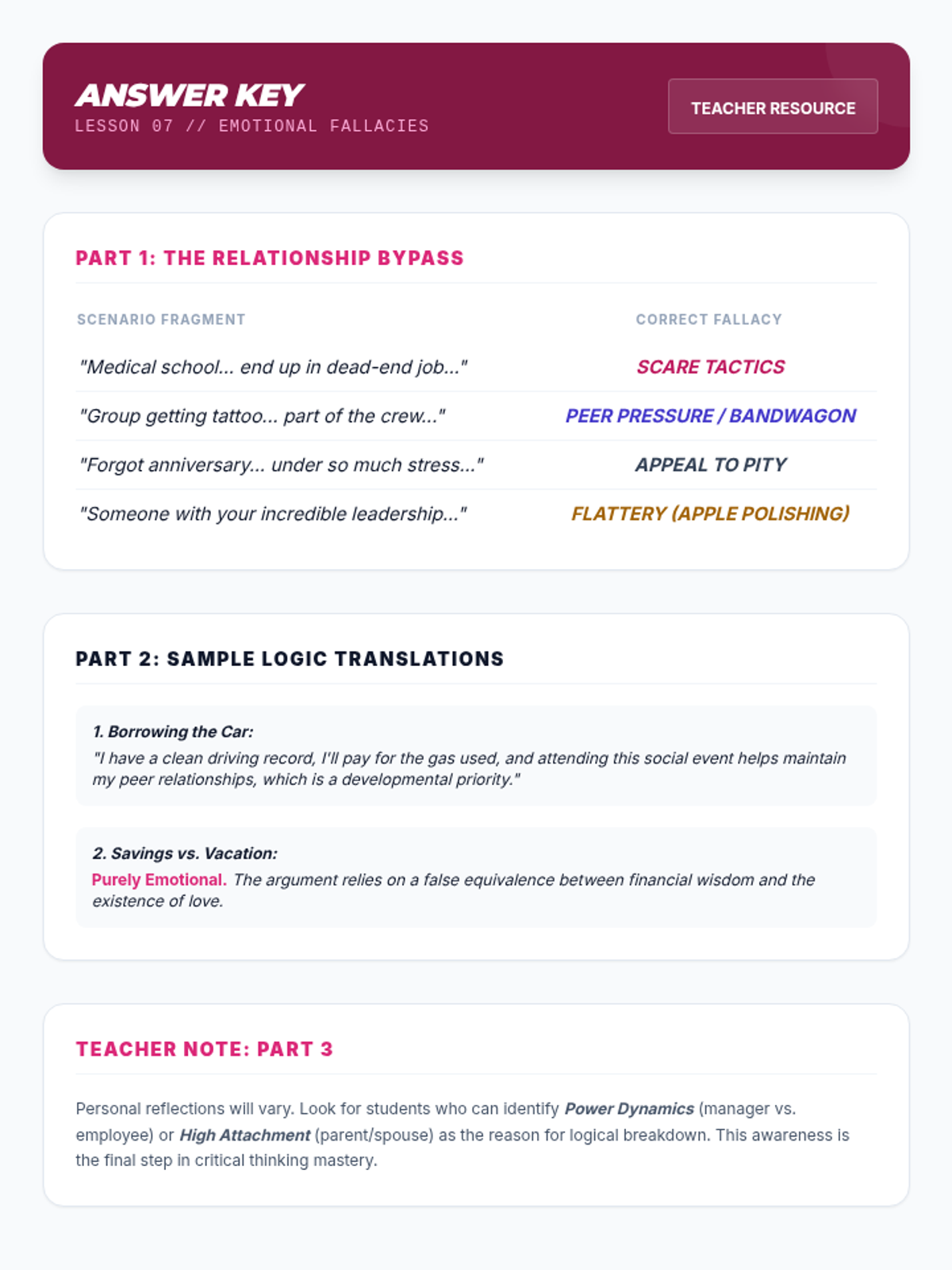
Identifying fallacies that bypass logic to target emotions: scare tactics, flattery, peer pressure, and appeals to pity.
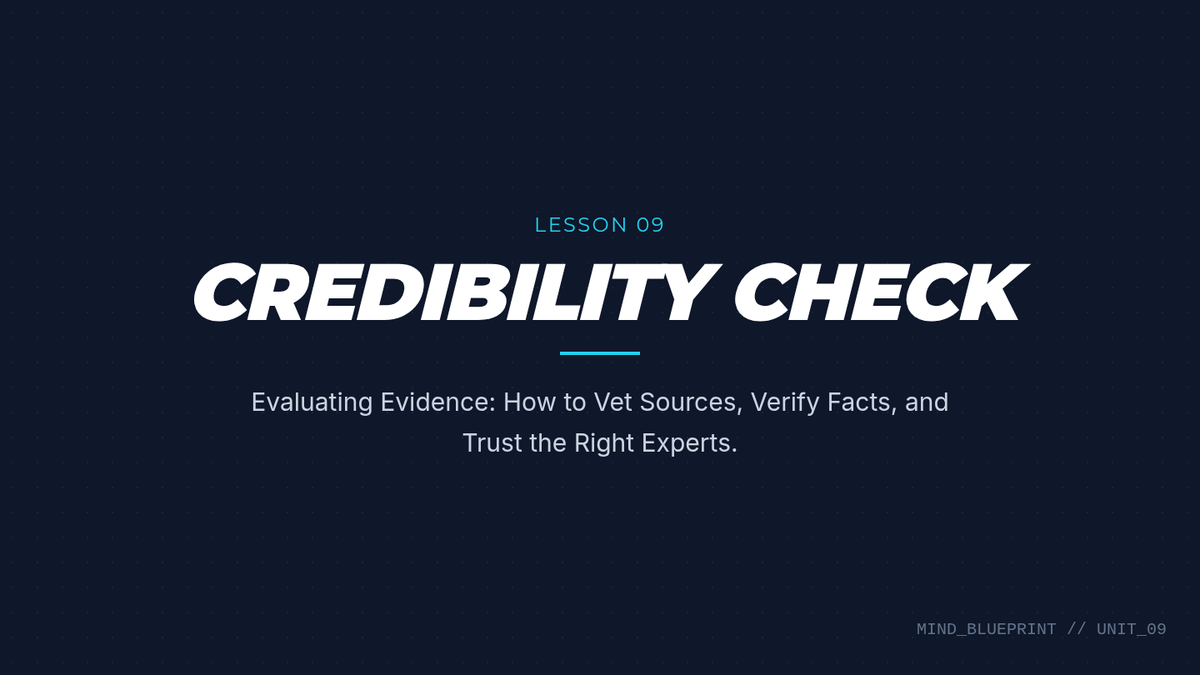
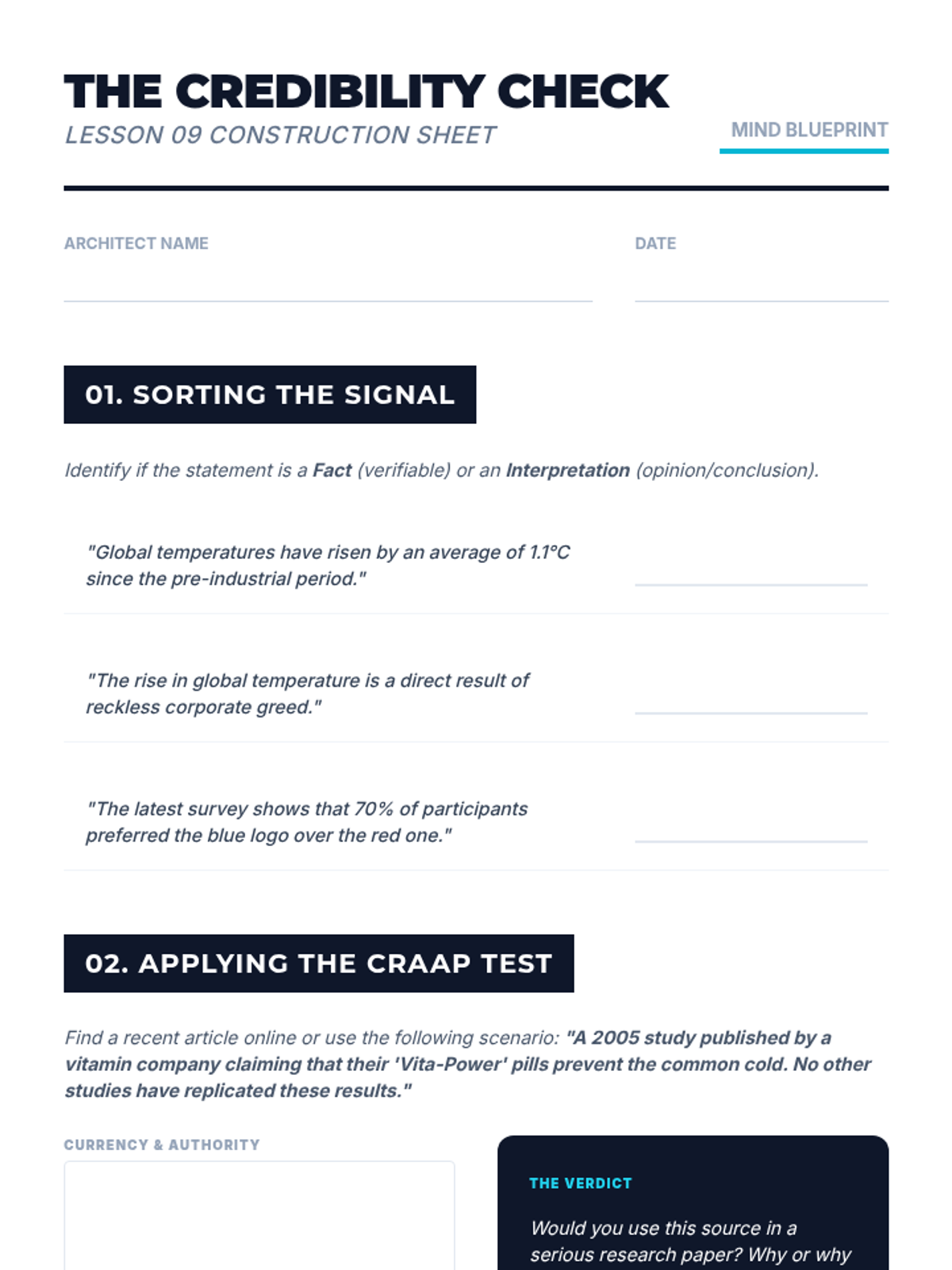
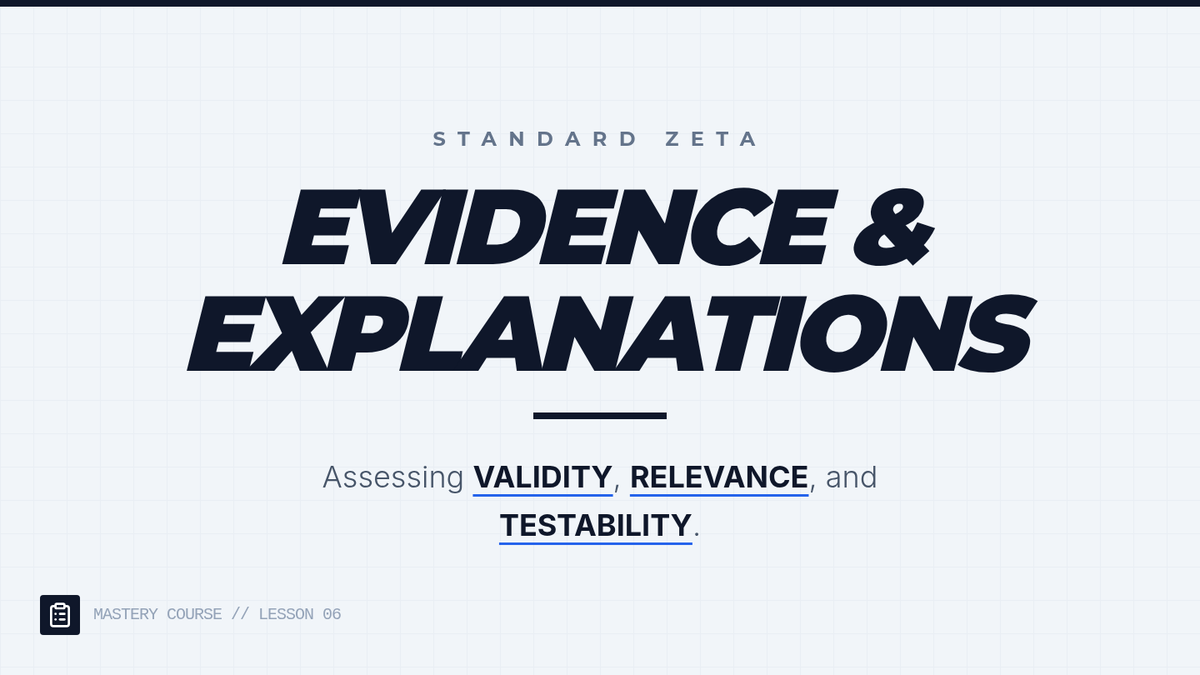
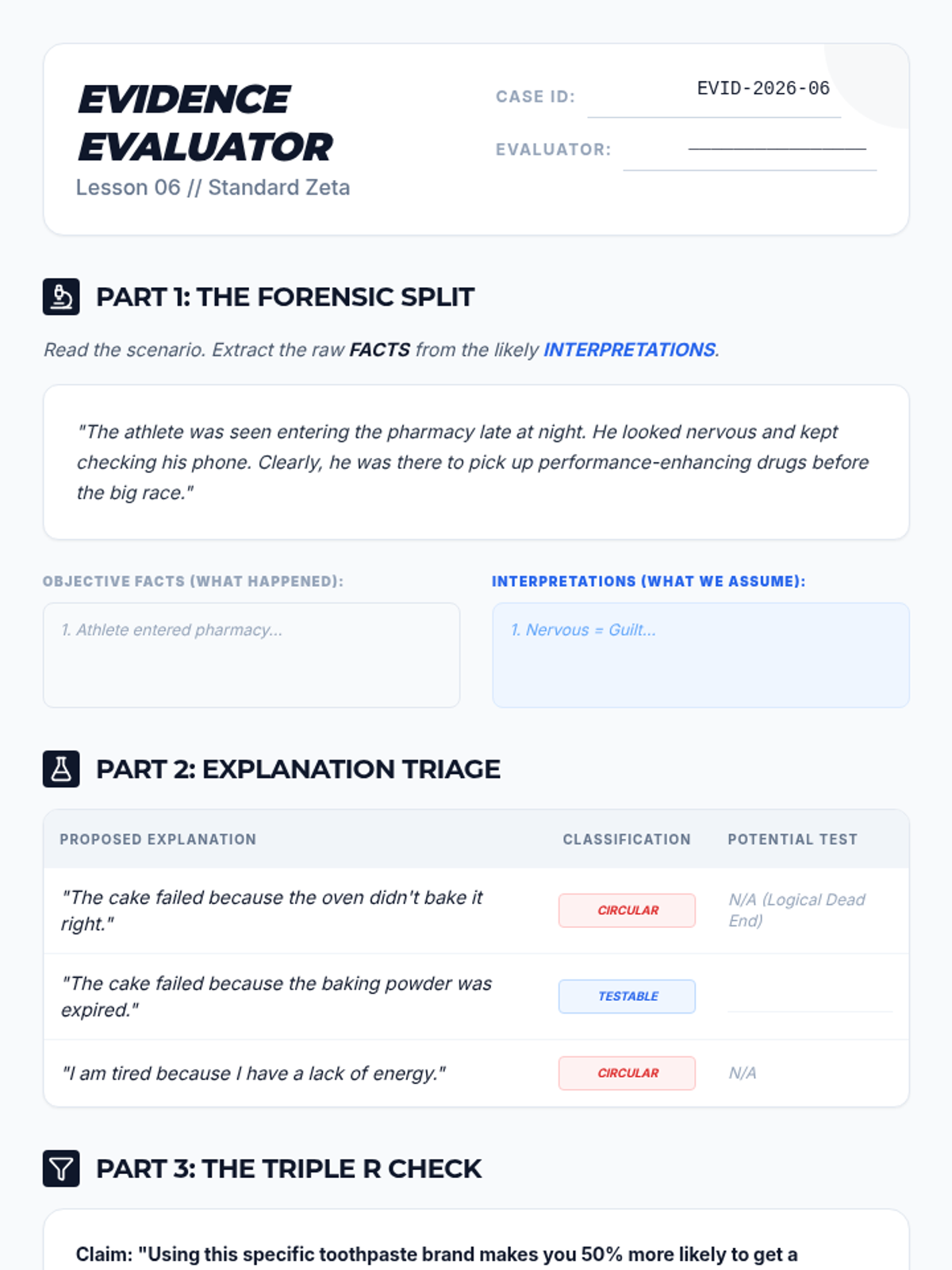
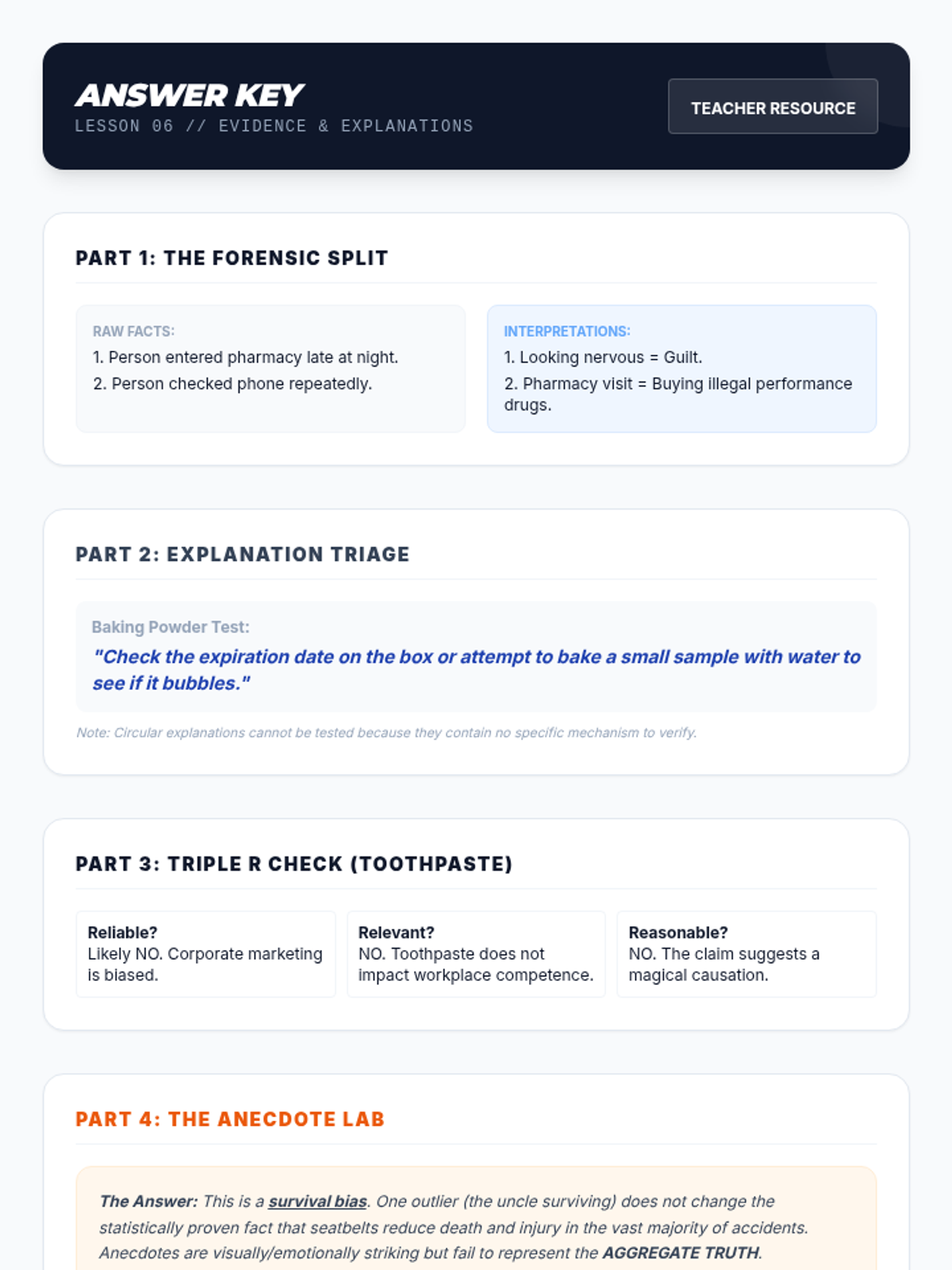
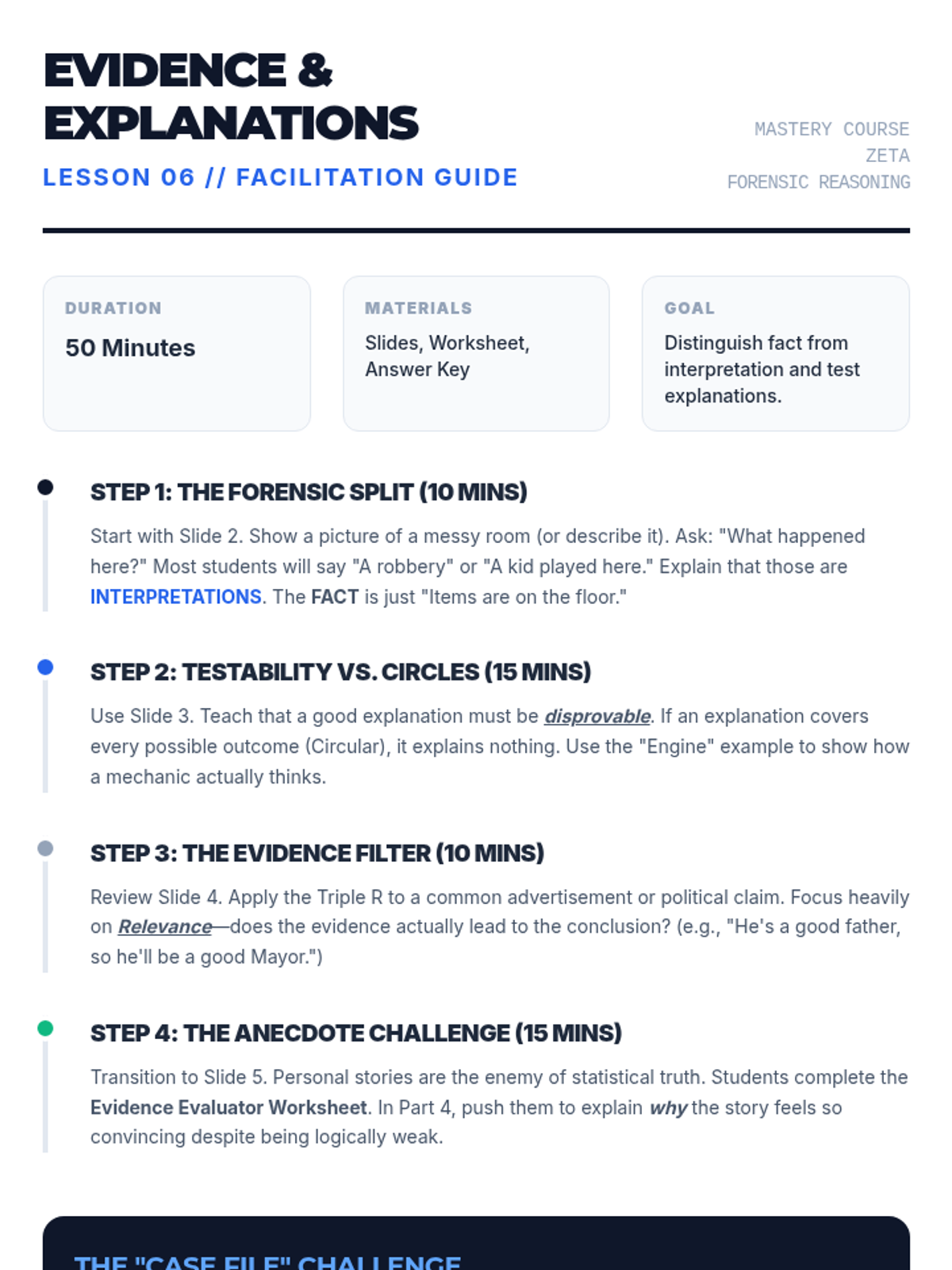
Developing the skills to assess the validity and reasonableness of evidence, and ensuring explanations are relevant and testable.
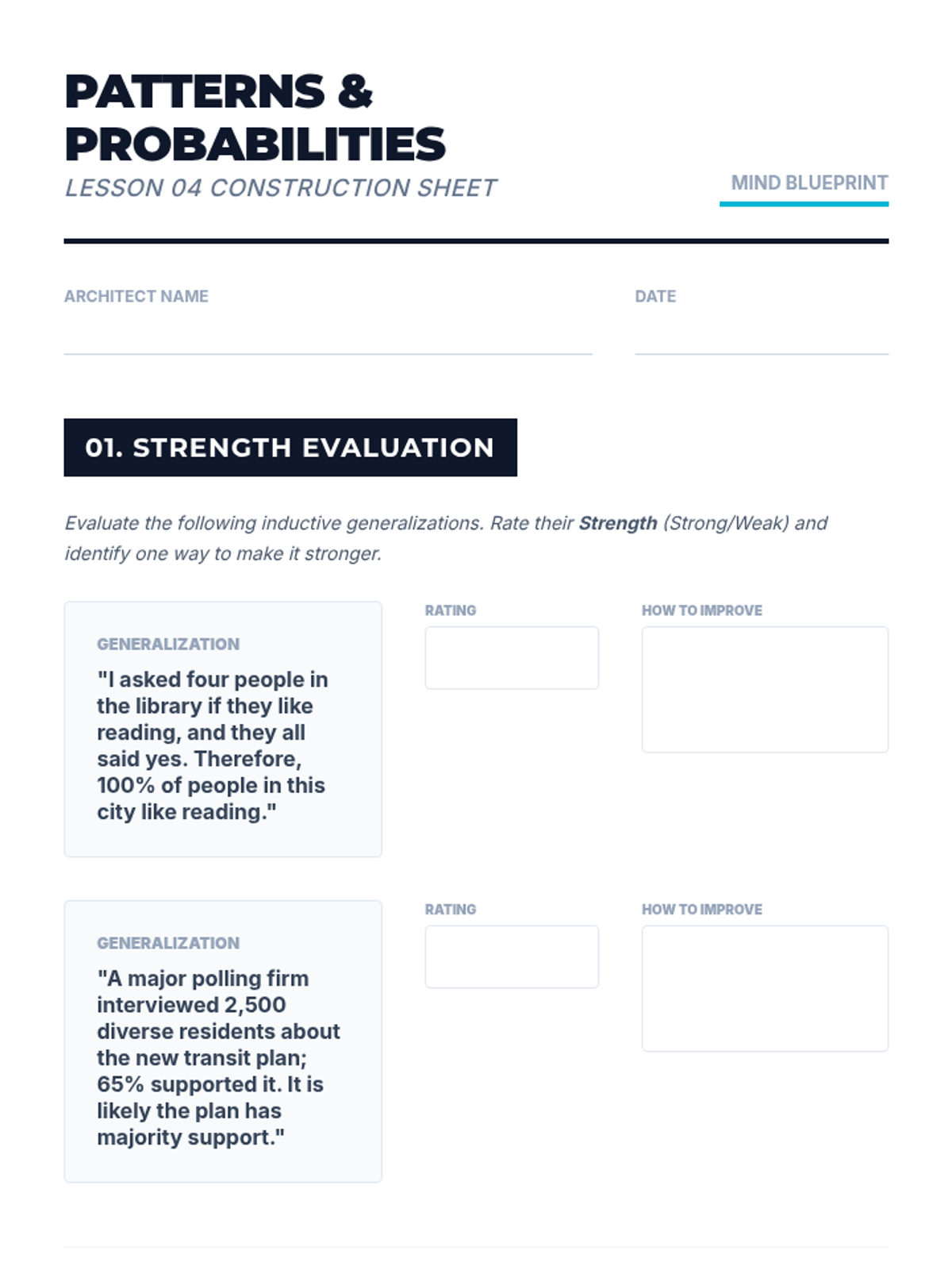
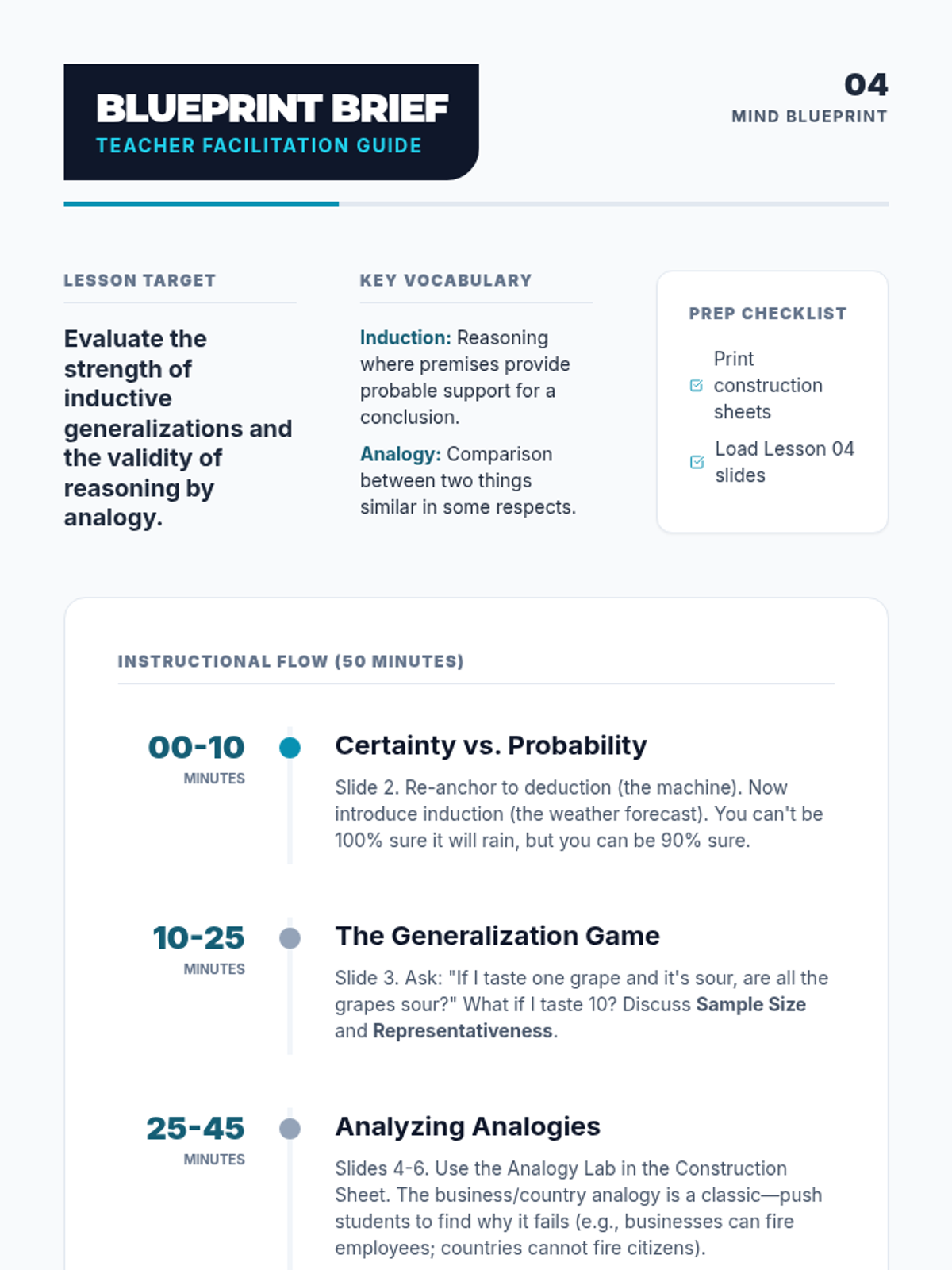
Recognizing errors in inductive logic: hasty generalizations, biased generalizations, and non sequiturs.
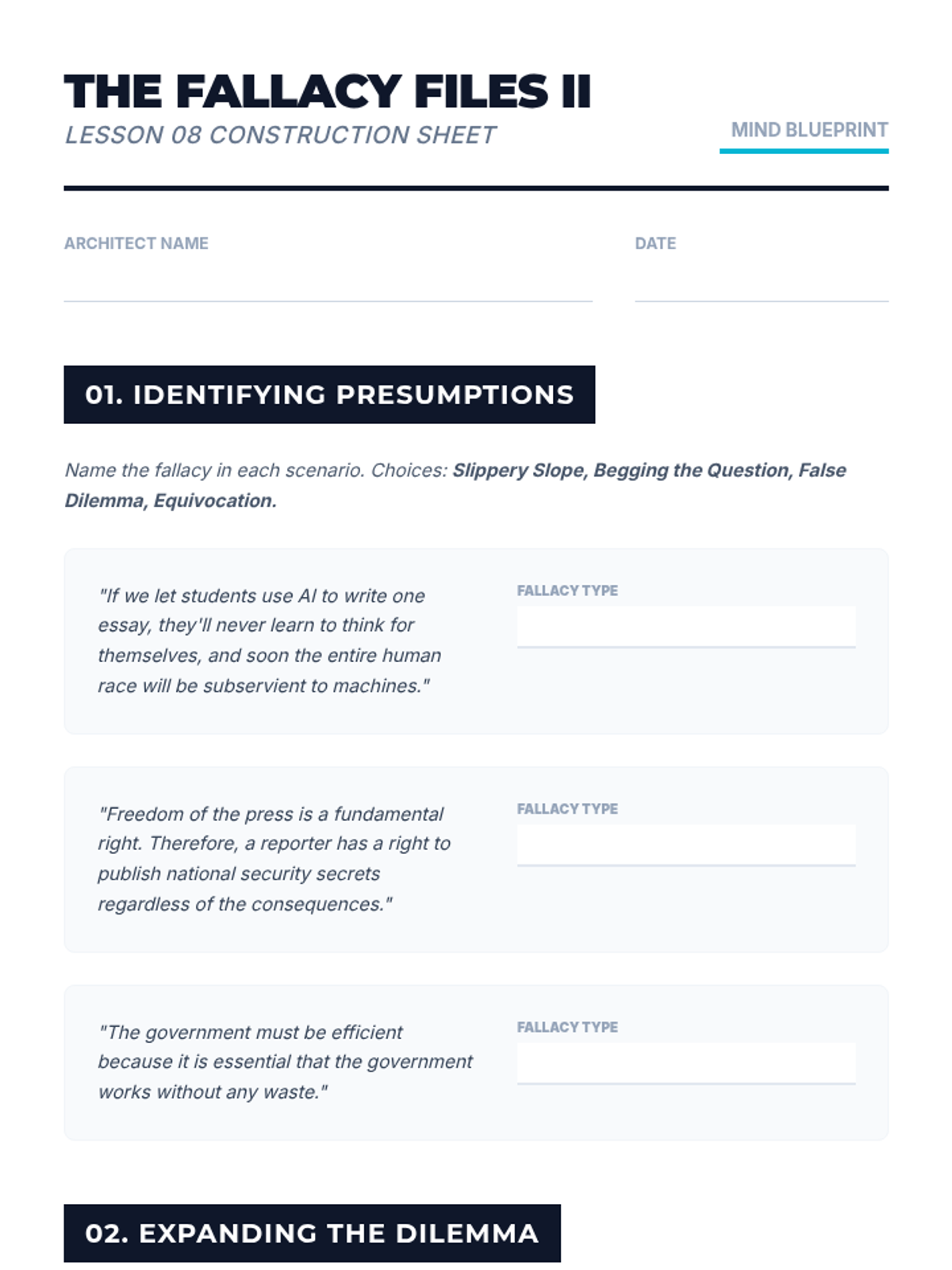
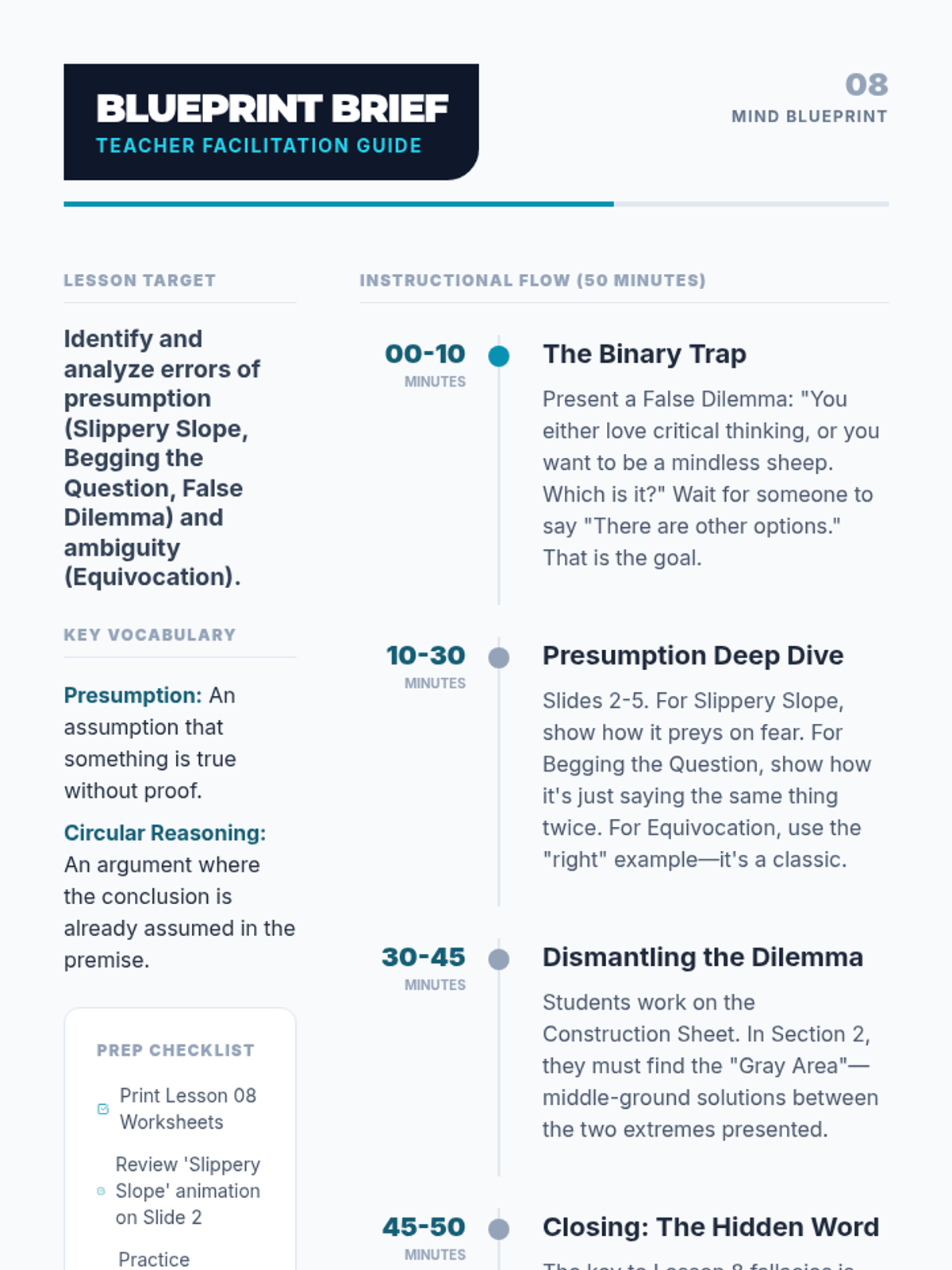
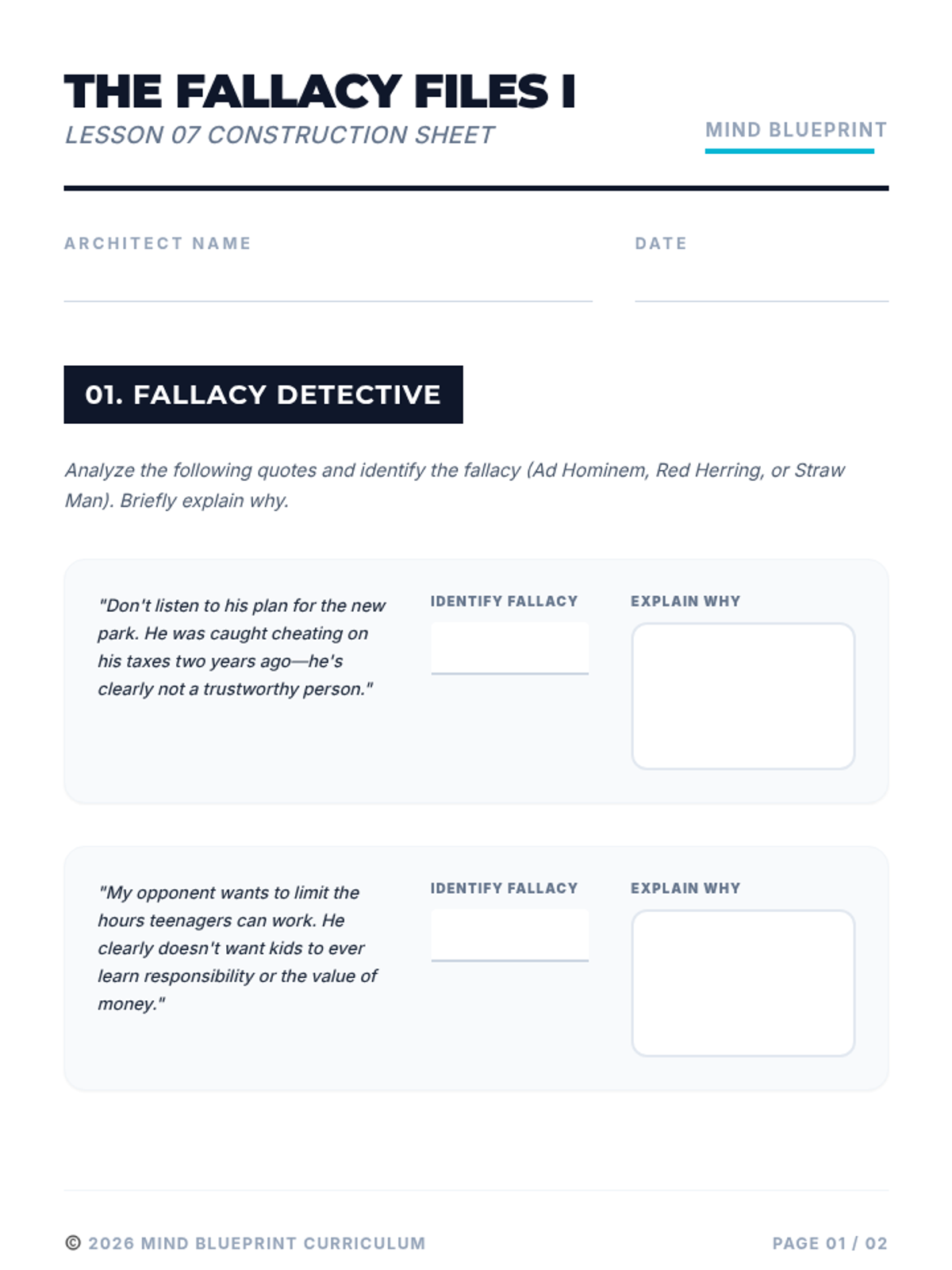
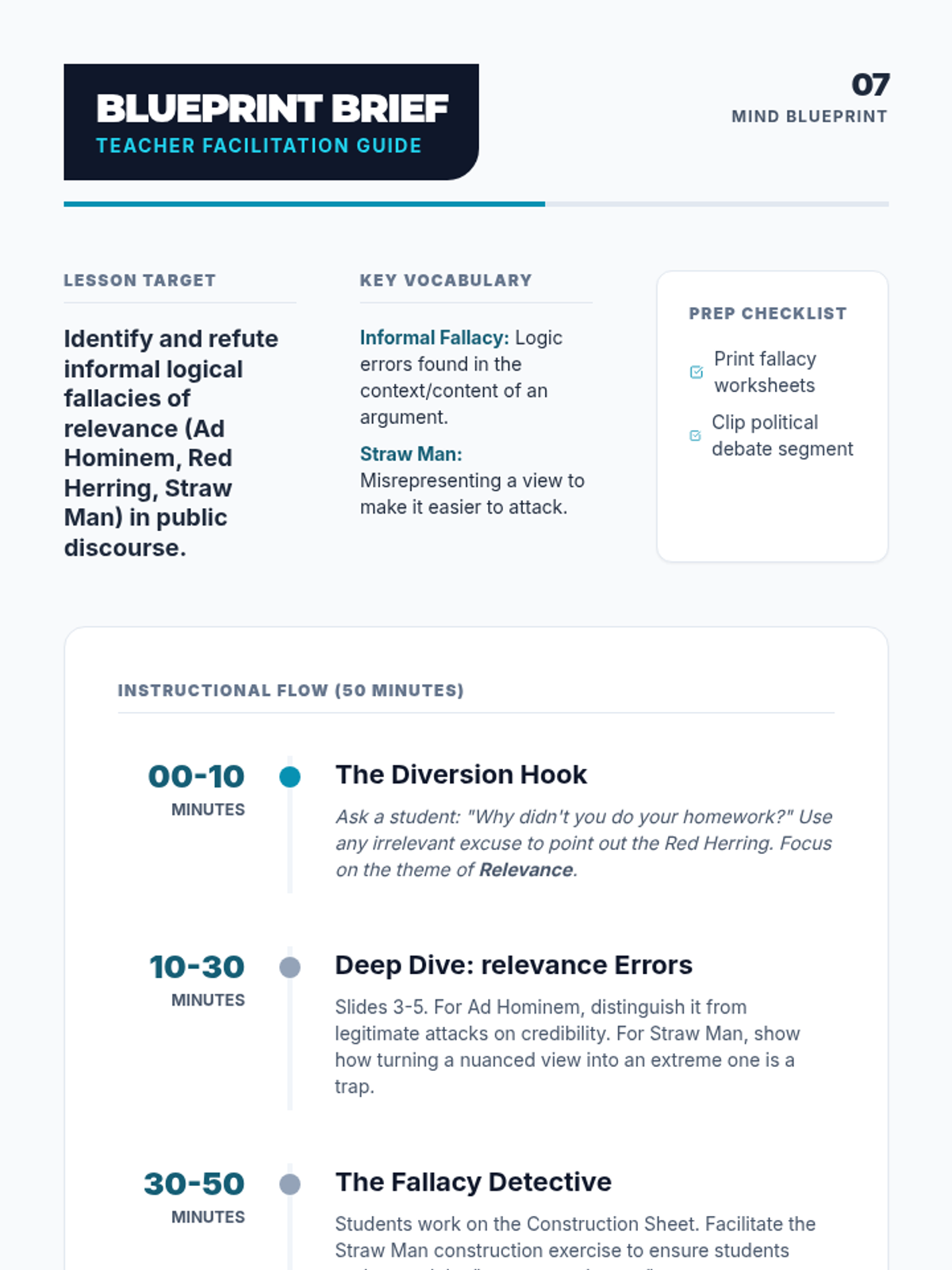
A deep dive into common logical errors: Slippery Slope, Circular Reasoning, Ad Hominem, Red Herring, and the Straw Man.
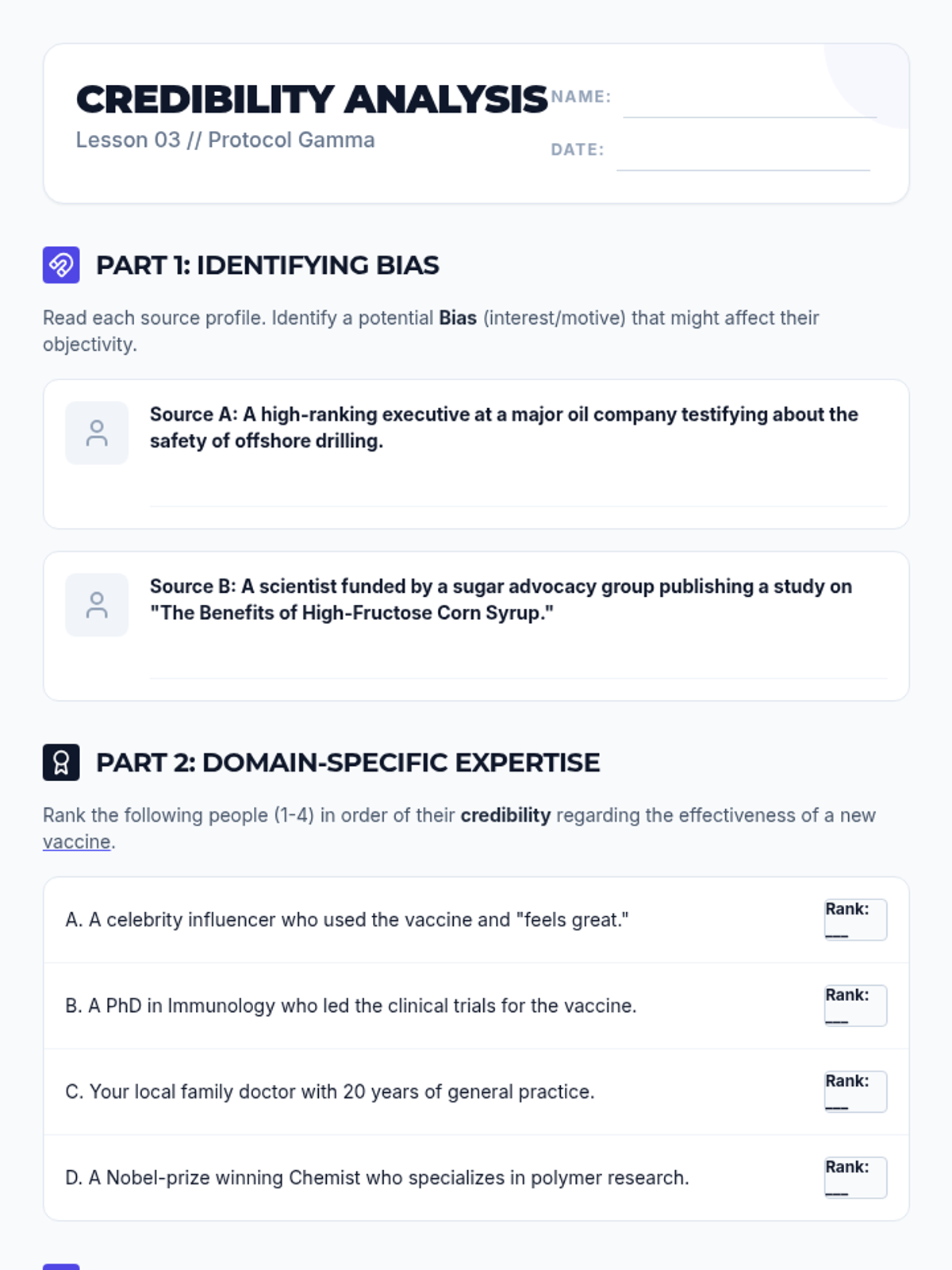
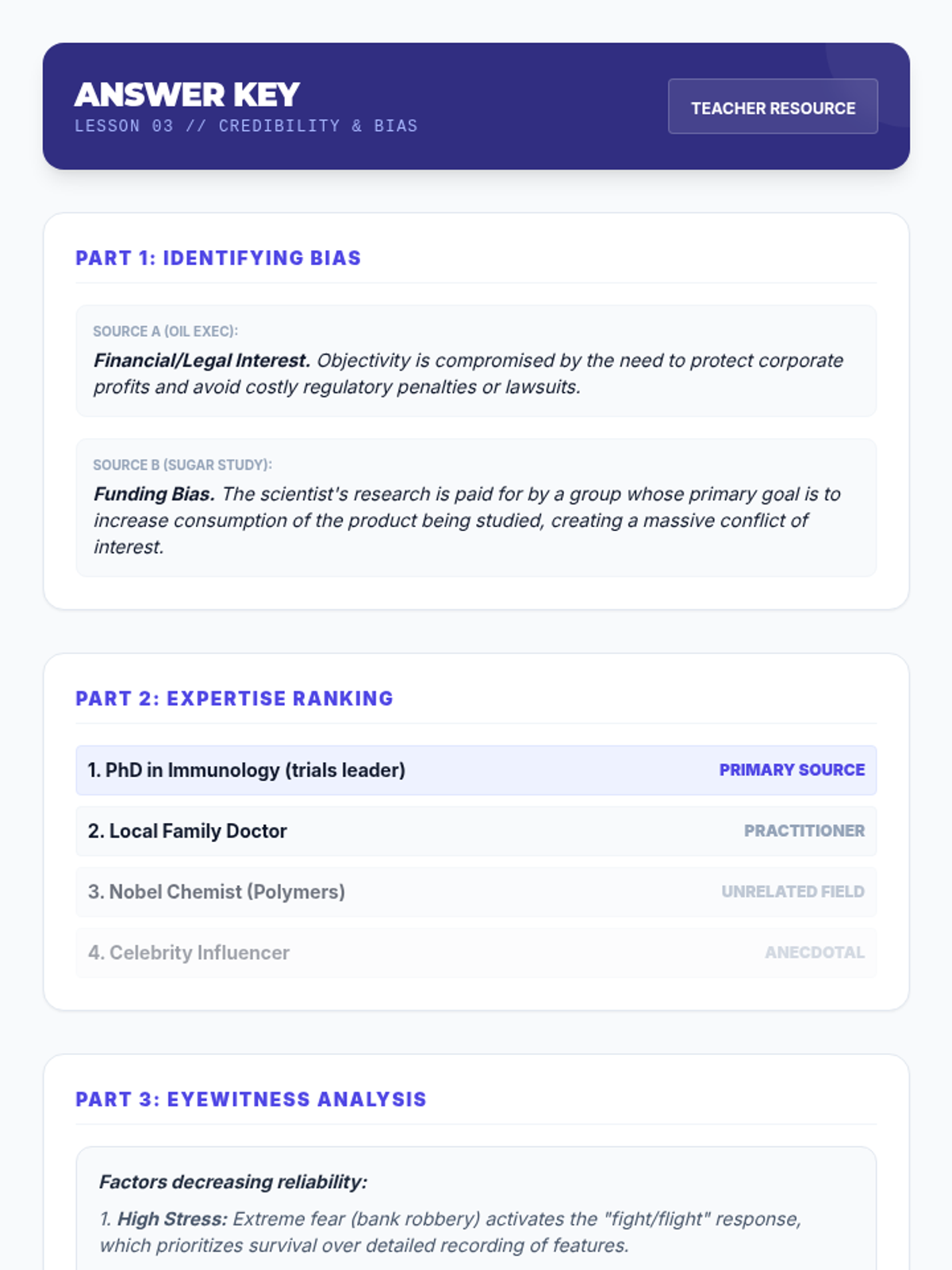
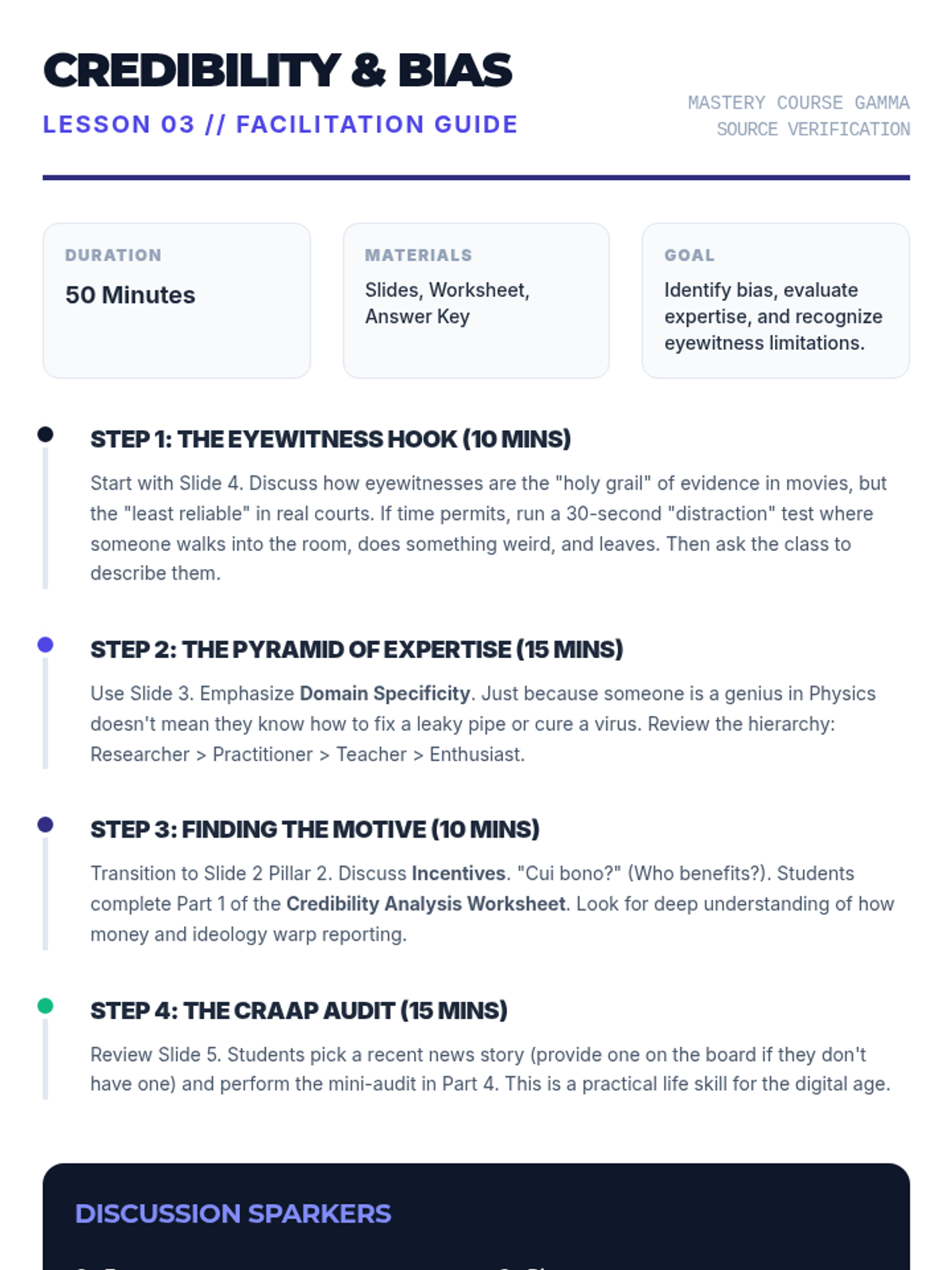
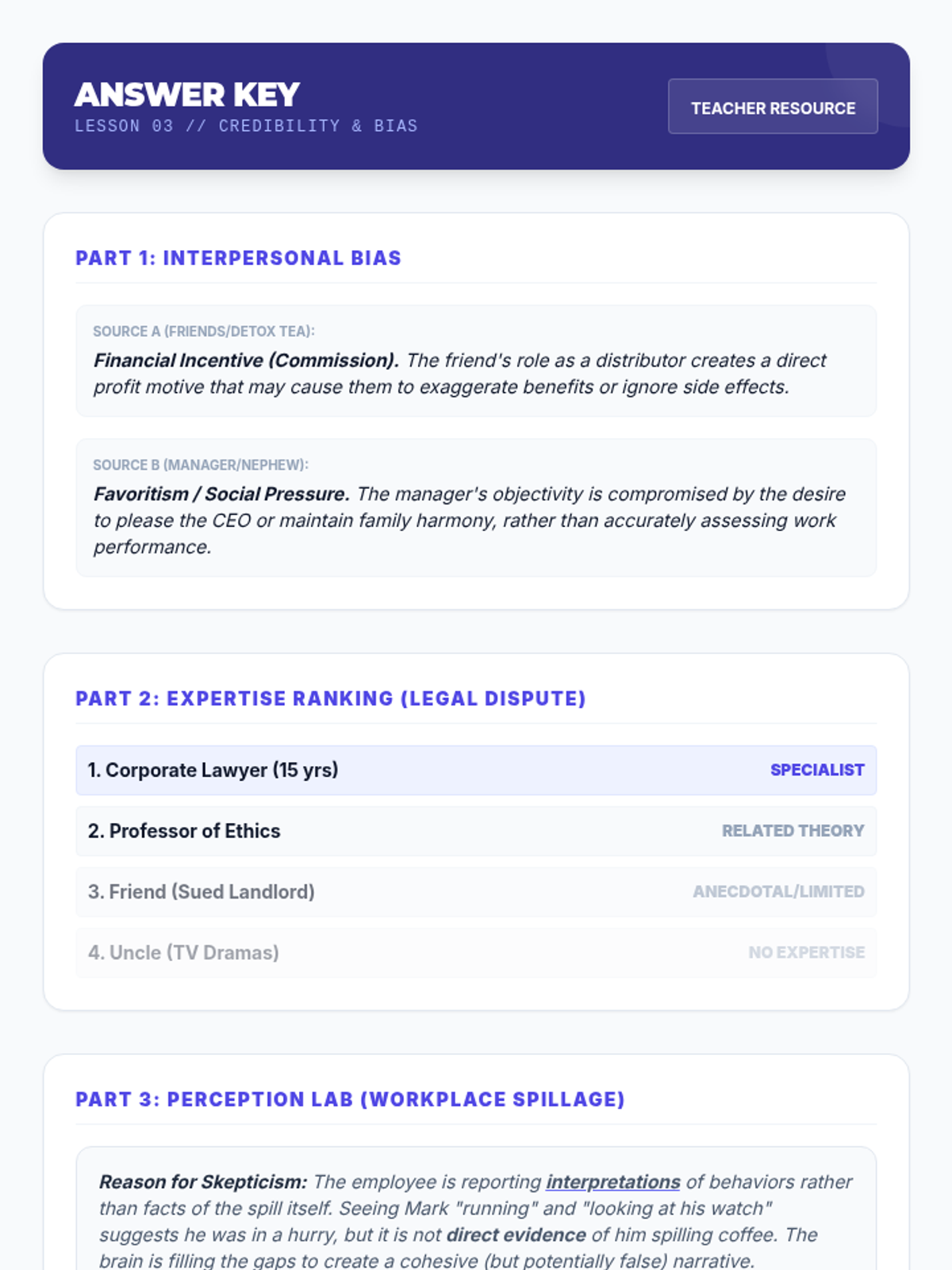
Evaluating source reliability by recognizing bias, determining levels of expertise, and understanding the specific challenges of eyewitness testimony.
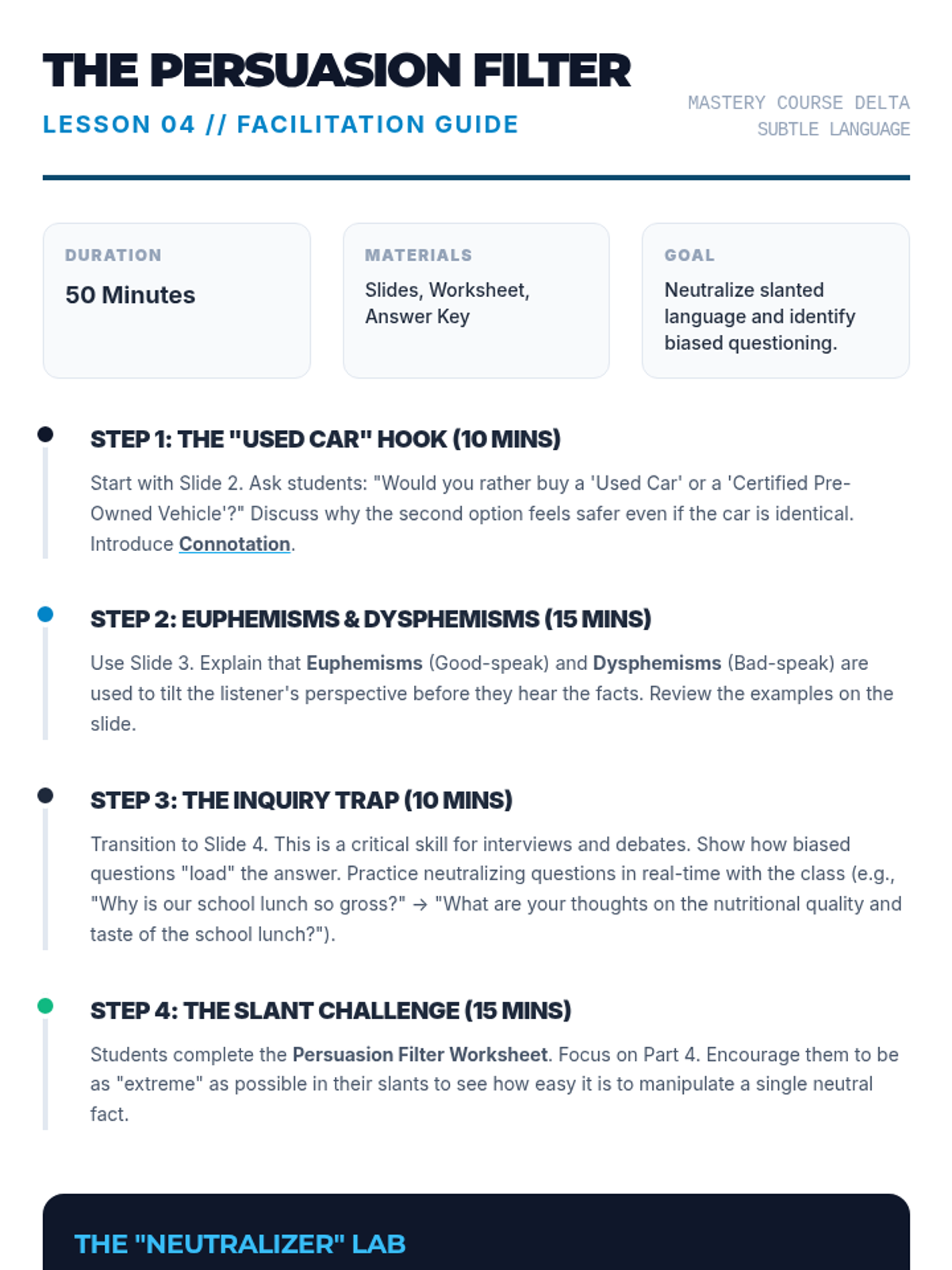
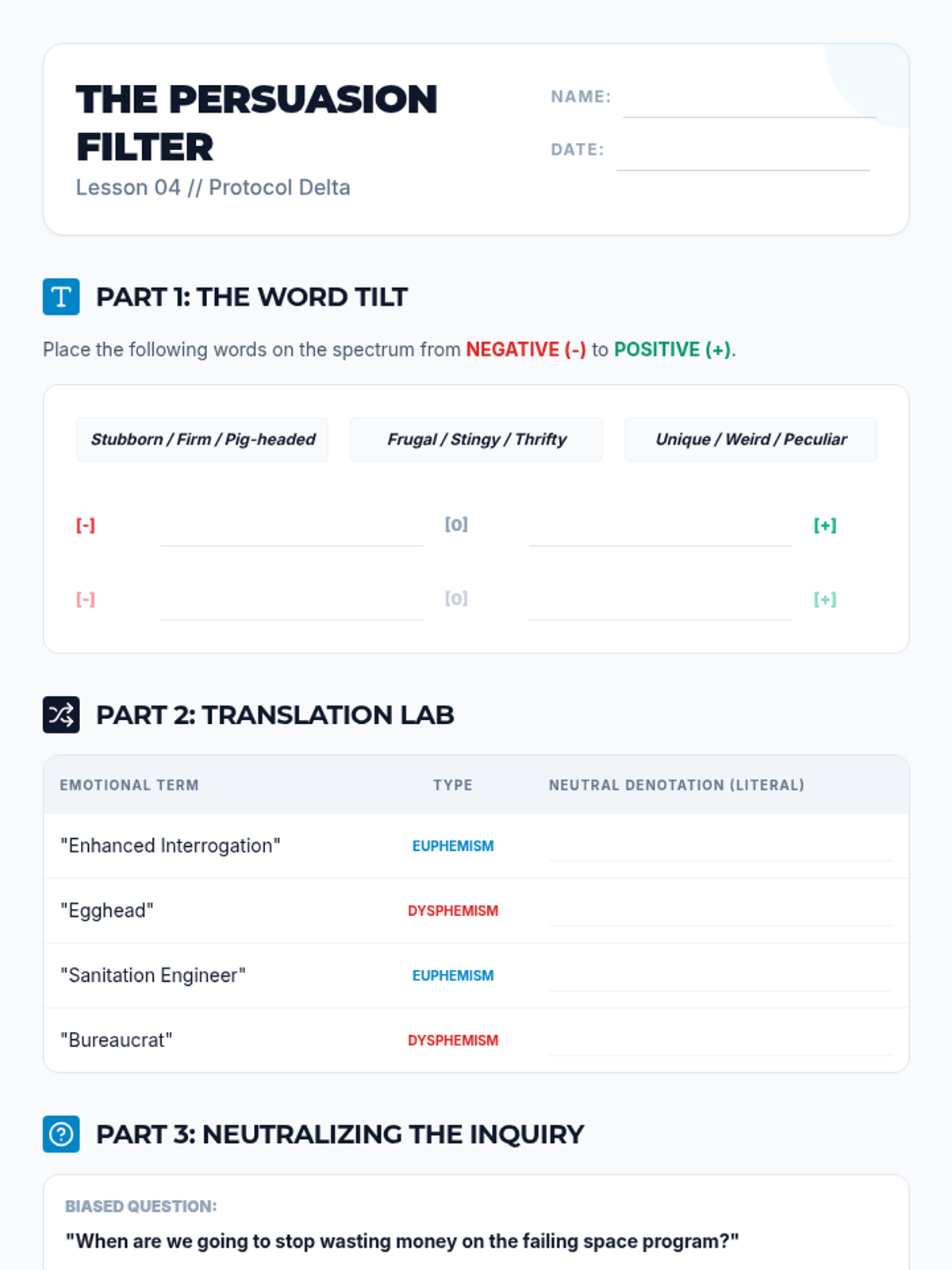
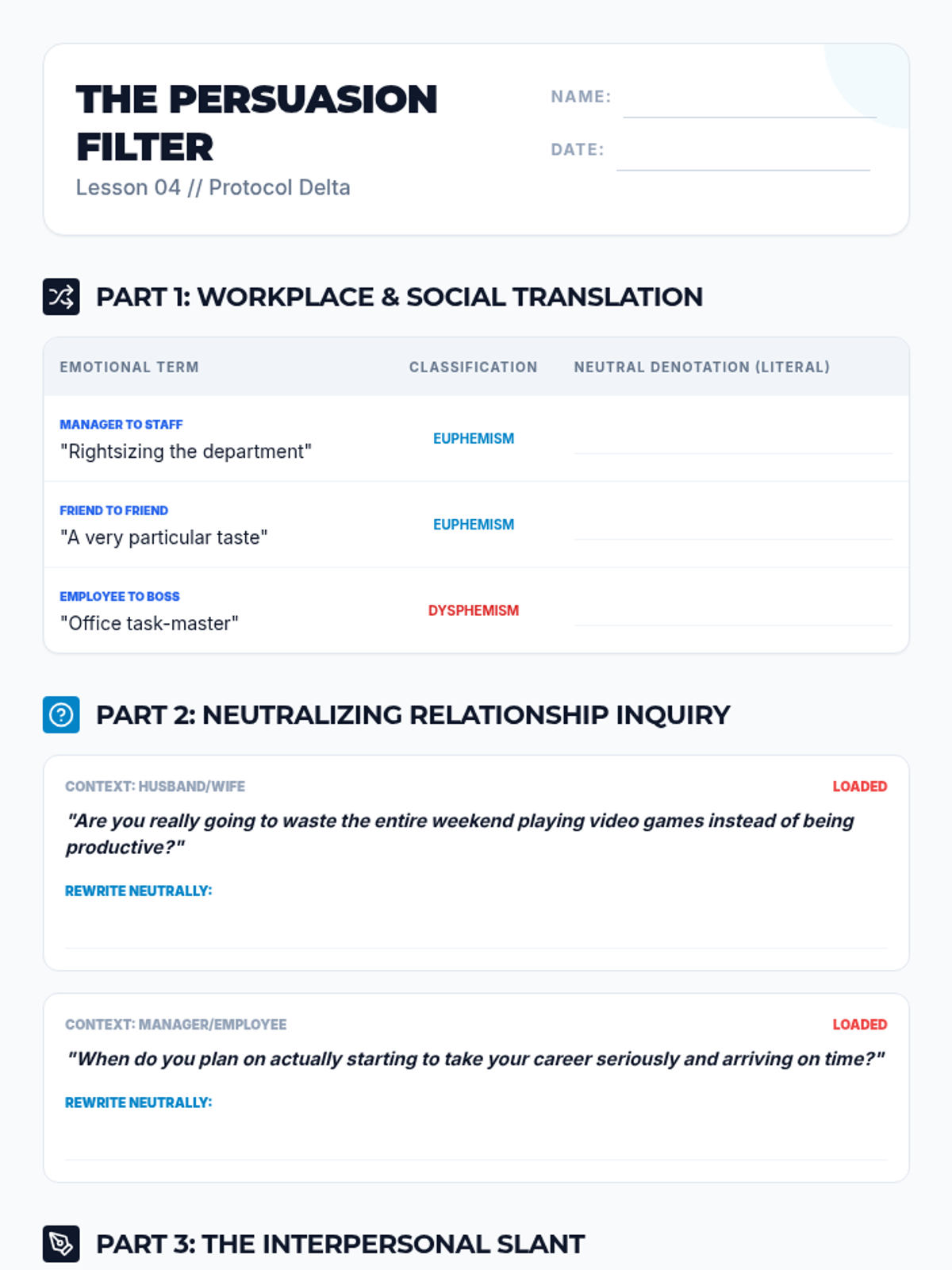
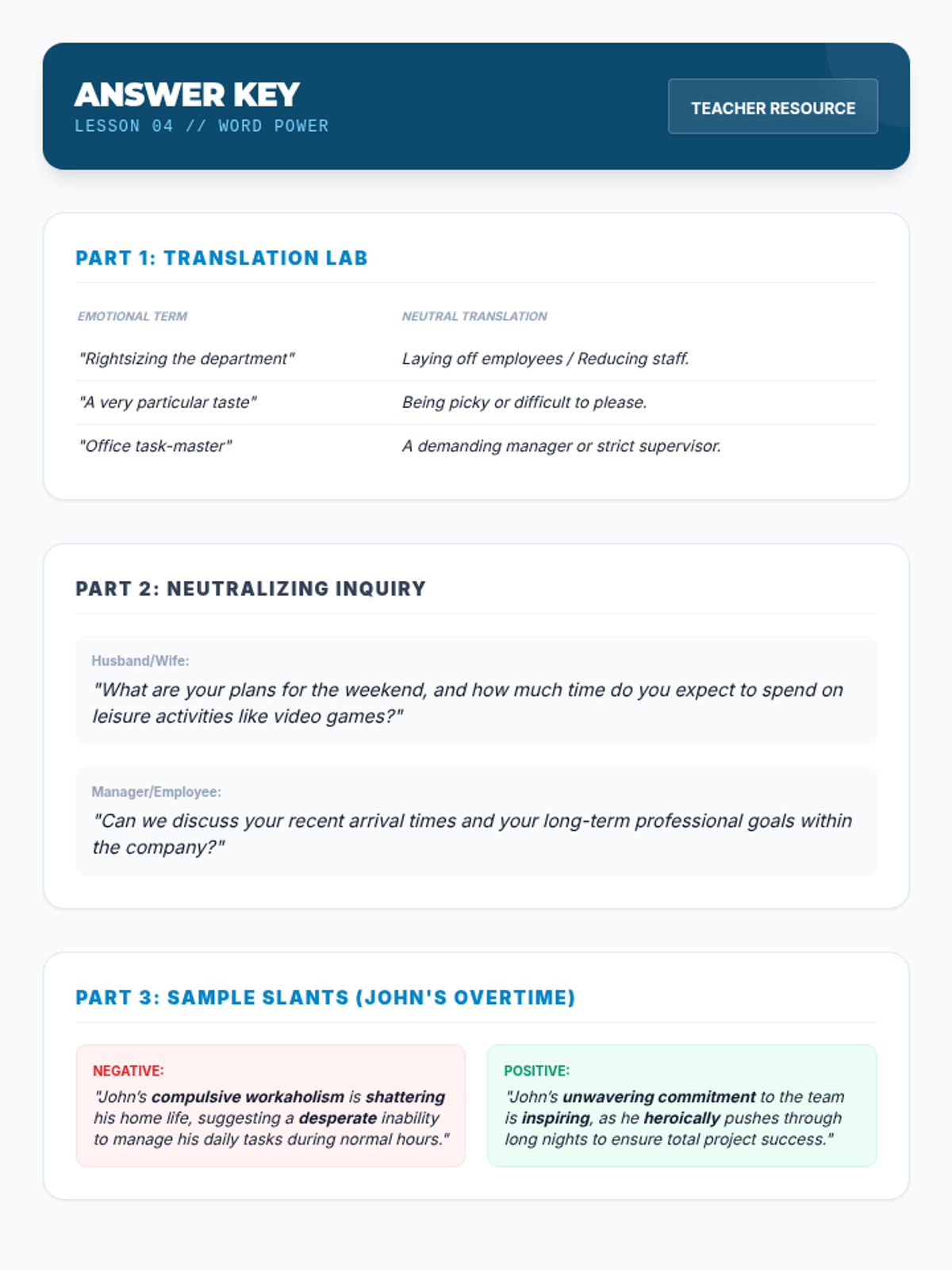
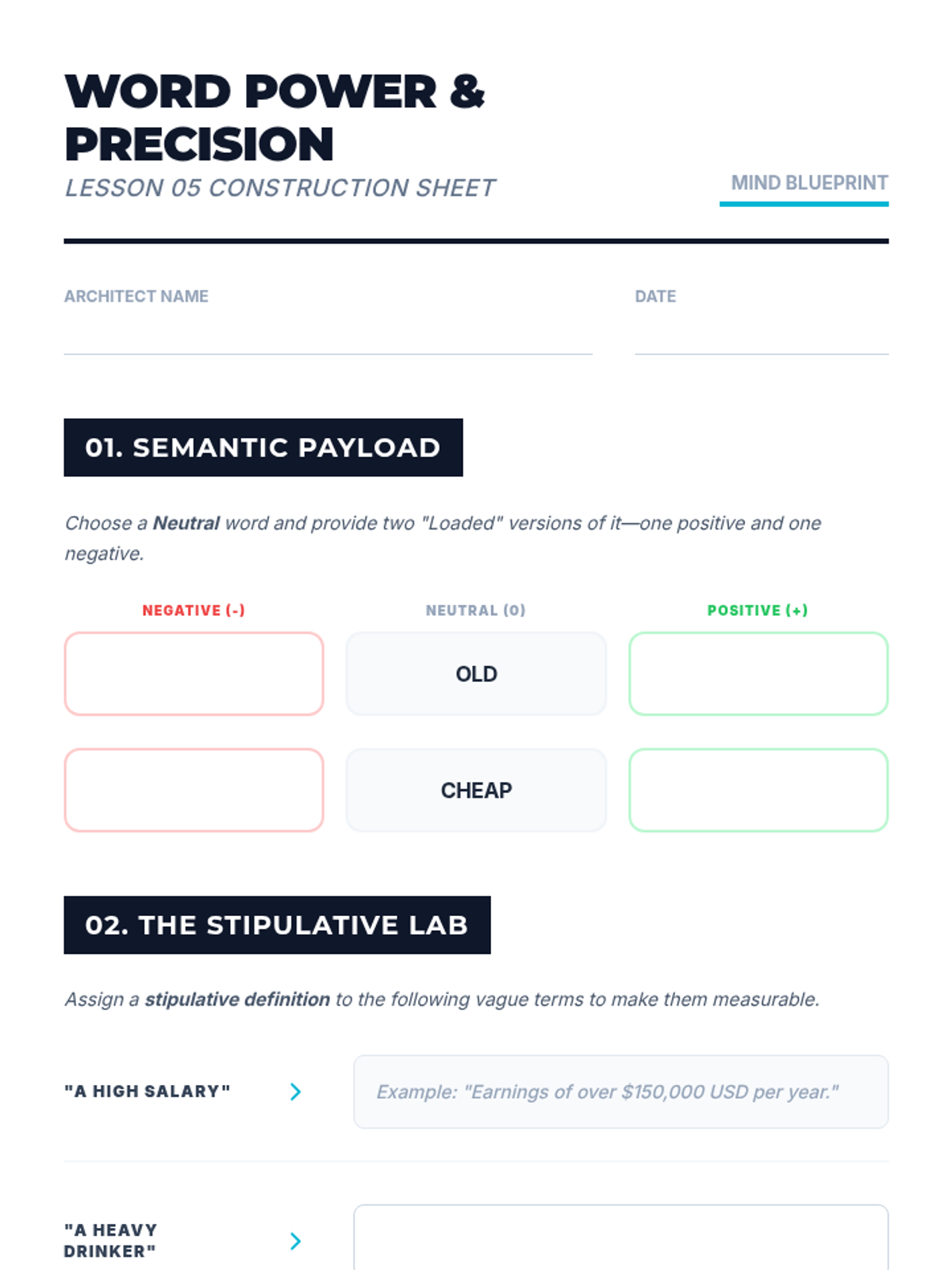
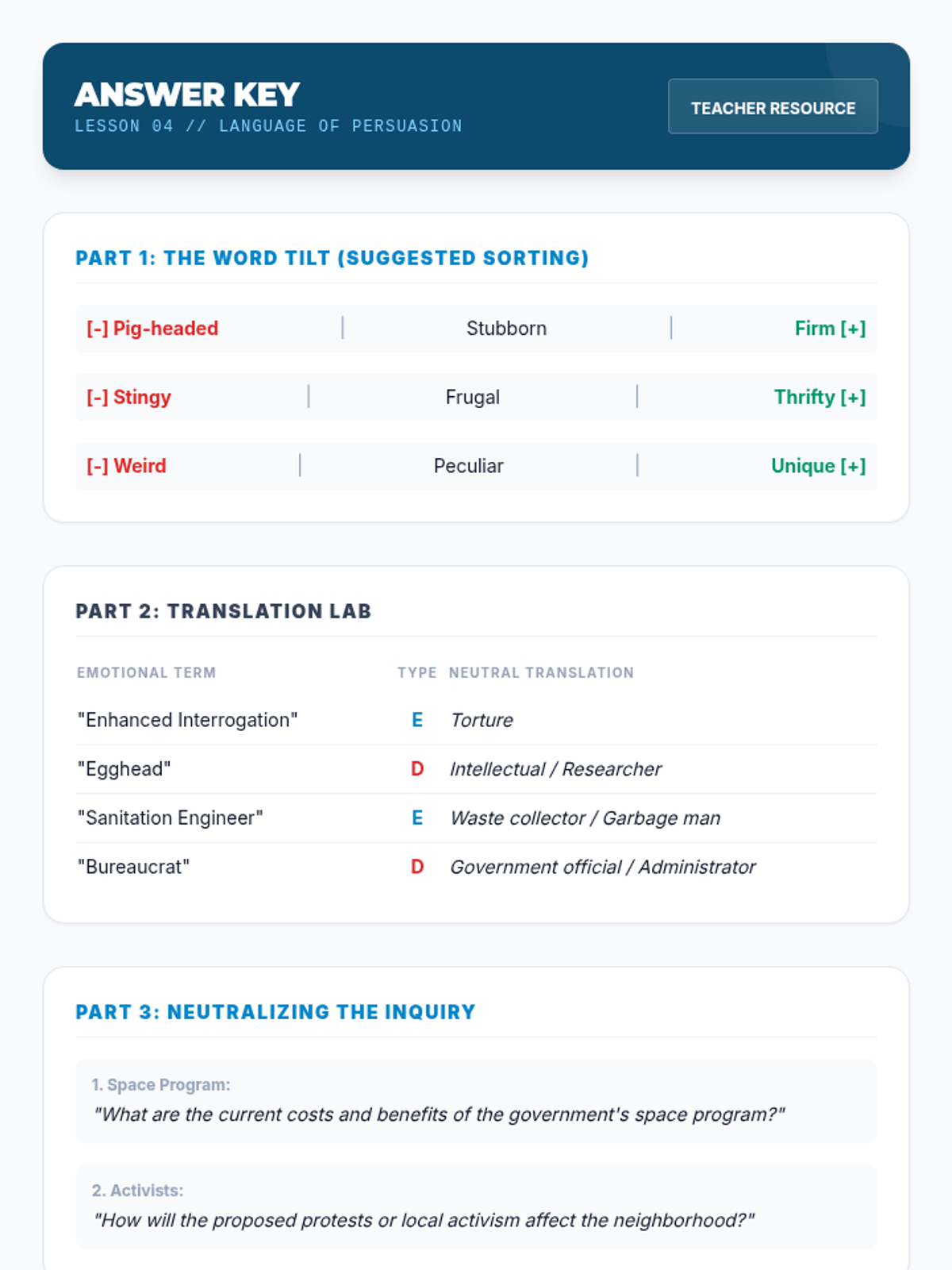
Analyzing how language is used to influence: euphemisms, dysphemisms, and the subtle power of biased questioning.
Building logical conclusions from evidence and identifying causal relationships, including 'post hoc' and 'chicken or the egg' errors.
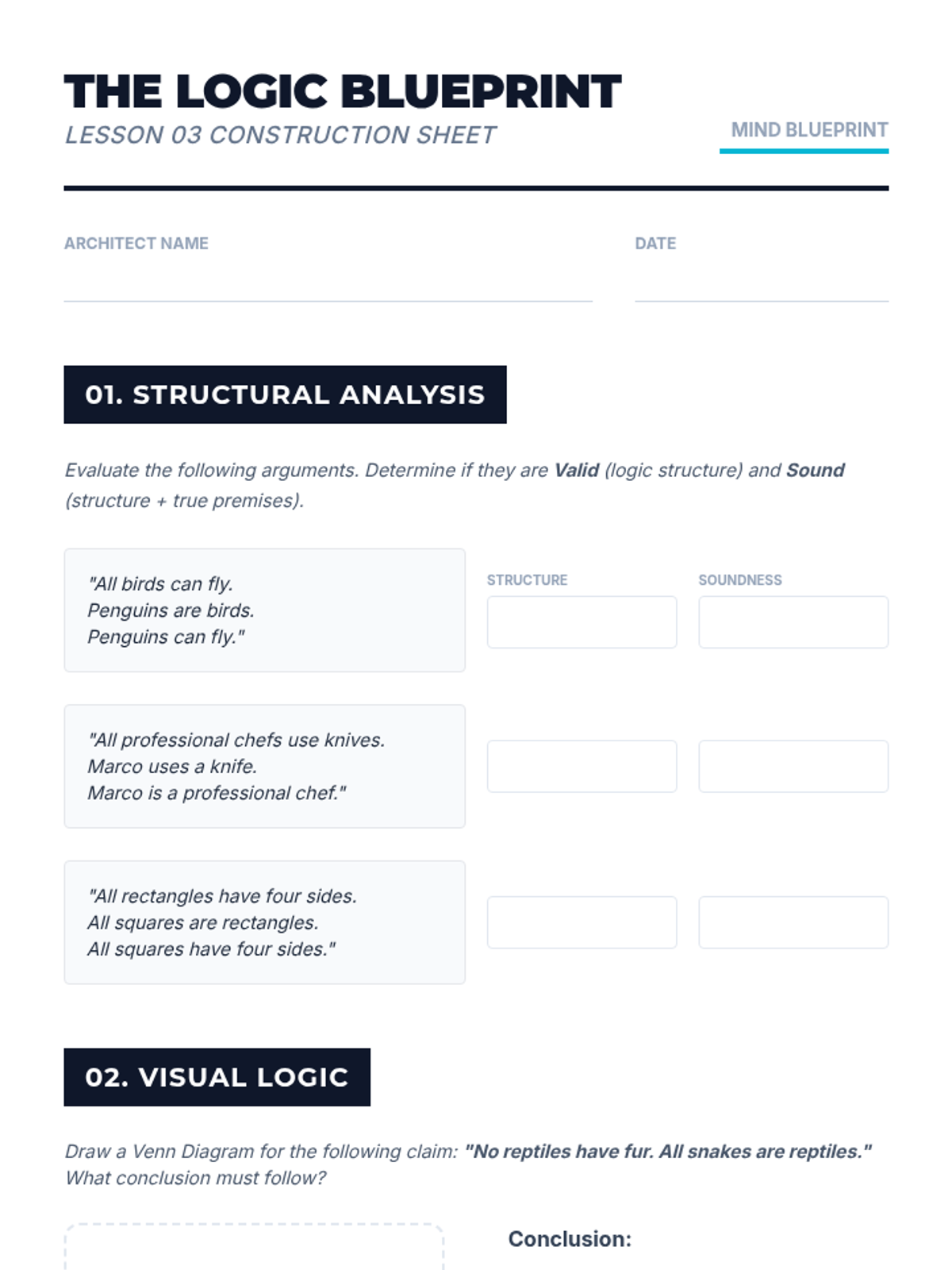
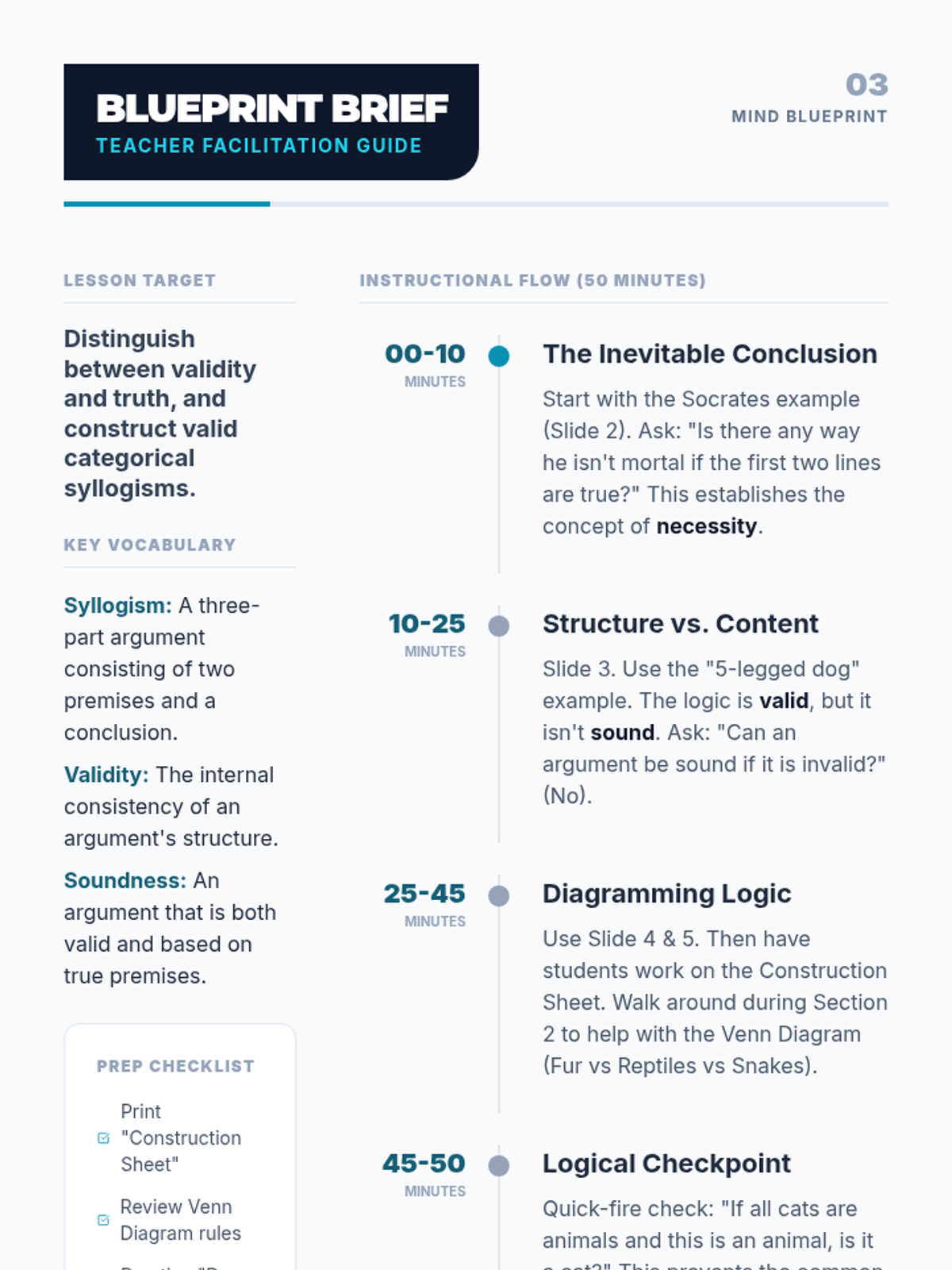
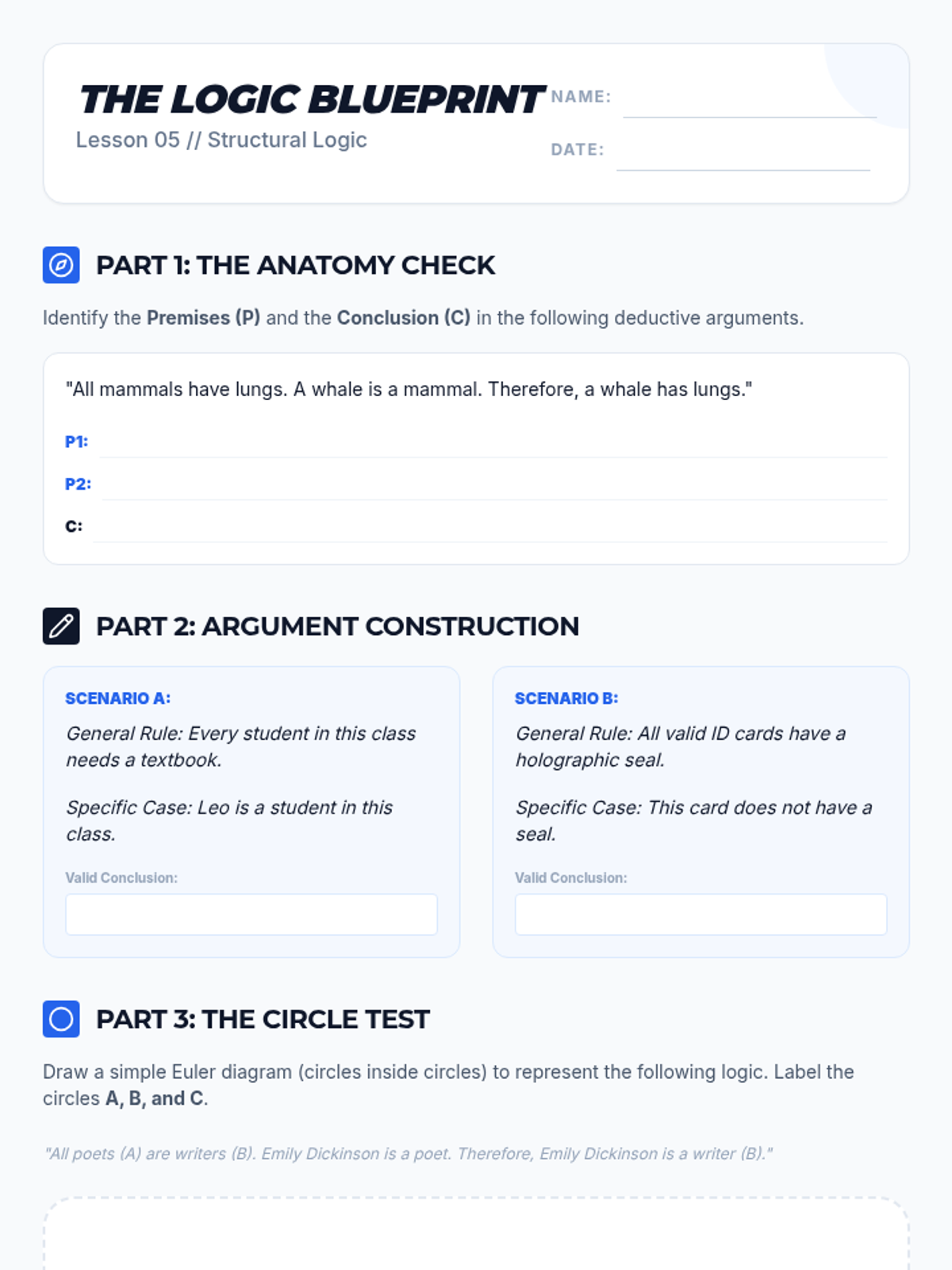
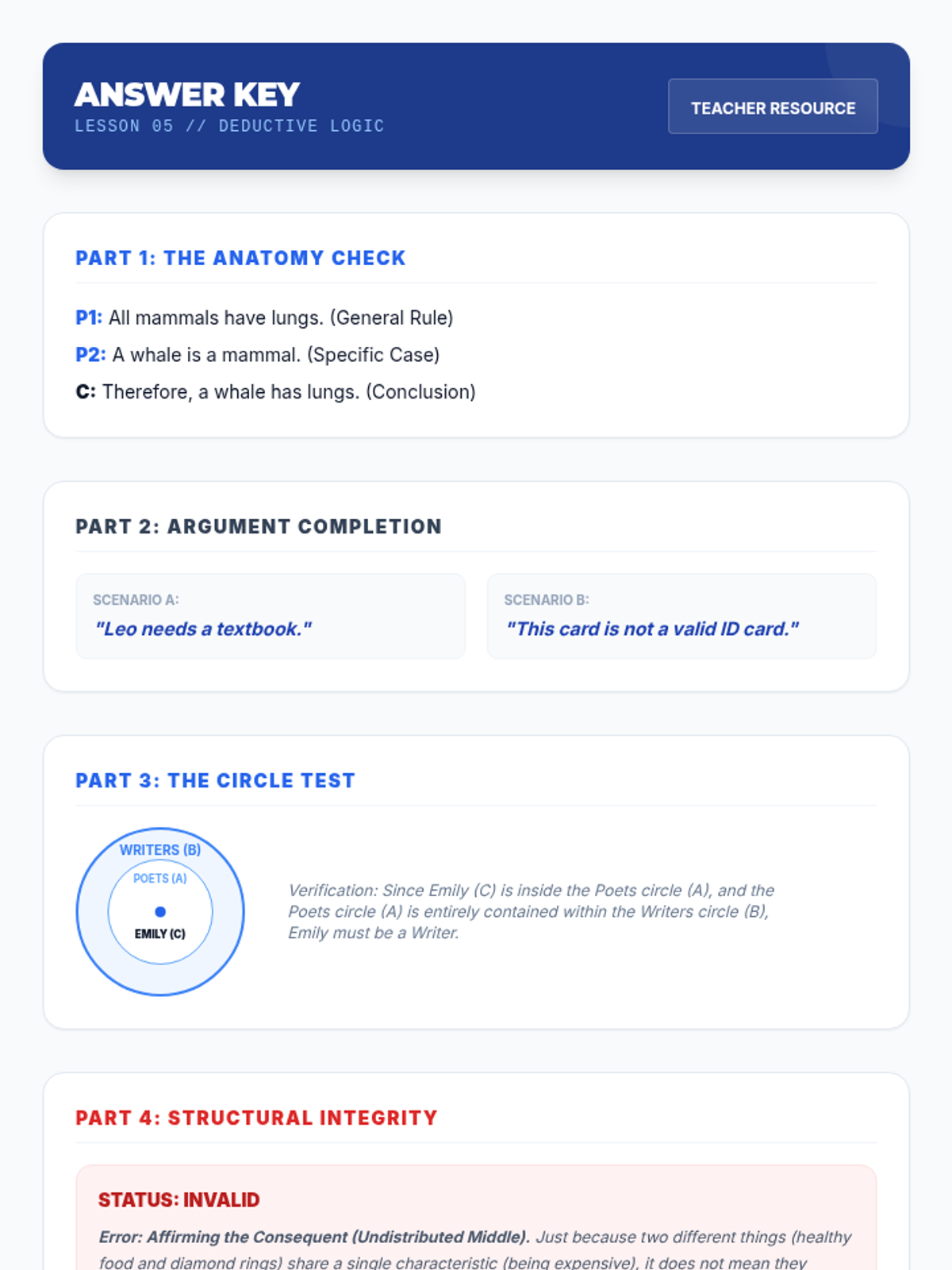
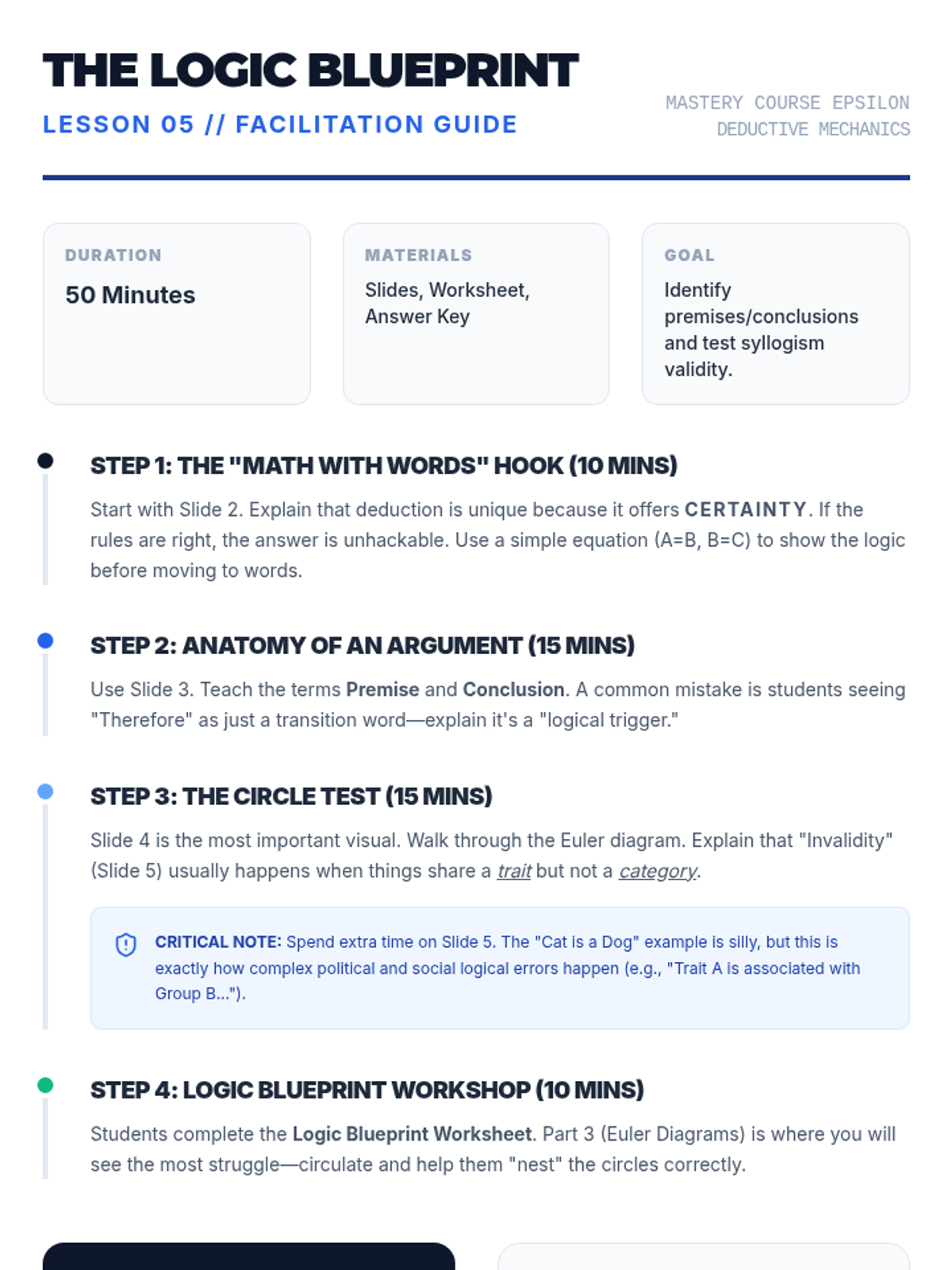
The mechanics of deductive reasoning: identifying premises and conclusions, and assessing the overall structure of a formal argument.
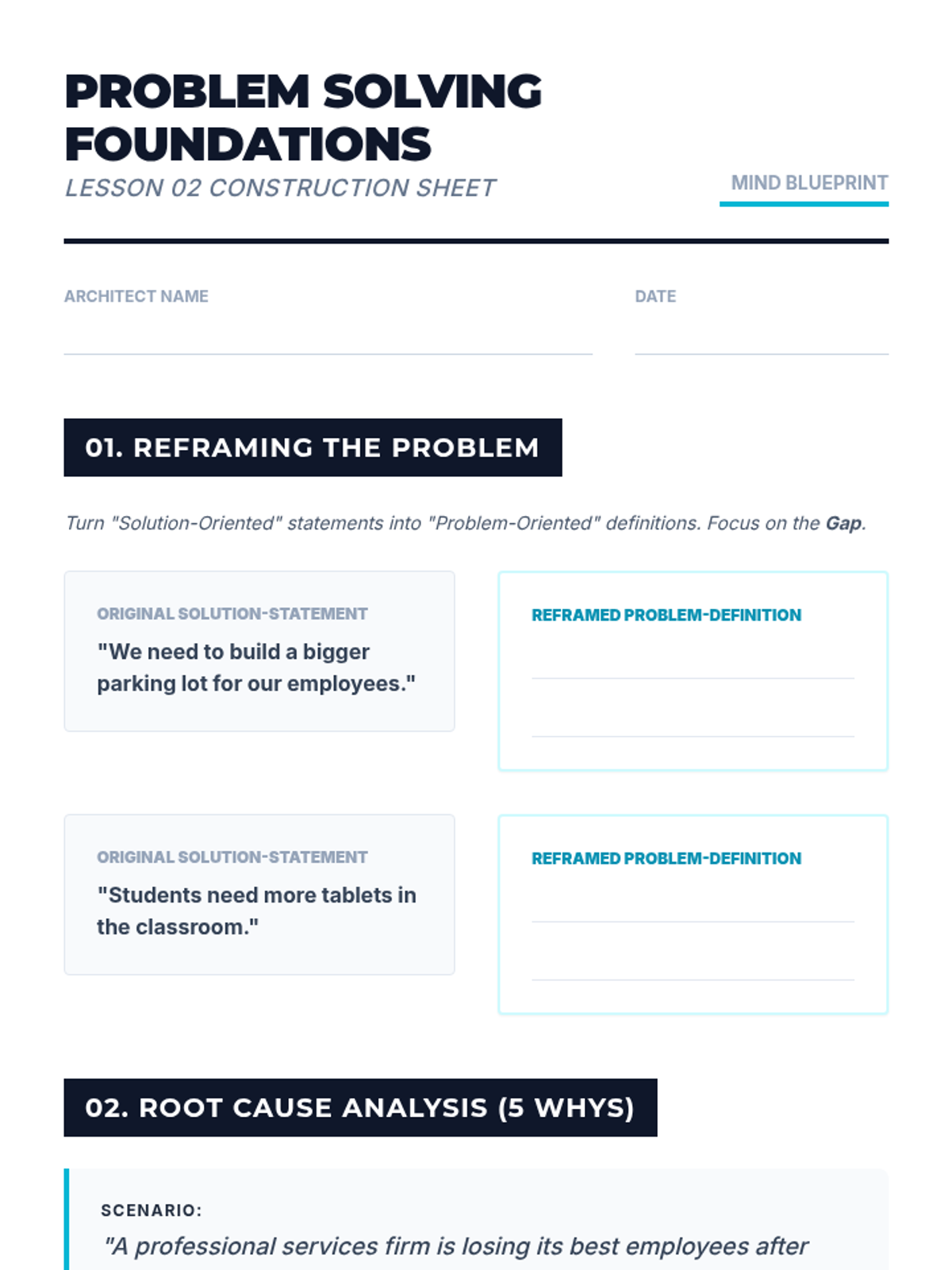
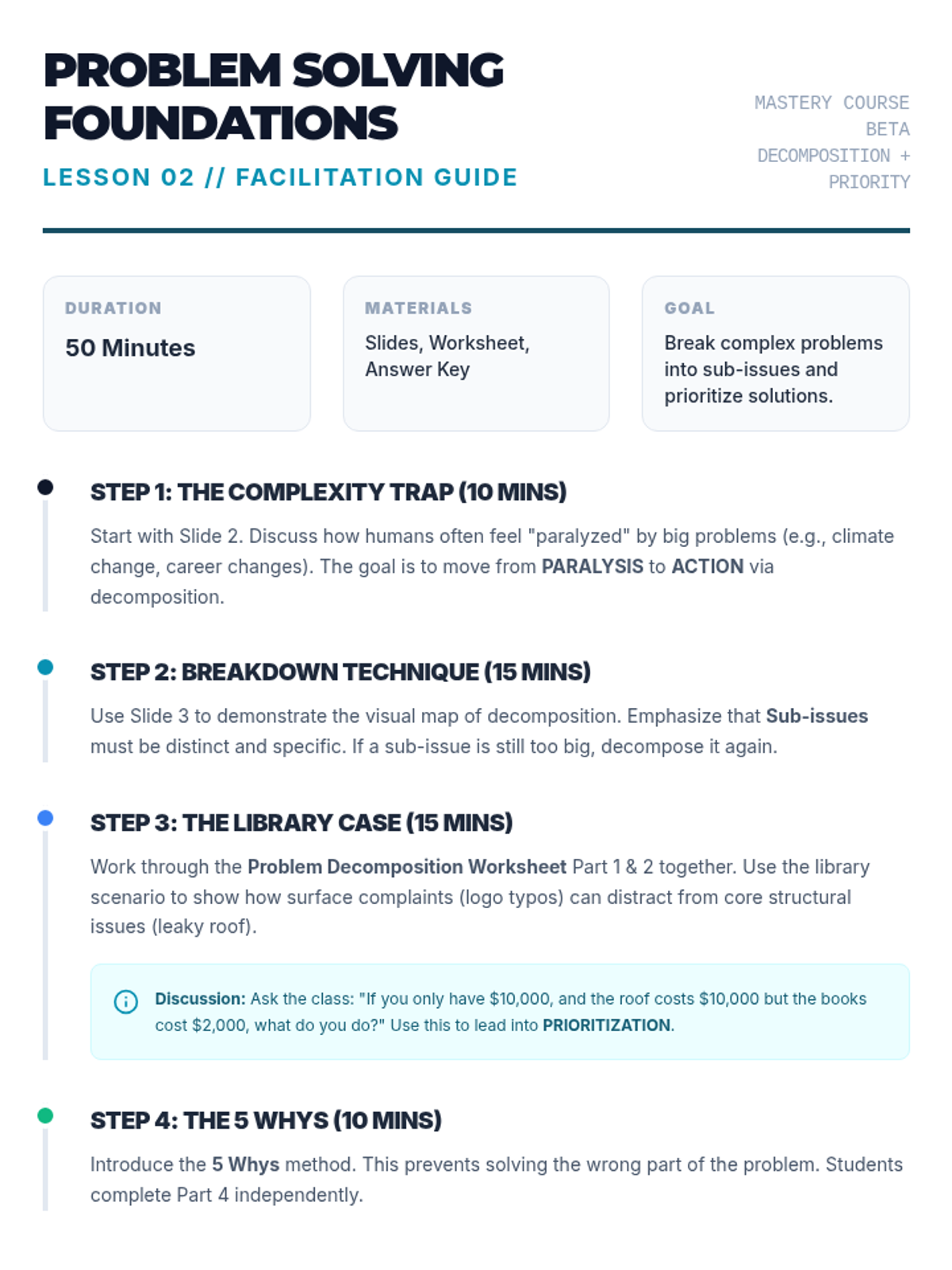
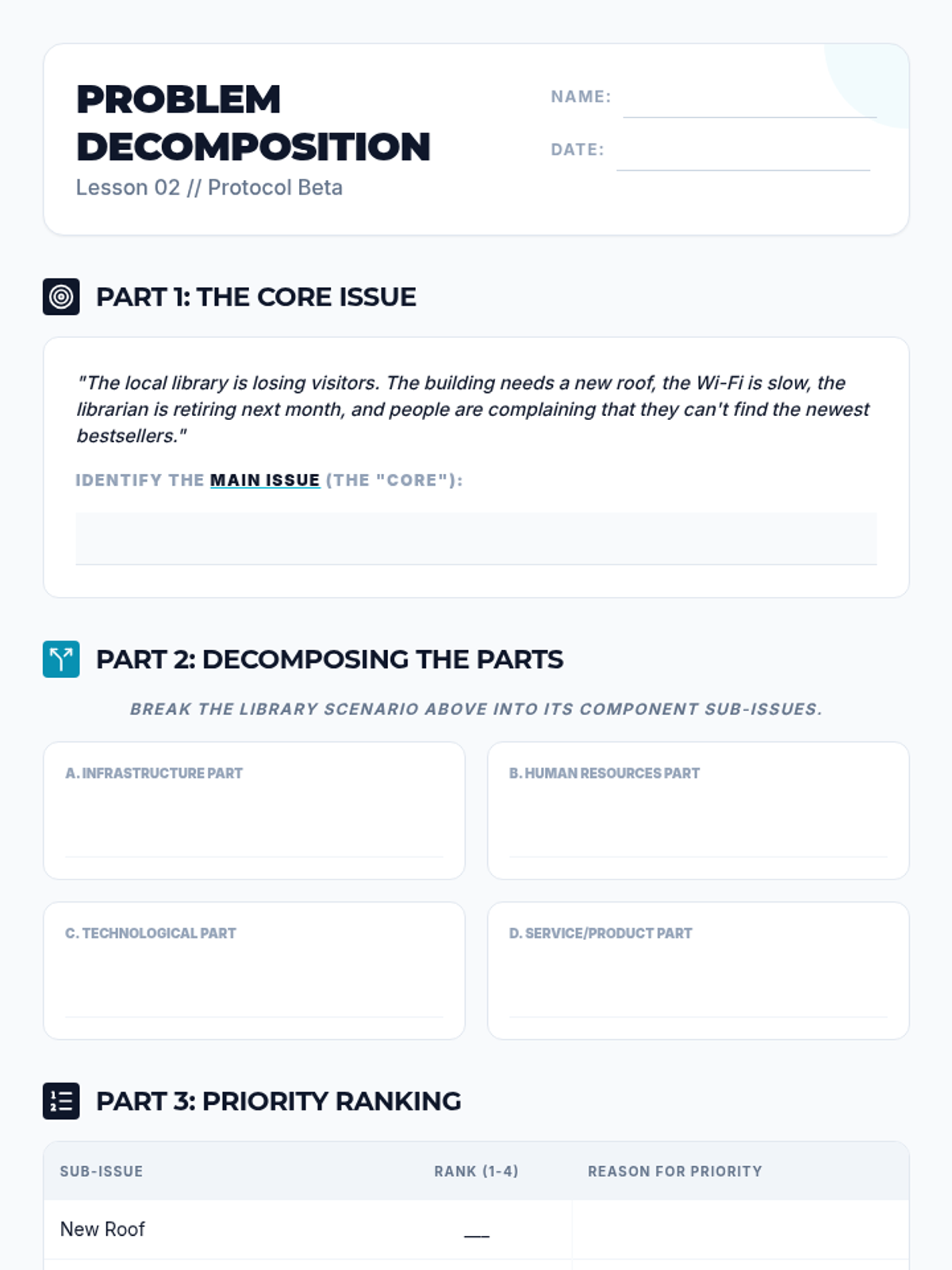
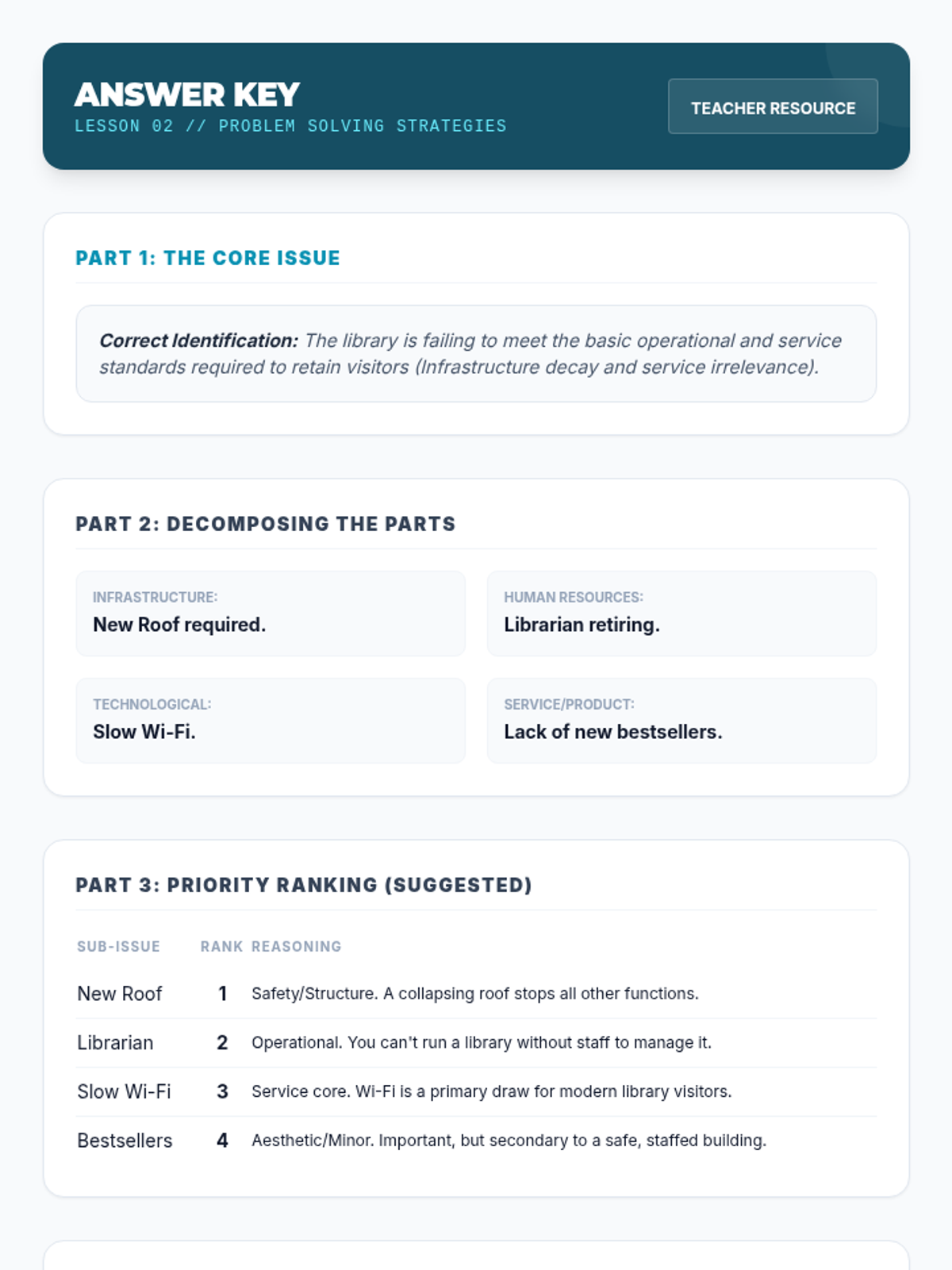
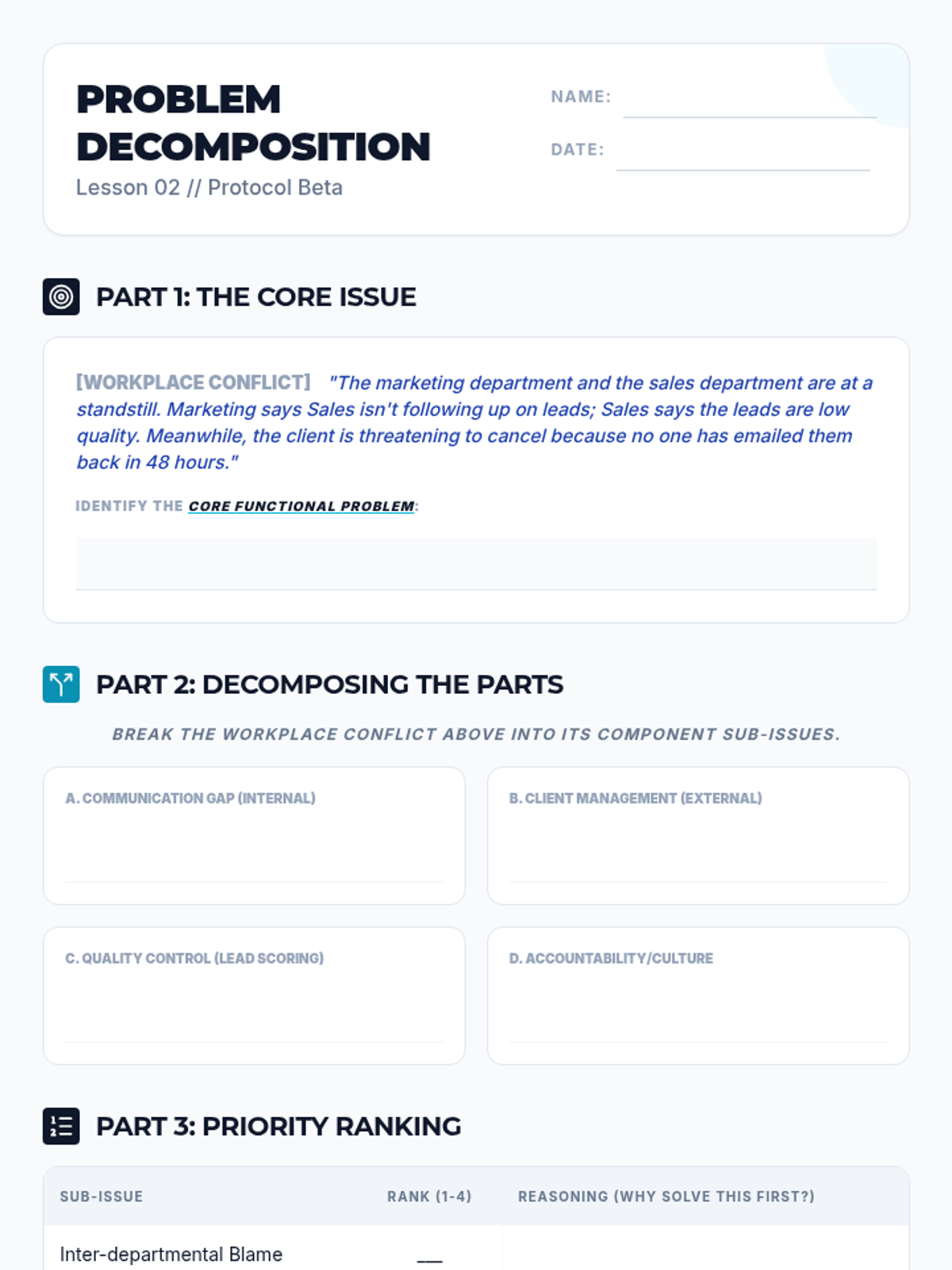
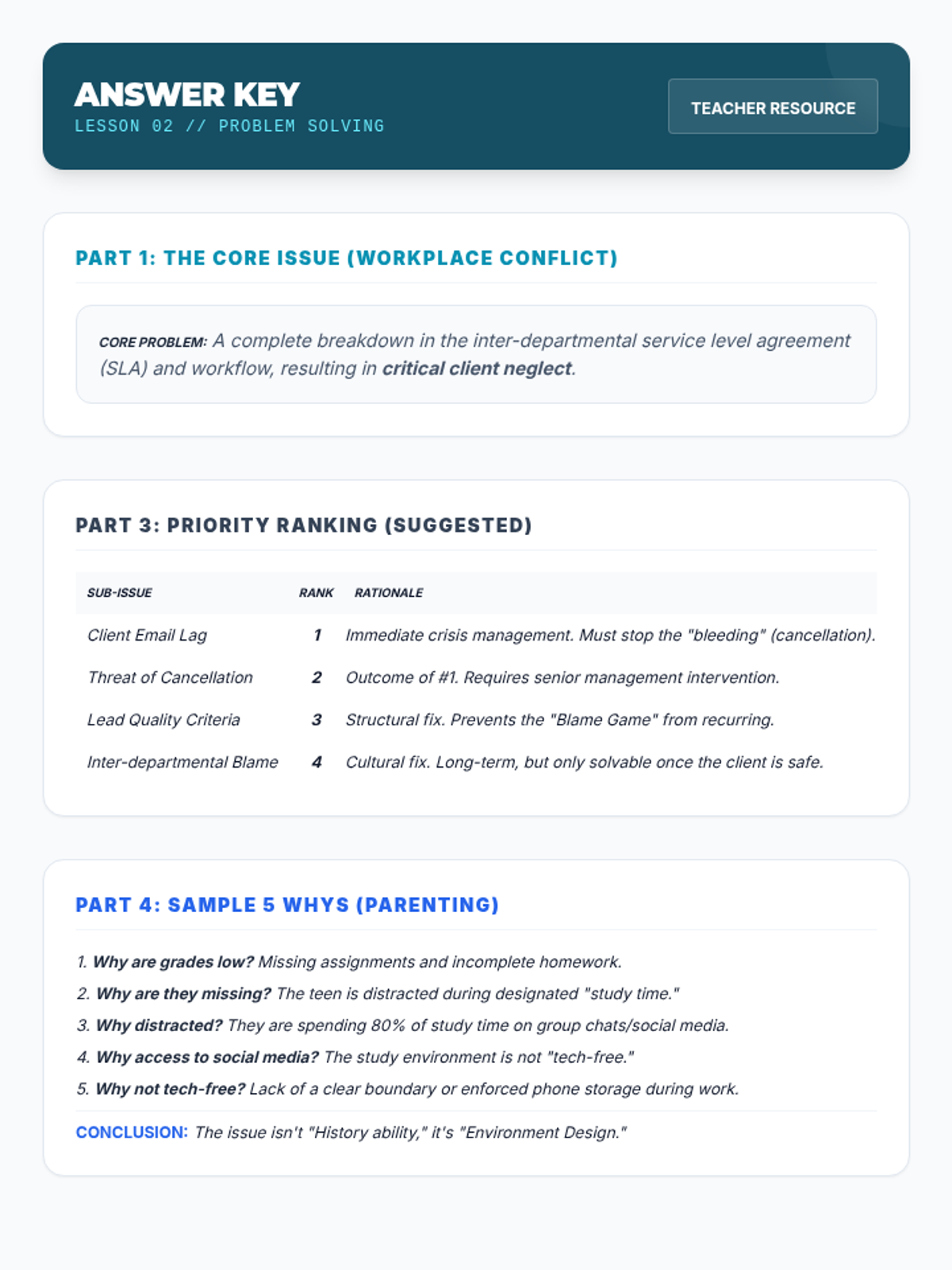
Focuses on identifying the core issues of complex problems, breaking them into manageable parts, and prioritizing components for effective resolution.
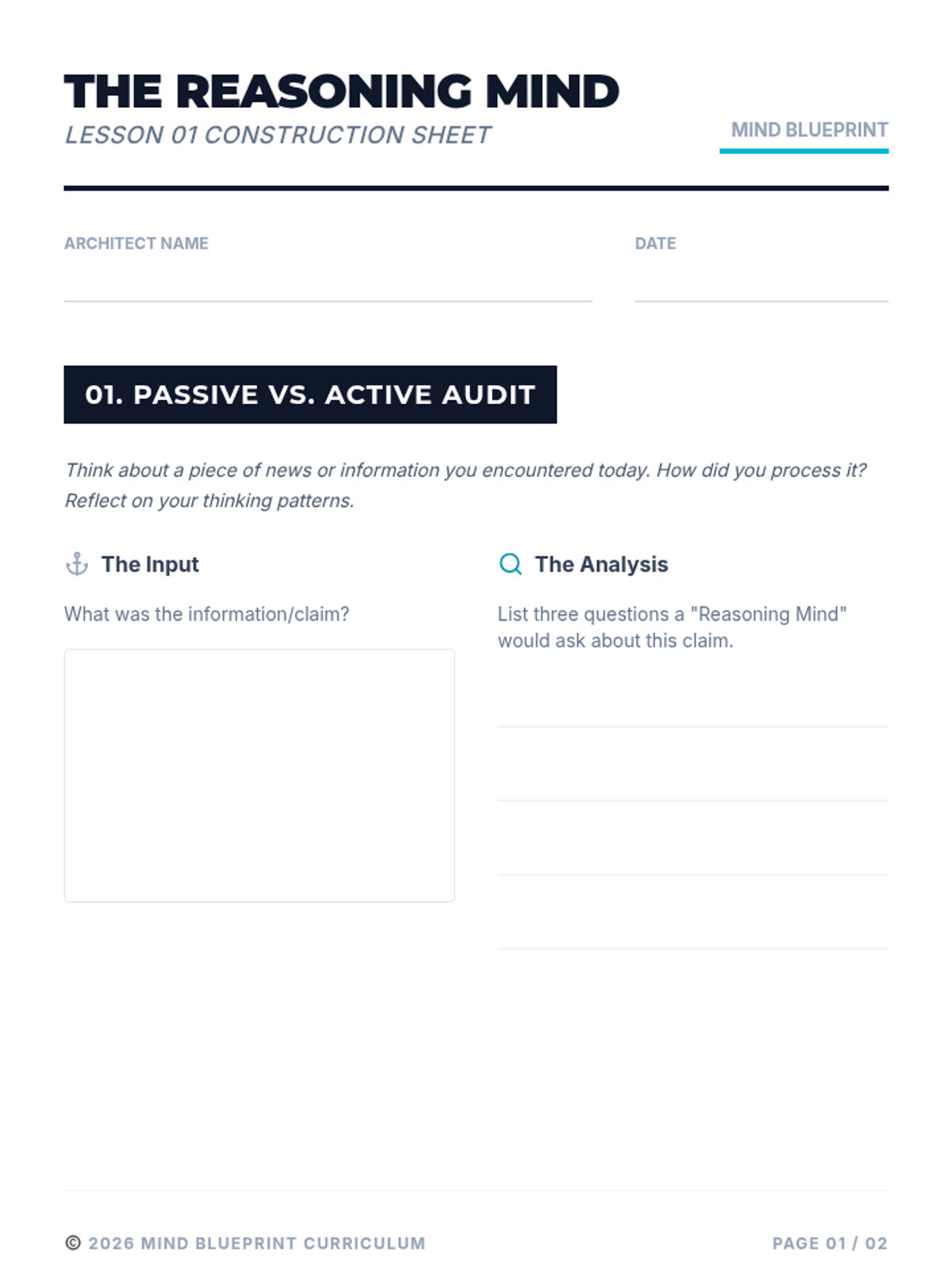
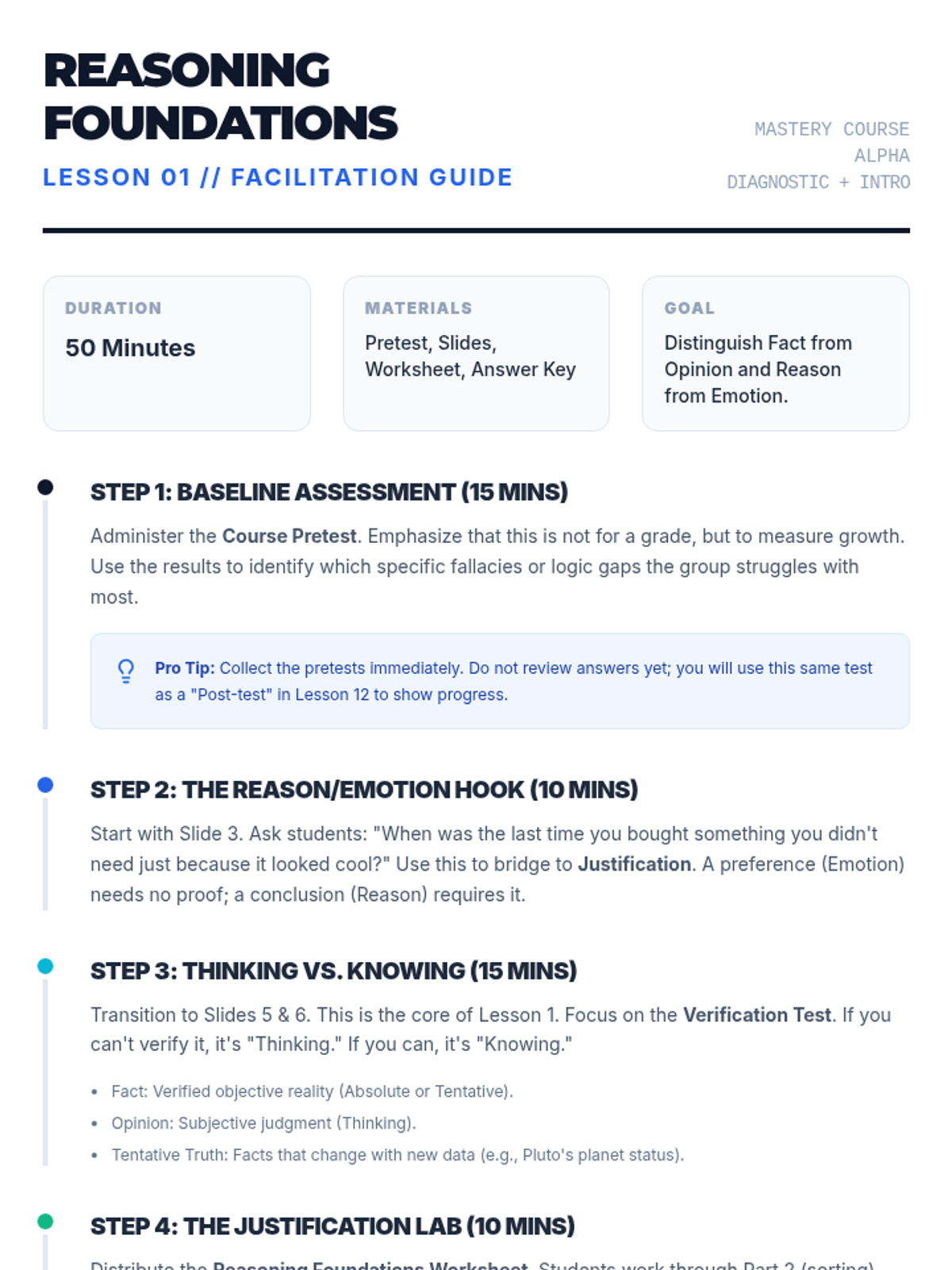
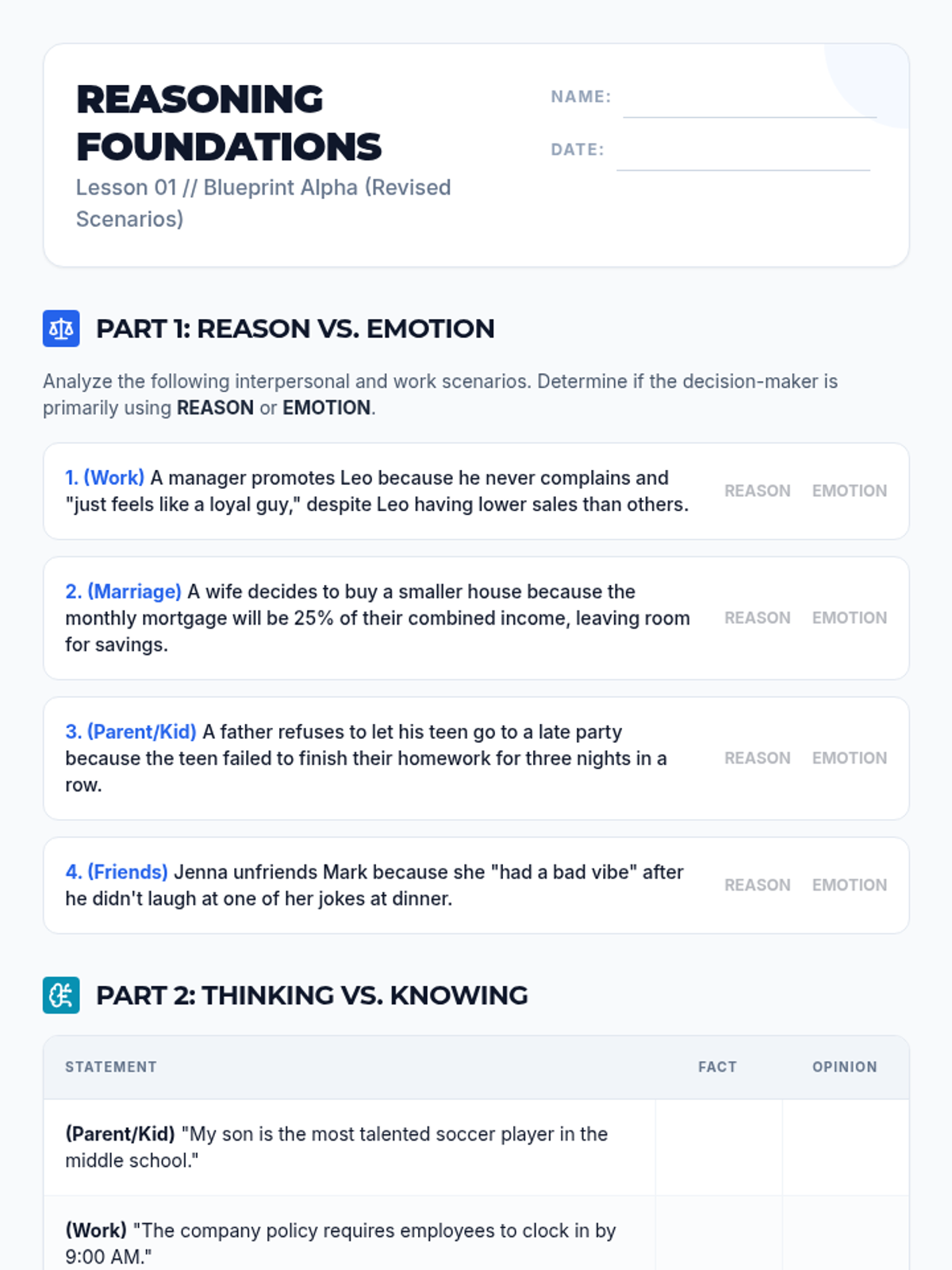
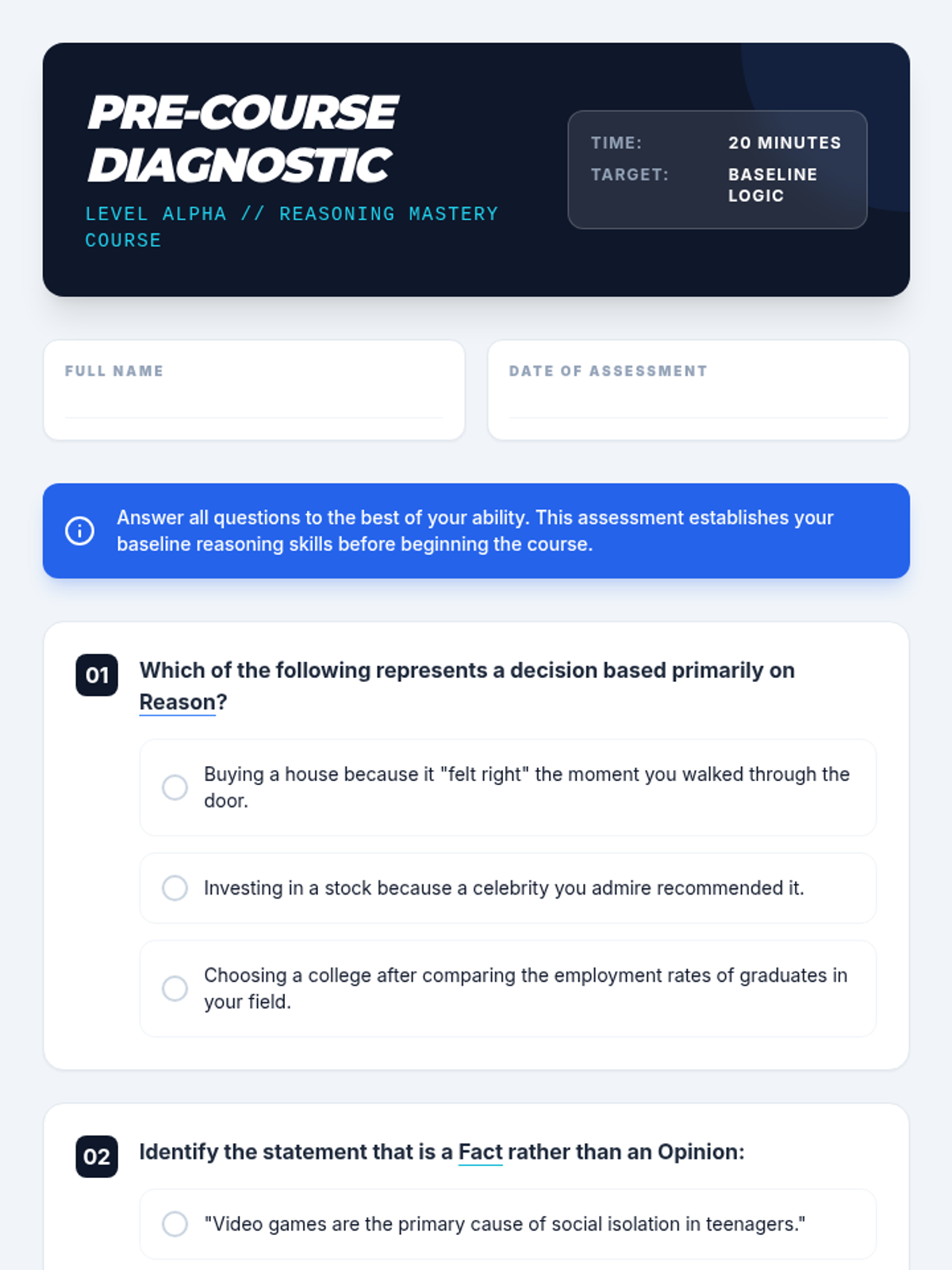
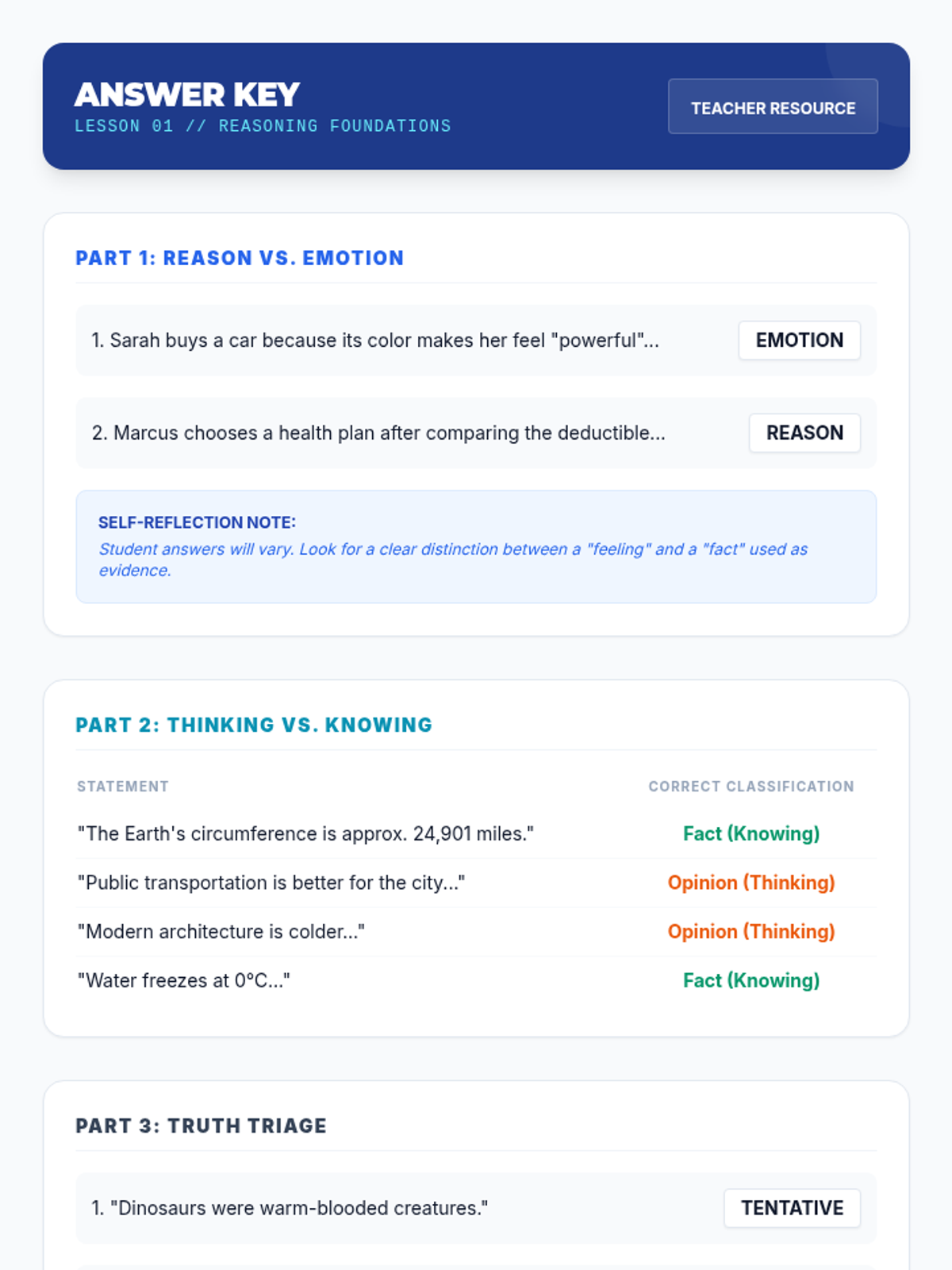
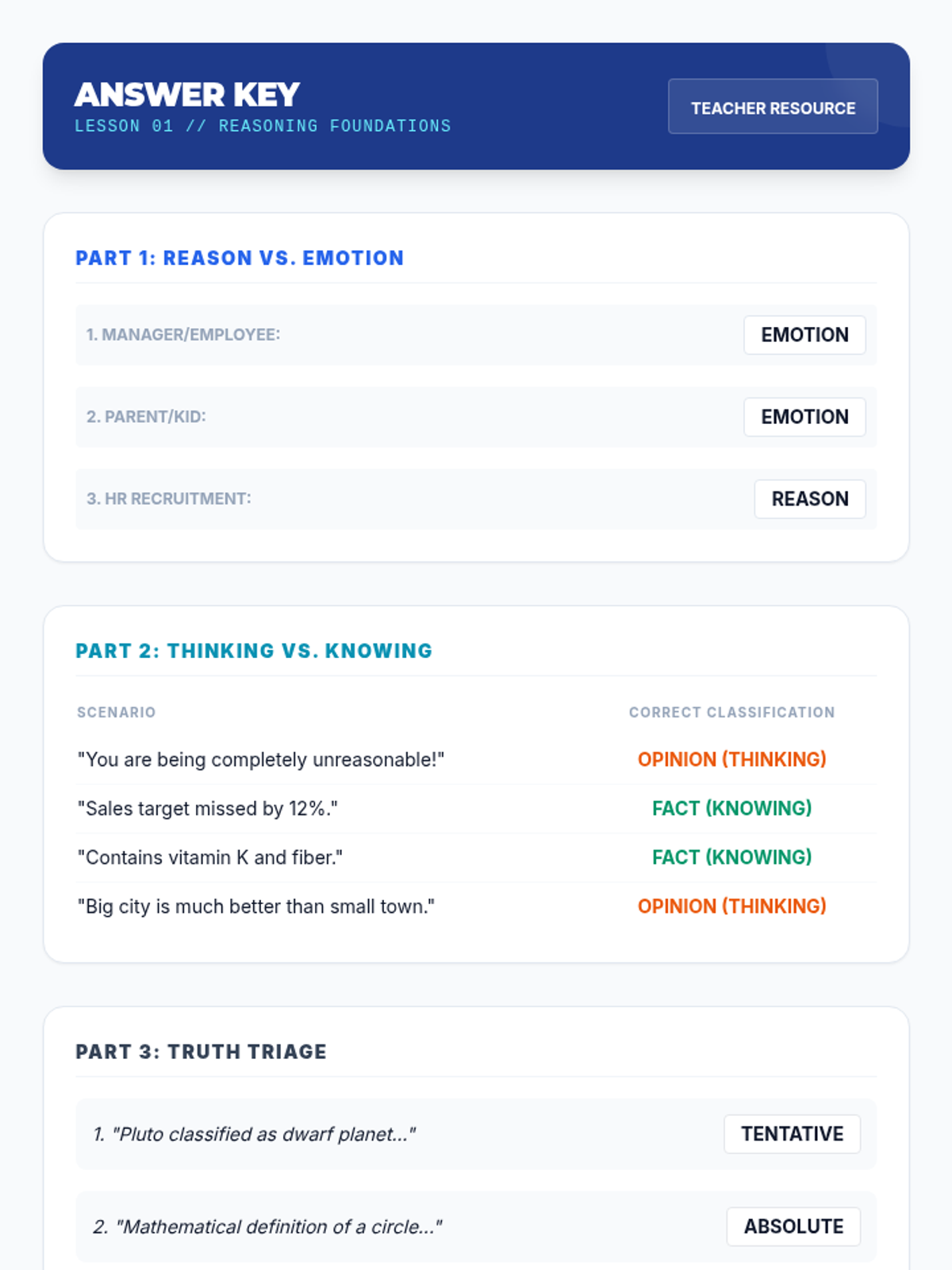
Establishes the foundation of critical thinking by distinguishing between reason and emotion, and fact versus opinion (thinking vs. knowing). Includes the course Pretest.
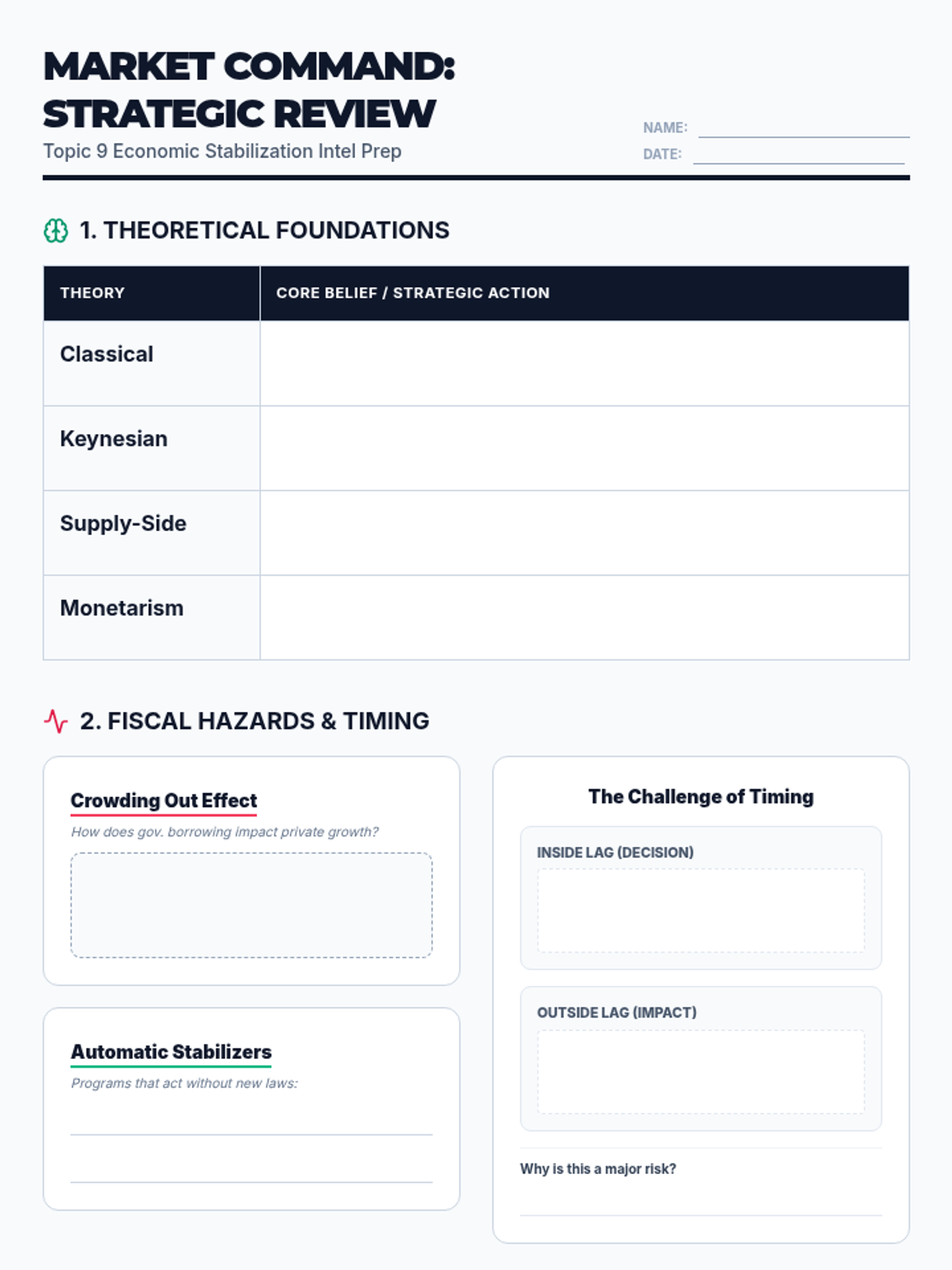
A comprehensive 35-minute review session for Topic 9, covering economic theories, fiscal policy nuances like crowding out and lags, and a deep dive into the Federal Reserve's monetary tools to prepare students for their exam.
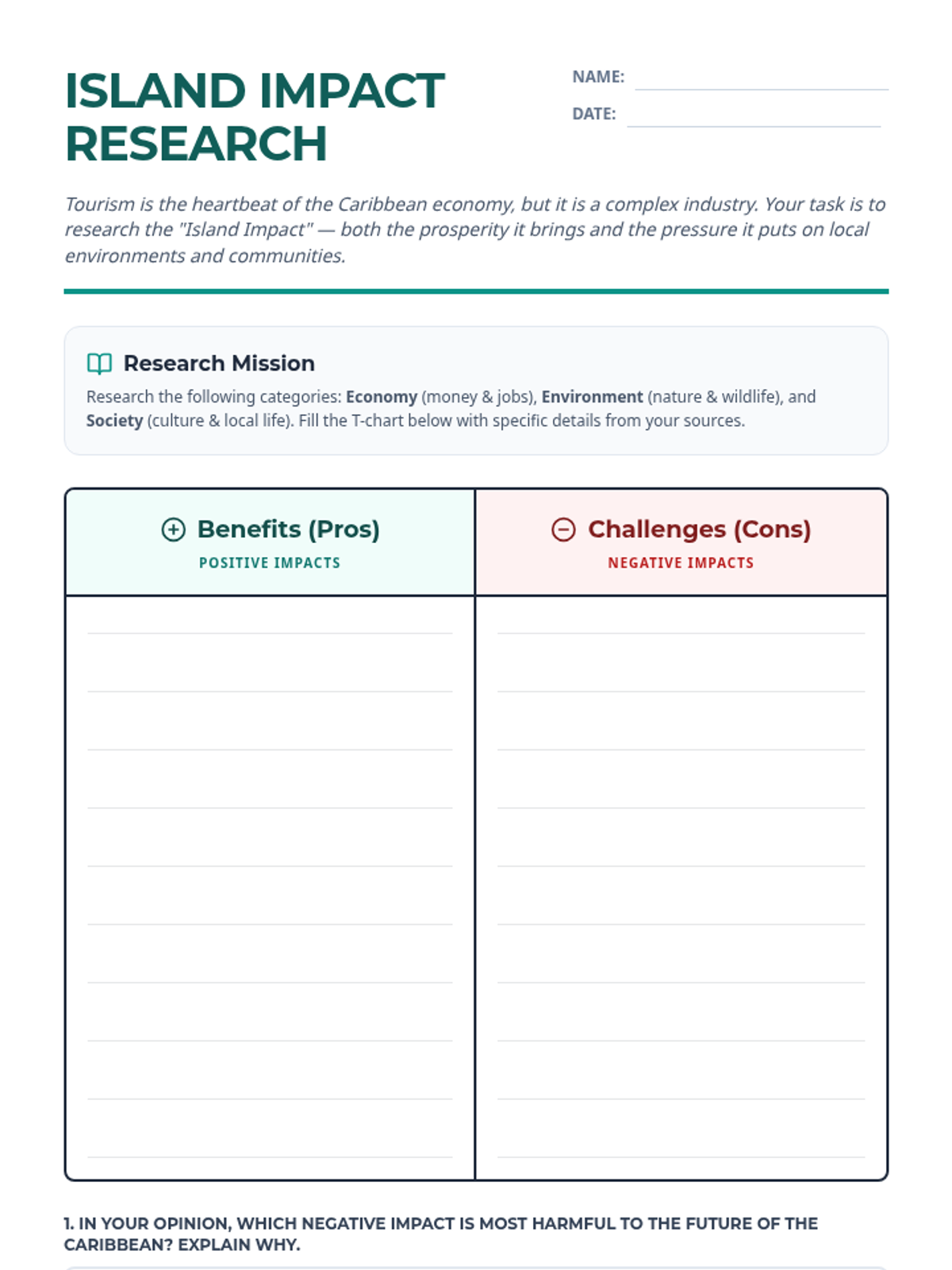
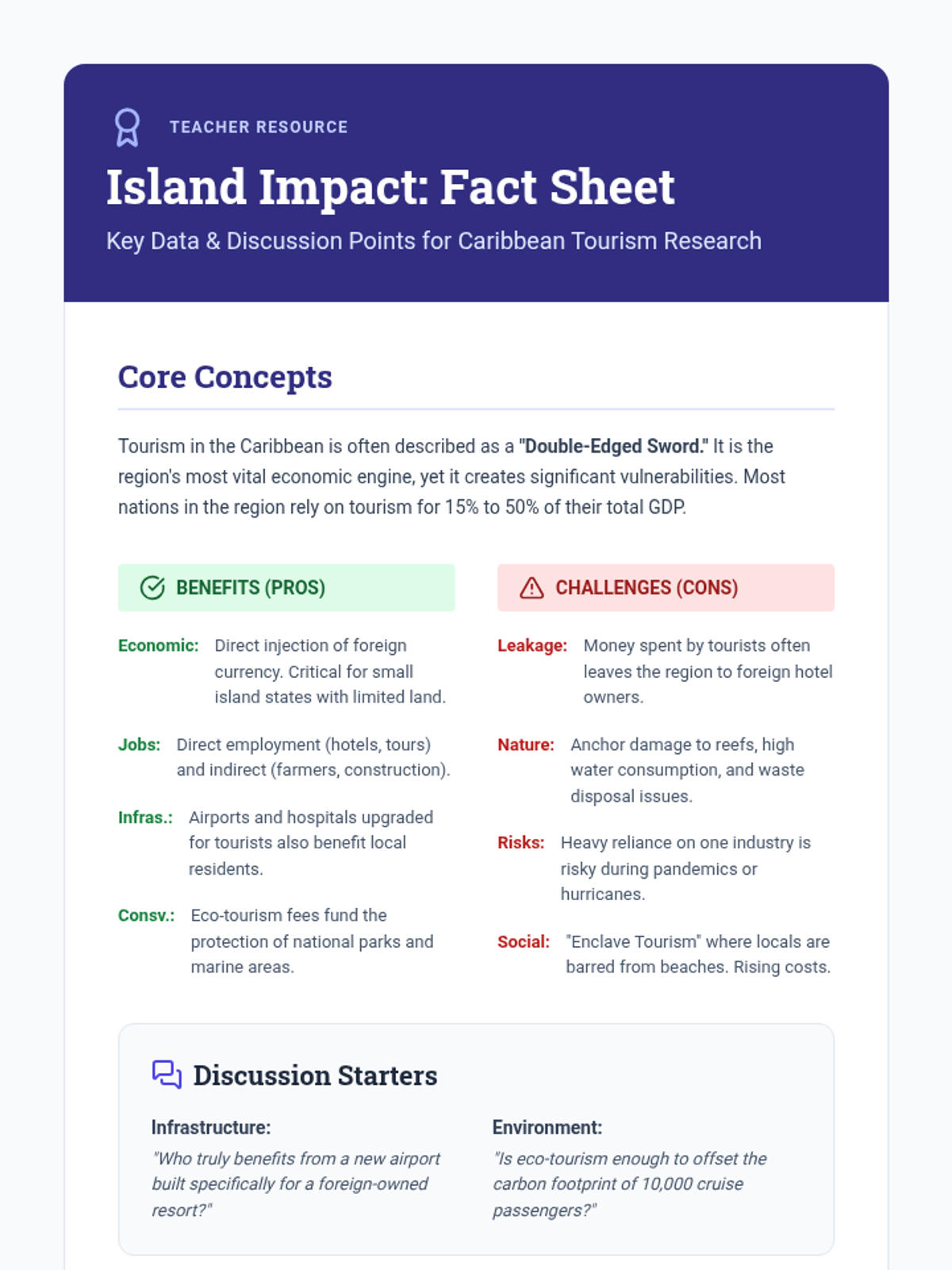
A research-based lesson exploring the complex economic, environmental, and social impacts of tourism in the Caribbean region. Students will investigate both the vital benefits and the significant challenges posed by the tourism industry.
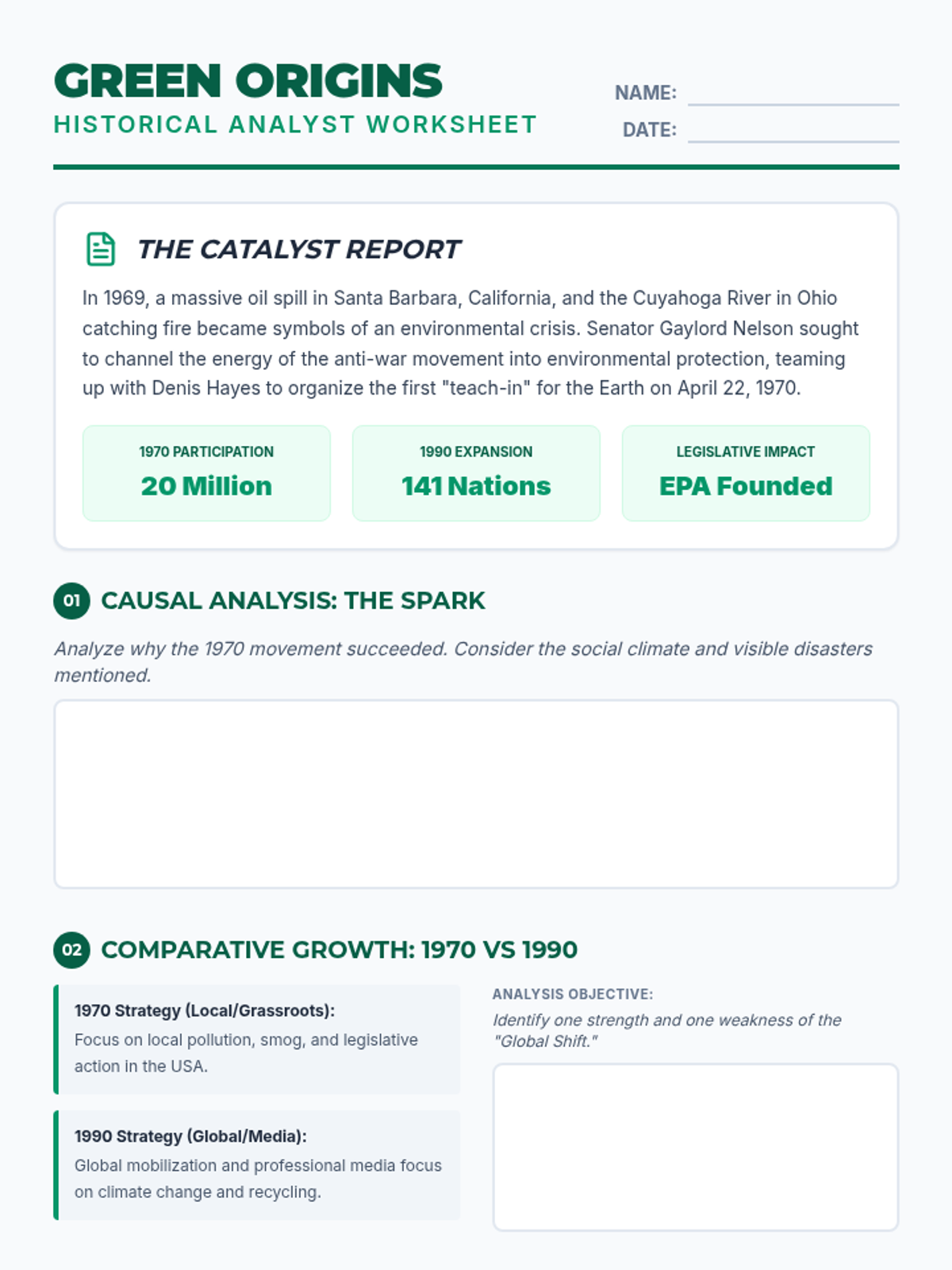
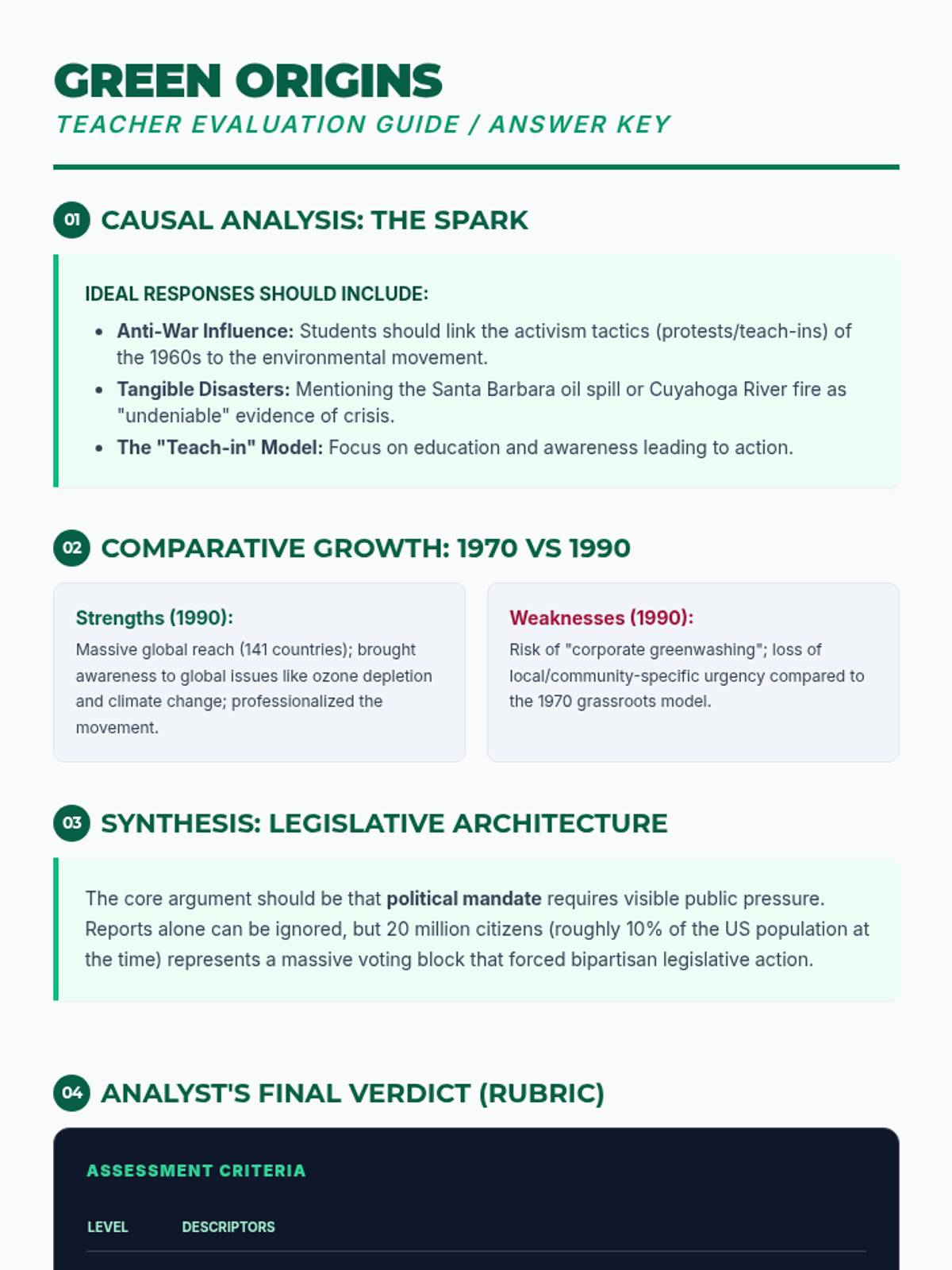
A lesson exploring the socio-political origins of Earth Day, focusing on the 1970 movement and its evolution into a global phenomenon. Students analyze historical catalysts and the impact of environmental advocacy.
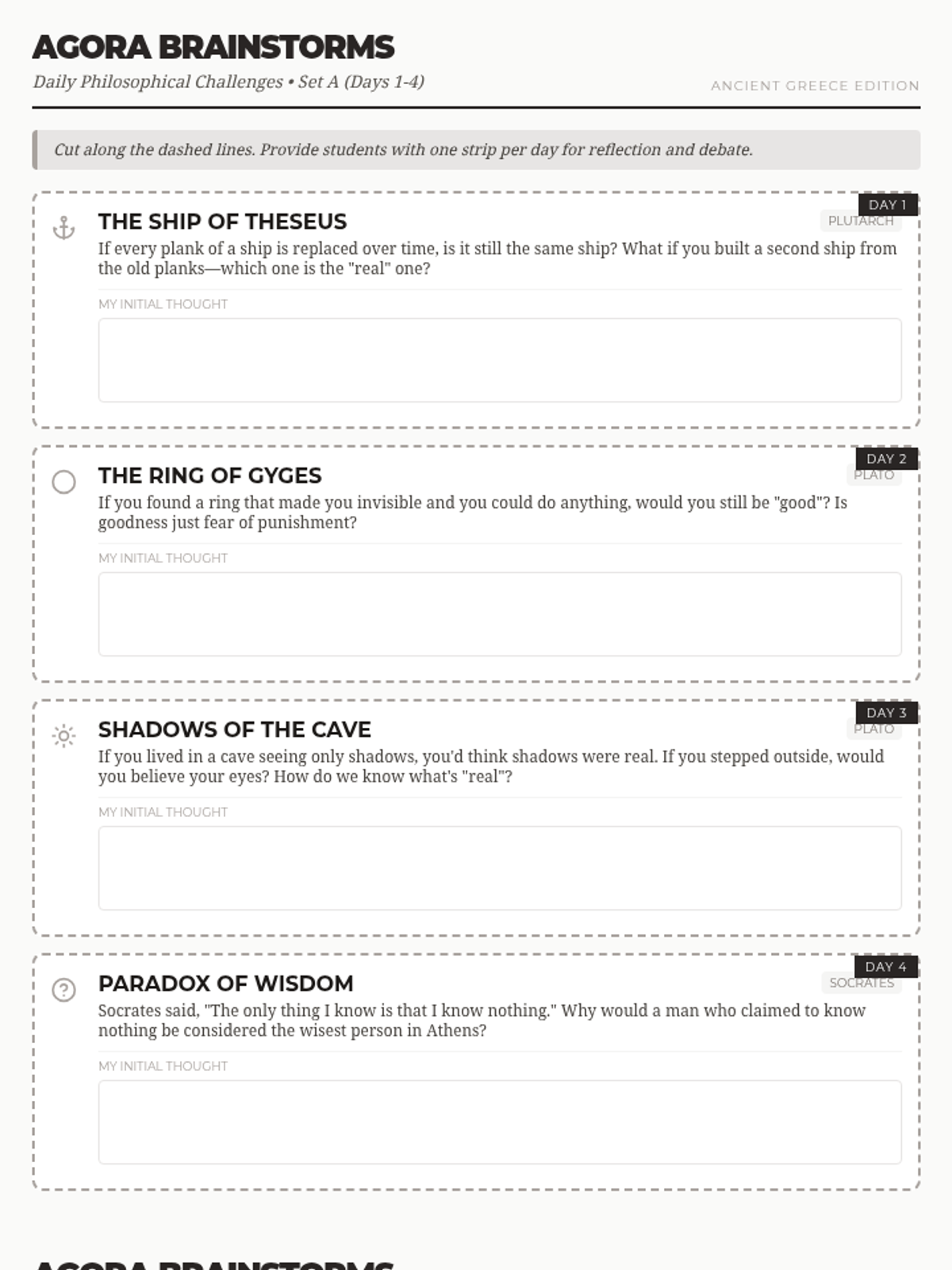
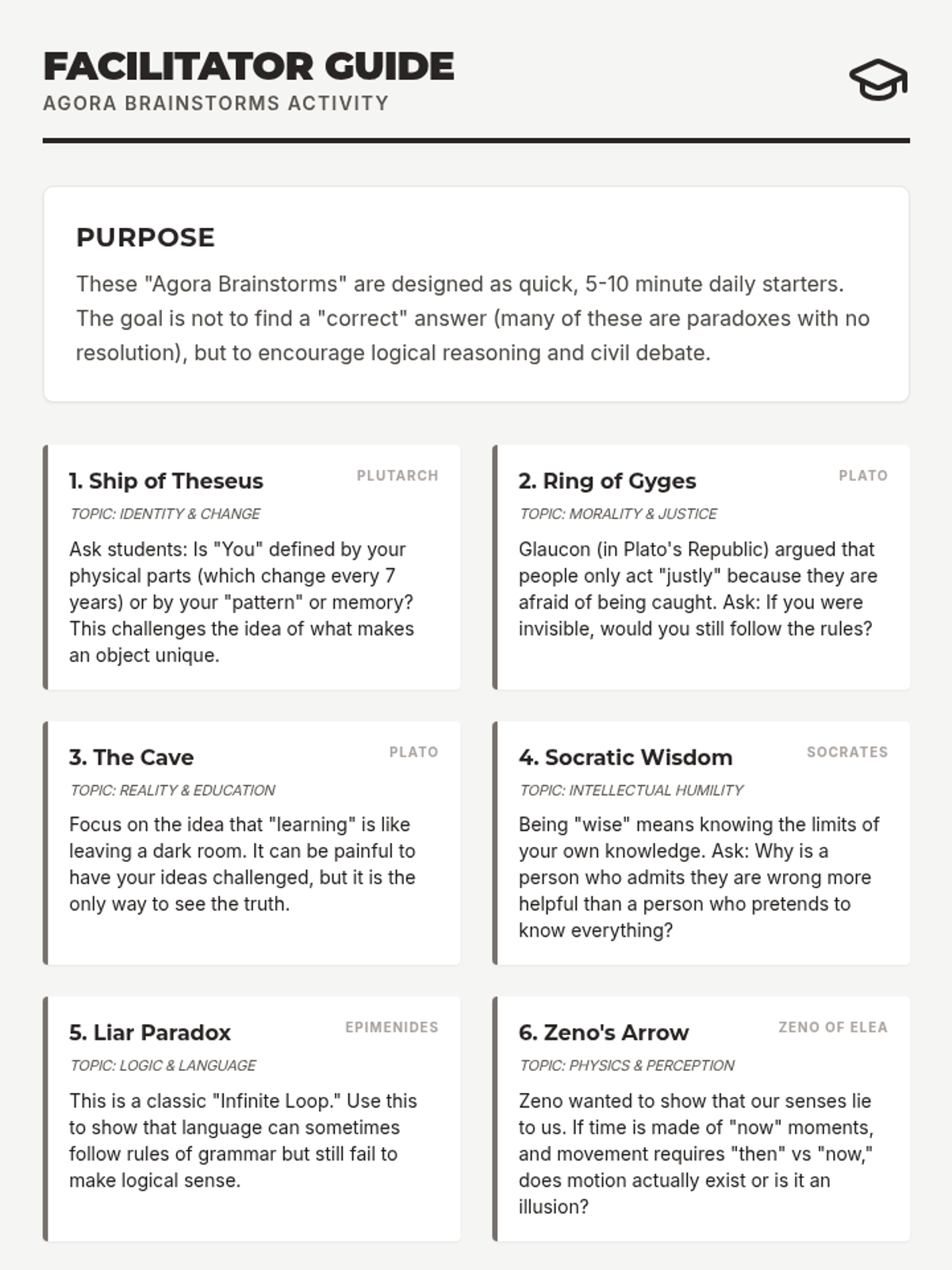
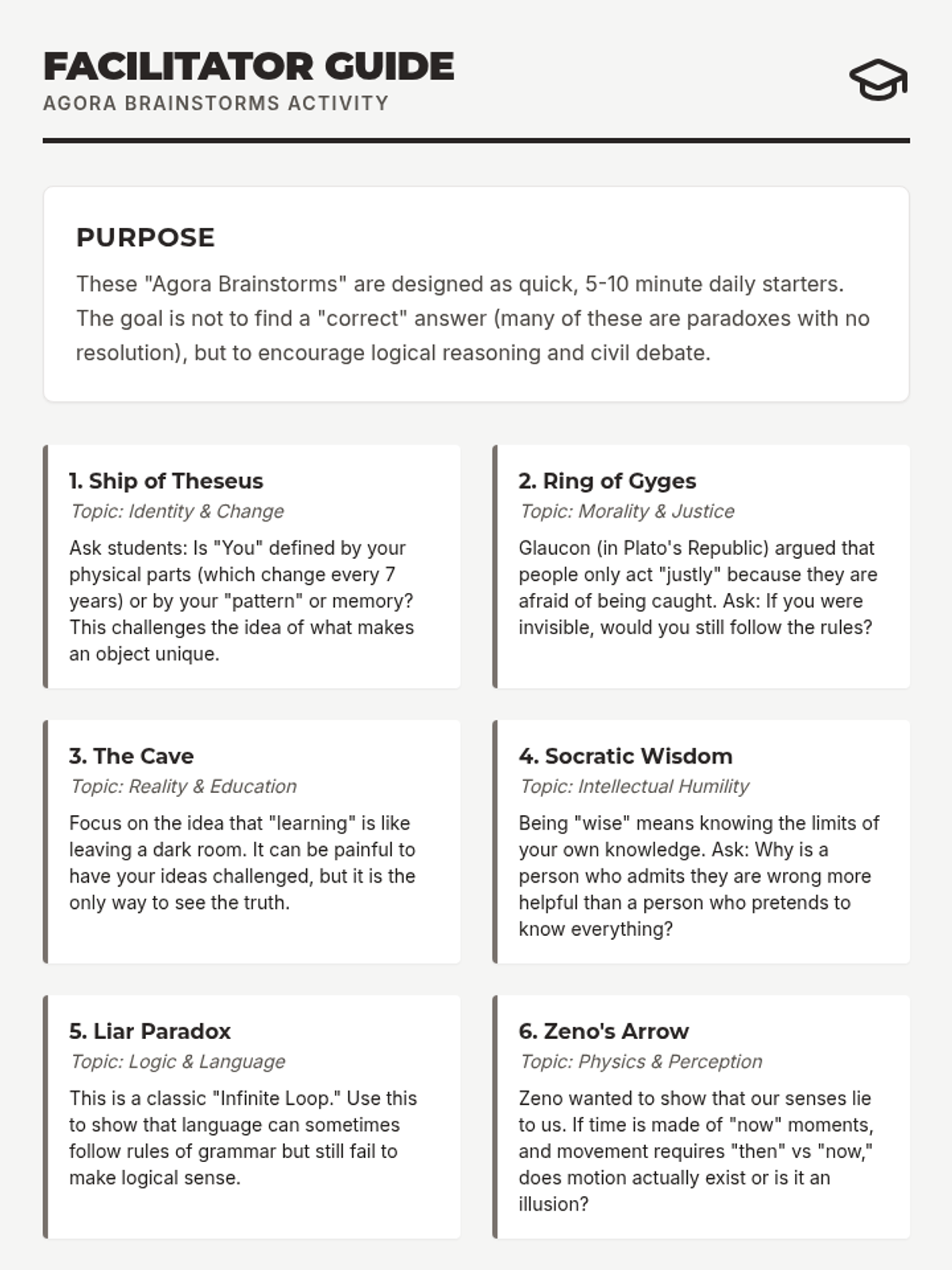
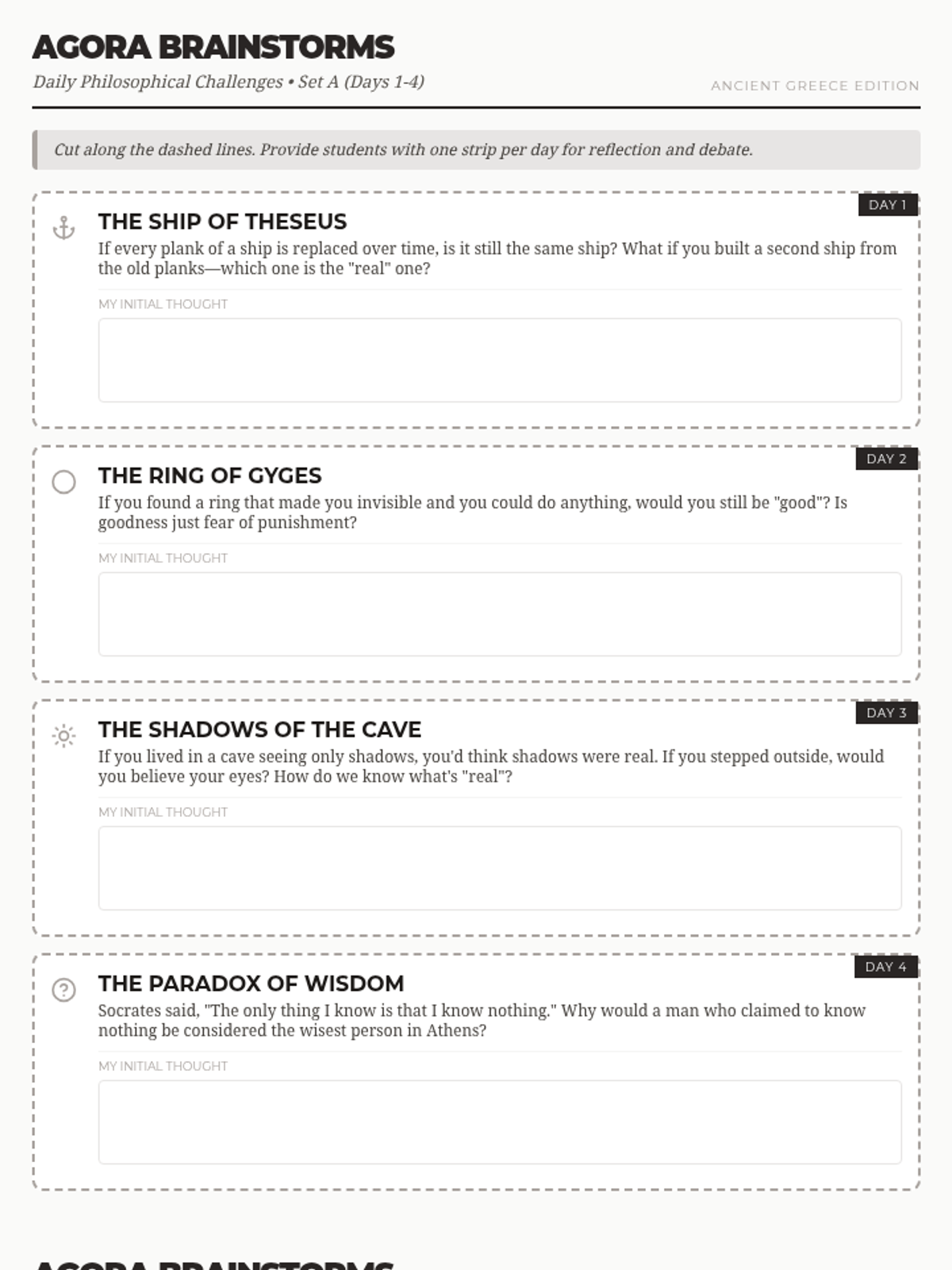
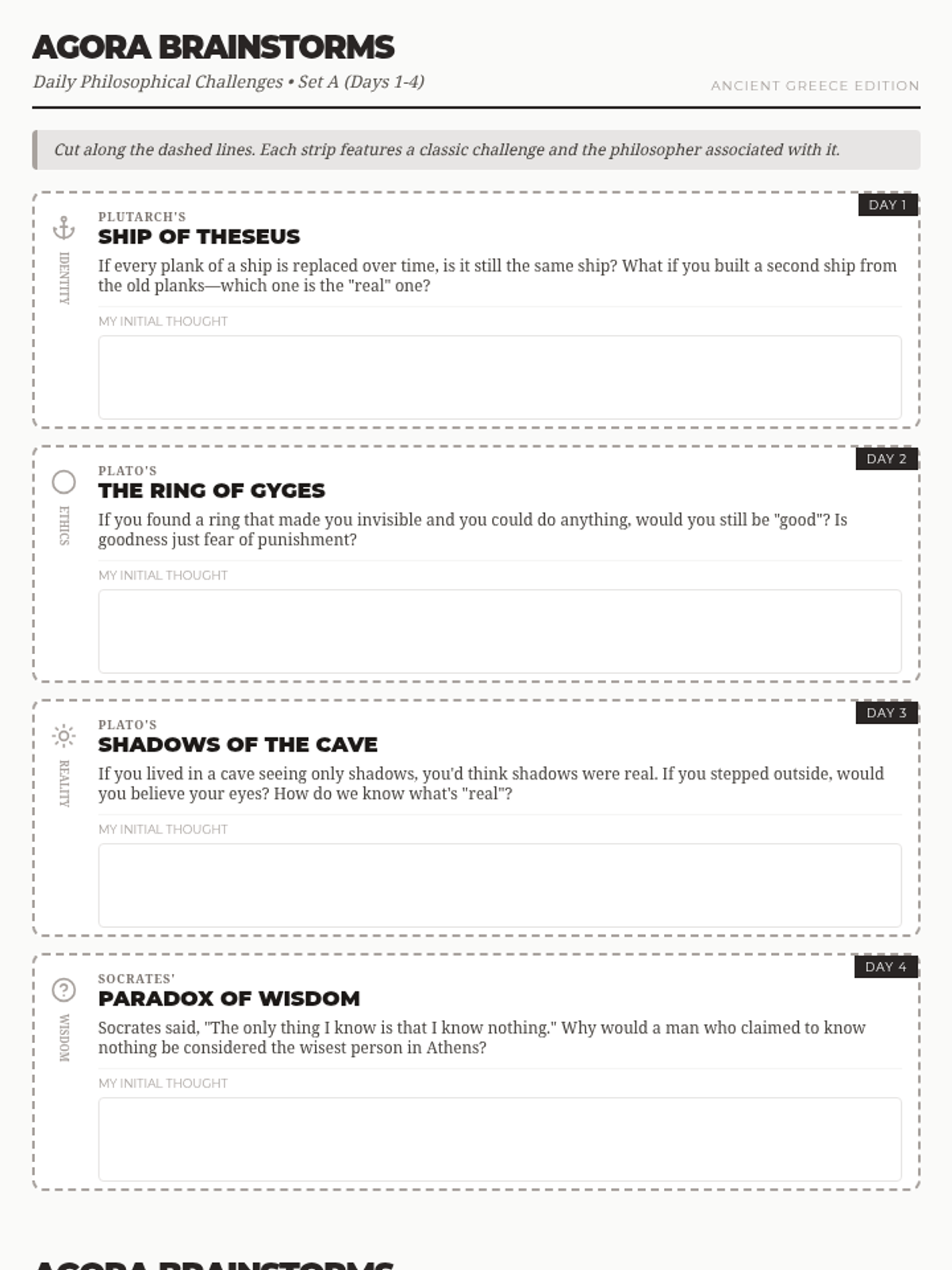
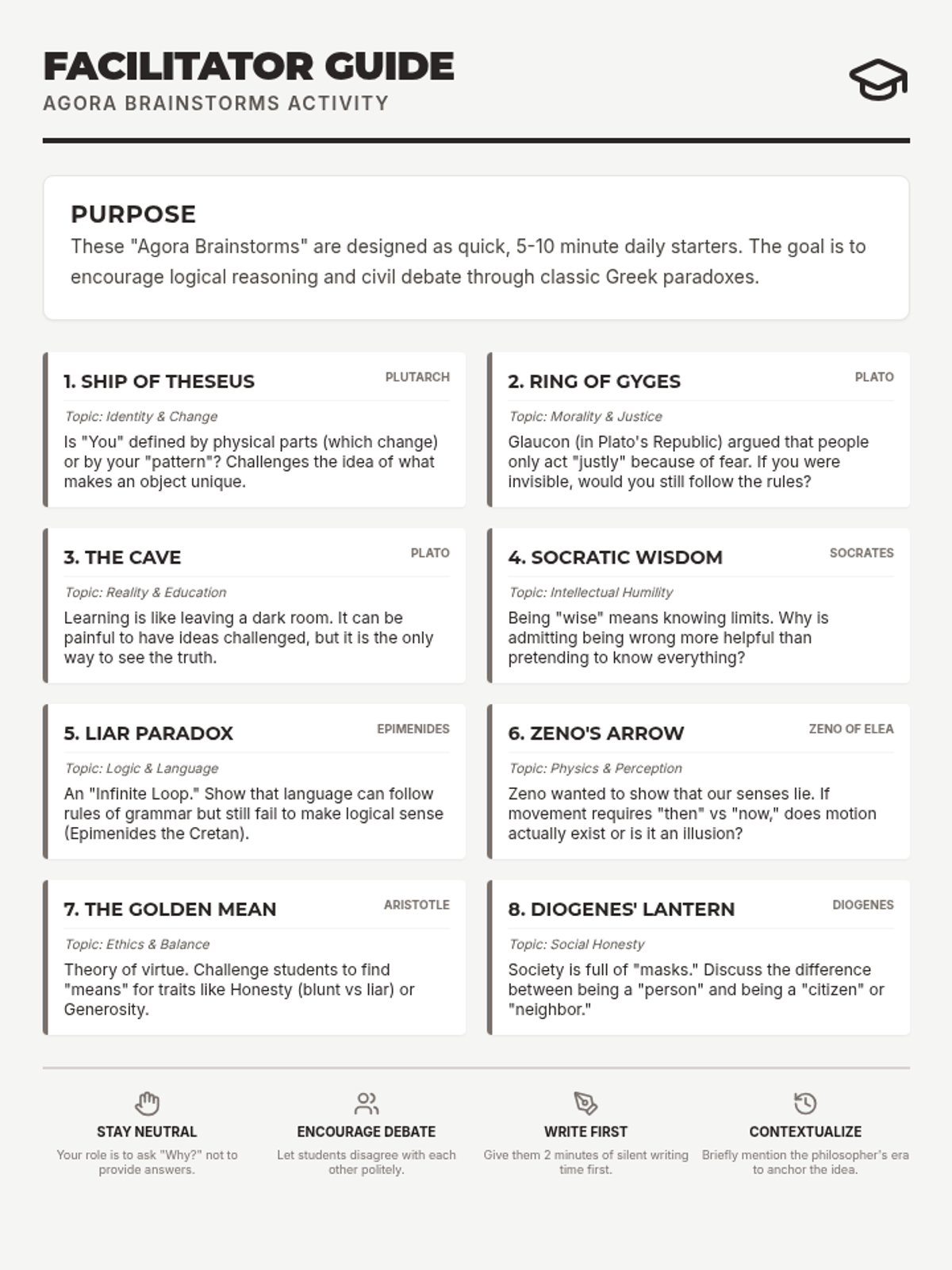
A series of daily philosophical challenges inspired by Ancient Greek paradoxes and thought experiments, designed to spark critical thinking and classroom debate.
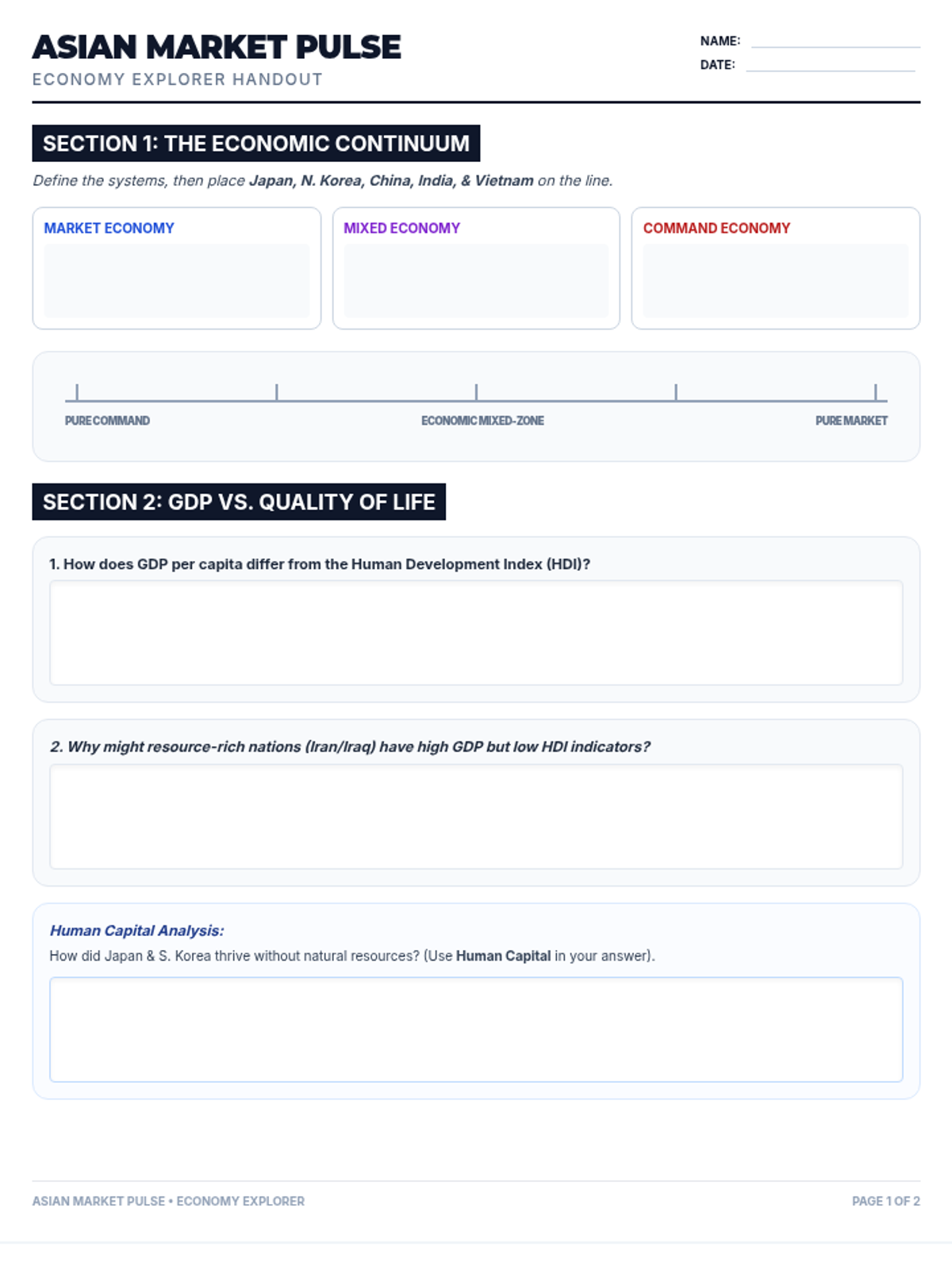
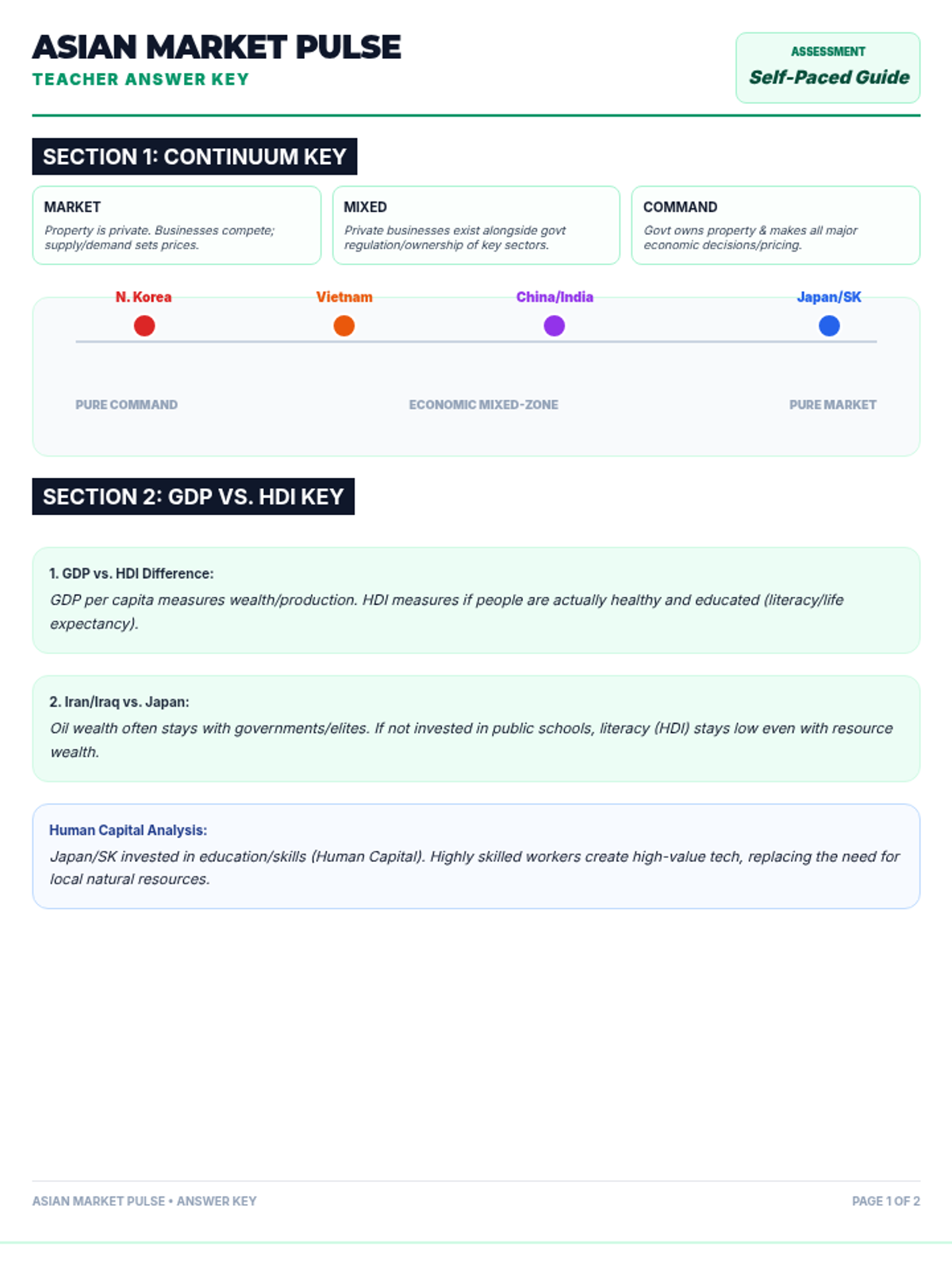
A self-paced study guide exploring the diverse economic landscapes of Asia, focusing on the relationship between economic systems, GDP, and quality of life across major nations.
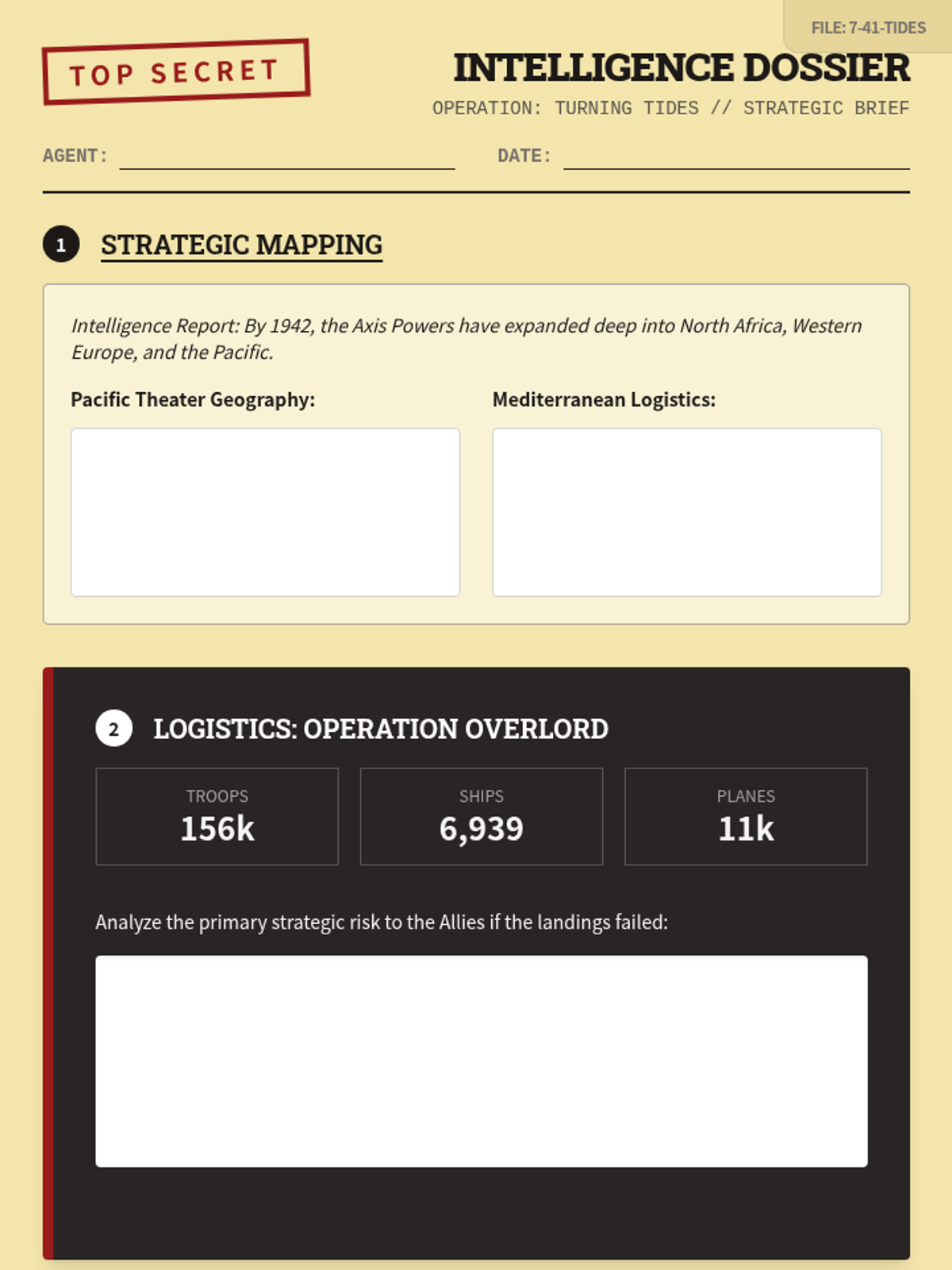
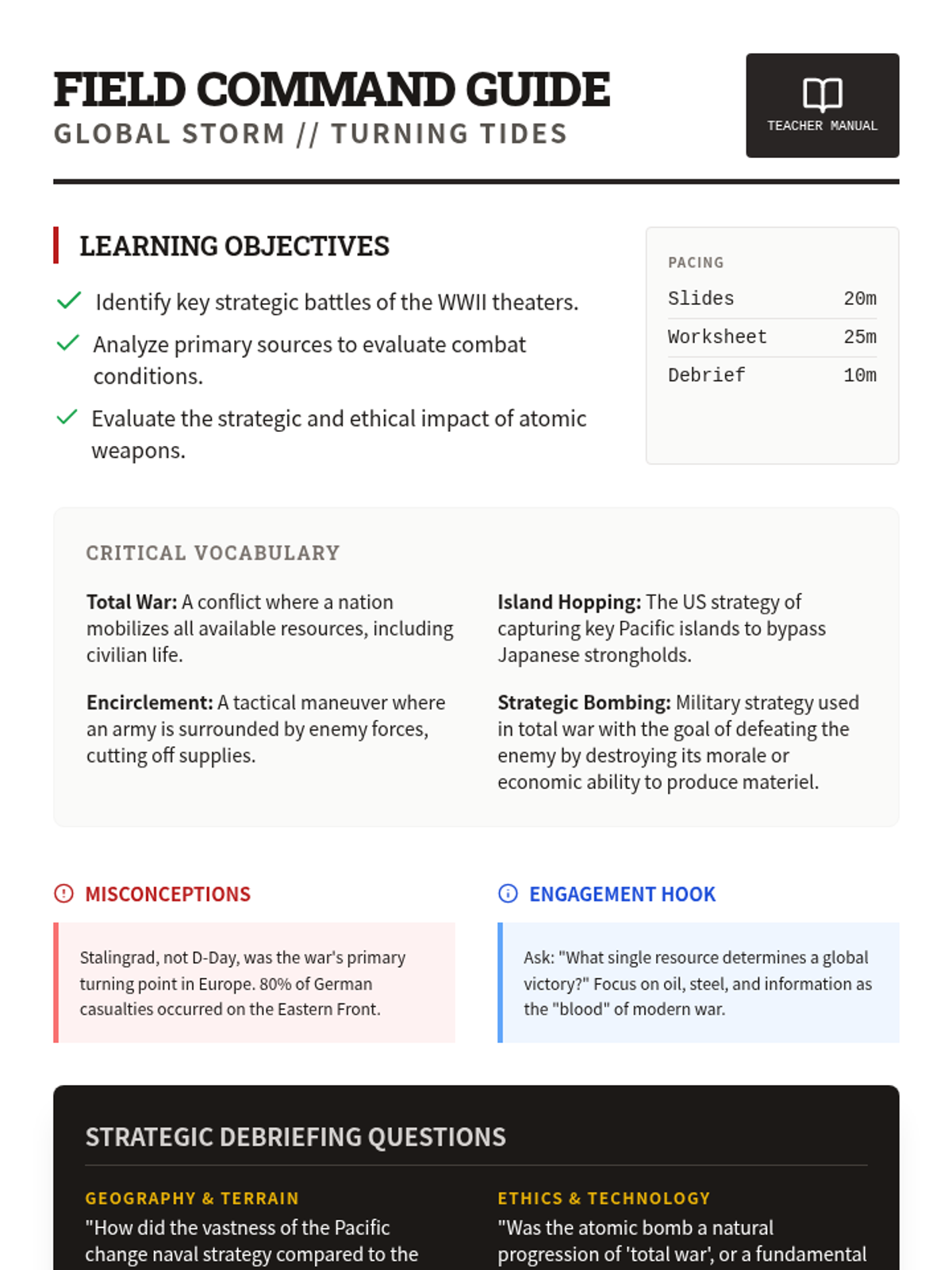
Focuses on the critical turning points of World War II, exploring the strategic shifts and human stories that defined the conflict's outcome.
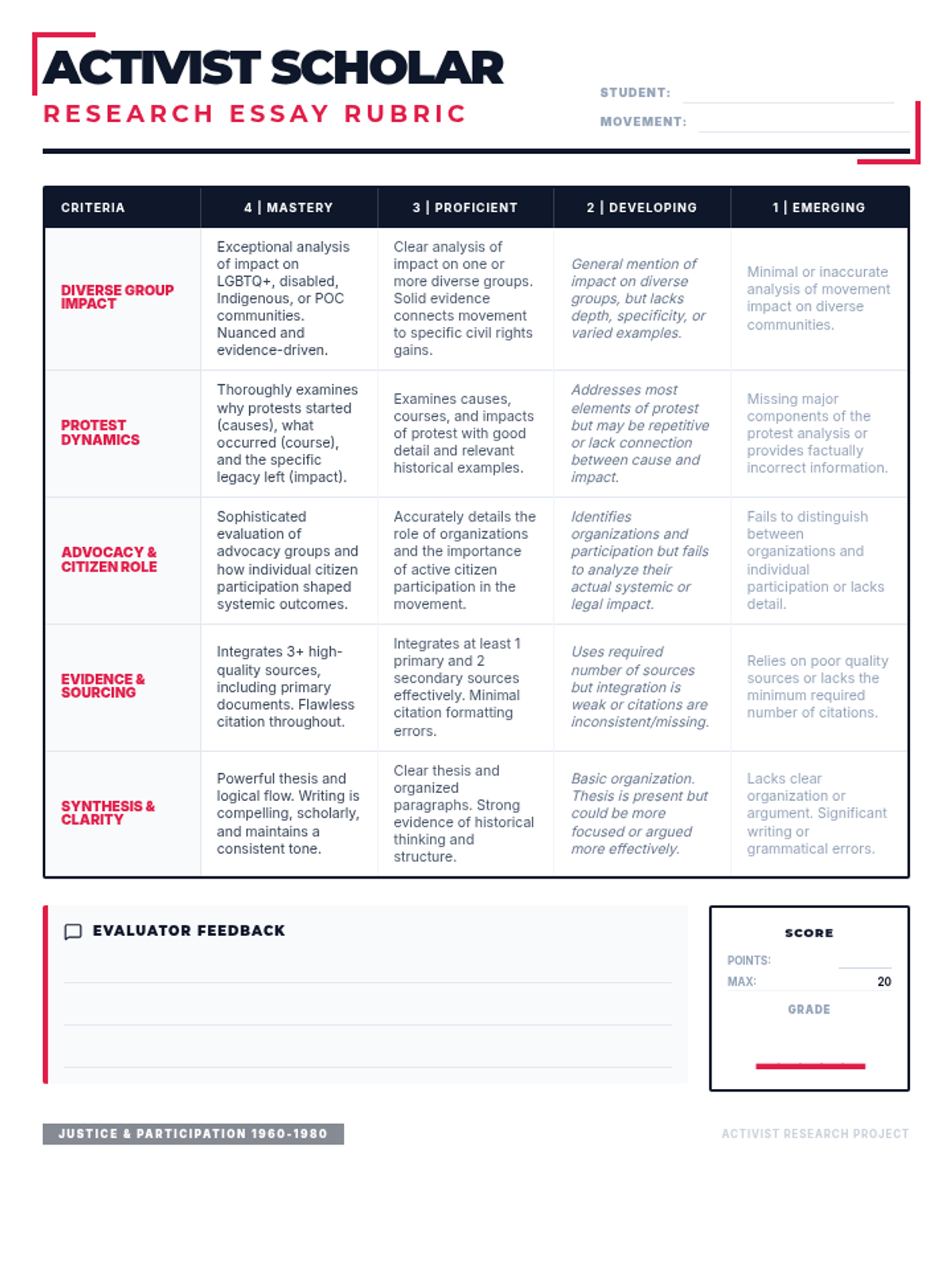
A comprehensive research project exploring the 1960s-80s social movements, focusing on the roles of protest, advocacy, and citizen participation in shaping civil rights for diverse communities.
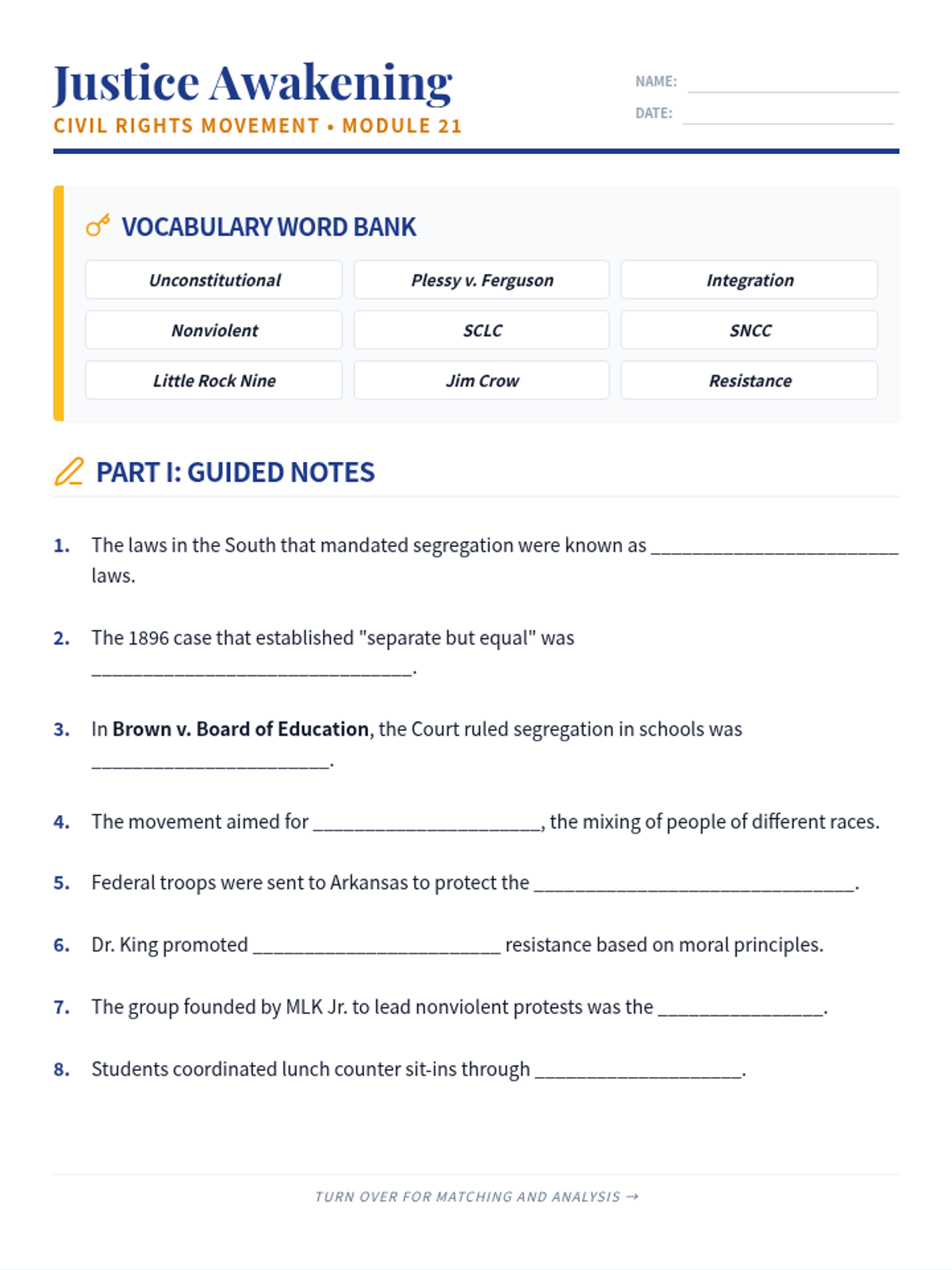
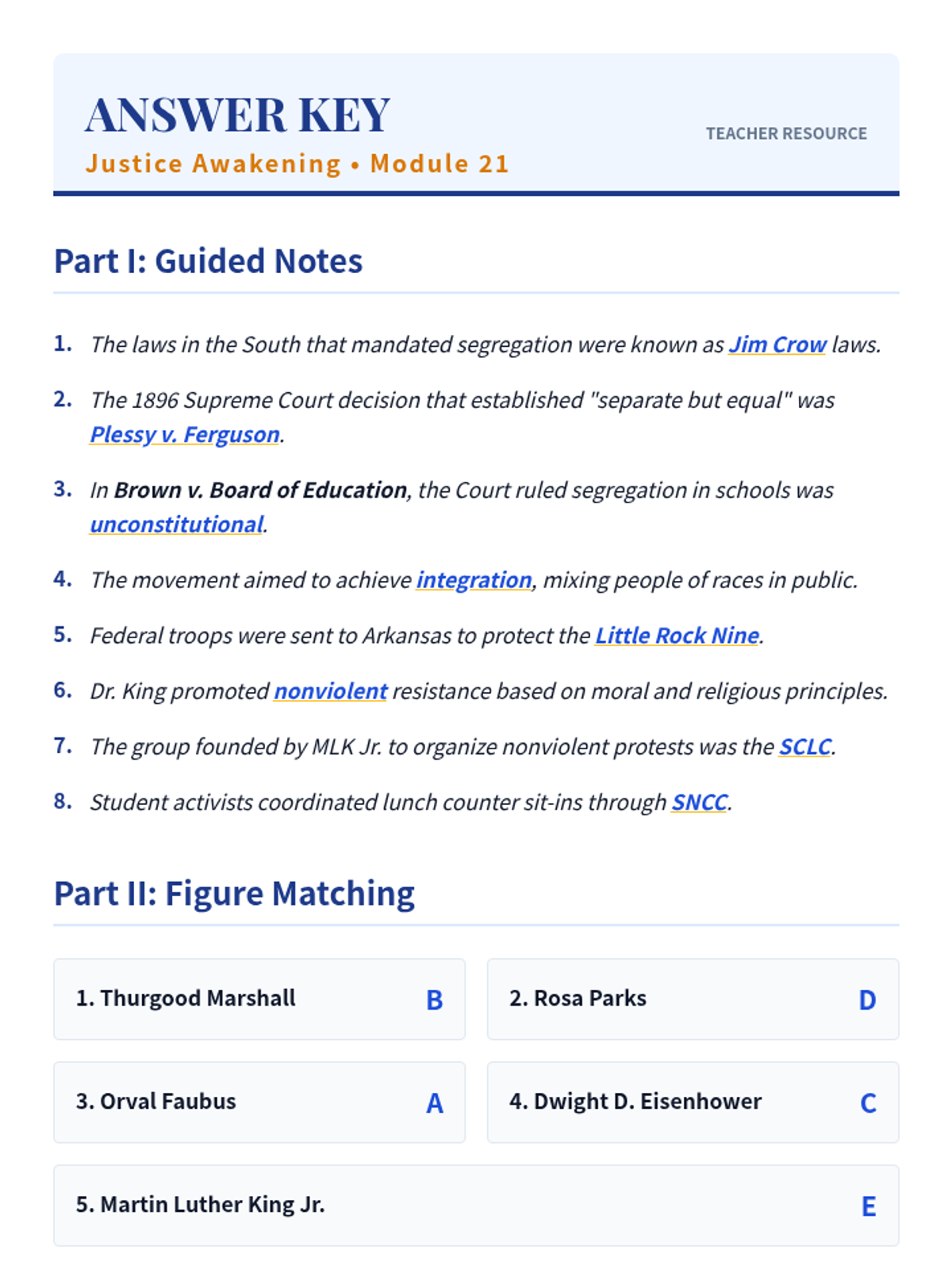
This lesson explores the pivotal events and figures of the early Civil Rights Movement during the 1950s, aligned with HMH Module 21. Students will analyze the legal battles against segregation and the rise of grassroots activism.
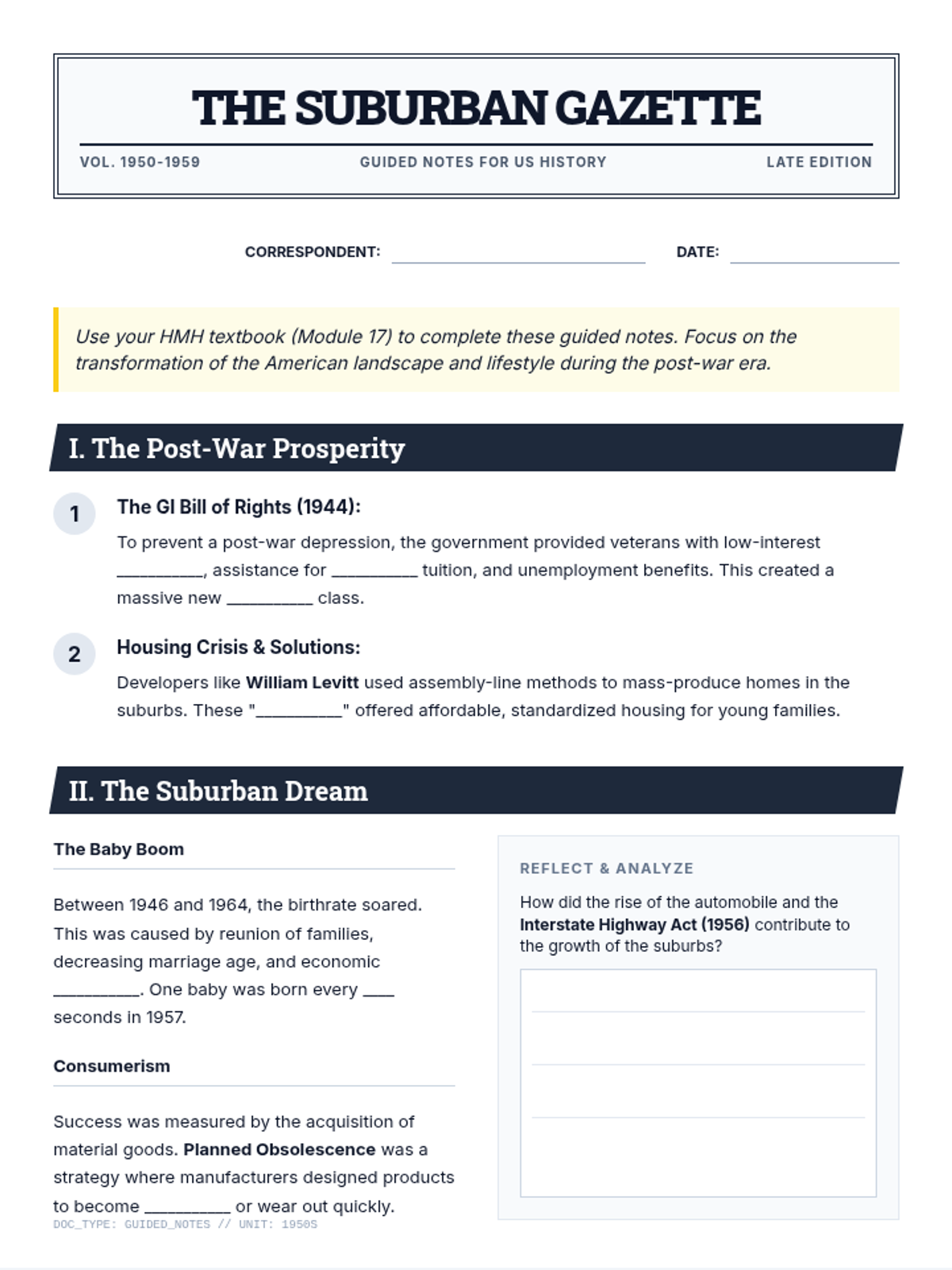
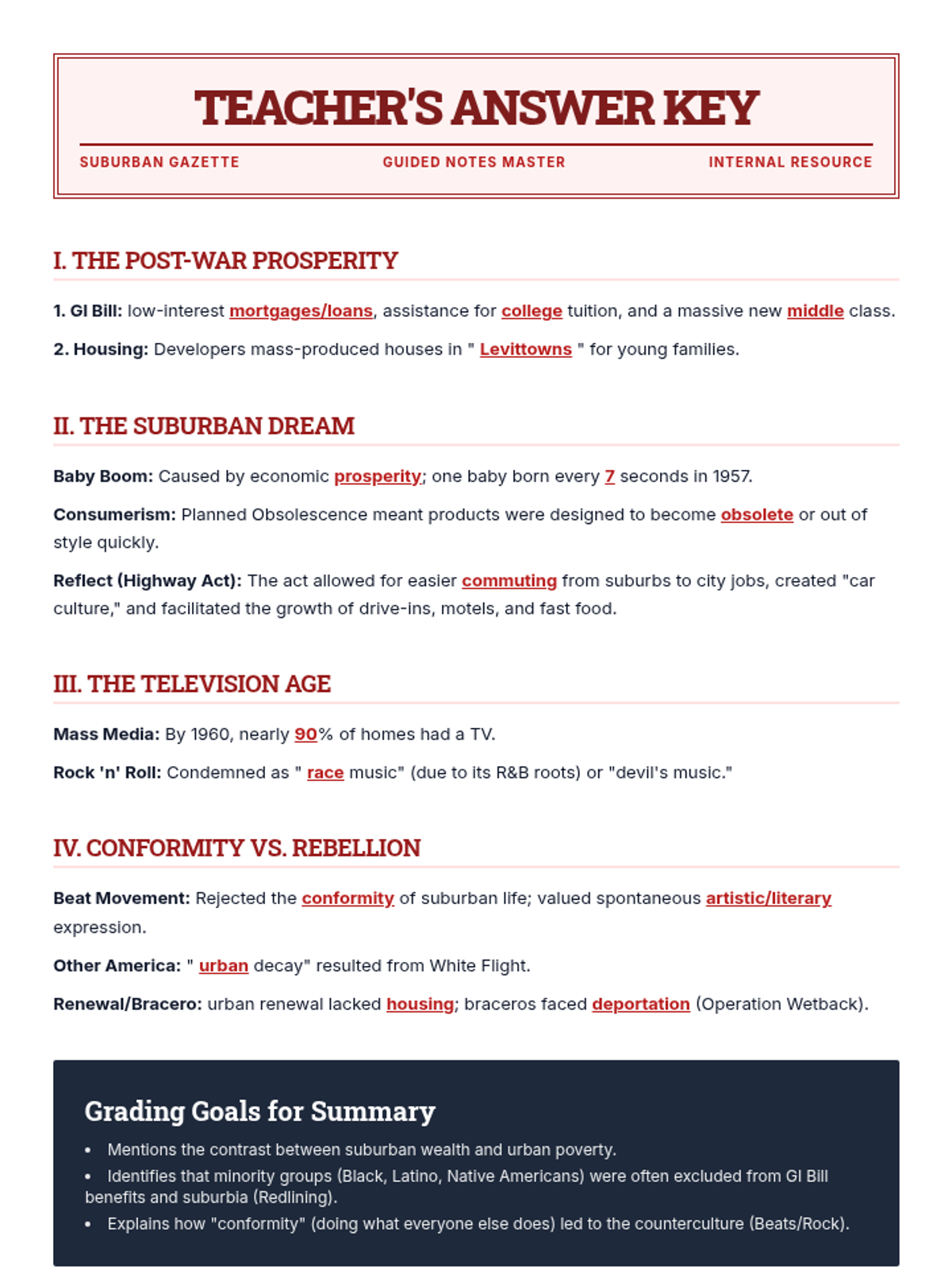
An overview of the domestic life, economic prosperity, and cultural shifts of the 1950s. This lesson covers the GI Bill, the rise of suburbia, the baby boom, and the tension between conformity and the emerging counterculture.
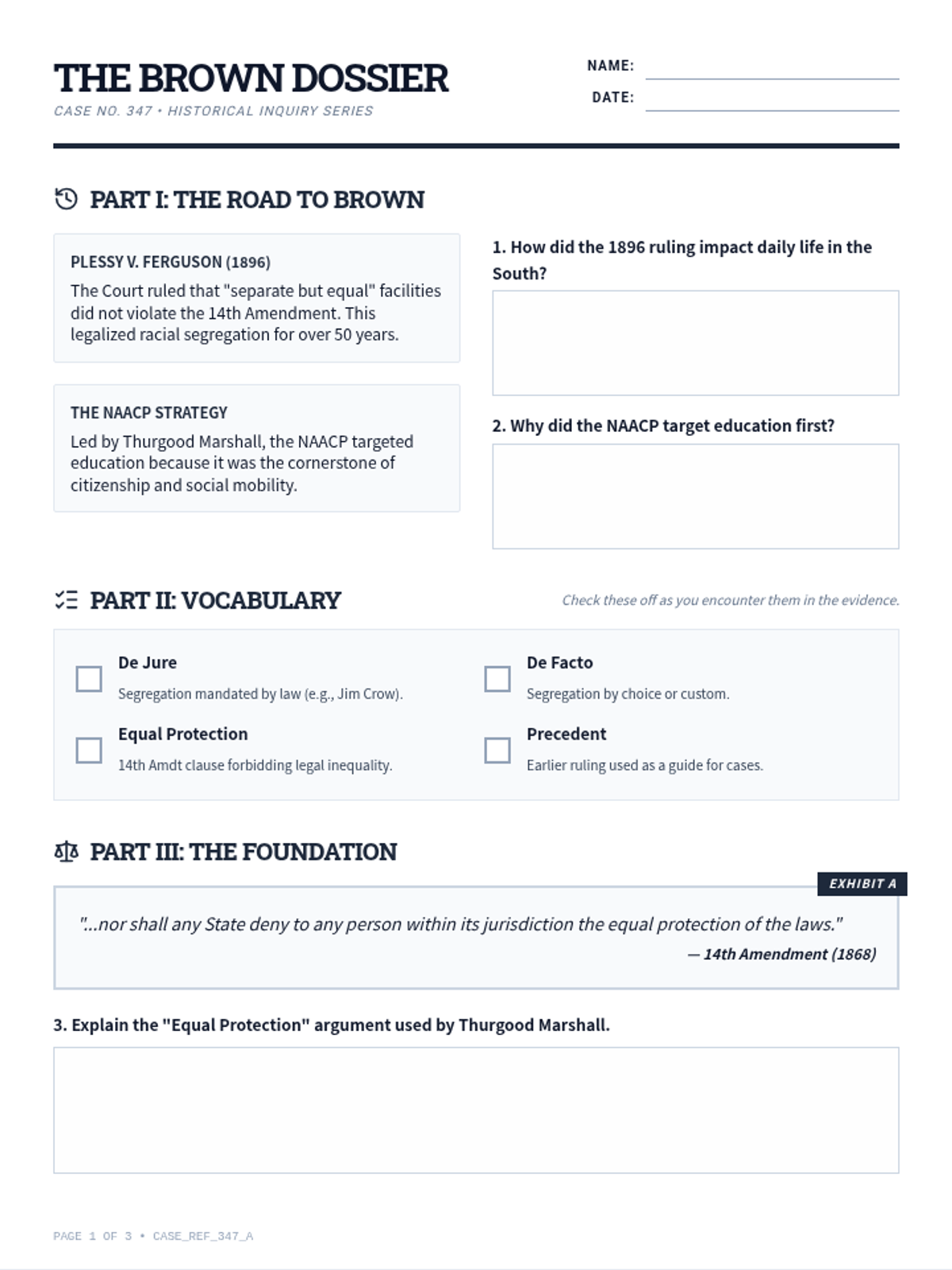
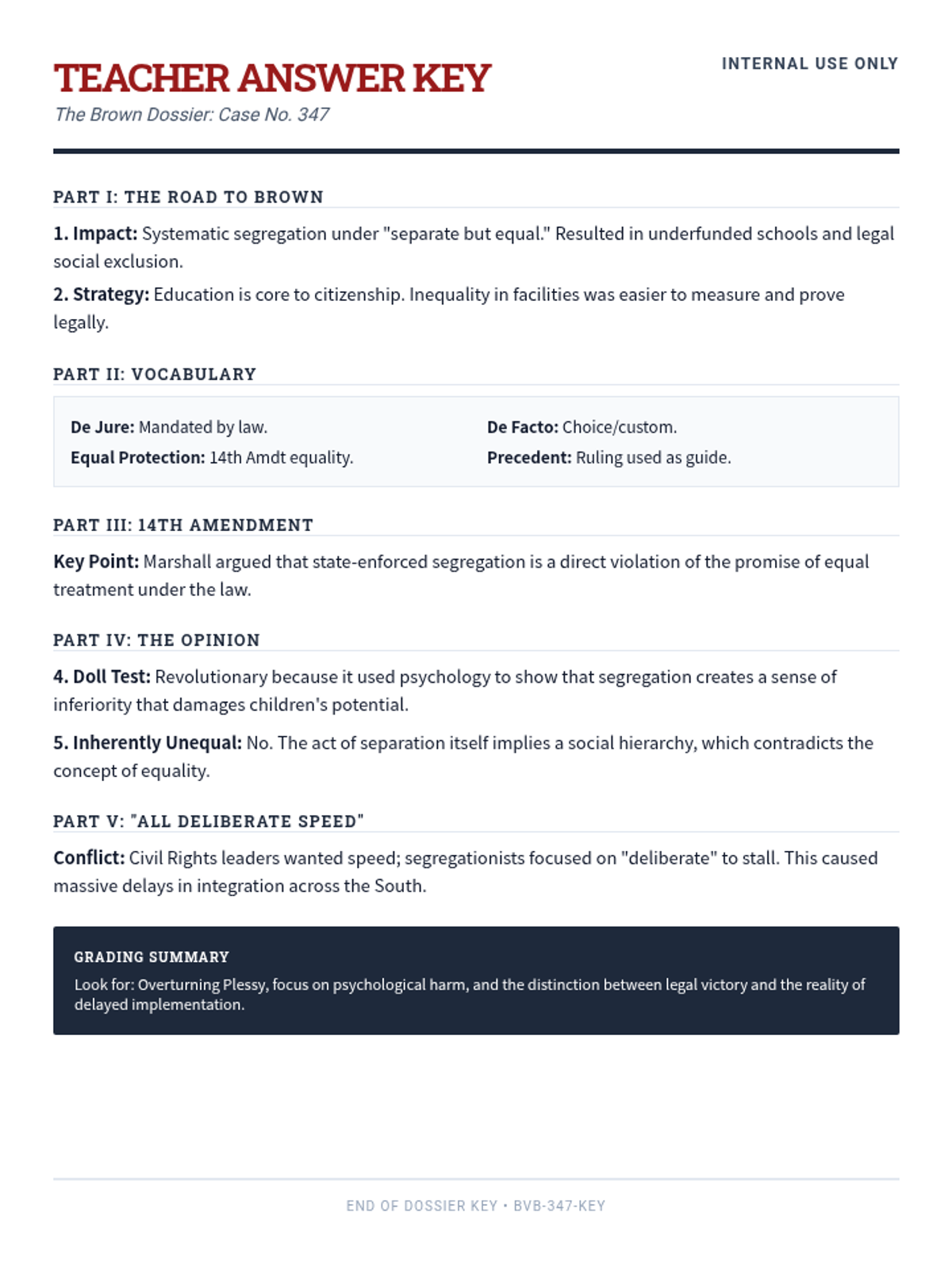
A comprehensive lesson exploring the historical context, legal arguments, and social impact of the Brown v. Board of Education Supreme Court decision. Students analyze the transition from Plessy v. Ferguson to the civil rights era through primary source excerpts and critical thinking questions.
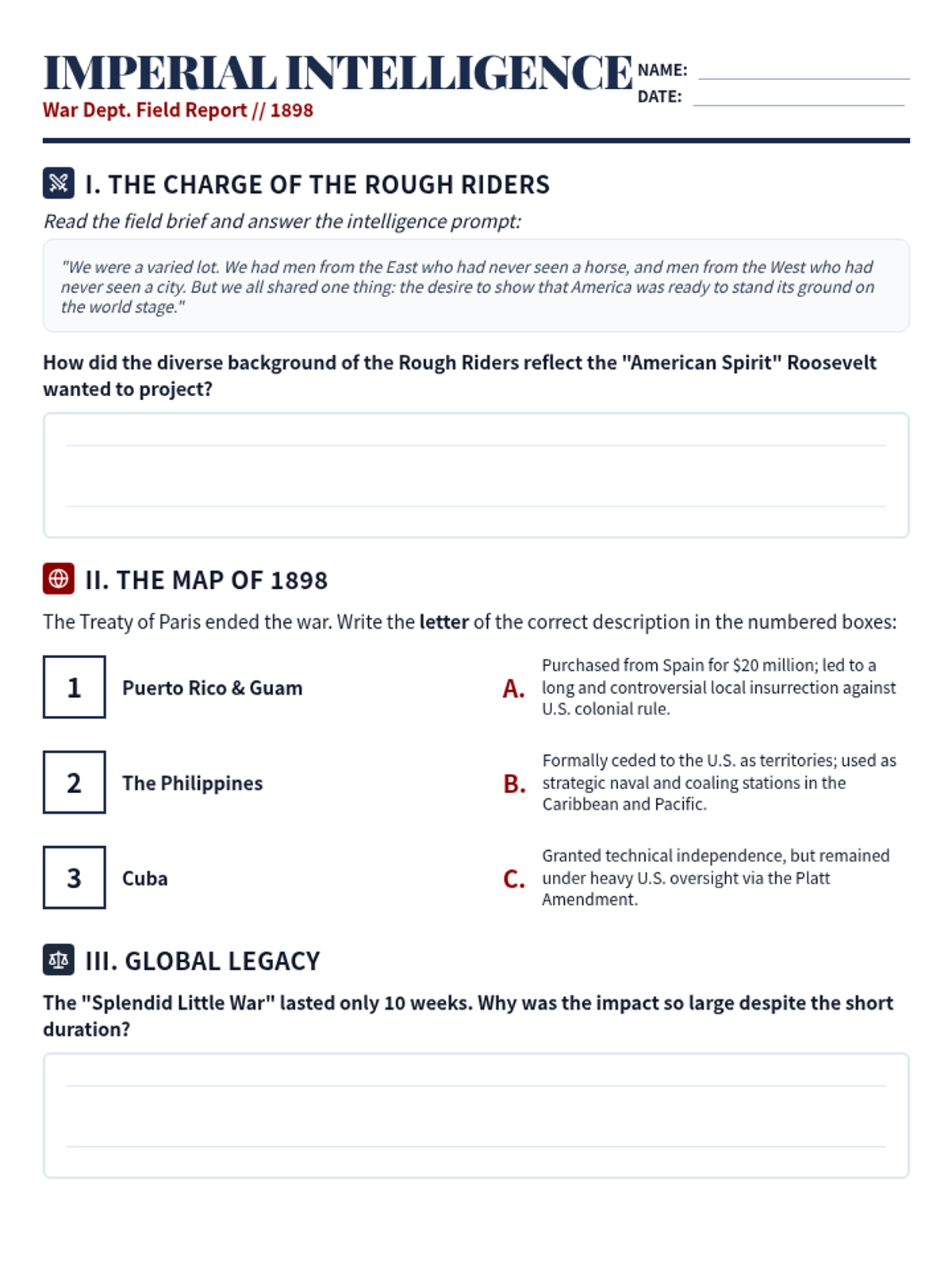
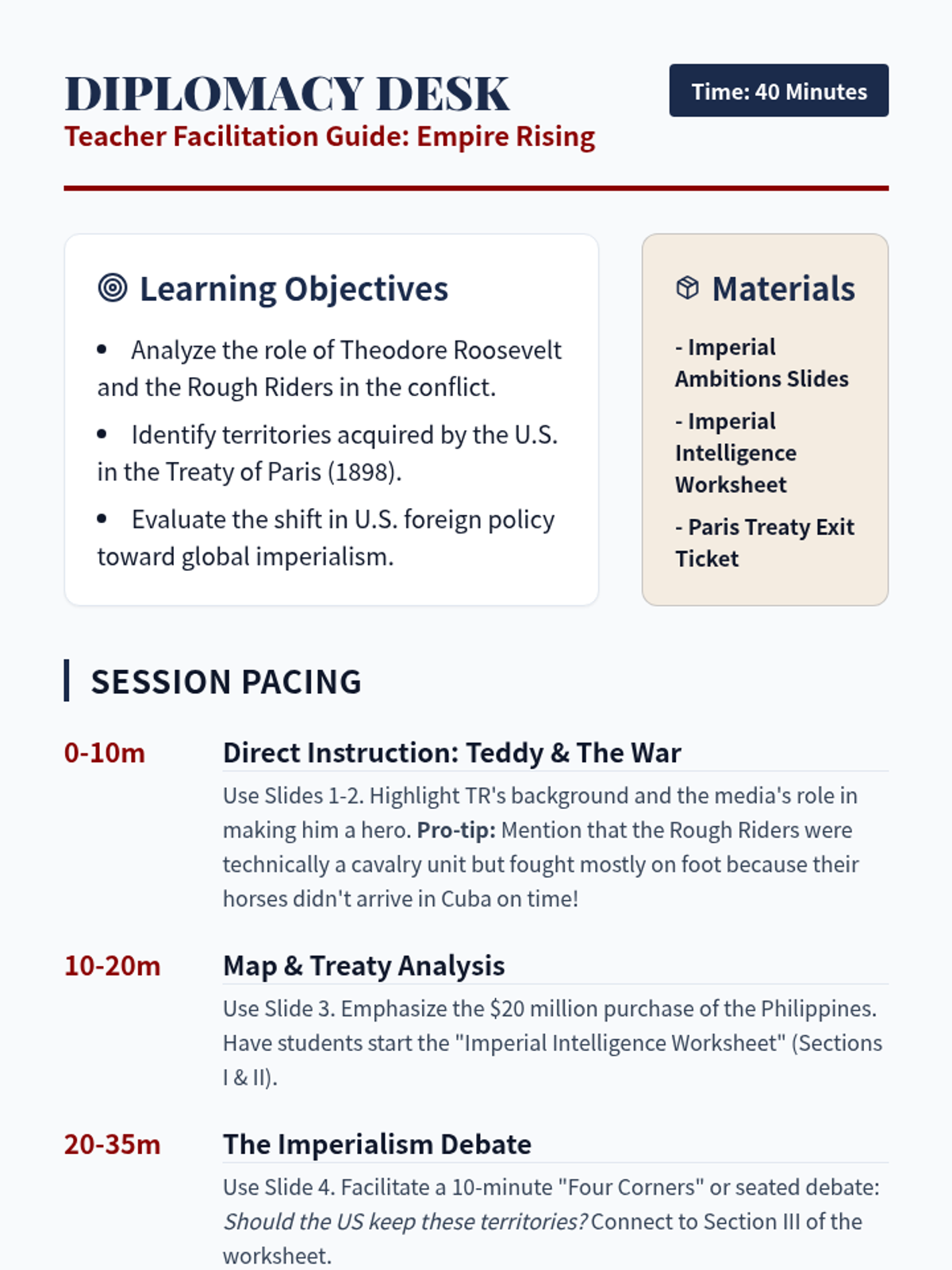
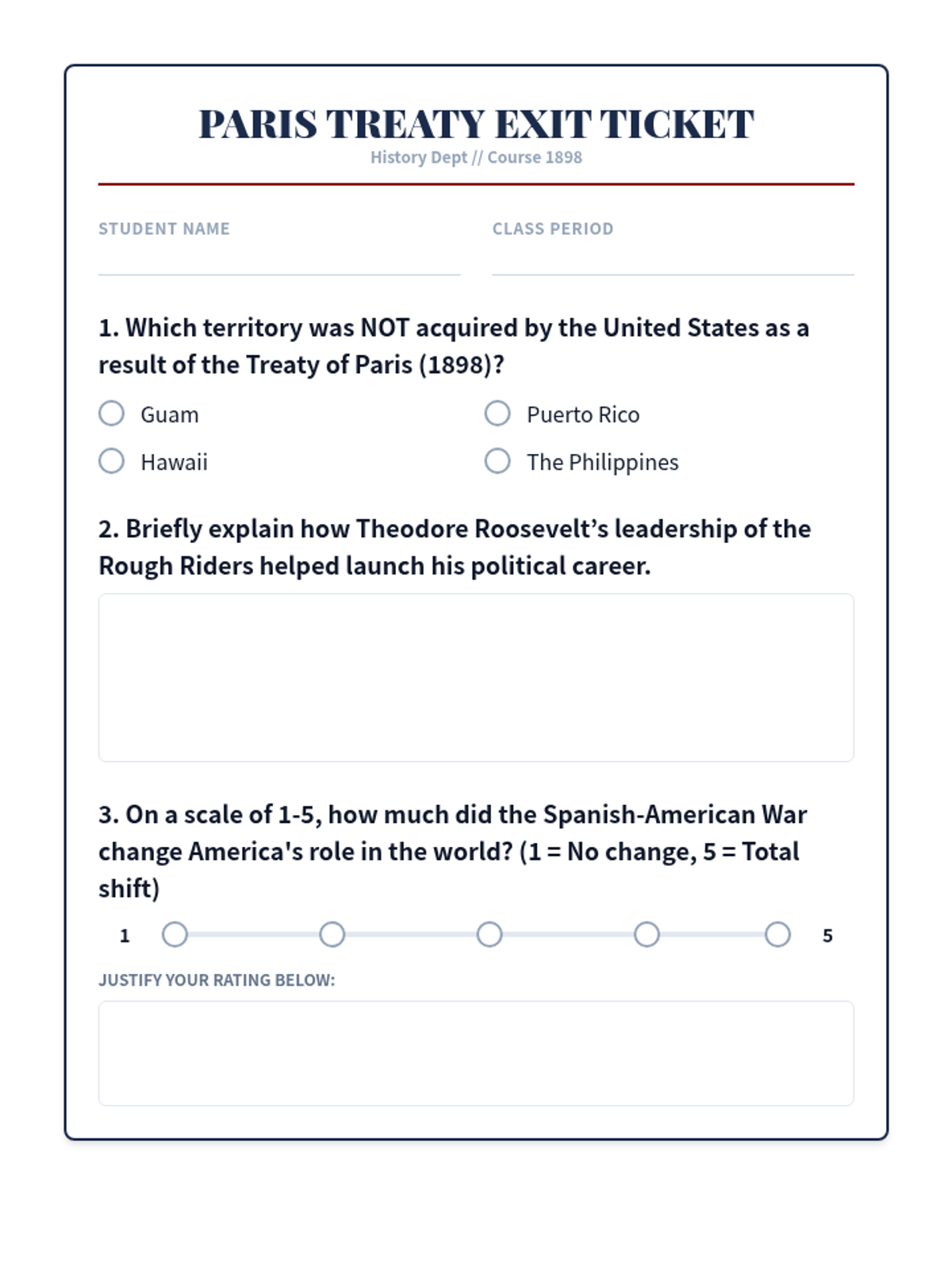
A high-impact 40-minute exploration of the Spanish-American War, focusing on the rise of Teddy Roosevelt, the Treaty of Paris, and the emergence of the United States as a global power.
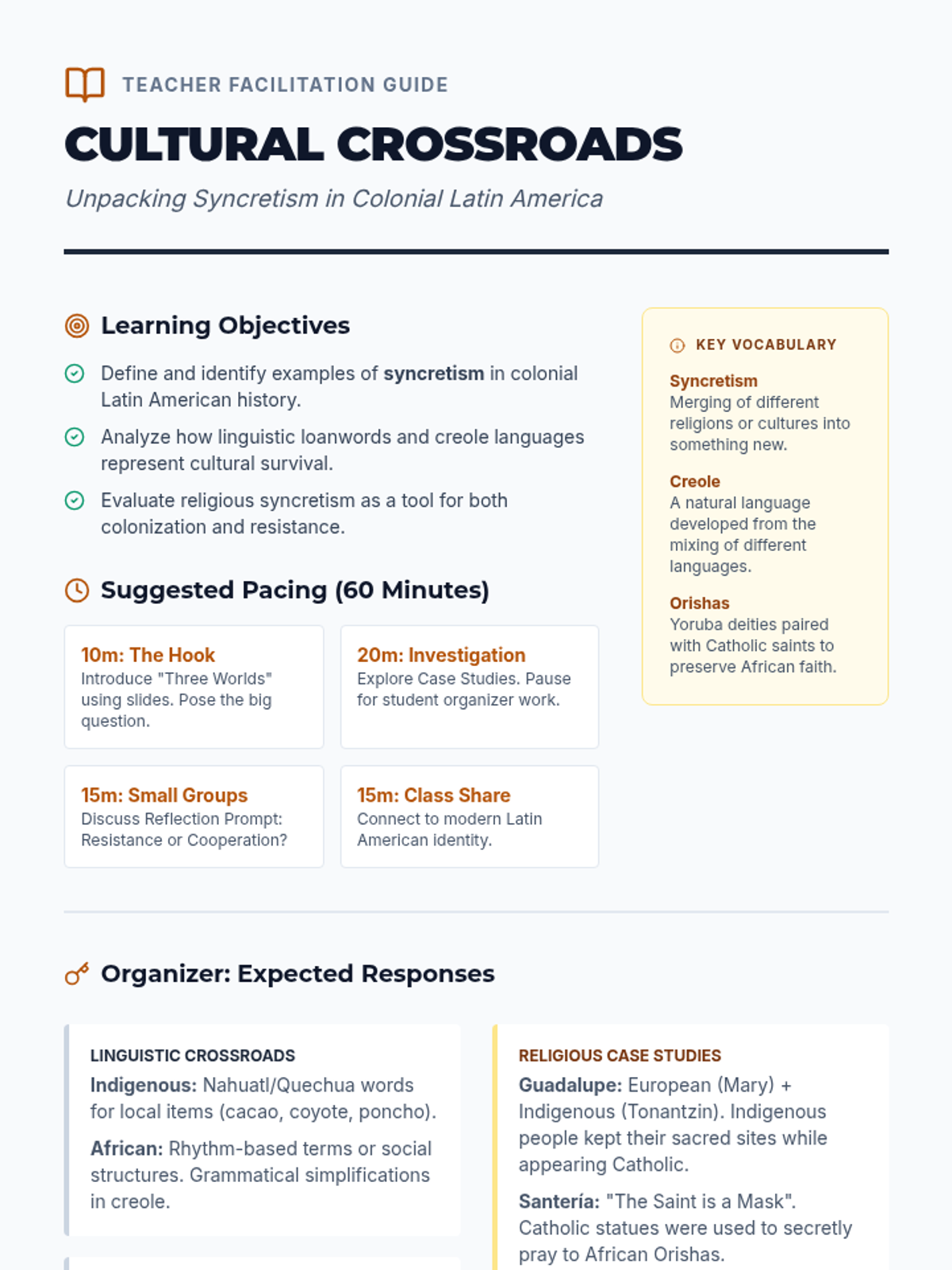
An inquiry-based lesson exploring the cultural syncretism of European, Indigenous, and African influences in colonial Latin America, with a focus on language and religion.
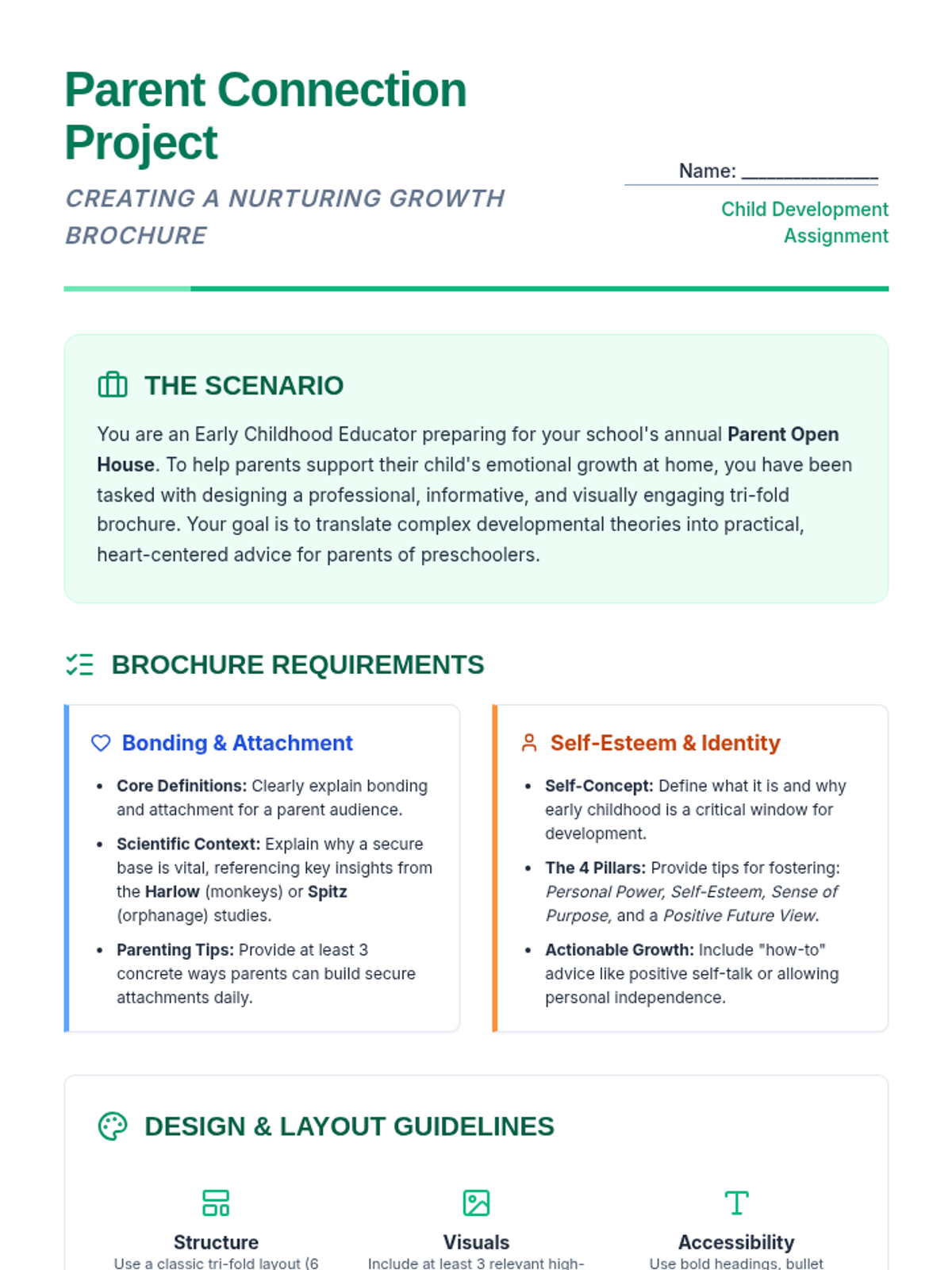
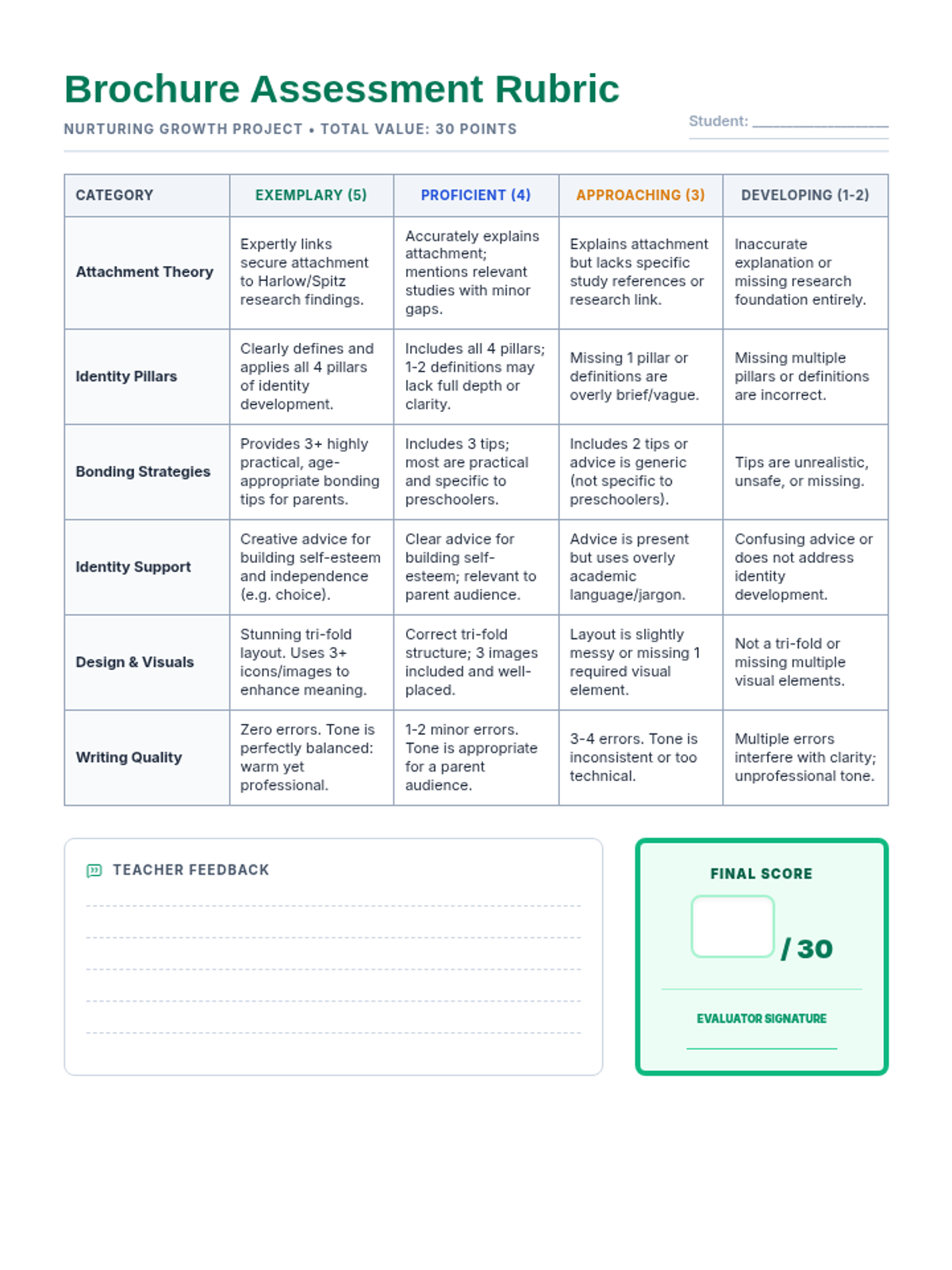
Students will apply their knowledge of bonding, attachment, and child development to create an informative brochure for parents of preschoolers.
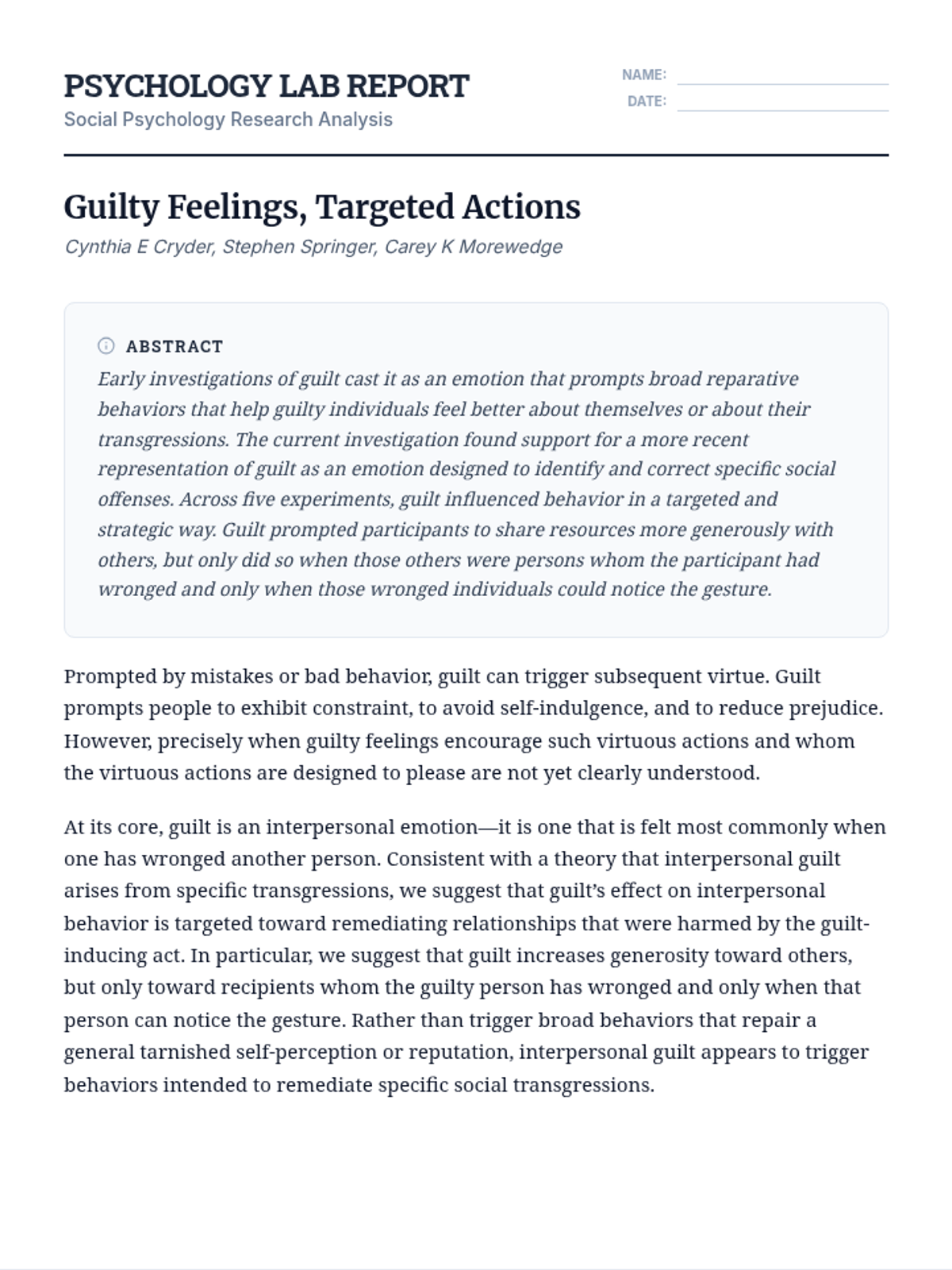
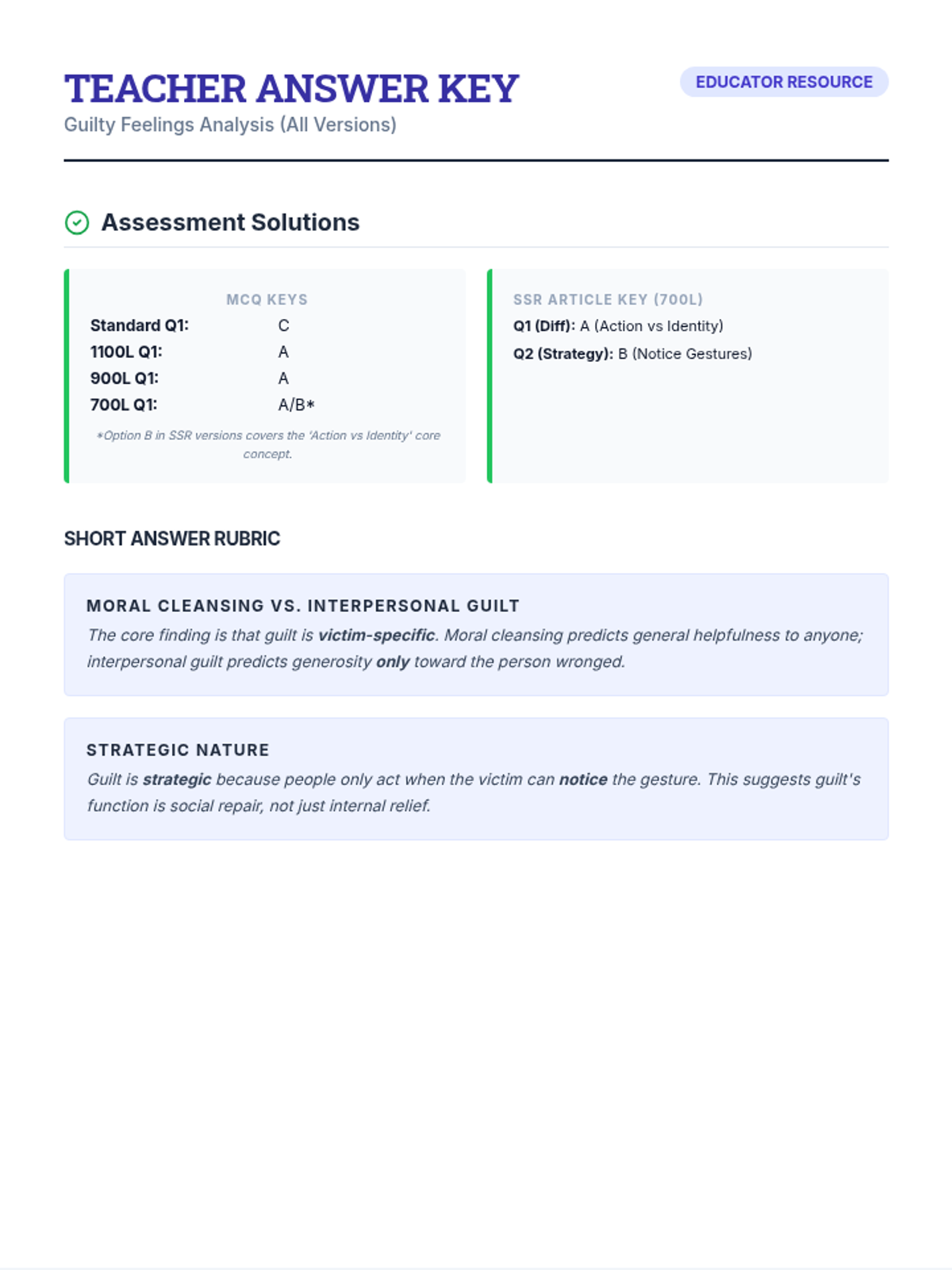
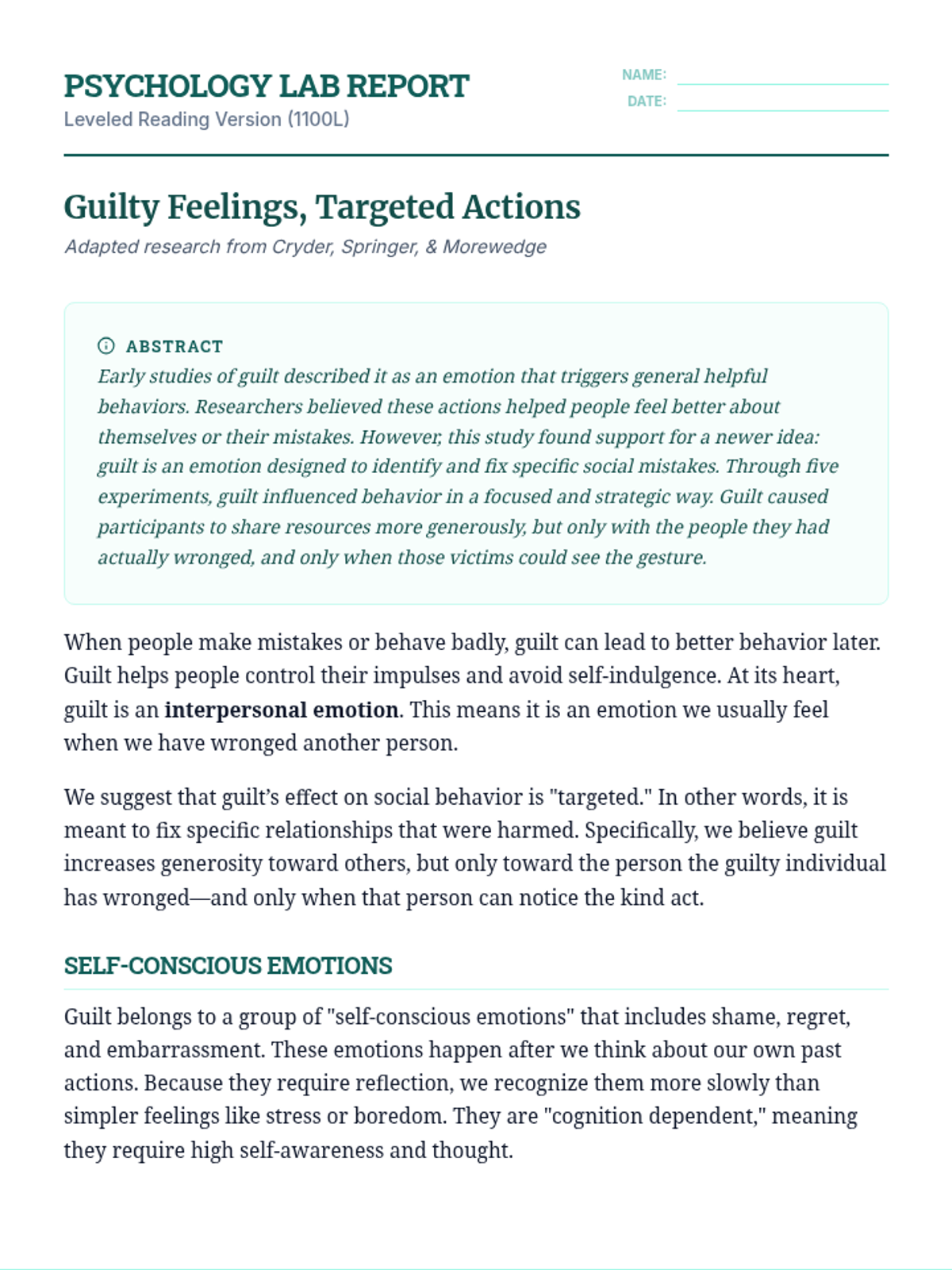
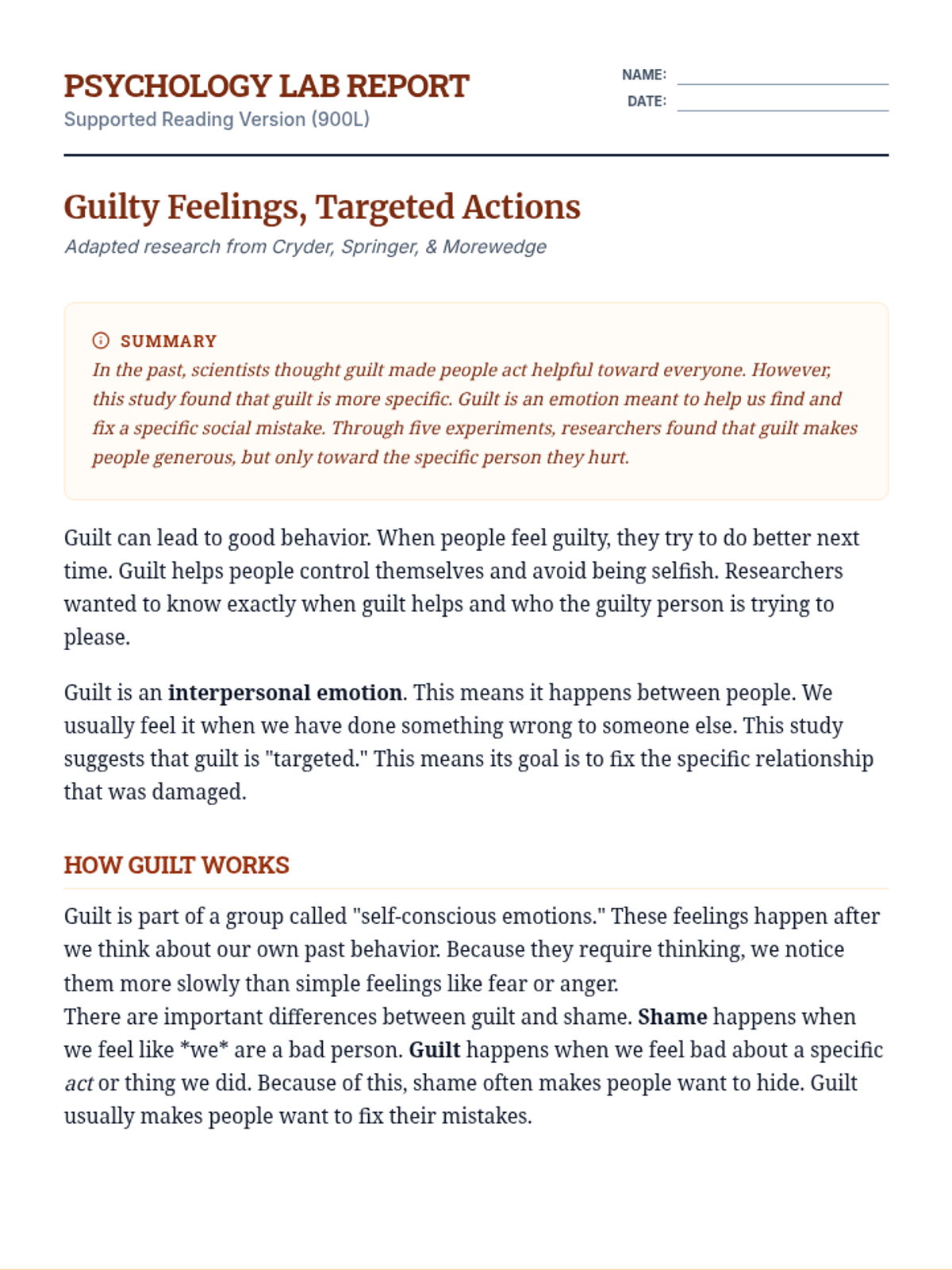
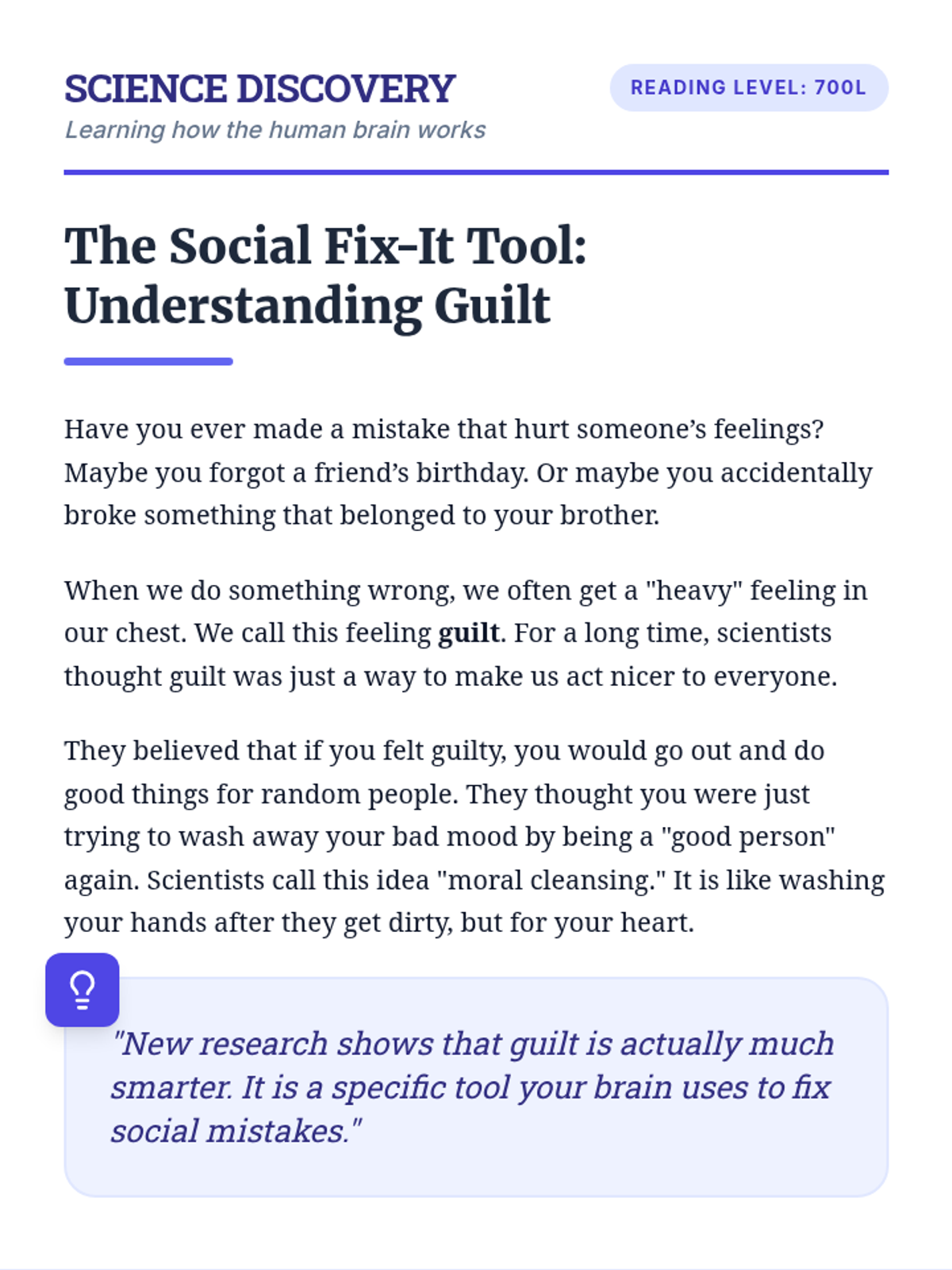
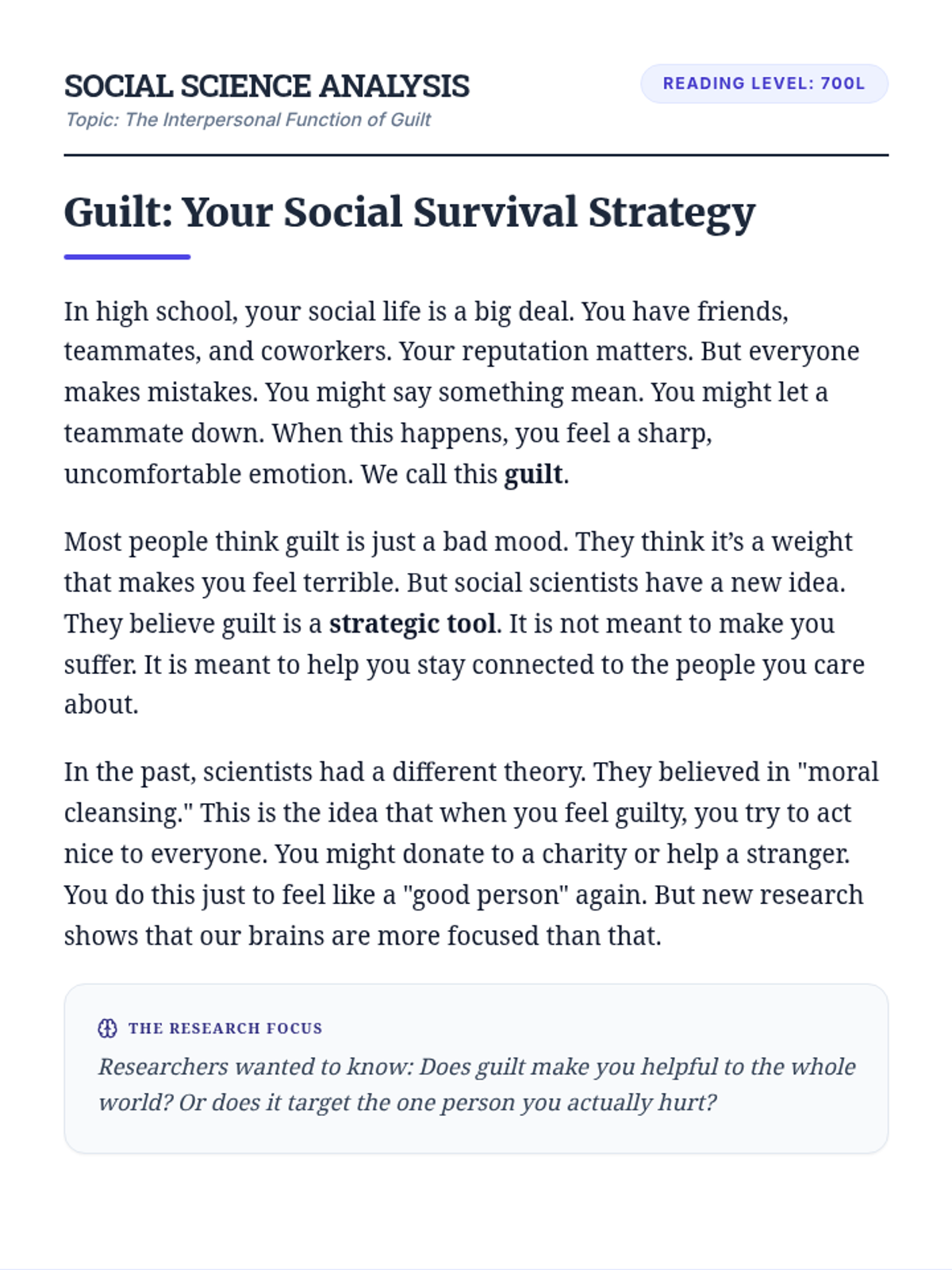
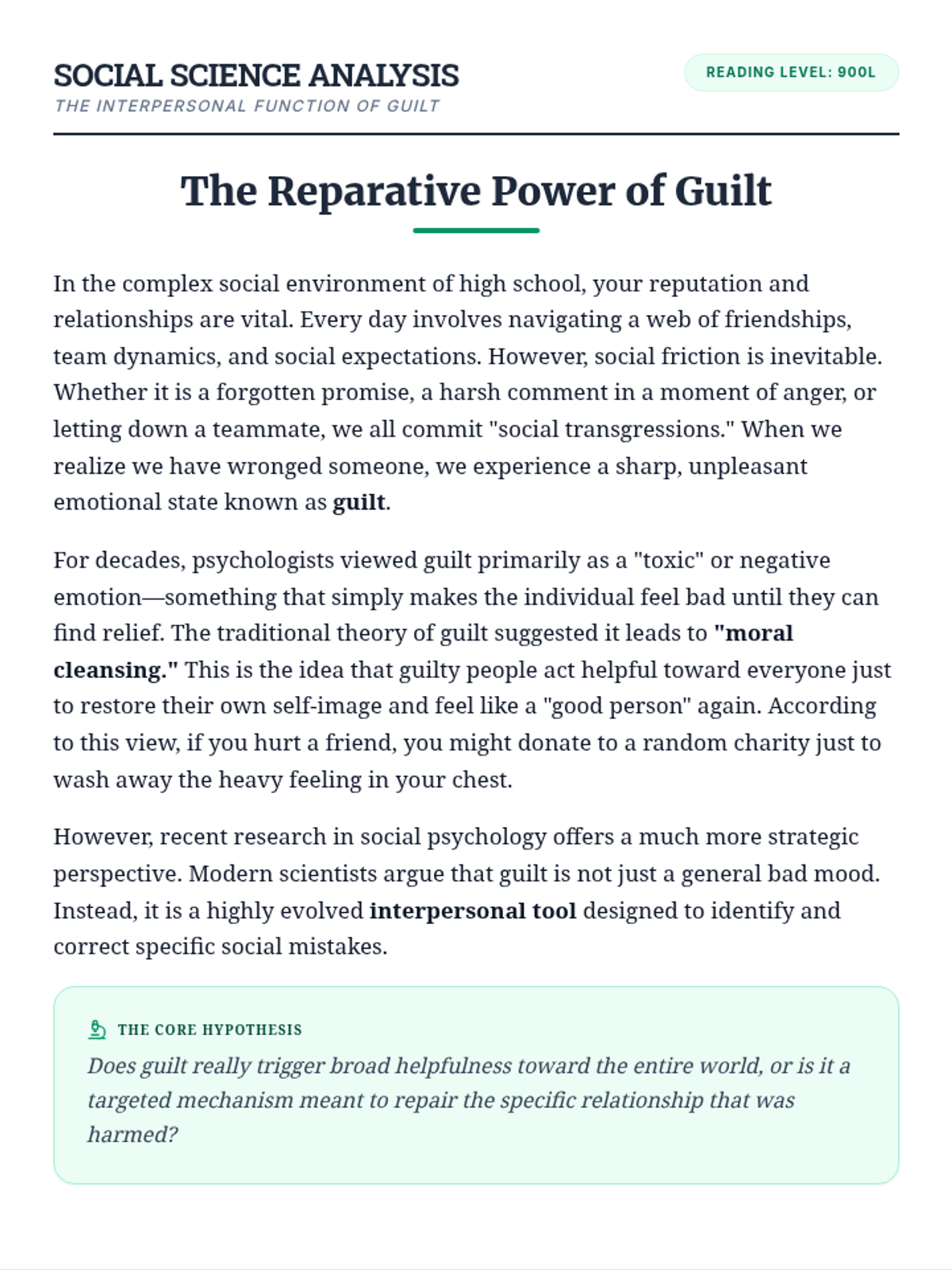
A deep dive into social psychology research exploring how guilt functions as a targeted social mechanism rather than a broad emotional state. Students will analyze academic text, define complex vocabulary, and evaluate the specific behavioral consequences of guilt.
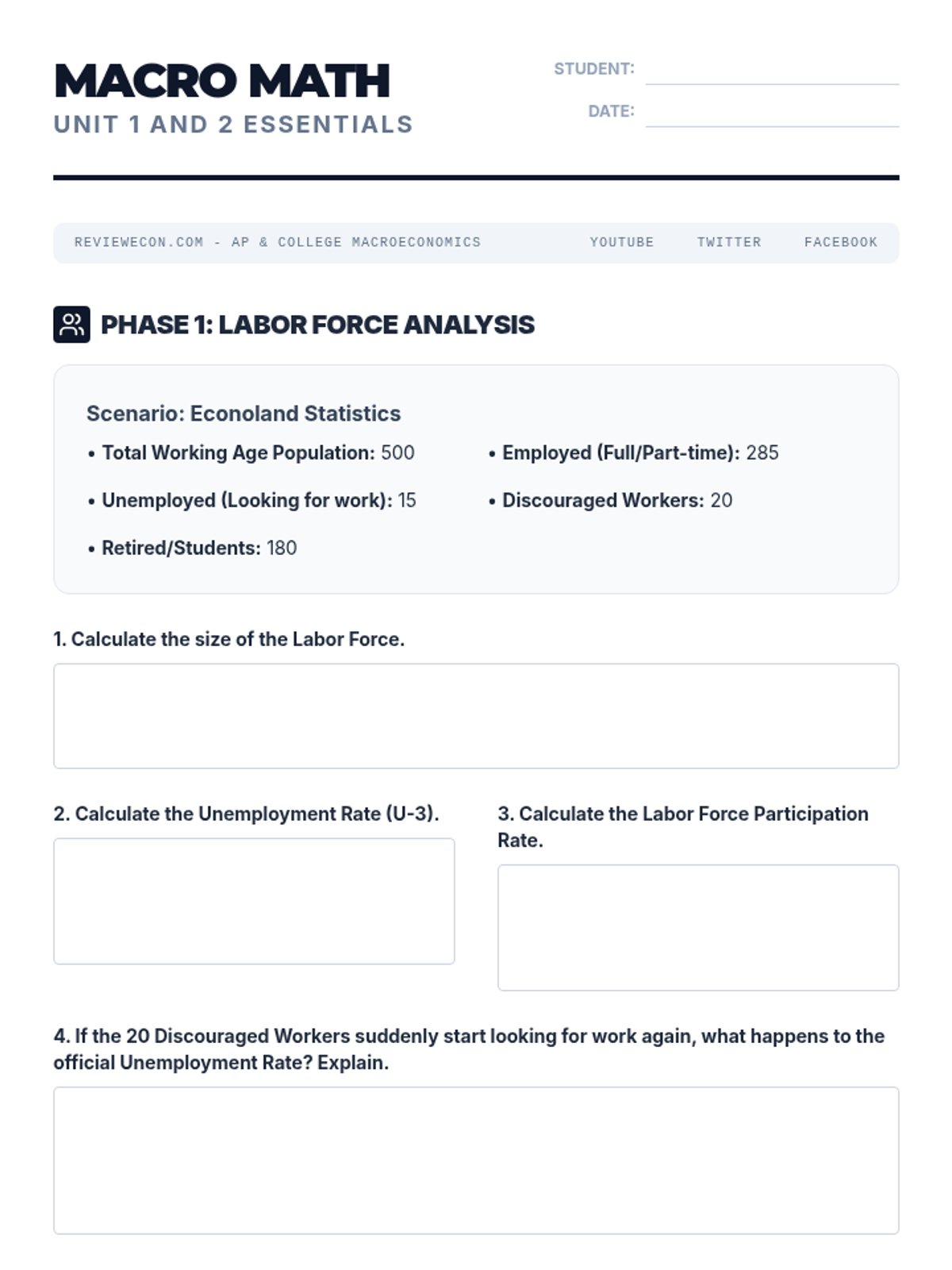
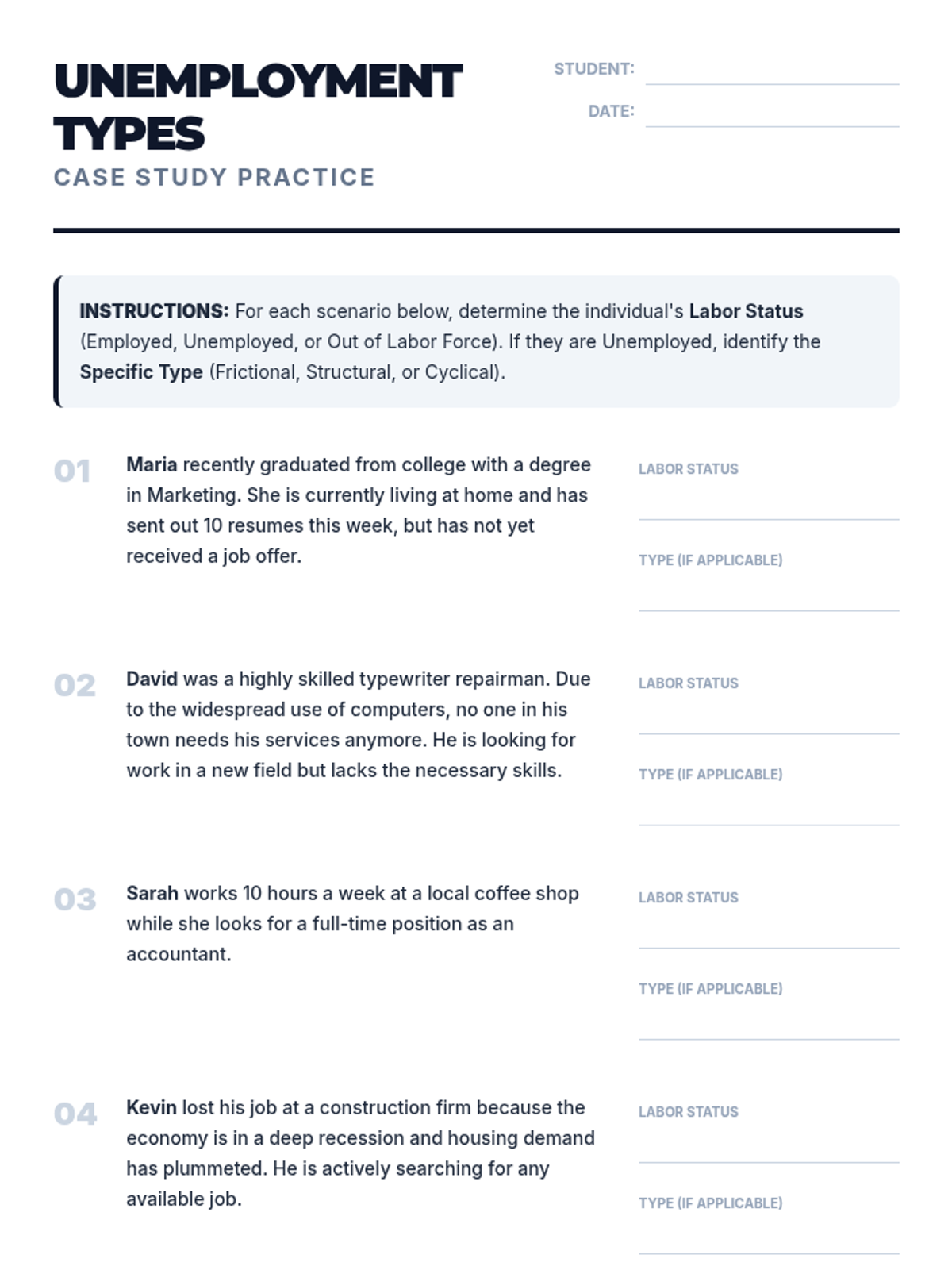
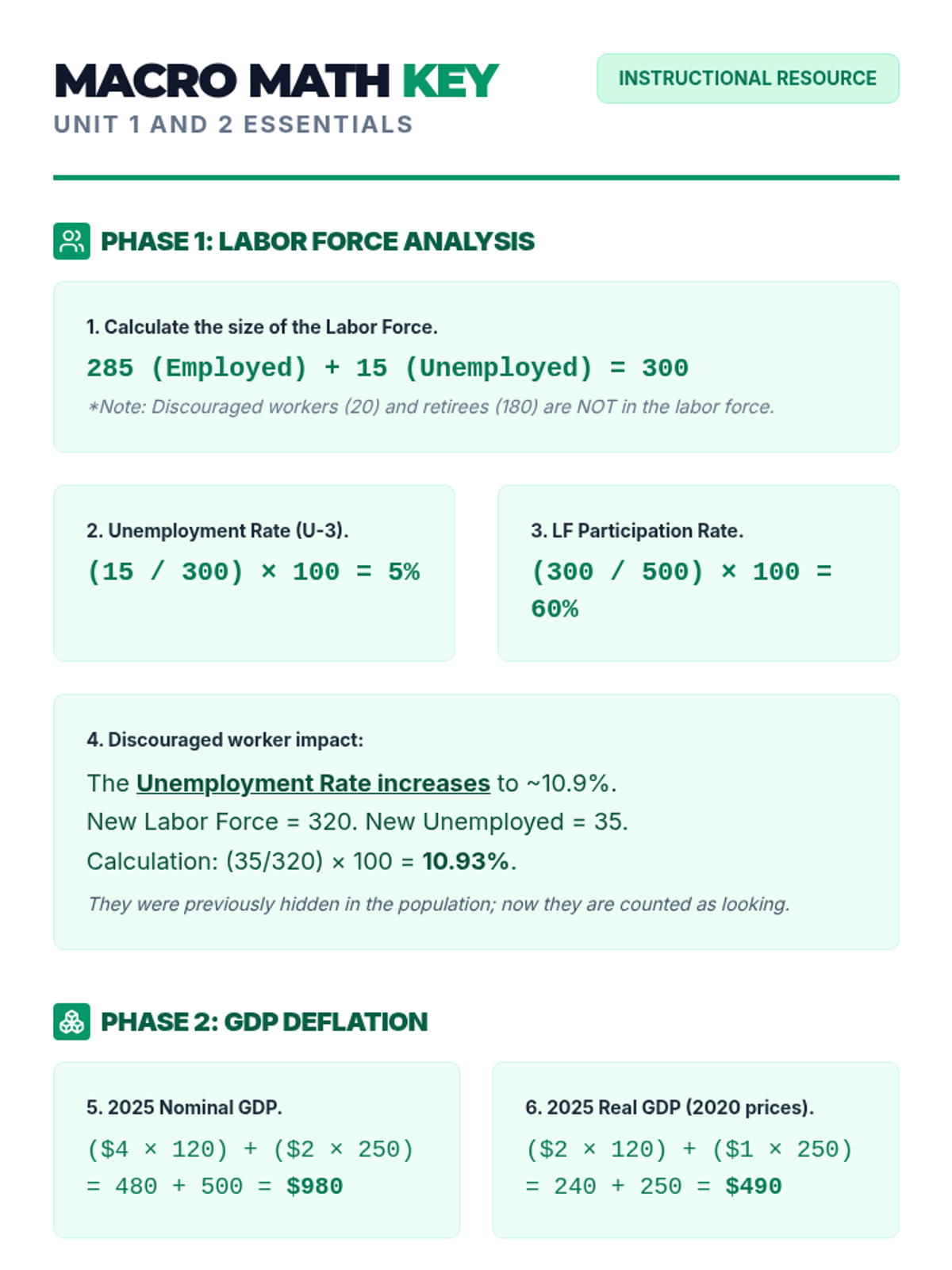
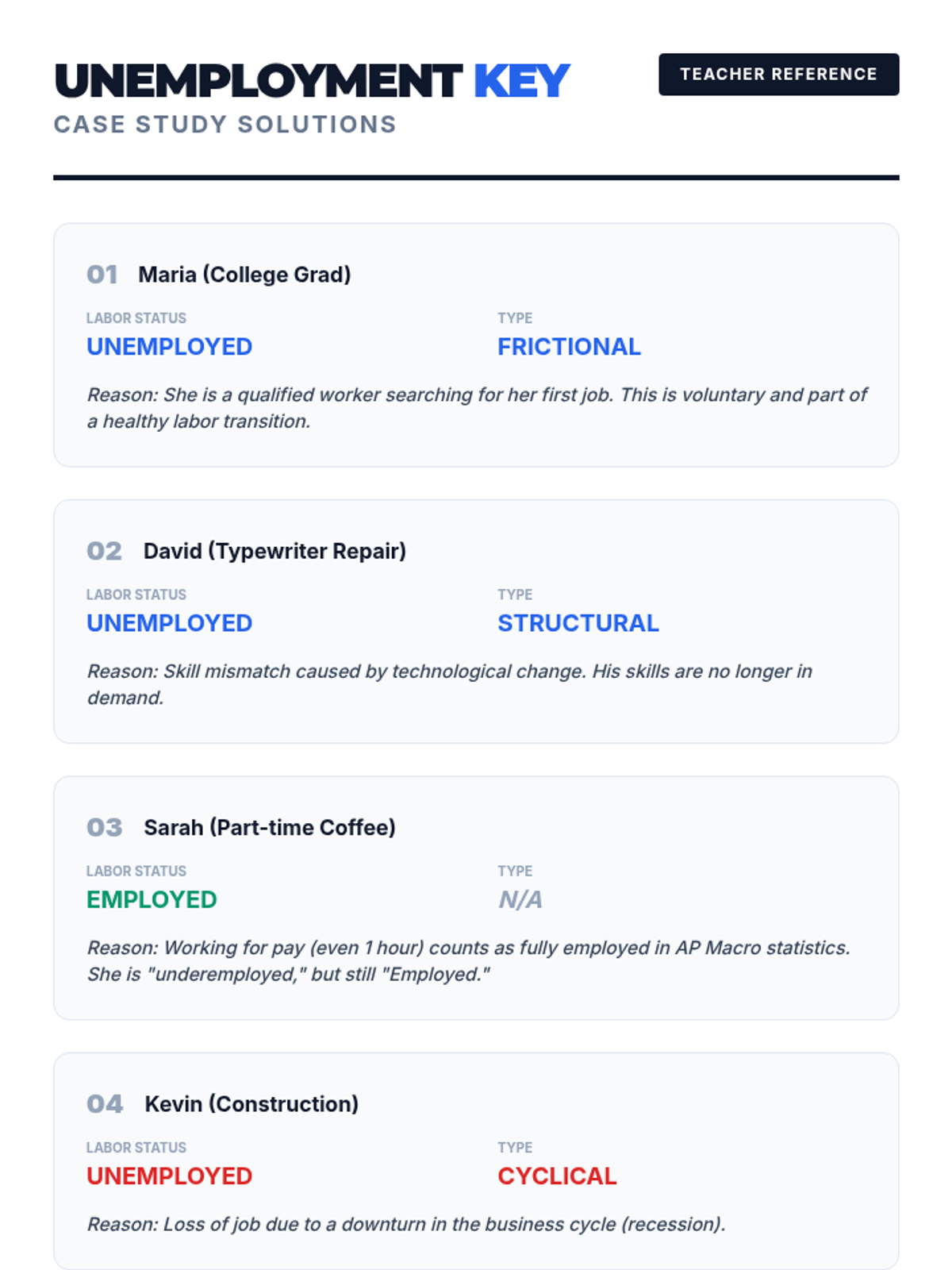
This lesson covers the fundamental building blocks of Units 1 and 2 for AP Economics, including the Production Possibilities Curve, Comparative Advantage, Supply and Demand, and basic macroeconomic indicators like CPI and GDP.
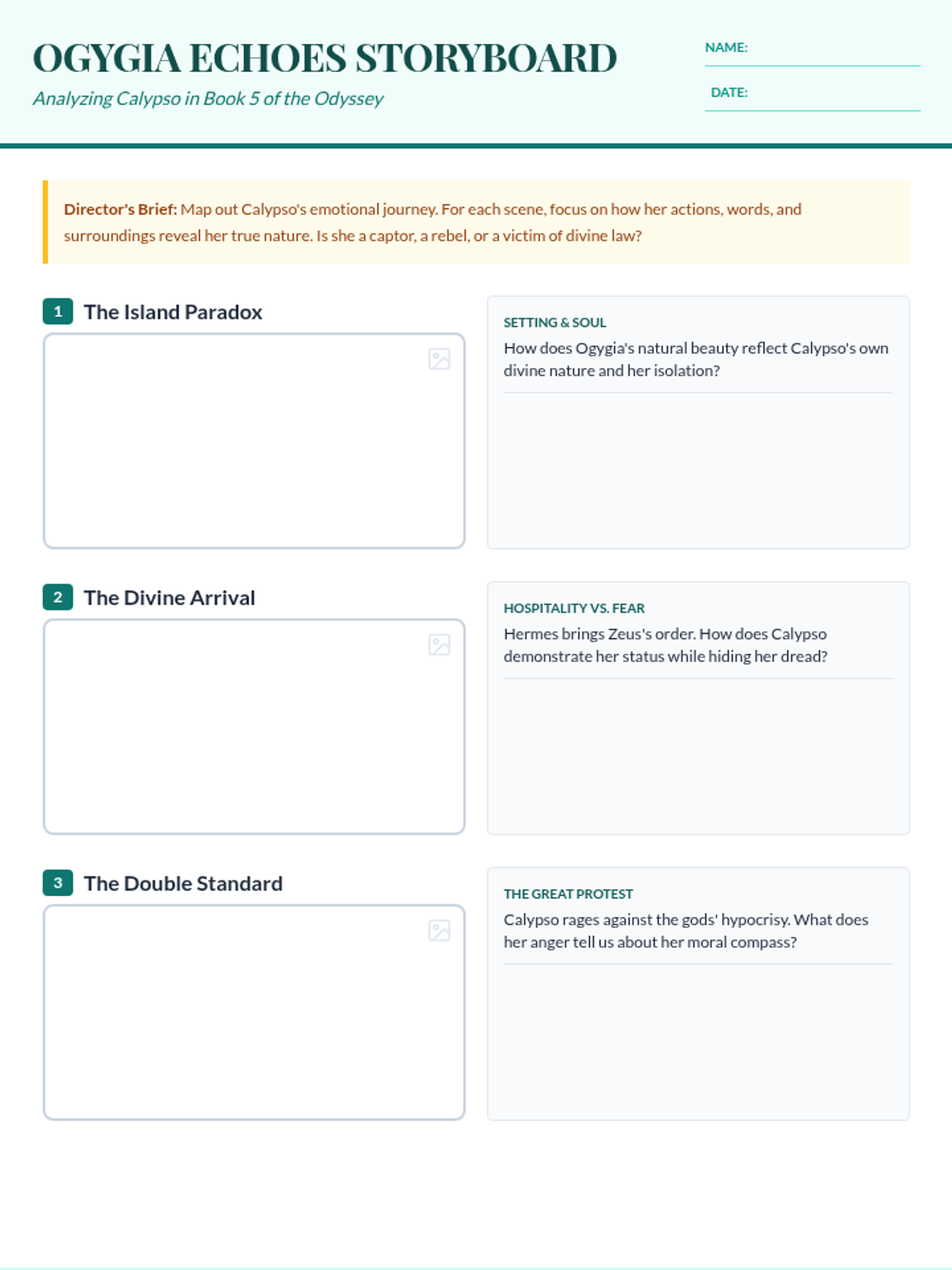
An exploration of Book 5 of the Odyssey, focusing on the complex character of Calypso, her divine isolation, and the conflict between mortal desire and immortal will.
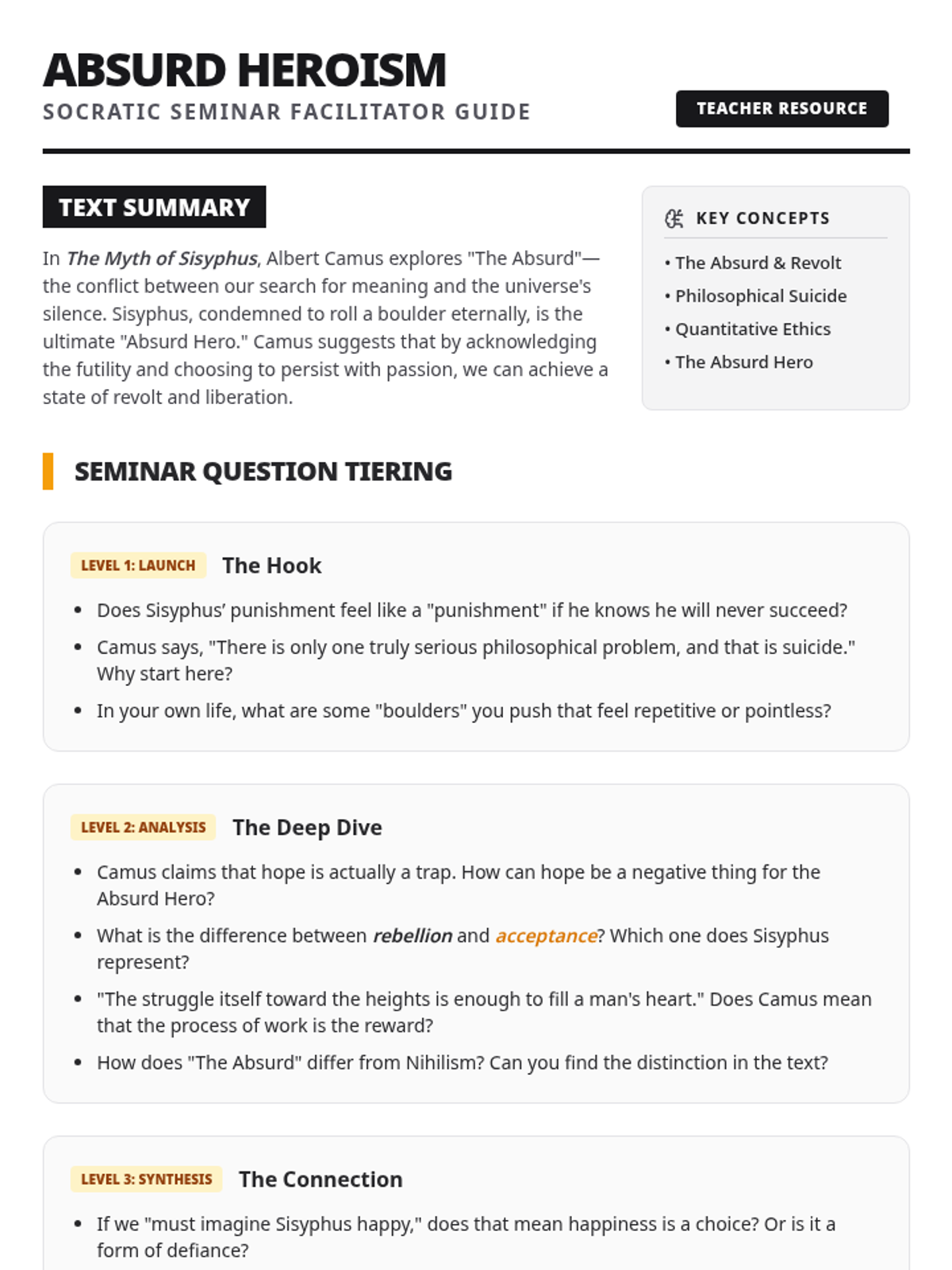
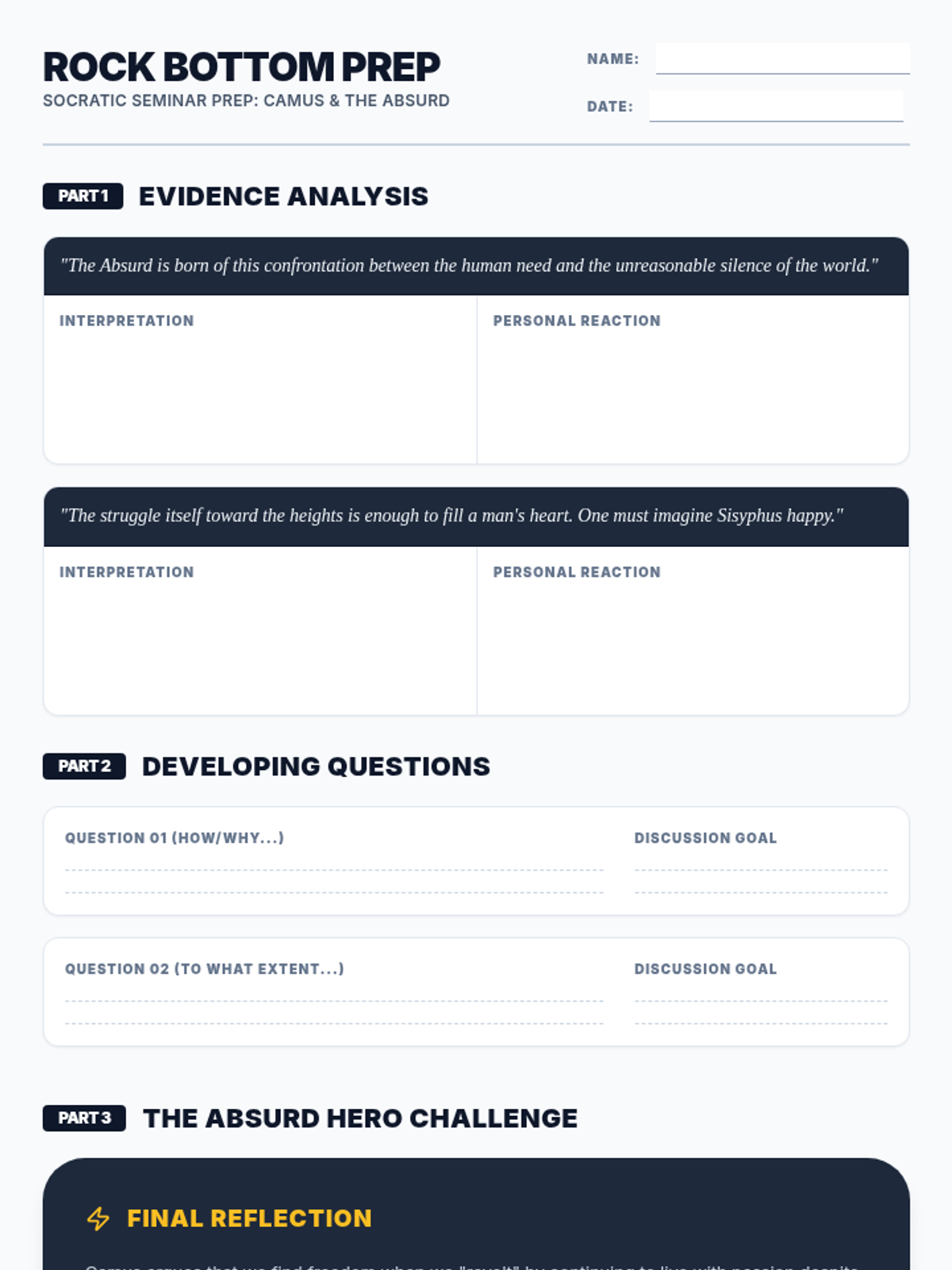
A deep dive into Albert Camus' 'The Myth of Sisyphus', exploring the philosophical concepts of the Absurd, revolt, and the search for meaning in a silent universe through a structured Socratic Seminar.
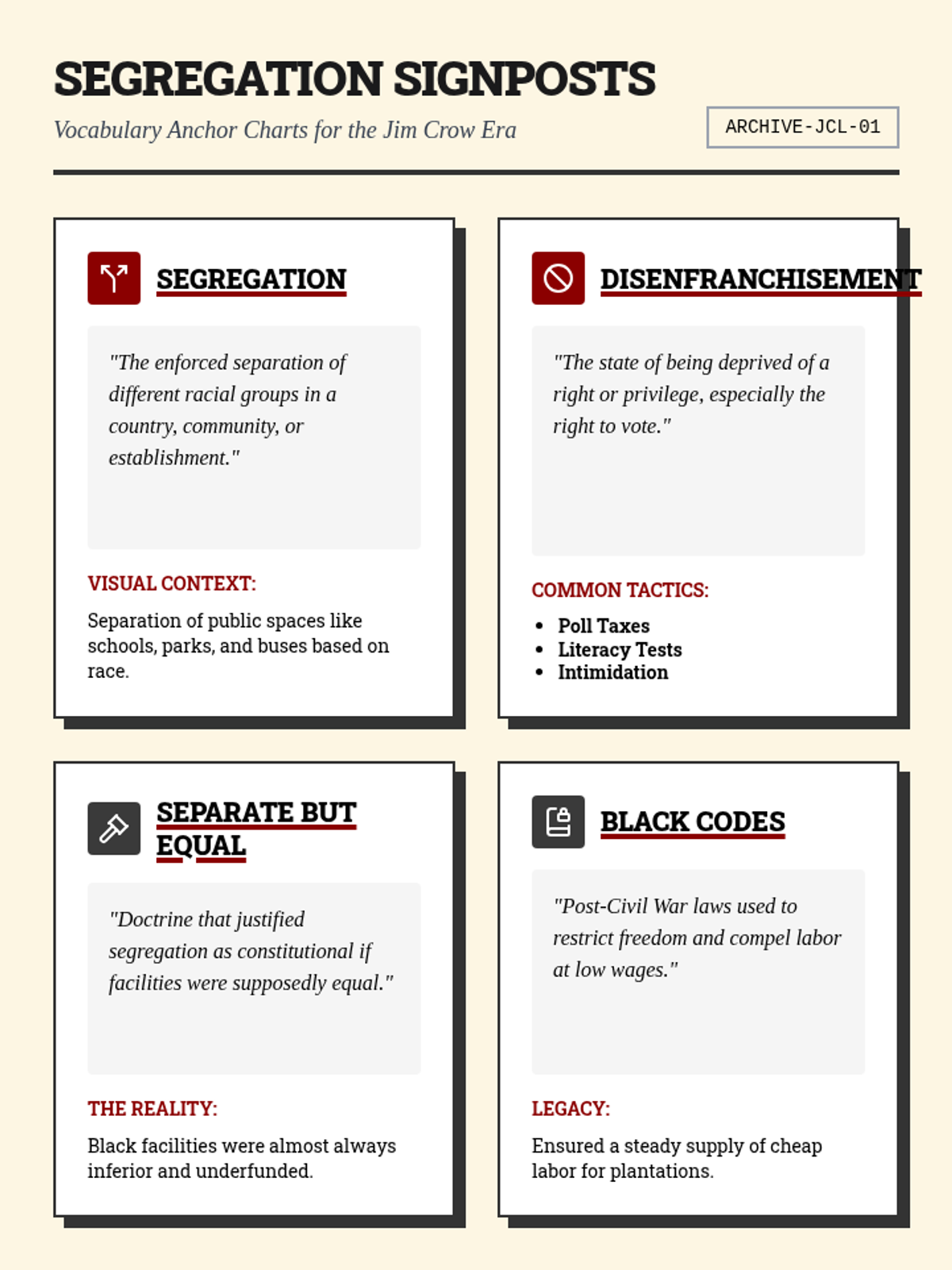
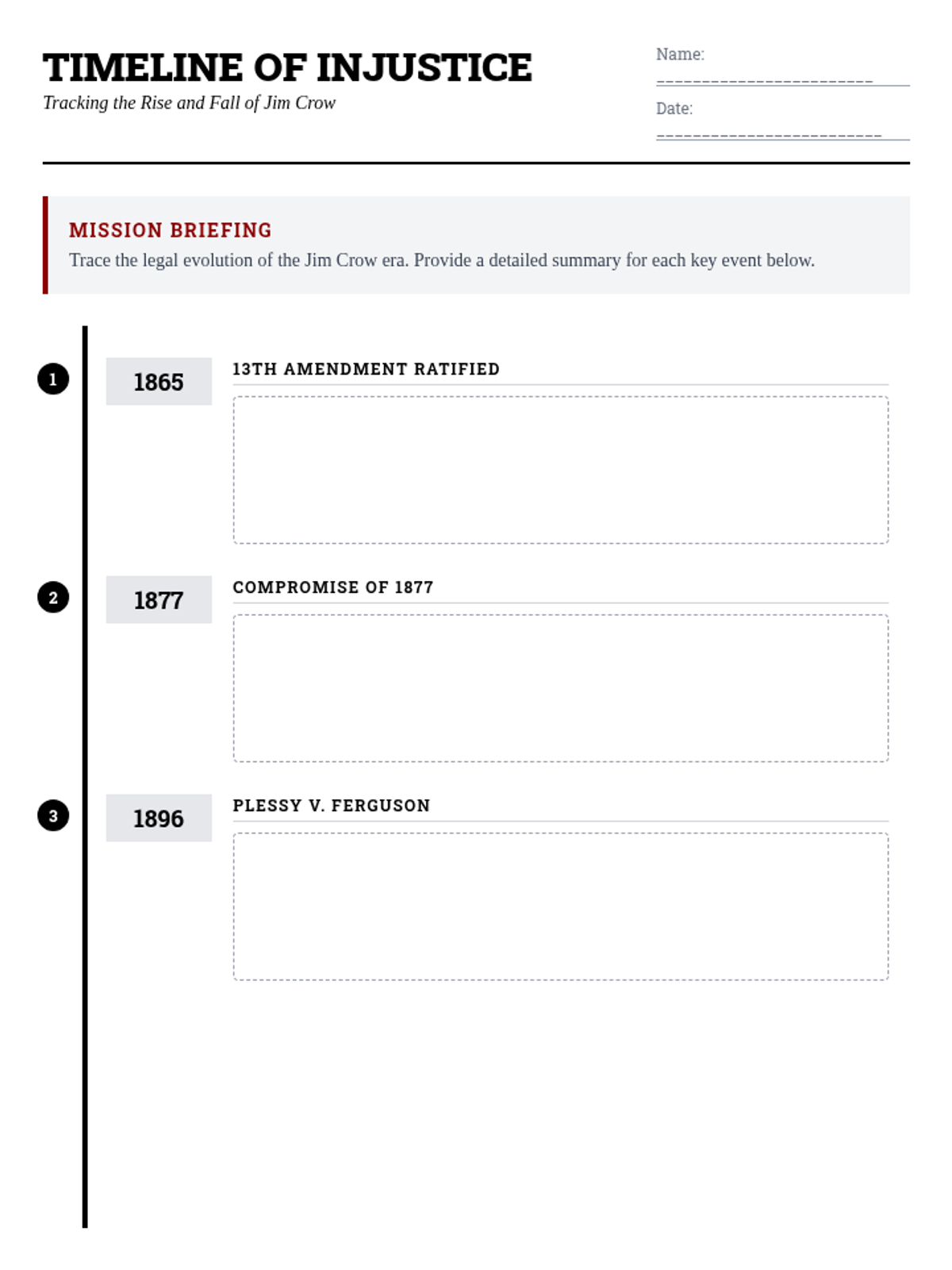
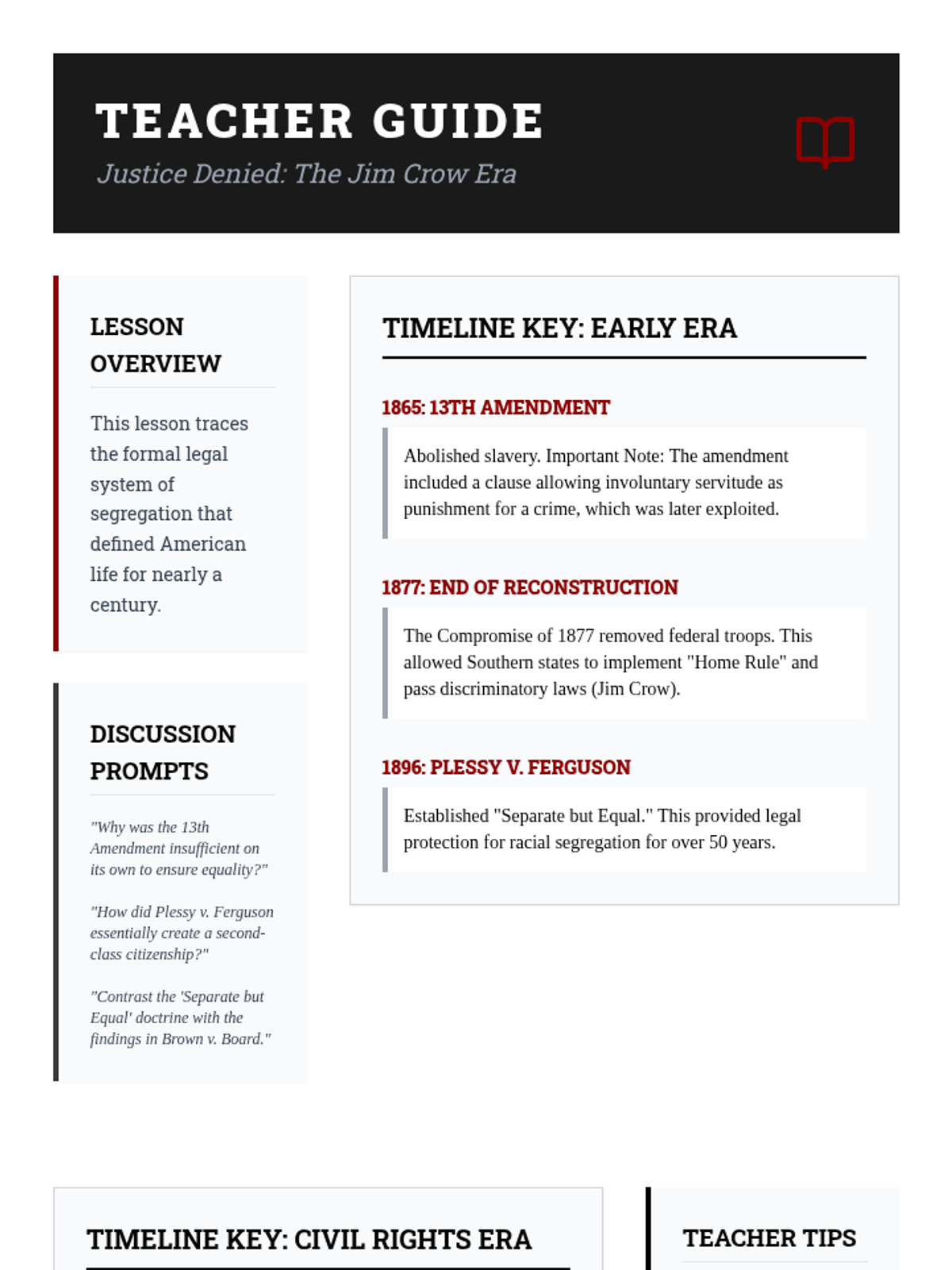
An in-depth exploration of the Jim Crow era, focusing on the legal landscape of segregation and the timeline of events leading from Reconstruction to the Civil Rights Movement.
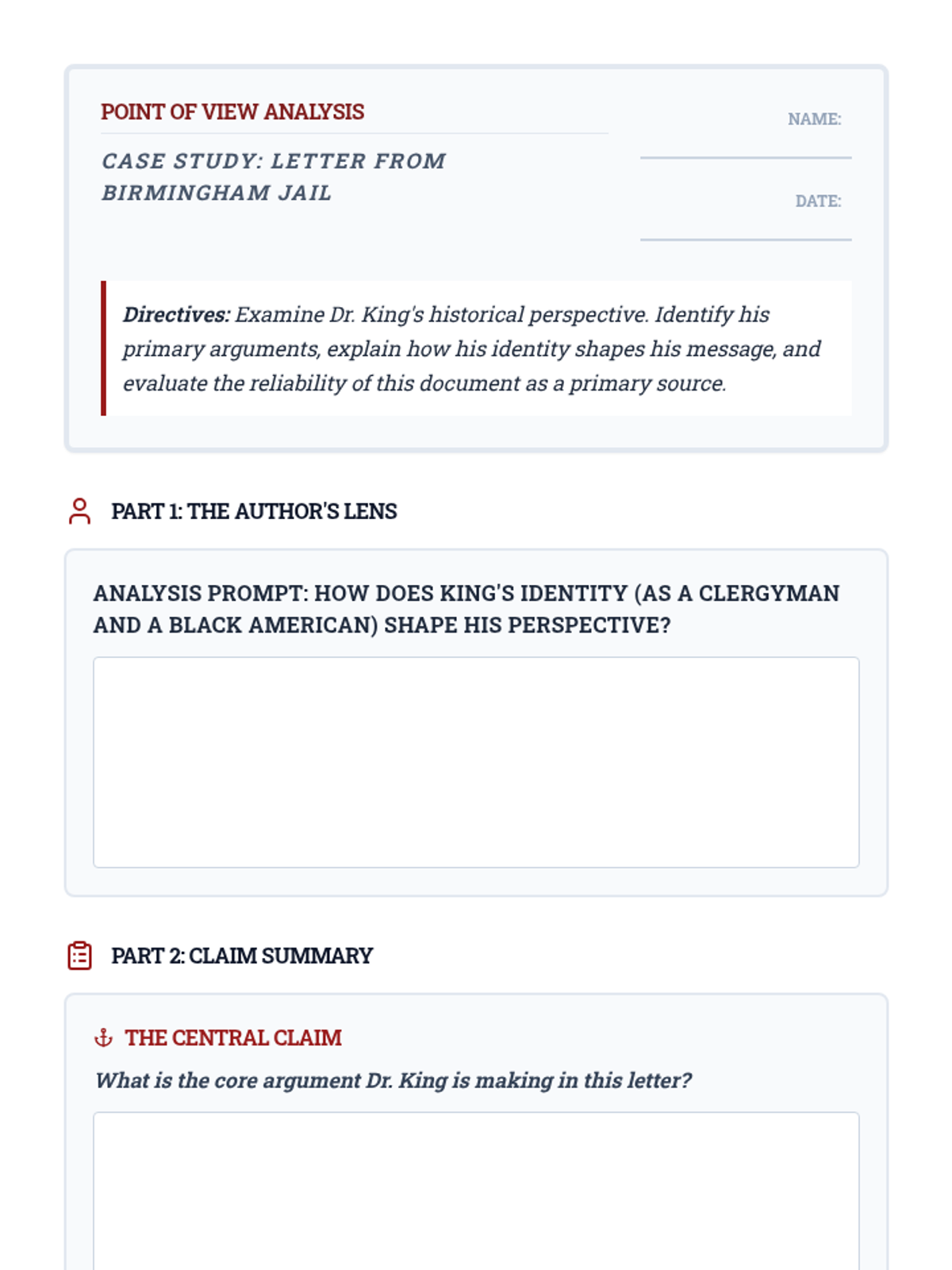
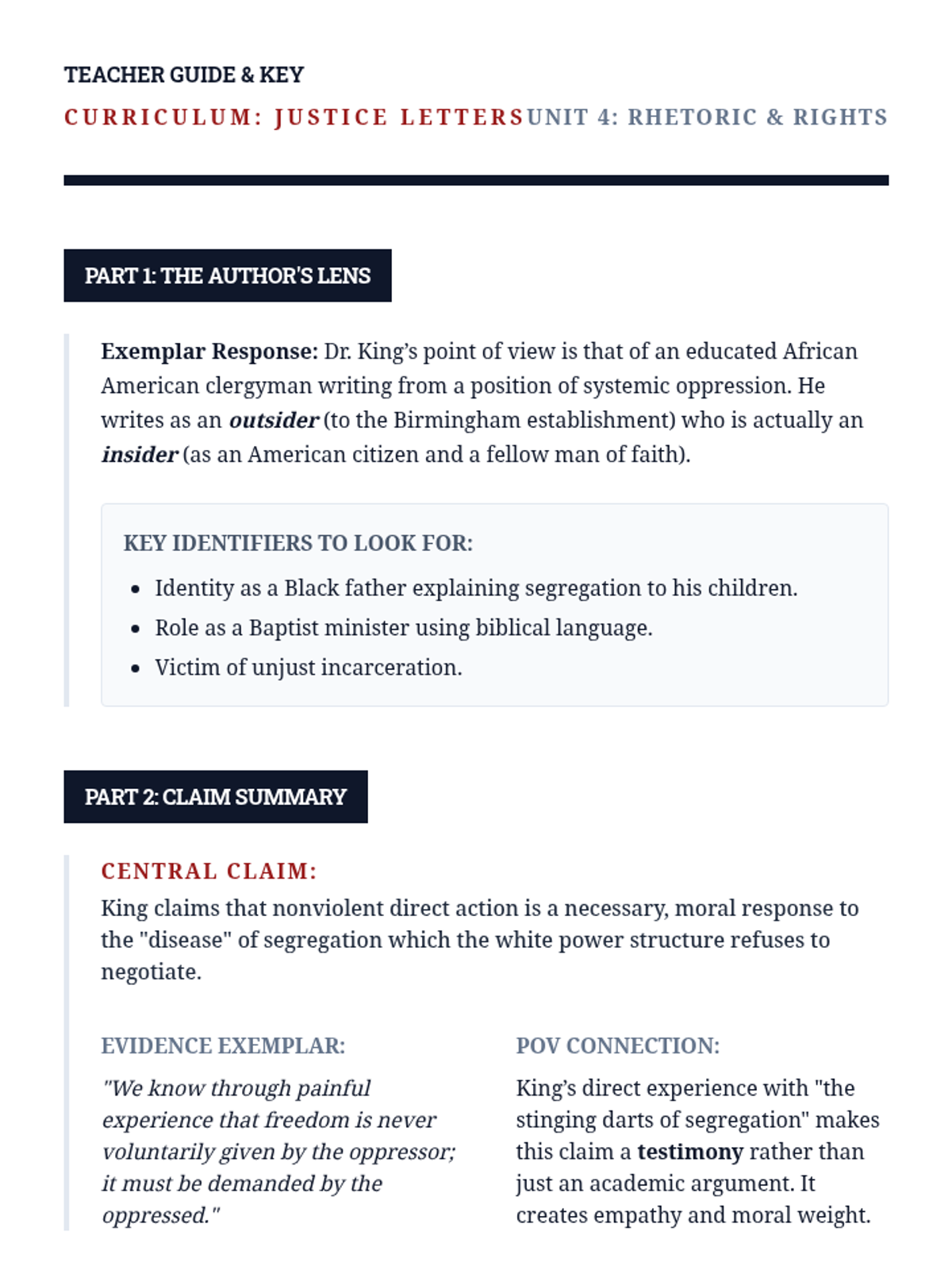
A deep dive into Martin Luther King Jr.'s 'Letter from Birmingham Jail,' focusing on identifying his central claims, analyzing his unique point of view, and evaluating the reliability of his arguments within the historical context of the Civil Rights Movement.
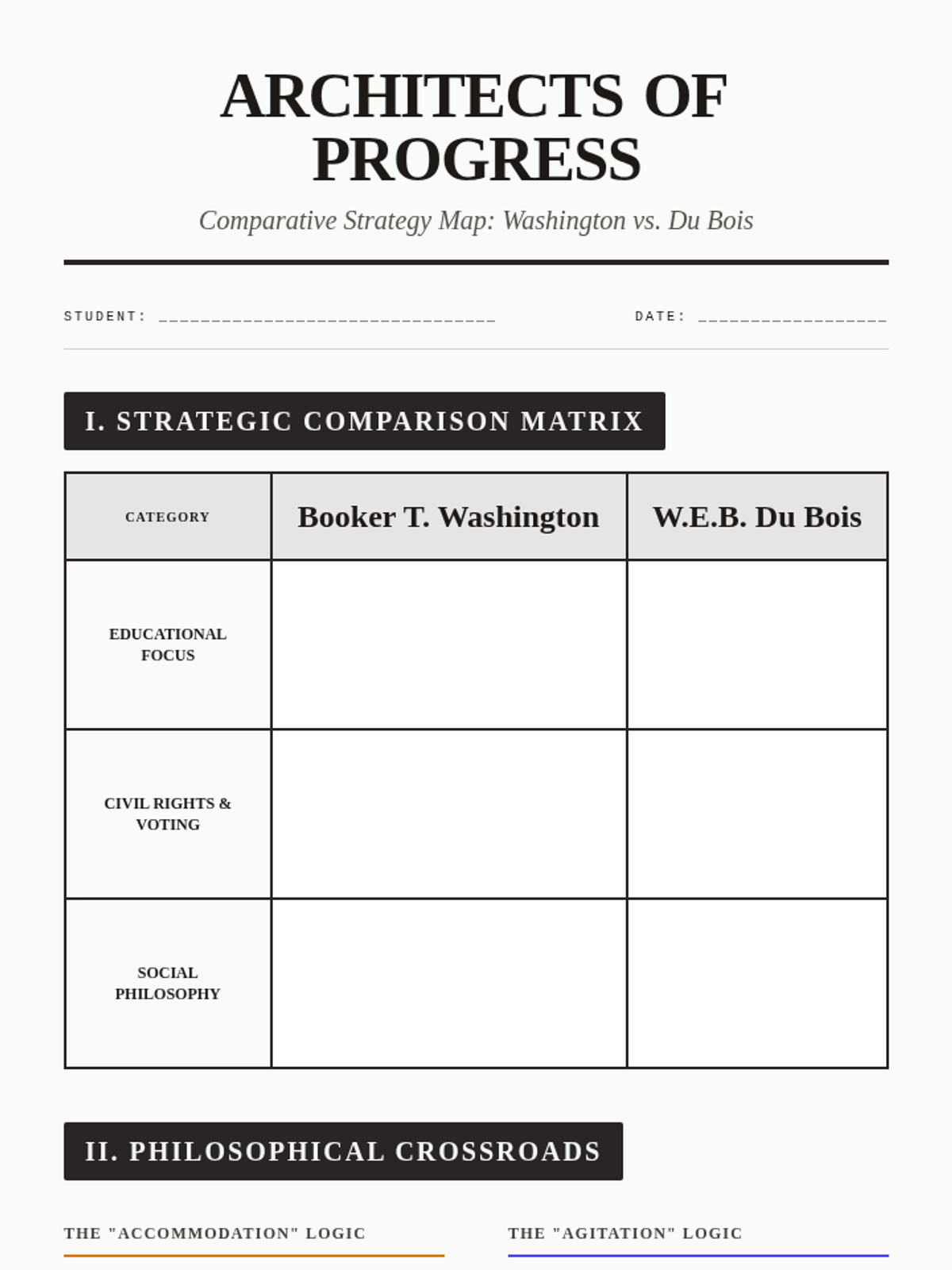
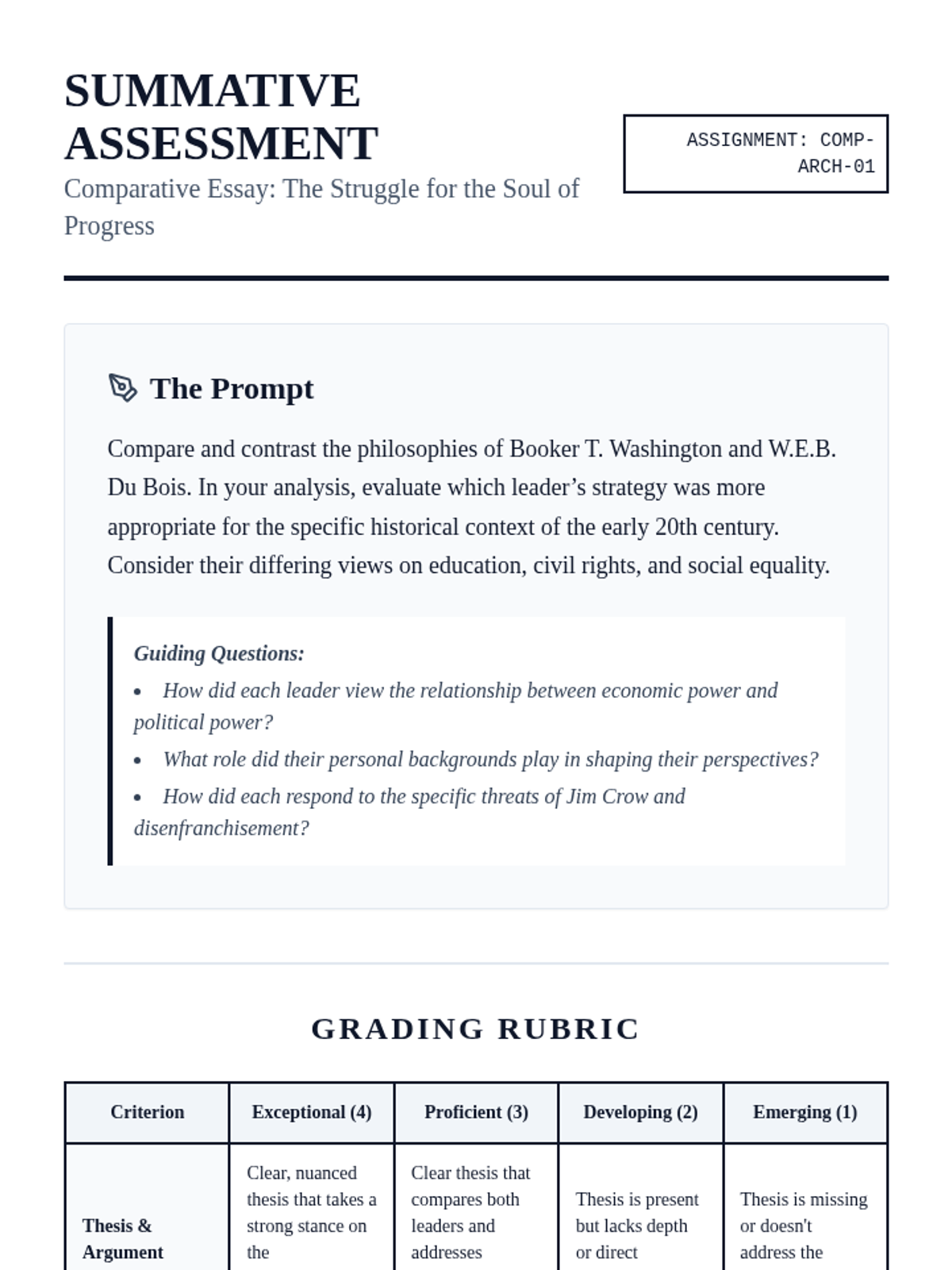
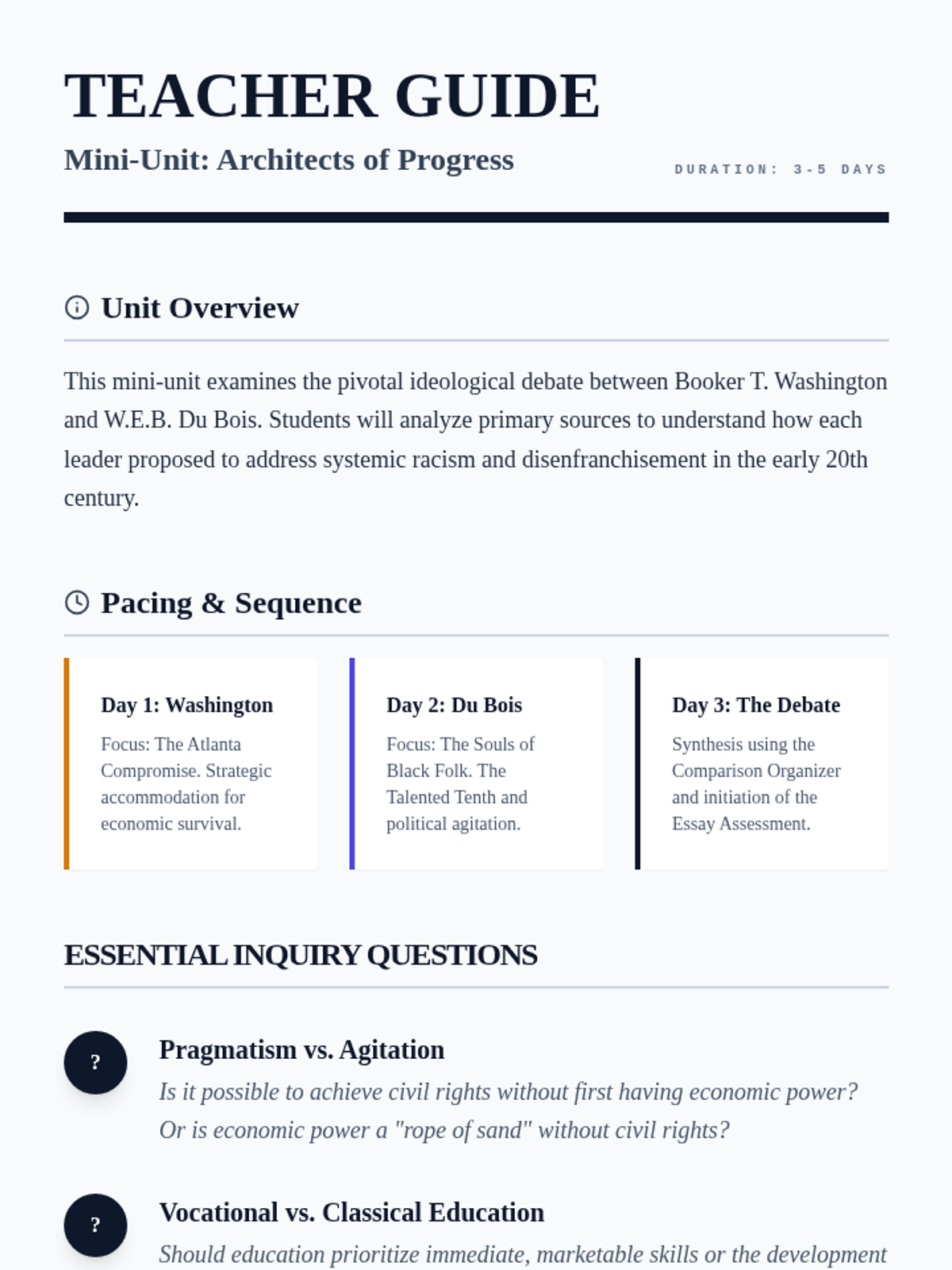
Synthesizes the arguments of both leaders through comparative analysis and a summative writing assessment.
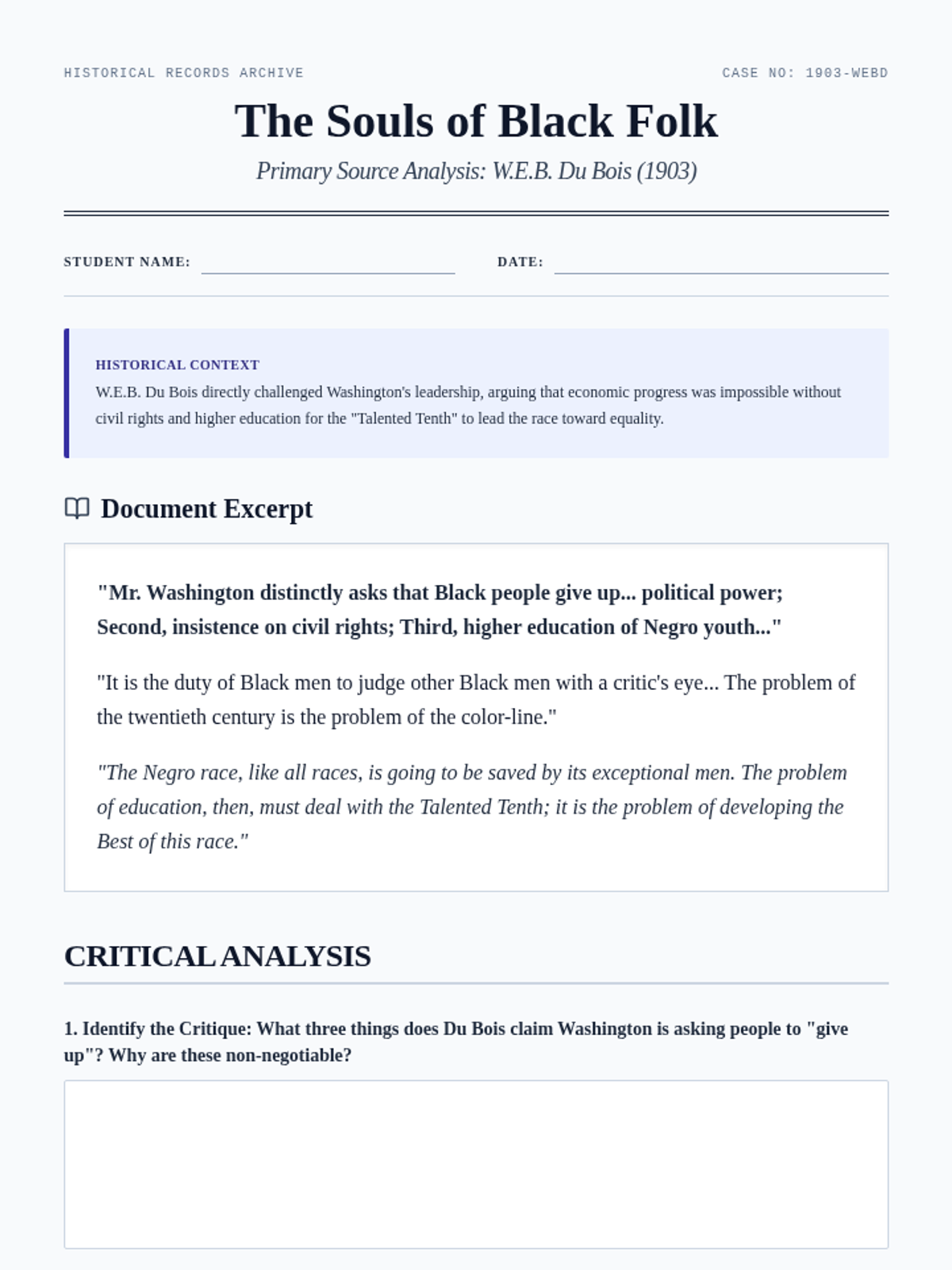
Examines W.E.B. Du Bois's critique of Washington, his emphasis on the 'Talented Tenth,' and his demand for immediate political and social equality.
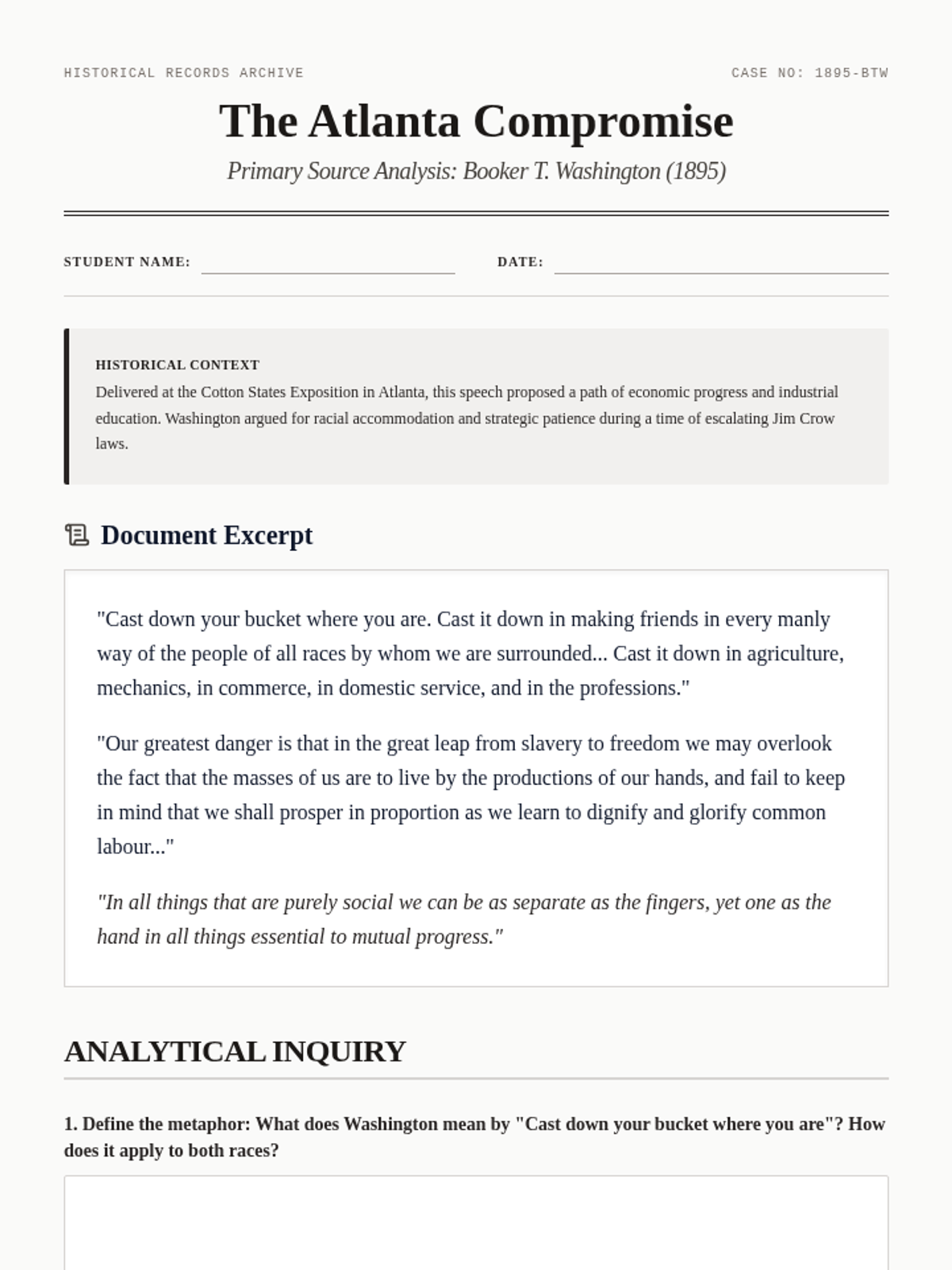
Explores Booker T. Washington's philosophy of industrial education, economic self-reliance, and racial accommodation as outlined in his 1895 Atlanta Compromise speech.