Students analyze and perform major and minor scales (natural, harmonic, melodic) to their full instrumental range, focusing on consistent tone and smooth transitions.
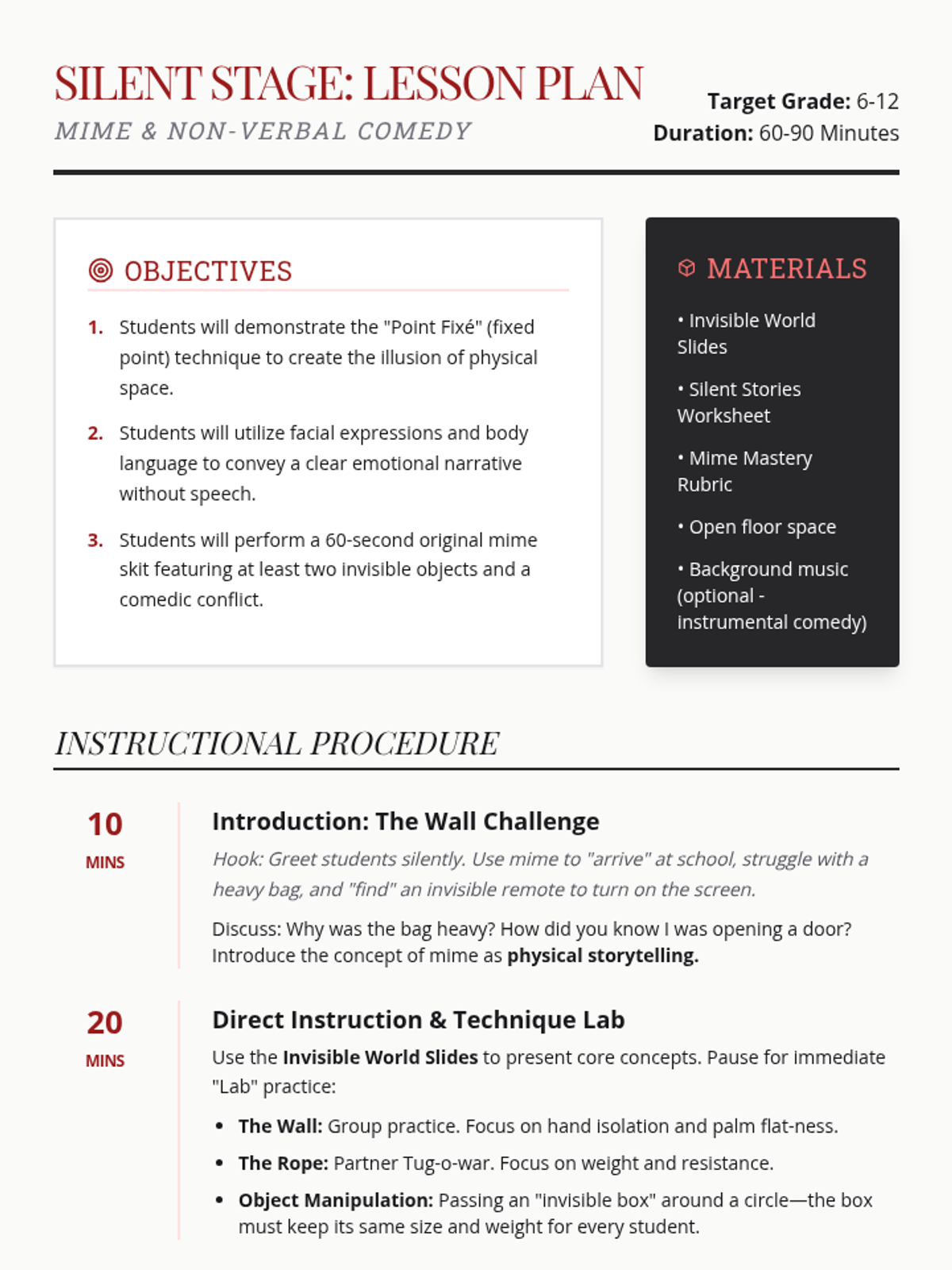
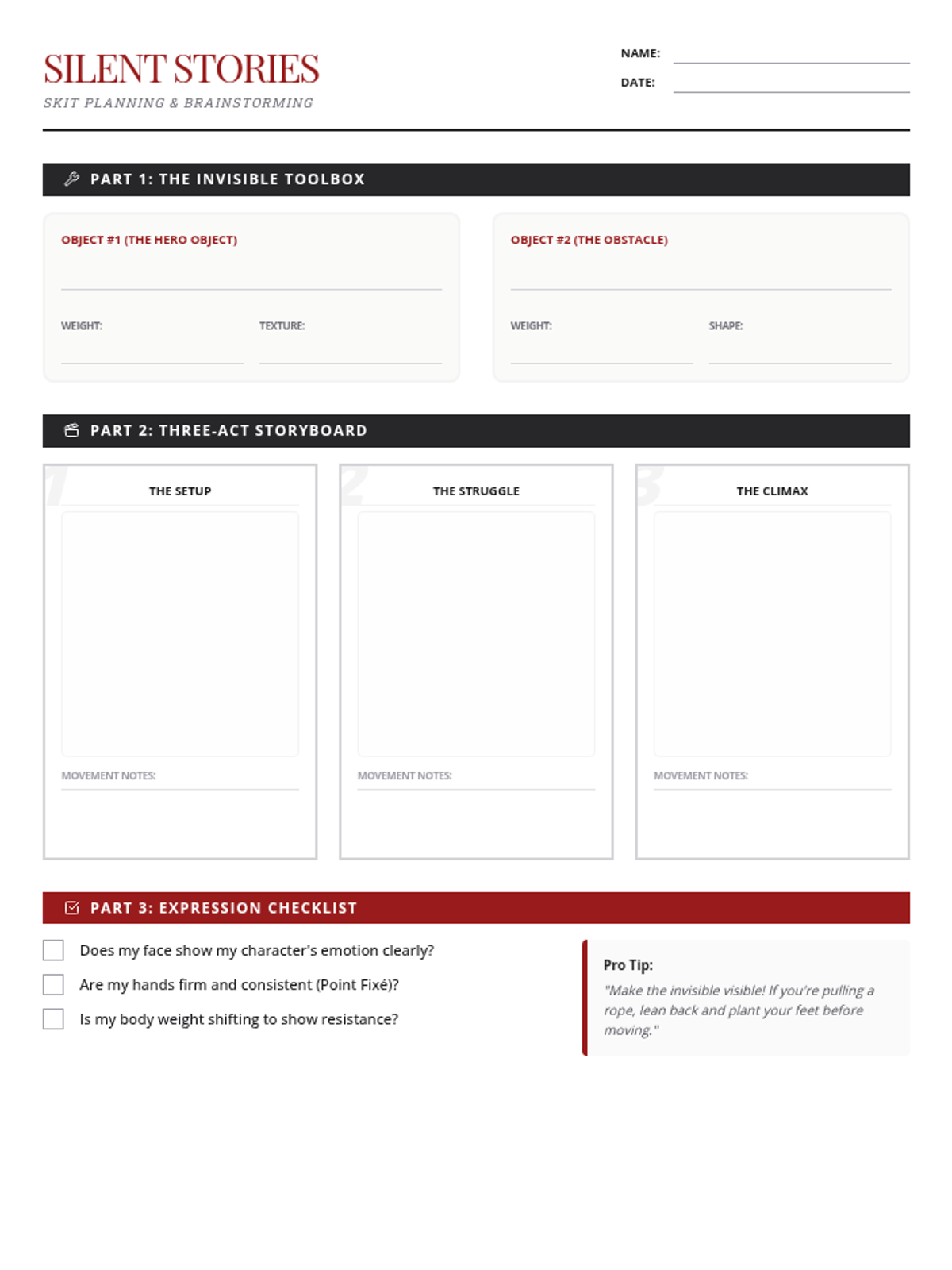
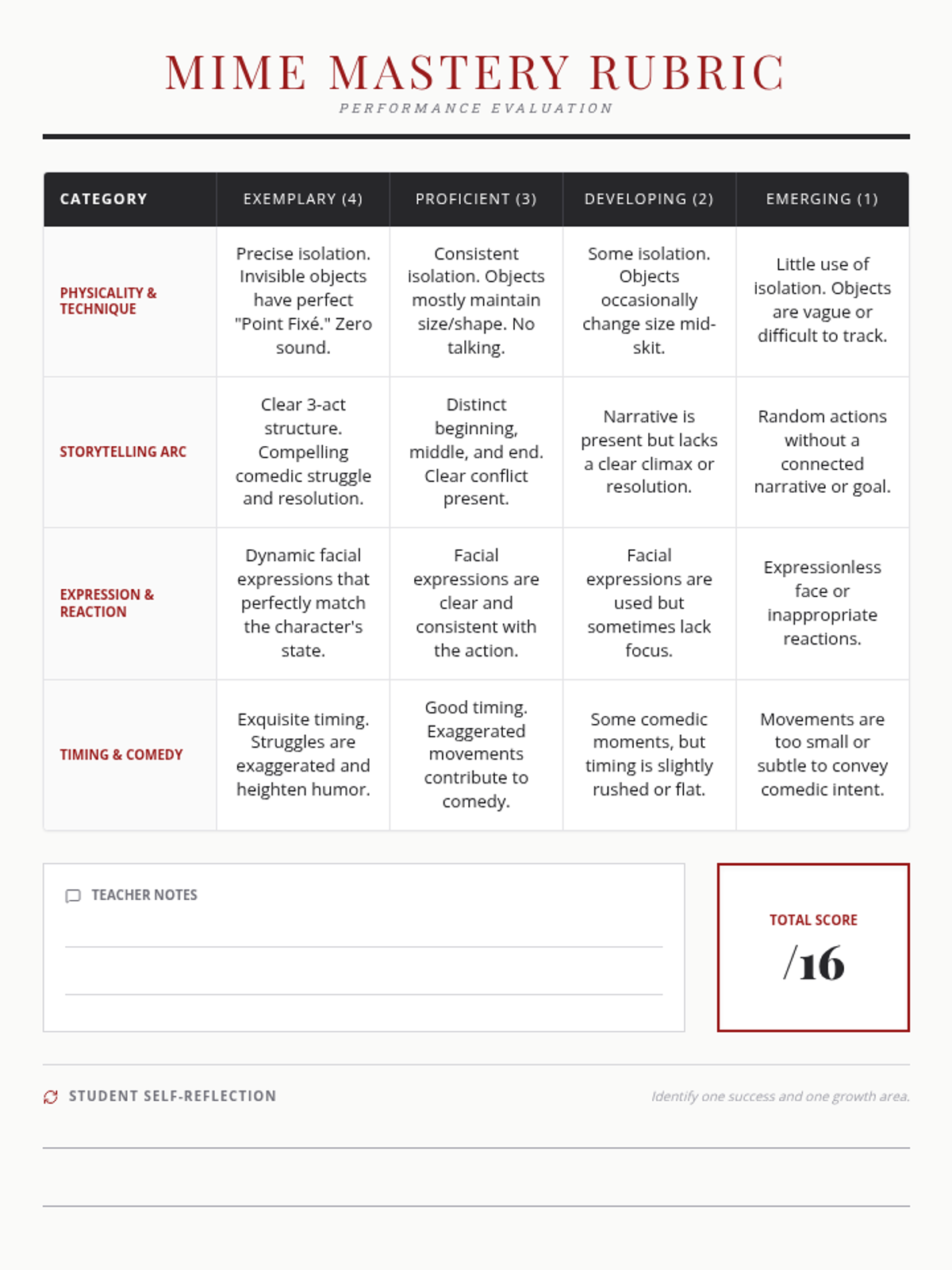
A comprehensive exploration of mime techniques and non-verbal storytelling, where students learn to build invisible worlds through precise movement and comedic timing.
A mini-lesson introducing students to the world of stock photography by transforming everyday school environments into marketable, high-quality visual assets. Students learn about composition, lighting, and technical skills like depth of field through the lens of commercial utility.
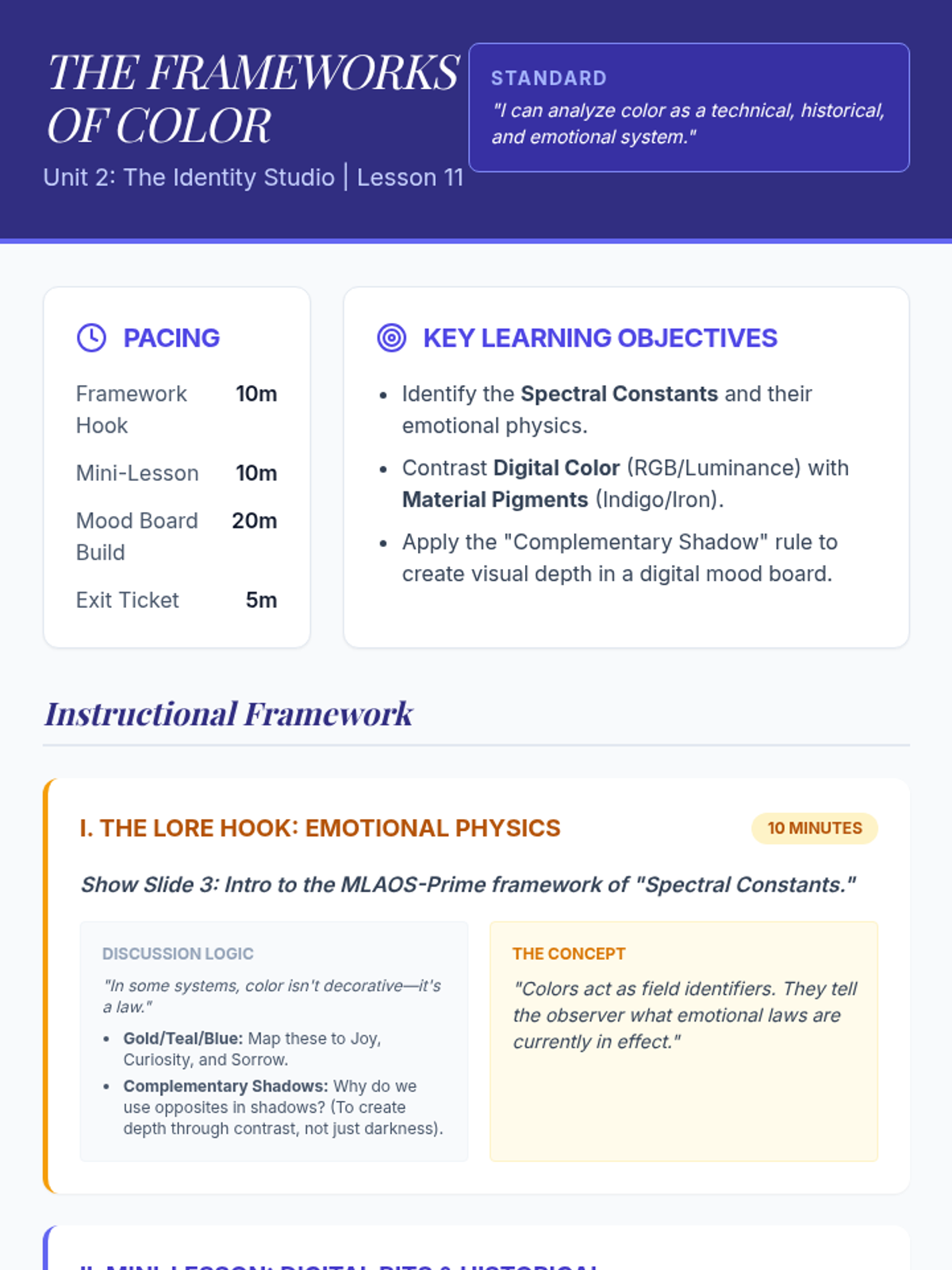
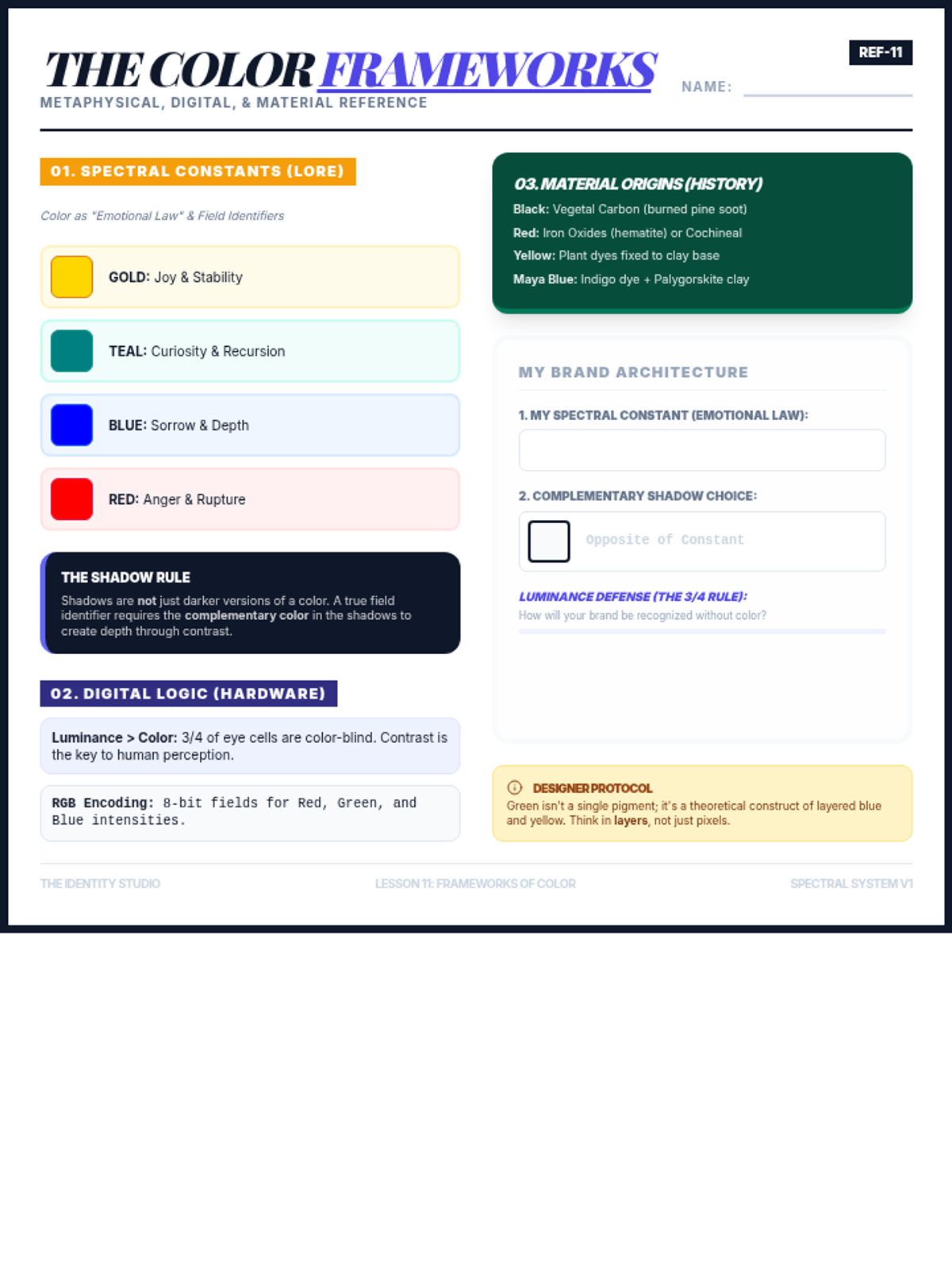
This lesson introduces students to the emotional impact of color in branding, the basics of color theory in marketing, and the technical use of Hex Codes in digital design. Students apply these concepts by creating a brand mood board in Canva.
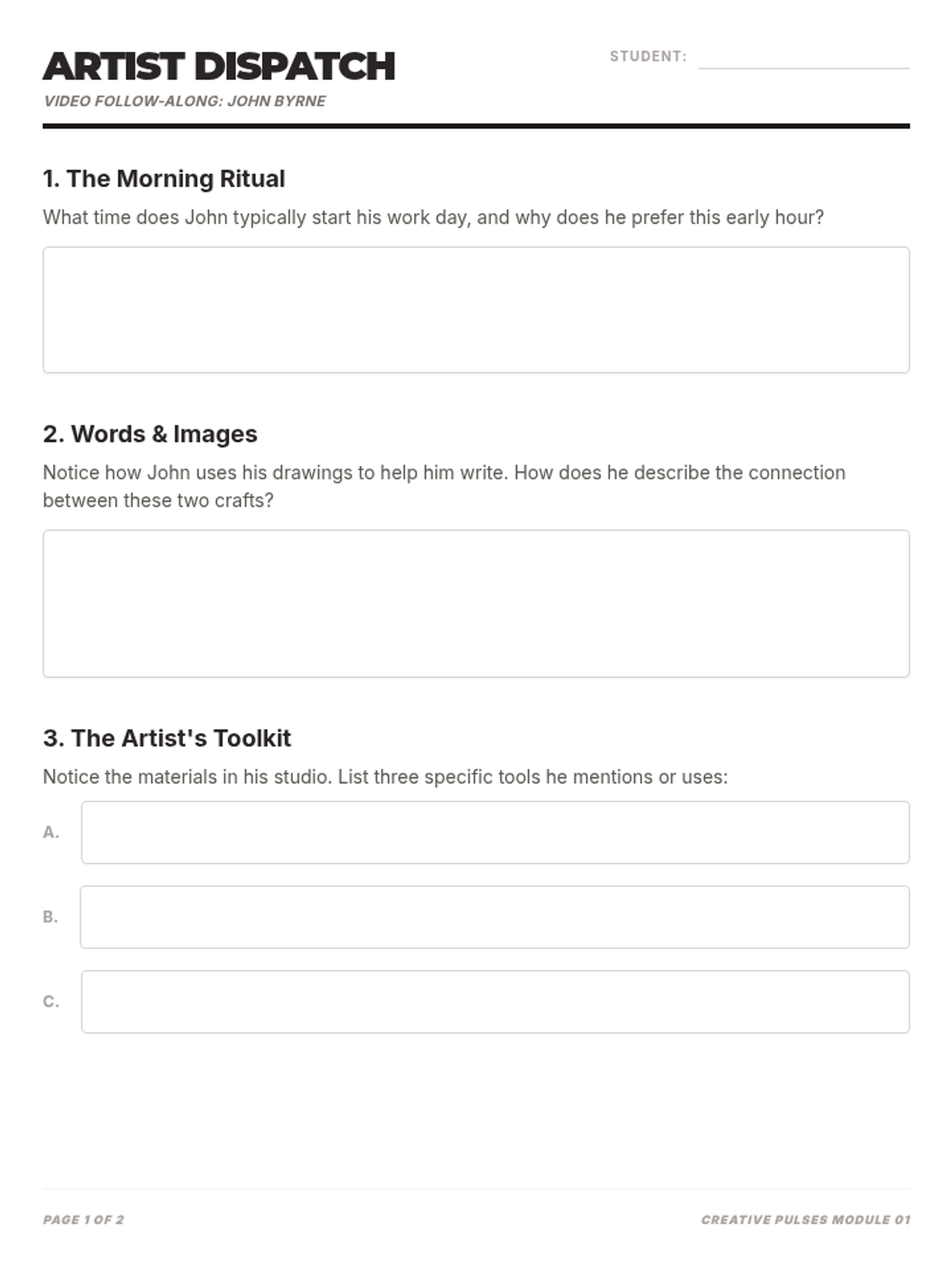
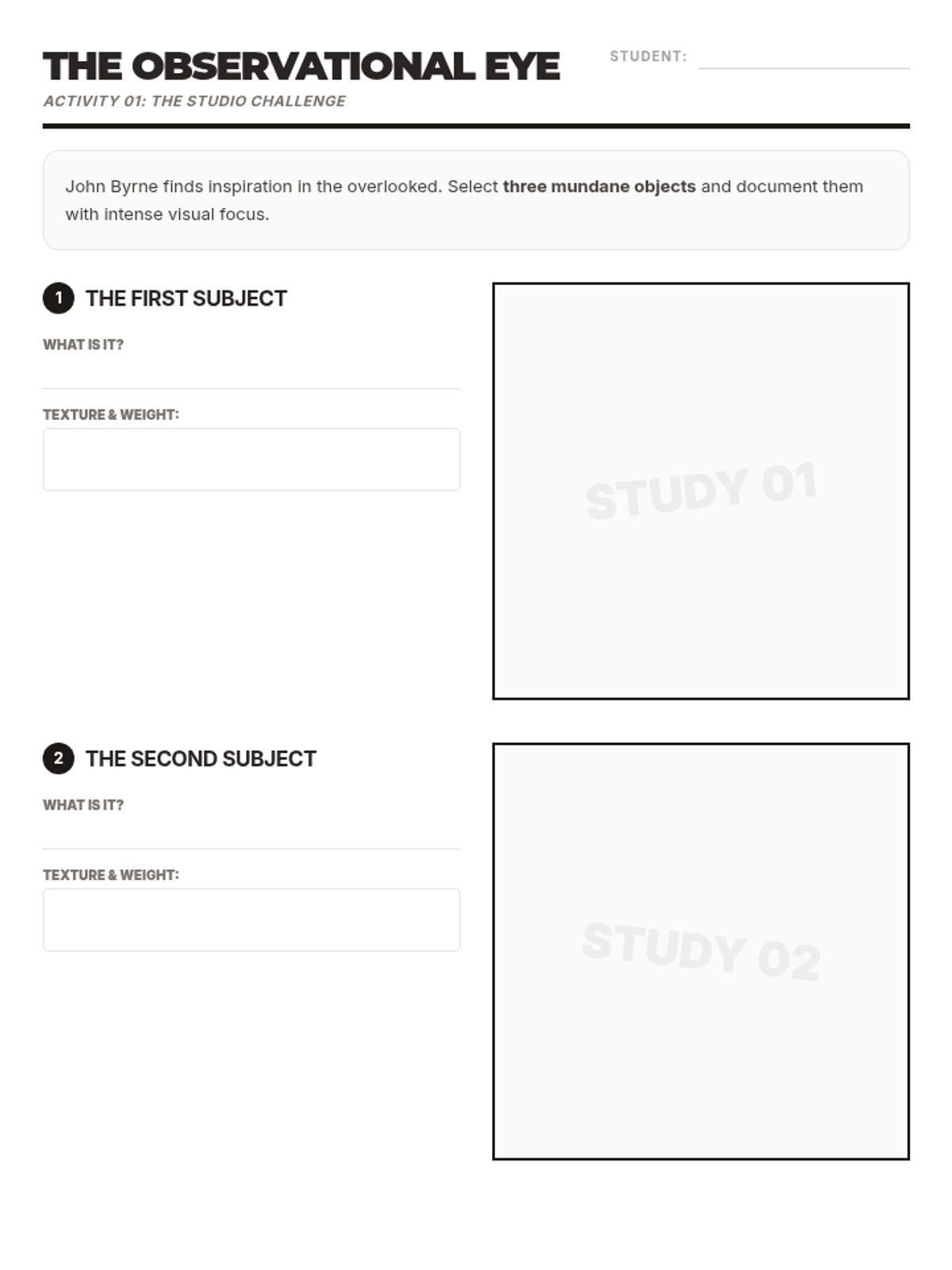
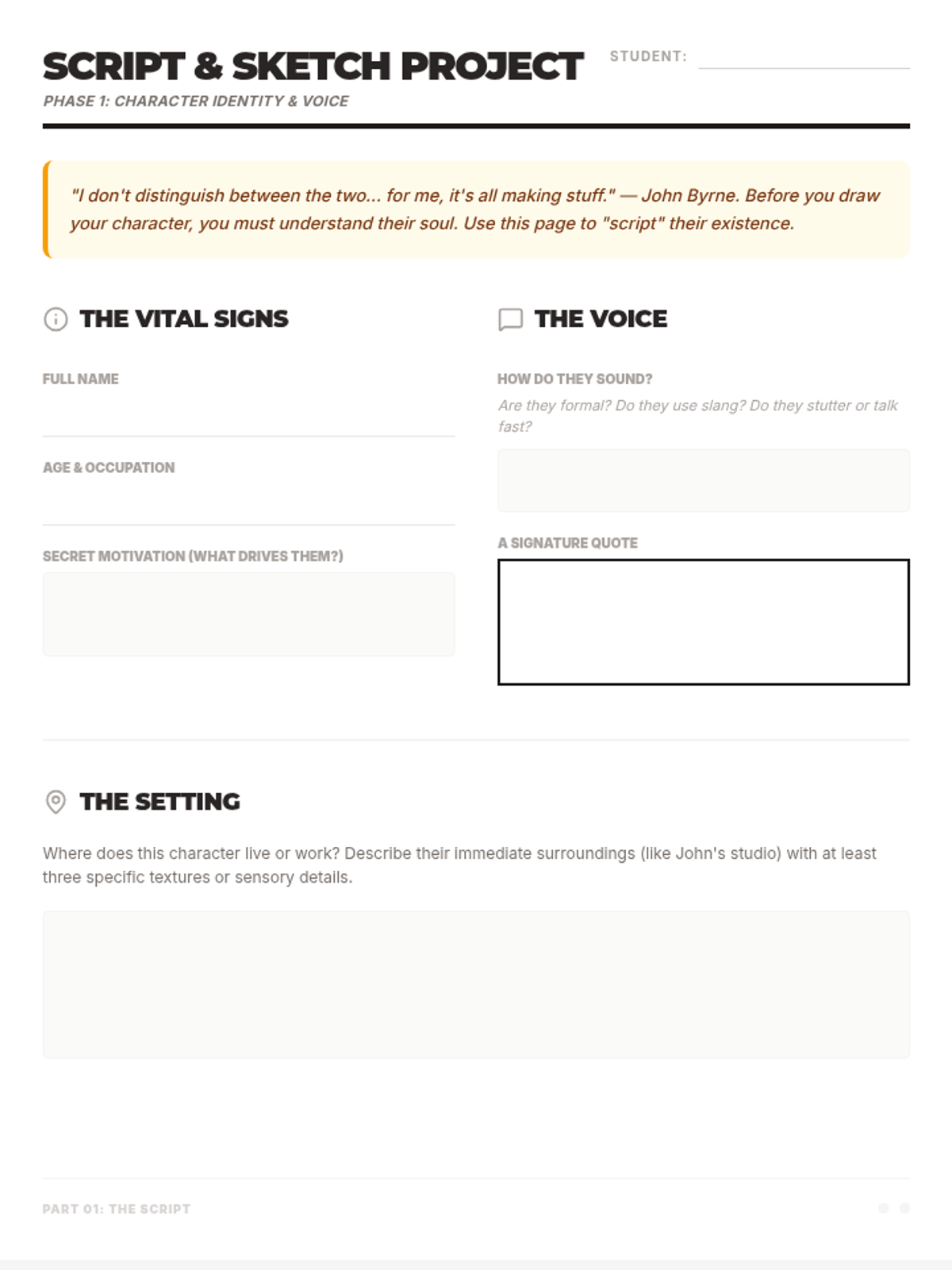
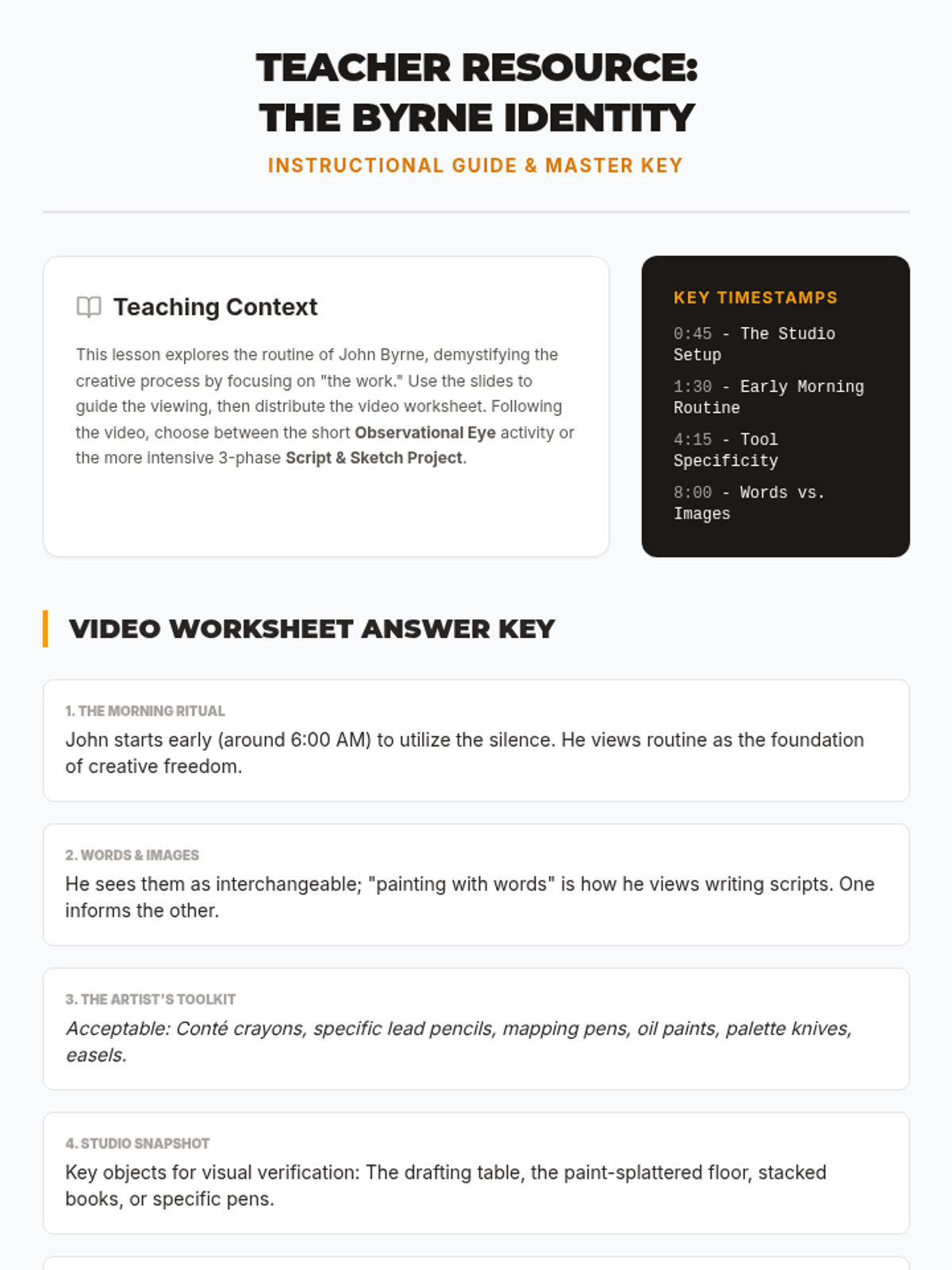
An in-depth look at John Byrne's daily life as a painter and playwright, focusing on his studio habits, materials, and the intersection of visual art and storytelling.
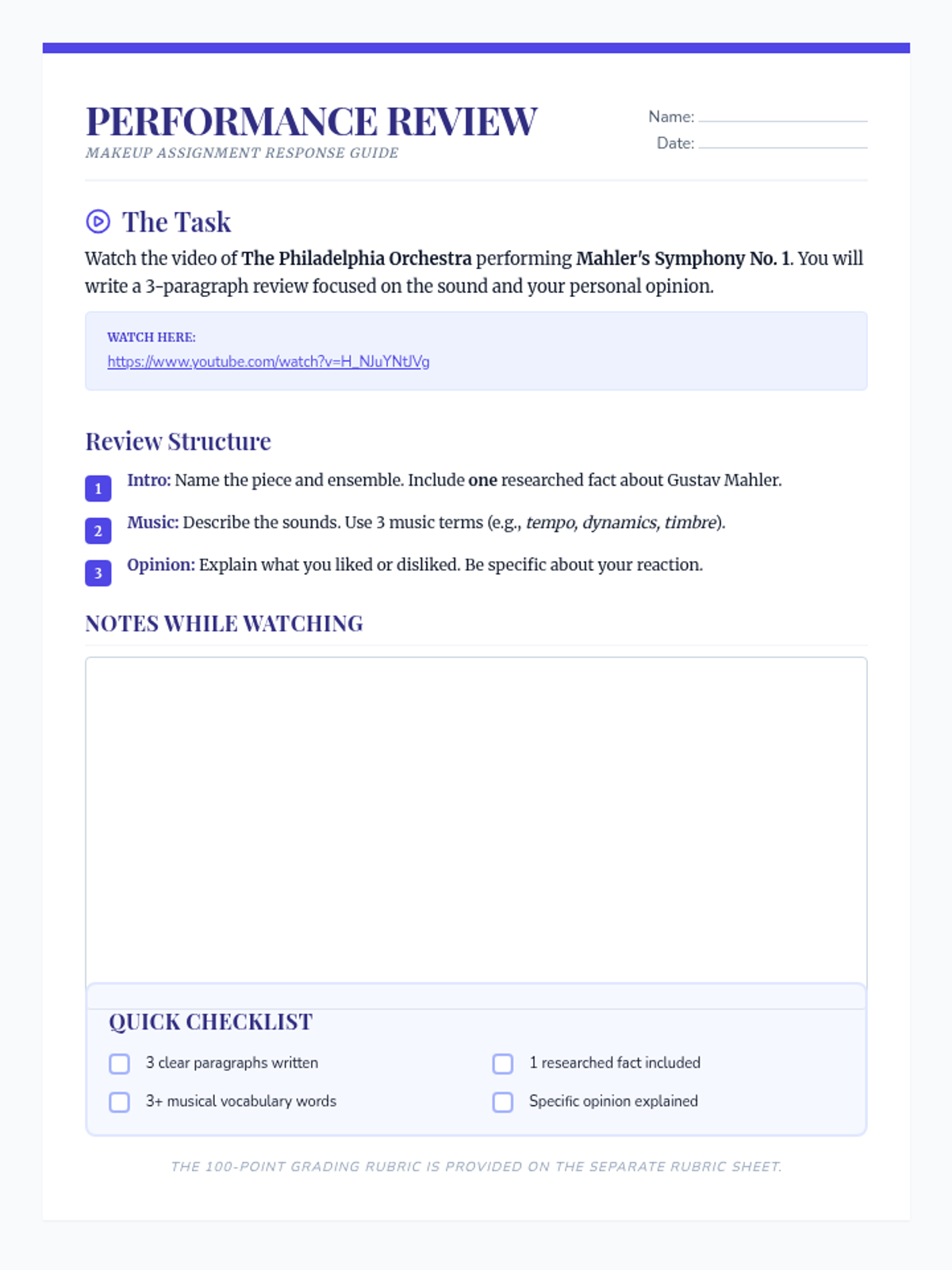
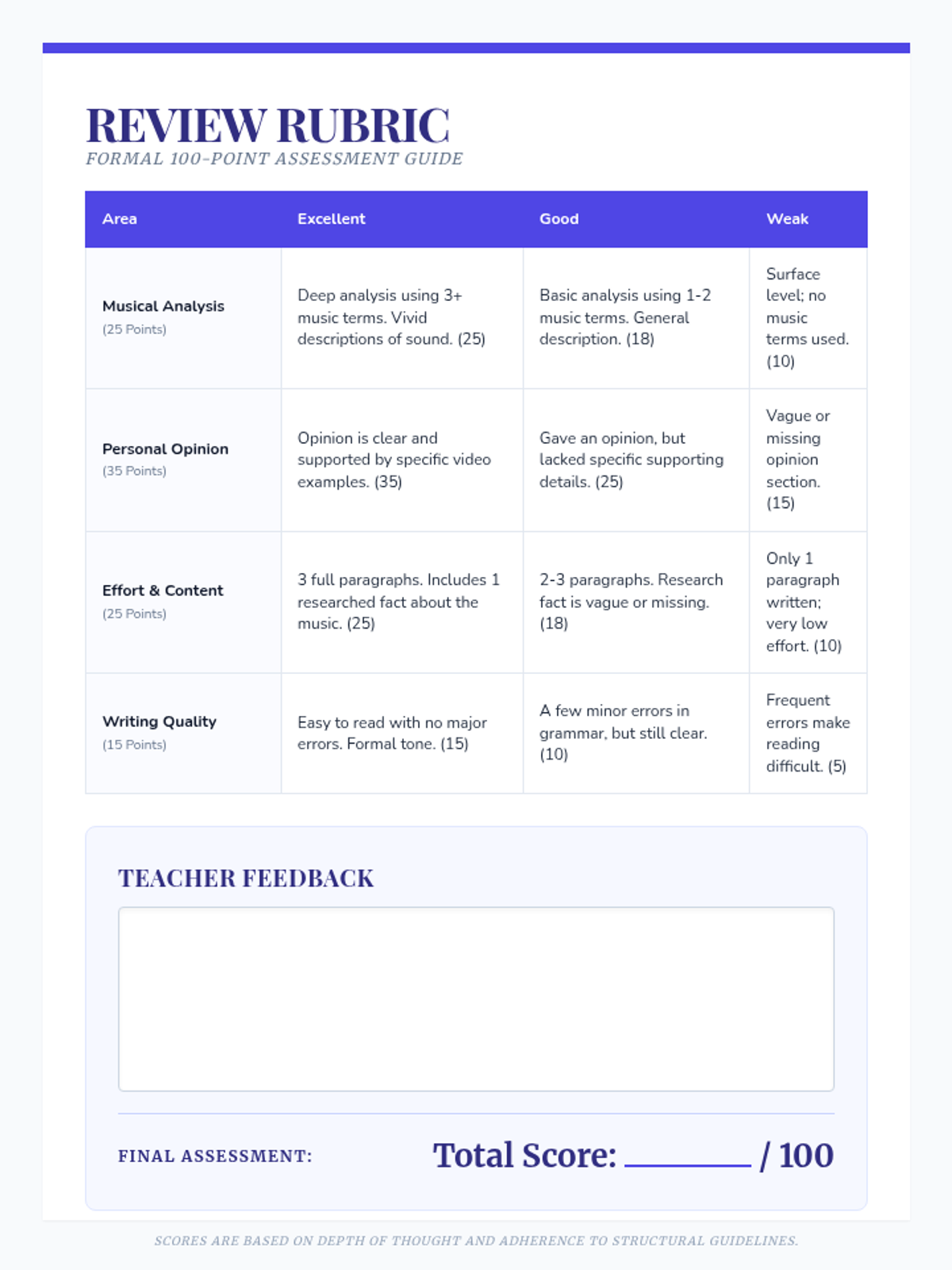
A comprehensive make-up assignment for students who missed a performance, requiring a detailed 5-paragraph review of a world-class orchestral concert with research and personal critique.
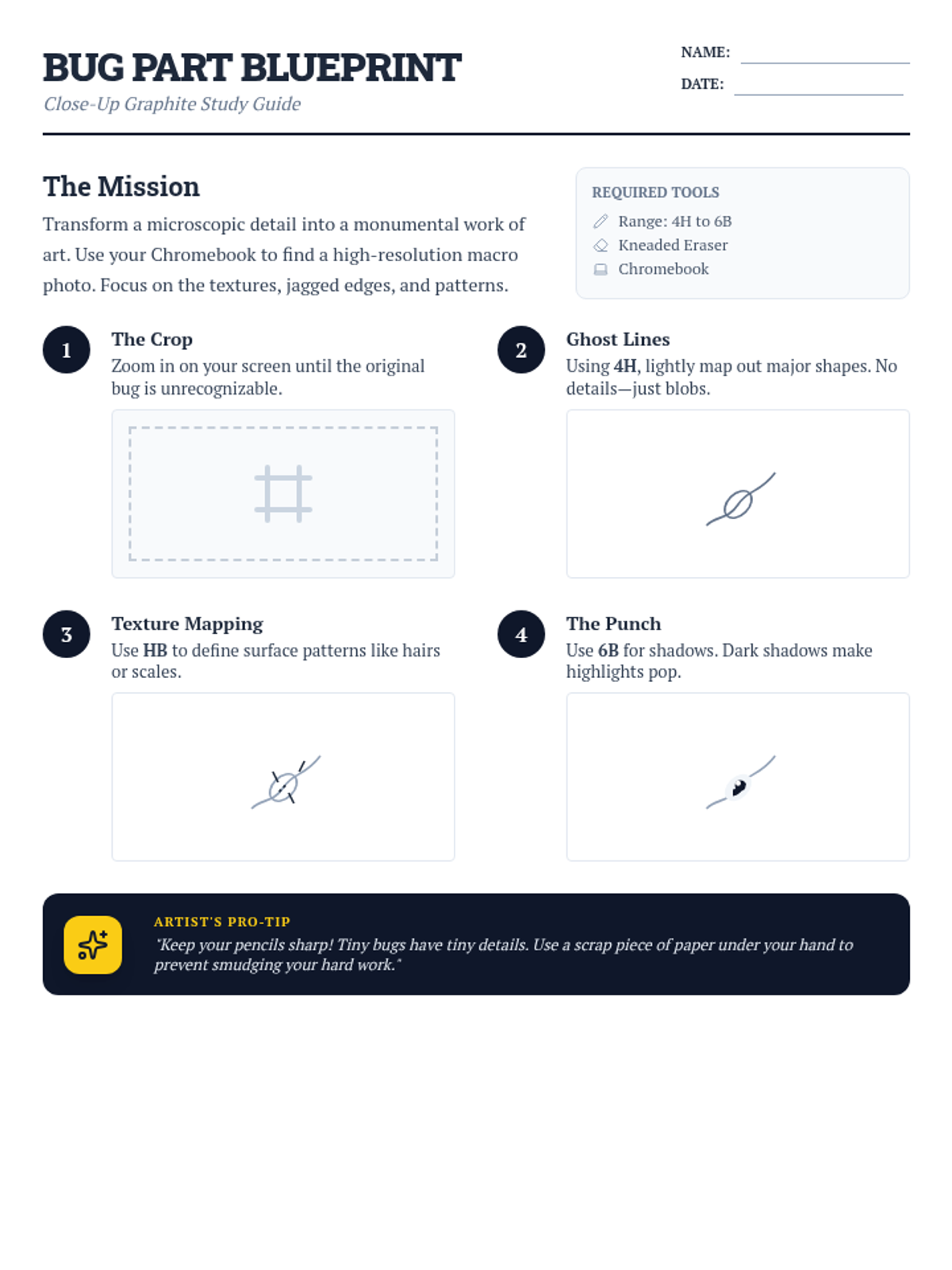
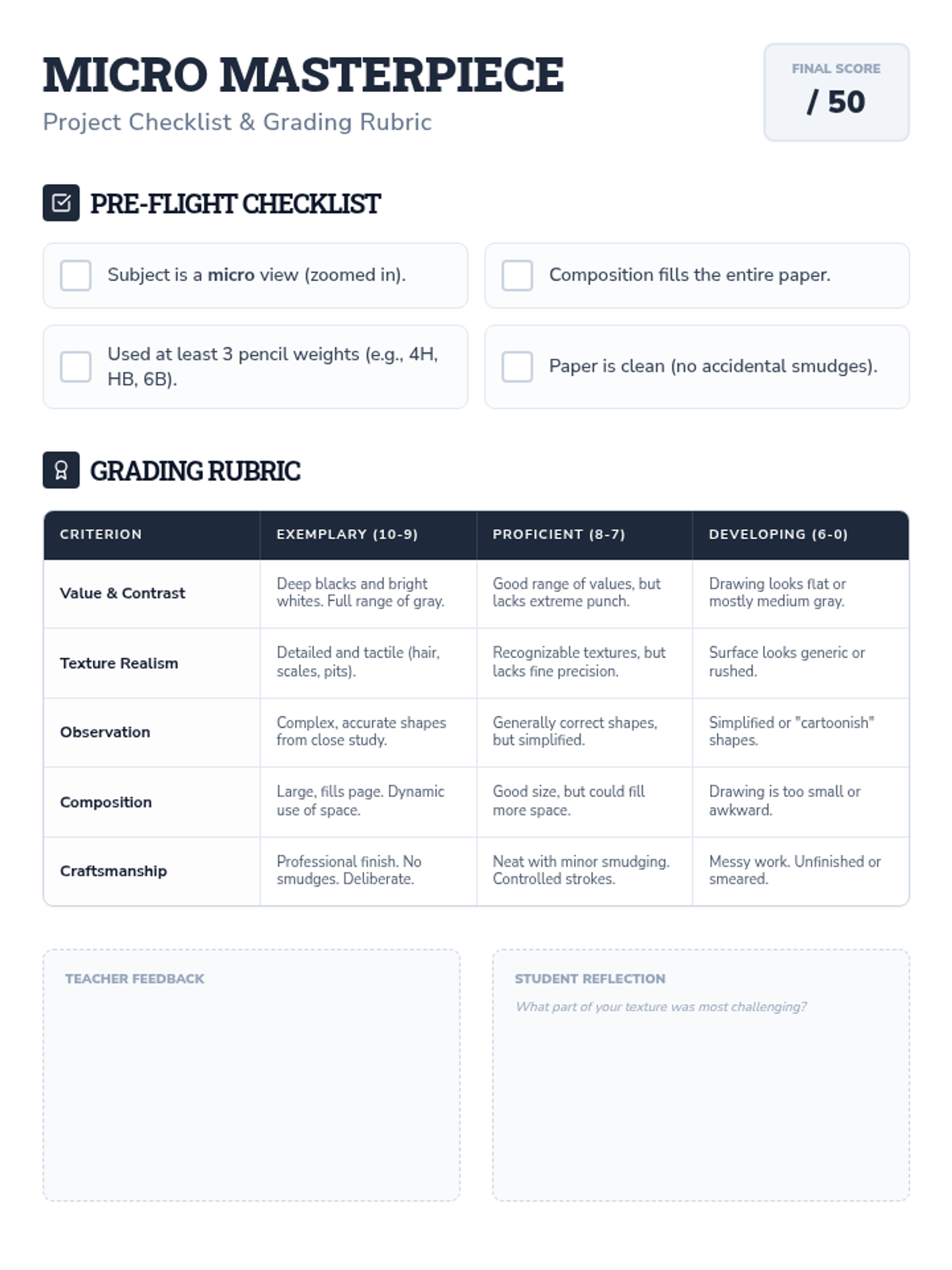
A short, high-impact art project where students use graphite pencils to create ultra-detailed, macro-style drawings of insect parts, focusing on texture and value.
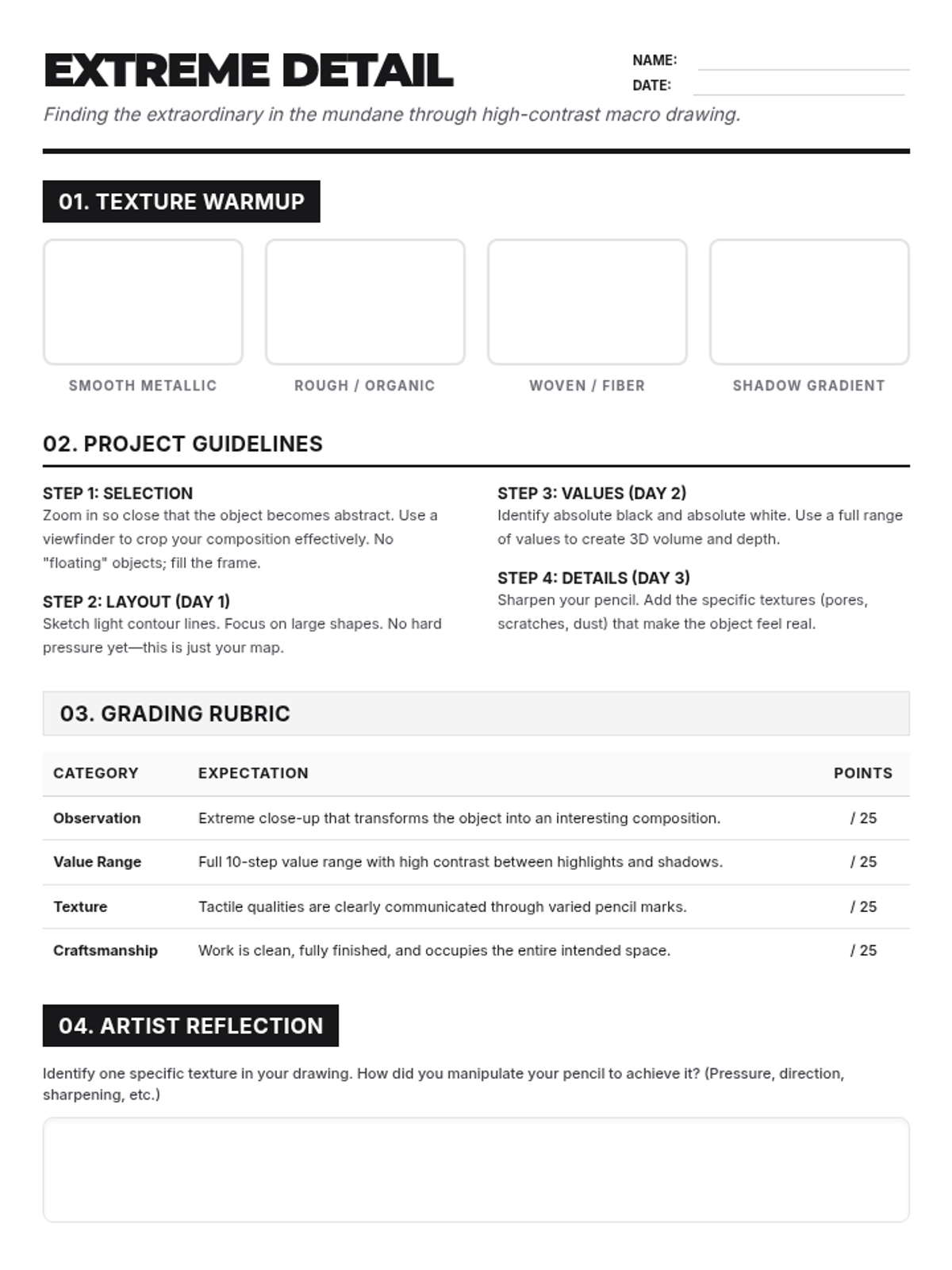
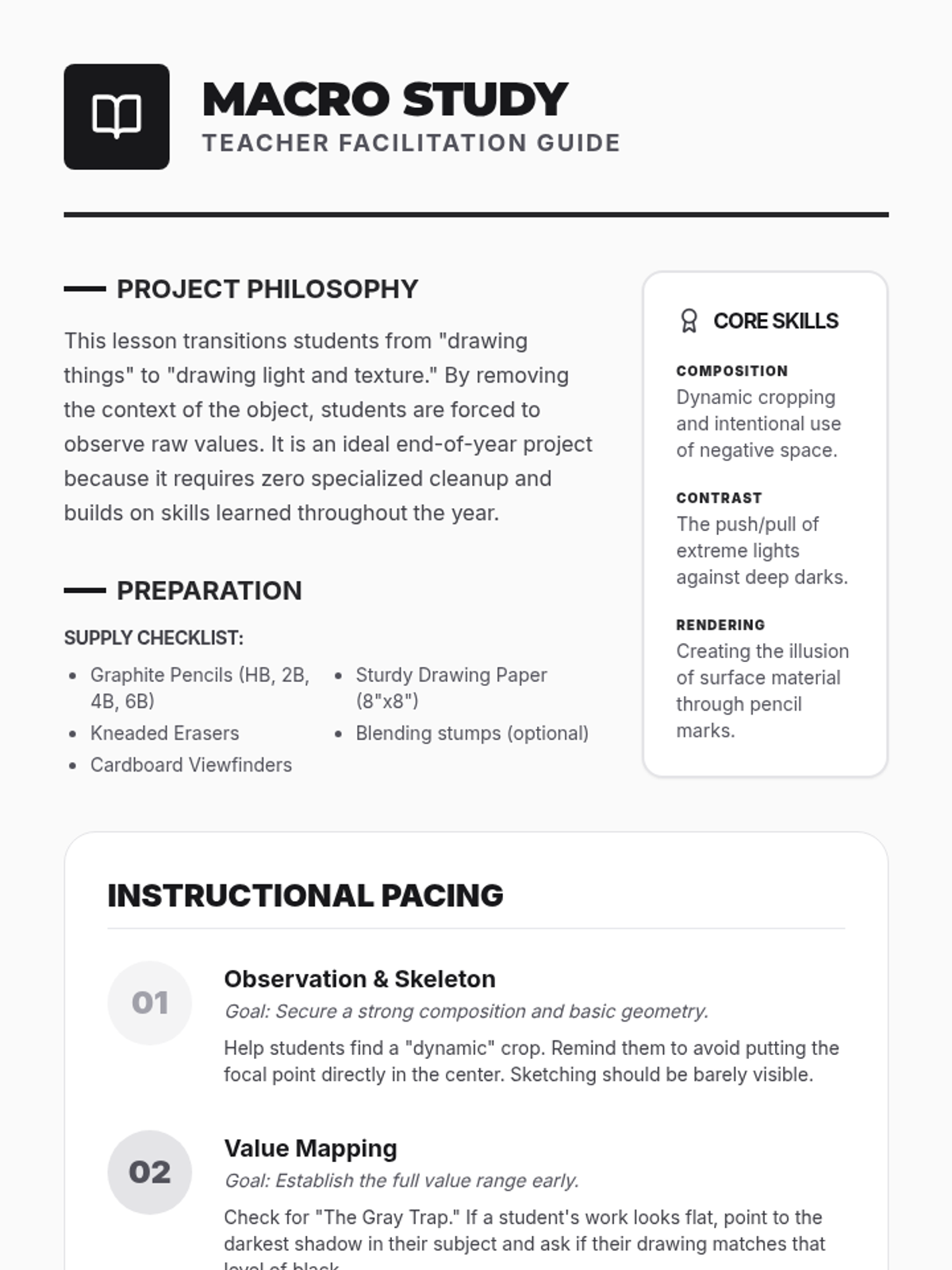
A high school art lesson focusing on extreme close-up pencil drawings to explore texture, value, and composition with minimal supplies.
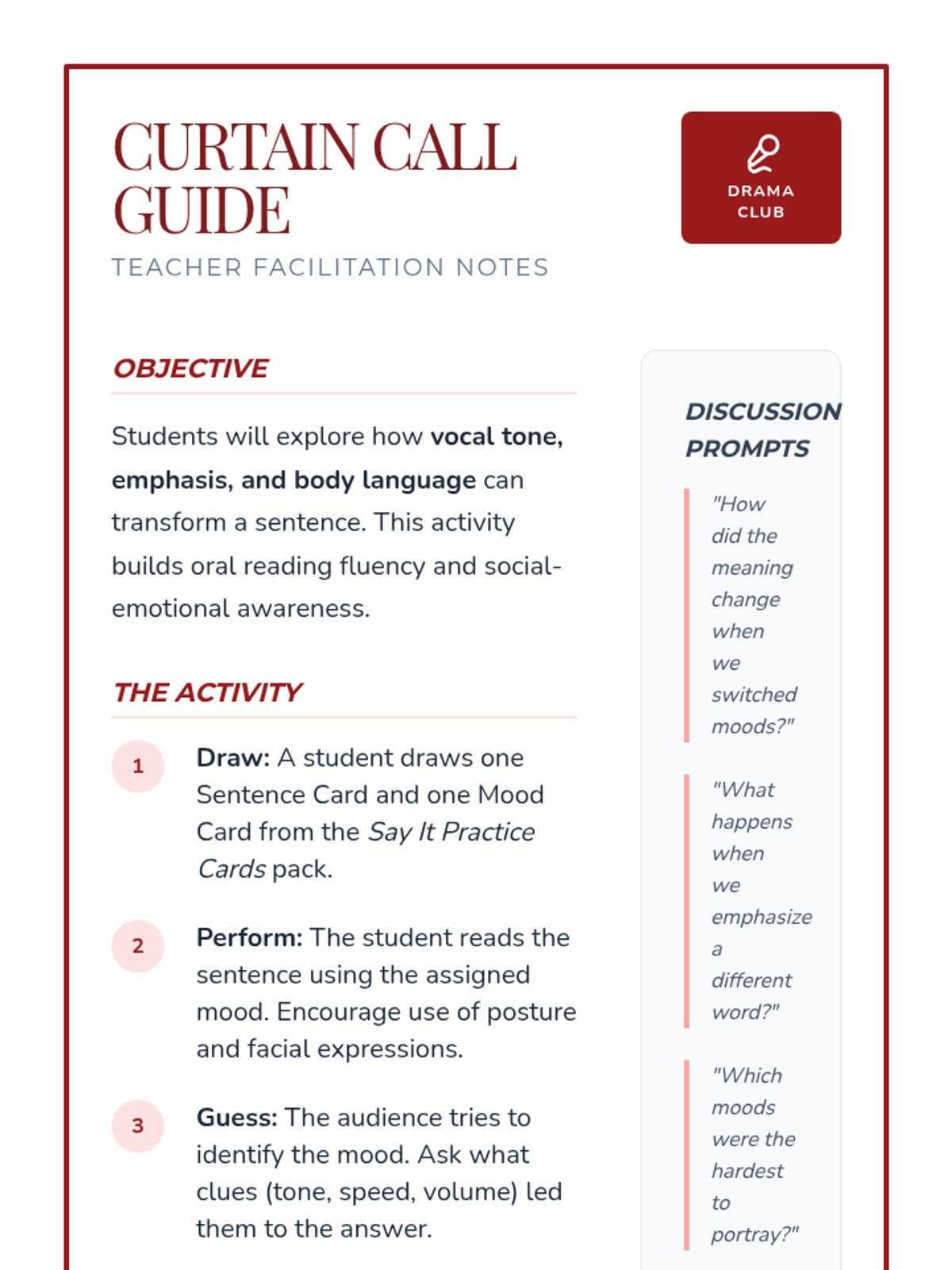
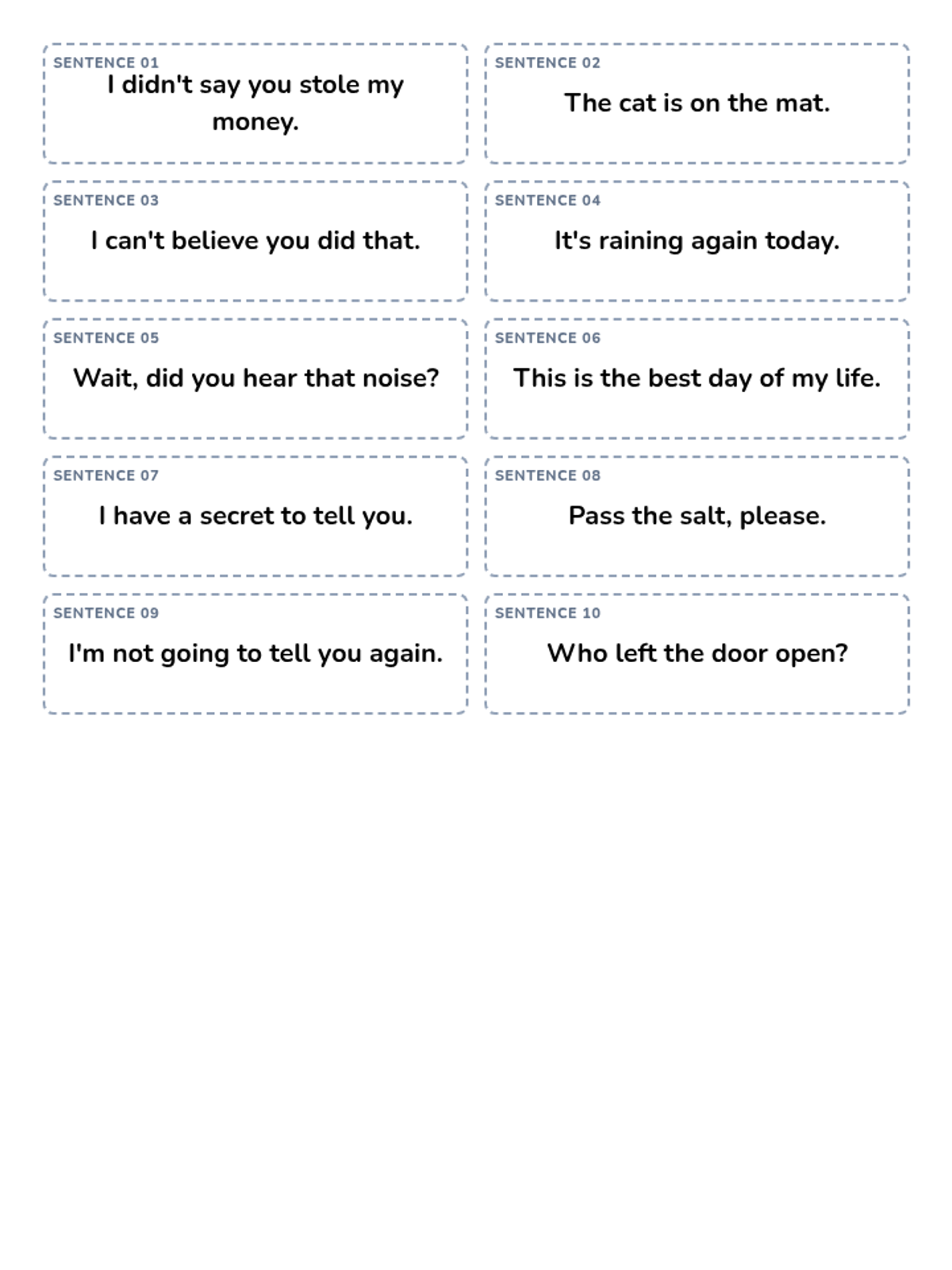
A high-energy drama and literacy lesson focused on prosody, tone, and vocal expression. Students practice reading the same sentence in various moods to discover how delivery changes meaning.
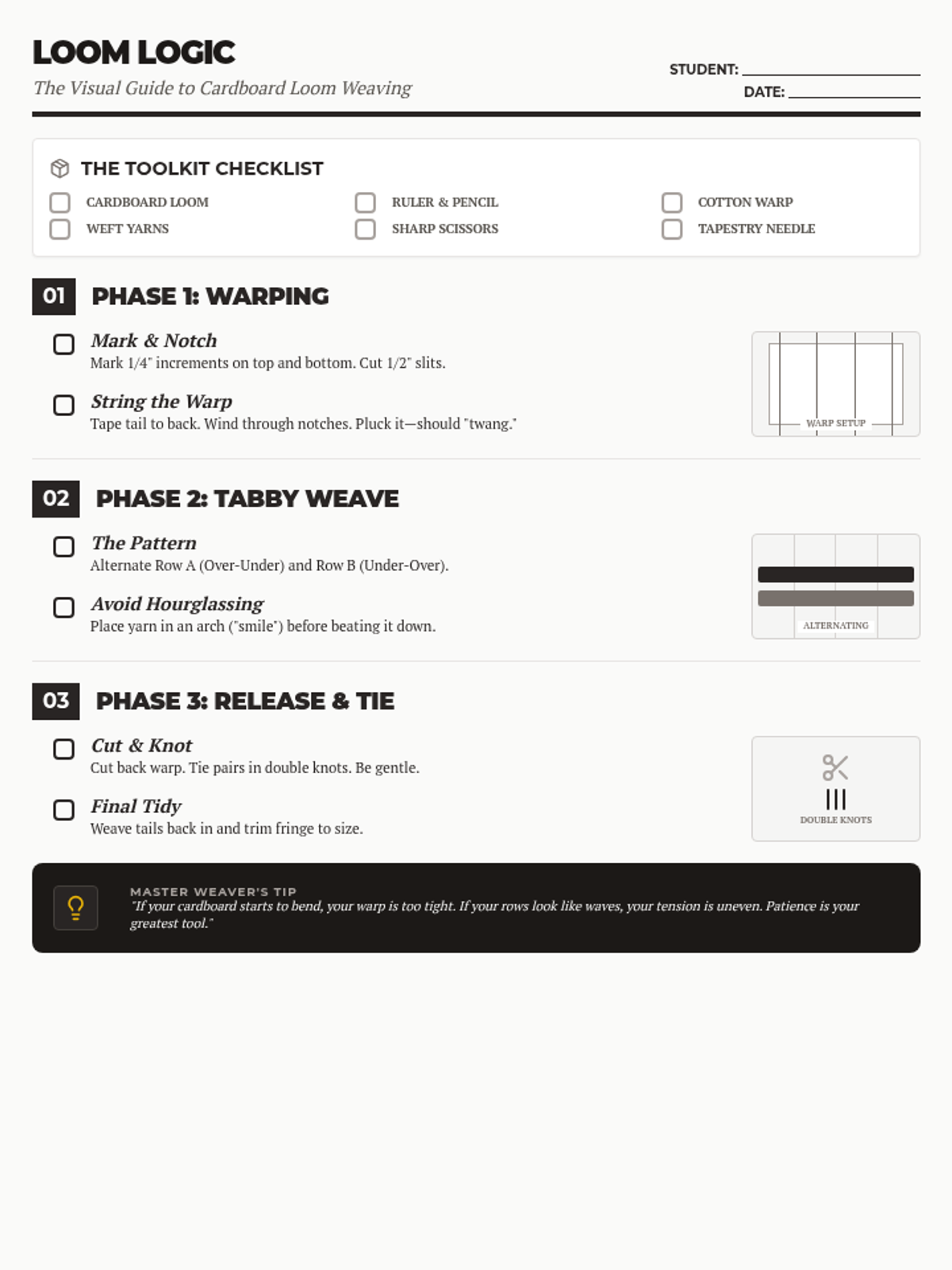
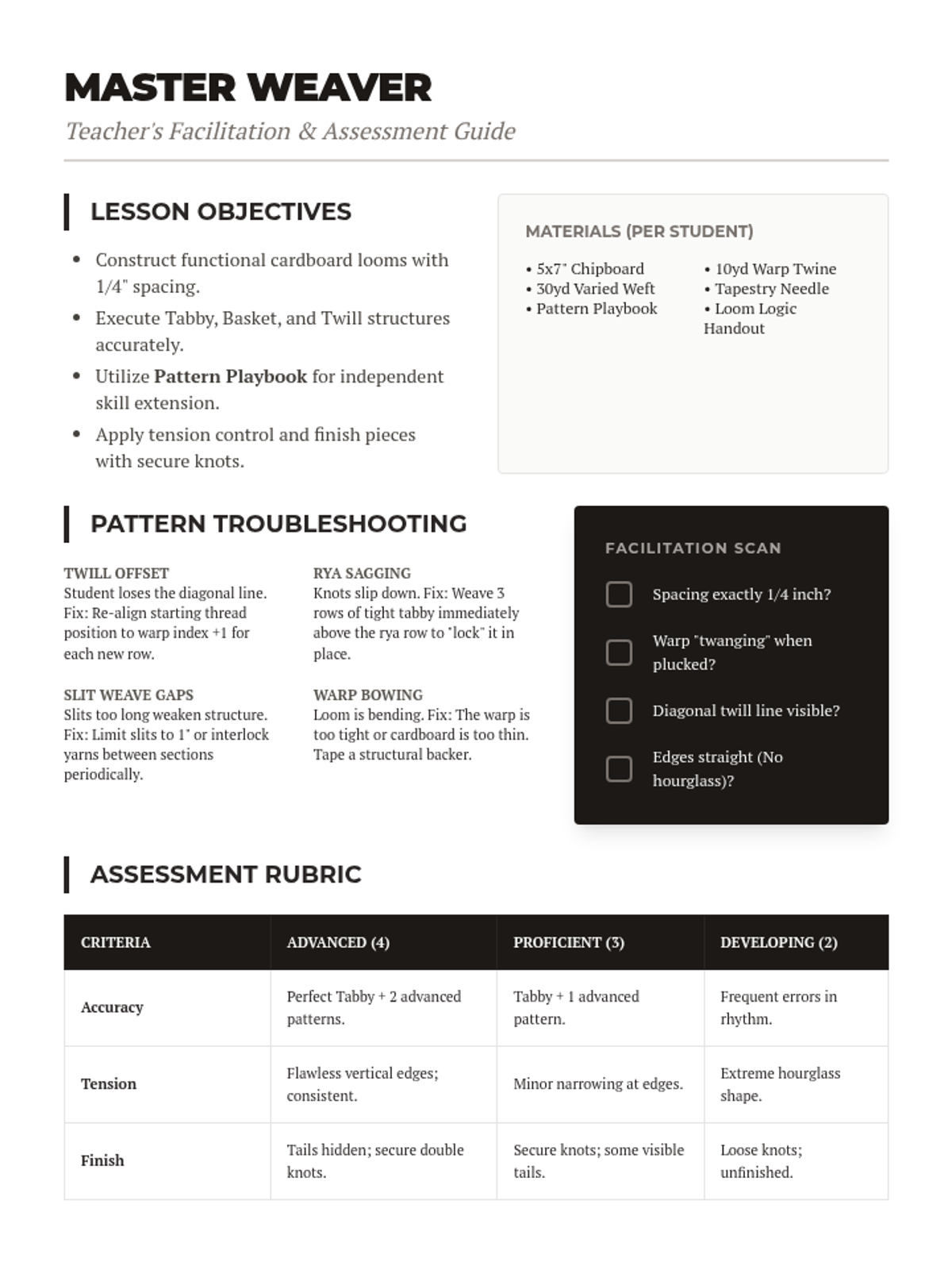
A hands-on introduction to textile arts through cardboard loom weaving, focusing on the foundational tabby weave technique. students will learn to warp their looms, execute consistent over-under patterns, and properly finish their pieces.
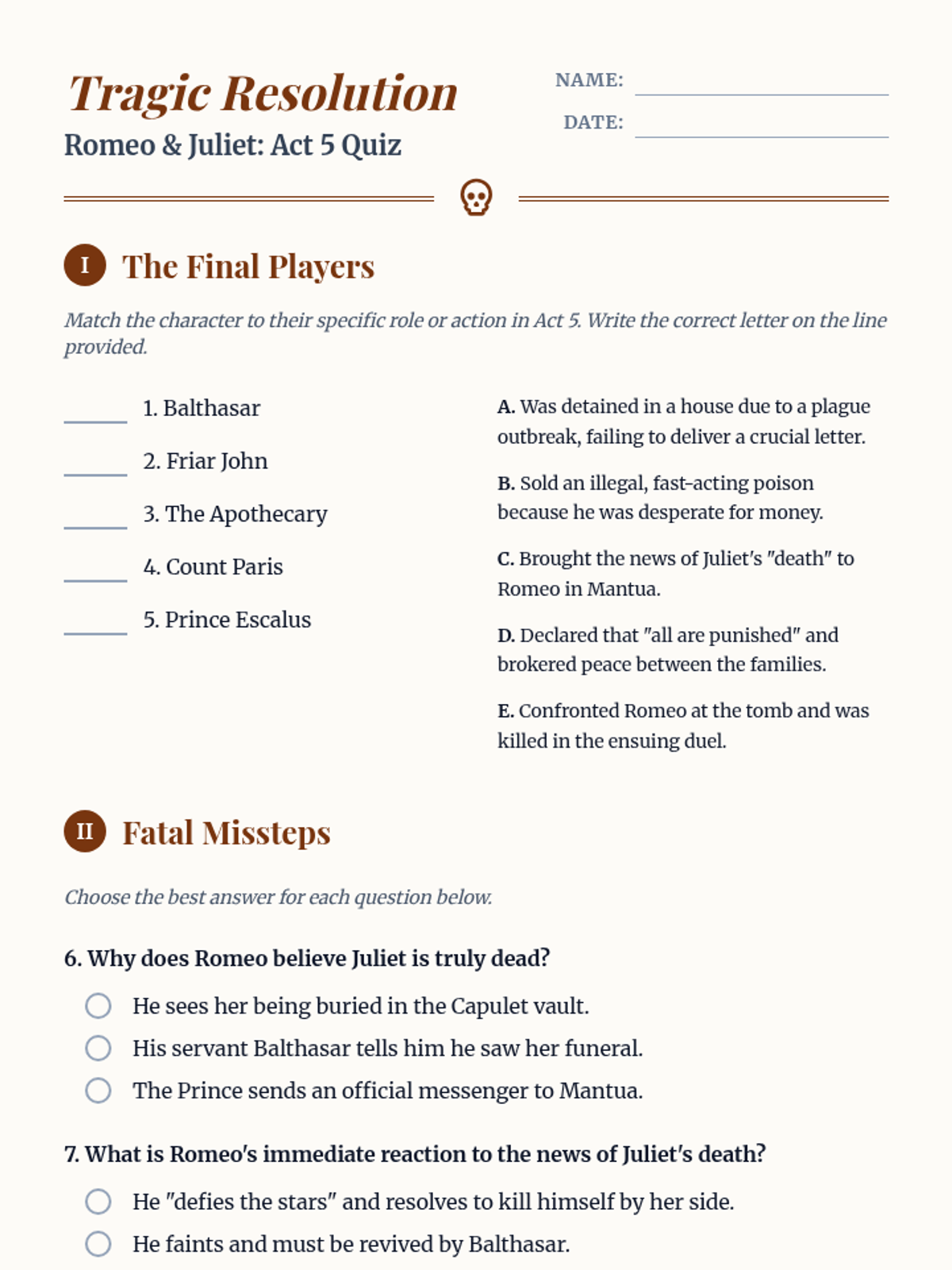
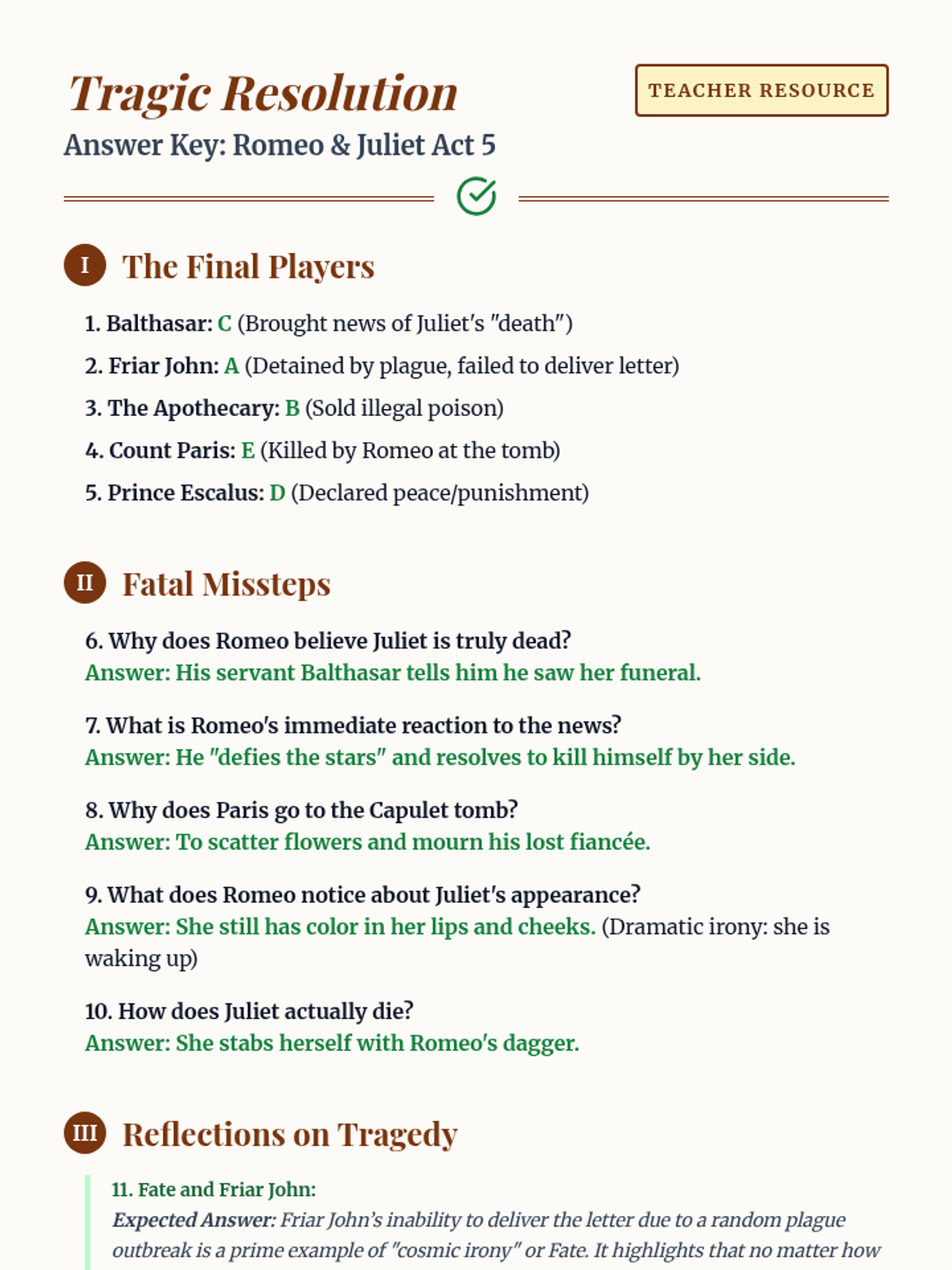
A comprehensive assessment for Act 5 of Shakespeare's Romeo and Juliet, focusing on the resolution of the plot, the role of fate, and the ultimate tragedy in the Capulet tomb.
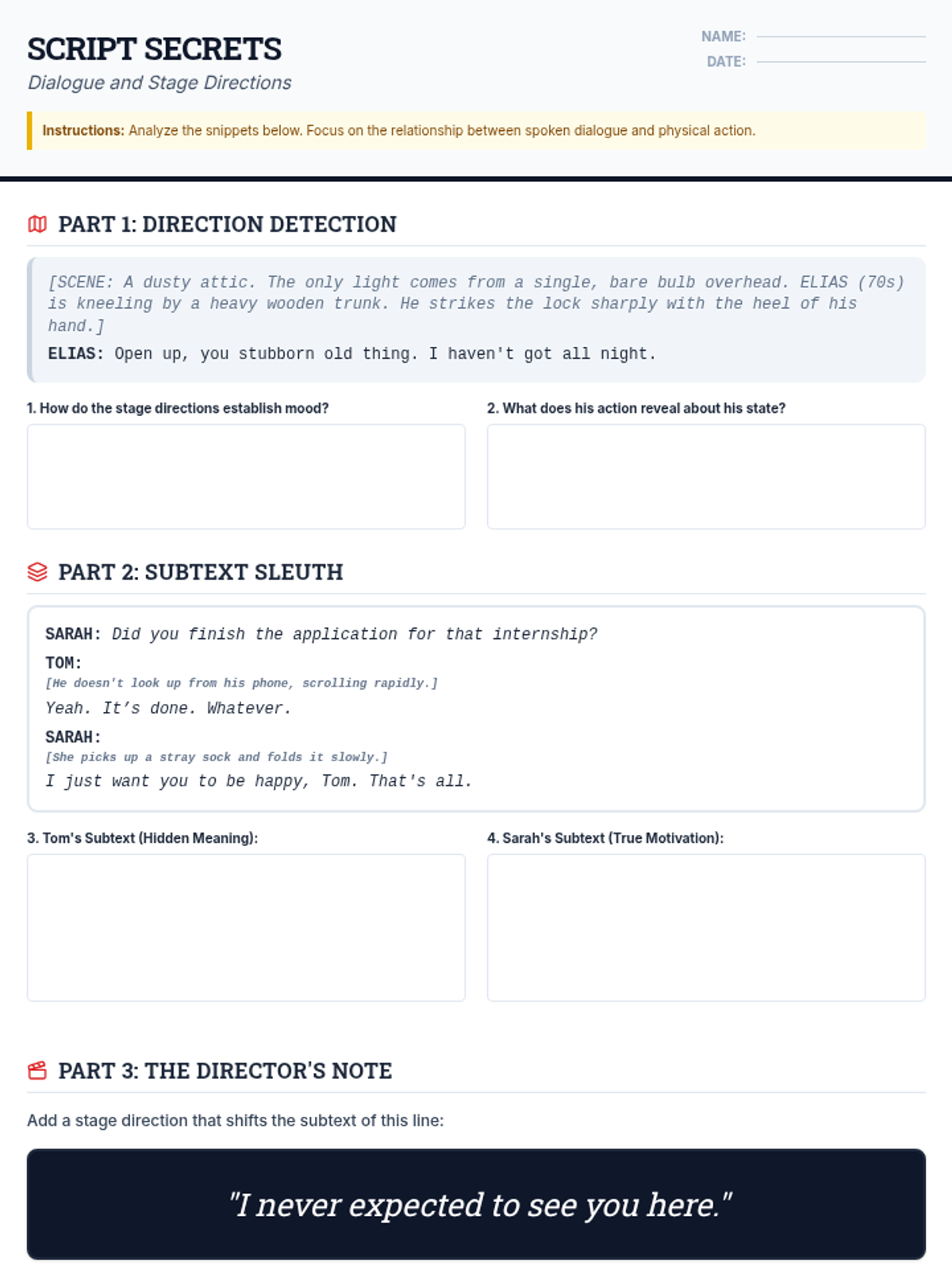
A lesson designed for high school students to master the unique skills required to read and interpret dramatic scripts, with a focus on dialogue and stage directions.
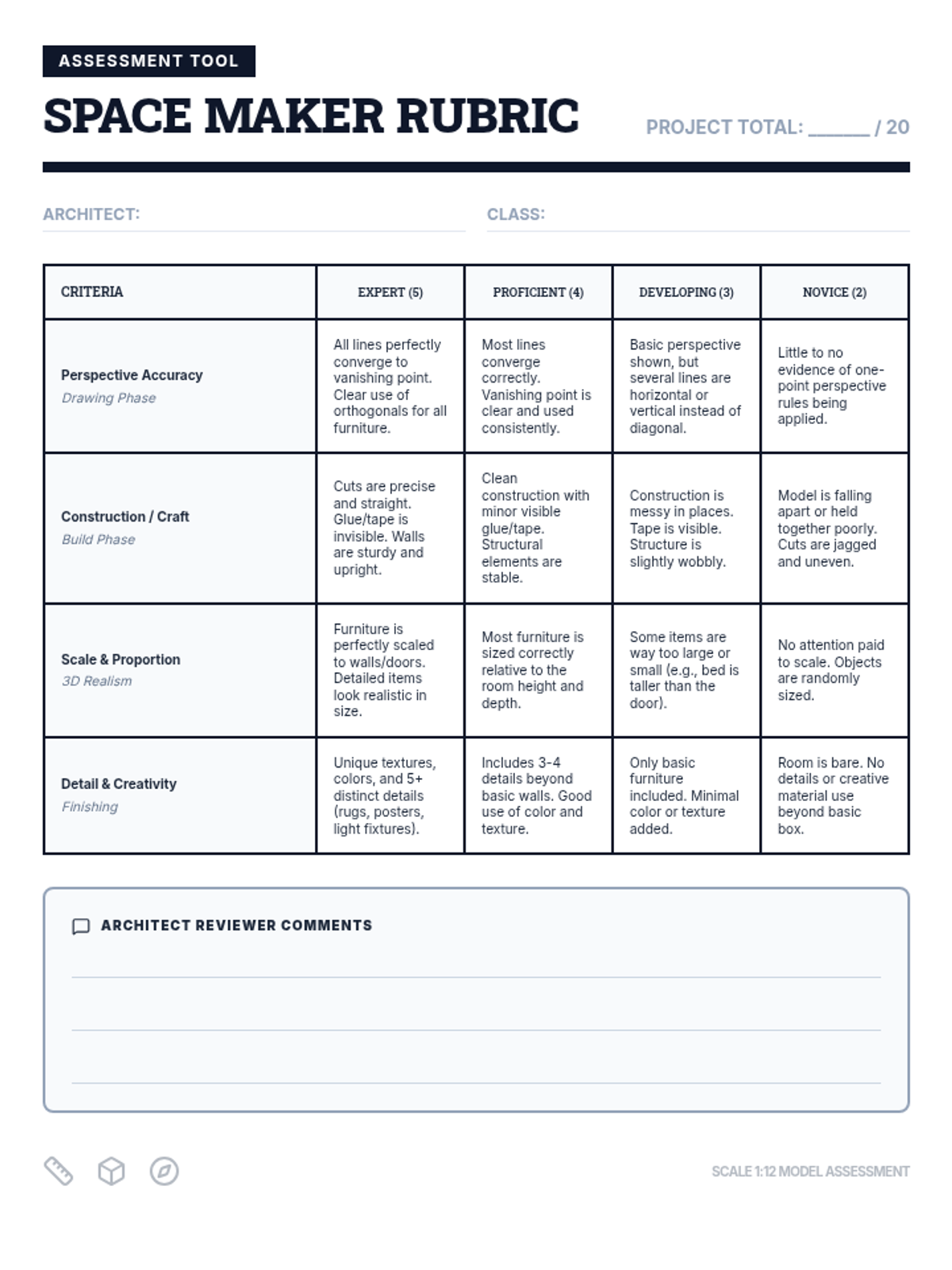
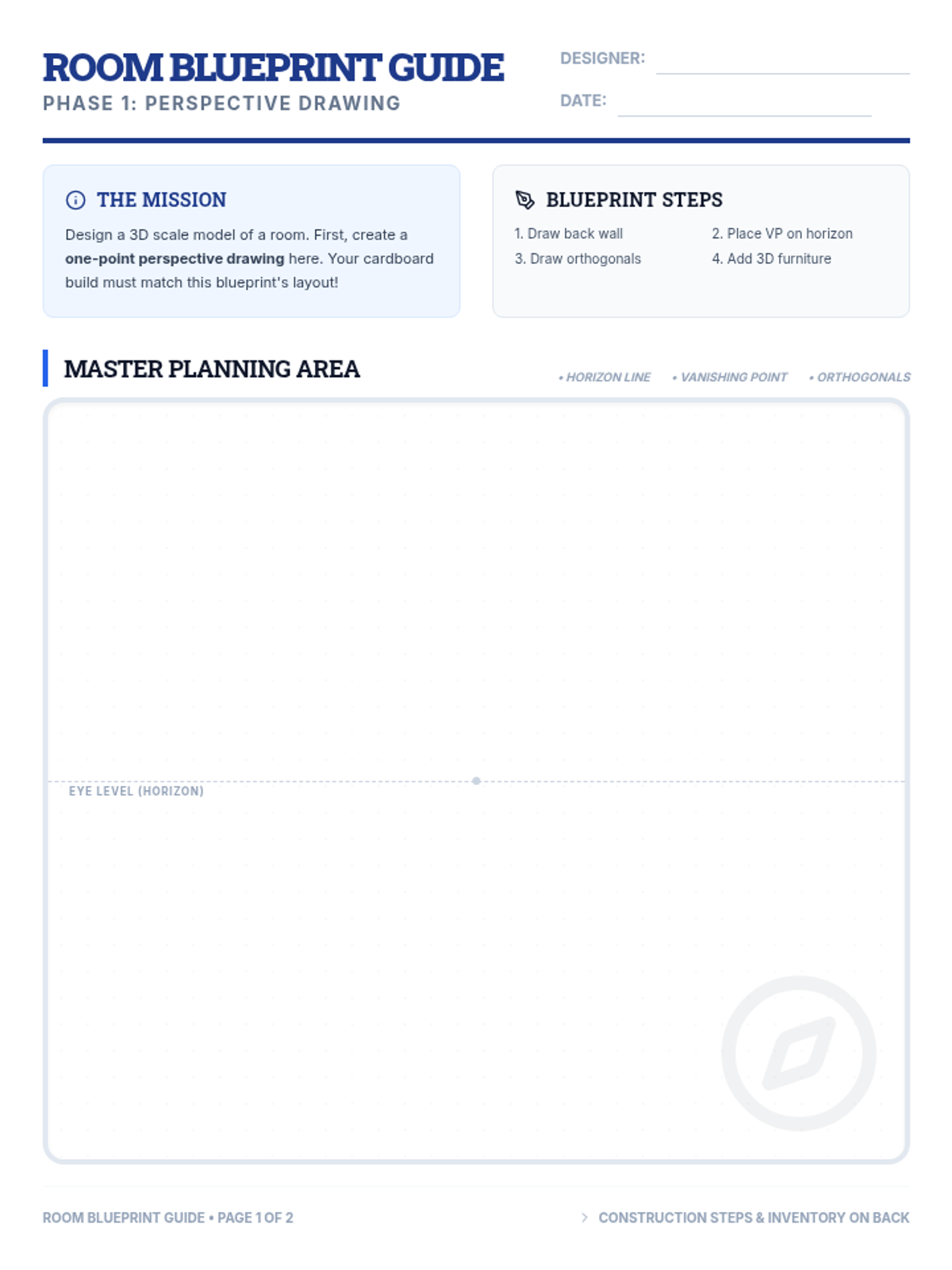
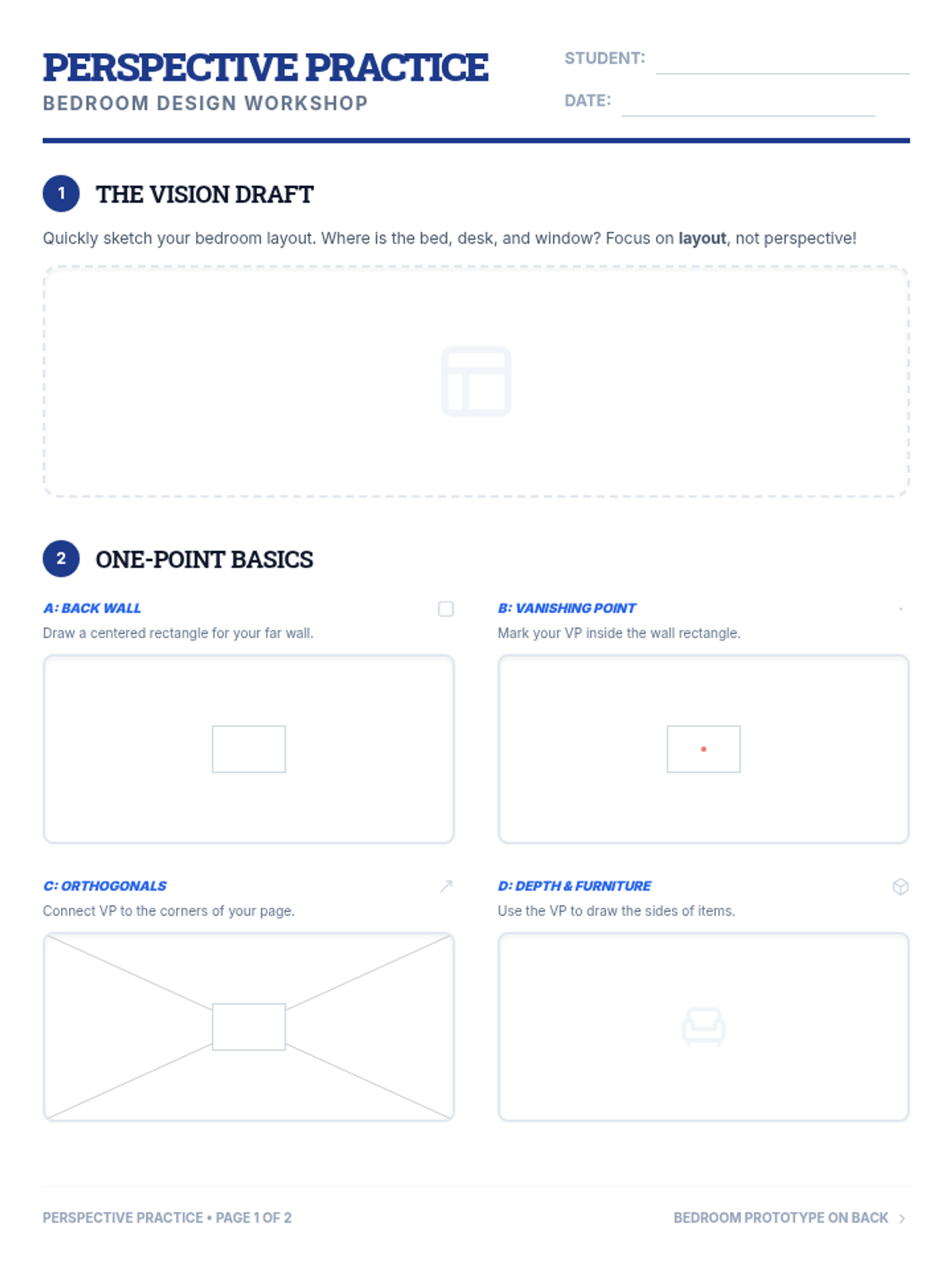
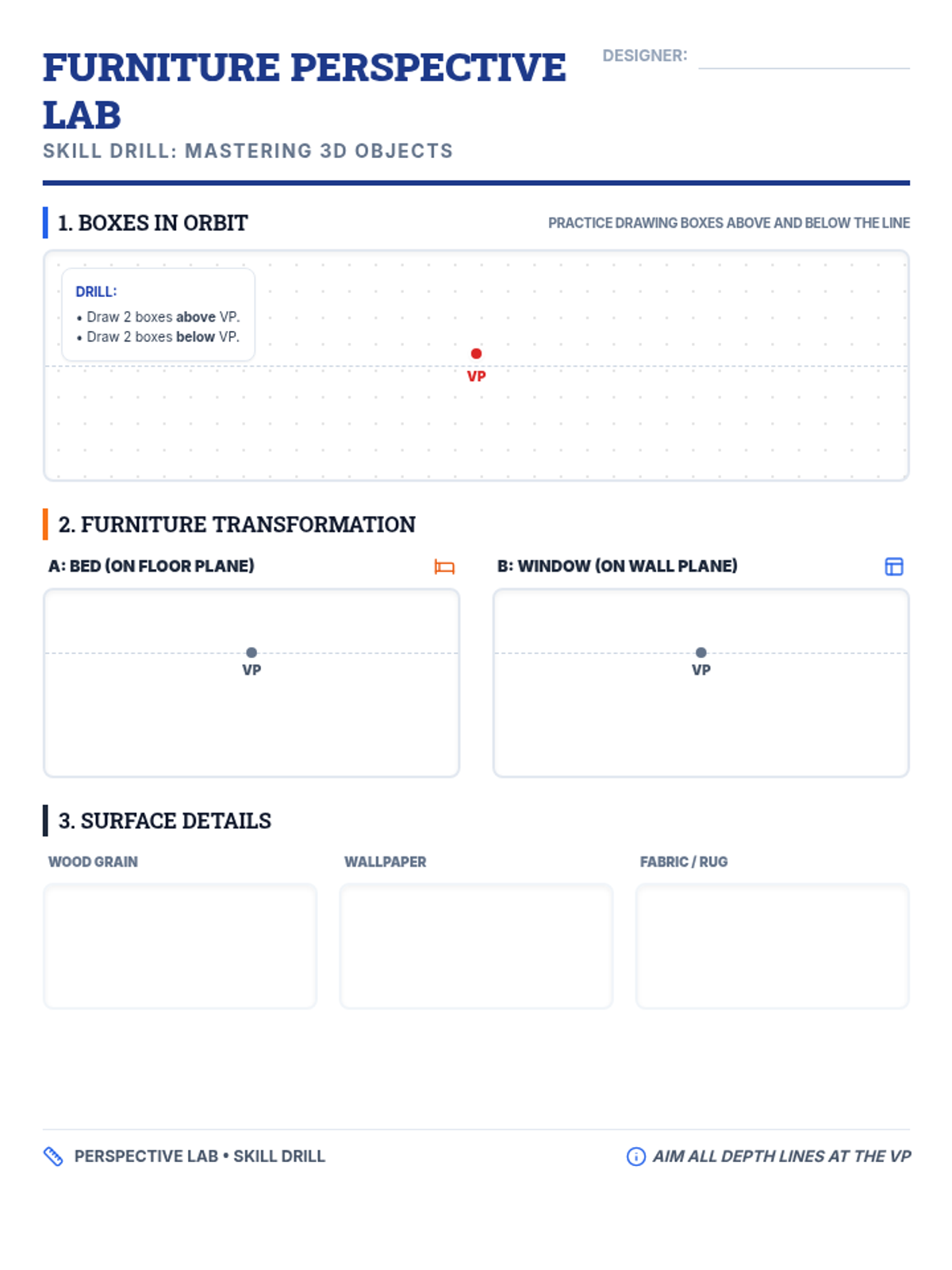
In this lesson, students learn the fundamentals of one-point perspective to plan and design a 3D cardboard room. They transition from 2D architectural blueprints to 3D construction using recycled materials.
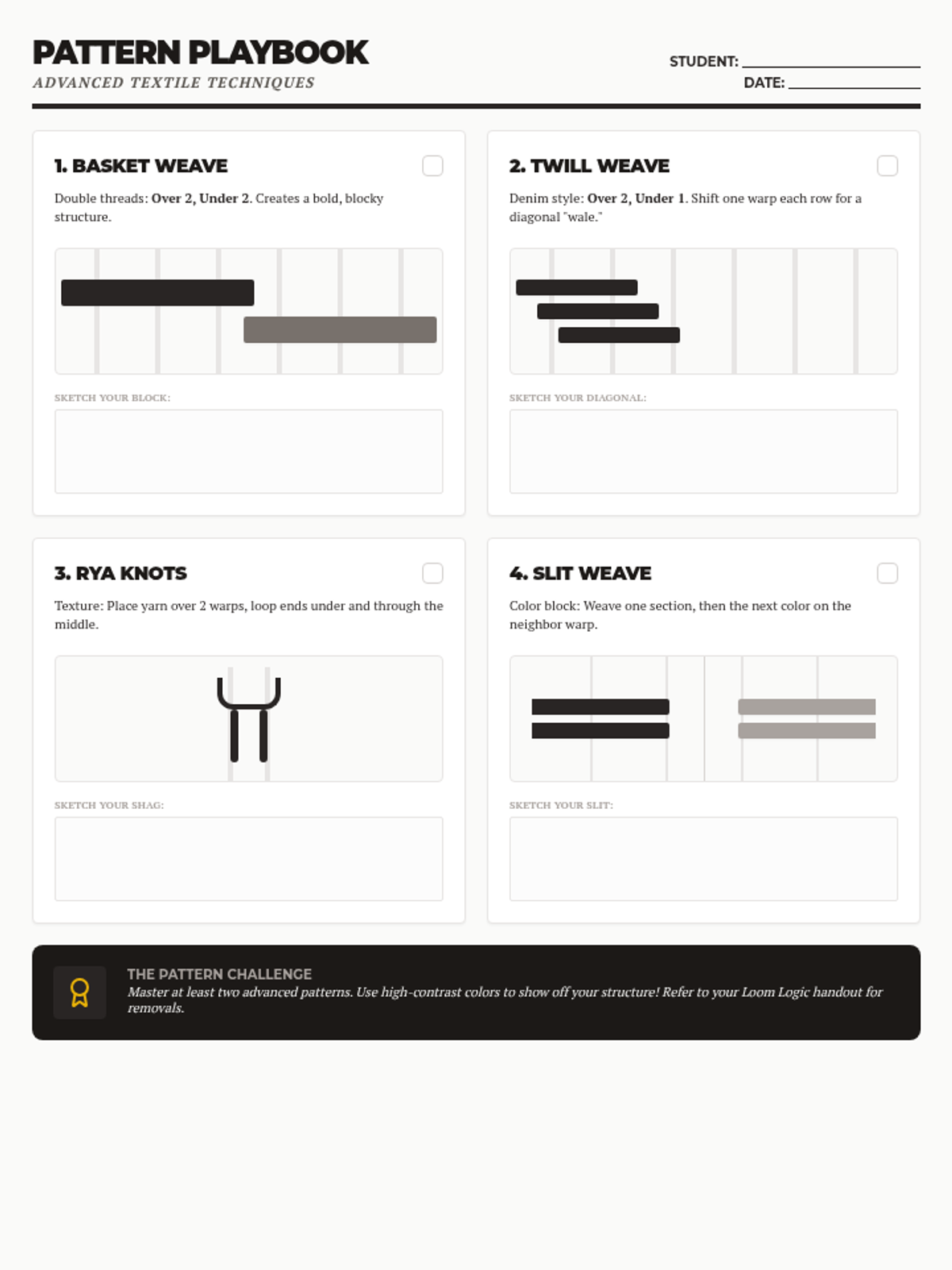
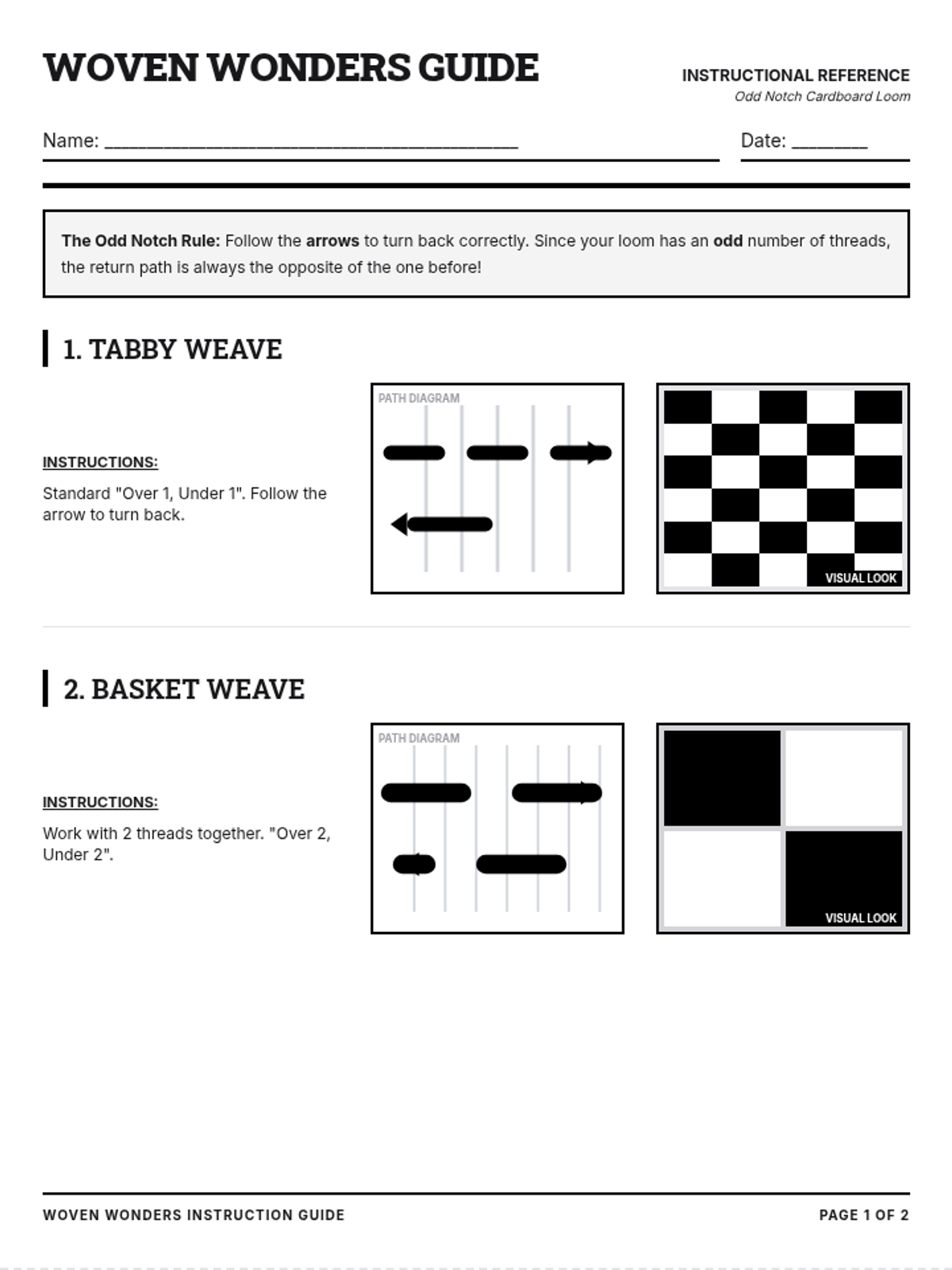
A hands-on guide to mastering four essential weaving techniques on a cardboard notch loom, featuring step-by-step instructions and visual patterns.
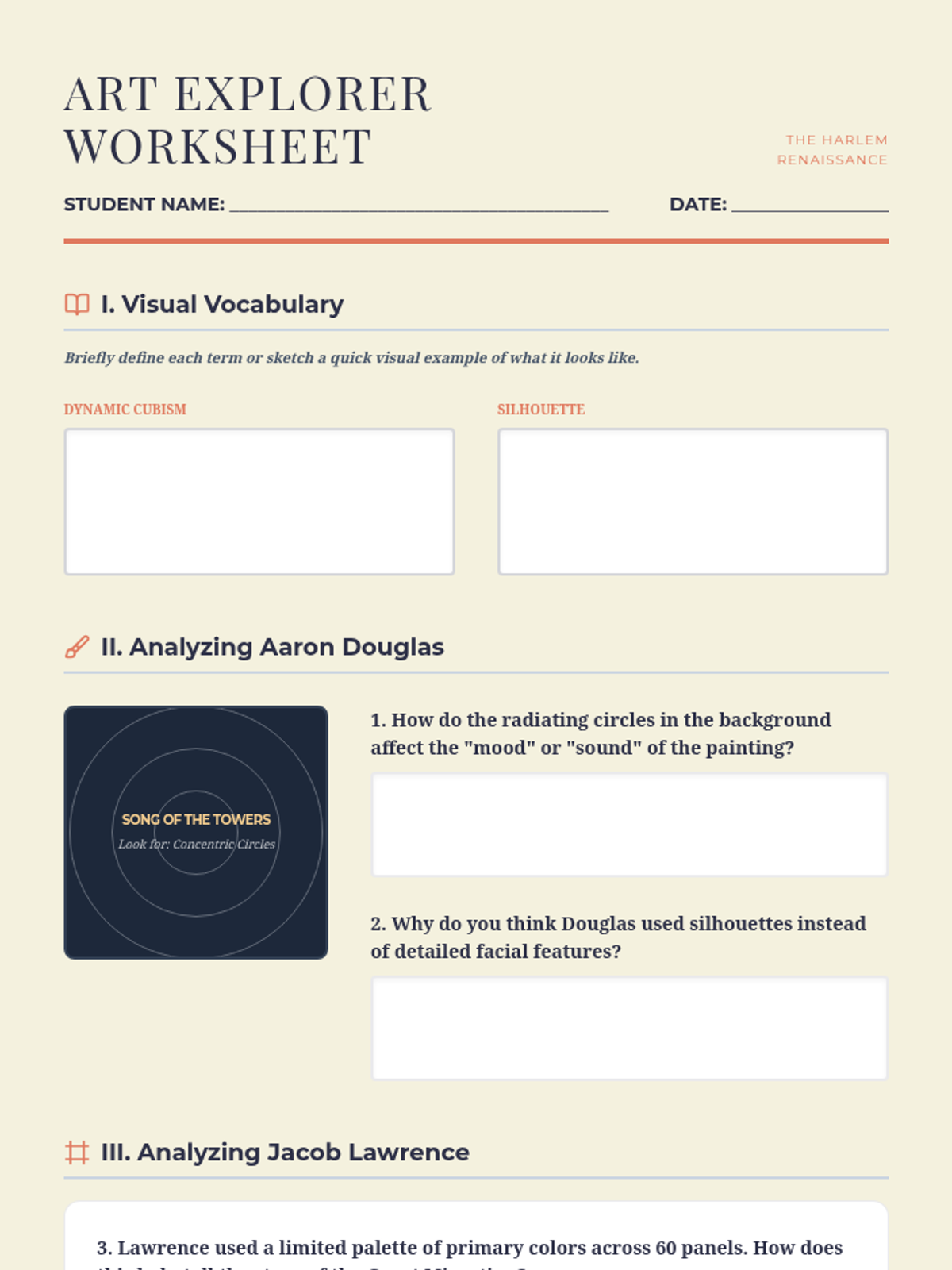
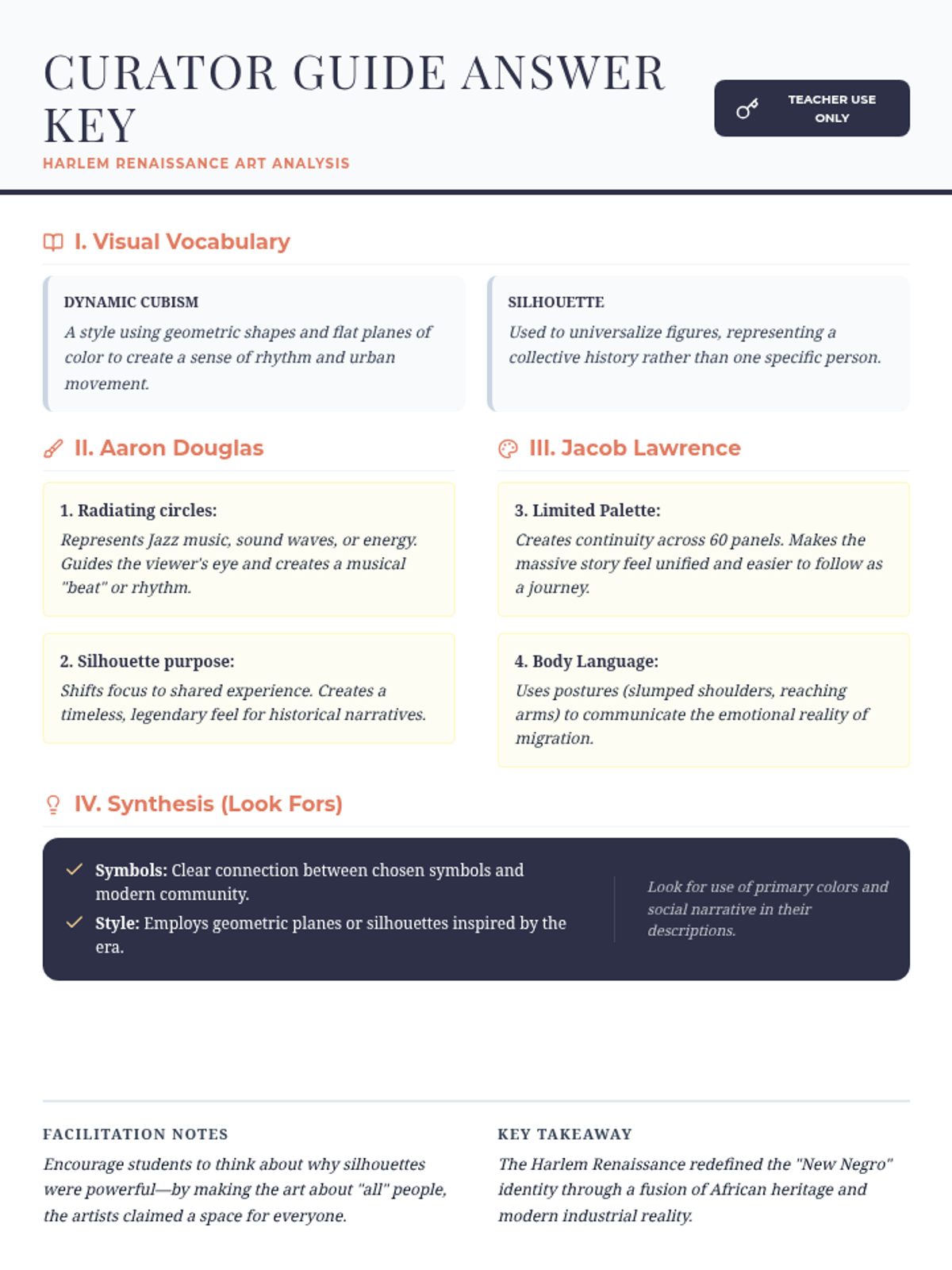
An introductory lesson on the Harlem Renaissance art movement, focusing on visual storytelling, social themes, and the works of Aaron Douglas and Jacob Lawrence.
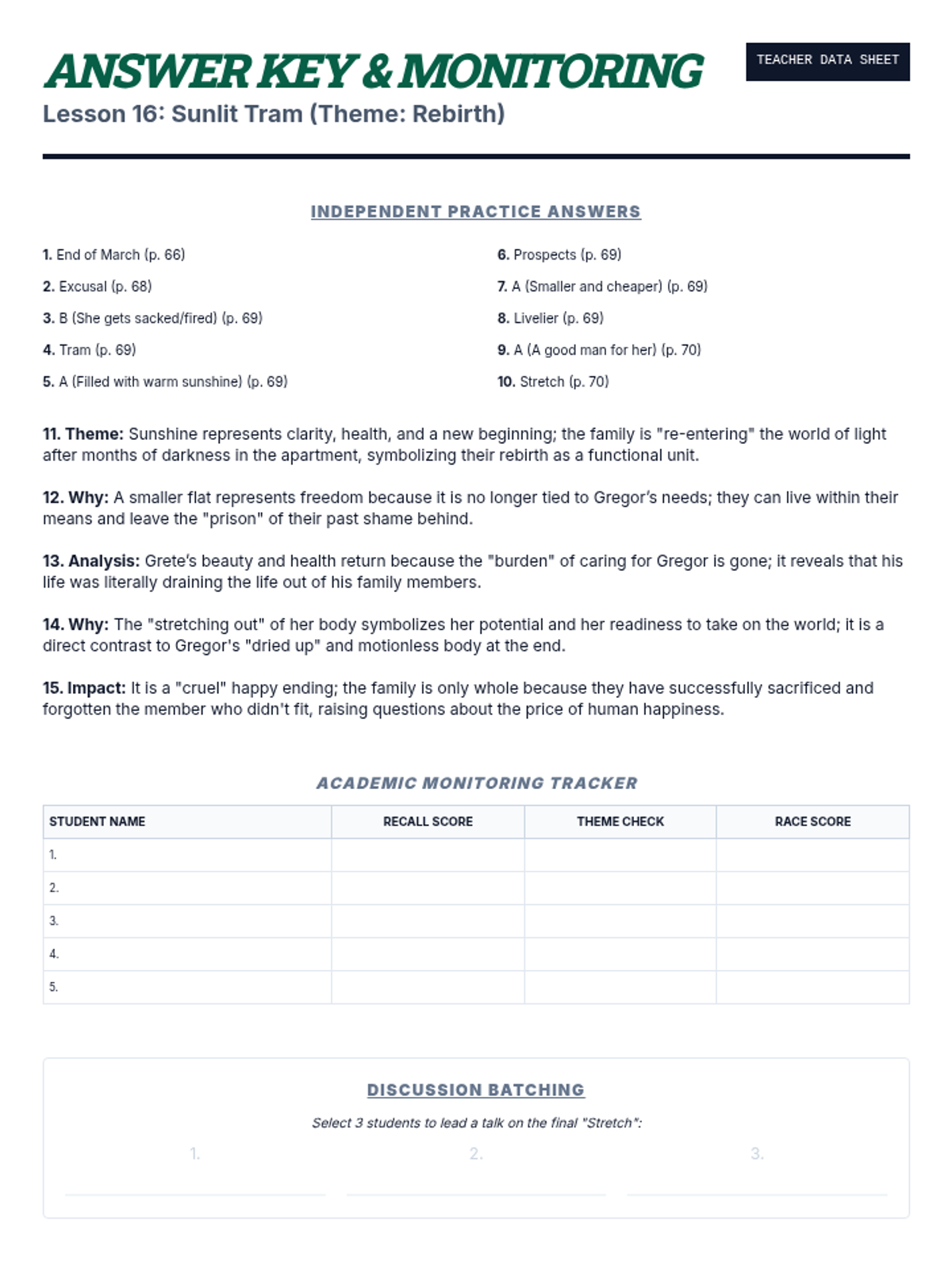
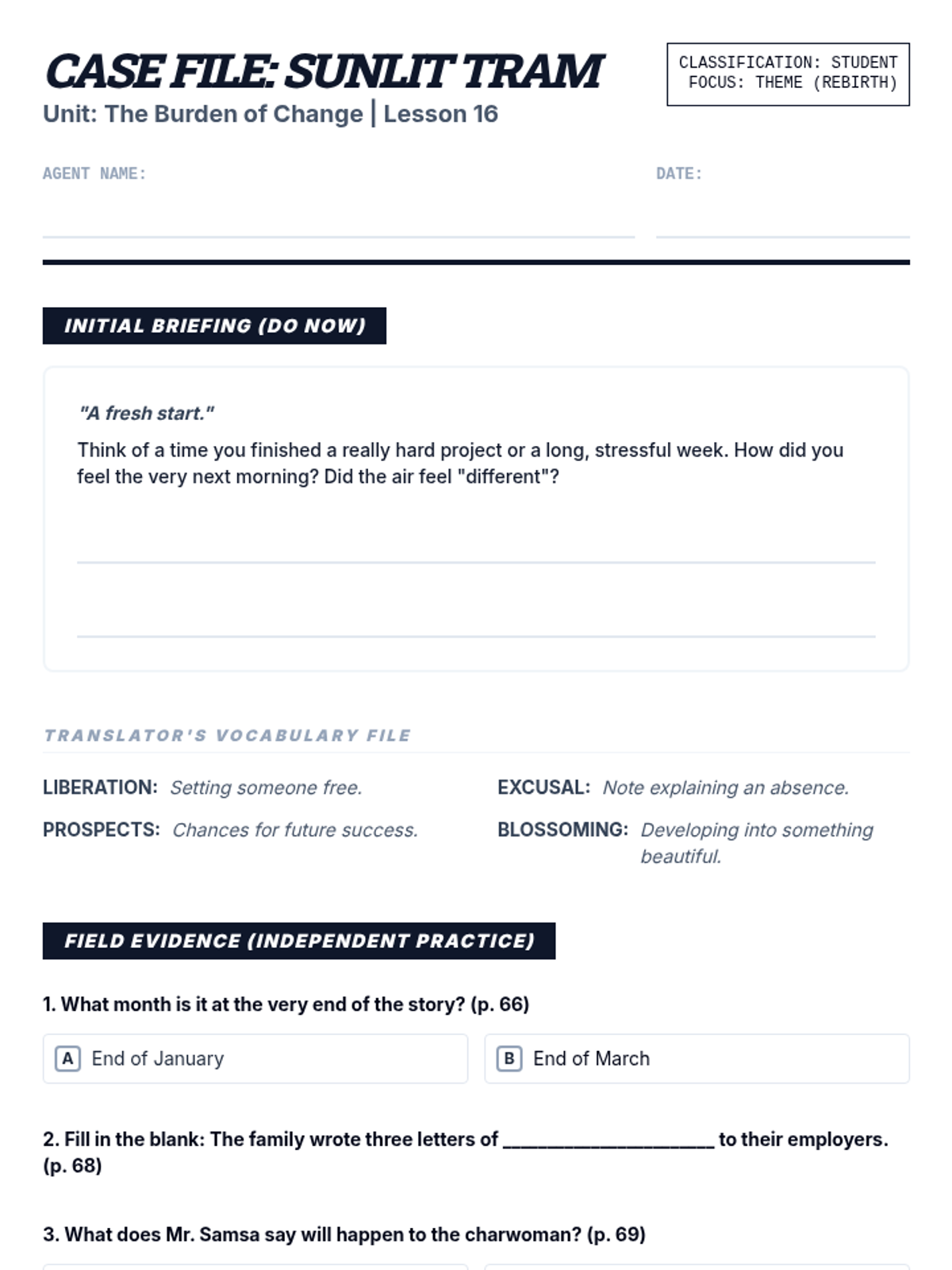
Concludes with the theme of rebirth and liberation as the family leaves the apartment and looks toward the future.
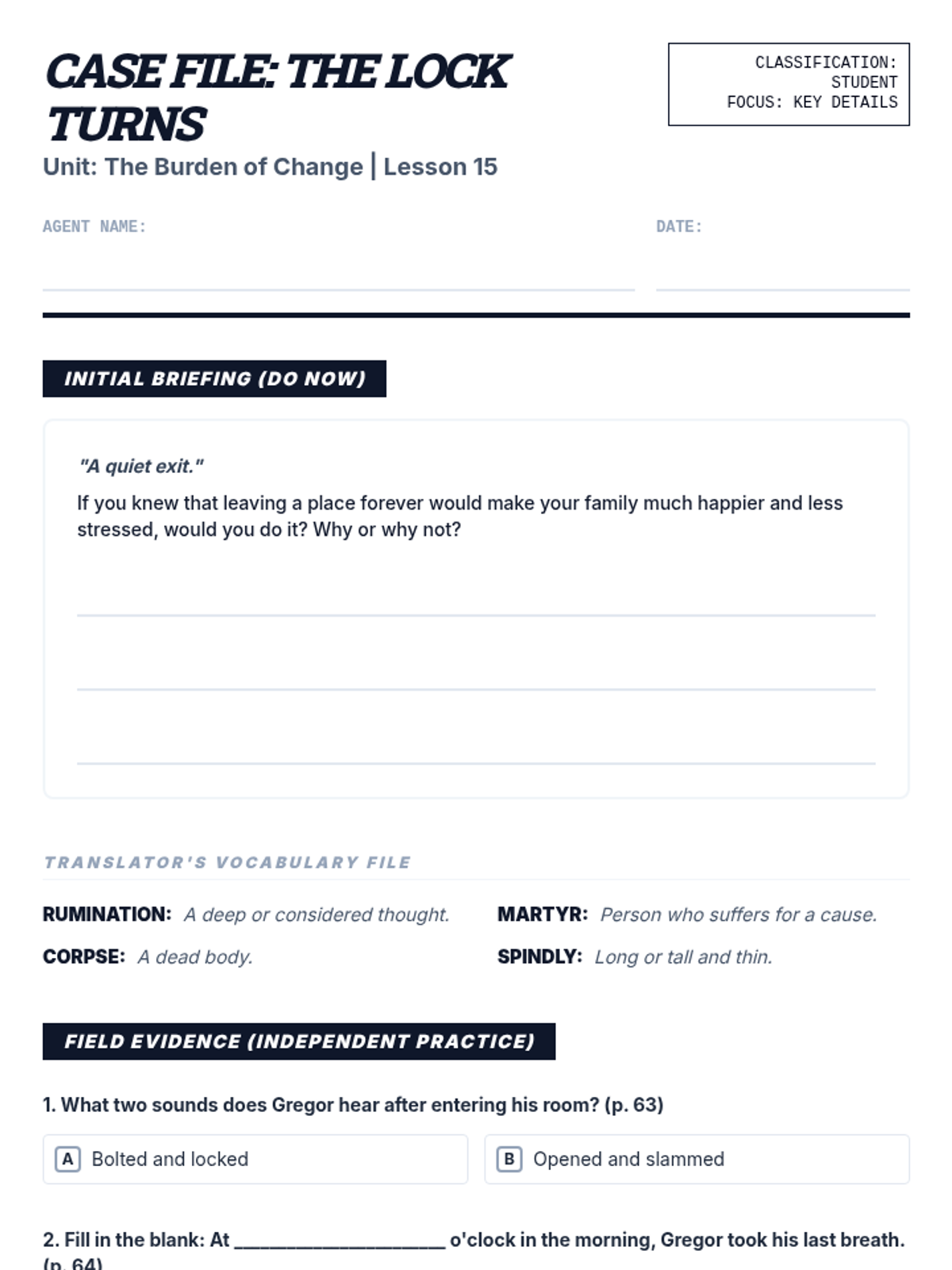
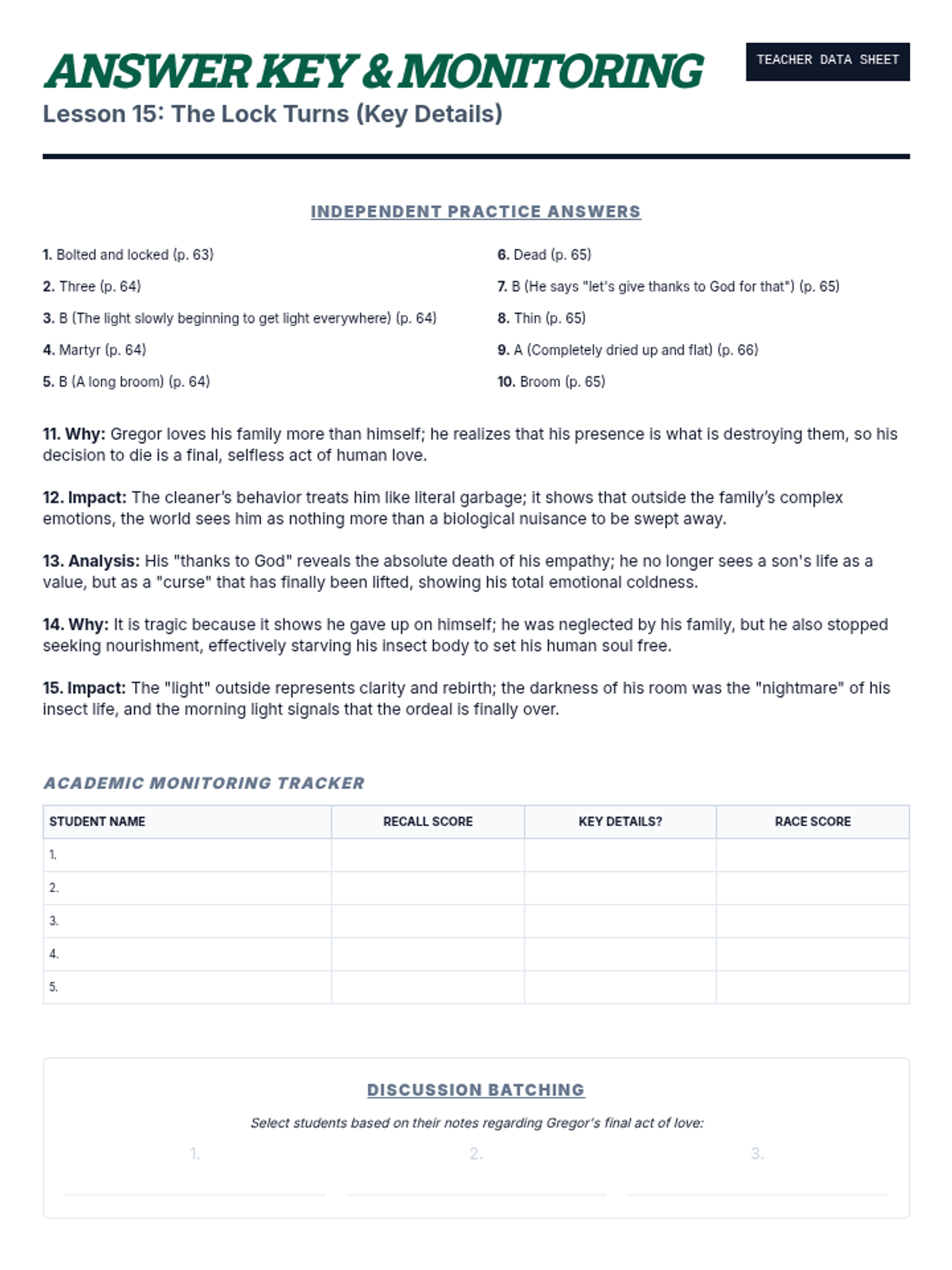
Focuses on the key details of Gregor's final moments and the discovery of his body by the charwoman.
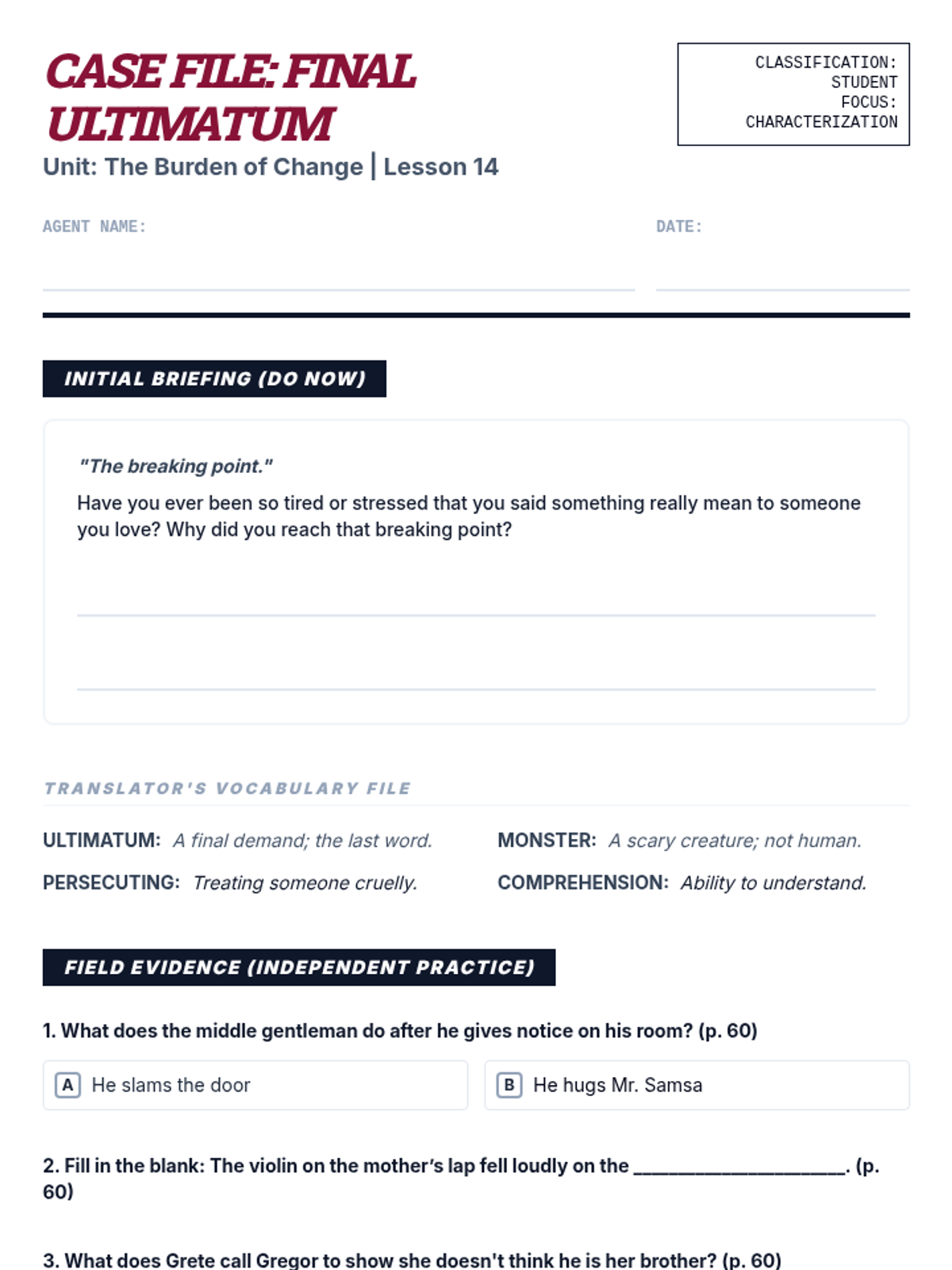
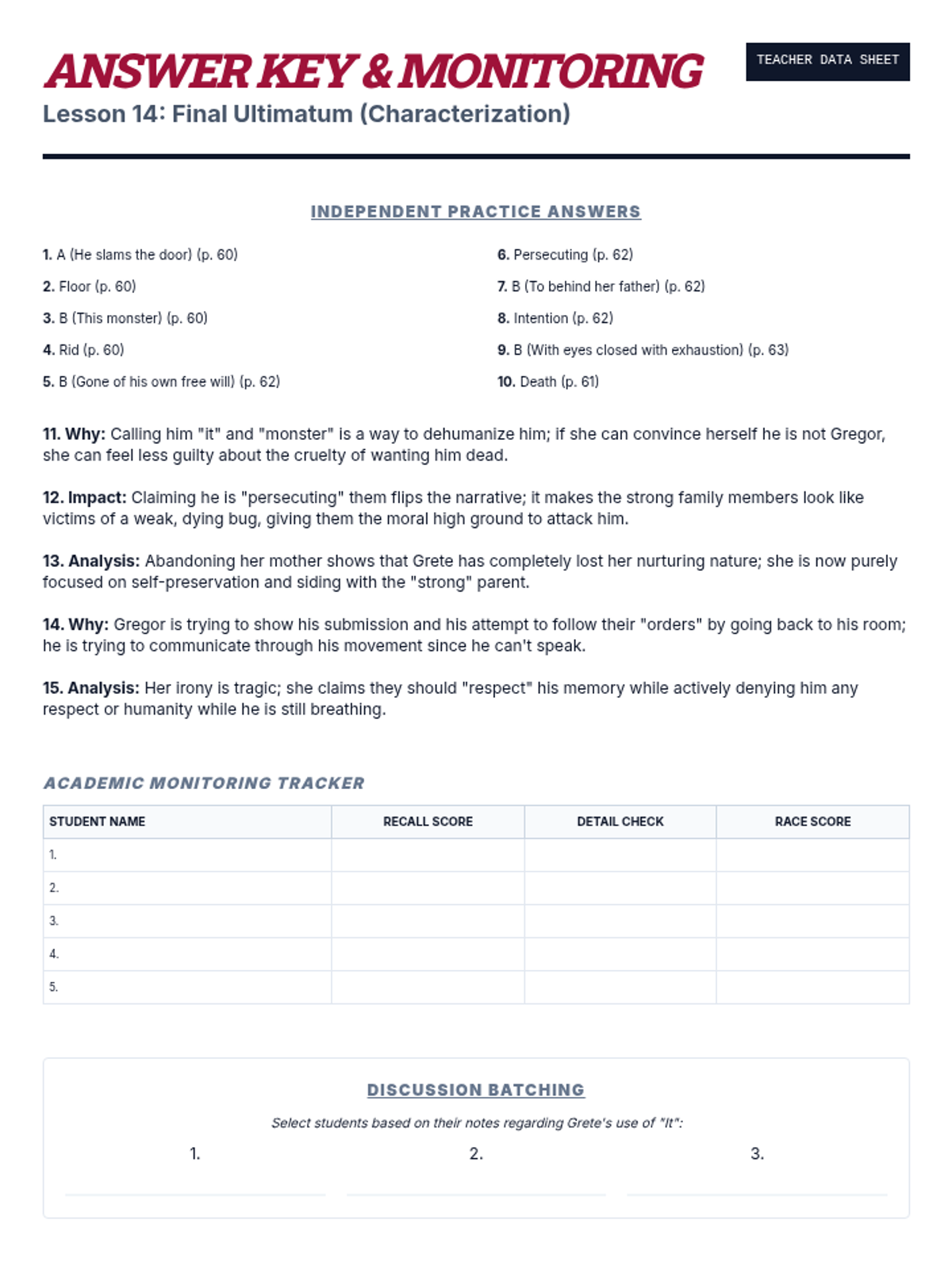
Analyzes Grete's character transformation as she delivers the final ultimatum against Gregor.
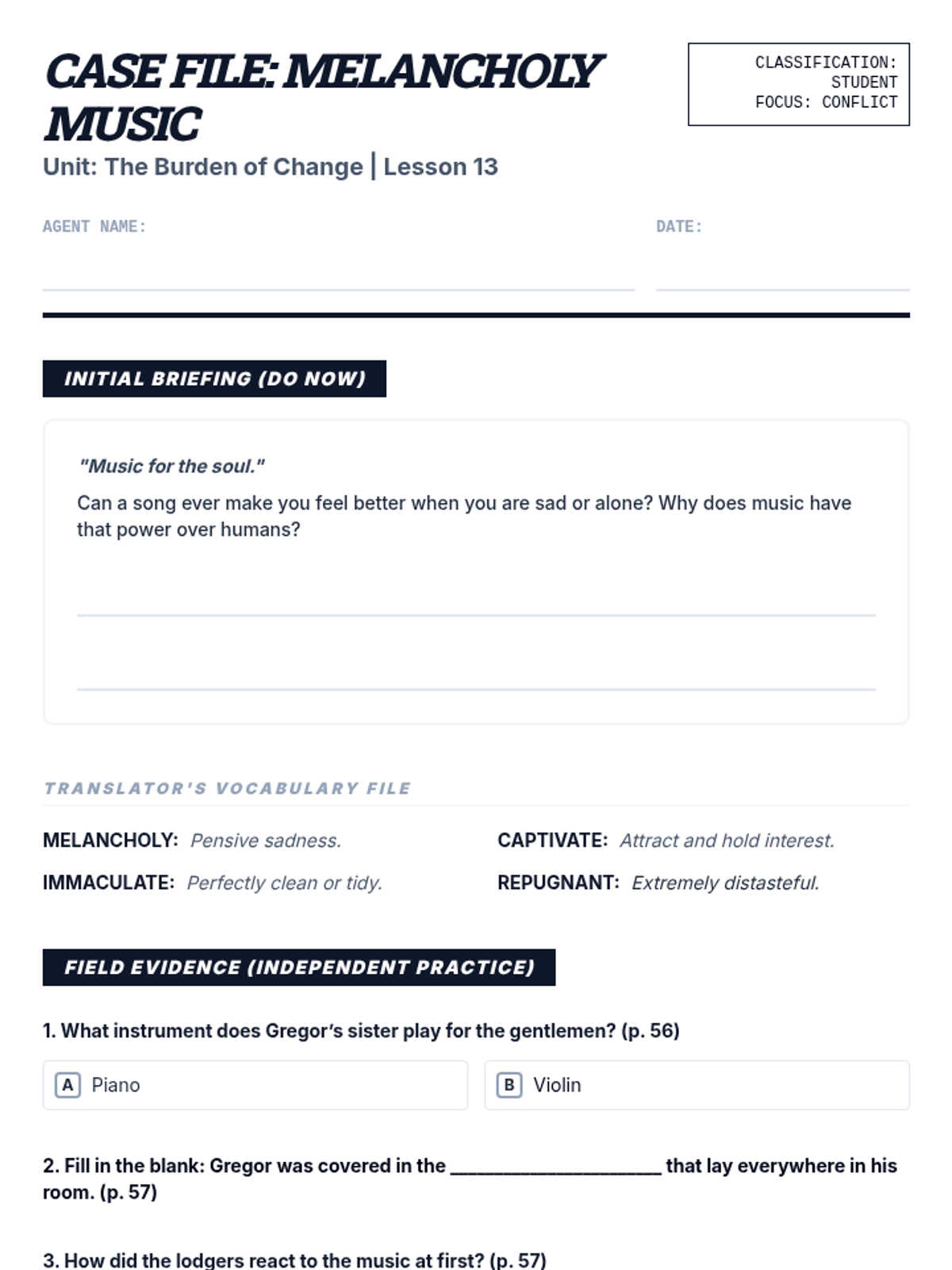
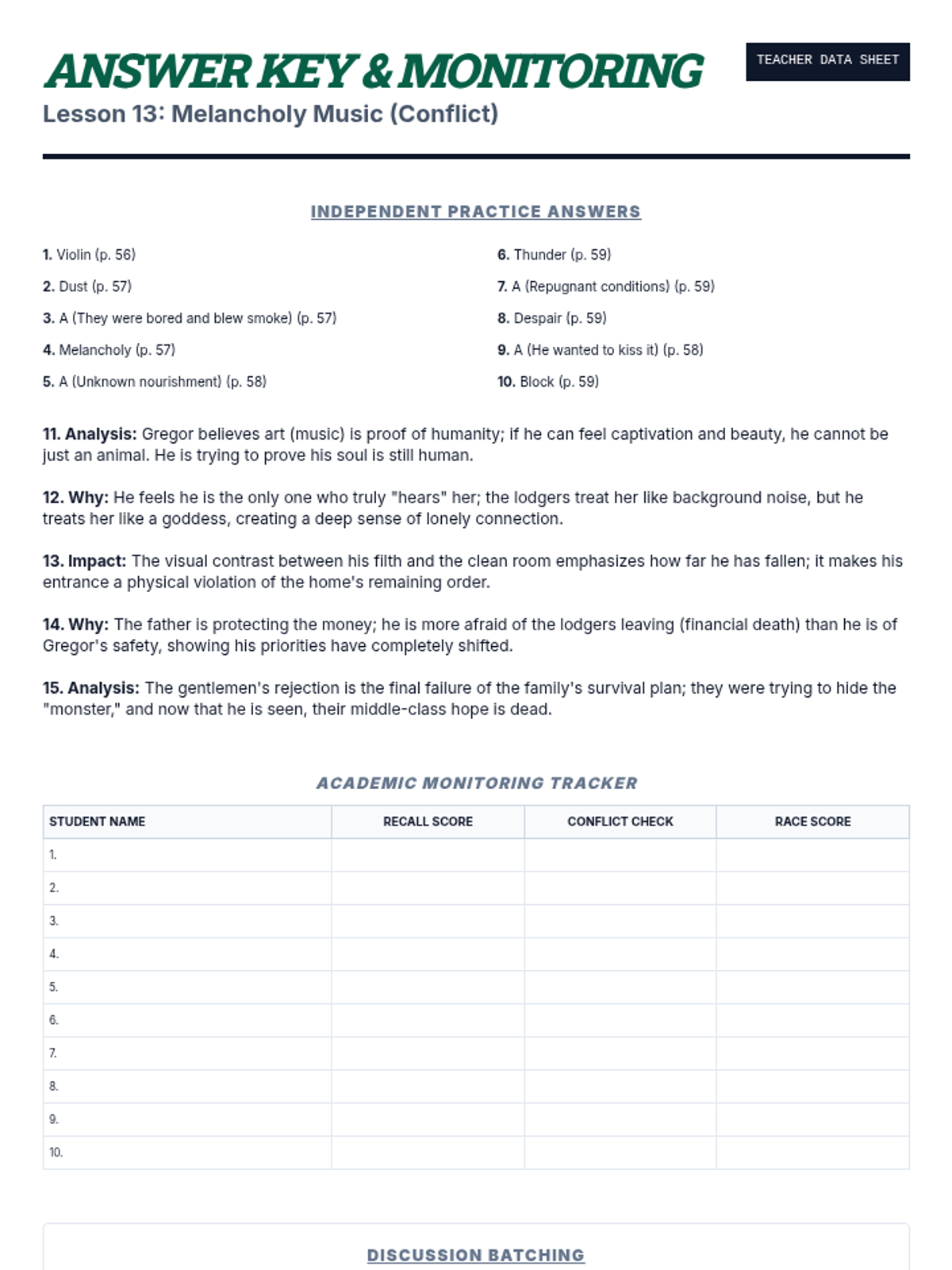
Examines the final major conflict triggered by Grete's violin playing and Gregor's attempt to reach her.
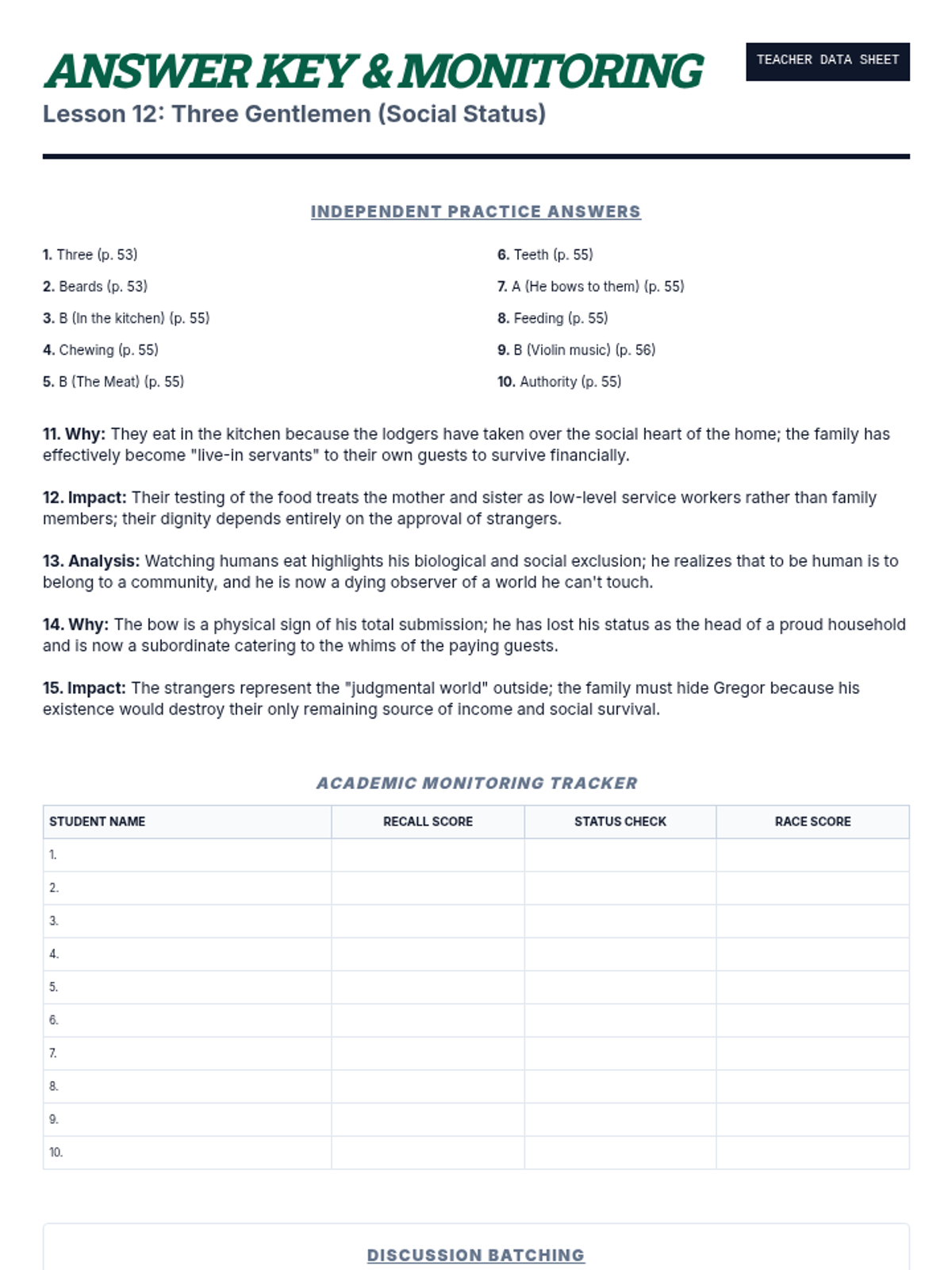
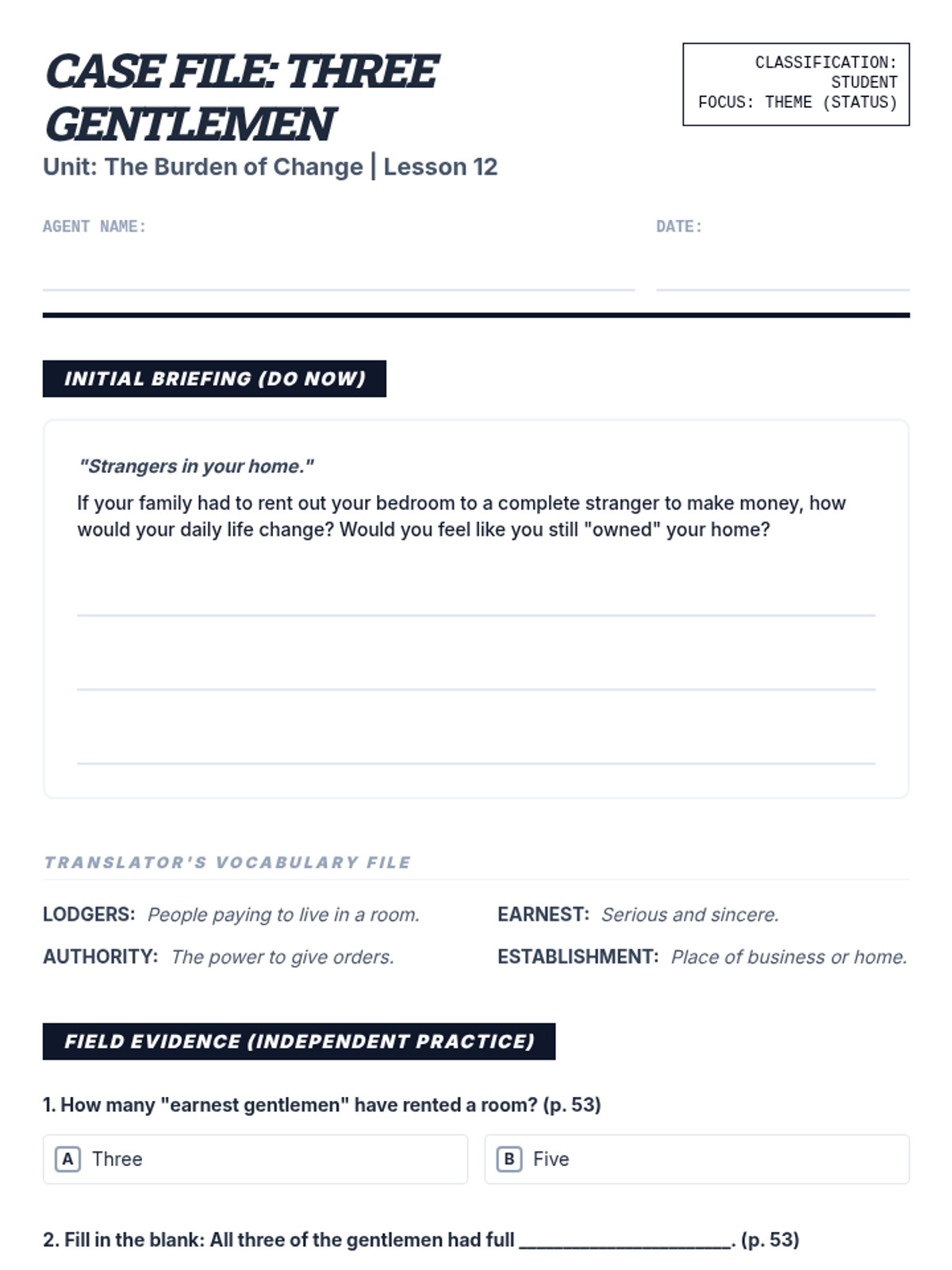
Discusses the theme of class and social decline through the introduction of the three lodgers.
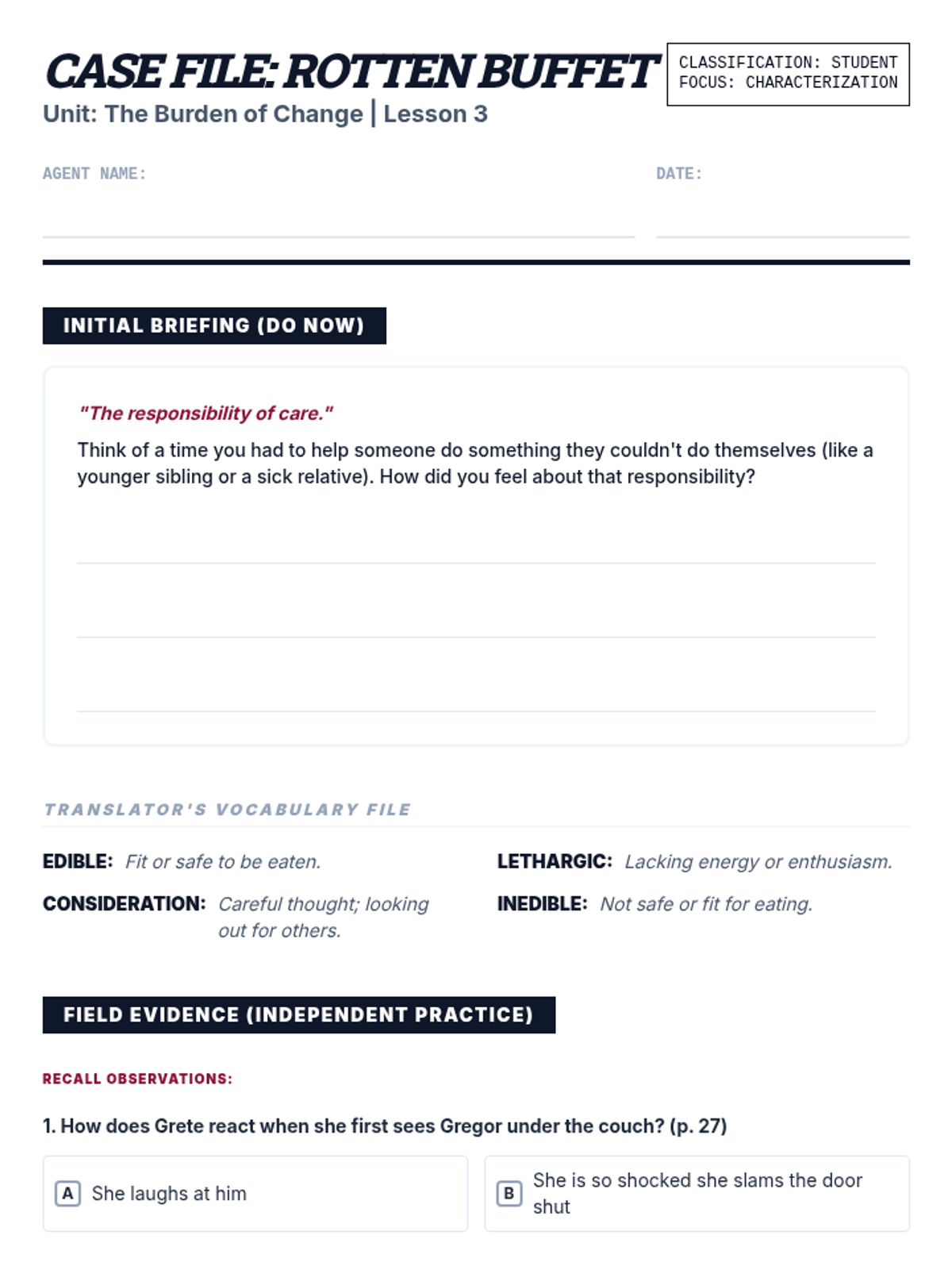
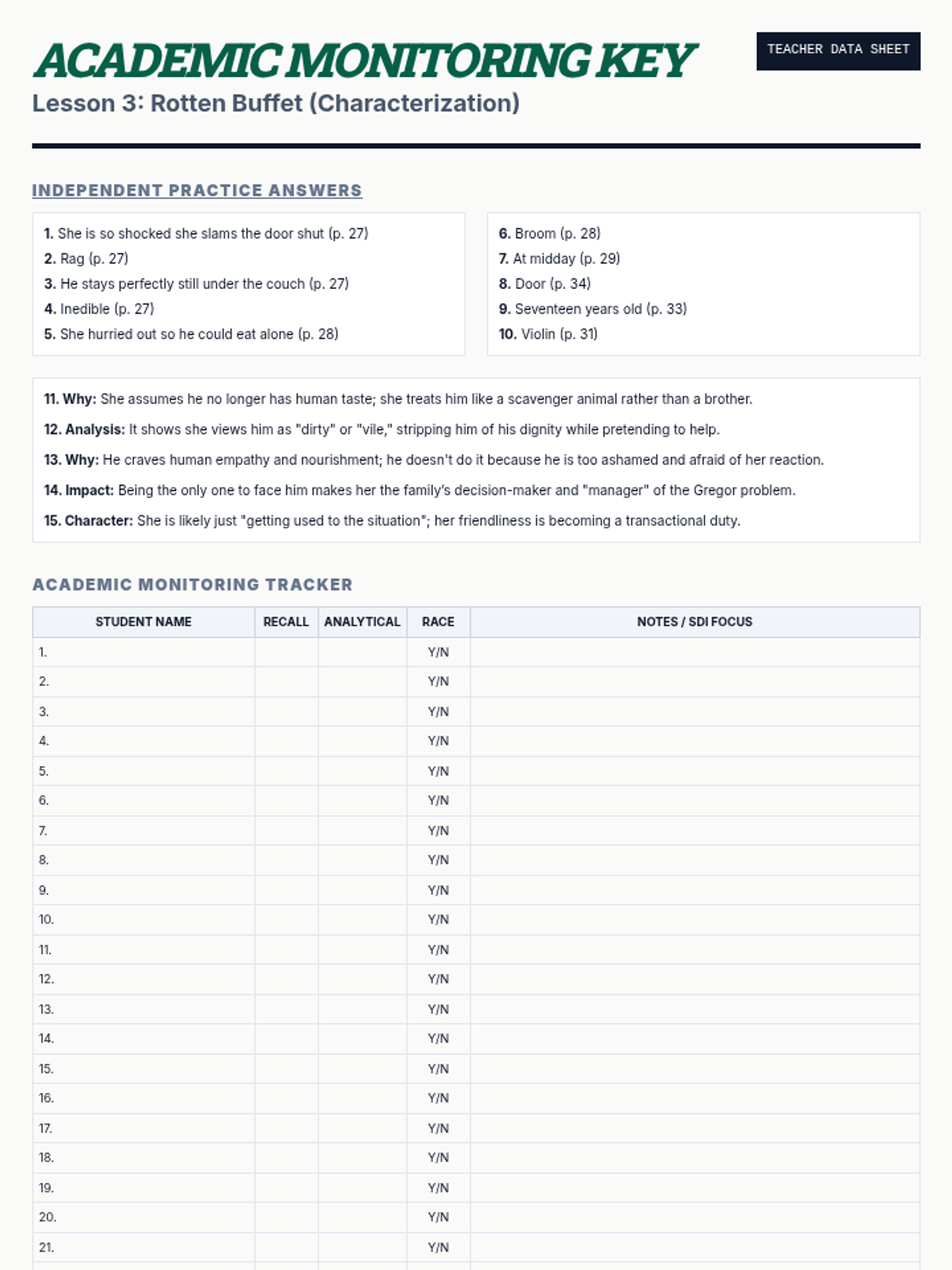
Analyzes the characterization of the family members as they become exhausted by their new jobs and Gregor's presence.
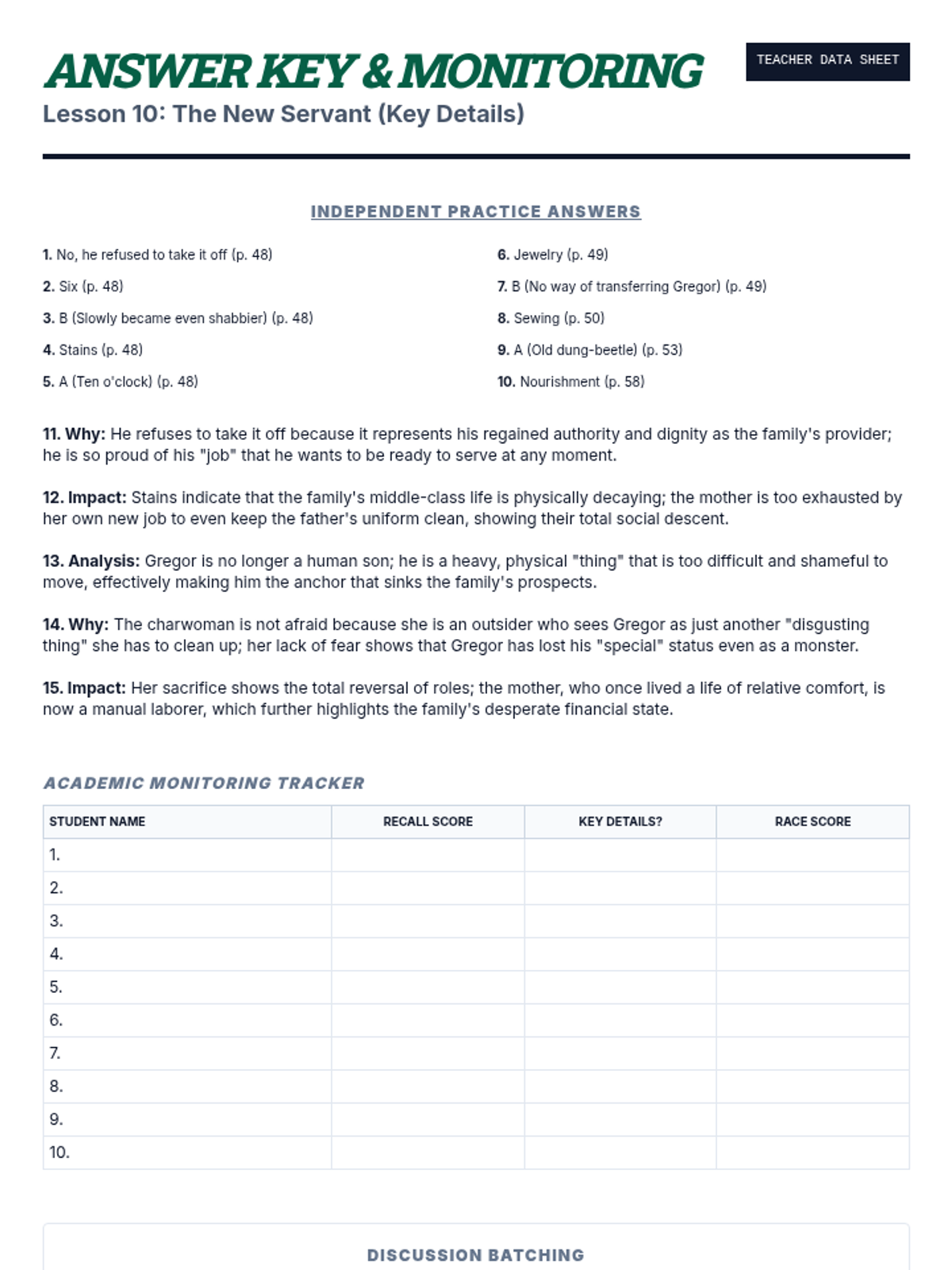
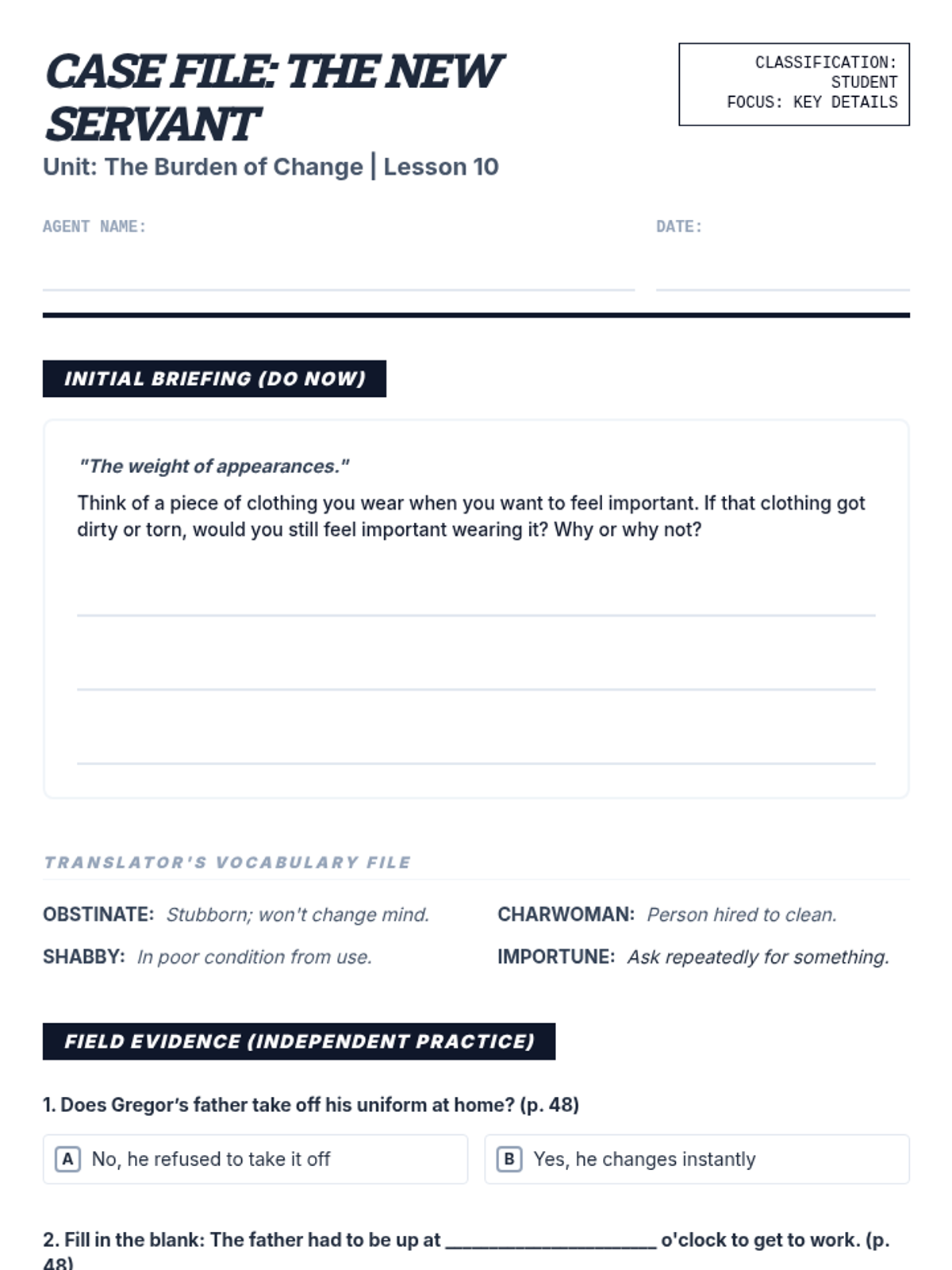
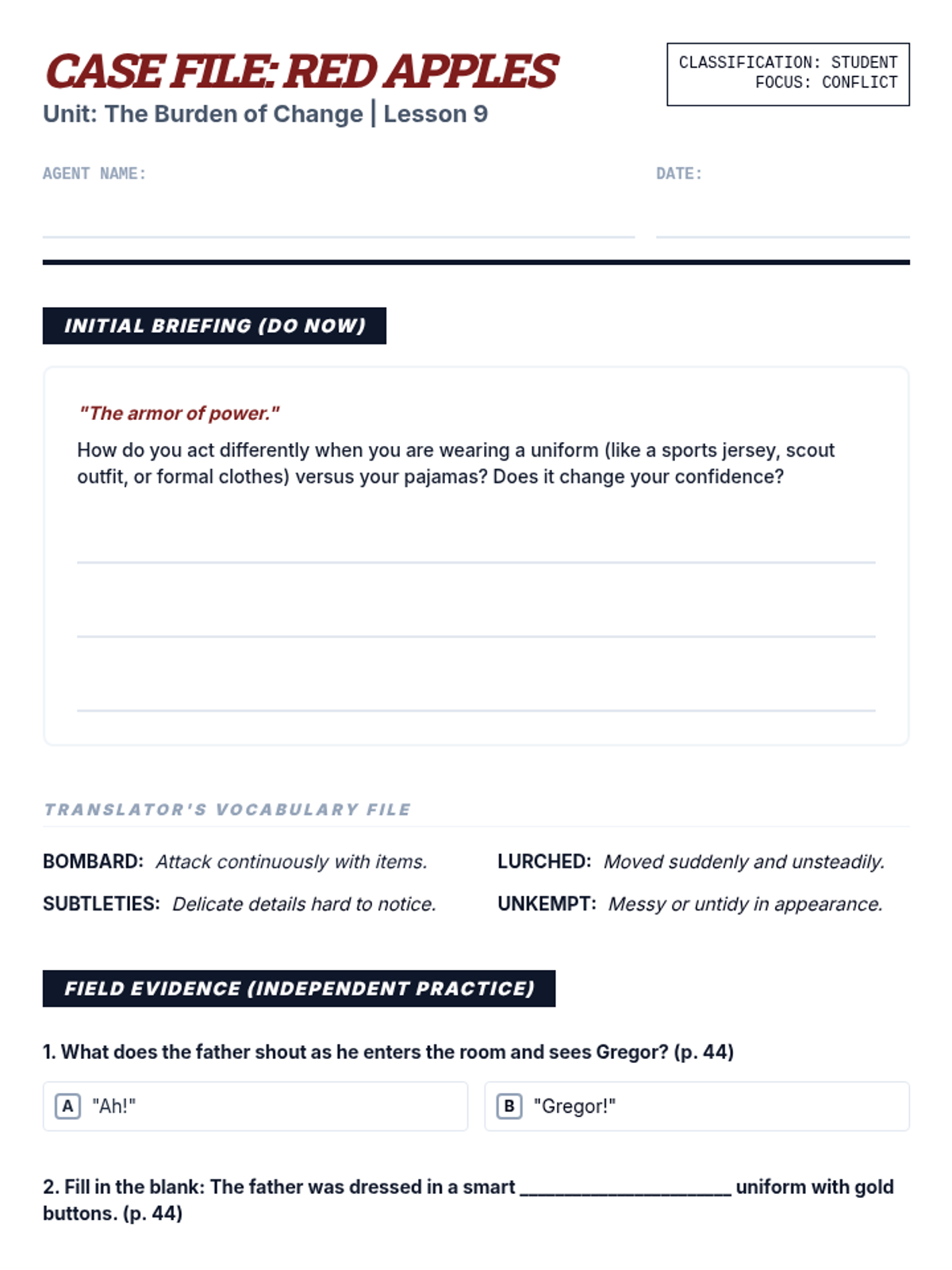
Examines the key details of the father's new uniform and the physical state of the family's apartment.
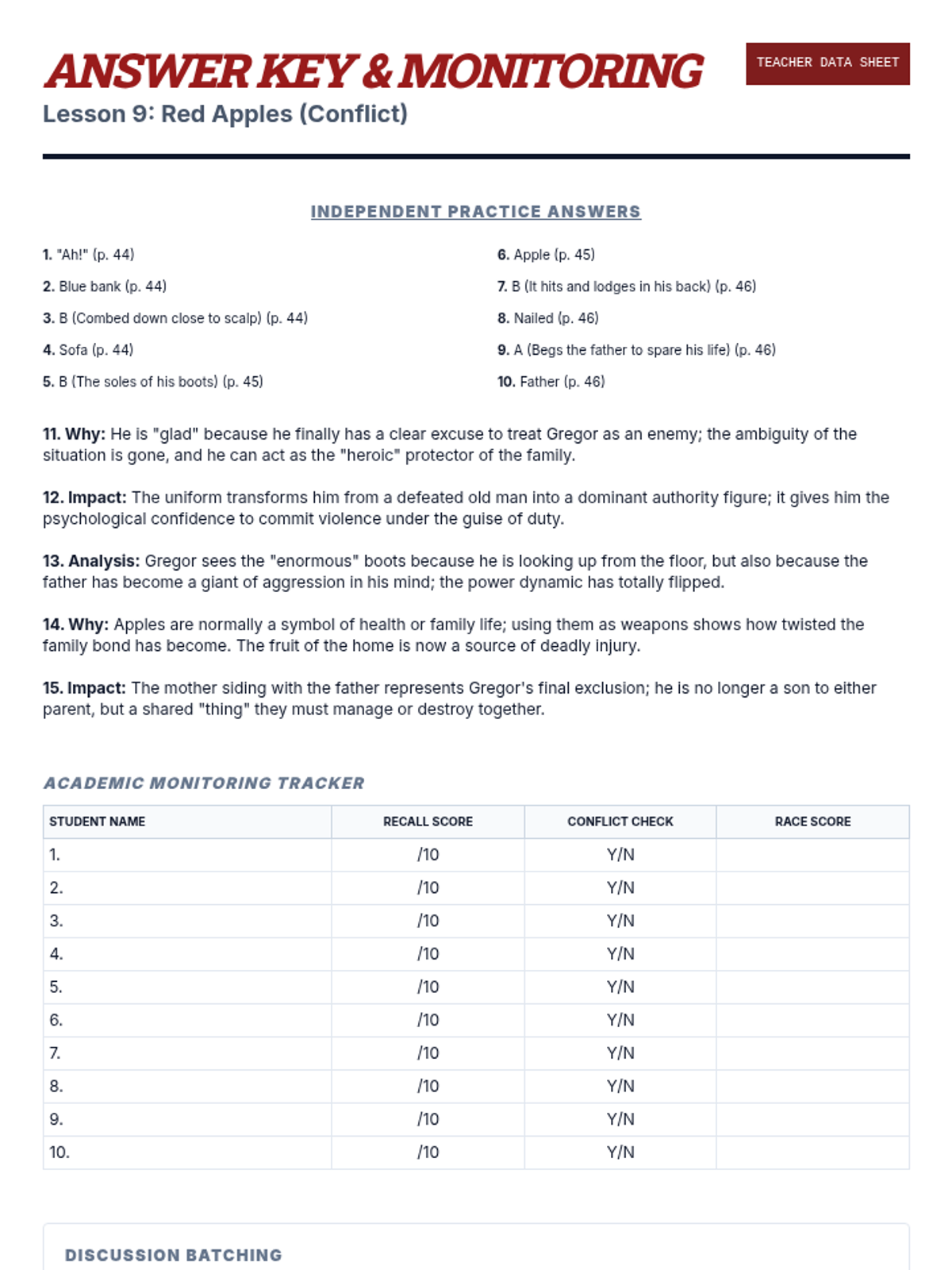
Focuses on the violent conflict of the apple bombardment and the father's shift in power.
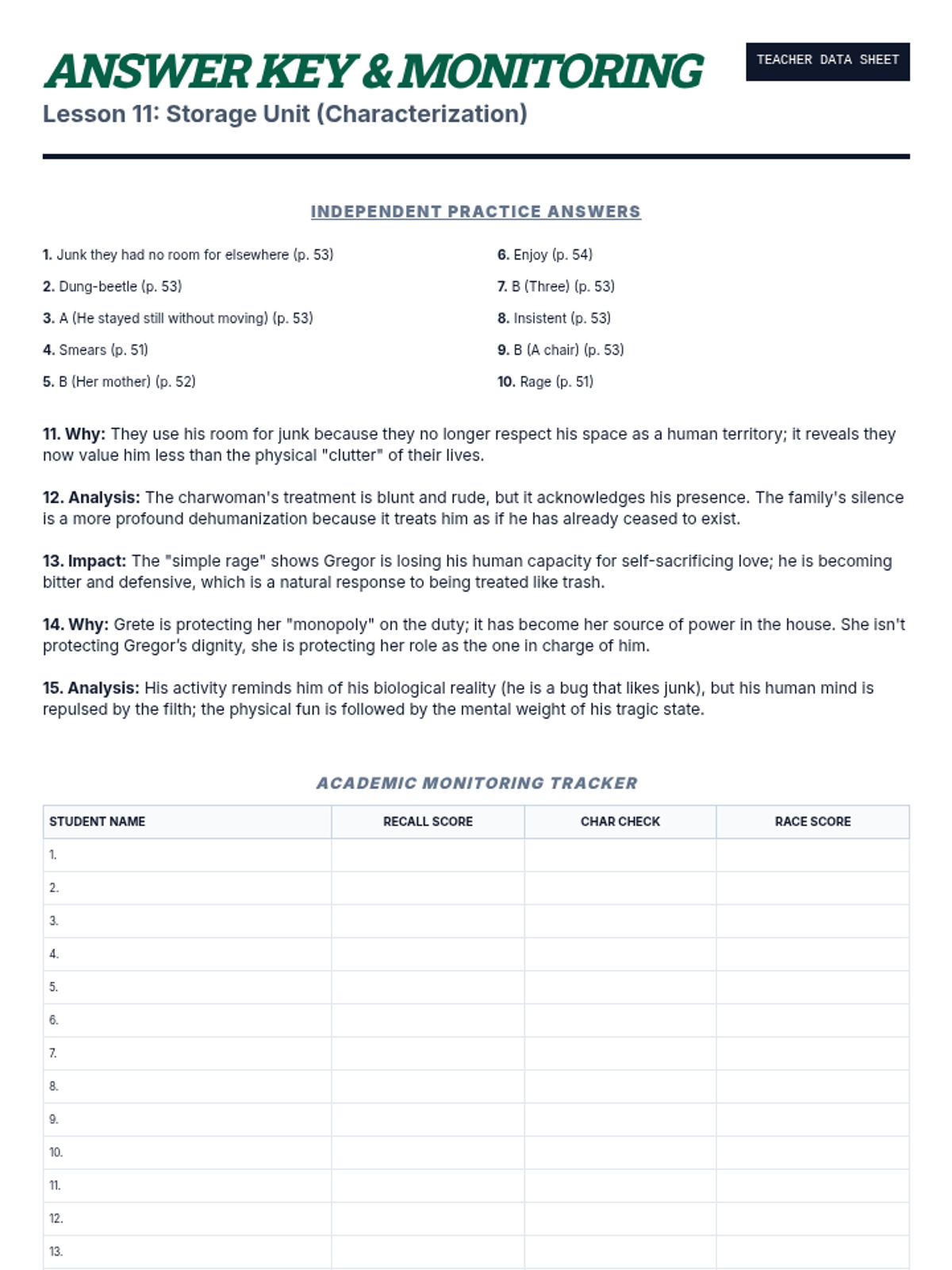
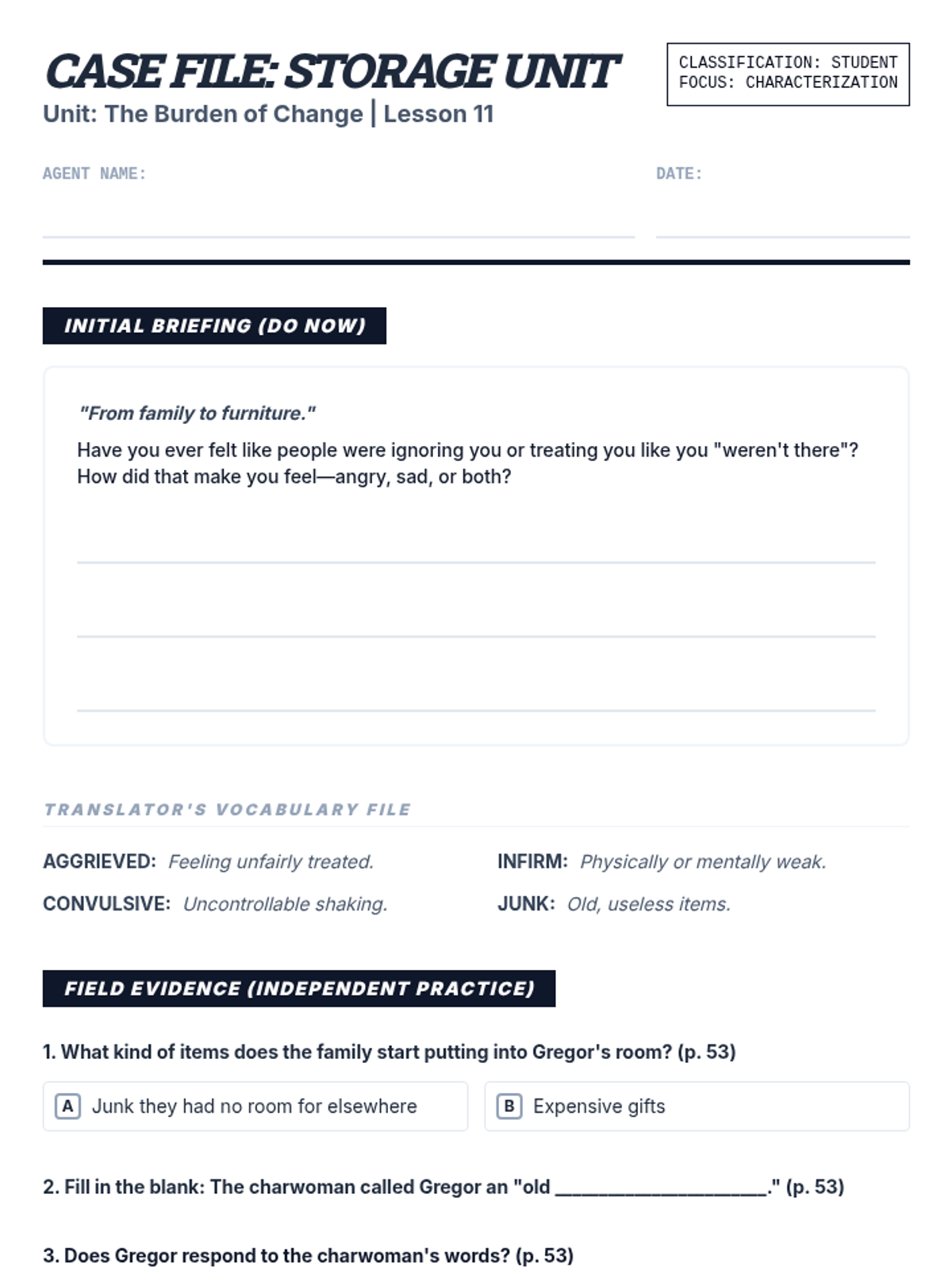
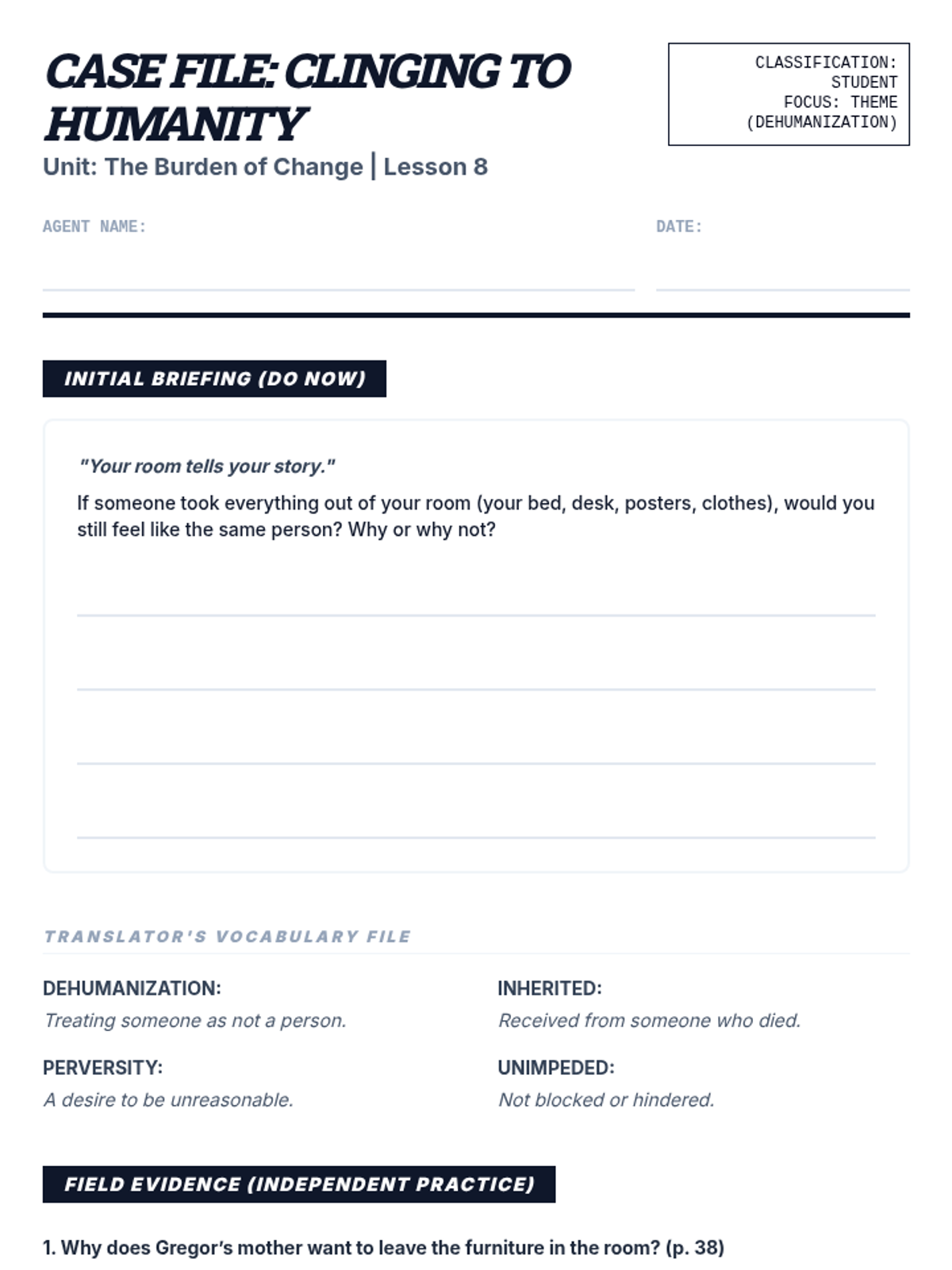
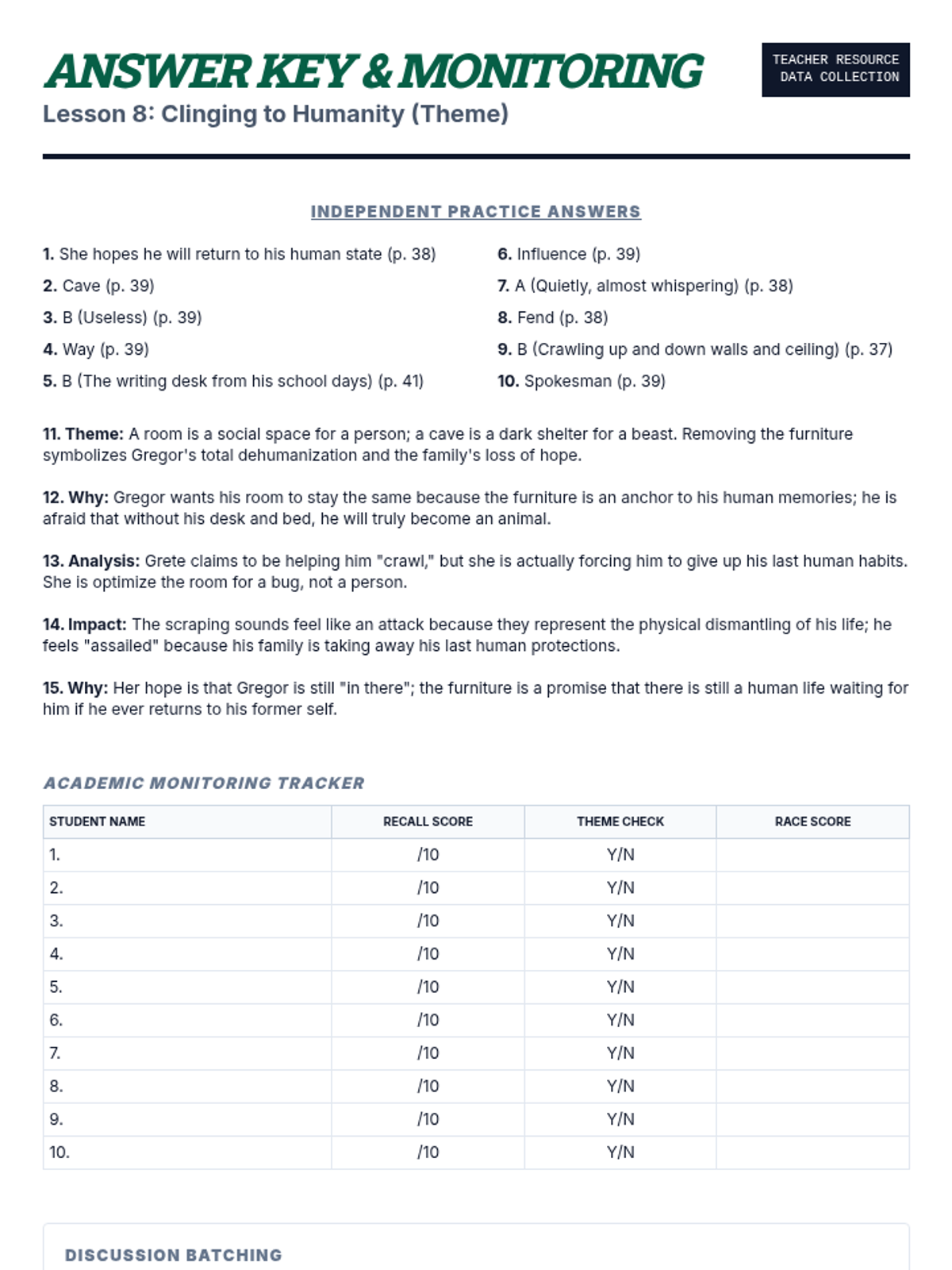
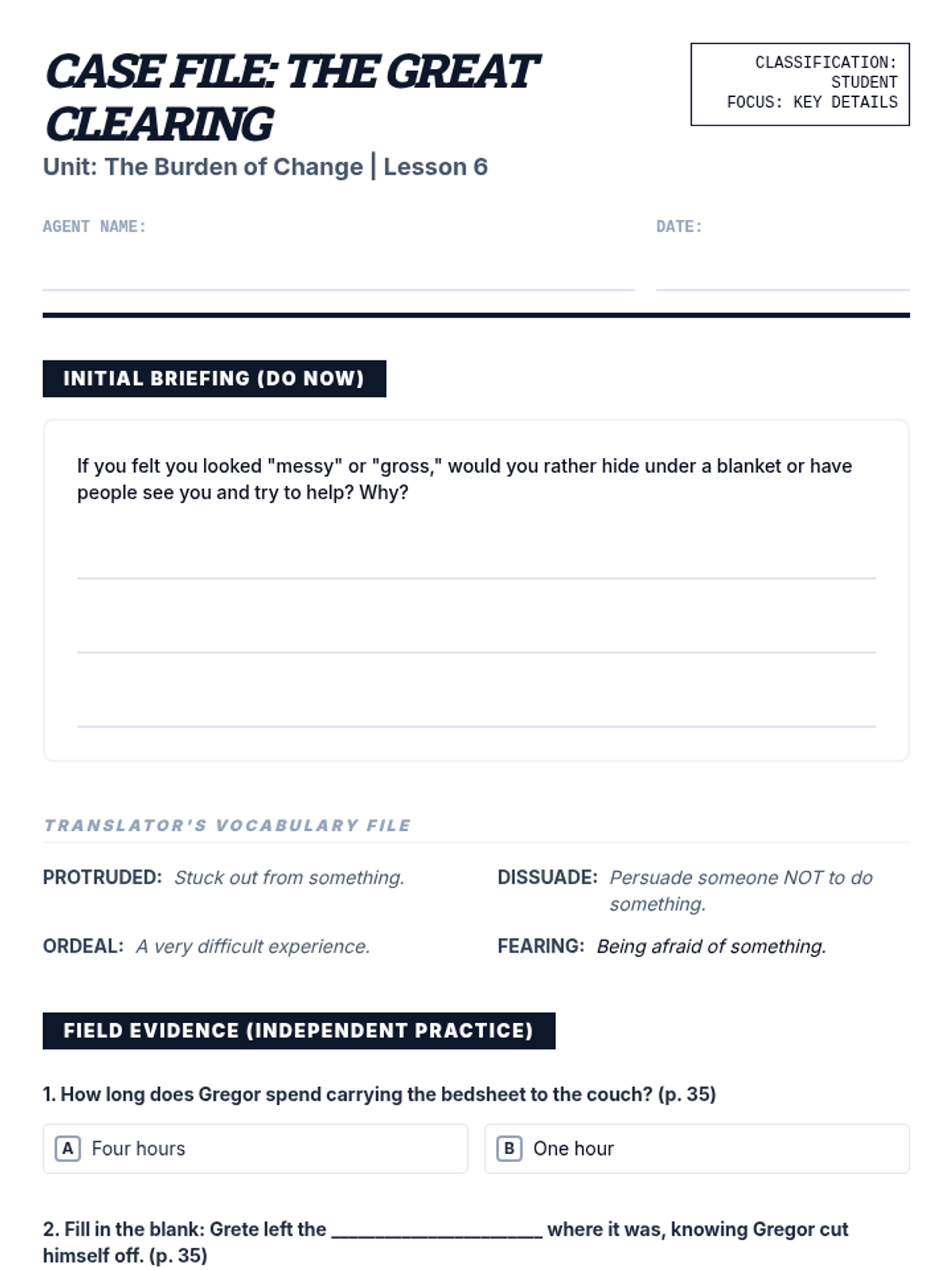
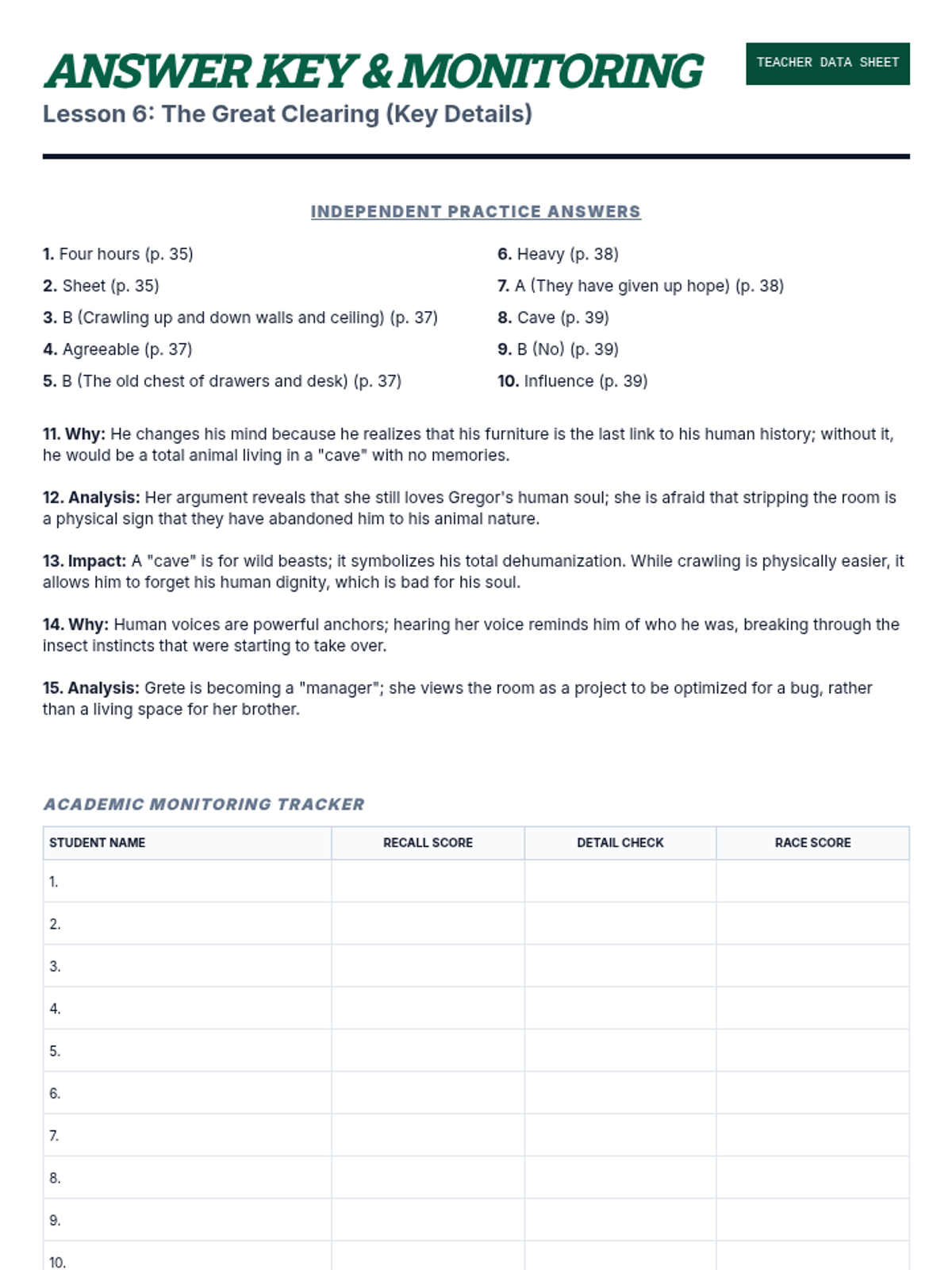
Explores the theme of dehumanization through the removal of furniture from Gregor's room.
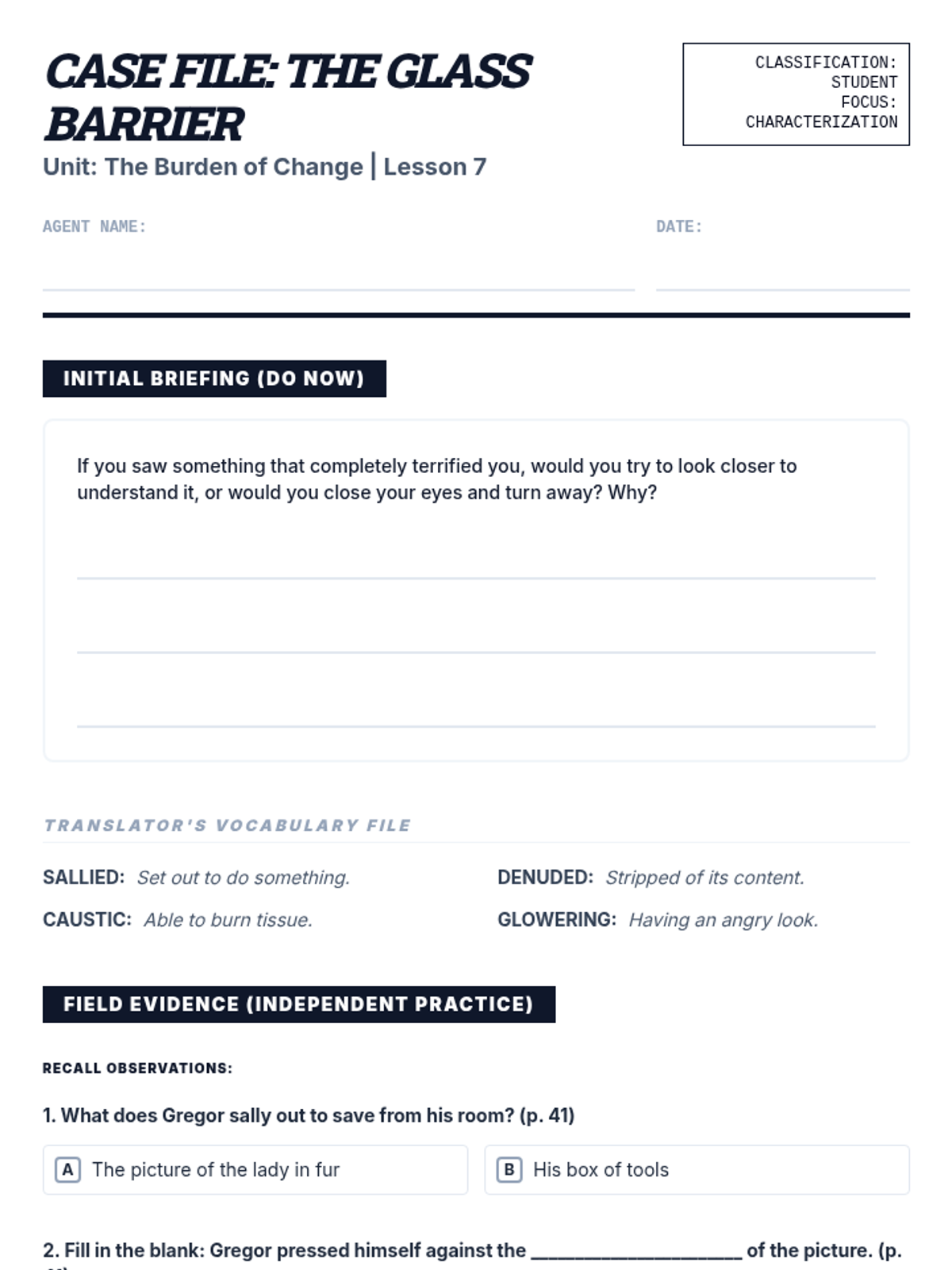
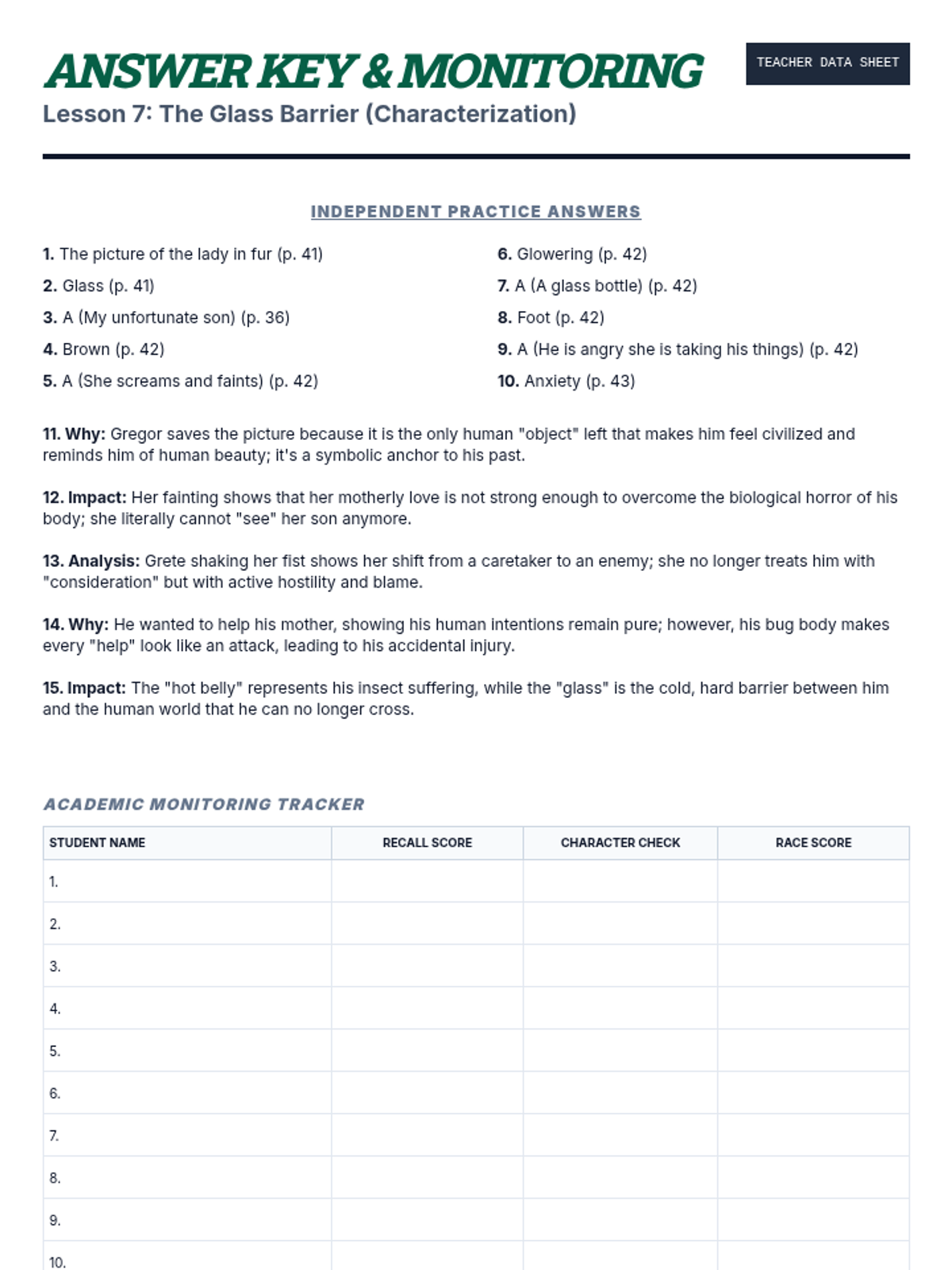
Analyzes the mother's characterization and her desperate but fearful attempt to reconnect with her son.
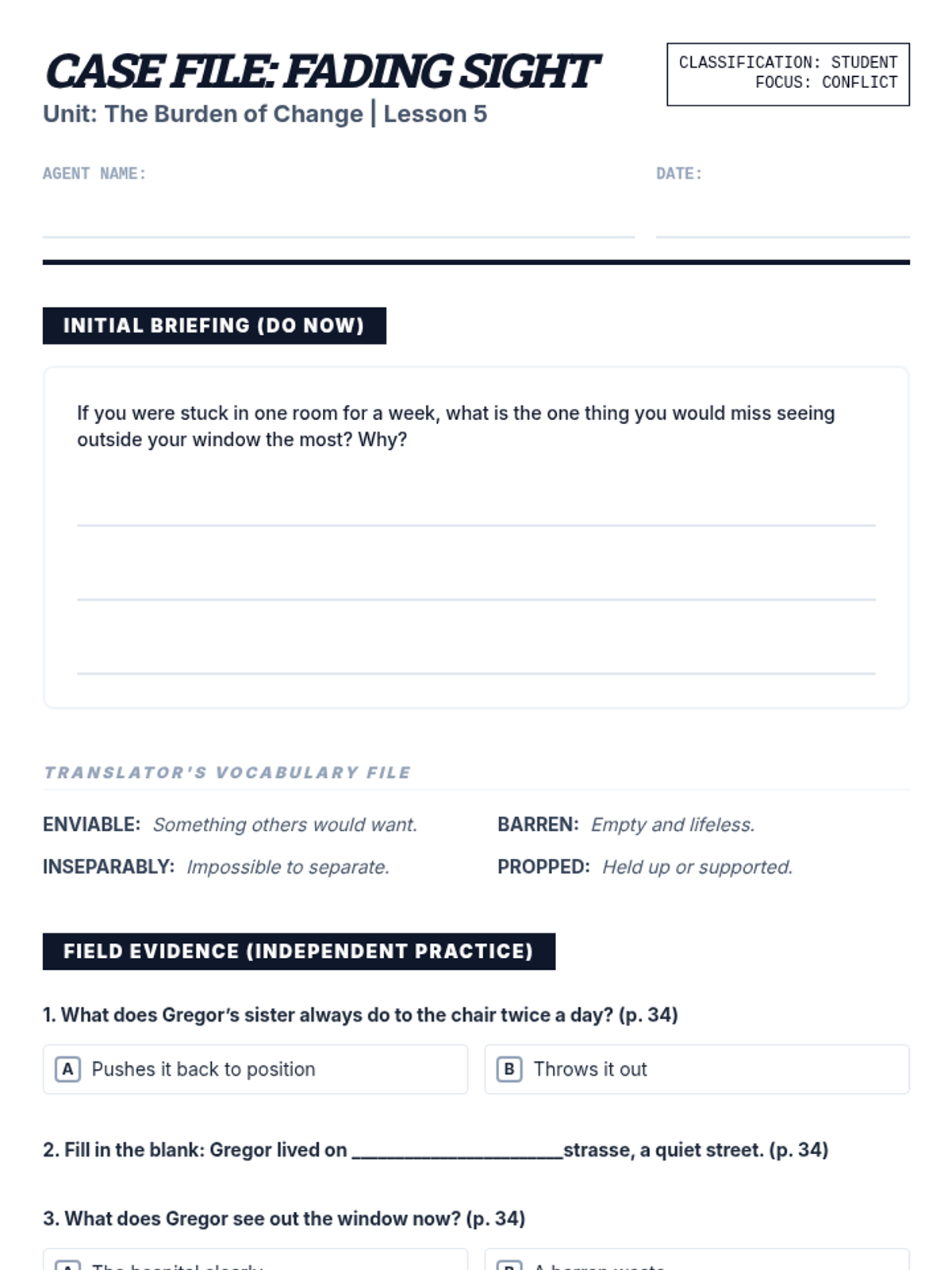
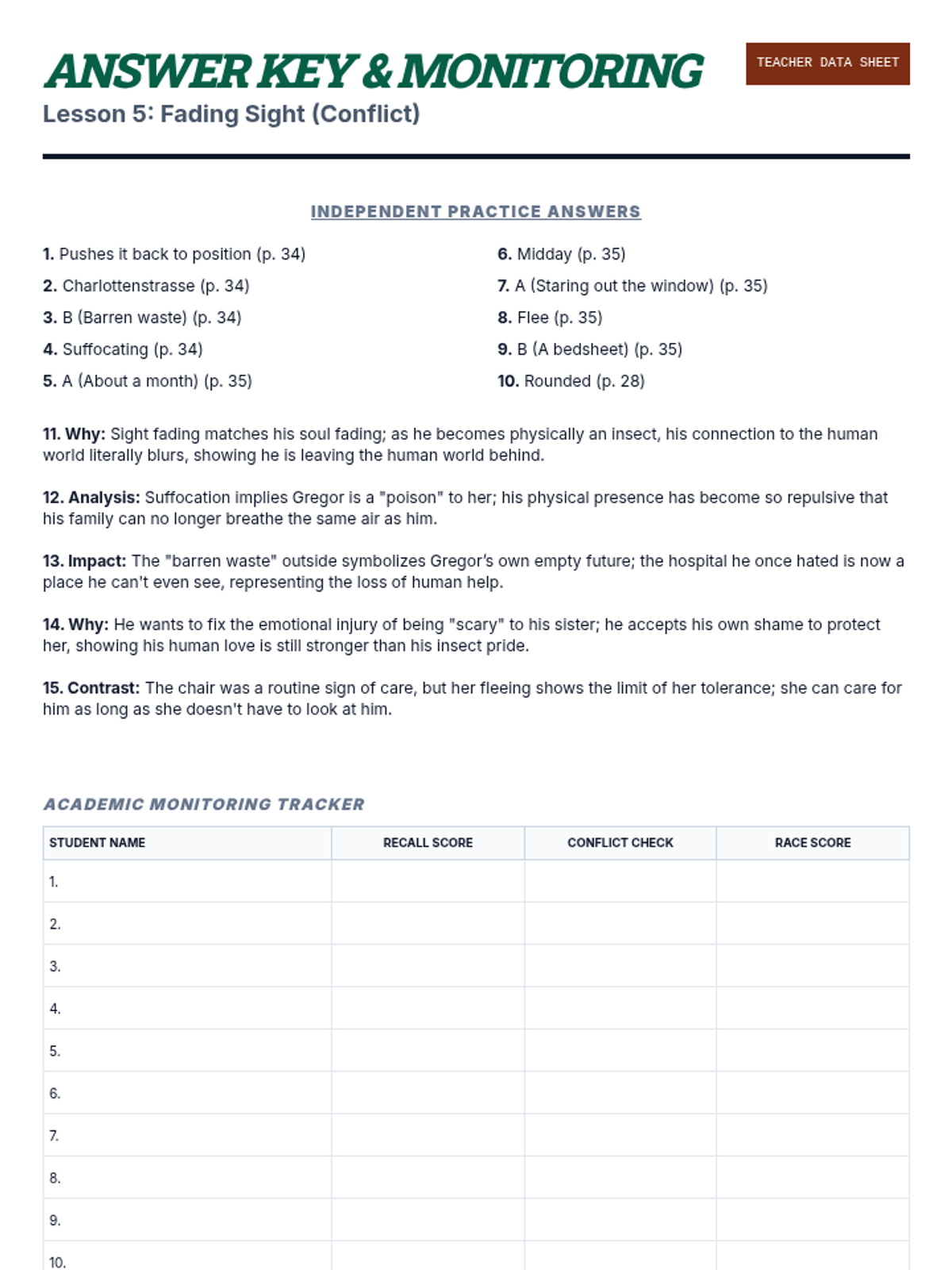
Identifies key details about Gregor's environment, specifically his relationship with the window and the use of the sheet to hide his form.
Focuses on the external conflict of the family's financial situation and Gregor's psychological conflict regarding his past role as the provider.
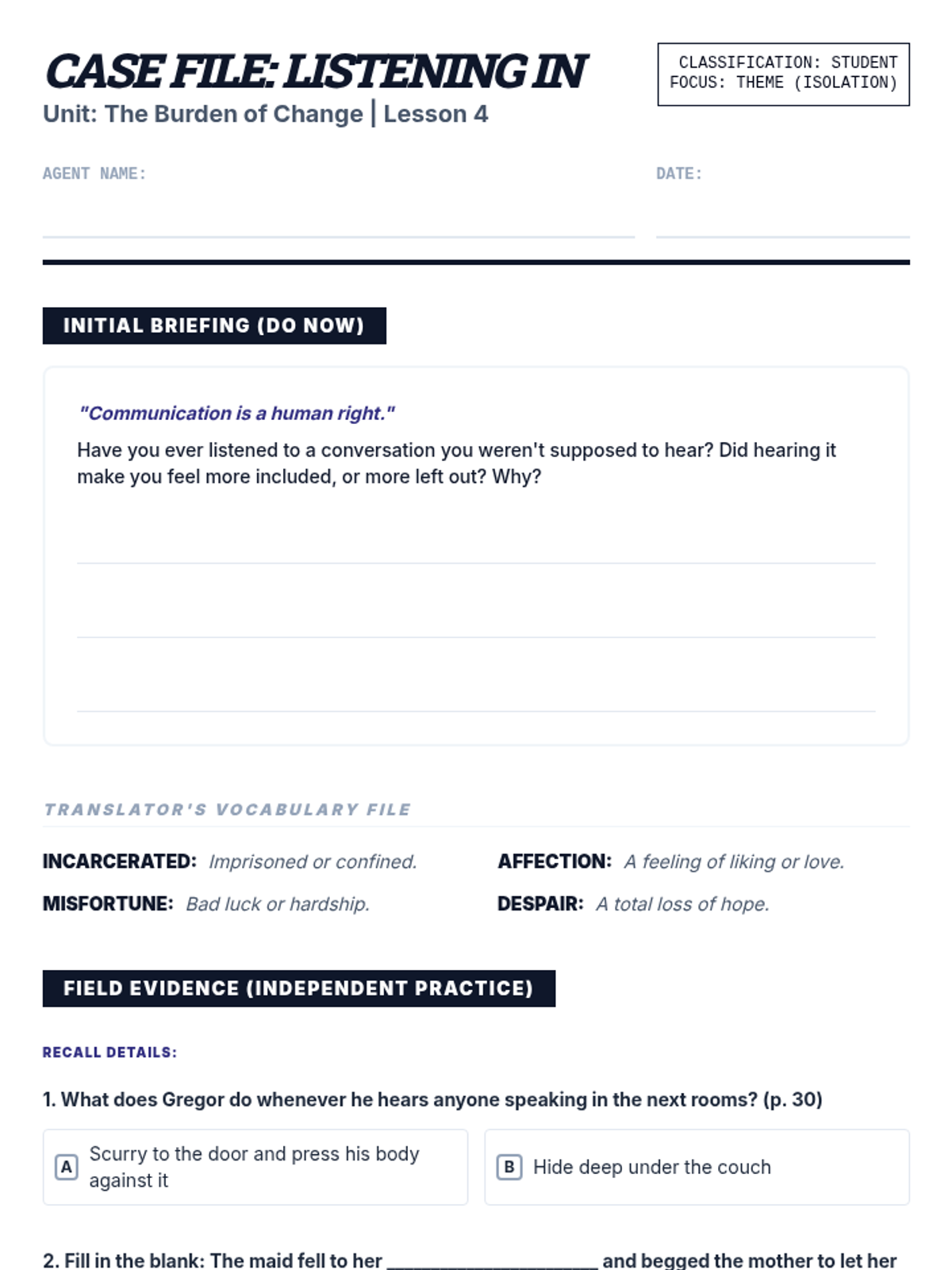
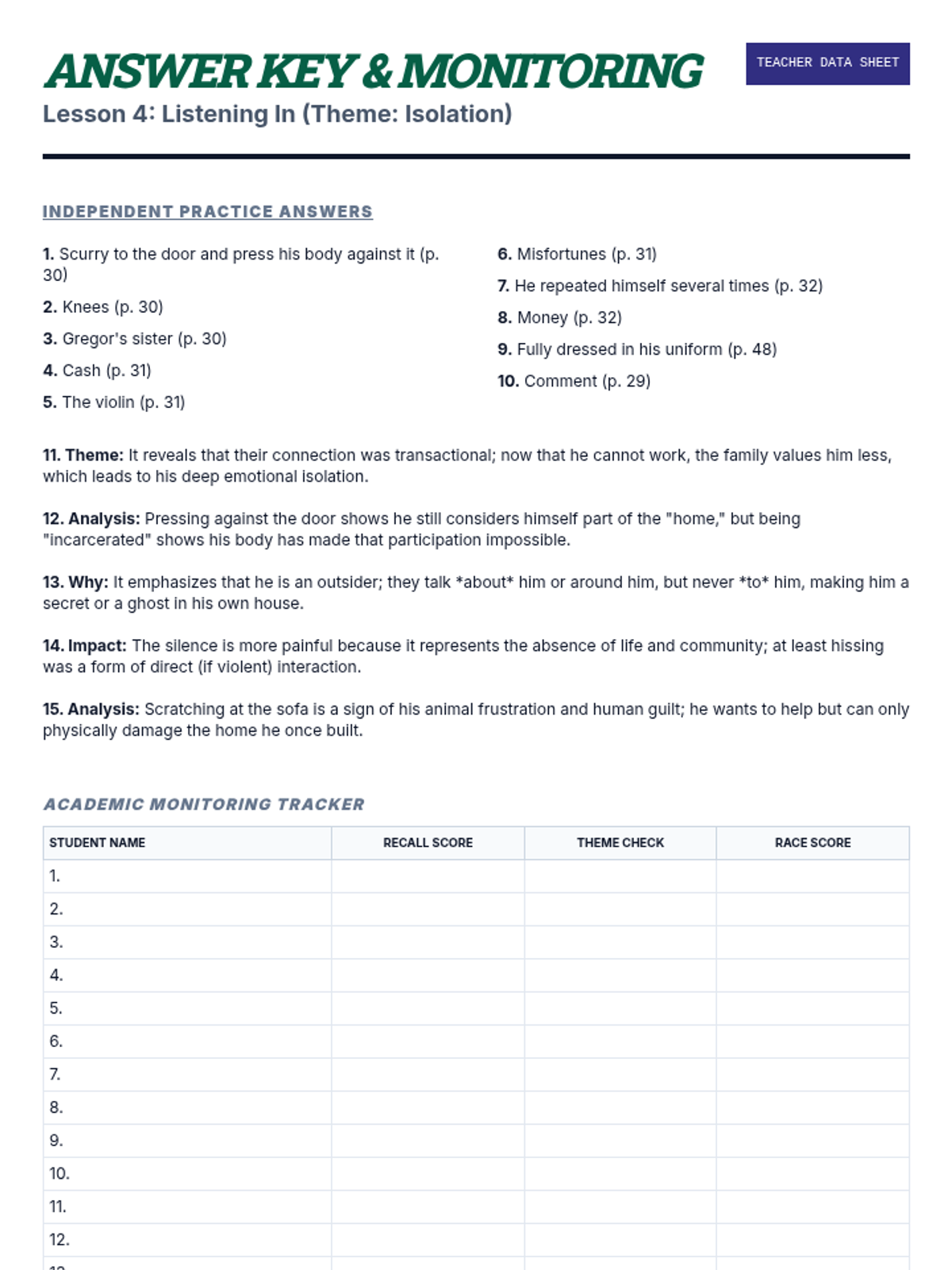
Discusses the theme of family duty and the growing isolation Gregor feels as he listens to his family's private conversations.

Examines Grete's evolving role as Gregor's caretaker and her internal struggle between duty and disgust.
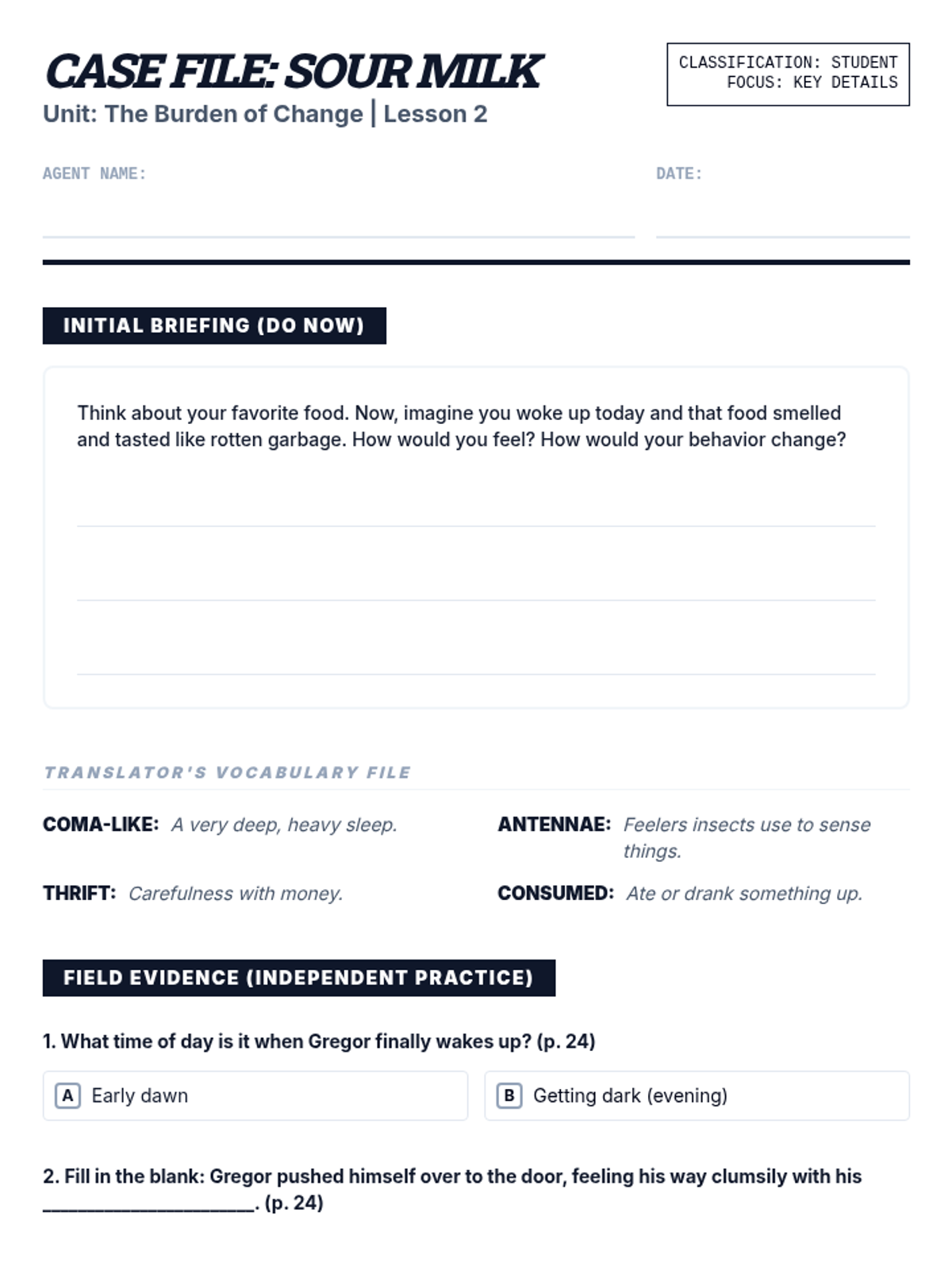
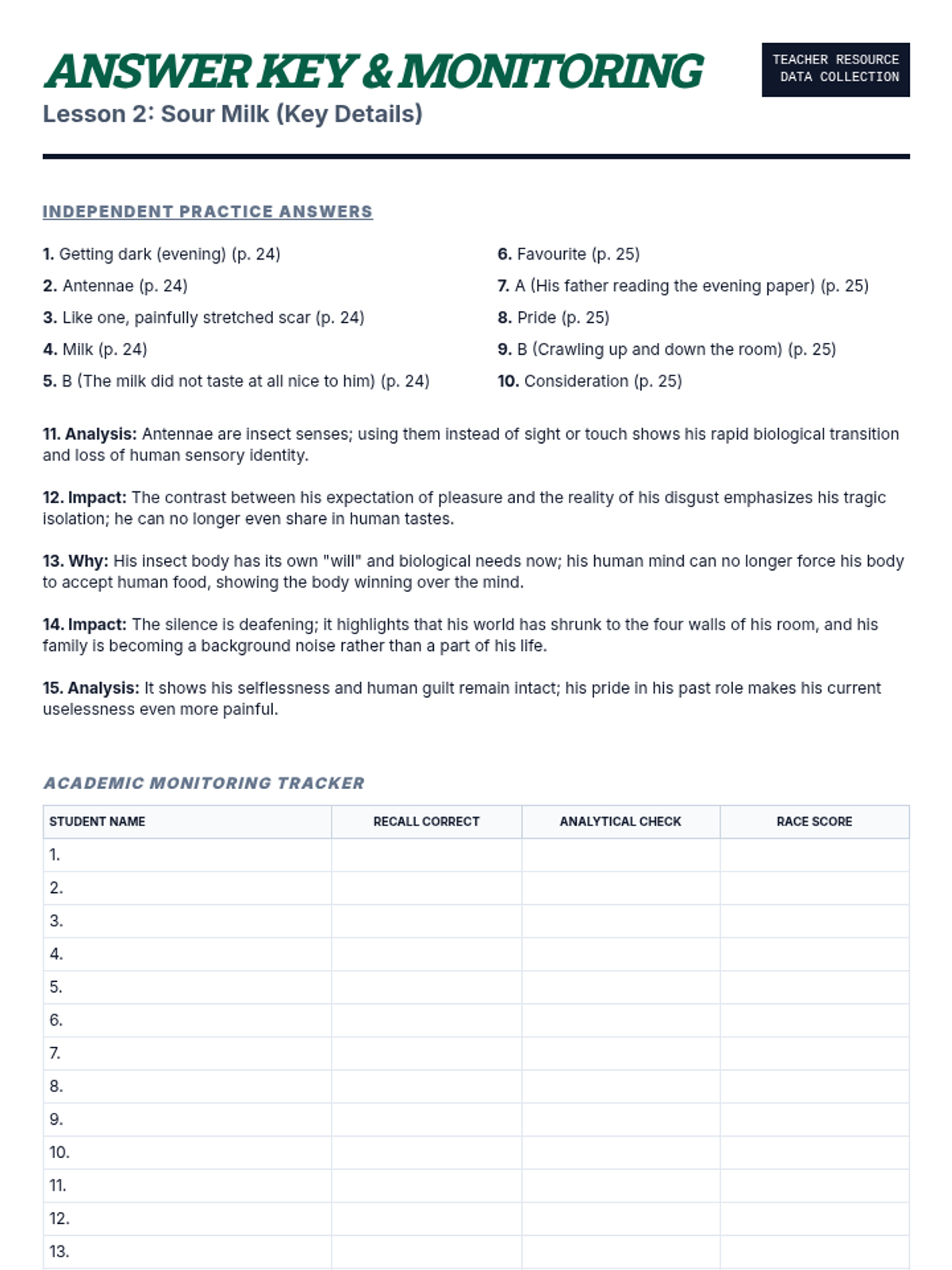
Explores Gregor's awakening in Part II, his new physical sensations, and his changing dietary preferences.
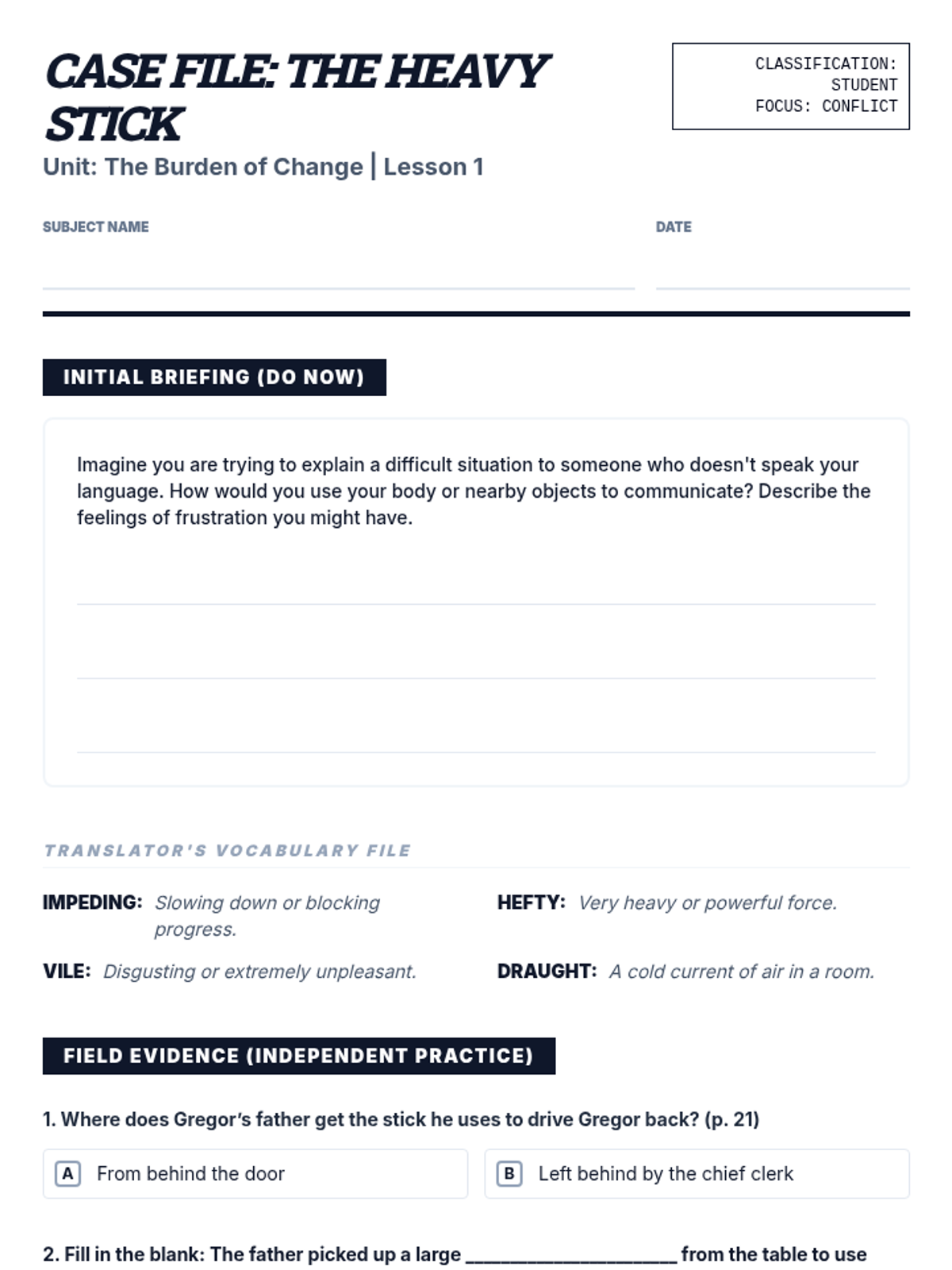
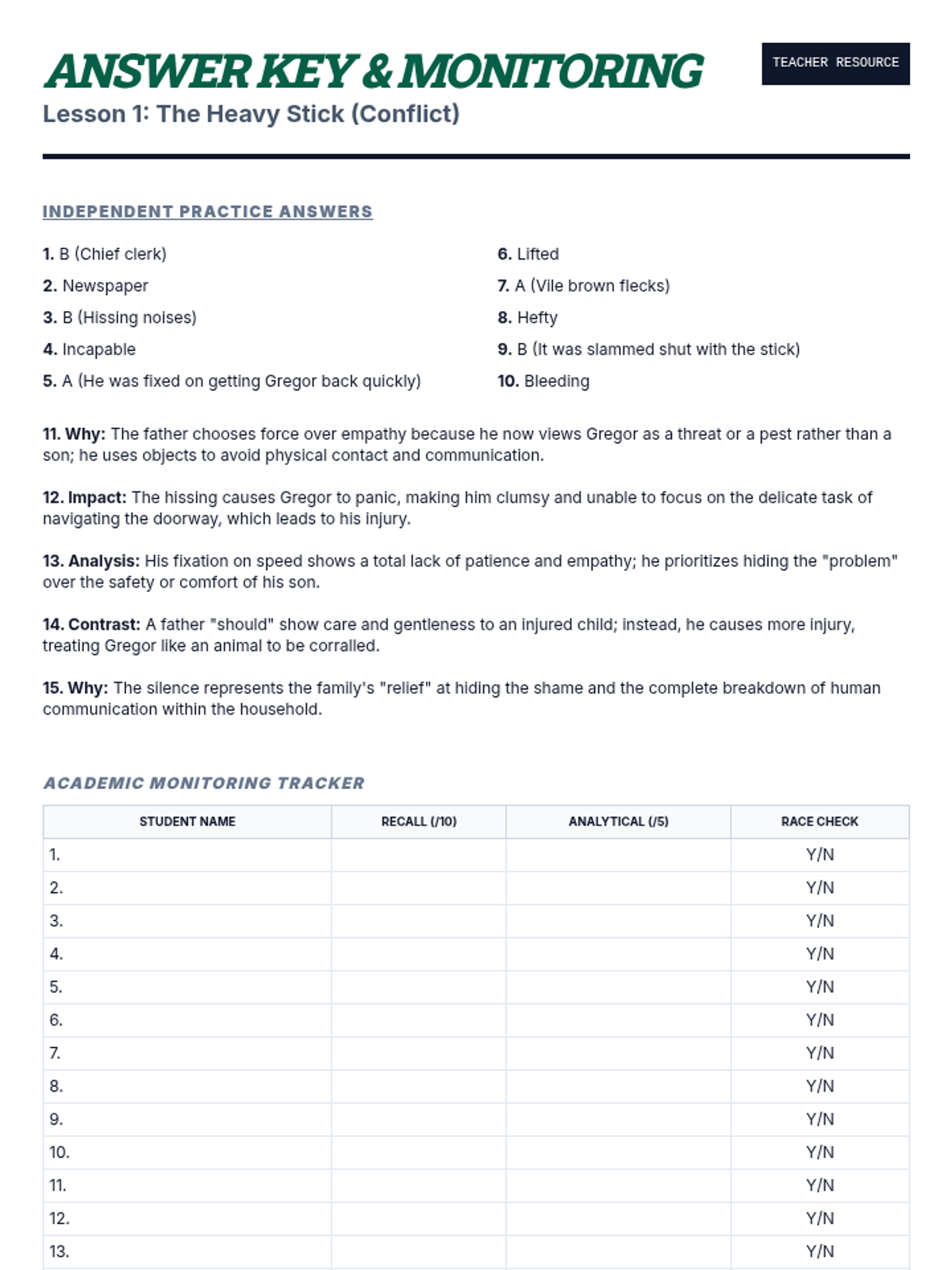
Analyzes the first physical conflict between Gregor and his father, focusing on the use of the stick and the resulting injury at the end of Part I.
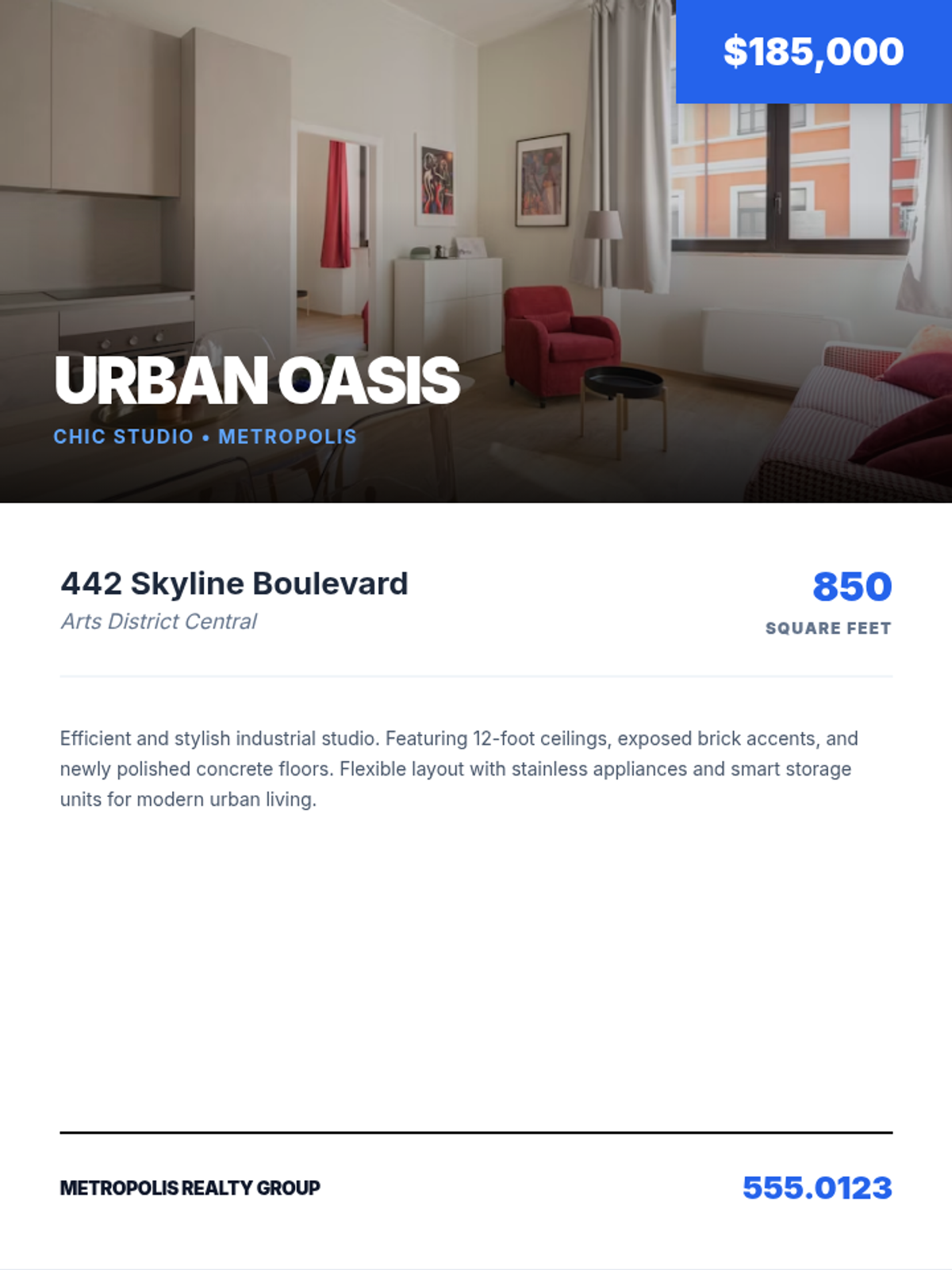
A collection of professionally designed real estate listing posters featuring unique properties with detailed descriptions, pricing, and specifications.
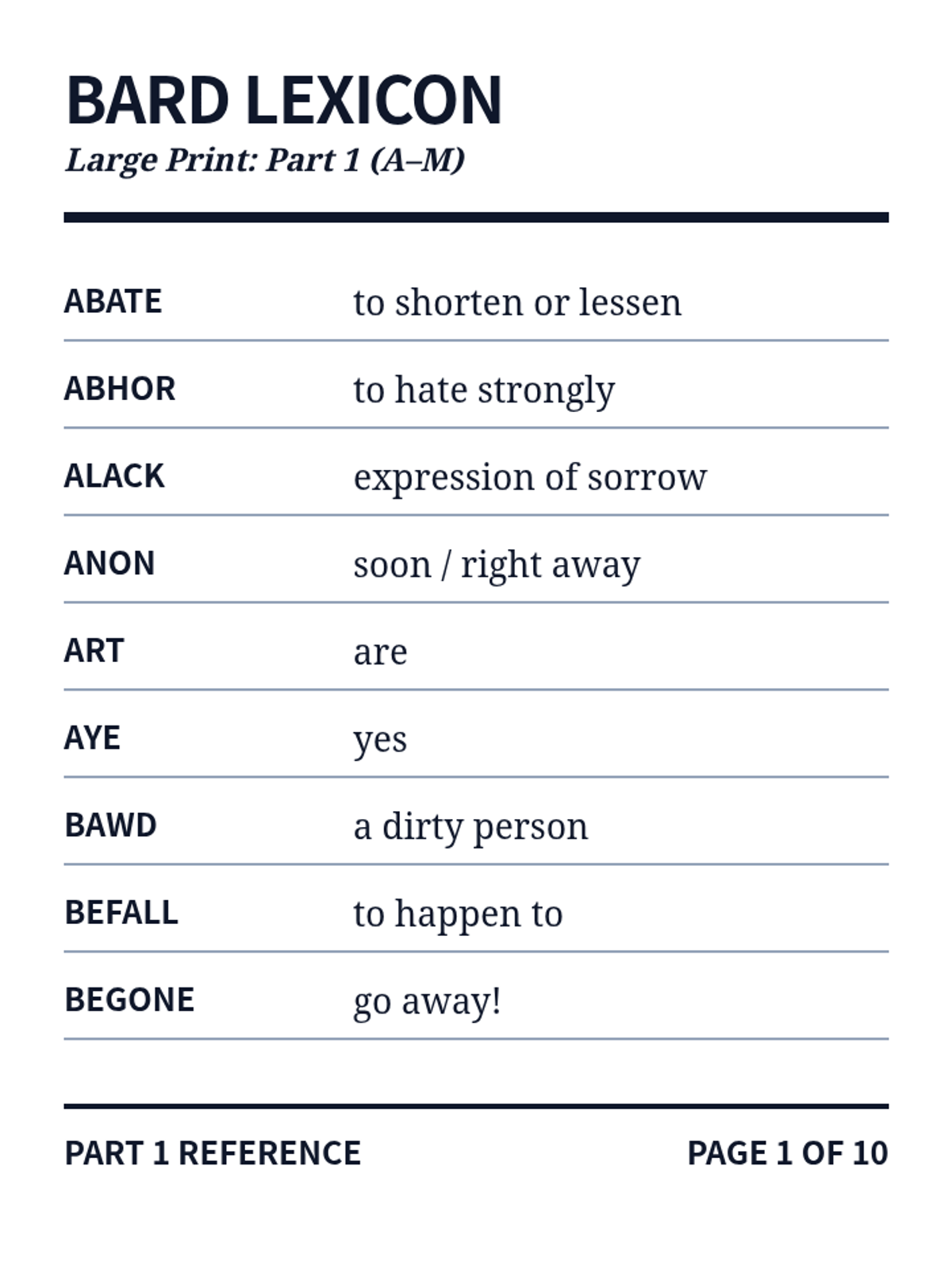
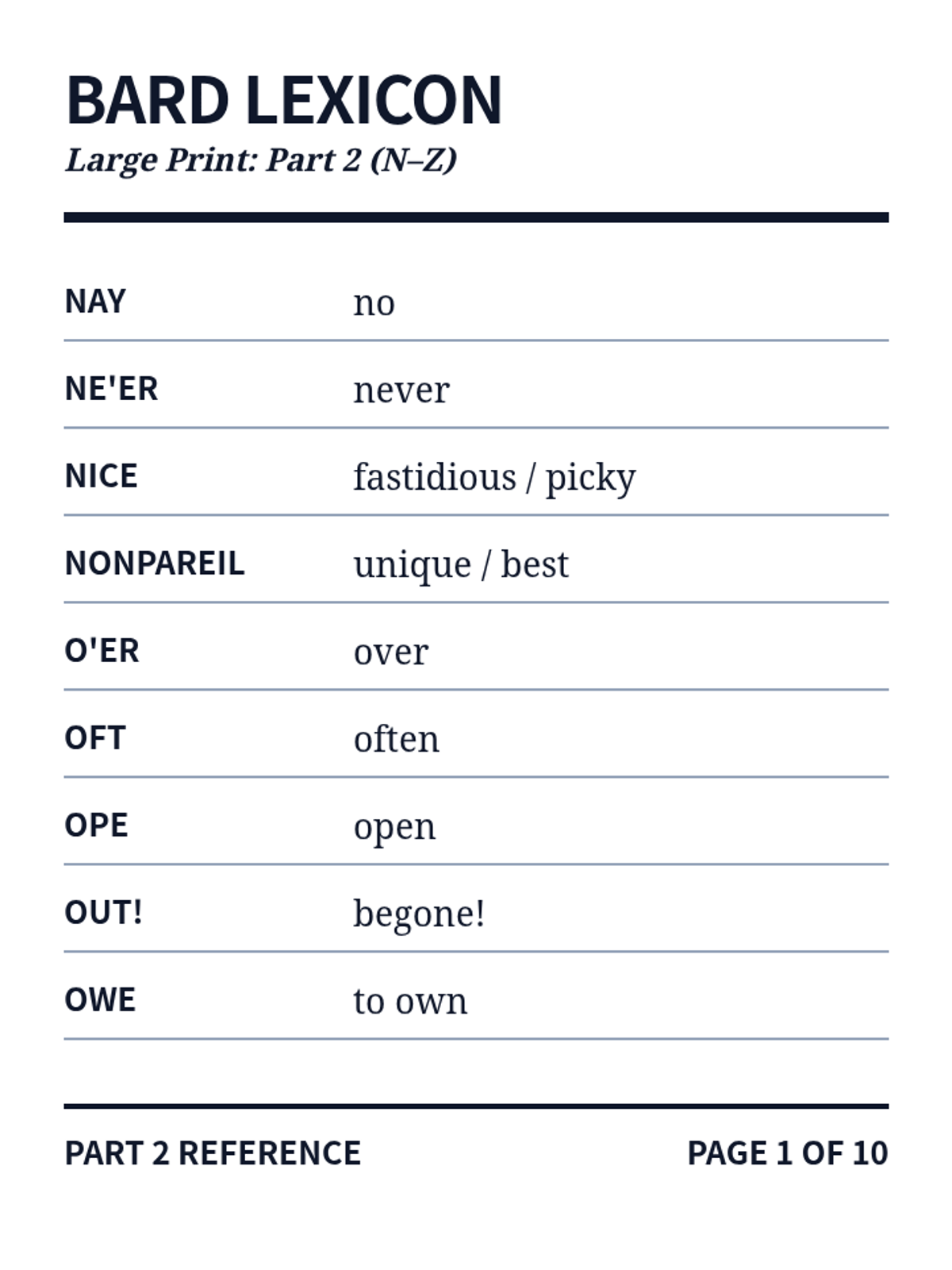
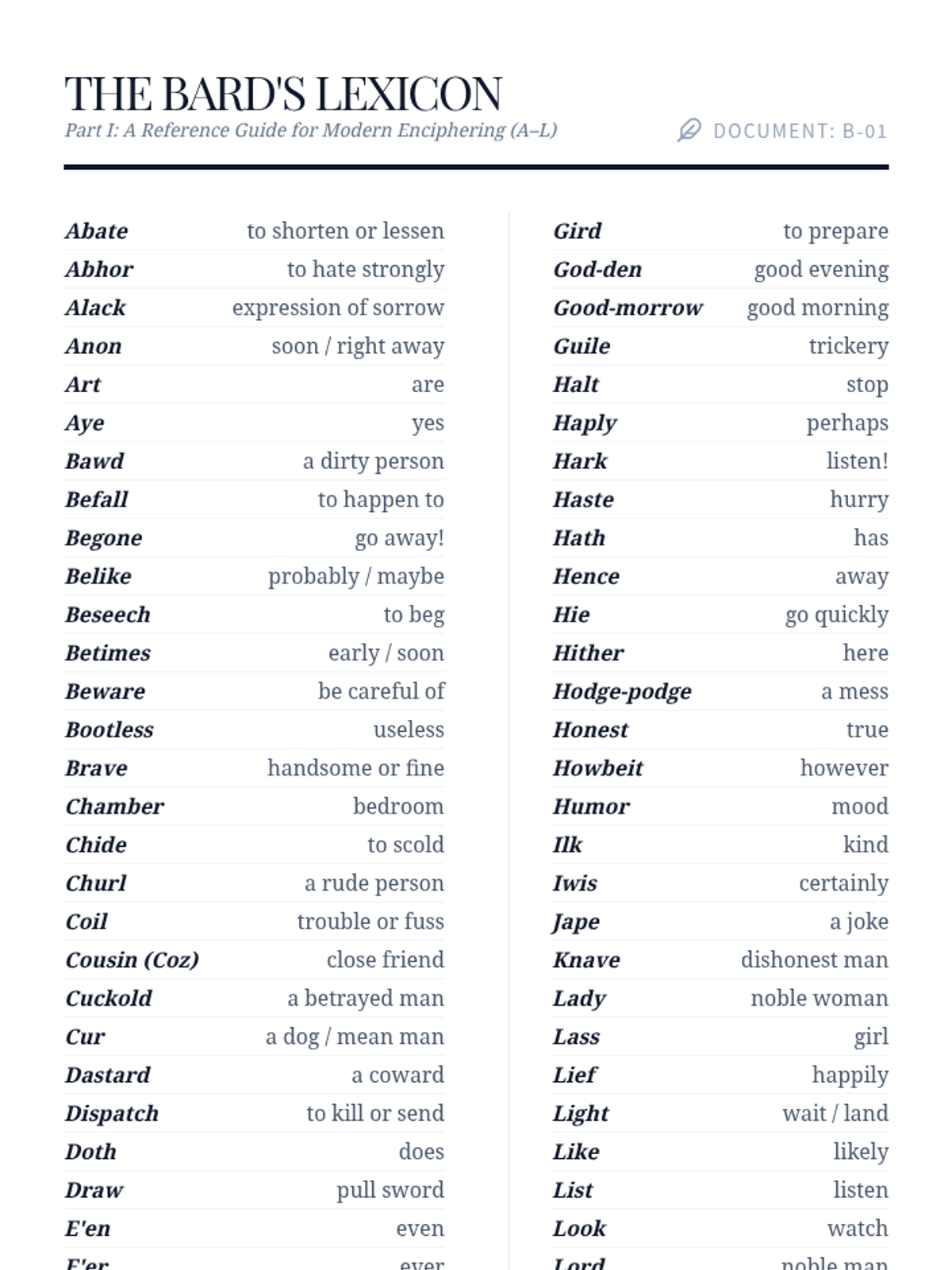
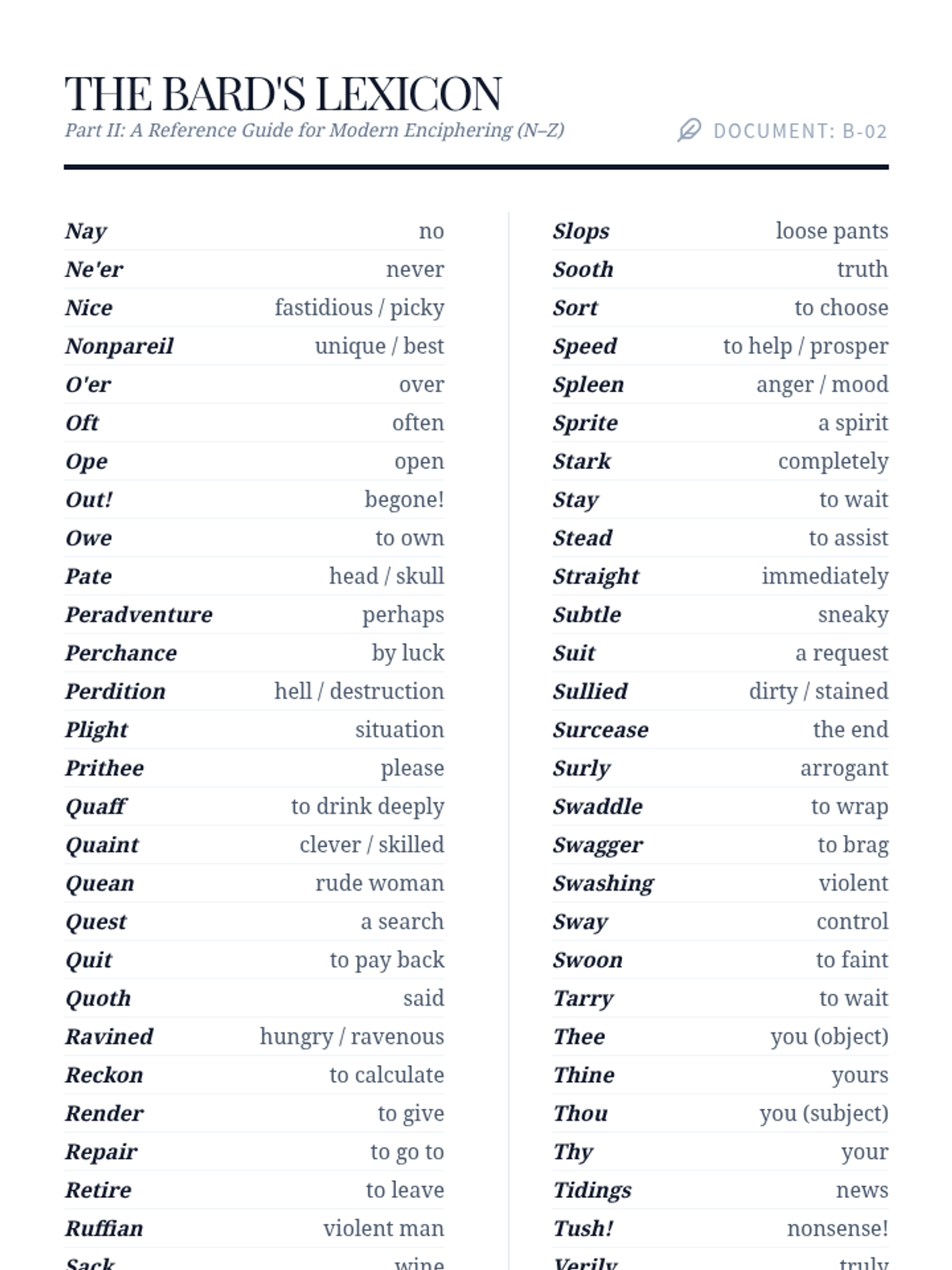
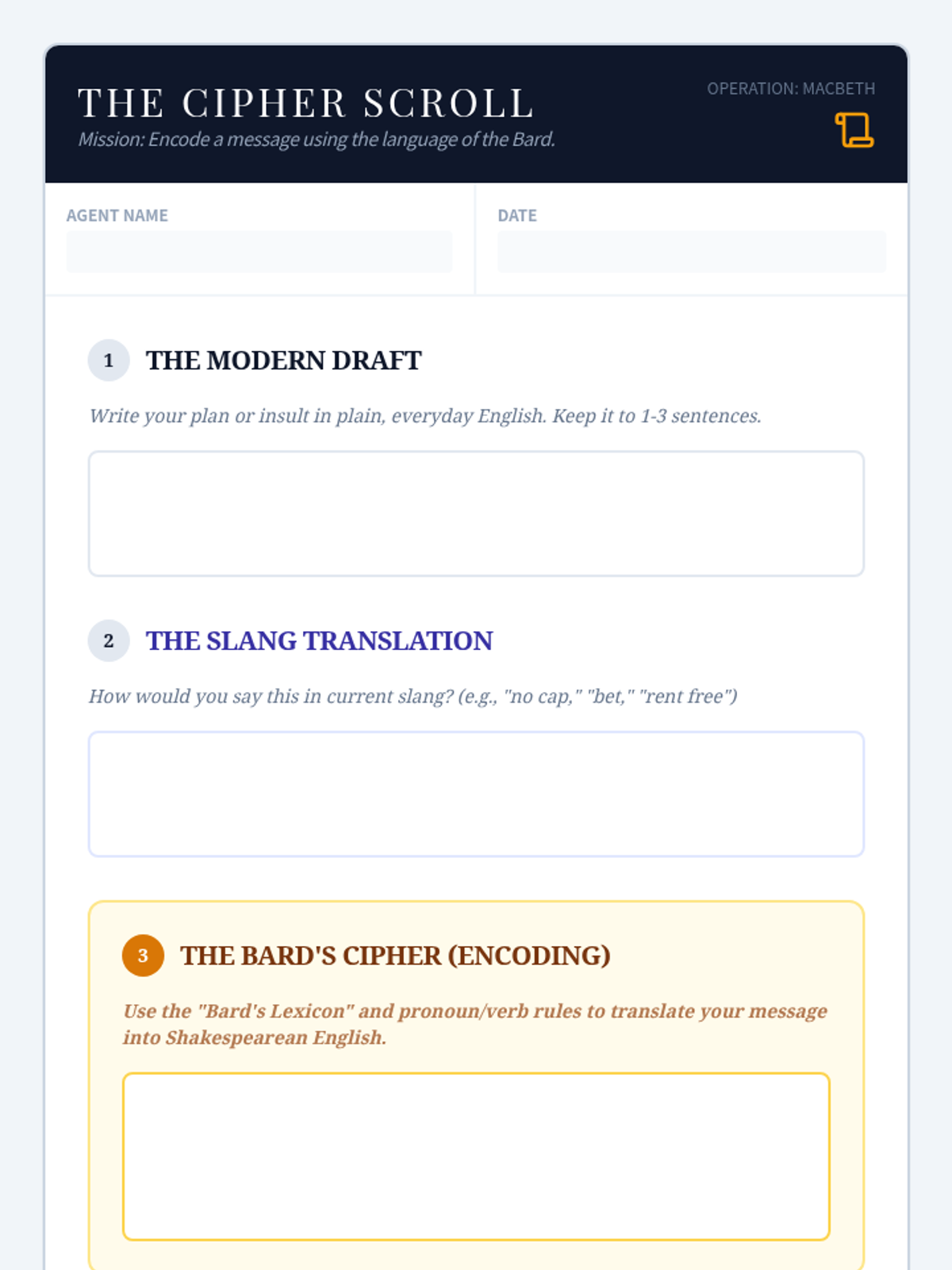
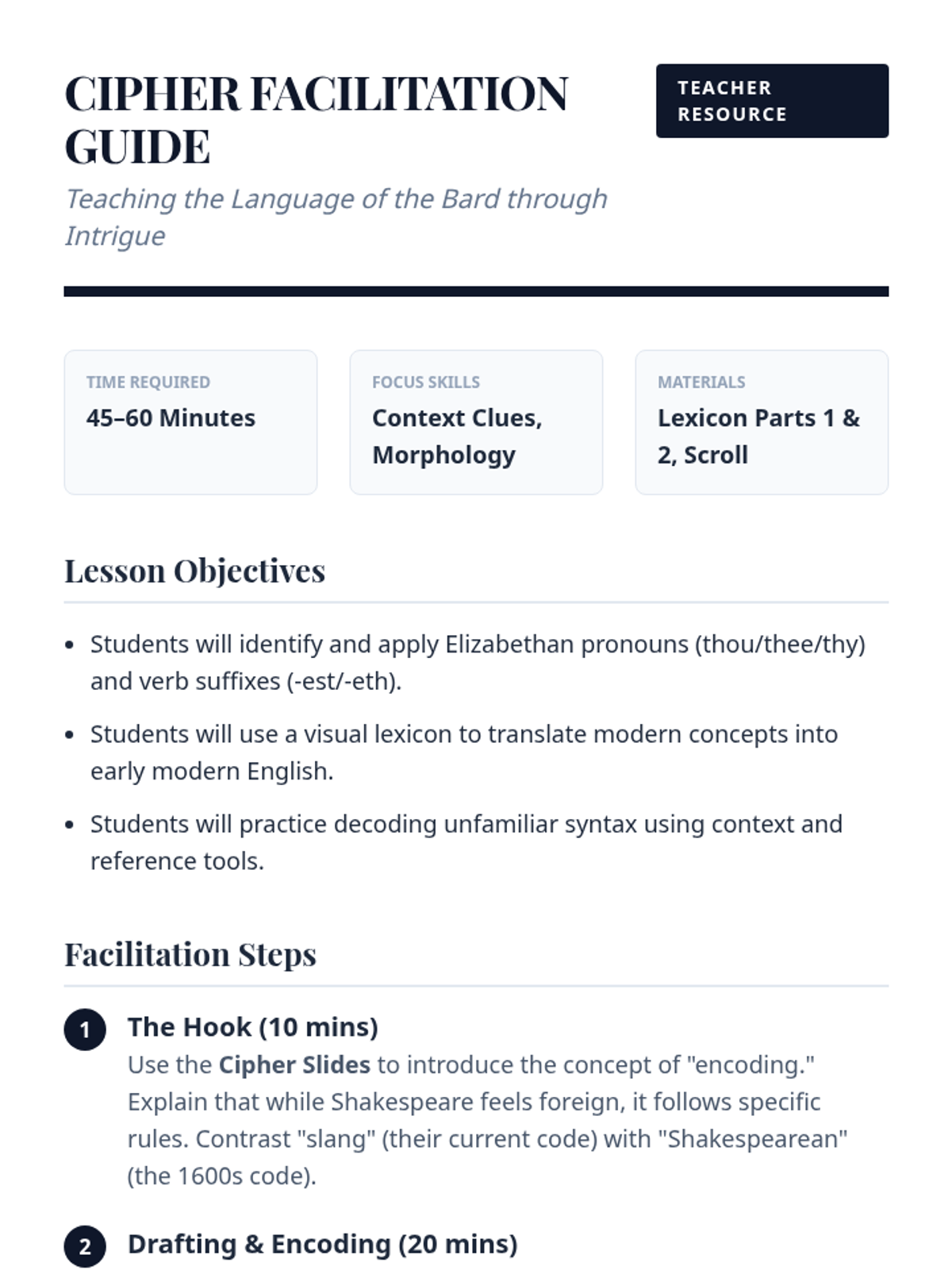
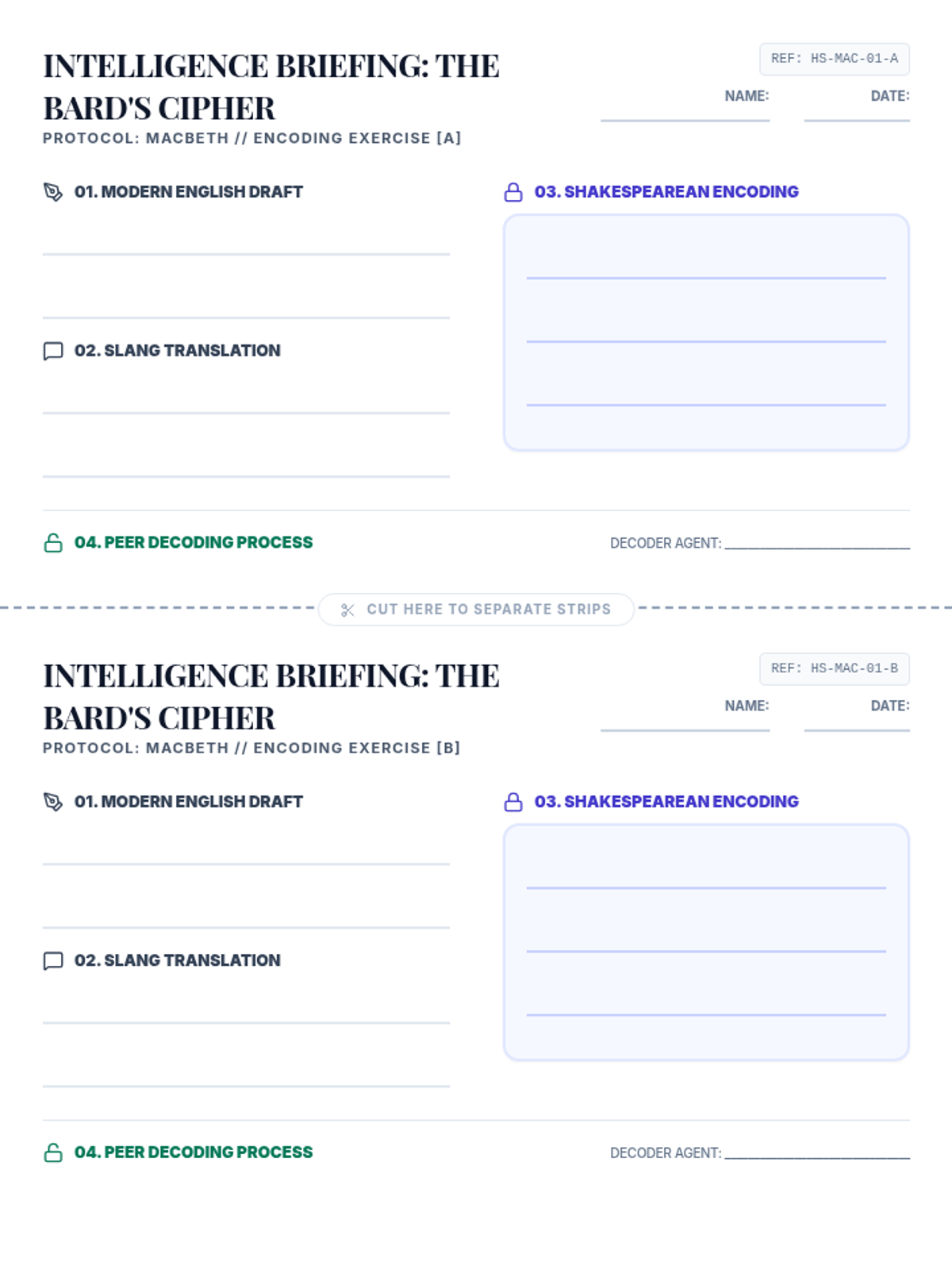
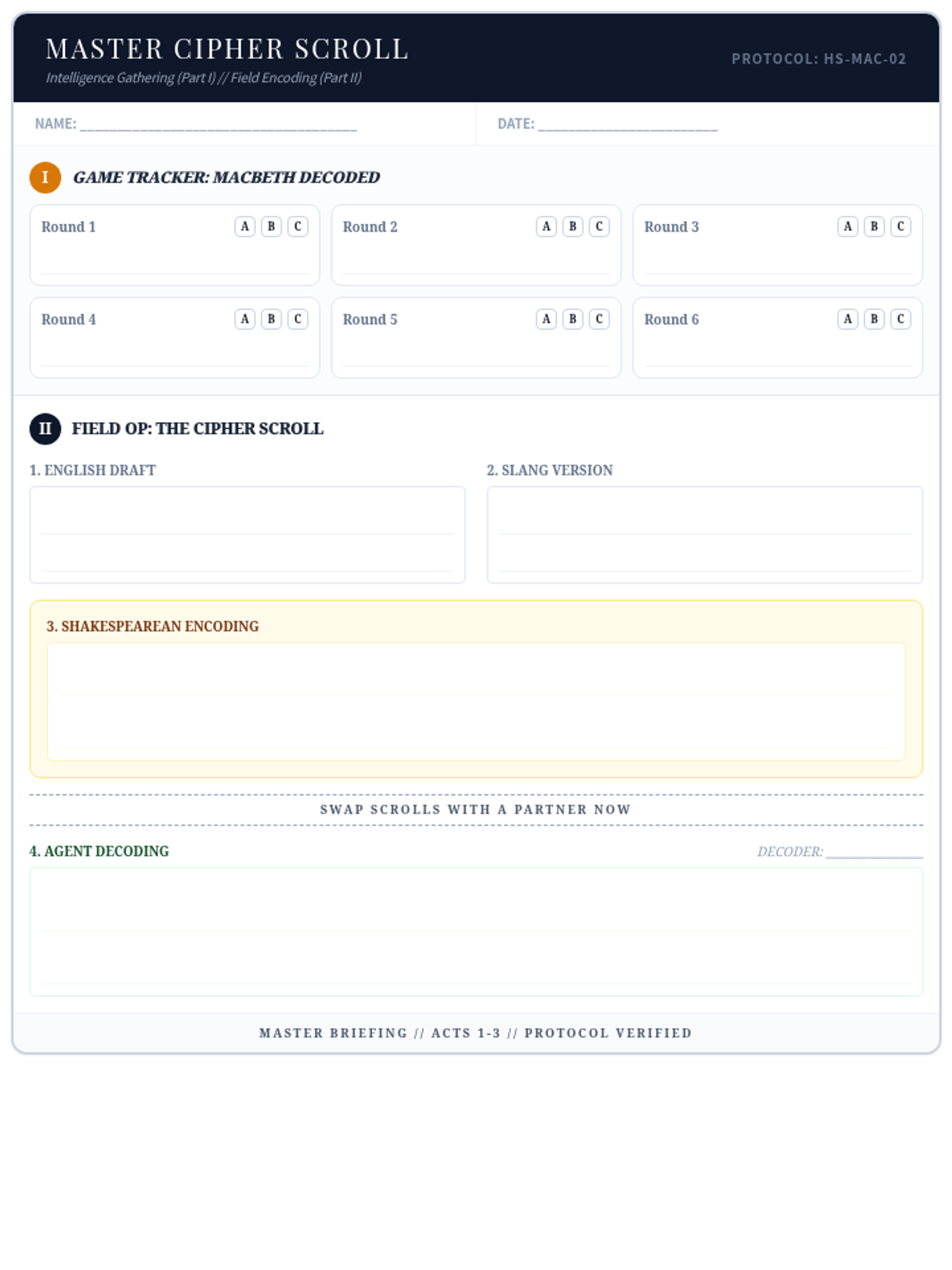
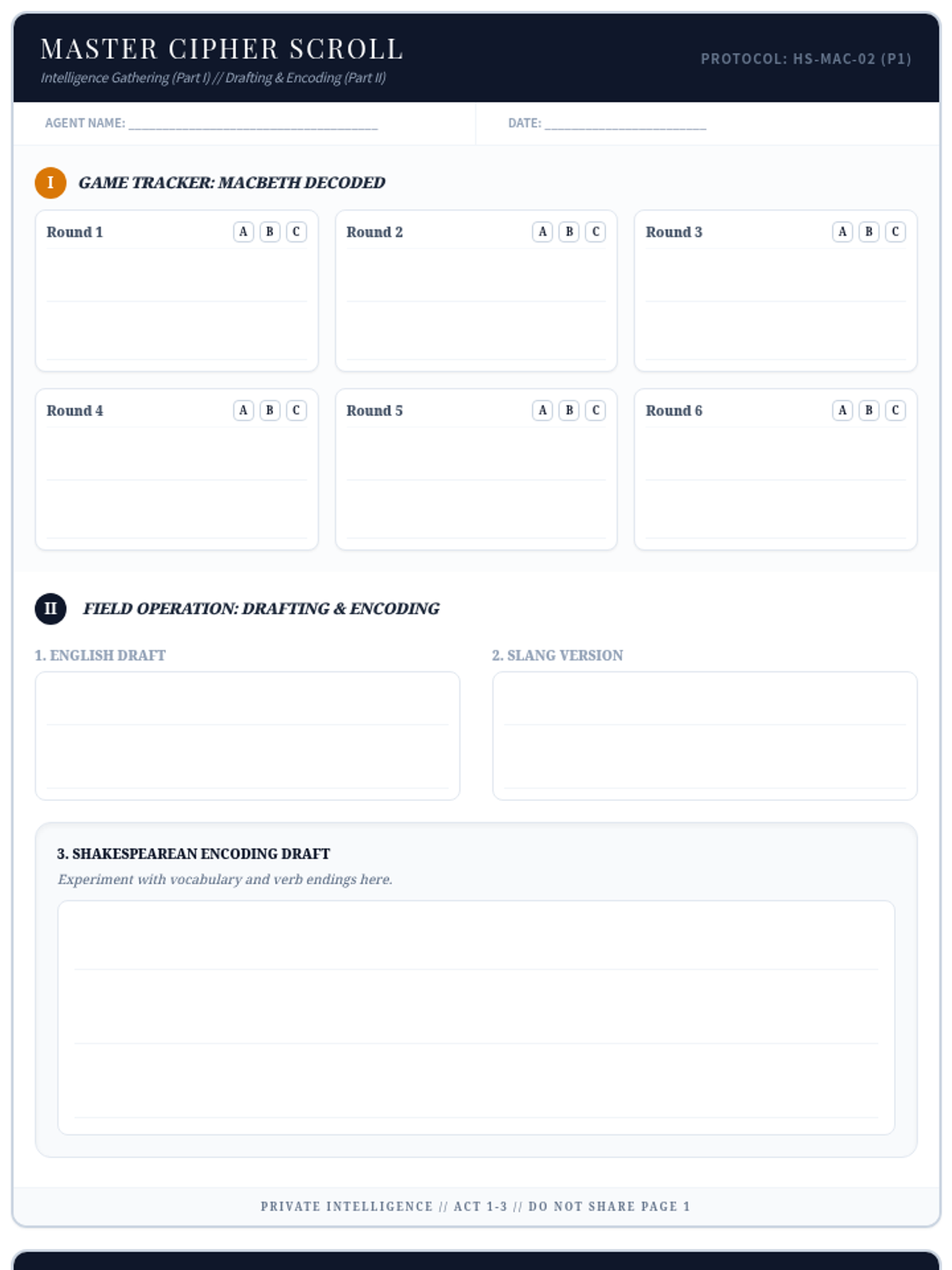
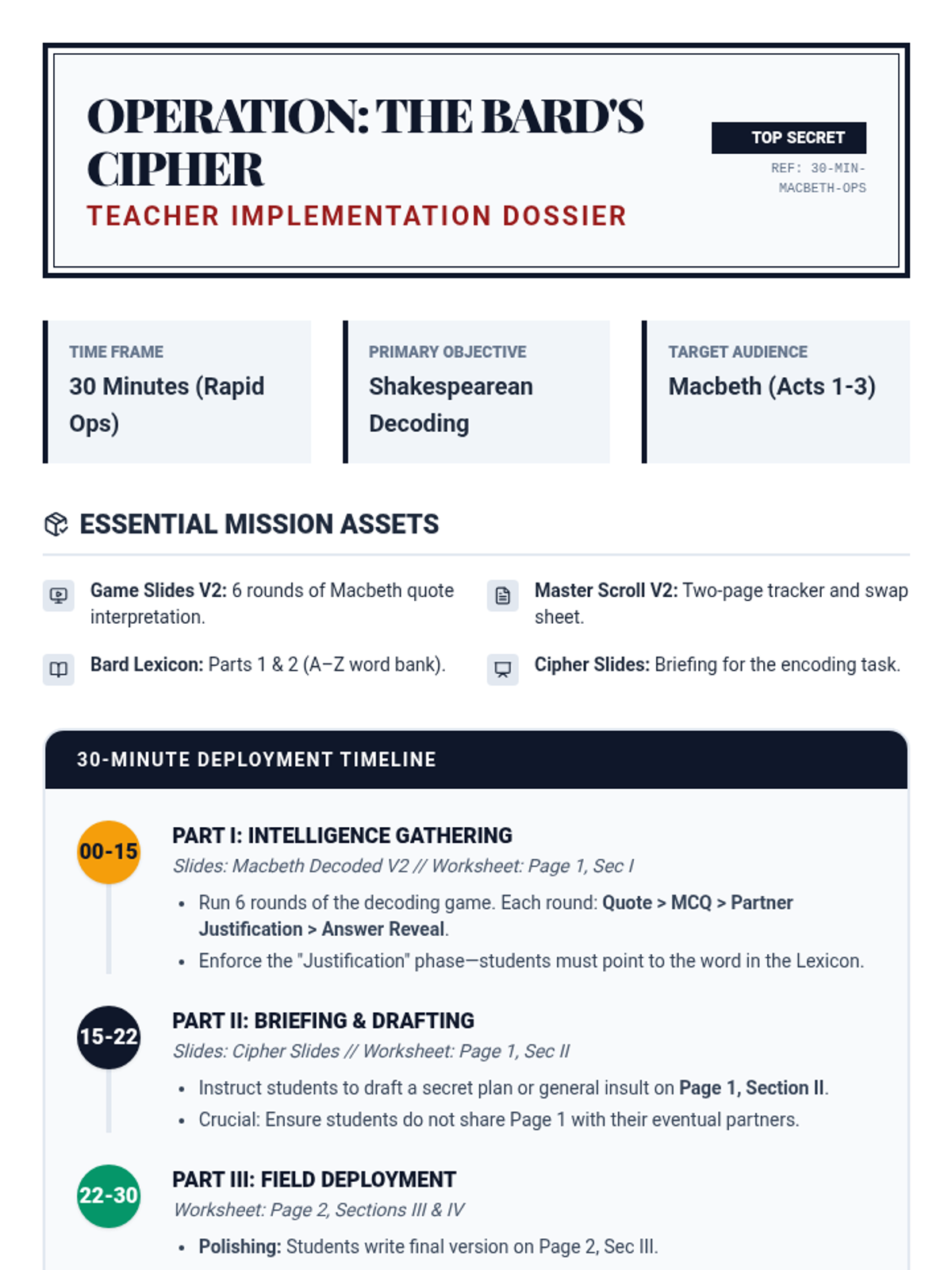
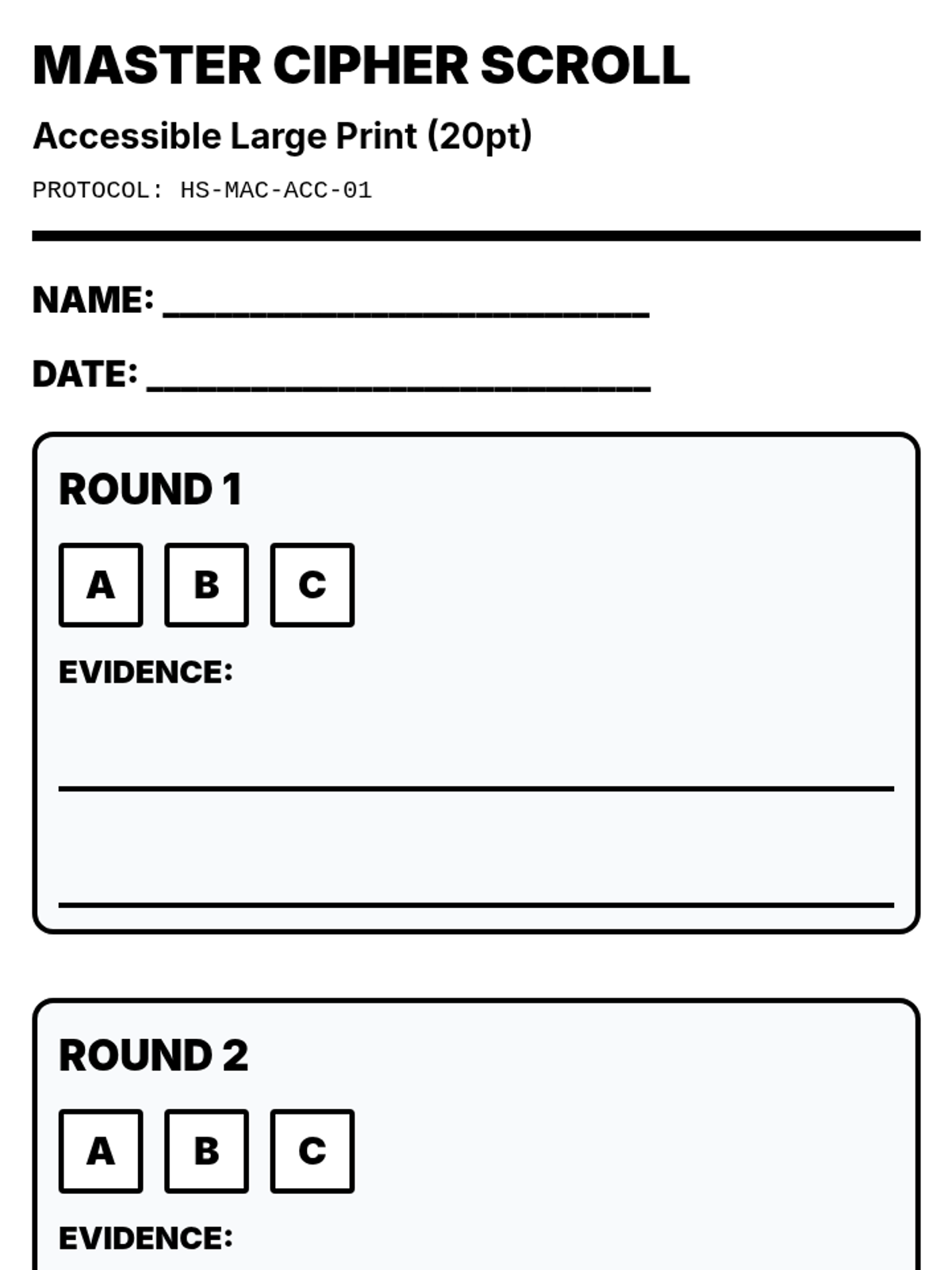
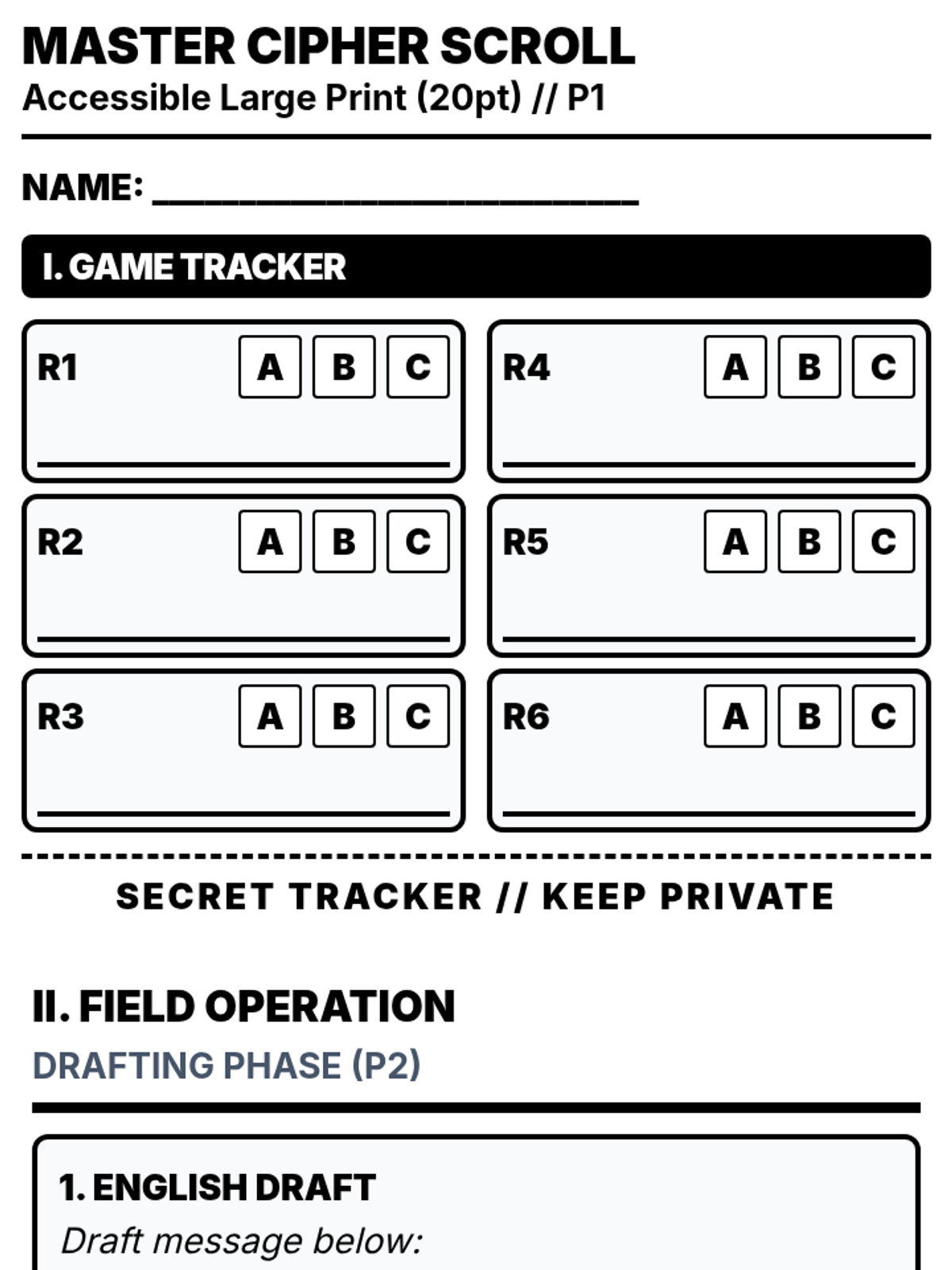
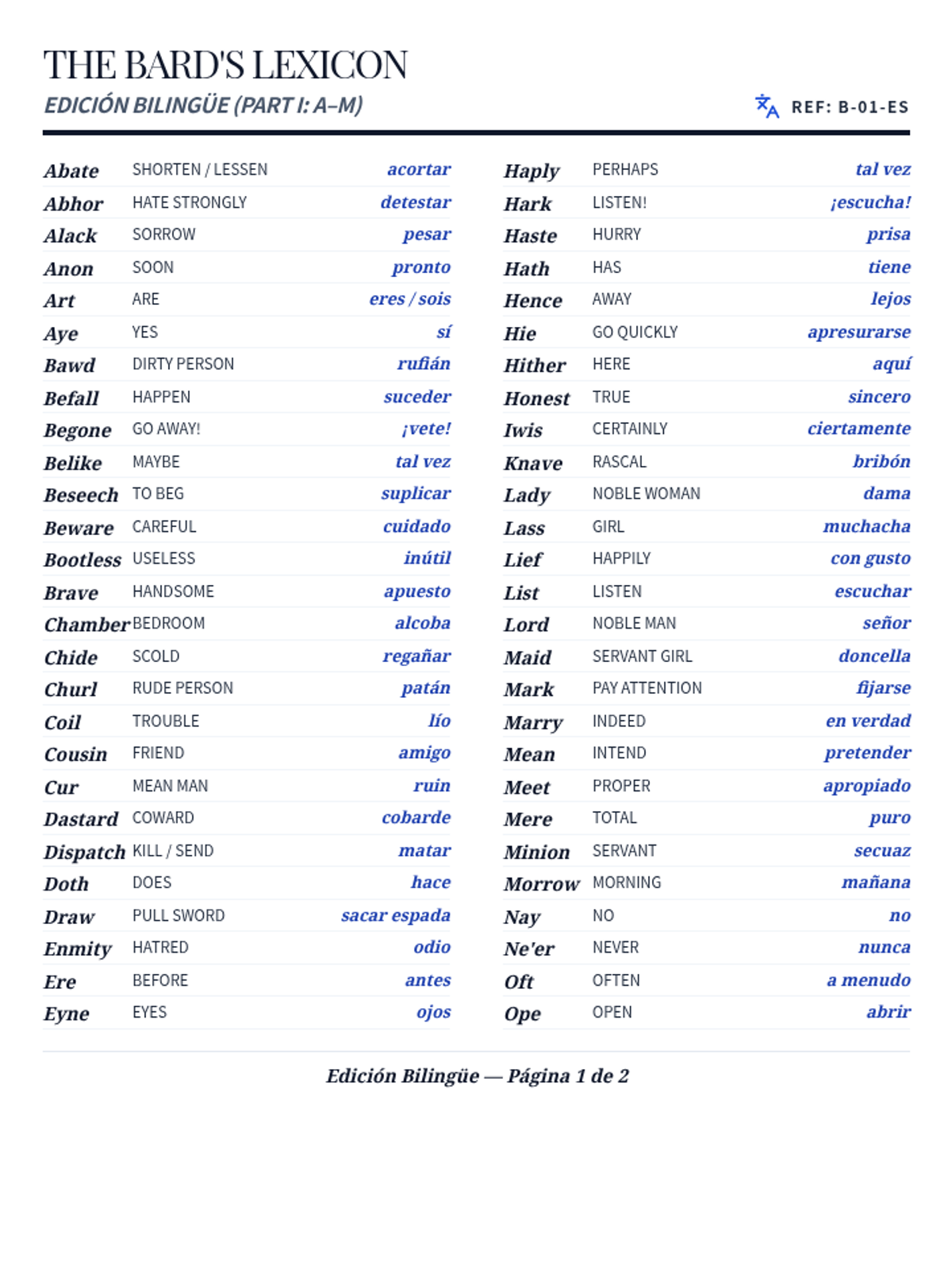
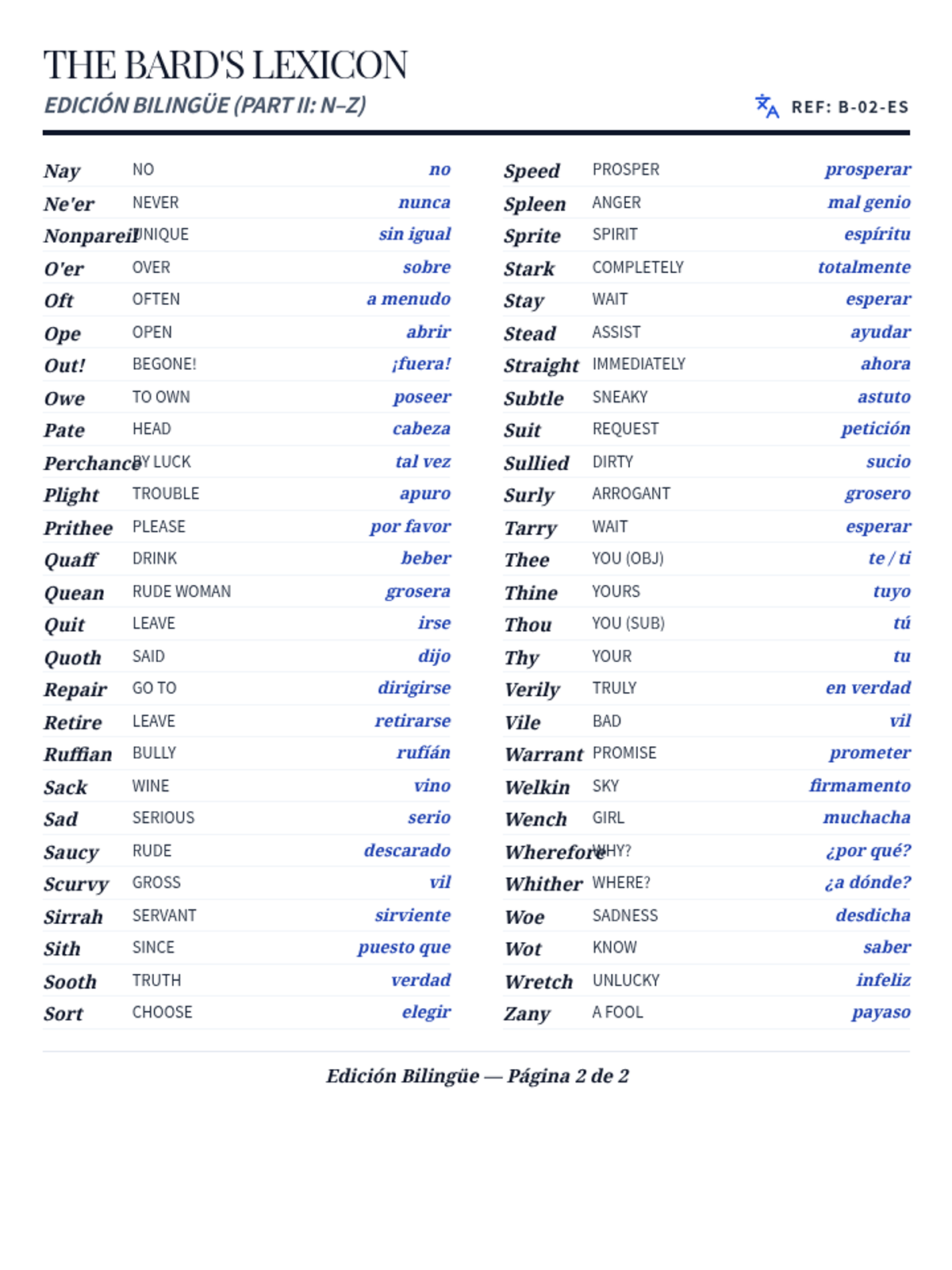
A hands-on activity where students learn to decode and encode Shakespearean language by writing secret messages or insults, then swapping them with peers to translate.
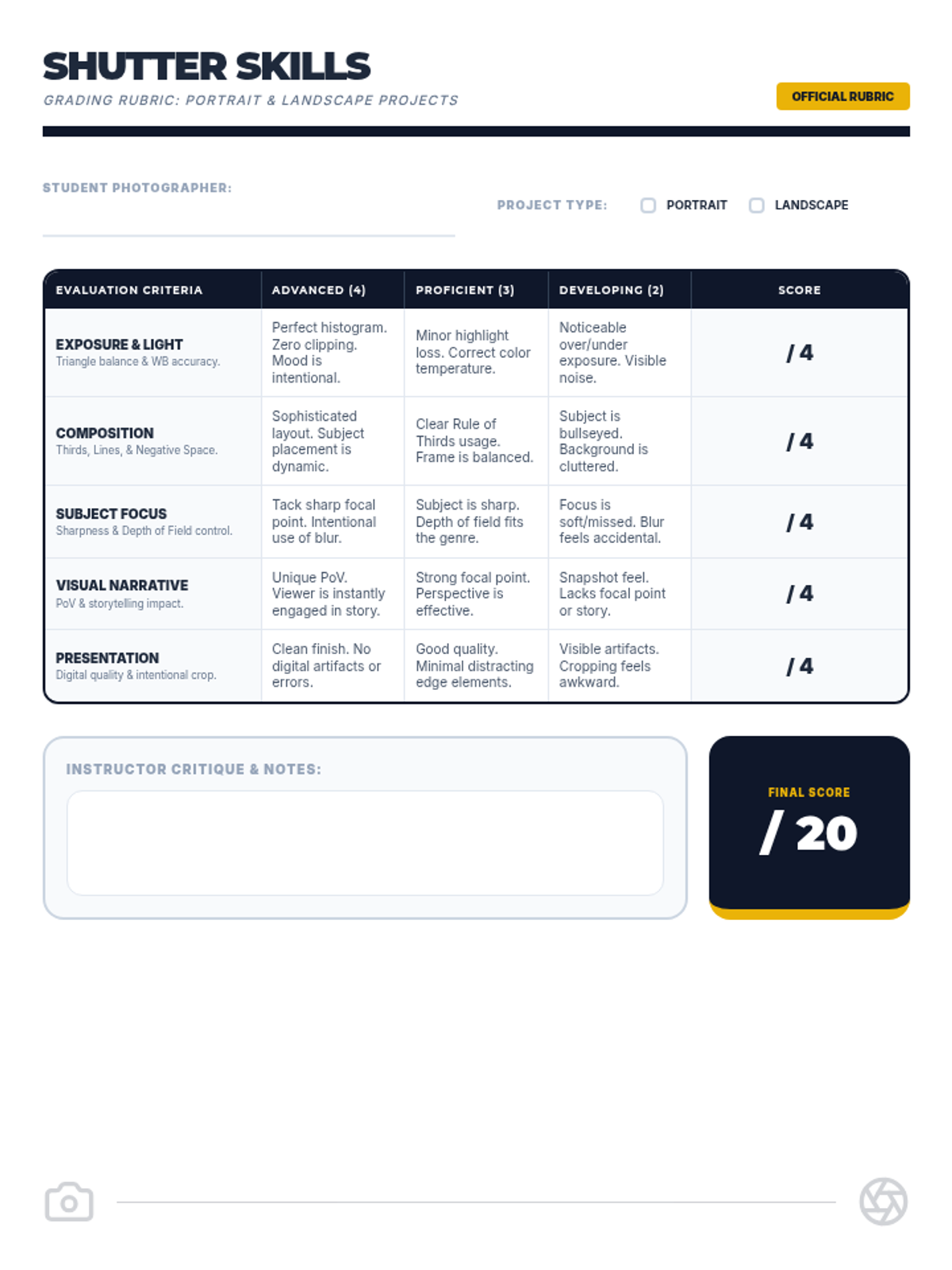
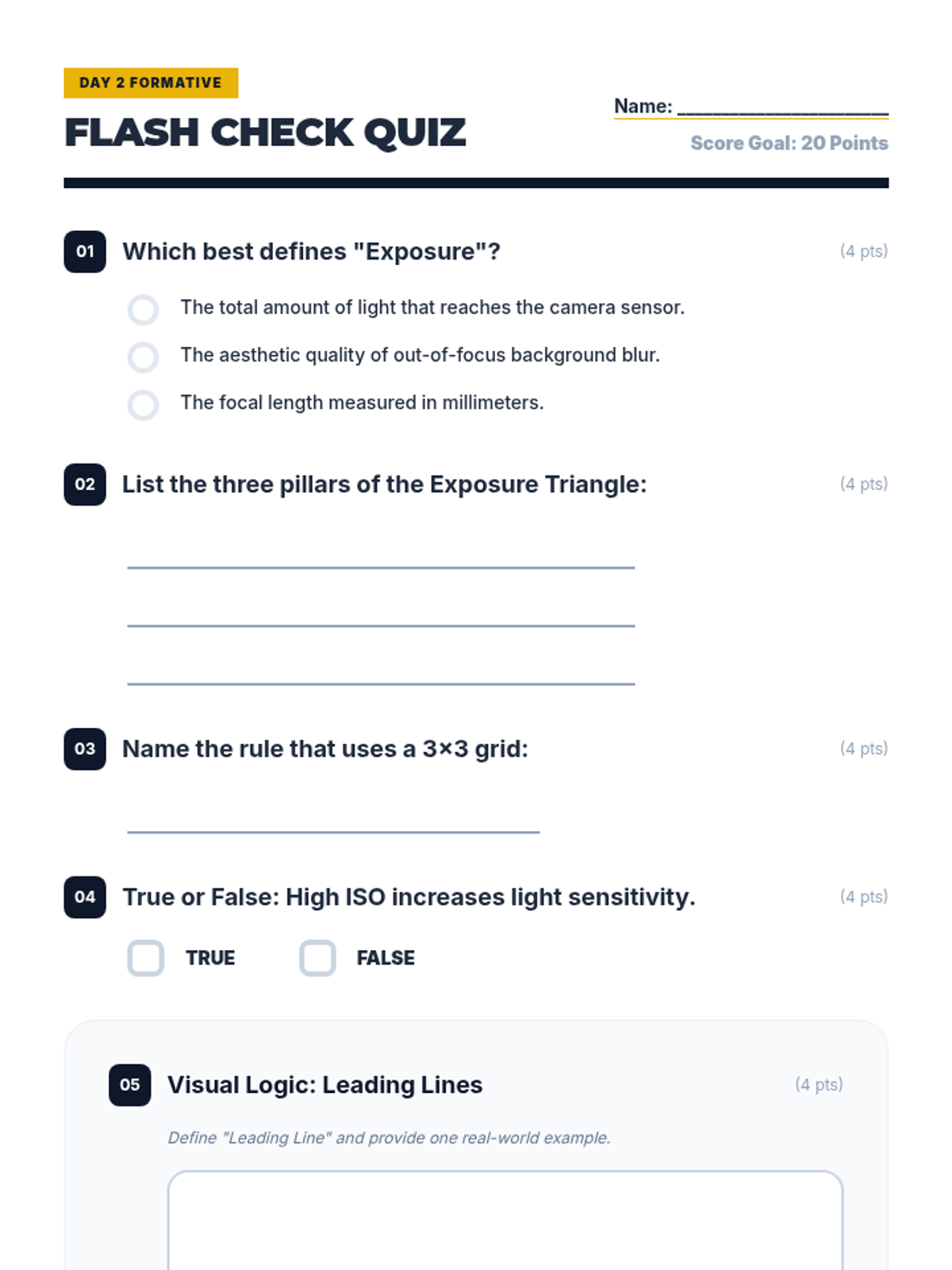
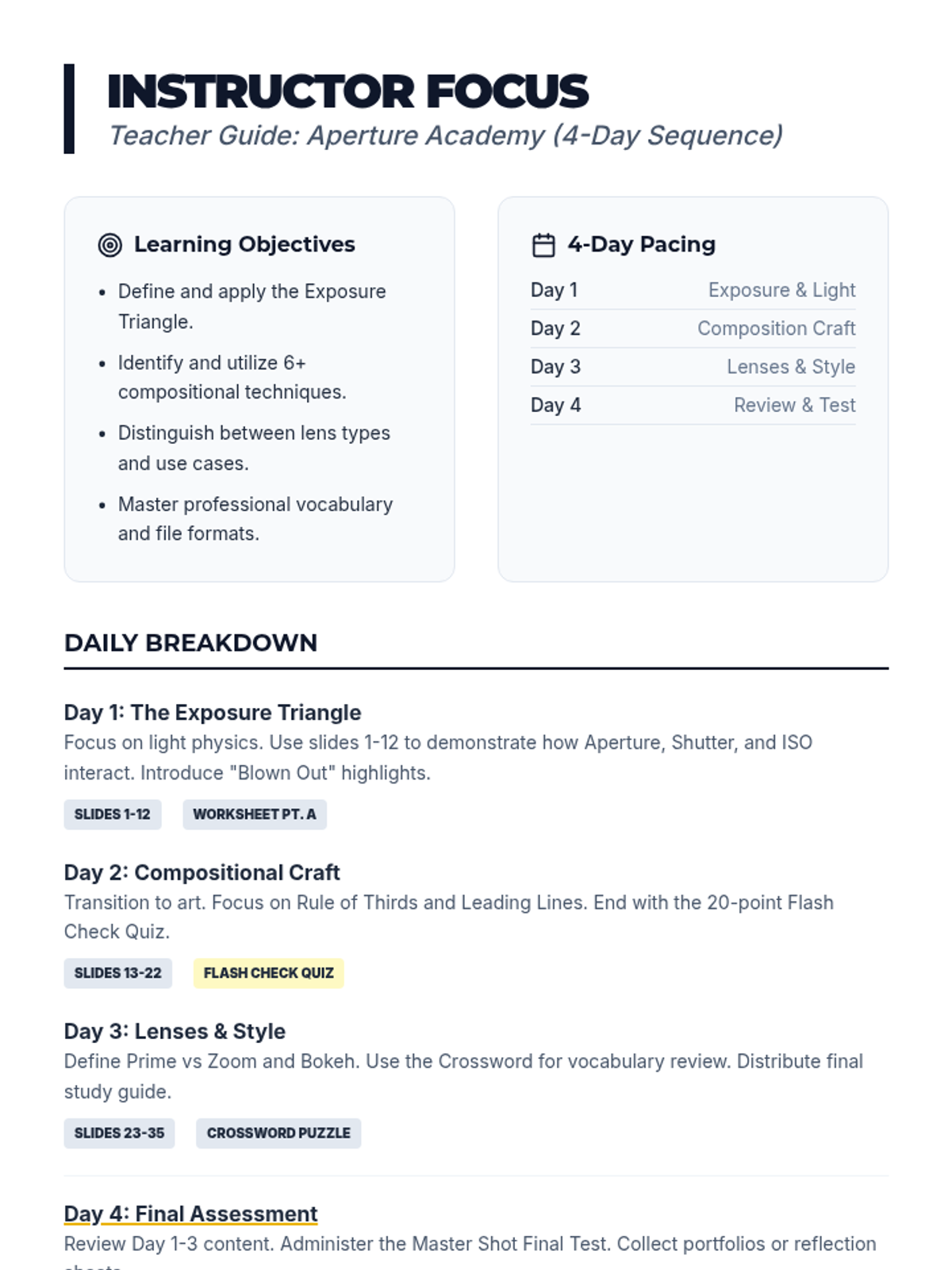
Final review and assessment to evaluate student mastery of photographic principles and vocabulary.
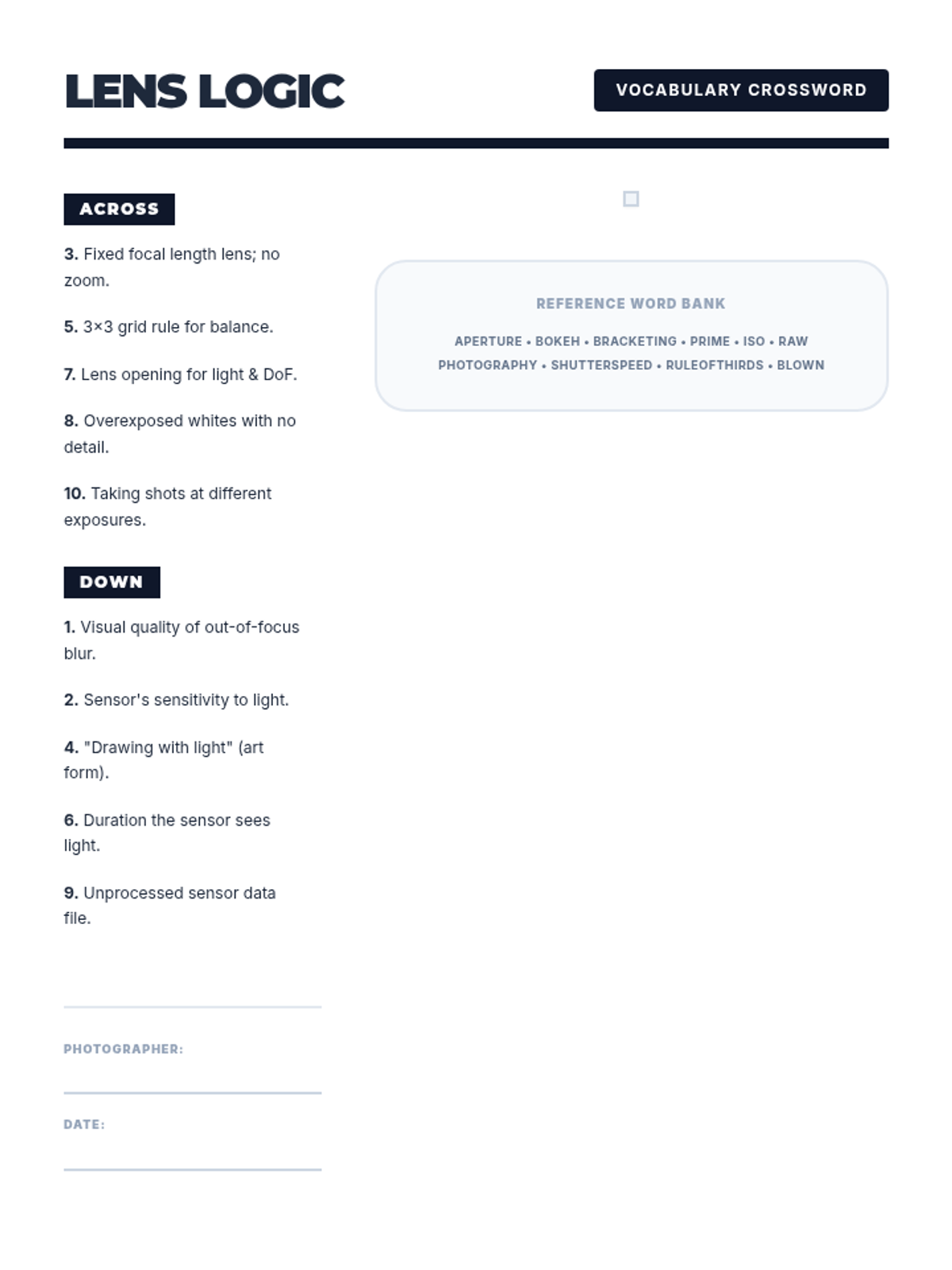
A deep dive into different lens types, depth of field, white balance, and professional photographic styles.
Explores the artistic side of photography through composition principles like the Rule of Thirds, leading lines, and framing.
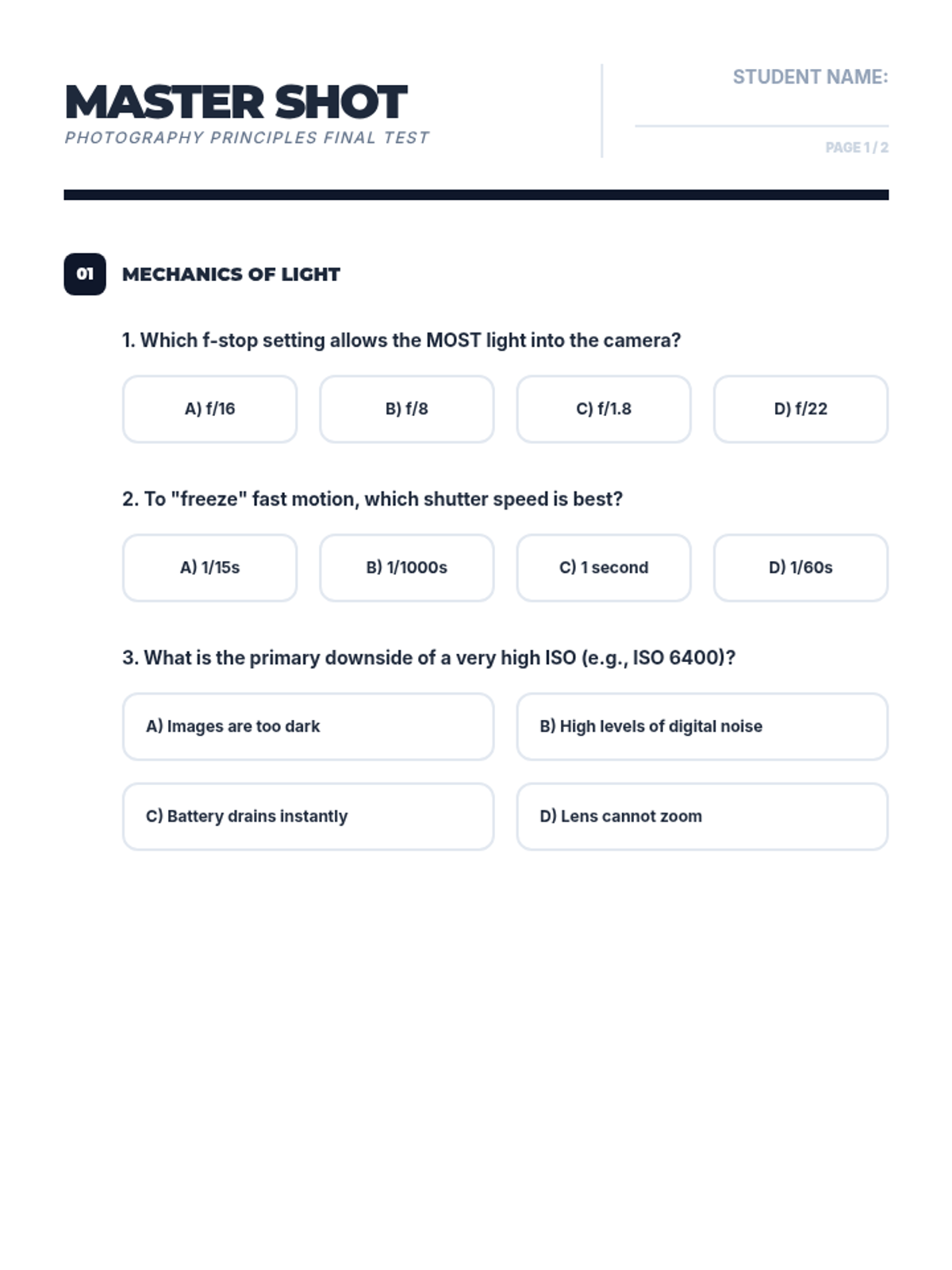
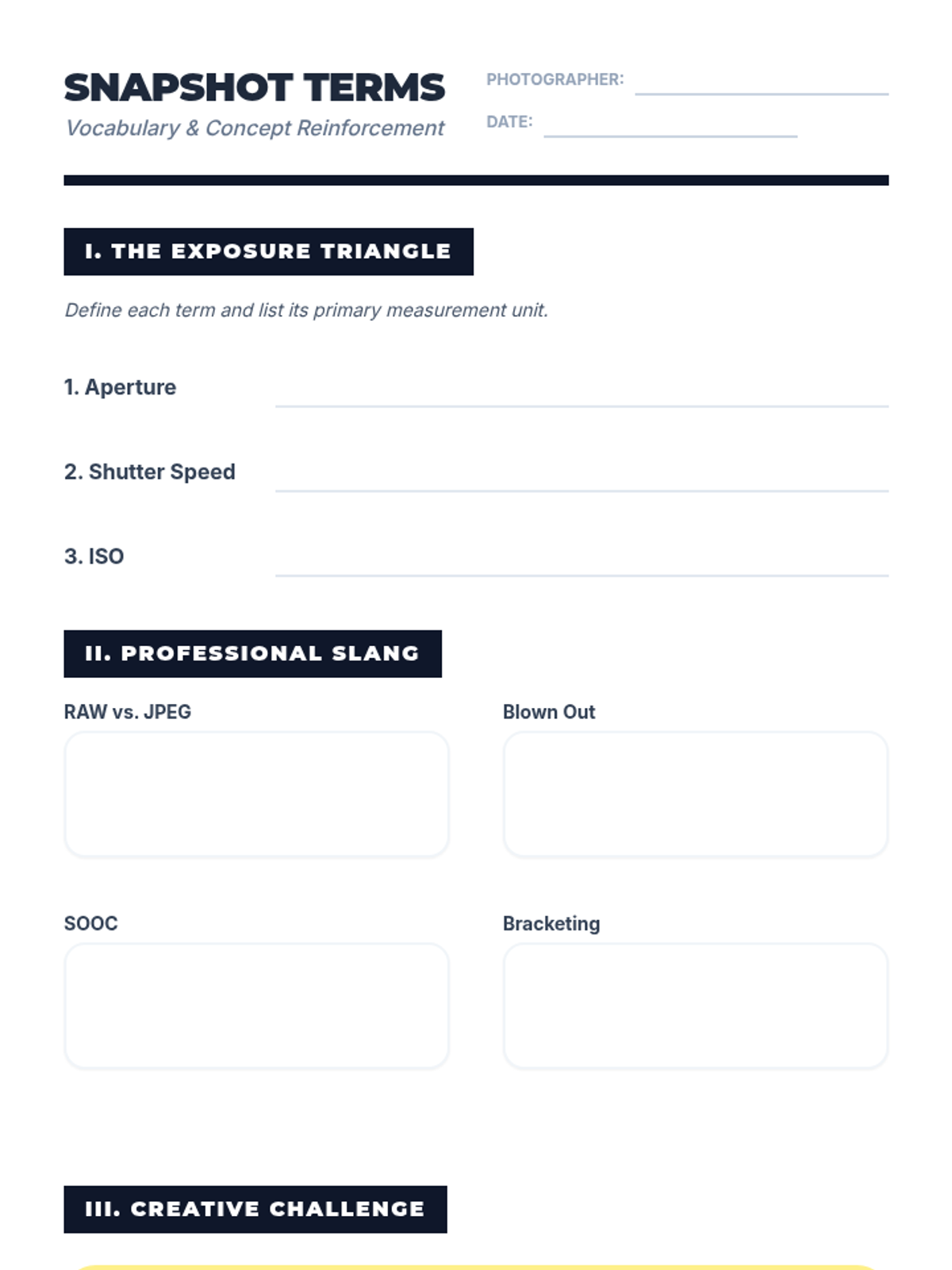
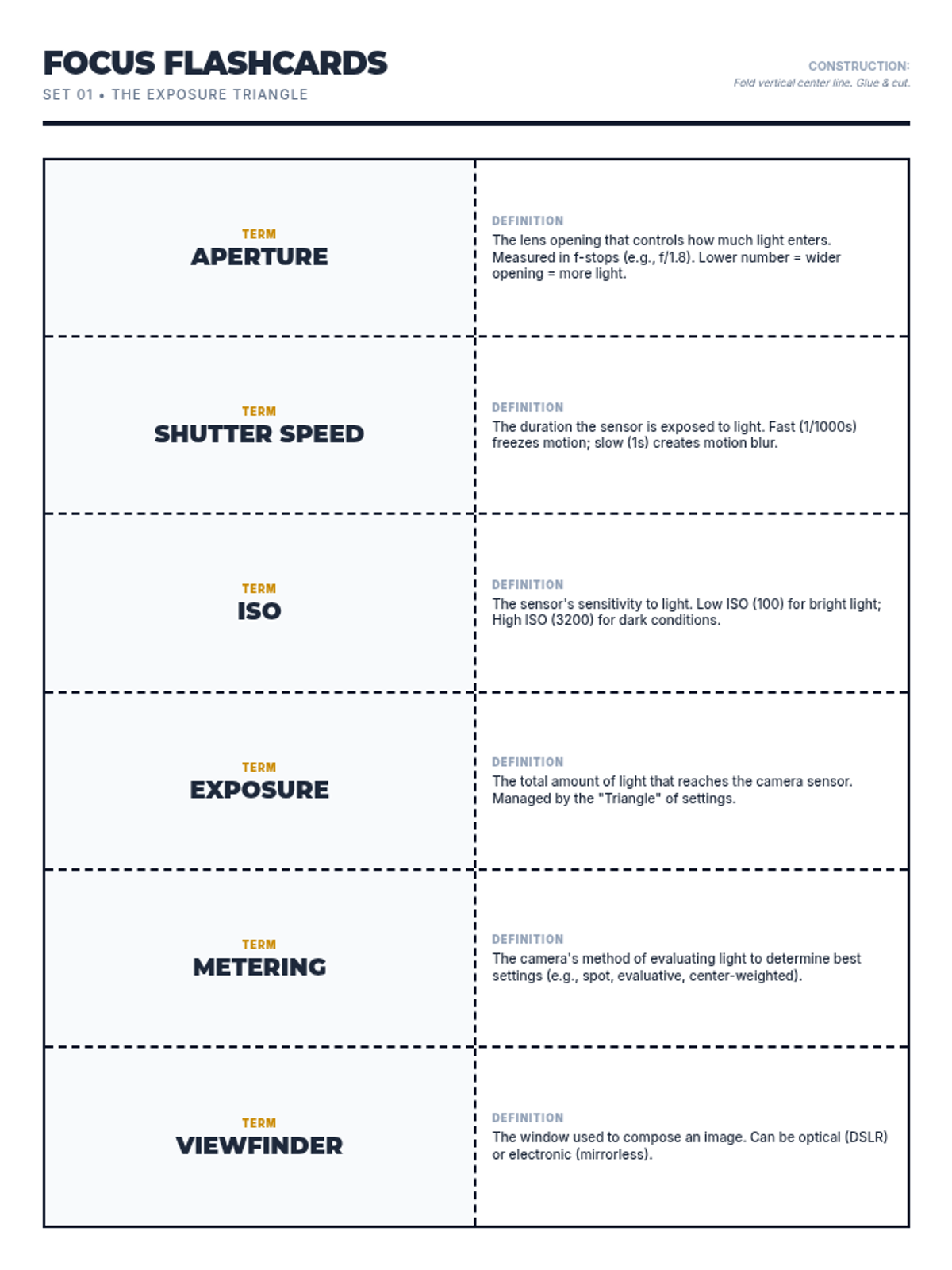
An introduction to the fundamental physics of photography, focusing on light, the exposure triangle (Aperture, Shutter Speed, ISO), and how cameras measure light.
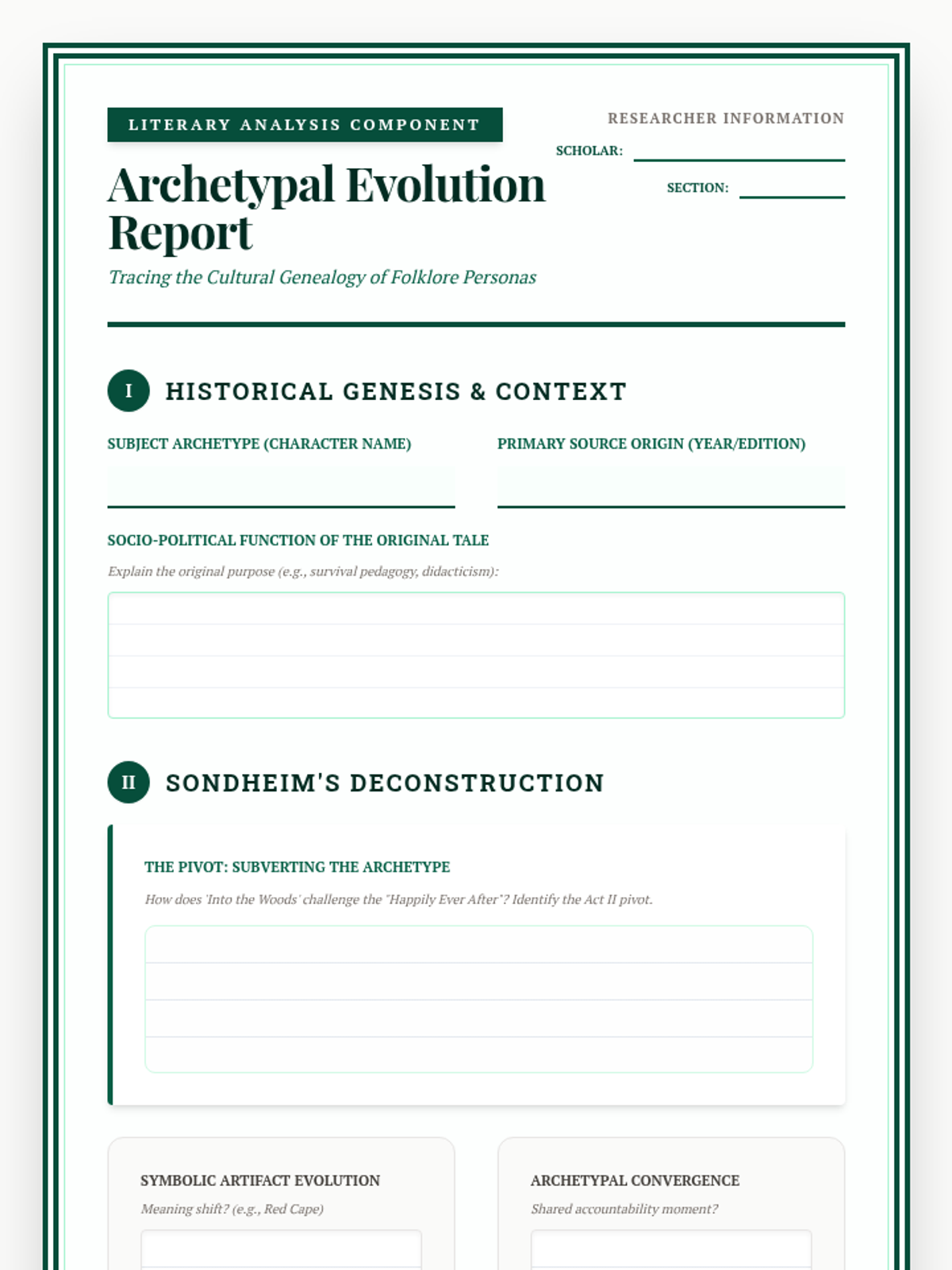
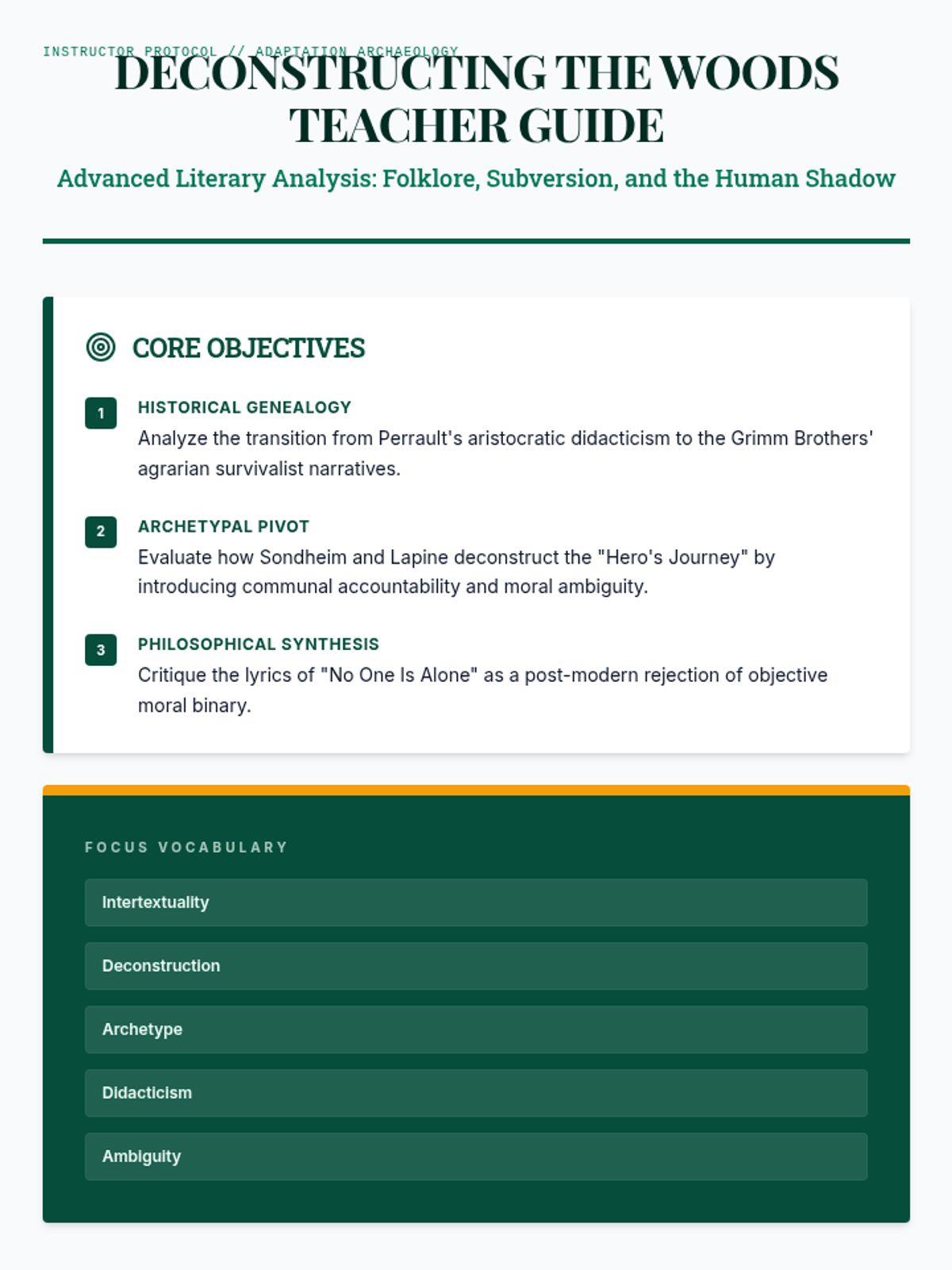
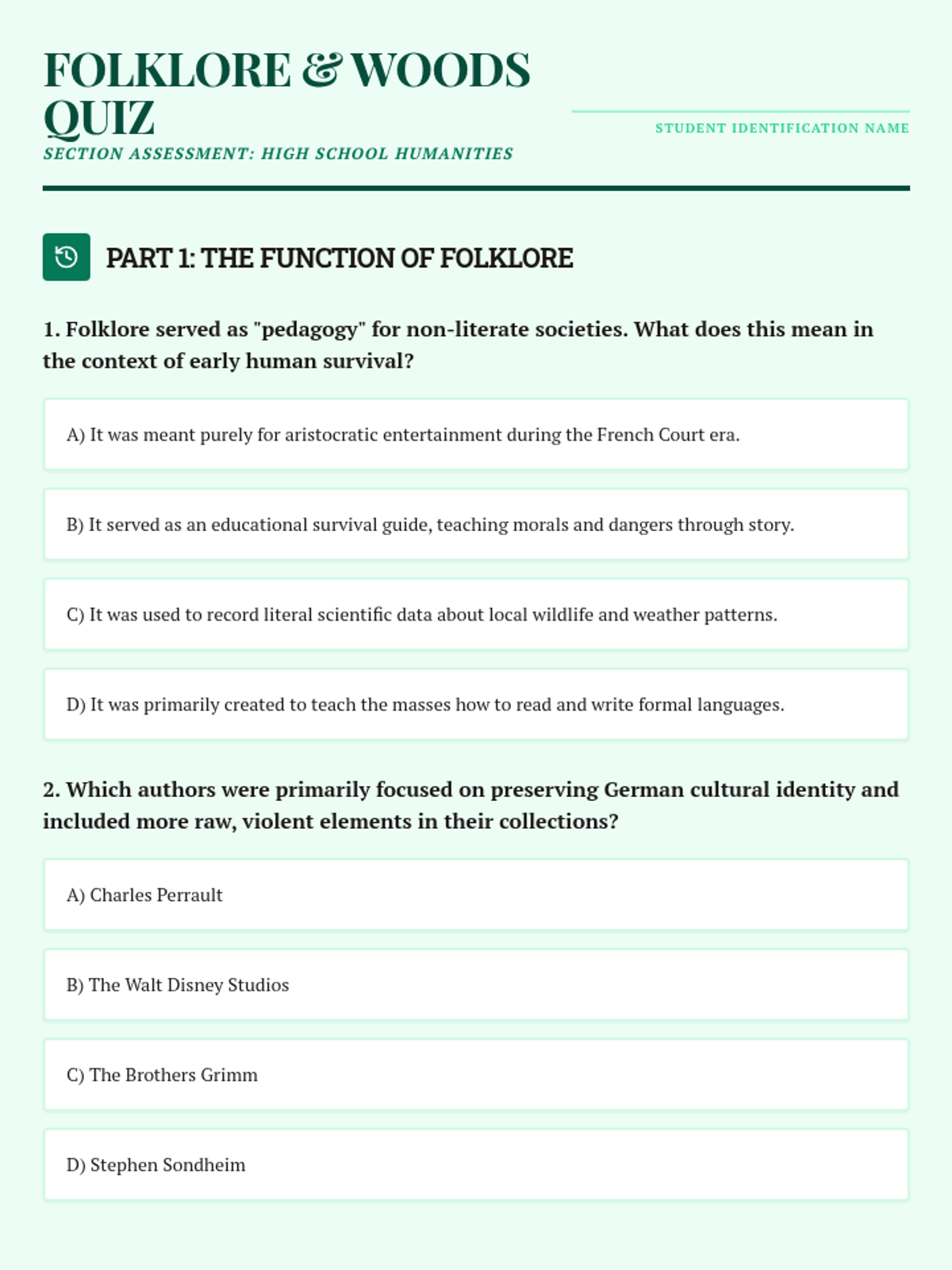
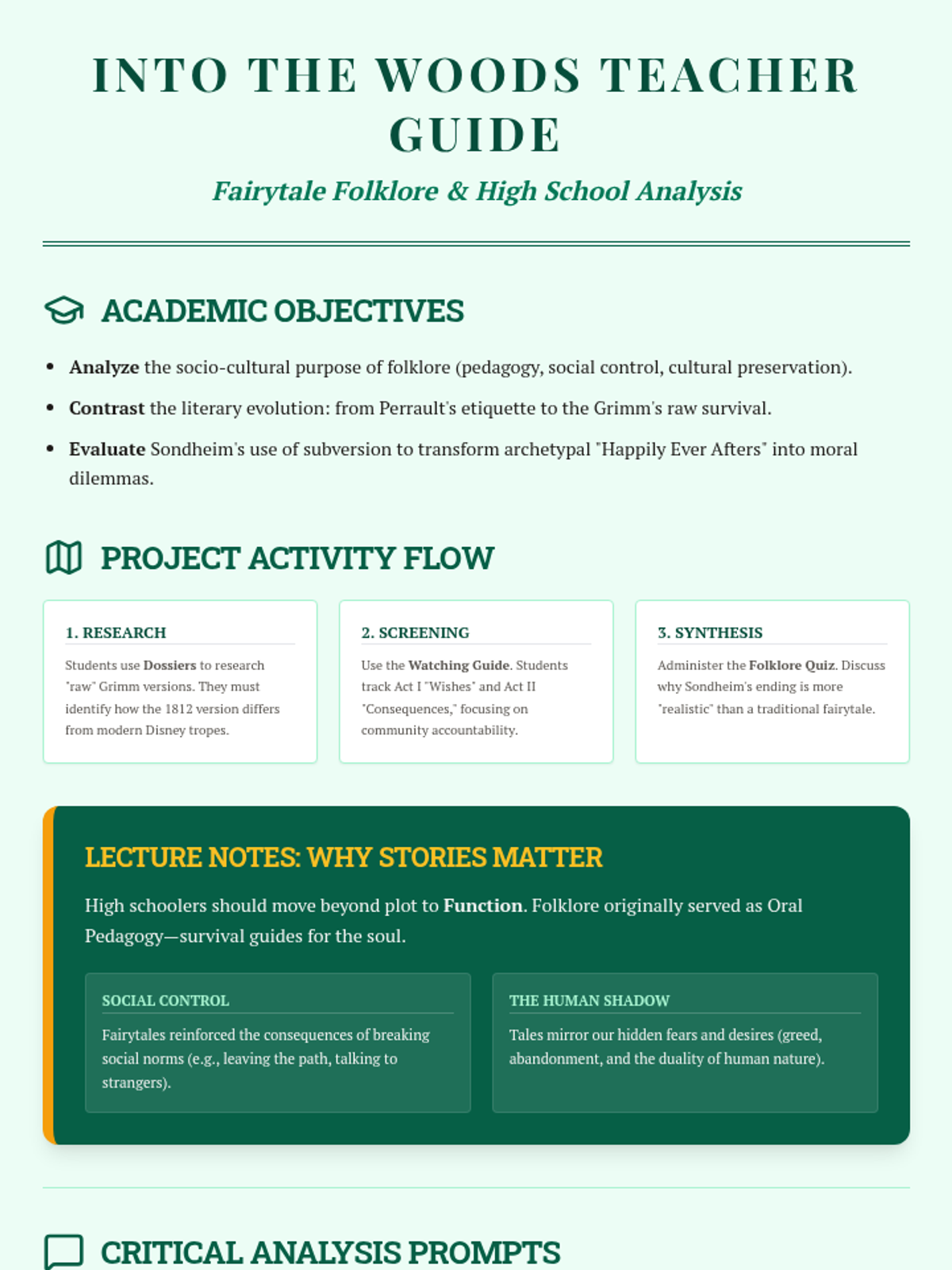
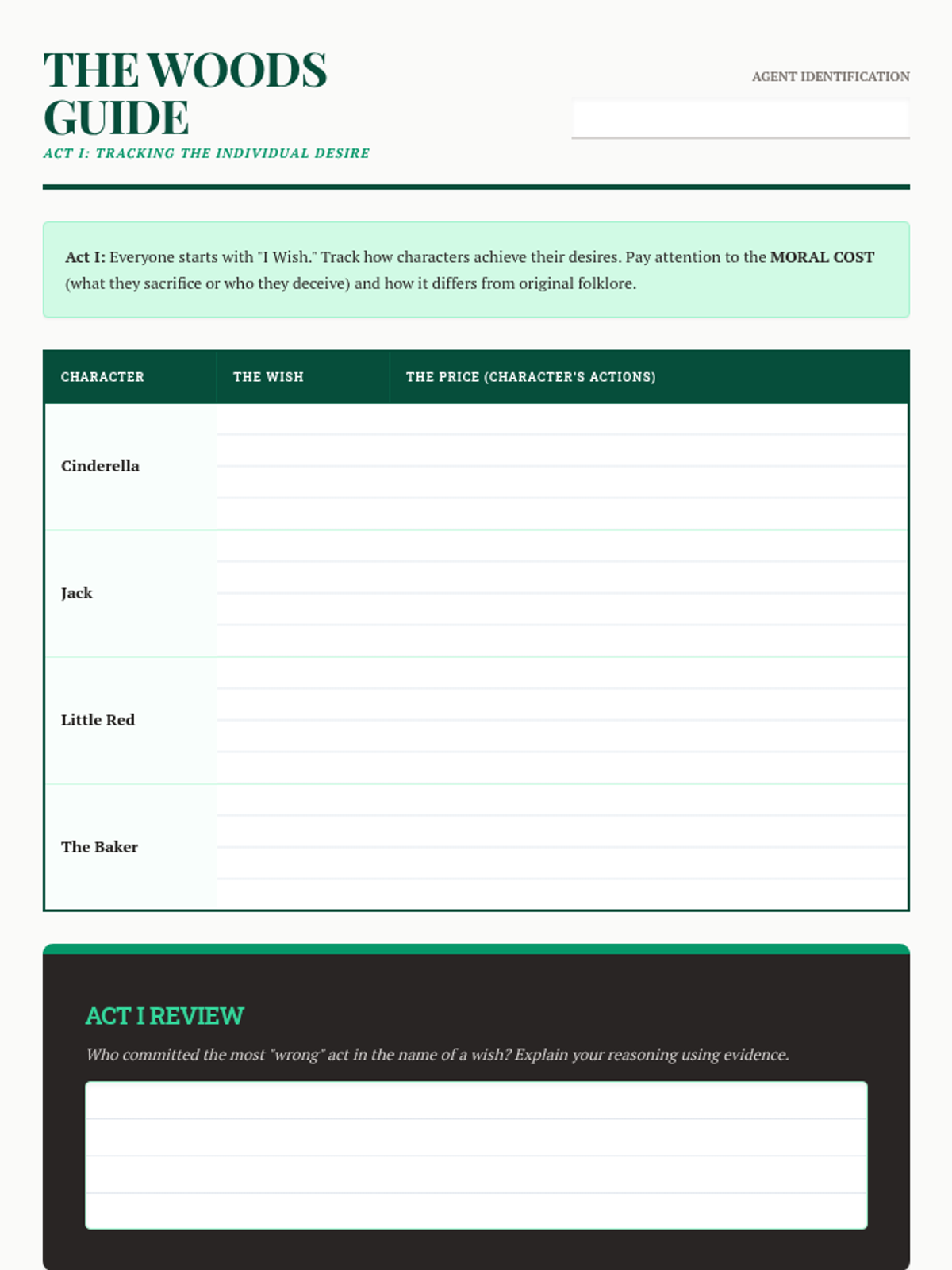
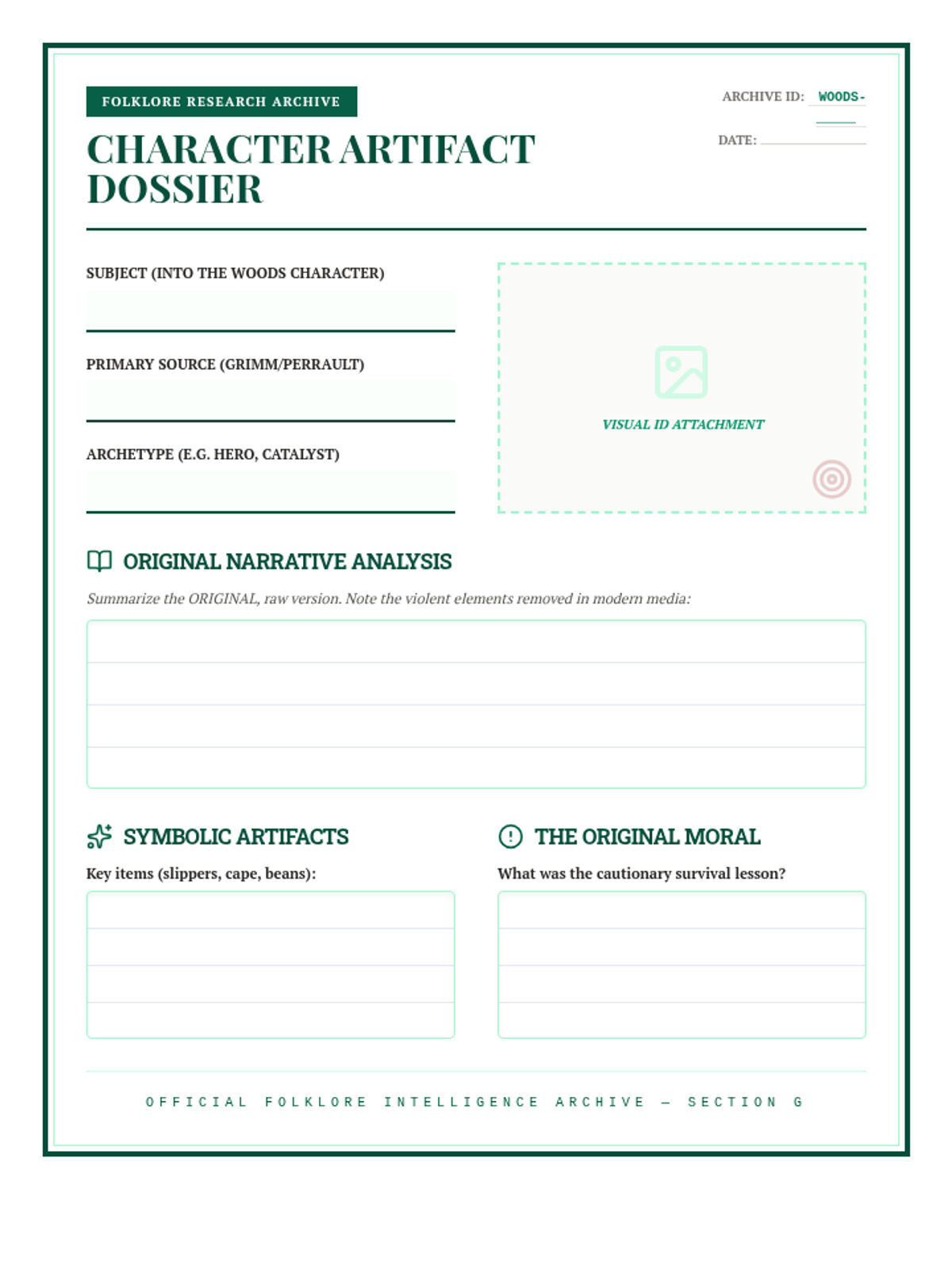
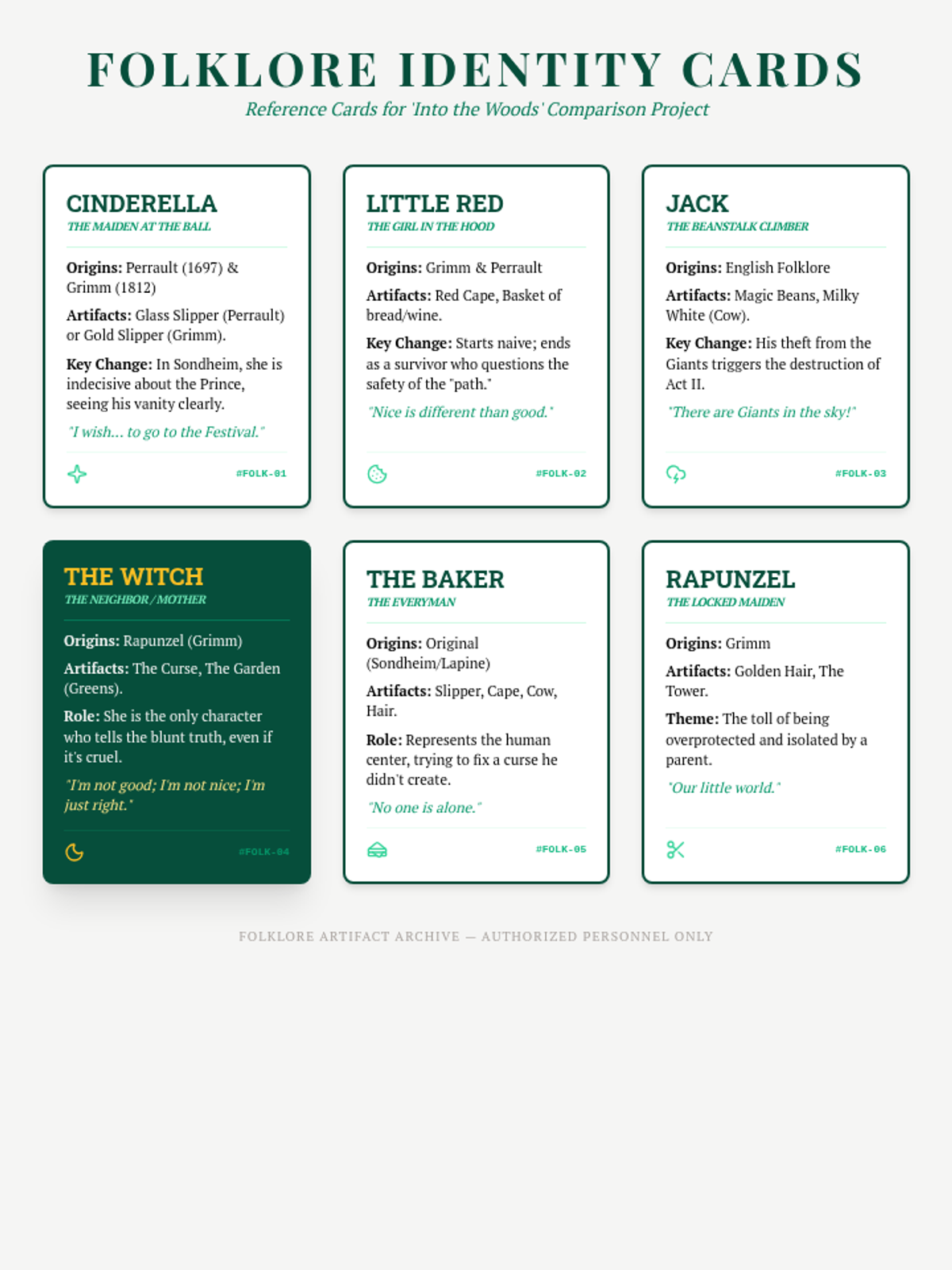
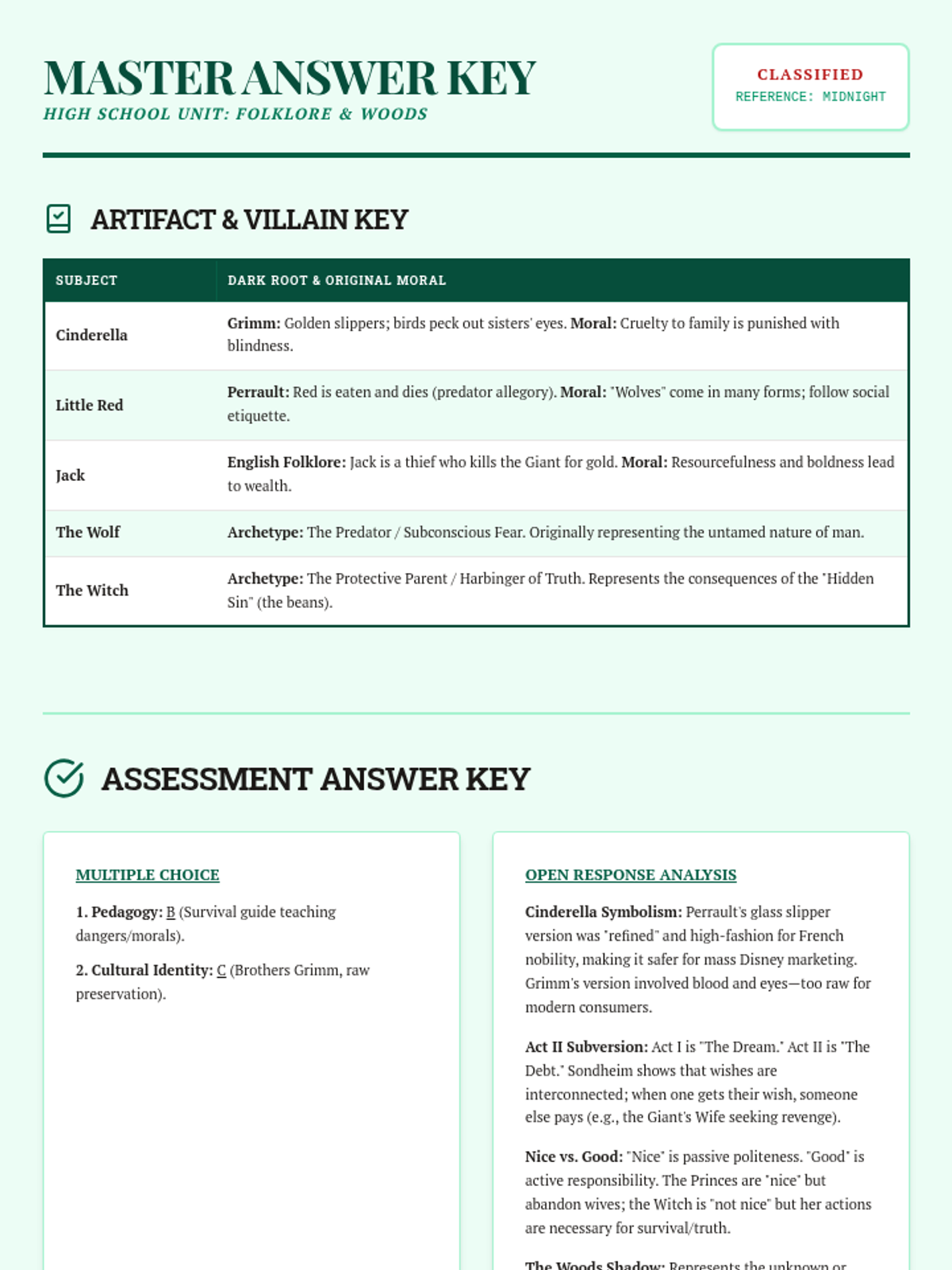
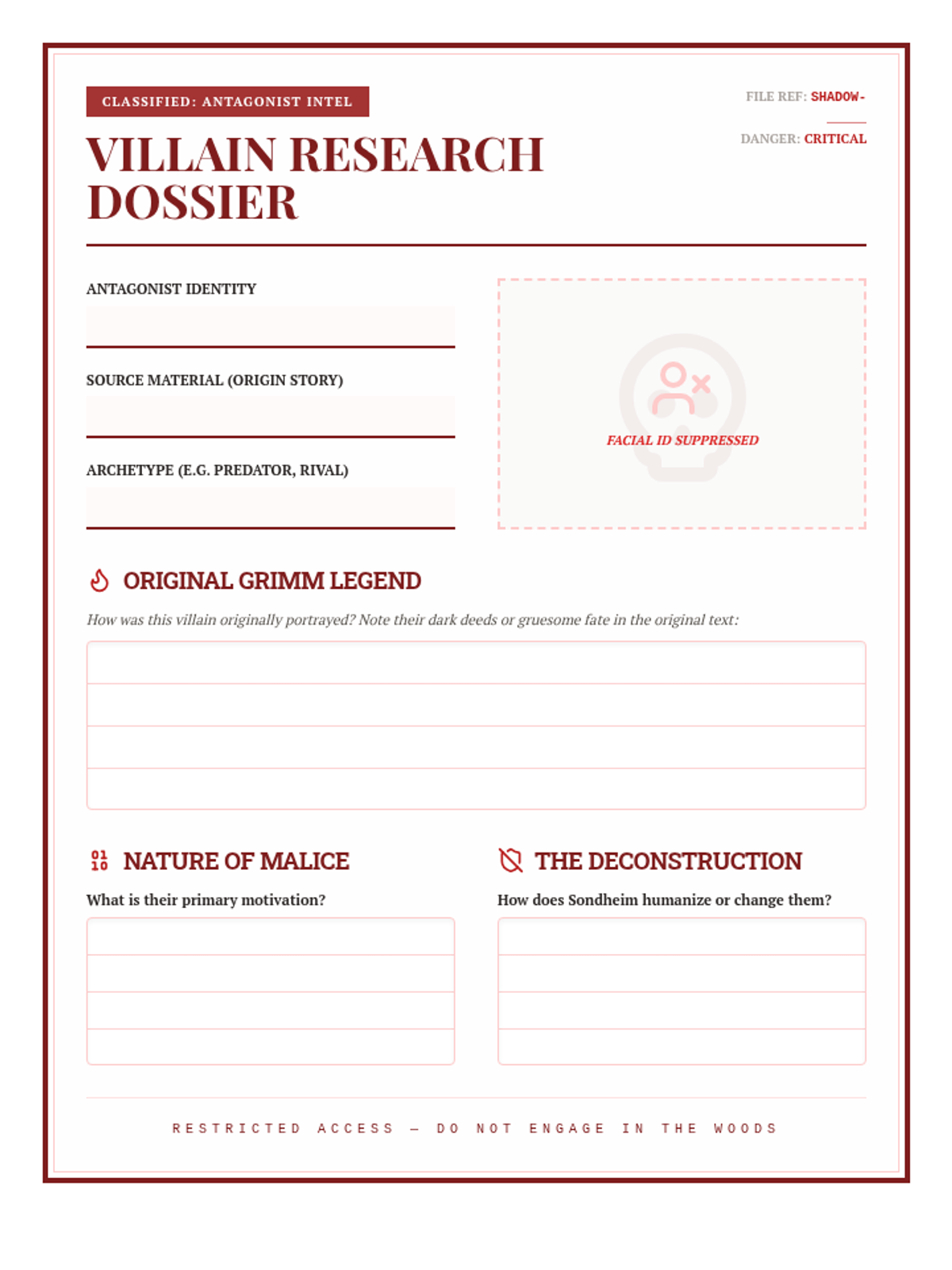
An advanced analysis of fairytale folklore that explores the socio-cultural evolution of classic tales and analyzes their deconstruction in Stephen Sondheim's 'Into the Woods'. Students evaluate themes of communal accountability and the moral ambiguity of 'Happily Ever After'.
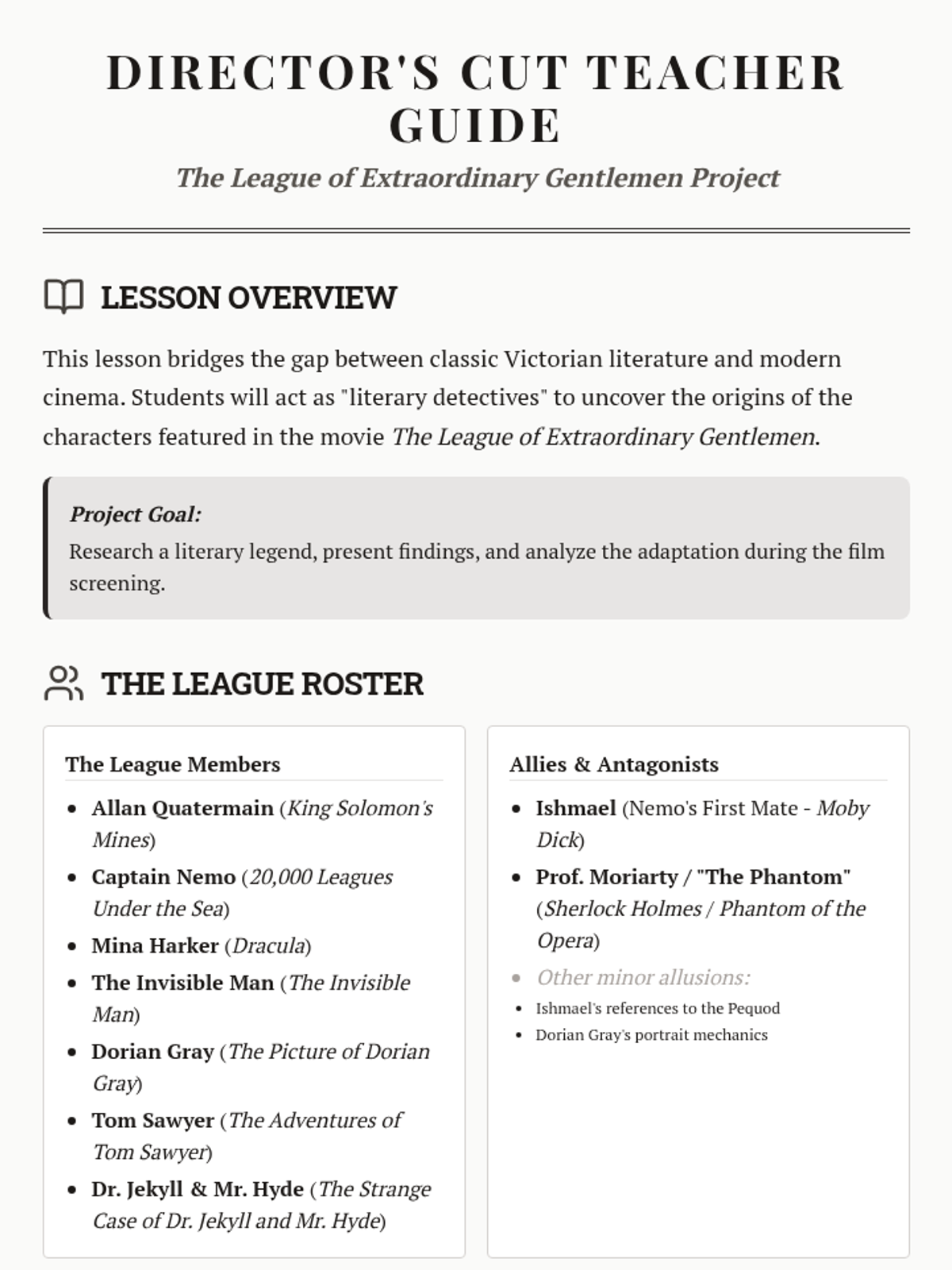
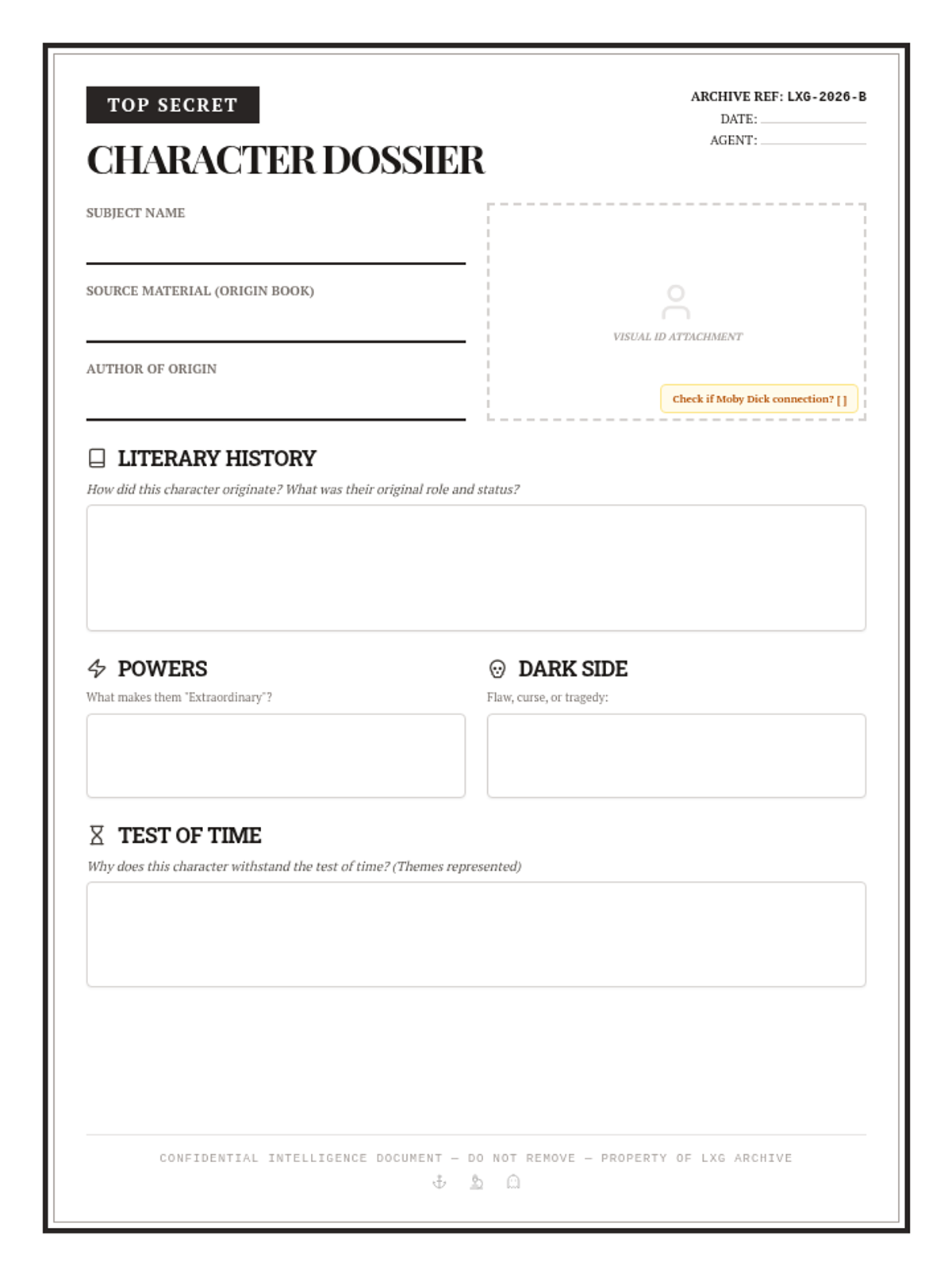
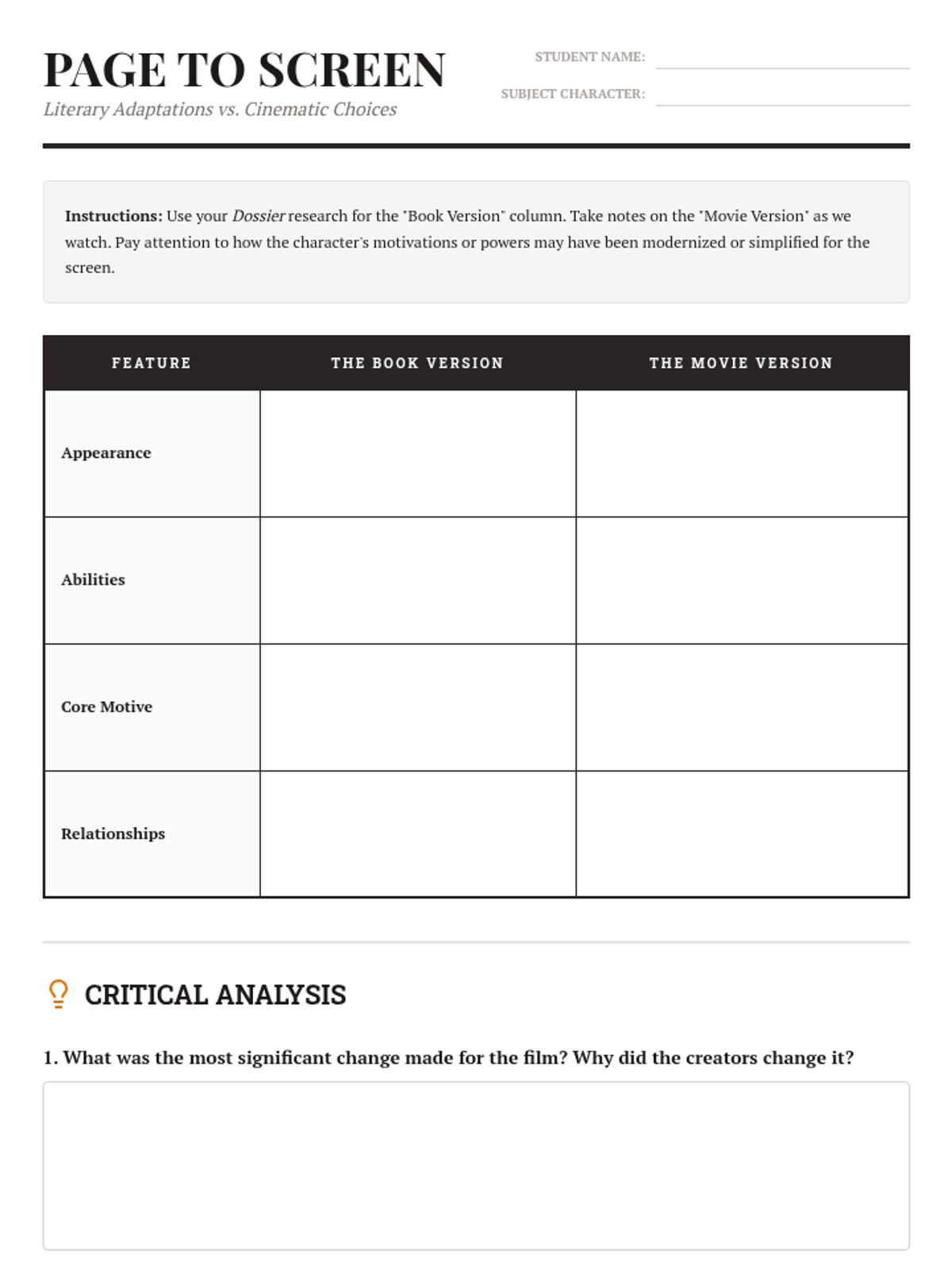
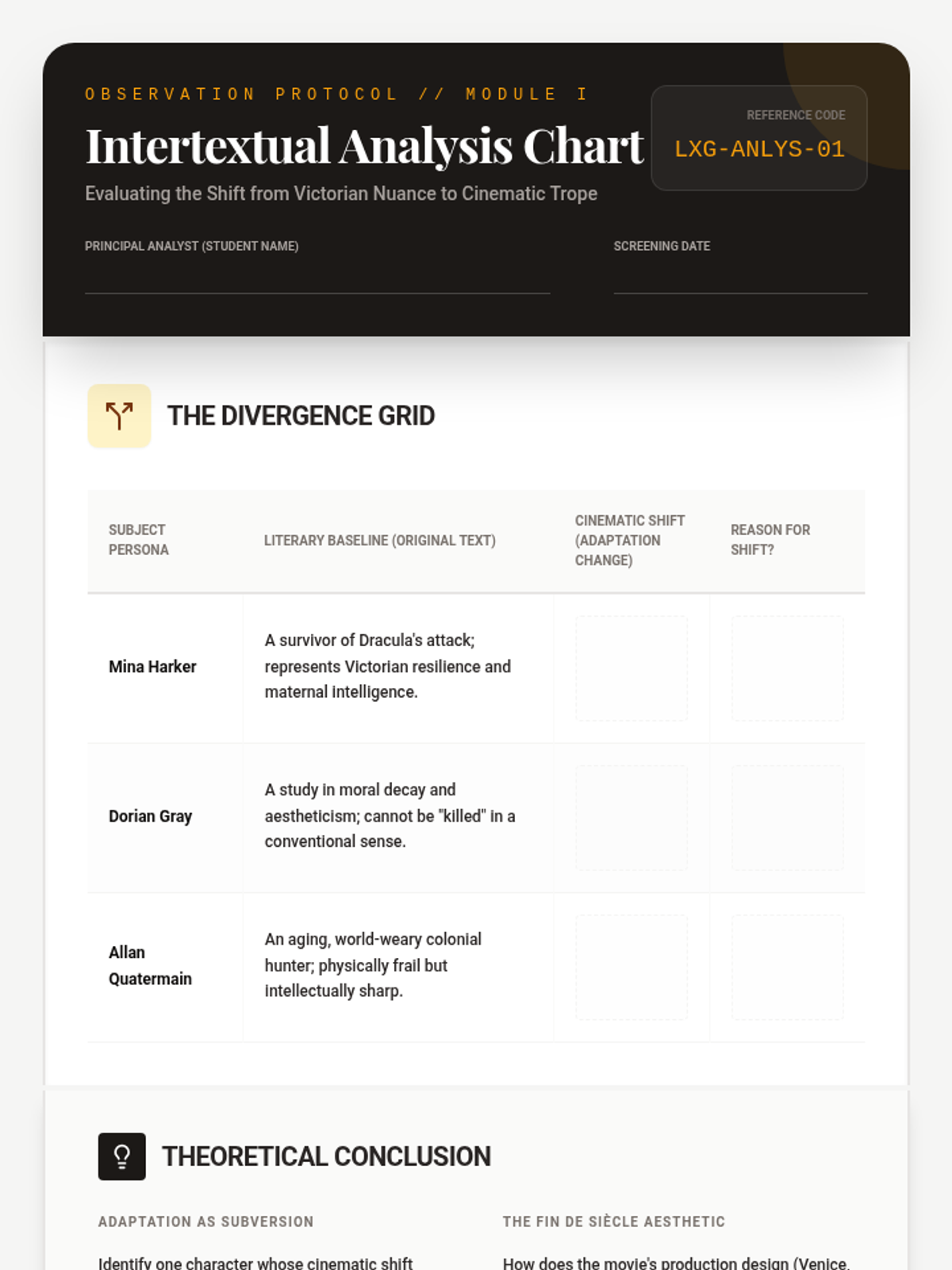
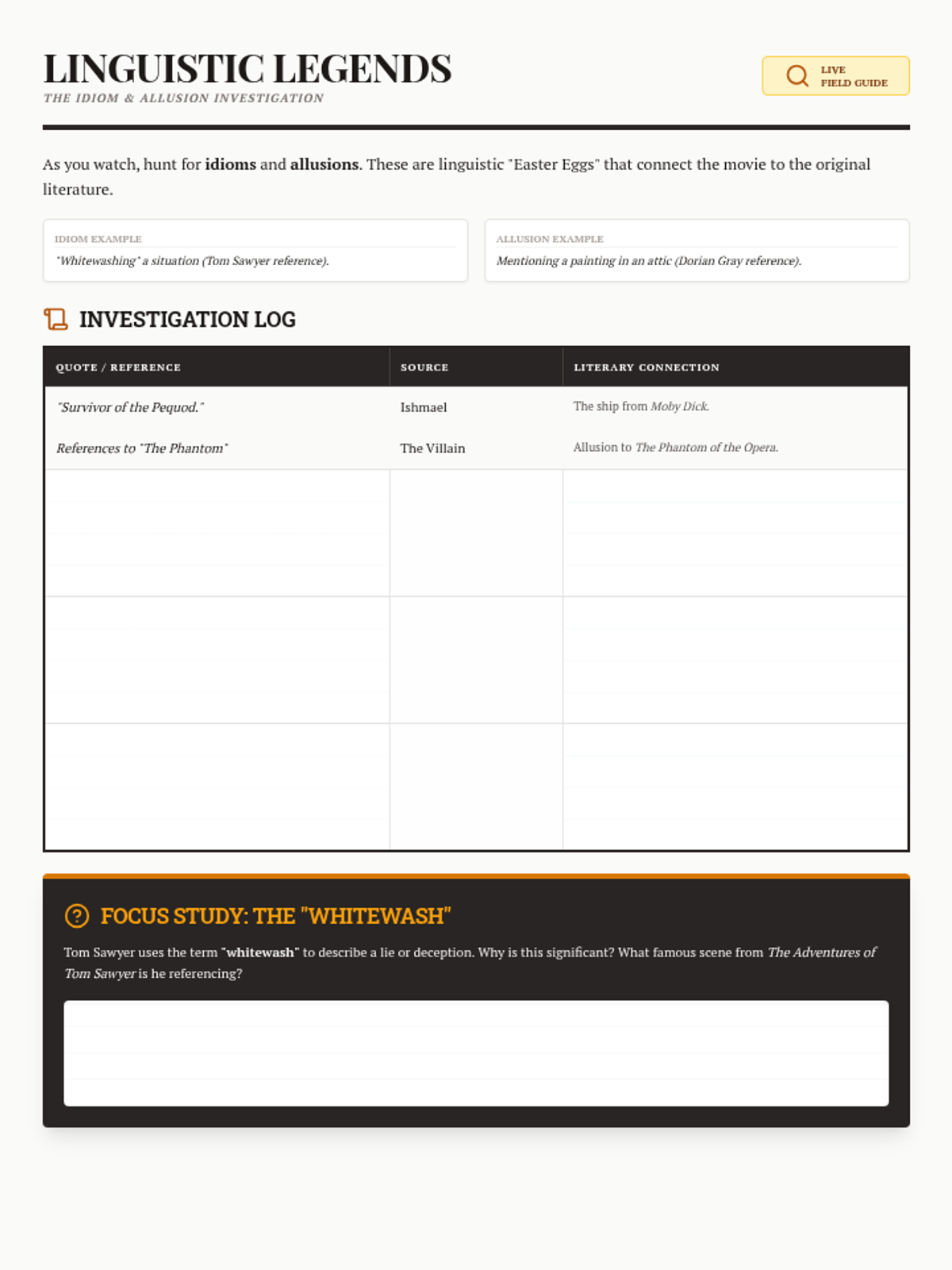
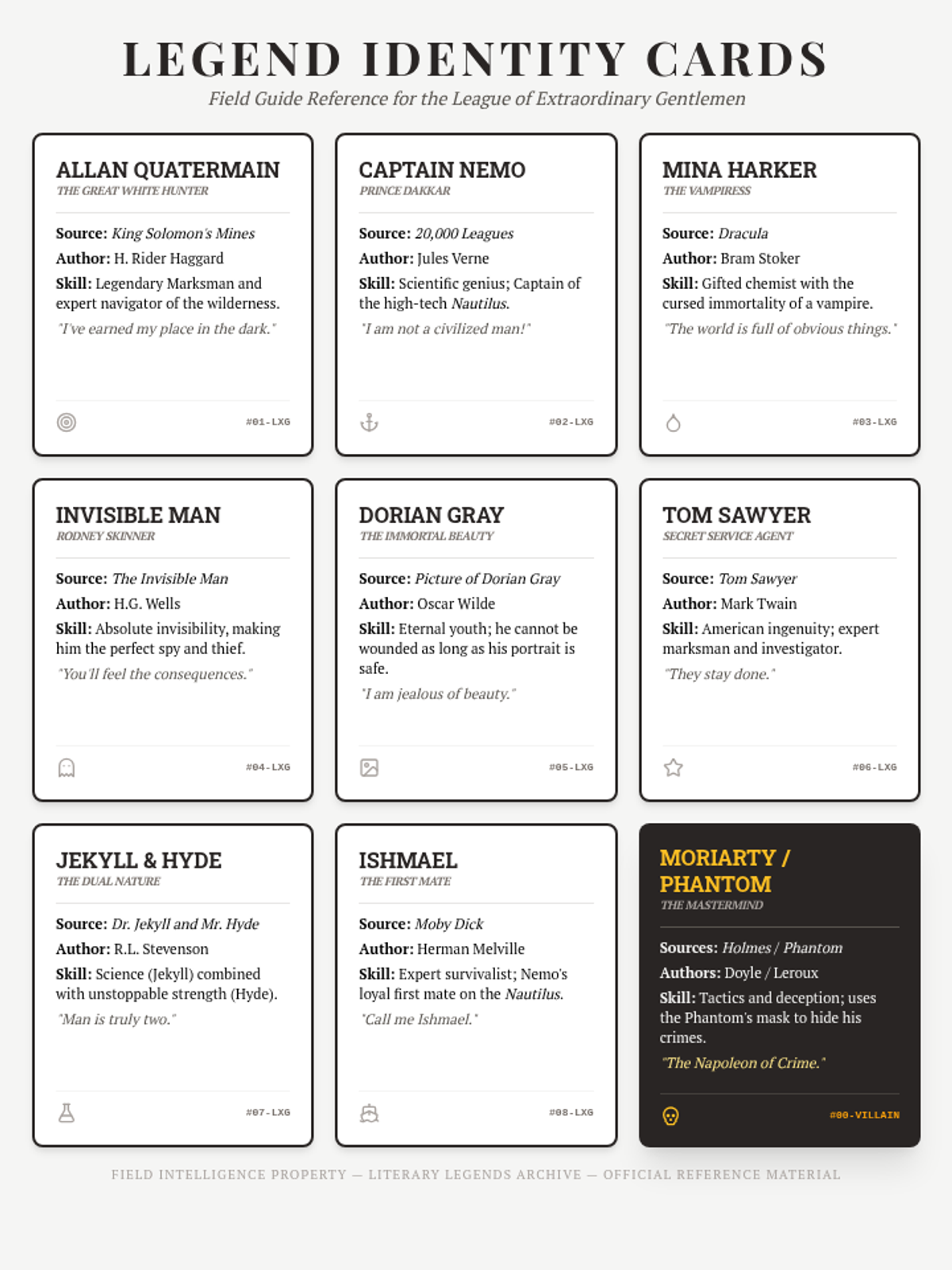
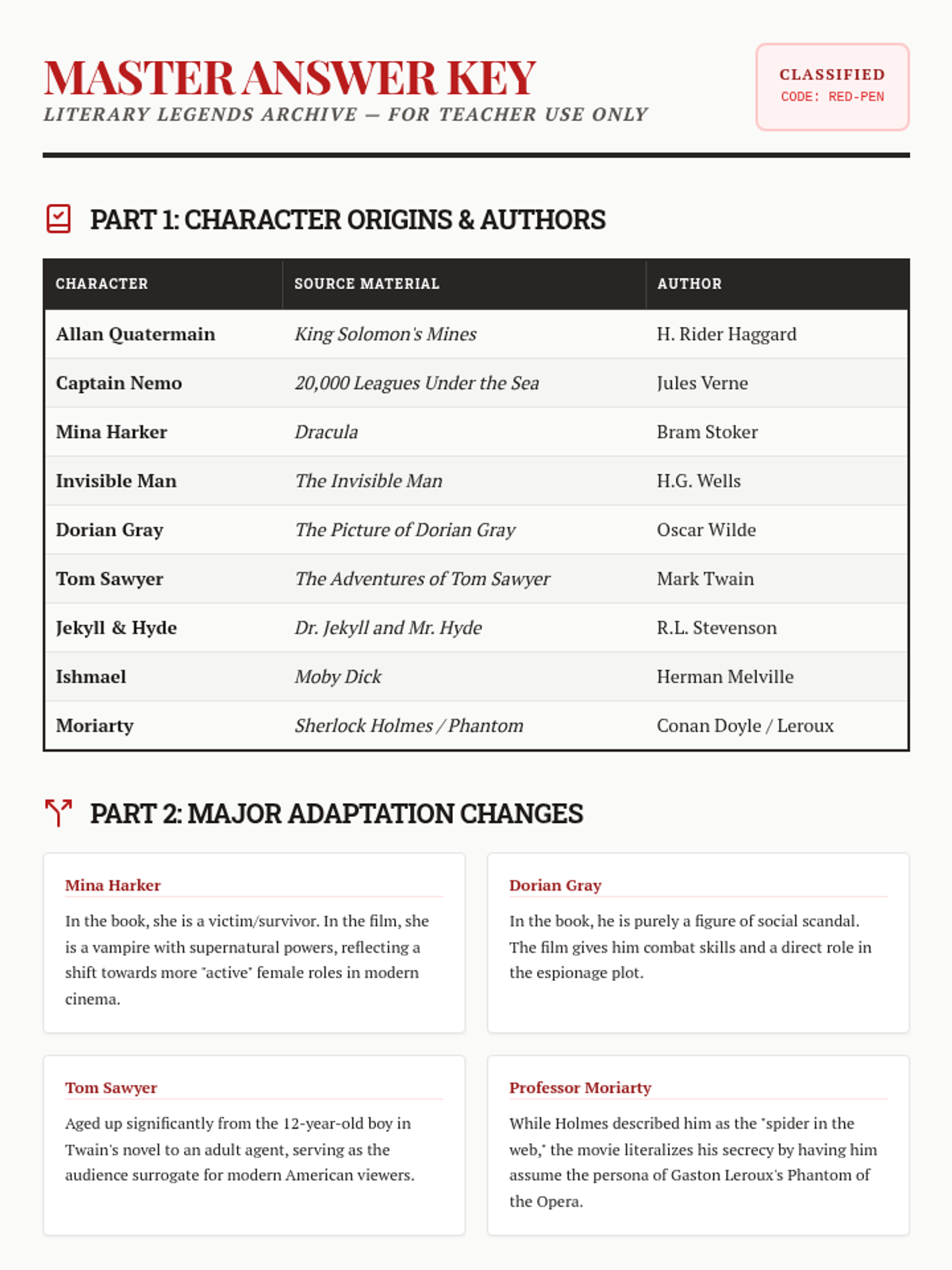
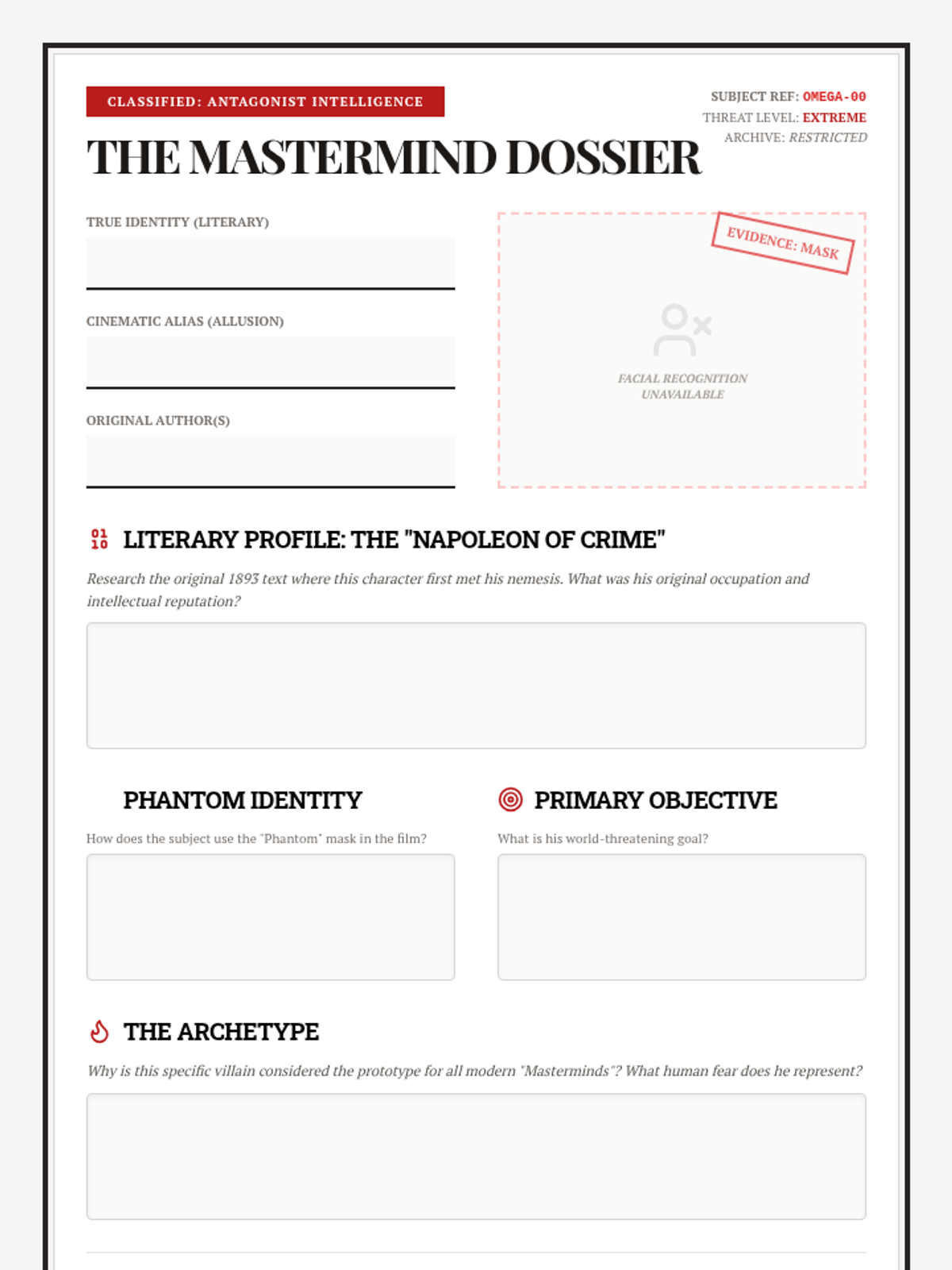
A rigorous exploration of fin-de-siècle literature and post-modern intertextuality. Students analyze the literary origins of Victorian icons in 'The League of Extraordinary Gentlemen' and evaluate the socio-cultural shifts in their cinematic adaptation.
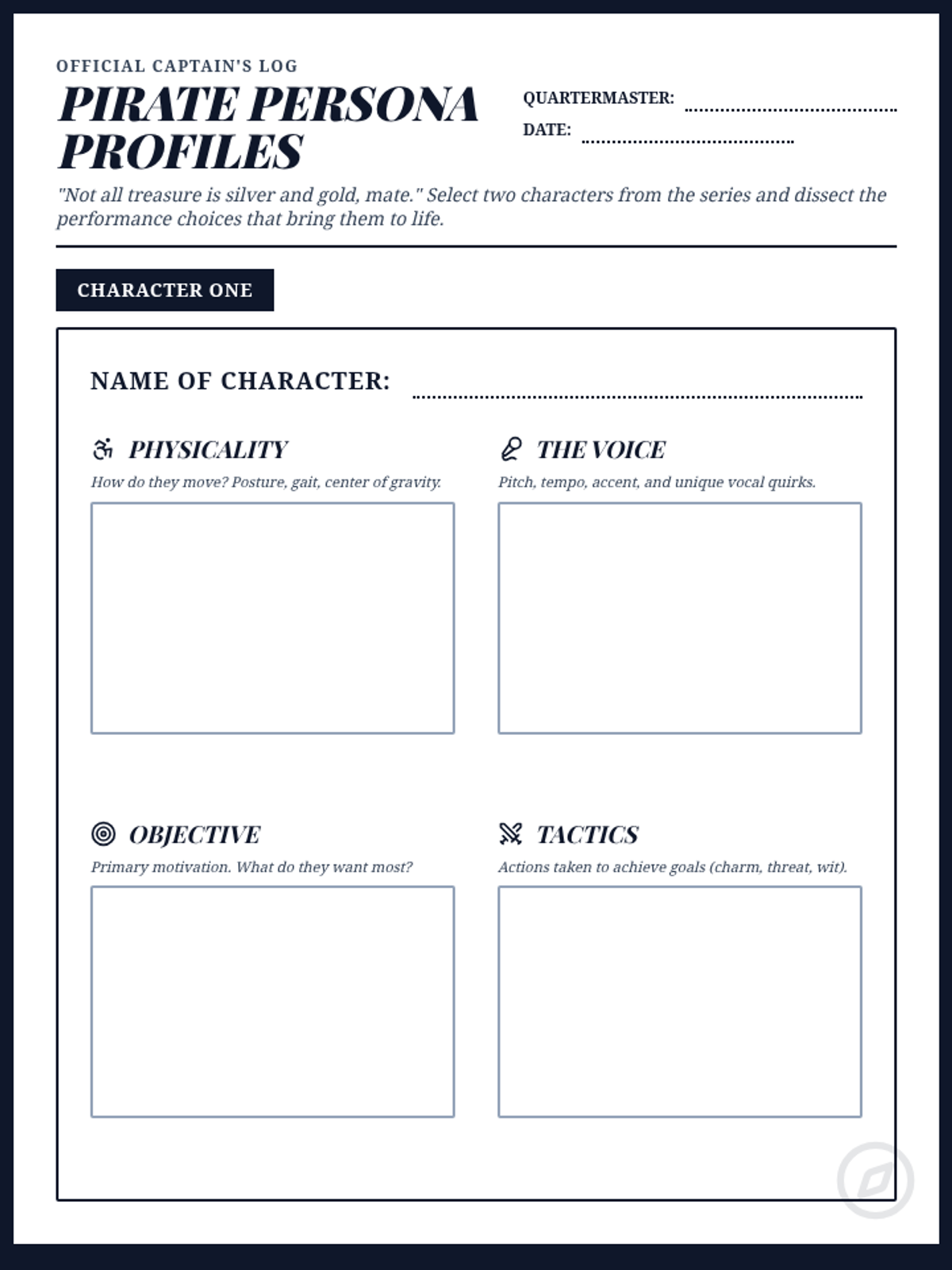
A lesson focused on analyzing the performance choices and narrative motivations of characters in the Pirates of the Caribbean series. Students explore how physicality, voice, and tactics define iconic cinematic figures.
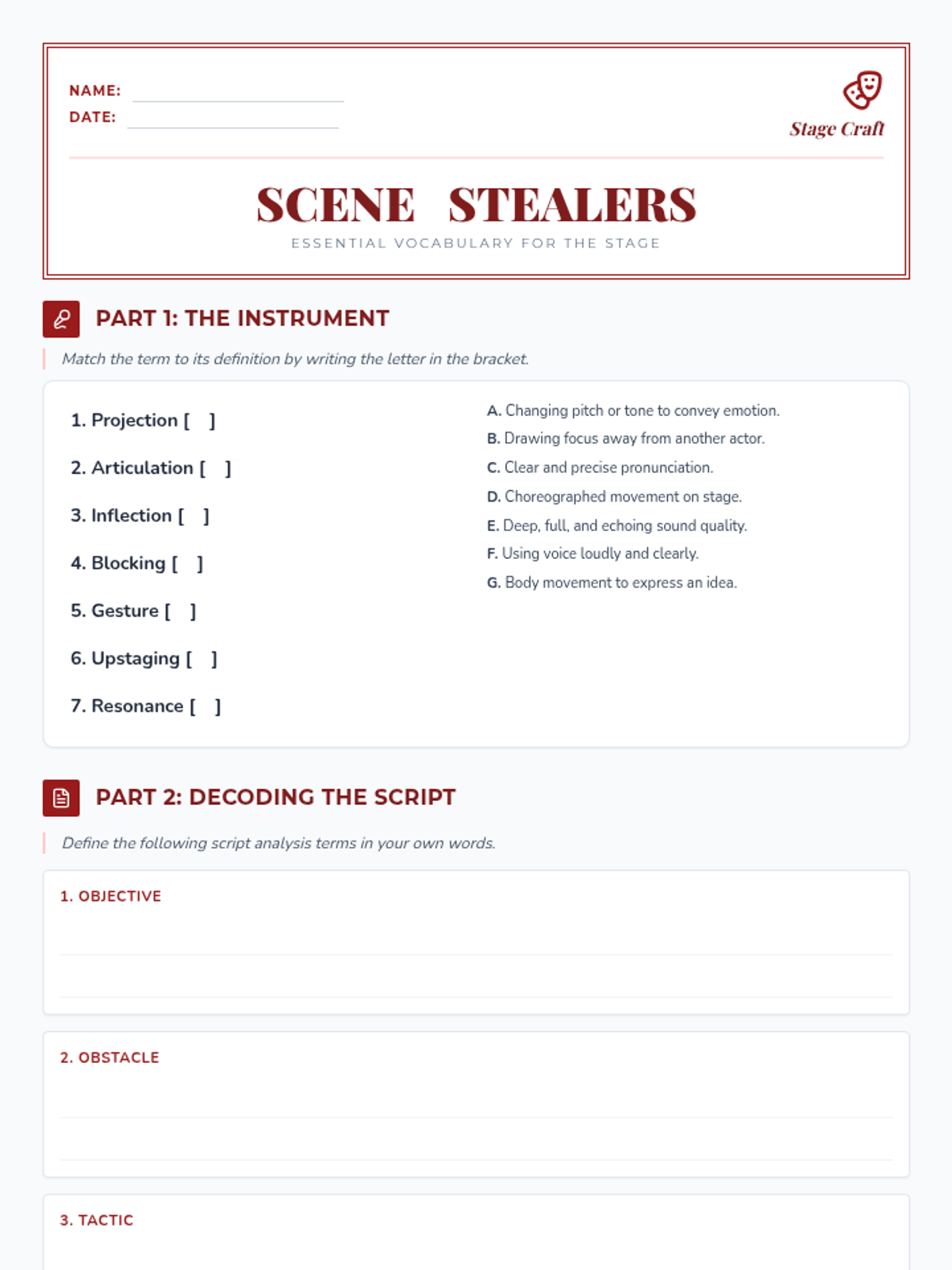
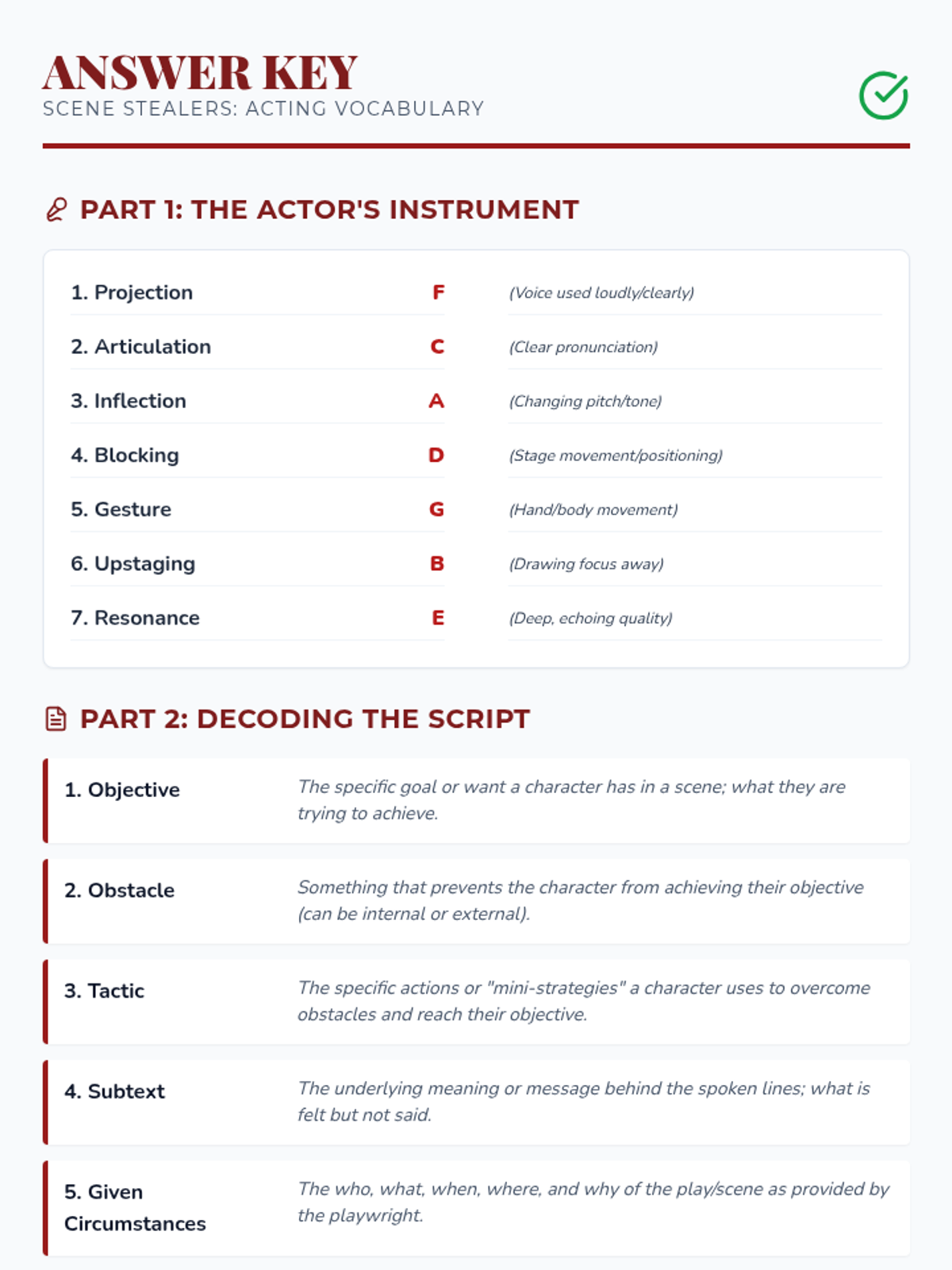
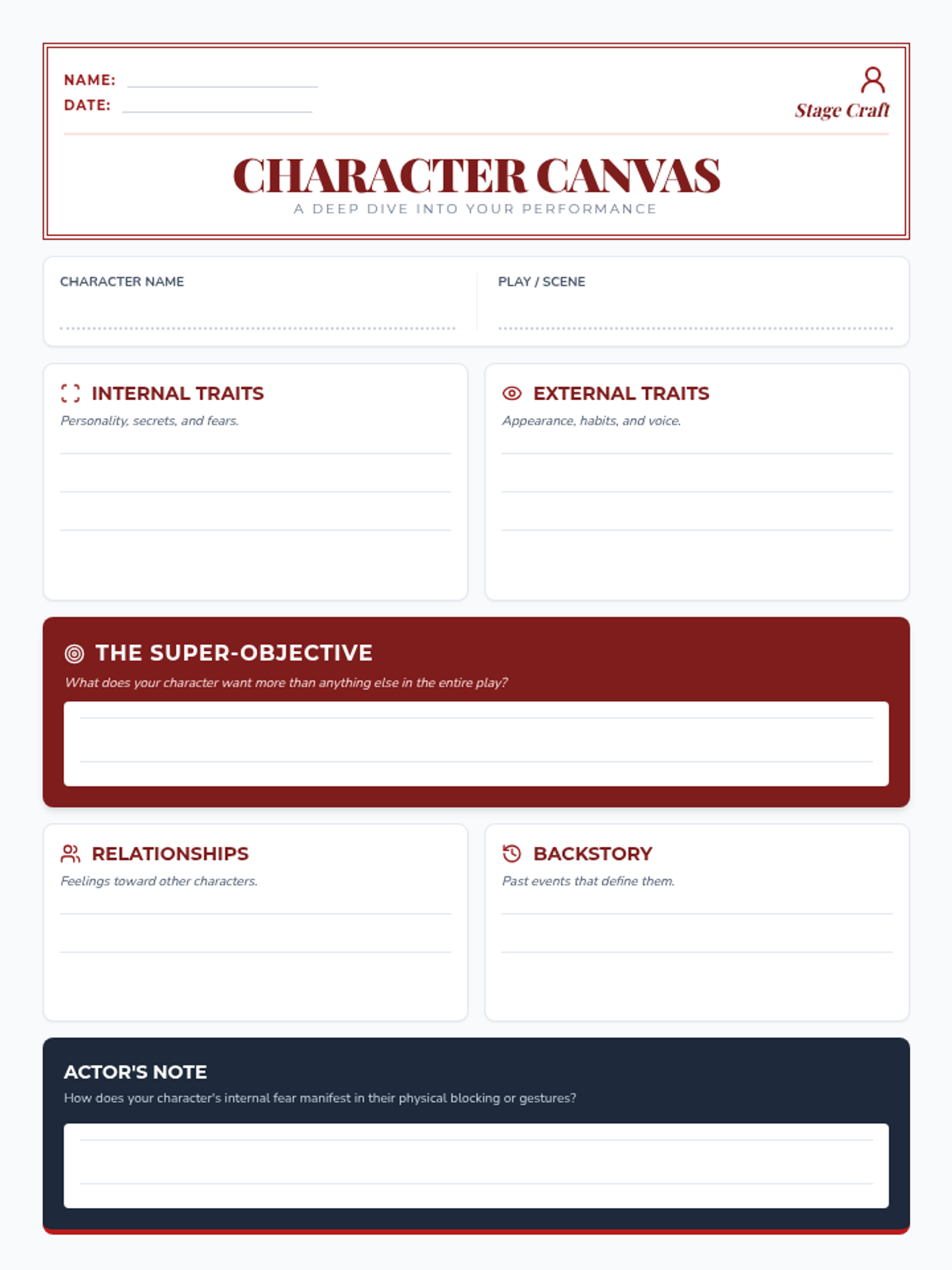
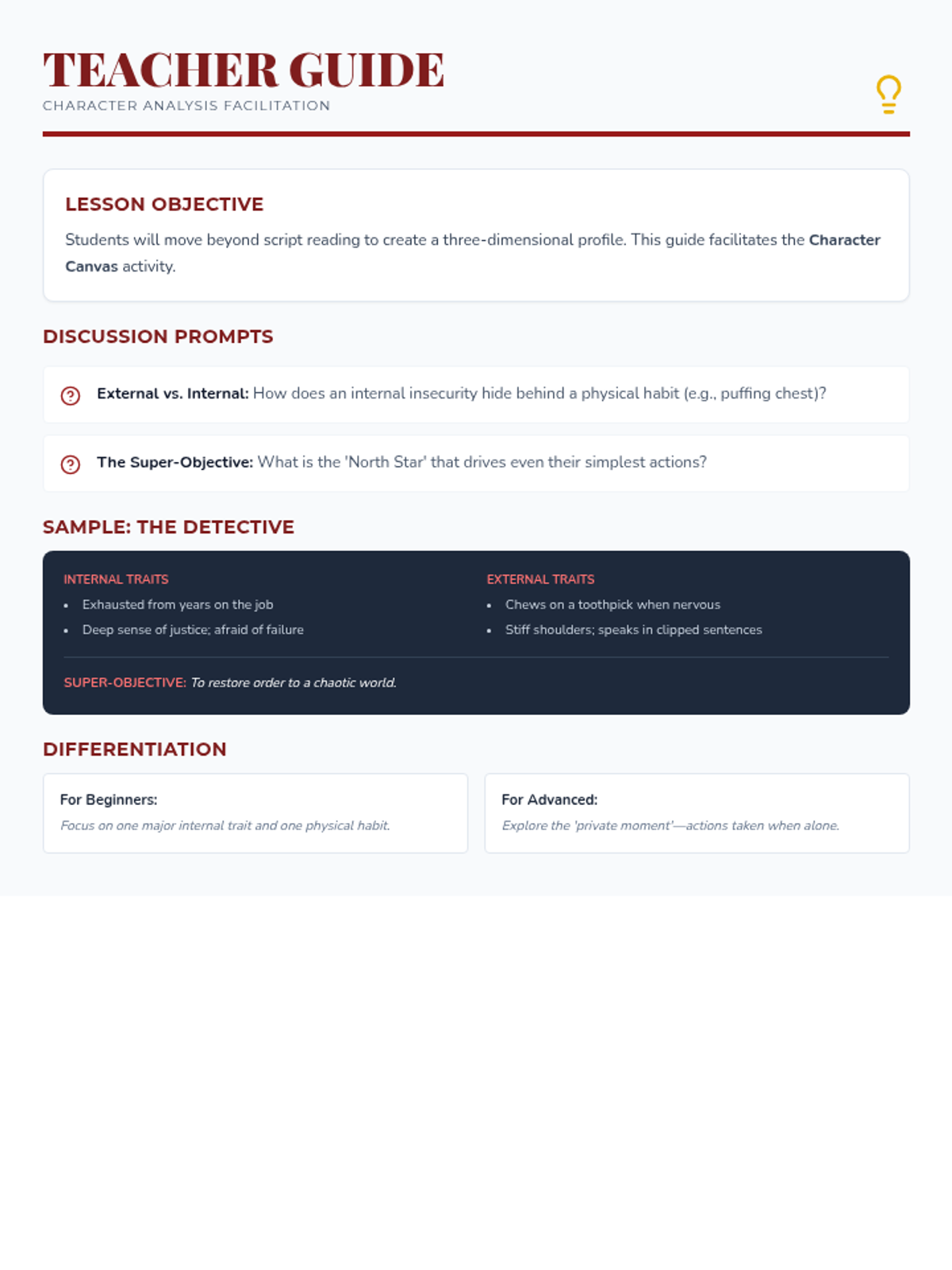
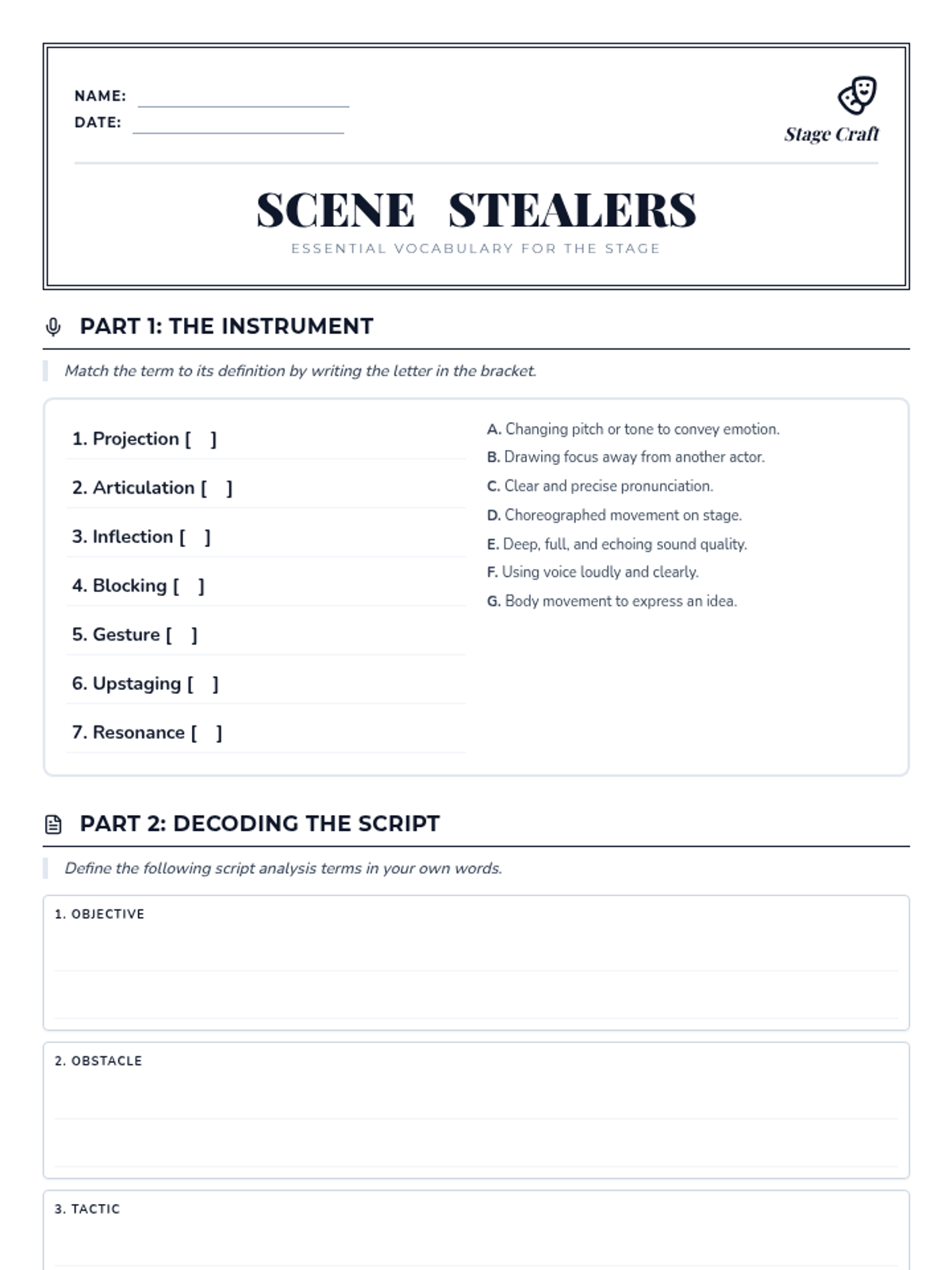
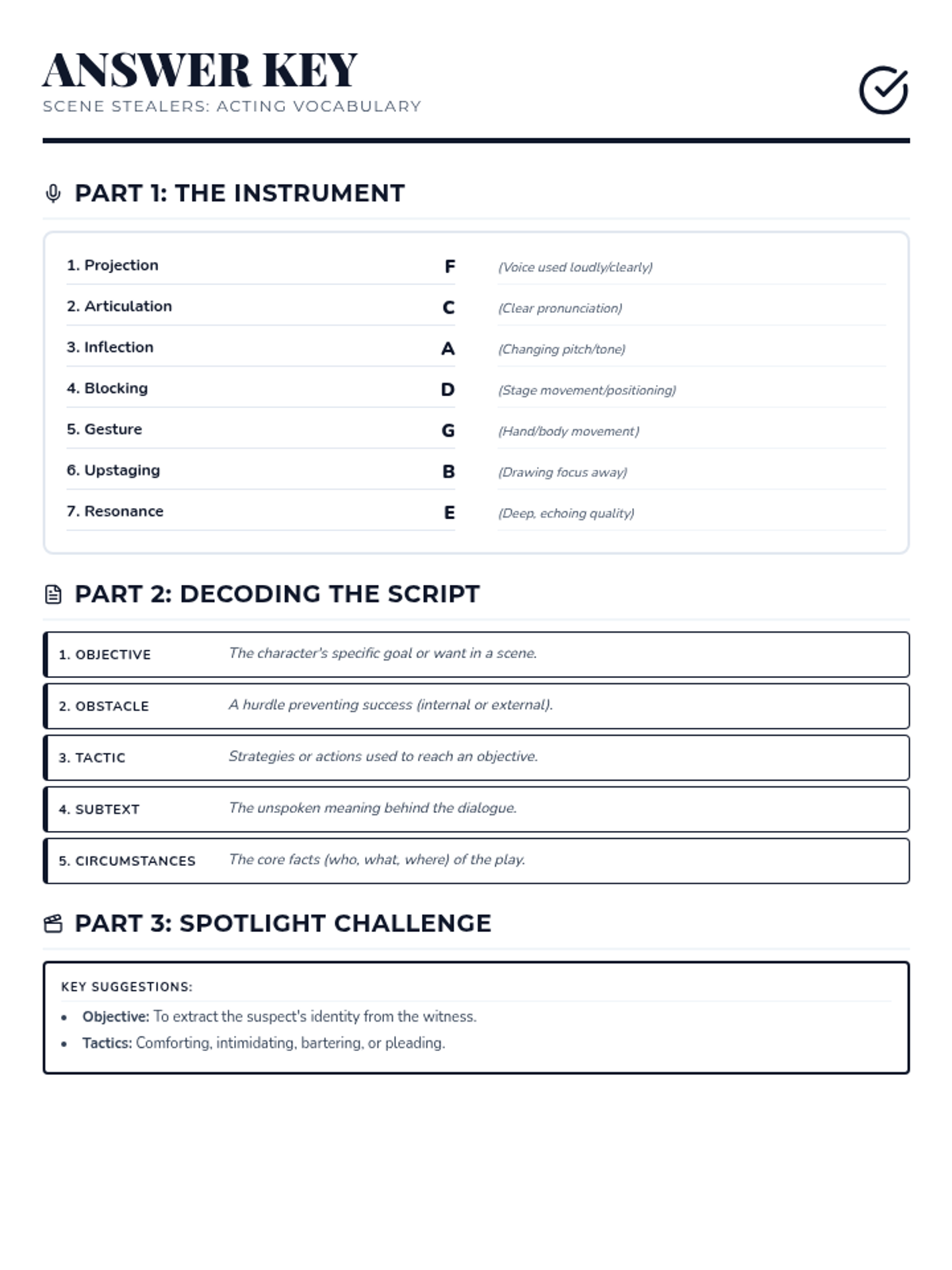
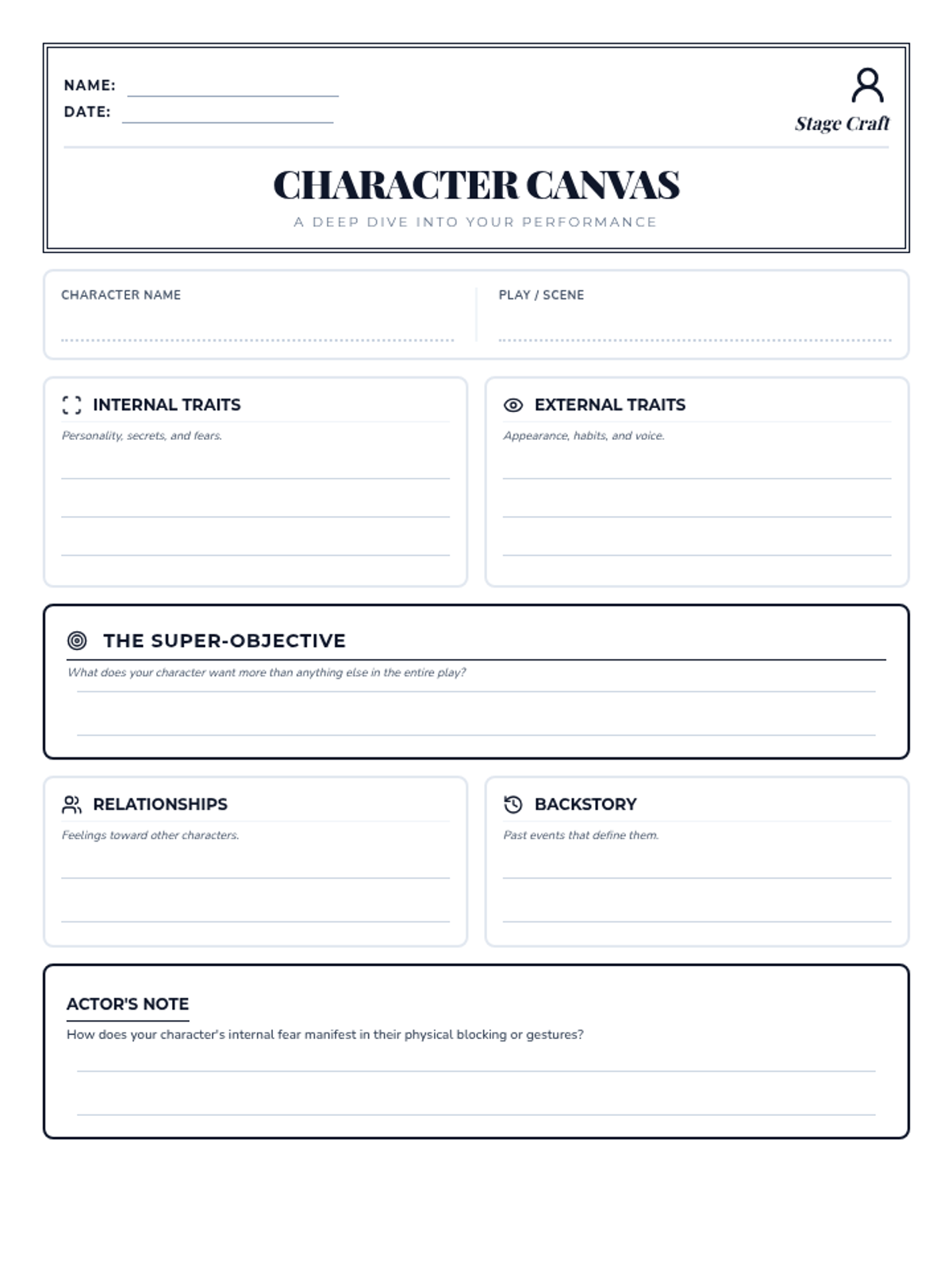
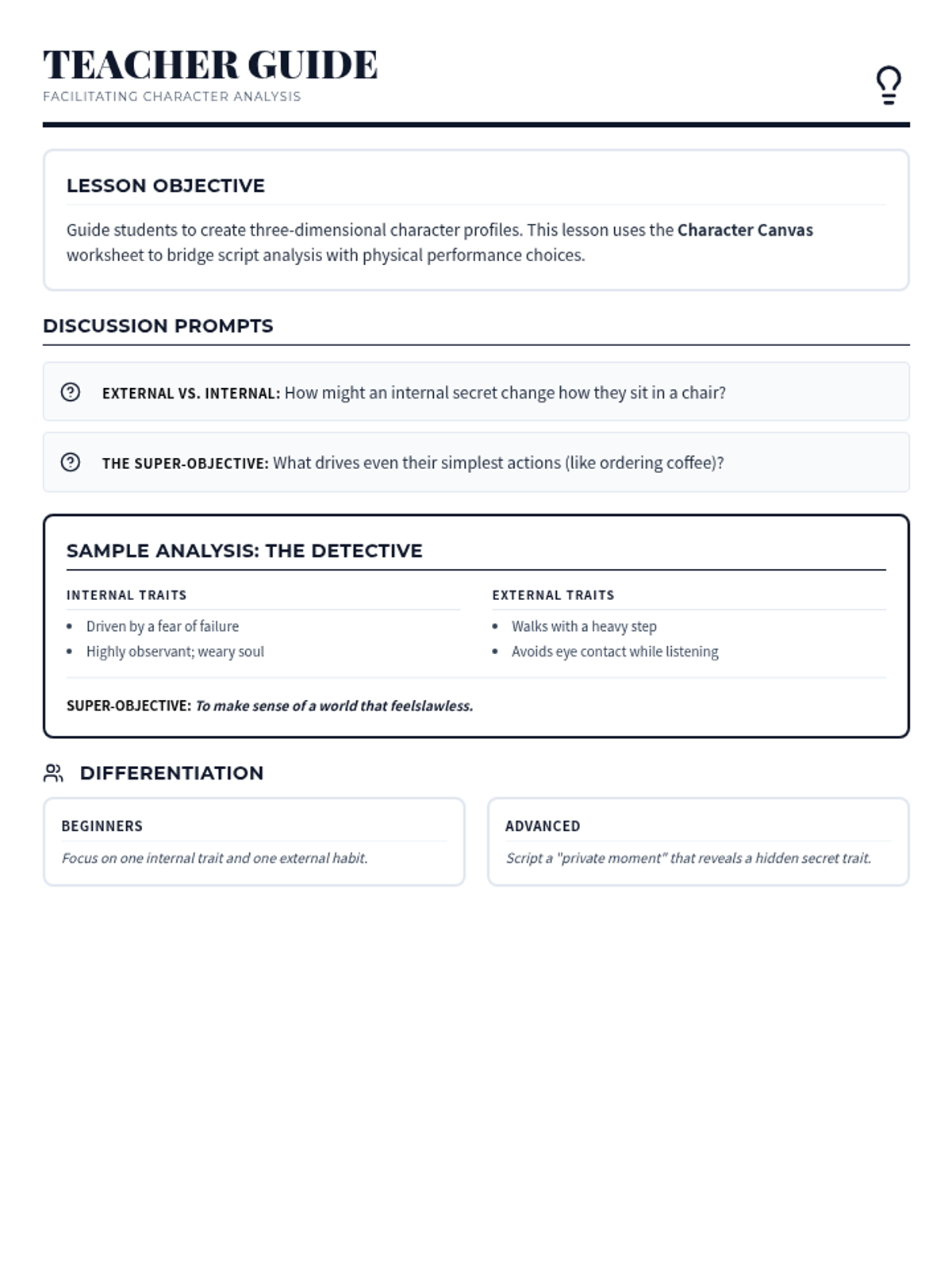
A foundational lesson on theater terminology focusing on how actors use their voice, body, and script analysis to create compelling characters.
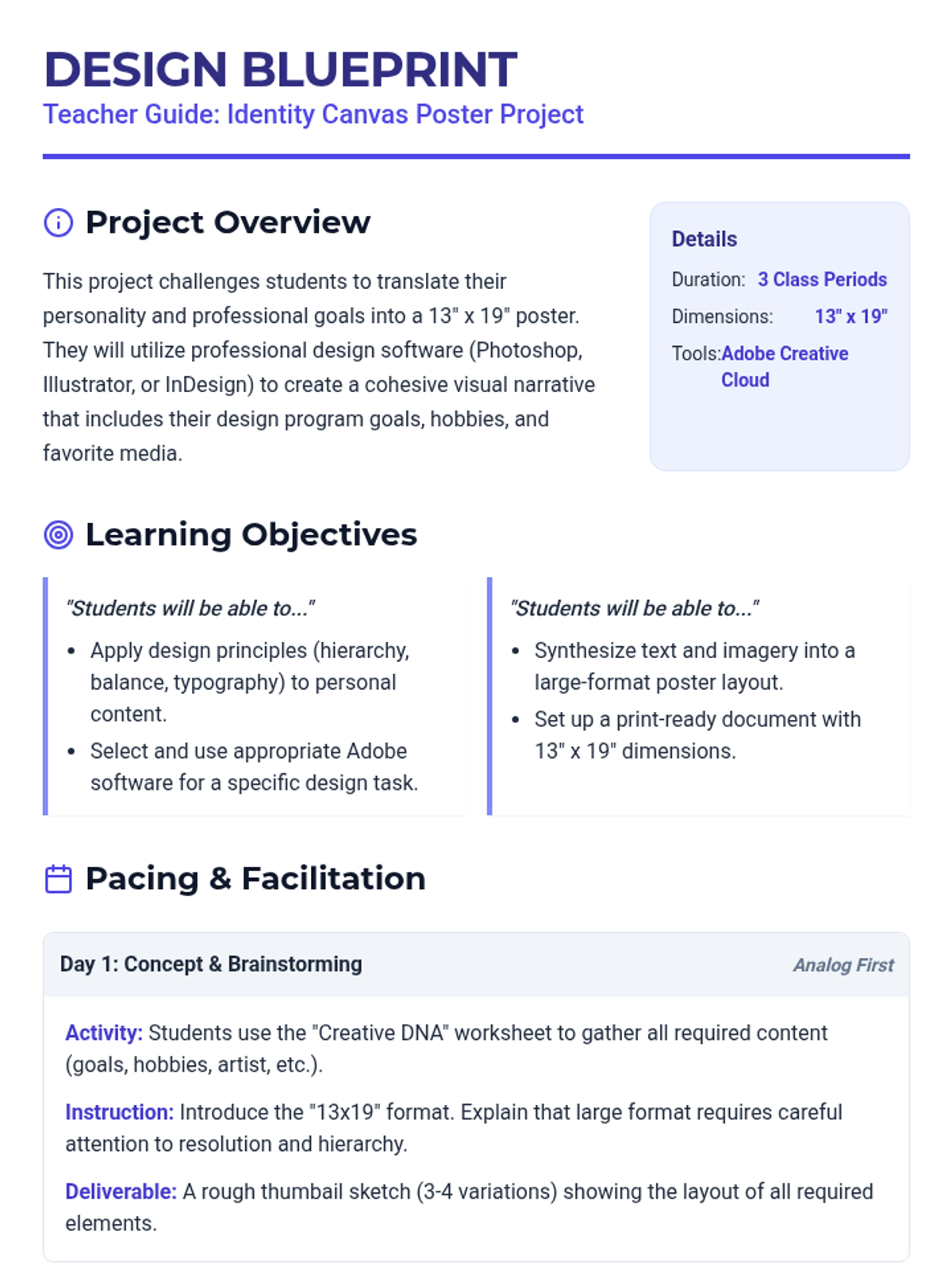
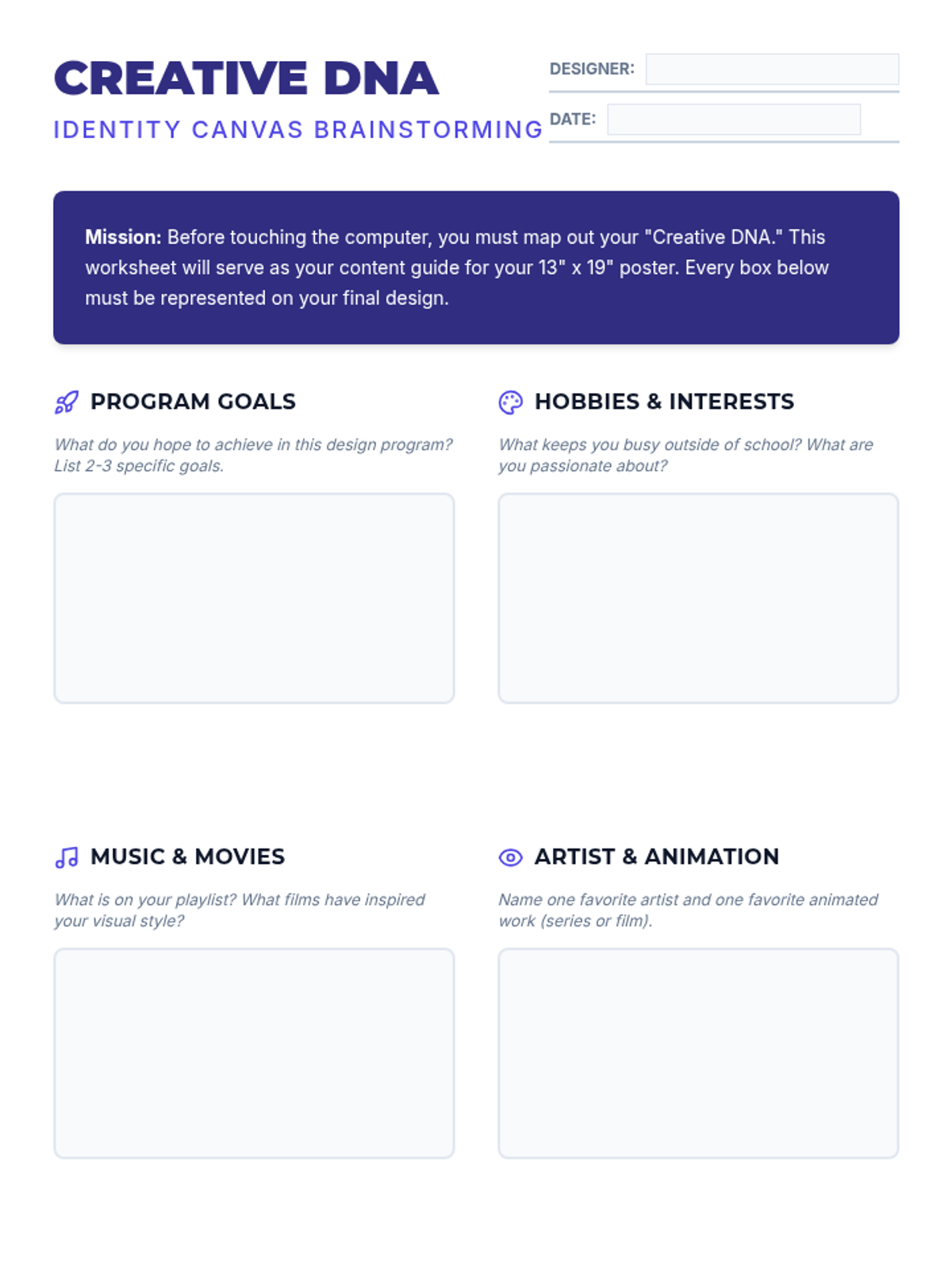
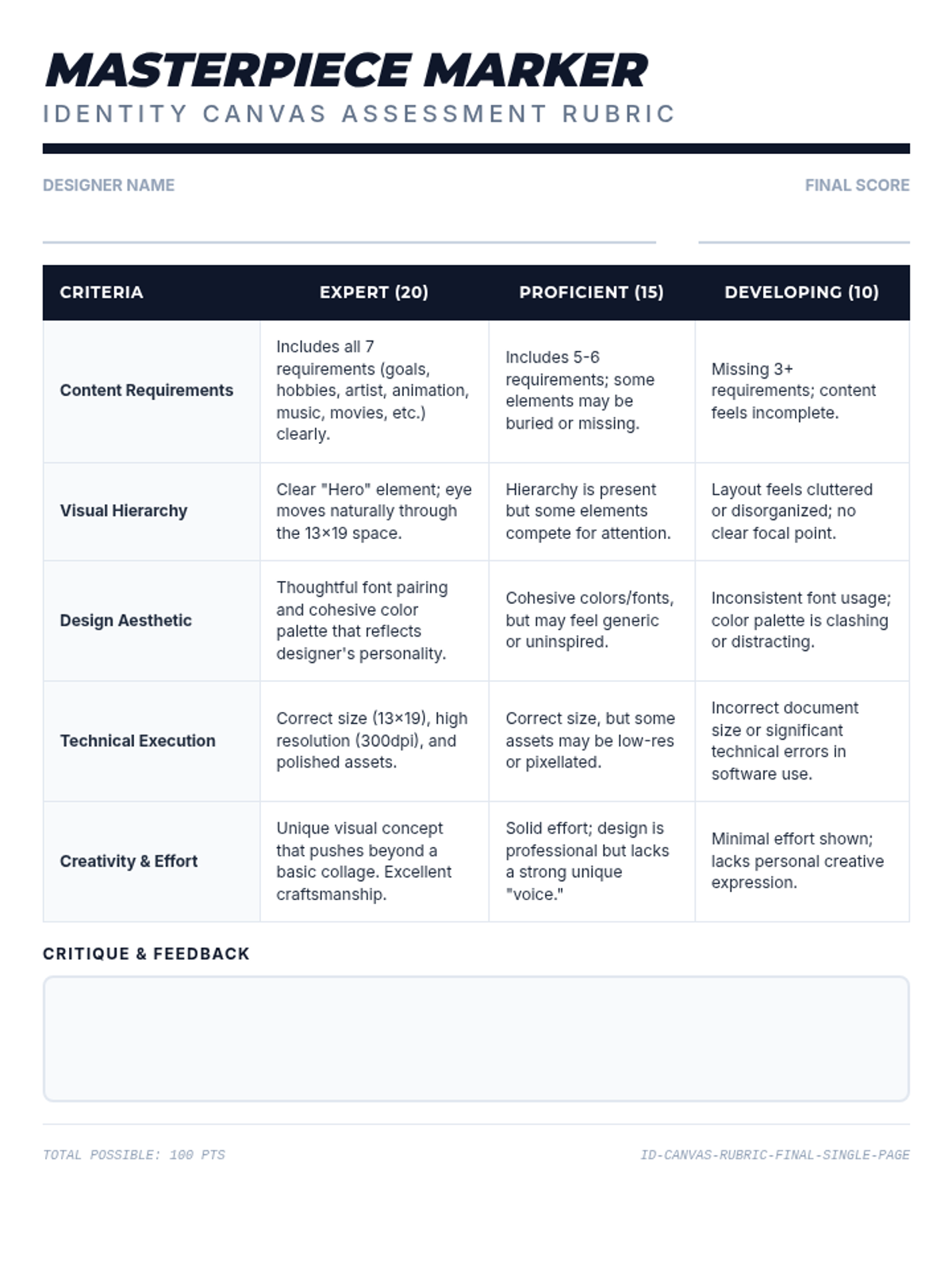
A 3-period design project where students create a 13"x19" 'About Me' poster using Adobe Creative Cloud. Students explore their personal brand through goals, hobbies, and artistic influences.
A technical yet creative introduction to light metering using the Nikon D7500 and Sekonic Flashmate L-308X-U. Students will learn to balance the exposure triangle and achieve consistent lighting results.
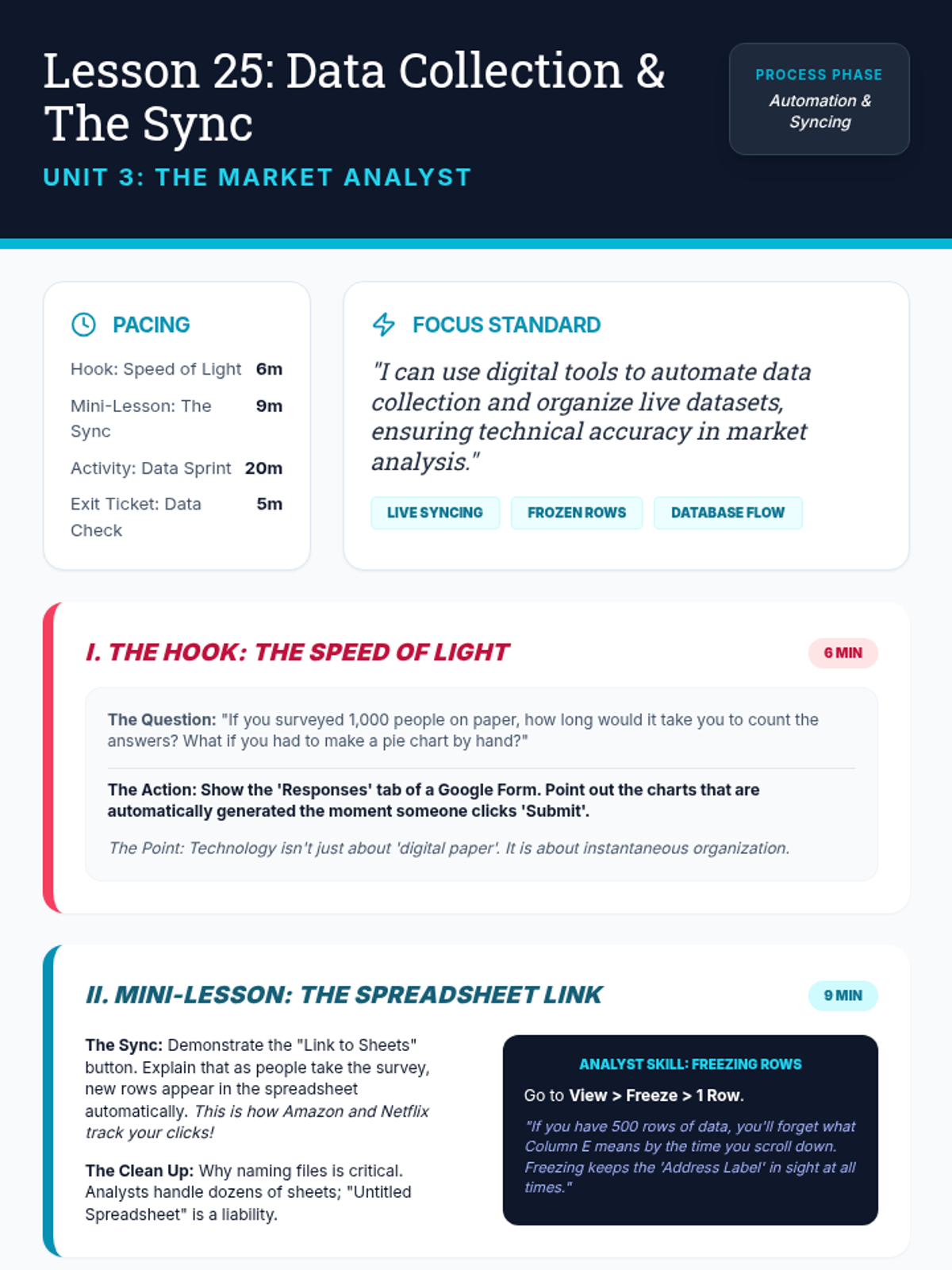
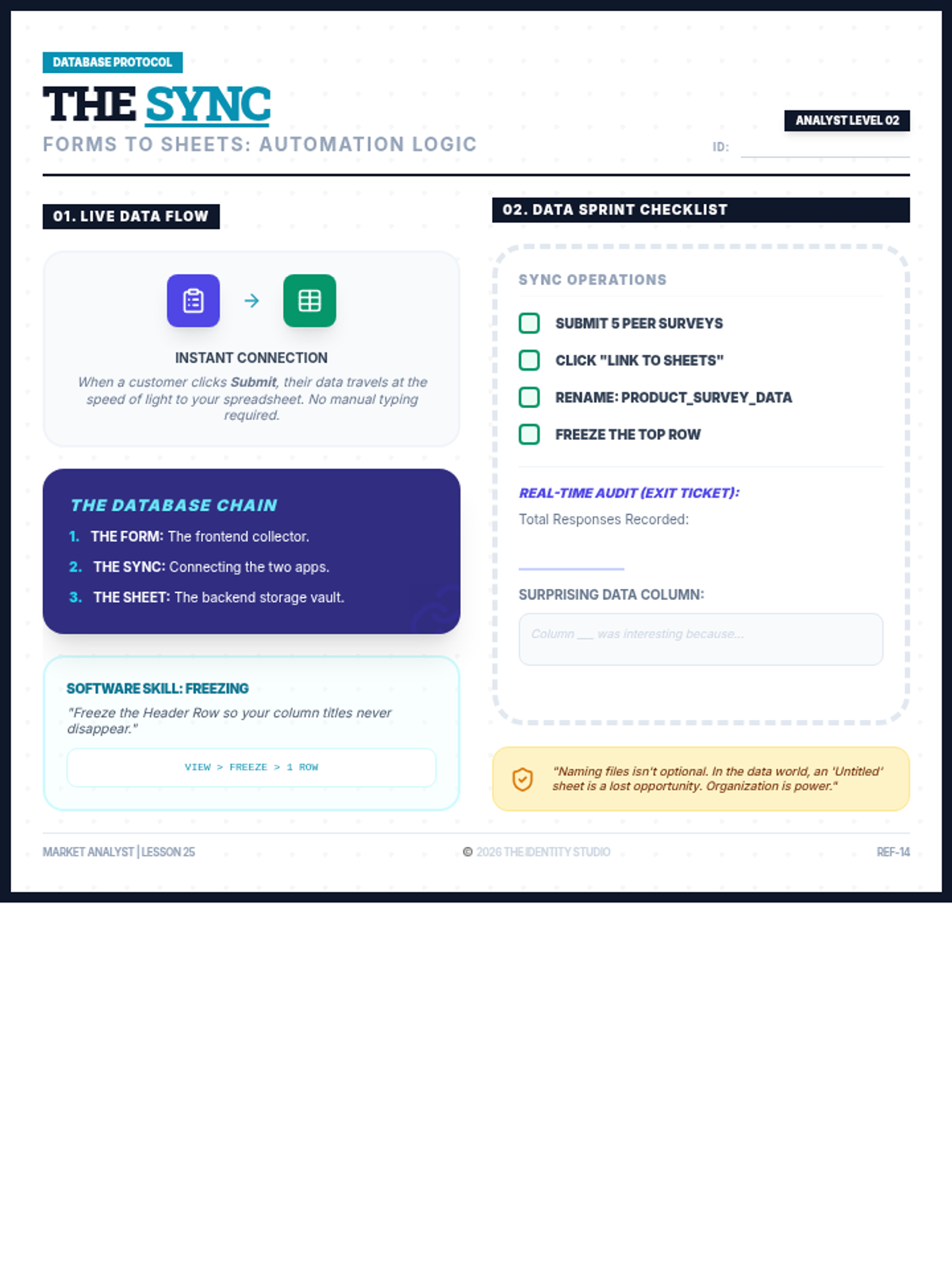
Students explore the efficiency of automated data collection by linking their market research forms to live spreadsheets. They learn the concept of real-time data syncing and master the 'Freezing Rows' skill to manage large datasets effectively.
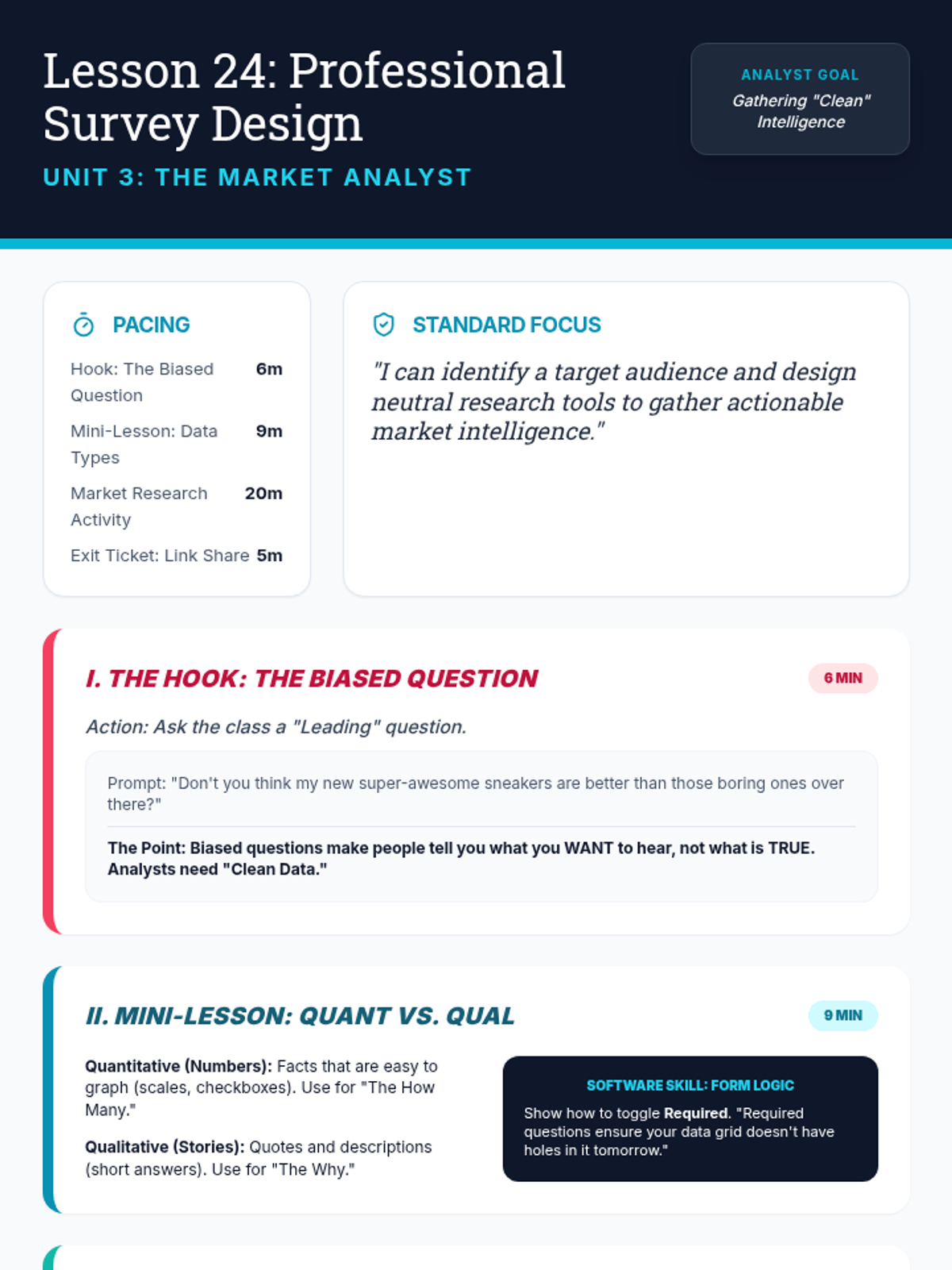
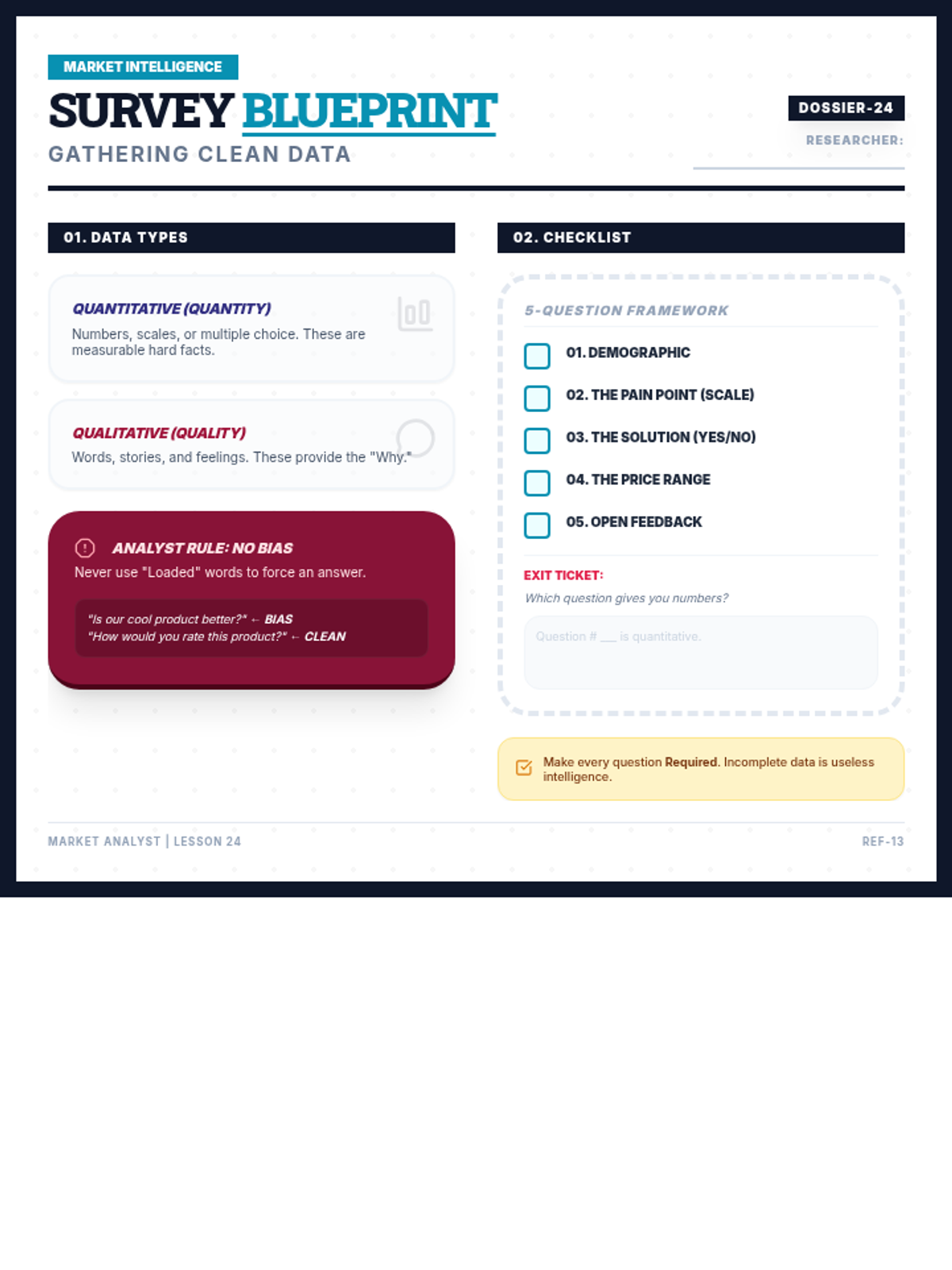
Students learn the art of professional survey design to gather market intelligence. They distinguish between quantitative and qualitative data, identify biased questioning, and build a multi-format survey in Google Forms or Microsoft Forms to collect clean data from their target audience.
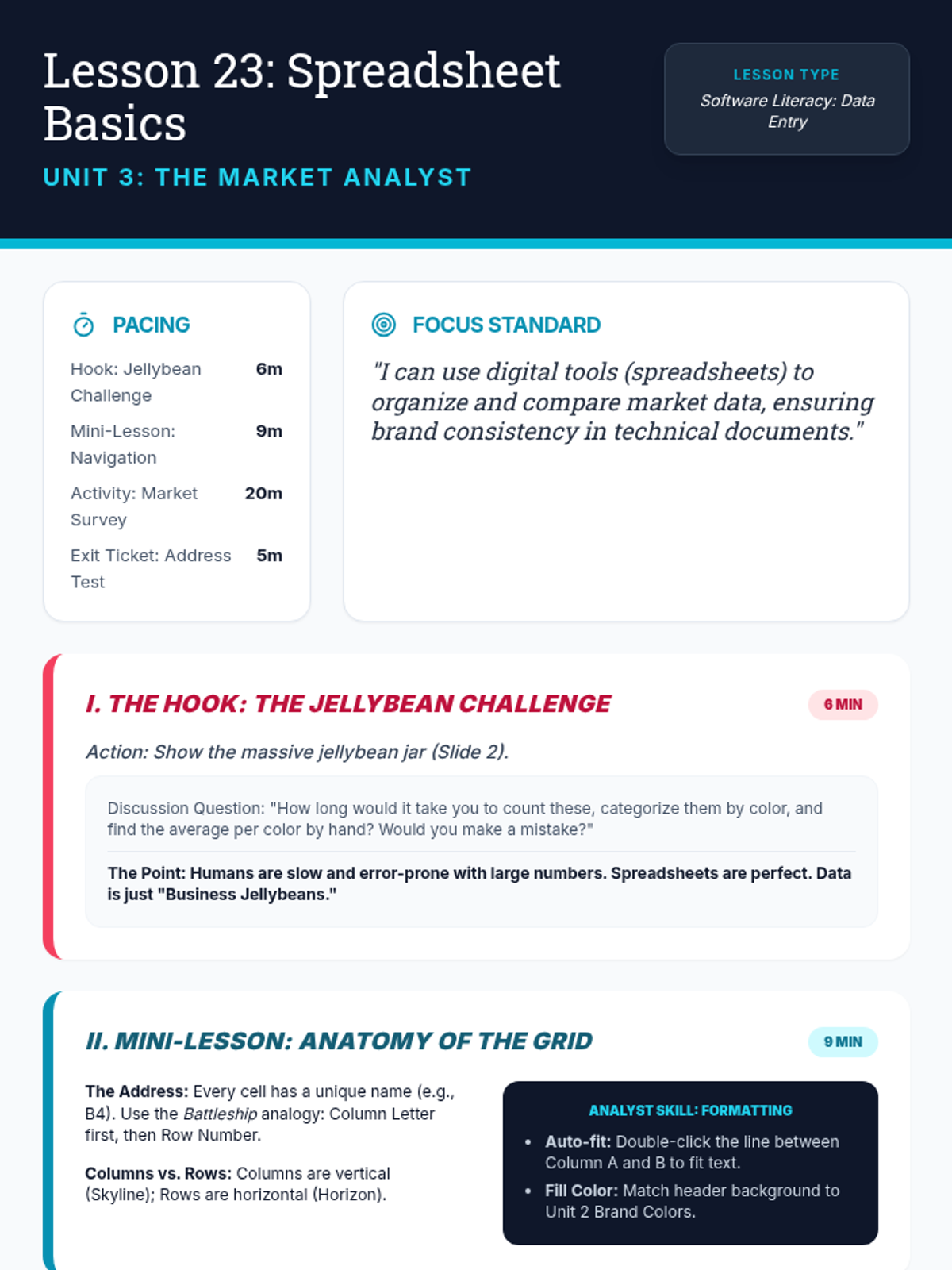
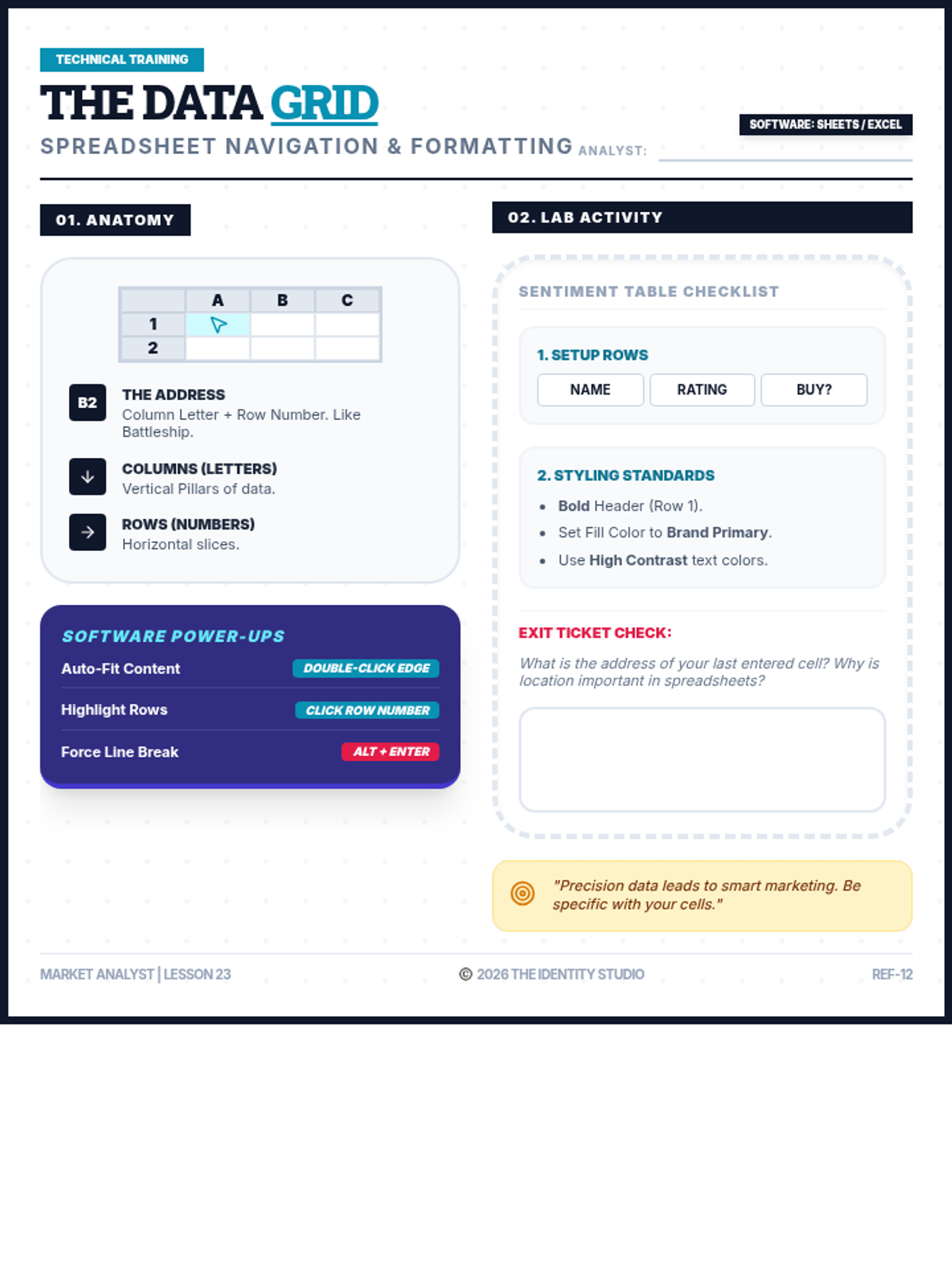
This lesson introduces students to the fundamental structure of spreadsheet software. They learn about cells, rows, columns, and addresses while performing basic data entry and formatting to align with their brand identity.
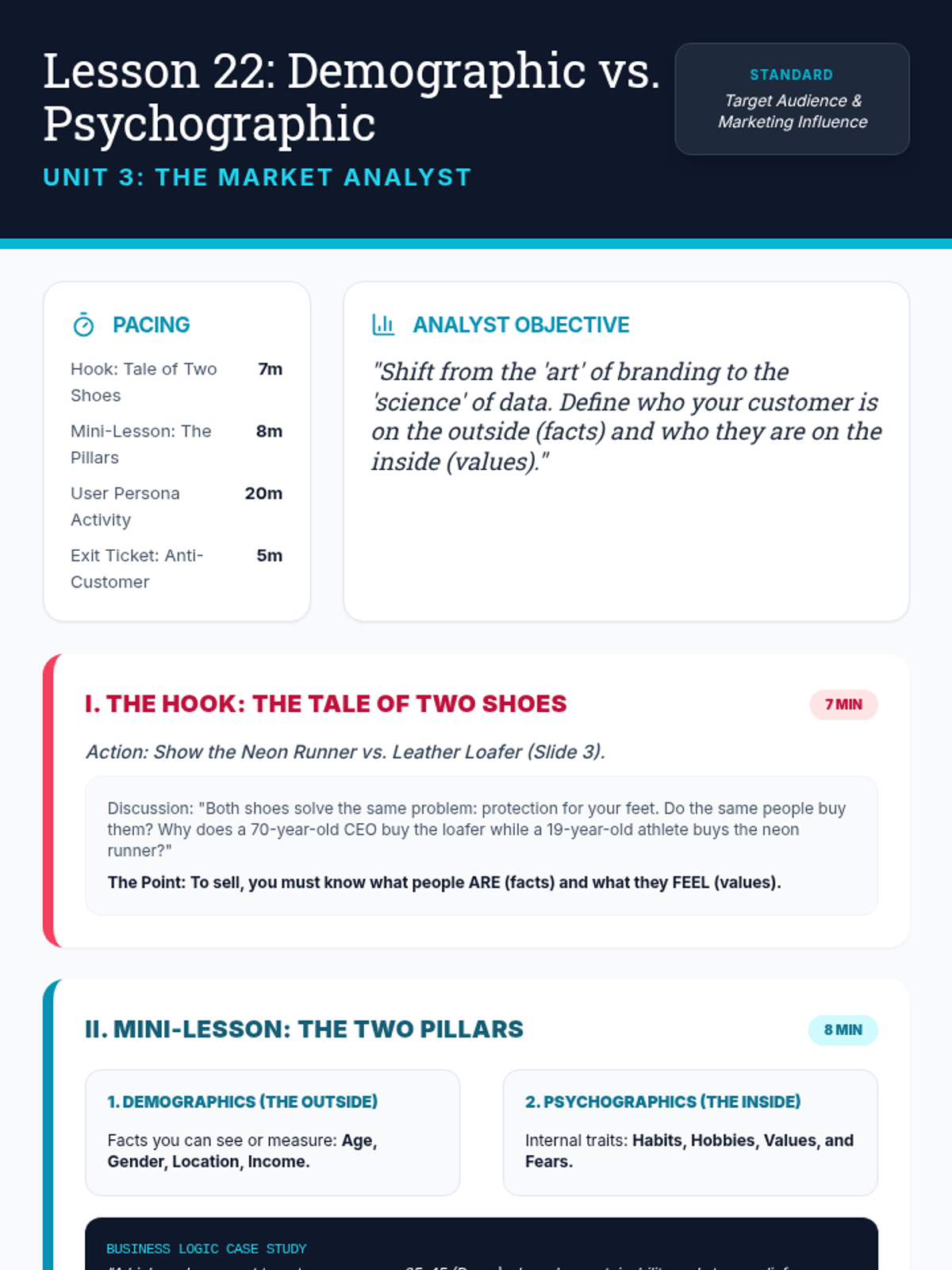
Students transition from brand design to market analysis by distinguishing between demographic data (external facts) and psychographic data (internal values). They apply these concepts by building a formal User Persona for their brand, justifying their earlier design choices based on audience data.