A lesson focused on identifying and tracing multi-step causal chains in informational texts, designed for 7th-grade students with varying levels of support.
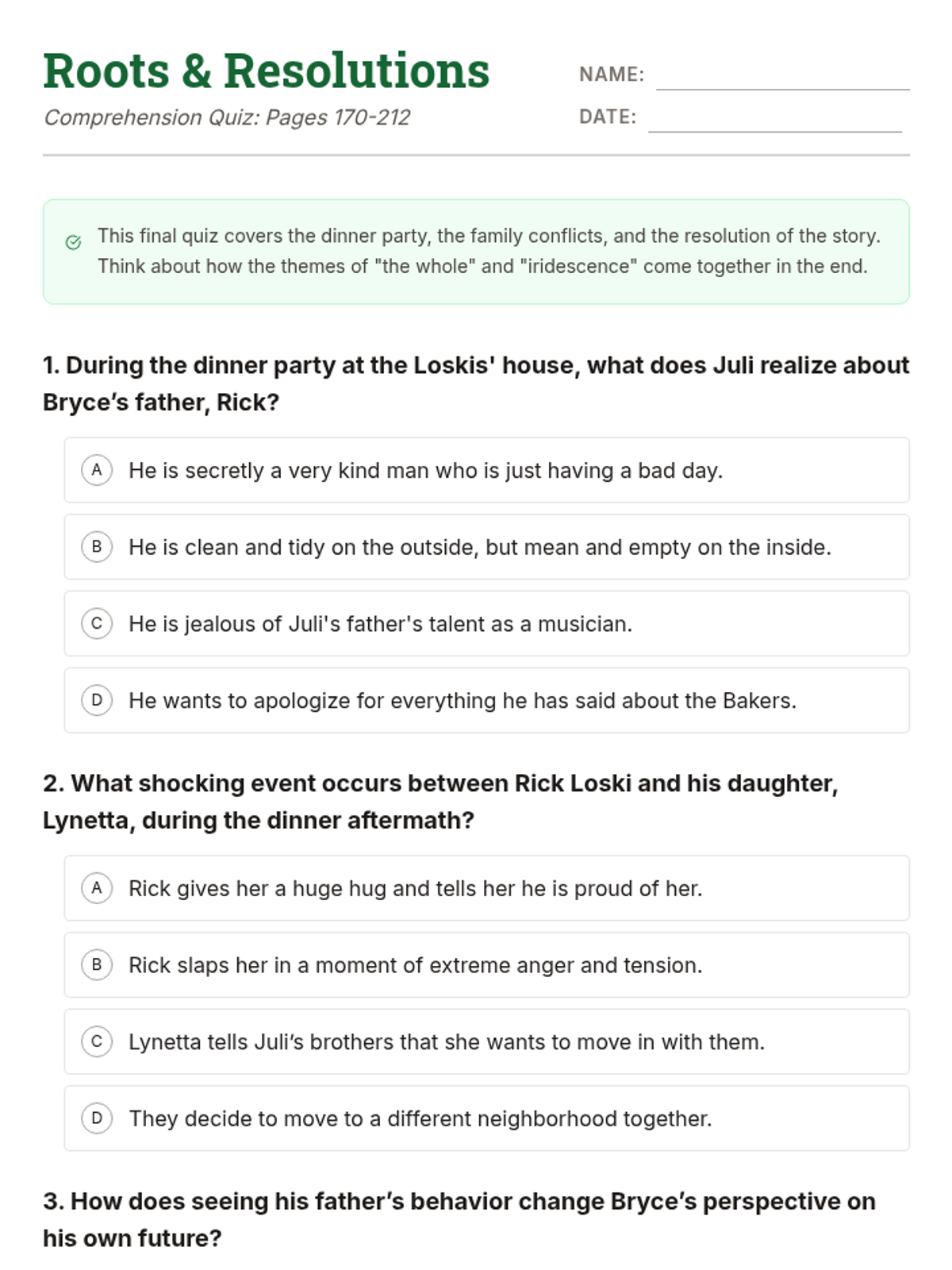
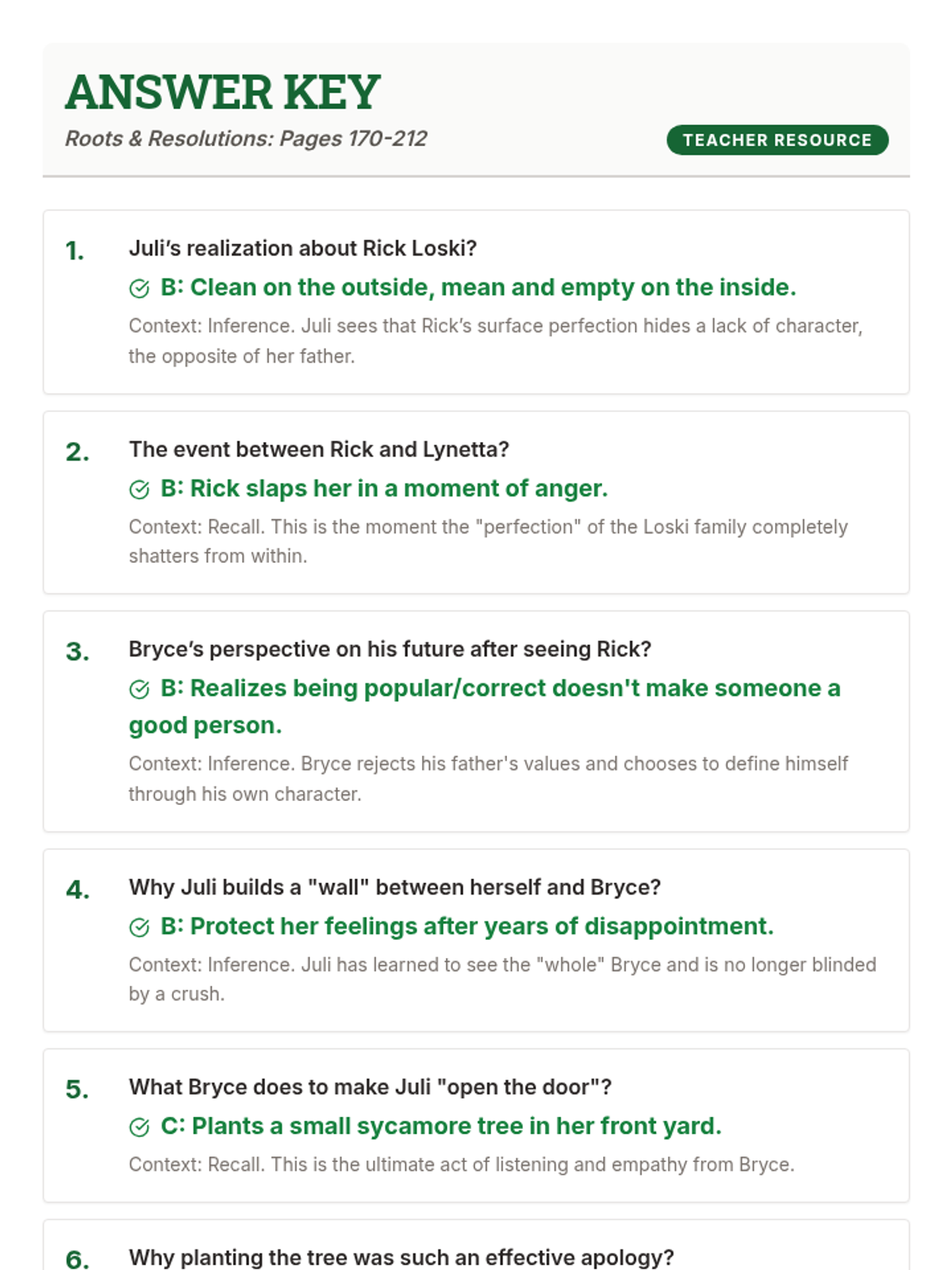
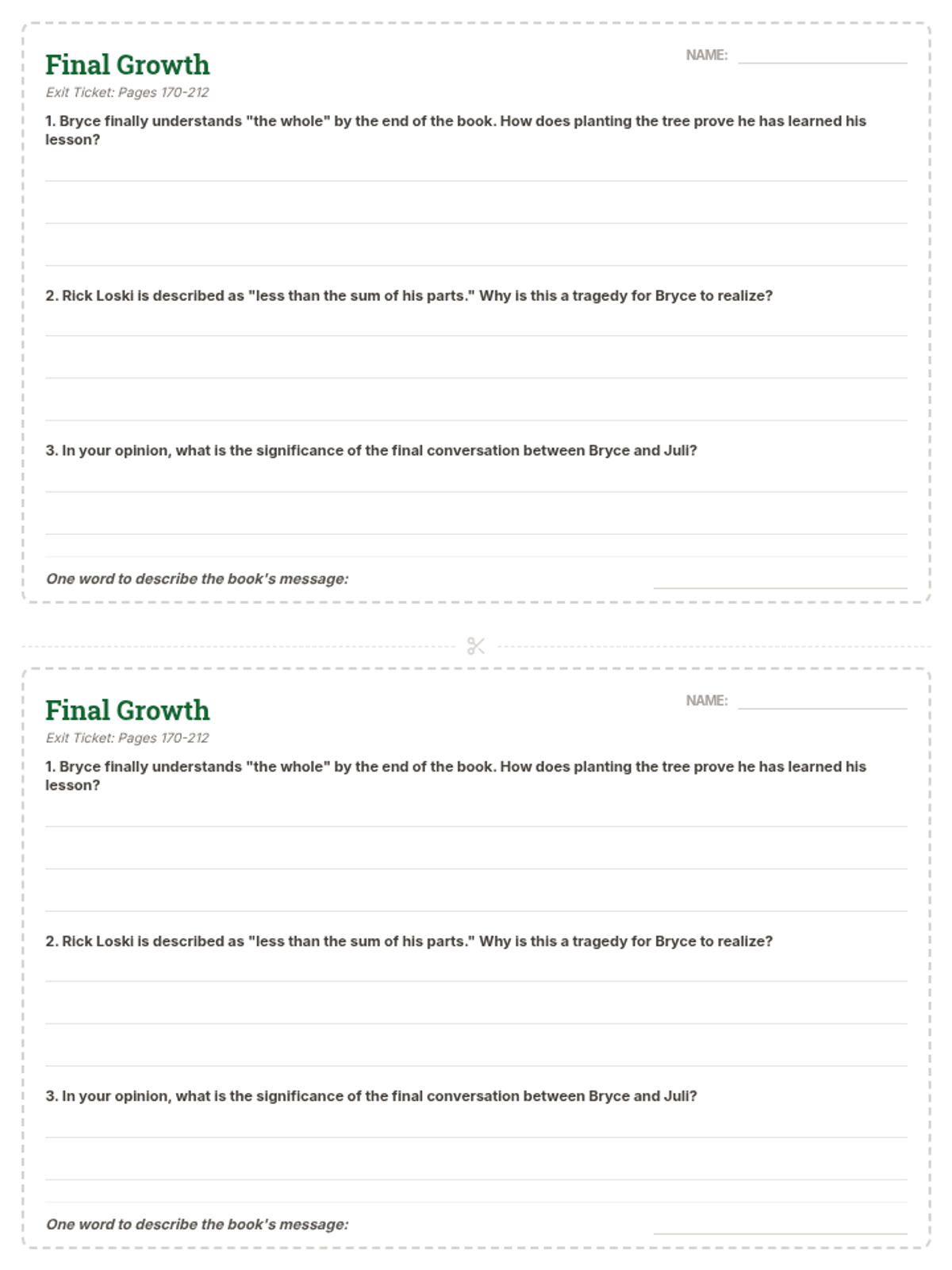
Deep diving into the final chapters of 'Flipped', covering the dinner party revelation, Bryce's persistence, and the symbolic tree planting.
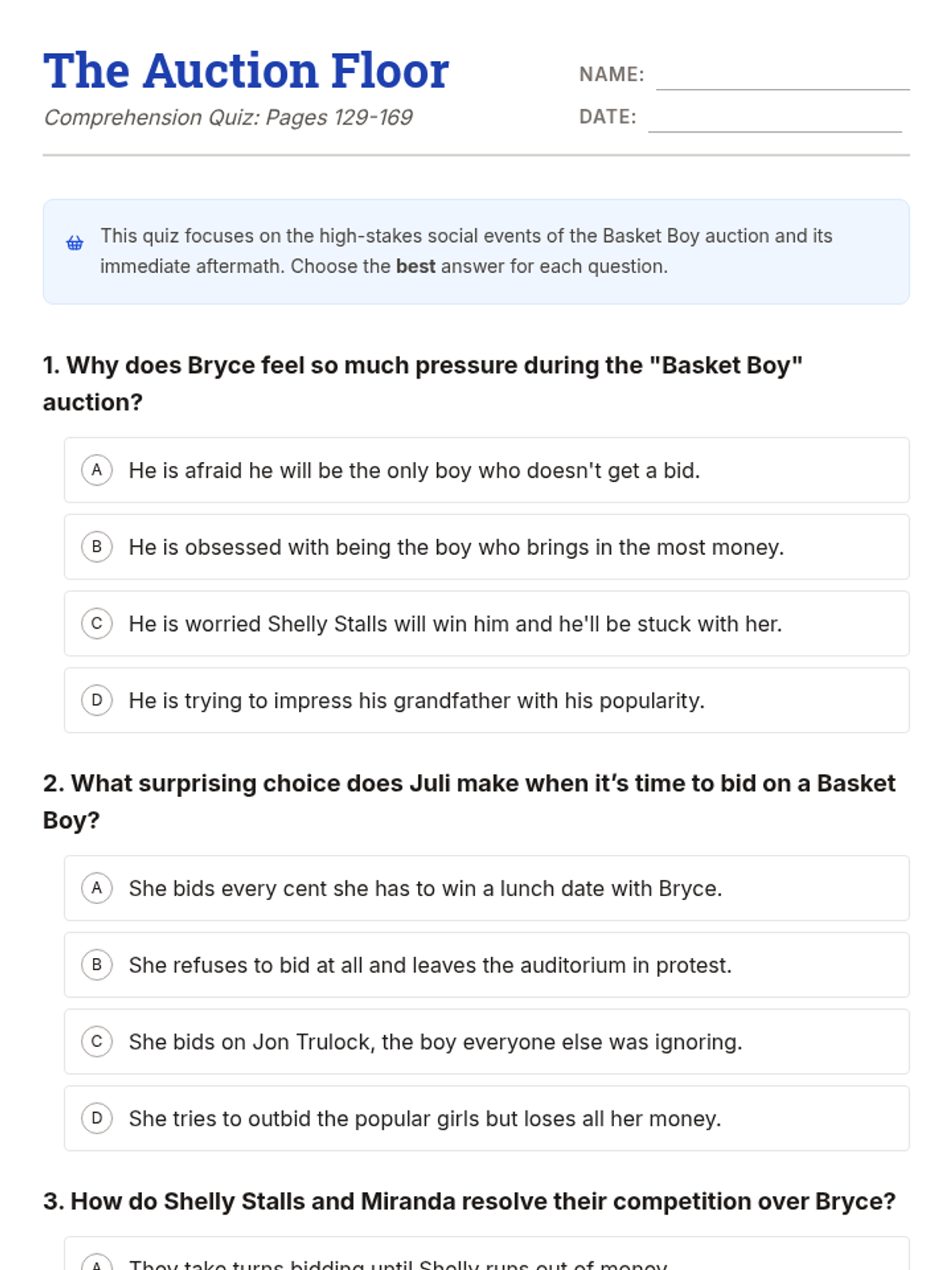
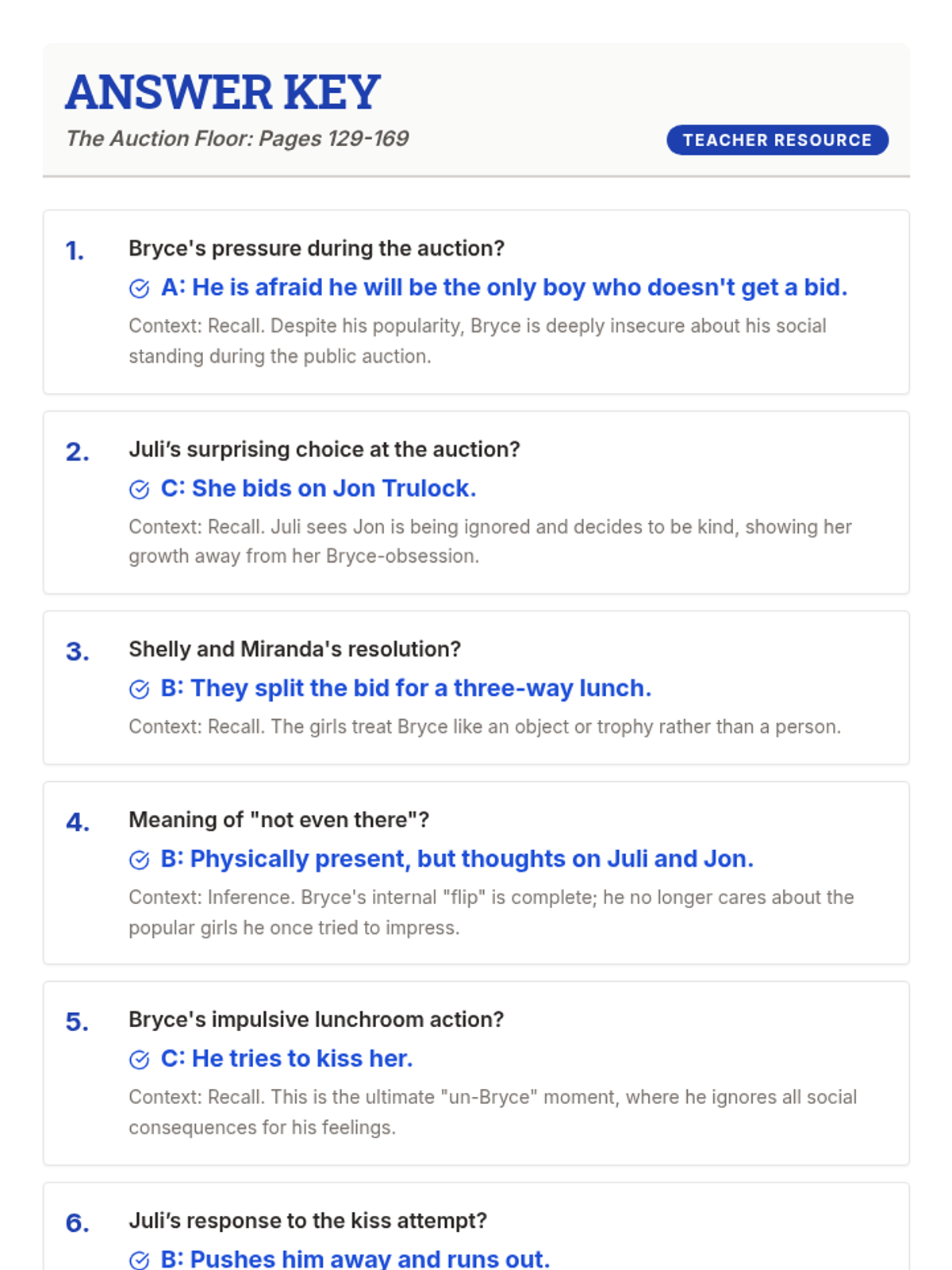
Covering the 'Basket Boy' auction, Bryce's growing obsession with Juli, the attempted kiss, and the final breakdown of Bryce's friendship with Garrett in pages 129-169.
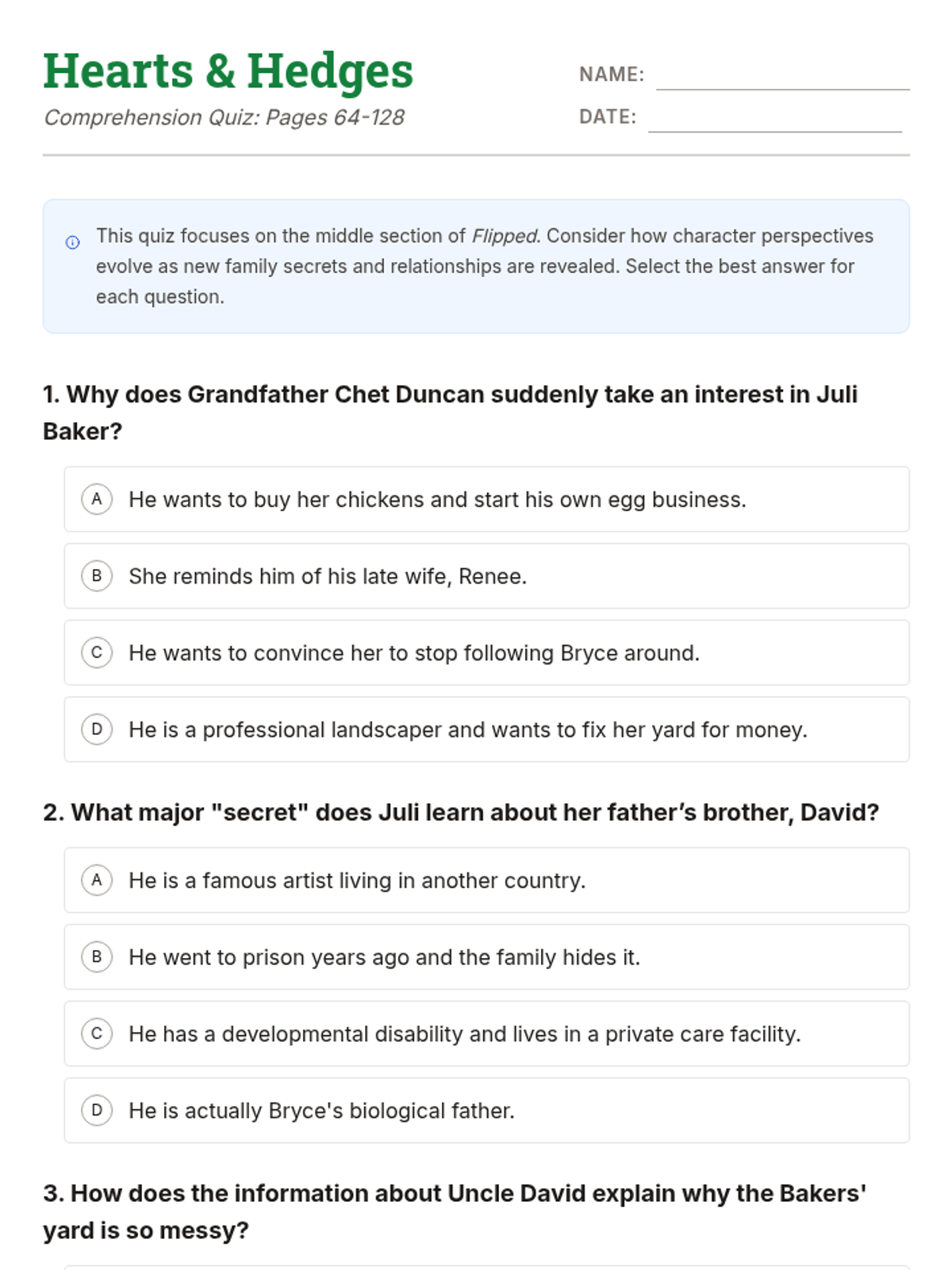
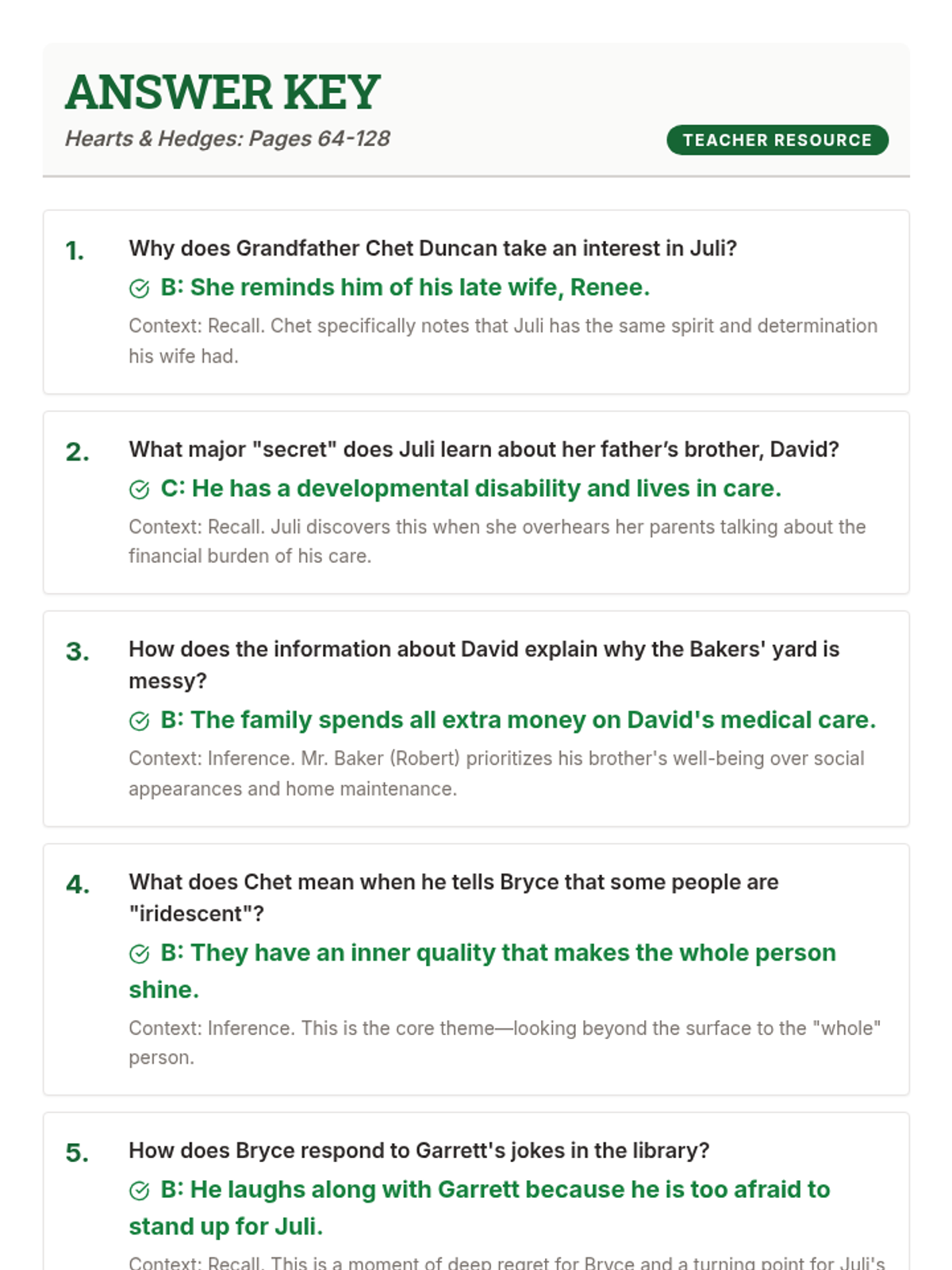
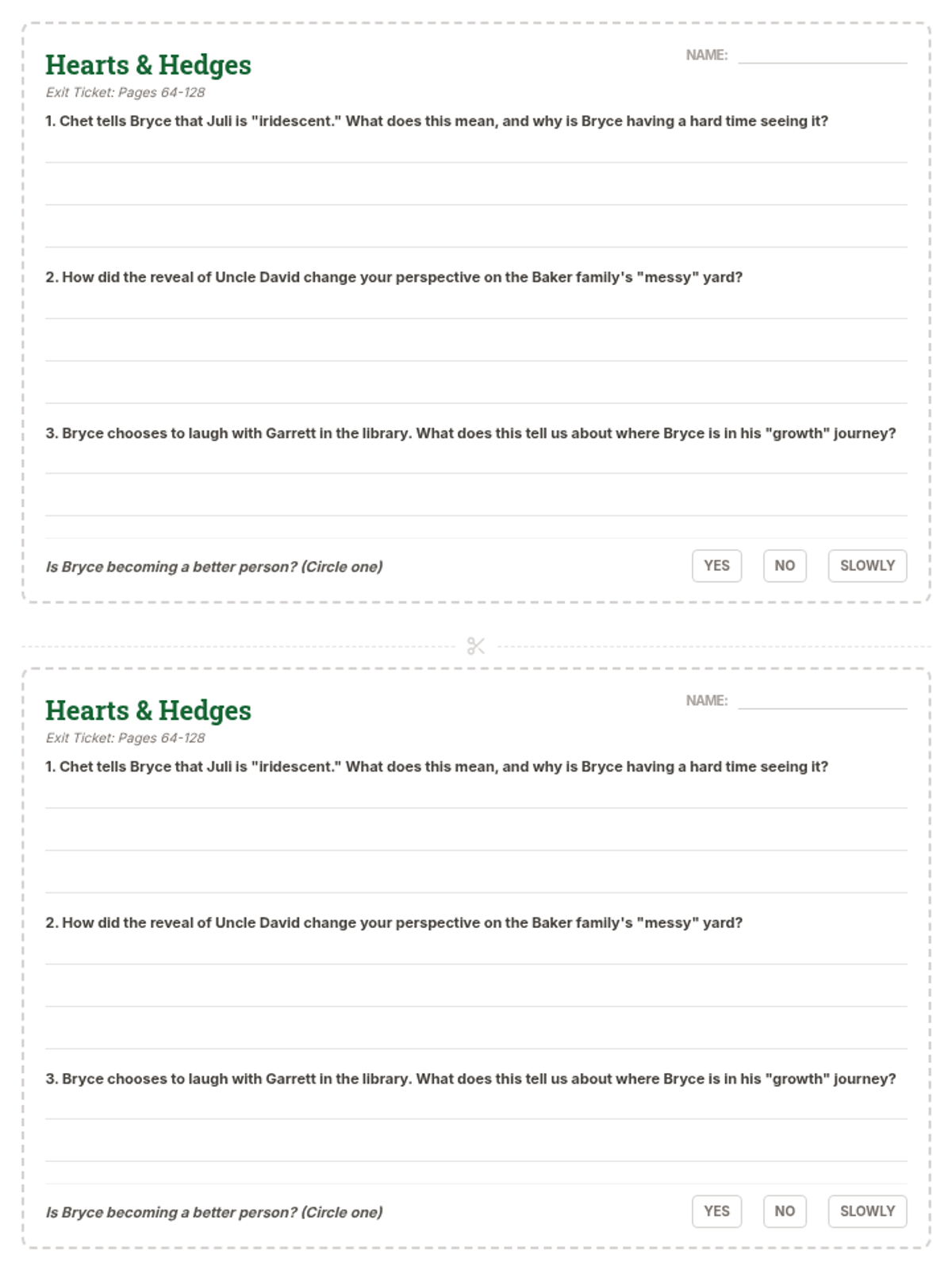
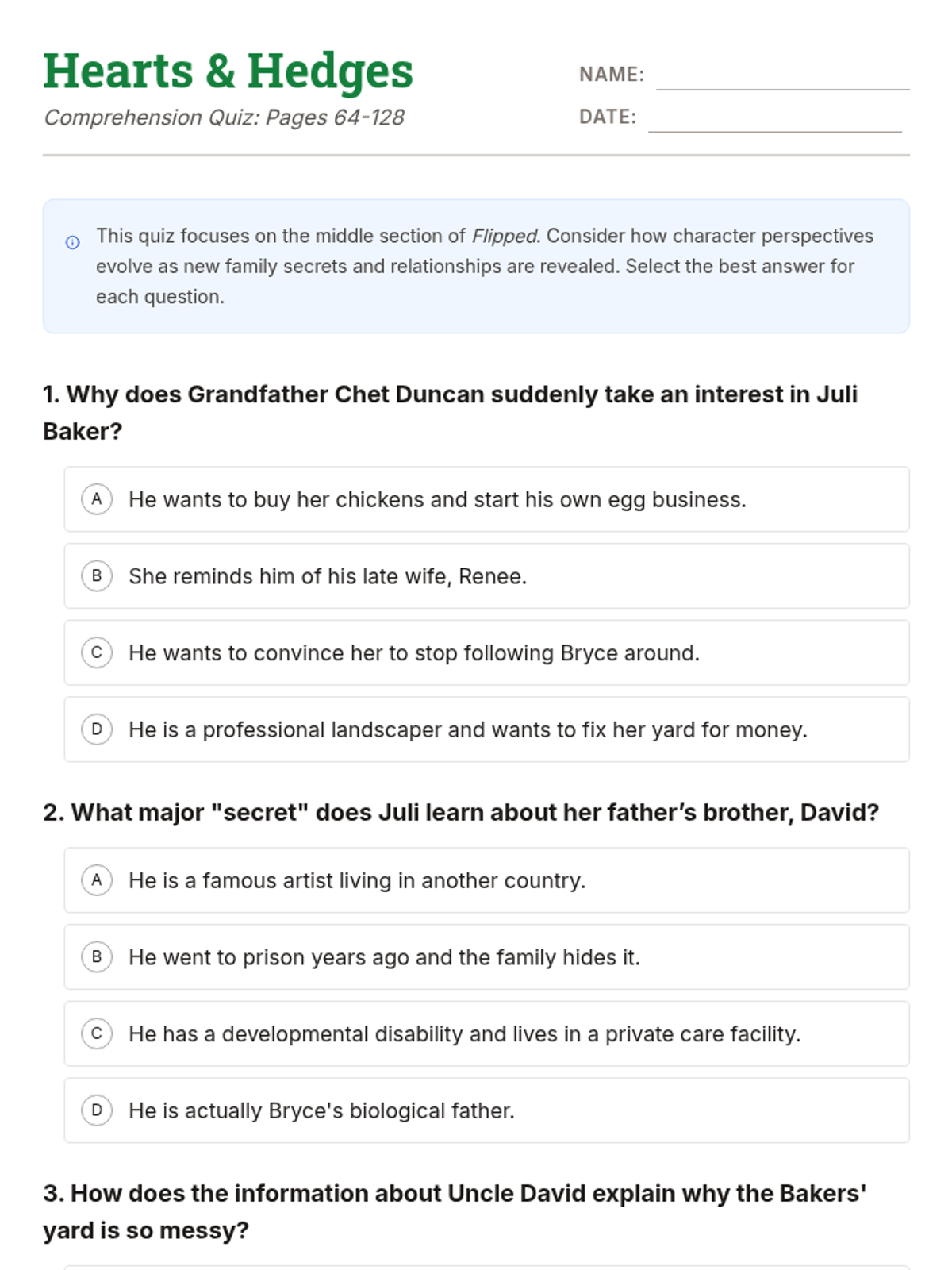
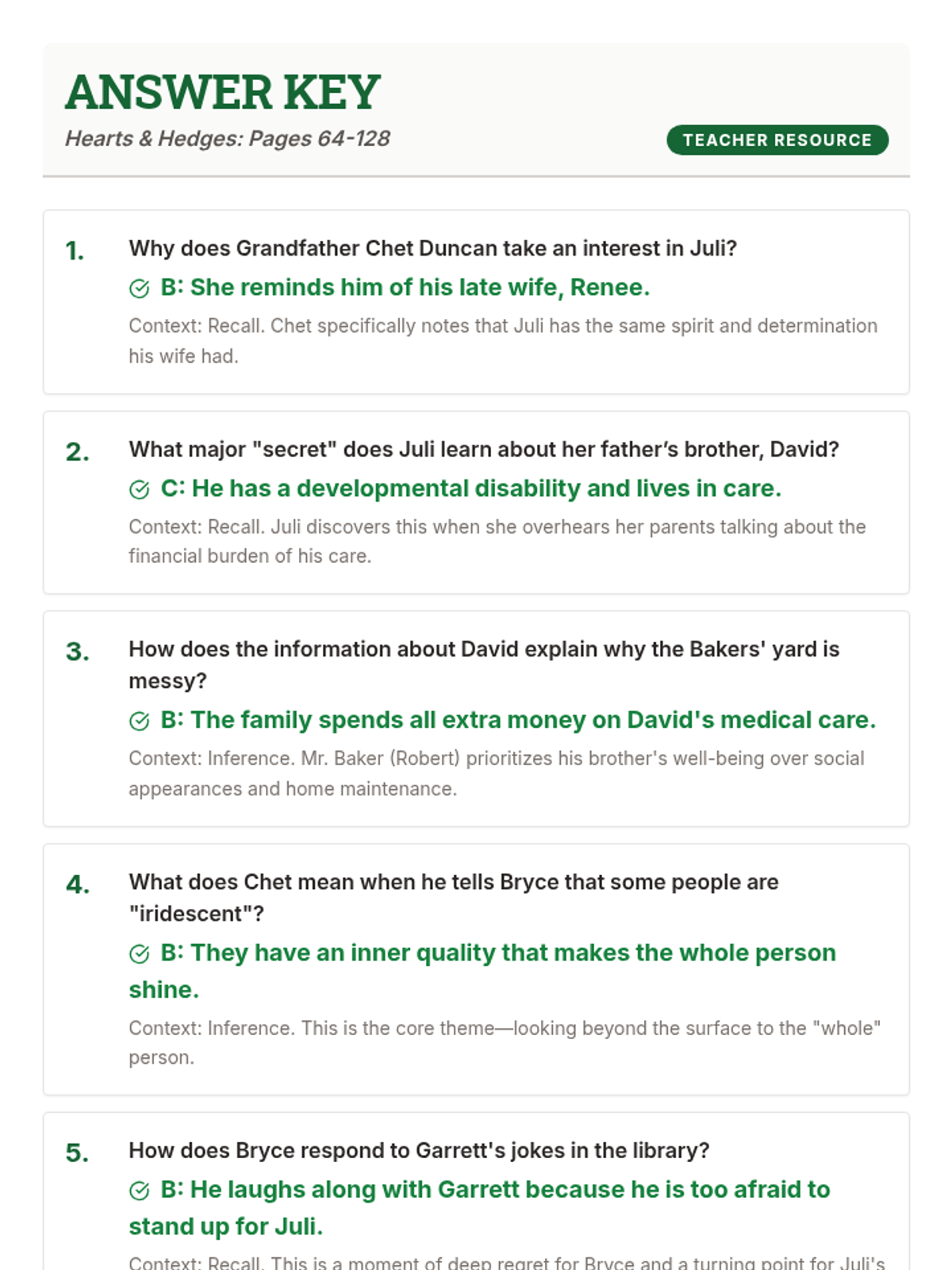
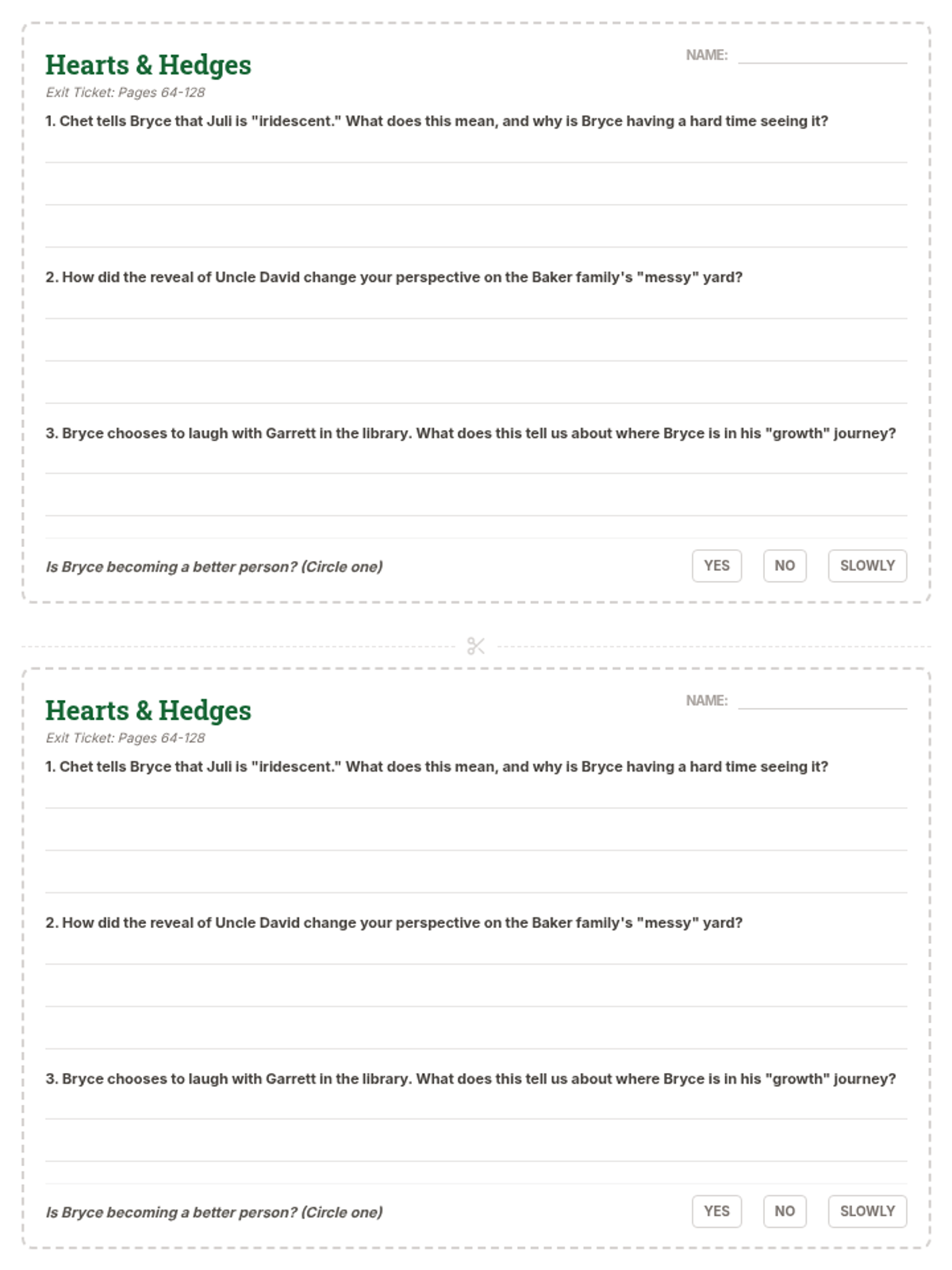
Exploring the introduction of Chet Duncan, the revelation of Uncle David, and the thematic shift from outward appearances to internal character in 'Flipped' pages 64-128.
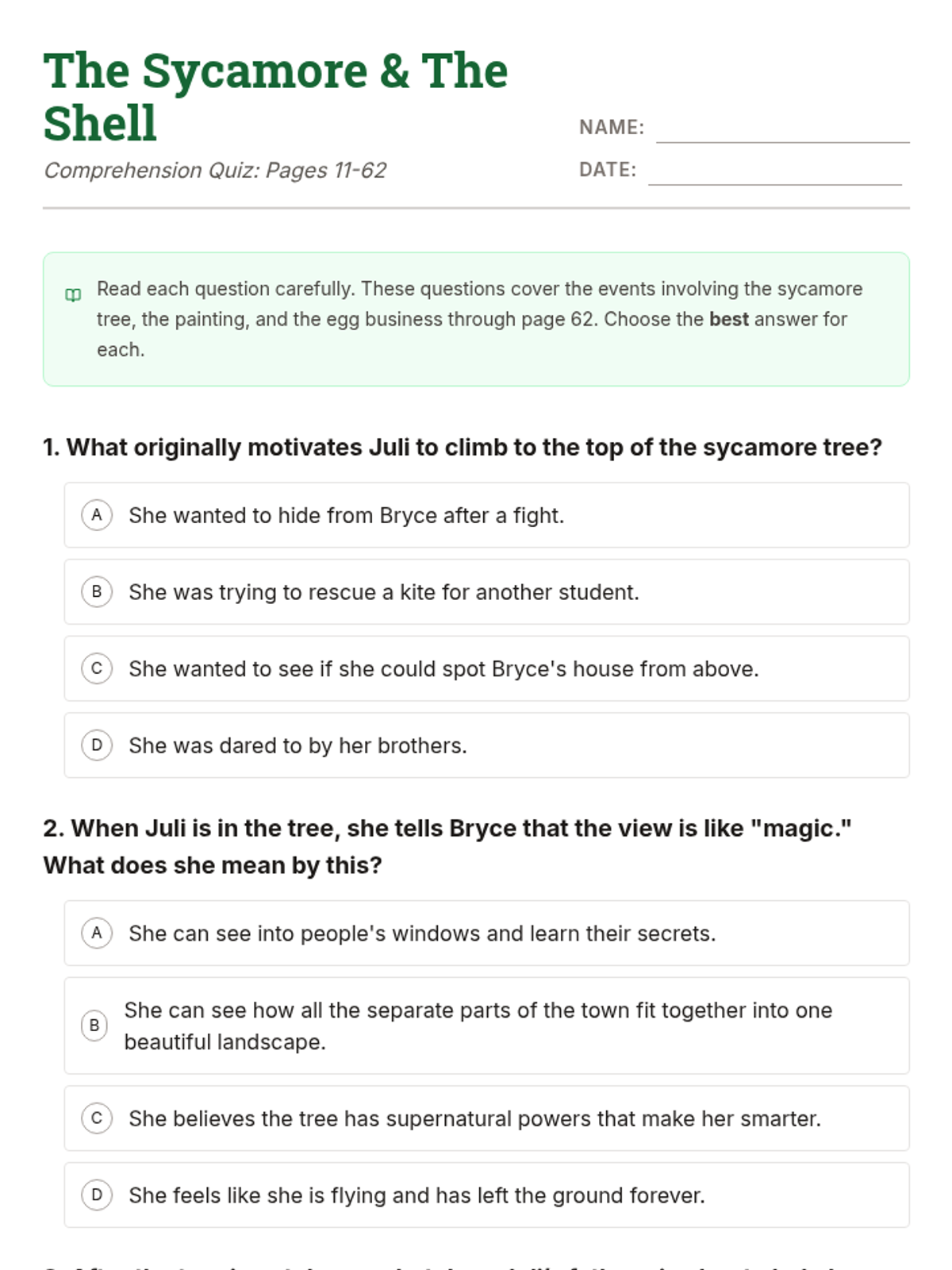
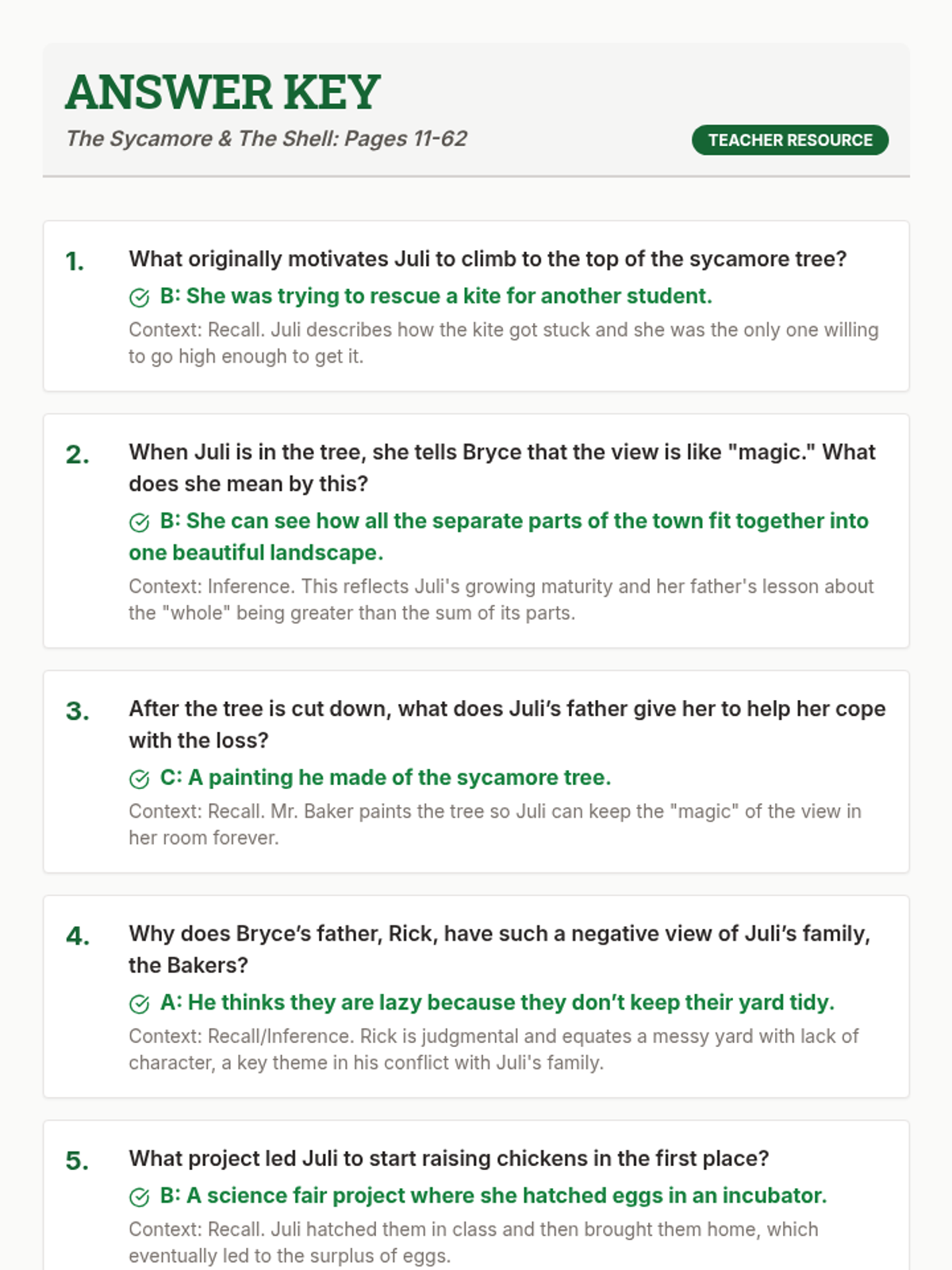
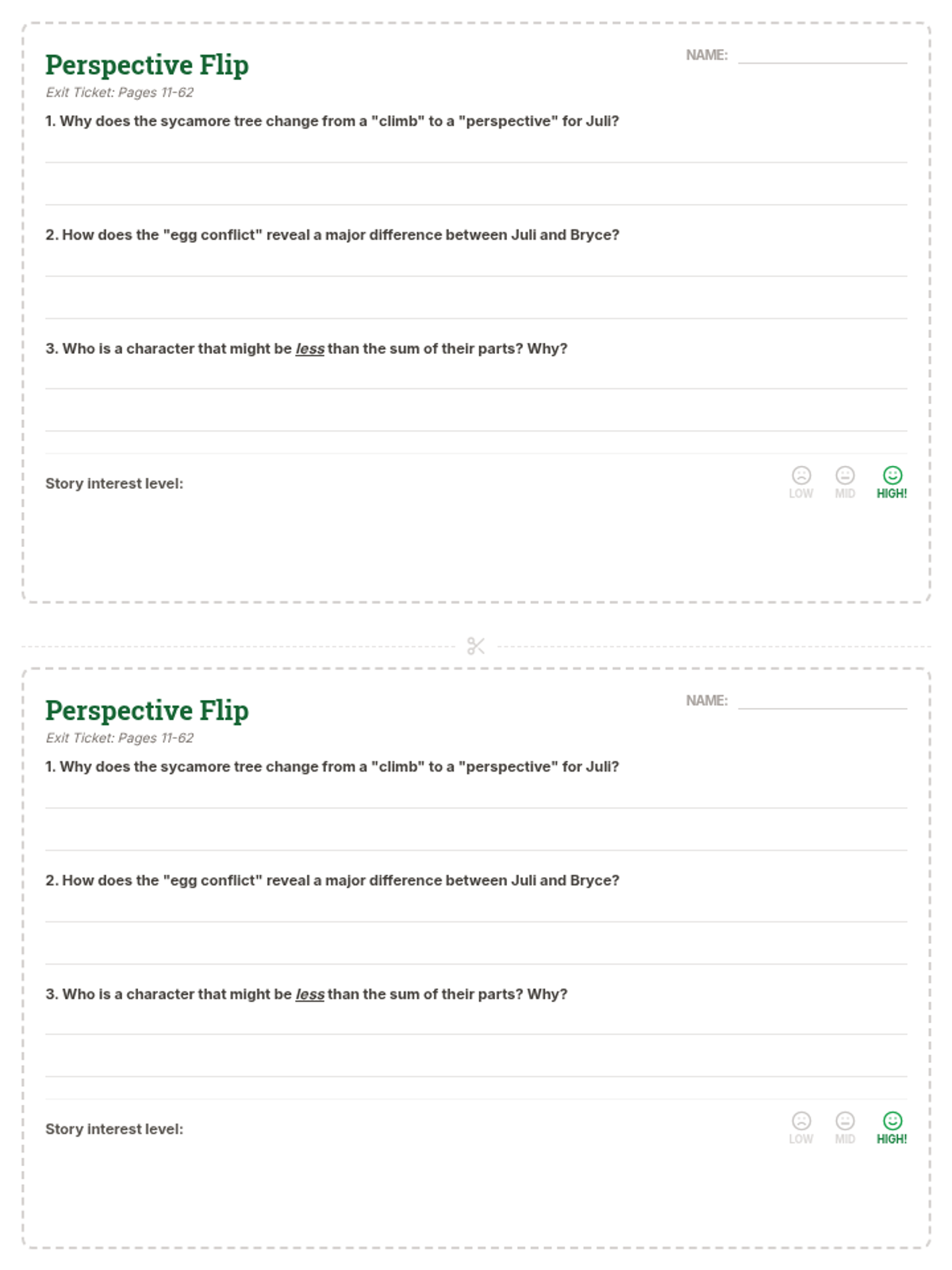
A deep dive into the pivotal sycamore tree and egg conflict events in 'Flipped', exploring character motivations and perspective shifts through pages 11-62.
A focused study of Chapter 14 of Suzanne Collins' *Sunrise on the Reaping*, analyzing Haymitch Abernathy's survival strategies and the discovery of the arena's boundaries. Students explore literal events and infer deep character motivations during the 50th Hunger Games.
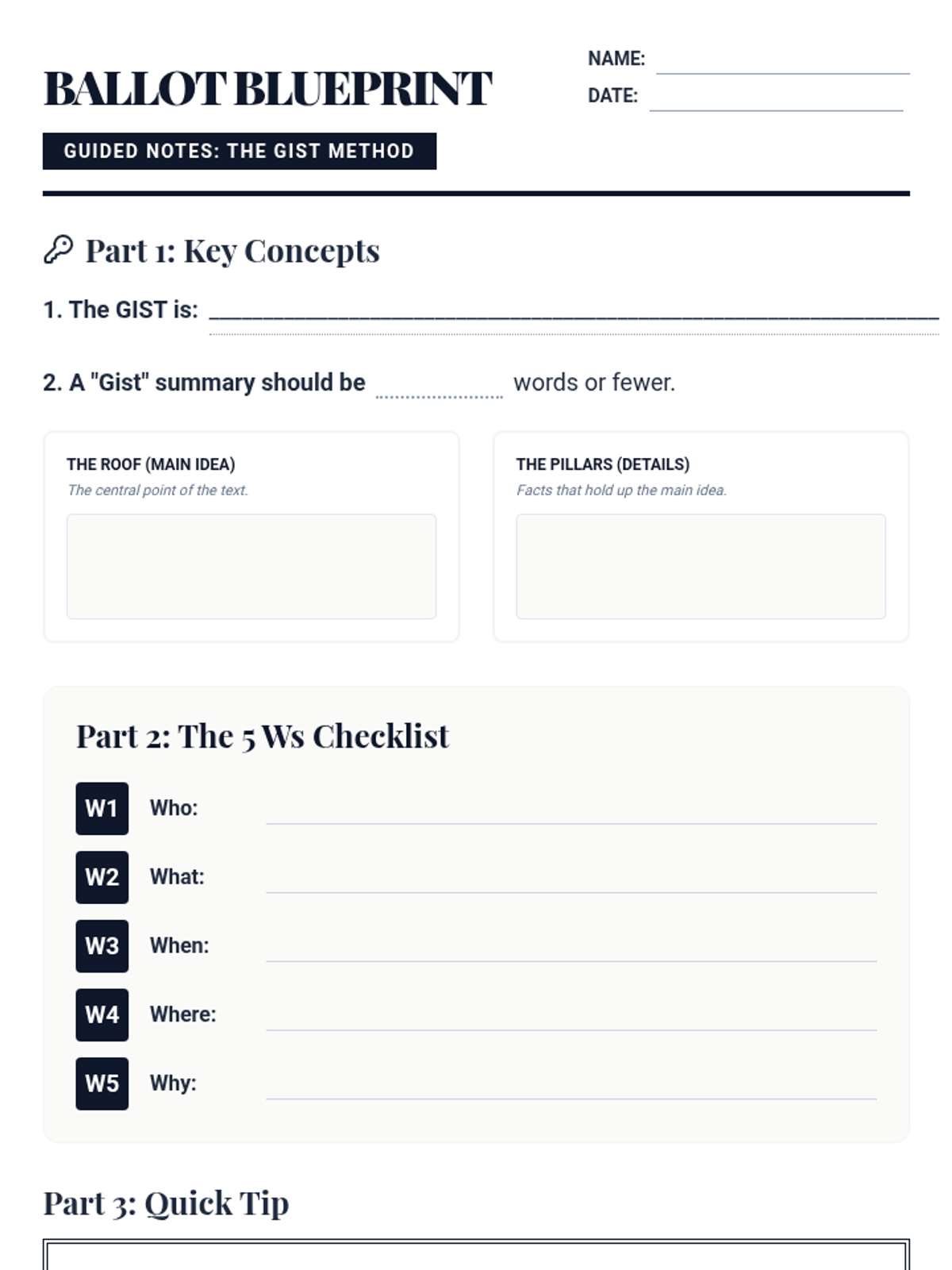
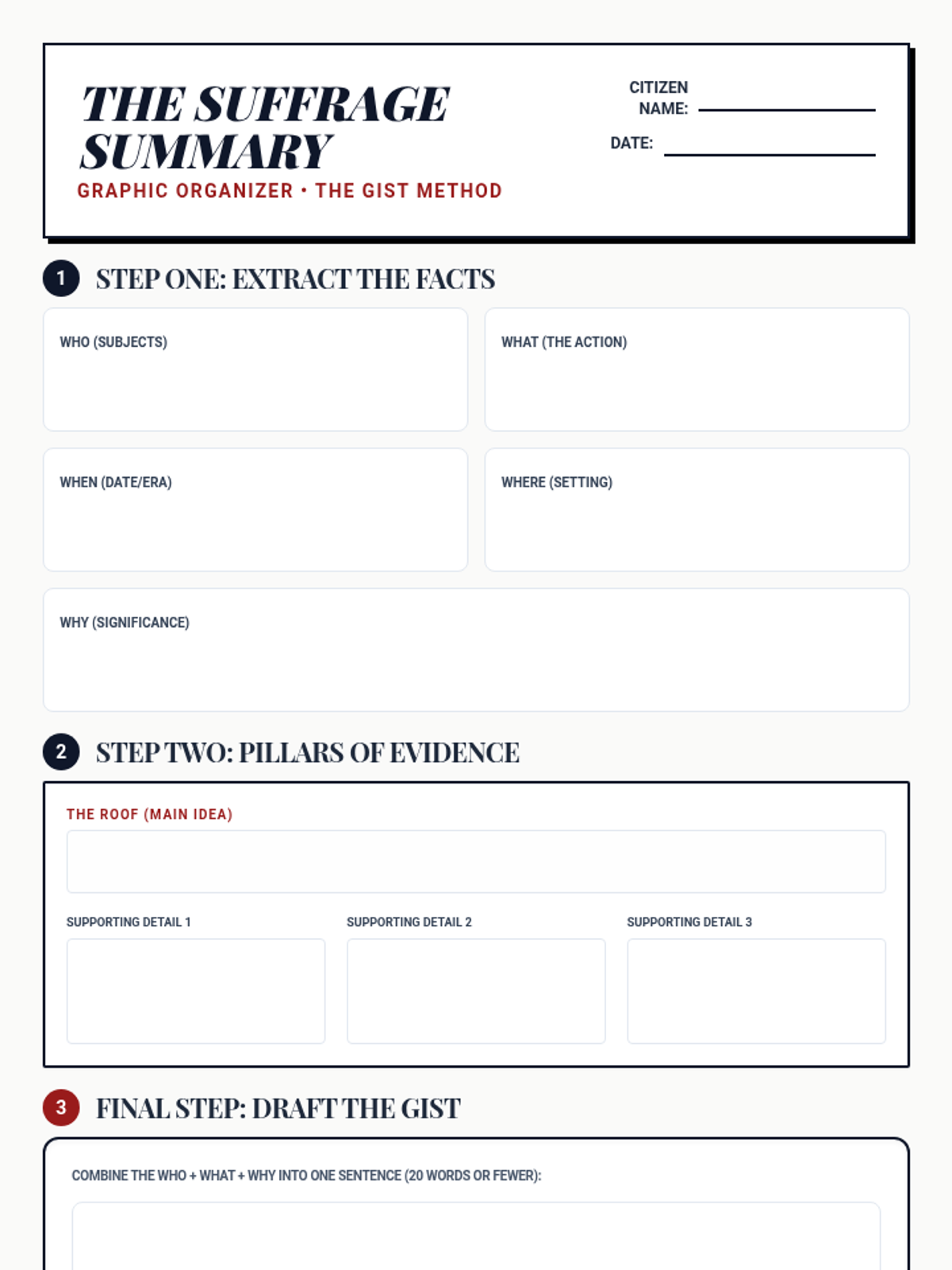
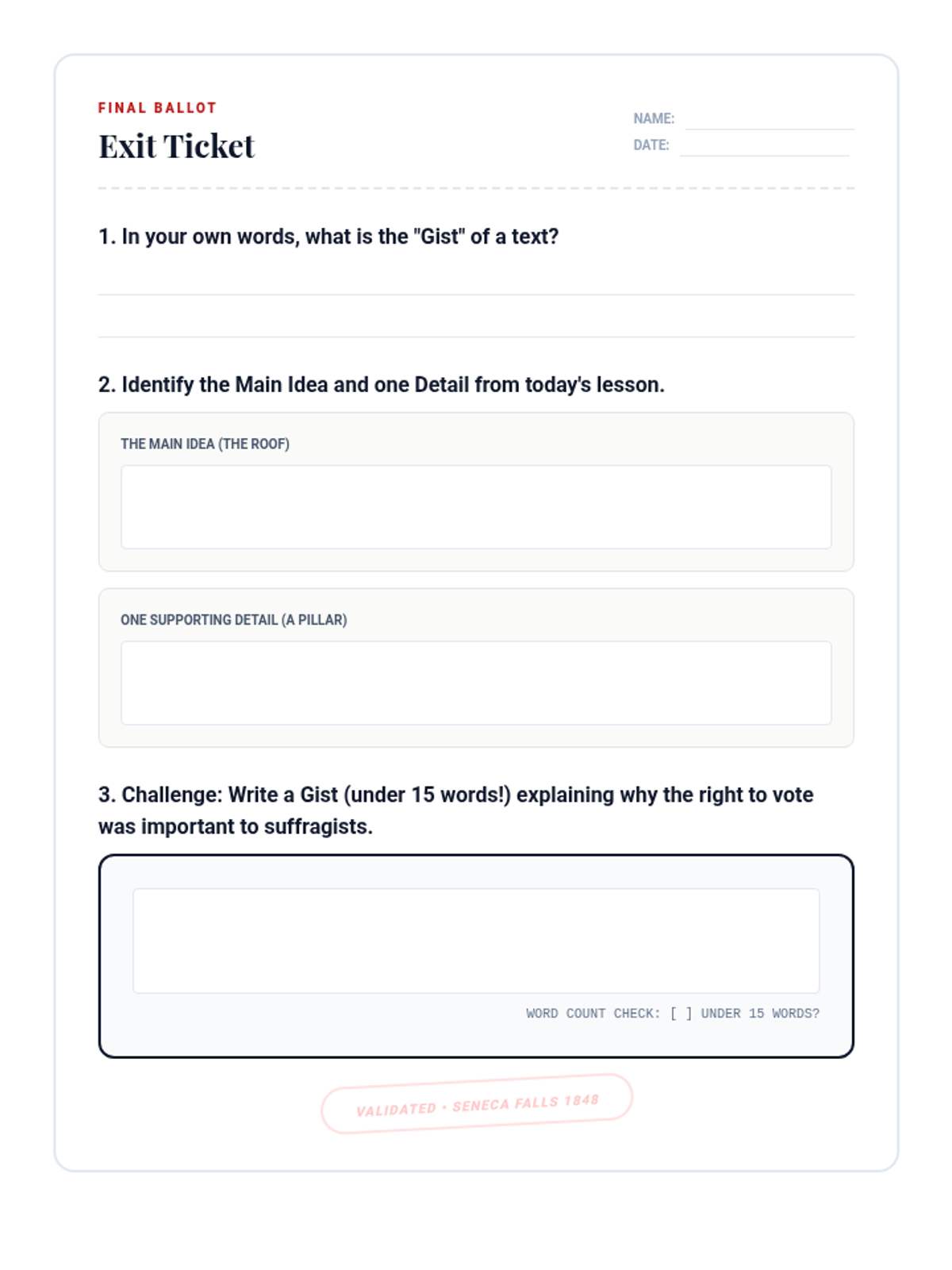
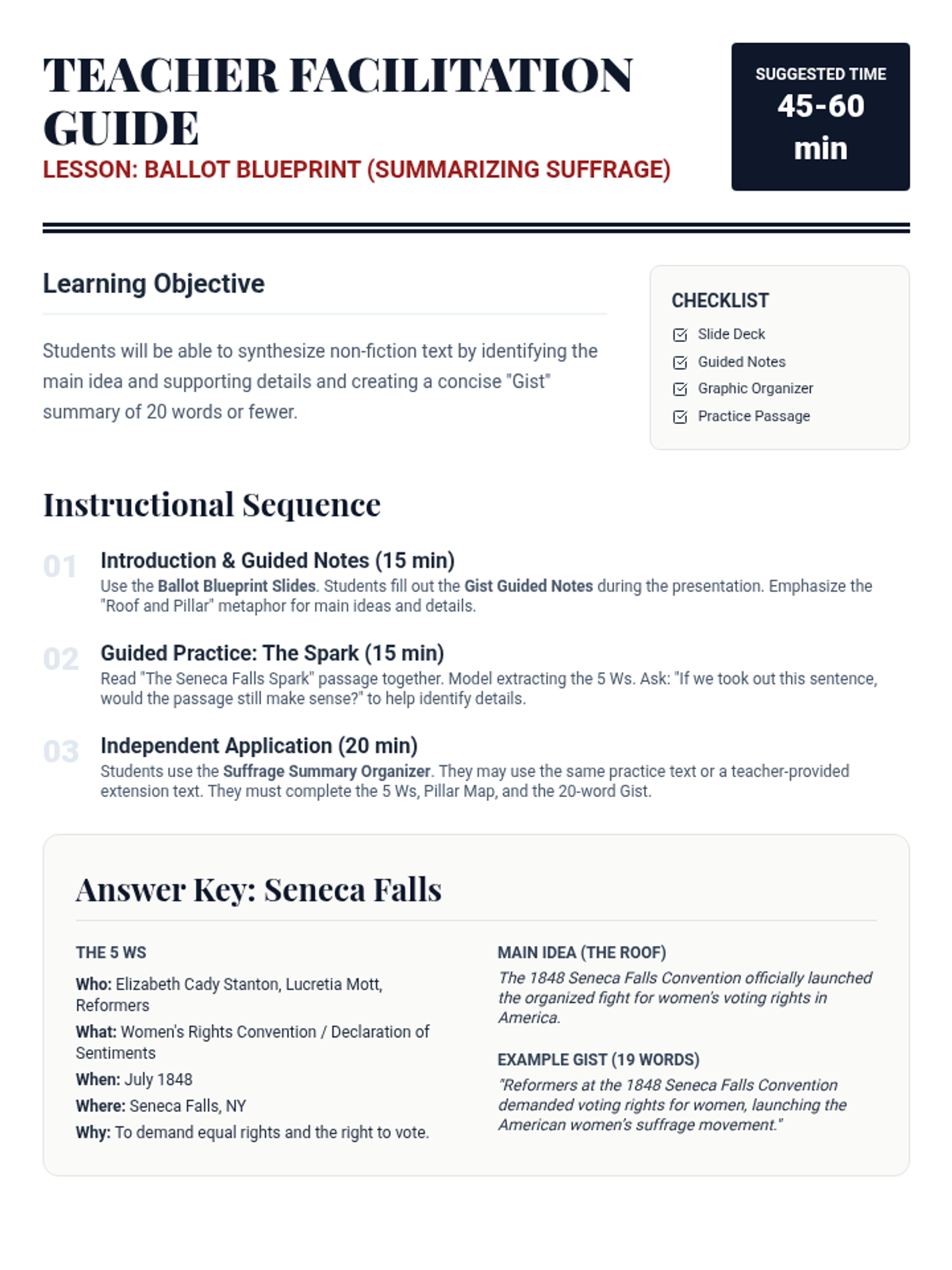
A mini-lesson on summarizing non-fiction texts about the women's suffrage movement using the 'Gist' method and identifying main ideas and supporting details.
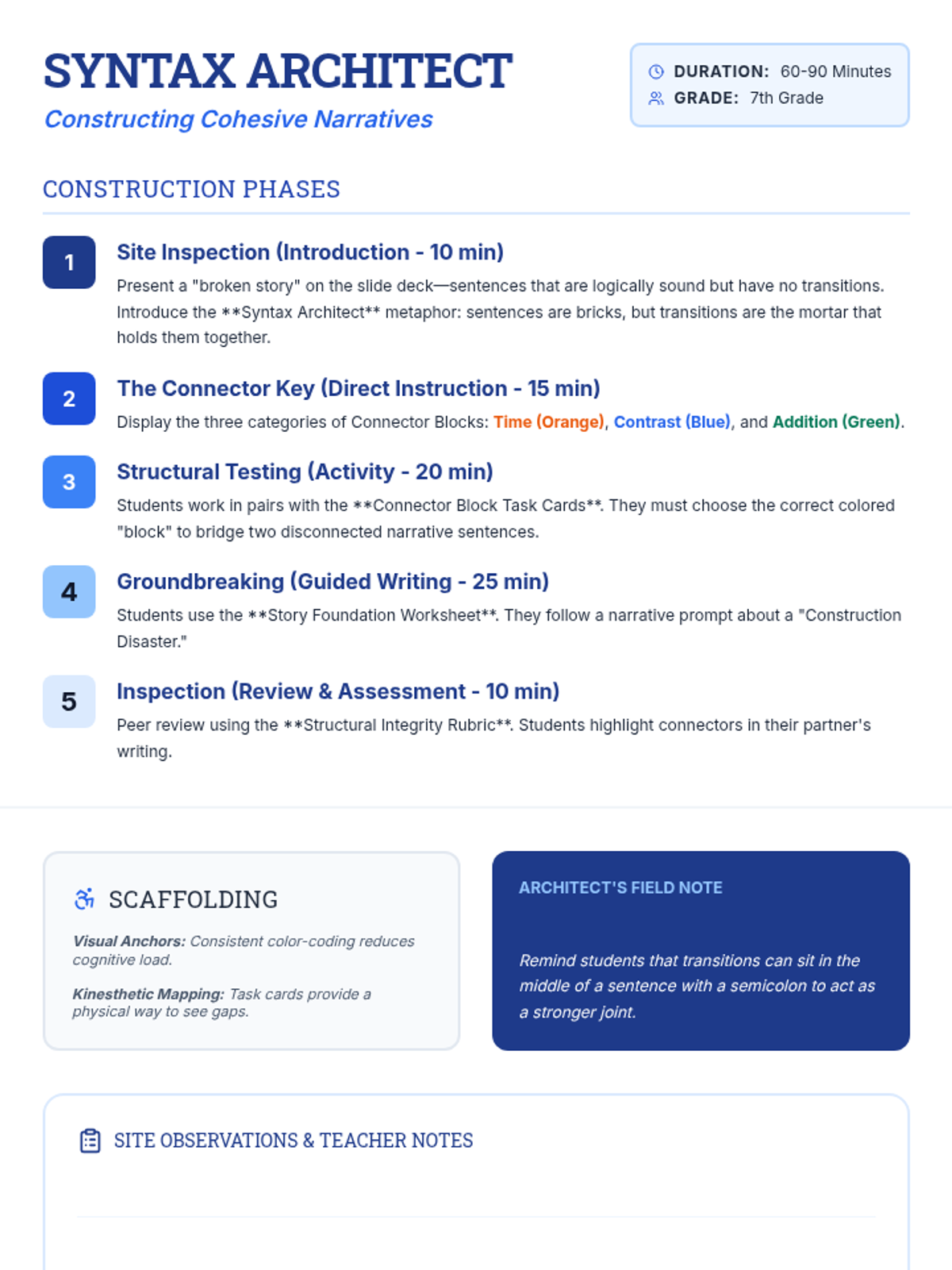
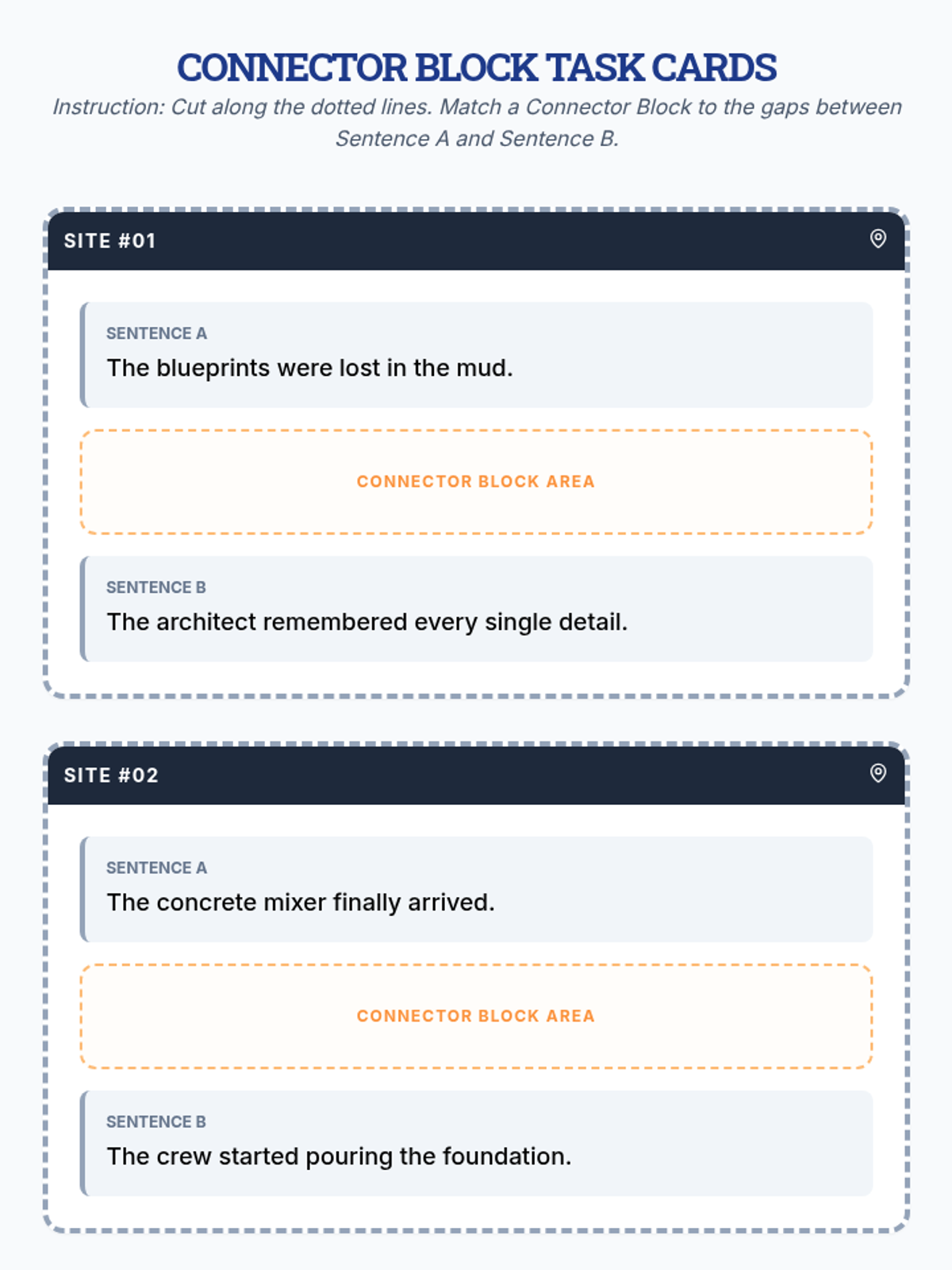
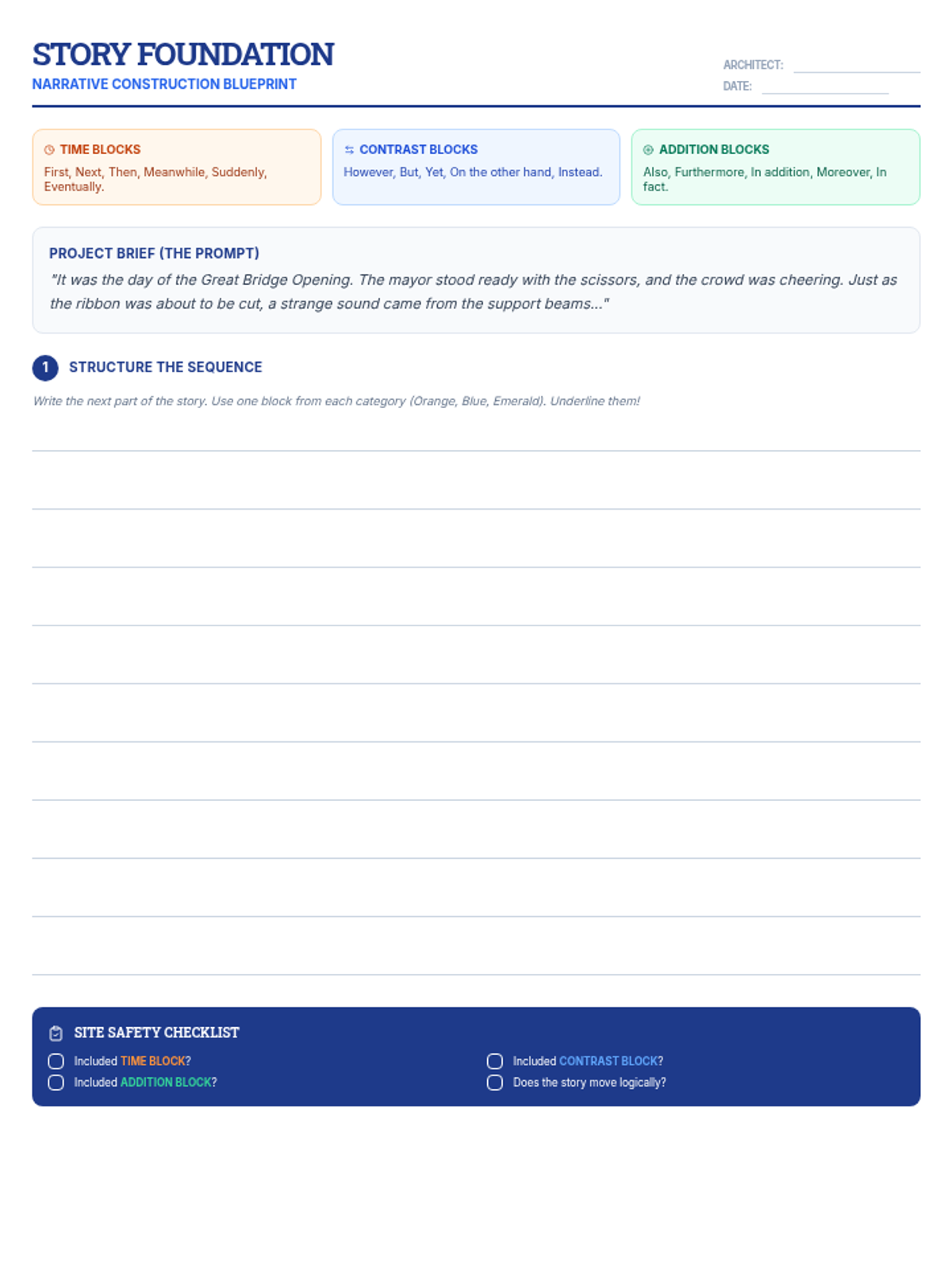
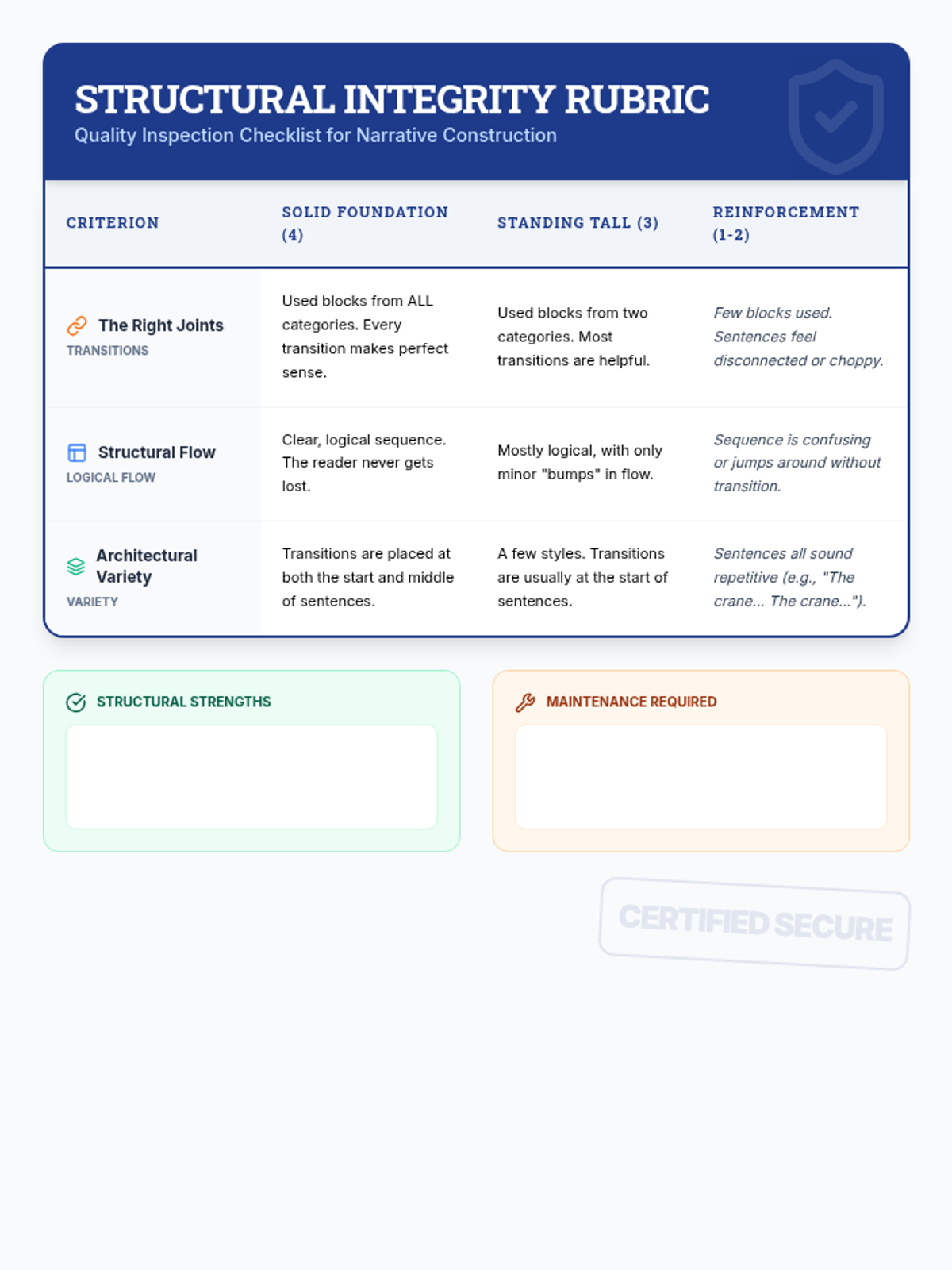
A writing intervention for 7th graders focusing on narrative flow and transitions using a visual construction-themed framework. Designed to support students with language-processing delays through color-coded scaffolding and visual connectors.
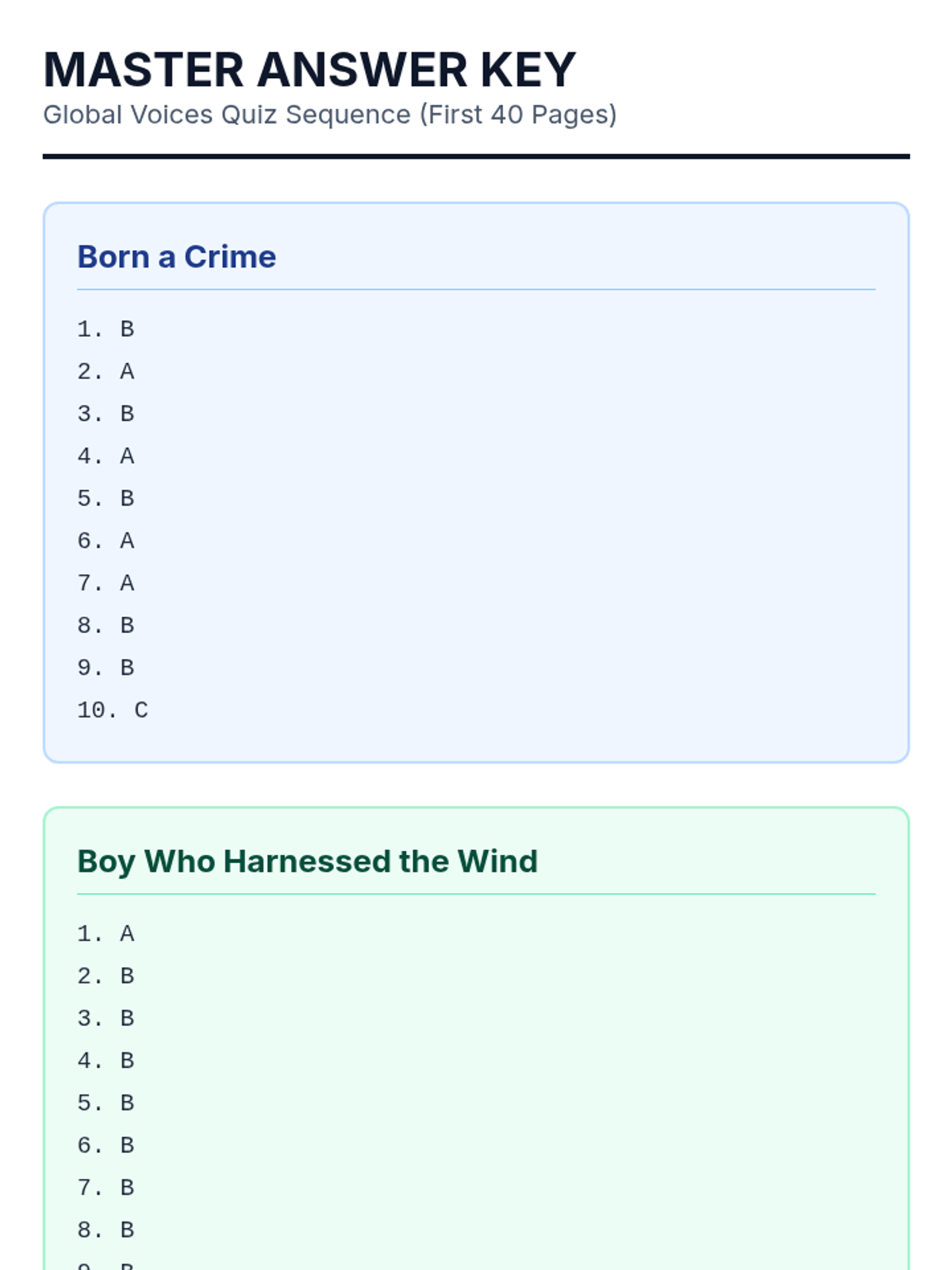
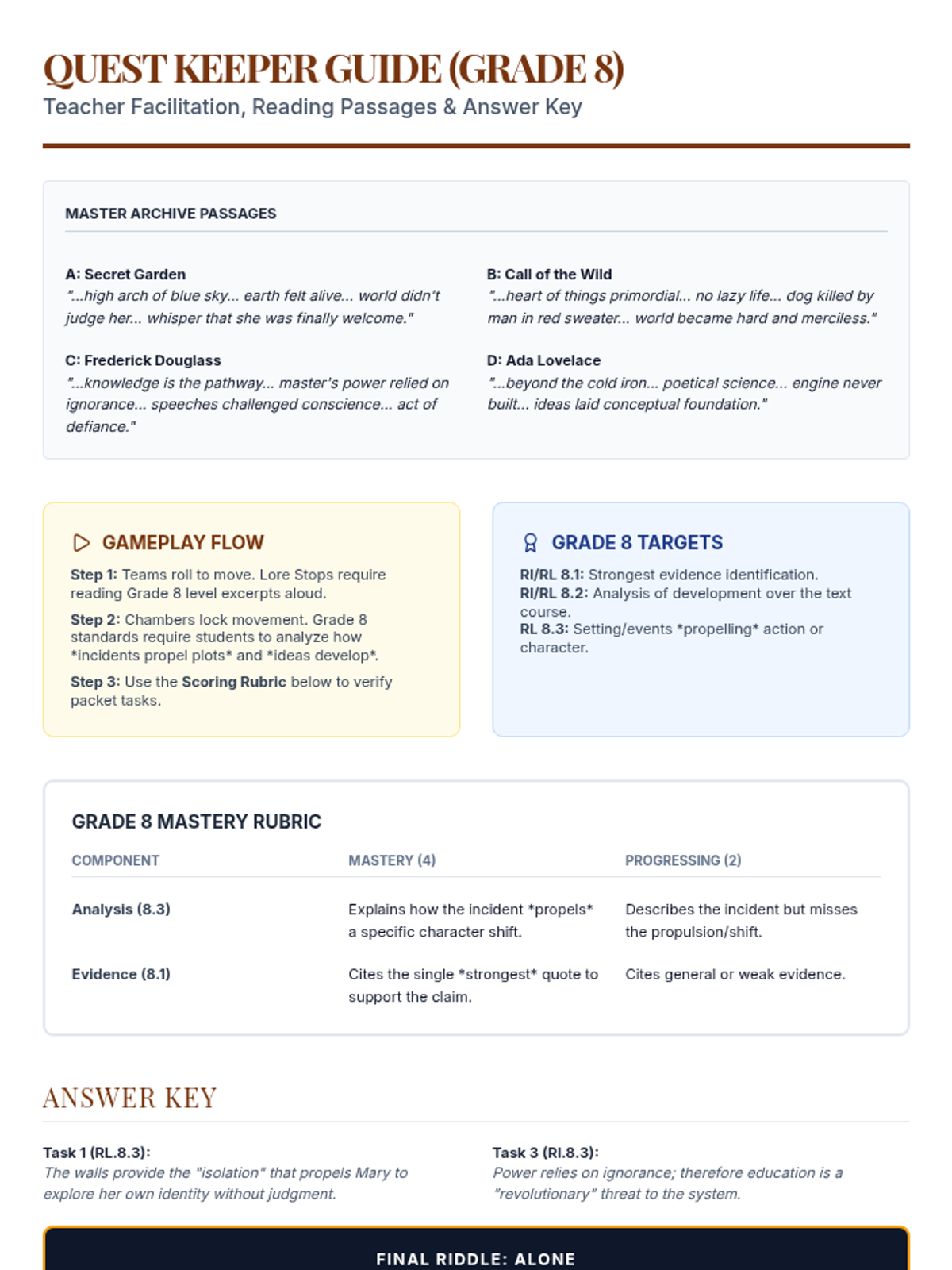
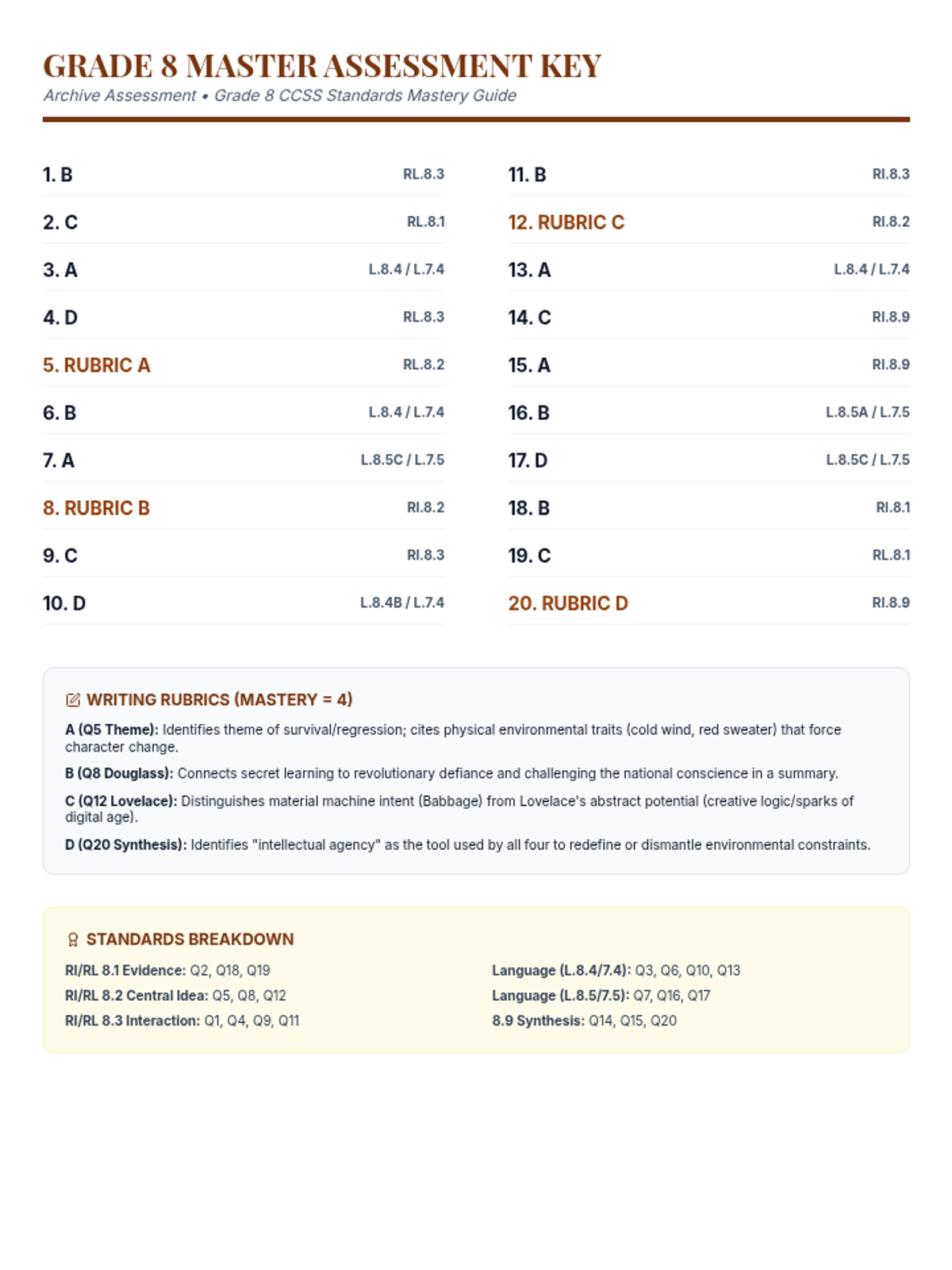
Consolidated teacher resources for the Global Voices Archive sequence, including answer keys and assessment guides.
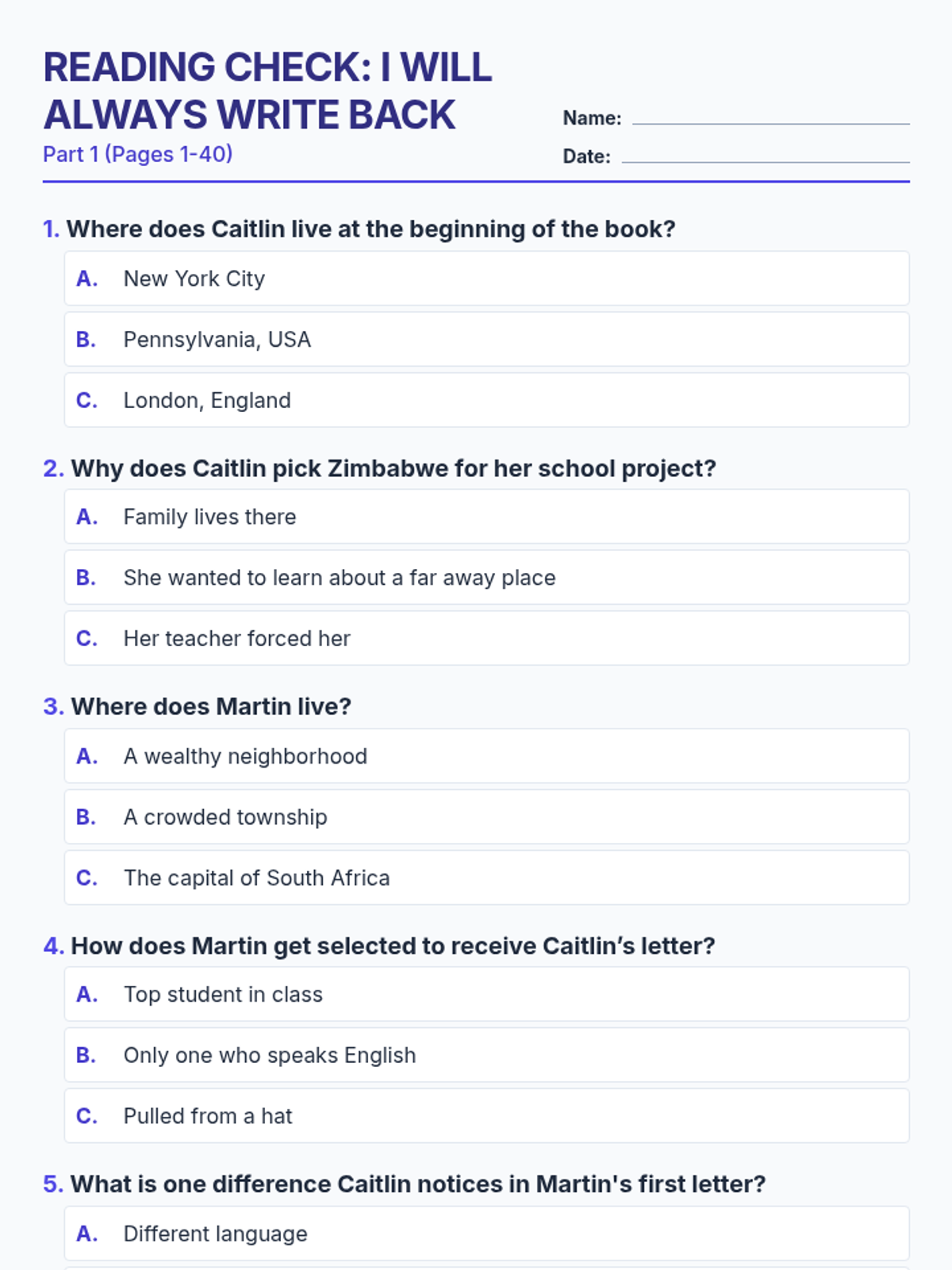
Introductory assessment for 'I Will Always Write Back', covering the initial exchange between Caitlin and Martin. Focuses on the contrast between life in Pennsylvania and Zimbabwe.
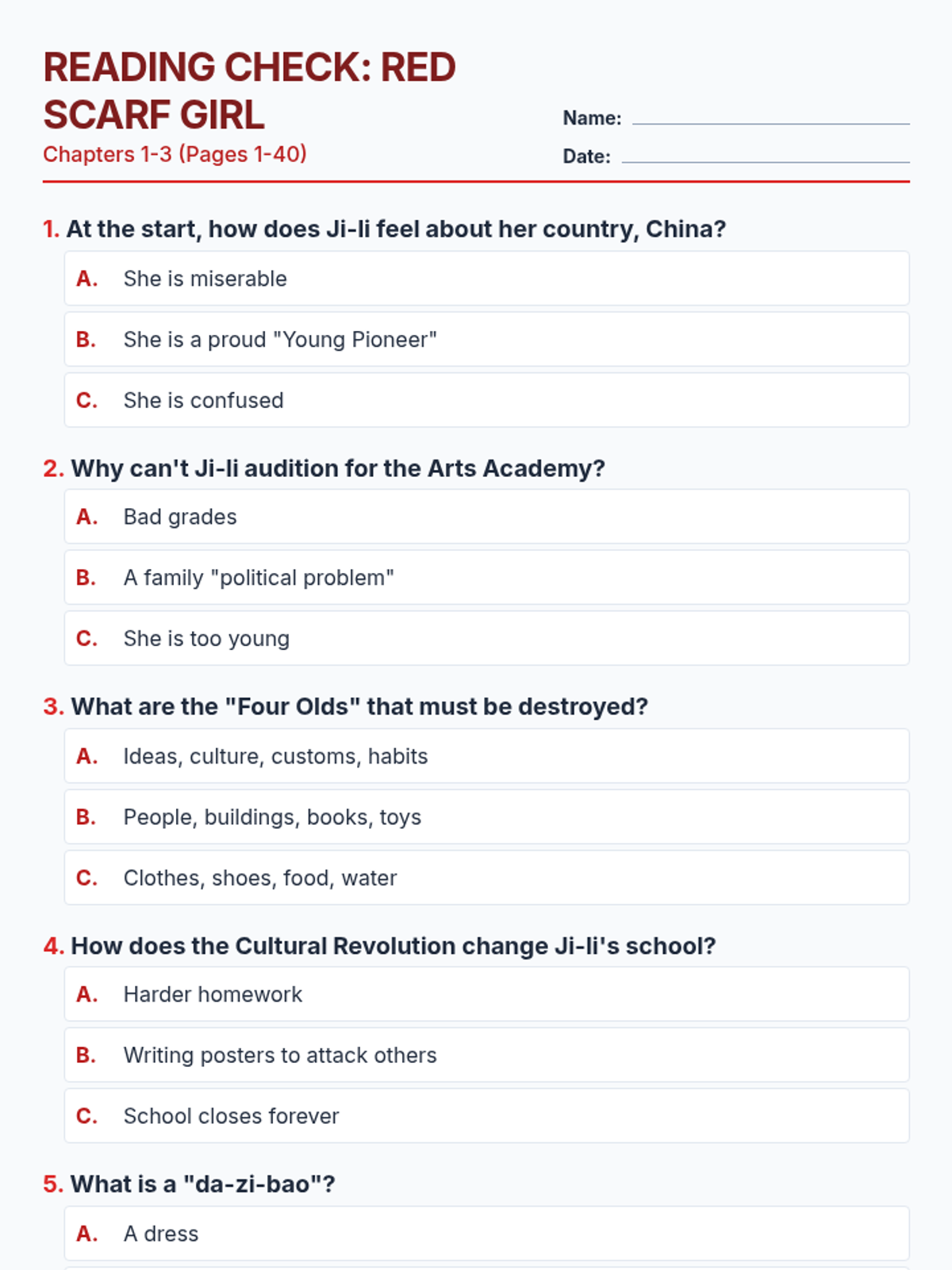
Introductory assessment for 'Red Scarf Girl' by Ji-li Jiang, covering the beginning of the Cultural Revolution in China. Focuses on the 'Four Olds' and the change in Ji-li's social status.
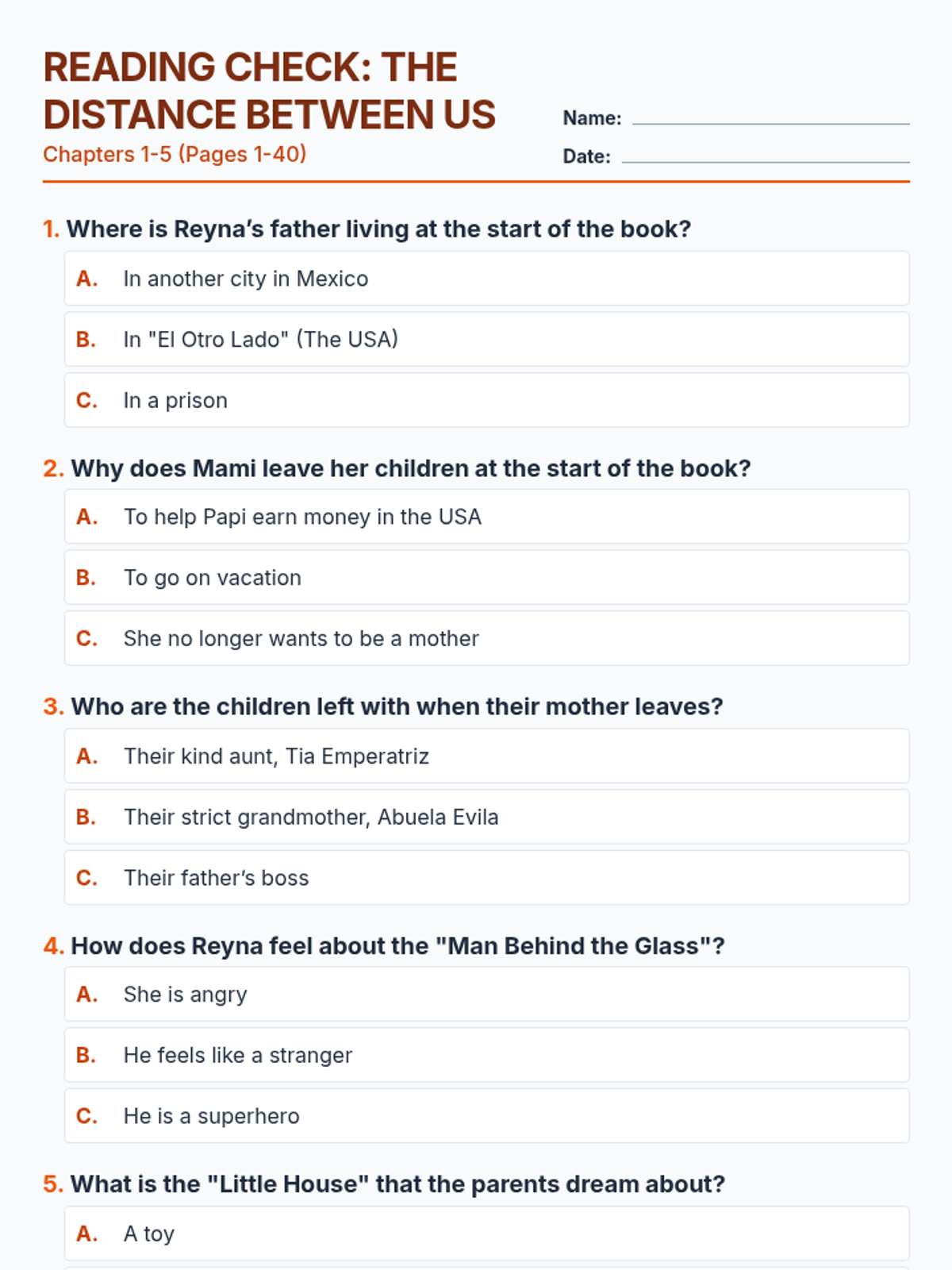
Introductory assessment for 'The Distance Between Us' by Reyna Grande, covering the first 40 pages. Focuses on the impact of migration on family dynamics and the dream of 'El Otro Lado'.
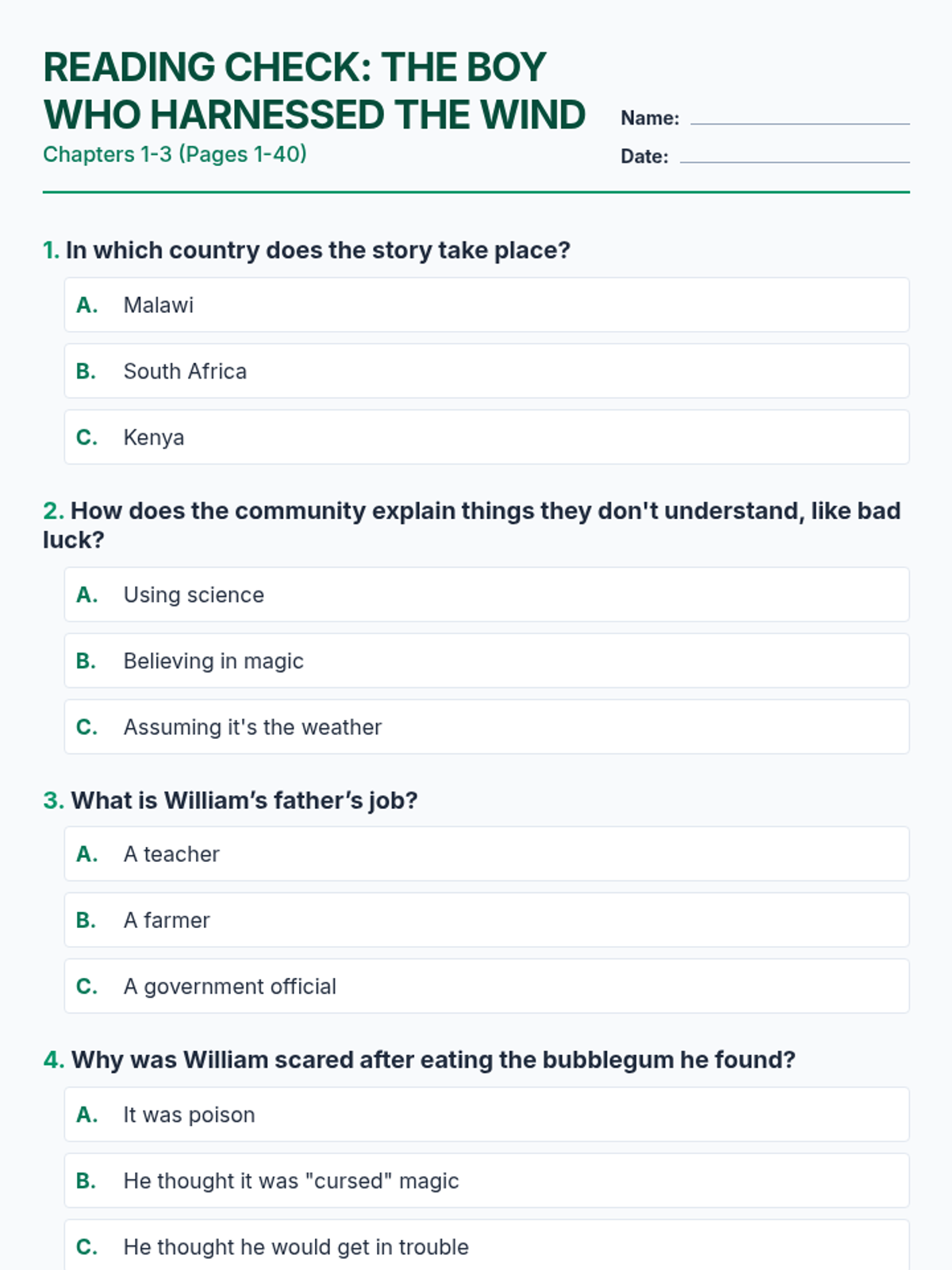
Introductory assessment for 'The Boy Who Harnessed the Wind' by William Kamkwamba, covering the early chapters. Focuses on the cultural setting of Malawi and the role of magic vs. science.
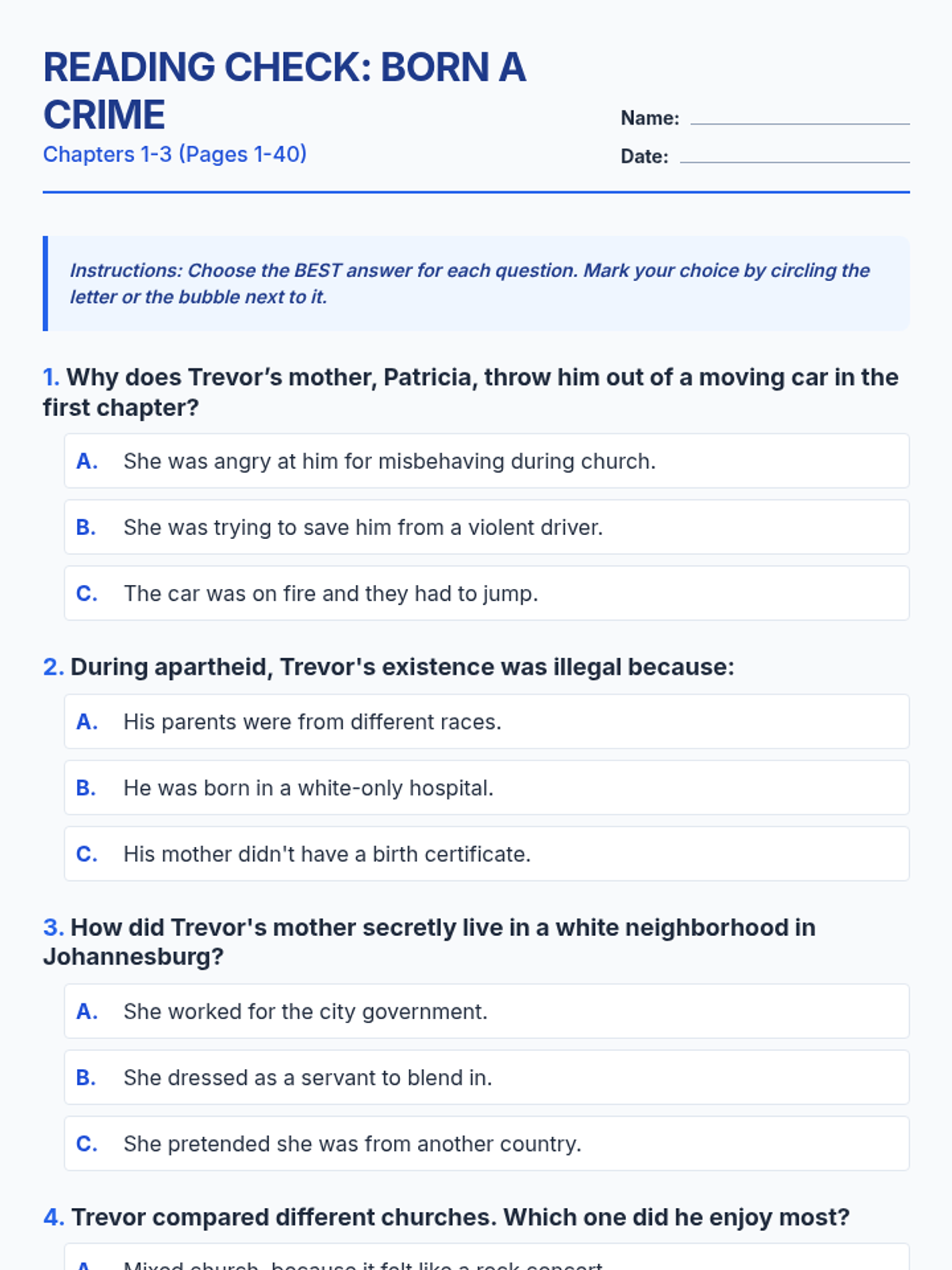
Introductory assessment for Trevor Noah's 'Born a Crime', covering Chapters 1-3 (approx. first 40 pages). Focuses on the setting of apartheid South Africa and Trevor's early childhood experiences.
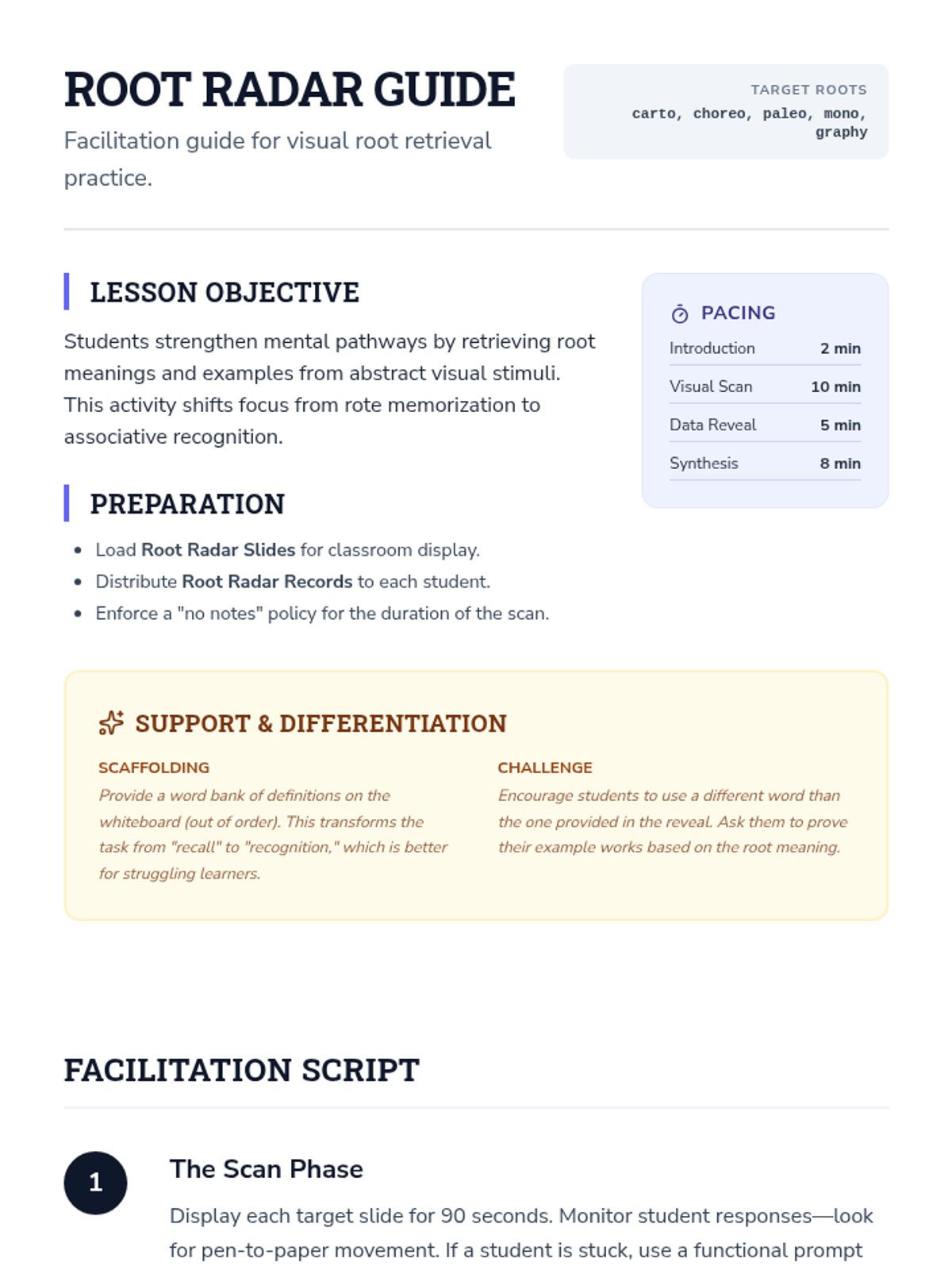
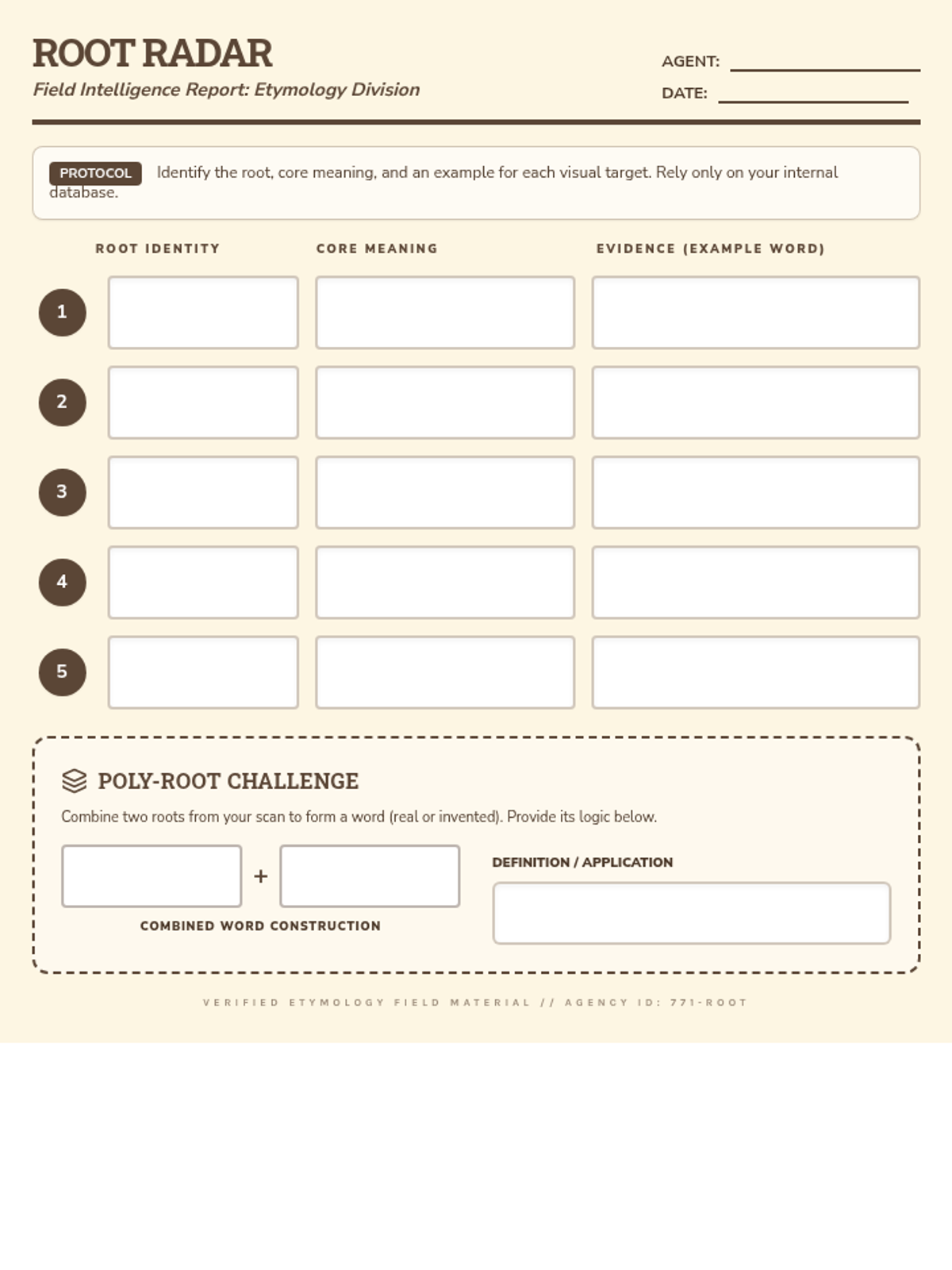
A retrieval practice session focused on identifying and defining Greek and Latin roots through visual associations and context clues. Students decode roots like carto, choreo, and paleo using high-impact imagery.
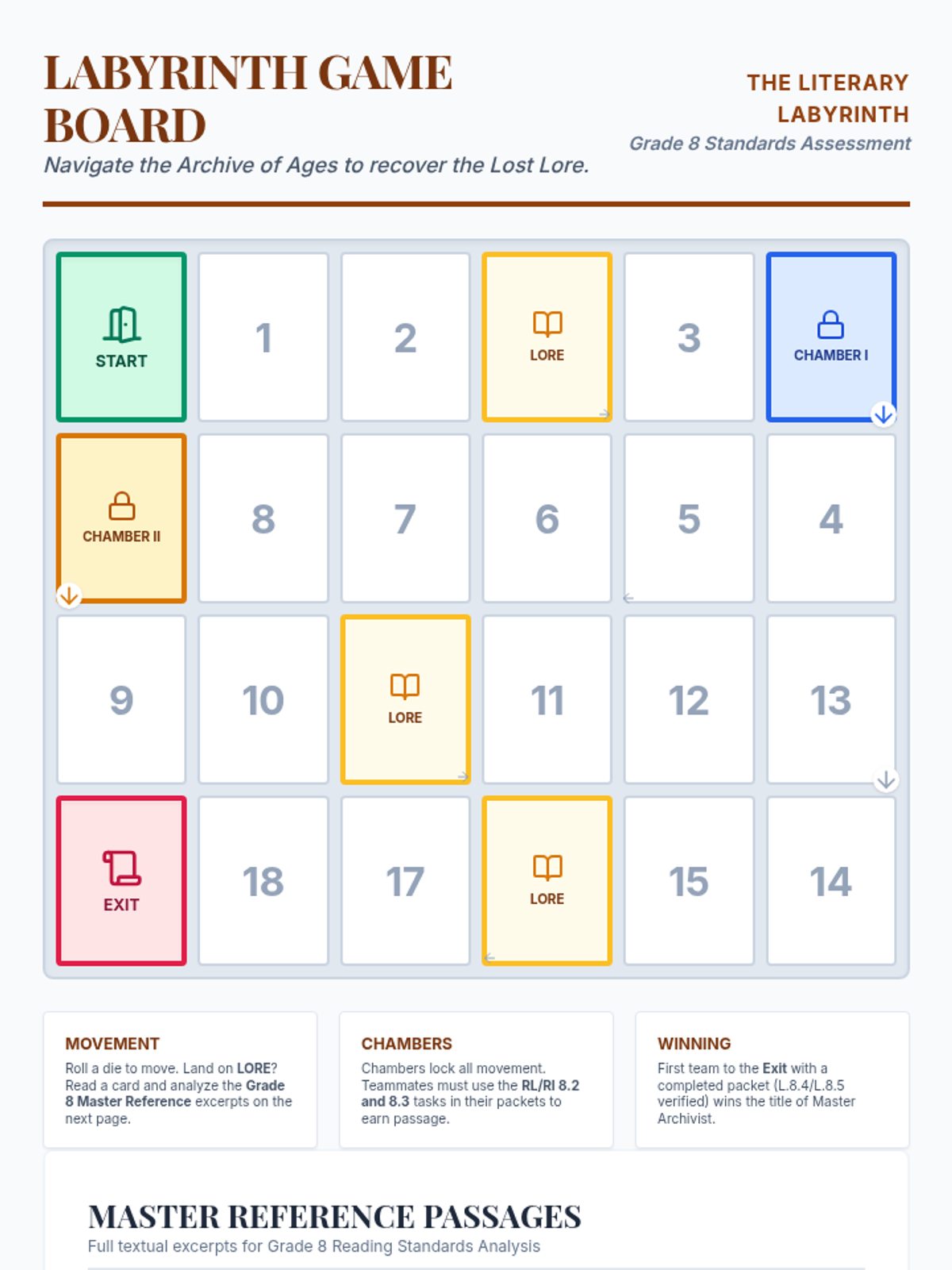
Students engage in a dual-format game that tests their ability to cite evidence, determine themes/central ideas, and analyze character-setting interactions. This lesson combines movement-based play with rigorous textual analysis.
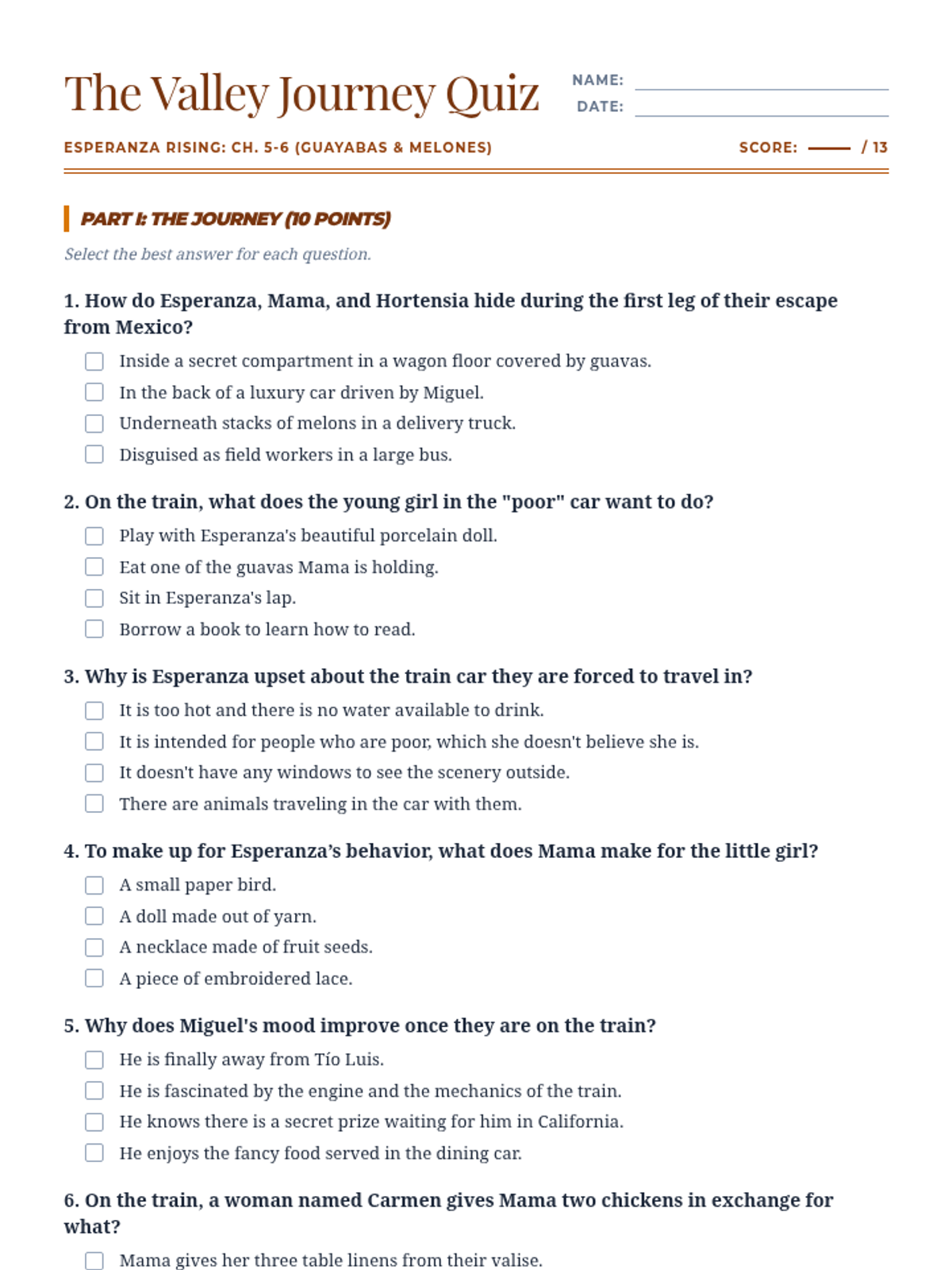
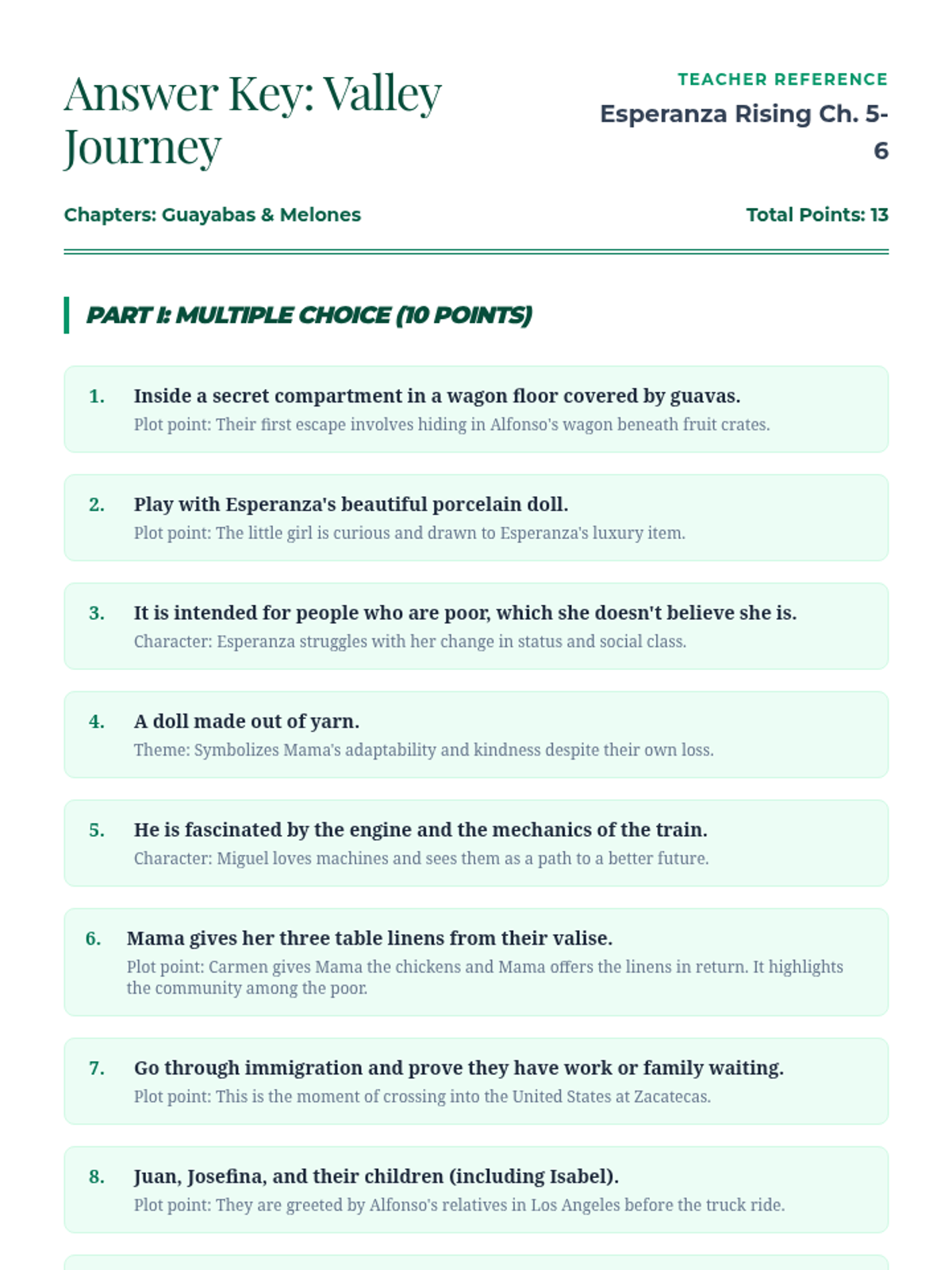
This lesson covers the middle section of Esperanza's journey, focusing on her transition from Mexico to the labor camps in California. Students explore themes of social class, humility, and the physical reality of the Great Depression through the chapters Guayabas and Melones.
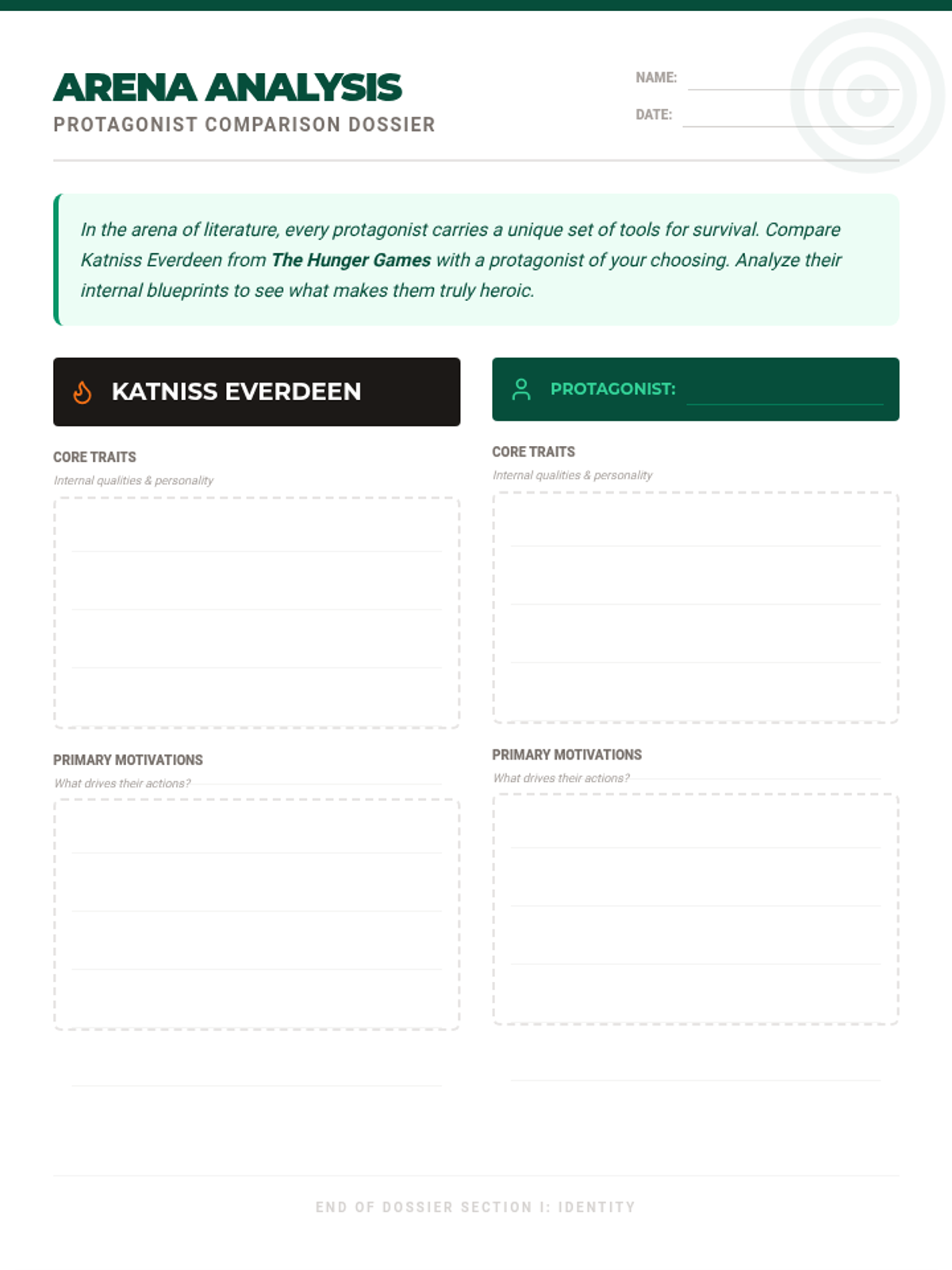
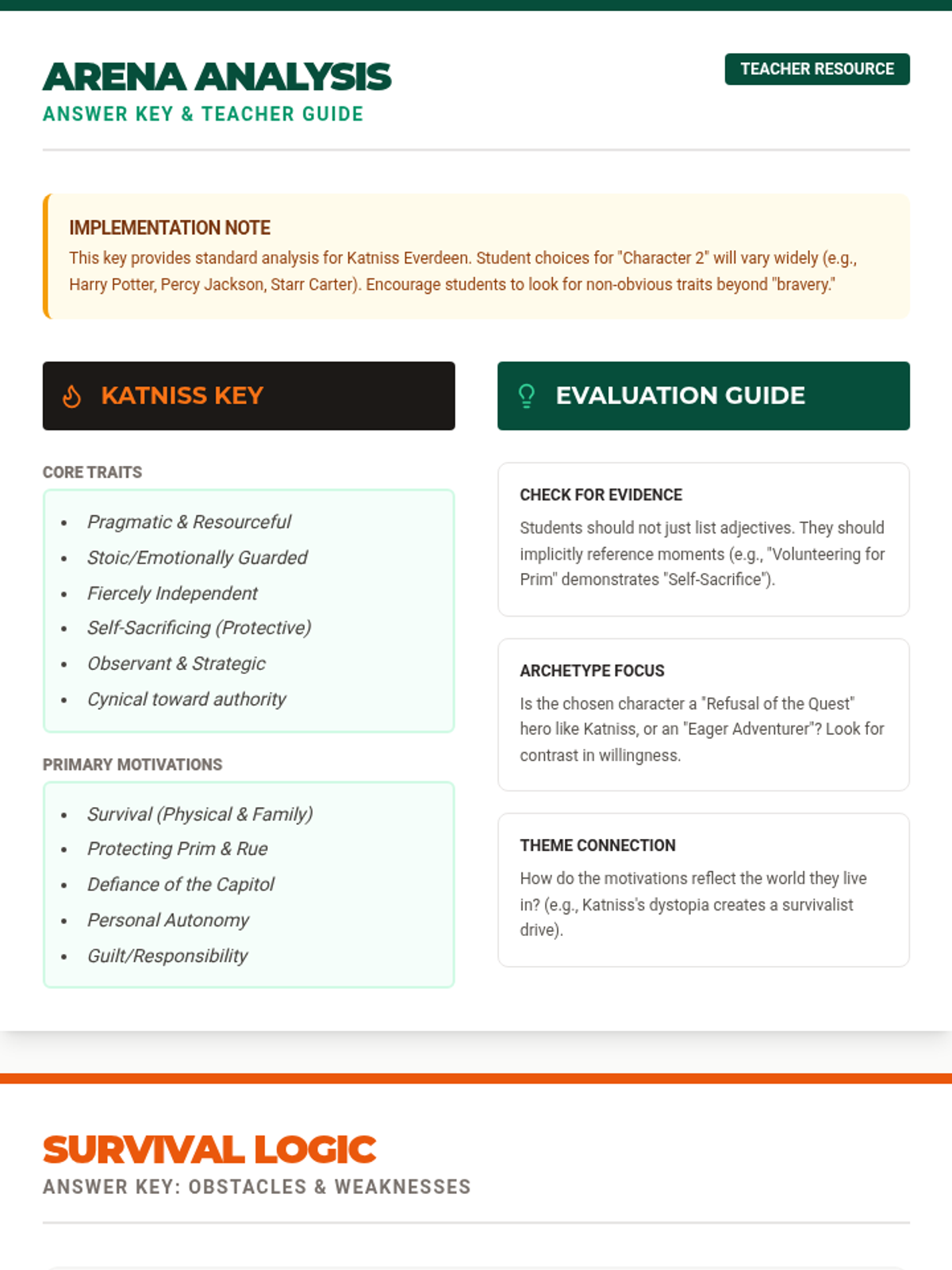
A deep-dive character analysis lesson comparing Katniss Everdeen with other literary protagonists to explore universal hero archetypes and character development.
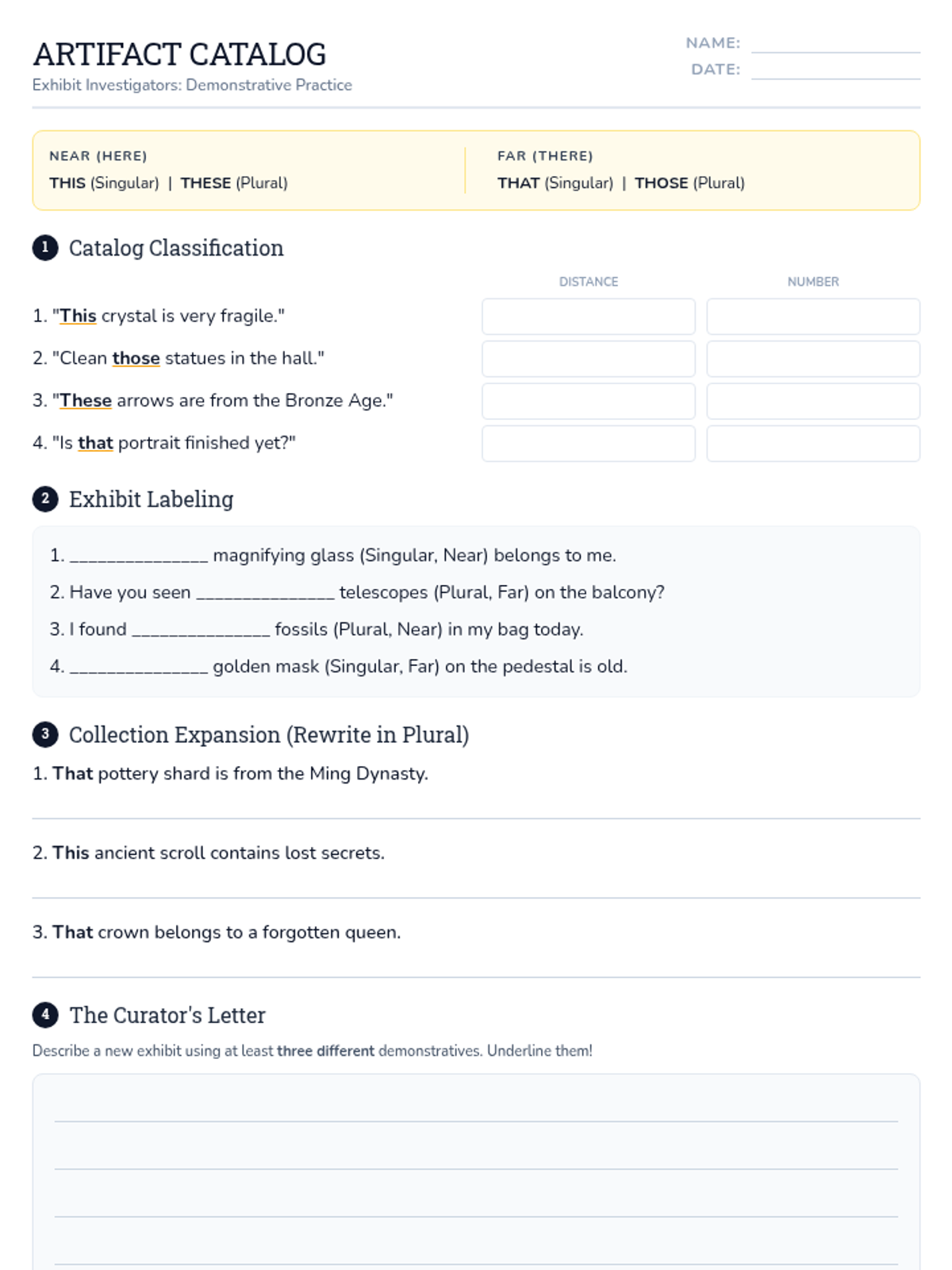
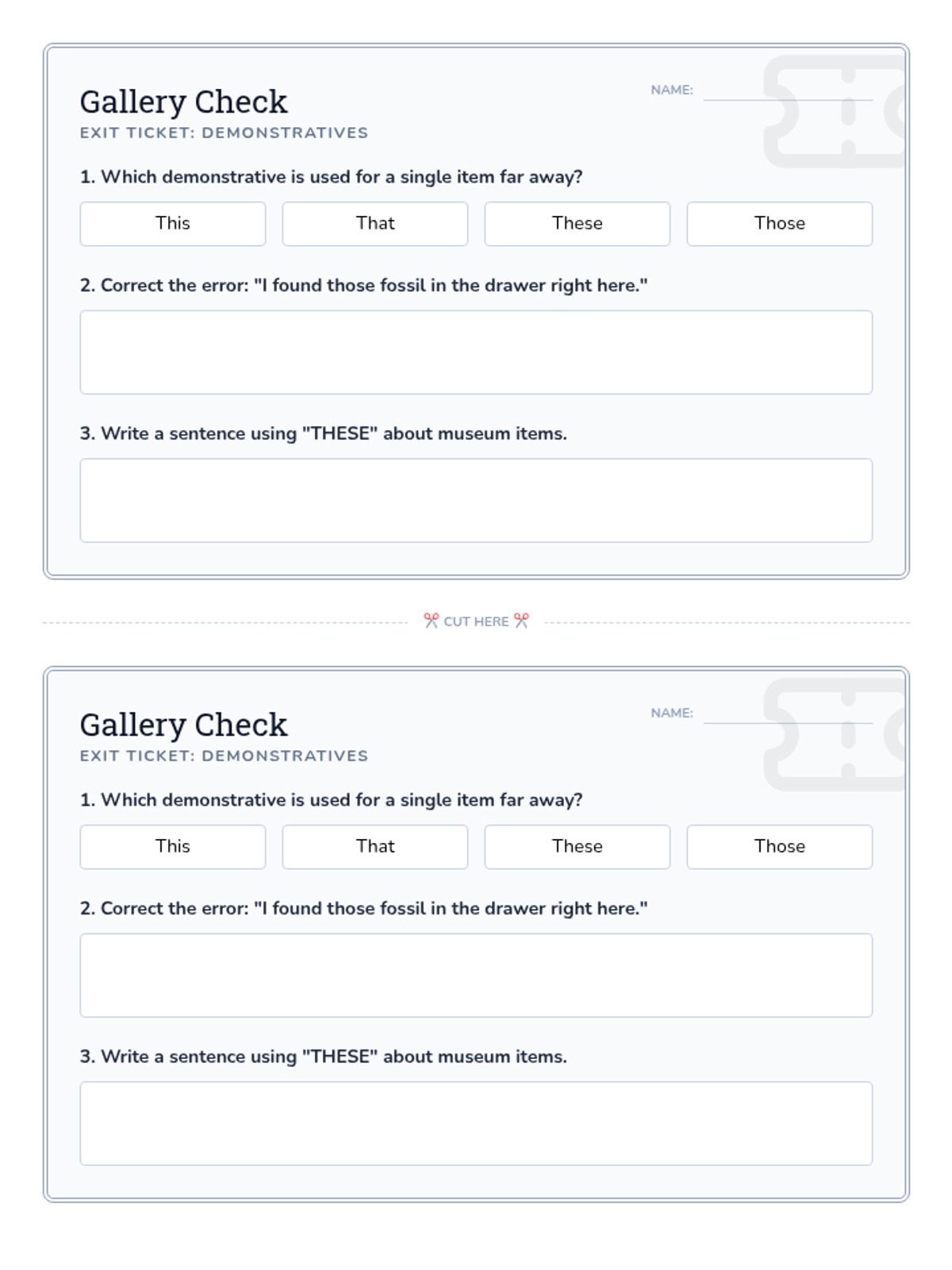
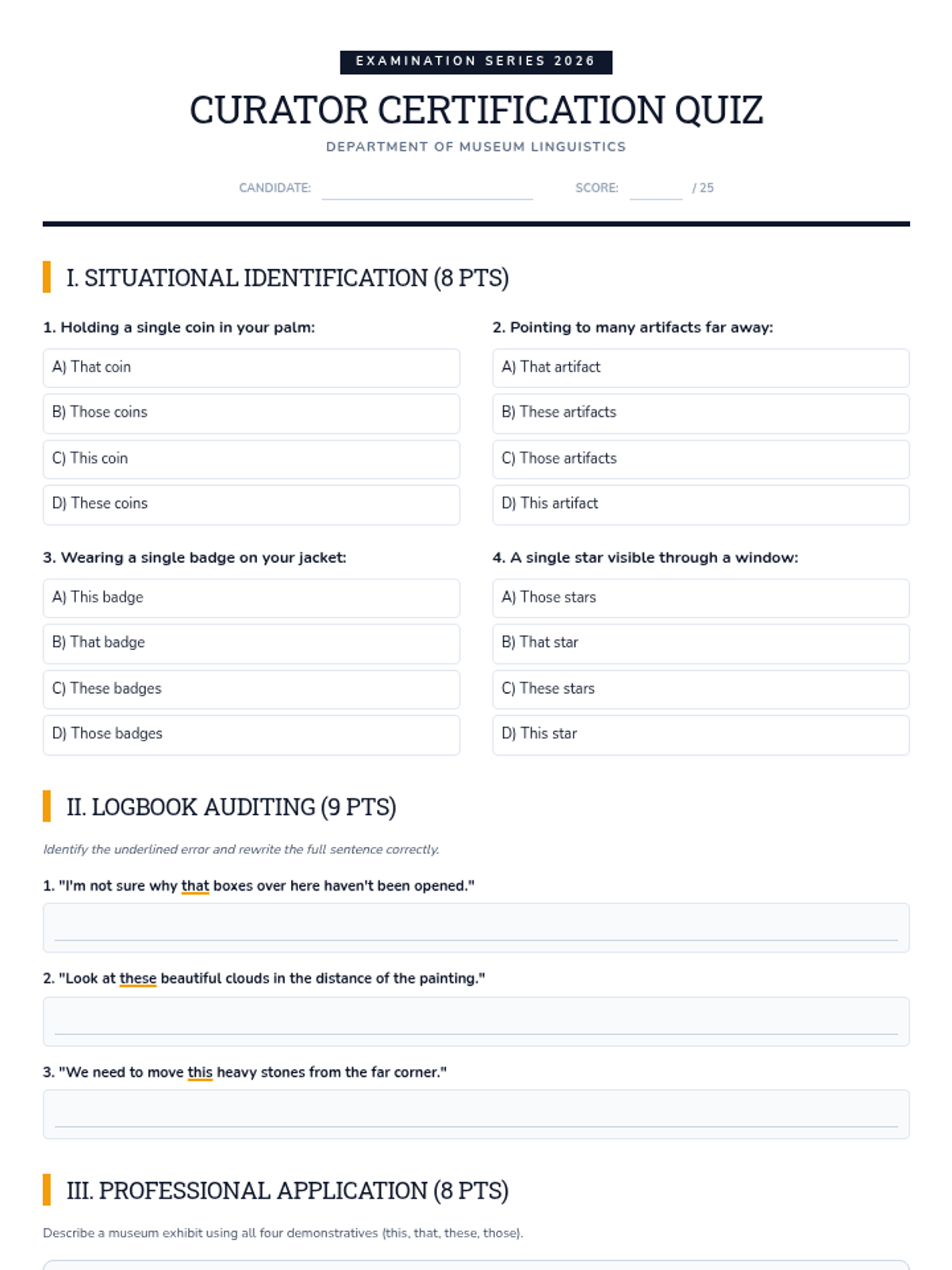
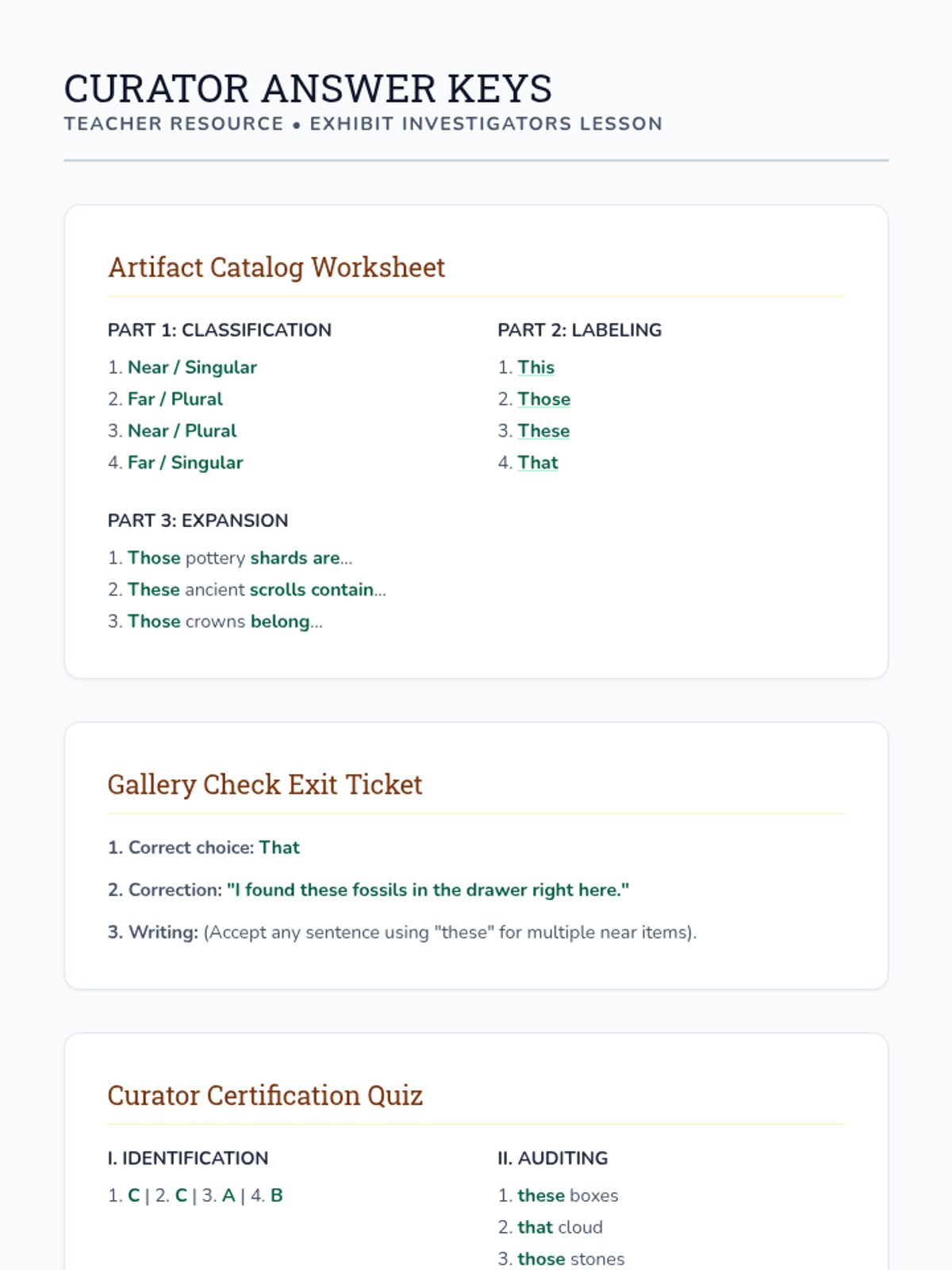
A comprehensive lesson on using demonstratives (this, that, these, those) correctly, themed around a museum curator's task of cataloging artifacts based on distance and number.
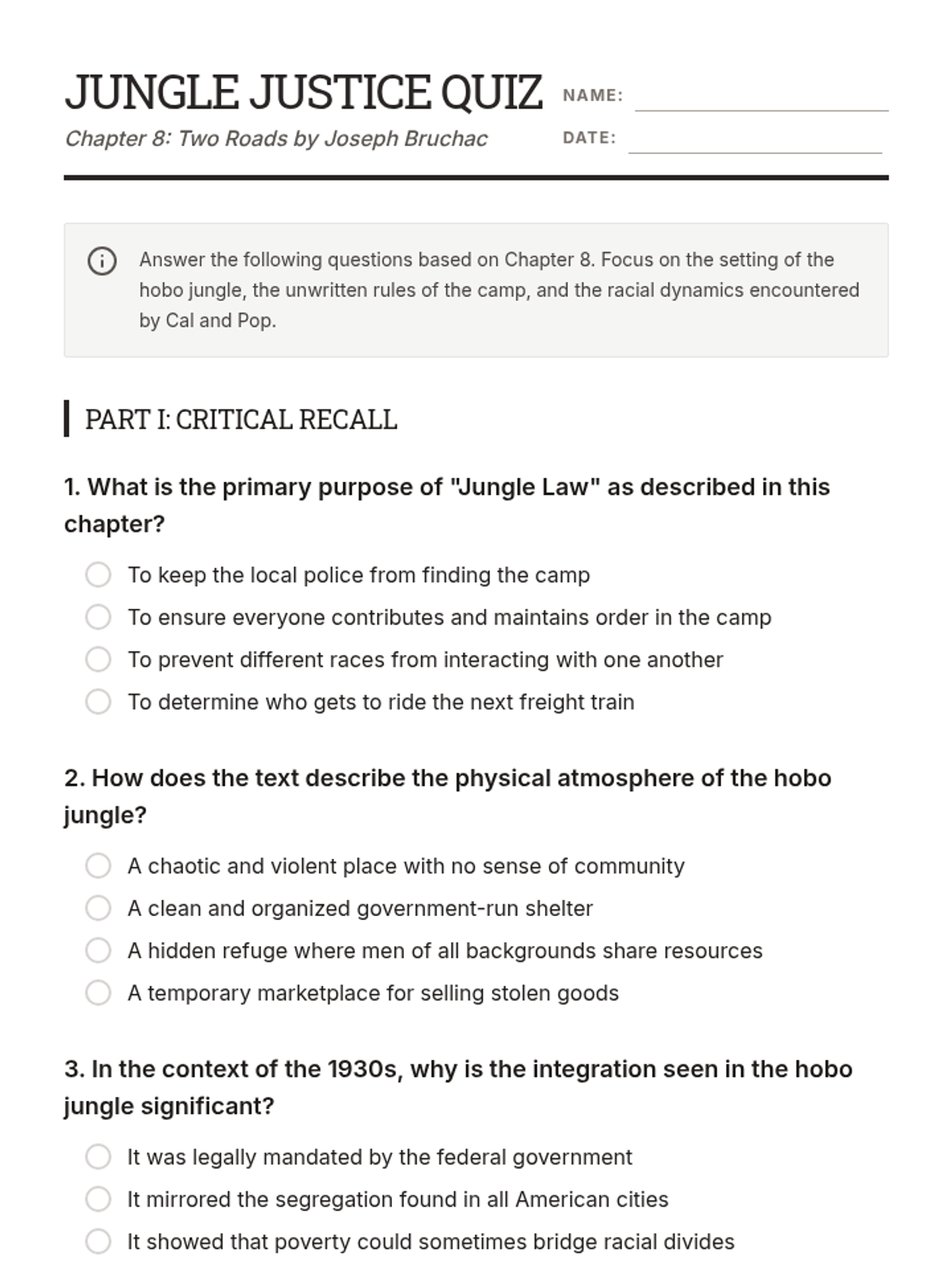
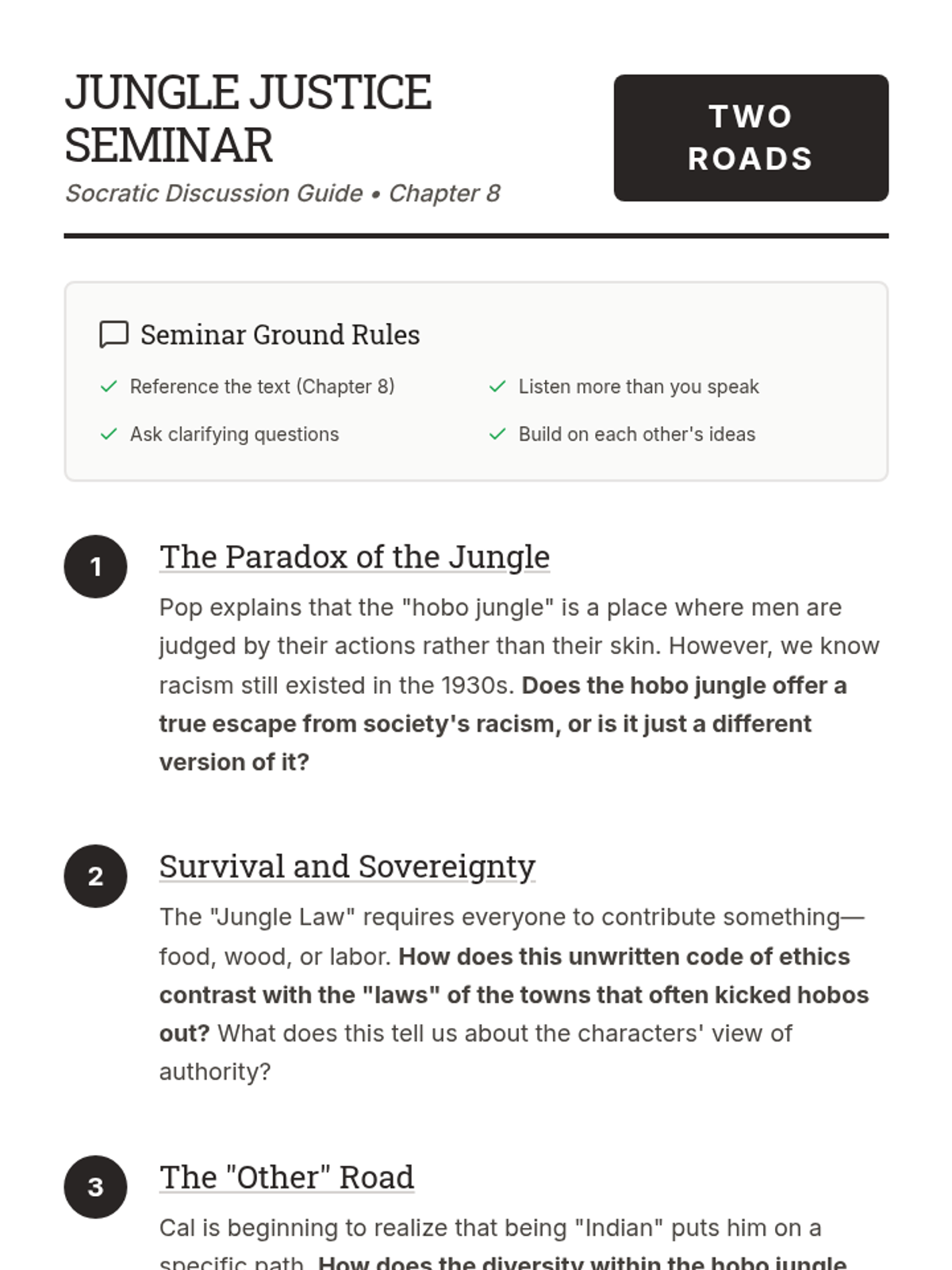
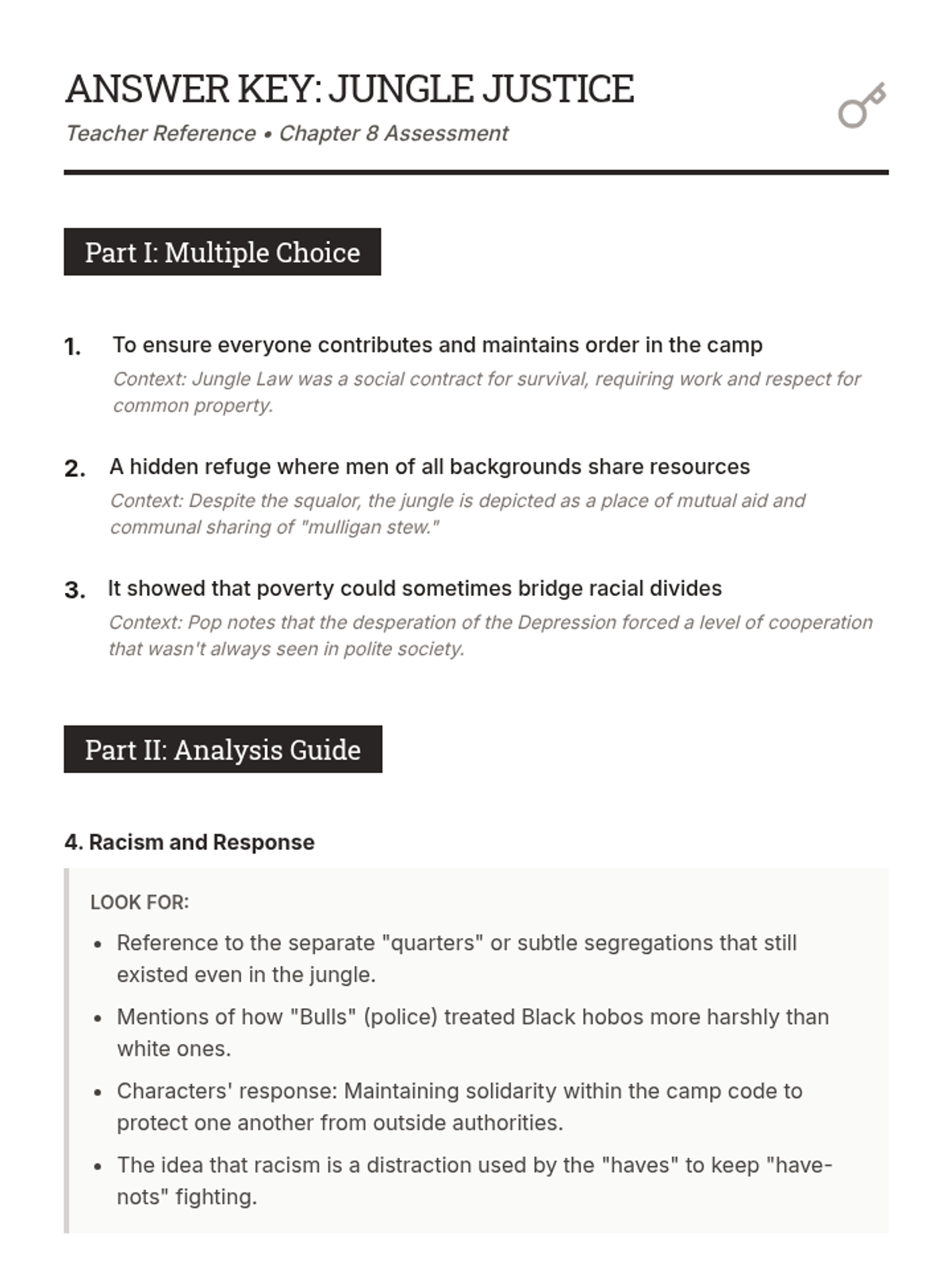
A lesson exploring Chapter 8 of 'Two Roads', focusing on the socio-economic and racial dynamics of hobo jungles during the Great Depression.
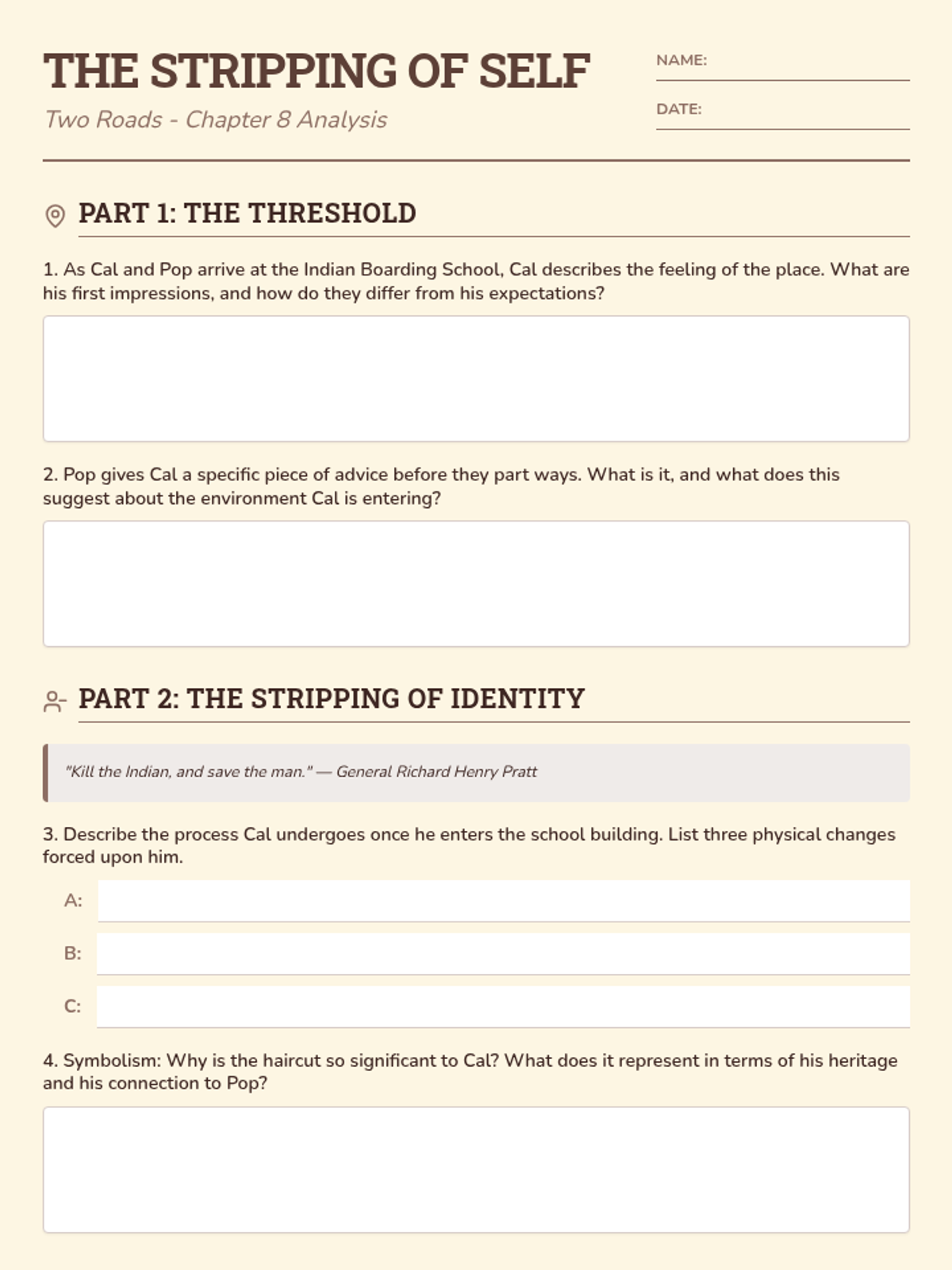
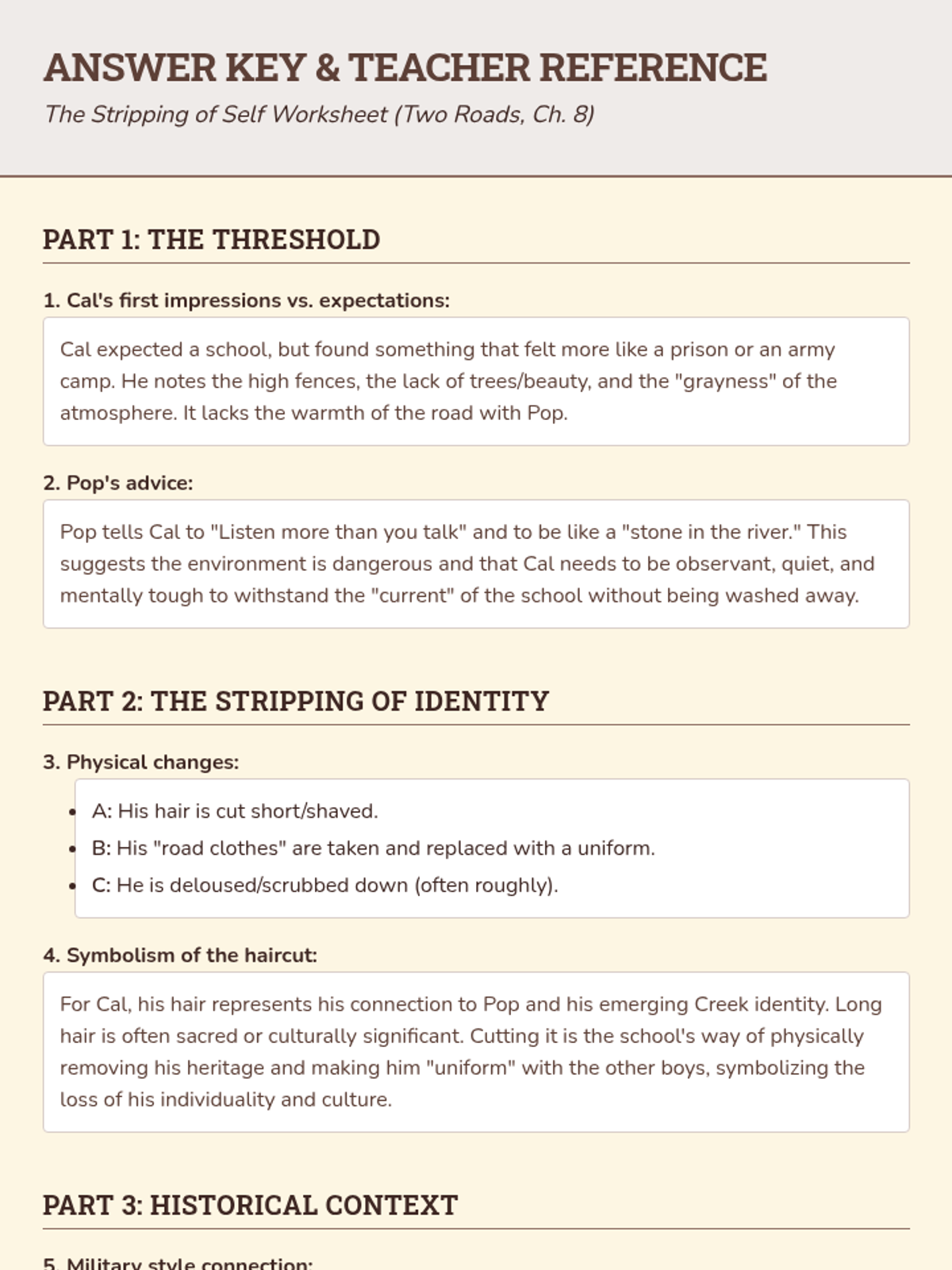
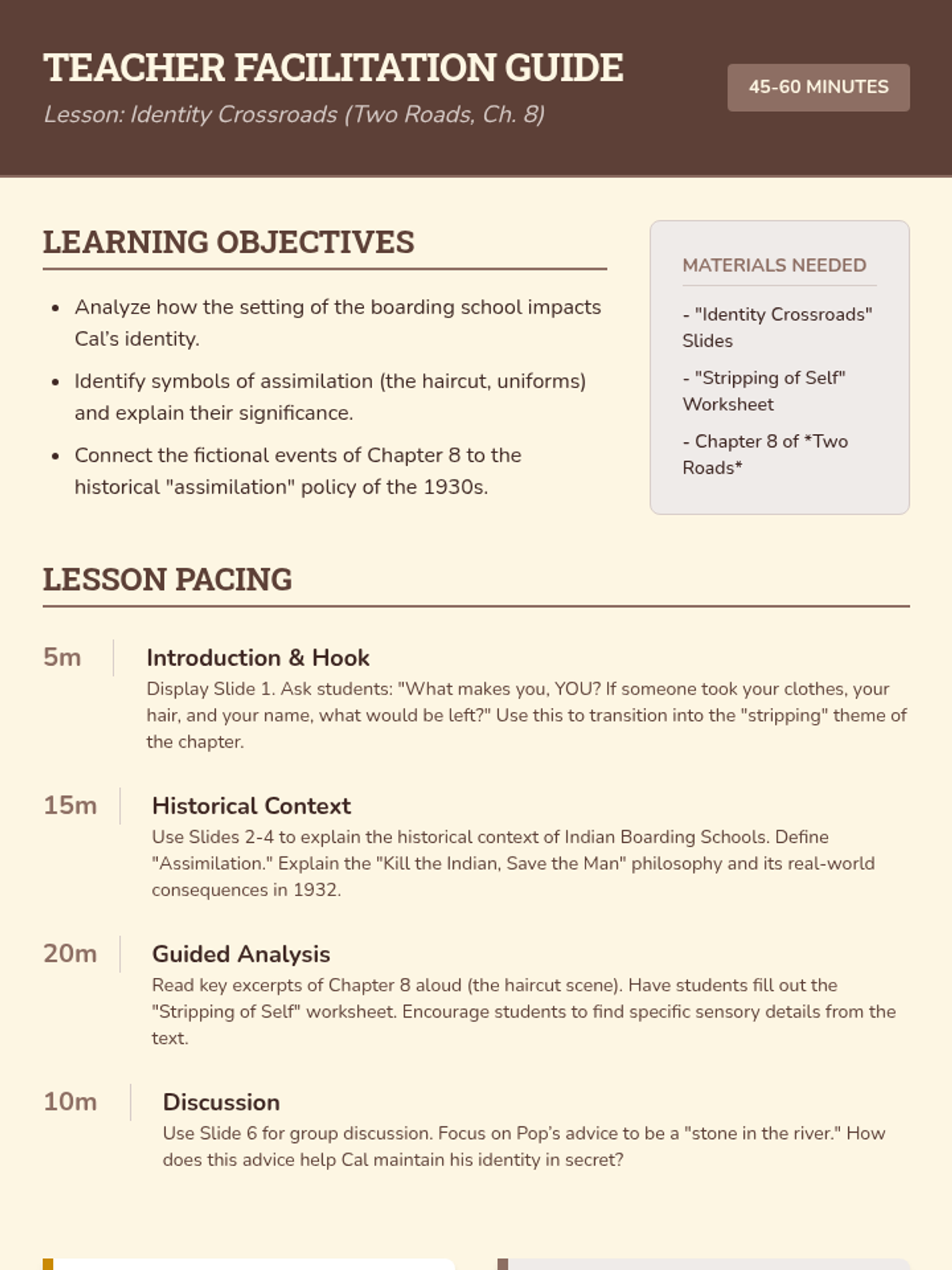
A focused exploration of Chapter 8 of Joseph Bruchac's 'Two Roads,' examining the historical reality of Indian Boarding Schools and the impact of forced assimilation on Cal's identity. Students will analyze the symbolic 'stripping' of identity and the historical context of the 1930s.