A creative writing lesson where students learn to use acrostic poetry to capture personal memories while practicing rhyming patterns.
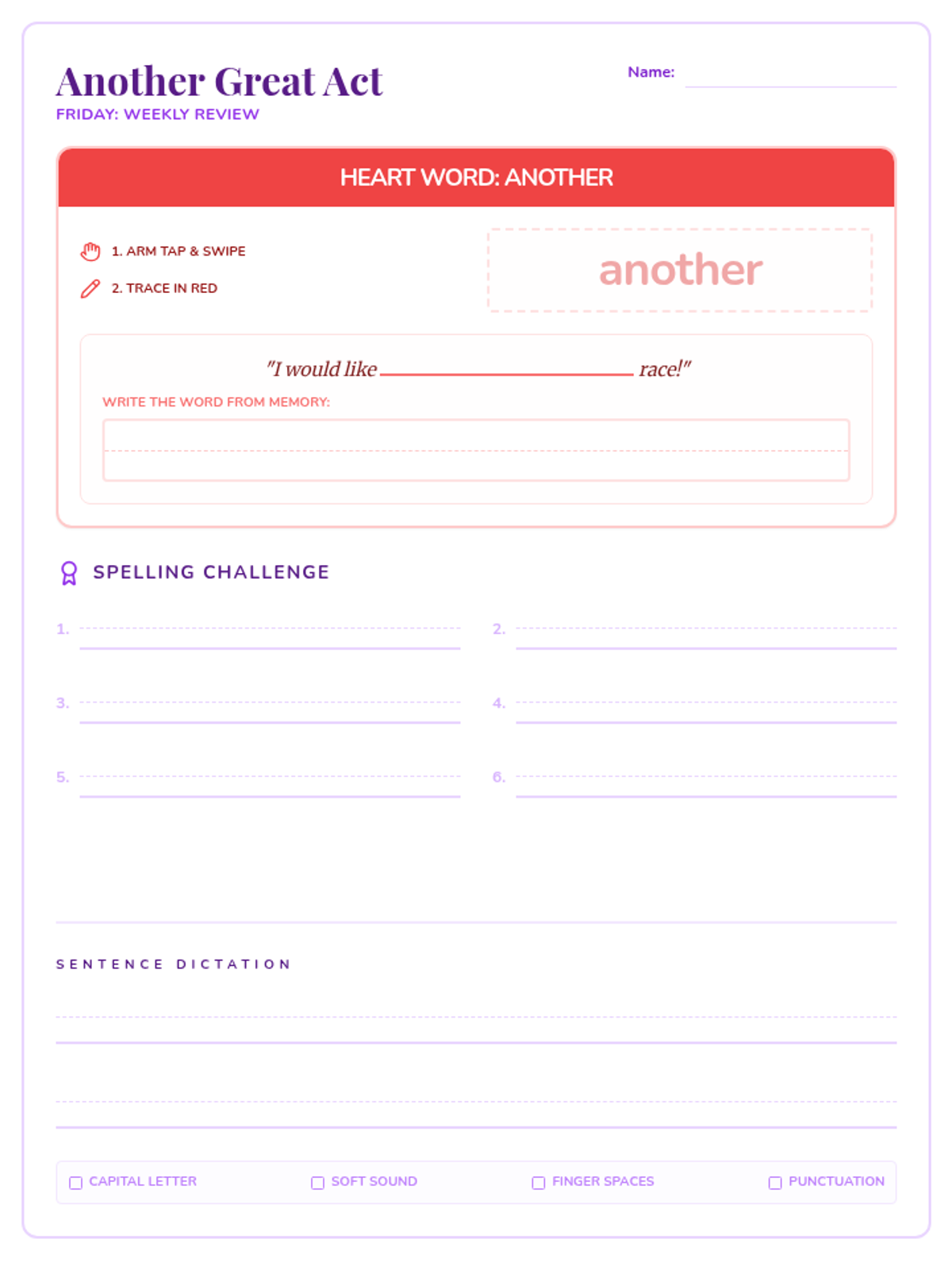
A linguistic phonics lesson focused on encoding primer and high-frequency words through structured sentence dictation. Students practice spelling and writing skills while applying their knowledge of CVC patterns and sight words.
Students will learn to expand simple sentences into descriptive ones by adding details that answer what, how, where, when, and why, using video games and basketball as engaging themes.
A lesson focused on using visual prompts to spark descriptive and narrative writing. Students use a set of visual cards to generate ideas, describe settings, and build characters for their stories.
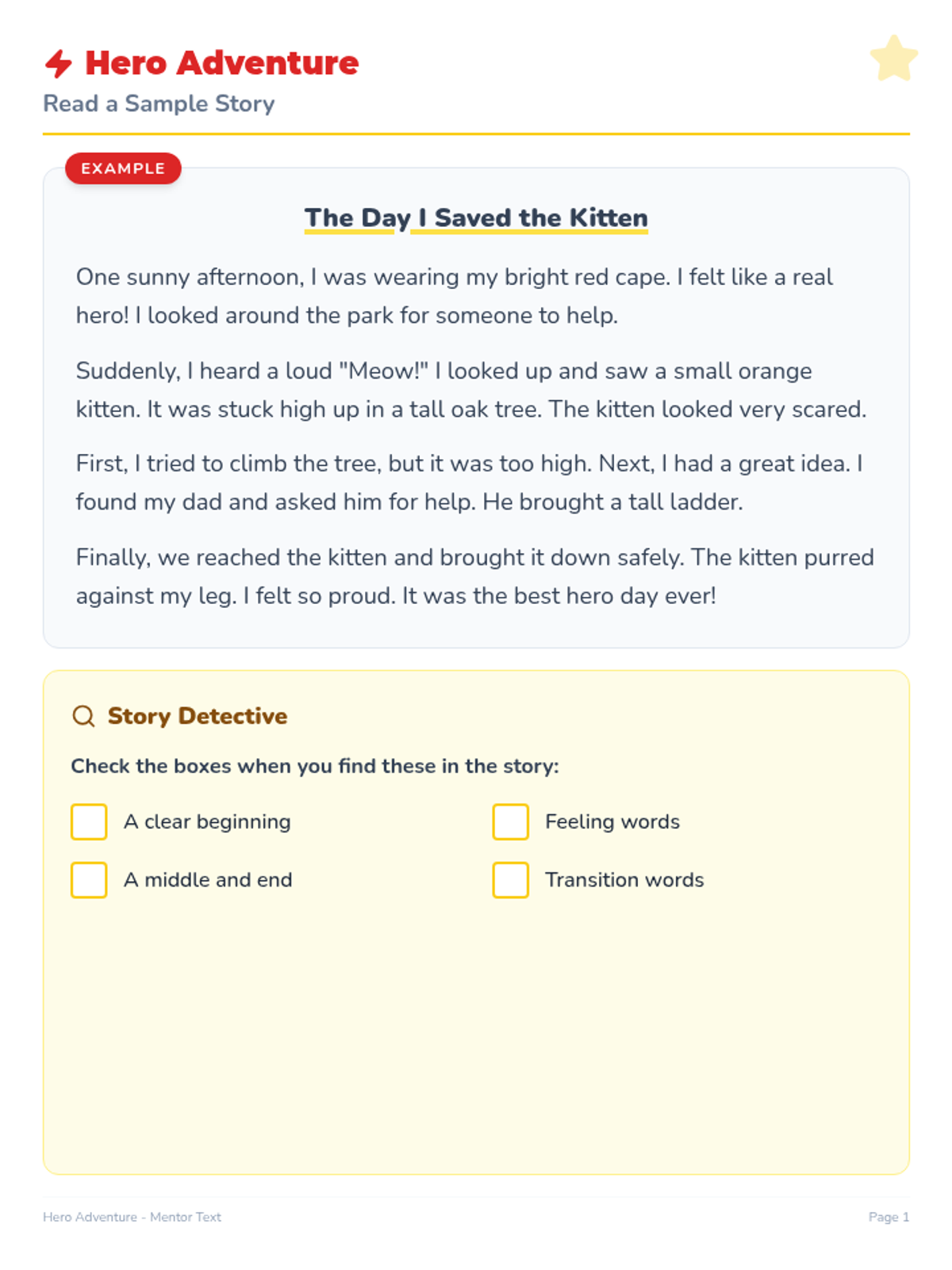
A lesson focused on identifying and ordering events within a narrative sequence using transition words and logical flow.
A lesson focused on identifying and recalling specific facts and details from an informational text about the incredible migration of Monarch butterflies.
Instructional materials and reading passages focused on building fluency through animal-themed stories with integrated comprehension questions.
A lesson focusing on the spelling rule for pluralizing words that end in a consonant followed by 'y', featuring a color-coded worksheet and answer key.
Informational text homework for 4th graders focusing on main idea, supporting details, and drawing complex inferences.
Reading comprehension homework for 2nd graders focusing on making inferences and identifying central ideas in fiction stories.
Foundational reading homework focusing on high-frequency sight words and basic story comprehension for Kindergarten students.
A workshop focused on enhancing sentence detail using adverbs and prepositional phrases to specify how, when, and where actions take place.
A workshop focused on building complex sentences using subordinating conjunctions to show cause and effect or time relationships.
A hands-on workshop where students use word cards to construct compound sentences and descriptive phrases, focusing on conjunctions and adjectives.
A festive reading comprehension lesson about St. Patrick's Day traditions, symbols, and food, designed for 2nd and 3rd grade students.
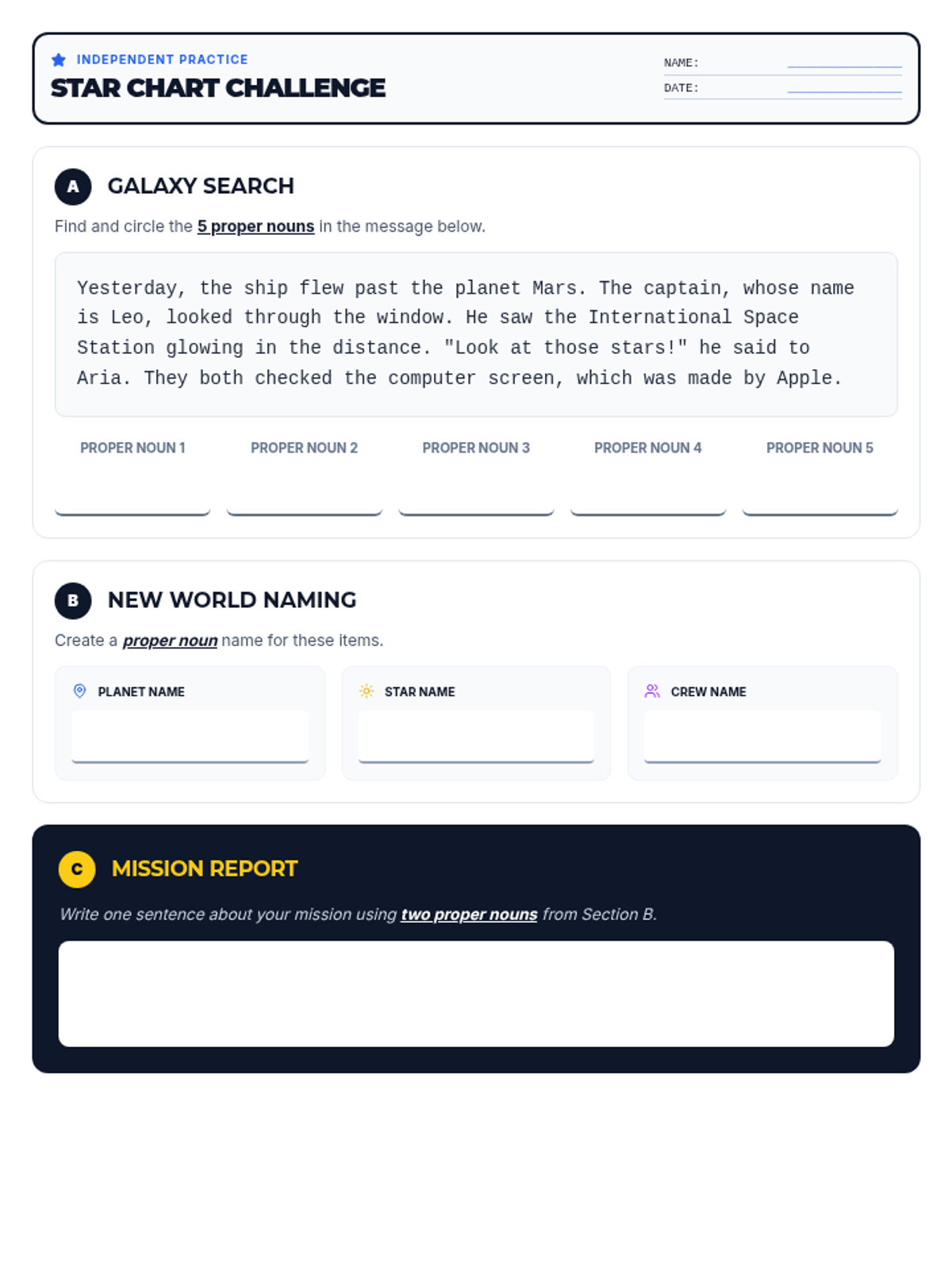
A visual, tactile approach to sentence structure using color-coded "blocks" to represent parts of speech. Students learn to sculpt sentences from basic patterns to complex masterpieces, reducing cognitive load through visual patterns.
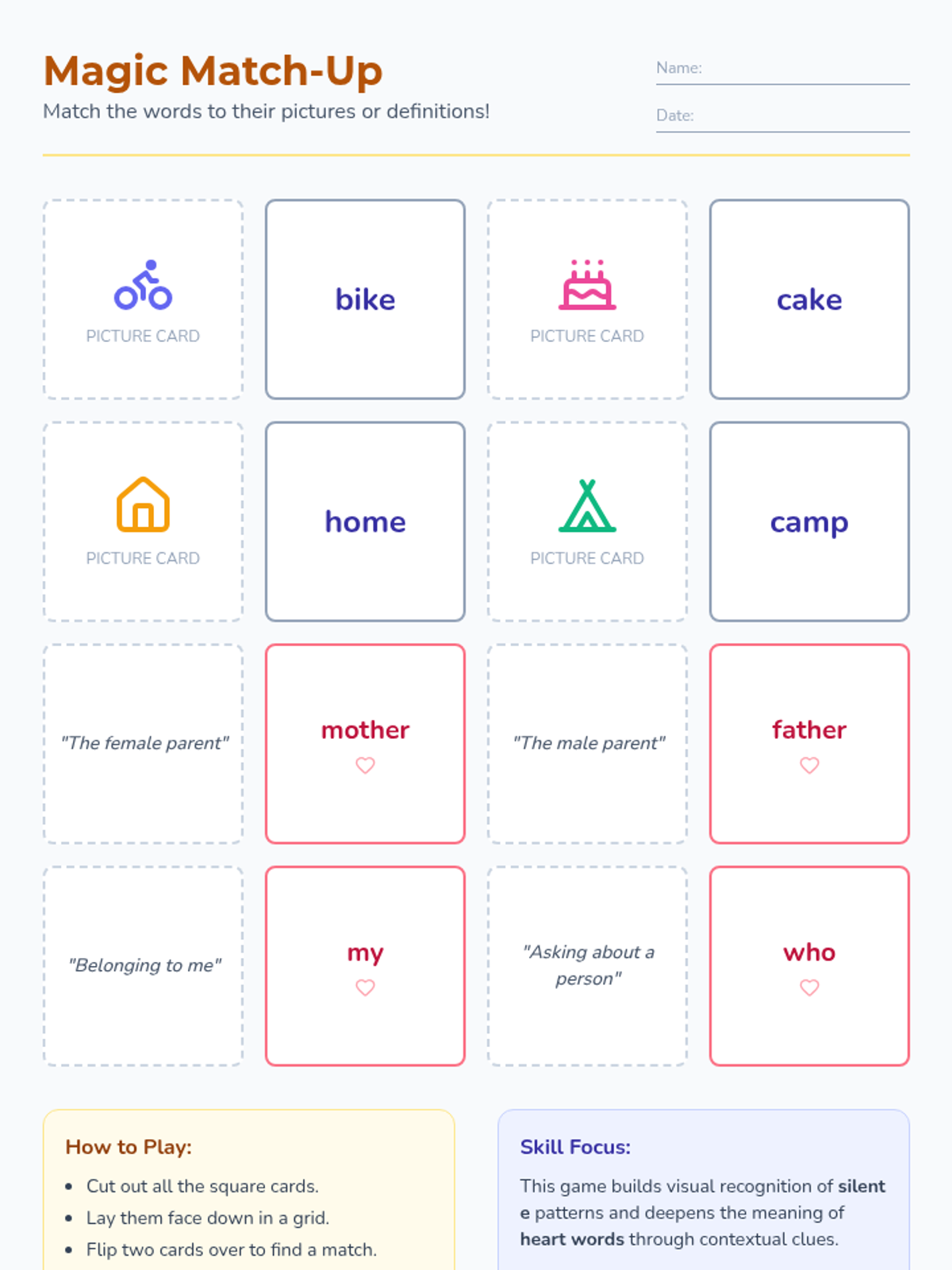
The final set of 5 reading passages for master readers, featuring 10-12 sentences with descriptive language, compound sentences, and 2nd grade vocabulary.
The third set of 5 reading passages for progressing readers, featuring 8-9 sentences with more complex details and a mix of 1st and 2nd grade sight words.
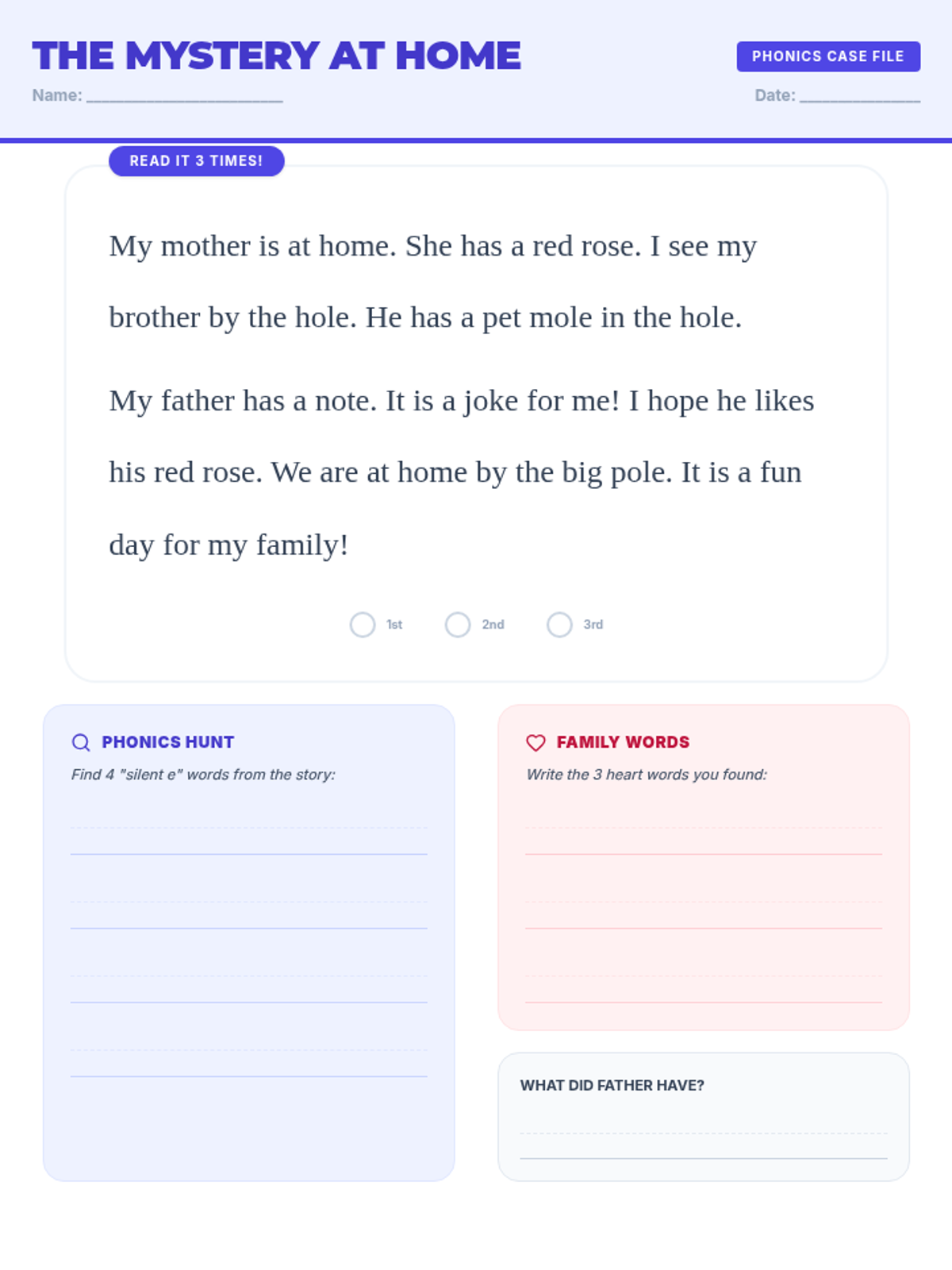
The second set of 5 reading passages for growing readers, featuring 6-7 sentences with an expanded vocabulary of 1-2 syllable words and primer/1st grade sight words.
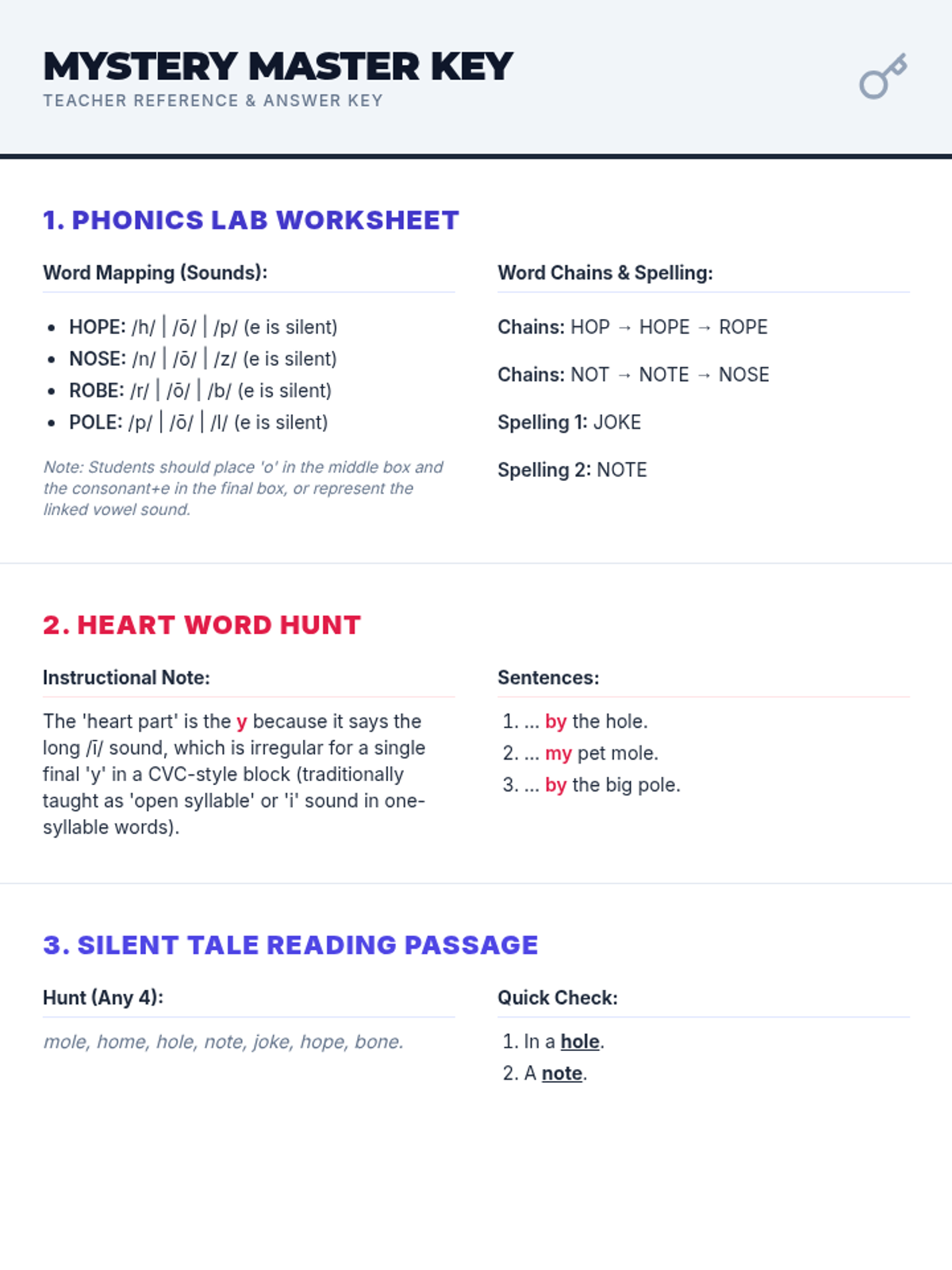
The first set of 5 reading passages for beginning readers, featuring 4-5 simple sentences with CVC and early sight words. Topics include animals, school, healthy habits, feelings, and community helpers.
A set of 20 short articles (two for each of the 10 debate topics) to provide students with evidence for their classroom arguments.
Classic fables and fairy tales retold for early readers, featuring simple morality stories about a fox, a lion, and the race between a tortoise and a hare.
Everyday reading passages covering morning routines, grocery shopping, and participating in a school play, tiered for developmental reading stages.
Seasonal reading passages focusing on autumn leaves, first snowfalls, and winter community celebrations, tailored for three different reading levels.
A collection of animal-themed reading passages featuring a pet cat, a lost rabbit, and a forest mystery, tiered for early to fluent readers.
Three tiered reading passages focusing on friendship and kindness, ranging from simple repetitive text to complex narrative structures.