A collection of narrative writing resources designed for lower elementary students, focusing on personal experiences and imaginative storytelling through mentor texts and guided prompts.
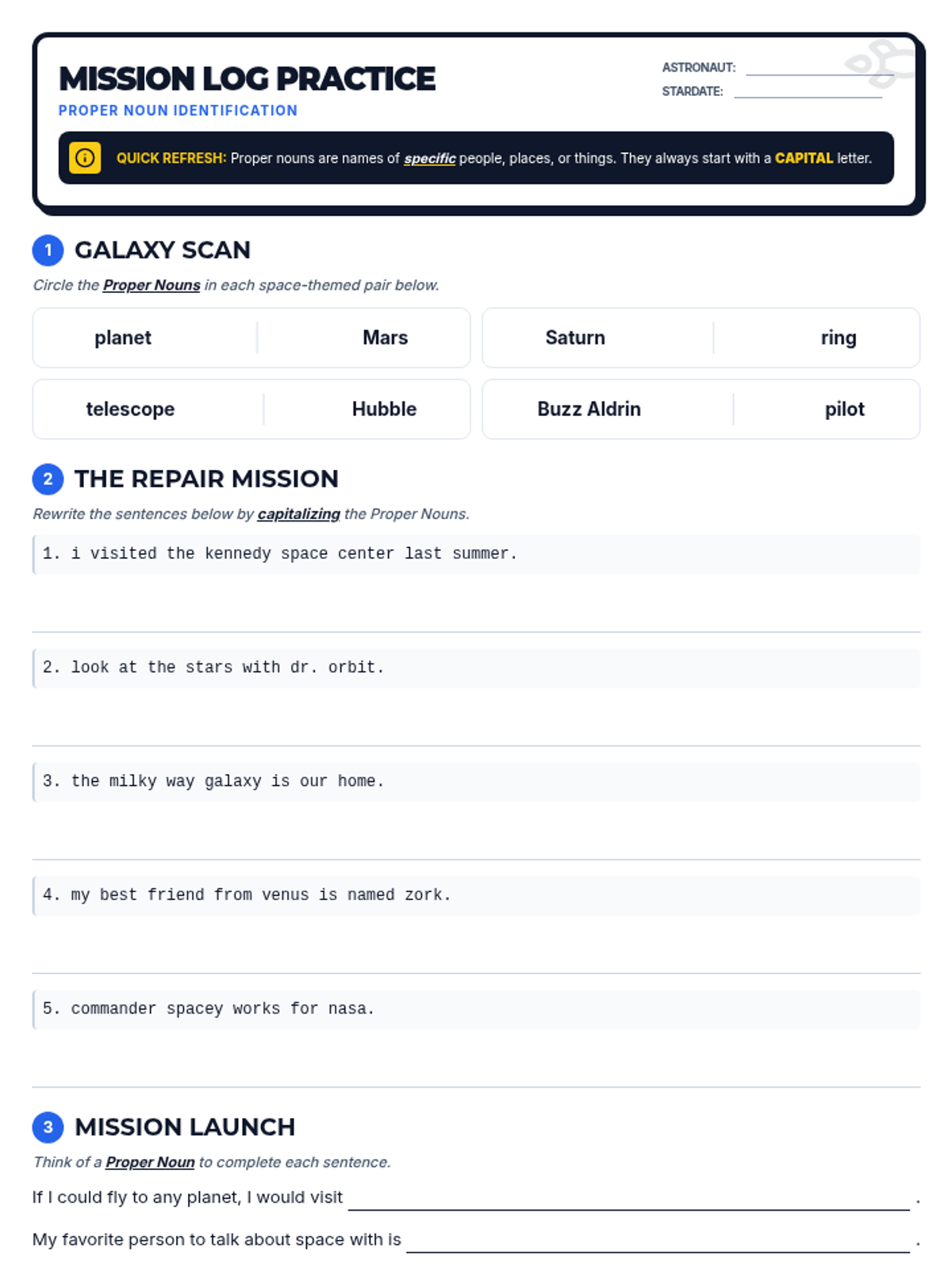
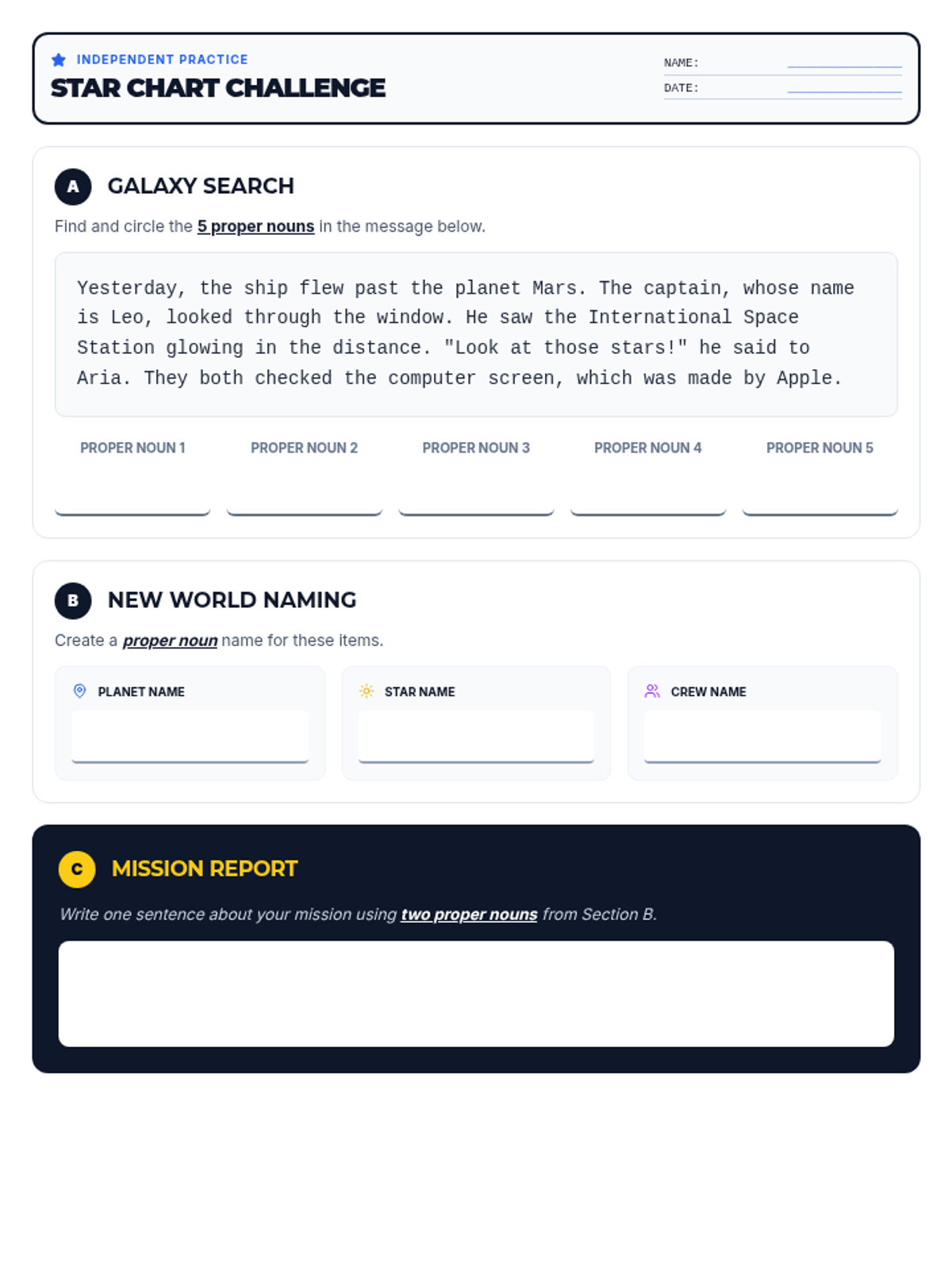
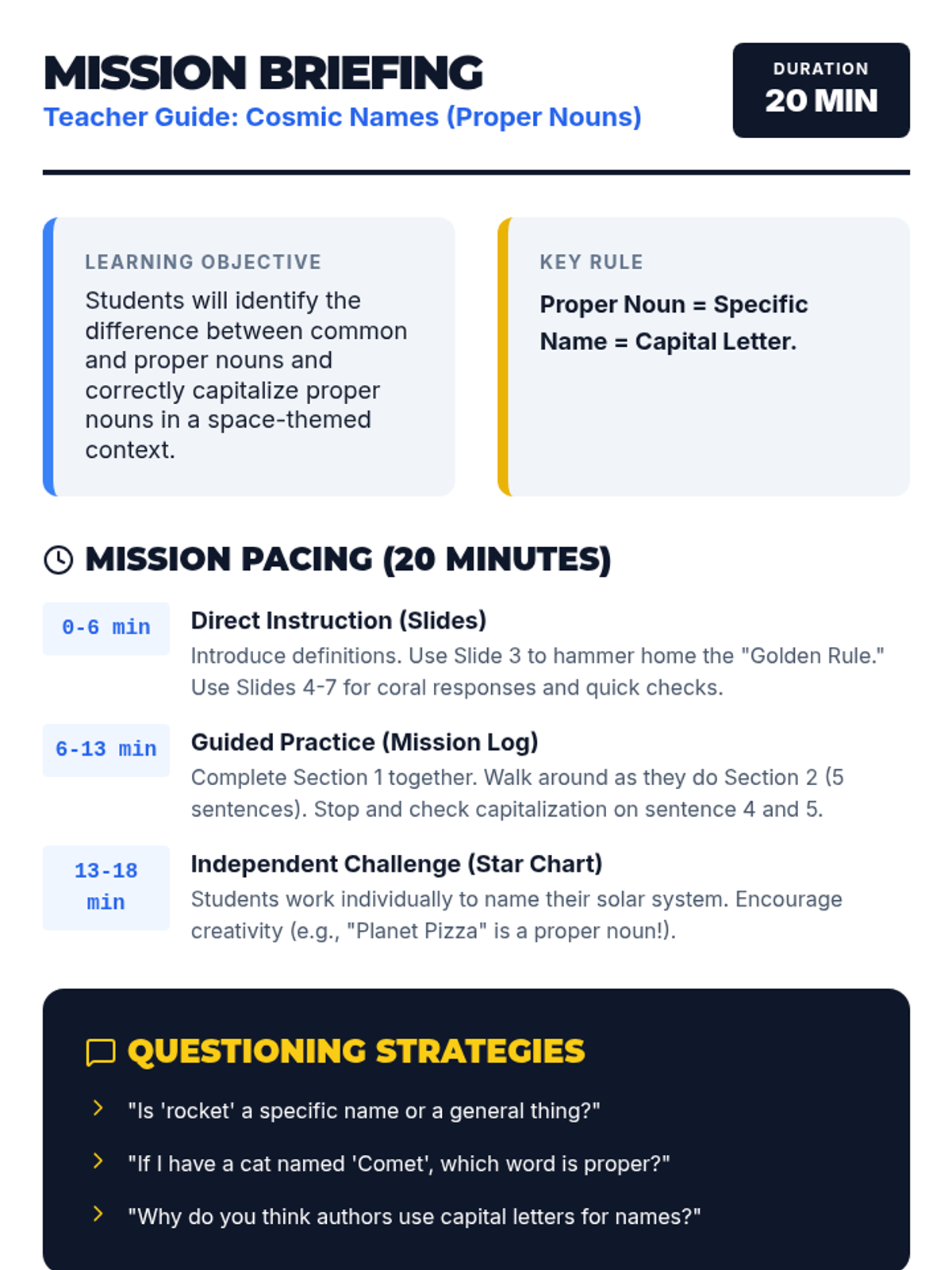
A fast-paced, space-themed introduction to proper nouns. Students learn to distinguish between general celestial objects and their specific names through a series of cosmic challenges.
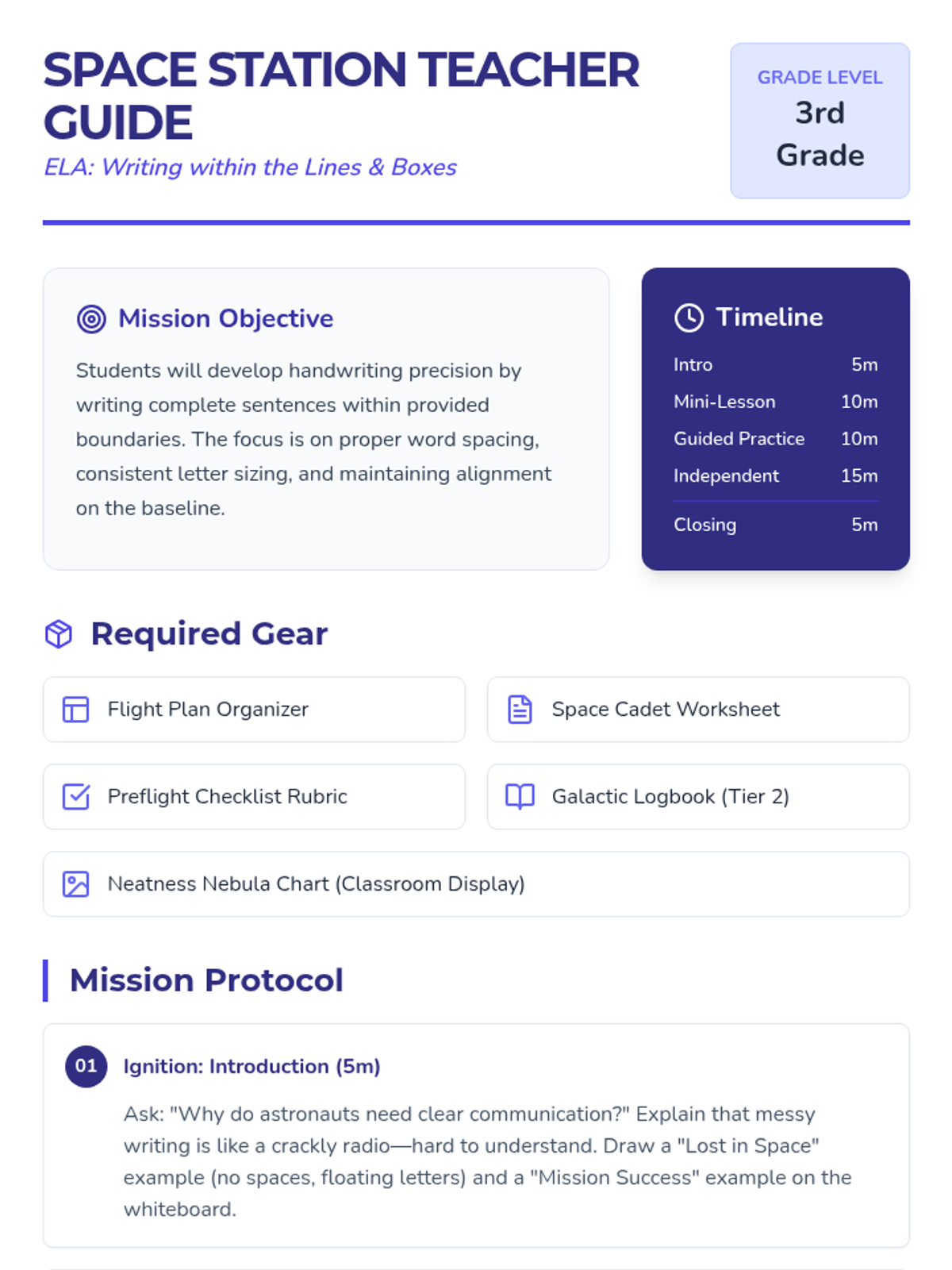
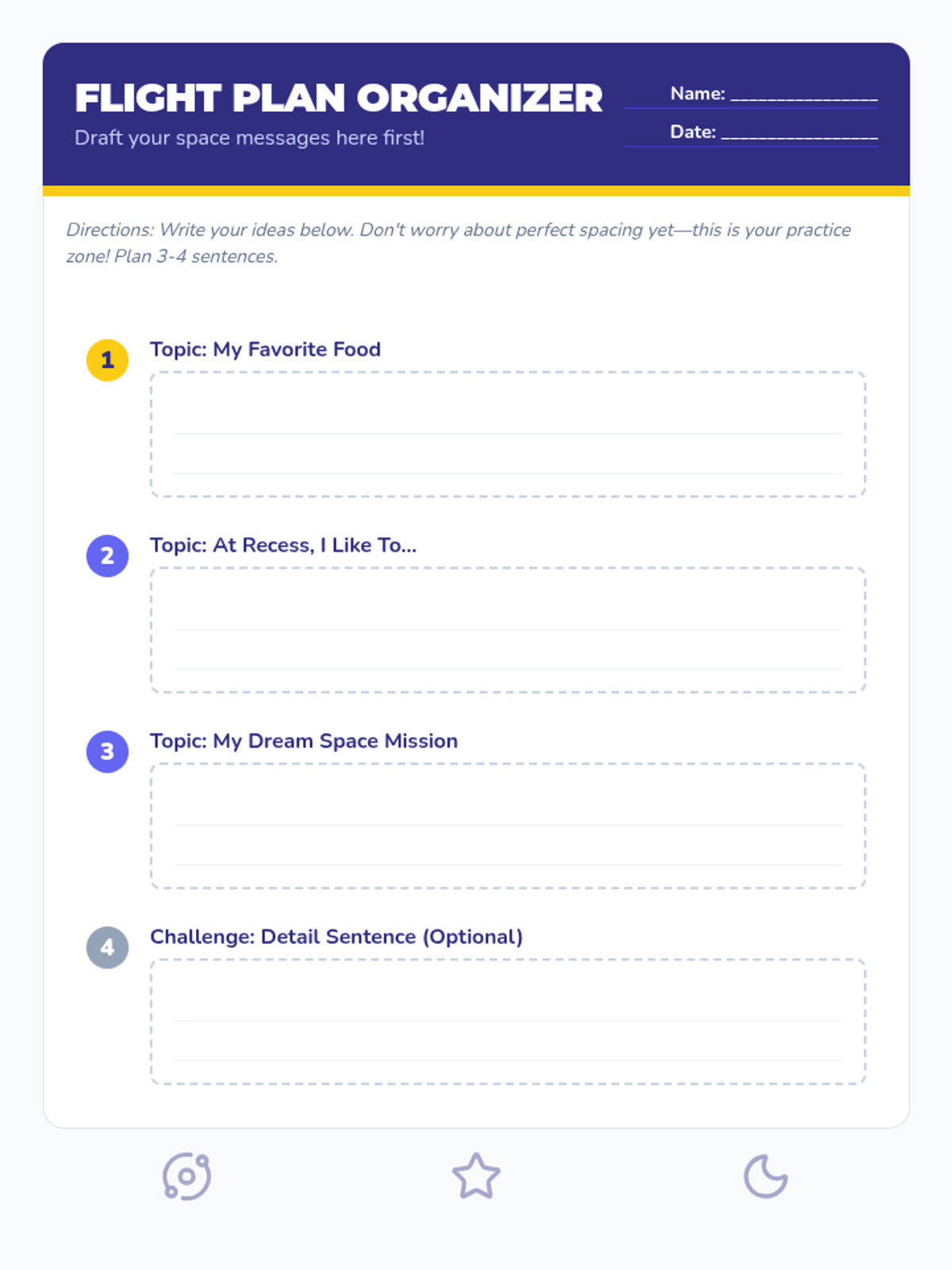
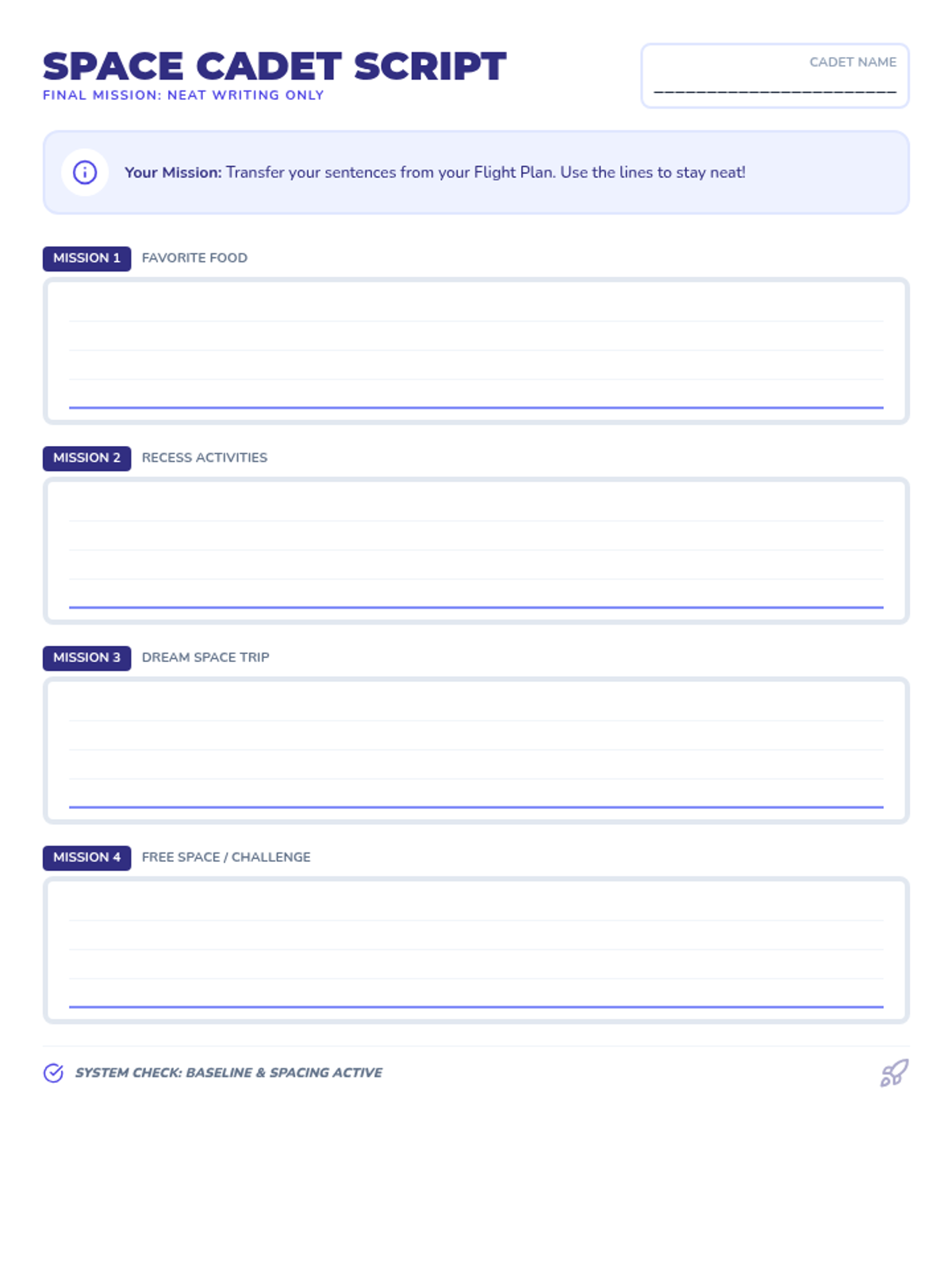
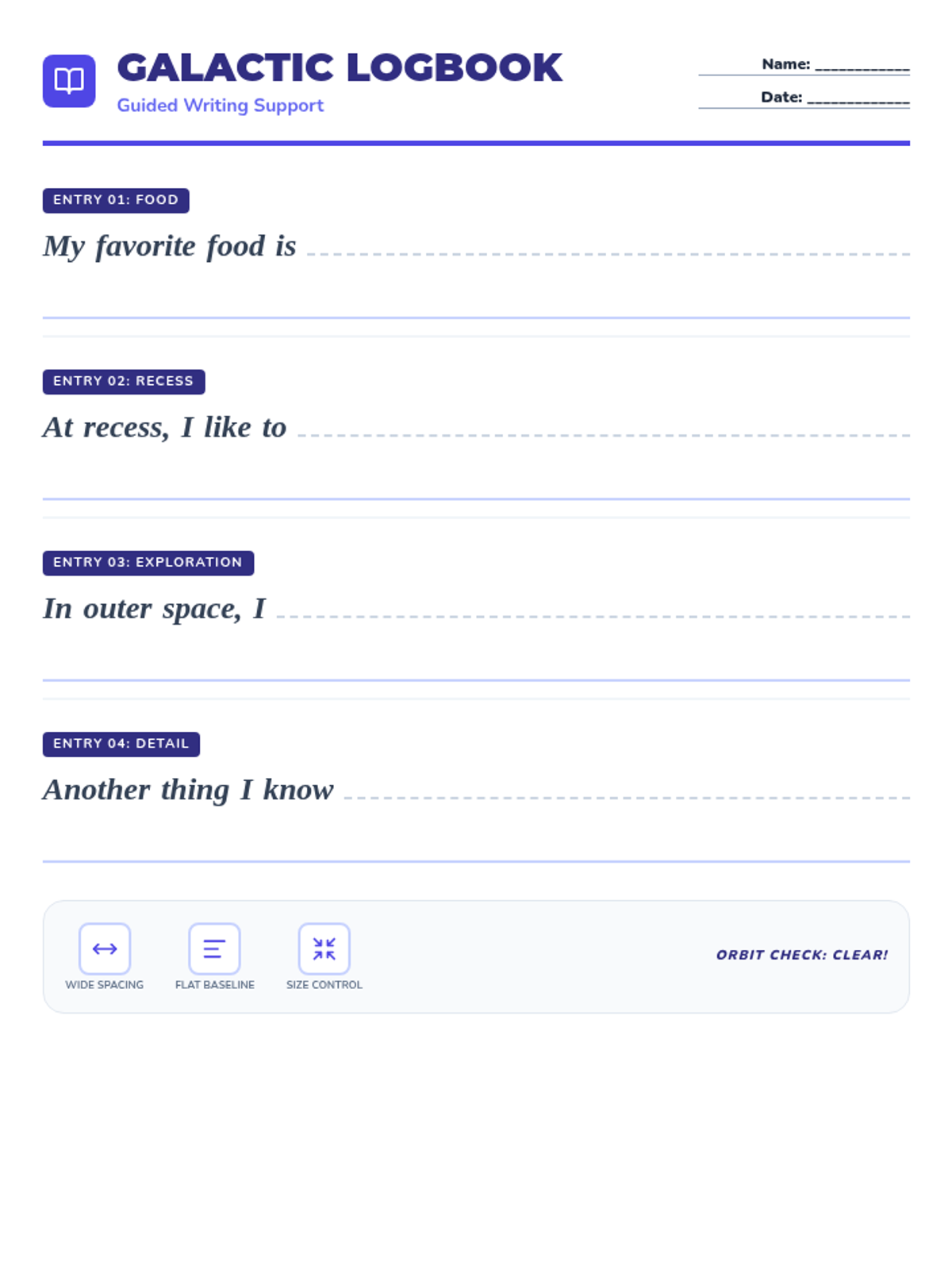
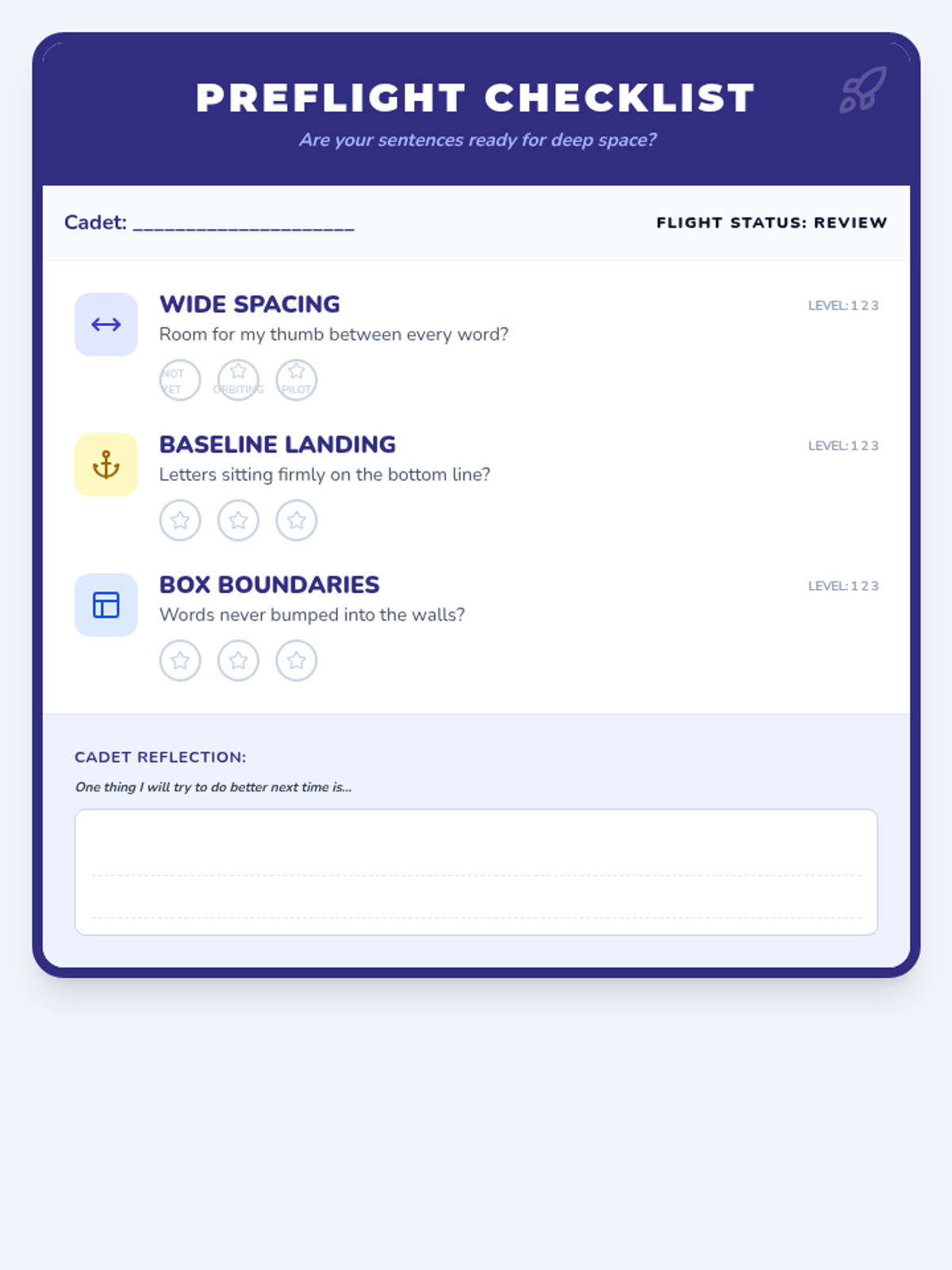
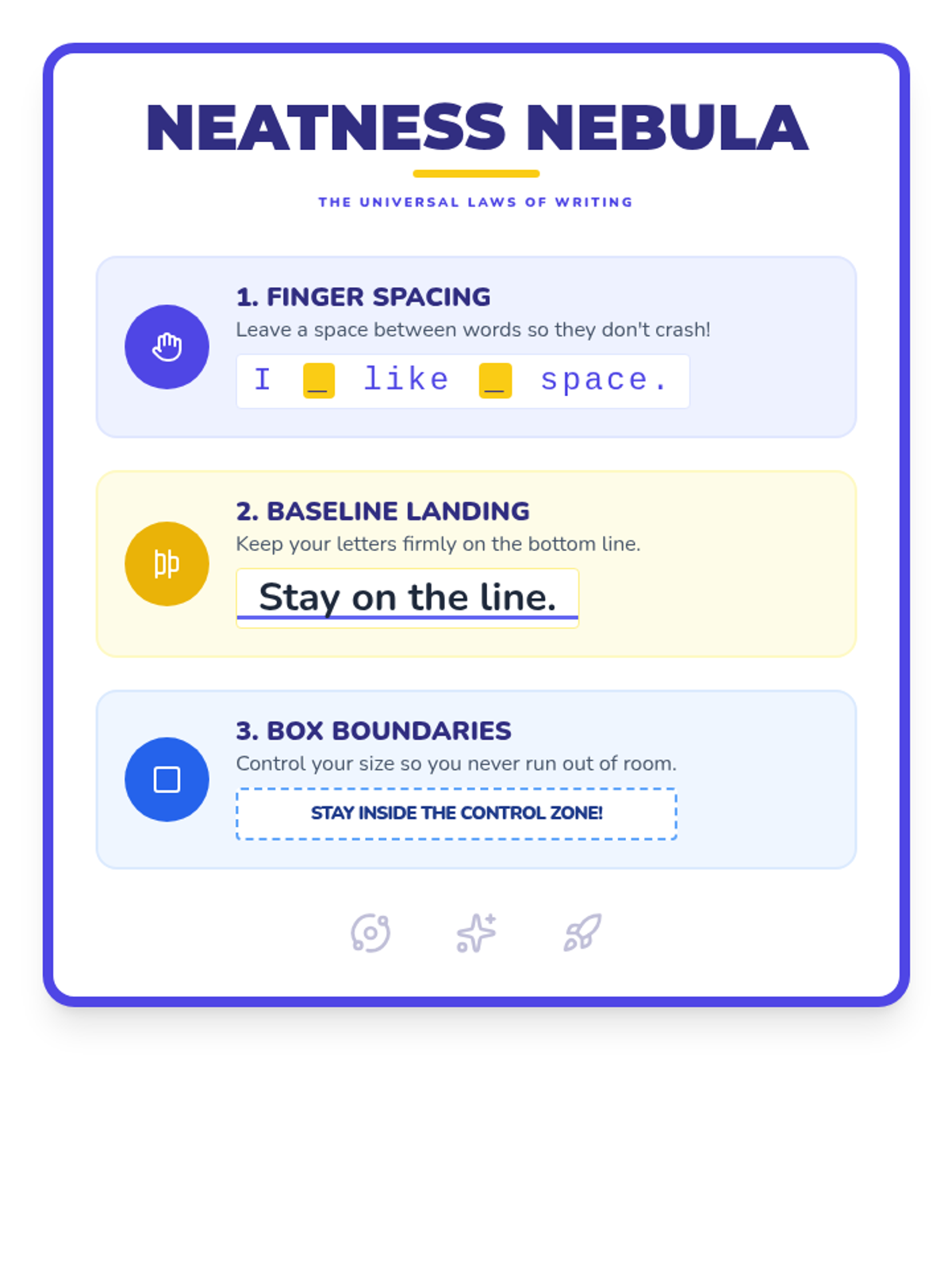
A 3rd-grade ELA lesson focused on handwriting precision, word spacing, and staying within designated writing boundaries using a fun outer space theme.
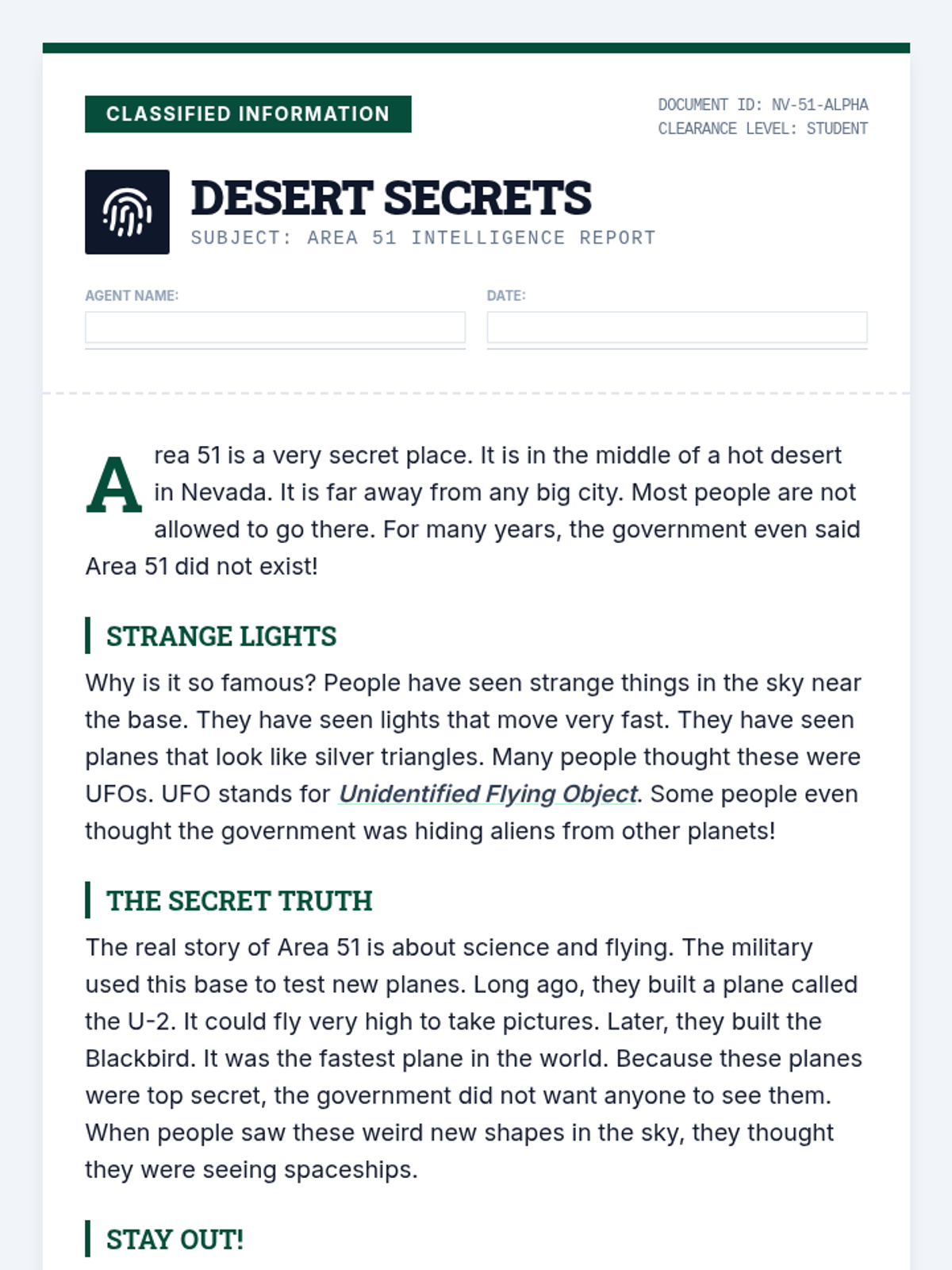
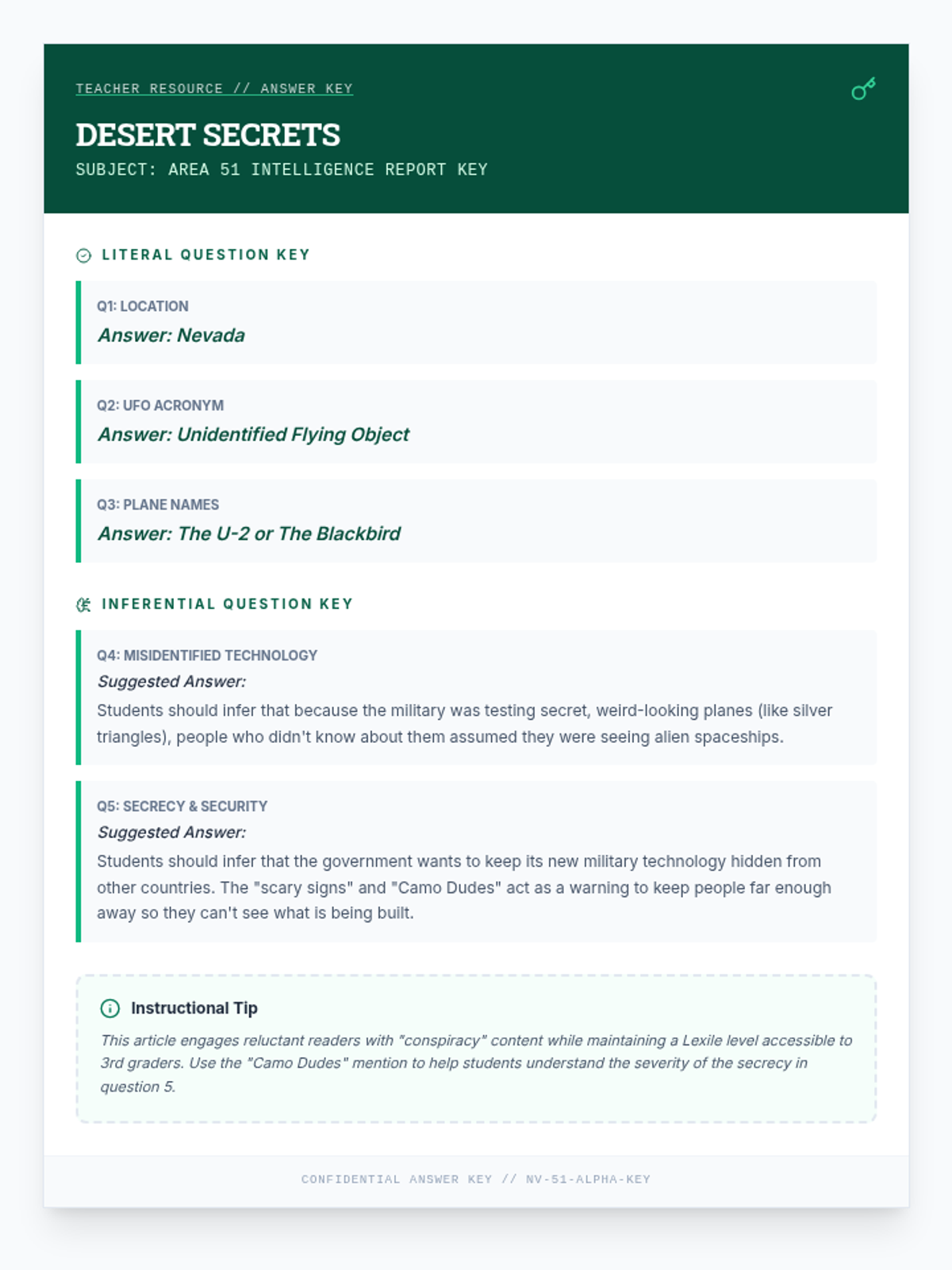
An investigative lesson centered on the mysteries and historical facts of Area 51, designed for students to practice reading comprehension through a high-interest topic.
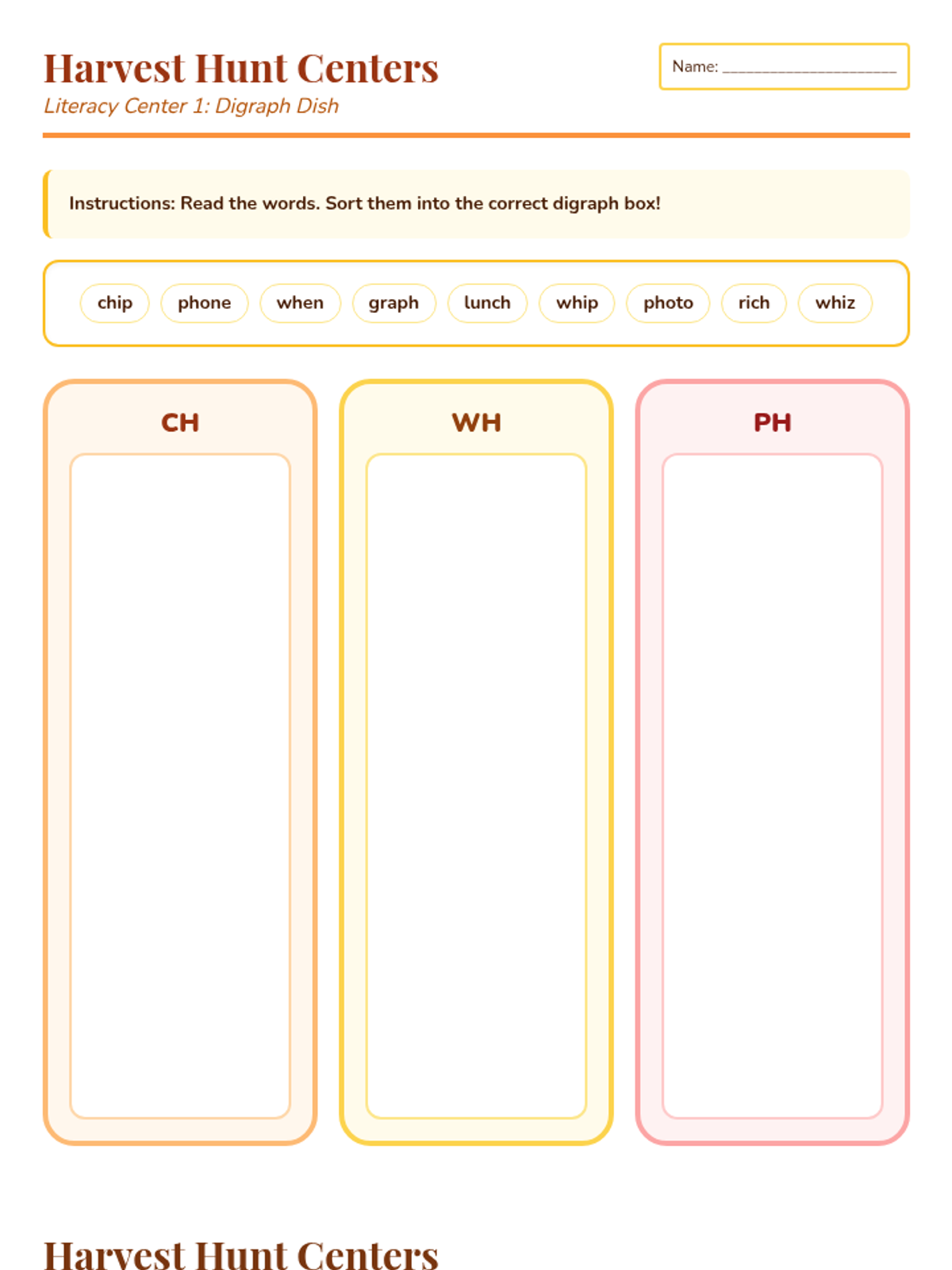
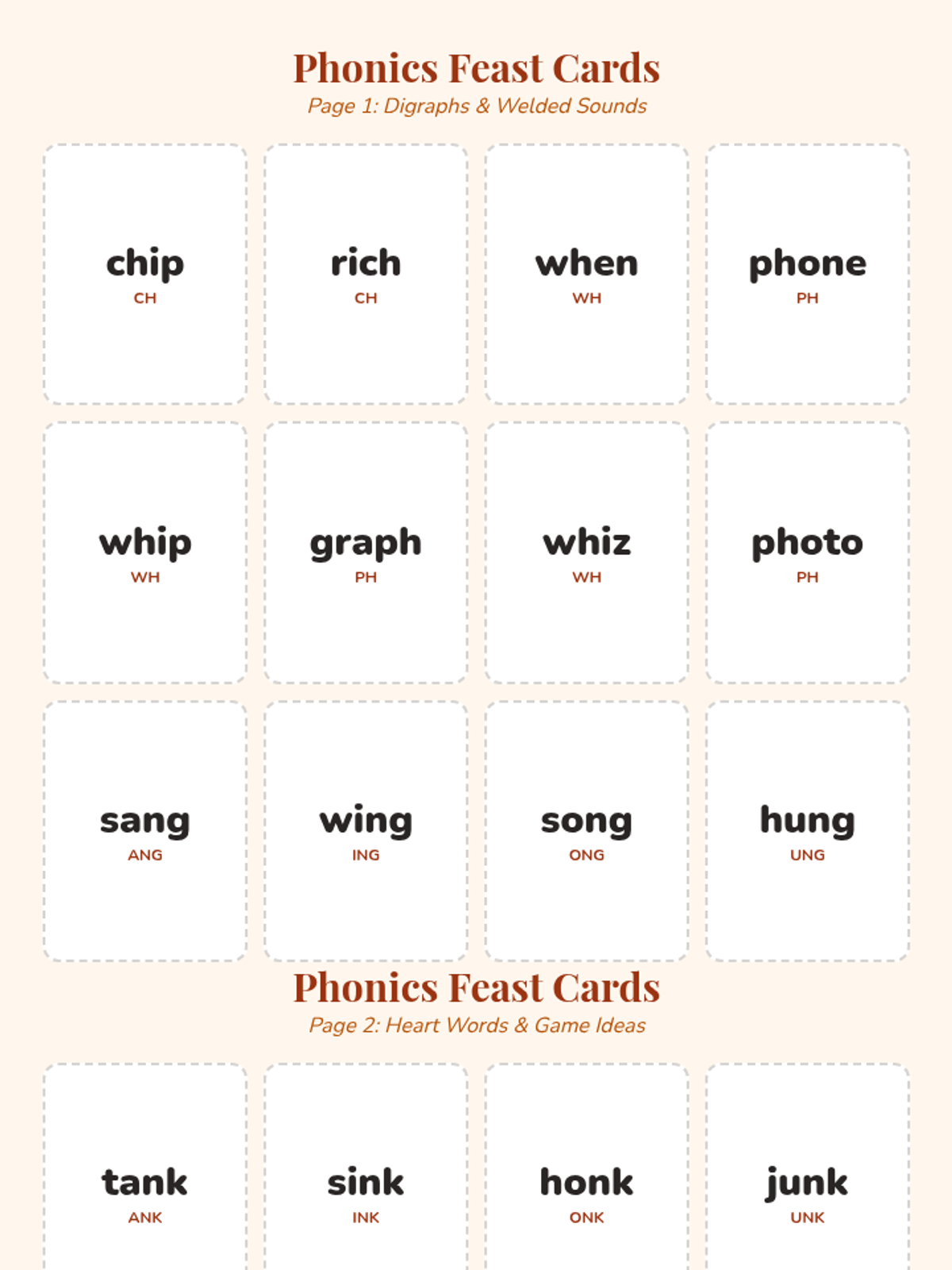
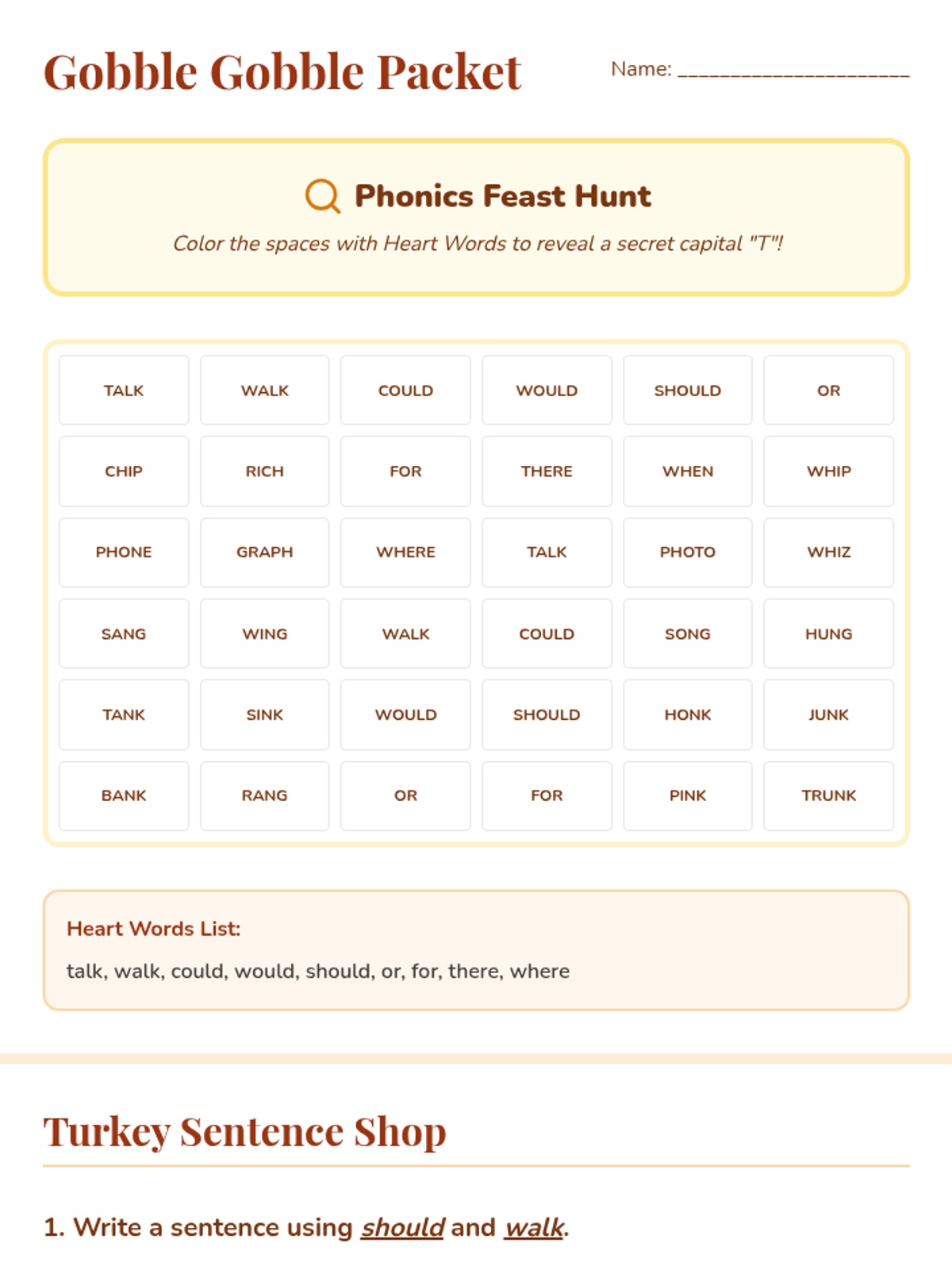
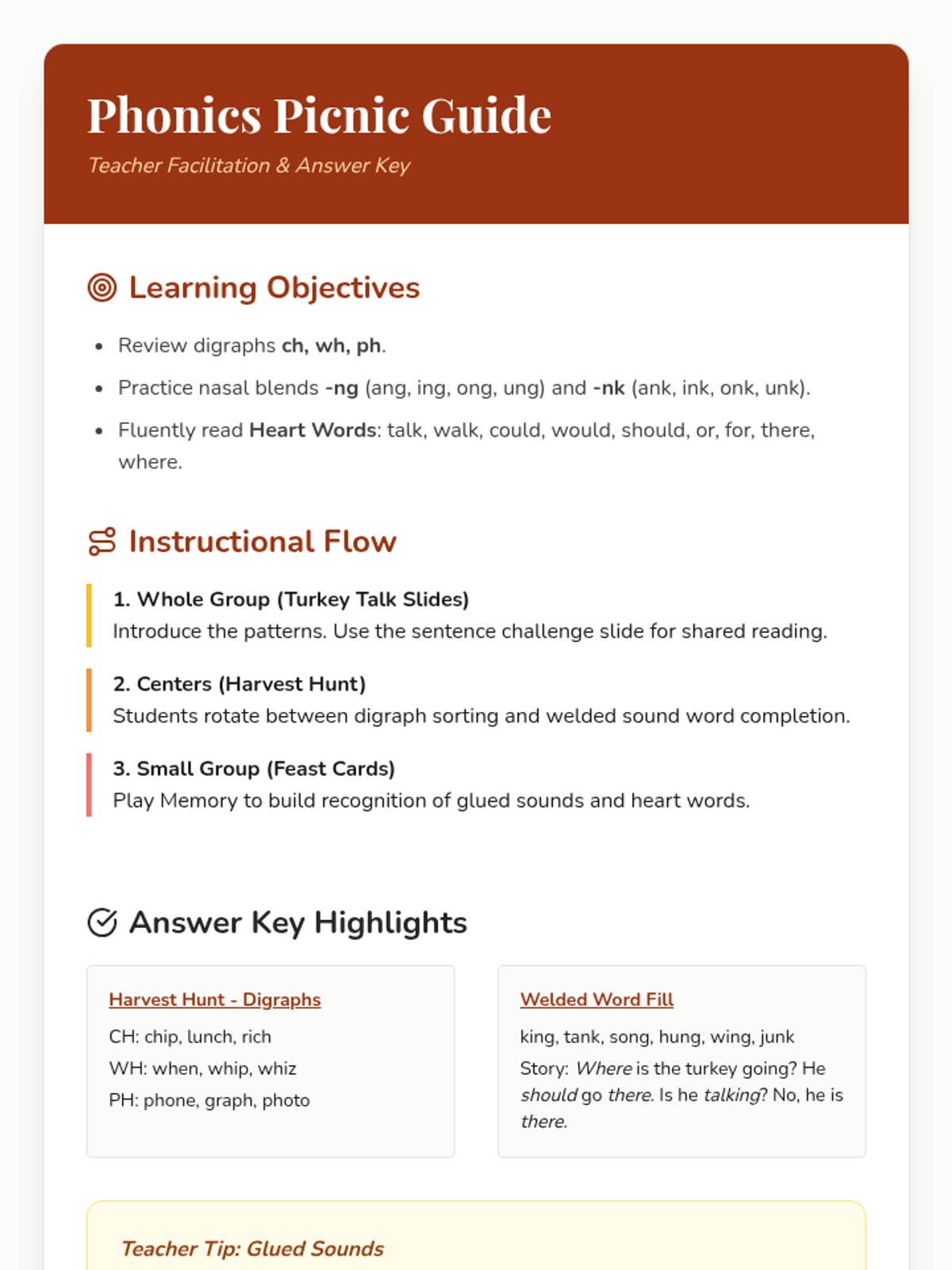
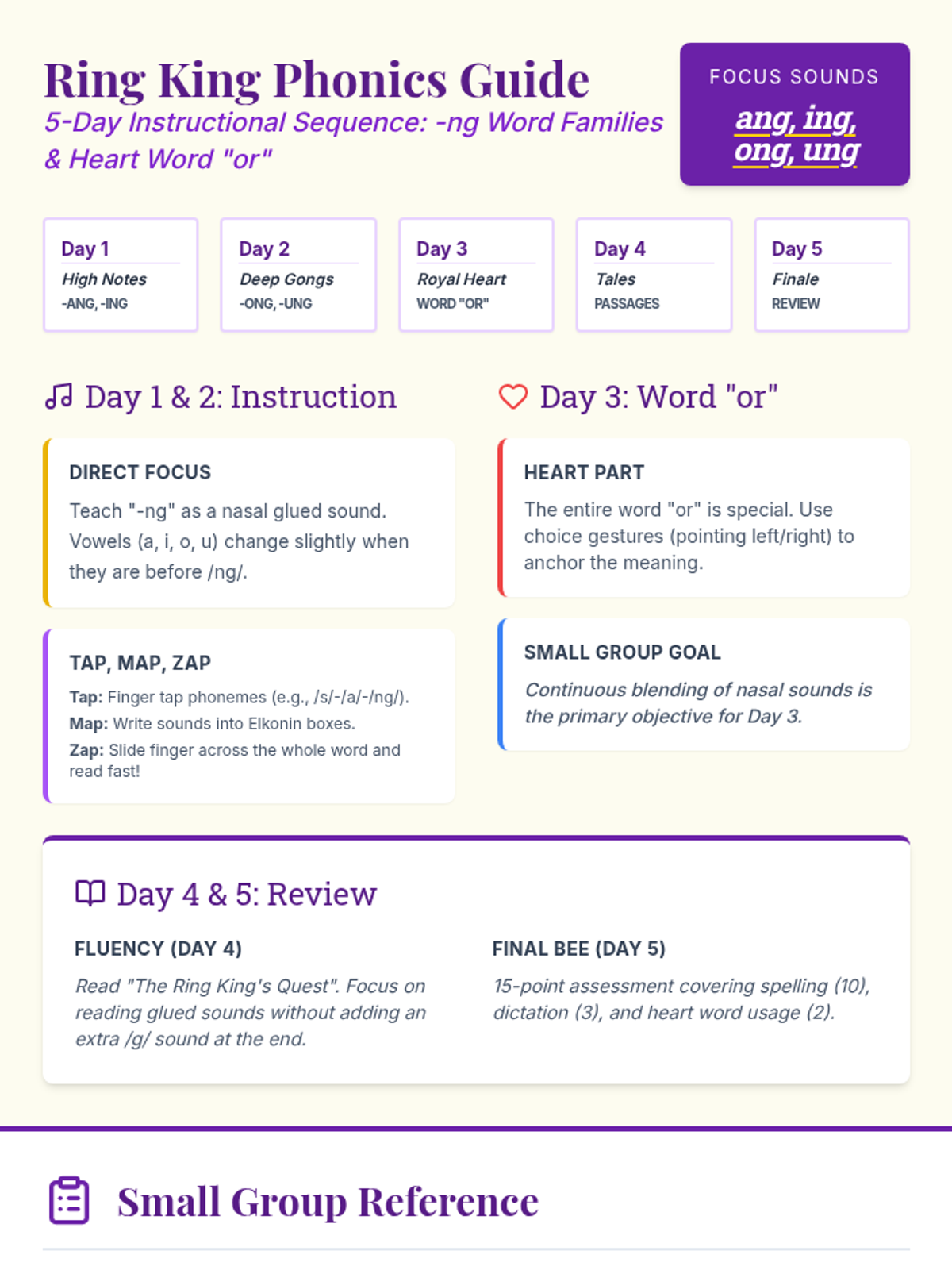
A comprehensive Thanksgiving-themed phonics review covering digraphs (ch, wh, ph), nasal blends (ang, ing, ong, ung, ank, ink, onk, unk), and specific heart words through centers, games, and independent work.
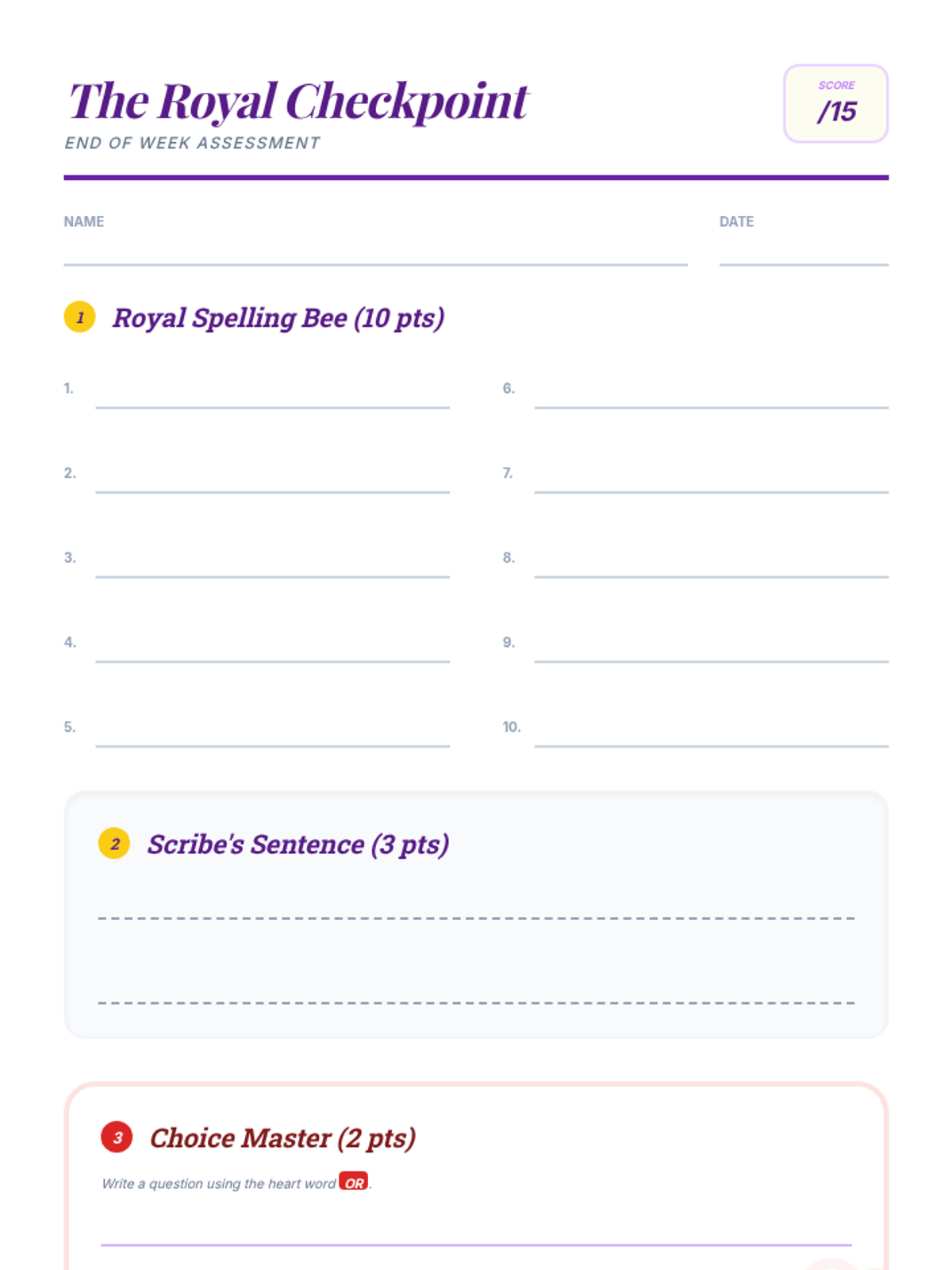
A final assessment of spelling and writing skills, with a focus on small-group intervention and extension.
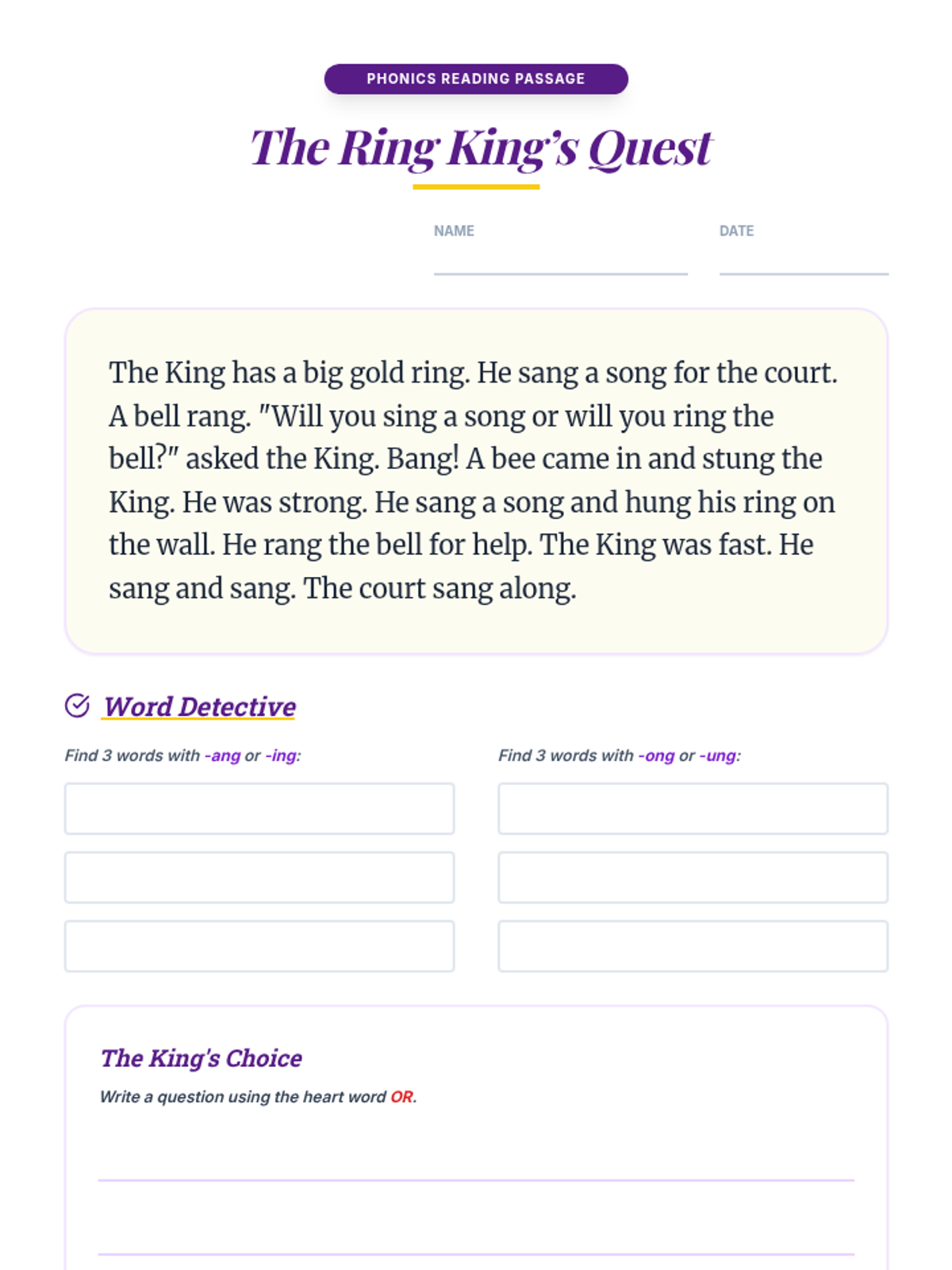
Students apply their knowledge through a reading passage about the Ring King and rotate through phonics centers.
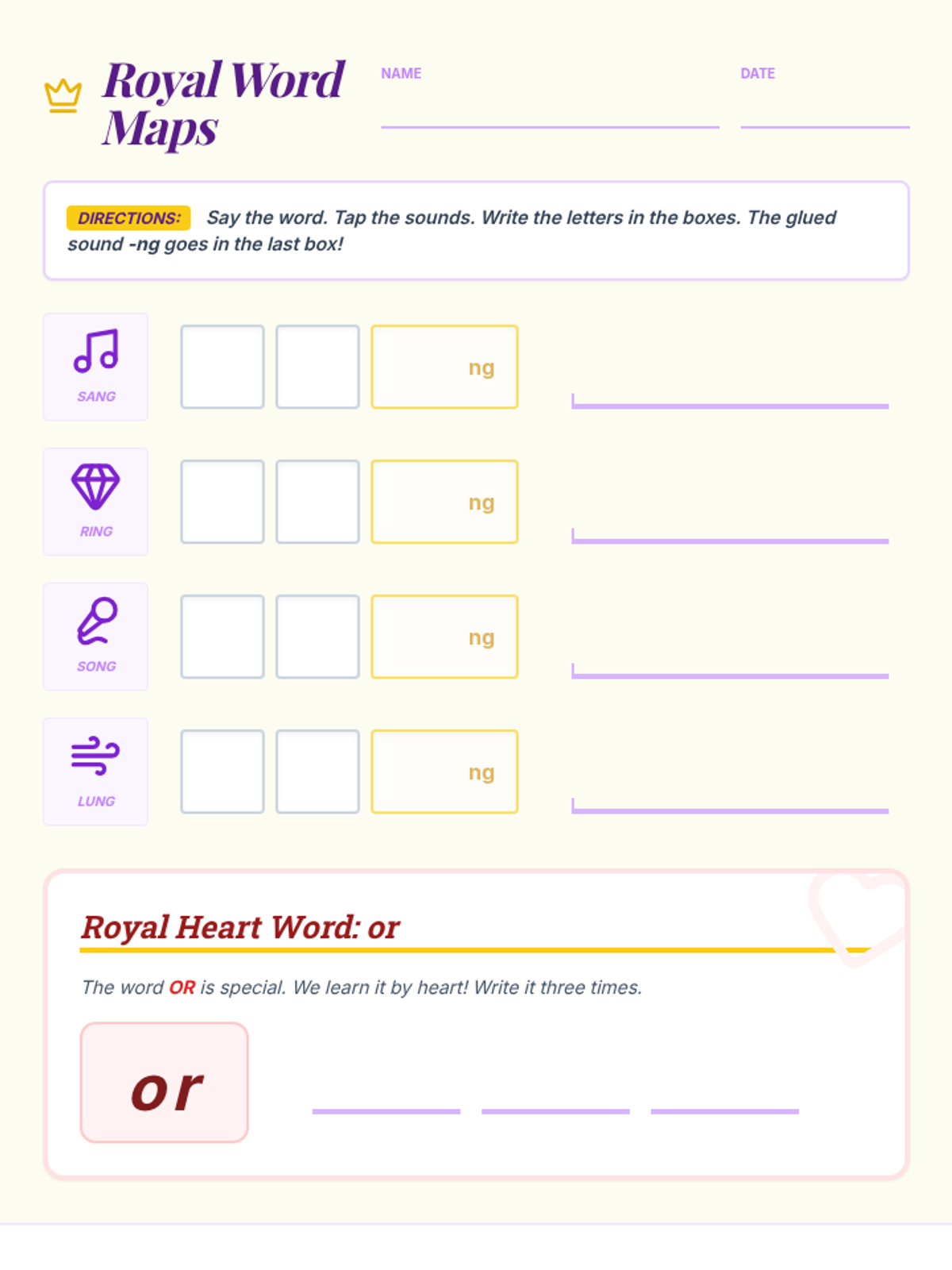
Introduces the heart word 'or' and provides mixed practice for all four -ng word families.
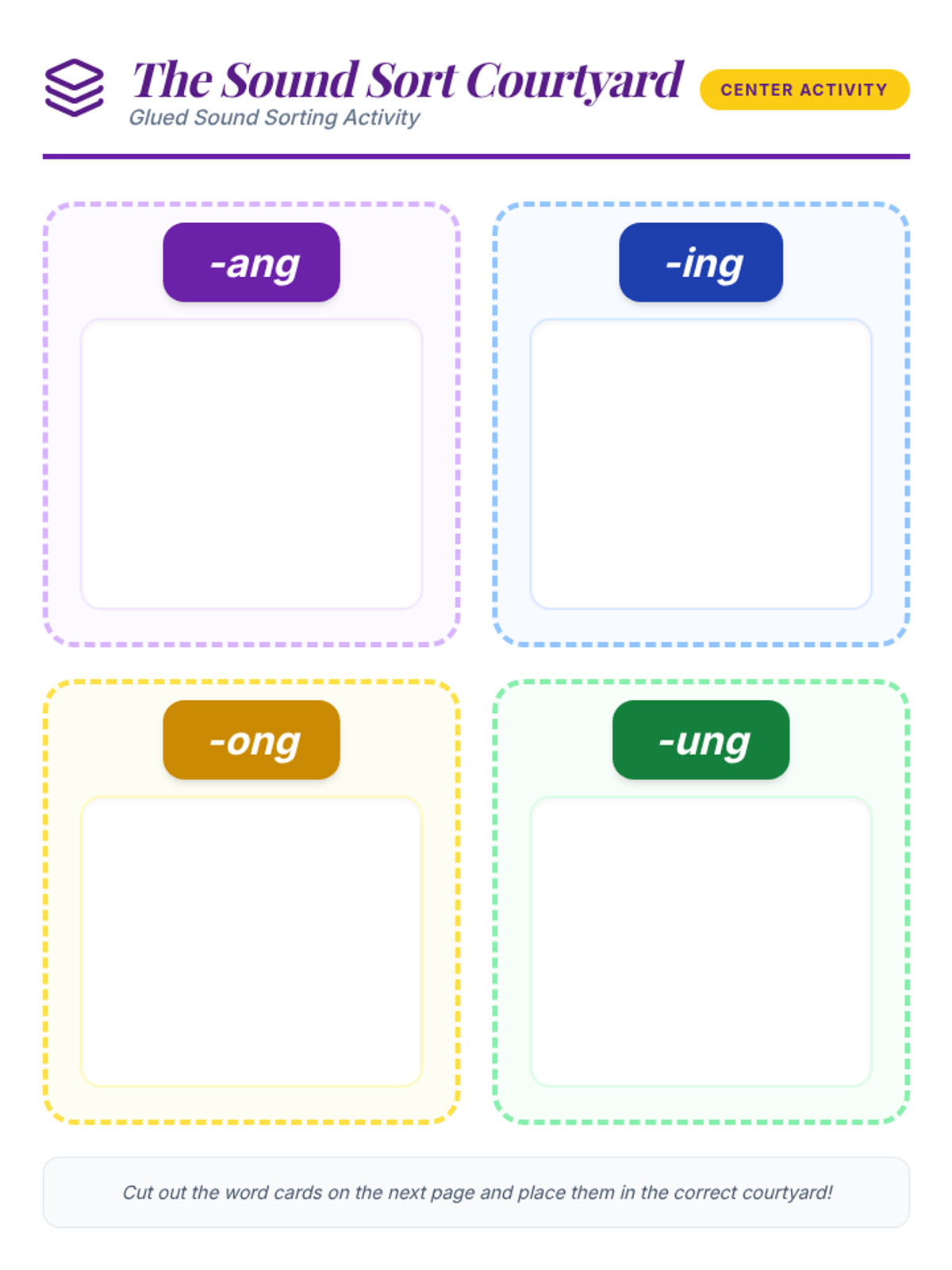
Focuses on the low-pitched -ng sounds (ong and ung) using sound sorting and word mapping activities.
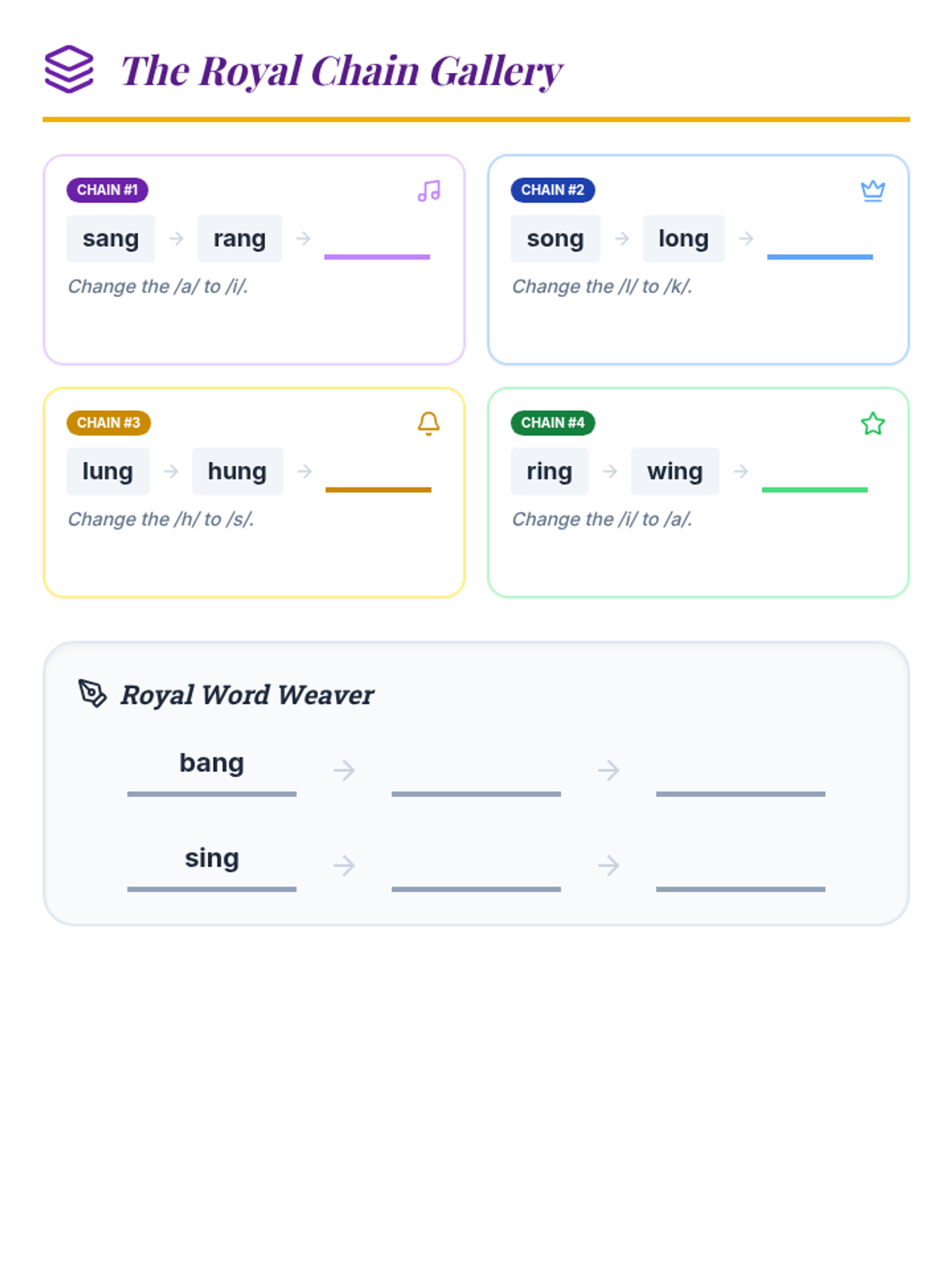
Focuses on the high-pitched -ng sounds (ang and ing) through direct instruction, word mapping, and word chains.
Final cumulative review and assessment through dictation, memory recall of heart words, and fluency practice.
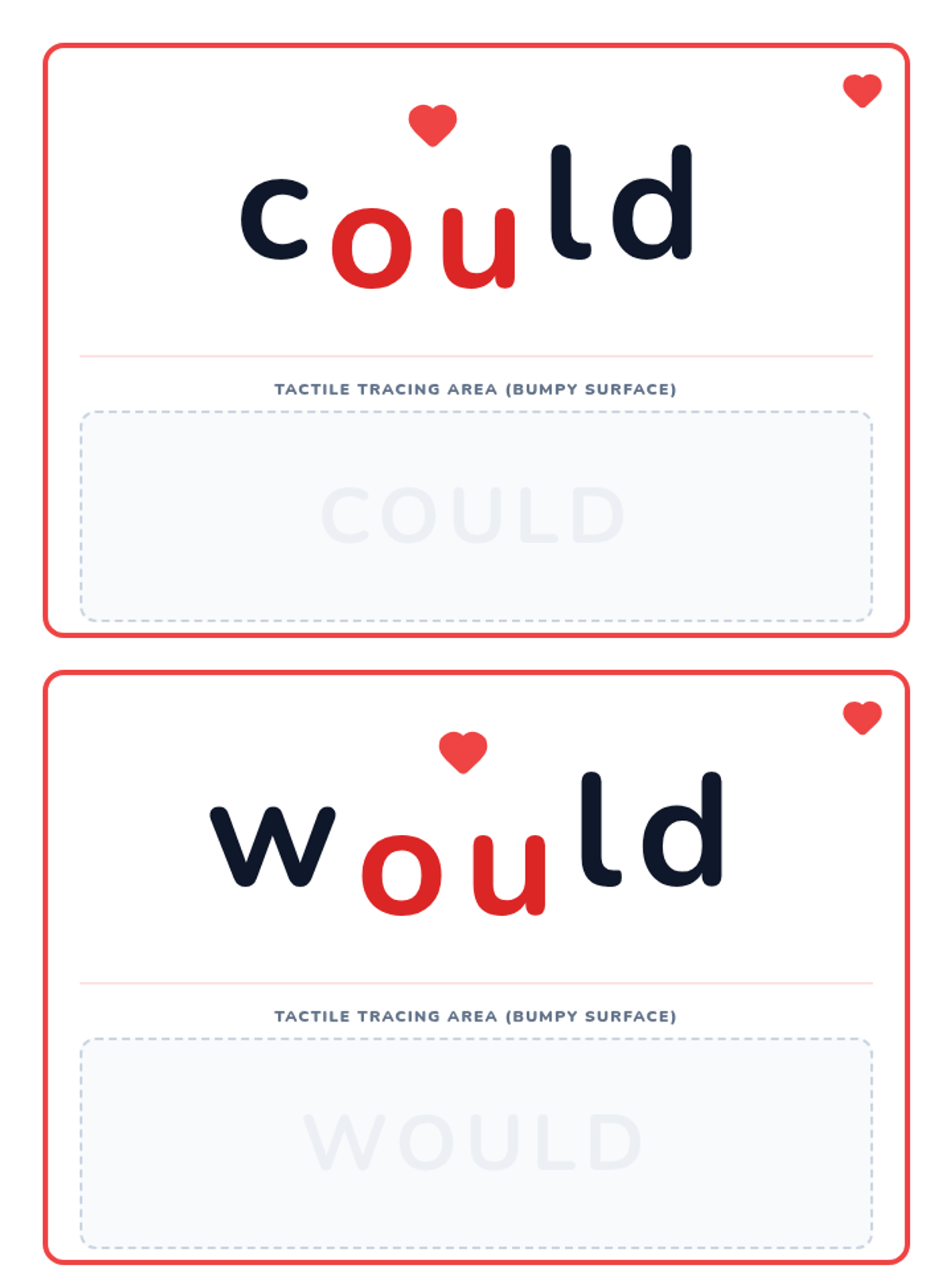
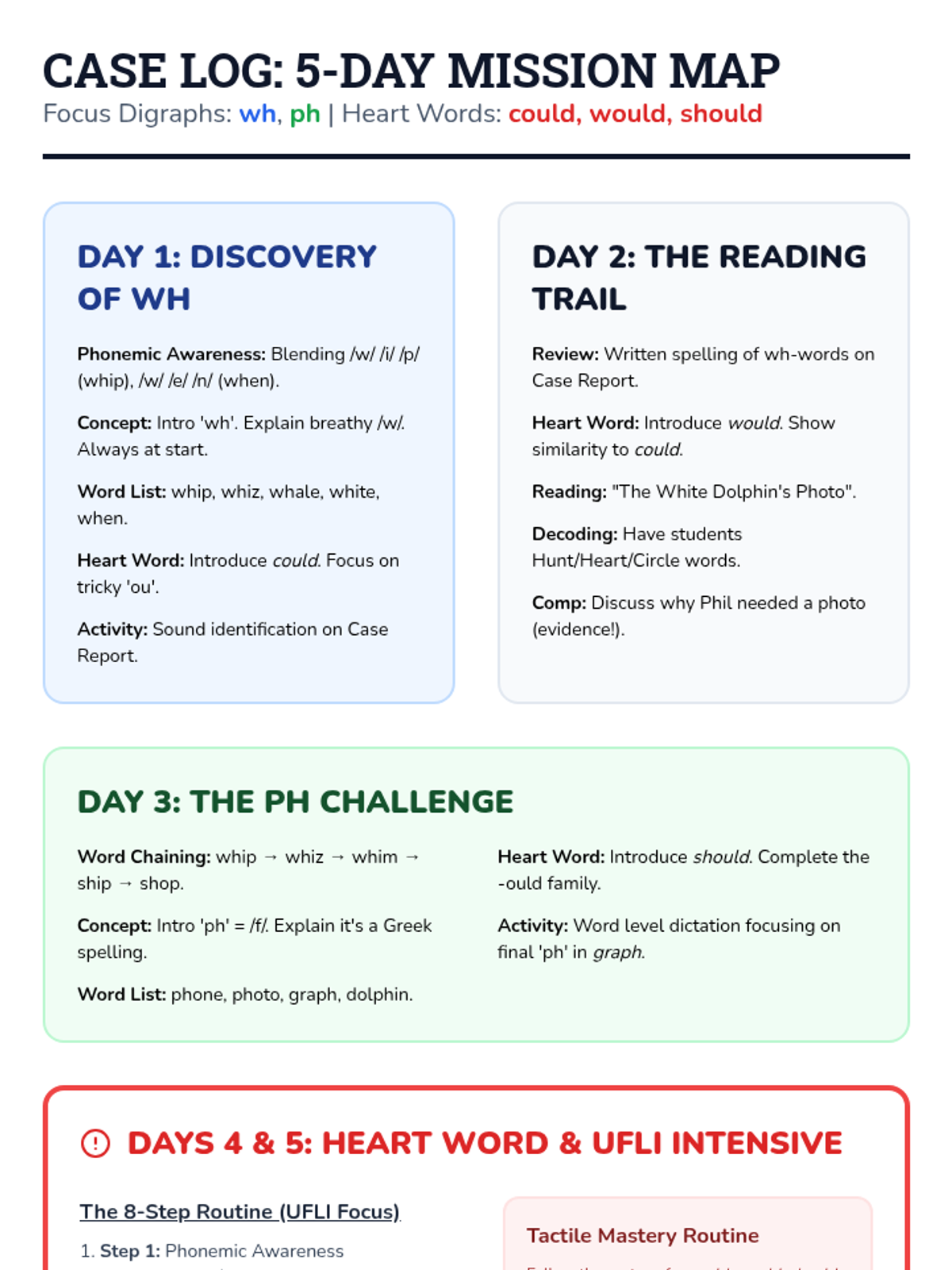
Intensive review using the 8-step UFLI-inspired routine, focusing on tactile heart word tracing and kinesthetic arm tapping.
Introduction to the challenge digraph 'ph', word chaining practice, and the heart word 'should'.
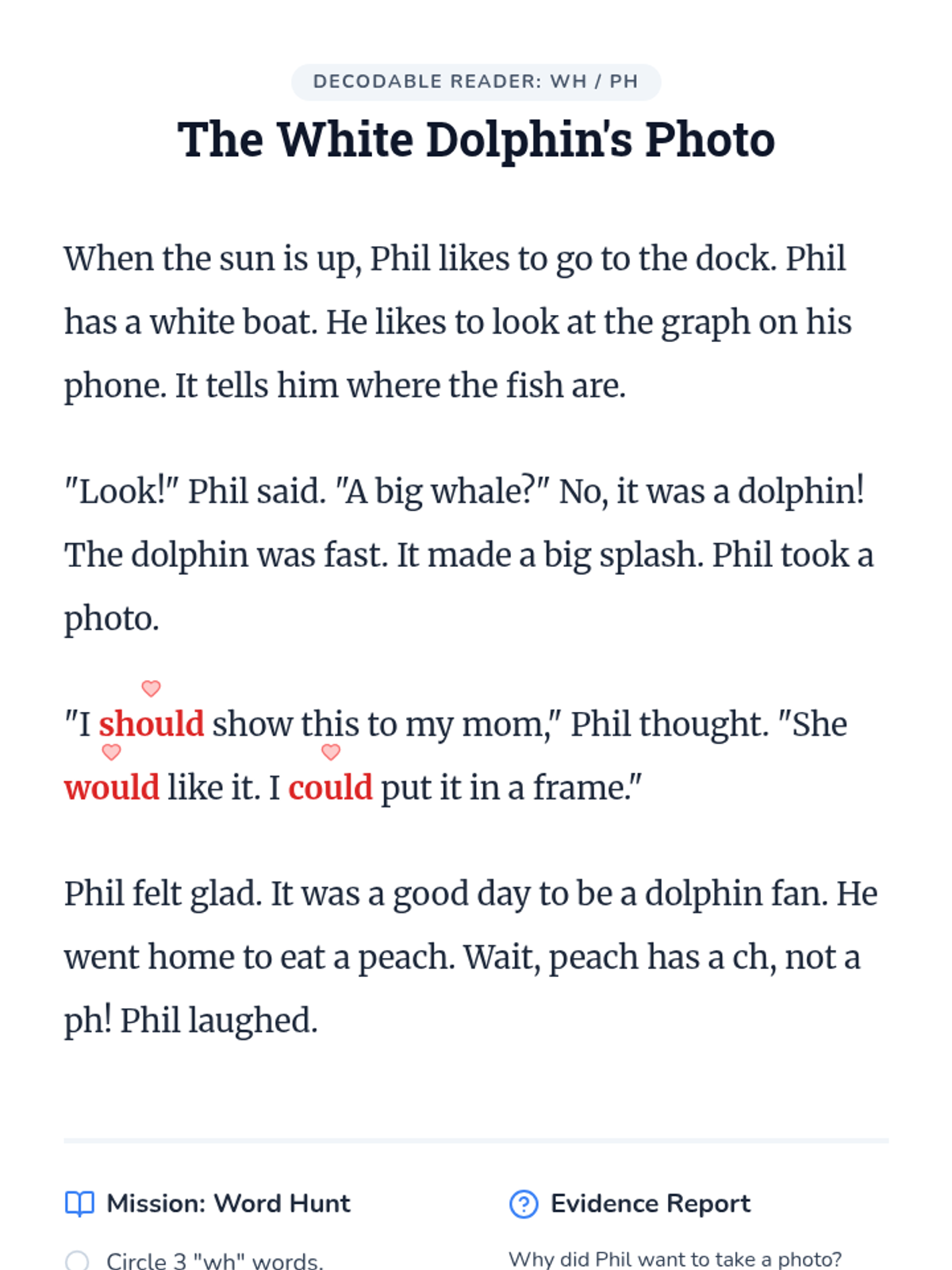
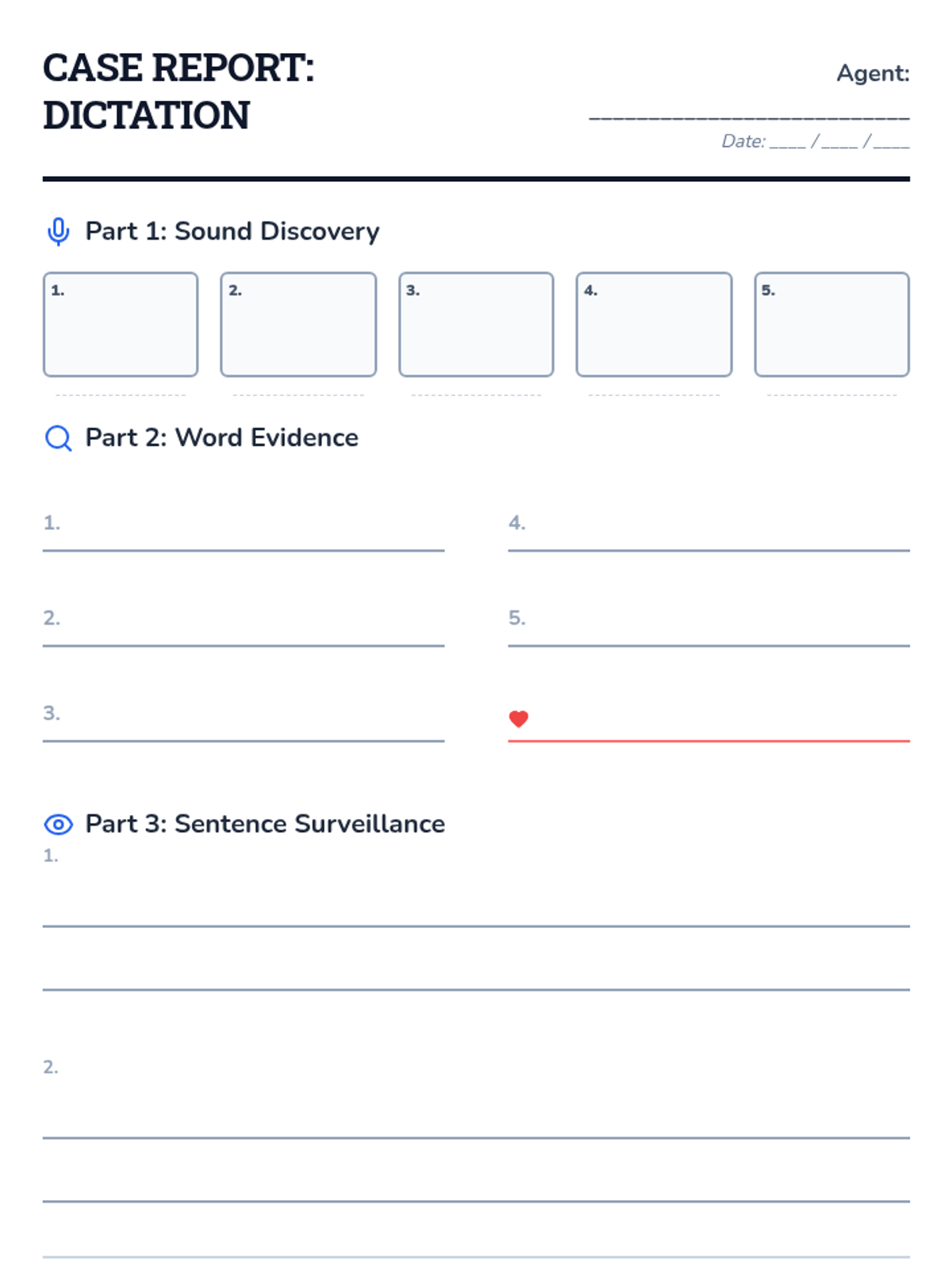
Review of 'wh' spelling and the introduction of the heart word 'would' followed by decodable reading for fluency and comprehension.
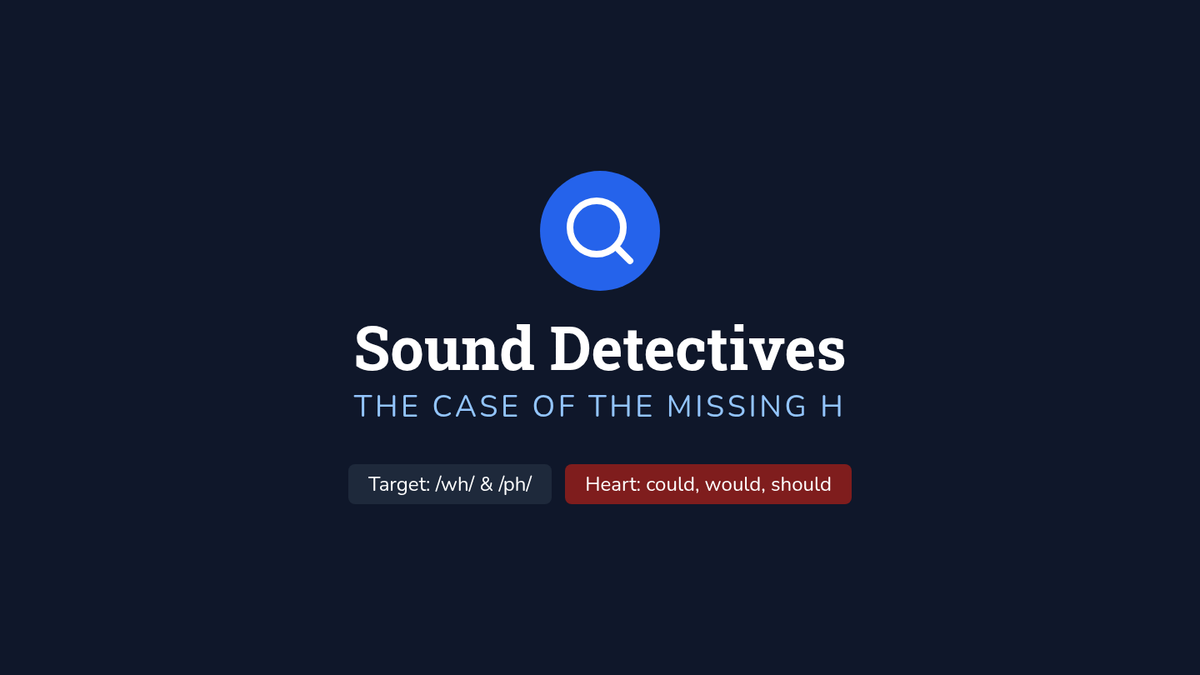
Introduction to the 'wh' digraph with phonemic awareness, a three-part drill, and the introduction of the heart word 'could'.
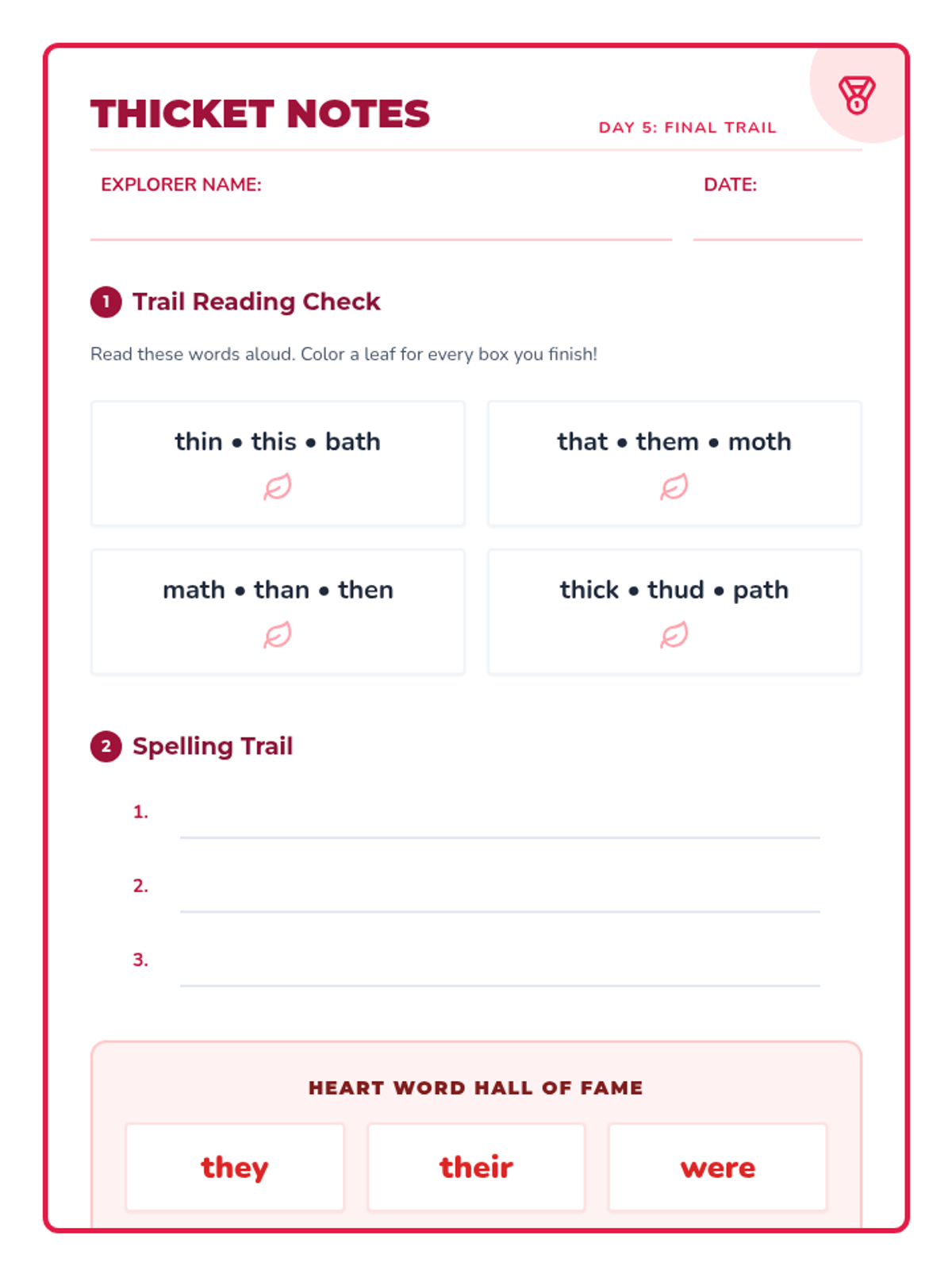
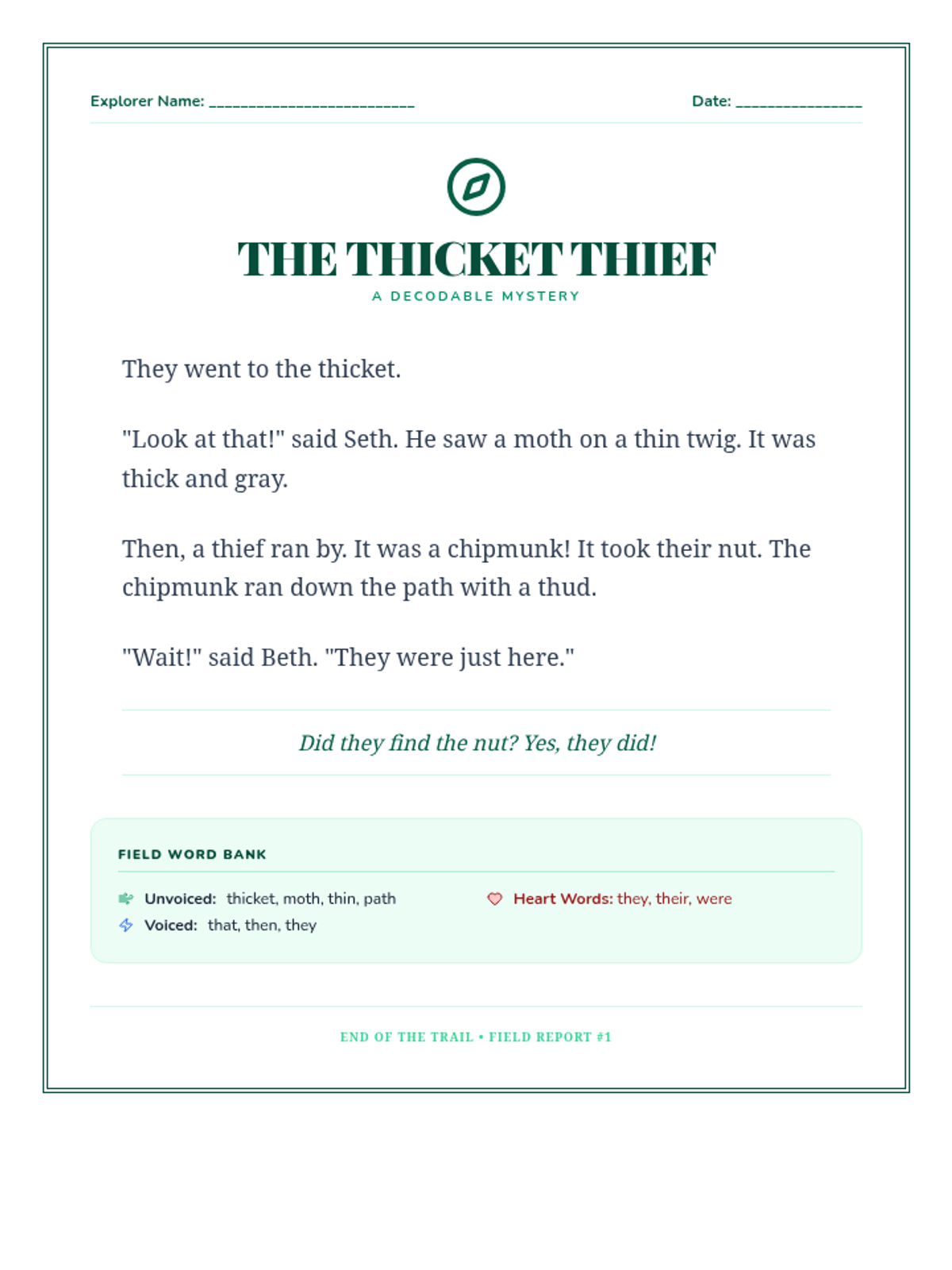
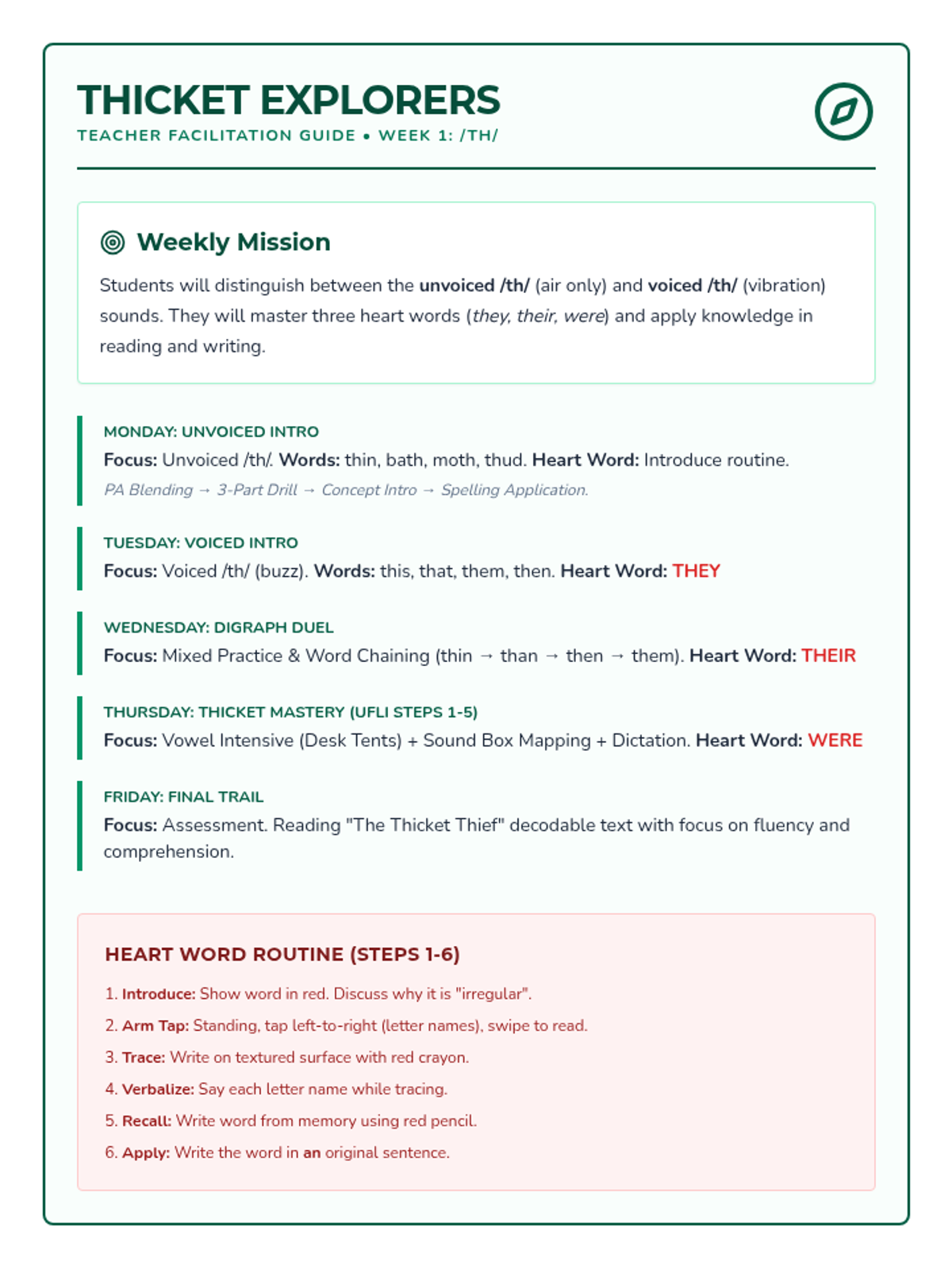
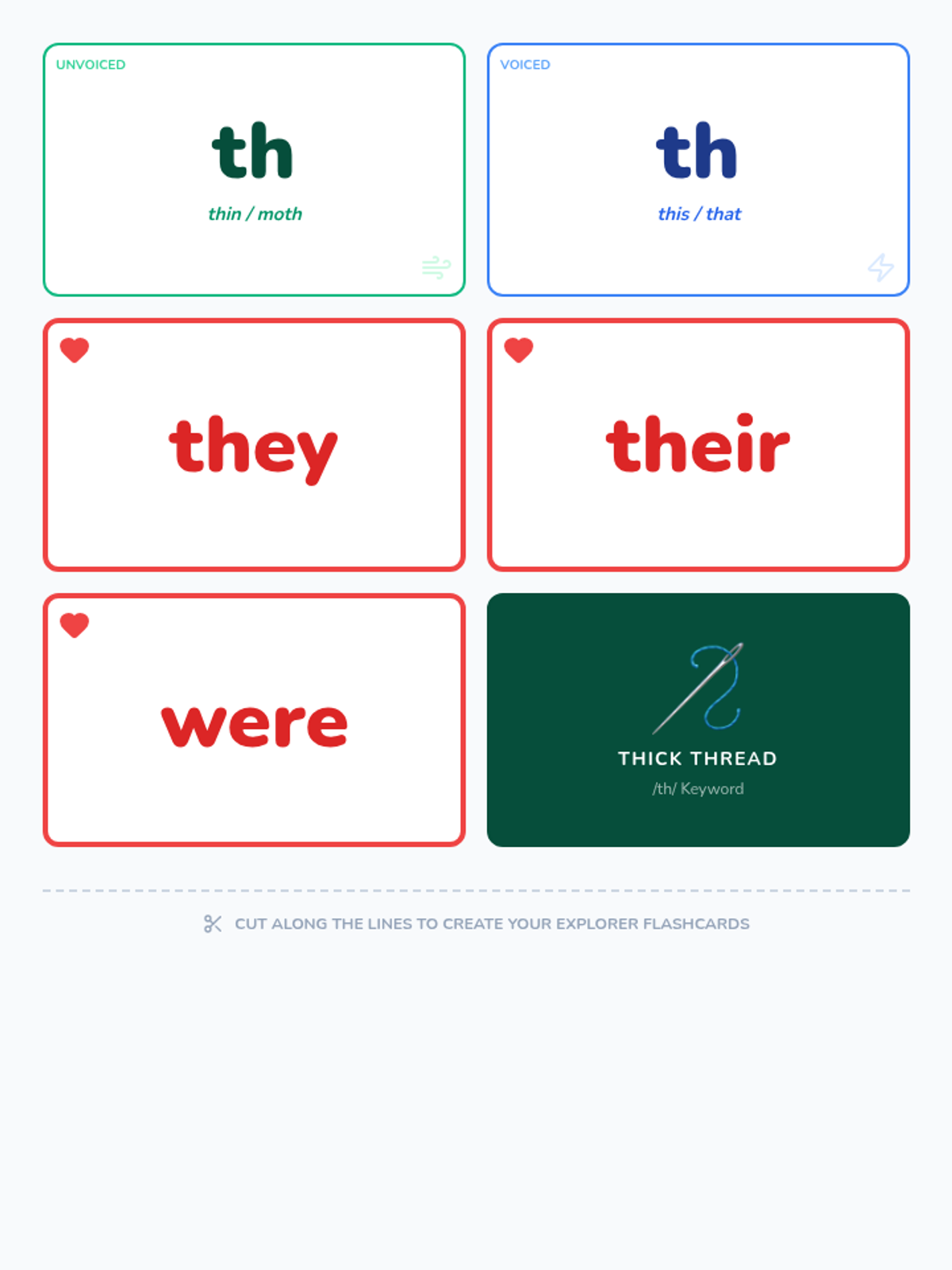
Final review and assessment of voiced/unvoiced /th/ digraphs and all three weekly heart words.
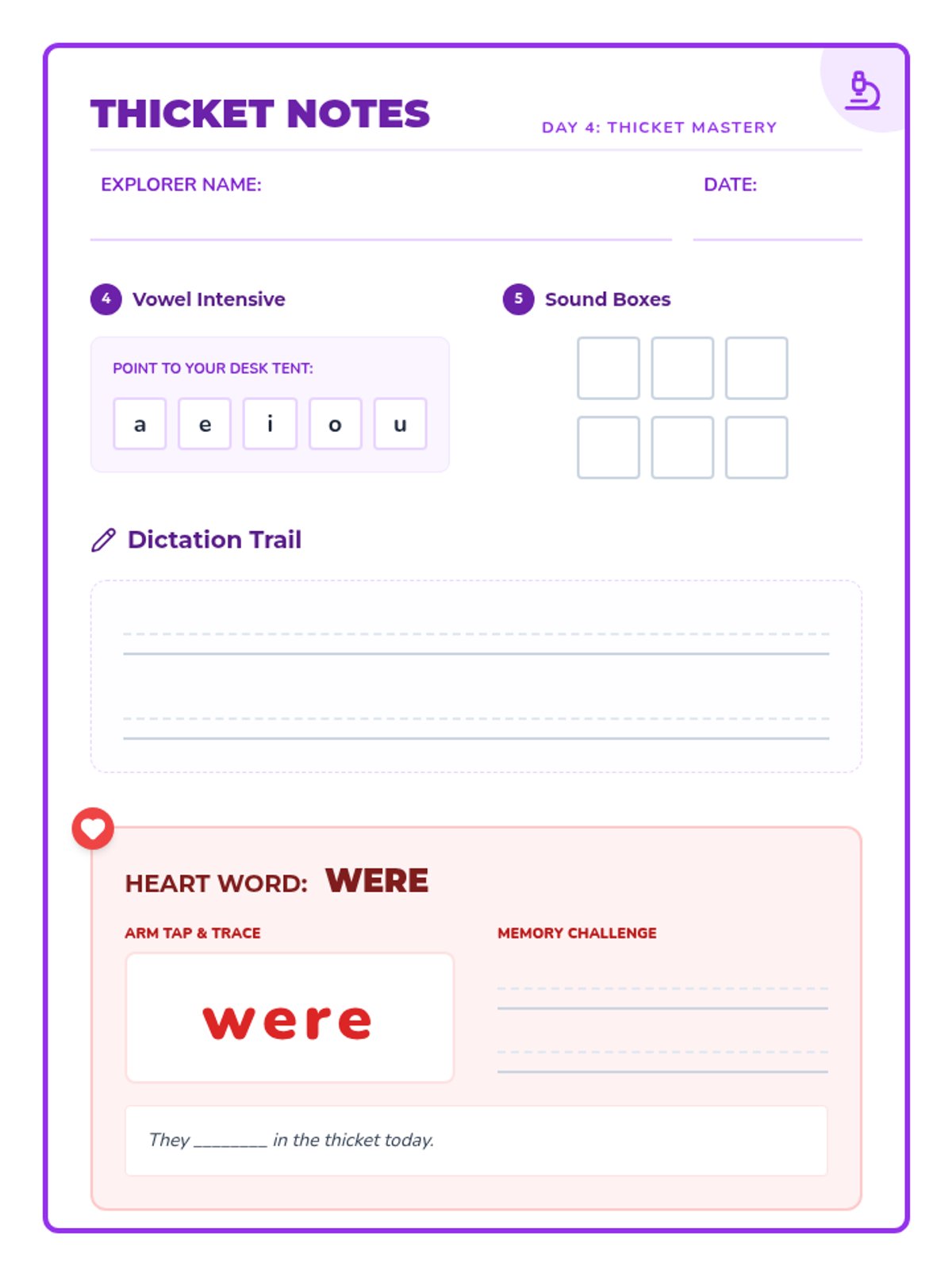
Reinforcement of all /th/ concepts using structured UFLI steps and introducing the heart word 'were'.
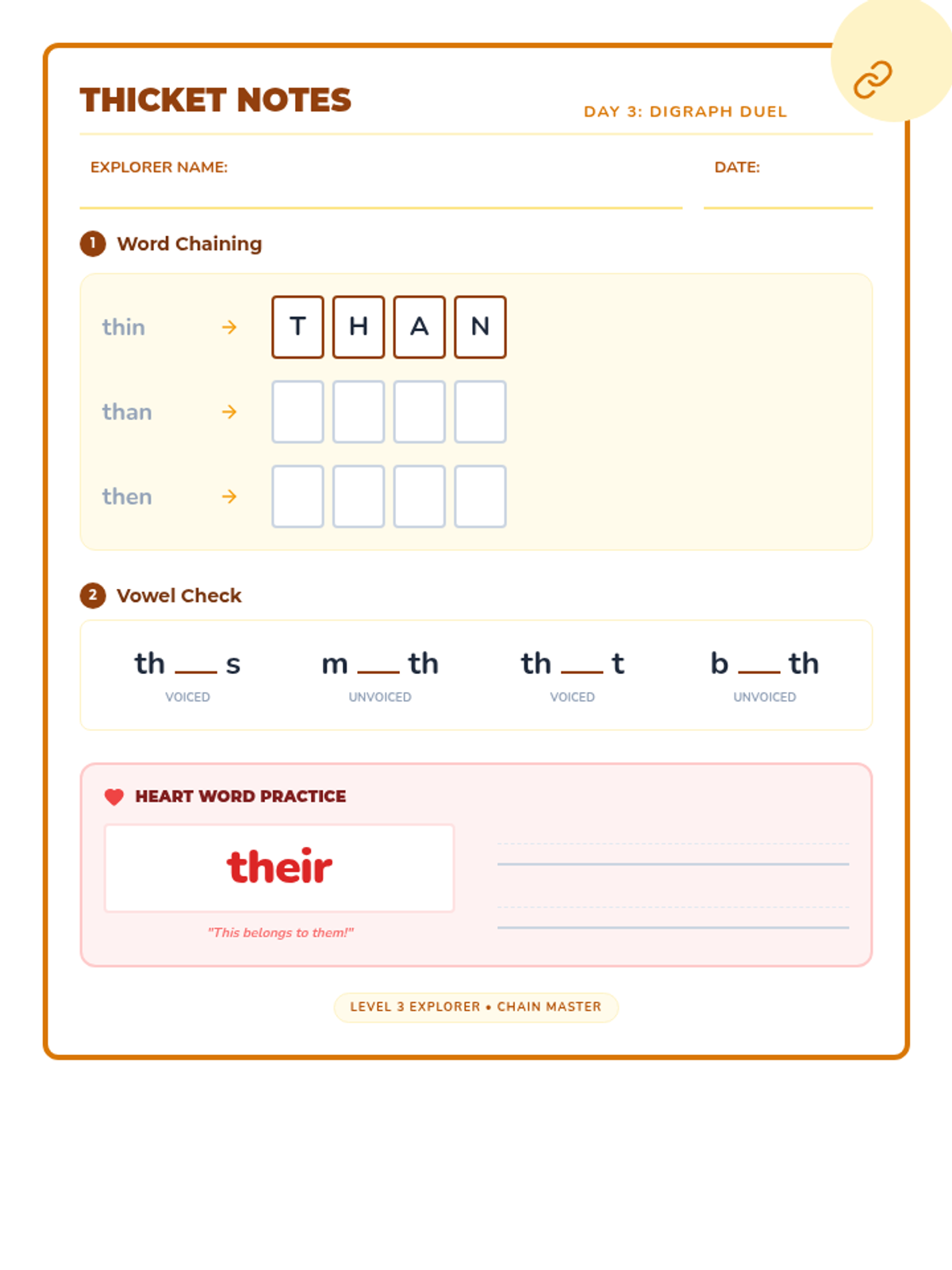
Mixed practice of voiced and unvoiced /th/ sounds with word chaining exercises and the heart word 'their'.
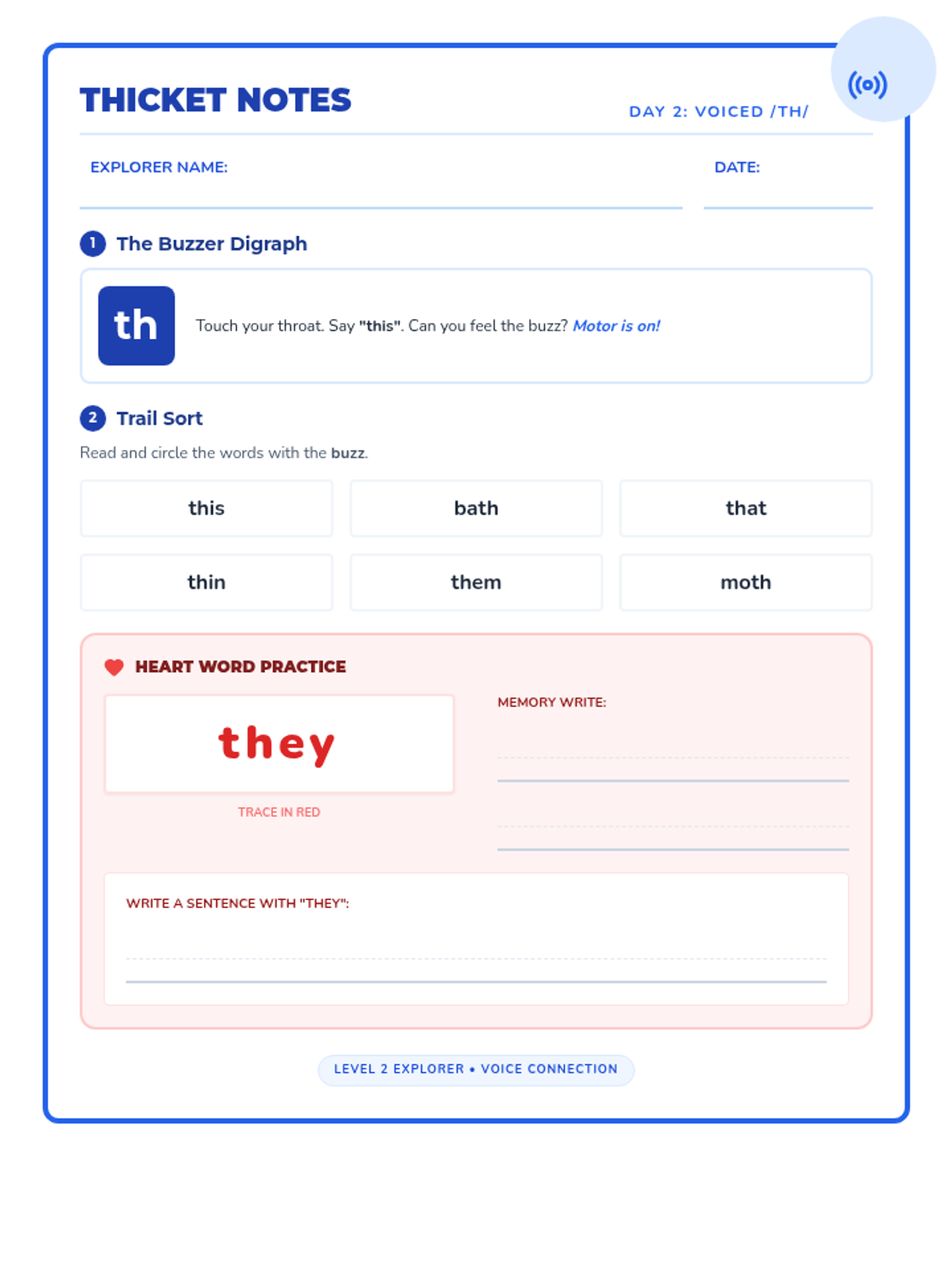
Introduction to the voiced /th/ digraph, reviewing unvoiced sounds, and introducing the heart word 'they'.
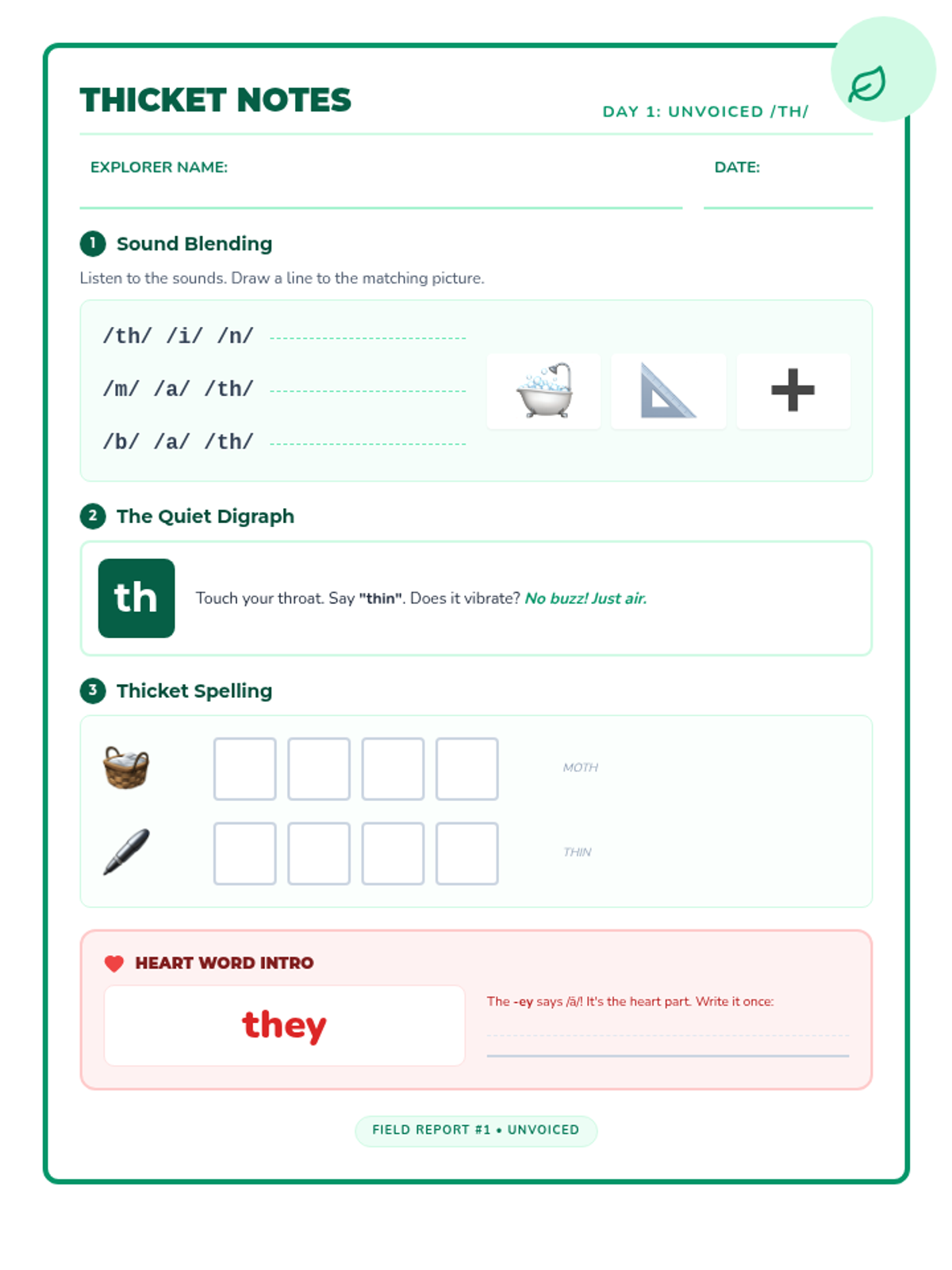
Introduction to the unvoiced /th/ digraph through phonemic awareness, blending drills, and initial spelling practice.
Final review and reinforcement of the 'sh' digraph and heart words through structured drills.
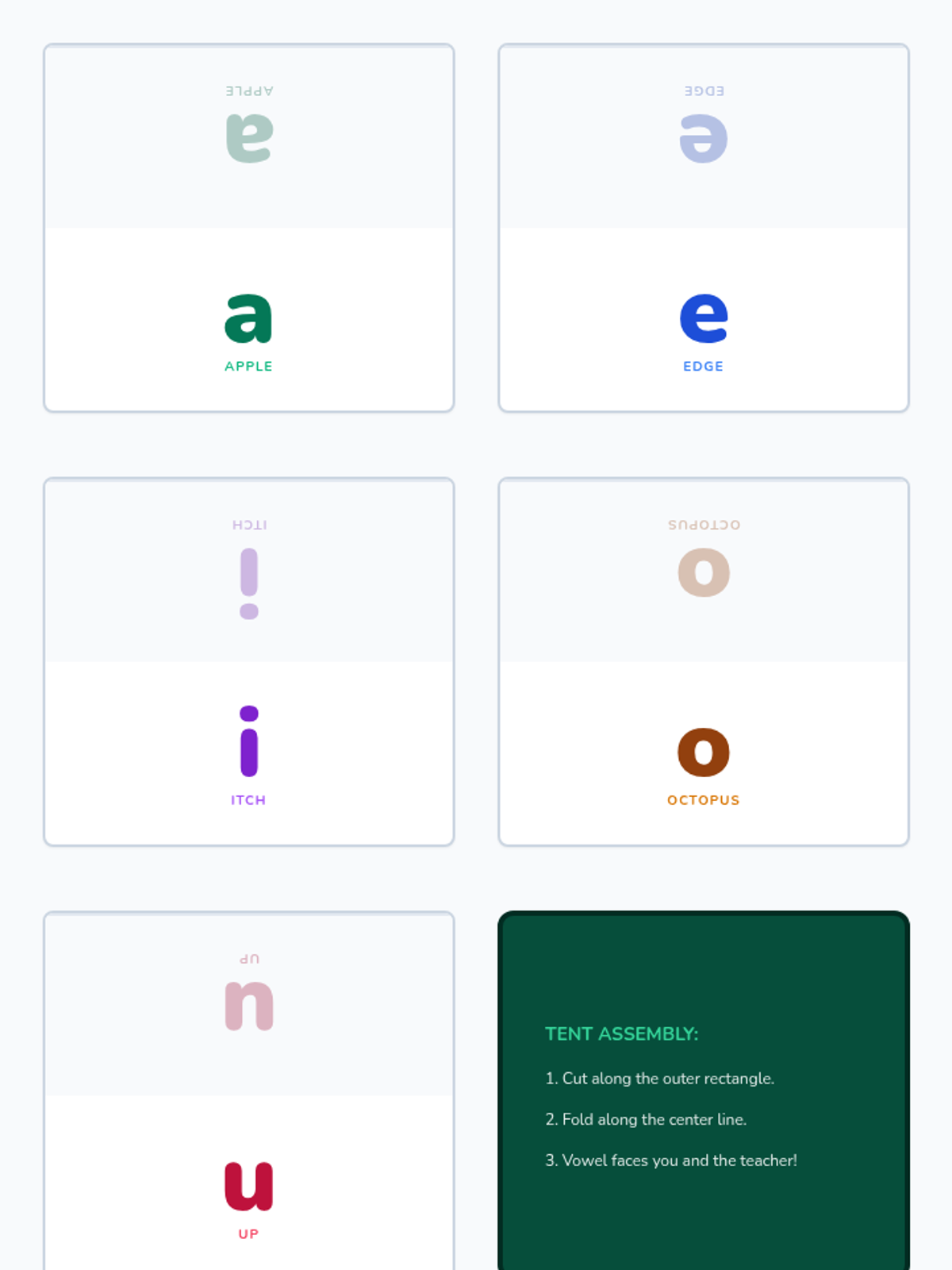
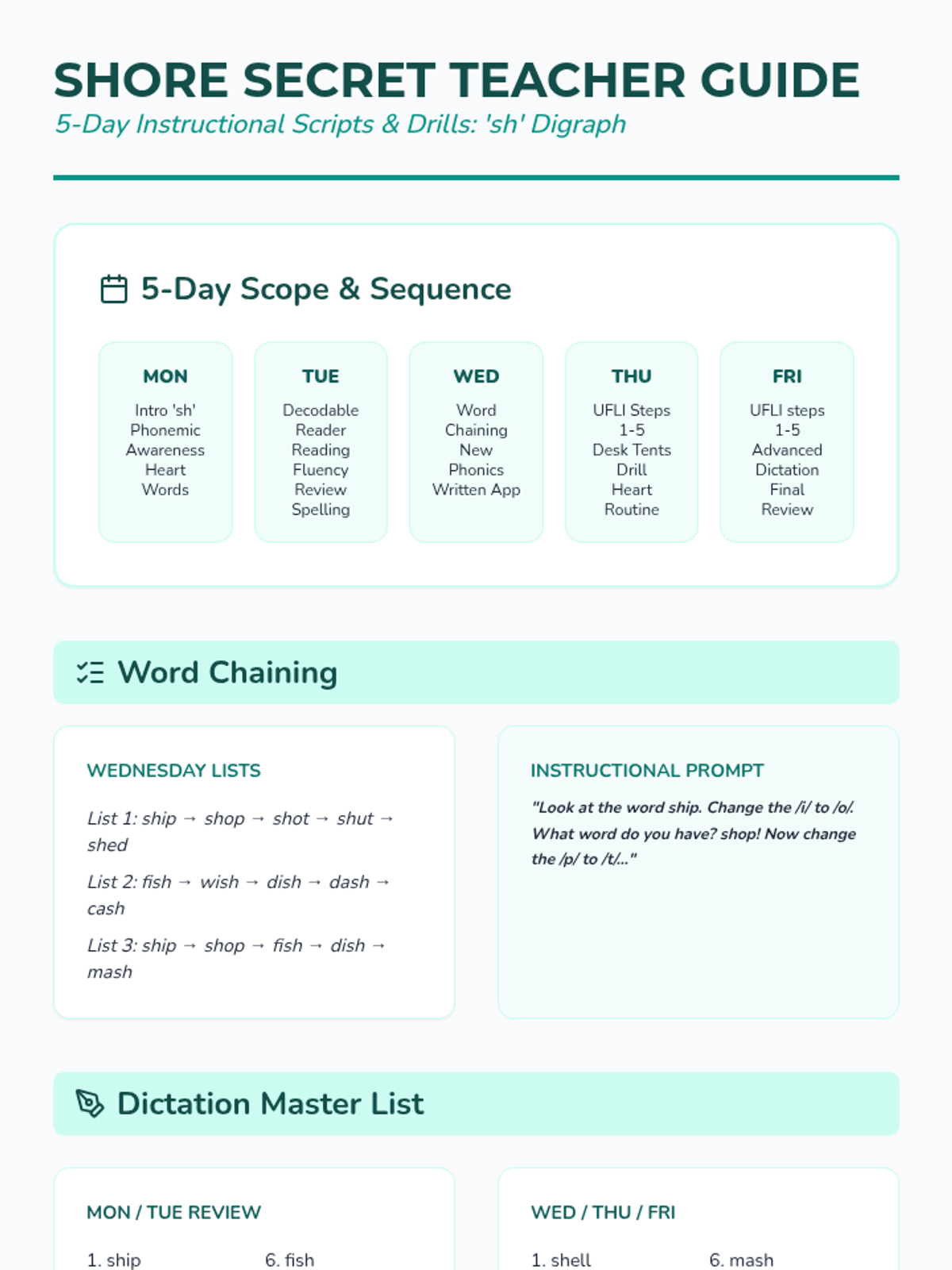
Intensive phonics practice using UFLI-inspired steps and multi-sensory heart word routines.
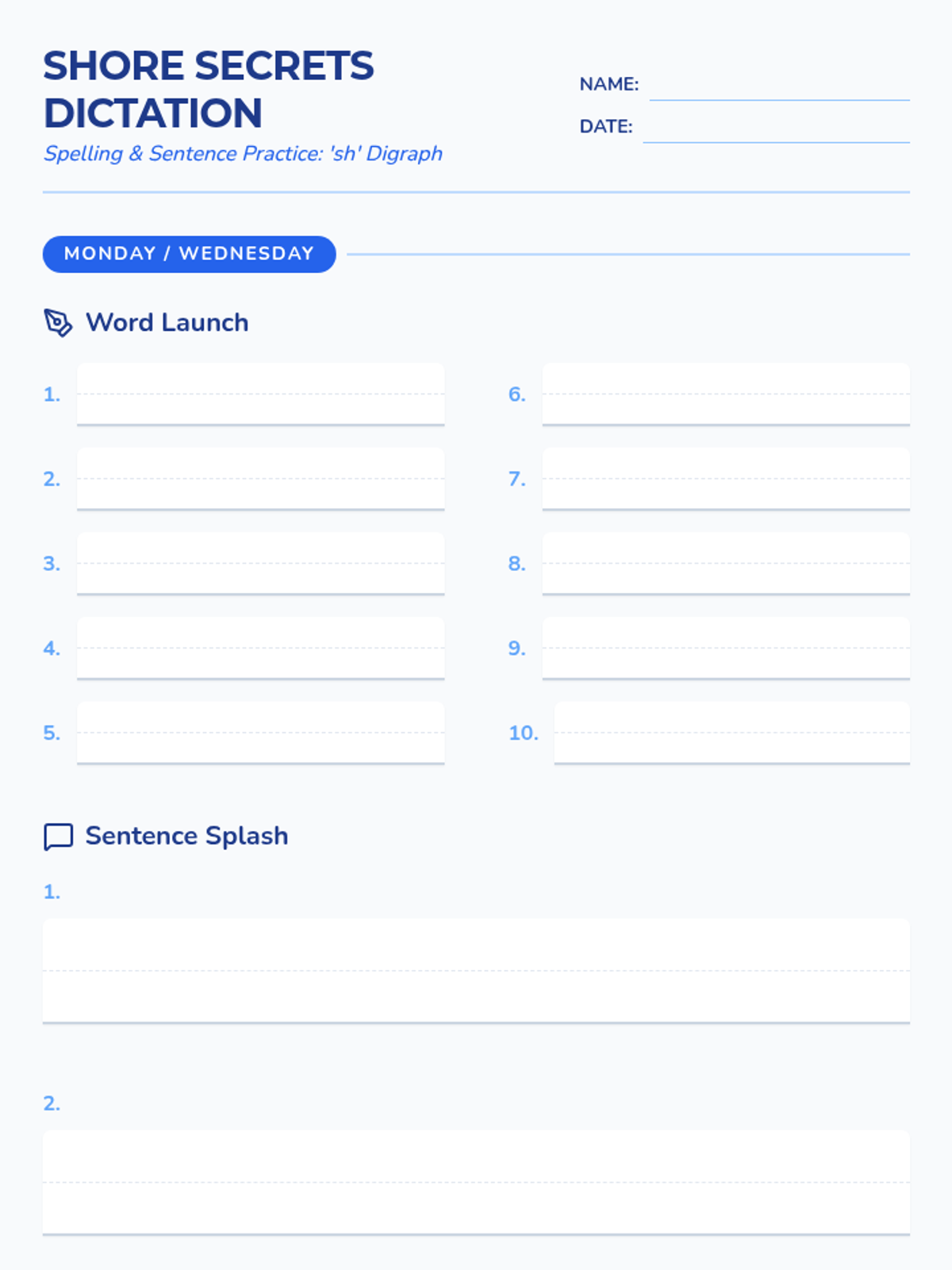
Word chaining practice and cumulative review of the 'sh' digraph and heart words.
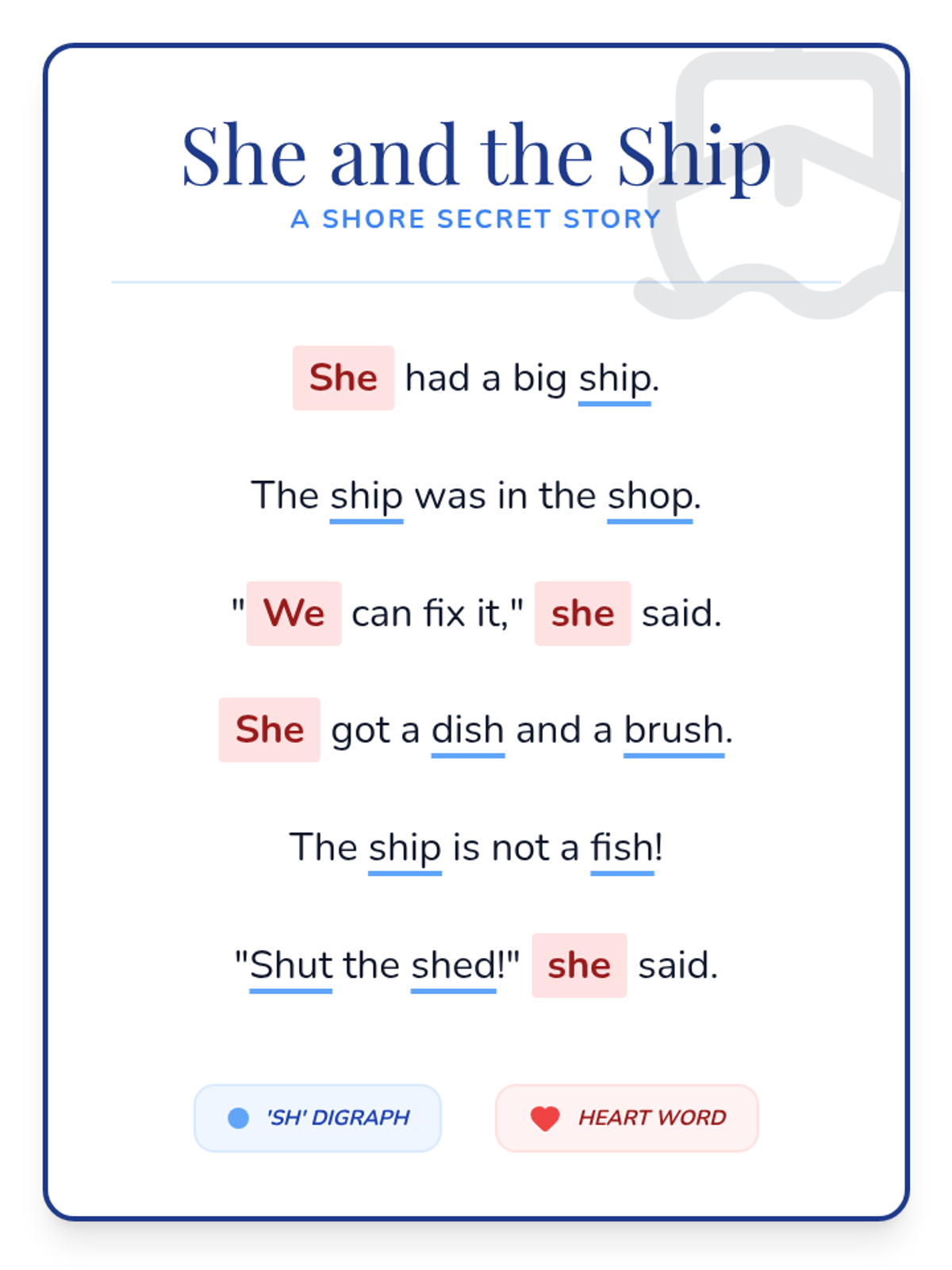
Review of 'sh' spelling and heart words, featuring a decodable story and comprehension activities.
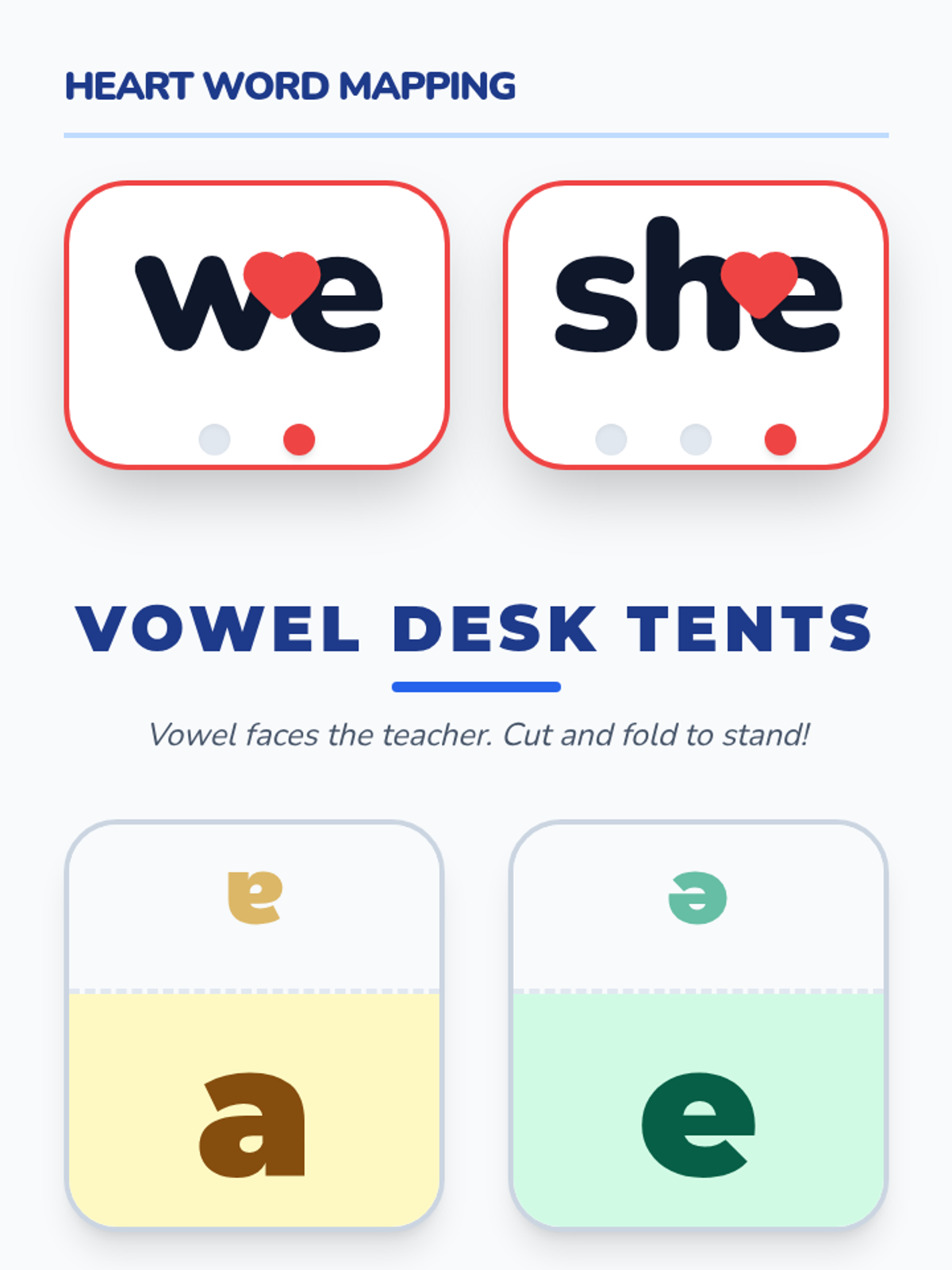
Introduction to the 'sh' digraph with a focus on blending, segmenting, and the heart words 'we' and 'she'.
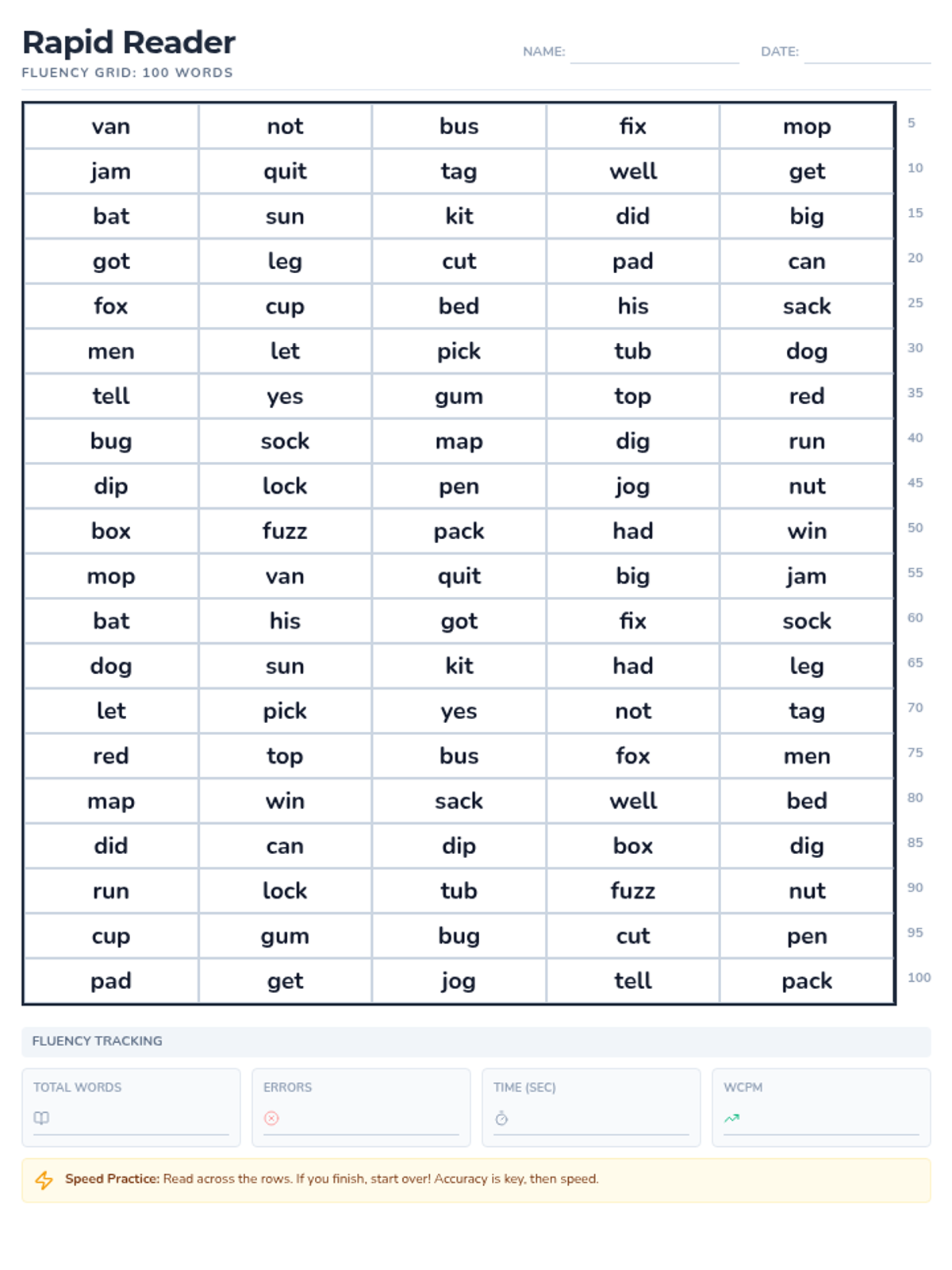
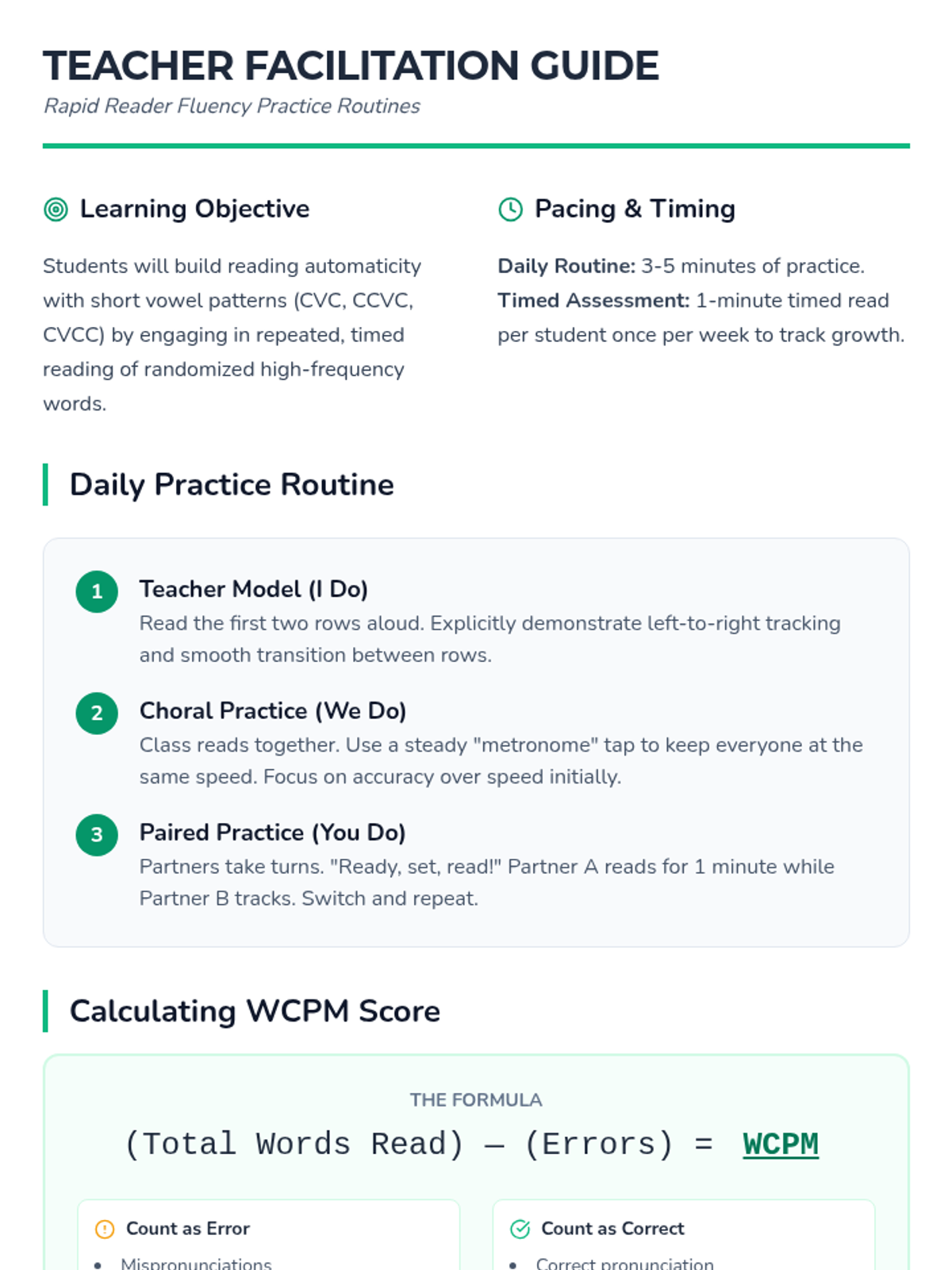
A series of materials designed to build reading speed and accuracy through targeted word practice.
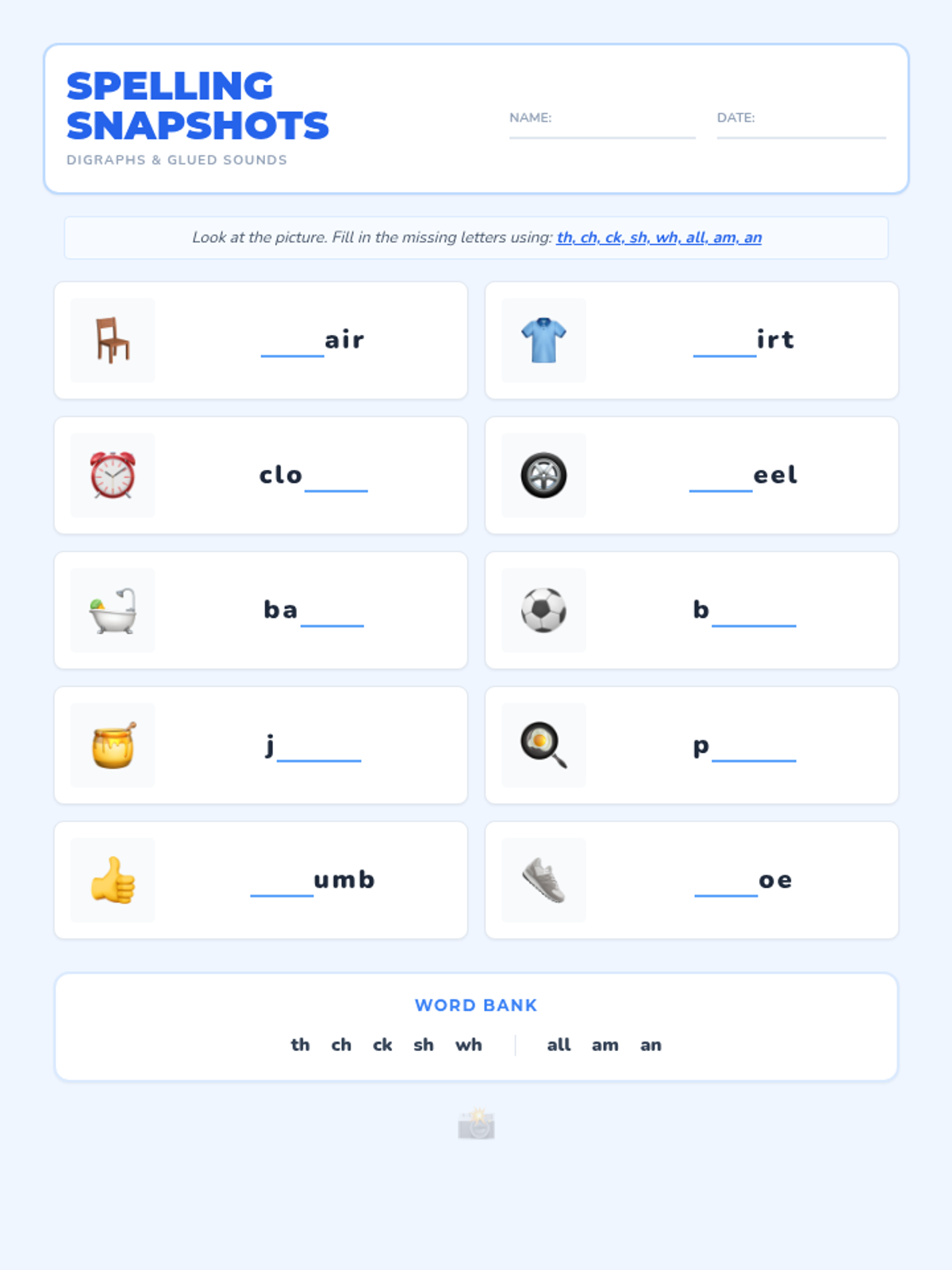
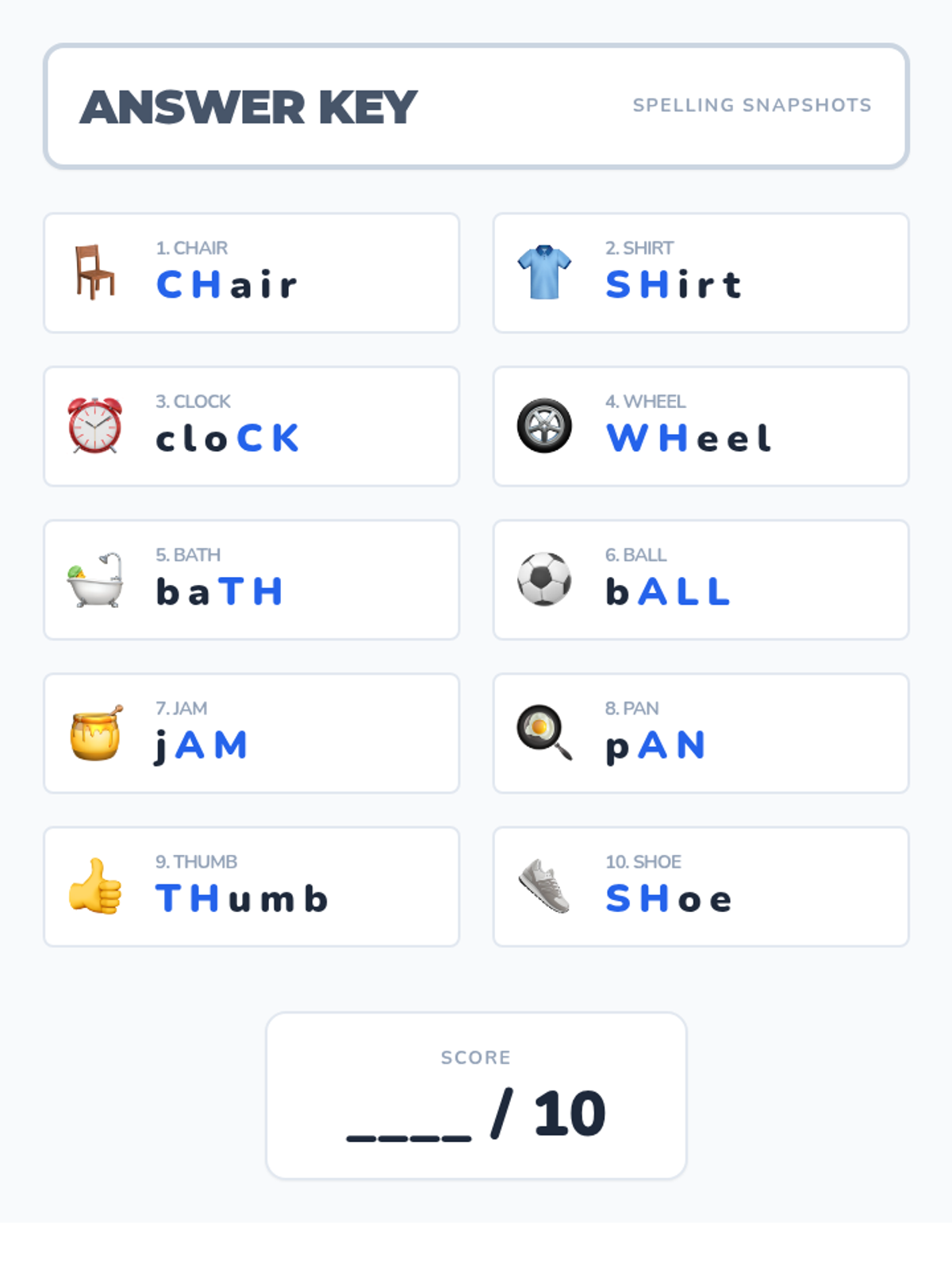
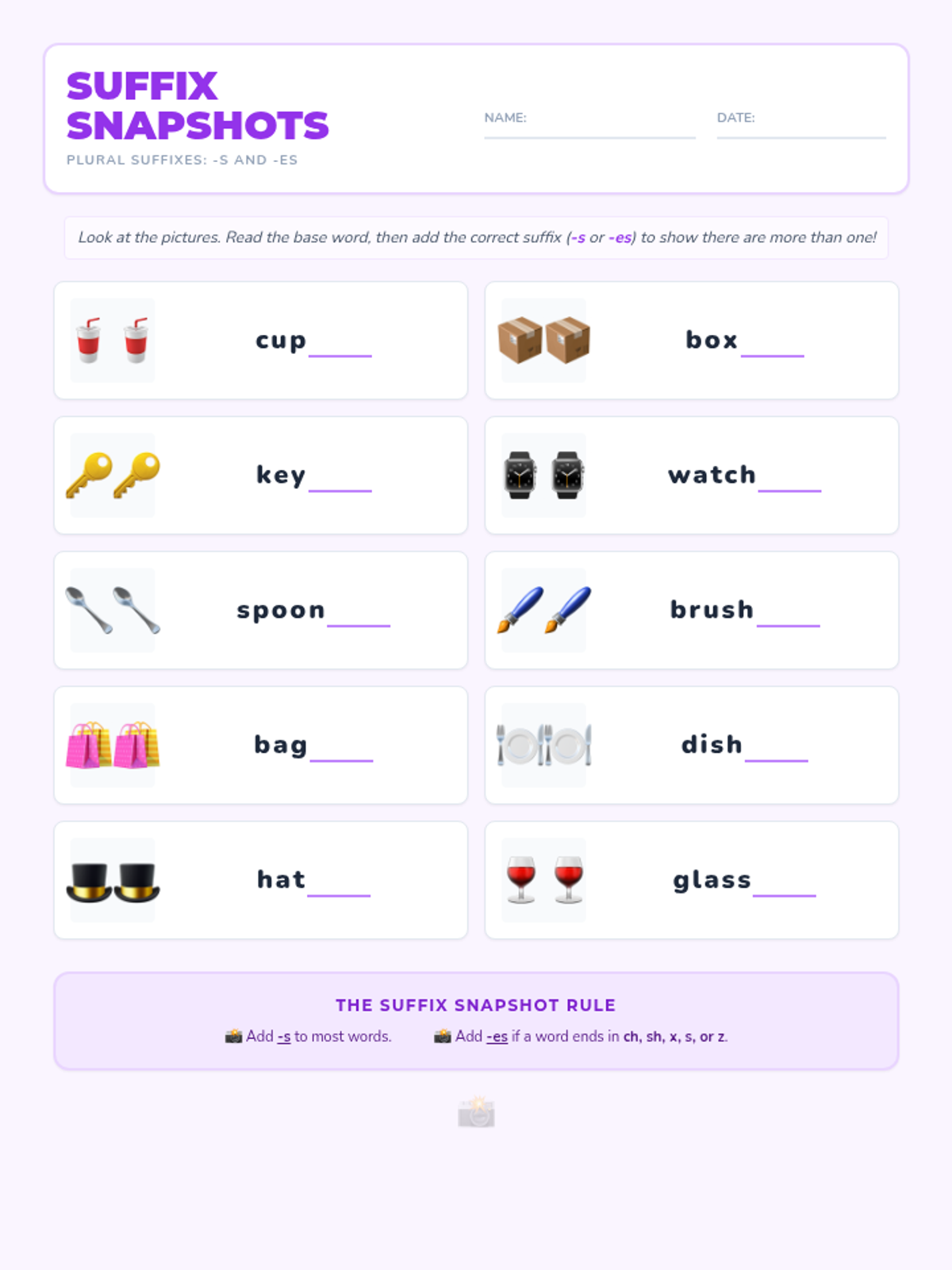
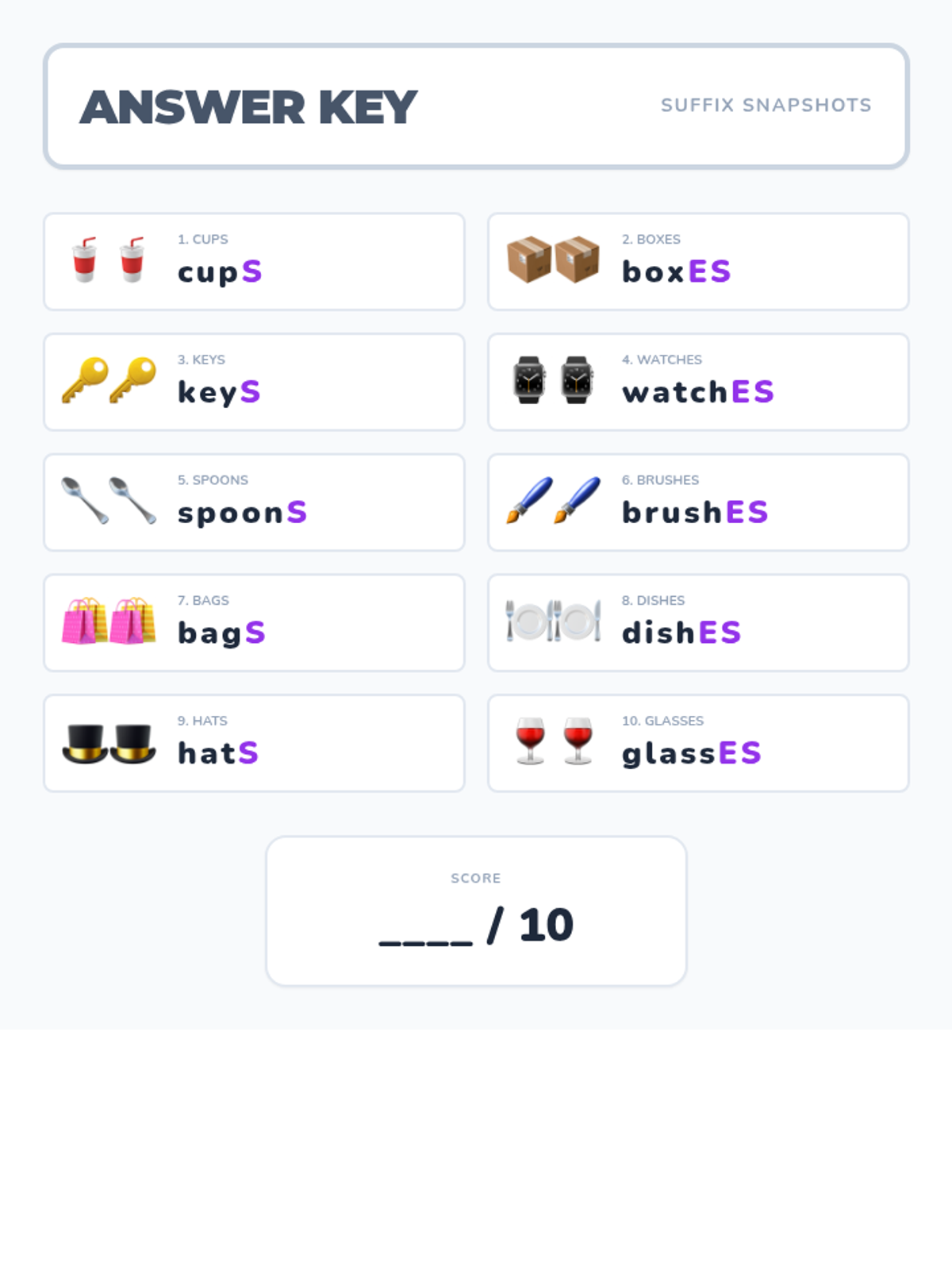
A spelling lesson focused on identifying and using digraphs (th, ch, ck, sh, wh) and glued sounds (all, am, an) within common everyday objects.
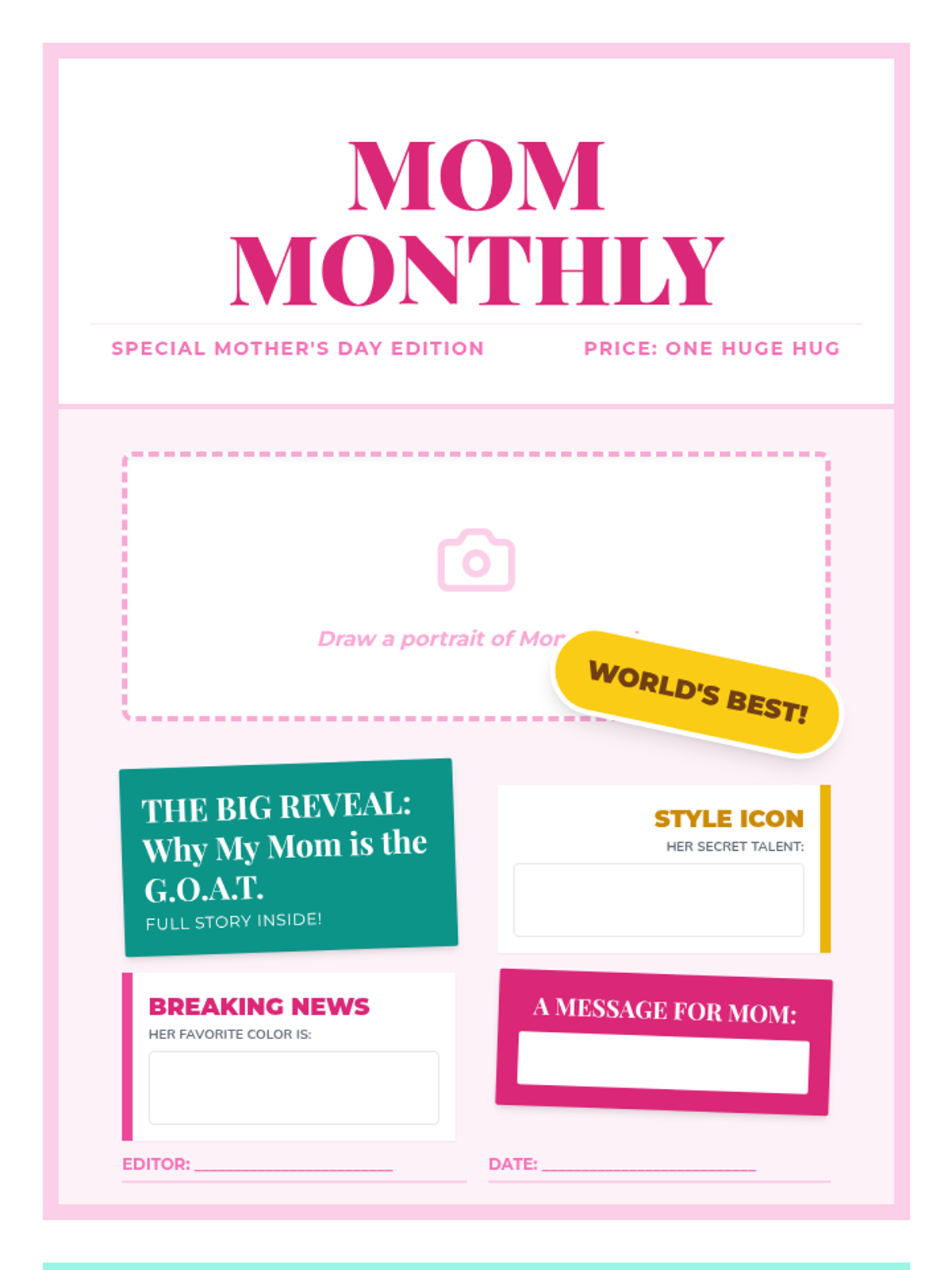
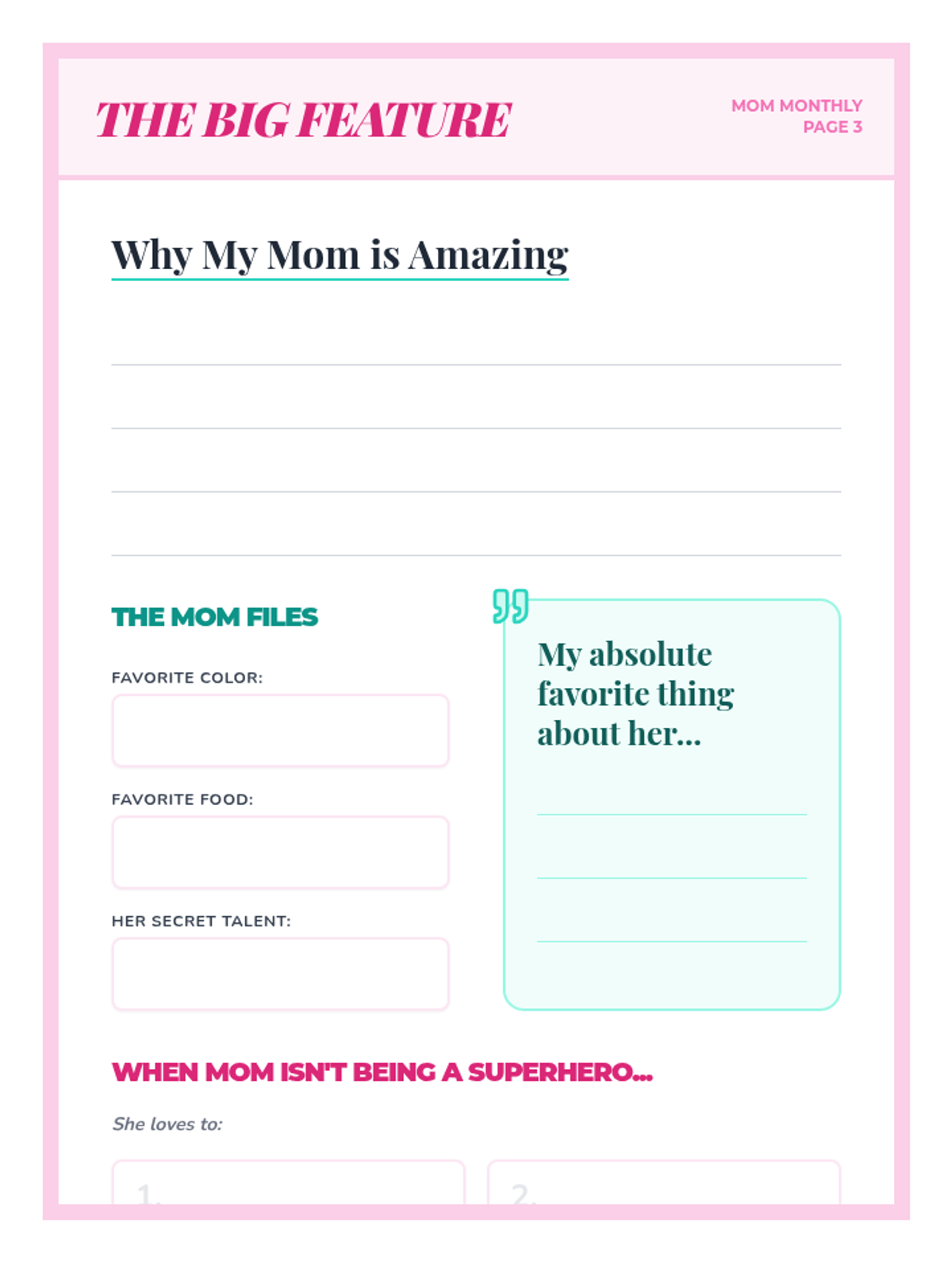
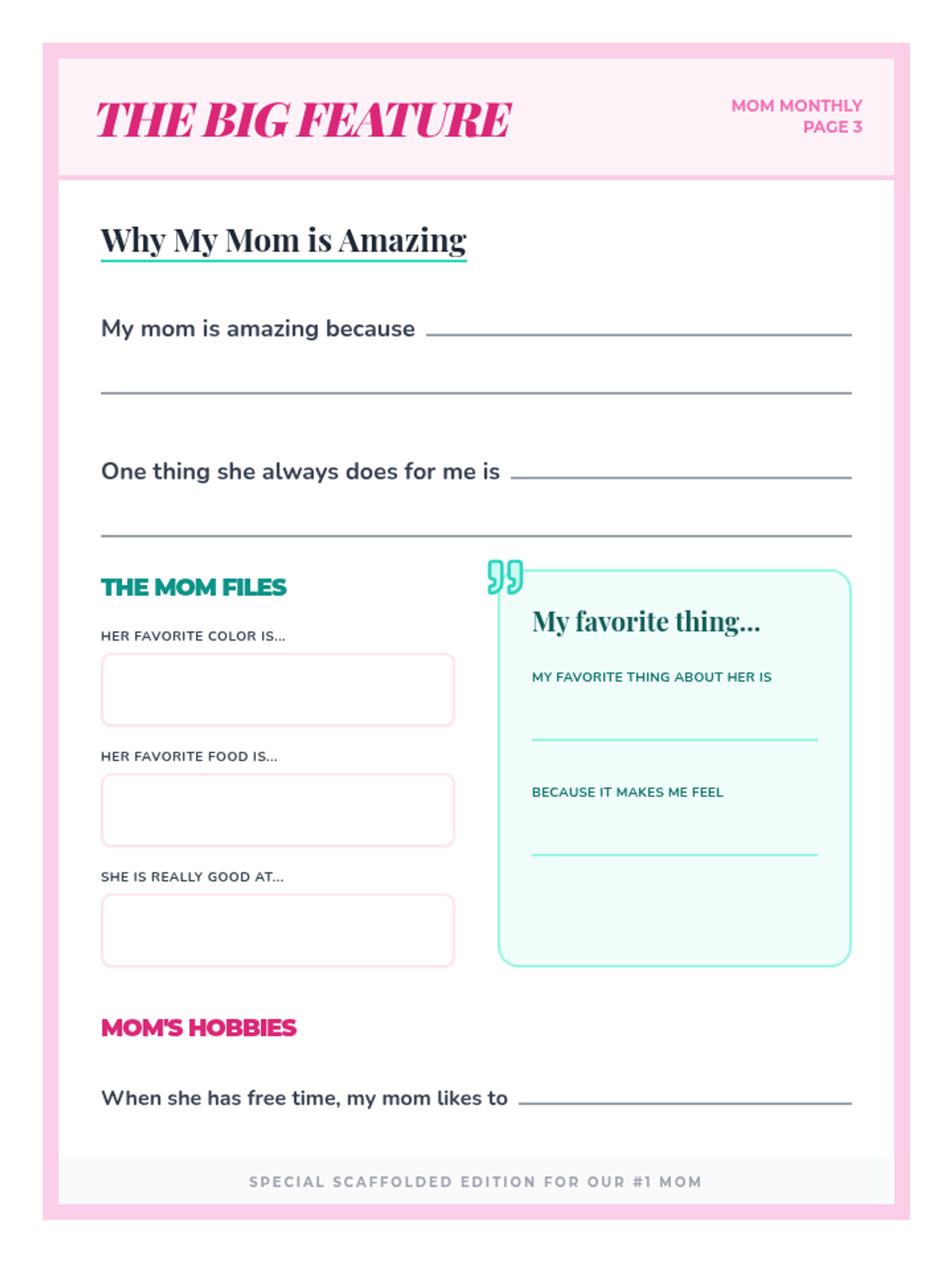
A creative Mother's Day activity where students design and write their own 'Mom Monthly' magazine to celebrate their mothers. Includes a stylish cover and interview-style features for different skill levels.

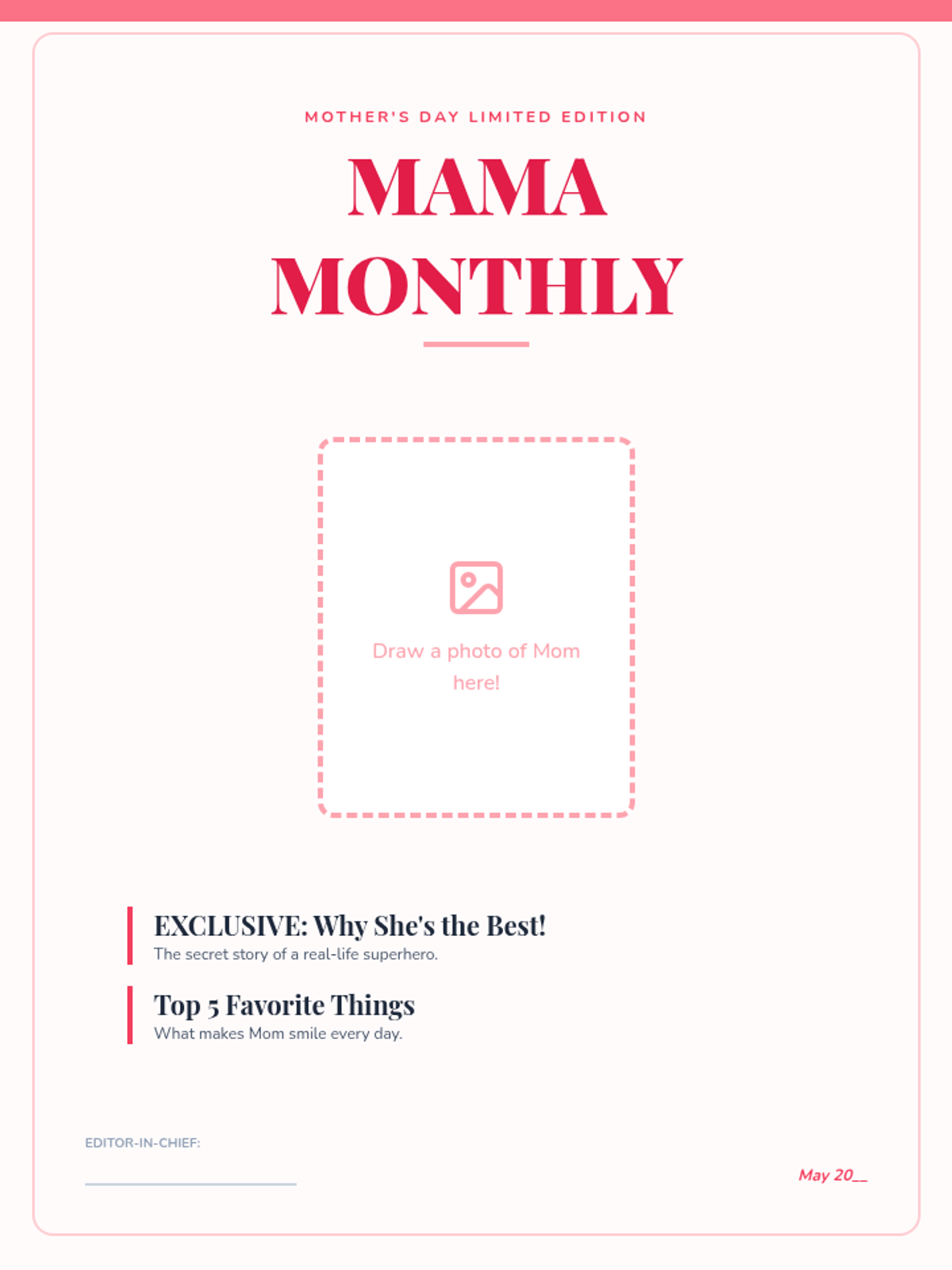
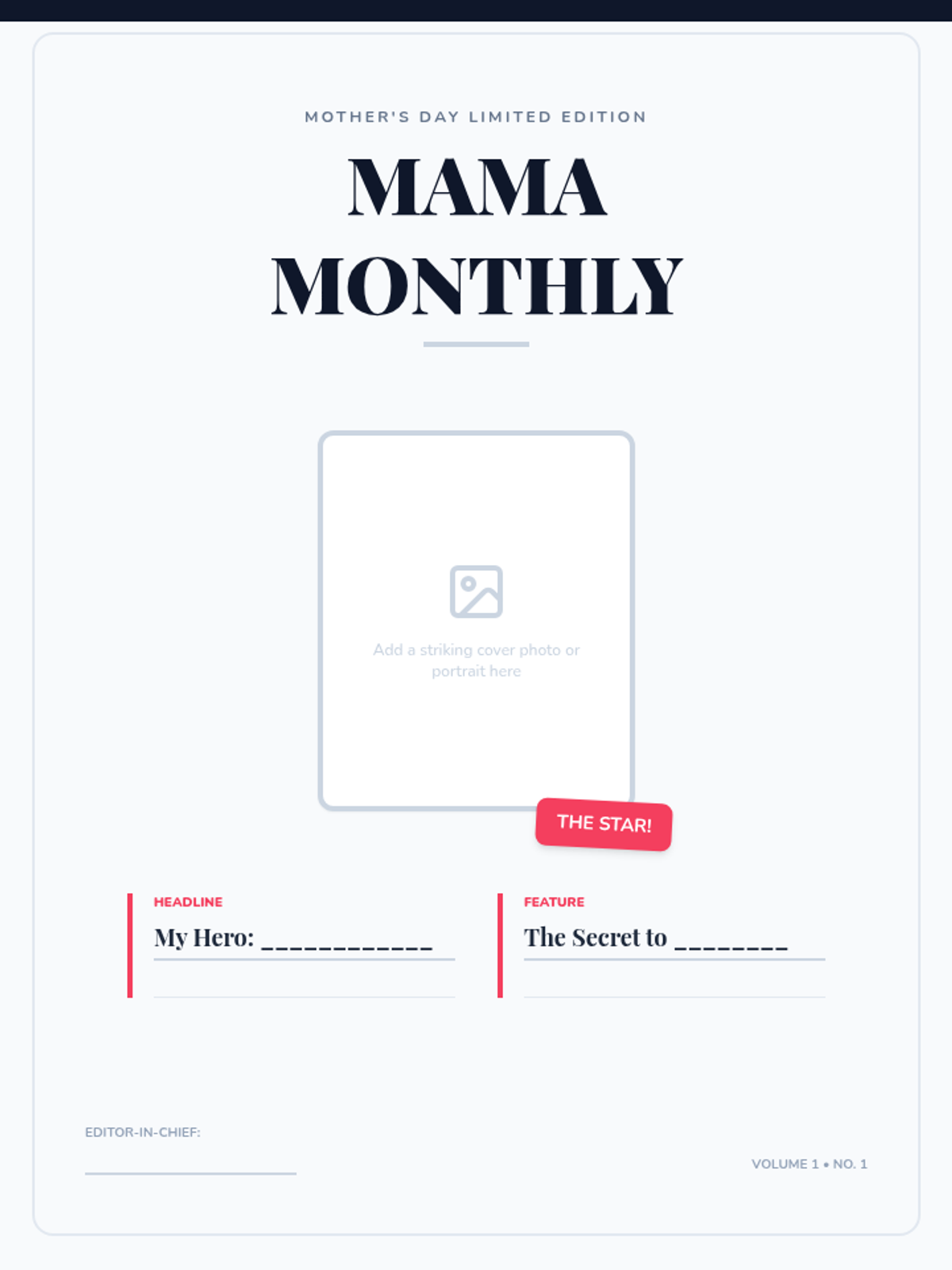
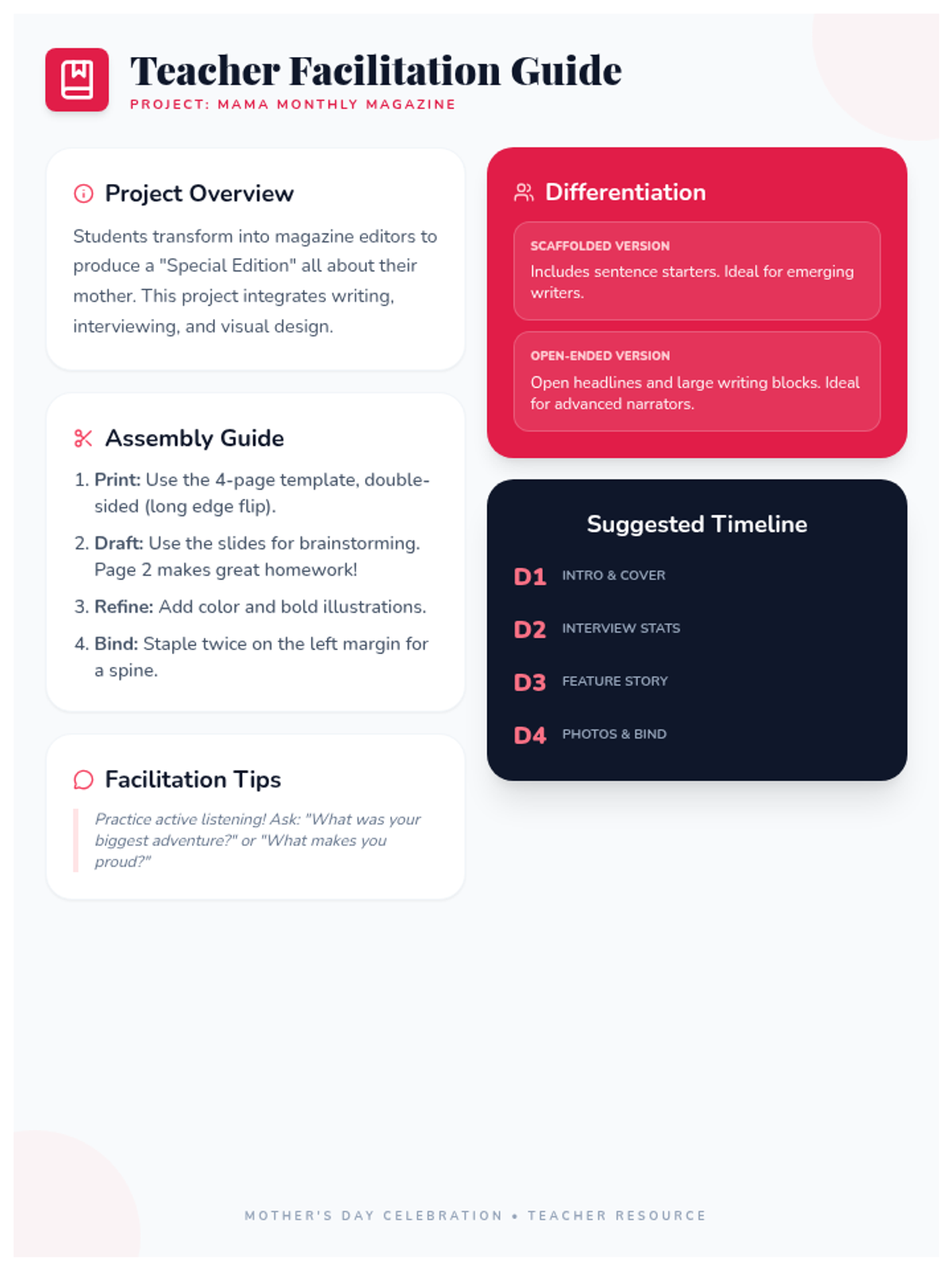
A creative project where students design and write their own 'Mama Monthly' magazine to celebrate Mother's Day, focusing on interviewing skills, descriptive writing, and gratitude.
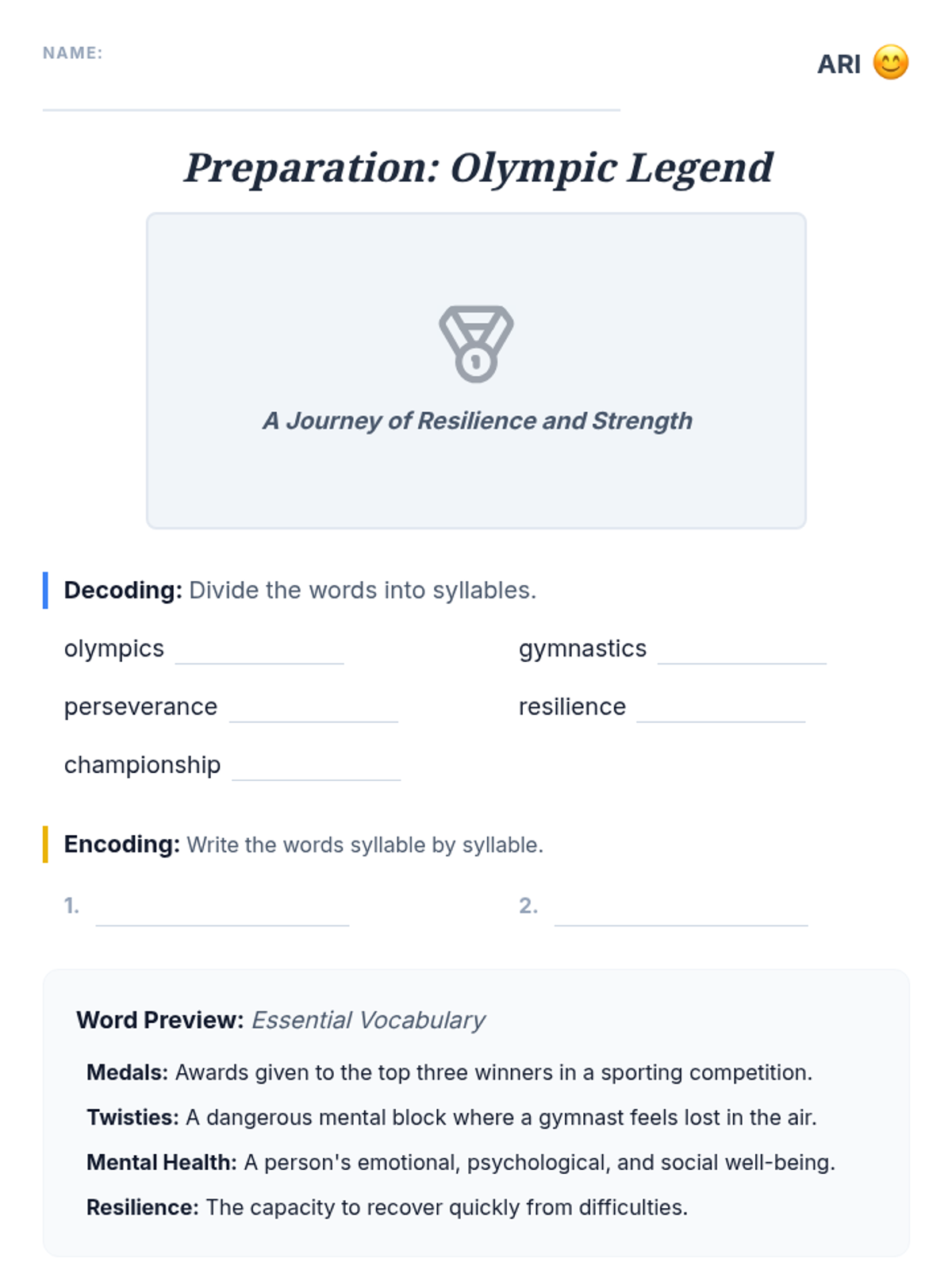
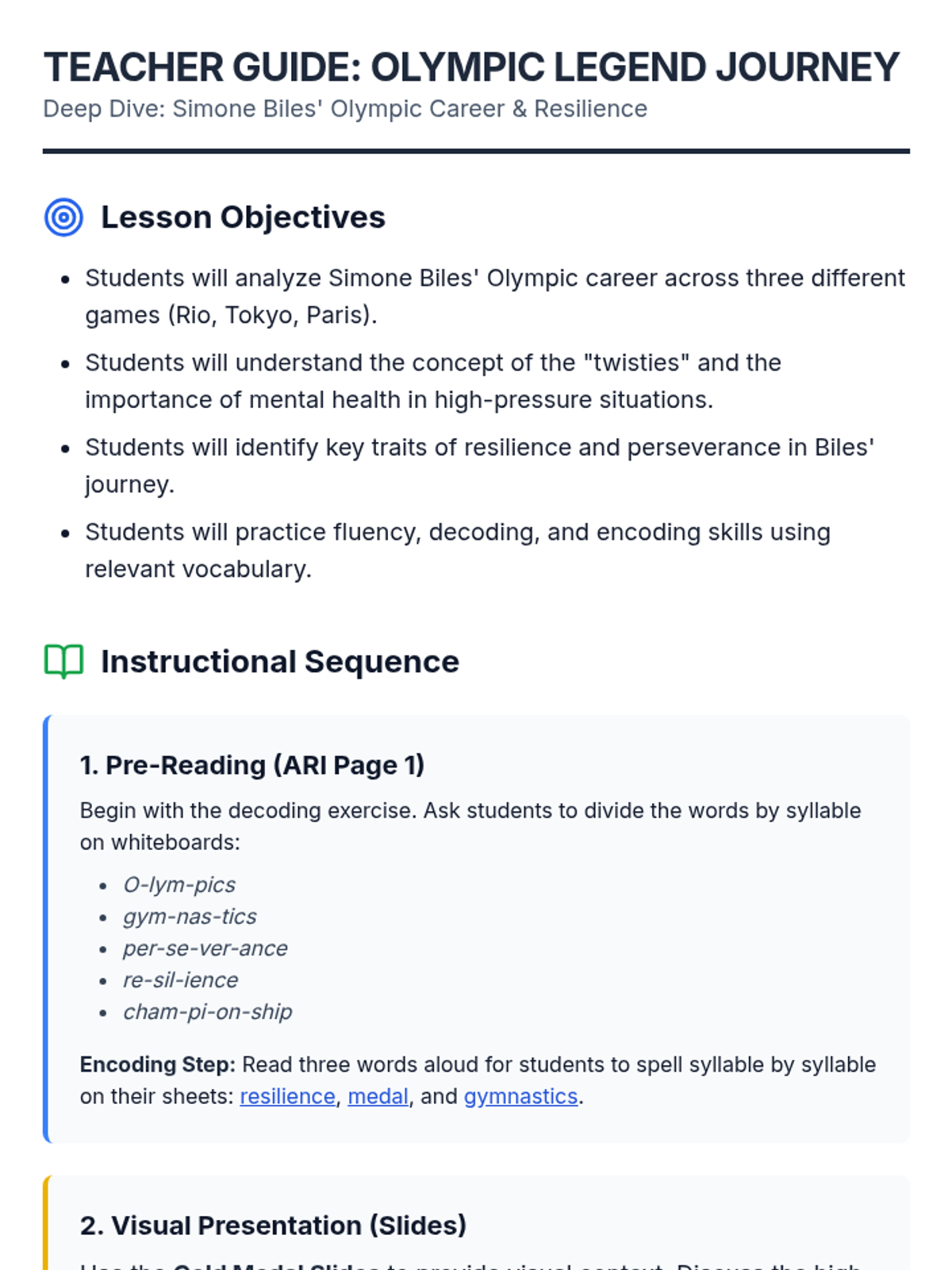
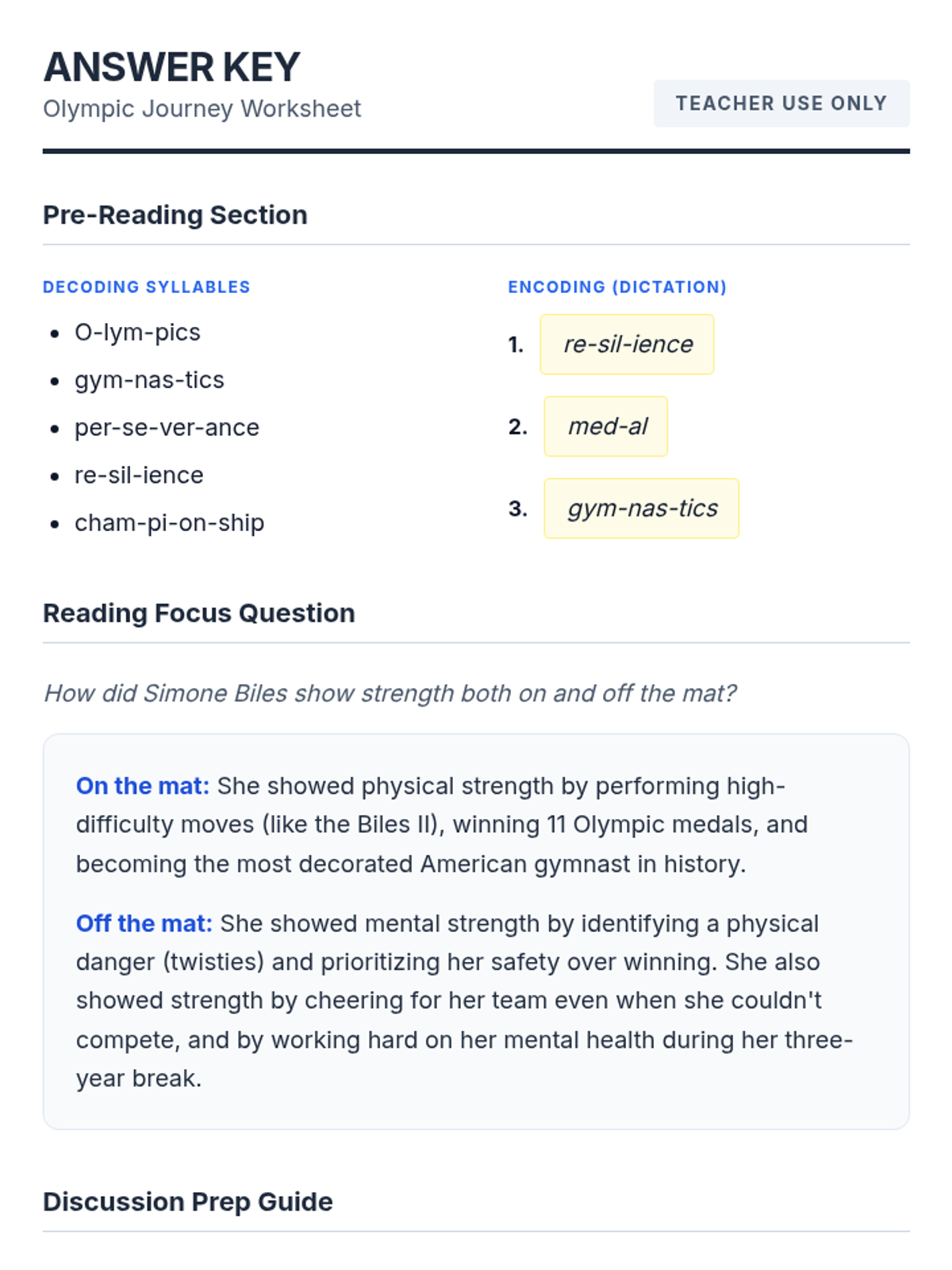
A deep dive into Simone Biles' Olympic career, covering her triumphs in Rio, her mental health advocacy in Tokyo, and her historic comeback in Paris.
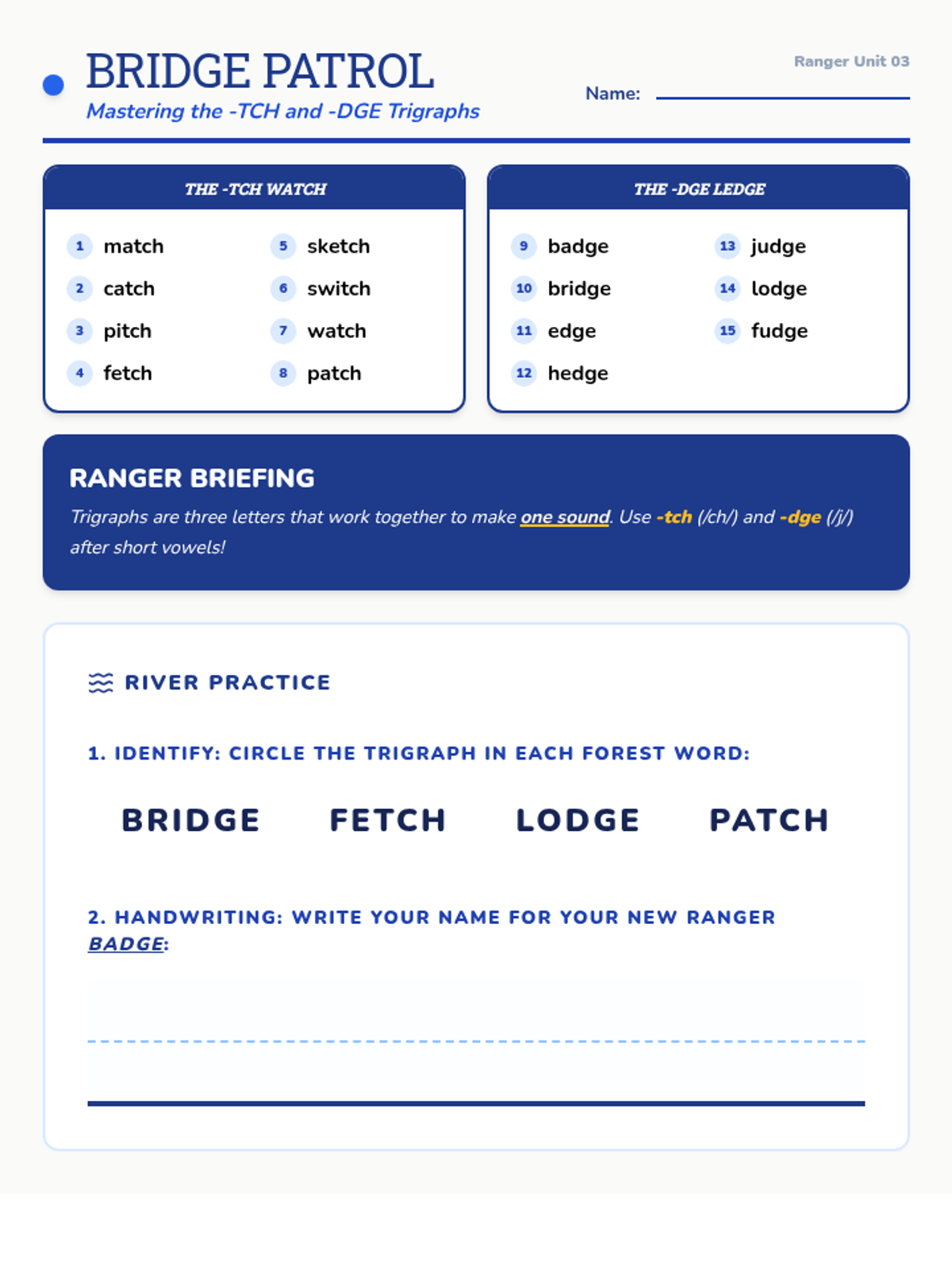
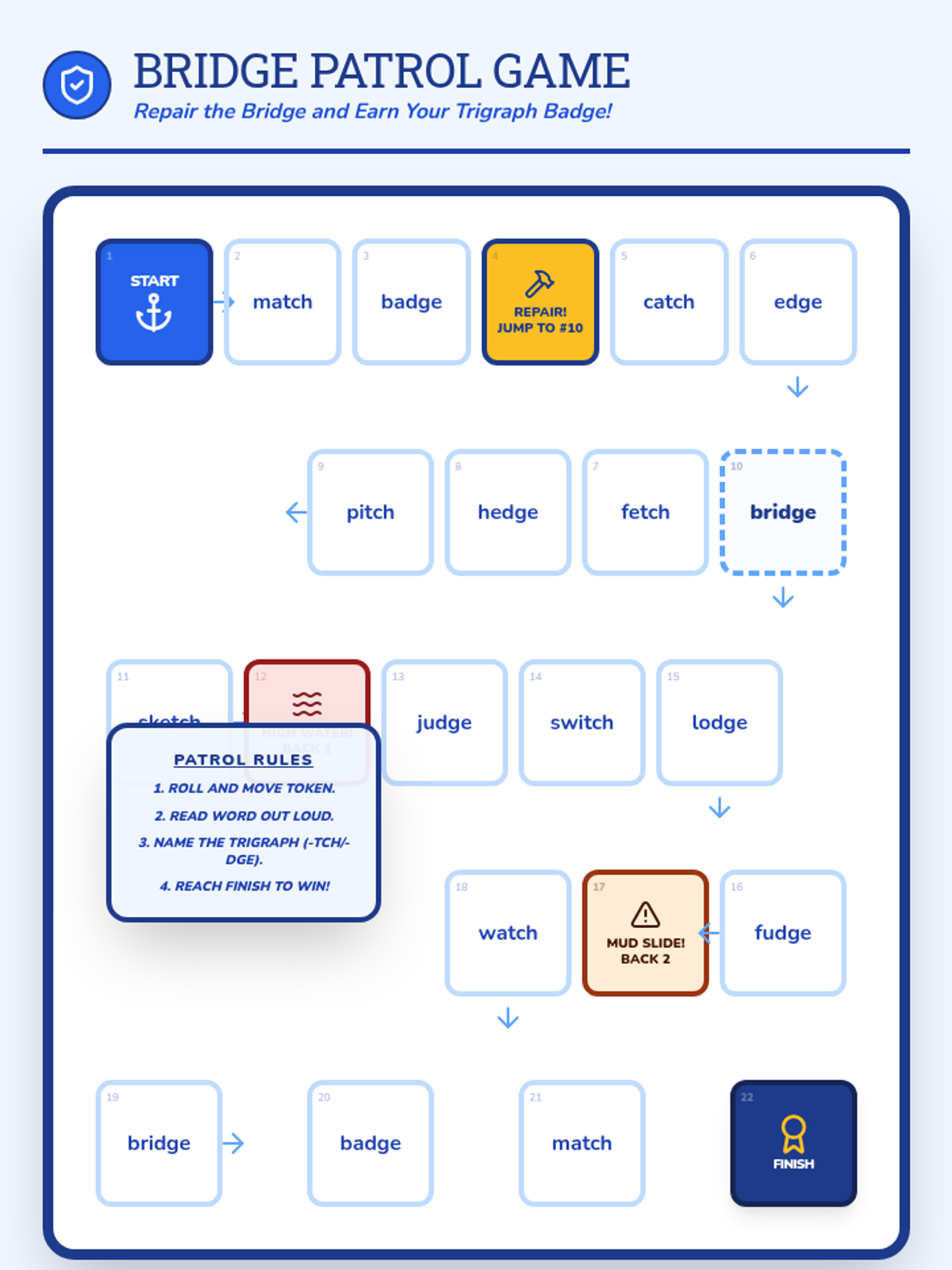
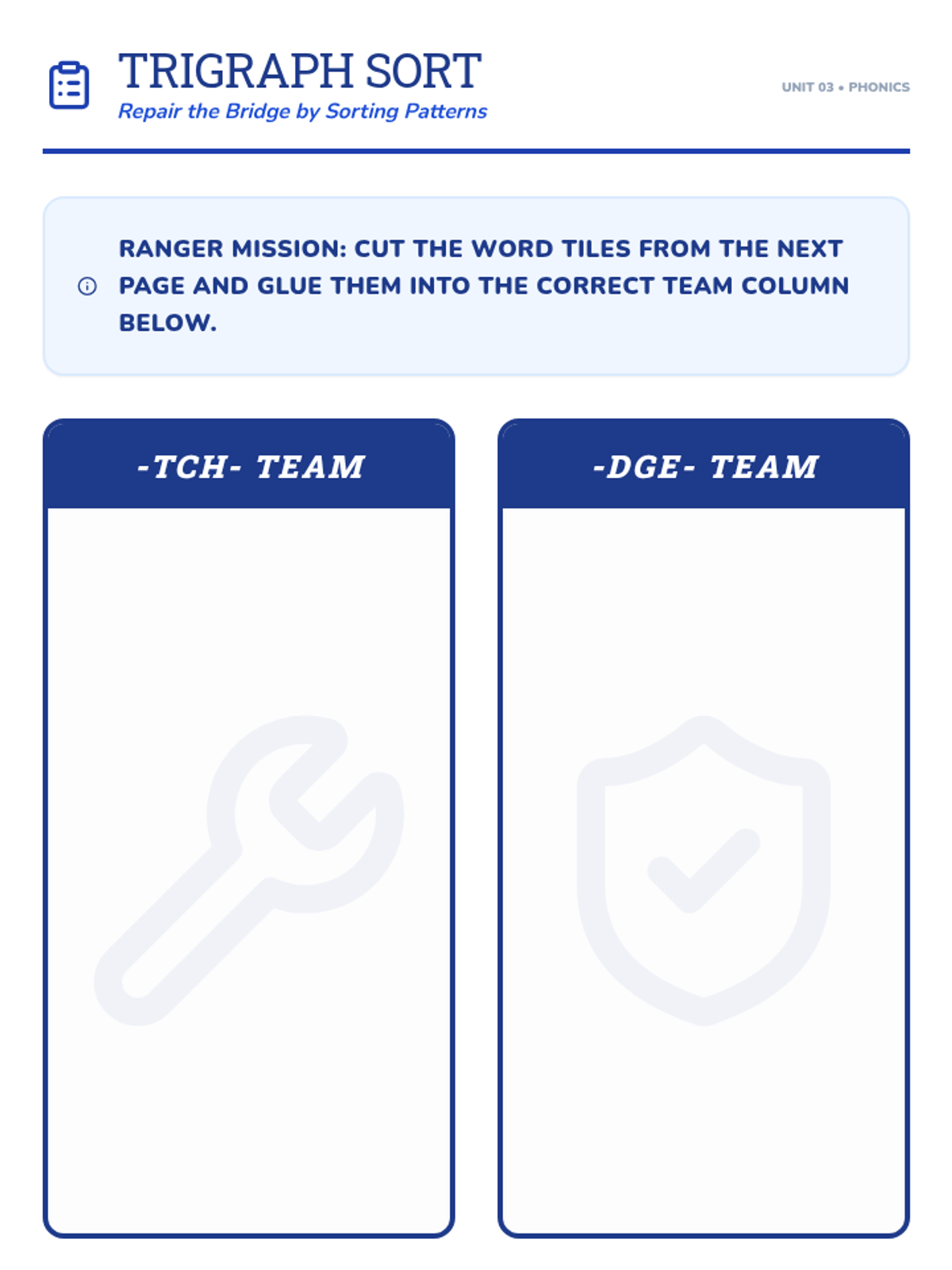
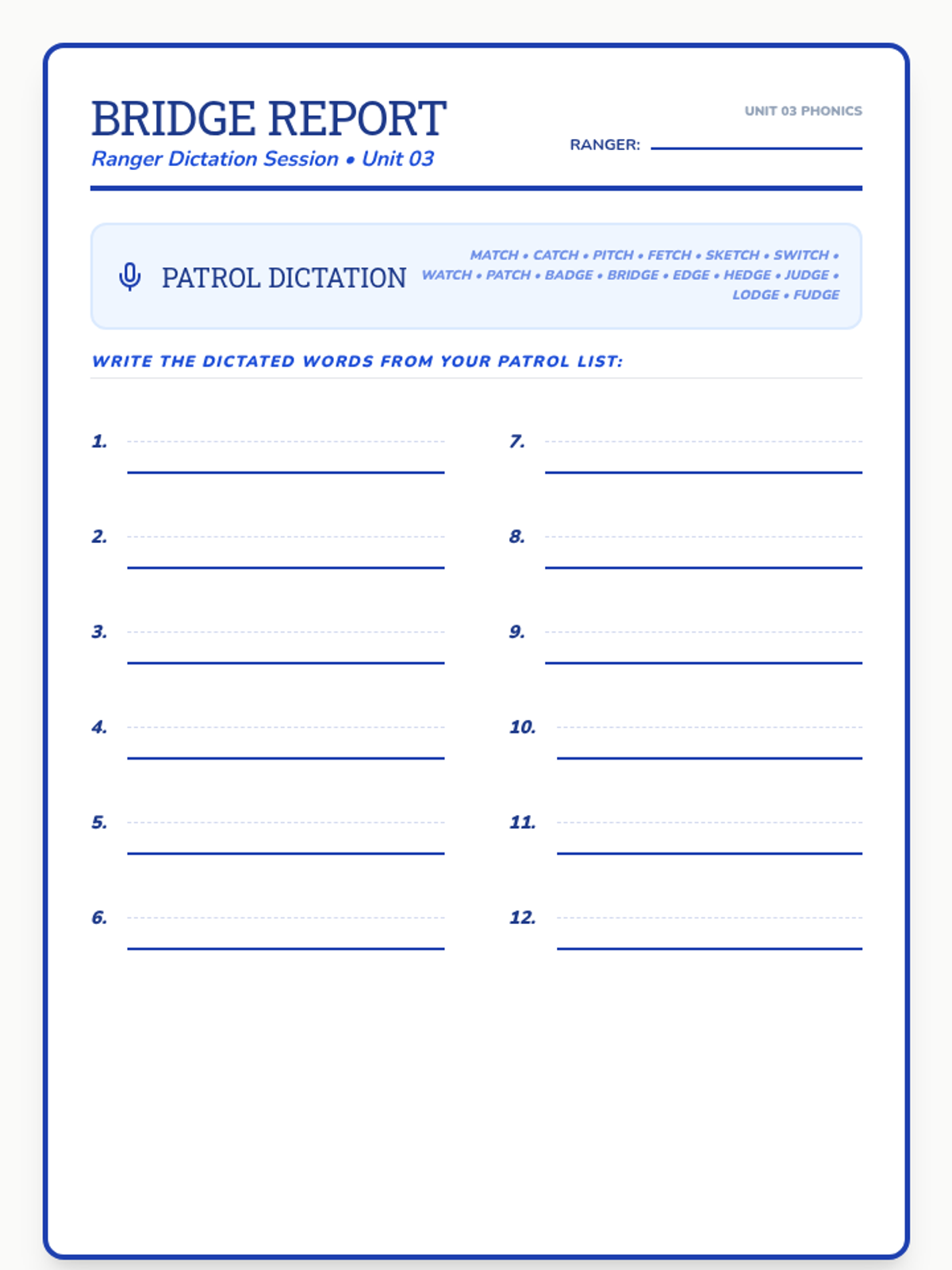
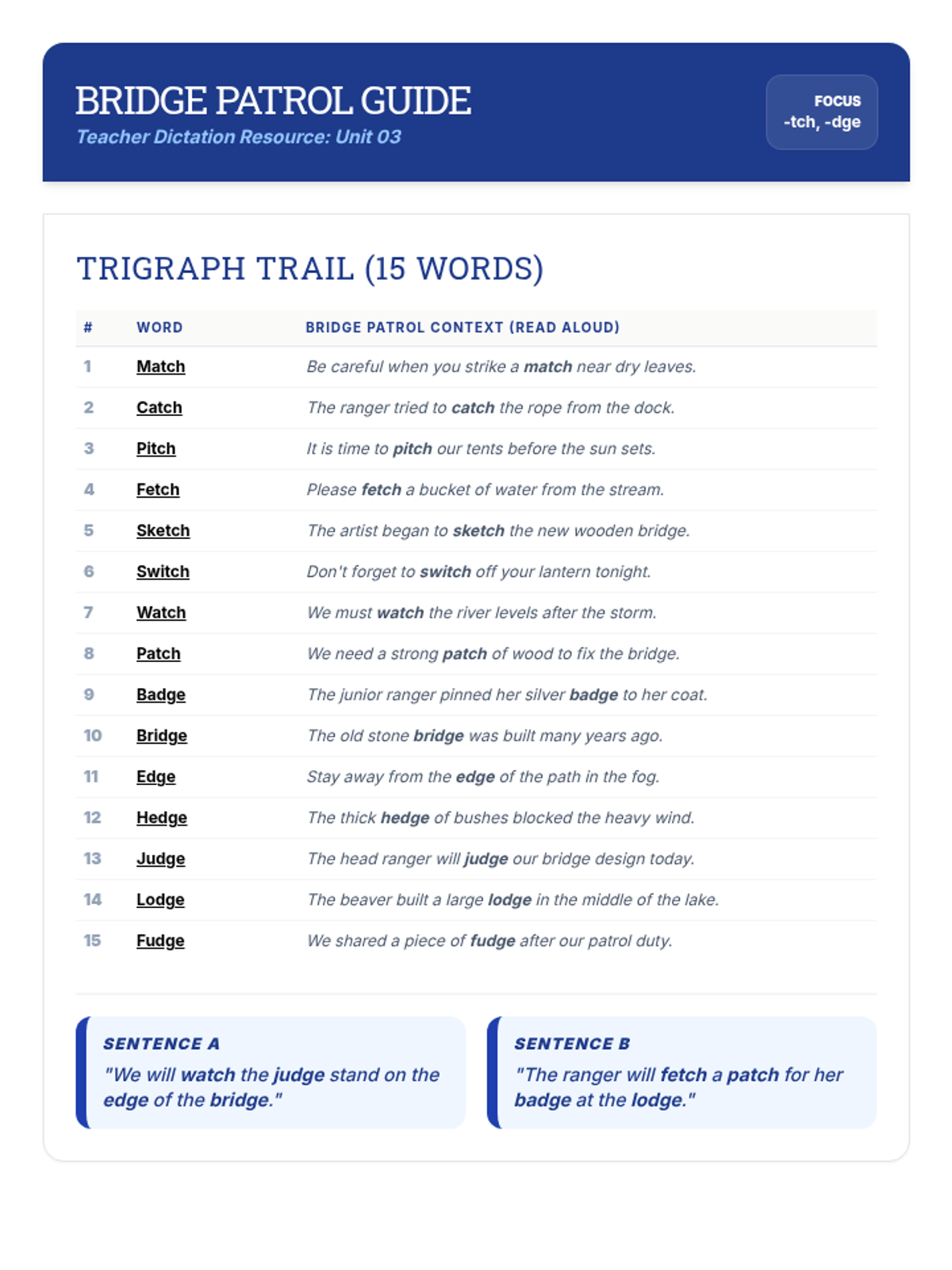
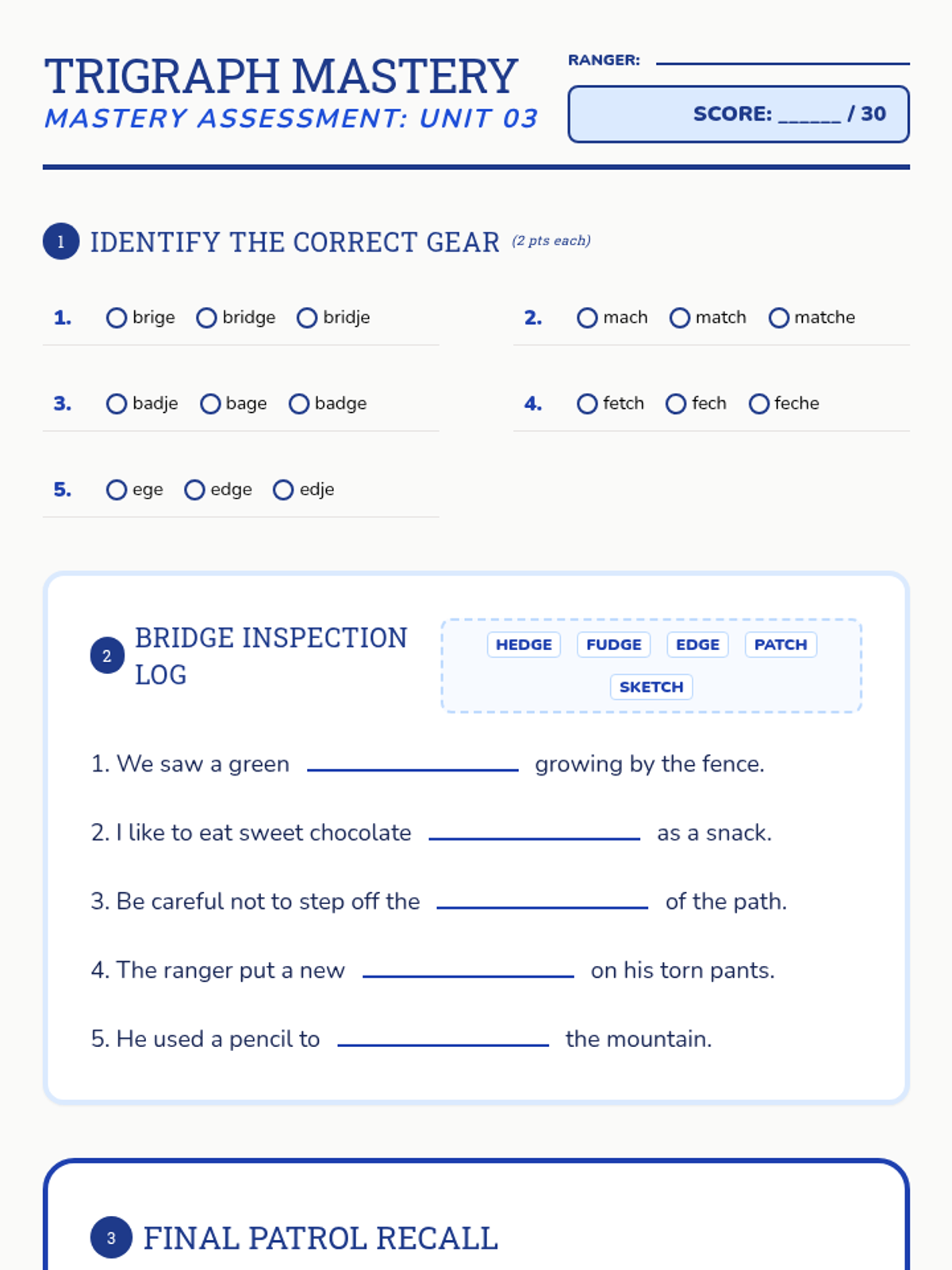
Focuses on trigraphs -tch and -dge. Thematic elements include bridge repairs, river crossings, and safety badges in the forest.
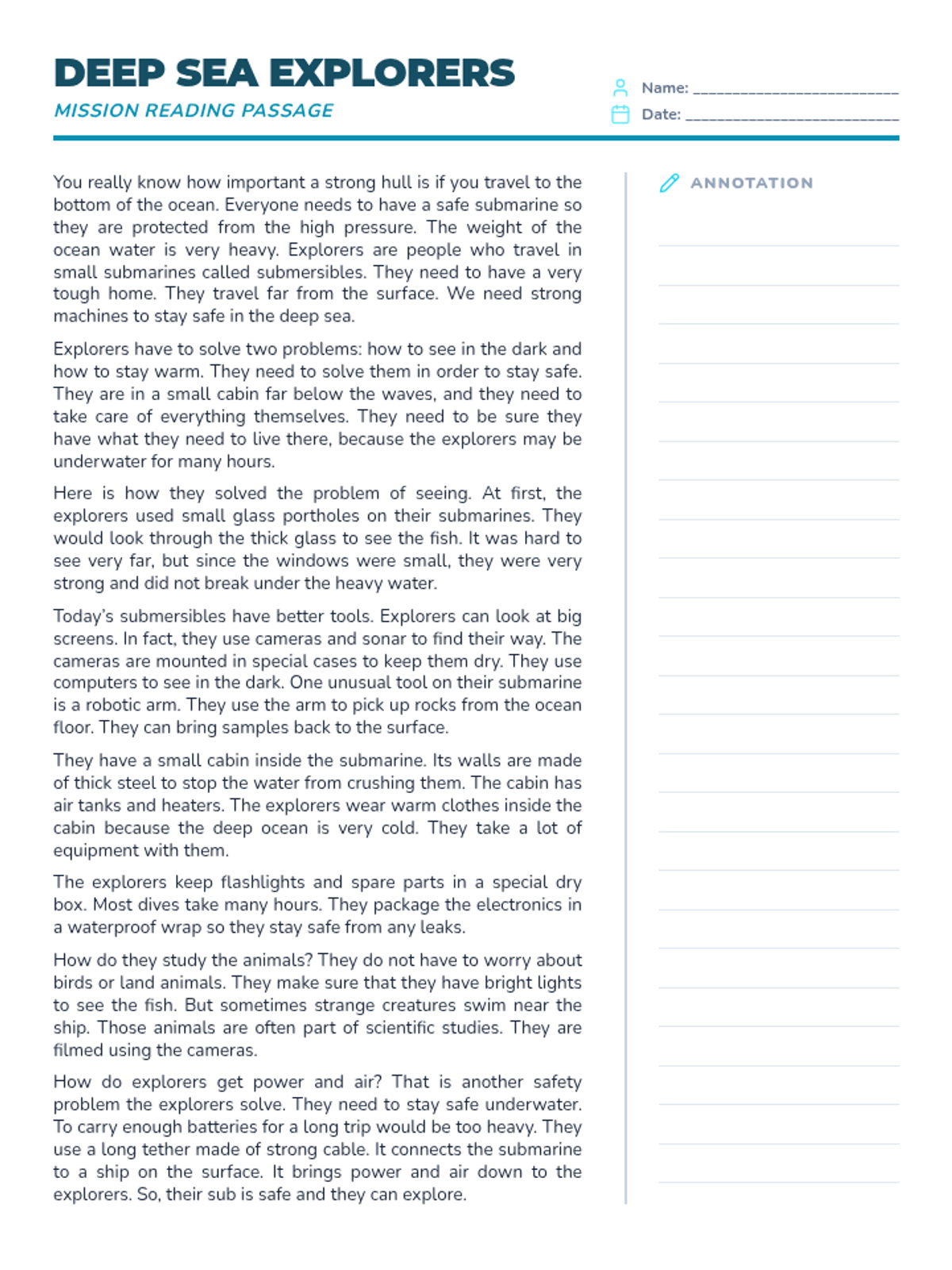
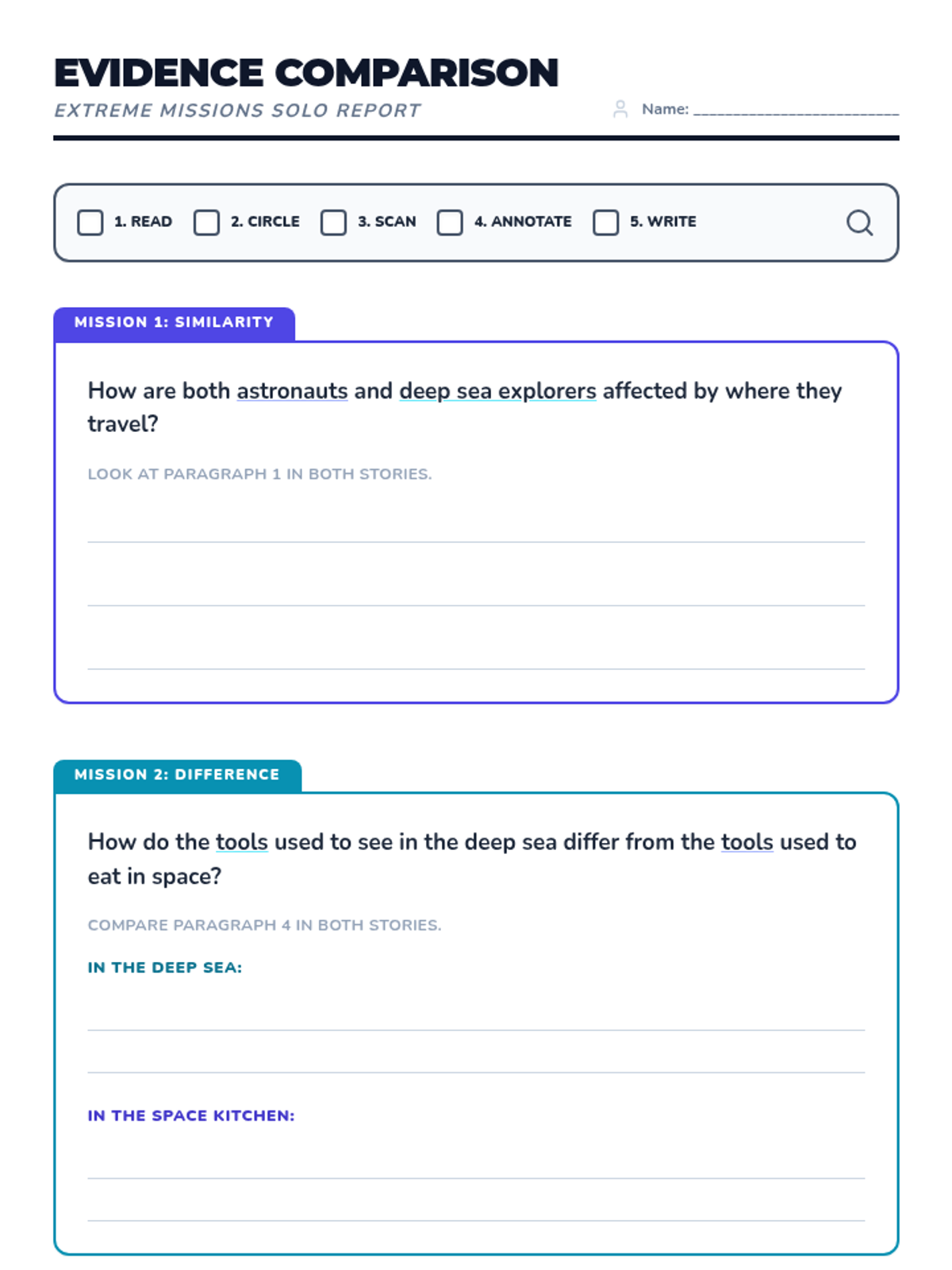
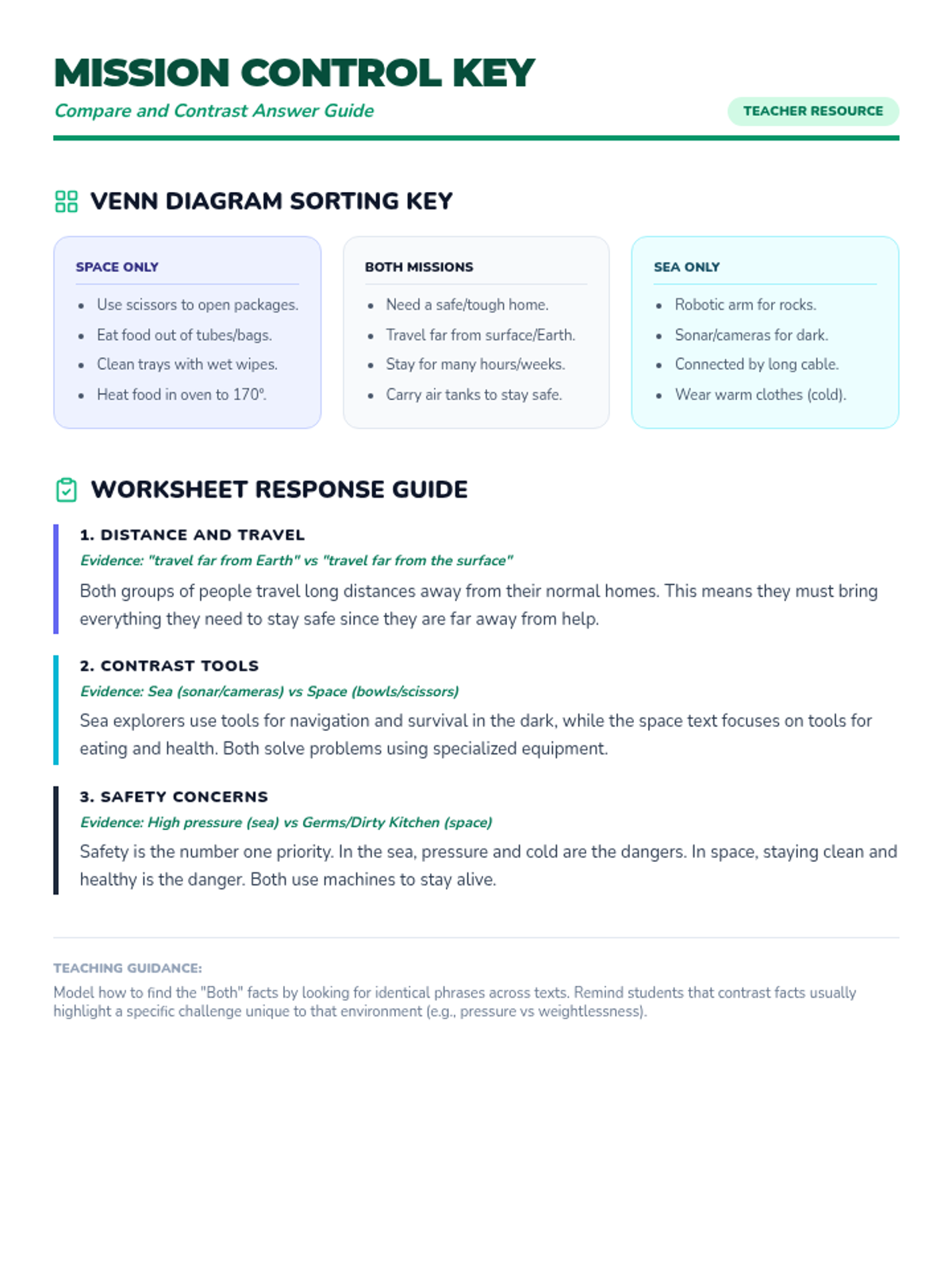
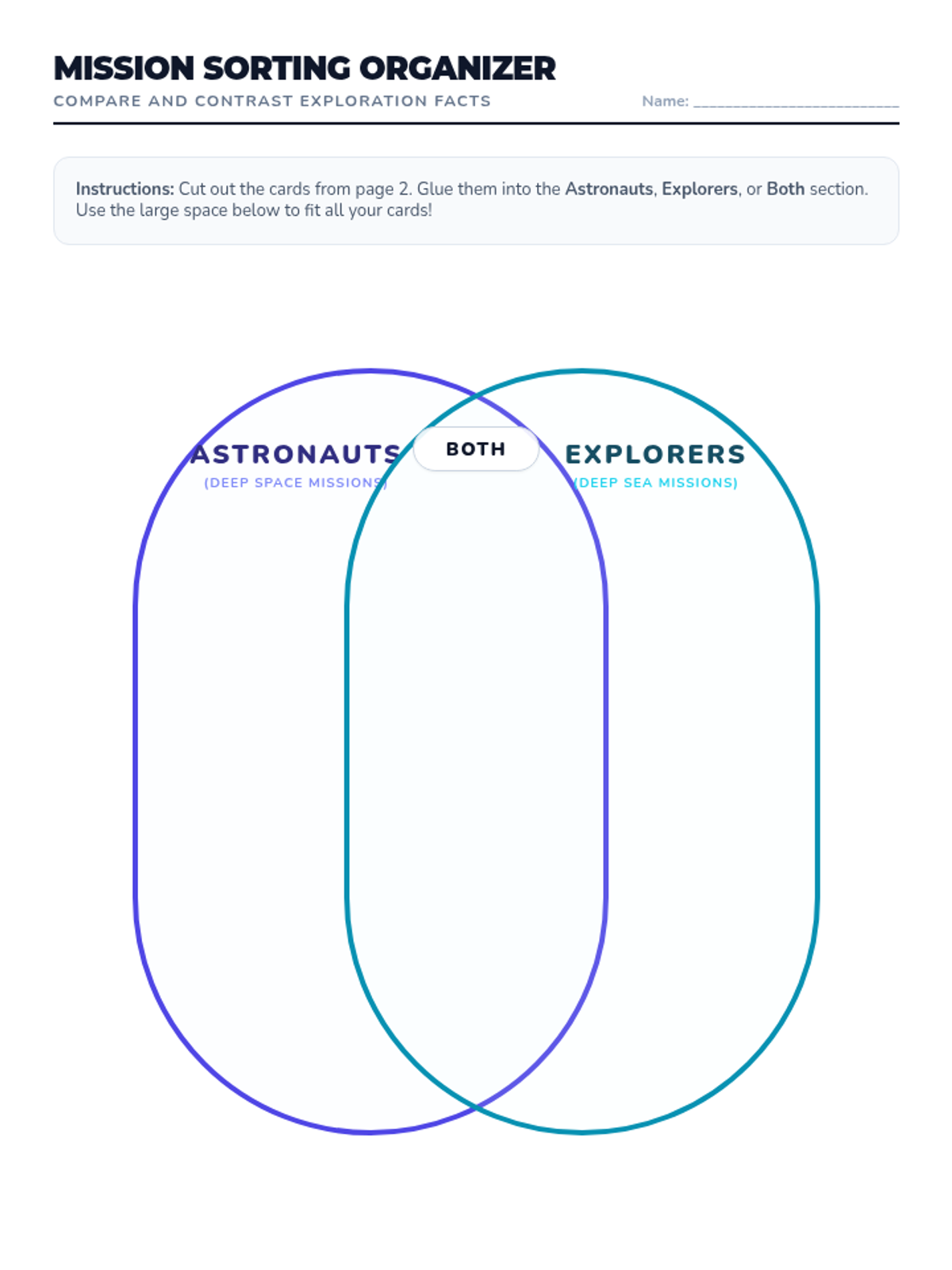
A lesson where students compare and contrast two informational texts about exploring extreme environments (Deep Space vs. Deep Sea). Students use a sorting activity and text evidence checklist to identify similarities and differences in how explorers stay safe and solve problems.