Students explore the intersection of geometry and realism by mastering one-point linear perspective, inspired by Leonardo da Vinci's Renaissance masterpieces.
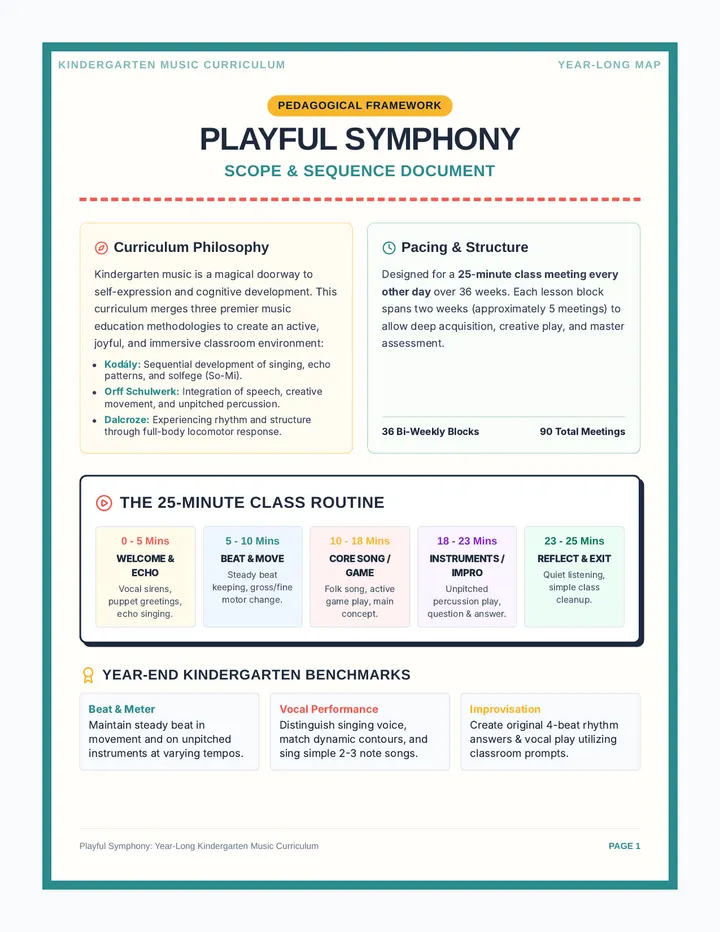
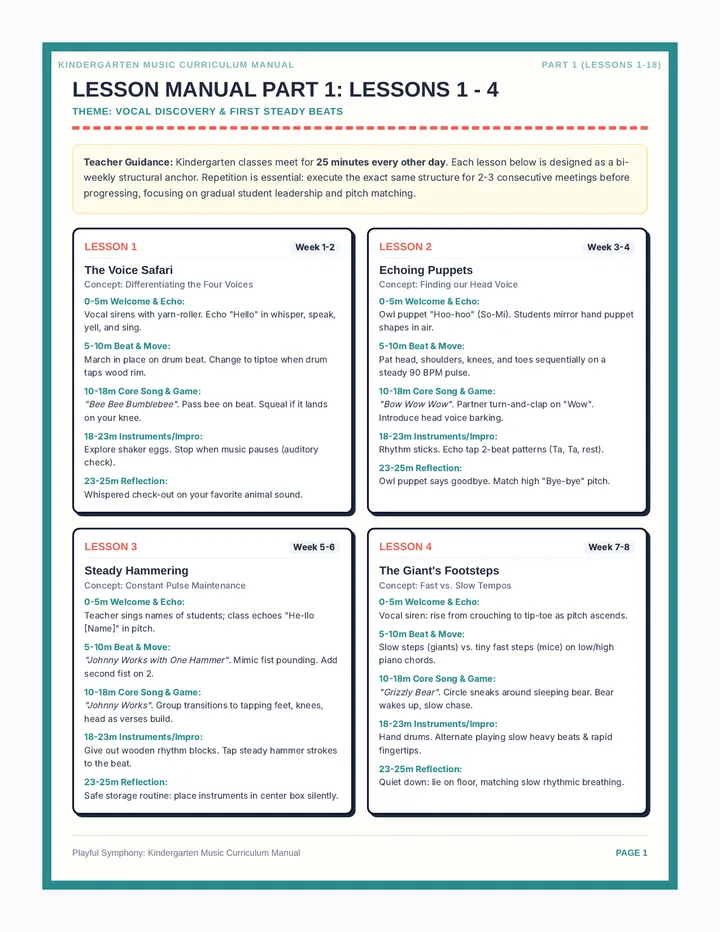
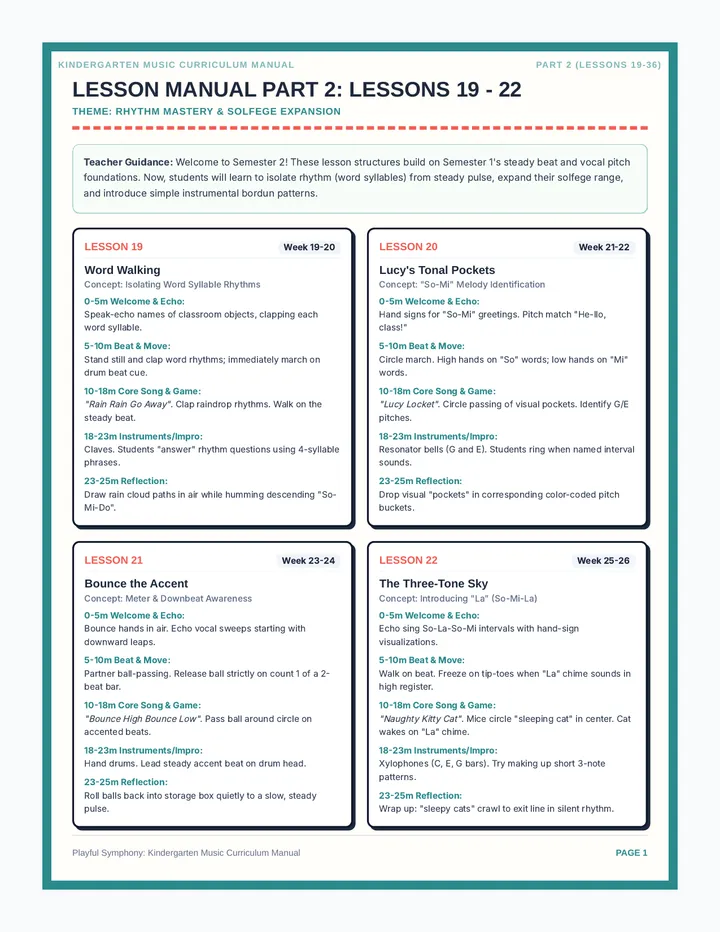
A series of rhythm reading flashcards and a teacher's guide covering basic to advanced rhythmic patterns. Activities progress from quarter notes and rests to complex sixteenth notes and triplets across multiple time signatures.
A series of music center activities for first graders to connect word syllables to rhythmic notation (Ta and Ti-Ti) through a zoo animal theme. Students will sort animal names by rhythm and create their own rhythmic patterns.
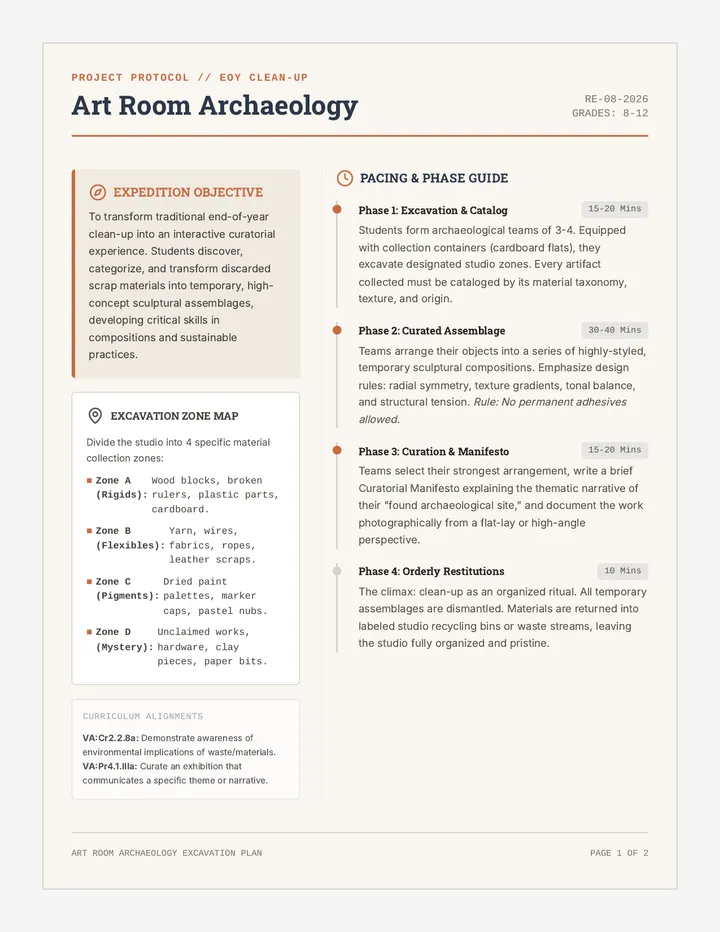
Learning about art galleries and preparing a final class exhibition of the week's creations.
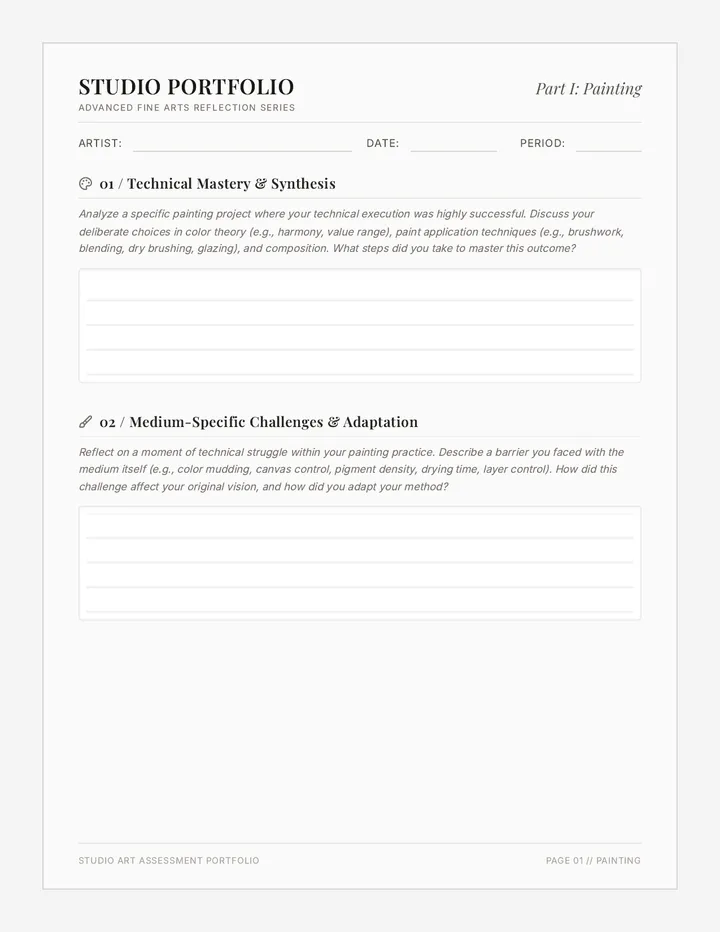
Connecting colors to feelings and exploring how brushstrokes can express different moods.
Using geometric shapes and stamping techniques to create structured art compositions.
Exploring painting with unconventional tools like sponges, forks, and bubble wrap to create varied textures.
Introducing the building blocks of all colors: Red, Yellow, and Blue through hands-on mixing exploration.
Students will use various tools like pipettes, sponges, and spray bottles to explore how paint moves on paper, focusing on the motor movements of squeezing, pinching, and pressing.
A deep dive into cinematic lighting, from the physics of light and 3-point setups to professional styles like Rembrandt and Butterfly lighting, including a hands-on assessment.
A lesson focused on teaching 8th-grade students how to analyze and compare famous artists through their techniques, subjects, and historical contexts, culminating in a comparative essay.
A high-energy culinary challenge where students use mystery Easter-themed ingredients to create unique dishes, focusing on creativity, flavor, and presentation.
A creative art and science lesson where second graders explore bilateral symmetry through monotype printing. Students learn about pollinator anatomy and color mixing while creating unique butterfly or moth prints.