Reef Roommates Slides Reef Roommates
The Secret Partnership of Coral and Algae
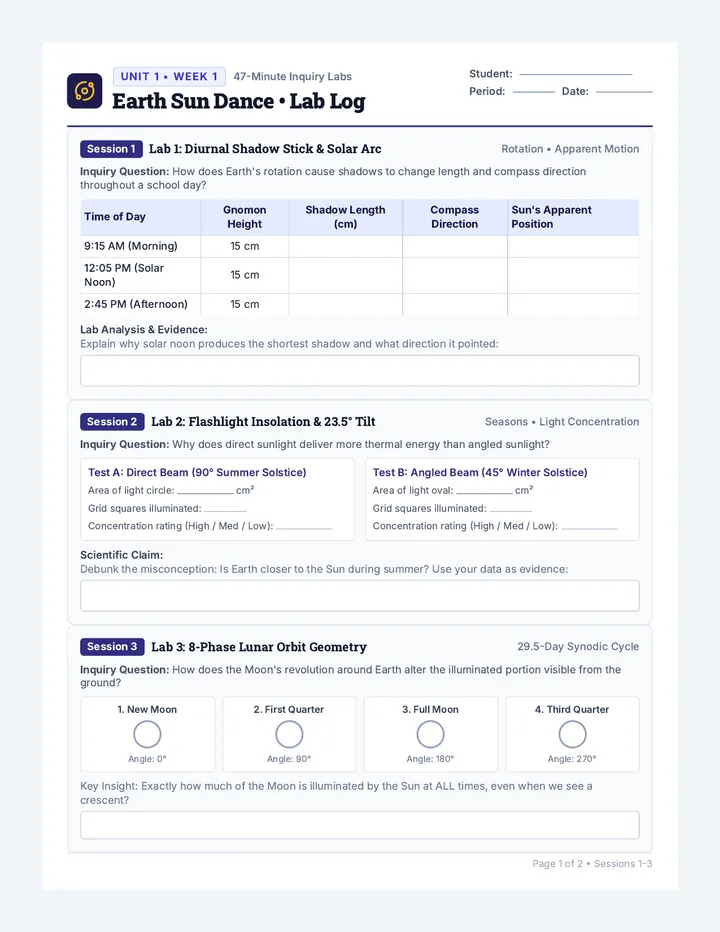
The Power of Partnership
"What does it mean to be a partner?"
Question 1
Can you think of a partnership where both sides benefit?
Question 2
Why might two different species choose to live together?
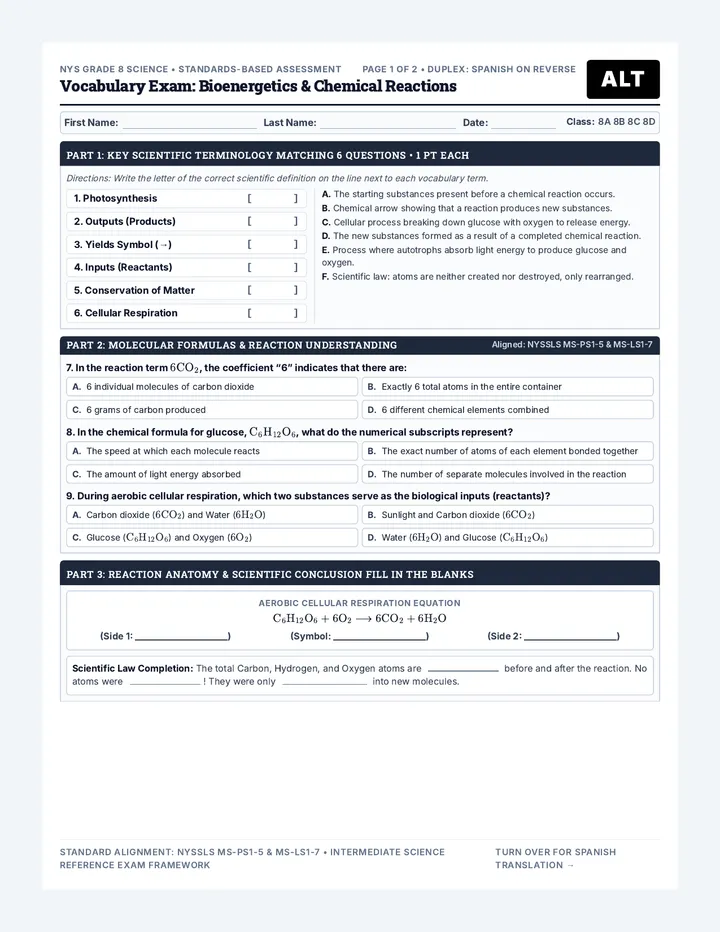
All About Cnidarians
0:42 - 1:02 Focus
Embedded media
Watch For:
What does the algae provide?
What does the coral provide in return?
"Pause at 0:47! Be ready to write exactly what each partner 'gives' to the deal."
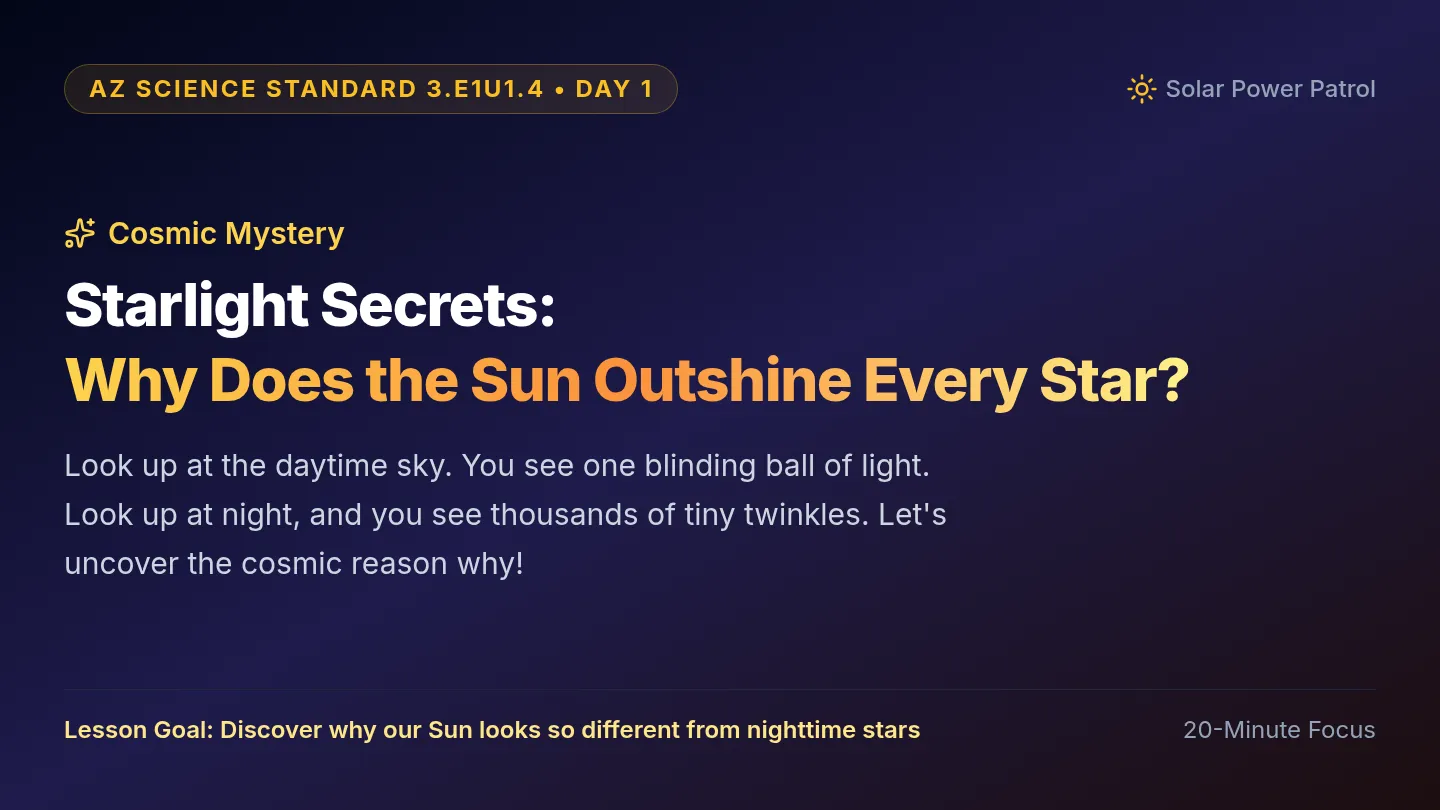
The Great Exchange
The Algae
Provides energy through Photosynthesis
FOOD 🍎
The Coral
Provides the algae with a protected environment within its tissue
SHELTER 🏠
Symbiosis Comic Strip
01
The Meeting
Show the coral polyp and algae cell meeting for the first time.
02
The Negotiation
They discuss "the deal." Food for Shelter! What are the terms?
03
Living Together
Show them working together to build a healthy reef!
Use your Comic Strip Worksheet and Colored Pencils
Time: 20 Minutes
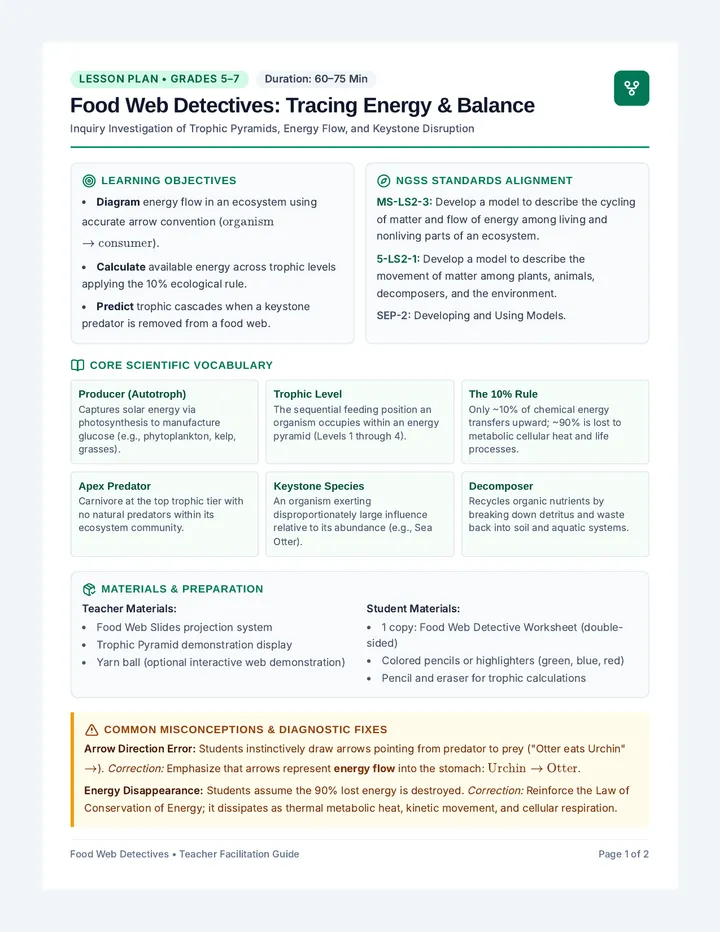
Think - Pair - Share
"What would happen to the coral if all the algae died?"
Think About
Coral Bleaching
Think About
Energy / Food
Symbiosis Comic Worksheet Symbiosis Comic Strip
Reef Roommates: Food for Shelter
Name:
Date:
Create a 3-panel conversation between a Coral Polyp and an Algae Cell negotiating their deal. Make sure to use vocabulary from the video!
Panel 1: The Meeting
Setting the scene / Initial Greetings
Panel 2: The Negotiation
The Terms: "What do I get?" / "What do you get?"
Panel 3: The Result
Living Together / Mutualistic Bliss
The Scientific Deal
In your own words, summarize why this relationship is called Mutualism. Explain exactly what each partner provides for the other and how they help each other survive.
Scientific Word Bank Checklist
Symbiosis
Photosynthesis
Mutualism
Zooxanthellae
Coral Polyp
Energy
Coral Comic Rubric Comic Strip Rubric
Reef Roommates: Symbiosis Assessment
Criterion Exceptional (4) Proficient (3) Developing (2-1) Scientific Accuracy
Correct exchange of Food vs. Shelter
| The "deal" is perfectly explained. Algae provides energy (photosynthesis) and coral provides a safe home. | The exchange is mostly correct. Mentions both food and shelter but might miss details like photosynthesis. | The exchange is unclear, incorrect, or missing one side of the deal (e.g., only mentions food). |
|
Vocabulary Use
Usage of symbiotic terminology
| Expertly uses 4+ words from the word bank (Symbiosis, Mutualism, Polyp, etc.) in context. | Correctly uses 2-3 words from the word bank within the comic dialogue or summary. | Uses 0-1 vocabulary words or uses them incorrectly. |
|
Creativity & Design
Engagement and visual effort
| Comic is highly creative with clear characters, distinct dialogue bubbles, and thoughtful colors. | Comic is colorful and readable. Characters are recognizable as coral/algae. | Comic is messy or lacks effort. Difficult to tell who the characters are or what they are saying. |
|
Written Summary
The "Scientific Deal" section
| Summary is written in complete sentences and fully explains the concept of mutualism. | Summary explains mutualism but may be brief or contain minor sentence structure errors. | Summary is incomplete or does not explain mutualism correctly. |
Teacher Comments
Total Score: / 16
Reef Roommates Teacher Guide Reef Roommates
Teacher Facilitation Guide
Duration 40 MIN
Learning Objective
Students will be able to explain the mutualistic symbiotic relationship between coral polyps and zooxanthellae (algae), specifically the exchange of nutrients for protection.
Materials Needed
Reef Roommates Slides
Comic Worksheet & Rubric
Colored Pencils / Markers
Video Link (Embedded in Slides)
Key Vocabulary
Symbiosis
A close relationship between two species.
Mutualism
A partnership where both organisms benefit.
Photosynthesis
Process used by algae to make food from sunlight.
Zooxanthellae
Scientific name for the algae living in coral.
Instructional Sequence
5 MIN
Warm-up: The Partner Prompt
Launch Slide 2. Discuss the concept of a "partnership." Facilitate a quick brainstorm of real-world partnerships (sports teammates, study buddies, bird/crocodile, etc.).
Teacher Tip: Focus on the idea of "mutual benefit"—what does each person or animal get out of the deal?
5 MIN
Video Viewing: Cnidarian Symbiosis
Watch "All About Cnidarians" on Slide 3. CRITICAL: Pause at 0:47.
Watch the section from 0:42 to 1:02 twice. Have students jot down the specific items exchanged:
Algae provides: Food (Energy)
Coral provides: Shelter (Safe home)
20 MIN
Activity: Symbiosis Comic Strip
Pass out the Comic Worksheet . Students create a 3-panel negotiation dialogue between characters representing the coral and algae.
Panel 1: The Meeting (Introducing characters)
Panel 2: The Deal (Food vs. Shelter talk)
Panel 3: Living Together (The outcome)
Back Side: Written summary using the checklist.
5 MIN
Closure: The "What If?" Think-Pair-Share
Pose the question: "What would happen to the coral if the algae died?"
Discussion Target: Students should identify that without algae, coral loses its primary food source, turns white (bleaching), and may eventually die. This emphasizes how critical the partnership is for survival.