Students examine formal syntax involving prepositions and relative pronouns, practicing the transformation of informal 'stranded' prepositions into formal academic structures.

Students will learn to use simple present tense verbs correctly, focusing on subject-verb agreement for singular and plural nouns.
This lesson explores the myth of Pandora through a comparative lens, analyzing how different media (video vs. text) portray her character and the themes of curiosity and hope. Students will develop critical analysis skills by identifying key differences in narrative elements and artistic choices.

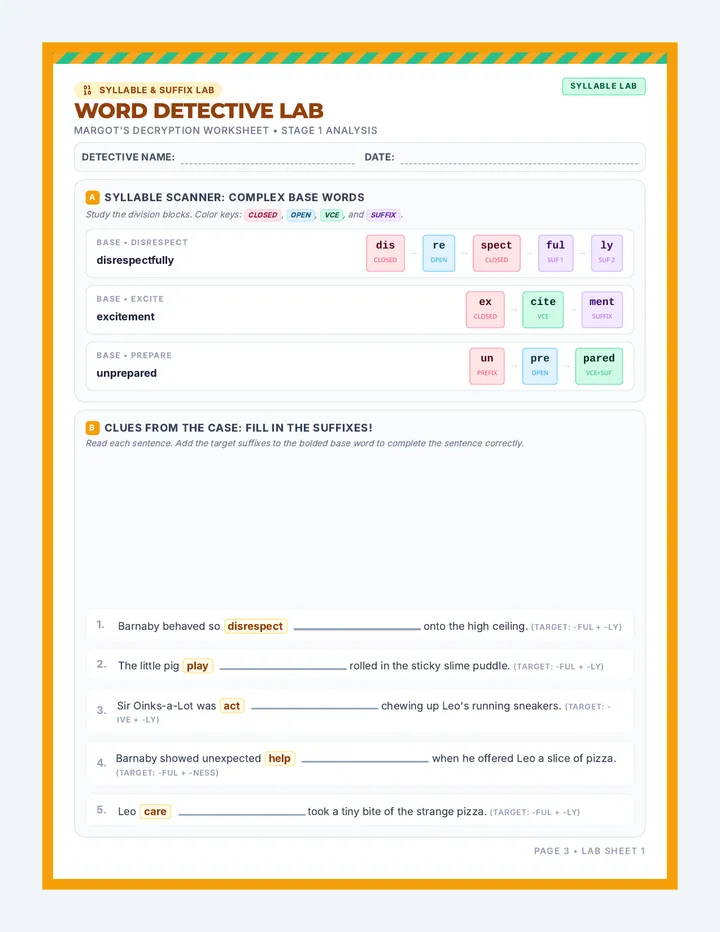
Applying common suffixes (-s, -es, -ed, -ing) and mastering spelling rules like doubling consonants and dropping the silent e.
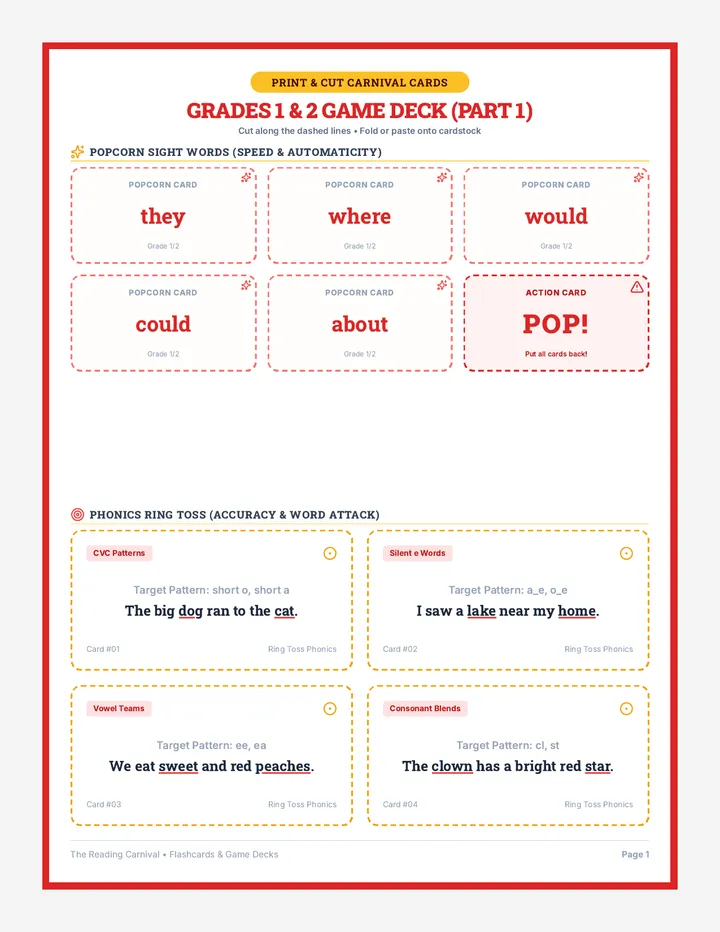
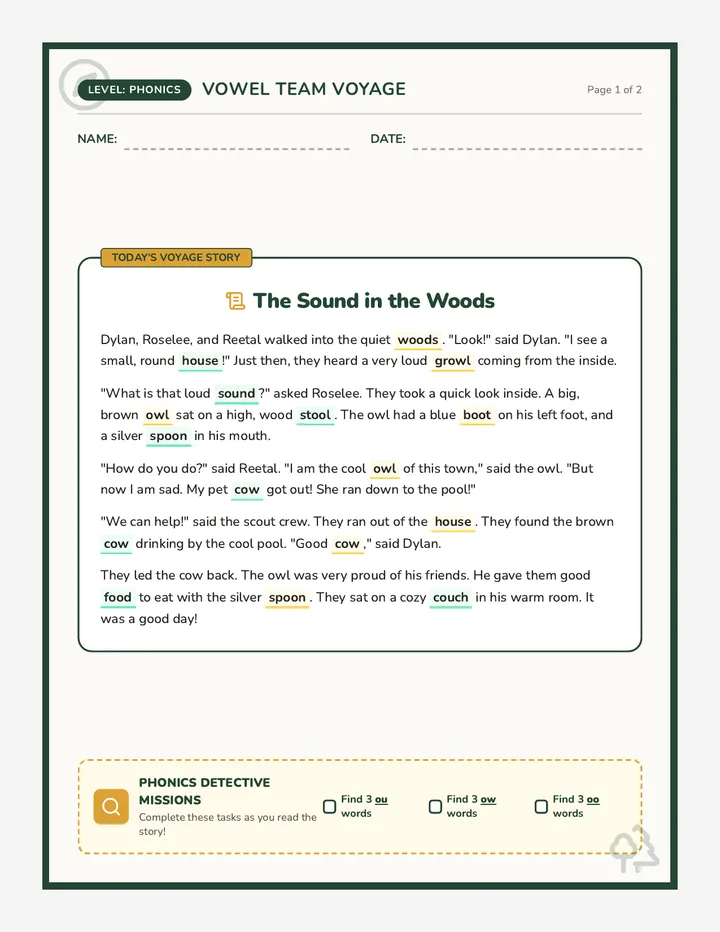
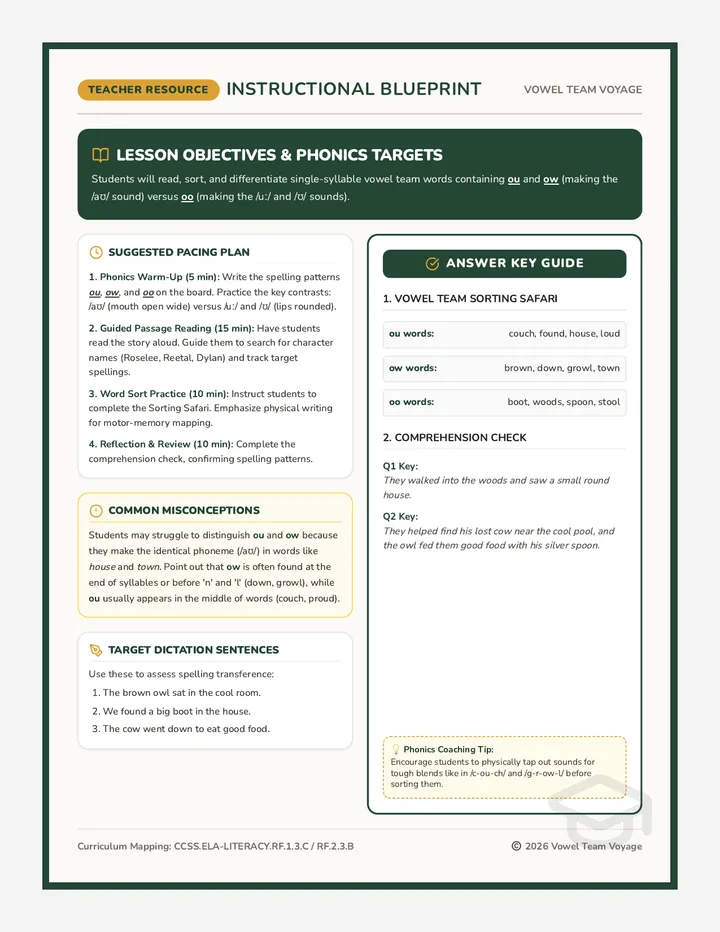
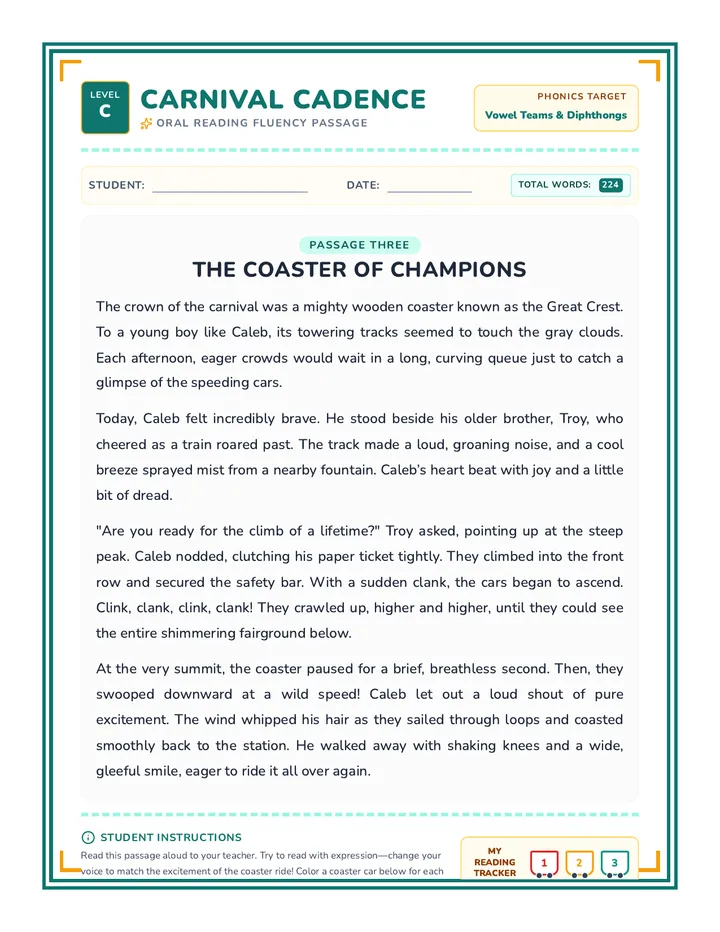
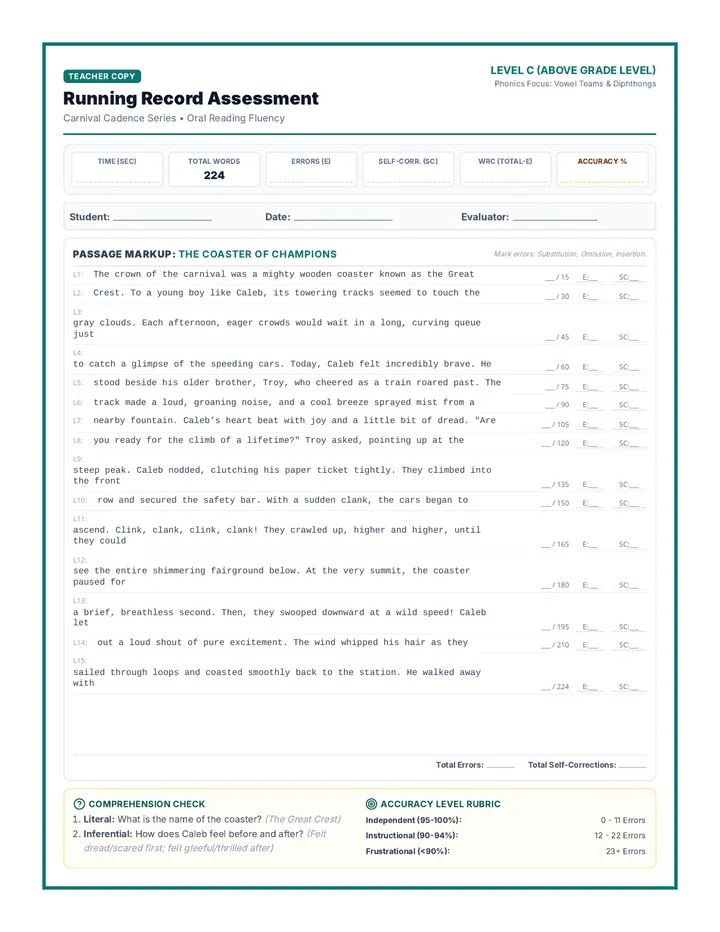
Exploring common vowel teams like ai, ay, ee, and ea, and understanding how vowel combinations create long vowel sounds.
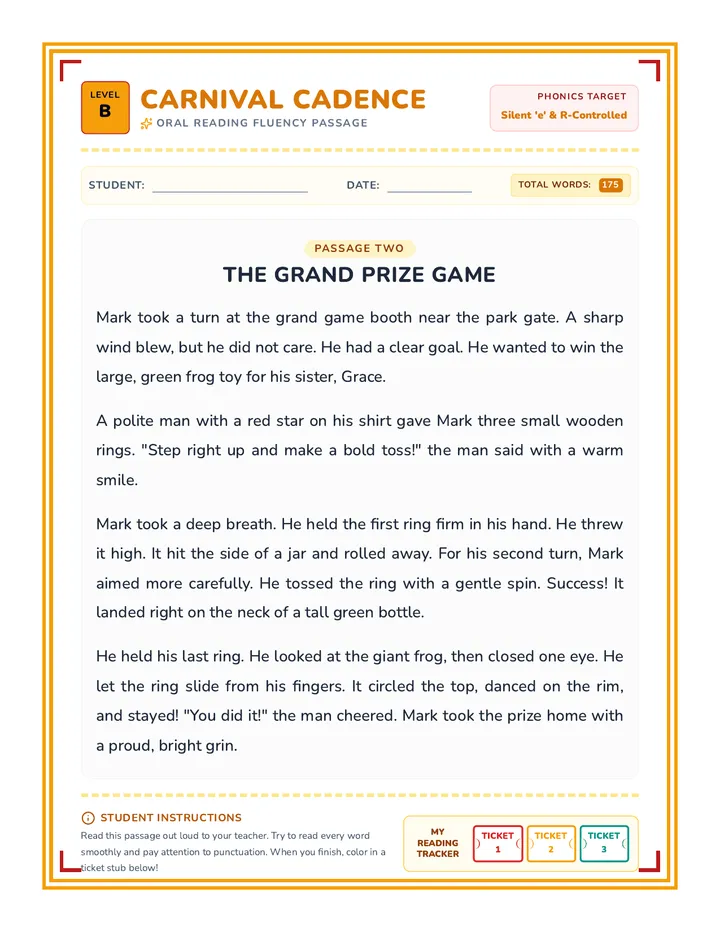
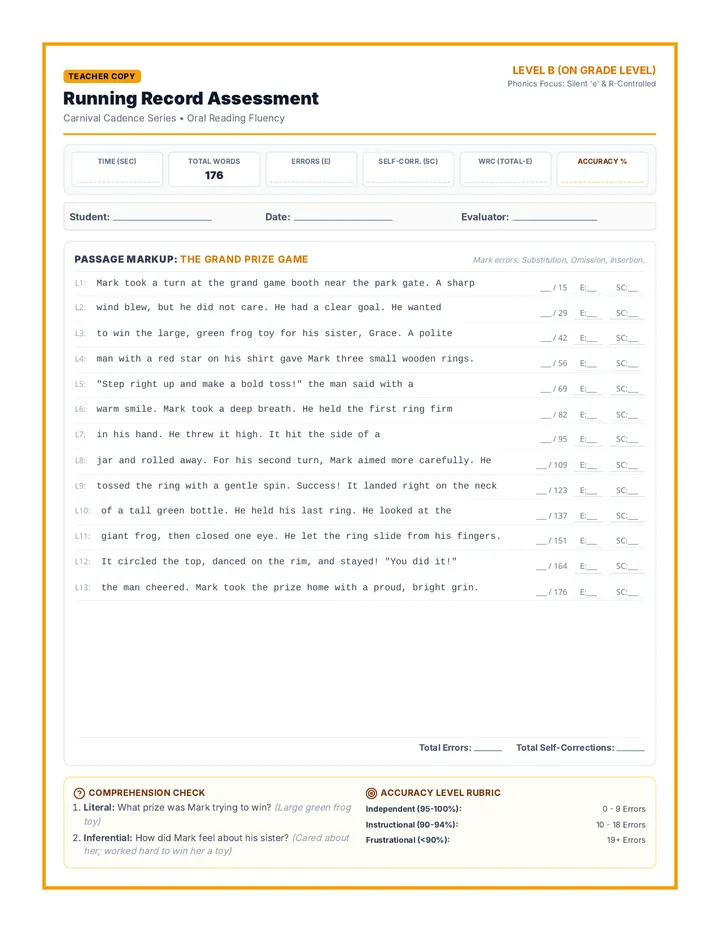
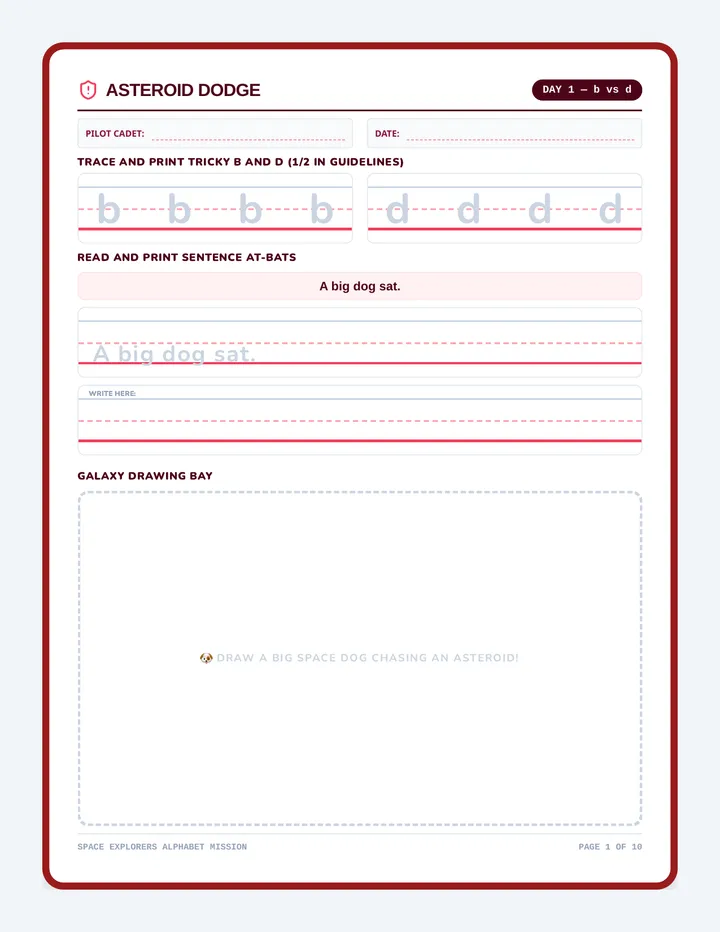
Learning the role of silent e in changing vowel sounds from short to long, focusing on common CVCE patterns.

Developing proficiency with consonant blends (bl, st, fr) and digraphs (ch, sh, th, wh) to decode and spell more complex single-syllable words.
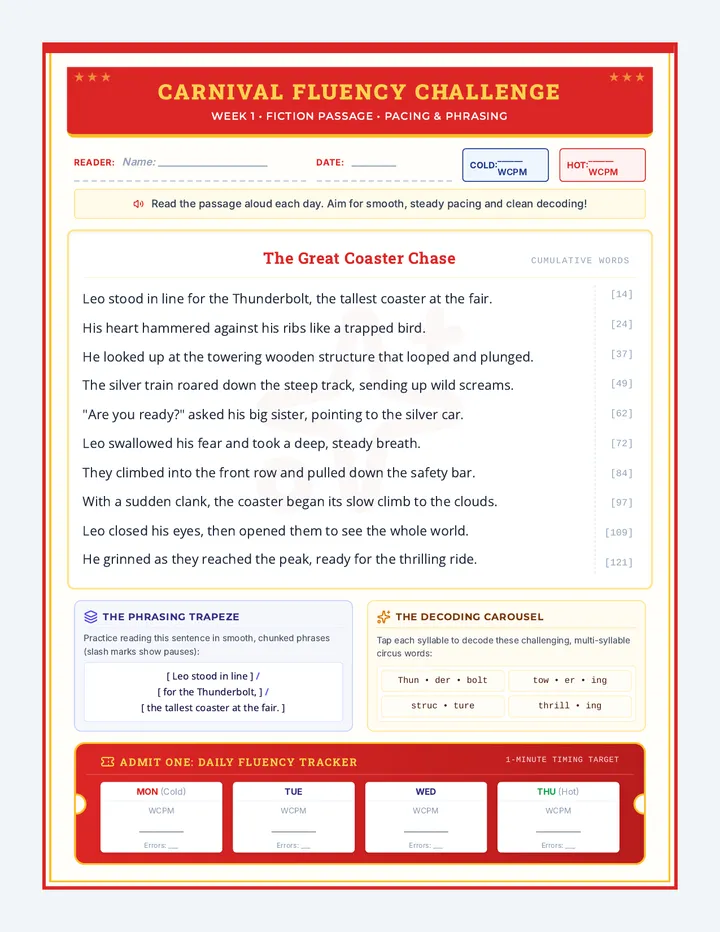
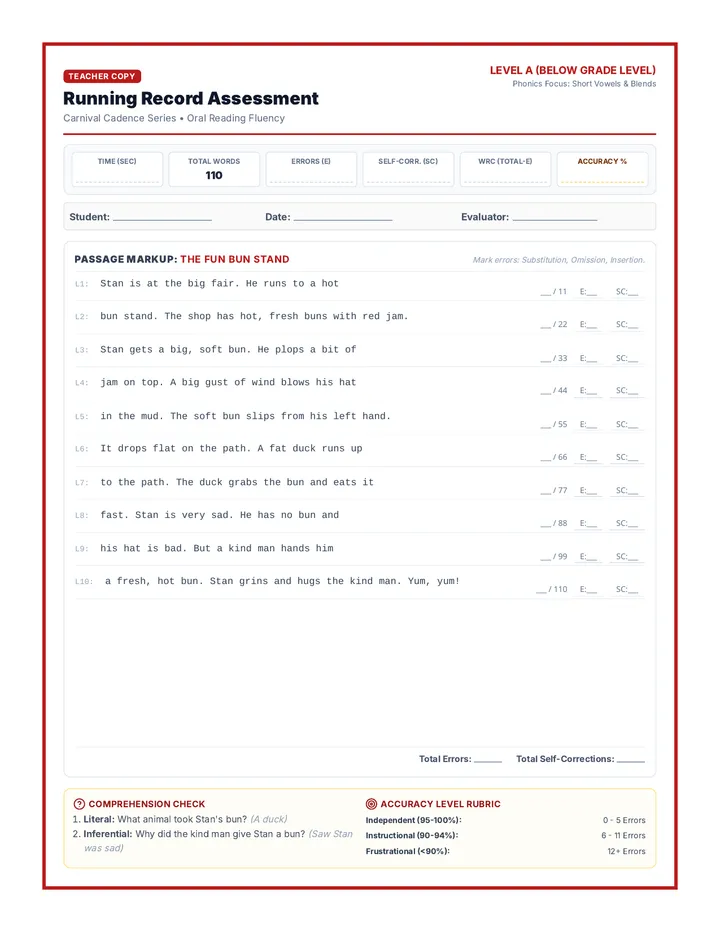
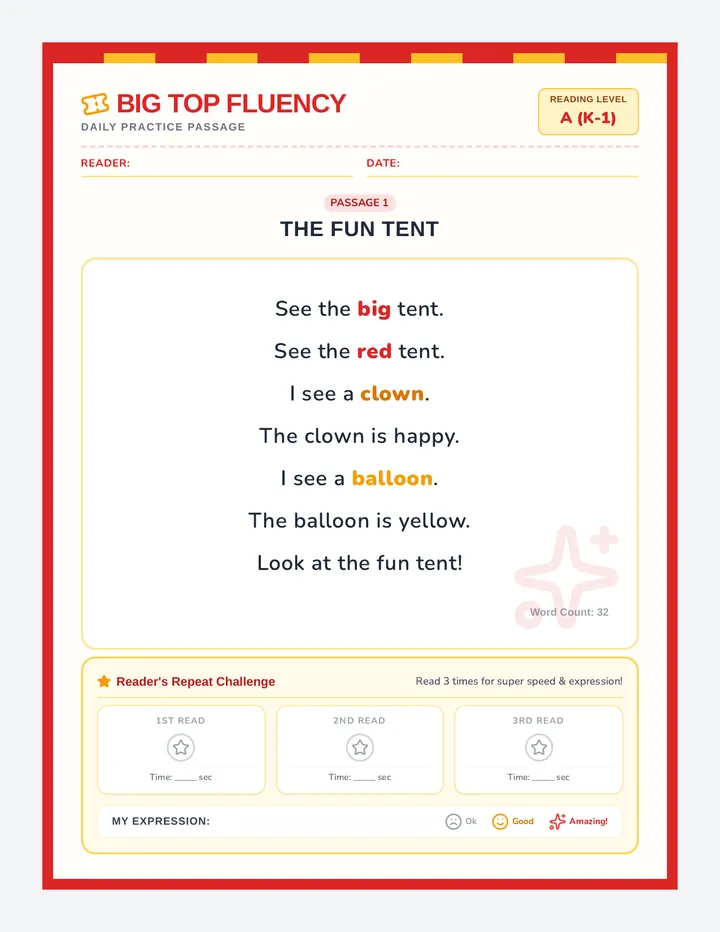
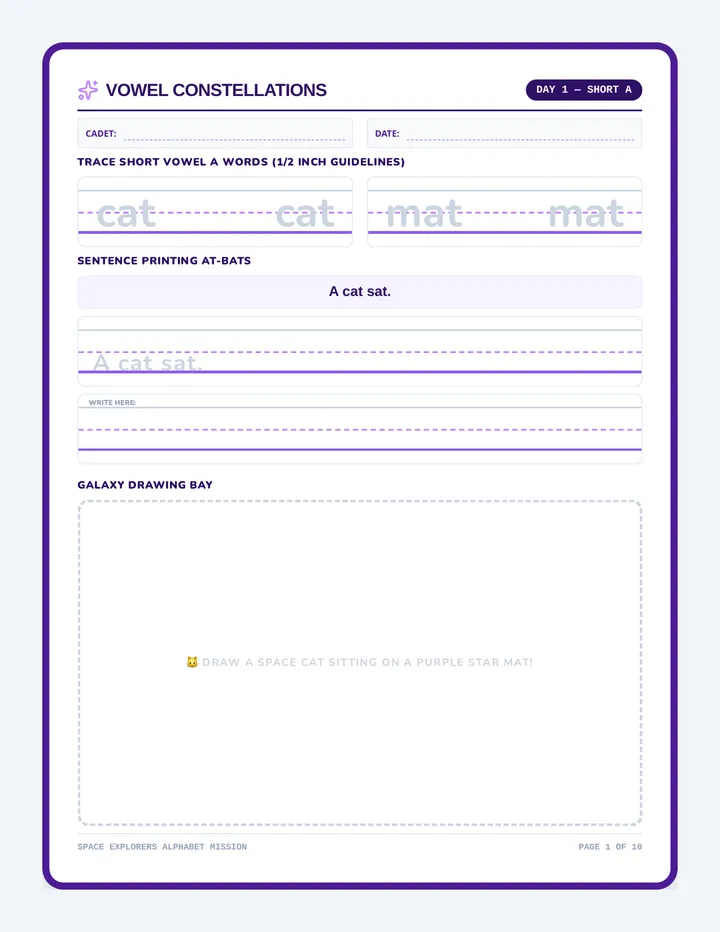
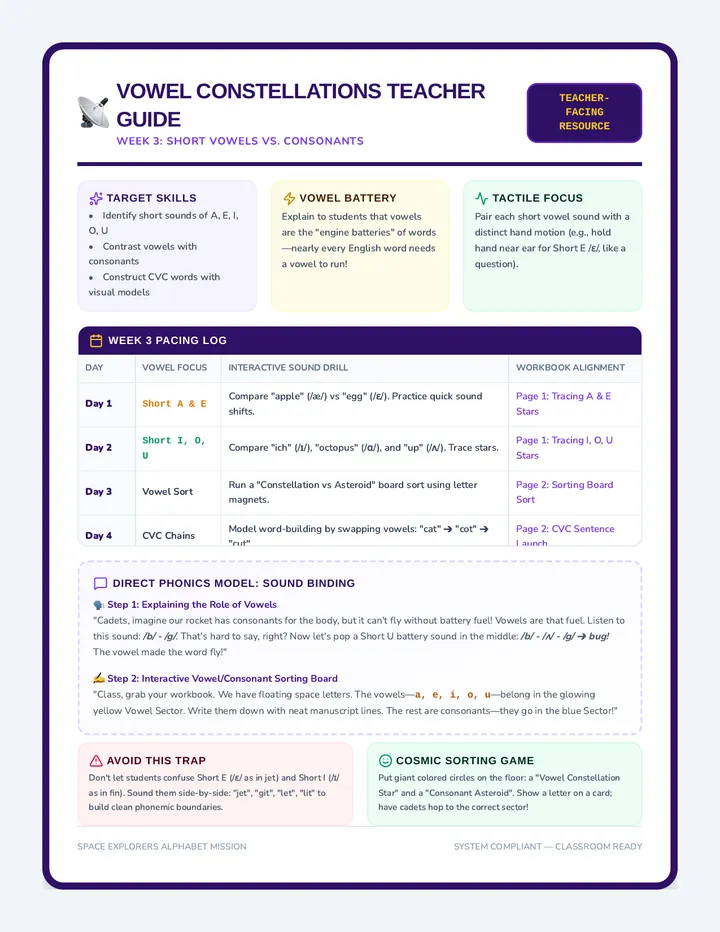
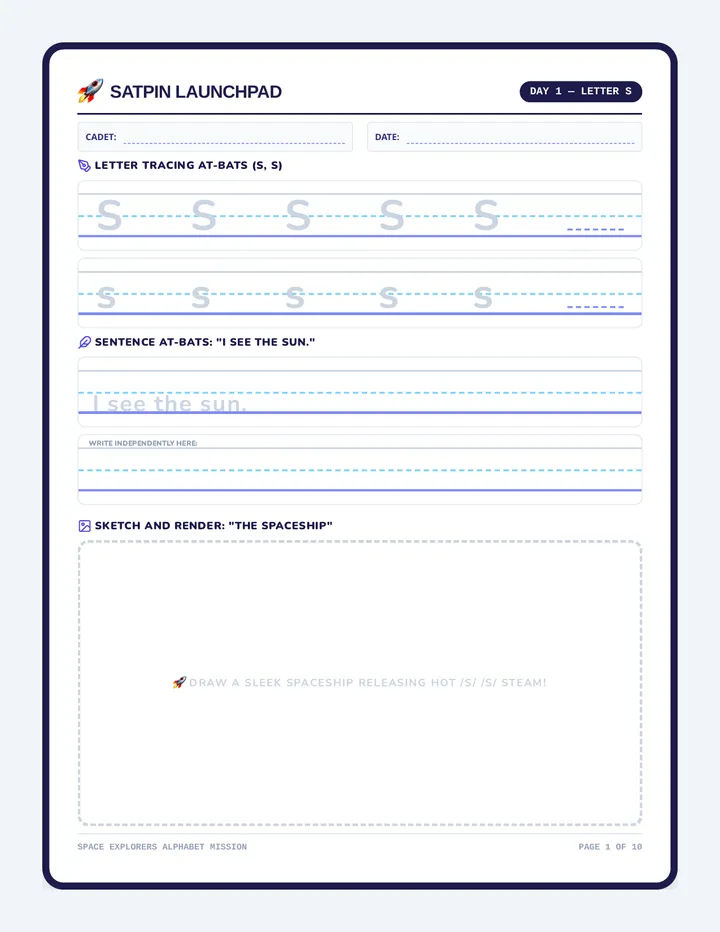
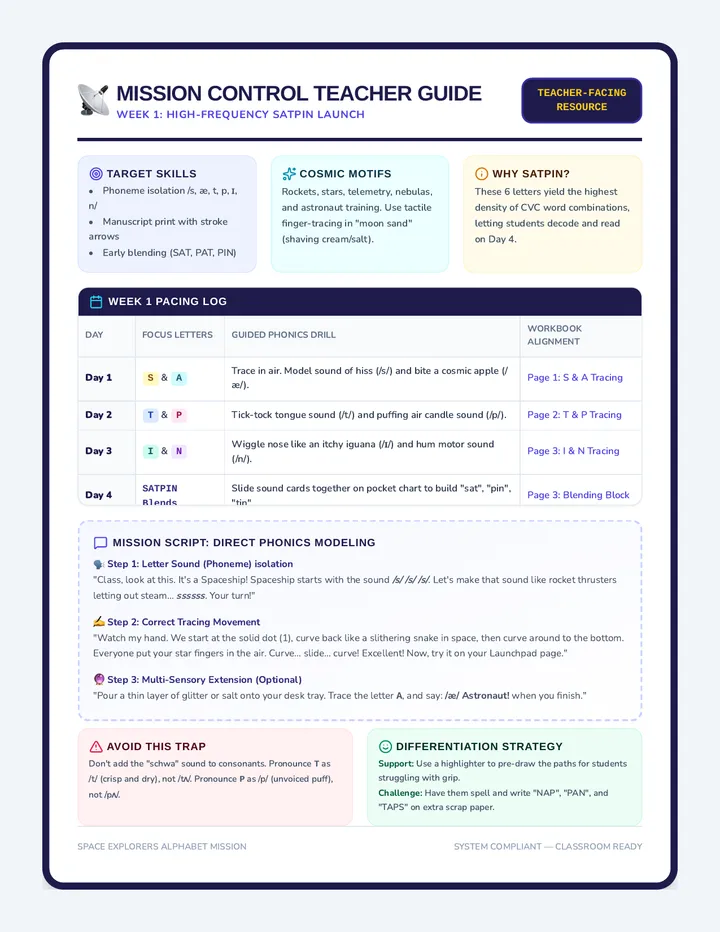
Mastering short vowel sounds (a, e, i, o, u) through CVC word construction, reading fluency with simple decodable text, and basic spelling patterns.
An exploration of Chapters 13-15 of Zora Neale Hurston's 'Their Eyes Were Watching God,' focusing on Janie's transition to the Everglades and her deepening relationship with Tea Cake.
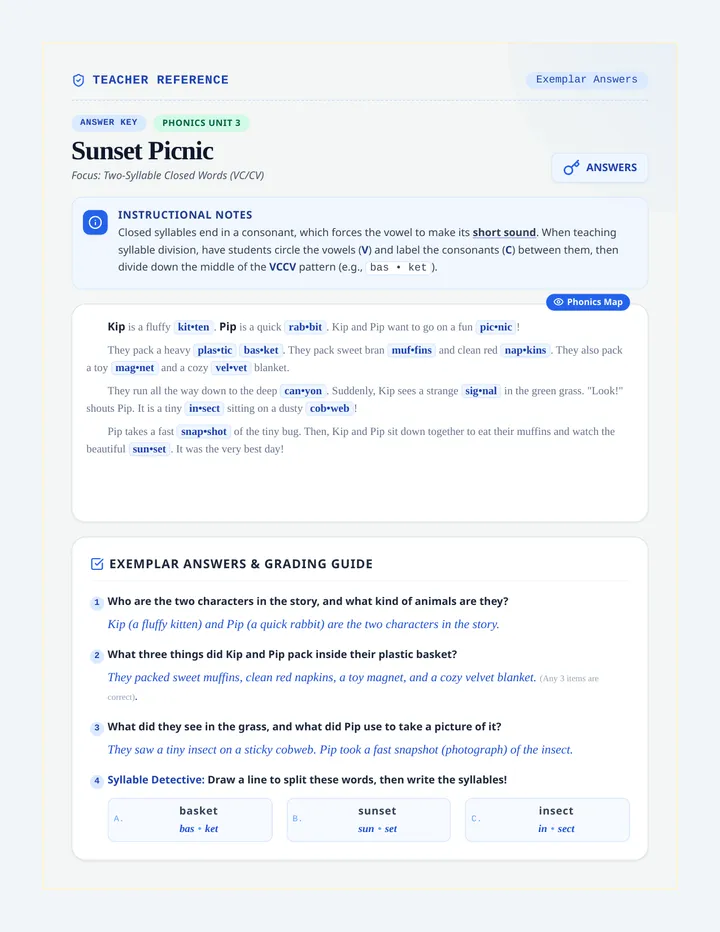
A hands-on lesson for first graders to identify and divide multisyllabic words with two closed syllables using the VC/CV pattern. Students will learn to spot the "vowel-consonant-consonant-vowel" pattern to decode longer words.
A mini-lesson for a 6th-grade resource room ELA class focusing on Auggie's character traits and his development throughout the first month of school in the novel 'Wonder'. This lesson uses a space-exploration theme and provides high levels of scaffolding.
Students synthesize the entire novel's events, including the final chapter and afterword, to identify themes and analyze the resolution of the plot.
Students examine the setting's impact on the plot and synthesize details from Annemarie's encounter with the soldiers in the woods.
Students analyze character growth and the impact of point of view as Annemarie takes on a dangerous mission in chapters 13 and 14.
Focusing on chapters 11 and 12, students analyze plot elements and practice synthesizing information to summarize the escape to the boat.
Students evaluate plot details and suspense techniques used in chapters 9 and 10, focusing on the mysterious funeral of 'Great-Aunt Birte'.
Students investigate point of view and make deeper inferences about Uncle Henrik's role and the move to the coast in chapters 7 and 8.
Focusing on chapters 5 and 6, students track plot development and practice summarizing the high-tension events of the soldiers' midnight visit.
Students analyze character traits and make inferences about the changing atmosphere in Copenhagen as the Nazi occupation intensifies in chapters 3 and 4.
Students investigate Chapters 1-2, focusing on using 5th grade context clues (TEKS 5.3B) to decipher historical terminology and making logical predictions based on textual evidence (TEKS 5.6C) regarding the intensifying Nazi occupation.
The war ends and the Johansens look toward a future of rebuilding. Students evaluate the resolution of the novel and compare the fictional narrative to the historical facts presented in the Afterword.
The mission reaches its high-stakes climax as Annemarie faces the soldiers and delivers the package that determines the Rosens' survival. Students analyze the plot climax and the author's use of suspense and symbolic resolution.
Annemarie undertakes a dangerous solo journey through the woods to deliver a mysterious package, using her imagination to cope with intense fear. Students analyze character courage and the use of literary devices in suspenseful plotting.