Students correlate physical geography with human population density to understand why certain regions became 'megalopolis' centers while others remain sparse.
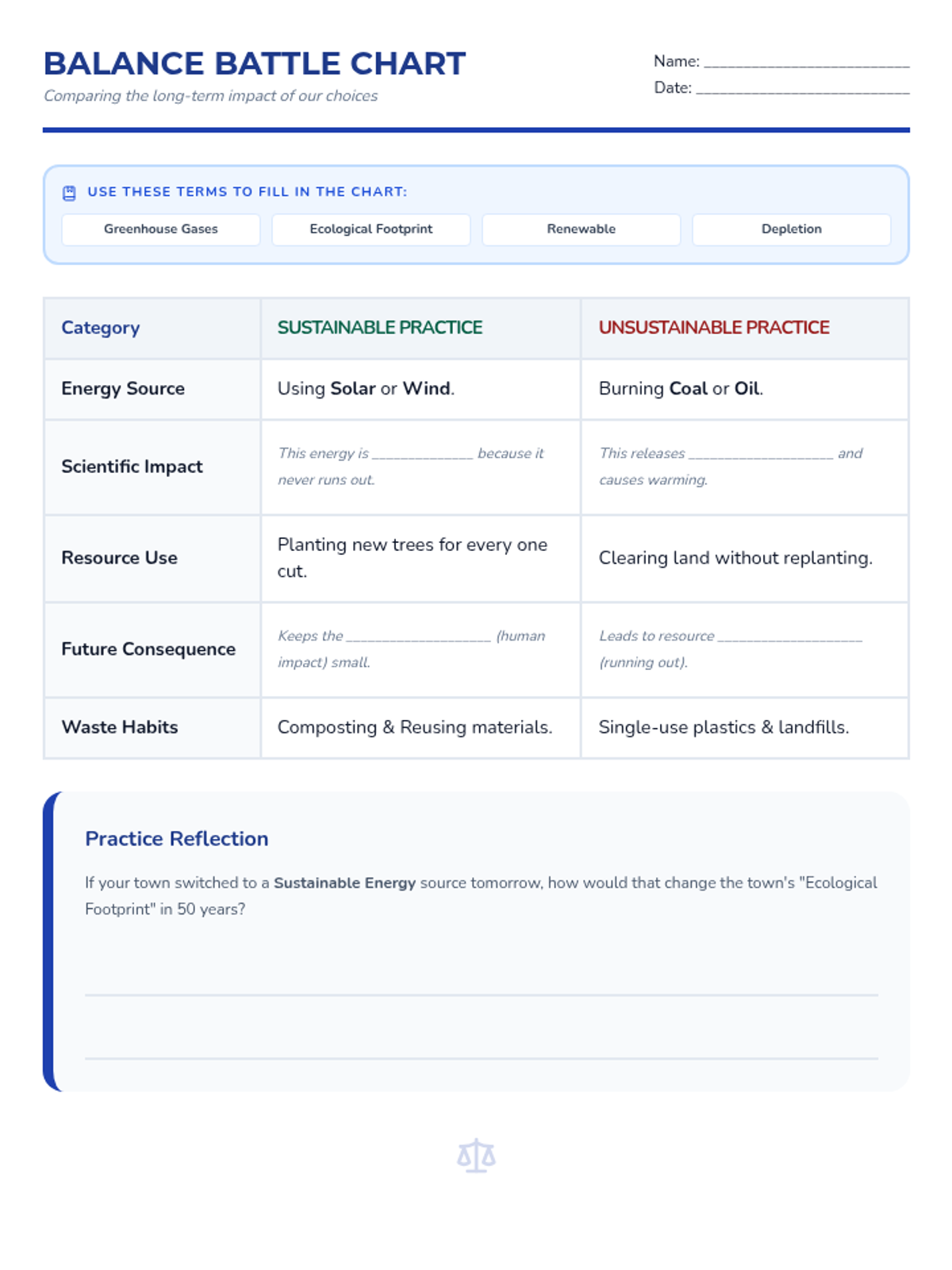
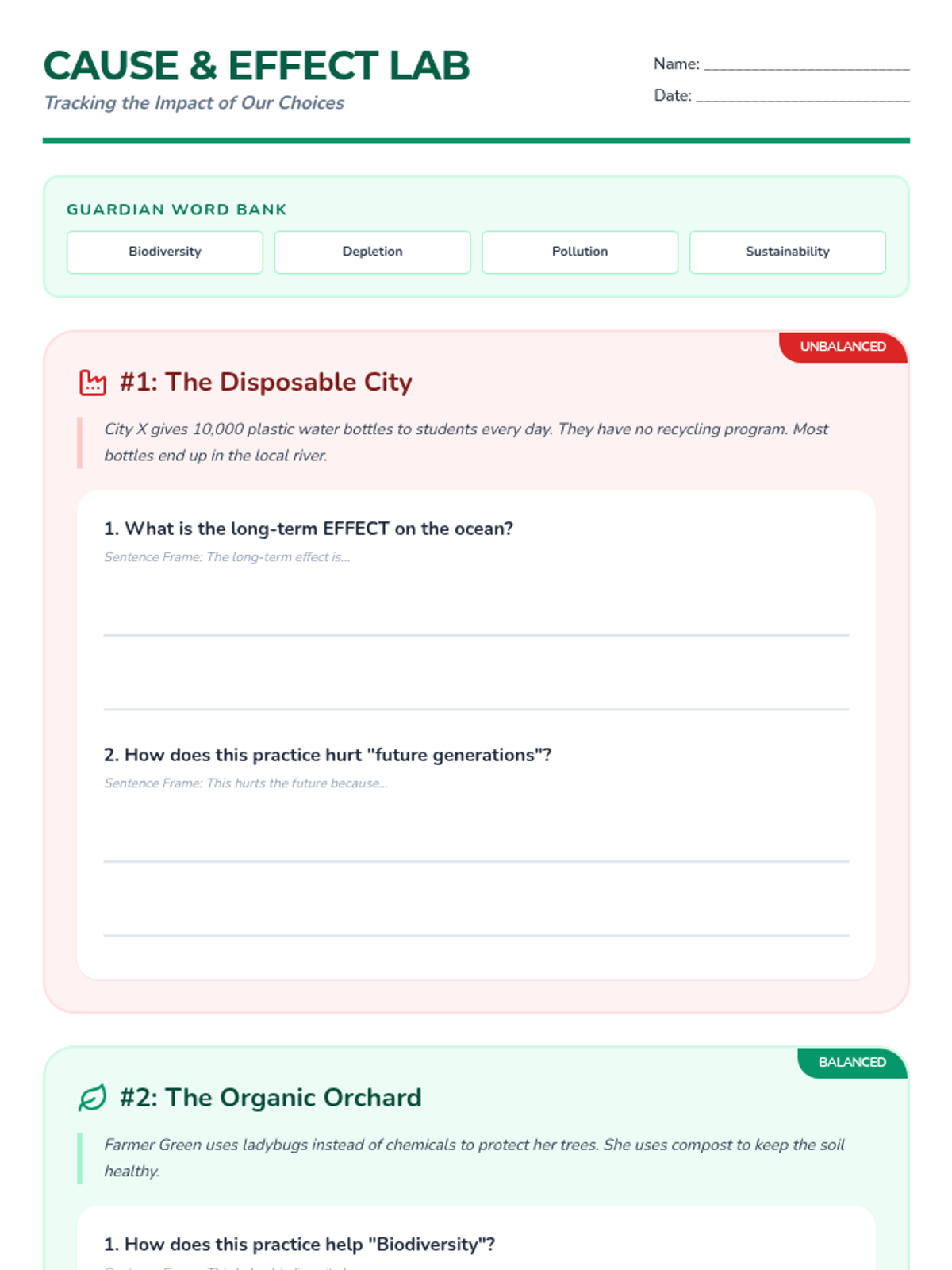
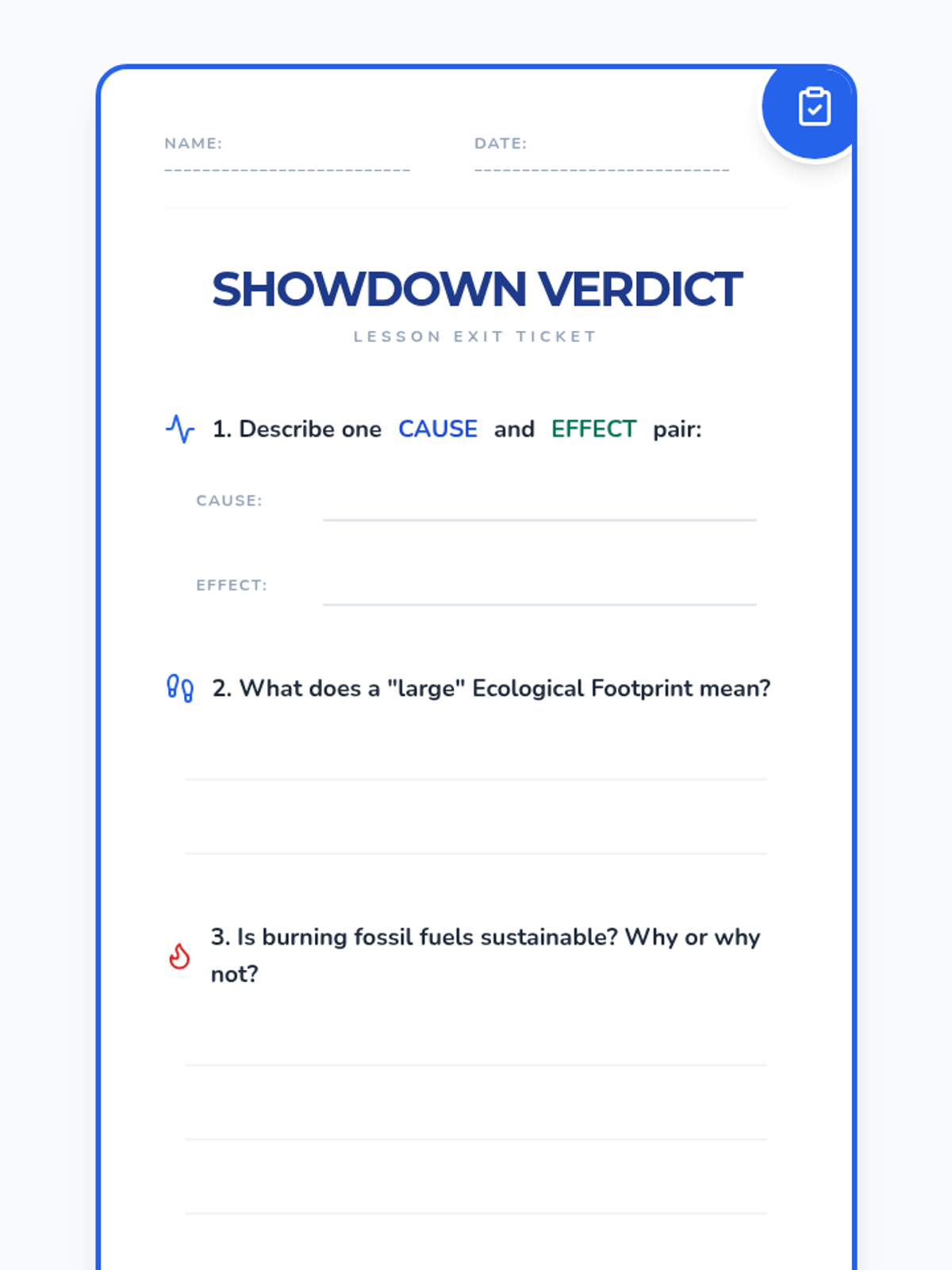
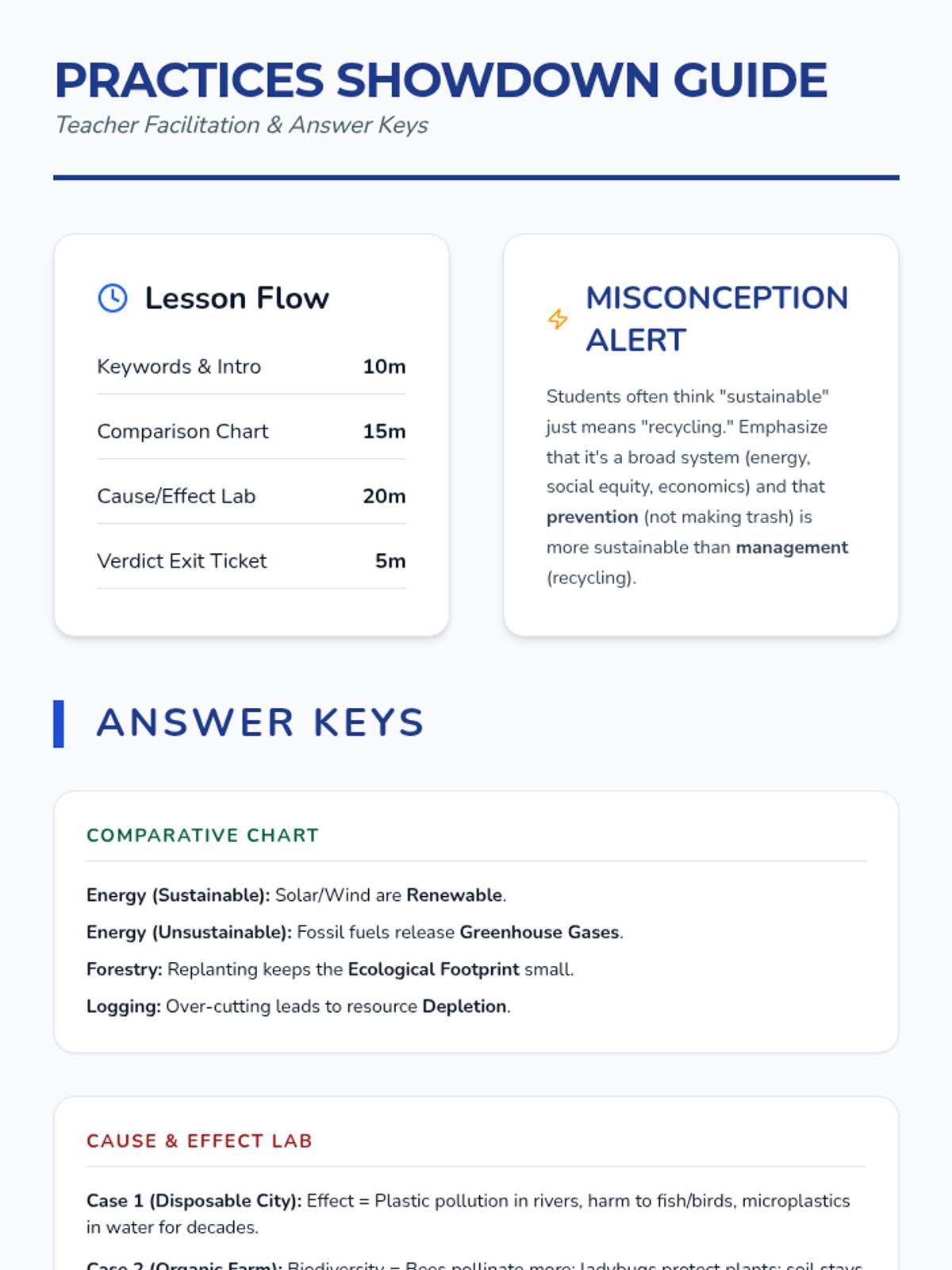
An exploration of sustainable vs. unsustainable practices through comparative analysis, cause-and-effect case studies, and real-world trade-offs. Includes a comparative chart, accommodated case studies, and an exit ticket.
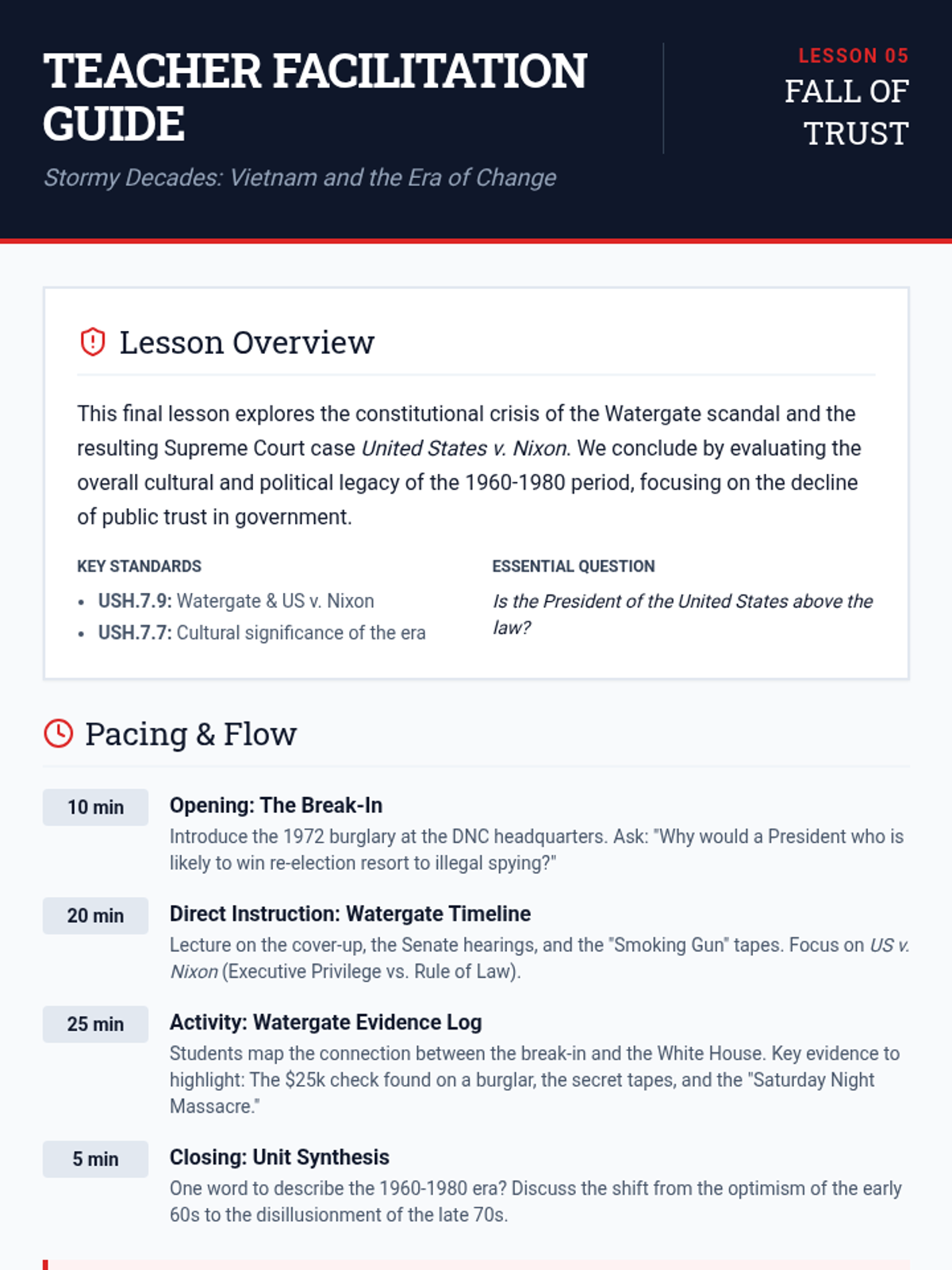
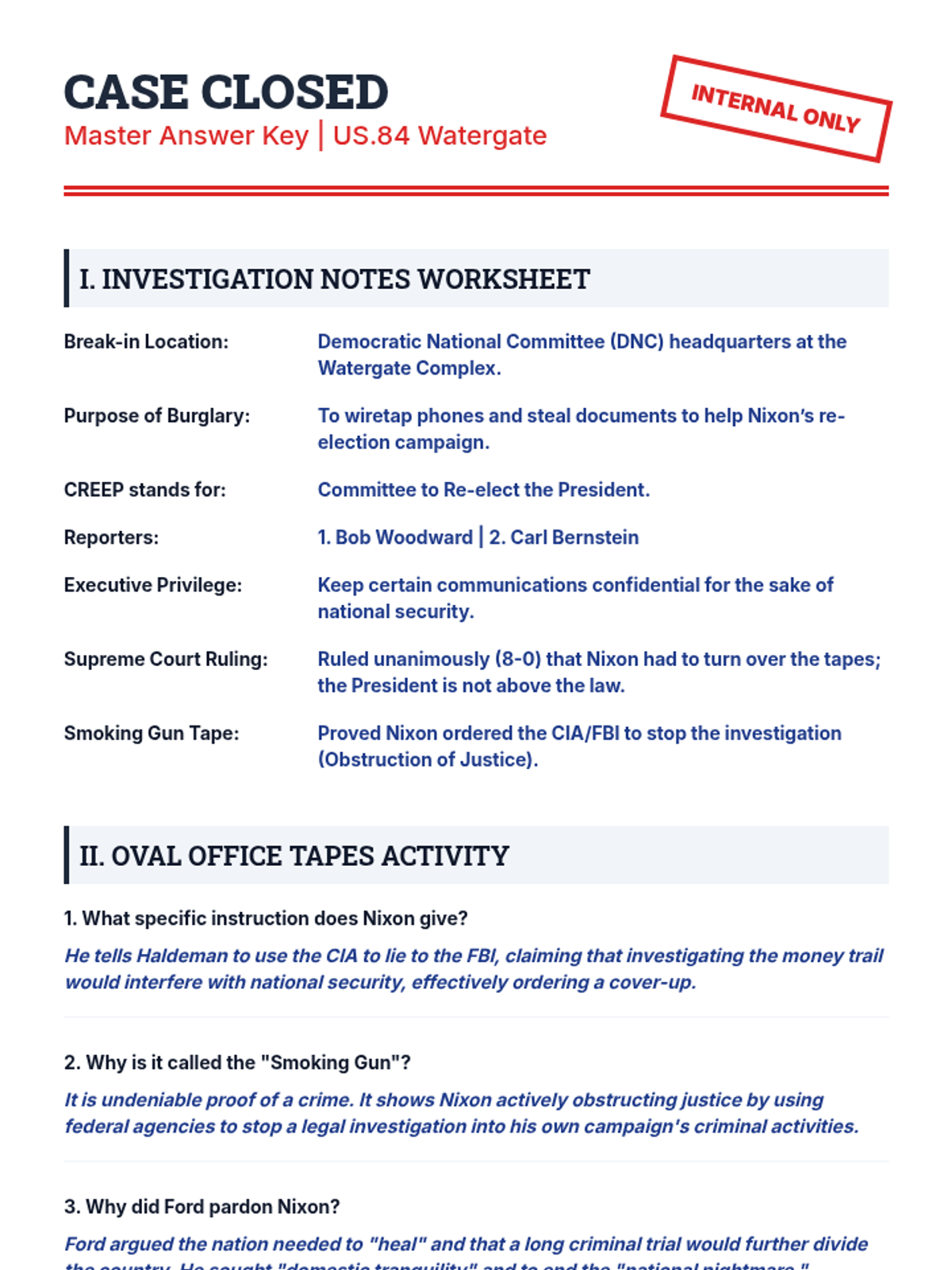
Analyze the Watergate scandal, the Supreme Court's ruling in US v. Nixon, and the resulting shift in American trust in government and the presidency.
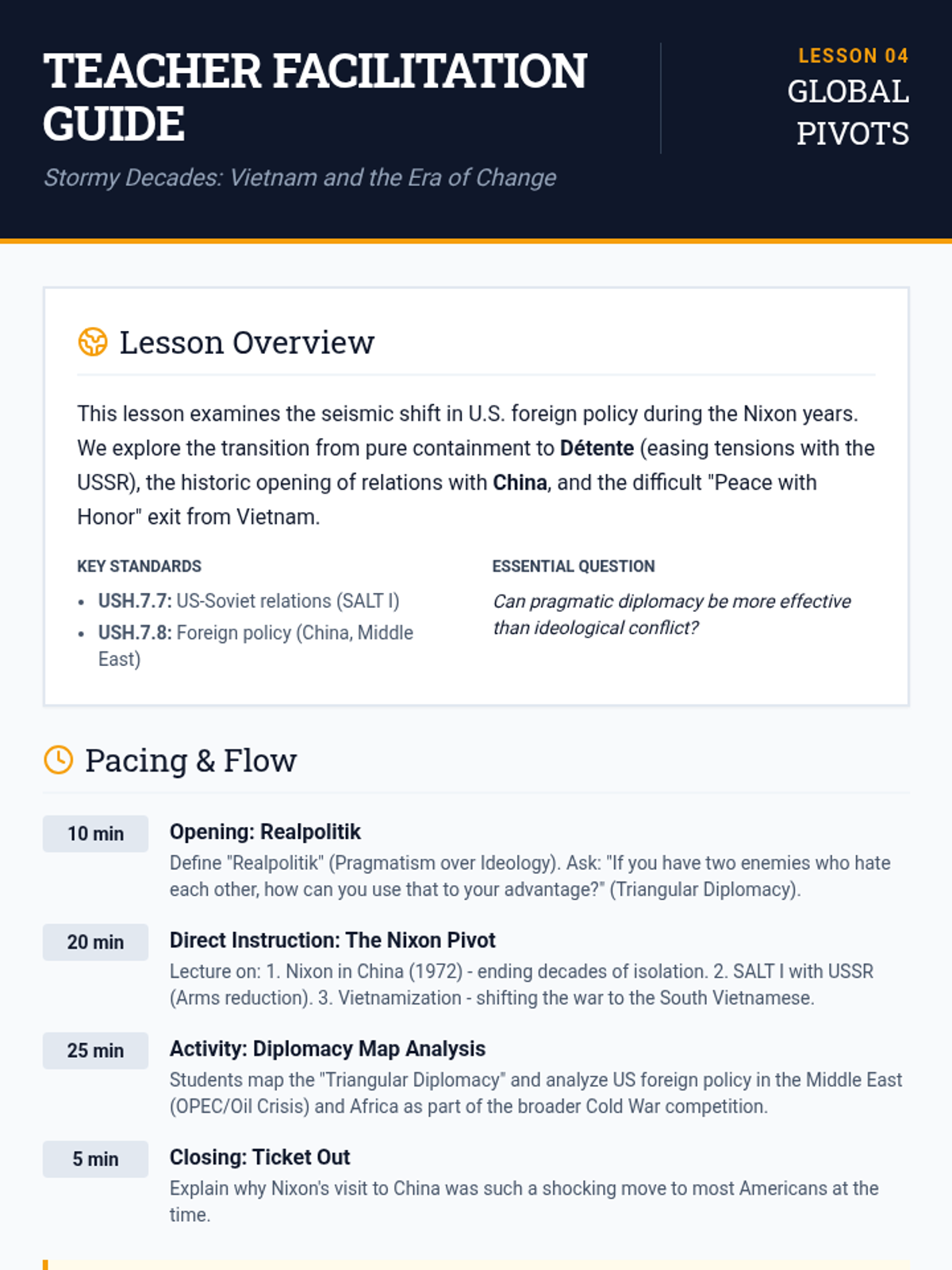
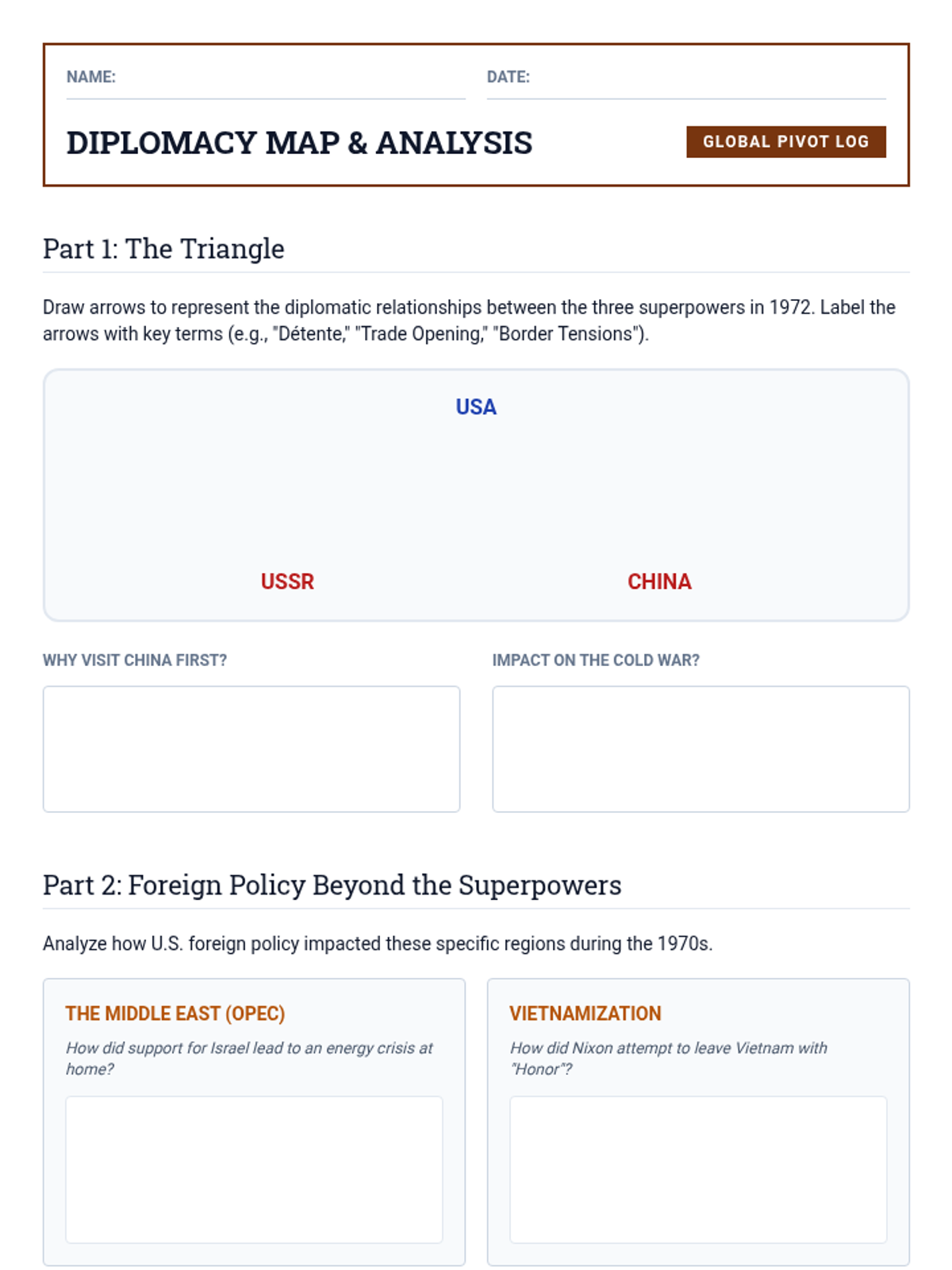
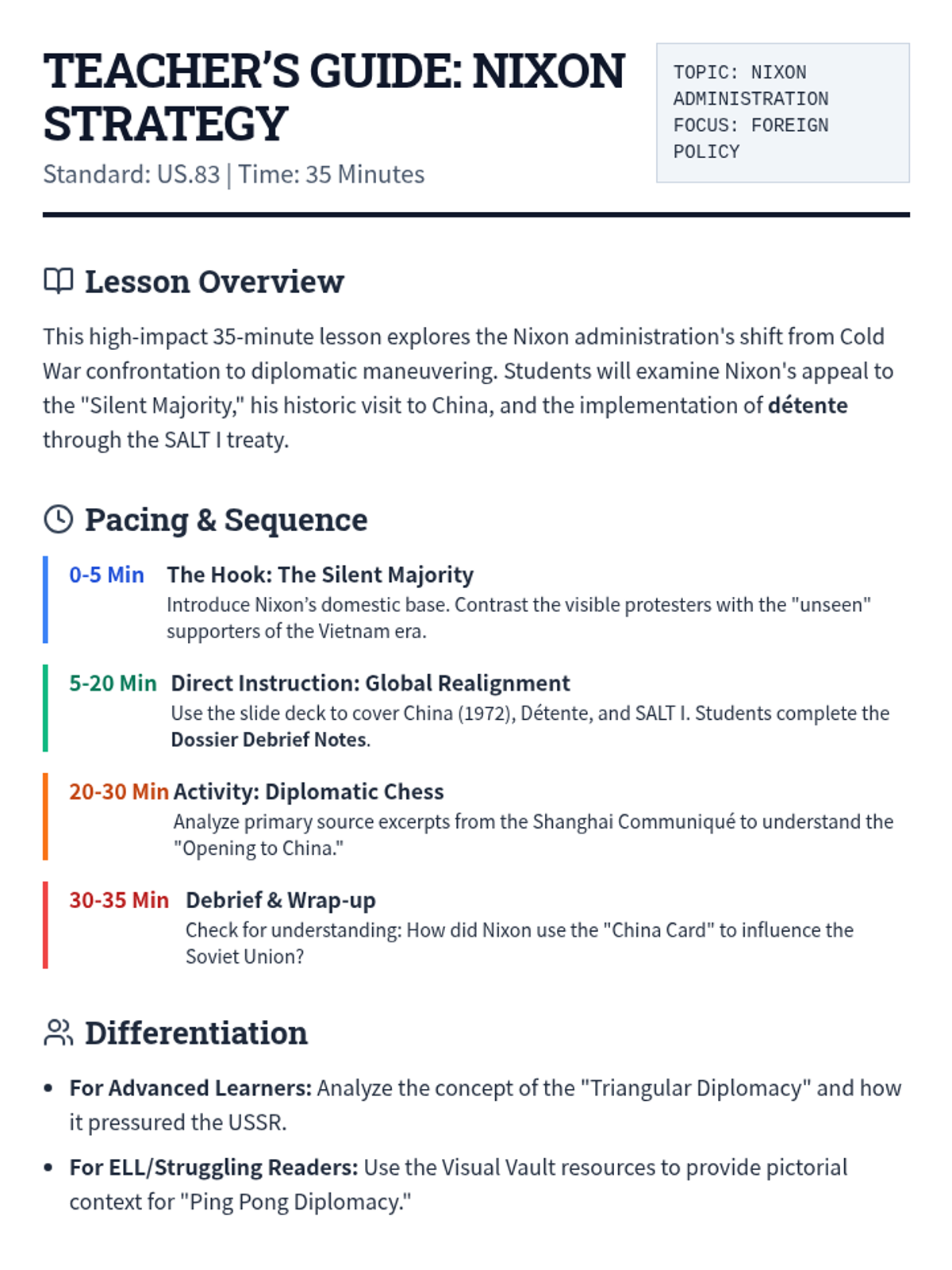
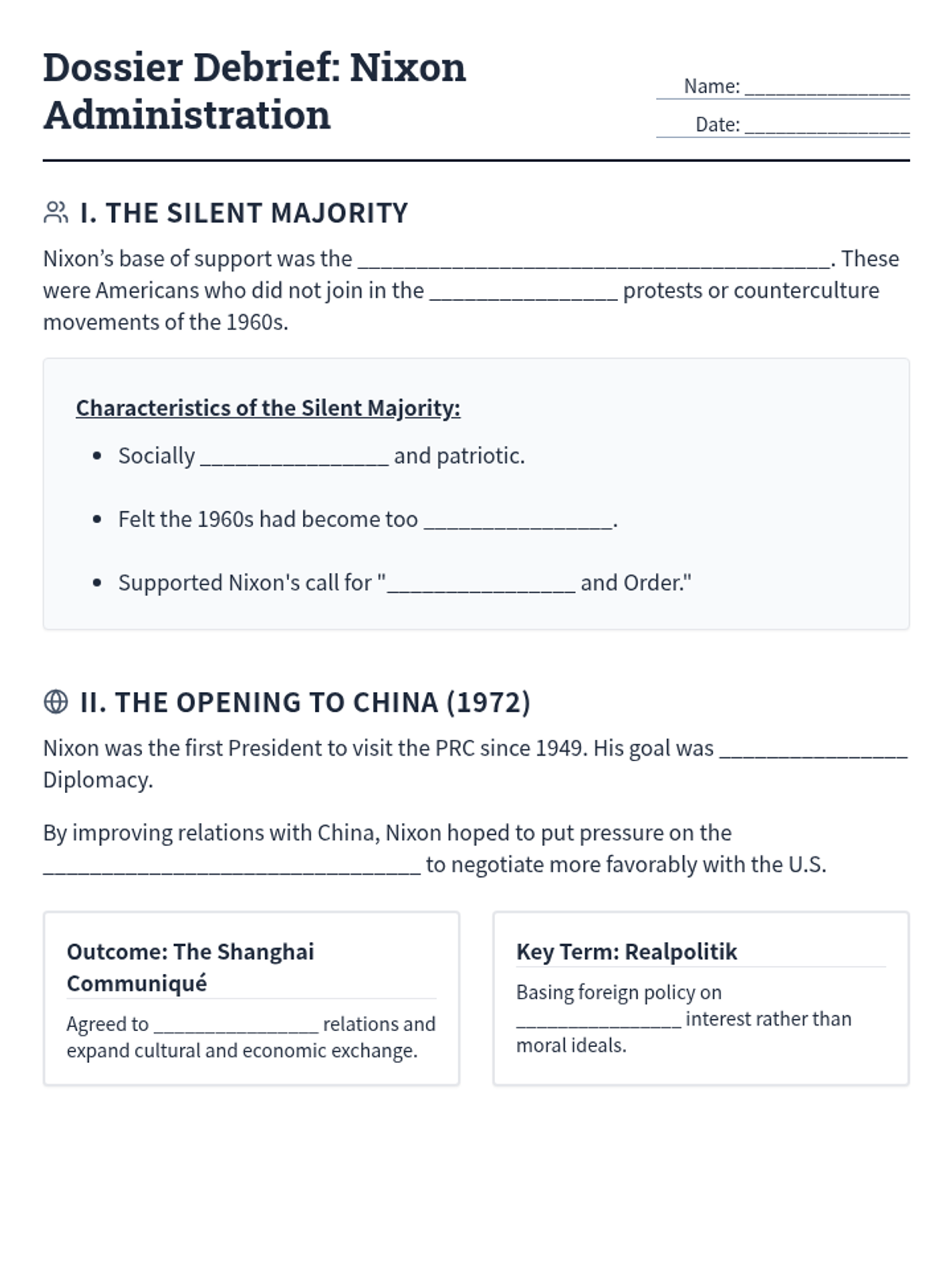
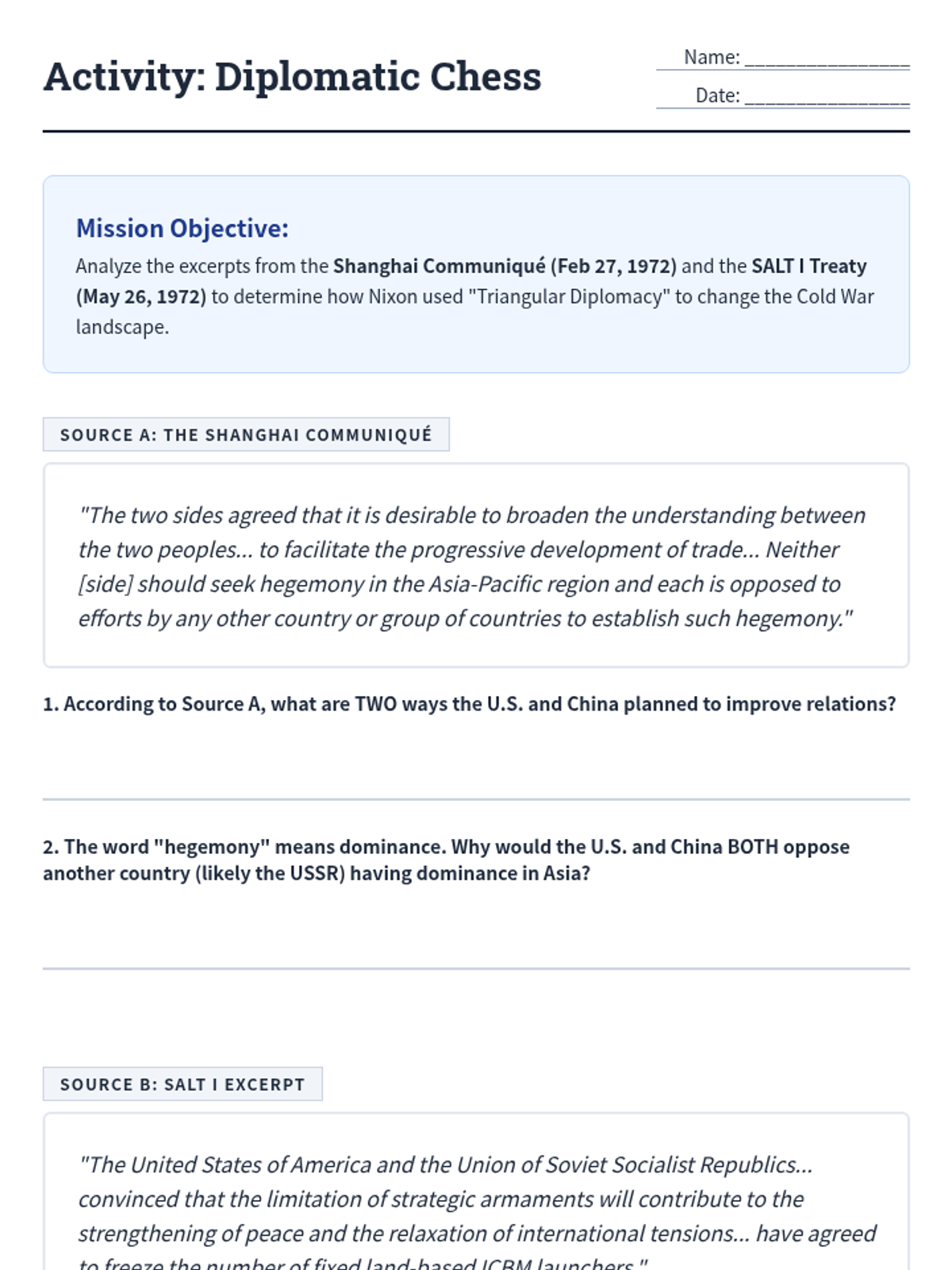
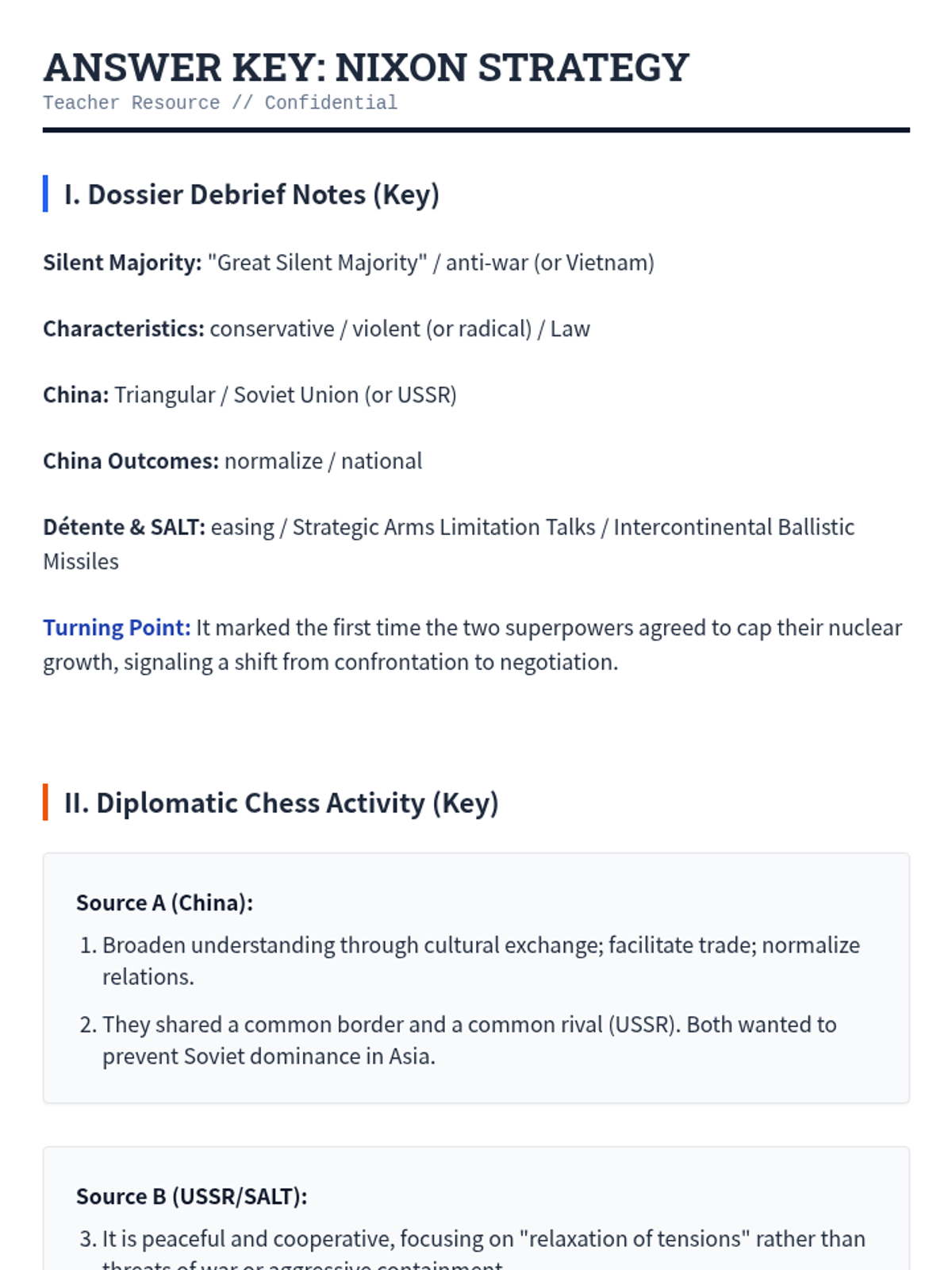
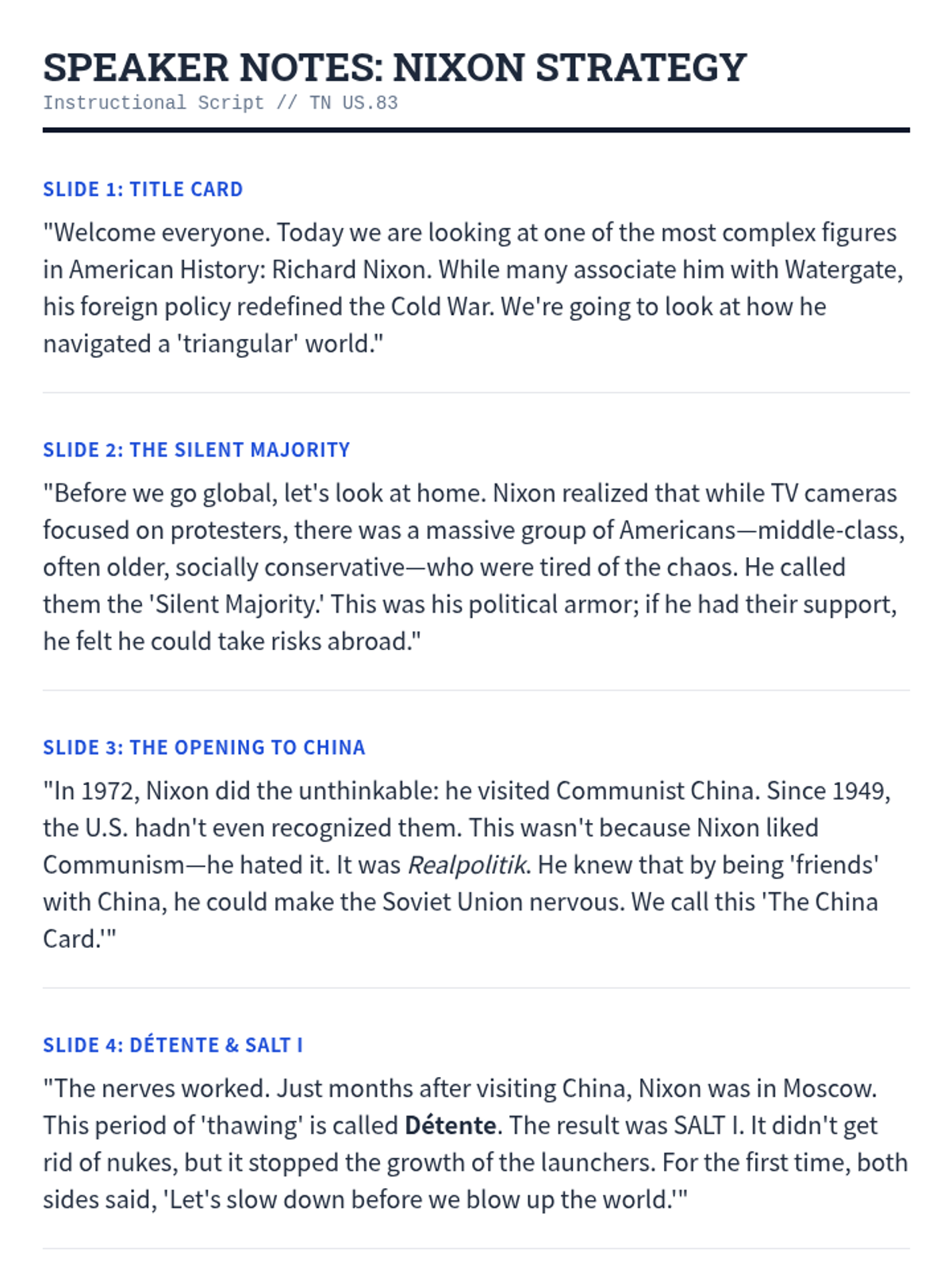
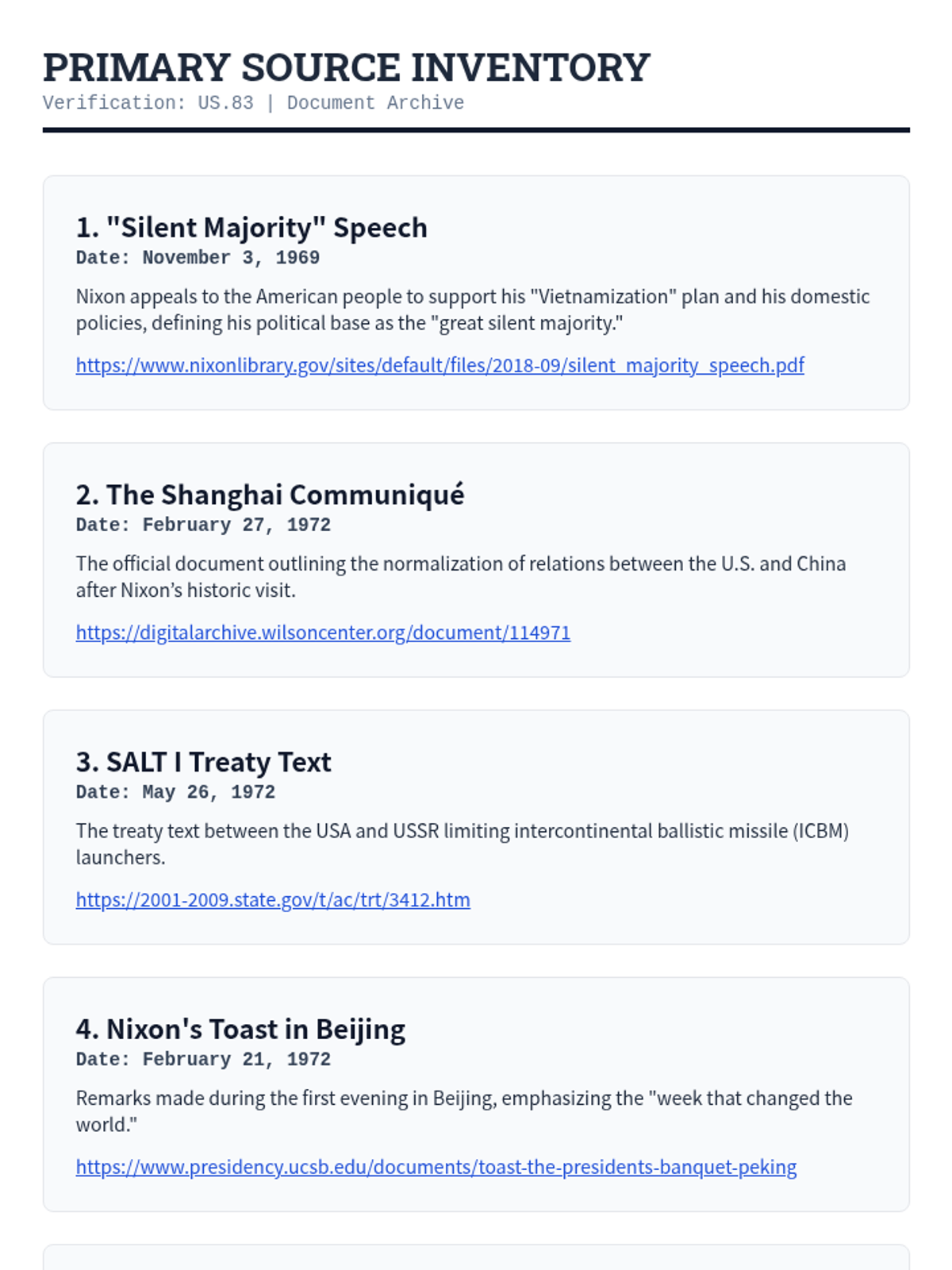
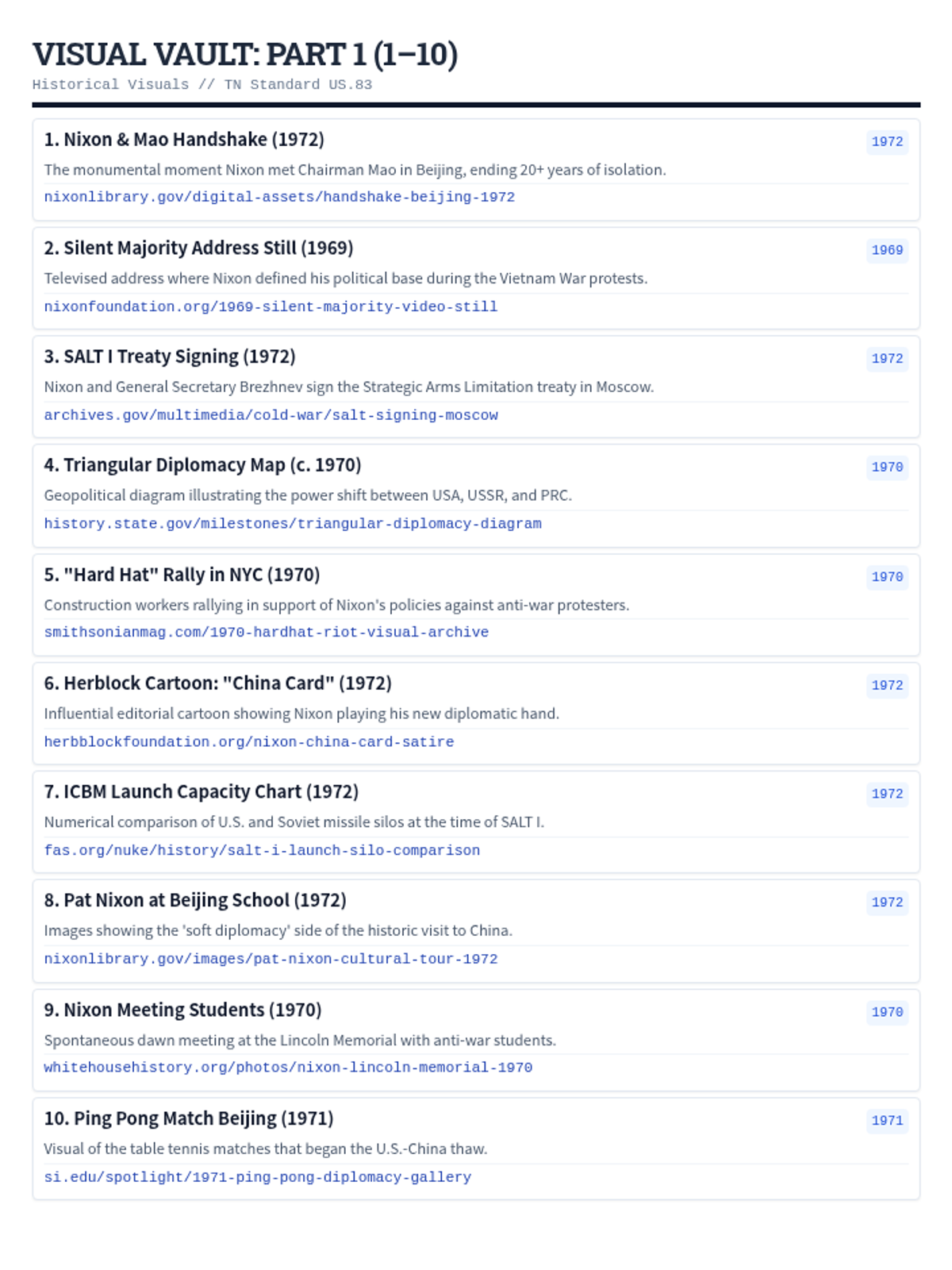
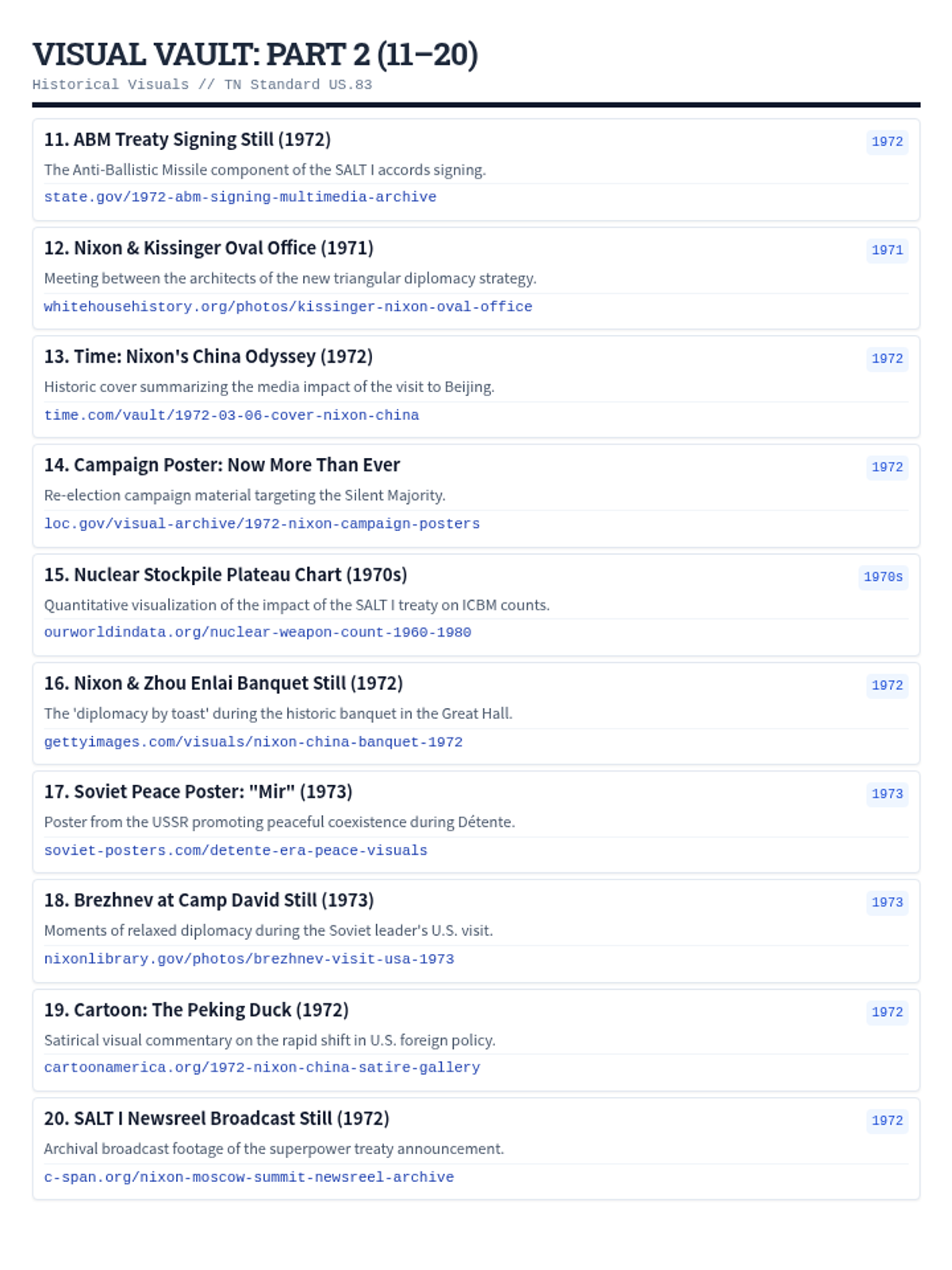
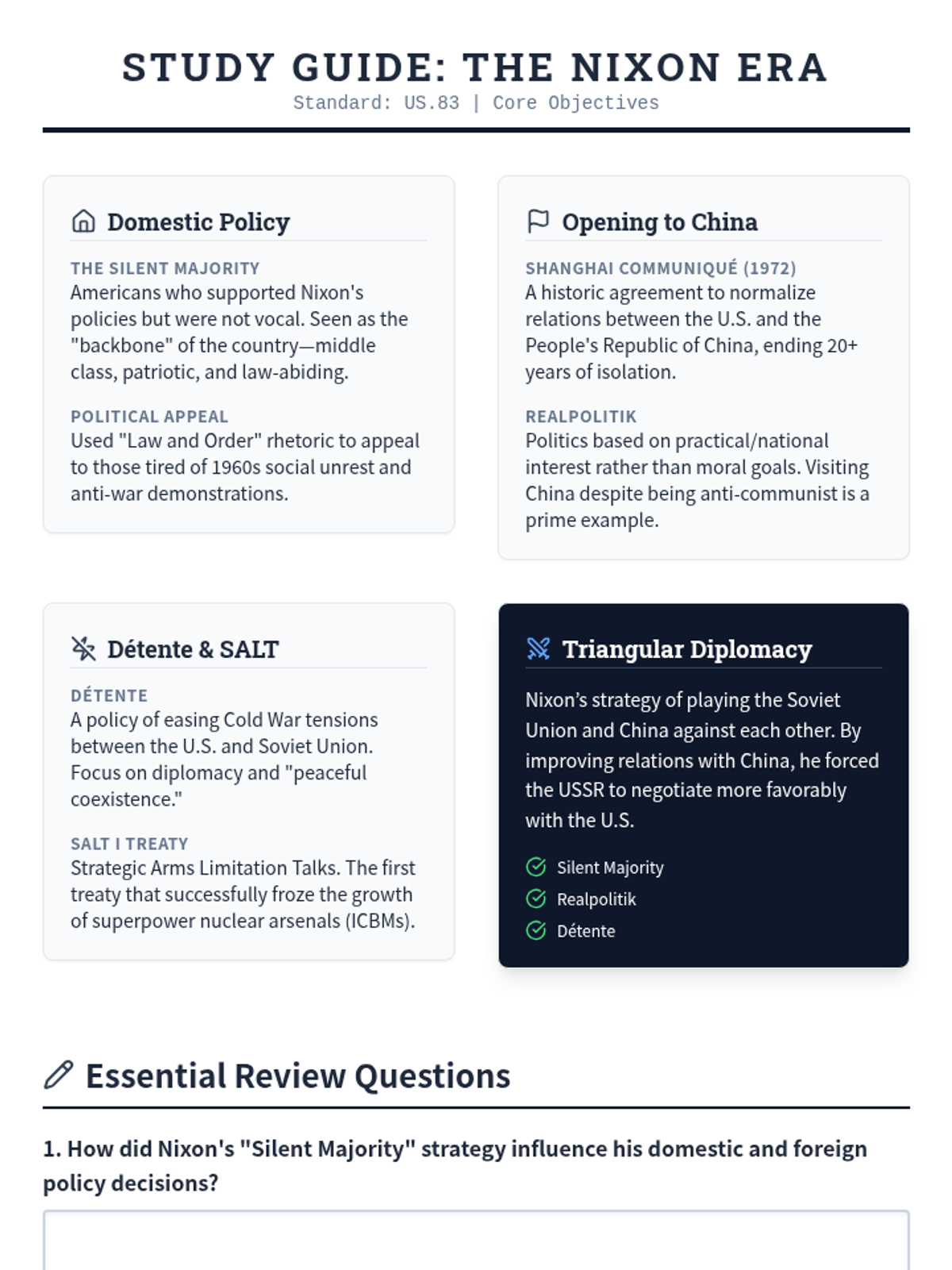
Investigate the shift in U.S. foreign policy under Richard Nixon, including the policy of détente with the Soviet Union, the opening of relations with China, and the complex path to exiting Vietnam.
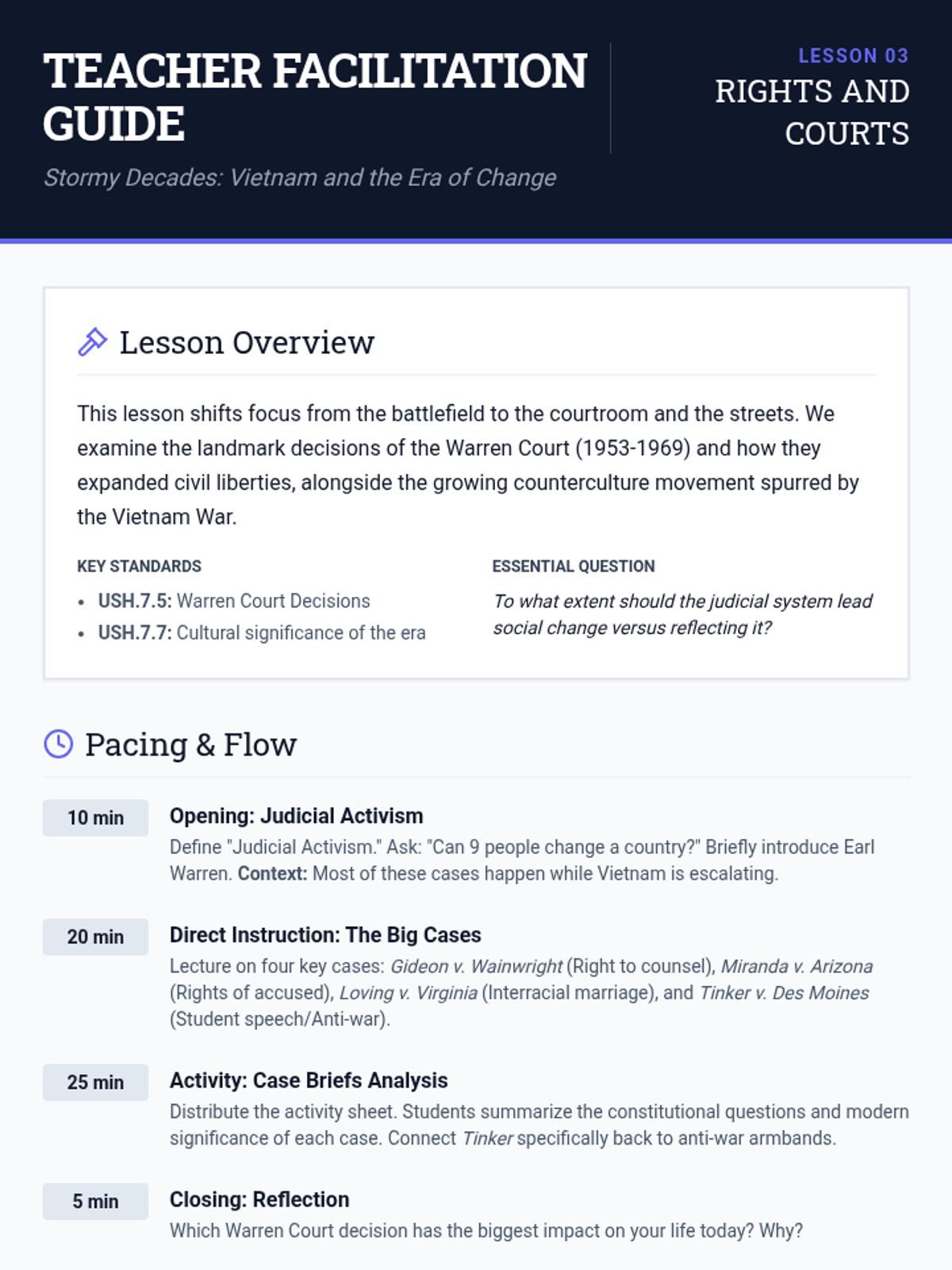
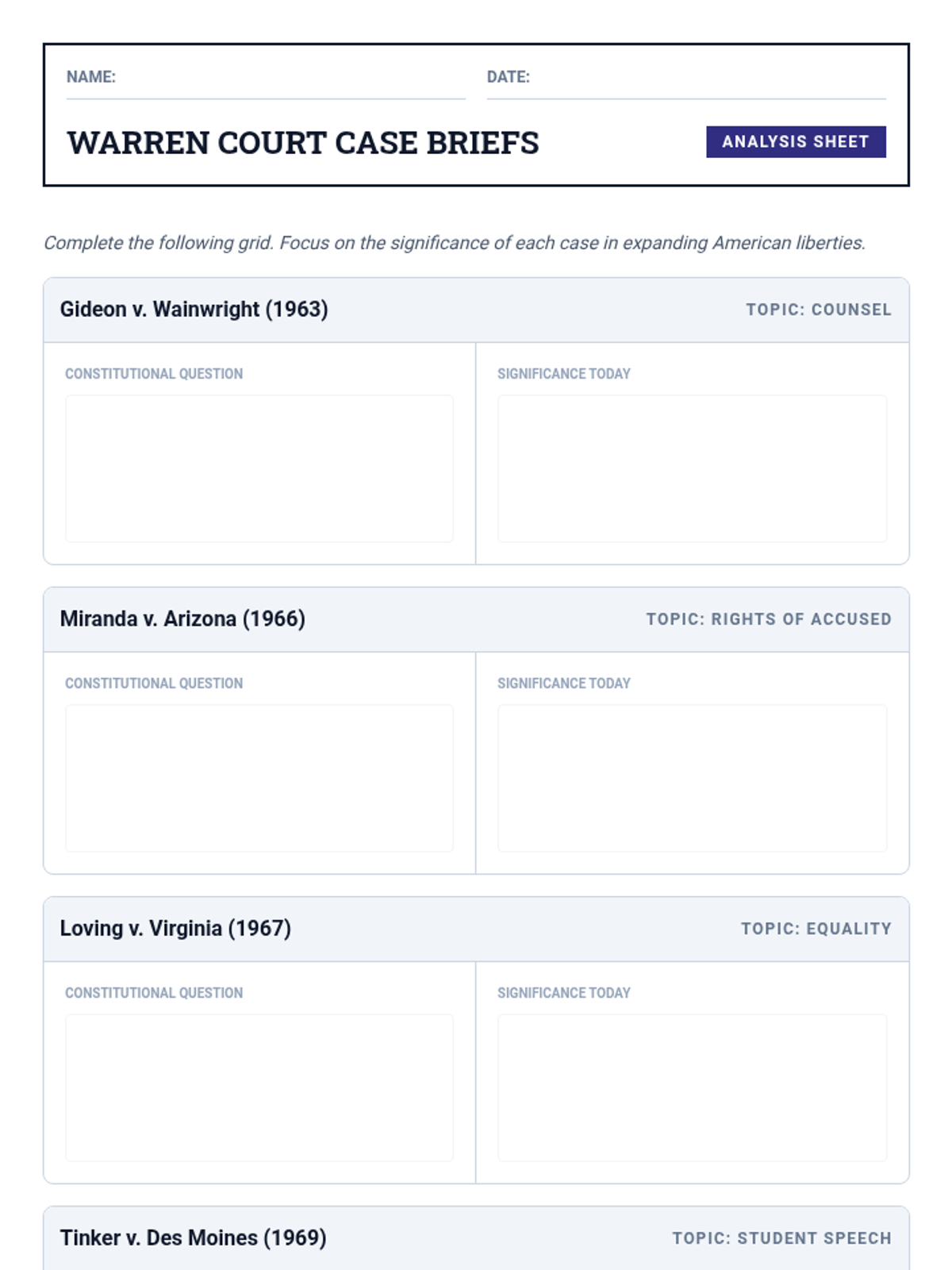
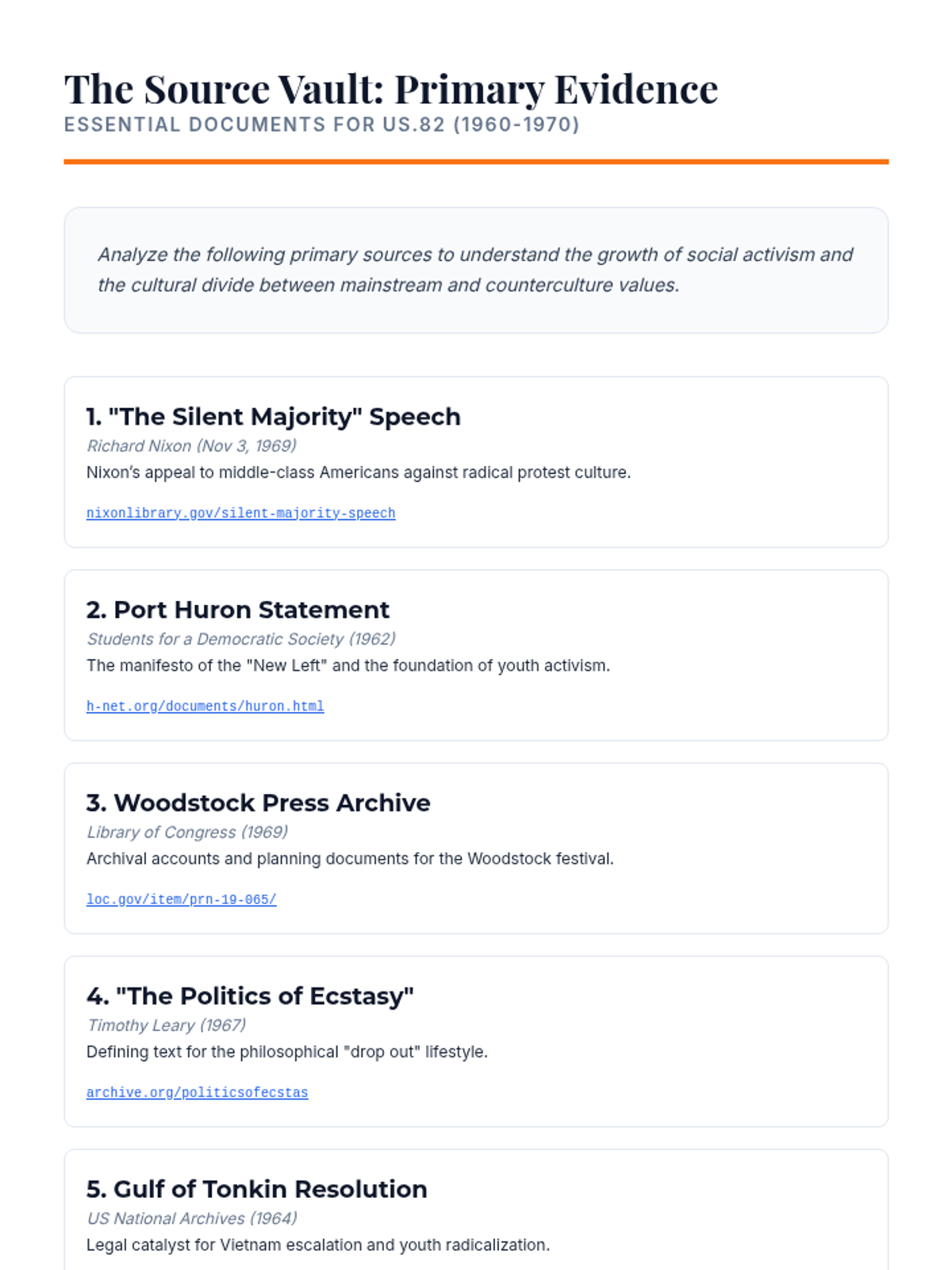
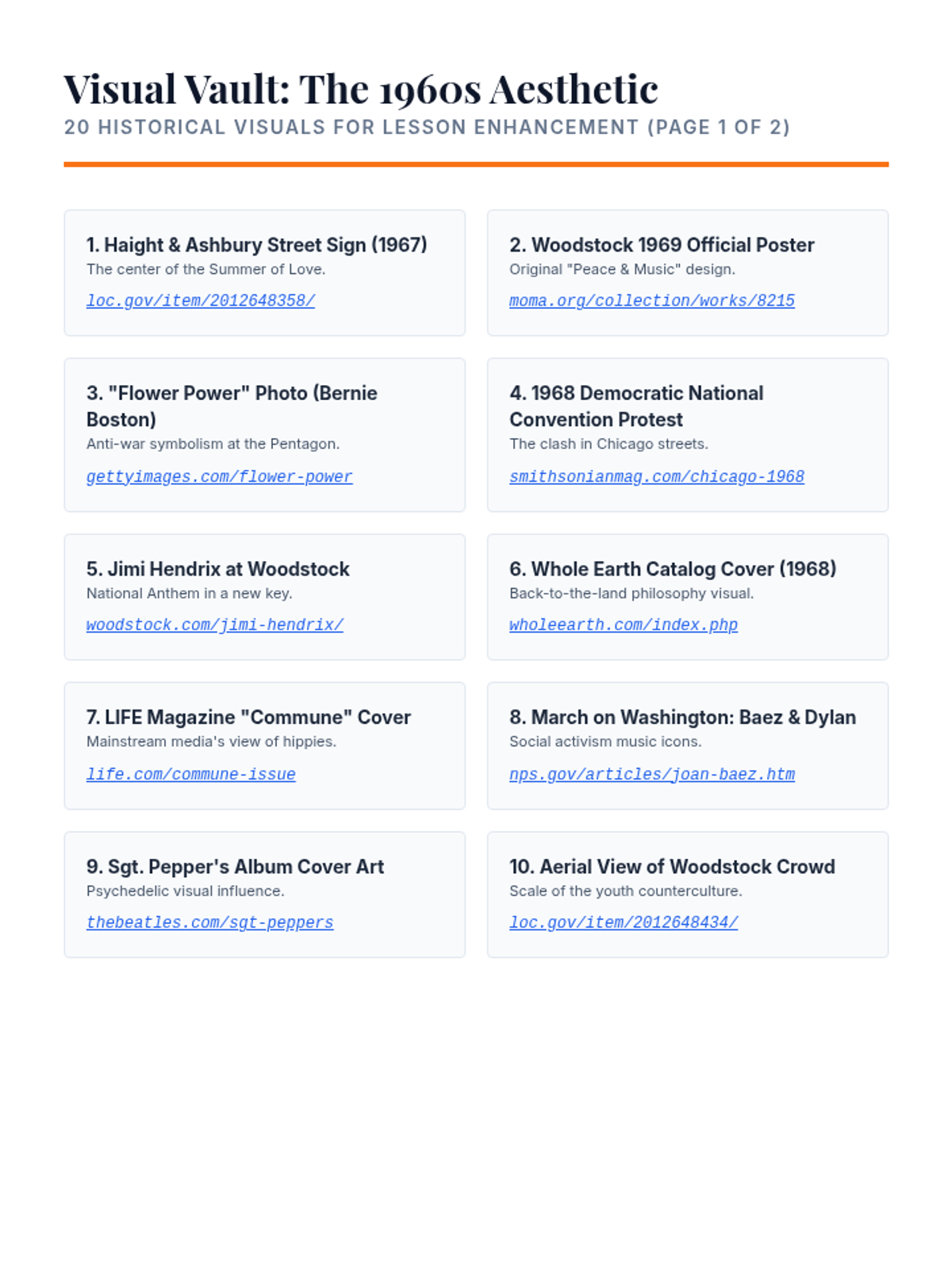
Examine the transformative legal landscape of the 1960s through the key decisions of the Warren Court and the rise of the counterculture movement during the Vietnam era.
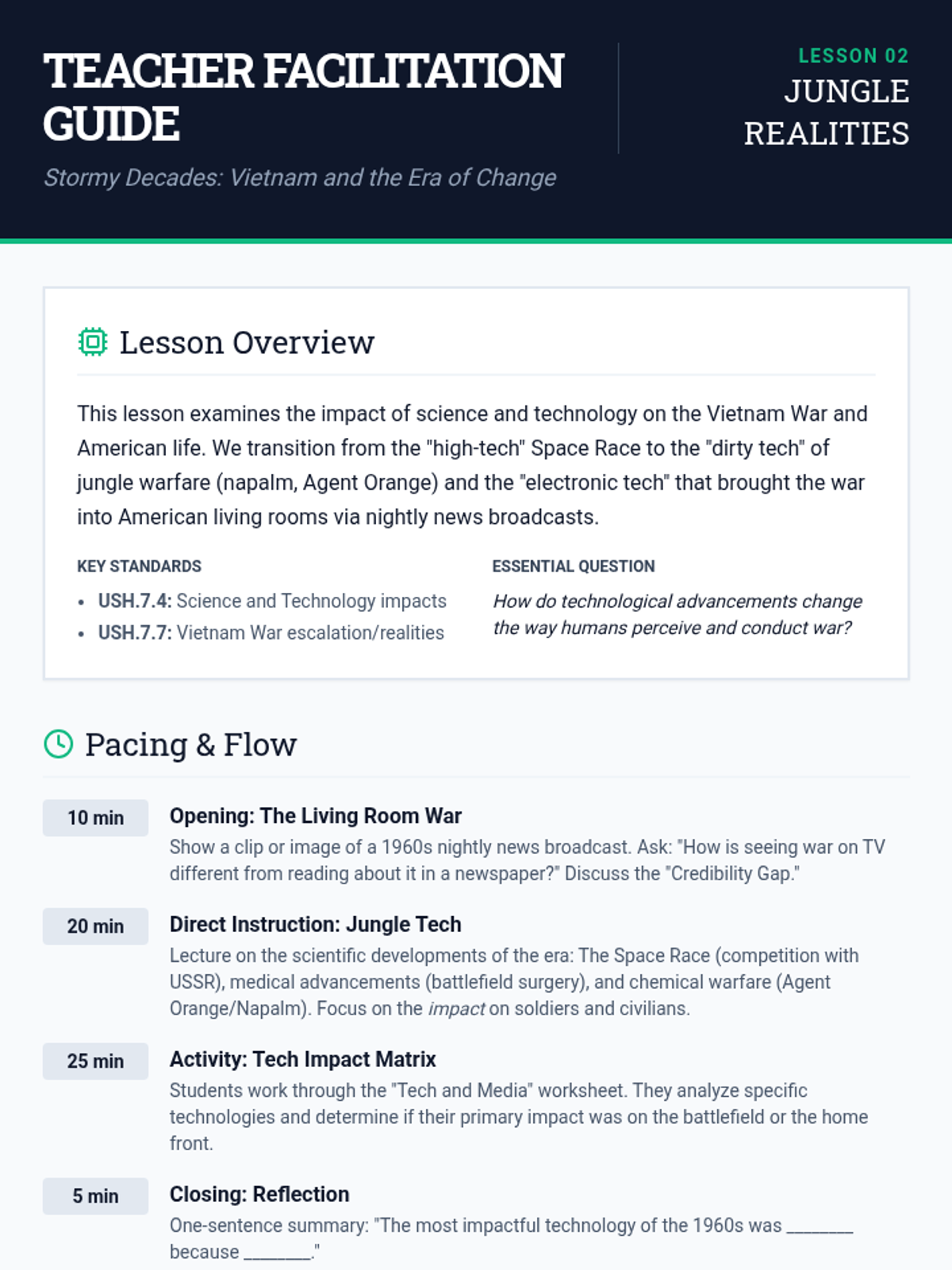
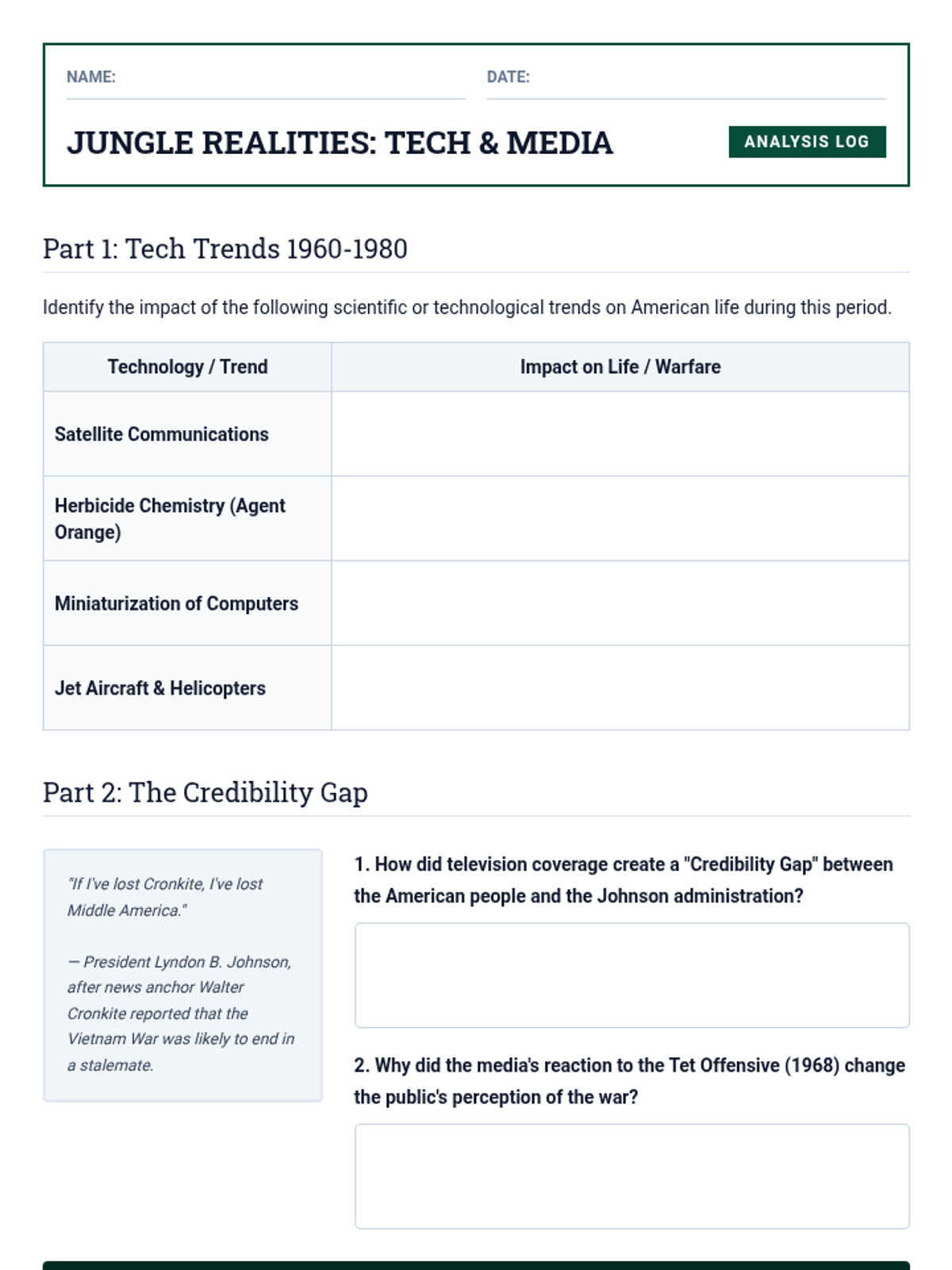
Analyze how scientific and technological advancements, from satellite communications to chemical weaponry like Agent Orange, transformed the American experience of the Vietnam War and the Space Race.

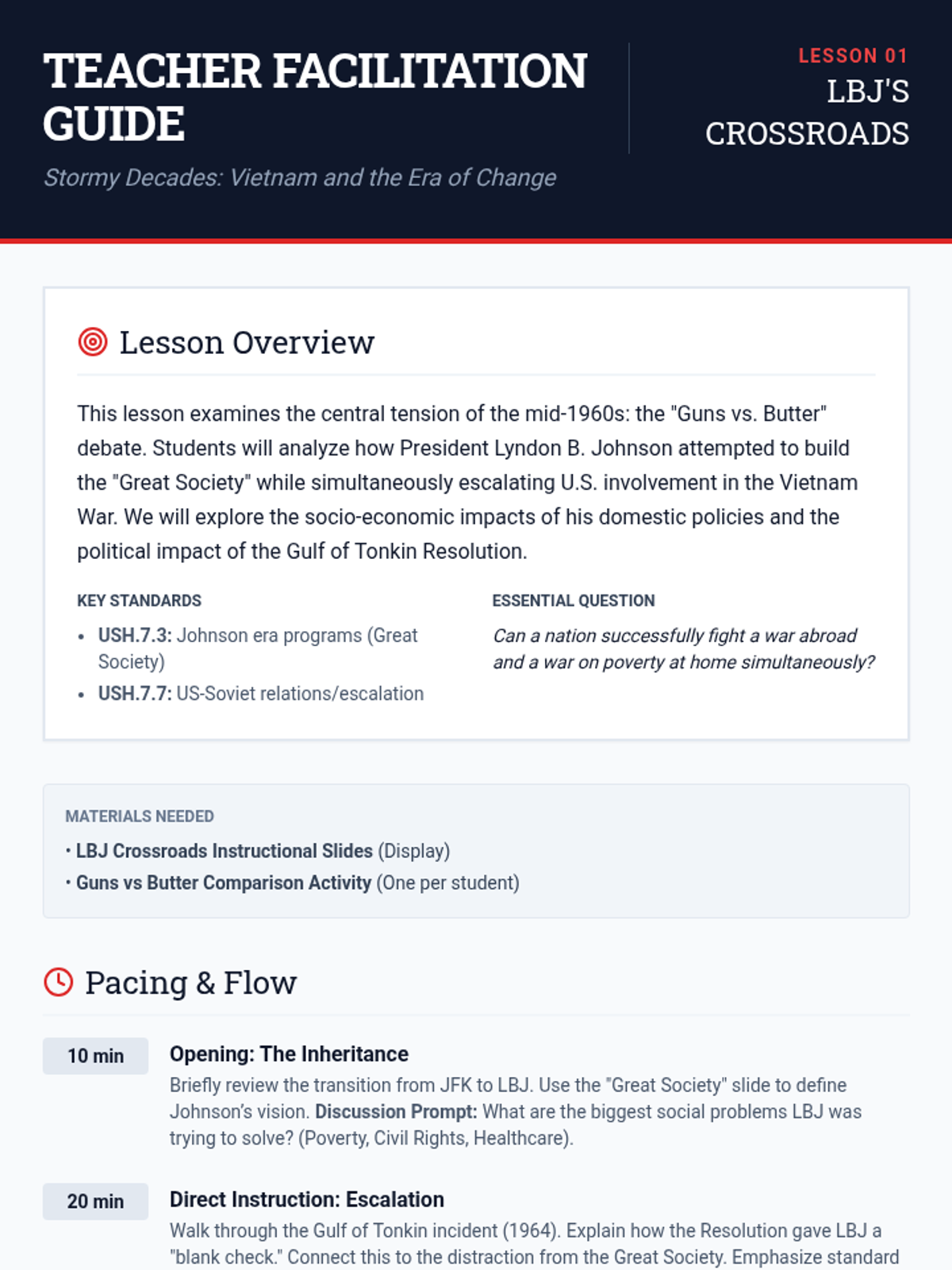
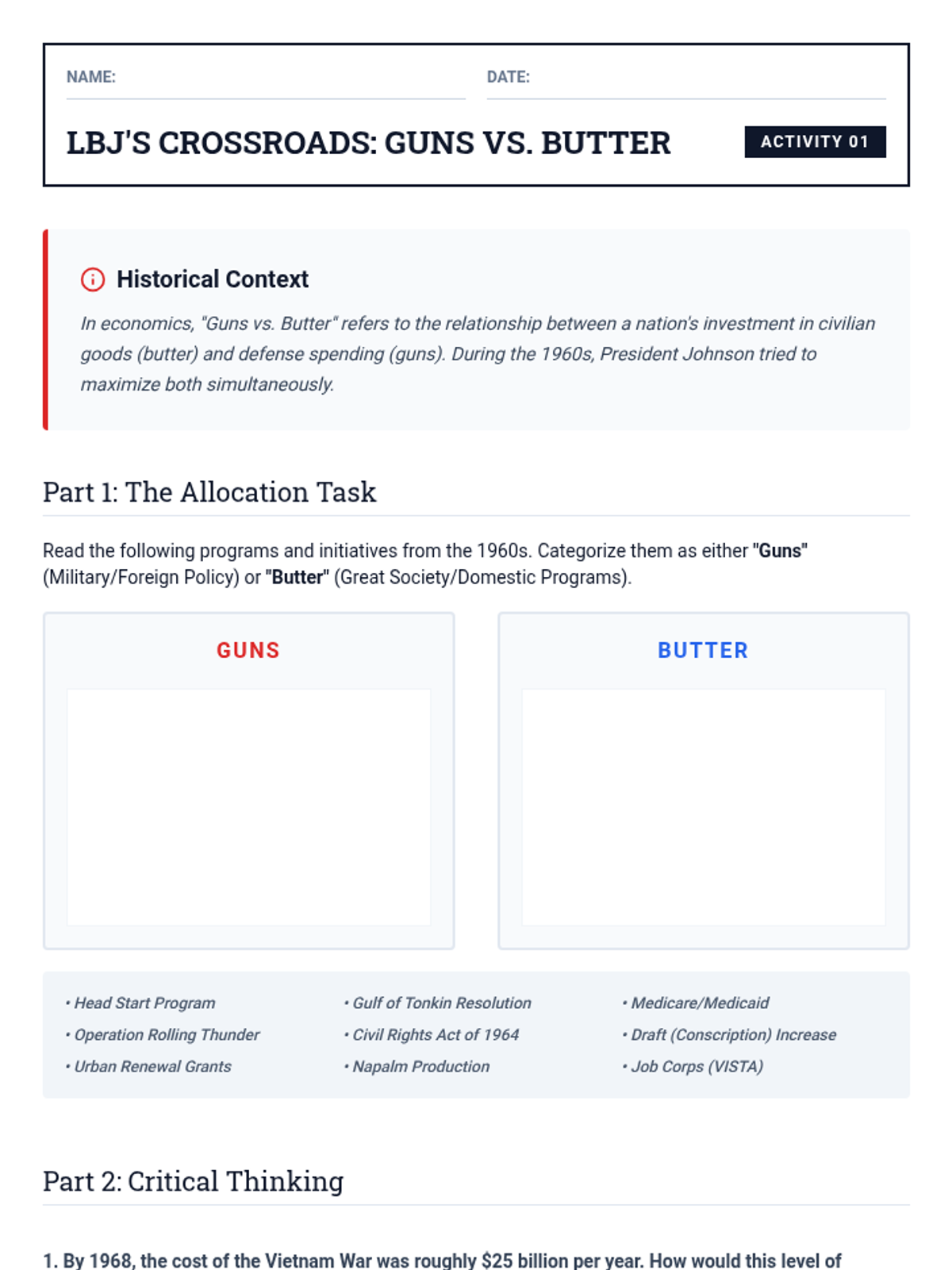
Explore the dual priorities of Lyndon B. Johnson's presidency: the ambitious 'Great Society' domestic programs and the escalating commitment to the Vietnam War following the Gulf of Tonkin Resolution.
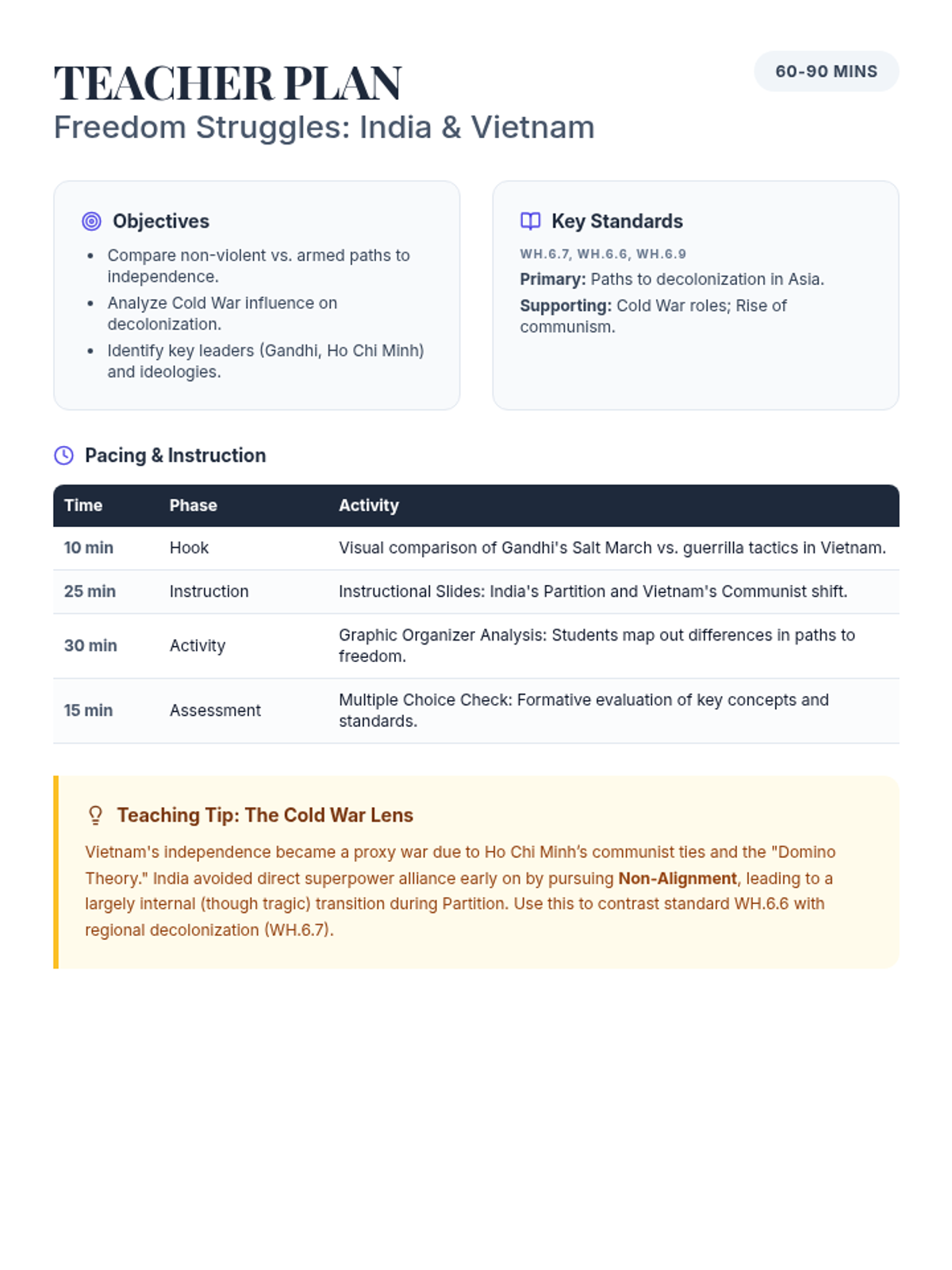
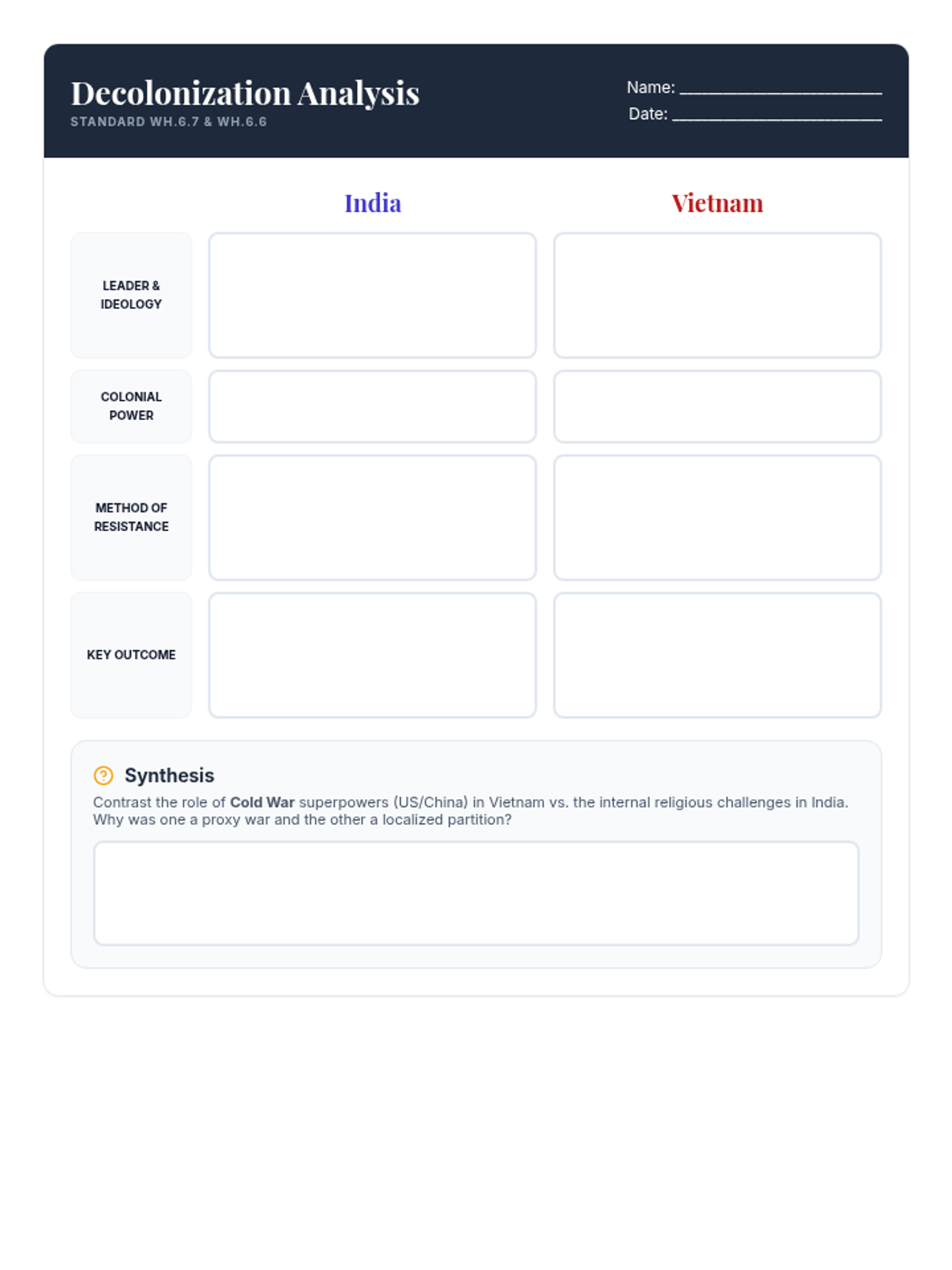
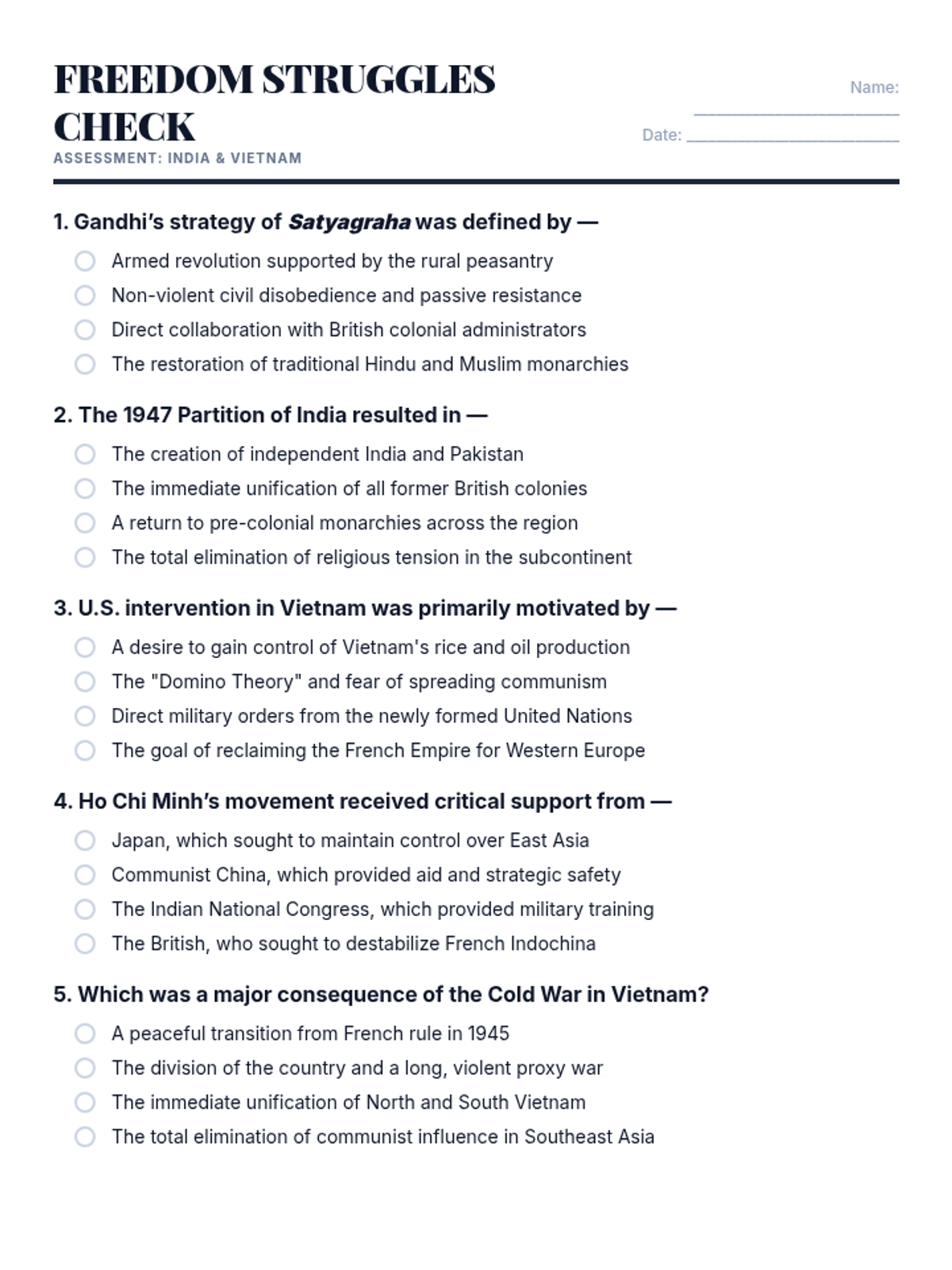
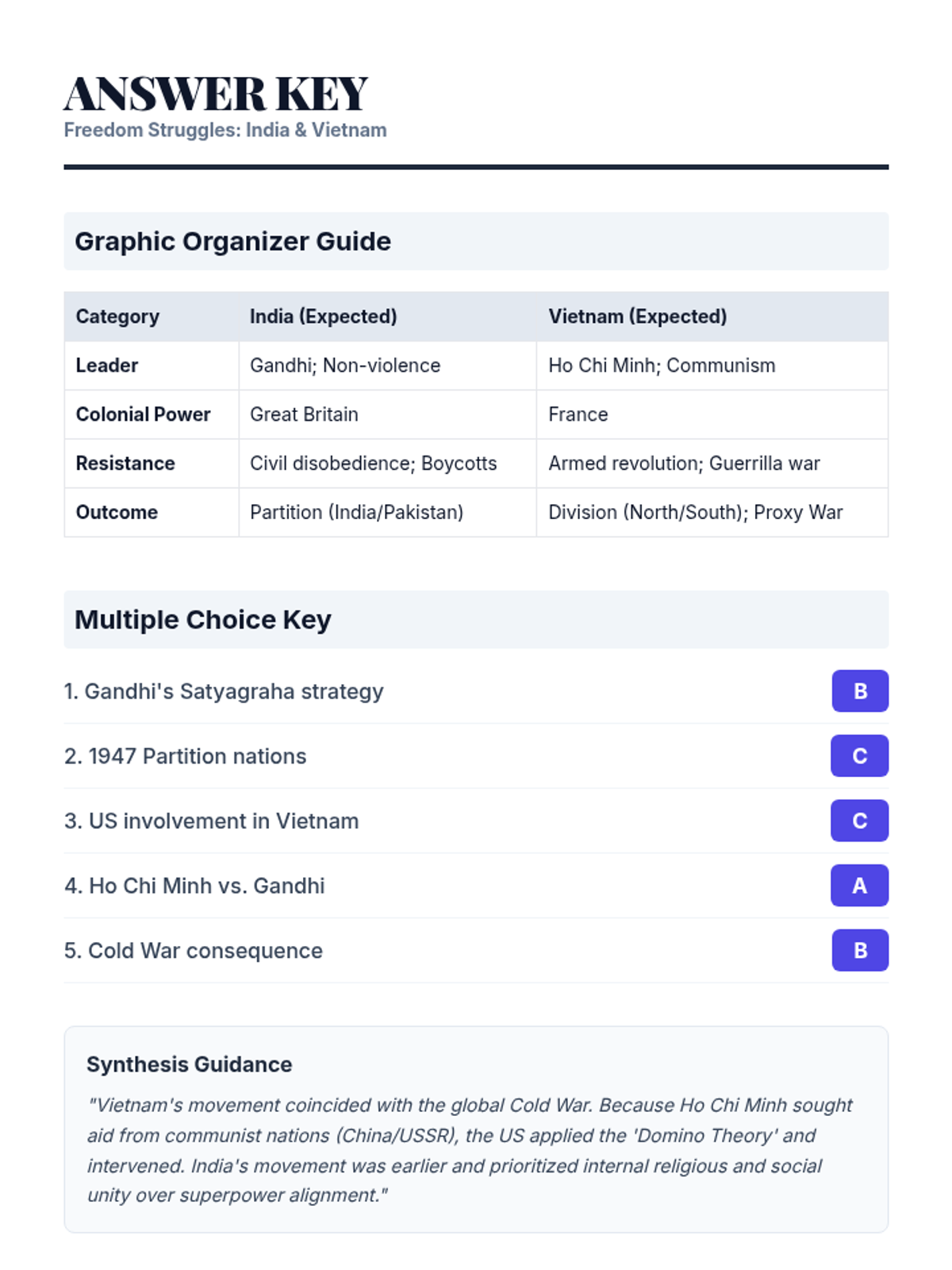
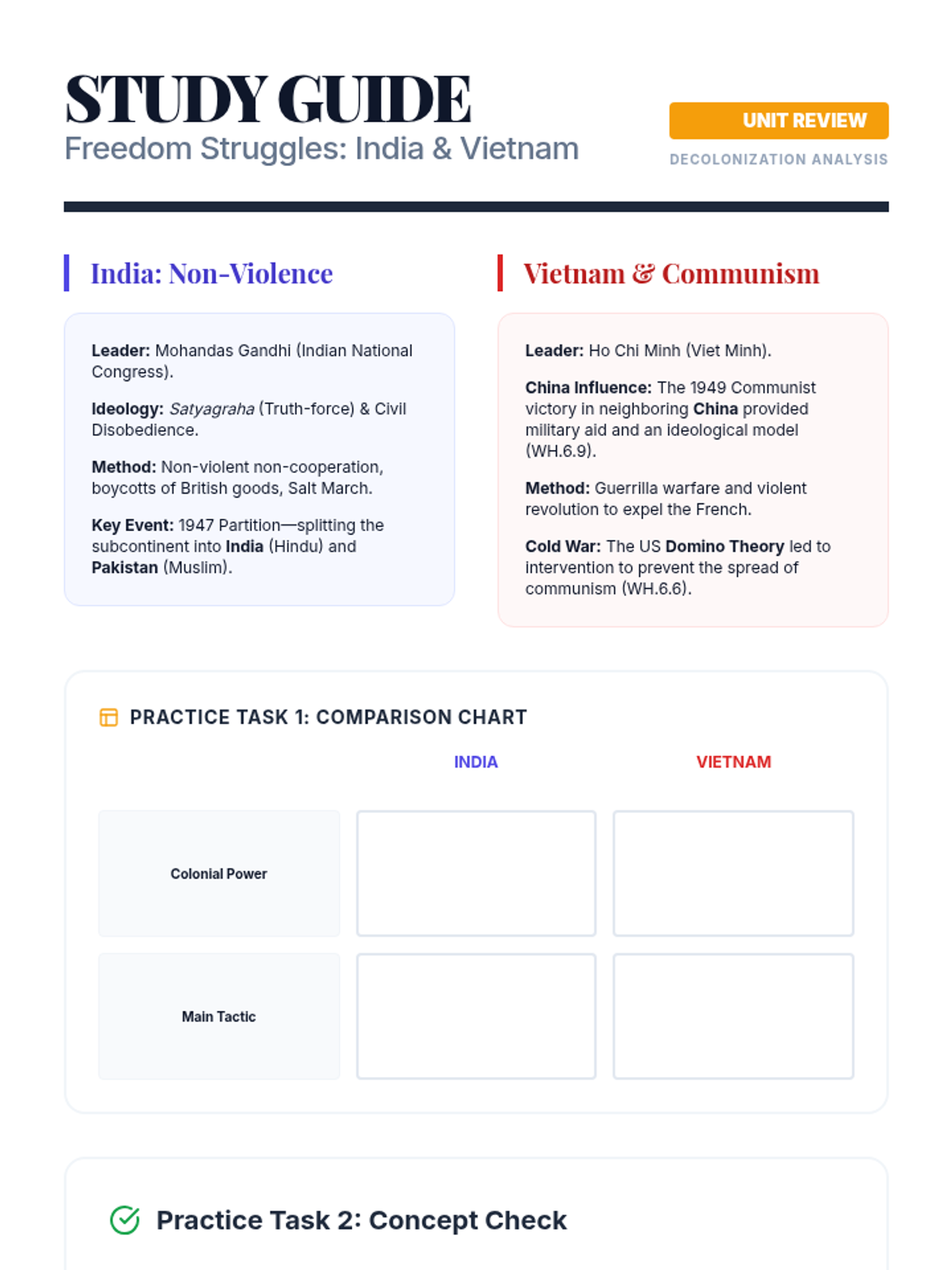
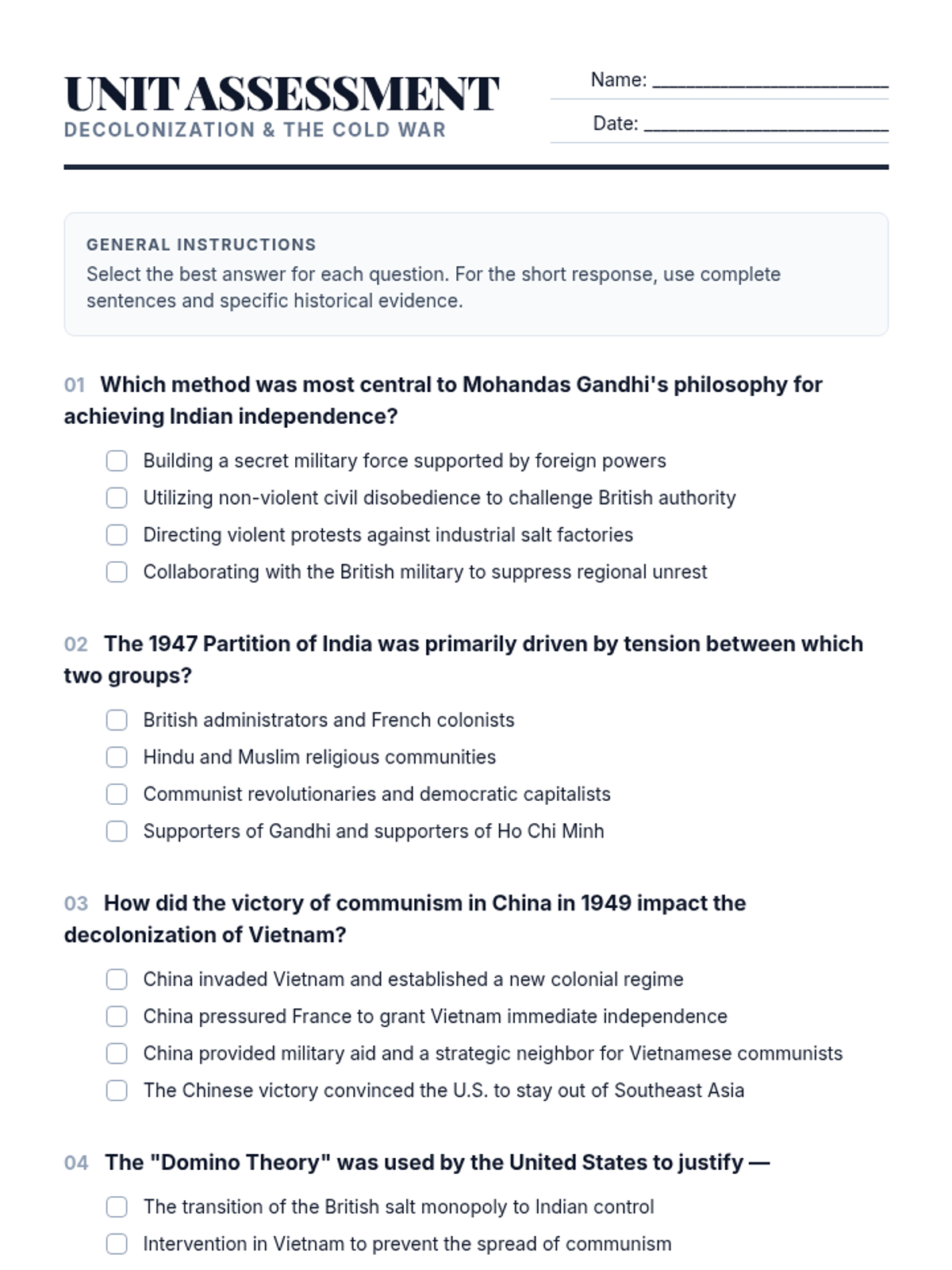
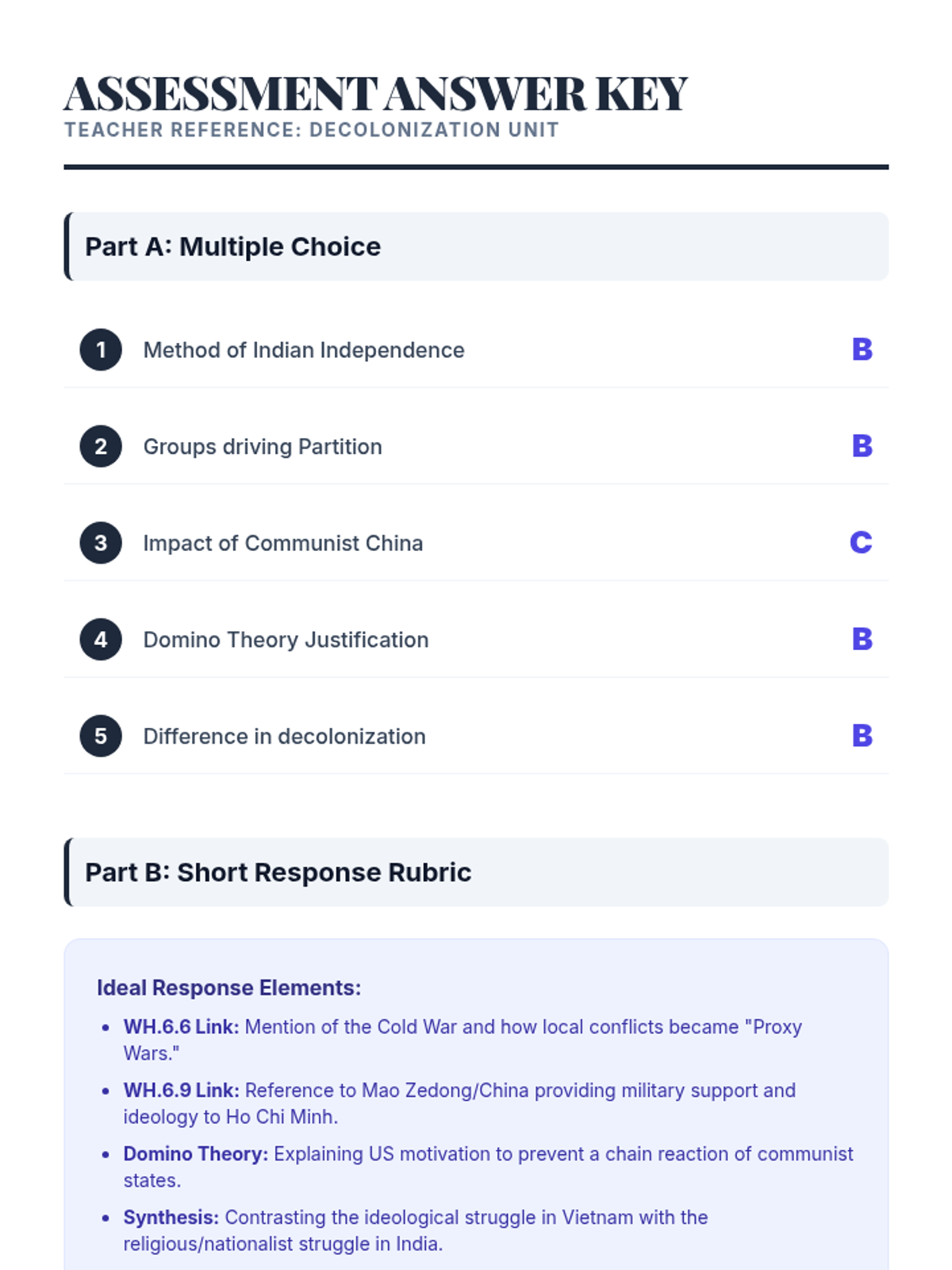
A comprehensive lesson exploring the divergent paths to independence in India and Vietnam, examining non-violent resistance, armed struggle, and the influence of Cold War ideologies.
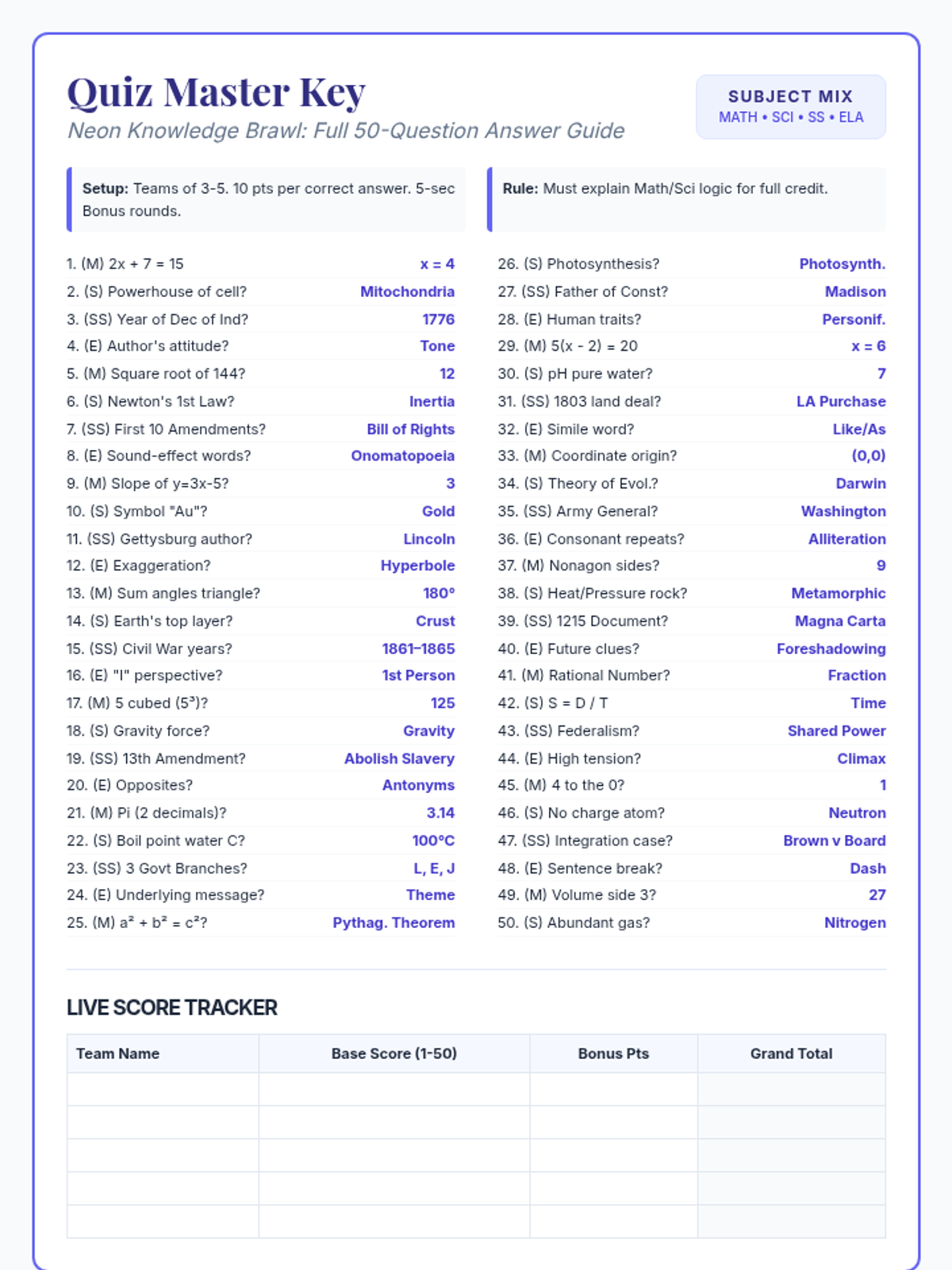
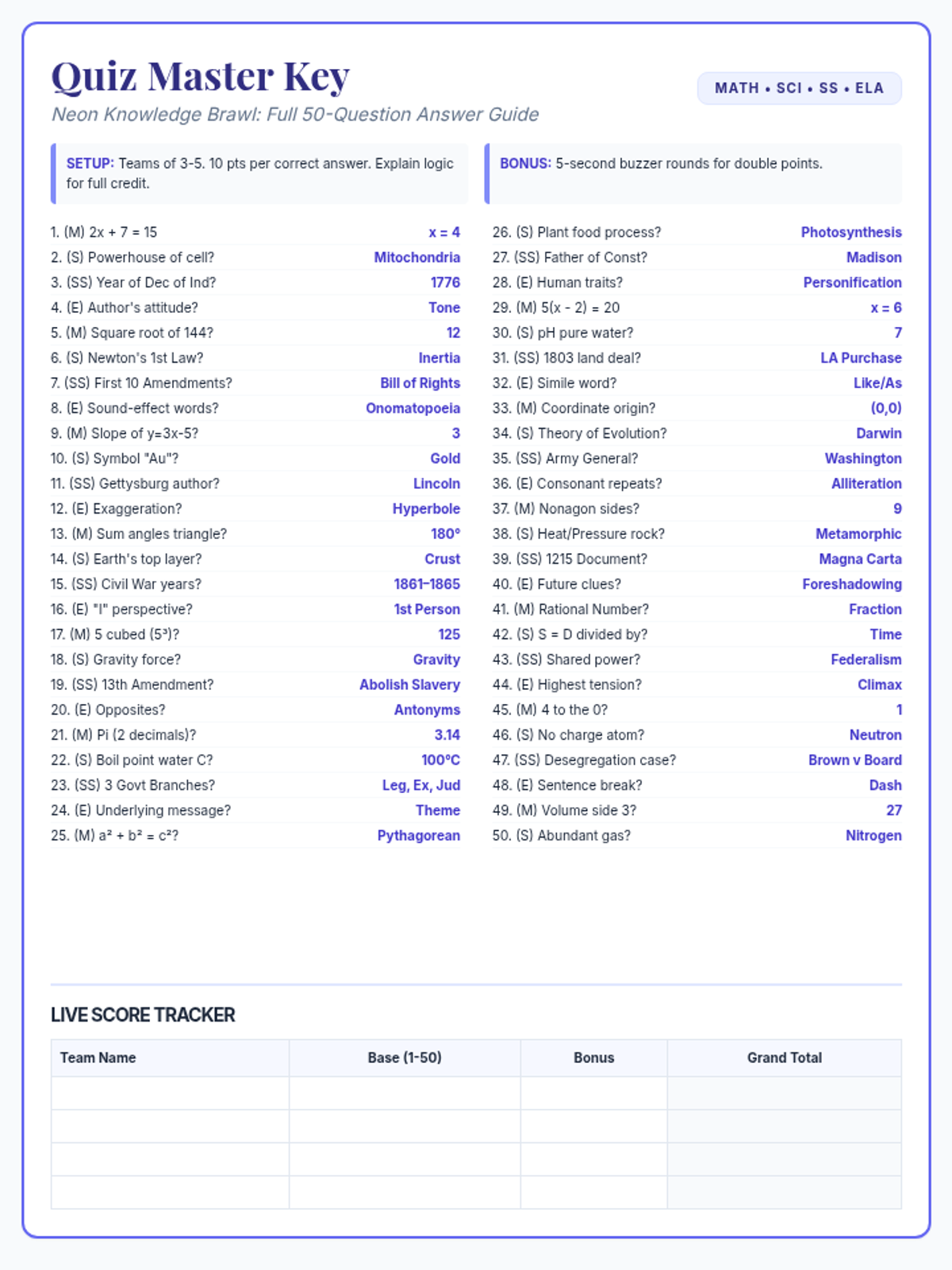
An intensive 50-question interactive quiz game designed to review critical 8th grade concepts across four major subject areas.
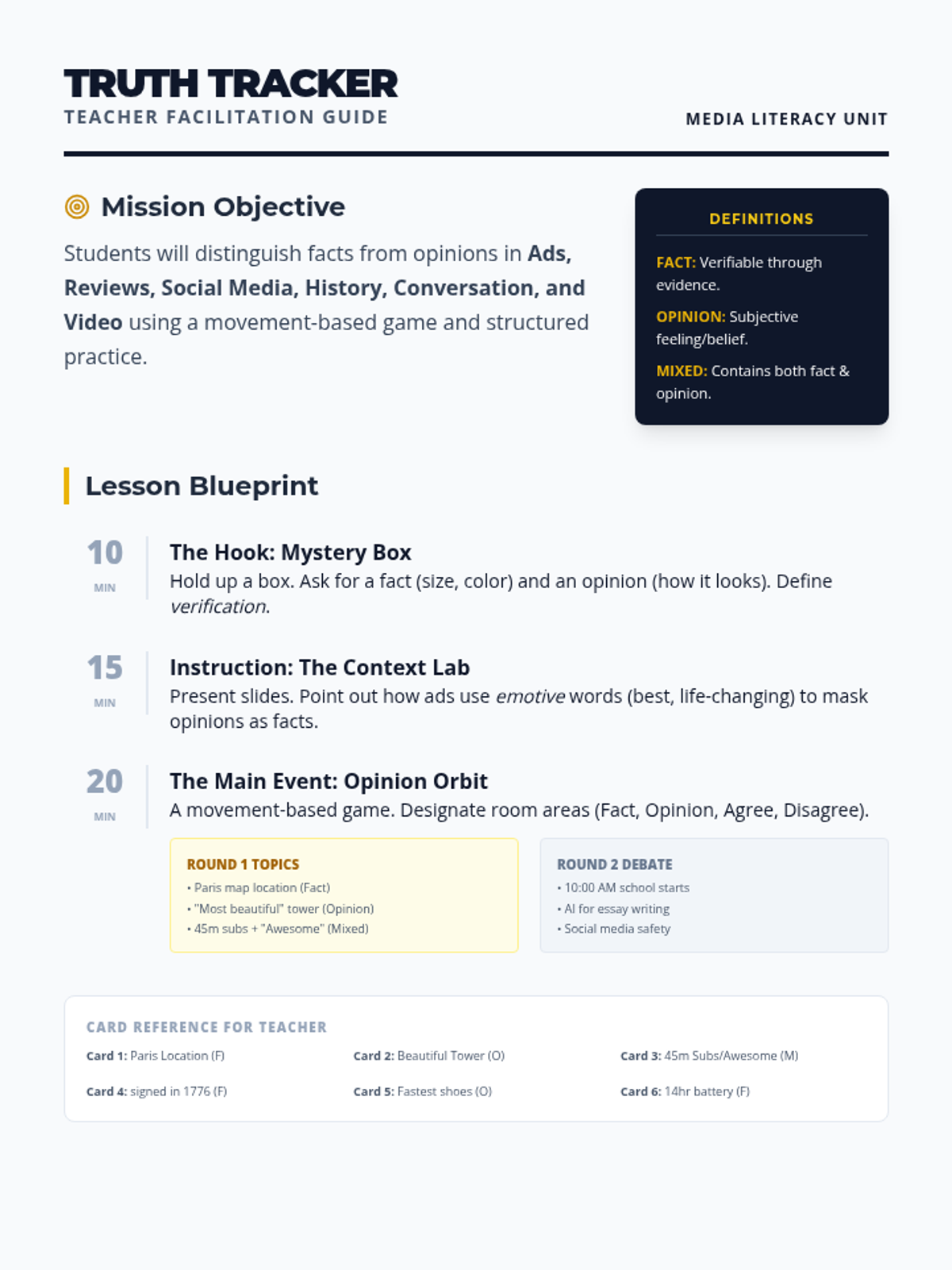
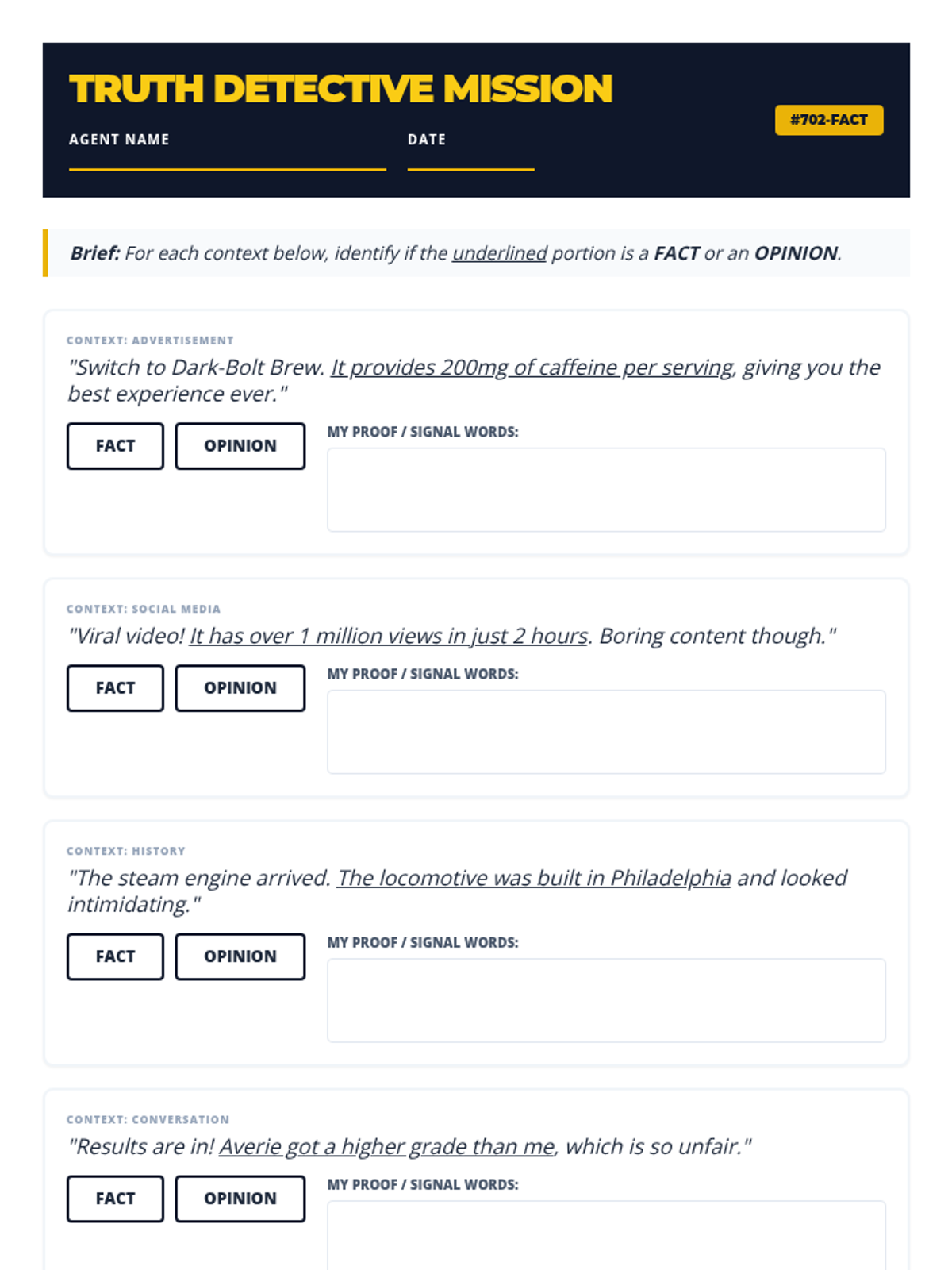
A middle school lesson focused on distinguishing between objective facts and subjective opinions across modern media contexts, featuring a movement-based 'Opinion Orbit' activity.
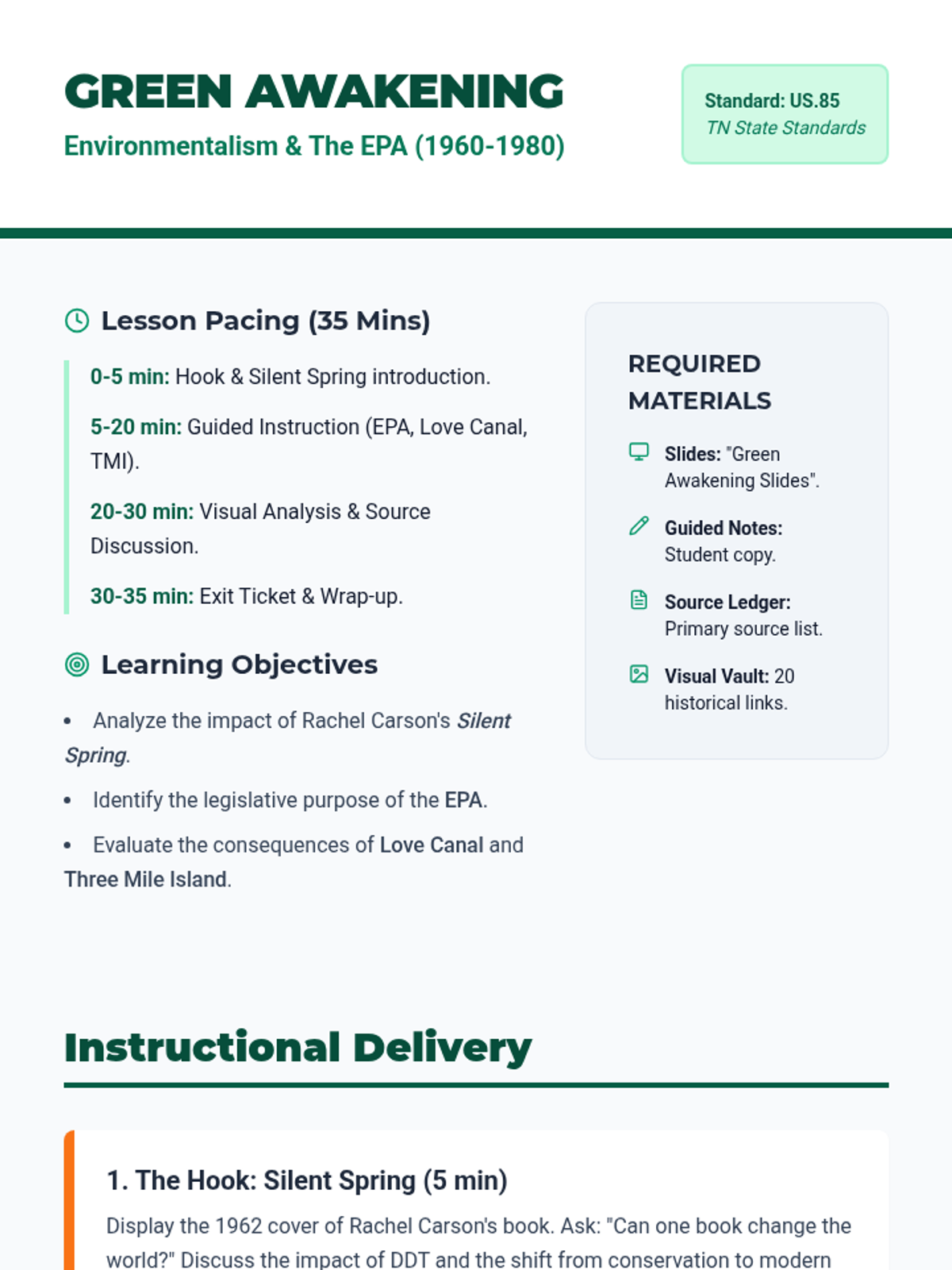
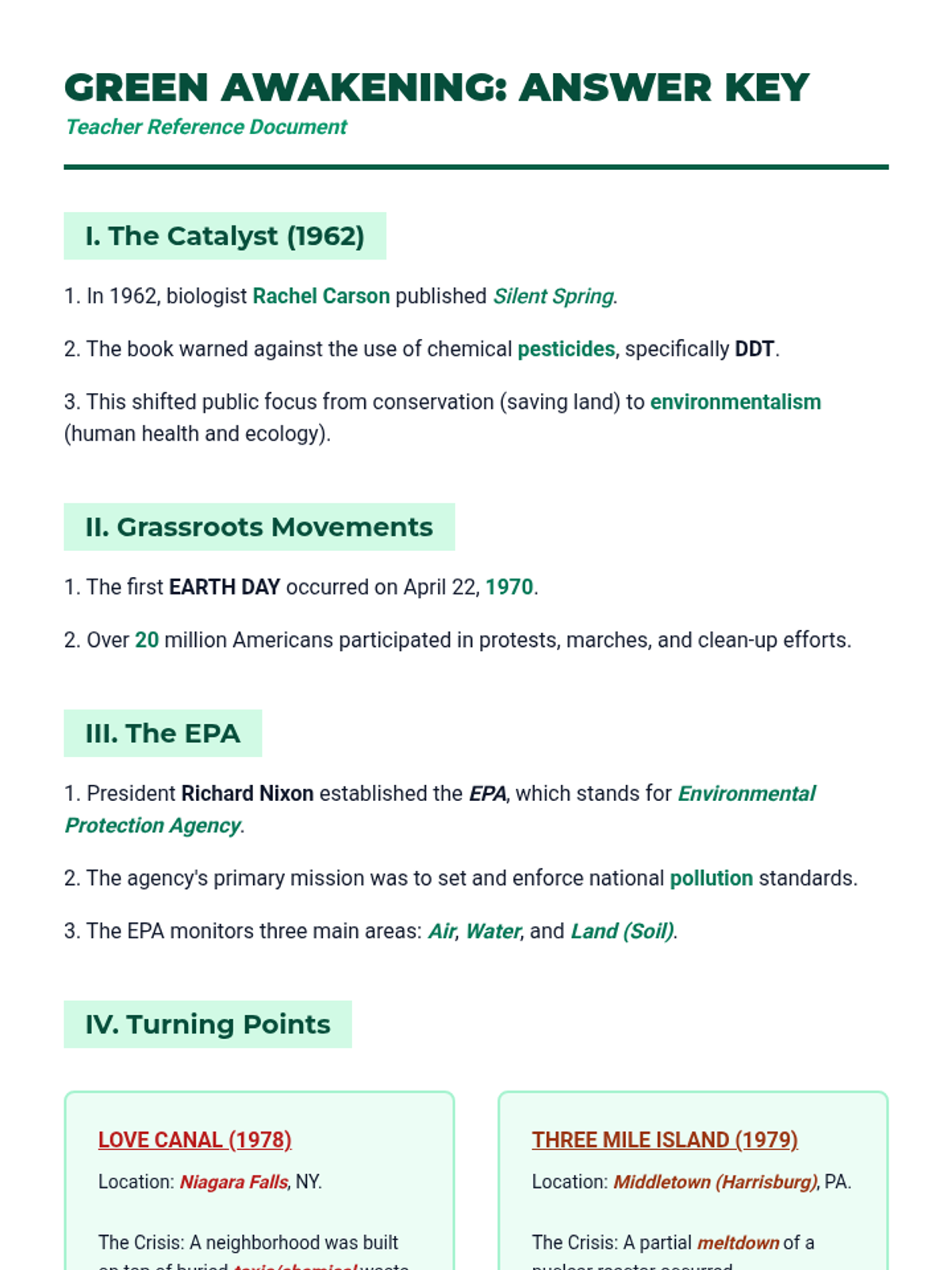
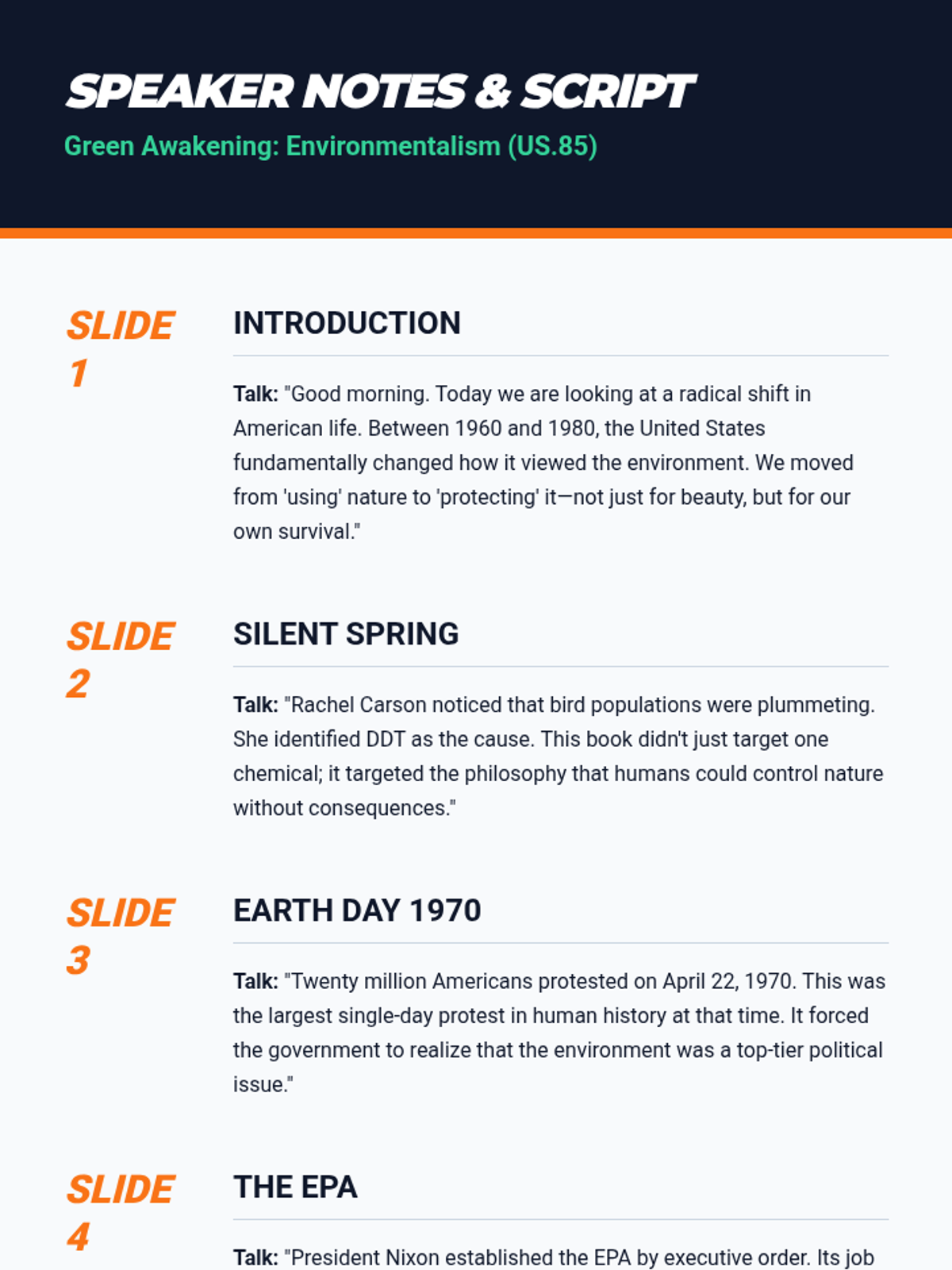
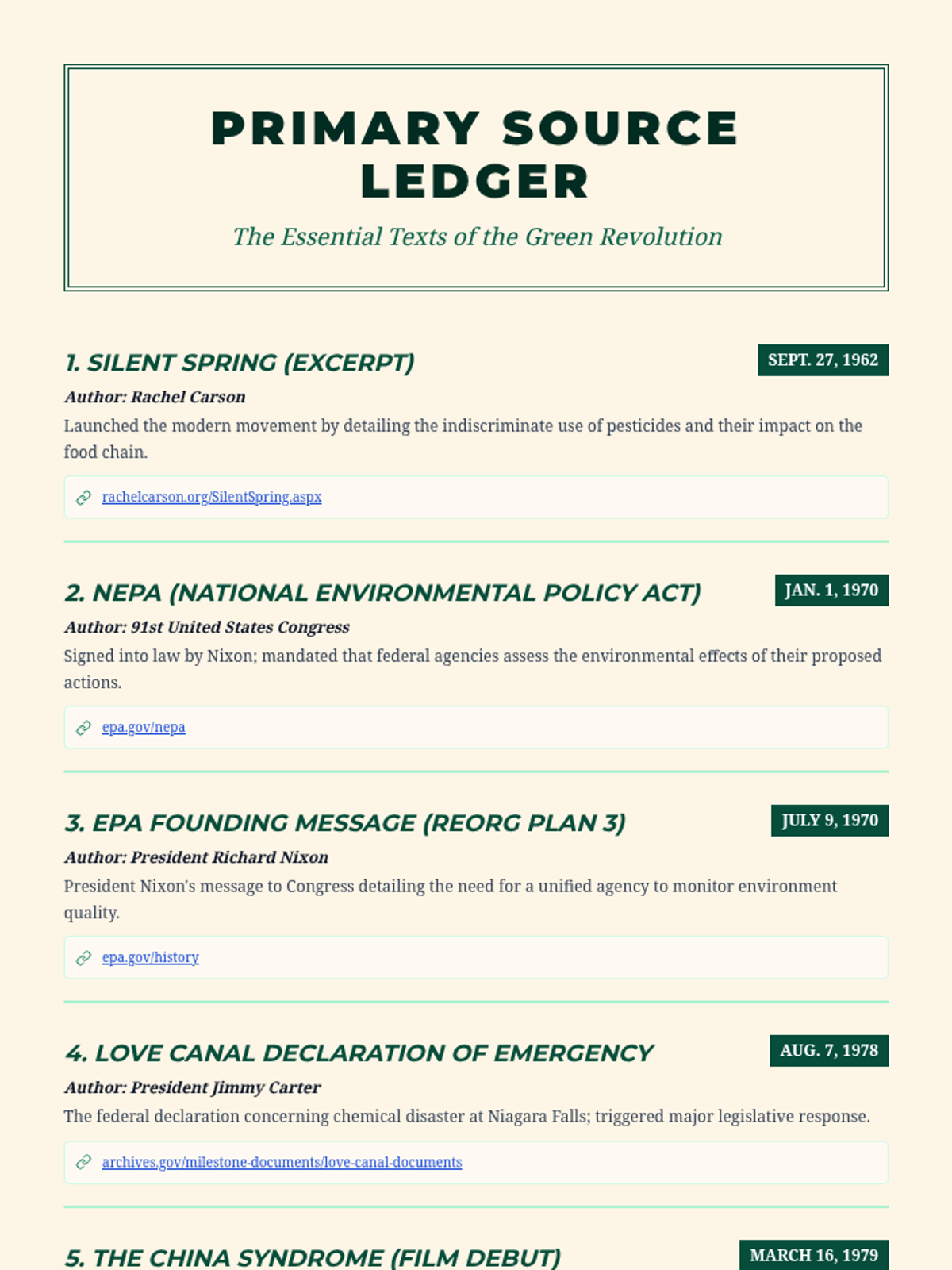
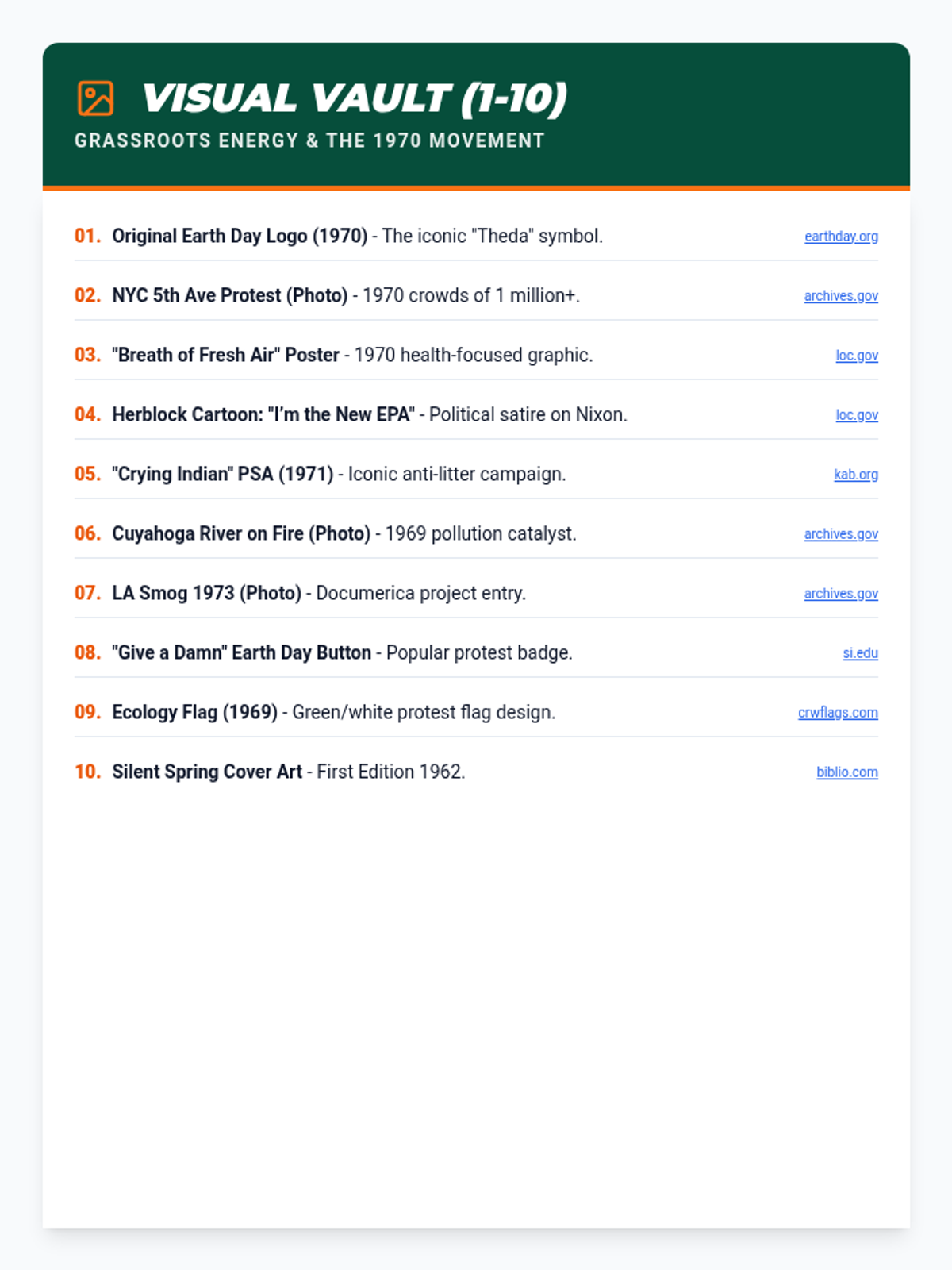
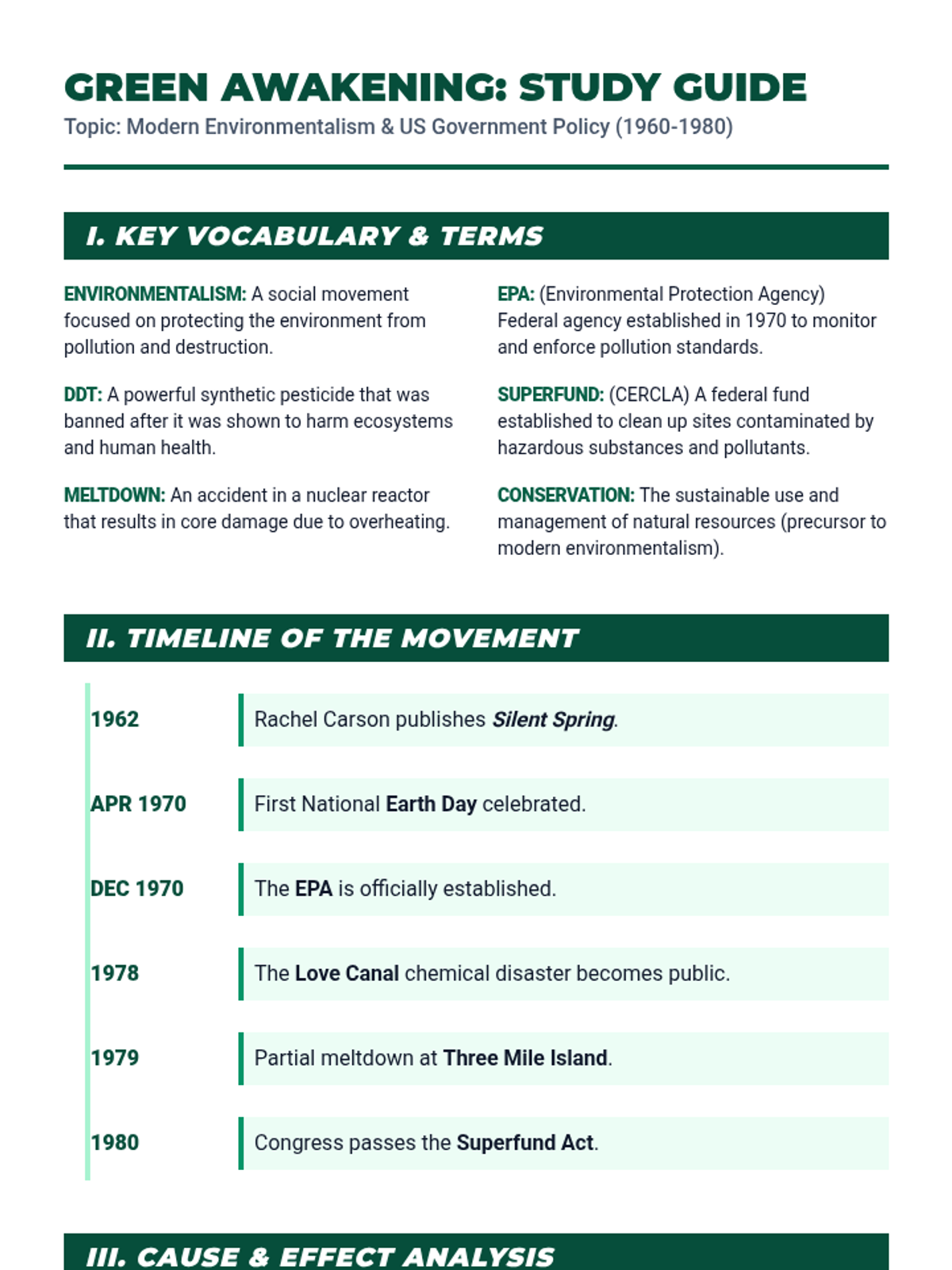
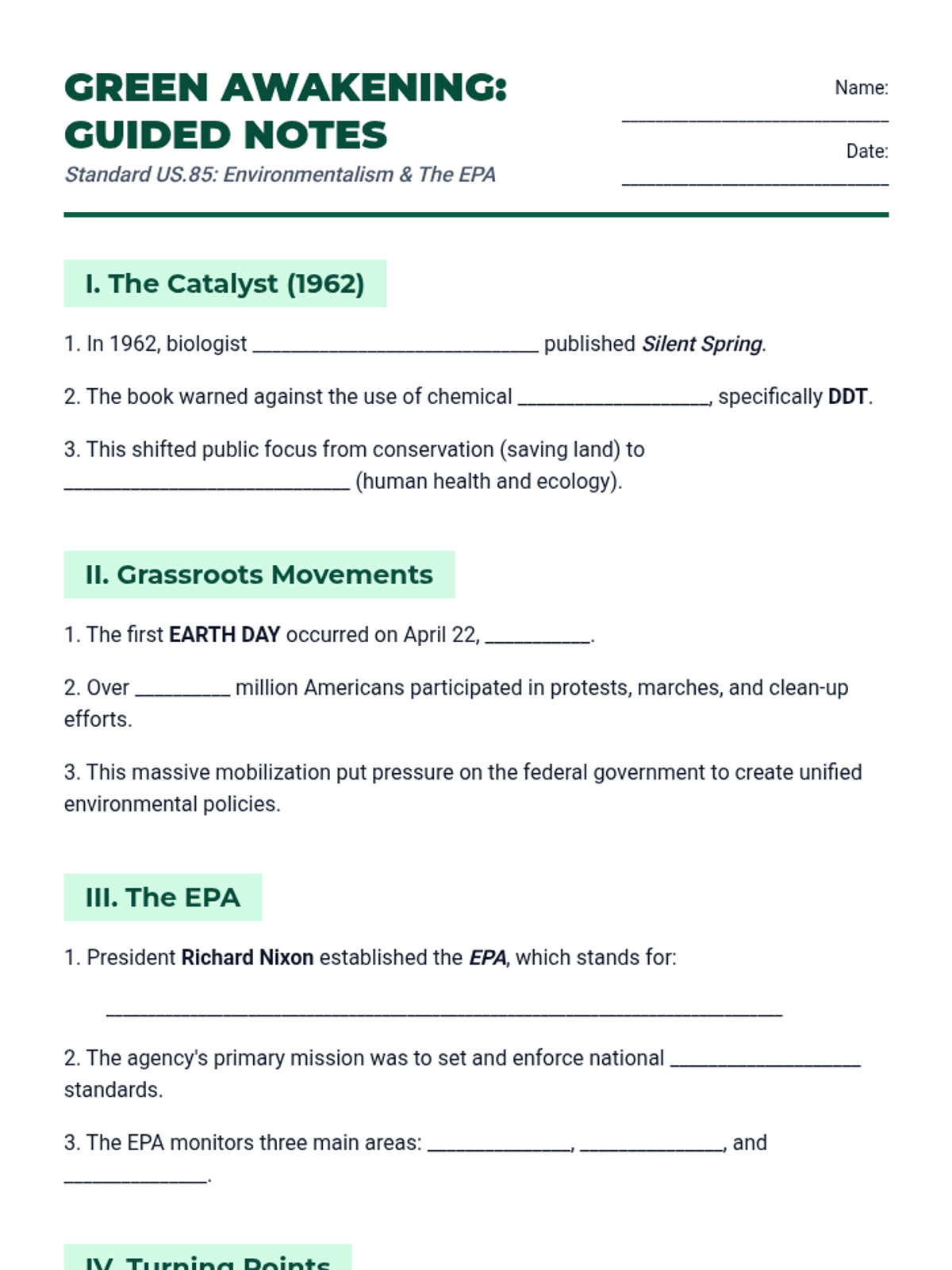
A 35-minute lesson exploring the rise of environmentalism in the United States, focusing on the creation of the EPA and the impact of the Love Canal and Three Mile Island disasters. Students analyze the transition from grass-roots activism to federal policy through primary sources and historical visuals.
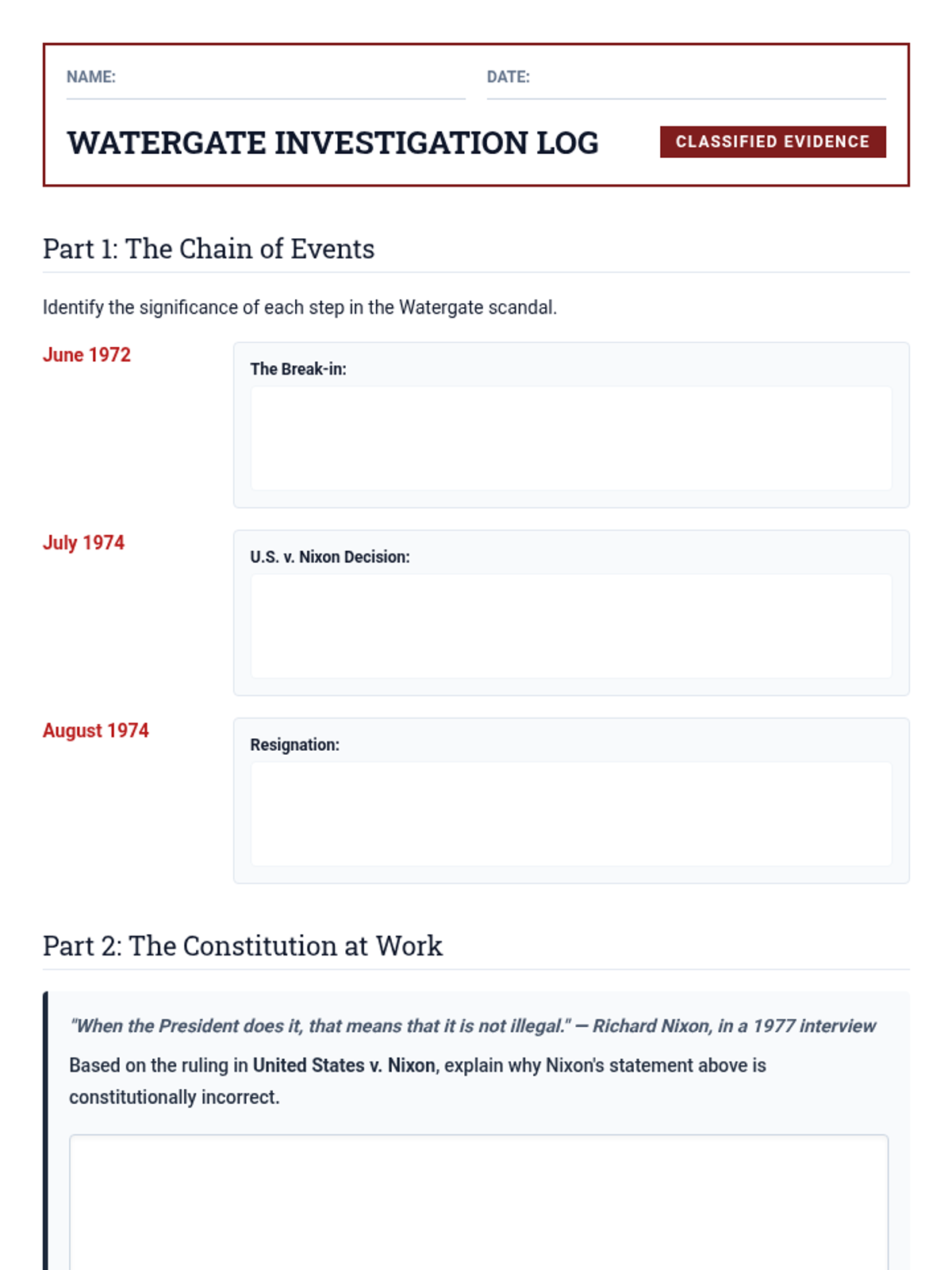
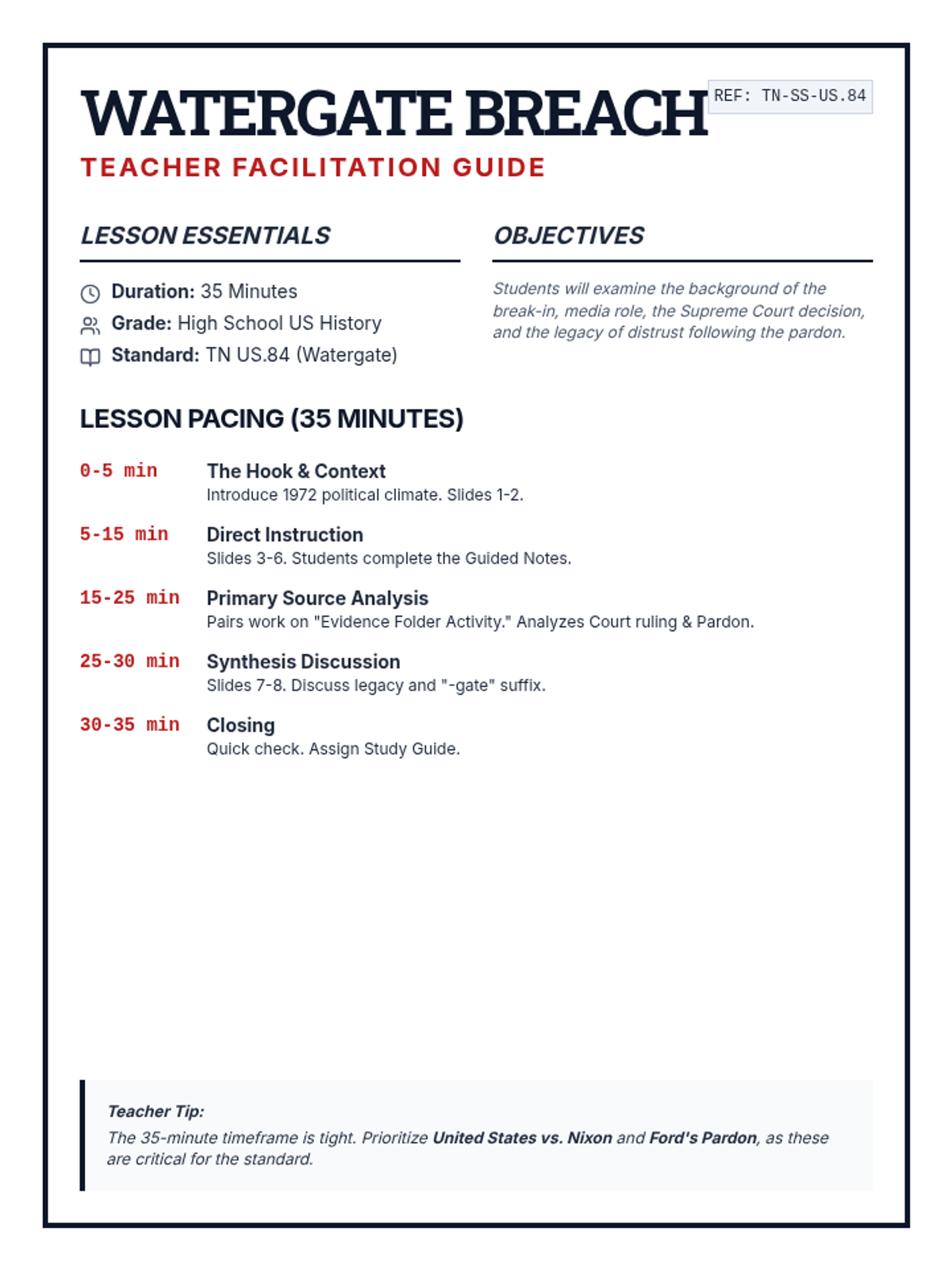
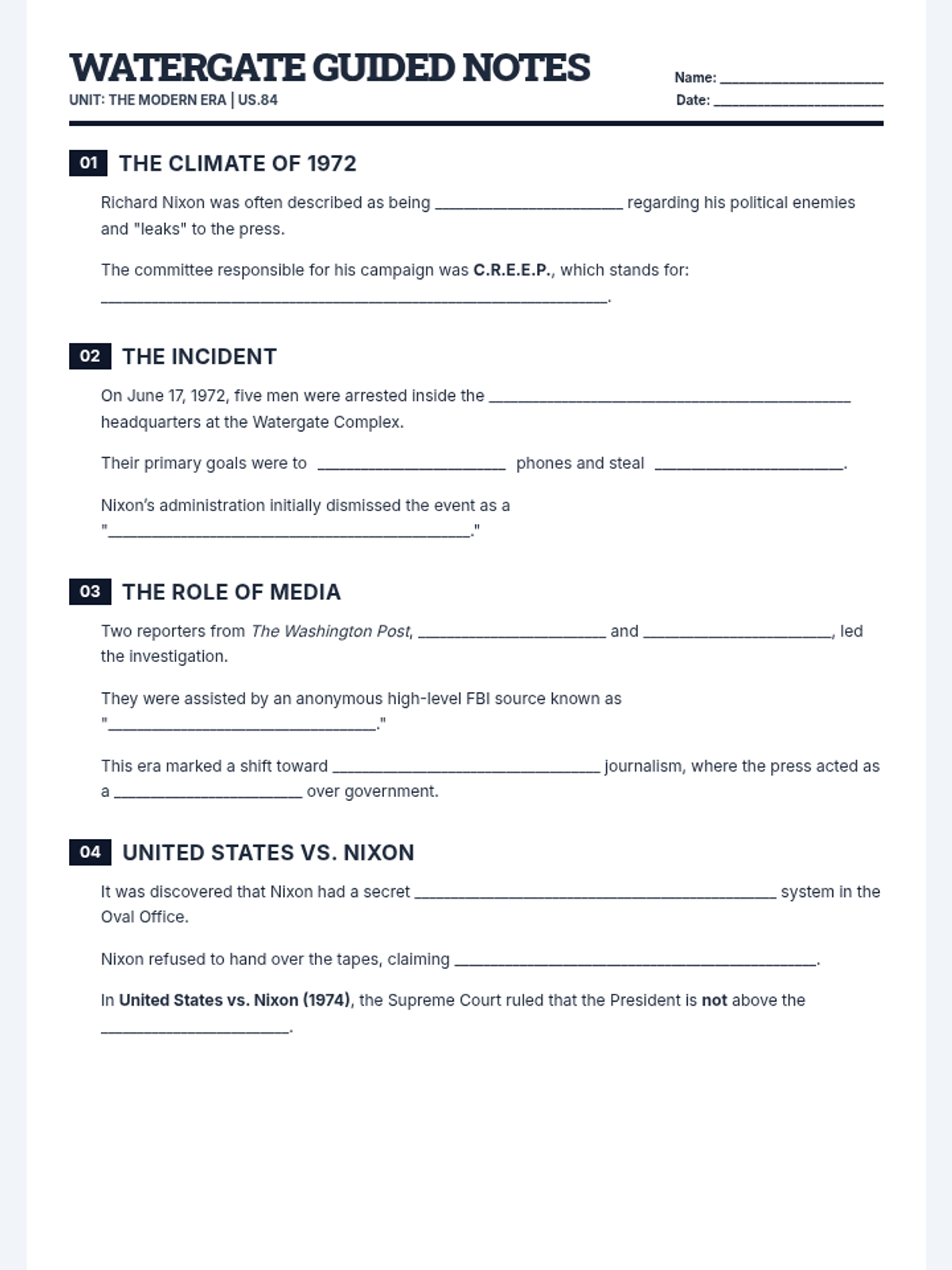
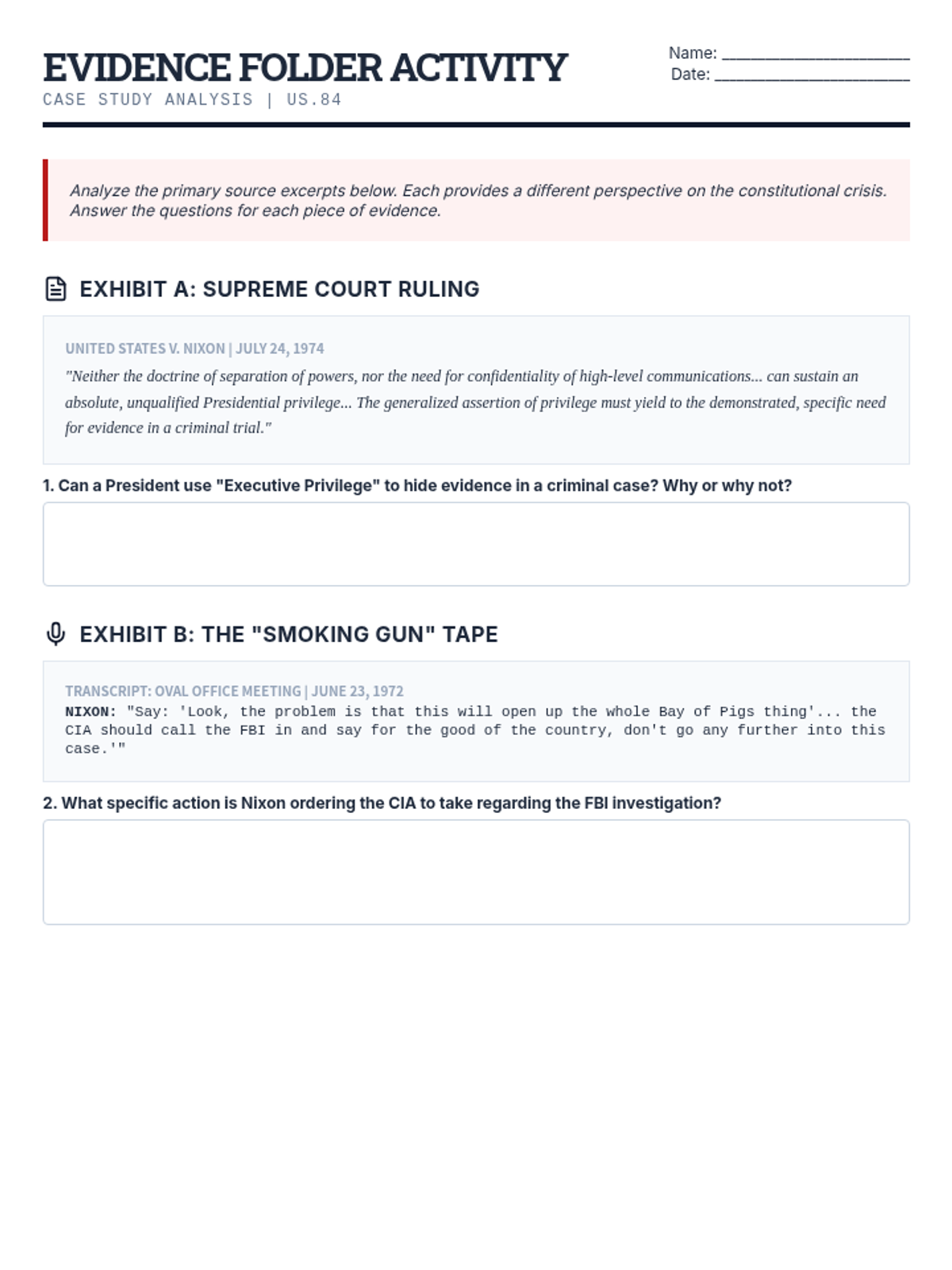
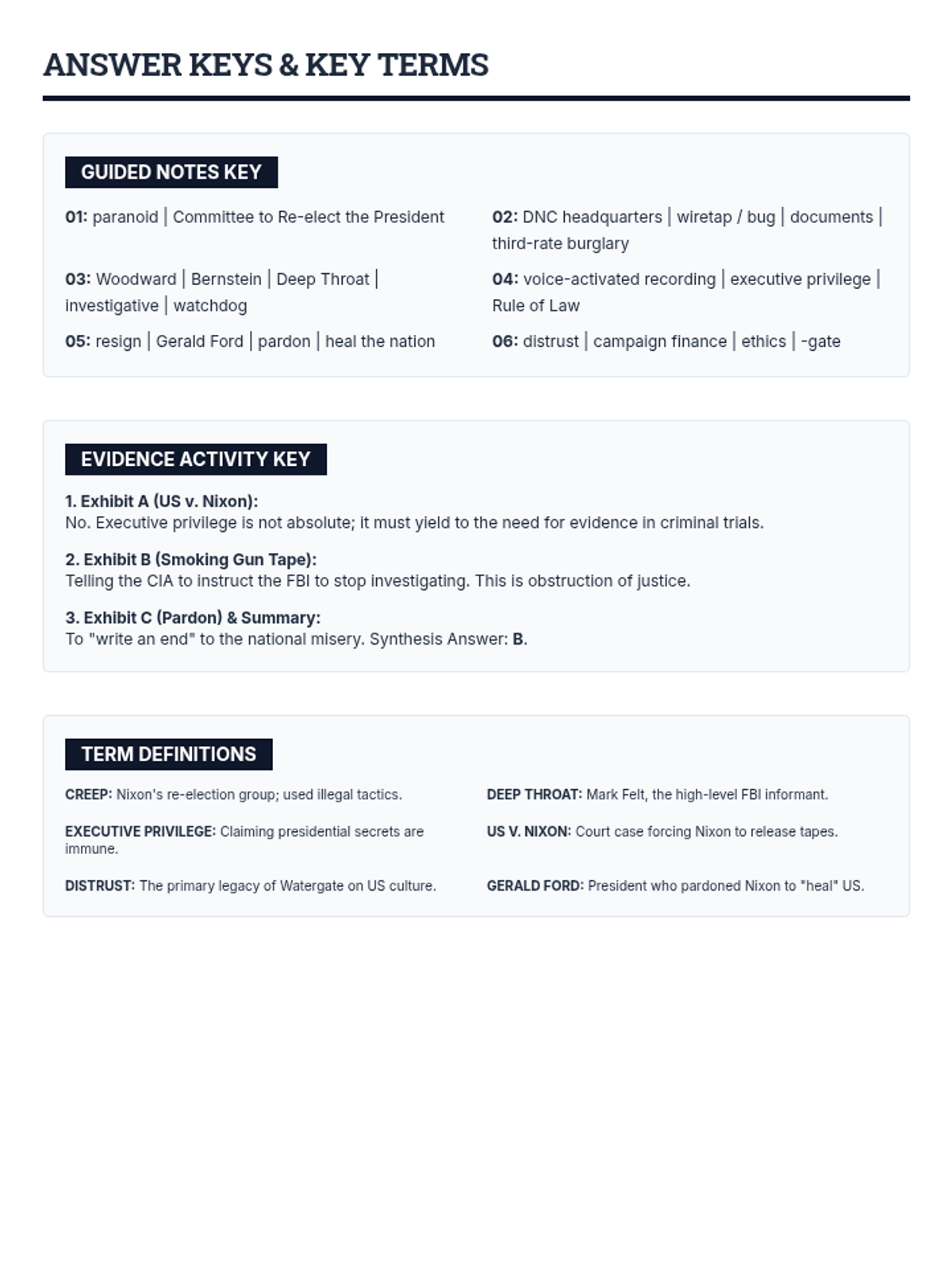
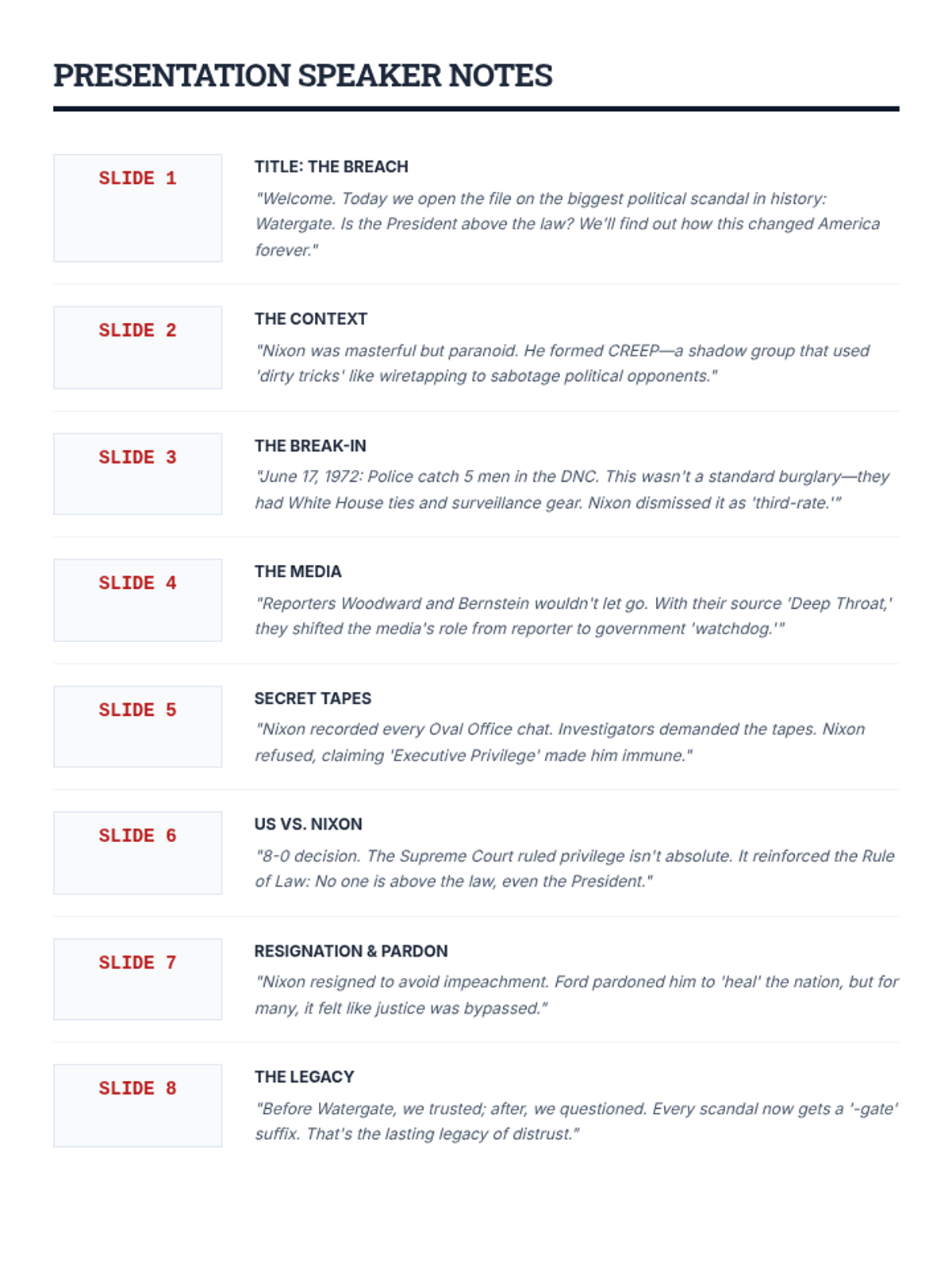
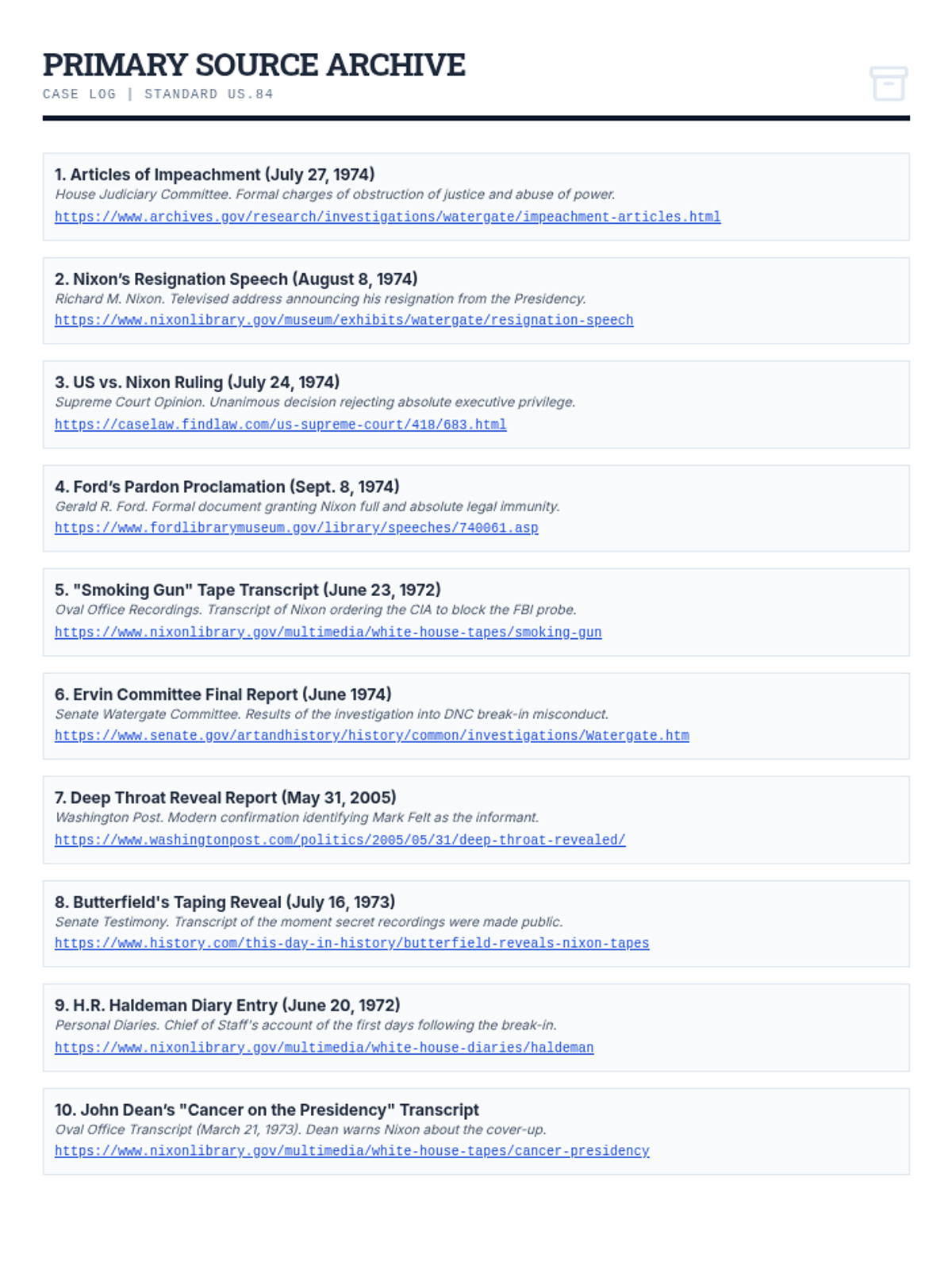
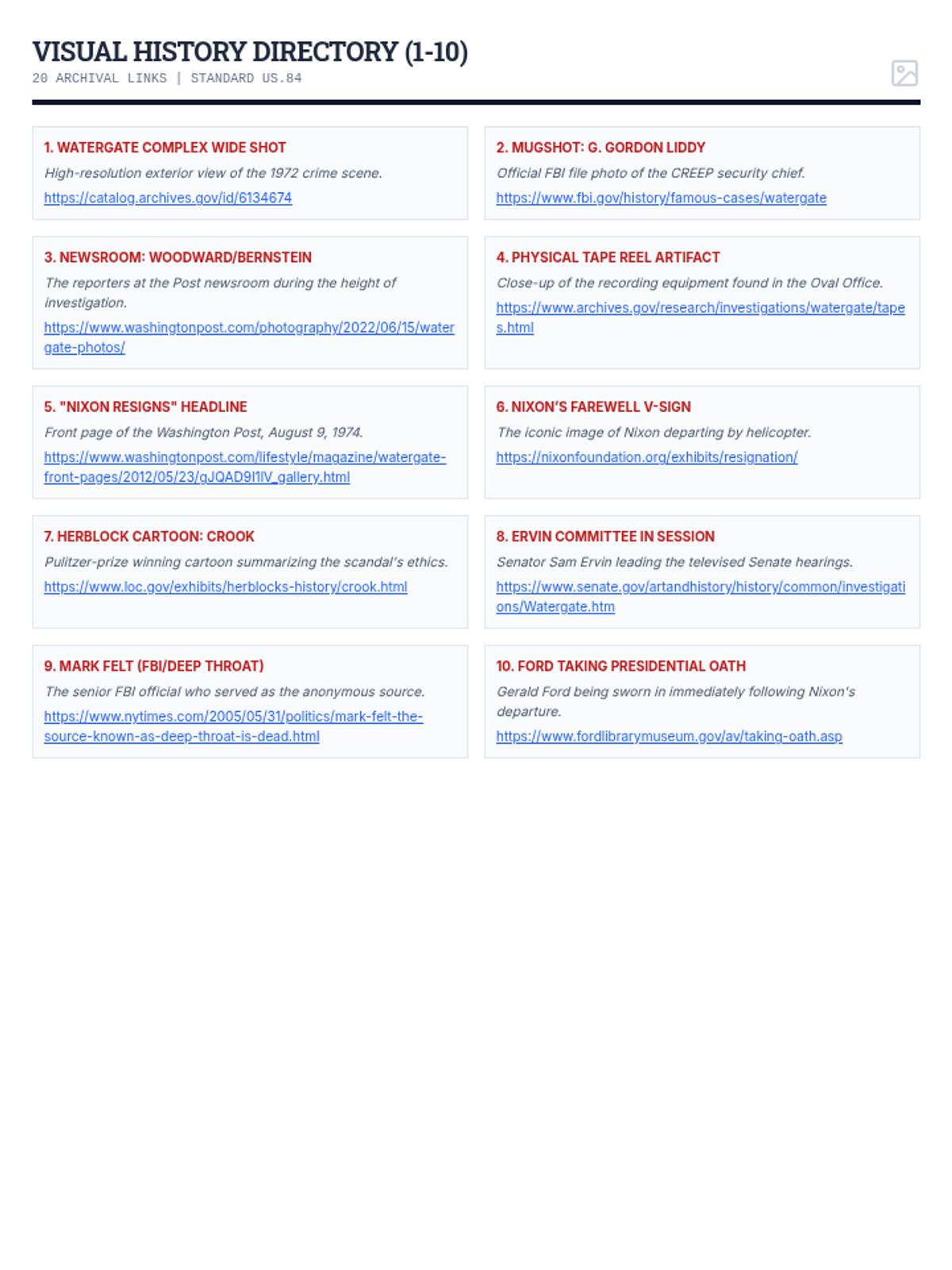
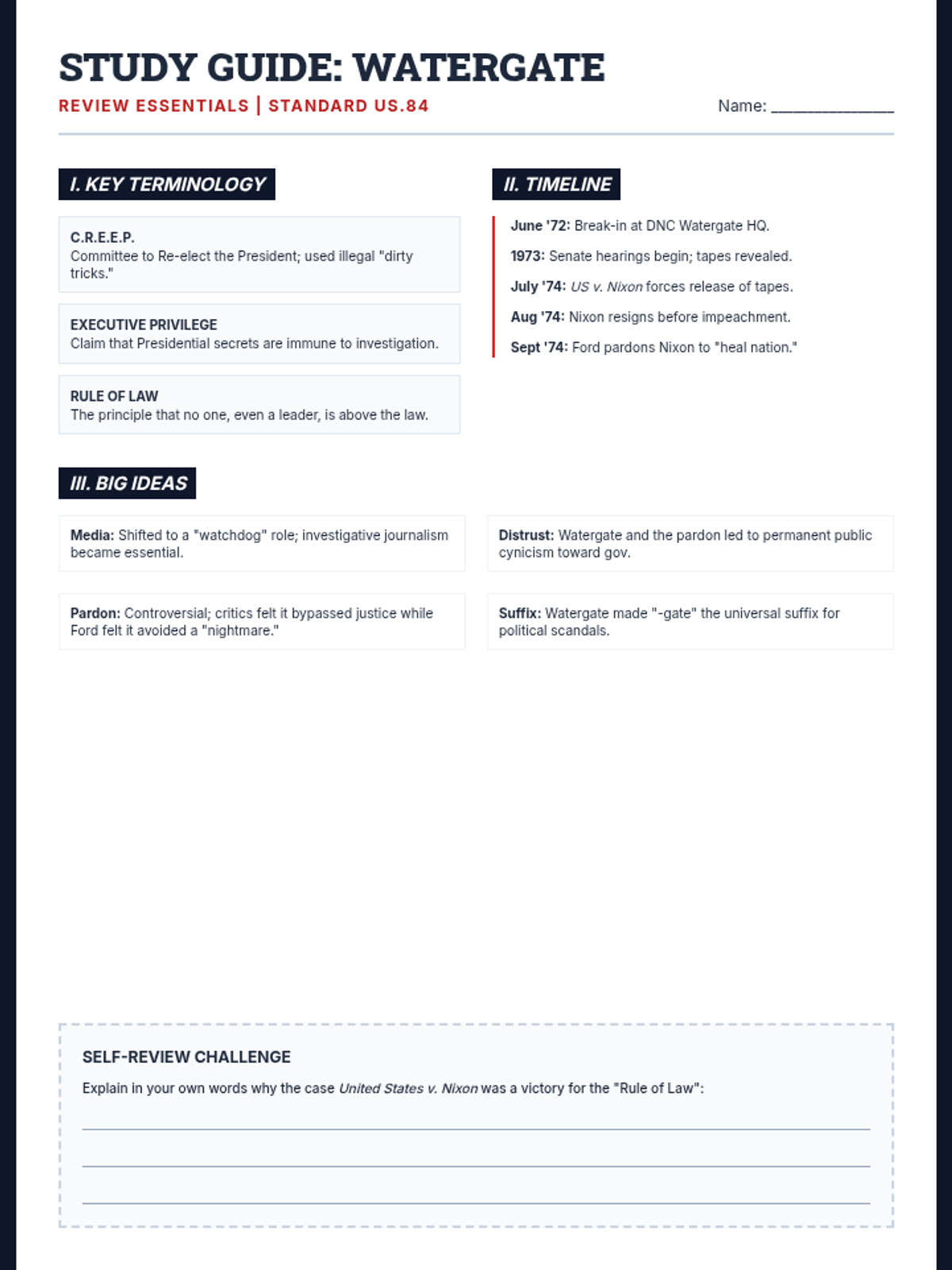
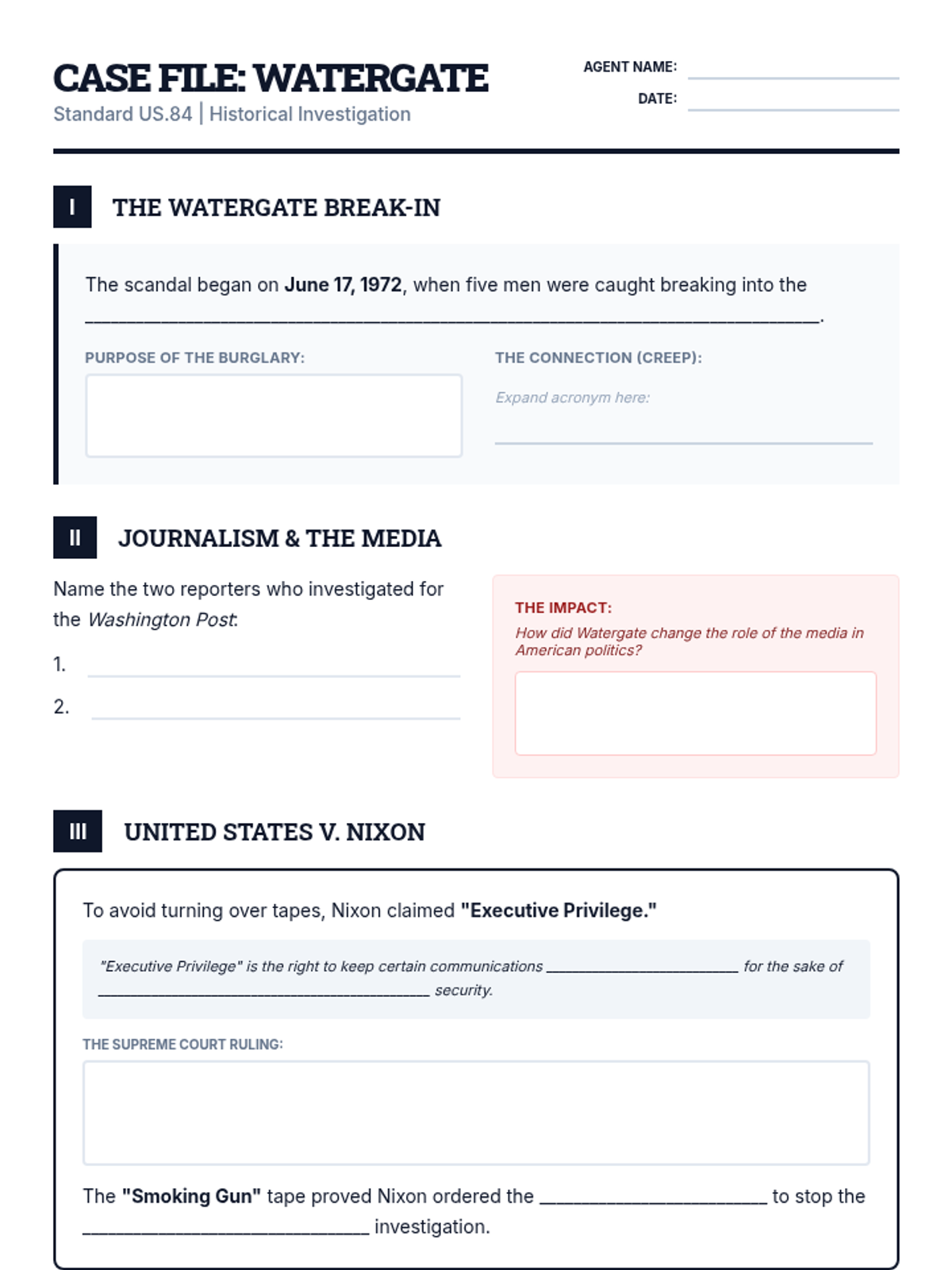
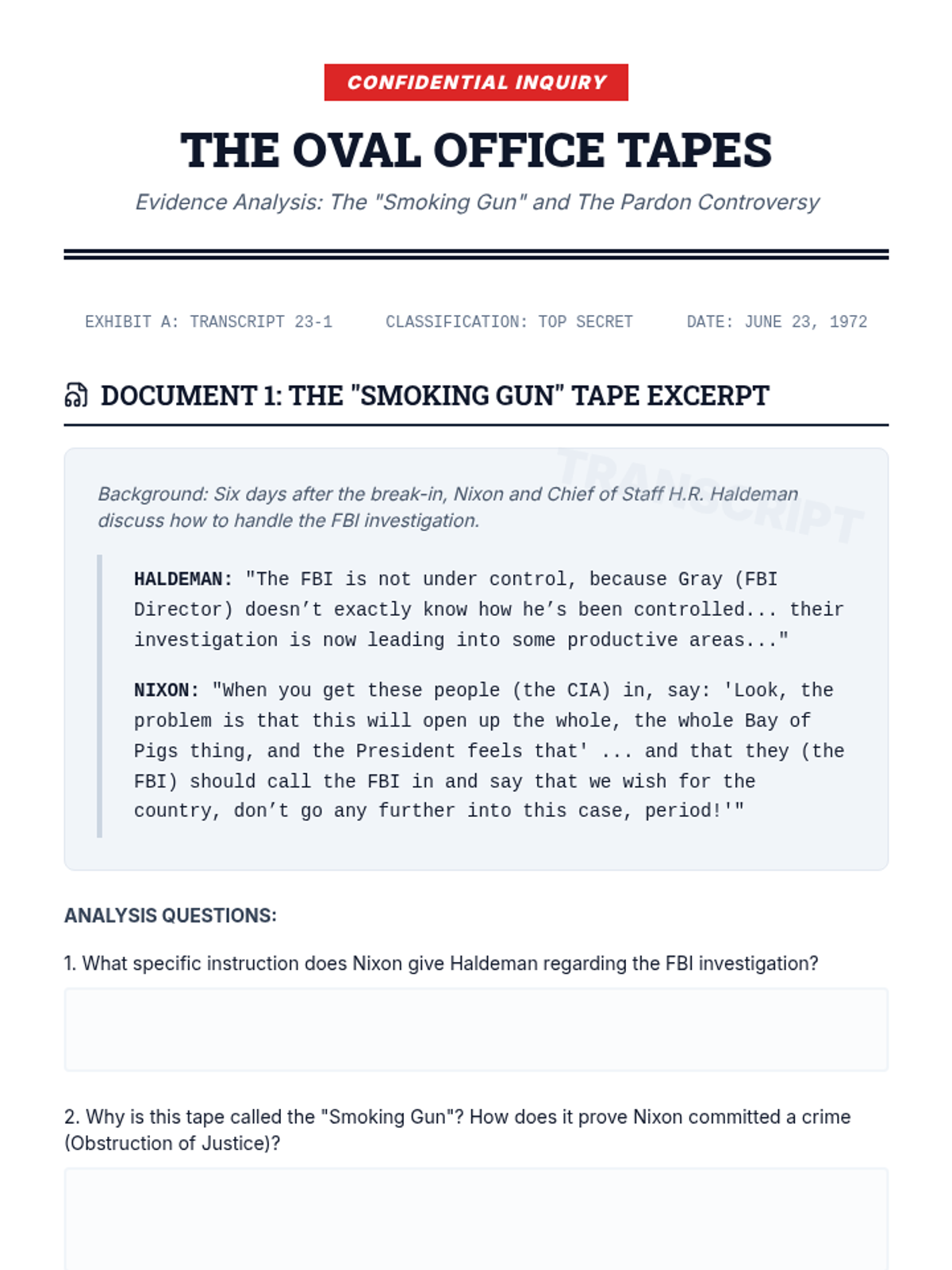
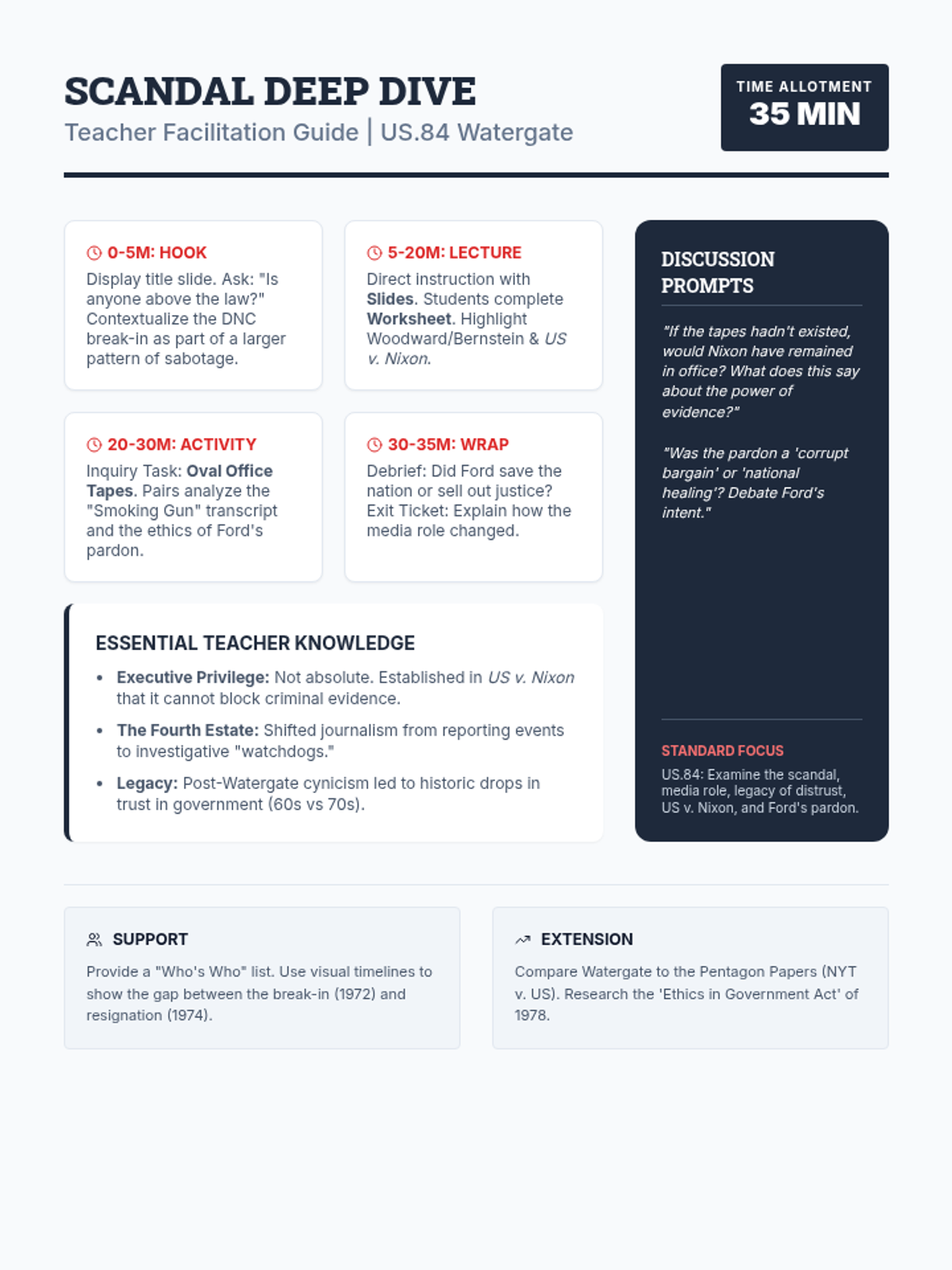
A comprehensive 35-minute lesson on the Watergate scandal, covering the break-in, media role, Supreme Court case, and historical legacy. Includes slides, guided notes, primary source activities, and a detailed study guide.
A comprehensive 35-minute lesson on the Watergate scandal, covering the break-in, the role of investigative journalism, the Supreme Court case US v. Nixon, and the lasting impact on American trust in government.
A high-speed dive into the pivotal foreign policy and domestic strategies of Richard Nixon, focusing on China, the USSR, and the 'Silent Majority.'
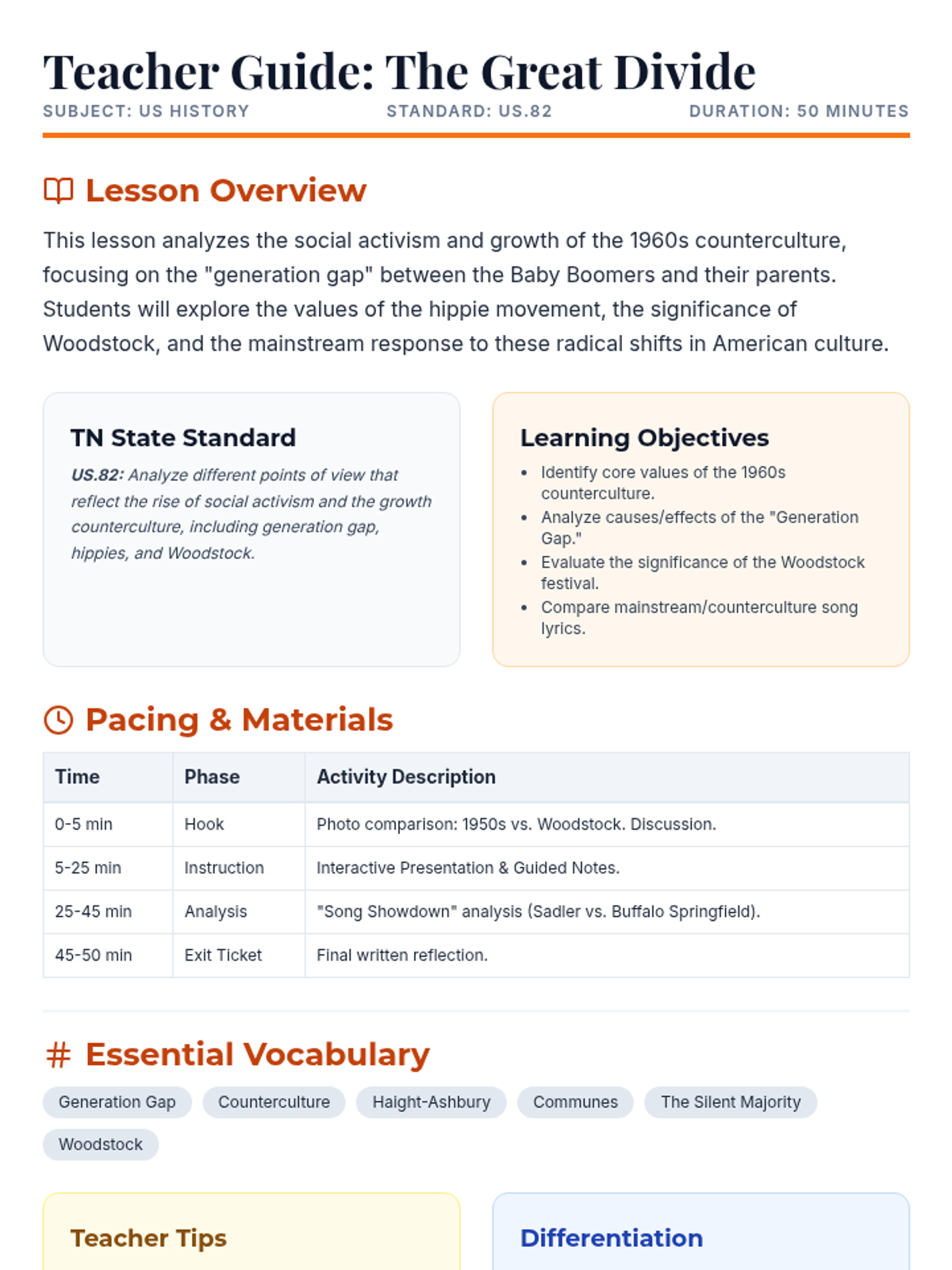
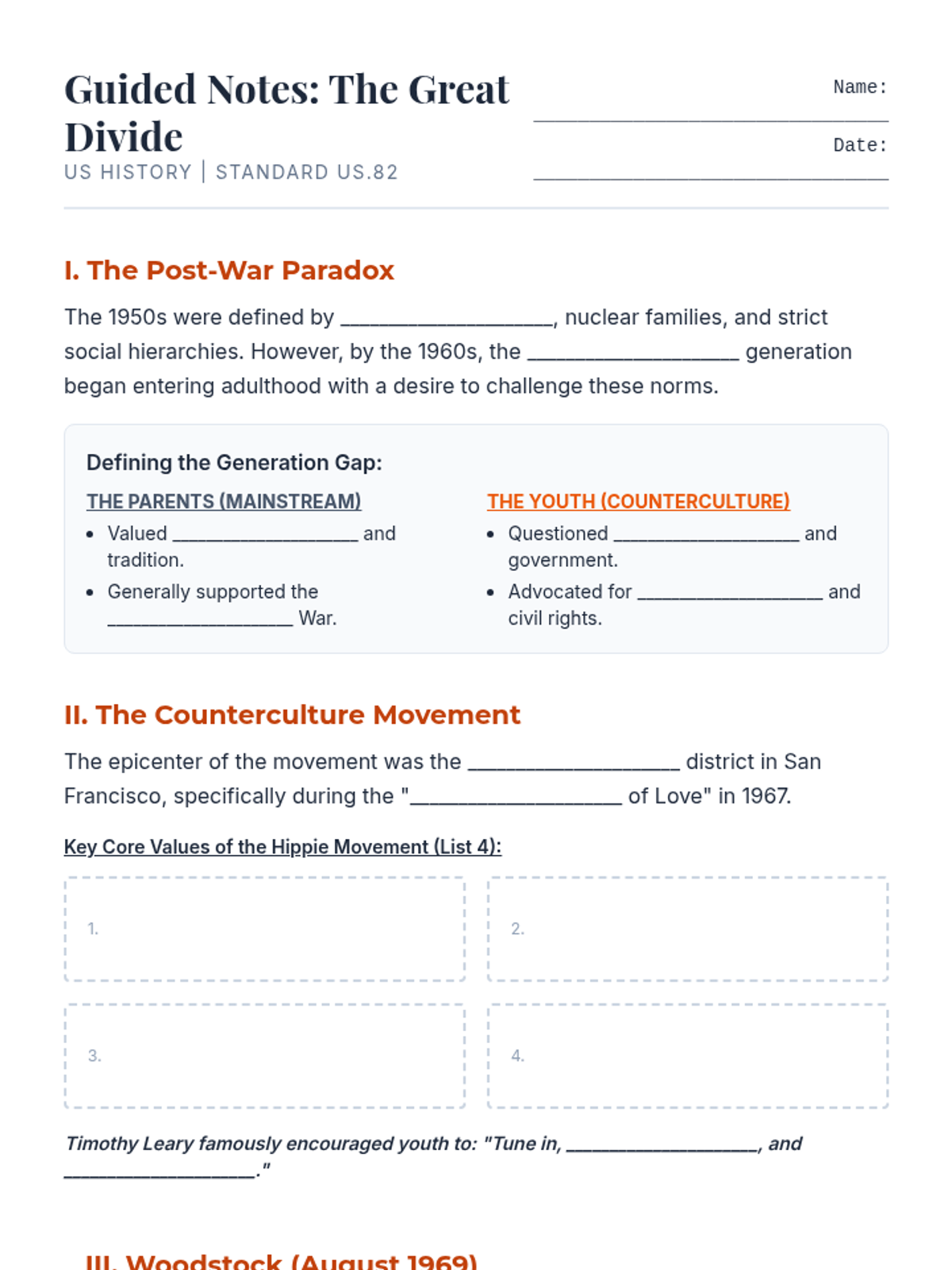
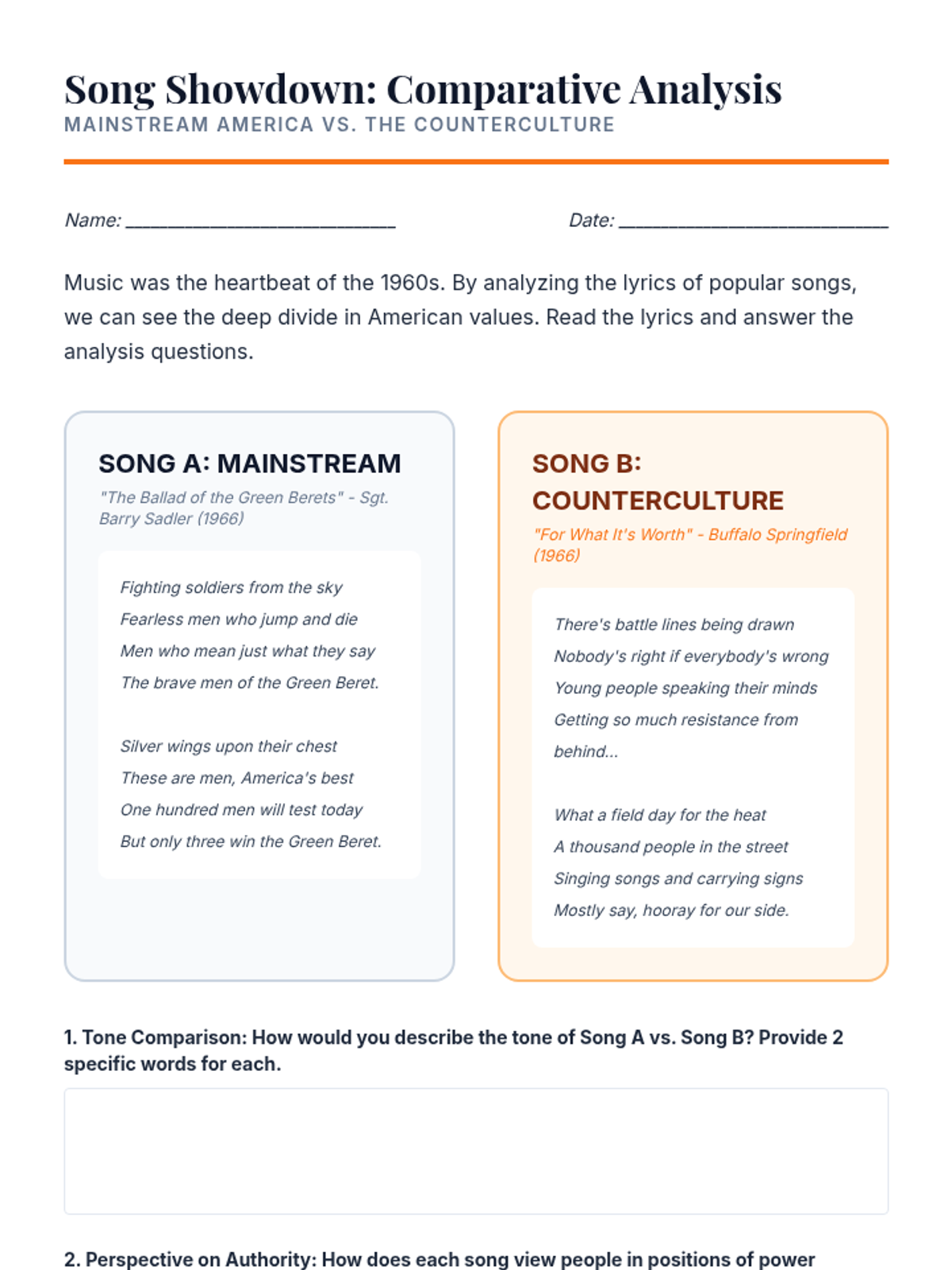
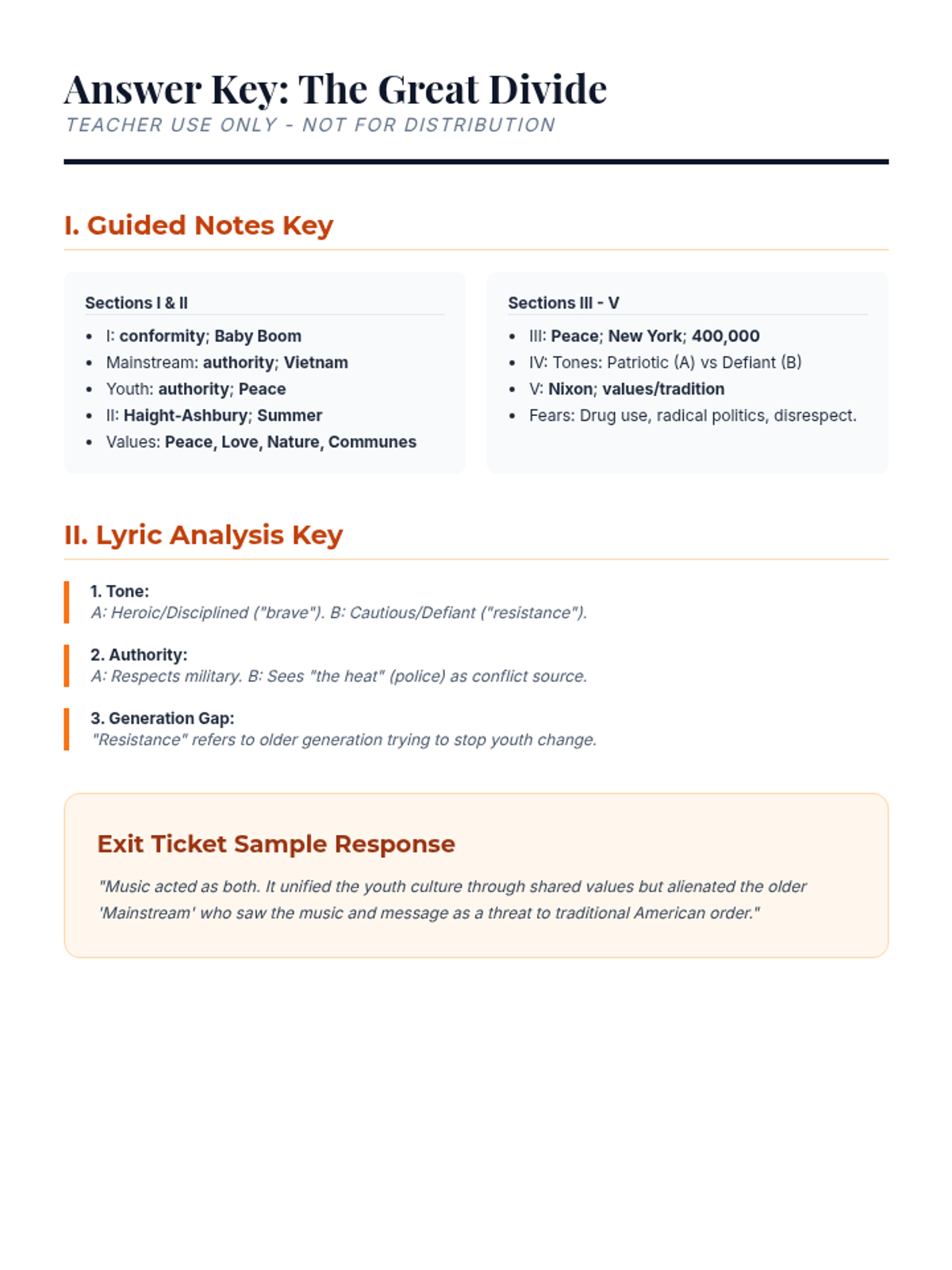
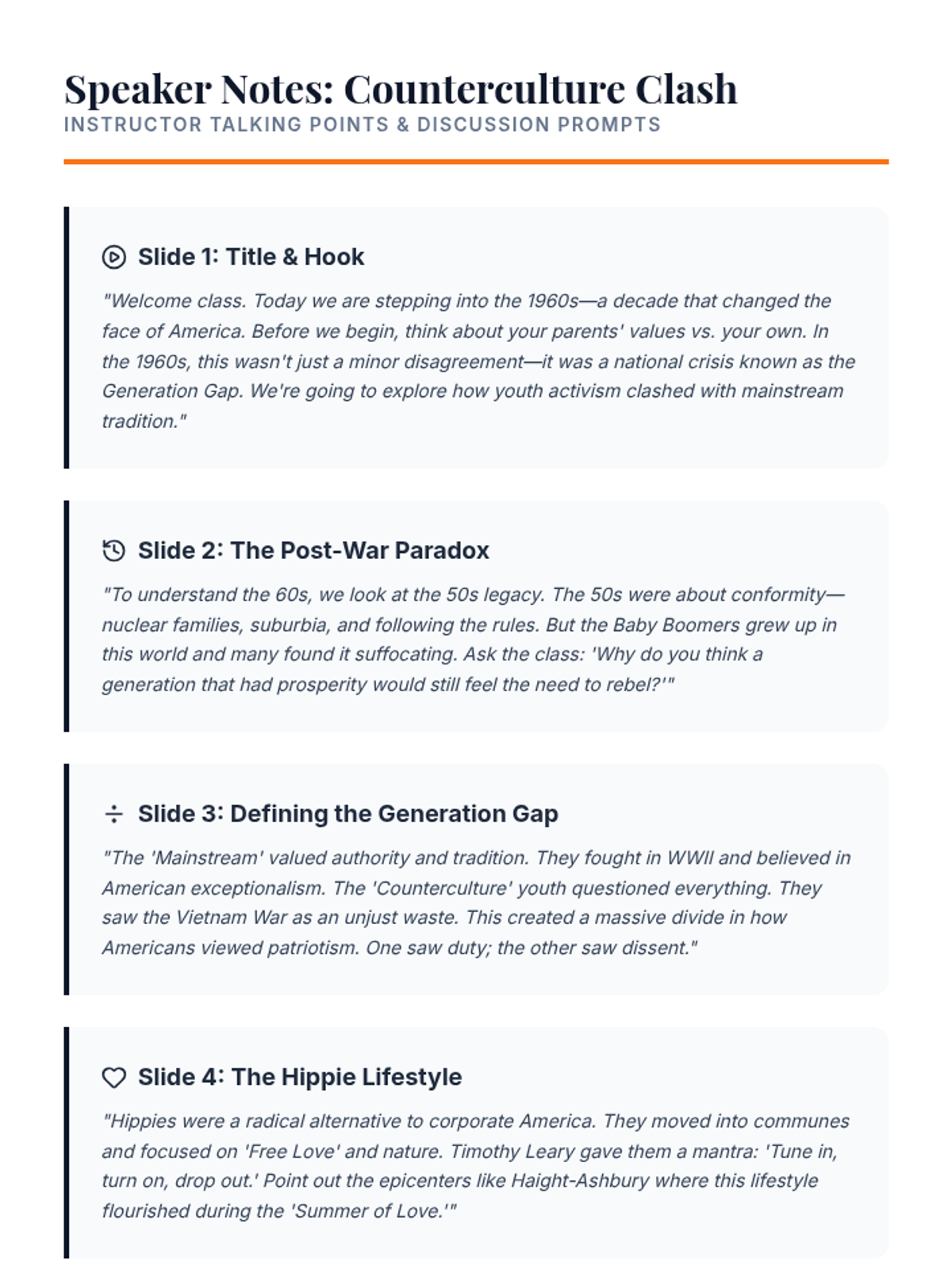
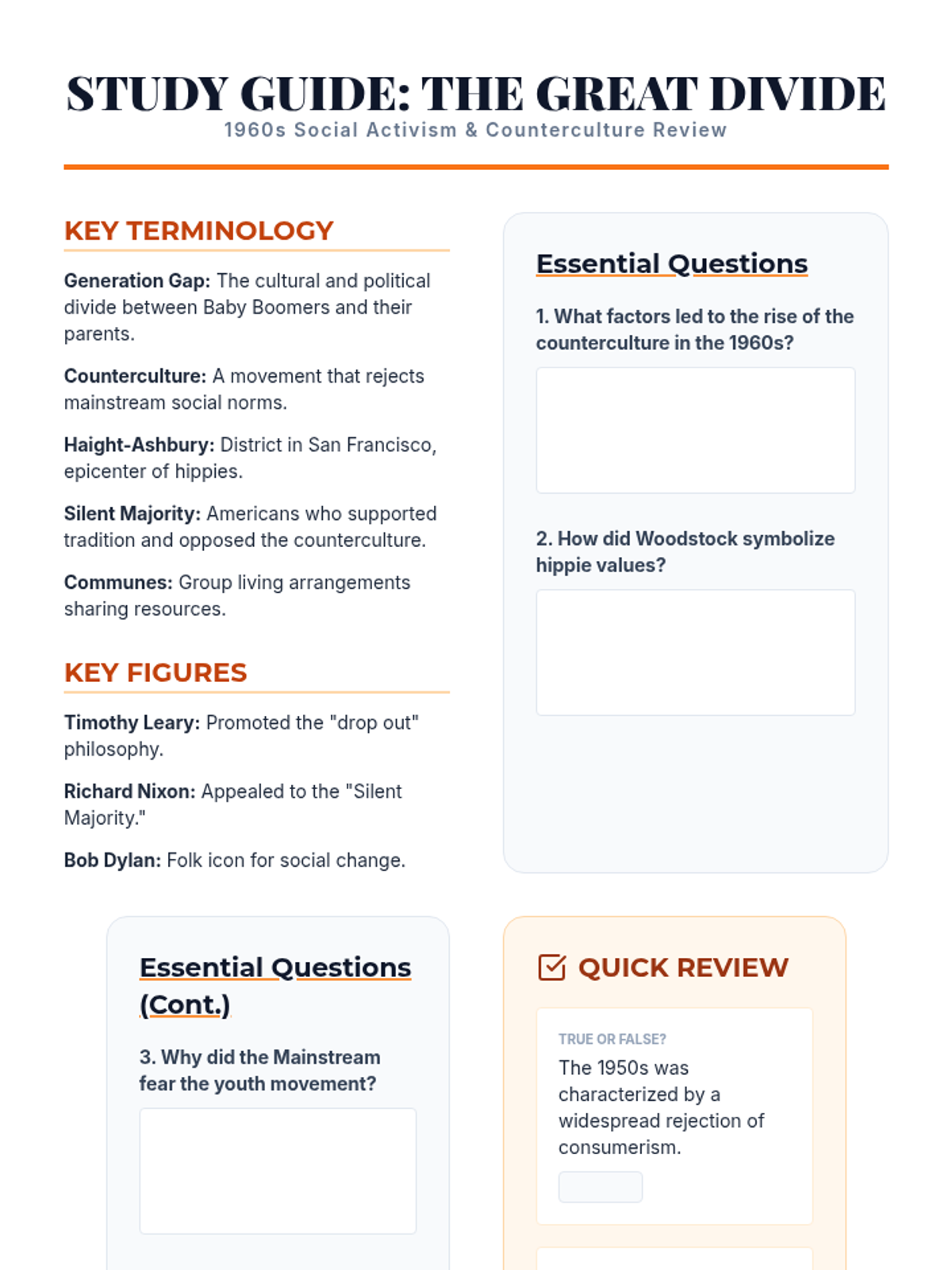
A 50-minute exploration of the 1960s counterculture movement, the generation gap, and the clash between mainstream values and the rise of social activism as defined by TN Standard US.82.
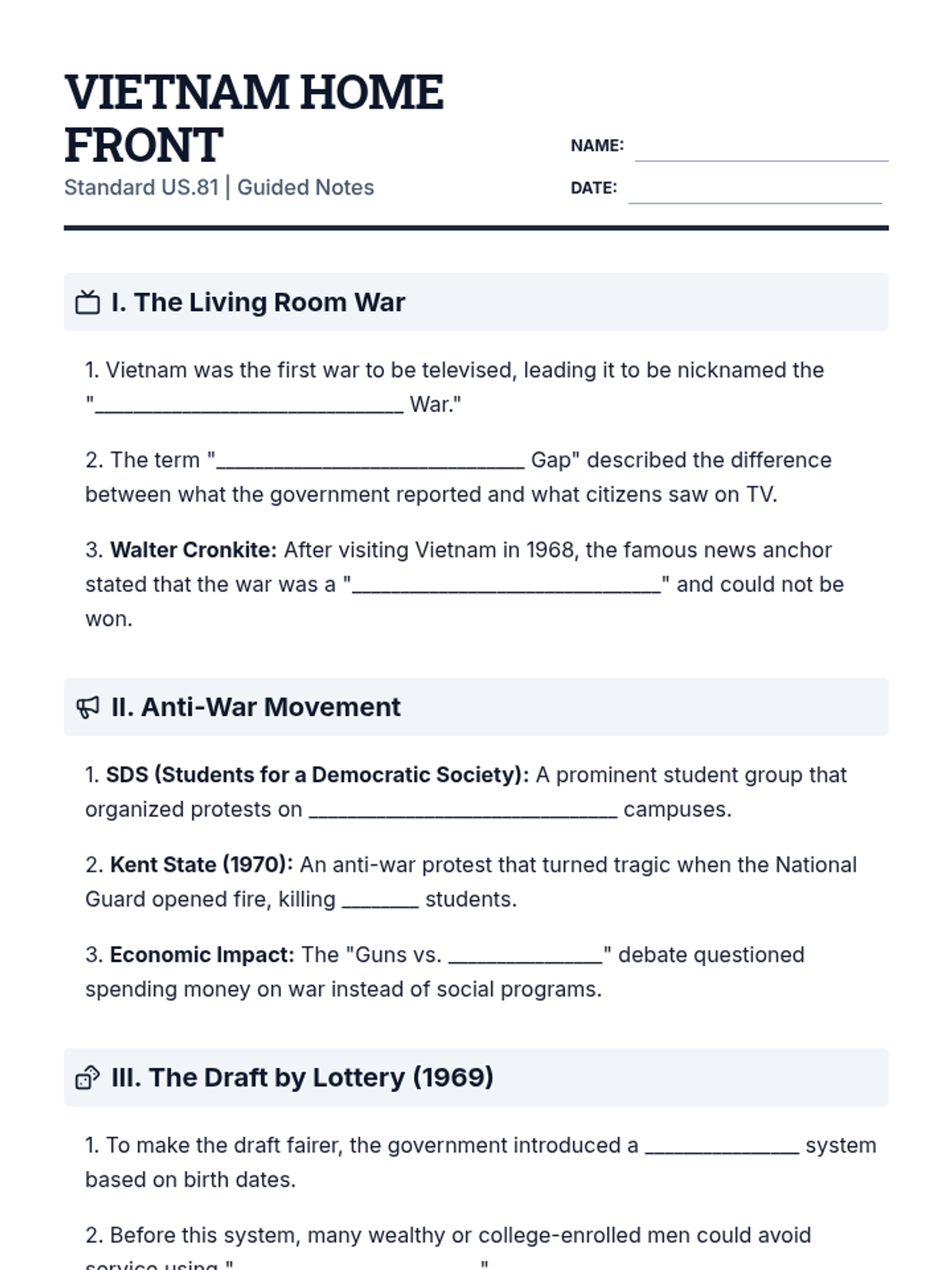
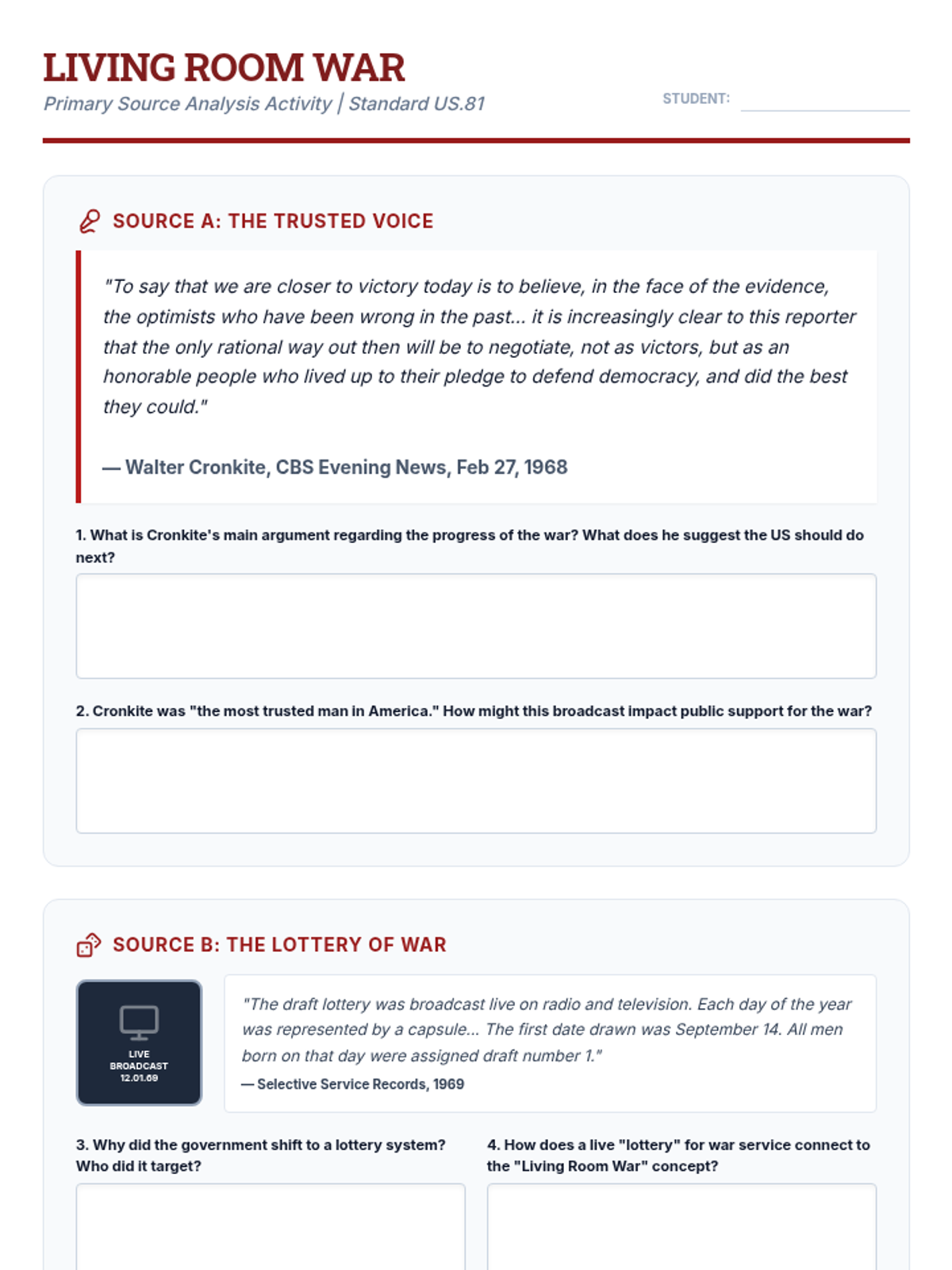
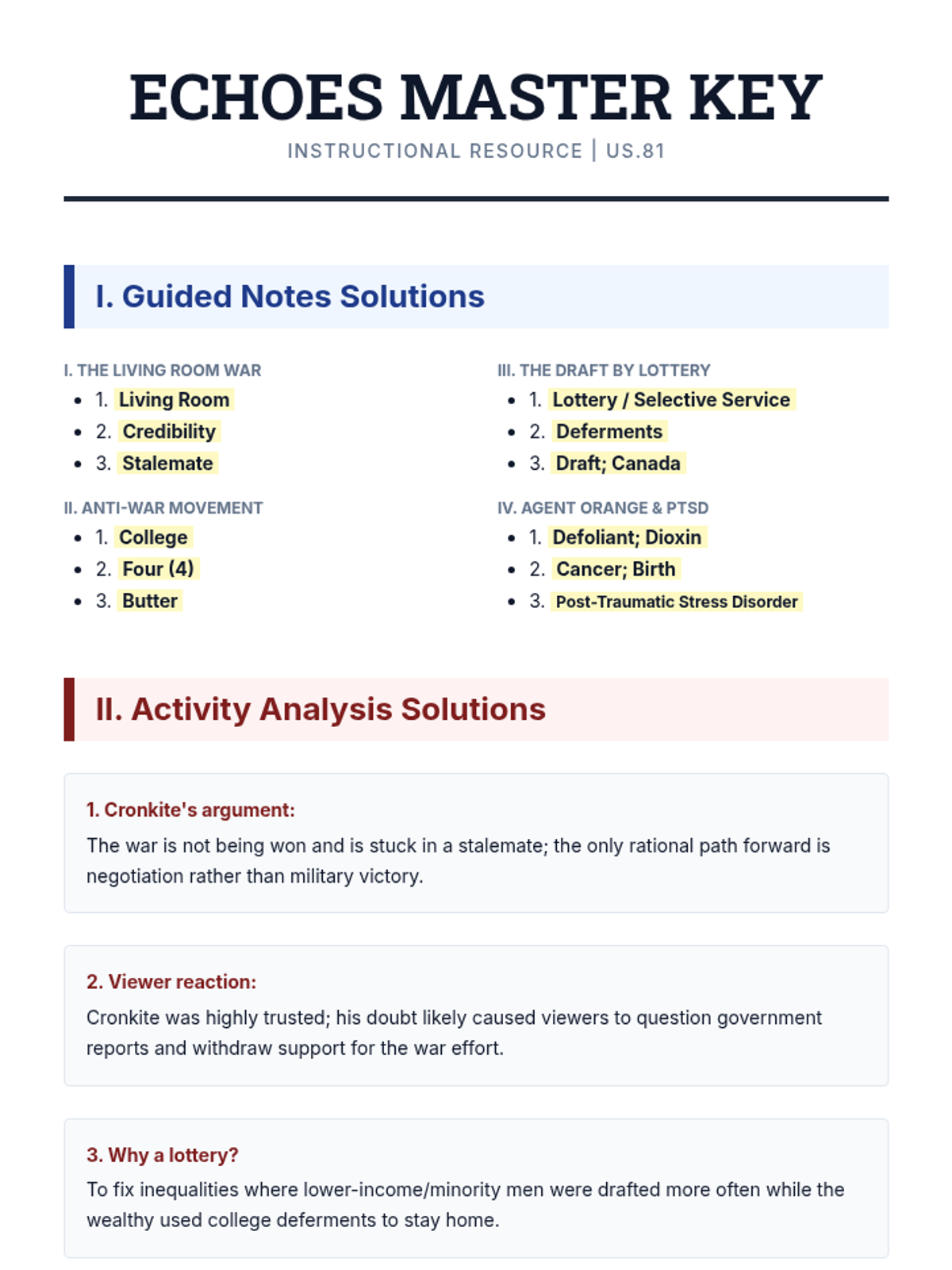
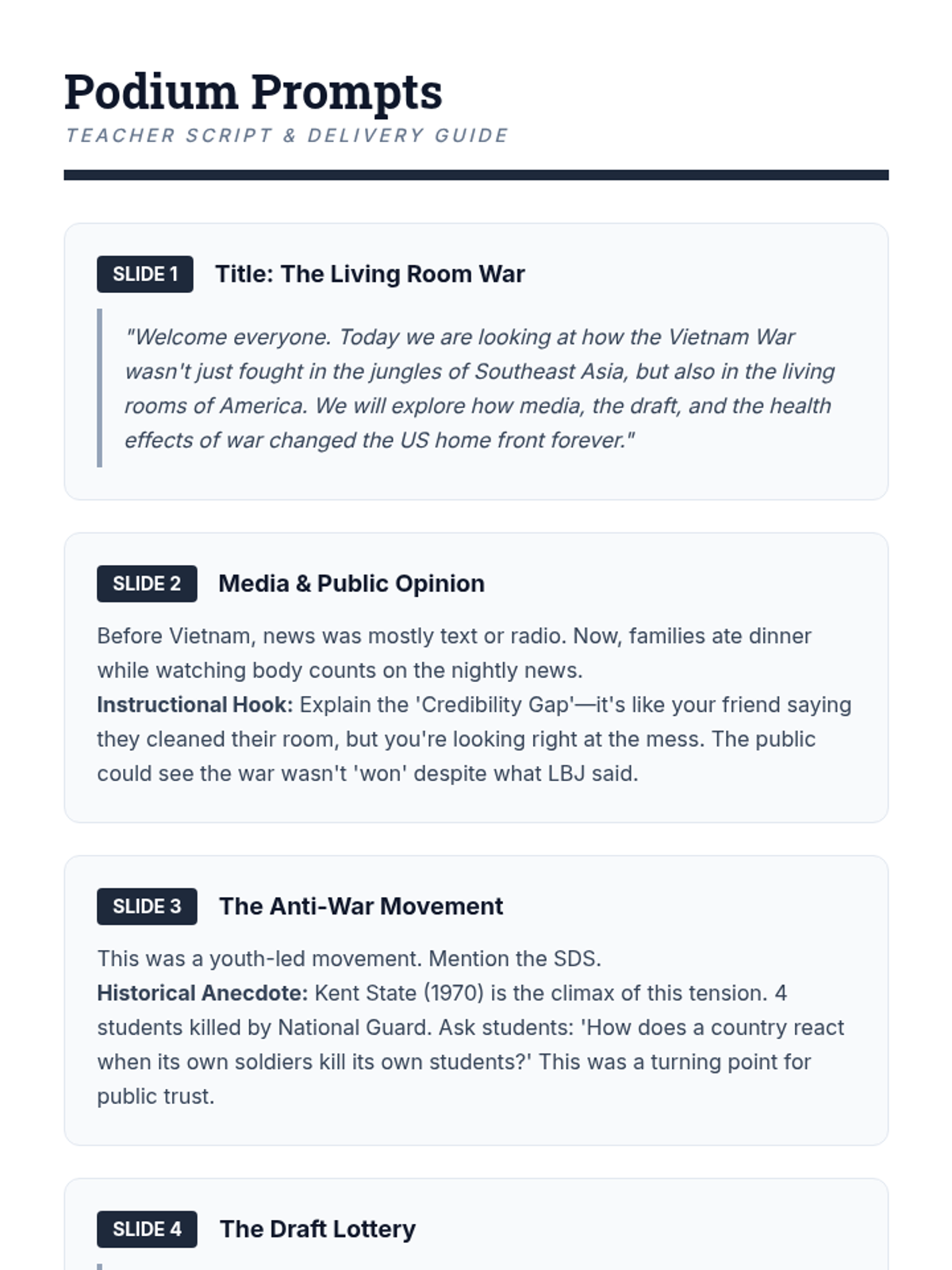
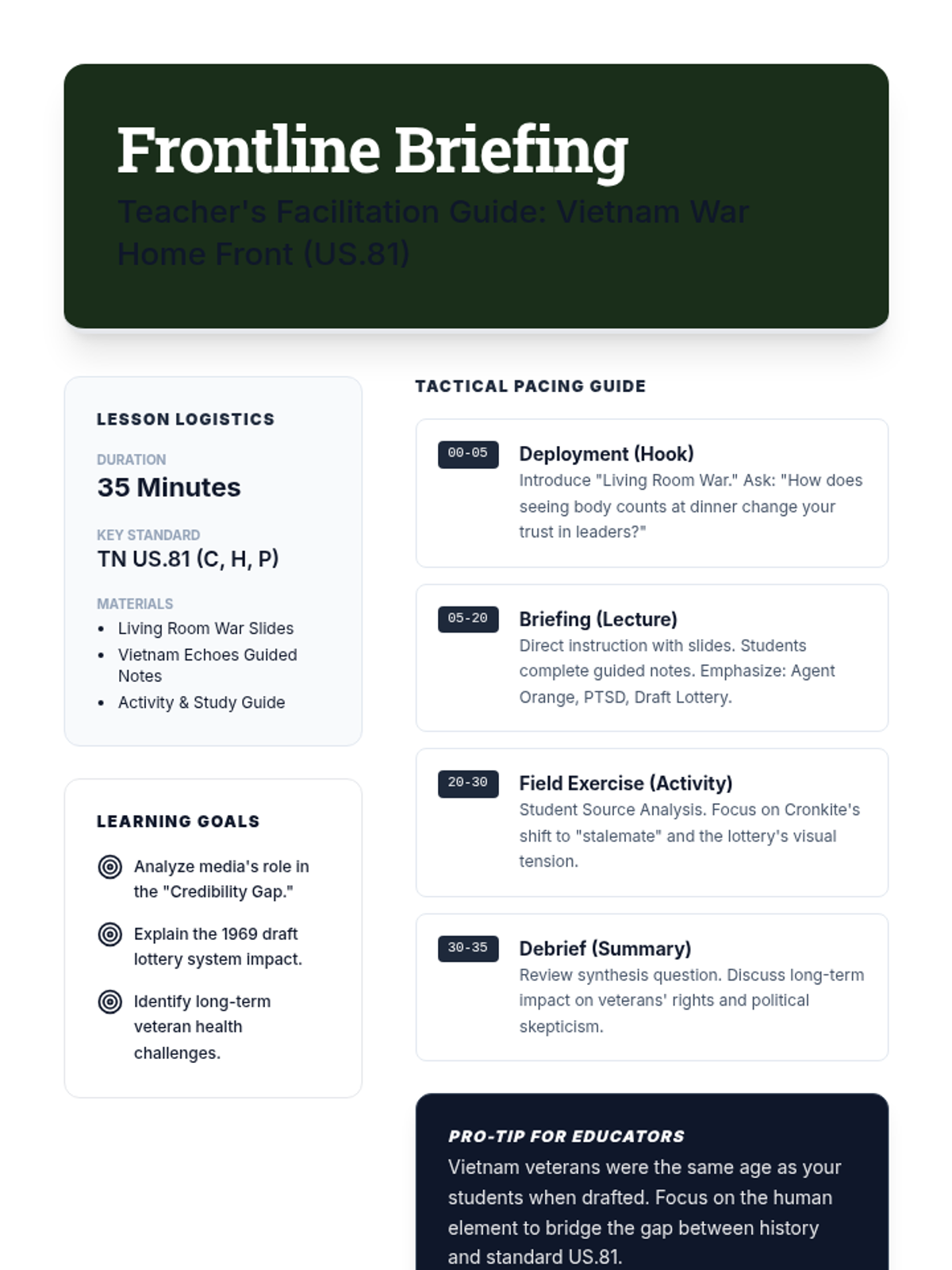
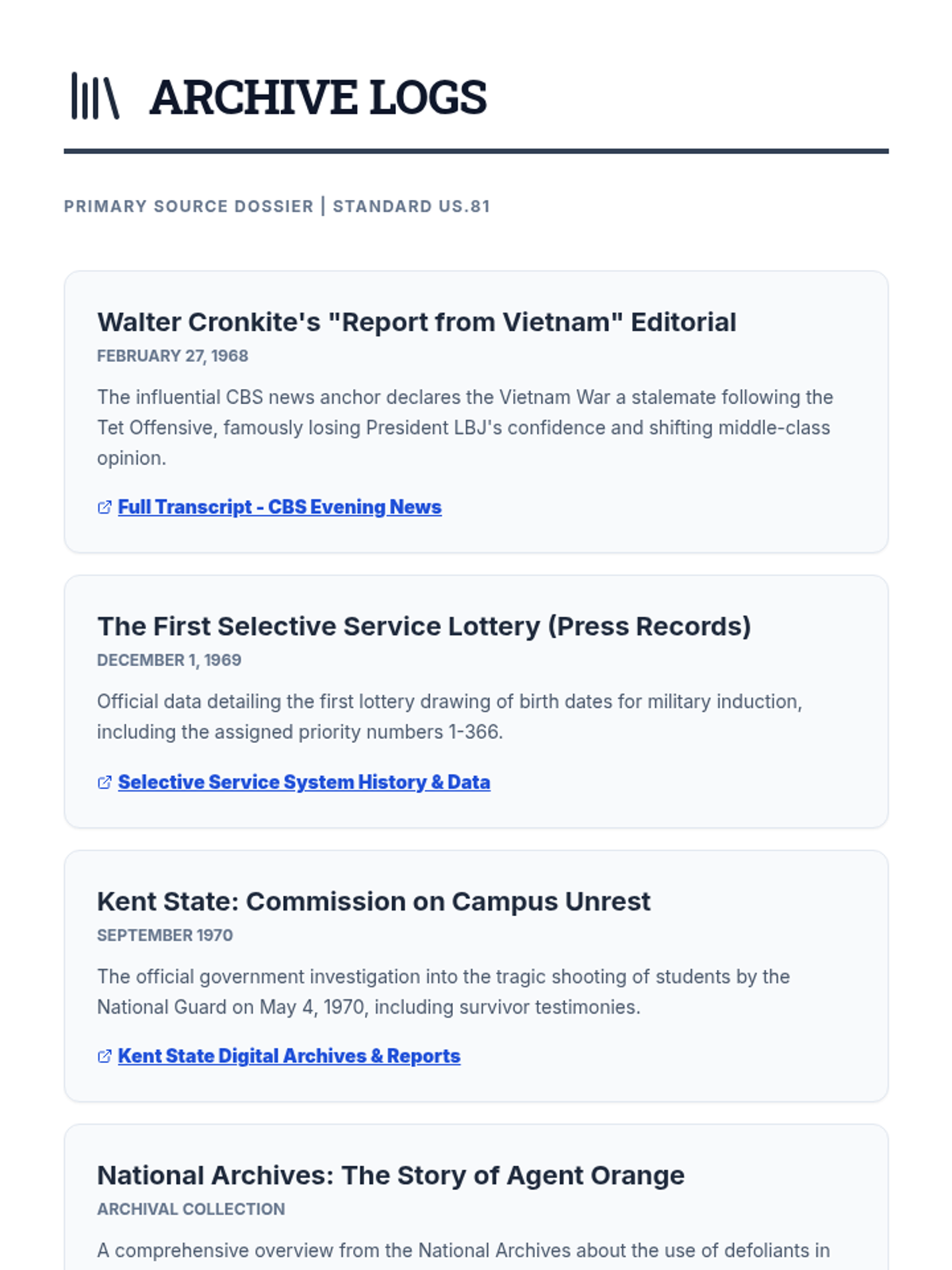
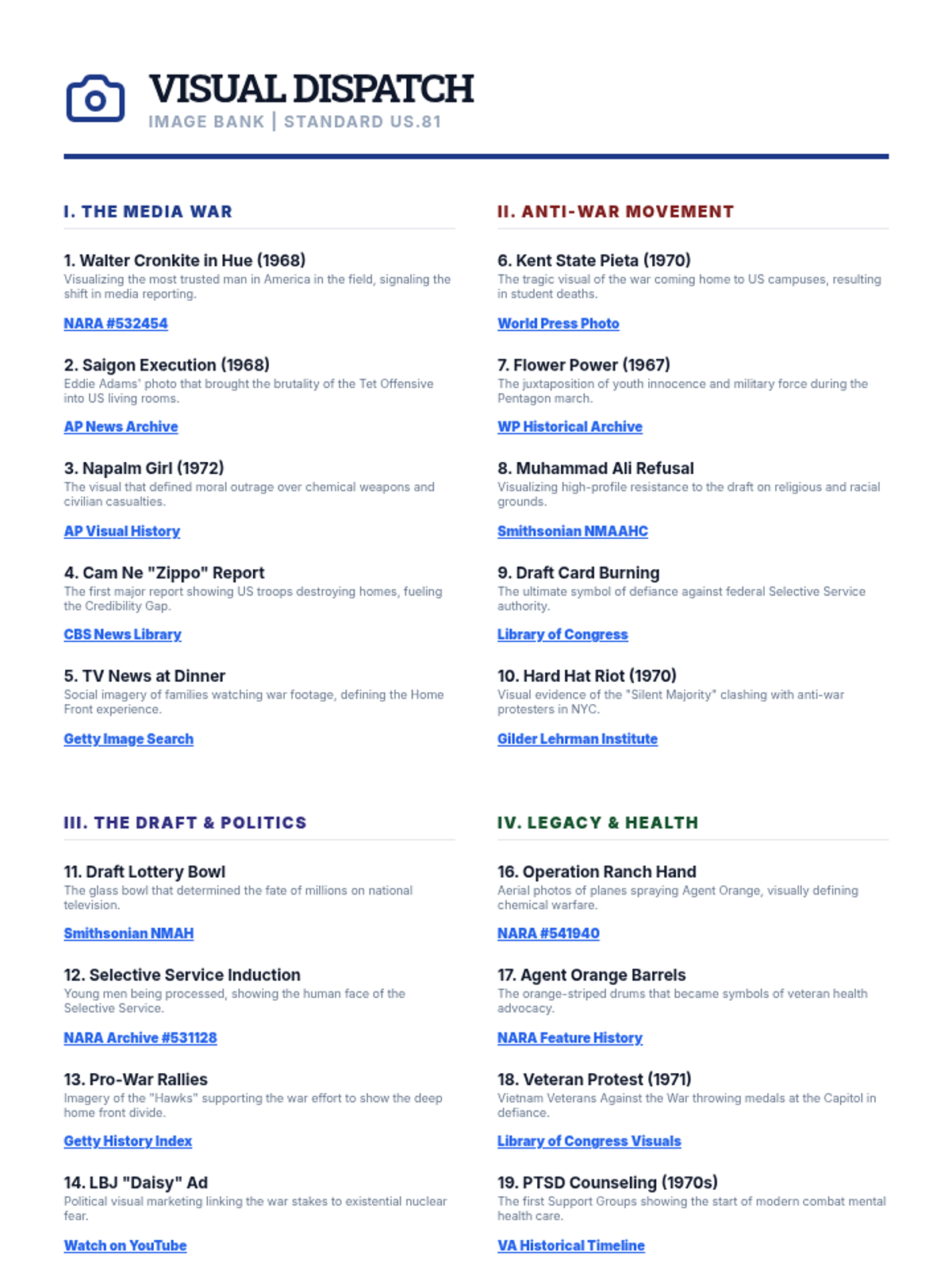
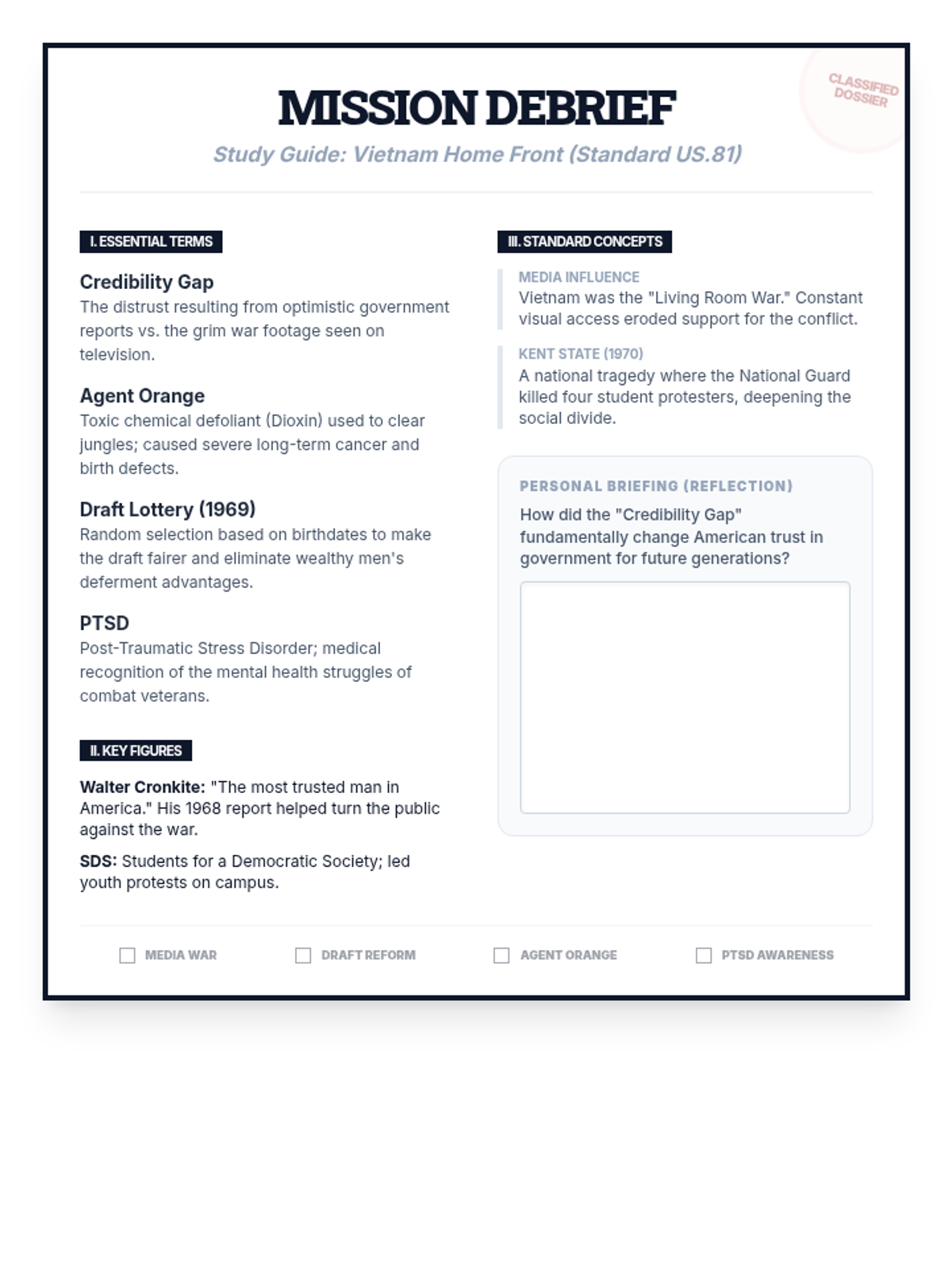
A comprehensive 35-minute high school lesson exploring the impact of the Vietnam War on the American home front, focusing on media, protest, the draft, and the long-term health effects on veterans.
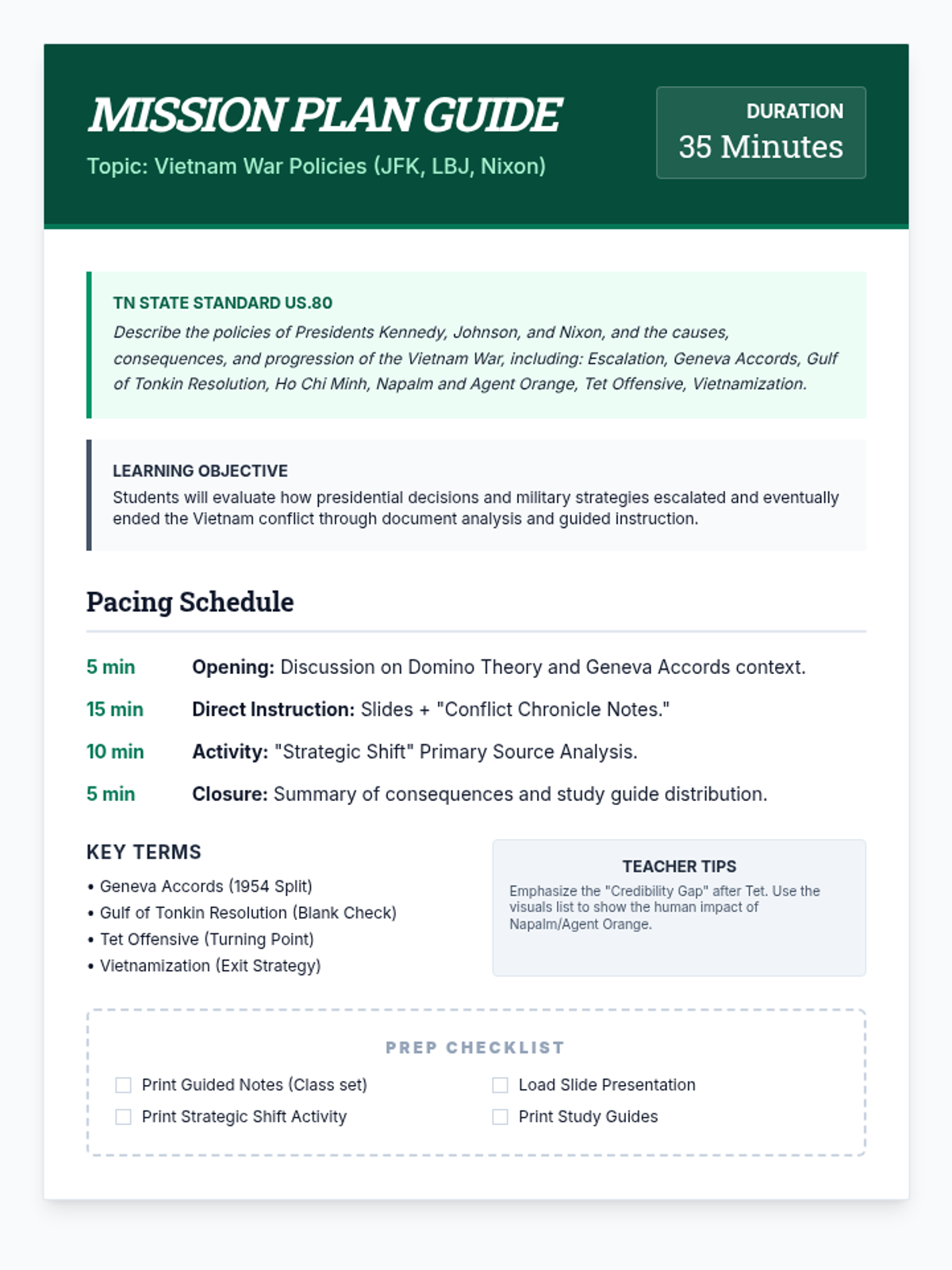
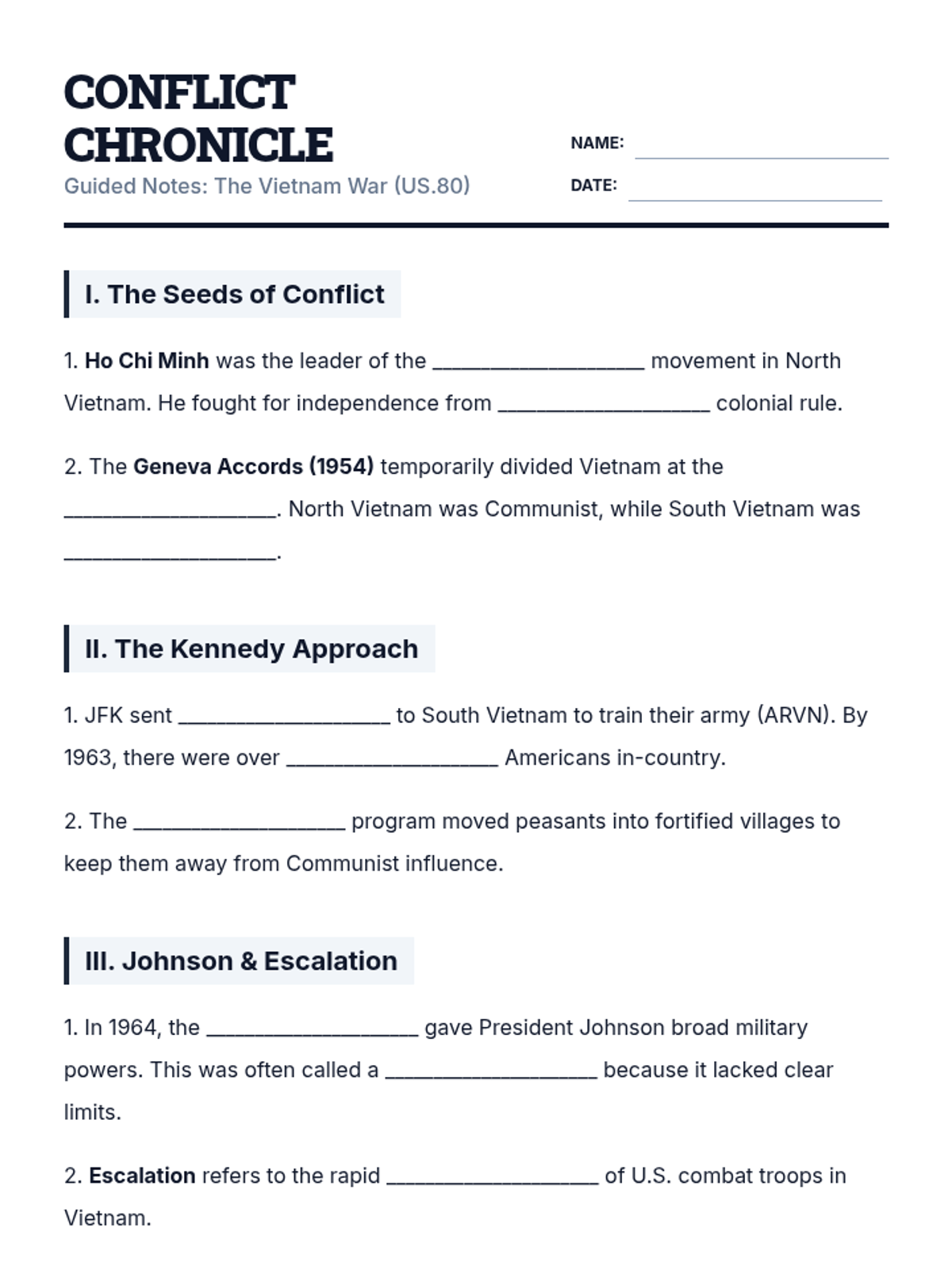
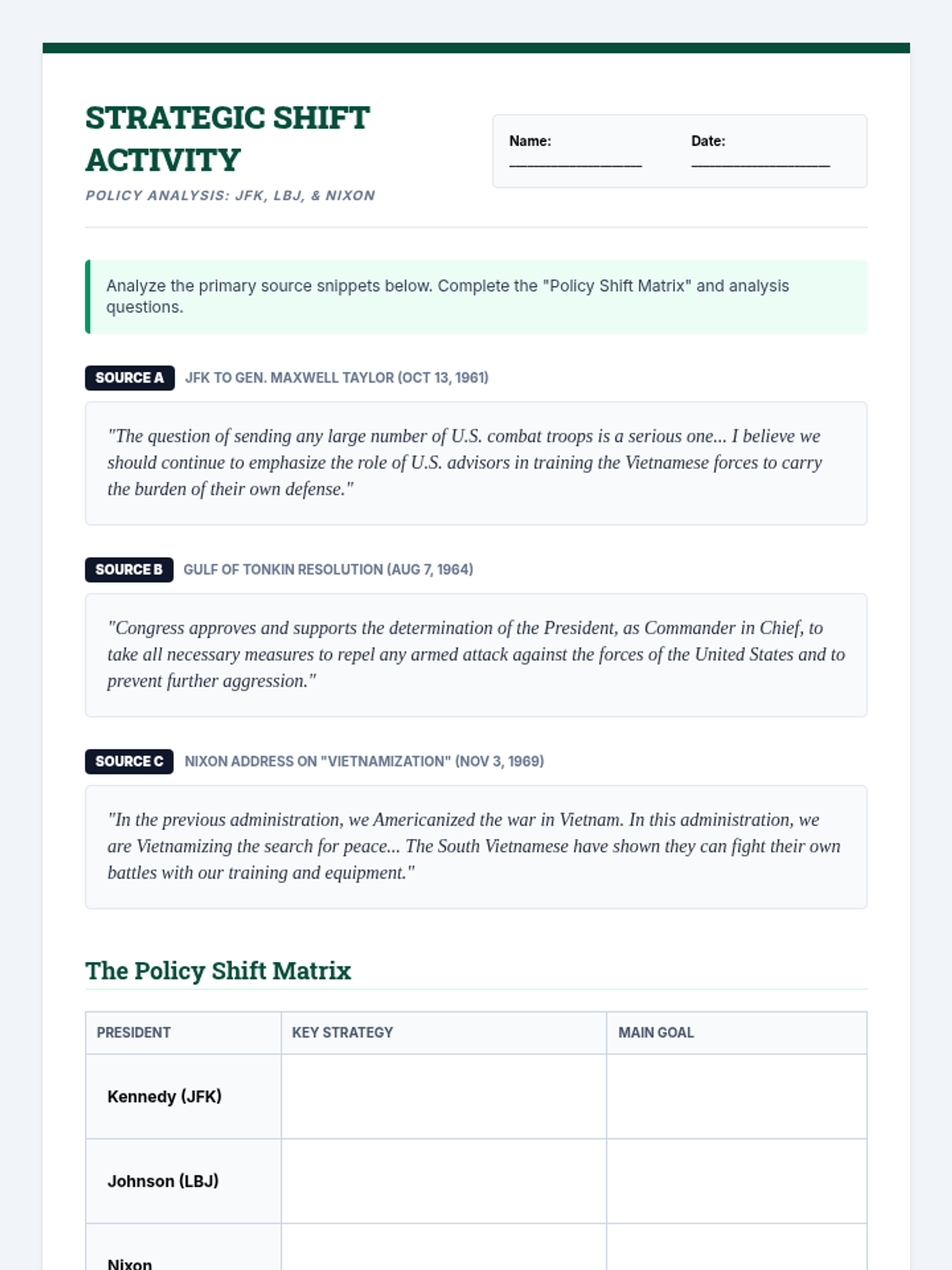
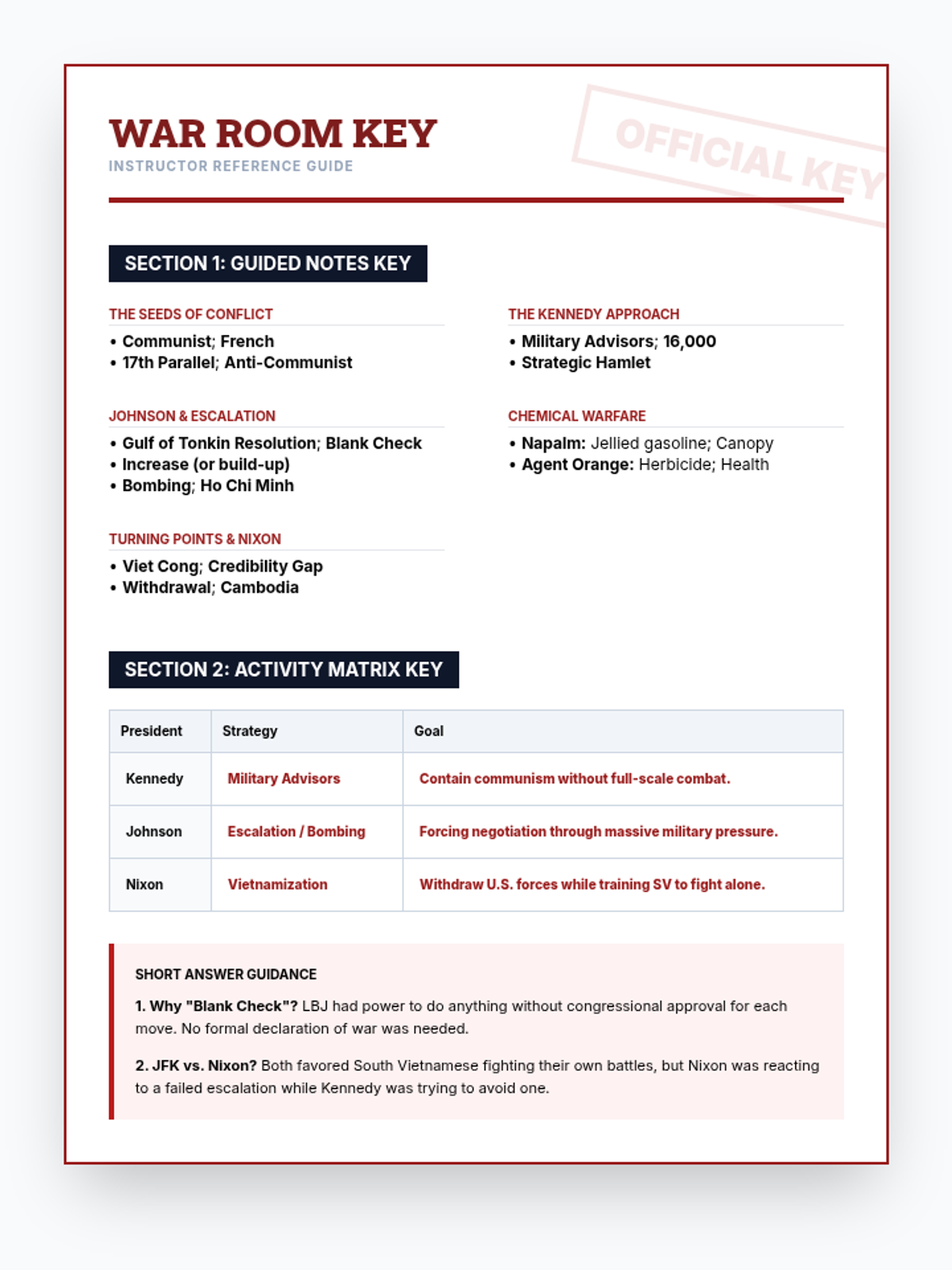
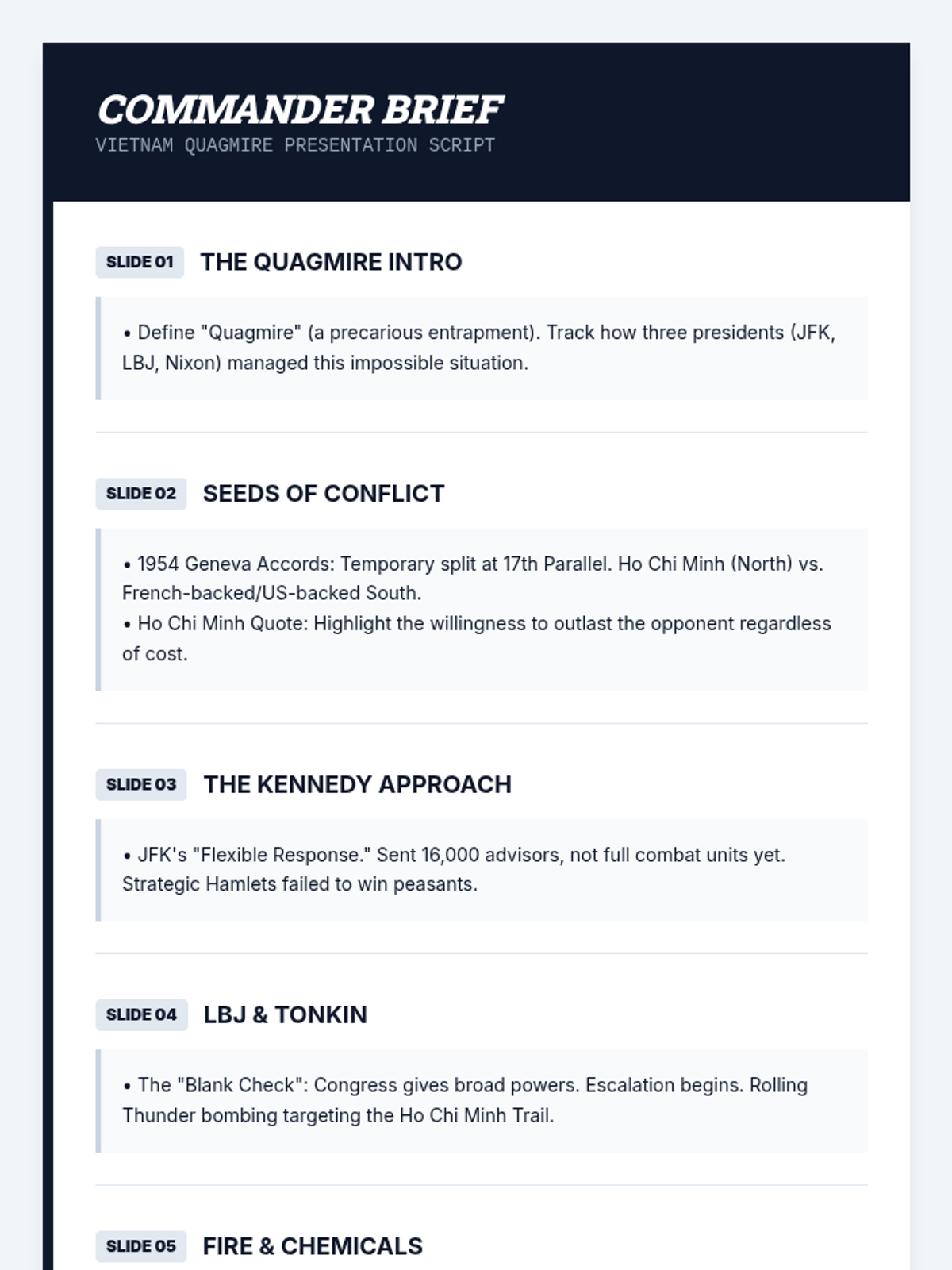
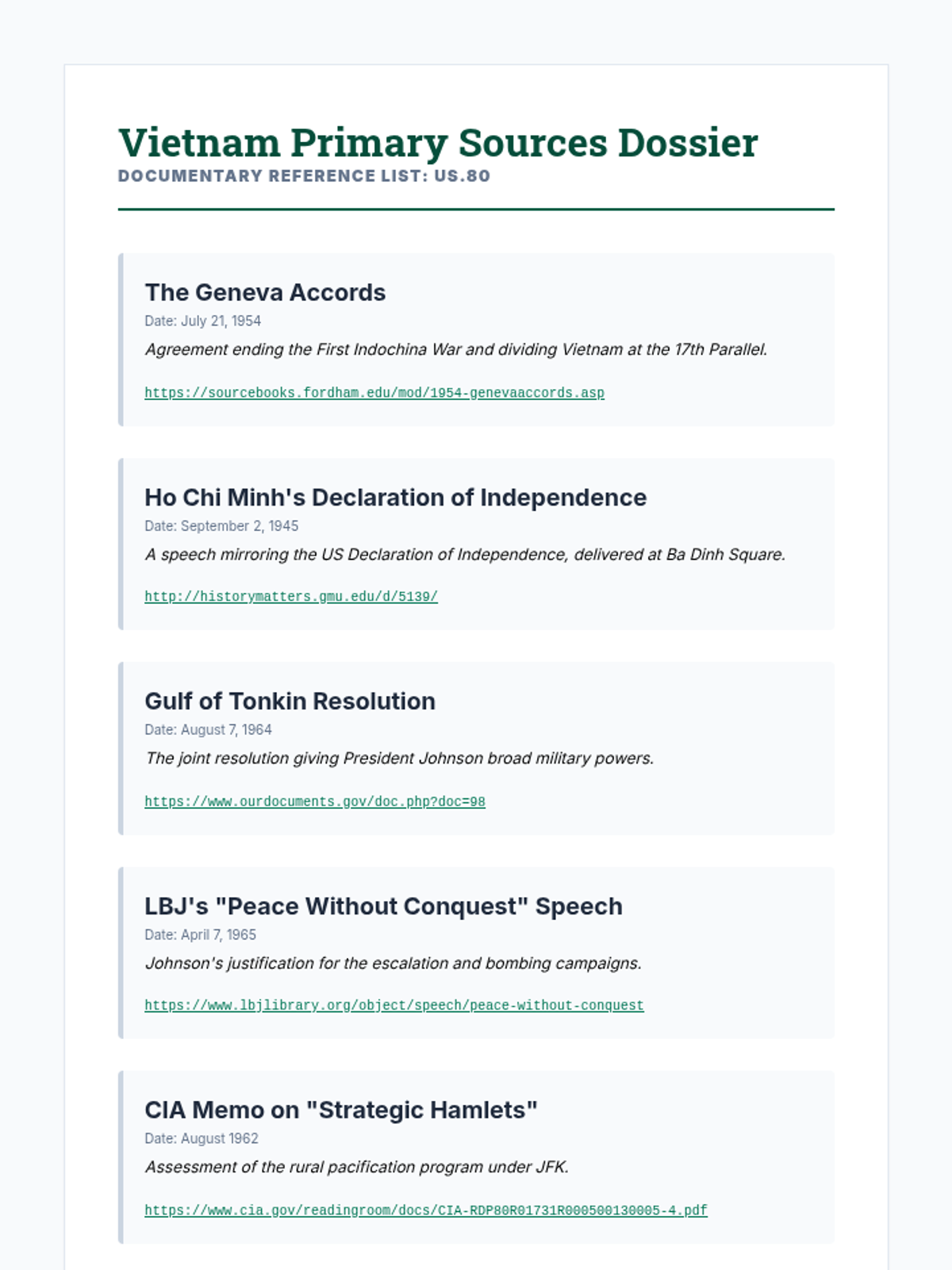
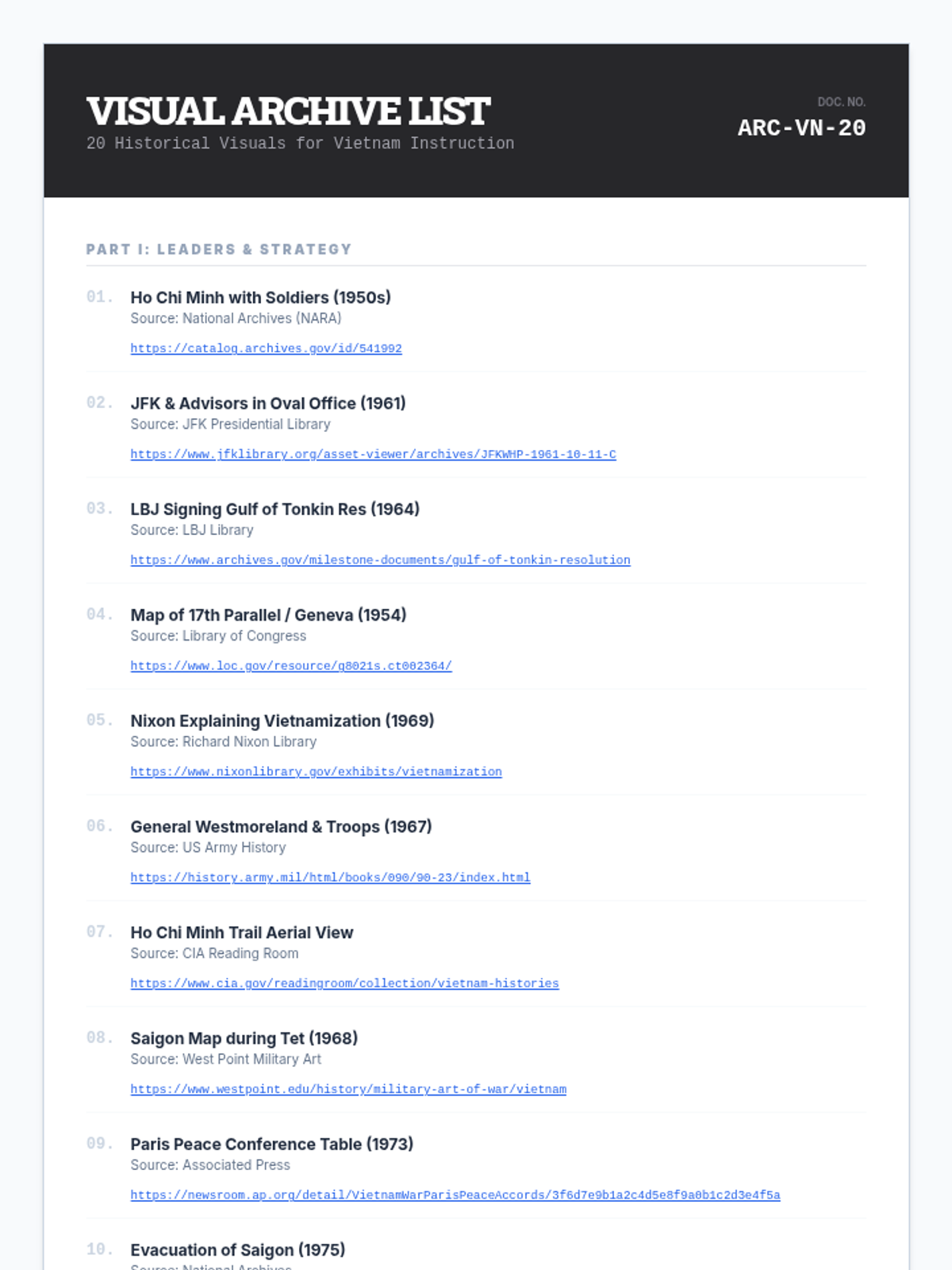
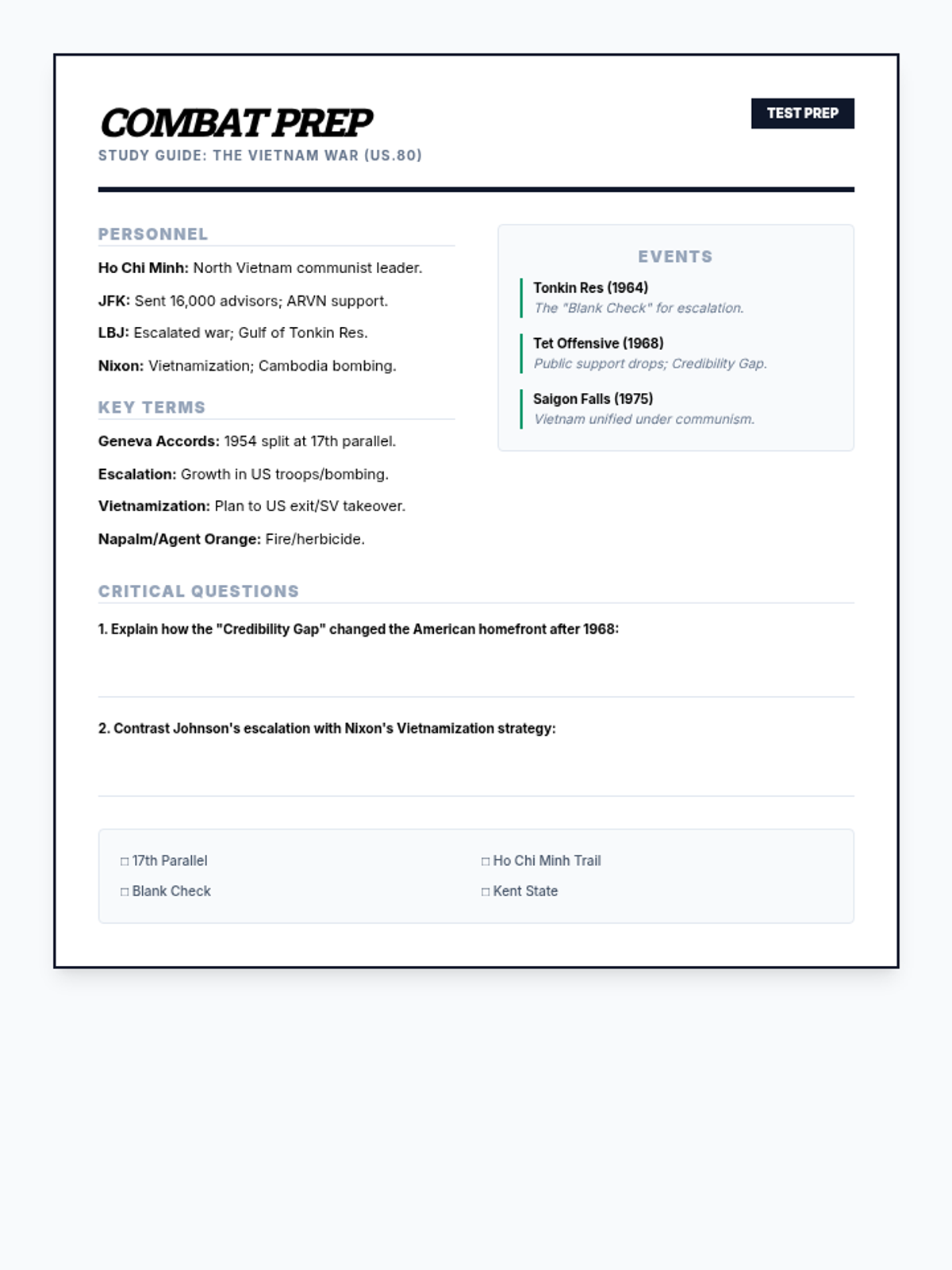
A comprehensive high school lesson covering the Vietnam War through the policies of JFK, LBJ, and Nixon, including key turning points and military strategies.
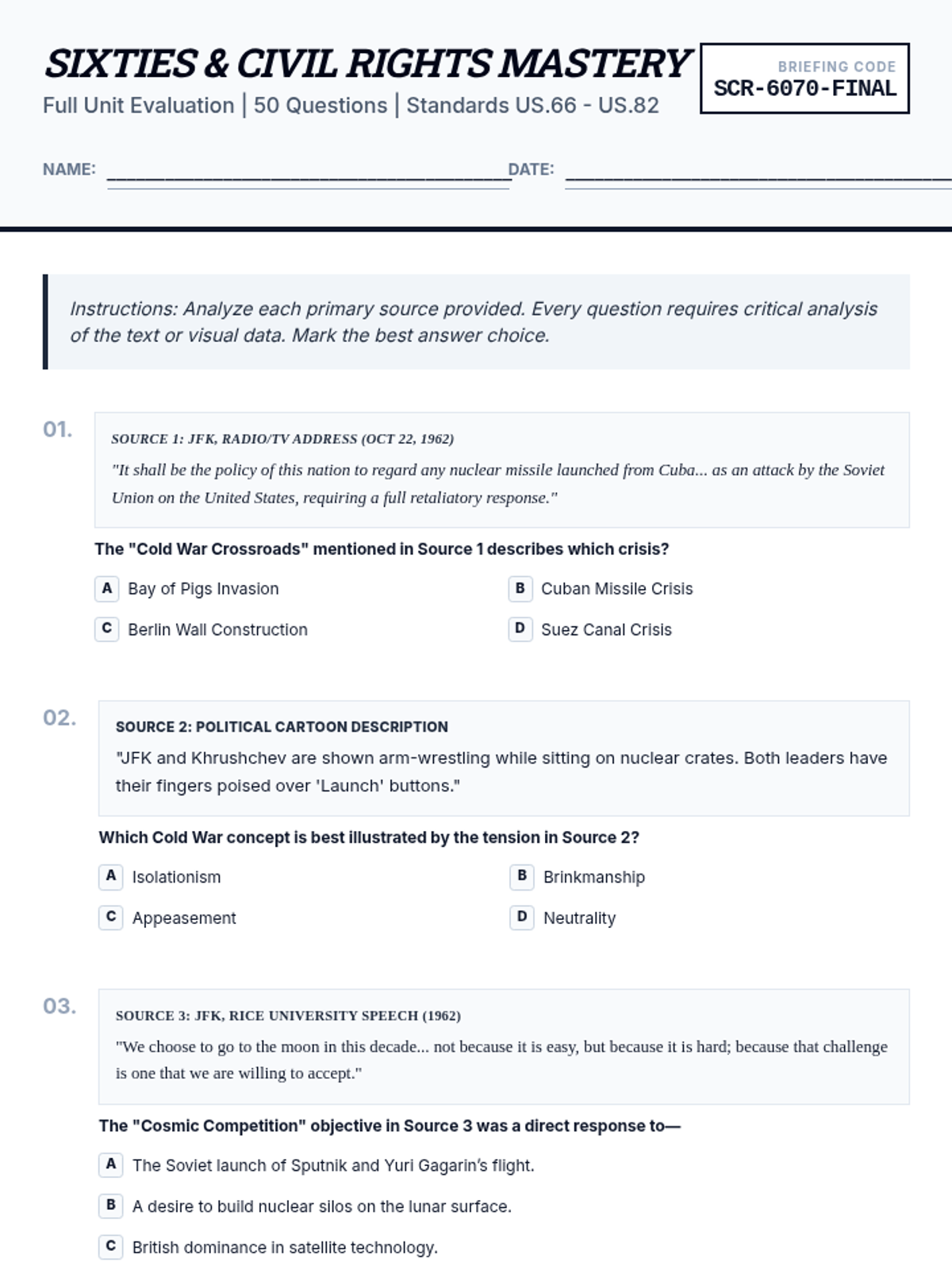
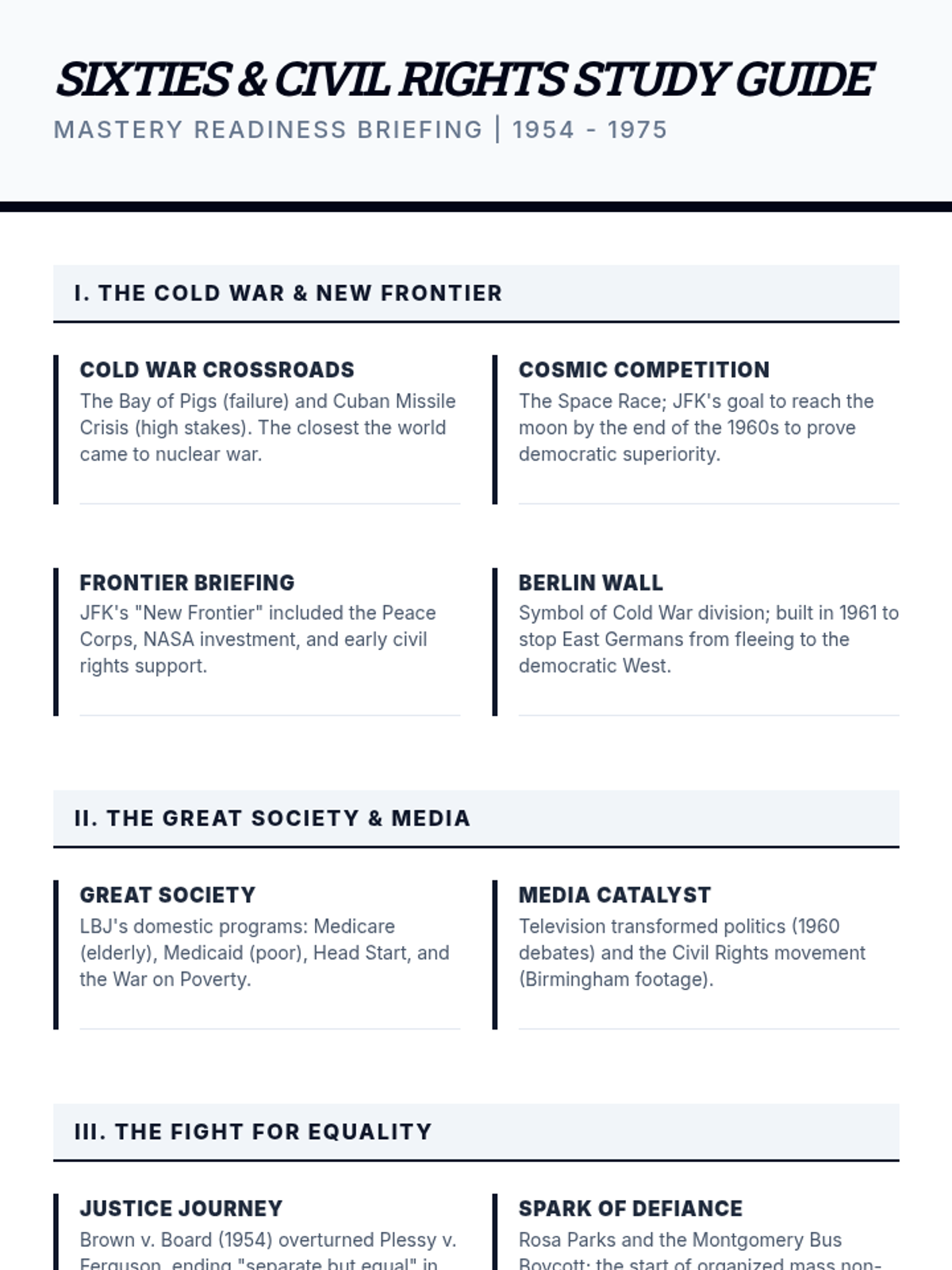
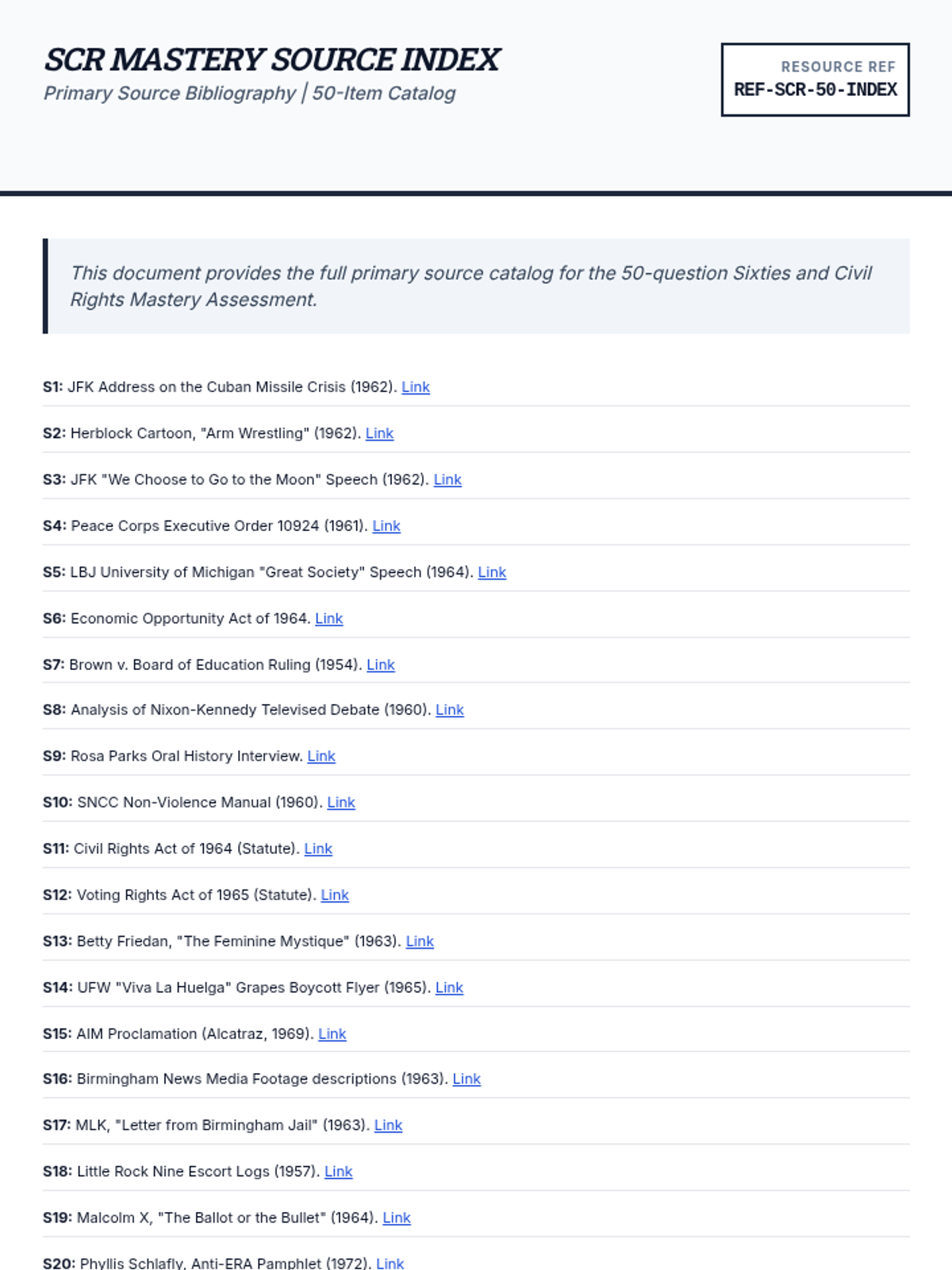
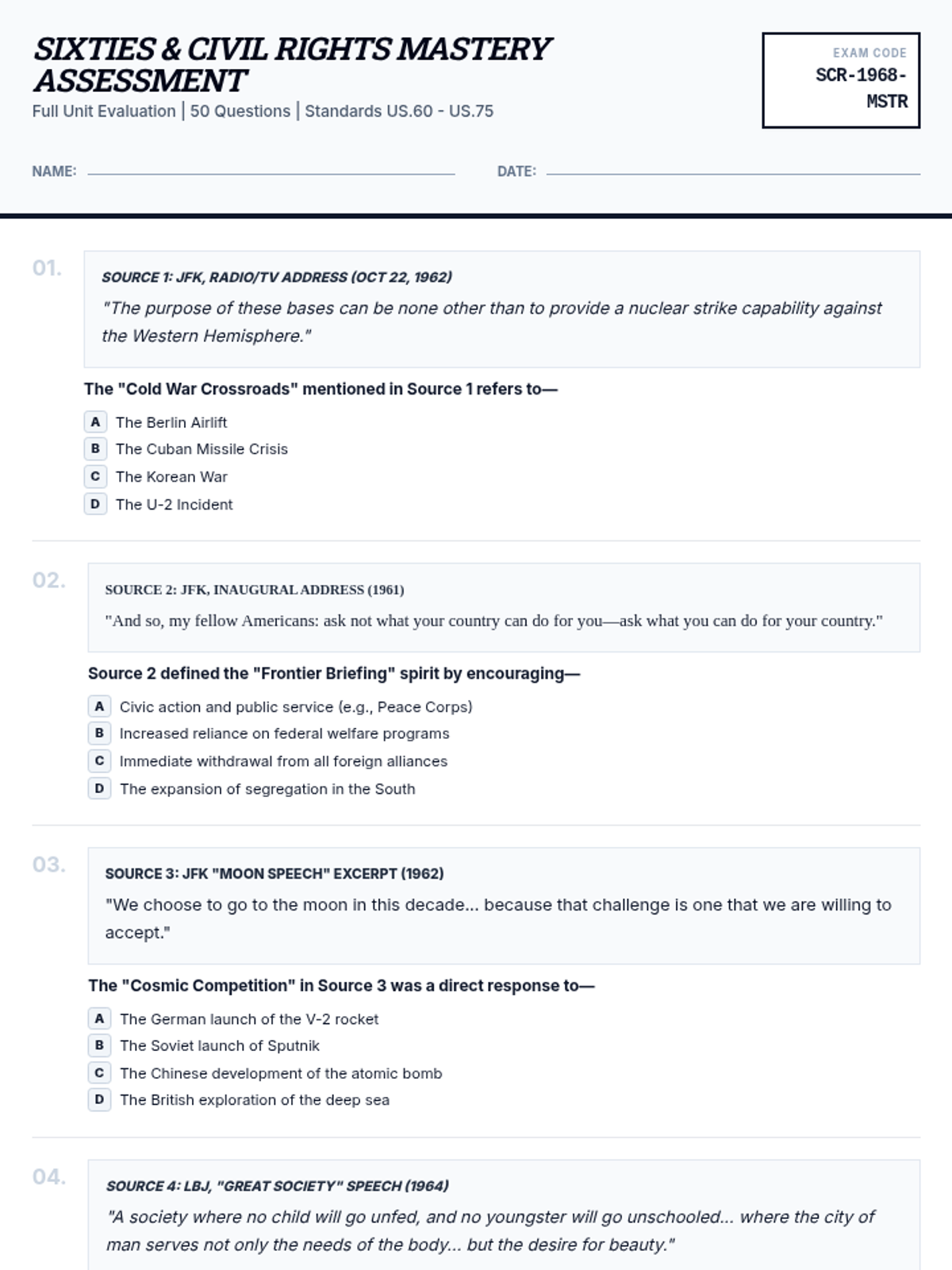
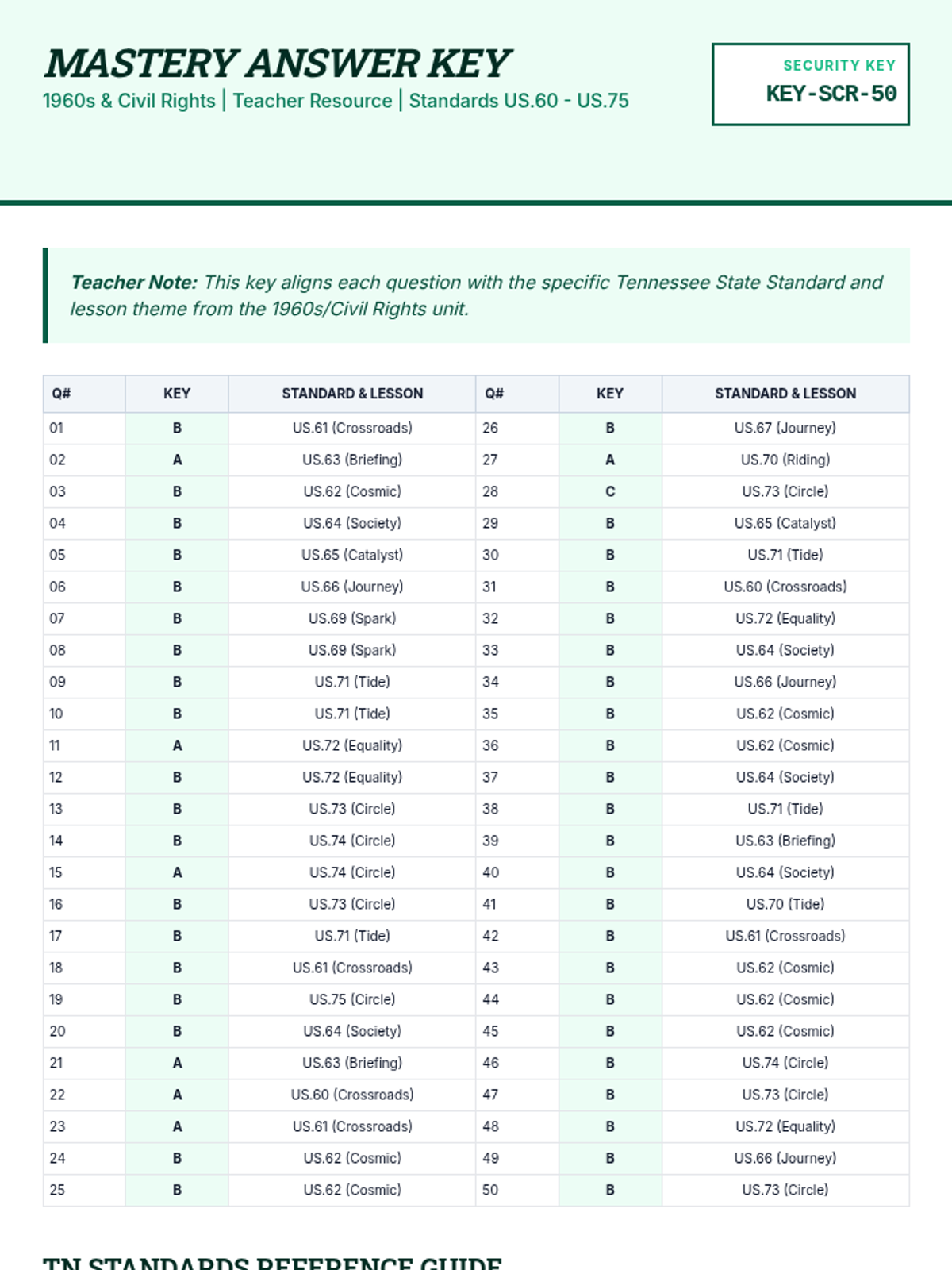
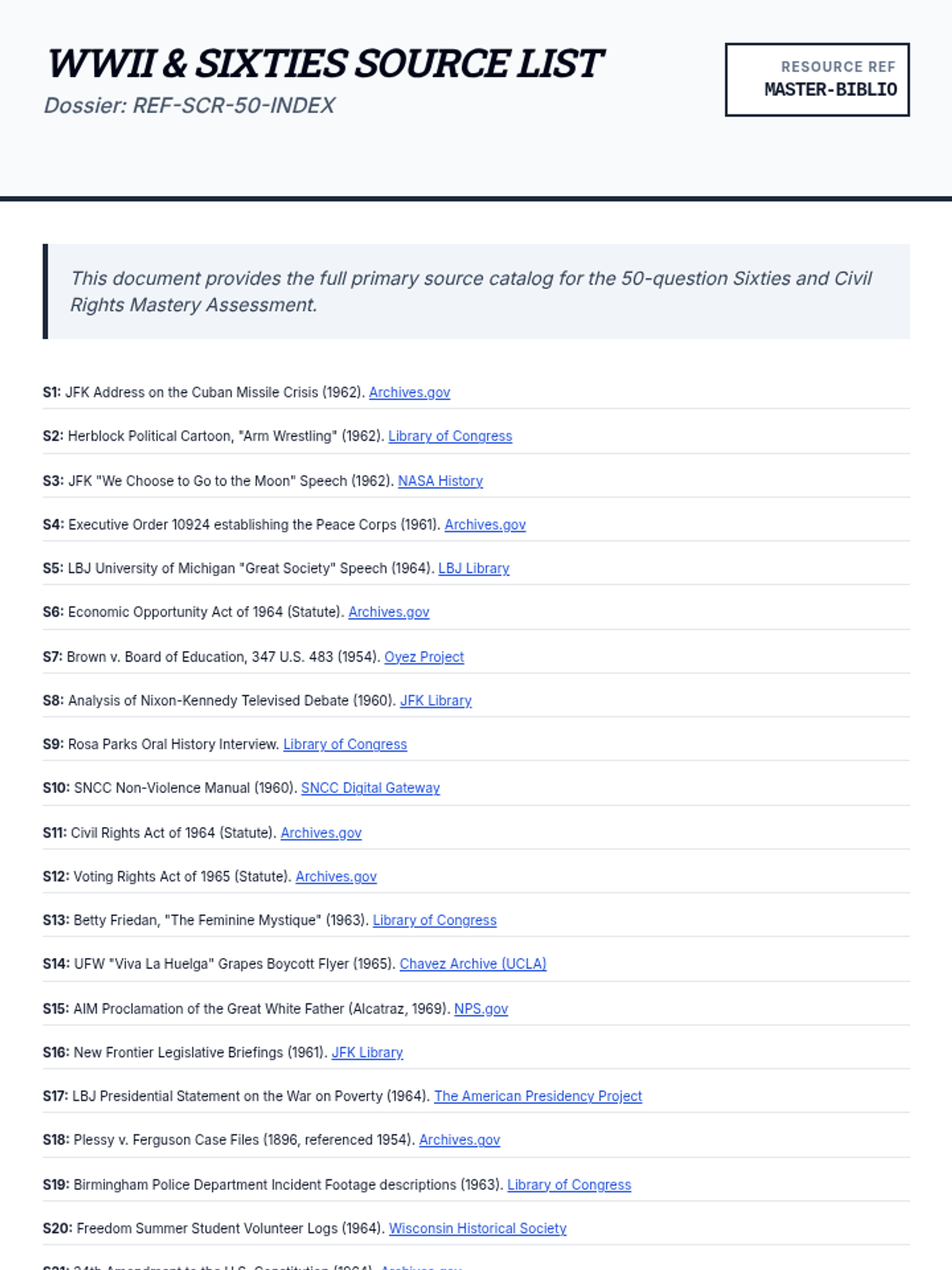
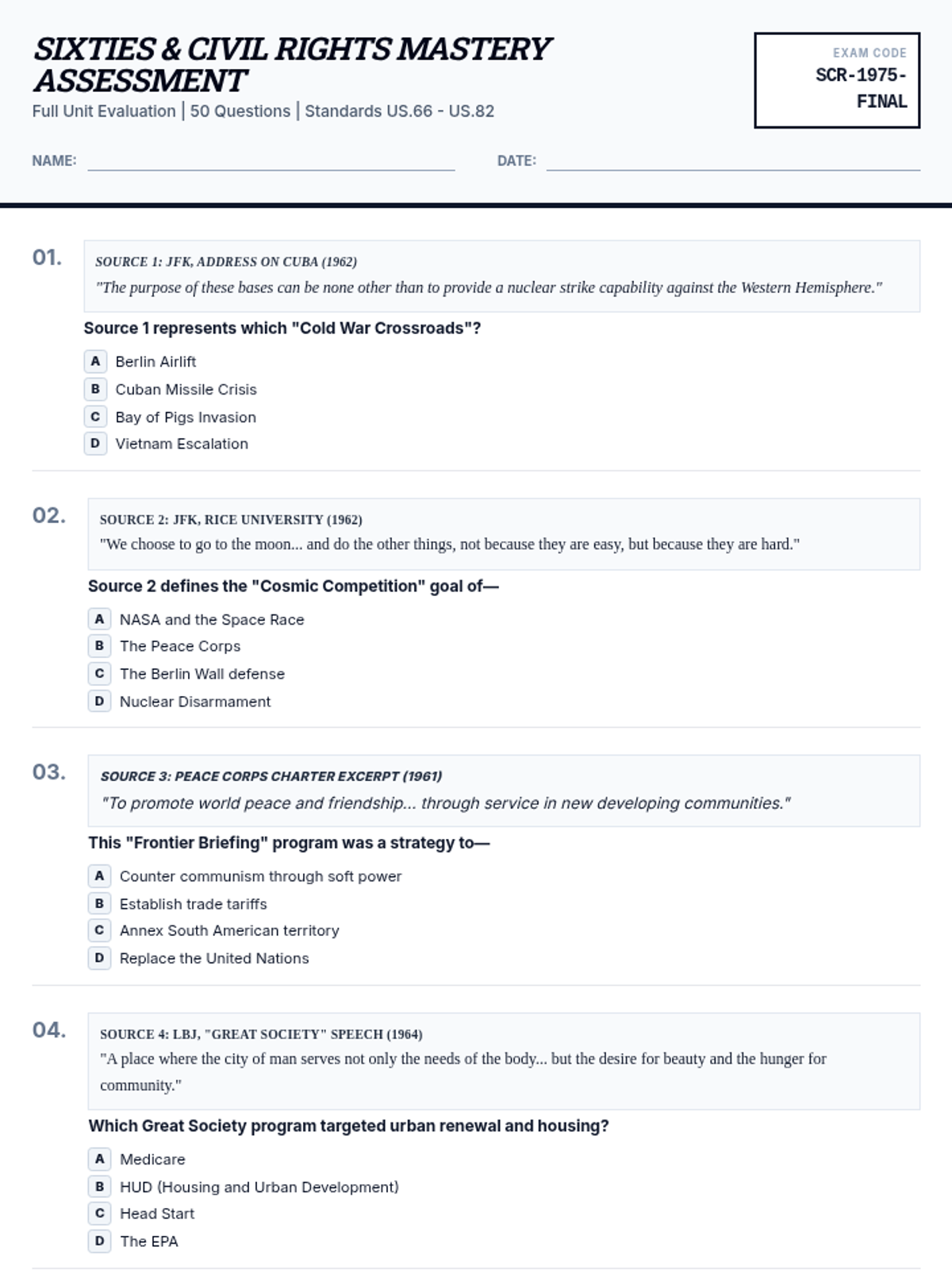
Mastery assessment for the 1960s and Civil Rights Era, covering JFK, LBJ, the Space Race, and the various movements for equality.
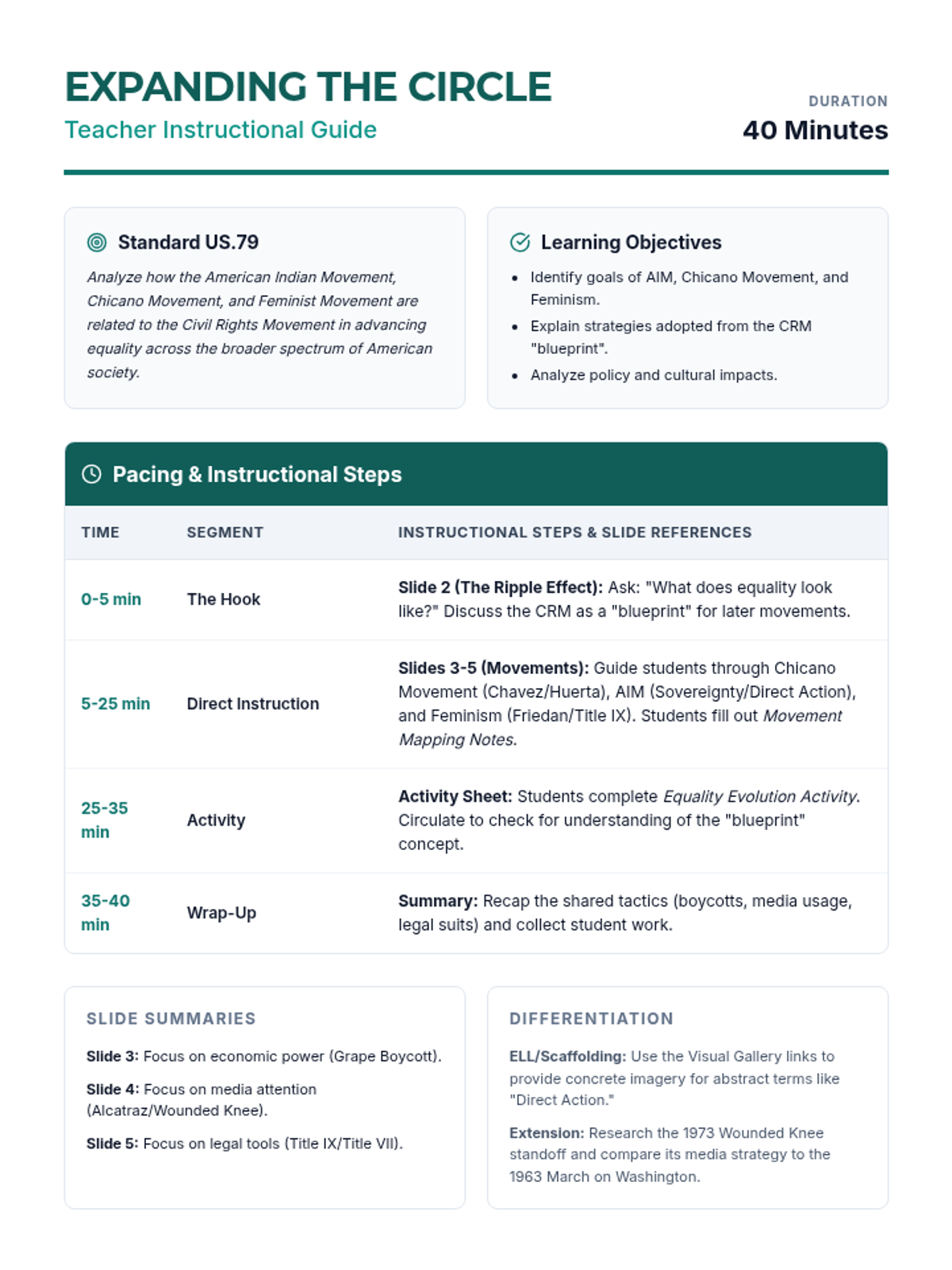
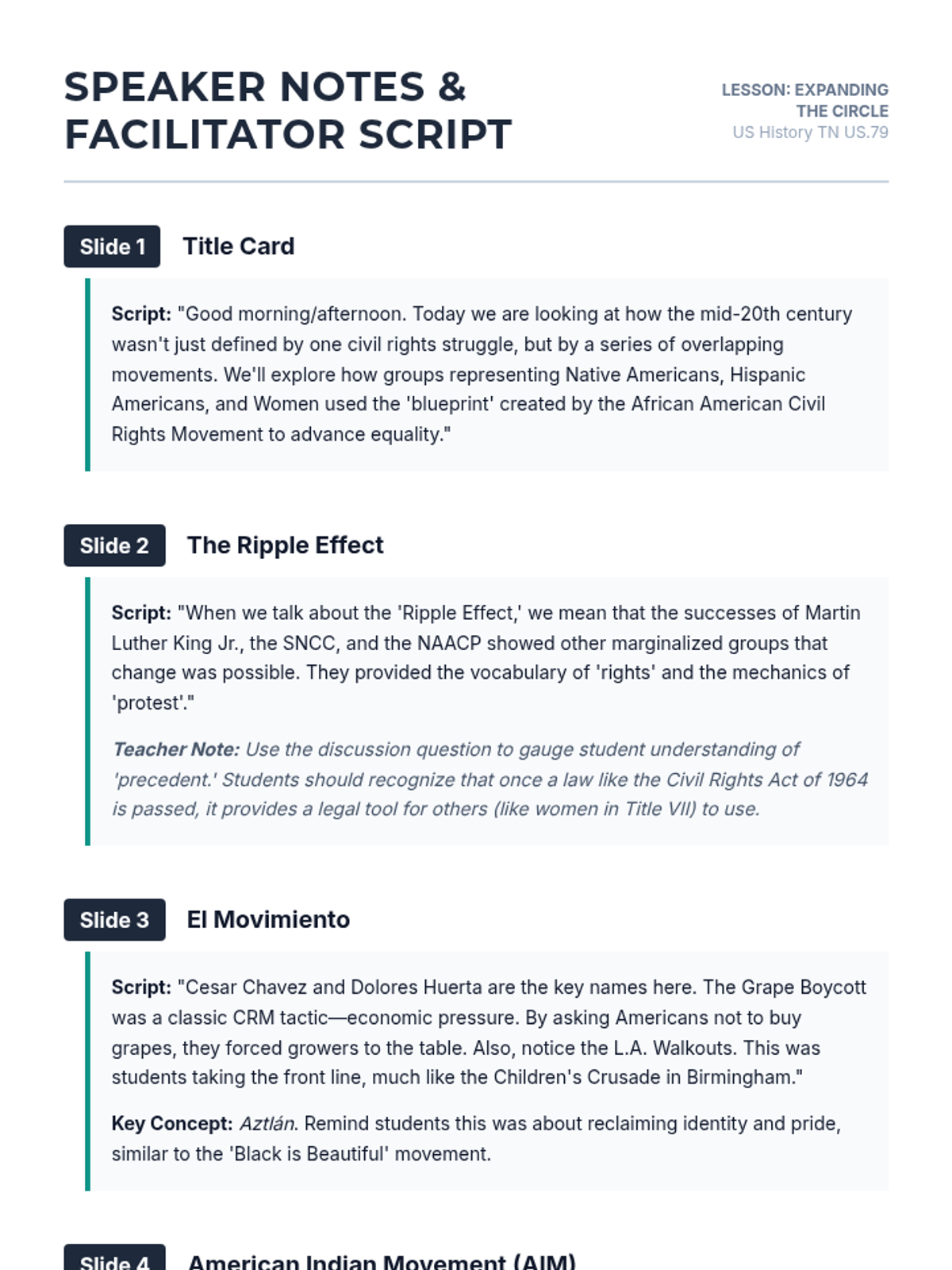
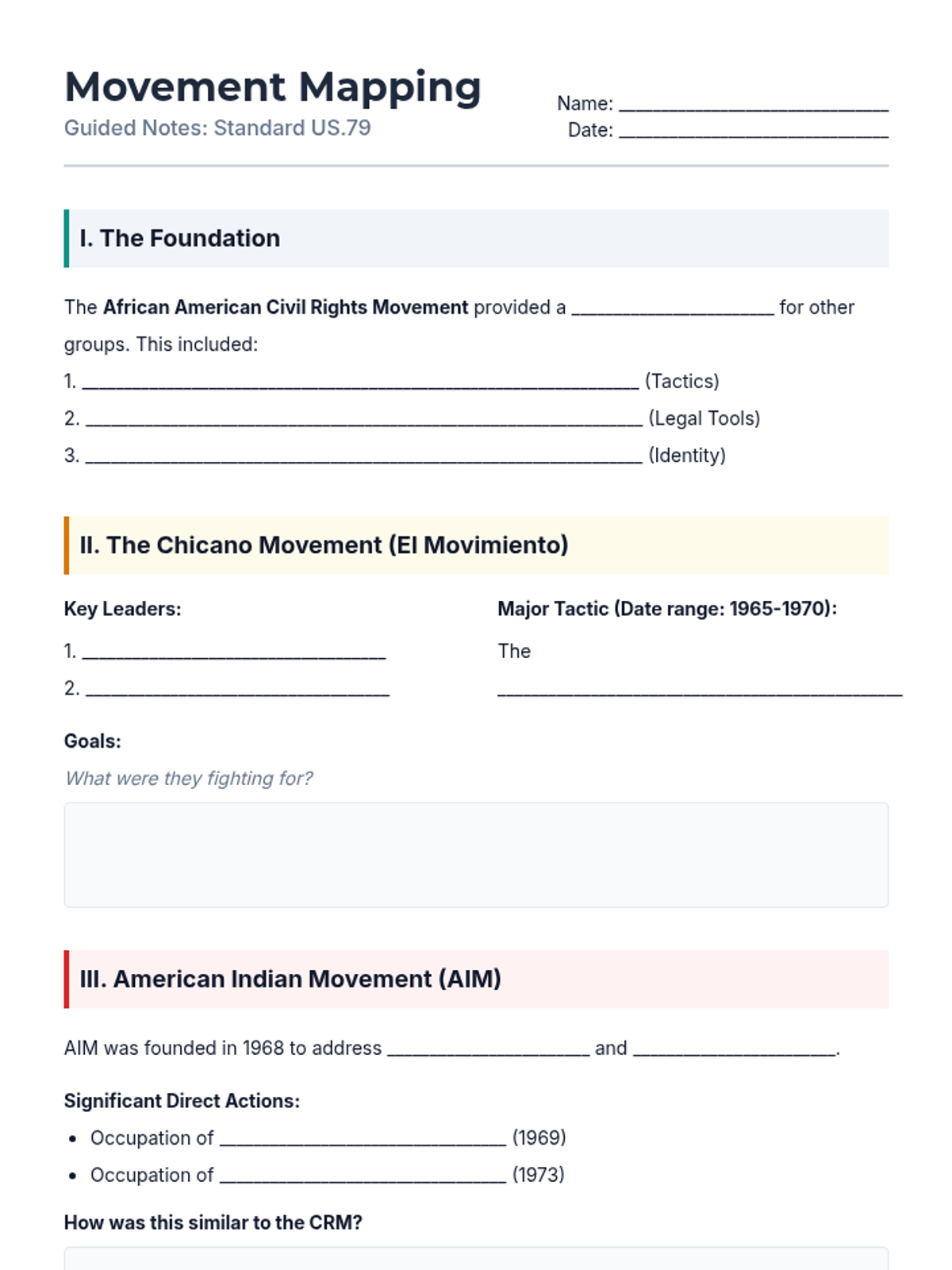
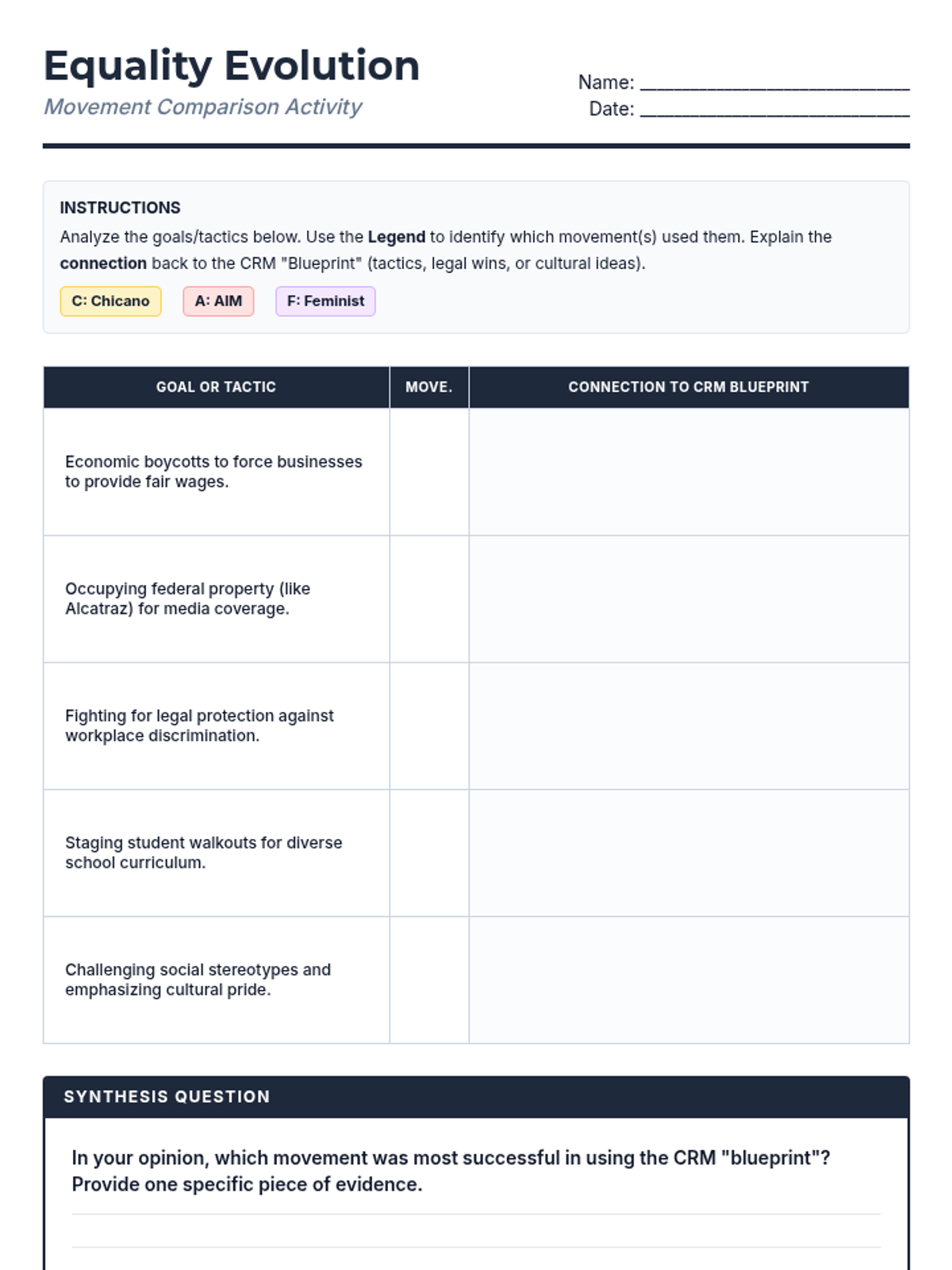
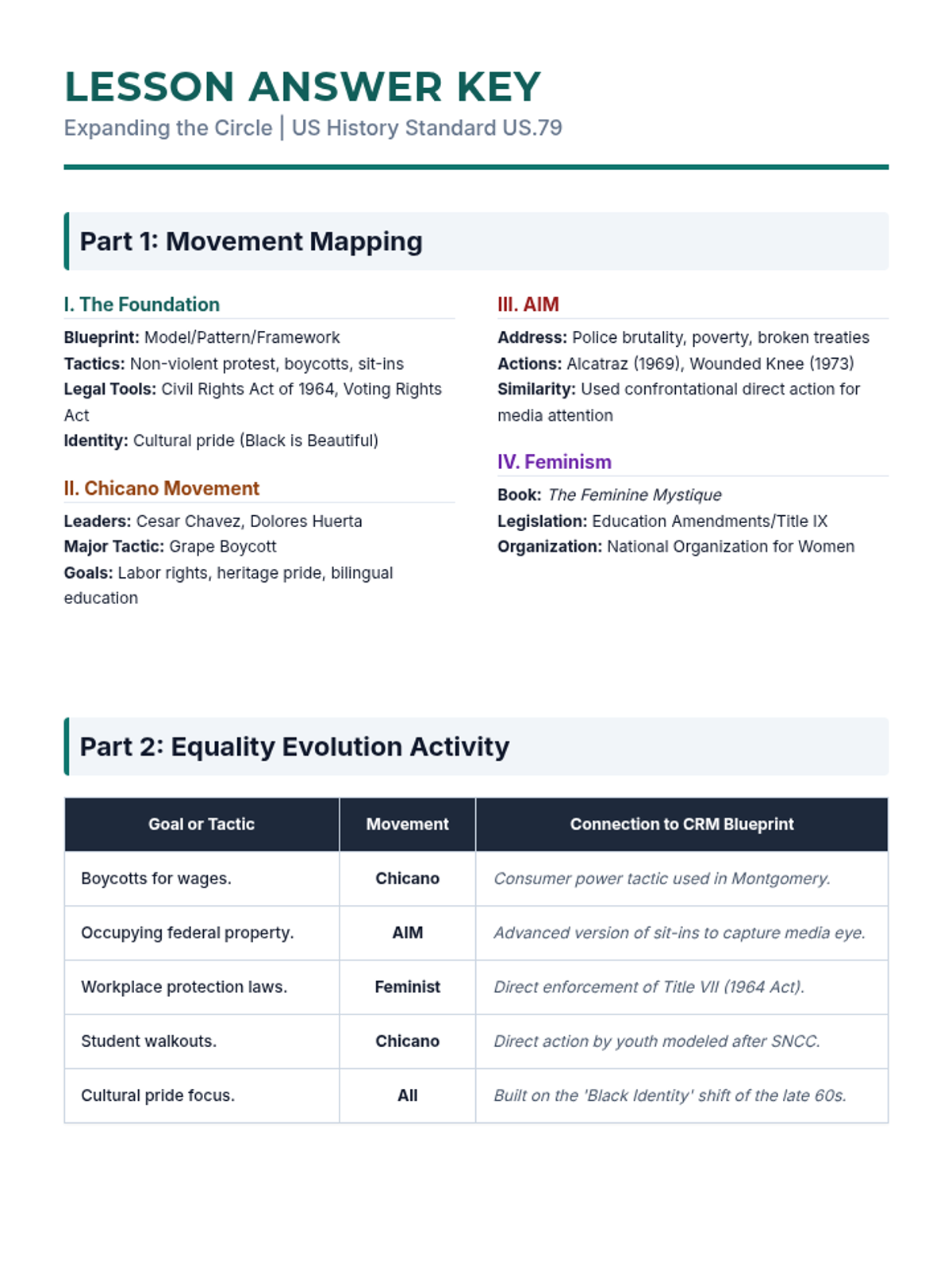
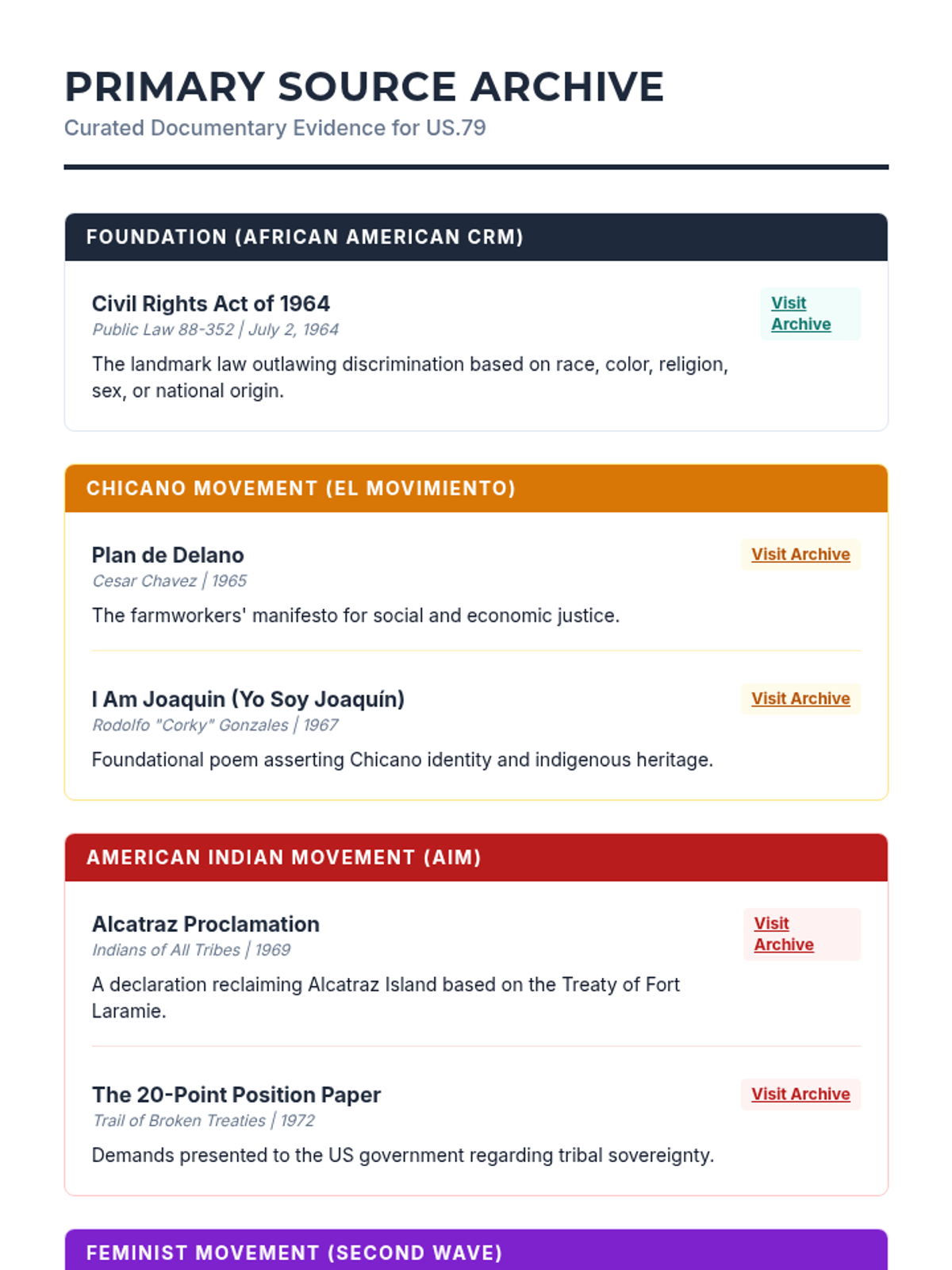
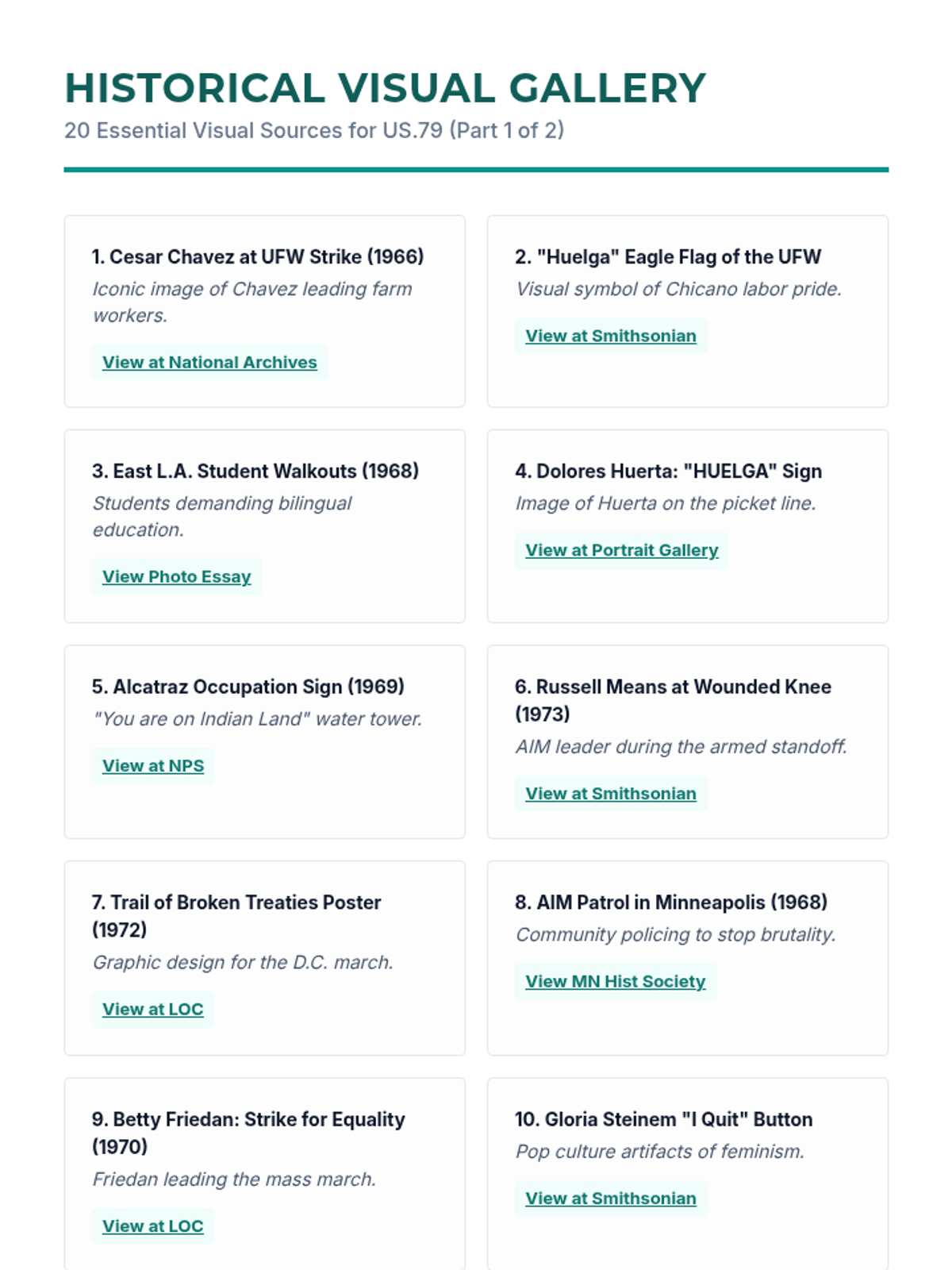
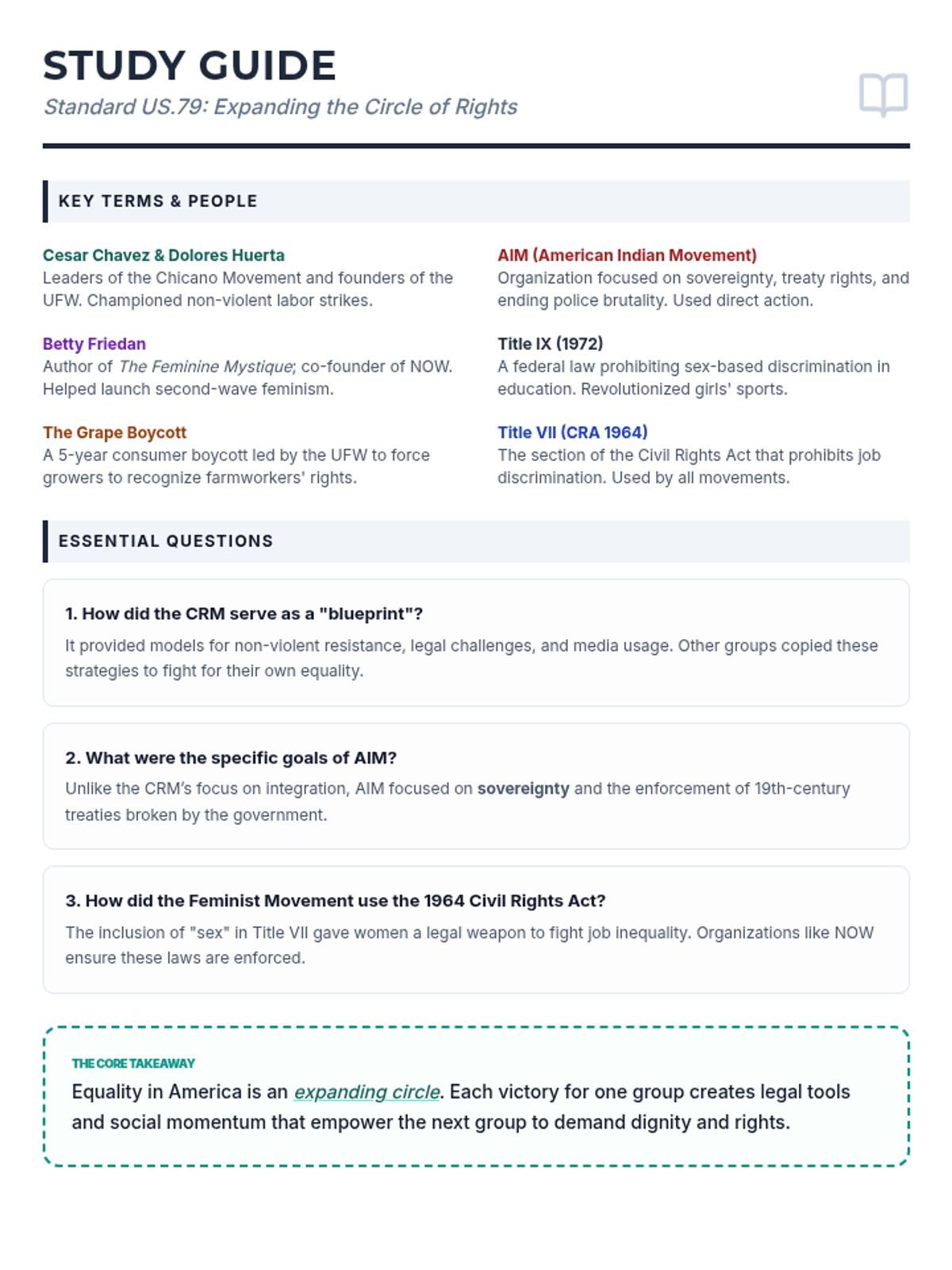
A 40-minute high school US History lesson exploring the interconnectedness of the American Indian Movement, Chicano Movement, and Feminist Movement with the broader Civil Rights Movement, as per TN Standard US.79.
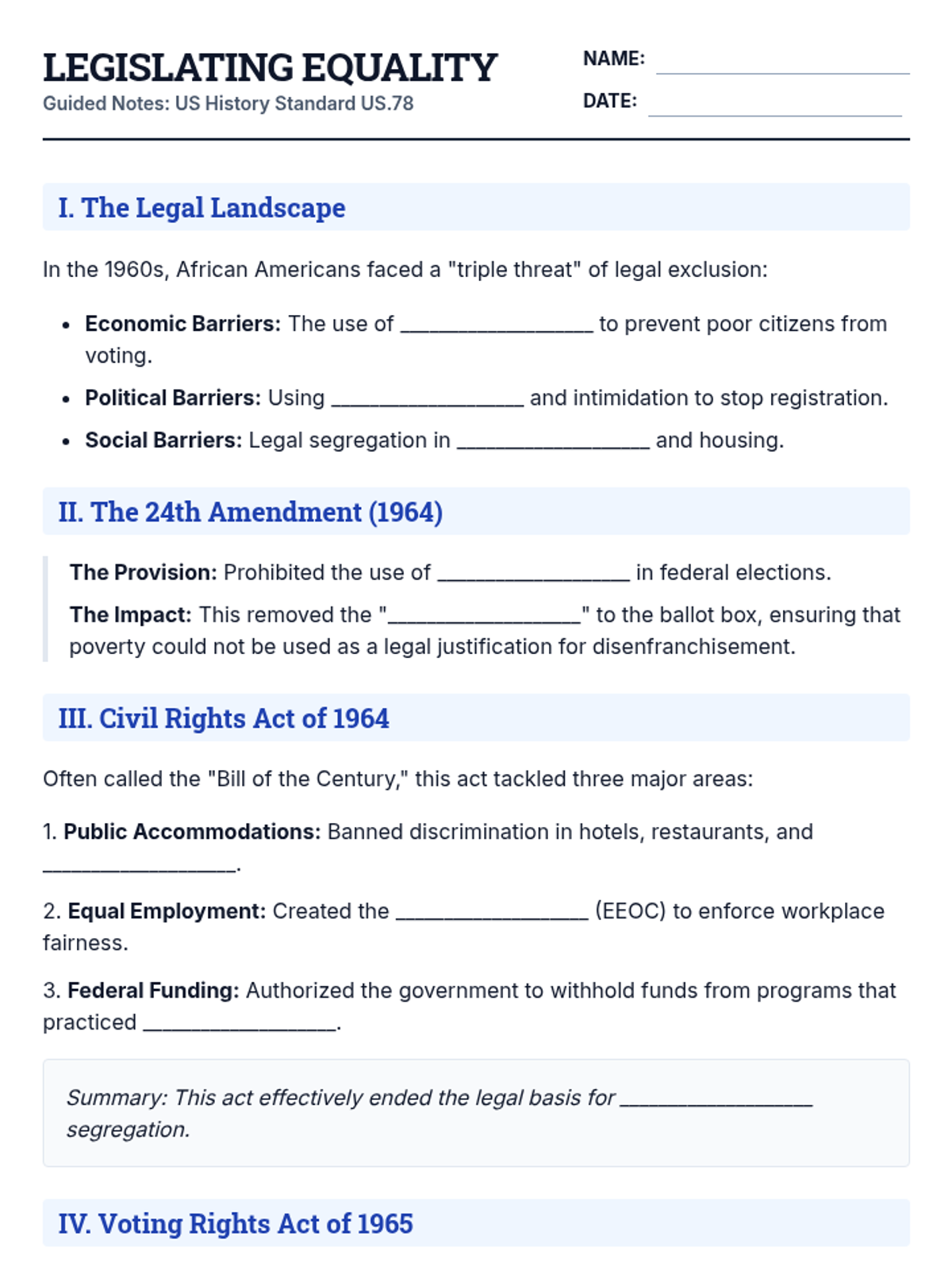
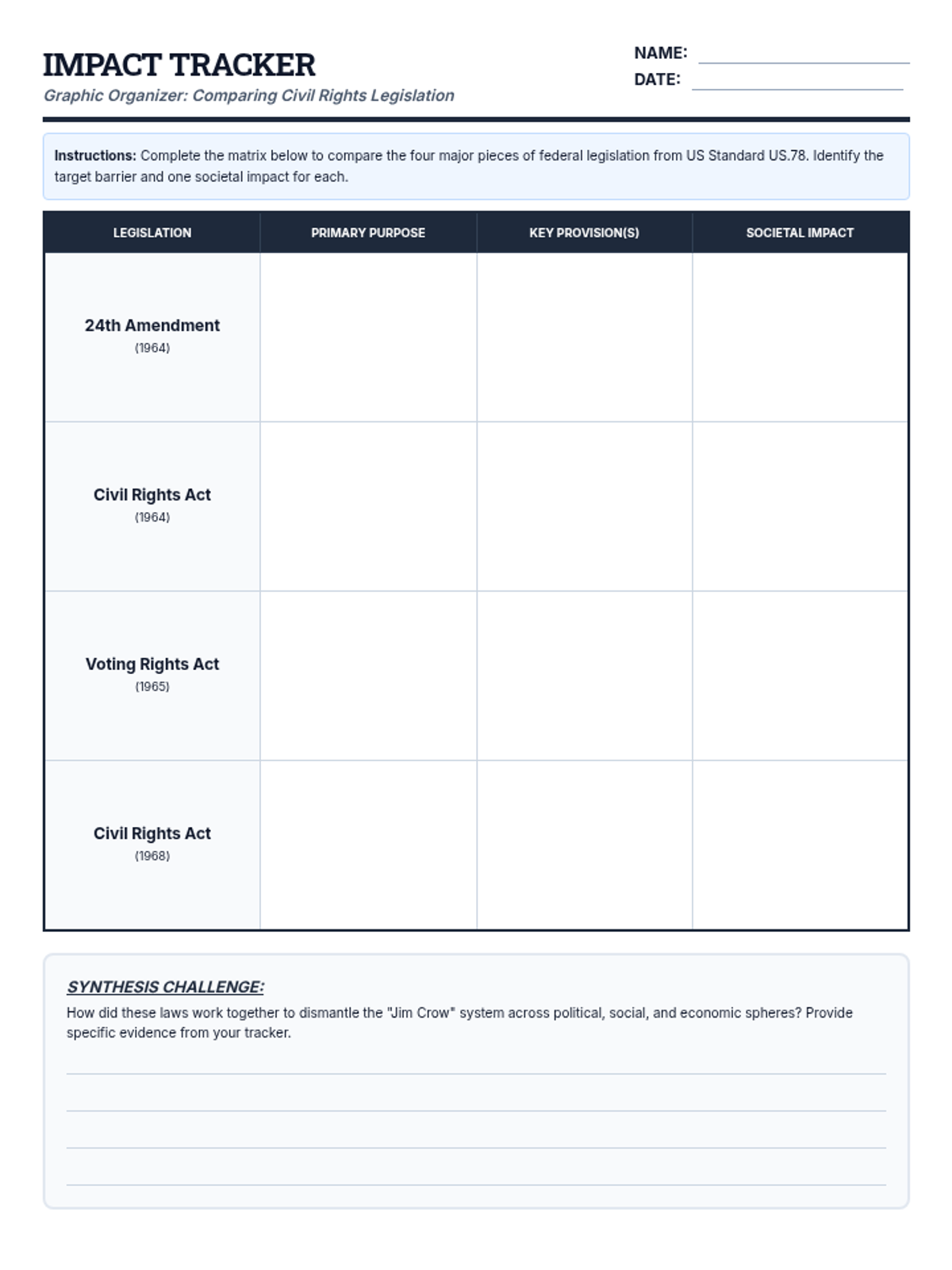
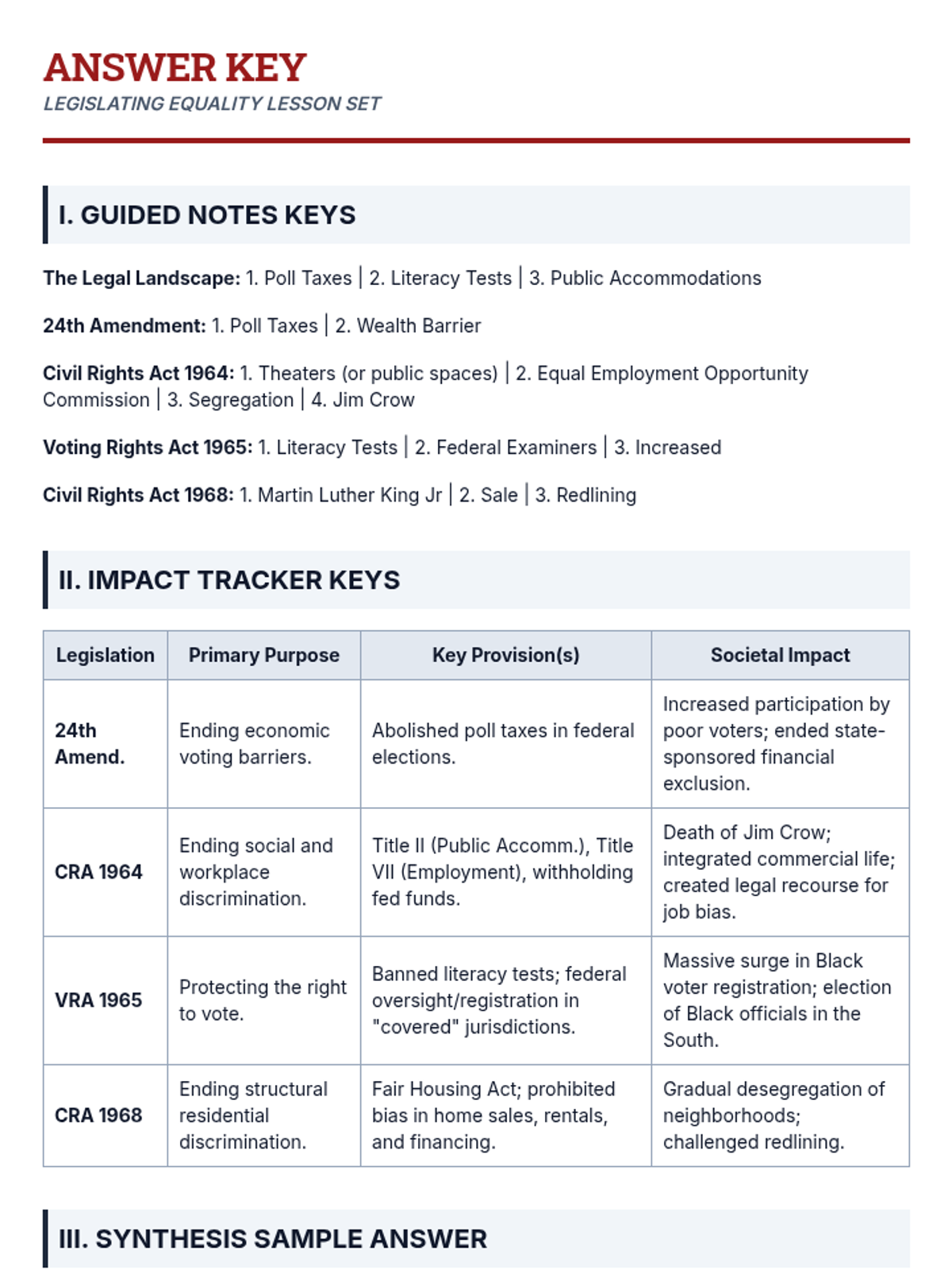
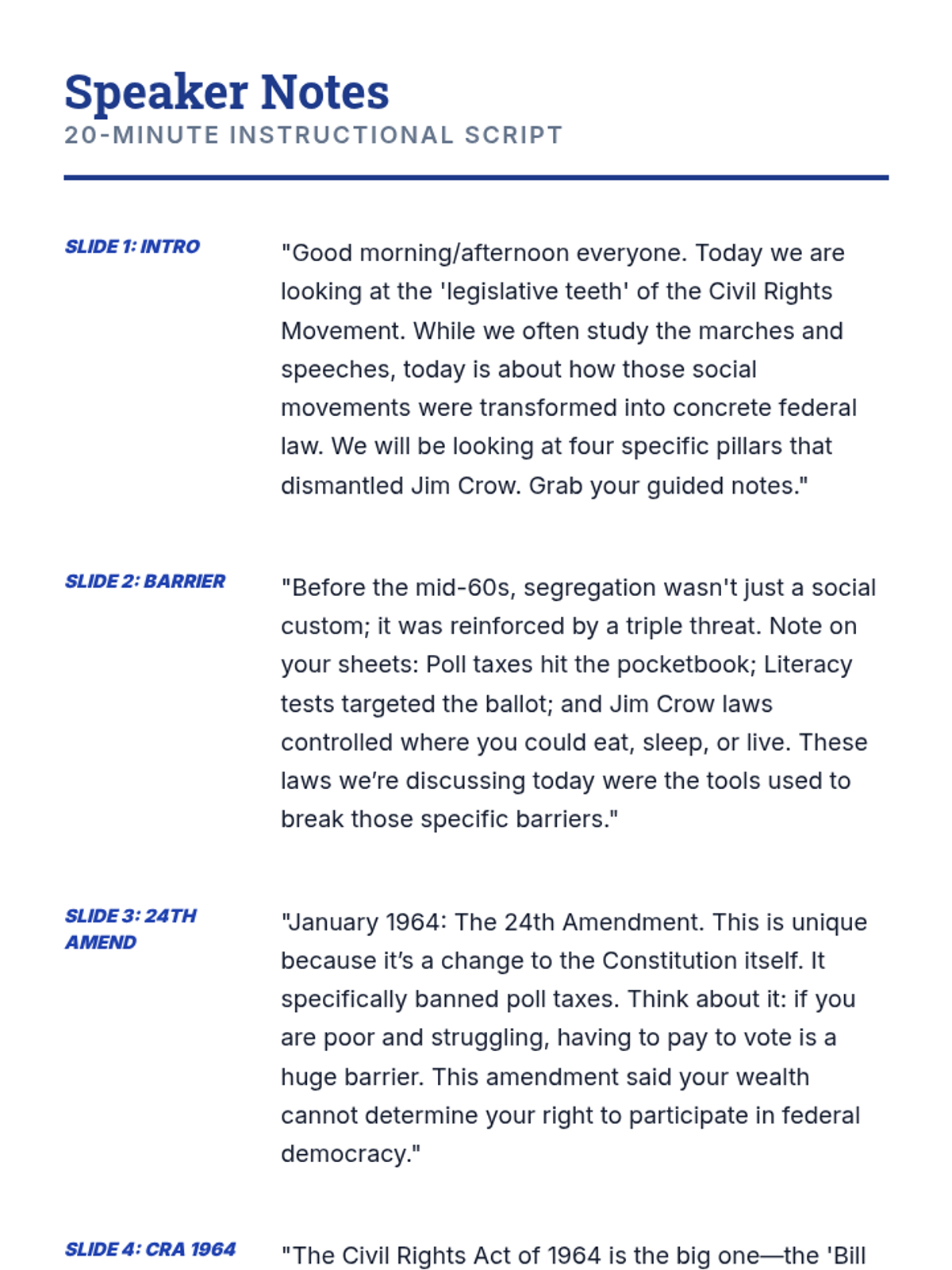
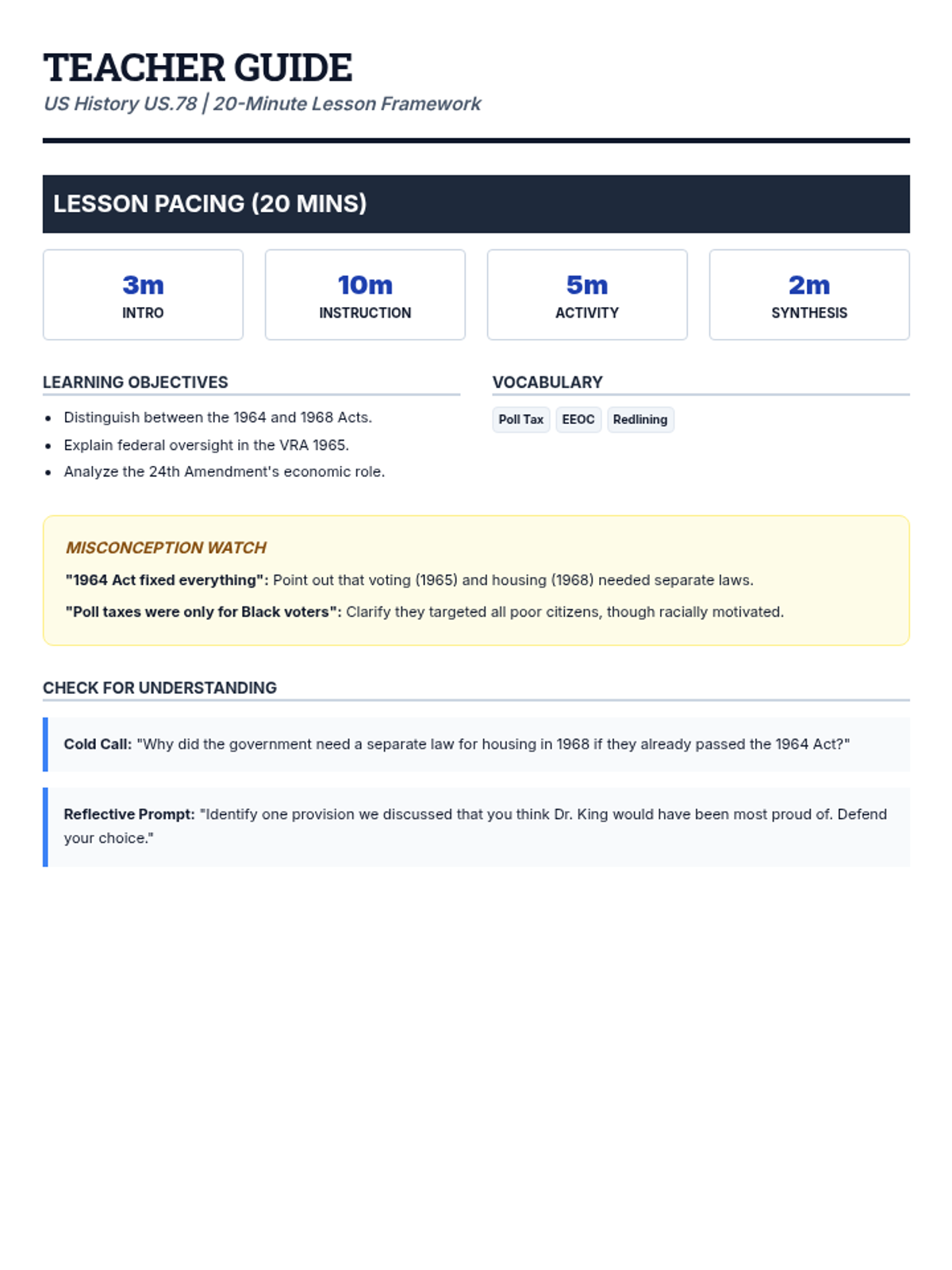
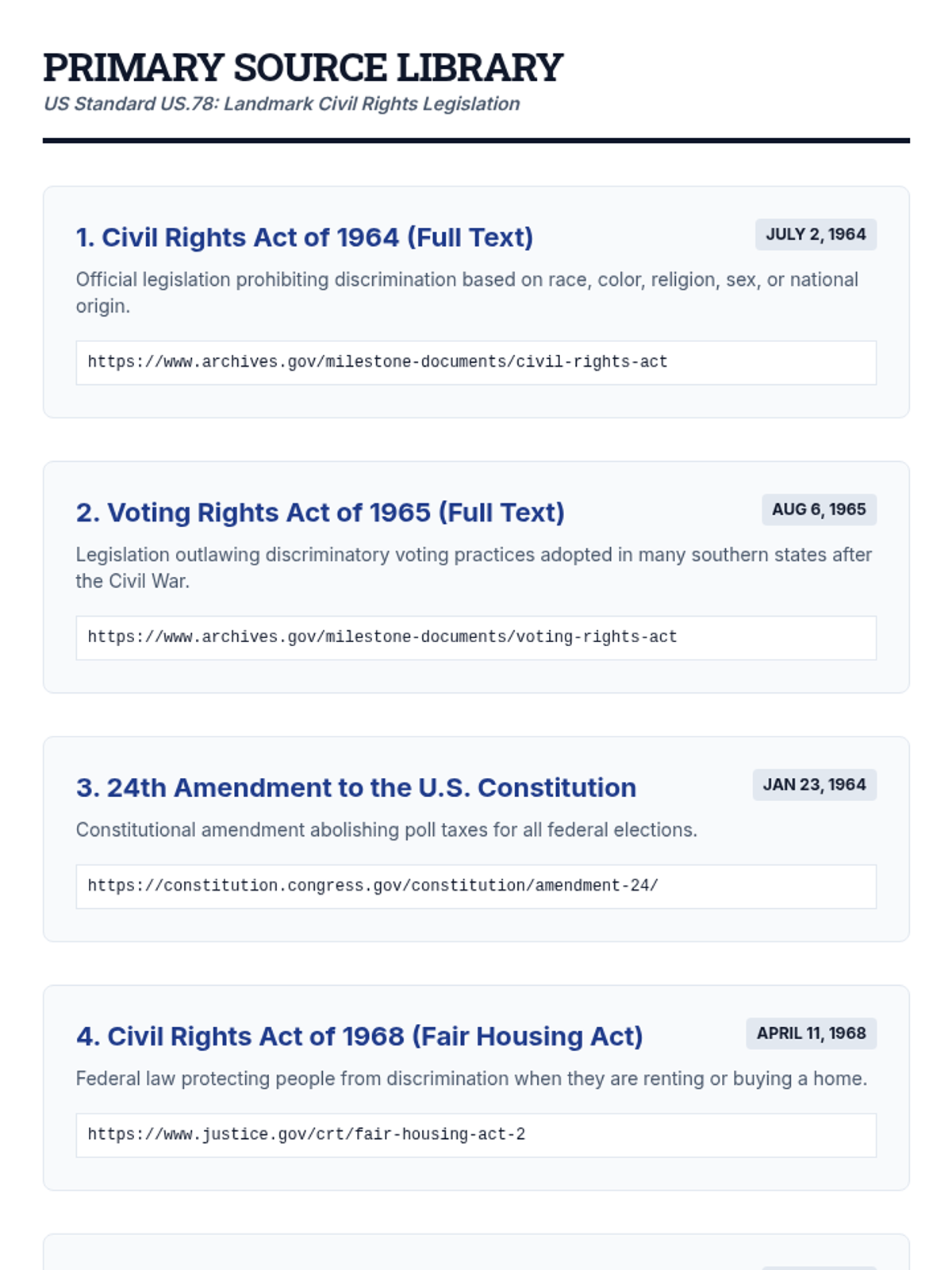
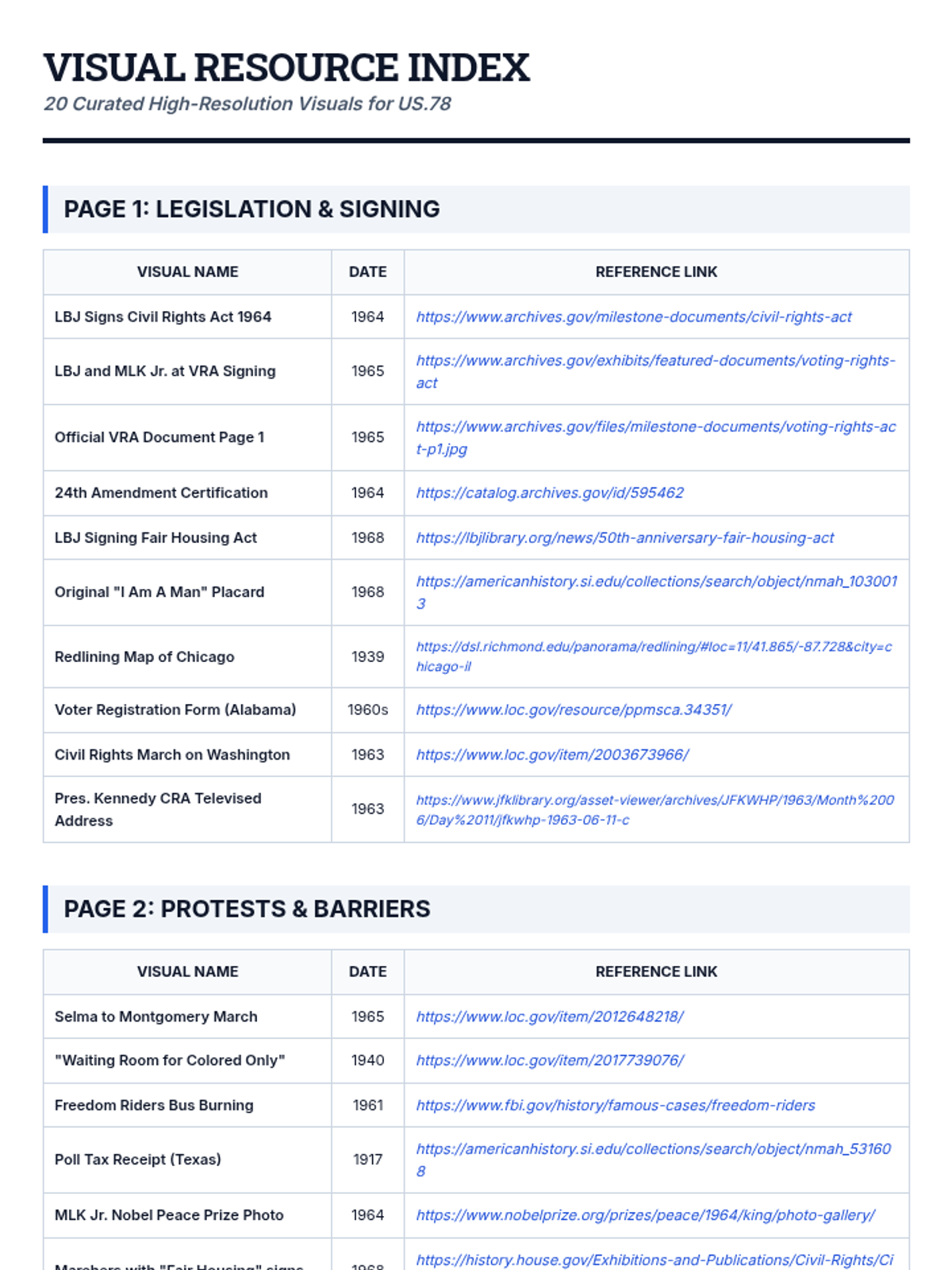
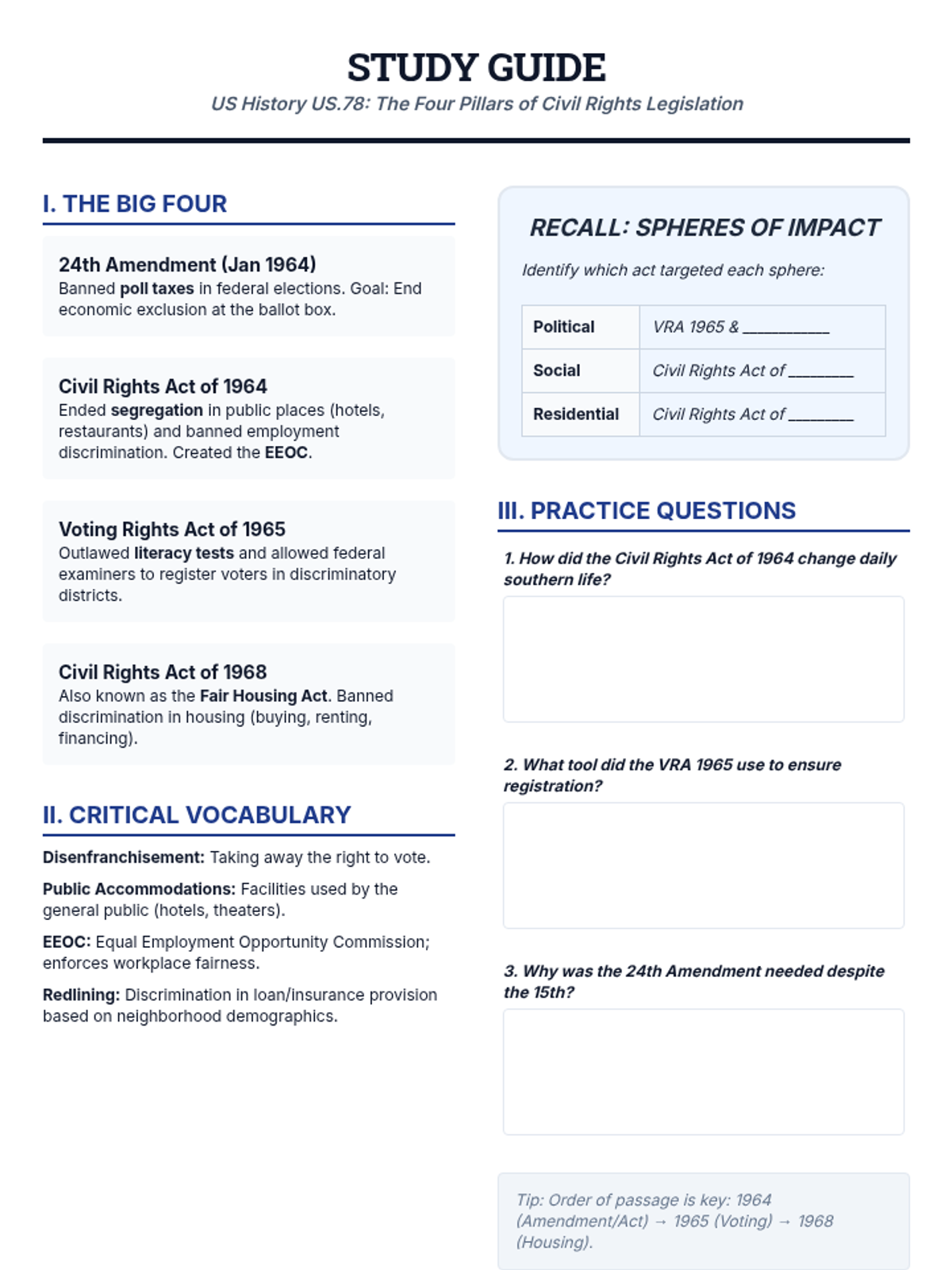
A concise 20-minute analysis of key civil rights legislation including the 24th Amendment and the Acts of 1964, 1965, and 1968. Students explore the specific legal impacts and societal changes brought about by these landmark federal actions.
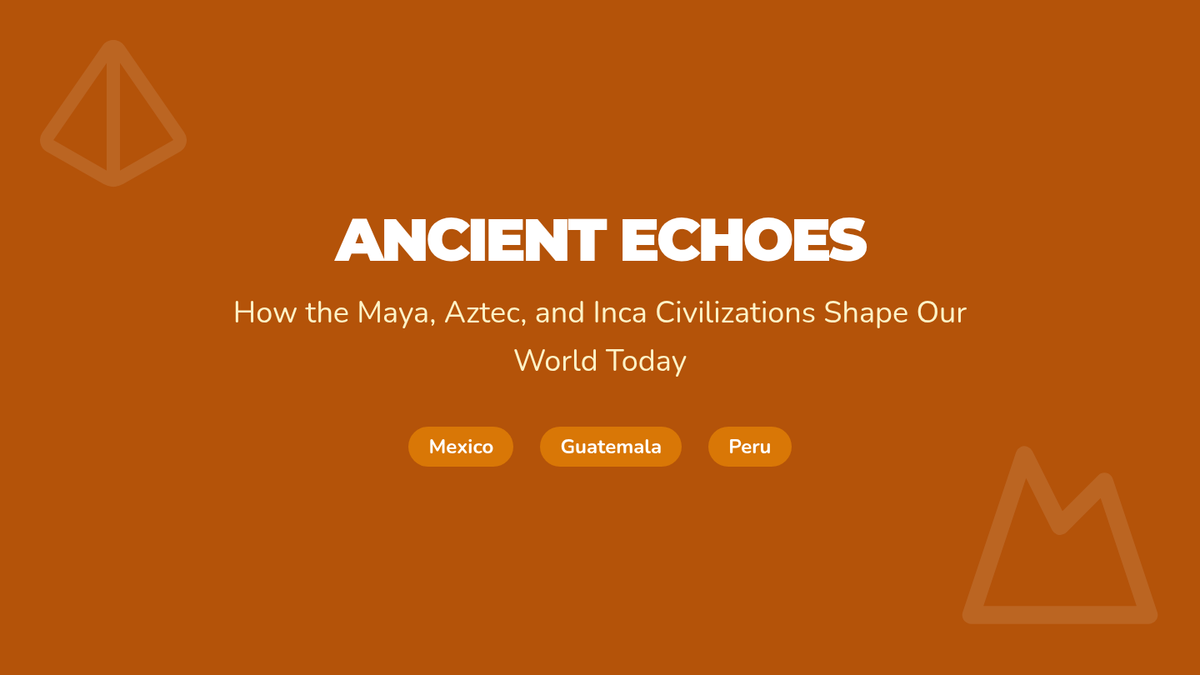
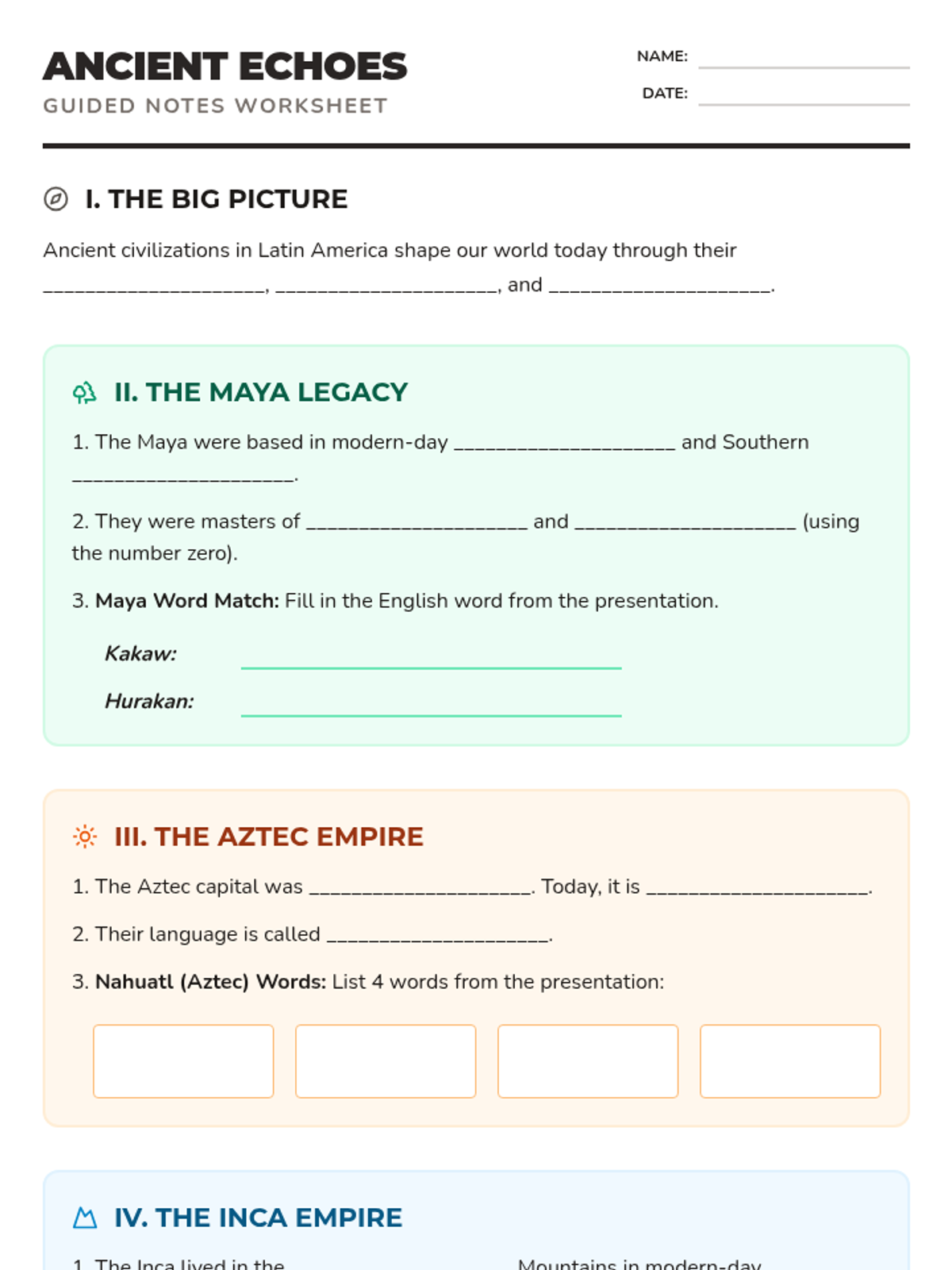
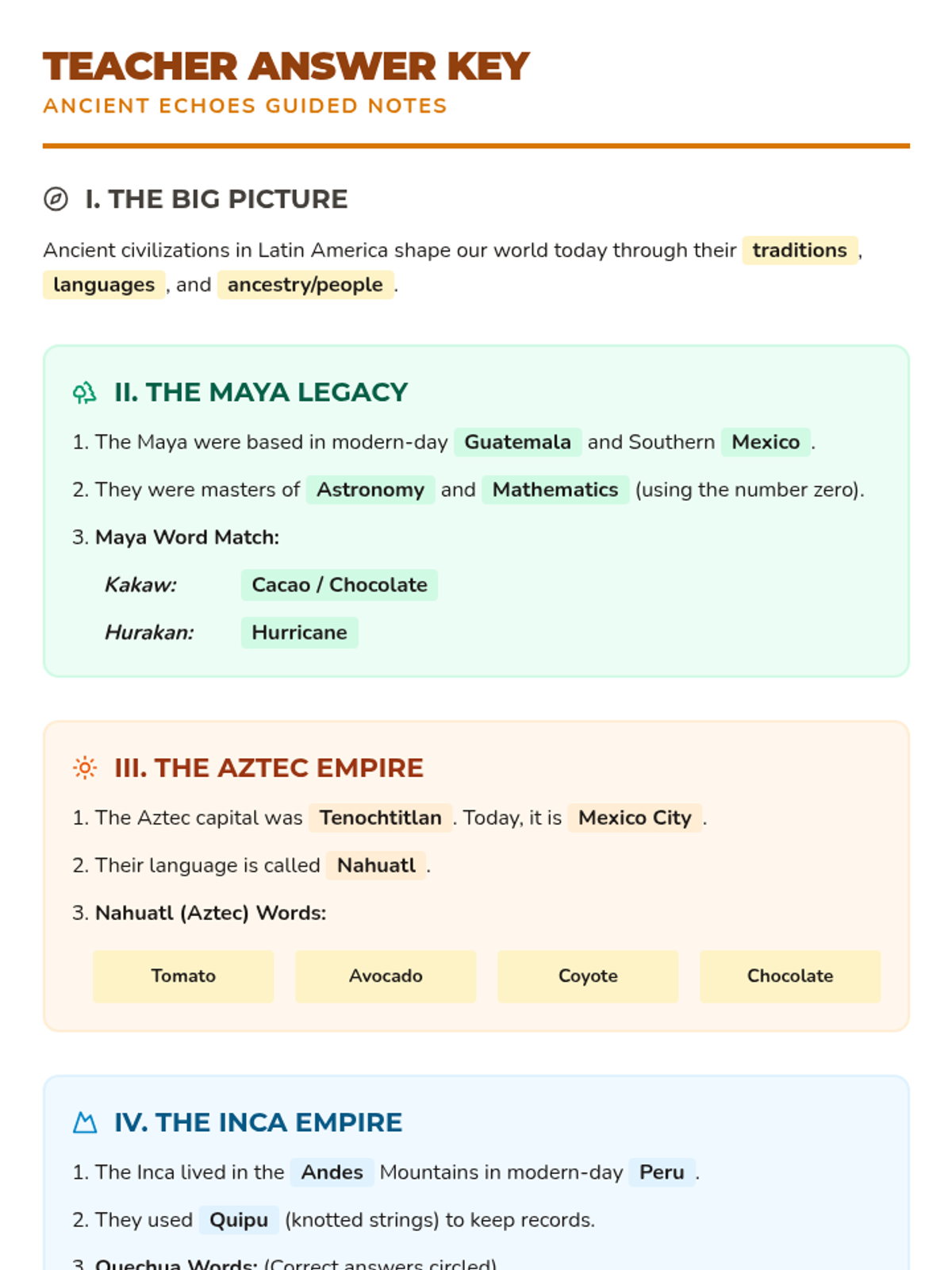
A lesson exploring the linguistic and cultural threads connecting the Maya, Aztec, and Inca civilizations to modern-day Mexico, Peru, and Guatemala. Students learn about indigenous words used in everyday language and enduring traditions.
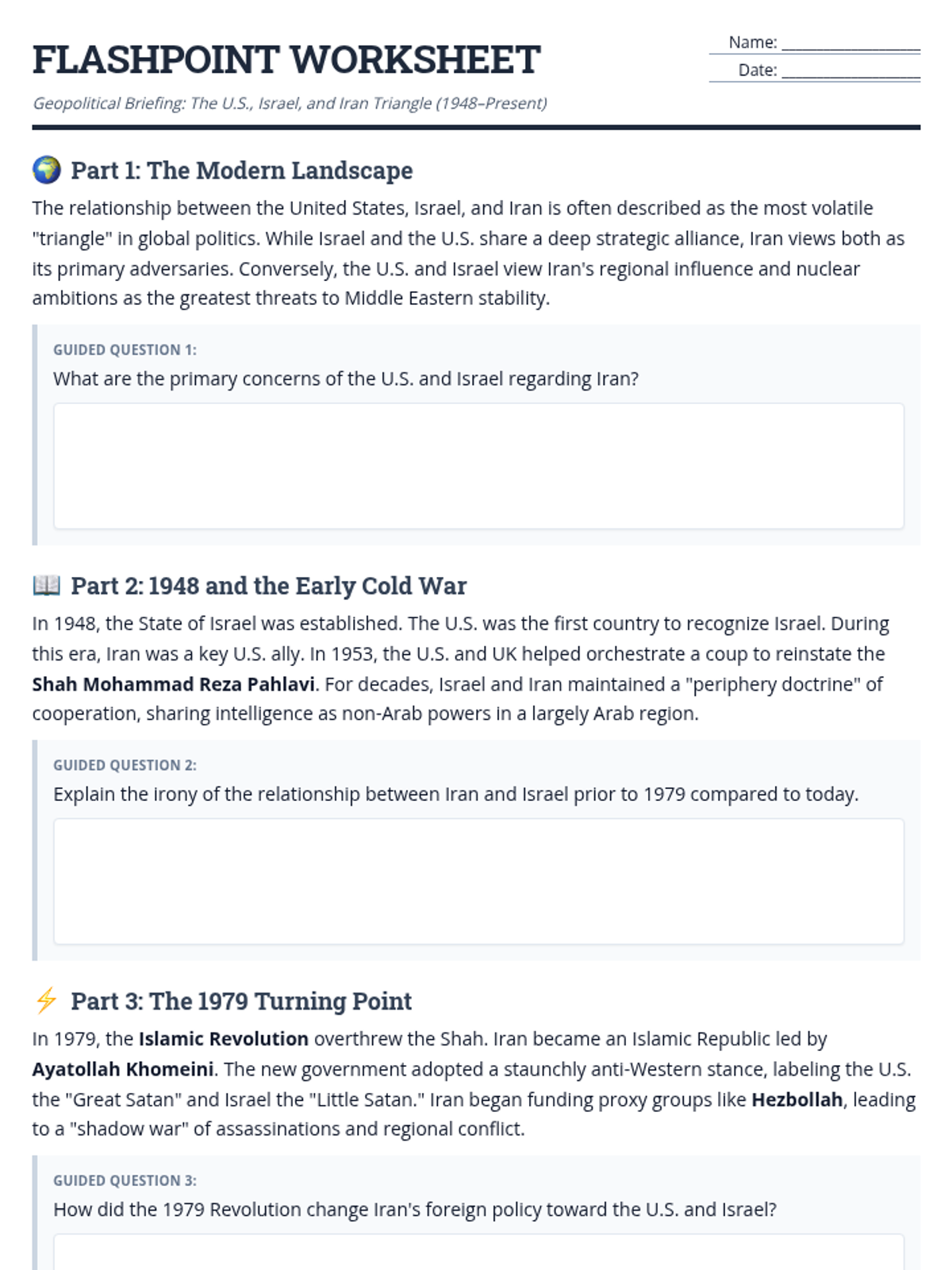
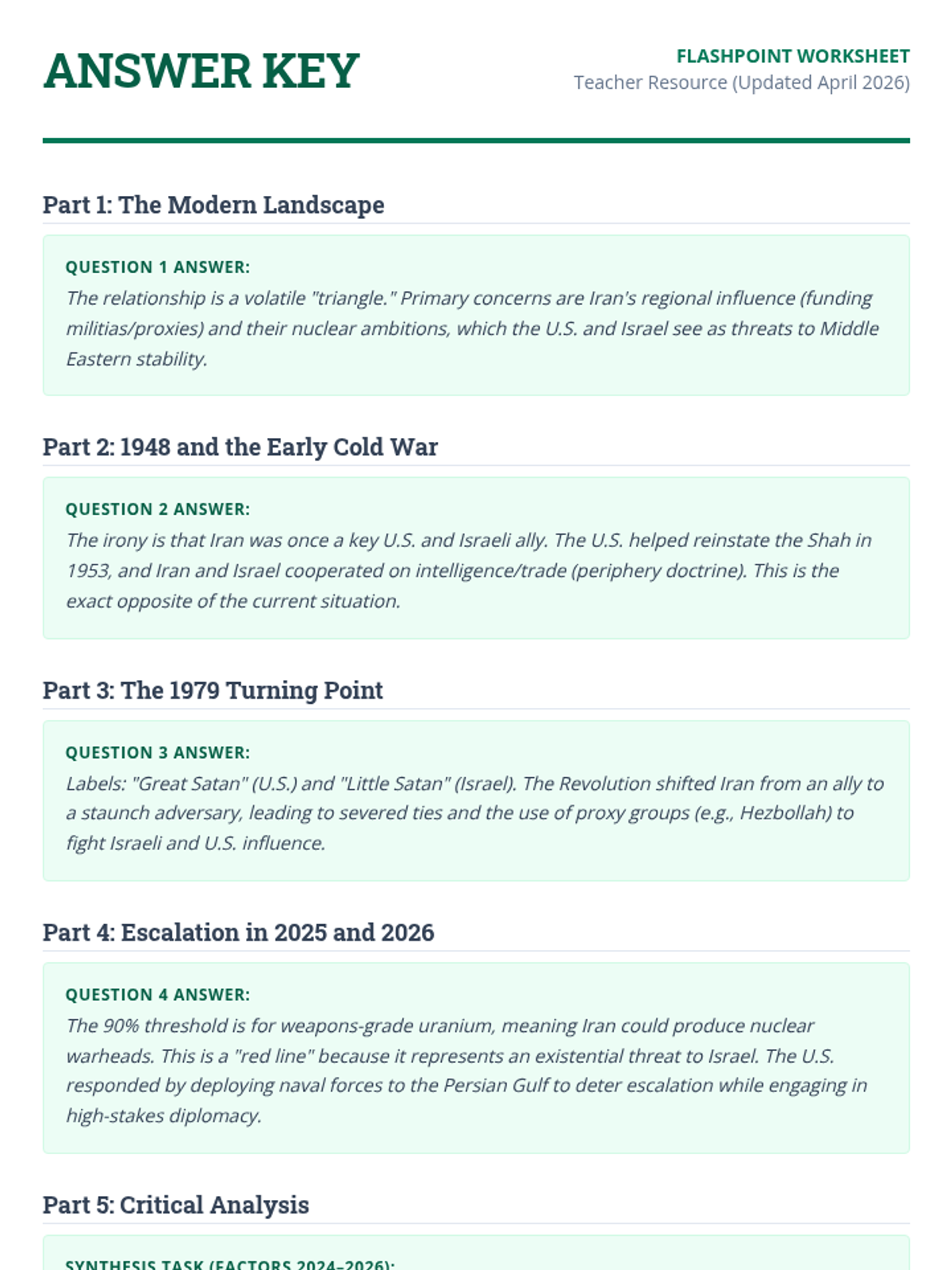
A high school level lesson covering the complex historical and modern relationship between the United States, Israel, and Iran from 1948 to the present day.
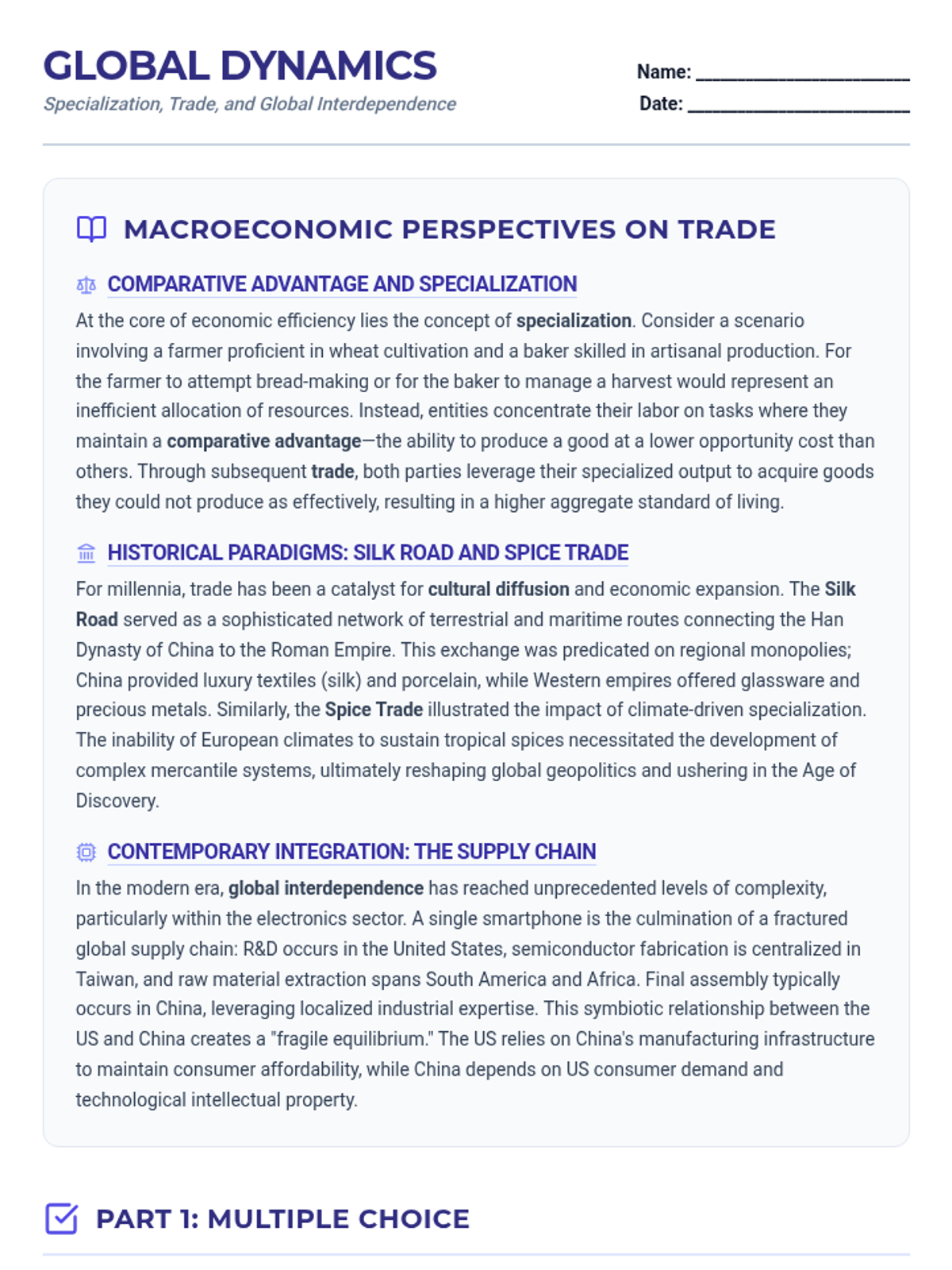
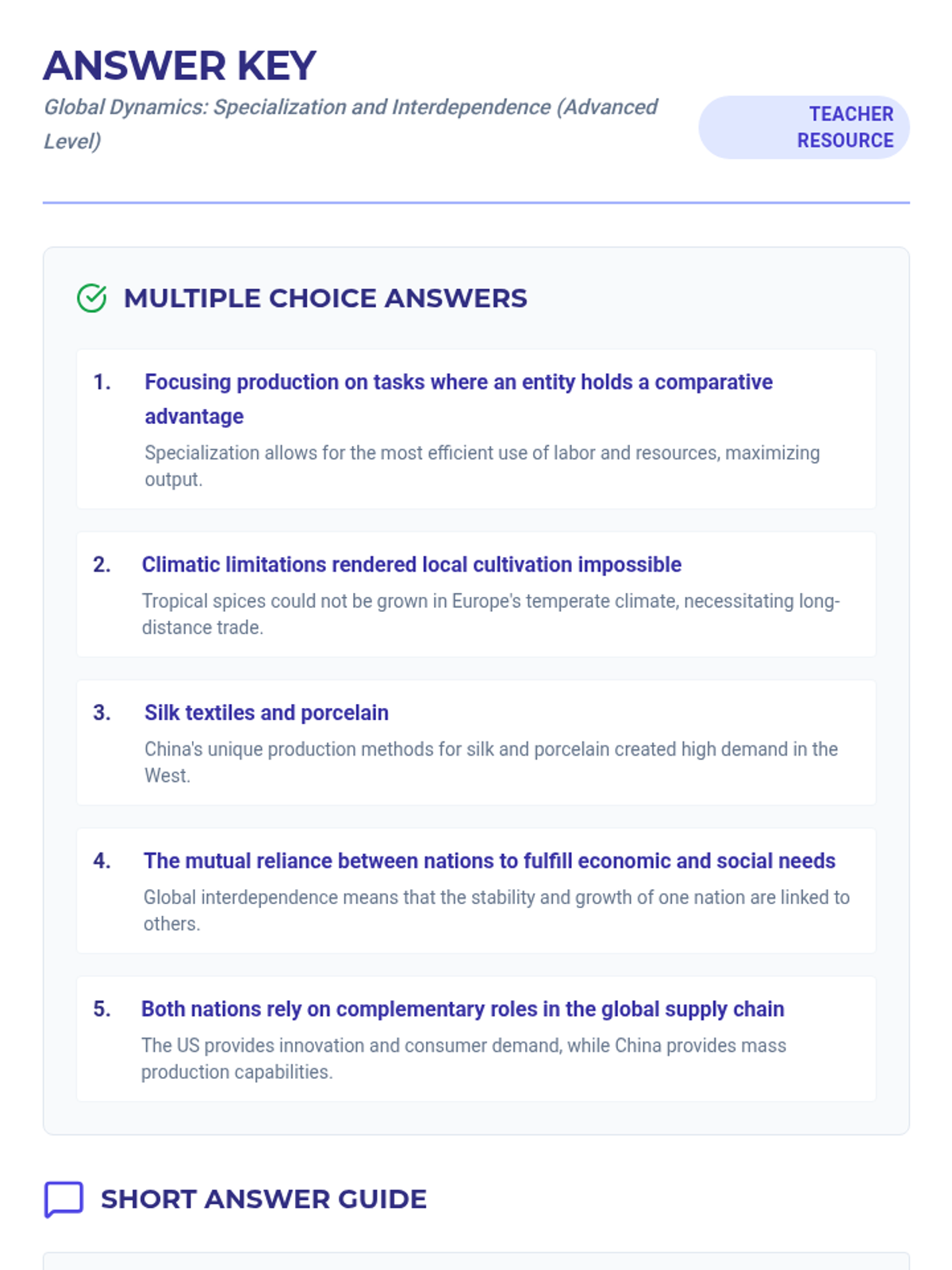
This lesson introduces students to the concepts of specialization, trade, and economic interdependence using historical and modern examples. Students will explore how individuals and nations rely on each other to fulfill their needs and wants.