A lesson where students learn about the importance of solitary pollinators like Mason bees and create persuasive 'Wanted' posters to encourage habitat building and stewardship.
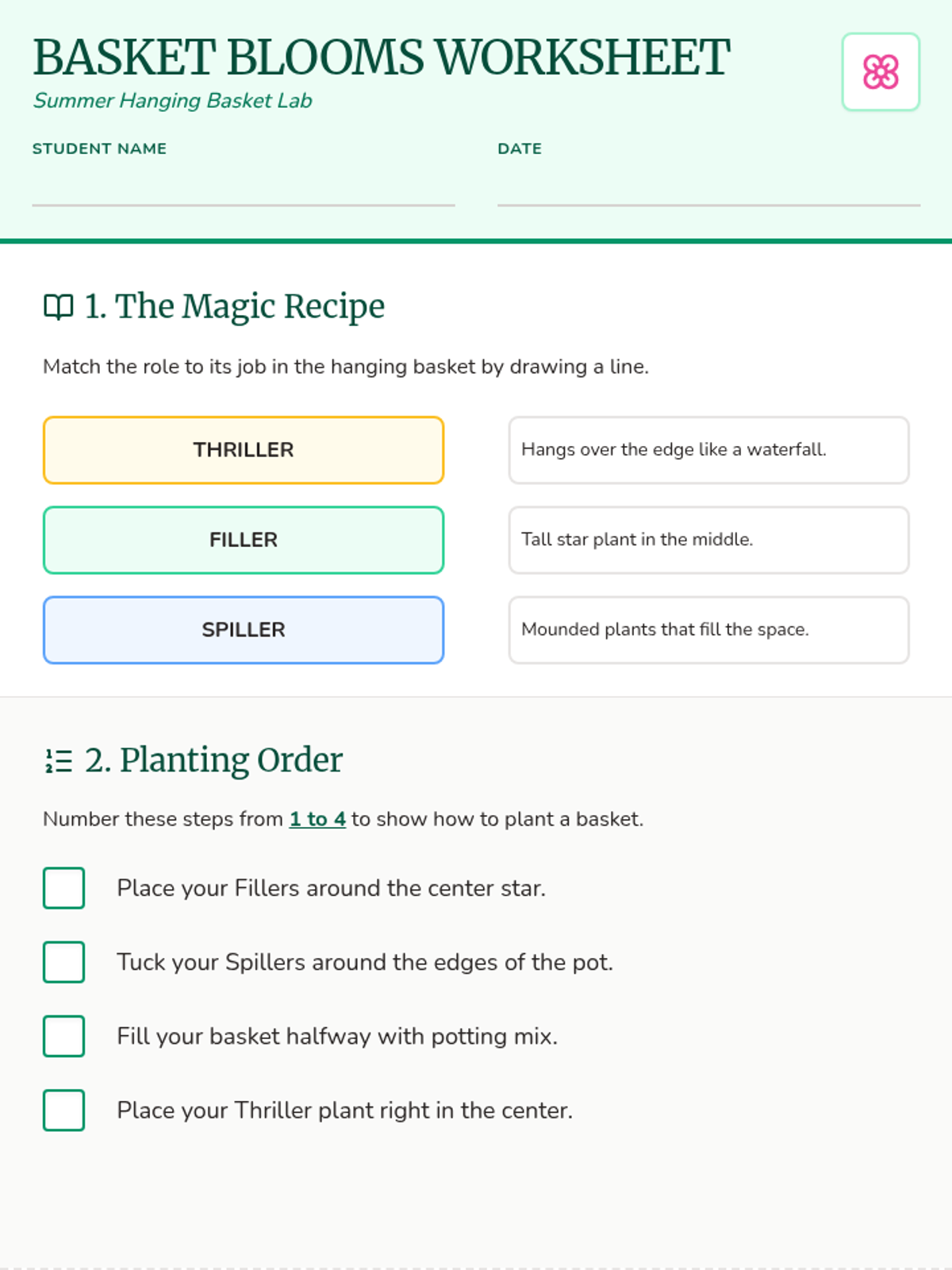
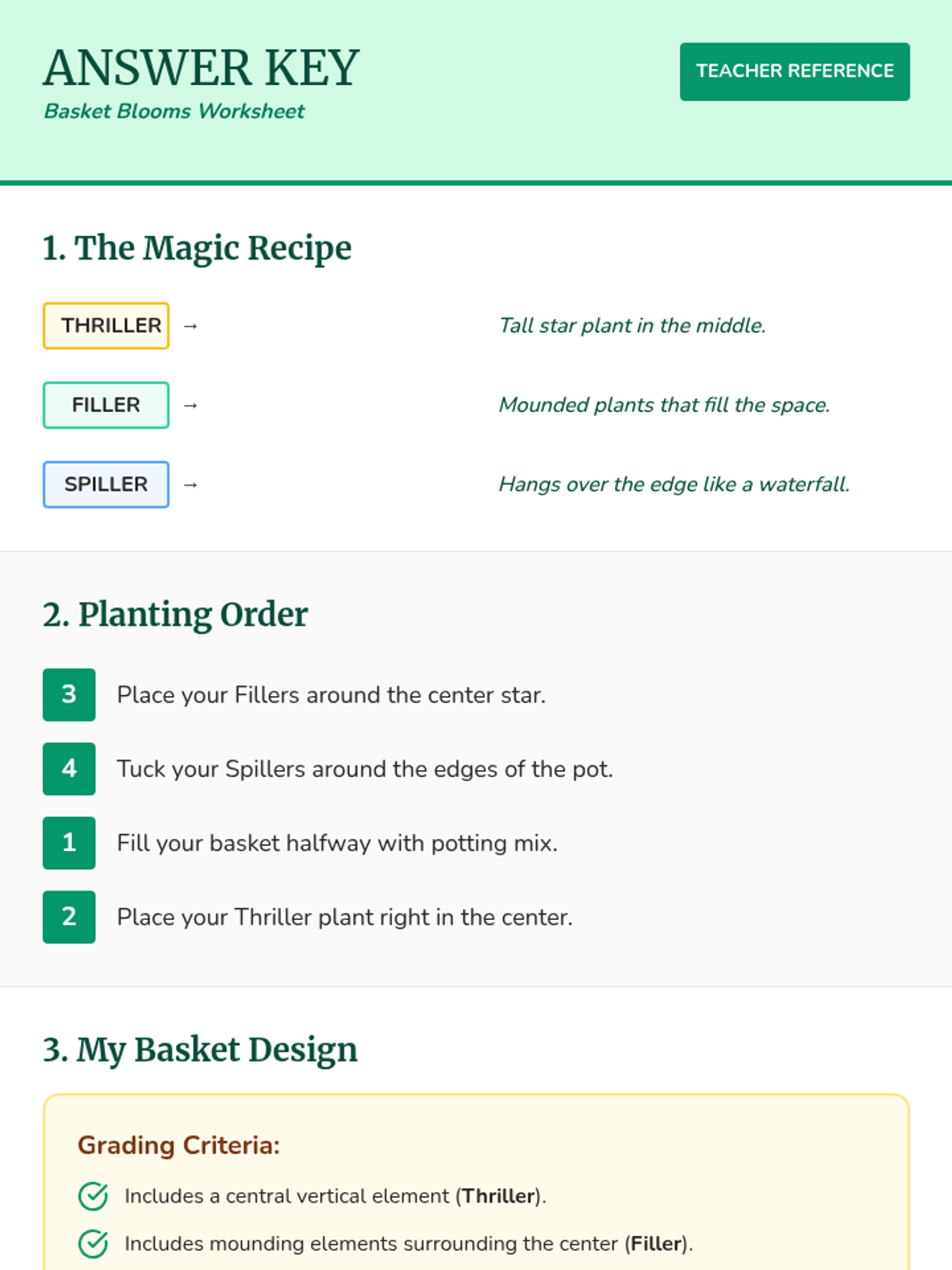
A hands-on lesson for elementary students on how to select plants and assemble a beautiful, healthy summer hanging basket using the 'Thriller, Filler, Spiller' method.
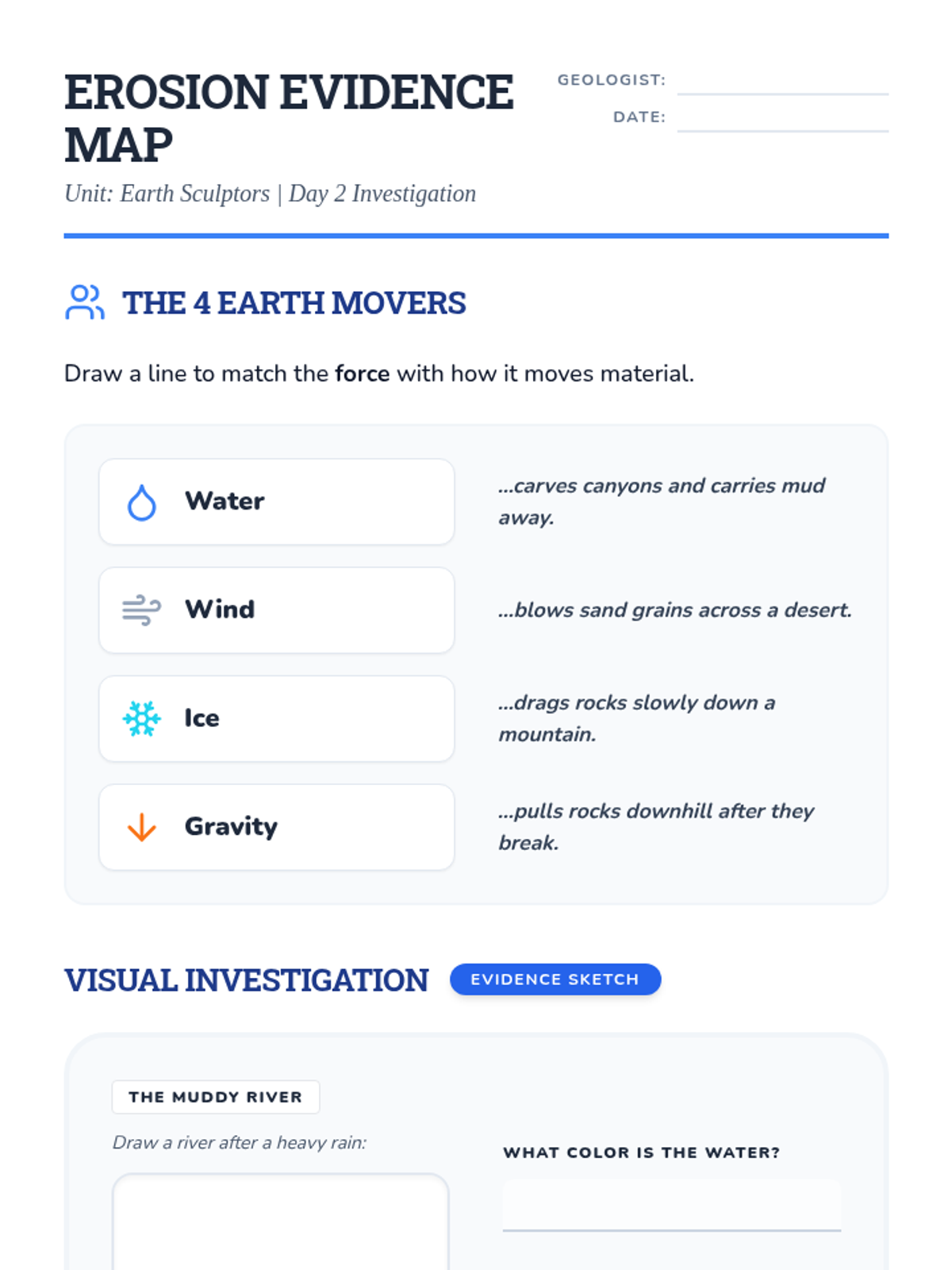
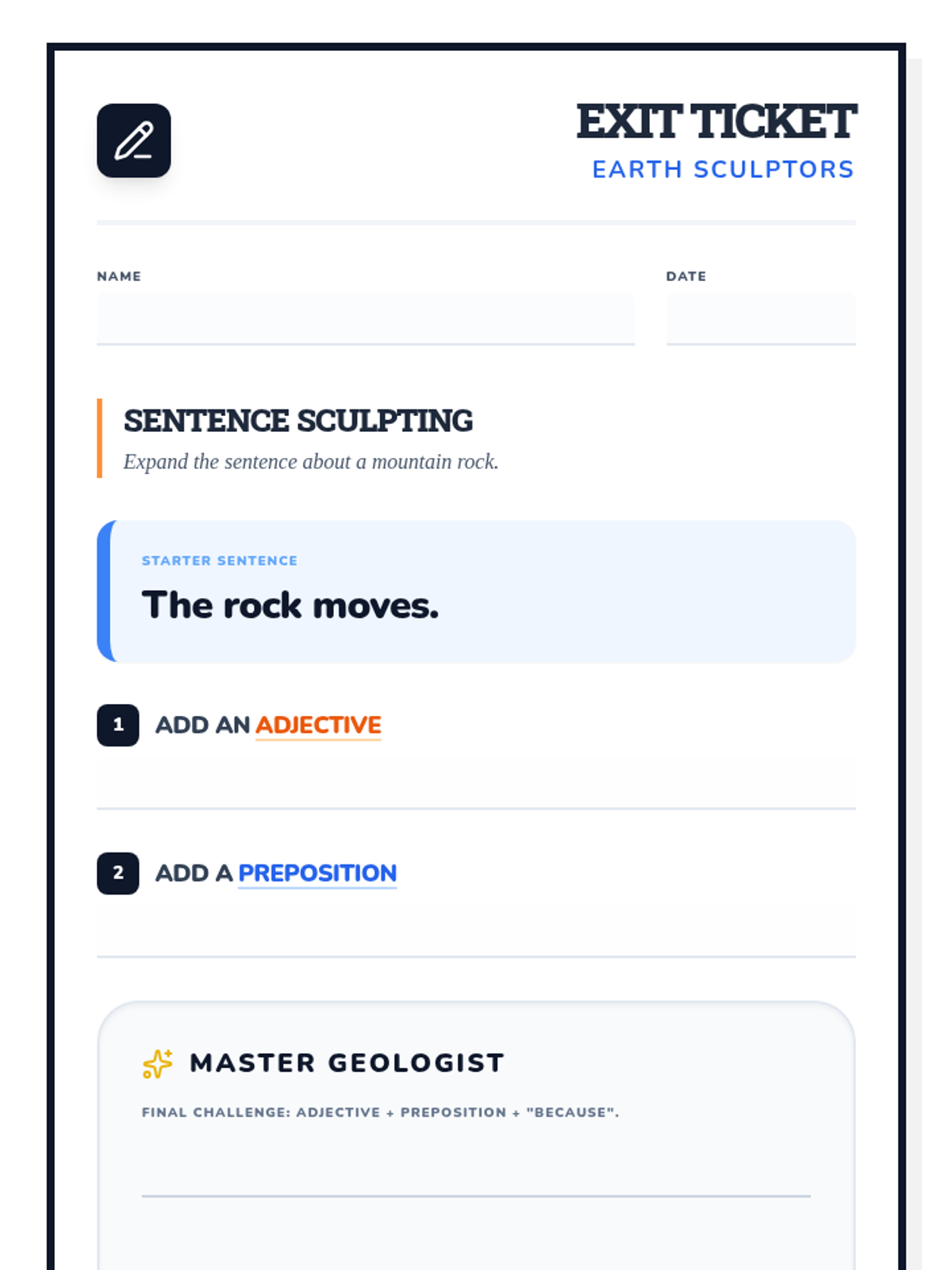
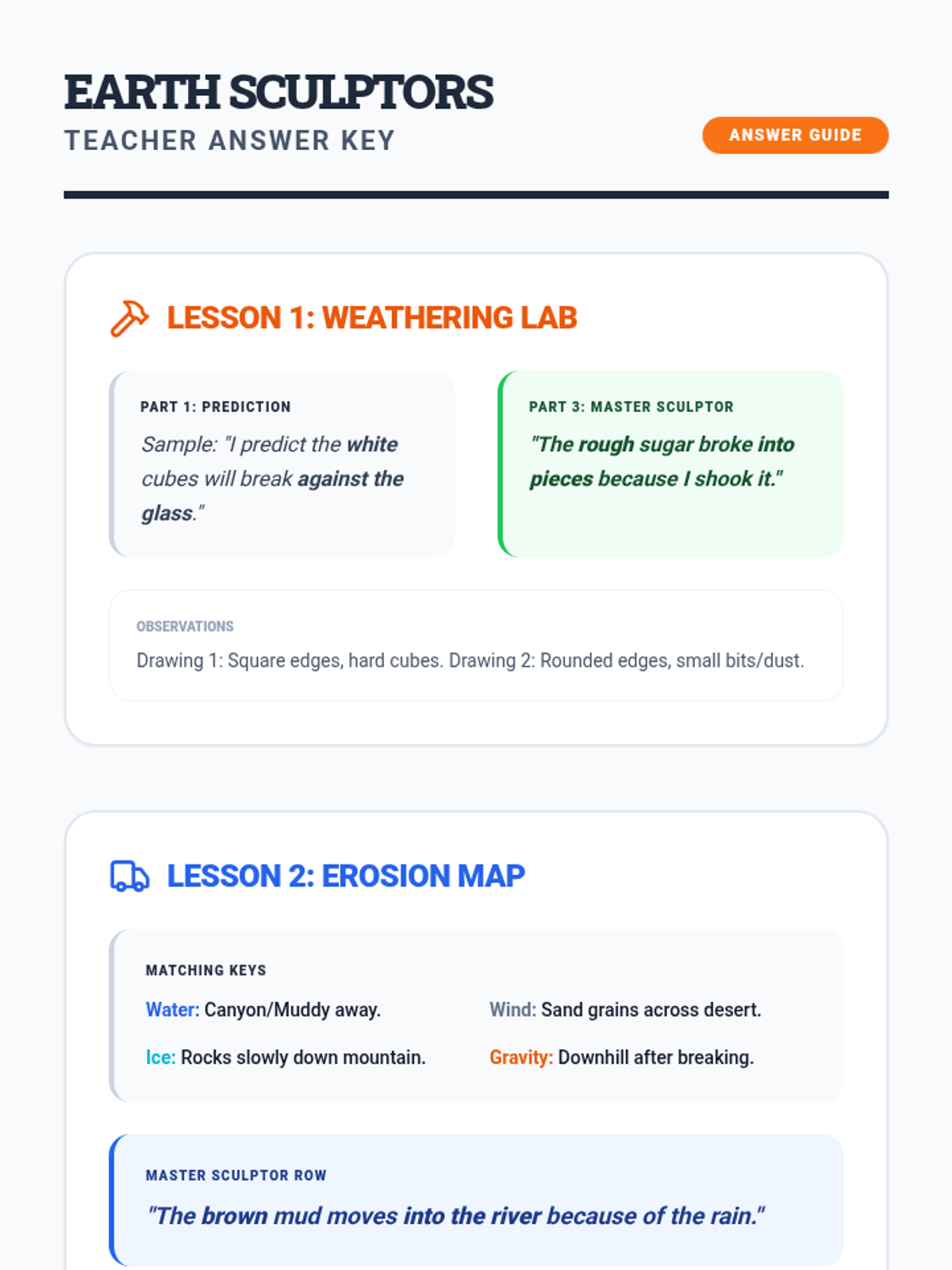
Students investigate how water, wind, and ice move weathered materials and practice expanding sentences to explain the causes and effects of erosion.
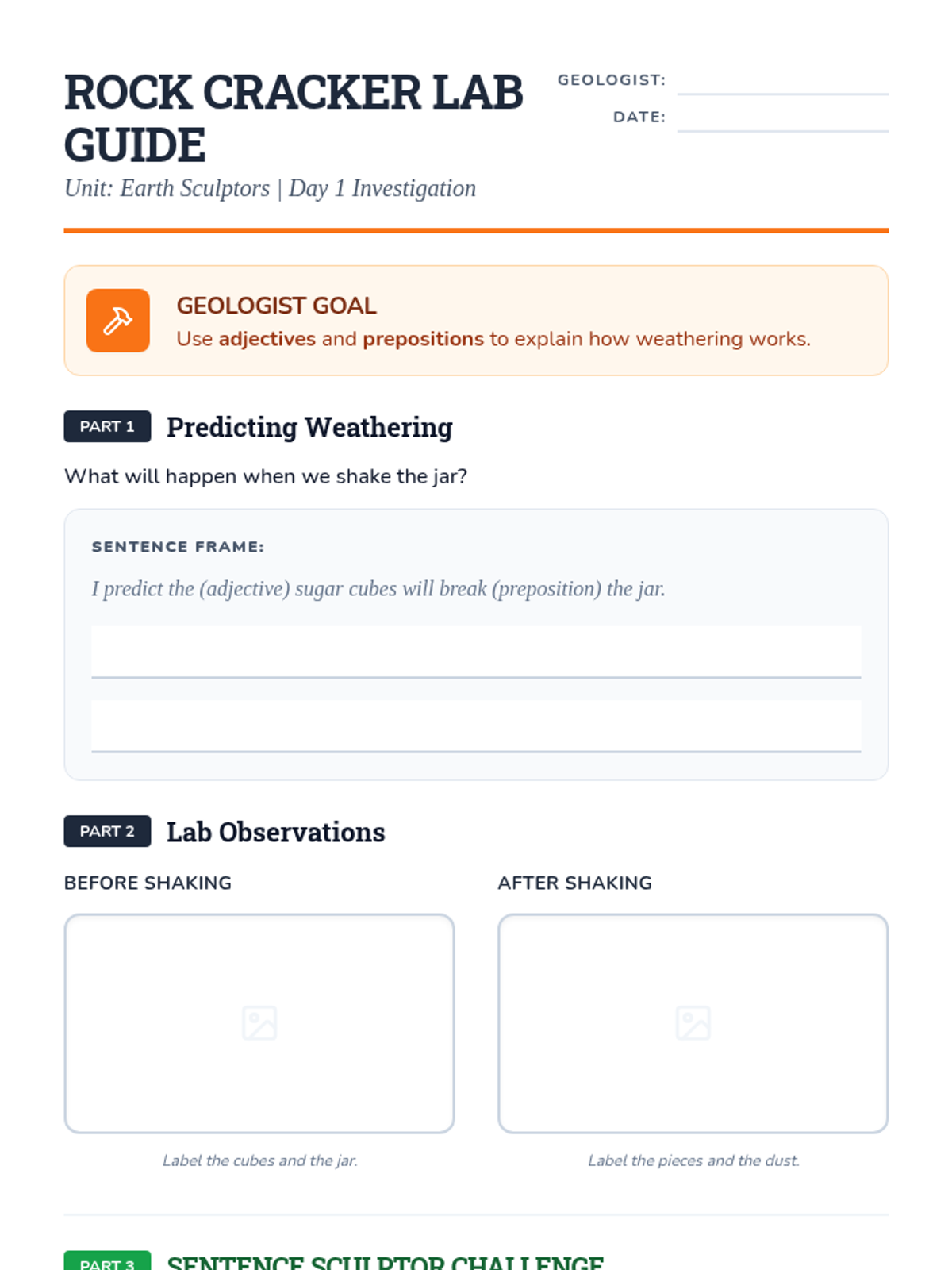
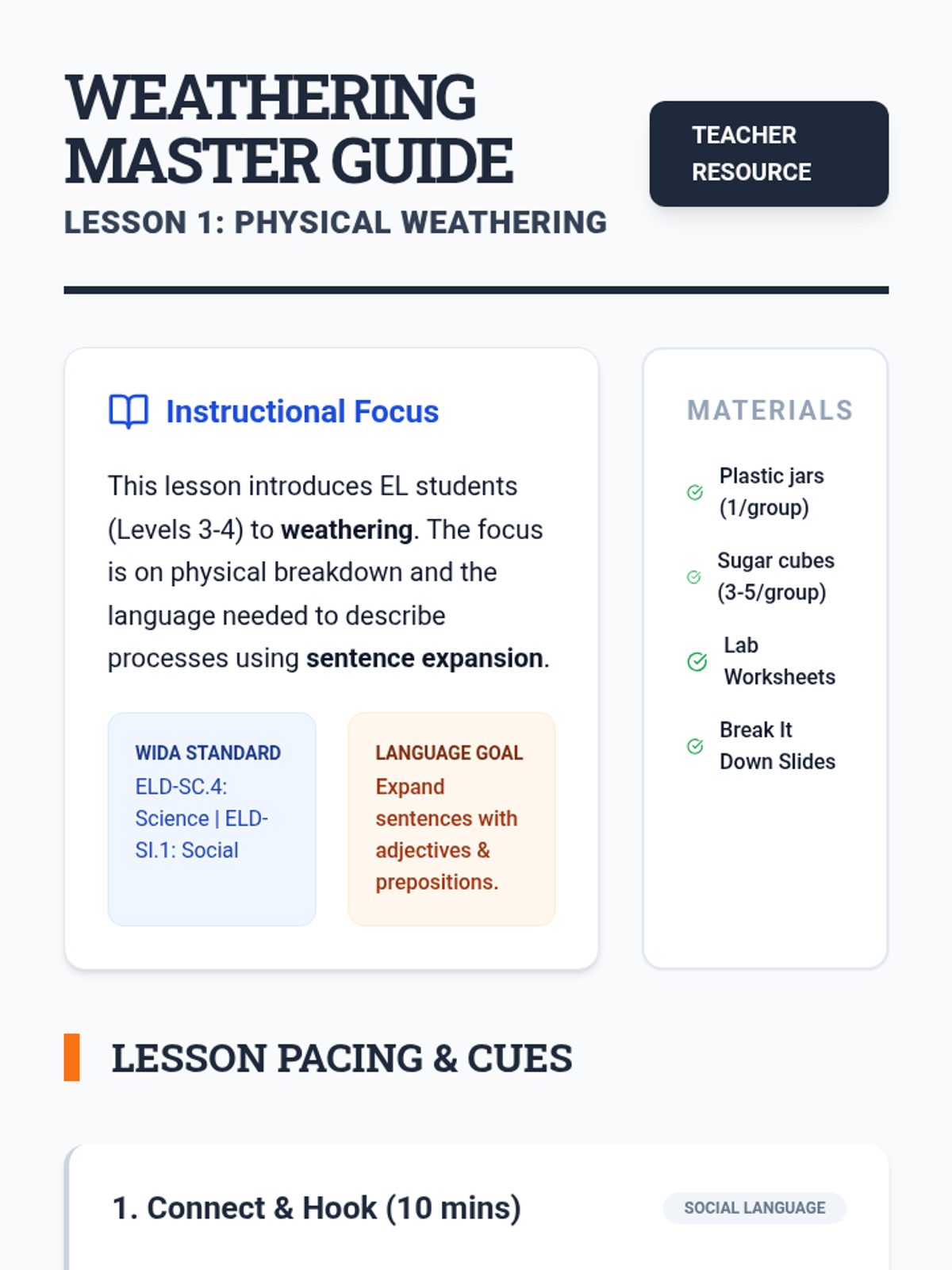
Students explore physical and chemical weathering through hands-on simulations and learn to describe the process of breaking down rock using expanded sentences.
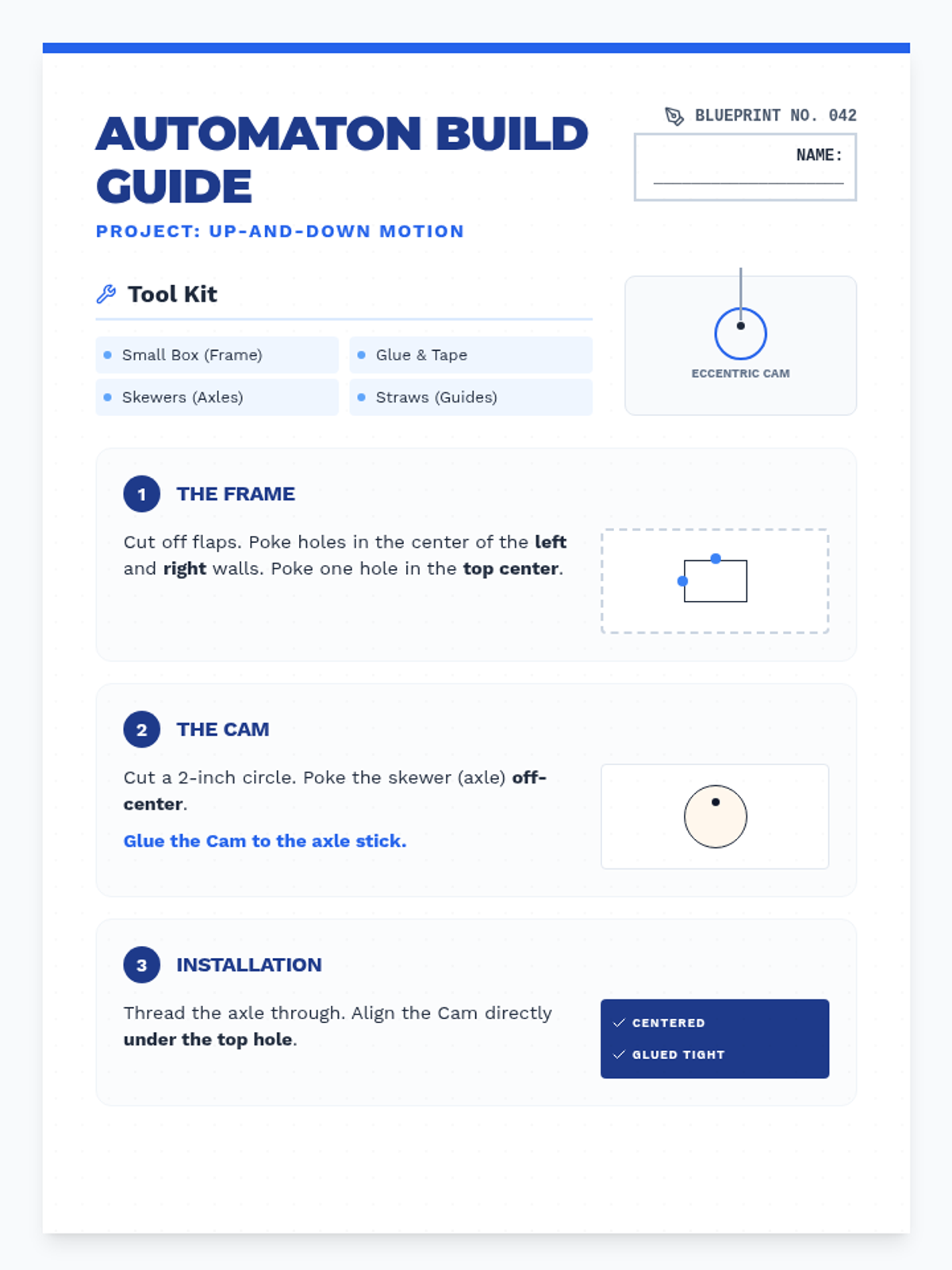
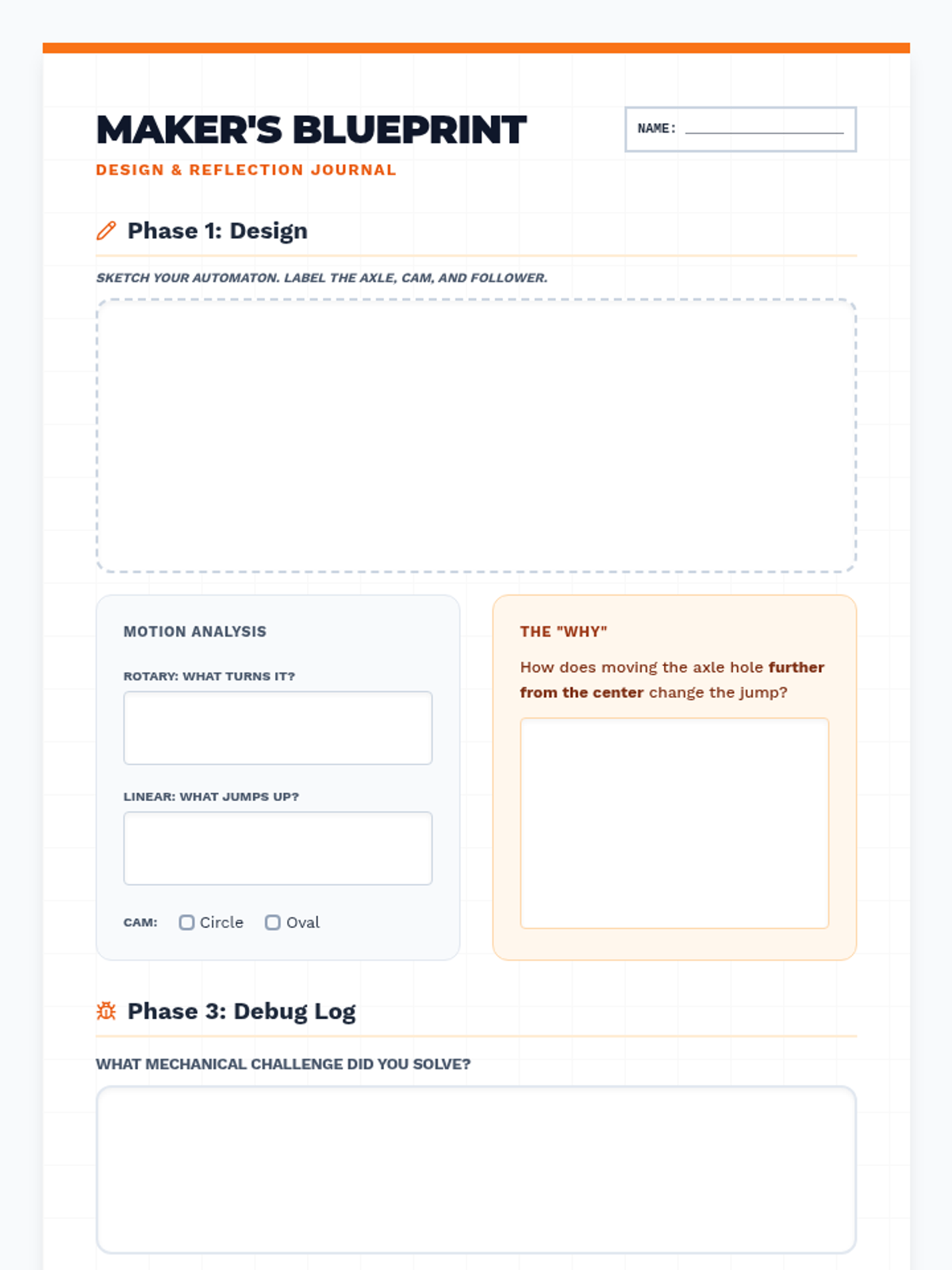
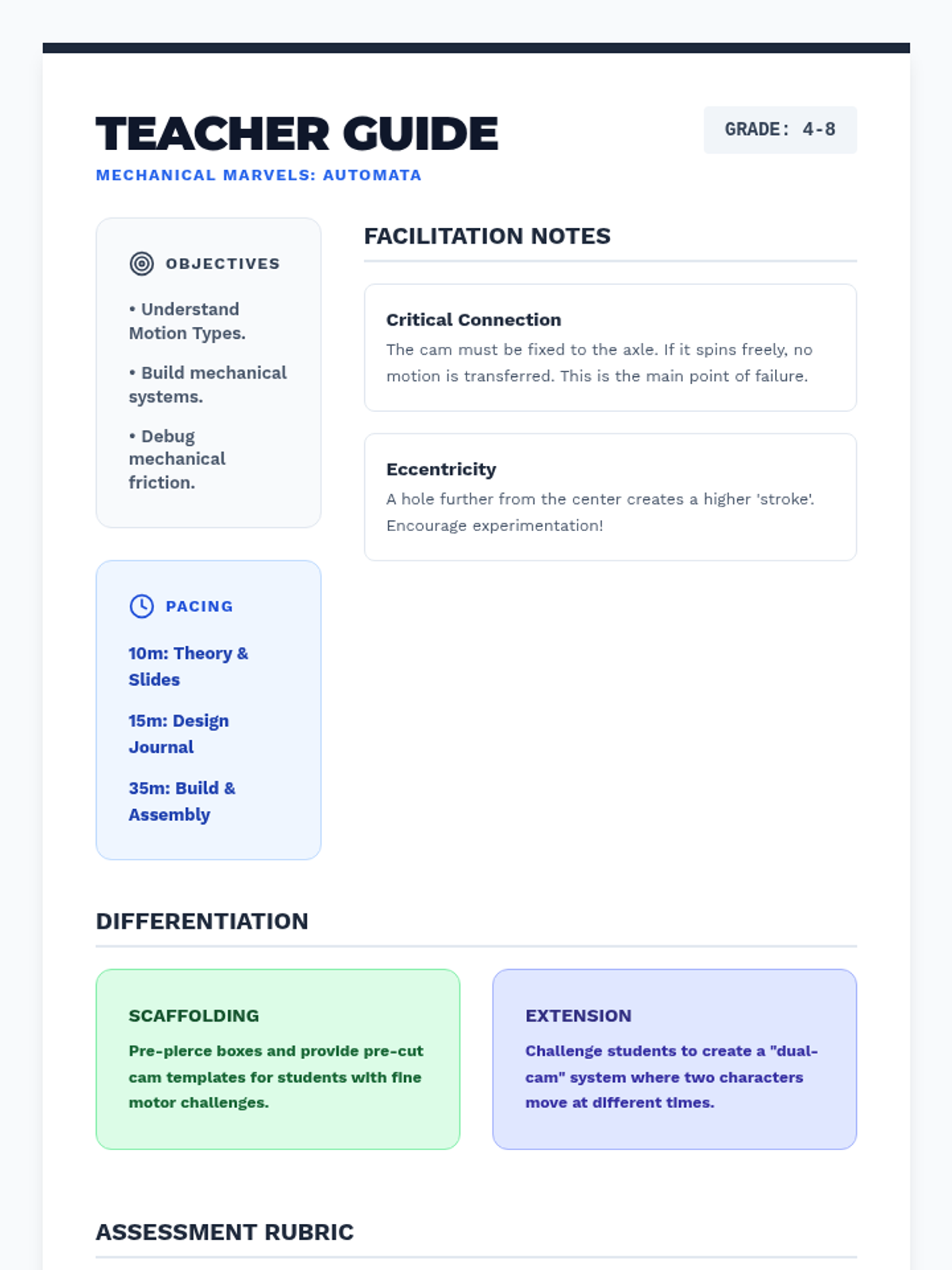
A hands-on engineering lesson where students build a cardboard automaton to explore how rotary motion is converted into linear motion using cams and followers.
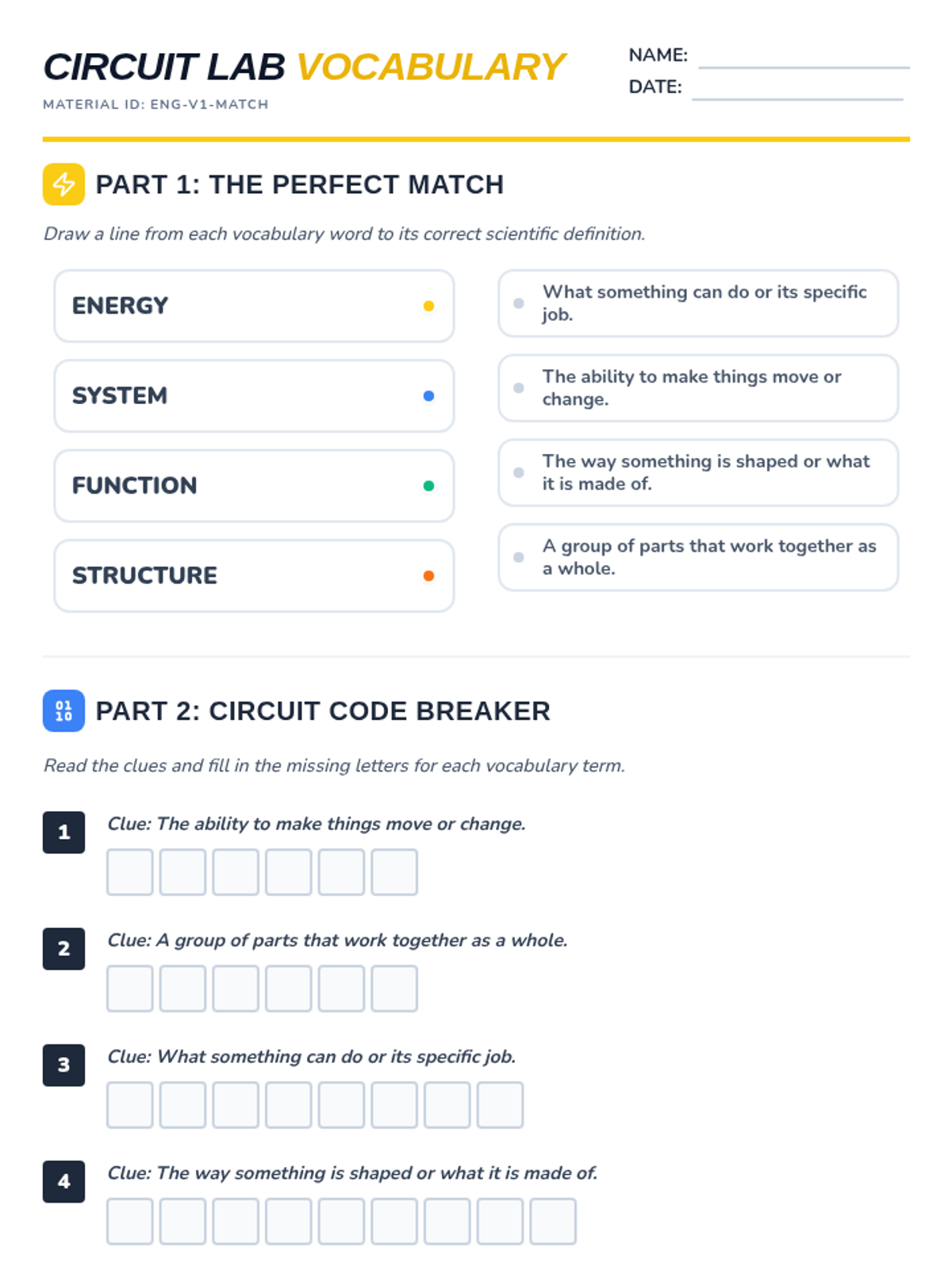
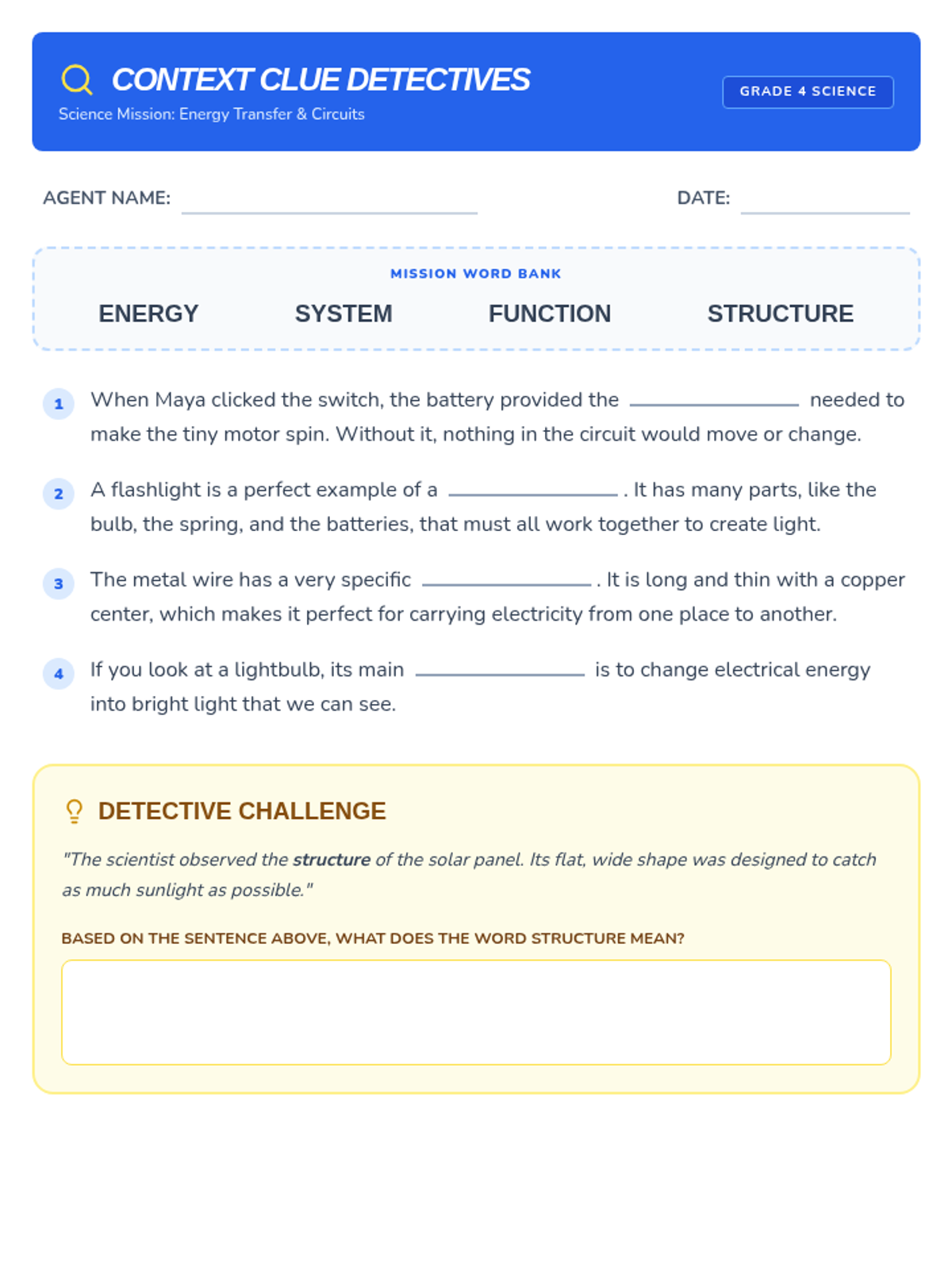
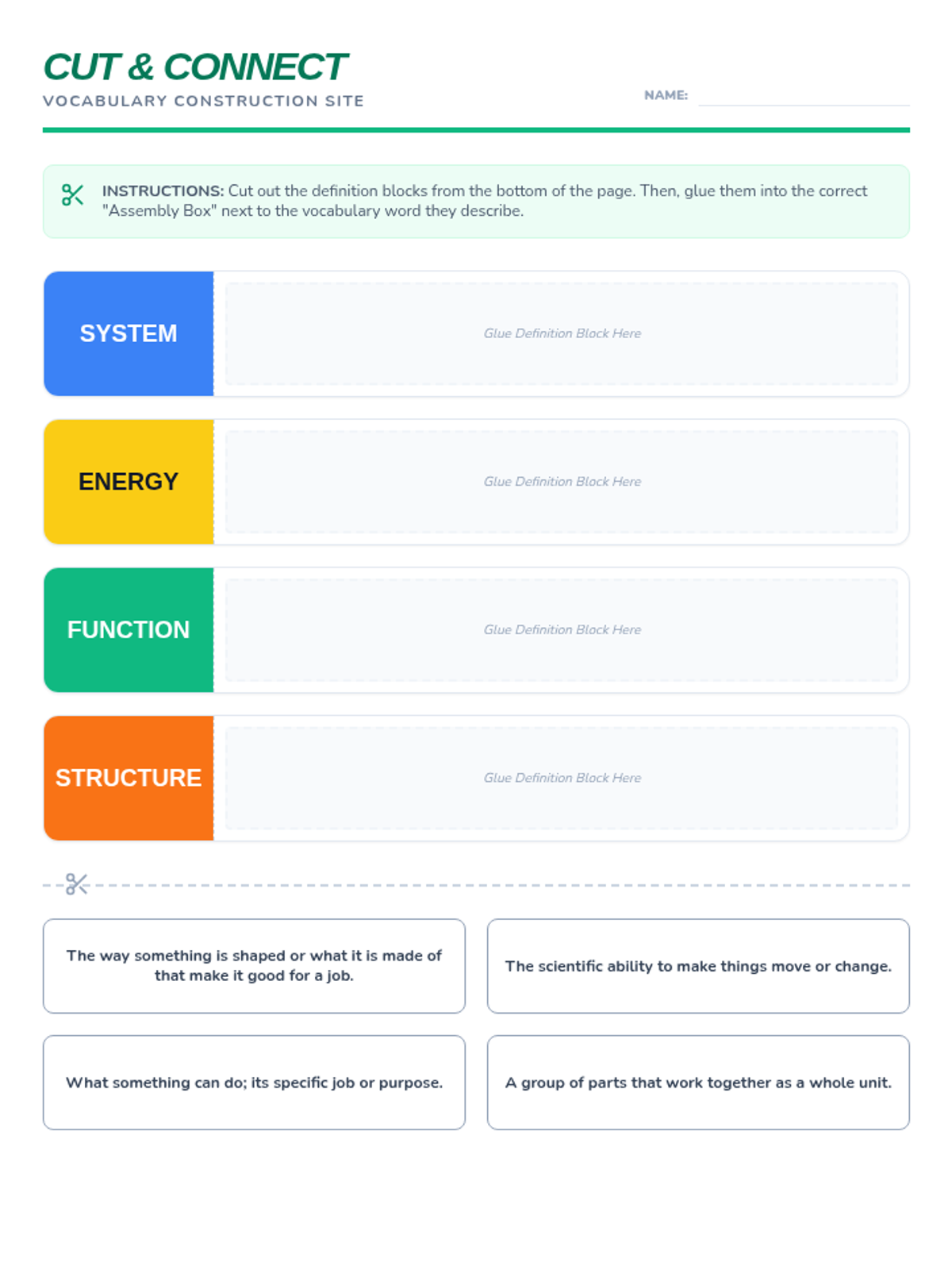
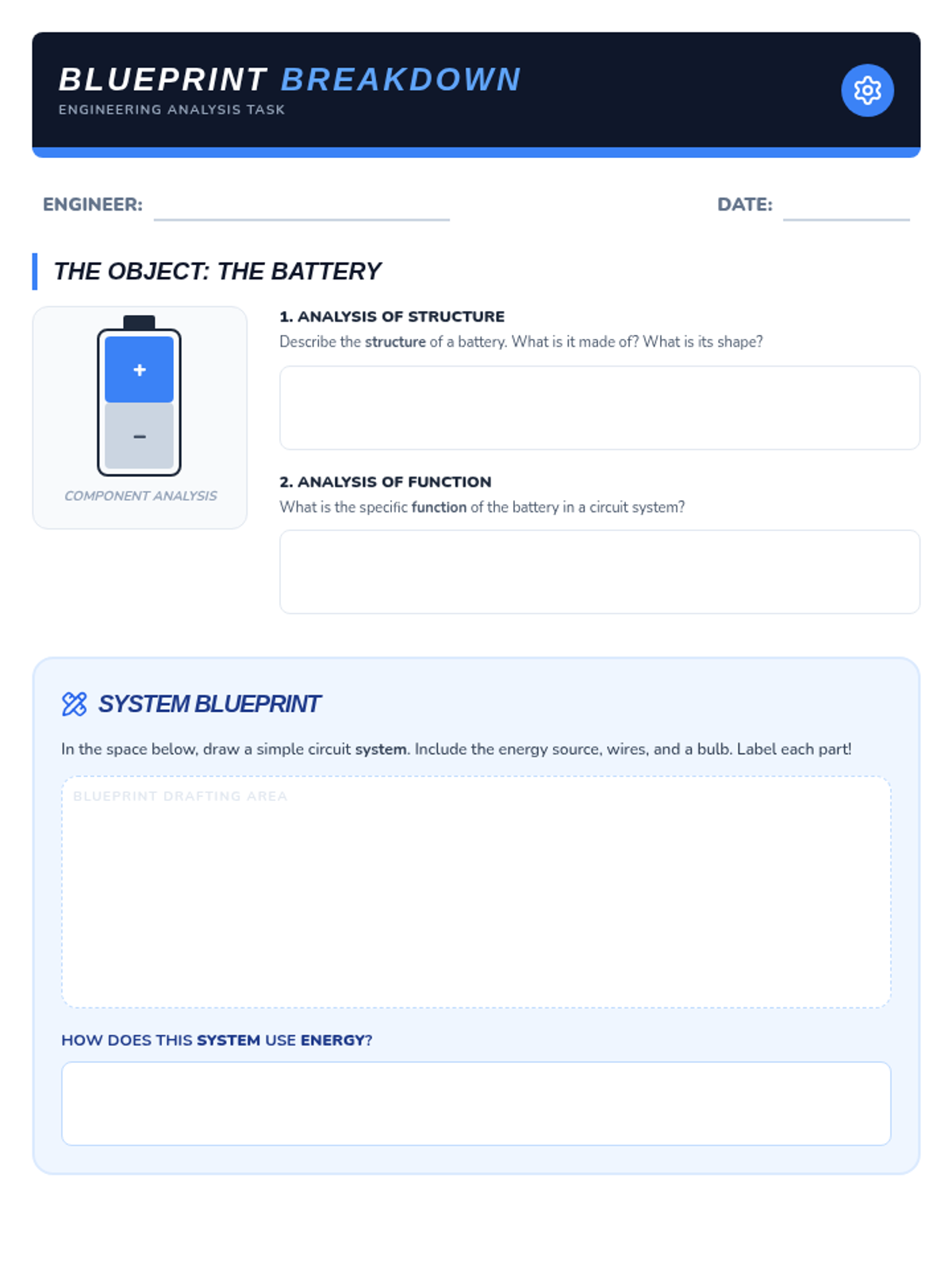
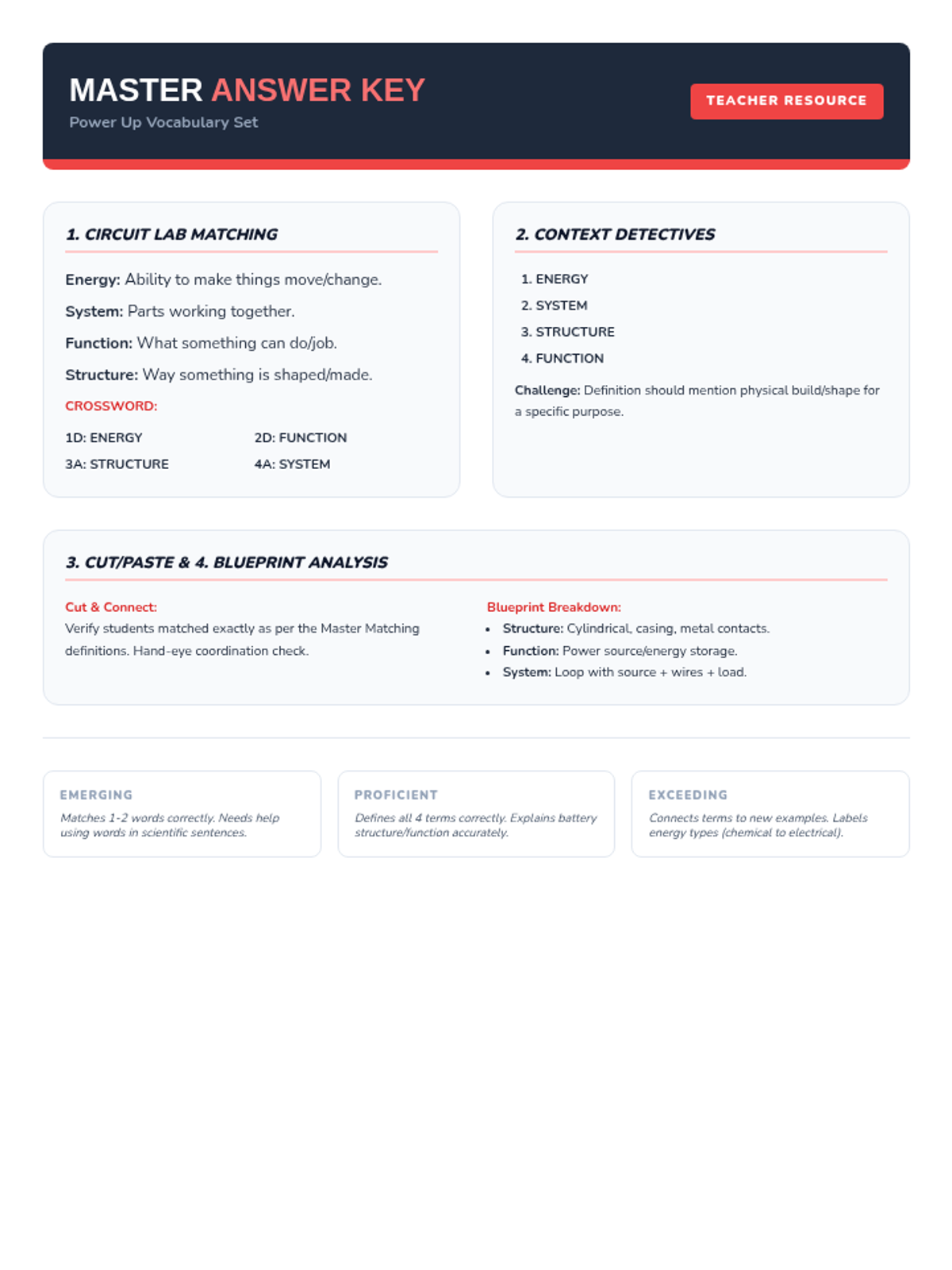
A collection of vocabulary worksheets focused on the core concepts of energy transfer and circuits for 4th-grade scientists. Students explore the definitions and applications of energy, systems, functions, and structures through various interactive formats.
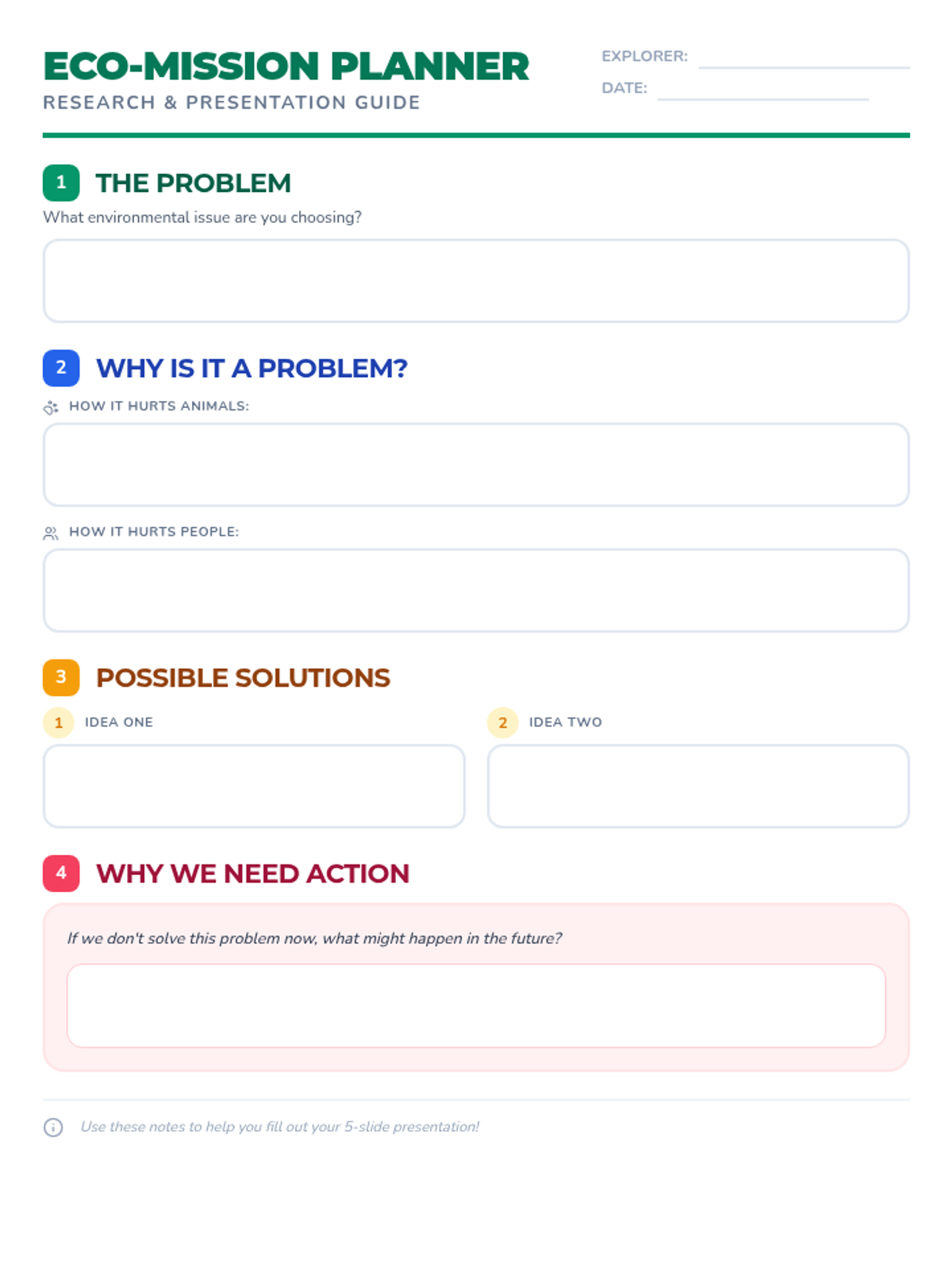
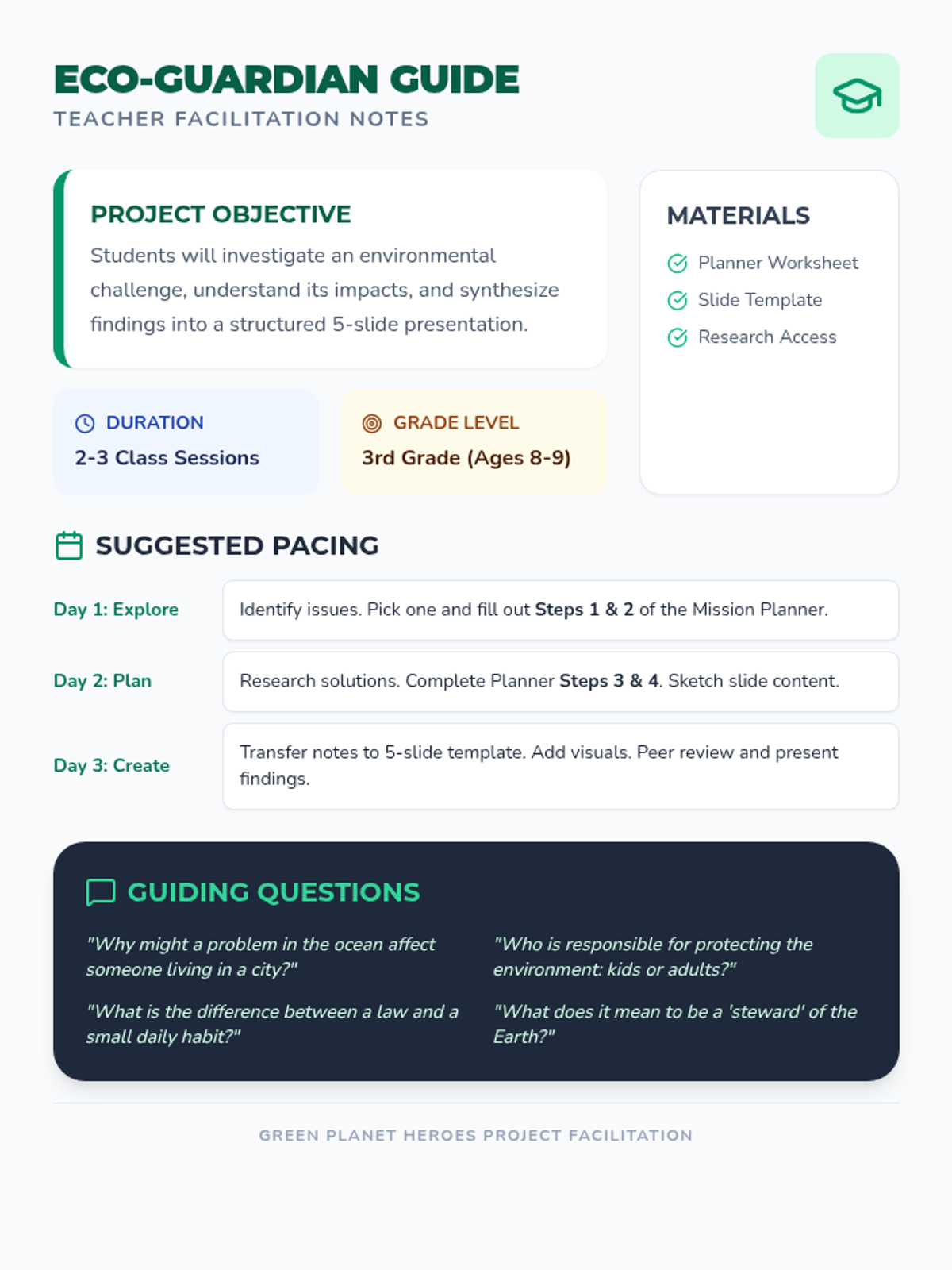
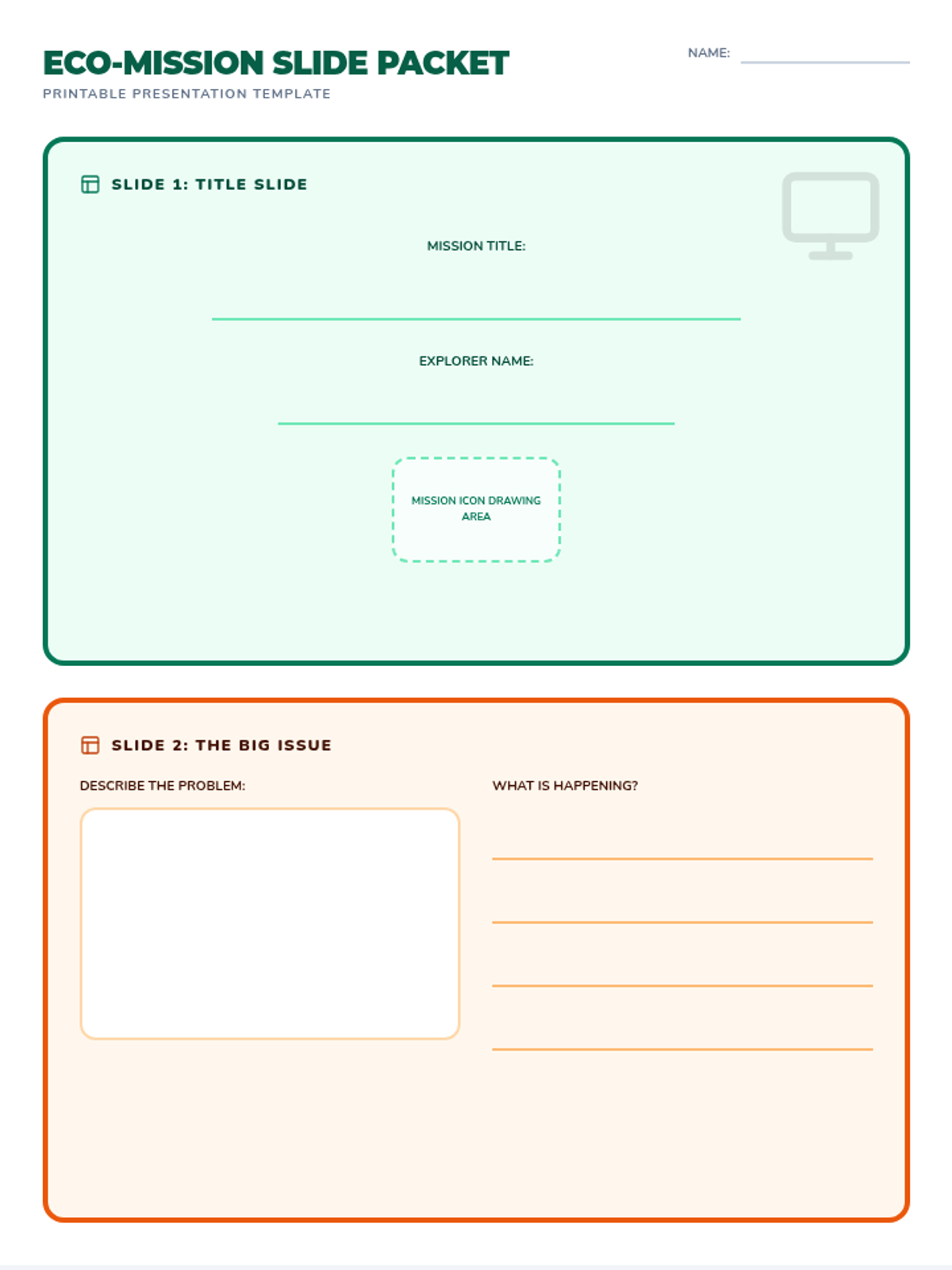
A creative project-based lesson where students identify an environmental issue, research its impact, and propose actionable solutions through a structured presentation.
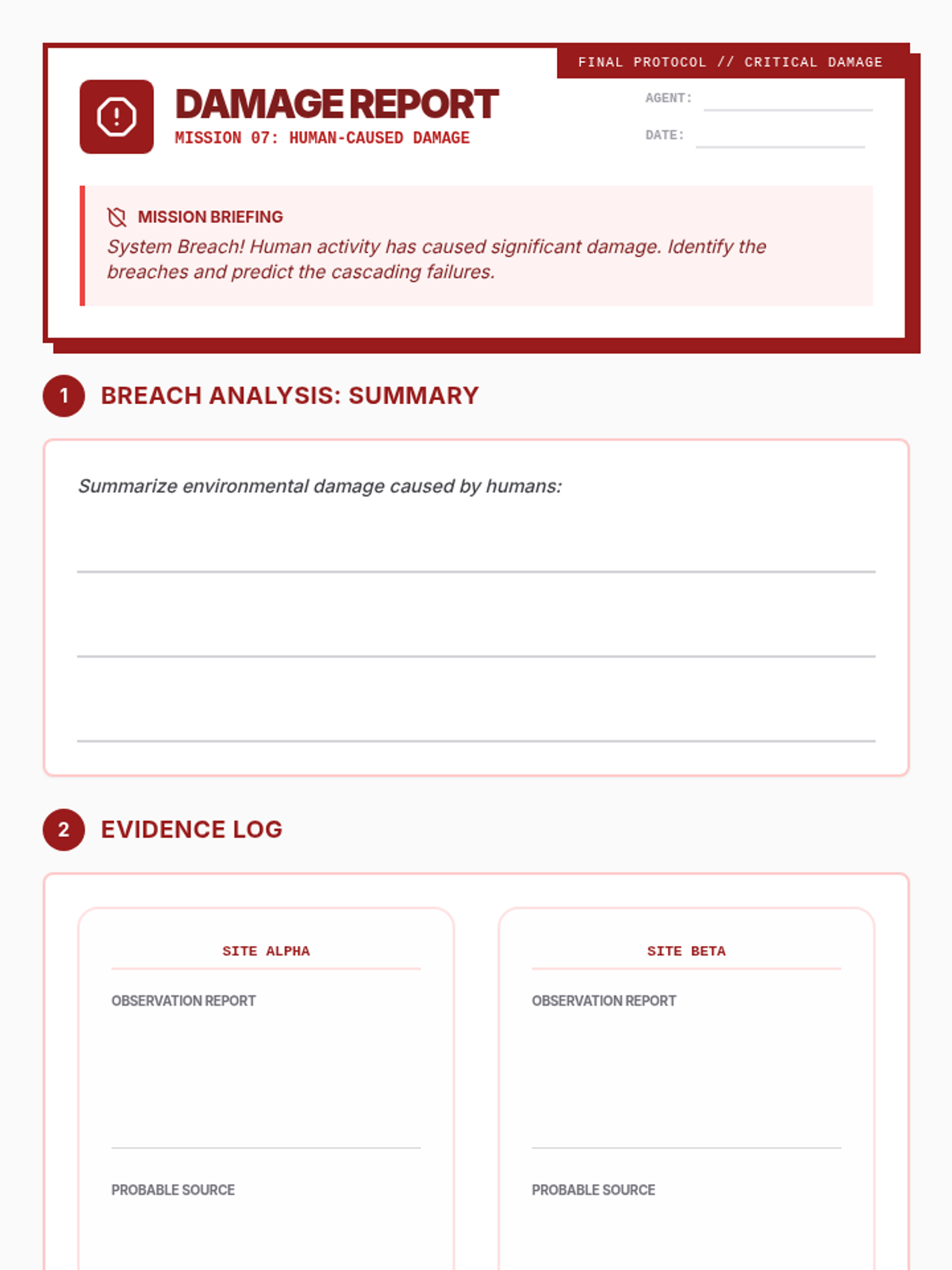
The final mission involves assessing environmental damage caused by humans and predicting the long-term effects on the ecological grid.
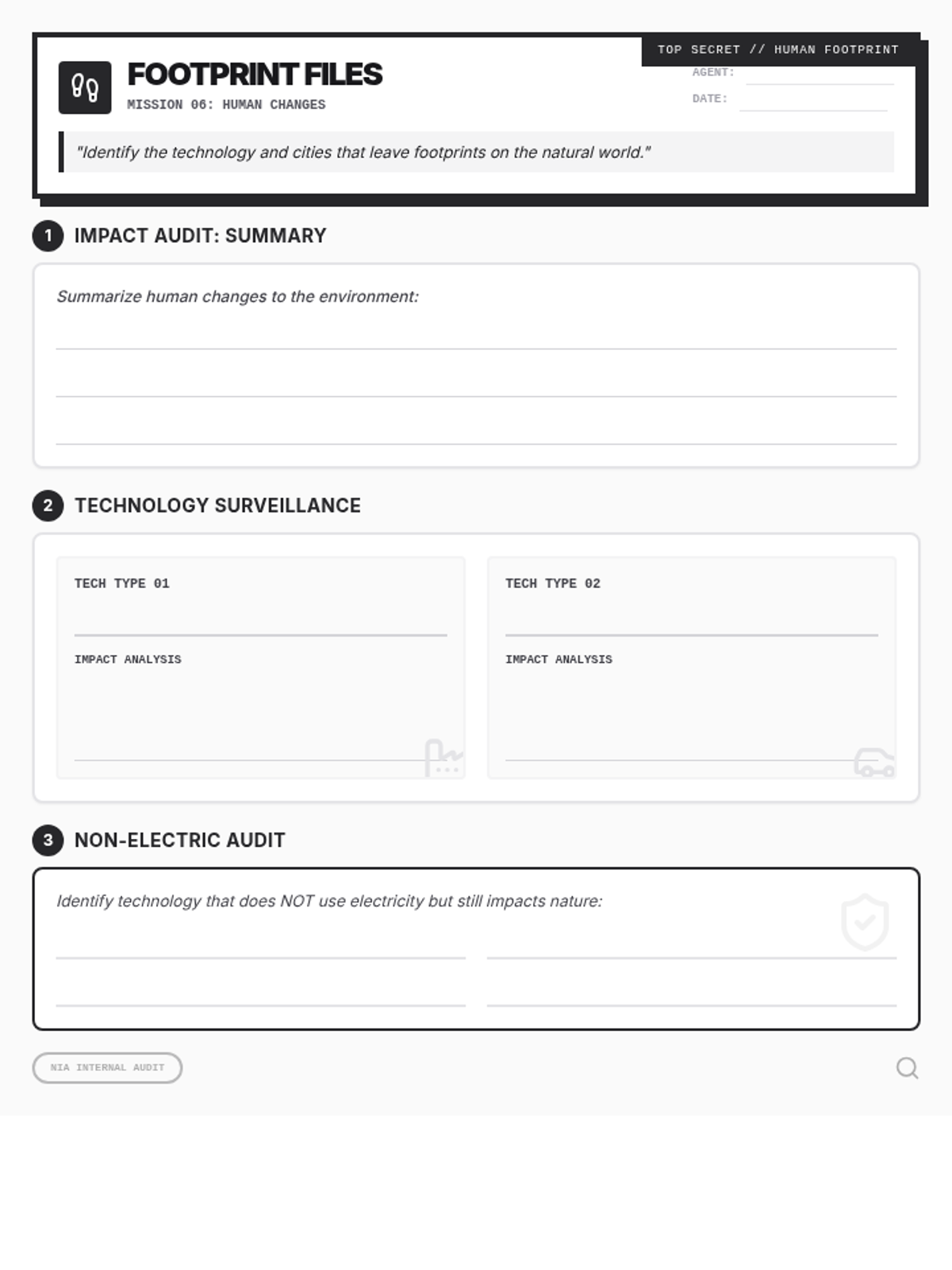
Detectives investigate the impact of human technology and daily habits on the surrounding environment.
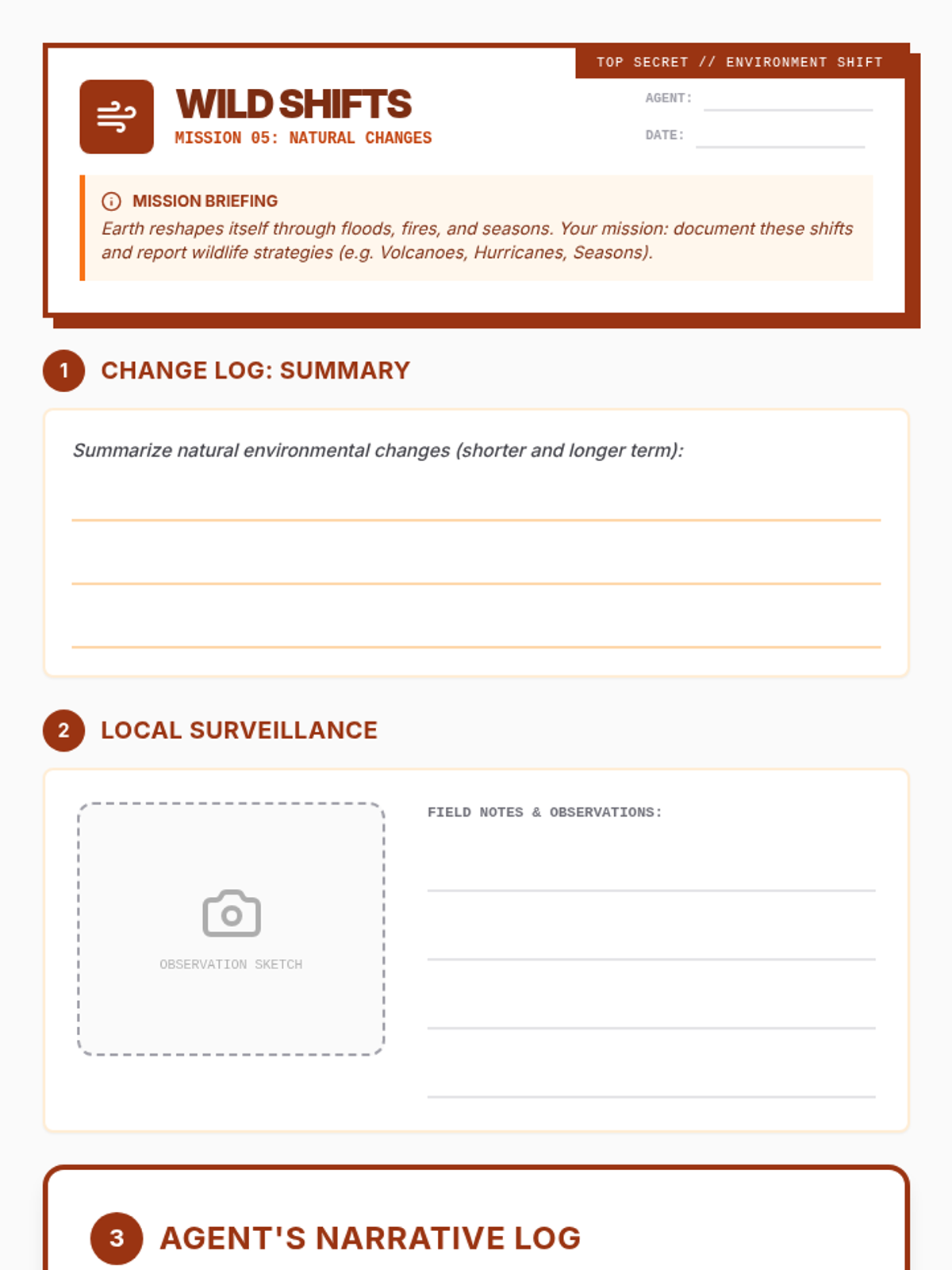
Agents document natural environmental shifts and create creative intelligence reports on how these changes impact local food webs.
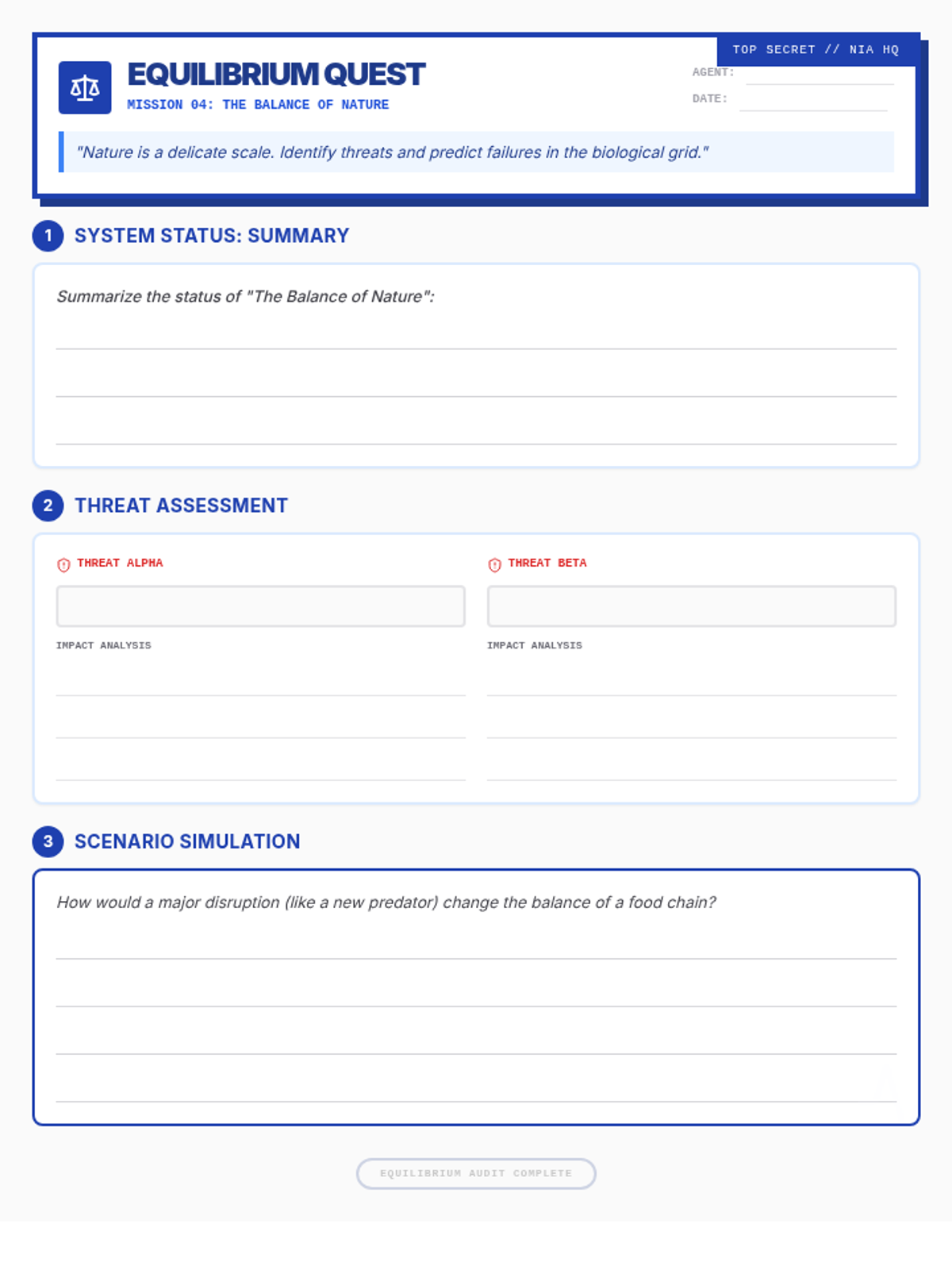
Detectives analyze how ecosystems maintain equilibrium and identify factors that could destabilize the natural order.
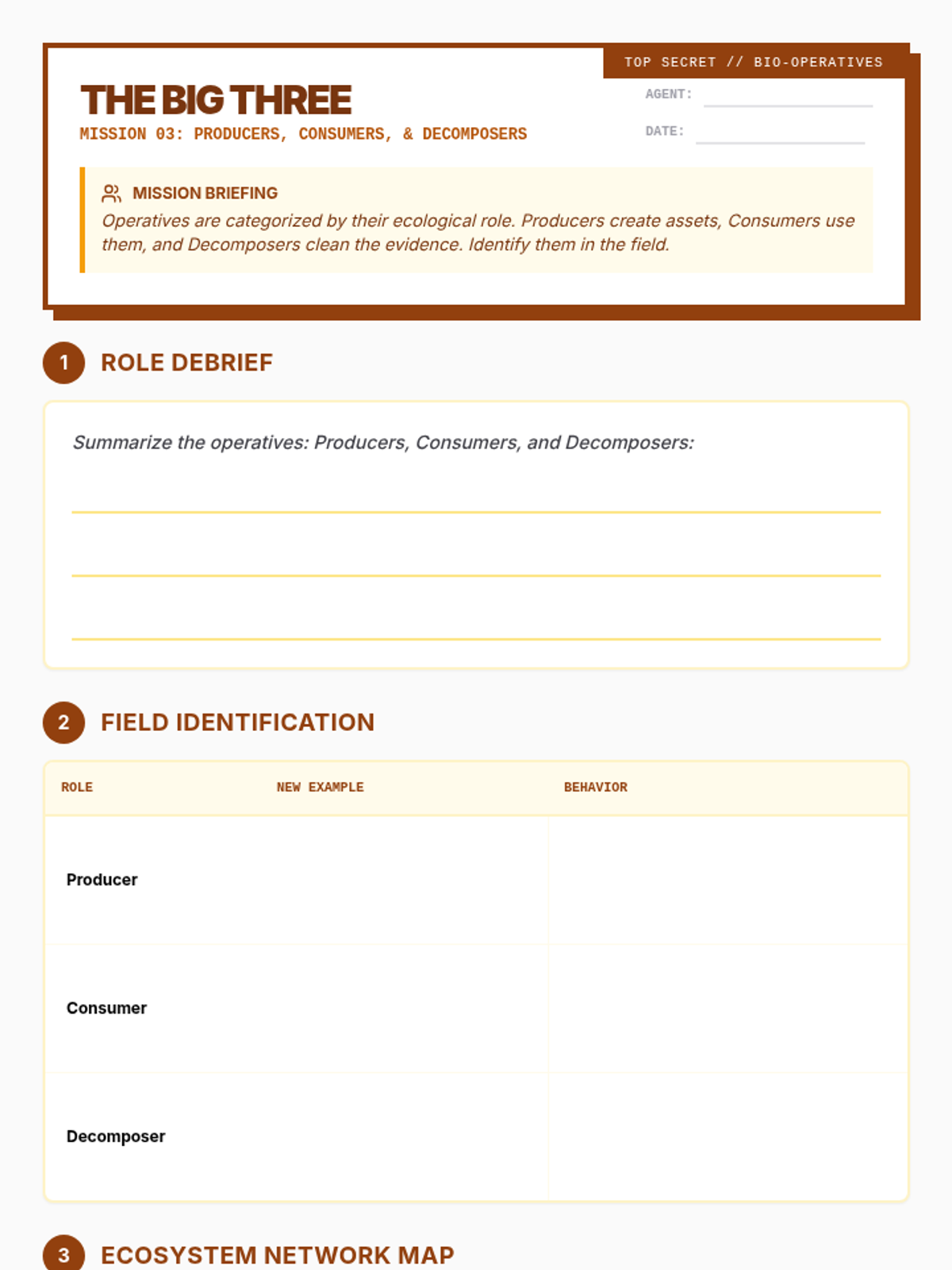
Agents classify the roles of producers, consumers, and decomposers within the ecosystem to map out complex biological relationships.