Students perform short rhymes using body percussion and clear articulation of rhyming pairs.
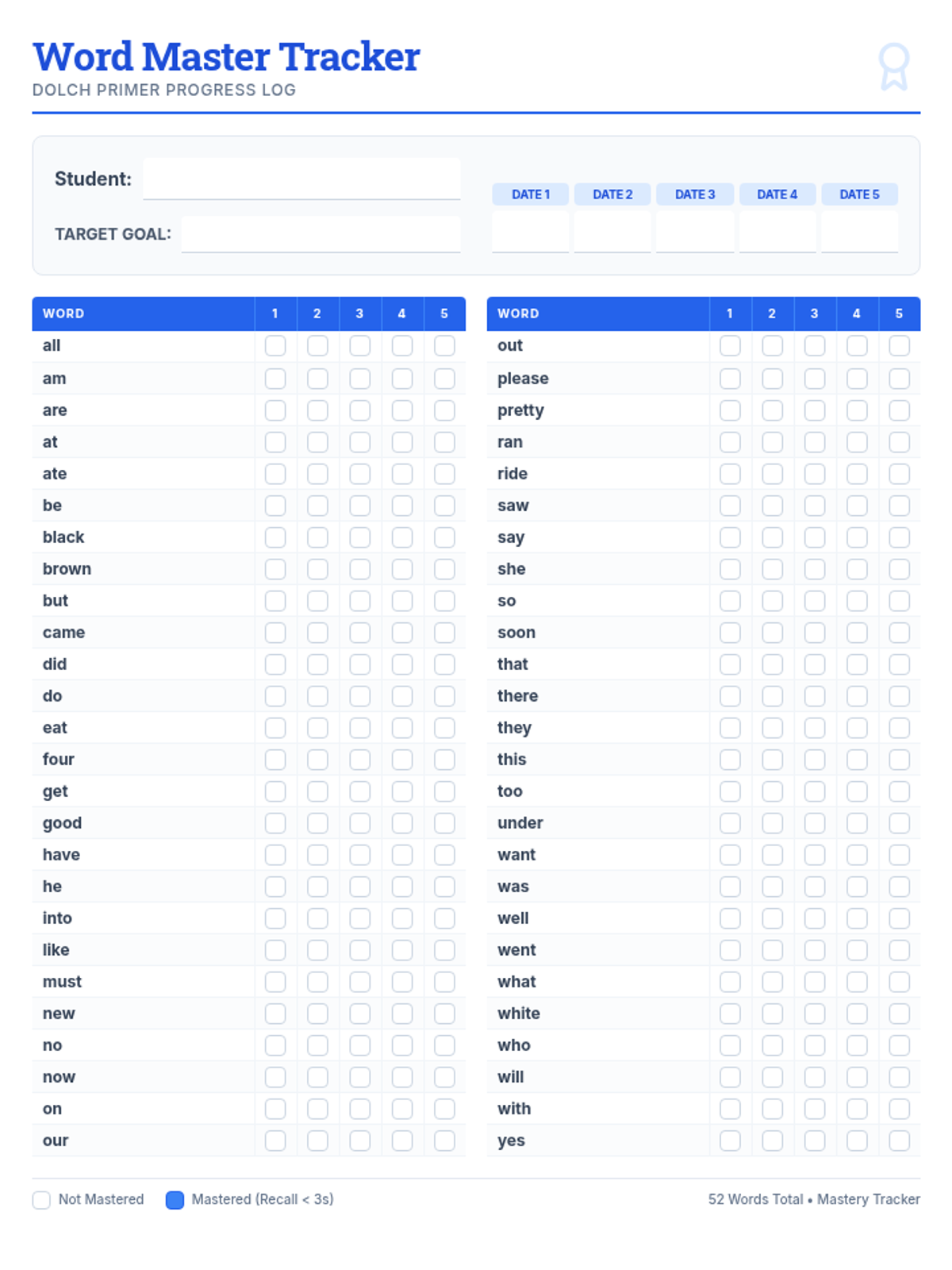
A comprehensive lesson for tracking and mastering the 52 Dolch Primer sight words, featuring progress monitoring and visual aids.
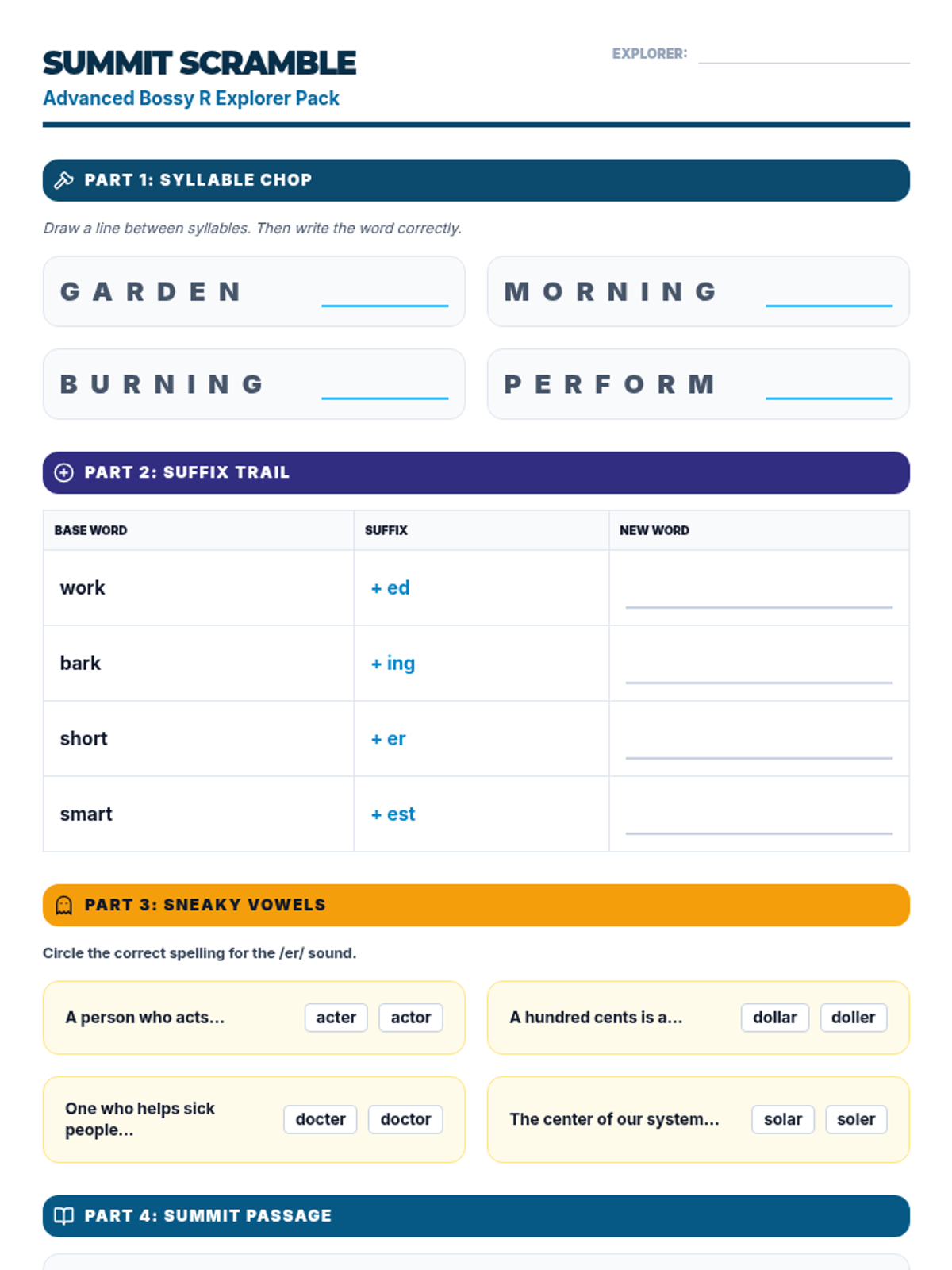
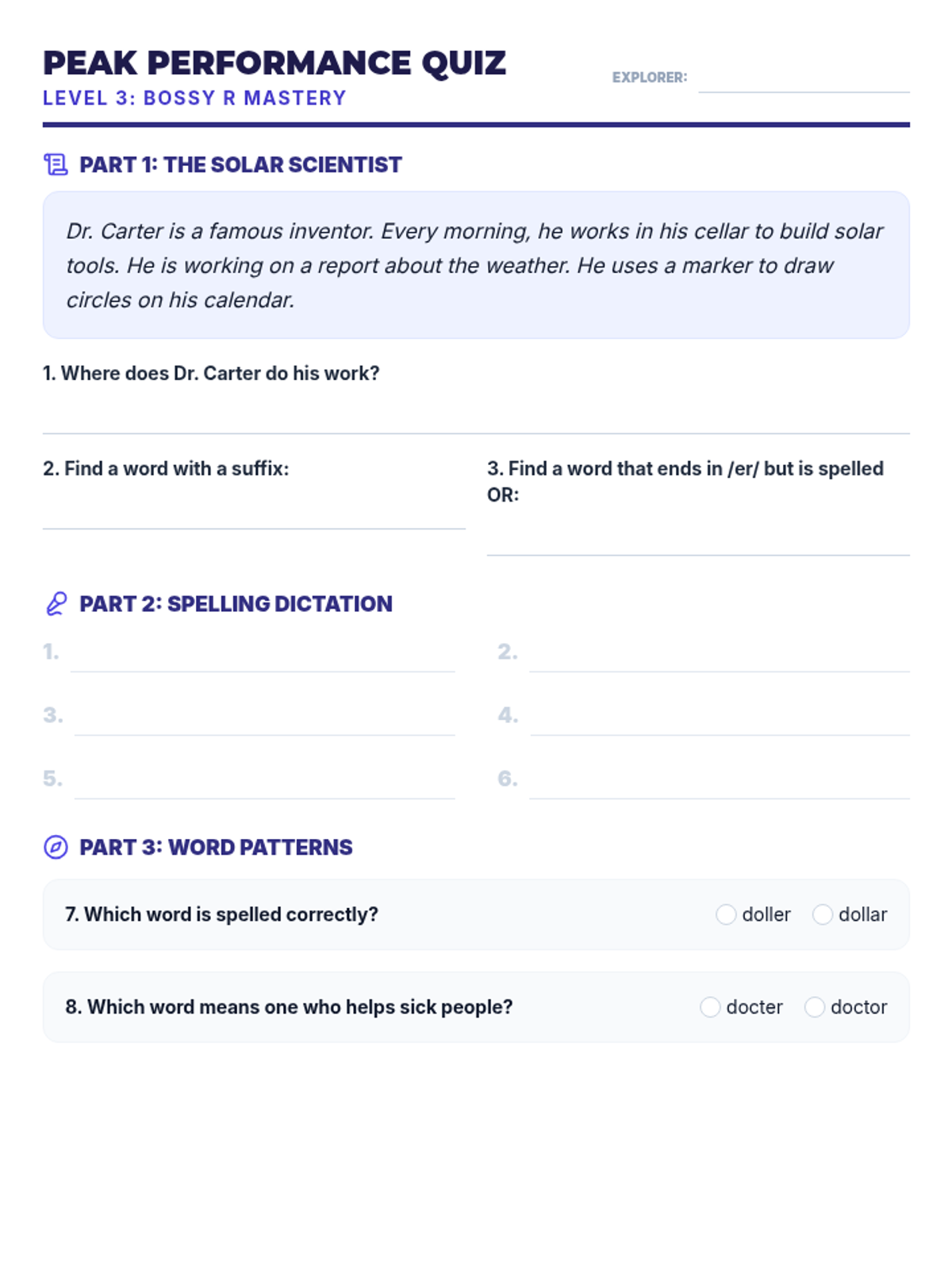
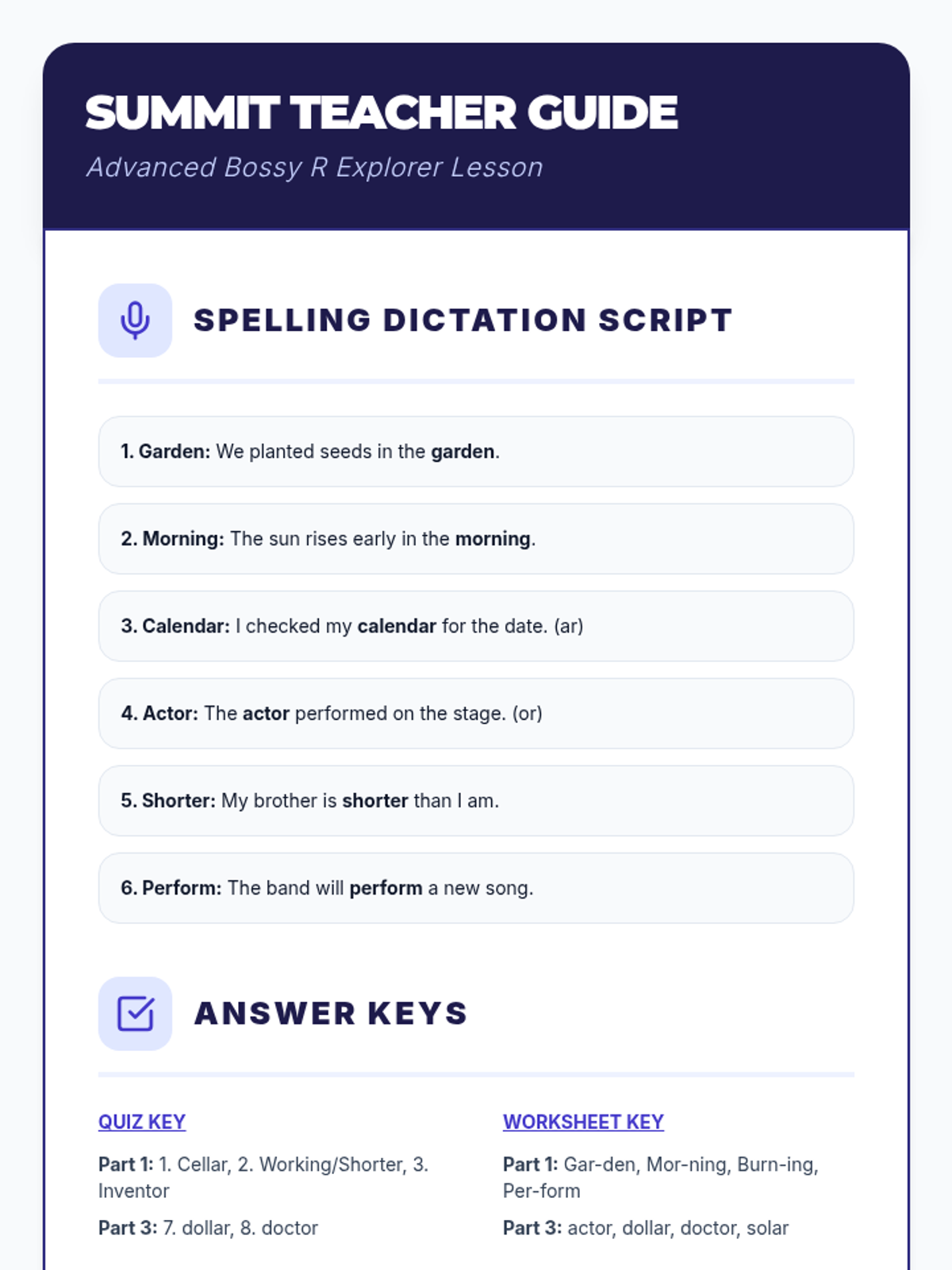
An advanced phonics lesson for 3rd grade focusing on multi-syllabic r-controlled vowel words, unstressed vowel sounds (ar, or as /er/), and adding suffixes to r-controlled base words.
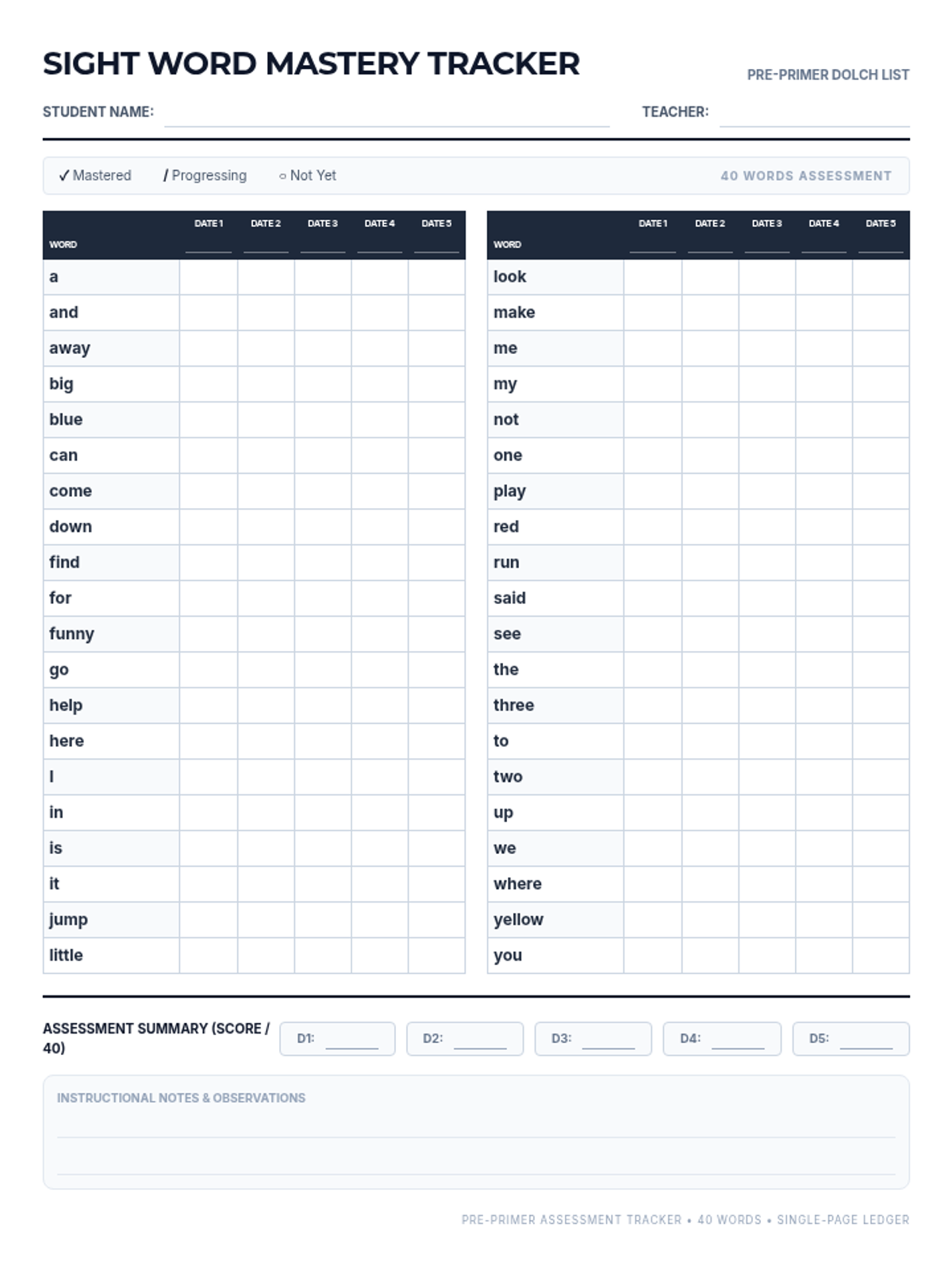
A focused tool for tracking progress on Pre-Primer Dolch sight words, designed for easy assessment and data collection.
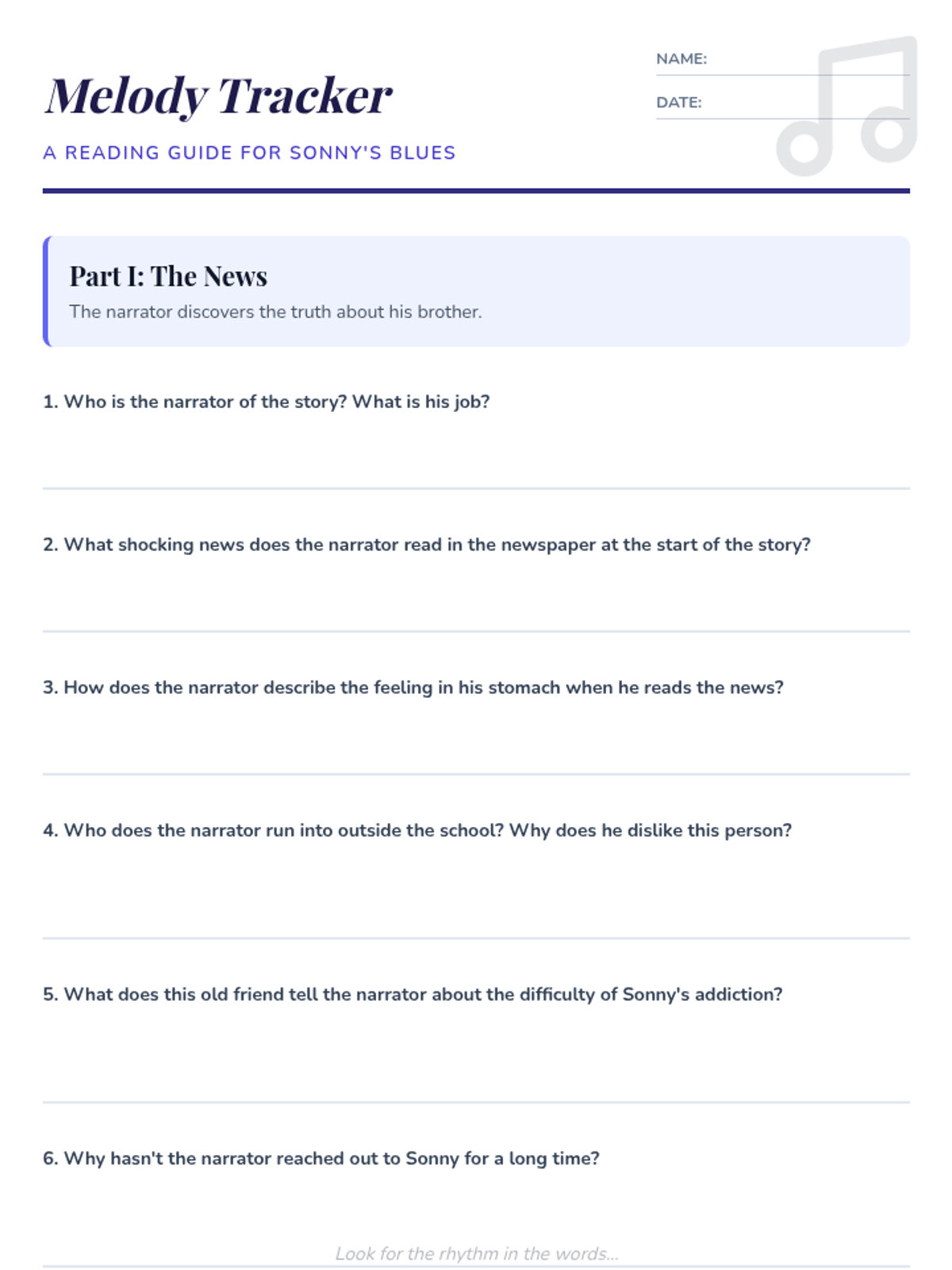
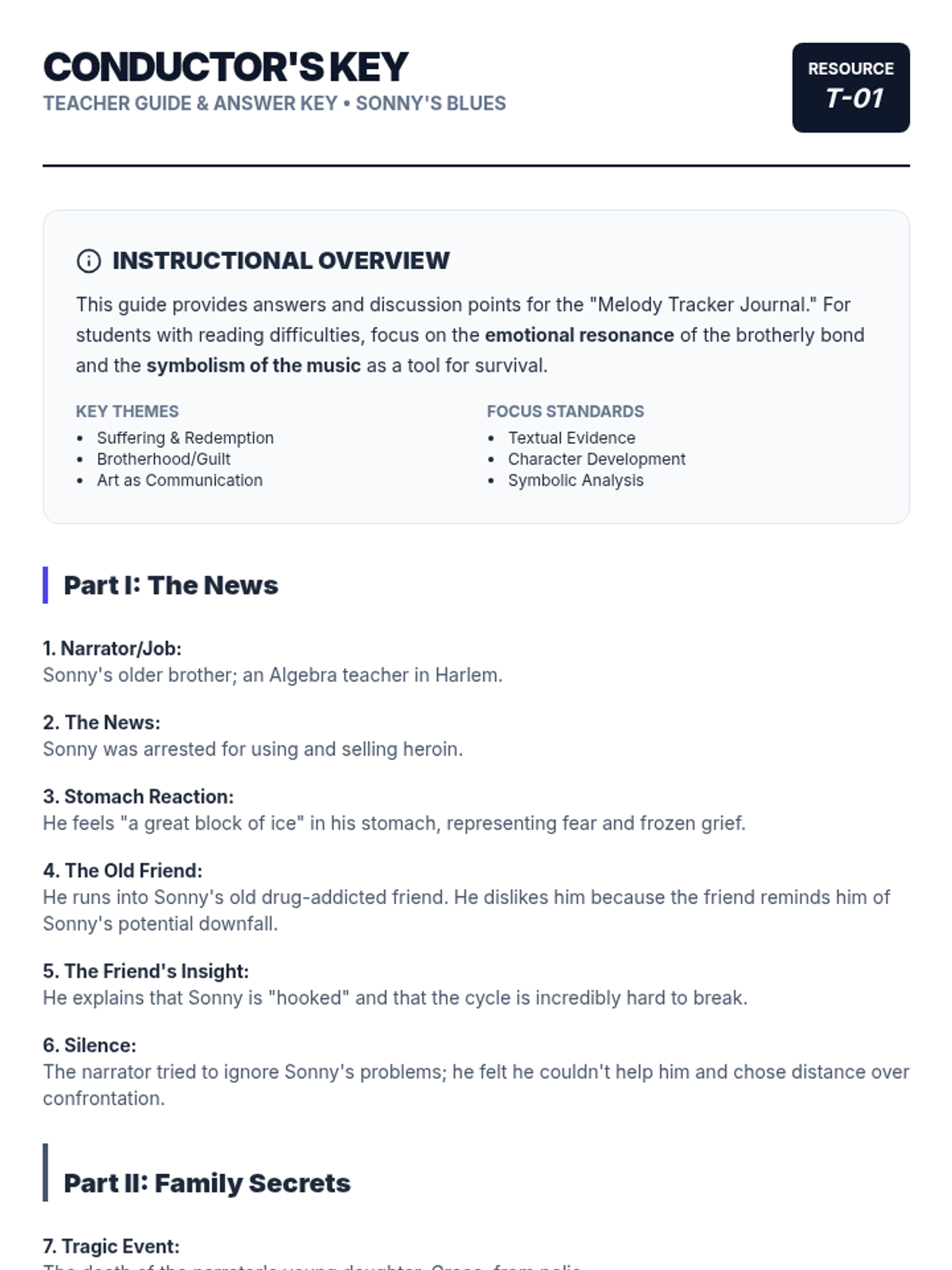
A deep dive into James Baldwin's 'Sonny's Blues,' focusing on character dynamics, the symbolism of jazz, and the redemptive power of art in 1950s Harlem.
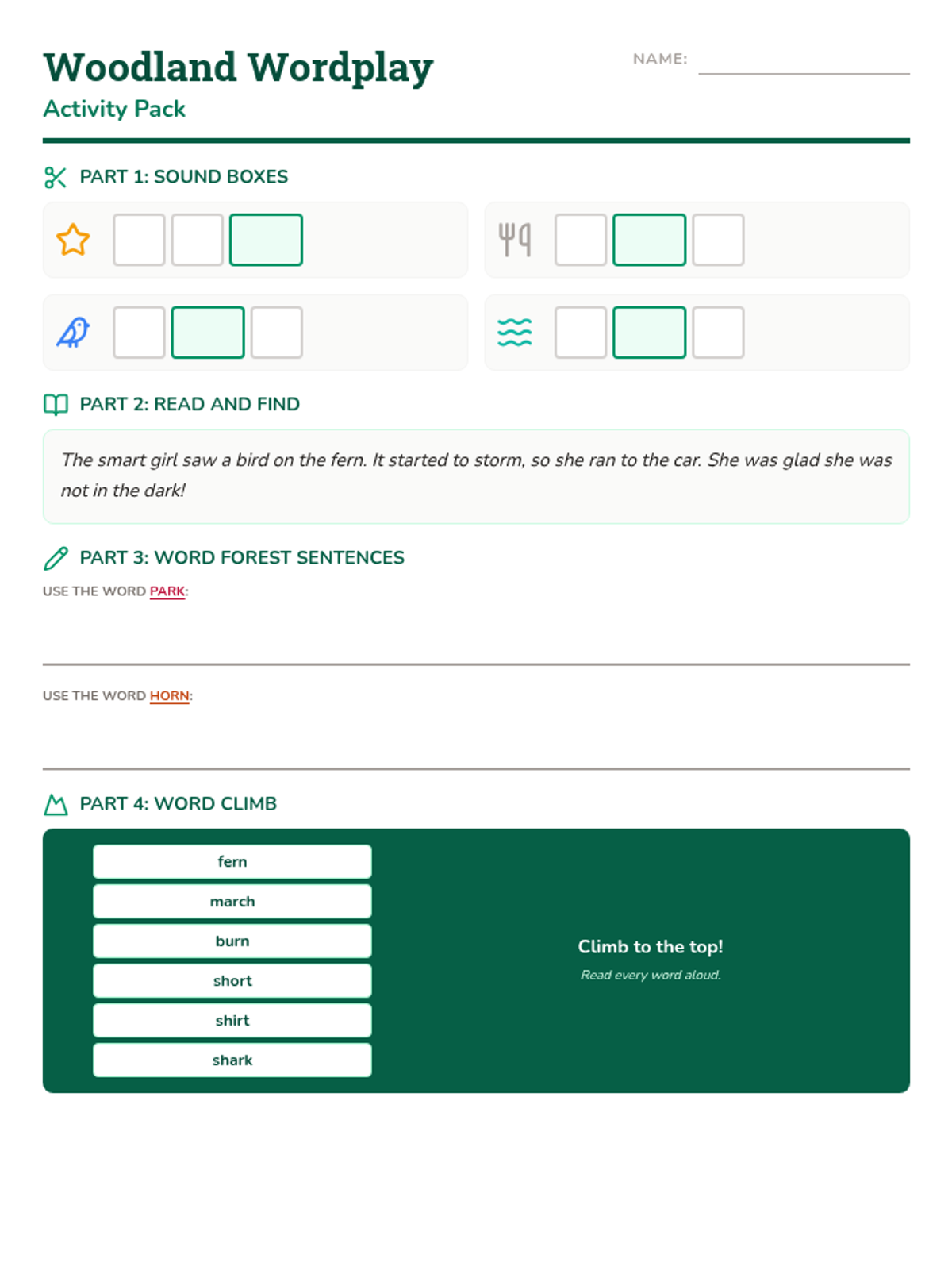
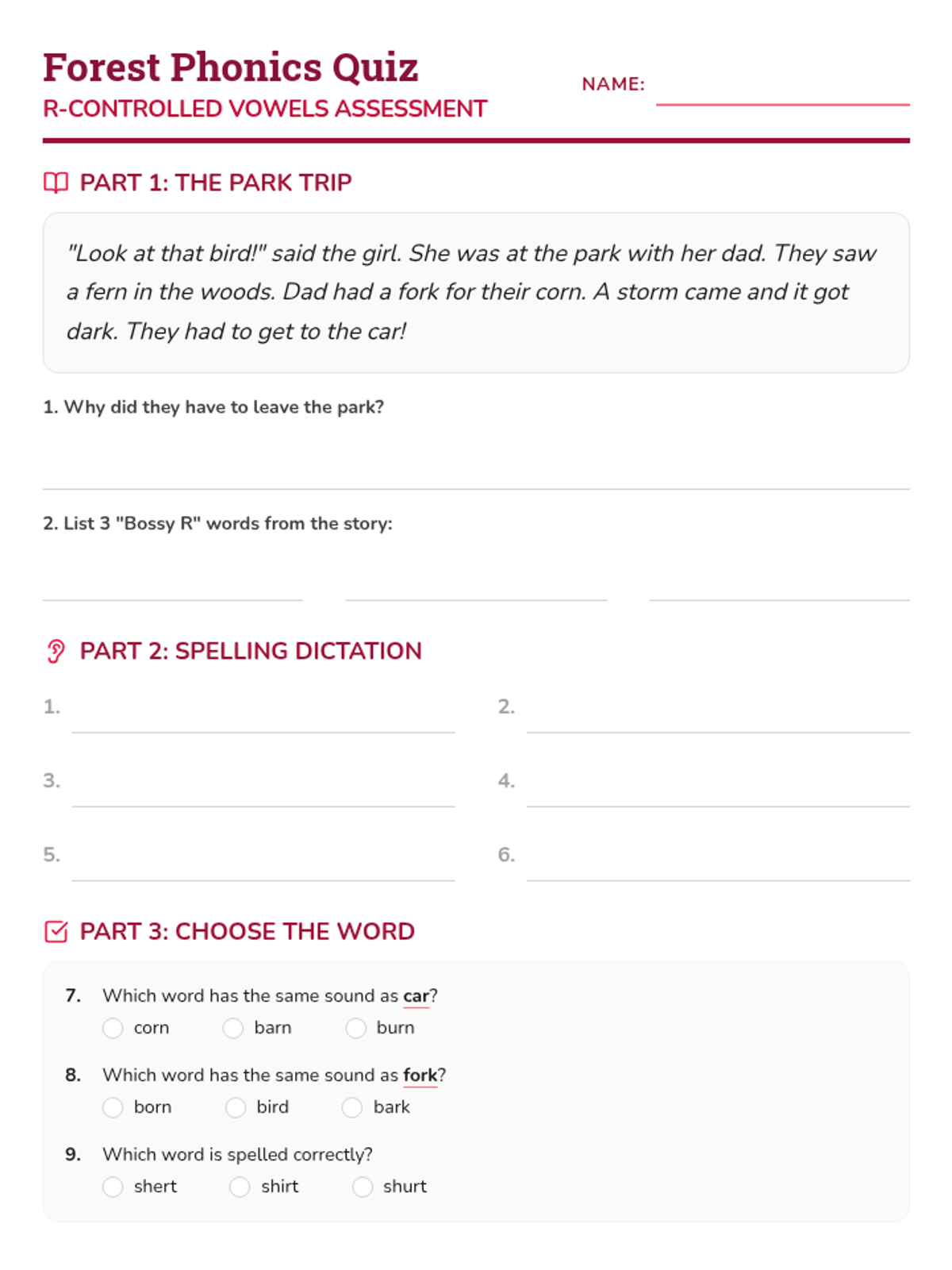
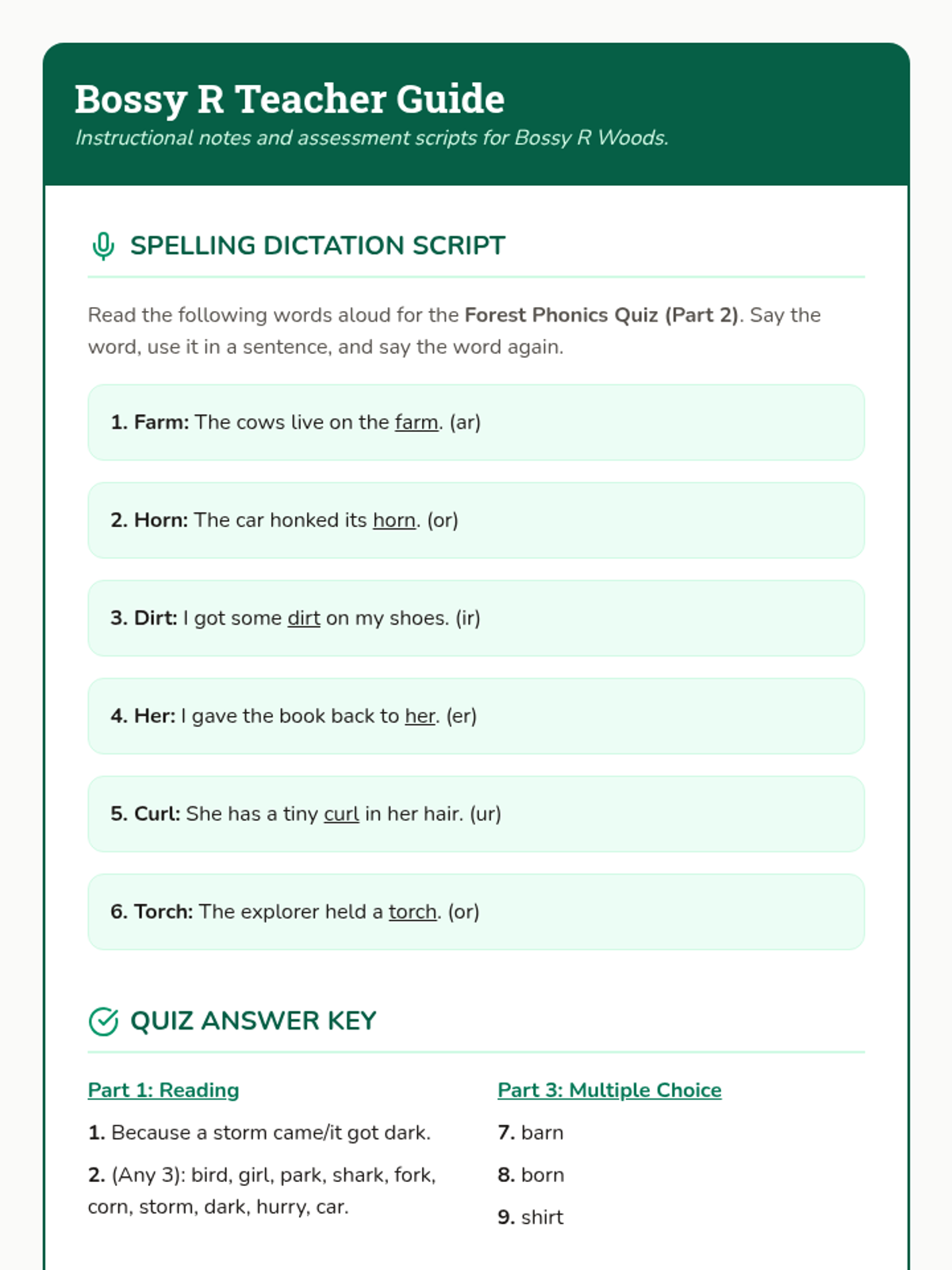
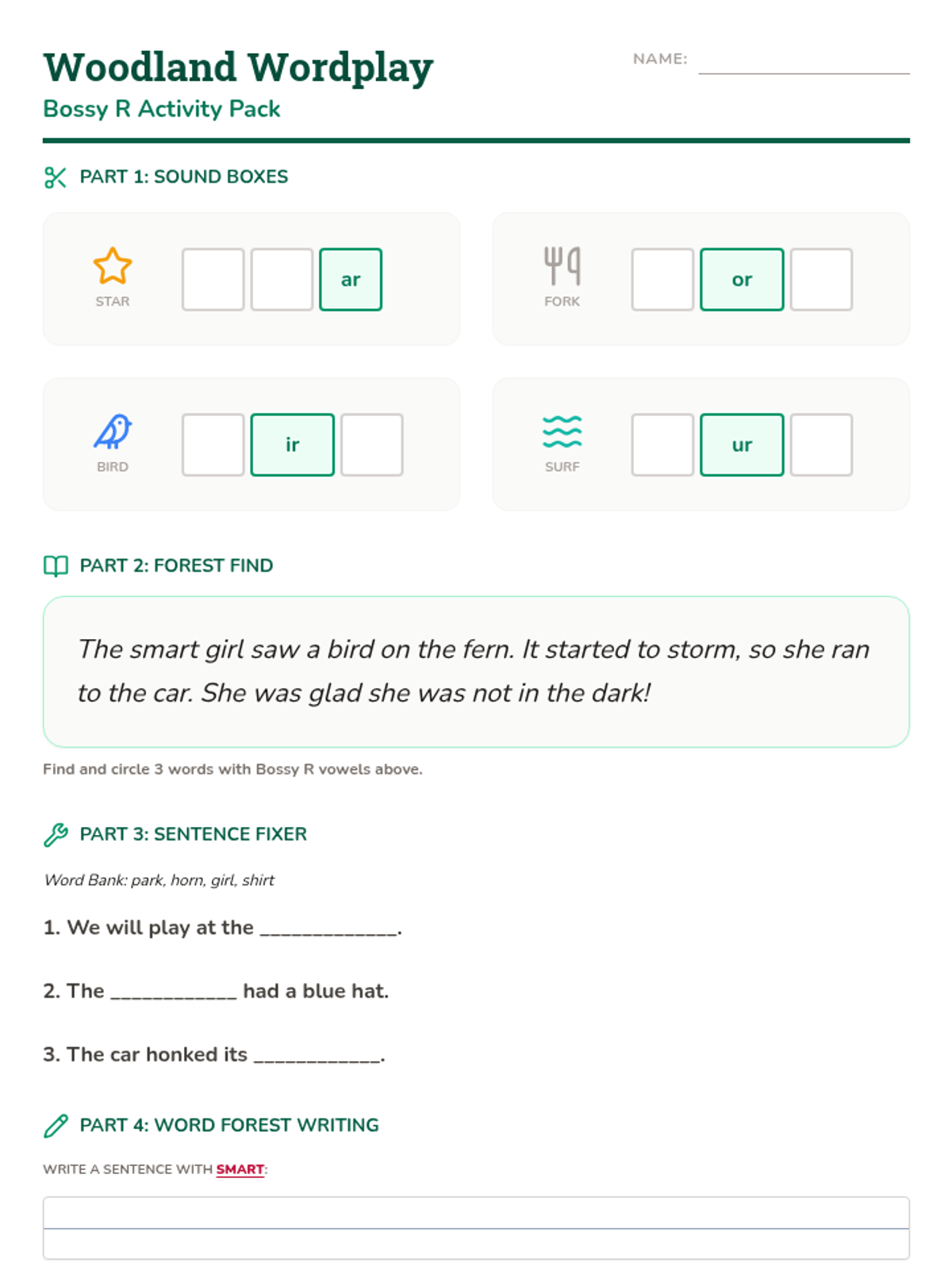
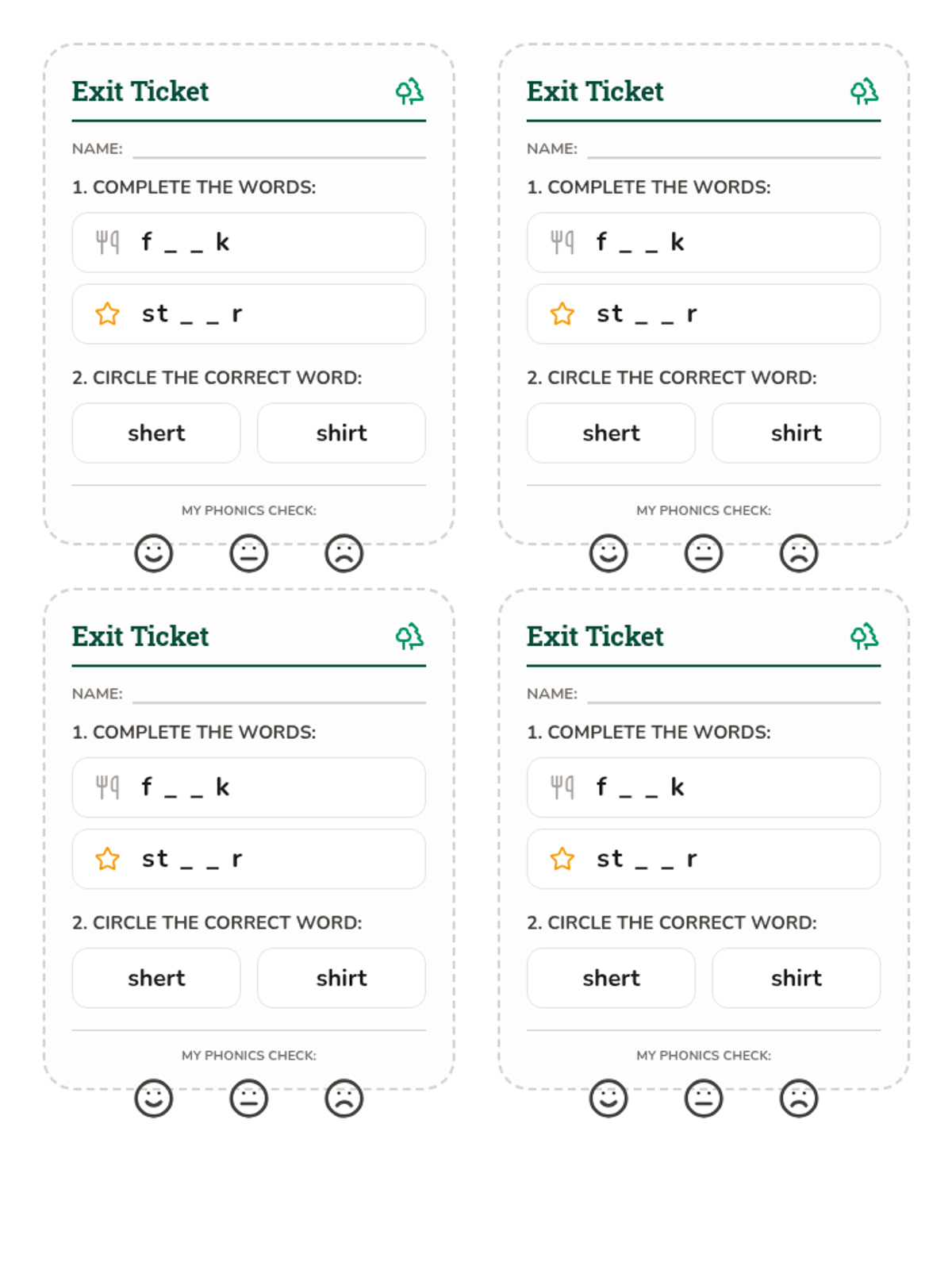
A comprehensive phonics lesson introducing the five r-controlled vowels (ar, er, ir, or, ur) through interactive forest-themed instruction and practice.
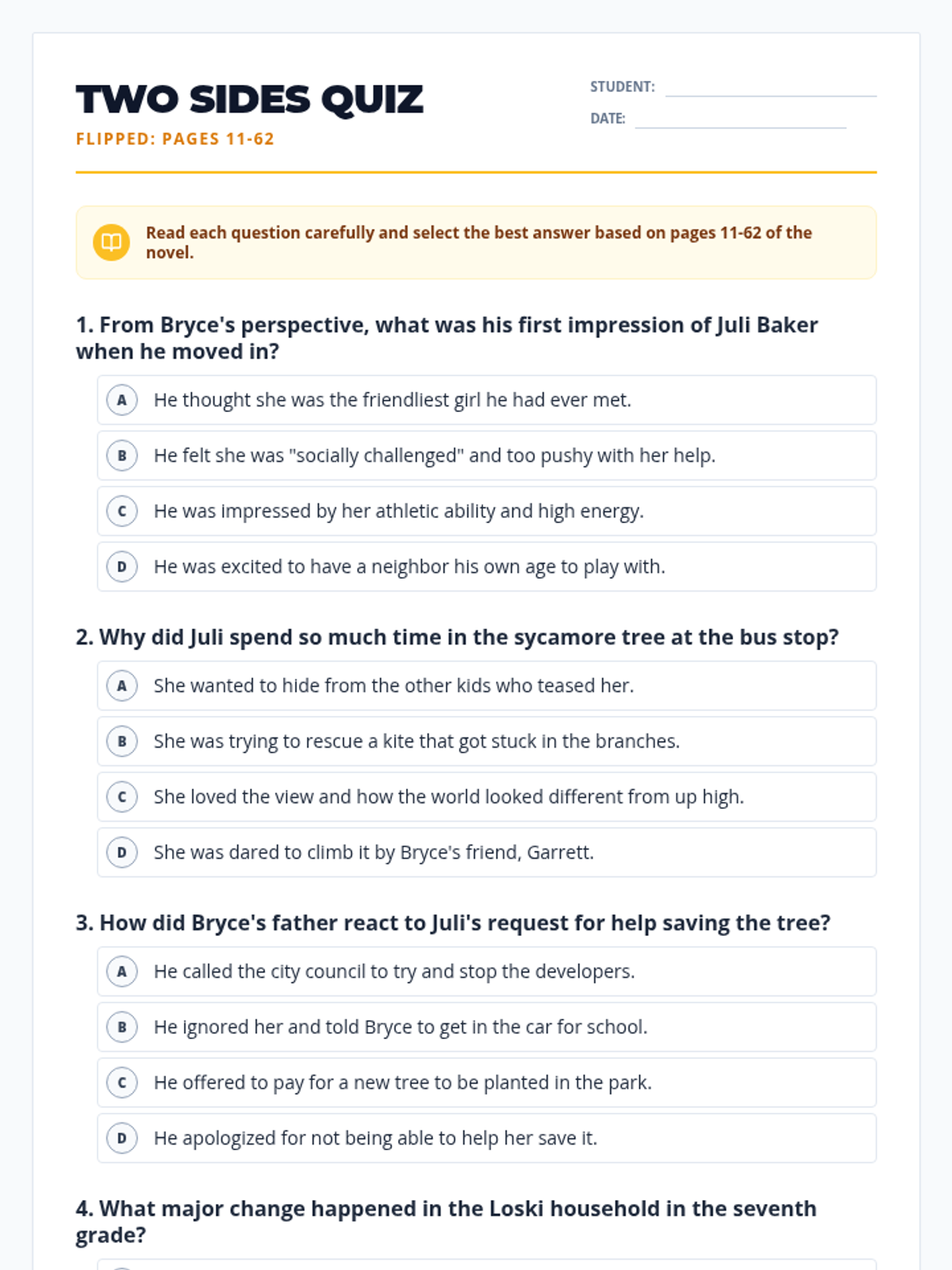
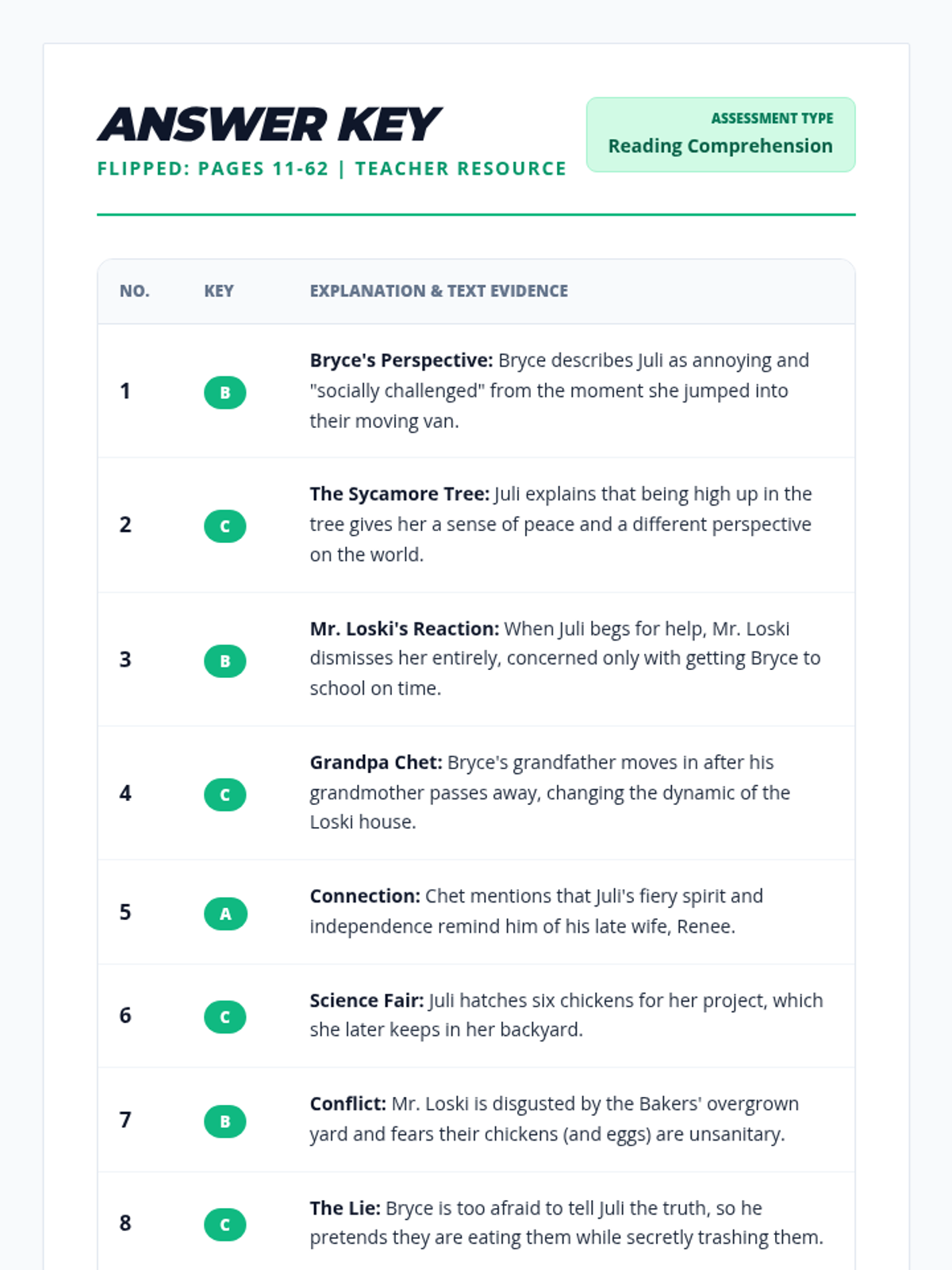
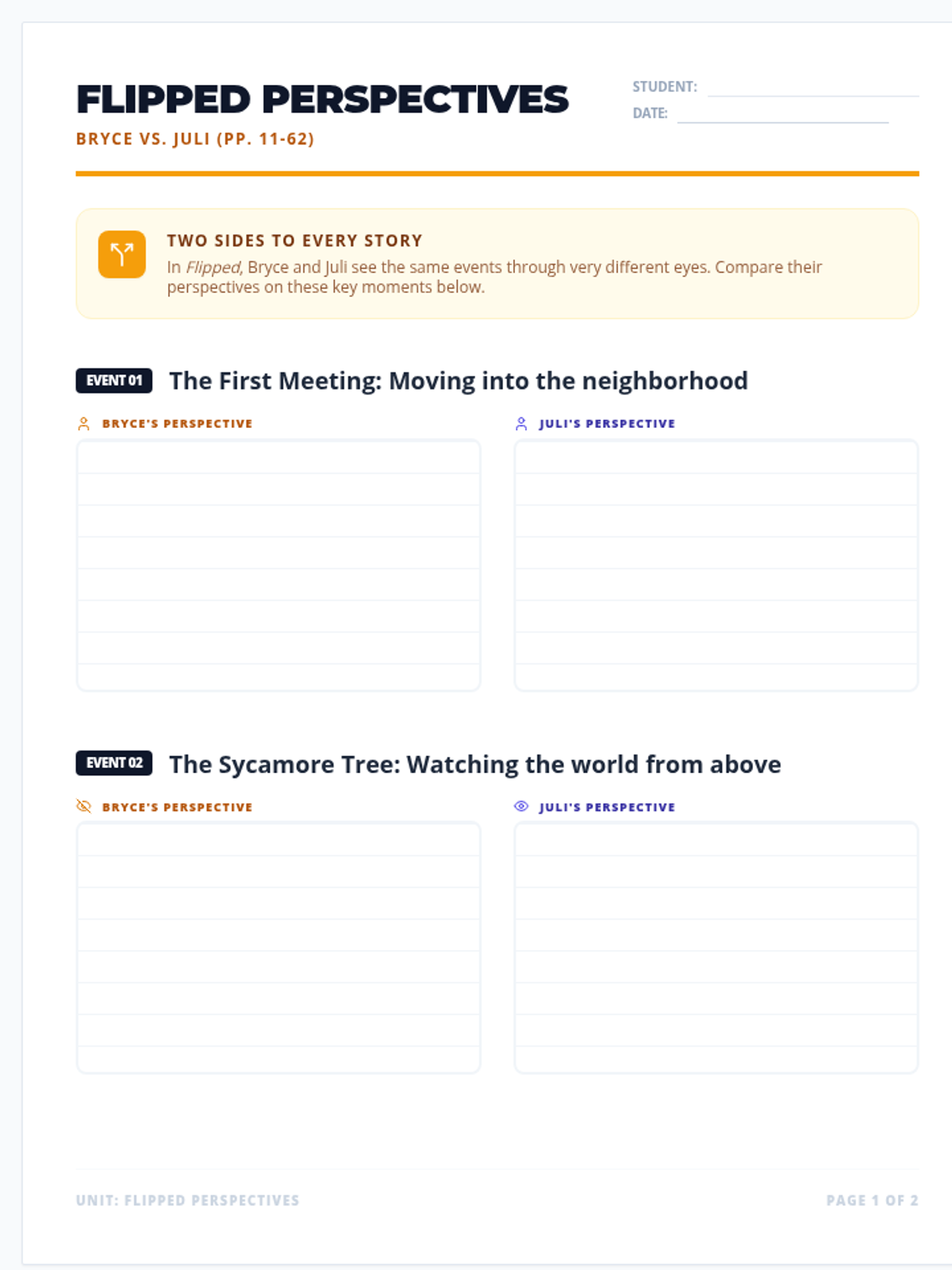
A comprehension assessment focused on the initial chapters of 'Flipped' by Wendelin Van Draanen, exploring dual perspectives, character motivations, and key plot points between Bryce and Juli.
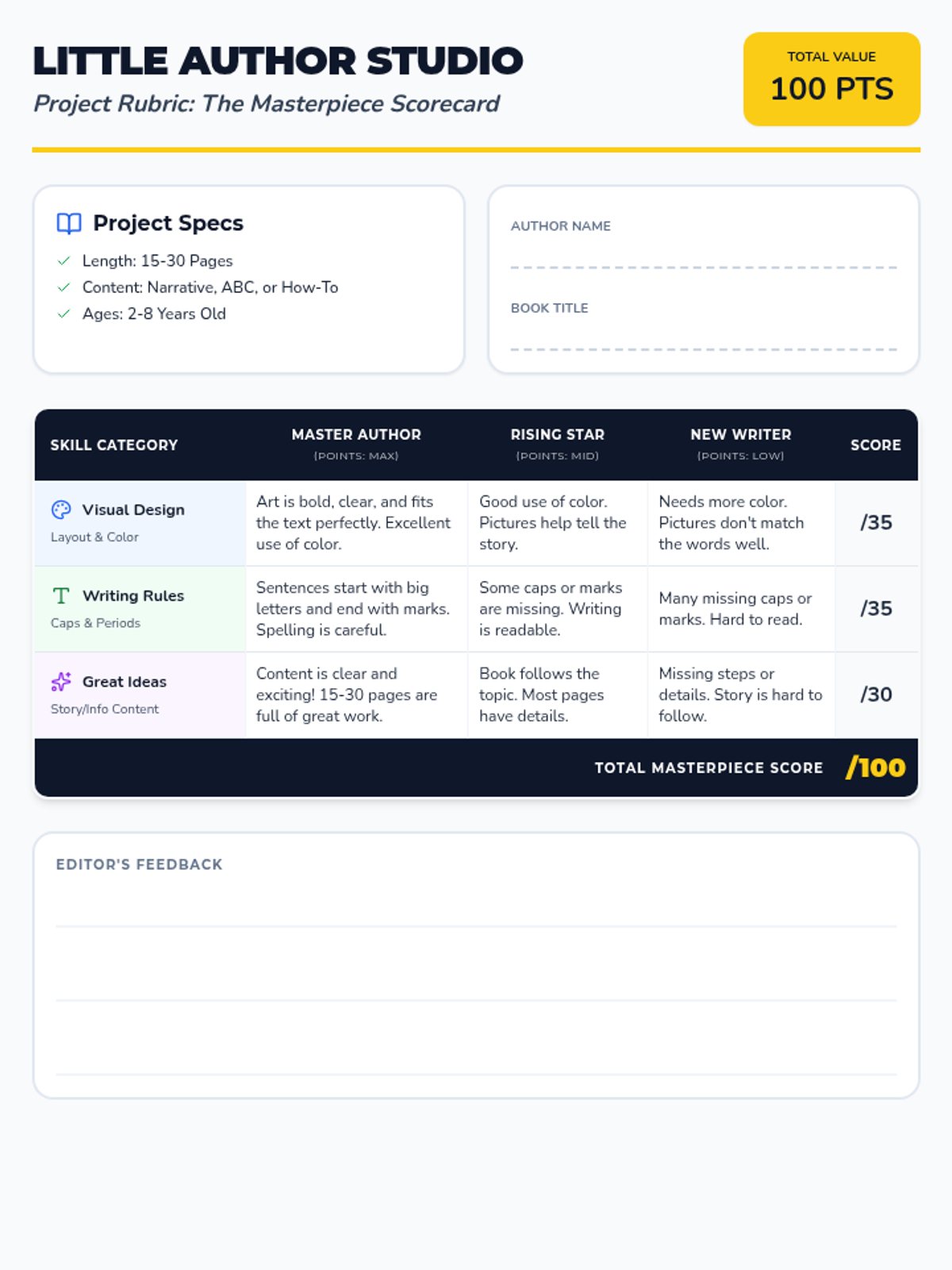
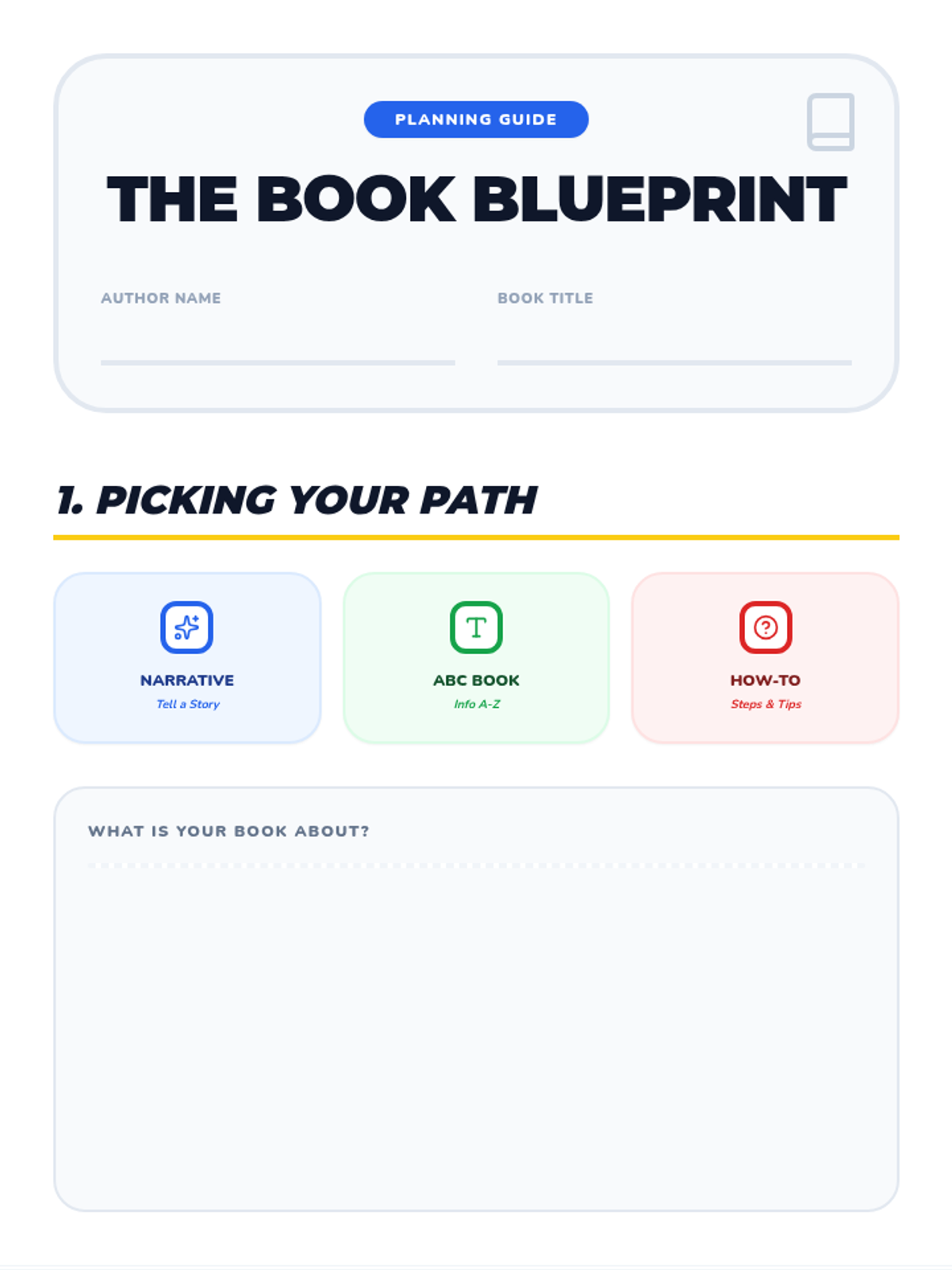
A creative writing project for young children (ages 2-8) to produce a 15-30 page book. Students can choose between a narrative story, an expository ABC book, or a how-to guide, focusing on visual design and writing conventions.
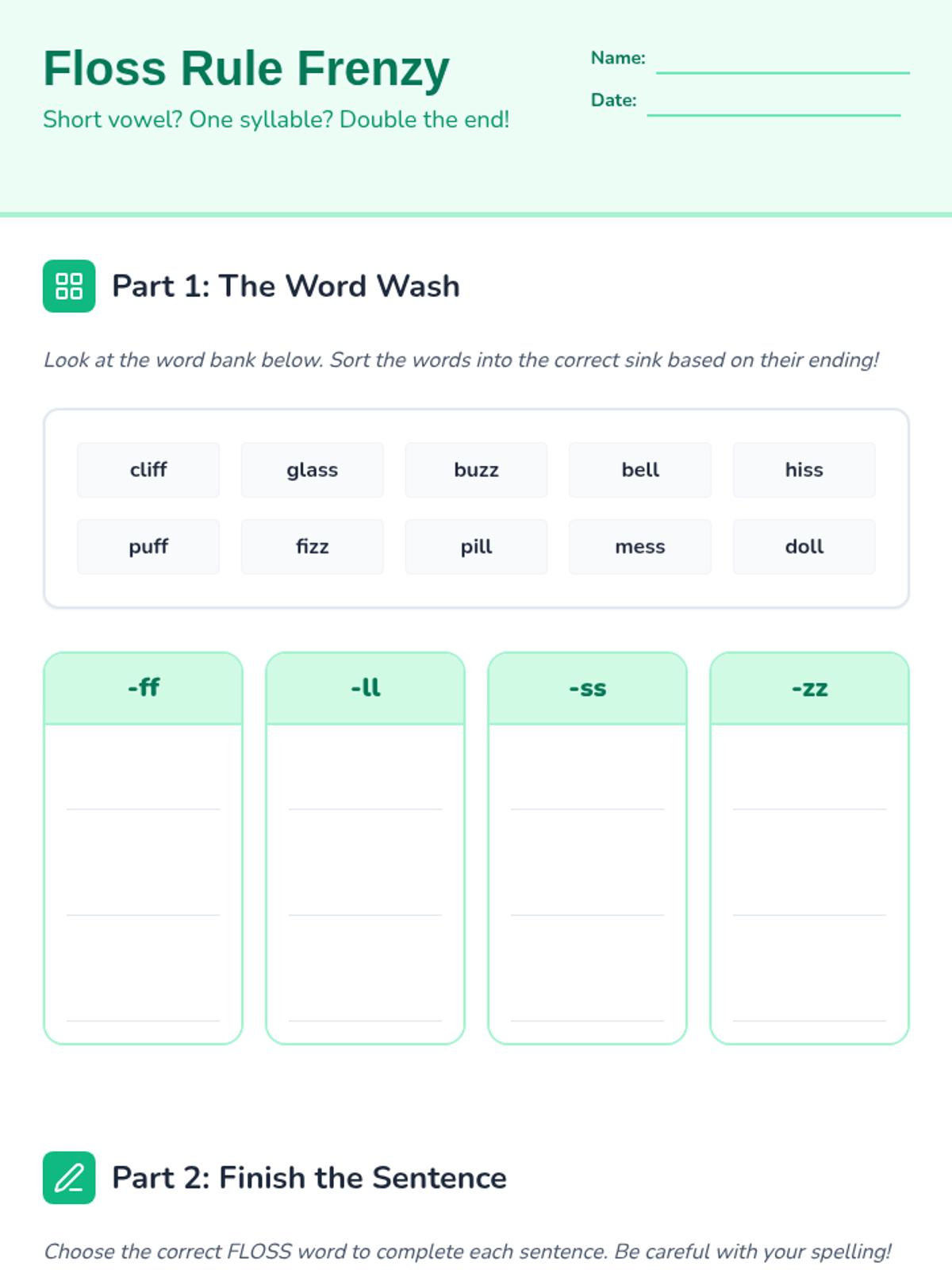
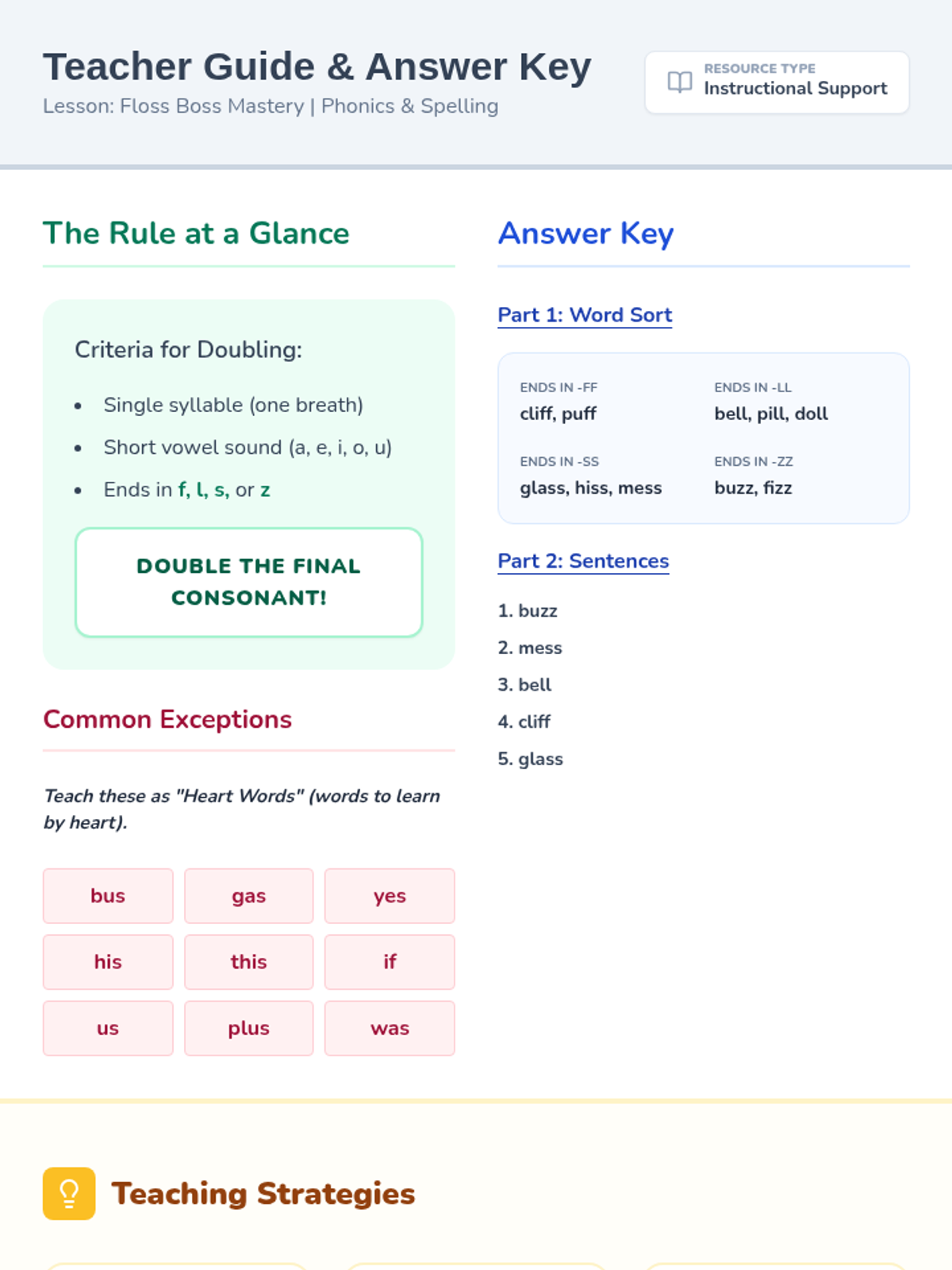
A phonics lesson for 2nd graders focusing on the FLOSS rule (doubling f, l, s, and z at the end of short vowel words). Students will learn to identify, sort, and spell words following this pattern.
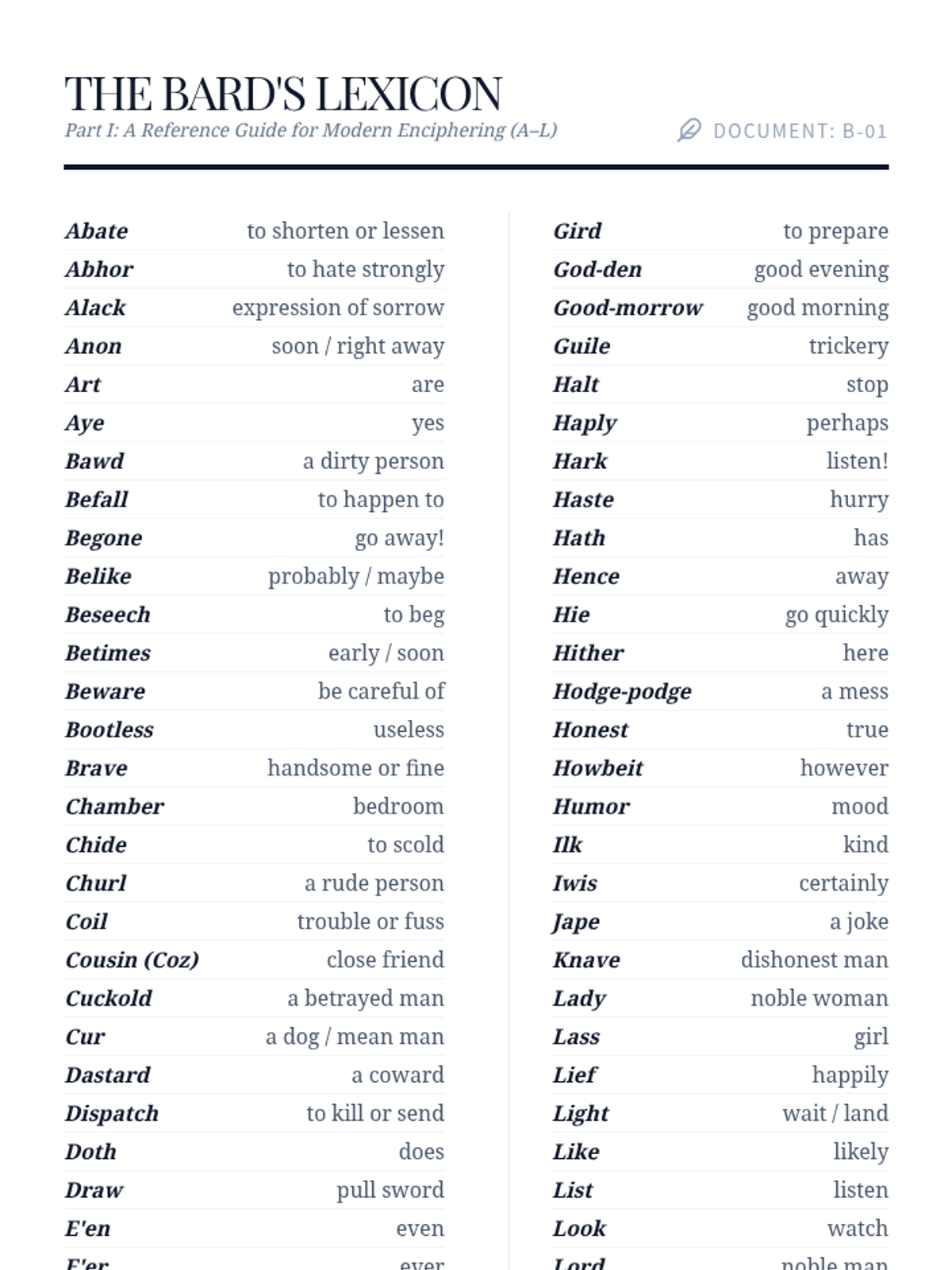
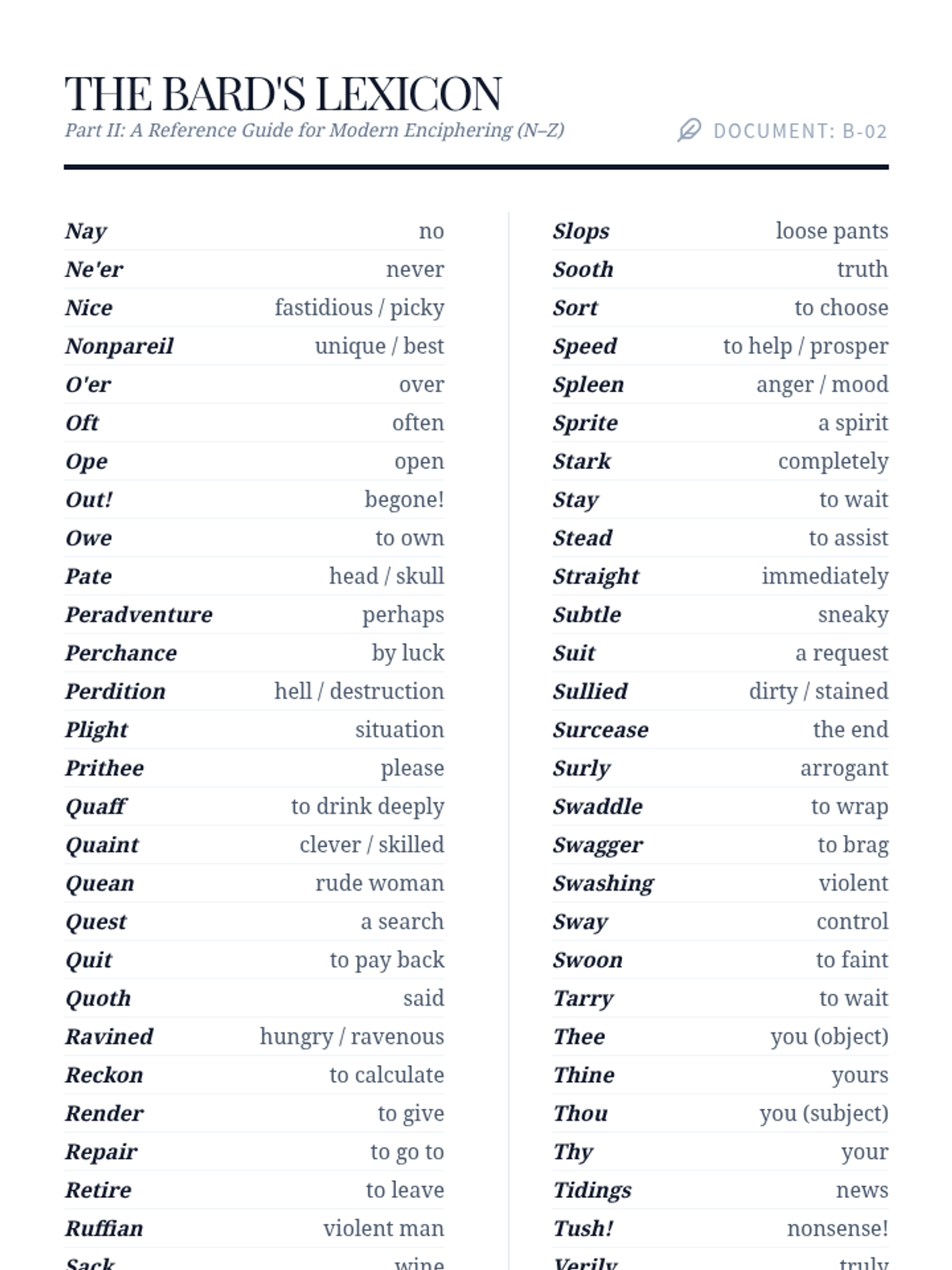
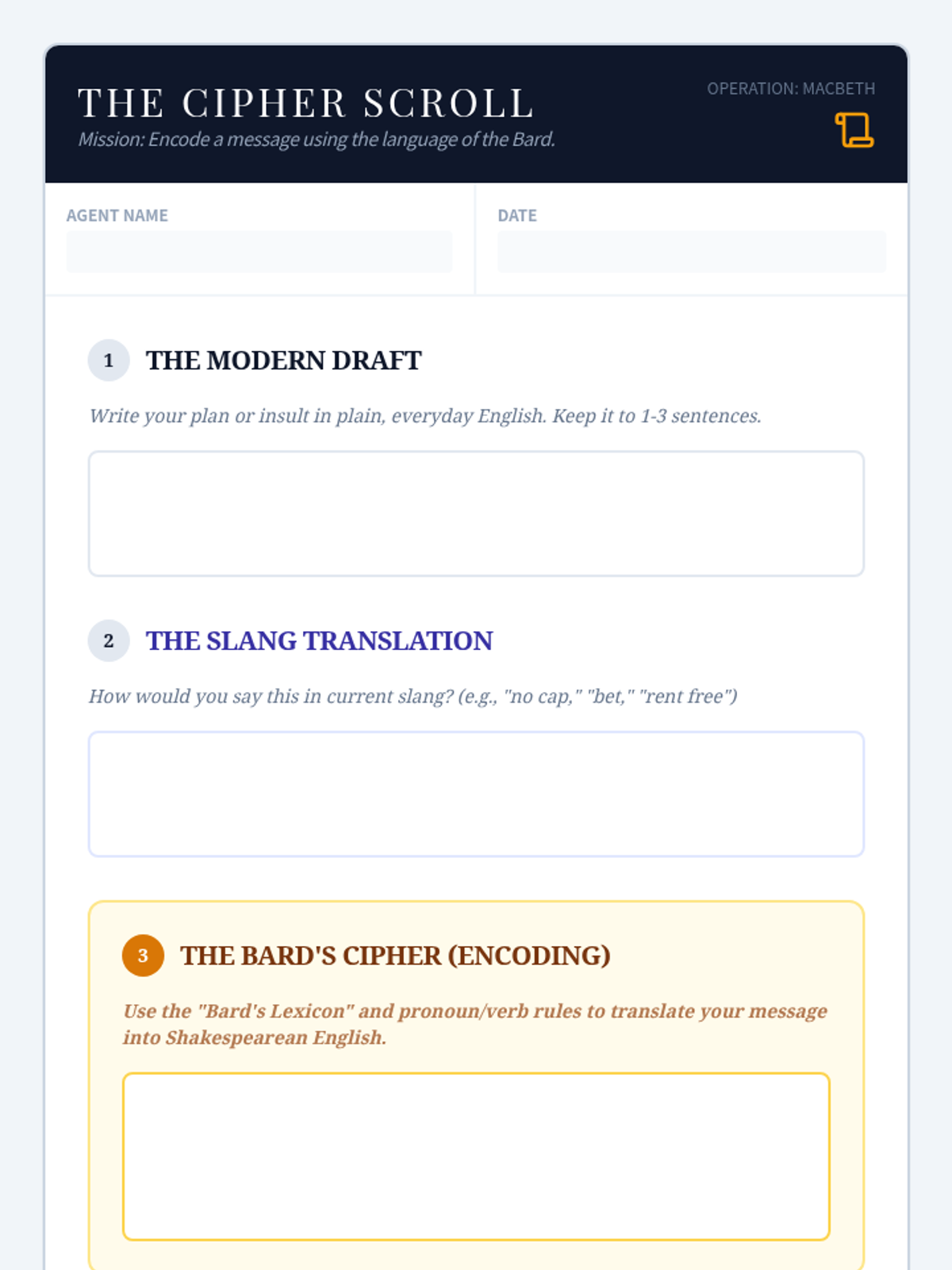
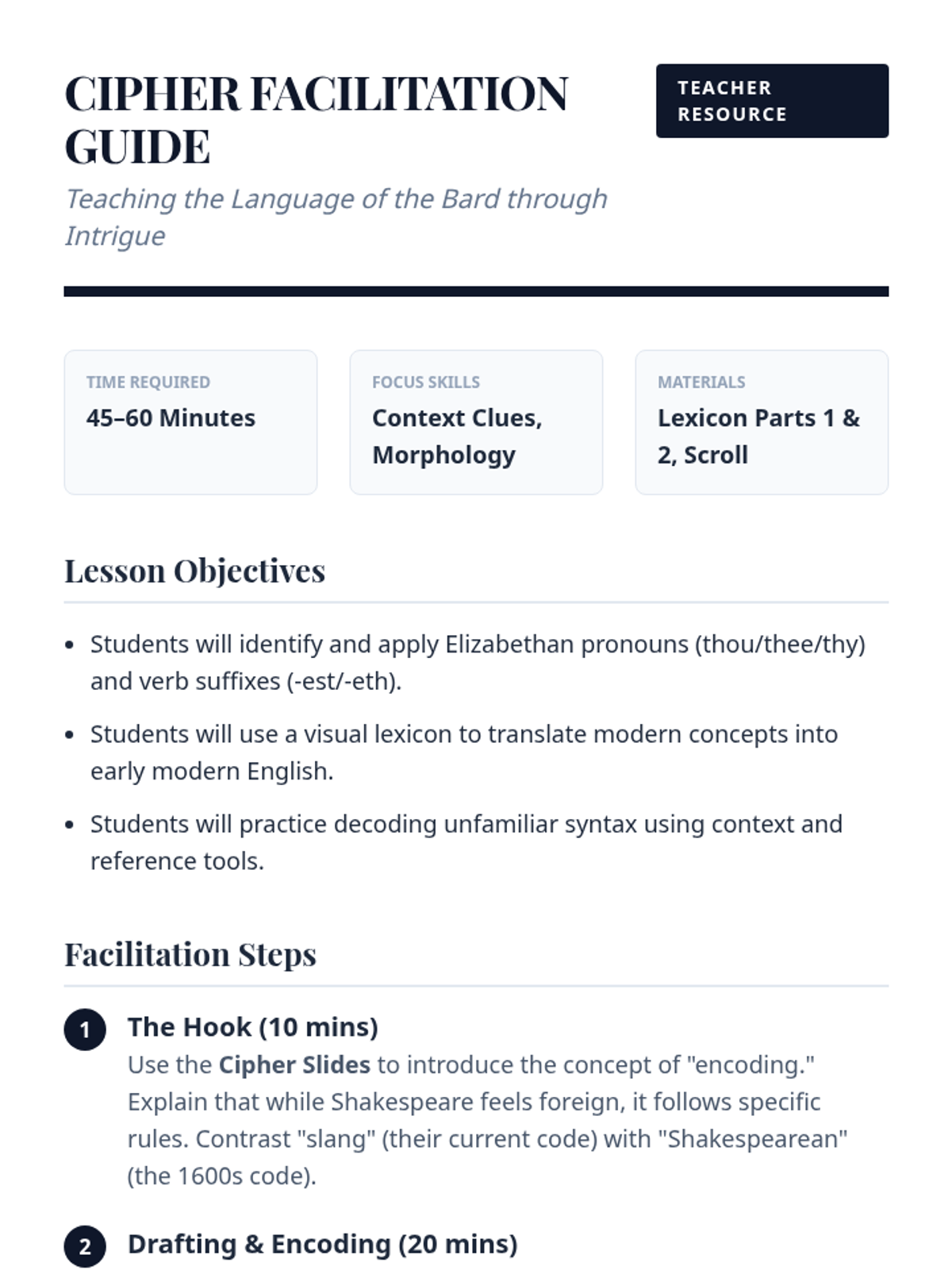
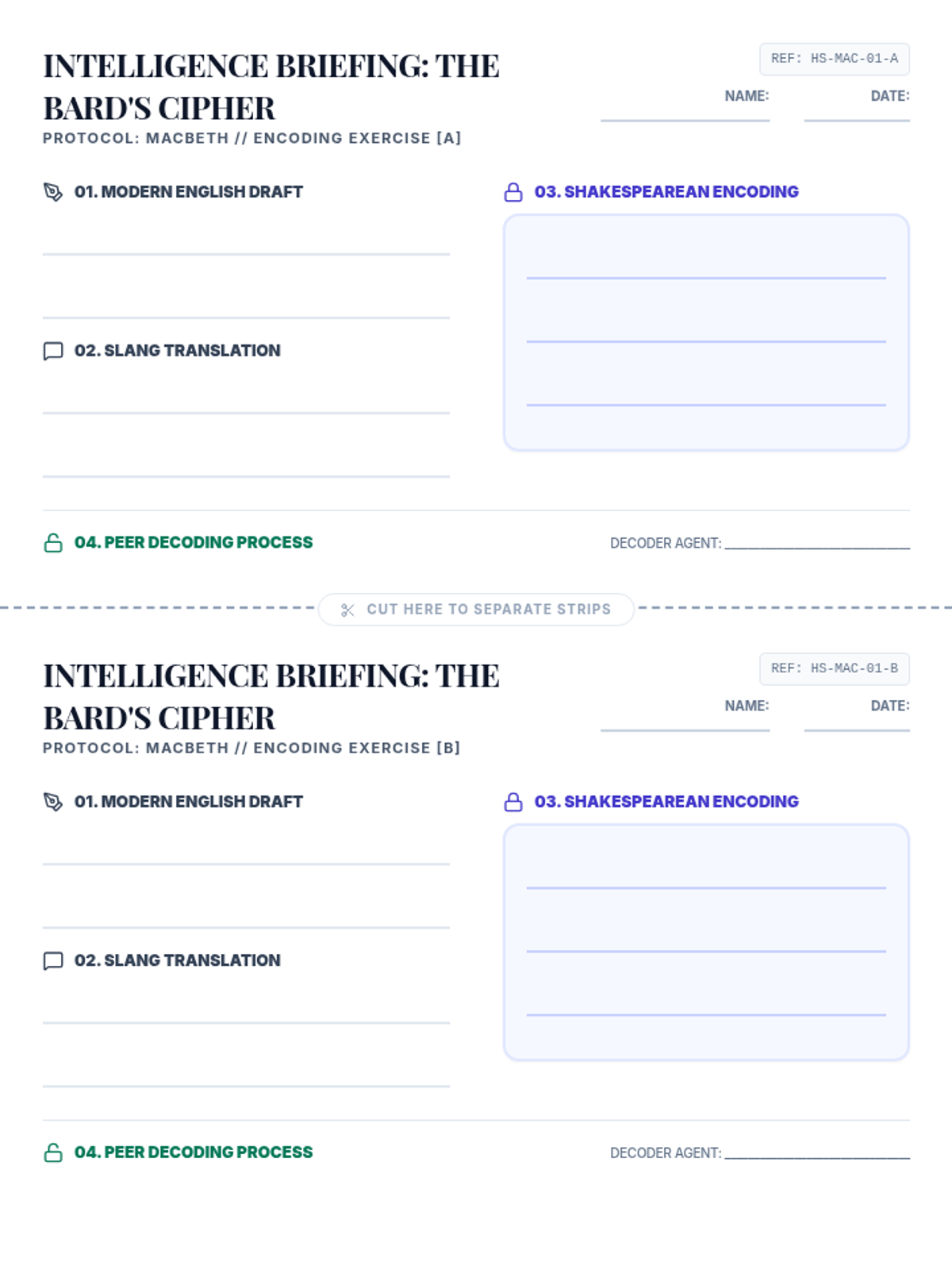
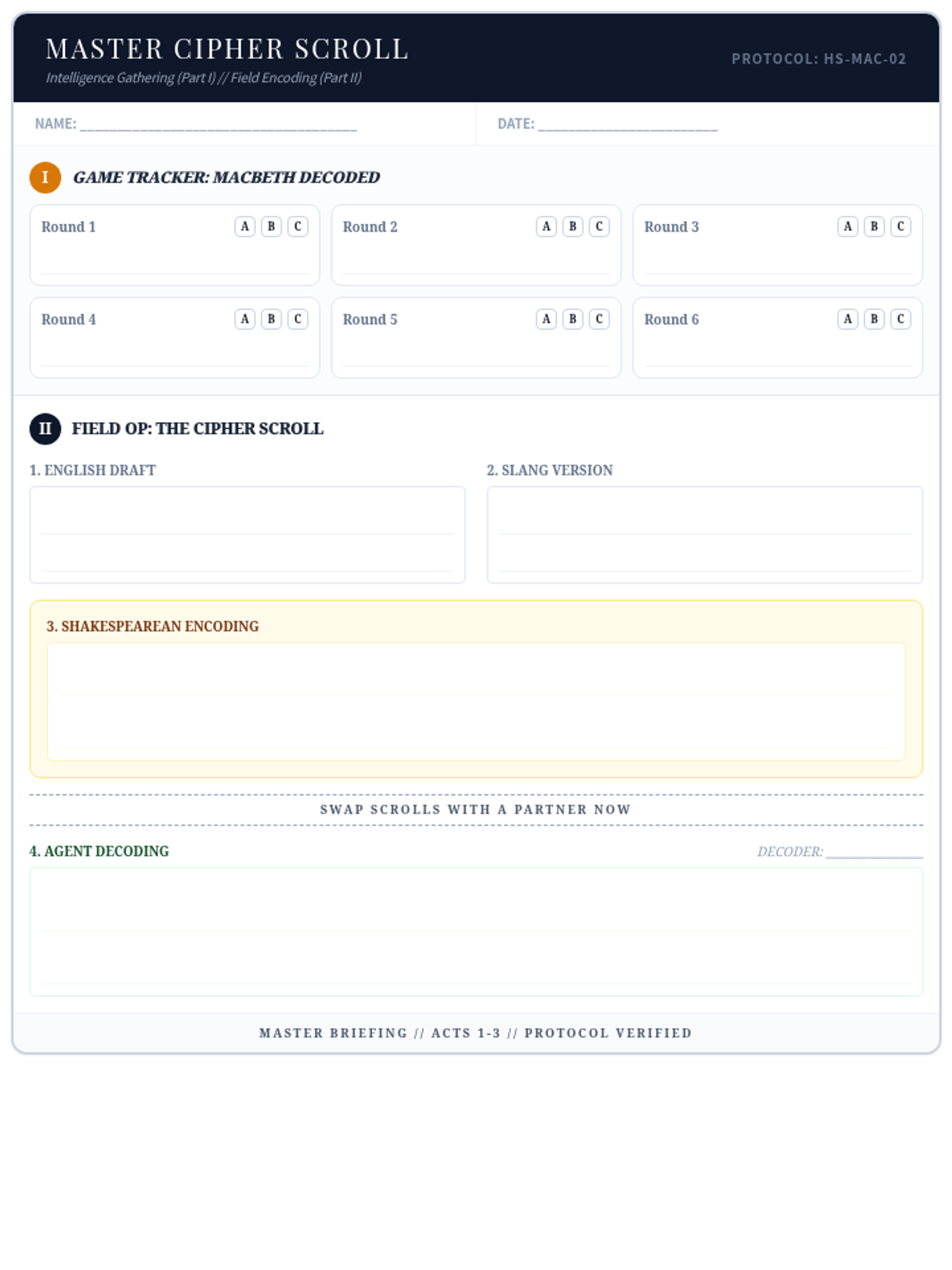
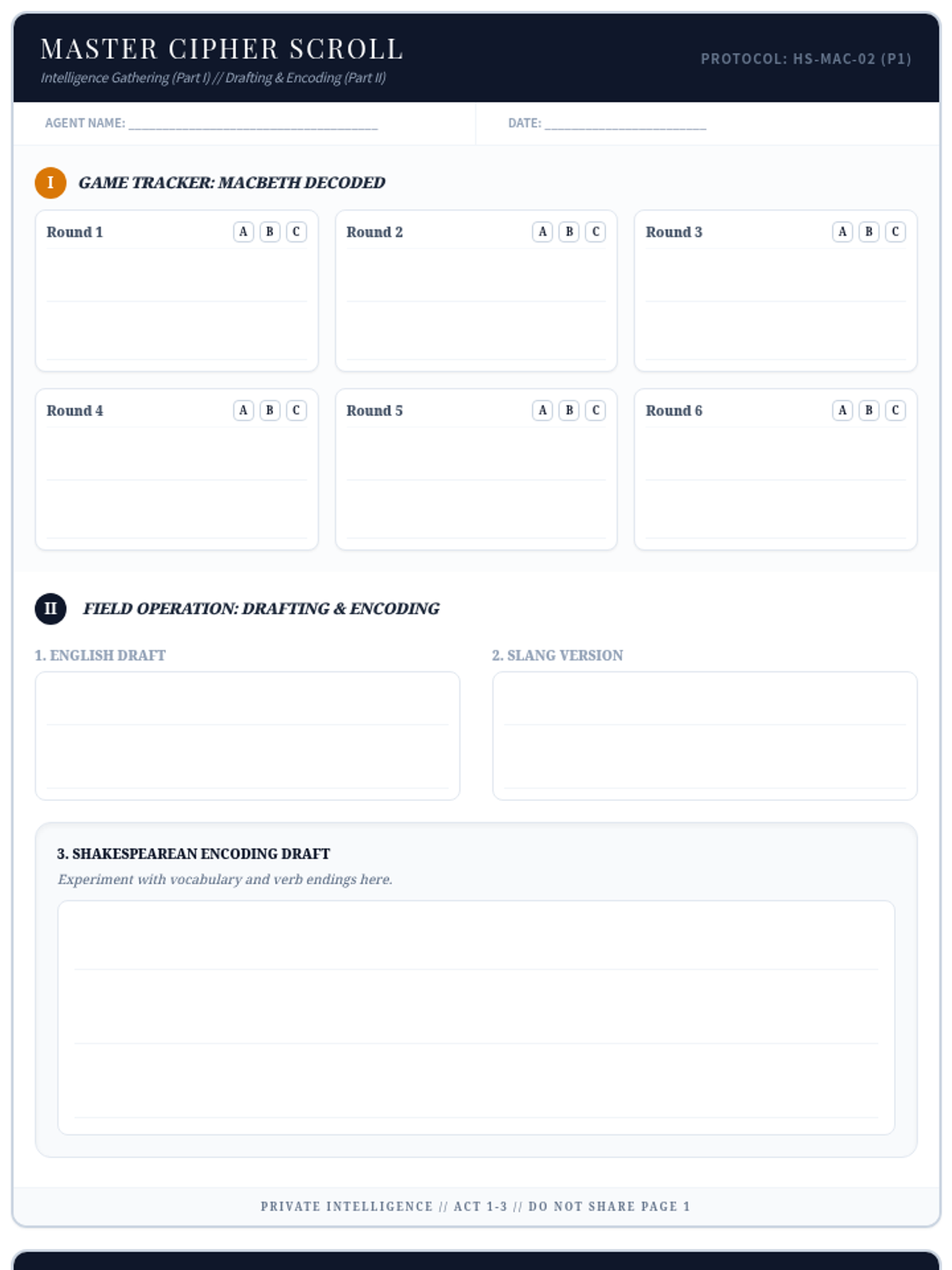
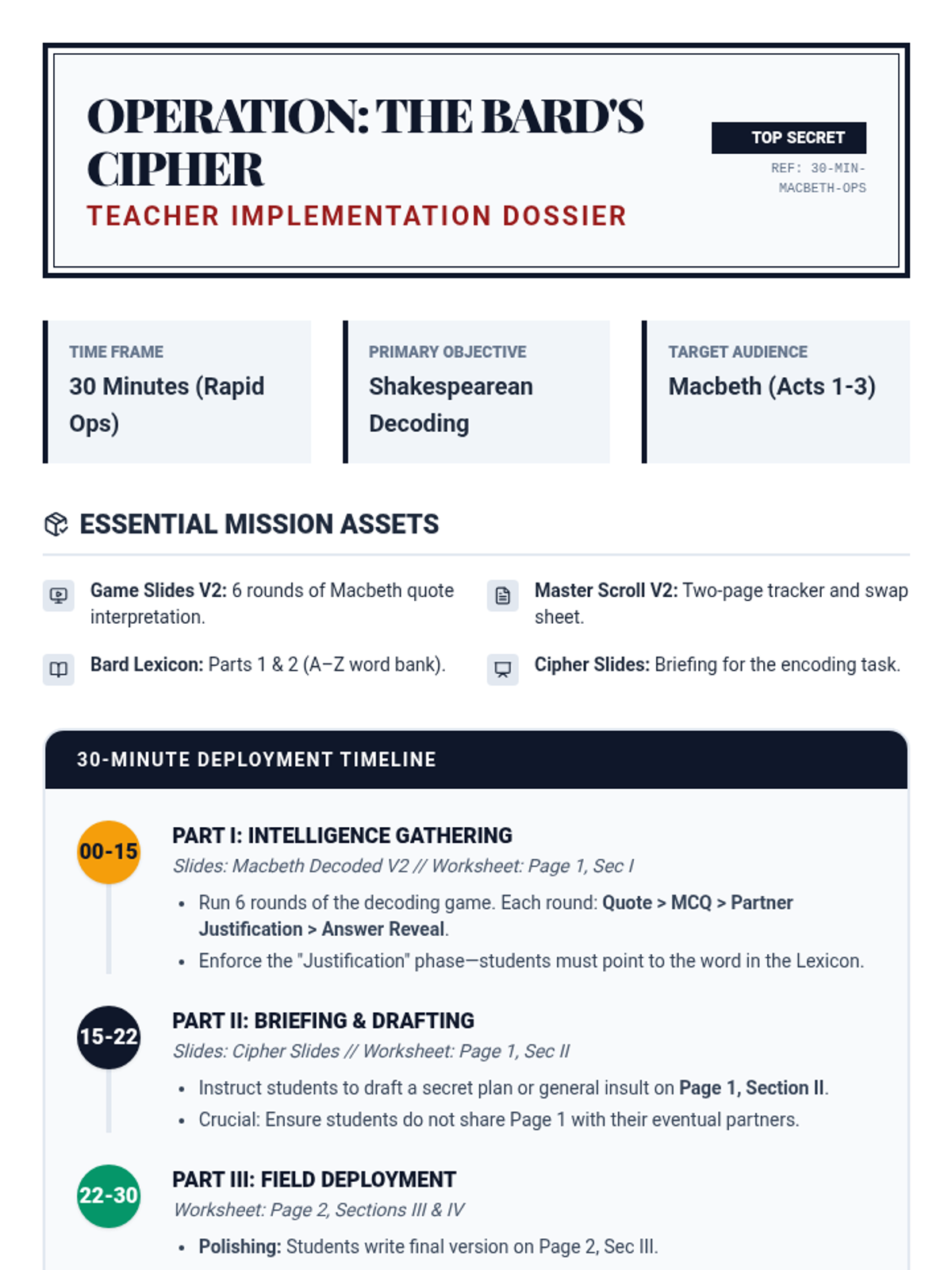
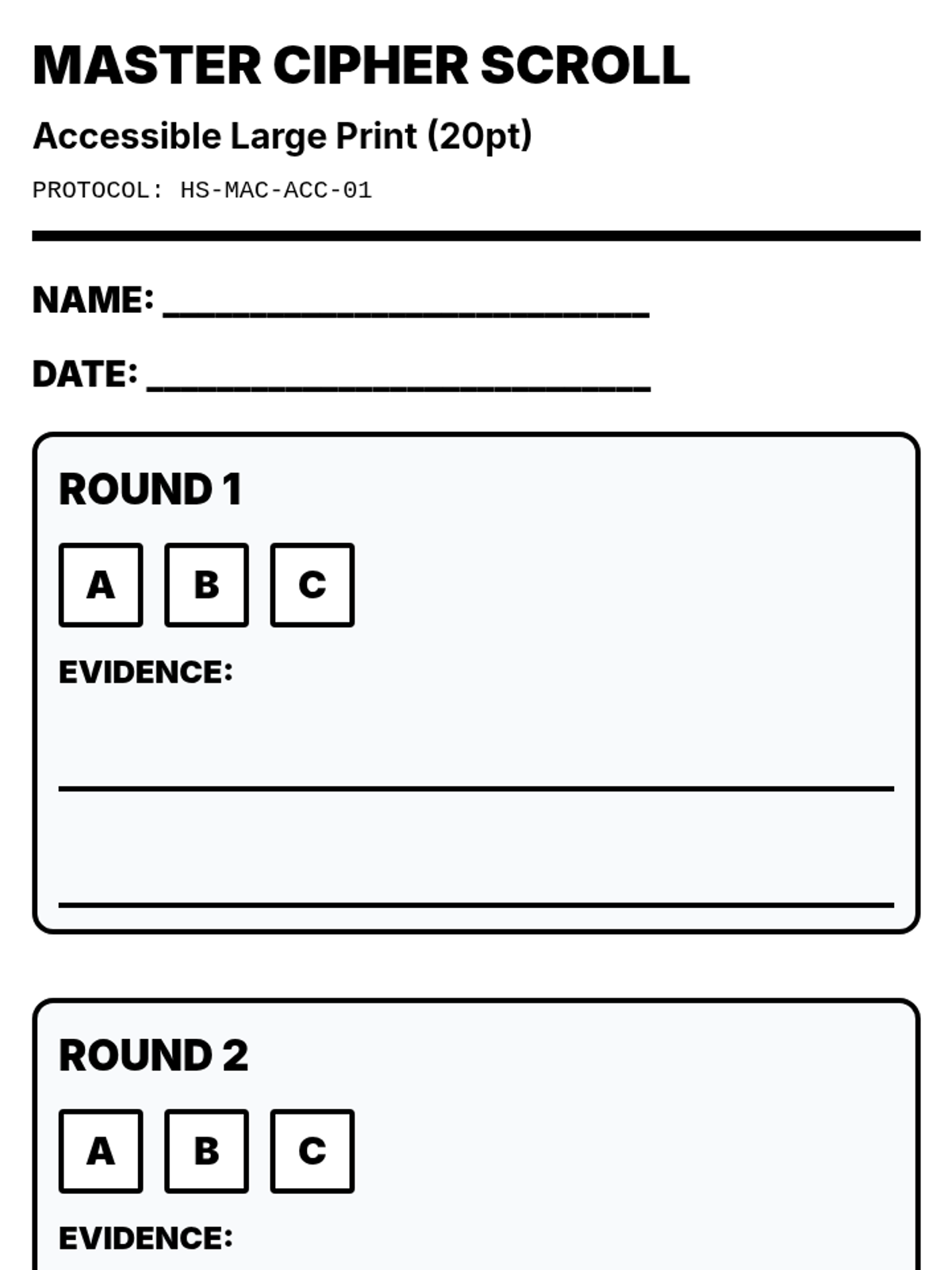
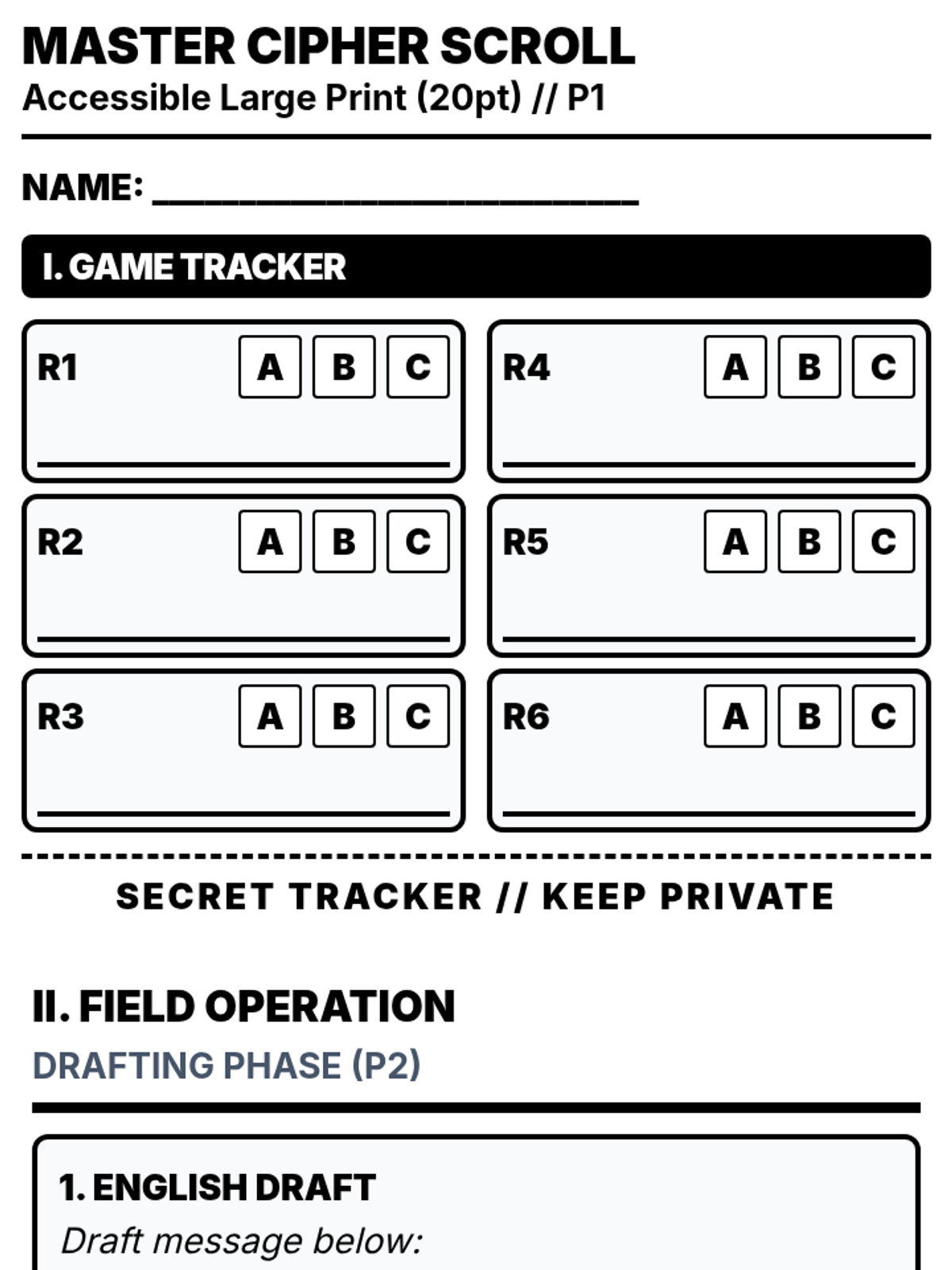
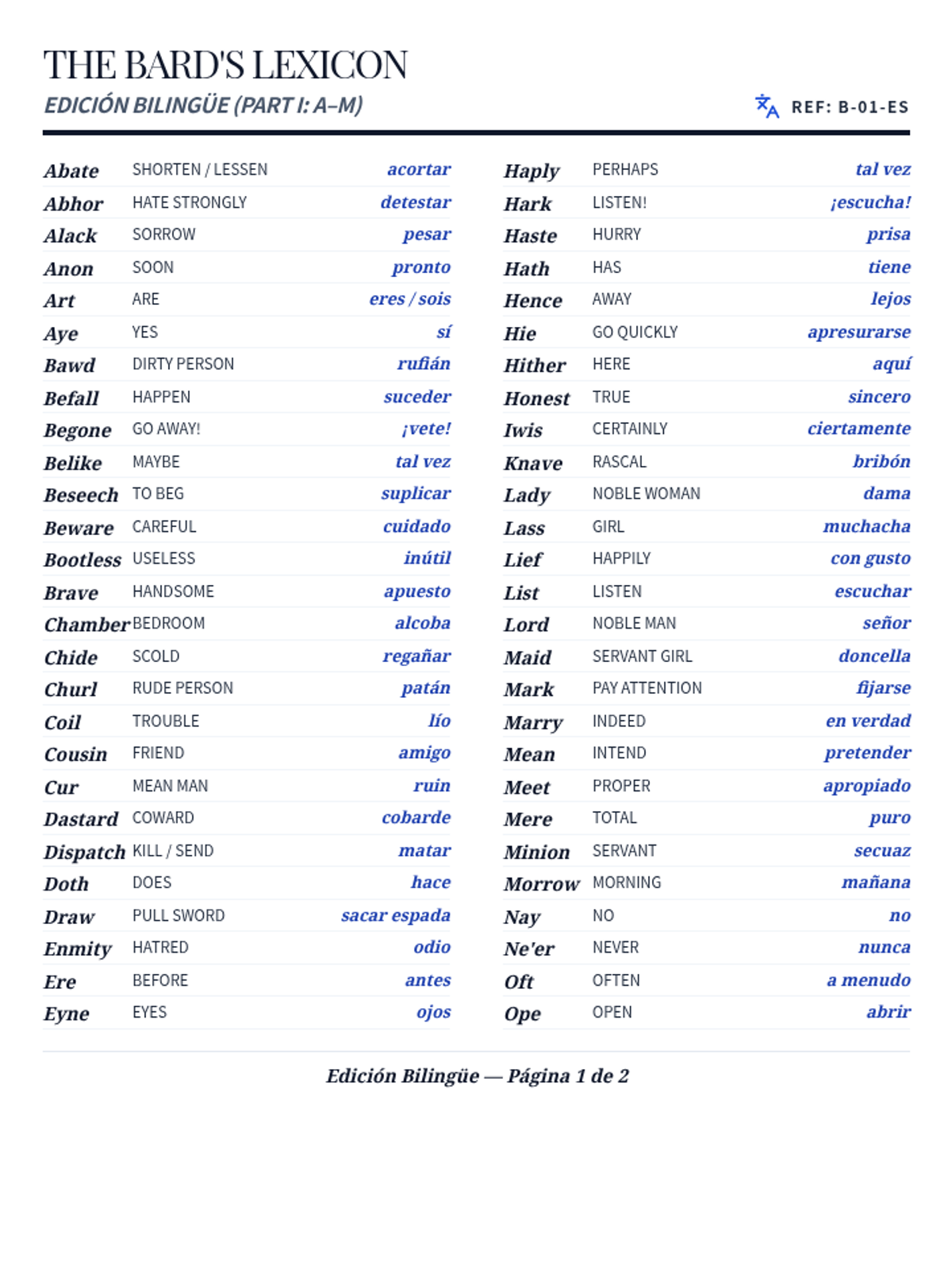
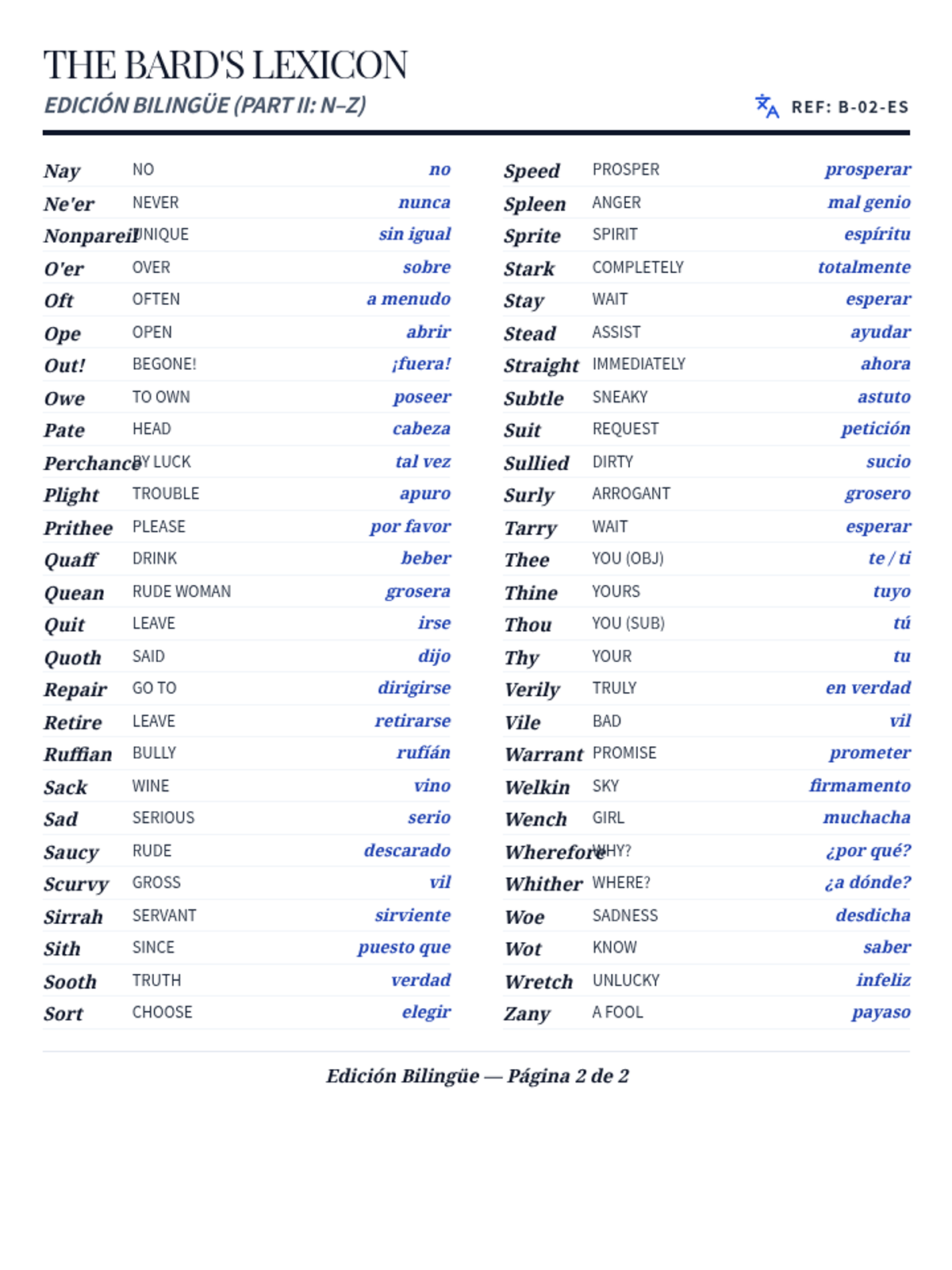
A hands-on activity where students learn to decode and encode Shakespearean language by writing secret messages or insults, then swapping them with peers to translate.
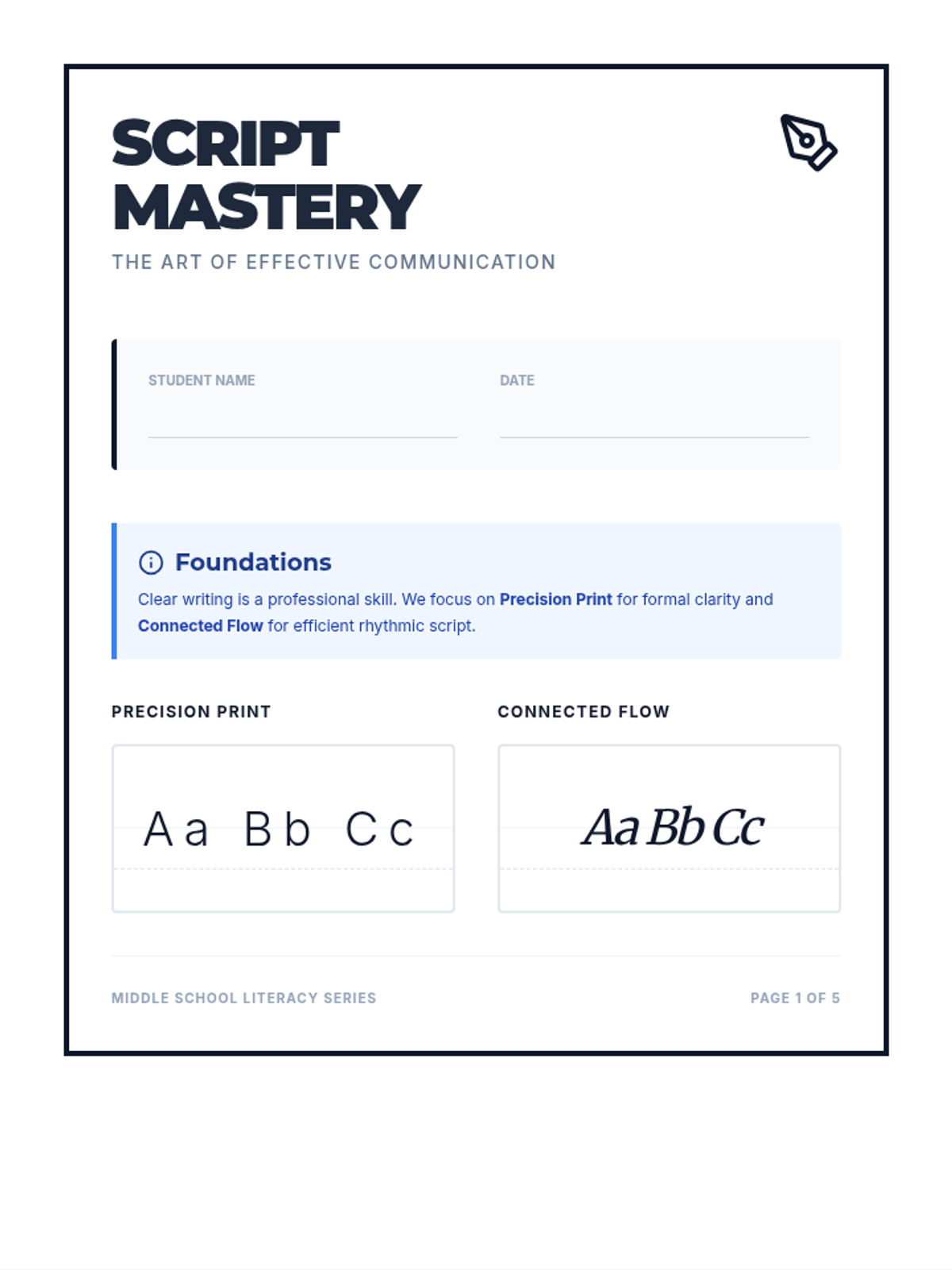
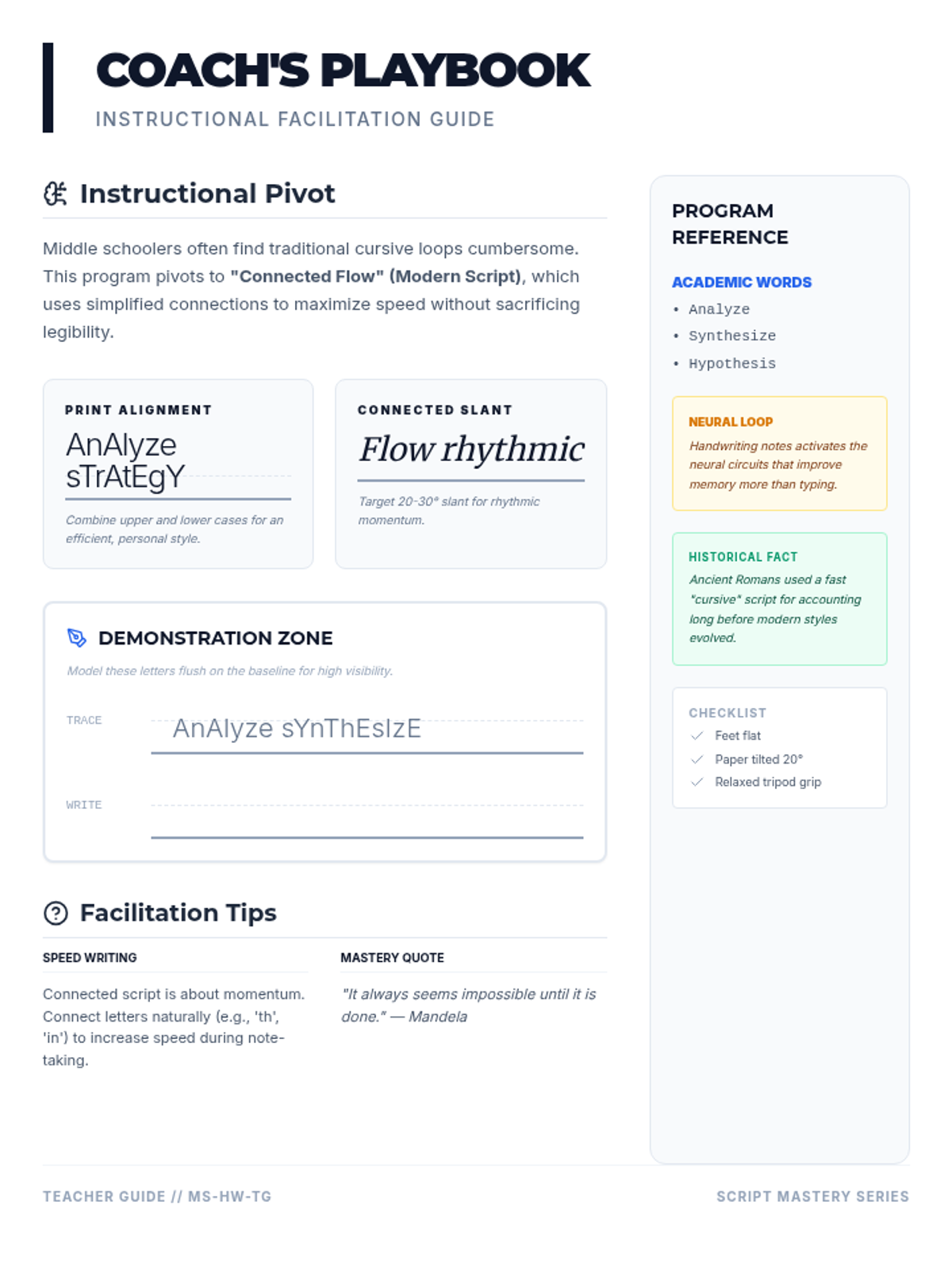
A comprehensive handwriting improvement program for middle school students, blending print and cursive techniques using engaging academic and motivational content.
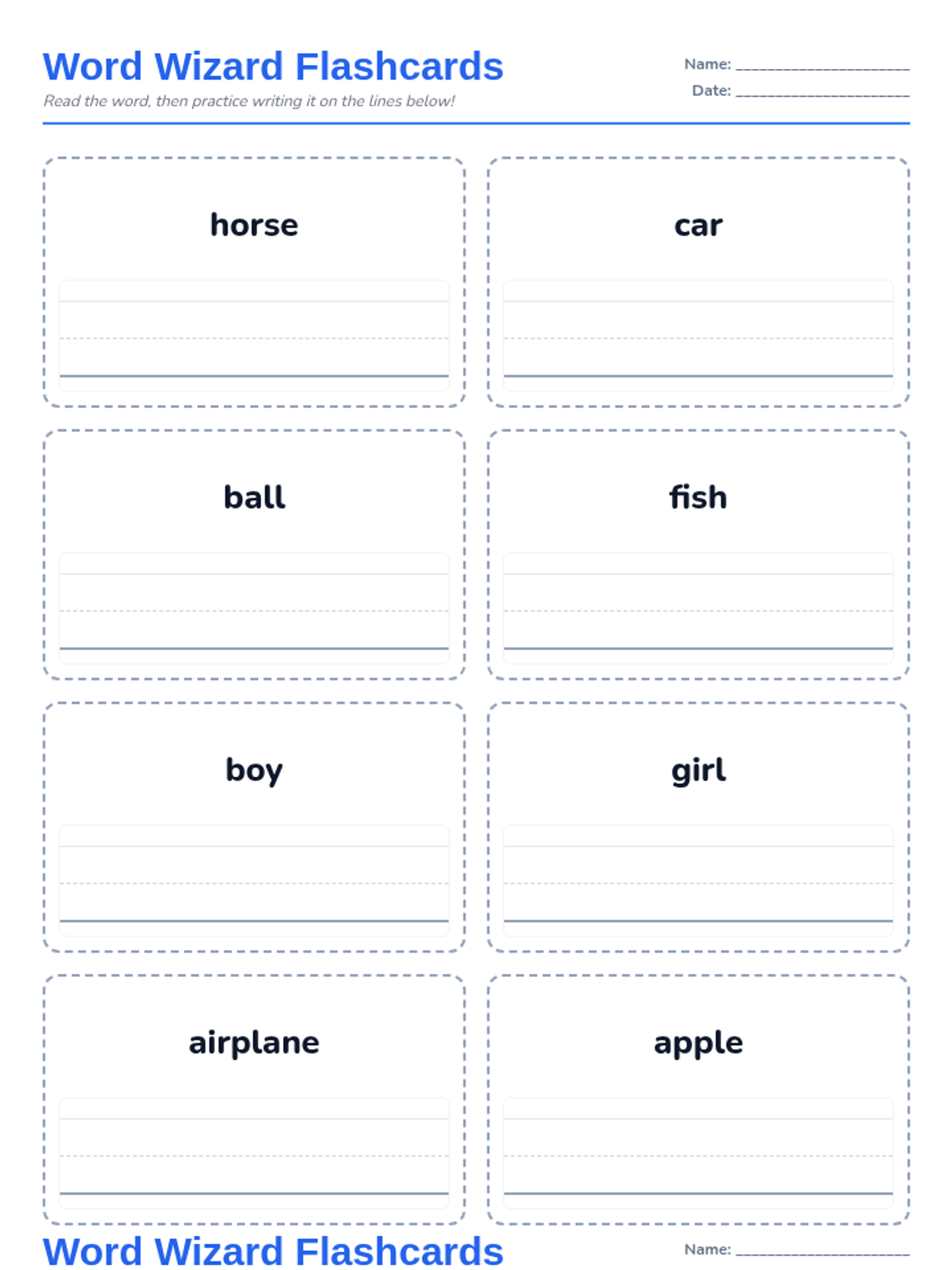
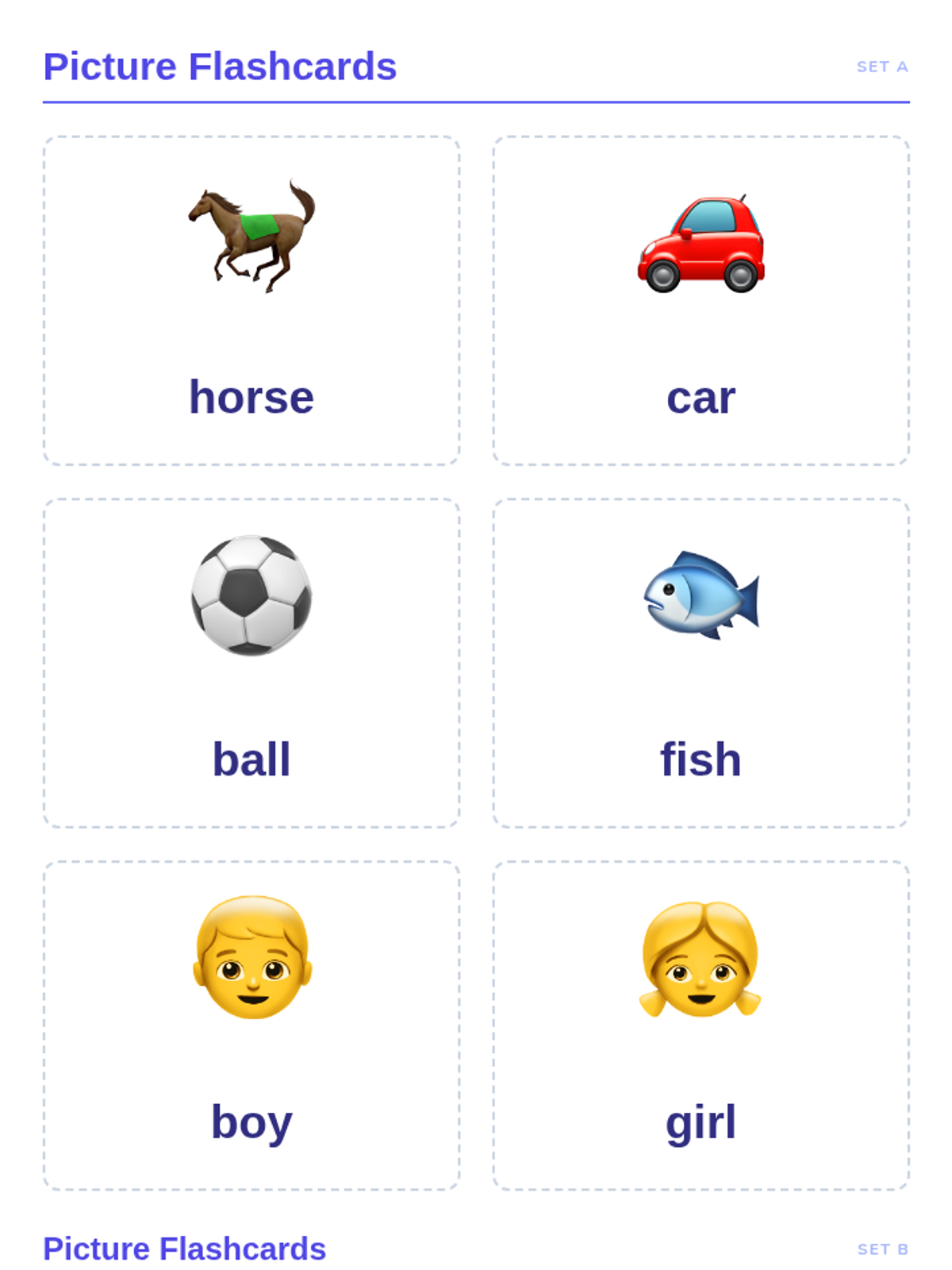
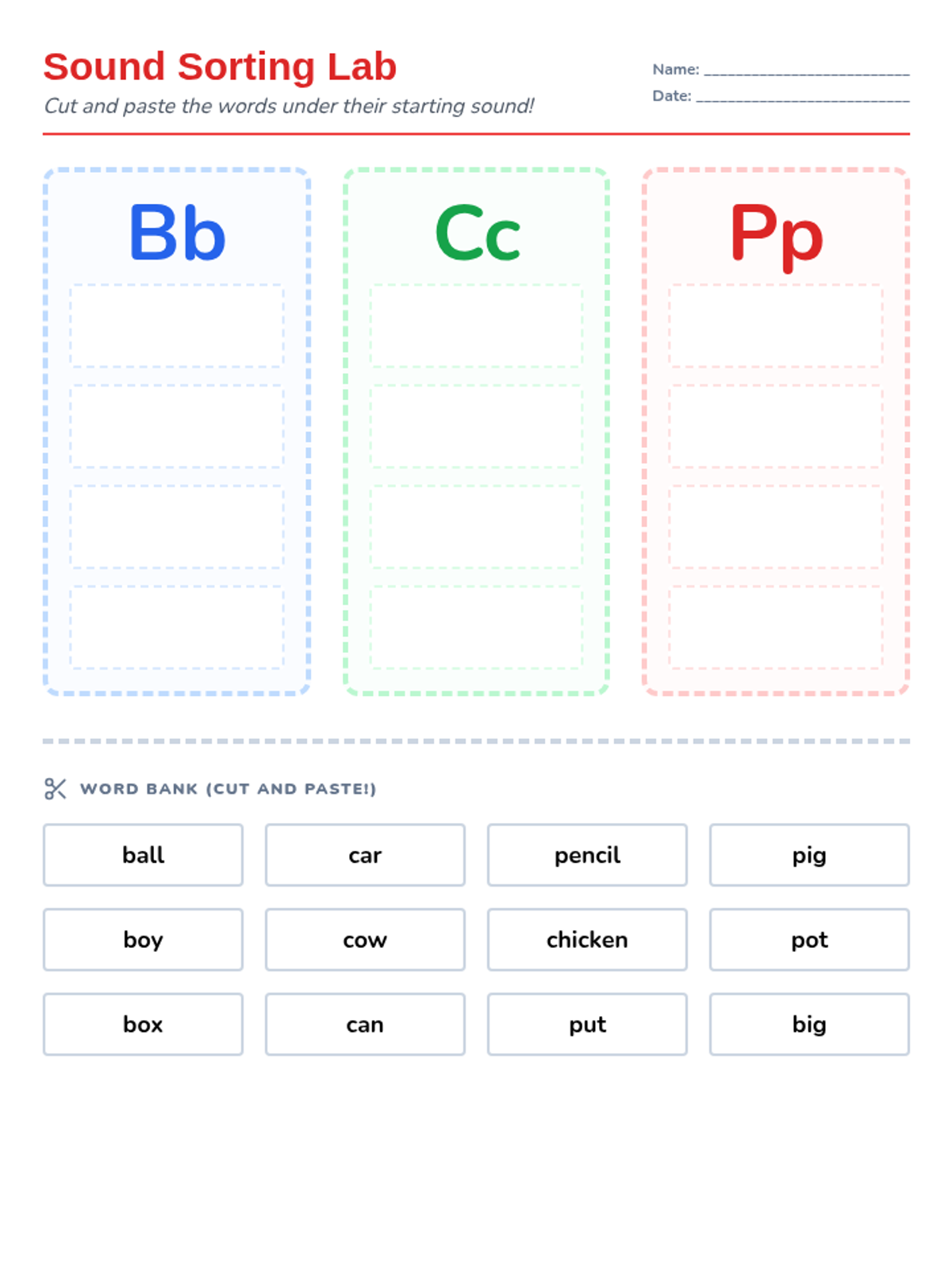
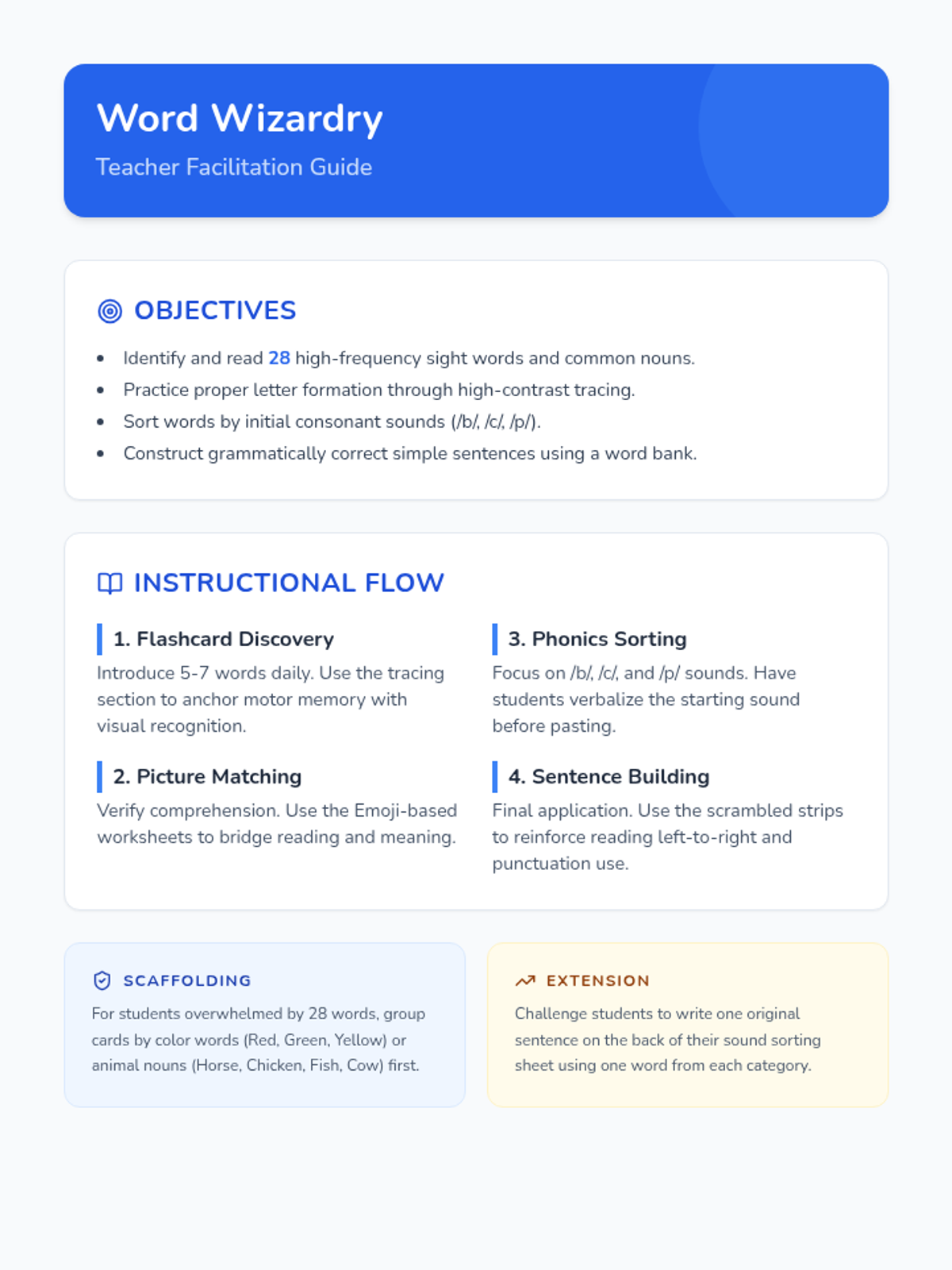
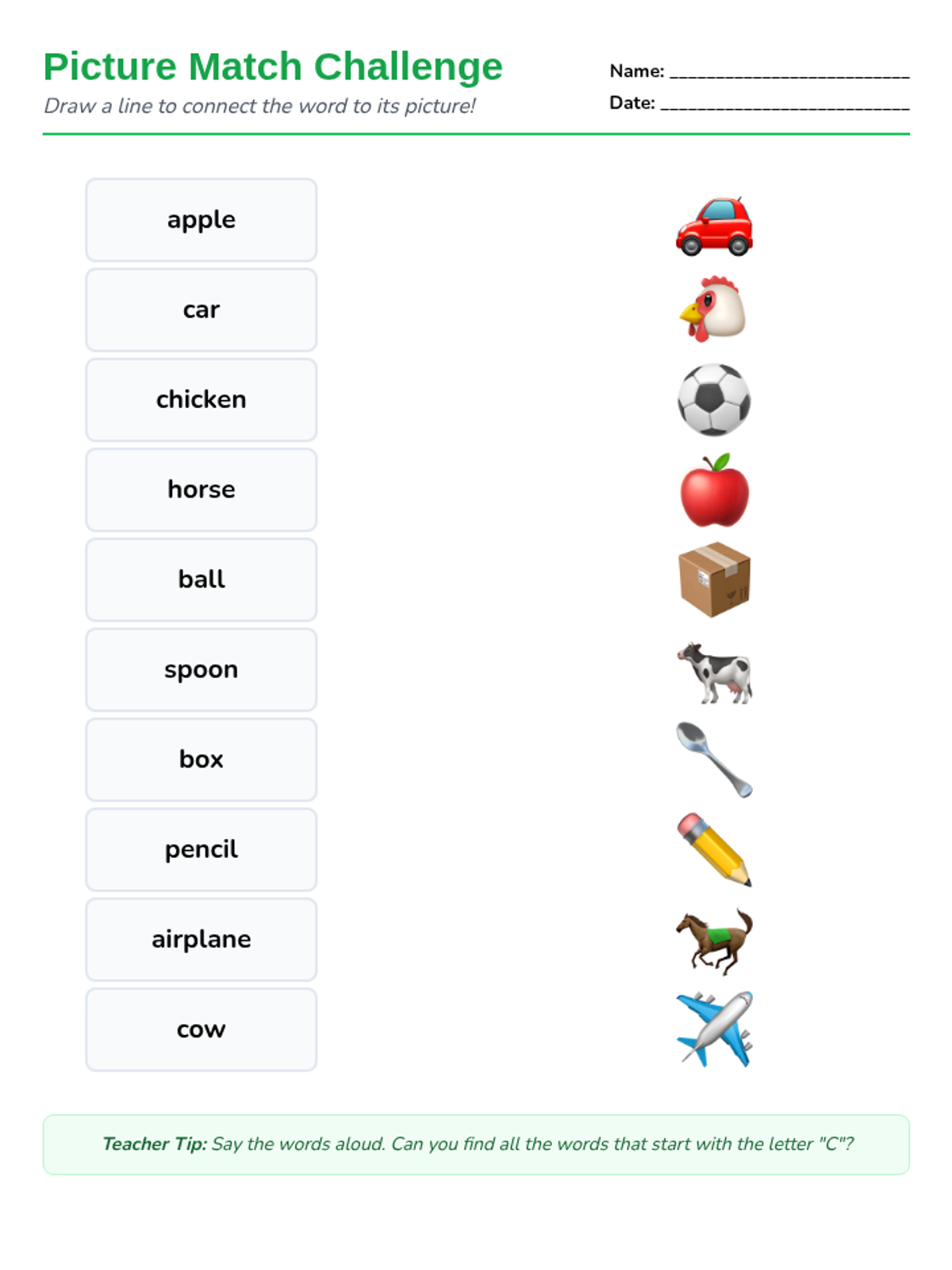
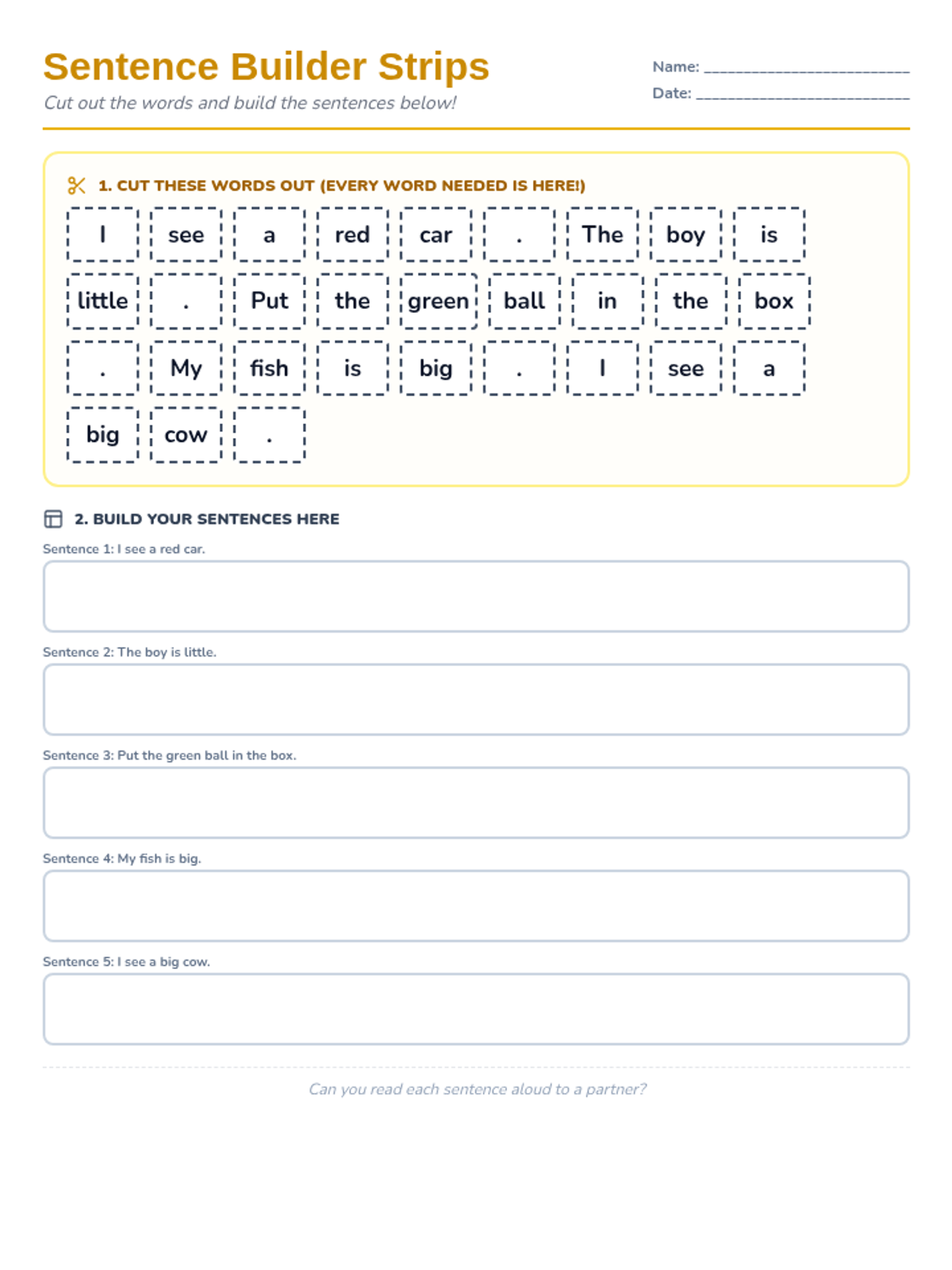
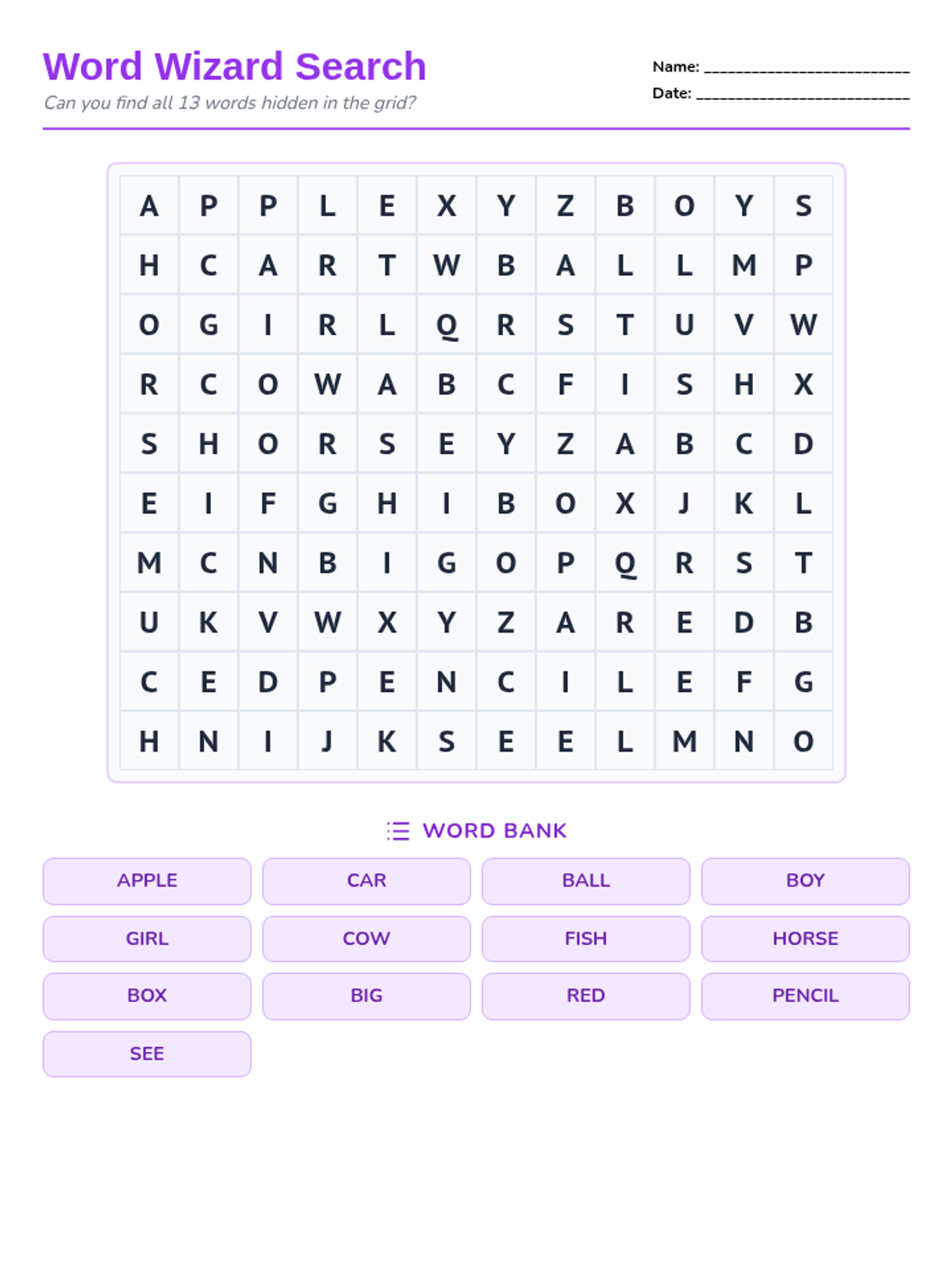
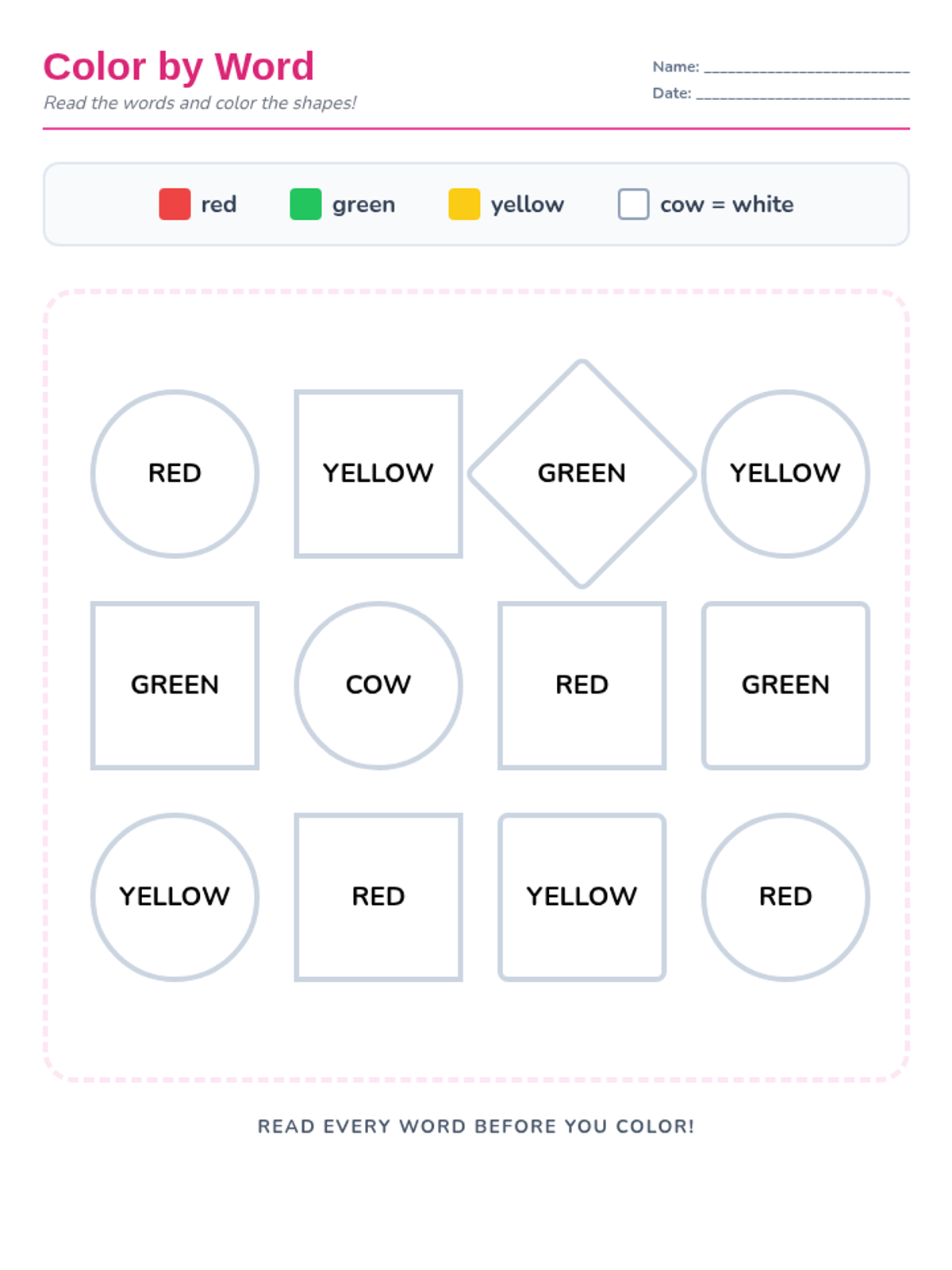
A comprehensive set of foundational literacy materials focused on 27 key sight words and nouns, covering word recognition, handwriting, sentence structure, and phonics.
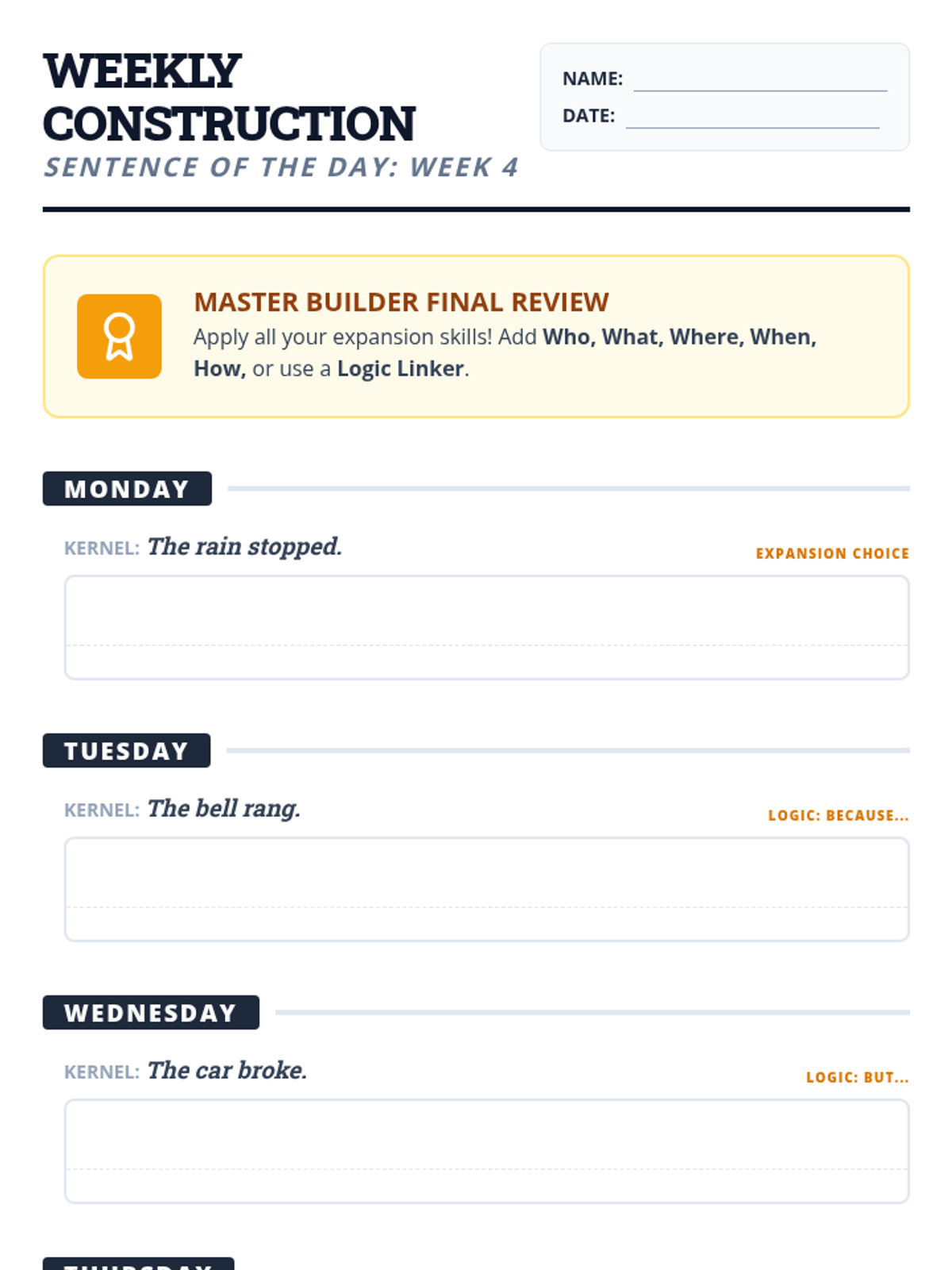
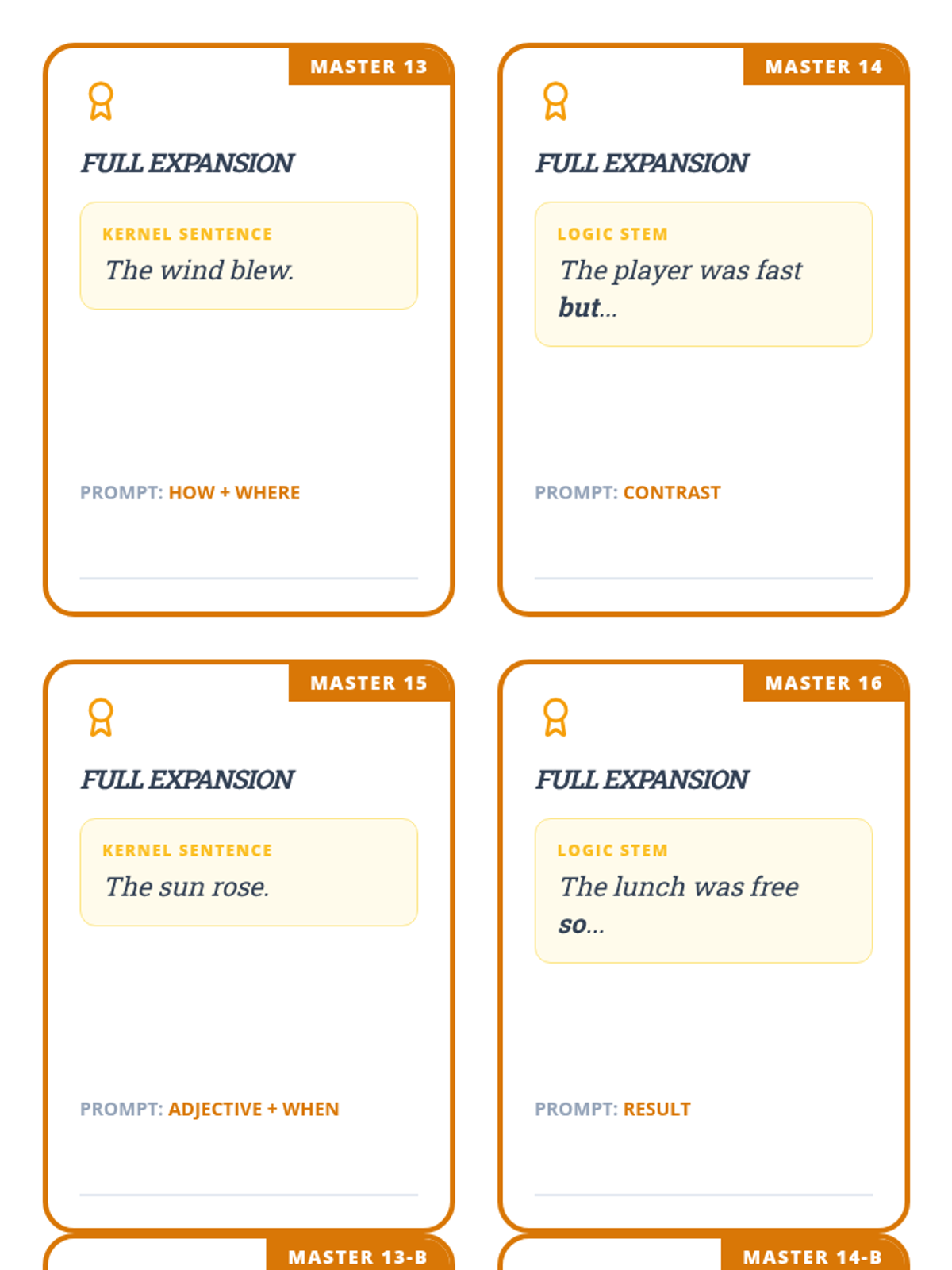
The final review lesson where students apply all previous strategies (adjectives, situational details, and logical conjunctions) to create complex and polished sentences.
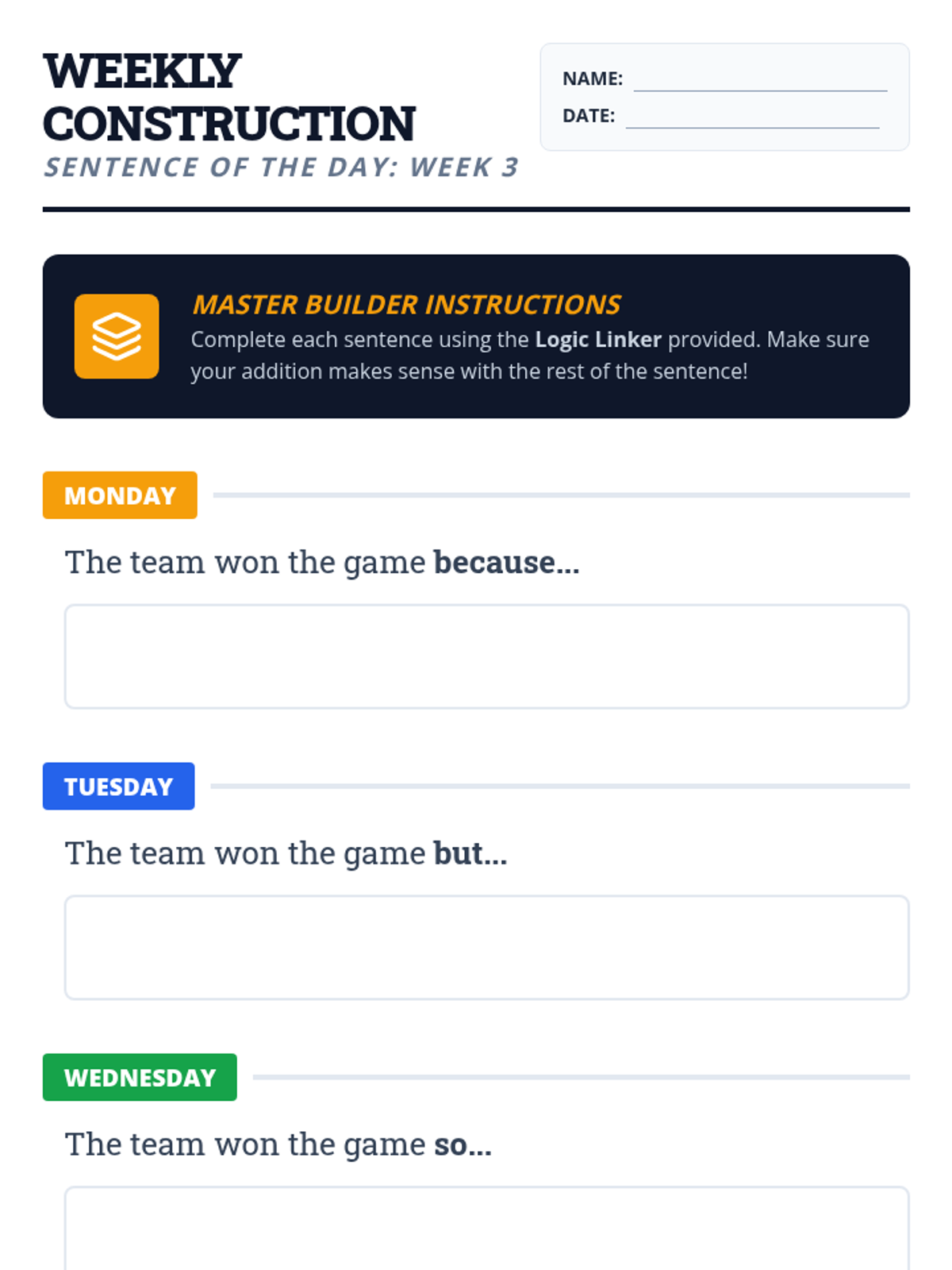
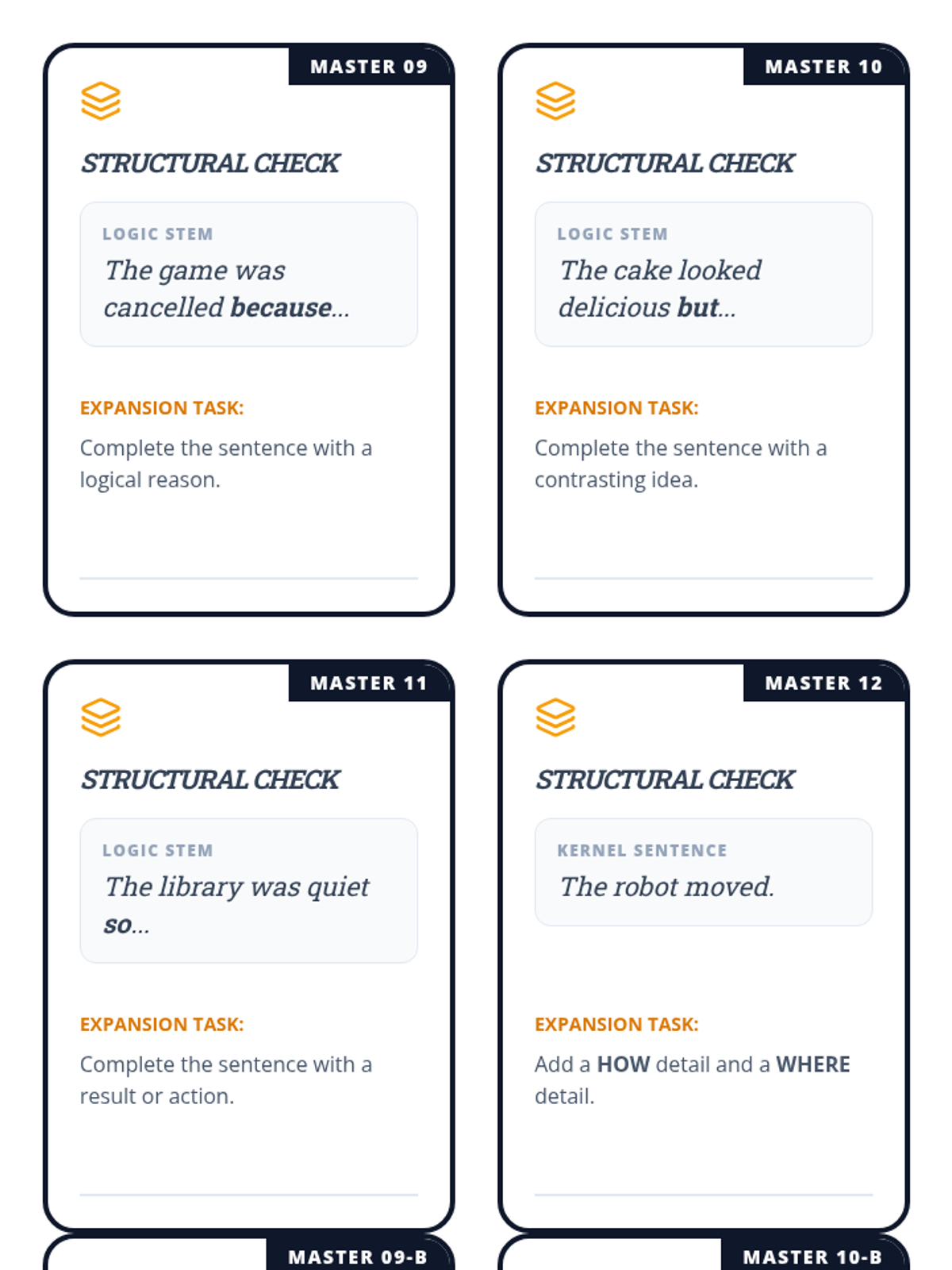
The final lesson focuses on using 'Because, But, So' to expand sentences logically and demonstrate deeper reasoning and detail.
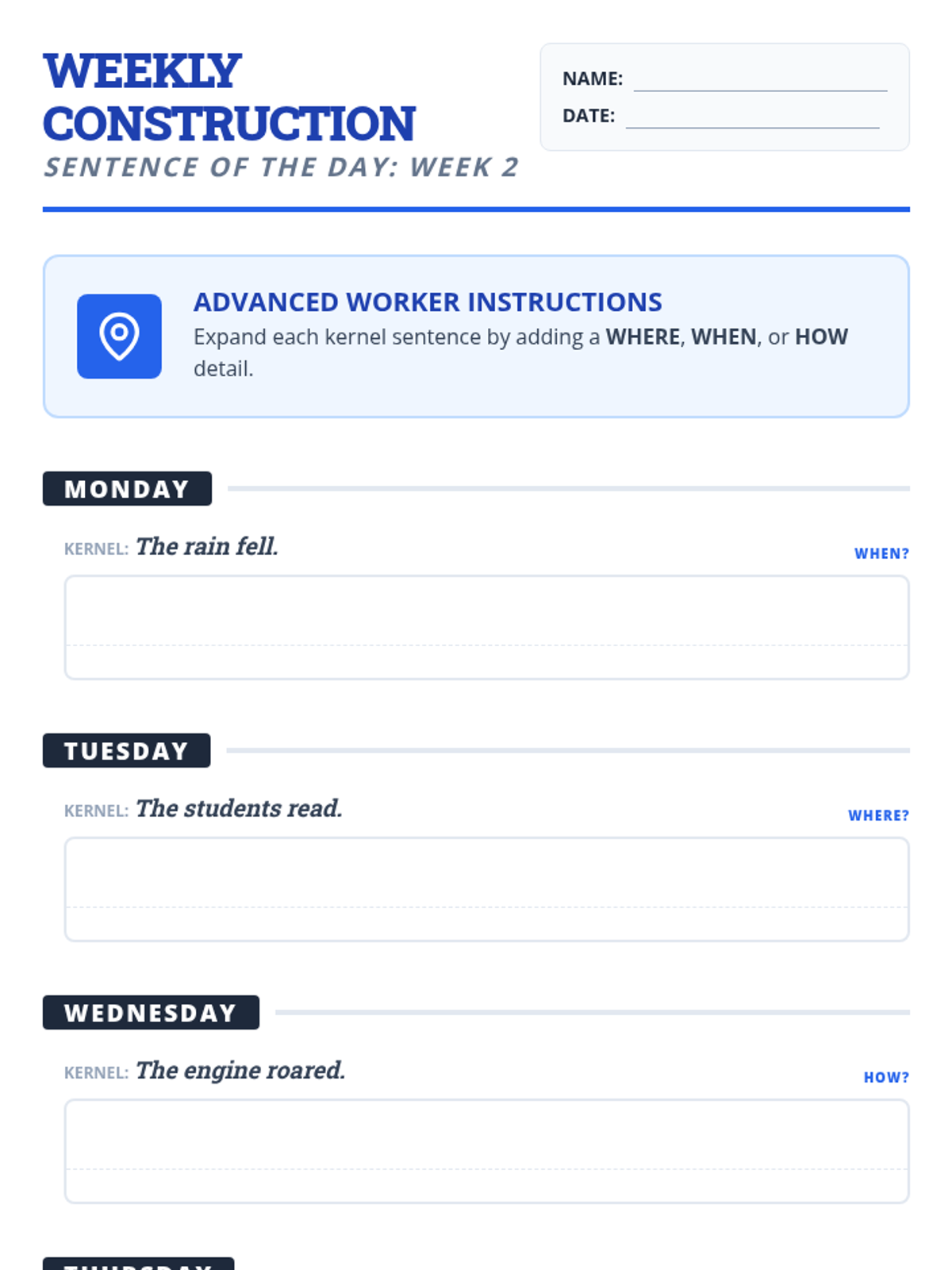
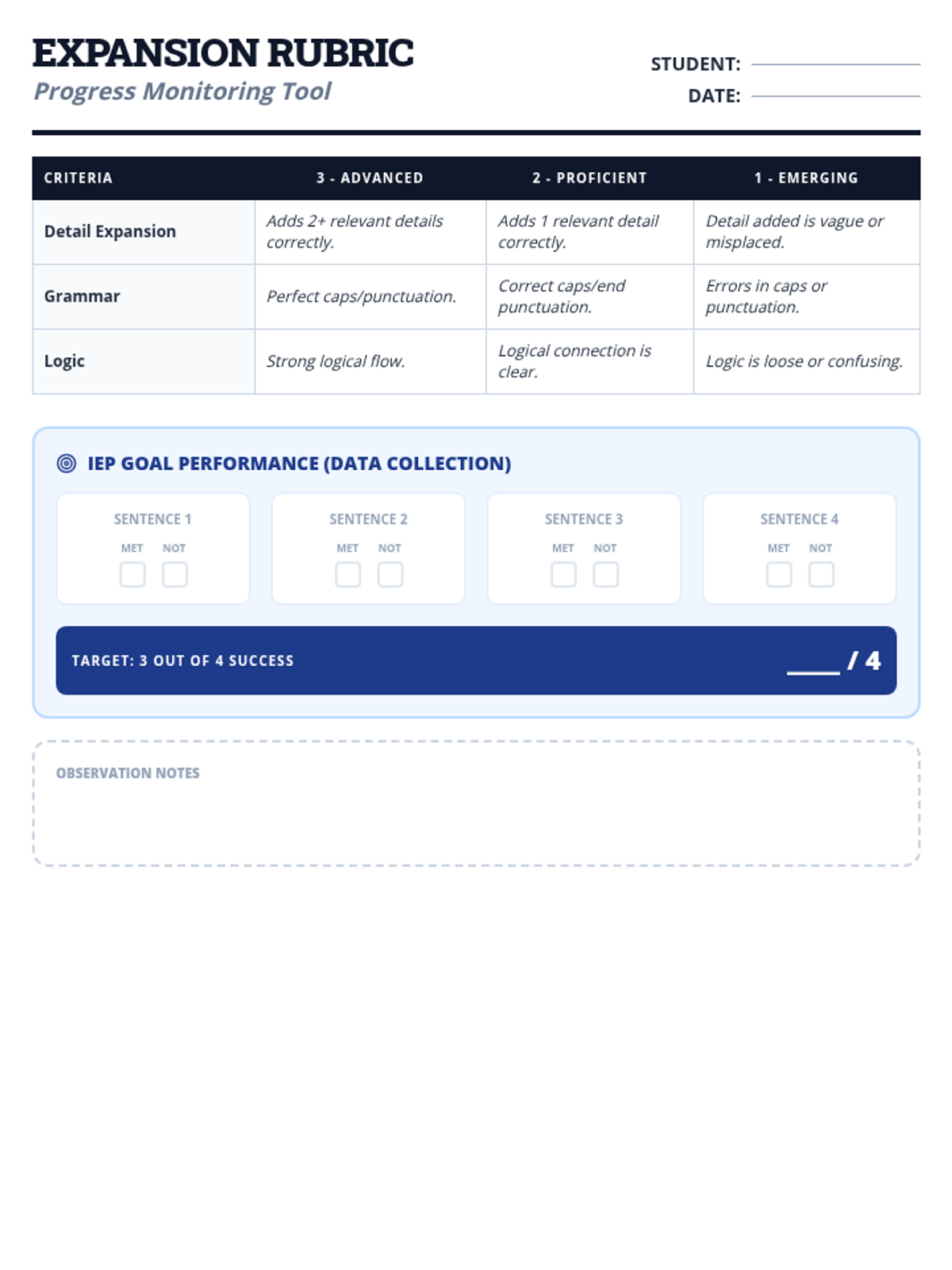
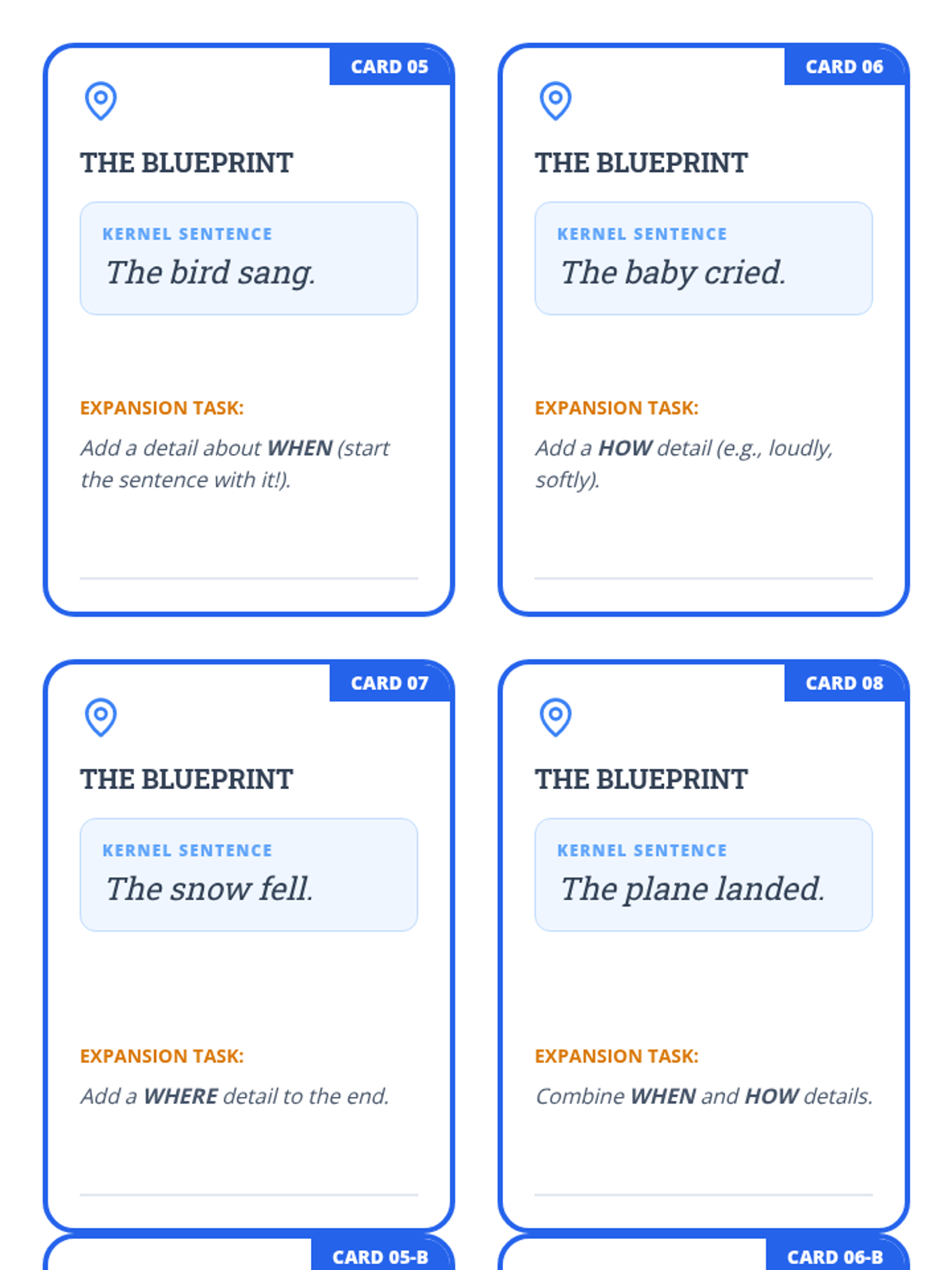
In this lesson, students learn to add situational details to their sentences using 'Where', 'When', and 'How' question words.
This lesson introduces the concept of a complete sentence versus a fragment and begins basic sentence expansion using 'Who' and 'What' details.
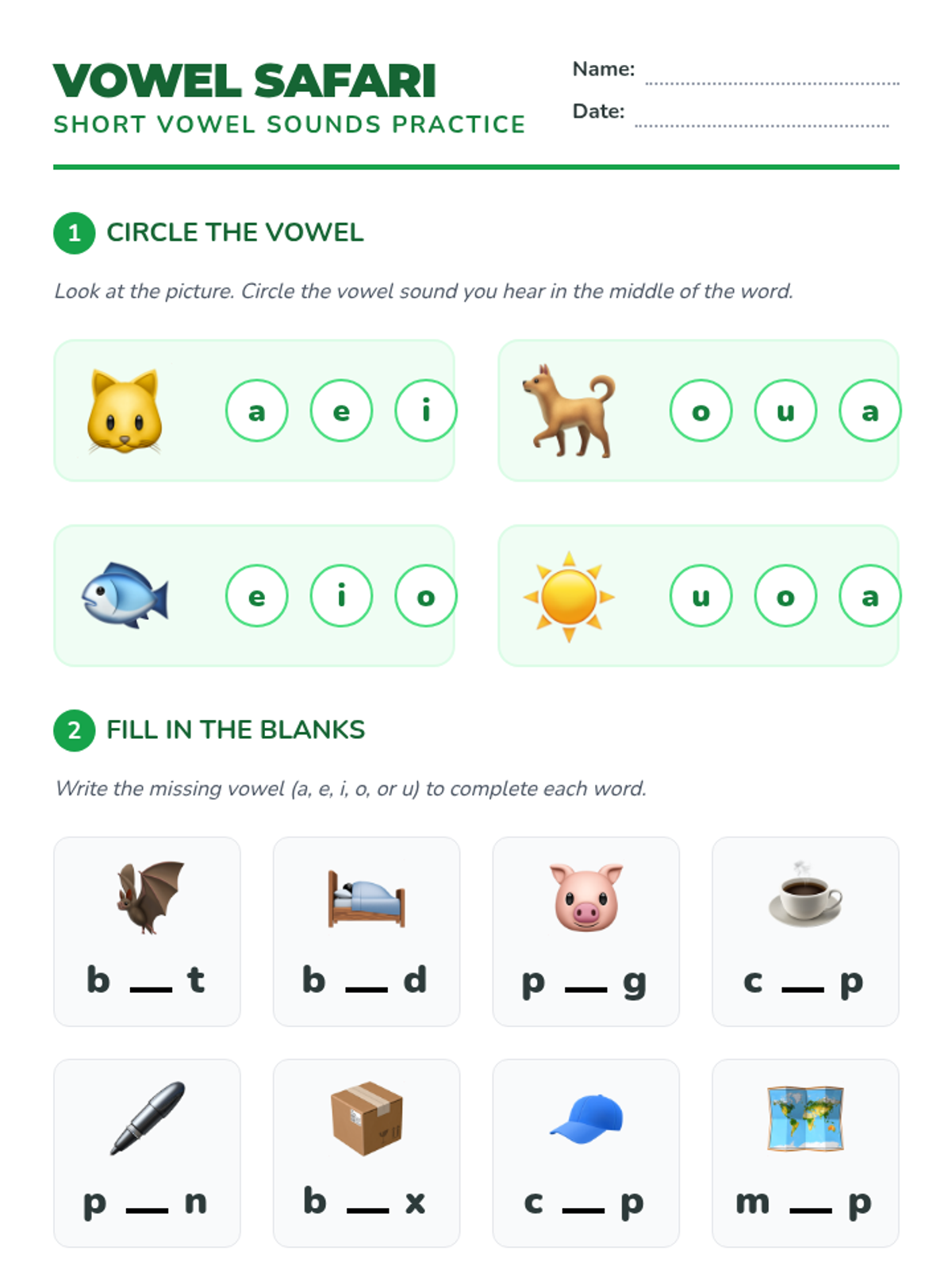
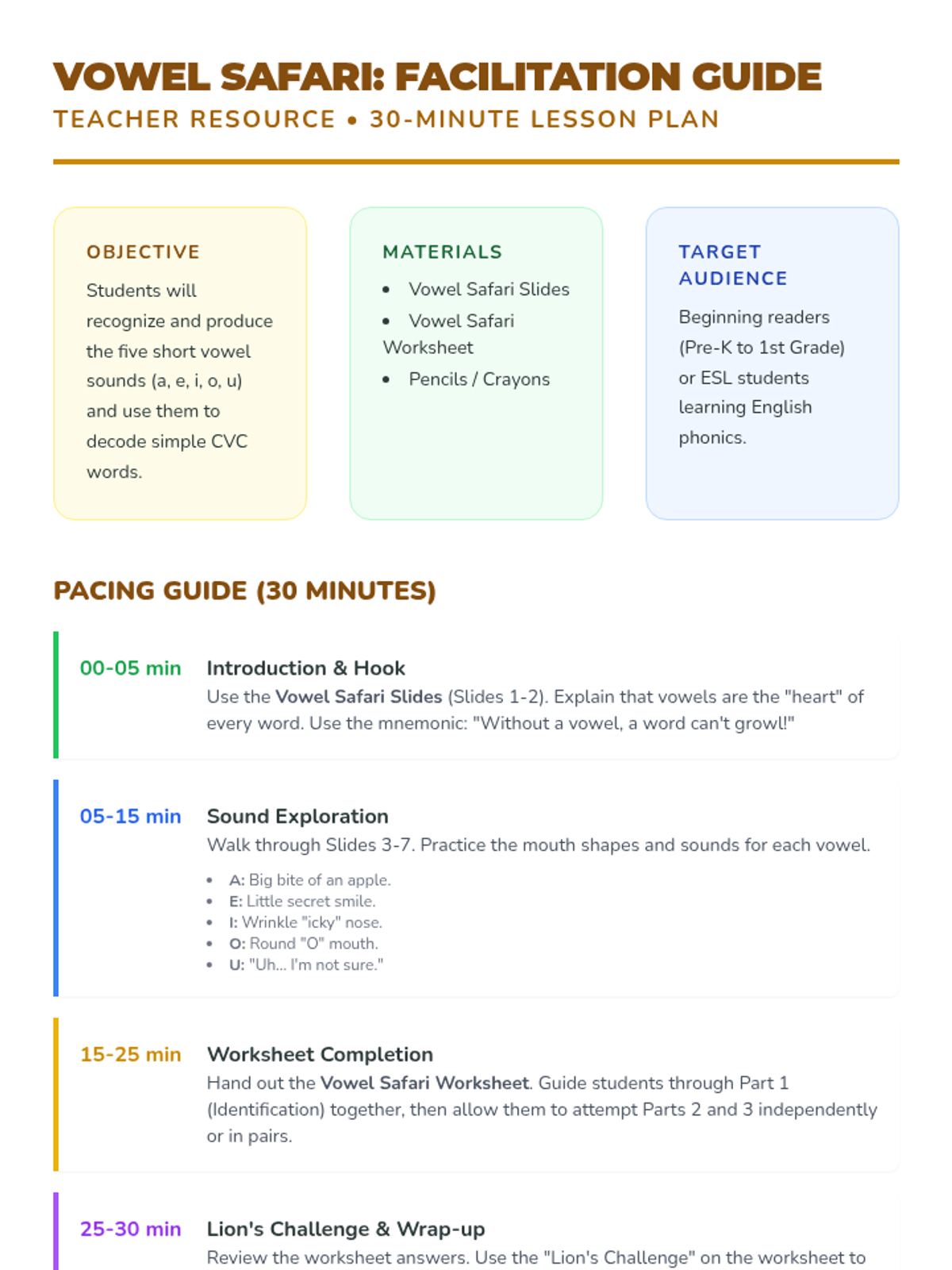
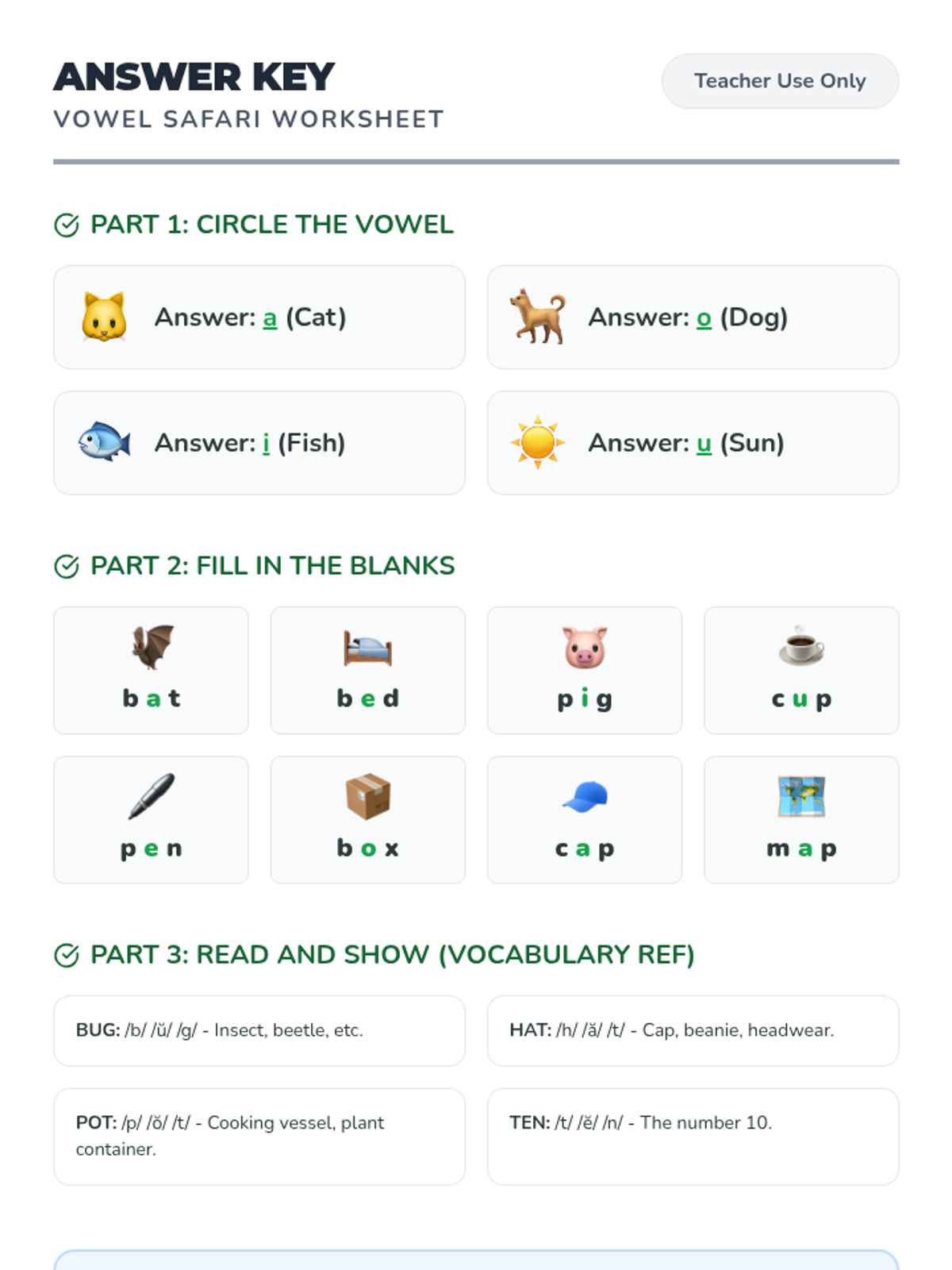
A foundational lesson introducing the five short vowel sounds (a, e, i, o, u) through visual associations and CVC word practice. Students will identify, trace, and write simple words to build phonemic awareness.
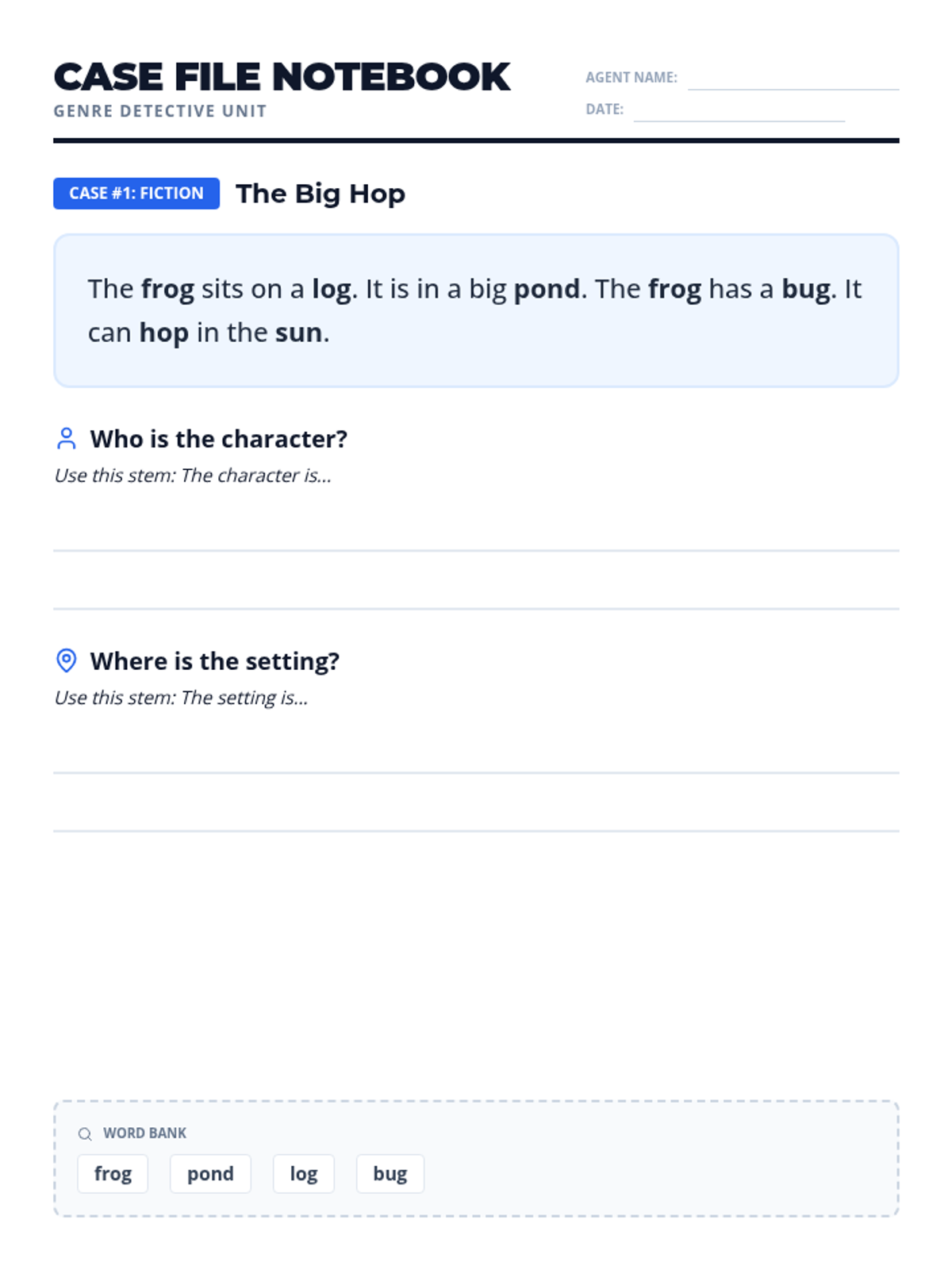
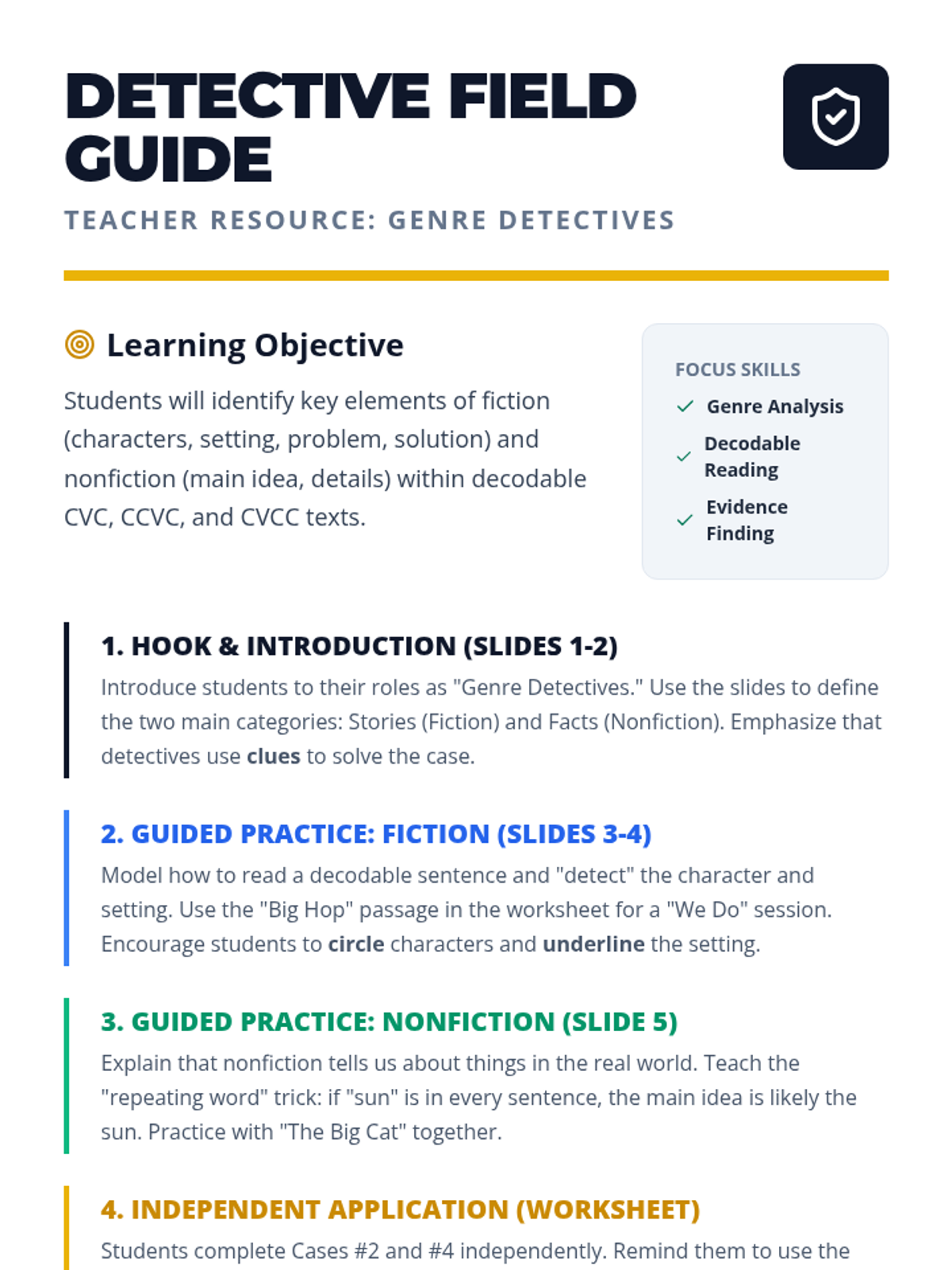
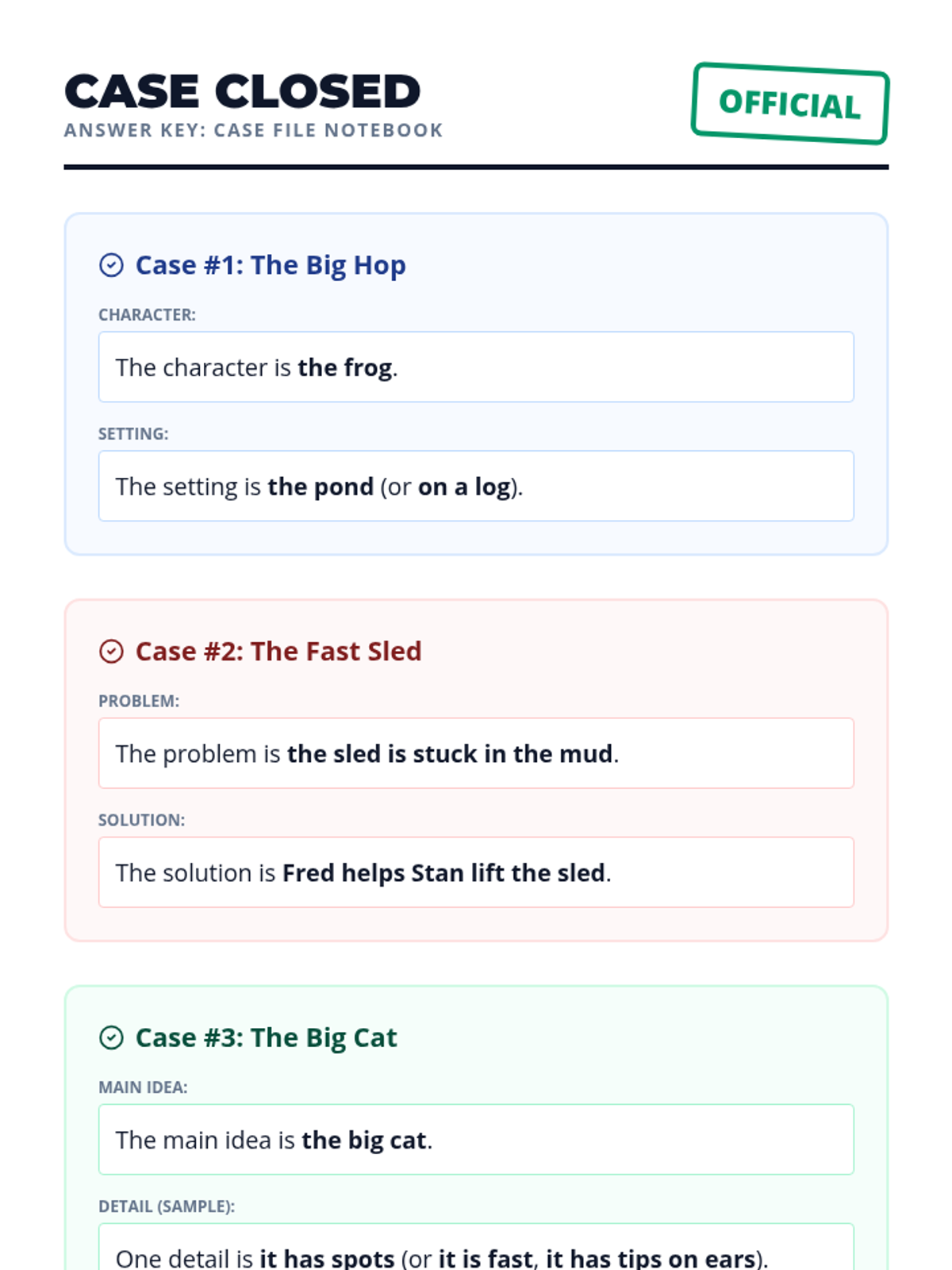
A lesson focused on identifying characters, setting, problem, and solution in fiction, and main idea and details in nonfiction using decodable text.
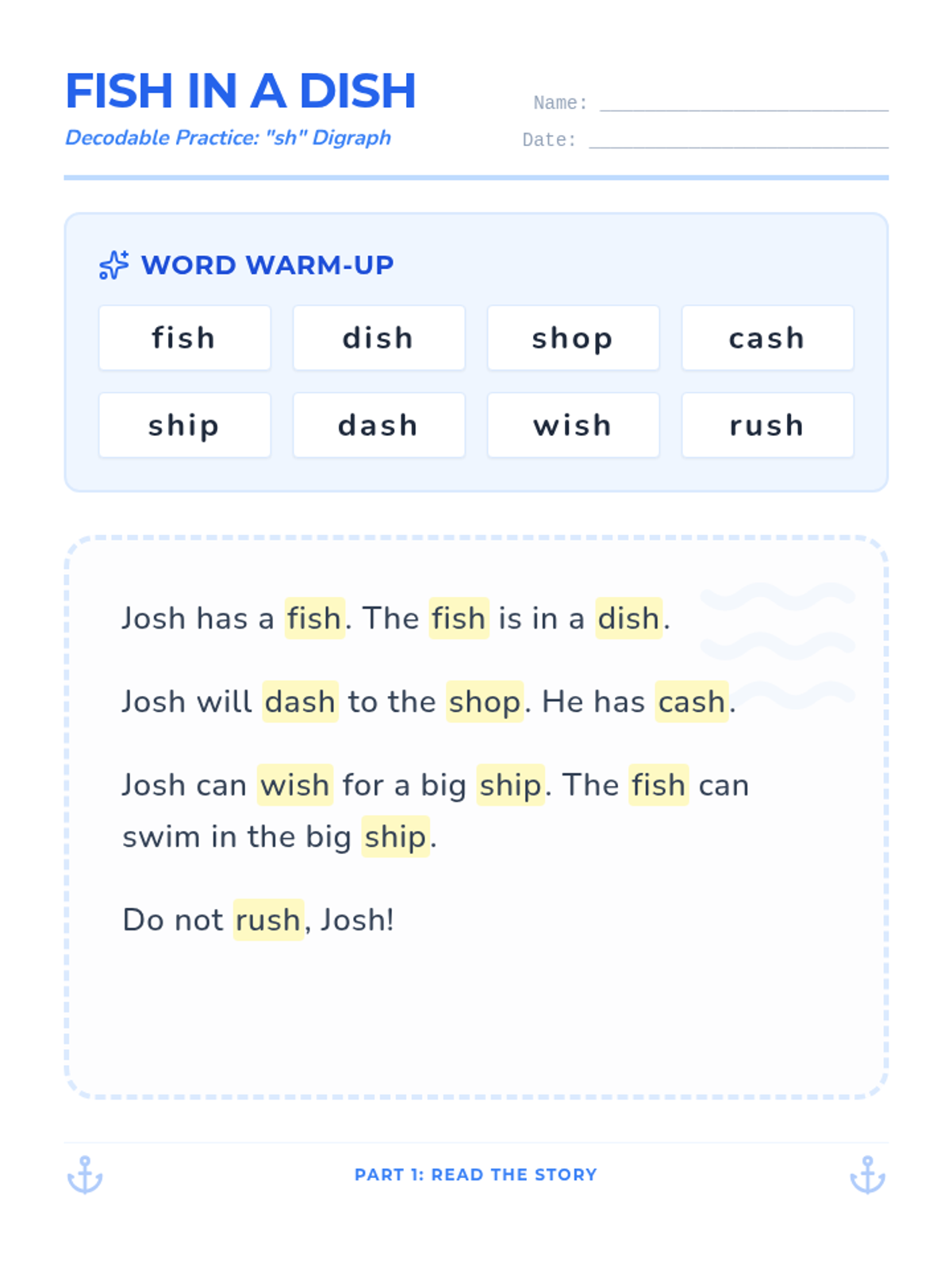
A lesson focused on decoding closed syllables featuring the 'sh' digraph in CVC words. Students will practice word recognition, reading fluency, and comprehension through a themed decodable passage.
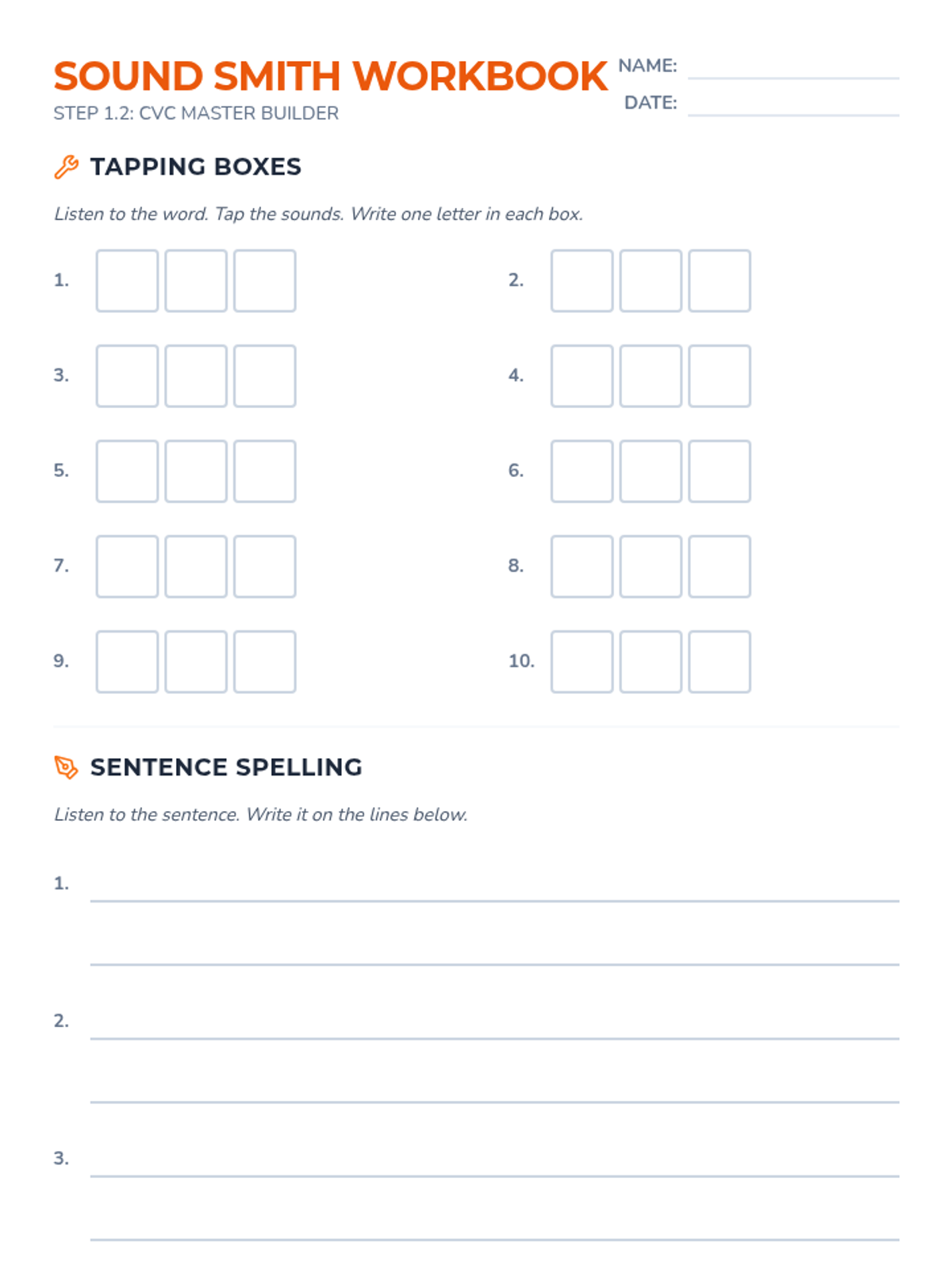
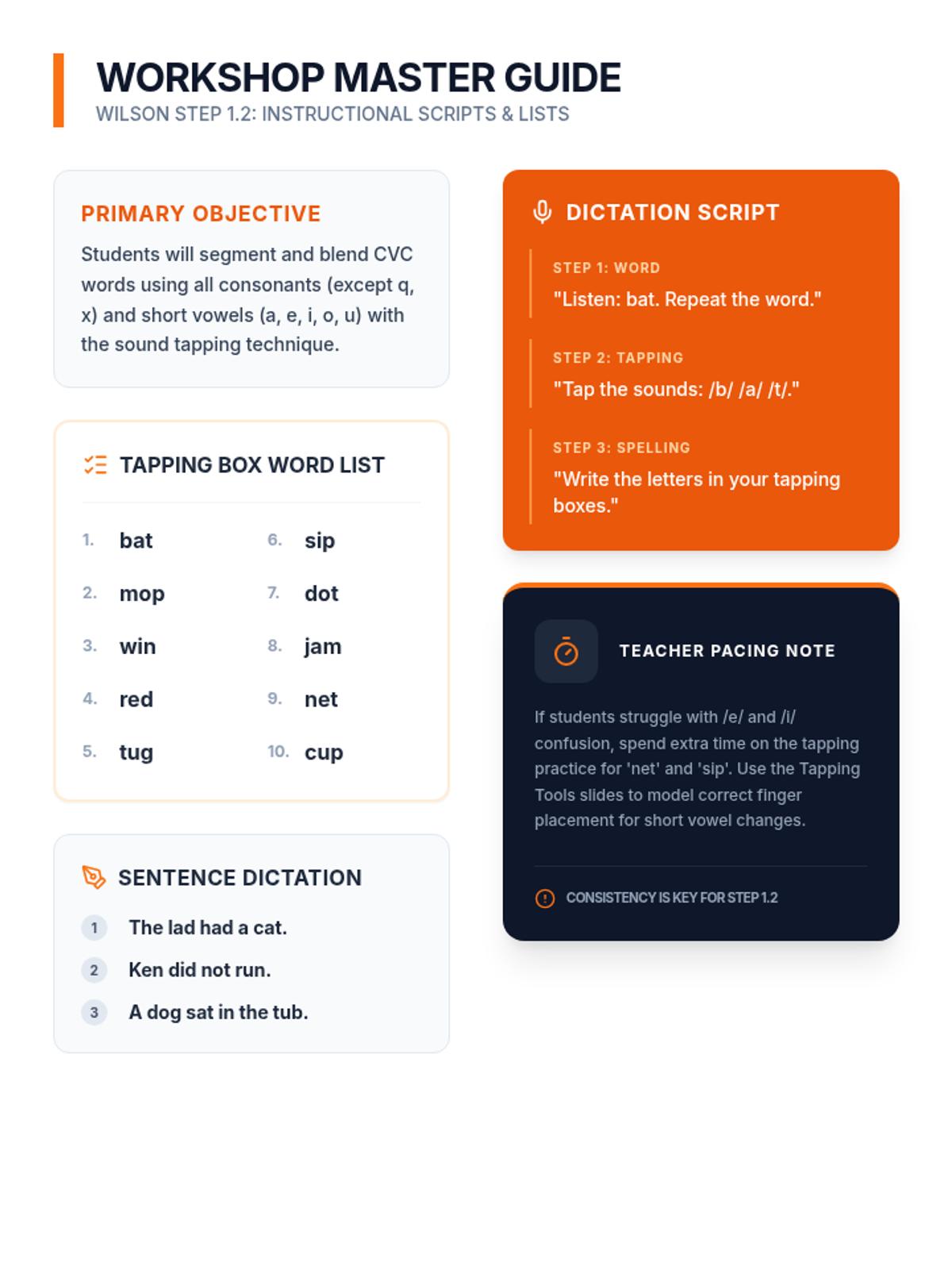
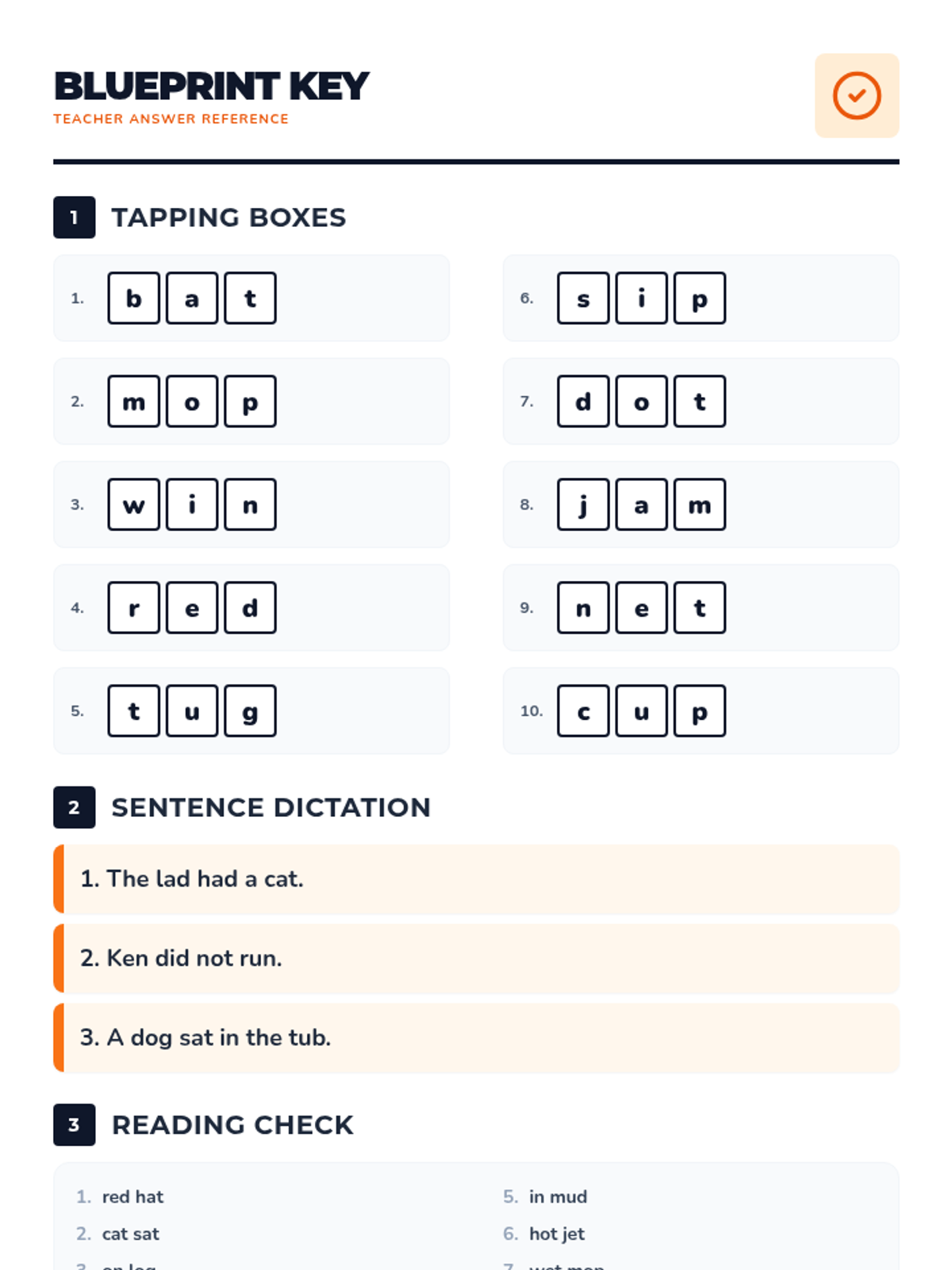
A foundational lesson on Wilson Step 1.2 focusing on CVC word segmenting, blending, and sentence construction using sound tapping techniques.
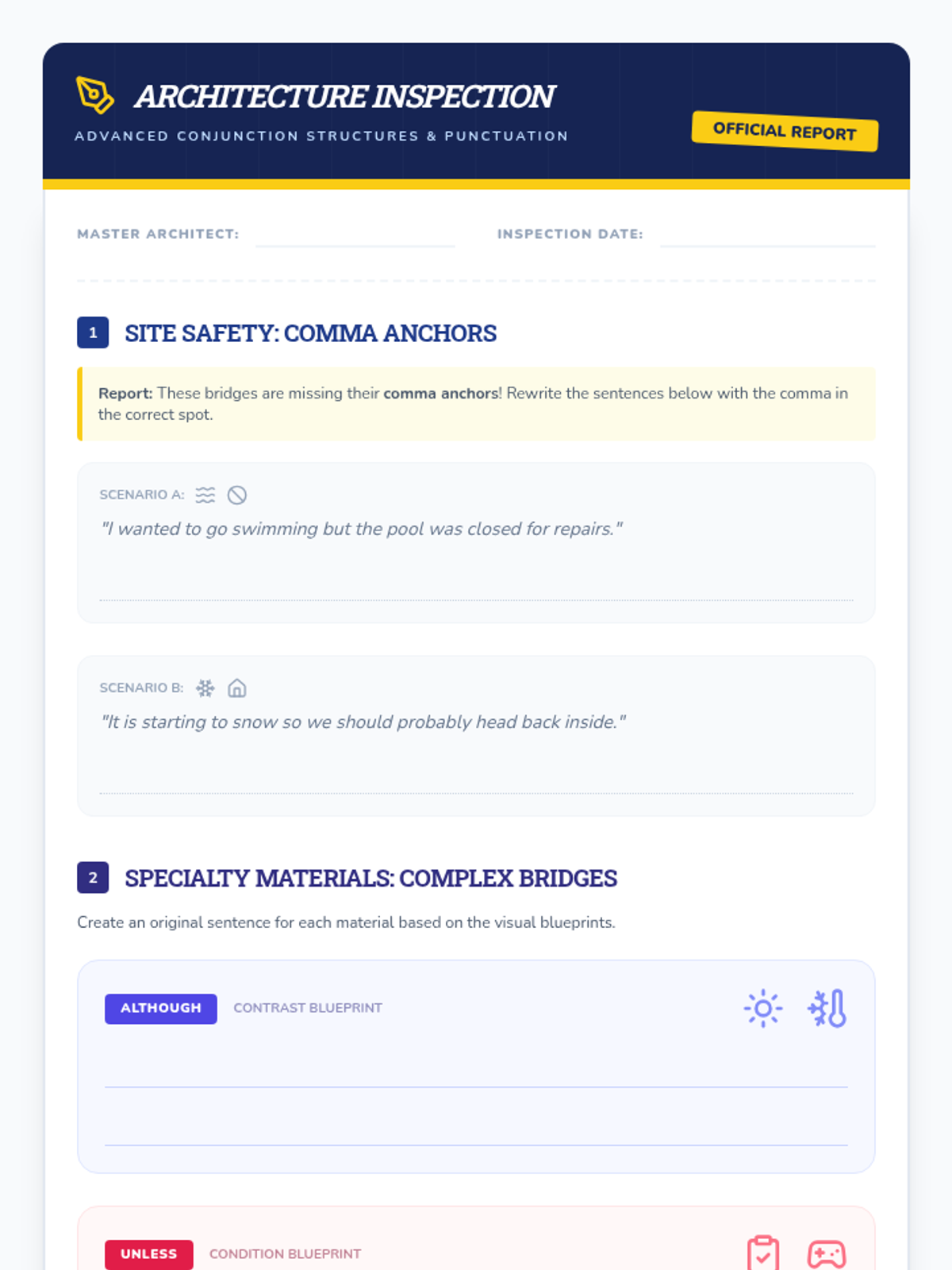
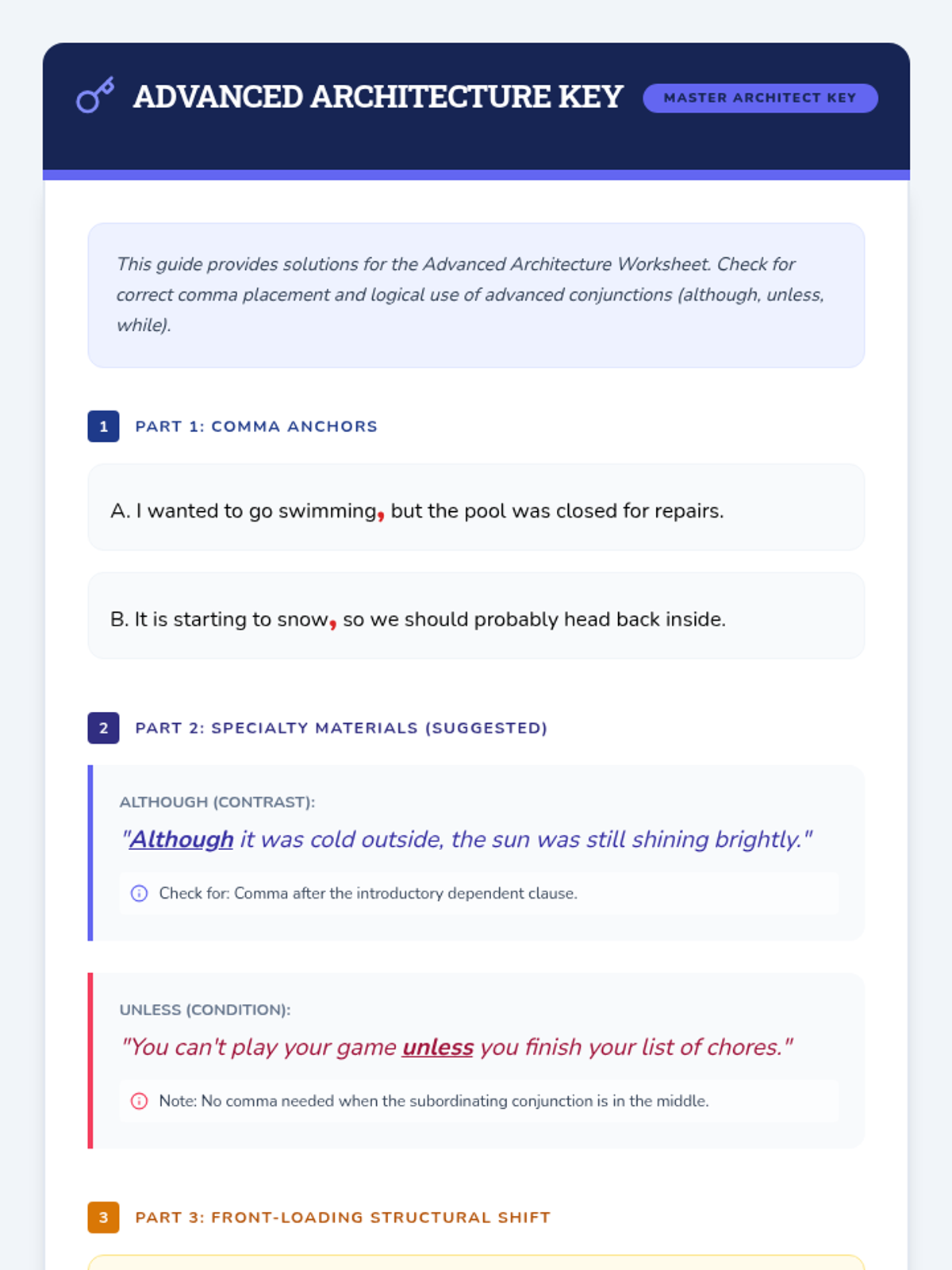
A follow-up lesson focusing on complex sentence structures, including comma placement in compound sentences and starting sentences with subordinating conjunctions. Introduces advanced conjunctions like 'although', 'while', and 'unless'.
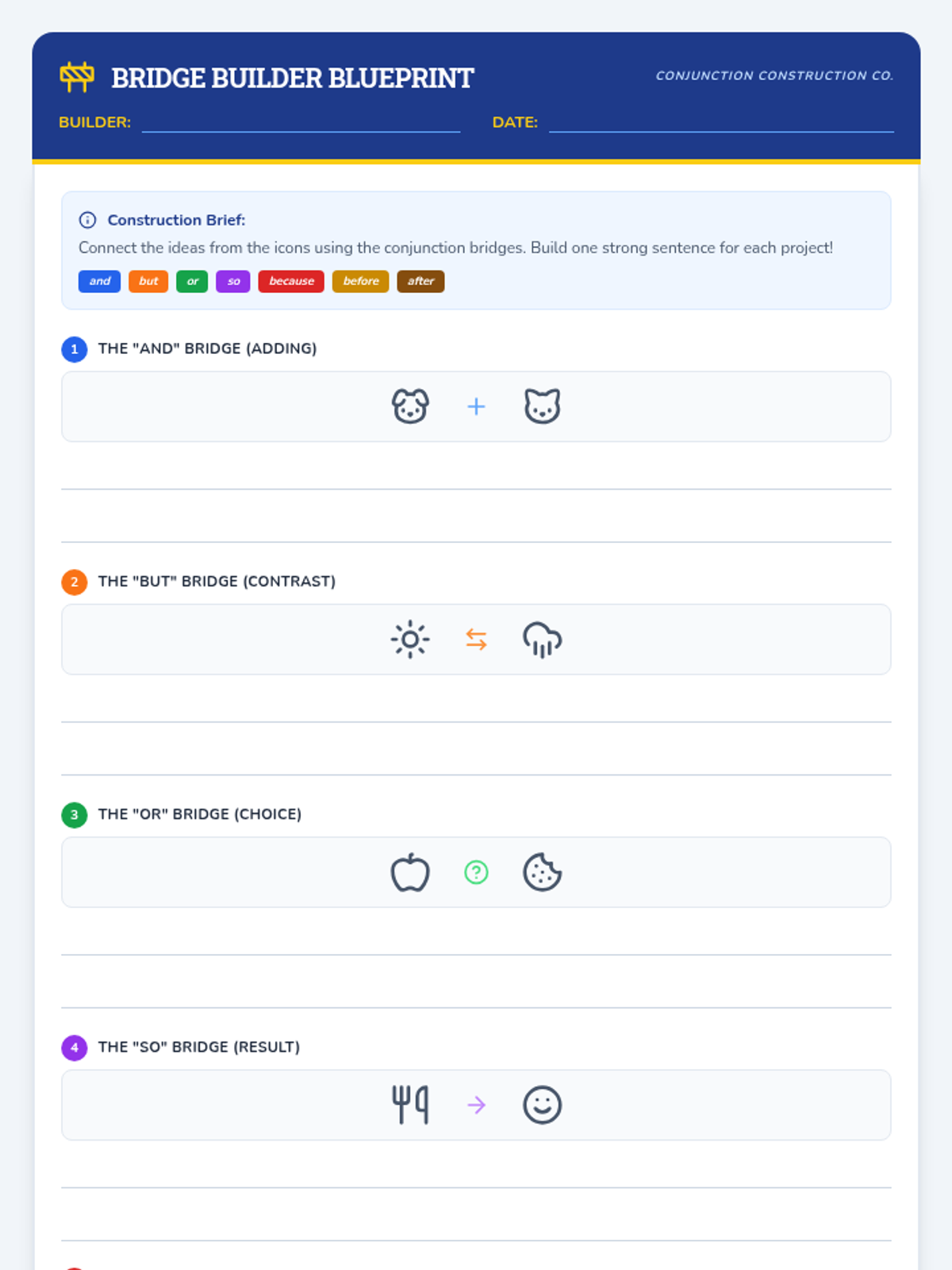
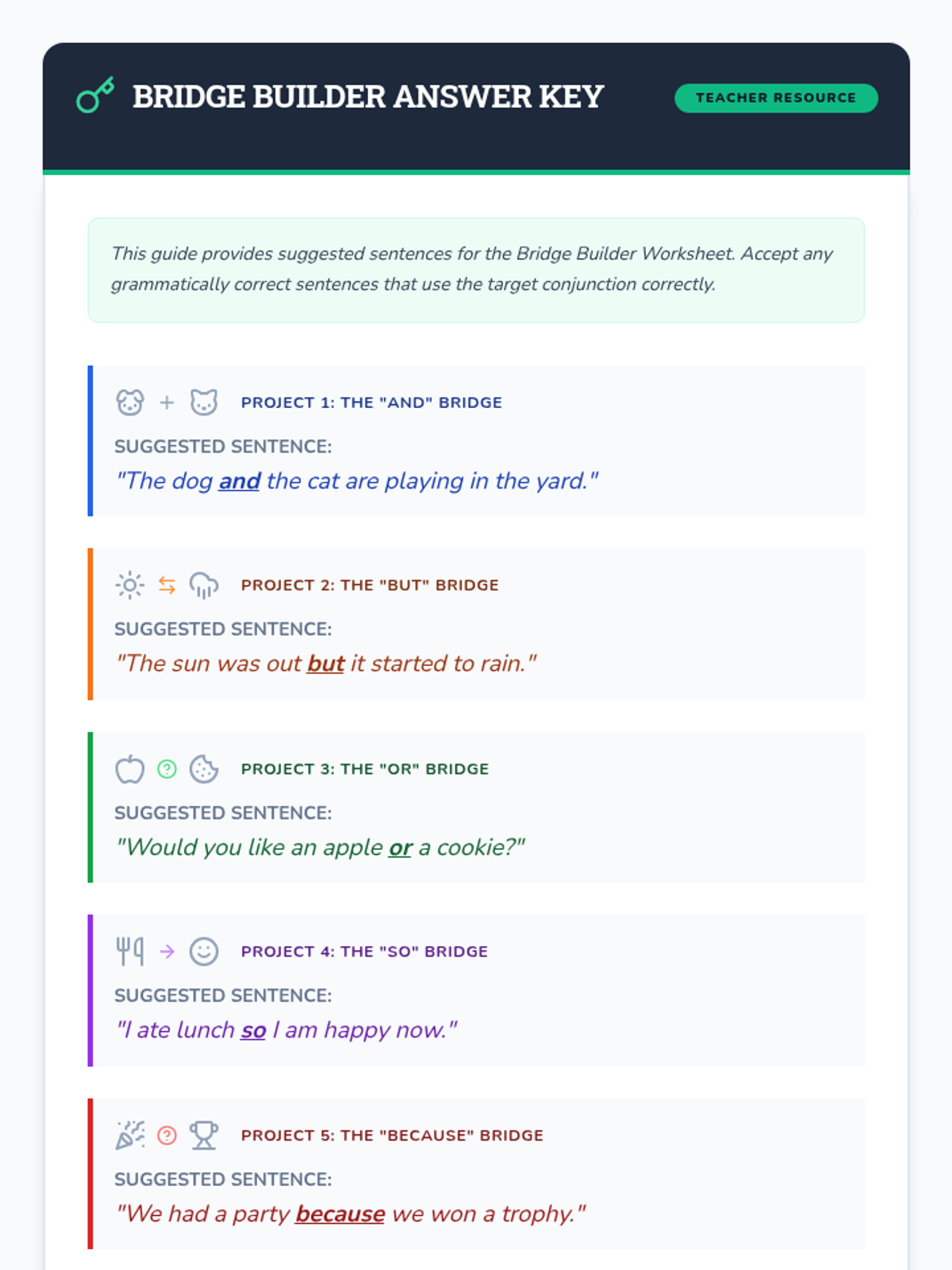
A lesson on using coordinating and subordinating conjunctions to build complex sentences. Students learn to use conjunctions as 'bridges' to connect their ideas together clearly.
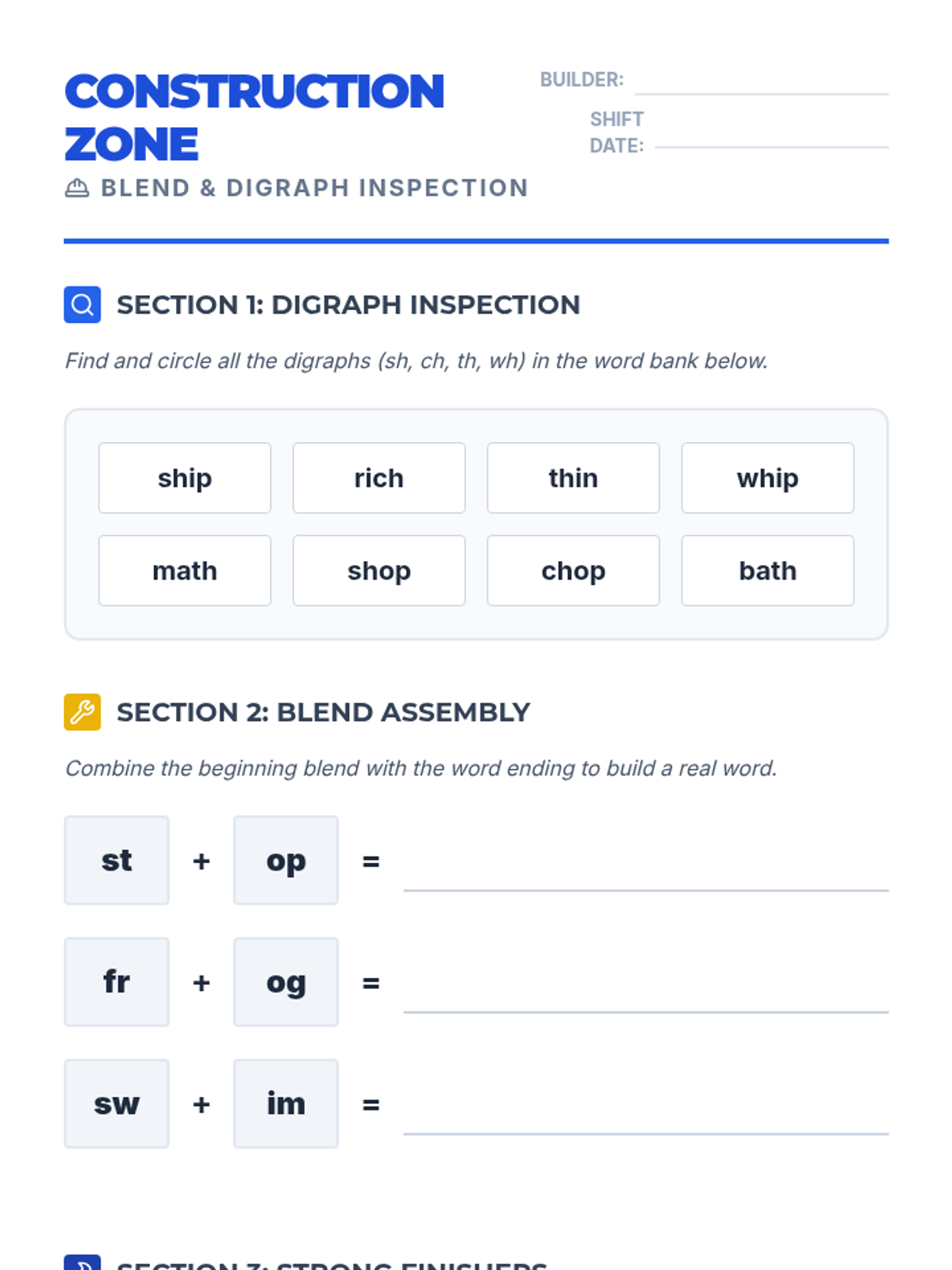
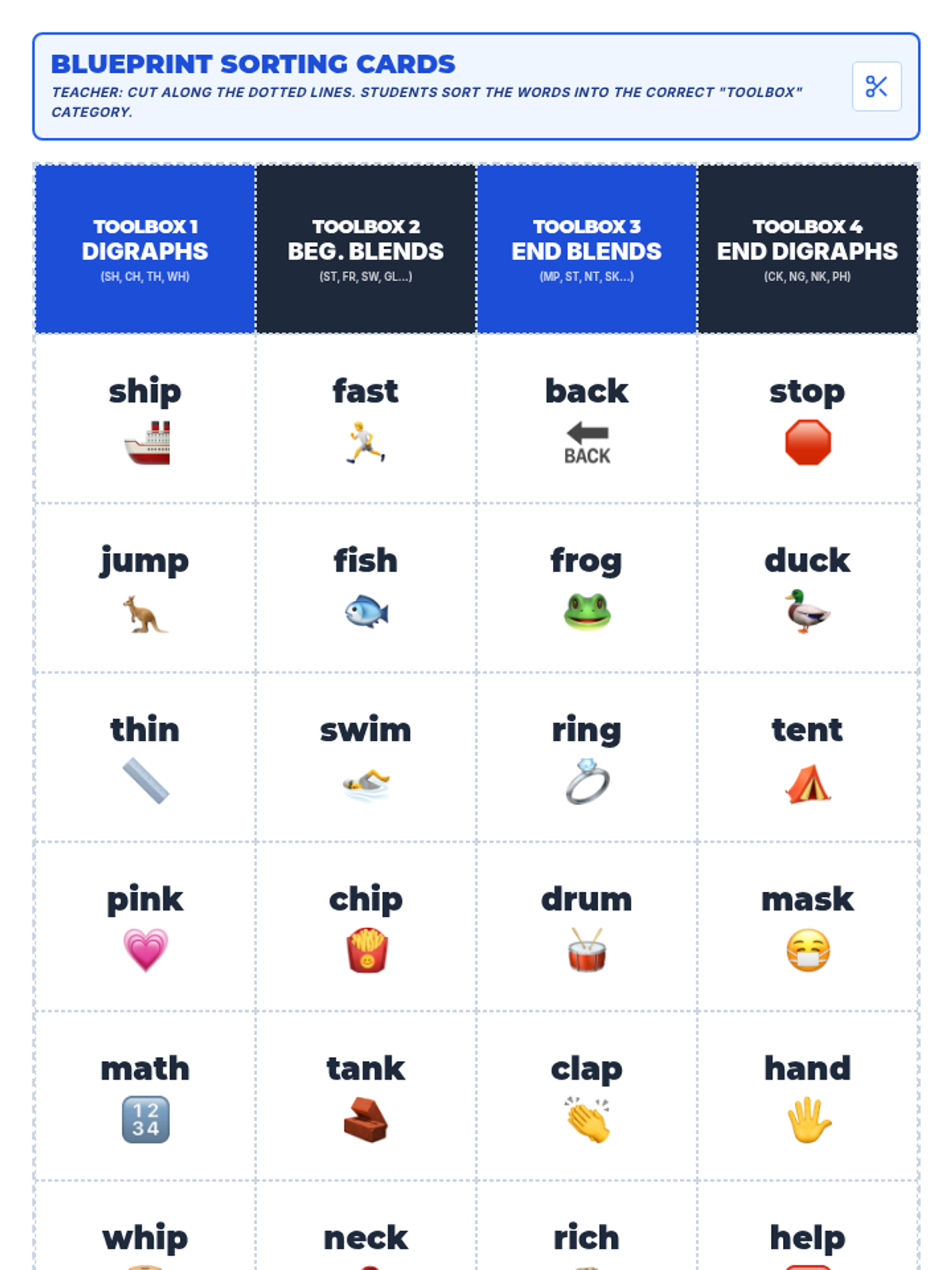
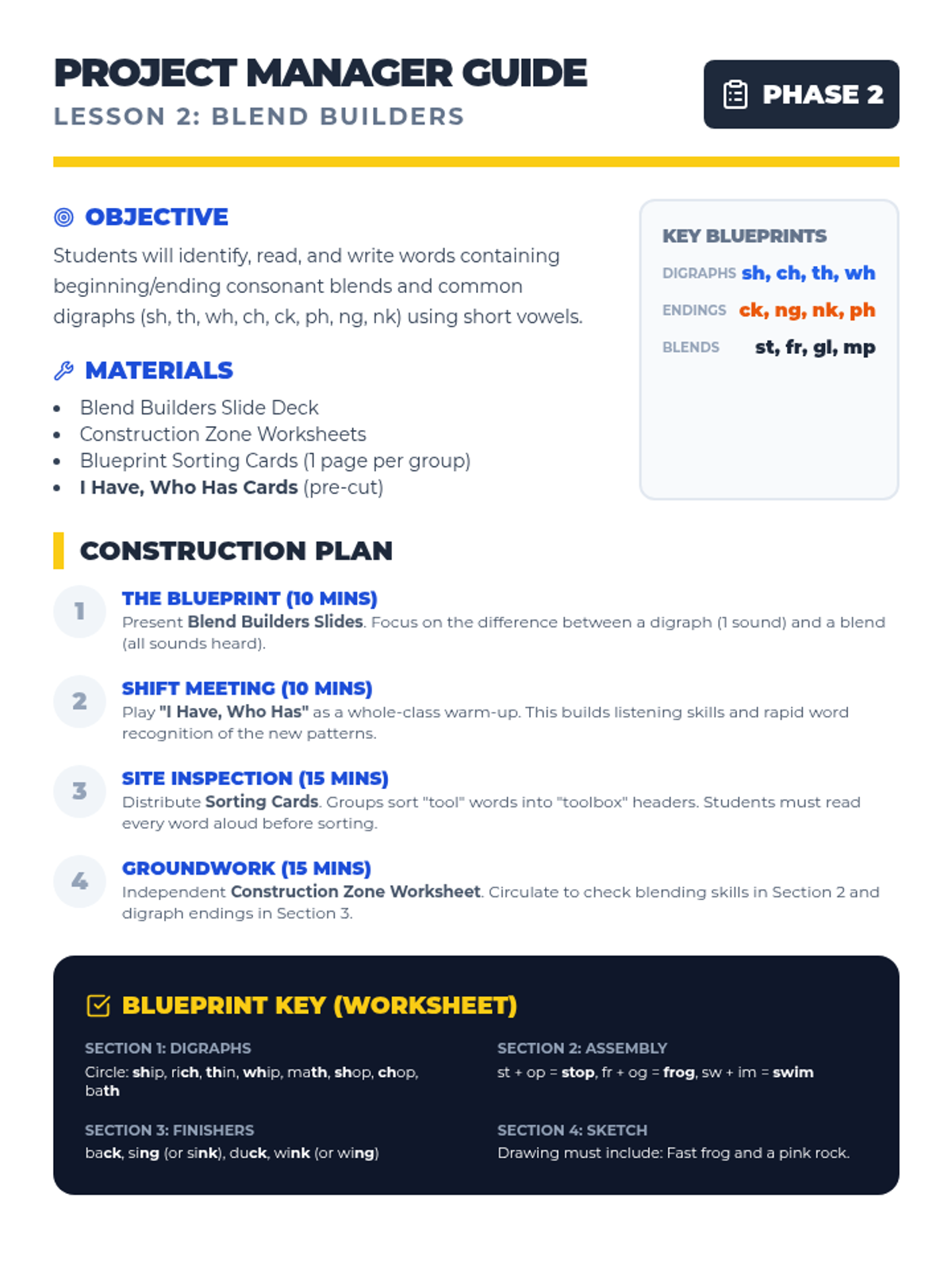
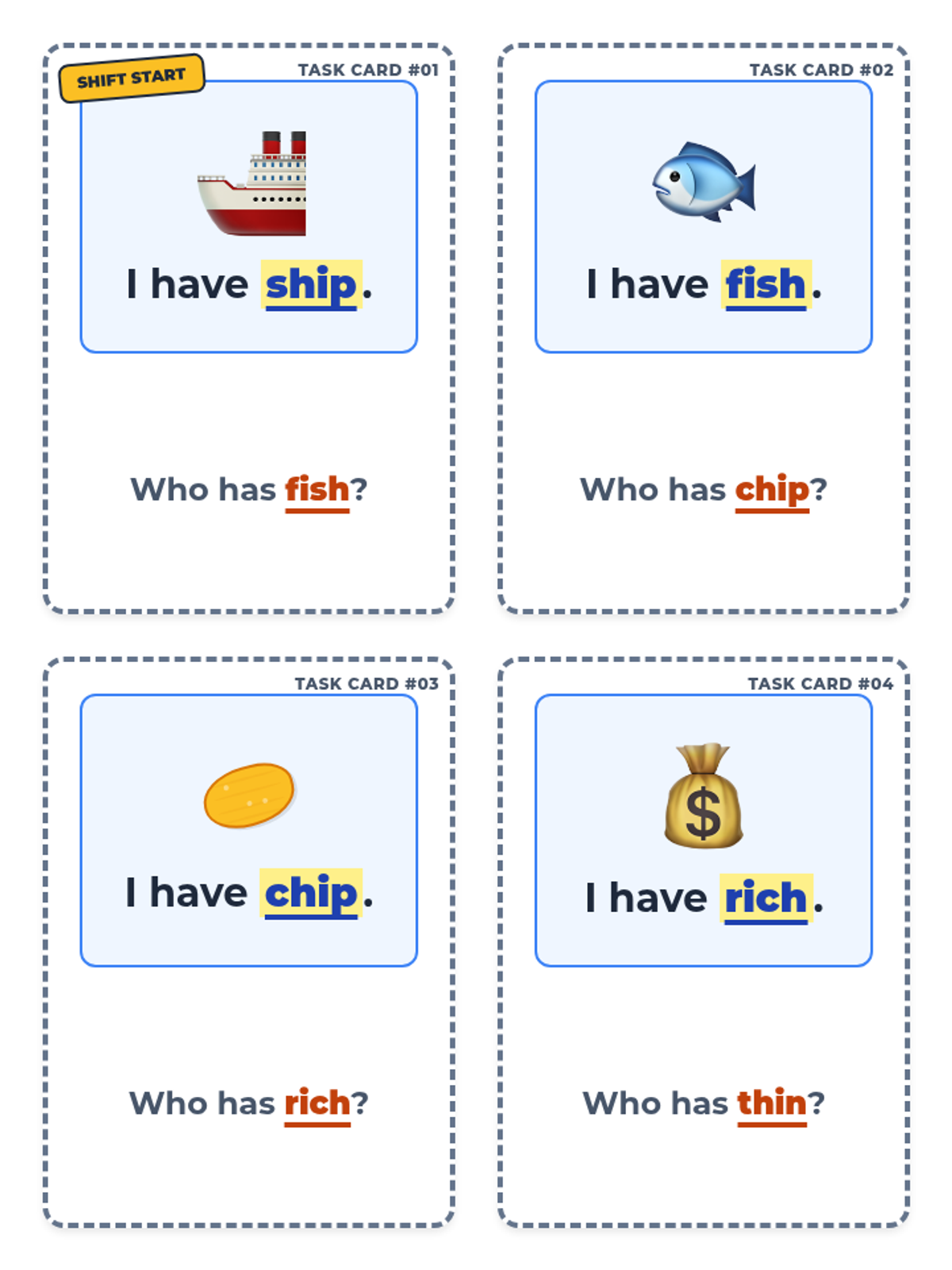
A focused lesson on beginning and ending consonant blends and common digraphs (sh, th, wh, ch, ck, ph, ng, nk) using short vowel words. Students "construct" words in a workshop-themed environment.
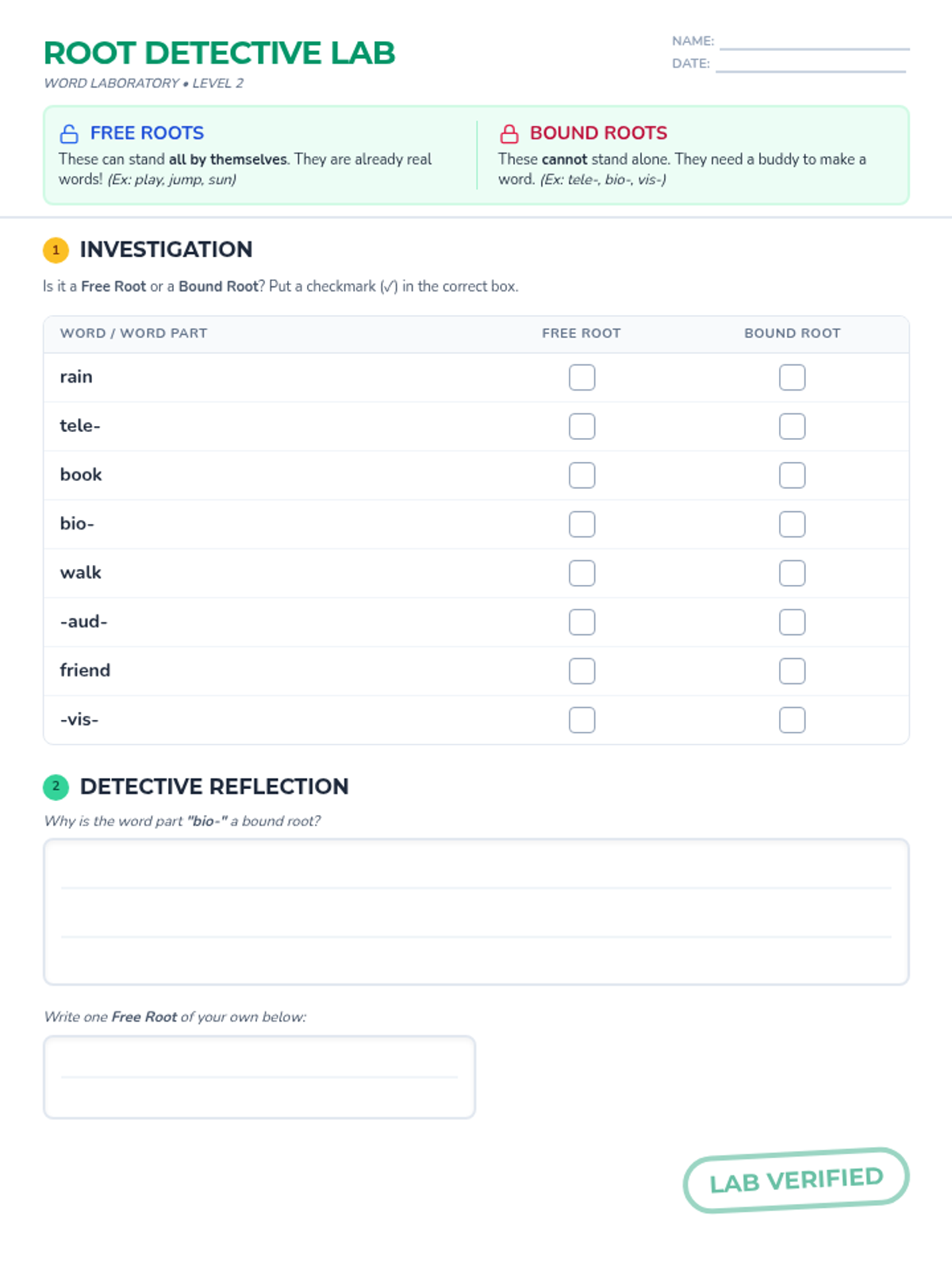
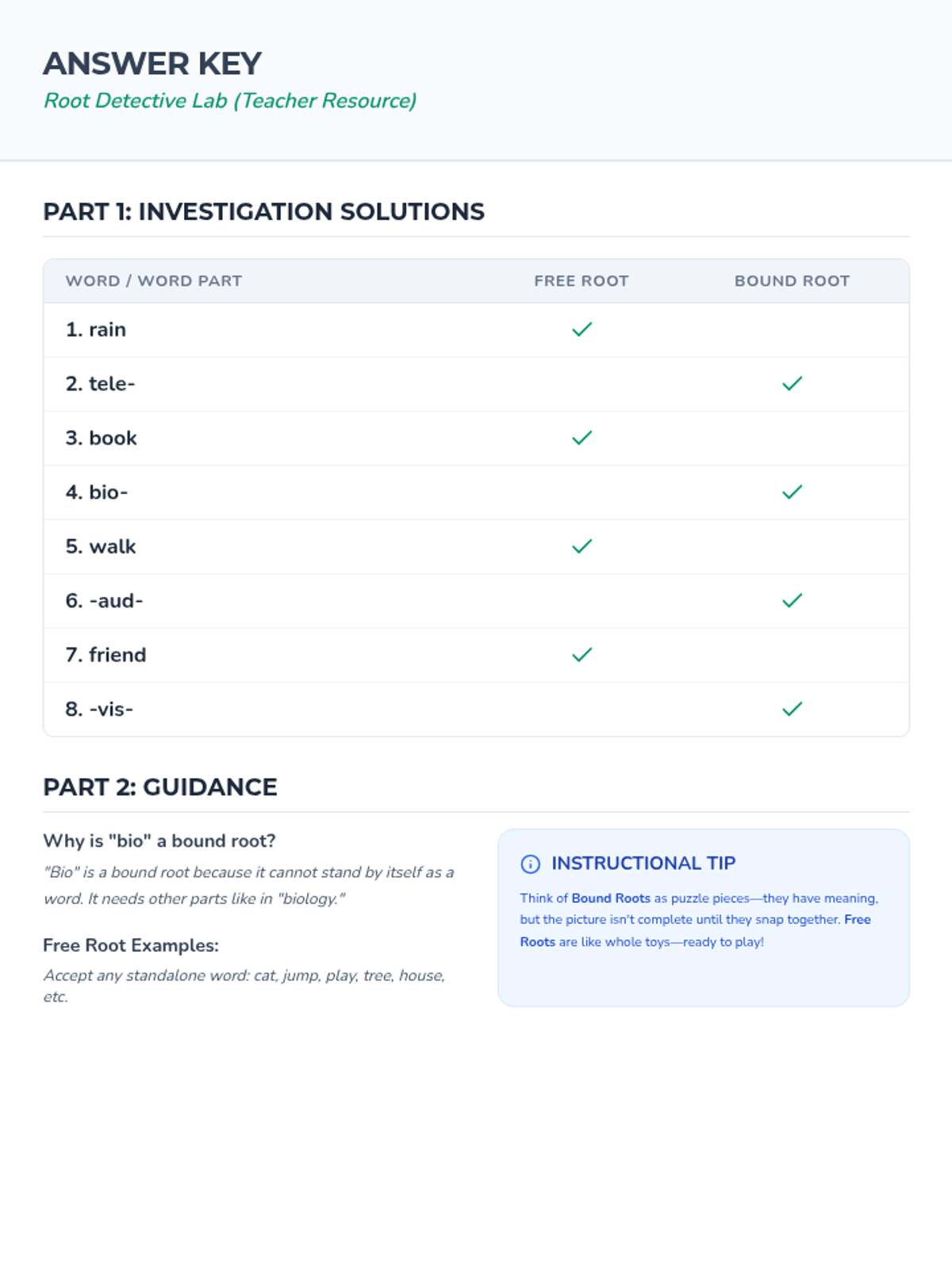
An introduction to the building blocks of language, teaching second graders the difference between words that can stand alone (free roots) and those that need a 'buddy' (bound roots).