Students learn to partition circles and rectangles into halves and fourths through a hands-on Play-Doh 'Pizza Shop' activity and interactive video discussion.
A collection of super simple, visually clear math worksheets designed for elementary learners, featuring addition and subtraction with visual counting supports.
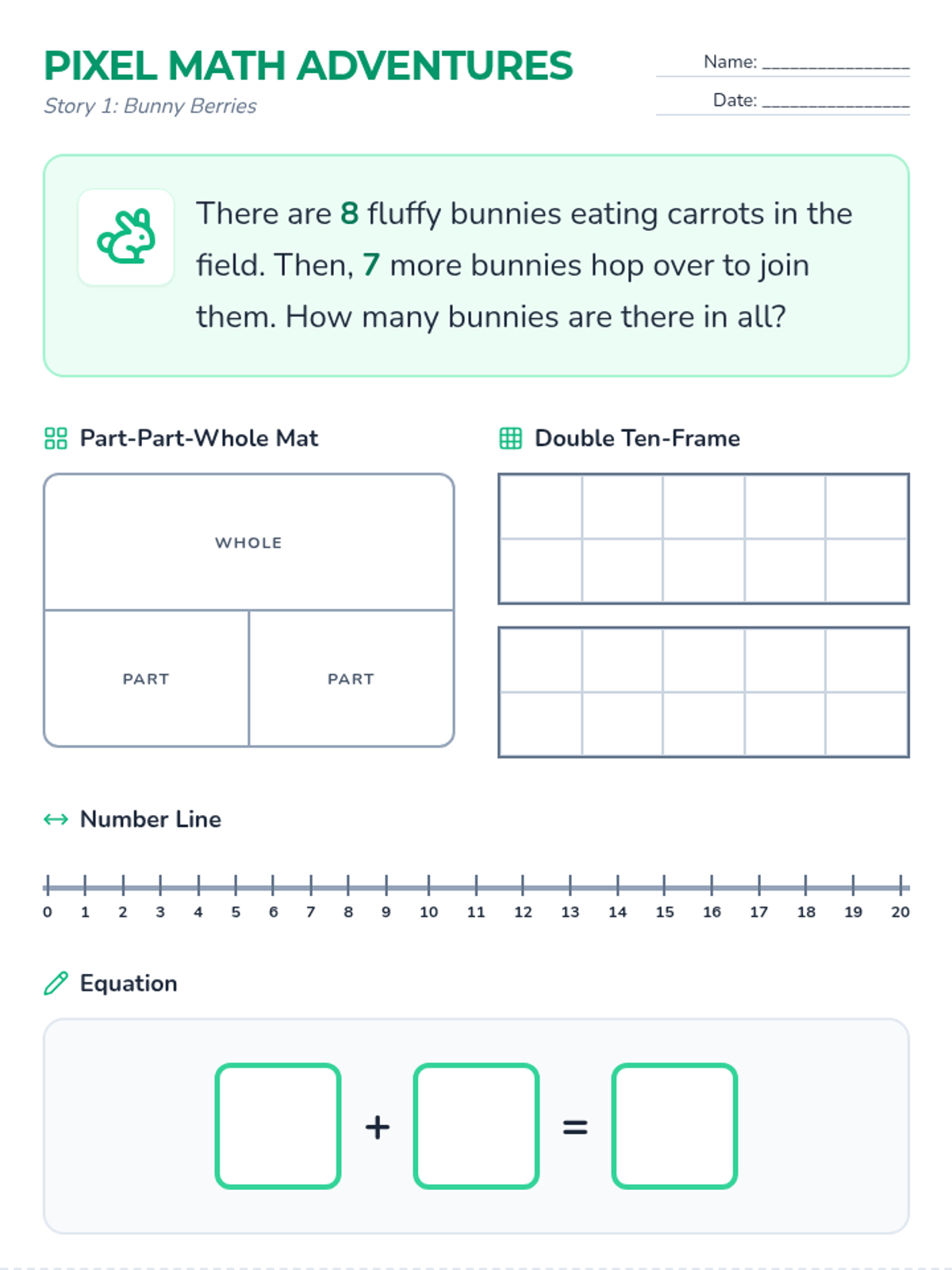
A beginner math lesson focused on identifying whether to use addition or subtraction to solve word problems within 20, utilizing ten frames and number lines.
A high-energy, duck-themed 30-minute lesson focusing on counting 1-20, one-to-one correspondence, and number ordering. Students will use visual slides, hands-on counting cards, and practice worksheets to master number recognition and representation.
This lesson introduces two-digit addition using the conserving and incrementing strategies, showing students how to bridge visual base-ten models to mental step-by-step counting.
A collection of ocean-themed math activities focused on counting, identifying numbers 1-20, and developing one-to-one correspondence through task cards and a matching game.
Extends number sense to 100, emphasizing place value (tens and ones), magnitude comparison, and identifying patterns in the 100-chart.
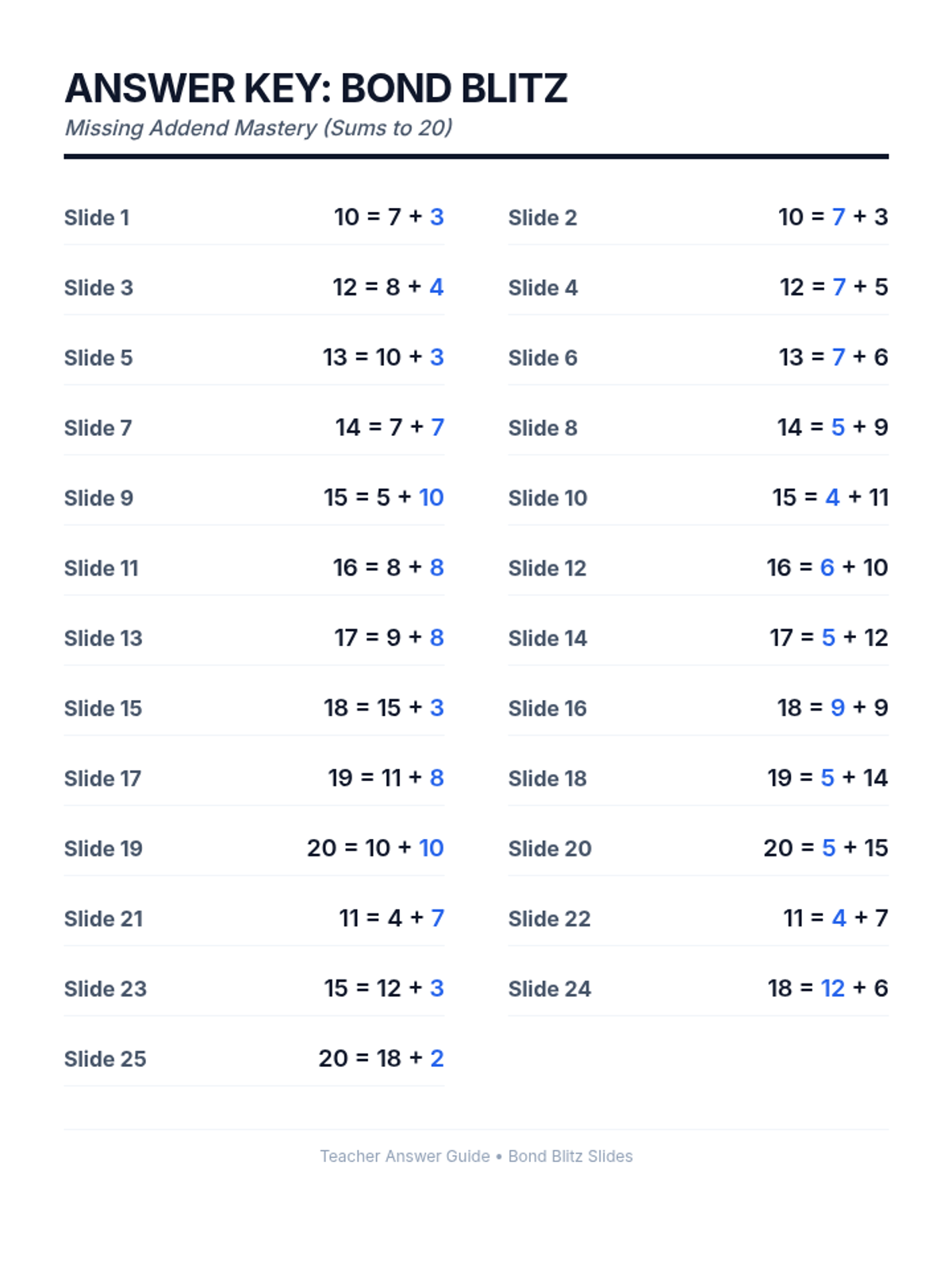
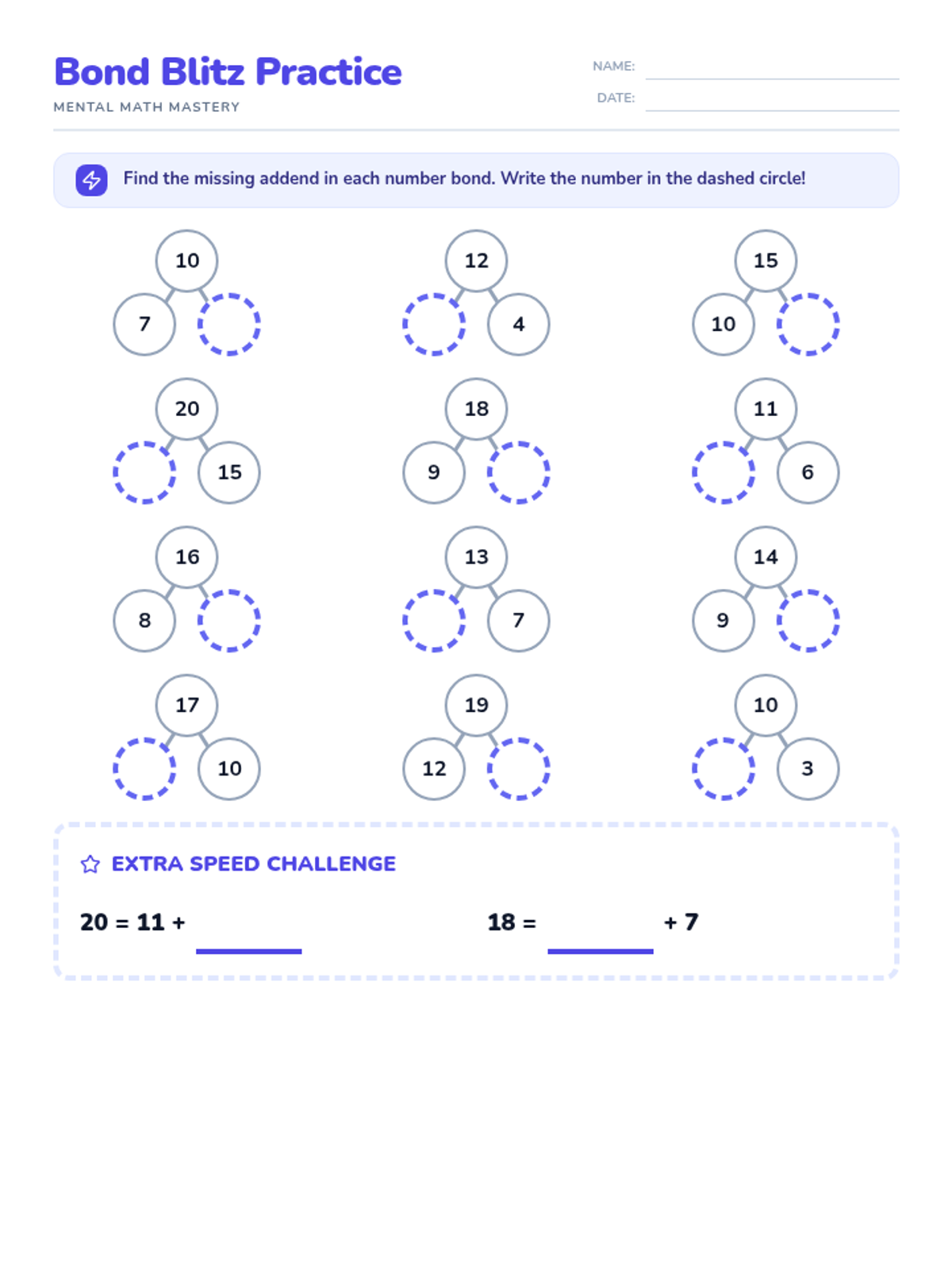
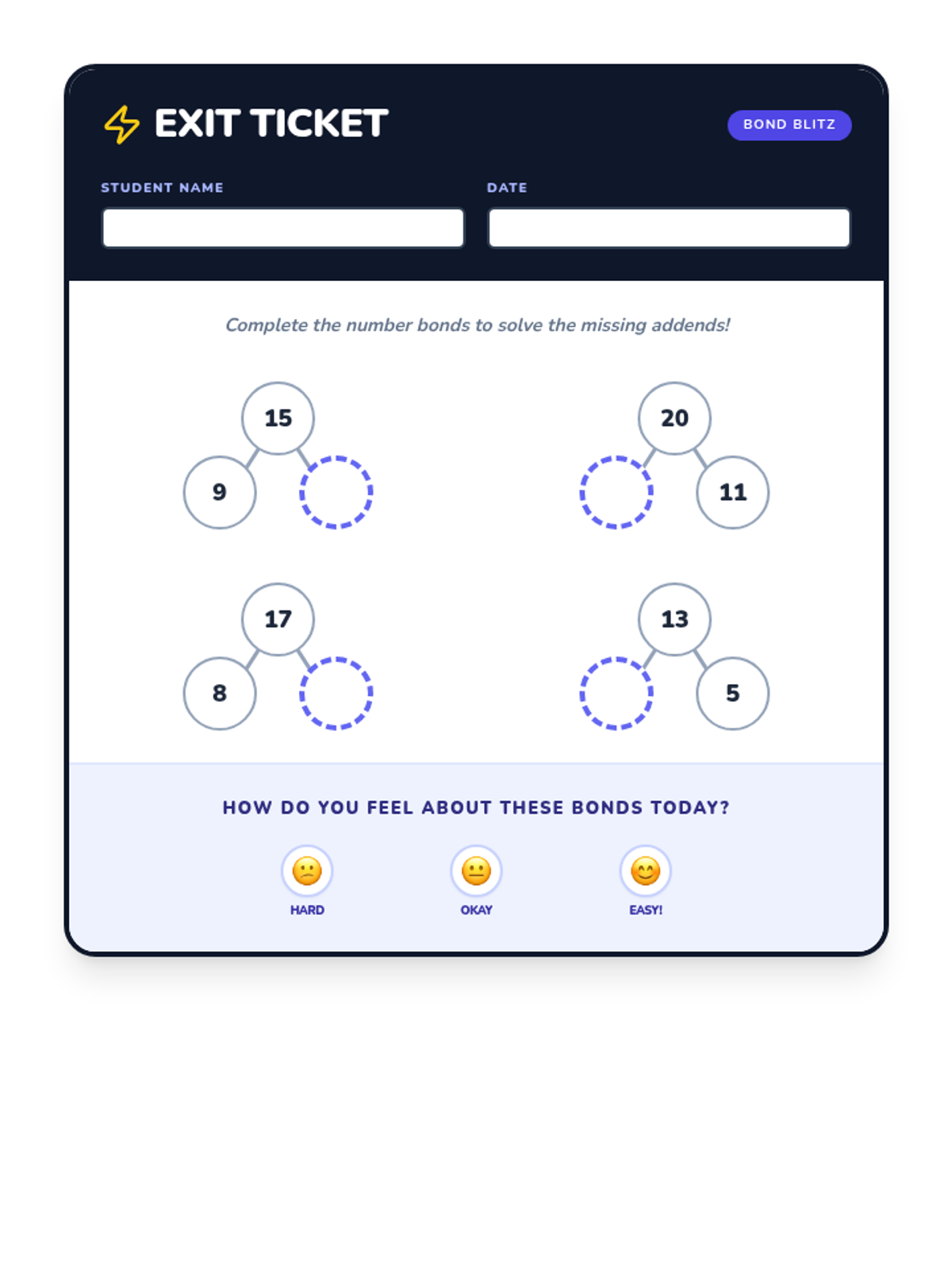
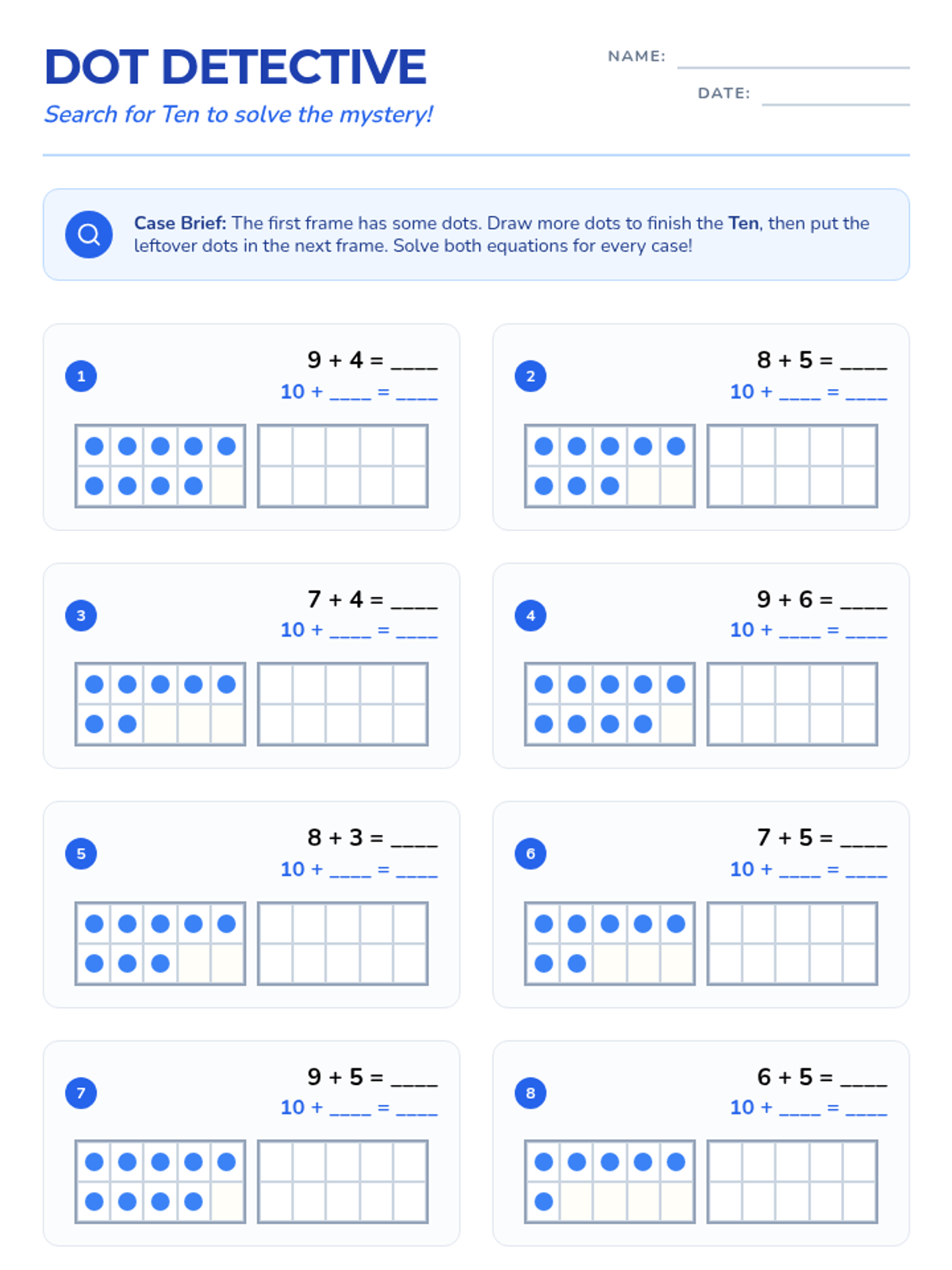
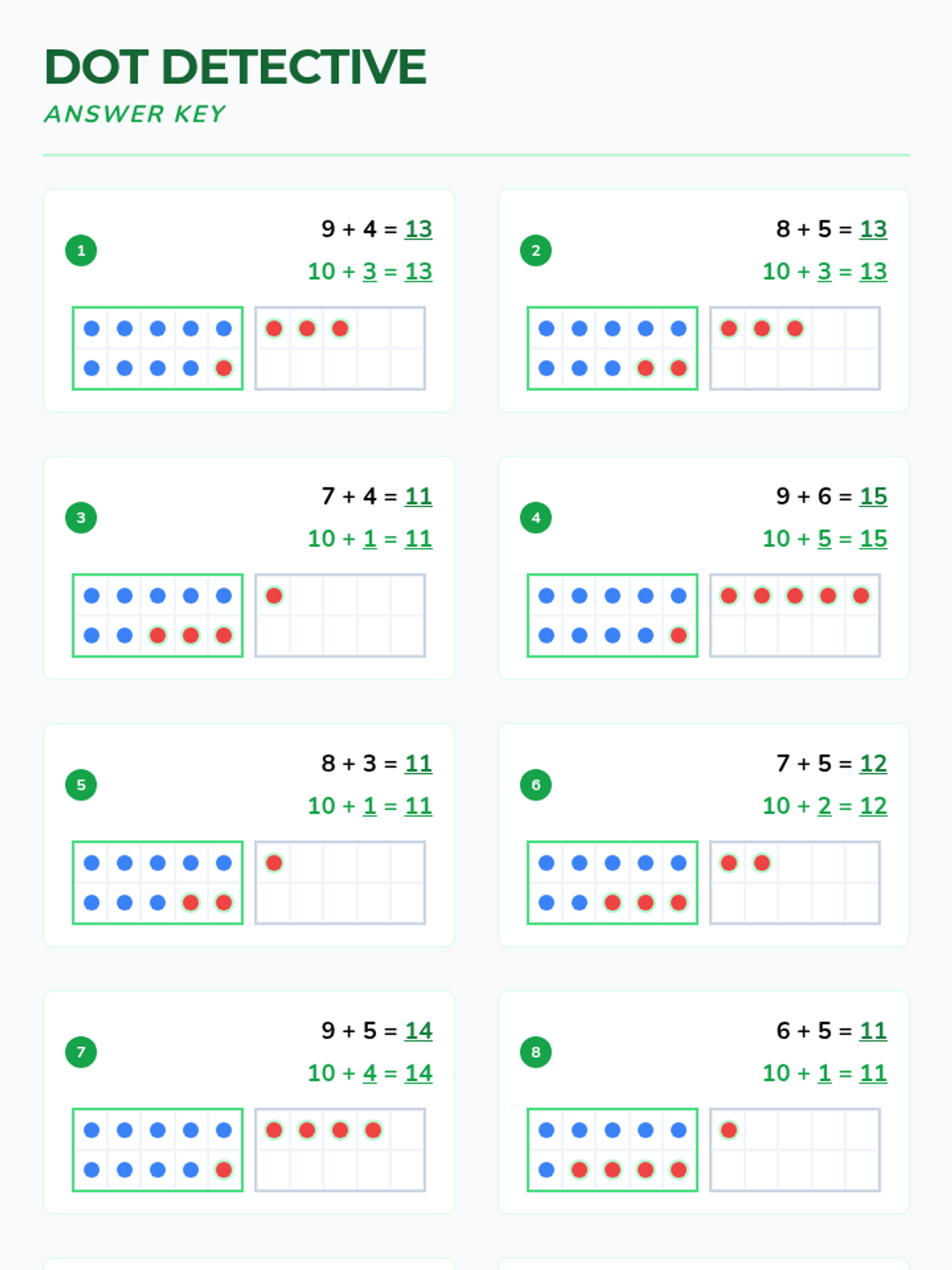
Develops the ability to compose and decompose numbers within 20, focusing on the power of 10 and building basic addition/subtraction fact fluency.
Focuses on identifying numbers to 20, mastering 1:1 correspondence through physical and visual counting, and developing perceptual subitizing skills.
A March Madness-themed lesson that provides students with a strategic "Game Plan" for deconstructing and solving math word problems. Students use a basketball-themed graphic organizer to scout for data, draft a playbook, and execute their solution.
Students engage in a tiered math workshop where they choose or are assigned a 'Quest Level' based on their current mastery of word problems. The lesson includes direct instruction on decoding problems and independent practice at three distinct challenge levels.
A foundational math lesson exploring numbers 1-10, basic 2D and 3D shapes, and introductory mathematical symbols through an engaging jungle safari theme.
A fast-paced, space-themed addition game designed to build fluency for sums within 10 through a competitive yet collaborative 'Moon Mission' format.
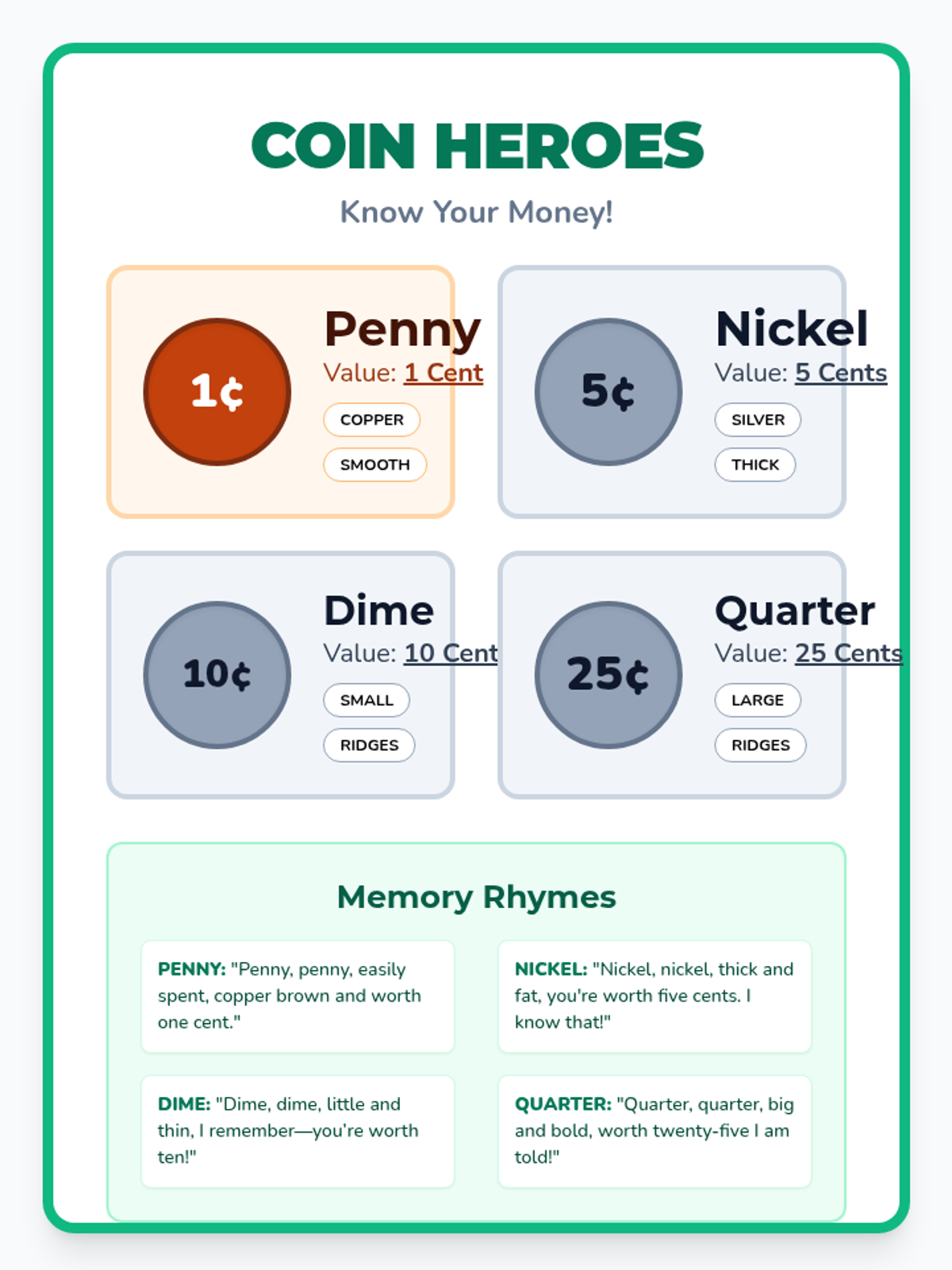
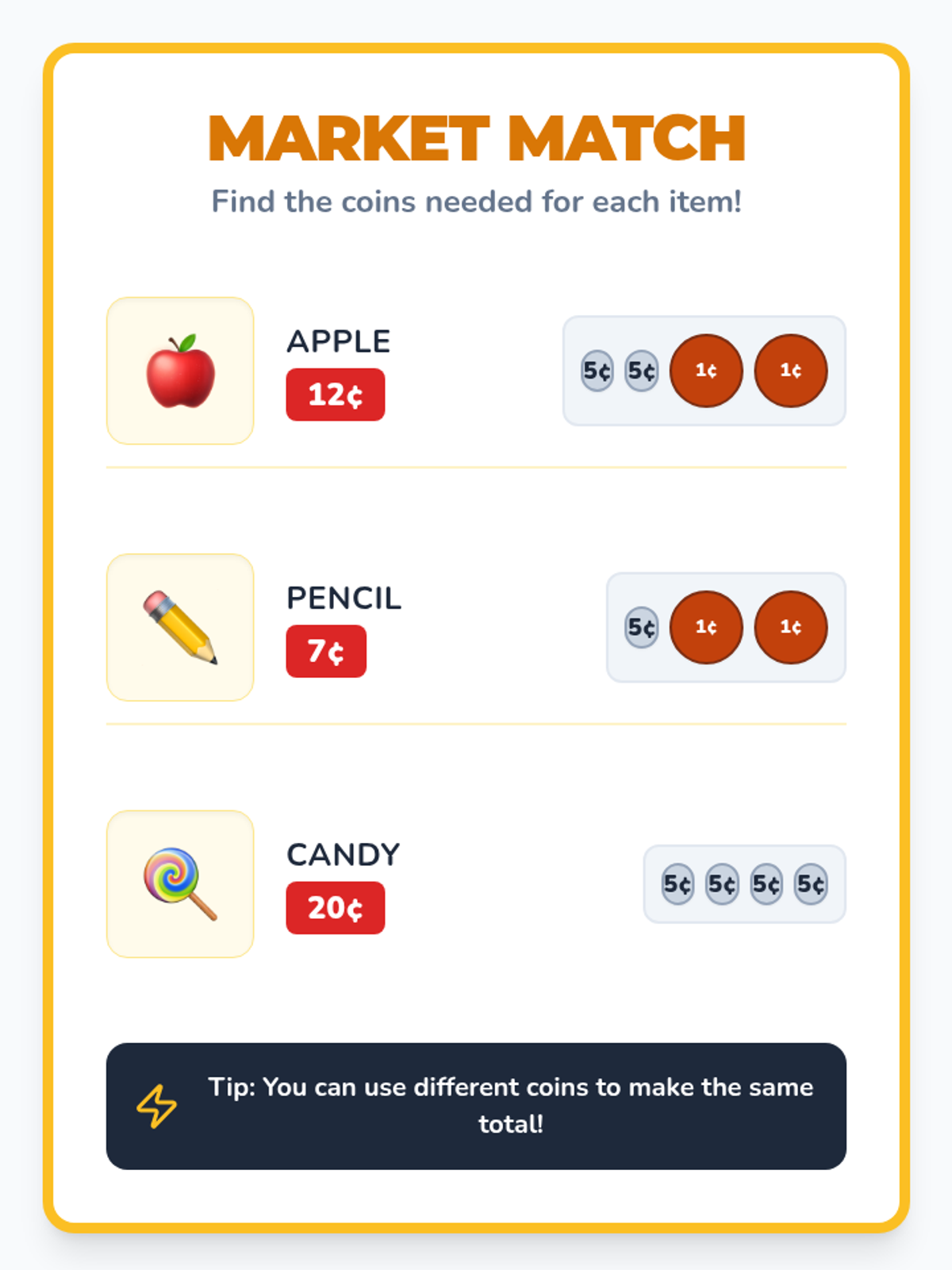
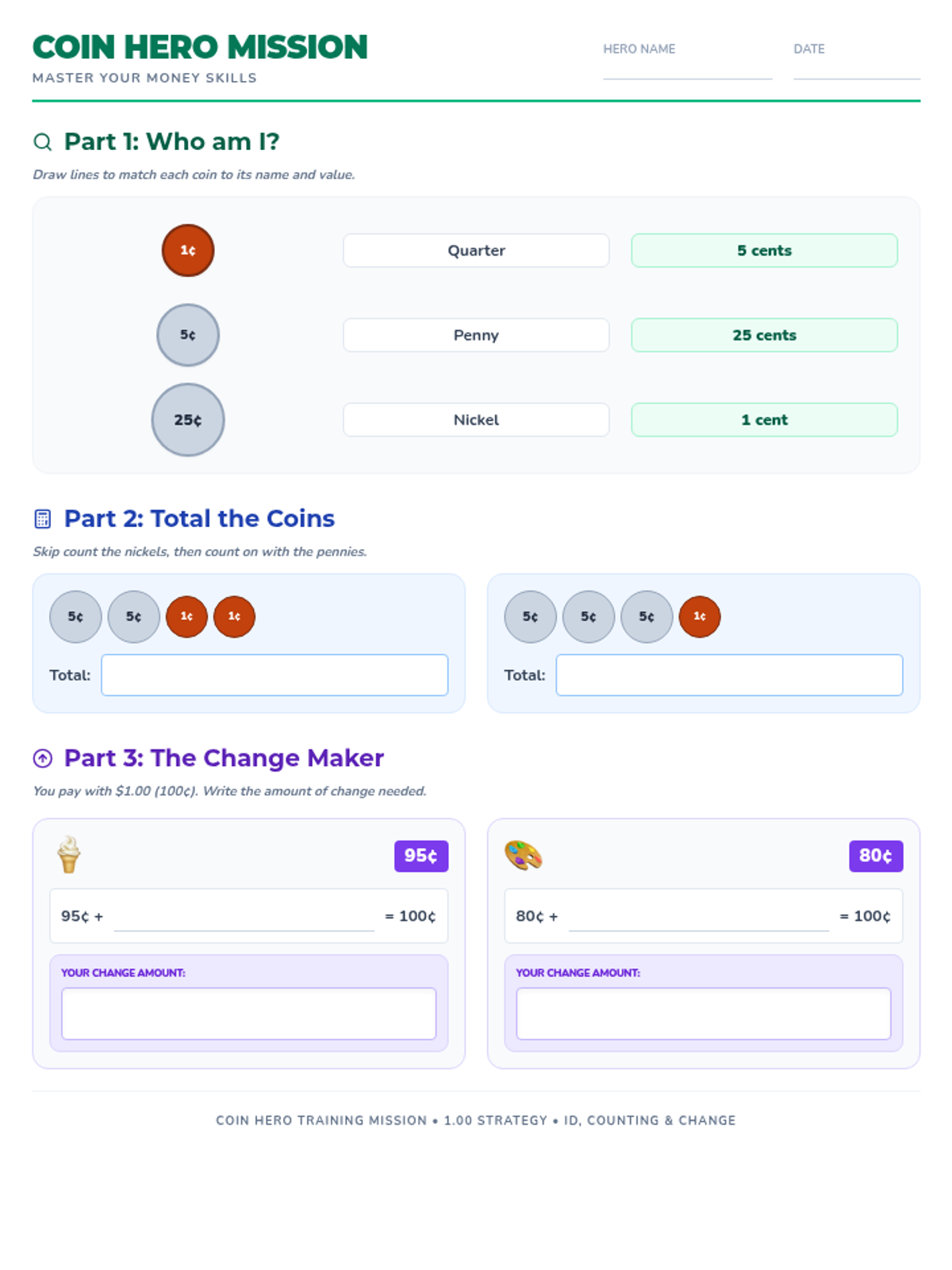
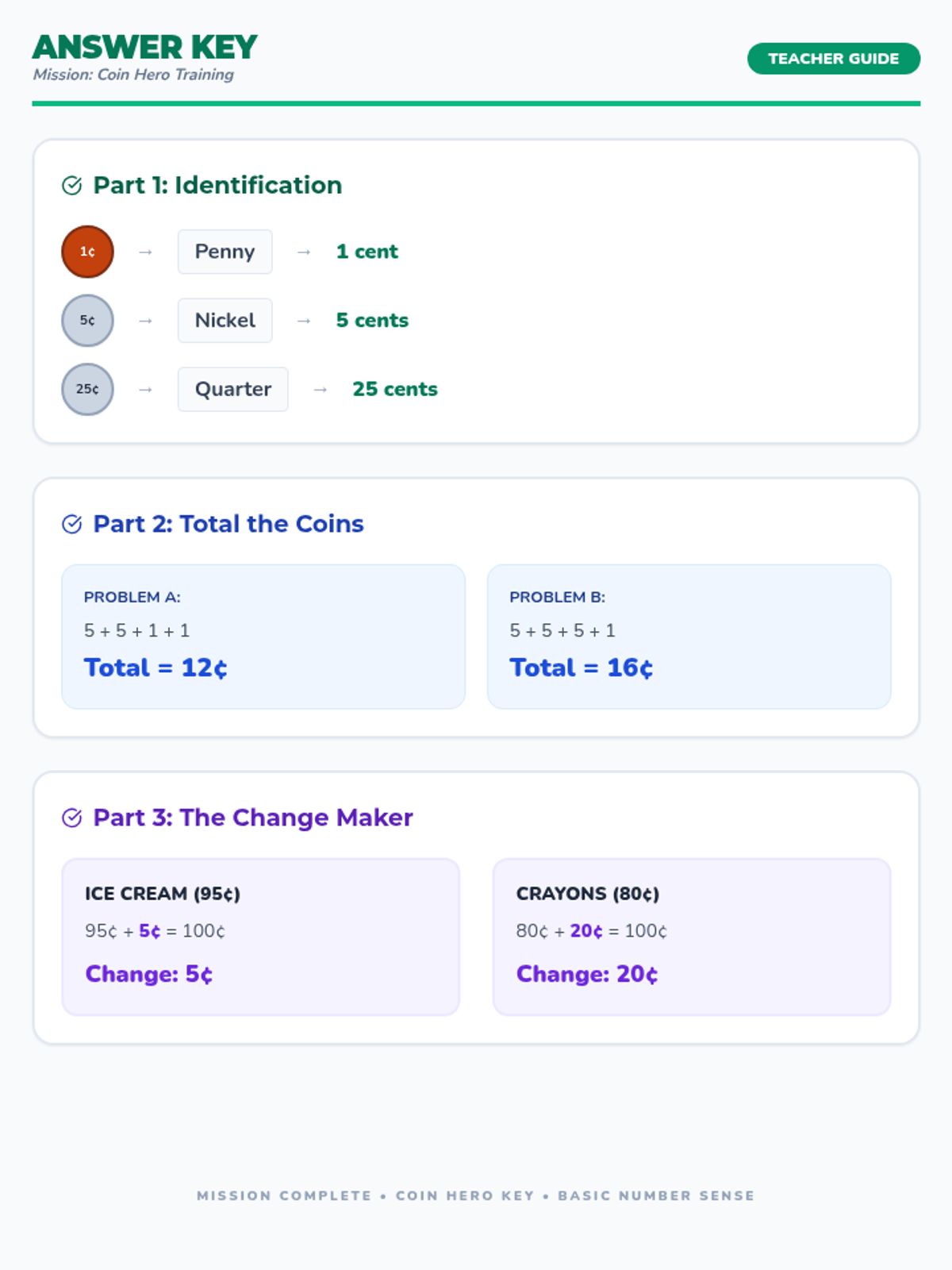
A comprehensive lesson on identifying US currency, counting totals, and calculating change up to $10 using a marketplace theme.
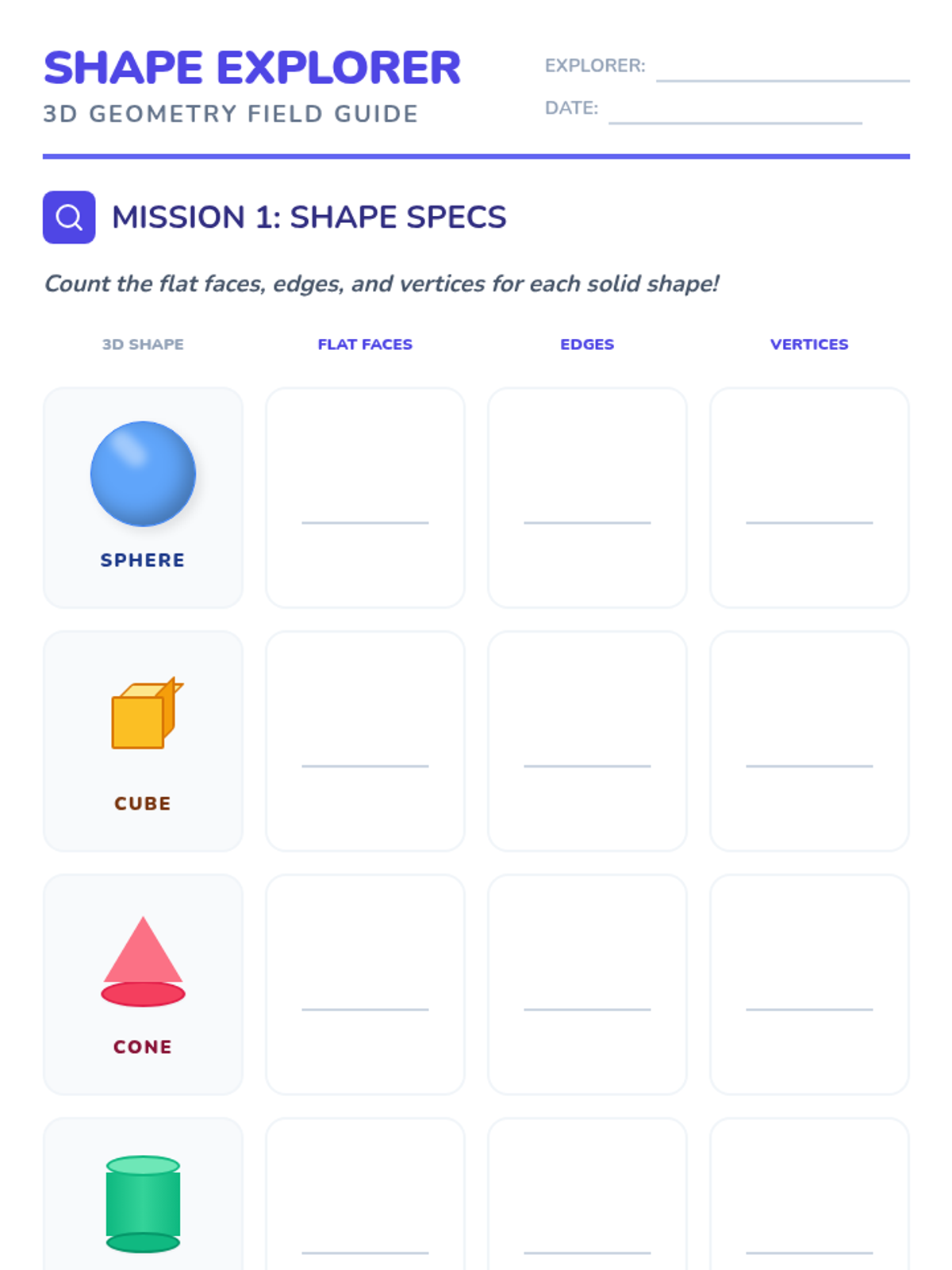
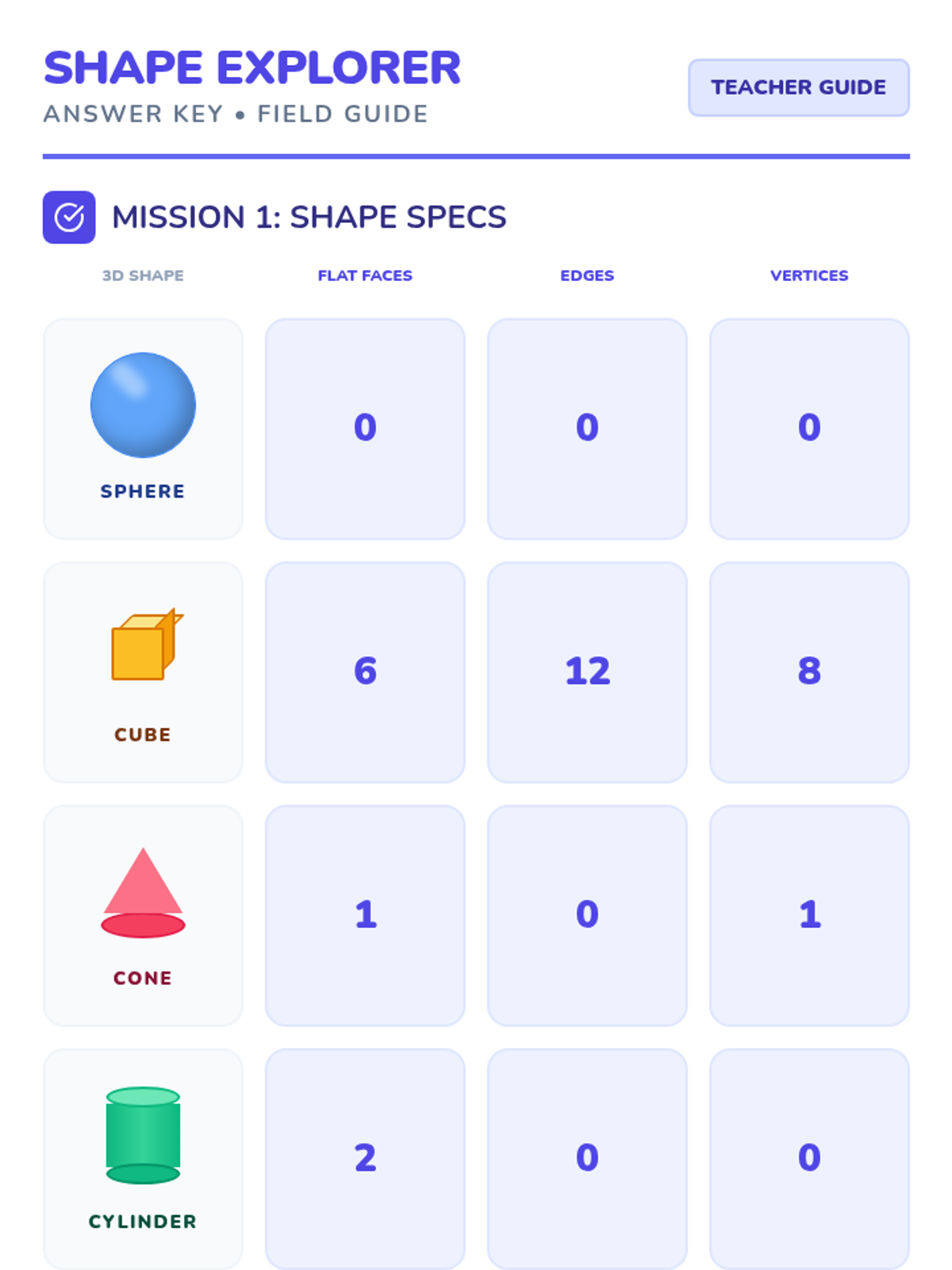
A hands-on exploration of 3D shapes where students identify, describe, and sort solid figures by their physical attributes and real-world applications.
Applying addition and subtraction skills to solve complex multi-step word problems and 'boss' challenges.
Mastering two-digit subtraction with regrouping, focusing on 'borrowing' from the tens place.
Mastering two-digit addition with regrouping, focusing on the concept of 'carrying' ten ones to the tens place.
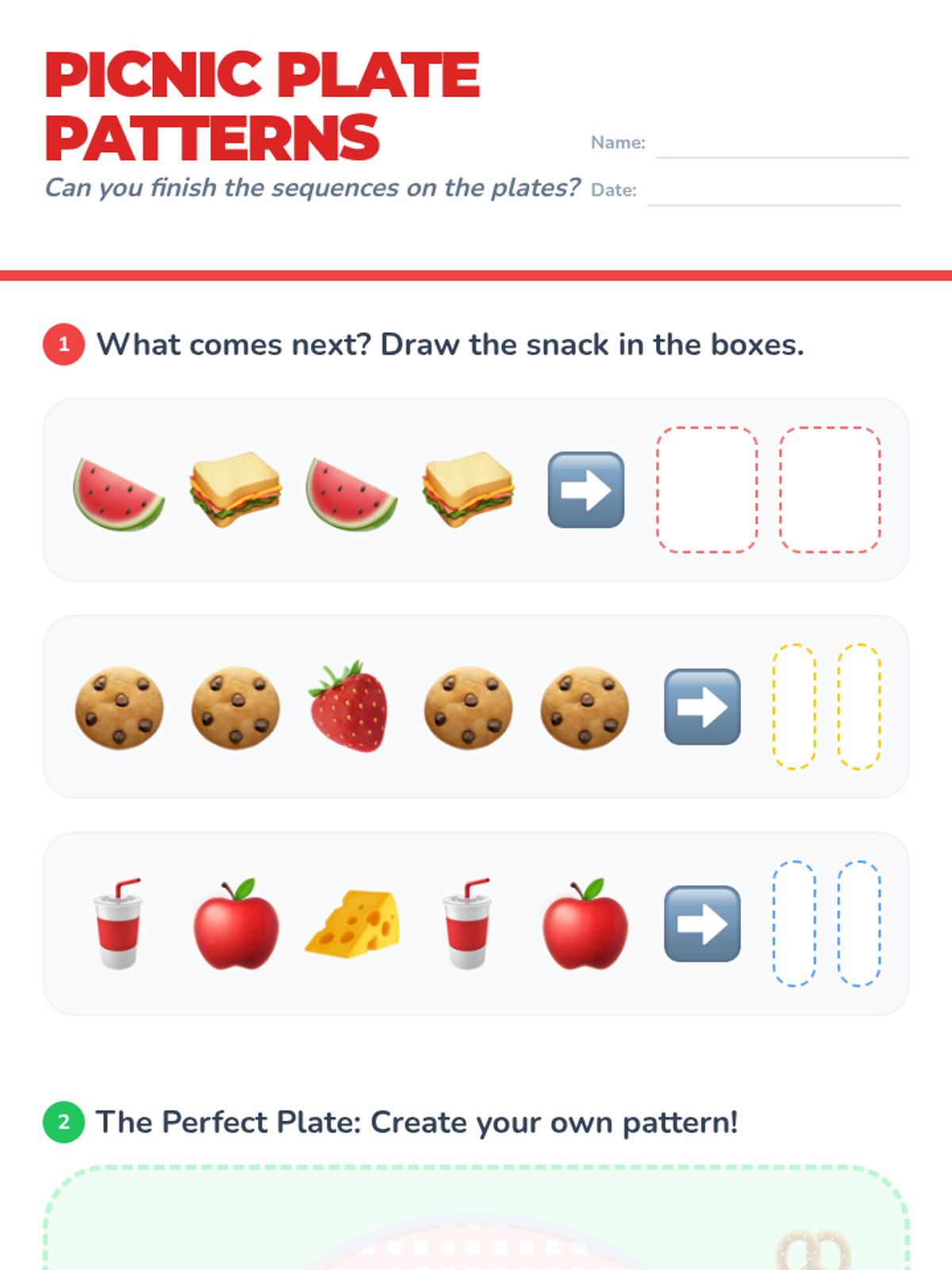
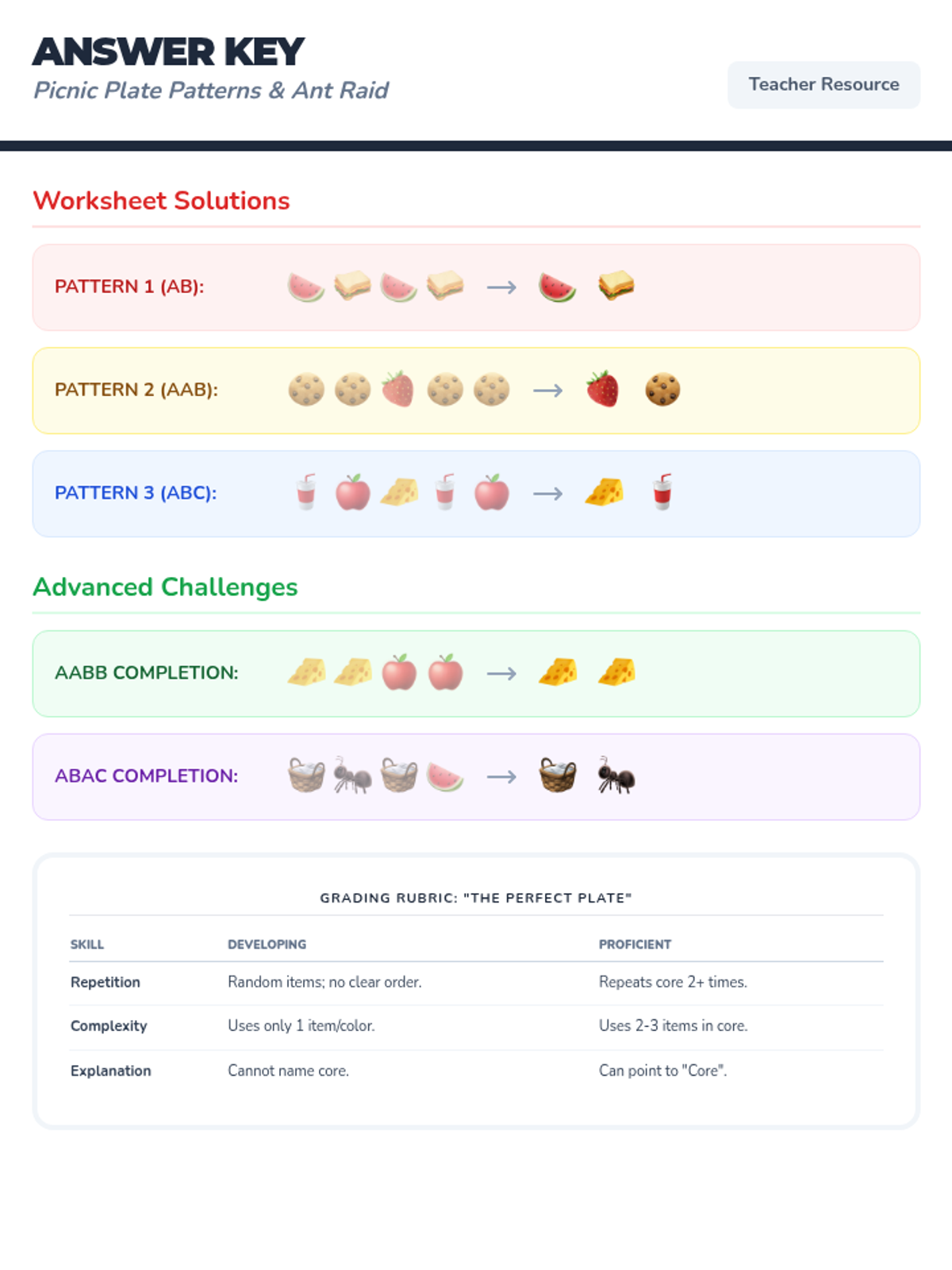
A hands-on lesson for K-1 students to identify, extend, and create 2D shape patterns with three levels of differentiated activity mats.
A foundational math lesson for K-2 special education students focusing on counting, quantity, and one-to-one correspondence up to 20 through a cozy, cabin-themed environment.
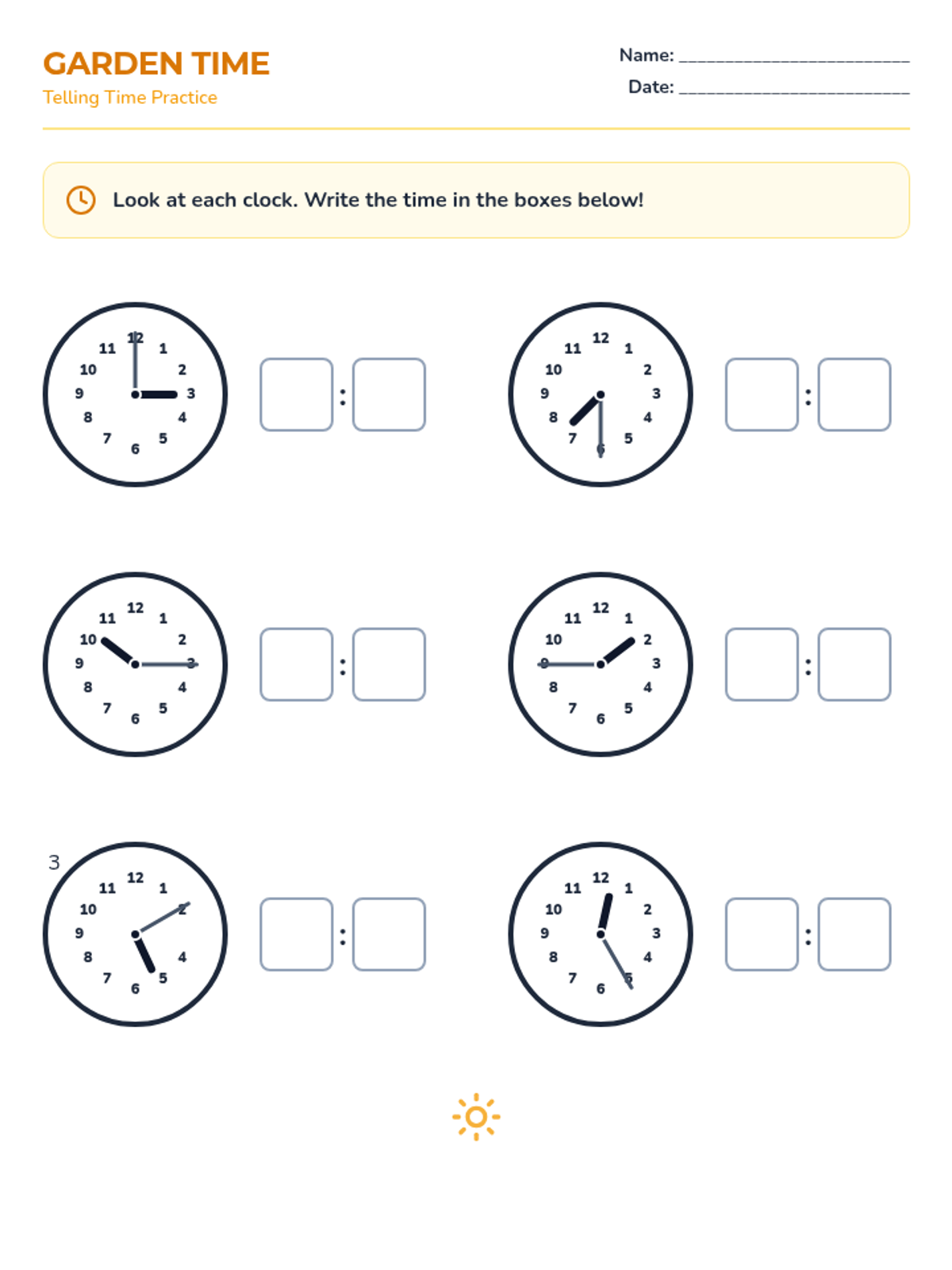
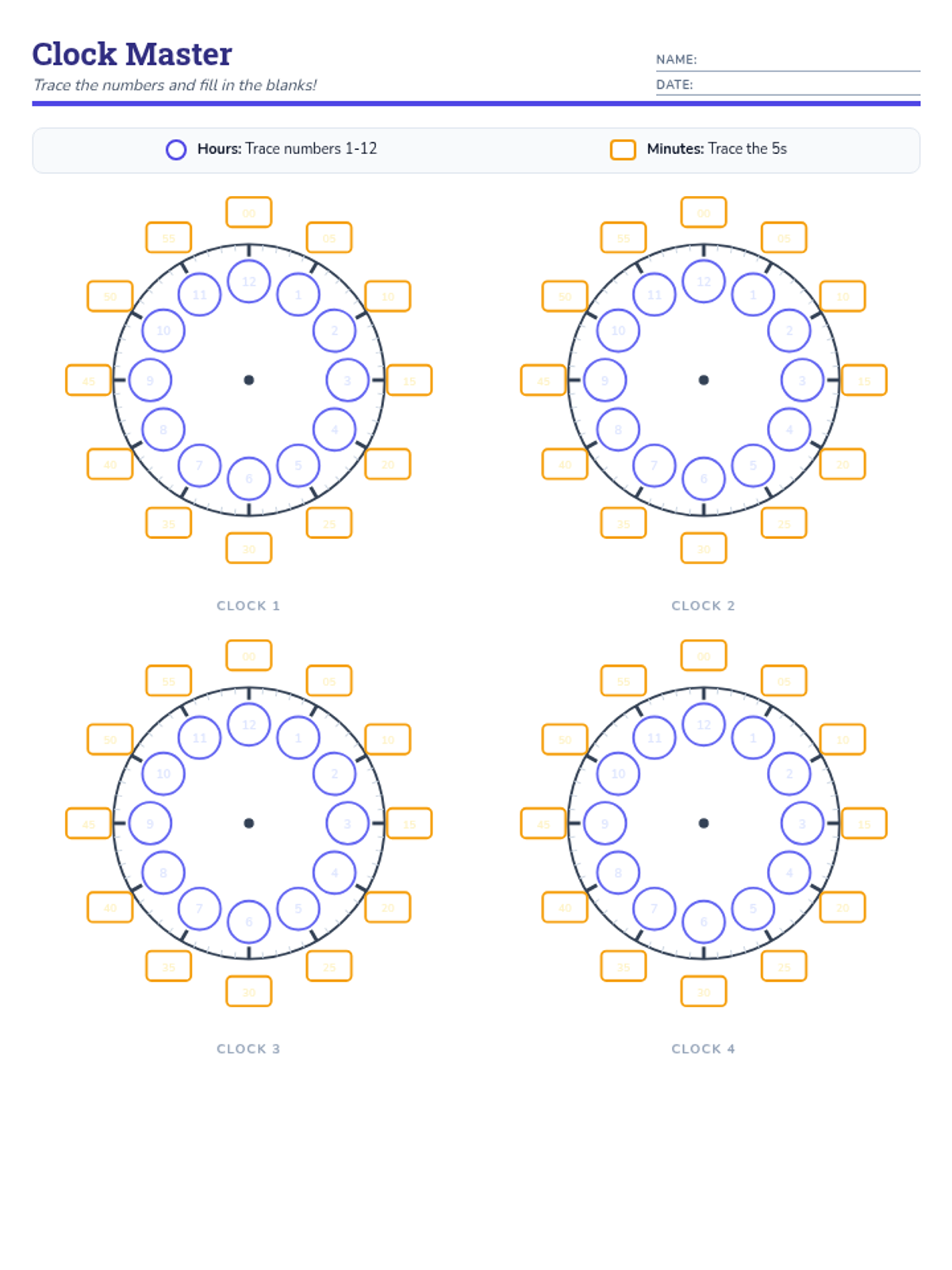
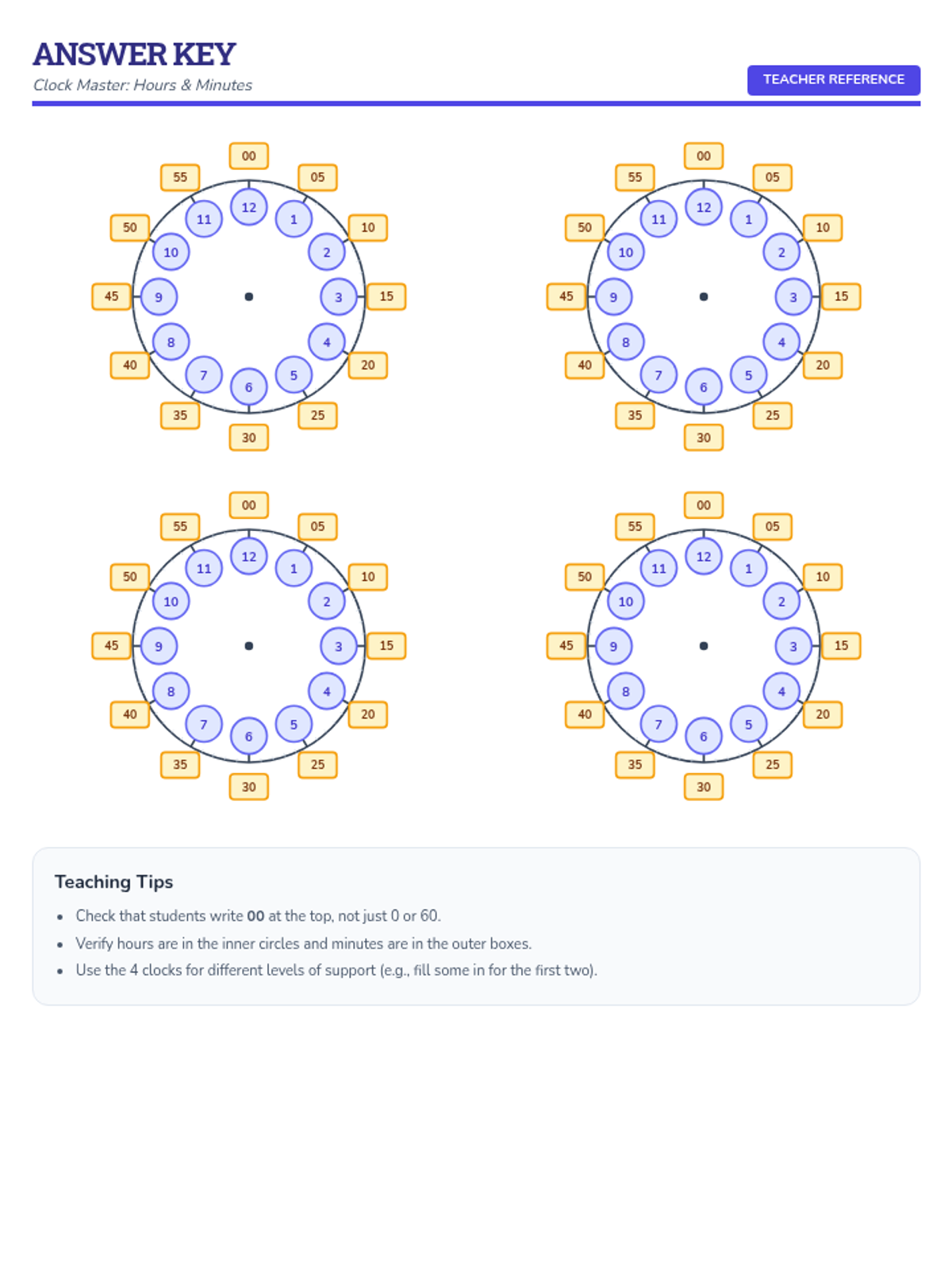
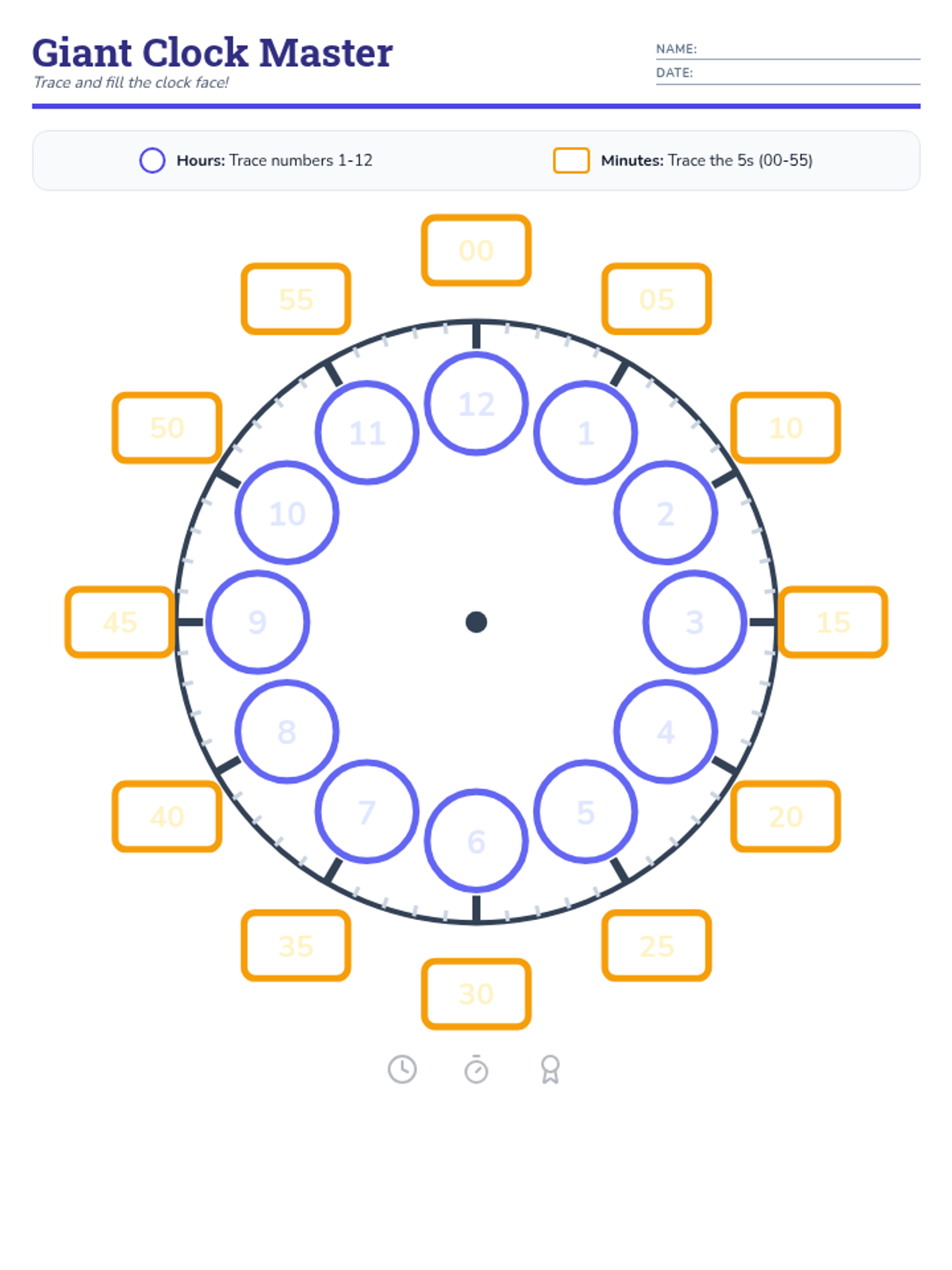
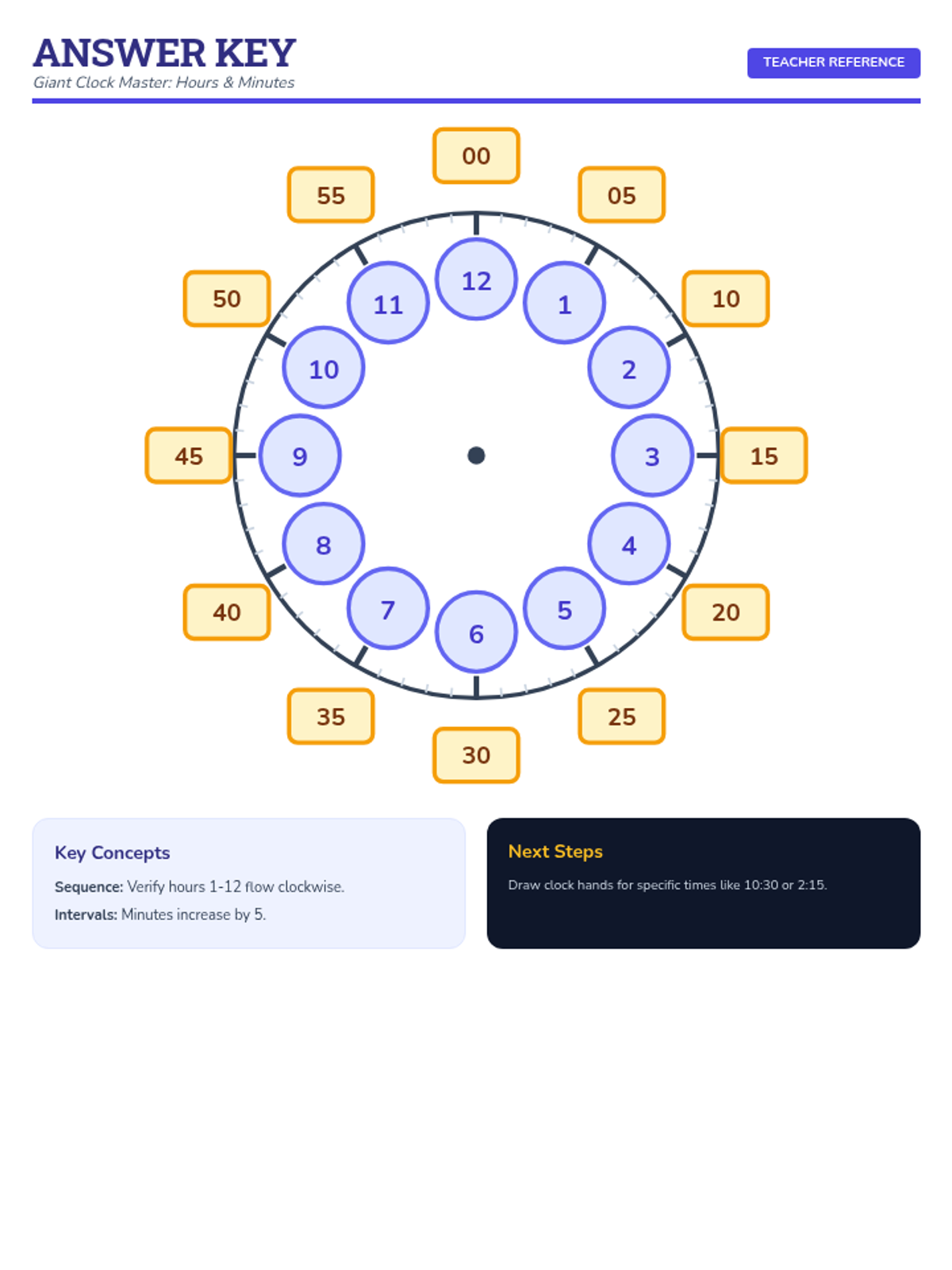
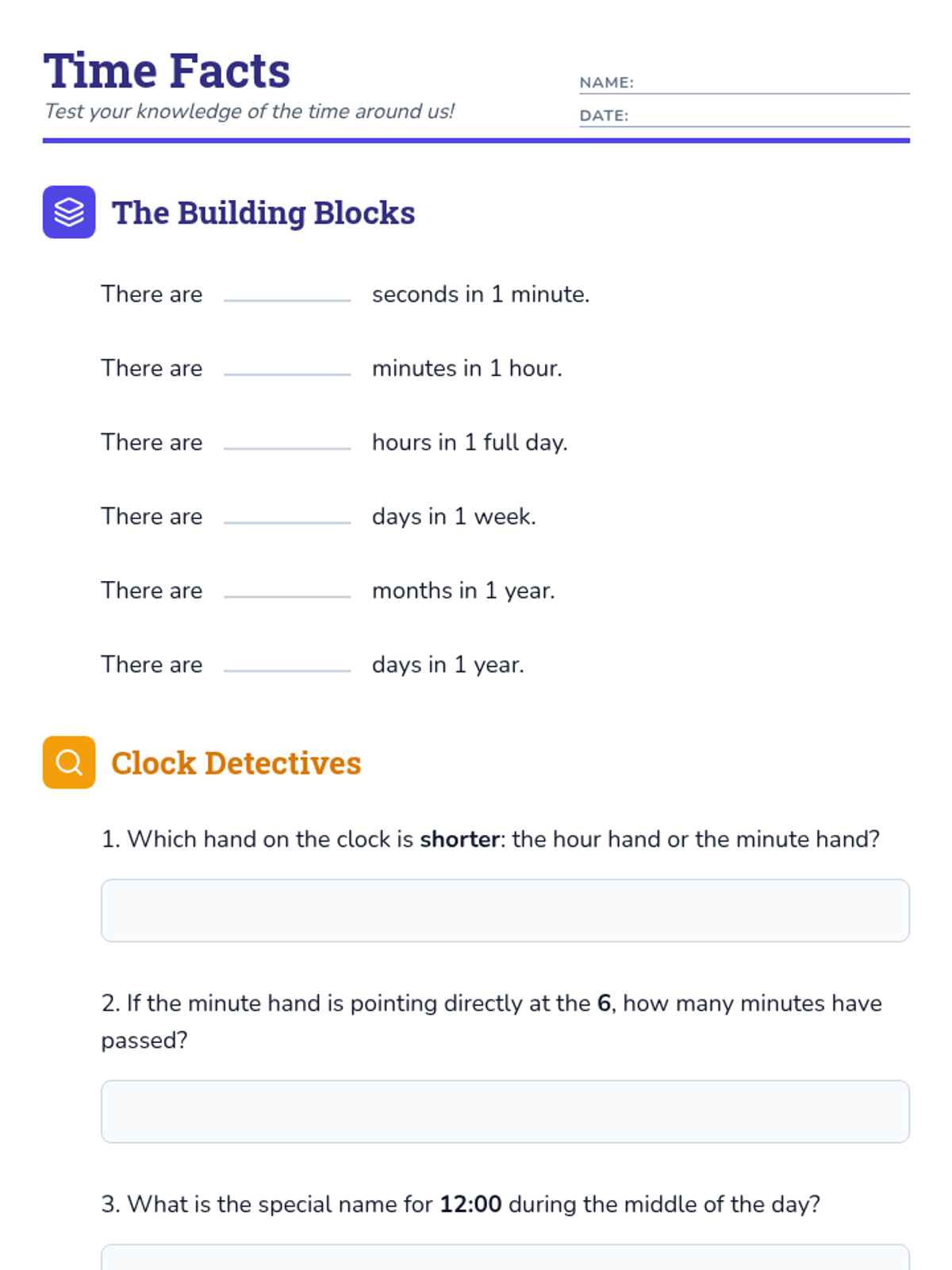
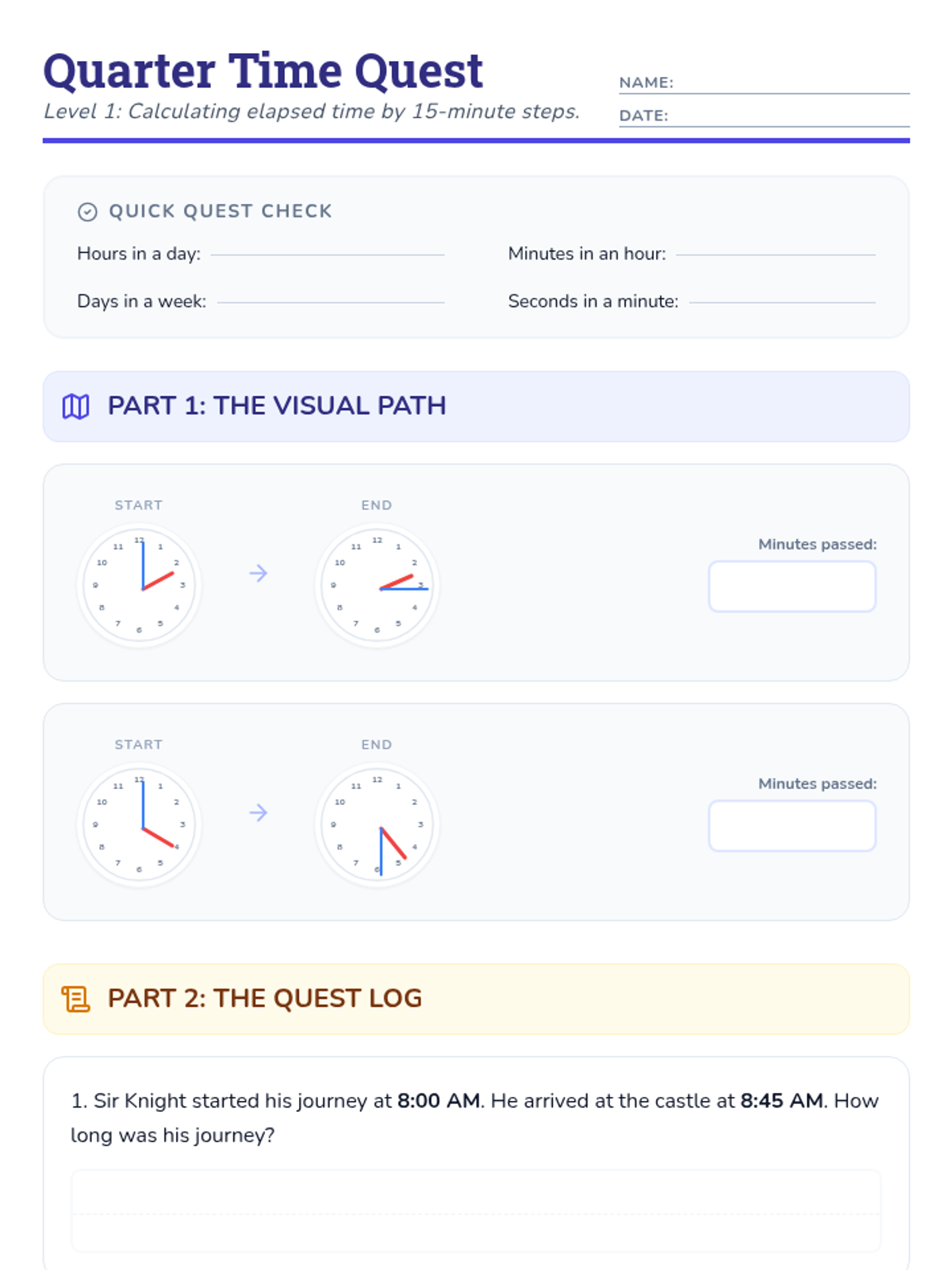
In this hands-on workshop, students build their own manipulative clocks to explore the mechanics of telling time. This lesson focuses on assembly and basic identification of clock components.
Introduces multiplication facts (2s, 5s, 10s) and advanced CVCE words with a canyon-themed speedway.
Focuses on addition and subtraction facts within 10 and common CVCE words using a jungle-themed racing board.
A first-grade lesson exploring the inverse relationship between addition and subtraction through the concept of 'Fact Family Houses'. Students will identify how three numbers can create four related equations.
A lesson focused on mastering two-digit addition, covering both regrouping and non-regrouping strategies through practice and application.
A 15-minute review lesson focusing on adding two-digit numbers using place value strategies and base ten block models. Includes a visual presentation and a quick-check practice sheet.
A foundational math lesson focused on identifying and sequencing numbers in the 'teens' (11-19) using a space exploration theme. Students will practice starting from a given teen number and counting forward to build numerical fluency.
A lesson where students use numerical data and counting to track the movement of water through the water cycle, focusing on interpreting charts and comparing quantities.
A comprehensive diagnostic assessment for 1st-grade students focusing on Iowa state standards for Number Sense, Place Value, and Operations. This lesson provides a baseline for student understanding at the beginning or middle of the year.
A foundational introduction to subtraction within 5, focusing on the concept of 'taking away' through visual aids and hands-on crossing out strategies.
A foundational lesson exploring the temporal concepts of 'before' and 'after' using numbers and everyday sequences to build early math and logic skills.
Students practice rapid fluency by choosing the best strategy for a series of mixed problems in a timed hockey sprint.
Students practice the fastest tricks for subtracting numbers that are 9, 8, or 7 away from the total.
Students refine their subtraction fluency by learning to choose the most efficient strategy for any given problem.
Students master facts that are close to doubles by relating them to their halves fluency, using a skeleton racing theme to emphasize speed and precision.
A set of daily choral count warm-ups focusing on skip-counting patterns within 100 to build number sense and preparation for mental subtraction.
Students demonstrate their mastery of all subtraction strategies in a comprehensive unit assessment themed around the Olympic Medal Ceremony.
Students practice choosing the most efficient mental math strategy for various subtraction problems, using a skiing slalom theme to visualize navigating different obstacles.
Students extend their doubles strategy to solve subtraction problems that are two away from a double fact (e.g., 16 - 6).